EP2308476B1 - Colonic purgative composition with soluble binding agent - Google Patents
Colonic purgative composition with soluble binding agent Download PDFInfo
- Publication number
- EP2308476B1 EP2308476B1 EP10180972.1A EP10180972A EP2308476B1 EP 2308476 B1 EP2308476 B1 EP 2308476B1 EP 10180972 A EP10180972 A EP 10180972A EP 2308476 B1 EP2308476 B1 EP 2308476B1
- Authority
- EP
- European Patent Office
- Prior art keywords
- sodium phosphate
- purgative
- colon
- tabs
- tablets
- Prior art date
- Legal status (The legal status is an assumption and is not a legal conclusion. Google has not performed a legal analysis and makes no representation as to the accuracy of the status listed.)
- Expired - Lifetime
Links
Images

Classifications
-
- A—HUMAN NECESSITIES
- A61—MEDICAL OR VETERINARY SCIENCE; HYGIENE
- A61K—PREPARATIONS FOR MEDICAL, DENTAL OR TOILETRY PURPOSES
- A61K33/00—Medicinal preparations containing inorganic active ingredients
-
- A—HUMAN NECESSITIES
- A61—MEDICAL OR VETERINARY SCIENCE; HYGIENE
- A61K—PREPARATIONS FOR MEDICAL, DENTAL OR TOILETRY PURPOSES
- A61K9/00—Medicinal preparations characterised by special physical form
- A61K9/20—Pills, tablets, discs, rods
-
- A—HUMAN NECESSITIES
- A61—MEDICAL OR VETERINARY SCIENCE; HYGIENE
- A61K—PREPARATIONS FOR MEDICAL, DENTAL OR TOILETRY PURPOSES
- A61K31/00—Medicinal preparations containing organic active ingredients
- A61K31/74—Synthetic polymeric materials
- A61K31/765—Polymers containing oxygen
-
- A—HUMAN NECESSITIES
- A61—MEDICAL OR VETERINARY SCIENCE; HYGIENE
- A61K—PREPARATIONS FOR MEDICAL, DENTAL OR TOILETRY PURPOSES
- A61K31/00—Medicinal preparations containing organic active ingredients
- A61K31/74—Synthetic polymeric materials
- A61K31/765—Polymers containing oxygen
- A61K31/77—Polymers containing oxygen of oxiranes
-
- A—HUMAN NECESSITIES
- A61—MEDICAL OR VETERINARY SCIENCE; HYGIENE
- A61K—PREPARATIONS FOR MEDICAL, DENTAL OR TOILETRY PURPOSES
- A61K33/00—Medicinal preparations containing inorganic active ingredients
- A61K33/06—Aluminium, calcium or magnesium; Compounds thereof, e.g. clay
-
- A—HUMAN NECESSITIES
- A61—MEDICAL OR VETERINARY SCIENCE; HYGIENE
- A61K—PREPARATIONS FOR MEDICAL, DENTAL OR TOILETRY PURPOSES
- A61K33/00—Medicinal preparations containing inorganic active ingredients
- A61K33/42—Phosphorus; Compounds thereof
-
- A—HUMAN NECESSITIES
- A61—MEDICAL OR VETERINARY SCIENCE; HYGIENE
- A61K—PREPARATIONS FOR MEDICAL, DENTAL OR TOILETRY PURPOSES
- A61K36/00—Medicinal preparations of undetermined constitution containing material from algae, lichens, fungi or plants, or derivatives thereof, e.g. traditional herbal medicines
- A61K36/18—Magnoliophyta (angiosperms)
- A61K36/185—Magnoliopsida (dicotyledons)
- A61K36/47—Euphorbiaceae (Spurge family), e.g. Ricinus (castorbean)
-
- A—HUMAN NECESSITIES
- A61—MEDICAL OR VETERINARY SCIENCE; HYGIENE
- A61K—PREPARATIONS FOR MEDICAL, DENTAL OR TOILETRY PURPOSES
- A61K36/00—Medicinal preparations of undetermined constitution containing material from algae, lichens, fungi or plants, or derivatives thereof, e.g. traditional herbal medicines
- A61K36/18—Magnoliophyta (angiosperms)
- A61K36/88—Liliopsida (monocotyledons)
- A61K36/886—Aloeaceae (Aloe family), e.g. aloe vera
-
- A—HUMAN NECESSITIES
- A61—MEDICAL OR VETERINARY SCIENCE; HYGIENE
- A61K—PREPARATIONS FOR MEDICAL, DENTAL OR TOILETRY PURPOSES
- A61K45/00—Medicinal preparations containing active ingredients not provided for in groups A61K31/00 - A61K41/00
- A61K45/06—Mixtures of active ingredients without chemical characterisation, e.g. antiphlogistics and cardiaca
-
- A—HUMAN NECESSITIES
- A61—MEDICAL OR VETERINARY SCIENCE; HYGIENE
- A61K—PREPARATIONS FOR MEDICAL, DENTAL OR TOILETRY PURPOSES
- A61K9/00—Medicinal preparations characterised by special physical form
- A61K9/20—Pills, tablets, discs, rods
- A61K9/2004—Excipients; Inactive ingredients
- A61K9/2022—Organic macromolecular compounds
- A61K9/2027—Organic macromolecular compounds obtained by reactions only involving carbon-to-carbon unsaturated bonds, e.g. polyvinyl pyrrolidone, poly(meth)acrylates
-
- A—HUMAN NECESSITIES
- A61—MEDICAL OR VETERINARY SCIENCE; HYGIENE
- A61K—PREPARATIONS FOR MEDICAL, DENTAL OR TOILETRY PURPOSES
- A61K9/00—Medicinal preparations characterised by special physical form
- A61K9/20—Pills, tablets, discs, rods
- A61K9/2004—Excipients; Inactive ingredients
- A61K9/2022—Organic macromolecular compounds
- A61K9/2031—Organic macromolecular compounds obtained otherwise than by reactions only involving carbon-to-carbon unsaturated bonds, e.g. polyethylene glycol, polyethylene oxide, poloxamers
-
- A—HUMAN NECESSITIES
- A61—MEDICAL OR VETERINARY SCIENCE; HYGIENE
- A61K—PREPARATIONS FOR MEDICAL, DENTAL OR TOILETRY PURPOSES
- A61K9/00—Medicinal preparations characterised by special physical form
- A61K9/20—Pills, tablets, discs, rods
- A61K9/2004—Excipients; Inactive ingredients
- A61K9/2022—Organic macromolecular compounds
- A61K9/205—Polysaccharides, e.g. alginate, gums; Cyclodextrin
- A61K9/2054—Cellulose; Cellulose derivatives, e.g. hydroxypropyl methylcellulose
-
- A—HUMAN NECESSITIES
- A61—MEDICAL OR VETERINARY SCIENCE; HYGIENE
- A61K—PREPARATIONS FOR MEDICAL, DENTAL OR TOILETRY PURPOSES
- A61K9/00—Medicinal preparations characterised by special physical form
- A61K9/20—Pills, tablets, discs, rods
- A61K9/2095—Tabletting processes
-
- A—HUMAN NECESSITIES
- A61—MEDICAL OR VETERINARY SCIENCE; HYGIENE
- A61P—SPECIFIC THERAPEUTIC ACTIVITY OF CHEMICAL COMPOUNDS OR MEDICINAL PREPARATIONS
- A61P1/00—Drugs for disorders of the alimentary tract or the digestive system
-
- A—HUMAN NECESSITIES
- A61—MEDICAL OR VETERINARY SCIENCE; HYGIENE
- A61P—SPECIFIC THERAPEUTIC ACTIVITY OF CHEMICAL COMPOUNDS OR MEDICINAL PREPARATIONS
- A61P1/00—Drugs for disorders of the alimentary tract or the digestive system
- A61P1/10—Laxatives
Definitions
- This invention relates to a process of producing a colonic purgative tablet formulation in solid dosage form.
- the formulation contains at least one purgative and at least one soluble binder, which significantly improves the visualization of the colon and patient tolerance.
- the formulation is free of insoluble binder or only contains levels of insoluble binder that do not impede the visualization of the colon.
- the binder may be nonfermentable in certain embodiments of the invention.
- Gastroenterol. 97:1696-1700 patients may not elect to undergo uncomfortable diagnostic procedures, which would significantly reduce early detection of disorders and increase medical costs. ( Harewood et al. (2002) Am. J. Gastroenterol. 97:3186-3194 ).
- Colonic cleansing is commonly accomplished using lavage with polyethylene glycol-electrolyte solutions.
- a major disadvantage of this method is that patients are required to ingest a significant amount of liquid volume within a short period of time for purgation. For instance, patients may have to ingest four liters of solution within a period of two to three hours ( Afridi et al. (1995) Gastrointest. Endosc. 41:485-489 ).
- a large number of patients experience significant volume-related discomfort and adverse side effects such as nausea, cramping, and vomiting ( Dipalma et al. (2003) Am. J. Gastroenterol. 98:2187-2191 ).
- phosphate salts consisting of phosphate salts.
- the phosphate salt solution produces an osmotic effect, causing large amounts of water to be drawn into the bowel, thereby promoting bowel evacuation.
- adverse side effects such as nausea, vomiting (principally a result of unpalatable taste), abdominal bloating, pain and dizziness were of similar frequency compared to polyethylene glycol-electrolyte lavage ( Kolts et al. (1993) Am. J. Gastroenterol. 88:1218-1223 ).
- Oral tablets containing phosphate salts have been formulated (see U.S. Patent Nos. 5,616,346 and 6,162,464 ) to increase preparatory compliance, reduce volume discomfort, and increase patient tolerance.
- the oral tablet formulation significantly reduced the incidence of gastrointestinal adverse events such as nausea, vomiting, and bloating ( Rex et al. (2002) Aliment Pharmacol. Ther. 16:937-944 ). Further, these tablet formulations were significantly better accepted and preferred by patients. Applicants discovered, however, that these formulations were limited in their acceptance by physicians by the presence of visible microcrystalline cellulose (MCC) in the colon, especially in the cecum and ascending colon ( Figure 1 ).
- MCC visible microcrystalline cellulose
- MCC a purified form of cellulose
- Retained MCC can be removed by suctioning or irrigation, so that the colon can be adequately visualized.
- these processes may prolong colonoscopy procedure time (Rex et al. (2002) Aliment Pharmacol. Ther. 16:937-944 ; Balaban et al. (2003) Am. J. Gastroenterol. 98:827-832 ), thereby prolonging the time that the patient is under anesthesia and reducing productivity of physicians ( Rex et al. (2002) Am. J. Gastroenterol. 97:1696-1700 ).
- These.tablets were also large and difficult for some to swallow.
- colonic purgative compositions that can be tolerated by the patient, while also providing quality preparation of the bowel. Further, it is desirable that the composition provides adequate visualization of the colon and structures, without the need for additional removal steps.
- US 3,121,663 discloses a suppository composition consisting essentially of polyethylene glycol which is solid at normal temperatures, sodium bicarbonate and sodium biphosphate.
- US 5,710,183 describes a composition for the improvement of bowel function comprising polyethylene glycol and a fiber bulking agent, wherein the polyethylene glycol is present in a weight ratio of polyethylene glycol to fiber of at least about 1:2 and no more than about 7:1.
- WO 03/092589 A2 describes a composition for inducing purgation of the colon of a patient which produces no clinically significant electrolyte shifts, comprising a small volume of an aqueous solution which comprises an effective amount of one or more salts selected from the group consisting of Na2SO4, MgSO4, and K2SO4, and an effective amount of PEG.
- the present invention relates to a process of producing a solid dosage form colonic purgative tablet formulation.
- the solid dosage form colonic purgative tablet formulation comprises at least one soluble binder and at least one purgative.
- the solid dosage form comprises polyethylene glycol as a soluble, nonfermentable binder.
- the formulation is free of insoluble binder or only contains levels of insoluble binder that do not impede the visualization of the colon.
- the at least one purgative is an osmotic purgative chosen from sodium phosphate, or a salt thereof.
- the sodium phosphate salt may be, for example, monobasic sodium phosphate, dibasic sodium phosphate, or tribasic sodium phosphate.
- the colonic purgative formulation comprises at least one non-osmotic purgative and at least one osmotic purgative (sodium phosphate).
- the present invention relates to a process of producing a colonic purgative tablet formulation for oral administration, comprising mixing components comprising polyethylene glycol and a therapeutically effective amount of sodium phosphate, warming the mixture up to the melting point of the polyethylene glycol and compressing the mixture into tablets, wherein the polyethylene glycol comprises an average molecular weight of from 7,000 to 9,000 and is present in an amount that is between 7.5% and 15% by weight of the composition.
- the formulation obtained according to the process of the invention may also comprise optional components to improve dosage form characteristics.
- the formulation comprises a lubricant, such as magnesium stearate, to improve the manufacturing process.
- a dosage of the formulation comprises 42-60 grams of sodium phosphate.
- the sodium phosphate comprises monobasic sodium phosphate, dibasic sodium phosphate, or a combination thereof.
- the process of the invention wherein the process comprises cooling the formulation to below 30°C prior to compression.
- the formulation obtained according to the process of the invention is a dual function composition.
- the formulation can be used for treating gastrointestinal disorders, such as constipation, by providing lower doses of the colonic purgative compositions as a laxative.
- the formulation can also be used for complete purgation in order to prepare the colon for a colonoscopy or surgical procedure, by providing higher doses of the compositions as a complete purgative.
- the formulation can also be used for maintaining the elimination or promoting the elimination of feces from the bowel by providing a colonic purgative composition according to the process of the invention.
- purgative refers to any substance that promotes defecation.
- the term purgative encompasses a range of cathartic effects.
- the term purgative encompasses mild catharsis, producing laxation ("partial purgation"), as well as stronger catharsis, providing complete or near-complete emptying of the large bowel ("complete purgation").
- the term refers to diarrhea.
- the term refers to a softening or loosening of the feces or laxation.
- purgative or purgation encompasses the full range of purgative processes, including both complete purgation and laxation (“partial purgation").
- osmotic refers to any substance that promotes the passage of a solvent from a solution of lesser to one of greater solute concentration when the two.solutions are separated by a membrane that selectively prevents the passage of solute molecules, but is permeable to the solvent.
- osmotic may refer to the ability of a substance to draw water into the intestines.
- Fermentable refers to any substance that can be anaerobically catabolized to simpler compounds, usually by bacteria and/or yeast. There are many types of fermentation, differing in the waste products formed and the fermentable substance. Fermentable substances include, but are not limited to, sugars, sugar-alcohols, polysaccharides, lactose, sorbitol, and mannitol. A fermentable substance releases explosive gases upon fermentation. The compound mannitol, for instance, can be fermented by bacteria that are typically resident in the colon of most humans and other mammals, during which hydrogen gas is released. The term “nonfermentable” refers to a substance that is not fermentable.
- soluble or “water soluble” refers to an aqueous solubility that is higher than 1/10,000 (mg/ml).
- the solubility of a substance, or solute is the maximum mass of that substance that can be dissolved completely in a specified mass of the solvent, such as water.
- Water soluble or soluble substances include, for example, polyethylene glycol.
- binder refers to any substance that exerts a physicochemical attractive force between molecules, and hence may be used in formulation of a dosage form.
- the binder may be mixed with other components of the composition, so that it is distributed uniformly throughout the dosage form.
- the binder may also provide a matrix upon which any additional components can associate.
- the binder is soluble and nonfermentable. Soluble and nonfermentable binders suitable for use in the invention include, but are not limited to, polyethylene glycol (PEG).
- salt or “pharmaceutically acceptable salt” refers to acidic salts formed with inorganic and/or organic acids, as well as basic salts formed with inorganic and/or organic bases. Examples of these acids and bases are well known to those of ordinary skill in the art. Salts according to the present invention may be used in a variety of forms, for example anhydrous or a hydrated crystalline form. The salts may also be those that are physiologically tolerated by a patient.
- binders used in solid dosage formulations are insoluble. Applicants discovered that insoluble binders, such as microcrystalline cellulose (MCC), are retained in the colon, hamper visualization of the colon, and prolong colonoscopy procedure time ( Figure 1 ). Commonly used soluble binders, however, including sugars, sugar-alcohols, and polysaccharides, can be fermented by the intestinal flora. The formation of explosive gases during the fermentation process is an undesirable property during certain surgical and diagnostic procedures involving the colon, such as during a colonoscopy using equipment that may produce a spark. In some documented cases, the presence of these gases during colon electrosurgery has led to explosion ( DeWilt et al. (1996) J. R. Coll. Surg. Edinb.
- the solid dosage form colonic purgative formulation obtained according to the process of the invention comprises at least one soluble, nonfermentable binder and at least one purgative.
- any soluble binder may be used in the composition. In these instances, it is not necessary that the binder or other ingredients be nonfermentable. Soluble, nonfermentable binders may, however, be used in compositions to prepare the colon for procedures that cannot produce a spark.
- a soluble, nonfermentable binder that is used in the formulations obtained according to the process of the invention includes, but is not limited to, polyethylene glycol (PEG).
- PEG polyethylene glycol
- PEG is represented by the structural formula: HOCH 2 (CH 2 OCH 2 ) m CH 2 OH, wherein m represents the average number of oxyethylene groups.
- any PEG polymer may be employed in the compositions contemplated herein.
- the PEG polymers are solid at room temperature (i.e., 25°C) and/or soluble in (or miscible with) water at room temperature.
- the average molecular weight of the PEG polymer is from 7,000 to 9,000.
- a PEG binder comprises 7.5-15%, and in an additional embodiment 10% by weight.
- the composition obtained according to the process of the invention is free of insoluble binder or only contains levels of insoluble binder that do not impede the visualization of the colon.
- purgatives are available commercially, and any available form of the material can be used in the practice of this invention.
- Purgatives that may be used in the invention include, but are not limited to, non-osmotic, osmotic, and bulk-forming purgatives.
- the invention may contain one purgative, more than one purgative from the same category, or more than one purgative from different categories may be used.
- Many purgatives may have more than one role or function, or may be classified in more than one group. Such classifications are descriptive only, and not intended to limit any use of a particular purgative.
- At least one osmotic purgative is used in the formulation of the invention.
- Osmotic purgatives act by increasing intestinal osmotic pressure thereby promoting retention of fluid within the bowel.
- the at least one purgative is sodium phosphate or a salt thereof. In an additional embodiment of the invention, the at least one purgative is monobasic sodium phosphate, dibasic sodium phosphate, or tribasic sodium phosphate.
- Salts according to the present invention may be used in a variety of forms, for example anhydrous or a hydrated form. It is also contemplated that a change in the form of a salt may increase or decrease its molecular weight. To account for any change in molecular weight, components of the purgative formulation and/or amounts of the purgative salts may be adjusted according to the knowledge of the person of ordinary skill in the art. In one embodiment of the invention, monobasic sodium phosphate is used in a monohydrate form. In another embodiment of the invention, dibasic sodium phosphate is used in an anhydrous form.
- the formulation obtained according to the process of the invention in addition comprises at least one non-osmotic purgative.
- Non-osmotic purgatives include prokinetic laxatives that stimulate the motility of the gastrointestinal tract, as well as stimulant laxatives that act by directly stimulating nerve endings in the colonic mucosa.
- Emollient laxatives and mucosal protectants may also be used.
- non-osmotic purgatives examples include, but are not limited to, mineral oil, aloe, bisacodyl, sodium picosulfate, casanthranol, cascara, castor oil, danthron, dehydrocholic acid, phenolphthalein, sennosides, docusate, bethanachol, colchicines, misoprostol, cisapride, norcisapride, paraffin, rhein, and tegaserod.
- the colonic purgative composition contains at least one osmotic purgative (i.e. sodium phosphate) and at least one non-osmotic purgative.
- osmotic purgative i.e. sodium phosphate
- non-osmotic purgative i.e. sodium phosphate
- the colonic purgative formulations may also comprise at least one bulk-forming purgative.
- Bulk-forming purgatives cause retention of fluid and an increase in fecal mass, resulting in stimulation of peristalsis.
- Bulk-forming laxatives may include various natural and semisynthetic polysaccharides, cellulose derivatives, or other substances that dissolve or swell in water to form an emollient gel or viscous solution that serves to maintain the feces soft and hydrated.
- Examples of bulk-forming purgatives that can be used in the invention include, but are not limited to, methylcellulose, sodium carboxymethyl cellulose, bran, psyllium, sterculia, and testa ispaghula.
- Additional optional components may be included in the formulations obtained according to the process of this invention to, for example, enhance the characteristics of the solid dosage form, maintain the integrity of particles of the active ingredient during the formulation process, and/or enhance the safety of the formulation. Any additional components may be compatible with the other ingredients in the formulations, in particular the active ingredients, and may not adversely affect the osmolarity of the formulations. Additional optional ingredients that may be used in the formulations include, for example, coatings, diluents, binders, glidants, lubricants, colors, disintegrants, flavors, sweeteners, polymers orwaxes.
- Lubricants for example, may be included in the formulations.
- Such lubricants include, but are not limited to, magnesium stearate, potassium stearate, talc, stearic acid, sodium lauryl sulphate, and paraffin.
- the colonic purgative formulation further comprises magnesium stearate: Lubricants serve to facilitate the manufacturing of a solid dosage form.
- Additional suitable ingredients also include, but are not limited to, carriers, such as sodium citrate and dicalcium phosphate; fillers or extenders, such as stearates, silicas, gypsum, starches, lactose, sucrose, glucose, mannitol, talc, and silicic acid; binders, such as hydroxypropyl methylcellulose, hydroxymethyl-cellulose, alginates, gelatin, polyvinyl pyrrolidone, sucrose, and acacia; humectants, such as glycerol; disintegrating agents, such as agar, calcium carbonate, potato and tapioca starch, alginic acid, certain silicates, colloidal silicon dioxide, sodium starch glycolate, crospovidone, and sodium carbonate; solution retarding agents, such as paraffin; absorption accelerators, such as quaternary ammonium compounds; wetting agents, such as cetyl alcohol and glycerol monostearate; absorbents, such as ka
- an additional component in the formulations may function to maintain the electrolyte balance in a patient.
- formulations may further comprise calcium, phosphate, potassium, magnesium, other anions, or salts thereof, which may normally be lost in diarrhea fluid.
- Acidic or basic compounds may also be optionally added to the composition to adjust the pH of the compound or to alter the disintegration characteristics.
- Acidic or basic compounds that may be included in the formulations include, but are not limited to, sodium carbonate, sodium bicarbonate, sodium phosphate, calcium carbonate, magnesium hydroxide, potassium hydroxide, magnesium carbonate, and aluminum hydroxide.
- ingredients are given as examples only and are not meant to include all possible choices. Additionally, many may have more than one role or function, or be classified in more than one group. Such classifications are descriptive only, and not intended to limit any use of a particular component.
- sample ingredient ranges for a colonic purgative formulation example are provided in Table 1. Not all of the components are necessary, but are provided for illustration only. For example, it may not be necessary to have two distinct purgatives and it may also not be necessary to have a lubricant, such as magnesium stearate.
- Example Ingredient Ranges for a Colonic Purgative Composition Ingredient Function Qty % (w/w) Sodium Phosphate, Monobasic Active Active 45.00-75.00 Sodium Phosphate, Dibasic Active Active 15.00-30.00 PEG-8000 Binder 5.00-20.00 Magnesium Stearate Lubricant 0.10-1.50
- the dose of the colonic purgative formulations may vary. For example, a lower dose of a colonic purgative formulation may be needed to produce a mild catharsis, while complete purgation may require a higher dose.
- a total daily dosage used for mild catharsis can range from 1 g to 30 g of a purgative.
- a total daily dosage of a purgative, such as sodium phosphate, in formulations of the present invention ranges from 1 to 30 g, 2 to 25 g, 3 to 20 g, 4 to 18 g, 5 to 16 g, 6 to 14 g, or 8 to 12 g.
- a total daily dosage may be formulated to contain 1, 2, 4, 6, 8, 10, 12, 14, 16, 18, 20, 22, 24, 26, 28, or 30 g of a purgative, such as sodium phosphate. Additional doses of the colonic purgative formulation may be necessary to produce the desired therapeutic effect. In one embodiment, the total daily dosage is administered every 24 hours until the desired therapeutic effects are reached.
- a purgative such as sodium phosphate. Additional doses of the colonic purgative formulation may be necessary to produce the desired therapeutic effect. In one embodiment, the total daily dosage is administered every 24 hours until the desired therapeutic effects are reached.
- a higher dose of a colonic purgative formulation may be needed to produce a complete purgation of the colon.
- a total dosage used for complete purgation can range from 20 g to 100 g of a purgative, optionally provided over a period of time of up to 24 hours.
- a total daily dosage of a purgative, such as sodium phosphate in formulations of the present invention may range from 20 to 100 g, 30 to 90 g, 40 to 80 g, or 50 to 70 g.
- a dose may be formulated to contain 20, 30, 40, 50, 60, 70, 80, 90, or 100 g of a purgative, such as sodium phosphate.
- the total daily dosage may be separated into divided doses.
- the total daily dosage is divided into two doses, separated by a period of up to 24 hours.
- a total daily dosage of 60 g of a purgative, such as sodium phosphate may be divided into two doses of 30 g each.
- One dose of 30 g may be administered in the evening before a colon procedure, while the second dose of 30 g may be administered in the morning, 3 to 5 hours before the colon procedure.
- the total daily dose is divided into three, four, or more doses.
- the addition of one or more purgatives to the composition may lower the amount of active ingredient in each dose, the number of doses, the administration time, and/or the number of tablets administered in a dose.
- a colonic purgative composition comprising sodium phosphate and bisacodyl
- the colonic purgative formulation is in an easily administered, solid dosage form.
- the solid dosage form is a tablet.
- the dosage form may be coated or encapsulated.
- the number of tablets administered in a dose may vary depending on the desired effect and on the amount of active ingredient in each solid dosage form. Clear liquids may be taken with each dose.
- the purgative composition is administered orally.
- the formulations are produced using a hot-melt process.
- the process of producing a colonic purgative formulation comprises mixing the components, warming the mixture to the melting point of the polyethylene glycol, and compressing the mixture into tablets.
- the ingredients may be mixed in a high-shear mixer equipped with a jacketed mixing bowl.
- the blend may be warmed up to the melting point of PEG during mixing and cooling down when the end-point is reached.
- the blend may be cooled down overnight, milled, lubricated, and compressed into tablets.
- One of ordinary skill in the art will recognize methods of varying the manufacturing process to optimize the dosage form or increase the product amount for large scale manufacturing.
- Table 2 Prior Art Colonic Purgative Compositions Containing an Insoluble Binder Ingredient Function Diacol ® Qty % (w/w) Visicol ® Qty % (w/w) Sodium Phosphate, Monobasic Active Active 55.10 62.44 Sodium Phosphate, Dibasic Active Active 19.90 22.55 Microcrystalline Cellulose Binder 23.00 13.00 Colloidal Silicone Dioxide Diluent 0.50 0.50 Magnesium Stearate Lubricant 1.50 1.50 Total 100 100
- the target weight of each Diacol ® tablet was 2000.0 mg, which was consistently achieved by the manufacturing process.
- the target weight of each Visicol ® tablet was 1764.8.0 mg, which was consistently achieved by the manufacturing process. Physical testing of both formulations revealed that the tablets exhibited an appropriate strength, hardness, and disintegration time.
- Visicol ® tablets were administered to humans in two, twenty tablet doses. One dose was administered the night before the colonoscopy procedure and the second dose was administered in the morning, 3 to 5 hours before the procedure. Colonoscopy revealed the presence of the binder, MCC, in the colon of patients. As shown in Figure 1 , MCC leaves a white powdery substance in the colon after use for bowel preparation, which significantly impairs visualization of the colon.
- Example 2 Preparation of a colonic purgative formulation containing a soluble, nonfermentable binder
- a colonic purgative formulation comprising the components set forth in Table 3, was produced using a hot melt process via high-shear granulation followed by milling, lubrication, and compression.
- Table 3 Colonic Purgative Composition Containing a Soluble, Nonfermentable Binder Ingredient Function Qty % (w/w) Qty/Dosage Form (mg) Qty/Batch (kg) Sodium Phosphate, Monobasic Active Active 65.75 1102.0 295.9 Sodium Phosphate, Dibasic Active 23.75 398.0 106.9 PEG-8000 Binder 10.00 167.6 45.0 Magnesium Stearate Lubricant 0.50 8.4 2.26 Total 100 1676.0 450.06
- sodium phosphate monobasic monohydrate (295.9 kg) was passed through a sieve equipped with a 10 mesh stainless steel screen.
- Sodium phosphate dibasic anhydrous 106.9 kg
- polyethylene glycol 8000 (45.0 kg) were each passed through a sieve equipped with a 20 mesh stainless steel screen.
- the sieved sodium phosphate monobasic monohydrate, sodium phosphate dibasic anhydrous, and polyethylene glycol 8000 were loaded into a 250 L bin and blended for 23 minutes ⁇ 60 seconds at 12 rpm in a bin blender.
- the blended mixture was then transferred into suitable double poly-lined containers and milled through a cone mill, equipped with a stainless steel screen, at an impeller speed of 1400-1500 rpm.
- the milled mixture was then transferred back to the bin blender and further blended for 45 minutes ⁇ 60 seconds at 12 rpm.
- the materials were discharged into double poly-lined containers and divided into three sections.
- the lower jacket temperature on a mixer was set to 59°C, the upper jacket was turned on, and the heating water began circulating through the jacketed mixing bowl.
- the impeller speed was set at 30 rpm (with the granulator not running).
- the lower jacket temperature was then set to 66°C and the impeller speed at 50 rpm.
- the impeller speed was increased to 100 rpm.
- the granulator was set to speed 1 (slow) and the lower jacket temperature was set to 58°C.
- the granulation process was stopped.
- the lower jacket temperature was reduced to 20°C, the upper jacket was turned off, and the impeller speed was decreased to 10 rpm.
- the mixture was cooled until the product temperature reached 52°C.
- the granulation was then discharged into double poly-lined containers and stored in a closed. container at room temperature overnight. The process detailed above was repeated for divided sections two and three of the blended materials.
- the milled granulation was loaded into a 1200 L bin and blended for 23 minutes ⁇ 30 seconds at 12 rpm in a bin blender.
- Magnesium stearate (2.26 kg) was passed through a 30 mesh stainless steel hand screen and then added to.the milled granulation in the 1200 L bin.
- the magnesium stearate was blended with the milled granulation for 10 minutes ⁇ 30 seconds at 12 rpm in the bin blender.
- the blended mixture was then compressed into tablets using a tablet press and dedusted using a tablet deduster.
- the target weight of each tablet was 1676.0 mg, which was consistently achieved by the manufacturing process. Physical testing of the tablet revealed that the tablet formulation exhibited an appropriate strength, hardness, and disintegration time. Surprisingly, the INKP-102 tablet could be formulated successfully as a smaller tablet than the prior art compositions, Diacol ® and Visicol ® , even though the same amount of active ingredient (1102 mg sodium phosphate monobasic monohydrate and 398 mg sodium phosphate dibasic anhydrous) was used in each of the three compositions (Table 4). This surprising result is very beneficial as the improved formulation is more tolerable to patients, allowing them to more easily administer the active ingredients.
- the disintegration time of the INKP-102 tablet is decreased, resulting in a more rapid response to the colonic purgative composition. Additionally, this decrease in disintegration time cannot be accounted for merely by the reduced size of the tablet, as there is a steeper decline in disintegration time compared to tablet size. This more rapid response would be especially beneficial whether a patient administered the composition of the invention to treat constipation or to completely purge the colon.
- Table 4 Colonic Purgative Composition Containing a Soluble, Nonfermentable Binder Diacol ® Visicol ® INKP-102 Amount of Binder 23% 13% -10% Binder MCC MCC PEG Tablet Dimensions 0.950 x 0.406 in.
- Example 3 Preparation of a colonic purgative formulation containing a soluble, nonfermentable binder
- a colonic purgative formulation comprising the components set forth in Table 5, is produced using a hot melt process via high-shear granulation followed by milling, lubrication, and compression.
- Table 5 Colonic Purgative Composition Containing a Soluble, Nonfermentable Binder Ingredient Function Qty % (w/w) Sodium Phosphate, Monobasic Active Active 65.73% Sodium Phosphate, Dibasic Active Active 23.74% Bisacodyl Active 0.03% PEG-8000 Binder 10.00 Magnesium Stearate Lubricant 0.50 Total 100
- Physical testing of the tablet formulation includes weight variation, strength, hardness, and disintegration time. It is expected that a tablet formulated according to the above parameters will have appropriate physical properties.
- Example 4 A colonic purgative composition to purge the colon
- a patient undergoing a surgical or diagnostic procedure involving the colon is administered 40 tablets of a colonic purgative composition, such as the composition described in Example 2 or 3.
- a colonic purgative composition such as the composition described in Example 2 or 3.
- 3 tablets are taken with at least 8 ounces of clear liquids every 15 minutes (the last dose will be 2 tablets) for a total of 20 tablets.
- the day of the colonoscopy procedure (starting 3 to 5 hours before the procedure) 3 tablets are taken with at least 8 ounces of clear liquids every 15 minutes (the last dose will be 2 tablets) for a total of 20 tablets. It is expected that the results of such treatment will provide an adequately cleansed bowel, demonstrate little or no residue that impairs visual inspection of the colon, and is tolerable to the patient both in its palatability and side effect profile.
- Example 5 A colonic purgative composition containing an osmotic and non-osmotic purgative to purge the colon
- a colonic purgative formulation of the invention may also be administered.in a single application or dose.
- a patient undergoing a surgical or diagnostic procedure involving the colon is administered 20 tablets of a colonic purgative composition, such as the composition described in Example 3.
- the evening before the surgical or diagnostic procedure 3 tablets are taken with at least 8 ounces of clear liquids every 15 minutes (the last dose will be 2 tablets) for a total of 20 tablets. It is expected that the results of such treatment will provide an adequately cleansed bowel, demonstrate little or no residue that impairs visual inspection of the colon, and is tolerable to the patient both in its palatability and side effect profile. Further, it is expected that no morning dose will be required to obtain quality cleansing of the bowel.
- Example 6 A colonic purgative composition to treat constipation
- a patient with constipation is treated with a colonic purgative composition, such as the composition described in Example 2 or 3.
- the composition is administered in a total daily dose of 3 to 18 g, which is given over a period of up to 30 minutes. The dose may be repeated daily. It is expected that the results of such treatment will facilitate the passage of feces and promote elimination, by loosening or softening of the stool and/or the promotion of peristalsis due to increased amounts of water in the colon. It is beneficial to be able to use the same dual function composition for complete purgation and laxation.
- Example 7 Colon cleansing efficacy of INKP-102
- the primary objective of this study was to compare, by direct visualization, the colon cleansing efficacy of a composition of one embodiment of the invention (See Table 3; hereinafter "INKP-102") versus the marketed Visicol ® tablets (See Table 2; InKine Pharmaceutical Company, Blue Bell, PA) in patients undergoing colonoscopy.
- INKP-102 The components of INKP-102 (1676 mg tablet) were as set forth in Table 3 above.
- Visicol ® tablets were comprised of the same amount of active ingredient as INKP-102 (1102 mg sodium phosphate monobasic monohydrate and 398 mg sodium phosphate dibasic anhydrous).
- the inert ingredients of Visicol ® tablets included MCC, colloidal silicon dioxide, and magnesium stearate, as set forth in Table 2 above.
- Patients were randomly assigned (approximately 30 patients per group) to one of the seven treatment arms (Arms A-G). Each arm had a unique dosing regimen, as described in Table 6. Patients received either Visicol ® Tablets (Arm A; 60 g sodium phosphate dose, as label recommends) or one of 6 dosing regimens of INKP-102 (Arms B-G; 42-60 g of sodium phosphate). There were two scheduled visits: a screening visit (Visit 0) and the colonoscopy visit (Visit 1). The screening visit took place up to 14 days prior to Visit 1. Patients self-administered the trial medication.
- INKP-102 tablets (42 g sodium phosphate) by mouth as follows: 20 tablets beginning at 6 p.m. the evening before colonoscopy and 8 tablets the next day beginning 3 to 5 hours before colonoscopy, with tablets taken 4 at a time every 15 minutes with at least 8 oz. of clear liquid.
- the primary objective of the study was to evaluate the colon cleansing efficacy of INKP-102 compared with Visicol ® tablets in patients undergoing colonoscopy.
- the overall quality of the colonic cleansing was evaluated based on (1) the amount of stool (liquid, semisolid, or solid) observed during the procedure and (2) the amount of "colonic contents” (including all liquid, semisolid, and solid material in the lumen of the colon) observed during the procedure rather than only "stool.”
- Tables 7a and 7b display the results of endoscopist assessment of "colonic contents" overall and in the ascending colon, respectively, in the "All-Assessed” population.
- Comparison of Visicol ® versus INKP-102 treatments revealed that mean overall colonic contents scores were significantly better with INKP-102 dosages (Arms B, C, and E) than with Visicol ® (P ⁇ 0.05; Arm A).
- assessment of colonic contents in the ascending colon revealed that INKP-102 treatment with Arms B, C, and E resulted in significantly better mean colonic contents scores than with Visicol ® treatment (P ⁇ 0.05; Arm A).
- treatment with Arm E resulted in these significantly better mean colonic contents scores, even though the amount of sodium phosphate (48 g) was lower than the sodium phosphate content of the marketed Visicol ® (60 g).
- treatment Arms D, F, and G performed as well as the marketed Visicol ® (no statistically significant difference), even though the amount of sodium phosphate (48 g, 42 g, and 42 g, respectively) was lower than the sodium phosphate content of the marketed Visicol ® (60 g).
- This surprising result is very beneficial as the improved formulation allows patients to use a lower dose of active ingredients to achieve the same result. It is expected that the same will hold true for laxative uses of the composition.
- the dosing regimens of treatment Arms D and F only involve an evening dose, they may be more preferable to patients who do not want to get up early before a procedure to complete a dosing regimen and more preferable to anesthesiologists who require that the patient receive nothing by mouth on the morning of the procedure.
- Tables 8a and 8b display the results of endoscopist assessment of "stool” overall and in the ascending colon, respectively, in the "All-Assessed” population.
- Mean “stool" endpoint scores overall and in the ascending colon generally favored INKP-102 dose groups over Visicol ® .
- INKP-102 Arm E showed statistically significant improvement over Visicol ® , and only in the ascending colon.
- treatment with Visicol ® was statistically superior to INKP-102 Arm F in the ANOVA comparisons of means for both the overall "stool" score and ascending colon stool scores.
- the dosing regimen of treatment Arm D only involves an evening dose, it may be more preferable to patients who do not want to get up early before a procedure to complete a dosing regimen and more preferable to anesthesiologists who require that the patient receive nothing by mouth on the morning of the procedure.
- inorganic phosphorus exhibited a significant, after-treatment difference between the INKP-102 and Visicol ® treatment arms. Increases from baseline in inorganic phosphorus were anticipated and occurred with a mean increase of 88% over baseline levels in all patients, regardless of treatment arm. These increases in inorganic phosphorus levels were significantly higher among Arm A (Visicol ® Tablets) than in patients in treatment arms D, E, F, and G (INKP-102; P ⁇ 0.0170). The inorganic form of phosphate in the circulating plasma is excreted almost entirely by the kidneys and therefore some patients, such as those with renal disease, may have difficulty excreting a large phosphate load.
- INKP-102 beneficially reduces the burden on the kidneys during sodium phosphate treatment. This effect may be attributable to the reduced sodium phosphate doses in Arms D, E, F, and G. As described in several efficacy analyses above, however, INKP-102 more effectively cleanses the colon than a larger sodium phosphate dose of Visicol ® , while at the same time reducing the increase in inorganic phosphorous normally observed with Visicol ® administration.
Landscapes
- Health & Medical Sciences (AREA)
- Life Sciences & Earth Sciences (AREA)
- Animal Behavior & Ethology (AREA)
- Pharmacology & Pharmacy (AREA)
- Medicinal Chemistry (AREA)
- Chemical & Material Sciences (AREA)
- General Health & Medical Sciences (AREA)
- Public Health (AREA)
- Veterinary Medicine (AREA)
- Epidemiology (AREA)
- Natural Medicines & Medicinal Plants (AREA)
- Inorganic Chemistry (AREA)
- Engineering & Computer Science (AREA)
- Biotechnology (AREA)
- Alternative & Traditional Medicine (AREA)
- Botany (AREA)
- Medical Informatics (AREA)
- Microbiology (AREA)
- Mycology (AREA)
- Chemical Kinetics & Catalysis (AREA)
- Bioinformatics & Cheminformatics (AREA)
- General Chemical & Material Sciences (AREA)
- Nuclear Medicine, Radiotherapy & Molecular Imaging (AREA)
- Organic Chemistry (AREA)
- Medicinal Preparation (AREA)
- Pharmaceuticals Containing Other Organic And Inorganic Compounds (AREA)
- Acyclic And Carbocyclic Compounds In Medicinal Compositions (AREA)
- Medicines Containing Plant Substances (AREA)
- Medicines Containing Antibodies Or Antigens For Use As Internal Diagnostic Agents (AREA)
Description
- This invention relates to a process of producing a colonic purgative tablet formulation in solid dosage form. In certain embodiments of this invention, the formulation contains at least one purgative and at least one soluble binder, which significantly improves the visualization of the colon and patient tolerance. In other embodiments of the invention, the formulation is free of insoluble binder or only contains levels of insoluble binder that do not impede the visualization of the colon. The binder may be nonfermentable in certain embodiments of the invention.
- It is desirable to identify compounds that sufficiently cleanse the colon, but do not cause adverse side effects. It is also desirable to identify compounds that are used to treat constipation and promote fecal elimination, for instance, but that do not produce uncomfortable or embarrassing side effects such as gas. Additionally, completely clearing the bowel of fecal debris is a necessary prerequisite before a variety of diagnostic and surgical procedures. Cleansing is important, for instance, in order to sufficiently view the gross or microscopic appearance of the colon during colonoscopy. However, the cleansing procedure must also be tolerable to patients so that they are fully compliant with the cleansing process. Poor bowel preparation, due to lack of patient compliance or insufficient cleansing, impacts the efficiency and cost of these procedures, especially if they must be repeated (Rex et al. (2002) Am. J. Gastroenterol. 97:1696-1700). Further, patients may not elect to undergo uncomfortable diagnostic procedures, which would significantly reduce early detection of disorders and increase medical costs. (Harewood et al. (2002) Am. J. Gastroenterol. 97:3186-3194).
- Colonic cleansing is commonly accomplished using lavage with polyethylene glycol-electrolyte solutions. A major disadvantage of this method is that patients are required to ingest a significant amount of liquid volume within a short period of time for purgation. For instance, patients may have to ingest four liters of solution within a period of two to three hours (Afridi et al. (1995) Gastrointest. Endosc. 41:485-489). A large number of patients experience significant volume-related discomfort and adverse side effects such as nausea, cramping, and vomiting (Dipalma et al. (2003) Am. J. Gastroenterol. 98:2187-2191). Another drawback of these preparations is their salty taste, which may also lead to patient noncompliance and adverse effects. Attempts have been made to make the taste more palatable, for instance by flavoring or reducing salt content. However, these changes did not make the regimen more acceptable to the patient, nor was there an improvement in the quality of colon cleansing (Church (1998) Dis. Colon Rectum 41:1223-1225). Such preparations deter patients from colon cancer screening (Harewood et al. (2002) Am. J. Gastroenterol. 97:3186-3194).
- In an attempt to avoid the problems associated with the high-volume type preparations, smaller-volume aqueous preparations consisting of phosphate salts have been marketed. The phosphate salt solution produces an osmotic effect, causing large amounts of water to be drawn into the bowel, thereby promoting bowel evacuation. Although the lower volume marginally favors these sodium phosphate preparations, adverse side effects such as nausea, vomiting (principally a result of unpalatable taste), abdominal bloating, pain and dizziness were of similar frequency compared to polyethylene glycol-electrolyte lavage (Kolts et al. (1993) Am. J. Gastroenterol. 88:1218-1223).
- Oral tablets containing phosphate salts have been formulated (see
U.S. Patent Nos. 5,616,346 and6,162,464 ) to increase preparatory compliance, reduce volume discomfort, and increase patient tolerance. The oral tablet formulation significantly reduced the incidence of gastrointestinal adverse events such as nausea, vomiting, and bloating (Rex et al. (2002) Aliment Pharmacol. Ther. 16:937-944). Further, these tablet formulations were significantly better accepted and preferred by patients. Applicants discovered, however, that these formulations were limited in their acceptance by physicians by the presence of visible microcrystalline cellulose (MCC) in the colon, especially in the cecum and ascending colon (Figure 1 ). MCC, a purified form of cellulose, is used as a binder in the tablet formulation and is not soluble in the alimentary fluid. Retained MCC can be removed by suctioning or irrigation, so that the colon can be adequately visualized. However, these processes may prolong colonoscopy procedure time (Rex et al. (2002) Aliment Pharmacol. Ther. 16:937-944; Balaban et al. (2003) Am. J. Gastroenterol. 98:827-832), thereby prolonging the time that the patient is under anesthesia and reducing productivity of physicians (Rex et al. (2002) Am. J. Gastroenterol. 97:1696-1700). These.tablets, however, were also large and difficult for some to swallow. - Thus, there is need for colonic purgative compositions that can be tolerated by the patient, while also providing quality preparation of the bowel. Further, it is desirable that the composition provides adequate visualization of the colon and structures, without the need for additional removal steps.
- It is also desirable to identify a preparation that could be produced easily and used either as a complete purgative or as a laxative for mild catharsis, depending on the dosage administered. Such a dual function composition would be very beneficial.
-
US 3,121,663 discloses a suppository composition consisting essentially of polyethylene glycol which is solid at normal temperatures, sodium bicarbonate and sodium biphosphate. -
US 5,710,183 describes a composition for the improvement of bowel function comprising polyethylene glycol and a fiber bulking agent, wherein the polyethylene glycol is present in a weight ratio of polyethylene glycol to fiber of at least about 1:2 and no more than about 7:1. -
WO 03/092589 A2 - The present invention relates to a process of producing a solid dosage form colonic purgative tablet formulation. The solid dosage form colonic purgative tablet formulation comprises at least one soluble binder and at least one purgative. The solid dosage form comprises polyethylene glycol as a soluble, nonfermentable binder. In other embodiments, the formulation is free of insoluble binder or only contains levels of insoluble binder that do not impede the visualization of the colon.
- The at least one purgative is an osmotic purgative chosen from sodium phosphate, or a salt thereof. The sodium phosphate salt may be, for example, monobasic sodium phosphate, dibasic sodium phosphate, or tribasic sodium phosphate.
- In an additional embodiment, the colonic purgative formulation comprises at least one non-osmotic purgative and at least one osmotic purgative (sodium phosphate).
- Thus, the present invention relates to a process of producing a colonic purgative tablet formulation for oral administration, comprising mixing components comprising polyethylene glycol and a therapeutically effective amount of sodium phosphate, warming the mixture up to the melting point of the polyethylene glycol and compressing the mixture into tablets, wherein the polyethylene glycol comprises an average molecular weight of from 7,000 to 9,000 and is present in an amount that is between 7.5% and 15% by weight of the composition.
- The formulation obtained according to the process of the invention may also comprise optional components to improve dosage form characteristics. In one embodiment of the invention, the formulation comprises a lubricant, such as magnesium stearate, to improve the manufacturing process.
- Further embodiments of the invention comprise:
- The process of the invention, wherein a dosage of the formulation comprises 42-60 grams of sodium phosphate.
- The process of the invention, wherein the tablet comprises 10% polyethylene glycol by weight.
- The process of the invention, wherein the sodium phosphate comprises monobasic sodium phosphate, dibasic sodium phosphate, or a combination thereof.
- The process of the invention, wherein the mixture is warmed to a temperature of 54 to 55°C.
- The process of the invention, wherein the process comprises cooling the formulation to below 30°C prior to compression.
- The process of the invention, wherein the process comprises cooling the formulation overnight at room temperature prior to compression.
- The formulation obtained according to the process of the invention is a dual function composition. Thus, the formulation can be used for treating gastrointestinal disorders, such as constipation, by providing lower doses of the colonic purgative compositions as a laxative. The formulation can also be used for complete purgation in order to prepare the colon for a colonoscopy or surgical procedure, by providing higher doses of the compositions as a complete purgative. Further, the formulation can also be used for maintaining the elimination or promoting the elimination of feces from the bowel by providing a colonic purgative composition according to the process of the invention.
- Additional objects and advantages of the invention will be set forth in part in the description which follows, and in part will be obvious from the description, or may be learned by practice of the invention. The objects and advantages of the invention will be realized and attained by means of the elements and combinations particularly pointed out in the appended claims.
- It is to be understood that both the foregoing general description and the following detailed description are exemplary and explanatory only and are not restrictive of the invention, as claimed.
- The accompanying drawings, which are incorporated in and constitute part of this specification, together with the description, serve to explain the principles of the invention.
-
-
Figure 1 shows that a prior art composition containing an insoluble binder, microcrystalline cellulose (MCC), leaves a white powdery substance after use for bowel preparation, which significantly impairs visualization of the colon. -
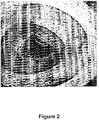
Figure 2 shows that the composition obtained according to the process of the invention, which contains a soluble, nonfermentable binder, leaves little or no residue after use for bowel preparation, thereby increasing visualization of the colon. - In order that the present invention may be more readily understood, certain terms are first defined. Additional definitions are set forth throughout the detailed description.
- The term "purgative" refers to any substance that promotes defecation. Thus, the term purgative encompasses a range of cathartic effects. For instance, the term purgative encompasses mild catharsis, producing laxation ("partial purgation"), as well as stronger catharsis, providing complete or near-complete emptying of the large bowel ("complete purgation"). In one embodiment of the invention, the term refers to diarrhea. In another embodiment of the invention, the term refers to a softening or loosening of the feces or laxation. Unless modified by "partial" or "complete," purgative or purgation encompasses the full range of purgative processes, including both complete purgation and laxation ("partial purgation").
- The term "osmotic" refers to any substance that promotes the passage of a solvent from a solution of lesser to one of greater solute concentration when the two.solutions are separated by a membrane that selectively prevents the passage of solute molecules, but is permeable to the solvent. In the present invention, the term "osmotic" may refer to the ability of a substance to draw water into the intestines.
- The term "fermentable" refers to any substance that can be anaerobically catabolized to simpler compounds, usually by bacteria and/or yeast. There are many types of fermentation, differing in the waste products formed and the fermentable substance. Fermentable substances include, but are not limited to, sugars, sugar-alcohols, polysaccharides, lactose, sorbitol, and mannitol. A fermentable substance releases explosive gases upon fermentation. The compound mannitol, for instance, can be fermented by bacteria that are typically resident in the colon of most humans and other mammals, during which hydrogen gas is released. The term "nonfermentable" refers to a substance that is not fermentable.
- The term "soluble" or "water soluble" refers to an aqueous solubility that is higher than 1/10,000 (mg/ml). The solubility of a substance, or solute, is the maximum mass of that substance that can be dissolved completely in a specified mass of the solvent, such as water. "Practically insoluble" or "insoluble," on the other hand, refers to an aqueous solubility that is 1/10,000 (mg/ml) or less. Water soluble or soluble substances include, for example, polyethylene glycol.
- The term "binder" refers to any substance that exerts a physicochemical attractive force between molecules, and hence may be used in formulation of a dosage form. In one embodiment of the invention, the binder may be mixed with other components of the composition, so that it is distributed uniformly throughout the dosage form. The binder may also provide a matrix upon which any additional components can associate. In one embodiment of the invention, the binder is soluble and nonfermentable. Soluble and nonfermentable binders suitable for use in the invention include, but are not limited to, polyethylene glycol (PEG).
- As used herein, the term "salt" or "pharmaceutically acceptable salt" refers to acidic salts formed with inorganic and/or organic acids, as well as basic salts formed with inorganic and/or organic bases. Examples of these acids and bases are well known to those of ordinary skill in the art. Salts according to the present invention may be used in a variety of forms, for example anhydrous or a hydrated crystalline form. The salts may also be those that are physiologically tolerated by a patient.
- Many binders used in solid dosage formulations are insoluble. Applicants discovered that insoluble binders, such as microcrystalline cellulose (MCC), are retained in the colon, hamper visualization of the colon, and prolong colonoscopy procedure time (
Figure 1 ). Commonly used soluble binders, however, including sugars, sugar-alcohols, and polysaccharides, can be fermented by the intestinal flora. The formation of explosive gases during the fermentation process is an undesirable property during certain surgical and diagnostic procedures involving the colon, such as during a colonoscopy using equipment that may produce a spark. In some documented cases, the presence of these gases during colon electrosurgery has led to explosion (DeWilt et al. (1996) J. R. Coll. Surg. Edinb. 41:419). Gases produced during the use of a laxative can also be unpleasant and embarrassing. In one embodiment, such as to prepare the colon for a colonoscopy, the solid dosage form colonic purgative formulation obtained according to the process of the invention comprises at least one soluble, nonfermentable binder and at least one purgative. In another embodiment, such as to prepare the colon for a diagnostic procedure that cannot produce a spark in the colon, such as x-ray imaging, virtual colonoscopy (helical CT), and capsule endoscopy, any soluble binder may be used in the composition. In these instances, it is not necessary that the binder or other ingredients be nonfermentable. Soluble, nonfermentable binders may, however, be used in compositions to prepare the colon for procedures that cannot produce a spark. - Any binder that is soluble, or soluble and nonfermentable, may be used. However, binders that are fermentable, like any other fermentable ingredient, should only be used in embodiments where a spark would not be produced in the colon. A soluble, nonfermentable binder that is used in the formulations obtained according to the process of the invention includes, but is not limited to, polyethylene glycol (PEG). Applicants discovered that a purgative composition containing the soluble, nonfermentable binder PEG, leaves little or no residue after use for bowel preparation, thereby increasing visualization of the colon (
Figure 2 ). PEG is represented by the structural formula: HOCH2(CH2OCH2)mCH2OH, wherein m represents the average number of oxyethylene groups. - Any PEG polymer may be employed in the compositions contemplated herein. In one embodiment, the PEG polymers are solid at room temperature (i.e., 25°C) and/or soluble in (or miscible with) water at room temperature.
- The average molecular weight of the PEG polymer is from 7,000 to 9,000.
- The amount of soluble and non-fermentable binder may vary depending on the desired characteristics of the solid dosage form and can be determined by one of ordinary skill in the art. In the invention, a PEG binder comprises 7.5-15%, and in an additional embodiment 10% by weight.
- In one embodiment of the invention, the composition obtained according to the process of the invention is free of insoluble binder or only contains levels of insoluble binder that do not impede the visualization of the colon.
- Various purgatives are available commercially, and any available form of the material can be used in the practice of this invention. Purgatives that may be used in the invention include, but are not limited to, non-osmotic, osmotic, and bulk-forming purgatives. The invention may contain one purgative, more than one purgative from the same category, or more than one purgative from different categories may be used. Many purgatives may have more than one role or function, or may be classified in more than one group. Such classifications are descriptive only, and not intended to limit any use of a particular purgative.
- In the invention, at least one osmotic purgative is used in the formulation of the invention. Osmotic purgatives act by increasing intestinal osmotic pressure thereby promoting retention of fluid within the bowel.
- However, purgatives that are fermentable should only be used in embodiments where a spark would not be produced in the colon.
- In the invention, the at least one purgative is sodium phosphate or a salt thereof. In an additional embodiment of the invention, the at least one purgative is monobasic sodium phosphate, dibasic sodium phosphate, or tribasic sodium phosphate.
- Salts according to the present invention may be used in a variety of forms, for example anhydrous or a hydrated form. It is also contemplated that a change in the form of a salt may increase or decrease its molecular weight. To account for any change in molecular weight, components of the purgative formulation and/or amounts of the purgative salts may be adjusted according to the knowledge of the person of ordinary skill in the art. In one embodiment of the invention, monobasic sodium phosphate is used in a monohydrate form. In another embodiment of the invention, dibasic sodium phosphate is used in an anhydrous form.
- In one embodiment, the formulation obtained according to the process of the invention in addition comprises at least one non-osmotic purgative. Non-osmotic purgatives include prokinetic laxatives that stimulate the motility of the gastrointestinal tract, as well as stimulant laxatives that act by directly stimulating nerve endings in the colonic mucosa. Emollient laxatives and mucosal protectants may also be used.
- Examples of non-osmotic purgatives that may be used include, but are not limited to, mineral oil, aloe, bisacodyl, sodium picosulfate, casanthranol, cascara, castor oil, danthron, dehydrocholic acid, phenolphthalein, sennosides, docusate, bethanachol, colchicines, misoprostol, cisapride, norcisapride, paraffin, rhein, and tegaserod.
- In one embodiment, the colonic purgative composition contains at least one osmotic purgative (i.e. sodium phosphate) and at least one non-osmotic purgative.
- In addition to at least one osmotic purgative and at least one non-osmotic purgative, the colonic purgative formulations may also comprise at least one bulk-forming purgative. Bulk-forming purgatives cause retention of fluid and an increase in fecal mass, resulting in stimulation of peristalsis. Bulk-forming laxatives may include various natural and semisynthetic polysaccharides, cellulose derivatives, or other substances that dissolve or swell in water to form an emollient gel or viscous solution that serves to maintain the feces soft and hydrated. Examples of bulk-forming purgatives that can be used in the invention include, but are not limited to, methylcellulose, sodium carboxymethyl cellulose, bran, psyllium, sterculia, and testa ispaghula.
- Additional optional components may be included in the formulations obtained according to the process of this invention to, for example, enhance the characteristics of the solid dosage form, maintain the integrity of particles of the active ingredient during the formulation process, and/or enhance the safety of the formulation. Any additional components may be compatible with the other ingredients in the formulations, in particular the active ingredients, and may not adversely affect the osmolarity of the formulations. Additional optional ingredients that may be used in the formulations include, for example, coatings, diluents, binders, glidants, lubricants, colors, disintegrants, flavors, sweeteners, polymers orwaxes.
- Lubricants, for example, may be included in the formulations.
- Such lubricants include, but are not limited to, magnesium stearate, potassium stearate, talc, stearic acid, sodium lauryl sulphate, and paraffin. In one embodiment, the colonic purgative formulation further comprises magnesium stearate: Lubricants serve to facilitate the manufacturing of a solid dosage form.
- Additional suitable ingredients also include, but are not limited to, carriers, such as sodium citrate and dicalcium phosphate; fillers or extenders, such as stearates, silicas, gypsum, starches, lactose, sucrose, glucose, mannitol, talc, and silicic acid; binders, such as hydroxypropyl methylcellulose, hydroxymethyl-cellulose, alginates, gelatin, polyvinyl pyrrolidone, sucrose, and acacia; humectants, such as glycerol; disintegrating agents, such as agar, calcium carbonate, potato and tapioca starch, alginic acid, certain silicates, colloidal silicon dioxide, sodium starch glycolate, crospovidone, and sodium carbonate; solution retarding agents, such as paraffin; absorption accelerators, such as quaternary ammonium compounds; wetting agents, such as cetyl alcohol and glycerol monostearate; absorbents, such as kaolin and bentonite clay; stabilizers, such as fumaric acid; coloring agents; buffering agents; dispersing agents; preservatives; organic acids; and organic bases.
- In one embodiment, an additional component in the formulations may function to maintain the electrolyte balance in a patient. For example, formulations may further comprise calcium, phosphate, potassium, magnesium, other anions, or salts thereof, which may normally be lost in diarrhea fluid.
- Acidic or basic compounds may also be optionally added to the composition to adjust the pH of the compound or to alter the disintegration characteristics. Acidic or basic compounds that may be included in the formulations include, but are not limited to, sodium carbonate, sodium bicarbonate, sodium phosphate, calcium carbonate, magnesium hydroxide, potassium hydroxide, magnesium carbonate, and aluminum hydroxide.
- The aforementioned ingredients are given as examples only and are not meant to include all possible choices. Additionally, many may have more than one role or function, or be classified in more than one group. Such classifications are descriptive only, and not intended to limit any use of a particular component.
- To optimize the solid dosage formulations, components and amounts of the colonic purgative formulations may be adjusted according to the knowledge of the person of ordinary skill in the art. Sample ingredient ranges for a colonic purgative formulation example are provided in Table 1. Not all of the components are necessary, but are provided for illustration only. For example, it may not be necessary to have two distinct purgatives and it may also not be necessary to have a lubricant, such as magnesium stearate.
Table 1: Example Ingredient Ranges for a Colonic Purgative Composition Ingredient Function Qty % (w/w) Sodium Phosphate, Monobasic Active Active 45.00-75.00 Sodium Phosphate, Dibasic Active Active 15.00-30.00 PEG-8000 Binder 5.00-20.00 Magnesium Stearate Lubricant 0.10-1.50 - The dose of the colonic purgative formulations may vary. For example, a lower dose of a colonic purgative formulation may be needed to produce a mild catharsis, while complete purgation may require a higher dose. A total daily dosage used for mild catharsis, for example, can range from 1 g to 30 g of a purgative. For example, in general, a total daily dosage of a purgative, such as sodium phosphate, in formulations of the present invention ranges from 1 to 30 g, 2 to 25 g, 3 to 20 g, 4 to 18 g, 5 to 16 g, 6 to 14 g, or 8 to 12 g. A total daily dosage may be formulated to contain 1, 2, 4, 6, 8, 10, 12, 14, 16, 18, 20, 22, 24, 26, 28, or 30 g of a purgative, such as sodium phosphate. Additional doses of the colonic purgative formulation may be necessary to produce the desired therapeutic effect. In one embodiment, the total daily dosage is administered every 24 hours until the desired therapeutic effects are reached.
- A higher dose of a colonic purgative formulation may be needed to produce a complete purgation of the colon. A total dosage used for complete purgation, for example, can range from 20 g to 100 g of a purgative, optionally provided over a period of time of up to 24 hours. For example, in general, a total daily dosage of a purgative, such as sodium phosphate, in formulations of the present invention may range from 20 to 100 g, 30 to 90 g, 40 to 80 g, or 50 to 70 g. A dose may be formulated to contain 20, 30, 40, 50, 60, 70, 80, 90, or 100 g of a purgative, such as sodium phosphate.
- Optionally, in both the laxative and complete purgative embodiments, the total daily dosage may be separated into divided doses. In one embodiment, the total daily dosage is divided into two doses, separated by a period of up to 24 hours. For instance, a total daily dosage of 60 g of a purgative, such as sodium phosphate, may be divided into two doses of 30 g each. One dose of 30 g may be administered in the evening before a colon procedure, while the second dose of 30 g may be administered in the morning, 3 to 5 hours before the colon procedure. In another embodiment the total daily dose is divided into three, four, or more doses.
- In one embodiment, the addition of one or more purgatives to the composition, for example a colonic purgative composition comprising sodium phosphate and bisacodyl, may lower the amount of active ingredient in each dose, the number of doses, the administration time, and/or the number of tablets administered in a dose.
- The colonic purgative formulation is in an easily administered, solid dosage form. The solid dosage form is a tablet.
- The dosage form may be coated or encapsulated.
- The number of tablets administered in a dose may vary depending on the desired effect and on the amount of active ingredient in each solid dosage form. Clear liquids may be taken with each dose.
- The purgative composition is administered orally.
- The formulations are produced using a hot-melt process.
- The process of producing a colonic purgative formulation comprises mixing the components, warming the mixture to the melting point of the polyethylene glycol, and compressing the mixture into tablets. In the hot melt process, for instance, the ingredients may be mixed in a high-shear mixer equipped with a jacketed mixing bowl. The blend may be warmed up to the melting point of PEG during mixing and cooling down when the end-point is reached. The blend may be cooled down overnight, milled, lubricated, and compressed into tablets. One of ordinary skill in the art will recognize methods of varying the manufacturing process to optimize the dosage form or increase the product amount for large scale manufacturing.
- The following examples are offered for illustrative purposes only.
- Two colonic purgative formulations, comprising the components set forth in Table 2, were produced by milling and blending, followed by direct compression.
Table 2: Prior Art Colonic Purgative Compositions Containing an Insoluble Binder Ingredient Function Diacol® Qty % (w/w) Visicol® Qty % (w/w) Sodium Phosphate, Monobasic Active Active 55.10 62.44 Sodium Phosphate, Dibasic Active Active 19.90 22.55 Microcrystalline Cellulose Binder 23.00 13.00 Colloidal Silicone Dioxide Diluent 0.50 0.50 Magnesium Stearate Lubricant 1.50 1.50 Total 100 100 - The target weight of each Diacol® tablet (InKine Pharmaceutical Company, Blue Bell, PA) was 2000.0 mg, which was consistently achieved by the manufacturing process. The target weight of each Visicol® tablet (InKine Pharmaceutical Company, Blue Bell, PA) was 1764.8.0 mg, which was consistently achieved by the manufacturing process. Physical testing of both formulations revealed that the tablets exhibited an appropriate strength, hardness, and disintegration time.
- Visicol® tablets were administered to humans in two, twenty tablet doses. One dose was administered the night before the colonoscopy procedure and the second dose was administered in the morning, 3 to 5 hours before the procedure. Colonoscopy revealed the presence of the binder, MCC, in the colon of patients. As shown in
Figure 1 , MCC leaves a white powdery substance in the colon after use for bowel preparation, which significantly impairs visualization of the colon. - A colonic purgative formulation comprising the components set forth in Table 3, was produced using a hot melt process via high-shear granulation followed by milling, lubrication, and compression.
Table 3: Colonic Purgative Composition Containing a Soluble, Nonfermentable Binder Ingredient Function Qty % (w/w) Qty/Dosage Form (mg) Qty/Batch (kg) Sodium Phosphate, Monobasic Active Active 65.75 1102.0 295.9 Sodium Phosphate, Dibasic Active Active 23.75 398.0 106.9 PEG-8000 Binder 10.00 167.6 45.0 Magnesium Stearate Lubricant 0.50 8.4 2.26 Total 100 1676.0 450.06 - Specifically, sodium phosphate monobasic monohydrate (295.9 kg) was passed through a sieve equipped with a 10 mesh stainless steel screen. Sodium phosphate dibasic anhydrous (106.9 kg) and polyethylene glycol 8000 (45.0 kg) were each passed through a sieve equipped with a 20 mesh stainless steel screen. The sieved sodium phosphate monobasic monohydrate, sodium phosphate dibasic anhydrous, and polyethylene glycol 8000 were loaded into a 250 L bin and blended for 23 minutes ± 60 seconds at 12 rpm in a bin blender. The blended mixture was then transferred into suitable double poly-lined containers and milled through a cone mill, equipped with a stainless steel screen, at an impeller speed of 1400-1500 rpm. The milled mixture was then transferred back to the bin blender and further blended for 45 minutes ± 60 seconds at 12 rpm.
- After the blending was complete, the materials were discharged into double poly-lined containers and divided into three sections. The lower jacket temperature on a mixer was set to 59°C, the upper jacket was turned on, and the heating water began circulating through the jacketed mixing bowl. When the lower jacket temperature reached 59°C- 60°C, the first section of blended materials was loaded into the mixing bowl of the mixer and the impeller speed was set at 30 rpm (with the granulator not running). The lower jacket temperature was then set to 66°C and the impeller speed at 50 rpm. When the product temperature reached 40°C-41 °C, the impeller speed was increased to 100 rpm. When the product temperature reached 52°C, the granulator was set to speed 1 (slow) and the lower jacket temperature was set to 58°C. When the product temperature reached 54°C-55°C, the granulation process was stopped. The lower jacket temperature was reduced to 20°C, the upper jacket was turned off, and the impeller speed was decreased to 10 rpm. The mixture was cooled until the product temperature reached 52°C. The granulation was then discharged into double poly-lined containers and stored in a closed. container at room temperature overnight. The process detailed above was repeated for divided sections two and three of the blended materials.
- The next day, the temperature of the granulation was checked to ensure that it was less than 30°C. The granulation was then milled through the cone mill, equipped with a stainless steel screen, at an impeller speed of 1400-1500 rpm. The milled granulation was loaded into a 1200 L bin and blended for 23 minutes ± 30 seconds at 12 rpm in a bin blender. Magnesium stearate (2.26 kg) was passed through a 30 mesh stainless steel hand screen and then added to.the milled granulation in the 1200 L bin. The magnesium stearate was blended with the milled granulation for 10 minutes ± 30 seconds at 12 rpm in the bin blender. The blended mixture was then compressed into tablets using a tablet press and dedusted using a tablet deduster.
- The target weight of each tablet was 1676.0 mg, which was consistently achieved by the manufacturing process. Physical testing of the tablet revealed that the tablet formulation exhibited an appropriate strength, hardness, and disintegration time. Surprisingly, the INKP-102 tablet could be formulated successfully as a smaller tablet than the prior art compositions, Diacol® and Visicol®, even though the same amount of active ingredient (1102 mg sodium phosphate monobasic monohydrate and 398 mg sodium phosphate dibasic anhydrous) was used in each of the three compositions (Table 4). This surprising result is very beneficial as the improved formulation is more tolerable to patients, allowing them to more easily administer the active ingredients. Further, the disintegration time of the INKP-102 tablet is decreased, resulting in a more rapid response to the colonic purgative composition. Additionally, this decrease in disintegration time cannot be accounted for merely by the reduced size of the tablet, as there is a steeper decline in disintegration time compared to tablet size. This more rapid response would be especially beneficial whether a patient administered the composition of the invention to treat constipation or to completely purge the colon.
Table 4: Colonic Purgative Composition Containing a Soluble, Nonfermentable Binder Diacol® Visicol® INKP-102 Amount of Binder 23% 13% -10% Binder MCC MCC PEG Tablet Dimensions 0.950 x 0.406 in. thickness: 6.72 mm 0.850 x 0.352 in. thickness: 7.12 mm 0.750 x 0.40 in. thickness: 6.86 mm Tablet Properties large; _dry_, and difficult to swallow large, _dry_, and difficult to swallow smaller, waxy, and easy to swallow Weight (mg) 2000.0 1764.8 1676.0 Disintegration Time approx. 31 minutes approx. 25 minutes approx. 11 minutes - A colonic purgative formulation, comprising the components set forth in Table 5, is produced using a hot melt process via high-shear granulation followed by milling, lubrication, and compression.
Table 5: Colonic Purgative Composition Containing a Soluble, Nonfermentable Binder Ingredient Function Qty % (w/w) Sodium Phosphate, Monobasic Active Active 65.73% Sodium Phosphate, Dibasic Active Active 23.74% Bisacodyl Active 0.03% PEG-8000 Binder 10.00 Magnesium Stearate Lubricant 0.50 Total 100 - Physical testing of the tablet formulation includes weight variation, strength, hardness, and disintegration time. It is expected that a tablet formulated according to the above parameters will have appropriate physical properties.
- A patient undergoing a surgical or diagnostic procedure involving the colon is administered 40 tablets of a colonic purgative composition, such as the composition described in Example 2 or 3. The evening before the surgical or diagnostic procedure, 3 tablets are taken with at least 8 ounces of clear liquids every 15 minutes (the last dose will be 2 tablets) for a total of 20 tablets. Optionally, the day of the colonoscopy procedure, (starting 3 to 5 hours before the procedure) 3 tablets are taken with at least 8 ounces of clear liquids every 15 minutes (the last dose will be 2 tablets) for a total of 20 tablets. It is expected that the results of such treatment will provide an adequately cleansed bowel, demonstrate little or no residue that impairs visual inspection of the colon, and is tolerable to the patient both in its palatability and side effect profile.
- A colonic purgative formulation of the invention may also be administered.in a single application or dose. A patient undergoing a surgical or diagnostic procedure involving the colon is administered 20 tablets of a colonic purgative composition, such as the composition described in Example 3. The evening before the surgical or diagnostic procedure, 3 tablets are taken with at least 8 ounces of clear liquids every 15 minutes (the last dose will be 2 tablets) for a total of 20 tablets. It is expected that the results of such treatment will provide an adequately cleansed bowel, demonstrate little or no residue that impairs visual inspection of the colon, and is tolerable to the patient both in its palatability and side effect profile. Further, it is expected that no morning dose will be required to obtain quality cleansing of the bowel.
- A patient with constipation is treated with a colonic purgative composition, such as the composition described in Example 2 or 3. The composition is administered in a total daily dose of 3 to 18 g, which is given over a period of up to 30 minutes. The dose may be repeated daily. It is expected that the results of such treatment will facilitate the passage of feces and promote elimination, by loosening or softening of the stool and/or the promotion of peristalsis due to increased amounts of water in the colon. It is beneficial to be able to use the same dual function composition for complete purgation and laxation.
- The primary objective of this study was to compare, by direct visualization, the colon cleansing efficacy of a composition of one embodiment of the invention (See Table 3; hereinafter "INKP-102") versus the marketed Visicol® tablets (See Table 2; InKine Pharmaceutical Company, Blue Bell, PA) in patients undergoing colonoscopy. In addition, the safety of the INKP-102 composition was evaluated. The components of INKP-102 (1676 mg tablet) were as set forth in Table 3 above. Visicol® tablets were comprised of the same amount of active ingredient as INKP-102 (1102 mg sodium phosphate monobasic monohydrate and 398 mg sodium phosphate dibasic anhydrous). However, the inert ingredients of Visicol® tablets included MCC, colloidal silicon dioxide, and magnesium stearate, as set forth in Table 2 above.
- Patients were randomly assigned (approximately 30 patients per group) to one of the seven treatment arms (Arms A-G). Each arm had a unique dosing regimen, as described in Table 6. Patients received either Visicol® Tablets (Arm A; 60 g sodium phosphate dose, as label recommends) or one of 6 dosing regimens of INKP-102 (Arms B-G; 42-60 g of sodium phosphate). There were two scheduled visits: a screening visit (Visit 0) and the colonoscopy visit (Visit 1). The screening visit took place up to 14 days prior to Visit 1. Patients self-administered the trial medication.
Table 6: Dosing Instructions for Treatment Arms A-G Treatment Arm Dosing Instructions A 40 Visicol® Tablets (60 g sodium phosphate) by mouth as follows: 20 tablets over 1.5 hours beginning at 6 p.m. the evening before colonoscopy and 20 tablets over 1.5 hours beginning 3 to 5 hours before colonoscopy, with tablets taken 3 at a time every 15 minutes with at least 8 oz. of clear liquid. (As recommended in the approved labeling) B 40 INKP-102 tablets (60 g sodium phosphate) by mouth as follows: 20 tablets over 1.5 hours beginning at 6 p.m. the evening before colonoscopy and 20 tablets over 1.5 hours beginning 3 to 5 hours before colonoscopy, with tablets taken 3 at a time every 15 minutes with at least 8 oz. of clear liquid. C 40 INKP-102 tablets (60 g sodium phosphate) by mouth as follows: 20 tablets over 1 hour beginning at 6 p.m. the evening before colonoscopy and 20 tablets over 1 hour beginning 3 to 5 hours before colonoscopy, with tablets taken 4 at a time every 15 minutes with at least 8 oz. of clear liquid. D 32 INKP-102 tablets (48 g sodium phosphate) by mouth as follows: 20 tablets over 1 hour beginning at 6 p.m. the evening before colonoscopy and 12 tablets over a half-hour period beginning at 10 p.m. the same evening, with tablets taken 4 at a time every 15 minutes with at least 8 oz. of clear liquid. No tablets are taken on the day of colonoscopy. E 32 INKP-102 tablets (48 g sodium phosphate) by mouth as follows: 20 tablets over 1 hour beginning at 6 p.m. the evening before colonoscopy and 12 tablets over a half-hour period the next day beginning 3 to 5 hours before colonoscopy, with tablets taken 4 at a time every 15 minutes with at least 8 oz. of clear liquid. F 28 INKP-102 tablets (42 g sodium phosphate) by mouth as follows: 20 tablets taken over 1 hour beginning at 6 p.m. the evening before colonoscopy and 8 tablets taken over 15 minutes beginning at 9 p.m. the same evening, with tablets taken 4 at a time every 15 minutes with at least 8 oz. of clear liquid. G 28 INKP-102 tablets (42 g sodium phosphate) by mouth as follows: 20 tablets beginning at 6 p.m. the evening before colonoscopy and 8 tablets the next day beginning 3 to 5 hours before colonoscopy, with tablets taken 4 at a time every 15 minutes with at least 8 oz. of clear liquid. - Two hundred and fourteen patients took at least one dose of the study drug and completed their colonoscopy. Unless otherwise noted, this population ("All-Assessed" population) was evaluated for treatment efficacy. Patients that completed at least 90% of their designated study regimen, were not known to have dosed >2 hours outside of the recommended time frame, and had their colonoscopy, were designated as the "Per Protocol" population and numbered 192.
- The primary objective of the study was to evaluate the colon cleansing efficacy of INKP-102 compared with Visicol® tablets in patients undergoing colonoscopy. The overall quality of the colonic cleansing was evaluated based on (1) the amount of stool (liquid, semisolid, or solid) observed during the procedure and (2) the amount of "colonic contents" (including all liquid, semisolid, and solid material in the lumen of the colon) observed during the procedure rather than only "stool." Both the "stool" and "colonic contents" endpoints were based on endoscopist assessment using the following 4-point scale:
1=Excellent: >90% of mucosa seen, mostly liquid colonic contents (or stool), minimal suctioning needed for adequate visualization. 2=Good: >90% of mucosa seen, mostly liquid colonic contents (or stool), significant suctioning needed for adequate visualization. 3=Fair: >90% of mucosa seen, mixture of liquid and semisolid colonic contents (or stool), could be suctioned and/or washed. 4=Inadequate: <90% of mucosa seen, mixture of solid and semisolid colonic contents (or stool), which could not be suctioned or washed. - Tables 7a and 7b display the results of endoscopist assessment of "colonic contents" overall and in the ascending colon, respectively, in the "All-Assessed" population. Comparison of Visicol® versus INKP-102 treatments revealed that mean overall colonic contents scores were significantly better with INKP-102 dosages (Arms B, C, and E) than with Visicol® (P<0.05; Arm A). Similarly, assessment of colonic contents in the ascending colon revealed that INKP-102 treatment with Arms B, C, and E resulted in significantly better mean colonic contents scores than with Visicol® treatment (P<0.05; Arm A).
- Surprisingly, treatment with Arm E resulted in these significantly better mean colonic contents scores, even though the amount of sodium phosphate (48 g) was lower than the sodium phosphate content of the marketed Visicol® (60 g). In addition, treatment Arms D, F, and G performed as well as the marketed Visicol® (no statistically significant difference), even though the amount of sodium phosphate (48 g, 42 g, and 42 g, respectively) was lower than the sodium phosphate content of the marketed Visicol® (60 g). This surprising result is very beneficial as the improved formulation allows patients to use a lower dose of active ingredients to achieve the same result. It is expected that the same will hold true for laxative uses of the composition. Because the dosing regimens of treatment Arms D and F only involve an evening dose, they may be more preferable to patients who do not want to get up early before a procedure to complete a dosing regimen and more preferable to anesthesiologists who require that the patient receive nothing by mouth on the morning of the procedure.
- Analysis of the smaller "Per Protocol" population yielded similar results. Additionally, in the per protocol group, improvement in "colonic content" overall and in the ascending colon upon INKP-102 Arm G treatment versus Arm A Visicol® treatment reached statistical significance (P<0.0346). Surprisingly, treatment with Arm G resulted in these significantly better mean colonic contents scores, even though the amount of sodium phosphate (42 g) was lower than the sodium phosphate content of the marketed Visicol® (60 g).
Table 7a: Overall Colonic Contents in the "All-Assessed" Population Visicol® INKP-102 Treatment Groups 40 Tabs (60 g) 40 Tabs (60 g) 32 Tabs (48 g) 28 Tabs (42 g) A B C D E F G 3 tabs split 3 tabs split 4 tabs split 4 tabs 4 tabs split 4 tabs 4 tabs split All patients (n=29) (n=32) (n=29) (n=30) (n=33) (n=32) (n=29) (n=214) Parameter n (%) n (%) n (%) n (%) n (%) n (%) n (%) n (%) Excellent 14 (48) 24 (75) 22 (76) 18 (60) 26 (79) 15 (47) 22 (76) 141 (66) Good 11 (38) 7 (22) 7 (24) 9 (30) 6 (18) 8 (25) 4 (14) 52 (24) Fair 4 (14) 1 (3) 0 (0) 1 (3) 1 (3) 5 (16) 2 (7) 14 (7) Inadequate 0 (0) 0 (0) 0 (0) 2 (7) 0 (0) 4 (13) 1 (3) 7 (3) Mean 1.66 1.28 1.24 1.57 1.24 1.94 1.38 1.47 Std. Dev. 0.72 0.52 0.44 0.86 0.50 1.08 0.78 0.76 P-value* N/A 0.0472† 0.0322† 0.6422 0.0275† 0.1332 0.1519 N/A *P-values were obtained using an ANOVA with factor treatment used to compare the means between INKP-102 and Visicol® groups.
†Statistically significant (at the 0.05 level)Table 7b: Ascending Colon Colonic Contents in the "All-Assessed" Population Visicol® INKP-102 Treatment Groups 40 Tabs (60 g) 40 Tabs (60 g) 32 Tabs (48 g) 28 Tabs (42 g) A B C D E F G 3 tabs split 3 tabs split 4 tabs split 4 tabs 4 tabs split 4 tabs 4 tabs split All patients (n=28) (n=32) (n=28) (n=29) (n=33) (n=32) (n=29) (n=211) Parameter n (%) n (%) n (%) n (%) n (%) n(%) n (%) n (%) Excellent 11 (38) 24 (75) 21 (72) 15 (50) 27 (82) 15 (47) 20 (69) 133 (62) Good 12 (41) 7 (22) 7 (24) 5 (17) 6 (18) 7 (22) 6 (21) 50 (23) Fair 5 (17) 1 (3) 0 (0) 8 (27) 0 (0) 6 (19) 2 (7) 22 (10) Inadequate 0 (0) 0 (0) 0 (0) 1 (3) 0 (0) 4 (13) 1 (3) 6 (3) Mean 1.79 1.28 1.25 1.83 1.18 1.97 1.45 1.53 Std. Dev. 0.74 0.52 0.44 0.97 0.39 1.09 0.78 0.79 P-value* N/A 0.0097† 0.0078† 0.8325 0.0019† 0.3444 0.0894 N/A *P-values were obtained using an ANOVA with factor treatment used to compare the means between INKP-102 and Visicol® groups.
†Statistically significant (at the 0.05 level) - Tables 8a and 8b display the results of endoscopist assessment of "stool" overall and in the ascending colon, respectively, in the "All-Assessed" population. Mean "stool" endpoint scores overall and in the ascending colon generally favored INKP-102 dose groups over Visicol®. However, only INKP-102 Arm E showed statistically significant improvement over Visicol®, and only in the ascending colon. In contrast, treatment with Visicol® was statistically superior to INKP-102 Arm F in the ANOVA comparisons of means for both the overall "stool" score and ascending colon stool scores. These results were comparable in the analyses of the Per Protocol population.
- Surprisingly, treatment with Arm E resulted in the significantly better mean stool score in the ascending colon (P<0.05) and a similar mean stool score in .the overall colon (no statistically significant difference), even though the amount of .sodium phosphate (48 g) was lower than the sodium phosphate content of the Arm A Visicol® (60 g)..Further, treatment with Arms D and G performed as well as the marketed Visicol®, even though the amount of sodium phosphate (48 g and 42 g, respectively) was lower than the sodium phosphate content of Arm A Visicol® (60 g). This surprising result is very beneficial as the improved formulation allows patients to use a lower dose of active ingredients to achieve the same result. It is expected that the same will hold true for laxative uses of the composition. Because the dosing regimen of treatment Arm D only involves an evening dose, it may be more preferable to patients who do not want to get up early before a procedure to complete a dosing regimen and more preferable to anesthesiologists who require that the patient receive nothing by mouth on the morning of the procedure.
Table 8a: Overall Stool in the "All-Assessed" Population Visicol® INKP-102 Treatment Groups 40 Tabs (60 g) 40 Tabs (60 g) 32 Tabs (48 g) 28 Tabs (42 g) A B C D E F G 3 tabs split (n=29) 3 tabs split (n=32) 4 tabs split (n=29) 4 tabs (n=30) 4 tabs split (n=33) 4 tabs (n=32) 4 tabs split (n=29) All patients (n=214) Parameter n (%) n (%) n (%) n (%) n (%) n (%) n (%) n (%) Excellent 20 (69) 28 (88) 24 (83) 19(63) 29 (88) 16(50) 24 (83) 160 (75) Good 6 (21) 3 (9) 5 (17) 7 (23) 4 (12) 8 (25) 2 (7) 35 (16) Fair 3 (10) 1 (3) 0 (0) 2 (7) 0 (0) 5 (16) 2 (7) 13 (6) Inadequate 0 (0) 0 (0) 0 (0) 2 (7) 0 (0) 3 (9) 1 (3) 6 (3) Mean 1.41 1.16 1.17 1.57 1.12 1.84 1.31 1.37 Std. Dev. 0.68 0.45 0.38 0.90 0.33 1.02 0.76 0.72 P-value* N/A 0.1473 0.1846 0.3962 0.0975 0.0160† 0.5690 N/A *P-values were obtained using an ANOVA with factor treatment used to compare the means between INKP-102 and Visicol® groups.
†Statistically significant (at the 0.05 level)Table 8b: Ascending Colon Stool in the "All-Assessed" Population Visicol® INKP-102 Treatment Groups 40 Tabs (60 g) 40 Tabs (60 g) 32 Tabs (48 g) 28 Tabs (42 g) A B C D E F G 3 tabs split 3 tabs split 4 tabs split 4 tabs 4 tabs split 4 tabs 4 tabs split All patients (n=29) (n=32) (n=29) (n=30) (n=33) (n=32) (n=29) (n=214) Parameter n (%) n (%) n (%) n(%) n (%) n (%) n (%) n (%) Excellent 16 (55) 27 (84) 23 (79) 17 (57) 30 (91) 15 (47) 22 (76) 150 (70) Good 7 (24) 4 (13) 5 (17) 3 (10) 3 (9) 8 (25) 4 (14) 34 (16) Fair 4 (14) 1 (3) 0 (0) 8 (27) 0 (0) 5 (16) 2 (7) 20 (9) Inadequate 0 (0) 0 (0) 0 (0) 1 (3) 0 (0) 4 (13) 1 (3) 6 (3) Mean 1.56 1.19 1.18 1.76 1.09 1.94 1.38 1.44 Std. Dev. 0.75 0.47 0.39 0.99 0.29 1.08 0.78 0.78 P-value* N/A 0.0553 0.0572 0.3000 0.0151† 0.0468† 0.3682 N/A *P-values were obtained using an ANOVA with factor treatment used to compare the means between INKP-102 and Visicol® groups.
†Statistically significant (at the 0.05 level) - Analysis of the two efficacy endpoints together demonstrates that the INKP-102 treatment arms were generally rated higher than the Visicol® treatment arm in the "colonic contents" efficacy endpoint versus the "stool" efficacy endpoint. These results indicate that components of the colon other than stool, such as microcrystalline cellulose (MCC), do not hinder visualization of the colon after INKP-102 treatment to the extent that Visicol® treatment hinders visualization. At the same time, INKP-102 is able to effectively purge the colon of stool in liquid, semisolid, or solid form.
- Both "colonic contents" and "stool" efficacy endpoints were also analyzed by dividing the 4-point assessment scale into "responder" and "nonresponder" categories. For each assessment, a patient was considered to be a "responder" if colon cleansing was rated as "excellent" or "good" and a "nonresponder".if colon cleansing was rated as "fair" or "inadequate. Table 9a and 9b display the number of "responders" and "non-responders" to the various treatment arms using a "colonic contents" and "stool" endpoint, respectively, in the "All-Assessed" population.
Table 9a: Colonic Cleansing (Colonic Contents) Responder Rates in the "All-Assessed" Population Visicol® INKP-102 Treatment Groups 40 Tabs (60 g) 40 Tabs (60 g) 32 Tabs (48 g) 28 Tabs (42 g) A B C D E F G 3 tabs split 3 tabs split 4 tabs split 4 tabs 4 tabs split 4 tabs 4 tabs split All patients (n=29) (n=32) (n=29) (n=30) (n=33) (n=32) (n=29) (n=214) Parameter n (%) n (%) n (%) n (%) n (%) n (%) n (%) n (%) Responder 25 (86) 31 (97) 29 (100) 27 (90) 32 (97) 23 (72) 26 (90) 193 (90) Nonresponder 4 (14) 1 (3) 0 (0) 3 (10) 1 (3) 9 (28) 3 (10) 21 (10) P-value N/A 0.1816 0.1120 0.7065 0.1762 0.2192 >0.9999 N/A *P-values were obtained using a Fisher's Exact test to compare the response rates between Treatment arm A and the other Treatment arms (B-G). Table 9b: Colonic Cleansing (Stool) Responder Rates in the "All-Assessed" Population Visicol® INKP-102 Treatment Groups 40 Tabs (60 g) 40 Tabs (60 g) 32 Tabs (48 g) 28 Tabs (42 g) A B C D E F G 3 tabs split 3 tabs split 4 tabs split 4 tabs 4 tabs split 4 tabs 4 tabs split All patients (n=29) (n=32) (n=29) (n=30) (n=33) (n=32) (n=29) (n=214) Parameter n (%) n (%) n (%) n (%) n (%) n (%) n (%) n (%) Responder 26 (90) 31 (97) 29 (100) 26 (87) 33 (100) 24 (75) 26 (90) 195 (91) Nonresponder 3 (10) 1 (3) 0 (0) 4 (13) 0 (0) 8 (25) 3 (10) 19 (9) P-value* N/A 0.3385 0.2368 >0.9999 0.0966 0.1884 >0.9999 N/A *P-values were obtained using a Fisher's Exact test to compare the response rates between Treatment arm A and the other Treatment arms (B-G). - The results indicate that treatment arms B, C, and E had higher responder rates among all treatment groups, and had lower or negligible nonresponder rates. These rates were higher than those of Visicol® Tablets (Arm A), although the differences were not statistically significant. Further, Arm E (INKP-102; 48 g split dose) demonstrated comparable or better colon-cleansing efficacy when compared with high-dose treatments (60 g dose; Arms A, B, and C). On the other hand, dosages given only on the evening prior to the patient's colonoscopy .demonstrated poorer efficacy than those doses given as "split doses." The lower-dose (42 g) evening-only regimen of Arm F, only had a 72% responder rate, which was significantly lower than Arms B, C, and E (P<0.05; Fisher's Exact test).
- The safety of the various dosing regimens was also evaluated by adverse event monitoring, changes in clinical laboratory evaluations, physical examination, and vital signs assessment (heart rate, blood pressure, respiratory rate, temperature, and testing for postural hypertension). No patients experienced a serious adverse event during the course of the study. Nearly all patients experienced mild to moderate adverse events related to the system organ class of gastrointestinal disorders, regardless of dosage or treatment. Such adverse events included abdominal distention, nausea, and abdominal pain. However, because the purpose of the treatment is to rapidly eliminate bowel contents, such events were to be expected.
- Significant changes in clinical laboratory parameters from Visit 0 (screening) to Visit 1 (colonoscopy) were observed in all patient groups. Specifically, there was a significant increase (P<0.0001) in mean levels of inorganic phosphorus in all patient groups. There was a significant increase in mean levels of sodium in 6 of the 7 patient groups (P<0.02) and a significant decrease of BUN, potassium, calcium, magnesium, and bicarbonate from baseline in one or more patient groups (P<0.05). Mean levels of chloride and creatine in all patients, on the other hand, did not significantly change from baseline after treatment.
- Of all the clinical parameters examined, only levels of inorganic phosphorus exhibited a significant, after-treatment difference between the INKP-102 and Visicol® treatment arms. Increases from baseline in inorganic phosphorus were anticipated and occurred with a mean increase of 88% over baseline levels in all patients, regardless of treatment arm. These increases in inorganic phosphorus levels were significantly higher among Arm A (Visicol® Tablets) than in patients in treatment arms D, E, F, and G (INKP-102; P <0.0170). The inorganic form of phosphate in the circulating plasma is excreted almost entirely by the kidneys and therefore some patients, such as those with renal disease, may have difficulty excreting a large phosphate load. Thus, use of INKP-102 beneficially reduces the burden on the kidneys during sodium phosphate treatment. This effect may be attributable to the reduced sodium phosphate doses in Arms D, E, F, and G. As described in several efficacy analyses above, however, INKP-102 more effectively cleanses the colon than a larger sodium phosphate dose of Visicol®, while at the same time reducing the increase in inorganic phosphorous normally observed with Visicol® administration.
- All numbers expressing quantities of ingredients, reaction conditions, and so forth used in the specification and claims are to be understood as being modified in all instances by the term "about." Accordingly, unless indicated to the contrary, the numerical parameters set forth in the specification and attached claims are approximations that may vary depending upon the desired properties sought to be obtained by the present invention. At the very least, and not as an attempt to limit the application of the doctrine of equivalents to the scope of the claims, each numerical parameter should be construed in light of the number of significant digits and ordinary rounding approaches.
Claims (8)
- A process of producing a colonic purgative tablet formulation for oral administration, comprising mixing components comprising polyethylene glycol and a therapeutically effective amount of sodium phosphate, warming the mixture up to the melting point of the polyethylene glycol and compressing the mixture into tablets, wherein the polyethylene glycol comprises an average molecular weight of from 7,000 to 9,000 and is present in an amount that is between 7.5% and 15% by weight of the composition.
- The process of claim 1, wherein the mixture further comprises a lubricant.
- The process of claim 1, wherein a dosage of the formulation comprises 42-60 grams of sodium phosphate.
- The process of claim 1, wherein the tablet comprises 10% polyethylene glycol by weight.
- The process of claim 1, wherein the sodium phosphate comprises monobasic sodium phosphate, dibasic sodium phosphate, or a combination thereof.
- The process of claim 1, wherein the mixture is warmed to a temperature of 54 to 55°C.
- The process of claim 1, wherein the process comprises cooling the formulation to below 30°C prior to compression.
- The process of claim 1, wherein the process comprises cooling the formulation overnight at room temperature prior to compression.
Applications Claiming Priority (2)
| Application Number | Priority Date | Filing Date | Title |
|---|---|---|---|
| US52314203P | 2003-11-19 | 2003-11-19 | |
| EP04819530.9A EP1682098B1 (en) | 2003-11-19 | 2004-11-17 | Colonic purgative composition with soluble binding agent |
Related Parent Applications (3)
| Application Number | Title | Priority Date | Filing Date |
|---|---|---|---|
| EP04819530.9 Division | 2004-11-17 | ||
| EP04819530.9A Division EP1682098B1 (en) | 2003-11-19 | 2004-11-17 | Colonic purgative composition with soluble binding agent |
| EP04819530.9A Division-Into EP1682098B1 (en) | 2003-11-19 | 2004-11-17 | Colonic purgative composition with soluble binding agent |
Publications (2)
| Publication Number | Publication Date |
|---|---|
| EP2308476A1 EP2308476A1 (en) | 2011-04-13 |
| EP2308476B1 true EP2308476B1 (en) | 2016-12-14 |
Family
ID=34632758
Family Applications (2)
| Application Number | Title | Priority Date | Filing Date |
|---|---|---|---|
| EP10180972.1A Expired - Lifetime EP2308476B1 (en) | 2003-11-19 | 2004-11-17 | Colonic purgative composition with soluble binding agent |
| EP04819530.9A Expired - Lifetime EP1682098B1 (en) | 2003-11-19 | 2004-11-17 | Colonic purgative composition with soluble binding agent |
Family Applications After (1)
| Application Number | Title | Priority Date | Filing Date |
|---|---|---|---|
| EP04819530.9A Expired - Lifetime EP1682098B1 (en) | 2003-11-19 | 2004-11-17 | Colonic purgative composition with soluble binding agent |
Country Status (12)
| Country | Link |
|---|---|
| US (3) | US7687075B2 (en) |
| EP (2) | EP2308476B1 (en) |
| JP (3) | JP5329042B2 (en) |
| KR (4) | KR101268559B1 (en) |
| CN (2) | CN101087593B (en) |
| AR (1) | AR046651A1 (en) |
| AU (2) | AU2004292428B2 (en) |
| BR (2) | BRPI0416702B8 (en) |
| CA (2) | CA2546637C (en) |
| ES (1) | ES2584866T3 (en) |
| PL (1) | PL1682098T3 (en) |
| WO (1) | WO2005051361A1 (en) |
Families Citing this family (57)
| Publication number | Priority date | Publication date | Assignee | Title |
|---|---|---|---|---|
| GB0224909D0 (en) * | 2002-10-25 | 2002-12-04 | Norgine Europe Bv | Colon cleansing compositions |
| US7687075B2 (en) | 2003-11-19 | 2010-03-30 | Salix Pharmaceuticals, Ltd. | Colonic purgative composition with soluble binding agent |
| GB0409104D0 (en) * | 2004-04-23 | 2004-05-26 | Norgine Europe Bv | Compressed pharmaceutical compositions |
| WO2006070378A2 (en) * | 2004-12-30 | 2006-07-06 | Given Imaging Ltd. | Device, system and method for in-vivo examination |
| AU2013202513B2 (en) * | 2005-05-06 | 2016-03-24 | Salix Pharmaceuticals, Inc. | Polyethylene glycol colonic purgative composition |
| AU2006244112B2 (en) * | 2005-05-06 | 2011-02-17 | Salix Pharmaceuticals, Inc. | Polyethylene glycol colonic purgative composition |
| CN1748675A (en) * | 2005-07-11 | 2006-03-22 | 丛晓东 | Composition of rheinic acid compounds and preparing method and use for treating diabetes |
| US8497258B2 (en) | 2005-11-12 | 2013-07-30 | The Regents Of The University Of California | Viscous budesonide for the treatment of inflammatory diseases of the gastrointestinal tract |
| MX2008012904A (en) * | 2006-04-07 | 2009-03-06 | Sunten Phytotech Co Ltd | Anthracenedione compounds. |
| DE102006017672B4 (en) * | 2006-04-12 | 2008-07-03 | Maria Clementine Martin Klosterfrau Vertriebsgesellschaft Mbh | Composition for use as a laxative |
| ES2292345B1 (en) * | 2006-05-12 | 2009-02-16 | Madaus, S.A. | "USE, COMPOSITION AND PHARMACEUTICAL PREPARATION OF PLANTAGO OVATA". |
| DE102007023397B4 (en) * | 2007-05-02 | 2015-03-26 | Madaus Gmbh | New pharmaceutical composition for use as a laxative |
| CA2685826A1 (en) * | 2007-05-17 | 2008-11-27 | Theravance, Inc. | Prokinetic agent for bowel preparation |
| NZ580999A (en) * | 2007-05-17 | 2012-05-25 | David Lubowski | Combination laxative compositions comprising a colonic stimulant and a bulking laxative |
| CN101450049A (en) * | 2007-12-07 | 2009-06-10 | 辉凌国际制药(瑞士)有限公司 | Pharmaceutical composition |
| PL2294012T3 (en) * | 2008-05-07 | 2014-12-31 | Salix Pharmaceuticals Inc | Administration of a bowel cleanser and an antibiotic for the treatment of bowel disease |
| WO2010005965A1 (en) * | 2008-07-08 | 2010-01-14 | Aronchick Craig A | Colonic purgative formulations and methods of using the same |
| KR101053731B1 (en) * | 2008-10-21 | 2011-08-02 | 이문성 | Method for preparing dissolution time-controlled enteric cleaner composition |
| US20100178360A1 (en) * | 2009-01-13 | 2010-07-15 | Universite Libre De Bruxelles | Nutritive composition |
| EP2411022A4 (en) * | 2009-03-27 | 2012-10-17 | Salix Pharmaceuticals Ltd | Compositions for bowel preparation and methods of use thereof |
| DK2421373T3 (en) * | 2009-04-21 | 2019-12-16 | Dale R Bachwich | TARM CLEANING SYSTEM |
| CN101874796A (en) * | 2009-04-29 | 2010-11-03 | 田普森 | Medicinal preparation for treating constipation and preparation method thereof |
| NZ596604A (en) * | 2009-06-03 | 2014-04-30 | Aptalis Pharma Us Inc | L-sugar colon cleansing agent and uses thereof |
| WO2010144865A2 (en) | 2009-06-12 | 2010-12-16 | Meritage Pharma, Inc. | Methods for treating gastrointestinal disorders |
| US20110021591A1 (en) * | 2009-07-21 | 2011-01-27 | Gordon Douglas J | Phenylbutazone carrier formulation showing increased bioactivity in animals |
| ES2436850T3 (en) * | 2009-08-31 | 2014-01-07 | Zeria Pharmaceutical Co., Ltd. | Tablet for oral administration for intestinal lavage |
| WO2011047178A1 (en) * | 2009-10-14 | 2011-04-21 | Gi Innovation, Pllc | Colon cleansing of residual stool and secretions during colonoscopy |
| AU2010312309B2 (en) * | 2009-10-26 | 2016-10-06 | Thomas Julius Borody | Novel enteric combination therapy |
| CN102283861A (en) * | 2010-06-17 | 2011-12-21 | 杭州赛利药物研究所有限公司 | Application of magnesium hydrate to pharmacy as well as magnesium hydrate preparation and preparation method thereof |
| SG191145A1 (en) * | 2010-12-13 | 2013-07-31 | Borody Thomas J | Gastric and colonic formulations and methods for making and using them |
| RU2651751C2 (en) | 2011-01-28 | 2018-04-23 | Уильям А. ШЕЙВЕР | Method, composition and package for bowel cleansing |
| TWI535461B (en) | 2011-03-11 | 2016-06-01 | 諾金私人有限公司 | Colon cleansing solution, composition for preparing the solution, kit comprising the composition or solution, and method of preparing the same |
| US8778907B2 (en) | 2011-04-27 | 2014-07-15 | Cumberland Pharmaceuticals | Lactulose for bowel evacuation |
| CN102178694B (en) * | 2011-05-06 | 2013-03-20 | 四川健能制药有限公司 | Liquid preparation of sodium ascorbyl phosphate |
| JP5842521B2 (en) * | 2011-09-30 | 2016-01-13 | ゼリア新薬工業株式会社 | Constipation medication |
| IN2014DN03373A (en) * | 2011-10-27 | 2015-06-05 | Borody Thomas J | |
| RU2473330C1 (en) * | 2011-12-09 | 2013-01-27 | Александр Павлович Погромов | Medication for intestinal lavage |
| WO2014016671A2 (en) * | 2012-07-27 | 2014-01-30 | Redhill Biopharma Ltd. | Formulations and methods of manufacturing formulations for use in colonic evacuation |
| KR20170098980A (en) | 2012-09-11 | 2017-08-30 | 노어긴 비.브이. | Compositions comprising peg and ascorbate |
| CA2903283C (en) | 2013-03-15 | 2023-09-05 | Braintree Laboratories, Inc. | Dual use oral pharmaceutical composition tablets of sulfate salts and methods of use thereof |
| JP2014224080A (en) * | 2013-05-17 | 2014-12-04 | 協和化学工業株式会社 | Treatment agent for colonic examination or surgery |
| CN103585173B (en) * | 2013-10-28 | 2016-06-29 | 王显著 | Sulfur acid sodium and can the pharmaceutical composition of sulphuric acid |
| KR101659746B1 (en) | 2014-01-28 | 2016-09-26 | 주식회사한국파마 | Colonic purgative compositions comprising sulfate salts and a method for preparing the same |
| EA201692106A1 (en) | 2014-04-29 | 2017-04-28 | КОЛОНАРИКОНСЕПТС ЭлЭлСи | FOOD PRODUCTS, SYSTEMS, METHODS AND KITS FOR REPLACING ELECTROLYTES |
| HK1247283A1 (en) | 2015-03-02 | 2018-09-21 | 科罗纳里康赛普茨有限责任公司 | Compounds and methods for peg metabolite and peg breakdown product assays |
| WO2016208781A1 (en) * | 2015-06-22 | 2016-12-29 | 주식회사 씨티씨바이오 | Purgative composition for cleansing intestinal tract |
| WO2017011430A1 (en) * | 2015-07-13 | 2017-01-19 | Halow George M | Bowel cleansing compositions and methods |
| JP2019507121A (en) * | 2016-01-28 | 2019-03-14 | シーティーシー バイオ,インコーポレイテッド | Laxative composition |
| JP2018131396A (en) * | 2017-02-14 | 2018-08-23 | 学校法人自治医科大学 | Oral intestinal cleanser and booster for large intestine capsule endoscope |
| US10143656B1 (en) | 2017-08-04 | 2018-12-04 | Braintree Laboratories, Inc. | Solid oral sulfate salt formulations for cleaning a colon and methods of using same |
| KR102005072B1 (en) * | 2017-12-15 | 2019-07-29 | 주식회사 씨티씨바이오 | Laxative composition for colon cleansing |
| KR102111094B1 (en) | 2018-06-18 | 2020-05-14 | 주식회사 한국팜비오 | Oral solid formulation composition for purgative comprising sodium sulfate anhydrous, potassium sulfate, magnesium sulfate anhydrous and simethicone |
| CN112386577B (en) * | 2019-08-16 | 2024-01-23 | 北京天衡药物研究院有限公司 | Composition for treating constipation |
| CN112587498A (en) * | 2020-12-29 | 2021-04-02 | 哈尔滨瀚钧现代制药有限公司 | Docusate sodium danthron anthraquinone and preparation method thereof |
| CN115040512B (en) * | 2022-07-28 | 2023-06-20 | 苏州中化药品工业有限公司 | Pharmaceutical composition and preparation method thereof |
| CN120513092A (en) * | 2023-01-09 | 2025-08-19 | 上海石趣医药科技有限公司 | Magnesium phosphate material, pharmaceutical composition comprising same and use thereof |
| US12239659B2 (en) | 2023-06-15 | 2025-03-04 | Braintree Laboratories, Inc. | Methods of administering safe colon cleansing compositions |
Family Cites Families (26)
| Publication number | Priority date | Publication date | Assignee | Title |
|---|---|---|---|---|
| US3121663A (en) * | 1956-02-09 | 1964-02-18 | Plough Lab Inc | Carbon dioxide releasing laxative suppository |
| US3202578A (en) * | 1957-09-27 | 1965-08-24 | Elder Paul B Co | Polymeric laxative composition and method of using same |
| GB1459488A (en) * | 1974-03-19 | 1976-12-22 | Wyeth John & Brother Ltd | Piperazinedione derivatives |
| US4321263A (en) * | 1980-09-30 | 1982-03-23 | Rowell Laboratories, Inc. | Psyllium compositions |
| US4812311A (en) * | 1984-12-21 | 1989-03-14 | The Procter & Gamble Company | Kit for use in the treatment of osteoporosis |
| AU6196786A (en) | 1985-08-01 | 1987-03-05 | Braintree Laboratories Inc. | Low-sodium laxative and lavage formulation |
| US4849227A (en) * | 1986-03-21 | 1989-07-18 | Eurasiam Laboratories, Inc. | Pharmaceutical compositions |
| US4828842A (en) * | 1986-09-16 | 1989-05-09 | L. Perrigo Company | Water dispersible compound |
| US4999200A (en) * | 1987-12-09 | 1991-03-12 | Marion Laboratories | Psyllium tablet composition, method of manufacture and method of use |
| JPH0816061B2 (en) * | 1988-07-13 | 1996-02-21 | 森下ルセル株式会社 | Intestinal lavage fluid composition and intestinal lavage fluid |
| US5294451A (en) * | 1991-03-29 | 1994-03-15 | Curtice-Burns, Inc. | Fat substitute compositions having reduced laxative effects |
| US5397573A (en) * | 1993-06-04 | 1995-03-14 | The Procter & Gamble Company | Laxative compositions |
| US5516524A (en) * | 1993-12-20 | 1996-05-14 | The Procter & Gamble Company | Laxative compositions containing bulk fiber |
| US5498425A (en) * | 1995-03-17 | 1996-03-12 | Block Drug Company, Inc. | Phosphosoda buffered saline laxative |
| US5710183A (en) * | 1995-07-14 | 1998-01-20 | Halow; George M. | Laxative/antidiarrheal composition comprising polyethylene glycol and fiber bulking agent |
| FR2746643B1 (en) * | 1996-04-01 | 1998-06-12 | Techni Pharma | NOVEL LAXATIVE COMPOSITIONS AND THEIR MANUFACTURING PROCESS |
| ATE235894T1 (en) * | 1996-05-08 | 2003-04-15 | Craig A Aronchick | NON-AQUEOUS COLONIC LAXATIVES |
| PT872242E (en) * | 1996-11-13 | 2001-11-30 | Cb Fleet Co Inc | INTESTINAL PURPOSE OF COATED SODIUM PHOSPHATE |
| US6162464A (en) | 1997-03-31 | 2000-12-19 | Inkine Pharmaceutical, Inc. | Non-aqueous colonic purgative formulations |
| US6048901A (en) * | 1999-04-20 | 2000-04-11 | Braintree Laboratories, Inc. | Method of reducing intestinal gas, cramping and anorectal irritation |
| US6264981B1 (en) * | 1999-10-27 | 2001-07-24 | Anesta Corporation | Oral transmucosal drug dosage using solid solution |
| US6645481B1 (en) | 2000-09-28 | 2003-11-11 | Braintree Laboratories, Inc. | Method of achieving overnight laxation and control of bowel function |
| US6946149B2 (en) | 2002-04-30 | 2005-09-20 | Braintree Laboratories, Inc. | Salt solution for colon cleansing |
| US8361452B2 (en) | 2002-07-15 | 2013-01-29 | Halow George M | Bowel cleansing composition |
| US20040071779A1 (en) | 2002-10-09 | 2004-04-15 | Keiser Dale Arthur | Gelled laxative compositions |
| US7687075B2 (en) | 2003-11-19 | 2010-03-30 | Salix Pharmaceuticals, Ltd. | Colonic purgative composition with soluble binding agent |
-
2004
- 2004-11-16 US US10/988,693 patent/US7687075B2/en active Active
- 2004-11-17 WO PCT/US2004/038220 patent/WO2005051361A1/en not_active Ceased
- 2004-11-17 KR KR1020117019045A patent/KR101268559B1/en not_active Expired - Fee Related
- 2004-11-17 BR BRPI0416702A patent/BRPI0416702B8/en not_active IP Right Cessation
- 2004-11-17 KR KR1020067011762A patent/KR20060114342A/en not_active Ceased
- 2004-11-17 KR KR1020127003801A patent/KR101323628B1/en not_active Expired - Fee Related
- 2004-11-17 EP EP10180972.1A patent/EP2308476B1/en not_active Expired - Lifetime
- 2004-11-17 PL PL04819530.9T patent/PL1682098T3/en unknown
- 2004-11-17 JP JP2006541302A patent/JP5329042B2/en not_active Expired - Fee Related
- 2004-11-17 CN CN2004800407012A patent/CN101087593B/en not_active Expired - Fee Related
- 2004-11-17 KR KR1020137007695A patent/KR101495690B1/en not_active Expired - Fee Related
- 2004-11-17 CA CA2546637A patent/CA2546637C/en not_active Expired - Lifetime
- 2004-11-17 BR BR122014001142A patent/BR122014001142B8/en active IP Right Grant
- 2004-11-17 AU AU2004292428A patent/AU2004292428B2/en not_active Ceased
- 2004-11-17 CA CA2814523A patent/CA2814523C/en not_active Expired - Lifetime
- 2004-11-17 ES ES04819530.9T patent/ES2584866T3/en not_active Expired - Lifetime
- 2004-11-17 EP EP04819530.9A patent/EP1682098B1/en not_active Expired - Lifetime
- 2004-11-17 CN CN201210119344.5A patent/CN102648980B/en not_active Expired - Fee Related
- 2004-11-19 AR ARP040104289A patent/AR046651A1/en not_active Application Discontinuation
-
2008
- 2008-03-13 US US12/075,772 patent/US7718197B2/en not_active Expired - Lifetime
-
2010
- 2010-01-20 US US12/690,384 patent/US8507009B2/en not_active Expired - Fee Related
-
2011
- 2011-05-20 AU AU2011202346A patent/AU2011202346B2/en not_active Ceased
- 2011-06-14 JP JP2011132713A patent/JP5502807B2/en not_active Expired - Fee Related
-
2014
- 2014-01-17 JP JP2014007066A patent/JP2014065746A/en not_active Withdrawn
Also Published As
Similar Documents
| Publication | Publication Date | Title |
|---|---|---|
| EP1682098B1 (en) | Colonic purgative composition with soluble binding agent | |
| EP1086701B1 (en) | Simethicone containing laxative composition | |
| AU2015221520B2 (en) | Colonic purgative composition with soluble binding agent | |
| AU2012202628B2 (en) | Colonic purgative composition with soluble binding agent | |
| HK1156242B (en) | Colonic purgative composition with soluble binding agent | |
| HK1156242A (en) | Colonic purgative composition with soluble binding agent | |
| KR20250033063A (en) | Colon laxative tablets and colon laxatives containing the same | |
| HK1175100A (en) | Colonic purgative composition with soluble binding agent | |
| HK1109079A (en) | Colonic purgative composition with soluble binding agent |
Legal Events
| Date | Code | Title | Description |
|---|---|---|---|
| PUAI | Public reference made under article 153(3) epc to a published international application that has entered the european phase |
Free format text: ORIGINAL CODE: 0009012 |
|
| AC | Divisional application: reference to earlier application |
Ref document number: 1682098 Country of ref document: EP Kind code of ref document: P |
|
| AK | Designated contracting states |
Kind code of ref document: A1 Designated state(s): AT BE BG CH CY CZ DE DK EE ES FI FR GB GR HU IE IS IT LI LU MC NL PL PT RO SE SI SK TR |
|
| AX | Request for extension of the european patent |
Extension state: AL HR LT LV MK YU |
|
| TPAC | Observations filed by third parties |
Free format text: ORIGINAL CODE: EPIDOSNTIPA |
|
| 17P | Request for examination filed |
Effective date: 20111011 |
|
| REG | Reference to a national code |
Ref country code: HK Ref legal event code: DE Ref document number: 1156242 Country of ref document: HK |
|
| 17Q | First examination report despatched |
Effective date: 20120831 |
|
| GRAP | Despatch of communication of intention to grant a patent |
Free format text: ORIGINAL CODE: EPIDOSNIGR1 |
|
| INTG | Intention to grant announced |
Effective date: 20160607 |
|
| GRAS | Grant fee paid |
Free format text: ORIGINAL CODE: EPIDOSNIGR3 |
|
| GRAA | (expected) grant |
Free format text: ORIGINAL CODE: 0009210 |
|
| AC | Divisional application: reference to earlier application |
Ref document number: 1682098 Country of ref document: EP Kind code of ref document: P |
|
| AK | Designated contracting states |
Kind code of ref document: B1 Designated state(s): AT BE BG CH CY CZ DE DK EE ES FI FR GB GR HU IE IS IT LI LU MC NL PL PT RO SE SI SK TR |
|
| AX | Request for extension of the european patent |
Extension state: AL HR LT LV MK YU |
|
| REG | Reference to a national code |
Ref country code: GB Ref legal event code: FG4D |
|
| REG | Reference to a national code |
Ref country code: CH Ref legal event code: EP |
|
| REG | Reference to a national code |
Ref country code: IE Ref legal event code: FG4D |
|
| REG | Reference to a national code |
Ref country code: AT Ref legal event code: REF Ref document number: 852929 Country of ref document: AT Kind code of ref document: T Effective date: 20170115 |
|
| REG | Reference to a national code |
Ref country code: DE Ref legal event code: R096 Ref document number: 602004050512 Country of ref document: DE |
|
| REG | Reference to a national code |
Ref country code: LT Ref legal event code: MG9D |
|
| REG | Reference to a national code |
Ref country code: NL Ref legal event code: MP Effective date: 20161214 |
|
| PG25 | Lapsed in a contracting state [announced via postgrant information from national office to epo] |
Ref country code: SE Free format text: LAPSE BECAUSE OF FAILURE TO SUBMIT A TRANSLATION OF THE DESCRIPTION OR TO PAY THE FEE WITHIN THE PRESCRIBED TIME-LIMIT Effective date: 20161214 Ref country code: GR Free format text: LAPSE BECAUSE OF FAILURE TO SUBMIT A TRANSLATION OF THE DESCRIPTION OR TO PAY THE FEE WITHIN THE PRESCRIBED TIME-LIMIT Effective date: 20170315 |
|
| REG | Reference to a national code |
Ref country code: AT Ref legal event code: MK05 Ref document number: 852929 Country of ref document: AT Kind code of ref document: T Effective date: 20161214 |
|
| PG25 | Lapsed in a contracting state [announced via postgrant information from national office to epo] |
Ref country code: FI Free format text: LAPSE BECAUSE OF FAILURE TO SUBMIT A TRANSLATION OF THE DESCRIPTION OR TO PAY THE FEE WITHIN THE PRESCRIBED TIME-LIMIT Effective date: 20161214 |
|
| PG25 | Lapsed in a contracting state [announced via postgrant information from national office to epo] |
Ref country code: NL Free format text: LAPSE BECAUSE OF FAILURE TO SUBMIT A TRANSLATION OF THE DESCRIPTION OR TO PAY THE FEE WITHIN THE PRESCRIBED TIME-LIMIT Effective date: 20161214 |
|
| PG25 | Lapsed in a contracting state [announced via postgrant information from national office to epo] |
Ref country code: SK Free format text: LAPSE BECAUSE OF FAILURE TO SUBMIT A TRANSLATION OF THE DESCRIPTION OR TO PAY THE FEE WITHIN THE PRESCRIBED TIME-LIMIT Effective date: 20161214 Ref country code: CZ Free format text: LAPSE BECAUSE OF FAILURE TO SUBMIT A TRANSLATION OF THE DESCRIPTION OR TO PAY THE FEE WITHIN THE PRESCRIBED TIME-LIMIT Effective date: 20161214 Ref country code: IS Free format text: LAPSE BECAUSE OF FAILURE TO SUBMIT A TRANSLATION OF THE DESCRIPTION OR TO PAY THE FEE WITHIN THE PRESCRIBED TIME-LIMIT Effective date: 20170414 Ref country code: EE Free format text: LAPSE BECAUSE OF FAILURE TO SUBMIT A TRANSLATION OF THE DESCRIPTION OR TO PAY THE FEE WITHIN THE PRESCRIBED TIME-LIMIT Effective date: 20161214 Ref country code: RO Free format text: LAPSE BECAUSE OF FAILURE TO SUBMIT A TRANSLATION OF THE DESCRIPTION OR TO PAY THE FEE WITHIN THE PRESCRIBED TIME-LIMIT Effective date: 20161214 |
|
| PG25 | Lapsed in a contracting state [announced via postgrant information from national office to epo] |
Ref country code: IT Free format text: LAPSE BECAUSE OF FAILURE TO SUBMIT A TRANSLATION OF THE DESCRIPTION OR TO PAY THE FEE WITHIN THE PRESCRIBED TIME-LIMIT Effective date: 20161214 Ref country code: BE Free format text: LAPSE BECAUSE OF FAILURE TO SUBMIT A TRANSLATION OF THE DESCRIPTION OR TO PAY THE FEE WITHIN THE PRESCRIBED TIME-LIMIT Effective date: 20161214 Ref country code: AT Free format text: LAPSE BECAUSE OF FAILURE TO SUBMIT A TRANSLATION OF THE DESCRIPTION OR TO PAY THE FEE WITHIN THE PRESCRIBED TIME-LIMIT Effective date: 20161214 Ref country code: PL Free format text: LAPSE BECAUSE OF FAILURE TO SUBMIT A TRANSLATION OF THE DESCRIPTION OR TO PAY THE FEE WITHIN THE PRESCRIBED TIME-LIMIT Effective date: 20161214 Ref country code: ES Free format text: LAPSE BECAUSE OF FAILURE TO SUBMIT A TRANSLATION OF THE DESCRIPTION OR TO PAY THE FEE WITHIN THE PRESCRIBED TIME-LIMIT Effective date: 20161214 Ref country code: PT Free format text: LAPSE BECAUSE OF FAILURE TO SUBMIT A TRANSLATION OF THE DESCRIPTION OR TO PAY THE FEE WITHIN THE PRESCRIBED TIME-LIMIT Effective date: 20170414 Ref country code: BG Free format text: LAPSE BECAUSE OF FAILURE TO SUBMIT A TRANSLATION OF THE DESCRIPTION OR TO PAY THE FEE WITHIN THE PRESCRIBED TIME-LIMIT Effective date: 20170314 |
|
| REG | Reference to a national code |
Ref country code: DE Ref legal event code: R097 Ref document number: 602004050512 Country of ref document: DE |
|
| REG | Reference to a national code |
Ref country code: FR Ref legal event code: PLFP Year of fee payment: 14 |
|
| PLBE | No opposition filed within time limit |
Free format text: ORIGINAL CODE: 0009261 |
|
| STAA | Information on the status of an ep patent application or granted ep patent |
Free format text: STATUS: NO OPPOSITION FILED WITHIN TIME LIMIT |
|
| 26N | No opposition filed |
Effective date: 20170915 |
|
| PG25 | Lapsed in a contracting state [announced via postgrant information from national office to epo] |
Ref country code: DK Free format text: LAPSE BECAUSE OF FAILURE TO SUBMIT A TRANSLATION OF THE DESCRIPTION OR TO PAY THE FEE WITHIN THE PRESCRIBED TIME-LIMIT Effective date: 20161214 |
|
| REG | Reference to a national code |
Ref country code: HK Ref legal event code: GR Ref document number: 1156242 Country of ref document: HK |
|
| PG25 | Lapsed in a contracting state [announced via postgrant information from national office to epo] |
Ref country code: SI Free format text: LAPSE BECAUSE OF FAILURE TO SUBMIT A TRANSLATION OF THE DESCRIPTION OR TO PAY THE FEE WITHIN THE PRESCRIBED TIME-LIMIT Effective date: 20161214 |
|
| PG25 | Lapsed in a contracting state [announced via postgrant information from national office to epo] |
Ref country code: MC Free format text: LAPSE BECAUSE OF FAILURE TO SUBMIT A TRANSLATION OF THE DESCRIPTION OR TO PAY THE FEE WITHIN THE PRESCRIBED TIME-LIMIT Effective date: 20161214 |
|
| PG25 | Lapsed in a contracting state [announced via postgrant information from national office to epo] |
Ref country code: LI Free format text: LAPSE BECAUSE OF NON-PAYMENT OF DUE FEES Effective date: 20171130 Ref country code: CH Free format text: LAPSE BECAUSE OF NON-PAYMENT OF DUE FEES Effective date: 20171130 |
|
| PG25 | Lapsed in a contracting state [announced via postgrant information from national office to epo] |
Ref country code: LU Free format text: LAPSE BECAUSE OF NON-PAYMENT OF DUE FEES Effective date: 20171117 |
|
| REG | Reference to a national code |
Ref country code: IE Ref legal event code: MM4A |
|
| REG | Reference to a national code |
Ref country code: FR Ref legal event code: PLFP Year of fee payment: 15 |
|
| PG25 | Lapsed in a contracting state [announced via postgrant information from national office to epo] |
Ref country code: IE Free format text: LAPSE BECAUSE OF NON-PAYMENT OF DUE FEES Effective date: 20171117 |
|
| PG25 | Lapsed in a contracting state [announced via postgrant information from national office to epo] |
Ref country code: HU Free format text: LAPSE BECAUSE OF FAILURE TO SUBMIT A TRANSLATION OF THE DESCRIPTION OR TO PAY THE FEE WITHIN THE PRESCRIBED TIME-LIMIT; INVALID AB INITIO Effective date: 20041117 |
|
| PG25 | Lapsed in a contracting state [announced via postgrant information from national office to epo] |
Ref country code: CY Free format text: LAPSE BECAUSE OF NON-PAYMENT OF DUE FEES Effective date: 20161214 |
|
| PG25 | Lapsed in a contracting state [announced via postgrant information from national office to epo] |
Ref country code: TR Free format text: LAPSE BECAUSE OF FAILURE TO SUBMIT A TRANSLATION OF THE DESCRIPTION OR TO PAY THE FEE WITHIN THE PRESCRIBED TIME-LIMIT Effective date: 20161214 |
|
| PGFP | Annual fee paid to national office [announced via postgrant information from national office to epo] |
Ref country code: FR Payment date: 20221021 Year of fee payment: 19 |
|
| PGFP | Annual fee paid to national office [announced via postgrant information from national office to epo] |
Ref country code: GB Payment date: 20221021 Year of fee payment: 19 Ref country code: DE Payment date: 20221020 Year of fee payment: 19 |
|
| P01 | Opt-out of the competence of the unified patent court (upc) registered |
Effective date: 20230512 |
|
| REG | Reference to a national code |
Ref country code: DE Ref legal event code: R119 Ref document number: 602004050512 Country of ref document: DE |
|
| GBPC | Gb: european patent ceased through non-payment of renewal fee |
Effective date: 20231117 |
|
| PG25 | Lapsed in a contracting state [announced via postgrant information from national office to epo] |
Ref country code: DE Free format text: LAPSE BECAUSE OF NON-PAYMENT OF DUE FEES Effective date: 20240601 |
|
| PG25 | Lapsed in a contracting state [announced via postgrant information from national office to epo] |
Ref country code: GB Free format text: LAPSE BECAUSE OF NON-PAYMENT OF DUE FEES Effective date: 20231117 |
|
| PG25 | Lapsed in a contracting state [announced via postgrant information from national office to epo] |
Ref country code: FR Free format text: LAPSE BECAUSE OF NON-PAYMENT OF DUE FEES Effective date: 20231130 |
|
| PG25 | Lapsed in a contracting state [announced via postgrant information from national office to epo] |
Ref country code: GB Free format text: LAPSE BECAUSE OF NON-PAYMENT OF DUE FEES Effective date: 20231117 Ref country code: FR Free format text: LAPSE BECAUSE OF NON-PAYMENT OF DUE FEES Effective date: 20231130 Ref country code: DE Free format text: LAPSE BECAUSE OF NON-PAYMENT OF DUE FEES Effective date: 20240601 |