EP2306747A1 - 3D stereoscopic/multiview video processing system and its method - Google Patents
3D stereoscopic/multiview video processing system and its method Download PDFInfo
- Publication number
- EP2306747A1 EP2306747A1 EP20100191686 EP10191686A EP2306747A1 EP 2306747 A1 EP2306747 A1 EP 2306747A1 EP 20100191686 EP20100191686 EP 20100191686 EP 10191686 A EP10191686 A EP 10191686A EP 2306747 A1 EP2306747 A1 EP 2306747A1
- Authority
- EP
- European Patent Office
- Prior art keywords
- stream
- channel
- elementary
- stereoscopic
- multiview
- Prior art date
- Legal status (The legal status is an assumption and is not a legal conclusion. Google has not performed a legal analysis and makes no representation as to the accuracy of the status listed.)
- Ceased
Links
Images




Classifications
-
- H—ELECTRICITY
- H04—ELECTRIC COMMUNICATION TECHNIQUE
- H04N—PICTORIAL COMMUNICATION, e.g. TELEVISION
- H04N19/00—Methods or arrangements for coding, decoding, compressing or decompressing digital video signals
- H04N19/50—Methods or arrangements for coding, decoding, compressing or decompressing digital video signals using predictive coding
- H04N19/597—Methods or arrangements for coding, decoding, compressing or decompressing digital video signals using predictive coding specially adapted for multi-view video sequence encoding
-
- H—ELECTRICITY
- H04—ELECTRIC COMMUNICATION TECHNIQUE
- H04N—PICTORIAL COMMUNICATION, e.g. TELEVISION
- H04N7/00—Television systems
- H04N7/08—Systems for the simultaneous or sequential transmission of more than one television signal, e.g. additional information signals, the signals occupying wholly or partially the same frequency band, e.g. by time division
-
- H—ELECTRICITY
- H04—ELECTRIC COMMUNICATION TECHNIQUE
- H04N—PICTORIAL COMMUNICATION, e.g. TELEVISION
- H04N13/00—Stereoscopic video systems; Multi-view video systems; Details thereof
- H04N13/10—Processing, recording or transmission of stereoscopic or multi-view image signals
- H04N13/106—Processing image signals
- H04N13/156—Mixing image signals
-
- H—ELECTRICITY
- H04—ELECTRIC COMMUNICATION TECHNIQUE
- H04N—PICTORIAL COMMUNICATION, e.g. TELEVISION
- H04N13/00—Stereoscopic video systems; Multi-view video systems; Details thereof
- H04N13/10—Processing, recording or transmission of stereoscopic or multi-view image signals
- H04N13/106—Processing image signals
- H04N13/167—Synchronising or controlling image signals
-
- H—ELECTRICITY
- H04—ELECTRIC COMMUNICATION TECHNIQUE
- H04N—PICTORIAL COMMUNICATION, e.g. TELEVISION
- H04N13/00—Stereoscopic video systems; Multi-view video systems; Details thereof
- H04N13/10—Processing, recording or transmission of stereoscopic or multi-view image signals
- H04N13/106—Processing image signals
- H04N13/172—Processing image signals image signals comprising non-image signal components, e.g. headers or format information
- H04N13/178—Metadata, e.g. disparity information
-
- H—ELECTRICITY
- H04—ELECTRIC COMMUNICATION TECHNIQUE
- H04N—PICTORIAL COMMUNICATION, e.g. TELEVISION
- H04N13/00—Stereoscopic video systems; Multi-view video systems; Details thereof
- H04N13/10—Processing, recording or transmission of stereoscopic or multi-view image signals
- H04N13/194—Transmission of image signals
-
- H—ELECTRICITY
- H04—ELECTRIC COMMUNICATION TECHNIQUE
- H04N—PICTORIAL COMMUNICATION, e.g. TELEVISION
- H04N13/00—Stereoscopic video systems; Multi-view video systems; Details thereof
- H04N13/30—Image reproducers
- H04N13/356—Image reproducers having separate monoscopic and stereoscopic modes
-
- H—ELECTRICITY
- H04—ELECTRIC COMMUNICATION TECHNIQUE
- H04N—PICTORIAL COMMUNICATION, e.g. TELEVISION
- H04N13/00—Stereoscopic video systems; Multi-view video systems; Details thereof
- H04N13/10—Processing, recording or transmission of stereoscopic or multi-view image signals
-
- H—ELECTRICITY
- H04—ELECTRIC COMMUNICATION TECHNIQUE
- H04N—PICTORIAL COMMUNICATION, e.g. TELEVISION
- H04N13/00—Stereoscopic video systems; Multi-view video systems; Details thereof
- H04N13/10—Processing, recording or transmission of stereoscopic or multi-view image signals
- H04N13/189—Recording image signals; Reproducing recorded image signals
-
- H—ELECTRICITY
- H04—ELECTRIC COMMUNICATION TECHNIQUE
- H04N—PICTORIAL COMMUNICATION, e.g. TELEVISION
- H04N13/00—Stereoscopic video systems; Multi-view video systems; Details thereof
- H04N13/20—Image signal generators
- H04N13/204—Image signal generators using stereoscopic image cameras
- H04N13/239—Image signal generators using stereoscopic image cameras using two two-dimensional [2D] image sensors having a relative position equal to or related to the interocular distance
-
- H—ELECTRICITY
- H04—ELECTRIC COMMUNICATION TECHNIQUE
- H04N—PICTORIAL COMMUNICATION, e.g. TELEVISION
- H04N13/00—Stereoscopic video systems; Multi-view video systems; Details thereof
- H04N13/20—Image signal generators
- H04N13/286—Image signal generators having separate monoscopic and stereoscopic modes
-
- H—ELECTRICITY
- H04—ELECTRIC COMMUNICATION TECHNIQUE
- H04N—PICTORIAL COMMUNICATION, e.g. TELEVISION
- H04N13/00—Stereoscopic video systems; Multi-view video systems; Details thereof
- H04N13/30—Image reproducers
- H04N13/302—Image reproducers for viewing without the aid of special glasses, i.e. using autostereoscopic displays
- H04N13/305—Image reproducers for viewing without the aid of special glasses, i.e. using autostereoscopic displays using lenticular lenses, e.g. arrangements of cylindrical lenses
-
- H—ELECTRICITY
- H04—ELECTRIC COMMUNICATION TECHNIQUE
- H04N—PICTORIAL COMMUNICATION, e.g. TELEVISION
- H04N13/00—Stereoscopic video systems; Multi-view video systems; Details thereof
- H04N13/30—Image reproducers
- H04N13/332—Displays for viewing with the aid of special glasses or head-mounted displays [HMD]
- H04N13/341—Displays for viewing with the aid of special glasses or head-mounted displays [HMD] using temporal multiplexing
Definitions
- the present invention relates to a three-dimensional (3D) video processing system and its method. More specifically, the present invention relates to an apparatus and method for processing stereoscopic/multiview three-dimensional video images based on MPEG-4 (Motion Picture Experts Group-4).
- MPEG-4 Motion Picture Experts Group-4
- MPEG is an information transmission method through video image compression and code representation and has been developed to the next-generation compression method, MPEG-7, subsequent to the current MPEG-1/2/4.
- MPEG.4 i.e., the video streaming standard for freely storing multimedia data including video images in digital storage media on the Internet is now in common use and is applicable to a portable webcasting MPEG-4 player (PWMP), etc.
- PWMP portable webcasting MPEG-4 player
- MPEG-4 is the standard for general multimedia including still pictures, computer graphics (CG), audio coding of analytical composition systems, composite audio based on the musical instrument data interface (MIDI), and text, by adding compression coding of the existing video and audio signals.
- the technology of synchronization among objects that are different from one another in attributes as well as the object descriptor representation method for representing the attributes of the individual objects and the scene description information representation method for representing the temporal and spatial correlations among the objects is a matter of great importance.
- media objects are coded and transferred in the form of an elementary stream (ES), which is characterized by variables determining a maximum transmission rate on the network, QoS (Quality of Service) factors, and necessary decoder resources.
- ES elementary stream
- QoS Quality of Service
- the individual media object is composed of one elementary stream of a particular coding method and is streamed through a hierarchy structure, which comprises a compression layer, a sync layer, and a delivery layer.
- the MPEG-4 system packetizes the data stream output from a plurality of encoders per access unit (AU) to process objects of different attributes and freely represents the data stream using the object descriptor information and the scene description information.
- AU encoders per access unit
- the existing MPEG-4 system standardizes only two-dimensional (hereinafter referred to as "2D") multimedia data and therefore scarcely concerns the technology for processing stereoscopic/multiview 3D video data.
- a stereoscopic/multiview three-dimensional video processing system which is to process video images based on MPEG-4, the system including: a compressor for processing input stereoscopic/multiview three-dimensional video data to generate field-based elementary streams of multiple channels, and outputting the multi-channel elementary streams into a single integrated elementary stream: a packetizer for receiving the elementary streams from the compressor per access unit and packetizing the received elementary streams; and a transmitter for processing the packetized stereoscopic/multiview three-dimensional video data and transferring or storing the processed video data.
- the compressor includes: a three-dimensional object encoder for coding the input stereoscopic/multiview three-dimensional video data to output multi-channel field-based elementary streams; and a three-dimensional elementary stream mixer for integrating the multi-channel field-based elementary streams into a single elementary stream.
- the three-dimensional object encoder outputs elementary streams in the unit of 4-channel fields including odd and even fields of a left image and odd and even fields of a right image, when the input data are three-dimensional stereoscopic video data.
- the three-dimensional object encoder outputs Nx2 field-based elementary streams to the three-dimensional elementary stream mixer, when the input data are N-view multiview video data.
- the three-dimensional elementary stream mixer generates a single elementary stream by selectively using a plurality of elementary streams input through multiple channels according to a display mode for stereoscopic/multiview three-dimensional video data selected by a user.
- the display mode is any one mode selected from a two-dimensional video display mode, a three-dimensional video field shuttering display mode for displaying three-dimensional video images by field-based shuttering, a three-dimensional stereoscopic video frame shuttering display mode for displaying three-dimensional video images by frame-based shuttering, and a multiview three-dimensional video display mode for sequentially displaying images at a required frame rate.
- the three-dimensional elementary stream mixer multiplexes 4-channel field-based elementary streams of stereoscopic three-dimensional video data output from the three-dimensional object encoder into a single-channel access unit stream using 2-channel elementary streams In the order of the odd field elementary stream of a left image and the even field elementary stream of a right image, when the display mode is the three-dimensional video field shuttering display mode.
- the three-dimensional elementary stream mixer multiplexes 4-channel field-based elementary streams of stereoscopic three-dimensional video output from the three-dimensional object encoder into a single-channel access unit stream using 4-channel elementary streams in the order of the odd field elementary stream of a left image, the even field elementary stream of the left image, the odd field elementary stream of a right image, and the even field elementary stream of the right image, when the display mode is the three-dimensional video frame shuttering display mode.
- the three-dimensional elementary stream mixer multiplexes 4-channel field-based elementary streams of stereoscopic three-dimensional video output from the three-dimensional object encoder into a single-channel access unit stream using 2-channel elementary streams in the order of the odd field elementary stream of a left image and the even field elementary stream of the left image, when the display mode is the two-dimensional video display mode,
- the three-dimensional elementary stream mixer multiplexes N ⁇ 2 field-based elementary streams of N-view video output from the three-dimensional object encoder into a single-channel access unit stream sequentially using the individual viewpoints in the order of odd field elementary streams and even field elementary streams by viewpoints, when the display mode is the three-dimensional multiview video display mode.
- the compressor When processing the elementary streams into a single-channel access unit stream and sending them to the packetizer, the compressor sends the individual elementary stream to the packetizer by adding at least one of image discrimination information representing whether the elementary stream is two-or three-dimensional video data, display discrimination information representing the display mode of the stereoscopic/multiview three-dimensional video selected by a user, and viewpoint information representing the number of viewpoints of a corresponding video image that is a multiview video image.
- the packetizer receives a single-channel stream from the compressor per access unit, packetizes the received single-channel stream, and then constructs a packet header based on the additional information.
- the packet header includes an access unit start flag representing which byte of a packet payload is the start of the stream, an access unit end flag representing which byte of the packet payload is the end of the stream, an image discrimination flag representing whether the elementary stream output from the compressor is two- or three-dimensional video data, a decoding time stamp flag, a composition time stamp flag, a viewpoint information flag representing the number of viewpoints of the video image, and a display discrimination flag representing the display mode.
- a stereoscopic/multiview three-dimensional video processing method that includes: (a) receiving three-dimensional video data, determining whether a corresponding video image is a stereoscopic or multiview video image, and processing the corresponding video data according to the determination result to generate multi-channel field-based elementary streams; (b) multiplexing the multi-channel field-based elementary streams in a display mode selected by a user to output a single-channel elementary stream; (c) packetizing the single-channel elementary stream received; and (d) processing the packetized stereoscopic/multiview three-dimensional video image and sending or storing the processed video image.
- the step (a) of generating the elementary streams includes: outputting elementary streams in the unit of 4-channel fields including odd and even fields of a left three-dimensional stereoscopic image and odd and even fields of a right three-dimensional stereoscopic image, when the input data are three-dimensional stereoscopic video data; and outputting N ⁇ 2 field-based elementary streams, when the input data are N-view multiview video data.
- the multiplexing step (b) further includes multiplexing 4-channel field-based elementary streams of stereoscopic three-dimensional video into a single-channel access unit stream using 2-channel elementary streams in the order of the odd field elementary streams of a left image and the even field elementary streams of a right image, when the display mode is a three-dimensional video field shuttering display mode.
- the multiplexing step (b) further includes multiplexing 4-channel field-based elementary streams of stereoscopic three-dimensional video into a single-channel access unit stream using 4-channel elementary streams in the order of the odd field elementary stream of a left image, the even field elementary stream of the left images, the odd field elementary stream of a right image and the even field elementary stream of the right image, when the display mode is a three-dimensional video frame shuttering display mode.
- the multiplexing step (b) further includes multiplexing 4-channel field-based elementary streams of stereoscopic three-dimensional video into a single-channel access unit stream using 2-channel elementary streams in the order of the odd field elementary stream of a left image and the even field elementary stream of the left image, when the display mode is a two-dimensional video display mode.
- the multiplexing step (b) further includes multiplexing N ⁇ 2 field-based elementary streams of N-view video into a single-channel access unit stream sequentially using the individual viewpoints in the order of odd field elementary streams and even field elementary streams by viewpoints, when the display mode is a three-dimensional multiview video display mode.
- the multiplexing step (b) includes: processing multiview three-dimensional video images to generate multi-channel elementary streams and using time information acquired from an elementary stream of one channel among the multi-channel elementary streams to acquire synchronization with elementary streams of the other viewpoints, thereby acquiring synchronization among the three-dimensional video images.
- MPEG-4 stereoscopic/multiview 3D video data are processed.
- the encoded field-based elementary streams output through multiple channels at the same time are integrated into a single-channel elementary stream according to the user's system environments and the user's selected display mode, and then multiplexed into a single 3D access unit stream (hereinafter referred to as "3D_AU stream").
- the streaming is enabled to support all the four display modes: a two-dimensional video display mode, a three-dimensional video field shuttering display mode for displaying three-dimensional video images by field-based shuttering, a three-dimensional stereoscopic video frame shuttering display mode for displaying three-dimensional video images by frame-based shuttering, and a multiview three-dimensional video display mode for sequentially displaying images at a required frame rate by using a lenticula lens or the like.
- the embodiment of the present invention To enable the multiplexing of the stereoscopic/multiview 3D video images and the above-mentioned four display defined by the user, the embodiment of the present invention generates new header information of a sync packet header and constructs the header with the overlapping information minimized. Furthermore, the embodiment of the present invention simplifies synchronization among 3D video images by using the time information acquired from one-channel elementary streams among multi-channel elementary streams for multiview video images at the same time, to acquire synchronization with the elementary streams of the other viewpoints.
- FIG. 1 is a schematic of a stereoscopic/multiview 3D video processing system (hereinafter referred to as "video processing system") according to an embodiment of the present invention.
- the video processing system which is to process stereoscopic/multiview 3D video data based on the MPEG-4 system, comprises, as shown in FIG. 1 , a compression layer 10 supporting multiple encoders; a sync layer 20 receiving access unit (AU) data and generating packets suitable for synchronization; and a delivery layer 30 including a FlexMux 31 optionally given for simultaneous multiplexing of multiple streams, and a delivery multimedia integrated framework (DMIF) 32 for constructing interfaces to transport environments and storage media.
- a compression layer 10 supporting multiple encoders
- a sync layer 20 receiving access unit (AU) data and generating packets suitable for synchronization
- a delivery layer 30 including a FlexMux 31 optionally given for simultaneous multiplexing of multiple streams, and a delivery multimedia integrated framework (DMIF) 32 for constructing interfaces to transport environments and storage media.
- a FlexMux 31 optionally given for simultaneous multiplexing of multiple streams
- DMIF delivery multimedia integrated framework
- the compression layer 10 comprises various object encoders for still pictures, computer graphics (CG), audio coding of analytical composition systems, musical instrument data interface (MIDI), and text, as well as 2D video and audio.
- CG computer graphics
- MIDI musical instrument data interface
- the compression layer 10 comprises, as shown in FIG. 1 , a 3D object encoder 11, a 2D object encoder 12, a scene description stream generator 13, a object descriptor stream generator 14, and 3D elementary stream mixers (hereinafter referred to as "3D_ES mixers") 15 and 16,
- the 2D object encoder 12 encodes various objects including still pictures, computer graphics (CG), audio coding of analytical composition systems, musical instrument data interface (MIDI), and text, as well as 2D video and audio.
- the elementary stream output from the individual encoders in the 2D object encoder 12 is output in the form of an AU stream and is transferred to the sync layer 20.
- the object descriptor stream generator 14 generates an object descriptor stream for representing the attributes of multiple objects, and the scene configuration information stream generator 13 generates a scene description stream for representing the temporal and spatial correlations among the objects.
- the 3D object encoder 11 and the 3D_ES mixers 15 and 16 are to process stereoscopic/multiview 3D video images while maintaining compatibility with the existing MPEG-4 system.
- the 3D object encoder 11 is an object-based encoder for tereoscopic/multiview 3D video data, and comprises a plurality of 3D real image encoders for processing images actually taken by cameras or the like, and a 3D computer graphic (CG) encoder for processing computer-generated images, i.e., CG.
- CG computer graphic
- the 3D object encoder 11 When the input data are stereoscopic 3D video images generated in different directions, the 3D object encoder 11 outputs elementary streams in the units of even and odd fields of left and right images, respectively. Contrarily, when the input data are N-view 3D video images, the 3D object encoder 11 outputs Nx2 field-based elementary streams to the 3D_ES mixers 15 and 16.
- the 3D_ES mixers 15 and 16 process the individual elementary streams output from the 3D object encoder 11 into a single 3D_AU stream, and send the single 3D_AU stream to the sync layer 20.
- the above-stated single 3D_AU stream output from the compression layer 10 is transferred to the sync layer via an elementary stream interface (ESI).
- the ESI is an interface connecting media data streams to the sync layer that is not prescribed by the ISO/IEC 14496-1 but is provided for easy realization, and accordingly, can be modified in case of need.
- the ESI transfers SL packet header information.
- An example of the SL packet header information transferred through the ESI in the existing MPEG-4 system is illustrated in FIG. 2 .
- the SL packet header information is used for the sync layer 20 generating an SL packet header.
- the sync layer 20 comprises a plurality of object packetizers 21 for receiving the individual elementary stream output from the compression layer 10 per AU, dividing it into a plurality of SL packets to generate a payload of individual SL packets and to generate a header of each individual SL packet with reference to information received for every AU via the ESI, thereby completing SL packets composed of the header and the payload.
- the SL packet header is used to check continuity in case of data loss and includes information related to a time stamp.
- the packet stream output from the sync layer 20 is sent to the delivery layer 30, and is processed into a stream suitable for interfaces to transport environments and storage media via the DIMF 32 after being multiplexed by the FlexMux 31.
- the basic processing of the sync layer 20 and the delivery layer 30 is the same as that of the existing MPEG-4 system, and will not be described in detail.
- 2D images and multi-channel 3D images taken by at least two cameras, or computer-generated 3D images, i.e., CG, are fed into the 2D object encoder 12 and the 3D object encoder 11 of the compression layer 10, respectively.
- the multiplexing process for 2D images is well known to those skilled in the art and will not be described in detail.
- the stereoscopic/multiview 3D video images that are real images taken by cameras are input to a 3D real image encoder 111 of the 3D object encoder 11, and the CG as a computer-generated 3D stereoscopic/multiview video image is input to a 3D CG encoder 112 of the 3D object encoder 11.
- FIGS. 3 and 4 illustrate the operations of the plural 3D real image encoders and the 3D CG encoder, respectively.
- the 3D real image encoder 111 or the 3D CG encoder 112 encodes left and right images or left and right CG data in the unit of fields to output elementary streams in the unit of 4-channel fields.
- the stereoscopic 3D real image or CG is encoded into a stereoscopic 3D elementary stream of left odd fields 3DES_LO.
- a stereoscopic 3D elementary stream of left even fields 3DES_LE a stereoscopic 3D elementary stream of right odd fields 3DES_RO, and a stereoscopic 3D elementary stream of right even fields 3DES_RE.
- the 3D real image encoder 111 or the 3D CG encoder 112 encodes N-view image or CG data in the unit of fields to output odd field elementary streams of first to N-th viewpoints, and even field elementary streams of first to N-th viewpoints.
- the N-view video is encoded into Nx2 elementary streams including an odd field elementary stream of the first viewpoint 3DES_#1 OddField, an odd field elementary stream of the second viewpoint 3DES_#2 OddField, ..., an odd field elementary stream of the N-th viewpoint 3DES_#N OddField, an even field elementary stream of the first viewpoint 3DES_#1 EvenField, an even field elementary stream of the second viewpoint 3DES_#2 EvenField, ..., and an even field elementary stream of the N-th viewpoint 3DES_#N EvenField.
- the multi-channel field-based elementary streams output from the stereoscopic/multiview 3D object encoder 11 are input to the 3D_ES mixers 15 and 16 for multiplexing.
- FIGS. 5 and 6 illustrate the multiplexing process of the 3D_ES mixers.
- the 3D_ES mixers 15 and 16 multiplex the multi-channel field-based elementary streams into a 3D_AU stream to output a single-channel integrated stream.
- the elementary stream data to be transferred are variable depending on the display mode. Accordingly, multiplexing is performed to transfer only the necessary elementary streams for the individual display mode.
- a 2D video display mode There are four display modes: a 2D video display mode, a 3D video field shuttering display mode, a 3D video frame shuttering display mode, and a multiview 3D video display mode.
- FIGS. 7 to 11 illustrate multiplexing examples for multi-channel field-based elementary streams depending on the display mode concerned.
- FIGS. 7, 8 , and 9 show multiplexing methods for stereoscopic 3D video data
- FIGS. 10 and 11 show multiplexing method for multiview 3D video data.
- the stereoscopic 3D elementary stream of left odd fields 3DES_LO and the stereoscopic 3D elementary stream of right even fields 3DES_RE among the 4-channel elementary streams output from the 3D object encoder 11 are sequentially integrated into a single-channel 3D_AU stream, as shown in FIG. 7 .
- the stereoscopic 3D elementary stream of left odd fields 3DES_LO, the stereoscopic 3D elementary stream of left even fields 3DES_LE, the stereoscopic 3D elementary stream of right odd fields 3DES_RO. and the stereoscopic 3D elementary stream of right even fields 3DES_RE among the 4-channel elementary streams are sequentially integrated into a single-channel 3D_AU stream, as shown in FIG. 8 .
- the stereoscopic 3D elementary stream of left odd fields 3DES_LO and the stereoscopic 3D elementary stream of left even fields 3DES_LE are sequentially integrated into a single-channel 3D_AU stream, as shown in FIG. 9 .
- the elementary streams are integrated into a single-channel 3D_AU stream in the order of odd and even fields for every viewpoint and then in the order of viewpoints, as shown in FIG. 10 .
- the elementary streams of a multiview video image are integrated into a single-channel 3D_AU stream in the order of the odd field elementary stream of the first viewpoint 3DES_#1 Odd Field, the even field elementary stream of the first viewpoint 3DES_#1 EvenField, ..., the odd field elementary stream of the N-th viewpoint 3DES_#N OddField, and the even field elementary stream of the N-th viewpoint 3DES_#N EvenField.
- the user selects the 2D video display mode for multiview 3D video data, only the odd and even field elementary streams of one viewpoints are sequentially integrated into a single-channel 3D_AU stream, as shown in FIG. 11 . Accordingly, the user is enabled to display images of his/her desired viewpoint in the 2D video display mode for multiview 3D video images.
- the single-channel 3D_AU stream output from the 3D_ES mixers 15 and 16 are fed into the sync layer 20.
- the single channel 3D_AU stream includes optional information for stereoscopic/multiview 3D video streaming according to the embodiment of the present invention.
- the syntax and semantics of the information added to the stereoscopic/multiview 3D video data are defined in FIG. 12 .
- FIG. 12 shows the syntax and semantics of the information added to the single 3D_AU stream for stereoscopic/multiview 3D video images, where only the optional information other than the information transferred via the ESI is illustrated.
- three information sets such as a display discrimination flag 2D_3DDispFlag, and a viewpoint information flag NumViewpoint are additionally given, as shown in FIG. 12 .
- the display discrimination flag 2D_3DDispFlag represents the display mode for stereoscopic/multiview 3D video chosen by the user.
- the display discrimination flag is, if not specifically limited to, "00" for the 2D video display mode, "01” for the 3D video field shuttering display mode, "10” for the 3D video frame shuttering display mode, and "11" for the multiview 3D video display mode.
- the viewpoint information flag NumViewpoint represents the number of viewpoints for motion pictures. Namely, the viewpoint information flag is designated as "2" for stereoscopic 3D video data that are video images of two viewpoints, and as "N" for 3D N-view video data that are video images of N viewpoints.
- the sync layer 20 receives the input elementary streams per AU, divides it into a plurality of SL packets to generate a payload of the individual SL packets and constructs a sync packet header based on the information transferred via the ESI for every AU, and the above-stated additional information for stereoscopic/multiview 3D video images (i.e., display discrimination flag, and viewpoint information flag).
- FIG. 13 illustrates the structure of a sync packet header that is header information added to one 3D_AU stream for stereoscopic 3D video data according to an embodiment of the present invention.
- an access unit start flag AccessUnitstartFlag represents which byte of the sync packet payload is the start of the 3D_AU stream.
- the flag bit of "1" means that the first byte of the SL packet payload is the start of one 3D_AU stream,
- An access unit end flag AccessUnitendFlag represents which byte of the sync packet payload is the end of the 3D_AU stream. For example, the flag bit of "1" means that the last byte of the SL packet payload is the ending byte of the current 3D_AU stream.
- OCR object clock reference
- An idle flag IdleFlag represents the output state of the 3D_AU stream, For example, the flag bit of "1" means that 3D_AU data are not output for a predetermined time, and the flag bit of "0" means that 3D_AU data are output.
- a padding flag PaddingFlag represents whether or not padding is present in the SL packet. For example, the flag bit of "1" means that padding is present in the SL packet,
- the padding bit PaddingBits represents a padding mode to be used for the SL packet and has a default value of "0".
- a packet sequence number PacketSequenceNumber has a modulo value continuously increasing for the individual SL packet. Discontinuity in the decoder means a loss of at least one SL packet.
- the object clock reference includes an OCR time stamp and exists in the SL packet header only when the OCR flag is set.
- the flag bit of the access unit start flag AccessUnitStartFlag set to "1" represents that the first byte of the SL packet payload is the start of one 3D_AU, in which case information of the optional fields is transferred.
- a random access point flag RandomAccessPointFlag having a flag bit set to "1" represents that random access to contents is enabled.
- a 3D_AU sequence number 3D_AUSequenceNumber has a module value continuously increasing for the individual 3D_AU. Discontinuity in the decoder means a loss of at least one 3D_AU.
- a decoding time stamp flag DecodingTimeStampFlag represents the presence of a decoding time stamp (DTS) in the SL packet
- composition time stamp flag CompositionTimeStamp Flag represents the presence of a composition time stamp (CTS) in the SL packet
- An instant bit rate flag InstantBitRateFlag represents the presence of an instant bit rate in the SL packet.
- a decoding time stamp is a DTS present in the related SL configuration descriptor and exists only when the decoding time differs from the composition time for the 3D_AU.
- a composition time stamp is a CTS present in the related SI configuration descriptor.
- a 3D_AU length represents the byte length of the 3D_AU.
- An instant bit rate represents the bit rate for the current 3D_AU, and is effective until the next instant bit rate field appears.
- a degradation priority represents the priority of the SL packet payload.
- a viewpoint information flag NumViewpoint represents the number of viewpoints of motion pictures. Namely, the viewpoint information flag is set to "2" for stereoscopic 3D video data that are motion pictures of two viewpoints; or the viewpoint information flag is set to "N" for 3D N-view video data.
- a display discrimination flag 2D_3DDsspF!ag represents the display mode for 3D video data in the same manner as the case of stereoscopic 3D video data.
- the display discrimination flag is set to "00" for the 2D video display mode, "01” for the 3D video field shuttering display mode, "10” for the 3D video frame shuttering display mode and "11" for the multiview video display mode.
- the sync layer 20 combines the header with the payload to generate an SL packet and sends the SL packet to the delivery layer 30.
- the SL packet stream transferred to the delivery layer 30 is processed into a stream suitable for an interface to transport environments via the DIMF 32 and sent to a receiver.
- the SL packet stream is processed into a stream suitable for an interface to storage media and is stored in the storage media.
- the receiver decodes the processed packet stream from the video processing system to reproduce the original image.
- the 3D object decoder at the receiver detects the stream format type of the multiplexed 3D_AU so as to restore the 3D video data in the stream format type of each 3D-AU multiplexed.
- the 3D object decoder performs decoding after detecting the stream format type of the 3D_AU based on the values stored in the viewpoint information flag NumViewpoint and the display discrimination flag 2D_30DispFlag among the information stored in the header of the packet received.
- stereoscopic 3D video data are to be displayed in the 2D video display mode and the 3D_AU is multiplexed in the order of the 3D elementary stream of left odd fields 3DES_LO and the 3D elementary stream of left even fields 3DES_LE, as shown in FIG. 10 .
- viewpoint information flag NumViewpoint is "2" and the display discrimination flag 2D_3DDispFlag is "01"
- stereoscopic 3D video data are to be displayed in the 3D video field shuttering display mode and the 3D_AU is multiplexed in the order of the 3D elementary stream of left odd fields 3DES_LO and the 3D elementary stream of right even fields 3DES_RE, as shown in FIG. 8 .
- viewpoint information flag NumViewpoint is "2" and the display discrimination flag 2D_3DDispFlag is "10"
- stereoscopic 3D video data are to be displayed in the 3D video frame shuttering display mode and the 3D_AU is multiplexed in the order of the 3D elementary stream of left odd fields 3DES_LO, the 3D elementary stream of left even fields 3DES_LE, and the 3D elementary stream of right even fields 3DES_RE, as shown in FIG. 9 .
- multiview 3D video data are to be displayed in the multiview 3D video display mode and the 3D_AU is multiplexed in the order of all odd fields elementary streams of the first to N-th viewpoints 3DES_#10, .... and 3DES_#NO and all even field elementary streams of the first to N-th viewpoints 3DE8_#1 E ,.... and 3DES_#NE, as shown in FIG. 11 .
- the receiver checks the stream format type of the 3D_AU multiplexed in the packet stream based on the values stored in the viewpoint information flag NumViewpoint and the display discrimination flag 2D_3DDispFlag of the header of the packet stream transferred from the video processing system according to the embodiment of the present invention, and then performs decoding to reproduce 3D video images,
- FIG. 14 shows stream types defined by the DecoderConfigDescriptor of the MPEG-4 system
- FIG. 15 shows a new stream type for determining whether an elementary stream of the stereoscopic 3D video image output from the compression layer is 2D or 3D video image data.
- the present invention enables stereoscopic/multiview 3D video processing in the existing MPEG-4 system,
- the multi-channel field-based elementary streams having the same temporal and spatial information are multiplexed into a single elementary stream, thereby minimizing the overlapping header information.
- the present invention also simplifies synchronization among 3D video data by using the time information acquired from the one-channel elementary stream among the multi-channel elementary streams for multiview video data at the same time in synchronization with elementary streams of the other viewpoints.
- the multiplexing structure and the header construction of the present invention enable the user to selectively display stereoscopic/multiview 3D video data in the 3D video field/fraine shuttering display mode, the multiview 3D video display mode, or the 2D video display mode, while maintaining compatibly with the existing 2D video processing system.
- the present invention can perform streaming of selected data suitable for the user's demand and system environments.
Landscapes
- Engineering & Computer Science (AREA)
- Multimedia (AREA)
- Signal Processing (AREA)
- Library & Information Science (AREA)
- Testing, Inspecting, Measuring Of Stereoscopic Televisions And Televisions (AREA)
- Compression Or Coding Systems Of Tv Signals (AREA)
- Television Systems (AREA)
- Compression, Expansion, Code Conversion, And Decoders (AREA)
Abstract
An MPEG system for processing stereoscopic/multiview three-dimensional video comprises a compressor (10) for processing input stereoscopic/multiview three- dimensional video data to generate field-based elementary streams of multiple channels, and integrating the multi-channel elementary streams into a single-channel elementary stream, a packetizer (20) for receiving the sinlge-channel elementary stream from the compressor (10) per access unit and packetizing the received single-channel elementary streams into a packetized stream, and a transmitter (30) for multiplexing the packetized stream into a multipixed stream for transmitting or storing the same, wherein the multiplexed stream includes viewpoint information including the number of viewpoint that the packetized stream provides.
Description
- The present invention relates to a three-dimensional (3D) video processing system and its method. More specifically, the present invention relates to an apparatus and method for processing stereoscopic/multiview three-dimensional video images based on MPEG-4 (Motion Picture Experts Group-4).
- MPEG is an information transmission method through video image compression and code representation and has been developed to the next-generation compression method, MPEG-7, subsequent to the current MPEG-1/2/4.
- MPEG.4, i.e., the video streaming standard for freely storing multimedia data including video images in digital storage media on the Internet is now in common use and is applicable to a portable webcasting MPEG-4 player (PWMP), etc.
- More specifically, MPEG-4 is the standard for general multimedia including still pictures, computer graphics (CG), audio coding of analytical composition systems, composite audio based on the musical instrument data interface (MIDI), and text, by adding compression coding of the existing video and audio signals.
- Accordingly, the technology of synchronization among objects that are different from one another in attributes as well as the object descriptor representation method for representing the attributes of the individual objects and the scene description information representation method for representing the temporal and spatial correlations among the objects is a matter of great importance.
- In the MPEG-4 system, media objects are coded and transferred in the form of an elementary stream (ES), which is characterized by variables determining a maximum transmission rate on the network, QoS (Quality of Service) factors, and necessary decoder resources. The individual media object is composed of one elementary stream of a particular coding method and is streamed through a hierarchy structure, which comprises a compression layer, a sync layer, and a delivery layer.
- The MPEG-4 system packetizes the data stream output from a plurality of encoders per access unit (AU) to process objects of different attributes and freely represents the data stream using the object descriptor information and the scene description information.
- However, the existing MPEG-4 system standardizes only two-dimensional (hereinafter referred to as "2D") multimedia data and therefore scarcely concerns the technology for processing stereoscopic/
multiview 3D video data. - It is therefore an object of the present invention to process stereoscopic/multiview three-dimensional video data based on the existing MPEG-4 standards.
- It is another object of the present invention to minimize the overlapping header information of packets by multiplexing multi-channel field-based elementary streams having the same temporal and spatial information into a single elementary stream.
- It is further another object of the present invention to select data suitable for the user's demand and the user system environments, thereby facilitating the data stream.
- In one aspect of the present invention, there is provided a stereoscopic/multiview three-dimensional video processing system, which is to process video images based on MPEG-4, the system including: a compressor for processing input stereoscopic/multiview three-dimensional video data to generate field-based elementary streams of multiple channels, and outputting the multi-channel elementary streams into a single integrated elementary stream: a packetizer for receiving the elementary streams from the compressor per access unit and packetizing the received elementary streams; and a transmitter for processing the packetized stereoscopic/multiview three-dimensional video data and transferring or storing the processed video data.
- The compressor includes: a three-dimensional object encoder for coding the input stereoscopic/multiview three-dimensional video data to output multi-channel field-based elementary streams; and a three-dimensional elementary stream mixer for integrating the multi-channel field-based elementary streams into a single elementary stream.
- The three-dimensional object encoder outputs elementary streams in the unit of 4-channel fields including odd and even fields of a left image and odd and even fields of a right image, when the input data are three-dimensional stereoscopic video data. Alternatively, the three-dimensional object encoder outputs Nx2 field-based elementary streams to the three-dimensional elementary stream mixer, when the input data are N-view multiview video data.
- The three-dimensional elementary stream mixer generates a single elementary stream by selectively using a plurality of elementary streams input through multiple channels according to a display mode for stereoscopic/multiview three-dimensional video data selected by a user. The display mode is any one mode selected from a two-dimensional video display mode, a three-dimensional video field shuttering display mode for displaying three-dimensional video images by field-based shuttering, a three-dimensional stereoscopic video frame shuttering display mode for displaying three-dimensional video images by frame-based shuttering, and a multiview three-dimensional video display mode for sequentially displaying images at a required frame rate.
- The three-dimensional elementary stream mixer multiplexes 4-channel field-based elementary streams of stereoscopic three-dimensional video data output from the three-dimensional object encoder into a single-channel access unit stream using 2-channel elementary streams In the order of the odd field elementary stream of a left image and the even field elementary stream of a right image, when the display mode is the three-dimensional video field shuttering display mode.
- The three-dimensional elementary stream mixer multiplexes 4-channel field-based elementary streams of stereoscopic three-dimensional video output from the three-dimensional object encoder into a single-channel access unit stream using 4-channel elementary streams in the order of the odd field elementary stream of a left image, the even field elementary stream of the left image, the odd field elementary stream of a right image, and the even field elementary stream of the right image, when the display mode is the three-dimensional video frame shuttering display mode.
- The three-dimensional elementary stream mixer multiplexes 4-channel field-based elementary streams of stereoscopic three-dimensional video output from the three-dimensional object encoder into a single-channel access unit stream using 2-channel elementary streams in the order of the odd field elementary stream of a left image and the even field elementary stream of the left image, when the display mode is the two-dimensional video display mode,
- The three-dimensional elementary stream mixer multiplexes N×2 field-based elementary streams of N-view video output from the three-dimensional object encoder into a single-channel access unit stream sequentially using the individual viewpoints in the order of odd field elementary streams and even field elementary streams by viewpoints, when the display mode is the three-dimensional multiview video display mode.
- When processing the elementary streams into a single-channel access unit stream and sending them to the packetizer, the compressor sends the individual elementary stream to the packetizer by adding at least one of image discrimination information representing whether the elementary stream is two-or three-dimensional video data, display discrimination information representing the display mode of the stereoscopic/multiview three-dimensional video selected by a user, and viewpoint information representing the number of viewpoints of a corresponding video image that is a multiview video image.
- Hence, the packetizer receives a single-channel stream from the compressor per access unit, packetizes the received single-channel stream, and then constructs a packet header based on the additional information. Preferably, the packet header includes an access unit start flag representing which byte of a packet payload is the start of the stream, an access unit end flag representing which byte of the packet payload is the end of the stream, an image discrimination flag representing whether the elementary stream output from the compressor is two- or three-dimensional video data, a decoding time stamp flag, a composition time stamp flag, a viewpoint information flag representing the number of viewpoints of the video image, and a display discrimination flag representing the display mode.
- In another aspect of the present invention, there is provided a stereoscopic/multiview three-dimensional video processing method that includes: (a) receiving three-dimensional video data, determining whether a corresponding video image is a stereoscopic or multiview video image, and processing the corresponding video data according to the determination result to generate multi-channel field-based elementary streams; (b) multiplexing the multi-channel field-based elementary streams in a display mode selected by a user to output a single-channel elementary stream; (c) packetizing the single-channel elementary stream received; and (d) processing the packetized stereoscopic/multiview three-dimensional video image and sending or storing the processed video image.
- The step (a) of generating the elementary streams includes: outputting elementary streams in the unit of 4-channel fields including odd and even fields of a left three-dimensional stereoscopic image and odd and even fields of a right three-dimensional stereoscopic image, when the input data are three-dimensional stereoscopic video data; and outputting N×2 field-based elementary streams, when the input data are N-view multiview video data.
- The multiplexing step (b) further includes multiplexing 4-channel field-based elementary streams of stereoscopic three-dimensional video into a single-channel access unit stream using 2-channel elementary streams in the order of the odd field elementary streams of a left image and the even field elementary streams of a right image, when the display mode is a three-dimensional video field shuttering display mode.
- The multiplexing step (b) further includes multiplexing 4-channel field-based elementary streams of stereoscopic three-dimensional video into a single-channel access unit stream using 4-channel elementary streams in the order of the odd field elementary stream of a left image, the even field elementary stream of the left images, the odd field elementary stream of a right image and the even field elementary stream of the right image, when the display mode is a three-dimensional video frame shuttering display mode.
- The multiplexing step (b) further includes multiplexing 4-channel field-based elementary streams of stereoscopic three-dimensional video into a single-channel access unit stream using 2-channel elementary streams in the order of the odd field elementary stream of a left image and the even field elementary stream of the left image, when the display mode is a two-dimensional video display mode.
- The multiplexing step (b) further includes multiplexing N×2 field-based elementary streams of N-view video into a single-channel access unit stream sequentially using the individual viewpoints in the order of odd field elementary streams and even field elementary streams by viewpoints, when the display mode is a three-dimensional multiview video display mode.
- The multiplexing step (b) includes: processing multiview three-dimensional video images to generate multi-channel elementary streams and using time information acquired from an elementary stream of one channel among the multi-channel elementary streams to acquire synchronization with elementary streams of the other viewpoints, thereby acquiring synchronization among the three-dimensional video images.
- The accompanying drawings, which are incorporated in and constitute a part of the specification, illustrate an embodiment of the invention, and, together with the description, serve to explain the principles of the invention:
-
FIG. 1 is a schematic of a stereoscopic/multiview 3D video processing system according to an embodiment of the present invention; -
FIG. 2 is an illustration of information transmitted by ESI for the conventional 2D multimedia; -
FIG. 3 is an illustration of input/output data of a stereoscopic 3D video encoder according to an embodiment of the present invention; -
FIG. 4 is an illustration of input/output data of a 3D N-view video encoder according to an embodiment of the present invention; -
FIG. 5 is an illustration of input/output data of a 3D ES mixer for stereoscopic video according to an embodiment of the present invention; -
FIG. 6 is an illustration of input/output data of a multi-view 3D ES mixer according to an embodiment of the present invention; -
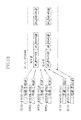
FIG. 7 is a schematic of a field-based ES multiplexer for stereoscopic 3D video images for field shuttering display according to an embodiment of the present invention; -
FIG. 8 is a schematic of a field-based ES multiplexer for stereoscopic 3D video images for frame shuttering display according to an embodiment of the present invention; -
FIG. 9 is a schematic of a field-based ES multiplexer for stereoscopic 3D video images for 2D display according to an embodiment of the present invention; -
FIG. 10 is a schematic of a field-based ES multiplexer formultiview 3D video images for 3D display according to an embodiment of the present invention; -
FIG. 11 is a schematic of a field-based ES multiplexer formultiview 3D video images for 2D display according to an embodiment of the present invention; -
FIG. 12 is an illustration of additional transfer information for the conventional ESI for processing stereoscopic/multiview 3D video images according to an embodiment of the present invention; -
FIG. 13 is a schematic of a sync packet header for processing stereoscopic/multiview 3D video images according to an embodiment of the present invention; -
FIG. 14 MPEG-4 is stream types defined by a system; and -
FIG. 15 is a 3D video image stream type for processing a stereoscopic/multiview 3D video image by a decoder. - In the following detailed description, only the preferred embodiment of the invention has been shown and described, simply by way of illustration of the best mode contemplated by the inventor(s) of carrying out the invention. As will be realized, the invention is capable of modification in various obvious respects, all without departing from the invention. Accordingly, the drawings and description are to be regarded as illustrative in nature, and not restrictive.
- In the embodiment of the present invention, MPEG-4 stereoscopic/
multiview 3D video data are processed. Particularly, the encoded field-based elementary streams output through multiple channels at the same time are integrated into a single-channel elementary stream according to the user's system environments and the user's selected display mode, and then multiplexed into a single 3D access unit stream (hereinafter referred to as "3D_AU stream"). - More particularly, the streaming is enabled to support all the four display modes: a two-dimensional video display mode, a three-dimensional video field shuttering display mode for displaying three-dimensional video images by field-based shuttering, a three-dimensional stereoscopic video frame shuttering display mode for displaying three-dimensional video images by frame-based shuttering, and a multiview three-dimensional video display mode for sequentially displaying images at a required frame rate by using a lenticula lens or the like.
- To enable the multiplexing of the stereoscopic/
multiview 3D video images and the above-mentioned four display defined by the user, the embodiment of the present invention generates new header information of a sync packet header and constructs the header with the overlapping information minimized. Furthermore, the embodiment of the present invention simplifies synchronization among 3D video images by using the time information acquired from one-channel elementary streams among multi-channel elementary streams for multiview video images at the same time, to acquire synchronization with the elementary streams of the other viewpoints. -
FIG. 1 is a schematic of a stereoscopic/multiview 3D video processing system (hereinafter referred to as "video processing system") according to an embodiment of the present invention. - The video processing system according to the embodiment of the present invention, which is to process stereoscopic/
multiview 3D video data based on the MPEG-4 system, comprises, as shown inFIG. 1 , acompression layer 10 supporting multiple encoders; async layer 20 receiving access unit (AU) data and generating packets suitable for synchronization; and adelivery layer 30 including a FlexMux 31 optionally given for simultaneous multiplexing of multiple streams, and a delivery multimedia integrated framework (DMIF) 32 for constructing interfaces to transport environments and storage media. - The
compression layer 10 comprises various object encoders for still pictures, computer graphics (CG), audio coding of analytical composition systems, musical instrument data interface (MIDI), and text, as well as 2D video and audio. - More specifically, the
compression layer 10 comprises, as shown inFIG. 1 , a3D object encoder 11, a2D object encoder 12, a scenedescription stream generator 13, a objectdescriptor stream generator - The
2D object encoder 12 encodes various objects including still pictures, computer graphics (CG), audio coding of analytical composition systems, musical instrument data interface (MIDI), and text, as well as 2D video and audio. The elementary stream output from the individual encoders in the2D object encoder 12 is output in the form of an AU stream and is transferred to thesync layer 20. - The object
descriptor stream generator 14 generates an object descriptor stream for representing the attributes of multiple objects, and the scene configurationinformation stream generator 13 generates a scene description stream for representing the temporal and spatial correlations among the objects. - The
3D object encoder 11 and the3D_ES mixers multiview 3D video images while maintaining compatibility with the existing MPEG-4 system. - The
3D object encoder 11 is an object-based encoder for tereoscopic/multiview 3D video data, and comprises a plurality of 3D real image encoders for processing images actually taken by cameras or the like, and a 3D computer graphic (CG) encoder for processing computer-generated images, i.e., CG. - When the input data are stereoscopic 3D video images generated in different directions, the
3D object encoder 11 outputs elementary streams in the units of even and odd fields of left and right images, respectively. Contrarily, when the input data are N-view 3D video images, the3D object encoder 11 outputs Nx2 field-based elementary streams to the3D_ES mixers - The
3D_ES mixers 3D object encoder 11 into a single 3D_AU stream, and send the single 3D_AU stream to thesync layer 20. - The above-stated single 3D_AU stream output from the
compression layer 10 is transferred to the sync layer via an elementary stream interface (ESI). The ESI is an interface connecting media data streams to the sync layer that is not prescribed by the ISO/IEC 14496-1 but is provided for easy realization, and accordingly, can be modified in case of need. The ESI transfers SL packet header information. An example of the SL packet header information transferred through the ESI in the existing MPEG-4 system is illustrated inFIG. 2 . The SL packet header information is used for thesync layer 20 generating an SL packet header. - To maintain temporal synchronization between or in the elementary streams, the
sync layer 20 comprises a plurality ofobject packetizers 21 for receiving the individual elementary stream output from thecompression layer 10 per AU, dividing it into a plurality of SL packets to generate a payload of individual SL packets and to generate a header of each individual SL packet with reference to information received for every AU via the ESI, thereby completing SL packets composed of the header and the payload. - The SL packet header is used to check continuity in case of data loss and includes information related to a time stamp.
- The packet stream output from the
sync layer 20 is sent to thedelivery layer 30, and is processed into a stream suitable for interfaces to transport environments and storage media via theDIMF 32 after being multiplexed by theFlexMux 31. - The basic processing of the
sync layer 20 and thedelivery layer 30 is the same as that of the existing MPEG-4 system, and will not be described in detail. - Now, a description will be given as to a method for multiplexing stereoscopic/
multiview 3D video images based on the above-constructed video processing system. - As an example, 2D images and multi-channel 3D images (including still or motion pictures) taken by at least two cameras, or computer-generated 3D images, i.e., CG, are fed into the
2D object encoder 12 and the3D object encoder 11 of thecompression layer 10, respectively. The multiplexing process for 2D images is well known to those skilled in the art and will not be described in detail. - The stereoscopic/
multiview 3D video images that are real images taken by cameras are input to a 3Dreal image encoder 111 of the3D object encoder 11, and the CG as a computer-generated 3D stereoscopic/multiview video image is input to a3D CG encoder 112 of the3D object encoder 11. -
FIGS. 3 and 4 illustrate the operations of the plural 3D real image encoders and the 3D CG encoder, respectively. - When the input data are a stereoscopic 3D video image generated in the left and right directions, as shown in
FIG. 3 , the 3Dreal image encoder 111 or the3D CG encoder 112 encodes left and right images or left and right CG data in the unit of fields to output elementary streams in the unit of 4-channel fields. - More specifically, the stereoscopic 3D real image or CG is encoded into a stereoscopic 3D elementary stream of left odd fields 3DES_LO. a stereoscopic 3D elementary stream of left even fields 3DES_LE, a stereoscopic 3D elementary stream of right odd fields 3DES_RO, and a stereoscopic 3D elementary stream of right even fields 3DES_RE.
- When the input data are an N-view video image, the 3D
real image encoder 111 or the3D CG encoder 112 encodes N-view image or CG data in the unit of fields to output odd field elementary streams of first to N-th viewpoints, and even field elementary streams of first to N-th viewpoints. - More specifically, as shown in
FIG. 4 , the N-view video is encoded into Nx2 elementary streams including an odd field elementary stream of the firstviewpoint 3DES_# 1 OddField, an odd field elementary stream of the secondviewpoint 3DES_# 2 OddField, ..., an odd field elementary stream of the N-th viewpoint 3DES_#N OddField, an even field elementary stream of the firstviewpoint 3DES_# 1 EvenField, an even field elementary stream of the secondviewpoint 3DES_# 2 EvenField, ..., and an even field elementary stream of the N-th viewpoint 3DES_#N EvenField. - As described above, the multi-channel field-based elementary streams output from the stereoscopic/
multiview 3D object encoder 11 are input to the3D_ES mixers -
FIGS. 5 and 6 illustrate the multiplexing process of the 3D_ES mixers. - The
3D_ES mixers - There are four display modes: a 2D video display mode, a 3D video field shuttering display mode, a 3D video frame shuttering display mode, and a multiview 3D video display mode.
-
FIGS. 7 to 11 illustrate multiplexing examples for multi-channel field-based elementary streams depending on the display mode concerned.FIGS. 7, 8 , and9 show multiplexing methods for stereoscopic 3D video data, andFIGS. 10 and11 show multiplexing method for multiview 3D video data. - When the user selects the 3D video field shuttering display mode for stereoscopic 3D video data, the stereoscopic 3D elementary stream of left odd fields 3DES_LO and the stereoscopic 3D elementary stream of right even fields 3DES_RE among the 4-channel elementary streams output from the
3D object encoder 11 are sequentially integrated into a single-channel 3D_AU stream, as shown inFIG. 7 . - When the user selects the 3D video frame shuttering display mode for stereoscopic 3D video data, the stereoscopic 3D elementary stream of left odd fields 3DES_LO, the stereoscopic 3D elementary stream of left even fields 3DES_LE, the stereoscopic 3D elementary stream of right odd fields 3DES_RO. and the stereoscopic 3D elementary stream of right even fields 3DES_RE among the 4-channel elementary streams are sequentially integrated into a single-channel 3D_AU stream, as shown in
FIG. 8 . - When the user selects the 2D video display mode for stereoscopic 3D video data, the stereoscopic 3D elementary stream of left odd fields 3DES_LO and the stereoscopic 3D elementary stream of left even fields 3DES_LE are sequentially integrated into a single-channel 3D_AU stream, as shown in
FIG. 9 . - When the user selects the 3D video display mode for multiview 3D video data, the elementary streams are integrated into a single-channel 3D_AU stream in the order of odd and even fields for every viewpoint and then in the order of viewpoints, as shown in
FIG. 10 . Namely, the elementary streams of a multiview video image are integrated into a single-channel 3D_AU stream in the order of the odd field elementary stream of the firstviewpoint 3DES_# 1 Odd Field, the even field elementary stream of the firstviewpoint 3DES_# 1 EvenField, ..., the odd field elementary stream of the N-th viewpoint 3DES_#N OddField, and the even field elementary stream of the N-th viewpoint 3DES_#N EvenField. - When the user selects the 2D video display mode for multiview 3D video data, only the odd and even field elementary streams of one viewpoints are sequentially integrated into a single-channel 3D_AU stream, as shown in
FIG. 11 . Accordingly, the user is enabled to display images of his/her desired viewpoint in the 2D video display mode for multiview 3D video images. - As described above, the single-channel 3D_AU stream output from the
3D_ES mixers sync layer 20. In addition to the information transferred from the ESI, as shown inFIG. 2 , the single channel 3D_AU stream includes optional information for stereoscopic/multiview 3D video streaming according to the embodiment of the present invention. - The syntax and semantics of the information added to the stereoscopic/
multiview 3D video data are defined inFIG. 12 . -
FIG. 12 shows the syntax and semantics of the information added to the single 3D_AU stream for stereoscopic/multiview 3D video images, where only the optional information other than the information transferred via the ESI is illustrated. - More specifically, three information sets such as a display discrimination flag 2D_3DDispFlag, and a viewpoint information flag NumViewpoint are additionally given, as shown in
FIG. 12 . - The display discrimination flag 2D_3DDispFlag represents the display mode for stereoscopic/
multiview 3D video chosen by the user. In this embodiment, the display discrimination flag is, if not specifically limited to, "00" for the 2D video display mode, "01" for the 3D video field shuttering display mode, "10" for the 3D video frame shuttering display mode, and "11" for the multiview 3D video display mode. - The viewpoint information flag NumViewpoint represents the number of viewpoints for motion pictures. Namely, the viewpoint information flag is designated as "2" for stereoscopic 3D video data that are video images of two viewpoints, and as "N" for 3D N-view video data that are video images of N viewpoints.
- The
sync layer 20 receives the input elementary streams per AU, divides it into a plurality of SL packets to generate a payload of the individual SL packets and constructs a sync packet header based on the information transferred via the ESI for every AU, and the above-stated additional information for stereoscopic/multiview 3D video images (i.e., display discrimination flag, and viewpoint information flag). -
FIG. 13 illustrates the structure of a sync packet header that is header information added to one 3D_AU stream for stereoscopic 3D video data according to an embodiment of the present invention. - In the sync packet header shown in
FIG. 13 , an access unit start flag AccessUnitstartFlag represents which byte of the sync packet payload is the start of the 3D_AU stream. For example, the flag bit of "1" means that the first byte of the SL packet payload is the start of one 3D_AU stream, - An access unit end flag AccessUnitendFlag represents which byte of the sync packet payload is the end of the 3D_AU stream. For example, the flag bit of "1" means that the last byte of the SL packet payload is the ending byte of the current 3D_AU stream.
- An object clock reference (OCR) flag represents how many object clock references follow, For example, the flag bit of "1" means that one object clock reference follows.
- An idle flag IdleFlag represents the output state of the 3D_AU stream, For example, the flag bit of "1" means that 3D_AU data are not output for a predetermined time, and the flag bit of "0" means that 3D_AU data are output.
- A padding flag PaddingFlag represents whether or not padding is present in the SL packet. For example, the flag bit of "1" means that padding is present in the SL packet,
- The padding bit PaddingBits represents a padding mode to be used for the SL packet and has a default value of "0".
- A packet sequence number PacketSequenceNumber has a modulo value continuously increasing for the individual SL packet. Discontinuity in the decoder means a loss of at least one SL packet.
- The object clock reference (OCR) includes an OCR time stamp and exists in the SL packet header only when the OCR flag is set.
- The flag bit of the access unit start flag AccessUnitStartFlag set to "1" represents that the first byte of the SL packet payload is the start of one 3D_AU, in which case information of the optional fields is transferred.
- A random access point flag RandomAccessPointFlag having a flag bit set to "1" represents that random access to contents is enabled.
- A 3D_AU sequence number 3D_AUSequenceNumber has a module value continuously increasing for the individual 3D_AU. Discontinuity in the decoder means a loss of at least one 3D_AU.
- A decoding time stamp flag DecodingTimeStampFlag represents the presence of a decoding time stamp (DTS) in the SL packet
- A composition time stamp flag CompositionTimeStamp Flag represents the presence of a composition time stamp (CTS) in the SL packet,
- An instant bit rate flag InstantBitRateFlag represents the presence of an instant bit rate in the SL packet.
- A decoding time stamp (DTS) is a DTS present in the related SL configuration descriptor and exists only when the decoding time differs from the composition time for the 3D_AU.
- A composition time stamp (CTS) is a CTS present in the related SI configuration descriptor.
- A 3D_AU length represents the byte length of the 3D_AU.
- An instant bit rate represents the bit rate for the current 3D_AU, and is effective until the next instant bit rate field appears.
- A degradation priority represents the priority of the SL packet payload.
- A viewpoint information flag NumViewpoint represents the number of viewpoints of motion pictures. Namely, the viewpoint information flag is set to "2" for stereoscopic 3D video data that are motion pictures of two viewpoints; or the viewpoint information flag is set to "N" for 3D N-view video data.
- A display discrimination flag 2D_3DDsspF!ag represents the display mode for 3D video data in the same manner as the case of stereoscopic 3D video data. In this embodiment, the display discrimination flag is set to "00" for the 2D video display mode, "01" for the 3D video field shuttering display mode, "10" for the 3D video frame shuttering display mode and "11" for the multiview video display mode.
- Once the above-constructed header is built, the
sync layer 20 combines the header with the payload to generate an SL packet and sends the SL packet to thedelivery layer 30. - After being multiplexed at the
Flexmux 31, the SL packet stream transferred to thedelivery layer 30 is processed into a stream suitable for an interface to transport environments via theDIMF 32 and sent to a receiver. Alternatively, the SL packet stream is processed into a stream suitable for an interface to storage media and is stored in the storage media. - The receiver decodes the processed packet stream from the video processing system to reproduce the original image.
- In this case, the 3D object decoder at the receiver detects the stream format type of the multiplexed 3D_AU so as to restore the 3D video data in the stream format type of each 3D-AU multiplexed. Thus the 3D object decoder performs decoding after detecting the stream format type of the 3D_AU based on the values stored in the viewpoint information flag NumViewpoint and the display discrimination flag 2D_30DispFlag among the information stored in the header of the packet received.
- For example, when the viewpoint information flag NumViewpoint is "2" and the display discrimination flag 2D_3DDispFlag is "00" in the header of the transferred packet stream, stereoscopic 3D video data are to be displayed in the 2D video display mode and the 3D_AU is multiplexed in the order of the 3D elementary stream of left odd fields 3DES_LO and the 3D elementary stream of left even fields 3DES_LE, as shown in
FIG. 10 . - When the viewpoint information flag NumViewpoint is "2" and the display discrimination flag 2D_3DDispFlag is "01", stereoscopic 3D video data are to be displayed in the 3D video field shuttering display mode and the 3D_AU is multiplexed in the order of the 3D elementary stream of left odd fields 3DES_LO and the 3D elementary stream of right even fields 3DES_RE, as shown in
FIG. 8 . - Finally, when the viewpoint information flag NumViewpoint is "2" and the display discrimination flag 2D_3DDispFlag is "10", stereoscopic 3D video data are to be displayed in the 3D video frame shuttering display mode and the 3D_AU is multiplexed in the order of the 3D elementary stream of left odd fields 3DES_LO, the 3D elementary stream of left even fields 3DES_LE, and the 3D elementary stream of right even fields 3DES_RE, as shown in
FIG. 9 . - On the other hand, when the viewpoint information flag NumViewpoint is "2" and the display discrimination flag 2D_3DDispFlag is "11", stereoscopic 3D video data are to be displayed in the multiview 3D video display mode, a case that cannot occur.
- When the viewpoint information flag NumViewpoint is "N" and the display discrimination flag 2D_3DDispFlag is "00", multiview 3D video data are to be displayed in the 2D video display mode and the 3D_AU is multiplexed in the order of the odd field elementary stream of the first
viewpoint 3DES_# 10 and the even field elementary stream of the first viewpoint 3DES_#1 E, as shown inFIG. 12 . - When the viewpoint information flag NumViewpoint is "N" and the display discrimination flag 2D_3DDispFlag is "11", multiview 3D video data are to be displayed in the multiview 3D video display mode and the 3D_AU is multiplexed in the order of all odd fields elementary streams of the first to N-th
viewpoints 3DES_# 10, .... and 3DES_#NO and all even field elementary streams of the first to N-th viewpoints 3DE8_#1 E ,.... and 3DES_#NE, as shown inFIG. 11 . - When the viewpoint information flag NumViewpoint is "N" and the display discrimination flag 2D_3DDispFlag is "10" or "01", multiview 3D video data are to be displayed in the 3D video frame/field shuttering display mode, a case that seldom occurs.
- As stated above, the receiver checks the stream format type of the 3D_AU multiplexed in the packet stream based on the values stored in the viewpoint information flag NumViewpoint and the display discrimination flag 2D_3DDispFlag of the header of the packet stream transferred from the video processing system according to the embodiment of the present invention, and then performs decoding to reproduce 3D video images,
-
FIG. 14 shows stream types defined by the DecoderConfigDescriptor of the MPEG-4 system, andFIG. 15 shows a new stream type for determining whether an elementary stream of the stereoscopic 3D video image output from the compression layer is 2D or 3D video image data. - While this invention has been described in connection with what is presently considered to be the most practical and preferred embodiment, it is to be understood that the invention is not limited to the disclosed embodiments, but, on the contrary, is intended to cover various modifications and equivalent arrangements included within the spirit and scope of the appended claims,
- As described above, the present invention enables stereoscopic/
multiview 3D video processing in the existing MPEG-4 system, - Particularly, the multi-channel field-based elementary streams having the same temporal and spatial information are multiplexed into a single elementary stream, thereby minimizing the overlapping header information.
- The present invention also simplifies synchronization among 3D video data by using the time information acquired from the one-channel elementary stream among the multi-channel elementary streams for multiview video data at the same time in synchronization with elementary streams of the other viewpoints.
- Furthermore, the multiplexing structure and the header construction of the present invention enable the user to selectively display stereoscopic/
multiview 3D video data in the 3D video field/fraine shuttering display mode, the multiview 3D video display mode, or the 2D video display mode, while maintaining compatibly with the existing 2D video processing system. Hence, the present invention can perform streaming of selected data suitable for the user's demand and system environments.
Claims (7)
- An MPEG system for processing stereoscopic/multiview three-dimensional video, the system comprising:a compressor (10) for processing input stereoscopic/multiview three- dimensional video data to generate field-based elementary streams of multiple channels, and integrating the multi-channel elementary streams into a single-channel elementary stream;a packetizer (20) for receiving the sinlge-channel elementary stream from the compressor (10) per access unit and packetizing the received single-channel elementary streams into a packetized stream; anda transmitter (30) for multiplexing the packetized stream into a multiplxed stream for transmitting or storing the same,wherein the multiplexed stream includes viewpoint information including the number of viewpoint that the packetized stream provides.
- The system as claimed in wherein the multiplexed stream includes display discrimination information including the display mode that the packetized stream provides.
- The system as claimed in claim 1 or 2, wherein the compressor comprises:a three-dimensional object encoder (11) for encoding the input stereoscopic/multiview three-dimensional video data to output multi-channel field-based elementary streams; anda three-dimensional elementary stream mixer (15, 16) for integrating the multi-channel field-based elementary streams into a single-channel elementary stream, and outputting the same.
- The system as claimed in claim 2, wherein when processing the elementary streams into a single-channel access unit stream and sending it to the packetizer (20), the compressor (10) sends the single-channel elementary stream to the packetizer (20) by adding at least one of image discrimination information representing whether the elementary stream is display discrimination information representing the display mode of the stereoscopic/multiview three- dimensional video selected by a user, and viewpoint information representing the number of viewpoints of a corresponding video image that is a multiview video image.
- The system as claimed in claim 4, wherein the packetizer (20) receives a single-channel stream from the compressor (10) per access unit, packetizes the received single-channel stream, and then constructs a packet header based on the additional information,
wherein the packet header includes an access unit start flag representing which byte of a packet payload is the start of the stream, an access unit end flag representing which byte of the packet payload is the end of the stream, an image discrimination flag representing whether the elementary stream output from the compressor is two-or three-dimensional video data, a decoding time stamp flag, a composition time stamp flag, a viewpoint information flag representing the number of viewpoints of the video image, and a display discrimination flag representing the display mode. - A stereoscopic/multiview three-dimensional video processing method, which is based on MPEG, the method comprising:(a) processing input stereoscopie video data multiview three-dimensional to generate multi-channel field-based elementary streams;(b) integrating the multi-channel field-based elementary streams into a single-channel elementary stream;(c) packetizing the received single-channel elementary stream into a packetized stream; and(d) multiplexing the packetized stream into a multiplexed stream for transmitting or storing same,wherein the multiplexed stream includes viewpoint information including the number of view points that the packetized stream provides.
- The method as claimed in claim 6, wherein the multiplexed stream includes display discrimination information including the display mode that the packetized stream provides.
Applications Claiming Priority (2)
| Application Number | Priority Date | Filing Date | Title |
|---|---|---|---|
| KR10-2001-0072603A KR100397511B1 (en) | 2001-11-21 | 2001-11-21 | The processing system and it's method for the stereoscopic/multiview Video |
| EP20020790969 EP1457034A2 (en) | 2001-11-21 | 2002-11-21 | 3d stereoscopic/multiview video processing system and its method |
Related Parent Applications (1)
| Application Number | Title | Priority Date | Filing Date |
|---|---|---|---|
| EP02790969.6 Division | 2002-11-21 |
Publications (1)
| Publication Number | Publication Date |
|---|---|
| EP2306747A1 true EP2306747A1 (en) | 2011-04-06 |
Family
ID=19716151
Family Applications (2)
| Application Number | Title | Priority Date | Filing Date |
|---|---|---|---|
| EP20100191686 Ceased EP2306747A1 (en) | 2001-11-21 | 2002-11-21 | 3D stereoscopic/multiview video processing system and its method |
| EP20020790969 Ceased EP1457034A2 (en) | 2001-11-21 | 2002-11-21 | 3d stereoscopic/multiview video processing system and its method |
Family Applications After (1)
| Application Number | Title | Priority Date | Filing Date |
|---|---|---|---|
| EP20020790969 Ceased EP1457034A2 (en) | 2001-11-21 | 2002-11-21 | 3d stereoscopic/multiview video processing system and its method |
Country Status (7)
| Country | Link |
|---|---|
| US (2) | US20030095177A1 (en) |
| EP (2) | EP2306747A1 (en) |
| JP (2) | JP4425635B2 (en) |
| KR (1) | KR100397511B1 (en) |
| CN (2) | CN101188779B (en) |
| AU (1) | AU2002366143A1 (en) |
| WO (1) | WO2003045046A2 (en) |
Families Citing this family (157)
| Publication number | Priority date | Publication date | Assignee | Title |
|---|---|---|---|---|
| KR100454194B1 (en) * | 2001-12-28 | 2004-10-26 | 한국전자통신연구원 | Stereoscopic Video Encoder and Decoder Supporting Multi-Display Mode and Method Thereof |
| CA2380105A1 (en) * | 2002-04-09 | 2003-10-09 | Nicholas Routhier | Process and system for encoding and playback of stereoscopic video sequences |
| KR100475060B1 (en) | 2002-08-07 | 2005-03-10 | 한국전자통신연구원 | The multiplexing method and its device according to user's request for multi-view 3D video |
| AU2003252388A1 (en) * | 2002-08-27 | 2004-03-19 | Sharp Kabushiki Kaisha | Content reproduction device capable of reproducing a content in optimal reproduction mode |
| KR100488804B1 (en) * | 2002-10-07 | 2005-05-12 | 한국전자통신연구원 | System for data processing of 2-view 3dimention moving picture being based on MPEG-4 and method thereof |
| KR100556826B1 (en) * | 2003-04-17 | 2006-03-10 | 한국전자통신연구원 | Internet broadcasting system and method therefor for serving MBP-4 based binocular 3D video |
| JP2004357156A (en) * | 2003-05-30 | 2004-12-16 | Sharp Corp | Video receiving device and video reproducing device |
| US7650036B2 (en) * | 2003-10-16 | 2010-01-19 | Sharp Laboratories Of America, Inc. | System and method for three-dimensional video coding |
| KR100576544B1 (en) | 2003-12-09 | 2006-05-03 | 한국전자통신연구원 | 3D video processing device and method using MPEG-4 object descriptor information and structure |
| KR101029808B1 (en) * | 2004-01-27 | 2011-04-20 | 엘지전자 주식회사 | Packetization of Sink Layer Packets |
| US7660472B2 (en) * | 2004-02-10 | 2010-02-09 | Headplay (Barbados) Inc. | System and method for managing stereoscopic viewing |
| WO2005083637A1 (en) * | 2004-02-27 | 2005-09-09 | Td Vision Corporation, S.A. De C.V. | Method and system for digital decoding 3d stereoscopic video images |
| KR101187550B1 (en) * | 2004-02-27 | 2012-10-04 | 티디비전 코포레이션 에스.에이. 데 씨.브이. | Method and system for digital coding 3d stereoscopic video images |
| US7262783B2 (en) * | 2004-03-03 | 2007-08-28 | Virtual Iris Studios, Inc. | System for delivering and enabling interactivity with images |
| US7542050B2 (en) | 2004-03-03 | 2009-06-02 | Virtual Iris Studios, Inc. | System for delivering and enabling interactivity with images |
| KR100585966B1 (en) * | 2004-05-21 | 2006-06-01 | 한국전자통신연구원 | 3D stereoscopic digital broadcasting transmission / reception apparatus using 3D stereoscopic image additional data and method thereof |
| KR100679740B1 (en) * | 2004-06-25 | 2007-02-07 | 학교법인연세대학교 | Multi-view video encoding / decoding method with view selection |
| JP4361435B2 (en) * | 2004-07-14 | 2009-11-11 | 株式会社エヌ・ティ・ティ・ドコモ | Moving picture decoding method, moving picture decoding program, moving picture decoding apparatus, moving picture encoding method, moving picture encoding program, and moving picture encoding apparatus |
| KR100940603B1 (en) * | 2004-07-22 | 2010-02-08 | 한국전자통신연구원 | SAF synchronization layer packet structure and method of providing the same |
| JP4690400B2 (en) * | 2004-07-22 | 2011-06-01 | エレクトロニクス アンド テレコミュニケーションズ リサーチ インスチチュート | SAF synchronization hierarchical packet structure and server system using the same |
| KR100658222B1 (en) * | 2004-08-09 | 2006-12-15 | 한국전자통신연구원 | 3D digital multimedia broadcasting system |
| WO2006080739A1 (en) * | 2004-10-12 | 2006-08-03 | Electronics And Telecommunications Research Institute | Method and apparatus for encoding and decoding multi-view video using image stitching |
| KR100697972B1 (en) * | 2004-11-16 | 2007-03-23 | 한국전자통신연구원 | Digital broadcast transmitter and method for stereoscopic broadcast service |
| CN101073257B (en) * | 2004-12-22 | 2012-05-30 | 中兴通讯股份有限公司 | Method for transmitting multi-channel video in video conference system |
| JP4757299B2 (en) * | 2005-04-11 | 2011-08-24 | サムスン エレクトロニクス カンパニー リミテッド | Method and apparatus for generating and restoring 3D compressed data |
| KR100785012B1 (en) * | 2005-04-11 | 2007-12-12 | 삼성전자주식회사 | Methods and apparatuses for generating and recovering 3D compression data |
| KR100813961B1 (en) * | 2005-06-14 | 2008-03-14 | 삼성전자주식회사 | Video receiver |
| WO2006137000A1 (en) * | 2005-06-23 | 2006-12-28 | Koninklijke Philips Electronics N.V. | Combined exchange of image and related data |
| KR100657322B1 (en) * | 2005-07-02 | 2006-12-14 | 삼성전자주식회사 | Encoding / Decoding Method and Apparatus for Implementing Local 3D Video |
| US8369406B2 (en) | 2005-07-18 | 2013-02-05 | Electronics And Telecommunications Research Institute | Apparatus of predictive coding/decoding using view-temporal reference picture buffers and method using the same |
| US7903737B2 (en) * | 2005-11-30 | 2011-03-08 | Mitsubishi Electric Research Laboratories, Inc. | Method and system for randomly accessing multiview videos with known prediction dependency |
| KR100747598B1 (en) | 2005-12-09 | 2007-08-08 | 한국전자통신연구원 | System and Method for Transmitting/Receiving Three Dimensional Video based on Digital Broadcasting |
| KR101276847B1 (en) | 2006-01-12 | 2013-06-18 | 엘지전자 주식회사 | Processing multiview video |
| WO2007081176A1 (en) * | 2006-01-12 | 2007-07-19 | Lg Electronics Inc. | Processing multiview video |
| US20070220171A1 (en) * | 2006-03-17 | 2007-09-20 | Sony Corporation | Systems and methods for synchronization of asynchronous networks |
| KR100959538B1 (en) * | 2006-03-30 | 2010-05-27 | 엘지전자 주식회사 | Method and apparatus for decoding / encoding video signal |
| KR100780844B1 (en) * | 2006-04-28 | 2007-11-29 | 광주과학기술원 | A multi-view image decoder, a multi-view image data processing system, a multi-view image data processing method and a recording medium recording a program for performing the same |
| KR101191195B1 (en) * | 2006-05-04 | 2012-10-15 | 엘지전자 주식회사 | apparatus for transmitting contents, apparatus for outputting contents, method for transmitting contents and method for outputting contents |
| WO2007148909A1 (en) * | 2006-06-19 | 2007-12-27 | Lg Electronics, Inc. | Method and apparatus for processing a vedeo signal |
| BRPI0713348A2 (en) * | 2006-07-05 | 2012-03-06 | Thomson Licensing | METHOD AND APPARATUS FOR MULTIVISUALIZATION VIDEO ENCODING AND DECODING |
| KR101370919B1 (en) | 2006-07-12 | 2014-03-11 | 엘지전자 주식회사 | A method and apparatus for processing a signal |
| CN100415002C (en) * | 2006-08-11 | 2008-08-27 | 宁波大学 | Coding and compression method of multi-mode and multi-viewpoint video signal |
| US8532178B2 (en) * | 2006-08-25 | 2013-09-10 | Lg Electronics Inc. | Method and apparatus for decoding/encoding a video signal with inter-view reference picture list construction |
| WO2008030011A1 (en) * | 2006-09-04 | 2008-03-13 | Enhanced Chip Technology Inc. | File format for encoded stereoscopic image/video data |
| KR100716142B1 (en) * | 2006-09-04 | 2007-05-11 | 주식회사 이시티 | How to send stereoscopic video data |
| WO2008085885A2 (en) * | 2007-01-04 | 2008-07-17 | Thomson Licensing | Methods and apparatus for multi-view information conveyed in high level syntax |
| JP2010516102A (en) * | 2007-01-04 | 2010-05-13 | トムソン ライセンシング | Method and apparatus for video error correction in multi-view encoded video |
| JP5273816B2 (en) * | 2007-01-04 | 2013-08-28 | トムソン ライセンシング | Method and apparatus for video error concealment in multi-view coded video using high level syntax |
| US20080252719A1 (en) * | 2007-04-13 | 2008-10-16 | Samsung Electronics Co., Ltd. | Apparatus, method, and system for generating stereo-scopic image file based on media standards |
| US8237776B2 (en) * | 2007-10-19 | 2012-08-07 | Warner Bros. Entertainment Inc. | Method and apparatus for generating stereoscopic images from a DVD disc |
| US8749615B2 (en) * | 2007-06-07 | 2014-06-10 | Reald Inc. | Demultiplexing for stereoplexed film and video applications |
| KR100962696B1 (en) | 2007-06-07 | 2010-06-11 | 주식회사 이시티 | Construction method of encoded stereoscopic video data file |
| US8373744B2 (en) * | 2007-06-07 | 2013-02-12 | Reald Inc. | Stereoplexing for video and film applications |
| US8487982B2 (en) | 2007-06-07 | 2013-07-16 | Reald Inc. | Stereoplexing for film and video applications |
| EP2001235B1 (en) * | 2007-06-08 | 2013-05-22 | Samsung Electronics Co., Ltd. | MPEG-4 format extension for recording stereoscopic or synthetic 3D video data with related metadata |
| EP2914000A1 (en) * | 2007-06-19 | 2015-09-02 | Electronics and Telecommunications Research Institute | Metadata structure for storing and playing stereoscopic data, and method for storing stereoscopic content file using this metadata |
| WO2009002115A2 (en) * | 2007-06-26 | 2008-12-31 | Lg Electronics Inc. | Media file format based on, method and apparatus for reproducing the same, and apparatus for generating the same |
| KR101416228B1 (en) * | 2007-07-06 | 2014-07-08 | 삼성전자주식회사 | Driving apparatus of 2D/3D switchable display and driving method thereof |
| KR101362647B1 (en) * | 2007-09-07 | 2014-02-12 | 삼성전자주식회사 | System and method for generating and palying three dimensional image file including two dimensional image |
| MY162861A (en) | 2007-09-24 | 2017-07-31 | Koninl Philips Electronics Nv | Method and system for encoding a video data signal, encoded video data signal, method and system for decoding a video data signal |
| US8218855B2 (en) | 2007-10-04 | 2012-07-10 | Samsung Electronics Co., Ltd. | Method and apparatus for receiving multiview camera parameters for stereoscopic image, and method and apparatus for transmitting multiview camera parameters for stereoscopic image |
| KR101396350B1 (en) * | 2007-10-04 | 2014-05-20 | 삼성전자주식회사 | Method and appratus for generating multiview image data stream, and method and apparatus for decoding multiview image data stream |
| WO2009048216A1 (en) * | 2007-10-10 | 2009-04-16 | Electronics And Telecommunications Research Institute | Metadata structure for storing and playing stereoscopic data, and method for storing stereoscopic content file using this metadata |
| US8390674B2 (en) | 2007-10-10 | 2013-03-05 | Samsung Electronics Co., Ltd. | Method and apparatus for reducing fatigue resulting from viewing three-dimensional image display, and method and apparatus for generating data stream of low visual fatigue three-dimensional image |
| MX2010004275A (en) * | 2007-10-19 | 2010-07-29 | Samsung Electronics Co Ltd | Method of recording three-dimensional image data. |
| WO2009075495A1 (en) * | 2007-12-10 | 2009-06-18 | Samsung Electronics Co., Ltd. | System and method for generating and reproducing image file including 2d image and 3d stereoscopic image |
| JP5575659B2 (en) * | 2007-12-14 | 2014-08-20 | コーニンクレッカ フィリップス エヌ ヴェ | 3D mode selection mechanism for video playback |
| KR100955578B1 (en) * | 2007-12-18 | 2010-04-30 | 한국전자통신연구원 | Stereoscopic content scene playback method and device therefor |
| US8384764B2 (en) * | 2007-12-20 | 2013-02-26 | Samsung Electronics Co., Ltd. | Method and apparatus for generating multiview image data stream and method and apparatus for decoding the same |
| KR101560182B1 (en) * | 2008-01-07 | 2015-10-15 | 삼성전자주식회사 | Method and apparatus for multi-view video encoding and method and apparatus for multi-view video decoding |
| KR101524465B1 (en) | 2008-01-10 | 2015-06-02 | 삼성전자주식회사 | Method and apparatus for multi-view video encoding using chrominance compensation, and method and apparatus for multi-view video decoding using chrominance compensation |
| US8878836B2 (en) * | 2008-02-29 | 2014-11-04 | Samsung Electronics Co., Ltd. | Method and apparatus for encoding datastream including additional information on multiview image and method and apparatus for decoding datastream by using the same |
| US8811499B2 (en) * | 2008-04-10 | 2014-08-19 | Imagine Communications Corp. | Video multiviewer system permitting scrolling of multiple video windows and related methods |
| KR101591085B1 (en) * | 2008-05-19 | 2016-02-02 | 삼성전자주식회사 | Apparatus and method for creating and playing video files |
| EP2288148A4 (en) * | 2008-06-18 | 2012-04-04 | Mitsubishi Electric Corp | THREE-DIMENSIONAL VIDEO CONVERSION RECORDING DEVICE, THREE-DIMENSIONAL VIDEO CONVERSION RECORDING METHOD, RECORDING MEDIUM, THREE-DIMENSIONAL VIDEO CONVERSION DEVICE, AND THREE-DIMENSIONAL VIDEO TRANSMISSION DEVICE |
| KR20100002032A (en) * | 2008-06-24 | 2010-01-06 | 삼성전자주식회사 | Image generating method, image processing method, and apparatus thereof |
| WO2009157713A2 (en) * | 2008-06-24 | 2009-12-30 | Samsung Electronics Co., Ltd. | Image processing method and apparatus |
| WO2009157707A2 (en) * | 2008-06-24 | 2009-12-30 | Samsung Electronics Co,. Ltd. | Image processing method and apparatus |
| JP5338166B2 (en) | 2008-07-16 | 2013-11-13 | ソニー株式会社 | Transmitting apparatus, stereoscopic image data transmitting method, receiving apparatus, and stereoscopic image data receiving method |
| KR20100040640A (en) | 2008-10-10 | 2010-04-20 | 엘지전자 주식회사 | Receiving system and method of processing data |
| KR100972792B1 (en) * | 2008-11-04 | 2010-07-29 | 한국전자통신연구원 | Apparatus and method for synchronizing stereoscopic images and apparatus and method for providing stereoscopic images using the same |
| KR101090499B1 (en) | 2008-11-28 | 2011-12-07 | 한국전자통신연구원 | How to provide multi-angle digital broadcasting service |
| KR101154051B1 (en) * | 2008-11-28 | 2012-06-08 | 한국전자통신연구원 | Apparatus and method for multi-view video transmission and reception |
| HUE029122T2 (en) | 2008-12-01 | 2017-02-28 | Sharp Kk | Contents reproduction device, reproduction method, program and recording medium |
| WO2010067810A1 (en) * | 2008-12-09 | 2010-06-17 | ソニー株式会社 | Image processing device and method |
| EP2352302B1 (en) * | 2008-12-18 | 2019-04-17 | LG Electronics Inc. | Digital broadcasting reception method capable of displaying stereoscopic image, and digital broadcasting reception apparatus using same |
| KR101176065B1 (en) | 2008-12-22 | 2012-08-24 | 한국전자통신연구원 | Method for transmitting data on stereoscopic image, method for playback of stereoscopic image, and method for creating file of stereoscopic image |
| KR101664420B1 (en) * | 2009-01-06 | 2016-10-10 | 엘지전자 주식회사 | Method for processing three dimensional (3d) video signal and digital broadcast receiver for performing the method |
| KR20110096006A (en) * | 2009-01-19 | 2011-08-26 | 파나소닉 주식회사 | Encoding method, decoding method, encoding device, decoding device, program, and integrated circuit |
| US10742953B2 (en) * | 2009-01-20 | 2020-08-11 | Koninklijke Philips N.V. | Transferring of three-dimensional image data |
| EP2211556A1 (en) * | 2009-01-22 | 2010-07-28 | Electronics and Telecommunications Research Institute | Method for processing non-real time stereoscopic services in terrestrial digital multimedia broadcasting and apparatus for receiving terrestrial digital multimedia broadcasting |
| CA2749065C (en) * | 2009-01-28 | 2017-01-17 | Lg Electronics Inc. | Broadcast receiver and video data processing method thereof |
| EP2399394B1 (en) | 2009-02-19 | 2020-09-30 | InterDigital Madison Patent Holdings | 3d video formats |
| JP4947389B2 (en) * | 2009-04-03 | 2012-06-06 | ソニー株式会社 | Image signal decoding apparatus, image signal decoding method, and image signal encoding method |
| JP4962525B2 (en) * | 2009-04-08 | 2012-06-27 | ソニー株式会社 | REPRODUCTION DEVICE, REPRODUCTION METHOD, AND PROGRAM |
| JP2010244635A (en) | 2009-04-08 | 2010-10-28 | Sony Corp | Information processing apparatus, information processing method, reproduction apparatus, reproduction method, program, and recording medium |
| JP4993224B2 (en) * | 2009-04-08 | 2012-08-08 | ソニー株式会社 | Playback apparatus and playback method |
| JP4985807B2 (en) * | 2009-04-15 | 2012-07-25 | ソニー株式会社 | Playback apparatus and playback method |
| EP2424257A4 (en) * | 2009-04-24 | 2015-12-02 | Lg Electronics Inc | Video display apparatus and operating method therefor |
| WO2010126227A2 (en) * | 2009-04-27 | 2010-11-04 | Lg Electronics Inc. | Broadcast receiver and 3d video data processing method thereof |
| KR101671021B1 (en) * | 2009-04-30 | 2016-11-10 | 삼성전자주식회사 | Apparatus and method for transmitting stereoscopic image effectively |
| US8411746B2 (en) * | 2009-06-12 | 2013-04-02 | Qualcomm Incorporated | Multiview video coding over MPEG-2 systems |
| US8780999B2 (en) | 2009-06-12 | 2014-07-15 | Qualcomm Incorporated | Assembling multiview video coding sub-BITSTREAMS in MPEG-2 systems |
| JP5622484B2 (en) * | 2009-08-20 | 2014-11-12 | 富士フイルム株式会社 | Color developing photosensitive composition, lithographic printing plate precursor and novel cyanine dye |
| JP4875127B2 (en) * | 2009-09-28 | 2012-02-15 | パナソニック株式会社 | 3D image processing device |
| JP4763822B2 (en) * | 2009-09-30 | 2011-08-31 | パナソニック株式会社 | Video signal processing apparatus and video signal processing method |
| US20110085024A1 (en) * | 2009-10-13 | 2011-04-14 | Sony Corporation, A Japanese Corporation | 3d multiview display |
| KR101234495B1 (en) * | 2009-10-19 | 2013-02-18 | 한국전자통신연구원 | Terminal, node device and method for processing stream in video conference system |
| EP2471270A4 (en) * | 2009-10-20 | 2015-09-16 | Samsung Electronics Co Ltd | METHOD AND APPARATUS FOR GENERATING A FLOW, METHOD AND APPARATUS FOR PROCESSING A FLOW |
| JP5585047B2 (en) * | 2009-10-28 | 2014-09-10 | ソニー株式会社 | Stream receiving apparatus, stream receiving method, stream transmitting apparatus, stream transmitting method, and computer program |
| US20110110641A1 (en) * | 2009-11-11 | 2011-05-12 | Electronics And Telecommunications Research Institute | Method for real-sense broadcasting service using device cooperation, production apparatus and play apparatus for real-sense broadcasting content thereof |
| JP2011119906A (en) * | 2009-12-02 | 2011-06-16 | Sony Corp | Image processor and image processing method |
| EP2355510A1 (en) * | 2009-12-21 | 2011-08-10 | Alcatel Lucent | Method and arrangement for video coding |
| EP2537347B1 (en) * | 2010-02-15 | 2019-06-05 | InterDigital Madison Patent Holdings | Apparatus and method for processing video content |
| KR101289269B1 (en) * | 2010-03-23 | 2013-07-24 | 한국전자통신연구원 | An apparatus and method for displaying image data in image system |
| JP2011216965A (en) * | 2010-03-31 | 2011-10-27 | Sony Corp | Information processing apparatus, information processing method, reproduction apparatus, reproduction method, and program |
| WO2011132882A2 (en) | 2010-04-19 | 2011-10-27 | 엘지전자 주식회사 | Method for transmitting/receiving internet-based content and transmitter/receiver using same |
| US9013547B2 (en) | 2010-04-30 | 2015-04-21 | Lg Electronics Inc. | Apparatus of processing an image and a method of processing thereof |
| EP2569942A1 (en) * | 2010-05-11 | 2013-03-20 | Telefonaktiebolaget LM Ericsson (publ) | Video signal compression coding |
| CN101841720B (en) * | 2010-05-25 | 2011-08-10 | 东南大学 | Stereo video coding method based on modified view lifting schemes |
| US20110292038A1 (en) * | 2010-05-27 | 2011-12-01 | Sony Computer Entertainment America, LLC | 3d video conversion |
| JP5050079B2 (en) * | 2010-06-02 | 2012-10-17 | 日立コンシューマエレクトロニクス株式会社 | Digital content receiving apparatus and digital content receiving method |
| US10917624B2 (en) | 2010-06-02 | 2021-02-09 | Maxell, Ltd. | Reception device, display control method, transmission device, and transmission method for program content type |
| JP5710895B2 (en) * | 2010-06-02 | 2015-04-30 | 日立マクセル株式会社 | Digital content receiving apparatus and digital content receiving method |
| KR101830881B1 (en) * | 2010-06-09 | 2018-04-05 | 삼성전자주식회사 | Method and apparatus for providing fragmented multimedia streaming service, and method and apparatus for receiving fragmented multimedia streaming service |
| KR101303456B1 (en) * | 2010-06-22 | 2013-09-10 | 엘지디스플레이 주식회사 | 3 dimensional data modulation method and liquid crystal display device using the same |
| KR101645465B1 (en) * | 2010-07-23 | 2016-08-04 | 삼성전자주식회사 | Apparatus and method for generating a three-dimension image data in portable terminal |
| CN102340681A (en) * | 2010-07-26 | 2012-02-01 | 深圳市锐取软件技术有限公司 | 3D (three-dimensional) stereo video single-file double-video stream recording method |
| US20130209063A1 (en) * | 2010-08-17 | 2013-08-15 | Lg Electronics Inc. | Digital receiver and content processing method in digital receiver |
| KR20130105814A (en) | 2010-09-03 | 2013-09-26 | 소니 주식회사 | Encoding device and encoding method, as well as decoding device and decoding method |
| JP5543892B2 (en) * | 2010-10-01 | 2014-07-09 | 日立コンシューマエレクトロニクス株式会社 | REPRODUCTION DEVICE, REPRODUCTION METHOD, DISPLAY DEVICE, AND DISPLAY METHOD |
| JP5454444B2 (en) * | 2010-10-01 | 2014-03-26 | ソニー株式会社 | Stereo image data transmitting apparatus, stereo image data transmitting method, stereo image data receiving apparatus, and stereo image data receiving method |
| KR101750047B1 (en) * | 2010-10-11 | 2017-06-22 | 삼성전자주식회사 | Method for providing and processing 3D image and apparatus for providing and processing 3D image |
| CN102486873B (en) * | 2010-12-01 | 2014-06-18 | 财团法人资讯工业策进会 | Digital three-dimensional object processing device and method |
| US20120206568A1 (en) * | 2011-02-10 | 2012-08-16 | Google Inc. | Computing device having multiple image capture devices and image modes |
| US9628769B2 (en) | 2011-02-15 | 2017-04-18 | Thomson Licensing Dtv | Apparatus and method for generating a disparity map in a receiving device |
| JP2012186746A (en) * | 2011-03-08 | 2012-09-27 | Sony Corp | Video transmitter, method for controlling video transmitter, video receiver and method for controlling video receiver |
| CN102137258B (en) * | 2011-03-22 | 2013-04-24 | 宁波大学 | Method for controlling three-dimensional video code rates |
| WO2012153450A1 (en) * | 2011-05-11 | 2012-11-15 | パナソニック株式会社 | Video transmission device and video transmission method |
| JP2013024915A (en) * | 2011-07-15 | 2013-02-04 | Yamaha Corp | Dongle device and reproduction system |
| EP2753084A4 (en) * | 2011-08-31 | 2014-12-31 | Lg Electronics Inc | Digital broadcast signal processing method and device |
| US20130094518A1 (en) * | 2011-10-13 | 2013-04-18 | Electronics And Telecommunications Research Institute | Method for configuring and transmitting mmt payload |
| WO2013069608A1 (en) | 2011-11-11 | 2013-05-16 | ソニー株式会社 | Transmitting apparatus, transmitting method, receiving apparatus and receiving method |
| JP6192902B2 (en) * | 2011-11-11 | 2017-09-06 | サターン ライセンシング エルエルシーSaturn Licensing LLC | Image data transmitting apparatus, image data transmitting method, image data receiving apparatus, and image data receiving method |
| KR102003925B1 (en) * | 2011-11-23 | 2019-10-02 | 한국전자통신연구원 | Method and apparatus for streaming service providing scalability and view information |
| JP2013126048A (en) * | 2011-12-13 | 2013-06-24 | Sony Corp | Transmitting device, transmission method, receiving device, and reception method |
| JP4993233B2 (en) * | 2012-01-26 | 2012-08-08 | ソニー株式会社 | Recording method |
| JP4993234B2 (en) * | 2012-01-26 | 2012-08-08 | ソニー株式会社 | REPRODUCTION DEVICE, REPRODUCTION METHOD, AND RECORDING METHOD |
| US8325821B1 (en) * | 2012-02-08 | 2012-12-04 | Vyumix, Inc. | Video transcoder stream multiplexing systems and methods |
| US20140078249A1 (en) * | 2012-09-20 | 2014-03-20 | Qualcomm Incorporated | Indication of frame-packed stereoscopic 3d video data for video coding |
| US9860515B2 (en) * | 2012-12-11 | 2018-01-02 | Electronics And Telecommunications Research Institute | Apparatus and method for 3D content broadcasting with boundary information |
| US10120891B2 (en) | 2013-02-11 | 2018-11-06 | International Business Machines Corporation | Data placement optimization |
| KR102217327B1 (en) * | 2013-12-16 | 2021-02-18 | 삼성디스플레이 주식회사 | Stereoscopic image display and driving method thereof |
| KR101804364B1 (en) * | 2014-12-30 | 2017-12-04 | 한국전자통신연구원 | Super Multi-View image system and Driving Method Thereof |
| JP6098678B2 (en) * | 2015-07-31 | 2017-03-22 | ソニー株式会社 | Transmission method and transmission apparatus |
| KR102733195B1 (en) * | 2015-12-14 | 2024-11-25 | 파나소닉 인텔렉츄얼 프로퍼티 코포레이션 오브 아메리카 | Three-dimensional data coding method, three-dimensional data decoding method, three-dimensional data coding device, and three-dimensional data decoding device |
| JP2022051967A (en) * | 2019-01-08 | 2022-04-04 | ソニーグループ株式会社 | Information processing device and information processing method |
Citations (5)
| Publication number | Priority date | Publication date | Assignee | Title |
|---|---|---|---|---|
| EP0796018A2 (en) * | 1996-03-11 | 1997-09-17 | Oki Electric Industry Co., Ltd. | Packet multiplexing system |
| JPH1023427A (en) * | 1996-07-04 | 1998-01-23 | Matsushita Electric Ind Co Ltd | Video signal encoding and decoding device and video signal transmission device |
| EP0888018A1 (en) * | 1996-02-28 | 1998-12-30 | Matsushita Electric Industrial Co., Ltd. | High-resolution optical disk for recording stereoscopic video, optical disk reproducing device, and optical disk recording device |
| EP0969676A2 (en) * | 1998-06-03 | 2000-01-05 | SANYO ELECTRIC Co., Ltd. | Digital broadcasting receiver and digital broadcasting system |
| US6055012A (en) * | 1995-12-29 | 2000-04-25 | Lucent Technologies Inc. | Digital multi-view video compression with complexity and compatibility constraints |
Family Cites Families (18)
| Publication number | Priority date | Publication date | Assignee | Title |
|---|---|---|---|---|
| JP3081675B2 (en) | 1991-07-24 | 2000-08-28 | オリンパス光学工業株式会社 | Image recording device and image reproducing device |
| US5724091A (en) * | 1991-11-25 | 1998-03-03 | Actv, Inc. | Compressed digital data interactive program system |
| JP3159504B2 (en) * | 1992-02-20 | 2001-04-23 | 松下電器産業株式会社 | Liquid crystal panel manufacturing method |
| KR100197833B1 (en) * | 1995-12-29 | 1999-06-15 | 윤종용 | Three dimentional television adopting double scan mode |
| JPH1091998A (en) * | 1996-09-13 | 1998-04-10 | Nec Corp | Optical head device with limited opening |
| US6057884A (en) | 1997-06-05 | 2000-05-02 | General Instrument Corporation | Temporal and spatial scaleable coding for video object planes |
| EP0986267A3 (en) | 1998-09-07 | 2003-11-19 | Robert Bosch Gmbh | Method and terminals for including audiovisual coded information in a given transmission standard |
| AU6292299A (en) | 1998-10-05 | 2000-04-26 | Sarnoff Corporation | Apparatus and method for data partitioning to improve error resilience |
| US6553147B2 (en) * | 1998-10-05 | 2003-04-22 | Sarnoff Corporation | Apparatus and method for data partitioning to improving error resilience |
| JP2000209580A (en) | 1999-01-13 | 2000-07-28 | Canon Inc | Image processing apparatus and method |
| US6674440B1 (en) * | 1999-04-05 | 2004-01-06 | 3Dlabs, Inc., Inc. Ltd. | Graphics processor for stereoscopically displaying a graphical image |
| JP2001078181A (en) | 1999-09-02 | 2001-03-23 | Matsushita Electric Ind Co Ltd | Packet transmission method and packet reception / playback apparatus |
| JP4162348B2 (en) * | 2000-02-04 | 2008-10-08 | 株式会社東芝 | Memory mixed image processing LSI and image processing apparatus |
| US6898320B2 (en) | 2000-03-14 | 2005-05-24 | Samsung Electronics Co., Ltd. | Method for processing nodes in 3D scene and apparatus thereof |
| WO2001072052A2 (en) * | 2000-03-24 | 2001-09-27 | Reality Commerce Corporation | Method and apparatus for parallel multi-viewpoint video capturing and compression |
| JP3841630B2 (en) * | 2000-08-29 | 2006-11-01 | オリンパス株式会社 | Image handling device |
| US6760918B2 (en) * | 2001-06-29 | 2004-07-06 | Scientific-Atlanta, Inc. | Method and apparatus for recordable media content distribution |
| JP3789794B2 (en) | 2001-09-26 | 2006-06-28 | 三洋電機株式会社 | Stereoscopic image processing method, apparatus, and system |
-
2001
- 2001-11-21 KR KR10-2001-0072603A patent/KR100397511B1/en not_active Expired - Fee Related
-
2002
- 2002-11-20 US US10/317,861 patent/US20030095177A1/en not_active Abandoned
- 2002-11-21 WO PCT/KR2002/002181 patent/WO2003045046A2/en not_active Ceased
- 2002-11-21 CN CN2007101598525A patent/CN101188779B/en not_active Expired - Fee Related
- 2002-11-21 CN CNB028268954A patent/CN100428804C/en not_active Expired - Fee Related
- 2002-11-21 AU AU2002366143A patent/AU2002366143A1/en not_active Abandoned
- 2002-11-21 EP EP20100191686 patent/EP2306747A1/en not_active Ceased
- 2002-11-21 JP JP2003546560A patent/JP4425635B2/en not_active Expired - Fee Related
- 2002-11-21 EP EP20020790969 patent/EP1457034A2/en not_active Ceased
-
2003
- 2003-08-26 US US10/648,169 patent/US8111758B2/en not_active Expired - Fee Related
-
2008
- 2008-07-22 JP JP2008189053A patent/JP4417421B2/en not_active Expired - Fee Related
Patent Citations (5)
| Publication number | Priority date | Publication date | Assignee | Title |
|---|---|---|---|---|
| US6055012A (en) * | 1995-12-29 | 2000-04-25 | Lucent Technologies Inc. | Digital multi-view video compression with complexity and compatibility constraints |
| EP0888018A1 (en) * | 1996-02-28 | 1998-12-30 | Matsushita Electric Industrial Co., Ltd. | High-resolution optical disk for recording stereoscopic video, optical disk reproducing device, and optical disk recording device |
| EP0796018A2 (en) * | 1996-03-11 | 1997-09-17 | Oki Electric Industry Co., Ltd. | Packet multiplexing system |
| JPH1023427A (en) * | 1996-07-04 | 1998-01-23 | Matsushita Electric Ind Co Ltd | Video signal encoding and decoding device and video signal transmission device |
| EP0969676A2 (en) * | 1998-06-03 | 2000-01-05 | SANYO ELECTRIC Co., Ltd. | Digital broadcasting receiver and digital broadcasting system |
Non-Patent Citations (1)
| Title |
|---|
| PURI A ET AL: "Basics of stereoscopic video, new compression results with MPEG-2 and a proposal for MPEG-4", SIGNAL PROCESSING. IMAGE COMMUNICATION, ELSEVIER SCIENCE PUBLISHERS, AMSTERDAM, NL, vol. 10, no. 1-3, 1 July 1997 (1997-07-01), pages 201 - 234, XP004082708, ISSN: 0923-5965, DOI: 10.1016/S0923-5965(97)00025-8 * |
Also Published As
| Publication number | Publication date |
|---|---|
| JP2005510187A (en) | 2005-04-14 |
| WO2003045046A2 (en) | 2003-05-30 |
| US20040120396A1 (en) | 2004-06-24 |
| JP4425635B2 (en) | 2010-03-03 |
| JP4417421B2 (en) | 2010-02-17 |
| CN1613263A (en) | 2005-05-04 |
| AU2002366143A1 (en) | 2003-06-10 |
| CN101188779B (en) | 2010-12-22 |
| US20030095177A1 (en) | 2003-05-22 |
| US8111758B2 (en) | 2012-02-07 |
| CN100428804C (en) | 2008-10-22 |
| KR100397511B1 (en) | 2003-09-13 |
| WO2003045046A3 (en) | 2003-10-09 |
| EP1457034A2 (en) | 2004-09-15 |
| CN101188779A (en) | 2008-05-28 |
| AU2002366143A8 (en) | 2003-06-10 |
| KR20030042090A (en) | 2003-05-28 |
| JP2008306750A (en) | 2008-12-18 |
Similar Documents
| Publication | Publication Date | Title |
|---|---|---|
| US8111758B2 (en) | 3D stereoscopic/multiview video processing system and its method | |
| KR100488804B1 (en) | System for data processing of 2-view 3dimention moving picture being based on MPEG-4 and method thereof | |
| US7136415B2 (en) | Method and apparatus for multiplexing multi-view three-dimensional moving picture | |
| US7782937B2 (en) | System and method for internet broadcasting of MPEG-4-based stereoscopic video | |
| JP4190357B2 (en) | Broadcast data transmitting apparatus, broadcast data transmitting method, and broadcast data receiving apparatus | |
| US8861550B2 (en) | Apparatus and method for transmitting stereoscopic image data | |
| US8289998B2 (en) | Method and apparatus for generating three (3)-dimensional image data stream, and method and apparatus for receiving three (3)-dimensional image data stream | |
| KR20110090914A (en) | Receiving system and data processing method | |
| EP2543191B1 (en) | Method and apparatus for converting two-dimensional video content for insertion into three-dimensional video content | |
| US20140125762A1 (en) | Transmission device, transmission method, reception apparatus, and reception method | |
| EP2211556A1 (en) | Method for processing non-real time stereoscopic services in terrestrial digital multimedia broadcasting and apparatus for receiving terrestrial digital multimedia broadcasting | |
| US9693033B2 (en) | Transmitting apparatus, transmitting method, receiving apparatus and receiving method for transmission and reception of image data for stereoscopic display using multiview configuration and container with predetermined format | |
| KR100703715B1 (en) | Multiview 3D Video Transceiver System | |
| WO2013054775A1 (en) | Transmission device, transmission method, receiving device and receiving method | |
| JP5928118B2 (en) | Transmitting apparatus, transmitting method, receiving apparatus, and receiving method | |
| KR100913397B1 (en) | Method of object description for three dimensional image service based on dmb, and method for receiving three dimensional image service and converting image format | |
| CN103931200A (en) | Association of MVC stereoscopic views to left or right eye display for 3DTV |
Legal Events
| Date | Code | Title | Description |
|---|---|---|---|
| PUAI | Public reference made under article 153(3) epc to a published international application that has entered the european phase |
Free format text: ORIGINAL CODE: 0009012 |
|
| AC | Divisional application: reference to earlier application |
Ref document number: 1457034 Country of ref document: EP Kind code of ref document: P |
|
| AK | Designated contracting states |
Kind code of ref document: A1 Designated state(s): DE FR GB |
|
| 17P | Request for examination filed |
Effective date: 20111006 |
|
| 17Q | First examination report despatched |
Effective date: 20111129 |
|
| STAA | Information on the status of an ep patent application or granted ep patent |
Free format text: STATUS: THE APPLICATION HAS BEEN REFUSED |
|
| 18R | Application refused |
Effective date: 20130427 |