EP2305644B1 - Aralkyl alcohol piperidine derivative and the use as medicament for treating depression - Google Patents
Aralkyl alcohol piperidine derivative and the use as medicament for treating depression Download PDFInfo
- Publication number
- EP2305644B1 EP2305644B1 EP09761274.1A EP09761274A EP2305644B1 EP 2305644 B1 EP2305644 B1 EP 2305644B1 EP 09761274 A EP09761274 A EP 09761274A EP 2305644 B1 EP2305644 B1 EP 2305644B1
- Authority
- EP
- European Patent Office
- Prior art keywords
- hydroxy
- chloro
- methoxynaphthalene
- methyl
- benzyl
- Prior art date
- Legal status (The legal status is an assumption and is not a legal conclusion. Google has not performed a legal analysis and makes no representation as to the accuracy of the status listed.)
- Not-in-force
Links
- COHPDOLAEGPGGD-UHFFFAOYSA-N Cc(cc1)cc(cc2)c1c(Cl)c2OC Chemical compound Cc(cc1)cc(cc2)c1c(Cl)c2OC COHPDOLAEGPGGD-UHFFFAOYSA-N 0.000 description 2
- DGRGLKZMKWPMOH-UHFFFAOYSA-N Cc(cc1N)ccc1N Chemical compound Cc(cc1N)ccc1N DGRGLKZMKWPMOH-UHFFFAOYSA-N 0.000 description 1
- UFTDGVXRVMJEDI-UHFFFAOYSA-N c1ccc(C2C(c3ccccc3)=C2c2ccccc2)cc1 Chemical compound c1ccc(C2C(c3ccccc3)=C2c2ccccc2)cc1 UFTDGVXRVMJEDI-UHFFFAOYSA-N 0.000 description 1
Classifications
-
- C—CHEMISTRY; METALLURGY
- C07—ORGANIC CHEMISTRY
- C07D—HETEROCYCLIC COMPOUNDS
- C07D211/00—Heterocyclic compounds containing hydrogenated pyridine rings, not condensed with other rings
- C07D211/04—Heterocyclic compounds containing hydrogenated pyridine rings, not condensed with other rings with only hydrogen or carbon atoms directly attached to the ring nitrogen atom
- C07D211/06—Heterocyclic compounds containing hydrogenated pyridine rings, not condensed with other rings with only hydrogen or carbon atoms directly attached to the ring nitrogen atom having no double bonds between ring members or between ring members and non-ring members
- C07D211/08—Heterocyclic compounds containing hydrogenated pyridine rings, not condensed with other rings with only hydrogen or carbon atoms directly attached to the ring nitrogen atom having no double bonds between ring members or between ring members and non-ring members with hydrocarbon or substituted hydrocarbon radicals directly attached to ring carbon atoms
- C07D211/18—Heterocyclic compounds containing hydrogenated pyridine rings, not condensed with other rings with only hydrogen or carbon atoms directly attached to the ring nitrogen atom having no double bonds between ring members or between ring members and non-ring members with hydrocarbon or substituted hydrocarbon radicals directly attached to ring carbon atoms with substituted hydrocarbon radicals attached to ring carbon atoms
-
- A—HUMAN NECESSITIES
- A61—MEDICAL OR VETERINARY SCIENCE; HYGIENE
- A61K—PREPARATIONS FOR MEDICAL, DENTAL OR TOILETRY PURPOSES
- A61K31/00—Medicinal preparations containing organic active ingredients
- A61K31/33—Heterocyclic compounds
- A61K31/395—Heterocyclic compounds having nitrogen as a ring hetero atom, e.g. guanethidine or rifamycins
- A61K31/435—Heterocyclic compounds having nitrogen as a ring hetero atom, e.g. guanethidine or rifamycins having six-membered rings with one nitrogen as the only ring hetero atom
- A61K31/44—Non condensed pyridines; Hydrogenated derivatives thereof
- A61K31/445—Non condensed piperidines, e.g. piperocaine
-
- A—HUMAN NECESSITIES
- A61—MEDICAL OR VETERINARY SCIENCE; HYGIENE
- A61P—SPECIFIC THERAPEUTIC ACTIVITY OF CHEMICAL COMPOUNDS OR MEDICINAL PREPARATIONS
- A61P25/00—Drugs for disorders of the nervous system
- A61P25/24—Antidepressants
-
- C—CHEMISTRY; METALLURGY
- C07—ORGANIC CHEMISTRY
- C07D—HETEROCYCLIC COMPOUNDS
- C07D211/00—Heterocyclic compounds containing hydrogenated pyridine rings, not condensed with other rings
- C07D211/04—Heterocyclic compounds containing hydrogenated pyridine rings, not condensed with other rings with only hydrogen or carbon atoms directly attached to the ring nitrogen atom
- C07D211/06—Heterocyclic compounds containing hydrogenated pyridine rings, not condensed with other rings with only hydrogen or carbon atoms directly attached to the ring nitrogen atom having no double bonds between ring members or between ring members and non-ring members
- C07D211/36—Heterocyclic compounds containing hydrogenated pyridine rings, not condensed with other rings with only hydrogen or carbon atoms directly attached to the ring nitrogen atom having no double bonds between ring members or between ring members and non-ring members with hetero atoms or with carbon atoms having three bonds to hetero atoms with at the most one bond to halogen, e.g. ester or nitrile radicals, directly attached to ring carbon atoms
- C07D211/40—Oxygen atoms
- C07D211/44—Oxygen atoms attached in position 4
-
- C—CHEMISTRY; METALLURGY
- C07—ORGANIC CHEMISTRY
- C07D—HETEROCYCLIC COMPOUNDS
- C07D211/00—Heterocyclic compounds containing hydrogenated pyridine rings, not condensed with other rings
- C07D211/04—Heterocyclic compounds containing hydrogenated pyridine rings, not condensed with other rings with only hydrogen or carbon atoms directly attached to the ring nitrogen atom
- C07D211/06—Heterocyclic compounds containing hydrogenated pyridine rings, not condensed with other rings with only hydrogen or carbon atoms directly attached to the ring nitrogen atom having no double bonds between ring members or between ring members and non-ring members
- C07D211/36—Heterocyclic compounds containing hydrogenated pyridine rings, not condensed with other rings with only hydrogen or carbon atoms directly attached to the ring nitrogen atom having no double bonds between ring members or between ring members and non-ring members with hetero atoms or with carbon atoms having three bonds to hetero atoms with at the most one bond to halogen, e.g. ester or nitrile radicals, directly attached to ring carbon atoms
- C07D211/56—Nitrogen atoms
- C07D211/58—Nitrogen atoms attached in position 4
-
- C—CHEMISTRY; METALLURGY
- C07—ORGANIC CHEMISTRY
- C07D—HETEROCYCLIC COMPOUNDS
- C07D211/00—Heterocyclic compounds containing hydrogenated pyridine rings, not condensed with other rings
- C07D211/04—Heterocyclic compounds containing hydrogenated pyridine rings, not condensed with other rings with only hydrogen or carbon atoms directly attached to the ring nitrogen atom
- C07D211/68—Heterocyclic compounds containing hydrogenated pyridine rings, not condensed with other rings with only hydrogen or carbon atoms directly attached to the ring nitrogen atom having one double bond between ring members or between a ring member and a non-ring member
- C07D211/70—Heterocyclic compounds containing hydrogenated pyridine rings, not condensed with other rings with only hydrogen or carbon atoms directly attached to the ring nitrogen atom having one double bond between ring members or between a ring member and a non-ring member with only hydrogen atoms, hydrocarbon or substituted hydrocarbon radicals, directly attached to ring carbon atoms
-
- C—CHEMISTRY; METALLURGY
- C07—ORGANIC CHEMISTRY
- C07D—HETEROCYCLIC COMPOUNDS
- C07D211/00—Heterocyclic compounds containing hydrogenated pyridine rings, not condensed with other rings
- C07D211/04—Heterocyclic compounds containing hydrogenated pyridine rings, not condensed with other rings with only hydrogen or carbon atoms directly attached to the ring nitrogen atom
- C07D211/68—Heterocyclic compounds containing hydrogenated pyridine rings, not condensed with other rings with only hydrogen or carbon atoms directly attached to the ring nitrogen atom having one double bond between ring members or between a ring member and a non-ring member
- C07D211/72—Heterocyclic compounds containing hydrogenated pyridine rings, not condensed with other rings with only hydrogen or carbon atoms directly attached to the ring nitrogen atom having one double bond between ring members or between a ring member and a non-ring member with hetero atoms or with carbon atoms having three bonds to hetero atoms, with at the most one bond to halogen, directly attached to ring carbon atoms
-
- C—CHEMISTRY; METALLURGY
- C07—ORGANIC CHEMISTRY
- C07D—HETEROCYCLIC COMPOUNDS
- C07D401/00—Heterocyclic compounds containing two or more hetero rings, having nitrogen atoms as the only ring hetero atoms, at least one ring being a six-membered ring with only one nitrogen atom
- C07D401/02—Heterocyclic compounds containing two or more hetero rings, having nitrogen atoms as the only ring hetero atoms, at least one ring being a six-membered ring with only one nitrogen atom containing two hetero rings
- C07D401/06—Heterocyclic compounds containing two or more hetero rings, having nitrogen atoms as the only ring hetero atoms, at least one ring being a six-membered ring with only one nitrogen atom containing two hetero rings linked by a carbon chain containing only aliphatic carbon atoms
-
- C—CHEMISTRY; METALLURGY
- C07—ORGANIC CHEMISTRY
- C07D—HETEROCYCLIC COMPOUNDS
- C07D409/00—Heterocyclic compounds containing two or more hetero rings, at least one ring having sulfur atoms as the only ring hetero atoms
- C07D409/02—Heterocyclic compounds containing two or more hetero rings, at least one ring having sulfur atoms as the only ring hetero atoms containing two hetero rings
- C07D409/06—Heterocyclic compounds containing two or more hetero rings, at least one ring having sulfur atoms as the only ring hetero atoms containing two hetero rings linked by a carbon chain containing only aliphatic carbon atoms
Definitions
- the present invention relates to an aralkyl alcohol piperidine derivative and the use as an antidepressant thereof.
- Depression is the most common mental disorder that threatens human physical and mental health and has a morbidity of about 5% of the world population. The disease severely affects human health and living quality and is expected to become the second largest disease threatening human health and shortening human life to the year 2020.
- Medicament having obvious treatment effect acts essentially on synapse parts of nerve endings, and plays role by modulating level of neurotransmitter of synapse gaps.
- Studies on the biochemical of the etiology show that depression is mainly related to five neurotransmitters such as central 5-hydroxytryptamine (5-HT), norepinephrine (NA), dopamine (DA), acetylcholine (Ach) and ⁇ -aminobutyric acid (GABA), etc.
- 5-HT central 5-hydroxytryptamine
- NA norepinephrine
- DA dopamine
- Ach acetylcholine
- GABA ⁇ -aminobutyric acid
- Antidepressants can be classified to two major groups: the early non-selective antidepressants and the novel selective reuptake inhibitors.
- the non-selective antidepressants include mainly monoamine oxidase inhibitors (MAOIs) and tricyclic antidepressants (TCAs); and selective reuptake inhibitors mainly include (1) selective serotonin (5-HT) reuptake inhibitors (SSRIs) such as fluoxetine and paroxetine, (2) norepinephrine (NA) reuptake inhibitors (NRIs) such as Reboxitine, (3) norepinephrine-dopamine and specificity 5-HT reuptake inhibitors (NDRIs) such as Mirtazapine, (4) 5-HT and NA reuptake inhibitor (SNRIs) such as Venlafaxine and Duloxetine, and (5) selective serotonin reuptake enhancers (SSREs) such as Tianeptine, etc.
- SSRIs selective serot
- antidepressants Although a large number of antidepressants are used clinically for treating depression, the treatment is ineffective to many patients and electric convulsive treatment is needed since some medicaments are in low response rate and have possible side effects. Therefore, the development of antidepressants is still the point for the study and research of new medicament and large amount of investment are involved to develop new drugs in many pharmaceutical manufactures.
- the second is to further develop new products, which is to develop novel medicaments having better and more prompt effects and safer for treating depression than those commercially available currently by finding compounds that act on new target or multiple targets and have new structural type.
- Patent WO88/02365 discloses an aralkyl alcohol piperidine derivative for treatment of cerebrovascular disease.
- Patent EP 1 304 324 discloses cyclic amines as serotonin reuptake inhibitors for the treatment of depression.
- triple Reuptake inhibitors also named as "broad spectrum” antidepressants, refers to compounds that can inhibit the reuptake of three monoamine transporters, i.e., 5-HT, NA and DA that are closely related to depression simultaneously.
- the triple reuptake antidepressant is still on the stage of clinical research at the moment.
- the triple Reuptake inhibitor DOV-216303 developed by DOV Pharmaceutical is on the clinical III-stage, and NS-2359 co-developed by GSK and NeuroSearch is on anti-depression clinical II-stage.
- These monoamine transporter triple-reuptake antidepressants are advantageous in potent and prompt efficiency, and have become the emphasis in the anti-depression field.
- the development and research of new antidepressants in China is in the preliminary stage, particularly studies on new antidepressants that acts on three systems: 5-HT, NA and DA, and is an important theme.
- One of the objects of the present invention is to disclose a group of aralkyl alcohol piperidine derivatives to overcome the defects of slow onset, low efficiency, great side-effects and less safety and to meet the requirements for the treatment of depression in humans.
- the second object of the present invention is to disclose use of the above derivative as a medicament for treating depression.
- the alkyl alcohol piperazine derivative of the present invention is a compound selected from the following, or a free base or a salt thereof:
- Table 1 shows the structural formulae of claimed and reference compounds: Table 1 No. Ar 1 Ar 2 R 1 R 2 n m W X --- V-1 Ph CH 3 H 1 0 CH 2 H single bond V-2 Ph CH 3 H 1 0 CH 2 H single bond V-3 Ph CH 3 H 1 0 CH 2 H single bond V-4 Ph CH 3 H 1 0 CH 2 H single bond V-5 Ph CH 3 CH 2 H 1 0 CH 2 H single bond V-6 Ph CH 3 CH 2 H 1 0 CH 2 H single bond V-7 Ph H H 1 0 CH 2 H single bond V-8 Ph CH 3 H 1 0 CH 2 H single bond V-9 Ph H H 2 0 CH 2 H single bond V-10 Ph H H 2 0 CH 2 H single bond V-11 CH 3 H 1 0 CH 2 H single bond V-12 CH 3 H 1 0 CH 2 H single bond V-13 Ph CH 3 H 1 0 CH 2 H single bond V-14 Ph CH 3 H 1 0 CH 2 OH single bond V-15 Ph CH 3 CH 2 H 1 0 CH 2 OH single bond V-16 Ph CH 3 H 1
- MARCH'S ADVANCED ORGANIC CHEMISTRY (the 6th edition P.166 ).
- R 1 , R 2 , R 3 , R 4 , Ar 1 , Ar 2 , W, X, Y, Z, n, m are the same as given above;
- the intermediate (II) is the key for the synthesis of the type of compounds, which is described below based on the specific structural type:
- the intermediate (II) is subjected to condensation with halogenated aroylalkyl compound (I), reduction with aluminium isopropoxide or sodium borohydride, and then silica gel column chromatography to obtain aralkyl alcohol piperidine compound.
- the present invention relates to the said aralkyl alcohol piperidine derivative, which has triple inhibition activity on the reuptake of 5-HT, NA and DA, and can be used in the manufacture of antidepressants.
- the derivative of the present invention can be administered to the patient in need of such treatment in form of a composition through oral administration or injection.
- Said composition comprises a therapeutically effective amount of the above compound or a free base or a salt thereof and a pharmaceutically acceptable carrier.
- the said carrier is a conventional carrier in the pharmaceutical field, such as: diluents, excipients such as water, etc.; adhesives such as cellulose derivatives, gelatin, polyvinylpyrrolidone, etc.; fillers such as starch, etc; disintegrating agents such as calcium carbonate, sodium bicarbonate; in addition, the composition can be further added with other adjunct agents such as flavors and sweeteners.
- the composition can be formulated to conventional solid formulations such as tablets, powders or capsules; when for injection, it can be prepared as an injection.
- composition of the present invention can be formulated to various formulations through conventional methods in the pharmaceutical field, wherein the content of the active ingredient is from 0.1 % to about 99.5% by weight.
- the dosing amount of the present invention varies depending on the administration manners, age and weight of a patient, and the type and conditions of diseases to be treated.
- the daily dosage is from 5-30mg/kg weight (for an oral administration) or 1-10mg/kg weight (for an injection).
- composition or a free base or a salt thereof of the present invention exhibits antagonistic activity to a depression in animal tests.
- the inventor of the present invention finds that the anti-depression activity of the derivatives of the present invention is usful in more indicators, has less side-effect and lower toxicity, and less side effect on nervous system as compared with the current clinically used antidepressant having a single mechanism such as Desipramine or Fluoxetine as well as the current clinically used antidepressant having a dual mechanism such as Venlafaxine.
- Boc protected 4-hydroxypiperidines according to the reaction in A.
- the Boc protected 4-hydroxypiperidine compound (10mmol) is dissolved in THF (30mL), thereto sodium hydride (20mmol) with 55% content is added, and then heated to 50 °C to react for two hours. Then adding Mel (4mL), and refluxing the reaction for 12 hours. After cooled to 0 °C, the reaction is diluted with saturated NaHSO 4 aqueous solution (10mL) and separated. The aqueous layer is extracted two times with diethyl ether (2 ⁇ 10mL).
- the organic layer is combined, dried over anhydrous MgSO 4 , filtered and concentrated, and subjected to silica gel column chromatograph (eluent: ethyl acetate/petroleum ether 1/10), to obtain the product as a white solid, with yield of 50%.
- the Boc-protected product is dissolved in CH 2 Cl 2 (15mL), thereto TFA (0.5mL) is drop-added, and stirred at room temperature for four hours after completion of addition. The solvent is evaporated off to obtain a white solid, with yield of 90%.
- LiAlH 4 (95mmol) is added to anhydrous diethyl ether (130mL), meanwhile the temperature is controlled ⁇ 5 °C, then thereto an anhydrous diethyl ether (50mL) solution of AlCl 3 (33mmol) is added. After completion of addition, the reaction is allowed to warm to room temperature, and stirred for one hour. The temperature is controlled at 0 °C, meanwhile an anhydrous diethyl ether (50mL) solution of 4-aryl(alkyl)pyridine (60mmol) is drop-added. After completion of addition, the reaction is slowly heated to reflux after completion of addition and allowed to react for eight hours.
- the temperature is decreased to below 15 °C, and then the reaction is quenched with drop-addition of 100mL of 10% HCl aqueous solution.
- the ether layer is extracted with 10% HCl aqueous solution (20mLx2) and combined with all aqueous layers.
- the combined aqueous layer is neutralized to be basic with NH 4 ⁇ OH solution having a weight concentration of 25%, and extracted with ethyl acetate (25mL ⁇ 3).
- the organic layers are combined and dried over anhydrous Na 2 SO 4 . After filtration, the filter residue is washed with small amount of acetate ethyl.
- the filtrate is concentrated to 1/3 of the volume.
- the concentrated filtrate is made acidic by drop-adding 2mol/L of EtOH-HCl, and a white solid is precipitated. After filtration, the filter cake is washed with small amount of ethanol and dried at room temperature in vacuum, to obtain a product as a white solid, with yield of 50-60%.
- Benzyl aryl(alkyl)halide (0.1mol), triphenylphosphine (0.1mol) are dissolved in anhydrous THF (100mL) and heated to reflux. A solid is precipitated eventually, and the reaction is continued for 24 hours. The reaction solution is cooled to room temperature, filtered, and the filter cake is washed with small amount of THF, to obtain aryl(alkyl)halide triphenyl phosphonium chloride as a white solid, with yield of 5-89%, and stored in a desiccator.
- the reaction bottle is burning dried and purged with nitrogen gas, and a passage of nitrogen gas through the bottle is continued for protection.
- Dispersing acry(alkyl)halide triphenyl phosphonium chloride (10mmol) in THF (45mL) The temperature is controlled at ⁇ 5 °C, meanwhile slowly adding n-butyl lithium (2.5mol/L n-hexane solution, 4mL) with injector, naturally elevating temperature and stirring reaction for two hours to obtain benzyl phosphine ylide.
- the reaction solution has a color of clear yellow.
- Adding N-BOC piperidine ketone (10mmol) and stirring reaction for 12 hours at r.t..
- the filter residue is washed with small amount of ethyl acetate.
- the filtrate is evaporated to remove most of the solvent, and thereto 4mol/L EtOH-HCl is drop-added to make pH of about 3.
- the filter cake is washed with small amount of ethanol/ethyl acetate (1:1) and dried in vacuum, to obtain 4-aryl(alkyl)-N-aralkylacylalkylpiperidine hydrochloride as a solid with yield of 70-85%.
- Method A 4-aryl(alkyl)-N-aralkylacylalkylpiperidine hydrochloride (10mmol) is eluted with saturated NaCO 3 solution/ethyl acetate (50mL/50mL). The organic phase is washed with saturated NaCl to be made neutral, and dried over anhydrous MgSO 4 . The dessicant is filtered out, and the filter residue is washed with small amount of ethyl acetate. The filtrate is evaporated to remove the solvent to obtain the product as a oil, free 4-aryl(alkyl)-N-aralkylacylalkylpiperidine.
- Aluminium isopropoxide (3.6g, 17.5mmol) is dispersed in isopropyl alcohol (40mL), thereto anhydrous AlCl 3 (0.25g, 3.3mmol) is added.
- the temperature is controlled at 50 °C with stirring for three hours until the solution is clear.
- the reaction solution is adjusted with 15% of NaOH to pH of about 7 and extracted with methylene chloride or ethyl acetate.
- the organic phase is washed with saturated NaCl (20mL ⁇ 3) and dried over anhydrous MgSO 4 .
- the filter residue is washed with small amount of ethyl acetate, and the filtrate is evaporated to remove the solvent.
- the total yield of both is 60-75%.
- the residue is subjected to elution with saturated Na 2 CO 3 /ethyl acetate (30mL:30mL).
- the organic phase is washed with saturated NaCl (20mLx2) and dried over anhydrous MgSO 4 .
- the obtained white solid (1.5g, 3.3mmol) is dissolved in methanol (20mL) and reduced with NaBH 4 according to the general synthesis method seven.
- the reduced product is formed to a salt after formation of a hydrochloride, and 1.41 g of a hydrochloride of V-32 is obtained, with yield of 94%.
- m.p 203.3-206.0 °C.
- the active ingredient is mixed with sucrose and corn starch.
- the mixture is moistened by adding water, stirred homogeneously, dried, crashed and sieved. Thereto calcium stearate is added, and then the resulted mixture is mixed homogeneously and pressed to be a tablet.
- Each tablet has a weight of 200 mg and has 10 mg of the active ingredient.
- the formulating method the active ingredient is dissolved in water for injection, mixed homogeneously and filtered.
- the obtained solution is packaged into ampoule under sterilized conditions. Each bottle contains 10 mg solution and has 2 mg of the active ingredient.
- the inhibition activity of the compound on uptake of 5-serotonin (5-HT), norepinephrine (NA) and dopamine (DA) by brain synaptosomes The research method on the reuptaking of monoamine neurotransmitter by brain synaptosomes reported by ( Biochem Pharmacol 1973, 22, 311-322 ) is used, which is one of the important means for the pharmacological study of central nerve system internationally. The method can be used not only to study the function mechanism of drugs, but also to screen new drugs for this purpose.
- the present inventor uses the research method of the reuptake of monoamine neurotransmitters 5-HT, NA and DA by brain synaptosomes, using venlafaxine as an effective dual reuptake inhibitor of 5-HT and NA, and DOV 21947 as a triple reuptake inhibitor of 5-HT, NA and DA as positive control; and studies the effect of the compound of the present invention on inhibiting brain synaptosomes from reuptake of 5-HT, NA and DA.
- the method comprises the following steps:
Landscapes
- Chemical & Material Sciences (AREA)
- Organic Chemistry (AREA)
- Health & Medical Sciences (AREA)
- Public Health (AREA)
- Veterinary Medicine (AREA)
- General Health & Medical Sciences (AREA)
- Animal Behavior & Ethology (AREA)
- Life Sciences & Earth Sciences (AREA)
- Pharmacology & Pharmacy (AREA)
- Medicinal Chemistry (AREA)
- Bioinformatics & Cheminformatics (AREA)
- Epidemiology (AREA)
- Neurosurgery (AREA)
- Nuclear Medicine, Radiotherapy & Molecular Imaging (AREA)
- Neurology (AREA)
- Biomedical Technology (AREA)
- Pain & Pain Management (AREA)
- Engineering & Computer Science (AREA)
- General Chemical & Material Sciences (AREA)
- Psychiatry (AREA)
- Chemical Kinetics & Catalysis (AREA)
- Pharmaceuticals Containing Other Organic And Inorganic Compounds (AREA)
- Hydrogenated Pyridines (AREA)
- Plural Heterocyclic Compounds (AREA)
Description
- The present invention relates to an aralkyl alcohol piperidine derivative and the use as an antidepressant thereof.
- Depression is the most common mental disorder that threatens human physical and mental health and has a morbidity of about 5% of the world population. The disease severely affects human health and living quality and is expected to become the second largest disease threatening human health and shortening human life to the year 2020.
- The mechanism of antidepressant has not been elucidated up to now. Medicament having obvious treatment effect acts essentially on synapse parts of nerve endings, and plays role by modulating level of neurotransmitter of synapse gaps. Studies on the biochemical of the etiology show that depression is mainly related to five neurotransmitters such as central 5-hydroxytryptamine (5-HT), norepinephrine (NA), dopamine (DA), acetylcholine (Ach) and γ-aminobutyric acid (GABA), etc.
- Antidepressants can be classified to two major groups: the early non-selective antidepressants and the novel selective reuptake inhibitors. The non-selective antidepressants include mainly monoamine oxidase inhibitors (MAOIs) and tricyclic antidepressants (TCAs); and selective reuptake inhibitors mainly include (1) selective serotonin (5-HT) reuptake inhibitors (SSRIs) such as fluoxetine and paroxetine, (2) norepinephrine (NA) reuptake inhibitors (NRIs) such as Reboxitine, (3) norepinephrine-dopamine and specificity 5-HT reuptake inhibitors (NDRIs) such as Mirtazapine, (4) 5-HT and NA reuptake inhibitor (SNRIs) such as Venlafaxine and Duloxetine, and (5) selective serotonin reuptake enhancers (SSREs) such as Tianeptine, etc.
- Although a large number of antidepressants are used clinically for treating depression, the treatment is ineffective to many patients and electric convulsive treatment is needed since some medicaments are in low response rate and have possible side effects. Therefore, the development of antidepressants is still the point for the study and research of new medicament and large amount of investment are involved to develop new drugs in many pharmaceutical manufactures.
- The current research trends of the development of antidepressant are focused on the following two points:
- The first is the secondary development of the existing medicaments, including: 1) further developing new indications of the existing medicaments; and 2) changing dosage forms of the existing medicaments.
- The second is to further develop new products, which is to develop novel medicaments having better and more prompt effects and safer for treating depression than those commercially available currently by finding compounds that act on new target or multiple targets and have new structural type.
- Patent
WO88/02365 - Patent
EP 1 304 324 discloses cyclic amines as serotonin reuptake inhibitors for the treatment of depression. - On the research of new antidepressant, many attentions are focused on the study of the triple reuptake inhibitor currently, which hopefully will solve the problem of delayed effect on the existing antidepressants, and will improve the effectiveness and safety. The triple Reuptake inhibitors, also named as "broad spectrum" antidepressants, refers to compounds that can inhibit the reuptake of three monoamine transporters, i.e., 5-HT, NA and DA that are closely related to depression simultaneously.
- The triple reuptake antidepressant is still on the stage of clinical research at the moment. For example, the triple Reuptake inhibitor DOV-216303 developed by DOV Pharmaceutical is on the clinical III-stage, and NS-2359 co-developed by GSK and NeuroSearch is on anti-depression clinical II-stage. These monoamine transporter triple-reuptake antidepressants are advantageous in potent and prompt efficiency, and have become the emphasis in the anti-depression field. The development and research of new antidepressants in China is in the preliminary stage, particularly studies on new antidepressants that acts on three systems: 5-HT, NA and DA, and is an important theme.
- One of the objects of the present invention is to disclose a group of aralkyl alcohol piperidine derivatives to overcome the defects of slow onset, low efficiency, great side-effects and less safety and to meet the requirements for the treatment of depression in humans.
- The second object of the present invention is to disclose use of the above derivative as a medicament for treating depression.
- The alkyl alcohol piperazine derivative of the present invention is a compound selected from the following, or a free base or a salt thereof:
- V-1
Threo-4-benzyl-N-[1-methyl-2-hydroxy-2-(5-chloro-6-methoxynaphthalene-2-yl)]ethyl piperidine; - V-2
Erythro-4-benzyl-N-[1-methyl-2-hydroxy-2-(5-chloro-6-methoxynaphthalene-2-yl)]eth ylpiperidine; - V-13
Threo-4-benzyl-4-hydroxy-N-[1-methyl-2-hydroxy-2-(5-chloro-6-methoxynaphthalene -2-yl)]ethylpiperidine; - V-14
Erythro-4-benzyl-4-hydroxy-N- [1-methyl-2-hydroxy-2-(5-chloro-6-methoxynaphthalen e-2-yl)]ethylpiperidine; - V-32
4-benzyl-methylene-N-[3-hydroxy-3-(5-chloro-6-methoxynaphthalene-2-yl)]propylpipe ridine; - V-33
Threo-4-(4-fluorobenzyl)-methylene-N-[1-ethyl-2-hydroxy-2-(5-chloro-6-methoxynaph thalene-2-yl)]ethylpiperidine; - V-34
Erythro-4-(4-fluorobenzyl)-methylene-N-[1-ethyl-2-hydroxy-2-(5-chloro-6-methoxynap hthalene-2-yl)]ethylpiperidine; - V-37
Threo-4-benzyl-methylene-N-[1-ethyl-2-hydroxy-2-(5-chloro-6-methoxynaphthalene-2 -yl)]ethylpiperidine; - V-38
Erythro-4-benzyl-methylene-N-[1-ethyl-2-hydroxy-2-(5-chloro-6-methoxynaphthalene -2-yl)]ethylpiperidine; - V-39
Threo-4-benzyl-N-[1-methyl-2-hydroxy-2-(5-chloro-6-methoxynaphthalene-2-yl)]ethyl-1,2,3,6-tetrahydropyridine; - V-40
Erythro-4-benzyl-N-[1-methyl-2-hydroxy-2-(5-chloro-6-methoxynaphthalene-2-yl)]eth yl-1,2,3,6-tetrahydropyridine; - V-49
Threo-4-benzyloxy-N-[1-methyl-2-hydroxy-2-(5-chloro-6-methoxynaphthalene-2-yl)]et hylpiperidine; - V-50
Erythro-4-benzyloxy-N-[1-methyl-2-hydroxy-2-(5-chloro-6-methoxynaphthalene-2-yl)] ethylpiperidine; - The most preferably compound is V-14:
- Erythro-4-benzyl-4-hydroxy-N-[1-methyl-2-hydroxy-2-(5-chloro-6-methoxynaphthalen e-2-yl)]ethylpiperidine;
- The following Table 1 shows the structural formulae of claimed and reference compounds:
Table 1 No. Ar1 Ar2 R1 R2 n m W X --- V-1 
Ph CH3 H 1 0 CH2 H single bond V-2 
Ph CH3 H 1 0 CH2 H single bond V-3 
Ph CH3 H 1 0 CH2 H single bond V-4 
Ph CH3 H 1 0 CH2 H single bond V-5 
Ph CH3CH2 H 1 0 CH2 H single bond V-6 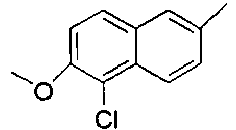
Ph CH3CH2 H 1 0 CH2 H single bond V-7 
Ph H H 1 0 CH2 H single bond V-8 
Ph CH3 H 1 0 CH2 H single bond V-9 
Ph H H 2 0 CH2 H single bond V-10 
Ph H H 2 0 CH2 H single bond V-11 

CH3 H 1 0 CH2 H single bond V-12 

CH3 H 1 0 CH2 H single bond V-13 
Ph CH3 H 1 0 CH2 OH single bond V-14 
Ph CH3 H 1 0 CH2 OH single bond V-15 
Ph CH3CH2 H 1 0 CH2 OH single bond V-16 
Ph CH3CH2 H 1 0 CH2 OH single bond V-17 
Ph CH3CH2 H 1 0 CH2 OH single bond V-18 
Ph CH3CH2 H 1 0 CH2 OH single bond V-19 
Ph H H 1 0 CH2 OH single bond V-20 
Ph H H 2 0 CH2 OH single bond V-21 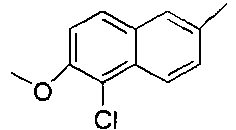

CH3 H 1 0 CH2 OH single bond V-22 

CH3 H 1 0 CH2 OH single bond V-23 

CH3 H 1 0 CH2 OH single bond V-24 

CH3 H 1 0 CH2 OH single bond V-25 

CH3 H 1 0 CH H double bond (exocyclic) V-26 

CH3 H 1 0 CH H double bond (exocyclic) V-27 
Ph CH3 H 1 0 CH H double bond (exocyclic) V-28 
Ph CH3 H 1 0 CH H double bond (exocyclic) V-29 

CH3CH2 H 1 0 CH H double bond (exocyclic) V-30 

CH3CH2 H 1 0 CH H double bond (exocyclic) V-31 
Ph H H 1 0 CH H double bond (exocyclic) V-32 
Ph H H 2 0 CH H double bond (exocyclic) V-33 

CH3 H 1 0 CH H double bond (exocyclic) V-34 

CH3 H 1 0 CH H double bond (exocyclic) V-35 

CH3 H 1 0 CH H double bond (exocyclic) V-36 

CH3 H 1 0 CH H double bond (exocyclic) V-37 
Ph CH3 H 1 0 CH H double bond (exocyclic) V-38 
Ph CH3 H 1 0 CH H double bond (exocyclic) V-39 
Ph CH3 H 1 0 CH2 H double bond (endocyclic) V-40 
Ph CH3 H 1 0 CH2 H double bond (endocyclic) V-41 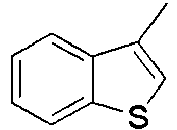
Ph CH3 H 1 0 CH2 H double bond (endocyclic) V-42 
Ph CH3 H 1 0 CH2 H double bond (endocyclic) V-43 
Ph CH3CH2 H 1 0 CH2 H double bond (endocyclic) V-44 
Ph CH3CH2 H 1 0 CH2 H double bond (endocyclic) V-45 
Ph H H 1 0 CH2 H double bond (endocyclic) V-46 
Ph H H 2 0 CH2 H double bond (endocyclic) V-47 

CH3 H 1 0 CH2 H double bond (endocyclic) V-48 

CH3 H 1 0 CH2 H double bond (endocyclic) V-49 
Ph CH3 H 1 1 O H single bond V-50 
Ph CH3 H 1 1 O H single bond V-51 
Ph CH3 H 1 1 O H single bond V-52 
Ph CH3 H 1 1 O H single bond V-53 
Ph CH3CH2 H 1 1 O H single bond V-54 
Ph CH3CH2 H 1 1 O H single bond V-55 
Ph H H 1 1 O H single bond V-56 
Ph H H 2 1 O H single bond V-57 
Ph H H 2 1 O H single bond V-58 
Ph H H 2 1 O H single bond V-59 

CH3 H 1 1 O H single bond V-60 

CH3 H 1 1 O H single bond V-61 

CH3 H 1 1 NH H single bond V-62 
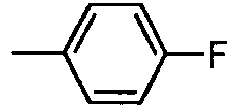
CH3 H 1 1 NH H single bond V-63 
Ph H H 2 0 CH2 OMe single bond - Compounds of the present invention are synthesized by the following methods:
- Reacting halogenated aralkyl ketones (I) and substituted piperidines (II) in the presence of NEt3 in DMF to obtain aralkyl ketone piperidines (III), the obtained aralkyl ketone piperidines (III) are reduced to aralkyl alcohol piperidines (IV) by NaBH4 or aluminium isopropoxide, and compound (IV) is further subjected to column chromatography to obtain threo-form and erythro -form, respectively:

- The said threo or erythro is defined specifically in MARCH'S ADVANCED ORGANIC CHEMISTRY (the 6th edition P.166).
- R1, R2, R3, R4, Ar1, Ar2, W, X, Y, Z, n, m are the same as given above;
- In the above procedure:
- a: NEt3, DMF
- b: NaBH4, CH3OH; or AlCl3, Al (i-PrO-)3, i-PrOH;
- The intermediate (I) is obtained through Friedel-Crafts acylation of the corresponding aromatic rings and then halogenation. The two-step synthesizing method is prepared by the method disclosed in Patent
EP 284297 - The intermediate (II) is the key for the synthesis of the type of compounds, which is described below based on the specific structural type:
- (1) The intermediate (II) has 4-hydroxypiperidine and 4-methoxypiperidine structures:
- The key point of the synthesizing is the construction of piperidine position-4 hydroxyl, BOC-piperidine ketone is subjected to Grignard reaction with different halides, and then deprotection to obtain the 4-hydroxypiperidine II (see the following general synthesis method one for details):

BOC-piperidine ketone can be commercially available, the said different halides can be prepared by the method disclosed in the document (Organic Syntheses 2006, 83, 38-44) or obtained commercially. - The 4-methoxypiperidines are obtained by subjecting the Boc protected 4-hydroxypiperidine compound to methylation of iodine methane and then de-Boc protection according to the method disclosed in the document (Journal of Medicinal Chemistry, 2007, 50 (4), 641-662):

- The key point of the synthesizing is the construction of piperidine position-4 hydroxyl, BOC-piperidine ketone is subjected to Grignard reaction with different halides, and then deprotection to obtain the 4-hydroxypiperidine II (see the following general synthesis method one for details):
- (2) The intermediate (II) has 1,2,3,6-tetrahydropyridine structure:
- Reducing 4-aryl pyridines in AlCl3 and LiAlH4 in diethyl ether to obtain 4-aryl-1,2,3,6-tetrahydropyridines (see the synthesis method two for details):

- Reducing 4-aryl pyridines in AlCl3 and LiAlH4 in diethyl ether to obtain 4-aryl-1,2,3,6-tetrahydropyridines (see the synthesis method two for details):
- (3) The intermediate II has piperidine-alkylidene structure:
- First of all, the corresponding halides and triphenylphosphine are used to form Ylide salt, the Ylide salt is subjected to Witting reaction with the protected piperidine ketones in the presence of butyl lithium, the produced protected product is subjected to deprotection to obtain the key intermediate piperidine-alkylidene (II), (see the synthesis method three for details):

- The corresponding halides refer to chlorides or bromides, which can be prepared by the method disclosed in the document (Organic Syntheses 2006, 83, 38-44), or commercially available products can be used.
- The protected piperidine ketones such as BOC-piperidine ketone or benzyl can be commercially available.
- R2, Ar2, and m are the same given as above, X' is chlorine or bromine;
- First of all, the corresponding halides and triphenylphosphine are used to form Ylide salt, the Ylide salt is subjected to Witting reaction with the protected piperidine ketones in the presence of butyl lithium, the produced protected product is subjected to deprotection to obtain the key intermediate piperidine-alkylidene (II), (see the synthesis method three for details):
- (4) The intermediate (II) has a 4-ether piperidine structure:
- First of all, the Boc protected piperidine alcohol is reacted with halides under the activity of sodium hydride, the obtained Boc protected ether is subjected to TFA deprotection to obtain 4-ether piperidines (II) (see the synthesis method four for details):

- The Boc protected piperidine alcohol is market available.
- R2, Ar2, and m are the same given as above, X' is chlorine or bromine;
- First of all, the Boc protected piperidine alcohol is reacted with halides under the activity of sodium hydride, the obtained Boc protected ether is subjected to TFA deprotection to obtain 4-ether piperidines (II) (see the synthesis method four for details):
- (5) The intermediate (II) has a 4-aminopiperidine structure:
- First of all, the Boc protected piperidine ketone and amine are subjected to reduction amination to obtain intermediate 2 with the catalyzation of palladium on carbon, the intermediate 2, TsCl, and pyridine are reacted in CH2Cl2 to produce protected intermediate 3, the intermediate 3 is subjected to TFA deprotection to obtain 4-aminopiperidines (II), (see the synthesis method five for details):

- The said aminated compound can be prepared with the method disclosed in the document (Tetrahedron Letters, 2004, 45 (2), 397-399):
- R2, Ar2, and m are the same as given above;
- First of all, the Boc protected piperidine ketone and amine are subjected to reduction amination to obtain intermediate 2 with the catalyzation of palladium on carbon, the intermediate 2, TsCl, and pyridine are reacted in CH2Cl2 to produce protected intermediate 3, the intermediate 3 is subjected to TFA deprotection to obtain 4-aminopiperidines (II), (see the synthesis method five for details):
- The intermediate (II) is subjected to condensation with halogenated aroylalkyl compound (I), reduction with aluminium isopropoxide or sodium borohydride, and then silica gel column chromatography to obtain aralkyl alcohol piperidine compound.
- The present invention relates to the said aralkyl alcohol piperidine derivative, which has triple inhibition activity on the reuptake of 5-HT, NA and DA, and can be used in the manufacture of antidepressants.
- The derivative of the present invention can be administered to the patient in need of such treatment in form of a composition through oral administration or injection.
- Said composition comprises a therapeutically effective amount of the above compound or a free base or a salt thereof and a pharmaceutically acceptable carrier.
- The said carrier is a conventional carrier in the pharmaceutical field, such as: diluents, excipients such as water, etc.; adhesives such as cellulose derivatives, gelatin, polyvinylpyrrolidone, etc.; fillers such as starch, etc; disintegrating agents such as calcium carbonate, sodium bicarbonate; in addition, the composition can be further added with other adjunct agents such as flavors and sweeteners.
- When for oral administration, the composition can be formulated to conventional solid formulations such as tablets, powders or capsules; when for injection, it can be prepared as an injection.
- The composition of the present invention can be formulated to various formulations through conventional methods in the pharmaceutical field, wherein the content of the active ingredient is from 0.1 % to about 99.5% by weight.
- The dosing amount of the present invention varies depending on the administration manners, age and weight of a patient, and the type and conditions of diseases to be treated. The daily dosage is from 5-30mg/kg weight (for an oral administration) or 1-10mg/kg weight (for an injection).
- The composition or a free base or a salt thereof of the present invention exhibits antagonistic activity to a depression in animal tests.
- The inventor of the present invention finds that the anti-depression activity of the derivatives of the present invention is usful in more indicators, has less side-effect and lower toxicity, and less side effect on nervous system as compared with the current clinically used antidepressant having a single mechanism such as Desipramine or Fluoxetine as well as the current clinically used antidepressant having a dual mechanism such as Venlafaxine.
- Magnesium powder (44mmol) is added to 5mL of anhydrous THF (5mL), thereto a solution of aryl(alkyl)halide (40mmol) in anhydrous THF (30mL) is added, and a small pellet of iodine is added to initiate reaction while controlling the temperature < -5 °C. Continue drop-adding the remaining solution of aryl(alkyl)halide. Stirring reaction for one hour after completion of addition. Drop-adding THF (20mL) solution of 4-piperidine ketone (40mmol), then the reaction is allowed to warm to room temperature after completion of addition, and stirred for three hours. TLC shows (ethyl acetate: petroleum ether = 3: 1) completion of reaction, adding 20mL of a saturated NH4Cl solution for quenching, and most of the THF is evaporated from the reaction solution. The residue is added by water (20mL) and extracted with ethyl acetate (30mLx3). The organic phase is combined, washed with saturated NaCl (10mL×3), evaporated off solvent, and subjected to silica gel column chromatography (ethyl acetate:petroleum ether = 50:1 to about 20:1) to obtain a product as a light yellow oil with yield of 75-85%. The product as a light yellow oil is dissolved in CH2Cl2 (15mL), thereto TFA (0.5mL) is drop-added. After stirring at room temperature for four hours after completion of addition, the solvent is evaporated off to obtain a light yellow solid with yield of 90-95%.
- To obtain Boc protected 4-hydroxypiperidines according to the reaction in A. The Boc protected 4-hydroxypiperidine compound (10mmol) is dissolved in THF (30mL), thereto sodium hydride (20mmol) with 55% content is added, and then heated to 50 °C to react for two hours. Then adding Mel (4mL), and refluxing the reaction for 12 hours. After cooled to 0 °C, the reaction is diluted with saturated NaHSO4 aqueous solution (10mL) and separated. The aqueous layer is extracted two times with diethyl ether (2×10mL). The organic layer is combined, dried over anhydrous MgSO4, filtered and concentrated, and subjected to silica gel column chromatograph (eluent: ethyl acetate/petroleum ether 1/10), to obtain the product as a white solid, with yield of 50%. The Boc-protected product is dissolved in CH2Cl2 (15mL), thereto TFA (0.5mL) is drop-added, and stirred at room temperature for four hours after completion of addition. The solvent is evaporated off to obtain a white solid, with yield of 90%.
- LiAlH4 (95mmol) is added to anhydrous diethyl ether (130mL), meanwhile the temperature is controlled < 5 °C, then thereto an anhydrous diethyl ether (50mL) solution of AlCl3 (33mmol) is added. After completion of addition, the reaction is allowed to warm to room temperature, and stirred for one hour. The temperature is controlled at 0 °C, meanwhile an anhydrous diethyl ether (50mL) solution of 4-aryl(alkyl)pyridine (60mmol) is drop-added. After completion of addition, the reaction is slowly heated to reflux after completion of addition and allowed to react for eight hours. The temperature is decreased to below 15 °C, and then the reaction is quenched with drop-addition of 100mL of 10% HCl aqueous solution. After separation, the ether layer is extracted with 10% HCl aqueous solution (20mLx2) and combined with all aqueous layers. The combined aqueous layer is neutralized to be basic with NH4·OH solution having a weight concentration of 25%, and extracted with ethyl acetate (25mL×3). The organic layers are combined and dried over anhydrous Na2SO4. After filtration, the filter residue is washed with small amount of acetate ethyl. The filtrate is concentrated to 1/3 of the volume. The concentrated filtrate is made acidic by drop-adding 2mol/L of EtOH-HCl, and a white solid is precipitated. After filtration, the filter cake is washed with small amount of ethanol and dried at room temperature in vacuum, to obtain a product as a white solid, with yield of 50-60%.
- Benzyl aryl(alkyl)halide (0.1mol), triphenylphosphine (0.1mol) are dissolved in anhydrous THF (100mL) and heated to reflux. A solid is precipitated eventually, and the reaction is continued for 24 hours. The reaction solution is cooled to room temperature, filtered, and the filter cake is washed with small amount of THF, to obtain aryl(alkyl)halide triphenyl phosphonium chloride as a white solid, with yield of 5-89%, and stored in a desiccator.
- The reaction bottle is burning dried and purged with nitrogen gas, and a passage of nitrogen gas through the bottle is continued for protection. Dispersing acry(alkyl)halide triphenyl phosphonium chloride (10mmol) in THF (45mL), The temperature is controlled at < 5 °C, meanwhile slowly adding n-butyl lithium (2.5mol/L n-hexane solution, 4mL) with injector, naturally elevating temperature and stirring reaction for two hours to obtain benzyl phosphine ylide. The reaction solution has a color of clear yellow. Adding N-BOC piperidine ketone (10mmol), and stirring reaction for 12 hours at r.t.. To the reaction solution is added 70mL n-hexane and a sticky yellow semi-solid is precipitated. The semi-solid is stirred with glass rod, solidifies eventually and is dispersed to form a light yellow solid, which is triphenylphosphine oxide. After filtration, the filtrate is evaporated to remove the solvent, to obtain a product as a light yellow oil. Adding 3mL of trifluoroacetic acid, the temperature is controlled at 55 °C and reacting for two hours, thereafter TLC (CH2Cl2:MeOH = 20:1) shows disappearance of spots of the raw materials. Most of the trifluoroacetic acid is evaporated out of the reaction solution in vacuum, and eluting with saturated Na2CO3/ethyl acetate. The organic phase is dried over anhydrous Mg2SO4 and filtered, and the filter residue is washed with small amount of ethyl acetate. The filtrate is made acidic with 2mol/L of HCl/ether to pH of about 3. After filtration, a crystal as a white flake is obtained, with yield of 76-80%.
- 4-hydroxy-N-BOCpiperidine (10mmol) is dissolved in THF (20mL), thereto 55 wt% sodium hydride (13mmol) is added, meanwhile stirring the reaction at reflux 30min. After cooling to r.t., aryl(alkyl)halide (12mmol) is added, then the temperature is elevated to 50 °C and meanwhile stirring reaction for eight hours. TLC (ethyl acetate:petroleum ether = 1:5) shows that the reaction is completed. After cooling to r.t., water (20mL) is added carefully to quench the reaction. The reaction solution is extracted with ethyl acetate/water (50mL/20mL), and the organic phase is dried over Mg2SO4. After filtration, the filter residue is washed with small amount of ethyl acetate. The filtrate is evaporated to remove the solvent to obtain a product as a light yellow oil. Adding trifluoroacetic acid (5mL) to the oily product, and stirring reaction at temperature of 35-40 °C for 30min. TLC (ethyl acetate:petroleum ether = 1:5) shows that the reaction is completed. Most of the trifluoroacetic acid is evaporate out in vacuum and saturated Na2CO3 is added for neutralizing to pH = 9-10. After extracting with ethyl acetate/water (30mL/20mL), the organic phase is washed with saturated NaCl (30mLx3) and dried over anhydrous Na2SO4 overnight. After filtraton out the dessicant, the solvent is evaporated out of the filtrate in vacuum, and the obtained product as a light yellow oil solidified gradually after standing with yield of 75-80%.
- 10% of Pd/C (10%wt) is dissolved in EtOH (10mL), adding 1-BOC-4-piperidine ketone (10mmol) and aryl(alkyl) amine (12mmol) dissolved in EtOH (20mL) under protection of nitrogen gas. After completion of addition, hydrogenation is carried out under 60psi for one hour. The catalyst is removed by filtration. The filtrate is concentrated in vacuum to obtain a colorless secondary amine (yield of 90-98%). The said secondary amine (8mmol) is dissolved in CH2Cl2 (10mL) and thereto pyridine (16mmol) is added, meanwhile a temperature is maintained at below 10 °C. Drop-adding CH2Cl2 solution of 4-methylphenylsulfurylchloride (9.6mmol) with stirring, elevating temperature to 30 °C after completion of addition, and stirring reaction for four hours. The organic phase is extracted with water (10mL) and dried over Mg2SO4. After filtration, the filtrate is evaporated to remove most of the solvent. After addition of trifluoroacetic acid (5mL), the reaction is stirred at 35 °C for 30min, and most of the trifluoroacetic acid is evaporated out in vacuum. Saturated Na2CO3 is added for neutralizing to pH = 9-10 and extracted with CH2Cl2/water (30mL/10mL). The organic phase is washed with saturated NaCl (30mLx3) and dried over anhydrous Mg2SO4 overnight. After filtering out of the dessicant, the filtrate is concentrated in vacuum to evaporate out solvent, to obtain a light yellow solid with yield of 85-92%.
- 4-aryl(alkyl) piperidine (20mmol), halogenated acyl-5-chloro-6-methoxynaphthalene (20mmol), triethylamine (60mmol) are mixed in DMF (100mL), and the reaction is stirred at room temperature for 10 hours. When TLC (ethyl acetate:petroleum ether = 1:5) shows that the reaction is completed, the reaction solution is poured into 400mL of water and extracted with ethyl acetate. The organic phase is washed with water (20mL×3) and saturated NaCl (20mLx2) to be made neutral, and dried over anhydrous NaSO4 overnight. After filtering out the dessicant, the filter residue is washed with small amount of ethyl acetate. The filtrate is evaporated to remove most of the solvent, and thereto 4mol/L EtOH-HCl is drop-added to make pH of about 3. After filtration, the filter cake is washed with small amount of ethanol/ethyl acetate (1:1) and dried in vacuum, to obtain 4-aryl(alkyl)-N-aralkylacylalkylpiperidine hydrochloride as a solid with yield of 70-85%.
- Method A: 4-aryl(alkyl)-N-aralkylacylalkylpiperidine hydrochloride (10mmol) is eluted with saturated NaCO3 solution/ethyl acetate (50mL/50mL). The organic phase is washed with saturated NaCl to be made neutral, and dried over anhydrous MgSO4. The dessicant is filtered out, and the filter residue is washed with small amount of ethyl acetate. The filtrate is evaporated to remove the solvent to obtain the product as a oil, free 4-aryl(alkyl)-N-aralkylacylalkylpiperidine.
- Aluminium isopropoxide (3.6g, 17.5mmol) is dispersed in isopropyl alcohol (40mL), thereto anhydrous AlCl3 (0.25g, 3.3mmol) is added. The temperature is controlled at 50 °C with stirring for three hours until the solution is clear. To the solution the above free 4-aryl(alkyl)-N-aralkylacylalkylpiperidine is added, and the reaction is stirred while controlling a temperature at 60-65 °C until TLC (CH2Cl2:MeOH = 15:1) shows disappear of spots of the raw materials. The reaction solution is adjusted with 15% of NaOH to pH of about 7 and extracted with methylene chloride or ethyl acetate. The organic phase is washed with saturated NaCl (20mL×3) and dried over anhydrous MgSO4. After filtering out the dessicant, the filter residue is washed with small amount of ethyl acetate, and the filtrate is evaporated to remove the solvent. The obtained residue is subjected to silica gel column chromatography separation (CH2Cl2:MeOH = 300:1 to about 75:1) to form a hydrochloride, then a hydrochloride of threo and a hydrochloride of erythro products are obtained, respectively. The total yield of both is 60-75%.
- Method B: 4-aryl(alkyl)-N-aralkylacylalkylpiperidine hydrochloride (10mmol) is dispersed or dissolved in methanol (100mL) while controling a temperature < 10 °C, thereto NaBH4 (15mmol) is added portion-wise and the reaction is stirred. After TLC (CH2Cl2:MeOH = 15:1) shows disappearance of spots of the raw materials, 5% of HCl is added to make pH = 4 to destroy unreacted NaBH4. The reaction solution is evaporated to remove methanol, thereto methanol (20mL) is added. The mixture is evaporated to dryness, which is repeated for three times to destroy possibly existed boron complex. The residue is subjected to elution with saturated Na2CO3/ethyl acetate (30mL:30mL). The organic phase is washed with saturated NaCl (20mLx2) and dried over anhydrous MgSO4. After filtering out the dessicant, the filter residue is washed with small amount of ethyl acetate, and the filtrate is evaporated to remove the solvent, then the obtained residue is subjected to silica gel column chromatography separation (CH2Cl2:MeOH = 300:1 to about 75:1), to form a hydrochloride, then a hydrochloride of threo and a hydrochloride of erythro products are obtained, respectively, the total yield of both is 50-60%.
- If the product does not have isomerization of configuration, 2mol/L of EtOH-HCl is drop-added to make pH of about 4. The solid is precipitated and filtered, then the filter residue is washed with small amount of ethanol, and the filtrate is evaporated to remove the solvent. The obtained residue is subjected to silica gel column chromatography separation (CH2Cl2:MeOH = 300:1 to about 75:1), after formation of a hydrochloride, a hydrochloride of 4-aryl(alkyl)-N-aralkyl alcohol piperidine is obtained with yield of 85-90%.
- 4-benzylpiperidine (8mmol), and triethylamine (30mmol) are dissolved in DMF (50mL) and operated according to the general synthesis method six to obtain 3.50g of a white solid with yield of 92.1% (calculated based on 4-benzylpiperidine). MS (m/z):422.1 [M+1]+.
- The product is further reduced with NaBH4 according to the general synthesis method seven and subjected to silica gel column chromatography separation (CH2Cl2:MeOH = 300:1∼75:1). After formation of a hydrochloride, a hydrochloride of threo form V-1 (0.70g, with yield of 25%) and a hydrochloride of erythro form V-2 (1.12g, with yield of 40.5%) are obtained, respectively.
- V-1: m.p = 254.4-255.7 °C (decomposition). MS (m/z):424.1 [M+1]+. 1HNMR (CDCl3) δ:8.18 (d, J = 8.8Hz, 1 H, Ar-H), 7.73 (d, J = 11.6Hz, 2H, Ar-H), 7.56 (dd, J = 8.8, 1.6Hz, 1 H, Ar-H), 7.24-7.30 (m, 3H, Ar-H), 7.14-21 (m, 3H, Ar-H), 5.15 (br, 1 H, disappears upon addition of D2O, >CH-OH), 4.37 (d, J = 9.6Hz, 1 H, >CH-OH), 4.01 (s, 3H,-O-CH 3 ), 2.86-2.89 (m, 1H,-CHCH3), 2.62-2.71 (m, 2H,-N-CH 2 -), 2.51-2.58 (m, 2H, CH-CH 2 -Ph), 1.72-1.75 (m, 2H,-N-CH 2 -), 1.54-1.59 (m, 1 H, CH-CH2-Ph), 1.28-1.45 (m, 4H,-(CH 2 ) 2-CH-), 0.75 (d, J = 6.8Hz, 3H, >CH-CH 3 ).
- V-2: m.p = 256.4-258.1 °C (decomposition). MS (m/z):424.1 [M+1]+. 1HNMR (CDCl3) δ:8.15 (d, J = 8.8Hz, 1 H, Ar-H), 7.73-7.76 (m, 2H, Ar-H), 7.46 (dd, J = 8.8, 1.2Hz, 1 H, Ar-H), 7.25-7.29 (m, 3H, Ar-H), 7.13-7.19 (m, 3H, Ar-H), 4.98 (d, J = 4.0Hz, 1 H, >CH-OH), 4.01 (s, 3H,-O-CH 3 ), 3.09-3.11 (m, 1H,-CHCH3), 2.76-2.82 (m, 2H,-N-CH 2 -), 2.55 (d, J = 6.8Hz, 2H, CH-CH 2 -Ph), 2.03-2.31 (m, 2H,-N-CH 2 -), 1.60-2.03 (m, 2H,-CH 2 -CH-), 1.52-1.57 (m, 1 H, CH-CH2-Ph), 1.25-1.35 (m, 2H,-CH 2 -CH-), 0.83 (d, J = 6.8Hz, 3H, >CH-CH 3).
- 2-bromo-1-(5-chloro-6-methoxynaphthalene-2-yl)-acetone (3.28g, 10mmol), 4-benzyl-4-hydroxypiperidine (1.5g, 8mmol), and triethylamine (3.03g, 30mmol) are dissolved in DMF (50mL) and operated according to the general synthesis method one to obtain 3.05g of a white solid, with yield of 80.4% (calculated based on 4-benzyl-4-hydroxypiperidine), m.p = 228.9-230.4 °C. MS (m/z):438.0 [M+1]+.
- The white solid (1.63g, 3.44mmol) is dissolved in methanol (30mL), reduced with NaBH4 according to the general synthesis method seven, and subjected to silica gel column chromatography separation (CH2Cl2:MeOH = 300:1 to about 75:1). After formation of a hydrochloride, a hydrochloride of threo-form V-13 (0.62g, with yield of 37.8%) and a hydrochloride of erythro-form V-14 (0.51g, with yield of 31.1%) are obtained, respectively.
- V-13:m.p = 276.6-278.0 °C (decomposition). MS (m/z):440.3 [M+1]+. 1HNMR (CDCl3) δ:8.20 (d, J = 8.8Hz, 1 H, Ar-H), 7.76 (m, 2H, Ar-H), 7.59 (dd, J = 1.6, 8.8Hz, 1 H, Ar-H), 7.18-7.36 (m, 6H, Ar-H), 4.41 (d, J = 9.6Hz, 1 H, CH-OH), 4.15 (q, 1 H, CHCH3), 4.03 (s, 3H,-OCH3), 2.94 (m, 1H,-OH), 2.81 (s, 2H,-CH 2 -Ph), 2.69-2.73 (m, 2H,-N-CH 2 -), 2.52-2.57 (m, 2H,-N-CH 2 -), 1.51-1.61 (m, 4H, (-CH 2 -) 2 -C-OH), 0.87 (d, J = 7.2Hz, 3H, = CH-CH 3 ).
- V-14: m.p = 271.3-275.0 °C (decomposition). MS (m/z):440.1 [M+1]+. 1HNMR (CDCl3) δ:11.1 (s, 1 H, disappears upon addition of D2O, HCl), 8.15 (d, J = 8.8, 1 H, Ar-H), 8.12 (s, 1 H, Ar-H), 7.81 (d, J = 8.8Hz, 1 H, Ar-H), 7.83 (d, J = 8.4Hz, 1 H, Ar-H), 7.36 (d, J = 8.8Hz, 1 H, Ar-H), 7.21-7.31 (m, 5H, Ar-H), 5.79 (s, 1H,-OH, disappears upon addition of D2O), 4.16 (s, 1H,-OH, disappears upon addition of D2O), 4.02 (s, 3H,-OCH3), 3.77 (d, J = 10.4Hz, 1 H, CH-OH), 3.27-3.44 (m, 4H,-N-(CH2-) 2), 2.88 (s, 2H,-CH 2 -Ph), 2.35-2.47 (m, 2H,-CH 2 -C-OH), 1.72-1.77 (m, 2H,-CH 2 -C-OH), 1.20 (d, J = 7.2Hz, 3H, = CH-CH 3 ).
- 3-chloropropionyl-5-chloro-6-methoxynaphthalene (1.42g, 5mmol), 4-benzylmethylenepiperidine hydrochloride (1.01g, 4.8mmol), and triethylamine (1.01g, 10mmol) are dissolved in DMF (15mL), and operated according to the general synthesis method one to obtain 2.11g of a white solid, with yield of 96% (calculated based on 4-benzylmethylenepiperidine hydrochloride), m.p = 165.6-166.7 °C. MS (m/z):420.1 [M+1]+.
- The obtained white solid (1.5g, 3.3mmol) is dissolved in methanol (20mL) and reduced with NaBH4 according to the general synthesis method seven. The reduced product is formed to a salt after formation of a hydrochloride, and 1.41 g of a hydrochloride of V-32 is obtained, with yield of 94%. m.p = 203.3-206.0 °C. MS (m/z):422 [M+1]+.
- 1HNMR (CDCl3) δ:12.0 (s, 1 H, HCl, disappears upon addition of D2O), 8.17 (d, J = 8.8Hz, 1 H, Ar-H), 7.83 (s, 1 H, Ar-H), 7.74 (d, J = 8.8Hz, 1 H, Ar-H), 7.54 (dd,J = 8.8,1.6Hz, 1 H, Ar-H), 7.30 (m, 4H, Ar-H), 7.14 (m, 2H, Ar-H), 6.47 (s, 1 H, double bond) 5.21 (m, 1 H, CH2 CHOH), 4.02 (s, 3H,-OCH3), 3.20-3.26 (m, 4H,-N-(CH 2 ) 2-), 2.97-2.99 (m, 2H,-CH2-CH 2 -N =), 2.50-2.80 (m, 4H,-(CH 2 ) 2 -C =), 2.31-2.35 (m, 2H,-CHOH-CH 2 -).
- 2-bromo-1-(5-chloro-6-methoxynaphthalene-2-yl)-acetone (0.878g, 2.68mmol), 4-(4-fluorobenzyl)methylenepiperidine (0.48g, 2.51 mmol), and triethylamine (0.5g, 5mmol) are dissolved in DMF (20ml), and operated according to the general synthesis method one to obtain 1.06g of a white solid, with yield of 89% [calculated based on 4-(4-fluorobenzyl)methylenepiperidine], m.p = 168.4-170.9 °C. MS (m/z):438.1 [M+1]+.
- The obtained white solid (1.0g, 2.1mmol) is dissolved in methanol (30ml), reduced with NaBH4 according to the general synthesis method seven, and subjected to silica gel column chromatography separation (CH2Cl2:MeOH = 300:1 to about 75:1). After formation of a hydrochloride, a hydrochloride of threo-form V-33 (0.16g, with yield of 16%) and a hydrochloride of erythro-form V-34 (0.30g, with yield of 30%) are obtained, respectively.
- V-33:m.p = 217.6-219.0 °C. MS (m/z):440.2 [M+1]+. 1HNMR (CDCl3) δ:10.9 (s, 1 H, disappears upon addition of D2O, HCl), 8.25 (d, J = 8.8Hz, 1 H, Ar-H), 7.89 (s, 1 H Ar-H), 7.80 (d, J = 8.8Hz, 1 H, Ar-H), 7.70 (d, J = 8.8Hz, 1 H, Ar-H), 7.34 (d, J = 5.6Hz, 1 H, Ar-H), 7.03-7.16 (m, 4H, Ar-H), 6.45 (s, 1H, = CH-Ph), 4.73 (s, 1 H, >CH-OH, disappears upon addition of D2O), 4.12 (d, J = 9.2Hz, >CH-OH), 4.03 (s, 3H,-O-CH3), 3.55-4.03 (m, 4H,-N-(CH 2 -) 2 -), 2.80-3.00 (m, 4H,-(CH 2 -) 2 = CH-), 1.00 (d, J = 6.8Hz, 3H, >CH-CH 3 ).
- V-34:m.p = 223.5-225.4 °C. MS (m/z):440.1 [M+1]+. 1HNMR (CDCl3) δ:11.60 (s, 1H, disappears upon addition of D2O, HCl), 8.14 (d, J = 8.8Hz, 1 H, Ar-H), 7.96 (s, 1 H Ar-H), 7.83 (d, J = 8.8Hz, 1 H, Ar-H), 7.73 (d, J = 8.8Hz, 1 H, Ar-H), 7.40 (d, J = 8.8Hz, 1 H, Ar-H), 7.18-7.21 (m, 2H, Ar-H), 7.03-7.07 (m, 2H, Ar-H), 6.44 (s, 1 H, = CH-Ph), 4.04 (m, 1 H, >CH-OH), 4.03 (s, 3H,-O-CH3), 3.55-3.56 (m, 4H,-N-(CH 2 -) 2 -), 2.97-3.12 (m, 4H,-(CH 2 -) 2 = CH-), 0.99 (d, J = 6.8Hz, 3H, >CH-CH 3 ).
- 2-bromo-1-(5-chloro-6-methoxynaphthalen-2-yl)-acetone (2.44g, 7.45mmol), 4-benzylmethylenepiperidine hydrochloride (1.25g, 5.96mmol), and triethylamine (2.02g, 20mmol) are dissolved in DMF (50ml) and operated according to the general synthesis method one to obtain 2.18g of a white solid, with yield of 80% (calculated based on 4-benzylmethylenepiperidine hydrochloride), m.p = 177.3-180.0 °C. MS (m/z):420.2 [M+1]+.
- The white solid (2.0g, 4.38mmol) is dissolved in methanol (50ml), reduced with NaBH4 according to the general synthesis method seven, and subjected to silica gel column chromatography separation (CH2Cl2:MeOH = 300:1 to about 75:1). After formation of a hydrochloride, a hydrochloride of threo-form V-37 (0.53g, with yield of 26.4%) and a hydrochloride of erythro-form V-38 (0.85g, with yield of 42.3%) are obtained, respectively.
- V-37: m.p = 211.0-213.0 °C. MS (m/z):422.1 [M+1]+. 1HNMR (CDCl3) δ:8.15 (d, 10.8 (s, 1 H, disappears upon addition of D2O, HCl), 8.24 (d, J = 8.8Hz, 1 H, Ar-H), 7.89 (s, 1 H, Ar-H), 7.79 (d, J = 8.8Hz, 1 H, Ar-H), 7.70 (d, J = 8.8Hz, 1 H, Ar-H), 7.27-7.34 (m, 3H, Ar-H), 7.22-7.27 (m, 1 H, Ar-H), 7.15-7.17 (m, 2H, Ar-H), 6.10 (s, 1 H, = CH-Ph), 4.72 (s, 1 H, >CH-OH), 4.02 (s, 3H,-O-CH 3 ), 2.80-3.20 (m, 4H,-N-(CH 2 ) 2 -), 2.40-2.70 (m, 4H,-(CH 2 -) 2 = CH-), 1.09 (d, J = 6.4Hz, 3H, >CH-CH 3 ).
- V-38: m.p = 211.0-213.0 °C. MS (m/z):422.1 [M+1]+. 1HNMR (CDCl3) δ:12.05 (s, 1 H, disappears upon addition of D2O, HCl), 8.17 (d, J = 8.8Hz, 1 H, Ar-H), 7.97 (s, 1 H, Ar-H), 7.81 (d, J = 9.2Hz, 1 H, Ar-H), 7.75 (d, J = 8.4Hz, 1 H, Ar-H), 7.32-7.36 (m, 3H, Ar-H), 7.24-7.26 (m, 1 H, Ar-H), 7.17-7.19 (m, 2H, Ar-H), 6.47 (s, 1H, = CH-Ph), 6.03 (m, 1 H, >CH-OH), 6.65 (s, 1 H, >CH-OH), 4.03 (s, 3H,-O-CH3), 3.49-3.51 (m, 1H, >CH-CH3), 3.01-3.20 (m, 4H,-N-(CH 2 ) 2 -), 2.50-3.00 (m, 4H,-(CH 2 -) 2 = CH-), 1.22 (d, J = 7.2Hz, 3H, >CH-CH 3 ).
- 2-bromo-1-(5-chloro-6-methoxynaphthalene-2-yl)-acetone (3.28g, 10mmol), 4-benzyl-1,2,3,6-tetrahydropyridine hydrochloride (1.89g, 9mmol), and triethylamine (3.03g, 30mmol) are dissolved in DMF (50ml), and operated according to the general synthesis method one to obtain 3.88g a white solid, with yield of 94% (calculated based on 4-benzyl-1,2,3,6-tetrahydropyridine hydrochloride), m.p = 226.4-228.0 °C. MS (m/z):420.1 [M+1]+.
- The white solid (2.0g, 4.38mmol) is dissolved in methanol (50ml), reduced with NaBH4 according to the general synthesis method seven method B, and subjected to silica gel chromatography separation (CH2Cl2:MeOH = 300:1 to about 75:1). After formation of a hydrochloride, a hydrochloride of threo-form V-39 (0.81 g, with yield of 40.3%) and a hydrochloride of erythro-form V-40 (0.75g, with yield of 37.4%) are obtained, respectively.
- V-39:m.p = 250.6-252.4 °C. MS (m/z):422.2 [M+1]+, 1HNMR (CDCl3) δ:10.51 (s, 1 H, disappears upon addition of D2O, HCl), 8.24 (d, J = 8.8Hz, 1 H, Ar-H), 7.90 (s, 1 H Ar-H), 7.80 (d, J = 8.8Hz, 1 H, Ar-H), 7.71 (dd, J = 1.6, 8.8Hz, 1 H, Ar-H), 7.30-7.34 (m, 3H, Ar-H), 7.22-7.24 (m, 1 H, Ar-H), 7.16 (m, 2H, Ar-H), 6.01 (s, 1 H, >CH-OH, disappears upon addition of D2O), 5.45 (s, 1 H,-CH =), 4.64 (m, 1 H, >CH-OH), 4.21 (m, 1 H, CHCH3), 4.03 (s, 3H,-O-CH3), 3.40 (s, 1 H,-CH 2 -Ph), 2.08-3.90 (m, 6H, piperidine), 1.10 (d, J = 6.8Hz, = CH-CH 3 ).
- V-40:m.p = 253.7-255.8 °C. MS (m/z):422.1 [M+1]+, 1HNMR (CDCl3) δ:8.15 (d, J = 9.2Hz, 1 H, Ar-H), 7.94 (s, 1 H, Ar-H), 7.80 (d, J = 8.8Hz, 1 H, Ar-H), 7.70 (d, J = 8.8Hz, 1 H, Ar-H), 7.28-7.33 (m, 3H, Ar-H), 7.19-7.24 (m, 3H, Ar-H), 5.85 (s, 1 H, >CH-OH), 5.46 (s, 1H,-CH =), 4.03 (s, 3H,-O-CH3), 3.78-3.81 (m, 1 H, >CH-OH), 3.48-3.51 (m, 1 H, CHCH3), 3.40 (s, 1 H,-CH 2 -Ph), 2.79-2.82 (m, 6H, piperidine), 1.19 (d, J = 7.2Hz, = CH-CH 3 ).
- 2-bromo-1-(5-chloro-6-methoxynaphthalene-2-yl)-acetone (1.64g, 5mmol), 4-benzyloxypiperidine (0.862g, 4.51mmol), and triethylamine (1.01g, 10mmol) are dissolved in DMF (20ml), and operated according to the general synthesis method one to obtain 2.07g of a white solid, with yield of 96.7% (calculated based on 4-benzyloxypiperidine), m.p = 152.2-155.0 °C. MS (m/z):438.2 [M+1]+.
- The white solid (1.50g, 3.16mmol) is reduced with aluminium isopropoxide according to the general synthesis method seven method A, and subjected to silica gel column chromatography (CH2Cl2:MeOH = 300:1 to about 75:1). After formation of a hydrochloride, a hydrochloride of threo-form V-49 (0.58g, with yield of 39%) and a hydrochloride of erythro-form V-50 (0.32g, with yield of 21%) are obtained, respectively.
- V-49: m.p = 197.4-199.7 °C. MS (m/z):440.2 [M+1]+. 1HNMR (CDCl3) δ:10.41 (s, 1H, disappears upon addition of D2O, HCl), 8.24 (d, J = 8.8Hz, 1 H, Ar-H), 7.78 (s, 1 H, Ar-H), 7.80 (d, J = 9.2Hz, 1 H, Ar-H), 7.66-7.73 (m, 2H, Ar-H), 7.51-7.53 (m, 1 H, Ar-H), 7.31-7.39 (m, 4H, Ar-H), 6.06 (s, 1 H, >CH-OH, disappears upon addition of D2O), 4.72 (s, 2H,-O-CH 2 -Ph), 4.10 (d, J = 6.8Hz 1 H, >CH-OH), 4.03 (s, 3H,-O-CH3), 3.77-3.78 (m, 1 H, >CH-CH3), 3.28-3.35 (m, 4H,-N-(CH 2 ) 2 -), 2.16-2.44 (m, 4H,-(CH 2 ) 2 -CH-O-), 2.65-2.67 (m, 1H,-(CH2) 2-CH-O-), 1.00 (d, J = 6.8Hz, 3H, >CH-CH 3 ).
- V-50:m.p = 204.5-207.3 °C. MS (m/z):440.3 [M+1]+. 1HNMR (CDCl3) δ:11.5 (s, 1H, disappears upon addition of D2O, HCl), 8.09 (d, J = 8.8Hz, 1 H, Ar-H), 7.87 (s, 1 H, Ar-H), 7.66-7.73 (m, 2H, Ar-H), 7.56 (d, J = 8.8Hz, 1 H, Ar-H), 7.51-7.53 (m, 1 H, Ar-H), 7.23-7.37 (m, 4H, Ar-H), 4.50 (s, 2H,-O-CH 2 -Ph), 4.10 (d, J = 2.4Hz, >CH-OH), 4.01 (s, 3H,-O-CH 3 ), 3.79-3.81 (m, 1 H, >CH-CH3), 3.30-3.32 (m, 4H,-N-(CH 2 ) 2 -), 2.40-2.60 (m, 4H,-(CH 2 ) 2 -CH-O), 2.02-2.08 (m, 1H,-(CH2)2-CH-O-), 1.19 (d, J = 6.4Hz, 3H, >CH-CH 3 ).
-
Tablet: the compounds of Examples 1-7 10mg Sucrose 150mg Corn starch 38mg Calcium stearate 2mg - The formulating method: the active ingredient is mixed with sucrose and corn starch. The mixture is moistened by adding water, stirred homogeneously, dried, crashed and sieved. Thereto calcium stearate is added, and then the resulted mixture is mixed homogeneously and pressed to be a tablet. Each tablet has a weight of 200 mg and has 10 mg of the active ingredient.
-
Injection: The compounds of Examples 1-7 20mg Water for injection 80mg - The formulating method: the active ingredient is dissolved in water for injection, mixed homogeneously and filtered. The obtained solution is packaged into ampoule under sterilized conditions. Each bottle contains 10 mg solution and has 2 mg of the active ingredient.
-
1. The inhibition activity of the compound on uptake of 5-serotonin (5-HT), norepinephrine (NA) and dopamine (DA) by brain synaptosomes:
The research method on the reuptaking of monoamine neurotransmitter by brain synaptosomes reported by (Biochem Pharmacol 1973, 22, 311-322) is used, which is one of the important means for the pharmacological study of central nerve system internationally. The method can be used not only to study the function mechanism of drugs, but also to screen new drugs for this purpose. The present inventor uses the research method of the reuptake of monoamine neurotransmitters 5-HT, NA and DA by brain synaptosomes, using venlafaxine as an effective dual reuptake inhibitor of 5-HT and NA, and DOV 21947 as a triple reuptake inhibitor of 5-HT, NA and DA as positive control; and studies the effect of the compound of the present invention on inhibiting brain synaptosomes from reuptake of 5-HT, NA and DA. The method comprises the following steps: - (1) Preparation of synaptosomes of a rat brain:
- Male SD rat was killed by cervical dislocation, and then the head was cut and the brain was removed therefrom and dropped into ice rapidly; separating the relevant brain tissues (taking prefrontal cortex for the [3H]5-HT and [3H]NA reuptake experiment, and taking striatum for the [3H]DA reuptake experiment). After weighing, adding 10 time (V/W) a freezed 0.32mol/L sucrose liquid, and performing an electric homogenization with a glass-teflon; the homogenate is subjected to a centrifugal force at 1000g× for 10 mins at 4 °C; taking supernatant, and the supernatant is subjected to a centrifugal force at 17000gx for 20 mins at 4 °C; taking precipitate, and the precipitate is suspended with 30 times the volume of KRH Buffer (125mM NaCl, 4.8mM KCI, 1.2mM CaCl2, 1.2mM MgSO4, 1.0mM KH2PO4, 22mM HaHCO3, 25mM HEPES, 10mM Glucose, 10µM Pargyline, 0.2mg/ml Ascorbic Acid), and placed in ice bath for use (wherein the cortex for the NA reuptake experiment is suspended with 20 times the volume).
- (2) The [3H]5-HT/NA/DA reuptake experiment:
- With reference to the documents (a. Biochem Pharmacol 1973, 22, 311-322, b. Methods in Neurochemistry, Vol.2, New York: Marcel Dakker, 1972, 1-52), a stock liquid of the sample to be detected is taken out just before testing, thawed, and diluted by KRH Buffer to 100µmol/L, of which 50µl is added to the 500µl of total reaction system, i.e., to reach a final concentration of 10µmol/L. Thereto 50µl of suspension of synaptosome membrane is additionaly added and mixed evenly, and incubated in a water bath at 37 °C for 30 mins; thereafter adding 10nmol/L of [3H]5-HT (50nmol/L [3H]DA or 60nmol/L [3H]NA), and incubating in a water bath at 37 °C for 10 mins; then taking out immediately and putting into 2ml of freezed 150mmol/L of Tris-HCl buffer to terminate the reaction, vacuum filtering to collect the sample on a round fiber glass film, washing the film three times with the freezed Tris-HCl buffer; taking off the filter film, and the filter film is placed and dried in a far-infrared oven for 15mins, then placed in EP tube, thereto 1.5ml of scintillation solution is added, and a detection is performed using liquid scintillation counter after overnight. Solvent control total binding tube and non specific binding tube are not added with the sample to be detected. The total binding tube is added with 50µl solvent, the non specific binding tube for the [3H]5-HT reuptake experiment is added with 600µmol/L of Cocaine, the non specific binding tube for the [3H]NA reuptake experiment is added with 100µmol/L of DOV 21947, and the non specific binding tube for the [3H]DA reuptake experiment is added with 600µmol/L of Cocaine.
- (3) The result: at the condition of the same concentrations (0.1mmol/L for both the control drug and the drug to be detected), the commercial antidepressant venlafaxine and the anti-depression II stage clinical compound DOV 21947 are used as positive control, and the test results of reuptake inhibition effect on 5-HT, NA and DA is shown in Table 2.
| Compound | Inhibition of reuptake of 5-HT | Inhibition of reuptake of NA | Inhibition of reuptake of DA |
| V-2 | 105.6±0.9 | 65.3±6.7 | 93.1±2.0*# |
| V-14 | 94.9±1.2*# | 93.0±20.8* | 91.0±0.9*# |
| V-32 | 104.4±2.0 | 36.6±19.1 | 92.4±7.6* |
| V-34 | 106.3±2.3 | 18.8±13.4# | 99.1±4.3* |
| V-38 | 107.0±0.5 | 87.4±5.5*# | 99.6±2.9* |
| V-40 | 99.5±1.6* | 62.6±15.3 | 50.7±21.8 |
| V-50 | 91.8±1.6*# | 41.8±7.3 | 23.1±16.8# |
| venlafaxine | 106.9±1.7 | 46.4±4.6 | 48.6±4.1 |
| DOV 21947 | 108.6±3.8 | 61.9±6.0 | 104.1±4.2* |
| * as compared with venlafaxine, P<0.05; # as compared with DOV 21047, P<0.05 |
When the concentration is 10µmol/L, four compounds, i.e., V-2, V-14, V-32, V-38 have stronger inhibiting activity on the reuptake of 5-HT, NA and DA, the effectiveness is equivalent to that of venlafaxine and DOV21947.
2. The in vivo anti-depression effect of compound V-14:
Using tail suspension test in "learned despair", and "immobility" in forced swimming test of mice, and using venlafaxine as positive control, a preliminary studies were conducted on the in vivo anti-depression effect of V-14 that is potent in inhibiting triple-reuptake (5-HT, NA and DA).
The result is shown in Table 3:
| Compound | Dosage (mg/kg) | Immobility time (s) |
| CMC-Na | 20ml/kg | 138±30.1 |
| venlafaxine | 18.24 | 80.8±46.8* |
| 9.12 | 77.4±47.2** | |
| 4.56 | 57.1±37.8** | |
| V-14 | 27.6 | 74.9±37.8** |
| 13.8 | 82.1±62.0* | |
| 6.9 | 52.8±32.0** |
| *as compared with positive control, P < 0.5, exhibiting significant difference;** as compared with positive control, P < 0.05, exhibiting extremely significant difference. |
In the"immobility" in forced swimming test of mice, V-14 obviously shortens the period of stopping swimming and immobility of mice in water due to despair, a dosage of 27.6 mg/kg has the similar effect (74.9±37.8 s) to that of the positive venlafaxine at an equivalent molar amount of 18.24mg/kg (80.8±46.8 s), and is significantly different from the control group, which means that V-14 has strong in vivo anti-depression activity, and the effect is similar to that of venlafaxine.
3. Acute toxicity: a preliminary screening is performed using the method reported in Modern experimental methods in pharmacology by ZHANG Juntian, and subjected to a Bliss-statistics using a single dosage of LD50i of V-14 to mice being 1150mg/kg.
4. A bacterial reverse mutation assay using compound V-14
Strains: Salmonella typhimurium histidine auxotroph mutant TA97, TA98, TA100 and TA102.
The experimental method: the method reported in Maron DM et al: (1983) Mutay Res. 113,173-216 is used;
The experimental result: the experiment comprises two parts:-S9 and + S9. Both 5000µg/dish of TA98 in non-S9 testing system and 5000µg/dish of TA97 in S9 added testing system have bacteriostatic effect. Other dosages do not have a bacteriostatic effect to all strains, and provide a good background of growth. All tested dosages do not significantly increase the amounts of reverse mutation on strain in experimental systems with or without S9, and the Ames test is negative.
Claims (3)
- An aralkyl alcohol piperidine derivative, which is a compound selected from the following, or a free base or a salt thereof:V-1
Threo-4-benzyl-N-[1-methyl-2-hydroxy-2-(5-chloro-6-methoxynaphthalene-2-yl)]ethyl piperidine;V-2
Erythro-4-benzyl-N-[1-methyl-2-hydroxy-2-(5-chloro-6-methoxynaphthalene-2-yl)] ethylpiperidine;V-13
Threo-4-benzyl-4-hydroxy-N-[1-methyl-2-hydroxy-2-(5-chloro-6-methoxynaphthalene -2-yl)]ethylpiperidine;V-14
Erythro-4-benzyl-4-hydroxy-N-[1-methyl-2-hydroxy-2-(5-chloro-6-methoxynaphthalene-2-yl)]ethylpiperidine;V-32
4-benzyl-methylene-N-[3-hydroxy-3-(5-chloro-6-methoxynaphthalene-2-yl)]propylpiperidine;V-33
Threo-4-(4-fluorobenzyl)-methylene-N-[1-methyl-2-hydroxy-2-(5-chloro-6-methoxynaphthalene-2-yl)]ethylpiperidine;V-34
Erythro-4-(4-fluorobenzyl)-methylene-N-[1-methyl-2-hydroxy-2-(5-chloro-6-methoxynaphthalene-2-yl)]ethylpiperidine;V-37
Threo-4-benzyl-methylene-N-[1-methyl-2-hydroxy-2-(5-chloro-6-methoxynaphthalene -2-yl)]ethylpiperidine;V-38
Erythro-4-benzyl-methylene-N-[1-methyl-2-hydroxy-2-(5-chloro-6-methoxynaphthalen e-2-yl)]ethylpiperidine;V-39
Threo-4-benzyl-N-[1-methyl-2-hydroxy-2-(5-chloro-6-methoxynaphthalene-2-yl)]ethyl1,2,3,6-tetrahydropyridine;V-40
Erythro-4-benzyl-N-[1-methyl-2-hydroxy-2-(5-chloro-6-methoxynaphthalene-2-yl)]ethyl-1,2,3,6-tetrahydropyridine;V-49
Threo-4-benzyloxy-N-[1-methyl-2-hydroxy-2-(5-chloro-6-methoxynaphthalene-2-yl)]ethylpiperidine; andV-50
Erythro-4-benzyloxy-N-[1-methyl-2-hydroxy-2-(5-chloro-6-methoxynaphthalene-2-yl)] ethylpiperidine. - A composition for use in the treatment of depression, comprising a therapeutically effective amount of compound according to claim 1, or a free base or a salt thereof, and a pharmaceutically acceptable carrier.
- Use of the compound according to claim 1, or a free base or a salt thereof, in the manufacturing of a medicament for the treatment of depression.
Applications Claiming Priority (2)
| Application Number | Priority Date | Filing Date | Title |
|---|---|---|---|
| CN2008100387451A CN101602708B (en) | 2008-06-10 | 2008-06-10 | Aryl alkanol piperidine derivative and application thereof as antidepressive medicine |
| PCT/CN2009/072171 WO2009149649A1 (en) | 2008-06-10 | 2009-06-08 | Aralkyl alcohol piperidine derivative and the use as medicament for treating depression thereof |
Publications (3)
| Publication Number | Publication Date |
|---|---|
| EP2305644A1 EP2305644A1 (en) | 2011-04-06 |
| EP2305644A4 EP2305644A4 (en) | 2011-09-21 |
| EP2305644B1 true EP2305644B1 (en) | 2014-08-27 |
Family
ID=41416370
Family Applications (1)
| Application Number | Title | Priority Date | Filing Date |
|---|---|---|---|
| EP09761274.1A Not-in-force EP2305644B1 (en) | 2008-06-10 | 2009-06-08 | Aralkyl alcohol piperidine derivative and the use as medicament for treating depression |
Country Status (6)
| Country | Link |
|---|---|
| US (1) | US8618133B2 (en) |
| EP (1) | EP2305644B1 (en) |
| JP (1) | JP5586591B2 (en) |
| KR (1) | KR101302389B1 (en) |
| CN (1) | CN101602708B (en) |
| WO (1) | WO2009149649A1 (en) |
Families Citing this family (5)
| Publication number | Priority date | Publication date | Assignee | Title |
|---|---|---|---|---|
| CN102241664B (en) * | 2010-05-13 | 2014-11-12 | 上海医药工业研究院 | Aralkyl diamine derivatives and use thereof as antidepressants |
| CN103420898B (en) * | 2012-05-17 | 2015-10-28 | 上海医药工业研究院 | Diaryl piperidines analog derivative and the application as Mutiple Targets anti-depression drug thereof |
| EP3233799B1 (en) | 2014-12-19 | 2021-05-19 | The Broad Institute, Inc. | Dopamine d2 receptor ligands |
| EP3233077B1 (en) | 2014-12-19 | 2026-05-06 | The Broad Institute, Inc. | Dopamine d2 receptor ligands |
| US11858910B2 (en) * | 2018-08-24 | 2024-01-02 | Sunshine Lake Pharma Co., Ltd. | Pyridinylmethylenepiperidine derivatives and uses thereof |
Family Cites Families (9)
| Publication number | Priority date | Publication date | Assignee | Title |
|---|---|---|---|---|
| KR910006138B1 (en) * | 1986-09-30 | 1991-08-16 | 에자이 가부시끼가이샤 | Cyclic amine derivatives |
| US4803013A (en) | 1987-03-17 | 1989-02-07 | Nippon Oil Co., Ltd. | Halogenated naphthalene derivatives |
| US4921863A (en) * | 1988-02-17 | 1990-05-01 | Eisai Co., Ltd. | Cyclic amine derivatives |
| JPH03130263A (en) * | 1989-07-19 | 1991-06-04 | Eisai Co Ltd | Optically active naphthylethanol derivative |
| GB0003397D0 (en) | 2000-02-14 | 2000-04-05 | Merck Sharp & Dohme | Therapeutic agents |
| JP5079202B2 (en) * | 2000-07-18 | 2012-11-21 | 大日本住友製薬株式会社 | Serotonin reuptake inhibitor |
| CN1172919C (en) * | 2002-06-03 | 2004-10-27 | 上海医药工业研究院 | Arkanol piperazine derivatives and their application in the preparation of antidepressant drugs |
| CN100415728C (en) * | 2005-10-10 | 2008-09-03 | 上海医药工业研究院 | Optical isomers of alkanol piperazine derivatives or their salts and their application in the preparation of medicines |
| US8263607B2 (en) * | 2007-05-22 | 2012-09-11 | Astellas Pharma Inc. | 1-substituted tetrahydroisoquinoline compound |
-
2008
- 2008-06-10 CN CN2008100387451A patent/CN101602708B/en not_active Expired - Fee Related
-
2009
- 2009-06-08 US US12/997,511 patent/US8618133B2/en not_active Expired - Fee Related
- 2009-06-08 EP EP09761274.1A patent/EP2305644B1/en not_active Not-in-force
- 2009-06-08 KR KR1020117000590A patent/KR101302389B1/en not_active Expired - Fee Related
- 2009-06-08 WO PCT/CN2009/072171 patent/WO2009149649A1/en not_active Ceased
- 2009-06-08 JP JP2011512818A patent/JP5586591B2/en not_active Expired - Fee Related
Also Published As
| Publication number | Publication date |
|---|---|
| JP5586591B2 (en) | 2014-09-10 |
| WO2009149649A1 (en) | 2009-12-17 |
| KR20110028501A (en) | 2011-03-18 |
| US20110160247A1 (en) | 2011-06-30 |
| CN101602708B (en) | 2012-11-21 |
| EP2305644A1 (en) | 2011-04-06 |
| CN101602708A (en) | 2009-12-16 |
| JP2011522845A (en) | 2011-08-04 |
| KR101302389B1 (en) | 2013-09-02 |
| US8618133B2 (en) | 2013-12-31 |
| EP2305644A4 (en) | 2011-09-21 |
Similar Documents
| Publication | Publication Date | Title |
|---|---|---|
| US6790854B2 (en) | Diphenylalkylamine derivatives useful as opioid receptor agonists | |
| EP0325268B1 (en) | 1,4-disubstituted-piperidinyl compounds | |
| AU716462B2 (en) | Processes and intermediates for preparing 1-benzyl-4-((5,6-dimethoxy-1-indanon)-2-yl)methylpiperidine | |
| US5589486A (en) | N-hydroxyalkyl-substituted 1,2,3,6-tetrahydro-pyridine and piperidine derivatives | |
| US8618133B2 (en) | Aralkyl alcohol pyridine derivative compounds and the use thereof as medicaments for treating depression | |
| CA2129771C (en) | Phenylalkanolamine derivatives | |
| EP1602645A1 (en) | Nitrogenous heterocyclic derivative having 2,6-disubstituted styryl | |
| CA2335322A1 (en) | Inhibitors of serotonin reuptake | |
| US4542132A (en) | Cardiac stimulating cyclic sulfonamido substituted 4-piperidino-quinazoline derivatives, compositions, and method of use therefor | |
| US6225324B1 (en) | Antidepressant heterocyclic compounds | |
| CA1076118A (en) | Benzofuranyl derivatives of tetrahydropyridine and piperidine compounds | |
| DE2408476C2 (en) | ||
| DE60112725T2 (en) | PHENOXYALKYLAMINE DERIVATIVES AS AGONISTS OF THE OPIOID DELTA RECEPTOR | |
| US20100204275A1 (en) | N-piperidin-4-ylmethyl-amide derivatives and their use as monoamine neurotransmitter re-uptake inhibitors | |
| WO2000075109A1 (en) | Ethanesulfonyl-piperidine derivatives | |
| US4411904A (en) | Diphenylpropanamines, compositions thereof and use thereof | |
| GB1565055A (en) | Tetrahydropyridine and piperidine derivatives and processes for the preparation thereof | |
| EP1546100B1 (en) | New benzoyl piperidine compounds | |
| US4364954A (en) | Diphenylpropanamines, compositions thereof and use thereof | |
| HUP0302800A2 (en) | Substituted dimethyl-[1-(1-phenyl-cyclohexyl)-piperidin-3-yl methyl]-amines and the use of the same as analgesics, process for preparation of the compounds and pharmaceutical compositions containing them | |
| JP2000319258A (en) | Fluoride of 4-substituted piperidine derivative | |
| HK1107340B (en) | 4-arylmorpholin-3-one derivatives, preparation and therapeutic use thereof | |
| HK1091806A1 (en) | Antihistaminic piperidine derivatives and intermediates for the preparation thereof | |
| HK1091806B (en) | Antihistaminic piperidine derivatives and intermediates for the preparation thereof | |
| HK1107340A1 (en) | 4-arylmorpholin-3-one derivatives, preparation and therapeutic use thereof |
Legal Events
| Date | Code | Title | Description |
|---|---|---|---|
| PUAI | Public reference made under article 153(3) epc to a published international application that has entered the european phase |
Free format text: ORIGINAL CODE: 0009012 |
|
| 17P | Request for examination filed |
Effective date: 20110104 |
|
| AK | Designated contracting states |
Kind code of ref document: A1 Designated state(s): AT BE BG CH CY CZ DE DK EE ES FI FR GB GR HR HU IE IS IT LI LT LU LV MC MK MT NL NO PL PT RO SE SI SK TR |
|
| AX | Request for extension of the european patent |
Extension state: AL BA RS |
|
| RIN1 | Information on inventor provided before grant (corrected) |
Inventor name: CAI, WANGPING Inventor name: GAO, KAI Inventor name: LI, JIANQI Inventor name: ZHENG, YONGYONG |
|
| DAX | Request for extension of the european patent (deleted) | ||
| A4 | Supplementary search report drawn up and despatched |
Effective date: 20110822 |
|
| RIC1 | Information provided on ipc code assigned before grant |
Ipc: A61P 25/24 20060101ALI20110816BHEP Ipc: A61K 31/4535 20060101ALI20110816BHEP Ipc: C07D 211/70 20060101ALI20110816BHEP Ipc: C07D 211/18 20060101AFI20110816BHEP Ipc: A61K 31/445 20060101ALI20110816BHEP Ipc: A61K 31/454 20060101ALI20110816BHEP Ipc: C07D 211/72 20060101ALI20110816BHEP Ipc: C07D 401/06 20060101ALI20110816BHEP Ipc: C07D 211/58 20060101ALI20110816BHEP Ipc: C07D 409/06 20060101ALI20110816BHEP Ipc: C07D 211/44 20060101ALI20110816BHEP |
|
| 17Q | First examination report despatched |
Effective date: 20130809 |
|
| RAP1 | Party data changed (applicant data changed or rights of an application transferred) |
Owner name: JIANGSU HENGYI PHARMACEUTICAL CO.,LTD Owner name: SHANGHAI INSTITUTE OF PHARMACEUTICAL INDUSTRY |
|
| GRAP | Despatch of communication of intention to grant a patent |
Free format text: ORIGINAL CODE: EPIDOSNIGR1 |
|
| INTG | Intention to grant announced |
Effective date: 20140321 |
|
| GRAS | Grant fee paid |
Free format text: ORIGINAL CODE: EPIDOSNIGR3 |
|
| GRAA | (expected) grant |
Free format text: ORIGINAL CODE: 0009210 |
|
| AK | Designated contracting states |
Kind code of ref document: B1 Designated state(s): AT BE BG CH CY CZ DE DK EE ES FI FR GB GR HR HU IE IS IT LI LT LU LV MC MK MT NL NO PL PT RO SE SI SK TR |
|
| REG | Reference to a national code |
Ref country code: GB Ref legal event code: FG4D |
|
| REG | Reference to a national code |
Ref country code: CH Ref legal event code: EP |
|
| REG | Reference to a national code |
Ref country code: AT Ref legal event code: REF Ref document number: 684455 Country of ref document: AT Kind code of ref document: T Effective date: 20140915 |
|
| REG | Reference to a national code |
Ref country code: IE Ref legal event code: FG4D |
|
| REG | Reference to a national code |
Ref country code: DE Ref legal event code: R096 Ref document number: 602009026308 Country of ref document: DE Effective date: 20141009 |
|
| REG | Reference to a national code |
Ref country code: AT Ref legal event code: MK05 Ref document number: 684455 Country of ref document: AT Kind code of ref document: T Effective date: 20140827 |
|
| REG | Reference to a national code |
Ref country code: LT Ref legal event code: MG4D |
|
| REG | Reference to a national code |
Ref country code: NL Ref legal event code: VDEP Effective date: 20140827 |
|
| PG25 | Lapsed in a contracting state [announced via postgrant information from national office to epo] |
Ref country code: SE Free format text: LAPSE BECAUSE OF FAILURE TO SUBMIT A TRANSLATION OF THE DESCRIPTION OR TO PAY THE FEE WITHIN THE PRESCRIBED TIME-LIMIT Effective date: 20140827 Ref country code: GR Free format text: LAPSE BECAUSE OF FAILURE TO SUBMIT A TRANSLATION OF THE DESCRIPTION OR TO PAY THE FEE WITHIN THE PRESCRIBED TIME-LIMIT Effective date: 20141128 Ref country code: FI Free format text: LAPSE BECAUSE OF FAILURE TO SUBMIT A TRANSLATION OF THE DESCRIPTION OR TO PAY THE FEE WITHIN THE PRESCRIBED TIME-LIMIT Effective date: 20140827 Ref country code: BG Free format text: LAPSE BECAUSE OF FAILURE TO SUBMIT A TRANSLATION OF THE DESCRIPTION OR TO PAY THE FEE WITHIN THE PRESCRIBED TIME-LIMIT Effective date: 20141127 Ref country code: ES Free format text: LAPSE BECAUSE OF FAILURE TO SUBMIT A TRANSLATION OF THE DESCRIPTION OR TO PAY THE FEE WITHIN THE PRESCRIBED TIME-LIMIT Effective date: 20140827 Ref country code: PT Free format text: LAPSE BECAUSE OF FAILURE TO SUBMIT A TRANSLATION OF THE DESCRIPTION OR TO PAY THE FEE WITHIN THE PRESCRIBED TIME-LIMIT Effective date: 20141229 Ref country code: NO Free format text: LAPSE BECAUSE OF FAILURE TO SUBMIT A TRANSLATION OF THE DESCRIPTION OR TO PAY THE FEE WITHIN THE PRESCRIBED TIME-LIMIT Effective date: 20141127 Ref country code: LT Free format text: LAPSE BECAUSE OF FAILURE TO SUBMIT A TRANSLATION OF THE DESCRIPTION OR TO PAY THE FEE WITHIN THE PRESCRIBED TIME-LIMIT Effective date: 20140827 |
|
| PG25 | Lapsed in a contracting state [announced via postgrant information from national office to epo] |
Ref country code: AT Free format text: LAPSE BECAUSE OF FAILURE TO SUBMIT A TRANSLATION OF THE DESCRIPTION OR TO PAY THE FEE WITHIN THE PRESCRIBED TIME-LIMIT Effective date: 20140827 Ref country code: CY Free format text: LAPSE BECAUSE OF FAILURE TO SUBMIT A TRANSLATION OF THE DESCRIPTION OR TO PAY THE FEE WITHIN THE PRESCRIBED TIME-LIMIT Effective date: 20140827 Ref country code: IS Free format text: LAPSE BECAUSE OF FAILURE TO SUBMIT A TRANSLATION OF THE DESCRIPTION OR TO PAY THE FEE WITHIN THE PRESCRIBED TIME-LIMIT Effective date: 20141227 Ref country code: HR Free format text: LAPSE BECAUSE OF FAILURE TO SUBMIT A TRANSLATION OF THE DESCRIPTION OR TO PAY THE FEE WITHIN THE PRESCRIBED TIME-LIMIT Effective date: 20140827 Ref country code: LV Free format text: LAPSE BECAUSE OF FAILURE TO SUBMIT A TRANSLATION OF THE DESCRIPTION OR TO PAY THE FEE WITHIN THE PRESCRIBED TIME-LIMIT Effective date: 20140827 |
|
| PG25 | Lapsed in a contracting state [announced via postgrant information from national office to epo] |
Ref country code: NL Free format text: LAPSE BECAUSE OF FAILURE TO SUBMIT A TRANSLATION OF THE DESCRIPTION OR TO PAY THE FEE WITHIN THE PRESCRIBED TIME-LIMIT Effective date: 20140827 |
|
| PG25 | Lapsed in a contracting state [announced via postgrant information from national office to epo] |
Ref country code: RO Free format text: LAPSE BECAUSE OF FAILURE TO SUBMIT A TRANSLATION OF THE DESCRIPTION OR TO PAY THE FEE WITHIN THE PRESCRIBED TIME-LIMIT Effective date: 20140827 Ref country code: DK Free format text: LAPSE BECAUSE OF FAILURE TO SUBMIT A TRANSLATION OF THE DESCRIPTION OR TO PAY THE FEE WITHIN THE PRESCRIBED TIME-LIMIT Effective date: 20140827 Ref country code: EE Free format text: LAPSE BECAUSE OF FAILURE TO SUBMIT A TRANSLATION OF THE DESCRIPTION OR TO PAY THE FEE WITHIN THE PRESCRIBED TIME-LIMIT Effective date: 20140827 Ref country code: SK Free format text: LAPSE BECAUSE OF FAILURE TO SUBMIT A TRANSLATION OF THE DESCRIPTION OR TO PAY THE FEE WITHIN THE PRESCRIBED TIME-LIMIT Effective date: 20140827 Ref country code: CZ Free format text: LAPSE BECAUSE OF FAILURE TO SUBMIT A TRANSLATION OF THE DESCRIPTION OR TO PAY THE FEE WITHIN THE PRESCRIBED TIME-LIMIT Effective date: 20140827 Ref country code: IT Free format text: LAPSE BECAUSE OF FAILURE TO SUBMIT A TRANSLATION OF THE DESCRIPTION OR TO PAY THE FEE WITHIN THE PRESCRIBED TIME-LIMIT Effective date: 20140827 |
|
| REG | Reference to a national code |
Ref country code: DE Ref legal event code: R097 Ref document number: 602009026308 Country of ref document: DE |
|
| PG25 | Lapsed in a contracting state [announced via postgrant information from national office to epo] |
Ref country code: PL Free format text: LAPSE BECAUSE OF FAILURE TO SUBMIT A TRANSLATION OF THE DESCRIPTION OR TO PAY THE FEE WITHIN THE PRESCRIBED TIME-LIMIT Effective date: 20140827 |
|
| PLBE | No opposition filed within time limit |
Free format text: ORIGINAL CODE: 0009261 |
|
| STAA | Information on the status of an ep patent application or granted ep patent |
Free format text: STATUS: NO OPPOSITION FILED WITHIN TIME LIMIT |
|
| 26N | No opposition filed |
Effective date: 20150528 |
|
| PG25 | Lapsed in a contracting state [announced via postgrant information from national office to epo] |
Ref country code: SI Free format text: LAPSE BECAUSE OF FAILURE TO SUBMIT A TRANSLATION OF THE DESCRIPTION OR TO PAY THE FEE WITHIN THE PRESCRIBED TIME-LIMIT Effective date: 20140827 |
|
| REG | Reference to a national code |
Ref country code: DE Ref legal event code: R119 Ref document number: 602009026308 Country of ref document: DE |
|
| PG25 | Lapsed in a contracting state [announced via postgrant information from national office to epo] |
Ref country code: MC Free format text: LAPSE BECAUSE OF FAILURE TO SUBMIT A TRANSLATION OF THE DESCRIPTION OR TO PAY THE FEE WITHIN THE PRESCRIBED TIME-LIMIT Effective date: 20140827 |
|
| REG | Reference to a national code |
Ref country code: CH Ref legal event code: PL |
|
| GBPC | Gb: european patent ceased through non-payment of renewal fee |
Effective date: 20150608 |
|
| PG25 | Lapsed in a contracting state [announced via postgrant information from national office to epo] |
Ref country code: LU Free format text: LAPSE BECAUSE OF FAILURE TO SUBMIT A TRANSLATION OF THE DESCRIPTION OR TO PAY THE FEE WITHIN THE PRESCRIBED TIME-LIMIT Effective date: 20150608 |
|
| REG | Reference to a national code |
Ref country code: IE Ref legal event code: MM4A |
|
| REG | Reference to a national code |
Ref country code: FR Ref legal event code: ST Effective date: 20160229 |
|
| PG25 | Lapsed in a contracting state [announced via postgrant information from national office to epo] |
Ref country code: GB Free format text: LAPSE BECAUSE OF NON-PAYMENT OF DUE FEES Effective date: 20150608 Ref country code: LI Free format text: LAPSE BECAUSE OF NON-PAYMENT OF DUE FEES Effective date: 20150630 Ref country code: IE Free format text: LAPSE BECAUSE OF NON-PAYMENT OF DUE FEES Effective date: 20150608 Ref country code: DE Free format text: LAPSE BECAUSE OF NON-PAYMENT OF DUE FEES Effective date: 20160101 Ref country code: CH Free format text: LAPSE BECAUSE OF NON-PAYMENT OF DUE FEES Effective date: 20150630 |
|
| PG25 | Lapsed in a contracting state [announced via postgrant information from national office to epo] |
Ref country code: FR Free format text: LAPSE BECAUSE OF NON-PAYMENT OF DUE FEES Effective date: 20150630 |
|
| PG25 | Lapsed in a contracting state [announced via postgrant information from national office to epo] |
Ref country code: BE Free format text: LAPSE BECAUSE OF FAILURE TO SUBMIT A TRANSLATION OF THE DESCRIPTION OR TO PAY THE FEE WITHIN THE PRESCRIBED TIME-LIMIT Effective date: 20140827 |
|
| PG25 | Lapsed in a contracting state [announced via postgrant information from national office to epo] |
Ref country code: MT Free format text: LAPSE BECAUSE OF FAILURE TO SUBMIT A TRANSLATION OF THE DESCRIPTION OR TO PAY THE FEE WITHIN THE PRESCRIBED TIME-LIMIT Effective date: 20140827 |
|
| PG25 | Lapsed in a contracting state [announced via postgrant information from national office to epo] |
Ref country code: HU Free format text: LAPSE BECAUSE OF FAILURE TO SUBMIT A TRANSLATION OF THE DESCRIPTION OR TO PAY THE FEE WITHIN THE PRESCRIBED TIME-LIMIT; INVALID AB INITIO Effective date: 20090608 |
|
| PG25 | Lapsed in a contracting state [announced via postgrant information from national office to epo] |
Ref country code: TR Free format text: LAPSE BECAUSE OF FAILURE TO SUBMIT A TRANSLATION OF THE DESCRIPTION OR TO PAY THE FEE WITHIN THE PRESCRIBED TIME-LIMIT Effective date: 20140827 |
|
| PG25 | Lapsed in a contracting state [announced via postgrant information from national office to epo] |
Ref country code: MK Free format text: LAPSE BECAUSE OF FAILURE TO SUBMIT A TRANSLATION OF THE DESCRIPTION OR TO PAY THE FEE WITHIN THE PRESCRIBED TIME-LIMIT Effective date: 20140827 |