EP2305284A2 - Use of EGFR transactivation inhibitors in human cancer - Google Patents
Use of EGFR transactivation inhibitors in human cancer Download PDFInfo
- Publication number
- EP2305284A2 EP2305284A2 EP10182004A EP10182004A EP2305284A2 EP 2305284 A2 EP2305284 A2 EP 2305284A2 EP 10182004 A EP10182004 A EP 10182004A EP 10182004 A EP10182004 A EP 10182004A EP 2305284 A2 EP2305284 A2 EP 2305284A2
- Authority
- EP
- European Patent Office
- Prior art keywords
- growth
- factor receptor
- compound
- egfr
- cancer
- Prior art date
- Legal status (The legal status is an assumption and is not a legal conclusion. Google has not performed a legal analysis and makes no representation as to the accuracy of the status listed.)
- Withdrawn
Links
Images


Classifications
-
- A—HUMAN NECESSITIES
- A61—MEDICAL OR VETERINARY SCIENCE; HYGIENE
- A61K—PREPARATIONS FOR MEDICAL, DENTAL OR TOILETRY PURPOSES
- A61K31/00—Medicinal preparations containing organic active ingredients
- A61K31/33—Heterocyclic compounds
- A61K31/395—Heterocyclic compounds having nitrogen as a ring hetero atom, e.g. guanethidine or rifamycins
- A61K31/495—Heterocyclic compounds having nitrogen as a ring hetero atom, e.g. guanethidine or rifamycins having six-membered rings with two or more nitrogen atoms as the only ring heteroatoms, e.g. piperazine or tetrazines
- A61K31/505—Pyrimidines; Hydrogenated pyrimidines, e.g. trimethoprim
- A61K31/517—Pyrimidines; Hydrogenated pyrimidines, e.g. trimethoprim ortho- or peri-condensed with carbocyclic ring systems, e.g. quinazoline, perimidine
-
- A—HUMAN NECESSITIES
- A61—MEDICAL OR VETERINARY SCIENCE; HYGIENE
- A61K—PREPARATIONS FOR MEDICAL, DENTAL OR TOILETRY PURPOSES
- A61K31/00—Medicinal preparations containing organic active ingredients
- A61K31/33—Heterocyclic compounds
- A61K31/38—Heterocyclic compounds having sulfur as a ring hetero atom
- A61K31/381—Heterocyclic compounds having sulfur as a ring hetero atom having five-membered rings
-
- G—PHYSICS
- G01—MEASURING; TESTING
- G01N—INVESTIGATING OR ANALYSING MATERIALS BY DETERMINING THEIR CHEMICAL OR PHYSICAL PROPERTIES
- G01N33/00—Investigating or analysing materials by specific methods not covered by groups G01N1/00 - G01N31/00
- G01N33/48—Biological material, e.g. blood, urine; Haemocytometers
- G01N33/50—Chemical analysis of biological material, e.g. blood, urine; Testing involving biospecific ligand binding methods; Immunological testing
- G01N33/5005—Chemical analysis of biological material, e.g. blood, urine; Testing involving biospecific ligand binding methods; Immunological testing involving human or animal cells
- G01N33/5008—Chemical analysis of biological material, e.g. blood, urine; Testing involving biospecific ligand binding methods; Immunological testing involving human or animal cells for testing or evaluating the effect of chemical or biological compounds, e.g. drugs, cosmetics
- G01N33/5011—Chemical analysis of biological material, e.g. blood, urine; Testing involving biospecific ligand binding methods; Immunological testing involving human or animal cells for testing or evaluating the effect of chemical or biological compounds, e.g. drugs, cosmetics for testing antineoplastic activity
-
- G—PHYSICS
- G01—MEASURING; TESTING
- G01N—INVESTIGATING OR ANALYSING MATERIALS BY DETERMINING THEIR CHEMICAL OR PHYSICAL PROPERTIES
- G01N33/00—Investigating or analysing materials by specific methods not covered by groups G01N1/00 - G01N31/00
- G01N33/48—Biological material, e.g. blood, urine; Haemocytometers
- G01N33/50—Chemical analysis of biological material, e.g. blood, urine; Testing involving biospecific ligand binding methods; Immunological testing
- G01N33/5005—Chemical analysis of biological material, e.g. blood, urine; Testing involving biospecific ligand binding methods; Immunological testing involving human or animal cells
- G01N33/5008—Chemical analysis of biological material, e.g. blood, urine; Testing involving biospecific ligand binding methods; Immunological testing involving human or animal cells for testing or evaluating the effect of chemical or biological compounds, e.g. drugs, cosmetics
- G01N33/502—Chemical analysis of biological material, e.g. blood, urine; Testing involving biospecific ligand binding methods; Immunological testing involving human or animal cells for testing or evaluating the effect of chemical or biological compounds, e.g. drugs, cosmetics for testing non-proliferative effects
- G01N33/5029—Chemical analysis of biological material, e.g. blood, urine; Testing involving biospecific ligand binding methods; Immunological testing involving human or animal cells for testing or evaluating the effect of chemical or biological compounds, e.g. drugs, cosmetics for testing non-proliferative effects on cell motility
-
- G—PHYSICS
- G01—MEASURING; TESTING
- G01N—INVESTIGATING OR ANALYSING MATERIALS BY DETERMINING THEIR CHEMICAL OR PHYSICAL PROPERTIES
- G01N33/00—Investigating or analysing materials by specific methods not covered by groups G01N1/00 - G01N31/00
- G01N33/48—Biological material, e.g. blood, urine; Haemocytometers
- G01N33/50—Chemical analysis of biological material, e.g. blood, urine; Testing involving biospecific ligand binding methods; Immunological testing
- G01N33/5005—Chemical analysis of biological material, e.g. blood, urine; Testing involving biospecific ligand binding methods; Immunological testing involving human or animal cells
- G01N33/5008—Chemical analysis of biological material, e.g. blood, urine; Testing involving biospecific ligand binding methods; Immunological testing involving human or animal cells for testing or evaluating the effect of chemical or biological compounds, e.g. drugs, cosmetics
- G01N33/502—Chemical analysis of biological material, e.g. blood, urine; Testing involving biospecific ligand binding methods; Immunological testing involving human or animal cells for testing or evaluating the effect of chemical or biological compounds, e.g. drugs, cosmetics for testing non-proliferative effects
- G01N33/5041—Chemical analysis of biological material, e.g. blood, urine; Testing involving biospecific ligand binding methods; Immunological testing involving human or animal cells for testing or evaluating the effect of chemical or biological compounds, e.g. drugs, cosmetics for testing non-proliferative effects involving analysis of members of signalling pathways
-
- A—HUMAN NECESSITIES
- A61—MEDICAL OR VETERINARY SCIENCE; HYGIENE
- A61K—PREPARATIONS FOR MEDICAL, DENTAL OR TOILETRY PURPOSES
- A61K39/00—Medicinal preparations containing antigens or antibodies
- A61K2039/505—Medicinal preparations containing antigens or antibodies comprising antibodies
-
- A—HUMAN NECESSITIES
- A61—MEDICAL OR VETERINARY SCIENCE; HYGIENE
- A61K—PREPARATIONS FOR MEDICAL, DENTAL OR TOILETRY PURPOSES
- A61K38/00—Medicinal preparations containing peptides
Definitions
- the present invention relates to the use of a compound which is capable of inhibiting activation of growth-factor receptors of the EGFR-family for the prevention or treatment of processes associated with increased G-protein mediated signal transduction.
- G protein-coupled-receptors constitute the largest group of cell surface receptors controlling multiple signaling cascades and their biological outcome. Recently, crosstalk between members of both receptor families has been described that connects the multitude of different stimuli via GPCR ligands with the signaling capability of RTKs such as the epidermal growth factor receptor (EGFR), see e.g. WO01/12182 .
- the signaling mechanism which involves shedding of growth-factor precursors by a metalloprotease led us to propose the model of the triple-membrane-passing-signal (TMPS) pathway.
- our object was to investigate the physiological processes that are regulated by the TMPS pathway and its significance for pathophysiological phenomena such as neoplastic progression. Therefore, we screened human cancer cell lines for EGFR transactivation by stimulation with GPCR ligands, as well as inhibition of metalloproteases. Specifically, we investigated growth factor-stimulated events in signal transduction and in defined physiological processes.
- EGFR phosphorylation as well as downstream signaling events such as the recruitment of adapter proteins and phosphorylation of the mitogen-activated protein kinase occur after stimulation with GPCR ligands and are downregulated by the metalloprotease inhibitor batimastat. Additionally, basal phosphorylation of the EGFR is batimastat-sensitive. Furthermore, we revealed that EGFR transactivation is part of the regulatory system which modulates cell cycle progression and cell proliferation. The TMPS pathway is also able to promote anti-apoptosis, cell migration and invasivity.
- cancer cells While somatic cells require external mitogenic signals, cancer cells are characterized by abnormal growth behaviour due to autocrine production of mitogenic factors. As many of these are GPCR ligands, EGFR transactivation constitutes a mechanism for cancer progression by deregulation of cell proliferation and suppression of cell death. Inhibition of this pathway is therefore a promising strategy for the treatment of cancer.
- a subject matter of the present invention is the use of a compound which is capable of inhibiting activation of a growth-factor receptor of the EGFR family for the manufacture of an agent for the prevention or treatment of processes selected from cell proliferation, cell migration, invasivity and anti-apoptosis in a disorder, which is associated with increased G-protein mediated signal transduction.
- inhibitors of the GPCR-induced growth-factor receptor activation are suitable for the manufacture of medicaments for the prevention or treatment of specific indication of hyper-proliferative diseases associated with cell-proliferation, cell migration, invasivity and/or anti-apoptosis and to re-establish control of these phenomena in the treated cells or organisms, respectively.
- the growth-factor receptor is preferably EGFR or another member of the EGFR family, such as HER-2, HER-3 or HER-4, but also other growth-factor receptors, particularly receptor tyrosine-kinases may be inhibited.
- the compound may act on a growth-factor receptor ligand precursor, which is preferably a membrane-associated molecule.
- the growth-factor ligand precursor is pro-HB-EGF which is cleaved to HB-EGF by a protease.
- Other preferred examples of growth-factor receptor ligands which are cleaved from precursors are other members of the EGF family, such as TGF- ⁇ , amphiregulin, epi-regulin, EGF, ⁇ -cellulin and members of the heregulin/NDF family including isoforms thereof.
- An example of a compound, which acts on a growth-factor receptor ligand precursor, is CRM197, a catalytically inactive form of the diphteria toxin, which specifically binds to pro-HB-EGF and which is capable of blocking the processing of pro-HB-EGF.
- CRM197 a catalytically inactive form of the diphteria toxin, which specifically binds to pro-HB-EGF and which is capable of blocking the processing of pro-HB-EGF.
- a further example is an antibody, which is capable of binding to pro-HB-EGF and which thereby blocks its processing.
- the compound acts on a metalloprotease, particularly a membrane-associated metalloprotease, e.g. a protease of the ADAM family.
- a metalloprotease particularly a membrane-associated metalloprotease, e.g. a protease of the ADAM family.
- Inhibition of the protease leads to a blocking of the processing of growth-factor receptor ligand precursors and thus results in an inhibition of growth-factor receptor activation.
- Preferred examples of inhibitors of protease activity are batimastat (BB-94), marimastat, TAPI and TIMP-1-2-3 or -4, particularly TIMP-3.
- the compound may act on the growth-factor receptor itself.
- the compound may bind to the growth-factor receptor and thereby inhibit transactivation.
- An example of such a compound is the EGFR-inhibitor AG1478.
- growth-factor receptor-binding antibodies may be used.
- the present invention relates to a targeted inhibition of cellular signal pathways "downstream" of the EGFR transactivation in cancer cells, particularly in human cancer cells.
- the disorder to be treated or prevented is associated with and preferably caused by increased G protein-mediated signal transduction.
- This increased G protein-mediated signal transduction may be associated with or caused by a pathological increase in the activity of a G protein and/or a G protein-coupled receptor (GPCR).
- GPCR G protein-coupled receptor
- the disorders which are prevented or treated according to the present invention can be delimited from other hyperproliferative disorders having an enhanced growth-factor receptor expression in that a transactivation of growth-factor receptor expression via G protein signal pathways takes place.
- the disorder is a cancer, such as a colon, kidney, liver, bladder, pancreatic, prostate, gastric, breast, lung, thyroid, pitnitary, adrenal or ovarian tumor or glioblastoma.
- compositions suitable for use in the present invention include compositions wherein the active ingredients are contained in an effective amount to achieve its intended purpose.
- a therapeutically effective dose refers to that amount of the compound that results in amelioration of symptoms or a prolongation of survival in a patient. Toxicity and therapeutic efficacy of such compounds can be determined by standard pharmaceutical procedures in cell cultures or experimental animals, e.g. for determining the LD50 (the dose lethal to 50% of the population) and the ED50 (the dose therapeutically effective in 50% of the population).
- the therapeutically effective dose can be estimated initially from cell culture assays.
- a dose can be formulated in animal models to achieve a circulating concentration range that includes the IC50 as determined in cell culture (i.e.
- the concentration of the test compound which achieves a half-maximal inhibition of the growth-factor receptor activity can be used to more accurately determine useful doses in humans.
- the dose ratio between toxic and therapeutic effects is the therapeutic index and it can be expressed as the ratio between LD50 and ED50. Compounds which exhibit high therapeutic indices are preferred.
- the exact formulation, route of administration and dosage can be chosen by the individual physician in view of the patient's condition (see e.g. Fingl et al., 1975, in "The Pharmacological Basis of Therapeutics", Ch. 1, p. 1 ). Dosage amount and interval may be adjusted individually to provide plasma levels of the active moiety which are sufficient to maintain the receptor modulating effects, or minimal effective concentration (MEC).
- MEC minimal effective concentration
- the MEC will vary for each compound but can be estimated from in vitro data, e.g. the concentration necessary to achieve a 50-90% inhibition of the receptor using the assays described herein.
- Compounds should be administered using a regimen which maintains plasma levels above the MEC for 10-90% of the time, preferably between 30-90% and most preferably between 50-90%. Dosages necessary to achieve the MEC will depend on individual characteristics and route of administration. In cases of local administration or selective uptake, the effective local concentration of the drug may not be related to plasma concentration.
- compositions administered will, of course, be dependent on the subject being treated, on the subject's weight, the severity of the affliction, the manner of administration and the judgement of the prescribing physician.
- a daily dosage of 1 to 200 mg/kg, particularly 10 to 100 mg/kg per day is suitable.
- the invention relates to a method for identifying and/or characterizing an inhibitor of processes selected from cell proliferation, cell migration, invasivity and anti-apoptosis in a disorder associated with increased G-protein mediated signal transduction, comprising: determining the effect of a test compound on the transactivation of a growth-factor receptor of the EGFR familiy.
- This method is proferably a screening method which comprises a functional assay for cell proliferation, cell migration, invasivity and/or anti-apoptosis, e.g. as described in the examples.
- the test compounds may be selected from low-molecular weight compounds, peptides and proteins, particularly antibodies or antibody fragments.
- Cell invasion assays were performed in Boyden chambers. Serumfree medium containing the chemoattractant to be tested is added to the lower well of a Boyden chamber. A Matrigel coated filter is placed over the lower well of the Boyden chamber and is secured with a gasket. The cells are preincubated with the inhibitor for 20 min and then added to the upper wells of the chambers in serumfree medium. The chambers are incubated for 6 h to overnight in a humified 7% CO 2 , 37°C incubator. Finally, cells are wiped from the upper surface with a cotton tip swab and the cells on the lower side are stained and counted under the microscope.
- Cells were grown to confluence in six well plates in standard medium and analysed using a classical scratch wound method. Cells were gently scraped with a plastic tip. The medium was removed, and cells were washed twice with PBS. Serumfree Medium was added and the cells were permitted to migrate into the area of clearing for 24 h to 48 h. Analysis was performed under the microscope.
- Apoptosis was measured by flow cytometry.
- Cells were seeded in six well plates and starved. Apoptosis was induced by anti-CD95 antibody, at the same time inhibitors and afterwards mitogens were added after 24 h.
- cells were washed in PBS, resuspended in hypotonic buffer containing 50 ⁇ g/ml propidium iodide, kept for 2 h at 4°C in the dark, and analysed by flow cytometry. The percentage of apoptotic cells was determined by evaluating hypodiploid nuclei after proper gating on DNA content.
- TMPS triple-membrane-passing signal
- Cancer cells are characterized by abnormal growth behaviour due to autocrine production of mitogenic factors. As many of these are GPCR ligands, EGFR transactivation constitutes a likely mechanism for cancer progression by deregulation of cell proliferation and suppression of cell death. Inhibition of this pathway is therefore a promising strategy for the treatment of cancer.
Landscapes
- Health & Medical Sciences (AREA)
- Life Sciences & Earth Sciences (AREA)
- Engineering & Computer Science (AREA)
- Biomedical Technology (AREA)
- Immunology (AREA)
- Chemical & Material Sciences (AREA)
- Molecular Biology (AREA)
- Hematology (AREA)
- Urology & Nephrology (AREA)
- General Health & Medical Sciences (AREA)
- Medicinal Chemistry (AREA)
- Cell Biology (AREA)
- Biotechnology (AREA)
- Microbiology (AREA)
- Tropical Medicine & Parasitology (AREA)
- Food Science & Technology (AREA)
- Toxicology (AREA)
- Physics & Mathematics (AREA)
- Analytical Chemistry (AREA)
- Biochemistry (AREA)
- Bioinformatics & Cheminformatics (AREA)
- General Physics & Mathematics (AREA)
- Pathology (AREA)
- Pharmacology & Pharmacy (AREA)
- Epidemiology (AREA)
- Animal Behavior & Ethology (AREA)
- Public Health (AREA)
- Veterinary Medicine (AREA)
- Medicines That Contain Protein Lipid Enzymes And Other Medicines (AREA)
- Medicines Containing Antibodies Or Antigens For Use As Internal Diagnostic Agents (AREA)
- Pharmaceuticals Containing Other Organic And Inorganic Compounds (AREA)
- Peptides Or Proteins (AREA)
- Medicines Containing Material From Animals Or Micro-Organisms (AREA)
Abstract
Description
- The present invention relates to the use of a compound which is capable of inhibiting activation of growth-factor receptors of the EGFR-family for the prevention or treatment of processes associated with increased G-protein mediated signal transduction.
- Signaling through receptor tyrosine kinases (RTK) is involved in the regulation of fundamentally important cellular processes and its upregulation has been shown to be connected to hyperproliferative diseases such as cancer. G protein-coupled-receptors (GPCR) constitute the largest group of cell surface receptors controlling multiple signaling cascades and their biological outcome. Recently, crosstalk between members of both receptor families has been described that connects the multitude of different stimuli via GPCR ligands with the signaling capability of RTKs such as the epidermal growth factor receptor (EGFR), see e.g.
WO01/12182 - Our object was to investigate the physiological processes that are regulated by the TMPS pathway and its significance for pathophysiological phenomena such as neoplastic progression. Therefore, we screened human cancer cell lines for EGFR transactivation by stimulation with GPCR ligands, as well as inhibition of metalloproteases. Specifically, we investigated growth factor-stimulated events in signal transduction and in defined physiological processes.
- Our results show that EGFR phosphorylation as well as downstream signaling events such as the recruitment of adapter proteins and phosphorylation of the mitogen-activated protein kinase occur after stimulation with GPCR ligands and are downregulated by the metalloprotease inhibitor batimastat. Additionally, basal phosphorylation of the EGFR is batimastat-sensitive. Furthermore, we revealed that EGFR transactivation is part of the regulatory system which modulates cell cycle progression and cell proliferation. The TMPS pathway is also able to promote anti-apoptosis, cell migration and invasivity.
- While somatic cells require external mitogenic signals, cancer cells are characterized by abnormal growth behaviour due to autocrine production of mitogenic factors. As many of these are GPCR ligands, EGFR transactivation constitutes a mechanism for cancer progression by deregulation of cell proliferation and suppression of cell death. Inhibition of this pathway is therefore a promising strategy for the treatment of cancer.
- Thus, a subject matter of the present invention is the use of a compound which is capable of inhibiting activation of a growth-factor receptor of the EGFR family for the manufacture of an agent for the prevention or treatment of processes selected from cell proliferation, cell migration, invasivity and anti-apoptosis in a disorder, which is associated with increased G-protein mediated signal transduction.
- Surprisingly, it was found that inhibition of growth-factor receptor activation caused by increased G-protein mediated signal transduction leads to an inhibition of cancer progression, particularly cell migration and invasivity, as well as to an inhibition of anti-apoptosis. Thus, inhibitors of the GPCR-induced growth-factor receptor activation are suitable for the manufacture of medicaments for the prevention or treatment of specific indication of hyper-proliferative diseases associated with cell-proliferation, cell migration, invasivity and/or anti-apoptosis and to re-establish control of these phenomena in the treated cells or organisms, respectively.
- The growth-factor receptor is preferably EGFR or another member of the EGFR family, such as HER-2, HER-3 or HER-4, but also other growth-factor receptors, particularly receptor tyrosine-kinases may be inhibited.
- The compound may act on a growth-factor receptor ligand precursor, which is preferably a membrane-associated molecule. In a particularly preferred embodiment the growth-factor ligand precursor is pro-HB-EGF which is cleaved to HB-EGF by a protease. Other preferred examples of growth-factor receptor ligands which are cleaved from precursors are other members of the EGF family, such as TGF-α, amphiregulin, epi-regulin, EGF, β-cellulin and members of the heregulin/NDF family including isoforms thereof.
- An example of a compound, which acts on a growth-factor receptor ligand precursor, is CRM197, a catalytically inactive form of the diphteria toxin, which specifically binds to pro-HB-EGF and which is capable of blocking the processing of pro-HB-EGF. A further example is an antibody, which is capable of binding to pro-HB-EGF and which thereby blocks its processing.
- In a further embodiment the compound acts on a metalloprotease, particularly a membrane-associated metalloprotease, e.g. a protease of the ADAM family. Inhibition of the protease leads to a blocking of the processing of growth-factor receptor ligand precursors and thus results in an inhibition of growth-factor receptor activation. Preferred examples of inhibitors of protease activity are batimastat (BB-94), marimastat, TAPI and TIMP-1-2-3 or -4, particularly TIMP-3.
- In a still further embodiment the compound may act on the growth-factor receptor itself. For example, the compound may bind to the growth-factor receptor and thereby inhibit transactivation. An example of such a compound is the EGFR-inhibitor AG1478. Further, growth-factor receptor-binding antibodies may be used.
- It should be noted that the present invention relates to a targeted inhibition of cellular signal pathways "downstream" of the EGFR transactivation in cancer cells, particularly in human cancer cells.
- The disorder to be treated or prevented is associated with and preferably caused by increased G protein-mediated signal transduction. This increased G protein-mediated signal transduction may be associated with or caused by a pathological increase in the activity of a G protein and/or a G protein-coupled receptor (GPCR). It should be noted that the disorders which are prevented or treated according to the present invention can be delimited from other hyperproliferative disorders having an enhanced growth-factor receptor expression in that a transactivation of growth-factor receptor expression via G protein signal pathways takes place. More particularly, the disorder is a cancer, such as a colon, kidney, liver, bladder, pancreatic, prostate, gastric, breast, lung, thyroid, pitnitary, adrenal or ovarian tumor or glioblastoma.
- Pharmaceutical compositions suitable for use in the present invention include compositions wherein the active ingredients are contained in an effective amount to achieve its intended purpose. A therapeutically effective dose refers to that amount of the compound that results in amelioration of symptoms or a prolongation of survival in a patient. Toxicity and therapeutic efficacy of such compounds can be determined by standard pharmaceutical procedures in cell cultures or experimental animals, e.g. for determining the LD50 (the dose lethal to 50% of the population) and the ED50 (the dose therapeutically effective in 50% of the population). For any compound used in the method of the invention, the therapeutically effective dose can be estimated initially from cell culture assays. For example, a dose can be formulated in animal models to achieve a circulating concentration range that includes the IC50 as determined in cell culture (i.e. the concentration of the test compound which achieves a half-maximal inhibition of the growth-factor receptor activity). Such information can be used to more accurately determine useful doses in humans. The dose ratio between toxic and therapeutic effects is the therapeutic index and it can be expressed as the ratio between LD50 and ED50. Compounds which exhibit high therapeutic indices are preferred. The exact formulation, route of administration and dosage can be chosen by the individual physician in view of the patient's condition (see e.g. Fingl et al., 1975, in "The Pharmacological Basis of Therapeutics", Ch. 1, p. 1). Dosage amount and interval may be adjusted individually to provide plasma levels of the active moiety which are sufficient to maintain the receptor modulating effects, or minimal effective concentration (MEC). The MEC will vary for each compound but can be estimated from in vitro data, e.g. the concentration necessary to achieve a 50-90% inhibition of the receptor using the assays described herein. Compounds should be administered using a regimen which maintains plasma levels above the MEC for 10-90% of the time, preferably between 30-90% and most preferably between 50-90%. Dosages necessary to achieve the MEC will depend on individual characteristics and route of administration. In cases of local administration or selective uptake, the effective local concentration of the drug may not be related to plasma concentration.
- The actual amount of composition administered will, of course, be dependent on the subject being treated, on the subject's weight, the severity of the affliction, the manner of administration and the judgement of the prescribing physician. For batimastat, and other compounds e.g. a daily dosage of 1 to 200 mg/kg, particularly 10 to 100 mg/kg per day is suitable.
- Further, the invention relates to a method for identifying and/or characterizing an inhibitor of processes selected from cell proliferation, cell migration, invasivity and anti-apoptosis in a disorder associated with increased G-protein mediated signal transduction, comprising: determining the effect of a test compound on the transactivation of a growth-factor receptor of the EGFR familiy. This method is proferably a screening method which comprises a functional assay for cell proliferation, cell migration, invasivity and/or anti-apoptosis, e.g. as described in the examples. The test compounds may be selected from low-molecular weight compounds, peptides and proteins, particularly antibodies or antibody fragments.
- Further, the invention shall be explained in more detail by the following examples:
- Prior to lysis, cells grown to 80% confluency were treated with inhibitors and agonists and lysed for 10 min on ice in buffer containing 50 mM HEPES pH 7.5, 150 mM NaCl, 1% Triton X-100, 1 mM EDTA, 10% glycerol, 10 mM sodium pyrophosphate, 2mM sodium orthovanadate, 10 mM sodium fluoride, 1 mM phenylmethylsulfonyl fluoride and 10 µg/ml aprotinin. Lysates were precleared by centrifugation at 13000 rpm for 10 min at 4°C. Supernatants were diluted with an equal volume of HNTG buffer and subsequently immunoprecipitated using the respective antibodies and 30 µl of protein A-Sepharose for 4 h at 4°C. Precipitates were washed three times with 0.5 ml of HNTG buffer, suspended in SDS sample buffer and subjected on gel electrophoresis on 7.5% or 10% gels. Following SDS page, proteins were transferred to a nitrocellulose membrane and immunoblotted.
- Cell invasion assays were performed in Boyden chambers. Serumfree medium containing the chemoattractant to be tested is added to the lower well of a Boyden chamber. A Matrigel coated filter is placed over the lower well of the Boyden chamber and is secured with a gasket. The cells are preincubated with the inhibitor for 20 min and then added to the upper wells of the chambers in serumfree medium. The chambers are incubated for 6 h to overnight in a humified 7% CO2, 37°C incubator. Finally, cells are wiped from the upper surface with a cotton tip swab and the cells on the lower side are stained and counted under the microscope.
- Cell migration assays were also performed in Boyden chambers containing polycarbonate membranes (8 µm pore size) as described above.
- Cells were grown to confluence in six well plates in standard medium and analysed using a classical scratch wound method. Cells were gently scraped with a plastic tip. The medium was removed, and cells were washed twice with PBS. Serumfree Medium was added and the cells were permitted to migrate into the area of clearing for 24 h to 48 h. Analysis was performed under the microscope.
- Cells were seeded in 12 well plates grown to 70% confluence, and then incubated in serum free medium for 24 h to induce quiescence. Mitogenic stimuli were then added at
time 0, when required pre-treatment with inhibitors. After 18h 1 µ Cl (methyl-3H) thymidine was added to each well. Four hours later the culture media was removed, cells were washed with PBS, fixed with ice could 10% trichloroacetic acid. Labelled material was then solubilized and cell associated radioactivity was then quantified by liquid scintillation counting. - Apoptosis was measured by flow cytometry. Cells were seeded in six well plates and starved. Apoptosis was induced by anti-CD95 antibody, at the same time inhibitors and afterwards mitogens were added after 24 h. At the end of the culture period cells were washed in PBS, resuspended in hypotonic buffer containing 50 µg/ml propidium iodide, kept for 2 h at 4°C in the dark, and analysed by flow cytometry. The percentage of apoptotic cells was determined by evaluating hypodiploid nuclei after proper gating on DNA content.
- Investigation of the physiological processes that are regulated by EGFR transactivation via the triple-membrane-passing signal (TMPS) pathway:
- 1. Several human cancer cell lines show EGFR transactivation by GPCR ligands as well as inhibition of metalloproteases.
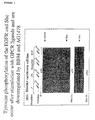
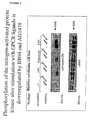
- 2. Our results show that EGFR phosphorylation as well as downstream signaling events such as the recruitment of adapter proteins and phosphorylation of the mitogen activated protein kinase occur after stimulation with GPCR ligands and are downregulated by the metalloprotease inhibitor batimastat. Additionally, basal phosphorylation of the EGFR is batimastat sensitive.
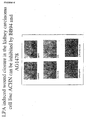
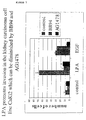
- 3. EGFR transactivation via the TMPS pathway promotes cell proliferation, anti-apoptosis, cell migration and invasion.
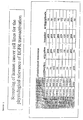
- The results are summarized in
Fig. 1-7 and in Table 1. - Cancer cells are characterized by abnormal growth behaviour due to autocrine production of mitogenic factors. As many of these are GPCR ligands, EGFR transactivation constitutes a likely mechanism for cancer progression by deregulation of cell proliferation and suppression of cell death. Inhibition of this pathway is therefore a promising strategy for the treatment of cancer.
Claims (12)
- Use of a compound which is capable of inhibiting activation of a growth-factor receptor of the EGFR family for the manufacture of an agent for the prevention or treatment of processes selected from cell proliferation, cell migration, invasivity and anti-apoptosis in a disorder, which is associated with increased G-protein mediated signal transduction.
- The use of claim 1 wherein the growth-factor receptor is EGFR.
- The use of claim 1 or 2 wherein the compound acts on a growth-factor receptor ligand precursor.
- The use of claim 3 wherein the growth-factor receptor ligand precursor is EGF or an EGF-like ligand.
- The use of claim 1 or 2 wherein the compound acts on a metalloprotease.
- The use of claim 5 wherein the compound directly inhibits the protease activity.
- The use of claim 1 or 2 wherein the compound acts on the growth-factor receptor.
- The use of any one of claims 1 to 7 wherein the agent is a pharmaceutical composition comprising at least one pharmaceutically acceptable carrier, diluent and/or adjuvant.
- The use of any one of claims 1 to 8 wherein the disorder is cancer.
- The use of any one of claims 1 to 9 wherein the cancer is a human cancer.
- A method for identifying and/or characterizing an inhibitor of processes selected from cell proliferation, cell migration, invasivity and anti-apoptosis in a disorder associated with increased G-protein mediated signal transduction, comprising:determining the effect of a test compound on the transactivation of a growth-factor receptor of the EGFR familiy.
- The method of disclaim 11, wherein the test compound is selected from low-molecular weight compounds, peptides and proteins, particularly antibodies or antibody fragments.
Priority Applications (1)
| Application Number | Priority Date | Filing Date | Title |
|---|---|---|---|
| EP10182004A EP2305284A3 (en) | 2002-03-08 | 2003-03-07 | Use of EGFR transactivation inhibitors in human cancer |
Applications Claiming Priority (3)
| Application Number | Priority Date | Filing Date | Title |
|---|---|---|---|
| EP02005452 | 2002-03-08 | ||
| EP03714791A EP1482964B1 (en) | 2002-03-08 | 2003-03-07 | Use of egfr transactivation inhibitors in human cancer |
| EP10182004A EP2305284A3 (en) | 2002-03-08 | 2003-03-07 | Use of EGFR transactivation inhibitors in human cancer |
Related Parent Applications (1)
| Application Number | Title | Priority Date | Filing Date |
|---|---|---|---|
| EP03714791.5 Division | 2003-03-07 |
Publications (2)
| Publication Number | Publication Date |
|---|---|
| EP2305284A2 true EP2305284A2 (en) | 2011-04-06 |
| EP2305284A3 EP2305284A3 (en) | 2012-11-14 |
Family
ID=27798783
Family Applications (2)
| Application Number | Title | Priority Date | Filing Date |
|---|---|---|---|
| EP03714791A Revoked EP1482964B1 (en) | 2002-03-08 | 2003-03-07 | Use of egfr transactivation inhibitors in human cancer |
| EP10182004A Withdrawn EP2305284A3 (en) | 2002-03-08 | 2003-03-07 | Use of EGFR transactivation inhibitors in human cancer |
Family Applications Before (1)
| Application Number | Title | Priority Date | Filing Date |
|---|---|---|---|
| EP03714791A Revoked EP1482964B1 (en) | 2002-03-08 | 2003-03-07 | Use of egfr transactivation inhibitors in human cancer |
Country Status (8)
| Country | Link |
|---|---|
| US (1) | US20050176633A1 (en) |
| EP (2) | EP1482964B1 (en) |
| AT (1) | ATE494000T1 (en) |
| AU (2) | AU2003219029B2 (en) |
| CA (1) | CA2477932A1 (en) |
| DE (1) | DE60335609D1 (en) |
| ES (1) | ES2359136T3 (en) |
| WO (1) | WO2003075947A1 (en) |
Families Citing this family (8)
| Publication number | Priority date | Publication date | Assignee | Title |
|---|---|---|---|---|
| US7060808B1 (en) * | 1995-06-07 | 2006-06-13 | Imclone Systems Incorporated | Humanized anti-EGF receptor monoclonal antibody |
| US20030224001A1 (en) * | 1998-03-19 | 2003-12-04 | Goldstein Neil I. | Antibody and antibody fragments for inhibiting the growth of tumors |
| ZA200007412B (en) * | 1998-05-15 | 2002-03-12 | Imclone Systems Inc | Treatment of human tumors with radiation and inhibitors of growth factor receptor tyrosine kinases. |
| EP2042194A3 (en) * | 1999-05-14 | 2009-04-22 | Imclone Systems, Inc. | Treatment of refractory human tumors with epidermal growth factor receptor antagonists |
| AU9500201A (en) * | 2000-08-09 | 2002-02-18 | Imclone Systems Inc | Treatment of hyperproliferative diseases with epidermal growth factor receptor antagonists |
| US20080008704A1 (en) * | 2001-03-16 | 2008-01-10 | Mark Rubin | Methods of treating colorectal cancer with anti-epidermal growth factor antibodies |
| US7696320B2 (en) | 2004-08-24 | 2010-04-13 | Domantis Limited | Ligands that have binding specificity for VEGF and/or EGFR and methods of use therefor |
| WO2005090407A1 (en) * | 2004-03-19 | 2005-09-29 | Imclone Systems Incorporated | Human anti-epidermal growth factor receptor antibody |
Citations (1)
| Publication number | Priority date | Publication date | Assignee | Title |
|---|---|---|---|---|
| WO2001012182A1 (en) | 1999-08-16 | 2001-02-22 | MAX-PLANCK-Gesellschaft zur Förderung der Wissenschaften e.V. | Use of proteinase inhibitor in order to inhibit the cleavage of growth factor precursor |
Family Cites Families (12)
| Publication number | Priority date | Publication date | Assignee | Title |
|---|---|---|---|---|
| US5578482A (en) * | 1990-05-25 | 1996-11-26 | Georgetown University | Ligand growth factors that bind to the erbB-2 receptor protein and induce cellular responses |
| AU676476B2 (en) * | 1992-04-29 | 1997-03-13 | Georgetown University | Binding peptides which interact with ligand growth factors of the epidermal growth factor receptor and erbB-2-receptor |
| US6562596B1 (en) * | 1993-10-06 | 2003-05-13 | Amgen Inc. | Tissue inhibitor of metalloproteinase type three (TIMP-3) composition and methods |
| US6214344B1 (en) * | 1995-06-02 | 2001-04-10 | Genetech, Inc. | Hepatocyte growth factor receptor antagonists and uses thereof |
| US5942602A (en) * | 1997-02-13 | 1999-08-24 | Schering Aktiengessellschaft | Growth factor receptor antibodies |
| UA70334C2 (en) * | 1998-10-06 | 2004-10-15 | Janssen Pharmaceutica N V Jans | BENZOTHIENO[3,2-c]PYRIDINES AS a2 ANTAGONISTS BENZOTHIENO[3,2-c]PYRIDINES AS a2 ANTAGONISTS |
| EP2042194A3 (en) * | 1999-05-14 | 2009-04-22 | Imclone Systems, Inc. | Treatment of refractory human tumors with epidermal growth factor receptor antagonists |
| WO2000077195A1 (en) * | 1999-06-09 | 2000-12-21 | Biopharm Gesellschaft Zur Biotechnologischen Entw Icklung Und Zum Vertrieb Von Pharmaka Mbh | Nucleic acid encoding novel egf-like growth factors |
| JP2003513995A (en) * | 1999-11-19 | 2003-04-15 | アクスクシーマ ファルマシューティカルス アクチェンゲゼルシャフト | Inhibitors of gastrointestinal diseases induced by Helicobacter pylori |
| NZ516873A (en) * | 2001-02-12 | 2003-11-28 | Warner Lambert Co | Compositions containing retinoids and erb inhibitors and their use in inhibiting retinoid skin damage |
| FR2828104B1 (en) * | 2001-08-01 | 2005-06-24 | Chu Montpellier | USE OF HEPARIN-BINDING EPIDERMAL GROWTH FACTOR INHIBITORS OR INHIBITORS OF ITS RECEPTORS FOR THE PREPARATION OF MEDICAMENTS USEFUL IN THE TREATMENT OF MYELOMA |
| WO2006063415A1 (en) * | 2004-12-17 | 2006-06-22 | Monash University | Regulation of metalloprotease cleavage of cell surface proteins |
-
2003
- 2003-03-07 AU AU2003219029A patent/AU2003219029B2/en not_active Ceased
- 2003-03-07 EP EP03714791A patent/EP1482964B1/en not_active Revoked
- 2003-03-07 CA CA002477932A patent/CA2477932A1/en not_active Abandoned
- 2003-03-07 WO PCT/EP2003/002361 patent/WO2003075947A1/en not_active Ceased
- 2003-03-07 EP EP10182004A patent/EP2305284A3/en not_active Withdrawn
- 2003-03-07 ES ES03714791T patent/ES2359136T3/en not_active Expired - Lifetime
- 2003-03-07 DE DE60335609T patent/DE60335609D1/en not_active Expired - Lifetime
- 2003-03-07 AT AT03714791T patent/ATE494000T1/en not_active IP Right Cessation
- 2003-03-07 US US10/506,962 patent/US20050176633A1/en not_active Abandoned
-
2008
- 2008-11-26 AU AU2008249216A patent/AU2008249216B2/en not_active Ceased
Patent Citations (1)
| Publication number | Priority date | Publication date | Assignee | Title |
|---|---|---|---|---|
| WO2001012182A1 (en) | 1999-08-16 | 2001-02-22 | MAX-PLANCK-Gesellschaft zur Förderung der Wissenschaften e.V. | Use of proteinase inhibitor in order to inhibit the cleavage of growth factor precursor |
Non-Patent Citations (1)
| Title |
|---|
| FINGI ET AL.: "The Pharmacological Basis of Therapeutics", 1975, pages: 1 |
Also Published As
| Publication number | Publication date |
|---|---|
| ATE494000T1 (en) | 2011-01-15 |
| AU2008249216B2 (en) | 2012-01-19 |
| US20050176633A1 (en) | 2005-08-11 |
| AU2003219029B2 (en) | 2008-09-11 |
| EP2305284A3 (en) | 2012-11-14 |
| AU2003219029A1 (en) | 2003-09-22 |
| WO2003075947A1 (en) | 2003-09-18 |
| EP1482964A1 (en) | 2004-12-08 |
| CA2477932A1 (en) | 2003-09-18 |
| AU2008249216A1 (en) | 2008-12-18 |
| ES2359136T3 (en) | 2011-05-18 |
| DE60335609D1 (en) | 2011-02-17 |
| EP1482964B1 (en) | 2011-01-05 |
Similar Documents
| Publication | Publication Date | Title |
|---|---|---|
| AU2008249216B2 (en) | Use of EGFR transactivation inhibitors in human cancer | |
| Gao et al. | The role of TRPV1 ion channels in the suppression of gastric cancer development | |
| Zhu et al. | EGFR signaling suppresses osteoblast differentiation and inhibits expression of master osteoblastic transcription factors Runx2 and Osterix | |
| Schwabe et al. | Human hepatic stellate cells express CCR5 and RANTES to induce proliferation and migration | |
| Moretti et al. | β-adrenoceptors are upregulated in human melanoma and their activation releases pro-tumorigenic cytokines and metalloproteases in melanoma cell lines | |
| Yang et al. | Norepinephrine upregulates VEGF, IL-8, and IL-6 expression in human melanoma tumor cell lines: implications for stress-related enhancement of tumor progression | |
| Ge et al. | Inhibition of growth and metastasis of mouse mammary carcinoma by selective inhibitor of transforming growth factor-β type I receptor kinase in vivo | |
| Novack | Role of NF-κB in the skeleton | |
| Kuo et al. | The role of PIM1 in the ibrutinib-resistant ABC subtype of diffuse large B-cell lymphoma | |
| Okamoto et al. | Molecular aspects of rheumatoid arthritis: role of transcription factors | |
| Ried et al. | Activation mechanisms of the urokinase-type plasminogen activator promoter by hepatocyte growth factor/scatter factor | |
| Fioramonti et al. | Cabozantinib targets bone microenvironment modulating human osteoclast and osteoblast functions | |
| JP2011084580A (en) | Inhibition of stress-induced ligand-dependent egfr activation | |
| Hov et al. | c‐Met signaling promotes IL‐6‐induced myeloma cell proliferation | |
| Cho et al. | Isovaleric acid ameliorates ovariectomy‐induced osteoporosis by inhibiting osteoclast differentiation | |
| Lechuga et al. | TGF-β1 modulates matrix metalloproteinase-13 expression in hepatic stellate cells by complex mechanisms involving p38MAPK, PI3-kinase, AKT, and p70S6k | |
| Fyfe et al. | PAR-2 activation in intestinal epithelial cells potentiates interleukin-1β-induced chemokine secretion via MAP kinase signaling pathways | |
| JP2006518352A (en) | Inhibition of TACE or amphiregulin for modulation of EGF receptor signaling | |
| Tang et al. | Induction and analysis of epithelial to mesenchymal transition | |
| Kim et al. | 5′-Nitro-indirubinoxime, an indirubin derivative, suppresses metastatic ability of human head and neck cancer cells through the inhibition of Integrin β1/FAK/Akt signaling | |
| Moiseiwitsch et al. | Regulation by serotonin of tooth-germ morphogenesis and gene expression in mouse mandibular explant cultures | |
| Flannery et al. | Transactivation of the epidermal growth factor receptor by angiotensin II in glomerular podocytes | |
| EP3784240B1 (en) | Wnt6 as glioblastoma oncogenic biomarker, and uses of inhibitors thereof for treating wnt6-overexpressing glioblastoma | |
| Lee et al. | Interferon regulatory factor-1 (IRF-1) regulates VEGF-induced angiogenesis in HUVECs | |
| Roifman et al. | Tyrosine phosphorylation is an essential event in the stimulation of B lymphocytes by Staphylococcus aureus Cowan I |
Legal Events
| Date | Code | Title | Description |
|---|---|---|---|
| PUAI | Public reference made under article 153(3) epc to a published international application that has entered the european phase |
Free format text: ORIGINAL CODE: 0009012 |
|
| 17P | Request for examination filed |
Effective date: 20100929 |
|
| AC | Divisional application: reference to earlier application |
Ref document number: 1482964 Country of ref document: EP Kind code of ref document: P |
|
| AK | Designated contracting states |
Kind code of ref document: A2 Designated state(s): AT BE BG CH CY CZ DE DK EE ES FI FR GB GR HU IE IT LI LU MC NL PT RO SE SI SK TR |
|
| PUAL | Search report despatched |
Free format text: ORIGINAL CODE: 0009013 |
|
| AK | Designated contracting states |
Kind code of ref document: A3 Designated state(s): AT BE BG CH CY CZ DE DK EE ES FI FR GB GR HU IE IT LI LU MC NL PT RO SE SI SK TR |
|
| RIC1 | Information provided on ipc code assigned before grant |
Ipc: A61K 38/16 20060101AFI20121010BHEP Ipc: A61K 31/16 20060101ALI20121010BHEP Ipc: A61K 38/55 20060101ALI20121010BHEP Ipc: A61K 31/381 20060101ALI20121010BHEP Ipc: A61K 38/18 20060101ALI20121010BHEP Ipc: A61K 38/48 20060101ALI20121010BHEP Ipc: C07K 16/28 20060101ALI20121010BHEP |
|
| STAA | Information on the status of an ep patent application or granted ep patent |
Free format text: STATUS: THE APPLICATION IS DEEMED TO BE WITHDRAWN |
|
| 18D | Application deemed to be withdrawn |
Effective date: 20130515 |