EP2305224B1 - Vitamin K analog for treatment of skin or mucosal ulceration - Google Patents
Vitamin K analog for treatment of skin or mucosal ulceration Download PDFInfo
- Publication number
- EP2305224B1 EP2305224B1 EP10195772.8A EP10195772A EP2305224B1 EP 2305224 B1 EP2305224 B1 EP 2305224B1 EP 10195772 A EP10195772 A EP 10195772A EP 2305224 B1 EP2305224 B1 EP 2305224B1
- Authority
- EP
- European Patent Office
- Prior art keywords
- vitamin
- skin
- egfr
- mucosal ulceration
- therapy
- Prior art date
- Legal status (The legal status is an assumption and is not a legal conclusion. Google has not performed a legal analysis and makes no representation as to the accuracy of the status listed.)
- Expired - Lifetime
Links
Images

Classifications
-
- A—HUMAN NECESSITIES
- A61—MEDICAL OR VETERINARY SCIENCE; HYGIENE
- A61K—PREPARATIONS FOR MEDICAL, DENTAL OR TOILETRY PURPOSES
- A61K31/00—Medicinal preparations containing organic active ingredients
- A61K31/12—Ketones
- A61K31/122—Ketones having the oxygen directly attached to a ring, e.g. quinones, vitamin K1, anthralin
-
- A—HUMAN NECESSITIES
- A61—MEDICAL OR VETERINARY SCIENCE; HYGIENE
- A61K—PREPARATIONS FOR MEDICAL, DENTAL OR TOILETRY PURPOSES
- A61K31/00—Medicinal preparations containing organic active ingredients
- A61K31/33—Heterocyclic compounds
- A61K31/395—Heterocyclic compounds having nitrogen as a ring hetero atom, e.g. guanethidine or rifamycins
- A61K31/53—Heterocyclic compounds having nitrogen as a ring hetero atom, e.g. guanethidine or rifamycins having six-membered rings with three nitrogens as the only ring hetero atoms, e.g. chlorazanil, melamine
-
- A—HUMAN NECESSITIES
- A61—MEDICAL OR VETERINARY SCIENCE; HYGIENE
- A61K—PREPARATIONS FOR MEDICAL, DENTAL OR TOILETRY PURPOSES
- A61K39/00—Medicinal preparations containing antigens or antibodies
- A61K39/395—Antibodies; Immunoglobulins; Immune serum, e.g. antilymphocytic serum
-
- A—HUMAN NECESSITIES
- A61—MEDICAL OR VETERINARY SCIENCE; HYGIENE
- A61P—SPECIFIC THERAPEUTIC ACTIVITY OF CHEMICAL COMPOUNDS OR MEDICINAL PREPARATIONS
- A61P1/00—Drugs for disorders of the alimentary tract or the digestive system
- A61P1/04—Drugs for disorders of the alimentary tract or the digestive system for ulcers, gastritis or reflux esophagitis, e.g. antacids, inhibitors of acid secretion, mucosal protectants
-
- A—HUMAN NECESSITIES
- A61—MEDICAL OR VETERINARY SCIENCE; HYGIENE
- A61P—SPECIFIC THERAPEUTIC ACTIVITY OF CHEMICAL COMPOUNDS OR MEDICINAL PREPARATIONS
- A61P17/00—Drugs for dermatological disorders
-
- A—HUMAN NECESSITIES
- A61—MEDICAL OR VETERINARY SCIENCE; HYGIENE
- A61P—SPECIFIC THERAPEUTIC ACTIVITY OF CHEMICAL COMPOUNDS OR MEDICINAL PREPARATIONS
- A61P17/00—Drugs for dermatological disorders
- A61P17/02—Drugs for dermatological disorders for treating wounds, ulcers, burns, scars, keloids, or the like
-
- A—HUMAN NECESSITIES
- A61—MEDICAL OR VETERINARY SCIENCE; HYGIENE
- A61P—SPECIFIC THERAPEUTIC ACTIVITY OF CHEMICAL COMPOUNDS OR MEDICINAL PREPARATIONS
- A61P17/00—Drugs for dermatological disorders
- A61P17/04—Antipruritics
-
- A—HUMAN NECESSITIES
- A61—MEDICAL OR VETERINARY SCIENCE; HYGIENE
- A61P—SPECIFIC THERAPEUTIC ACTIVITY OF CHEMICAL COMPOUNDS OR MEDICINAL PREPARATIONS
- A61P35/00—Antineoplastic agents
-
- A—HUMAN NECESSITIES
- A61—MEDICAL OR VETERINARY SCIENCE; HYGIENE
- A61P—SPECIFIC THERAPEUTIC ACTIVITY OF CHEMICAL COMPOUNDS OR MEDICINAL PREPARATIONS
- A61P43/00—Drugs for specific purposes, not provided for in groups A61P1/00-A61P41/00
Definitions
- epidermal growth factor receptor is a transmembrane protein expressed in all epithelial surfaces. It plays an important physiological role in epithelial repair and regeneration.
- Epidermal growth factor is a peptide secreted by salivary glands and other glands associated with epithelial surfaces that binds to a specific area in the extracellular domain of EGFR. Upon binding it generates a signal that is transmitted inside the cell.
- the first intracellular event as a result of EGF binding is a conformational change of the intracellular domain of EGFR that allows adenosine 5'-triphosphate (ATP) to enter the so-called tyrosine kinase (TK) domain, a pocket that contains a tyrosine residue, and donate a phosphate group to the tyrosine residue.
- ATP adenosine 5'-triphosphate
- TK tyrosine kinase
- the intracellular EGFR carrying a phosphorylated tyrosine becomes capable of associating with other intracellular proteins and originates a series of biochemical reactions that propagate downstream through a very complex network.
- the best known arms of this network are the mitogen-activated protein kinase (MAPK) pathway, which results in tumor cell division upon activation, and the AKT pathway, which results in enhanced cell survival upon activation.
- MAPK mitogen-activated protein kinase
- AKT AKT pathway
- EGFR inhibitors have been recently shown to be active antitumor agents against a variety of solid tumors including but not limited to colorectal carcinoma, non-small cell lung cancer, head and neck cancer and malignant gliomas (Conen et al., 2003; Lü et al., 2003; Lorusso, 2003; Vanhoefer et al., 2004).
- Clinical benefit defined as relief of symptoms or prolongation of survival has been so far demonstrated with the anti-EGFR antibody cetuximab (Erbitux®) and the EGFR tyrosine kinase (TK) inhibitors gefitinib (Iressa®) and erlotinib (Tarceva®).
- Topical or systemic antibiotics, anti-inflammatory agents, retinoids, topical lubricants, and other types of remedies have been tried in an empirical fashion with poor or inconsistent results.
- Vitamin K has been used for treatment of blood vessel disorders of the skin, cosmetic skin treatment, and skin treatment following laser treatment ( U.S. Patent No. 5,510,391 ; U.S. Patent Application Publication No. US 2003/0170187 ; PCT International Publication Nos. WO 97/39746 , WO 02/13780 , WO 03/101415 , WO 2004/019923 ; Lou et al., 1999; Shah et al., 2002).
- topical administration of vitamin K3 can cause dermatitis (Page et al., 1942) and vesiculation of the skin (Ulbrich, 1961).
- 6,187,822 discloses using an enzyme inhibitor selected from vitamin K1, vitamin K3, novobiocin and silybin to inhibit adenosine diphosphate-ribosylation of vascular endothelial growth factor and heal wounds such as diaper dermatitis.
- US Patent Application No. 2003/158165 discloses a solution for the treatment of skin sores and wounds, consisting of cedar leaf oil, zinc oxide ointment, calamine lotion and an ointment base.
- the present invention provides vitamin K1 or vitamin K3 for use in a method for treating a skin or mucosal ulceration in a subject, the method comprising applying to the skin or mucosal ulceration an amount of the vitamin K1 or vitamin K3 effective to treat the skin or mucosal ulceration, wherein the vitamin K1 or vitamin K3 activates EGFR and wherein vitamin K1 is applied to the skin or mucosal ulceration at a concentration of at least 450 ⁇ g/ml.
- This invention also provides a pharmaceutical composition containing vitamin K1 or vitamin K3 for use in treating a skin or mucosal ulceration in a subject, wherein the concentration of vitamin K1 is at least 450 ⁇ g/ml.
- a method for treating a skin rash secondary to an anti-epidermal growth factor receptor (EGFR) therapy in a subject receiving said therapy comprising applying a vitamin K analog to the skin rash in an amount effective to treat the skin rash.
- a method for preventing a skin rash secondary to an anti-epidermal growth factor receptor (EGFR) therapy in a subject receiving said therapy comprising applying a vitamin K analog to the skin in an amount effective to prevent the skin rash.
- composition comprising an amount of a vitamin K analog effective to treat or prevent a skin rash secondary to an anti-epidermal growth factor receptor (EGFR) therapy.
- EGFR anti-epidermal growth factor receptor
- Also described herein is a method for identifying a compound that may be useful for treating and/or preventing a skin rash secondary to an anti-epidermal growth factor receptor (EGFR) therapy, the method comprising determining whether the compound activates any one of EGFR, Akt, and Signal Transducer and Activator of Transcription-3 (STAT-3), wherein activation of EGFR, Akt or Stat-3 by the compound is indicative that the compound is effective for treating and/or preventing the skin rash.
- EGFR anti-epidermal growth factor receptor
- Also described herein is a method for treating a skin rash secondary to an anti-epidermal growth factor receptor (EGFR) therapy in a subject receiving said therapy, the method comprising applying a phosphatase inhibitor to the skin rash in an amount effective to treat the skin rash. Also described herein is a method for preventing a skin rash secondary to an anti-epidermal growth factor receptor (EGFR) therapy in a subject receiving said therapy, the method comprising applying a phosphatase inhibitor to the skin in an amount effective to prevent the skin rash.
- EGFR anti-epidermal growth factor receptor
- composition comprising an amount of a phosphatase inhibitor effective to treat or prevent a skin rash secondary to an anti-epidermal growth factor receptor (EGFR) therapy.
- EGFR anti-epidermal growth factor receptor
- Also described herein is a method for treating a skin or mucosal ulceration in a subject, the method comprising applying to the skin or mucosal ulceration an amount of a vitamin K analog effective to treat the skin or mucosal ulceration, wherein the vitamin K analog activates EGFR. Also described herein is a method for treating a skin or mucosal ulceration in a subject, the method comprising applying to the skin or mucosal ulceration an amount of a phosphatase inhibitor effective to treat the skin or mucosal ulceration, wherein the phosphatase inhibitor inhibits dephosphorylation of EGFR.
- the present invention is directed to vitamin K1 or vitamin K3 for use in a method for treating a skin or mucosal ulceration in a subject, the method comprising applying to the skin or mucosal ulceration an amount of the vitamin K1 or vitamin K3 effective to treat the skin or mucosal ulceration, wherein the vitamin K1 or vitamin K3 activates EGFR and wherein vitamin K1 is applied to the skin or mucosal ulceration at a concentration of at least 450 ⁇ g/ml.
- EGFR anti-epidermal growth factor receptor
- the term "treat" a skin rash secondary to anti-EGFR therapy means to reduce or eliminate the skin rash, and/or to decrease or eliminate the increase or spread of the skin rash on the subject's skin.
- Subjects receiving anti-EGFR therapy include patients receiving treatment with an anti-EGFR antibody such as cetuximab and/or with an EGFR tyrosine kinase inhibitor such as gefitinib or erlotinib.
- an anti-EGFR antibody such as cetuximab
- an EGFR tyrosine kinase inhibitor such as gefitinib or erlotinib.
- Vitamin K3 and vitamin K1 are preferred vitamin K analogs. Vitamin K3 is most preferred. Vitamin K3 has the structure:
- Vitamin K1 has the structure:
- vitamin K1 Preferred forms of vitamin K1 are the trans isomer of vitamin K1 or an admixture of the trans and cis isomers, since the cis isomer has little or no biological activity (Matschiner et al., 1972).
- Vitamins K1 and K2 occur naturally.
- Vitamins K3, K4, K5, K6, and K7 are synthetic analogs. Processes have been described for preparing vitamin K analogs, e.g., U.S. Patent Nos. 4,374,775 , 4,906,411 , 5,412,124 , 5,637,741 , 5,770,774 , and 6,579,994, and Sah (1949-50 ).
- Vitamins K1, K2 and K3 are available, e.g., from Sigma-Aldrich.
- the vitamin K analog can activate EGFR, Akt and/or Stat-3.
- Vitamin K analogs can be screened to identify those that activate EGFR, Akt and/or Stat-3 using procedures described in the present application.
- to "activate" EGFR, Akt and/or Stat-3 means to increase the phosphorylated form of EGFR, Akt and/or Stat-3.
- the vitamin K analog is topically applied to the skin.
- Vitamin K compounds are easily soluble in ethyl alcohol and organic solvents and can be prepared in formulations for topical use at desired concentrations.
- the vitamin K analog may be applied to the skin using, e.g., creams, gels, emulsions, lotions, liquids and/or liposomes.
- the formulation can be a formulation that provides sustained-release of the vitamin K analog.
- Topical skin formulations can , include, for example, ingredients which include but are not limited to any of the following: ethyl alcohol, isopropyl alcohol, benzyl alcohol, cetyl alcohol, stearyl alcohol, lecithin granules, isopropyl palmitate, isopropyl myristinate, propyl paraben, methyl paraben, a surfactant (e.g., Pluronic F-127 NF), Dowicil 200, mineral oil, natural oil, silicone oil, paraffin, glycerine, stearic acid diester, glycerol stearate, stablizers such as cyclodextrin, and ultraviolet (UV) filters.
- ingredients which include but are not limited to any of the following: ethyl alcohol, isopropyl alcohol, benzyl alcohol, cetyl alcohol, stearyl alcohol, lecithin granules, isopropyl palmitate, isopropyl myristinate,
- Vitamin K analogs can be applied to the skin up to the maximum tolerated dose, which may vary from subject to subject and depend upon the specific vitamin K analog used in treatment.
- the maximum tolerated dose can be readily determined by one skilled in 100 ⁇ M or at least 15 ⁇ g/ml.
- vitamin K3 is applied at a concentration of 50 ⁇ g/ml to 200 ⁇ g/ml, more preferably 75 ⁇ g/ml to 100 ⁇ g/ml.
- Vitamin K1 is applied to the skin or mucosal ulceration at a concentration of at least 450 ⁇ g/ml.
- Treatment with the vitamin K analog can start, for example, on the day of initiation of therapy with an anti-EGFR agent or as soon as a skin rash appears or as otherwise prescribed by a physician.
- the vitamin K analog is administered periodically during the course of therapy with the anti-EGFR agent.
- the frequency of administration will vary according to the formulation, for example twice a day, daily or every other day or as otherwise prescribed by a physician.
- a sustained release formulation will require less frequent administration than a formulation that does not provide sustained or slow release of the vitamin K analog.
- Also described herein is a method for preventing a skin rash secondary to an anti-epidermal growth factor receptor (EGFR) therapy in a subject receiving said therapy, the method comprising applying a vitamin K analog to the skin in an amount effective to prevent the skin rash, as described herein for treatment of a skin rash.
- Skin rash secondary to anti-EGFR therapy commonly occurs on the face and trunk.
- the vitamin K analog is applied to areas of the body where the skin rash typically appears secondary to anti-EGFR therapy, such as the face and trunk, or to an area of the body where the subject has experienced a skin rash during prior anti-EGFR therapy.
- the vitamin K analog can be applied to the skin starting, for example, on the day of initiation of therapy with the anti-EGFR agent or as otherwise prescribed by a physician.
- the invention also provides a pharmaceutical composition containing vitamin K1 or vitamin K3 for use in treating a skin or mucosal ulceration in a subject, wherein the concentration of vitamin K1 is at least 450 ⁇ g/ml.
- a pharmaceutical composition comprising an amount of any of the vitamin K analogs described herein effective to treat and/or prevent a skin rash secondary to an anti-epidermal growth factor receptor (EGFR) therapy.
- the compositions can also include a pharmaceutically acceptable carrier.
- carrier encompasses standard pharmaceutical carriers such as ethyl alcohol and organic solvents.
- the pharmaceutical composition is formulated for topical administration.
- the vitamin K analog can be formulated in a sustained release formulation.
- Also described herein are methods for identifying a compound that may be useful for treating and/or preventing a skin rash secondary to an anti-epidermal growth factor receptor (EGFR) therapy where the method comprises determining whether the compound activates any one or more of EGFR, Akt, and Signal Transducer and Activator of Transcription-3 (STAT-3), wherein activation of EGFR, Akt or Stat-3 by the compound is indicative that the compound is effective for treating and/or preventing the skin rash.
- Activation of EGFR, Akt or Stat-3 can be determined, e.g., by using an antibody that is specific for the phosphorylated (activated) form of EGFR, Akt or Stat-3.
- the compound can be, for example, a vitamin K analog.
- the compound can inhibit dephosphorylation of EGFR, Akt or Stat-3.
- the compound can be a phosphatase inhibitor.
- Also described herein is a method for treating a skin rash secondary to an anti-epidermal growth factor receptor (EGFR) therapy in a subject receiving said therapy, the method comprising applying a phosphatase inhibitor to the skin rash in an amount effective to treat the skin rash. Also described herein is a method for preventing a skin rash secondary to an anti-epidermal growth factor receptor (EGFR) therapy in a subject receiving said therapy, the method comprising applying a phosphatase inhibitor to the skin in an amount effective to prevent the skin rash.
- the phosphatase inhibitor inhibits dephosphorylation of EGFR.
- a variety of phosphatase inhibitors have been described (for example, Bae et al. 2004, Gerling et al.
- the phosphatase inhibitor may be applied to the skin using, e.g., creams, gels, emulsions, lotions, liquids and/or liposomes.
- the formulation can be a formulation that provides sustained-release of the phosphatase inhibitor.
- the phosphatase inhibitor can be applied to the skin up to the maximum tolerated dose, which may vary from subject to subject and depend upon the specific phosphatase inhibitor used in treatment. The maximum tolerated dose can be readily determined by one skilled in the art.
- a pharmaceutical composition comprising an amount of a phosphatase inhibitor effective to treat or prevent a skin rash secondary to an anti-epidermal growth factor receptor (EGFR) therapy.
- EGFR anti-epidermal growth factor receptor
- the phosphatase inhibitor inhibits dephosphorylation of EGFR.
- the pharmaceutical composition is formulated for topical administration.
- the phosphatase inhibitor can be formulated in a sustained release formulation.
- Also described herein is a method for treating a skin or mucosal ulceration in a subject, the method comprising applying to the skin or mucosal ulceration an amount of a vitamin K analog effective to treat the skin or mucosal ulceration, wherein the vitamin K analog activates EGFR. Also described herein is a method for treating a skin or mucosal ulceration in a subject, the method comprising applying to the skin or mucosal ulceration an amount of a phosphatase inhibitor effective to treat the skin or mucosal ulceration, wherein the phosphatase inhibitor inhibits dephosphorylation of EGFR.
- Skin and mucosal ulcerative conditions include, for example, ulcerative colitis and oral mucosistis, which can be induced by chemotherapy and/or radiotherapy.
- ulcerative colitis the vitamin K analog or the phosphatase inhibitor can be administered for example by enema administration.
- Local therapies by enema with steroids and other antiinflammatory agents are currently standard of care for ulcerative colitis.
- oral mucosistis e.g., an adhesive gel or mouth wash containing the vitamin K analog or the phosphatase inhibitor can be used.
- EGFR inhibitors the anti-EGFR monoclonal antibody cetuximab (Erbitux®) and the EGFR tyrosine kinase inhibitors (TKIs) erlotinib (Tarceva®) and gefitinib (Iressa®). Cytotoxicity was assessed by cell counting.
- Activation of EGFR, Akt and Stat-3 were assessed in the presence and absence of anti-EGFR treatments of the cells.
- Activation of EGFR by vitamin K analog was also assessed using mouse skin, which was homogenized and lysed after treatment with the vitamin K analog.
- Phosphatase activity was determined using pNPP (4-nitrophenyl phosphate disodium) as a substrate.
- Vitamin K3 activated EGFR and downstream intracellular signaling components Akt and Stat-3. Effects were clearly seen at a Vitamin K3 concentration of 100 ⁇ M, or about 17 ⁇ g/ml. Vitamin K1 was only effective for activating EGFR and Akt at the highest concentration used (1000 ⁇ M or about 450 ⁇ g/ml). Vitamin K2 had little or no effect at the concentrations used (up to 1000 ⁇ M). Thus, Vitamin K3 is a much more potent stimulant of EGFR, Art and Stat-3 than Vitamin K1 or Vitamin K2. Application of Vitamin K3 to normal mouse skin also activated EGFR.
- Vitamin K3 activation of EGFR, Stat-3 and Akt was tested in the presence of anti-EGFR treatments.
- A431 cells or HN5 cells stored in serum free medium were treated with the EGFR tyrosine kinase inhibitor erlotinib (2 ⁇ M) and with Vitamin K3 (0.01 - 0.5 mM).
- Vitamin K3 activated EGFR ( Figure 2 ) and Stat-3 (at concentrations of 0.1 and 0.5 mM vitamin K3), and Akt (at a concentration of 0.5 mM vitamin K3) in the presence of erlotinib.
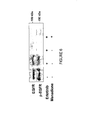
- Vitamin K3 (0.1 and 0.5 mM) also activated EGFR, Stat-3 and Akt in the presence of the anti-EGFR monoclonal antibody cetuximab. Vitamin K3 also rescues erlotinib-induced inhibition of EGFR phosphorylation in mouse skin tissue, as shown in Figure 6 .
- EGF EGF-induced EGFR inhibition by different anti-EGFR treatments.
- EGF was effective in preventing EGFR inhibition by the anti-EGFR monoclonal antibody cetuximab, which acts at the extracellular portion of the EGFR.
- treatment of cells with EGF (2 ⁇ g/ml) does not prevent EGFR inhibition by the EGFR tyrosine kinase inhibitor erlotinib, which acts at the intracellular portion of the EGFR ( Figure 2 ).
- FIG. 1 illustrates results obtained with two different concentrations of Vitamin K3 in rescuing cells treated with erlotinib. The effects of vitamin K3 are reversible.
- Figure 4A-4B shows that vitamin K3 induced phosphorylation of EGFR is reversible in A431 cells.
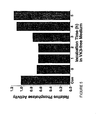
- Vitamin K3 acts at least in part by inhibiting phosphatase activity, as shown in Figure 5 .
- the effect is reversible 2-3 hours after removal of Vitamin K3.
- Vitamin K3 was examined in the skin of animals receiving the EGFR TK inhibitor erlotinib 100 mg/kg x 10 days (days 1-10). Compared to control skin in mice not receiving erlotinib, the skin treated with Vitamin K3 in animals receiving erlotinib showed significant p-EGFR expression, whereas the skin not treated with Vitamin K3 in the same animals showed downregulation of p-EGFR. ( Figure 6 ). The skin of mice was smeared with Vitamin K3 in ethanol (15 mM BID x 5 days on days 5 to 10). The effect of Vitamin K3 was compared to that of two over-the-counter skin creams.
- Cream B (Baby Cakes) is an over-the-counter product containing Vitamin K3 according to its label; the concentration is not specified.
- Cream VK is a 5% Vitamin K cream available over-the-counter.
- the effect of VK3, Cream B and Cream VK on EGFR phosphorylation in mouse skin tissue is shown in Figure 7 .
- the mice were smeared with Vitamin K3 (in ethanol) 30 mM or 100 mM x 3 doses every 12 hours, or with the same doses of Cream B or Cream VK. In contrast to 30 mM or 100 mM VK3, which activates EGFR, the commercial creams do not show an effect.
- Vitamin K3 can prevent the EGFR inhibitory effects of anti-EGFR therapy in tumor cell lines of epithelial origin that overexpress EGFR.
- the EGFR axis in these cells is representative of the EGFR axis in skin keratinocytes.
- Vitamin K3 had a stimulatory effect on the EGFR intracellular signaling pathway, which was effective even in the presence of anti-EGFR therapy.
- Vitamin K3 also activated EGFR from normal mammalian (mouse) skin. Weaker stimulatory effects on EGFR were observed with Vitamin K1 but not with Vitamin K2.
- the present results demonstrate the unexpected effectiveness of Vitamin K3, in comparison to Vitamin K1 or K2 or to two over-the-counter Vitamin K skin creams, in combating anti-EGFR therapy.
- vitamin K3 for treatment and prevention of a skin rash as disclosed in the present application is counterintuitive in view of previous reports that topical administration of vitamin K3 causes dermatitis (Page et al., 1942) and vesiculation of the skin (Ulbrich, 1961). Vitamin K3 was also shown to inhibit cellular phosphatase activity, thus providing for the use of phosphatase inhibitors for treatment and prevention of skin rash and related skin or mucosal disorders.
Landscapes
- Health & Medical Sciences (AREA)
- Medicinal Chemistry (AREA)
- Life Sciences & Earth Sciences (AREA)
- Chemical & Material Sciences (AREA)
- General Health & Medical Sciences (AREA)
- Public Health (AREA)
- Veterinary Medicine (AREA)
- Animal Behavior & Ethology (AREA)
- Pharmacology & Pharmacy (AREA)
- Epidemiology (AREA)
- Bioinformatics & Cheminformatics (AREA)
- Nuclear Medicine, Radiotherapy & Molecular Imaging (AREA)
- Engineering & Computer Science (AREA)
- General Chemical & Material Sciences (AREA)
- Chemical Kinetics & Catalysis (AREA)
- Organic Chemistry (AREA)
- Dermatology (AREA)
- Immunology (AREA)
- Microbiology (AREA)
- Mycology (AREA)
- Medicines That Contain Protein Lipid Enzymes And Other Medicines (AREA)
- Acyclic And Carbocyclic Compounds In Medicinal Compositions (AREA)
- Pharmaceuticals Containing Other Organic And Inorganic Compounds (AREA)
- Medicines Containing Antibodies Or Antigens For Use As Internal Diagnostic Agents (AREA)
Abstract
Description
- Throughout this application various publications are referred to in parenthesis. Full citations for these references may be found at the end of the specification immediately preceding the claims.
- The epidermal growth factor receptor (EGFR) is a transmembrane protein expressed in all epithelial surfaces. It plays an important physiological role in epithelial repair and regeneration. Epidermal growth factor (EGF) is a peptide secreted by salivary glands and other glands associated with epithelial surfaces that binds to a specific area in the extracellular domain of EGFR. Upon binding it generates a signal that is transmitted inside the cell. The first intracellular event as a result of EGF binding is a conformational change of the intracellular domain of EGFR that allows adenosine 5'-triphosphate (ATP) to enter the so-called tyrosine kinase (TK) domain, a pocket that contains a tyrosine residue, and donate a phosphate group to the tyrosine residue. The intracellular EGFR carrying a phosphorylated tyrosine becomes capable of associating with other intracellular proteins and originates a series of biochemical reactions that propagate downstream through a very complex network. The best known arms of this network are the mitogen-activated protein kinase (MAPK) pathway, which results in tumor cell division upon activation, and the AKT pathway, which results in enhanced cell survival upon activation. The results of EGFR activation are therefore increased cell proliferation and enhanced cellular tolerance to different insults.
- Many tumors overexpress EGFR compared to vicinal normal tissues or the epithelial surface from which they originate or have a mutated version of EGFR, intrinsically activated or with an enhanced susceptibility to activation. Such overexpression is thought to be one of the many mechanisms by which tumor cells gain a growth advantage, a key characteristic of the malignant phenotype. Consequently, blocking the EGFR signaling pathway is thought to be a rational strategy for the treatment of many human malignancies. There are basically two ways to inhibit upstream the EGFR signaling pathway: 1) preventing EGF and other natural peptide ligands from binding to the extracellular EGFR domain by the use of specific monoclonal antibodies, and 2) preventing ATP and other phosphate donors from entering the TK pocket of the intracellular EGFR domain by the use of small molecules that structurally fit very well into the pocket (the so-called EGFR TK inhibitors).
- After years of discovery efforts and clinical evaluation, EGFR inhibitors have been recently shown to be active antitumor agents against a variety of solid tumors including but not limited to colorectal carcinoma, non-small cell lung cancer, head and neck cancer and malignant gliomas (Conen et al., 2003; Lage et al., 2003; Lorusso, 2003; Vanhoefer et al., 2004). Clinical benefit defined as relief of symptoms or prolongation of survival has been so far demonstrated with the anti-EGFR antibody cetuximab (Erbitux®) and the EGFR tyrosine kinase (TK) inhibitors gefitinib (Iressa®) and erlotinib (Tarceva®). Many additional agents belonging to this class are being developed. As of today, FDA approved indications include chemorefractory colorectal carcinoma and non-small cell lung cancer, head and neck carcinoma, and pancreatic carcinoma. Many clinical studies using these agents alone or in combination, for refractory or chemo naive patients with a variety of other malignant diseases are in progress. It is anticipated that as many as 200,000 patients in the USA may receive these agents every year in the near future.
- Although these agents do not cause life threatening toxicities, the major side effect is a skin rash that occurs in 60-70% of patients, affects mostly face and trunk, and causes discomfort and unfavorable cosmetic changes in many cases. Main symptoms caused by the skin rash are itching, dryness, and secondary infection. The occurrence and intensity of the rash are clearly dose-related and the median time of occurrence is 10 days after initiation of therapy. About 10% of patients discontinue therapy due to skin toxicity.
- Most clinical studies have shown that most patients who develop skin rash as a result of anti-EGFR therapy tend to live longer. It is thought that the occurrence of skin rash requires both effective EGFR inhibition in the skin and a competent immune system that is able to respond to the tissular insult caused by such inhibition with an appropriate inflammatory response. As there is growing evidence that the skin rash is a surrogate indicator of antitumor efficacy and clinical benefit (Cohen et al., 2003), increasing dosing of anti-EGFR agents to cause a skin rash may become a common practice. If that is the case, treatment of the skin rash will also become of increasing importance. As a result, treatment of the skin rash is also becoming of increasing importance. There are no rational, scientifically proven and clinically effective methods available for the treatment of this form of skin rash. Topical or systemic antibiotics, anti-inflammatory agents, retinoids, topical lubricants, and other types of remedies have been tried in an empirical fashion with poor or inconsistent results. As of today there is no established therapy or prevention for this new skin disease, a condition that is expected to affect about 150,000 individuals in the USA every year in the very near future.
- Vitamin K has been used for treatment of blood vessel disorders of the skin, cosmetic skin treatment, and skin treatment following laser treatment (
U.S. Patent No. 5,510,391 ; U.S. Patent Application Publication No.US 2003/0170187 ;PCT International Publication Nos. WO 97/39746 WO 02/13780 WO 03/101415 WO 2004/019923 ; Lou et al., 1999; Shah et al., 2002). However, topical administration of vitamin K3 can cause dermatitis (Page et al., 1942) and vesiculation of the skin (Ulbrich, 1961).US Patent No. 6,187,822 discloses using an enzyme inhibitor selected from vitamin K1, vitamin K3, novobiocin and silybin to inhibit adenosine diphosphate-ribosylation of vascular endothelial growth factor and heal wounds such as diaper dermatitis.US Patent Application No. 2003/158165 discloses a solution for the treatment of skin sores and wounds, consisting of cedar leaf oil, zinc oxide ointment, calamine lotion and an ointment base. - The present invention provides vitamin K1 or vitamin K3 for use in a method for treating a skin or mucosal ulceration in a subject, the method comprising applying to the skin or mucosal ulceration an amount of the vitamin K1 or vitamin K3 effective to treat the skin or mucosal ulceration, wherein the vitamin K1 or vitamin K3 activates EGFR and wherein vitamin K1 is applied to the skin or mucosal ulceration at a concentration of at least 450 µg/ml. This invention also provides a pharmaceutical composition containing vitamin K1 or vitamin K3 for use in treating a skin or mucosal ulceration in a subject, wherein the concentration of vitamin K1 is at least 450 µg/ml. Described herein is a method for treating a skin rash secondary to an anti-epidermal growth factor receptor (EGFR) therapy in a subject receiving said therapy, the method comprising applying a vitamin K analog to the skin rash in an amount effective to treat the skin rash. Also described is a method for preventing a skin rash secondary to an anti-epidermal growth factor receptor (EGFR) therapy in a subject receiving said therapy, the method comprising applying a vitamin K analog to the skin in an amount effective to prevent the skin rash.
- Also described herein is a pharmaceutical composition comprising an amount of a vitamin K analog effective to treat or prevent a skin rash secondary to an anti-epidermal growth factor receptor (EGFR) therapy.
- Also described herein is a method for identifying a compound that may be useful for treating and/or preventing a skin rash secondary to an anti-epidermal growth factor receptor (EGFR) therapy, the method comprising determining whether the compound activates any one of EGFR, Akt, and Signal Transducer and Activator of Transcription-3 (STAT-3), wherein activation of EGFR, Akt or Stat-3 by the compound is indicative that the compound is effective for treating and/or preventing the skin rash.
- Also described herein is a method for treating a skin rash secondary to an anti-epidermal growth factor receptor (EGFR) therapy in a subject receiving said therapy, the method comprising applying a phosphatase inhibitor to the skin rash in an amount effective to treat the skin rash. Also described herein is a method for preventing a skin rash secondary to an anti-epidermal growth factor receptor (EGFR) therapy in a subject receiving said therapy, the method comprising applying a phosphatase inhibitor to the skin in an amount effective to prevent the skin rash.
- Also described herein is a pharmaceutical composition comprising an amount of a phosphatase inhibitor effective to treat or prevent a skin rash secondary to an anti-epidermal growth factor receptor (EGFR) therapy.
- Also described herein is a method for treating a skin or mucosal ulceration in a subject, the method comprising applying to the skin or mucosal ulceration an amount of a vitamin K analog effective to treat the skin or mucosal ulceration, wherein the vitamin K analog activates EGFR. Also described herein is a method for treating a skin or mucosal ulceration in a subject, the method comprising applying to the skin or mucosal ulceration an amount of a phosphatase inhibitor effective to treat the skin or mucosal ulceration, wherein the phosphatase inhibitor inhibits dephosphorylation of EGFR.
-
-
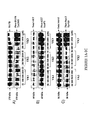
Figure 1A-1C . Effects of Vitamins K1, K2 and K3 (VK1, VK2, VK3) on the phosphorylation of EGFR (A), AKT (B) and Stat-3 (C) in human A431 vulvar carcinoma cells. A431 cells (1x10⁶ cells/well) were plated in a 6-well plate, and incubated in RPMI-1640 medium with 10% serum overnight. Cells were exposed to the indicated concentrations of VK1, VK2 and VK3 for 2 hours. Following exposure, cells were washed twice with cold phosphate buffered saline (PBS) solution, and lysed with 50 µl of lysis buffer. Equal amounts of lysate (30 µg of protein) were subjected to a 7.5% or a 12% SDS-PAGE. EGFR, phos-EGFR, AKT, phos-AKT, Stat-3, and phos-Stat-3 were detected by immunoblotting analysis using corresponding antibodies. Vitamin K3 stimulated EGFR, Akt and Stat-3. Vitamin K1 also activated EGFR, whereas Vitamin K2 had little or no effect. -
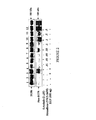
Figure 2 . Vitamin K3 (menadione) prevents the inhibition of EGFR phosphorylation caused by erlotinib, an EGFR tyrosine kinase inhibitor, in A431 cells. A431 cells (1x10⁶ cells/well) were plated in a 6-well plate and incubated in RPMI-1640 medium without fetal bovine serum for 24 hours. After starving, cells were exposed to different concentrations of vitamin K3 alone (0.01-0.5 mM) or with 2 µM erlotinib for 2 hours, or stimulated with 100 ng/ml of EGF for 5 min. After exposure, cells were washed twice with cold PBS solution, and lysed with 50 µl of lysis buffer. Equal amounts of lyaste (30 µg of protein) were subjected to a 7.5% SDS-PAGE. EGFR and phosphorylated EGFR were detected by immunoblotting analysis using corresponding antibodies. -
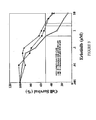
Figure 3 . Effect of VK3 (menadione) on erlotinib-induced cell growth inhibition in A431 cells. Cells were plated in a 96-well plate overnight. Cells were exposed to different concentrations of erlotinib alone or in combination with 50 µM or 100 µM VK3 (menadione) for 72 hours. After exposure, cells were harvested by trypsinization, and the cell viability was assessed by cell counting using a hemacytometer. Each point represents the mean of two independent experiments. -
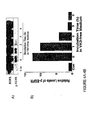
Figure 4A-4B . VK3-induced phosphorylation of EGFR is reversible in A431 cells. Cells were exposed to 0.1 mM VK3 for 1 hour. Following exposure, cells were washed three times with cold medium and then reincubated in VK3-free fresh medium with 10% fetal bovine serum for the indicated times. Cells were harvested and lysed with lysis buffer. Equal amounts of cell lysate were subjected on 7.5% SDS-PAGE (A). The total EGFR and phosphorylated EGFR (p-EGFR) were detected by immunoblot analysis using corresponding antibodies. Control (Con) means cells were not exposed to VK3. The relative p-EGFR was expressed as the intensity of p-EGFR bands in each time points measured by a laser densitometry compared with that in control as one (B). -
Figure 5 . Vitamin K3 inhibits phosphatase activity. A431 cells were exposed to 0.1 mM VK3 for 1 hour. After exposure, cells were washed three times with cold medium and then reincubated in VK3-free medium with 10% fetal bovine serum for the indicated time. Cells were harvested and cell extracts were prepared for the assay of phosphatase activity using pNPP (4-nitrophenyl phosphate disodium) as a substrate. Control (Con) means the phosphatase activity in cells without exposure to VK3. The relative phosphatase activity was expressed as compared with that in control as one. VK3-induced phosphatase inhibition is reversible following removal of VK3. -
Figure 6 . Effect of Vitamin K3 (menadione) on erlotinib-induced inhibition of EGFR phosphorylation in mouse skin. Vitamin K3 rescues erlotinib-induced inhibition of EGFR phosphorylation in mouse skin tissue. Mice were administrated P.O. daily 50 mg/kg of erlotinib; mouse skin was smeared withVK3 15 mM ethanol solution. After treatment, the mice were sacrificed and skin tissue was taken. 100 mg skin tissue was used for the preparation of tissue extracts. Equal amounts of skin tissue extracts (80 µg of protein) were subjected on a 7.5% SDS-PAGE. Total EGFR and p-EGFR were detected by immunoblot analysis. -
Figure 7 . Effect of VK3, Cream B and Cream VK on EGFR phosphorylation in mouse skin tissue. The mice were smeared with 30 mM or 100 mM VK3 (in ethanol), or with the same doses of Cream B or Cream VK. Following treatment, mice were sacrificed and skin tissues were taken for the preparation of tissue extracts. Equal amounts of tissue extracts (80 µg of protein) were subjected on a 7.5% of SDS-PAGE. Total EGFR and p-EGFR were detected by immunoblot analysis using polyclonal anti-EGFR and p-EGFR antibodies. Cream B is an over the counter product (Baby Cakes) containing Vitamin K3 according to its label; the concentration is not specified. Cream VK is a 5% Vitamin K cream available over the counter. In contrast to 30 mM or 100 mM VK3, the commercial creams do not show an effect. - The present invention is directed to vitamin K1 or vitamin K3 for use in a method for treating a skin or mucosal ulceration in a subject, the method comprising applying to the skin or mucosal ulceration an amount of the vitamin K1 or vitamin K3 effective to treat the skin or mucosal ulceration, wherein the vitamin K1 or vitamin K3 activates EGFR and wherein vitamin K1 is applied to the skin or mucosal ulceration at a concentration of at least 450 µg/ml. Also described herein is a method for treating a skin rash secondary to an anti-epidermal growth factor receptor (EGFR) therapy in a subject receiving said therapy, the method comprising applying a vitamin K analog to the skin rash in an amount effective to treat the skin rash.
- As used herein, the term "treat" a skin rash secondary to anti-EGFR therapy means to reduce or eliminate the skin rash, and/or to decrease or eliminate the increase or spread of the skin rash on the subject's skin.
- Subjects receiving anti-EGFR therapy include patients receiving treatment with an anti-EGFR antibody such as cetuximab and/or with an EGFR tyrosine kinase inhibitor such as gefitinib or erlotinib.
- As used herein, a "vitamin K analog" is a compound selected from the group consisting of vitamin K1 (2-methyl-3-phytyl-1,4-naphthoquinone), vitamin K2 (2-methyl-3-hexaprenyl-1,4-naphthoquinone; menaquinone), vitamin K3 (2-methyl-1,4-naphthoquinone; menadione), vitamin K4 (1,4-diacetoxy-2-methylnaphthalene), vitamin K5 (4-amino-2- methyl-1-naphthalenol), vitamin K6, vitamin K7 (3-methyl-4-amino-1-naphthol hydrochloride), menadione diphosphate, menadione sodium bisulfite, and compounds having the structure:

- Vitamin K3 and vitamin K1 are preferred vitamin K analogs. Vitamin K3 is most preferred. Vitamin K3 has the structure:

- Vitamin K1 has the structure:

- Preferred forms of vitamin K1 are the trans isomer of vitamin K1 or an admixture of the trans and cis isomers, since the cis isomer has little or no biological activity (Matschiner et al., 1972).
- Vitamins K1 and K2 occur naturally. Vitamins K3, K4, K5, K6, and K7 are synthetic analogs. Processes have been described for preparing vitamin K analogs, e.g.,
U.S. Patent Nos. 4,374,775 ,4,906,411 ,5,412,124 ,5,637,741 ,5,770,774 , and6,579,994, and Sah (1949-50 ). Vitamins K1, K2 and K3 are available, e.g., from Sigma-Aldrich. - The vitamin K analog can activate EGFR, Akt and/or Stat-3. Vitamin K analogs can be screened to identify those that activate EGFR, Akt and/or Stat-3 using procedures described in the present application. As used herein, to "activate" EGFR, Akt and/or Stat-3 means to increase the phosphorylated form of EGFR, Akt and/or Stat-3.
- As used herein to treat a skin rash, the vitamin K analog is topically applied to the skin. Vitamin K compounds are easily soluble in ethyl alcohol and organic solvents and can be prepared in formulations for topical use at desired concentrations. The vitamin K analog may be applied to the skin using, e.g., creams, gels, emulsions, lotions, liquids and/or liposomes. The formulation can be a formulation that provides sustained-release of the vitamin K analog. Topical skin formulations can , include, for example, ingredients which include but are not limited to any of the following: ethyl alcohol, isopropyl alcohol, benzyl alcohol, cetyl alcohol, stearyl alcohol, lecithin granules, isopropyl palmitate, isopropyl myristinate, propyl paraben, methyl paraben, a surfactant (e.g., Pluronic F-127 NF), Dowicil 200, mineral oil, natural oil, silicone oil, paraffin, glycerine, stearic acid diester, glycerol stearate, stablizers such as cyclodextrin, and ultraviolet (UV) filters.
- Vitamin K analogs can be applied to the skin up to the maximum tolerated dose, which may vary from subject to subject and depend upon the specific vitamin K analog used in treatment. The maximum tolerated dose can be readily determined by one skilled in 100 µM or at least 15 µg/ml. Preferably, vitamin K3 is applied at a concentration of 50 µg/ml to 200 µg/ml, more preferably 75 µg/ml to 100 µg/ml. Vitamin K1 is applied to the skin or mucosal ulceration at a concentration of at least 450 µg/ml.
- Treatment with the vitamin K analog can start, for example, on the day of initiation of therapy with an anti-EGFR agent or as soon as a skin rash appears or as otherwise prescribed by a physician. The vitamin K analog is administered periodically during the course of therapy with the anti-EGFR agent. The frequency of administration will vary according to the formulation, for example twice a day, daily or every other day or as otherwise prescribed by a physician. A sustained release formulation will require less frequent administration than a formulation that does not provide sustained or slow release of the vitamin K analog.
- Also described herein is a method for preventing a skin rash secondary to an anti-epidermal growth factor receptor (EGFR) therapy in a subject receiving said therapy, the method comprising applying a vitamin K analog to the skin in an amount effective to prevent the skin rash, as described herein for treatment of a skin rash. Skin rash secondary to anti-EGFR therapy commonly occurs on the face and trunk. Preferably, the vitamin K analog is applied to areas of the body where the skin rash typically appears secondary to anti-EGFR therapy, such as the face and trunk, or to an area of the body where the subject has experienced a skin rash during prior anti-EGFR therapy. In order to prevent the skin rash, the vitamin K analog can be applied to the skin starting, for example, on the day of initiation of therapy with the anti-EGFR agent or as otherwise prescribed by a physician.
- The invention also provides a pharmaceutical composition containing vitamin K1 or vitamin K3 for use in treating a skin or mucosal ulceration in a subject, wherein the concentration of vitamin K1 is at least 450 µg/ml. Also described herein is a pharmaceutical composition comprising an amount of any of the vitamin K analogs described herein effective to treat and/or prevent a skin rash secondary to an anti-epidermal growth factor receptor (EGFR) therapy. The compositions can also include a pharmaceutically acceptable carrier. As used herein, the term "carrier" encompasses standard pharmaceutical carriers such as ethyl alcohol and organic solvents. In a preferred embodiment, the pharmaceutical composition is formulated for topical administration. The vitamin K analog can be formulated in a sustained release formulation.
- Also described herein are methods for identifying a compound that may be useful for treating and/or preventing a skin rash secondary to an anti-epidermal growth factor receptor (EGFR) therapy, where the method comprises determining whether the compound activates any one or more of EGFR, Akt, and Signal Transducer and Activator of Transcription-3 (STAT-3), wherein activation of EGFR, Akt or Stat-3 by the compound is indicative that the compound is effective for treating and/or preventing the skin rash. Activation of EGFR, Akt or Stat-3 can be determined, e.g., by using an antibody that is specific for the phosphorylated (activated) form of EGFR, Akt or Stat-3. The compound can be, for example, a vitamin K analog. The compound can inhibit dephosphorylation of EGFR, Akt or Stat-3. The compound can be a phosphatase inhibitor.
- Also described herein is a method for treating a skin rash secondary to an anti-epidermal growth factor receptor (EGFR) therapy in a subject receiving said therapy, the method comprising applying a phosphatase inhibitor to the skin rash in an amount effective to treat the skin rash. Also described herein is a method for preventing a skin rash secondary to an anti-epidermal growth factor receptor (EGFR) therapy in a subject receiving said therapy, the method comprising applying a phosphatase inhibitor to the skin in an amount effective to prevent the skin rash. Preferably, the phosphatase inhibitor inhibits dephosphorylation of EGFR. A variety of phosphatase inhibitors have been described (for example, Bae et al. 2004, Gerling et al. 2004, Lee and Burke 2003, Liem et al. 2004,
U.S. Patent Nos. 5,155,031 and6,428,949 B1 , U.S. Patent Application Publication No.US 2004/0138218 Al ). The phosphatase inhibitor may be applied to the skin using, e.g., creams, gels, emulsions, lotions, liquids and/or liposomes. The formulation can be a formulation that provides sustained-release of the phosphatase inhibitor. The phosphatase inhibitor can be applied to the skin up to the maximum tolerated dose, which may vary from subject to subject and depend upon the specific phosphatase inhibitor used in treatment. The maximum tolerated dose can be readily determined by one skilled in the art. - Also described herein is a pharmaceutical composition comprising an amount of a phosphatase inhibitor effective to treat or prevent a skin rash secondary to an anti-epidermal growth factor receptor (EGFR) therapy. Preferably, the phosphatase inhibitor inhibits dephosphorylation of EGFR. Preferably, the pharmaceutical composition is formulated for topical administration. The phosphatase inhibitor can be formulated in a sustained release formulation.
- Also described herein is a method for treating a skin or mucosal ulceration in a subject, the method comprising applying to the skin or mucosal ulceration an amount of a vitamin K analog effective to treat the skin or mucosal ulceration, wherein the vitamin K analog activates EGFR. Also described herein is a method for treating a skin or mucosal ulceration in a subject, the method comprising applying to the skin or mucosal ulceration an amount of a phosphatase inhibitor effective to treat the skin or mucosal ulceration, wherein the phosphatase inhibitor inhibits dephosphorylation of EGFR. Skin and mucosal ulcerative conditions include, for example, ulcerative colitis and oral mucosistis, which can be induced by chemotherapy and/or radiotherapy. For ulcerative colitis, the vitamin K analog or the phosphatase inhibitor can be administered for example by enema administration. Local therapies by enema with steroids and other antiinflammatory agents are currently standard of care for ulcerative colitis. For oral mucosistis, e.g., an adhesive gel or mouth wash containing the vitamin K analog or the phosphatase inhibitor can be used.
- This invention will be better understood from the Experimental Details which follow. However, one skilled in the art will readily appreciate that the specific methods and results discussed are merely illustrative of the invention as described more fully in the claims which follow thereafter.
- Two human cell lines that overexpress non-mutated EGFR were used: A431 vulvar carcinoma and HN5 head and neck carcinoma. Cells were exposed to different concentrations of different vitamin K analogs in the presence of one of three EGFR inhibitors: the anti-EGFR monoclonal antibody cetuximab (Erbitux®) and the EGFR tyrosine kinase inhibitors (TKIs) erlotinib (Tarceva®) and gefitinib (Iressa®). Cytotoxicity was assessed by cell counting. Cells were lysed and the effects of different vitamin K analogs on activation of EGFR, the kinase Akt, and Signal Transducer and Activator of Transcription-3 (STAT-3) were assessed by western blot analysis using antibodies for the phosphorylated (activated) forms of EGFR, Akt and Stat-3. Polyclonal antibodies of anti-EGFR, anti-phos-EGFR (Tyr1068), anti-AKT, anti-phos-AKT (Ser473), anti-Stat-3, and anti-phos-Stat-3 (Tyr-705) were purchased from Cell Signaling (Beverly, MA). Vitamins K1, K2, and K3 were purchased from Sigma-Aldrich (St Louis, MO). Activation of EGFR, Akt and Stat-3 were assessed in the presence and absence of anti-EGFR treatments of the cells. Activation of EGFR by vitamin K analog was also assessed using mouse skin, which was homogenized and lysed after treatment with the vitamin K analog. Phosphatase activity was determined using pNPP (4-nitrophenyl phosphate disodium) as a substrate.
- The effects of Vitamins K1, K2 and K3 on activating (phosphorylating) EGFR, Akt and Stat-3 obtained from lysed A431 cells are shown in
Figure 1A-1C . Vitamin K3 activated EGFR and downstream intracellular signaling components Akt and Stat-3. Effects were clearly seen at a Vitamin K3 concentration of 100 µM, or about 17 µg/ml. Vitamin K1 was only effective for activating EGFR and Akt at the highest concentration used (1000 µM or about 450 µg/ml). Vitamin K2 had little or no effect at the concentrations used (up to 1000 µM). Thus, Vitamin K3 is a much more potent stimulant of EGFR, Art and Stat-3 than Vitamin K1 or Vitamin K2. Application of Vitamin K3 to normal mouse skin also activated EGFR. - Vitamin K3 activation of EGFR, Stat-3 and Akt was tested in the presence of anti-EGFR treatments. A431 cells or HN5 cells stored in serum free medium were treated with the EGFR tyrosine kinase inhibitor erlotinib (2 µM) and with Vitamin K3 (0.01 - 0.5 mM). Vitamin K3 activated EGFR (
Figure 2 ) and Stat-3 (at concentrations of 0.1 and 0.5 mM vitamin K3), and Akt (at a concentration of 0.5 mM vitamin K3) in the presence of erlotinib. Similarly, Vitamin K3 (0.1 and 0.5 mM) also activated EGFR, Stat-3 and Akt in the presence of the anti-EGFR monoclonal antibody cetuximab. Vitamin K3 also rescues erlotinib-induced inhibition of EGFR phosphorylation in mouse skin tissue, as shown inFigure 6 . - Cells were treated with excess EGF to determine if EGF could prevent EGFR inhibition by different anti-EGFR treatments. EGF was effective in preventing EGFR inhibition by the anti-EGFR monoclonal antibody cetuximab, which acts at the extracellular portion of the EGFR. In contrast, treatment of cells with EGF (2 µg/ml) does not prevent EGFR inhibition by the EGFR tyrosine kinase inhibitor erlotinib, which acts at the intracellular portion of the EGFR (
Figure 2 ). - Exposure of human A431 vulvar carcinoma cells to the EGFR tyrosine kinase inhibitor erlotinib results in cell death. Co-incubation of the cells with Vitamin K3 (50-100 µM) decreased the cytotoxicity of the EGFR inhibitor by 4-6 fold.
Figure 3 illustrates results obtained with two different concentrations of Vitamin K3 in rescuing cells treated with erlotinib. The effects of vitamin K3 are reversible.Figure 4A-4B shows that vitamin K3 induced phosphorylation of EGFR is reversible in A431 cells. - Vitamin K3 acts at least in part by inhibiting phosphatase activity, as shown in
Figure 5 . The effect is reversible 2-3 hours after removal of Vitamin K3. - The effect of Vitamin K3 was examined in the skin of animals receiving the EGFR TK inhibitor erlotinib 100 mg/kg x 10 days (days 1-10). Compared to control skin in mice not receiving erlotinib, the skin treated with Vitamin K3 in animals receiving erlotinib showed significant p-EGFR expression, whereas the skin not treated with Vitamin K3 in the same animals showed downregulation of p-EGFR. (
Figure 6 ). The skin of mice was smeared with Vitamin K3 in ethanol (15 mM BID x 5 days ondays 5 to 10). The effect of Vitamin K3 was compared to that of two over-the-counter skin creams. Cream B (Baby Cakes) is an over-the-counter product containing Vitamin K3 according to its label; the concentration is not specified. Cream VK is a 5% Vitamin K cream available over-the-counter. The effect of VK3, Cream B and Cream VK on EGFR phosphorylation in mouse skin tissue is shown inFigure 7 . The mice were smeared with Vitamin K3 (in ethanol) 30 mM or 100 mM x 3 doses every 12 hours, or with the same doses of Cream B or Cream VK. In contrast to 30 mM or 100 mM VK3, which activates EGFR, the commercial creams do not show an effect. - The present application discloses that Vitamin K3 can prevent the EGFR inhibitory effects of anti-EGFR therapy in tumor cell lines of epithelial origin that overexpress EGFR. The EGFR axis in these cells is representative of the EGFR axis in skin keratinocytes. Vitamin K3 had a stimulatory effect on the EGFR intracellular signaling pathway, which was effective even in the presence of anti-EGFR therapy. Vitamin K3 also activated EGFR from normal mammalian (mouse) skin. Weaker stimulatory effects on EGFR were observed with Vitamin K1 but not with Vitamin K2. The present results demonstrate the unexpected effectiveness of Vitamin K3, in comparison to Vitamin K1 or K2 or to two over-the-counter Vitamin K skin creams, in combating anti-EGFR therapy. The use of vitamin K3 for treatment and prevention of a skin rash as disclosed in the present application is counterintuitive in view of previous reports that topical administration of vitamin K3 causes dermatitis (Page et al., 1942) and vesiculation of the skin (Ulbrich, 1961). Vitamin K3 was also shown to inhibit cellular phosphatase activity, thus providing for the use of phosphatase inhibitors for treatment and prevention of skin rash and related skin or mucosal disorders.
-
- Bae EY, Oh H, Oh WK, Kim MS, Kim BS, Kim BY, Sohn CB, Osada H, Ahn JS. A new VHR dual-specificity protein tyrosine phosphatase inhibitor from Dendrobium moniliforme. Planta Med. 70(9):869-70, 2004.
- Cohen EE, Rosen F, Stadler WM, Recant W, Stenson K, Huo D, Yokes EE. Phase II trial of ZD1839 in recurrent or metastatic squamous cell carcinoma of the head and neck. J Clin Oncol. 21(10):1980-7, 2003.
- Gerling N, Culmsee C, Klumpp S, Krieglstein J. The tyrosine phosphatase inhibitor orthovanadate mimics NGF-induced neuroprotective signaling in rat hippocampal neurons. Neurochem Int. 2004 Jun;44(7):505-20, 2004.
- Lage A, Crombet T, Gonzalez G. Targeting epidermal growth factor receptor signaling: early results and future trends in oncology. Ann Med. 35(5):327-36, 2003.
- Lee K, Burke TR Jr. CD45 protein-tyrosine phosphatase inhibitor development. Curr Top Med Chem. 3(7):797-807, 2003.
- Liem DA, Gho CC, Gho BC, Kazim S, Manintveld OC, Verdouw PD, Duncker DJ. The tyrosine phosphatase inhibitor bis(maltolato)oxovanadium attenuates myocardial reperfusion injury by opening ATP-sensitive potassium channels. J Pharmacol Exp Ther. 004 Jun;309(3):1256-62. Epub 2004 .
- LoRusso PM. Phase I studies of ZD 1839 in patients with common solid tumors. Semin Oncol. 30 (1 Suppl 1):21-9, 2003.
- Lou WW, Quintana AT, Geronemus RG, Grossman MC. Effects of topical vitamin K and retinol on laser-induced purpura on nonlesional skin. Dermatol Surg. 25(12):942-4, 1999.
- Matschiner JT, Bell RG. Metabolism and vitamin K activity of cis phylloquinone in rats. J Nutr.102(5):625-629, 1972.
- Page, RC and Bercovitz, Z. Dermatitis from topical administration of 2-methyl-1:4-naphthoquinone (synthetic vitamin K analogue). Am. J. Med. Sci. 203: 566-569, 1942.
- Sah, PP. Synthesis of 3-methyl-4-amino-1-naphthol hydrochloride (vitamin K7) and related vitamin-K-active compounds. Z Vitam Horm Fermentforsch 3(3-4):324-45, 1949-1950.
- Shah NS, Lazarus MC, Bugdodel R, Hsia SL, He J, Duncan R, Baumann L. The effects of topical vitamin K on bruising after laser treatment. J Am Acad Dermatol. 47(2):241-4, 2002.
- Ulbrich, AP. Topical application of menadione, a synthetic vitamin K: preliminary report. J. Am. Osteopathic Assoc. 60: 370-374, 1961.
- Vanhoefer U, Tewes M, Rojo F, Dirsch O, Schleucher N, Rosen O, Tillner J, Kovar A, Braun AH, Trarbach T, Seeber S, Harstrick A, Baselga J. Phase I study of the humanized antiepidermal growth factor receptor monoclonal antibody EMD72000 in patients with advanced solid tumors that express the epidermal growth factor receptor. J Clin Oncol. 22(1):175-84, 2004.
-
PCT International Publication No. WO 97/39746, October 30, 1997 -
PCT International Publication No. WO 02/13780, February 21, 2002 -
PCT International Publication No. WO 03/101415, December 11, 2003 -
PCT International Publication No. WO 2004/019923, March 11, 2004 , Compositions comprising vitamin K for treating or preventing age-related stiffening of arteries. -
U.S. Patent No. 4,374,775, issued February 22, 1983, Dötz KH , Process for preparing vitamin K. -
U.S. Patent No. 4,906,411, issued March 6, 1990, Shinnaka A et al. , Process for producing 2-methyl-1,4-naphthoquinone. -
U.S. Patent No. 5,155,031, issued October 13, 1992, Posner et al. , Use of pervanadate as an inhibitor of phosphotyrosine phosphatase. -
U.S. Patent No. 5,412,125, issued May 2, 1995, Hamamura K et al. , Preparation process of naphthoquinone derivative and intermediate for the preparation thereof. -
U.S. Patent No. 5,510,391, issued April 23, 1996 , Elson ML, Method of treating blood vessel disorders of the skin using vitamin K. -
U.S. Patent No. 5,637,741, issued June 10, 1997, Matsumoto Y et al. , Process for producing 2-methyl-1,4-naphthoquinone. -
U.S. Patent No. 5,770,774, issued June 23, 1998, Joo YJ et al. , Method for preparing 2- methyl-1,4-naphthoquinone (vitamin K3). -
U.S. Patent No. 6,428,949 B1, issued August 6, 2002, Bandman et al. , Human phosphatase inhibitor protein. -
U.S. Patent No. 6,579,994, issued June 17, 2003, Sankarasubbier N et al. , Process for preparation of 2-methyl-1,4-naphthoquinone. - U.S. Patent Application Publication No.
US 2003/0170187, published September 11, 2003, Marchal A , Skin treatments containing nano-sized vitamin K. - U.S. Patent Application Publication No.
US 2004/0138218 A1, published July 15, 2004, Pallen et al. , Novel protein tyrosine phosphatase inhibitor.
Claims (10)
- Vitamin K1 or vitamin K3 for use in a method for treating a skin or mucosal ulceration in a subject, the method comprising applying to the skin or mucosal ulceration an amount of the vitamin K1 or vitamin K3 effective to treat the skin or mucosal ulceration, wherein the vitamin K1 or vitamin K3 activates EGFR and wherein vitamin K1 is applied to the skin or mucosal ulceration at a concentration of at least 450 µg/ml.
- Vitamin K1 or vitamin K3 for use according to claim 1, wherein the skin or mucosal ulceration is ulcerative colitis, chemotherapy-induced oral mucosistis, or radiotherapy-induced oral mucosistis.
- Vitamin K3 for use according to claim 1, wherein vitamin K3 is applied to the skin or mucosal ulceration at a concentration of at least 15 µg/ml.
- Vitamin K3 for use according to claim 1, wherein vitamin K3 is applied to the skin or mucosal ulceration at a concentration of 75 µg/ml to 100 µg/ml.
- Vitamin K3 for use according to claim 1, wherein vitamin K3 is applied to the skin or mucosal ulceration at a concentration of 50 µg/ml to 200 µg/ml.
- A pharmaceutical composition containing vitamin K1 or vitamin K3 for use in treating a skin or mucosal ulceration in a subject, wherein the concentration of vitamin K1 is at least 450 µg/ml.
- The pharmaceutical composition containing vitamin K1 or vitamin K3 for use according to claim 6, wherein the pharmaceutical composition is for the treatment of ulcerative colitis by the enema administration of the vitamin K1 or vitamin K3.
- The pharmaceutical composition containing vitamin K1 or vitamin K3 for use according to claim 6, wherein the composition is for the treatment of oral mucosistis and is an adhesive gel or mouthwash.
- The pharmaceutical composition containing vitamin K1 or vitamin K3 for use according to claim 6, wherein the pharmaceutical composition is formulated for topical administration.
- The pharmaceutical composition according to claim 9, wherein the pharmaceutical composition is formulated as a sustained release formulation.
Priority Applications (1)
| Application Number | Priority Date | Filing Date | Title |
|---|---|---|---|
| EP11189225A EP2494965A3 (en) | 2005-04-15 | 2006-04-12 | Vitamin K for Prevention and Treatment of Skin Rash Secondary to Anti-EGFR Therapy |
Applications Claiming Priority (2)
| Application Number | Priority Date | Filing Date | Title |
|---|---|---|---|
| US67156305P | 2005-04-15 | 2005-04-15 | |
| EP06750246A EP1871353B1 (en) | 2005-04-15 | 2006-04-12 | Vitamin k for prevention and treatment of skin rash secondary to anti-egfr therapy |
Related Parent Applications (2)
| Application Number | Title | Priority Date | Filing Date |
|---|---|---|---|
| EP06750246.8 Division | 2006-04-12 | ||
| EP06750246A Division EP1871353B1 (en) | 2005-04-15 | 2006-04-12 | Vitamin k for prevention and treatment of skin rash secondary to anti-egfr therapy |
Related Child Applications (2)
| Application Number | Title | Priority Date | Filing Date |
|---|---|---|---|
| EP11189225A Division EP2494965A3 (en) | 2005-04-15 | 2006-04-12 | Vitamin K for Prevention and Treatment of Skin Rash Secondary to Anti-EGFR Therapy |
| EP11189225A Division-Into EP2494965A3 (en) | 2005-04-15 | 2006-04-12 | Vitamin K for Prevention and Treatment of Skin Rash Secondary to Anti-EGFR Therapy |
Publications (3)
| Publication Number | Publication Date |
|---|---|
| EP2305224A2 EP2305224A2 (en) | 2011-04-06 |
| EP2305224A3 EP2305224A3 (en) | 2011-12-14 |
| EP2305224B1 true EP2305224B1 (en) | 2015-03-11 |
Family
ID=37115750
Family Applications (3)
| Application Number | Title | Priority Date | Filing Date |
|---|---|---|---|
| EP11189225A Withdrawn EP2494965A3 (en) | 2005-04-15 | 2006-04-12 | Vitamin K for Prevention and Treatment of Skin Rash Secondary to Anti-EGFR Therapy |
| EP06750246A Expired - Lifetime EP1871353B1 (en) | 2005-04-15 | 2006-04-12 | Vitamin k for prevention and treatment of skin rash secondary to anti-egfr therapy |
| EP10195772.8A Expired - Lifetime EP2305224B1 (en) | 2005-04-15 | 2006-04-12 | Vitamin K analog for treatment of skin or mucosal ulceration |
Family Applications Before (2)
| Application Number | Title | Priority Date | Filing Date |
|---|---|---|---|
| EP11189225A Withdrawn EP2494965A3 (en) | 2005-04-15 | 2006-04-12 | Vitamin K for Prevention and Treatment of Skin Rash Secondary to Anti-EGFR Therapy |
| EP06750246A Expired - Lifetime EP1871353B1 (en) | 2005-04-15 | 2006-04-12 | Vitamin k for prevention and treatment of skin rash secondary to anti-egfr therapy |
Country Status (13)
| Country | Link |
|---|---|
| US (4) | US7745494B2 (en) |
| EP (3) | EP2494965A3 (en) |
| JP (2) | JP2008536865A (en) |
| KR (1) | KR101332869B1 (en) |
| AT (1) | ATE492275T1 (en) |
| AU (1) | AU2006236633B2 (en) |
| CA (2) | CA2851079A1 (en) |
| CY (1) | CY1111786T1 (en) |
| DE (1) | DE602006019074D1 (en) |
| DK (1) | DK1871353T3 (en) |
| ES (1) | ES2358528T3 (en) |
| PT (1) | PT1871353E (en) |
| WO (1) | WO2006113479A2 (en) |
Families Citing this family (16)
| Publication number | Priority date | Publication date | Assignee | Title |
|---|---|---|---|---|
| US7595378B2 (en) | 2001-06-13 | 2009-09-29 | Genmab A/S | Human monoclonal antibodies to epidermal growth factor receptor (EGFR) |
| WO2006113479A2 (en) * | 2005-04-15 | 2006-10-26 | Albert Einstein College Of Medicine Of Yeshiva University | Vitamin k for prevention and treatment of skin rash secondary to anti-egfr therapy |
| EP2043685B1 (en) * | 2006-07-03 | 2015-12-23 | Genmab A/S | Prevention of rash in patients undergoing anti-egfr therapy |
| US8815953B2 (en) * | 2008-03-13 | 2014-08-26 | Spectrum Pharmaceuticals, Inc. | Formulations of vitamin K analogs for topical use |
| WO2010005989A1 (en) * | 2008-07-09 | 2010-01-14 | Edison Pharmaceuticals, Inc. | Dermatological compositions with anti-aging and skin even-toning properties |
| US20100029784A1 (en) * | 2008-07-30 | 2010-02-04 | Hinman Andrew W | Naphthoquinone compositions with anti-aging, anti-inflammatory and skin even-toning properties |
| EP2350664B1 (en) | 2008-10-21 | 2021-05-19 | ImmunoGenesis, Inc. | Treatment of cancer using the hypoxia activated prodrug th-302 in combination with docetaxel or pemetrexed |
| AU2009348848B2 (en) * | 2009-06-26 | 2012-10-25 | Sunny Pharmtech, Inc. | Method for treating or ameliorating mucocutaneous or ocular toxicities |
| ITPD20100090A1 (en) * | 2010-03-22 | 2011-09-23 | Sanitas Farmaceutici S R L | TOPIC FORMULATION FOR THE TREATMENT OF SKIN ERUPTIONS, IN PARTICULAR CONSEQUENT TO TREATMENTS WITH ANTI EGFR DRUGS |
| KR101781671B1 (en) | 2011-02-14 | 2017-09-25 | 제이-오일 밀스, 인코포레이티드 | Skin collagen production promoter |
| EP2712613B1 (en) * | 2012-09-28 | 2017-02-08 | Pharmadab d.o.o. | Vitamin K1 and uses thereof |
| US9421297B2 (en) | 2014-04-02 | 2016-08-23 | Adhezion Biomedical, Llc | Sterilized compositions of cyanoacrylate monomers and naphthoquinone 2,3-oxides |
| EP3250180B1 (en) | 2015-01-27 | 2026-03-11 | Lesaffre et Compagnie | Pharmaceutical composition comprising vitamin k2 for use in the treatment or prevention of melanoma |
| WO2019114705A1 (en) | 2017-12-13 | 2019-06-20 | 上海小午医药科技有限公司 | Method for preventing or treating disease related to egfr inhibition |
| CN111989095A (en) | 2018-04-16 | 2020-11-24 | 上海岸阔医药科技有限公司 | Methods of preventing or treating side effects of tumor therapy |
| JP2023132190A (en) * | 2022-03-10 | 2023-09-22 | 学校法人福岡大学 | Chemokine CCL5 expression inhibitor |
Family Cites Families (87)
| Publication number | Priority date | Publication date | Assignee | Title |
|---|---|---|---|---|
| CA84119A (en) | 1903-11-06 | 1903-12-01 | Edward M. Haymaker | Cover and strainer for milk pails |
| CA91784A (en) | 1904-10-05 | 1905-02-28 | William Stevenson | Dining and billiard table |
| US3155031A (en) | 1962-03-16 | 1964-11-03 | Babco Products Inc | Printing and digital coding machine |
| US4294852A (en) * | 1973-11-01 | 1981-10-13 | Johnson & Johnson | Skin treating compositions |
| EP0015436B1 (en) * | 1979-03-08 | 1982-02-03 | F. HOFFMANN-LA ROCHE & CO. Aktiengesellschaft | Process for the stereospecific preparation of compounds of the vitamin k1- and k2-series, as well as new starting materials for the process |
| JPS6025918A (en) * | 1983-07-25 | 1985-02-08 | Ajinomoto Co Inc | Aqueous solution containing fat-soluble drug |
| DE3406497A1 (en) * | 1984-02-23 | 1985-09-05 | Mueller Bernhard Willi Werner | HIGHLY DISPERSAL PHARMACEUTICAL MULTI-COMPONENT SYSTEMS AND METHOD FOR THEIR PRODUCTION |
| DE3514724A1 (en) | 1985-04-24 | 1986-10-30 | Albin F. Dr. 4200 Oberhausen Jereb | Ointment for the prevention and treatment of disorders of the eyes and skin |
| JPS62294636A (en) * | 1986-05-21 | 1987-12-22 | Eisai Co Ltd | Production of 2-methyl-1,4-naphthoquinone |
| US5180747A (en) * | 1989-02-28 | 1993-01-19 | Nisshin Flour Milling Co., Ltd. | Stabilized fat-soluble vitamin compositions |
| ZA902066B (en) | 1989-04-14 | 1990-12-28 | Minnesota Mining & Mfg | Solid gel external drug delivery system |
| US4966779A (en) * | 1989-12-21 | 1990-10-30 | Basf Corporation | Stable, water miscible emulsion comprising a fat-soluble vitamin |
| KR0166088B1 (en) * | 1990-01-23 | 1999-01-15 | . | Cyclodextrin derivatives with increased water solubility and uses thereof |
| US5376645A (en) * | 1990-01-23 | 1994-12-27 | University Of Kansas | Derivatives of cyclodextrins exhibiting enhanced aqueous solubility and the use thereof |
| US5155031A (en) * | 1990-06-07 | 1992-10-13 | Posner Barry I | Use of pervanadate as an inhibitor of phosphotyrosine phosphatase |
| FR2672288B1 (en) | 1991-02-06 | 1993-04-23 | Oreal | NOVEL DIPEPTIDE AMIDES DERIVED FROM GLYCYL-SERINE, FOR USE, IN PARTICULAR IN COSMETIC, PHARMACEUTICAL OR FOOD COMPOSITIONS. |
| DE4141351A1 (en) * | 1991-12-14 | 1993-06-17 | Basf Ag | STABLE POWDERFUL VITAMIN AND / OR CAROTINOIDE PREPARATES AND PROCESS FOR THEIR PREPARATION |
| US5650156A (en) * | 1993-02-22 | 1997-07-22 | Vivorx Pharmaceuticals, Inc. | Methods for in vivo delivery of nutriceuticals and compositions useful therefor |
| US6537579B1 (en) * | 1993-02-22 | 2003-03-25 | American Bioscience, Inc. | Compositions and methods for administration of pharmacologically active compounds |
| US5785976A (en) * | 1993-03-05 | 1998-07-28 | Pharmacia & Upjohn Ab | Solid lipid particles, particles of bioactive agents and methods for the manufacture and use thereof |
| US5885486A (en) * | 1993-03-05 | 1999-03-23 | Pharmaciaand Upjohn Ab | Solid lipid particles, particles of bioactive agents and methods for the manufacture and use thereof |
| US5643765A (en) | 1993-04-06 | 1997-07-01 | University Of Rochester | Method for quantitative measurement of gene expression using multiplex competitive reverse transcriptase-polymerase chain reaction |
| DE69402484T2 (en) | 1993-07-26 | 1997-08-28 | Eisai Kagaku Kk | Process for the preparation of naphthoquinones and intermediates in their manufacture |
| US5510391A (en) | 1993-10-22 | 1996-04-23 | Mayapple Holdings, Llc | Method of treating blood vessel disorders of the skin using vitamin K |
| FR2719219B1 (en) * | 1994-05-02 | 1996-06-21 | Rocher Yves Biolog Vegetale | Cosmetic or pharmaceutical composition for topical use comprising lipid vesicles. |
| US5637741A (en) * | 1994-09-27 | 1997-06-10 | Kuraray Co., Ltd. | Process for producing 2-methyl-1,4-naphthoquinone |
| JPH09143042A (en) * | 1995-11-24 | 1997-06-03 | Lion Corp | Oral composition |
| WO1997039746A1 (en) * | 1996-04-22 | 1997-10-30 | Advanced Polymer Systems, Inc. | Method of and composition for treating disorders of the skin using vitamin k |
| KR0178456B1 (en) | 1996-04-25 | 1999-05-15 | 김흥기 | Method for preparing 2-methyl-1,4-naphthoquinone (vitamin K3) |
| SE9601665D0 (en) * | 1996-04-30 | 1996-04-30 | Bioglan Ab | Biologically active composition |
| US6110891A (en) * | 1996-06-21 | 2000-08-29 | Alizyme Therapeutics Ltd. | Lectin compositions and uses thereof |
| DE19642359A1 (en) * | 1996-10-14 | 1998-04-16 | Basf Ag | Stable emulsions and dry powder from mixtures of fat-soluble vitamins, their production and use |
| US5916749A (en) * | 1996-12-13 | 1999-06-29 | Incyte Pharmaceuticals, Inc. | Human phosphatase inhibitor protein |
| US6426078B1 (en) * | 1997-03-17 | 2002-07-30 | Roche Vitamins Inc. | Oil in water microemulsion |
| US6599513B2 (en) * | 1997-05-27 | 2003-07-29 | Sembiosys Genetics Inc. | Products for topical applications comprising oil bodies |
| US6372234B1 (en) * | 1997-05-27 | 2002-04-16 | Sembiosys Genetics Inc. | Products for topical applications comprising oil bodies |
| US6696484B2 (en) * | 1997-10-31 | 2004-02-24 | University Of Chicago Office Of Technology And Intellectual Property | Method and compositions for regulation of 5-alpha reductase activity |
| WO1999022728A1 (en) * | 1997-10-31 | 1999-05-14 | Arch Development Corporation | Methods and compositions for regulation of 5-alpha reductase activity |
| US6013665A (en) * | 1997-12-16 | 2000-01-11 | Abbott Laboratories | Method for enhancing the absorption and transport of lipid soluble compounds using structured glycerides |
| AU4438399A (en) | 1998-06-11 | 1999-12-30 | University Of Medicine And Dentistry Of New Jersey | Wound treatment through inhibition of adenosine diphosphate ribosyl transferase |
| US6207176B1 (en) * | 1998-09-14 | 2001-03-27 | National Starch And Chemical Investment Holding Corporation | Starch based adhesives for skin cleaning tape |
| US6383471B1 (en) * | 1999-04-06 | 2002-05-07 | Lipocine, Inc. | Compositions and methods for improved delivery of ionizable hydrophobic therapeutic agents |
| US6187822B1 (en) * | 1999-06-11 | 2001-02-13 | University Of Medicine & Dentistry Of Nj | Wound treatment through inhibition of adenosine diphosphate ribosyl transferase |
| US6524594B1 (en) * | 1999-06-23 | 2003-02-25 | Johnson & Johnson Consumer Companies, Inc. | Foaming oil gel compositions |
| US7927612B2 (en) * | 2000-01-19 | 2011-04-19 | Baofa Yu | Combinations and methods for treating neoplasms |
| DE10003786A1 (en) | 2000-01-28 | 2001-08-02 | Merck Patent Gmbh | Galenic formulation |
| ATE407676T1 (en) | 2000-02-28 | 2008-09-15 | Univ British Columbia | TOPOISOMERASE INHIBITORS FOR THE TREATMENT OF SURGICAL ADHESIONS |
| ATE311766T1 (en) * | 2000-03-17 | 2005-12-15 | METHOD FOR PRODUCING OIL SUSPENSIONS OF WATER-SOLUBLE VITAMINS | |
| US20020061304A1 (en) * | 2000-03-20 | 2002-05-23 | Pfizer Products Inc. & Osi Pharmaceuticals, Inc. | Combined treatment with keratinocyte growth factor and epidermal growth factor inhibitor |
| US20040047852A1 (en) * | 2001-03-02 | 2004-03-11 | Kennedy Thomas Preston | Method of treating cancer |
| US20020040011A1 (en) | 2000-06-01 | 2002-04-04 | Brown Dennis M. | Naphthoquinone compositions and uses thereof |
| PL342071A1 (en) | 2000-08-18 | 2001-02-12 | Szolomicka Orfinger Irena | Cosmetic cream |
| GB0022079D0 (en) * | 2000-09-08 | 2000-10-25 | Inst Of Molecul & Cell Biology | Novel protein tyrosine phosphatase inhibitor |
| US6660306B2 (en) * | 2000-10-12 | 2003-12-09 | Mickey L. Peshoff | Wound healing compound |
| US7094431B2 (en) * | 2000-10-12 | 2006-08-22 | Mickey L. Peshoff | Method of healing skin wounds in mammals and a composition therefor |
| US6774100B2 (en) * | 2000-12-06 | 2004-08-10 | Imaginative Research Associates, Inc. | Anhydrous creams, lotions and gels |
| US7604812B2 (en) * | 2000-12-15 | 2009-10-20 | Patrick Franke | Hypoallergenic and non-irritant skin care formulations |
| DE60009521T2 (en) | 2000-12-15 | 2005-03-03 | Dr. Patrick Franke | Hypoallergenic non-irritating skincare product |
| US6780439B2 (en) * | 2001-03-06 | 2004-08-24 | J. Ronald Wilk | Wound treatment solution and method for using same |
| US6579994B2 (en) * | 2001-03-29 | 2003-06-17 | Council Of Scientific And Industrial Research | Process for preparation of 2-Methyl-1,4-naphthoquinone |
| AU2002361550A1 (en) * | 2001-07-20 | 2003-04-22 | Human Genome Sciences, Inc. | Keratinocyte derived interferon |
| US20070238697A1 (en) * | 2001-08-29 | 2007-10-11 | University Of British Columbia | Pharmaceutical compositions and methods relating to fucans |
| US6812220B2 (en) | 2001-08-29 | 2004-11-02 | University Of British Columbia | Pharmaceutical compositions and methods relating to fucans |
| US8156471B2 (en) * | 2001-11-09 | 2012-04-10 | Oracle International Corporation | Multi-language execution method |
| US7405188B2 (en) * | 2001-12-12 | 2008-07-29 | Wsp Chemicals & Technology, Llc | Polymeric gel system and compositions for treating keratin substrates containing same |
| JP4502641B2 (en) * | 2002-01-24 | 2010-07-14 | ティルタン ファーマ リミテッド | Anti-cancer combinations and methods of use |
| JP2003226639A (en) * | 2002-01-31 | 2003-08-12 | Hisamitsu Pharmaceut Co Inc | Pharmaceutical composition containing vitamin k as nerve growth factor activity promotor and use of the composition |
| US20030170187A1 (en) | 2002-03-01 | 2003-09-11 | Alfred Marchal | Skin treatments containing nano-sized vitamin K |
| GB0212749D0 (en) | 2002-06-01 | 2002-07-10 | Boots Co Plc | Personal care compositions |
| GB0220182D0 (en) | 2002-08-30 | 2002-10-09 | Cardiovascular Res Inst Maastr | Organic compounds |
| US7326690B2 (en) * | 2002-10-30 | 2008-02-05 | Bach Pharma, Inc. | Modulation of cell fates and activities by phthalazinediones |
| WO2004098569A1 (en) * | 2003-04-18 | 2004-11-18 | Northeastern University | Micelle delivery system loaded with a pharmaceutical agent |
| JP2005020651A (en) | 2003-06-30 | 2005-01-20 | Hitachi Ltd | Time stamp information verification method |
| US7320797B2 (en) * | 2003-08-29 | 2008-01-22 | Bioderm Research | Antiaging cosmetic delivery systems |
| US20050069591A1 (en) | 2003-09-30 | 2005-03-31 | Howard Bernstein | Injectable, oral, or topical sustained release pharmaceutical formulations |
| US20050092969A1 (en) * | 2003-10-08 | 2005-05-05 | Kaneka Corporation | Method of stabilizing compound having quinone skeleton and stabilized composition |
| JP2005206521A (en) | 2004-01-22 | 2005-08-04 | Nippon Menaade Keshohin Kk | Antimicrobial agent |
| KR20060002239A (en) * | 2004-07-01 | 2006-01-09 | 삼성전자주식회사 | Laser power controller |
| EP1796656A2 (en) | 2004-09-17 | 2007-06-20 | Oystershell NV | Composition for inhibiting or preventing the formation of a biofilm |
| CA2583315A1 (en) | 2004-10-06 | 2006-06-01 | Tiltan Pharma Ltd. | Method and composition for enhancing anti-angiogenic therapy |
| WO2006107827A1 (en) | 2005-04-05 | 2006-10-12 | Creighton University | Skin bonding process |
| WO2006113479A2 (en) * | 2005-04-15 | 2006-10-26 | Albert Einstein College Of Medicine Of Yeshiva University | Vitamin k for prevention and treatment of skin rash secondary to anti-egfr therapy |
| US20060275504A1 (en) * | 2005-06-07 | 2006-12-07 | Tty Biopharm Company Limited | Methods and compositions for augmenting cancer chemotherapeutic agents |
| WO2007016050A1 (en) * | 2005-07-28 | 2007-02-08 | Global Cosmeceutical Innovations, Llc | Composition and method for treating cellulite |
| US7252816B1 (en) * | 2006-03-29 | 2007-08-07 | Dow Pharmaceutical Sciences | Topical acne vulgairs medication with a sunscreen |
| EP2034835B1 (en) | 2006-06-16 | 2019-05-15 | Summa Health System | Non-toxic anti-cancer drug combining ascorbate, magnesium and a naphthoquinone |
| US7838513B2 (en) | 2006-07-07 | 2010-11-23 | Tiltan Pharma Ltd. | Anti-cancer therapy comprising an H2-blocker, at least one antiinflammatory agent and a cytotoxic agent |
-
2006
- 2006-04-12 WO PCT/US2006/014158 patent/WO2006113479A2/en not_active Ceased
- 2006-04-12 ES ES06750246T patent/ES2358528T3/en not_active Expired - Lifetime
- 2006-04-12 EP EP11189225A patent/EP2494965A3/en not_active Withdrawn
- 2006-04-12 EP EP06750246A patent/EP1871353B1/en not_active Expired - Lifetime
- 2006-04-12 DE DE602006019074T patent/DE602006019074D1/en not_active Expired - Lifetime
- 2006-04-12 KR KR1020077026480A patent/KR101332869B1/en not_active Expired - Fee Related
- 2006-04-12 JP JP2008506765A patent/JP2008536865A/en not_active Withdrawn
- 2006-04-12 AU AU2006236633A patent/AU2006236633B2/en not_active Ceased
- 2006-04-12 PT PT06750246T patent/PT1871353E/en unknown
- 2006-04-12 CA CA2851079A patent/CA2851079A1/en not_active Abandoned
- 2006-04-12 US US11/886,803 patent/US7745494B2/en not_active Expired - Fee Related
- 2006-04-12 EP EP10195772.8A patent/EP2305224B1/en not_active Expired - Lifetime
- 2006-04-12 AT AT06750246T patent/ATE492275T1/en active
- 2006-04-12 DK DK06750246.8T patent/DK1871353T3/en active
- 2006-04-12 CA CA2603785A patent/CA2603785C/en not_active Expired - Fee Related
-
2009
- 2009-05-14 US US12/465,980 patent/US20090239952A1/en not_active Abandoned
-
2010
- 2010-05-26 US US12/788,015 patent/US8283382B2/en not_active Expired - Fee Related
-
2011
- 2011-03-16 CY CY20111100295T patent/CY1111786T1/en unknown
-
2012
- 2012-09-06 JP JP2012196249A patent/JP5620443B2/en not_active Expired - Fee Related
- 2012-09-20 US US13/623,625 patent/US20130225690A1/en not_active Abandoned
Also Published As
| Publication number | Publication date |
|---|---|
| US20090239952A1 (en) | 2009-09-24 |
| US8283382B2 (en) | 2012-10-09 |
| EP2305224A2 (en) | 2011-04-06 |
| US20100324148A1 (en) | 2010-12-23 |
| CA2603785C (en) | 2014-07-22 |
| US20090209652A1 (en) | 2009-08-20 |
| EP2305224A3 (en) | 2011-12-14 |
| US7745494B2 (en) | 2010-06-29 |
| EP1871353B1 (en) | 2010-12-22 |
| AU2006236633B2 (en) | 2012-03-29 |
| EP2494965A2 (en) | 2012-09-05 |
| DE602006019074D1 (en) | 2011-02-03 |
| JP5620443B2 (en) | 2014-11-05 |
| PT1871353E (en) | 2011-03-29 |
| CA2603785A1 (en) | 2006-10-26 |
| WO2006113479A2 (en) | 2006-10-26 |
| CA2851079A1 (en) | 2006-10-26 |
| JP2008536865A (en) | 2008-09-11 |
| WO2006113479A3 (en) | 2007-05-10 |
| CY1111786T1 (en) | 2015-10-07 |
| ATE492275T1 (en) | 2011-01-15 |
| EP2494965A3 (en) | 2013-01-02 |
| EP1871353A2 (en) | 2008-01-02 |
| AU2006236633A1 (en) | 2006-10-26 |
| US20130225690A1 (en) | 2013-08-29 |
| HK1111920A1 (en) | 2008-11-07 |
| ES2358528T3 (en) | 2011-05-11 |
| DK1871353T3 (en) | 2011-04-04 |
| JP2012236857A (en) | 2012-12-06 |
| KR20070121843A (en) | 2007-12-27 |
| KR101332869B1 (en) | 2013-11-25 |
| EP1871353A4 (en) | 2009-06-24 |
Similar Documents
| Publication | Publication Date | Title |
|---|---|---|
| US8283382B2 (en) | Vitamin K for prevention and treatment of skin rash secondary to anti-EGFR therapy | |
| US20120258060A1 (en) | Methods for protecting the skin from radiation insults | |
| Allegra et al. | Indicaxanthin from Opuntia Ficus Indica (L. Mill) impairs melanoma cell proliferation, invasiveness, and tumor progression | |
| JP6501123B2 (en) | Methods and compositions for treating leukemia | |
| CA2641308A1 (en) | Use of phosphatases to treat tumors overexpressing n-cor | |
| US20090018142A9 (en) | Use of phosphatases to treat tumors overexpressing N-CoR | |
| IL133976A (en) | Agents for the treatment of skin disorders | |
| US20150018296A1 (en) | Therapeutic methods and compositions utilizing cyclohexenone compounds | |
| Danelli et al. | Leishmanicidal effect of LLD-3 (1), a nor-triterpene isolated from Lophanthera lactescens | |
| Arya et al. | Colloidal vesicular system of Inositol hexaphosphate to counteract DMBA induced dysregulation of markers pertaining to cellular proliferation/differentiation and inflammation of epidermal layer in mouse model | |
| WO2005102296A2 (en) | Combinations for the treatment of immunoproliferative skin disorders such as psoriasis | |
| JP2011513395A (en) | Regulation of enzyme structure, activity and / or expression level | |
| US20160220589A1 (en) | Compositions and methods for the treatment of skin disorders | |
| HK1153125A (en) | Vitamin k analog for treatment of skin or mucosal ulceration | |
| HK1175691A (en) | Vitamin k for prevention and treatment of skin rash secondary to anti-egfr therapy | |
| AU2014274563A1 (en) | Vitamin K for prevention and treatment of skin rash secondary to anti-EGFR therapy | |
| HK1111920B (en) | Vitamin k for prevention and treatment of skin rash secondary to anti-egfr therapy | |
| van Tellingen et al. | Comparative pharmacology of the novel cyclopropylpyrroloindole-prodrug carzelesin in mice, rats, and humans | |
| EP2919773A1 (en) | Methods of treatment of keratinocyte-derived lesions |
Legal Events
| Date | Code | Title | Description |
|---|---|---|---|
| PUAI | Public reference made under article 153(3) epc to a published international application that has entered the european phase |
Free format text: ORIGINAL CODE: 0009012 |
|
| AC | Divisional application: reference to earlier application |
Ref document number: 1871353 Country of ref document: EP Kind code of ref document: P |
|
| AK | Designated contracting states |
Kind code of ref document: A2 Designated state(s): AT BE BG CH CY CZ DE DK EE ES FI FR GB GR HU IE IS IT LI LT LU LV MC NL PL PT RO SE SI SK TR |
|
| AX | Request for extension of the european patent |
Extension state: AL BA HR MK YU |
|
| RIN1 | Information on inventor provided before grant (corrected) |
Inventor name: LING, YI-HE Inventor name: PEREZ-SOLER, ROMAN |
|
| RIN1 | Information on inventor provided before grant (corrected) |
Inventor name: PEREZ-SOLER, ROMAN Inventor name: LING, YI-HE |
|
| RAP1 | Party data changed (applicant data changed or rights of an application transferred) |
Owner name: ALBERT EINSTEIN COLLEGE OF MEDECINE OF YESHIVA UNI |
|
| PUAL | Search report despatched |
Free format text: ORIGINAL CODE: 0009013 |
|
| AK | Designated contracting states |
Kind code of ref document: A3 Designated state(s): AT BE BG CH CY CZ DE DK EE ES FI FR GB GR HU IE IS IT LI LT LU LV MC NL PL PT RO SE SI SK TR |
|
| AX | Request for extension of the european patent |
Extension state: AL BA HR MK YU |
|
| RIC1 | Information provided on ipc code assigned before grant |
Ipc: A61K 31/122 20060101AFI20111107BHEP Ipc: A61K 33/24 20060101ALI20111107BHEP Ipc: A61P 17/02 20060101ALI20111107BHEP Ipc: A61K 31/53 20060101ALI20111107BHEP |
|
| REG | Reference to a national code |
Ref country code: HK Ref legal event code: DE Ref document number: 1153125 Country of ref document: HK |
|
| 17P | Request for examination filed |
Effective date: 20120614 |
|
| 17Q | First examination report despatched |
Effective date: 20120803 |
|
| GRAP | Despatch of communication of intention to grant a patent |
Free format text: ORIGINAL CODE: EPIDOSNIGR1 |
|
| INTG | Intention to grant announced |
Effective date: 20140923 |
|
| GRAS | Grant fee paid |
Free format text: ORIGINAL CODE: EPIDOSNIGR3 |
|
| GRAA | (expected) grant |
Free format text: ORIGINAL CODE: 0009210 |
|
| AC | Divisional application: reference to earlier application |
Ref document number: 1871353 Country of ref document: EP Kind code of ref document: P |
|
| AK | Designated contracting states |
Kind code of ref document: B1 Designated state(s): AT BE BG CH CY CZ DE DK EE ES FI FR GB GR HU IE IS IT LI LT LU LV MC NL PL PT RO SE SI SK TR |
|
| AX | Request for extension of the european patent |
Extension state: AL BA HR MK YU |
|
| REG | Reference to a national code |
Ref country code: GB Ref legal event code: FG4D |
|
| REG | Reference to a national code |
Ref country code: CH Ref legal event code: EP |
|
| REG | Reference to a national code |
Ref country code: IE Ref legal event code: FG4D |
|
| REG | Reference to a national code |
Ref country code: AT Ref legal event code: REF Ref document number: 714932 Country of ref document: AT Kind code of ref document: T Effective date: 20150415 |
|
| REG | Reference to a national code |
Ref country code: DE Ref legal event code: R096 Ref document number: 602006044802 Country of ref document: DE Effective date: 20150423 |
|
| REG | Reference to a national code |
Ref country code: NL Ref legal event code: VDEP Effective date: 20150311 |
|
| REG | Reference to a national code |
Ref country code: NL Ref legal event code: VDEP Effective date: 20150311 |
|
| PG25 | Lapsed in a contracting state [announced via postgrant information from national office to epo] |
Ref country code: ES Free format text: LAPSE BECAUSE OF FAILURE TO SUBMIT A TRANSLATION OF THE DESCRIPTION OR TO PAY THE FEE WITHIN THE PRESCRIBED TIME-LIMIT Effective date: 20150311 Ref country code: SE Free format text: LAPSE BECAUSE OF FAILURE TO SUBMIT A TRANSLATION OF THE DESCRIPTION OR TO PAY THE FEE WITHIN THE PRESCRIBED TIME-LIMIT Effective date: 20150311 Ref country code: LT Free format text: LAPSE BECAUSE OF FAILURE TO SUBMIT A TRANSLATION OF THE DESCRIPTION OR TO PAY THE FEE WITHIN THE PRESCRIBED TIME-LIMIT Effective date: 20150311 Ref country code: FI Free format text: LAPSE BECAUSE OF FAILURE TO SUBMIT A TRANSLATION OF THE DESCRIPTION OR TO PAY THE FEE WITHIN THE PRESCRIBED TIME-LIMIT Effective date: 20150311 |
|
| REG | Reference to a national code |
Ref country code: AT Ref legal event code: MK05 Ref document number: 714932 Country of ref document: AT Kind code of ref document: T Effective date: 20150311 |
|
| REG | Reference to a national code |
Ref country code: LT Ref legal event code: MG4D |
|
| PG25 | Lapsed in a contracting state [announced via postgrant information from national office to epo] |
Ref country code: LV Free format text: LAPSE BECAUSE OF FAILURE TO SUBMIT A TRANSLATION OF THE DESCRIPTION OR TO PAY THE FEE WITHIN THE PRESCRIBED TIME-LIMIT Effective date: 20150311 Ref country code: GR Free format text: LAPSE BECAUSE OF FAILURE TO SUBMIT A TRANSLATION OF THE DESCRIPTION OR TO PAY THE FEE WITHIN THE PRESCRIBED TIME-LIMIT Effective date: 20150612 |
|
| PG25 | Lapsed in a contracting state [announced via postgrant information from national office to epo] |
Ref country code: NL Free format text: LAPSE BECAUSE OF FAILURE TO SUBMIT A TRANSLATION OF THE DESCRIPTION OR TO PAY THE FEE WITHIN THE PRESCRIBED TIME-LIMIT Effective date: 20150311 |
|
| PG25 | Lapsed in a contracting state [announced via postgrant information from national office to epo] |
Ref country code: SK Free format text: LAPSE BECAUSE OF FAILURE TO SUBMIT A TRANSLATION OF THE DESCRIPTION OR TO PAY THE FEE WITHIN THE PRESCRIBED TIME-LIMIT Effective date: 20150311 Ref country code: RO Free format text: LAPSE BECAUSE OF FAILURE TO SUBMIT A TRANSLATION OF THE DESCRIPTION OR TO PAY THE FEE WITHIN THE PRESCRIBED TIME-LIMIT Effective date: 20150311 Ref country code: CZ Free format text: LAPSE BECAUSE OF FAILURE TO SUBMIT A TRANSLATION OF THE DESCRIPTION OR TO PAY THE FEE WITHIN THE PRESCRIBED TIME-LIMIT Effective date: 20150311 Ref country code: EE Free format text: LAPSE BECAUSE OF FAILURE TO SUBMIT A TRANSLATION OF THE DESCRIPTION OR TO PAY THE FEE WITHIN THE PRESCRIBED TIME-LIMIT Effective date: 20150311 Ref country code: PT Free format text: LAPSE BECAUSE OF FAILURE TO SUBMIT A TRANSLATION OF THE DESCRIPTION OR TO PAY THE FEE WITHIN THE PRESCRIBED TIME-LIMIT Effective date: 20150713 |
|
| REG | Reference to a national code |
Ref country code: DE Ref legal event code: R119 Ref document number: 602006044802 Country of ref document: DE |
|
| PG25 | Lapsed in a contracting state [announced via postgrant information from national office to epo] |
Ref country code: AT Free format text: LAPSE BECAUSE OF FAILURE TO SUBMIT A TRANSLATION OF THE DESCRIPTION OR TO PAY THE FEE WITHIN THE PRESCRIBED TIME-LIMIT Effective date: 20150311 Ref country code: MC Free format text: LAPSE BECAUSE OF FAILURE TO SUBMIT A TRANSLATION OF THE DESCRIPTION OR TO PAY THE FEE WITHIN THE PRESCRIBED TIME-LIMIT Effective date: 20150311 Ref country code: IS Free format text: LAPSE BECAUSE OF FAILURE TO SUBMIT A TRANSLATION OF THE DESCRIPTION OR TO PAY THE FEE WITHIN THE PRESCRIBED TIME-LIMIT Effective date: 20150711 Ref country code: PL Free format text: LAPSE BECAUSE OF FAILURE TO SUBMIT A TRANSLATION OF THE DESCRIPTION OR TO PAY THE FEE WITHIN THE PRESCRIBED TIME-LIMIT Effective date: 20150311 |
|
| REG | Reference to a national code |
Ref country code: CH Ref legal event code: PL |
|
| PG25 | Lapsed in a contracting state [announced via postgrant information from national office to epo] |
Ref country code: IT Free format text: LAPSE BECAUSE OF FAILURE TO SUBMIT A TRANSLATION OF THE DESCRIPTION OR TO PAY THE FEE WITHIN THE PRESCRIBED TIME-LIMIT Effective date: 20150311 |
|
| PLBE | No opposition filed within time limit |
Free format text: ORIGINAL CODE: 0009261 |
|
| STAA | Information on the status of an ep patent application or granted ep patent |
Free format text: STATUS: NO OPPOSITION FILED WITHIN TIME LIMIT |
|
| REG | Reference to a national code |
Ref country code: IE Ref legal event code: MM4A |
|
| PG25 | Lapsed in a contracting state [announced via postgrant information from national office to epo] |
Ref country code: DK Free format text: LAPSE BECAUSE OF FAILURE TO SUBMIT A TRANSLATION OF THE DESCRIPTION OR TO PAY THE FEE WITHIN THE PRESCRIBED TIME-LIMIT Effective date: 20150311 Ref country code: LI Free format text: LAPSE BECAUSE OF NON-PAYMENT OF DUE FEES Effective date: 20150430 Ref country code: CH Free format text: LAPSE BECAUSE OF NON-PAYMENT OF DUE FEES Effective date: 20150430 Ref country code: DE Free format text: LAPSE BECAUSE OF NON-PAYMENT OF DUE FEES Effective date: 20151103 |
|
| REG | Reference to a national code |
Ref country code: FR Ref legal event code: ST Effective date: 20151231 |
|
| 26N | No opposition filed |
Effective date: 20151214 |
|
| GBPC | Gb: european patent ceased through non-payment of renewal fee |
Effective date: 20150611 |
|
| PG25 | Lapsed in a contracting state [announced via postgrant information from national office to epo] |
Ref country code: SI Free format text: LAPSE BECAUSE OF FAILURE TO SUBMIT A TRANSLATION OF THE DESCRIPTION OR TO PAY THE FEE WITHIN THE PRESCRIBED TIME-LIMIT Effective date: 20150311 Ref country code: FR Free format text: LAPSE BECAUSE OF NON-PAYMENT OF DUE FEES Effective date: 20150511 |
|
| PG25 | Lapsed in a contracting state [announced via postgrant information from national office to epo] |
Ref country code: GB Free format text: LAPSE BECAUSE OF NON-PAYMENT OF DUE FEES Effective date: 20150611 Ref country code: IE Free format text: LAPSE BECAUSE OF NON-PAYMENT OF DUE FEES Effective date: 20150412 |
|
| PG25 | Lapsed in a contracting state [announced via postgrant information from national office to epo] |
Ref country code: BE Free format text: LAPSE BECAUSE OF FAILURE TO SUBMIT A TRANSLATION OF THE DESCRIPTION OR TO PAY THE FEE WITHIN THE PRESCRIBED TIME-LIMIT Effective date: 20150311 |
|
| PG25 | Lapsed in a contracting state [announced via postgrant information from national office to epo] |
Ref country code: BG Free format text: LAPSE BECAUSE OF FAILURE TO SUBMIT A TRANSLATION OF THE DESCRIPTION OR TO PAY THE FEE WITHIN THE PRESCRIBED TIME-LIMIT Effective date: 20150311 Ref country code: HU Free format text: LAPSE BECAUSE OF FAILURE TO SUBMIT A TRANSLATION OF THE DESCRIPTION OR TO PAY THE FEE WITHIN THE PRESCRIBED TIME-LIMIT; INVALID AB INITIO Effective date: 20060412 |
|
| PG25 | Lapsed in a contracting state [announced via postgrant information from national office to epo] |
Ref country code: CY Free format text: LAPSE BECAUSE OF FAILURE TO SUBMIT A TRANSLATION OF THE DESCRIPTION OR TO PAY THE FEE WITHIN THE PRESCRIBED TIME-LIMIT Effective date: 20150311 |
|
| PG25 | Lapsed in a contracting state [announced via postgrant information from national office to epo] |
Ref country code: TR Free format text: LAPSE BECAUSE OF FAILURE TO SUBMIT A TRANSLATION OF THE DESCRIPTION OR TO PAY THE FEE WITHIN THE PRESCRIBED TIME-LIMIT Effective date: 20150311 |
|
| REG | Reference to a national code |
Ref country code: HK Ref legal event code: WD Ref document number: 1153125 Country of ref document: HK |
|
| PG25 | Lapsed in a contracting state [announced via postgrant information from national office to epo] |
Ref country code: LU Free format text: LAPSE BECAUSE OF NON-PAYMENT OF DUE FEES Effective date: 20150412 |