EP2303928B1 - Process for obtaining polysaccharides from jatoba (hymenea courbaril l) seeds - Google Patents
Process for obtaining polysaccharides from jatoba (hymenea courbaril l) seeds Download PDFInfo
- Publication number
- EP2303928B1 EP2303928B1 EP09765283.8A EP09765283A EP2303928B1 EP 2303928 B1 EP2303928 B1 EP 2303928B1 EP 09765283 A EP09765283 A EP 09765283A EP 2303928 B1 EP2303928 B1 EP 2303928B1
- Authority
- EP
- European Patent Office
- Prior art keywords
- cells
- collagen
- jatoba
- seeds
- polysaccharides
- Prior art date
- Legal status (The legal status is an assumption and is not a legal conclusion. Google has not performed a legal analysis and makes no representation as to the accuracy of the status listed.)
- Not-in-force
Links
- 229920001282 polysaccharide Polymers 0.000 title claims description 37
- 150000004676 glycans Chemical class 0.000 title claims description 34
- 239000005017 polysaccharide Substances 0.000 title claims description 34
- 238000000034 method Methods 0.000 title claims description 30
- 230000008569 process Effects 0.000 title claims description 23
- 235000014020 Hymenaea courbaril Nutrition 0.000 title description 7
- 240000008375 Hymenaea courbaril Species 0.000 title description 7
- 238000000605 extraction Methods 0.000 claims description 9
- XLYOFNOQVPJJNP-UHFFFAOYSA-N water Substances O XLYOFNOQVPJJNP-UHFFFAOYSA-N 0.000 claims description 9
- LFQSCWFLJHTTHZ-UHFFFAOYSA-N Ethanol Chemical compound CCO LFQSCWFLJHTTHZ-UHFFFAOYSA-N 0.000 claims description 8
- 239000000843 powder Substances 0.000 claims description 6
- 238000000926 separation method Methods 0.000 claims description 6
- 238000005119 centrifugation Methods 0.000 claims description 5
- 238000001556 precipitation Methods 0.000 claims description 5
- 238000001035 drying Methods 0.000 claims description 4
- 238000001914 filtration Methods 0.000 claims description 4
- 238000004108 freeze drying Methods 0.000 claims description 4
- 239000002244 precipitate Substances 0.000 claims description 3
- 239000006286 aqueous extract Substances 0.000 claims description 2
- 238000001694 spray drying Methods 0.000 claims description 2
- 210000004027 cell Anatomy 0.000 description 48
- 229920002000 Xyloglucan Polymers 0.000 description 42
- 108010035532 Collagen Proteins 0.000 description 32
- 102000008186 Collagen Human genes 0.000 description 32
- 229920001436 collagen Polymers 0.000 description 31
- 210000003491 skin Anatomy 0.000 description 28
- 238000003556 assay Methods 0.000 description 19
- 239000004480 active ingredient Substances 0.000 description 18
- 210000004207 dermis Anatomy 0.000 description 14
- 230000015572 biosynthetic process Effects 0.000 description 12
- 210000002950 fibroblast Anatomy 0.000 description 12
- 230000014509 gene expression Effects 0.000 description 11
- 239000012071 phase Substances 0.000 description 11
- 230000004663 cell proliferation Effects 0.000 description 10
- 239000000203 mixture Substances 0.000 description 10
- 238000003786 synthesis reaction Methods 0.000 description 10
- 210000002615 epidermis Anatomy 0.000 description 9
- 239000002537 cosmetic Substances 0.000 description 8
- 238000007619 statistical method Methods 0.000 description 8
- 102000012422 Collagen Type I Human genes 0.000 description 7
- 108010022452 Collagen Type I Proteins 0.000 description 7
- 238000000540 analysis of variance Methods 0.000 description 7
- 238000003756 stirring Methods 0.000 description 7
- 108010050808 Procollagen Proteins 0.000 description 6
- 238000011534 incubation Methods 0.000 description 6
- 230000005855 radiation Effects 0.000 description 6
- 238000005063 solubilization Methods 0.000 description 6
- 230000007928 solubilization Effects 0.000 description 6
- 238000010186 staining Methods 0.000 description 6
- 230000008901 benefit Effects 0.000 description 5
- 230000000694 effects Effects 0.000 description 5
- 238000000338 in vitro Methods 0.000 description 5
- 239000013641 positive control Substances 0.000 description 5
- 230000009758 senescence Effects 0.000 description 5
- 238000012360 testing method Methods 0.000 description 5
- SRBFZHDQGSBBOR-IOVATXLUSA-N D-xylopyranose Chemical compound O[C@@H]1COC(O)[C@H](O)[C@H]1O SRBFZHDQGSBBOR-IOVATXLUSA-N 0.000 description 4
- 238000010162 Tukey test Methods 0.000 description 4
- 230000003833 cell viability Effects 0.000 description 4
- 230000010094 cellular senescence Effects 0.000 description 4
- 239000000284 extract Substances 0.000 description 4
- 239000001963 growth medium Substances 0.000 description 4
- 238000004519 manufacturing process Methods 0.000 description 4
- 230000009467 reduction Effects 0.000 description 4
- 230000028327 secretion Effects 0.000 description 4
- 239000000243 solution Substances 0.000 description 4
- 108010014258 Elastin Proteins 0.000 description 3
- 108090000790 Enzymes Proteins 0.000 description 3
- 102000004190 Enzymes Human genes 0.000 description 3
- 206010051246 Photodermatosis Diseases 0.000 description 3
- 230000005281 excited state Effects 0.000 description 3
- 239000002609 medium Substances 0.000 description 3
- 230000008845 photoaging Effects 0.000 description 3
- 238000012545 processing Methods 0.000 description 3
- 230000001737 promoting effect Effects 0.000 description 3
- 210000001626 skin fibroblast Anatomy 0.000 description 3
- 239000000126 substance Substances 0.000 description 3
- 239000002562 thickening agent Substances 0.000 description 3
- 230000035899 viability Effects 0.000 description 3
- 102100033167 Elastin Human genes 0.000 description 2
- 206010073306 Exposure to radiation Diseases 0.000 description 2
- 235000014021 Hymenaea Nutrition 0.000 description 2
- 241001062021 Hymenaea Species 0.000 description 2
- 102000004887 Transforming Growth Factor beta Human genes 0.000 description 2
- 108090001012 Transforming Growth Factor beta Proteins 0.000 description 2
- GLEVLJDDWXEYCO-UHFFFAOYSA-N Trolox Chemical compound O1C(C)(C(O)=O)CCC2=C1C(C)=C(C)C(O)=C2C GLEVLJDDWXEYCO-UHFFFAOYSA-N 0.000 description 2
- 230000032683 aging Effects 0.000 description 2
- 238000004458 analytical method Methods 0.000 description 2
- 239000008346 aqueous phase Substances 0.000 description 2
- PYMYPHUHKUWMLA-UHFFFAOYSA-N arabinose Natural products OCC(O)C(O)C(O)C=O PYMYPHUHKUWMLA-UHFFFAOYSA-N 0.000 description 2
- SRBFZHDQGSBBOR-UHFFFAOYSA-N beta-D-Pyranose-Lyxose Natural products OC1COC(O)C(O)C1O SRBFZHDQGSBBOR-UHFFFAOYSA-N 0.000 description 2
- WQZGKKKJIJFFOK-FPRJBGLDSA-N beta-D-galactose Chemical compound OC[C@H]1O[C@@H](O)[C@H](O)[C@@H](O)[C@H]1O WQZGKKKJIJFFOK-FPRJBGLDSA-N 0.000 description 2
- 108010005774 beta-Galactosidase Proteins 0.000 description 2
- 230000032677 cell aging Effects 0.000 description 2
- 238000004113 cell culture Methods 0.000 description 2
- 210000002421 cell wall Anatomy 0.000 description 2
- 230000008859 change Effects 0.000 description 2
- 238000001816 cooling Methods 0.000 description 2
- 239000012228 culture supernatant Substances 0.000 description 2
- 230000006378 damage Effects 0.000 description 2
- YJHDFAAFYNRKQE-YHPRVSEPSA-L disodium;5-[[4-anilino-6-[bis(2-hydroxyethyl)amino]-1,3,5-triazin-2-yl]amino]-2-[(e)-2-[4-[[4-anilino-6-[bis(2-hydroxyethyl)amino]-1,3,5-triazin-2-yl]amino]-2-sulfonatophenyl]ethenyl]benzenesulfonate Chemical compound [Na+].[Na+].N=1C(NC=2C=C(C(\C=C\C=3C(=CC(NC=4N=C(N=C(NC=5C=CC=CC=5)N=4)N(CCO)CCO)=CC=3)S([O-])(=O)=O)=CC=2)S([O-])(=O)=O)=NC(N(CCO)CCO)=NC=1NC1=CC=CC=C1 YJHDFAAFYNRKQE-YHPRVSEPSA-L 0.000 description 2
- 239000006185 dispersion Substances 0.000 description 2
- 239000000839 emulsion Substances 0.000 description 2
- 238000000799 fluorescence microscopy Methods 0.000 description 2
- 235000013305 food Nutrition 0.000 description 2
- 229930182830 galactose Natural products 0.000 description 2
- 238000000227 grinding Methods 0.000 description 2
- 238000010438 heat treatment Methods 0.000 description 2
- 239000000463 material Substances 0.000 description 2
- 239000013642 negative control Substances 0.000 description 2
- PGSADBUBUOPOJS-UHFFFAOYSA-N neutral red Chemical compound Cl.C1=C(C)C(N)=CC2=NC3=CC(N(C)C)=CC=C3N=C21 PGSADBUBUOPOJS-UHFFFAOYSA-N 0.000 description 2
- 238000010606 normalization Methods 0.000 description 2
- 230000003287 optical effect Effects 0.000 description 2
- 230000035755 proliferation Effects 0.000 description 2
- 230000000717 retained effect Effects 0.000 description 2
- 230000004936 stimulating effect Effects 0.000 description 2
- ZRKFYGHZFMAOKI-QMGMOQQFSA-N tgfbeta Chemical compound C([C@H](NC(=O)[C@H](C(C)C)NC(=O)CNC(=O)[C@H](CCC(O)=O)NC(=O)[C@H](CCCNC(N)=N)NC(=O)[C@H](CC(N)=O)NC(=O)[C@H](CC(C)C)NC(=O)[C@H]([C@@H](C)O)NC(=O)[C@H](CCC(O)=O)NC(=O)[C@H]([C@@H](C)O)NC(=O)[C@H](CC(C)C)NC(=O)CNC(=O)[C@H](C)NC(=O)[C@H](CO)NC(=O)[C@H](CCC(N)=O)NC(=O)[C@@H](NC(=O)[C@H](C)NC(=O)[C@H](C)NC(=O)[C@@H](NC(=O)[C@H](CC(C)C)NC(=O)[C@@H](N)CCSC)C(C)C)[C@@H](C)CC)C(=O)N[C@@H]([C@@H](C)O)C(=O)N[C@@H](C(C)C)C(=O)N[C@@H](CC=1C=CC=CC=1)C(=O)N[C@@H](C)C(=O)N1[C@@H](CCC1)C(=O)N[C@@H]([C@@H](C)O)C(=O)N[C@@H](CC(N)=O)C(=O)N[C@@H](CCC(O)=O)C(=O)N[C@@H](C)C(=O)N[C@@H](CC=1C=CC=CC=1)C(=O)N[C@@H](CCCNC(N)=N)C(=O)N[C@@H](C)C(=O)N[C@@H](CC(C)C)C(=O)N1[C@@H](CCC1)C(=O)N1[C@@H](CCC1)C(=O)N[C@@H](CCCNC(N)=N)C(=O)N[C@@H](CCC(O)=O)C(=O)N[C@@H](CCCNC(N)=N)C(=O)N[C@@H](CO)C(=O)N[C@@H](CCCNC(N)=N)C(=O)N[C@@H](CC(C)C)C(=O)N[C@@H](CC(C)C)C(O)=O)C1=CC=C(O)C=C1 ZRKFYGHZFMAOKI-QMGMOQQFSA-N 0.000 description 2
- 230000008719 thickening Effects 0.000 description 2
- 230000004614 tumor growth Effects 0.000 description 2
- 238000005406 washing Methods 0.000 description 2
- 239000006144 Dulbecco’s modified Eagle's medium Substances 0.000 description 1
- 102000016942 Elastin Human genes 0.000 description 1
- 241000196324 Embryophyta Species 0.000 description 1
- WQZGKKKJIJFFOK-GASJEMHNSA-N Glucose Natural products OC[C@H]1OC(O)[C@H](O)[C@@H](O)[C@@H]1O WQZGKKKJIJFFOK-GASJEMHNSA-N 0.000 description 1
- 235000016024 Hymenaea courbaril var stilbocarpa Nutrition 0.000 description 1
- 240000006719 Hymenaea courbaril var. stilbocarpa Species 0.000 description 1
- OKKJLVBELUTLKV-UHFFFAOYSA-N Methanol Chemical compound OC OKKJLVBELUTLKV-UHFFFAOYSA-N 0.000 description 1
- 238000002835 absorbance Methods 0.000 description 1
- 230000001476 alcoholic effect Effects 0.000 description 1
- WQZGKKKJIJFFOK-PHYPRBDBSA-N alpha-D-galactose Chemical compound OC[C@H]1O[C@H](O)[C@H](O)[C@@H](O)[C@H]1O WQZGKKKJIJFFOK-PHYPRBDBSA-N 0.000 description 1
- 230000003321 amplification Effects 0.000 description 1
- 230000003712 anti-aging effect Effects 0.000 description 1
- 239000003125 aqueous solvent Substances 0.000 description 1
- 239000012298 atmosphere Substances 0.000 description 1
- WQZGKKKJIJFFOK-VFUOTHLCSA-N beta-D-glucose Chemical compound OC[C@H]1O[C@@H](O)[C@H](O)[C@@H](O)[C@@H]1O WQZGKKKJIJFFOK-VFUOTHLCSA-N 0.000 description 1
- 239000007853 buffer solution Substances 0.000 description 1
- 150000001720 carbohydrates Chemical class 0.000 description 1
- 238000012512 characterization method Methods 0.000 description 1
- 238000006243 chemical reaction Methods 0.000 description 1
- 230000001684 chronic effect Effects 0.000 description 1
- 231100000762 chronic effect Toxicity 0.000 description 1
- 235000009508 confectionery Nutrition 0.000 description 1
- 239000000470 constituent Substances 0.000 description 1
- 238000011109 contamination Methods 0.000 description 1
- 238000004090 dissolution Methods 0.000 description 1
- 239000003814 drug Substances 0.000 description 1
- 229920002549 elastin Polymers 0.000 description 1
- 230000005284 excitation Effects 0.000 description 1
- 239000012467 final product Substances 0.000 description 1
- 235000013312 flour Nutrition 0.000 description 1
- 238000009472 formulation Methods 0.000 description 1
- 238000005194 fractionation Methods 0.000 description 1
- 238000007710 freezing Methods 0.000 description 1
- 230000008014 freezing Effects 0.000 description 1
- 239000008103 glucose Substances 0.000 description 1
- 230000036541 health Effects 0.000 description 1
- 229910052739 hydrogen Inorganic materials 0.000 description 1
- 239000001257 hydrogen Substances 0.000 description 1
- 230000001976 improved effect Effects 0.000 description 1
- 239000012535 impurity Substances 0.000 description 1
- 239000000411 inducer Substances 0.000 description 1
- 230000001939 inductive effect Effects 0.000 description 1
- 239000004615 ingredient Substances 0.000 description 1
- 239000002502 liposome Substances 0.000 description 1
- 239000003550 marker Substances 0.000 description 1
- 238000005259 measurement Methods 0.000 description 1
- 230000002503 metabolic effect Effects 0.000 description 1
- 230000005012 migration Effects 0.000 description 1
- 238000013508 migration Methods 0.000 description 1
- 230000004048 modification Effects 0.000 description 1
- 238000012986 modification Methods 0.000 description 1
- 239000000178 monomer Substances 0.000 description 1
- 231100000065 noncytotoxic Toxicity 0.000 description 1
- 230000002020 noncytotoxic effect Effects 0.000 description 1
- 238000003199 nucleic acid amplification method Methods 0.000 description 1
- 239000000049 pigment Substances 0.000 description 1
- 238000007747 plating Methods 0.000 description 1
- 238000002360 preparation method Methods 0.000 description 1
- 230000002035 prolonged effect Effects 0.000 description 1
- 238000000746 purification Methods 0.000 description 1
- 238000011002 quantification Methods 0.000 description 1
- 238000003753 real-time PCR Methods 0.000 description 1
- 230000009759 skin aging Effects 0.000 description 1
- 230000037075 skin appearance Effects 0.000 description 1
- 239000007787 solid Substances 0.000 description 1
- 241000894007 species Species 0.000 description 1
- 239000003381 stabilizer Substances 0.000 description 1
- 239000000758 substrate Substances 0.000 description 1
- 239000006228 supernatant Substances 0.000 description 1
- 239000013589 supplement Substances 0.000 description 1
- 235000013616 tea Nutrition 0.000 description 1
- 238000010257 thawing Methods 0.000 description 1
- 230000000699 topical effect Effects 0.000 description 1
- 238000005303 weighing Methods 0.000 description 1
- 239000002023 wood Substances 0.000 description 1
- 229920001285 xanthan gum Polymers 0.000 description 1
- 239000000230 xanthan gum Substances 0.000 description 1
- 229940082509 xanthan gum Drugs 0.000 description 1
- 235000010493 xanthan gum Nutrition 0.000 description 1
Images



Classifications
-
- C—CHEMISTRY; METALLURGY
- C08—ORGANIC MACROMOLECULAR COMPOUNDS; THEIR PREPARATION OR CHEMICAL WORKING-UP; COMPOSITIONS BASED THEREON
- C08B—POLYSACCHARIDES; DERIVATIVES THEREOF
- C08B37/00—Preparation of polysaccharides not provided for in groups C08B1/00 - C08B35/00; Derivatives thereof
- C08B37/0003—General processes for their isolation or fractionation, e.g. purification or extraction from biomass
-
- A—HUMAN NECESSITIES
- A61—MEDICAL OR VETERINARY SCIENCE; HYGIENE
- A61K—PREPARATIONS FOR MEDICAL, DENTAL OR TOILETRY PURPOSES
- A61K8/00—Cosmetics or similar toiletry preparations
- A61K8/18—Cosmetics or similar toiletry preparations characterised by the composition
- A61K8/72—Cosmetics or similar toiletry preparations characterised by the composition containing organic macromolecular compounds
- A61K8/73—Polysaccharides
-
- A—HUMAN NECESSITIES
- A61—MEDICAL OR VETERINARY SCIENCE; HYGIENE
- A61K—PREPARATIONS FOR MEDICAL, DENTAL OR TOILETRY PURPOSES
- A61K8/00—Cosmetics or similar toiletry preparations
- A61K8/18—Cosmetics or similar toiletry preparations characterised by the composition
- A61K8/96—Cosmetics or similar toiletry preparations characterised by the composition containing materials, or derivatives thereof of undetermined constitution
- A61K8/97—Cosmetics or similar toiletry preparations characterised by the composition containing materials, or derivatives thereof of undetermined constitution from algae, fungi, lichens or plants; from derivatives thereof
- A61K8/9783—Angiosperms [Magnoliophyta]
- A61K8/9789—Magnoliopsida [dicotyledons]
-
- A—HUMAN NECESSITIES
- A61—MEDICAL OR VETERINARY SCIENCE; HYGIENE
- A61Q—SPECIFIC USE OF COSMETICS OR SIMILAR TOILETRY PREPARATIONS
- A61Q19/00—Preparations for care of the skin
- A61Q19/08—Anti-ageing preparations
-
- C—CHEMISTRY; METALLURGY
- C08—ORGANIC MACROMOLECULAR COMPOUNDS; THEIR PREPARATION OR CHEMICAL WORKING-UP; COMPOSITIONS BASED THEREON
- C08B—POLYSACCHARIDES; DERIVATIVES THEREOF
- C08B37/00—Preparation of polysaccharides not provided for in groups C08B1/00 - C08B35/00; Derivatives thereof
- C08B37/0006—Homoglycans, i.e. polysaccharides having a main chain consisting of one single sugar, e.g. colominic acid
- C08B37/0024—Homoglycans, i.e. polysaccharides having a main chain consisting of one single sugar, e.g. colominic acid beta-D-Glucans; (beta-1,3)-D-Glucans, e.g. paramylon, coriolan, sclerotan, pachyman, callose, scleroglucan, schizophyllan, laminaran, lentinan or curdlan; (beta-1,6)-D-Glucans, e.g. pustulan; (beta-1,4)-D-Glucans; (beta-1,3)(beta-1,4)-D-Glucans, e.g. lichenan; Derivatives thereof
-
- C—CHEMISTRY; METALLURGY
- C08—ORGANIC MACROMOLECULAR COMPOUNDS; THEIR PREPARATION OR CHEMICAL WORKING-UP; COMPOSITIONS BASED THEREON
- C08B—POLYSACCHARIDES; DERIVATIVES THEREOF
- C08B37/00—Preparation of polysaccharides not provided for in groups C08B1/00 - C08B35/00; Derivatives thereof
- C08B37/0006—Homoglycans, i.e. polysaccharides having a main chain consisting of one single sugar, e.g. colominic acid
- C08B37/0057—Homoglycans, i.e. polysaccharides having a main chain consisting of one single sugar, e.g. colominic acid beta-D-Xylans, i.e. xylosaccharide, e.g. arabinoxylan, arabinofuronan, pentosans; (beta-1,3)(beta-1,4)-D-Xylans, e.g. rhodymenans; Hemicellulose; Derivatives thereof
-
- C—CHEMISTRY; METALLURGY
- C08—ORGANIC MACROMOLECULAR COMPOUNDS; THEIR PREPARATION OR CHEMICAL WORKING-UP; COMPOSITIONS BASED THEREON
- C08B—POLYSACCHARIDES; DERIVATIVES THEREOF
- C08B37/00—Preparation of polysaccharides not provided for in groups C08B1/00 - C08B35/00; Derivatives thereof
- C08B37/006—Heteroglycans, i.e. polysaccharides having more than one sugar residue in the main chain in either alternating or less regular sequence; Gellans; Succinoglycans; Arabinogalactans; Tragacanth or gum tragacanth or traganth from Astragalus; Gum Karaya from Sterculia urens; Gum Ghatti from Anogeissus latifolia; Derivatives thereof
-
- A—HUMAN NECESSITIES
- A61—MEDICAL OR VETERINARY SCIENCE; HYGIENE
- A61K—PREPARATIONS FOR MEDICAL, DENTAL OR TOILETRY PURPOSES
- A61K2800/00—Properties of cosmetic compositions or active ingredients thereof or formulation aids used therein and process related aspects
- A61K2800/40—Chemical, physico-chemical or functional or structural properties of particular ingredients
- A61K2800/48—Thickener, Thickening system
Definitions
- the present invention relates to a process for obtaining polysaccharides, preferably xyloglucans, from jatoba seeds ( Hymenaea courbaril L., Hymenaea stilbocarpa, among other species) to be applied in cosmetic compositions, preferably anti-aging compositions.
- jatoba seeds Hymenaea courbaril L., Hymenaea stilbocarpa, among other species
- Hymenaea courbaril L. known as jatoba, is a tree originally found from Mexico to large part of South America, including Brazil (North to Sou-theast), Venezuela, Colombia, Peru and Peru. It is normally found in altitudes of up to 900 meters above sea level.
- the pulp is used in civil engineering, woodwork, lathing, musical instruments and laminates, among others.
- the pulp is edible and is used in the preparation of food items, such as flours, sweets and drinks or in feedstuff.
- the bark and the sap of the trunk are used to prepare teas.
- the xyloglucans are polysaccharides present on the cell wall of superior plants.
- the structural xyloglucan has the primary cell wall polysaccharide, and the xyloglucan obtained from seeds is predominantly a reserve polysaccharide.
- the main constituents of xyloglucan are galactose, glucose and xylose.
- jatoba ( Hymenaea courbaril) seeds are an abundant source of xyloglucans.
- Xyloglucans act as active ingredients when applied to human skin, promoting benefits to general skin appearance and "health", stimulating the synthesis of collagen and elastin by connective cells.
- Patent US 5,488,105 describes polysaccharides extracted from seeds of Hymenaea that are used as thickeners, gelatinizers and stabilizers in the formulation of food items, chemicals and pharmaceuticals. It also describes a process for extracting Hymenaea seeds including the steps of leaving the seeds to soak and removing the seed coats; grinding and drying the seeds to form a crude polysaccharide powder; suspending and filtering off the crude polysaccharide in an alkaline-alcohol solution and forming a purified polysaccharide; the purified polysaccharide is then dried and ground to form a purified polysaccharide powder.
- Document JP 10236943 discloses the active ingredient of a cosmetic that is dissolved in an extract of jatoba. The extraction process is carried out with a non-aqueous solvent and fractionation.
- Document EP 0965321 describes a cosmetic composition comprising a xyloglucan and a polysaccharide thickening agent.
- the present invention relates to a process for obtaining polysaccharides from jatoba seeds, comprising the steps of:
- the object of the present invention is a process for obtaining polysaccharides from jatoba ( Hymenaea courbaril ) seeds as defined in claim 1.
- One of the advantages of the present invention is that the process uses a simple and clean route, not involving the purification of crude polysaccharide with an alkaline-alcohol (NaOH) solution.
- Another important aspect of the process of the present invention is the initial step of processing the seeds. It has been noticed that the use of water for washing the seeds negatively affects the result of the process since it causes a migration of some coat components to the inner part of the seed, thus resulting in a modification of the final product color in addition to a contamination and the presence of impurities.
- the process starts with the processing of the seeds.
- the seed coats are removed, which removal is carried by removing the seeds coats by using microwaves.
- the resulting powder is slowly added to water with the aids of a sieve. Then an aqueous extraction is performed at 1% to 5%, preferably at 2%, of powder mass per volume. Extraction is carried out with the water preheated at a temperature of 70°C for 4 hours. After preheating, stirring is performed during a period of about 1 hour. Then, cooling occurs preferably up to 40oC.
- the process further comprises a separation step that is carried out by centrifugation at 4100 RPM for 15 minutes.
- the material is submitted to precipitation with ethanol 96oGL, from 1 to 3 times the volume, preferably 3 times the volume.
- GEL denser and more gelled precipitate
- SOB a less dense and more fibrous polysaccharide
- the process comprises, after the alcoholic precipitation, a separation step that is a press filtration for compressing the resulting mass.
- the resulting polysaccharides are suspended in water until solubilization. Normally for achieving this solubilization 10 minutes in an industrial mixer. It can also be carried out in a high shear grinder until the complete dispersion of the solid matter.
- the supernatant is dehydrated by spray drying or freeze drying.
- freeze drying it is necessary also to effect a grinding step.
- Assays were carried out to assess the potential of the polysaccharides obtained in accordance with the present invention in promoting cell proliferation (the increase in the number of cells in relation to a control group not treated with the active ingredient) by analyzing cell viability through neutral red staining. Another object of the assays was to assess the procollagen potential of active ingredients (collagen in excess produced by the cells treated with the active ingredient in relation to the untreated control cells), by detecting the collagen in the culture supernatant through the sirius red stain.
- the assay enables one to assess:
- the aim of this study was to assess the potential of the active ingredients in protecting the cell from cellular aging caused by sequential exposure to UVB radiation, using the b-galactosidase (liposome enzyme) senescence marker reduction parameter.
- This test can be used to asses whether the presence of active ingredients in human dermis fibroblasts can delay the increase in the expression of the b-galactosidase enzyme, which is associated with cells in a state of cellular senescence (aging).
- the cells After thawing the cell batch, the cells are cultured in DMEM medium containing 10% SFB, in an atmosphere with 5% CO2, and at a temperature of 37 °C. After plating, the cells are cultured in the same conditions for at least 48 hours.
- one of the cell plates will be exposed to UVB radiation for 6 minutes, during 5 days (1 exposure per day), or during 4 days, and the other will be only incubated with buffer solution (PBS) for the same periods.
- the control group cells are treated only with PBS and culture medium; the treatment group is incubated with the active ingredient being tested, diluted in PBS (moment of exposure to radiation) or culture medium (intervals between the exposures to radiation).
- the cells remain at rest for 48 to 72 hours (to consolidate the chronic effect resulting from the exposure to radiation), incubated in medium (control) or with the active ingredient diluted in medium (test group).
- Negative control cells have up to 10% positive b-galactosidade cells; positive control cells (exposed to UVB without the protection of the active ingredients) have from 45 to 65% positive b-galactosidade cells;
- Tables 3 and 4 indicates the percentage of positive b-galactosidase cells +/- the standard deviation of the percentage after each treatment with the samples containing xyloglucans obtained according to the present invention.
- UVB- refers to cells that were not exposed to the radiation and UVB+ refers to cells that were exposed to the radiation.
- Table 3 Treatment Positive ⁇ -gal UVB - Control 10.96 +/- 1.77 UVB + C 49.72 +/- 1.80 UVB - Xylo 12B 11.25 +/- 0.2 UVB + 39.55 +/- 2.06
- Table 4 - Trolox 0.005% is a substance used as positive control of the test, since it prevents induced cellular senescence (about 30% senescent cells against about 50% untreated cells).
- the population of senescent cells corresponded to 51.67% of the total analyzed cells.
- the senescence index was 27.26% and 25.28%, respectively.
- xyloglucan has the ability to increase collagen synthesis, increase type I collagen gene expression, increase tropoelastin synthesis, and increase cell proliferation. Additionally, it protected the cells from cellular aging induced by prolonged exposure to UVB radiation in the cellular senescence model. All of these assays were carried out in cell culture, using human dermis fibroblasts. Benefit Concentration tested % increase In vitro report Cell proliferation 0.05% 15 24/08 Collagen 0.01%-0.1% 40-80 24/08 Type I collagen gene expression 0.05% 75% - Tropoelastin production 0.01% 68% - Cellular senescence 0.01% 10% 55/08
- Figure 3 contains a graph which shows the improved thickening activity of the polysaccharide produced according to the process of the present invention when compared to xanthan gum.
- This assay is to assess the procollagen effect of extracts at non-cytotoxic concentrations, by relative quantification of type I collagen gene expression, using a culture of human skin fibroblasts.
- One of the main characteristics of skin aging (either chronological or caused by exposure to UV rays, or by a combination of said factors) consists of the gradual loss of skin collagen content, especially type I collagens, the most abundant in the skin.
- the present methodology aims at determining botanical extracts with potential for stimulating the neosynthesis of collagen, and supplements data obtained from the methodology for assessing collagen secretion, leading to an increase in collagen gene expression, thereby closing the circuit - gene expression, production of collagen protein.
- TGF- ⁇ tumor growth factor- ⁇ .
- B2M endogenous control
- Fluorescence is the result of a phenomenon in which fluorophore electrons absorb photons with h ⁇ energy from a source (a lamp or laser) and pass from a fundamental state (lower energy state) to an excited state (higher energy state). In this state, the fluorophore goes through a change in its conformation and can interact with a series of molecules surrounding it. Thus, the energy of this excited state is dissipated and the electron goes through a lower energy state, which is not necessarily the fundamental state. The energy difference between the excited state and the lower energy state is emitted in the form of a photon.
- the fluorescence microscopy technique used in this study is considered to be semi-quantitative, since no relationship is established between the Fluorescence Intensity and the concentration of jatoba xyloglucan in the skin.
- the fluorescence values measured increase in view of the concentration of jatoba xyloglucan, enabling one to infer whether xyloglucans are retained in the skin after the test.
- the results show that there is statistical evidence (Anova and Tukey) that the fluorescence intensity of the samples submitted to cutaneous permeation in vitro with jatoba xyloglucans is greater than the control (Anova and Tukey), indicating that the xyloglucan tested was retained in the treated skin.
- the statistical differences found between the treated skins reflect the variability of the test.
Landscapes
- Life Sciences & Earth Sciences (AREA)
- Health & Medical Sciences (AREA)
- Chemical & Material Sciences (AREA)
- General Health & Medical Sciences (AREA)
- Engineering & Computer Science (AREA)
- Organic Chemistry (AREA)
- Polymers & Plastics (AREA)
- Medicinal Chemistry (AREA)
- Chemical Kinetics & Catalysis (AREA)
- Materials Engineering (AREA)
- Biochemistry (AREA)
- Molecular Biology (AREA)
- Veterinary Medicine (AREA)
- Public Health (AREA)
- Animal Behavior & Ethology (AREA)
- Epidemiology (AREA)
- Birds (AREA)
- Gerontology & Geriatric Medicine (AREA)
- Dermatology (AREA)
- Sustainable Development (AREA)
- Mycology (AREA)
- Microbiology (AREA)
- Botany (AREA)
- Biotechnology (AREA)
- Cosmetics (AREA)
Description
- The present invention relates to a process for obtaining polysaccharides, preferably xyloglucans, from jatoba seeds (Hymenaea courbaril L., Hymenaea stilbocarpa, among other species) to be applied in cosmetic compositions, preferably anti-aging compositions.
- Hymenaea courbaril L., known as jatoba, is a tree originally found from Mexico to large part of South America, including Brazil (North to Sou-theast), Venezuela, Colombia, Peru and Bolivia. It is normally found in altitudes of up to 900 meters above sea level.
- Its wood is used in civil engineering, woodwork, lathing, musical instruments and laminates, among others. The pulp is edible and is used in the preparation of food items, such as flours, sweets and drinks or in feedstuff. The bark and the sap of the trunk are used to prepare teas.
- The xyloglucans are polysaccharides present on the cell wall of superior plants. The structural xyloglucan has the primary cell wall polysaccharide, and the xyloglucan obtained from seeds is predominantly a reserve polysaccharide. The main constituents of xyloglucan are galactose, glucose and xylose. In Brazil, jatoba (Hymenaea courbaril) seeds are an abundant source of xyloglucans. Xyloglucans act as active ingredients when applied to human skin, promoting benefits to general skin appearance and "health", stimulating the synthesis of collagen and elastin by connective cells.
- Patent
US 5,488,105 describes polysaccharides extracted from seeds of Hymenaea that are used as thickeners, gelatinizers and stabilizers in the formulation of food items, chemicals and pharmaceuticals. It also describes a process for extracting Hymenaea seeds including the steps of leaving the seeds to soak and removing the seed coats; grinding and drying the seeds to form a crude polysaccharide powder; suspending and filtering off the crude polysaccharide in an alkaline-alcohol solution and forming a purified polysaccharide; the purified polysaccharide is then dried and ground to form a purified polysaccharide powder. - Document
JP 10236943 - Lima et al. (Int. J. Biol. Macromol., 1995, 17 (6), 413-415), Martin et al. (Carbohydrate Polymers, 2003, 54, 287-295), Freitas et al. (Carbohydrate Polymers, 2005, 60, 507-514) and Tine et al. (Carbohydrate Polymers, 2006, 66, 444-454) describe the aqueous extraction and characterisation of xyloglucans from the seeds of jatoba.
- Document
JP 2000072649 JP 2003055190 - Document
EP 0965321 describes a cosmetic composition comprising a xyloglucan and a polysaccharide thickening agent. - From the description of the present invention below, it is concluded that the prior-art documents do not propose advantages in the sense of a simpler and cleaner process, that is to say, an ecologically correct process having a lower cost in relation to the prior-art processes.
- The present invention relates to a process for obtaining polysaccharides from jatoba seeds, comprising the steps of:
- a) treatment of the seeds by using microwave for separating the coats;
- b) aqueous extraction at 1 % to 5% of powder mass per volume, at a temperature of 70ºC for 4 hours;
- c) precipitation with ethanol 96ºGL using 1 to 3 times the aqueous extract volume;
- d) press filtration of the precipitate obtained in step (c);
- e) solublization of the polysaccharides obtained in step (d) with water; and
- f) drying the polysaccharides obtained in step (e) by spay drying or by freeze drying;
-
-
Figure 1 shows Hymenaea courbaril seeds with coats. -
Figure 2 illustrates a purified xyloglucan. -
Figure 3 shows a graph with results of the thickening activity of the polysaccharides obtained in accordance with the present invention. -
Figure 4 shows the analysis of the relative expression of type I collagen in fibroblasts. Comparison with the control and treatment with different concentrations ofsamples -
Figure 5 shows the results obtained in the fluorescence reading obtained with calcofluor white staining of the histological sections made in skins submitted to cutaneous permeation with jatoba xyloglucan and the control. The readings were carried out separately in the dermis and epidermis.Skins 1 to 3 are the ones on which the jatoba xyloglucans were applied, and skin 4 is the control. -
Figure 6 shows the Fluorescence Intensity found in the dermis and epidermis after calcofluor staining.Layer 1 relates to the epidermis andlayer 2 relates to the dermis.Skins -
Figure 7 shows the image obtained of the control skin without the treatment with calcofluor, in the light and dark fields of the microscope. The image shows that the skin alone does not emit fluorescence. A: light field; B: dark field. -
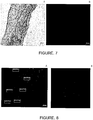
Figure 8 shows the image obtained of the control skin fluorescence. Pictures of the histological section of the skin. A: Control skin, containing the area marked for fluorescence intensity measurement; B: Control skin without marking the area. -
Figure 9 shows the fluorescence after permeation with jatoba xyloglucan. Pictures of the histological section of the skin: ED- epidermis and D- dermis. A: Skin submitted to cutaneous permeation with jatoba xyloglucan for 24h. ED and D show homogenous Fluorescence Intensity with calcofluor; B: Skin submitted to cutaneous permeation with jatoba xyloglucan for 24h. ED shows greater Fluorescent Intensity than D in calcofluor staining. - The object of the present invention is a process for obtaining polysaccharides from jatoba (Hymenaea courbaril) seeds as defined in
claim 1. - One of the advantages of the present invention is that the process uses a simple and clean route, not involving the purification of crude polysaccharide with an alkaline-alcohol (NaOH) solution.
- Another important aspect of the process of the present invention is the initial step of processing the seeds. It has been noticed that the use of water for washing the seeds negatively affects the result of the process since it causes a migration of some coat components to the inner part of the seed, thus resulting in a modification of the final product color in addition to a contamination and the presence of impurities.
- The process starts with the processing of the seeds. In this step the seed coats are removed, which removal is carried by removing the seeds coats by using microwaves.
- After seed processing, the resulting powder is slowly added to water with the aids of a sieve. Then an aqueous extraction is performed at 1% to 5%, preferably at 2%, of powder mass per volume. Extraction is carried out with the water preheated at a temperature of 70°C for 4 hours. After preheating, stirring is performed during a period of about 1 hour. Then, cooling occurs preferably up to 40ºC.
- The process further comprises a separation step that is carried out by centrifugation at 4100 RPM for 15 minutes.
- After extraction and centrifugation, the material is submitted to precipitation with ethanol 96ºGL, from 1 to 3 times the volume, preferably 3 times the volume. The inventors have discovered that said precipitation with ethanol 96ºGL enables two different polysaccharides to be obtained: GEL (a denser and more gelled precipitate) and SOB (a less dense and more fibrous polysaccharide). These polysaccharides have the same saccharide constitution (monomers - galactose, xylose and glycose), but different molecular weights.
- The process comprises, after the alcoholic precipitation, a separation step that is a press filtration for compressing the resulting mass.
- Then, the resulting polysaccharides are suspended in water until solubilization. Normally for achieving this
solubilization 10 minutes in an industrial mixer. It can also be carried out in a high shear grinder until the complete dispersion of the solid matter. - After solubilization, a separation is performed through centrifugation, which is done at 4100 RPM for 15 minutes.
- After separation, the supernatant is dehydrated by spray drying or freeze drying. In the case of freeze drying, it is necessary also to effect a grinding step.
- The table below illustrates some cosmetic compositions comprising xyloglucanes obtained in accordance with the process of the present invention:


-
- Pouring water into a container and weighing it (phase 1);
- Adding the components indicated for
phase 2 and stirring until complete solubilization; - Adding the components indicated for
phase 3 and stirring; - Gradually adding the components indicated for phase 4 until complete solubilization; Strong stirring (approx. 1000 to 2000 rpm);
- Gradually adding the ingredients of phase 5 with strong stirring until complete dispersion. It cannot form lumps.
- Heating this phase up to 70-80 °C.
- In parallel, heating the components described for
phase 6 at the same temperature. - With the components of
phase 6 molten and at the same temperature as the aqueous phase, adding "phase 6" in aqueous phase and stirring at approx. 1000-2000 rpm. - Adding the components of phase 7 and strongly stirring until the formation of a smooth and bright emulsion in approx. 10-15 minutes.
- In parallel to the beginning of the process, dispersing the polysaccharides in water, slowly adding it until complete solubilization.
- This is a cooling phase, and the polysaccharides when contacted with other gums will promote synergy, with the formation of hydrogen bridges and change of the emulsion's viscoelastic/rheological properties.
- Some assays were carried out showing the enhanced and advantageous characteristics of the polysaccharides obtained in accordance with the process of the present invention for use in cosmetic compositions.
- Assays were carried out to assess the potential of the polysaccharides obtained in accordance with the present invention in promoting cell proliferation (the increase in the number of cells in relation to a control group not treated with the active ingredient) by analyzing cell viability through neutral red staining. Another object of the assays was to assess the procollagen potential of active ingredients (collagen in excess produced by the cells treated with the active ingredient in relation to the untreated control cells), by detecting the collagen in the culture supernatant through the sirius red stain.
- The assay enables one to assess:
- a) Whether or not the presence of a specific active ingredient in the cell culture, for one or more periods, results in an increase in the number of cells in relation to the control group (cells not treated with the same active ingredient). The number of cells is estimated as a function of the cell viability rate, which is monitored by the incubation of fibroblasts with the vital stain neutral red at the end of the assay period (96h). This stain is incorporated into living cells so that the cell viability rate is given by the intensity of the stain absorbed by the cells in a directly proportional ratio. The colorimetric reading is carried out in a spectrophotometer, at the wavelength of 540 nm.
- b) Whether or not the presence of the active ingredient induces the cells to produce more collagen per se. To this end, dermis-derived human fibroblasts are incubated with the tumor growth factor- β.(TGF-β), known to induce collagen synthesis and secretion (positive control). Simultaneously, other fibroblasts under the same condition are incubated with the active ingredient being tested. The collagen is identified by the sirius red stain (picro-sirius solution), which has affinity for procollagen and collagen molecules. The procollagen potential of each active ingredient is identified by the increase in optical density (absorbance . 540 nm filter) measured after the dissolution of the pigments previously absorbed by the collagen present in the culture supernatants.
- The results obtained with the polysaccharides produced according to the process of the present invention showed:
- The proliferation/viability potential of the cells incubated with the different concentrations of the xyloglucan sample;
- The procollagen potential of the active ingredient, normalized in function of the cell viability;
- The total production of collagen, described in Tables 1 and 2.
- The incubation of the fibroblasts with the xyloglucan samples at the concentrations indicated above and in the conditions tested (96 hours) resulted in an increase in the amount of assay cells at all xyloglucan concentrations. Considering the results shown both in Tables 1 and 2 above, the lowest cell proliferation index was 8.6% at the lowest concentration tested (0.01 %), while the highest proliferation index was 46.6 %, with the xyloglucan sample at 0.01%.
- When applied at 0.01% for a period of 96 hours, the sample led to an increase of 174.15% in collagen synthesis. At the polysaccharide concentrations of 0.025 and 0.05%, the increase in the collagen synthesis was of 102 and 109%, respectively. These results are similar to the one found for the positive control of the assay (TGF-b, 98.1%) and significantly higher than for the baseline control of the assay (cells incubated only with culture medium).
- At the two highest assay concentrations (0.075 and 0.1%), the levels of collagen increase were lower than those observed for the other concentrations of the sample (77.2 and 29.4 %, respectively), but still significantly higher than for the negative control of the assay.
- The aim of this study was to assess the potential of the active ingredients in protecting the cell from cellular aging caused by sequential exposure to UVB radiation, using the b-galactosidase (liposome enzyme) senescence marker reduction parameter. This test can be used to asses whether the presence of active ingredients in human dermis fibroblasts can delay the increase in the expression of the b-galactosidase enzyme, which is associated with cells in a state of cellular senescence (aging). After thawing the cell batch, the cells are cultured in DMEM medium containing 10% SFB, in an atmosphere with 5% CO2, and at a temperature of 37 °C. After plating, the cells are cultured in the same conditions for at least 48 hours.
- After this period, one of the cell plates will be exposed to UVB radiation for 6 minutes, during 5 days (1 exposure per day), or during 4 days, and the other will be only incubated with buffer solution (PBS) for the same periods. The control group cells are treated only with PBS and culture medium; the treatment group is incubated with the active ingredient being tested, diluted in PBS (moment of exposure to radiation) or culture medium (intervals between the exposures to radiation). Once the exposure has been finished, the cells remain at rest for 48 to 72 hours (to consolidate the chronic effect resulting from the exposure to radiation), incubated in medium (control) or with the active ingredient diluted in medium (test group). After this period, the cells are exposed to the substrate from the b-galactosidase enzyme, which is converted into blue chromogen after 12 hours of incubation. Negative control cells have up to 10% positive b-galactosidade cells; positive control cells (exposed to UVB without the protection of the active ingredients) have from 45 to 65% positive b-galactosidade cells;
- The method for obtaining the aging of human dermis fibroblasts in vitro was developed and validated by the Galapagos project (Funil de Tecnologia / Natura). However, the use of these cells in potential experimental applications (for example, assessment of the metabolic activity of senescent cells, reduction of senescence) has not yet been completely validated in the presence of control substances.
- Tables 3 and 4 indicates the percentage of positive b-galactosidase cells +/- the standard deviation of the percentage after each treatment with the samples containing xyloglucans obtained according to the present invention. UVB- refers to cells that were not exposed to the radiation and UVB+ refers to cells that were exposed to the radiation.
Table 3 Treatment Positive β-gal UVB - Control 10.96 +/- 1.77 UVB + C 49.72 +/- 1.80 UVB - Xylo 12B 11.25 +/- 0.2 UVB + 39.55 +/- 2.06 Table 4 - Trolox 0.005% is a substance used as positive control of the test, since it prevents induced cellular senescence (about 30% senescent cells against about 50% untreated cells). Treatment Positive β-gal UVB - Control 11.67 +/- 1,05 Trolox 0.005% 11.33 +/- 1.39 Xyloglucan 7809.58 +/- 3.70 Xyloglucan 7818.67 +/- 1.39 UVB + Control 51.67 +/- 2.36 Trolox 0.005% 31.67 +/- 2.36 Xyloglucan 78027.26 +/- 1.40 Xyloglucan 78125.28 +/- 1.25 - The assay results in Table 3 demonstrated that the presence of 0.01% xyloglucan resulted in a 10% reduction in the population of aged cells, recognized by the % of positive b-gal cells, after the period of fractionated exposure to UVB. The presence of the active ingredient protected the cells from damages caused by photoaging.
- The assay results in Table 4 demonstrated that the presence of 0.025% xyloglucan resulted in a reduction in the population of aged cells, recognized by the positive b-gal cells, after the period of fractionated exposure to UVB. The presence of the active ingredient protected the cells from damages caused by photoaging.
- Without incubating any samples (only in culture medium), the population of senescent cells corresponded to 51.67% of the total analyzed cells. In the presence of actives (780 and 781), the senescence index was 27.26% and 25.28%, respectively.
- Both samples provided protection to induced photoaging. Cell morphology was better preserved in the presence of actives than in the absence thereof.
- This data agrees with the information provided in preliminary report number 55, which showed the rate of 40% induced senescence when the cells were treated with xyloglucan (batch 0755507PI012B) at the concentration of 0.01%. The concentration tested in the present assay (0.025%) is 2.5 times higher than the one tested in the previous assay.
- In sum, it has been observed that xyloglucan has the ability to increase collagen synthesis, increase type I collagen gene expression, increase tropoelastin synthesis, and increase cell proliferation. Additionally, it protected the cells from cellular aging induced by prolonged exposure to UVB radiation in the cellular senescence model. All of these assays were carried out in cell culture, using human dermis fibroblasts.
Benefit Concentration tested % increase In vitro report Cell proliferation 0.05% 15 24/08 Collagen 0.01%-0.1% 40-80 24/08 Type I collagen gene expression 0.05% 75% - Tropoelastin production 0.01% 68% - Cellular senescence 0.01% 10% 55/08 - In addition to the advantages described above, it was verified that the polysaccharides produced according to the process of the present invention can be used as thickening agents in cosmetic compositions.
Figure 3 contains a graph which shows the improved thickening activity of the polysaccharide produced according to the process of the present invention when compared to xanthan gum. - The purpose of this assay is to assess the procollagen effect of extracts at non-cytotoxic concentrations, by relative quantification of type I collagen gene expression, using a culture of human skin fibroblasts.
- One of the main characteristics of skin aging (either chronological or caused by exposure to UV rays, or by a combination of said factors) consists of the gradual loss of skin collagen content, especially type I collagens, the most abundant in the skin. The present methodology aims at determining botanical extracts with potential for stimulating the neosynthesis of collagen, and supplements data obtained from the methodology for assessing collagen secretion, leading to an increase in collagen gene expression, thereby closing the circuit - gene expression, production of collagen protein.
- Human fibroblasts derived from the dermis are incubated with the tumor growth factor-β.(TGF-β), which is a known inducer of the synthesis and secretion of collagen (positive control). Simultaneously, other fibroblasts in the same conditions are incubated with the active being tested. The incubation period is 24 hours. Then, the cell material was collected. For real-time PCR reactions, specific amplification systems for collagen I and also B2M (endogenous control) were used, in addition to Taqman Master Mix, from Applied Biosystems. The reactions were conducted on a thermocycler.
- The results can be seen in Table 5.
- This assay indicated that jatoba xyloglucan has a procollagen potential of promoting an increase in type I collagen gene expression at the concentrations of 0.001% (10ug/ml) and 0.0005% (5 ug/ml).
Sample 781 had better performance in inducing type I collagen gene expression thansample 780. This data confirms previously obtained results for collagen secretion after the treatment of fibroblasts with the same active, suggesting that the active modulates collagen expression both transcriptionally and post-translationally. - In this assay, a semi-quantitative assessment of jatoba xyloglucan permeation was carried out by fluorescence microscopy with calcofluor white staining. Fluorescence is the result of a phenomenon in which fluorophore electrons absorb photons with hυ energy from a source (a lamp or laser) and pass from a fundamental state (lower energy state) to an excited state (higher energy state). In this state, the fluorophore goes through a change in its conformation and can interact with a series of molecules surrounding it. Thus, the energy of this excited state is dissipated and the electron goes through a lower energy state, which is not necessarily the fundamental state. The energy difference between the excited state and the lower energy state is emitted in the form of a photon.
- The following procedure is carried out in this assay:
- Jatoba xyloglucan permeation for 24h (3 Franz cells applying the xyloglucan solution at 2% and 1 Franz cell applying the PBS control).
- Histological section by freezing. Thickness of the section: 10µm. Skin fixed with meOH.
- Staining performed with sol. Calcofluor in
KOH 10% (1:1 v/v) for 1 min. Washing with water. - Reading in the fluorescence microscope with excitation at 400 nm
- Number of readings / images captured: Three (3) different fields were captured for each slide section, both of the epidermis and of the dermis. Each slide had 3 histological sections. Total number of images = 216.
- Imaging software: Axiovision 4.6
- Statistical analysis: Variance Analysis and Tukey's multiple comparison test.
- Software for statistical analysis: SPSS
- The results are shown in
Figures 5 to 9 . In addition, the statistical analysis of the data was performed by ANOVA ("Analysis of Variance") and Tukey's Test, as seen in Tables 5 to 8 below. As the ANOVA statistical analysis indicated that there is a difference between the samples, that is, in the dermis or in the epidermis, without indicating which one is the different sample, a Tukey's test was carried out to check which samples are different.Table 5 - ANOVA statistical analysis for the epidermis ANOVAa FLUOR Sum of Squares df Mean Square F Sig. Between Groups 1.31E+08 3 435S8451.65 154.643 .000 Within Groups 29314050 104 281865.866 Total 1.60E+8 107 a. CAMADA = 1.00 Table 6 - ANOVA statistical analysis for the dermis ANOVAa FLUOR Sum of Squares df Mean Square F Sig. Between Groups 59739758 3 19913252.63 97.077 .000 Within Groups 21333454 104 205129.367 Total 81073212 107 a. CAMADA = 2.00 Table 7 - Statistical analysis using Tukey's method (results for layer 1 - epidermis) FLUORb Tukey HSDa PELE N Subset for alpha = .05 1 2 3 4 4.00 27 340.7241 1.00 27 939.7607 2.00 27 2408.0067 3.00 27 3084.3689 Sig. 1.000 1.000 1.000 1.000 Means for groups in homogeneous subsets are displayed.
a. Uses Harmonic Mean Sample Size = 27.000.
b. CAMADA = 1.00Table 8 - Statistical analysis using Tukey's method (results for layer 2 - dermis) FLUORb Tukey HSDa PELE N Subset for alpha = .05 1 2 3 4.00 27 401.7596 3.00 27 1760.8648 1.00 27 1974.5856 2.00 27 2383.7537 Sig. 1.000 .31 2 1.000 Means for groups in homogeneous subsets are displayed.
a. Uses Harmonic Mean Sample Size = 27.000.
b. CAMADA = 2.00 - For the epidermis layer, the Tukey's Test indicated that all the skins had differences, while the control skin exhibited lower fluorescence (Table 7). For the dermis layer, all the skins treated with jatoba xyloglucan (1, 2 and 3) were different from the control (4).
Skin 2 was different fromskins 1 and 3 (Table 8). - The fluorescence microscopy technique used in this study is considered to be semi-quantitative, since no relationship is established between the Fluorescence Intensity and the concentration of jatoba xyloglucan in the skin. However, the fluorescence values measured increase in view of the concentration of jatoba xyloglucan, enabling one to infer whether xyloglucans are retained in the skin after the test. The results show that there is statistical evidence (Anova and Tukey) that the fluorescence intensity of the samples submitted to cutaneous permeation in vitro with jatoba xyloglucans is greater than the control (Anova and Tukey), indicating that the xyloglucan tested was retained in the treated skin. The statistical differences found between the treated skins reflect the variability of the test.
| Treatment | Cell Proliferation | Total Collagen± standard deviation | Normalized Collagen (µg/ml) | Normalized Collagen (%) |
| Control | 100 | 0.152±0.008 | 100.00 | 0.00 |
| TGF | 136.00 | 0.224±0.009 | 198.10 | 98.10 |
| Batch 16 Xylo 0.01 % | 108.57 | 0.236±0.031 | 274.15 | 174.15 |
| Batch 16 Xylo 0.025% | 113.14 | 0.207±0.001 | 202.76 | 102.76 |
| Batch 16 Xylo 0.05% | 113.14 | 0.21 ±0.036 | 209.00 | 109.00 |
| Batch 16 Xylo 0.075% | 114.86 | 0.196±0.025 | 177.20 | 77.20 |
| Batch 16 Xylo 0.1% | 115.43 | 0.173±0.031 | 129.44 | 29.44 |
| Treatment | Cell Proliferation (%) | Collagen (%) |
| Control | 100.00 | 100.00 |
| TGF | 148.1 | 109.4 |
| Batch 780 - 0.1 % | 109.3 | 266.0 |
| Batch 780 - 0.05% | 123.5 | 260.7 |
| Batch 781 - 0.01% | 146.6 | 164.8 |
| Batch 781 - 0.05% | 121.5 | 147.8 |
Claims (1)
- Process for obtaining polysaccharides from jatoba seeds, comprising the steps of:a) treatment of the seeds by using microwave for separating the coats;b) aqueous extraction at 1% to 5% of powder mass per volume, at a temperature of 70°C for 4 hours;c) precipitation with ethanol 96°GL using 1 to 3 times the aqueous extract volume;d) press filtration of the precipitate obtained in step (c);e) solublization of the polysaccaharides obtained in step (d) with water; andf) drying the polysaccharides obtained in step (e) by spray drying or by freeze drying;wherein the process also comprises a step of separating the polysaccharides after the step of aqueous extraction, said separation being a centrifugation carried out at 4100 RPM for 15 minutes.
Applications Claiming Priority (2)
| Application Number | Priority Date | Filing Date | Title |
|---|---|---|---|
| FR0854067A FR2932803B1 (en) | 2008-06-19 | 2008-06-19 | PROCESS FOR OBTAINING POLYSACCHARIDES FROM JATOBA SEEDS, COSMETIC COMPOSITION COMPRISING SAID POLYSACCHARIDES |
| PCT/BR2009/000172 WO2009152595A1 (en) | 2008-06-19 | 2009-06-19 | Process for obtaining polysaccharides from jatoba (hymenea courbaril l) seeds, cosmetic composition comprising said polysaccharides and uses thereof |
Publications (2)
| Publication Number | Publication Date |
|---|---|
| EP2303928A1 EP2303928A1 (en) | 2011-04-06 |
| EP2303928B1 true EP2303928B1 (en) | 2019-03-06 |
Family
ID=40262683
Family Applications (1)
| Application Number | Title | Priority Date | Filing Date |
|---|---|---|---|
| EP09765283.8A Not-in-force EP2303928B1 (en) | 2008-06-19 | 2009-06-19 | Process for obtaining polysaccharides from jatoba (hymenea courbaril l) seeds |
Country Status (5)
| Country | Link |
|---|---|
| US (1) | US10844141B2 (en) |
| EP (1) | EP2303928B1 (en) |
| BR (1) | BRPI0914137B1 (en) |
| FR (1) | FR2932803B1 (en) |
| WO (1) | WO2009152595A1 (en) |
Cited By (1)
| Publication number | Priority date | Publication date | Assignee | Title |
|---|---|---|---|---|
| US11466932B2 (en) * | 2017-09-28 | 2022-10-11 | Rhodia Operations | Process for drying polysaccharides |
Families Citing this family (2)
| Publication number | Priority date | Publication date | Assignee | Title |
|---|---|---|---|---|
| US9907882B2 (en) | 2014-04-18 | 2018-03-06 | Warsaw Orthopedic, Inc. | Demineralized bone matrix with improved osteoinductivity |
| US20180147134A1 (en) * | 2016-11-28 | 2018-05-31 | Natura Cosméticos S.A. | Anti-cell senescence cosmetic composition, use of casearia sylvestris and/or himenaea courbaril, method of preventing cell senescence and a method for modulating the expression of b-galactosidase, p16, p21 and/or il-8 |
Family Cites Families (7)
| Publication number | Priority date | Publication date | Assignee | Title |
|---|---|---|---|---|
| JP3012702B2 (en) * | 1991-04-19 | 2000-02-28 | 大日本製薬株式会社 | Hymenea seed polysaccharide |
| JP2882171B2 (en) * | 1992-03-23 | 1999-04-12 | 不二製油株式会社 | Water-soluble polysaccharide and method for producing the same |
| JP3650245B2 (en) | 1997-02-27 | 2005-05-18 | 御木本製薬株式会社 | Whitening cosmetics |
| JPH11152207A (en) * | 1997-11-20 | 1999-06-08 | Shiseido Co Ltd | Cosmetics |
| JP2000072649A (en) * | 1998-08-31 | 2000-03-07 | Mikimoto Pharmaceut Co Ltd | Elastase inhibitor |
| WO2002038273A1 (en) * | 2000-10-26 | 2002-05-16 | Cargill B.V. | Method of fractionating capillaries-containing material |
| JP2003055190A (en) * | 2001-08-07 | 2003-02-26 | Koei Kogyo Kk | Collagenase inhibitor and anti-aging cosmetic |
-
2008
- 2008-06-19 FR FR0854067A patent/FR2932803B1/en active Active
-
2009
- 2009-06-19 US US12/999,816 patent/US10844141B2/en active Active
- 2009-06-19 BR BRPI0914137A patent/BRPI0914137B1/en active IP Right Grant
- 2009-06-19 WO PCT/BR2009/000172 patent/WO2009152595A1/en not_active Ceased
- 2009-06-19 EP EP09765283.8A patent/EP2303928B1/en not_active Not-in-force
Non-Patent Citations (1)
| Title |
|---|
| None * |
Cited By (1)
| Publication number | Priority date | Publication date | Assignee | Title |
|---|---|---|---|---|
| US11466932B2 (en) * | 2017-09-28 | 2022-10-11 | Rhodia Operations | Process for drying polysaccharides |
Also Published As
| Publication number | Publication date |
|---|---|
| BRPI0914137A2 (en) | 2015-10-20 |
| EP2303928A1 (en) | 2011-04-06 |
| US20120040926A1 (en) | 2012-02-16 |
| BRPI0914137B1 (en) | 2019-09-03 |
| FR2932803A1 (en) | 2009-12-25 |
| FR2932803B1 (en) | 2012-04-20 |
| US10844141B2 (en) | 2020-11-24 |
| WO2009152595A1 (en) | 2009-12-23 |
Similar Documents
| Publication | Publication Date | Title |
|---|---|---|
| US11673905B2 (en) | Topical composition comprising a small RNA tiger lily extract and method of cosmetic care to reduce skin signs of aging | |
| EP2203153B1 (en) | Use of a novel natural agent in cosmetic compositions | |
| KR102224032B1 (en) | Active ingredient for skin anti-aging and cosmetic composition comprising the same | |
| EP2662072B1 (en) | Active ingredient obtained from Cichorium intybus for action on the skin barrier function similar to that of vitamin D | |
| US6531132B1 (en) | Process for the extraction of an active principle from yeast for the treatment of wrinkles and cosmetic compositions thereof | |
| CN116370340A (en) | Recombinant humanized collagen gel preparation and preparation method and application thereof | |
| JP2022515409A (en) | Rosewood extract | |
| EP2242500A2 (en) | Use of an active agent derived from cyperus esculentus for the cutaneous anti-ageing action thereof | |
| WO2020157428A1 (en) | Novel cosmetic uses of a rose extract | |
| Cho et al. | The effect of kaempferol on the dentin bonding stability through matrix metalloproteinases inhibition and collagen crosslink in dentin biomodification | |
| US10844141B2 (en) | Process for obtaining polysaccharides from jatoba (Hymenea courbaril l ) seeds, cosmetic composition comprising said polysaccharides and uses thereof | |
| KR102215192B1 (en) | Cosmetic composition comprising a synergistic trf2 protein activation system consisting of a combination of a peptidic soybean and yeast extract and the uses thereof | |
| CN121337689A (en) | A composition for preventing and improving skin aging and cosmetics containing the composition. | |
| Zhang et al. | Multifunctional Natural Herbal Extracts Liposomal Loaded Hybrid Hydrogel for Skin Improvement and Repair | |
| FR2934779A1 (en) | Use of extract derived from Ceratonia siliqua in cosmetic composition e.g. lotion, for e.g. repairing tissue, epidermal and dermal tissue damage, and restoring the migration potential of skin cells | |
| US20250319015A1 (en) | Vaccinium macrocarpon extract and anti-ageing cosmetic effects thereof | |
| CN118806665B (en) | A firming and anti-wrinkle composition and its preparation method and application | |
| CN119745781A (en) | Plant exosome composition and preparation method and application thereof | |
| CN109276588B (en) | The use of the extract of the herbal extracts for the preparation of the composition for inhibiting the expression of MMP2 gene | |
| CN109010203B (en) | Composition for preventing skin damage and promoting skin regeneration and preparation method thereof | |
| EP1948129B1 (en) | Process for obtaining an active ingredient for enhancing the mechanical strength of skin, active ingredient and compositions | |
| WO1999009945A1 (en) | Use of the rhoeo discolor plant extracts in cosmetics and pharmaceutics, in particular in dermatology | |
| KR20010000740A (en) | composite of cosmetics contained chondroitin and pellinus linteus extract | |
| EP3890691A1 (en) | White pine bark extract for decreasing endothelin-1 secretion, stem cell factor synthesis and protein carbonylation | |
| FR2902656A1 (en) | COSMETIC USE OF AN EXTRACT OF WITHANIA SOMNIFERA |
Legal Events
| Date | Code | Title | Description |
|---|---|---|---|
| PUAI | Public reference made under article 153(3) epc to a published international application that has entered the european phase |
Free format text: ORIGINAL CODE: 0009012 |
|
| 17P | Request for examination filed |
Effective date: 20110113 |
|
| AK | Designated contracting states |
Kind code of ref document: A1 Designated state(s): AT BE BG CH CY CZ DE DK EE ES FI FR GB GR HR HU IE IS IT LI LT LU LV MC MK MT NL NO PL PT RO SE SI SK TR |
|
| AX | Request for extension of the european patent |
Extension state: AL BA RS |
|
| DAX | Request for extension of the european patent (deleted) | ||
| STAA | Information on the status of an ep patent application or granted ep patent |
Free format text: STATUS: EXAMINATION IS IN PROGRESS |
|
| 17Q | First examination report despatched |
Effective date: 20170721 |
|
| GRAP | Despatch of communication of intention to grant a patent |
Free format text: ORIGINAL CODE: EPIDOSNIGR1 |
|
| STAA | Information on the status of an ep patent application or granted ep patent |
Free format text: STATUS: GRANT OF PATENT IS INTENDED |
|
| RIC1 | Information provided on ipc code assigned before grant |
Ipc: C08B 37/00 20060101AFI20180824BHEP |
|
| INTG | Intention to grant announced |
Effective date: 20180918 |
|
| GRAS | Grant fee paid |
Free format text: ORIGINAL CODE: EPIDOSNIGR3 |
|
| GRAA | (expected) grant |
Free format text: ORIGINAL CODE: 0009210 |
|
| STAA | Information on the status of an ep patent application or granted ep patent |
Free format text: STATUS: THE PATENT HAS BEEN GRANTED |
|
| AK | Designated contracting states |
Kind code of ref document: B1 Designated state(s): AT BE BG CH CY CZ DE DK EE ES FI FR GB GR HR HU IE IS IT LI LT LU LV MC MK MT NL NO PL PT RO SE SI SK TR |
|
| REG | Reference to a national code |
Ref country code: GB Ref legal event code: FG4D |
|
| REG | Reference to a national code |
Ref country code: CH Ref legal event code: EP Ref country code: AT Ref legal event code: REF Ref document number: 1104425 Country of ref document: AT Kind code of ref document: T Effective date: 20190315 |
|
| REG | Reference to a national code |
Ref country code: DE Ref legal event code: R096 Ref document number: 602009057333 Country of ref document: DE |
|
| REG | Reference to a national code |
Ref country code: IE Ref legal event code: FG4D |
|
| REG | Reference to a national code |
Ref country code: NL Ref legal event code: MP Effective date: 20190306 |
|
| REG | Reference to a national code |
Ref country code: LT Ref legal event code: MG4D |
|
| PG25 | Lapsed in a contracting state [announced via postgrant information from national office to epo] |
Ref country code: LT Free format text: LAPSE BECAUSE OF FAILURE TO SUBMIT A TRANSLATION OF THE DESCRIPTION OR TO PAY THE FEE WITHIN THE PRESCRIBED TIME-LIMIT Effective date: 20190306 Ref country code: SE Free format text: LAPSE BECAUSE OF FAILURE TO SUBMIT A TRANSLATION OF THE DESCRIPTION OR TO PAY THE FEE WITHIN THE PRESCRIBED TIME-LIMIT Effective date: 20190306 Ref country code: NO Free format text: LAPSE BECAUSE OF FAILURE TO SUBMIT A TRANSLATION OF THE DESCRIPTION OR TO PAY THE FEE WITHIN THE PRESCRIBED TIME-LIMIT Effective date: 20190606 Ref country code: FI Free format text: LAPSE BECAUSE OF FAILURE TO SUBMIT A TRANSLATION OF THE DESCRIPTION OR TO PAY THE FEE WITHIN THE PRESCRIBED TIME-LIMIT Effective date: 20190306 |
|
| PG25 | Lapsed in a contracting state [announced via postgrant information from national office to epo] |
Ref country code: BG Free format text: LAPSE BECAUSE OF FAILURE TO SUBMIT A TRANSLATION OF THE DESCRIPTION OR TO PAY THE FEE WITHIN THE PRESCRIBED TIME-LIMIT Effective date: 20190606 Ref country code: NL Free format text: LAPSE BECAUSE OF FAILURE TO SUBMIT A TRANSLATION OF THE DESCRIPTION OR TO PAY THE FEE WITHIN THE PRESCRIBED TIME-LIMIT Effective date: 20190306 Ref country code: LV Free format text: LAPSE BECAUSE OF FAILURE TO SUBMIT A TRANSLATION OF THE DESCRIPTION OR TO PAY THE FEE WITHIN THE PRESCRIBED TIME-LIMIT Effective date: 20190306 Ref country code: GR Free format text: LAPSE BECAUSE OF FAILURE TO SUBMIT A TRANSLATION OF THE DESCRIPTION OR TO PAY THE FEE WITHIN THE PRESCRIBED TIME-LIMIT Effective date: 20190607 Ref country code: HR Free format text: LAPSE BECAUSE OF FAILURE TO SUBMIT A TRANSLATION OF THE DESCRIPTION OR TO PAY THE FEE WITHIN THE PRESCRIBED TIME-LIMIT Effective date: 20190306 |
|
| REG | Reference to a national code |
Ref country code: AT Ref legal event code: MK05 Ref document number: 1104425 Country of ref document: AT Kind code of ref document: T Effective date: 20190306 |
|
| PG25 | Lapsed in a contracting state [announced via postgrant information from national office to epo] |
Ref country code: ES Free format text: LAPSE BECAUSE OF FAILURE TO SUBMIT A TRANSLATION OF THE DESCRIPTION OR TO PAY THE FEE WITHIN THE PRESCRIBED TIME-LIMIT Effective date: 20190306 Ref country code: SK Free format text: LAPSE BECAUSE OF FAILURE TO SUBMIT A TRANSLATION OF THE DESCRIPTION OR TO PAY THE FEE WITHIN THE PRESCRIBED TIME-LIMIT Effective date: 20190306 Ref country code: PT Free format text: LAPSE BECAUSE OF FAILURE TO SUBMIT A TRANSLATION OF THE DESCRIPTION OR TO PAY THE FEE WITHIN THE PRESCRIBED TIME-LIMIT Effective date: 20190706 Ref country code: EE Free format text: LAPSE BECAUSE OF FAILURE TO SUBMIT A TRANSLATION OF THE DESCRIPTION OR TO PAY THE FEE WITHIN THE PRESCRIBED TIME-LIMIT Effective date: 20190306 Ref country code: IT Free format text: LAPSE BECAUSE OF FAILURE TO SUBMIT A TRANSLATION OF THE DESCRIPTION OR TO PAY THE FEE WITHIN THE PRESCRIBED TIME-LIMIT Effective date: 20190306 Ref country code: CZ Free format text: LAPSE BECAUSE OF FAILURE TO SUBMIT A TRANSLATION OF THE DESCRIPTION OR TO PAY THE FEE WITHIN THE PRESCRIBED TIME-LIMIT Effective date: 20190306 Ref country code: RO Free format text: LAPSE BECAUSE OF FAILURE TO SUBMIT A TRANSLATION OF THE DESCRIPTION OR TO PAY THE FEE WITHIN THE PRESCRIBED TIME-LIMIT Effective date: 20190306 |
|
| PG25 | Lapsed in a contracting state [announced via postgrant information from national office to epo] |
Ref country code: PL Free format text: LAPSE BECAUSE OF FAILURE TO SUBMIT A TRANSLATION OF THE DESCRIPTION OR TO PAY THE FEE WITHIN THE PRESCRIBED TIME-LIMIT Effective date: 20190306 |
|
| REG | Reference to a national code |
Ref country code: DE Ref legal event code: R097 Ref document number: 602009057333 Country of ref document: DE |
|
| PG25 | Lapsed in a contracting state [announced via postgrant information from national office to epo] |
Ref country code: IS Free format text: LAPSE BECAUSE OF FAILURE TO SUBMIT A TRANSLATION OF THE DESCRIPTION OR TO PAY THE FEE WITHIN THE PRESCRIBED TIME-LIMIT Effective date: 20190706 Ref country code: AT Free format text: LAPSE BECAUSE OF FAILURE TO SUBMIT A TRANSLATION OF THE DESCRIPTION OR TO PAY THE FEE WITHIN THE PRESCRIBED TIME-LIMIT Effective date: 20190306 |
|
| REG | Reference to a national code |
Ref country code: DE Ref legal event code: R119 Ref document number: 602009057333 Country of ref document: DE |
|
| PLBE | No opposition filed within time limit |
Free format text: ORIGINAL CODE: 0009261 |
|
| STAA | Information on the status of an ep patent application or granted ep patent |
Free format text: STATUS: NO OPPOSITION FILED WITHIN TIME LIMIT |
|
| PG25 | Lapsed in a contracting state [announced via postgrant information from national office to epo] |
Ref country code: MC Free format text: LAPSE BECAUSE OF FAILURE TO SUBMIT A TRANSLATION OF THE DESCRIPTION OR TO PAY THE FEE WITHIN THE PRESCRIBED TIME-LIMIT Effective date: 20190306 Ref country code: DK Free format text: LAPSE BECAUSE OF FAILURE TO SUBMIT A TRANSLATION OF THE DESCRIPTION OR TO PAY THE FEE WITHIN THE PRESCRIBED TIME-LIMIT Effective date: 20190306 |
|
| REG | Reference to a national code |
Ref country code: CH Ref legal event code: PL |
|
| 26N | No opposition filed |
Effective date: 20191209 |
|
| GBPC | Gb: european patent ceased through non-payment of renewal fee |
Effective date: 20190619 |
|
| PG25 | Lapsed in a contracting state [announced via postgrant information from national office to epo] |
Ref country code: SI Free format text: LAPSE BECAUSE OF FAILURE TO SUBMIT A TRANSLATION OF THE DESCRIPTION OR TO PAY THE FEE WITHIN THE PRESCRIBED TIME-LIMIT Effective date: 20190306 |
|
| REG | Reference to a national code |
Ref country code: BE Ref legal event code: MM Effective date: 20190630 |
|
| PG25 | Lapsed in a contracting state [announced via postgrant information from national office to epo] |
Ref country code: TR Free format text: LAPSE BECAUSE OF FAILURE TO SUBMIT A TRANSLATION OF THE DESCRIPTION OR TO PAY THE FEE WITHIN THE PRESCRIBED TIME-LIMIT Effective date: 20190306 |
|
| PG25 | Lapsed in a contracting state [announced via postgrant information from national office to epo] |
Ref country code: DE Free format text: LAPSE BECAUSE OF NON-PAYMENT OF DUE FEES Effective date: 20200101 Ref country code: GB Free format text: LAPSE BECAUSE OF NON-PAYMENT OF DUE FEES Effective date: 20190619 Ref country code: IE Free format text: LAPSE BECAUSE OF NON-PAYMENT OF DUE FEES Effective date: 20190619 |
|
| PG25 | Lapsed in a contracting state [announced via postgrant information from national office to epo] |
Ref country code: LI Free format text: LAPSE BECAUSE OF NON-PAYMENT OF DUE FEES Effective date: 20190630 Ref country code: CH Free format text: LAPSE BECAUSE OF NON-PAYMENT OF DUE FEES Effective date: 20190630 Ref country code: LU Free format text: LAPSE BECAUSE OF NON-PAYMENT OF DUE FEES Effective date: 20190619 Ref country code: BE Free format text: LAPSE BECAUSE OF NON-PAYMENT OF DUE FEES Effective date: 20190630 |
|
| PGFP | Annual fee paid to national office [announced via postgrant information from national office to epo] |
Ref country code: FR Payment date: 20200828 Year of fee payment: 12 |
|
| PG25 | Lapsed in a contracting state [announced via postgrant information from national office to epo] |
Ref country code: CY Free format text: LAPSE BECAUSE OF FAILURE TO SUBMIT A TRANSLATION OF THE DESCRIPTION OR TO PAY THE FEE WITHIN THE PRESCRIBED TIME-LIMIT Effective date: 20190306 |
|
| PG25 | Lapsed in a contracting state [announced via postgrant information from national office to epo] |
Ref country code: HU Free format text: LAPSE BECAUSE OF FAILURE TO SUBMIT A TRANSLATION OF THE DESCRIPTION OR TO PAY THE FEE WITHIN THE PRESCRIBED TIME-LIMIT; INVALID AB INITIO Effective date: 20090619 Ref country code: MT Free format text: LAPSE BECAUSE OF FAILURE TO SUBMIT A TRANSLATION OF THE DESCRIPTION OR TO PAY THE FEE WITHIN THE PRESCRIBED TIME-LIMIT Effective date: 20190306 |
|
| PG25 | Lapsed in a contracting state [announced via postgrant information from national office to epo] |
Ref country code: FR Free format text: LAPSE BECAUSE OF NON-PAYMENT OF DUE FEES Effective date: 20210630 |
|
| PG25 | Lapsed in a contracting state [announced via postgrant information from national office to epo] |
Ref country code: MK Free format text: LAPSE BECAUSE OF FAILURE TO SUBMIT A TRANSLATION OF THE DESCRIPTION OR TO PAY THE FEE WITHIN THE PRESCRIBED TIME-LIMIT Effective date: 20190306 |