EP2301347A1 - Plant additives and uses thereof to modulate the synthesis of membrane glycerolipids in planta - Google Patents
Plant additives and uses thereof to modulate the synthesis of membrane glycerolipids in planta Download PDFInfo
- Publication number
- EP2301347A1 EP2301347A1 EP20090290709 EP09290709A EP2301347A1 EP 2301347 A1 EP2301347 A1 EP 2301347A1 EP 20090290709 EP20090290709 EP 20090290709 EP 09290709 A EP09290709 A EP 09290709A EP 2301347 A1 EP2301347 A1 EP 2301347A1
- Authority
- EP
- European Patent Office
- Prior art keywords
- phosphate
- plant
- plants
- plant additive
- group
- Prior art date
- Legal status (The legal status is an assumption and is not a legal conclusion. Google has not performed a legal analysis and makes no representation as to the accuracy of the status listed.)
- Withdrawn
Links
- 239000000654 additive Substances 0.000 title claims abstract description 25
- 150000002313 glycerolipids Chemical class 0.000 title description 15
- 239000012528 membrane Substances 0.000 title description 12
- 230000015572 biosynthetic process Effects 0.000 title description 5
- 238000003786 synthesis reaction Methods 0.000 title description 5
- 150000001875 compounds Chemical class 0.000 claims abstract description 31
- 108090000623 proteins and genes Proteins 0.000 claims description 26
- 229930186217 Glycolipid Natural products 0.000 claims description 22
- 230000000996 additive effect Effects 0.000 claims description 19
- 210000002706 plastid Anatomy 0.000 claims description 15
- 125000004169 (C1-C6) alkyl group Chemical group 0.000 claims description 14
- 101150049477 MGD3 gene Proteins 0.000 claims description 13
- 229910052736 halogen Inorganic materials 0.000 claims description 12
- 150000002367 halogens Chemical class 0.000 claims description 12
- 238000004519 manufacturing process Methods 0.000 claims description 10
- 102000004190 Enzymes Human genes 0.000 claims description 9
- 108090000790 Enzymes Proteins 0.000 claims description 9
- 125000006727 (C1-C6) alkenyl group Chemical group 0.000 claims description 8
- UHOVQNZJYSORNB-UHFFFAOYSA-N Benzene Chemical compound C1=CC=CC=C1 UHOVQNZJYSORNB-UHFFFAOYSA-N 0.000 claims description 6
- 125000003118 aryl group Chemical group 0.000 claims description 6
- 125000003917 carbamoyl group Chemical group [H]N([H])C(*)=O 0.000 claims description 6
- 125000000896 monocarboxylic acid group Chemical group 0.000 claims description 6
- 230000003827 upregulation Effects 0.000 claims description 6
- 229910052799 carbon Inorganic materials 0.000 claims description 5
- 229910052757 nitrogen Inorganic materials 0.000 claims description 5
- 125000006823 (C1-C6) acyl group Chemical group 0.000 claims description 4
- 101150033839 4 gene Proteins 0.000 claims description 4
- 125000004432 carbon atom Chemical group C* 0.000 claims description 4
- 125000000623 heterocyclic group Chemical group 0.000 claims description 4
- 101150082558 slc15a4 gene Proteins 0.000 claims description 4
- 239000002551 biofuel Substances 0.000 claims description 3
- ZIIUUSVHCHPIQD-UHFFFAOYSA-N 2,4,6-trimethyl-N-[3-(trifluoromethyl)phenyl]benzenesulfonamide Chemical compound CC1=CC(C)=CC(C)=C1S(=O)(=O)NC1=CC=CC(C(F)(F)F)=C1 ZIIUUSVHCHPIQD-UHFFFAOYSA-N 0.000 claims description 2
- 108010064785 Phospholipases Proteins 0.000 claims description 2
- 102000015439 Phospholipases Human genes 0.000 claims description 2
- 239000002686 phosphate fertilizer Substances 0.000 claims 1
- 229910019142 PO4 Inorganic materials 0.000 abstract description 90
- 239000010452 phosphate Substances 0.000 abstract description 89
- NBIIXXVUZAFLBC-UHFFFAOYSA-K phosphate Chemical compound [O-]P([O-])([O-])=O NBIIXXVUZAFLBC-UHFFFAOYSA-K 0.000 abstract description 86
- 230000007812 deficiency Effects 0.000 abstract description 8
- 230000004048 modification Effects 0.000 abstract description 8
- 238000012986 modification Methods 0.000 abstract description 8
- 241000196324 Embryophyta Species 0.000 description 56
- XEEYBQQBJWHFJM-UHFFFAOYSA-N Iron Chemical compound [Fe] XEEYBQQBJWHFJM-UHFFFAOYSA-N 0.000 description 28
- 150000003904 phospholipids Chemical class 0.000 description 26
- 230000004044 response Effects 0.000 description 26
- 230000014509 gene expression Effects 0.000 description 21
- 230000000694 effects Effects 0.000 description 20
- 230000035508 accumulation Effects 0.000 description 19
- 238000009825 accumulation Methods 0.000 description 19
- 235000003642 hunger Nutrition 0.000 description 17
- 230000037351 starvation Effects 0.000 description 17
- 210000004027 cell Anatomy 0.000 description 13
- 230000002786 root growth Effects 0.000 description 13
- 239000002689 soil Substances 0.000 description 13
- 229910052742 iron Inorganic materials 0.000 description 12
- 150000002632 lipids Chemical class 0.000 description 11
- 239000003921 oil Substances 0.000 description 11
- 235000019198 oils Nutrition 0.000 description 11
- 101000735456 Homo sapiens Protein mono-ADP-ribosyltransferase PARP3 Proteins 0.000 description 10
- 102100025452 Zinc transporter ZIP1 Human genes 0.000 description 10
- 229930002877 anthocyanin Natural products 0.000 description 10
- 235000010208 anthocyanin Nutrition 0.000 description 10
- 239000004410 anthocyanin Substances 0.000 description 10
- 150000004636 anthocyanins Chemical class 0.000 description 10
- 210000004379 membrane Anatomy 0.000 description 10
- 229920002472 Starch Polymers 0.000 description 9
- 230000001965 increasing effect Effects 0.000 description 9
- 235000019698 starch Nutrition 0.000 description 9
- 239000008107 starch Substances 0.000 description 9
- 238000011282 treatment Methods 0.000 description 9
- 108091006597 SLC15A4 Proteins 0.000 description 7
- 102100021484 Solute carrier family 15 member 4 Human genes 0.000 description 7
- 230000005764 inhibitory process Effects 0.000 description 7
- HVCOBJNICQPDBP-UHFFFAOYSA-N 3-[3-[3,5-dihydroxy-6-methyl-4-(3,4,5-trihydroxy-6-methyloxan-2-yl)oxyoxan-2-yl]oxydecanoyloxy]decanoic acid;hydrate Chemical compound O.OC1C(OC(CC(=O)OC(CCCCCCC)CC(O)=O)CCCCCCC)OC(C)C(O)C1OC1C(O)C(O)C(O)C(C)O1 HVCOBJNICQPDBP-UHFFFAOYSA-N 0.000 description 6
- 108050000784 Ferritin Proteins 0.000 description 6
- 102000008857 Ferritin Human genes 0.000 description 6
- 238000008416 Ferritin Methods 0.000 description 6
- 230000012010 growth Effects 0.000 description 6
- 230000000442 meristematic effect Effects 0.000 description 6
- 239000000203 mixture Substances 0.000 description 6
- 230000008635 plant growth Effects 0.000 description 6
- 150000003626 triacylglycerols Chemical class 0.000 description 6
- 108091006975 Iron transporters Proteins 0.000 description 5
- 108010092528 Phosphate Transport Proteins Proteins 0.000 description 5
- 102000016462 Phosphate Transport Proteins Human genes 0.000 description 5
- 102000004160 Phosphoric Monoester Hydrolases Human genes 0.000 description 5
- 108090000608 Phosphoric Monoester Hydrolases Proteins 0.000 description 5
- 239000003225 biodiesel Substances 0.000 description 5
- 230000004927 fusion Effects 0.000 description 5
- 230000001744 histochemical effect Effects 0.000 description 5
- 230000001939 inductive effect Effects 0.000 description 5
- 238000002354 inductively-coupled plasma atomic emission spectroscopy Methods 0.000 description 5
- 230000037356 lipid metabolism Effects 0.000 description 5
- 230000004807 localization Effects 0.000 description 5
- 238000000034 method Methods 0.000 description 5
- 235000016709 nutrition Nutrition 0.000 description 5
- 238000010186 staining Methods 0.000 description 5
- 241000615866 Antho Species 0.000 description 4
- 108010078791 Carrier Proteins Proteins 0.000 description 4
- -1 Cdtl Proteins 0.000 description 4
- LFQSCWFLJHTTHZ-UHFFFAOYSA-N Ethanol Chemical compound CCO LFQSCWFLJHTTHZ-UHFFFAOYSA-N 0.000 description 4
- 238000004458 analytical method Methods 0.000 description 4
- 239000003337 fertilizer Substances 0.000 description 4
- WTJKGGKOPKCXLL-RRHRGVEJSA-N phosphatidylcholine Chemical compound CCCCCCCCCCCCCCCC(=O)OC[C@H](COP([O-])(=O)OCC[N+](C)(C)C)OC(=O)CCCCCCCC=CCCCCCCCC WTJKGGKOPKCXLL-RRHRGVEJSA-N 0.000 description 4
- 239000000243 solution Substances 0.000 description 4
- 238000001262 western blot Methods 0.000 description 4
- KDYAPQVYJXUQNY-OPHDRXFHSA-N 1,2-di-(alpha-linolenoyl)-3-[alpha-D-galactosyl-(1->6)-beta-D-galactosyl]-sn-glycerol Chemical compound O[C@@H]1[C@H](O)[C@@H](O)[C@H](OC[C@@H](COC(=O)CCCCCCC\C=C/C\C=C/C\C=C/CC)OC(=O)CCCCCCC\C=C/C\C=C/C\C=C/CC)O[C@@H]1CO[C@@H]1[C@H](O)[C@@H](O)[C@@H](O)[C@@H](CO)O1 KDYAPQVYJXUQNY-OPHDRXFHSA-N 0.000 description 3
- 101001129116 Arabidopsis thaliana Phospholipase D zeta 2 Proteins 0.000 description 3
- 239000002028 Biomass Substances 0.000 description 3
- 102000008178 Cyclin B1 Human genes 0.000 description 3
- 108010060385 Cyclin B1 Proteins 0.000 description 3
- WSFSSNUMVMOOMR-UHFFFAOYSA-N Formaldehyde Chemical compound O=C WSFSSNUMVMOOMR-UHFFFAOYSA-N 0.000 description 3
- OAICVXFJPJFONN-UHFFFAOYSA-N Phosphorus Chemical compound [P] OAICVXFJPJFONN-UHFFFAOYSA-N 0.000 description 3
- 125000002252 acyl group Chemical group 0.000 description 3
- 238000006243 chemical reaction Methods 0.000 description 3
- 230000003247 decreasing effect Effects 0.000 description 3
- 238000002474 experimental method Methods 0.000 description 3
- 230000006698 induction Effects 0.000 description 3
- 239000000463 material Substances 0.000 description 3
- 238000005259 measurement Methods 0.000 description 3
- 210000000056 organ Anatomy 0.000 description 3
- 230000002018 overexpression Effects 0.000 description 3
- 229910052698 phosphorus Inorganic materials 0.000 description 3
- 239000011574 phosphorus Substances 0.000 description 3
- 230000009467 reduction Effects 0.000 description 3
- 125000000020 sulfo group Chemical group O=S(=O)([*])O[H] 0.000 description 3
- 230000032258 transport Effects 0.000 description 3
- 241000219194 Arabidopsis Species 0.000 description 2
- IJGRMHOSHXDMSA-UHFFFAOYSA-N Atomic nitrogen Chemical compound N#N IJGRMHOSHXDMSA-UHFFFAOYSA-N 0.000 description 2
- JZNWSCPGTDBMEW-UHFFFAOYSA-N Glycerophosphorylethanolamin Natural products NCCOP(O)(=O)OCC(O)CO JZNWSCPGTDBMEW-UHFFFAOYSA-N 0.000 description 2
- 108090001060 Lipase Proteins 0.000 description 2
- 239000007987 MES buffer Substances 0.000 description 2
- CSNNHWWHGAXBCP-UHFFFAOYSA-L Magnesium sulfate Chemical compound [Mg+2].[O-][S+2]([O-])([O-])[O-] CSNNHWWHGAXBCP-UHFFFAOYSA-L 0.000 description 2
- 101100059444 Mus musculus Ccnb1 gene Proteins 0.000 description 2
- PVNIIMVLHYAWGP-UHFFFAOYSA-N Niacin Chemical compound OC(=O)C1=CC=CN=C1 PVNIIMVLHYAWGP-UHFFFAOYSA-N 0.000 description 2
- FAPWRFPIFSIZLT-UHFFFAOYSA-M Sodium chloride Chemical compound [Na+].[Cl-] FAPWRFPIFSIZLT-UHFFFAOYSA-M 0.000 description 2
- 230000001093 anti-cancer Effects 0.000 description 2
- 210000003763 chloroplast Anatomy 0.000 description 2
- 230000001627 detrimental effect Effects 0.000 description 2
- 238000011161 development Methods 0.000 description 2
- 239000000284 extract Substances 0.000 description 2
- 239000003502 gasoline Substances 0.000 description 2
- PEDCQBHIVMGVHV-UHFFFAOYSA-N glycerol group Chemical group OCC(O)CO PEDCQBHIVMGVHV-UHFFFAOYSA-N 0.000 description 2
- 230000007062 hydrolysis Effects 0.000 description 2
- 238000006460 hydrolysis reaction Methods 0.000 description 2
- 230000003116 impacting effect Effects 0.000 description 2
- 238000000338 in vitro Methods 0.000 description 2
- 230000004941 influx Effects 0.000 description 2
- 229910052816 inorganic phosphate Inorganic materials 0.000 description 2
- FDZZZRQASAIRJF-UHFFFAOYSA-M malachite green Chemical compound [Cl-].C1=CC(N(C)C)=CC=C1C(C=1C=CC=CC=1)=C1C=CC(=[N+](C)C)C=C1 FDZZZRQASAIRJF-UHFFFAOYSA-M 0.000 description 2
- 229940107698 malachite green Drugs 0.000 description 2
- 229910052751 metal Inorganic materials 0.000 description 2
- 239000002184 metal Substances 0.000 description 2
- 230000035764 nutrition Effects 0.000 description 2
- 150000008104 phosphatidylethanolamines Chemical class 0.000 description 2
- FGIUAXJPYTZDNR-UHFFFAOYSA-N potassium nitrate Chemical compound [K+].[O-][N+]([O-])=O FGIUAXJPYTZDNR-UHFFFAOYSA-N 0.000 description 2
- 230000008569 process Effects 0.000 description 2
- 102000004169 proteins and genes Human genes 0.000 description 2
- LXNHXLLTXMVWPM-UHFFFAOYSA-N pyridoxine Chemical compound CC1=NC=C(CO)C(CO)=C1O LXNHXLLTXMVWPM-UHFFFAOYSA-N 0.000 description 2
- 230000003938 response to stress Effects 0.000 description 2
- 238000012216 screening Methods 0.000 description 2
- AJPJDKMHJJGVTQ-UHFFFAOYSA-M sodium dihydrogen phosphate Chemical compound [Na+].OP(O)([O-])=O AJPJDKMHJJGVTQ-UHFFFAOYSA-M 0.000 description 2
- 229910000162 sodium phosphate Inorganic materials 0.000 description 2
- 239000000126 substance Substances 0.000 description 2
- 239000006228 supernatant Substances 0.000 description 2
- 230000001225 therapeutic effect Effects 0.000 description 2
- 210000001519 tissue Anatomy 0.000 description 2
- 101150084750 1 gene Proteins 0.000 description 1
- JLPULHDHAOZNQI-ZTIMHPMXSA-N 1-hexadecanoyl-2-(9Z,12Z-octadecadienoyl)-sn-glycero-3-phosphocholine Chemical compound CCCCCCCCCCCCCCCC(=O)OC[C@H](COP([O-])(=O)OCC[N+](C)(C)C)OC(=O)CCCCCCC\C=C/C\C=C/CCCCC JLPULHDHAOZNQI-ZTIMHPMXSA-N 0.000 description 1
- IIZPXYDJLKNOIY-JXPKJXOSSA-N 1-palmitoyl-2-arachidonoyl-sn-glycero-3-phosphocholine Chemical compound CCCCCCCCCCCCCCCC(=O)OC[C@H](COP([O-])(=O)OCC[N+](C)(C)C)OC(=O)CCC\C=C/C\C=C/C\C=C/C\C=C/CCCCC IIZPXYDJLKNOIY-JXPKJXOSSA-N 0.000 description 1
- GZCWLCBFPRFLKL-UHFFFAOYSA-N 1-prop-2-ynoxypropan-2-ol Chemical compound CC(O)COCC#C GZCWLCBFPRFLKL-UHFFFAOYSA-N 0.000 description 1
- JXCKZXHCJOVIAV-UHFFFAOYSA-N 6-[(5-bromo-4-chloro-1h-indol-3-yl)oxy]-3,4,5-trihydroxyoxane-2-carboxylic acid;cyclohexanamine Chemical compound [NH3+]C1CCCCC1.O1C(C([O-])=O)C(O)C(O)C(O)C1OC1=CNC2=CC=C(Br)C(Cl)=C12 JXCKZXHCJOVIAV-UHFFFAOYSA-N 0.000 description 1
- ZCYVEMRRCGMTRW-UHFFFAOYSA-N 7553-56-2 Chemical compound [I] ZCYVEMRRCGMTRW-UHFFFAOYSA-N 0.000 description 1
- 102000013563 Acid Phosphatase Human genes 0.000 description 1
- 108010051457 Acid Phosphatase Proteins 0.000 description 1
- HRPVXLWXLXDGHG-UHFFFAOYSA-N Acrylamide Chemical compound NC(=O)C=C HRPVXLWXLXDGHG-UHFFFAOYSA-N 0.000 description 1
- 229920001817 Agar Polymers 0.000 description 1
- 241000589158 Agrobacterium Species 0.000 description 1
- 102000002260 Alkaline Phosphatase Human genes 0.000 description 1
- 108020004774 Alkaline Phosphatase Proteins 0.000 description 1
- 235000019737 Animal fat Nutrition 0.000 description 1
- 241000219195 Arabidopsis thaliana Species 0.000 description 1
- 244000075850 Avena orientalis Species 0.000 description 1
- ARJXJPQZYILSMO-WUXMJOGZSA-N C/C=C(\C(Cl)[IH]C(NCNC(C[IH]CC(C)=[IH])=O)=C)/[I](C)C Chemical compound C/C=C(\C(Cl)[IH]C(NCNC(C[IH]CC(C)=[IH])=O)=C)/[I](C)C ARJXJPQZYILSMO-WUXMJOGZSA-N 0.000 description 1
- AYFNXHKJFGBYNQ-ASTDGNLGSA-N CC(C)(CC(/C1=C/Nc(cccc2)c2N)=O)CC1=[U] Chemical compound CC(C)(CC(/C1=C/Nc(cccc2)c2N)=O)CC1=[U] AYFNXHKJFGBYNQ-ASTDGNLGSA-N 0.000 description 1
- KMFCWQQMQYZSAY-UHFFFAOYSA-N CC(C)(CC(C1=CNc(cccc2)c2C(N)=O)=O)CC1=O Chemical compound CC(C)(CC(C1=CNc(cccc2)c2C(N)=O)=O)CC1=O KMFCWQQMQYZSAY-UHFFFAOYSA-N 0.000 description 1
- SMOKXGQWEFFWCF-KSIDEHCFSA-N CC(CC=C1N/C=C(\C(CCC2)N)/C2=[U])C=C1Cl Chemical compound CC(CC=C1N/C=C(\C(CCC2)N)/C2=[U])C=C1Cl SMOKXGQWEFFWCF-KSIDEHCFSA-N 0.000 description 1
- UXVMQQNJUSDDNG-UHFFFAOYSA-L Calcium chloride Chemical compound [Cl-].[Cl-].[Ca+2] UXVMQQNJUSDDNG-UHFFFAOYSA-L 0.000 description 1
- 241000283707 Capra Species 0.000 description 1
- OKTJSMMVPCPJKN-UHFFFAOYSA-N Carbon Chemical compound [C] OKTJSMMVPCPJKN-UHFFFAOYSA-N 0.000 description 1
- 229910021580 Cobalt(II) chloride Inorganic materials 0.000 description 1
- 241000195493 Cryptophyta Species 0.000 description 1
- 102000002427 Cyclin B Human genes 0.000 description 1
- 108010068150 Cyclin B Proteins 0.000 description 1
- 102000016928 DNA-directed DNA polymerase Human genes 0.000 description 1
- 108010014303 DNA-directed DNA polymerase Proteins 0.000 description 1
- KCXVZYZYPLLWCC-UHFFFAOYSA-N EDTA Chemical compound OC(=O)CN(CC(O)=O)CCN(CC(O)=O)CC(O)=O KCXVZYZYPLLWCC-UHFFFAOYSA-N 0.000 description 1
- 210000000712 G cell Anatomy 0.000 description 1
- SXRSQZLOMIGNAQ-UHFFFAOYSA-N Glutaraldehyde Chemical compound O=CCCCC=O SXRSQZLOMIGNAQ-UHFFFAOYSA-N 0.000 description 1
- SQUHHTBVTRBESD-UHFFFAOYSA-N Hexa-Ac-myo-Inositol Natural products CC(=O)OC1C(OC(C)=O)C(OC(C)=O)C(OC(C)=O)C(OC(C)=O)C1OC(C)=O SQUHHTBVTRBESD-UHFFFAOYSA-N 0.000 description 1
- 101150066986 IRT1 gene Proteins 0.000 description 1
- DGAQECJNVWCQMB-PUAWFVPOSA-M Ilexoside XXIX Chemical compound C[C@@H]1CC[C@@]2(CC[C@@]3(C(=CC[C@H]4[C@]3(CC[C@@H]5[C@@]4(CC[C@@H](C5(C)C)OS(=O)(=O)[O-])C)C)[C@@H]2[C@]1(C)O)C)C(=O)O[C@H]6[C@@H]([C@H]([C@@H]([C@H](O6)CO)O)O)O.[Na+] DGAQECJNVWCQMB-PUAWFVPOSA-M 0.000 description 1
- 102000004882 Lipase Human genes 0.000 description 1
- 239000004367 Lipase Substances 0.000 description 1
- 241000124008 Mammalia Species 0.000 description 1
- 229910004619 Na2MoO4 Inorganic materials 0.000 description 1
- GRYLNZFGIOXLOG-UHFFFAOYSA-N Nitric acid Chemical compound O[N+]([O-])=O GRYLNZFGIOXLOG-UHFFFAOYSA-N 0.000 description 1
- 239000000020 Nitrocellulose Substances 0.000 description 1
- 101710163270 Nuclease Proteins 0.000 description 1
- 241000283973 Oryctolagus cuniculus Species 0.000 description 1
- 102100033357 Pancreatic lipase-related protein 2 Human genes 0.000 description 1
- 108090000553 Phospholipase D Proteins 0.000 description 1
- 102000045595 Phosphoprotein Phosphatases Human genes 0.000 description 1
- 108700019535 Phosphoprotein Phosphatases Proteins 0.000 description 1
- 241000276498 Pollachius virens Species 0.000 description 1
- 241000907663 Siproeta stelenes Species 0.000 description 1
- 229930006000 Sucrose Natural products 0.000 description 1
- CZMRCDWAGMRECN-UGDNZRGBSA-N Sucrose Chemical compound O[C@H]1[C@H](O)[C@@H](CO)O[C@@]1(CO)O[C@@H]1[C@H](O)[C@@H](O)[C@H](O)[C@@H](CO)O1 CZMRCDWAGMRECN-UGDNZRGBSA-N 0.000 description 1
- QAOWNCQODCNURD-UHFFFAOYSA-N Sulfuric acid Chemical compound OS(O)(=O)=O QAOWNCQODCNURD-UHFFFAOYSA-N 0.000 description 1
- JZRWCGZRTZMZEH-UHFFFAOYSA-N Thiamine Natural products CC1=C(CCO)SC=[N+]1CC1=CN=C(C)N=C1N JZRWCGZRTZMZEH-UHFFFAOYSA-N 0.000 description 1
- 239000013504 Triton X-100 Substances 0.000 description 1
- 229920004890 Triton X-100 Polymers 0.000 description 1
- 229910052770 Uranium Inorganic materials 0.000 description 1
- 238000010521 absorption reaction Methods 0.000 description 1
- 239000008272 agar Substances 0.000 description 1
- 210000004102 animal cell Anatomy 0.000 description 1
- 230000003110 anti-inflammatory effect Effects 0.000 description 1
- 230000001640 apoptogenic effect Effects 0.000 description 1
- 238000013459 approach Methods 0.000 description 1
- 229910052785 arsenic Inorganic materials 0.000 description 1
- RQNWIZPPADIBDY-UHFFFAOYSA-N arsenic atom Chemical compound [As] RQNWIZPPADIBDY-UHFFFAOYSA-N 0.000 description 1
- 239000005441 aurora Substances 0.000 description 1
- 230000004888 barrier function Effects 0.000 description 1
- 230000009286 beneficial effect Effects 0.000 description 1
- 230000008827 biological function Effects 0.000 description 1
- 230000006696 biosynthetic metabolic pathway Effects 0.000 description 1
- KGBXLFKZBHKPEV-UHFFFAOYSA-N boric acid Chemical compound OB(O)O KGBXLFKZBHKPEV-UHFFFAOYSA-N 0.000 description 1
- 239000000872 buffer Substances 0.000 description 1
- 229910052793 cadmium Inorganic materials 0.000 description 1
- BDOSMKKIYDKNTQ-UHFFFAOYSA-N cadmium atom Chemical compound [Cd] BDOSMKKIYDKNTQ-UHFFFAOYSA-N 0.000 description 1
- 239000001110 calcium chloride Substances 0.000 description 1
- 229910001628 calcium chloride Inorganic materials 0.000 description 1
- 238000011088 calibration curve Methods 0.000 description 1
- 230000009702 cancer cell proliferation Effects 0.000 description 1
- 150000001721 carbon Chemical class 0.000 description 1
- 230000001413 cellular effect Effects 0.000 description 1
- 238000005119 centrifugation Methods 0.000 description 1
- 230000008859 change Effects 0.000 description 1
- 238000004140 cleaning Methods 0.000 description 1
- 238000010367 cloning Methods 0.000 description 1
- 238000010668 complexation reaction Methods 0.000 description 1
- ARUVKPQLZAKDPS-UHFFFAOYSA-L copper(II) sulfate Chemical compound [Cu+2].[O-][S+2]([O-])([O-])[O-] ARUVKPQLZAKDPS-UHFFFAOYSA-L 0.000 description 1
- 229910000366 copper(II) sulfate Inorganic materials 0.000 description 1
- 239000010779 crude oil Substances 0.000 description 1
- 238000010908 decantation Methods 0.000 description 1
- 230000007423 decrease Effects 0.000 description 1
- 230000002950 deficient Effects 0.000 description 1
- 230000018109 developmental process Effects 0.000 description 1
- 235000014113 dietary fatty acids Nutrition 0.000 description 1
- 238000007598 dipping method Methods 0.000 description 1
- 231100000673 dose–response relationship Toxicity 0.000 description 1
- 239000008157 edible vegetable oil Substances 0.000 description 1
- 239000012636 effector Substances 0.000 description 1
- 230000007613 environmental effect Effects 0.000 description 1
- 235000004626 essential fatty acids Nutrition 0.000 description 1
- 239000000194 fatty acid Substances 0.000 description 1
- 229930195729 fatty acid Natural products 0.000 description 1
- 230000004136 fatty acid synthesis Effects 0.000 description 1
- 150000004665 fatty acids Chemical class 0.000 description 1
- 238000001914 filtration Methods 0.000 description 1
- 235000013312 flour Nutrition 0.000 description 1
- 230000037406 food intake Effects 0.000 description 1
- 230000006870 function Effects 0.000 description 1
- 239000002735 gasoline substitute Substances 0.000 description 1
- 210000001035 gastrointestinal tract Anatomy 0.000 description 1
- 239000000499 gel Substances 0.000 description 1
- 230000002068 genetic effect Effects 0.000 description 1
- 239000008187 granular material Substances 0.000 description 1
- 230000036541 health Effects 0.000 description 1
- 208000019622 heart disease Diseases 0.000 description 1
- 229910001385 heavy metal Inorganic materials 0.000 description 1
- 210000005260 human cell Anatomy 0.000 description 1
- 230000008676 import Effects 0.000 description 1
- 239000012535 impurity Substances 0.000 description 1
- 238000001727 in vivo Methods 0.000 description 1
- 229910052500 inorganic mineral Inorganic materials 0.000 description 1
- 229960000367 inositol Drugs 0.000 description 1
- CDAISMWEOUEBRE-GPIVLXJGSA-N inositol Chemical compound O[C@H]1[C@H](O)[C@@H](O)[C@H](O)[C@H](O)[C@@H]1O CDAISMWEOUEBRE-GPIVLXJGSA-N 0.000 description 1
- 229910052740 iodine Inorganic materials 0.000 description 1
- 239000011630 iodine Substances 0.000 description 1
- 230000037427 ion transport Effects 0.000 description 1
- 230000010438 iron metabolism Effects 0.000 description 1
- 239000000787 lecithin Substances 0.000 description 1
- 229940067606 lecithin Drugs 0.000 description 1
- 235000010445 lecithin Nutrition 0.000 description 1
- 235000019421 lipase Nutrition 0.000 description 1
- 239000002502 liposome Substances 0.000 description 1
- 239000007788 liquid Substances 0.000 description 1
- 230000003050 macronutrient Effects 0.000 description 1
- 235000021073 macronutrients Nutrition 0.000 description 1
- 229910052943 magnesium sulfate Inorganic materials 0.000 description 1
- SQQMAOCOWKFBNP-UHFFFAOYSA-L manganese(II) sulfate Chemical compound [Mn+2].[O-]S([O-])(=O)=O SQQMAOCOWKFBNP-UHFFFAOYSA-L 0.000 description 1
- 229910000357 manganese(II) sulfate Inorganic materials 0.000 description 1
- 239000003550 marker Substances 0.000 description 1
- 230000007246 mechanism Effects 0.000 description 1
- 230000001404 mediated effect Effects 0.000 description 1
- 230000037353 metabolic pathway Effects 0.000 description 1
- 230000004060 metabolic process Effects 0.000 description 1
- 150000002739 metals Chemical class 0.000 description 1
- 239000011707 mineral Substances 0.000 description 1
- 238000005065 mining Methods 0.000 description 1
- MEFBJEMVZONFCJ-UHFFFAOYSA-N molybdate Chemical compound [O-][Mo]([O-])(=O)=O MEFBJEMVZONFCJ-UHFFFAOYSA-N 0.000 description 1
- 239000004223 monosodium glutamate Substances 0.000 description 1
- 230000000877 morphologic effect Effects 0.000 description 1
- 235000001968 nicotinic acid Nutrition 0.000 description 1
- 229960003512 nicotinic acid Drugs 0.000 description 1
- 239000011664 nicotinic acid Substances 0.000 description 1
- 229910017604 nitric acid Inorganic materials 0.000 description 1
- 229920001220 nitrocellulos Polymers 0.000 description 1
- 150000007524 organic acids Chemical class 0.000 description 1
- 235000005985 organic acids Nutrition 0.000 description 1
- JTJMJGYZQZDUJJ-UHFFFAOYSA-N phencyclidine Chemical compound C1CCCCN1C1(C=2C=CC=CC=2)CCCCC1 JTJMJGYZQZDUJJ-UHFFFAOYSA-N 0.000 description 1
- 238000003616 phosphatase activity assay Methods 0.000 description 1
- 229910052585 phosphate mineral Inorganic materials 0.000 description 1
- 150000003013 phosphoric acid derivatives Chemical class 0.000 description 1
- 230000029553 photosynthesis Effects 0.000 description 1
- 238000010672 photosynthesis Methods 0.000 description 1
- 239000000049 pigment Substances 0.000 description 1
- 230000008121 plant development Effects 0.000 description 1
- 239000010773 plant oil Substances 0.000 description 1
- 230000008640 plant stress response Effects 0.000 description 1
- 229910052699 polonium Inorganic materials 0.000 description 1
- HZEBHPIOVYHPMT-UHFFFAOYSA-N polonium atom Chemical compound [Po] HZEBHPIOVYHPMT-UHFFFAOYSA-N 0.000 description 1
- 239000004293 potassium hydrogen sulphite Substances 0.000 description 1
- 230000001737 promoting effect Effects 0.000 description 1
- BDERNNFJNOPAEC-UHFFFAOYSA-N propan-1-ol Chemical compound CCCO BDERNNFJNOPAEC-UHFFFAOYSA-N 0.000 description 1
- 235000008160 pyridoxine Nutrition 0.000 description 1
- 239000011677 pyridoxine Substances 0.000 description 1
- 230000006798 recombination Effects 0.000 description 1
- 238000005215 recombination Methods 0.000 description 1
- 235000021067 refined food Nutrition 0.000 description 1
- 230000022532 regulation of transcription, DNA-dependent Effects 0.000 description 1
- 238000007634 remodeling Methods 0.000 description 1
- 238000011160 research Methods 0.000 description 1
- 230000026206 response to starvation Effects 0.000 description 1
- CDAISMWEOUEBRE-UHFFFAOYSA-N scyllo-inosotol Natural products OC1C(O)C(O)C(O)C(O)C1O CDAISMWEOUEBRE-UHFFFAOYSA-N 0.000 description 1
- 230000028327 secretion Effects 0.000 description 1
- 230000019491 signal transduction Effects 0.000 description 1
- 239000011734 sodium Substances 0.000 description 1
- 229910052708 sodium Inorganic materials 0.000 description 1
- 239000011780 sodium chloride Substances 0.000 description 1
- 238000002415 sodium dodecyl sulfate polyacrylamide gel electrophoresis Methods 0.000 description 1
- 239000011684 sodium molybdate Substances 0.000 description 1
- TVXXNOYZHKPKGW-UHFFFAOYSA-N sodium molybdate (anhydrous) Chemical compound [Na+].[Na+].[O-][Mo]([O-])(=O)=O TVXXNOYZHKPKGW-UHFFFAOYSA-N 0.000 description 1
- 239000012064 sodium phosphate buffer Substances 0.000 description 1
- 239000002364 soil amendment Substances 0.000 description 1
- 239000003516 soil conditioner Substances 0.000 description 1
- 239000002881 soil fertilizer Substances 0.000 description 1
- 229940083466 soybean lecithin Drugs 0.000 description 1
- 238000007811 spectroscopic assay Methods 0.000 description 1
- 239000012192 staining solution Substances 0.000 description 1
- 238000003860 storage Methods 0.000 description 1
- 239000005720 sucrose Substances 0.000 description 1
- 230000001629 suppression Effects 0.000 description 1
- 230000008685 targeting Effects 0.000 description 1
- 238000012360 testing method Methods 0.000 description 1
- 235000019157 thiamine Nutrition 0.000 description 1
- KYMBYSLLVAOCFI-UHFFFAOYSA-N thiamine Chemical compound CC1=C(CCO)SCN1CC1=CN=C(C)N=C1N KYMBYSLLVAOCFI-UHFFFAOYSA-N 0.000 description 1
- 229960003495 thiamine Drugs 0.000 description 1
- 239000011721 thiamine Substances 0.000 description 1
- 230000001988 toxicity Effects 0.000 description 1
- 231100000419 toxicity Toxicity 0.000 description 1
- 238000012546 transfer Methods 0.000 description 1
- 230000009466 transformation Effects 0.000 description 1
- RYFMWSXOAZQYPI-UHFFFAOYSA-K trisodium phosphate Chemical compound [Na+].[Na+].[Na+].[O-]P([O-])([O-])=O RYFMWSXOAZQYPI-UHFFFAOYSA-K 0.000 description 1
- 238000011144 upstream manufacturing Methods 0.000 description 1
- DNYWZCXLKNTFFI-UHFFFAOYSA-N uranium Chemical compound [U][U][U][U][U][U][U][U][U][U][U][U][U][U][U][U][U][U][U][U][U][U][U][U][U][U][U][U][U][U][U][U][U][U][U][U][U][U][U][U][U][U][U][U][U][U][U][U][U][U][U][U][U][U][U][U][U][U][U][U][U][U][U][U][U][U][U][U][U][U][U][U][U][U][U][U][U][U][U][U][U][U][U][U][U][U][U][U][U][U][U][U][U][U][U][U][U][U][U][U][U][U][U][U][U][U][U][U][U][U][U][U][U][U] DNYWZCXLKNTFFI-UHFFFAOYSA-N 0.000 description 1
- 239000013598 vector Substances 0.000 description 1
- 235000015112 vegetable and seed oil Nutrition 0.000 description 1
- 239000008158 vegetable oil Substances 0.000 description 1
- 229940011671 vitamin b6 Drugs 0.000 description 1
- 239000002699 waste material Substances 0.000 description 1
- XLYOFNOQVPJJNP-UHFFFAOYSA-N water Substances O XLYOFNOQVPJJNP-UHFFFAOYSA-N 0.000 description 1
- NWONKYPBYAMBJT-UHFFFAOYSA-L zinc sulfate Chemical compound [Zn+2].[O-]S([O-])(=O)=O NWONKYPBYAMBJT-UHFFFAOYSA-L 0.000 description 1
- 229910000368 zinc sulfate Inorganic materials 0.000 description 1
- 239000011686 zinc sulphate Substances 0.000 description 1
Images






Classifications
-
- A—HUMAN NECESSITIES
- A01—AGRICULTURE; FORESTRY; ANIMAL HUSBANDRY; HUNTING; TRAPPING; FISHING
- A01N—PRESERVATION OF BODIES OF HUMANS OR ANIMALS OR PLANTS OR PARTS THEREOF; BIOCIDES, e.g. AS DISINFECTANTS, AS PESTICIDES OR AS HERBICIDES; PEST REPELLANTS OR ATTRACTANTS; PLANT GROWTH REGULATORS
- A01N37/00—Biocides, pest repellants or attractants, or plant growth regulators containing organic compounds containing a carbon atom having three bonds to hetero atoms with at the most two bonds to halogen, e.g. carboxylic acids
- A01N37/44—Biocides, pest repellants or attractants, or plant growth regulators containing organic compounds containing a carbon atom having three bonds to hetero atoms with at the most two bonds to halogen, e.g. carboxylic acids containing at least one carboxylic group or a thio analogue, or a derivative thereof, and a nitrogen atom attached to the same carbon skeleton by a single or double bond, this nitrogen atom not being a member of a derivative or of a thio analogue of a carboxylic group, e.g. amino-carboxylic acids
-
- A—HUMAN NECESSITIES
- A01—AGRICULTURE; FORESTRY; ANIMAL HUSBANDRY; HUNTING; TRAPPING; FISHING
- A01N—PRESERVATION OF BODIES OF HUMANS OR ANIMALS OR PLANTS OR PARTS THEREOF; BIOCIDES, e.g. AS DISINFECTANTS, AS PESTICIDES OR AS HERBICIDES; PEST REPELLANTS OR ATTRACTANTS; PLANT GROWTH REGULATORS
- A01N35/00—Biocides, pest repellants or attractants, or plant growth regulators containing organic compounds containing a carbon atom having two bonds to hetero atoms with at the most one bond to halogen, e.g. aldehyde radical
- A01N35/06—Biocides, pest repellants or attractants, or plant growth regulators containing organic compounds containing a carbon atom having two bonds to hetero atoms with at the most one bond to halogen, e.g. aldehyde radical containing keto or thioketo groups as part of a ring, e.g. cyclohexanone, quinone; Derivatives thereof, e.g. ketals
-
- A—HUMAN NECESSITIES
- A01—AGRICULTURE; FORESTRY; ANIMAL HUSBANDRY; HUNTING; TRAPPING; FISHING
- A01N—PRESERVATION OF BODIES OF HUMANS OR ANIMALS OR PLANTS OR PARTS THEREOF; BIOCIDES, e.g. AS DISINFECTANTS, AS PESTICIDES OR AS HERBICIDES; PEST REPELLANTS OR ATTRACTANTS; PLANT GROWTH REGULATORS
- A01N35/00—Biocides, pest repellants or attractants, or plant growth regulators containing organic compounds containing a carbon atom having two bonds to hetero atoms with at the most one bond to halogen, e.g. aldehyde radical
- A01N35/08—Biocides, pest repellants or attractants, or plant growth regulators containing organic compounds containing a carbon atom having two bonds to hetero atoms with at the most one bond to halogen, e.g. aldehyde radical at least one of the bonds to hetero atoms is to nitrogen
-
- A—HUMAN NECESSITIES
- A01—AGRICULTURE; FORESTRY; ANIMAL HUSBANDRY; HUNTING; TRAPPING; FISHING
- A01N—PRESERVATION OF BODIES OF HUMANS OR ANIMALS OR PLANTS OR PARTS THEREOF; BIOCIDES, e.g. AS DISINFECTANTS, AS PESTICIDES OR AS HERBICIDES; PEST REPELLANTS OR ATTRACTANTS; PLANT GROWTH REGULATORS
- A01N35/00—Biocides, pest repellants or attractants, or plant growth regulators containing organic compounds containing a carbon atom having two bonds to hetero atoms with at the most one bond to halogen, e.g. aldehyde radical
- A01N35/08—Biocides, pest repellants or attractants, or plant growth regulators containing organic compounds containing a carbon atom having two bonds to hetero atoms with at the most one bond to halogen, e.g. aldehyde radical at least one of the bonds to hetero atoms is to nitrogen
- A01N35/10—Biocides, pest repellants or attractants, or plant growth regulators containing organic compounds containing a carbon atom having two bonds to hetero atoms with at the most one bond to halogen, e.g. aldehyde radical at least one of the bonds to hetero atoms is to nitrogen containing a carbon-to-nitrogen double bond
-
- A—HUMAN NECESSITIES
- A01—AGRICULTURE; FORESTRY; ANIMAL HUSBANDRY; HUNTING; TRAPPING; FISHING
- A01N—PRESERVATION OF BODIES OF HUMANS OR ANIMALS OR PLANTS OR PARTS THEREOF; BIOCIDES, e.g. AS DISINFECTANTS, AS PESTICIDES OR AS HERBICIDES; PEST REPELLANTS OR ATTRACTANTS; PLANT GROWTH REGULATORS
- A01N41/00—Biocides, pest repellants or attractants, or plant growth regulators containing organic compounds containing a sulfur atom bound to a hetero atom
- A01N41/02—Biocides, pest repellants or attractants, or plant growth regulators containing organic compounds containing a sulfur atom bound to a hetero atom containing a sulfur-to-oxygen double bond
- A01N41/10—Sulfones; Sulfoxides
-
- A—HUMAN NECESSITIES
- A01—AGRICULTURE; FORESTRY; ANIMAL HUSBANDRY; HUNTING; TRAPPING; FISHING
- A01N—PRESERVATION OF BODIES OF HUMANS OR ANIMALS OR PLANTS OR PARTS THEREOF; BIOCIDES, e.g. AS DISINFECTANTS, AS PESTICIDES OR AS HERBICIDES; PEST REPELLANTS OR ATTRACTANTS; PLANT GROWTH REGULATORS
- A01N43/00—Biocides, pest repellants or attractants, or plant growth regulators containing heterocyclic compounds
- A01N43/02—Biocides, pest repellants or attractants, or plant growth regulators containing heterocyclic compounds having rings with one or more oxygen or sulfur atoms as the only ring hetero atoms
- A01N43/24—Biocides, pest repellants or attractants, or plant growth regulators containing heterocyclic compounds having rings with one or more oxygen or sulfur atoms as the only ring hetero atoms with two or more hetero atoms
- A01N43/26—Biocides, pest repellants or attractants, or plant growth regulators containing heterocyclic compounds having rings with one or more oxygen or sulfur atoms as the only ring hetero atoms with two or more hetero atoms five-membered rings
- A01N43/28—Biocides, pest repellants or attractants, or plant growth regulators containing heterocyclic compounds having rings with one or more oxygen or sulfur atoms as the only ring hetero atoms with two or more hetero atoms five-membered rings with two hetero atoms in positions 1,3
- A01N43/30—Biocides, pest repellants or attractants, or plant growth regulators containing heterocyclic compounds having rings with one or more oxygen or sulfur atoms as the only ring hetero atoms with two or more hetero atoms five-membered rings with two hetero atoms in positions 1,3 with two oxygen atoms in positions 1,3, condensed with a carbocyclic ring
-
- A—HUMAN NECESSITIES
- A01—AGRICULTURE; FORESTRY; ANIMAL HUSBANDRY; HUNTING; TRAPPING; FISHING
- A01N—PRESERVATION OF BODIES OF HUMANS OR ANIMALS OR PLANTS OR PARTS THEREOF; BIOCIDES, e.g. AS DISINFECTANTS, AS PESTICIDES OR AS HERBICIDES; PEST REPELLANTS OR ATTRACTANTS; PLANT GROWTH REGULATORS
- A01N43/00—Biocides, pest repellants or attractants, or plant growth regulators containing heterocyclic compounds
- A01N43/34—Biocides, pest repellants or attractants, or plant growth regulators containing heterocyclic compounds having rings with one nitrogen atom as the only ring hetero atom
- A01N43/40—Biocides, pest repellants or attractants, or plant growth regulators containing heterocyclic compounds having rings with one nitrogen atom as the only ring hetero atom six-membered rings
-
- A—HUMAN NECESSITIES
- A01—AGRICULTURE; FORESTRY; ANIMAL HUSBANDRY; HUNTING; TRAPPING; FISHING
- A01N—PRESERVATION OF BODIES OF HUMANS OR ANIMALS OR PLANTS OR PARTS THEREOF; BIOCIDES, e.g. AS DISINFECTANTS, AS PESTICIDES OR AS HERBICIDES; PEST REPELLANTS OR ATTRACTANTS; PLANT GROWTH REGULATORS
- A01N43/00—Biocides, pest repellants or attractants, or plant growth regulators containing heterocyclic compounds
- A01N43/48—Biocides, pest repellants or attractants, or plant growth regulators containing heterocyclic compounds having rings with two nitrogen atoms as the only ring hetero atoms
- A01N43/54—1,3-Diazines; Hydrogenated 1,3-diazines
-
- Y—GENERAL TAGGING OF NEW TECHNOLOGICAL DEVELOPMENTS; GENERAL TAGGING OF CROSS-SECTIONAL TECHNOLOGIES SPANNING OVER SEVERAL SECTIONS OF THE IPC; TECHNICAL SUBJECTS COVERED BY FORMER USPC CROSS-REFERENCE ART COLLECTIONS [XRACs] AND DIGESTS
- Y02—TECHNOLOGIES OR APPLICATIONS FOR MITIGATION OR ADAPTATION AGAINST CLIMATE CHANGE
- Y02E—REDUCTION OF GREENHOUSE GAS [GHG] EMISSIONS, RELATED TO ENERGY GENERATION, TRANSMISSION OR DISTRIBUTION
- Y02E50/00—Technologies for the production of fuel of non-fossil origin
- Y02E50/10—Biofuels, e.g. bio-diesel
Definitions
- Phosphate (P) is an essential macronutrient required for plant growth and development. Often present in limited amounts in soils, phosphate is trapped in organic or mineral forms, and this fixation results in its low availability for plants.
- lipid classes in plant biomass There are 3 main lipid classes in plant biomass: 1) triacylglycerols (or oils), 2) phosphorus-containing glycerolipids (or phospholipids) and 3) phosphorus-free sulfo and galactolipids (plastid glycolipids). Most abundant lipids provided by plants for nutritional or non-nutritional purposes are detailed below:
- Main glycerolipids in plant biomass are triacylglycerols (or oils), phosphorus-containing glycerolipids (or phospholipids) and phosphorus-free sulfo and galactolipids (plastid glycolipids).
- Glycerolipids with three acyls, or triacylglycerols are a major form of storage of carbon and energy within cells, and are known as oils ( Figure 1B ).
- Oilseed crops are the primary source of nutritional oils. In the gut, their hydrolysis releases essential fatty acids, which cannot be synthesized by human cells. Plant oil is healthier than animal fat, and recommended against overweight and heart diseases. Efforts have focused on the engineering of fatty acid synthesis, to increase the proportion of acyls of therapeutic interest. Increasing TAG in seeds is also an important but difficult issue, and production of TAG in non-seed organs is now envisaged to face additional demand (Durrett et al., 2008).
- Oil can also be converted into gasoline, called biofuel or biodiesel. This utilization is debated since the current production of vegetable oils would only cover a fraction of gasoline demand, and divert oilseed production from nutrition. Efforts are therefore put to produce oil in other organs of plants, such as leaves (Durrett et al., 2008) or in other organisms like algae (Chisti, 2007). By contrast with seeds, production of oils in leaves should cope with the presence of large amounts of membrane glycerolipids including phospholipids and plastid glycolipids ( Figure 1C ).
- Glycerolipids with two acyls make the bulk of biological membrane.
- the non-acylated carbon of the glycerol backbone can harbour a polar head determining its orientation within the membrane bilayers and its biological function.
- This polar head can be phosphated, in phospholipids, which is the most abundant membrane lipid in animal cells, and in plant cells outside plastids.
- the polar head can also be devoid of phosphate, like in glycolipids abundantly synthesized within chloroplast membranes, and uniquely found in plastid-containing organisms.
- Phospholipids contain up to one third of the phosphate content in plants, and are a primary source of P in human nutrition in lecithin mixtures. Most abundant phospholipids are phosphatidylcholine (PC) and phosphatidylethanolamine (PE). Commercial soybean lecithin mixtures contain ⁇ 70% phospholipids together with TAGs. Edible phospholipids are recommended for human health, and increasing phospholipid proportion in that context would be interesting. Vice versa, phospholipids are also considered detrimental for both edible oils and for conversion of oil into biodiesel. In this latter case, phospholipid impurities cause clogging deposits in engines, and are a limitation for use of crude oils as gasoline substitutes.
- PC phosphatidylcholine
- PE phosphatidylethanolamine
- Plastid glycolipids consist of mono- and digalactolipids (MGDG, DGDG), and the quantitatively minor sulfoquinovosyldiacylglycerol (SQDG), often called sulfolipid.
- MGDG mono- and digalactolipids
- SQLDG quantitatively minor sulfoquinovosyldiacylglycerol
- Galactolipids are the major glycerolipid in chloroplast membranes, and therefore the most abundant lipid in green tissues. Galactolipids are important for the quality of flour in the bread-baking process (Selmair and Koehler, 2008). After ingestion, they are hydrolyzed by a pancreatic galactolipase and rapidly digested.
- glycolipids had also therapeutic properties: MGDG was shown to have in vivo anti-inflammatory action (Bruno et al., 2005), and anti-cancer properties, like apoptotic-inducing activities (Andrianasolo et al., 2008) and, together with DGDG and SQDG, to directly act on mammal and human effectors of cancer cell proliferation (DNA polymerase, Cdtl, p53) (Maeda et al., 2007). In addition, plastid glycolipid liposomes were shown to allow the delivery of anticancer molecules (Liguori et al., 2008). Non-nutritional use of plastid glycolipids could therefore diversify the applications of agricultural lipids.
- the ratio of phospholipid vs. plastid glycolipid is finely controlled, and adjusted by plants in function of soil phosphorus availability.
- phospholipids are hydrolyzed, plastid glycolipid synthesis is enhanced and digalactolipid is exported outside plastids to phospholipid-impoverished membranes (Jouhet et al., 2007).
- the phospholipid/glycolipid ratio is around 50:50 in Arabidopsis leaves.
- Low phosphate availability triggers the hydrolysis of phospholipids and the accumulation of sulfo/galactolipids, leading to a phospholipid/glycolipid ratio around 20:80.
- MC2 a molecule that modulates several molecular markers of phosphate deficiency (induction of Pht1;4, Pldz2, mgd3 and inhibition of Irt1), as well as the majority of physiological modifications observed in cases of phosphate deficiency (starch and anthocyanins accumulation, inhibition of the growth of the primary root, modification of the glycolipids composition, induction of phosphatases, ).
- a first aspect of the present invention is a plant additive comprising a compound of formula 1: wherein
- plant additive is herein meant any kind of soil additive, soil amendment, fertilizer or soil conditioner, which can of course be used to modify a soil, but also in hydroponic cultures.
- the compound of formula 1 induces an up-regulation of the Phtl;4 gene in plants when added to the cultivation medium.
- Non-limitative examples of compounds which can be used according to this embodiment are MC2 and its analogues #1-7, 9-16, 19-20, 22, 24-25, 27-28, 32-34, 36-39, 43-44, and 47 described in Table 1 above.
- This functional property, as well as the other properties mentioned below, can be tested by using the protocols and the materials described in the experimental part which follows. Depending on the application, the skilled artisan will test these properties in roots, in seeds, in leaves or in several of these elements (or in a mixture of several parts of the plant).
- a preferred plant additive according to the present invention hence comprises at least one compound selected in the group consisting of MC2 and its analogues #1-7, 9-16, 19-20, 22, 24-25, 27-28, 32-34, 36-39, 43-44 and 47, or a combination thereof.
- the compound of formula 1 when added to the cultivation medium of plants, induces in said plants an up-regulation of one or both of the genes encoding the phospholipase DZ2 and the MGD3 enzyme.
- Preferred plant additives according to this embodiment comprise at least one compound selected in the group consisting of MC2 and its analogues #1-8, #9-17, #19-20, #22-25, #27-47, or a combination thereof. They are particularly useful for growing plants for biofuel (also called biodiesel) production.
- a plant additive comprising a compound inducing a change in the lipids pattern, especially a decrease of the phospholipid/glycolipid ratio, without significantly impacting on plant growth nor on the expression of the phosphate transporter PHT1;4, can advantageously be used for growing plants for the production of biodiesel, and/or for the production of plastid glycolipids.
- Non-limitative examples of compounds which can advantageously be used for this application due to their specificity in lipids remodeling are the analogues of MC2 which are referenced in Table 1 as #23, #29, #30, #31, #40, #41, #42, #45 and #46, as well as combinations thereof.
- the plant additive according to the invention comprises a compound of formula 1 which induces an up-regulation of the iron transporter IRT1 in plants, when added to the cultivation medium.
- a compound of formula 1 which induces an up-regulation of the iron transporter IRT1 in plants, when added to the cultivation medium.
- Examples of such compounds tested by the inventors are MC2 analogues referred to as #1-3, #5, #7-15, #19-20, #22-25, and #27-47. Plant additives comprising these compounds can advantageously be used for increasing phytoremediation of heavy metals, since an increase of iron uptake is usually associated to an increase of uptake of all metals.
- the inventors have used several techniques and different markers to evaluate all these physiological and molecular modifications, and to characterize MC2/MC2 analogues effects in details.
- pPHT1;4::GUS (DCJ 10) cell line is as described by Misson et al. (Misson et al., 2004). This cell line expresses the GUS reporter under the control of the promoter of the phtl ; 4 gene.
- pPLDZ2:GUS-GFP cell line is as described by Cruz-Ramirez et al. (Cruz-Ramirez et al., 2006), and expressed a GUS-GFP fusion under the control of the pldz2 promoter.
- pMGD3:GUS cells are as described by Kobayashi et al. (Kobayashi et al., 2004). In these cells, the GUS reporter is expressed under the control of the mgd3 promoter.
- pIRT1:GUS cells were obtained as described by Vert et al. (Vert et al., 2002) and carry a irt1 promoter-GUS fusion.
- pCycB1;1:GUS cell line is as described by Colón-Carmona et al. (Colon-Carmona et al., 1999), and expresses the GUS reporter under the control of the promoter of the cyclin B 1 gene.
- 8'G cell line was obtained as follows: for the PHT1 ; 4 promoter fusion, a 2kb region upstream of the ORF of PHT1 ; 4 was cloned in the vector pENTR/D-TOPO (pENTRTM/D-TOPO® Cloning Kit, ref. K2400-20, Invitrogen) and transferred to pKGWFS7 (Karimi et al., 2002) by recombination using Gateway BP (Gateway® BP Clonase® enzyme mix, ref. 11789-013, Invitrogen) and LR Clonase enzyme mixes (LR Clonase® II Plus enzyme, ref.
- pENTR/D-TOPO pENTRTM/D-TOPO® Cloning Kit, ref. K2400-20, Invitrogen
- pKGWFS7 Kerimi et al., 2002
- Seeds were surface-sterilized and sown on petri dishes containing MS/10 medium (0.15 mM MgSO 4 , 2.1 mM NH 4 NO 3 ,1.9 mM KNO 3 , 0.5 or 0.005 mM NaH 2 PO 4 , 0.3 mM CaCl 2 , 0.5 ⁇ M KI, 10 ⁇ M Fe, 10 ⁇ M H 3 BO 3 , 10 ⁇ M MnSO 4 , 3 ⁇ M ZnSO 4 , 0.01 ⁇ M CuSO 4 , 0.01 ⁇ M CoCl 2 , 0.1 ⁇ M Na 2 MoO 4 , 2 ⁇ M EDTA, 0.03 ⁇ M thiamine, 0.24 ⁇ M pyridoxine, 0.4 ⁇ M nicotinic acid, 55 ⁇ M inositol, 14 mM MES (pH 5.8), 0.5% sucrose and 0.8% agar.
- MS/10 medium 0.15 mM MgSO 4 , 2.1 mM
- NaCl 0.5 mM
- NaH 2 PO 4 the equivalent amount of sodium provided by NaH 2 PO 4 .
- the plates were placed in a vertical position and plants were grown for 10 days in a culture chamber under a 14 h light/10 h dark regime (22/18 °C, 150 ⁇ E m-2s-1).
- Plants were examined for GUS activity by dipping the samples in a GUS staining solution (50mM sodium phosphate buffer pH 7.0; 0.01% Triton X-100, 1mM K 3 Fe(CN) 6 , 1 mM K 4 Fe(CN) 6 , 1mg/ml 5-dromo-4-chloro-3-indolyl ⁇ -D-GLUCURONIDE (X-Gluc A) and incubated at 37°C over-night. After staining, the plants were fixed 2 hours in 50 mM sodium phophate buffer pH 7.0; 1%glutaraldehyde; 4% formaldehyde.
- a GUS staining solution 50mM sodium phosphate buffer pH 7.0; 0.01% Triton X-100, 1mM K 3 Fe(CN) 6 , 1 mM K 4 Fe(CN) 6 , 1mg/ml 5-dromo-4-chloro-3-indolyl ⁇ -D-GLU
- Anthocyanins were extracted with propanol:HCl:H 2 O (81:1:18) for 5 min at room temperature and 3 min at 100°C. Samples are centrifuged for 10 min at 4°C. Supernatants were collected and absorption measured at 530 nM and 652 nM. Anthocyanin content was calculated as A530-2.2A652 (Lange et al., 1971).
- Roots (10 mg) and leaves (25 mg) were pooled, weighed, ground in liquid nitrogen, re-suspended and homogenized in 250 ⁇ l of MES buffer (0.7 M, pH 5.8). Three replicates were performed for each experiment. After 5 min of centrifugation, the supernatant was recovered. Phosphate content was measured using the malachite green method as described (Delhaize and Randall, 1995). One hundred and fifty microliters of molybdate solution (17.55 g/l (NH 4 ) 6 Mo 7 , 4H 2 O, 2M H 2 SO 4 ) were added to the sample (50 ⁇ l) diluted in water (700 ⁇ l).
- ferritin was immunodetected with a primary rabbit polyclonal antibody against AtFER1 and a secondary goat antirabbit antibody conjugated with alkaline phosphatase.
- Fresh leaves from in vitro 10-day-old plants (around 50 mg fresh material) were mineralized in 14% HNO 3 in a microwave system (MarsX, CEM) for the determination of macro- and microelements by inductively coupled plasma optical emission spectrometry (ICP OES Vista MPX, Varian).
- Example 1 In response to MC2, the phosphate influx is increased due to the overexpression of phopshate transporter genes of the PHT family and the increase in phosphatase activity
- Chemical genetic screen was based on PHT1 ; 4 expession using the line pPHT1;4::GUS (Misson et al., 2004). This gene is not expressed in high phopshate medium and is strongly induced in response to phosphate starvation.
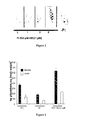
- the inventors have isolated a molecule, called MC2, which can induce the expression of PHT1;4 even if plant grown on high phosphate medium ( Figure 2 ).
- the formula of MC2 is the following:
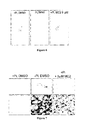
- phosphate content was analyzed in different conditions: high phosphate medium (+Pi), low phosphate medium (-Pi) and high phophate medium + MC2, 5 ⁇ M (+Pi, +MC2 5 ⁇ M).
- the MC2 treatment induced a phosphate accumulation in leaves and in roots (two times more compared to the control condition) ( Figure 3 ). This phosphate accumulation can be easily explained by the overexpression of the phosphate transporter.
- Example 2 The primary root growth is arrested but it is not due to an inhibition of meristematic activity
- the primary root growth In response to phosphate starvation, the primary root growth is inhibited (Svistoonoff et al., 2007). In response to the MC2 molecule, the primary root growth is also arrested in a dose dependent manner ( Figure 5 ).
- Cycline B1 (CycB1) gene is a good marker of meristematic activity.
- the expression of this gene was measured in response to high phopshate medium (+Pi), low phosphate medium (-Pi) and high phophate medium + MC2, 5 ⁇ M (+Pi, +MC2 5 ⁇ M).
- CycB1 is less expressed.
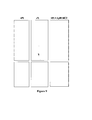
- the meristematic activity is not reduced ( Figure 6 ).
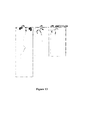
- Anthocyanins accumulation was analyzed in vitro by a spectroscopic assay. Phosphate starvation, as well as MC2 treatment, induced a strong accumulation of anthocyanins ( Figure 8 ).
- MGD3 is not express in high phosphate medium. It has to be noticed that this gene is strongly expressed in response to phosphate starvation and in response to MC2 treatment ( Figure 9 ).
- Example 5 The transport and the accumulation of iron is modified too
- IRT1 transports Iron from outside to inside the plant. In response to phosphate starvation, this transporter is not expressed because iron is strongly accumulated. The plant does not need import of iron ( Figure 13 ). Surprinsigly, MC2 treatment inhibits IRT1 expression even if iron is not accumulated in plant.
- the analogues #21, #29, #30, #31, #41, #42, #45 impact specifically the lipid metabolism inducing PLD ⁇ 2 and MGD3.
- the inventors also isolated analogues that are able to induced PHT 1 ; 4 expression without altering the root growth: #1, #5, #7, #11, #14, #20, #22, #27, #43, #44, #47.
- Table 3 Impact of phosphate, phosphate deficiency and MC2 on several parameters of plant growth.
- Reference Name Formula Root Growth 8'G :: GUS PLDz :: GUS IRT1 : :GUS MGD3 : :GUS CycB : :GUS Starch Antho +P 100 - - + - + - 46 -P 20 + + - + - + 1008 5521417 MC2 51 + + - + + + + 454
- Root growth expressed as a percentage having regard to a control ; 8'G :: GUS : follow-up of the expression of the phosphate transporter PHT1;4 ; PLDz::GUS : follow-up of the expression of the gene encoding phopholipase Dz2; IRT1 ::GUS : follow-up of the expression of the gene encoding the iron transporter IRT1; MGD3 ::GUS follow-up of the expression of the gene encoding the enzyme MGD3; CycB1 ::GUS follow-up of the expression of the gene encoding Cyclin B1; Strach: accumulation of starch; Antho: accumulation of anthocyanes.
- Root growth expressed as a percentage having regard to a control ; 8'G :: GUS : follow-up of the expression of the phosphate transporter PHT1;4 ; PLDz::GUS : follow-up of the expression of the gene encoding phopholipase Dz2; IRT1 ::GUS : follow-up of the expression of the gene encoding the iron transporter IRT1; MGD3 ::GUS follow-up of the expression of the gene encoding the enzyme MGD3; CycB1 ::GUS follow-up of the expression of the gene encoding Cyclin B1; Strach: accumulation of starch; Antho: accumulation of anthocyanes.
Landscapes
- Life Sciences & Earth Sciences (AREA)
- Wood Science & Technology (AREA)
- Agronomy & Crop Science (AREA)
- Plant Pathology (AREA)
- Health & Medical Sciences (AREA)
- Engineering & Computer Science (AREA)
- Dentistry (AREA)
- Zoology (AREA)
- Environmental Sciences (AREA)
- General Health & Medical Sciences (AREA)
- Pest Control & Pesticides (AREA)
- Breeding Of Plants And Reproduction By Means Of Culturing (AREA)
- Cultivation Of Plants (AREA)
- Agricultural Chemicals And Associated Chemicals (AREA)
- Micro-Organisms Or Cultivation Processes Thereof (AREA)
- Organic Low-Molecular-Weight Compounds And Preparation Thereof (AREA)
Abstract
The present invention pertains to plant additives containing a molecule selected in a family of compounds, wherein said molecule can modulate some molecular markers and physiological modifications observed in cases of phosphate deficiency.
The family of compounds comprises the molecule MC2 of formula
as well as analogues thereof.
Description
- Phosphate (P) is an essential macronutrient required for plant growth and development. Often present in limited amounts in soils, phosphate is trapped in organic or mineral forms, and this fixation results in its low availability for plants.
- In order to increase the productivity of crops, the low inorganic phosphate (Pi) content of agricultural soils is supplemented by the application of large quantities of phosphate fertilizers. However, most of these applied inputs remain unavailable for the plants due to organic fixation and inorganic complexation, and the wide use of these fertilizers raises environmental concerns. Indeed, phosphate minerals often contain trace amounts of dangerous substances such as arsenic, cadmium, polonium and uranium, and if no cleaning step is applied after mining, the continuous use of phosphate fertilizers can lead to an accumulation of these elements in the soil. Moreover, due to an increased demand, the price of phosphate has drastically increased since 2007. Therefore, there is a need of non-phosphate plant additives which can help phosphate uptake by the plants, in order to reduce phosphate inputs without decreasing the plants growth.
- In cases of phosphate deficiency, plants exhibit drastic changes which increase P acquisition from soils and improve its use in the plant. Pi starvation leads to morphological modifications such as significant growth reduction, anthocyanin accumulation in the leaves and a modified root architecture to explore P-richer horizons. Phosphate starvation also induces numerous biochemical changes (Raghothama, 1999). Phosphate uptake is enhanced by a combination of an increased number of phosphate transporters, in particular Pht1;4 (Misson et al., 2004), and the secretion of organic acids and enzymes such as phosphatases and nucleases into the rhizosphere. Using Arabidopsis thaliana whole genome Affymetrix gene chip (ATH1), Misson et al. have studied the global gene expression in response to Pi deprivation to quantify the spatio-temporal variations in transcript abundance of 22,810 genes (Misson et al., 2005). The analysis revealed a coordinated induction and suppression of 612 and 254 Pi-responsive genes, respectively. The functional classification of some of these genes indicated their involvement in various metabolic pathways, ion transport, signal transduction, transcriptional regulation, and other processes related to growth and development. In particular, this study demonstrated that several metal transporters were induced in phosphate-deprived plants, and that a significant amount of responsive genes are involved in lipid biosynthetic pathways (Misson et al., 2005).
- There are 3 main lipid classes in plant biomass: 1) triacylglycerols (or oils), 2) phosphorus-containing glycerolipids (or phospholipids) and 3) phosphorus-free sulfo and galactolipids (plastid glycolipids). Most abundant lipids provided by plants for nutritional or non-nutritional purposes are detailed below:
- Their molecular structure is a 3-carbone glycerol backbone esterified by one, two or three fatty acids (
Figure 1A ). Main glycerolipids in plant biomass are triacylglycerols (or oils), phosphorus-containing glycerolipids (or phospholipids) and phosphorus-free sulfo and galactolipids (plastid glycolipids). - Glycerolipids with three acyls, or triacylglycerols (TAGs), are a major form of storage of carbon and energy within cells, and are known as oils (
Figure 1B ). Oilseed crops are the primary source of nutritional oils. In the gut, their hydrolysis releases essential fatty acids, which cannot be synthesized by human cells. Plant oil is healthier than animal fat, and recommended against overweight and heart diseases. Efforts have focused on the engineering of fatty acid synthesis, to increase the proportion of acyls of therapeutic interest. Increasing TAG in seeds is also an important but difficult issue, and production of TAG in non-seed organs is now envisaged to face additional demand (Durrett et al., 2008). - Oil can also be converted into gasoline, called biofuel or biodiesel. This utilization is debated since the current production of vegetable oils would only cover a fraction of gasoline demand, and divert oilseed production from nutrition. Efforts are therefore put to produce oil in other organs of plants, such as leaves (Durrett et al., 2008) or in other organisms like algae (Chisti, 2007). By contrast with seeds, production of oils in leaves should cope with the presence of large amounts of membrane glycerolipids including phospholipids and plastid glycolipids (
Figure 1C ). - Glycerolipids with two acyls make the bulk of biological membrane. The non-acylated carbon of the glycerol backbone can harbour a polar head determining its orientation within the membrane bilayers and its biological function. This polar head can be phosphated, in phospholipids, which is the most abundant membrane lipid in animal cells, and in plant cells outside plastids. The polar head can also be devoid of phosphate, like in glycolipids abundantly synthesized within chloroplast membranes, and uniquely found in plastid-containing organisms.
- Phospholipids contain up to one third of the phosphate content in plants, and are a primary source of P in human nutrition in lecithin mixtures. Most abundant phospholipids are phosphatidylcholine (PC) and phosphatidylethanolamine (PE). Commercial soybean lecithin mixtures contain ∼70% phospholipids together with TAGs. Edible phospholipids are recommended for human health, and increasing phospholipid proportion in that context would be interesting. Vice versa, phospholipids are also considered detrimental for both edible oils and for conversion of oil into biodiesel. In this latter case, phospholipid impurities cause clogging deposits in engines, and are a limitation for use of crude oils as gasoline substitutes. Numerous research projects focus therefore on their removal, called "oil degumming", by filtration/decantation or lipase treatments. High phospholipid level in leaves is therefore a limitation for any project aiming at producing oils in these organs for biodiesel applications. Thus, high or low phospholipid concentrations in plant tissues have their interest. In conditions like under low-Pi supply, phospholipids are converted into PC, which is then converted into plastid glycolipids.
- Plastid glycolipids consist of mono- and digalactolipids (MGDG, DGDG), and the quantitatively minor sulfoquinovosyldiacylglycerol (SQDG), often called sulfolipid. Galactolipids are the major glycerolipid in chloroplast membranes, and therefore the most abundant lipid in green tissues. Galactolipids are important for the quality of flour in the bread-baking process (Selmair and Koehler, 2008). After ingestion, they are hydrolyzed by a pancreatic galactolipase and rapidly digested. Recent studies have demonstrated that glycolipids had also therapeutic properties: MGDG was shown to have in vivo anti-inflammatory action (Bruno et al., 2005), and anti-cancer properties, like apoptotic-inducing activities (Andrianasolo et al., 2008) and, together with DGDG and SQDG, to directly act on mammal and human effectors of cancer cell proliferation (DNA polymerase, Cdtl, p53) (Maeda et al., 2007). In addition, plastid glycolipid liposomes were shown to allow the delivery of anticancer molecules (Liguori et al., 2008). Non-nutritional use of plastid glycolipids could therefore diversify the applications of agricultural lipids.
- In nature, the ratio of phospholipid vs. plastid glycolipid is finely controlled, and adjusted by plants in function of soil phosphorus availability. In low Pi supply, phospholipids are hydrolyzed, plastid glycolipid synthesis is enhanced and digalactolipid is exported outside plastids to phospholipid-impoverished membranes (Jouhet et al., 2007). In non-limiting conditions, the phospholipid/glycolipid ratio is around 50:50 in Arabidopsis leaves. Low phosphate availability triggers the hydrolysis of phospholipids and the accumulation of sulfo/galactolipids, leading to a phospholipid/glycolipid ratio around 20:80. This phenomenon is observed in all major crops: it was recently reported that in oat roots the DGDG/PC ratio increases by a factor of 10, from 0.25 in non-limiting Pi to ∼3.0 in low-Pi supply (Tjellstrom et al., 2008).
- It would be interesting to be able to reprogram the glycerolipid metabolism in a similar manner, promoting the net conversion of phospholipids into glycolipids. Decreasing the phospholipid proportion would for example be beneficial since they are detrimental in oils. In addition, the phospholipids which are considered as a waste in this context, would be converted in planta into glycolipids with added value. Indeed, these lipids are essential for photosynthesis and the quality of some processed food, and they could be extracted and purified for biomedical purposes. However, the net conversion of phospholipids into glycolipids by mimicking the response of plants to low phosphate supply, but without impacting on the biomass, appears as a technological barrier.
- Hence, there is currently a need for molecules which can act on the glycerolipid remodelling mechanisms to modulate the membrane glycerolipids synthesis in planta.
- By using a chemogenetic screening approach (targeting the phosphate tranporter Pht1;4), the inventors have identified a molecule, called MC2, which modulates several molecular markers of phosphate deficiency (induction of Pht1;4, Pldz2, mgd3 and inhibition of Irt1), as well as the majority of physiological modifications observed in cases of phosphate deficiency (starch and anthocyanins accumulation, inhibition of the growth of the primary root, modification of the glycolipids composition, induction of phosphatases, ...).
- Then, by screening a large number of MC2 analogs, they identified a family of compounds which can selectively act on some of these markers and associated modifications. These results are summarized in Table 1 of the experimental part below. These surprising results pave the way to novel agricultural and bio-industrial practices based on the tuning of membrane glycerolipids synthesis in planta. Depending on several factors detailed below, the present invention enables a reduction of the need for phosphate input in soils, and/or a combination of high yields (obtained in presence of abundant phosphate) and production of interesting glycolipids usually reduced by such agricultural practice.
- A first aspect of the present invention is a plant additive comprising a compound of formula 1:

- x is an integer selected amongst 0 and 1;
- X, Y, Z are selected amongst C and N an at most one of X, Y and Z is N;
- R1, R2, R3, are selected in the group of : H; a C1-C6 alkyl possibly substituted by one or several groups selected amongst: OR, NRR', CONRR', NO, COOR, SO2, SO2R, COR, NO2 and a halogen; a C1-C6 alkenyl possibly substituted by one or several groups selected amongst: OR, NRR', CONRR', NO, COOR, SO2, SO2R, COR, NO2 and a halogen ; OR ; NRR' ; NO ; CONRR' ; COOR; SO2; SO2R; SR; COR; NO2; and a halogen; wherein R and R', independently from each other, are selected amongst: H, a C1-C6 alkyl and a C1-C6 alkenyl;
- R1, R2, R3 are positioned on any of the carbon atoms of the aromatic cycle, wherein two neighboring groups selected amongst R1, R2 and R3 can form a cycle or a heterocycle together;
- R4, R5, independently from each other, are selected in the group of: H; a C1-C6 alkyl; a C1-C6 acyl and an aromatic ring; and
- R6 is H, SH, SCH3 or a C1-C6 alkyl.
More specifically, the invention pertains to a plant additive comprising a compound offormula 1, wherein - x = 0;
- X, Y, Z are selected amongst C and N an at most one of X, Y and Z is N;
- R1, R2, R3, independently from each other, are selected in the group of : H; a C1-C6 alkyl possibly substituted by one or several groups selected amongst: OH, OR, NH2, NHR, CONH2, NO, CONHR, COOH, COOR, SO2, SO2R, COH, COR, NO2 and a halogen; a C1-C6 alkenyl possibly substituted by one or several groups selected amongst: OH, OR, NH2, NHR, CONH2, NO, CONHR, COOH, COOR, SO2, SOR, COH, COR, NO2 and a halogen ; OH ; OR ; NH2; NO ; NHR ; CONH2; CONHR; COOH ; COOR ; SO2; SO2R; SCH3; COH ; COR ; NO2; and a halogen, wherein R is a C1-C6 alkyl or a C1-C6 alkenyl;
- R1, R2, R3 are positioned on any of the carbon atoms of the aromatic cycle, wherein two neighboring groups selected amongst R1, R2 and R3 can form a cycle or a heterocycle together;
- R4, R5, independently from each other, are selected in the group of: H; a C1-C6 alkyl; a C1-C6 acyl; a benzene; and
- R6 is H.
- By "plant additive" is herein meant any kind of soil additive, soil amendment, fertilizer or soil conditioner, which can of course be used to modify a soil, but also in hydroponic cultures.
- Examples of compounds which can be used in plant additives according to the invention are disclosed in the following table:


- In one preferred embodiment, the compound of
formula 1 induces an up-regulation of the Phtl;4 gene in plants when added to the cultivation medium. Non-limitative examples of compounds which can be used according to this embodiment are MC2 and its analogues #1-7, 9-16, 19-20, 22, 24-25, 27-28, 32-34, 36-39, 43-44, and 47 described in Table 1 above. This functional property, as well as the other properties mentioned below, can be tested by using the protocols and the materials described in the experimental part which follows. Depending on the application, the skilled artisan will test these properties in roots, in seeds, in leaves or in several of these elements (or in a mixture of several parts of the plant). A preferred plant additive according to the present invention hence comprises at least one compound selected in the group consisting of MC2 and its analogues #1-7, 9-16, 19-20, 22, 24-25, 27-28, 32-34, 36-39, 43-44 and 47, or a combination thereof. - According to another preferred embodiment, the compound of
formula 1, when added to the cultivation medium of plants, induces in said plants an up-regulation of one or both of the genes encoding the phospholipase DZ2 and the MGD3 enzyme. All the compounds which have been tested and which are described in Table 1, except MC2 analogue #8, have this property, at least in leaves. Preferred plant additives according to this embodiment comprise at least one compound selected in the group consisting of MC2 and its analogues #1-8, #9-17, #19-20, #22-25, #27-47, or a combination thereof. They are particularly useful for growing plants for biofuel (also called biodiesel) production. - A plant additive comprising a compound inducing a change in the lipids pattern, especially a decrease of the phospholipid/glycolipid ratio, without significantly impacting on plant growth nor on the expression of the phosphate transporter PHT1;4, can advantageously be used for growing plants for the production of biodiesel, and/or for the production of plastid glycolipids. Non-limitative examples of compounds which can advantageously be used for this application due to their specificity in lipids remodeling, are the analogues of MC2 which are referenced in Table 1 as #23, #29, #30, #31, #40, #41, #42, #45 and #46, as well as combinations thereof.
- Compounds such as #27 or #28 (and, to a lesser extent, MC2 and its
analogues # 5, #20, #22, #37, #43, #44 and #47), which do not induce a reduction of the root growth, despite the fact that they induce expression of the Phtl;4 gene, can also be used for the above applications. Another advantageous application of a compound having such properties is its use in a soil additive for decreasing the need of phosphate-containing fertilizers. Indeed, the addition of such a compound (or of a mixture of such compounds) to a plant medium / soil will increase the capacity of said plant to mobilize and/or uptake the inorganic phosphate which is present in said medium or soil. Since these compounds do not per se limit the plant growth, they will, to the contrary, favour the growth in a phosphate-poor environment. - According to another embodiment, the plant additive according to the invention comprises a compound of
formula 1 which induces an up-regulation of the iron transporter IRT1 in plants, when added to the cultivation medium. Examples of such compounds tested by the inventors are MC2 analogues referred to as #1-3, #5, #7-15, #19-20, #22-25, and #27-47. Plant additives comprising these compounds can advantageously be used for increasing phytoremediation of heavy metals, since an increase of iron uptake is usually associated to an increase of uptake of all metals. - Other characteristics of the invention will also become apparent in the course of the description which follows of the experimental data obtained by the inventors and which provide it with the required experimental support, without limiting its scope.
-
-
Figure 1 : Structure of the three main lipid classes in plants. A. Glycerolipids. B. Triacylglycerols. C. Membrane glycerolipids. -
Figure 2 : Histochemical localisation of the GUS activity in root tip of phtl;4-1 grown in high phosphate medium (500 µM) supplied with MC2 or grown in low phosphate medium. -
Figure 3 : Pi content measurements in leaves and in roots of ten day-old wild-type seedlings grown in high phosphate, in low phosphate medium, and in high phosphate medium supplied with 5µM of MC2. Values represent the mean of 3 expereiment ± SD. -
Figure 4 : Acid phosphatase activity was assayed spectrophotometrically in root extract from 10 days old plants grown in high phosphate medium, in low phosphate medium or in high phosphate medium supplied with 5µM of MC2. Values represent the mean of 3 experiments ± SD. -
Figure 5 : Root growth analysis in response to high phosphate medium, low phosphate medium or high phosphate medium supplied with MC2. Values are expressed in % of control and represent the mean of 12 plants ± SD. -
Figure 6 : Histochemical localisation of the GUS activity in root tip of Cyclin B1 grown in high phosphate medium (500 µM) supplied with MC2 (5µM) or grown in low phosphate medium. -
Figure 7 : Starch contents of 10 days old wild type seedlings. Plants were grown on high phosphate medium, low phosphate medium, or high phosphate medium supplied with MC2 (5µM). Starch was made visible by iodine staining. -
Figure 8 : Anthocyanins contents of 10 days old wild type seedlings. Plants were grown on high phosphate medium, low phosphate medium, or high phosphate medium supplied with MC2 (5µM). Anthocyanins levels were determined spectrophotometrically. -
Figure 9 : Histochemical localisation of the GUS activity in root tip of MGD3 grown in high phosphate medium (500 µM) supplied with MC2 (5µM) or grown in low phosphate medium. -
Figure 10 : Histochemical localisation of the GUS activity in root tip of PLDζ2 grown in high phosphate medium (500 µM) supplied with MC2 (5µM) or grown in low phosphate medium. -
Figure 11 : Iron content determined by ICP-OES. Plants were grown in high phopshate medium, low phosphate medium, or high phosphate medium supplied with MC2 (5µM). -
Figure 12 : Western blot of plant ferritin on protein extracts from leaves of plants grown in in high phopshate medium, low phosphate medium, or high phosphate medium supplied with MC2 (5µM). 25 µg of total protein were loaded per line. -
Figure 13 : Histochemical localisation of the GUS activity in root tip of IRT1 grown in high phosphate medium (500 [µM) supplied with MC2 (5µM) or grown in low phosphate medium. - In response to phosphate starvation, a large number of physiological and molecular modifications can be observed in plants:
- 1. The phosphate influx is increased due to the overexpression of phopshate transporter genes of the PHT family and the increase in phosphatase activity.
- 2. The primary root growth is arrested but it is not due to an inhibition of meristematic activity.
- 3. The phosphate starvation induces a stress response
- 4. The lipid metabolism is modified
- 5. The transport and the accumulation of iron is modified.
- The inventors have used several techniques and different markers to evaluate all these physiological and molecular modifications, and to characterize MC2/MC2 analogues effects in details.
- pPHT1;4::GUS (DCJ 10) cell line is as described by Misson et al. (Misson et al., 2004). This cell line expresses the GUS reporter under the control of the promoter of the phtl;4 gene.
- pPLDZ2:GUS-GFP cell line is as described by Cruz-Ramirez et al. (Cruz-Ramirez et al., 2006), and expressed a GUS-GFP fusion under the control of the pldz2 promoter.
- pMGD3:GUS cells are as described by Kobayashi et al. (Kobayashi et al., 2004). In these cells, the GUS reporter is expressed under the control of the mgd3 promoter.
- pIRT1:GUS cells were obtained as described by Vert et al. (Vert et al., 2002) and carry a irt1 promoter-GUS fusion.
- pCycB1;1:GUS cell line is as described by Colón-Carmona et al. (Colon-Carmona et al., 1999), and expresses the GUS reporter under the control of the promoter of the
cyclin B 1 gene. - 8'G cell line was obtained as follows: for the PHT1;4 promoter fusion, a 2kb region upstream of the ORF of PHT1;4 was cloned in the vector pENTR/D-TOPO (pENTR™/D-TOPO® Cloning Kit, ref. K2400-20, Invitrogen) and transferred to pKGWFS7 (Karimi et al., 2002) by recombination using Gateway BP (Gateway® BP Clonase® enzyme mix, ref. 11789-013, Invitrogen) and LR Clonase enzyme mixes (LR Clonase® II Plus enzyme, ref. 12538-120, Invitrogen), respectively, to produce the pPHT1;4:GUS-GFP gene fusion. This fusion was then introduced into the Arabidopsis genome via the Agrobacterium-mediated transformation system (Logemann et al., 2006).
- All these cell lines are derived from A. thaliana.
- Seeds were surface-sterilized and sown on petri dishes containing MS/10 medium (0.15 mM MgSO4, 2.1 mM NH4NO3,1.9 mM KNO3, 0.5 or 0.005 mM NaH2PO4, 0.3 mM CaCl2, 0.5 µM KI, 10 µM Fe, 10 µM H3BO3, 10 µM MnSO4, 3 µM ZnSO4, 0.01 µM CuSO4, 0.01 µM CoCl2, 0.1 µM Na2MoO4, 2 µM EDTA, 0.03 µM thiamine, 0.24 µM pyridoxine, 0.4 µM nicotinic acid, 55 µM inositol, 14 mM MES (pH 5.8), 0.5% sucrose and 0.8% agar. In the Pi deficient medium, NaCl (0.5 mM) was used to replace the equivalent amount of sodium provided by NaH2PO4. After 3 days at 4 °C, the plates were placed in a vertical position and plants were grown for 10 days in a culture chamber under a 14 h light/10 h dark regime (22/18 °C, 150 µE m-2s-1).
- Plants were examined for GUS activity by dipping the samples in a GUS staining solution (50mM sodium phosphate buffer pH 7.0; 0.01% Triton X-100, 1mM K3Fe(CN)6, 1 mM K4Fe(CN)6, 1mg/ml 5-dromo-4-chloro-3-indolyl β-D-GLUCURONIDE (X-Gluc A) and incubated at 37°C over-night. After staining, the plants were fixed 2 hours in 50 mM sodium phophate buffer pH 7.0; 1%glutaraldehyde; 4% formaldehyde.
- Leaves were immersed in ethanol (96%) for 6h to remove pigment and stained with Lugol solution (Fluka) for 30 min to make the starch granules visible.
- Anthocyanins were extracted with propanol:HCl:H2O (81:1:18) for 5 min at room temperature and 3 min at 100°C. Samples are centrifuged for 10 min at 4°C. Supernatants were collected and absorption measured at 530 nM and 652 nM. Anthocyanin content was calculated as A530-2.2A652 (Lange et al., 1971).
- Roots (10 mg) and leaves (25 mg) were pooled, weighed, ground in liquid nitrogen, re-suspended and homogenized in 250 µl of MES buffer (0.7 M, pH 5.8). Three replicates were performed for each experiment. After 5 min of centrifugation, the supernatant was recovered. Phosphate content was measured using the malachite green method as described (Delhaize and Randall, 1995). One hundred and fifty microliters of molybdate solution (17.55 g/l (NH4)6Mo7, 4H2O, 2M H2SO4) were added to the sample (50 µl) diluted in water (700 µl). Ten minutes later, 150 µl of green malachite solution (3.5 g/l polyvinylic alcohol, 0.35 g/l malachite green) were then added. Measurements were carried out at 610 nm after 2 h. Concentrations were calculated using a calibration curve (performed with aKH2PO4 solution) and expressed per fresh weight.
- After SDS-PAGE in a 12% acrylamide gel and transfer onto a nitrocellulose membrane, ferritin was immunodetected with a primary rabbit polyclonal antibody against AtFER1 and a secondary goat antirabbit antibody conjugated with alkaline phosphatase.
- Fresh leaves from in vitro 10-day-old plants (around 50 mg fresh material) were mineralized in 14% HNO3 in a microwave system (MarsX, CEM) for the determination of macro- and microelements by inductively coupled plasma optical emission spectrometry (ICP OES Vista MPX, Varian).
- Chemical genetic screen was based on PHT1;4 expession using the line pPHT1;4::GUS (Misson et al., 2004). This gene is not expressed in high phopshate medium and is strongly induced in response to phosphate starvation. The inventors have isolated a molecule, called MC2, which can induce the expression of PHT1;4 even if plant grown on high phosphate medium (
Figure 2 ). The formula of MC2 is the following:
- To evaluate if this expression interferes with phosphate content, phosphate content was analyzed in different conditions: high phosphate medium (+Pi), low phosphate medium (-Pi) and high phophate medium + MC2, 5µM (+Pi, +MC2 5µM). The MC2 treatment induced a phosphate accumulation in leaves and in roots (two times more compared to the control condition) (
Figure 3 ). This phosphate accumulation can be easily explained by the overexpression of the phosphate transporter. - In response to phosphate deficiency, plants are able to secrete phosphatase in soil in order to remobilize phosphate from soil. Phosphatase activity assays showed that in response to phosphate starvation, phosphate activity is largely increased. MC2 mimics phosphate starvation effect inducing phosphatase activity (
Figure 4 ). - In response to phosphate starvation, the primary root growth is inhibited (Svistoonoff et al., 2007). In response to the MC2 molecule, the primary root growth is also arrested in a dose dependent manner (
Figure 5 ). - Primary root growth arrest is partially due to the inhibition of meristematic activity. The expression of Cycline B1 (CycB1) gene is a good marker of meristematic activity. The expression of this gene was measured in response to high phopshate medium (+Pi), low phosphate medium (-Pi) and high phophate medium + MC2, 5µM (+Pi, +
MC2 5 µM). In response to phosphate deficiency, CycB1 is less expressed. Suprisingly, in response to MC2, the meristematic activity is not reduced (Figure 6 ). Thus, it can be concludes that the primary root growth inhibition observed in response to the molecule is not due to inhibition of the meristematic activity. - In response to phosphate stavation, plant stress responses are also induced, such as starch and anthocyanins accumulations. The effect of MC2 on the accumulation of these two compounds was analyzed.
- After Lugol staining, starch accumulation appeared as dark blue vesicles in cells. In response to phosphate deficiency, starch is stongly accumulated (
Figure 7 ). The same response was obatined after MC2 treatment. - Anthocyanins accumulation was analyzed in vitro by a spectroscopic assay. Phosphate starvation, as well as MC2 treatment, induced a strong accumulation of anthocyanins (
Figure 8 ). - In response to phosphate starvation, the lipid metabolism is modified (Benning and Ohta, 2005). Plants preferentially synthesize sulpho- and galacto-lipids instead of phospholipids. Several enzymes are involved in this remobilisation. From previous studies in the lab (Misson et al., 2005), it is known that two genes respectively encoding MGD3 and PLDζ2 enzyme (Cruz-Ramirez et al., 2006; Yamaryo et al., 2008) are strongly induced in response to phosphate starvation. The inventors have hence analyzed the expression of these two gene in high phopshate medium (+Pi), low phosphate medium (-Pi) and high phosphate medium + MC2, 5µM (+Pi, +
MC2 5 µM) conditions. - MGD3 is not express in high phosphate medium. It has to be noticed that this gene is strongly expressed in response to phosphate starvation and in response to MC2 treatment (
Figure 9 ). - As MGD3, PLDζ2 gene is not expressed in high phosphate medium but strongly expressed in response to starvation and MC2 treatment (
Figure 10 ). From this experiment, it appears that MC2 mimics phosphate starvation effects concerning the lipid metabolism. - From previous study in the lab, it is known that in response to phosphate starvation, iron is accumulated in cells inducing ferritin accumulation (Hirsch et al., 2006). To determine MC2 effect on iron metabolism, the iron content was quantified by ICP-OES (
Figure 11 ), acumulation of ferritin was analyzed by Western Blot (Figure 12 ) and finally IRT1 gene expression was analyzed, since this gene encodes an iron transporter (Figure 12 ). - The ICP-OES analysis of iron content showed that in response to phosphate starvation Iron is strongly accumulated but not after MC2 treatment (
Figure 11 ). Western blot analysis of ferritin accumulation revealed that ferritin is accumulated in response to phosphate starvation but not in response to MC2 treatment (Figure 12 ). - IRT1 transports Iron from outside to inside the plant. In response to phosphate starvation, this transporter is not expressed because iron is strongly accumulated. The plant does not need import of iron (
Figure 13 ). Surprinsigly, MC2 treatment inhibits IRT1 expression even if iron is not accumulated in plant. - A summary of the effects of MC2 on plants is provided in Table 2.
- The effects described in the preceding examples have also been tested for a number of analogues of the MC2 molecule. Surprisingly, it appeared that for almost all these analogues, only part of these effects were observed. Indeed, some analogues can specifically impact the lipids synthesis, while others have an impact on iron transporter, plant growth, etc.
- For example, the analogues #21, #29, #30, #31, #41, #42, #45 impact specifically the lipid metabolism inducing PLD□2 and MGD3. The inventors also isolated analogues that are able to induced
PHT 1;4 expression without altering the root growth: #1, #5, #7, #11, #14, #20, #22, #27, #43, #44, #47. - All the results, together with the formulas of the analogues, are summarized in Table 3 below.
Table 2 : Impact of phosphate, phosphate deficiency and MC2 on several parameters of plant growth. Reference Name Formula Root Growth 8'G :: GUS PLDz :: GUS IRT1 : :GUS MGD3 : :GUS CycB : :GUS Starch Antho +P 100 - - + - + - 46 - P 20 + + - + - + 1008 5521417 MC2 
51 + + - + + + 454 - Root growth : expressed as a percentage having regard to a control ; 8'G :: GUS : follow-up of the expression of the phosphate transporter PHT1;4 ; PLDz::GUS : follow-up of the expression of the gene encoding phopholipase Dz2; IRT1 ::GUS : follow-up of the expression of the gene encoding the iron transporter IRT1; MGD3 ::GUS follow-up of the expression of the gene encoding the enzyme MGD3; CycB1 ::GUS follow-up of the expression of the gene encoding Cyclin B1; Strach: accumulation of starch; Antho: accumulation of anthocyanes.
Table 3 : Impact of MC2 analogues on plant growth. Root growth : expressed as a percentage having regard to a control ; 8'G :: GUS : follow-up of the expression of the phosphate transporter PHT1;4 ; PLDz::GUS : follow-up of the expression of the gene encoding phopholipase Dz2; IRT1 ::GUS : follow-up of the expression of the gene encoding the iron transporter IRT1; MGD3 ::GUS follow-up of the expression of the gene encoding the enzyme MGD3; CycB1 ::GUS follow-up of the expression of the gene encoding Cyclin B1; Strach: accumulation of starch; Antho: accumulation of anthocyanes. *: results could not be determined due to the toxicity of this compound. Reference Name Formula Root Growth 8'G ::GUS PLDz :: GUS IRT1 ::GUS MGD3 ::GUS CycB ::GUS Starch Antho 5521417 MC2 
51 + + - + + + 454 5220640 #1 
64 + + + - + + 274 5220641 #2 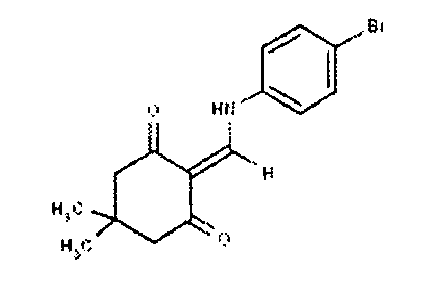
59 + + + - + - 258 5249268 #3 
41 + + + + + + 806 5482362 #4 
50 + + - + - + 210 5484851 #5 
73 + + + - + + 110 5486289 #6 
53 + - - + + + + 54911335 #7 
75 + - + + + + 172 5491651 #8 
56 - - + - + - 37 5492143 #9 
71 + + + + + - 130 5492676 #10 
41 + + + + + - 225 5493194 #11 
63 + + + + + + 163 5493512 #12 
57 + + + + + + 850 5521400 #13 
42 + + + + + + 513 5630089 #14 
61 + + + + + + 150 5666610 #15 
40 + + + + + + 283 5666611 #16 
40 + + - + - + 431 5666617 #17 
60 - - - + - + 408 5691461 #18 
88 - - + - + - 195 5785319 #19 
47 + + + + + + 193 5858517 #20 
72 + + + + + - 142 5963688 #21 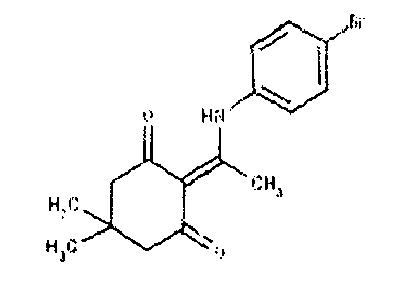
93 - - + - + - 146 E621 #22 
72 + + + - - 101 AURORA 3525 #23 
100 - - + + - 42 ES113 #24 
54 + + + + - 240 ES188 #25 
63 + -/+ + + + 405 E228 #26 
6 ?* ?* ?* ?* + 640 ES292 #27 
98 + + + + - 43 ST927 #28 
100 + - + + + 247 ST981 #29 
85 - + + + + 146 ST3897 #30 
65 - + + + + 189 612248 #31 
89 - - + + - 62 E1968 #32 
13 + + + - + 103 CB285 #33 
59 + + + -/+ + 167 ES140 #34 
59 + + + + + 289 CB395 #35 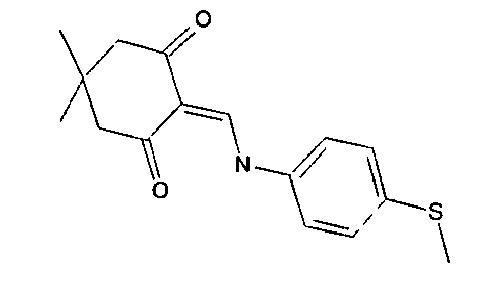
60 -/+ + + + + 208 SR97 #36 
58 + + + + + 235 E1725 #37 
69 + + + + + 204 E1829 #38 
60 + - + + + 206 DW196 #39 
60 + + + + + 183 7W-0874 #40 
85 - - + + - 65 7H-940 #41 
65 - - + + - 111 Al-559/ 36942007 #42 
68 - + + + - 226 10N-521S #43 
67 + + + + - 186 10N-523S #44 
68 + + + + - 123 10N-524S #45 
67 - + + + - 106 10N-525S #46 
70 - - + + - 167 5W-0900 #47 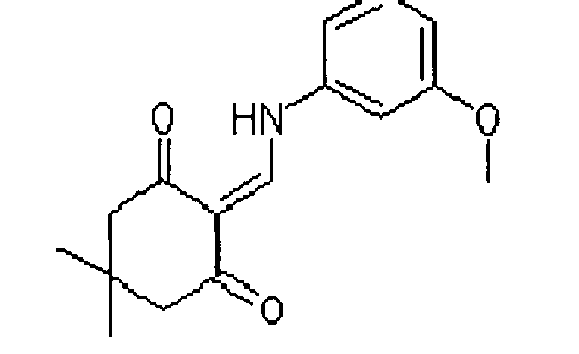
70 + + + +/- + 324 -
- Andrianasolo, E.H., Haramaty, L., Vardi, A., White, E., Lutz, R. and Falkowski, P. (2008) Apoptosis-inducing galactolipids from a cultured marine diatom, Phaeodactylum tricornutum. J Nat Prod, 71, 1197-1201.
- Benning, C. and Ohta, H. (2005) Three enzyme systems for galactoglycerolipid biosynthesis are coordinately regulated in plants. J Biol Chem, 280, 2397-2400.
- Bruno, A., Rossi, C., Marcolongo, G., Di Lena, A., Venzo, A., Berrie, C.P. and Corda, D. (2005) Selective in vivo anti-inflammatory action of the galactolipid monogalactosyldiacylglycerol. Eur JPharmacol, 524, 159-168.
- Chisti, Y. (2007) Biodiesel from microalgae. Biotechnol Adv, 25, 294-306.
- Colon-Carmona, A., You, R., Haimovitch-Gal, T. and Doerner, P. (1999) Technical advance: spatio-temporal analysis of mitotic activity with a labile cyclin-GUS fusion protein. Plant J, 20, 503-508.
- Cruz-Ramirez, A., Oropeza-Aburto, A., Razo-Hernandez, F., Ramirez-Chavez, E. and Herrera-Estrella, L. (2006) Phospholipase DZ2 plays an important role in extraplastidic galactolipid biosynthesis and phosphate recycling in Arabidopsis roots. Proc Natl Acad Sci U S A, 103, 6765-6770.
- Delhaize, E. and Randall, P.J. (1995) Characterization of a Phosphate-Accumulator Mutant of Arabidopsis thaliana. Plant Physiol, 107, 207-213.
- Durrett, T.P., Benning, C. and Ohlrogge, J. (2008) Plant triacylglycerols as feedstocks for the production of biofuels. Plant J, 54, 593-607.
- Hirsch, J., Marin, E., Floriani, M., Chiarenza, S., Richaud, P., Nussaume, L. and Thibaud, M.C. (2006) Phosphate deficiency promotes modification of iron distribution in Arabidopsis plants. Biochimie, 88, 1767-1771.
- Jouhet, J., Marechal, E. and Block, M.A. (2007) Glycerolipid transfer for the building of membranes in plant cells. Prog Lipid Res, 46, 37-55.
- Karimi, M., Inze, D. and Depicker, A. (2002) GATEWAY vectors for Agrobacterium-mediated plant transformation. Trends Plant Sci, 7, 193-195.
- Kobayashi, K., Awai, K., Takamiya, K. and Ohta, H. (2004) Arabidopsis type B monogalactosyldiacylglycerol synthase genes are expressed during pollen tube growth and induced by phosphate starvation. Plant Physiol, 134, 640-648.
- Lange, H., Shropshire, W. and Mohr, H. (1971) An Analysis of Phytochrome-mediated Anthocyanin Synthesis. Plant Physiol, 47, 649-655.
- Liguori, L., Marques, B., Villegas-Mendez, A., Rothe, R. and Lenormand, J.L. (2008) Liposomes-mediated delivery of pro-apoptotic therapeutic membrane proteins. J Control Release, 126, 217-227.
- Logemann, E., Birkenbihl, R.P., Ulker, B. and Somssich, I.E. (2006) An improved method for preparing Agrobacterium cells that simplifies the Arabidopsis transformation protocol. Plant Methods, 2, 16.
- Maeda, N., Kokai, Y., Ohtani, S., Sahara, H., Hada, T., Ishimaru, C., Kuriyama, I., Yonezawa, Y., Iijima, H., Yoshida, H., Sato, N. and Mizushina, Y. (2007) Antitumor effects of the glycolipids fraction from spinach which inhibited DNA polymerase activity. Nutr Cancer, 57, 216-223.
- Misson, J., Raghothama, K.G., Jain, A., Jouhet, J., Block, M.A., Bligny, R., Ortet, P., Creff, A., Somerville, S., Rolland, N., Doumas, P., Nacry, P., Herrerra-Estrella, L., Nussaume, L. and Thibaud, M.C. (2005) A genome-wide transcriptional analysis using Arabidopsis thaliana Affymetrix gene chips determined plant responses to phosphate deprivation. Proc Natl Acad Sci USA, 102, 11934-11939.
- Misson, J., Thibaud, M.C., Bechtold, N., Raghothama, K. and Nussaume, L. (2004) Transcriptional regulation and functional properties of Arabidopsis Pht1;4, a high affinity transporter contributing greatly to phosphate uptake in phosphate deprived plants. Plant Mol Biol, 55, 727-741.
- Raghothama, K.G. (1999) Phosphate Acquisition. Annu Rev Plant Physiol Plant Mol Biol, 50, 665-693.
- Selmair, P.L. and Koehler, P. (2008) Baking performance of synthetic glycolipids in comparison to commercial surfactants. JAgric Food Chem, 56, 6691-6700.
- Svistoonoff, S., Creff, A., Reymond, M., Sigoillot-Claude, C., Ricaud, L., Blanchet, A., Nussaume, L. and Desnos, T. (2007) Root tip contact with low-phosphate media reprograms plant root architecture. Nat Genet, 39, 792-796.
- Tjellstrom, H., Andersson, M.X., Larsson, K.E. and Sandelius, A.S. (2008) Membrane phospholipids as a phosphate reserve: the dynamic nature of phospholipid-to-digalactosyl diacylglycerol exchange in higher plants. Plant Cell Environ, 31, 1388-1398.
- Vert, G., Grotz, N., Dedaldechamp, F., Gaymard, F., Guerinot, M.L., Briat, J.F. and Curie, C. (2002) IRT1, an Arabidopsis transporter essential for iron uptake from the soil and for plant growth. Plant Cell, 14, 1223-1233.
- Yamaryo, Y., Dubots, E., Albrieux, C., Baldan, B. and Block, M.A. (2008) Phosphate availability affects the tonoplast localization of PLDzeta2, an Arabidopsis thaliana phospholipase D. FEBS Lett, 582, 685-690.
Claims (11)
- A plant additive comprising a compound of formula 1:
 - x is an integer selected amongst 0 and 1;- X, Y, Z are selected amongst C and N an at most one of X, Y and Z is N;- R1, R2, R3, are selected in the group of : H; a C1-C6 alkyl possibly substituted by one or several groups selected amongst: OR, NRR', CONRR', NO, COOR, SO2, SO2R, COR, NO2 and a halogen; a C1-C6 alkenyl possibly substituted by one or several groups selected amongst: OR, NRR', CONRR', NO, COOR, SO2, SO2R, COR, NO2 and a halogen ; OR; NRR' ; NO ; CONRR' ; COOR ; SO2 ; SO2R; SR; COR; NO2; and a halogen; and R and R' independently from each other, are selected amongst: H, a C1-C6 alkyl and a C1-C6 alkenyl;- R1, R2, R3 are positioned on any of the carbon atoms of the aromatic cycle, wherein two neighboring groups selected amongst R1, R2 and R3 can form a cycle or a heterocycle together;- R4, R5, independently from each other, are selected in the group of: H; a C1-C6 alkyl; a C1-C6 acyl and an aromatic ring; and- R6 is H, SH, SCH3 or a C1-C6 alkyl.
 - The plant additive according to claim 1, wherein- x = 0;- X, Y, Z are selected amongst C and N an at most one of X, Y and Z is N;- R1, R2, R3, independently from each other, are selected in the group of : H; a C1-C6 alkyl possibly substituted by one or several groups selected amongst: OH, OR, NH2, NHR, CONH2, NO, CONHR, COOH, COOR, SO2, SO2R, COH, COR, NO2 and a halogen; a C1-C6 alkenyl possibly substituted by one or several groups selected amongst: OH, OR, NH2, NHR, CONH2, NO, CONHR, COOH, COOR, SO2, SOR, COH, COR, NO2 and a halogen ; OH ; OR ; NH2 ; NO ; NHR ; CONH2 ; CONHR ; COOH ; COOR ; SO2 ; SO2R ; SCH3; COH ; COR ; NO2 ; and a halogen, and R is a C1-C6 alkyl or a C1-C6 alkenyl;- R1, R2, R3 are positioned on any of the carbon atoms of the aromatic cycle, wherein two neighboring groups selected amongst R1, R2 and R3 can form a cycle or a heterocycle together;- R4, R5, independently from each other, are selected in the group of: H; a C1-C6 alkyl; a C1-C6 acyl; a benzene; and- R6 is H.
- The plant additive of claim 1 or claim 2, wherein said compound of formula 1 induces an up-regulation of the Pht1;4 gene in plants, when added to the cultivation medium.
- The plant additive of claim 3, comprising at least one compound selected in the group consisting of MC2 and its analogues #1-7, #9-16, #19-20, #22, #24-25, #27-28, #32-34, #36-39, #43-44 and #47.
- The plant additive of any of claims 1 to 4, wherein said compound of formula 1 induces an up-regulation of the gene encoding the phospholipase DZ2 and/or and up-regulation of the gene encoding the MGD3 enzyme in plants, when added to the cultivation medium.
- The plant additive of claim 5, comprising at least one compound selected in the group consisting of MC2 and its analogues #1-7, #9-17, #19-20, and #22-47.
- The plant additive of claim 5, comprising at least one compound selected in the group consisting of MC2 analogues #23, #29, #30, #31, #40, #41, #42, #45 and #46.
- The plant additive of claim 3 and claim 5, comprising at least one compound selected in the group consisting of MC2 analogues #5, #20, #22, #27, #28, #37, #43, #44 and #47.
- Use of a plant additive according to any of the preceding claims, for growing plants for biofuel production.
- Use of a plant additive according to any of the preceding claims, for growing plants for plastid glycolipids production.
- Use of a plant additive according to claim 8, for reducing the need for phosphate fertilizer for growing plants.
Priority Applications (7)
| Application Number | Priority Date | Filing Date | Title |
|---|---|---|---|
| EP20090290709 EP2301347A1 (en) | 2009-09-17 | 2009-09-17 | Plant additives and uses thereof to modulate the synthesis of membrane glycerolipids in planta |
| ES10771181.4T ES2641958T3 (en) | 2009-09-17 | 2010-09-17 | Additives for plants and their uses to modulate the synthesis of membrane glycerolipids in plants |
| PCT/IB2010/002571 WO2011033389A2 (en) | 2009-09-17 | 2010-09-17 | Plant additives and uses thereof to modulate the synthesis of membrane glycerolipids in planta |
| CA2772737A CA2772737C (en) | 2009-09-17 | 2010-09-17 | Plant additives and uses thereof to modulate the synthesis of membrane glycerolipids in planta |
| EP10771181.4A EP2477491B1 (en) | 2009-09-17 | 2010-09-17 | Plant additives and uses thereof to modulate the synthesis of membrane glycerolipids in plants |
| BR112012006173-9A BR112012006173B1 (en) | 2009-09-17 | 2010-09-17 | ADDITIVES FOR PLANTS AND THE USE THEREOF TO MODIFY THE SYNTHESIS OF GLYCEROLIPIDES OF MEMBRANA IN PLANTA |
| US13/496,771 US9028855B2 (en) | 2009-09-17 | 2010-09-17 | Plant additives and uses thereof to modulate the synthesis of membrane glycerolipids in planta |
Applications Claiming Priority (1)
| Application Number | Priority Date | Filing Date | Title |
|---|---|---|---|
| EP20090290709 EP2301347A1 (en) | 2009-09-17 | 2009-09-17 | Plant additives and uses thereof to modulate the synthesis of membrane glycerolipids in planta |
Publications (1)
| Publication Number | Publication Date |
|---|---|
| EP2301347A1 true EP2301347A1 (en) | 2011-03-30 |
Family
ID=41821593
Family Applications (2)
| Application Number | Title | Priority Date | Filing Date |
|---|---|---|---|
| EP20090290709 Withdrawn EP2301347A1 (en) | 2009-09-17 | 2009-09-17 | Plant additives and uses thereof to modulate the synthesis of membrane glycerolipids in planta |
| EP10771181.4A Not-in-force EP2477491B1 (en) | 2009-09-17 | 2010-09-17 | Plant additives and uses thereof to modulate the synthesis of membrane glycerolipids in plants |
Family Applications After (1)
| Application Number | Title | Priority Date | Filing Date |
|---|---|---|---|
| EP10771181.4A Not-in-force EP2477491B1 (en) | 2009-09-17 | 2010-09-17 | Plant additives and uses thereof to modulate the synthesis of membrane glycerolipids in plants |
Country Status (6)
| Country | Link |
|---|---|
| US (1) | US9028855B2 (en) |
| EP (2) | EP2301347A1 (en) |
| BR (1) | BR112012006173B1 (en) |
| CA (1) | CA2772737C (en) |
| ES (1) | ES2641958T3 (en) |
| WO (1) | WO2011033389A2 (en) |
Cited By (1)
| Publication number | Priority date | Publication date | Assignee | Title |
|---|---|---|---|---|
| CN116969904A (en) * | 2017-05-22 | 2023-10-31 | 微境生物医药科技(上海)有限公司 | Compounds used as autophagy modulators and preparation methods and uses thereof |
Families Citing this family (4)
| Publication number | Priority date | Publication date | Assignee | Title |
|---|---|---|---|---|
| CN108938612A (en) * | 2017-05-22 | 2018-12-07 | 苏州偶领生物医药有限公司 | The purposes of aminomethylene hexamethylene 1,3- dione compounds |
| CN108929373A (en) * | 2017-05-22 | 2018-12-04 | 苏州偶领生物医药有限公司 | A kind of method of covalent bond modification mammal ATG8 homologue |
| CN113005138B (en) * | 2019-12-20 | 2022-04-26 | 中国农业大学 | Application of Arabidopsis thaliana PHO1; H10 protein and its encoding gene in regulating anthocyanin synthesis in plant leaves |
| EP4111861A1 (en) * | 2021-07-02 | 2023-01-04 | EuroChem Antwerpen | P-booster |
Citations (1)
| Publication number | Priority date | Publication date | Assignee | Title |
|---|---|---|---|---|
| JPH06256273A (en) * | 1993-03-03 | 1994-09-13 | Rikagaku Kenkyusho | 1,3-dioxo-2-n-arylaminoalkylidene 6-membered ring compound, its production and herbicide comprising the same compound |
-
2009
- 2009-09-17 EP EP20090290709 patent/EP2301347A1/en not_active Withdrawn
-
2010
- 2010-09-17 BR BR112012006173-9A patent/BR112012006173B1/en not_active IP Right Cessation
- 2010-09-17 CA CA2772737A patent/CA2772737C/en not_active Expired - Fee Related
- 2010-09-17 US US13/496,771 patent/US9028855B2/en not_active Expired - Fee Related
- 2010-09-17 ES ES10771181.4T patent/ES2641958T3/en active Active
- 2010-09-17 WO PCT/IB2010/002571 patent/WO2011033389A2/en not_active Ceased
- 2010-09-17 EP EP10771181.4A patent/EP2477491B1/en not_active Not-in-force
Patent Citations (1)
| Publication number | Priority date | Publication date | Assignee | Title |
|---|---|---|---|---|
| JPH06256273A (en) * | 1993-03-03 | 1994-09-13 | Rikagaku Kenkyusho | 1,3-dioxo-2-n-arylaminoalkylidene 6-membered ring compound, its production and herbicide comprising the same compound |
Non-Patent Citations (28)
| Title |
|---|
| ANDRIANASOLO, E.H. ET AL.: "Apoptosis-inducing galactolipids from a cultured marine diatom, Phaeodactylum tricornutum", J NAT PROD, vol. 71, 2008, pages 1197 - 1201 |
| BENNING, C.; OHTA, H.: "Three enzyme systems for galactoglycerolipid biosynthesis are coordinately regulated in plants", JBIOL CHEM, vol. 280, 2005, pages 2397 - 2400 |
| BRUNO, A. ET AL.: "Selective in vivo anti-inflammatory action of the galactolipid monogalactosyldiacylglycerol", EUR JPHARMACOL, vol. 524, 2005, pages 159 - 168 |
| CHISTI, Y.: "Biodiesel from microalgae", BIOTECHNOL ADV, vol. 25, 2007, pages 294 - 306 |
| COLON-CARMONA, A. ET AL.: "Technical advance: spatio-temporal analysis of mitotic activity with a labile cyclin-GUS fusion protein", PLANT J, vol. 20, 1999, pages 503 - 508 |
| CRUZ-RAMIREZ, A. ET AL.: "Phospholipase DZ2 plays an important role in extraplastidic galactolipid biosynthesis and phosphate recycling in Arabidopsis roots", PROC NATL ACAD SCI USA, vol. 103, 2006, pages 6765 - 6770 |
| DELHAIZE, E.; RANDALL, P.J.: "Characterization of a Phosphate-Accumulator Mutant of Arabidopsis thaliana", PLANT PHYSIOL, vol. 107, 1995, pages 207 - 213 |
| DURRETT, T.P.; BENNING, C.; OHLROGGE, J.: "Plant triacylglycerols as feedstocks for the production of biofuels", PLANT J, vol. 54, 2008, pages 593 - 607 |
| HIRSCH, J. ET AL.: "Phosphate deficiency promotes modification of iron distribution in Arabidopsis plants", BIOCHIMIE, vol. 88, 2006, pages 1767 - 1771 |
| JING-MING WANG ET AL: "Photobleaching Activity of 2-(Phenylamino)methylidenecyclohexane-1,3- diones in Tobacco (Nicotiana tabacum) Cultured Cells", JOURNAL OF AGRICULTURAL AND FOOD CHEMISTRY, AMERICAN CHEMICAL SOCIETY, SCIENTIFIC PUBLISHERS, NEW DELHI - INDIA, vol. 45, 1 January 1997 (1997-01-01), pages 2728 - 2734, XP007912361, ISSN: 0021-8561, [retrieved on 19970716] * |
| JOUHET, J.; MARECHAL, E.; BLOCK, M.A.: "Glycerolipid transfer for the building of membranes in plant cells", PROG LIPID RES, vol. 46, 2007, pages 37 - 55 |
| KARIMI, M.; INZE, D.; DEPICKER, A.: "GATEWAY vectors for Agrobacterium-mediated plant transformation", TRENDS PLANT SCI, vol. 7, 2002, pages 193 - 195 |
| KOBAYASHI, K. ET AL.: "Arabidopsis type B monogalactosyldiacylglycerol synthase genes are expressed during pollen tube growth and induced by phosphate starvation", PLANT PHYSIOL, vol. 134, 2004, pages 640 - 648 |
| LANGE, H.; SHROPSHIRE, W.; MOHR, H.: "An Analysis of Phytochrome-mediated Anthocyanin Synthesis", PLANT PHYSIOL, vol. 47, 1971, pages 649 - 655 |
| LIGUORI, L. ET AL.: "Liposomes-mediated delivery of pro-apoptotic therapeutic membrane proteins", J CONTROL RELEASE, vol. 126, 2008, pages 217 - 227 |
| LOGEMANN, E. ET AL.: "An improved method for preparing Agrobacterium cells that simplifies the Arabidopsis transformation protocol", PLANT METHODS, vol. 2, 2006, pages 16 |
| MAEDA, N. ET AL.: "Antitumor effects of the glycolipids fraction from spinach which inhibited DNA polymerase activity", NUTR CANCER, vol. 57, 2007, pages 216 - 223 |
| MISSON, J. ET AL.: "A genome-wide transcriptional analysis using Arabidopsis thaliana Affymetrix gene chips determined plant responses to phosphate deprivation", PROC NATL ACAD SCI USA, vol. 102, 2005, pages 11934 - 11939 |
| MISSON, J. ET AL.: "Transcriptional regulation and functional properties of Arabidopsis Phtl;4, a high affinity transporter contributing greatly to phosphate uptake in phosphate deprived plants", PLANT MOL BIOL, vol. 55, 2004, pages 727 - 741 |
| RAGHOTHAMA, K.G.: "Phosphate Acquisition", ANNU REV PLANT PHYSIOL PLANT MOL BIOL, vol. 50, 1999, pages 665 - 693 |
| SELMAIR, P.L.; KOEHLER, P.: "Baking performance of synthetic glycolipids in comparison to commercial surfactants", JAGRIC FOOD CHEM, vol. 56, 2008, pages 6691 - 6700 |
| SVISTOONOFF, S. ET AL.: "Root tip contact with low-phosphate media reprograms plant root architecture", NAT GENET, vol. 39, 2007, pages 792 - 796 |
| TJELLSTROM, H. ET AL.: "Membrane phospholipids as a phosphate reserve: the dynamic nature of phospholipid-to- digalactosyl diacylglycerol exchange in higher plants", PLANT CELL ENVIRON, vol. 31, 2008, pages 1388 - 1398 |
| VERT, G. ET AL.: "IRT1, an Arabidopsis transporter essential for iron uptake from the soil and for plant growth", PLANT CELL, vol. 14, 2002, pages 1223 - 1233 |
| WOLFBEIS O S: "SUBSTITUIERTE CHINOLINE AUS 2-ARYLAMINOMETHYLEN-1,3-DIKETONEN", SYNTHESIS, GEORG THIEME VERLAG, STUTTGART, DE, 1 January 1977 (1977-01-01), pages 723 - 725, XP000907015, ISSN: 0039-7881 * |
| WOLFBEIS OTTO S ET AL: "Zur Reaktivität von C=N-Doppelbindungssystemen, X1. Synthesen von kondensierten Heterocyclen = The Reactivity of C=N-Double Bond Systems, X1. Synthesis of Condensed Heterocycles", ZEITSCHRIFT FUER NATURFORSCHUNG. TEIL B, ANORGANISCHE CHEMIE, ORGANISCHE CHEMIE, VERLAG DER ZEITSCHRIFT FUER NATURFORSCHUNG, TUEBINGEN, DE, vol. 31, 1 January 1976 (1976-01-01), pages 1519 - 1525, XP009131378, ISSN: 0340-5087 * |
| YAMARYO, Y. ET AL.: "Phosphate availability affects the tonoplast localization of PLDzeta2, an Arabidopsis thaliana phospholipase", D. FEBS LETT, vol. 582, 2008, pages 685 - 690 |
| ZACHARIAS G ET AL: "Ueber Anilinomethylenverbindungen der Cyclohexandione", MONATSHEFTE FUR CHEMIE, SPRINGER VERLAG WIEN, AT, vol. 105, 1 January 1974 (1974-01-01), pages 1283 - 1291, XP007912360, ISSN: 0026-9247 * |
Cited By (1)
| Publication number | Priority date | Publication date | Assignee | Title |
|---|---|---|---|---|
| CN116969904A (en) * | 2017-05-22 | 2023-10-31 | 微境生物医药科技(上海)有限公司 | Compounds used as autophagy modulators and preparation methods and uses thereof |
Also Published As
| Publication number | Publication date |
|---|---|
| EP2477491B1 (en) | 2017-05-17 |
| EP2477491A2 (en) | 2012-07-25 |
| CA2772737A1 (en) | 2011-03-24 |
| US20120283101A1 (en) | 2012-11-08 |
| BR112012006173A2 (en) | 2015-09-08 |
| CA2772737C (en) | 2018-06-05 |
| US9028855B2 (en) | 2015-05-12 |
| BR112012006173B1 (en) | 2019-05-28 |
| WO2011033389A2 (en) | 2011-03-24 |
| WO2011033389A3 (en) | 2011-11-10 |
| ES2641958T3 (en) | 2017-11-14 |
Similar Documents
| Publication | Publication Date | Title |
|---|---|---|
| Bhadouria et al. | Purple acid phosphatases: roles in phosphate utilization and new emerging functions | |
| Senoura et al. | The iron-chelate transporter OsYSL9 plays a role in iron distribution in developing rice grains | |
| Kobayashi et al. | Recent insights into iron homeostasis and their application in graminaceous crops | |
| Liao et al. | SlSPX1-SlPHR complexes mediate the suppression of arbuscular mycorrhizal symbiosis by phosphate repletion in tomato | |
| Dissanayaka et al. | Molecular mechanisms underpinning phosphorus‐use efficiency in rice | |
| Lott et al. | Mechanisms and regulation of mineral nutrient storage during seed development | |
| Aoyama et al. | OsYSL18 is a rice iron (III)–deoxymugineic acid transporter specifically expressed in reproductive organs and phloem of lamina joints | |
| Krčková et al. | Arabidopsis non-specific phospholipase C1: characterization and its involvement in response to heat stress | |
| Chen et al. | Two types of soybean diacylglycerol acyltransferases are differentially involved in triacylglycerol biosynthesis and response to environmental stresses and hormones | |
| DE69433941T2 (en) | GENE FOR THE FATTY ACID DESATURASE, SAID GENE VECTOR, A PLANT IN WHICH THE SAID GENERAL IS INTRODUCED, AND A METHOD OF CREATING A FOLLOWED PLANT | |
| Yamada et al. | Unique defense strategy by the endoplasmic reticulum body in plants | |
| Sahu et al. | An overview of targeted genome editing strategies for reducing the biosynthesis of phytic acid: An anti-nutrient in crop plants | |
| Tomscha et al. | Phosphatase under-producer mutants have altered phosphorus relations | |
| EP2477491B1 (en) | Plant additives and uses thereof to modulate the synthesis of membrane glycerolipids in plants | |
| US10626407B2 (en) | Materials and method for modifying a biochemical component in a plant | |
| US20190367937A1 (en) | Expression of a phosphate transporter for improving plant yield | |
| Banerjee et al. | The current scenario and future perspectives of transgenic oilseed mustard by CRISPR-Cas9 | |
| Liu et al. | Agrobacterium-mediated transformation of cotton (Gossypium hirsutum L.) with a fungal phytase gene improves phosphorus acquisition | |
| Cao et al. | Over-expression of the BnVIT-L2 gene improves the lateral root development and biofortification under iron stress | |
| Ciereszko et al. | Acid phosphatases and growth of barley (Hordeum vulgare L.) cultivars under diverse phosphorus nutrition | |
| Shin et al. | Phosphate depletion: research status and challenges in agriculture | |
| Cruz‐Ramírez et al. | Effect of nutrient availability on root system development | |
| Lange | The role of inositol pyrophosphates in the regulation of plant stress responses | |
| Abdullah et al. | Molecular Regulation for Maintenance of Plant Phosphate Homeostasis in Crop Plants as Basis for Precision Genome Engineering | |
| Tang et al. | Changes in Thermostability of Photosystem II and Leaf Lipid Composition of Rice Mutant with Deficiency of Light‐harvesting Chlorophyll a/b Protein Complexes |
Legal Events
| Date | Code | Title | Description |
|---|---|---|---|
| PUAI | Public reference made under article 153(3) epc to a published international application that has entered the european phase |
Free format text: ORIGINAL CODE: 0009012 |
|
| AK | Designated contracting states |
Kind code of ref document: A1 Designated state(s): AT BE BG CH CY CZ DE DK EE ES FI FR GB GR HR HU IE IS IT LI LT LU LV MC MK MT NL NO PL PT RO SE SI SK SM TR |
|
| AX | Request for extension of the european patent |
Extension state: AL BA RS |
|
| STAA | Information on the status of an ep patent application or granted ep patent |
Free format text: STATUS: THE APPLICATION IS DEEMED TO BE WITHDRAWN |
|
| 18D | Application deemed to be withdrawn |
Effective date: 20111001 |