EP2298862B1 - Mesenchymal stem cells and uses therefor - Google Patents
Mesenchymal stem cells and uses therefor Download PDFInfo
- Publication number
- EP2298862B1 EP2298862B1 EP10011224.2A EP10011224A EP2298862B1 EP 2298862 B1 EP2298862 B1 EP 2298862B1 EP 10011224 A EP10011224 A EP 10011224A EP 2298862 B1 EP2298862 B1 EP 2298862B1
- Authority
- EP
- European Patent Office
- Prior art keywords
- mesenchymal stem
- cells
- stem cells
- mscs
- unmanipulated
- Prior art date
- Legal status (The legal status is an assumption and is not a legal conclusion. Google has not performed a legal analysis and makes no representation as to the accuracy of the status listed.)
- Expired - Lifetime
Links
Images





Classifications
-
- A—HUMAN NECESSITIES
- A61—MEDICAL OR VETERINARY SCIENCE; HYGIENE
- A61K—PREPARATIONS FOR MEDICAL, DENTAL OR TOILETRY PURPOSES
- A61K35/00—Medicinal preparations containing materials or reaction products thereof with undetermined constitution
- A61K35/12—Materials from mammals; Compositions comprising non-specified tissues or cells; Compositions comprising non-embryonic stem cells; Genetically modified cells
- A61K35/28—Bone marrow; Haematopoietic stem cells; Mesenchymal stem cells of any origin, e.g. adipose-derived stem cells
-
- A—HUMAN NECESSITIES
- A61—MEDICAL OR VETERINARY SCIENCE; HYGIENE
- A61K—PREPARATIONS FOR MEDICAL, DENTAL OR TOILETRY PURPOSES
- A61K35/00—Medicinal preparations containing materials or reaction products thereof with undetermined constitution
- A61K35/12—Materials from mammals; Compositions comprising non-specified tissues or cells; Compositions comprising non-embryonic stem cells; Genetically modified cells
-
- A—HUMAN NECESSITIES
- A61—MEDICAL OR VETERINARY SCIENCE; HYGIENE
- A61K—PREPARATIONS FOR MEDICAL, DENTAL OR TOILETRY PURPOSES
- A61K38/00—Medicinal preparations containing peptides
- A61K38/16—Peptides having more than 20 amino acids; Gastrins; Somatostatins; Melanotropins; Derivatives thereof
- A61K38/17—Peptides having more than 20 amino acids; Gastrins; Somatostatins; Melanotropins; Derivatives thereof from animals; from humans
- A61K38/19—Cytokines; Lymphokines; Interferons
- A61K38/20—Interleukins [IL]
- A61K38/2026—IL-4
-
- A—HUMAN NECESSITIES
- A61—MEDICAL OR VETERINARY SCIENCE; HYGIENE
- A61K—PREPARATIONS FOR MEDICAL, DENTAL OR TOILETRY PURPOSES
- A61K38/00—Medicinal preparations containing peptides
- A61K38/16—Peptides having more than 20 amino acids; Gastrins; Somatostatins; Melanotropins; Derivatives thereof
- A61K38/17—Peptides having more than 20 amino acids; Gastrins; Somatostatins; Melanotropins; Derivatives thereof from animals; from humans
- A61K38/19—Cytokines; Lymphokines; Interferons
- A61K38/20—Interleukins [IL]
- A61K38/2066—IL-10
-
- A—HUMAN NECESSITIES
- A61—MEDICAL OR VETERINARY SCIENCE; HYGIENE
- A61K—PREPARATIONS FOR MEDICAL, DENTAL OR TOILETRY PURPOSES
- A61K45/00—Medicinal preparations containing active ingredients not provided for in groups A61K31/00 - A61K41/00
- A61K45/06—Mixtures of active ingredients without chemical characterisation, e.g. antiphlogistics and cardiaca
-
- A—HUMAN NECESSITIES
- A61—MEDICAL OR VETERINARY SCIENCE; HYGIENE
- A61P—SPECIFIC THERAPEUTIC ACTIVITY OF CHEMICAL COMPOUNDS OR MEDICINAL PREPARATIONS
- A61P1/00—Drugs for disorders of the alimentary tract or the digestive system
-
- A—HUMAN NECESSITIES
- A61—MEDICAL OR VETERINARY SCIENCE; HYGIENE
- A61P—SPECIFIC THERAPEUTIC ACTIVITY OF CHEMICAL COMPOUNDS OR MEDICINAL PREPARATIONS
- A61P1/00—Drugs for disorders of the alimentary tract or the digestive system
- A61P1/02—Stomatological preparations, e.g. drugs for caries, aphtae, periodontitis
-
- A—HUMAN NECESSITIES
- A61—MEDICAL OR VETERINARY SCIENCE; HYGIENE
- A61P—SPECIFIC THERAPEUTIC ACTIVITY OF CHEMICAL COMPOUNDS OR MEDICINAL PREPARATIONS
- A61P1/00—Drugs for disorders of the alimentary tract or the digestive system
- A61P1/04—Drugs for disorders of the alimentary tract or the digestive system for ulcers, gastritis or reflux esophagitis, e.g. antacids, inhibitors of acid secretion, mucosal protectants
-
- A—HUMAN NECESSITIES
- A61—MEDICAL OR VETERINARY SCIENCE; HYGIENE
- A61P—SPECIFIC THERAPEUTIC ACTIVITY OF CHEMICAL COMPOUNDS OR MEDICINAL PREPARATIONS
- A61P11/00—Drugs for disorders of the respiratory system
-
- A—HUMAN NECESSITIES
- A61—MEDICAL OR VETERINARY SCIENCE; HYGIENE
- A61P—SPECIFIC THERAPEUTIC ACTIVITY OF CHEMICAL COMPOUNDS OR MEDICINAL PREPARATIONS
- A61P13/00—Drugs for disorders of the urinary system
- A61P13/08—Drugs for disorders of the urinary system of the prostate
-
- A—HUMAN NECESSITIES
- A61—MEDICAL OR VETERINARY SCIENCE; HYGIENE
- A61P—SPECIFIC THERAPEUTIC ACTIVITY OF CHEMICAL COMPOUNDS OR MEDICINAL PREPARATIONS
- A61P17/00—Drugs for dermatological disorders
-
- A—HUMAN NECESSITIES
- A61—MEDICAL OR VETERINARY SCIENCE; HYGIENE
- A61P—SPECIFIC THERAPEUTIC ACTIVITY OF CHEMICAL COMPOUNDS OR MEDICINAL PREPARATIONS
- A61P17/00—Drugs for dermatological disorders
- A61P17/02—Drugs for dermatological disorders for treating wounds, ulcers, burns, scars, keloids, or the like
-
- A—HUMAN NECESSITIES
- A61—MEDICAL OR VETERINARY SCIENCE; HYGIENE
- A61P—SPECIFIC THERAPEUTIC ACTIVITY OF CHEMICAL COMPOUNDS OR MEDICINAL PREPARATIONS
- A61P17/00—Drugs for dermatological disorders
- A61P17/06—Antipsoriatics
-
- A—HUMAN NECESSITIES
- A61—MEDICAL OR VETERINARY SCIENCE; HYGIENE
- A61P—SPECIFIC THERAPEUTIC ACTIVITY OF CHEMICAL COMPOUNDS OR MEDICINAL PREPARATIONS
- A61P17/00—Drugs for dermatological disorders
- A61P17/14—Drugs for dermatological disorders for baldness or alopecia
-
- A—HUMAN NECESSITIES
- A61—MEDICAL OR VETERINARY SCIENCE; HYGIENE
- A61P—SPECIFIC THERAPEUTIC ACTIVITY OF CHEMICAL COMPOUNDS OR MEDICINAL PREPARATIONS
- A61P19/00—Drugs for skeletal disorders
- A61P19/02—Drugs for skeletal disorders for joint disorders, e.g. arthritis, arthrosis
-
- A—HUMAN NECESSITIES
- A61—MEDICAL OR VETERINARY SCIENCE; HYGIENE
- A61P—SPECIFIC THERAPEUTIC ACTIVITY OF CHEMICAL COMPOUNDS OR MEDICINAL PREPARATIONS
- A61P19/00—Drugs for skeletal disorders
- A61P19/08—Drugs for skeletal disorders for bone diseases, e.g. rachitism, Paget's disease
-
- A—HUMAN NECESSITIES
- A61—MEDICAL OR VETERINARY SCIENCE; HYGIENE
- A61P—SPECIFIC THERAPEUTIC ACTIVITY OF CHEMICAL COMPOUNDS OR MEDICINAL PREPARATIONS
- A61P25/00—Drugs for disorders of the nervous system
-
- A—HUMAN NECESSITIES
- A61—MEDICAL OR VETERINARY SCIENCE; HYGIENE
- A61P—SPECIFIC THERAPEUTIC ACTIVITY OF CHEMICAL COMPOUNDS OR MEDICINAL PREPARATIONS
- A61P27/00—Drugs for disorders of the senses
- A61P27/02—Ophthalmic agents
-
- A—HUMAN NECESSITIES
- A61—MEDICAL OR VETERINARY SCIENCE; HYGIENE
- A61P—SPECIFIC THERAPEUTIC ACTIVITY OF CHEMICAL COMPOUNDS OR MEDICINAL PREPARATIONS
- A61P29/00—Non-central analgesic, antipyretic or antiinflammatory agents, e.g. antirheumatic agents; Non-steroidal antiinflammatory drugs [NSAID]
-
- A—HUMAN NECESSITIES
- A61—MEDICAL OR VETERINARY SCIENCE; HYGIENE
- A61P—SPECIFIC THERAPEUTIC ACTIVITY OF CHEMICAL COMPOUNDS OR MEDICINAL PREPARATIONS
- A61P3/00—Drugs for disorders of the metabolism
- A61P3/08—Drugs for disorders of the metabolism for glucose homeostasis
- A61P3/10—Drugs for disorders of the metabolism for glucose homeostasis for hyperglycaemia, e.g. antidiabetics
-
- A—HUMAN NECESSITIES
- A61—MEDICAL OR VETERINARY SCIENCE; HYGIENE
- A61P—SPECIFIC THERAPEUTIC ACTIVITY OF CHEMICAL COMPOUNDS OR MEDICINAL PREPARATIONS
- A61P35/00—Antineoplastic agents
-
- A—HUMAN NECESSITIES
- A61—MEDICAL OR VETERINARY SCIENCE; HYGIENE
- A61P—SPECIFIC THERAPEUTIC ACTIVITY OF CHEMICAL COMPOUNDS OR MEDICINAL PREPARATIONS
- A61P37/00—Drugs for immunological or allergic disorders
-
- A—HUMAN NECESSITIES
- A61—MEDICAL OR VETERINARY SCIENCE; HYGIENE
- A61P—SPECIFIC THERAPEUTIC ACTIVITY OF CHEMICAL COMPOUNDS OR MEDICINAL PREPARATIONS
- A61P37/00—Drugs for immunological or allergic disorders
- A61P37/02—Immunomodulators
-
- A—HUMAN NECESSITIES
- A61—MEDICAL OR VETERINARY SCIENCE; HYGIENE
- A61P—SPECIFIC THERAPEUTIC ACTIVITY OF CHEMICAL COMPOUNDS OR MEDICINAL PREPARATIONS
- A61P37/00—Drugs for immunological or allergic disorders
- A61P37/02—Immunomodulators
- A61P37/06—Immunosuppressants, e.g. drugs for graft rejection
-
- A—HUMAN NECESSITIES
- A61—MEDICAL OR VETERINARY SCIENCE; HYGIENE
- A61P—SPECIFIC THERAPEUTIC ACTIVITY OF CHEMICAL COMPOUNDS OR MEDICINAL PREPARATIONS
- A61P37/00—Drugs for immunological or allergic disorders
- A61P37/08—Antiallergic agents
-
- A—HUMAN NECESSITIES
- A61—MEDICAL OR VETERINARY SCIENCE; HYGIENE
- A61P—SPECIFIC THERAPEUTIC ACTIVITY OF CHEMICAL COMPOUNDS OR MEDICINAL PREPARATIONS
- A61P43/00—Drugs for specific purposes, not provided for in groups A61P1/00-A61P41/00
-
- A—HUMAN NECESSITIES
- A61—MEDICAL OR VETERINARY SCIENCE; HYGIENE
- A61P—SPECIFIC THERAPEUTIC ACTIVITY OF CHEMICAL COMPOUNDS OR MEDICINAL PREPARATIONS
- A61P5/00—Drugs for disorders of the endocrine system
- A61P5/14—Drugs for disorders of the endocrine system of the thyroid hormones, e.g. T3, T4
-
- A—HUMAN NECESSITIES
- A61—MEDICAL OR VETERINARY SCIENCE; HYGIENE
- A61P—SPECIFIC THERAPEUTIC ACTIVITY OF CHEMICAL COMPOUNDS OR MEDICINAL PREPARATIONS
- A61P7/00—Drugs for disorders of the blood or the extracellular fluid
- A61P7/04—Antihaemorrhagics; Procoagulants; Haemostatic agents; Antifibrinolytic agents
-
- A—HUMAN NECESSITIES
- A61—MEDICAL OR VETERINARY SCIENCE; HYGIENE
- A61P—SPECIFIC THERAPEUTIC ACTIVITY OF CHEMICAL COMPOUNDS OR MEDICINAL PREPARATIONS
- A61P7/00—Drugs for disorders of the blood or the extracellular fluid
- A61P7/06—Antianaemics
-
- A—HUMAN NECESSITIES
- A61—MEDICAL OR VETERINARY SCIENCE; HYGIENE
- A61P—SPECIFIC THERAPEUTIC ACTIVITY OF CHEMICAL COMPOUNDS OR MEDICINAL PREPARATIONS
- A61P9/00—Drugs for disorders of the cardiovascular system
-
- C—CHEMISTRY; METALLURGY
- C12—BIOCHEMISTRY; BEER; SPIRITS; WINE; VINEGAR; MICROBIOLOGY; ENZYMOLOGY; MUTATION OR GENETIC ENGINEERING
- C12N—MICROORGANISMS OR ENZYMES; COMPOSITIONS THEREOF; PROPAGATING, PRESERVING, OR MAINTAINING MICROORGANISMS; MUTATION OR GENETIC ENGINEERING; CULTURE MEDIA
- C12N5/00—Undifferentiated human, animal or plant cells, e.g. cell lines; Tissues; Cultivation or maintenance thereof; Culture media therefor
- C12N5/06—Animal cells or tissues; Human cells or tissues
- C12N5/0602—Vertebrate cells
- C12N5/0652—Cells of skeletal and connective tissues; Mesenchyme
- C12N5/0662—Stem cells
-
- C—CHEMISTRY; METALLURGY
- C12—BIOCHEMISTRY; BEER; SPIRITS; WINE; VINEGAR; MICROBIOLOGY; ENZYMOLOGY; MUTATION OR GENETIC ENGINEERING
- C12N—MICROORGANISMS OR ENZYMES; COMPOSITIONS THEREOF; PROPAGATING, PRESERVING, OR MAINTAINING MICROORGANISMS; MUTATION OR GENETIC ENGINEERING; CULTURE MEDIA
- C12N5/00—Undifferentiated human, animal or plant cells, e.g. cell lines; Tissues; Cultivation or maintenance thereof; Culture media therefor
- C12N5/06—Animal cells or tissues; Human cells or tissues
- C12N5/0602—Vertebrate cells
- C12N5/0652—Cells of skeletal and connective tissues; Mesenchyme
- C12N5/0662—Stem cells
- C12N5/0663—Bone marrow mesenchymal stem cells (BM-MSC)
-
- C—CHEMISTRY; METALLURGY
- C12—BIOCHEMISTRY; BEER; SPIRITS; WINE; VINEGAR; MICROBIOLOGY; ENZYMOLOGY; MUTATION OR GENETIC ENGINEERING
- C12N—MICROORGANISMS OR ENZYMES; COMPOSITIONS THEREOF; PROPAGATING, PRESERVING, OR MAINTAINING MICROORGANISMS; MUTATION OR GENETIC ENGINEERING; CULTURE MEDIA
- C12N5/00—Undifferentiated human, animal or plant cells, e.g. cell lines; Tissues; Cultivation or maintenance thereof; Culture media therefor
- C12N5/06—Animal cells or tissues; Human cells or tissues
- C12N5/0602—Vertebrate cells
- C12N5/0652—Cells of skeletal and connective tissues; Mesenchyme
- C12N5/0662—Stem cells
- C12N5/0664—Dental pulp stem cells, Dental follicle stem cells
-
- C—CHEMISTRY; METALLURGY
- C12—BIOCHEMISTRY; BEER; SPIRITS; WINE; VINEGAR; MICROBIOLOGY; ENZYMOLOGY; MUTATION OR GENETIC ENGINEERING
- C12N—MICROORGANISMS OR ENZYMES; COMPOSITIONS THEREOF; PROPAGATING, PRESERVING, OR MAINTAINING MICROORGANISMS; MUTATION OR GENETIC ENGINEERING; CULTURE MEDIA
- C12N5/00—Undifferentiated human, animal or plant cells, e.g. cell lines; Tissues; Cultivation or maintenance thereof; Culture media therefor
- C12N5/06—Animal cells or tissues; Human cells or tissues
- C12N5/0602—Vertebrate cells
- C12N5/0652—Cells of skeletal and connective tissues; Mesenchyme
- C12N5/0662—Stem cells
- C12N5/0665—Blood-borne mesenchymal stem cells, e.g. from umbilical cord blood
-
- C—CHEMISTRY; METALLURGY
- C12—BIOCHEMISTRY; BEER; SPIRITS; WINE; VINEGAR; MICROBIOLOGY; ENZYMOLOGY; MUTATION OR GENETIC ENGINEERING
- C12N—MICROORGANISMS OR ENZYMES; COMPOSITIONS THEREOF; PROPAGATING, PRESERVING, OR MAINTAINING MICROORGANISMS; MUTATION OR GENETIC ENGINEERING; CULTURE MEDIA
- C12N5/00—Undifferentiated human, animal or plant cells, e.g. cell lines; Tissues; Cultivation or maintenance thereof; Culture media therefor
- C12N5/06—Animal cells or tissues; Human cells or tissues
- C12N5/0602—Vertebrate cells
- C12N5/0652—Cells of skeletal and connective tissues; Mesenchyme
- C12N5/0662—Stem cells
- C12N5/0666—Mesenchymal stem cells from hair follicles
-
- C—CHEMISTRY; METALLURGY
- C12—BIOCHEMISTRY; BEER; SPIRITS; WINE; VINEGAR; MICROBIOLOGY; ENZYMOLOGY; MUTATION OR GENETIC ENGINEERING
- C12N—MICROORGANISMS OR ENZYMES; COMPOSITIONS THEREOF; PROPAGATING, PRESERVING, OR MAINTAINING MICROORGANISMS; MUTATION OR GENETIC ENGINEERING; CULTURE MEDIA
- C12N5/00—Undifferentiated human, animal or plant cells, e.g. cell lines; Tissues; Cultivation or maintenance thereof; Culture media therefor
- C12N5/06—Animal cells or tissues; Human cells or tissues
- C12N5/0602—Vertebrate cells
- C12N5/0652—Cells of skeletal and connective tissues; Mesenchyme
- C12N5/0662—Stem cells
- C12N5/0667—Adipose-derived stem cells [ADSC]; Adipose stromal stem cells
-
- C—CHEMISTRY; METALLURGY
- C12—BIOCHEMISTRY; BEER; SPIRITS; WINE; VINEGAR; MICROBIOLOGY; ENZYMOLOGY; MUTATION OR GENETIC ENGINEERING
- C12N—MICROORGANISMS OR ENZYMES; COMPOSITIONS THEREOF; PROPAGATING, PRESERVING, OR MAINTAINING MICROORGANISMS; MUTATION OR GENETIC ENGINEERING; CULTURE MEDIA
- C12N5/00—Undifferentiated human, animal or plant cells, e.g. cell lines; Tissues; Cultivation or maintenance thereof; Culture media therefor
- C12N5/06—Animal cells or tissues; Human cells or tissues
- C12N5/0602—Vertebrate cells
- C12N5/0652—Cells of skeletal and connective tissues; Mesenchyme
- C12N5/0662—Stem cells
- C12N5/0668—Mesenchymal stem cells from other natural sources
-
- A—HUMAN NECESSITIES
- A61—MEDICAL OR VETERINARY SCIENCE; HYGIENE
- A61K—PREPARATIONS FOR MEDICAL, DENTAL OR TOILETRY PURPOSES
- A61K35/00—Medicinal preparations containing materials or reaction products thereof with undetermined constitution
- A61K35/12—Materials from mammals; Compositions comprising non-specified tissues or cells; Compositions comprising non-embryonic stem cells; Genetically modified cells
- A61K2035/124—Materials from mammals; Compositions comprising non-specified tissues or cells; Compositions comprising non-embryonic stem cells; Genetically modified cells the cells being hematopoietic, bone marrow derived or blood cells
-
- Y—GENERAL TAGGING OF NEW TECHNOLOGICAL DEVELOPMENTS; GENERAL TAGGING OF CROSS-SECTIONAL TECHNOLOGIES SPANNING OVER SEVERAL SECTIONS OF THE IPC; TECHNICAL SUBJECTS COVERED BY FORMER USPC CROSS-REFERENCE ART COLLECTIONS [XRACs] AND DIGESTS
- Y02—TECHNOLOGIES OR APPLICATIONS FOR MITIGATION OR ADAPTATION AGAINST CLIMATE CHANGE
- Y02A—TECHNOLOGIES FOR ADAPTATION TO CLIMATE CHANGE
- Y02A50/00—TECHNOLOGIES FOR ADAPTATION TO CLIMATE CHANGE in human health protection, e.g. against extreme weather
- Y02A50/30—Against vector-borne diseases, e.g. mosquito-borne, fly-borne, tick-borne or waterborne diseases whose impact is exacerbated by climate change
Definitions
- This invention relates to mesenchymal stem cells. More particularly, this invention relates to mesenchymal stem cells for use in treating autoimmune diseases.
- MSCs Mesenchymal stem cells
- adipocytes a multipotent stem cells that can differentiate readily into lineages including osteoblasts, myocytes, chondrocytes, and adipocytes
- MSCs Mesenchymal stem cells
- In vitro studies have demonstrated the capability of MSCs to differentiate into muscle ( Wakitani, et al., Muscle Nerve, vol. 18" pg. 1417 (1995 )), neuronal-like precursors ( Woodbury, et al., J. Neurosci.
- MSCs have been shown to provide effective feeder layers for expansion of hematopoietic and embryonic stem cells ( Eaves, et al., Ann. N.Y. Acad. Sci., vol. 938, pg.
- MSCs may be useful in the repair or regeneration of damaged bone, cartilage, meniscus or myocardial tissues ( DeKok, et al., Clin. Oral Implants Res., vol. 14, pg. 481 (2003 )); Wu, et al., Transplantation, vol. 75, pg. 679 (2003 ); Noel, et al., Curr. Opin. Investig. Drugs, vol. 3, pg. 1000 (2002 ); Ballas, et al., J. Cell. Biochem. Suppl., vol.
- MSCs express major histocompatibility complex (MHC) class I antigen on their surface but do not express MHC class II ( Le Blanc, et al., Exp. Hematol., vol. 31, pg. 890 (2003 ); Potian, et al., J. Immunol., vol. 171, pg. 3426 (2003 )) and no B7 or CD40 co-stimulatory molecules ( Majumdar, et al., J. Biomed. Sci., vol. 10, pg. 228 (2003 )), suggesting that these cells have a low-immunogenic phenotype ( Tse, et al., Transplantation, vol. 75, pg. 389 (2003 )).
- MHC major histocompatibility complex
- MSCs also inhibit 1-cell proliferative responses in an MHC-independent manner ( Bartholomew, et al., Exp. Hematol., vol. 30, pg. 42 (2002 ); Devine, et al., Cancer J., vol. 7, pg. 576 (2001 ); DiNicola, et al., Blood, vol. 99, pg. 3838 (2002 )).
- These immunological properties of MSCs may enhance their transplant engraftment and limit the ability of the recipient immune system to recognize and reject allogeneic cells following transplantation.
- MSCs that modulate the immune response and support hematopoiesis together with their ability to differentiate into appropriate cell types under local stimuli make them desirable stem cells for cellular transplantation studies ( Majumdar, et al., Hematother. Stem Cell Res., vol. 9, pg. 841 (2000 ); Haynesworth, et al., J. Cell. Physiol., vol. 166, pg. 585 (1996 ).
- mesenchymal stem cells may regulate the production of various factors that may regulate several steps in the immune response process.
- the mesenchymal stem cells may be employed in the treatment of autoimmune diseases.
- the present invention provides mesenchymal stem cells for use in a method of treating autoimmune diseases in a human.
- the method comprises administering to the human mesenchymal stem cells in an amount effective to treat the disease in the human.
- IL-10 Interleukin-10
- T Reg cells regulatory T-cells
- DC dendritic cells
- Autoimmune diseases which may be treated in accordance with the present invention include, but are not limited to, multiple sclerosis, Type 1 diabetes, rheumatoid arthritis, uveitis, autoimmune thyroid disease, inflammatory bowel disease, autoimmune lymphoproliferative disease (ALPS), demyelinating disease, autoimmune encephalomyelitis, autoimmune gastritis (AIG), and autoimmune glomerular diseases. It is to be understood, however, that the scope of the present invention is not to be limited to the treatment of the specific diseases mentioned herein.
- the mesenchymal stem cell (MSC) therapy is based, for example, on the following sequence: harvest of MSC-containing tissue, isolation and expansion of MSCs, and administration of the MSCs to the human, without biochemical or genetic manipulation.
- the mesenchymal stem cells that are administered may be a homogeneous composition or may be a mixed cell population enriched in MSCs.
- Homogeneous mesenchymal stem cell compositions may be obtained by culturing adherent marrow or periosteal cells, and the mesenchymal stem cell compositions may be obtained by culturing adherent marrow or periosteal cells, and the mesenchymal stem cells may be identified by specific cell surface markers which are identified with unique monoclonal antibodies.
- a method of obtaining a cell population enriched in mesenchymal stem cells is described, for example, in U.S. Patent No. 5,486,359 .
- Alternative sources for mesenchymal stem cells include, but are not limited to, blood, skin, cord blood, muscle, fat, bone, and perichondrium.
- the mesenchymal stem cells may be administered by a variety of procedures.
- the mesenchymal stem cells may be administered systemically, such as by intravenous, intraarterial, or intraperitoneal administration.
- the mesenchymal stem cells may be from a spectrum of sources including autologous, allogeneic, or xenogeneic.
- the mesenchymal stem cells are administered in an amount effective to treat an autoimmune disease.
- the mesenchymal stem cells may be administered in an amount of from about 1x10 5 cells/kg to about 1 x10 7 cells/kg, preferably from about 1x10 6 cells/kg to about 5x10 6 cells/kg.
- the amount of mesenchymal stem cells to be administered is dependent upon a variety of factors, including the age, weight, and sex of the patient, the autoimmune disease to be treated, and the extent and severity thereof.
- the mesenchymal stem cells may be administered in conjunction with an acceptable pharmaceutical carrier.
- the mesenchymal stem cells may be administered as a cell suspension in a pharmaceutically acceptable liquid medium for injection.
- mesenchymal stem cells when employed in the above-mentioned therapies and treatments, may be employed in combination with other therapeutic agents known to those skilled in the art, including, but not limited to, growth factors, cytokines, drugs such as anti-inflammatory drugs, and cells other than mesenchymal stem cells, such as dendritic cells, and may be administered with soluble carriers for cells such as hyaluronic acid, or in combination with solid matrices, such collagen, gelatin, or other biocompatible polymers, as appropriate.
- MSCs Human MSCs were cultured as described by Pittenger et al., Science, vol. 284, pg. 143 (1999 ). Briefly, marrow samples were collected from the iliac crest of anonymous donors following informed consent by Poietics Technologies, Div of Cambrex Biosciences. MSCs were cultured in complete Dulbecco's Modified Eagle's Medium-Low Glucose (Life Technologies, Carlsbad, California) containing 1% antibiotic ⁇ antimyotic solution (Invitrogen, Carlsbad, California) and 10% fetal bovine serum (FBS, JRH BioSciences, Lenexa, Kansas).
- MSCs grew as an adherent monolayer and were detached with trypsin/EDTA (0.05% trypsin at 37°C for 3 minutes). All MSCs used were previously characterized for multilineage potential and retained the capacity to differentiate into mesenchymal lineages (chondrocytic, adipogenic, and osteogenic) ( Pittenger, et al., Science, vol. 284, pg. 143 (1999 )).
- PBMCs Peripheral blood mononuclear cells
- DCs dendritic cells
- CD1c+ monocytic lineage
- CD1c expressing B cells were magnetically depleted of CD19+ cells using magnetic beads, followed by labeling the B-cell depleted fraction with biotin-labeled CD1 c (BDCA1+) and anti-biotin antibodies and separating them from the unlabeled cell fraction utilizing magnetic columns according to the manufacturer's instructions (Miltenyi Biotech, Auburn, California).
- Precursors of DCs of plasmacytoid lineage were isolated from PBMCs by immuno-magnetic sorting of positively labeled antibody coated cells (BDCA2+) (Miltenyi Biotech, Auburn, California).
- MSCs and DCs were cultured in equal numbers for various time periods and cell culture supernatant collected and stored at -80°C until further evaluation.
- MSCs were cultured with mature DC1 or DC2 cells (1:1 MSC:DC ratio) for 3 days, and then the combined cultures (MSCs and DCs) were irradiated to prevent any proliferation.
- antibody purified, na ⁇ ve, allogeneic T cells (CD4+,CD45RA+) were added to the irradiated MSCs/DCs and cultured for an additional 6 days.
- the non-adherent cell fraction (purified T cells) was then collected from the cultures, washed twice and re-stimulated with PHA for another 24 hours, following which cell culture supernatants were harvested and analyzed for secreted IFN- ⁇ and IL-4 by ELISA.
- NK cells Purified populations of NK cells were obtained by depleting non-NK cells that are magnetically labeled with a cocktail of biotin-conjugated monoclonal antibodies (anti - CD3, -CD14, -CD19, -CD36 and anti-IgE antibodies) as a primary reagent and anti-biotin monoclonal antibodies conjugated to Microbeads as secondary labeling reagent.
- biotin-conjugated monoclonal antibodies anti - CD3, -CD14, -CD19, -CD36 and anti-IgE antibodies
- the magnetically labeled non-NK cells were retained in MACS (Miltenyi Biotech, Auburn, California) columns in a magnetic field, while NK cells passed through and were collected.
- the T Reg cell population was isolated using a 2-step isolation procedure.
- First non-CD4 + T cells were indirectly magnetically labeled with a cocktail of biotin labeled antibodies and anti-biotin microbeads. The labeled cells were then depleted by separation over a MACS column (Miltenyi Biotech, Auburn, California).
- CD4 + CD25 + cells were directly labeled with CD25 microbeads and isolated by positive selection from the pre-enriched CD4 + . T cell fraction.
- the magnetically labeled CD4 + CD25 + T cells were retained on the column and eluted after removal of the column from the magnetic field.
- CD4+CD25+ T Reg cell populations were isolated from PBMC or MSC+PBMC (MSC to PBMC ratio 1:10) cultures (cultured without any further stimulation for 3 days) using a 2-step magnetic isolation procedure. These cells were irradiated to block any further proliferation and used as stimulators in a mixed lymphocyte reaction (MLR), where responders were allogeneic PBMCs (stimulator to responder ratio 1:100) in the presence of PHA (2.5 ⁇ g/ml). The culture was carried out for 48 hours, following which 3 H thymidine was added. Incorporated radioactivity was counted after 24 hours.
- MLR mixed lymphocyte reaction
- PBMCs were cultured in the absence or presence of MSCs (MSC to PBMC ratio 1:10), following which the non-adherent fraction was harvested and immunostained with FITC-labeled glucocorticoid-induced TNF receptor, or GITR, and PE -labeled CD4.
- PBMCs Peripheral blood mononuclear cells
- Non-adherent fraction was incubated in the presence of plate-bound anti-CD3 (5 ⁇ g/ml) and anti-CD28 (1 ⁇ g/m1) antibodies under T H 1 (IL-2 (4 ng/ml) IL-12 (5 ng/ml) + anti-IL-4 (1 ⁇ g/ml)) or T H 2 (IL-2 (4 ng/ml) + IL-4 (4 ng/ml) + anti-IFN- ⁇ (1 ⁇ g/ml)) conditions for 3 days in the presence or absence of MSCs.
- T H 1 IL-2 (4 ng/ml) IL-12
- T H 2 IL-2 (4 ng/ml) + IL-4 (4 ng/ml) + anti-IFN- ⁇ (1 ⁇ g/ml)
- the cells were washed and then re-stimulated with PHA (2.5 ⁇ g/ml) for another 24 or 48 hours, following which levels of IFN- ⁇ and IL-4 were measured in culture supernatants by ELISA (R&D Systems, Minneapolis, Minnesota).
- IL-6 Interleukin-6
- VEGF vascular endothelial growth factor
- PGE 2 lipid mediator prostaglandin E 2
- pro-MMP-1 matrix metalloproteinase 1
- PBMCs Purified PBMCs were prepared by centrifuging leukopack (Cambrex, Walkersville, Maryland) on Ficoll-Hypaque (Lymphoprep, Oslo, Norway). Separated cells were cultured (in triplicates) in the presence or absence of MSCs (plated 3-4 hours prior to PBMC addition to allow them to settle) for 48 hours in presence of the mitogen PHA (Sigma Chemicals, St. Louis, Missouri). In selected experiments, PBMCs were resuspended in medium containing PGE 2 inhibitors Indomethacin (Sigma Chemicals, St. Louis, Missouri) or NS-938 (Cayman Chemicals, Ann Arbor, Michigan).
- RNA from cell pellets were prepared using a commercially available kit (Qiagen, Valencia, California) and according to the manufacturer's instructions. Contaminating genomic DNA was removed using the DNA-free kit (Ambion, Austin, Texas). Quantitative RT-PCR was performed on a MJ Research Opticon detection system (South San Francisco, California) using QuantiTect SYBR Green RT-PCR kit (Qiagen, Valencia, California) with primers at concentration of 0.5 ⁇ M. Relative changes in expression levels in cells cultured under different conditions were calculated by the difference in Ct values (crossing point) using ⁇ -actin as internal control.
- COX-1 and COX-2 specific primers were: COX-1: 5'-CCG GAT GCC AGT CAG GAT GAT G-3'(forward), 5'-CTA GAC AGC CAG ATG CTG ACA G-3' (reverse); COX-2: 5'- ATC TAC CCT CCT CAA GTC CC-3'(forward), 5'-TAC CAG AAG GGC AGG ATA CAG-3' (reverse).
- DC1 and DC2 precursor dendritic cells were isolated by immuno-magnetic sorting of BDCA1 + and BDCA2 + cells respectively and matured by incubation with GM-CSF and IL-4 (1x10 3 IU/ml and 1x10 3 IU/ml, respectively) for DC1 cells, or IL-3 (10 ng/ml) for DC2 cells.
- GM-CSF and IL-4 (1x10 3 IU/ml and 1x10 3 IU/ml, respectively
- IL-3 10 ng/ml
- DC1 cells In the presence of the inflammatory agent bacterial lipopolysaccharide (LPS, 1 ng/ml), DC1 cells produced moderate levels of TNF- ⁇ but when MSCs were present (ratios examined 1:1 and 1:10), there was >50% reduction in TNF- ⁇ secretion ( Fig. 1B ).
- DC2 cells produced IL-10 in the presence of LPS and its levels were increased greater than 2-fold upon MSC:DC2 co-culture (1:1) ( Fig. 1B ). Therefore, the MSCs modified the cytokine profile of activated DCs in culture towards a more tolerogenic phenotype.
- activated DCs when cultured with MSCs, were able to reduce IFN- ⁇ and increase IL-4 levels secreted by na ⁇ ve CD4 + T cells ( Fig. 1C ) suggesting a MSC-mediated shift from pro-inflammatory to anti-inflammatory T cell phenotype.
- T Reg T-regulatory cells
- the CD4 + CD25 + T Reg cell population generated in presence of MSCs expressed increased levels of gluocorticoid-induced TNF receptor (GITR), a cell surface receptor expressed on T Reg cell populations, and was suppressive in nature as it suppressed allogeneic T cell proliferation ( Fig. 3A,B ).
- GITR gluocorticoid-induced TNF receptor
- IL-4 a cell surface receptor expressed on T Reg cell populations
- MSCs modify T-cell functions by soluble factor(s) ( LeBlanc, et al., Exp. Hematol., vol. 31, pg. 890 (2003 ); Tse, et al., Transplantation, vol. 75, pg. 389 (2003 ). It was observed that the MSCs secreted several factors, including IL-6, prostaglandin E 2 , VEGF and proMMP-1constitutively, and the levels of each increased upon culture with PBMCs ( Fig. 5 ).
- MSCs inhibit T-cell proliferation induced by various stimuli ( DeNicola, et al., Blood, vol. 99, pg. 3838 (2002 ); LeBlanc, et al., Scand. J. Immunol., vol. 57, pg. 11 (2003 )). It was observed that MSCs inhibit mitogen-induced T cell proliferation in a dose-dependent manner ( Fig. 6 ) and when PGE 2 inhibitors NS-398 (5 ⁇ M) or indomethacin (4 ⁇ M) were present, there was a >70% increase in ( 3 H) thymidine incorporation by PHA-treated PBMCs in MSC containing cultures as compared to controls without inhibitors ( Fig. 4D ).
- MSCs may interact with them directly and inhibit the pro-inflammatory IFN- ⁇ production (pathway 1) and promote regulatory T cell phenotype (pathway 3) and anti-inflammatory T H 2 cells (pathway 5). Further, MSCs can alter the outcome of the T cell immune response through DCs by secreting PGE 2 , inhibiting pro-inflammatory DC1 cells (pathway 2) and promoting anti-inflammatory DC2 cells (pathway 4) or regulatory DCs (pathway 3).
- a shift towards TH 2 immunity suggests a change in B cell activity towards increased generation of IgE/IgG1 subtype antibodies (pathway 7).
- MSCs by their ability to inhibit IFN- ⁇ secretion from NK cells likely modify NK cell function (pathway 6).
- This model of MSC:Immune cell interactions is consistent with the experimentation performed in several other laboratories ( LeBlanc, et al., Exp. Hematol., vol. 31, pg. 890 (2003 ); Tse, et al., Transplantation, vol. 75, pg. 389 (2003 ); DiNicola, et al., Blood, vol. 99, pg. 3838 (2002 )). Further examination of the proposed mechanisms is underway and animal studies are now necessary to examine the in vivo effects of MSC administration.
Landscapes
- Health & Medical Sciences (AREA)
- Life Sciences & Earth Sciences (AREA)
- Engineering & Computer Science (AREA)
- Chemical & Material Sciences (AREA)
- Bioinformatics & Cheminformatics (AREA)
- Organic Chemistry (AREA)
- Biomedical Technology (AREA)
- General Health & Medical Sciences (AREA)
- Zoology (AREA)
- Biotechnology (AREA)
- Developmental Biology & Embryology (AREA)
- Medicinal Chemistry (AREA)
- Pharmacology & Pharmacy (AREA)
- Animal Behavior & Ethology (AREA)
- Public Health (AREA)
- Veterinary Medicine (AREA)
- Wood Science & Technology (AREA)
- Genetics & Genomics (AREA)
- Nuclear Medicine, Radiotherapy & Molecular Imaging (AREA)
- General Chemical & Material Sciences (AREA)
- Chemical Kinetics & Catalysis (AREA)
- Cell Biology (AREA)
- Immunology (AREA)
- Rheumatology (AREA)
- Microbiology (AREA)
- Biochemistry (AREA)
- General Engineering & Computer Science (AREA)
- Hematology (AREA)
- Epidemiology (AREA)
- Diabetes (AREA)
- Gastroenterology & Hepatology (AREA)
- Proteomics, Peptides & Aminoacids (AREA)
- Dermatology (AREA)
- Virology (AREA)
- Pulmonology (AREA)
- Physical Education & Sports Medicine (AREA)
- Orthopedic Medicine & Surgery (AREA)
- Endocrinology (AREA)
- Pain & Pain Management (AREA)
- Ophthalmology & Optometry (AREA)
Description
- This invention relates to mesenchymal stem cells. More particularly, this invention relates to mesenchymal stem cells for use in treating autoimmune diseases.
- Mesenchymal stem cells (MSCs) are multipotent stem cells that can differentiate readily into lineages including osteoblasts, myocytes, chondrocytes, and adipocytes (Pittenger, et al., Science, vol. 284, pg. 143 (1999); Haynesworth, et al., Bone, vol. 13, pg. 69 (1992); Prockop, Science, vol. 276, pg. 71 (1997)). In vitro studies have demonstrated the capability of MSCs to differentiate into muscle (Wakitani, et al., Muscle Nerve, vol. 18" pg. 1417 (1995)), neuronal-like precursors (Woodbury, et al., J. Neurosci. Res., vol. 69, pg. 908 (2002); Sanchez-Ramos; et al., Exp. Neurol., vol. 171, pg. 109 (2001)), cardiomyocytes (Toma, et al., Circulation, vol. 105, pg. 93 (2002); Fakuda, Artif. Organs, vol. 25, pg. 187 (2001)) and possibly other cell types. In addition, MSCs have been shown to provide effective feeder layers for expansion of hematopoietic and embryonic stem cells (Eaves, et al., Ann. N.Y. Acad. Sci., vol. 938, pg. 63 (2001); Wagers, et al., Gene Therapy, vol. 9, pg. 606 (2002)). Recent studies with a variety of animal models have shown that MSCs may be useful in the repair or regeneration of damaged bone, cartilage, meniscus or myocardial tissues (DeKok, et al., Clin. Oral Implants Res., vol. 14, pg. 481 (2003)); Wu, et al., Transplantation, vol. 75, pg. 679 (2003); Noel, et al., Curr. Opin. Investig. Drugs, vol. 3, pg. 1000 (2002); Ballas, et al., J. Cell. Biochem. Suppl., vol. 38, pg. 20 (2002); Mackenzie, et al., Blood Cells Mol. Dis., vol. 27 (2002)). Several investigators have used MSCs with encouraging results for transplantation in animal disease models including osteogenesis imperfecta (Pereira, et al., Proc. Nat. Acad. Sci., vol. 95, pg. 1142 (1998)), parkinsonism (Schwartz, et al., Hum. Gene Ther., vol. 10, pg. 2539 (1999)), spinal cord injury (Chopp, et al., Neuroreport, vol. 11, pg. 3001 (2000); Wu, et al., J. Neurosci. Res., vol. 72, pg. 393 (2003)) and cardiac disorders (Tomita, et al., Circulation, vol. 100, pg. 247 (1999). Shake, et al., Ann. Thorac. Surg., vol. 73, pg. 1919 (2002)). Importantly, promising results also have been reported in clinical trials for osteogenesis imperfecta (Horwitz, et al., Blood, vol. 97, pg. 1227 (2001); Horowitz, et al. Proc. Nat. Acad. Sci., vol. 99, pg. 8932 (2002)) and enhanced engraftment of heterologous bone marrow transplants (Frassoni, et al., Int. Society for Cell Therapy, SA006 (abstract) (2002); Koc, et al., J. Clin. Oncol., vol. 18, pg. 307 (2000)).
- MSCs express major histocompatibility complex (MHC) class I antigen on their surface but do not express MHC class II (Le Blanc, et al., Exp. Hematol., vol. 31, pg. 890 (2003); Potian, et al., J. Immunol., vol. 171, pg. 3426 (2003)) and no B7 or CD40 co-stimulatory molecules (Majumdar, et al., J. Biomed. Sci., vol. 10, pg. 228 (2003)), suggesting that these cells have a low-immunogenic phenotype (Tse, et al., Transplantation, vol. 75, pg. 389 (2003)). MSCs also inhibit 1-cell proliferative responses in an MHC-independent manner (Bartholomew, et al., Exp. Hematol., vol. 30, pg. 42 (2002); Devine, et al., Cancer J., vol. 7, pg. 576 (2001); DiNicola, et al., Blood, vol. 99, pg. 3838 (2002)). These immunological properties of MSCs may enhance their transplant engraftment and limit the ability of the recipient immune system to recognize and reject allogeneic cells following transplantation. The production of factors by MSCs, that modulate the immune response and support hematopoiesis together with their ability to differentiate into appropriate cell types under local stimuli make them desirable stem cells for cellular transplantation studies (Majumdar, et al., Hematother. Stem Cell Res., vol. 9, pg. 841 (2000); Haynesworth, et al., J. Cell. Physiol., vol. 166, pg. 585 (1996).
- Applicants presently have examined the interactions of mesenchymal stem cells with isolated immune cell populations, including dendritic cells (DC1 and DC2), effector T-cells (Th1 and Th2), and NK cells. Based on such interactions, Applicants discovered that mesenchymal stem cells may regulate the production of various factors that may regulate several steps in the immune response process. Thus, the mesenchymal stem cells may be employed in the treatment of autoimmune diseases.
- The scope of the present invention is defined in the appended claims.
- The present invention provides mesenchymal stem cells for use in a method of treating autoimmune diseases in a human. The method comprises administering to the human mesenchymal stem cells in an amount effective to treat the disease in the human.
- Although the scope of this aspect of the present invention is not to be limited to any theoretical reasoning, it is believed that at least one mechanism by which the mesenchymal stem cells suppress autoimmune disease is by causing the release of Interleukin-10 (IL-10) from regulatory T-cells (TReg cells) and/or dendritic cells (DC).
- Autoimmune diseases which may be treated in accordance with the present invention include, but are not limited to, multiple sclerosis,
Type 1 diabetes, rheumatoid arthritis, uveitis, autoimmune thyroid disease, inflammatory bowel disease, autoimmune lymphoproliferative disease (ALPS), demyelinating disease, autoimmune encephalomyelitis, autoimmune gastritis (AIG), and autoimmune glomerular diseases. It is to be understood, however, that the scope of the present invention is not to be limited to the treatment of the specific diseases mentioned herein. - In general, the mesenchymal stem cell (MSC) therapy is based, for example, on the following sequence: harvest of MSC-containing tissue, isolation and expansion of MSCs, and administration of the MSCs to the human,
without biochemical or genetic manipulation. - The mesenchymal stem cells that are administered may be a homogeneous composition or may be a mixed cell population enriched in MSCs. Homogeneous mesenchymal stem cell compositions may be obtained by culturing adherent marrow or periosteal cells, and the mesenchymal stem cell compositions may be obtained by culturing adherent marrow or periosteal cells, and the mesenchymal stem cells may be identified by specific cell surface markers which are identified with unique monoclonal antibodies. A method of obtaining a cell population enriched in mesenchymal stem cells is described, for example, in
U.S. Patent No. 5,486,359 . Alternative sources for mesenchymal stem cells include, but are not limited to, blood, skin, cord blood, muscle, fat, bone, and perichondrium. - The mesenchymal stem cells may be administered by a variety of procedures. The mesenchymal stem cells may be administered systemically, such as by intravenous, intraarterial, or intraperitoneal administration. The mesenchymal stem cells may be from a spectrum of sources including autologous, allogeneic, or xenogeneic.
- The mesenchymal stem cells are administered in an amount effective to treat an autoimmune disease. The mesenchymal stem cells may be administered in an amount of from about 1x10⁵ cells/kg to about 1 x10⁷ cells/kg, preferably from about 1x10⁶ cells/kg to about 5x10⁶ cells/kg. The amount of mesenchymal stem cells to be administered is dependent upon a variety of factors, including the age, weight, and sex of the patient, the autoimmune disease to be treated, and the extent and severity thereof.
- The mesenchymal stem cells may be administered in conjunction with an acceptable pharmaceutical carrier. For example, the mesenchymal stem cells may be administered as a cell suspension in a pharmaceutically acceptable liquid medium for injection.
- It is to be understood that the mesenchymal stem cells, when employed in the above-mentioned therapies and treatments, may be employed in combination with other therapeutic agents known to those skilled in the art, including, but not limited to, growth factors, cytokines, drugs such as anti-inflammatory drugs, and cells other than mesenchymal stem cells, such as dendritic cells, and may be administered with soluble carriers for cells such as hyaluronic acid, or in combination with solid matrices, such collagen, gelatin, or other biocompatible polymers, as appropriate.
- The invention now will be described with respect to the drawings, wherein:
-
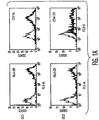
Fig. 1 MSCs modulate dendritic cell functions. (A) Flow cytometric analysis of mature monocytic DC1 cells using antibodies against HLA-DR and CD11c and of plasmacytoid DC2 cells using antibodies against HLA-DR and CD123 (IL-3 receptor). (---): isotype control; (-): FITC/PE conjugated antibodies. (B) MSCs inhibit TNF-α secretion (primary y-axis) and increase 1L-10 secretion (secondary y-axis) from activated DC1 and DC2 respectively. (C) MSCs cultured with mature DC1 cells inhibit IFN-γ secretion (primary y-axis) by T cells and increase IL-4 levels (secondary y-axis) as compared to MSC or DC alone. The decreased production of pro-inflammatory IFN-γ and increased production of anti-inflammatory IL-4 in the presence of MSCs indicated a shift in the T cell population towards an anti-inflammatory phenotype. -
Fig. 2 MSCs inhibit pro-inflammatory effector T cell function. (A) Flow cytometric analysis of TReg cell numbers (in %) by staining PBMCs or non-adherent fraction in MSC+PBMC culture (MSC+PBMC) with FITC-conjugated CD4 (x-axis) and PE conjugated CD25 (y-axis) antibodies. Gates were set based on isotype control antibodies as background. Graphs are representative of 5 independent experiments. (B)T H1 cells generated in presence of MSCs secreted reduced levels of IFN-γ (primary Y-axis) andT H2 cells generated in presence of MSCs secreted increased amounts of IL-4 (secondary y-axis) in cell culture supernatants. (C) MSCs inhibit IFN-γ secretion from purified NK cells cultured for 0, 24, or 48 hours in a 24-well plate. Data shown are mean±SD cytokine secretion in one experiment and are representative of 3 independent experiments. -
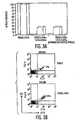
Fig. 3 MSCs lead to increased numbers of TReg cell population and increased GITR expression. (A) A CD4+ CD25+ TReg cell population from PBMC or MSC + PBMC (MSC to PBMC ratio 1:10) cultures (cultured without any further stimulation for 3 days) was isolated using a 2-step magnetic isolation procedure. These cells were irradiated (to block any further proliferation) and used as stimulators in a mixed lymphocyte reaction (MLR), where responders were allogeneic PBMCs (stimulator to responder ratio 1:100) in the presence of phytohemagglutinin (PHA) (2.5 mg/ml). The cells were cultured for 48 hours, following which 3H thymidine was added, and incorporated radioactivity was counted after 24 hours. The results showed that the TReg population, generated in the presence of MSCs (lane 3) was similar functionally to the TReg cells generated in the absence of MSCs (lane 2). (B) PBMCs were cultured for 3 days in the absence (top plot) or presence (bottom plot) of MSCs (MSC to PBMC ratio 1:10), following which the non-adherent fraction was harvested and immunostained with FITC-labeled GITR and PE-labeled CD4. Results show a greater than twofold increase in GITR expression in cells cultured in the presence of MSCs. -
Fig. 4 MSCs produce PGE2 and blocking PGE2 reverses MSC-mediated immuno-modulatory effects. (A) PGE2 secretion (mean±SD) in culture supernatants obtained from MSCs cultured in the presence or absence of PGE2 blockers NS-398 or indomethacin (Indometh.) at various concentrations. Inhibitor concentrations are in µM and data presented are values obtained after 24 hour culture (B) COX-1 and COX-2 expression in MSCs and PBMCs using real-time RT-PCR. MSCs expressed significantly higher levels of COX-2 as compared to PBMCs, and when MSCs were cultured in presence of PBMCs, there was a >3-fold increase in COX-2 expression in MSCs. Representative data from 1 of 3 independent experiments is shown. The MSC+PBMC cultures were setup in a trans-well chamber plate where MSCs were plated onto the bottom chamber and PBMCs onto the top chamber. (C) Presence of PGE2 blockers indomethacin (Ind.) or NS-398 increases TNF-α secretion from activated DCs (□) and IFN-γ secretion fromT H1 cells (□) as compared to controls. Data were calculated as % change from cultures generated in absence of MSCs and PGE2 inhibitors (D) Presence of PGE2 blockers indomethacin (Indo) and NS-398 during MSC¬PBMC co-culture (1:10) reverses MSC-mediated anti-proliferative effects on PHA-treated PBMCs. Data shown are from one experiment and are representative of 3 independent experiments. -
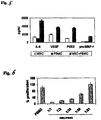
Fig. 5 Constitutive MSC cytokine secretion is elevated in the presence of allogeneic PBMCs. Using previously characterized human MSCs, the levels of the cytokines 1L-6 and VEGF, lipid mediator PGE2, and matrix metalloproteinase 1 (pro MMP-1) in culture supernatant of MSCs cultured for 24 hours in the presence (hatched bars) or absence (open bars) of PBMCs (MSC to PBMC ratio 1:10) were analyzed. The MSCs produced 1L-6, VEGF, and PGE2 constitutively, and the levels of these factors increased upon co-culture with PBMCs, thereby suggesting that MSCs may play a role in modulating immune functions in an inflammatory setting. -
Fig. 6 MSCs inhibit mitogen-induced T-cell proliferation in a dose-dependent manner. Increasing numbers of allogeneic PBMCs were incubated with constant numbers of MSCs (2,000 cells/well) plated on a 96-well plate in the presence or absence of PHA (2.5 mg/ml) for 72 hours, and 3H thymidine incorporation determined (in counts per minute, or cpm). There was a dose-dependent inhibition of the proliferation of PHA-treated PBMCs in the presence of MSCs. Representative results from 1 of 3 independent experiments are shown. Similar results were reported by LeBlanc, et al., Scand J. Immunol., vol. 57, pg. 11 (2003). -
Fig. 7 Schematic diagram of proposed MSC mechanism of action. MSCs mediate their immuno-modulatory effects by affecting cells from both the innate (DCs-pathways 2-4; and NK- pathway 6) and adaptive (T-pathways T H1 orhumoral T H2 immunity). During MSC-DC interaction, MSCs, by means of direct cell-cell contact or via secreted factor, may alter the outcome of immune response by limiting the ability of DCs to mount a cell-mediated response (pathway 2) or by promoting the ability to mount a humoral response (pathway 4). Also, when mature effector T cells are present, MSCs may interact with them to skew the balance of TH1 (pathway 1) responses towardsT H2 responses (pathway 5), and probably towards an increased IgE producing B cell activity (pathway 7), desirable outcomes for suppression of GvHD and autoimmune disease symptoms. MSCs in their ability to result in an increased generation of TReg population (pathway 3) may result in a tolerant phenotype and may aid a recipient host by dampening bystander inflammation in their local micro-environment. Dashed line (----) represents proposed mechanism. - The invention now will be described with respect to the following examples; it is to be understood, however, that the scope of the present invention is not to be limited thereby.
- Human MSCs were cultured as described by Pittenger et al., Science, vol. 284, pg. 143 (1999). Briefly, marrow samples were collected from the iliac crest of anonymous donors following informed consent by Poietics Technologies, Div of Cambrex Biosciences. MSCs were cultured in complete Dulbecco's Modified Eagle's Medium-Low Glucose (Life Technologies, Carlsbad, California) containing 1% antibiotic¬antimyotic solution (Invitrogen, Carlsbad, California) and 10% fetal bovine serum (FBS, JRH BioSciences, Lenexa, Kansas). MSCs grew as an adherent monolayer and were detached with trypsin/EDTA (0.05% trypsin at 37°C for 3 minutes). All MSCs used were previously characterized for multilineage potential and retained the capacity to differentiate into mesenchymal lineages (chondrocytic, adipogenic, and osteogenic) (Pittenger, et al., Science, vol. 284, pg. 143 (1999)).
- Peripheral blood mononuclear cells (PBMCs) were obtained from Poietics Technologies, Div of Cambrex Biosciences (Walkersville, MD). Precursors of dendritic cells (DCs) of monocytic lineage (CD1c+) were positively selected from PBMCs using a 2-step magnetic separation method according to Dzionek, et. al., J. Immunol., vol. 165, pg. 6037 (2000). Briefly, CD1c expressing B cells were magnetically depleted of CD19+ cells using magnetic beads, followed by labeling the B-cell depleted fraction with biotin-labeled CD1 c (BDCA1+) and anti-biotin antibodies and separating them from the unlabeled cell fraction utilizing magnetic columns according to the manufacturer's instructions (Miltenyi Biotech, Auburn, California). Precursors of DCs of plasmacytoid lineage were isolated from PBMCs by immuno-magnetic sorting of positively labeled antibody coated cells (BDCA2+) (Miltenyi Biotech, Auburn, California).
- In most experiments, human MSCs and DCs were cultured in equal numbers for various time periods and cell culture supernatant collected and stored at -80°C until further evaluation. In selected experiments, MSCs were cultured with mature DC1 or DC2 cells (1:1 MSC:DC ratio) for 3 days, and then the combined cultures (MSCs and DCs) were irradiated to prevent any proliferation. Next, antibody purified, naïve, allogeneic T cells (CD4+,CD45RA+) were added to the irradiated MSCs/DCs and cultured for an additional 6 days. The non-adherent cell fraction (purified T cells) was then collected from the cultures, washed twice and re-stimulated with PHA for another 24 hours, following which cell culture supernatants were harvested and analyzed for secreted IFN-γ and IL-4 by ELISA.
- Purified populations of NK cells were obtained by depleting non-NK cells that are magnetically labeled with a cocktail of biotin-conjugated monoclonal antibodies (anti - CD3, -CD14, -CD19, -CD36 and anti-IgE antibodies) as a primary reagent and anti-biotin monoclonal antibodies conjugated to Microbeads as secondary labeling reagent. The magnetically labeled non-NK cells were retained in MACS (Miltenyi Biotech, Auburn, California) columns in a magnetic field, while NK cells passed through and were collected.
- The TReg cell population was isolated using a 2-step isolation procedure. First non-CD4+ T cells were indirectly magnetically labeled with a cocktail of biotin labeled antibodies and anti-biotin microbeads. The labeled cells were then depleted by separation over a MACS column (Miltenyi Biotech, Auburn, California). Next, CD4+CD25+ cells were directly labeled with CD25 microbeads and isolated by positive selection from the pre-enriched CD4+. T cell fraction. The magnetically labeled CD4+CD25+ T cells were retained on the column and eluted after removal of the column from the magnetic field.
- In order to determine whether the increased CD4+CD25+ population generated in the presence of MSCs were suppressive in nature, CD4+CD25+ TReg cell populations were isolated from PBMC or MSC+PBMC (MSC to PBMC ratio 1:10) cultures (cultured without any further stimulation for 3 days) using a 2-step magnetic isolation procedure. These cells were irradiated to block any further proliferation and used as stimulators in a mixed lymphocyte reaction (MLR), where responders were allogeneic PBMCs (stimulator to responder ratio 1:100) in the presence of PHA (2.5 µg/ml). The culture was carried out for 48 hours, following which 3H thymidine was added. Incorporated radioactivity was counted after 24 hours.
- PBMCs were cultured in the absence or presence of MSCs (MSC to PBMC ratio 1:10), following which the non-adherent fraction was harvested and immunostained with FITC-labeled glucocorticoid-induced TNF receptor, or GITR, and PE -labeled CD4.
- Peripheral blood mononuclear cells (PBMCs) were plated at 2x10⁶ cells/ml for 45 min. at 37°C in order to remove monocytes. Non-adherent fraction was incubated in the presence of plate-bound anti-CD3 (5 µg/ml) and anti-CD28 (1 µg/m1) antibodies under TH1 (IL-2 (4 ng/ml) IL-12 (5 ng/ml) + anti-IL-4 (1 µg/ml)) or TH2 (IL-2 (4 ng/ml) + IL-4 (4 ng/ml) + anti-IFN-γ (1 µg/ml)) conditions for 3 days in the presence or absence of MSCs. The cells were washed and then re-stimulated with PHA (2.5 µg/ml) for another 24 or 48 hours, following which levels of IFN-γ and IL-4 were measured in culture supernatants by ELISA (R&D Systems, Minneapolis, Minnesota).
- Using previously characterized human MSCs, the levels of Interleukin-6 (IL-6), VEGF, lipid mediator prostaglandin E2 (PGE2), and matrix metalloproteinase 1 (pro-MMP-1) were analyzed in culture supernatant of MSCs cultured for 24 hours in the presence or absence of PBMCs (MSC to PBMC ratio 1:10).
- Purified PBMCs were prepared by centrifuging leukopack (Cambrex, Walkersville, Maryland) on Ficoll-Hypaque (Lymphoprep, Oslo, Norway). Separated cells were cultured (in triplicates) in the presence or absence of MSCs (plated 3-4 hours prior to PBMC addition to allow them to settle) for 48 hours in presence of the mitogen PHA (Sigma Chemicals, St. Louis, Missouri). In selected experiments, PBMCs were resuspended in medium containing PGE2 inhibitors Indomethacin (Sigma Chemicals, St. Louis, Missouri) or NS-938 (Cayman Chemicals, Ann Arbor, Michigan). (3H)-thymidine was added (20 µl in a 200 µl culture) and the cells harvested after an additional 24 hour culture using an automatic harvester. The effects of MSCs or PGE2 blockers were calculated as the percentage of the control response (100%) in presence of PHA.
- Total RNA from cell pellets were prepared using a commercially available kit (Qiagen, Valencia, California) and according to the manufacturer's instructions. Contaminating genomic DNA was removed using the DNA-free kit (Ambion, Austin, Texas). Quantitative RT-PCR was performed on a MJ Research Opticon detection system (South San Francisco, California) using QuantiTect SYBR Green RT-PCR kit (Qiagen, Valencia, California) with primers at concentration of 0.5 µM. Relative changes in expression levels in cells cultured under different conditions were calculated by the difference in Ct values (crossing point) using β-actin as internal control. The sequence for COX-1 and COX-2 specific primers were: COX-1: 5'-CCG GAT GCC AGT CAG GAT GAT G-3'(forward), 5'-CTA GAC AGC CAG ATG CTG ACA G-3' (reverse); COX-2: 5'- ATC TAC CCT CCT CAA GTC CC-3'(forward), 5'-TAC CAG AAG GGC AGG ATA CAG-3' (reverse).
- Increasing numbers of allogeneic PBMCs were incubated with constant numbers of MSCs (2,000 cells/well) plated on a 96-well plate in the presence of PHA (2.5 µg/ml) for 72 hours, and 3H thymidine incorporation (counts per minute, cpm) was determined. The PBMCs and MSCs were cultured at ratios of MSC:PBMC of 1:1, 1:3, 1:10, 1:30, and 1:81.
- In the present studies, the interaction of human MSCs with isolated immune cell populations, including dendritic cells (DC1 and DC2), effector T cells (
T H1 and TH2) and NK cells was examined. The interaction of MSCs with each immune cell type had specific consequences, suggesting that MSCs may modulate several steps in the immune response process. The production of secreted factor(s) that modulate and may be responsible for MSC immuno-modulatory effects was evaluated and prostaglandin synthesis was implicated. - Myeloid (DC1) and plasmacytoid (DC2) precursor dendritic cells were isolated by immuno-magnetic sorting of BDCA1+ and BDCA2+ cells respectively and matured by incubation with GM-CSF and IL-4 (1x10³ IU/ml and 1x10³ IU/ml, respectively) for DC1 cells, or IL-3 (10 ng/ml) for DC2 cells. Using flow cytometry, DC1 cells were HLA-DR+ and CD11c+, whereas DC2 cells were HLA-DR+ and CD123+ (
Fig. 1A ). In the presence of the inflammatory agent bacterial lipopolysaccharide (LPS, 1 ng/ml), DC1 cells produced moderate levels of TNF-α but when MSCs were present (ratios examined 1:1 and 1:10), there was >50% reduction in TNF-α secretion (Fig. 1B ). On the other hand, DC2 cells produced IL-10 in the presence of LPS and its levels were increased greater than 2-fold upon MSC:DC2 co-culture (1:1) (Fig. 1B ). Therefore, the MSCs modified the cytokine profile of activated DCs in culture towards a more tolerogenic phenotype. Additionally, activated DCs, when cultured with MSCs, were able to reduce IFN-γ and increase IL-4 levels secreted by naïve CD4+ T cells (Fig. 1C ) suggesting a MSC-mediated shift from pro-inflammatory to anti-inflammatory T cell phenotype. - As increased IL-10 secretion plays a role in generation of regulatory cells (Kingsley, et al., J. Immunol., vol. 168, pg. 1080 (2002)), T-regulatory cells (TReg) were quantified by flow cytometry in co-cultures of PBMCs and MSCs. Upon culture of PBMCs with MSCs for 3-5 days, there was an increase in TReg cell numbers as determined by staining of PBMCs with anti-CD4 and anti-CD25 antibodies (
Fig. 2A ), further supporting a MSC-induced tolerogenic response. The CD4+CD25+ TReg cell population, generated in presence of MSCs expressed increased levels of gluocorticoid-induced TNF receptor (GITR), a cell surface receptor expressed on TReg cell populations, and was suppressive in nature as it suppressed allogeneic T cell proliferation (Fig. 3A,B ). Next, MSCs were investigated as to their direct ability to affect T cell differentiation. Using antibody selected purified T cells (CD4+ Th cells), IFN-γ producing T H1 and IL-4producing T H2 cells were generated in presence or absence of MSCs. When MSCs were present during differentiation, there was reduced IFN-γ secretion by TH1 cells and increased IL-4 secretion by TH2 cells (Fig. 2B ). No significant change in IFN-γ or IL-4 levels were seen when MSCs were added to the culture after Th cells had differentiated (at 3 days) intoeffector T H1 orT H2 types (data not shown). These experiments suggest that MSCs can affect effector T cell differentiation directly and alter the T cell cytokine secretion towards a humoral phenotype. - Similarly, when MSCs were cultured with purified NK cells (CD3-, CD14-, CD19-, CD36-) at a ratio 1:1 for different time periods (0-48 hrs), there was decreased IFN-γ secretion in the culture supernatant (
Fig. 2C ), thereby suggesting that MSCs can modulate NK cell functions also. - Previous work has indicated that MSCs modify T-cell functions by soluble factor(s) (LeBlanc, et al., Exp. Hematol., vol. 31, pg. 890 (2003); Tse, et al., Transplantation, vol. 75, pg. 389 (2003). It was observed that the MSCs secreted several factors, including IL-6, prostaglandin E2, VEGF and proMMP-1constitutively, and the levels of each increased upon culture with PBMCs (
Fig. 5 ). In order to investigate MSC-derived factors leading to inhibition of TNF-α and increase of IL-10 production by DCs, the potential role of prostaglandin E2 was investigated, as it has been shown to inhibit TNF-α production by activated DCs (Vassiliou, et al., Cell. Immunol., vol. 223, pg. 120 (2003)). Conditioned media from MSC culture (24 hour culture of 0.5 x10⁶ cells/m1) contained approx. 1000 pg/ml of PGE2 (Fig. 4A ). There was no detectable presence of known inducers of PGE2 secretion, e.g., TNF-α, IFN-γ or IL-1β (data not shown) in the culture supernatant indicating a constitutive secretion of PGE2 by MSCs. The PGE2 secretion by hMSCs was inhibited 60-90% in the presence of known inhibitors of PGE2 production, NS-398 (5 µM) and indomethacin (4 µM) (Fig. 4A ). As the release of PGE2 secretion occurs as a result of enzymatic activity of constitutively active cycloxygenase enzyme 1 (COX-1) and inducible cycloxygenase enzyme 2 (COX-2) (Harris, et al., Trends Immunol., vol. 23, pg. 144 (2002)) the mRNA expression for COX-1 and COX-2 in MSCs and PBMCs using trans-well culture system was analyzed. MSCs expressed significantly higher levels of COX-2 as compared to PBMCs and the expression levels increase >3-fold upon co-culture of MSCs and PBMCs (MSC to PBMC ratio 1:10) for 24 hours (Fig. 4B ). Modest changes in COX-1 levels were seen suggesting that the increase in PGE2 secretion upon MSC-PBMC co-culture (Fig. 5 ) is mediated by COX-2 up-regulation. To investigate whether the immunomodulatory effects of MSC on DCs and T-cells were mediated by PGE2, MSCs were cultured with activated dendritic cells (DC1) orT H1 cells in the presence of PGE2 inhibitors NS-398 or indomethacin. The presence of NS-398 or indomethacin increased TNF-α secretion by DC1s, and IFN-γ secretion fromT H1 cells (Fig. 4C ), respectively, suggesting that MSC effects on immune cell types may be mediated by secreted PGE2. Recent studies have shown that MSCs inhibit T-cell proliferation induced by various stimuli (DeNicola, et al., Blood, vol. 99, pg. 3838 (2002); LeBlanc, et al., Scand. J. Immunol., vol. 57, pg. 11 (2003)). It was observed that MSCs inhibit mitogen-induced T cell proliferation in a dose-dependent manner (Fig. 6 ) and when PGE2 inhibitors NS-398 (5 µM) or indomethacin (4 µM) were present, there was a >70% increase in (3H) thymidine incorporation by PHA-treated PBMCs in MSC containing cultures as compared to controls without inhibitors (Fig. 4D ). - In summary, a model of MSC interaction with other immune cell types (
Fig. 7 ) is proposed. When mature T cells are present, MSCs may interact with them directly and inhibit the pro-inflammatory IFN-γ production (pathway 1) and promote regulatory T cell phenotype (pathway 3) andanti-inflammatory T H2 cells (pathway 5). Further, MSCs can alter the outcome of the T cell immune response through DCs by secreting PGE2, inhibiting pro-inflammatory DC1 cells (pathway 2) and promoting anti-inflammatory DC2 cells (pathway 4) or regulatory DCs (pathway 3). A shift towards TH2 immunity in turn, suggests a change in B cell activity towards increased generation of IgE/IgG1 subtype antibodies (pathway 7). MSCs, by their ability to inhibit IFN-γ secretion from NK cells likely modify NK cell function (pathway 6). This model of MSC:Immune cell interactions is consistent with the experimentation performed in several other laboratories (LeBlanc, et al., Exp. Hematol., vol. 31, pg. 890 (2003); Tse, et al., Transplantation, vol. 75, pg. 389 (2003); DiNicola, et al., Blood, vol. 99, pg. 3838 (2002)). Further examination of the proposed mechanisms is underway and animal studies are now necessary to examine the in vivo effects of MSC administration.
Claims (12)
- Genetically unmanipulated mesenchymal stem cells for use in treating autoimmune disease in a human.
- The genetically unmanipulated mesenchymal stem cells for the use as claimed in claim 1, wherein the autoimmune disease is multiple sclerosis, Type 1 diabetes, rheumatoid arthritis, uveitis, autoimmune thyroid disease, inflammatory bowel disease, autoimmune lymphoproliferative disease (ALPS), demyelinating disease, autoimmune encephalomyelitis, autoimmune gastritis (AIG), or autoimmune glomerular diseases.
- The genetically unmanipulated mesenchymal stem cells for the use as claimed in claim 1 or 2, which are to be administered in an amount from about 1 x 10⁵ cells per kilogram of body weight to about 1 x 10⁷ cells per kilogram of body weight.
- The genetically unmanipulated mesenchymal stem cells for the use as claimed in claim 1 or 2, which are to be administered in an amount from about 1 x 10⁶ cells per kilogram of body weight to about 5.0 x 10⁶ cells per kilogram of body weight.
- The genetically unmanipulated mesenchymal stem cells for the use as claimed in any of the preceding claims, wherein the genetically unmanipulated mesenchymal stem cells are allogeneic.
- The genetically unmanipulated mesenchymal stem cells for the use as claimed in any of the preceding claims, wherein the genetically unmanipulated mesenchymal stem cells are autologous.
- The genetically unmanipulated mesenchymal stem cells for the use as claimed in any of the preceding claims, which are to be administered by intravenous, intraarterial, or intraperitoneal administration.
- The genetically unmanipulated mesenchymal stem cells for the use as claimed in any of the preceding claims, which are to be administered as a cell suspension in a pharmaceutically acceptable liquid medium.
- The genetically unmanipulated mesenchymal stem cells for the use as claimed in any of the preceding claims, wherein the genetically unmanipulated mesenchymal stem cells are harvested from a mesenchymal stem cell-containing tissue, isolated, and expanded in culture.
- The genetically unmanipulated mesenchymal stem cells for the use as claimed in claim 9, wherein the mesenchymal stem cell-containing tissue is blood, skin, cord blood, muscle, fat, perichondrium, bone marrow or periosteum.
- The genetically unmanipulated mesenchymal stem cells for the use as claimed in any of the preceding claims, which are to be administered in combination with a therapeutic agent.
- The genetically unmanipulated mesenchymal stem cells for the use as claimed in claim 11, wherein the therapeutic agent is an anti-inflammatory drug.
Applications Claiming Priority (3)
| Application Number | Priority Date | Filing Date | Title |
|---|---|---|---|
| US55511804P | 2004-03-22 | 2004-03-22 | |
| EP05725577A EP1727892B1 (en) | 2004-03-22 | 2005-03-15 | Mesenchymal stem cells and uses therefor |
| US11/541,853 US20080213227A1 (en) | 2004-03-22 | 2006-10-02 | Mesenchymal stem cells and uses therefor |
Related Parent Applications (2)
| Application Number | Title | Priority Date | Filing Date |
|---|---|---|---|
| EP05725577A Division EP1727892B1 (en) | 2004-03-22 | 2005-03-15 | Mesenchymal stem cells and uses therefor |
| EP05725577.0 Division | 2005-03-15 |
Publications (3)
| Publication Number | Publication Date |
|---|---|
| EP2298862A2 EP2298862A2 (en) | 2011-03-23 |
| EP2298862A3 EP2298862A3 (en) | 2011-08-24 |
| EP2298862B1 true EP2298862B1 (en) | 2017-08-30 |
Family
ID=39772836
Family Applications (10)
| Application Number | Title | Priority Date | Filing Date |
|---|---|---|---|
| EP10011225.9A Revoked EP2298863B1 (en) | 2004-03-22 | 2005-03-15 | Mesenchymal stem cells and uses therefor |
| EP14172807.1A Expired - Lifetime EP2824175B2 (en) | 2004-03-22 | 2005-03-15 | Mesenchymal stem cells and uses therefor |
| EP10011224.2A Expired - Lifetime EP2298862B1 (en) | 2004-03-22 | 2005-03-15 | Mesenchymal stem cells and uses therefor |
| EP10011226.7A Revoked EP2298864B1 (en) | 2004-03-22 | 2005-03-15 | Mesenchymal stem cells and uses therefor |
| EP05725577A Expired - Lifetime EP1727892B1 (en) | 2004-03-22 | 2005-03-15 | Mesenchymal stem cells and uses therefor |
| EP14172800.6A Revoked EP2824174B1 (en) | 2004-03-22 | 2005-03-15 | Mesenchymal stem cells and uses therefor |
| EP18205743.0A Expired - Lifetime EP3461884B1 (en) | 2004-03-22 | 2005-03-15 | Mesenchymal stem cells and uses therefor |
| EP10011223.4A Expired - Lifetime EP2298861B1 (en) | 2004-03-22 | 2005-03-15 | Mesenchymal stem cells and uses therefor |
| EP10005855.1A Withdrawn EP2243826A3 (en) | 2004-03-22 | 2007-09-26 | Mesenchymal stem cells and uses therefor |
| EP07861373A Ceased EP1974016A4 (en) | 2004-03-22 | 2007-09-26 | MESENCHYMAL STEM CELLS AND USES THEREOF |
Family Applications Before (2)
| Application Number | Title | Priority Date | Filing Date |
|---|---|---|---|
| EP10011225.9A Revoked EP2298863B1 (en) | 2004-03-22 | 2005-03-15 | Mesenchymal stem cells and uses therefor |
| EP14172807.1A Expired - Lifetime EP2824175B2 (en) | 2004-03-22 | 2005-03-15 | Mesenchymal stem cells and uses therefor |
Family Applications After (7)
| Application Number | Title | Priority Date | Filing Date |
|---|---|---|---|
| EP10011226.7A Revoked EP2298864B1 (en) | 2004-03-22 | 2005-03-15 | Mesenchymal stem cells and uses therefor |
| EP05725577A Expired - Lifetime EP1727892B1 (en) | 2004-03-22 | 2005-03-15 | Mesenchymal stem cells and uses therefor |
| EP14172800.6A Revoked EP2824174B1 (en) | 2004-03-22 | 2005-03-15 | Mesenchymal stem cells and uses therefor |
| EP18205743.0A Expired - Lifetime EP3461884B1 (en) | 2004-03-22 | 2005-03-15 | Mesenchymal stem cells and uses therefor |
| EP10011223.4A Expired - Lifetime EP2298861B1 (en) | 2004-03-22 | 2005-03-15 | Mesenchymal stem cells and uses therefor |
| EP10005855.1A Withdrawn EP2243826A3 (en) | 2004-03-22 | 2007-09-26 | Mesenchymal stem cells and uses therefor |
| EP07861373A Ceased EP1974016A4 (en) | 2004-03-22 | 2007-09-26 | MESENCHYMAL STEM CELLS AND USES THEREOF |
Country Status (8)
| Country | Link |
|---|---|
| US (21) | US20050239897A1 (en) |
| EP (10) | EP2298863B1 (en) |
| JP (2) | JP2007530543A (en) |
| KR (1) | KR20090065478A (en) |
| CN (1) | CN101384702A (en) |
| AU (3) | AU2005227295A1 (en) |
| CA (2) | CA2564679C (en) |
| WO (2) | WO2005093044A1 (en) |
Cited By (3)
| Publication number | Priority date | Publication date | Assignee | Title |
|---|---|---|---|---|
| US12097223B2 (en) | 2011-11-30 | 2024-09-24 | Astellas Institute For Regenerative Medicine | Mesenchymal stromal cells and uses related thereto |
| US12209255B2 (en) | 2012-07-12 | 2025-01-28 | Astellas Institute For Regenerative Medicine | Mesenchymal-like stem cells derived from human embryonic stem cells, methods and uses thereof |
| US12465621B2 (en) | 2011-11-30 | 2025-11-11 | Astellas Institute For Regenerative Medicine | Mesenchymal stromal cells and uses related thereto |
Families Citing this family (159)
| Publication number | Priority date | Publication date | Assignee | Title |
|---|---|---|---|---|
| US7514074B2 (en) * | 1997-07-14 | 2009-04-07 | Osiris Therapeutics, Inc. | Cardiac muscle regeneration using mesenchymal stem cells |
| US7311905B2 (en) | 2002-02-13 | 2007-12-25 | Anthrogenesis Corporation | Embryonic-like stem cells derived from post-partum mammalian placenta, and uses and methods of treatment using said cells |
| EP2206772A3 (en) | 2000-12-06 | 2010-08-04 | Robert J. Hariri | Method of collecting placental stem cells |
| AUPR298901A0 (en) | 2001-02-07 | 2001-03-08 | McComb Foundation, Inc., The | Cell suspension preparation technique and device |
| CA2437957C (en) | 2001-02-14 | 2014-04-22 | Robert J. Hariri | Renovation and repopulation of decellularized tissues and cadaveric organs by stem cells |
| EP2336299A1 (en) * | 2001-02-14 | 2011-06-22 | Anthrogenesis Corporation | Post-partum mammalian placenta, its use and placental stem cells therefrom |
| US9969980B2 (en) | 2001-09-21 | 2018-05-15 | Garnet Biotherapeutics | Cell populations which co-express CD49c and CD90 |
| US7700090B2 (en) | 2002-02-13 | 2010-04-20 | Anthrogenesis Corporation | Co-culture of placental stem cells and stem cells from a second source |
| EP2298863B1 (en) | 2004-03-22 | 2015-07-22 | Mesoblast International Sàrl | Mesenchymal stem cells and uses therefor |
| ES2708627T3 (en) * | 2004-03-22 | 2019-04-10 | Mesoblast Int Sarl | Mesenchymal stem cells and their uses |
| US20080095749A1 (en) * | 2004-03-22 | 2008-04-24 | Sudeepta Aggarwal | Mesenchymal stem cells and uses therefor |
| US20060045872A1 (en) | 2004-08-25 | 2006-03-02 | Universidad Autonoma De Madrid Ciudad Universitaria de Cantoblanco | Use of adipose tissue-derived stromal stem cells in treating fistula |
| ES2313805B1 (en) | 2004-10-04 | 2009-12-23 | Cellerix, S.L. | IDENTIFICATION AND ISOLATION OF MULTIPOTENT CELLS OF NON-OSTEOCONDRAL MESENQUIMAL FABRIC. |
| KR20080105555A (en) * | 2007-05-31 | 2008-12-04 | 인하대학교 산학협력단 | Graft-versus-host disease treatment and treatment method using mesenchymal bone marrow cells |
| CA2623353C (en) * | 2005-09-23 | 2017-02-21 | Cellerix, S.L. | Cell populations having immunoregulatory activity, method for isolation and uses |
| CA2624925C (en) | 2005-10-13 | 2014-09-30 | Anthrogenesis Corporation | Immunomodulation using placental stem cells |
| ES2708933T3 (en) | 2005-12-29 | 2019-04-12 | Celularity Inc | Populations of placental stem cells |
| EP3287520A1 (en) | 2006-01-13 | 2018-02-28 | Mesoblast International Sàrl | Mesenchymal stem cells expressing tnf-alpha receptors |
| US20070178073A1 (en) | 2006-02-01 | 2007-08-02 | Samsung Life Public Welfare Foundation | Composition Comprising Separated or Proliferated Cells from Umbilical Cord Blood for Treating Developmental and/or Chronic Lung Disease |
| US20070207130A1 (en) * | 2006-03-01 | 2007-09-06 | Calvin Cao | Stem cell therapy to treat symptoms of avian flu and other diseases |
| JP2009535347A (en) * | 2006-04-28 | 2009-10-01 | テュレーン・ユニバーシティ・ヘルス・サイエンシーズ・センター | How to treat diabetes |
| WO2007136673A2 (en) * | 2006-05-19 | 2007-11-29 | Medistem Laboratories, Inc. | Treatment of disc degenerative disease and compositions for same |
| US7993918B2 (en) | 2006-08-04 | 2011-08-09 | Anthrogenesis Corporation | Tumor suppression using placental stem cells |
| GB0619500D0 (en) * | 2006-10-03 | 2006-11-08 | Univ Keele | Treatment of fibrosis |
| KR101569168B1 (en) | 2007-02-12 | 2015-11-13 | 안트로제네시스 코포레이션 | Treatment of inflammatory diseases using placental stem cells |
| CA2677679A1 (en) | 2007-02-12 | 2008-08-21 | Anthrogenesis Corporation | Hepatocytes and chondrocytes from adherent placental stem cells; and cd34+, cd45- placental stem cell-enriched cell populations |
| US11224635B2 (en) * | 2007-03-27 | 2022-01-18 | Venturis Thereuptics, Inc. | Therapeutic angiogenesis for treatment of the spine and other tissues |
| US8983570B2 (en) | 2007-03-27 | 2015-03-17 | Cardiovascular Biotherapeutics, Inc. | Therapeutic angiogenesis for treatment of the spine |
| US20080254005A1 (en) * | 2007-04-06 | 2008-10-16 | Medistem Labortories | Stem Cell Therapy for the Treatment of Autism and Other Disorders |
| US20080260703A1 (en) * | 2007-04-23 | 2008-10-23 | Medistem Labortories | Treatment of Insulin Resistance and Diabetes |
| AU2008260651B2 (en) * | 2007-05-24 | 2014-06-12 | Apceth Gmbh & Co. Kg | CD34 stem cell-related methods and compositions |
| US8354370B2 (en) * | 2007-06-15 | 2013-01-15 | Garnet Biotherapeutics, Inc. | Administering a biological composition or compositions isolated from self-renewing colony forming somatic cell growth medium to treat diseases and disorders |
| US9200253B1 (en) | 2007-08-06 | 2015-12-01 | Anthrogenesis Corporation | Method of producing erythrocytes |
| EP2581441A1 (en) | 2007-08-09 | 2013-04-17 | Genzyme Corporation | Method of treating autoimmune disease with mesenchymal stem cells |
| US20110262402A1 (en) * | 2007-09-07 | 2011-10-27 | Masahiko Kuroda | Therapeutic and prophylactic agents for arthritis |
| US8741315B2 (en) * | 2007-09-12 | 2014-06-03 | Yeda Research And Development Co. Ltd. | Methods of treating tumors in immune-privileged sites |
| KR101738323B1 (en) | 2007-09-19 | 2017-05-19 | 플루리스템 리미티드 | Adherent cells from adipose or placenta tissues and use thereof in therapy |
| CA2700617C (en) | 2007-09-28 | 2018-11-06 | Celgene Cellular Therapeutics | Tumor suppression using human placental perfusate and human placenta-derived intermediate natural killer cells |
| US20110104100A1 (en) * | 2007-10-04 | 2011-05-05 | Medistem Laboratories, Inc. | Compositions and methods of stem cell therapy for autism |
| ES2595103T3 (en) | 2007-10-17 | 2016-12-27 | Txcell | Tr1 cells, mesenchymal stem cells and uses of these |
| WO2009065093A2 (en) * | 2007-11-17 | 2009-05-22 | University Of Medicine And Dentistry Of New Jersey | Use of stem cells for wound healing |
| KR101618380B1 (en) * | 2007-12-21 | 2016-05-04 | 본 테라퓨틱스 소시에테아노님 | Human bone-forming cells in the treatment of inflammatory rheumatic diseases |
| US9011840B2 (en) | 2008-03-14 | 2015-04-21 | The Board Of Trustees Of The University Of Illinois | Activated mesenchymal stem cells for wound healing and impaired tissue regeneration |
| US20110044958A1 (en) * | 2008-03-14 | 2011-02-24 | The Board Of Trustees Of The University Of Illinois | Activated mesenchymal stem cells for the prevention and repair of inflammatory states |
| JP5541845B2 (en) * | 2008-03-28 | 2014-07-09 | Jcrファーマ株式会社 | Atopic dermatitis treatment |
| US20110150845A1 (en) * | 2008-05-02 | 2011-06-23 | Massachusetts Institute Of Technology | Methods and compositions for modulating immunological tolerance |
| EP2303293A1 (en) | 2008-05-27 | 2011-04-06 | Pluristem Ltd. | Methods of treating inflammatory colon diseases |
| GB0814249D0 (en) * | 2008-08-04 | 2008-09-10 | Cellerix Sa | Uses of mesenchymal stem cells |
| AU2015268704B2 (en) * | 2008-08-04 | 2017-08-10 | Consejo Superior De Investigaciones Cientificas | Uses of mesenchymal stem cells |
| AU2009281809B2 (en) * | 2008-08-14 | 2015-09-17 | Mesoblast International Sarl | Purified mesenchymal stem cell compositions and methods of purifying mesenchymal stem cell compositions |
| JP5950577B2 (en) | 2008-08-20 | 2016-07-13 | アンスロジェネシス コーポレーション | Treatment of stroke using isolated placental cells |
| DK2330889T3 (en) | 2008-08-20 | 2017-01-30 | Anthrogenesis Corp | Improved cell composition and process for making the same |
| HRP20130812T1 (en) | 2008-08-22 | 2013-09-30 | Anthrogenesis Corporation | Methods and compositions for treatment of bone defects with placental cell populations |
| KR20100054711A (en) * | 2008-11-14 | 2010-05-25 | 메디포스트(주) | Composition comprising mesenchymal stem cells or culture solution of mesenchymal stem cells for the prevention or treatment of neural diseases |
| WO2010056336A1 (en) * | 2008-11-14 | 2010-05-20 | Howmedica Osteonics Corp. | Cells for joint fluid |
| CN102282252B (en) | 2008-11-19 | 2017-07-04 | 人类起源公司 | amnion derived adherent cells |
| US9192695B2 (en) | 2008-11-20 | 2015-11-24 | Allosource | Allografts combined with tissue derived stem cells for bone healing |
| US8309343B2 (en) | 2008-12-01 | 2012-11-13 | Baxter International Inc. | Apparatus and method for processing biological material |
| WO2010068707A2 (en) * | 2008-12-09 | 2010-06-17 | University Of Southern California | Stem cell modified animal model for aging-related degenerations, stem cell based methods and compositions for extending lifespan and treating sle-like autoimmune diseases |
| US8586360B2 (en) | 2009-07-02 | 2013-11-19 | Anthrogenesis Corporation | Method of producing erythrocytes without feeder cells |
| EP2456853B1 (en) * | 2009-07-21 | 2020-10-28 | ABT Holding Company | Use of stem cells to reduce leukocyte extravasation |
| WO2011020095A2 (en) * | 2009-08-14 | 2011-02-17 | Case Western Reserve University | Compositions and methods of treating inflammation |
| WO2011047345A2 (en) * | 2009-10-15 | 2011-04-21 | Tai June Yoo | Methods of treating diseases of conditions using mesenchymal stem cells |
| KR101301262B1 (en) * | 2009-10-23 | 2013-08-27 | 가톨릭대학교 산학협력단 | Mesenchymal stem cell introduced with a nucleotide sequence encoding TGFβ and use thereof |
| CN102048756B (en) * | 2009-11-04 | 2014-02-19 | 中国医学科学院基础医学研究所 | Use of human fat-derived mesenchymal stem cells in treatment of diseases in kidney and ocular fundus |
| CA2781194A1 (en) * | 2009-11-19 | 2011-05-26 | Regents Of The University Of Minnesota | Reducing inflammation using cell therapy |
| AU2010341703B2 (en) * | 2009-12-08 | 2016-01-21 | The Board Of Trustees Of The University Of Illinois | Stem cell immune modulation methods of use and apparatus |
| ES2646750T3 (en) | 2010-01-26 | 2017-12-15 | Anthrogenesis Corporation | Treatment of bone-related cancers using placental stem cells |
| SG183497A1 (en) * | 2010-02-25 | 2012-09-27 | Abt Holding Co | Modulation of macrophage activation |
| IL250234B2 (en) | 2010-04-07 | 2023-10-01 | Anthrogenesis Llc | Creating blood vessels using placental stem cells |
| MX2012011543A (en) | 2010-04-08 | 2013-05-06 | Anthrogenesis Corp | Treatment of sarcoidosis using placental stem cells. |
| DK2568991T6 (en) | 2010-05-12 | 2019-03-18 | Abt Holding Co | MODULATION OF SPLENOCYTES IN CELL THERAPY |
| WO2011147967A1 (en) * | 2010-05-27 | 2011-12-01 | Georg Duda | Skeletal muscle regeneration using mesenchymal stem cells |
| US20120020931A1 (en) * | 2010-06-02 | 2012-01-26 | Rutgers, The State University Of New Jersey | Therapeutic encapsulated embryonic stem cells and mesenchymal stromal cells |
| KR20180099915A (en) | 2010-07-13 | 2018-09-05 | 안트로제네시스 코포레이션 | Methods of generating natural killer cells |
| US9682105B2 (en) * | 2010-07-14 | 2017-06-20 | University Of Southern California | Methods of promoting wound healing and attenuating contact hypersensitivity with gingiva-derived mesenchymal stem cells |
| PT2611906T (en) * | 2010-08-31 | 2024-04-16 | Gallant Pet Inc | Systemic, allogenic stem cell therapies for treatment of diseases in animals |
| EP4663241A3 (en) | 2010-10-08 | 2026-03-25 | Mesoblast International Sàrl | Enhanced msc preparations |
| AU2011352036A1 (en) | 2010-12-31 | 2013-07-18 | Anthrogenesis Corporation | Enhancement of placental stem cell potency using modulatory RNA molecules |
| WO2012095743A2 (en) * | 2011-01-12 | 2012-07-19 | Cellerix Sa | Methods and compositions for use in intralymphatic cellular therapies |
| JP2014506453A (en) | 2011-01-19 | 2014-03-17 | ザ リージェンツ オブ ザ ユニバーシティ オブ カリフォルニア | Innate pluripotent somatic cells |
| KR20120095022A (en) * | 2011-02-18 | 2012-08-28 | 가톨릭대학교 산학협력단 | Cell therapy composition for preventing or treating graft-versus-host disease comprising mesenchymal stem cell and regulatory t cell |
| US20120288480A1 (en) * | 2011-02-22 | 2012-11-15 | Taipei Medical University | Cell population comprising orbital fat-derived stem cells (ofscs) and their isolation and applications |
| US8709401B2 (en) | 2011-02-25 | 2014-04-29 | Howmedica Osteonics Corp. | Primed stem cells and uses thereof to treat inflammatory conditions in joints |
| CN104220081A (en) | 2011-06-01 | 2014-12-17 | 人类起源公司 | Treatment of pain using placental stem cells |
| WO2013055476A1 (en) | 2011-09-09 | 2013-04-18 | Anthrogenesis Corporation | Treatment of amyotrophic lateral sclerosis using placental stem cells |
| EP2788014B8 (en) | 2011-12-09 | 2019-10-23 | Metabolic Pharmaceuticals Pty Ltd | Use of growth hormone fragments |
| CN102552880A (en) * | 2011-12-14 | 2012-07-11 | 南方医科大学 | Biological preparation for promoting skin wound to be healed |
| CN103191154B (en) * | 2012-01-06 | 2015-09-09 | 上海交通大学医学院 | Mesenchymal stem cells and the application of extracting method in the psoriatic medicine of preparation thereof |
| GB201202319D0 (en) * | 2012-02-10 | 2012-03-28 | Orbsen Therapeutics Ltd | Stromal stem cells |
| AU2013202587B2 (en) * | 2012-03-22 | 2015-08-13 | AVITA Medical Americas, LLC | Cell suspension and use thereof |
| US10041039B2 (en) | 2012-03-29 | 2018-08-07 | Jcr Pharmaceuticals Co., Ltd. | Method for producing pluripotent stem cells derived from dental pulp |
| WO2014018230A2 (en) * | 2012-07-25 | 2014-01-30 | Albert Einstein College Of Medicine Of Yeshiva University | Methods to isolate human mesenchymal stem cells |
| CN103585177A (en) * | 2012-08-13 | 2014-02-19 | 首都医科大学附属北京口腔医院 | Applications of mesenchymal stem cell and genetically modified mesenchymal stem cell |
| US10357538B2 (en) | 2012-12-24 | 2019-07-23 | Northern Sydney Local Health District | Vaccines for the treatment of cancer and compositions for enhancing vaccine efficacy |
| WO2014113704A2 (en) * | 2013-01-18 | 2014-07-24 | Escape Therapeutics, Inc. | Enhanced differentiation of mesenchymal stem cells |
| AU2014215458A1 (en) | 2013-02-05 | 2015-08-13 | Anthrogenesis Corporation | Natural killer cells from placenta |
| KR102252223B1 (en) | 2013-02-12 | 2021-05-14 | 리플리셀 라이프 사이언시스 인크. | Compositions and methods for treating and repairing tendons |
| US20140271568A1 (en) * | 2013-03-12 | 2014-09-18 | Hawking Biological Technology Co., Ltd | Method and kit for providing an increased expression of telomerase, brain-derived neurotrophic factor, stromal cell-derived factor-1, cxc chemokine receptor 4, and/or immune regulatory factor of stem cell |
| WO2014143383A1 (en) | 2013-03-13 | 2014-09-18 | Agilent Technologies, Inc. | Transposome tethered to a gene delivery vehicle |
| AU2013205148B2 (en) | 2013-03-14 | 2014-10-30 | AVITA Medical Americas, LLC | Systems and methods for tissue processing and preparation of cell suspension therefrom |
| KR102312720B1 (en) | 2013-03-15 | 2021-10-13 | 알로소스 | Cell repopulated collagen matrix for soft tissue repair and regeneration |
| EP3581932A1 (en) * | 2013-03-15 | 2019-12-18 | TiGenix, S.A.U. | Lymphocyte biomarkers for determining the clinical response to cell therapy |
| PT2983680T (en) | 2013-04-12 | 2020-10-29 | Abt Holding Co | Improving organs for transplantation |
| CN104138391B (en) * | 2013-05-08 | 2018-07-31 | 中国科学院上海生命科学研究院 | Application of the mescenchymal stem cell in preventing or treating immunity degradation caused by stress reaction |
| JP6765961B2 (en) * | 2013-11-04 | 2020-10-07 | ベクトン・ディキンソン・アンド・カンパニーBecton, Dickinson And Company | Immunomodulatory potential of pluripotent stromal cell population |
| US20160129531A1 (en) * | 2014-01-13 | 2016-05-12 | Camarc Llc | Electrode of a welding torch |
| WO2015123477A1 (en) | 2014-02-12 | 2015-08-20 | Replicel Life Sciences Inc. | Compositions and methods for treating bone, joints and cartilage |
| AU2015273799B2 (en) * | 2014-06-10 | 2020-07-02 | Mesoblast International Sarl | Treatment of immune disorders |
| NZ727950A (en) * | 2014-06-30 | 2022-07-01 | Takeda Pharmaceuticals Co | Mesenchymal stromal cells for treating sepsis |
| JP6452107B2 (en) | 2014-09-05 | 2019-01-16 | 国立大学法人 東京大学 | Pluripotent stem cells for the treatment of diabetic skin ulcers |
| TWI625391B (en) | 2014-09-17 | 2018-06-01 | 國璽幹細胞應用技術股份有限公司 | Uses of ligustilide |
| US20160095885A1 (en) | 2014-10-01 | 2016-04-07 | WibiWorks Therapeutics, Inc. | Induction Medium & Methods for Stem Cell Culture & Therapy |
| CN104357383A (en) * | 2014-10-11 | 2015-02-18 | 张炳强 | Preparation method of human adipose-derived MSCs (mesenchymal stem cells) and application of human adipose-derived mesenchymal stem cell in preparation of medicine for treating diseases |
| RU2644650C2 (en) | 2014-12-01 | 2018-02-13 | Общество с ограниченной ответственностью "Т-Хелпер Клеточные Технологии" | Stem cell material and method for its reception |
| US20180099009A1 (en) * | 2015-03-20 | 2018-04-12 | Rediens, Inc. | Bony Tissue Delivery Systems and Methods |
| JP6920207B2 (en) | 2015-03-20 | 2021-08-18 | オルブセン セラピューティクス リミテッド | Cindecan-2 modulator and its use |
| JP6811724B2 (en) * | 2015-04-24 | 2021-01-13 | ティジェニクス エス.エー.ユー. | Biomarkers to determine clinical response to cell therapy |
| EP3351254A4 (en) | 2015-09-15 | 2019-07-17 | Kangstem Biotech Co., Ltd. | COMPOSITION FOR THE PREVENTION OR TREATMENT OF INFLAMMATORY DISEASES, CONTAINING, AS ACTIVE INGREDIENT, STEM CELLS SUPRIMINATING SOD3 |
| US12171786B2 (en) | 2015-10-05 | 2024-12-24 | The Regents Of The University Of California | Use of mesenchymal stem cells for the treatment of inflammation |
| WO2017122095A1 (en) | 2016-01-15 | 2017-07-20 | Orbsen Therapeutics Limited | Sdc-2 exosome compositions and methods of isolation and use |
| US10967006B2 (en) | 2016-01-21 | 2021-04-06 | Abt Holding Company | Stem cells for wound healing |
| GB201604304D0 (en) | 2016-03-14 | 2016-04-27 | Tigenix S A U | Adipose tissue-derived stromal stem cells for use in treating refractory complex perianal fistulas in crohn's disease |
| JP7048977B2 (en) | 2016-03-16 | 2022-04-06 | サイナータ セラピューティクス リミテッド | Colonization medium and its use |
| RU2708329C2 (en) | 2016-05-31 | 2019-12-05 | Общество с ограниченной ответственностью "Т-Хелпер Клеточные Технологии" | Stem cell material, compositions and methods of use |
| EP3473259B1 (en) | 2016-06-20 | 2022-12-21 | FUJIFILM Corporation | Trophic factor release agent and inflammatory disease treatment agent |
| KR101816246B1 (en) * | 2016-09-07 | 2018-01-08 | 에스씨엠생명과학 주식회사 | Pharmaceutical composition for prevention or treatment of immune diseases and inflammatory diseases comprising immunogenic stimulated mesenchymal stem cells |
| CN109952371A (en) | 2016-11-15 | 2019-06-28 | 株式会社钟化 | Cell mass, preparation method and medical composition comprising the mesenchyma lineage stem cells from fetal appendage |
| US10987381B2 (en) * | 2017-01-27 | 2021-04-27 | Neil Riordan | Mesenchymal stem cells with enhanced efficacy in treatment of autoimmunity particularly rheumatoid arthritis |
| KR102722188B1 (en) | 2017-07-14 | 2024-10-24 | 오르브센 테라퓨틱스 리미티드 | CD39 Stromal Stem Cell Isolation Method and Use |
| AU2018372631B2 (en) | 2017-11-22 | 2025-06-05 | Mesoblast International Sarl | Cellular compositions and methods of treatment I |
| KR102777940B1 (en) | 2017-12-22 | 2025-03-11 | 키에시 파르마슈티시 엣스. 피. 에이. | Method for obtaining mesenchymal stromal cells from mesenchymal stromal cells and umbilical cord |
| WO2019132026A1 (en) | 2017-12-28 | 2019-07-04 | 株式会社カネカ | Cell population including adhesive stem cells, production method therefor, and pharmaceutical composition |
| WO2019146131A1 (en) * | 2018-01-24 | 2019-08-01 | 学校法人順天堂大学 | Composition for amplifying effect of treatment with mesenchymal stem cells |
| WO2019213495A1 (en) * | 2018-05-04 | 2019-11-07 | Spinalcyte, Llc | Intradiscal t-regulatory cell administration for treatment of disc degenerative disease |
| CN108646035B (en) * | 2018-05-18 | 2021-06-11 | 北京亦科诺生物科技有限公司 | Novel use of insulin-like growth factor 1 |
| AU2019283518B2 (en) * | 2018-06-05 | 2025-09-11 | Medipost Co., Ltd. | Pharmaceutical composition comprising mesenchymal stem cells as effective ingredient for prevention or treatment of inflammatory disease |
| CA3103570A1 (en) * | 2018-06-14 | 2019-12-19 | Abraham J And Phyllis Katz Cord Blood Foundation | Isolation of mesenchymal stromal cells from umbilical cord blood |
| US12171810B2 (en) * | 2018-10-04 | 2024-12-24 | National Institute For Materials Science | Angiogenesis promoter and therapeutic method |
| CN113396333A (en) * | 2019-01-31 | 2021-09-14 | 普里梅真生物技术有限责任公司 | Treatment of atopic dermatitis using mesenchymal stem cells and immunomodulation |
| TW202045716A (en) * | 2019-02-28 | 2020-12-16 | 澳大利亞商辛那塔治療有限公司 | Method for improving angiogenic potential of a mesenchymal stem cell |
| WO2020182935A1 (en) * | 2019-03-12 | 2020-09-17 | Global Stem Cell Technology | Immunomodulating mesenchymal stem cells |
| DE102019106651A1 (en) * | 2019-03-15 | 2020-09-17 | Fraunhofer-Gesellschaft zur Förderung der angewandten Forschung e.V. | Treatment device and method for extracorporeal, immune tolerance-increasing blood treatment |
| CN113614538A (en) * | 2019-03-19 | 2021-11-05 | Scm生命科学有限公司 | Method for treating atopic dermatitis using monoclonal stem cells |
| RU2704322C1 (en) * | 2019-06-11 | 2019-10-28 | Федеральное государственное автономное образовательное учреждение высшего образования "Белгородский государственный национальный исследовательский университет" (НИУ "БелГУ") | Cream with secretory of multipotent mesenchymal stromal cells for correction of psoriasiform inflammation in experiment |
| WO2020251020A1 (en) | 2019-06-14 | 2020-12-17 | 株式会社カネカ | Cell population including mesenchymal cells, pharmaceutical composition including same, and method for producing same |
| WO2021176001A1 (en) * | 2020-03-05 | 2021-09-10 | Mesoblast International Sàrl | Method for treating inflammatory lung diseases using mesenchymal lineage precursor or stem cells |
| CN115297877A (en) * | 2020-04-13 | 2022-11-04 | 国立大学法人东海国立大学机构 | CD25 positive regulatory T cell increasing agent in kidney |
| WO2021226373A2 (en) | 2020-05-08 | 2021-11-11 | Gallant Pet, Inc. | Uterine-derived regenerative cell compositions and uses thereof |
| CN111557952A (en) * | 2020-05-28 | 2020-08-21 | 澳门大学 | Application of mesenchymal stem cells in preparation of preparation for promoting fat transplantation |
| CN111979186B (en) * | 2020-08-21 | 2022-04-08 | 遵义医科大学附属医院 | A method and application of rapid and efficient expansion of human mesenchymal stem cells in vitro |
| CN112076217A (en) * | 2020-10-26 | 2020-12-15 | 重庆医科大学附属第一医院 | Preparation method of anti-inflammatory oxidized lipid composition derived from mesenchymal stem cells |
| EP4351721A4 (en) * | 2021-05-13 | 2025-04-30 | Primegen US, Inc. | Methods and compositions for treating liver disease |
| IL312434A (en) * | 2021-11-01 | 2024-06-01 | Mam Holdings Of West Florida L L C | Mesenchymal stem cells for the prevention and targeted treatment of cancer and other disorders |
| CN115433709A (en) * | 2022-06-13 | 2022-12-06 | 南京艾尔普再生医学科技有限公司 | In-vitro experimental model for predicting myocardial cell transplantation immune rejection |
| WO2024145258A1 (en) | 2022-12-27 | 2024-07-04 | AVITA Medical Americas, LLC | System for automated preparation of a regenerative epidermal suspension and related methods of use |
| US12570949B2 (en) | 2022-12-27 | 2026-03-10 | AVITA Medical Americas, LLC | Systems and devices for wound therapy and related methods of use |
| USD1112812S1 (en) | 2023-12-22 | 2026-02-10 | AVITA Medical Americas, LLC | Tissue processing cartridge |
| CN119235919B (en) * | 2024-12-06 | 2025-04-11 | 四川华大生命科技有限公司 | Preparation method of stem cell culture preparation for repairing diabetic wound surface |
Citations (5)
| Publication number | Priority date | Publication date | Assignee | Title |
|---|---|---|---|---|
| WO1999051275A2 (en) | 1998-04-03 | 1999-10-14 | Osiris Therapeutics, Inc. | Mesenchymal stem cells as immunosuppressants |
| WO1999051247A1 (en) | 1998-04-03 | 1999-10-14 | Osiris Therapeutics, Inc. | Use of human mesenchymal stem cells to induce t-cell apoptosis |
| WO2008042174A2 (en) | 2004-03-22 | 2008-04-10 | Osiris Therapeutics, Inc. | Mesenchymal stem cells and uses therefor |
| US8053398B2 (en) | 2005-03-25 | 2011-11-08 | Chemsil Silicones, Inc. | Lubricant compositions, condom products and methods of making same |
| US8067898B2 (en) | 2006-10-06 | 2011-11-29 | Koninklijke Philips Electronics N.V. | Power supply device for light elements and method for supplying power to light elements |
Family Cites Families (82)
| Publication number | Priority date | Publication date | Assignee | Title |
|---|---|---|---|---|
| JPH0651641B2 (en) * | 1983-08-29 | 1994-07-06 | 株式会社ミドリ十字 | Gamma interferon composition |
| JPS6048933U (en) | 1983-09-12 | 1985-04-06 | 株式会社大隈鐵工所 | Splash-proof cover on top of grinder bed |
| JPH01501792A (en) | 1986-03-17 | 1989-06-22 | シェリング・コーポレーション | Cancer treatment with gamma interferon |
| US5486359A (en) | 1990-11-16 | 1996-01-23 | Osiris Therapeutics, Inc. | Human mesenchymal stem cells |
| US6010696A (en) | 1990-11-16 | 2000-01-04 | Osiris Therapeutics, Inc. | Enhancing hematopoietic progenitor cell engraftment using mesenchymal stem cells |
| US5843425A (en) * | 1992-02-19 | 1998-12-01 | The General Hospital Corporation | Transplantation and graft-versus-host-disease |
| CA2109729A1 (en) * | 1992-03-23 | 1993-09-30 | James G. Bender | In vitro-derived human neutrophil precursor cells |
| US5382514A (en) | 1992-03-31 | 1995-01-17 | The United States Of America As Represented By The Secretary Of The Department Of Health And Human Services | In vivo angiogenesis assay |
| US6653134B2 (en) | 1995-03-28 | 2003-11-25 | Cp Hahnemann University | Isolated stromal cells for use in the treatment of diseases of the central nervous system |
| ES2266715T3 (en) | 1995-03-28 | 2007-03-01 | Thomas Jefferson University | IMPLANTS THAT INCLUDE IMMUNOLOGICALLY ISOLATED THERMAL CELLS AND ITS USE. |
| US6974571B2 (en) | 1995-03-28 | 2005-12-13 | Thomas Jefferson University | Isolated stromal cells and methods of using the same |
| CA2253724A1 (en) | 1996-04-26 | 1997-11-06 | Case Western Reserve University | Skin regeneration using mesenchymal stem cells |
| US6165785A (en) | 1996-05-24 | 2000-12-26 | University Of Cincinnati | Bone marrow cultures for developing suppressor and stimulator cells for research and therapeutic applications |
| CA2271758A1 (en) * | 1996-11-15 | 1998-05-22 | Osiris Therapeutics, Inc. | Msc-megakaryocyte precursor composition and method of isolating mscs associated with isolated megakaryocytes by isolating megakaryocytes |
| US20030103951A1 (en) | 1997-07-14 | 2003-06-05 | Osiris Therapeutics, Inc. | Cardiac muscle regeneration using mesenchymal stem cells |
| US6077987A (en) * | 1997-09-04 | 2000-06-20 | North Shore-Long Island Jewish Research Institute | Genetic engineering of cells to enhance healing and tissue regeneration |
| ES2237089T3 (en) * | 1998-03-13 | 2005-07-16 | Osiris Therapeutics, Inc. | USES FOR NON-AUTOMATIC HUMAN MESENQUIMATE MOTHER CELLS |
| ES2258329T3 (en) | 1998-03-18 | 2006-08-16 | Osiris Therapeutics, Inc. | MESENQUIMATIC MOTHER CELLS FOR THE PREVENTION AND TREATMENT OF IMMUNE ANSWERS IN TRANSPLANTS. |
| US6368636B1 (en) * | 1998-03-18 | 2002-04-09 | Osiris Therapeutics, Inc. | Mesenchymal stem cells for prevention and treatment of immune responses in transplantation |
| US20030118567A1 (en) | 1999-03-26 | 2003-06-26 | Stewart Duncan John | Cell-based therapy for the pulmonary system |
| US6835377B2 (en) * | 1998-05-13 | 2004-12-28 | Osiris Therapeutics, Inc. | Osteoarthritis cartilage regeneration |
| DE69937888T2 (en) * | 1998-07-31 | 2009-01-02 | Genzyme Corp., Cambridge | Process for the preparation of mesenchymal stem cells |
| WO2000049136A1 (en) * | 1999-02-17 | 2000-08-24 | United States Surgical | Genetically altered mesenchymal stem cells and methods of use thereof |
| US20050153442A1 (en) * | 1999-03-10 | 2005-07-14 | Adam Katz | Adipose-derived stem cells and lattices |
| IL145002A0 (en) * | 1999-03-10 | 2002-06-30 | Univ Pittsburgh | Adipose-derived stem cells and lattices |
| US8017112B2 (en) | 1999-05-14 | 2011-09-13 | Henry Ford Health System | Transplantation of bone marrow stromal cells for treatment of neurodegenerative diseases |
| US6685936B2 (en) | 1999-10-12 | 2004-02-03 | Osiris Therapeutics, Inc. | Suppressor cells induced by culture with mesenchymal stem cells for treatment of immune responses in transplantation |
| CN1307303C (en) * | 2000-01-19 | 2007-03-28 | 帕卡什·S·吉尔 | Methods and compositions directed against antisense VEGF oligonucleotides |
| EP1259230A2 (en) † | 2000-02-18 | 2002-11-27 | Cv Therapeutics, Inc. | Partial fatty acid oxidation inhibitors in the treatment of congestive heart failure |
| PT1261694E (en) | 2000-02-26 | 2008-04-03 | Artecel Inc | Pleuripotent stem cells generated from adipose tissue-derived stromal cells and uses thereof |
| ES2353061T5 (en) * | 2000-04-25 | 2014-04-07 | Osiris Therapeutics, Inc. | Joint repair using mesenchymal stem cells |
| US6936281B2 (en) * | 2001-03-21 | 2005-08-30 | University Of South Florida | Human mesenchymal progenitor cell |
| US20040022787A1 (en) | 2000-07-03 | 2004-02-05 | Robert Cohen | Methods for treating an autoimmune disease using a soluble CTLA4 molecule and a DMARD or NSAID |
| CA2429502A1 (en) * | 2000-07-26 | 2002-01-31 | Scimed Life Systems, Inc. | Therapeutic angiogenesis by bone marrow-derived cell transplantation in myocardial ischemic tissue and skeletal muscle ischemic tissue |
| US20020045260A1 (en) * | 2000-10-17 | 2002-04-18 | Shih-Chieh Hung | Method of isolating mesenchymal stem cells |
| CA2438047A1 (en) * | 2001-02-14 | 2002-08-22 | Hildegard M. Kramer | Biocompatible fleece for hemostasis and tissue engineering |
| ATE421991T1 (en) | 2001-04-24 | 2009-02-15 | Ajinomoto Kk | STEM CELLS AND METHOD FOR SEPARATING THEM |
| US6549704B2 (en) | 2001-06-26 | 2003-04-15 | Corning Incorporated | Fabrication of microlensed fiber using doped silicon dioxide |
| EP1279738A1 (en) * | 2001-07-06 | 2003-01-29 | Crucell Holland B.V. | Gene delivery vectors with cell type specificity for mesenchymal stem cells |
| US6905678B2 (en) | 2001-07-07 | 2005-06-14 | Crucell Holland B.V. | Gene delivery vectors with cell type specificity for mesenchymal stem cells |
| EP1430115A1 (en) * | 2001-07-27 | 2004-06-23 | Arhus Amt | Immortilized stem cells |
| JP4412537B2 (en) * | 2001-08-22 | 2010-02-10 | 秦 順一 | Bone regeneration method |
| US20030104997A1 (en) | 2001-09-05 | 2003-06-05 | Black Ira B. | Multi-lineage directed induction of bone marrow stromal cell differentiation |
| EP1453954A4 (en) | 2001-11-09 | 2004-12-15 | Artecel Sciences Inc | ENDOCRINE PANCREAS DIFFERENTIATION OF CURRENT CELLS FROM FAT TISSUE AND THEIR USE |
| US6939863B2 (en) | 2002-01-04 | 2005-09-06 | Wei-Jan Chen | Prevention of atherosclerosis and restenosis |
| AU2003202988A1 (en) * | 2002-01-14 | 2003-07-30 | The Board Of Trustees Of The University Of Illinois | Use of modified pyrimidine compounds to promote stem cell migration and proliferation |
| CA2473108A1 (en) | 2002-01-14 | 2003-07-24 | Henry Ford Health System | Materials from bone marrow stromal cells for use in forming blood vessels and producing angiogenic and trophic factors |
| US20030161815A1 (en) * | 2002-02-12 | 2003-08-28 | Intercytex Limited | Cell delivery system |
| WO2003105908A2 (en) * | 2002-03-15 | 2003-12-24 | Department Of Veterans Affairs, Rehabilitation R & D Service | Methods and compositions using cellular asialodeterminants and glycoconjugates for targeting cells to tissues and organs |
| AUPS112802A0 (en) * | 2002-03-15 | 2002-04-18 | Monash University | Methods of inducing differentiation of stem cells into a specific cell lineage |
| EP1485464A4 (en) * | 2002-03-18 | 2006-11-29 | Gamida Cell Ltd | Methods of inducing differentiation in ex vivo expanded stem cells |
| WO2003082305A1 (en) * | 2002-04-03 | 2003-10-09 | Naohide Yamashita | Drug containing human placenta-origin mesenchymal cells and process for producing vegf using the cells |
| ITTO20020311A1 (en) | 2002-04-10 | 2003-10-10 | Medestea Int Spa | PROCEDURE FOR THE PREPARATION OF STEM CELLS FROM MUSCLE FABRIC AND HUMAN FAT FABRIC AND STEM CELLS OBTAINABLE BY T |
| US7498171B2 (en) * | 2002-04-12 | 2009-03-03 | Anthrogenesis Corporation | Modulation of stem and progenitor cell differentiation, assays, and uses thereof |
| CN1187058C (en) * | 2002-04-16 | 2005-02-02 | 中国医学科学院血液学研究所泰达生命科学技术研究中心 | Stem cell medicine for repairing damage of central nerve and its preparing process |
| US7628988B2 (en) | 2002-06-27 | 2009-12-08 | The General Hospital Corporation | Methods and compositions for treating type 1 diabetes |
| US20040009155A1 (en) * | 2002-07-12 | 2004-01-15 | Maria Palasis | Method for sustaining direct cell delivery |
| JP2005532810A (en) * | 2002-07-16 | 2005-11-04 | イッサム リサーチ ディベロップメント カンパニー オブ ザ ヘブリュー ユニバーシティー オブ エルサレム | Methods for transplanting mesenchymal stem cells for tissue repair and tissue formation |
| AU2003259152A1 (en) | 2002-07-23 | 2004-02-09 | Boston Scientific Limited | Cell therapy for regeneration |
| AU2003257938A1 (en) * | 2002-07-29 | 2004-02-16 | Es Cell International Pte Ltd. | Multi-step method for differentiation of insulin positive, glucose |
| JP3897343B2 (en) * | 2002-08-01 | 2007-03-22 | 株式会社林原生物化学研究所 | Protein that induces production of interferon-γ in immunocompetent cells |
| KR100519227B1 (en) | 2002-08-17 | 2005-10-07 | 서해영 | A method for transdifferentiating mesenchymal stem cells into neuronal cells |
| WO2004022579A2 (en) * | 2002-09-06 | 2004-03-18 | University Of South Florida | Cellular delivery of natriuretic peptides |
| KR20040022134A (en) * | 2002-09-06 | 2004-03-11 | 송준석 | Method for anticancer treatment using human mesenhymal stem cell and adenovirus producing p53 |
| CA2547899C (en) * | 2002-12-05 | 2014-04-15 | Case Western Reserve University | Cell-based therapies for ischemia |
| US20060263336A1 (en) * | 2003-03-24 | 2006-11-23 | Caplan Arnold I | Cell targeting methods and compositions |
| CN1536075A (en) * | 2003-04-09 | 2004-10-13 | 中国人民解放军军事医学科学院野战输 | Method for inducing bone marrow mesenchymal stem cells to differentiate into insulin-like cells |
| ES2564044T3 (en) * | 2003-06-27 | 2016-03-17 | DePuy Synthes Products, Inc. | Postpartum cells derived from umbilical cord tissue and methods of preparing and using them |
| DK1651161T3 (en) * | 2003-08-07 | 2012-01-30 | Healor Ltd | Pharmaceutical compositions and methods for promoting wound healing |
| US6974991B2 (en) * | 2003-10-29 | 2005-12-13 | International Business Machines Corp. | DRAM cell with buried collar and self-aligned buried strap |
| WO2005050904A1 (en) * | 2003-11-20 | 2005-06-02 | Advantest Corporation | Clock recovery circuit and communication device |
| US20080095749A1 (en) | 2004-03-22 | 2008-04-24 | Sudeepta Aggarwal | Mesenchymal stem cells and uses therefor |
| ES2708627T3 (en) * | 2004-03-22 | 2019-04-10 | Mesoblast Int Sarl | Mesenchymal stem cells and their uses |
| JP4326462B2 (en) * | 2004-11-19 | 2009-09-09 | 富士通株式会社 | Design support apparatus, design support program, and design support method for supporting design of semiconductor integrated circuit |
| WO2006112365A1 (en) | 2005-04-14 | 2006-10-26 | Japan Health Sciences Foundation | Treatment of pulmonary emphysema with a mesenchymal stem cell |
| TWM290409U (en) * | 2005-10-14 | 2006-05-11 | Ming Shiau | Retractable barbeque rack |
| US20070253931A1 (en) | 2006-01-12 | 2007-11-01 | Osiris Therapeutics, Inc. | Use of mesenchymal stem cells for treating genetic diseases and disorders |
| EP3287520A1 (en) | 2006-01-13 | 2018-02-28 | Mesoblast International Sàrl | Mesenchymal stem cells expressing tnf-alpha receptors |
| US20090274665A1 (en) | 2006-04-27 | 2009-11-05 | Cell Therapy Technologies, Inc. | Stem Cells For Treating Lung Diseases |
| US8029805B2 (en) | 2008-07-25 | 2011-10-04 | Her Majesty The Queen In Right Of Canada, As Represented By The Minister Of National Defence | Recombinant B. pseudomallei adhesin protein and methods and uses thereof |
| AU2009281809B2 (en) | 2008-08-14 | 2015-09-17 | Mesoblast International Sarl | Purified mesenchymal stem cell compositions and methods of purifying mesenchymal stem cell compositions |
| EP4663241A3 (en) | 2010-10-08 | 2026-03-25 | Mesoblast International Sàrl | Enhanced msc preparations |
-
2005
- 2005-03-15 EP EP10011225.9A patent/EP2298863B1/en not_active Revoked
- 2005-03-15 EP EP14172807.1A patent/EP2824175B2/en not_active Expired - Lifetime
- 2005-03-15 EP EP10011224.2A patent/EP2298862B1/en not_active Expired - Lifetime
- 2005-03-15 EP EP10011226.7A patent/EP2298864B1/en not_active Revoked
- 2005-03-15 AU AU2005227295A patent/AU2005227295A1/en not_active Abandoned
- 2005-03-15 US US11/080,298 patent/US20050239897A1/en not_active Abandoned
- 2005-03-15 CA CA2564679A patent/CA2564679C/en not_active Expired - Lifetime
- 2005-03-15 EP EP05725577A patent/EP1727892B1/en not_active Expired - Lifetime
- 2005-03-15 EP EP14172800.6A patent/EP2824174B1/en not_active Revoked
- 2005-03-15 JP JP2007505005A patent/JP2007530543A/en active Pending
- 2005-03-15 EP EP18205743.0A patent/EP3461884B1/en not_active Expired - Lifetime
- 2005-03-15 EP EP10011223.4A patent/EP2298861B1/en not_active Expired - Lifetime
- 2005-03-15 WO PCT/US2005/008506 patent/WO2005093044A1/en not_active Ceased
-
2006
- 2006-10-02 US US11/541,853 patent/US20080213227A1/en not_active Abandoned
-
2007
- 2007-09-26 CA CA002659825A patent/CA2659825A1/en not_active Abandoned
- 2007-09-26 CN CNA2007800058602A patent/CN101384702A/en active Pending
- 2007-09-26 EP EP10005855.1A patent/EP2243826A3/en not_active Withdrawn
- 2007-09-26 KR KR1020087025380A patent/KR20090065478A/en not_active Ceased
- 2007-09-26 WO PCT/US2007/020724 patent/WO2008042174A2/en not_active Ceased
- 2007-09-26 EP EP07861373A patent/EP1974016A4/en not_active Ceased
- 2007-09-26 JP JP2009530402A patent/JP2010505764A/en active Pending
- 2007-09-26 US US12/091,387 patent/US20090208463A1/en not_active Abandoned
-
2008
- 2008-11-25 US US12/323,129 patent/US20090180997A1/en not_active Abandoned
-
2009
- 2009-01-02 AU AU2009200019A patent/AU2009200019B2/en not_active Expired
-
2010
- 2010-03-10 AU AU2010200916A patent/AU2010200916A1/en not_active Abandoned
- 2010-03-19 US US12/727,971 patent/US20100172885A1/en not_active Abandoned
- 2010-10-20 US US12/908,119 patent/US20110027238A1/en not_active Abandoned
- 2010-12-21 US US12/974,125 patent/US20110142807A1/en not_active Abandoned
-
2011
- 2011-08-31 US US13/222,778 patent/US20110318314A1/en not_active Abandoned
- 2011-08-31 US US13/222,701 patent/US20110311496A1/en not_active Abandoned
- 2011-08-31 US US13/222,831 patent/US20110318315A1/en not_active Abandoned
-
2013
- 2013-11-22 US US14/087,830 patent/US9943547B2/en not_active Expired - Lifetime
- 2013-12-23 US US14/138,577 patent/US10668101B2/en not_active Expired - Lifetime
-
2014
- 2014-06-16 US US14/305,240 patent/US20140328807A1/en not_active Abandoned
- 2014-07-17 US US14/334,128 patent/US9694035B2/en not_active Expired - Lifetime
-
2015
- 2015-06-15 US US14/739,924 patent/US20150272997A1/en not_active Abandoned
-
2018
- 2018-11-29 US US16/204,936 patent/US10729727B2/en not_active Expired - Lifetime
- 2018-11-30 US US16/206,235 patent/US10716814B2/en not_active Expired - Lifetime
- 2018-12-10 US US16/214,485 patent/US11389484B2/en active Active
-
2020
- 2020-03-06 US US16/811,900 patent/US10960025B2/en not_active Expired - Fee Related
- 2020-03-11 US US16/815,784 patent/US10828334B1/en not_active Expired - Lifetime
-
2022
- 2022-06-09 US US17/836,786 patent/US20230076630A1/en not_active Abandoned
Patent Citations (5)
| Publication number | Priority date | Publication date | Assignee | Title |
|---|---|---|---|---|
| WO1999051275A2 (en) | 1998-04-03 | 1999-10-14 | Osiris Therapeutics, Inc. | Mesenchymal stem cells as immunosuppressants |
| WO1999051247A1 (en) | 1998-04-03 | 1999-10-14 | Osiris Therapeutics, Inc. | Use of human mesenchymal stem cells to induce t-cell apoptosis |
| WO2008042174A2 (en) | 2004-03-22 | 2008-04-10 | Osiris Therapeutics, Inc. | Mesenchymal stem cells and uses therefor |
| US8053398B2 (en) | 2005-03-25 | 2011-11-08 | Chemsil Silicones, Inc. | Lubricant compositions, condom products and methods of making same |
| US8067898B2 (en) | 2006-10-06 | 2011-11-29 | Koninklijke Philips Electronics N.V. | Power supply device for light elements and method for supplying power to light elements |
Non-Patent Citations (22)
| Title |
|---|
| AGGARWAL ET AL.: "Human mesenchymal stem cells modulate allogeneic immune cell responses", BLOOD, vol. 105, no. 4, 2005, pages 1815 - 1822, XP002422936 |
| BACIGALUPO ET AL.: "Management of acute graft versus host disease (GvHD)", HEMATOL J., vol. 5, no. 3, 2004, pages 189 - 196, XP055496392 |
| BARRY: "Biology and clinical applications of mesenchymal stem cells", BIRTH DEFECTS RES C EMBRYO TODAY, vol. 93, August 2003 (2003-08-01), pages 250 - 256, XP002976497 |
| BARTHOLOMEW ET AL.: "Mesenchymal stem cells suppress lymphocyte proliferation in vitro and prolong skin graft survival in vivo", EXPERIMENTAL HEMATOLOGY, vol. 30, no. 1, 1 January 2002 (2002-01-01), pages 42 - 48, XP008075907 |
| DEANS ET AL.: "Mesenchymal stem cells: Biology and potential clinical uses", EXPERIMENTAL HEMATOLOGY, vol. 28, 2000, pages 875 - 884, XP002201188 |
| DJOUAD ET AL.: "Immunosuppressive effect of mesenchymal stem cells favors tumor growth in allogeneic animals", BLOOD, vol. 102, no. 10, 15 November 2003 (2003-11-15), pages 3837 - 3844, XP002468564 |
| FILACI ET AL.: "Impairment of CD 81 T Suppressor Cell Function in Patients with Active Systemic Lupus Erythematosus", J IMMUNOL, vol. 166, 2001, pages 6452 - 6457, XP055496519 |
| GARCIA-OLMO ET AL.: "Autologous stem cell transplantation for treatment of rectovaginal fistula in perianal Crohn's disease: a new cell -based therapy", INT J COLORECTAL DIS, vol. 18, no. 5, 1 September 2003 (2003-09-01), pages 451 - 454, XP002359162 |
| GOR ET AL.: "TH 1- TH 2: a procrustean paradigm", NAT IMMUNOL, vol. 4, no. 6, June 2003 (2003-06-01), pages 503 - 505, XP055496542 |
| HESHMATI: "Mechanisms of action of extracorporeal photochemotherapy", TRANSFUSION AND APHERESIS SCIENCE, vol. 29, August 2003 (2003-08-01), pages 61 - 70, XP002977587 |
| ISHIDA ET AL.: "Requirement of Donor-Derived Stromal Cells in the Bone Marrow for Successful Allogeneic Bone Marrow Transplantation", J IMMUNOL., vol. 152, no. 6, 15 March 1994 (1994-03-15), pages 3119 - 27, XP055496512 |
| JIN ET AL.: "Bone marrow cells promote TH 2 polarization and inhibit virus-specific CTL generation", HUM IMMUNOL, vol. 61, no. 12, December 2000 (2000-12-01), pages 1233 - 1241, XP055496534 |
| JORGENSEN ET AL.: "105 Immunosuppressive effect of mesenchymal stem cells in collagen-induced arthritis", ARTHRITIS RES THER, vol. 5, no. 3, 2003, pages S33, XP055496436 |
| JORGENSEN ET AL.: "Mesenchymal stem cells and rheumatoid arthritis", JOINT BONE SPINE, vol. 70, no. 6, December 2003 (2003-12-01), pages 483 - 485, XP009145230 |
| KRAMPERA ET AL.: "Bone marrow mesenchymal stem cells inhibit the response of naive and memory antigen-specific T cells to their cognate peptide", BLOOD, vol. 101, no. 9, 2003, pages 3722 - 3729, XP055496530 |
| KUSHIDA ET AL.: "Crucial Role of Donor-Derived Stromal Cells in Successful Treatment for Intractable Autoimmune Diseases in MRL/lpr Mice by BMT Via Portal Vein", STEM CELLS, vol. 19, May 2001 (2001-05-01), pages 226 - 235, XP055496514 |
| LE BLANC: "Immunomodulatory effects of fetal and adult mesenchymal stem cells", CYTOTHERAPY, vol. 5, no. 6, 2003, pages 485 - 489, XP008075543 |
| LERNMARK: "Autoimmune diseases: are markers ready for prediction?", J CLIN INVEST, vol. 108, no. 8, October 2001 (2001-10-01), pages 1091 - 1096, XP055496556 |
| MAI ET AL.: "T Helper 17 Cells Interplay with CD 4+ CD 25highFoxp3+ Tregs in Regulation of Inflammations and Autoimmune Diseases", NIH PUBLIC ACCESS AUTHOR MANUSCRIPT, vol. 15, 1 June 2011 (2011-06-01), pages 1 - 28, XP055496552 |
| MAJUMDAR ET AL.: "Characterization and Functionality of Cell Surface Molecules on Human Mesenchymal Stem Cells", J. BIOMED SCI, vol. 10, 2003, pages 228 - 241, XP009164891 |
| RASMUSSON ET AL.: "P431 Human mesenchymal stem cells increase interleukin-2 and soluble IL -2 receptor in mixed lymphocyte cultures", BONE MARROW TRANSPLANT, vol. 33, 1 March 2004 (2004-03-01), pages S87, XP055496529 |
| ROSLONIEC ET AL.: "Paradoxical roles of IFN-gamma in models of Th1-mediated autoimmunity", ARTHRITIS RES, vol. 4, no. 6, 2002, pages 333 - 336, XP055496544 |
Cited By (3)
| Publication number | Priority date | Publication date | Assignee | Title |
|---|---|---|---|---|
| US12097223B2 (en) | 2011-11-30 | 2024-09-24 | Astellas Institute For Regenerative Medicine | Mesenchymal stromal cells and uses related thereto |
| US12465621B2 (en) | 2011-11-30 | 2025-11-11 | Astellas Institute For Regenerative Medicine | Mesenchymal stromal cells and uses related thereto |
| US12209255B2 (en) | 2012-07-12 | 2025-01-28 | Astellas Institute For Regenerative Medicine | Mesenchymal-like stem cells derived from human embryonic stem cells, methods and uses thereof |
Also Published As
Similar Documents
| Publication | Publication Date | Title |
|---|---|---|
| EP2298861B1 (en) | Mesenchymal stem cells and uses therefor | |
| EP2123747B1 (en) | Mesenchymal stem cells for use in treating a pulmonary disease | |
| ES2643076T3 (en) | Mesenchymal stem cells and their uses | |
| AU2012205269B2 (en) | Mesenchymal stem cells and uses therefor | |
| KR20250126855A (en) | Mesenchymal stem cells and uses therefor | |
| AU2020201636B2 (en) | Mesenchymal stem cells and uses therefor | |
| HK1205677B (en) | Mesenchymal stem cells and uses therefor | |
| HK1262056A1 (en) | Mesenchymal stem cells and uses therefor | |
| HK1205531B (en) | Mesenchymal stem cells and uses therefor | |
| HK1136601B (en) | Mesenchymal stem cells for use in treating a pulmonary disease |
Legal Events
| Date | Code | Title | Description |
|---|---|---|---|
| PUAI | Public reference made under article 153(3) epc to a published international application that has entered the european phase |
Free format text: ORIGINAL CODE: 0009012 |
|
| AC | Divisional application: reference to earlier application |
Ref document number: 1727892 Country of ref document: EP Kind code of ref document: P |
|
| AK | Designated contracting states |
Kind code of ref document: A2 Designated state(s): AT BE BG CH CY CZ DE DK EE ES FI FR GB GR HU IE IS IT LI LT LU MC NL PL PT RO SE SI SK TR |
|
| PUAL | Search report despatched |
Free format text: ORIGINAL CODE: 0009013 |
|
| AK | Designated contracting states |
Kind code of ref document: A3 Designated state(s): AT BE BG CH CY CZ DE DK EE ES FI FR GB GR HU IE IS IT LI LT LU MC NL PL PT RO SE SI SK TR |
|
| RIC1 | Information provided on ipc code assigned before grant |
Ipc: A61P 37/00 20060101ALI20110718BHEP Ipc: C12N 5/00 20060101AFI20110718BHEP |
|
| 17P | Request for examination filed |
Effective date: 20120222 |
|
| 17Q | First examination report despatched |
Effective date: 20120416 |
|
| RAP1 | Party data changed (applicant data changed or rights of an application transferred) |
Owner name: OSIRIS THERAPEUTICS, INC. |
|
| RAP1 | Party data changed (applicant data changed or rights of an application transferred) |
Owner name: MESOBLAST INTERNATIONAL SARL |
|
| GRAP | Despatch of communication of intention to grant a patent |
Free format text: ORIGINAL CODE: EPIDOSNIGR1 |
|
| INTG | Intention to grant announced |
Effective date: 20170403 |
|
| GRAS | Grant fee paid |
Free format text: ORIGINAL CODE: EPIDOSNIGR3 |
|
| GRAA | (expected) grant |
Free format text: ORIGINAL CODE: 0009210 |
|
| AC | Divisional application: reference to earlier application |
Ref document number: 1727892 Country of ref document: EP Kind code of ref document: P |
|
| AK | Designated contracting states |
Kind code of ref document: B1 Designated state(s): AT BE BG CH CY CZ DE DK EE ES FI FR GB GR HU IE IS IT LI LT LU MC NL PL PT RO SE SI SK TR |
|
| REG | Reference to a national code |
Ref country code: GB Ref legal event code: FG4D |
|
| REG | Reference to a national code |
Ref country code: CH Ref legal event code: EP |
|
| REG | Reference to a national code |
Ref country code: AT Ref legal event code: REF Ref document number: 923588 Country of ref document: AT Kind code of ref document: T Effective date: 20170915 |
|
| REG | Reference to a national code |
Ref country code: IE Ref legal event code: FG4D |
|
| REG | Reference to a national code |
Ref country code: NL Ref legal event code: FP |
|
| REG | Reference to a national code |
Ref country code: DE Ref legal event code: R096 Ref document number: 602005052645 Country of ref document: DE |
|
| REG | Reference to a national code |
Ref country code: ES Ref legal event code: FG2A Ref document number: 2643076 Country of ref document: ES Kind code of ref document: T3 Effective date: 20171121 |
|
| REG | Reference to a national code |
Ref country code: LT Ref legal event code: MG4D |
|
| REG | Reference to a national code |
Ref country code: AT Ref legal event code: MK05 Ref document number: 923588 Country of ref document: AT Kind code of ref document: T Effective date: 20170830 |
|
| PG25 | Lapsed in a contracting state [announced via postgrant information from national office to epo] |
Ref country code: LT Free format text: LAPSE BECAUSE OF FAILURE TO SUBMIT A TRANSLATION OF THE DESCRIPTION OR TO PAY THE FEE WITHIN THE PRESCRIBED TIME-LIMIT Effective date: 20170830 Ref country code: AT Free format text: LAPSE BECAUSE OF FAILURE TO SUBMIT A TRANSLATION OF THE DESCRIPTION OR TO PAY THE FEE WITHIN THE PRESCRIBED TIME-LIMIT Effective date: 20170830 Ref country code: SE Free format text: LAPSE BECAUSE OF FAILURE TO SUBMIT A TRANSLATION OF THE DESCRIPTION OR TO PAY THE FEE WITHIN THE PRESCRIBED TIME-LIMIT Effective date: 20170830 Ref country code: FI Free format text: LAPSE BECAUSE OF FAILURE TO SUBMIT A TRANSLATION OF THE DESCRIPTION OR TO PAY THE FEE WITHIN THE PRESCRIBED TIME-LIMIT Effective date: 20170830 |
|
| REG | Reference to a national code |
Ref country code: FR Ref legal event code: PLFP Year of fee payment: 14 |
|
| PG25 | Lapsed in a contracting state [announced via postgrant information from national office to epo] |
Ref country code: BG Free format text: LAPSE BECAUSE OF FAILURE TO SUBMIT A TRANSLATION OF THE DESCRIPTION OR TO PAY THE FEE WITHIN THE PRESCRIBED TIME-LIMIT Effective date: 20171130 Ref country code: IS Free format text: LAPSE BECAUSE OF FAILURE TO SUBMIT A TRANSLATION OF THE DESCRIPTION OR TO PAY THE FEE WITHIN THE PRESCRIBED TIME-LIMIT Effective date: 20171230 Ref country code: GR Free format text: LAPSE BECAUSE OF FAILURE TO SUBMIT A TRANSLATION OF THE DESCRIPTION OR TO PAY THE FEE WITHIN THE PRESCRIBED TIME-LIMIT Effective date: 20171201 |
|
| PG25 | Lapsed in a contracting state [announced via postgrant information from national office to epo] |
Ref country code: CZ Free format text: LAPSE BECAUSE OF FAILURE TO SUBMIT A TRANSLATION OF THE DESCRIPTION OR TO PAY THE FEE WITHIN THE PRESCRIBED TIME-LIMIT Effective date: 20170830 Ref country code: PL Free format text: LAPSE BECAUSE OF FAILURE TO SUBMIT A TRANSLATION OF THE DESCRIPTION OR TO PAY THE FEE WITHIN THE PRESCRIBED TIME-LIMIT Effective date: 20170830 Ref country code: DK Free format text: LAPSE BECAUSE OF FAILURE TO SUBMIT A TRANSLATION OF THE DESCRIPTION OR TO PAY THE FEE WITHIN THE PRESCRIBED TIME-LIMIT Effective date: 20170830 Ref country code: RO Free format text: LAPSE BECAUSE OF FAILURE TO SUBMIT A TRANSLATION OF THE DESCRIPTION OR TO PAY THE FEE WITHIN THE PRESCRIBED TIME-LIMIT Effective date: 20170830 |
|
| REG | Reference to a national code |
Ref country code: DE Ref legal event code: R026 Ref document number: 602005052645 Country of ref document: DE |
|
| PG25 | Lapsed in a contracting state [announced via postgrant information from national office to epo] |
Ref country code: SK Free format text: LAPSE BECAUSE OF FAILURE TO SUBMIT A TRANSLATION OF THE DESCRIPTION OR TO PAY THE FEE WITHIN THE PRESCRIBED TIME-LIMIT Effective date: 20170830 Ref country code: EE Free format text: LAPSE BECAUSE OF FAILURE TO SUBMIT A TRANSLATION OF THE DESCRIPTION OR TO PAY THE FEE WITHIN THE PRESCRIBED TIME-LIMIT Effective date: 20170830 |
|
| PLBI | Opposition filed |
Free format text: ORIGINAL CODE: 0009260 |
|
| PLAX | Notice of opposition and request to file observation + time limit sent |
Free format text: ORIGINAL CODE: EPIDOSNOBS2 |
|
| 26 | Opposition filed |
Opponent name: FRIEDRICH, RAINER Effective date: 20180530 |
|
| PG25 | Lapsed in a contracting state [announced via postgrant information from national office to epo] |
Ref country code: SI Free format text: LAPSE BECAUSE OF FAILURE TO SUBMIT A TRANSLATION OF THE DESCRIPTION OR TO PAY THE FEE WITHIN THE PRESCRIBED TIME-LIMIT Effective date: 20170830 |
|
| PLBB | Reply of patent proprietor to notice(s) of opposition received |
Free format text: ORIGINAL CODE: EPIDOSNOBS3 |
|
| REG | Reference to a national code |
Ref country code: CH Ref legal event code: PL |
|
| PG25 | Lapsed in a contracting state [announced via postgrant information from national office to epo] |
Ref country code: MC Free format text: LAPSE BECAUSE OF FAILURE TO SUBMIT A TRANSLATION OF THE DESCRIPTION OR TO PAY THE FEE WITHIN THE PRESCRIBED TIME-LIMIT Effective date: 20170830 |
|
| PG25 | Lapsed in a contracting state [announced via postgrant information from national office to epo] |
Ref country code: LU Free format text: LAPSE BECAUSE OF NON-PAYMENT OF DUE FEES Effective date: 20180315 |
|
| PG25 | Lapsed in a contracting state [announced via postgrant information from national office to epo] |
Ref country code: LI Free format text: LAPSE BECAUSE OF NON-PAYMENT OF DUE FEES Effective date: 20180331 Ref country code: CH Free format text: LAPSE BECAUSE OF NON-PAYMENT OF DUE FEES Effective date: 20180331 |
|
| PLAB | Opposition data, opponent's data or that of the opponent's representative modified |
Free format text: ORIGINAL CODE: 0009299OPPO |
|
| R26 | Opposition filed (corrected) |
Opponent name: FRIEDRICH, RAINER Effective date: 20180530 |
|
| RIC2 | Information provided on ipc code assigned after grant |
Ipc: A61K 35/28 20150101ALI20190919BHEP Ipc: A61K 38/20 20060101AFI20190919BHEP Ipc: C12N 5/0775 20100101ALI20190919BHEP |
|
| PLCK | Communication despatched that opposition was rejected |
Free format text: ORIGINAL CODE: EPIDOSNREJ1 |
|
| REG | Reference to a national code |
Ref country code: DE Ref legal event code: R100 Ref document number: 602005052645 Country of ref document: DE |
|
| REG | Reference to a national code |
Ref country code: DE Ref legal event code: R082 Ref document number: 602005052645 Country of ref document: DE Representative=s name: ZWICKER SCHNAPPAUF & PARTNER PATENTANWAELTE PA, DE |
|
| PLBN | Opposition rejected |
Free format text: ORIGINAL CODE: 0009273 |
|
| STAA | Information on the status of an ep patent application or granted ep patent |
Free format text: STATUS: OPPOSITION REJECTED |
|
| 27O | Opposition rejected |
Effective date: 20191114 |
|
| PG25 | Lapsed in a contracting state [announced via postgrant information from national office to epo] |
Ref country code: HU Free format text: LAPSE BECAUSE OF FAILURE TO SUBMIT A TRANSLATION OF THE DESCRIPTION OR TO PAY THE FEE WITHIN THE PRESCRIBED TIME-LIMIT; INVALID AB INITIO Effective date: 20050315 Ref country code: PT Free format text: LAPSE BECAUSE OF FAILURE TO SUBMIT A TRANSLATION OF THE DESCRIPTION OR TO PAY THE FEE WITHIN THE PRESCRIBED TIME-LIMIT Effective date: 20170830 |
|
| PG25 | Lapsed in a contracting state [announced via postgrant information from national office to epo] |
Ref country code: CY Free format text: LAPSE BECAUSE OF FAILURE TO SUBMIT A TRANSLATION OF THE DESCRIPTION OR TO PAY THE FEE WITHIN THE PRESCRIBED TIME-LIMIT Effective date: 20170830 |
|
| REG | Reference to a national code |
Ref country code: GB Ref legal event code: 732E Free format text: REGISTERED BETWEEN 20211125 AND 20211201 |
|
| P01 | Opt-out of the competence of the unified patent court (upc) registered |
Effective date: 20230526 |
|
| PGFP | Annual fee paid to national office [announced via postgrant information from national office to epo] |
Ref country code: FR Payment date: 20231229 Year of fee payment: 20 |
|
| PGFP | Annual fee paid to national office [announced via postgrant information from national office to epo] |
Ref country code: NL Payment date: 20240108 Year of fee payment: 20 |
|
| PGFP | Annual fee paid to national office [announced via postgrant information from national office to epo] |
Ref country code: IE Payment date: 20240103 Year of fee payment: 20 |
|
| PGFP | Annual fee paid to national office [announced via postgrant information from national office to epo] |
Ref country code: DE Payment date: 20231229 Year of fee payment: 20 Ref country code: GB Payment date: 20240108 Year of fee payment: 20 |
|
| PGFP | Annual fee paid to national office [announced via postgrant information from national office to epo] |
Ref country code: TR Payment date: 20240219 Year of fee payment: 20 Ref country code: IT Payment date: 20240212 Year of fee payment: 20 Ref country code: BE Payment date: 20240105 Year of fee payment: 20 |
|
| PGFP | Annual fee paid to national office [announced via postgrant information from national office to epo] |
Ref country code: ES Payment date: 20240405 Year of fee payment: 20 |
|
| REG | Reference to a national code |
Ref country code: DE Ref legal event code: R071 Ref document number: 602005052645 Country of ref document: DE |
|
| REG | Reference to a national code |
Ref country code: NL Ref legal event code: MK Effective date: 20250314 |
|
| REG | Reference to a national code |
Ref country code: GB Ref legal event code: PE20 Expiry date: 20250314 |
|
| PG25 | Lapsed in a contracting state [announced via postgrant information from national office to epo] |
Ref country code: IE Free format text: LAPSE BECAUSE OF EXPIRATION OF PROTECTION Effective date: 20250315 |
|
| REG | Reference to a national code |
Ref country code: IE Ref legal event code: MK9A |
|
| PG25 | Lapsed in a contracting state [announced via postgrant information from national office to epo] |
Ref country code: GB Free format text: LAPSE BECAUSE OF EXPIRATION OF PROTECTION Effective date: 20250314 |
|
| REG | Reference to a national code |
Ref country code: ES Ref legal event code: FD2A Effective date: 20250602 |
|
| REG | Reference to a national code |
Ref country code: BE Ref legal event code: MK Effective date: 20250315 |
|
| PG25 | Lapsed in a contracting state [announced via postgrant information from national office to epo] |
Ref country code: ES Free format text: LAPSE BECAUSE OF EXPIRATION OF PROTECTION Effective date: 20250316 |