EP2298747A1 - Triazole derivative or salt thereof - Google Patents
Triazole derivative or salt thereof Download PDFInfo
- Publication number
- EP2298747A1 EP2298747A1 EP09773524A EP09773524A EP2298747A1 EP 2298747 A1 EP2298747 A1 EP 2298747A1 EP 09773524 A EP09773524 A EP 09773524A EP 09773524 A EP09773524 A EP 09773524A EP 2298747 A1 EP2298747 A1 EP 2298747A1
- Authority
- EP
- European Patent Office
- Prior art keywords
- methyl
- added
- followed
- ethyl acetate
- lower alkyl
- Prior art date
- Legal status (The legal status is an assumption and is not a legal conclusion. Google has not performed a legal analysis and makes no representation as to the accuracy of the status listed.)
- Granted
Links
- 0 CC(*CC(*12*)[C@]1(C)C2=C)C1C*(C)=CC1 Chemical compound CC(*CC(*12*)[C@]1(C)C2=C)C1C*(C)=CC1 0.000 description 72
- BIFAJPHIJJPHAT-UHFFFAOYSA-N Bc(cc(C(O)=O)cc1)c1OC(C)(C)c1nnc(-c2ccccc2C(F)(F)F)[n]1C Chemical compound Bc(cc(C(O)=O)cc1)c1OC(C)(C)c1nnc(-c2ccccc2C(F)(F)F)[n]1C BIFAJPHIJJPHAT-UHFFFAOYSA-N 0.000 description 1
- NZHNSIQDIXNQEK-NQSFVOBFSA-N CC(/C=C/C=C(\C)/C(F)(F)F)OC(C)c1nnc(-c(c(C)c2)ccc2C(N)=O)[n]1C Chemical compound CC(/C=C/C=C(\C)/C(F)(F)F)OC(C)c1nnc(-c(c(C)c2)ccc2C(N)=O)[n]1C NZHNSIQDIXNQEK-NQSFVOBFSA-N 0.000 description 1
- VQSHVFXSIPANAA-UHFFFAOYSA-N CC(C)(C(O)=O)Oc(c(F)ccc1)c1F Chemical compound CC(C)(C(O)=O)Oc(c(F)ccc1)c1F VQSHVFXSIPANAA-UHFFFAOYSA-N 0.000 description 1
- HQYFOQSPPKUUCJ-UHFFFAOYSA-N CC(C)(c1nnc(-c(c(C)c2)ccc2C(N)=O)[n]1C)Oc(ccc(F)c1)c1F Chemical compound CC(C)(c1nnc(-c(c(C)c2)ccc2C(N)=O)[n]1C)Oc(ccc(F)c1)c1F HQYFOQSPPKUUCJ-UHFFFAOYSA-N 0.000 description 1
- UAAAPVKTCLZUTP-UHFFFAOYSA-N CC(C)(c1nnc(-c(c(F)c2)ccc2F)[n]1CC1CC1)Oc(c(F)cc(F)c1)c1F Chemical compound CC(C)(c1nnc(-c(c(F)c2)ccc2F)[n]1CC1CC1)Oc(c(F)cc(F)c1)c1F UAAAPVKTCLZUTP-UHFFFAOYSA-N 0.000 description 1
- OXQZFUBTVKZOKN-UHFFFAOYSA-N CC(C)(c1nnc(-c2c(C(F)(F)F)nc(N)[s]2)[n]1C)Oc(c(F)cc(Cl)c1)c1F Chemical compound CC(C)(c1nnc(-c2c(C(F)(F)F)nc(N)[s]2)[n]1C)Oc(c(F)cc(Cl)c1)c1F OXQZFUBTVKZOKN-UHFFFAOYSA-N 0.000 description 1
- LDGRXMRCJHKKME-GKEMOAGRSA-N CC(C)(c1nnc(/C(/C(C)=C)=C/C=C/C(NC)=C)[n]1C)Oc(ccc(Cl)c1)c1C1=NCCCC=CO1 Chemical compound CC(C)(c1nnc(/C(/C(C)=C)=C/C=C/C(NC)=C)[n]1C)Oc(ccc(Cl)c1)c1C1=NCCCC=CO1 LDGRXMRCJHKKME-GKEMOAGRSA-N 0.000 description 1
- XMWINMVFKPHMJB-UHFFFAOYSA-N CC1=CCCC=C1 Chemical compound CC1=CCCC=C1 XMWINMVFKPHMJB-UHFFFAOYSA-N 0.000 description 1
- PCRLYOILZFAIQX-VEILYXNESA-N CCN1C(C(C)(C)Oc(c(F)cc(Cl)c2)c2F)=NN=C=C1C(CC/C1=N/NC)CC1=C Chemical compound CCN1C(C(C)(C)Oc(c(F)cc(Cl)c2)c2F)=NN=C=C1C(CC/C1=N/NC)CC1=C PCRLYOILZFAIQX-VEILYXNESA-N 0.000 description 1
- RPFAERVCABOHAI-UHFFFAOYSA-N CCN1C(C(C)(C)Oc(c([F]C)cc(F)c2)c2F)=NNC1C(C=C1)=CCC1C(N)=O Chemical compound CCN1C(C(C)(C)Oc(c([F]C)cc(F)c2)c2F)=NNC1C(C=C1)=CCC1C(N)=O RPFAERVCABOHAI-UHFFFAOYSA-N 0.000 description 1
- RKSYPEMZHODSKC-UHFFFAOYSA-N CNC(c(cc(C(F)(F)F)cc1)c1Cl)=O Chemical compound CNC(c(cc(C(F)(F)F)cc1)c1Cl)=O RKSYPEMZHODSKC-UHFFFAOYSA-N 0.000 description 1
- UGGZWKXUBBYXLT-UHFFFAOYSA-N CNC(c(cc1)ccc1C#N)=O Chemical compound CNC(c(cc1)ccc1C#N)=O UGGZWKXUBBYXLT-UHFFFAOYSA-N 0.000 description 1
- VFQHEMXZVCNJRP-UHFFFAOYSA-N COc1ccc(CN(Cc(c2c3)cc(-c4nnc(COc(c(F)cc(Cl)c5)c5F)[n]4C4CC4)c3F)C2=O)cc1 Chemical compound COc1ccc(CN(Cc(c2c3)cc(-c4nnc(COc(c(F)cc(Cl)c5)c5F)[n]4C4CC4)c3F)C2=O)cc1 VFQHEMXZVCNJRP-UHFFFAOYSA-N 0.000 description 1
- DYBLKDKUSYMOND-UHFFFAOYSA-N COc1ccc(C[n]2ncc(C(O)=O)c2C(F)F)cc1 Chemical compound COc1ccc(C[n]2ncc(C(O)=O)c2C(F)F)cc1 DYBLKDKUSYMOND-UHFFFAOYSA-N 0.000 description 1
- IRHAXYHHIBTIHM-JTQLQIEISA-N C[C@@H](c1nnc(-c2c(C(F)(F)[I]=C)cccc2)[n]1C)Oc(ncc(Cl)c1)c1F Chemical compound C[C@@H](c1nnc(-c2c(C(F)(F)[I]=C)cccc2)[n]1C)Oc(ncc(Cl)c1)c1F IRHAXYHHIBTIHM-JTQLQIEISA-N 0.000 description 1
- NPHNESVGJZCQBF-VIFPVBQESA-N C[C@@H](c1nnc(-c2ccccc2C(F)(F)F)[n]1C)Oc(c(F)cc(C(N)=O)c1)c1F Chemical compound C[C@@H](c1nnc(-c2ccccc2C(F)(F)F)[n]1C)Oc(c(F)cc(C(N)=O)c1)c1F NPHNESVGJZCQBF-VIFPVBQESA-N 0.000 description 1
- COGSFLFFIDRXPT-ZDUSSCGKSA-N C[C@@H](c1nnc(-c2ccccc2C(F)(F)F)[n]1C)Oc(ccc(C)c1)c1C#N Chemical compound C[C@@H](c1nnc(-c2ccccc2C(F)(F)F)[n]1C)Oc(ccc(C)c1)c1C#N COGSFLFFIDRXPT-ZDUSSCGKSA-N 0.000 description 1
- BQXJZUDZDNMQHZ-JTQLQIEISA-N C[C@@H](c1nnc(-c2ccccc2C(F)(F)F)[n]1C)Oc(nc1)ccc1C(N)=O Chemical compound C[C@@H](c1nnc(-c2ccccc2C(F)(F)F)[n]1C)Oc(nc1)ccc1C(N)=O BQXJZUDZDNMQHZ-JTQLQIEISA-N 0.000 description 1
- OCTWOKXMXVHIIM-VIFPVBQESA-N C[C@@H](c1nnc(-c2ccccc2C)[n]1C)O Chemical compound C[C@@H](c1nnc(-c2ccccc2C)[n]1C)O OCTWOKXMXVHIIM-VIFPVBQESA-N 0.000 description 1
- ABDIBLVKCVESIJ-SECBINFHSA-N C[C@H](c1nnc(C2=CC=CC=[IH]2C(F)(F)F)[nH]1)OCC1CC1 Chemical compound C[C@H](c1nnc(C2=CC=CC=[IH]2C(F)(F)F)[nH]1)OCC1CC1 ABDIBLVKCVESIJ-SECBINFHSA-N 0.000 description 1
- BPBDCNIECVTOOJ-UHFFFAOYSA-N C[Si+](C)(C)CCOCNc1c(C=N)ccc(C(O)=[U])c1 Chemical compound C[Si+](C)(C)CCOCNc1c(C=N)ccc(C(O)=[U])c1 BPBDCNIECVTOOJ-UHFFFAOYSA-N 0.000 description 1
- MNUKGMUITWEKJR-UHFFFAOYSA-N C[Si](C)(C)CCOC[n]1nc(cc(cc2)C(O)=O)c2c1 Chemical compound C[Si](C)(C)CCOC[n]1nc(cc(cc2)C(O)=O)c2c1 MNUKGMUITWEKJR-UHFFFAOYSA-N 0.000 description 1
Classifications
-
- C—CHEMISTRY; METALLURGY
- C07—ORGANIC CHEMISTRY
- C07D—HETEROCYCLIC COMPOUNDS
- C07D249/00—Heterocyclic compounds containing five-membered rings having three nitrogen atoms as the only ring hetero atoms
- C07D249/02—Heterocyclic compounds containing five-membered rings having three nitrogen atoms as the only ring hetero atoms not condensed with other rings
- C07D249/08—1,2,4-Triazoles; Hydrogenated 1,2,4-triazoles
-
- A—HUMAN NECESSITIES
- A61—MEDICAL OR VETERINARY SCIENCE; HYGIENE
- A61K—PREPARATIONS FOR MEDICAL, DENTAL OR TOILETRY PURPOSES
- A61K31/00—Medicinal preparations containing organic active ingredients
- A61K31/33—Heterocyclic compounds
- A61K31/395—Heterocyclic compounds having nitrogen as a ring hetero atom, e.g. guanethidine or rifamycins
- A61K31/41—Heterocyclic compounds having nitrogen as a ring hetero atom, e.g. guanethidine or rifamycins having five-membered rings with two or more ring hetero atoms, at least one of which being nitrogen, e.g. tetrazole
- A61K31/4196—1,2,4-Triazoles
-
- A—HUMAN NECESSITIES
- A61—MEDICAL OR VETERINARY SCIENCE; HYGIENE
- A61P—SPECIFIC THERAPEUTIC ACTIVITY OF CHEMICAL COMPOUNDS OR MEDICINAL PREPARATIONS
- A61P19/00—Drugs for skeletal disorders
- A61P19/08—Drugs for skeletal disorders for bone diseases, e.g. rachitism, Paget's disease
- A61P19/10—Drugs for skeletal disorders for bone diseases, e.g. rachitism, Paget's disease for osteoporosis
-
- A—HUMAN NECESSITIES
- A61—MEDICAL OR VETERINARY SCIENCE; HYGIENE
- A61P—SPECIFIC THERAPEUTIC ACTIVITY OF CHEMICAL COMPOUNDS OR MEDICINAL PREPARATIONS
- A61P25/00—Drugs for disorders of the nervous system
- A61P25/18—Antipsychotics, i.e. neuroleptics; Drugs for mania or schizophrenia
-
- A—HUMAN NECESSITIES
- A61—MEDICAL OR VETERINARY SCIENCE; HYGIENE
- A61P—SPECIFIC THERAPEUTIC ACTIVITY OF CHEMICAL COMPOUNDS OR MEDICINAL PREPARATIONS
- A61P25/00—Drugs for disorders of the nervous system
- A61P25/24—Antidepressants
-
- A—HUMAN NECESSITIES
- A61—MEDICAL OR VETERINARY SCIENCE; HYGIENE
- A61P—SPECIFIC THERAPEUTIC ACTIVITY OF CHEMICAL COMPOUNDS OR MEDICINAL PREPARATIONS
- A61P25/00—Drugs for disorders of the nervous system
- A61P25/28—Drugs for disorders of the nervous system for treating neurodegenerative disorders of the central nervous system, e.g. nootropic agents, cognition enhancers, drugs for treating Alzheimer's disease or other forms of dementia
-
- A—HUMAN NECESSITIES
- A61—MEDICAL OR VETERINARY SCIENCE; HYGIENE
- A61P—SPECIFIC THERAPEUTIC ACTIVITY OF CHEMICAL COMPOUNDS OR MEDICINAL PREPARATIONS
- A61P27/00—Drugs for disorders of the senses
- A61P27/02—Ophthalmic agents
- A61P27/06—Antiglaucoma agents or miotics
-
- A—HUMAN NECESSITIES
- A61—MEDICAL OR VETERINARY SCIENCE; HYGIENE
- A61P—SPECIFIC THERAPEUTIC ACTIVITY OF CHEMICAL COMPOUNDS OR MEDICINAL PREPARATIONS
- A61P3/00—Drugs for disorders of the metabolism
- A61P3/04—Anorexiants; Antiobesity agents
-
- A—HUMAN NECESSITIES
- A61—MEDICAL OR VETERINARY SCIENCE; HYGIENE
- A61P—SPECIFIC THERAPEUTIC ACTIVITY OF CHEMICAL COMPOUNDS OR MEDICINAL PREPARATIONS
- A61P3/00—Drugs for disorders of the metabolism
- A61P3/06—Antihyperlipidemics
-
- A—HUMAN NECESSITIES
- A61—MEDICAL OR VETERINARY SCIENCE; HYGIENE
- A61P—SPECIFIC THERAPEUTIC ACTIVITY OF CHEMICAL COMPOUNDS OR MEDICINAL PREPARATIONS
- A61P3/00—Drugs for disorders of the metabolism
- A61P3/08—Drugs for disorders of the metabolism for glucose homeostasis
- A61P3/10—Drugs for disorders of the metabolism for glucose homeostasis for hyperglycaemia, e.g. antidiabetics
-
- A—HUMAN NECESSITIES
- A61—MEDICAL OR VETERINARY SCIENCE; HYGIENE
- A61P—SPECIFIC THERAPEUTIC ACTIVITY OF CHEMICAL COMPOUNDS OR MEDICINAL PREPARATIONS
- A61P43/00—Drugs for specific purposes, not provided for in groups A61P1/00-A61P41/00
-
- A—HUMAN NECESSITIES
- A61—MEDICAL OR VETERINARY SCIENCE; HYGIENE
- A61P—SPECIFIC THERAPEUTIC ACTIVITY OF CHEMICAL COMPOUNDS OR MEDICINAL PREPARATIONS
- A61P9/00—Drugs for disorders of the cardiovascular system
- A61P9/12—Antihypertensives
-
- C—CHEMISTRY; METALLURGY
- C07—ORGANIC CHEMISTRY
- C07D—HETEROCYCLIC COMPOUNDS
- C07D401/00—Heterocyclic compounds containing two or more hetero rings, having nitrogen atoms as the only ring hetero atoms, at least one ring being a six-membered ring with only one nitrogen atom
- C07D401/02—Heterocyclic compounds containing two or more hetero rings, having nitrogen atoms as the only ring hetero atoms, at least one ring being a six-membered ring with only one nitrogen atom containing two hetero rings
- C07D401/04—Heterocyclic compounds containing two or more hetero rings, having nitrogen atoms as the only ring hetero atoms, at least one ring being a six-membered ring with only one nitrogen atom containing two hetero rings directly linked by a ring-member-to-ring-member bond
-
- C—CHEMISTRY; METALLURGY
- C07—ORGANIC CHEMISTRY
- C07D—HETEROCYCLIC COMPOUNDS
- C07D401/00—Heterocyclic compounds containing two or more hetero rings, having nitrogen atoms as the only ring hetero atoms, at least one ring being a six-membered ring with only one nitrogen atom
- C07D401/02—Heterocyclic compounds containing two or more hetero rings, having nitrogen atoms as the only ring hetero atoms, at least one ring being a six-membered ring with only one nitrogen atom containing two hetero rings
- C07D401/12—Heterocyclic compounds containing two or more hetero rings, having nitrogen atoms as the only ring hetero atoms, at least one ring being a six-membered ring with only one nitrogen atom containing two hetero rings linked by a chain containing hetero atoms as chain links
-
- C—CHEMISTRY; METALLURGY
- C07—ORGANIC CHEMISTRY
- C07D—HETEROCYCLIC COMPOUNDS
- C07D403/00—Heterocyclic compounds containing two or more hetero rings, having nitrogen atoms as the only ring hetero atoms, not provided for by group C07D401/00
- C07D403/02—Heterocyclic compounds containing two or more hetero rings, having nitrogen atoms as the only ring hetero atoms, not provided for by group C07D401/00 containing two hetero rings
- C07D403/04—Heterocyclic compounds containing two or more hetero rings, having nitrogen atoms as the only ring hetero atoms, not provided for by group C07D401/00 containing two hetero rings directly linked by a ring-member-to-ring-member bond
-
- C—CHEMISTRY; METALLURGY
- C07—ORGANIC CHEMISTRY
- C07D—HETEROCYCLIC COMPOUNDS
- C07D403/00—Heterocyclic compounds containing two or more hetero rings, having nitrogen atoms as the only ring hetero atoms, not provided for by group C07D401/00
- C07D403/02—Heterocyclic compounds containing two or more hetero rings, having nitrogen atoms as the only ring hetero atoms, not provided for by group C07D401/00 containing two hetero rings
- C07D403/12—Heterocyclic compounds containing two or more hetero rings, having nitrogen atoms as the only ring hetero atoms, not provided for by group C07D401/00 containing two hetero rings linked by a chain containing hetero atoms as chain links
-
- C—CHEMISTRY; METALLURGY
- C07—ORGANIC CHEMISTRY
- C07D—HETEROCYCLIC COMPOUNDS
- C07D405/00—Heterocyclic compounds containing both one or more hetero rings having oxygen atoms as the only ring hetero atoms, and one or more rings having nitrogen as the only ring hetero atom
- C07D405/02—Heterocyclic compounds containing both one or more hetero rings having oxygen atoms as the only ring hetero atoms, and one or more rings having nitrogen as the only ring hetero atom containing two hetero rings
- C07D405/12—Heterocyclic compounds containing both one or more hetero rings having oxygen atoms as the only ring hetero atoms, and one or more rings having nitrogen as the only ring hetero atom containing two hetero rings linked by a chain containing hetero atoms as chain links
-
- C—CHEMISTRY; METALLURGY
- C07—ORGANIC CHEMISTRY
- C07D—HETEROCYCLIC COMPOUNDS
- C07D413/00—Heterocyclic compounds containing two or more hetero rings, at least one ring having nitrogen and oxygen atoms as the only ring hetero atoms
- C07D413/02—Heterocyclic compounds containing two or more hetero rings, at least one ring having nitrogen and oxygen atoms as the only ring hetero atoms containing two hetero rings
- C07D413/12—Heterocyclic compounds containing two or more hetero rings, at least one ring having nitrogen and oxygen atoms as the only ring hetero atoms containing two hetero rings linked by a chain containing hetero atoms as chain links
-
- C—CHEMISTRY; METALLURGY
- C07—ORGANIC CHEMISTRY
- C07D—HETEROCYCLIC COMPOUNDS
- C07D413/00—Heterocyclic compounds containing two or more hetero rings, at least one ring having nitrogen and oxygen atoms as the only ring hetero atoms
- C07D413/14—Heterocyclic compounds containing two or more hetero rings, at least one ring having nitrogen and oxygen atoms as the only ring hetero atoms containing three or more hetero rings
-
- C—CHEMISTRY; METALLURGY
- C07—ORGANIC CHEMISTRY
- C07D—HETEROCYCLIC COMPOUNDS
- C07D417/00—Heterocyclic compounds containing two or more hetero rings, at least one ring having nitrogen and sulfur atoms as the only ring hetero atoms, not provided for by group C07D415/00
- C07D417/02—Heterocyclic compounds containing two or more hetero rings, at least one ring having nitrogen and sulfur atoms as the only ring hetero atoms, not provided for by group C07D415/00 containing two hetero rings
- C07D417/04—Heterocyclic compounds containing two or more hetero rings, at least one ring having nitrogen and sulfur atoms as the only ring hetero atoms, not provided for by group C07D415/00 containing two hetero rings directly linked by a ring-member-to-ring-member bond
-
- C—CHEMISTRY; METALLURGY
- C07—ORGANIC CHEMISTRY
- C07D—HETEROCYCLIC COMPOUNDS
- C07D417/00—Heterocyclic compounds containing two or more hetero rings, at least one ring having nitrogen and sulfur atoms as the only ring hetero atoms, not provided for by group C07D415/00
- C07D417/02—Heterocyclic compounds containing two or more hetero rings, at least one ring having nitrogen and sulfur atoms as the only ring hetero atoms, not provided for by group C07D415/00 containing two hetero rings
- C07D417/10—Heterocyclic compounds containing two or more hetero rings, at least one ring having nitrogen and sulfur atoms as the only ring hetero atoms, not provided for by group C07D415/00 containing two hetero rings linked by a carbon chain containing aromatic rings
-
- C—CHEMISTRY; METALLURGY
- C07—ORGANIC CHEMISTRY
- C07D—HETEROCYCLIC COMPOUNDS
- C07D417/00—Heterocyclic compounds containing two or more hetero rings, at least one ring having nitrogen and sulfur atoms as the only ring hetero atoms, not provided for by group C07D415/00
- C07D417/02—Heterocyclic compounds containing two or more hetero rings, at least one ring having nitrogen and sulfur atoms as the only ring hetero atoms, not provided for by group C07D415/00 containing two hetero rings
- C07D417/12—Heterocyclic compounds containing two or more hetero rings, at least one ring having nitrogen and sulfur atoms as the only ring hetero atoms, not provided for by group C07D415/00 containing two hetero rings linked by a chain containing hetero atoms as chain links
Definitions
- the present invention relates to a novel triazole derivative or a pharmaceutically acceptable salt thereof, which is useful as a pharmaceutical, in particular, an agent for preventing or treating diseases, such as diabetes, insulin resistance, dementia, schizophrenia or depression, in which 11 ⁇ -hydroxysteroid dehydrogenase type 1 is concerned.
- Glucocorticoid is a hormone which causes the metabolic disorder, such as hyperglycemia, insulin resistance, obesity, hyperlipidemia, hypertension and the like, and is not only produced from adrenal glands but also converted from the inactive form into the active form at the tissue level and acts via its receptor.
- Non-Patent Document 1 As the relation of 11 ⁇ -HSD1 with metabolic diseases, increased activity of 11 ⁇ -HSD1 in the fat tissue of obese people is known (Non-Patent Document 1), and it has been reported that the 11 ⁇ -HSD1 activity shows high correlation with BMI as an index of the degree of obesity, with HOMA-IR as an index of insulin resistance, and with fasting blood glucose level (Non-Patent Document 2).
- Non-Patent Documents 3 and 4 a transgenic mouse in which 1 ⁇ -HSD1 was fat tissue-selectively over-expressed shows insulin resistance, visceral fat type obesity, hyperlipidemia and hypertension, together with increase of glucocorticoid in the fat tissue
- 11 ⁇ -HSD1 knockout mouse shows improvement of glucose tolerance, lowering of blood triglyceride and increase of HDL-cholesterol
- an 11 ⁇ -HSD1-selective inhibitor will suppress glucocorticoid action in tissues by inhibiting conversion into the active form glucocorticoid, and, as a result, correct the metabolic disorders such as hyperglycemia, insulin resistance, obesity, hyperlipidemia, hypertension and the like caused by glucocorticoid.
- Non-Patent Document 6 since it has been reported that a non-selective 11 ⁇ -HSD inhibitor carbenoxolone improves the lowering of insulin secretion in mouse pancreatic ⁇ -cell caused by the addition of inactive glucocorticoid (Non-Patent Document 6), there is a possibility that an 11 ⁇ -HSD1 inhibitor not only improves insulin resistance but also corrects hyperglycemia by accelerating insulin secretion.
- Non-Patent Documents 11 and 12 As the correlation between 11 ⁇ -HSD1 and cognition, an improvement action in language memory by administration of nonselective 11 ⁇ -HSD inhibitor to type II diabetes patients (Non-Patent Document 7), and improvement action for cognition disorders in aged 11 ⁇ -HSD1 knockout mice (Non-Patent Document 13) and the like were reported.
- the 11 ⁇ -HSD1 inhibitor suppresses the action of glucocorticoid in the brain through inhibition of the conversion into an active-form glucocorticoid, and as a result, remedies cognition disorders induced by glucocorticoid.
- Non-Patent Document 14 In addition to dementia, diseases of the central nervous system, such as schizophrenia (Non-Patent Document 14), depression (Non-Patent Document 15), anxiety (Non-Patent Document 16), post-traumatic stress disorder (PTSD) (Non-Patent Document 17), attention deficit/hyperactivity disorder (AD/HD) (Non-Patent Document 18), panic disorder (Non-Patent Document 19), somnipathy (Non-Patent Document 20), which are greatly related to stress and in which an HPA axis disorder, an increase in cortisol in the blood plasma or the like is recognized, are also expected to be remedied by the 11 ⁇ -HSD1 inhibitor.
- a novel compound which is useful as a pharmaceutical in particular, an agent for preventing or treating diseases, such as diabetes, insulin resistance, dementia, schizophrenia or depression, in which 11 ⁇ -hydroxysteroid dehydrogenase type 1 is concerned, is provided.
- the present inventors have conducted extensive studies on compounds exhibiting inhibitory action against 11 ⁇ -HSD1, which may be expected to improve diabetes, insulin resistance, dementia, schizophrenia and depression.
- a triazole derivative or a salt thereof in which one of the 3- and 5-positions of the triazole ring has (di)alkylmethyl or cycloalkyl, each of which is substituted with -O-(aryl or a heterocyclic group each of which may be substitued, or lower alkylene-cycloalkyl), and the other thereof has aryl, a heterocyclic group or cycloalkyl each of which may be substituted, exhibits superior 11 ⁇ -HSD1 selective inhibitory action; and thus completed the present invention.
- these compounds are useful because they are superior to the known 11 ⁇ -HSD1 inhibitors in terms of any one of efficacy, selectivity, safety and economic efficiency: such as in vivo drug effects (blood glucose-lowering action and/or triglyceride-lowering action, actions on dementia models (test of scopolamine-induced impairment of spontaneous alteration behaviour)); pharmacokinetics such as oral absorbability, metabolic stability, or the like; or selectivity compared to inhibition action of cytochrome p450 (CYP) and CYP enzyme-inducing action each of which has a possibility of causing drug interaction.
- CYP cytochrome p450
- CYP enzyme-inducing action each of which has a possibility of causing drug interaction.
- lower alkyl refers to linear or branched alkyl having a carbon number of 1 to 6 (hereinafter, abbreviated to “C 1-6 "), specifically, examples thereof include methyl, ethyl, n-propyl, isopropyl, n-butyl, isobutyl, sec-butyl, tert-butyl, n-pentyl, n-hexyl group and the like. More preferred is C 1-4 alkyl, particularly preferred are methyl, ethyl, n-propyl and isopropyl.
- lower alkylene refers to linear or branched C 1-6 alkylene, specifically, examples thereof include methylene, ethylene, trimethylene, tetramethylene, pentamethylene, hexamethylene, propylene, methylmethylene, ethylethylene, 1,2-dimethylethylene, 1,1,2,2-tetramethylethylene group and the like. More preferred is C 1-4 alkylene, particularly preferred are methylene, ethylene and trimethylene.
- cycloalkyl refers to a C 3-10 saturated hydrocarbon cyclic group which may have bridge(s). Specifically, examples thereof include cyclopropyl, cyclobutyl, cyclopentyl, cyclohexyl, cycloheptyl, cyclooctyl, adamantyl group and the like. Preferred is C 3-8 cycloalkyl. More preferred are cyclopropyl, cyclobutyl, cyclopentyl and cyclohexyl.
- heterocyclic group refers to a cyclic group of i) a monocyclic 3- to 8-membered (preferably 5- to 7-membered) heterocycle having 1 to 4 hetero atoms selected from O, S and N, or ii) a bicyclic 8- to 14-membered (preferably 9- to 11-membered) heterocycle or tricyclic 11- to 20-membered (preferably 12 to 15-membered) heterocycle having 1 to 5 hetero atoms selected from O, S and N, which is formed by ring condensation of the monocyclic heterocycle with one or two rings selected from the group consisting of a monocyclic heterocycle, a benzene ring, C 5-8 cycloalkane and C 5-8 cycloalkene.
- the ring atom, S or N may be oxidized to form an oxide or a dioxide.
- Preferred as the "heterocyclic" group is aziridinyl, azetidyl, pyrrolidinyl, piperidinyl, piperazinyl, homopiperazinyl, oxiranyl, oxetanyl, tetrahydrofuranyl, tetrahydropyranyl, morpholinyl, homomorpholinyl, tetrahydrothiopyranyl, pyrrolyl, pyrazolyl, imidazolyl, triazolyl, tetrazolyl, pyridyl, pyrimidinyl, pyrazinyl, furyl, thienyl, oxazolyl, isoxazolyl, oxadiazolyl, thiazolyl, isothiazolyl, thiadiazolyl, indolyl, isoindolyl
- heteroaryl means an aromatic heterocyclic ring among the "heterocyclic” group above.
- examples thereof include pyrrolyl, pyrazolyl, imidazolyl, triazolyl, tetrazolyl, pyridyl, pyrimidinyl, pyrazinyl, furyl, thienyl, oxazolyl, isoxazolyl, oxadiazolyl, thiazolyl, isothiazolyl, thiadiazolyl, indolyl, indazolyl, benzimidazolyl, imidazo[1,2-a]pyridinyl, quinoxalinyl, quinolyl, isoquinolyl, quinazolyl, cinnonyl, phthalazyl, benzofuranyl, benzothienyl, benzoxazolyl, benzothiazolyl, benzotriazolyl and carbazolyl.
- the term "which may be substituted” means "unsubstituted” or “having 1 to 5 substituents which may be the same as or different from one another".
- substituted means "having 1 to 5 substituents which may be the same as or different from one another".
- the sub stituents may be the same as or different from one another.
- the substituent for "aryl" and “heterocyclic group” in R 1 each of which may be substitued and "aryl” and “heterocyclic group” in R 1a each of which may be substitued is a group selected from the following G 1 group (in which R 0 means -H or lower alkyl; the same shall apply hereinafter). More preferred is halogen, lower alkyl, halogeno-lower alkyl, -O-lower alkyl, -O-halogeno-lower alkyl, -C(O)NH 2 or heteroaryl. More preferred is halogen, halogeno-lower alkyl or C(O)NH 2 .
- G 1 group halogen, cyano, lower alkyl, halogeno-lower alkyl, lower alkylene-OR 0 , lower alkylene-N(R 0 ) 2 , lower alkylene-N(R 0 )C(O)R 0 , lower alkylene-N(R 0 )S(O) 2 -lower alkyl, -OR 0 , -O-halogeno-lower alkyl, -O-cycloalkyl, -O-aryl, -O-heterocyclic group, -C(O)R 0 , -CO 2 R 0 , -C(O)NH 2 , -C(O)N (R 0 )-(lower alkyl which may be substituted with -OR 0 or -CO 2 R 0 ), -C(O)N(R 0 )-lower alkylene-OR 0 , -C(O)N(R 0
- G 3 group halogen, cyano, lower alkyl, halogeno-lower alkyl, lower alkylene-OR 0 , halogeno-lower alkylene-OR 0 , lower alkylene-N(R 0 ) 2 , lower alkylene-aryl, -OR 0 , -O-halogeno-lower alkyl, -O-lower alkylene-OR 0 , -O-lower alkylene-N(R 0 ) 2 , -O-lower alkylene-CO 2 R 0 , -O-lower alkylene-C(O)N(R 0 ) 2 , -O-lower alkylene-aryl, -O-aryl, -C(O)R 0 , -CO 2 R 0 , -CON(R 0 ) 2 , -CON(R 0 )-lower alkylene-OR 0 , -N (R 0
- the aryl and heterocyclic group in the G 3 group may be substituted with halogen, lower alkyl, halogeno-lower alkyl, -OR 0 , -O-halogeno-lower alkyl, -CO 2 R 0 or -CON(R 0 ) 2 .
- pharmaceutically acceptable prodrugs of the compound represented by the formula (I) are also included in the present invention.
- the pharmaceutically acceptable prodrug refers to a compound having a group which can be converted into an amino group, a hydroxyl group, a carboxyl group, or the like, by solvolysis or under a physiological condition. Examples of the group for forming a prodrug include those as described in Prog. Med., 5, 2157-2161 (1985 ) or " Pharmaceutical Research and Development” (Hirokawa Publishing Company, 1990), vol. 7, Drug Design, 163-198 .
- the salt of the compound of the formula (I) is a pharmaceutically acceptable salt of the compound of the formula (I), and may form an acid addition salt or a salt with a base, depending on the kinds of the substituents.
- examples thereof include acid addition salts with inorganic acids such as hydrochloric acid, hydrobromic acid, hydroiodic acid, sulfuric acid, nitric acid, phosphoric acid, and the like, and with organic acids such as formic acid, acetic acid, propionic acid, oxalic acid, malonic acid, succinic acid, fumaric acid, maleic acid, lactic acid, malic acid, mandelic acid, tartaric acid, dibenzoyl tartaric acid, ditoluoyl tartaric acid, citric acid, methanesulfonic acid, ethanesulfonic acid, benzenesulfonic acid, p-toluenesulfonic acid, aspartic acid, glutamic acid, and the like, and
- the present invention also includes various hydrates or solvates, and polymorphism of the compound of the formula (I) and a salt thereof Furthermore, the present invention also includes the compounds labeled with various radioactive or nonradioactive isotopes.
- the compound of the formula (I) or a salt thereof can be prepared by applying various known synthetic methods, using the characteristics based on their basic structures or the kinds of the substituents. At this time, depending on the types of the functional groups, it is in some cases effective from the viewpoint of the preparation techniques to protect the functional group with an appropriate protecting group (a group which is capable of being easily converted into the functional group), during the steps from starting materials to intermediates.
- an appropriate protecting group a group which is capable of being easily converted into the functional group
- the protecting group include the protective groups as described in " Greene's Protective Groups in Organic Synthesis (4th edition, 2006)", edited by P. G. M. Wuts and T. W. Greene , and the like, which may be appropriately selected and used depending on the reaction conditions.
- L 1 represents a leaving group.
- This production process is a method for preparing the compound (I) of the present invention by cyclizing a compound (1) with a compound (2).
- Examples of the leaving group of L 1 include chloro, bromo, methoxy, methylsulfanyl or the like.
- an acid for example, an organic acid (such as acetic acid or p-toluenesulfonic acid), or a mineral acid (such as sulfuric acid, hydrochloric acid or the like), or in the presence of an organic base (such as triethylamine, N,N-diisopropylethylamine), or an inorganic base (such as sodium hydrogen carbonate or potassium carbonate).
- an organic acid such as acetic acid or p-toluenesulfonic acid
- a mineral acid such as sulfuric acid, hydrochloric acid or the like
- an organic base such as triethylamine, N,N-diisopropylethylamine
- an inorganic base such as sodium hydrogen carbonate or potassium carbonate.
- a phase transfer catalyst such as tetra-n-butylammonium iodide.
- This production process is a method for obtaining the compound (I) of the present invention by reacting a compound (3) with a compound (4).
- the reaction may be carried out using the compound (3) and the compound (4) in an equivalent amount or one of them in an excess amount in a reaction-inert solvent such as alcohols, aromatic hydrocarbons such as benzene, toluene or xylene, acetic acid, or the like, or in the absence of a solvent, at room temperature to under heating, preferably under heating.
- a reaction-inert solvent such as alcohols, aromatic hydrocarbons such as benzene, toluene or xylene, acetic acid, or the like
- an organic acid such as acetic acid or p-toluenesulfonic acid
- a mineral acid such as sulfuric acid, hydrochloric acid or the like
- R 1a is aryl or heteroaryl each of which may be substituted and L 2 represents a leaving group.
- L 2 represents a leaving group.
- This production process is a method for obtaining the compound (I-a) of the present invention by O-arylating a compound (5).
- the leaving group of L 2 include halogen such as fluoro, chloro, bromo and the like.
- the arylation reaction may be carried out using a compound (5) and a compound (6) in an equivalent amount, or one of them in an excess amount, from under cooling to under heating to reflux, in the presence of a base, in a reaction-inert solvent such as an aprotic polar solvent such as DMF and DMSO, ethers, or the like.
- the base include sodium hydride, potassium hydride, butyl lithium, potassium carbonate and the like.
- This production process is a method for preparing the compound (I) of the present invention by cyclizing a compound (7) with a compound (8).
- the cyclization reaction may be carried out in the same manner as in the Production Process 1.
- L 3 represents a leaving group.
- the compound (3) may be prepared by cyclizating a compound (11) obtained by amidation of the compound (1) and a compound (10).
- examples of the leaving group of L 3 include chloro, bromo, hydroxy and the like.
- the amidation reaction may be carried out using the compound (1) and the compound (10) in an equivalent amount or one of them in an excess amount in a solvent such as halogenated hydrocarbons or aprotic polar solvents at room temperature or under heating.
- an additive for example, 1-hydroxybenzotriazole (HOBt), 1-hydroxy-7-azabenzotriazole (HOAt) and the like
- the cyclization reaction may be carried out by reacting the compound (11) with a dehydrating agent such as phosphorus oxychloride, trifluoromethanesulfonic anhydride, a reagent prepared from triphenylphosphine and carbon tetrabromide in a solvent such as an aprotic polar solvent such as halogenated hydrocarbons.
- the reaction was carried out by adding the compound to be tested with various concentrations to a reaction liquid consisting of 10 mM phosphate buffer (pH 6.6), 200 nM cortisone, 40 ⁇ M reduced nicotinamide adenine dinucleotide phosphate (NADPH) and human recombinant 11 ⁇ -HSD1, and then incubating the same at room temperature for one hour (10 ⁇ l/well).
- the compound to be tested was prepared by dissolving in dimethyl sulfoxide (DMSO) to a DMSO concentration of 1% in the reaction liquid.
- DMSO dimethyl sulfoxide
- HTRF homogeneous time-resolved fluorescence method
- Each of the XL-665-labeled cortisol containing 400 ⁇ M carbenoxolone and cryptate-labeled cortisol antibody was added in 5 ⁇ l/well portions and incubated at room temperature for 2 hours, and then the fluorescence intensity was measured using a fluorophotometer (trade name: Discovery, Perkin Elmer Inc.), and the enzyme inhibitory action was calculated from the fluorescence intensity ratio at two wavelengths (665 nm/620 nm).
- Measurement of the 11 ⁇ -HSD2 inhibitory activity was carried out in the same manner as in the 11 ⁇ -HSD1 inhibitory activity measurement, except for the enzyme reaction conditions.
- the enzyme reaction was carried out by adding the compound to be tested with various concentrations to a reaction liquid consisting of 40 mM Tris-HCl buffer (pH 8.0), 200 nM cortisol, 200 ⁇ M nicotinamide adenine dinucleotide (NAD) and human recombinant 11 ⁇ -HSD2, and then incubating the same at 37°C for 2 hours (10 ⁇ l/well).
- the measured result was calculated by averaging the values of 3 wells of the same condition.
- the ratio when DMSO was added instead of the compound to be tested was regarded as 0% and the ratio when 11 ⁇ -HSD1 or 11 ⁇ -HSD2 was not added was regarded as 100%, thereby calculating 50% inhibition concentration of the compound to be tested as IC 50 of the compound inhibitory action.
- IC 50 values of the representative compounds of the present invention are shown in Table 1 below.
- Ex represents Example number.
- [Table 1] Ex Human 11 ⁇ -HSD1 (IC 50 / ⁇ M) Human 11 ⁇ -HSD2 (IC 50 / ⁇ M) 64 0.0030 >3 65 0.0053 >3 69 0.0055 >3 83 0.023 >10 87 0.013 >10 127 0.0087 >3 148 0.0046 >3 175 0.0030 >3 185 0.0029 >3 186 0.0033 >3 204 0.12 >10 215 0.012 >10 355 0.027 >10 373 0.10 >100 374 0.050 >30 509 0.021 >10 518 0.008 >3 525 0.029 >10 531 0.050 >10 535 0.054 >10 544 0.015 >10 545 0.073 >10 580 0.010 >3 587 0.013 >3 616 0.020 >10 From the above results, it was confirmed that several compounds of the present invention strongly inhibited 11
- Test method 2 Ob/ob mouse blood-glucose lowering test
- a compound liquid was prepared using 6% 2-hydroxypropyl- ⁇ -cyclodextrin as a solvent.
- blood-glucose level 300 mg/dL or more
- blood-glucose levels were measured under non-fasting conditions and then the mice were divided into groups so that the blood-glucose levels became uniform among the groups.
- the compound to be tested was orally administered twice per day repeatedly for 16 days (3 or 10 mg/kg, bid) and a blood glucose at fasting was measured under fasting conditions 12 hours after final administration.
- the blood-glucose level was measured by carrying out colorimetric determination of the amount of glucose (mg/dl) in heparin blood plasma obtained by collecting blood in a heparin-coated glass capillary and subsequently centrifuging the same.
- the results of representative compounds of the present invention are shown in Table 2. As a result, it was confirmed that several compounds of the present invention exhibit superior blood-glucose lowering activity.
- [Table 2] Ex Basal blood-glucose lowering activity (%) 69 32%(10 mg/kg) 175 20%(3 mg/kg) 186 23%(3 mg/kg) 204 29%(10 mg/kg)
- Test method 3 Ob/ob mouse triglyceride-lowering test
- a compound solution was prepared using 6% 2-hydroxypropyl- ⁇ -cyclodextrin as a solvent. Blood-glucose level of non-fasting was measured using ob/ob 7 week-old male mice, and then arrangement into groups was carried out at random in such a manner that their blood-glucose levels became uniform.
- the compound to be tested was orally administered twice per day repeatedly for 16 days (3 or 10 mg/kg, bid) and a triglyceride level at fasting was measured under fasting conditions 12 hours after final administration.
- Triglyceride was measured by carrying out colorimetric determination of the amount of triglyceride (mg/dl) in heparin blood plasma obtained by collecting blood in a heparin-coated glass capillary and subsequently centrifuging the same. It was confirmed from this test that several compounds of the present invention have triglyceride-lowering action. In this connection, the grouping of this test may be carried out for triglyceride values, instead of blood-glucose levels.
- Test method 4 Ob/ob mouse cholesterol-lowering test
- a compound solution was prepared using 6% 2-hydroxypropyl- ⁇ -cyclodextrin as a solvent. Blood-glucose level at non-fasting was measured using ob/ob 7 week-old male mice, and then arrangement into groups was carried out at random in such a manner that their blood-glucose levels became uniform.
- the compound to be tested was orally administered twice per day repeatedly for 16 days (3 or 10 mg/kg, bid) and cholesterol level at fasting was measured under fasting conditions 12 hours after final administration.
- Total cholesterol in blood plasma was measured by colorimetric determination using cholesterol E-test Wako (Wako Pure Chemical Industries, Ltd.). It was confirmed from this test that several compounds of the present invention have cholesterol-lowering action. In this connection, the grouping of this test may be carried out by cholesterol levels, instead of blood-glucose levels.
- Test method 5 Scopolamine-induced impairment of spontaneous alternation behavior test
- the compound of the present invention had the 11 ⁇ -HSD1 inhibitory action. It is apparent from the afore-going that it is useful as an agent for the preventing or treating diseases in which 11 ⁇ -HSD1 is concerned, such as hyperglycemia, insulin resistance, obesity, hyperlipidemia, hypertension, osteoporosis, glaucoma, dementia, schizophrenia and depression, in particular, diabetes, insulin resistance, dementia, schizophrenia, depression and the like.
- the daily dose is from about 0.001 to 100 mg/kg, preferably from 0.1 to 30 mg/kg, and more preferably 0.1 to 10 mg/kg, per body weight, administered in one portion or in 2 to 4 divided portions.
- the daily dose is suitably administered from about 0.0001 to 10 mg/kg per body weight, once a day or two or more times a day.
- a transmucosal agent is administered at a dose from about 0.001 to 100 mg/kg per body weight, once a day or two or more times a day. The dose is appropriately decided in response to the individual case by taking the symptoms, the age, the gender, and the like into consideration.
- HOBt (1.76 g) and WSC ⁇ monohydrochloride (2.49 g) were added to a solution of 2-(2,4-difluorophenoxy)-2-methylpropanoic acid (2.34 g) in acetonitrile (27 ml), followed by stirring at room temperature for one hour.
- This solution was added dropwise to a solution of hydrazine monohydrate (3.25 g) and triethylamine (3.0 ml) in acetonitrile (20 ml) under ice cooling, followed by stirring at room temperature for 2 hours, the reaction solution was concentrated under reduced pressure, and saturated aqueous sodium bicarbonate was added thereto, followed by extraction with chloroform.
- the oily product thus obtained was dissolved in ethanol (150 ml), a 1M aqueous sodium hydroxide solution (70 ml) was added thereto, followed by stirring at room temperature for one hour.
- the reaction solution was concentrated under reduced pressure and water was added to the resulting residue, followed by washing with ethyl acetate. 1M hydrochloric acid was added to the aqueous layer, followed by extraction with ethyl acetate.
- the oily product thus obtained was dissolved in ethanol (150 ml), a 1M aqueous sodium hydroxide solution (65 ml) was added thereto, followed by stirring at room temperature for one hour.
- the reaction solution was concentrated under reduced pressure and water was added to the resulting residue, followed by washing with ethyl acetate.
- 1M hydrochloric acid was added to the aqueous layer, followed by extraction with ethyl acetate.
- the organic layer was washed with saturated brine and dried over anhydrous magnesium sulfate.
- the solvent was evaporated under reduced pressure to obtain a colorless oily product.
- Acetonitrile (75 ml), WSC ⁇ monohydrochloride (7.18 g) and HOBt (5.04 g) were added to the oily product thus obtained, followed by stirring at room temperature for one hour.
- the resulting reaction solution was added to a mixed solution of hydrazine monohydrate (7.55 ml) and acetonitrile (75 ml), followed by stirring at room temperature overnight.
- the reaction solution was concentrated under reduced pressure, water was added thereto, followed by extraction with chloroform.
- the organic layer was washed with saturated aqueous sodium bicarbonate and saturated brine. After drying over anhydrous magnesium sulfate and filteration, the solvent was evaporated under reduced pressure.
- the oily product thus obtained was dissolved in methanol (100 ml), and a 1M aqueous sodium hydroxide solution (30 ml) was added thereto, followed by stirring at 40°C overnight.
- the reaction solution was concentrated under reduced pressure, acidified with water and 1M hydrochloric acid and then extracted with ethyl acetate.
- the organic layer was dried over anhydrous magnesium sulfate and was concentrated under reduced pressure.
- reaction solution was concentrated under reduced pressure and ethyl acetate was then added thereto, the organic layer was washed with water, 0.5M hydrochloric acid, saturated aqueous sodium bicarbonate solution-water (1:1) and then saturated brine in this order, and then dried over anhydrous sodium sulfate, and the solvent was evaporated under reduced pressure.
- the resulting oil (10.2 g) was dissolved in ethyl acetate, 4M hydrogen chloride-ethyl acetate was added thereto, followed by stirring at room temperature for 5 hours, and then concentrated under reduced pressure.
- Methyl-3-cyclopropyl-3-oxopropanoate (2.0 g) and magnesium perchlorate (940 mg) were dissolved in ethyl acetate (20 ml), followed by stirring at room temperature for 5 minutes, and N-bromosuccinimide (2.76 g) was added thereto, followed by stirring at room temperature for 4 hours.
- Water was added thereto, followed by extraction with ethyl acetate, the organic layer was washed with water and saturated brine and was dried over anhydrous magnesium sulfate, and the solvent was evaporated under reduced pressure to obtain, as a colorless oily product, methyl 2-bromo-3-cyclopropyl-3-oxopropanoate (3.32 g).
- N,2-dimethyl-2-(2,4,6-trifluorophenoxy)propanamide (194 mg) and chloroform (6 ml) were mixed, and thionyl chloride (0.4 ml) and DMF (0.05 ml) were added thereto, followed by stirring at 75°C for 3 hours.
- the reaction solution was cooled to room temperature, and the reaction solution was evaporated under reduced pressure and then azotroped with toluene three times.
- the aforementioned solid (220 mg) and toluene (6 ml) were added to the residue, followed by stirring at 120°C for 15 hours.
- a 1M aqueous sodium hydroxide solution (4.5 ml) was added to a solution of methyl 3-(trifluoromethyl)isonicotinate (460 mg) in methanol (10 ml), followed by stirring at room temperature for 2 hours.
- the reaction solution was neutralized with 4.5 ml of 1M hydrochloric acid and then concentrated, dried and solidified.
- the resulting residue was suspended in acetonitrile (10 ml), WSC ⁇ monohydrochloride (650 mg) and HOBt (303 mg) were added thereto, followed by stirring at room temperature for 30 minutes, a 40% methylamine-methanol solution (0.70 ml) was added thereto, followed by stirring at room temperature for one hour.
- 1,1-dimethoxy-N,N-dimethylmethanamine (3.3 ml) and triethylamine (3.3 ml) were added to ethyl 4-oxocyclohexanecarbonate (3.0 g), followed by stirring at an elevated temperature of 140°C for 30 minutes and the evaporated and cooled liquid was trapped in a separate vessel.
- the residue was further subjected to the same operation twice.
- the solvent was evaporated under reduced pressure, the residue was dissolved in ethanol (7.5 ml), hydrazine monohydrate (1.2 ml) was added thereto, followed by stirring at room temperature overnight. Saturated aqueous sodium bicarbonate was added thereto, followed by extraction with ethyl acetate.
- Ethyl 2-(4-bromo-2,6-difluorophenoxy)-2-methylpropanoate (200 mg), tetrakistriphenylphosphine palladium (36 mg) and sodium carbonate (200 mg) were dissolved in a mixed solvent of dioxane (4.0 ml) and water (1.0 ml), trimethylboroxine (0.26 ml) was added thereto, followed by stirring under an argon atmosphere at 100°C overnight. After cooling to room temperature, an insoluble substance was removed by celite filtration and the solvent was evaporated under reduced pressure. The residue was purified by silica gel chromatography to obtain, as a colorless oily product, ethyl 2-(2,6-difluoro-4-methylphenoxy)-2-methylpropanoate (11.5 mg).
- reaction solution was concentrated, water and concentrated hydrochloric acid (8 ml) were added to the residue, and the precipitated solid was collected by filtration, washed with water and acetone and dried under reduced pressure to obtain a mixture (7.07 g) of 1-trityl-4,5,6,7-tetrahydro-1H-benzimidazole-5-carboxylic acid and 1-trityl-4,5,6,7-tetrahydro-1H-benzimidazole-6-carboxylic acid, as a colorless solid.
- a 1M aqueous sodium hydroxide solution (0.74 ml) and a 30% aqueous hydrogen peroxide solution (0.56 ml) were added to a solution of 3-chloro-4-[(1S)-1- ⁇ 4-methyl-5-[2-(trifluoromethyl)phenyl]-4H-1,2,4-triazol-3-yl ⁇ ethoxy ⁇ benzonitrile (200 mg) in ethanol (6 ml) at 0°C, followed by stirring at room temperature for 3 hours.
- the reaction solution was added to a mixture of water and chloroform, followed by separation operation, and the organic layer was washed with saturated brine, dried over anhydrous magnesium sulfate and then concentrated under reduced pressure.
- the residue was diluted with ethyl acetate, 4M hydrogen chloride-ethyl acetate (1 ml) was added thereto, and the solvent was evaporated under reduced pressure.
- the organic layer was washed with water, saturated aqueous sodium bicarbonate solution and then saturated brine in this order, and dried over anhydrous magnesium sulfate.
- the solvent was evaporated under reduced pressure.
- the resulting residue was dissolved in dimethylacetamide (6 ml), followed by stirring at 130°C for 2 hours.
- the reaction solution was cooled to room temperature and water was added thereto, followed by extraction with ethyl acetate.
- the organic layer was washed with water, 1M hydrochloric acid, a 1M aqueous sodium hydroxide solution and then saturated brine in that order, and was dried over anhydrous magnesium sulfate, and the solvent was evaporated under reduced pressure.
- the reaction solution was cooled to room temperature, and water was added thereto, followed by extraction with ethyl acetate.
- the organic layer was washed with water, 1M hydrochloric acid and then saturated brine in this order, and was dried over anhydrous magnesium sulfate.
- the solvent was evaporated under reduced pressure.
- the resulting solid was washed with ethyl acetate to obtain a white solid.
- the resulting solid was mixed with ethanol (12 ml), a 1M aqueous sodium hydroxide solution (8.75 ml) and an aqueous hydrogen peroxide solution (2 ml) was added thereto, followed by stirring at room temperature for 2 hours. Water was added to the reaction solution, followed by extraction with ethyl acetate. The organic layer was washed with water, 1M hydrochloric acid, a 1M aqueous sodium hydroxide solution and saturated brine in this order, and then dried over anhydrous magnesium sulfate. The solvent was evaporated under reduced pressure.
- reaction solution was stood to cool to room temperature and saturated aqueous sodium bicarbonate was added thereto, followed by extraction with ethyl acetate.
- organic layer was washed with saturated brine and dried over anhydrous magnesium sulfate, and the solvent was then evaporated under reduced pressure.
- the organic layer was dried over anhydrous magnesium sulfate and the solvent was evaporated under reduced pressure to obtain a light yellow amorphous (608 mg).
- the amorphous (300 mg) was dissolved in DMF (6 ml), and WSC-monohydrochloride (130 mg), HOBt (112 mg) and formic hydrazide (70 mg) were added thereto, followed by stirring at room temperature overnight.
- Saturated aqueous sodium bicarbonate was added to the reaction solution, followed by extraction with ethyl acetate.
- the organic layer was washed with saturated brine and dried over anhydrous magnesium sulfate, and the solvent was evaporated under reduced pressure.
- the residue was powdered in diethylether, collected by filtration and washed with diethylether.
- the resulting powder was suspended in ethanol, an aqueous hydrogen peroxide solution (86 ⁇ l) and a 1M aqueous sodium hydroxide solution (0.4 ml) were sequentially added thereto under ice cooling, followed by stirring at room temperature for 2 hours. Water and ethyl acetate were added thereto with ice-cooling to perform separation operation.
- the organic layer was washed with saturated brine and dried over anhydrous magnesium sulfate, and the solvent was concentrated under reduced pressure.
- N'-hydroxy-4-(1-methyl-1- ⁇ 4-methyl-5-[2-(trifluoromethyl)phenyl]-4H-1,2,4-triazol-3-yl ⁇ ethoxy)benzenecarboxyimidamide (300 mg) was dissolved in dichloromethane (10 ml), triethylamine (0.30 ml) was added thereto, and cyclopropanecarbonyl chloride (0.072 ml) was added thereto under ice cooling, followed by stirring for 2 hours. Water was added to the reaction solution, followed by extraction with chloroform. The organic layer was dried over anhydrous magnesium sulfate and concentrated under reduced pressure.
- the resulting solid was dissolved in a mixture of toluene (10 ml) and DMF (1 ml), followed by stirring at 110°C overnight.
- the reaction solution was cooled to room temperature and concentrated under reduced pressure.
- the resulting oily product was dissolved in ethyl acetate, 4M hydrogen chloride-ethyl acetate (1 ml) was added thereto and the solvent was evaporated.
- a 1M DIBAL-toluene solution (2 ml) was added to a solution of 4-(1-methyl-1- ⁇ 4-methyl-5-[2-(trifluoromethyl)phenyl]-4H-1,2,4-triazol-3-yl ⁇ ethoxy]benzonitrile (750 mg) in toluene (20 ml) at -78°C, followed by stirring for 2 hours, and a 1M DIBAL-toluene solution (2 ml) was further added, followed by stirring for one hour.
- a saturated aqueous ammonium chloride solution and 1M hydrochloric acid were added to the reaction solution followed by warming to room temperature and extraction with ethyl acetate.
- the formed precipitate (292 mg) was suspended in methanol (6 ml) and sodium borohydride (30 mg) was added thereto, followed by stirring for 30 minutes.
- a saturated aqueous ammonium chloride solution was added to the reaction solution, followed by extraction with ethyl acetate.
- the organic layer was dried over anhydrous magnesium sulfate and concentrated under reduced pressure.
- the resulting oily product was dissolved in ethyl acetate, and 4M hydrogen chloride-ethyl acetate (1 ml) was added thereto, followed by concentration under reduced pressure.
- the resulting solid was washed with diisopropylether to obtain [4-(1-methyl-1- ⁇ 4-methyl-5-[2-(trifluoromethyl)phenyl]-4H-1,2,4-triazol-3-yl ⁇ ethoxy)phenyl]methanol monohydrochloride (168 mg) as a white solid.
- N'-hydroxy-4-(1-methyl-1- ⁇ 4-methyl-5-[2-(trifluoromethyl)pheny]-4H-1,2,4-triazol-3-yl ⁇ ethoxy)benzenecarboxyimidamide (300 mg) was dissolved in 1,1',1"-[methanetriyltris(oxy)]triethane (10 ml), and p-toluenesulfonic acid (14 mg) was added thereto, followed by stirring at 130°C for 2 hours. The reaction solution was cooled to room temperature and water was added thereto, followed by extraction with ethyl acetate. The organic layer was dried over anhydrous magnesium sulfate and then concentrated under reduced pressure.
- N'-hydroxy-4-(1-methyl-1- ⁇ 4-methyl-5-[2-(trifluoromethyl)phenyl]-4H-1,2,4-triazol-3-yl ⁇ ethoxy)benzenecarboxyimidamide 300 mg was dissolved in DMF (6 ml), sodium hydride (32 mg) was added thereto, followed by stirring for 10 minutes. Iodomethane (114 mg) was added thereto, followed by stirring at room temperature for 2 hours. Water was added to the reaction solution, followed by extraction with ethyl acetate. The organic layer was dried over anhydrous magnesium sulfate, filtered and concentrated under reduced pressure.
- the resulting solid was dissolved in dimethylacetamide (10 ml), followed by stirring at 150°C for 5 hours.
- the reaction solution was cooled to room temperature and water was added thereto, followed by extraction with ethyl acetate.
- the organic layer was washed with water and then saturated brine in this order, dried over anhydrous magnesium sulfate and then concentrated.
- WSC-monohydrochloride 130 mg
- HOBt 110 mg
- formic hydrazide 60 mg
- DMF 6 ml
- reaction solution was concentrated under reduced pressure and water and saturated aqueous sodium bicarbonate solution were added thereto, followed by extraction with ethyl acetate.
- organic layer was dried over anhydrous magnesium sulfate and then concentrated under reduced pressure.
- the resulting solid was washed with diisopropylether to obtain, as a white solid, 5-chloro-2-(1-methyl-1- ⁇ 4-methyl-5-[2-(trifluoromethyl)phenyl]-4H-1,2,4-triazol-3-yl ⁇ ethoxy)benzohydrazide (817 mg).
- the organic layer was washed with water, saturated aqueous sodium bicarbonate solution and then saturated brine in this order, dried over anhydrous magnesium sulfate and concentrated under reduced pressure.
- CDI (180 mg) was added to a solution of 5-chloro-2-(1-methyl-1- ⁇ 4-methyl-5-[2-(trifluoromethyl)phenyl]-4H-1,2,4-triazol-3-yl ⁇ ethoxy)benzoic acid (300 mg) in DMF, followed by stirring at 50°C for one hour.
- DBU (325 mg) and methanesulfonamide (200 mg) were added to the reaction solution, followed by stirring at 50°C for 1.5 hours.
- Water was added to the reaction solution, followed by extraction with ethyl acetate three times, with chloroform once and then with chloroform-methanol (4:1) mixed solution twice.
- CDI (144 mg) was added to a solution of 5-chloro-2-(1-methyl-1- ⁇ 4-methyl-5-[2-(trifluoromethyl)phenyl]-4H-1,2,4-triazol-3-yl ⁇ ethoxy)benzoic acid (300 mg) in THF (3 ml), followed by stirring at room temperature for 1.5 hours.
- the reaction solution was added dropwise at 0°C to a mixed solution of sodium borohydride in THF/water (6 ml, 1:1) under a nitrogen atmosphere, followed by stirring at room temperature for one hour. 1M hydrochloric acid was added to the reaction solution to cease the reaction and then neutralized with saturated aqueous sodium bicarbonate.
- the resulting residue was dissolved in ethyl acetate and 4M hydrogen chloride-ethyl acetate was added thereto, followed by stirring at room temperature for 30 minutes.
- the reaction solution was concentrated under reduced pressure.
- Methyl N-[5-chloro-2- ⁇ 1-methyl-1- ⁇ 4-methyl-5-[2-(trifluoromethyl)phenyl]-4H-1,2,4-triazol-3-yl ⁇ ethoxy)benzoyl]-L-serinate (1.41 g) was mixed with dichloromethane (45 ml), followed by cooling to -78°C under a nitrogen atmosphere.
- the organic layer was dried over anhydrous magnesium sulfate and concentrated under reduced pressure.
- the resulting solid was dissolved in ethanol (5 ml) and an aqueous ammonia solution (1 ml) was added thereto, followed by stirring for 30 minutes. Water was added thereto, followed by extraction with ethyl acetate.
- the organic layer was dried over anhydrous magnesium sulfate and concentrated under reduced pressure.
- Ethyl acetate was added to the solid obtained by concentration and drying, followed by collecting by filtration, washing with ethyl acetate and drying under reduced pressure to obtain 1-(3-fluoro-4- ⁇ 4-methyl-5-[1-methyl-1-(2,4,6-trifluorophenoxy)ethyl]-4H-1,2,4-triazol-3-yl ⁇ phenyl)ethanol monohydrochloride (83 mg) as a beige solid.
- the resulting oily product was dissolved in acetonitrile (9 ml), and water (3 ml) and cerium (IV) ammonium nitrate (550 mg) were added thereto, followed by stirring at room temperature for 15 hours. Water was added to the reaction solution, followed by extraction with ethyl acetate. The organic layer was washed with saturated brine and dried over anhydrous magnesium sulfate, and the solvent was evaporated.
- 1M aqueous sodium hydroxide solution (1.2 ml) was added to a solution of ethyl 1- ⁇ 4-ethyl-5-[1-methyl-1-(2,4,6-trifluorophenoxy)ethyl]-4H-1,2,4-triazol-3-yl ⁇ piperidine-4-carboxylate (250 mg) in ethanol (5 ml), followed by stirring at room temperature for 16 hours.
- 1.2 ml of 1M hydrochloric acid was added to the reaction solution, the solvent was evaporated, and ethanol was added to the residue, followed by further concentration.
- 2-methyl-2-(2,4,6-trifluorophenoxy)propanoic acid (355 mg), WSC-monohydrochloride (344 mg) and HOBt (190 mg) were added to a solution of a mixture (500 mg) of N"-ethyl-1-[(4-methylphenyl)sulfonyl]-1,4,6,7-tetrahydro-5H-pyrazolo[4,3-c]pyridine-5-carboxyimidohydrazide and N"-ethyl-2-[(4-methylphenyl)sulfonyl]-2,4,6,7-tetrahydro-5H-pyrazolo[4,3-c]pyridine-5-carboxyimidohydrazide in chloroform (15 ml), followed by stirring at room temperature overnight.
- reaction solution was extracted with ethyl acetate, the organic layer was washed with saturated brine, and dried over anhydrous magnesium sulfate, and the solvent was evaporated under reduced pressure.
- a 4M hydrogen chloride-ethyl acetate solution was added to the solution, followed by stirring.
- the compound of the present invention exhibits superior 11 ⁇ -HSD1 inhibitory action and is thus useful as an agent for preventing or treating diseases, such as hyperglycemia, insulin resistance, obesity, hyperlipidemia, hypertension, osteoporosis, glaucoma, dementia, schizophrenia or depression, in particular, diabetes, insulin resistance, dementia, schizophrenia or depression, in which 11 ⁇ -HSD1 is concerned.
- diseases such as hyperglycemia, insulin resistance, obesity, hyperlipidemia, hypertension, osteoporosis, glaucoma, dementia, schizophrenia or depression, in particular, diabetes, insulin resistance, dementia, schizophrenia or depression, in which 11 ⁇ -HSD1 is concerned.
Landscapes
- Chemical & Material Sciences (AREA)
- Organic Chemistry (AREA)
- Health & Medical Sciences (AREA)
- Bioinformatics & Cheminformatics (AREA)
- Engineering & Computer Science (AREA)
- General Health & Medical Sciences (AREA)
- Medicinal Chemistry (AREA)
- Pharmacology & Pharmacy (AREA)
- Life Sciences & Earth Sciences (AREA)
- Animal Behavior & Ethology (AREA)
- Public Health (AREA)
- Veterinary Medicine (AREA)
- Nuclear Medicine, Radiotherapy & Molecular Imaging (AREA)
- General Chemical & Material Sciences (AREA)
- Chemical Kinetics & Catalysis (AREA)
- Diabetes (AREA)
- Neurosurgery (AREA)
- Neurology (AREA)
- Biomedical Technology (AREA)
- Hematology (AREA)
- Obesity (AREA)
- Physical Education & Sports Medicine (AREA)
- Psychiatry (AREA)
- Rheumatology (AREA)
- Orthopedic Medicine & Surgery (AREA)
- Ophthalmology & Optometry (AREA)
- Child & Adolescent Psychology (AREA)
- Emergency Medicine (AREA)
- Hospice & Palliative Care (AREA)
- Pain & Pain Management (AREA)
- Endocrinology (AREA)
- Heart & Thoracic Surgery (AREA)
- Cardiology (AREA)
- Epidemiology (AREA)
- Pharmaceuticals Containing Other Organic And Inorganic Compounds (AREA)
- Plural Heterocyclic Compounds (AREA)
- Nitrogen Condensed Heterocyclic Rings (AREA)
Abstract
Description
- The present invention relates to a novel triazole derivative or a pharmaceutically acceptable salt thereof, which is useful as a pharmaceutical, in particular, an agent for preventing or treating diseases, such as diabetes, insulin resistance, dementia, schizophrenia or depression, in which 11β-hydroxysteroid dehydrogenase type 1 is concerned.
- Glucocorticoid is a hormone which causes the metabolic disorder, such as hyperglycemia, insulin resistance, obesity, hyperlipidemia, hypertension and the like, and is not only produced from adrenal glands but also converted from the inactive form into the active form at the tissue level and acts via its receptor.
- 11β-Hydroxysteroid dehydrogenase (11β-HSD) is an enzyme which catalyzes this conversion, and the presence of two subtypes is known. 11β-Hydroxysteroid dehydrogenase type 1 (11β-HSD1) is an enzyme which converts the inactive form into the active form and its expression is high in the liver, and 11β-hydroxysteroid dehydrogenase type 2 (11β-HSD2) is an enzyme which converts the active form into the inactive form and its expression is high in the kidney. As the relation of 11β-HSD1 with metabolic diseases, increased activity of 11β-HSD1 in the fat tissue of obese people is known (Non-Patent Document 1), and it has been reported that the 11β-HSD1 activity shows high correlation with BMI as an index of the degree of obesity, with HOMA-IR as an index of insulin resistance, and with fasting blood glucose level (Non-Patent Document 2). In addition, it has been reported that a transgenic mouse in which 1β-HSD1 was fat tissue-selectively over-expressed shows insulin resistance, visceral fat type obesity, hyperlipidemia and hypertension, together with increase of glucocorticoid in the fat tissue (Non-Patent Documents 3 and 4) and that an 11β-HSD1 knockout mouse shows improvement of glucose tolerance, lowering of blood triglyceride and increase of HDL-cholesterol (Non-Patent Document 5).
- Accordingly, it is expected that an 11β-HSD1-selective inhibitor will suppress glucocorticoid action in tissues by inhibiting conversion into the active form glucocorticoid, and, as a result, correct the metabolic disorders such as hyperglycemia, insulin resistance, obesity, hyperlipidemia, hypertension and the like caused by glucocorticoid.
- In addition, since it has been reported that a non-selective 11β-HSD inhibitor carbenoxolone improves the lowering of insulin secretion in mouse pancreatic β-cell caused by the addition of inactive glucocorticoid (Non-Patent Document 6), there is a possibility that an 11β-HSD1 inhibitor not only improves insulin resistance but also corrects hyperglycemia by accelerating insulin secretion.
- 11β-HSD1 is also known to be highly expressed in the brain, while 11β-HSD2 is rarely expressed in the brain (Non-Patent Document 7).
As the correlation between glucocorticoid and dementia patients, in patients suffering from Alzheimer's disease, an increase in concentration of an active form of glucocorticoid (cortisol) in the saliva or blood (Non-Patent Documents 8 and 9), HPA axis disorder (Non-Patent Document 10), correlation between cortisol concentration and brain atrophy value (Non-Patent Document 8) and the like were confirmed. In addition, language or memory disorder can be confirmed by administering cortisol or glucocorticoid drug formulations to normal persons or Alzheimer's disease patients (Non-Patent Documents 11 and 12). Also, as the correlation between 11β-HSD1 and cognition, an improvement action in language memory by administration of nonselective 11β-HSD inhibitor to type II diabetes patients (Non-Patent Document 7), and improvement action for cognition disorders in aged 11β-HSD1 knockout mice (Non-Patent Document 13) and the like were reported.
Based on these points, it is expected that the 11β-HSD1 inhibitor suppresses the action of glucocorticoid in the brain through inhibition of the conversion into an active-form glucocorticoid, and as a result, remedies cognition disorders induced by glucocorticoid. - In addition to dementia, diseases of the central nervous system, such as schizophrenia (Non-Patent Document 14), depression (Non-Patent Document 15), anxiety (Non-Patent Document 16), post-traumatic stress disorder (PTSD) (Non-Patent Document 17), attention deficit/hyperactivity disorder (AD/HD) (Non-Patent Document 18), panic disorder (Non-Patent Document 19), somnipathy (Non-Patent Document 20), which are greatly related to stress and in which an HPA axis disorder, an increase in cortisol in the blood plasma or the like is recognized, are also expected to be remedied by the 11β-HSD1 inhibitor.
- As other diseases in which 11β-HSD1 is involved, osteoporosis (Non-Patent Document 21) and glaucoma (Non-Patent Document 22) are known, and improving effects of 11β-HSD1 inhibitor on these diseases are expected.
- The following Patent Documents 1 to 14 are known as triazole derivatives having an inhibitory action against 11β-HSD1.
A triazole derivative represented by the formula (A) is reported in Patent Document 1. However, this triazole derivative has an indispensible structure in which an adamantyl group is bonded to a triazole ring directly or through methylene.
- A triazole derivative represented by the formula (B) is reported in Patent Document 2.

- A triazole derivative represented by the formula (C) is reported in Patent Documents 3 and 4.


- A triazole derivative represented by the formula (D) is reported in Patent Document 5.

- A condensed triazole derivative represented by the formula (E) is reported in Patent Document 6.

- A triazole derivative represented by the formula (F) is reported in Patent Document 7.


- A compound represented by the formula (G) which include a wide range of compound is reported in Patent Document 8. However, the compound of the present invention is not specifically disclosed therein.

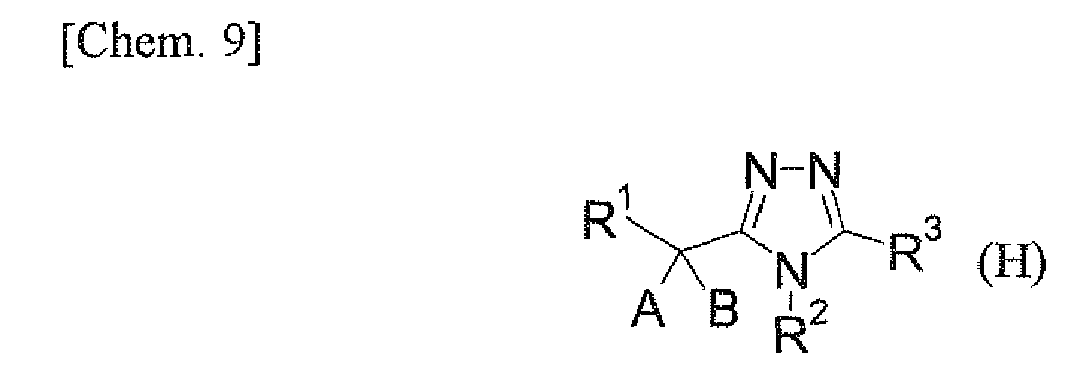
- A triazole derivative represented by the formula (H) is reported in Patent Document 9.
- A triazole derivative represented by the formula (J) is reported in Patent Document 10.

- A triazole derivative represented by the formula (K) is reported in Patent Document 11.


- A triazole derivative represented by the formula (L) is reported in Patent Document 12.

- A triazole derivative represented by the formula (M) is reported in Patent Document 13.

- A triazole derivative represented by the formula (N) is reported in Patent Document 14.

-
- [Patent Document 1] Pamphlet of International Publication
WO 03/65983 - [Patent Document 2]
US Patent Application Publication No. 2004/133011 specification - [Patent Document 3] Pamphlet of International Publication
WO 03/104207 - [Patent Document 4] Pamphlet of International Publication
WO 03/104208 - [Patent Document 5] Pamphlet of International Publication
WO 04/089367 - [Patent Document 6] Pamphlet of International Publication
WO 04/089380 - [Patent Document 7] Pamphlet of International Publication
WO 05/044192 - [Patent Document 8]
JP-A-2005-170939 - [Patent Document 9] Pamphlet of International Publication
WO 06/030805 - [Patent Document 10] Pamphlet of International Publication
WO 07/105753 - [Patent Document 11] Pamphlet of International Publication
WO 06/68199 - [Patent Document 12] Pamphlet of International Publication
WO 06/080533 - [Patent Document 13] Pamphlet of International Publication
WO 07/007688 - [Patent Document 14] Pamphlet of International Publication
WO 05/097759 -
- [Non-Patent Document 1] Rask E. et al., "The Journal of Clinical Endocrinology & Metabolism", (USA), 2001, vol. 86, p. 1418 - 1421
- [Non-Patent Document 2] Lindsay R.S. et al., "The Journal of Clinical Endocrinology & Metabolism", 2003, vol. 88, p. 2738 - 2744
- [Non-Patent Document 3] Masuzaki H. et al., "Science", (USA), 2001, vol. 294, p. 2166 - 2170
- [Non-Patent Document 4] Masuzaki H., et al., "The Journal of Clinical Investigation", (USA), 2003, Vol. 112, p. 83-90
- [Non-Patent Document 5] Morton N. M., et al., "The Journal of Biological Chemistry" (USA), 2001, Vol. 276, p. 41293-41300
- [Non-Patent Document 6] Davani B., et al., "The Journal of Biological Chemistry", (USA), 2000, Vol. 275, p. 34841-34844
- [Non-Patent Document 7] Thekkepat C. Sandeep, et al., "Proceeding of the National Academy of Science", (USA), 2004, Vol. 101, p. 6734-6739
- [Non-Patent Document 8] Giubilei F., et al., "Journal of neuroscience research", (USA), 2001, Vol. 66, p. 262-265
- [Non-Patent Document 9] Zeynel A Erkut, et al., "Neuropsychopharmacology", (USA), 2004, Vol. 29, p. 152-157
- [Non-Patent Document 10] John G. Csernansky, et al., "The American journal of Psychiatry", (USA), 2006, Vol. 163, p. 2164-2169
- [Non-Patent Document 11] A. H. Young, et al., "Psychopharmacology", (Germany), 1999, Vol. 145, p. 260-266
- [Non-Patent Document 12] P. S. Aisen, et al., "Neurology", (USA), 2000, Vol. 54, p. 588-593
- [Non-Patent Document 13] Joyce L. W. Yau, et al., "Proceeding of the National Academy of Science", (USA), 2001, Vol. 98, p. 4716-4721
- [Non-Patent Document 14] X. Y. Zhang, et al., "Neuropsychopharmacology", (USA), 2005, Vol. 30, p1532-1538
- [Non-Patent Document 15] Bernard J. Carroll, et al., "Archives of General Psychiatry", (USA), 1981, Vol. 38, p15-22
- [Non-Patent Document 16] Veen G., et al., "Metabolism", (USA), 2009, Vol. 58, p821-827
- [Non-Patent Document 17] Charney D. S., et al., "Archives of General Psychiatry", (USA), 1993, Vol. 50, p295-305
- [Non-Patent Document 18] Hong H. J., et al., "Yonsei Medical Journal", (Korea), 2003, Vol. 44, p608-614
- [Non-Patent Document 19] Angelika E., et al., "Neuropsychopharmacology", (USA), 2006, Vol. 31, p2515-2522
- [Non-Patent Document 20] Andersen M. L., et al., "Journal of sleep research", (Great Britain), 2005, Vol. 14, p83-90
- [Non-Patent Document 21] Cooper M.S. et al., "Bone", (USA), 2000, vol. 27, p. 375-381
- [Non-Patent Document 22] Rauz S. et al., "Investigative Ophthalmology & Visual Science", (USA), 2001, vol. 42, p. 2037-2042
- A novel compound which is useful as a pharmaceutical, in particular, an agent for preventing or treating diseases, such as diabetes, insulin resistance, dementia, schizophrenia or depression, in which 11β-hydroxysteroid dehydrogenase type 1 is concerned, is provided.
- The present inventors have conducted extensive studies on compounds exhibiting inhibitory action against 11β-HSD1, which may be expected to improve diabetes, insulin resistance, dementia, schizophrenia and depression. As a result, the present inventors discovered that a triazole derivative or a salt thereof, in which one of the 3- and 5-positions of the triazole ring has (di)alkylmethyl or cycloalkyl, each of which is substituted with -O-(aryl or a heterocyclic group each of which may be substitued, or lower alkylene-cycloalkyl), and the other thereof has aryl, a heterocyclic group or cycloalkyl each of which may be substituted, exhibits superior 11β-HSD1 selective inhibitory action; and thus completed the present invention. In addition, these compounds are useful because they are superior to the known 11β-HSD1 inhibitors in terms of any one of efficacy, selectivity, safety and economic efficiency: such as in vivo drug effects (blood glucose-lowering action and/or triglyceride-lowering action, actions on dementia models (test of scopolamine-induced impairment of spontaneous alteration behaviour)); pharmacokinetics such as oral absorbability, metabolic stability, or the like; or selectivity compared to inhibition action of cytochrome p450 (CYP) and CYP enzyme-inducing action each of which has a possibility of causing drug interaction.
- That is, the present invention relates to the triazole derivative represented by the following formula (I) or a pharmaceutically acceptable salt thereof, which is useful as an 11β-HSD 1 inhibitor.

- R1: aryl or a heterocyclic group, each of which may be substitued, or lower alkylene-cycloalkyl;
- R2: lower alkyl;
- R3: -H or lower alkyl;
- or R2 and R3 are combined to form C2-6 alkylene;
- R4: lower alkyl, halogeno-lower alkyl, lower alkylene-O-lower alkyl, cycloalkyl, lower alkylene-S-lower alkyl, lower alkylene-S(O)-lower alkyl, lower alkylene-S(O)2-lower alkyl or lower alkylene-cycloalkyl; and
- Ring A: aryl, a heterocyclic group or cycloalkyl, each of which may be substitued; provided that:
- 4-cyclopropyl-3-(1-methyl-1-phenoxyethyl)-5-(2-methylphenyl)-4H-1,2,4-triazole,
- 4-methyl-3-(1-methyl-1-phenoxyethyl)-5-(2-methylphenyl)-4H-1,2,4-triazole,
- 3-(2-chlorophenyl)-4-cydopropyl-5-(1-methyl-1-phenoxyethyl)-4H-1,2,4-triazole,
- 3-(2-chlorophenyl)-4-methyl-5-(1-methyl-1-phenoxyethyl)-4H-1,2,4-triazole,
- 3-[1-(2-chlorophenoxy)-1-methylethyl]-4-methyl-5-(2-methylphenyl)-4H-1,2,4-triazole, and
- 3-[1-(2-chlorophenoxy)-1-methylethyl]-5-(2-chlorophenyl)-4-methyl-4H-1,2,4-triazole, are excluded.]
- In addition, the present invention relates to a pharmaceutical composition containing the compound of the formula (I) or a salt thereof, that is, an 11β-hydroxysteroid dehydrogenase type 1 inhibitor containing the compound of the formula (I) and a salt threof or an agent for preventing or treating diabetes (preferably type II diabetes), insulin resistance, dementia, schizophrenia or depression.
Further, the present invention relates to use of the compound of the formula (I) or a salt thereof for the manufacture of an 11β-hydroxysteroid dehydrogenase type 1 inhibitor, or a pharmaceutical composition for preventing or treating diabetes, insulin resistance, dementia, schizophrenia or depression, and a method for preventing or treating diabetes, insulin resistance, dementia, schizophrenia or depression, comprising administering an effective amount of the compound of the formula (I) or a salt thereof to a patient.
That is, the present invention relates to; - (1) a pharmaceutical composition which comprises the compound represented by the formula (I) or a pharmaceutically acceptable salt thereof and a pharmaceutically acceptable carrier.
- (2) the pharmaceutical composition described in (1), which is an 11-hydroxysteroid dehydrogenase type 1 inhibitor;
- (3) the pharmaceutical composition described in (1), which is an insulin resistance-improving agent.
- (4) the pharmaceutical composition described in (1), which is an agent for preventing or treating diabetes.
- (5) the pharmaceutical composition described in claim (1), which is an agent for preventing or treating dementia, schizophrenia or depression.
- (6) use of the compound represented by the formula (I) or a pharmaceutically acceptable salt thereof, for the manufacture of an 11β-hydroxysteroid dehydrogenase type 1 inhibitor, an insulin resistance-improving agent or an agent for preventing or treating diabetes, dementia, schizophrenia or depression.
- (7) a method for preventing or treating diabetes, dementia, schizophrenia or depression, which comprises administering an effective amount of the compound represented by the formula (I) or a salt thereof to a patient.
- The compound of the formula (I) or a salt thereof exhibits 11β-HSD1 inhibitory action and can be used as an agent for preventing or treating diabetes, insulin resistance, dementia, schizophrenia, depression or the like.
- The present invention will be described in more detail.
Preferably, the term "lower alkyl" refers to linear or branched alkyl having a carbon number of 1 to 6 (hereinafter, abbreviated to "C1-6"), specifically, examples thereof include methyl, ethyl, n-propyl, isopropyl, n-butyl, isobutyl, sec-butyl, tert-butyl, n-pentyl, n-hexyl group and the like. More preferred is C1-4 alkyl, particularly preferred are methyl, ethyl, n-propyl and isopropyl. - Preferably, the term "lower alkylene" refers to linear or branched C1-6 alkylene, specifically, examples thereof include methylene, ethylene, trimethylene, tetramethylene, pentamethylene, hexamethylene, propylene, methylmethylene, ethylethylene, 1,2-dimethylethylene, 1,1,2,2-tetramethylethylene group and the like. More preferred is C1-4 alkylene, particularly preferred are methylene, ethylene and trimethylene.
- The term "halogen" means F, Cl, Br and I.
The term "halogeno-lower alkyl" refers to lower alkyl substituted with one or more halogen. Preferred is lower alkyl substituted with 1 to 7 halogen, more preferred is lower alkyl substituted with 1 to 5 halogen, even more preferred are fluoromethyl, difluoromethyl and trifluoromethyl.
The term "halogeno-lower alkylene" refers to lower alkylene substituted with one or more halogen. Preferred is lower alkylene substituted with 1 to 7 halogen, more preferred are fluoromethylene, difluoromethylene, trifluoromethylmethylene and bistrifluoromethylmethylene. - The term "cycloalkyl" refers to a C3-10 saturated hydrocarbon cyclic group which may have bridge(s). Specifically, examples thereof include cyclopropyl, cyclobutyl, cyclopentyl, cyclohexyl, cycloheptyl, cyclooctyl, adamantyl group and the like. Preferred is C3-8 cycloalkyl. More preferred are cyclopropyl, cyclobutyl, cyclopentyl and cyclohexyl.
- The term "cycloalkenyl" refers to C3-15 cycloalkenyl which may have bridge(s) and includes a cyclic group condensed with a benzene ring at the double bond position. Specifically, examples thereof include cyclopentenyl, cyclopentadienyl, cyclohexenyl, cyclohexadienyl, 1-tetrahydronaphthyl, 1-indenyl, 9-fluorenyl group and the like. More preferred is C5-10 cycloalkenyl, particularly preferred are cyclopentenyl and cyclohexenyl.
- The term "aryl" refers to a monocyclic to tricyclic C6-14 aromatic hydrocarbocyclic group, preferred is phenyl or naphthyl, more preferred is phenyl.
- The term "heterocyclic" group refers to a cyclic group of i) a monocyclic 3- to 8-membered (preferably 5- to 7-membered) heterocycle having 1 to 4 hetero atoms selected from O, S and N, or ii) a bicyclic 8- to 14-membered (preferably 9- to 11-membered) heterocycle or tricyclic 11- to 20-membered (preferably 12 to 15-membered) heterocycle having 1 to 5 hetero atoms selected from O, S and N, which is formed by ring condensation of the monocyclic heterocycle with one or two rings selected from the group consisting of a monocyclic heterocycle, a benzene ring, C5-8 cycloalkane and C5-8 cycloalkene. The ring atom, S or N, may be oxidized to form an oxide or a dioxide. Preferred as the "heterocyclic" group is aziridinyl, azetidyl, pyrrolidinyl, piperidinyl, piperazinyl, homopiperazinyl, oxiranyl, oxetanyl, tetrahydrofuranyl, tetrahydropyranyl, morpholinyl, homomorpholinyl, tetrahydrothiopyranyl, pyrrolyl, pyrazolyl, imidazolyl, triazolyl, tetrazolyl, pyridyl, pyrimidinyl, pyrazinyl, furyl, thienyl, oxazolyl, isoxazolyl, oxadiazolyl, thiazolyl, isothiazolyl, thiadiazolyl, indolyl, isoindolyl, indazolyl, indolizinyl, benzimidazolyl, imidazo[1,2-a]pyridinyl, quinoxalinyl, quinolyl, isoquinolyl, quinazolyl, cinnonyl, phthalazyl, benzofuranyl, benzothienyl, benzoxazolyl, benzothiazolyl, benzotriazolyl, 4,5,6,7-tetrahydroindazolyl, 4,5,6,7-tetrahydropyrazolo[4,3-c]pyridinyl, 4,5,6,7-tetrahydrobenzimidazolyl, carbazolyl or quinuclidinyl. More preferred is a monocyclic heterocyclic group, more preferred are pyrrolidinyl, piperidinyl, piperadinyl, morpholinyl, pyridyl, pyrimidinyl, oxazolyl, isoxazolyl, oxadiazolyl and thiazolyl.
- The term "heteroaryl" means an aromatic heterocyclic ring among the "heterocyclic" group above. Specifically, examples thereof include pyrrolyl, pyrazolyl, imidazolyl, triazolyl, tetrazolyl, pyridyl, pyrimidinyl, pyrazinyl, furyl, thienyl, oxazolyl, isoxazolyl, oxadiazolyl, thiazolyl, isothiazolyl, thiadiazolyl, indolyl, indazolyl, benzimidazolyl, imidazo[1,2-a]pyridinyl, quinoxalinyl, quinolyl, isoquinolyl, quinazolyl, cinnonyl, phthalazyl, benzofuranyl, benzothienyl, benzoxazolyl, benzothiazolyl, benzotriazolyl and carbazolyl. Preferred is monocyclic heteroaryl, more preferred are pyridyl, furyl, thienyl, oxazolyl, isoxazolyl, oxadiazolyl, thiazolyl, isothiazolyl and thiadiazolyl.
- The term "which may be substituted" means "unsubstituted" or "having 1 to 5 substituents which may be the same as or different from one another". The term "substituted" means "having 1 to 5 substituents which may be the same as or different from one another". In addition, in the case where a plurality of substituents is present, the sub stituents may be the same as or different from one another.
- Preferably, the substituent for "aryl" and "heterocyclic group" in R1 each of which may be substitued and "aryl" and "heterocyclic group" in R1a each of which may be substitued is a group selected from the following G1 group (in which R0 means -H or lower alkyl; the same shall apply hereinafter). More preferred is halogen, lower alkyl, halogeno-lower alkyl, -O-lower alkyl, -O-halogeno-lower alkyl, -C(O)NH2 or heteroaryl. More preferred is halogen, halogeno-lower alkyl or C(O)NH2.
G1 group: halogen, cyano, lower alkyl, halogeno-lower alkyl, lower alkylene-OR0, lower alkylene-N(R0)2, lower alkylene-N(R0)C(O)R0, lower alkylene-N(R0)S(O)2-lower alkyl, -OR0, -O-halogeno-lower alkyl, -O-cycloalkyl, -O-aryl, -O-heterocyclic group, -C(O)R0, -CO2R0, -C(O)NH2, -C(O)N (R0)-(lower alkyl which may be substituted with -OR0 or -CO2R0), -C(O)N(R0)-lower alkylene-OR0, -C(O)N(R0)-lower alkylene-N(R0)2, -C(O)N(R0)-lower alkylene-S-lawer alkyl, -C(O)N (R0)-lower alkylene-S(O)-lower alkyl, -C(O)N(R0)-lower alkylene-S(O)2-lower alkyl, -C(O)N(R0)-lower alkylene-C(O)N(R0)2, -C(O)N(R0)-lower alkylene-C(O)N(R0)-cycloalkyl, -C(O)N(R0)-lower alkylene-heterocyclic group, -C(O)N(R0)-cycloalkyl, -C(O)N(R0)-heterocyclic group, -C(O)N(R0)N(R0)2, -C(O)N(R0)N(R0)C(O)R0, -C(O)N(R0)S(O)2-lower alkyl, -C(O)-heterocyclic group, -C(=NOR0)-N(R0)2, -S-lower alkyl, -S(O)-lower alkyl, -S(O)2-lower alkyl, oxo, and a heterocyclic group.
Here, the aryl and heterocyclic group in the G1 group may be substituted with a group selected from the following G2 group.
G2 group: halogen, cyano, lower alkyl, halogeno-lower alkyl, -OR0, -O-halogeno-lower alkyl, -CO2R0, -C(O)N(R0)2, -C(O)N(R0)S(O)2-lower alkyl, -C(O)N(R0)S(O)2N(R0)2, cycloalkyl and a heterocyclic group. - Preferably, the substituent for "aryl", "a heterocyclic group" and "cycloalkyl" in the Ring A each of which may be substitued; and the substituent for "aryl" and "a heterocyclic group" in the Ring Aa each of which may be substitued; is a group selected from the following G3 group. More preferred are halogen, lower alkyl, halogeno-lower alkyl, -O-lower alkyl, -O-halogeno-lower alkyl and -C(O)NH2, more preferred are halogen, halogeno-lower alkyl and C(O)NH2.
G3 group: halogen, cyano, lower alkyl, halogeno-lower alkyl, lower alkylene-OR0, halogeno-lower alkylene-OR0, lower alkylene-N(R0)2, lower alkylene-aryl, -OR0, -O-halogeno-lower alkyl, -O-lower alkylene-OR0, -O-lower alkylene-N(R0)2, -O-lower alkylene-CO2R0, -O-lower alkylene-C(O)N(R0)2, -O-lower alkylene-aryl, -O-aryl, -C(O)R0, -CO2R0, -CON(R0)2, -CON(R0)-lower alkylene-OR0, -N (R0)2, -N(R0)C(O)R0, -S-lower alkyl, -S(O)-lower alkyl, -S(O)2-lower alkyl, -S(O)2-aryl, oxo, cycloalkyl, aryl, and a heterocyclic group.
Here, the aryl and heterocyclic group in the G3 group may be substituted with halogen, lower alkyl, halogeno-lower alkyl, -OR0, -O-halogeno-lower alkyl, -CO2R0 or -CON(R0)2. - Preferred embodiments of the compound of the present invention represented by the formula (I) will be described below.
- (a) As R1, preferred is phenyl or monocyclic 6-membered heteroaryl, each of which may be substitued with group(s) selected from halogen, lower alkyl, halogeno-lower alkyl and -C(O)NH2, more preferred is the formula (II).

- X1 and X2: the same as or different from each other, C(H), C(halogen) or N; and
- R11: -H, halogen, lower alkyl, halogeno-lower alkyl or C(O)NH2. The same shall apply hereinafter.]
- (b) R1 is a group represented by the formula (II), and X1 and X2 are the same as or different from each other and are C(H) or C(halogen).
- (c) R1 is a group represented by the formula (II), R11 is H, halogen, lower alkyl or halogeno-lower alkyl, and more preferably, R11 is halogen, lower alkyl or halogeno-lower alkyl.
- (d) As R2, preferred is methyl.
- (e) As R3, preferred is -H or methyl, and more preferred is methyl.
- (f) As lower alkylene formed by combining R2 and R3 together, preffered is -CH2CH2 -or -(CH2)3-.
- (g) As R4, preferred is C1-3 alkyl or cyclopropyl, and more preferred is methyl, ethyl, isopropyl or cyclopropyl.
- (h) As the Ring A, preferred is a phenyl or a heterocyclic group, each of which may be substitued with group(s) selected from halogen, lower alkyl, halogeno-lower alkyl, -NH2, -C(O)NH2, oxo, -O-lower alkylene-OH and -O-lower alkylene-C(O)NH2.
- Other preferred embodiments of the compound of the present invention represented by the general formula (I) will be described below.
- (1) The compound represented by the formula (I) in which R2 is methyl and R3 is -H or methyl.
- (2) The compound described in (1) in which R4 is C1-3 alkyl or cyclopropyl.
- (3) The compound described in (2) in which the Ring A is phenyl or a heterocyclic group, each of which may be substituted with group(s) selected from halogen, lower alkyl, halogeno-lower alkyl, -NH2, -C(O)NH2, oxo, -O-lower alkylene-OH and -O-lower alkylene-C(O)NH2.
- (4) The compound described in (3) in which R1 is phenyl or monocyclic 6-membered heteroaryl, each of which may be substituted with group(s) selected from halogen, lower alkyl, halogeno-lower alkyl and -C(O)NH2,
- (5) The compound described in (4) in which the Ring A is phenyl which is substituted with group(s) selected from -CONH2, -O-lower alkylene-OH and -O-lower alkylene-C(O)NH2 and may be further substituted with group(s) selected from halogen and halogeno-lower alkyl; phenyl which is substituted with halogeno-lower alkyl and may be further substituted with halogen; phenyl substituted with two or more halogen; or a heterocyclic group which may be substituted with group(s) selected from halogen, lower alkyl, halogeno-lower alkyl, -NH2, -CONH2 and oxo.
- (6) The compound described in (5) in which R1 is:

- (7) The compound described in (6) in which the Ring A is phenyl in which the the 4-position is substituted with a group selected from -CONH2, -O-lower alkylene-OH and -O-lower alkylene-C(O)NH2 and the the 2-position may be substituted with a group selected from halogen and halogeno-lower alkyl; phenyl in which the 2- and 4-positions are substituted with halogen; or pyridyl, thienyl, thiazolyl, isoindolinyl, indazolyl, benzimidazolyl, benzotriazolyl, pyrazolyl, piperidinyl, 4,5,6,7-tetrahydroindazolyl, 4,5,6,7-tetrahydropyrazolo[4,3-c]pyridinyl or 4,5,6,7-tetrahydrobenzimidazolyl, each of which may be substituted with group(s) selected from halogen, lower alkyl, halogeno-lower alkyl, -NH2, -CONH2 and oxo.
- (8) The compound described in (7) in which R3 is methyl.
- (9) The compound described in (8) in which X1 and X2 are the same as or different from each other, and are C(H) or C(halogen).
- (10) The compound described in (9) in which R11 is -H, halogen, lower alkyl or halogeno-lower alkyl.
- (11) The compound described in (10) in which the Ring A is phenyl in which the the 4-position is substituted with -CONH2 and the the 2-position may be substituted with a group) selected from halogen and halogeno-lower alkyl.
- (12) The compound described in (10) in which the Ring A is phenyl in which the the 2- and 4-positions are substituted with halogen.
- (13) The compound described in (10) in which the Ring A is pyridyl, thiazolyl, isoindolinyl, indazolyl or pyrazolyl each of which may be substituted with group(s) selected from halogen, lower alkyl, halogeno-lower alkyl, -NH2 and oxo.
- (14) The compound described in (6) in which the Ring A is phenyl in which the the 2-position is substituted with trifluoromethyl and the the 4-position may be substituted with halogen.
- (15) The compound described in (14) in which R11 is halogen, lower alkyl or halogeno-lower alkyl.
- (16) The compound described by the formula (I), which is selected from the group consisting of;
- 3-[1-(4-chlorophenoxy)-1-methylethyl]-4-methyl-5-[2-(trifluoromethyl)phenyl]-4H-1,2,4-triazole,
- 5-bromo-2-(1-methyl-1-{4-methyl-5-[2-(trifluoromethyl)phenyl]-4H-1,2,4-triazol-3-yl}ethoxy)pyridine,
- 4-{4-methyl-5-[1-methyl-1-(2,4,6-trifluorophenoxy)ethyl]-4H-1,2,4-triazol-3-yl}-3-(trifluoromethyl)pyridine,
- 4-{5-[1-(4-chloro-2,6-difluorophenoxy)-1-methylethyl]-4-methyl-4H-1,2,4-triazol-3-yl}-3-(trifluoromethyl)pyridine,
- 5-{5-[1-(4-chloro-2,6-difluorophenoxy)-1-methylethyl]-4-methyl-4H-1,2,4-triazol-3-yl}-4-(trifluoromethyl)-1,3-thiazol-2-amine,
- 3-(2-bromo-4-fluorophenyl)-5-[1-(4-chlorophenoxy)-1-methylethyl]-4-methyl-4H-1,2,4-triazole,
- 3-(2-chloro-4-fluorophenyl)-4-methyl-5-[1-methyl-1-(2,4,6-trifluorophenaxy)ethyl]-4H-1,2,4-triazole,
- 3-(3-chloro-1-methyl-1H-pyrazol-4-yl)-4-cyclopropyl-5-[1-methyl-1-(2,4,6-trifluorophenoxy)ethyl]-4H-1,2,4-triazole,
- 4-{5-[1-(4-chloro-2,6-difluorophenoxy)-1-methylethyl]-4-ethyl-4H-1,2,4-triazol-3-yl}benzamide,
- 4-{4-isopropyl-5-[1-methyl-1-(2,4,6-trifluorophenoxy)ethyl]-4H-1,2,4-triazol-3-yl}benzamide,
- 4-{5-[1-(4-chloro-2,6-difluorophenoxy)-1-methylethyl]-4-isopropyl-4H-1,2,4-triazol-3-yl}benzamide,
- 4-{5-[1-(4-chloro-2,6-difluorophenoxy)-1-methylethyl]-4-methyl-4H-1,2,4-triazol-3-yl}-3-fluorobenzamide,
- 4-{5-[1-(2,5-difluoro-4-methylphenoxy)-1-methylethyl]-4-methyl-4H-1,2,4-triazol-3-yl}-3-fluoroberazamide,
- 4-{5-[1-(2,4-difluorophenoxy)-1-methylethyl]-4-ethyl-4H-1,2,4-triazol-3-yl)-3-fluorobenzamide,
- 4-{4-ethyl-5-[1-methyl-1-(2,4,6-trifluorophenoxy)ethyl]-4H-1,2,4-triazol-3-yl}-3-fluorobenzamide,
- 4-{4-cyclopropyl-5-[1-(2,4-difluorophenoxy)-1-methylethyl]-4H-1,2,4-triazol-3-yl}-3-fluorobenzamide,
- 5-{4-ethyl-5-[1-methyl-1-(2,4,6-trifluorophenoxy)ethyl]-4H-1,2,4-triazol-3-yl}isoindolin-1-one,
- 5-{5-[1-(4-chloro-2,6-difluorophenoxy)-1-methylethyl]-4-methyl-4H-1,2,4-triazol-3-yl}-6-fluoroisoindolin-1-one,
- 5-{5-[1-(4-chloro-2,6-difluorophenoxy)-1-methylethyl]-4-isopropyl-4H-1,2,4-triazol-3-yl}-6-fluoroisoindolin-1-one, and
- 5-{5-[1-(4-chloro-2,6-difluorophenoxy)-1-methylethyl]-4-ethyl-4H-1,2,4-triazol-3-yl}-1H-indazole;
- (17) A triazole derivative represented by the formula (I-1) or a pharmaceutically acceptable salt thereof.

- R1a: aryl or a heterocyclic group each of which may be substitued, or lower alkylene-cycloalkyl;
- R2a: lower alkyl
- R3a: -H or lower alkyl;
- or R2a and R3a are combined to form C2-6 alkylene;
- R4a: lower alkyl, halogeno-lower alkyl, lower alkylene-O-lower alkyl or cycloalkyl; and
- Ring Aa: aryl or a heterocyclic group each of which may be substituted;
- provided that:
- 4-cyclopropyl-3-(1-methyl-1-phenoxyethyl)-5-(2-methylphenyl)-4H-1,2,4-triazole,
- 4-methyl-3-(1-methyl-1-phenoxyethyl)-5-(2-methylphenyl)-4H-1,2,4-triazole,
- 3-(2-chlorophenyl)-4-cyclopropyl-5-(1-methyl-1-phenoxyethyl)-4H-1,2,4-triazole,
- 3-(2-chlorophenyl)-4-methyl-5-(1-methyl-1-phenoxyethyl)-4H-1,2,4-triazole,
- 3-[1-(2-chlorophenoxy)-1-methylethyl]-4-methyl-5-(2-methylphenyl)-4H-1,2,4-triazole, and,
- 3-[1-(2-chlorophenoxy)-1-methylethyl]-5-(2-chlorophenyl)-4-methyl-4H-1,2,4-triazole are excluded.]
- (18) The compound described in the formula (I-1), represented by the following formula (I-2).

- R11a: -H, halogen, halogeno-lower alkyl or heteroaryl;
- R12a: halogen, halogeno-lower alkyl or -C(O)NH2;
- Xa: C(H), C(halogen) or N;
- R31a: -H or methyl;
- R51a: halogen or halogeno-lower alkyl; and
- R52a: -H, halogen or -C(O)NH2.]
- (19) The compound described in the formula (I-1), represented by the following formula (I-3) below.

- R13a and R14a: the same as or different from each other, -H or halogen;
- R15a: halogen or halogeno-lower alkyl; and
- R53a: halogen or halogeno-lower alkyl.]
- (20) The compound described in the formula (I-1), represented by the following formula (1-4).


- R16a and R17a: the same as or different from each other, -H or halogen;
- R18a: halogen;
- R54a: halogen or halogeno-lower alkyl; and
- R55a: -H or halogen.]
- The compound of the formula (I) may in some cases exist in the form of tautomers or geometrical isomers, depending on the kinds of the substituents. In the present specification, the compound of the formula (I) may be described in only one form of the isomers, but the present invention includes other isomers, isolated forms of the isomers, or a mixture thereof.
Furthermore, the compound of the formula (I) may have asymmetric carbon atoms or axial asymmetries in some cases, and correspondingly, it may exist in the form of optical isomers. The present invention includes an isolated form of the optical isomers of the compound of the formula (I) or a mixture thereof - Additionally, pharmaceutically acceptable prodrugs of the compound represented by the formula (I) are also included in the present invention. The pharmaceutically acceptable prodrug refers to a compound having a group which can be converted into an amino group, a hydroxyl group, a carboxyl group, or the like, by solvolysis or under a physiological condition. Examples of the group for forming a prodrug include those as described in Prog. Med., 5, 2157-2161 (1985) or "Pharmaceutical Research and Development" (Hirokawa Publishing Company, 1990), vol. 7, Drug Design, 163-198.
- Furthermore, the salt of the compound of the formula (I) is a pharmaceutically acceptable salt of the compound of the formula (I), and may form an acid addition salt or a salt with a base, depending on the kinds of the substituents. Specifically, examples thereof include acid addition salts with inorganic acids such as hydrochloric acid, hydrobromic acid, hydroiodic acid, sulfuric acid, nitric acid, phosphoric acid, and the like, and with organic acids such as formic acid, acetic acid, propionic acid, oxalic acid, malonic acid, succinic acid, fumaric acid, maleic acid, lactic acid, malic acid, mandelic acid, tartaric acid, dibenzoyl tartaric acid, ditoluoyl tartaric acid, citric acid, methanesulfonic acid, ethanesulfonic acid, benzenesulfonic acid, p-toluenesulfonic acid, aspartic acid, glutamic acid, and the like, and salts with inorganic bases such as sodium, potassium, magnesium, calcium, aluminum, and the like, and with organic bases such as methylamine, ethylamine, ethanolamine, lysine, ornithine, and the like, salts with various amino acids such as acetyl leucine and the like or derivatives of amino acids, ammonium salts, and others.
- Additionally, the present invention also includes various hydrates or solvates, and polymorphism of the compound of the formula (I) and a salt thereof Furthermore, the present invention also includes the compounds labeled with various radioactive or nonradioactive isotopes.
- The compound of the formula (I) or a salt thereof can be prepared by applying various known synthetic methods, using the characteristics based on their basic structures or the kinds of the substituents. At this time, depending on the types of the functional groups, it is in some cases effective from the viewpoint of the preparation techniques to protect the functional group with an appropriate protecting group (a group which is capable of being easily converted into the functional group), during the steps from starting materials to intermediates. Examples of the protecting group include the protective groups as described in "Greene's Protective Groups in Organic Synthesis (4th edition, 2006)", edited by P. G. M. Wuts and T. W. Greene, and the like, which may be appropriately selected and used depending on the reaction conditions. In these methods, a desired compound can be obtained by introducing the protecting group to carry out the reaction, and then, if desired, removing the protecting group.
Additionally, the prodrug of the compound of the formula (I) can be prepared by introducing a specific group during the steps from starting materials to intermediates, in the same manner as for the above protecting groups, or by further carrying out the reaction using the obtained compound of the formula (I). The reaction can be carried out by applying a method known by a person skilled in the art, such as general esterification, amidation, dehydration, and the like.
Hereinbelow, typical production processes of the compound of the formula (I) will be described. Each of the production processes can also be carried out with reference to the documents appended to the description herein. In this connection, the production process of the compound of the formula (I) is not limited to the examples as shown below. -


This production process is a method for preparing the compound (I) of the present invention by cyclizing a compound (1) with a compound (2). Examples of the leaving group of L1 include chloro, bromo, methoxy, methylsulfanyl or the like. The reaction may be carried out in a solvent: such as ethers such as tetrahydrofuran (THF), 1,4-dioxane, diglyme; alcohols such as methanol, ethanol, propanol or butanol; aprotic polar solvents such as N,N-dimethylformamide (DMF), N-methylpyrrolidin-2-one (NMP), dimethylimidazolidinone, dimethylacetamide (DMA) or dimethylsulfoxide (DMSO); aromatic hydrocarbons such as benzene, toluene or xylene; halogenated hydrocarbons such as dichloromethane, chloroform or 1,2-dichloroethane; at room temperature or under heating conditions. Depending on the compound, it may be sometimes advantageous to carry out the reaction in the presence of an acid, for example, an organic acid (such as acetic acid or p-toluenesulfonic acid), or a mineral acid (such as sulfuric acid, hydrochloric acid or the like), or in the presence of an organic base (such as triethylamine, N,N-diisopropylethylamine), or an inorganic base (such as sodium hydrogen carbonate or potassium carbonate). Depending on the compound, it may be sometimes advantageous to carry out the reaction in the presence of a phase transfer catalyst such as tetra-n-butylammonium iodide. -

Preferably, the reaction may be carried out using the compound (3) and the compound (4) in an equivalent amount or one of them in an excess amount in a reaction-inert solvent such as alcohols, aromatic hydrocarbons such as benzene, toluene or xylene, acetic acid, or the like, or in the absence of a solvent, at room temperature to under heating, preferably under heating. Depending on the compound, it may be sometimes advantageous to carry out the reaction in the presence of an acid, for example, an organic acid (such as acetic acid or p-toluenesulfonic acid), or a mineral acid (such as sulfuric acid, hydrochloric acid or the like). Also, it is advantageous in some cases to carry out the reaction using a microwave. -

This production process is a method for obtaining the compound (I-a) of the present invention by O-arylating a compound (5). Examples of the leaving group of L2 include halogen such as fluoro, chloro, bromo and the like.
The arylation reaction may be carried out using a compound (5) and a compound (6) in an equivalent amount, or one of them in an excess amount, from under cooling to under heating to reflux, in the presence of a base, in a reaction-inert solvent such as an aprotic polar solvent such as DMF and DMSO, ethers, or the like. Examples of the base include sodium hydride, potassium hydride, butyl lithium, potassium carbonate and the like. -

The cyclization reaction may be carried out in the same manner as in the Production Process 1. -

The cyclization reaction may be carried out in a solvent such as ethers, aromatic hydrocarbons or halogenated hydrocarbons, at room temperature or under heating.
Depending on the compound, it may be sometimes advantageous for the progress of the reaction that the reaction is carried out in the presence of an acid such as an organic acid such as acetic acid, p-toluenesulfonic acid or the like, or a mineral acid such as sulfuric acid, hydrochloric acid or the like. - Furthermore, several compounds represented by the formula (I) can also be prepared from the compounds of the present invention obtained as above by optionally combining processes commonly adoptable by those skilled in the art, such as known alkylation, acylation, substitution reaction, oxidation, reduction and hydrolysis.
- The starting materials for use in the preparation of the compounds of the present invention can be produced by applying the methods described below, the methods described in Preparation Examples to be mentioned below, known methods or methods obvious to those skilled in the art, or modified methods thereof
-

The compound (3) may be prepared by cyclizating a compound (11) obtained by amidation of the compound (1) and a compound (10). In this case, examples of the leaving group of L3 include chloro, bromo, hydroxy and the like.
The amidation reaction may be carried out using the compound (1) and the compound (10) in an equivalent amount or one of them in an excess amount in a solvent such as halogenated hydrocarbons or aprotic polar solvents at room temperature or under heating. Depending on the compounds, it is advantageous for the smooth progress of the reaction in some cases to carry out the reaction in the presence of an organic base such as triethylamine, N,N-diisopropylethylamine, pyridine or the like, or an inorganic base such as potassium carbonate, sodium carbonate or the like.
In the case where the leaving group of L3 is hydroxy, it is preferable that the reaction is carried out in the presence of a condensing agent such as 1-(3-dimethylaminopropyl)-3-ethylcarbodiimide (WSC), dicyclohexylcarbodiimide (DCC), 1,1'-carbonyldiimidazole (CDI), or O-(benzotriazol-1-yl)-N,N,N',N'-tetramethyluroniumhexafluorophosphate (HBTU). In addition, it is preferable in some cases that an additive (for example, 1-hydroxybenzotriazole (HOBt), 1-hydroxy-7-azabenzotriazole (HOAt) and the like) is used.
The cyclization reaction may be carried out by reacting the compound (11) with a dehydrating agent such as phosphorus oxychloride, trifluoromethanesulfonic anhydride, a reagent prepared from triphenylphosphine and carbon tetrabromide in a solvent such as an aprotic polar solvent such as halogenated hydrocarbons. Depending on the compound, it is advantageous for the smooth progress of the reaction in some cases to carry out the reaction in the presence of an organic base such as triethylamine, N,N-diisopropylethylamine, pyridine or the like, or an inorganic base such as potassium carbonate, sodium carbonate or the like. -

-


In addition, the compound (3) may also be prepared by cyclizing the compound (1) with a compound (13). In this case, examples of the leaving group of L4 include chloro, bromo and the like.
The reaction may be carried out in the same manner as in the Production Process 1. -

The amidation reaction may be carried out in the same condition as in the amidation of the first step of the starting material synthesis 1. - The compound of the formula (1) is isolated and purified as a free compound or a salt, hydrate, solvate or crystal polymorph thereof. The salt of the compound of the formula (I) may be prepared using a conventional salt formation reaction.
Isolation and purification are carried out by applying common chemical operations such as extraction, fractional crystallization and various fractional chromatography.
A variety of isomers may be prepared by selecting suitable starting compounds or separated using differences in physicochemical properties between the isomers. For example, optical isomers may be obtained by a general optical resolution method of racemic forms (for example, fractional crystallization in which the racemic form is converted into diastereomer salts with an optically active base or acid, or chromatography using a chiral column), or prepared from suitable optical active starting compounds. - The pharmacological activity of the compound of the formula (I) was confirmed by the following tests.
Test method 1: Measuring test for human 11β-HSD1 and 11β-HSD2 inhibitory activities
The procedure for measuring 11β-HSD1-inhibitory action was as follows. In this connection, the enzyme reaction and measurement were carried out using a 384-well plate. The enzyme was prepared in accordance with a document (Walker E.A. et al., Journal of Biological Chemistry, 2001, vol. 276, p. 21343 - 21350). The reaction was carried out by adding the compound to be tested with various concentrations to a reaction liquid consisting of 10 mM phosphate buffer (pH 6.6), 200 nM cortisone, 40 µM reduced nicotinamide adenine dinucleotide phosphate (NADPH) and human recombinant 11β-HSD1, and then incubating the same at room temperature for one hour (10 µl/well). The compound to be tested was prepared by dissolving in dimethyl sulfoxide (DMSO) to a DMSO concentration of 1% in the reaction liquid. After the enzyme reaction was completed, the enzyme inhibitory action was measured by detecting cortisol using a homogeneous time-resolved fluorescence method (HTRF). Each of the XL-665-labeled cortisol containing 400 µM carbenoxolone and cryptate-labeled cortisol antibody (CIS bio international Co., Ltd.) was added in 5 µl/well portions and incubated at room temperature for 2 hours, and then the fluorescence intensity was measured using a fluorophotometer (trade name: Discovery, Perkin Elmer Inc.), and the enzyme inhibitory action was calculated from the fluorescence intensity ratio at two wavelengths (665 nm/620 nm).
Measurement of the 11β-HSD2 inhibitory activity was carried out in the same manner as in the 11β-HSD1 inhibitory activity measurement, except for the enzyme reaction conditions. The enzyme reaction was carried out by adding the compound to be tested with various concentrations to a reaction liquid consisting of 40 mM Tris-HCl buffer (pH 8.0), 200 nM cortisol, 200 µM nicotinamide adenine dinucleotide (NAD) and human recombinant 11β-HSD2, and then incubating the same at 37°C for 2 hours (10 µl/well).
The measured result was calculated by averaging the values of 3 wells of the same condition. The ratio when DMSO was added instead of the compound to be tested was regarded as 0% and the ratio when 11β-HSD1 or 11β-HSD2 was not added was regarded as 100%, thereby calculating 50% inhibition concentration of the compound to be tested as IC50 of the compound inhibitory action. - IC50 values of the representative compounds of the present invention are shown in Table 1 below. In addition, Ex represents Example number.
[Table 1] Ex Human 11β-HSD1 (IC50/µM) Human 11β-HSD2 (IC50/µM) 64 0.0030 >3 65 0.0053 >3 69 0.0055 >3 83 0.023 >10 87 0.013 >10 127 0.0087 >3 148 0.0046 >3 175 0.0030 >3 185 0.0029 >3 186 0.0033 >3 204 0.12 >10 215 0.012 >10 355 0.027 >10 373 0.10 >100 374 0.050 >30 509 0.021 >10 518 0.008 >3 525 0.029 >10 531 0.050 >10 535 0.054 >10 544 0.015 >10 545 0.073 >10 580 0.010 >3 587 0.013 >3 616 0.020 >10 - A compound liquid was prepared using 6% 2-hydroxypropyl-β-cyclodextrin as a solvent. Using 7 weeks-old male ob/ob mice (blood-glucose level of 300 mg/dL or more), blood-glucose levels were measured under non-fasting conditions and then the mice were divided into groups so that the blood-glucose levels became uniform among the groups. The compound to be tested was orally administered twice per day repeatedly for 14 days (3 or 10 mg/kg, bid) and a basal blood-glucose level was measured 12 hours after final administration (n=6 to 10). Similarly, the compound to be tested was orally administered twice per day repeatedly for 16 days (3 or 10 mg/kg, bid) and a blood glucose at fasting was measured under fasting conditions 12 hours after final administration. The blood-glucose level was measured by carrying out colorimetric determination of the amount of glucose (mg/dl) in heparin blood plasma obtained by collecting blood in a heparin-coated glass capillary and subsequently centrifuging the same.
The results of representative compounds of the present invention are shown in Table 2. As a result, it was confirmed that several compounds of the present invention exhibit superior blood-glucose lowering activity.[Table 2] Ex Basal blood-glucose lowering activity (%) 69 32%(10 mg/kg) 175 20%(3 mg/kg) 186 23%(3 mg/kg) 204 29%(10 mg/kg) - A compound solution was prepared using 6% 2-hydroxypropyl-β-cyclodextrin as a solvent. Blood-glucose level of non-fasting was measured using ob/ob 7 week-old male mice, and then arrangement into groups was carried out at random in such a manner that their blood-glucose levels became uniform. The compound to be tested was orally administered twice per day repeatedly for 14 days (3 or 10 mg/kg, bid), and triglyceride level was measured 12 hours after the final administration (n=6 to 10). Similarly, the compound to be tested was orally administered twice per day repeatedly for 16 days (3 or 10 mg/kg, bid) and a triglyceride level at fasting was measured under fasting conditions 12 hours after final administration. Triglyceride was measured by carrying out colorimetric determination of the amount of triglyceride (mg/dl) in heparin blood plasma obtained by collecting blood in a heparin-coated glass capillary and subsequently centrifuging the same.
It was confirmed from this test that several compounds of the present invention have triglyceride-lowering action.
In this connection, the grouping of this test may be carried out for triglyceride values, instead of blood-glucose levels. - A compound solution was prepared using 6% 2-hydroxypropyl-β-cyclodextrin as a solvent. Blood-glucose level at non-fasting was measured using ob/ob 7 week-old male mice, and then arrangement into groups was carried out at random in such a manner that their blood-glucose levels became uniform. The compound to be tested was orally administered twice per day repeatedly for 14 days (3 or 10 mg/kg, bid), and cholesterol level was measured 12 hours after the final administration (n=6 to 10). Similarly, the compound to be tested was orally administered twice per day repeatedly for 16 days (3 or 10 mg/kg, bid) and cholesterol level at fasting was measured under fasting conditions 12 hours after final administration. Total cholesterol in blood plasma was measured by colorimetric determination using cholesterol E-test Wako (Wako Pure Chemical Industries, Ltd.).
It was confirmed from this test that several compounds of the present invention have cholesterol-lowering action.
In this connection, the grouping of this test may be carried out by cholesterol levels, instead of blood-glucose levels. - The compound to be tested was orally administered to male ddY mice of 5 to 7 weeks of age and scopolamine was intraperitoneally administered at 0.5 mg/kg after 10 minutes. After more 20 minutes, the animals were put in a Y-maze having arms of equivalent lengths into three directions and were allowed to freely search for 8 minutes. In this time, spontaneous alternation behavior to the arm (consecutive approach three times to different arms) was counted and a spontaneous alternation rate (spontaneous alternation behavior+(approach number-2)×100) was calculated to evaluate pharmaceutical efficacy.
The results of representative compounds of the present invention are shown in Table 3 below.[Table 3] Ex Minimal effective dose for spontaneous alternation rate (mg/kg) 64 0.001 65 0.01 148 0.03 186 0.03 215 0.01 509 0.01 535 0.01 - 3E+6 (n) Human hepatoma-derived cell lines, HepG2, were seeded on a 10 cm collagen-coated dish. Human PXR expression vectors, luciferase reporter vector in which a human CYP3A gene promoter region is inserted, and renilla expression vector as a control were transiently introduced 6 hours after cell seeding. The entire cells were further seeded on 384-well plates 16 hours after introduction, and a drug dissolved in DMSO was added thereto 6 hours after seeding. Luciferase activity of the reporter gene and control gene were measured 16 hours after addition of the drug, a value corrected by a control was regarded as an active value, and the value obtained by dividing by an activity value in which no drug was added was calculated as a fold induction.
As a result, it was confirmed that, in Example 175 at 3 µM, fold induction was 1.24 and CYP3A enzyme inducibility was low. - From the results of the above-mentioned respective tests, it was confirmed that the compound of the present invention had the 11β-HSD1 inhibitory action. It is apparent from the afore-going that it is useful as an agent for the preventing or treating diseases in which 11β-HSD1 is concerned, such as hyperglycemia, insulin resistance, obesity, hyperlipidemia, hypertension, osteoporosis, glaucoma, dementia, schizophrenia and depression, in particular, diabetes, insulin resistance, dementia, schizophrenia, depression and the like.
- A pharmaceutical composition containing one or more kinds of the compound of the formula (I) or a salt thereof as an active ingredient can be prepared in accordance with a generally used method, using an excipient usually used in the art, that is, a pharmaceutical excipient, a pharmaceutical carrier, or the like.
The administration can be carried out in any form of oral administration via tablets, pills, capsules, granules, powders, liquid preparations, or the like; or parenteral administration via injections such as intraarticular, intravenous, or intramuscular injections, suppositories, eye drops, eye ointments, percutaneous liquid preparations, ointments, percutaneous patches, transmucosal liquid preparations, transmucosal patches, inhalations, and the like. - As the solid composition for oral administration, tablets, powders, granules and the like are used. In such a solid composition, one or more active substances are mixed with at least one inert filler such as lactose, mannitol, glucose, hydroxypropylcellulose, microcrystalline cellulose, starch, polyvinyl pyrrolidone and/or magnesium alminometasilicate or the like. In accordance with the usual way, the composition may contain inert additives such as lubricants (e.g., magnesium stearate and the like), disintegrators (e.g., carboxymethylstarch sodium and the like), stabilizers, and solubilizing agents. As occasion demands, the tablets or pills may be coated with a sugar coating or a film of a gastric or enteric substance.
The liquid composition for oral administration includes pharmaceutically acceptable emulsions, solutions, suspensions, syrups, elixirs, or the like, and contains a generally used inert diluent such as purified water or ethanol. In addition to the inert diluent, this liquid composition may contain an auxiliary agent such as a solubilizing agent, a moistening agent, and a suspending agent, a sweetener, a flavor, an aroma, and an antiseptic. - As the injections for parenteral administration, sterile aqueous or non-aqueous solutions, suspensions and emulsions are included. As the aqueous solvent, for example, distilled water for injection and physiological saline are included. Examples of the non-aqueous solvent include propylene glycol, polyethylene glycol, plant oil (e.g., olive oil or the like), alcohols (e.g., ethanol or the like), polysorbate 80 (the name in Pharmacopoeia) and the like. Such a composition may further contain tonicity agents, antiseptics, moistening agents, emulsifying agents, dispersing agents, stabilizing agents or solubilizing agents. These are sterilized by, for example, filtration through a bacteria retaining filter, formulation of bactericides or irradiation. In addition, these can also be used by producing sterile solid compositions and dissolving or suspending them in sterile water or a sterile solvent for injection prior to use.
- The agent for external use includes ointments, plasters, creams, jellies, cataplasms, sprays, lotions, eye drops, eye ointments, and the like. The agents contain generally used ointment bases, lotion bases, aqueous or non-aqueous liquid preparations, suspensions, emulsions, and the like. Examples of the ointment bases or the lotion bases include polyethylene glycol, propylene glycol, white vaseline, bleached bee wax, polyoxyethylene hydrogenated castor oil, glyceryl monostearate, stearyl alcohol, cetyl alcohol, lauromacrogol, sorbitan sesquioleate, and the like.
- Regarding the transmucosal agents such as an inhalation, a transnasal agent, and the like, those in the form of a solid, liquid, or semi-solid state are used, and can be prepared in accordance with a conventionally known method. For example, a known excipient, and also a pH adjusting agent, an antiseptic, a surfactant, a lubricant, a stabilizing agent, a thickening agent, or the like may be appropriately added thereto. For their administration, an appropriate device for inhalation or blowing can be used. For example, a compound may be administered alone or as a powder of formulated mixture, or as a solution or suspension in combination with a pharmaceutically acceptable carrier, using a conventionally known device or sprayer, such as a measured administration inhalation device, and the like. The dry powder inhaler or the like may be for single or multiple administration use, and a dry powder or a powder-containing capsule may be used. Alternatively, this may be in a form such as a pressurized aerosol spray which uses an appropriate propellant, for example, a suitable gas such as chlorofluoroalkane, hydrofluoroalkane, carbon dioxide, and the like, or other forms.
- Generally, in the case of oral administration, the daily dose is from about 0.001 to 100 mg/kg, preferably from 0.1 to 30 mg/kg, and more preferably 0.1 to 10 mg/kg, per body weight, administered in one portion or in 2 to 4 divided portions. In the case of intravenous administration, the daily dose is suitably administered from about 0.0001 to 10 mg/kg per body weight, once a day or two or more times a day. In addition, a transmucosal agent is administered at a dose from about 0.001 to 100 mg/kg per body weight, once a day or two or more times a day. The dose is appropriately decided in response to the individual case by taking the symptoms, the age, the gender, and the like into consideration.
- The compound of the formula (I) can be used in combination with various agents for treating or agents for preventing the above-described diseases for which the compound of the formula (I) is considered to be effective. The combined preparation may be administered simultaneously, or separately and continuously or at a desired time interval. The preparations to be co-administered may be prepared separately.
- Hereinafter, production processes of the compound of the formula (I) will be described in more detail, based on Examples. The present invention is not restricted by compounds described in the following Examples. In addition, production processes of starting compounds are described in Preparation Examples. The production processes of the compound of the formula (I) are not limited to the production processes of the following specific examples, but the compound of the formula (I) may be prepared by combining these production processes or methods obvious to those skilled in the art.
- In addition, the following abbreviations may be used in Examples, Preparation Examples and Tables below:
- PEx: Preparation Example number, Ex: Example number, Structure: structural formula (in the case where a plurality of structural formulae are present, a mixture of these compounds is meant), Data: physical data (EI:EI-MS; ESP:ESI-MS (Pos); ESN:ESI-MS (Neg); FP:FAB-MS (Pos); FN:FAB-MS (Neg); APP:APCI (Pos); APN:APCI (Neg); APP/ESP: means simultaneous measurement of APCI (Pos) and ESI(Pos); NMR1; δ (ppm) of characteristic peak of 1H-NMR in DMSO-d6; NMR2: δ (ppm) of characteristic peak of 1H-NMR in CDCl3; Sal: salt (HCl: hydrochloride, HBr: hydrobromide, no description represents a free form, and the numeral before the salt represents a compositional ratio; for example, the case that 2HCl is described shows that the compound is a dihydrochloride); DIBAL: diisobutylaluminium hydride, DBU: 1,8-diazabicyclo[5,4,0]-undec-7-ene; Syn: production process (The numeral shows that, similar to Example compound having the number as its Example number, it was produced using the corresponding starting material), PSyn: production process (The numeral shows that, similar to the Preparation Example compound having the number as its Preparation Example number, it was produced using the corresponding starting material).
- 4-fluorophenol (5.0 g) was dissolved in DMF (50 ml), ethyl 2-bromo-2-methylpropanoate (13.3 ml) and potassium carbonate (9.25 g) were added thereto, followed by stirring at 100°C for 2 hours. The reaction solution was cooled to room temperature and water was added thereto, followed by extraction with ethyl acetate. The organic layer was dried over anhydrous magnesium sulfate and concentrated. The resulting residue was purified by silica gel column chromatography (n-hexane:ethyl acetate=19:1) to obtain ethyl 2-(4-fluorophenoxy)-2-methylpropanoate (5.13 g) as a colorless oily product.
- Ethyl 2-(4-fluorophenoxy)-2-methylpropanoate (5.13 g) was dissolved in methanol (50 ml), hydrazine monohydrate (11 ml) and potassium carbonate (3.14 g) were added thereto, followed by stirring at 70°C for 3 hours. The reaction solution was cooled to room temperature and concentrated under reduced pressure. Water and saturated aqueous sodium bicarbonate were added to the residue, followed by extraction with chloroform. The organic layer was dried over anhydrous magnesium sulfate and concentrated under reduced pressure, and the resulting residue was purified by silica gel column chromatography (chloroform:methanol=99:1) to obtain 2-(4-fluorophenoxy)-2-methylpropanohydrazide (1.98 g) as a colorless oily product.
- An aqueous sodium hydroxide solution (22.4 ml) was added to a solution of ethyl 2-(2,4-difluorophenoxy)-2-methylpropanoate (2.74 g) in methanol (27.4 ml) under ice cooling, followed by stirring at room temperature for 2 hours. The reaction solution was concentrated under reduced pressure, 1M hydrochloric acid was added thereto followed by extraction with ethyl acetate. The organic layer was washed with saturated brine and dried over anhydrous magnesium sulfate and the solvent was evaporated under reduced pressure to obtain 2-(2,4-difluorophenoxy)-2-methylpropanoic acid (2.38 g) as a colorless oily product.
- HOBt (1.76 g) and WSC·monohydrochloride (2.49 g) were added to a solution of 2-(2,4-difluorophenoxy)-2-methylpropanoic acid (2.34 g) in acetonitrile (27 ml), followed by stirring at room temperature for one hour. This solution was added dropwise to a solution of hydrazine monohydrate (3.25 g) and triethylamine (3.0 ml) in acetonitrile (20 ml) under ice cooling, followed by stirring at room temperature for 2 hours, the reaction solution was concentrated under reduced pressure, and saturated aqueous sodium bicarbonate was added thereto, followed by extraction with chloroform. The organic layer was washed with saturated brine, dried over anhydrous magnesium sulfate, and the solvent was evaporated under reduced pressure. The residue was purified by silica gel column chromatography (chloroform: methanol=98:2) to obtain 2-(2,4-difluorophenoxy)-2-methylpropanohydrazide (1.74 g).
- 2,4,6-trifluorophenol (5.00 g) was dissolved in DMF (100 ml), ethyl 2-bromo-2-methylpropanoate (15 ml) and potassium carbonate (7.00 g) were added thereto, followed by stirring at 80°C overnight. The reaction solution was cooled to room temperature, water was added thereto, followed by extraction with ethyl acetate. The organic layer was washed with a 1M aqueous sodium hydroxide solution and then 1M hydrochloric acid in this order, dried over anhydrous magnesium sulfate, and the solvent was evaporated under reduced pressure. The resulting residue was purified by silica gel column chromatography (n-hexane:ethyl acetate=19:1) to obtain a colorless oily product. The oily product thus obtained was dissolved in ethanol (150 ml), a 1M aqueous sodium hydroxide solution (70 ml) was added thereto, followed by stirring at room temperature for one hour. The reaction solution was concentrated under reduced pressure and water was added to the resulting residue, followed by washing with ethyl acetate. 1M hydrochloric acid was added to the aqueous layer, followed by extraction with ethyl acetate. The organic layer was washed with saturated brine and dried over anhydrous magnesium sulfate and the solvent was evaporated under reduced pressure to obtain 2-methyl-2-(2,4,6-trifluorophenoxy)propanoic acid (7.83 g) as a colorless oily product.
- 4-chloro-2,6-difluorophenol (5.11 g) was dissolved in DMF (100 ml), ethyl 2-bromo-2-methylpropanoate (14 ml) and potassium carbonate (6.44 g) were added thereto, followed by stirring at 80°C for 3 hours. The reaction solution was cooled to room temperature, water was added thereto, followed by extraction with ethyl acetate. The organic layer was washed with a 1M aqueous sodium hydroxide solution and then 1M hydrochloric acid in this order and dried over anhydrous magnesium sulfate, and the solvent was evaporated under reduced pressure. The resulting residue was purified by silica gel column chromatography (n-hexane:ethyl acetate=19:1) to obtain a colorless oily product. The oily product thus obtained was dissolved in ethanol (150 ml), a 1M aqueous sodium hydroxide solution (65 ml) was added thereto, followed by stirring at room temperature for one hour. The reaction solution was concentrated under reduced pressure and water was added to the resulting residue, followed by washing with ethyl acetate. 1M hydrochloric acid was added to the aqueous layer, followed by extraction with ethyl acetate. The organic layer was washed with saturated brine and dried over anhydrous magnesium sulfate. The solvent was evaporated under reduced pressure to obtain a colorless oily product. Acetonitrile (75 ml), WSC·monohydrochloride (7.18 g) and HOBt (5.04 g) were added to the oily product thus obtained, followed by stirring at room temperature for one hour. The resulting reaction solution was added to a mixed solution of hydrazine monohydrate (7.55 ml) and acetonitrile (75 ml), followed by stirring at room temperature overnight. The reaction solution was concentrated under reduced pressure, water was added thereto, followed by extraction with chloroform. The organic layer was washed with saturated aqueous sodium bicarbonate and saturated brine. After drying over anhydrous magnesium sulfate and filteration, the solvent was evaporated under reduced pressure. The residue was purified by silica gel column chromatography (ethyl acetate). The resulting residue was purified by silica gel column chromatography (chloroform:methanol=100:1) to obtain 2-(4-chloro-2,6-difluorophenoxy)-2-methylpropanohydrazide (5.69 g) as a pink oily product.
- Di-tert-butyl dicarbonate (15 g) and 4-dimethylaminopyridine (1.8 g) were added to a mixture of 4-fluoro-2-(trifluoromethyl)benzoic acid (10 g), THF (100 ml) and t-butanol (50 ml), followed by stirring at room temperature overnight. The reaction solution was concentrated under reduced pressure, water was added thereto, followed by extraction with ethyl acetate. The organic layer was washed with saturated aqueous sodium bicarbonate solution and saturated brine, dried over anhydrous magnesium sulfate, and the solvent was evaporated under reduced pressure to obtain tret-butyl 4-fluoro-2-(trifluoromethyl)benzoate (9.21 g) as a colorless oily product.
- Potassium cyanide (185 mg) was added to a solution of tert-butyl 4-fluoro-2-trifluoromethyl)benzoate (300 mg) in DMSO (3 ml), followed by stirring at 100°C for 9 hours. The reaction solution was stood to cool to room temperature, saturated aqueous sodium bicarbonate was added thereto, followed by extraction with ethyl acetate. The organic layer was washed with saturated brine and dried over anhydrous magnesium sulfate, and the solvent was evaporated under reduced pressure. The residue was purified by silica gel column chromatography (n-hexane:ethyl acetate=9:1 to 5:5) to obtain tert-butyl 4-cyano-2-(trifluoromethyl)benzoate (194 mg) as a colorless oily product.
- Trifluoroacetic acid (0.55 ml) was added to a solution oftert-butyl 4-cyano-2-(trifluoromethyl)benzoate (194 mg) in dichloromethane (2 ml) under ice cooling, followed by stirring at the temperature for one hour. It was warmed to room temperature and stirred for 17 hours. The reaction soltuion was concentrated under reduced pressure, a 1M aqueous sodium hydroxide solution (2 ml) was added thereto, followed by washing with diethyl ether. 1M hydrochloric acid (2 ml) was added to the aqueous layer, followed by extraction with ethyl acetate-methanol mixed solution (4:1). The organic layer was washed with saturated brine and dried over anhydrous magnesium sulfate, and the solvent was evaporated under reduced pressure to obtain 4-cyano-2-(trifluoromethyl)benzoic acid (136 mg) as a colorless solid.
- An aqueous sodium hydroxide solution (2 ml) was added to a solution of ethyl 4-(trifluoromethyl)-1,3-thiazole-5-carboxylate (301 mg) in ethanol (3 ml), followed by stirring at room temperature for 4 hours. The reaction solution was concentrated under reduced pressure and water was added thereto, followed by washing with diethylether. A 1M hydrochloric acid (2 ml) was added to the aqueous layer, followed by extraction with ethyl acetate. The organic layer was washed with saturated brine and dried over anhydrous magnesium sulfate and the solvent was evaporated under reduced pressure to obtain 4-(trifluoromethyl)-1,3-thiazole-5-carboxylic acid (261 mg) as a light brown solid.
- DMF (3 drops) and oxalyl chloride (2.55 ml) were added to a mixture of 4-fluoro-2-(trifluoromethyl)benzoic acid (5.50 g) and dichloromethane (50 ml), followed by stirring at room temperature for 3 hours. The reaction solution was added dropwise to a 2M methylamine-THF solution (17.3 ml) and a solution of triethylamine (5.55 ml) in dichloromethane (50 ml) under ice cooling, followed by stirring for 30 minutes and concentration under reduced pressure, addition of water and extraction with ethyl acetate. The organic layer was washed with water, saturated aqueous sodium bicarbonate solution and then saturated brine in this order, and dried over anhydrous magnesium sulfate, and the solvent was evaporated under reduced pressure. The residue was washed with diisopropylether to obtain 4-fluoro-N-methyl-2-(trifluoromethyl)benzamide (4.37 g) as a white solid.
- 4-cyano-2-fluorobenzoic acid (1.20 g), HOBt (1.47 g), WSC·monohydrochloride (2.10 g) and DMF (20 ml) were mixed with one another and stirred for 30 minutes. 2M methylamine-THF solution (11 ml) was added thereto, followed by stirring for 30 minutes. Water was added to the reaction solution, followed by extraction with ethyl acetate. The organic layer was washed with water and then saturated brine in this order, and dried over anhydrous magnesium sulfate, and the solvent was evaporated under reduced pressure. The resulting residue was purified by silica gel column chromatography (chloroform:methanol=100:1). The resulting solid was washed with n-hexane, to obtain 4-cyano-2-fluoro-N-methylbenzamide (1.03 g) as a white solid.
- A 2M methylamine-THF solution (20 ml) was added to a solution of triethylamine (7 ml) in dichloromethane (70 ml), a solution of 3-(trifluoromethyl)benzoyl chloride (5.0 g) in dichloromethane (30 ml) was added dropwise thereto under ice cooling, followed by stirring at room temperature for 72 hours. The reaction solution was poured into water, followed by extraction with chloroform. The organic layer was washed with saturated aqueous sodium bicarbonate solution and then saturated brine in this order and dried over anhydrous magnesium sulfate, and the solvent was then evaporated under reduced pressure. The residue was dissolved again in ethyl acetate, washed with saturated aqueous sodium bicarbonate solution and then saturated brine in this order, and dried over anhydrous magnesium sulfate, and the solvent was evaporated under reduced pressure. The resulting solid was washed with diisopropylether, to obtain, as a colorless solid, N-methyl-3-(trifluoromethyl)benzamide (1.34 g).
- Thionyl chloride (4.2 ml) and DMF (74 µl) were added to a solution of N-methyl-2-(trifluoromethyl)benzamide (2.54 g) in chloroform (8 ml), followed by stirring at 60°C for one hour. The reaction solution was evaporated under reduced pressure, and a solution of toluene (10 ml) and 2-hydroxypropanohydrazide (1.0 g) in dioxane (10 ml) was added to the residue. The reaction solution was stirred at 60°C for 3 hours, chloroform and saturated aqueous sodium bicarbonate were added to perform separation operation, and the organic layer was washed with saturated brine and dried over anhydrous magnesium sulfate, and then concentrated under reduced pressure. Toluene (10 ml) and dioxane (10 ml) were added to the residue, followed by stirring at 100°C for 15 hours and was returned to room temperature, and then concentrated under reduced pressure. The residue was purified by silica gel column chromatography (chloroform:methanol=100:3), and the resulting product was washed with n-hexane to obtain 1-{4-methyl-5-[2-(trifluoromethyl)phenyl]-4H-1,2,4-triazol-3-yl}ethanol (716 mg) as a colorless solid.
- Oxalyl chloride (180 µl) and DMF (one drop) were added to a suspension of 3-chloroisonicotinic acid (320 mg) in dichloromethane (5 ml) under ice cooling, followed by stirring at room temperature. After removal of carboxylic acid was confirmed, triethylamine (0.6 ml) and 2-methyl-2-[4-(trifluoromethyl)phenoxy]propanohydrazide (500 mg) were added thereto under ice cooling, followed by stirring at room temperature for 3 hours. Saturated aqueous sodium bicarbonate was added to the reaction solution, followed by extraction with chloroform. The organic layer was washed with saturated brine and dried over anhydrous magnesium sulfate, and the solvent was then evaporated under reduced pressure. The resulting solid was washed with diisopropylether to obtain as a colorless solid 3-chloro-N'-{2-methyl-2-[4-trifluoromethyl)phenoxy]propanoyl}isonicotinohydrazide (282 mg).
- 3-chloro-N'-{2-methyl-2-[4-(trifluoromethyl)phenoxy]propanoyl}isonicotinohydrazide (282 mg) was dissolved in dichloromethane (5 ml) and pyridine (130 µl) was added thereto. The reaction solution was cooled to -10°C, trifluoromethanesulfonic anhydride (230 µl) was added thereto, followed by standing to warm to room temperature and then stirring overnight. The reaction solution was diluted with saturated aqueous sodium bicarbonate, the organic layer was separated and the aqueous layer was extracted with chloroform. The combined organic layer was dried over anhydrous sodium sulfate and concentrated under reduced pressure. The resulting residue was purified by silica gel column chromatography (hexane:ethyl acetate=9:1) to obtain 3-chloro-4-(5-{1-methyl-1-[4-(trifluoromethyl)phenoxy]ethyl}-1,3,4-oxadiazol-2-yl)pyridine (231 mg) as a light yellow solid.
- 1-methyl-1H-indazole-3-carboxylic acid (2.64 g) was mixed with methanol (20 ml) and 4-(4,6-dimethoxy-1,3,5-triazin-2-yl)-4-methylmorpholin-4-ium chloride (4.57 g) and methylamine (40% methanol solution, 2.0 ml) were added thereto at room temperature. After stirring at room temperature for 14 hours, the reaction solution was concentrated under reduced pressure. The residue was diluted with ethyl acetate, and the organic layer was washed with water-saturated brine (1:1) and further saturated brine in this order. The organic layer was dried over anhydrous sodium sulfate and was then concentrated under reduced pressure. The residue was purified by silica gel column chromatography (hexane:ethyl acetate=80:20-50:50) to obtain N,1-dimethyl-1H-indazole-3-carboxamide (1.84 g) as a colorless solid.
- 4-(trifluoro)phenol (2.5 g) was dissolved in DMF (25 ml), ethyl 1-bromobutanecarboxylate (10 g) and potassium carbonate (3.2 g) were added thereto, followed by stirring at 80° C for 3 days. The reaction solution was cooled to room temperature, and water was added thereto, followed by extraction with ethyl acetate. The organic layer was dried over anhydrous magnesium sulfate and concentrated. The resulting residue was purified by silica gel column chromatography (n-hexane:ethyl acetate=19:1) to obtain a colorless oily product. The oily product thus obtained was dissolved in methanol (100 ml), and a 1M aqueous sodium hydroxide solution (30 ml) was added thereto, followed by stirring at 40°C overnight. The reaction solution was concentrated under reduced pressure, acidified with water and 1M hydrochloric acid and then extracted with ethyl acetate. The organic layer was dried over anhydrous magnesium sulfate and was concentrated under reduced pressure. The resulting residue was purified by silica gel column chromatography (chloroform:methanol=100:1) to obtain a colorless oily product (2.43 g). This oily product (2.43 g), WSC·monohydrochloride (2.69 g) and HOBt (1.89 g) were dissolved in acetonitrile (25 ml), followed by stirring for one hour.
A solution of hydrazine monohydrate (2.7 ml) in acetonitrile (25 ml) was ice-cooled, the aforementioned reaction solution was added dropwise thereto, followed by stirring at room temperature for 3 days. The reaction solution was concentrated under reduced pressure, saturated aqueous sodium bicarbonate was added thereto, followed by extraction with chloroform. The organic layer was dried over anhydrous magnesium sulfate and concentrated under reduced pressure. The residue was purified by silica gel column chromatography (chloroform:methanol=100:0-98:1) to obtain, as an oily product, 1-[4-(trifluoromethyl)phenoxy]cyclobutanecarbohydrazide (920 mg). - WSC·monohydrochloride (18.1 g), tert-butyl carbazate (10.5 g) and 4-(dimethylamino)pyridine (461 mg) were sequentially added to a solution of 2-(4-chloro-2-fluorophenoxy)-2-methylpropanoic acid (17.6 g) in acetonitrile (170 ml), followed by stirring at room temperature for 14 hours. The reaction solution was concentrated under reduced pressure and ethyl acetate was then added thereto. The organic layer was washed with water, 0.5M hydrochloric acid, saturated aqueous sodium bicarbonate solution-water (1:1) and then saturated brine in this order and was dried over anhydrous sodium sulfate and the solvent was evaporated under reduced pressure. The resulting oil (21.8 g) was dissolved in ethyl acetate, 4M hydrogen chloride-ethyl acetate was added thereto, followed by stirring at room temperature for 5 hours and was then concentrated under reduced pressure. Ethyl acetate was added thereto, followed by stirring and the solid was thus separated by filtration. Saturated aqueous sodium bicarbonate was added to the solid thus obtained, followed by extraction with ethyl acetate. The organic layer was washed with saturated brine-water (1:1) and then saturated brine in this order and was dried over anhydrous sodium sulfate, and the solvent was evaporated under reduced pressure to obtain, as a colorless oil, 2-(4-chloro-2-fluorophenoxy)-2-methylpropanohydrazide (12.8 g).
- WSC·monohydrochloride (7.84 g) and HOBt (4.25 g) were added to a solution of 2-(3,4-difluorophenoxy)-2-methylpropanoic acid (6.80 g) in dichloromethane (60 ml), followed by stirring at room temperature for one hour, tert-butyl carbazate (4.57 g) was added thereto, followed by stirring at room temperature for 14 hours. The reaction solution was concentrated under reduced pressure and ethyl acetate was then added thereto, the organic layer was washed with water, 0.5M hydrochloric acid, saturated aqueous sodium bicarbonate solution-water (1:1) and then saturated brine in this order, and then dried over anhydrous sodium sulfate, and the solvent was evaporated under reduced pressure. The resulting oil (10.2 g) was dissolved in ethyl acetate, 4M hydrogen chloride-ethyl acetate was added thereto, followed by stirring at room temperature for 5 hours, and then concentrated under reduced pressure. Ethyl acetate was added thereto, followed by stirring and collecting by filtration, to obtain, as a colorless solid, 2-(3,4-difluorophenoxy)-2-methylpropanohydrazide monohydrochloride (8.11 g).
- 2-[(4-chloro-1-naphthyl)oxy]-2-methylpropanoic acid (6.66 g), WSC·monohydrochloride (6.0 g) and N,N-dimethylaminopyridine (200 mg) were dissolved in acetonitrile (70 ml), tert-butyl carbazate (4.0 g) was added thereto, followed by stirring at room temperature overnight. The solvent was concentrated under reduced pressure, water was added thereto, followed by extraction portionwise with chloroform, and the organic layer was washed with saturated brine. After drying over anhydrous magnesium sulfate, the solvent was evaporated under reduced pressure, and the residue was purified by silica gel chromatography (chloroform:methanol) to obtain tert-butyl 2-{2-[(4-chloro-1-naphthyl)oxy]-2-methylpropanoyl}hydrazinecarboxylate (6.10 g).
- Tert-butyl 2-{2-[(4-chloro-1-naphthyl)oxy]-2-methylpropanoyl}hydrazinecarboxylate (6.11 g) was dissolved in ethyl acetate (40 ml), 4M hydrogen chloride-ethyl acetate (20 ml) was added thereto, followed by stirring at room temperature for 8 hours. The solvent was evaporated under reduced pressure and the residue was washed with diisopropylether to obtain, as a white solid, 2-[(4-chloro-1-naphthyl)oxy]-2-methylpropanohydrazide monohydrochloride (4.23 g).
- An aqueous suspension of Raney nickel (2 g) was added to a suspension of 5-chloro-N-methyl-2-(methylsulfanyl)pyrimidine-2-carboxamide (1.00 g) in ethanol (15 ml), followed by heating to reflux for 16 hours. An insoluble substance was removed from the reaction solution by filtration and the filtrate was then concentrated. The resulting residue was purified by silica gel column chromatography (hexane:ethyl acetate)=100:0 to 20:80) to obtain 5-chloro-N-methylpyrimidine-4-carboxamide (128 mg) as a colorless solid.
- N,N'-carbonyldiimidazole (600 mg) was added to a solution of 3,5-difluoropyridine-2-carboxylic acid (500 mg) in THF (10 ml), followed by stirring at 50°C for one hour. The reaction solution was returned to room temperature, a 40% methylamine/methanol solution (1 ml) was added thereto, followed by stirring at room temperature for one hour. The reaction solution was concentrated and the residue was purified by silica gel column chromatography (hexane:ethyl acetate=100:0 to 0:100 linear gradient) to obtain 3,5-difluoro-N-methylpyridine-2-carboxamide (293 mg) as a colorless solid.
- Methyl 2-amino-4-cyclopropyl-1,3-thiazole-5-carboxylate hydrobromide (1.78 g) was dissolved in methanol (4.0 ml), hydrazine monohydrate (2.0 ml) was added thereto, followed by stirring at 55°C for 3 days. After cooling to room temperature, an insoluble substance was filtered, the mother solution was mixed with basic silica gel and the solvent was evaporated under reduced pressure. The residue was purified by basic silica gel chromatography (chloroform:methanol) to obtain, as a dark brown solid, 2-amino-4-cyclopropyl-1,3-thiazole-5-carbohydrazidc (224 mg).
- Ammonium formate (500 mg) and 10% palladium carbon (270 mg) were added to a solution of 2-chloro-5-(trifluoromethyl)isonicotinic acid (1.04 g) in methanol (10 ml), followed by stirring at room temperature for 13 hours. An insoluble substance was removed by celite filtration and the filtrate was concentrated. Thionyl chloride (5 ml) was added to a solution of the resulting residue in methanol (30 ml), followed by heating to reflux for 15 hours. The reaction solution was concentrated, an aqueous saturated sodium hydrogen carbonate solution was added thereto, followed by extraction with ethyl acetate, the organic layer was washed with saturated brine and then dried over anhydrous magnesium sulfate, and the solvent was evaporated to obtain methyl 3-(trifluoromethyl)isonicotinate (463 mg) as an orange solid.
- Trifluoromethanesulfonyl chloride (1.0 ml) was added dropwise to a mixture of 6-hydroxy-3,4-dihydroisoquinolin-1(2H)-one (1.52 g), triethylamine (1.3 ml) and dichloromethane (5 ml), followed by stirring at room temperature for 2 hours. Water was added to the reaction solution, followed by extraction with chloroform, the organic layer was washed with saturated brine and then dried over anhydrous sodium sulfate, and the solvent was evaporated under reduced pressure. The residue was purified by silica gel column chromatography (hexane: ethyl acetate=100:0 to 50:50), and the solvent was evaporated under reduced pressure to obtain, as a colorless powdery solid, 1-oxo-1,2,3,4-tetrahydroisoquinolin-6-yl trifluoromethanesulfonate (1.56 g).
- Zinc cyanide (744 mg), potassium hydroxide (470 mg) and tetrakis(triphenylphosphine)palladium (0) (1.82 g) were sequentially added to a solution of 1-oxo-1,2,3,4-tetrahydroisoquinolin-6-yl trifluoromethanesulfonate (1.55 g) in NMP (15 ml), followed by stirring at 120°C for 3 hours. Chloroform was added to the reaction solution, the precipitated solid was separated by filtration, and the solvent of the filtrate was evaporated. The residue was purified by silica gel chromatography (hexane:ethyl acetate=100:0 to 0:100), and the solvent was evaporated under reduced pressure. Subsequently, ethylene glycol (10 ml) and 3M aqueous sodium hydroxide solution (30 ml) were added to the resulting residue, followed by stirring at 100°C for 3 hours. After cooling to room temperature, water was added thereto, followed by extraction with diethylether. Concentrated hydrochloric acid was added to the aqueous layer, the pH was adjusted to 2 to 3, ethyl acetate was added for re-extraction, the organic layer was washed with saturated brine, and the solvent was evaporated under reduced pressure. Ethyl acetate was added, and the solid was precipitated, filtered and dried under vacuum to obtain, as a colorless solid, 1-oxo-1,2,3,4-tetrahydroisoquinoline-6-carboxylic acid (324 mg).
- 2-methyl-2-(2,4,6-trifluorophenoxy)propanohydrazine (332 mg) and DMF (5 ml) were added to 1-oxo-1,2,3,4-tetrahydroisoquinoline-6-carboxylic acid (255 mg), followed by cooling to 0°C, and triethylamine (0.3 ml) and O-(benzotriazol-1-yl)-N,N,N',N'-tetramethyluronium hexafluorophosphate (770 mg) were added thereto, followed by stirring at room temperature for 4 hours. Water was added to the reaction solution, followed by extraction with ethyl acetate. The organic layer was washed with water and then saturated brine, and the solvent was evaporated under reduced pressure, followed by purification by silica gel column chromatography (hexane:ethyl acetate=100:0 to 0:100), and the solvent was evaporated under reduced pressure. Subsequently, triphenylphosphine (350 mg), carbon tetrabromide (442 mg) and triethylamine (0.2 ml) were added to a solution of the resulting residue (274 mg) in dichloromethane (5 ml), followed by stirring for 2 hours. Water was added to the reaction solution, followed by extraction with ethyl acetate. The organic layer was further washed with water, saturated aqueous sodium bicarbonate solution and then saturated brine and was then dried over anhydrous sodium sulfate and the solvent was evaporated under reduced pressure. The residue was purified by silica gel column chromatography (hexane:ethyl acetate=100:0:0:100) to obtain, as a colorless solid, 6-{5-[1-methyl-1-(2,4,6-trifluorophenoxy)ethyl]-1,3,4-oxadiazol-2-yl}-3,4-dihydroisoquinolin-1(2H)-one (200 mg).
- Methyl-3-cyclopropyl-3-oxopropanoate (2.0 g) and magnesium perchlorate (940 mg) were dissolved in ethyl acetate (20 ml), followed by stirring at room temperature for 5 minutes, and N-bromosuccinimide (2.76 g) was added thereto, followed by stirring at room temperature for 4 hours. Water was added thereto, followed by extraction with ethyl acetate, the organic layer was washed with water and saturated brine and was dried over anhydrous magnesium sulfate, and the solvent was evaporated under reduced pressure to obtain, as a colorless oily product, methyl 2-bromo-3-cyclopropyl-3-oxopropanoate (3.32 g).
- Methyl 2-bromo-3-cyclopropyl-3-oxopropanoate (3.3 g) and thiourea (900 mg) were dissolved in ethanol (20 ml) followed by stirring at 80°C overnight. After cooling to room temperature, the solvent was evaporated under reduced pressure, and the residue was washed with isopropanol to obtain, as a grayish white solid, methyl 2-amino-4-cyclopropyl-1,3-thiazole-5-carboxylate monohydrobromide (2.82 g).
- Tert-butyl carbazate (225 mg), WSC·monohydrochloride (390 mg) and 4-dimethylaminopyridine (20 mg) were added to a solution of 1-oxomdoline-5-carboxylic acid (280 mg) in acetonitrile (7 ml), followed by stirring at room temperature for 15 hours. Water was added to the reaction solution, followed by extraction with ethyl acetate, the organic layer was washed with 0.5M hydrochloric acid and then an aqueous saturated sodium hydrogen carbonate solution in this order and then dried over anhydrous magnesium sulfate, and the solvent was evaporated. Then, a 4M hydrogen chloride-ethyl acetate solution (2 ml) was added to a mixture of the resulting residue (263 mg) and ethyl acetate (2 ml), followed by stirring at room temperature for 2 hours. The reactant was dissolved in methanol, the reaction solution was evaporated under reduced pressure, and ethyl acetate was added to the precipitated solid, followed by washing with heating and drying under reduced pressure. Separately from this process, N,2-dimethyl-2-(2,4,6-trifluorophenoxy)propanamide (194 mg) and chloroform (6 ml) were mixed, and thionyl chloride (0.4 ml) and DMF (0.05 ml) were added thereto, followed by stirring at 75°C for 3 hours. The reaction solution was cooled to room temperature, and the reaction solution was evaporated under reduced pressure and then azotroped with toluene three times. The aforementioned solid (220 mg) and toluene (6 ml) were added to the residue, followed by stirring at 120°C for 15 hours. After stood to cool, the reaction solution was concentrated under reduced pressure, and then purified by silica gel column chromatography (hexane:ethyl acetate:methanol=100:0:0 to 0:100:0 to 0:95:5) to obtain, as a colorless solid, 5-{5-[1-methyl-1-(2,4,6-trifluorophenoxy)ethyl]-1,3,4-oxadiazol-2-yl}isoindolin-1-one (51 mg).
- A 1M aqueous sodium hydroxide solution (4.5 ml) was added to a solution of methyl 3-(trifluoromethyl)isonicotinate (460 mg) in methanol (10 ml), followed by stirring at room temperature for 2 hours. The reaction solution was neutralized with 4.5 ml of 1M hydrochloric acid and then concentrated, dried and solidified. The resulting residue was suspended in acetonitrile (10 ml), WSC·monohydrochloride (650 mg) and HOBt (303 mg) were added thereto, followed by stirring at room temperature for 30 minutes, a 40% methylamine-methanol solution (0.70 ml) was added thereto, followed by stirring at room temperature for one hour. After the reaction solution was concentrated, the residue was purified by silica gel column chromatography (hexane:ethyl acetate=100:0 to 50:50 to 20:80) to obtain N-methyl-3-(trifluoromethyl)isonicotinamide (345 mg) as a beige solid.
- Dimethyl 2-methylterephthalate (1.025 g) was dissolved in carbon tetrachloride (20 ml), N-bromosuccinimide (940 mg) and 2,2'-azobis(isobutyronitrile) (40.5 mg) were added thereto under heating to refulx, followed by stirring for 5 hours, and the formed solid was separated by filtration. Subsequently, 4-methoxybenzylamine (1.5 ml) was added to the filtrate, followed by stirring at room temperature overnight, and the precipitated solid was filtered under reduced pressure and dried under vacuum to obtain, as a colorless solid, methyl 2-(4-methoxybenzyl)-1-oxoisoindoline-5-carboxylate (1.573 g).
- 1-(chloromethyl)-4-methoxybenzene (900 mg) and potassium carbonate (2.00 g) were added to a solution of methyl 1H-indazole-5-carboxylate (1.00 g) in DMF (20 ml), followed by stirring at room temperature overnight. Water was added to the reaction solution, followed by extraction with ethyl acetate. The organic layer was washed with water and saturated brine. After drying over anhydrous magnesium sulfate, the solvent was evaporated under reduced pressure. The residue was purified by silica gel chromatography (hexane:ethyl acetate=100:0 to 90:10) to obtain, as a colorless oily product, a mixture of methyl 1-(4-methoxybenzyl)-1H-indazole-5-carboxylate and methyl 2-(4-methoxybenzyl)-2H-indazole-5-carboxylate (1.75 g).
- 2-fluoro-5-methylterephthalonitrile (600 mg) was dissolved in 90% sulfuric acid (3.26 ml), followed by stirring at 50°C overnight. Water (0.6 ml) was further added thereto to be 70% sulfuric acid, followed by stirring at 100°C for 2 days. After the reaction was completed, the reaction solution was diluted with water (30 ml), and the precipitated solid was filtered under reduced pressure and was then dried under vacuum to obtain, as a colorless amorphous solid, 2-fluoro-5-methylterephthalic acid (755 mg).
- Potassium carbonate (1.2 g) and iodomethane (0.7 ml) were added to a solution of 2-fluoro-5-methylterephthalic acid (755 mg) in DMF (5 ml), followed by stirring at room temperature overnight. Water was added to the reaction solution, followed by extraction with ethyl acetate. The organic layer was further washed with water and then saturated brine, the solvent was evaporated under reduced pressure, the residue was purified by silica gel column chromatography (hexane:ethyl acetate=100:0 to 90:10), and the solvent was evaporated under reduced pressure to obtain, as a colorless solid, dimethyl 2-fluoro-5-methylterephthalate (708 mg).
- 3,6-dibromo-2-fluorobenzaldehyde (9.12 g) was dissolved in dichloromethane (45 ml), and 1-(4-methoxyphenyl)methanamine (4.6 ml) was added thereto, followed by stirring at room temperature for 4 hours. The solvent was evaporated under reduced pressure, toluene was further added thereto, followed by twice-repeated evaporation under reduced pressure and azotripic drying. The residue was dissolved in THF (25 ml), sodium borohydride (2.0 g) was added thereto, methanol (15 ml) was carefully added dropwise thereto, followed by stirring at room temperature overnight. Water was added thereto, the solvent was concentrated under reduced pressure, a 1M aqueous sodium hydroxide solution was added thereto to adjust pH to 8 or higher, followed by extraction with ethyl acetate, the organic layer was washed with water and saturated brine and was then dried over anhydrous sodium sulfate, and the solvent was evaporated under reduced pressure. The residue was purified by silica gel chromatography (hexane: ethyl acetate) to obtain, as a light yellow oily product, 1-(3,6-dibromo-2-fluorophenyl)-N-(4-methoxybenzyl)methanamine (8.03 g).
- 1-(3,6-dibromo-2-fluorophenyl)-N-(4-methoxybenzyl)methanamine (8.0 g), palladium acetate (1.2 g) and 1,1'-bis(diphenylphosphino) ferrocene (3.0 g) were dissolved in a mixed solvent of NMP (80 ml) and methanol (160 ml), triethylamine (12 ml) was added thereto, followed by stirring under an argon atmosphere at room temperature for 30 minutes, further stirring at room temperature for one hour, while blowing carbon monoxide in the system, and further stirring further under a carbon monoxide atmosphere at 80°C for 8 hours. After cooling to room temperature, the system was displaced with an argon atmosphere and stirred at 80°C overnight. After cooling to room temperature, water was added thereto, and an insoluble substance was removed by celite filtration, followed by concentration under reduced pressure and extraction with ethyl acetate. The organic layer was washed with saturated brine and dried over anhydrous magnesium sulfate, and the solvent was evaporated under reduced pressure. The residue was purified by silica gel chromatography (hexane:ethyl acetate) to obtain, as a yellow solid, methyl 4-fluoro-2-(4-methoxybenzyl)-1-oxoisoindoline-5-carboxylate (2.17 g).
- Ethyl isothiocyanate (0.60 ml) was added to a solution of ethyl piperidine-4-carboxylate (1.02 g) in THF (20 ml), followed by stirring at room temperature for one hour. The reaction solution was concentrated and the resulting colorless oily product was made into an ethanol solution (20 ml), iodomethane (2.0 ml) was added thereto, followed by stirring at 60°C for 3 hours. The reaction solution was concentrated, an aqueous saturated sodium hydrogen carbonate solution was added thereto, followed by extraction with chloroform, the organic layer was washed with saturated brine and was dried over anhydrous magnesium sulfate, and the solvent was evaporated to obtain ethyl 1-[(ethylimino)(methylsulfanyl)methyl]piperidine-4-carboxylate (1.84 g) as a light yellow oily product.
- Concentrated hydrochloric acid (30 ml) and a tin powder (3.2 g) were added to a suspension of 2-(4-methoxybenzyl)-1,3-dioxoisoindoline-5-carboxylic acid (3.13 g) in acetic acid (30 ml), followed by stirring at room temperature for 12 hours, and a tin powder (1.2 g) was further added thereto, followed by stirring at room temperature for one day. An insoluble substance was filtered with celite, water was added to the filtrate, followed by extraction with ethyl acetate, the organic layer was washed with water and saturated brine and dried over anhydrous magnesium sulfate, and the solvent was evaporated. The resulting residue was made into a DMF (50 ml) solution, potassium carbonate (7.0 g) and iodomethane (6.3 ml) were added thereto, followed by stirring at room temperature for 4.5 days. The reaction solution was concentrated and ethyl acetate was added to the residue, followed by washing with water and saturated brine. After drying over anhydrous magnesium sulfate, the solvent was evaporated. The resulting residue was purified by silica gel column chromatography (chloroform:methanol=100:0 to 95:5) to obtain methyl 2-(4-methoxybenzyl)-3-oxoisoindoline-5-carboxylate (910 mg) as a colorless solid.
- 1,1-dimethoxy-N,N-dimethylmethanamine (3.3 ml) and triethylamine (3.3 ml) were added to ethyl 4-oxocyclohexanecarbonate (3.0 g), followed by stirring at an elevated temperature of 140°C for 30 minutes and the evaporated and cooled liquid was trapped in a separate vessel. The residue was further subjected to the same operation twice. The solvent was evaporated under reduced pressure, the residue was dissolved in ethanol (7.5 ml), hydrazine monohydrate (1.2 ml) was added thereto, followed by stirring at room temperature overnight. Saturated aqueous sodium bicarbonate was added thereto, followed by extraction with ethyl acetate. The organic layer was washed with saturated brine and dried over anhydrous magnesium sulfate, and the solvent was then evaporated under reduced pressure. The residue was purified by silica gel column chromatography (hexane:ethyl acetate=0:100 to 0:100) to obtain, as a colorless solid, ethyl 4,5,6,7-tetrahydro-1H-indazole-5-carboxylate (2.237 g).
- Potassium carbonate (2.00 g) and [2-(chloromethoxy)ethyl](trimethyl)silane (1.20 ml) were added to a solution of methyl 1H-indazole-6-carboxylate (1.00 g) in DMF (25 ml), followed by stirring at room temperature overnight. Water was added to the reaction solution, followed by extraction with ethyl acetate. The organic layer was washed with water and saturated brine, and dried over anhydrous magnesium sulfate, and the solvent was then evaporated under reduced pressure. The residue was purified by silica gel chromatography (hexane:ethyl acetate=100:0 to 90:10) to obtain, as a yellow orange amorphous solid, a mixture (820 mg) of methyl 1-{[2-(trimethylsilyl)ethoxy]methyl}-1H-indazole-6-carboxylate and methyl 2-{[2-(trimethylsilyl)ethoxy]methyl}-2H-indazole-6-carboxylate.
- Ethyl 2-(4-bromo-2,6-difluorophenoxy)-2-methylpropanoate (200 mg), tetrakistriphenylphosphine palladium (36 mg) and sodium carbonate (200 mg) were dissolved in a mixed solvent of dioxane (4.0 ml) and water (1.0 ml), trimethylboroxine (0.26 ml) was added thereto, followed by stirring under an argon atmosphere at 100°C overnight. After cooling to room temperature, an insoluble substance was removed by celite filtration and the solvent was evaporated under reduced pressure. The residue was purified by silica gel chromatography to obtain, as a colorless oily product, ethyl 2-(2,6-difluoro-4-methylphenoxy)-2-methylpropanoate (11.5 mg).
- Methanol (10 ml) and a 1M aqueous sodium hydroxide solution (8 ml) were added to a solution of ethyl 4,5,6,7-tetrahydro-1H-indazole-5-carboxylate (1.108 g) in THF (10 ml), followed by stirring at room temperature overnight. The solvent was evaporated under reduced pressure, followed by extraction with diethylether. The aqueous layer was neutralized with 1M hydrochloric acid (20 ml) and water was evaporated under reduced pressure. Dichloromethane (20 ml), HOBt (1.16 g) and WSC·monohydrochloride (1.64 g) were added to the residue, an aqueous 70% ethylamine solution (5 ml) was further added thereto, followed by stirring for 3 days. After extraction with chloroform, the organic layer was washed with saturated brine and dried over anhydrous magnesium sulfate, and the solvent was evaporated under reduced pressure. The residue was purified by silica gel column chromatography (chloroform:ethyl acetate=100:0 to 0:100) and the solvent was evaporated under reduced pressure. Subsequently, a solution of the resulting residue (1.1 g) in THF (10 ml) was cooled to 0°C, potassium tert-butoxide (639 mg) was added thereto, followed by stirring for 30 minutes. Subsequently, p-toluenesulfonyl chloride (1.085 g) was slowly added thereto, followed by stirring at room temperature for 3 hours. After the reaction was completed, the solvent was evaporated under reduced pressure, water was added thereto, followed by extraction with ethyl acetate. The organic layer was washed with saturated brine, dried over anhydrous sodium sulfate, and the solvent was evaporated under reduced pressure. The residue was purified by silica gel chromatography (hexane:ethyl acetate=100:0 to 50:50) to obtain, as a colorless solid, a mixture (500 mg) of N-ethyl-1-[(4-methylphenyl)sulfonyl]-4,5,6,7-tetrahydro-1H-indazole-5-carboxamide and N-ethyl-2-[(4-methylphenyl)sulfonyl]-4,5,6,7-tetrahydro-2H-indazole-5-carboxamide.
- A solution of tert-butyl 1,4,6,7-tetrahydro-5H-pyrazolo[4,3-c]pyridine-5-carboxylate (1.3 g) in THF (25 ml) was cooled to 0°C, potassium tert-butoxide (654 mg) was added thereto, followed by stirring at 0°C for 15 minutes. Subsequently, p-toluenesulfonyl chloride (1.12 g) was slowly added thereto, followed by stirring at room temperature for 3 hours. After the reaction was completed, water was added thereto, THF was evaporated under reduced pressure, followed by extraction with ethyl acetate. The organic layer was washed with saturated brine and dried over anhydrous sodium sulfate, and the solvent was evaporated under reduced pressure. The resulting residue was purified by silica gel chromatography (hexane:ethyl acetate=9:1) to obtain, as a colorless solid, a mixture (2.02 g) of tert-butyl 1-[(4-methylphenyl)sulfonyl]-1,4,6,7-tetrahydro-5H-pyrazolo[4,3-c]pyridine-5-carboxylate and tert-butyl 2-[(4-methylphenyl)sulfonyl]-2,4,6,7-tetrahydro-5H-pyrazolo[4,3-c]pyridine-5-carboxylate.
- Ethanol (40 ml) was added to a mixture (1.79 g) of methyl N-ethyl-1-[(4-methylphenyl)sulfonyl]-1,4,6,7-tetrahydro-5H-pyrazolo[4,3-c]pyridine-5-carboimidothioate and methyl N-ethyl-2-[(4-methylphenyl)sulfonyl]-2,4,6,7-tetrahydro-5H-pyrazolo[4,3-c]pyridine-5-carboimidothioate, hydrazine monohydrate (0.3 ml) and a 4M hydrogen chloride-ethyl acetate solution (1.3 ml) were further added thereto, followed by heating to reflux for 5 hours. After the reaction solution was returned to room temperature, the solvent was evaporated under reduced pressure, saturated aqueous sodium bicarbonate was added thereto, followed by extraction with ethyl acetate. The organic layer was washed with saturated brine and then dried over anhydrous sodium sulfate, and the solvent was evaporated under reduced pressure to obtain, as a colorless amorphous solid, a mixture (974 mg) of N"-ethyl-1-[(4-methylphenyl)sulfonyl]-1,4,6,7-tetrahydro-5H-pyrazolo[4,3-c]pyridine-5-carboxyimidohydrazide and N"-ethyl-2-[(4-methylphenyl)sulfonyl]-2,4,6,7-tetrahydro-5H-pyrazolo[4,3-c]pyridine-5-carboxyimidohydrazide.
- Zinc cyanide (900 mg), biphenyl-2-yl(di-tert-butyl)phosphine (610 mg) and zinc (67 mg) were added to a solution of 5-bromo-1-{[2-(trimethylsilyl)ethoxy]methyl}-1H-pyrrolo[2,3-b]pyridine (1.917 g) in DMA (25 ml), followed by stirring for 5 minutes while degassing under ice cooling, and palladium (II) trifluoroacetate (338 mg) was added thereto, followed by stirring at 80°C overnight after making it under an argon atmosphere. Ethyl acetate was added thereto, an insoluble substance was separated by celite filtration, and water was added to the filtrate, followed by extraction. The organic layer was washed with a 3M aqueous ammonia solution and then saturated brine in this order and was dried over anhydrous sodium sulfate, and the solvent was then evaporated under reduced pressure. The residue was purified by silica gel column chromatography (ethyl acetate:hexane=0:100 to 0:100) to obtain, as a colorless amorphous solid, 1-{[2-(trimethylsilyl)ethoxy]methyl}-1H-pyrrolo[2,3-b]pyridine-5-carbonitrile (377 mg).
- Triethylamine (4.7 ml) and chlorotriphenylmethane (9.37 g) were added to a mixture of methyl 4,5,6,7-tetrahydro-1H-benzimidazole-5-carboxylate (6.73 g) and dichloromethane (70 ml), followed by stirring at room temperature overnight. Water was added to the reaction solution, followed by extraction with dichloromethane, the organic layer was concentrated, and the resulting residue was purified by silica gel column chromatography (chloroform) to obtain a mixture (10.13 g) of methyl 1-trityl-4,5,6,7-tetrahydro-1H-benzimidazole-5-carboxylate and methyl 1-trityl-4,5,6,7-tetrahydro-1H-benzimidazole-6-carboxylate. Methanol (50 ml), water (20 ml) and sodium hydroxide (4.78 g) were added to the obtained mixture, followed by heating to reflux overnight. The reaction solution was concentrated, water and concentrated hydrochloric acid (8 ml) were added to the residue, and the precipitated solid was collected by filtration, washed with water and acetone and dried under reduced pressure to obtain a mixture (7.07 g) of 1-trityl-4,5,6,7-tetrahydro-1H-benzimidazole-5-carboxylic acid and 1-trityl-4,5,6,7-tetrahydro-1H-benzimidazole-6-carboxylic acid, as a colorless solid.
- Thionyl chloride (0.53 ml) and DMF (0.025 ml) were added to a solution ofN,2-dimethyl-2-(2,4,6-trifluorophenoxy)propanamide (300 mg) in chloroform (9.0 ml), followed by stirring at 75°C for 2 hours. The reaction solution was cooled to room temperature and the solvent was evaporated under reduced pressure. After addition of toluene and azeotropic distillation three times, the resulting residue and toluene (10 ml) were mixed, and N-[4-(hydrazino carbonyl)phenyl]acetamide monohydrochloride (279 mg) and 2,6-lutidine (0.43 ml) were added thereto, followed by heating to reflux overnight. The reaction solution was stood to cool and then concentrated under reduced pressure, the resulting residue was purified by silica gel column chromatography (hexane:ethyl acetate=100:0 to 0:100), and the solid was precipitated with diisopropylether, and collected by filtration to obtain N-(4-{5-[1-methyl-1-(2,4,6-trifluorophenoxy)ethyl]-1,3,4-oxadiazol-2-yl}phenyl)acetamide (304 mg), as a colorless solid.
- 2-(4-chloro-2,6-difluorophenoxy)-N-isopropyl-2-methylpropanamide (400 mg) and 1,2-dichloroethane (3.0 ml) were mixed, and thionyl chloride (1.0 ml) and DMF (0.050 ml) were added thereto, followed by stirring at 70°C for one hour. The reaction solution was cooled to room temperature and the solvent was evaporated under reduced pressure. After addition of toluene and azeotropic distillation twice, the resulting residue was suspended in DMF (3.0 ml), and 2-aminoisonicotinohydrazide (200 mg) and triethylamine (0.60 ml) were added thereto, followed by stirring at room temperature overnight. Water and saturated aqueous sodium bicarbonate were added to the reaction solution, followed by extraction with ethyl acetate, the organic layer was washed with water and saturated brine and dried over anhydrous sodium sulfate, and the solvent was evaporated under reduced pressure. The resulting residue was suspended in toluene (10 ml), p-toluenesulfonic acid (300 mg) was added thereto, followed by stirring at 120°C overnight. The reaction solution was cooled to room temperature, water and saturated aqueous sodium bicarbonate were added thereto, followed by extraction with ethyl acetate. The organic layer was washed with water and saturated brine and dried over anhydrous sodium sulfate, and the solvent was evaporated under reduced pressure. The residue was purified by silica gel column chromatography (chloroform:methanol) to obtain, as a light brown solid, 4-{5-[1-(4-chloro-2,6-difluorophenoxy)-1-methylethyl]-1,3,4-oxadiazol-2-yl}pyridin-2-amine (200 mg).
- Ethylamine hydrochloride (2.2 g), WSC·monohydrochloride (4.6 g), HOBt (2.5 g) and triethylamine (7.2 ml) were added to a mixture of 1H-benzotriazole 5-carboxylic acid (3.0 g) and acetonitrile (50 ml), followed by stirring at room temperature for 14 hours. After the reaction solution was concentrated, dichloromethane (40 ml), di-tert-butyl dicarbonate (6.5 g), triethylamine (2.8 ml) and 4-dimethylaminopyridine (100 mg) were added to the resulting residue, followed by stirring at room temperature for 12 hours. The reaction solution was concentrated, water was added thereto, followed by extraction with ethyl acetate, the organic layer was washed with saturated brine and dried over anhydrous magnesium sulfate, and the solvent was evaporated. The resulting residue was purified by silica gel column chromatography (chloroform:methanol=100:0 to 95:5) to obtain a mixture (5.08 g) of tert-butyl 5-(ethylcarbamoyl)-1H-benzimidazole-1-carboxylate and tert-butyl 6-(ethylcarbamoyl)-1H-benzimidazole-1-carboxylate as a light yellow solid.
- Methylamine·monohydrochloride (1.23 g) and triethylamine (2.5 ml) were added to a solution of N-ethyl-3-fluoro-4-nitrobenzamide (1.92 g) in acetonitrile (40 ml), followed by stirring at 50°C for 15 hours. The reaction solution was concentrated under reduced pressure and water was added to the residue, followed by extraction with ethyl acetate. The organic layer was dried over anhydrous sodium sulfate and the solvent was evaporated under reduced pressure to obtain N-ethyl-3-(methylamino)-4-nitrobenzamide (1.99 g) as a yellow orange solid.
- 10% palladium-carbon (containing 50% water, 500 mg) was added to a solution of N-ethyl-3-(methylamino)-4-nitrobenzamide (1.99 g) in ethanol (50 ml), followed by stirring at ambient pressure under a hydrogen atmosphere for 15 hours. The reaction solution was filtered with celite and the solvent was evaporated under reduced pressure to obtain 4-amino-N-ethyl-3-(methylamino)benzamide (1.93 g) as a light red-purple oily product.
- Triethyl orthoformate (4 ml) and p-toluenesulfonic acid (200 mg) were added to a solution of 4-amino-N-ethyl-3-(methylamino)benzamide (1.92 g) in tetrahydrofuran (40 ml), followed by heating to reflux for one hour. The solvent was evaporated under reduced pressure and water was added thereto, followed by extraction with ethyl acetate. The organic layer was washed with saturated brine and dried over anhydrous magnesium sulfate and the solvent was evaporated under reduced pressure. The resulting residue was washed with diisopropylether to obtain N-ethyl-1-methyl-1H-benzimidazole-6-carboxamide (1.16 g), as a colorless solid.
- A solution of N-ethyl-1-methyl-1H-benzimidazole-6-carboxamide (1.16 g) in acetic acid (120 ml) was reacted using 10% palladium-carbon under a hydrogen atmosphere at 70 atm at 100°C for 12 hours. The solvent was evaporated under reduced pressure, the resulting residue was dissolved in ethanol, 4M hydrogen chloride-ethyl acetate solution (3 ml) was added thereto, and the solvent was evaporated under reduced pressure to obtain N-ethyl-1-methyl-4,5,6,7-tetrahydro-1H-benzimidazole-6-carboxamide monohydrochloride (1.35 g) as a colorless amorphous solid.
- The compounds of Preparation Examples 57 to 278 in the Tables below were prepared in the same manner as in Preparation Examples 1 to 56. The structure, physicochemical data and production processes of compounds of the Preparation Examples are shown in Tables 4 to 39.
- Sodium hydride (53 mg) was added to a mixture of 1-{4-methyl-5-[2-(trifluoromethyl)phenyl]-4H-1,2,4-triazol-3-yl}ethanol (300 mg) and DMF (10 ml) at room temperature, followed by stirring for 10 minutes, and 2-chloro-3-cyanopyridine (153 mg) was added thereto, followed by stirring at room temperature for 13 hours. Water and chloroform were added to the reaction solution, followed by separation operation, and the organic layer was washed with saturated brine, dried over anhydrous magnesium sulfate and then concentrated under reduced pressure. The residue was purified by silica gel column chromatography (chloroform:methanol=100:1) to obtain, as a light yellow amorphous product, 2-(1-{4-methyl-5-[2-(trifluoromethyl)phenyl]-4H-1,2,4-triazol-3-yl}ethoxy)nlcotinonitrile (306 mg).
- 2-(1-{4-methyl-5-[2-(trifluoromethyl)phenyl]-4H-1,2,4-triazol-3-yl}ethoxy)nicotinonitrile (270 mg) was dissolved in ethanol (10 ml), a 1M aqueous sodium hydroxide solution (3.7 ml) was added thereto, followed by stirring at 70°C for 5 hours. The reaction solution was cooled to room temperature, and water was added thereto, followed by extraction with chloroform. The organic layer was washed with saturated brine, dried over anhydrous magnesium sulfate and then concentrated under reduced pressure. The resulting solid was washed with ethyl acetate, to obtain, as a colourless solid, 2-(1-{4-methyl-5-[2-(trifluoromethyl)phenyl]-4H-1,2,4-triazo1-3-yl}ethoxy)nicotinamide (120 mg).
- A 1M aqueous sodium hydroxide solution (0.74 ml) and a 30% aqueous hydrogen peroxide solution (0.56 ml) were added to a solution of 3-chloro-4-[(1S)-1-{4-methyl-5-[2-(trifluoromethyl)phenyl]-4H-1,2,4-triazol-3-yl}ethoxy}benzonitrile (200 mg) in ethanol (6 ml) at 0°C, followed by stirring at room temperature for 3 hours. The reaction solution was added to a mixture of water and chloroform, followed by separation operation, and the organic layer was washed with saturated brine, dried over anhydrous magnesium sulfate and then concentrated under reduced pressure. The residue was washed with diisopropylether, to obtain, as a colorless solid, 3-chloro-4-[(1S)-1-{4-methyl-5-[2-(trifluoromethyl)phenyl]-4H-1,2,4-triazol-3-yl}ethoxy}benzamide (135 mg).
- Ammonium chloride (217 mg) was added to a mixture of 5-chloro-2-[(1S)-1-{4-methyl-5-[2-(trifluoromethyl)phenyl]-4H-1,2,4-triazol-3-yl}ethoxy}benzonitrile (330 mg), sodium azide (264 mg) and DMF (10 ml), followed by stirring at 100°C for 16 hours. The reaction solution was added to a mixture of chloroform and water, followed by separation operation, and the organic layer was washed with saturated brine and dried over anhydrous magnesium sulfate and then concentrated under reduced pressure. The residue was purified by silica gel column chromatography (chloroform:methanol=20:1) and the resulting product was washed with diisopropylether to obtain, as a light brown solid, 5-{5-chloro-2-[(1S)-1-{4-methyl-5-[2-(trifluoromethyl)phenyl]-4H-1,2,4-triazol-3-yl}ethoxy phenyl}-1H-tetrazole (127 mg).
- A mixture of 5-chloro-2-[(1S)-1-{4-methyl-5-[2-(trifluoromethyl)phenyl]-4H-1,2,4-triazol-3-yl}ethoxy}benzonitrile (300 mg) and toluene (5 ml) was cooled to -78°C under a nitrogen atmosphere and a 1M DIBAL/toluene solution (0.9 ml) was added dropwise thereto. After the dropwise addition was completed, it was stirred at the temperature for one hour and then further stirred at 0°C for one hour. A saturated aqueous Rochelle salt solution was added thereto at 0°C, ethyl acetate was further added thereto, followed by stirring for 30 minutes, and it was then stood overnight. The reaction solution was extracted with ethyl acetate, the organic layer was washed with saturated brine and dried over anhydrous magnesium sulfate, and the solvent was evaporated under reduced pressure. The residue was purified by silica gel column chromatography (chloroform:methanol=100:0 to 95:5). The resulting formed precipitate was subjected to the same reaction and the residue was purified by silica gel column chromatography. The resulting residue was dissolved in ethyl acetate (1 ml), a 4M hydrogen chloride-ethyl acetate solution (100 µl) was added thereto, followed by stirring at room temperature, and the precipitated solid was collected by filtration and then dried under reduced pressure to obtain 5-chloro-2-[(1S)-1-{4-methyl-5-[2-(trifluoromethyl)phenyl]-4H-1,2,4-triazol-3-yl}ethoxy]benzaldehyde monohydrochloride (31 mg).
- A solution of diisopropyl azodicarboxylate (82 mg) and triphenylphosphine (106 mg) in THF (10 ml) was ice-cooled, and 4-chlorophenol (52 mg) and then (1R)-1-{4-methyl-5-[2-(trifluoromethyl)phenyl]-4H-1,2,4-triazol-3-yl}ethanol (100 mg) were added thereto, followed by stirring at room temperature for 14 hours. Diethylether and 0.1M hydrochloric acid were added to the reaction solution to perform separation operation, and the organic layer was washed with 0.1M hydrochloric acid, saturated aqueous sodium bicarbonate solution, water and then saturated brine in this order, dried over anhydrous magnesium sulfate and then concentrated under reduced pressure. The residue was purified by silica gel column chromatography, a free form (oil) of the resulting target substance was dissolved in a small amount of ethyl acetate and 4M hydrogen chloride-ethyl acetate (46 µl) was added to the solution, followed by concentrating under reduced pressure. Isopropylether was added to the residue to make into a powder, followed by collecting by filtration and washing with isopropylether to obtain 3-[(1S)-1-(4-chlorophenoxy)ethyl]-{4-methyl-5-[2-(trifluoromethyl)phenyl]-4H-1,2,4-triazole monohydrochloride (56 mg) as a white powder.
- 1M aqueous sodium hydroxide solution (0.73 ml) and a 30% hydrogen peroxide solution (0.1 ml) were added to a solution of 4-(5-{(1S)-1-[(5-bromopyridin-2-yl)oxy]ethyl}-4-methyl-4H-1,2,4-triazol-3-yl)-3-(trifluoromethyl)benzonitrile (50 mg) in ethanol (3 ml) in an ice bath, followed by stirring at room temperature for 3 hours, and a 1M aqueous sodium hydroxide solution (0.42 ml) was added thereto, followed by stirring overnight. Water was added to the reaction solution, followed by extraction with ethyl acetate twice. The organic layer was washed with saturated brine and dried over anhydrous magnesium sulfate, and the solvent was evaporated under reduced pressure. Ethyl acetate (1 ml) was added to the residue and the precipitated solid was washed with ethyl acetate and then diethylether to obtain, as a white solid 4-(5-{(1S)-1-[(5-bromopyridin-2-yl)oxy]ethyl}-4-methyl-4H-1,2,4-triazol-3-yl)-3-(trifluoromethyl)benzamide (29.2 mg).
- Hydrazine monohydrate (1.1 ml) was added to a solution of methyl 5-chloro-2-[(1S)-1-{4-methyl-5-[2-(trifluoromethyl)phenyl]-4H-1,2,4-triazol-3-yl}ethoxy]benzoate (1.0 g) in methanol (5 ml), followed by stirring at 70°C for 17 hours. The reaction solution was concentrated under reduced pressure and water was added thereto, followed by extraction with ethyl acetate. The organic layer was washed with saturated brine and then dried over anhydrous magnesium sulfate, and the solvent was evaporated under reduced pressure. The residue (974 mg) was dissolved in THF (10 ml), triethylamine (800 µl) was added thereto, and ethyl chloro(oxo)acetate (300 µl) was added thereto under ice cooling, followed by stirring at room temperature overnight. Water was added to the reaction solution, followed by extraction with ethyl acetate. The organic layer was washed with saturated brine and dried over anhydrous magnesium sulfate, the solvent was then evaporated under reduced pressure, and the residue was purified by silica gel column chromatography. The resulting precipitate (388 mg) was dissolved in dichloromethane (8 ml), pyridine (0.24 ml) was added thereto, followed by cooling to -30°C under a nitrogen atmosphere, and trifluoromethanesulfonic anhydride (0.24 ml) was added thereto, followed by stirring at the temperature for 40 minutes. Saturated aqueous sodium bicarbonate was added to the reaction solution to cease the reaction, followed by extraction with chloroform. The organic layer was washed with saturated aqueous sodium bicarbonate and saturated brine, and dried over anhydrous magnesium sulfate, and the solvent was evaporated under reduced pressure. The residue was purified by silica gel column chromatography (ethyl acetate:methanol=100:0 to 90:10), to obtain, as a light yellow amorphous, ethyl 5-{5-chloro-2-[(1S)-1-{4-methyl-5-[2-(trifluoromethyl)phenyl]-4H-1,2,4-triazol-3-yl}ethoxy]phenyl}-1,3,4-oxadiazole-2-carboxylate (181 mg).
- A 29% aqueous ammonia solution (0.3 ml) was added to a solution of ethyl 5-{5-chloro-2-[(1S)-1-{4-methyl-5-[2-(trifluoromethyl)phenyl]-4H-1,2,4-triazol-3-yl}ethoxy]phenyl}-1,3,4-oxadiazole-2-carboxylate (120 mg) in ethanol (1 ml), followed by stirring at room temperature for one hour. Water was added to the reaction solution, followed by extraction with ethyl acetate. The organic layer was washed with saturated aqueous sodium bicarbonate solution and then saturated brine in this order, and dried over anhydrous magnesium sulfate, and the solvent was then evaporated under reduced pressure. The residue was powdered with diisopropylether to obtain, as a light yellow solid, 5-{5-chloro-2-[(1S)-1-{4-methyl-5-[2-(trifluoromethyl)phenyl]-4H-1,2,4-triazol-3-yl}ethoxy]phenyl}-1,3,4-oxadiazole-2-carboxamide (86 mg).
- A solution of diisopropyl azodicarboxylate (112 mg) and triphenylphosphine (146 mg) in THF (4.5 ml) was ice-cooled, and 2,4,6-trifluorophenol (82 mg) and then 4-{5-[(1R)-1-hydroxyethyl]-4-methyl-4H-1,2,4-triazol-3-yl}-3-(trifluoromethyl)benzonitrile (150 mg) were added thereto, followed by stirring at room temperature for 14 hours. Diethylether and 0.1M hydrochloric acid were added to the reaction solution, followed by separation operation. The organic layer was washed with 0.1 M hydrochloric acid, saturated aqueous sodium bicarbonate solution, water and then saturated brine in this order, dried over anhydrous magnesium sulfate and then concentrated under reduced pressure. The residue was purified by silica gel column chromatography. A free form (oil) of the resulting object product was dissolved in a small amount of ethyl acetate, 4M hydrogen chloride-ethyl acetate was added thereto, followed by concentration under reduced pressure. Isopropylether was added to the reside to make into a powder, followed by collecting by filtration and washing with isopropylether to obtain a white powder (180 mg). The white powder thus obtained was suspended in ethanol, 1M aqueous sodium hydroxide solution (3 ml), a 30% aqueous hydrogen peroxide solution (0.43 ml) were suequentially added thereto in an ice bath, followed by stirring at room temperature for 3 hours. The reaction solution was ice-cooled, and water and ethyl acetate were added thereto, followed by separation operation. The organic layer was washed with water and saturated brine in this order and then dried over anhydrous magnesium sulfate. After concentrating under reduced pressure, the resulting residue was purified by silica gel chromatography. The resulting solid was powdered in diisopropylether and collected by filtration to obtain 4-{4-methyl-5-[(1S)-1-(2,4,6-trifluorophenoxy)ethyl]-4H-1,2,4-triazol-3-yl}-3-(trifluoromethyl)benzamide (92.7 mg) as a white powder.
- 4-cyano-N-methyl-2-(trifluoromethyl)benzamide (131 mg) and chloroform (5 ml) were mixed, and thionyl chloride (0.26 ml) and DMF (0.010 ml) were added thereto, followed by stirring at 70°C for one hour. The reaction solution was cooled to room temperature and the solvent was evaporated under reduced pressure. Toluene was added thereto, followed by azeotropic distillation twice. The resulting residue and DMF (5 ml) were mixed, and 2-methyl-2-(2,4,6-trifluorophenoxy)propanohydrazide (160 mg) was added thereto, followed by stirring at 70°C overnight. The reaction solution was cooled to room temperature and water was added thereto, followed by extraction with ethyl acetate. The organic layer was washed with water and then saturated brine in this order, and the solvent was then evaporated under reduced pressure. The resulting residue was mixed with toluene (10 ml), followed by heating to reflux for 5 hours. The reaction solution was cooled to room temperature and the solvent was evaporated under reduced pressure. The residue was diluted with ethyl acetate and washed with 1M hydrochloric acid, water and then saturated brine in this order. After drying over anhydrous magnesium sulfate, the solvent was evaporated under reduced pressure. The residue was purified by silica gel column chromatography (chloroform:methanol=100:1) and further purified by silica gel column chromatography (n-hexane:ethyl acetate=2:1 to 1:2). The residue was diluted with ethyl acetate, 4M hydrogen chloride-ethyl acetate (1 ml) was added thereto, and the solvent was evaporated under reduced pressure. The resulting solid was washed with hexane to obtain 4-{4-methyl-5-[1-methyl-1-(2,4,6-trifluorophenoxy)ethyl]-4H-1,2,4-triazol-3-yl}-3-(trifluoromethyl)benzonitrile monohydrochloride (70 mg) as a white solid.
- A 5M aqueous sodium hydroxide solution (3.5 ml) was added to a mixture of 3-chloro-4-{4-methyl-5-[1-methyl-1-(2,4,6-trifluorophenoxy)ethyl]-4H-1,2,4-triazol-3-yl}benzonitrile monohydrochloride (760 mg) and ethyleneglycol (10 ml), followed by stirring at 130°C for one hour. The reaction solution was cooled to room temperature and water was added thereto, followed by washing with ethyl acetate. 1M hydrochloric acid was added to the organic layer, followed by extraction with a mixed solvent of chloroform and isopropanol (4:1). The organic layer was dried over anhydrous magnesium sulfate and the solvent was evaporated under reduced pressure. The resulting solid was washed with ethyl acetate to obtain 3-chloro-4-{4-methyl-5-[1-methyl-1-(2,4,6-trifluorophenoxy)ethyl]-4H-1,2,4-triazol-3-yl}benzoic acid (445 mg), as a white solid.
- 3-chloro-4-{4-methyl-5-[1-methyl-1-(2,4,6-trifluorophenoxy)ethyl]-4H-1,2,4-triazol-3-yl}benzoic acid (204 mg), WSC·monohydrochloride (138 mg), HOBt (98 mg) and DMF (4 ml) were mixed and stirred for 30 minutes. A 2M methylamine-THF solution (0.72 ml) was added thereto, followed by stirring for 30 minutes. Water was added to the reaction solution, followed by extraction with ethyl acetate. The organic layer was washed with water, a 1M aqueous sodium hydroxide solution and then saturated brine in this order, and dried over anhydrous magnesium sulfate. The solvent was evaporated under reduced pressure. The resulting residue was purified by silica gel column chromatography (chloroform:methanol=100:1 to 30:1). The residue was dissolved in ethyl acetate, 4M hydrogen chloride-ethyl acetate (1 ml) was added thereto, and the solvent was evaporated under reduced pressure. The resulting solid was washed with hexane to obtain 3-chloro-N-methyl-4-{4-methyl-5-[1-methyl-1-(2,4,6-trifluorophenoxy)ethyl]-4H-1,2,4-triazol-3-yl}benzamide monohydrochloride (126 mg), as a white solid.
- 3-chloro-4-{4-methyl-5-[1-methyl-1-(2,4,6-trifluorophenoxy)ethyl]-4H-1,2,4-triazol-3-yl}benzoic acid (204 mg), WSC·monohydrochloride (138 mg), HOBt (98 mg) and DMF (4 ml) were mixed and stirred for 30 minutes. Ethyl 2-oxyiminooxalate (190 mg) and triethylamine (0.2 ml) were addedthereto, followed by stirring for 2 hours. Water was added to the reaction solution, followed by extraction with ethyl acetate. The organic layer was washed with water, saturated aqueous sodium bicarbonate solution and then saturated brine in this order, and dried over anhydrous magnesium sulfate. The solvent was evaporated under reduced pressure. The resulting residue was dissolved in dimethylacetamide (6 ml), followed by stirring at 130°C for 2 hours. The reaction solution was cooled to room temperature and water was added thereto, followed by extraction with ethyl acetate. The organic layer was washed with water, 1M hydrochloric acid, a 1M aqueous sodium hydroxide solution and then saturated brine in that order, and was dried over anhydrous magnesium sulfate, and the solvent was evaporated under reduced pressure. The residue was purified by silica gel chromatography (chloroform:methanol=100:1). The resulting residue was mixed with ethanol (5 ml) and an aqueous ammonia solution (1 ml) was added thereto, followed by stirring for 15 minutes. THF (2 ml) was added thereto, followed by stirring for 15 minutes. The reaction solution was heated until the solid was dissolved, and was then cooled to room temperature, and an aqueous ammonia solution (1 ml) was added thereto, followed by stirring for 15 minutes. Water and a 1M aqueous sodium hydroxide solution were added to the reaction solution, followed by extraction with ethyl acetate. The organic layer was washed with saturated brine and dried over anhydrous magnesium sulfate, and the solvent was evaporated under reduced pressure. The residue was dissolved in ethyl acetate, 4M hydrogen chloride-ethyl acetate (1 ml) was added thereto and the solvent was evaporated under reduced pressure. The resulting solid was washed with hexane to obtain 5-(3-chloro-4-{4-methyl-5-[1-methyl-1-(2,4,6-trifluorophenoxy)ethyl]-4H-1,2,4-triazol-3-yl}phenyl}-1,2,4-oxadiazole-3-carboxamide monohydrochloride (140 mg) as a white solid.
- 4-cyano-N-methyl-2-(trifluoromethyl)benzamide (400 mg) was dissolved in chloroform (12 ml), thionyl chloride (0.765 ml) and DMF (0.030 ml) were added thereto, followed by stirring at 70°C for one hour. The reaction solution was concentrated under reduced pressure, and toluene was added threto, followed by azeotropic distillation twice. The resulting residue and DMF (12 ml) were mixed, and 2-(4-chlorophenoxy)-2-methylpropanohydrazide (400 mg) was added thereto, followed by stirring at 70°C for 2 hours and further stirring at 100°C. The reaction solution was cooled to room temperature, and water was added thereto, followed by extraction with ethyl acetate. The organic layer was washed with water, 1M hydrochloric acid and then saturated brine in this order, and was dried over anhydrous magnesium sulfate. The solvent was evaporated under reduced pressure. The residue was purified by silica gel chromatography (n-hexane:ethyl acetate=1:1, chloroform:methanol=100:1) and the resulting residue was dissolved in ethyl acetate. 4M hydrogen chloride-ethyl acetate (1 ml) was added thereto and the solvent was evaporated under reduced pressure. The resulting solid was washed with ethyl acetate to obtain a white solid. The resulting solid was mixed with ethanol (12 ml), a 1M aqueous sodium hydroxide solution (8.75 ml) and an aqueous hydrogen peroxide solution (2 ml) was added thereto, followed by stirring at room temperature for 2 hours. Water was added to the reaction solution, followed by extraction with ethyl acetate. The organic layer was washed with water, 1M hydrochloric acid, a 1M aqueous sodium hydroxide solution and saturated brine in this order, and then dried over anhydrous magnesium sulfate. The solvent was evaporated under reduced pressure. The residue was purified by silica gel column chromatography (chloroform:methanol=30:1) and the resulting residue was dissolved in ethyl acetate. 4M hydrogen chloride-ethyl acetate (1 ml) was added thereto and the solvent was evaporated under reduced pressure. The resulting solid was washed with diethylether to obtain 4-{5-[1-(4-chlolophenoxy)-1-methylethyl]-4-methyl-4H-1,2,4-triazol-3-yl}-3-(trifluoromethyl)benzamide monohydrochloride (127 mg), as a white solid.
- Sodium borohydride (245 mg) was added to a mixture of 3-chloro-4-{4-methyl-5-[1-methyl-1-(2,4,6-trifluorophenoxy)ethyl]-4H-1,2,4-triazol-3-yl}benzonitrile (438 mg), cobalt chloride (II) hexahydrate (515 mg) and methanol (10 ml), followed by stirring at room temperature for one hour. Water, a 1M aqueous sodium hydroxide solution and ethyl acetate were added to the reaction solution, followed by celite filtration. The filtrate was extracted with ethyl acetate. The organic layer was washed with saturated brine, dried over anhydrous magnesium sulfate, and then concentrated under reduced pressure. The residue was purified by silica gel column chromatography (chloroform:methanol=100:1 to 10:1). The resulting residue was dissolved in ethyl acetate, 4M hydrogen chloride-ethyl acetate (2 ml) was added thereto and the solvent was evaporated under reduced pressure. The residue was washed with ethyl acetate to obtain 1-(3-chloro-4-{4-methyl-5-[1-methyl-1-(2,4,6-trifluorophenoxy)ethyl]-4H-1,2,4-triazol-3-yl}phenyl}methanamine dihydrochloride (141 mg) as a white solid.
- DMF (5 drops) and thionyl chloride (1.2 ml) were added to a solution of 2-chloro-4-cyano-N-methylbenzamide (770 mg) in chloroform, followed by stirring at 70°C for 1.5 hours. The reaction solution was stood to cool to room temperature and concentrated under reduced pressure. The residue was subjected to azeotropic distillation with toluene twice, and DMF (20 ml) and tert-butyl 5-chloro-2-(2-hydrazino-1,1-dimethyl-2-oxoethoxy)benzoate (1 g) were added thereto under ice cooling, followed by stirring at room temperature for 15 minutes and at 60°C for 2 hours. The reaction solution was stood to cool to room temperature and saturated aqueous sodium bicarbonate was added thereto, followed by extraction with ethyl acetate. The organic layer was washed with saturated brine and dried over anhydrous magnesium sulfate, and the solvent was then evaporated under reduced pressure. The residue was purified by silica gel column chromatography (hexane:ethyl acetate)=40:60 to 0:100) to obtain a colorless amorphous (621 mg). The amorphous was dissolved in dichloromethane (10 ml), trifluoroacetic acid (1 ml) was added thereto under ice cooling, followed by stirring at room temperature overnight, and trifluoroacetic acid (0.3 ml) was further added thereto, followed by stirring at room temperature. After the completion of reaction was confirmed, it was concentrated under reduced pressure, saturated aqueous sodium bicarbonate was added thereto, followed by washing with diethylether. 1M hydrochloric acid was added portionwise to the aqueous layer to adjust pH to 6. The aqueous layer was saturated with sodium chloride, followed by extraction with an ethyl acetate-methanol (4:1) mixture twice and extraction with an ethyl acetate-methanol (2: 1) mixture twice. The organic layer was dried over anhydrous magnesium sulfate and the solvent was evaporated under reduced pressure to obtain a light yellow amorphous (608 mg). The amorphous (300 mg) was dissolved in DMF (6 ml), and WSC-monohydrochloride (130 mg), HOBt (112 mg) and formic hydrazide (70 mg) were added thereto, followed by stirring at room temperature overnight. Saturated aqueous sodium bicarbonate was added to the reaction solution, followed by extraction with ethyl acetate. The organic layer was washed with saturated brine and dried over anhydrous magnesium sulfate, and the solvent was evaporated under reduced pressure. The residue was purified by silica gel column chromatography (ethyl acetate:methanol=100:0 to 90:10) to obtain a colorless solid. The solid (167 mg) was dissolved in dichloromethane (4 ml) and cooled to -10°C under a nitrogen atmosphere, pyridine (0.12 ml) and trifluoromethanesulfonic anhydride (0.12 ml) were added thereto, followed by stirring at the temperature for one hour, pyridine (60 µl) and trifluoromethanesulfonic anhydride (60 µl) were added thereto, followed by stirring at the temperature for one hour. Saturated aqueous sodium bicarbonate was added to the reaction solution, followed by extraction with ethyl acetate. The organic layer was washed with saturated brine and dried over anhydrous magnesium sulfate, and the solvent was evaporated under reduced pressure to obtain, as a light yellow amorphous 3-chloro-4-(5-{1-[4-chloro-2-(1,3,4-oxadiazol-2-yl)phenoxy)-1-methylethyl]-4-methyl-4H-1,2,4-triazol-3-yl}benzonitrile (159 mg).
- Sodium hydride (17 mg) was added to a solution of 3-chloro-4-[5-[1-hydroxy-1-methylethyl]-4-methyl-4H-1,2,4-triazol-3-yl}benzonitrile(100 mg) in DMF (1 ml) under ice cooling, followed by stirring at the same temperature for 10 minutes, and 3,4,5-trifluorobenzenotrifluoride (87 mg) was added thereto, followed by stirring in an ice bath for 3 hours. Water was added to the reaction mixture to cease the reaction followed by extraction with ethyl acetate. The organic layer was washed with water twice, then washed with saturated brine, dried over anhydrous magnesium sulfate and then concentrated under reduced pressure. The residue was purified by silica gel column chromatography (methanol:chloroform=100:0 to 100:2). The residue was powdered in diethylether, collected by filtration and washed with diethylether. The resulting powder was suspended in ethanol, an aqueous hydrogen peroxide solution (86 µl) and a 1M aqueous sodium hydroxide solution (0.4 ml) were sequentially added thereto under ice cooling, followed by stirring at room temperature for 2 hours. Water and ethyl acetate were added thereto with ice-cooling to perform separation operation. The organic layer was washed with saturated brine and dried over anhydrous magnesium sulfate, and the solvent was concentrated under reduced pressure. The residue was purified by silica gel column chromatography, and then by thin layer chromatography, powdered in diethylether and then collected by filtration to obtain 3-chloro-4-(5-{1-[2,6-difluoro-4-(trifluoromethyl)phenoxy]-1-methylethyl}-4-methyl-4H-1,2,4-triazol-3-yl}benzamide (45.7 mg), as a white powder.
- Thionyl chloride (6.0 ml) and DMF (one drop) were added to a solution ofN-methyl-2-(trifluoromethyl)benzamide (4.17 g) in chloroform (60 ml) at room temperature, followed by stirreing at 60°C for one hour. The reaction solution was concentrated under reduced pressure and toluene (60 ml) and a solution of 2-(4-cyanophenoxy)-2-methylpropanohydrazide (3.00 g) in toluene (10 ml) were added to the residue. The reaction solution was stirred at 60° C for 2 hours and DMF (10 ml) was added thereto, followed by stirring for one hour. The reaction solution was cooled to room temperature. The solid was collected by filtration and was washed with ethyl acetate. Water and saturated aqueous sodium bicarbonate were added to the resulting solid, followed by extraction with chloroform. The organic layer was dried over anhydrous magnesium sulfate and then concentrated. The resulting oily product was dissolved in toluene (60 ml,), followed by stirring at 130°C for 3 hours and further stirring at 110°C overnight. The reaction solution was cooled to room temperature and concentrated under reduced pressure. The resulting oily product was purified by silica gel column chromatography (chloroform:methanol=100:1). The resulting solid was washed with diisopropylether to obtain 4-(1-methyl-1-{4-methyl-5-[2-(trifluoromethyl)phenyl]-4H-1,2,4-triazol-3-yl}ethoxy]benzonitrile (3.69 g) as a white solid.
- 4-(1-methyl-1-{4-methyl-5-[2-(trifluoromethyl)phenyl]-4H-1,2,4-triazol-3-yl}ethoxy]benzonitrile (1.00 g) was dissolved in ethanol (30 ml), hydroxylamine (1 ml) was added thereto, followed by stirring at 80°C for 3 hours. The reaction solution was cooled to room temperature and then concentrated under reduced pressure. Water was added thereto, followed by extraction with chloroform. The organic layer was washed with saturated brine, dried over anhydrous magnesium sulfate and then concentrated under reduced pressure. The resulting solid was washed with diisopropylether to obtain N'-hydroxy-4-(1-methyl-1-{4-methyl-5-[2-(trifluoromethyl)phenyl]-4H-1,2,4-triazol-3-yl}ethoxy)benzenecarboxyimidamide (1.08 g) as a white solid.
- N'-hydroxy-4-(1-methyl-1-{4-methyl-5-[2-(trifluoromethyl)phenyl]-4H-1,2,4-triazol-3-yl}ethoxy)benzenecarboxyimidamide (300 mg) was dissolved in dichloromethane (10 ml), triethylamine (0.30 ml) was added thereto, and cyclopropanecarbonyl chloride (0.072 ml) was added thereto under ice cooling, followed by stirring for 2 hours. Water was added to the reaction solution, followed by extraction with chloroform. The organic layer was dried over anhydrous magnesium sulfate and concentrated under reduced pressure. The resulting solid was dissolved in a mixture of toluene (10 ml) and DMF (1 ml), followed by stirring at 110°C overnight. The reaction solution was cooled to room temperature and concentrated under reduced pressure. The resulting oily product was purified by silica gel column chromatography (chloroform:methanol=99:1). The resulting oily product was dissolved in ethyl acetate, 4M hydrogen chloride-ethyl acetate (1 ml) was added thereto and the solvent was evaporated. The resulting solid was washed with ethyl acetate to obtain 5-cyclopropyl-3-[4-(1-methyl-1-{4-methyl-5-[2-(trifluoromethyl)phenyl]-4H-1,2,4-triazol-3-yl}ethoxy)phenyl]-1,2,4-oxadiazole monohydrochloride (170 mg) as a white solid.
- A 1M DIBAL-toluene solution (2 ml) was added to a solution of 4-(1-methyl-1-{4-methyl-5-[2-(trifluoromethyl)phenyl]-4H-1,2,4-triazol-3-yl}ethoxy]benzonitrile (750 mg) in toluene (20 ml) at -78°C, followed by stirring for 2 hours, and a 1M DIBAL-toluene solution (2 ml) was further added, followed by stirring for one hour. A saturated aqueous ammonium chloride solution and 1M hydrochloric acid were added to the reaction solution followed by warming to room temperature and extraction with ethyl acetate. The organic layer was washed with saturated aqueous sodium bicarbonate and then a saturated ammonium chloride solution in this order, and was dried over anhydrous magnesium sulfate. After concentration under reduced pressure, the resulting oily product was purified by silica gel column chromatography (chloroform:methanol=99:1) to obtain a colorless oily product (621 mg). The formed precipitate (292 mg) was suspended in methanol (6 ml) and sodium borohydride (30 mg) was added thereto, followed by stirring for 30 minutes. A saturated aqueous ammonium chloride solution was added to the reaction solution, followed by extraction with ethyl acetate. The organic layer was dried over anhydrous magnesium sulfate and concentrated under reduced pressure. The resulting oily product was purified by silica gel column chromatography (chloroform:methanol=100:1) to obtain an oily product. The resulting oily product was dissolved in ethyl acetate, and 4M hydrogen chloride-ethyl acetate (1 ml) was added thereto, followed by concentration under reduced pressure. The resulting solid was washed with diisopropylether to obtain [4-(1-methyl-1-{4-methyl-5-[2-(trifluoromethyl)phenyl]-4H-1,2,4-triazol-3-yl}ethoxy)phenyl]methanol monohydrochloride (168 mg) as a white solid.
- 4-(1-methyl-1-{4-methyl-5-[2-(trifluoromethyl)phenyl]-4H-1,2,4-triazol-3-yl}ethoxy)benzoic acid (400 mg) was dissolved in methanol (12 ml), concentrated sulfuric acid (0.160 ml) was added thereto, followed by heating to reflux for 2 days. The reaction solution was cooled to room temperature, diluted with ethyl acetate and was washed with a 1M aqueous sodium hydroxide solution, water and saturated brine in this order. The organic layer was dried over anhydrous magnesium sulfate and then concentrated. The resulting solid was washed with diisopropylether to obtain methyl 4-(1-methyl-1-{4-methyl-5-[2-(trifluororomethyl)phenyl]-4H-1,2,4-triazol-3-yl}ethoxy)benzoate (249 mg), as a white solid.
- N'-hydroxy-4-(1-methyl-1-{4-methyl-5-[2-(trifluoromethyl)pheny]-4H-1,2,4-triazol-3-yl}ethoxy)benzenecarboxyimidamide (300 mg) was dissolved in 1,1',1"-[methanetriyltris(oxy)]triethane (10 ml), and p-toluenesulfonic acid (14 mg) was added thereto, followed by stirring at 130°C for 2 hours. The reaction solution was cooled to room temperature and water was added thereto, followed by extraction with ethyl acetate. The organic layer was dried over anhydrous magnesium sulfate and then concentrated under reduced pressure. The residue was purified by silica gel column chromatography (chloroform:methanol=100:1) and the resulting solid was washed with diisopropylether, to obtain 3-[4-(1-methyl-1-{4-methyl-5-[2-(trifluoromethyl)phenyl]-4H-1,2,4-triazol-3-yl}ethoxy)phenyl]-1,2,4-oxadiazole (218 mg) as a white solid.
- N'-hydroxy-4-(1-methyl-1-{4-methyl-5-[2-(trifluoromethyl)phenyl]-4H-1,2,4-triazol-3-yl}ethoxy)benzenecarboxyimidamide (300 mg) was dissolved in DMF (6 ml), sodium hydride (32 mg) was added thereto, followed by stirring for 10 minutes. Iodomethane (114 mg) was added thereto, followed by stirring at room temperature for 2 hours. Water was added to the reaction solution, followed by extraction with ethyl acetate. The organic layer was dried over anhydrous magnesium sulfate, filtered and concentrated under reduced pressure. The resulting oily product was purified by silica gel column chromatography (chloroform:methanol=100:1), and the resulting solid was washed with diisopropylether to obtain N'-methoxy-4-(1-methyl-1-{4-methyl-5-[2-(trifluoromethyl)phenyl]-4H-1,2,4-triazol-3-yl}ethoxy)benzenecarboxyimidamide (103 mg), as a white solid.
- [4-(1-methyl-1-{4-methyl-5-[2-(trifluoromethyl)phenyl]-4H-1,2,4-triazol-3 yl}ethoxy)benzoic acid (400 mg) was dissolved in DMF (12 ml), and WSC-monohydrochloride (285 mg), HOAt (200 mg), ethyl 2-oxyiminooxalate (170 mg) and triethylamine (0.415 ml) were added thereto, followed by stirring at room temperature for 2 hours. Water was added to the reaction solution, followed by extraction with ethyl acetate. The organic layer was washed with water and then saturated brine in this order, dried over anhydrous magnesium sulfate and then concentrated. The resulting solid was dissolved in dimethylacetamide (10 ml), followed by stirring at 150°C for 5 hours. The reaction solution was cooled to room temperature and water was added thereto, followed by extraction with ethyl acetate. The organic layer was washed with water and then saturated brine in this order, dried over anhydrous magnesium sulfate and then concentrated. The resulting oily product was purified by silica gel column chromatography (chloroform:methanol=100:1). The resulting solid was washed with diisopropylether to obtain ethyl 5-[4-(1-methyl-1-{4-methyl-5-[2-(trifluoromethyl)phenyl]-4H-1,2,4-triazol-3-yl}ethoxy)phenyl]-1,2,4-oxadiazole-3-carboxylate (287 mg) as a white solid.
- Ethyl 5-[4-(1-methyl-1-{4-methyl-5-[2-(trifluoromethyl)phenyl]-4H-1,2,4-triazol-3-yl}ethoxy)phenyl]-1,2,4-oxadiazole-3-carboxylate (251 mg) was suspended in ethanol (5 ml) and a 1M aqueous sodium hydroxide solution (1 ml) was added thereto, followed by stirring for 5 minutes. Water and 1M hydrochloric acid were added to the reaction solution, followed by extraction with ethyl acetate. The organic layer was dried over anhydrous magnesium sulfate and concentrated under reduced pressure. The resulting solid was washed with ethyl acetate to obtain 5-[4-(1-methyl-1-(4-methyl-5-[2-(trifluoronlethyl)phenyl]-4H-1,2,4-triazol-3-yl}ethoxy)phenyl]-1,2,4-oxadiazole-3-carboxylic acid (207 mg), as a white solid.
- 5-[4-(1-methyl-1-{4-methyl-5-[2-(trifluoromethyl)phenyl]-4H-1,2,4-triazol-3-yl}ethoxy)phenyl]-1,2,4-oxadiazole-3-carboxylic acid (172 mg) was dissolved in DMSO (1 ml), followed by stirring at 60°C for 2 hours. The reaction solution was cooled to room temperature and water was added thereto, followed by stirring for 15 minutes. The formed solid was collected by filtration and washed with water. The resulting solid was dissolved in ethyl acetate and washed with water and then saturated brine in this order. The organic layer was dried over anhydrous magnesium sulfate and then concentrated under reduced pressure. The resulting solid was washed with ethyl acetate to obtain 5-[4-(1-methyl-1-{4-methyl-5-[2-(trifluoromethyl)phenyl]-4H-1,2,4-triazol-3-yl}ethoxy)phenyl]-1,2,4-oxadiazole (103 mg), as a white solid.
- Methyl 4-(1-methyl-1-{4-methyl-5-[2-(trifluoromethyl)phenyl]-4H-1,2,4-triazol-3-yl}ethoxy)benzoate (165 mg) was dissolved in THF (5 ml), the solution was ice-cooled under a nitrogen atmosphere, and a 1.13M methyl lithium-diethylether solution (1.5 ml) was added dropwise, followed by stirring for 5 minutes. Water was added to the reaction solution, followed by extraction with ethyl acetate. The organic layer was dried over anhydrous magnesium sulfate and concentrated under reduced pressure. The resulting oily product was purified by silica gel chromatography (chloroform:methanol=100;1). The resulting solid was washed with diisopropylether to obtain 2-[4-(1-methyl-1-{4-methyl-5-[2-(trifluoromethyl)phenyl]-4H-1,2,4-triazol-3-yl}ethoxy)phenyl]propan-2-ol (100 mg), as a white solid.
- Potassium hydroxide (87 mg) was added to a mixture of 3-bromo-4-[(1-{4-methyl-5-[2-(trifluoromethyl)phenyl]-4H-1,2,4-triazol-3-yl}cyclopropyl)oxy]benzamide (250 mg) and ethyleneglycol (6 ml), followed by stirring at 130°C for 3 hours. The reaction solution was cooled to room temperature, and water was added thereto, followed by washing with ethyl acetate. The aqueous layer was acidified with 1M hydrochloric acid and then extracted with ethyl acetate. The organic layer was dried over anhydrous magnesium sulfate and concentrated under reduced pressure. The resulting product was solidified with diisopropylether and washed to obtain, as a colorless solid, 3-bromo-4-[(1-{4-methyl-5-[2-(trifluoromethyl)phenyl]-4H-1,2,4-triazol-3-yl}cyclopropyl)oxy]benzoic acid (71 mg).
- Sodium methoxide (20 mg) was added to a solution of 3-[4-fluoro-2-(trifluoromethyl)phenyl]-4-methyl-5-{1-methyl-1-[4-(trifluoromethyl)phenoxy]ethyl}-4H-1,2,4-triazole (100 mg) in DMF (2 ml), followed by stirring at room temperature for 6 hours. Sodium methoxide (10 mg) was added to the reaction solution, followed by further stirring at room temperature for one hour. Water was added to the reaction solution, followed by extraction with chloroform. The organic layer was washed with saturated brine and dried over anhydrous magnesium sulfate and the solvent was evaporated under reduced pressure. The residue was purified by silica gel column chromatography (ethyl acetate:methanol=100:0 to 95:5), the resulting solid was dissolved in ethyl acetate (3 ml), and 4M hydrogen chloride-ethyl acetate (50 µl) was added thereto, followed by stirring for 5 minutes. The solvent was evaporated under reduced pressure and the obtained solid was washed with ethyl acetate to obtain, a colorless solid, 3-[4-methoxy-2-(trifluoromethyl)phenyl]-4-methyl-5-{1-methyl-1-[4-(trifluoromethyl)phenoxy]ethyl}-4H-1,2,4-triazole monohydrochloride (40 mg).
- Sodium thiomethoxide (30 mg) was added to a solution of 3-[4-methoxy-2-(trifluoromethyl)phenyl]-4-methyl-5-{1-methyl-1-[4-(trifluoromethyl)phenoxy]ethyl}-4H-1,2,4-triazole monohydrochloride (87 mg) in DMF (3 ml) under a nitrogen atmosphere, followed by stirring at 100°C for 17 hours. The reaction solution was stood to cool to room temperature, and water was added thereto, followed by extraction with ethyl acetate. The organic layer was washed with water and then saturated brine in this order and dried over anhydrous magnesium sulfate and the solvent was evaporated under reduced pressure. The residue was purified by thin layer chromatography (ethyl acetate). The resulting residue was powdered with diisopropylether, the resulting solid was dissolved in ethyl acetate (1 ml), and 4M hydrogen chloride-ethyl acetate was added thereto. The precipitated solid was collected by filtration and dried under reduced pressure to obtain, as a colorless solid, 4-(4-methyl-5-{1-methyl-1-[4-(triflunromethyl)phenoxy]ethyl}-4H-1,2,4-triazol-3-yl)-3-(trifluoromethyl)phenol monohydrochloride (36 mg).
- 3-bromo-4-(1-{5-[4-fluoro-2-(trifluoromethyl)phenyl]-4-methyl-4H-1,2,4-triazol-3-yl}-1-methylethoxy}benzamide (300 mg) was dissolved in DMF (6 ml), and sodium thiomethoxide (210 mg) was added thereto, followed by stirring at room temperature for 30 minutes. Water was added to the reaction solution, followed by extraction with ethyl acetate. The organic layer was dried over anhydrous magnesium sulfate and concentrated under reduced pressure. The resulting solid was washed with ethyl acetate to obtain, as a white solid, 3-bromo-4-(1-methyl-1-{4-methyl-5-[4-(methylsulfanyl)-2-(trifluoromethyl)phenyl]-4H-1,2,4-triazol-3-yl}ethoxy}benzamide (163 mg).
- 3-bromo-4-(1-methyl-1-{4-methyl-5-[4-(methylsulfanyl)-2-(trifluoromethyl)phenyl]-4H-1,2,4-triazol-3-yl}ethoxy}benzamide (145 mg) was dissolved in acetic acid (3 ml), and sodium tungstate dihydrate (27 mg) and a 30% aqueous hydrogen peroxide solution (0.14 ml) were added thereto, followed by stirring at room temperature for one hour. Water was added to the reaction solution, followed by extraction with ethyl acetate. The organic layer was washed with water, a 1M aqueous sodium hydroxide solution and then saturated brine in this order, dried over anhydrous magnesium sulfate and then concentrated under reduced pressure. The resulting solid was washed with ethyl acetate to obtain, as a white solid, 3-bromo-4-(1-methyl-1-{4-methyl-5-[4-(methylsulfonyl)-2-(trifluoromethyl)phenyl]-4H-1,2,4-triazol-3-yl}ethoxy}benzamide (122 mg).
- 2-{1-[5-(2-bromo-4-fluorophenyl)-4-methyl-4H-1,2,4-triazol-3-yl]-1-methylethoxy}-5-chloro-benzonitrile (1.93 g) was suspended in ethyleneglycol (20 ml), and a 5M aqueous sodium hydroxide solution (4.3 ml) was added thereto, followed by stirring at 130°C for 24 hours. The reaction solution was cooled to room temperature, and water was added thereto, followed by washing with ethyl acetate. The aqueous layer was acidified with 1M hydrochloric acid and extracted with ethyl acetate. The organic layer was dried over anhydrous magnesium sulfate and the solvent was evaporated under reduced pressure. The resulting solid was washed with ethyl acetate to obtain 2-(1-{5-[2-bromo-4-(2-hydroxyethoxy)phenyl]-4-methyl-4H-1,2,4-triazol-3-yl}-1-methylethoxy)-5-chlorobenzoic acid (1.77 g) as a beige solid.
- 4-{4-methyl-5-[1-methyl-1-(2,4,6-trifluorophenoxy)ethyl]-4H-1,2,4-triazol-3-yl}-3-(trifluoromethyl)phenol monohydrochloride (123 mg) was suspended in DMF (3 ml), and potassium carbonate (182 mg) and ethyl bromoacetate (0.060 my) were added thereto, followed by stirring at 60°C for one hour. The reaction solution was cooled to room temperature and water was added thereto followed by extraction with ethyl acetate. The organic layer was sequentially washed with water and saturated brine in this order and dried over anhydrous magnesium sulfate. The solvent was evaporated under reduced pressure. The resulting residue was dissolved in ethyl acetate, 4M hydrogen chloride-ethyl acetate (1 ml) was added thereto and the solvent was evaporated under reduced pressure. The residue was washed with diisopropylether to obtain, as a white solid, ethyl [4-{4-methyl-5-[1-methyl-1-(2,4,6-trifluorophenoxy)ethyl]-4H-1,2,4-triazol-3-yl}-3-(trifluoramethyl)phenoxy}acetate monohydrochloride (68 mg).
- A mixture of 4-{4-methyl-5-[1-methyl-1-(2,4,6-trifluorophenoxy)ethyl]-4H-1,2,4-triazol-3-yl}-3-(trifluoromethyl)phenol (200 mg), ethyl bromo(difluoro)acetate (0.072 ml), cesium carbonate (182 mg) and DMF (3 ml) was stirred at room temperature for one hour and then stirred at 100°C for 6 hours. The reaction solution was cooled to room temperature, water and a 1M aqueous sodium hydroxide solution were added thereto, followed by extraction with ethyl acetate. The organic layer was washed with saturated brine and then dried over anhydrous magnesium sulfate. The solvent was evaporated under reduced pressure and the residue was purified by silica gel column chromatography (chloroform:methanol=200:1). The resulting residue was dissolved in ethyl acetate, 4M hydrogen chloride-ethyl acetate (1 ml) was added thereto and the solvent was evaporated under reduced pressure. The resulting solid was washed with ethyl acetate to obtain, as a white solid, 3-[4-(difluoromethoxy)-2-(trifluoromethyl)phenyl]-4-methyl-5-[1-methyl-1-(2,4,6-trifluorophenoxy)ethyl]-4H-1,2,4-triazole monohydrochloride (52 mg).
- 3-chloro-4-{4-methyl-5-[1-methyl-1-(2,4,6-trifluorophenoxy)ethyl]-4H-1,2,4-triazol-3-yl}phenol monohydrochloride (40 mg) was suspended in DMF (2 ml), potassium carbonate (64 mg) and 2-bromoacetamide (26 mg) were added thereto, followed by stirring at 60°C for 30 minutes. The reaction solution was cooled to room temperature, water was added thereto, followed by extraction with ethyl acetate. The organic layer was washed with water and saturated brine in this order and dried over anhydrous magnesium sulfate, and the solvent was evaporated under reduced pressure. The residue was purified by silica gel column chromatography (chloroform:methanol=100:1 to 100:5). The resulting residue was dissolved in ethyl acetate, 4M hydrogen chloride-ethyl acetate (1 ml) was added thereto and the solvent was evaporated under reduced pressure. The residue was washed with ethyl acetate to obtain 2-(3-chloro-4-{4-methyl-5-[1-methyl-1-(2,4,6-trifluorophenoxy)ethyl]-4H-1,2,4-triazol-3-y}phenoxy}acetamide monohydrochloride (17 mg), as a white solid.
- WSC-monohydrochloride (130 mg), HOBt (110 mg) and formic hydrazide (60 mg) were sequentially added to a solution of 5-chloro-2-(1-methyl-1-{4-methyl-5-[2-(trifluoromethyl)phenyl]-4H-1,2,4-triazol-3-yl}ethoxy)benzoic acid (300 mg) in DMF (6 ml), followed by stirring at room temperature for 4 hours. Water was added to the reaction solution, followed by extraction with ethyl acetate. The organic layer was sequentially washed with saturated aqueous sodium bicarbonate solution, water and then saturated brine in this order, and dried over anhydrous magnesium sulfate, and the solvent was then evaporated under reduced pressure to obtain 5-chloro-N'-formyl-2-(1-methyl-1-{4-methyl-5-[2-(trifluoromethyl)phenyl]-4H-1,2,4-triazol-3-yl}ethoxy)benzohydrazide (230 mg).
- 5-chloro-2-(1-methyl-1-{4-methyl-5-[2-(trifluoromethyl)phenyl]-4H-1,2,4-triazol-3-yl}ethoxy)benzoic acid (1.00 g) was suspended in acetonitrile (10 ml), and WSC·monohydrochloride (654 mg) and HOBt (461 mg) were added to thereto, followed by stirring at room temperature for 30 minutes. A mixture of hydrazine monohydrate (1.1 ml) and acetonitrile (10 ml) was ice-cooled and the above reaction solution was added thereto, followed by stirring for 2 hours. The reaction solution was concentrated under reduced pressure and water and saturated aqueous sodium bicarbonate solution were added thereto, followed by extraction with ethyl acetate. The organic layer was dried over anhydrous magnesium sulfate and then concentrated under reduced pressure. The resulting residue was purified by silica gel chromatography (chloroform:methanol=100: to 99:5). The resulting solid was washed with diisopropylether to obtain, as a white solid, 5-chloro-2-(1-methyl-1-{4-methyl-5-[2-(trifluoromethyl)phenyl]-4H-1,2,4-triazol-3-yl}ethoxy)benzohydrazide (817 mg).
- 5-chloro-N-[(2,2-dimethyl-1,3-dioxolan-4-yl)methyl]-2-(1-methyl-1-{4-methyl-5-[2-(trifluoromethyl)phenyl]-4H-1,2,4-triazol-3-yl}ethoxy)benzamide (362 mg) was suspended in THF (10 ml), 1M hydrochloric acid (10 ml) was added thereto, followed by stirring at room temperature for 2 hours, warming to 50°C and stirring for 30 minutes. The reaction solution was cooled to room temperature, and water and 1M hydrochloric acid were added thereto, followed by extraction with ethyl acetate. The organic layer was washed with saturated brine and concentrated under reduced pressure. The resulting solid was washed with diisopropylether to obtain, as a white solid, 5-chloro-N-(2,3-dihydroxypropyl)-2-(1-methyl-1-{4-methyl-5-[2-(trifluoromethyl)phenyl]-4H-1,2,4-triazol-3-yl}ethoxy)benzamide (293 mg).
- 5-chloro-2-(1-methyl-1-{4-methyl-5-[2-(trifluoromethyl)phenyl]-4H-1,2,4-triazol-3-yl}ethoxy)benzoic acid (500 mg) was dissolved in DMF (10 ml), and WSC·monohydrochloride (437 mg), HOAt (310 mg), N,N-diisopropylethylamine (0.595 ml) and 2-(ethylthio)ethylamine (360 mg) were added thereto, followed by stirring at room temperature overnight. Water was added thereto, followed by extraction with ethyl acetate. The organic layer was washed with water, saturated aqueous sodium bicarbonate solution and then saturated brine in this order, dried over anhydrous magnesium sulfate and concentrated under reduced pressure. The resulting residue was purified by silica gel chromatography (chloroform:methanol=100:1). The resulting residue was suspended in acetic acid (5 ml), sodium tungstate dihydrate (115 mg) and a 30% aqueous hydrogen peroxide solution (0.585 ml) were added thereto, followed by stirring at room temperature for 2 hours. Water was added to the reaction solution, followed by extraction with ethyl acetate. The organic layer was washed with water, a 1M aqueous sodium hydroxide solution and then saturated brine in this order, dried over anhydrous magnesium sulfate and concentrated under reduced pressure. The resulting oily product was dissolved in ethyl acetate, 4M hydrogen chloride-ethyl acetate (1 ml) was added thereto, followed by concentration under reduced pressure. The resulting solid was washed with diisopropylether to obtain, as a white solid, 5-chloro-N-[2-(ethylsulfonyl)ethyl]-2-(1-methyl-1-{4-methyl-5-[2-(trifluoromethyl)phenyl]-4H-1,2,4-triazol-3-yl}ethoxy)benzamide monohydrochloride (476 mg).
- CDI (180 mg) was added to a solution of 5-chloro-2-(1-methyl-1-{4-methyl-5-[2-(trifluoromethyl)phenyl]-4H-1,2,4-triazol-3-yl}ethoxy)benzoic acid (300 mg) in DMF, followed by stirring at 50°C for one hour. DBU (325 mg) and methanesulfonamide (200 mg) were added to the reaction solution, followed by stirring at 50°C for 1.5 hours. Water was added to the reaction solution, followed by extraction with ethyl acetate three times, with chloroform once and then with chloroform-methanol (4:1) mixed solution twice. The combined organic layer was washed with saturated brine and dried over anhydrous magnesium sulfate, and the solvent was then evaporated under reduced pressure. The residue was purified by silica gel column chromatography (ethyl acetate:methanol=9:1), ethyl acetate (3 ml) and methanol (1.5 ml) were added to the resulting amorphous, and a 4M hydrogen chloride-ethyl acetate solution (150 µl) was added thereto. The solvent was evaporated under reduced pressure and was powdered with diisopropylether to obtain, as a colorless solid, 5-chloro-2-(1-methyl-1-{4-methyl-5-[2-(trifluoromethyl)phenyl]-4H-1,2,4-triazol-3-yl}ethoxy)-N-(methylsulfonyl)benzamide monohydrochloride (143.8 mg).
- CDI (144 mg) was added to a solution of 5-chloro-2-(1-methyl-1-{4-methyl-5-[2-(trifluoromethyl)phenyl]-4H-1,2,4-triazol-3-yl}ethoxy)benzoic acid (300 mg) in THF (3 ml), followed by stirring at room temperature for 1.5 hours. The reaction solution was added dropwise at 0°C to a mixed solution of sodium borohydride in THF/water (6 ml, 1:1) under a nitrogen atmosphere, followed by stirring at room temperature for one hour. 1M hydrochloric acid was added to the reaction solution to cease the reaction and then neutralized with saturated aqueous sodium bicarbonate. After extraction with ethyl acetate, the organic layer was washed with saturated brine and dried over anhydrous magnesium sulfate and the solvent was evaporated under reduced pressure. The resulting residue was purified by silica gel column chromatography (chloroform:methanol=95:5), the resulting solid (190 mg) was dissolved in ethyl acetate, and 4M hydrogen chloride-ethyl acetate was added thereto, followed by stirred for 30 minutes. The solution was concentrated under reduced pressure and powdered with diisopropylether to obtain [5-chloro-2-(1-methyl-1-{4-methyl-5-[2-(trifluoromethyl)phenyl]-4H-1,2,4-triazol-3-yl}ethoxy)phenyl]methanol monohydrochloride (183 mg) as a white powder.
- A 1.13M methyllithium-diethylether solution (4 ml) was added to a solution of cerium chloride (1.12 g) in THE (12 ml) at -50°C, followed by stirring for one hour, and a solution of 5-chloro-2-(1-methyl-1-{4-methyl-5-[2-(trifluoromethyl)phenyl]-4H-1,2,4-triazol-3-yl}ethoxy)benzonitrile (300 mg) in THF (3 ml) was added dropwise thereto, followed by stirring at the same temperature for one hour. A saturated aqueous ammonium chloride solution (10 ml) was added thereto to cease the reaction, followed by extraction with ethyl acetate. The organic layer was washed with saturated brine and dried over anhydrous magnesium sulfate, and the solvent was then evaporated under reduced pressure. The residue was purified by silica gel column chromatography (n-hexane: ethyl acetate=50:50 to 70:30), the resulting solid was dissolved in ethyl acetate, and 4M hydrogen chloride-ethyl acetate was added thereto, followed by stirring for 30 minutes. The reaction solution was concentrated under reduced pressure and powdered with diisopropylether to obtain 1-[5-chloro-2-(1-methyl-1-{4-methyl-5-[2-(trifluoromethyl)phenyl]-4H-1,2,4-triazol-3-yl}ethoxy)phenyl]ethanone monohydrochloride (205 mg) as a white powder.
- Concentrated sulfuric acid (0.3 ml) was added to a solution of 5-chloro-2-(1-methyl-1-{4-methyl-5-[2-(trifluoromethyl)phenyl]-4H-1,2,4-triazo1-3-yl}ethoxy)benzoic acid (500 mg) in methanol (15 ml), followed by heating to reflux for 18 hours. The reaction solution was concentrated under reduced pressure, and ethyl acetate and saturated aqueous sodium bicarbonate were added thereto to perform separate operation. The organic layer was washed with water and then saturated brine in this order and dried over anhydrous magnesium sulfate, and the solvent was evaporated under reduced pressure. The residue was purified by silica gel column chromatography (chloroform:methanol=100:0 to 95:5). A 1.13M methyllithium-diethylether solution (0.82 ml) was added to a solution of the resulting precipitate in THE (4.2 ml) under a nitrogen atmosphere under ice cooling. Water (5 ml) was added to the reaction solution to cease the reaction, followed by extraction with chloroform. The organic layer was washed with water and saturated brine in this order and dried over anhydrous magnesium sulfate, and the solvent was evaporated under reduced pressure. The residue was purified by thin layer chromatography (chloroform:methanol=97:3) and dissolved in ethyl acetate, and 4M hydrogen chloride-ethyl acetate was added thereto, followed by stirring at room temperature for one hour. The reaction solution was concentrated under reduced pressure and the resulting solid was washed with diisopropylether to obtain 2-[5-chloro-2-(1-methyl-1-{4-methyl-5-[2-(trifluoromethyl)phenyl]-4H-1,2,4-triazol-3-yl}ethoxy)phenyl]propan-2-ol monohydrochloride (77 mg), as a white solid.
- A solution of mesyl chloride (44 µl) in dichloromethane (1 ml) was slowly added to a solution of 1-[5-chloro-2-(1-methyl-1-{4-methyl-5-[2-(trifluoromethyl)phenyl]-4H-1,2,4-triazol-3-yl}ethoxy)phenyl]methanamine (200 mg) and triethylamine (98 µl) in dichloromethane (4 ml), followed by stirring at room temperature for 2 hours. Saturated aqueous sodium bicarbonate was added to the reaction solution to cease the reaction, followed by extraction with chloroform. The organic layer was washed with saturated brine and dried over anhydrous magnesium sulfate, and the solvent was evaporated under reduced pressure. The resulting residue was purified by silica gel column chromatography (chloroform:methanol=97:3) and dissolved in ethyl acetate, and 4M hydrogen chloride-ethyl acetate was added thereto, followed by stirring at room temperature for 30 minutes. The reaction solution was concentrated under reduced pressure and the residue was washed with diisopropylether to obtain N-[5-chloro-2-(1-methyl-1-{4-methyl-5-[2-(trifluoromethyl)phenyl]-4H-1,2,4-triazol-3-yl}ethoxy)benzyl]methanesulfonamide monohydrochloride (148 mg), as an amorphous.
- A solution of acetyl chloride (67 µl) in dichloromethane (1 ml) was slowly added to a solution of 1-[5-chloro-2-(1-methyl-1-{4-methyl-5-[2-(trilfluoromethyl)phenyl]-4H-1,2,4-triazol-3-yl}ethoxy)phenyl]methanamine (200 mg) and triethylamine (0.2 ml) in dichloromethane (4 ml), followed by stirring at room temperature for 2 hours. Saturated aqueous sodium bicarbonate was added to the reaction solution to cease the reaction, followed by extraction with chloroform. The organic layer was washed with saturated brine and dried over anhydrous magnesium sulfate, and the solvent was evaporated under reduced pressure. The resulting residue was purified by silica gel column chromatography (chloroform:methanol=97:3) and dissolved in ethyl acetate, and 4M hydrogen chloride-ethyl acetate was added thereto, followed by stirring at room temperature for 30 minutes. The reaction solution was concentrated under reduced pressure and the residue was washed with diisopropylether to obtain N-[5-chloro-2-(1-methyl-1-{4-methyl-5-[2-(trifluoromethyl)phenyl]-4H-1,2,4-triazol-3-yl}ethoxy)benzyl]acetamide monohydrochloride (166 mg) as an amorphous.
- Pyridin-4-ylboronic acid (26 mg), tetrakis triphenylphosphine palladium (10 mg) and sodium carbonate (156 mg) were added to a mixed solution of 3-[1-(2-bromo-4-chlorophenoxy)-1-methylethyl]-4-methyl-5-[2-(trifluoromethyl)phenyl]-4H-1,2,4-triazole (100 mg) in toluene-ethanol-water (2 ml, 3:2:1), followed by stirring at 110°C for 2 days. The reaction solution was concentrated under reduced pressure and diluted with chloroform. The organic layer was washed with water and saturated brine in this order and dried over anhydrous magnesium sulfate, and the solvent was evaporated under reduced pressure. The residue was purified by thin layer chromatography (ethyl acetate:methanol=98:2). The resulting solid was dissolved in ethyl acetate and 4M hydrogen chloride-ethyl acetate was added thereto, followed by stirring at room temperature for 2 hours. The precipitated crystal was collected by filtration and washed with ethyl acetate to obtain 4-[5-chloro-2-(1-methyl-1-{4-methyl-5-[2-(trifluoromethyl)phenyl]-4H-1,2,4-triazol-3-yl}ethoxy)phenyl]pyridine dihydrochloride (19 mg) as a white crystal.
- A mixture of 3-[1-(2-bromo-4-chlorophenoxy)-1-methylethyl]-4-methyl-5-[2-(trifluoromethyl)phenyl]-4H-1,2,4-triazole (200 mg), sodium methanesulfinate (215 mg) and copper iodide (400 mg) was dissolved in DMSO, followed by stirring under a nitrogen atmosphere at 110°C for 4 hours and at 140°C overnight. The reaction solution was returned to room temperature and water and ethyl acetate were added thereto, followed by celite filtration. The organic layer was separated from the filtrate, washed with saturated brine and dried over anhydrous magnesium sulfate, and the solvent was then evaporated under reduced pressure. The residue was purified by silica gel column chromatography (ethyl acetate:methanol=97:3) and further purified by thin layer chromatography (chloroform:methanol=97:3). The resulting residue was dissolved in ethyl acetate and 4M hydrogen chloride-ethyl acetate was added thereto, followed by stirring at room temperature for 30 minutes. The reaction solution was concentrated under reduced pressure. The resulting residue was crystallized by adding diisopropylether and collected by filtration to obtain 3-{1-[4-chloro-2-(methylsulfonyl)phenoxy]-1-methylethyl]-4-methyl-5-[2-(trifluoromethyl)phenyl]-4H-1,2,4-triazole monohydrochloride (18 mg) as a white crystal.
- Methyl N-[5-chloro-2-{1-methyl-1-{4-methyl-5-[2-(trifluoromethyl)phenyl]-4H-1,2,4-triazol-3-yl}ethoxy)benzoyl]-L-serinate (1.41 g) was mixed with dichloromethane (45 ml), followed by cooling to -78°C under a nitrogen atmosphere. 2-methoxy-N-(2-methoxyethyl)-N-(trifluoro-λ4-sulfanyl)ethaneamine (0.580 ml) was added thereto, followed by stirring for 2 hours, and bromo(trichloro)methane (0.920 ml) and DBU (1.40 ml) were sequentially added thereto at 0°C, followed by stirring for 3 hours. The reaction solution was diluted with ethyl acetate, washed with water, saturated aqueous sodium bicarbonate solution and then saturated brine in this order, and dried over anhydrous magnesium sulfate, and the solvent was then evaporated under reduced pressure. The residue was purified by silica gel column chromatography (chloroform:methanol=100:1). The resulting solid was washed with diisopropylether to obtain, as a white solid, methyl 2-[5-chloro-2-(1-methyl-1-{4-methyl-5-[2-(trifluoromethyl)phenyl]-4H-1,2,4-triazol-3-yl}ethoxy)phenyl]-1,3-oxazole-4-carboxylate (1.05 g).
- Methyl 2-[5-chloro-2-(1-methyl-1-{4-methyl-5-[2-(trifluoromethyl)phenyl]-4H-1,2,4-triazol-3-yl}ethoxy)phenyl]-1,3-oxazole-4-carboxylate (100 mg) and N-chlorosuccinimide (150 mg) were mixed with acetonitrile (4 ml), followed by heating to refluxfor 48 hours. The reaction solution was cooled to room temperature and water was added thereto, followed by extraction with ethyl acetate. The organic layer was washed with water, saturated aqueous sodium bicarbonate solution and then saturated brine in this order, and dried over anhydrous magnesium sulfate. The resulting product was filtered and the solvent was evaporated under reduced pressure. The residue was purified by silica gel chromatography (n-hexane:ethyl acetate=2:1 to 1:10). The resulting residue was dissolved in ethyl acetate, 4M hydrogen chloride-ethyl acetate (1 ml) was added thereto and the solvent was evaporated under reduced pressure. The resulting solid was washed with ethyl acetate to obtain a white solid. The resulting solid was dissolved in methanol (3 ml) and a 1M aqueous sodium hydroxide solution (1 ml) was added thereto, followed by stirring for 30 minutes. Water and saturated brine were added to the reaction solution, followed by washing with ethyl acetate. 1M hydrochloric acid was added to the aqueous layer, followed by extraction with ethyl acetate. The organic layer was washed with saturated brine and dried over anhydrous magnesium sulfate, and the solvent was evaporated under reduced pressure. The resulting solid was washed with ethyl acetate to obtain, as a white solid, 5-chloro-2-[5-chloro-2-(1-methyl-1-{4-methyl-5-[2-(trifluoromethyl)phenyl]-4H-1,2,4-triazol-3-yl}ethoxy)phenyl]-1,3-oxazole-4-carboxylic acid (8.2 mg).
- 2-[5-chloro-2-(1-methyl-1-{4-methyl-5-[2-(trifluorometlyl)phenyl]-4H-1,2,4-triazol-3-yl}ethoxy)phenyl]-1,3-oxazole-4-carboxylic acid (375 mg) was mixed with dichloromethane (10 ml), and triethylamine (0.52 ml) was added, followed by ice-cooling and addition of trifluoromethanesulfonic anhydride (0.316 ml). After stirring at room temperature overnight, it was further stirred at 40°C for 3 hours. DBU (0.222 ml) was added to the reaction solution, followed by stirring for one hour. Trifluoroacetic anhydride was added to the reaction solution, followed by stirring at 40°C for 3 hours, and trifluoroacetic anhydride (0.158 ml) and triethylamine (0.52 ml) were added thereto, followed by stirring at 40°C for one hour. The reaction solution was cooled to room temperature and saturated aqueous sodium bicarbonate was added thereto, followed by extraction with chloroform. The organic layer was washed with water and then saturated brine in this order, dried over anhydrous magnesium sulfate and concentrated under reduced pressure. The residue was purified by silica gel column chromatography (chloroform:methanol=200:1), and the resulting residue was washed with diisopropylether to obtain, as a beige solid, 2-[5-chloro-2-(1-methyl-1-{4-methyl-5-[2-(trifluoromethyl)phenyl]-4H-1,2,4-triazol-3-yl}ethoxy)phenyl]-1,3-oxazole-4-carbonitrile (190mg).
- A mixture of 5-chloro-2-(1-methyl-1-{4-methyl-5-[2-(trifluoromethyl)phenyl]-4H-1,2,4-triazol-3-yl}ethoxy)benzonitrile (1.00 g), sodium hydrosulfide (952 mg), methanol (20 ml) and water (2 ml) was stirred at 60°C for 3 days. Sodium hydrosulfide (952 mg) was added to the reaction solution, followed by stirring at 70°C. The reaction solution was diluted with water and extracted with ethyl acetate. The organic layer was washed with water and saturated brine and dried over anhydrous magnesium sulfate, and the solvent was evaporated under reduced pressure. The residue was purified by silica gel column chromatography (chloroform:methanol=100:1 to 95:5) to obtain a yellow solid.
Ethyl 3-bromo-2-oxopropanoate (465 mg) was added to a mixture of the resulting solid with ethanol (20 ml) at room temperature, followed by stirring at 70°C overnight.
After cooling to room temperature, the solvent was evaporated under reduced pressure. The residue was purified by silica gel column chromatography (chloroform:methanol=100:1). The resulting oily product was dissolved in ethyl acetate, 4M hydrogen chloride-ethyl acetate (1 ml) was added thereto and the solvent was then evaporated under reduced pressure. The resulting solid was washed with ethyl acetate to obtain, as a white solid, ethyl 2-[5-chloro-2-(1-methyl-1-{4-methyl-5-[2-(trifluoromethyl)phenyl]-4H-1,2,4-triazol-3-yl}ethoxy)phenyl]-1,3-thiazole-4-carboxylate monohydrochloride (82 mg). -
- (1) Methyl 5-cyano-2-(1-methyl-1-{4-methyl-5-[2-(trifluoromethyl)phenyl]-4H-1,2,4-triazol-3-yl}ethoxy)benzoate (501 mg) was suspended in methanol (10 ml), and a 1M aqueous sodium hydroxide solution (2.3 ml) was added thereto, followed by stirring for 3 days. A 5M aqueous sodium hydroxide solution (0.45 ml) was added thereto, followed by heating to reflux for one day. The reaction solution was cooled to room temperature, and water and 1M hydrochloric acid were added thereto, followed by extraction with a chloroform-isopropanol (4:1) mixed solution. The organic layer was dried over anhydrous magnesium sulfate and concentrated under reduced pressure. The resulting solid was washed with diisopropylether. The aforementioned solid was suspended in DMF (10 ml), and WSC·monohydrochloride (432 mg), HOBt (307 mg) and N,N-diisopropylethylamine (0.785 ml) were added thereto, followed by stirring at room temperature for one hour. The resulting reaction solution was divided into two fractions, i.e., the reaction solution A (2 ml) and the reaction solution B (remainder).
- (2) An aqueous ammonia solution (0.5 ml) was added to the reaction solution A (2 ml), followed by stirring for one hour. Water and saturated aqueous sodium bicarbonate solution were added to the reaction solution, followed by extraction with ethyl acetate. The organic layer was dried over anhydrous magnesium sulfate and concentrated under reduced pressure. The resulting residue was purified by silica gel column chromatography (chloroform:methanol=95:5). The resulting solid was washed with diisopropylether to obtain, as a white solid, 4-(1-methyl-1-{4-methyl-5-[2-(trifluoromethyl)phenyl]-4H-1,2,4-triazol-3-yl}ethoxy)isophthalamide (6 mg).
- Ethyl 2-oxyiminooxalate (298 mg) was added to the reaction solution B obtained in Example 55 (1), followed by stirring overnight. Water and saturated aqueous sodium bicarbonate were added to the reaction solution, followed by extraction with ethyl acetate. The organic layer was dried over anhydrous magnesium sulfate and concentrated under reduced pressure. The resulting residue was purified by silica gel column chromatography (after washing with ethyl acetate, chloroform-methanol=95:1) to obtain a white solid. The resulting solid was dissolved in dimethylacetamide (10 ml), followed by stirring at 150°C for 8 hours. The reaction solution was cooled to room temperature and water was added thereto, followed by extraction with ethyl acetate. The organic layer was dried over anhydrous magnesium sulfate and concentrated under reduced pressure. The resulting residue was purified by silica gel column chromatography (chloroform:methanol=100:1 to 100:3) to obtain a white solid. The resulting solid was dissolved in ethanol (5 ml) and an aqueous ammonia solution (1 ml) was added thereto, followed by stirring for 30 minutes. Water was added thereto, followed by extraction with ethyl acetate. The organic layer was dried over anhydrous magnesium sulfate and concentrated under reduced pressure. The resulting residue was purified by silica gel chromatography (chloroform:methanol=10:1). The resulting solid was washed with diisopropylether to obtain, as a white solid, 5-[5-carbamoyl-2-(1-methyl-1-{4-methyl-5-[2-(trifluoromethyl)phenyl]-4H-1,2,4-triazol-3-yl}ethoxy)phenyl-1,2,4-oxadiazole-3-carboxamide (36 mg).
- Trifluoroacetic acid (1.1 ml) was added to a 2M methylamine/THF solution (7.5 ml) under ice cooling, followed by stirring for 30 minutes and concentrating under reduced pressure. The resulting residue was dissolved in methanol (2 ml) and added to 3-chloro-4-(5-{1-methyl-1-[4-(trifluoromethyl)phenoxy]ethyl}-1,3,4-oxadiazol-2-yl)pyridine (231 mg) and a 40% methylamine/methanol solution (1 ml), followed by stirring in a microwave reactor at 150°C for one hour. The reaction solution was cooled to room temperature and ethyl acetate and water were added thereto to perform separate operation. The organic layer was washed with saturated brine and dried over anhydrous magnesium sulfate. An insoluble substance was removed by filtration and concentrated under reduced pressure. The residue was purified by silica gel column chromatography (ethyl acetate:methanol=100/0 to 95/5). The resulting solid was dissolved in ethyl acetate (5 ml) and 4M hydrochloric acid-ethyl acetate (300 µl) was added thereto. The precipitated solid was collected by filtration and dried under reduced pressure to obtain, as a colorless solid, 3-chloro-4-(4-methyl-5-{1-methyl-1-[4-(trifluoromethyl)phenoxy]ethyl}-4H-1,2,4-triazol-3-yl)pyridine dihydrochloride (144 mg).
- 5-chloro-2-(1-methyl-1-{4-methyl-5-[2-(trifluoromethyl)phenyl]-4H-1,2,4-triazol-3-yl}ethoxy)benzoic acid (300 mg) was dissolved in DMF (9 ml), and WSC·monohydrochloride (200 mg), HOAt (140 mg) and cyclopropylamine (0.235 ml) were added thereto, followed by stirring at room temperature for 2 hours. Water was added thereto, followed by extraction with ethyl acetate. The organic layer was washed with water and then saturated brine in this order, dried over anhydrous magnesium sulfate and then concentrated under reduced pressure. The resulting oily product was purified by silica gel column chromatography (chloroform:methanol=100:1). The resulting oily product was dissolved in ethyl acetate and 4M hydrogen chloride-ethyl acetate (1 ml) was added thereto, followed by concentrating under reduced pressure. The resulting solid was washed with ethyl acetate to obtain, as a white solid, 5-chloro-N-cyclopropyl-2-(1-methyl-1-{4-methyl-5-[2-(trifluoromethyl)phenyl]-4H-1,2,4-triazol-3-yl}ethoxy)benzamide monohydrochloride (218 mg).
- Ethyl N-[5-chloro-2-(1-methyl-1-{4-methyl-5-[2-(trifluoromethyl)phenyl]-4H-1,2,4-triazol-3-yl}ethoxy)benzoyl]glycinate (300 mg) was dissolved in ethanol (6 ml), and cyclopropylamine (0.395 ml) was added thereto, followed by stirring at room temperature for one hour. Potassium carbonate (240 mg) was added to the reaction solution, followed by stirring at 60°C for 3 hours. Water and a 1M aqueous sodium hydroxide solution were added to the reaction solution, followed by stirring for 30 minutes, 1M hydrochloric acid was added thereto, followed by extraction with ethyl acetate. The organic layer was dried over anhydrous magnesium sulfate and then concentrated. The resulting residue was dissolved in DMF (6 ml), WSC·monohydrochloride (220 mg), HOAt (156 mg) and cyclopropylamine (0.395 ml) were added thereto, followed by stirring at room temperature for one hour, and diisopropylamine (0.500 ml) was added thereto, followed by stirring for one hour. Water was added to the reaction solution, followed by extraction with ethyl acetate. The organic layer was washed with water, 1M aqueous sodium hydroxide solution and then saturated brine in this order, and concentrated under reduced pressure. The resulting solid was washed with diisopropylether to obtain, as a white solid, 5-chloro-N-[2-(cyclopropylarmino)-2-oxoethyl]-2-(1-methul-1-{methyl-5-[2-(trifluoromethyl)phenyl]-4H-1,2,4-triazol-3-yl}ethoxy)benzamide(142 mg).
- Ethyl N-[5-chloro-2-(1-methyl-1-{4-methyl-5-[2-(trifluoromethyl)phenyl]-4H-1,2,4-triazol-3-yl}ethoxy)benzoyl]glycinate (300 mg) was dissolved in ethanol (6 ml), and methylamine (2.86 ml) was added thereto, followed by stirring at room temperature for one hour. Potassium carbonate (240 mg) was added thereto, followed by stirring at 60°C for one hour. Methylamine (2.86 ml) was added thereto, followed by stirring at 60°C for 2 hours. The reaction solution was cooled to room temperature and water and a 1M aqueous sodium hydroxide solution were added thereto, followed by extraction with ethyl acetate. The organic layer was washed with saturated brine, dried over anhydrous magnesium sulfate and concentrated under reduced pressure. The resulting solid was washed with diisopropylether to obtain, as a white solid, 5-chloro-N-[2-(methylamino)-2-oxoethyl]-2-(1-methyl-1-{4-methyl-5-[2-(trifluoromethyl)phenyl]-4H-1,2,4-triazol-3-yl}ethoxy)benzamide (131 mg).
- 3-chloro-4-{4-ethyl-5-[1-methyl-1-(2,4,6-trifluorophenoxy)ethyl]-4H-1,2,4-triazol-3-yl}benzamide (270 mg) was mixed with 1,1-dimethoxy-N,N-dimethylmethanamine (1 ml), followed by stirring at 120°C for 30 minutes. The reaction mixture was concentrated, and acetic acid (3 ml) and hydrazine hydrate (0.060 ml) were added to the resulting residue, followed by stirring at 90°C for 30 minutes. The reaction mixture was concentrated, and saturated aqueous sodium bicarbonate was added to the resulting residue, followed by extraction with chloroform. The organic layer was washed with saturated brine and dried over anhydrous magnesium sulfate, and the solvent was then evaporated. The resulting residue was purified by silica gel column chromatography (chloroform:methanol=100:0 to 90:10) and the resulting residue was solidified with ethyl acetate. The resulting solid was collected by filtration, washed with ethyl acetate and dried under reduced pressure to obtain 5-(3-chloro-4-{4-ethyl-5-[1-methyl-1-(2,4,6-trifluorophenoxy)ethyl]-4H-1,2,4-triazol-3-yl}phenyl)-1H-1,2,4-triazole (241 mg) as a colorless solid.
- 2-chloro-4-cyano-N-methylbenzamide (1.00 g) was mixed with chloroform (30 ml) and thionyl chloride (2.25 ml) and DMF (0.080 ml) were added thereto, followed by stirring at 70°C for one hour. The reaction solution was cooled to room temperature and the solvent was evaporated under reduced pressure. After addition of toluene and azeotropic distillation twice, the resulting residue was mixed with DMF (20 ml) and 2-methyl-2-(2,4,6-trifluorophenoxy)propanohydrazide (1.28 g) was added thereto, followed by stirring at 70°C for one hour. 2-methyl-2-(2,4,6-trifluorophenoxy)propanohydrazide (300 mg) was further added to the reaction solution, followed by stirring at 100°C overnight. The reaction solution was cooled to room temperature and water was added thereto, followed by extraction with ethyl acetate. The organic layer was washed with water, 1M hydrochloric acid and then saturated brine in this order and dried over anhydrous magnesium sulfate, and the solvent was evaporated under reduced pressure. The residue was purified by silica gel column chromatography (n-hexane:ethyl acetate=1:1) and the resulting residue was dissolved in ethyl acetate. 4M hydrogen chloride-ethyl acetate (2 ml) was added thereto and the formed solid was collected by filtration, to obtain, as a white solid, 3-chloro-4-{4-methyl-5-[1-methyl-1-(2,4,6-trifluorophenoxy)ethyl]-4H-1,2,4-triazol-3-yl}benzonitrile monohydrochloride (990 mg).
- 4-cyano-N-methylbenzamide (250 mg) was mixed with chloroform (8 ml), and thionyl chloride (0.685 ml) and DMF (40 µl) were added thereto, followed by stirring at 70°C for one hour. The reaction solution was cooled to room temperature and the solvent was evaporated under reduced pressure. After addition of toluene and azeotropic distillation twice, the resulting residue was mixed with DMF (10 ml) and 2-methyl-2-(2,4,6-trifluorophenoxy)propanohydrazide (390 mg) was added thereto, followed by stirring at 70°C for one hour and stirring at 100°C for 4 hours. Triethylamine was further added to the reaction solution, followed by stirring at 100°C for one hour. The reaction solution was cooled to room temperature and water was added thereto, followed by extraction with ethyl acetate. The organic layer was washed with water, 0.1M hydrochloric acid, 1M hydrochloric acid (twice), water, saturated aqueous sodium bicarbonate, water and then saturated brine in this order, and dried over anhydrous magnesium sulfate, and the solvent was evaporated under reduced pressure. Ethyl acetate was added to the residue, the precipitated solid was removed by filtration, and 4M hydrogen chloride-ethyl acetate was added to the filtrate, followed by stirring at room temperature for one hour. The precipitated solid was collected by filtration, washed with ethyl acetate, and dried under reduced pressure to obtain, as a white solid, 4-{4-methyl-5-[1-methyl-1-(2,4,6-trifluorophenoxy)ethyl]-4H-1,2,4-triazol-3-yl}benzonitrile monohydrochloride (470 mg).
- Thionyl chloride (0.64 ml) and DMF (one drop) were added to a solution of N-methyl-2-(trifluoromethyl)benzamide (356 mg) in chloroform (10 ml) at room temperature, followed by stirring at 60°C for one hour. The reaction solution was concentrated under reduced pressure and toluene (10 ml) and a solution of 2-(4-chlorophenoxy)-2-methylpropanohydrazide (400 mg) in toluene (5 ml) were added to the residue. The reaction solution was stirred at 60°C for 2 hours and cooled to room temperature, and the solid was collected by filtration. The resulting solid was suspended in ethyl acetate and saturated aqueous sodium bicarbonate was added thereto to perform separation operation. The organic layer was dried over anhydrous magnesium sulfate and the solvent was evaporated under reduced pressure. Toluene (20 ml) was added to the resulting residue, followed by stirring at 110°C overnight and stirring at 120°C for 3 hours. The reaction solution was cooled to room temperature and the solvent was evaporated under reduced pressure. The resulting solid was washed with diisopropylether to obtain a white solid. The resulting solid was suspended in ethyl acetate, 4M hydrogen chloride-ethyl acetate (1 ml) was added thereto, and the solvent was evaporated under reduced pressure. The resulting solid was washed with ethyl acetate to obtain, as a white solid, 3-[1-(4-chlorophenoxy)-1-methylethyl]-4-methyl-5-[2-(trifluoromethyl)phenyl]-4H-1,2,4-triazole monohydrochloride (202 mg).
- 2-chloro-4-fluoro-N-methylbenzamide (985 mg) was mixed with chloroform (30 ml), and thionyl chloride (1.77 ml) and DMF (0.050 ml) were added, followed by stirring at 70°C for one hour. The reaction solution was cooled to room temperature and the solvent was evaporated under reduced pressure. After addition of toluene and azeotropic distillation twice, the resulting residue was suspended in DMF (30 ml), and 2-methyl-2-(2,4,6-trifluorophenoxy)propanohydrazide (1.00 g) was added thereto, followed by stirring at 70°C for 2 hours. The reaction solution was cooled to room temperature, and water and saturated aqueous sodium bicarbonate were added thereto, followed by extraction with ethyl acetate. The organic layer was washed with water and saturated brine and dried over anhydrous magnesium sulfate, and the solvent was evaporated under reduced pressure. The resulting residue was mixed with toluene (50 ml), followed by heating to reflux for one hour, and p-toluenesulfonic acid (30 mg) was added thereto, followed by heating to reflux for one hour. The reaction solution was cooled to room temperature and the solvent was evaporated under reduced pressure. The residue was purified by silica gel column chromatography (chloroform:methanol=100:1). The residue was washed with diisopropylether to obtain a white solid. The resulting solid was dissolved in ethyl acetate and 4M hydrogen chloride-ethyl acetate (5 ml) was added thereto. The formed solid was collected by filtration and washed with ethyl acetate to obtain, as a white solid, 3-(2-chloro-4-fluorophenyl)-4-methyl-5-[1-methyl-1-(2,4,6-trifluorophenoxy)ethyl]-4H-1,2,4-triazole monohydrochloride (872 mg).
- 2-chloro-4-cyano-N-isopropylbenzamide (500 mg) was mixed with chloroform (15 ml), and thionyl chloride (1.0 ml) and DMF (0.050 ml) were added thereto, followed by stirring at 70°C for one hour. The reaction solution was cooled to room temperature and the solvent was evaporated under reduced pressure. After addition of toluene and azeotropic distillation twice, DMF (10 ml) and 2-methyl-2-(2,4,6-trifluorophenoxy)propanohydrazide (500 mg) were added to the resulting residue, followed by stirring at room temperature for 15 minutes. Triethylamine (0.6 ml) was added thereto, followed by stirring at room temperature for one hour. The reaction solution was concentrated under reduced pressure, toluene (15 ml) was added thereto, followed by heating to reflux at 120°C overnight. The reaction solution was cooled to room temperature, and a saturated brine/water (1: 1) mixture was added thereto, followed by extraction with ethyl acetate. The organic layer was washed with water and saturated brine and dried over anhydrous sodium sulfate, and the solvent was evaporated under reduced pressure. The residue was purified by silica gel chromatography (chloroform:methanol=100:1), the resulting solid was washed with diisopropylether to obtain 3-chloro-4-{4-isopropyl-5-[1-methyl-1-(2,4,6-trifluorophenoxy)ethyl]-4H-1,2,4-triazol-3-yl}-benzonitrile (309 mg), as a white solid.
- 4-cyano-N-ethyl-2-(trifluoromethyl)benzamide (752 mg) was mixed with chloroform (15 ml), and thionyl chloride (1.4 ml) and DMF (0.070 ml) were added, followed by stirring at 70°C for one hour. The reaction solution was cooled to room temperature and the solvent was evaporated under reduced pressure. After addition of toluene and azeotropic distillation three times, the resulting residue was mixed with toluene (20 ml), and 2-methyl-2-(2,4,6-trifluorophenoxy)propanohydrazide (759 mg) and 2,6-lutidine (0.67 ml) were added thereto, followed by heating to reflux overnight. The reaction solution was concentrated under reduced pressure. The residue was purified by silica gel chromatography (hexane:ethyl acetate=50:50 to 0:100), and the resulting solid was dried under vacuum to obtain 4-{4-ethyl-5-[1-methyl-1-(2,4,6-trifluorophenoxy)ethyl]-4H-1,2,4-triazol-3-yl}-3-(trifluoromethyl)benzonitrile (1.26 g) as a light yellow solid.
- WSC·monohydrochloride (81 mg), HOBt (57 mg) and formic hydrazide (30 mg) were sequentially added to a solution of 5-cyano-2-(1-methyl-1-{4-methyl-5-[2-(trifluoromethyl)phenyl]-4H-1,2,4-triazol-3-yl}ethoxy)benzoic acid (140 mg) in DMF (2 ml), followed by stirring at room temperature for 2 hours. Water was added to the reaction solution, followed by extraction with ethyl acetate. The organic layer was washed with saturated aqueous sodium bicarbonate, water and saturated brine, dried over anhydrous magnesium sulfate and then concentrated under reduced pressure. The resulting solid (130 mg) was dissolved in dichloromethane (2 ml) and pyridine (0.090 ml) was added thereto, followed by cooling to -78°C. Trifluoromethanesulfonic acid (0.090 ml) was added to the reaction solution and was elevated to room temperature, followed by stirring for 30 minutes. Saturated aqueous sodium bicarbonate was added to the reaction solution, followed by extraction with ethyl acetate. The organic layer was washed with saturated brine and dried over anhydrous magnesium sulfate, and the solvent was evaporated under reduced pressure. The resulting residue was purified by silica gel column chromatography (chloroform:methanol=100:1), The resulting solid was washed with diisopropylether to obtain, as a white solid, 4-(1-methyl-1-{4-methyl-5-[2-(trifluoromethyl)phenyl]-4H-1,2,4-triazol-3-yl}ethoxy)-3-(1,3,4-oxadiazol-2-yl)benzonitrile (65 mg).
- 5-chloro-N'-formyl-2-(1-methyl-1-{4-methyl-5-[2-(trifluoromethyl)phenyl]-4H-1,2,4-triazol-3-yl}ethoxy)benzohydrazide (200 mg) was dissolved in dichloromethane (3 ml), pyridine (80 µl) was added thereto, followed by cooling to -10°C. Trifluoromethanesulfonic anhydride (140 µl) was added to the reaction solution, followed by stirring at room temperature for 20 hours. The reaction solution was concentrated under reduced pressure and water was added thereto, followed by extraction with ethyl acetate. The organic layer was washed with saturated aqueous sodium bicarbonate and saturated brine in this order, and dried over anhydrous magnesium sulfate, and the solvent was evaporated under reduced pressure. The residue was purified by silica gel column chromatography (ethyl acetate:methanol=98:2 to 90:10), the resulting light yellow solid was dissolved in ethyl acetate (3 ml), and 4M hydrogen chloride-ethyl acetate (100 µl) was added thereto. The precipitated solid was collected by filtration, followed by drying and then drying under reduced pressure. The resulting hydrochloride was suspended in chloroform and the suspension was neutralized with saturated aqueous sodium bicarbonate. The organic layer was washed with saturated brine and dried over anhydrous magnesium sulfate, and the solvent was evaporated under reduced pressure. The residue was purified by thin layer chromatography (ethyl acetate) and the resulting oily product was powdered with diisopropylether to obtain, as a colorless solid, 2-[5-chloro-2-(1-methyl-1-{4-methyl-5-[2-(trifluoromethyl)phenyl]-4H-1,2,4-triazol-3-yl}ethoxy)phenyl]-1,3,4-oxadiazole(25 mg).
- 5-chloro-2-(1-methyl-1-{4-methyl-5-[2-(trifluoromethyl)phenyl]-4H-1,2,4-triazol-3-yl}ethoxy)benzohydrazide (782 mg) was dissolved in THF (10 ml), and triethylamine (0.510 ml) was added thereto, followed by ice-cooling. Ethyl chloro(oxo)acetate (0.200 ml) was added thereto, followed by stirring at room temperature overnight. Water was added to the reaction solution, followed by extraction with ethyl acetate. The organic layer was washed with anhydrous magnesium sulfate, and the solvent was evaporated under reduced pressure. The residue was washed with diisopropylether. The resulting solid (650 mg) was dissolved in dichloromethane (10 ml), and pyridine (0.385 ml) was added thereto, followed by cooling to -78°C. Trifluoromethanesulfonic anhydride (0.385 ml) was added to the reaction solution and was elevated to room temperature, followed by stirring for 30 minutes. Saturated aqueous sodium bicarbonate was added to the reaction solution, followed by extraction with ethyl acetate. The organic layer was washed with saturated brine and dried over anhydrous magnesium sulfate, and the solvent was then evaporated under reduced pressure. The resulting residue was purified by silica gel column chromatography (chloroform: methanol= 100:1). The resulting solid was washed with diisopropylether, to obtain, as a yellowish white solid, ethyl 5-[5-chloro-2-(1-methyl-1-{4-methyl-5-[2-(trifluoromethyl)phenyl]-4H-1,2,4-triazol-3-yl}ethoxy)phenyl]-1,3,4-oxadiazole-2-carboxylate (240 mg).
- DMF (0.01 ml) was added to a mixture of 3-chloro-N-methylisonicotinamide (220 mg) and thionyl chloride (5 ml), followed by stirring at 70°C for 30 minutes. The reaction solution was concentrated, toluene was added thereto, followed by further concentration, and excess thionyl chloride was removed. 2-methyl-2-(2,4,6-trifluorophenoxy)propanohydrazide (300 mg) and 2,6-lutidine (0.422 ml) were added to a mixture of the resulting residue and toluene (5 ml), followed by stirring at room temperature for 15 minutes and further stirring at 110°C for 16 hours. The reaction solution was concentrated, the residue was purified by silica gel column chromatography (chloroform: methanol=100:0 to 95:5) and further purified by silica gel column chromatography (using basic silica: hexane:ethyl acetate=100:0 to 30:70) to obtain a colorless solid (110 mg). The resulting solid was dissolved in 5 ml of ethyl acetate, a 4M hydrogen chloride/ethyl acetate solution (0.3 ml) was added thereto so as to be hydrochloride and the solvent was evaporated. The residue was solidified from ethanol-ethyl acetate, and the solid was collected by filtration, washed with ethyl acetate and then dried under reduced pressure to obtain 3-chloro-4-{4-methyl-5-[1-methyl-1-(2,4,6-trifluorophenoxy)ethyl]-4H-1,2,4-triazol-3-yl]pyridine monohydrochloride (120 mg), as a colorless solid.
- A 1.4M methylmagnesium bromide/toluene solution (0.5 ml) was added to a solution of 3-fluoro-4-{4-methyl-5-[1-methyl-1-(2,4,6-trifluorophenoxy)ethyl]-4H-1,2,4-triazol-3-yl}benzaldehyde (90 mg) in THF (1 ml) under ice cooling, followed by stirring for one hour under ice cooling. A saturated aqueous ammonium chloride solution was added to the reaction solution, followed by extraction with ethyl acetate, the organic layer was washed with saturated brine and dried over anhydrous magnesium sulfate, and the solvent was then evaporated. The residue was purified by silica gel column chromatography (chloroform:methanol=100:0 to 90:10) to obtain 87 mg of a light yellow amorphous. The resulting amorphous was dissolved in ethyl acetate, a 4M hydrogen chloride/1,4-dioxane solution (0.2 ml) was added thereto so as to be hydrochloride. Ethyl acetate was added to the solid obtained by concentration and drying, followed by collecting by filtration, washing with ethyl acetate and drying under reduced pressure to obtain 1-(3-fluoro-4-{4-methyl-5-[1-methyl-1-(2,4,6-trifluorophenoxy)ethyl]-4H-1,2,4-triazol-3-yl}phenyl)ethanol monohydrochloride (83 mg) as a beige solid.
- Methanol (0.060 ml) was added to a solution of potassium tert-butoxide (130 mg) in THF (6 ml) under ice cooling, followed by stirring for 15 minutes under ice cooling. 2-fluoro-4-{4-methyl-5-[1-methyl-1-(2,4,6-trifluorophenoxy)ethyl]-4H-1,2,4-triazol-3-yl}benzonitrile (300 mg) was added to the reaction mixture, followed by stirring for one hour, while slowly elevating to room temperature. Water was added to the reaction solution, followed by extraction with ethyl acetate, the organic layer was washed with saturated brine and dried over anhydrous magnesium sulfate, and the solvent was then evaporated. The residue was purified by silica gel column chromatography (hexane:ethyl acetate=100:0 to 30:70 linear gradient) to obtain 2-methoxy-4-{4-methyl-5-[1-methyl-1-(2,4,6-trifluorophenoxy)ethyl]-4H-1,2,4-triazol-3-yl}benzonitrile (192 mg), as a colorless solid.
- Zinc cyanide (118 mg), potassium hydroxide (75 mg) and tetrakis(triphenylphosphine)palladium (0) (290 mg) were sequentially added to a solution of 3-(3-bromophenyl)-4-methyl-5-[1-methyl-1-(2,4,6-trifluorophenoxy)ethyl]-4H-1,2,4-triazole (356 mg) in NMP (5 ml) under an argon atmosphere, followed by stirring at 100°C for 3 hours. Chloroform and water were added to the reaction solution, the precipitated solid was separated by celite filtration, followed by extraction. The organic layer was washed with a 1M aqueous sodium hydroxide solution and saturated brine, and dried over anhydrous sodium sulfate, and the solvent was evaporated under reduced pressure. The residue was purified by silica gel chromatography (hexane:ethyl acetate=100:0 to 0:100), and the solvent was evaporated under reduced pressure. The residue was solidified with diisopropylether and washed under heating to obtain, as a colorless powdery solid, 3-{4-methyl-5-[1-methyl-1-(2,4,6-trifluorophenoxy)ethyl]-4H-1,2,4-triazol-3-yl}benzonitrile (238 mg).
- Ethanol (4.0 ml) was added to a solution of 3-[2-chloro-4-(4,5-dihydro-1H-imidazol-2-yl)phenyl]-4-methyl-5-[1-methyl-1-(2,4,6-trifluorophenoxy)ethyl]-4H-1,2,4-triazole (400 mg) in chloroform (4.0 ml), and acetyl chloride (3.5 ml) was added dropwise under ice cooling over 15 minutes, followed by stirring at room temperature for 2 hours. The solvent was evaporated under reduced pressure, THF (10 ml) and ethanol (2.0 ml) were added to the residue, and ethylenediamine (0.1 ml) was further added thereto, followed by stirring at 80°C overnight. After cooling to room temperature, saturated aqueous sodium bicarbonate was added thereto, followed by extraction with ethyl acetate, the organic layer was washed with water and saturated brine and dried over anhydrous sodium sulfate, and the solvent was evaporated under reduced pressure. The residue was purified by basic silica gel chromatography (chloroform:methanol) and the resulting solid was washed with diisopropylether to obtain, as a white solid, 3-[2-chloro-4-(4,5-dihydro-1H-imidazol-2-yl)phenyl]-4-methyl-5-[1-methyl-1-(2,4,6-trifluorophenoxy)ethyl]-4H-1,2,4-triazole (75 mg).
- Acetonitrile (25 ml) and water (8.3 ml) were added to 5-{5-[1-(2,4-difluorophenoxy)-1-methylethyl]-4-methyl-4H-1,2,4-triazol-3-yl}-2-(4-methoxybenzyl)isoindolin-1-one (629 mg), and cerium (IV) ammonium nitrate (1.71 g) was added thereto, followed by stirring at room temperature for 2 hours. Water was added to the reaction solution, followed by extraction with ethyl acetate, the organic layer was washed with saturated brine and then dried over anhydrous sodium sulfate, and the solvent was evaporated under reduced pressure. The residue was purified by silica gel column chromatography (ethyl acetate:20% methanol-chloroform solution = 100:0 to 0:100), the solvent was evaporated under reduced pressure, and the residue was solidified with 2-propanol:diisopropylether (1:1) to obtain, as a colorless powdery solid, 5-{5-[1-(2,4-difluorophenoxy)-1-methylethyl]-4-methyl-4H-1,2,4-triazol-3-yl}isoindolin-1-one (247 mg).
- Thionyl chloride (0.80 ml) and DMF (0.018 ml) were added to a mixture of N-ethyl-2-(4-methoxybenzyl)-3-oxoisoindoline-5-carboxamide (540 mg) and chloroform (10 ml), followed by stirring at 65°C for one hour. The reaction solution was concentrated, toluene was added thereto, followed by concentration again, and excess thionyl chloride was removed. The resulting residue was dissolved in chloroform, and 2-methyl-2-(2,4,6-trifluorophenoxy)propanohydrazide (400 mg) and triethylamine (0.48 ml) were added thereto, followed by stirring at room temperature for 30 minutes. An aqueous saturated sodium hydrogen carbonate solution was added to the reaction solution, followed by extraction with ethyl acetate. The organic layer was washed with saturated brine and dried over anhydrous magnesium sulfate, and the solvent was evaporated to obtain a dark brown oily product. The resulting oily product was dissolved in toluene (20 ml), and p-toluenesulfonic acid monohydrate (60 mg) was added thereto, followed by heating to reflux overnight. An aqueous saturated sodium hydrogen carbonate solution was added to the reaction solution, followed by extraction with ethyl acetate, the organic layer was washed with saturated brine and dried over anhydrous magnesium sulfate, and the solvent was evaporated. The resulting residue was purified by silica gel column chromatography (chloroform:ethyl acetate=100:0 to 0:100 linear gradient) to obtain 244 mg of a light yellow oily product. The resulting oily product was dissolved in acetonitrile (9 ml), and water (3 ml) and cerium (IV) ammonium nitrate (550 mg) were added thereto, followed by stirring at room temperature for 15 hours. Water was added to the reaction solution, followed by extraction with ethyl acetate. The organic layer was washed with saturated brine and dried over anhydrous magnesium sulfate, and the solvent was evaporated. The resulting residue was purified by silica gel column chromatography (chloroform: methanol=100:0 to 90:10), the resulting solid was collected by filtration by adding ethyl acetate-diisopropylether, washed with diisopropylether and dried under reduced pressure, to obtain 6-{4-ethyl-5-[1-methyl-1-(2,4,6-trifluorophenoxy)ethyl]-4H-1,2,4-triazol-3-yl}isoindolin-1-one (103 mg), as a colorless solid.
- Thionyl chloride (1 ml) and DMF (0.01 ml) were added to a solution of N-cyclopropyl-2-(4-methoxybenzyl)-1-oxoisoindoline-5-carboxamide in chloroform (5 ml), followed by stirring at 75°C for 2 hours. The reaction solution was cooled to room temperature and the solvent was evaporated under reduced pressure. After addition of toluene and azeotropic distillation three times, the resulting residue was mixed with toluene (10 ml), 2-methyl-2-(2,4,6-trifluorophenoxy)propanohydrazide (172 mg) and 2,6-lutidine (0.250 ml) were added thereto, followed by heating to reflux overnight, and the reaction solution was concentrated under reduced pressure. The reaction solution was stood to cool, concentrated under reduced pressure, and then purified by silica gel column chromatography (ethyl acetate:chloroform:methanol=100:0:0 to 0:90:10) and a solid was precipitated with diisopropylether to obtain a colorless amorphous solid (217 mg). Then, acetonitrile (9 ml) and water (3 ml) were added to this solid and cerium (IV) ammonium nitrate (542 mg) was further added thereto, followed by stirring at room temperature for 3 hours. Water was added to the reaction solution, followed by extraction with ethyl acetate, the organic layer was washed with saturated brine and dried over anhydrous sodium sulfate, and the solvent was evaporated under reduced pressure. The residue was purified by silica gel column chromatography (chloroform:methanol=100:0 to 80:20), the solvent was evaporated under reduced pressure, and the residue was washed under heating with ethyl acetate to obtain, as a colorless powdery solid, 5-{4-cyclopropyl-5-[1-methyl-1-(2,4,6-trifluorophenoxy)ethyl]-4H-1,2,4-triazol-3-yl}isoindolin-1-one (65 mg).
- Sodium hydride (55% mineral oil, 30 mg) was added to a mixture of 5-{5-[1-(4-chloro-2,6-difluorophenoxy)-1-methylethyl]-4-isopropyl-4H-1,2,4-triazol-3-yl}isoindolin-1-one (200 mg) and DMF (5 ml) under ice cooling, followed by stirring for one hour, iodomethane (0.084 ml) was added thereto, followed by stirring for one hour, while slowly elevating to room temperature. The reaction solution was concentrated, water was added to the residue, followed by extraction with ethyl acetate. The organic layer was washed with saturated brine and dried over anhydrous magnesium sulfate and the solvent was then evaporated. The resulting residue was purified by silica gel column chromatography (chloroform:methanol=100:0 to 90:10) and then was solidified from ethyl acetate-diisopropylether, and the solid was collected by filtration, washed with diisopropylether and then dried under reduced pressure to obtain 5-{5-[1-(4-chloro-2,6-difluorophenoxy)-1-methylethyl]-4-isopropyl-4H-1,2,4-triazol-3-yl}-2-methylisoindolin-1-one (111 mg) as a light yellow solid.
- 2-methyl-2-(2,4,6-trifluorophenoxy)propanohydrazide (500 mg) and trifluoroacetic acid (0.08 ml) were added to a solution of ethyl 1-[(ethylimino)(methylsulfanyl)methyl]piperidine-4-carboxylate (600 mg) in toluene (10 ml), followed by stirring at 120°C for 8 hours. An aqueous saturated sodium hydrogen carbonate solution was added to the reaction solution, followed by extraction with ethyl acetate The organic layer was washed with saturated brine, and dried over anhydrous magnesium sulfate and the solvent was then evaporated. The resulting residue was purified by silica gel column chromatography (using basic silica:hexane:ethyl acetate=100:0 to 50:50 to 0:100) to obtain ethyl 1-{4-ethyl-5-[1-methyl-1-(2,4,6-trifluorophenoxy)ethyl]-4H-1,2,4-tiazol-3-yl}piperidine-4-carboxylate (254 mg), as a colorless solid.
- 1M aqueous sodium hydroxide solution (1.2 ml) was added to a solution of ethyl 1-{4-ethyl-5-[1-methyl-1-(2,4,6-trifluorophenoxy)ethyl]-4H-1,2,4-triazol-3-yl}piperidine-4-carboxylate (250 mg) in ethanol (5 ml), followed by stirring at room temperature for 16 hours. 1.2 ml of 1M hydrochloric acid was added to the reaction solution, the solvent was evaporated, and ethanol was added to the residue, followed by further concentration. DMF (5 ml) was added to the resulting residue, and WSC·monohydrochloride (170 mg), HOBt (77 mg) and ammonium carbonate (200 mg) were sequentially added thereto, followed by stirring at room temperature for 14 hours. The reaction solution was concentrated, water was added to the residue, followed by extraction with ethyl acetate, the organic layer was washed with an aqueous saturated sodium hydrogen carbonate solution and then saturated brine in this order and dried over anhydrous magnesium sulfate, and the solvent was then evaporated. The resulting residue was purified by silica gel column chromatography (chloroform:methanol=100:0 to 90:10), and solidified from diisopropylether, and the solid was collected by filtration, washed with diisopropylether and dried under reduced pressure to obtain 1-{4-ethyl-5-[1-methyl-1-(2,4,6-trifluorophenoxy)ethyl]-4H-1,2,4-triazol-3-yl}piperidine-4-carboxamide (146 mg), as a colorless solid.
- 2-(4-chloro-2,6-difluorophenoxy)-N-isopropyl-2-methylpropanamide (360 mg) was dissolved in 1,2-dichloroethane (2.0 ml), and thionyl chloride (1.0 ml) and DMF (40 µl) were added thereto, followed by stirring at 75°C for 2 hours. The reaction solution was cooled to room temperature, the solvent was evaporated under reduced pressure, and toluene was added to the residue and the solvent was evaporated under reduced pressure twice, followed by azeotropically drying. The residue was dissolved by addition of DMF (4.0 ml), and isonicotinohydrazide (140 mg) and triethylamine (0.45 ml) were added thereto, followed by stirring at room temperature overnight. A saturated aqueous sodium carbonate solution was added thereto, followed by extraction with ethyl acetate, the organic layer was washed with brine (saturated brine: water= 1:1) and dried over anhydrous sodium sulfate, and the solvent was evaporated under reduced pressure. An aqueous saturated sodium carbonate solution (10 ml) was added to the residue, followed by stirring at 100°C overnight. The reaction solution was cooled to room temperature and water was added thereto, followed by extraction with ethyl acetate, washed with water and then saturated brine in this order and dried over anhydrous sodium sulfate, and the solvent was evaporated under reduced pressure. The residue was purified by silica gel chromatography (chloroform: methanol). 4M hydrogen chloride-ethyl acetate (50 µl) was added to the resulting light brown oily product, followed by stirring for a while, and the solvent was evaporated under reduced pressure. The residue was washed with ethyl acetate, to obtain, as an ocher solid, 4-{5-[1-(4-chloro-2,6-difluorophenoxy)-1-methylethyl]-4-isopropyl-4H-1,2,4-triazol-3-yl}pyridine hydrochloride (4.0 mg).
- Chloroform (10 ml), thionyl chloride (2.0 ml) and DMF (0.01 ml) were added to a mixture (847 mg) of N-ethyl-1-{[2-(trimethylsilyl)ethoxy]methyl}-1H-indazole-6-carboxamide and N-ethyl-2-{[2-(trimethylsilyl)ethoxy]methyl}-2H-indazole-6-carboxamide, followed by stirring at 65°C for 1.5 hours. The reaction solution was cooled to room temperature and the solvent was evaporated under reduced pressure. After addition of toluene and azeotropic distillation twice, the resulting residue was dissolved in chloroform (10 ml), 2-(4-chloro-2,6-difluorophenoxy)-2-methylpropanohydrazide (632 mg) and triethylamine (0.65 ml) were added thereto, followed by stirring at room temperature for one hour. An aqueous saturated sodium hydrogen carbonate solution was added to the reaction solution, followed by extraction with ethyl acetate, the organic layer was washed with saturated brine and dried over anhydrous magnesium sulfate, and the solvent was evaporated. The residue was dissolved in toluene (20 ml) and p-toluenesulfonic acid (51 mg) was added thereto, followed by heating to reflux for 1.5 hours. The reaction solution was returned to room temperature, an aqueous saturated sodium hydrogen carbonate solution was added thereto, followed by extraction with ethyl acetate. The organic layer was washed with saturated brine and dried over anhydrous magnesium sulfate, and the solvent was then evaporated. The resulting residue was purified by silica gel column chromatography (chloroform:ethyl acetate=100:0 to 0:100), and the solvent was evaporated under reduced pressure. Concentrated hydrochloric acid (25 ml) was added to a solution of the resulting residue (772 mg) in ethanol (15 ml), followed by stirring at 50°C for 6 hours. The reaction solution was neutralized with potassium carbonate and saturated aqueous sodium bicarbonate, followed by extraction with ethyl acetate. The organic layer was washed with saturated brine and dried over anhydrous magnesium sulfate, the solvent was evaporated under reduced pressure, and the resulting residue was purified by silica gel column chromatography (chloroform: methanol= 100:0 to 90: 10). The solvent was evaporated under reduced pressure, the residue was washed with 2-propanol:diisopropylether (1:5) under heating, to obtain, as a light yellow powdery solid, 6-{5-[1-(4-chloro-2,6-difluorophenoxy)-1-methylethyl]-4-ethyl-4H-1,2,4-triazol-3-yl}-1H-indazole (158 mg).
- Chloroform (10 ml), thionyl chloride (0.85 ml) and DMF (0.01 ml) were added to a mixture (495 mg) of N-ethyl-1-{[2-(trimethylsilyl)ethoxy]methyl}-1H-indazole-6-carboxamide and N-ethyl-2-{[2-(trimethylsilyl)ethoxy]methyl}-2H-indazole-6-carboxamide, followed by stirring at 65°C for 1.5 hours. The reaction solution was cooled to room temperature and the solvent was evaporated under reduced pressure. After addition of toluene and azeotropic distillation twice, the resulting residue was dissolved in chloroform (10 ml), 2-(4-chloro-2,6-difluorophenoxy)-2-methylpropanohydrazide (376 mg) and triethylamine (0.30 ml) were added thereto, followed by stirring at room temperature for one hour. An aqueous saturated sodium hydrogen carbonate solution was added to the reaction solution, followed by extraction with ethyl acetate. The organic layer was washed with saturated brine and dried over anhydrous magnesium sulfate, and the solvent was evaporated. The residue was dissolved in toluene (15 ml) and p-toluenesulfonic acid (30 mg) was added thereto, followed by heating to reflux for 1.5 hours. The reaction solution was returned to room temperature, an aqueous saturated sodium hydrogen carbonate solution was added thereto, followed by extraction with ethyl acetate. The organic layer was washed with saturated brine and dried over anhydrous magnesium sulfate, and the solvent was evaporated. The resulting residue was purified by silica gel column chromatography (chloroform:ethyl acetate=100:0 to 0:100) and the solvent was evaporated under reduced pressure. Subsequently, a 1M aqueous sodium hydroxide solution (0.5 ml) was added to a solution of this residue (83 mg) in ethanol (3 ml), followed by stirring at room temperature for 3 hours. Subsequently, the reaction solution was extracted with ethyl acetate, the organic layer was washed with saturated brine and then dried over anhydrous magnesium sulfate, and the solvent was evaporated under reduced pressure. The residue was purified by silica gel column chromatography (chloroform:methanol = 100:0 to 90:10), the solvent was evaporated under reduced pressure, the solid was precipitated with diethylether-hexane from the residue and then collected by filtration to obtain, as a colorless amorphous solid, 5-{5-[1-(4-chloro-2,6-difluorophenoxy)-1-methylethyl]-4-ethyl-4H-1,2,4-triazol-3-yl}-4,5,6,7-tetrahydro-1H-indazole (8.3 mg).
- Methanol was added to a mixture of 4-{5-[1-(4-chloro-2,6-difluorophenoxy)-1-methylethyl]-1,3,4-oxadiazol-2-yl}pyridin-2-amine (258 mg) and ethylamine hydrochloride (1.0 g), followed by homogenizing. The solvent was evaporated under reduced pressure, followed by melting at 150°C for 7 hours. The reaction solution was cooled to room temperature, equivalent amounts of water and saturated brine were added thereto, followed by extraction with ethyl acetate, the organic layer was washed with saturated brine and then dried over anhydrous sodium sulfate, and the solvent was evaporated under reduced pressure. The residue was purified by silica gel chromatography (chloroform:methanol), and the resulting solid was washed with diisopropylether, to obtain, as an ocher solid, 4-{5-[1-(4-chloro-2,6-difluorophenoxy)-1-methylethyl]-4-ethyl-4H-1,2,4-triazol-3-yl}pyridin-2-amine (8.0 mg).
- 2-methyl-2-(2,4,6-trifluorophenoxy)propanoic acid (355 mg), WSC-monohydrochloride (344 mg) and HOBt (190 mg) were added to a solution of a mixture (500 mg) of N"-ethyl-1-[(4-methylphenyl)sulfonyl]-1,4,6,7-tetrahydro-5H-pyrazolo[4,3-c]pyridine-5-carboxyimidohydrazide and N"-ethyl-2-[(4-methylphenyl)sulfonyl]-2,4,6,7-tetrahydro-5H-pyrazolo[4,3-c]pyridine-5-carboxyimidohydrazide in chloroform (15 ml), followed by stirring at room temperature overnight. Water was added to the reaction solution, followed by extraction with chloroform. The organic layer was neutralized with saturated aqueous sodium bicarbonate, washed with saturated brine and dried over anhydrous sodium sulfate, and the solvent was evaporated under reduced pressure. Then, toluene (10 ml) and p-toluenesulfonic acid (28 mg) were added to the resulting residue (858 mg), followed by heating to reflux for 1.5 hours. The reaction solution was returned to room temperature, an aqueous saturated sodium hydrogen carbonate solution was added thereto, followed by extraction with ethyl acetate. The organic layer was washed with saturated brine and dried over anhydrous magnesium sulfate, and the solvent was evaporated under reduced pressure. The resulting residue was purified by silica gel column chromatography (chloroform:methanol=100:0 to 90:10) to obtain, as a colorless amorphous solid, a mixture (309 mg) of 5-{4-ethyl-5-[1-methyl-1-(2,4,6-trifluorophenoxy)ethyl]-4H-1,2,4-triazol-3-yl}-1-[(4-methylphenyl)sulfonyl]-4,5,6,7-tetrahydro-1H-pyrazolo[4,3-c]pyridine and 5-{4-ethyl-5-[1-methyl-1-(2,4,6-trifluorophenoxy)ethyl]-4H-1,2,4-triazol-3-yl}-2-[(4-methylphenyl)sulfonyl]-4,5,6,7-tetrahydro-2H-pyrazolo[4,3-c]pyridine.
- 1M aqueous sodium hydroxide solution (1 ml) was added to a solution of a mixture (303 mg) of 5-{4-ethyl-5-[1-methyl-1-(2,4,6-trifluorophenoxy)ethyl]-4H-1,2,4-triazol-3-yl}-1-[(4-methylphenyl)sulfonyl]-4,5,6,7-tetrahydro-1H-pyrazolo[4,3-c]pyridine and 5-{4-ethyl-5-[1-methyl-1-(2,4,6-trifluorophenoxy)ethyl]-4H-1,2,4-triazol-3-yl}-2-[(4-methylphenyl)sulfonyl]-4,5,6,7-tetrahydro-2H-pyrazolo[4,3-c]pyridine in ethanol (10 ml), followed by stirring at room temperature for 2 hours. The reaction solution was extracted with ethyl acetate, the organic layer was washed with saturated brine, and dried over anhydrous magnesium sulfate, and the solvent was evaporated under reduced pressure. The residue was purified by silica gel column chromatography (chloroform:methanol = 100:0 to 90:10), the solvent was evaporated under reduced pressure, and the residue was dissolved in methanol. A 4M hydrogen chloride-ethyl acetate solution was added to the solution, followed by stirring. The solvent was evaporated under reduced pressure, and the residue was washed with methanol:ethyl acetate (1:5) under heating, to obtain, as a colorless powdery solid, 5-{4-ethyl-5-[1-methyl-1-(2,4,6-trifluorophenoxy)ethyl]-4H-1,2,4-triazol-3-yl}-4,5,6,7-tetrahydro-1H-pyrazolo[4,3-c]pyridine dihydrochloride (85 mg).
- Chloroform (10 ml), thionyl chloride (1 ml) and DMF (0.01 ml) were added to a mixture (450 mg) of N-ethyl-1-trityl-4,5,6,7-tetrahydro-1H-benzimidazole-5-carboxamide and N-ethyl-1-trityl-4,5,6,7-tetrahydro-1H-benzimidazole-6-carboxamide, followed by stirring at 65°C for 1.5 hours. The reaction solution was evaporated under reduced pressure, toluene was added to the residue, and azeotropic distillation was performed twice. The residue was dissolved in chloroform (10 ml), and 2-methyl-2-(2,4,6-trifluorophenoxy)propanohydrazide (257 mg) and triethylamine (0.3 ml) were added thereto, followed by stirring at room temperature for one hour. An aqueous saturated sodium hydrogen carbonate solution was added to the reaction solution, followed by extraction with ethyl acetate. The organic layer was washed with saturated brine and dried over anhydrous magnesium sulfate, and the solvent was evaporated under reduced pressure. The residue was dissolved in toluene (15 ml), p-toluenesulfonic acid (20 mg) was added thereto, followed by heating to reflux for 1.5 hours. The reaction solution was returned to room temperature, an aqueous saturated sodium hydrogen carbonate solution was added thereto, followed by extraction with ethyl acetate. The organic layer was washed with saturated brine and dried over anhydrous magnesium sulfate, and the solvent was evaporated under reduced pressure. Subsequently, the resulting residue was dissolved in ethanol (5 ml), and 6M hydrochloric acid (1 ml) was added thereto, followed by stirring at 50°C for 7 hours. The reaction solution was neutralized in an ice bath to a pH of 9-10 with a 6M aqueous sodium hydroxide solution and saturated aqueous sodium bicarbonate and extracted with ethyl acetate, and the organic layer was washed with saturated brine and dried over anhydrous sodium sulfate, and the solvent was evaporated under reduced pressure. The resulting residue was purified by silica gel column chromatography (chloroform:methanol=100:0 to 90:10) and the solvent was evaporated under reduced pressure. The residue was dissolved in ethanol (10 ml), a 4M hydrogen chloride-ethyl acetate solution (0.5 ml) was added thereto and the solvent was evaporated under reduced pressure. The residue was washed under heating with ethyl acetate-isopropyl alcohol (4:1), the solid was collected by filtration and then dried under vacuum to obtain, as a colorless powdery solid, 5-{4-ethyl-5-[1-methyl-1-(2,4,6-trifluorophenoxy)ethyl]-4H-1,2,4-triazol-3-yl}-4,5,6,7-tetrahydro-1H-benzimidazole dihydrochloride (88 mg).
- Thionyl chloride (7 ml) was added to a mixture (360 mg) oftert-butyl 5-(ethylcarbamoyl)-1H-benzimidazole-1-carboxylate and tert-butyl 6-(ethylcarbamoyl)-1H-benzimidazole-1-carboxylate, followed by stirring at 70°C for 2 hours. After the reaction solution was concentrated, chloroform (5 ml), 2-methyl-2-(2,4,6-trifluorophenoxy)propanohydrazide (300 mg) and triethylamine (0.52 ml) were added to the residue, followed by stirring at room temperature for 30 minutes. The solvent was evaporated, and toluene (10 ml) was added thereto, followed by stirring at 110°C for 16 hours. An aqueous saturated sodium hydrogen carbonate solution was added to the reaction solution, followed by extraction with ethyl acetate. The organic layer was washed with saturated brine and dried over anhydrous magnesium sulfate, and the solvent was evaporated. The resulting residue was purified by silica gel column chromatography (using basic silica gel, chloroform:methanol=100:0 to 95:5) to obtain a light yellow amorphous (170 mg). The resulting amorphous was dissolved in methanol (5 ml), a 4M hydrogen chloride-ethyl acetate solution (0.5 ml) was added thereto so as to be hydrochloride, and the solvent was evaporated. The residue was solidified from ethanol-ethyl acetate, the solid was collected by filtration, washed with ethyl acetate and dried under reduced pressure to obtain 5-{4-ethyl-5-[1-methyl-1-(2,4,6-trifluorophenoxy)ethyl]-4H-1,2,4-triazol-3-yl}-1H-benzimidazole dihydrochloride (100 mg), as a colorless solid.
- The compounds of Examples 90 to 660 in Tables below were prepared in the same manner as in Examples 1 to 89. The structures of compounds of Examples are shown in Tables 41 to 123, and physicochemical data and production processes thereof are shown in Tables 124 to 141.
-
[Table 4] PEx PSyn Structure Sal Data 1 1 
EI : 226 57 1 
NMR2 : 1.30 (3H, t), 1.55 (6H, s), 4.25 (2H, q), 6.74 (1H, ddt), 6.84 (1H, ddd), 7.02 (1H, dt) 58 1 
NMR2 : 1.29 (3H, t), 1.58 (6H, s), 4.26 (2H, q), 6.86 (1H, ddd), 6.96 (1H, dd), 7.12 (1H, dd) 59 1 
NMR2 : 1.30 (3H, t), 1.52 (6H, s), 3.79 (3H, s), 4.24 (2H, q), 6.51 (1H, ddd), 6.61 (1H, dd), 6.89 (1H,dd) 60 1 
NMR2 : 1.27 (3H, t), 1.62 (6H, s), 4.25 (2H, q), 6.81 (1H, d), 7.14 (1H, dd), 7.55 (1H, d) 61 1 
NMR2 : 1.25 (3H, t), 1.58 (6H, s), 4.23 (1H, q), 6.60 (1H, d), 7.00 (1H, dd), 7.12 (1H, d) 62 1 
EI : 276 63 1 
EI : 238 64 1 
NMR2 : 1.24 (3H, t), 1.63 (6H, s), 4.24 (2H, q), 6.81 (1H, d), 7.03 (1H, t), 7.38 (1H, t), 7.57 (1H, d) -
[Table 5] 65 1 
NMR2 : 1.27 (3H, t, J = 7.04 Hz), 1.56 (6H, s), 3.81 (3H, s), 4.24 (2H, q, J = 7.19 Hz), 6.80-6.89 (3H, m), 6.97-7.01 (1H, m) 66 1 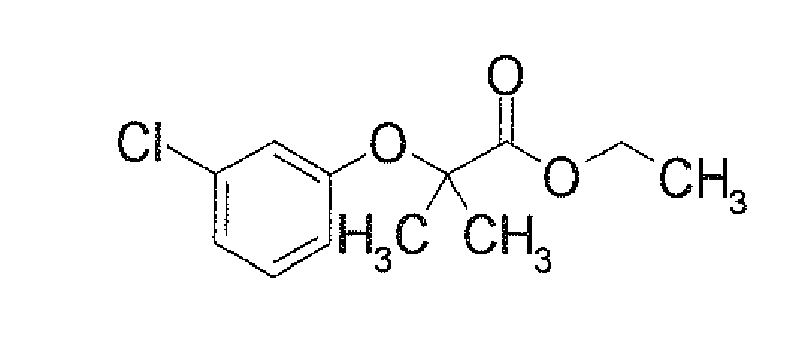
NMR2 : 1.25 (3H, t), 1.60 (6H, s), 4.24 (2H, q), 6.72 (1H, dd), 6.86 (1H, t), 6.96 (1H, ddd), 7.15 (1H, t) 67 1 
NMR2 : 1.25 (3H, t), 1.60 (6H, s), 4.24 (2H, q), 6.57, (1H, dt), 6.61 (1H, dd), 6.69 (1H, dt), 7.17 (1H, dt) 68 1 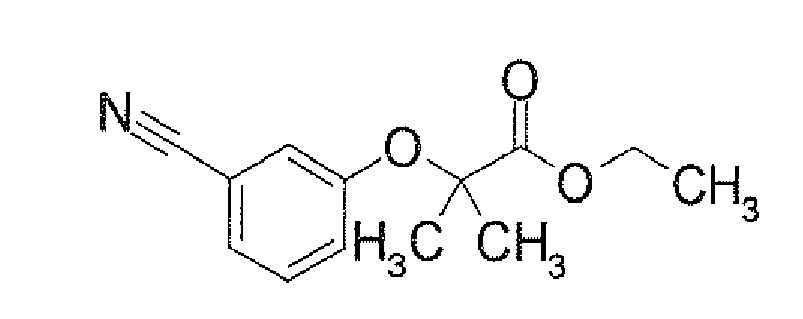
NMR2 : 1.25 (3H, t), 1.62 (6H, s), 4.24 (2H, q), 7.05-7.10 (2H, m), 7.27 (1H, d), 7.34 (1H, t) 69 1 
ESP : 239 70 1 
CI : 311 71 1 
NMR2 : 1.23 (3H, t), 1.66 (6H, s), 4.23 (2H, q), 6.58-6.66 (2H, m), 7.48 (1H, d) 72 1 
NMR2 : 1.24 (3H, t), 1.67 (6H, s), 4.23 (2H, q), 3.03 (3H, s), 6.91 (2H, d), 7.82 (2H, d) 3 3 
NMR2 : 1.58 (6H, s), 6.80 (1H, ddt), 6.88 (1H, ddd), 7.12 (1H, dt) -
[Table 6] 73 3 
NMR2 : 1.62 (6H, s), 6.93 (1H, ddd), 7.10 (1H, dd), 7.16 (1H, dd) 74 3 
NMR2 : 1.50 (6H, s), 3.88 (3H, s), 6.62 (1H, dt), 6.68 (1H, dd), 6.97 (1H, dd) 5 5 
NMR2 : 1.43 (6H, s), 7.22 -7.30 (2H, m), 12.99 (1H, brs) 75 3 
NMR2 : 1.65 (6H, s), 6.99 (1H, d), 7.22 (1H, dd), 7.58 (1H, d) 76 3 
NMR2 : 1.62 (6H, s), 2.22 (3H, s), 6.74 (1H, d), 7.05 (1H, dd), 7.16 (1H, d) 77 3 
EI ; 248 78 5 
EI : 205 79 3 
NMR2 : 1.68 (6H, s), 6.97 (1H, d), 7.10 (1H, t), 7.45 (1H, t), 7.60 (1H, d) 80 3 
NMR2 : 1.52 (6H, s), 3.91 (3H, s), 6.91-7.04 (3H, m), 7.13-7.17 (1H, m) 81 3 
NMR2 : 1.63 (6H, s), 6.82 (1H, ddd), 6.96 (1H, t), 7.04 (1H, ddd), 7.20 (1H, t) -
[Table 7] 82 3 
NMR2 : 1.63 (6H, s), 6.67 (1H, dt), 6.70 (1H, dd), 6.77 (1H, dt), 7.22 (1H, t) 83 3 
NMR2 : 1.66 (6H, s), 7.15-7.20 (2H, m), 7.35 (1H, t), 7.39 (1H, t) 84 3 
NMR2 : 1.62 (6H, s), 3.78 (3H, s), 6.51-6.53 (2H, m), 6.62-6.65 (1H, m), 7.20 (1H, t) 85 3 
EI : 282 86 3 
NMR2 : 1.71 (6H, s), 7.51 (1H, t), 6.72-6.74 (2H, m) 87 3 
NMR2 : 1.71 (6H, s), 3.05 (3H, s), 6.99 (2H, d), 7.85 (2H, d) 2 2 
EI : 212 4 4 
ESP : 231 88 4 
NMR2 : 1.54 (6H, s), 3.94 (2H, d), 6.93 (1H, ddd), 7.04 (1H, dd), 7.16 (1H, dd), 8.22 (1H, brs) -
[Table 8] 89 4 
NMR2 : 1.45 (6H, s), 3.84 (3H, s), 3.92 (2H, brs), 6.58 (1H, dt), 6.65 (1H, dd), 6.94 (1H, dd), 8.59 (1H, brs) 90 4 
EI : 248 91 4 
CI : 229 6 6 
EI : 264 92 4 
NMR2 : 1.59 (6H, s), 3.94 (2H, d), 6.97 (1H, d), 7.22 (1H, dd), 7.58 (1H, d), 8.21 (1H, brs) 93 4 
NMR2 : 1.53 (6H, s), 3.91 (2H, brs), 6.72 (1H, d), 7.06 (1H, dd), 7.16 (1H, d), 7.83 (1H, brs) 94 4 
CI : 263 95 4 
ESP : 220 96 6 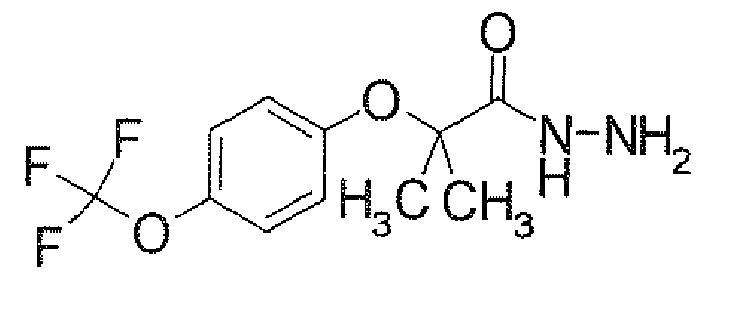
CI : 279 -
[Table 9] 97 2 
EI : 224 98 4 
NMR2 : 1.63 (6H, s), 3.92 (2H, d), 6.99 (1H, d), 7.11 (1H, t), 7.45 (1H, t), 7.60 (1H, d), 7.82 (1H, brs) 99 4 
NMR2 : 1.49 (6H, s), 3.86 (3H, s), 3.91 (2H, s), 6.86-7.01 (3H, m), 7.07-7.12 (1H, m), 8.72 (1H, s) 100 4 
NMR2 : 1.53 (6H, s), 6.80 (1H, ddd), 6.94 (1H, t) 7.09 (1H, ddd), 7.21 (1H, t) 101 4 
NMR2 : 1.54 (6H, s), 3.91 (2H, brs), 6.63-6.72 (2H m), 6.79-6.84 (1H, m), 7.20-7.22 (1H, m), 7.84 (1H, brs) 102 4 
NMR2 : 1.54 (6H, s), 3.92 (2H, brs), 7.13-7.17 (1H, m), 7.20 (1H, m), 7.39-7.41 (2H, m), 7.76 (1H, brs) 103 4 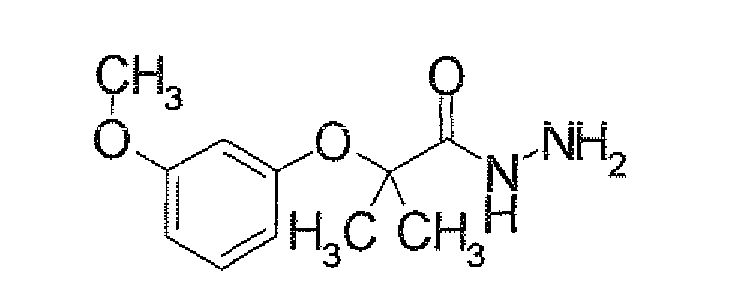
NMR2 : 1.54 (6H, s), 3.79 (3H, s), 3.90 (2H, d), 6.48-6.52 (2H, m), 6.64-6.67 (1H, m), 7.18 (1H, t), 7.88 (1H, s) 104 4 
CI : 297 105 4 
NMR2 : 1.63 (6H, s), 3.90 (2H, brs), 6.71-6.76 (2H, m), 7.52 (1H, brs), 7.53 (1H, dd) -
[Table 10] 106 4 
NMR2 : 1.62 (6H, s), 3.05 (3H, s), 3.90 (2H, brs), 7.02 (2H, d), 7.63 (1H, brs), 7.85 (2H, d) 18 18 
EI : 274 7 7 
NMR1 : 1.53 (9H, s), 7.62-7.68 (1H, m), 7.76-7.80 (1H, m), 7.85-7.90 (1H, m) 8 8 
NMR1 : 1.54 (9H, s), 7.95 (1H, d), 8.28 (1H, d), 8.44 (1H, s) 9 9 
NMR1 : 7.98 (1H, d), 8.27 (1H, d), 8.43 (1H, s) 107 7 
Ex : 230 108 8 
ESP : 238 109 9 
FN : 180 10 10 
NMR1 : 9.34(1H, s) -
[Table 11] 11 11 
NMR2 : 3.01(3H, d), 7.28-7.3 (1H, m), 7.38-7.42 (1H, m), 7.53-7.58 (1H, m) 110 11 
ESP : 188 111 11 
EI : 171 112 11 
EI : 189 113 11 
ESP : 168 114 11 
EI : 193 115 11 
NMR2 : 3.05 (3H, d), 7.69 (1H, d), 7.90 (1H, d), 8.00 (1H, s) 12 12 
EI : 178 116 12 
EI : 160 -
[Table 12] 117 11 
FP : 238 118 11 
ESP : 232 13 13 
NMR2 : 3.05 (3H, d), 7.58 (1H, dd), 7.76 (1H, d), 7.96 (1H, d), 8.02 (1H, s) 119 13 
NMR2 : 3.05 (3H, d), 7.70 (2H, d), 7.87 (2H, d) 120 11 
NMR2 : 3.03 (3H, d), 7.46-7.48 (1H, m), 7.56-7.59 (2H, m) 121 11 
NMR2 : 3.04 (3H, d), 6.19 (1H, brs), 8.84 (1H, s) 122 11 
NMR2 : 3.04 (3H, d), 7.46 (1H, brs), 8.80 (1H, s) 17 17 
EI : 189 123 17 
ESP : 204 -
[Table 13] 124 12 
ESP : 204, 206, 208 125 12 
APP : 173 126 12 
APP : 172 127 12 
APP : 184 128 12 
APP : 209 129 12 
ESP : 243 130 12 
EI : 192 131 12 
ESP : 205 132 13 
ESP : 212 -
[Table 14] 133 13 
EI : 221 134 13 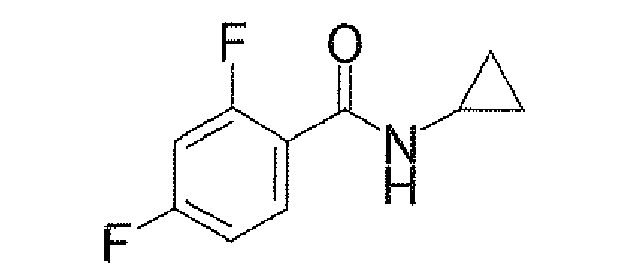
ESP : 198 14 14 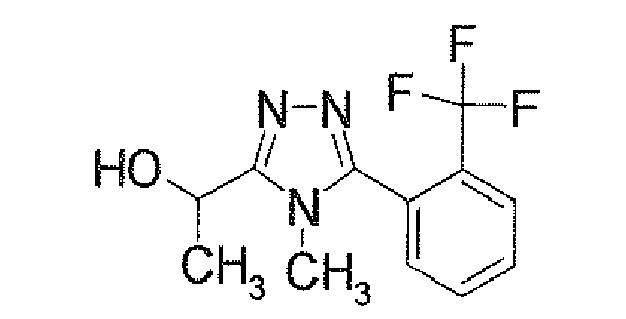
ESP : 272 135 14 
ESP : 272 136 14 
ESP : 256 137 14 
ESP : 297 138 14 
ESP : 272 139 14 
ESP : 238 140 14 
ESP : 297 -
[Table 15] 141 14 
ESP : 286 142 14 
ESP : 252 143 14 
NMR2 : 1.82 (6H, s), 3.61 (3H, s), 7.66 (1H, d), 8.00 (1H, d), 8.14 (1H, s) 144 14 
ESP : 277 145 14 
ESP : 304 146 14 
NMR2 : 1.79 (6H, s), 3.68 (3H, s), 7.09-7.16 (1H, m), 7.26-7.30 (1H, m), 7.46-7.51 (1H, m) 147 14 
ESP : 314 148 14 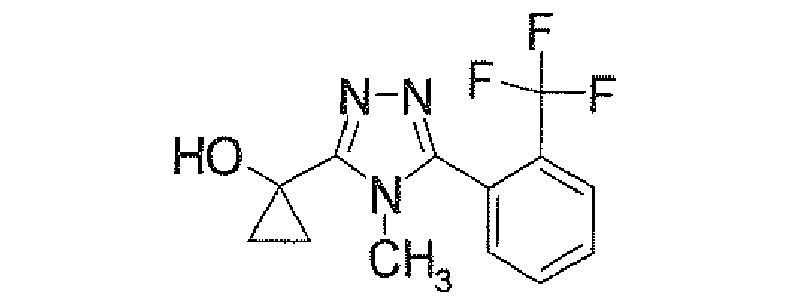
ESP : 284 15 15 
NMR2 : 1.64 (6H, s), 7.13 (2H, d), 7.60 (2H, d), 7.74 (1H, d), 8.66 (1H, d), 8.75 (1H, s) -
[Table 16] 149 15 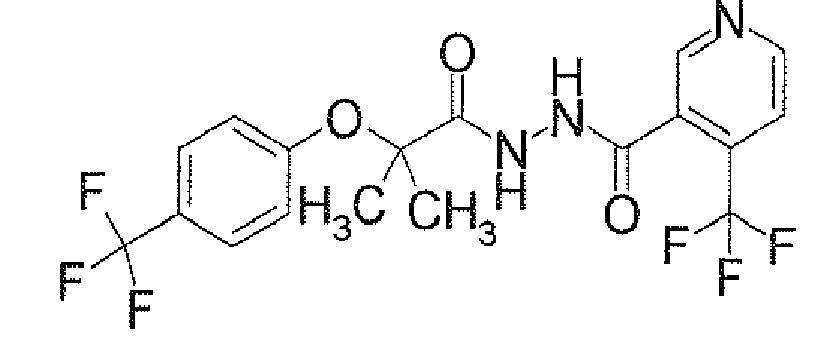
NMR2 : 1.62 (3H, s), 1.63 (3H, s), 7.14 (2H, d), 7.54-7.68 (3H, m), 8.95-9.00 (2H, m) 150 15 
NMR2 : 1.57 (6H, s), 6.98-7.00 (2H, m), 7.26-7.31 (2H, m), 7.74 (1H, d), 8.67 (1H, d), 8.74 (1H, s) 151 15 
NMR1 : 1.49 (6H, s), 7.09 (2H, d), 7.34 (2H, d), 7.45 (1H, d), 8.68 (1H, d), 8.85 (1H, s) 16 16 
NMR2 : 1.96 (6H, s), 6.89 (2H, d), 7.48 (2H, d), 7.92 (1H, d), 8.67 (1H, d), 8.82 (1H, s) 152 16 
NMR2 : 1.95 (6H, s), 6.89 (2H, d), 7.49 (2H, d), 7.75 (1H, d), 9.01 (1H, d), 9.36 (1H, s) 153 16 
NMR2 : 1.89 (6H, s), 6.72 (2H, d), 7.17 (2H, d), 7.93 (1H, d), 8.67 (1H, d), 8.82 (1H, s) 154 16 
NMR2 : 1.90 (6H, s), 6.73 (2H, d), 7.18 (2H, d), 7.90 (1H, d), 8.70 (1H, d), 8.96 (1H, s) 155 13 
ESP : 216 156 12 
APP : 156 -
[Table 17] 157 12 
APP : 192 158 12 
ESP : 190 159 12 
ESP : 206 160 12 
ESP : 190 161 12 
ESP : 200, 202 162 13 
ESP : 232 163 13 
ESP : 212 164 13 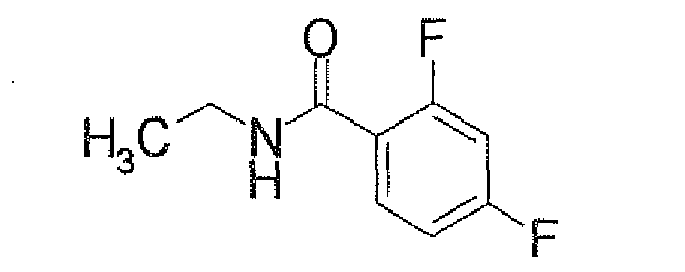
ESP : 186 165 12 
ESP : 248 -
[Table 18] 166 12 
ESP : 178 167 12 
APP : 156 168 12 
APP : 176, 178 169 12 
APP : 226, 228 170 13 
APP : 190 171 12 
ESP : 238, 240 172 12 
ESP : 238, 240 173 12 
ESP : 184, 186 174 12 
ESP : 178 175 12 
ESP : 194 -
[Table 19] 50 50 
ESP : 392 176 12 
ESP : 200, 202 177 12 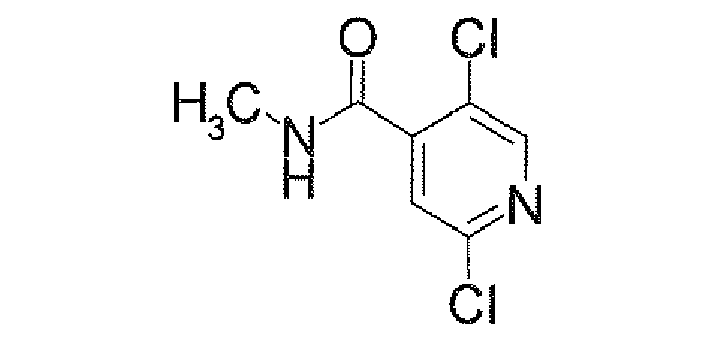
APP : 205, 207 178 12 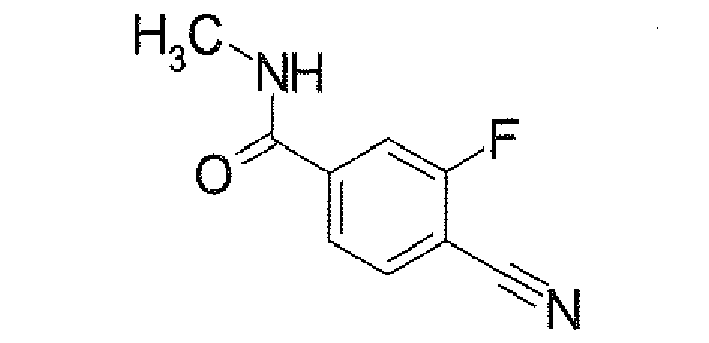
EI : 178 179 12 
ESP : 214 180 12 
ESP : 240 27 27 
ESP : 296 28 28 
ESN : 190 -
[Table 20] 181 12 
APP : 222, 224 182 12 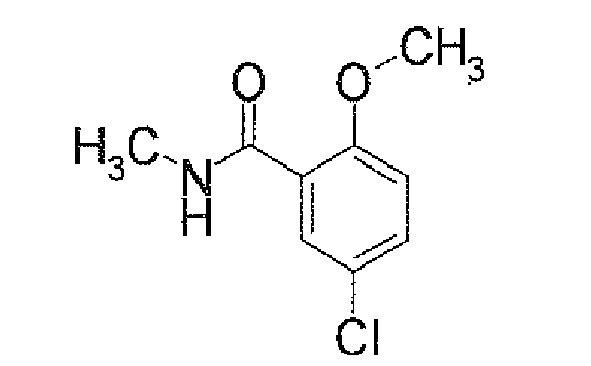
APP : 200, 202 183 12 
APP : 218, 219 32 32 
ESP : 390 184 12 
ESP : 218, 220 185 12 
EI : 187 23 23 
ESP : 172, 174 186 1 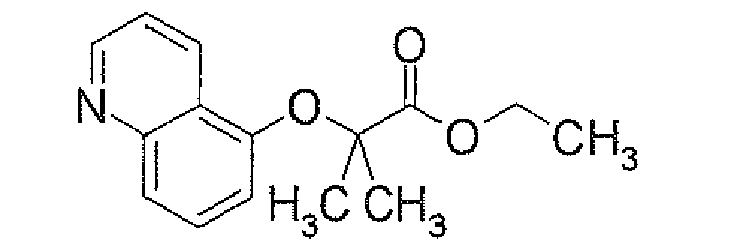
APP : 260 19 19 
EI : 246 -
[Table 21] 187 3 
APN : 230 24 24 
ESP : 173 188 21 
APP : 346 20 20 
HCl ESP : 231 189 20 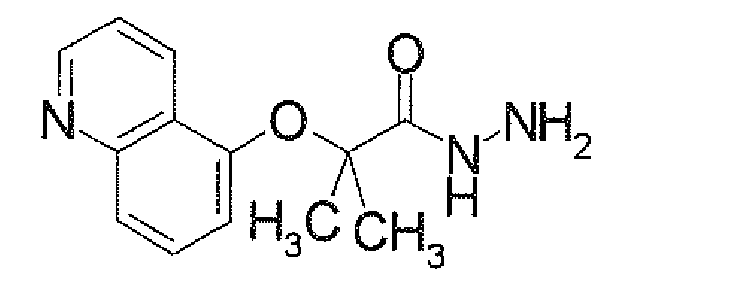
APP : 246 190 12 
ESP : 185, 187 191 12 
APP : 210, 212 192 12 
ESP : 141 193 12 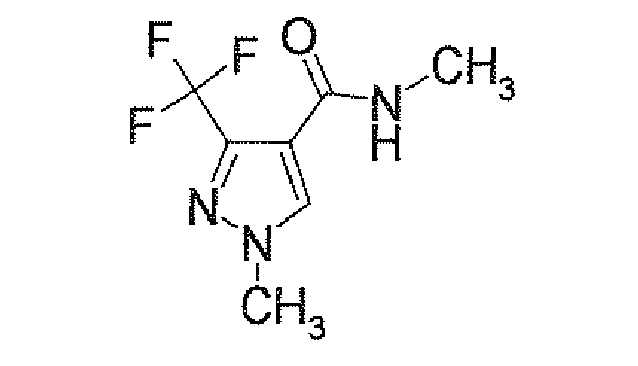
ESP : 208 -
[Table 22] 194 12 
ESP : 205 195 20 
HCl ESP : 231 196 12 
ESP : 228 197 12 
APP : 225 26 26 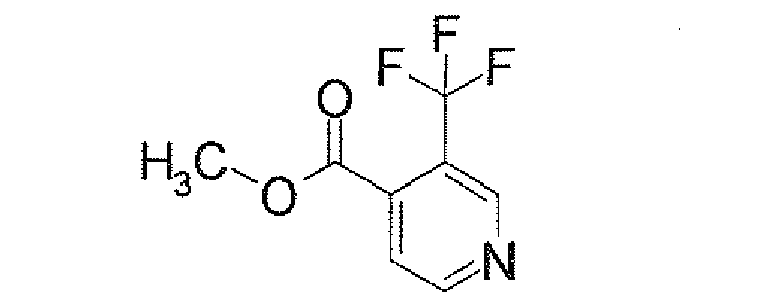
ESP : 206 29 29 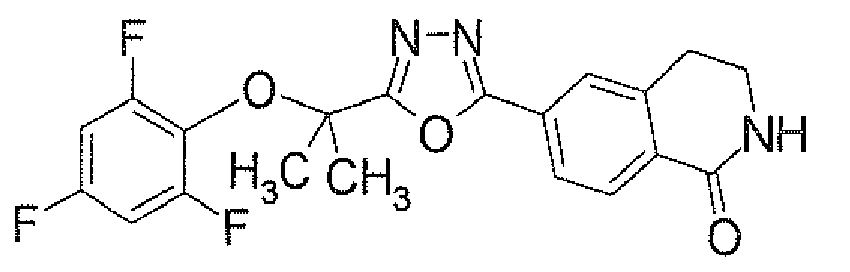
ESP : 404 33 33 
ESP : 205 198 12 
APP : 168 -
[Table 23] 199 12 
ESP : 218(M+Na) 200 12 
APP : 196 201 12 
ESP : 236 202 1 
EI : 262 203 3 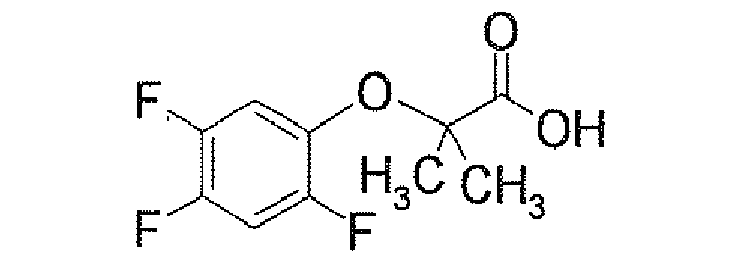
EI : 234 204 20 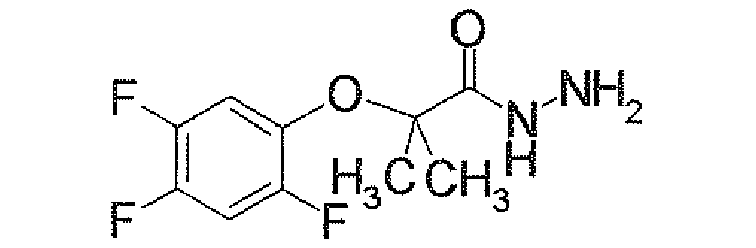
HCl ESP : 249 205 1 
ESP : 293 206 1 
APP : 238 207 1 
APP : 238 -
[Table 24] 208 12 
ESP : 207 209 3 
ESN : 263, 265 210 2 
APP : 224 211 2 
APP : 224 212 21 
ESP : 367(M+Na) ; NMR2 : 1.50 (9H, s), 1.66 (6H, s), 6.43 (1H, bs), 7.07 (1H, d), 7.36 (1H, t), 7.50 (2H, m), 7.56 (1H, d), 7.82 (1H, m), 8.20 (1H, m), 8.39 (1H, d) 21 21 
ESN : 377 213 22 
HCl ESP : 245 22 22 
HCl ESP : 279, 281 34 34 
ESP : 312 -
[Table 25] 214 3 
ESP : 298 215 12 
FSP : 311 216 12 
ESP : 174, 176 217 12 
NMR2 : 0.56-0.66 (2H, m), 0.81-0.92 (2H, m), 2.79-2.91 (1H, m), 3.86 (3H, s), 6.63 (1H, brs), 7.92 (1H, s) 218 12 
ESP : 208 219 12 
ESP : 181 220 12 
ESP : 339 221 12 
ESP : 337 -
[Table 26] 222 35 
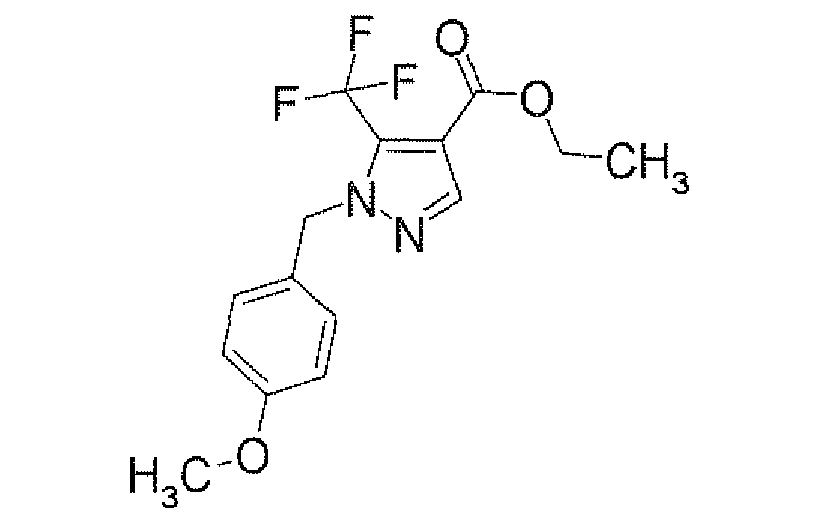
ESP : 329 223 12 
ESP : 325 224 12 
APP/ESP : 195 225 3 

ESP : 301 -
[Table 27] 226 12 

ESP : 314 36 36 
ESP : 199 37 37 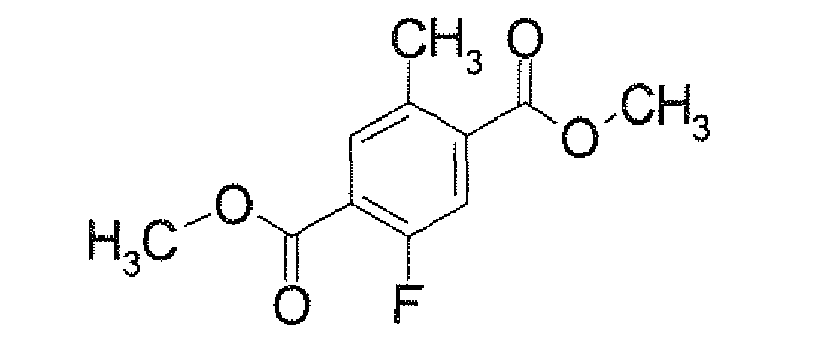
EI : 226 227 34 
ESP : 330 228 3 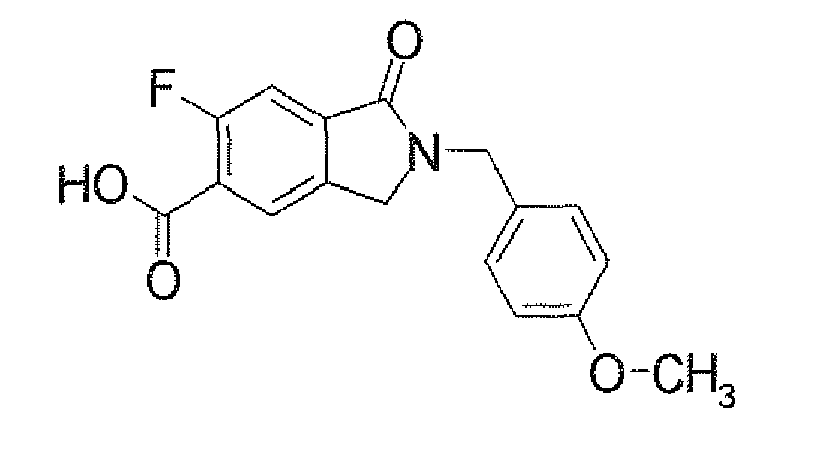
ESP : 316 -
[Table 28] 229 12 
ESP : 329 230 12 
ESP : 294, 266 231 12 
ESP : 292, 294 38 38 
ESP : 404 39 39 
APP/ESP : 330 232 3 
ESN : 314 233 12 
ESP : 329 234 12 
ESP : 206 -
[Table 29] 235 12 
ESP : 343 236 12 
ESP : 357 237 12 
ESP : 343 238 12 
ESP : 355 239 12 
ESP : 357 240 12 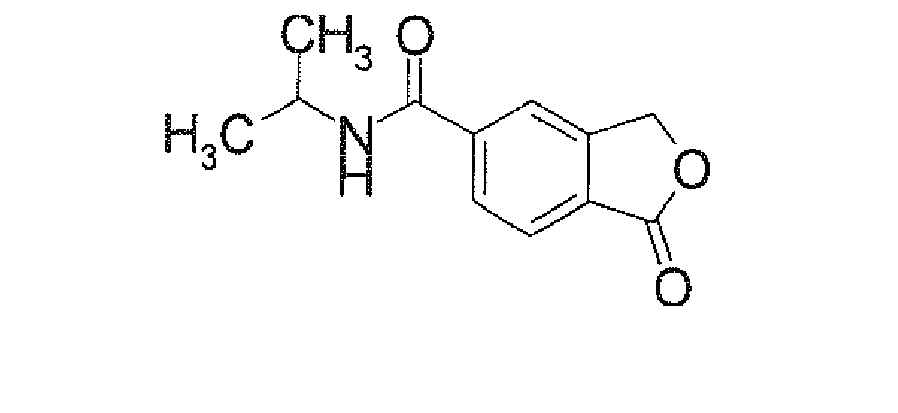
ESP : 220 -
[Table 30] 35 35 
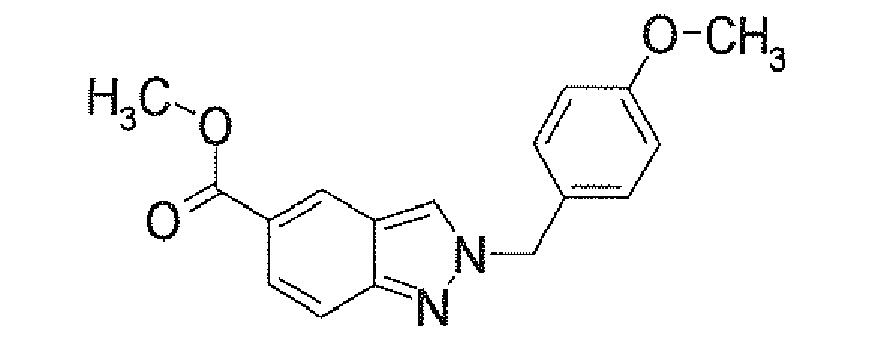
ESP : 297 241 3 

ESP : 283 242 12 

ESP : 296 51 51 
APP/ESP : 367, 369 -
[Table 31] 243 12 

ESP : 310 40 40 
ESP : 259 41 41 
ESP : 312 244 3 
APP/ESP : 298 245 12 
APP/ESP : 325 246 12 
ESP : 353 -
[Table 32] 247 12 
ESP : 351 42 42 
ESP : 195 43 43 

APP/ESP : 307 248 1 
ESP : 325 ; NMR2 : 1.31 (3H, t), 1.55 (6H, s), 4.25 (2H, q), 7.08 (2H, d) 249 1 
ESP : 245 44 44 
ESP : 259 ; NMR2 : 1.31 (3H, t), 1.54 (6H, s), 2.28 (3H, s), 4.25 (2H, q), 6.68 (2H, d) 250 3 

ESP : 293 -
[Table 33] 251 3 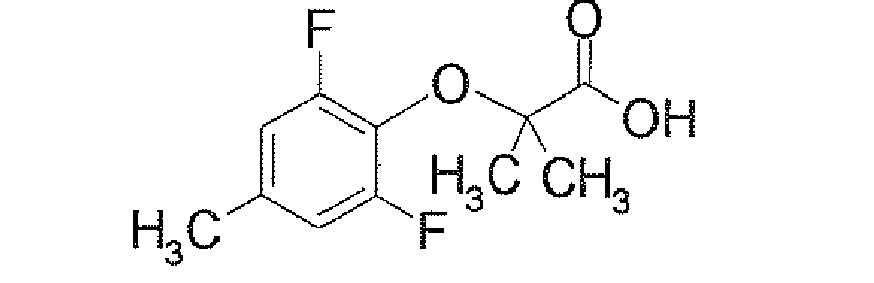
ESN : 229 252 3 
ESN : 215 253 12 

ESP : 320 254 19 
ESP : 245 255 19 
ESP : 231 45 45 

ESP : 348 -
[Table 34] 46 46 
ESP : 378 256 9 
ESP : 278 257 40 

ESP : 379 -
[Table 35] 47 47 
ESP : 363 30 30 
ESP : 223 ; NMR2 : 1.08 (2H, m), 1.18 (2H, m), 2.31 (1H, m), 3.85 (3H, s), 4.93 (1H, s) 31 31 
HBr APP/ESP : 199 48 48 
APP/ESP : 274 25 25 
ESP : 199 258 12 
APP/ESP : 278, 280 259 12 
APP/ESP : 293 -
[Table 36] 260 12 
APP/ESP : 320 261 12 
ESP : 436 262 12 
APP/ESP : 360 49 49 

FN : 407 -
[Table 37] 52 52 
ESP : 290 263 52 
ESP : 304 264 12 

ESP : 334 265 12 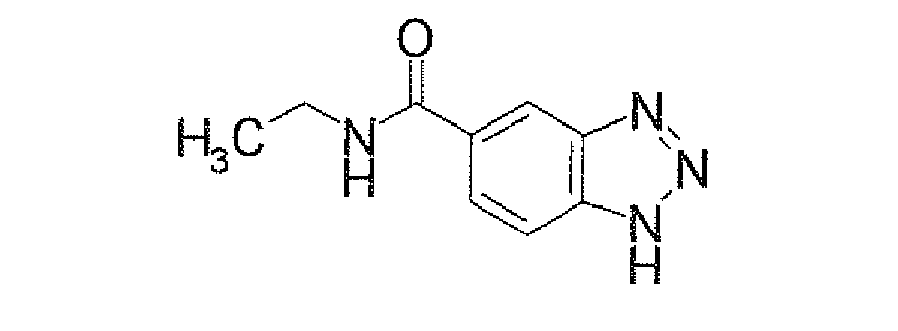
ESP : 191 -
[Table 38] 266 12 
APP/ESP : 180 267 12 
APP/ESP : 194 268 12 
ESP : 224 269 12 
ESP : 204 270 12 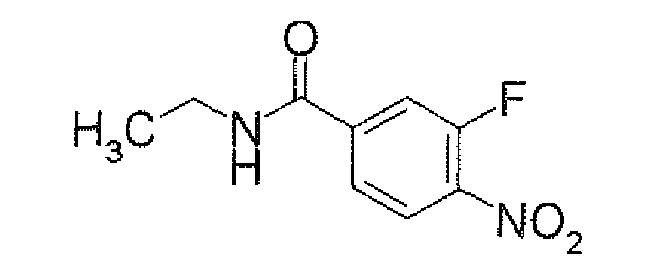
ESP : 213 53 53 
ESP : 224 54 54 
ESP : 194 55 55 
ESP : 204 56 56 
HCl ESP : 208 271 12 
ESP : 208 -
[Table 39] 272 56 
ESP : 208 273 12 
ESP : 208 274 53 
ESP : 224 275 54 
ESP : 194 276 55 
ESP : 204 277 56 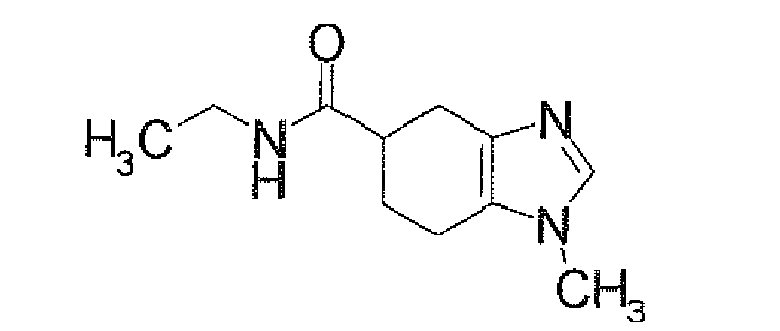
HCl ESP : 208 278 12 
ESP : 205 -
[Table 40] Ex Structure Sal 90 
91 
1 
2 
92 
HCl 93 
HCl 94 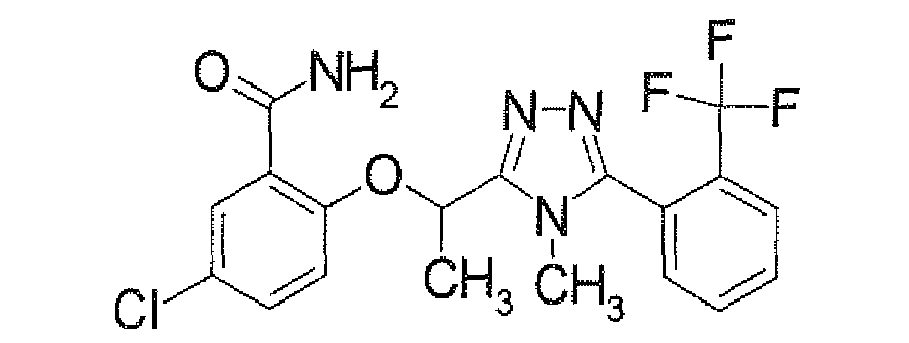
95 
-
[Table 41] 96 
97 
98 
3 
99 
100 
101 
102 
-
[Table 42] 103 
104 
105 
106 
107 
HCl 108 
109 
110 
-
[Table 43] 111 
112 
113 
114 
HCl 115 
HCl 116 
117 
118 
-
[Table 44] 119 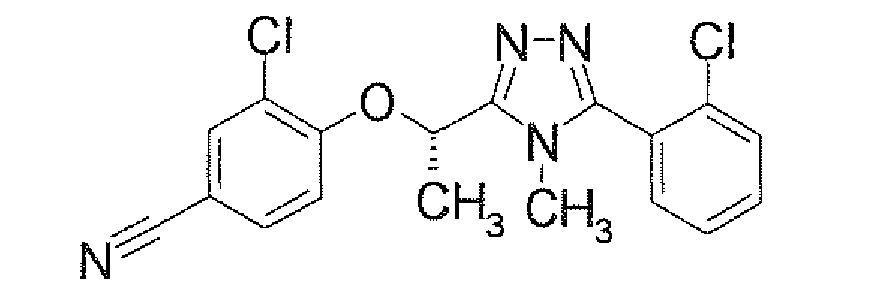
120 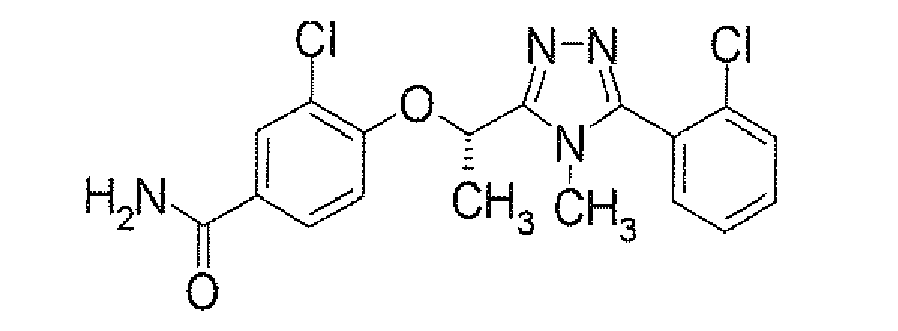
121 
122 
123 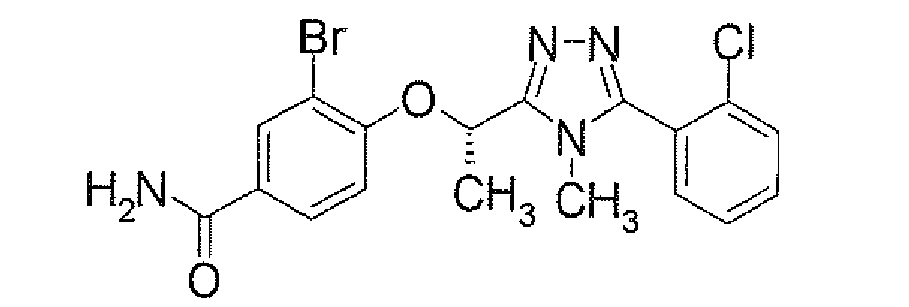
124 
125 
126 
127 
-
[Table 45] 128 
129 
130 
131 
132 
133 
134 
135 
136 
-
[Table 46] 137 
138 
4 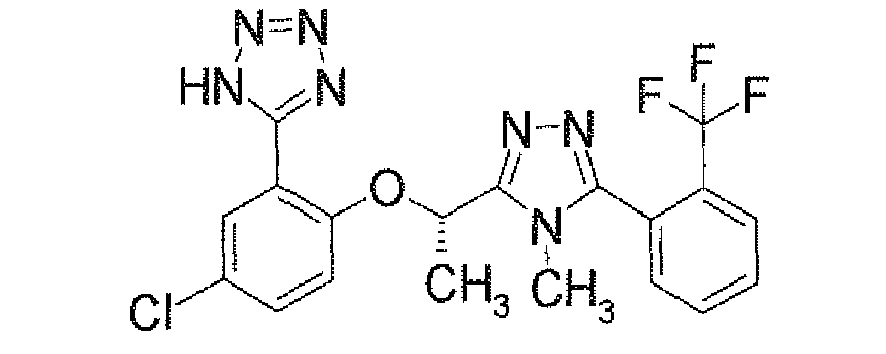
5 
HCl 6 
HCl 139 
HCl 140 
HCl 141 
-
[Table 47] 142 
HCl 143 
HCl 8 
9 
144 
145 
HCl -
[Table 48] 146 
7 
147 
HCl 10 
148 
149 
HCl 150 
151 
HCl 152 
HCl -
[Table 49] 153 
HCl 154 
HCl 155 
156 
HCl 157 
HCl 158 
159 
HCl 160 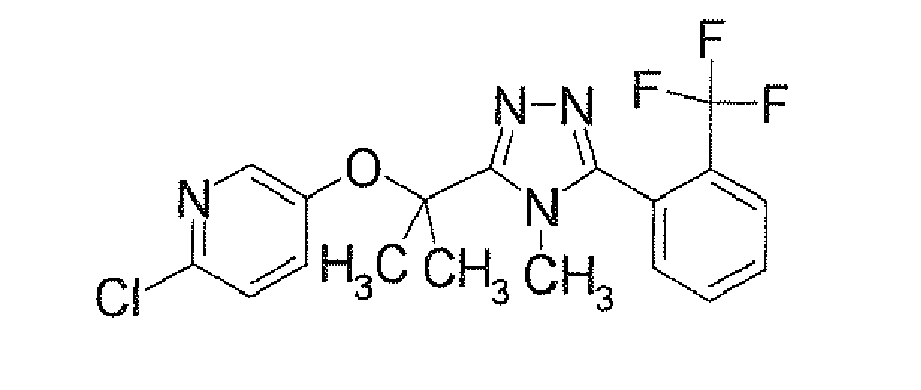
HCl -
[Table 50] 161 
HCl 162 
HCl 163 
164 
165 
166 
167 
168 
-
[Table 51] 169 
170 
171 
172 
173 
11 
HCl 174 
HCl 62 
HCl -
[Table 52] 175 
HCl 12 
13 
HCl 14 
HCl 176 
HCl 177 
HCl 63 
HCl 178 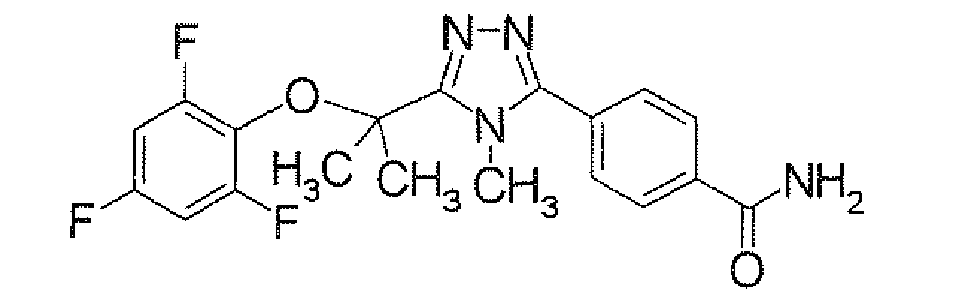
HCl 179 
HCl -
[Table 53] 180 
HCl 15 
HCl 181 
HCl 182 
HCl 183 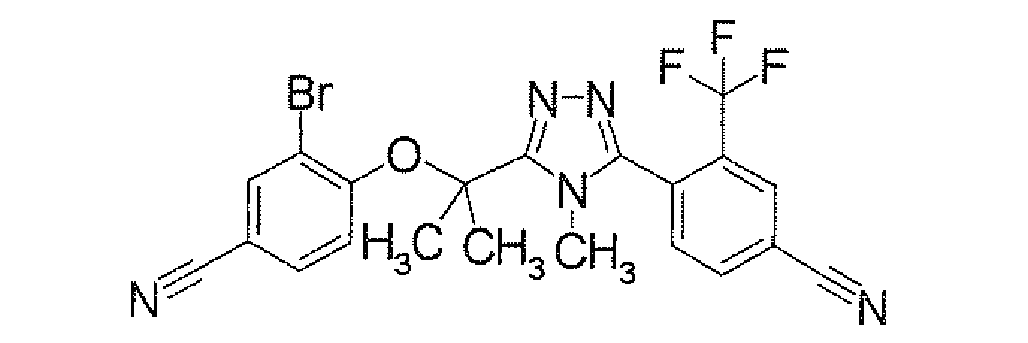
HCl 184 
HCl 185 
HCl -
[Table 54] 186 
HCl 16 
2HCl 187 
2HCl 188 
189 
HCl 17 
190 
191 
HCl -
[Table 55] 18 
64 
HCl 192 
HCl 193 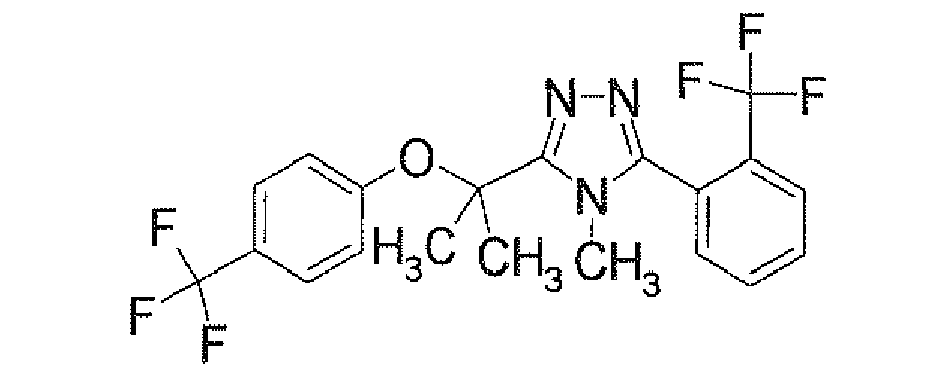
HCl 194 
HCl 195 
HCl 196 
197 
-
[Table 56] 198 
HCl 199 
200 
HCl 201 
HCl 202 
HCl 203 
HCl 204 
HCl 205 
HCl -
[Table 57] 206 
HCl 207 
HCl 208 
HCl 209 
HCl 210 
HCl 211 
HCl 212 
HCl 213 
HCl 214 
HCl -
[Table 58] 215 
HCl 216 
HCl 217 
HCl 218 
HCl 219 
HCl 220 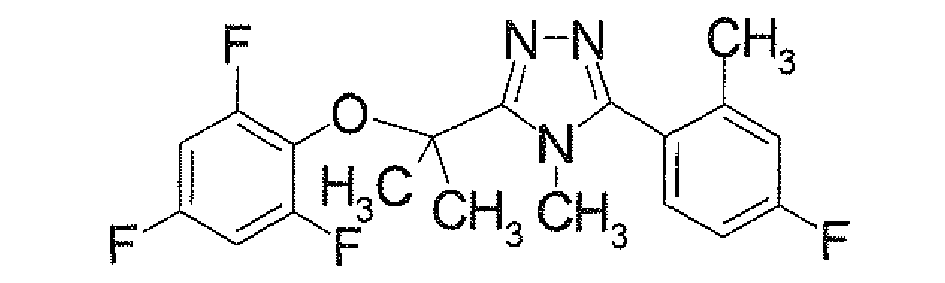
HCl 221 
HCl 222 
HCl 223 
HCl -
[Table 59] 65 
HCl 224 
HCl 225 
HCl 226 
HCl 227 
HCl 228 
HCl 229 
HCl 230 
HCl 19 
-
[Table 60] 20 
21 
HCl 231 
HCl 232 
22 
HCl 233 
23 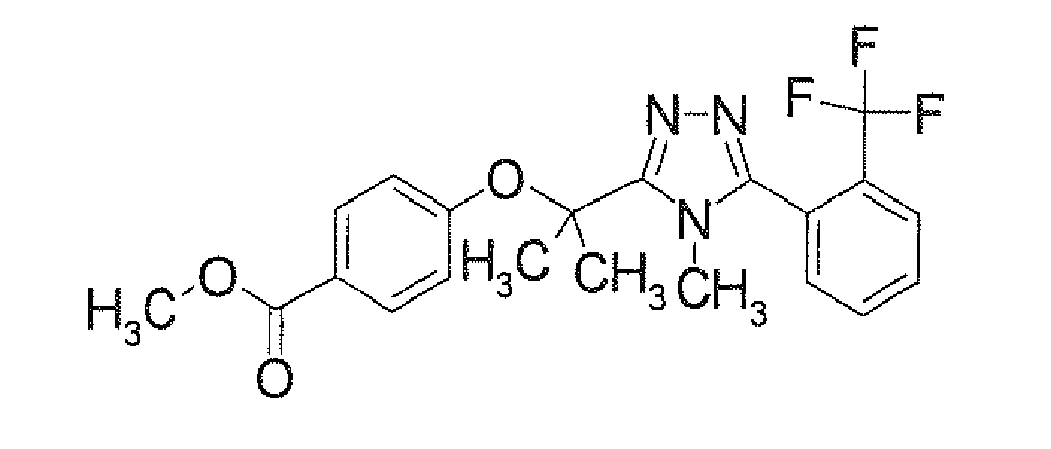
-
[Table 61] 24 
25 
26 
27 
28 
29 
234 
HCl -
[Table 62] 235 
HCl 236 
HCl 237 
HCl 238 
239 
HCl 240 
HCl 241 
HCl -
[Table 63] 242 
243 
HCl 244 
245 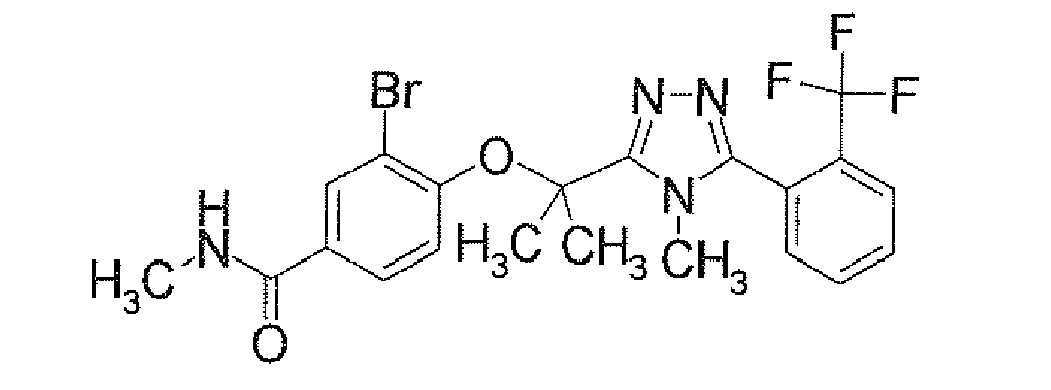
HCl 246 
247 
HCl 248 
-
[Table 64] 249 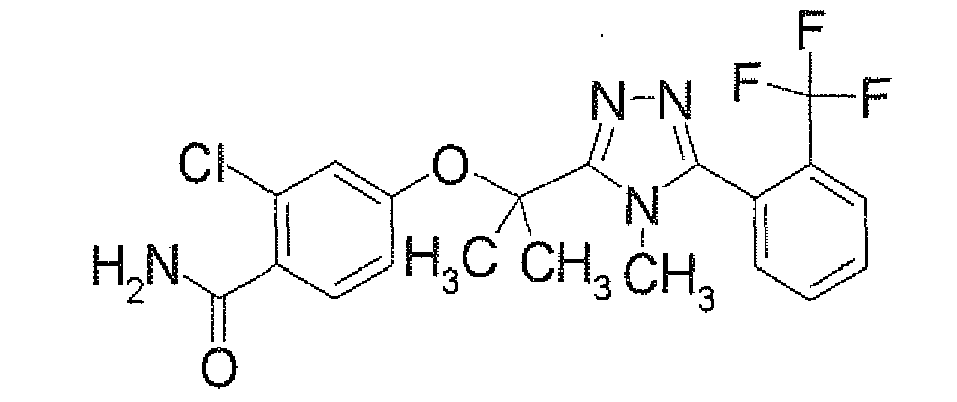
HCl 250 
251 
HCl 252 
253 
HCl 254 
255 
-
[Table 65] 256 
257 
30 
258 
31 
HCl 259 
32 
HCl 260 
HCl -
[Table 66] 261 
HCl 262 
HCl 263 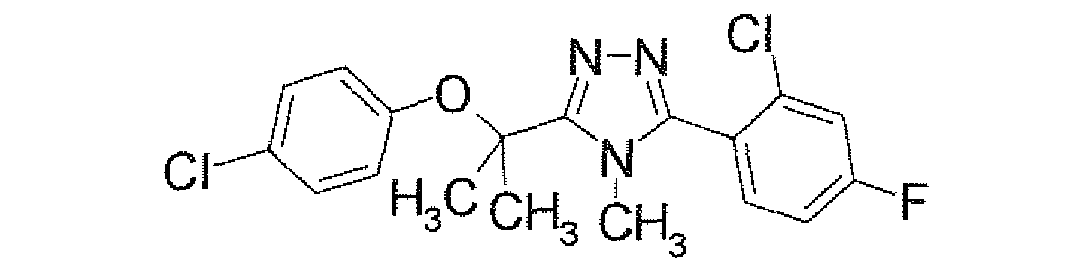
HCl 264 
HCl 265 
HCl 266 
HCl 267 
HCl 268 
HCl -
[Table 67] 269 
270 
HCl 271 
272 
273 
274 
33 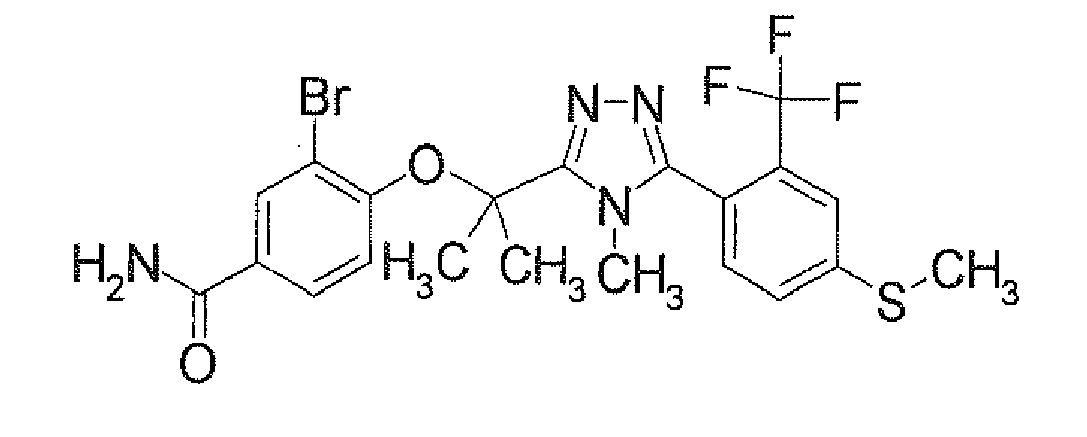
-
[Table 68] 34 
275 
276 
HCl 277 
278 
HCl 279 
HCl 280 
281 
HCl -
[Table 69] 282 
283 
284 
285 
35 
286 
287 
288 
HCl 289 
-
[Table 70] 290 
291 
HCl 292 
HCl 293 
HCl 36 
HCl 294 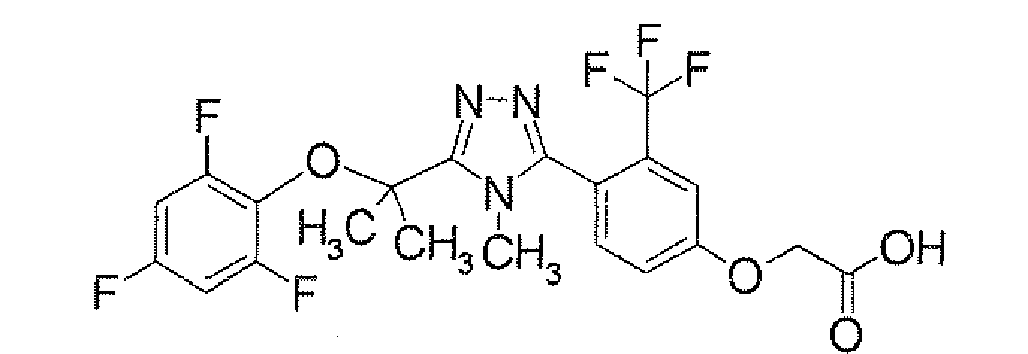
HCl 295 
HCl 37 
-
[Table 71] 296 
HCl 297 
298 
HCl 38 
HCl 299 
HCl 300 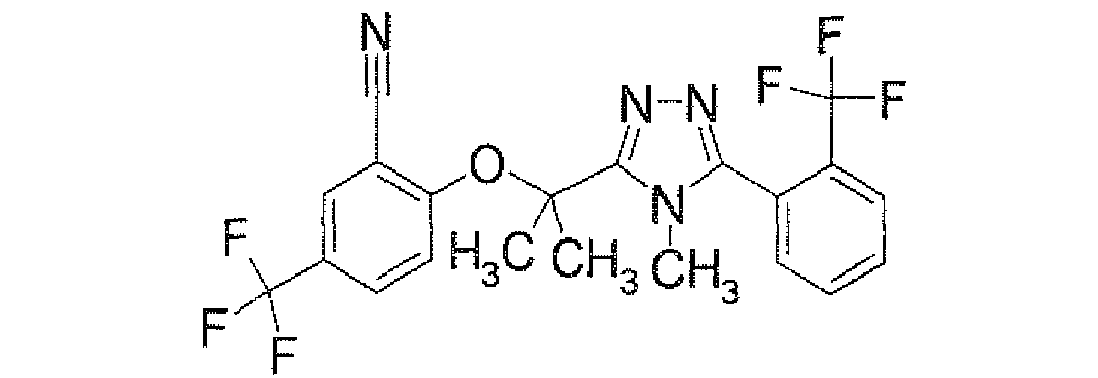
HCl 301 
HCl 302 
-
[Table 72] 303 
304 
HCl 305 
HCl 306 
307 
39 
-
[Table 73] 69 
40 
70 
308 
309 
310 
HCl -
[Table 74] 311 
HCl 312 
HCl 313 
314 
58 
HCl 315 
-
[Table 75] 316 
HCl 317 
HCl 318 
HCl 319 
320 
321 
HCl 322 
HCl -
[Table 76] 323 
HCl 324 
59 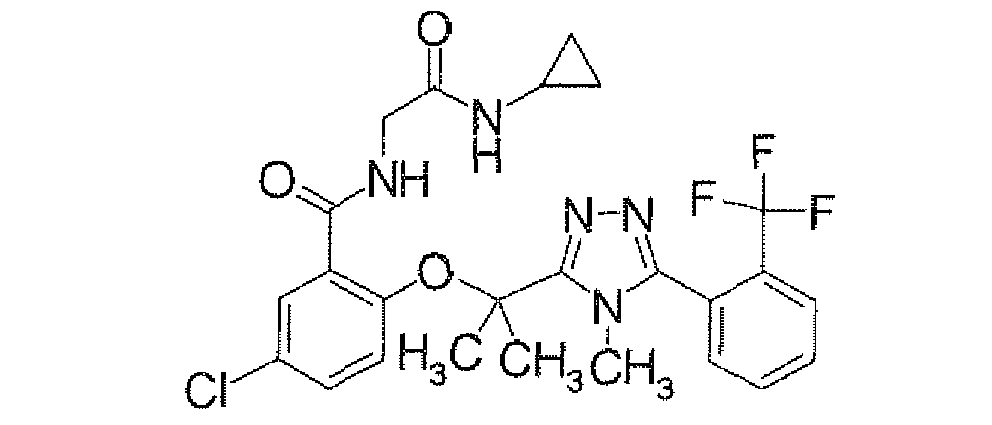
325 
326 
41 
-
[Table 77] 327 
328 
HCl 329 
330 
60 
331 
-
[Table 78] 42 
HCl 332 
333 
HCl 334 
2HCl 43 
HCl 335 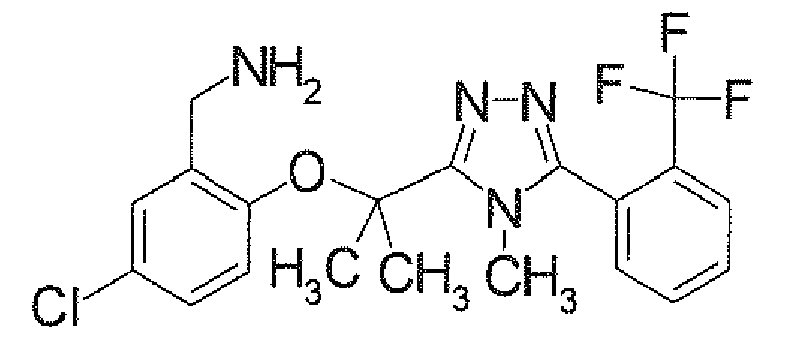
2HCl -
[Table 79] 44 
HCl 45 
HCl 46 
HCl 47 
HCl 48 
HCl 336 
49 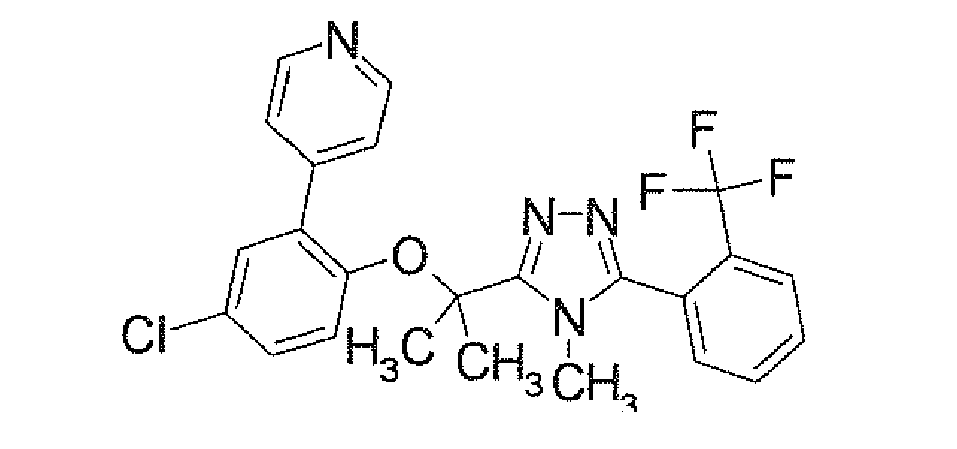
2HCl -
[Table 80] 337 
2HCl 338 
2HCl 50 
HCl 339 
51 
340 
-
[Table 81] 341 
342 
HCl 343 
HCl 52 
53 
-
[Table 82] 344 
54 
HCl 345 
346 
347 
348 
-
[Table 83] 55 
56 
349 
57 
2HCl 350 
2HCl 351 
2HCl 352 
HCl 353 
HCl -
[Table 84] 354 
HCl 355 
356 
357 
358 
HCl 359 
360 
361 
-
[Table 85] 362 
HCl 363 
67 
364 
365 
366 
367 
368 
-
[Table 86] 66 
369 
370 
61 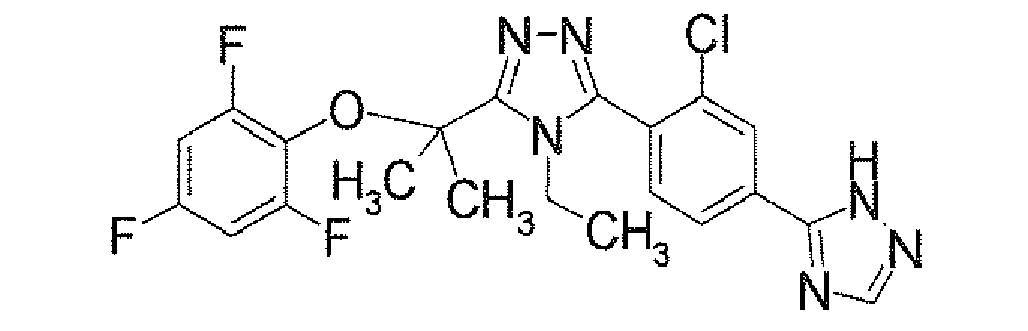
371 
HCl 372 
HCl 373 
HCl 374 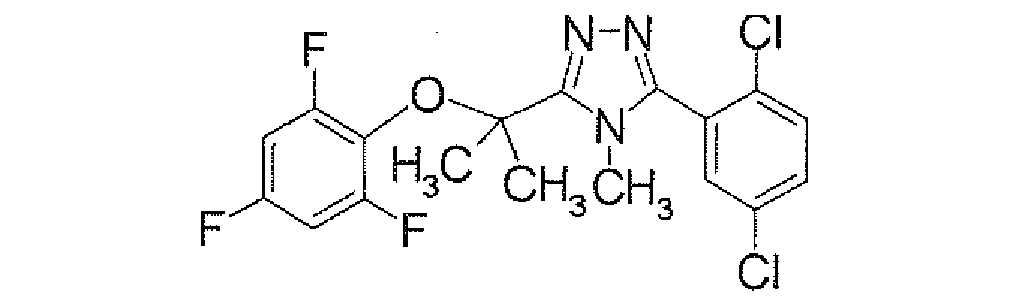
HCl 375 
-
[Table 87] 376 
377 
378 
379 
HCl 68 
380 
381 
382 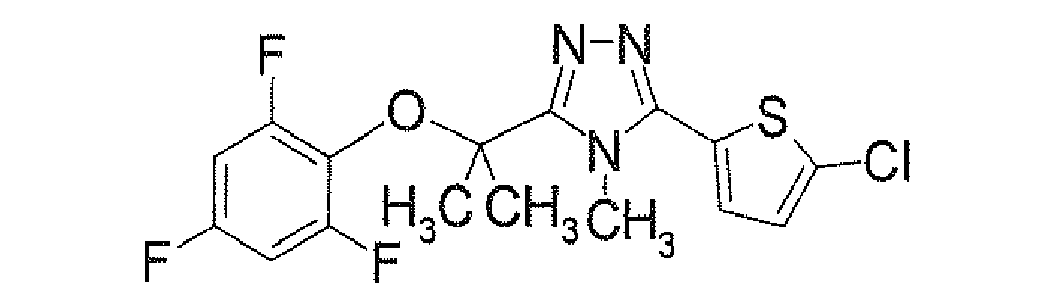
383 
-
[Table 88] 384 
HCl 385 
HCl 386 
HCl 387 
HCl 388 
389 
390 
391 
HCl -
[Table 89] 392 
393 
HCl 394 
HCl 395 
HCl 396 
HCl 397 
HCl 398 
HCl 399 
HCl 400 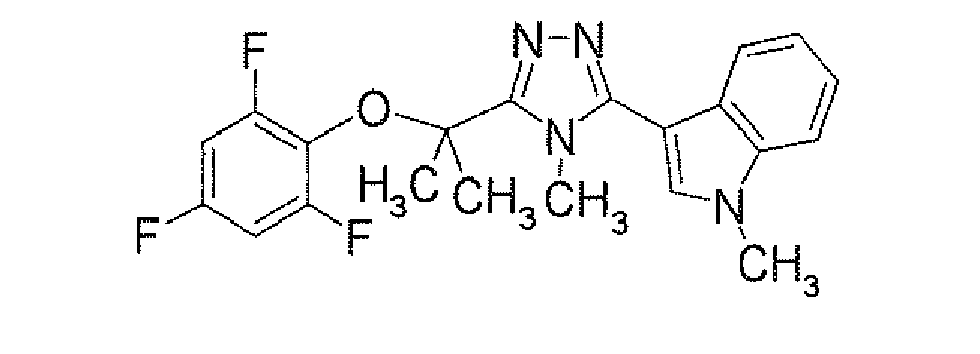
HCl -
[Table 90] 401 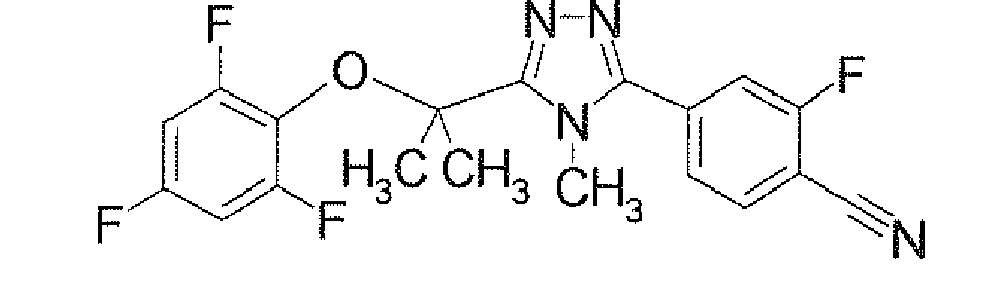
402 
403 
404 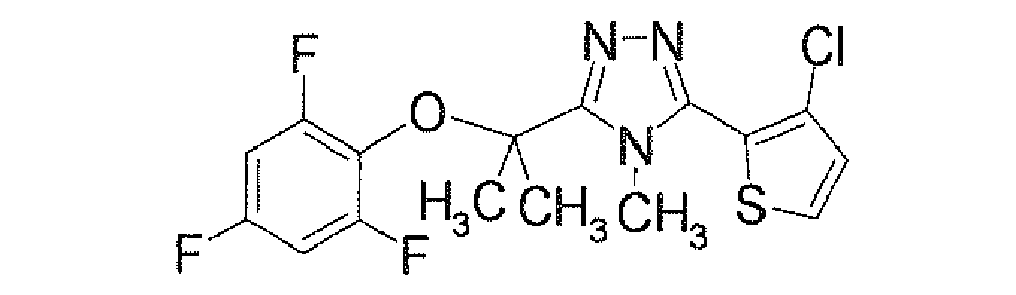
405 
72 
HCl 73 
406 
HCl 407 
HCl -
[Table 91] 408 
HCl 409 
HCl 410 
HCl 411 
HCl 412 
HCl 413 
HCl 414 
71 
HCl -
[Table 92] 415 
416 
417 
418 
419 
420 
421 
74 
75 
-
[Table 93] 422 
423 
424 
425 
426 
427 
HCl 428 
HCl 429 
HCl 430 
HCl 431 
HCl -
[Table 94] 432 
HCl 433 
434 
HCl 435 
HCl 436 
HCl 437 
HCl 438 
439 
440 
-
[Table 95] 441 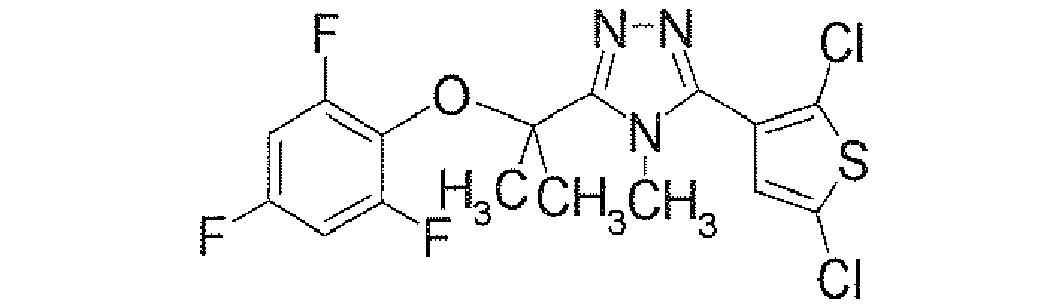
442 
443 
444 
445 
HCl 446 
447 
448 
449 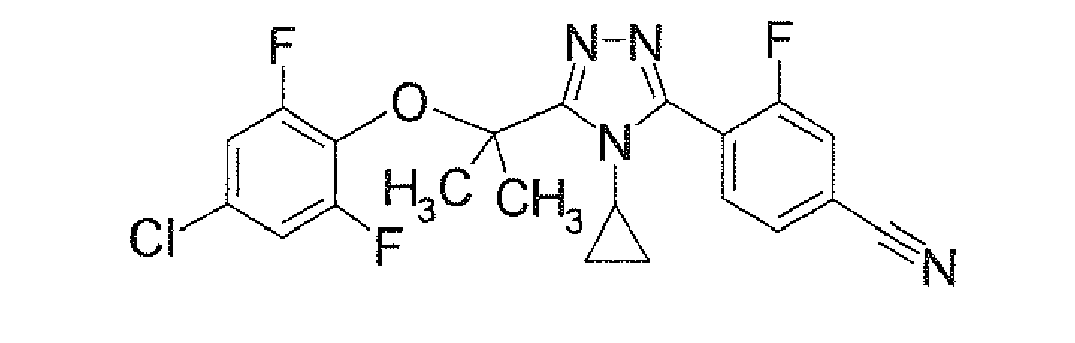
-
[Table 96] 450 
451 
HCl 452 
453 
454 
455 
456 
457 
-
[Table 97] 458 
HCl 459 
460 
HCl 461 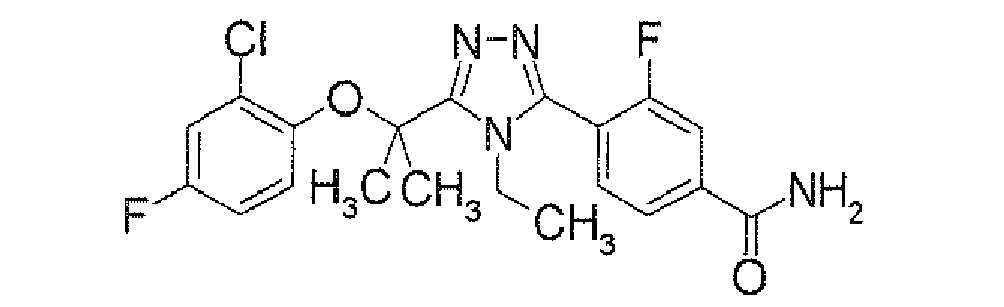
HCl 462 
463 
464 
HCl 465 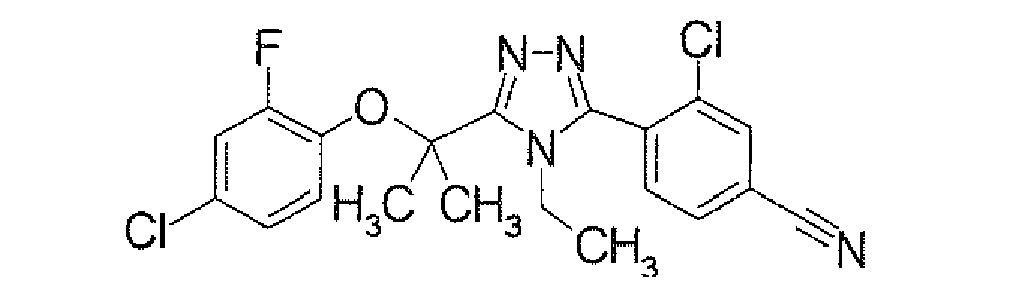
466 
-
[Table 98] 467 
468 
469 
470 
471 
472 
473 
474 
475 
-
[Table 99] 476 
477 
478 
479 
480 
481 
482 
483 
-
[Table 100] 484 
485 
486 
487 
488 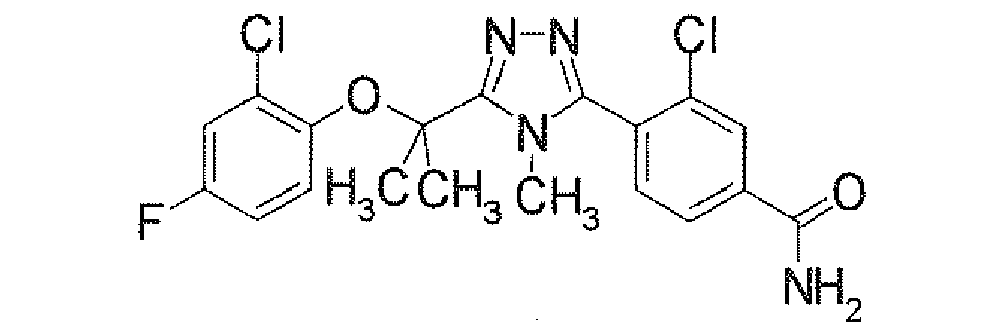
489 
490 
491 
-
[Table 101] 492 
493 
494 
HCl 495 
496 
HCl 497 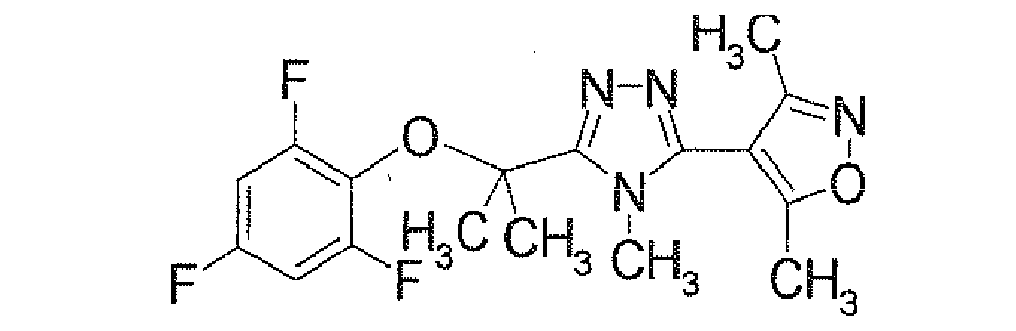
498 
HCl 499 
-
[Table 102] 500 
HCl 501 
HCl 502 
503 
HCl 504 
505 
HCl 506 
507 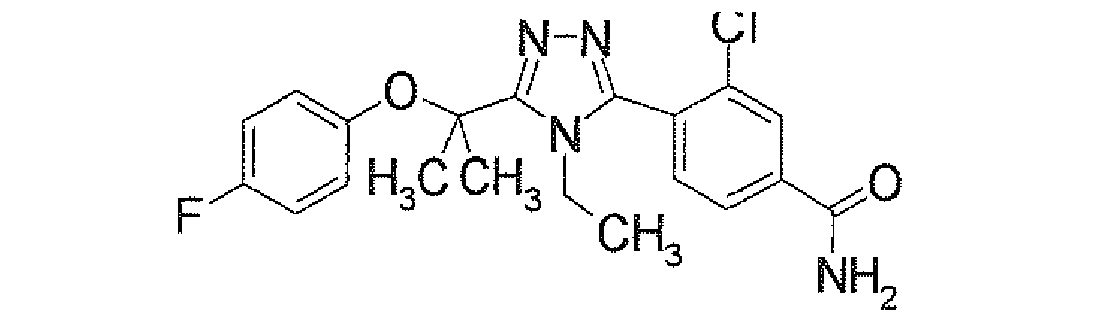
508 
-
[Table 103] 509 
HCl 510 
511 
HCl 512 
513 
HCl 514 
515 
HCl 516 
517 
HCl -
[Table 104] 518 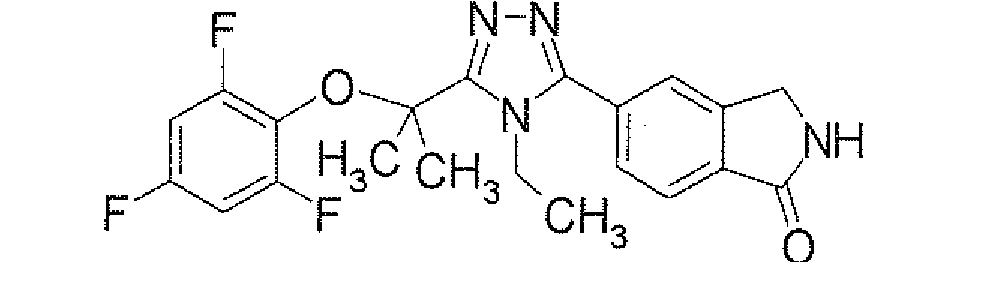
519 
520 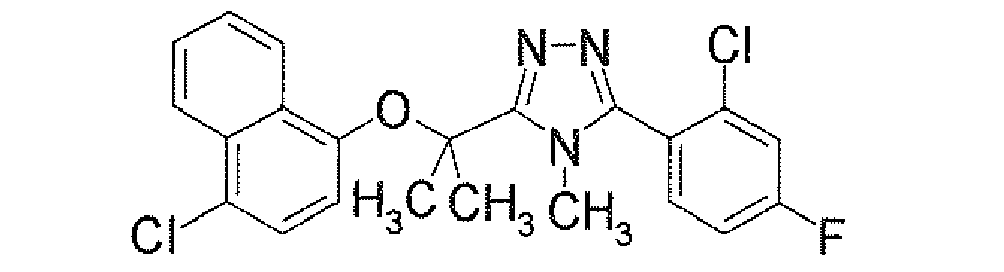
521 
522 
523 
524 
525 
HCl 526 
-
[Table 105] 527 
HCl 76 
528 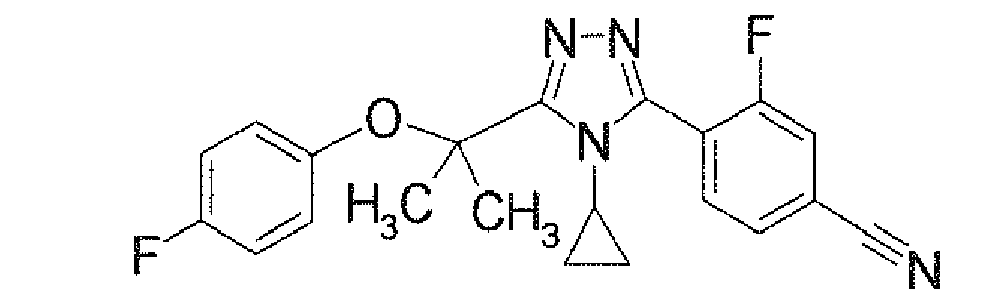
529 
HCl 530 
531 
HCl 532 
533 
534 
-
[Table 106] 535 
HCl 536 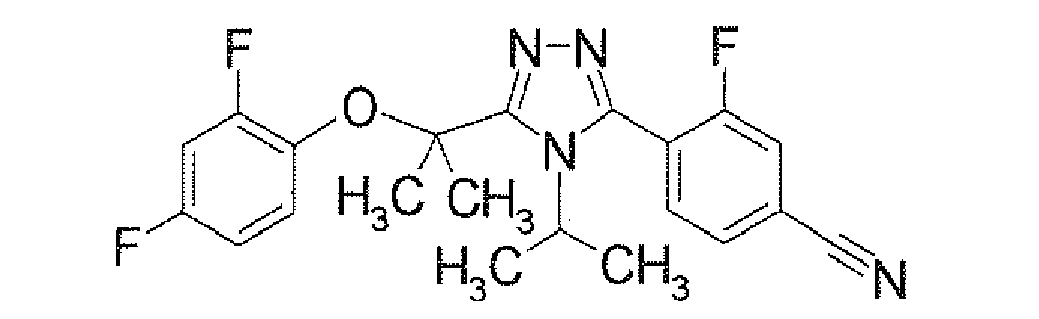
537 
HCl 538 
539 
HCl 540 
541 
HCl 542 
543 
HCl -
[Table 107] 544 
545 
546 
547 
548 
549 
78 
550 
-
[Table 108] 551 
552 
553 

554 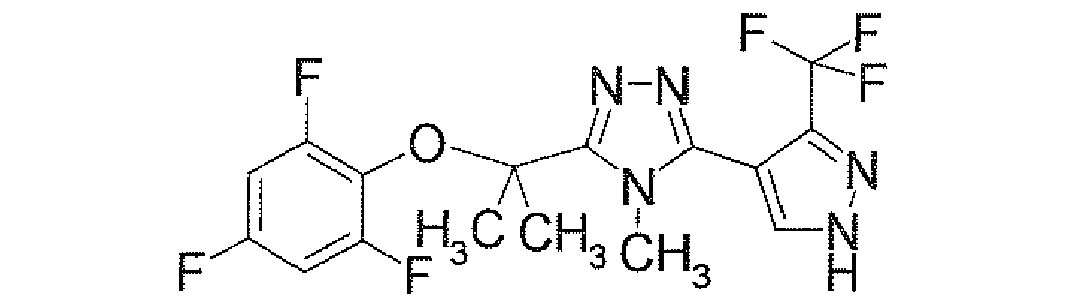
555 
HCl 556 
HCl 557 
-
[Table 109] 558 
559 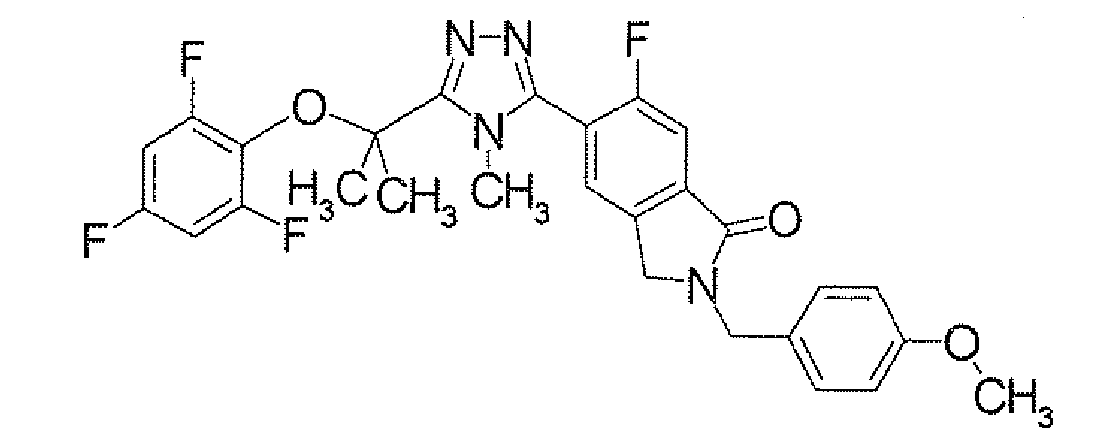
560 
561 
562 
563 
564 
565 
-
[Table 110] 566 
567 
568 
569 
570 
571 
572 
-
[Table 111] 573 
79 
574 
575 
576 
577 
578 
-
[Table 112] 579 
580 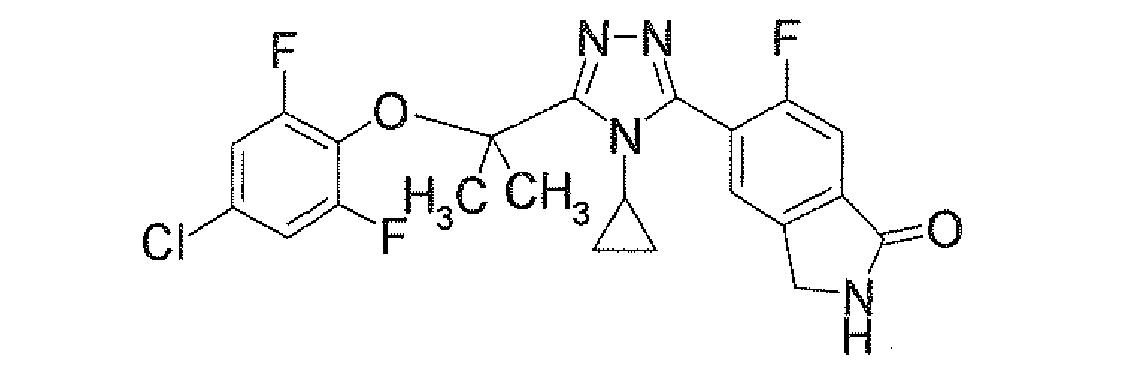
581 
582 
583 
584 
585 
-
[Table 113] 586 

587 
588 
589 
590 
591 
80 
-
[Table 114] 592 

593 
594 
595 
596 
597 
-
[Table 115] 598 
81 
599 
600 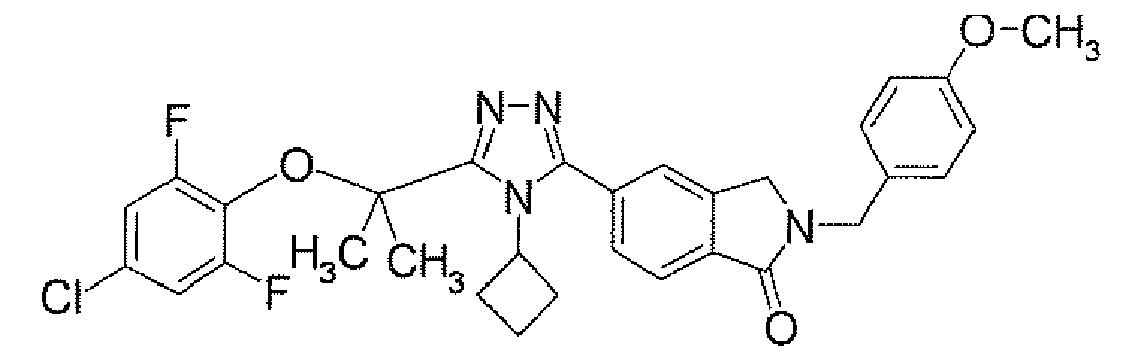
601 
77 
602 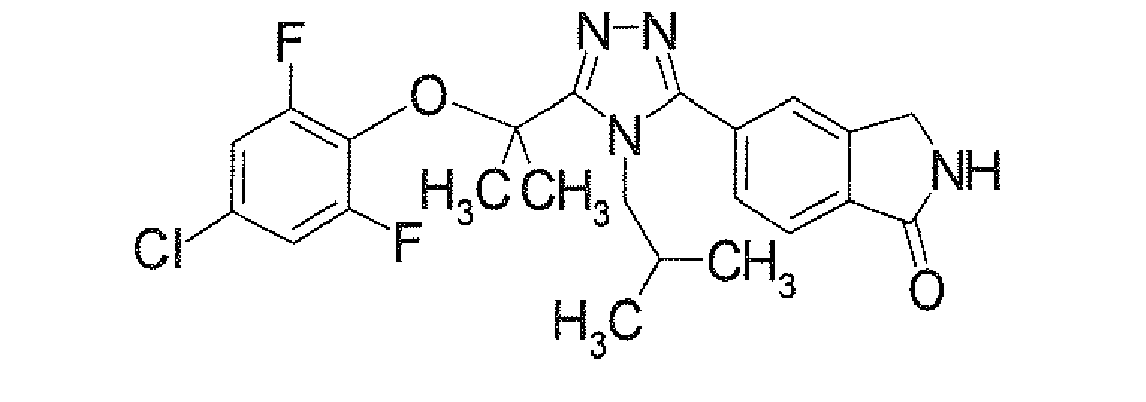
-
[Table 116] 603 
604 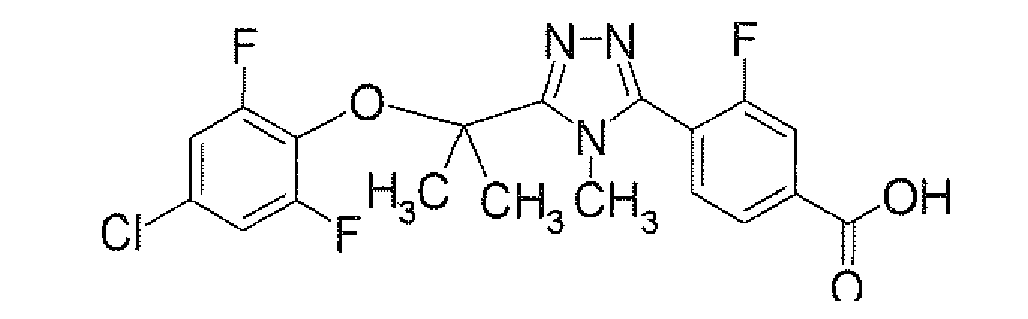
82 
HCl 83 
605 
606 
607 
608 
609 
-
[Table 117] 610 
611 
612 
85 
613 
614 
615 
616 
87 
2HCl -
[Table 118] 617 
618 
619 
620 
621 
622 
84 
623 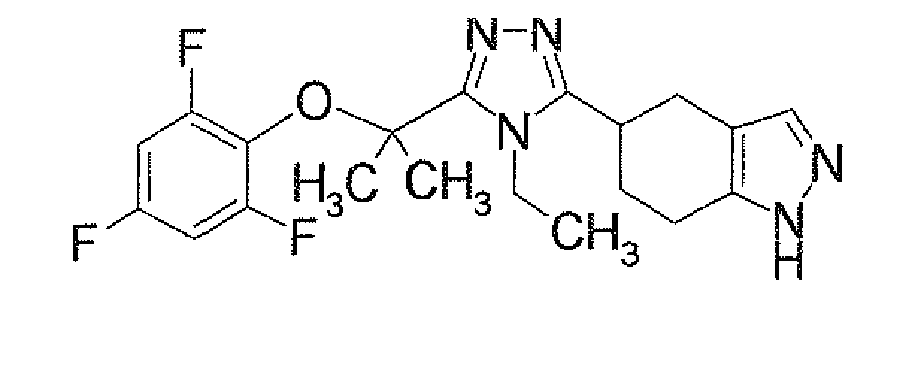
2HCl -
[Table 119] 624 
625 
88 
2HCl 626 
2HCl 627 
628 
86 

629 
HCl -
[Table 120] 630 
HCl 631 
HCl 89 
2HCl 632 
2HCl 633 
634 
635 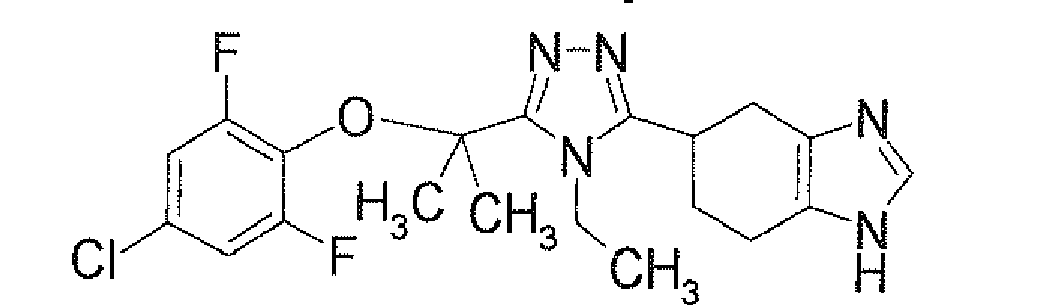
2HCl 636 
2HCl 637 
2HCl -
[Table 121] 638 
639 
640 
641 
642 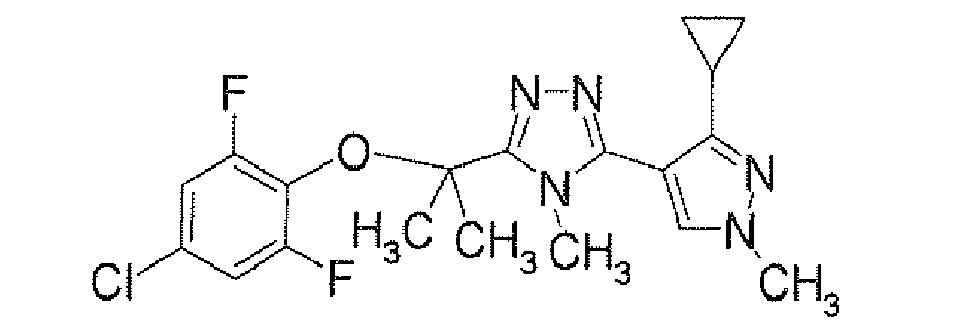
643 
644 
645 
2HCl 646 
2HCl -
[Table 122] 647 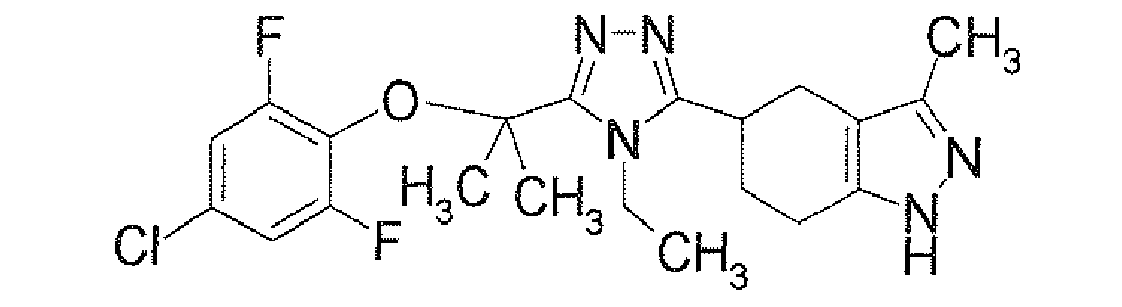
2HCl 648 
2HCl 649 
2HCl 650 
651 
652 
2HCl 653 
2HCl 654 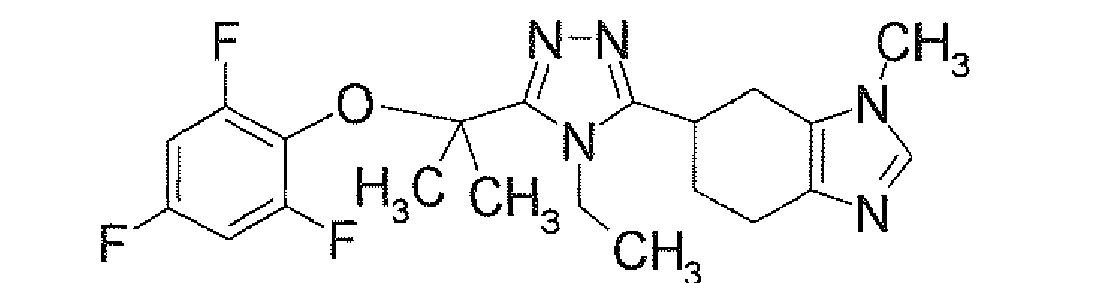
2HCl 655 
2HCl -
[Table 123] 656 
2HCl 657 
2HCl 658 
659 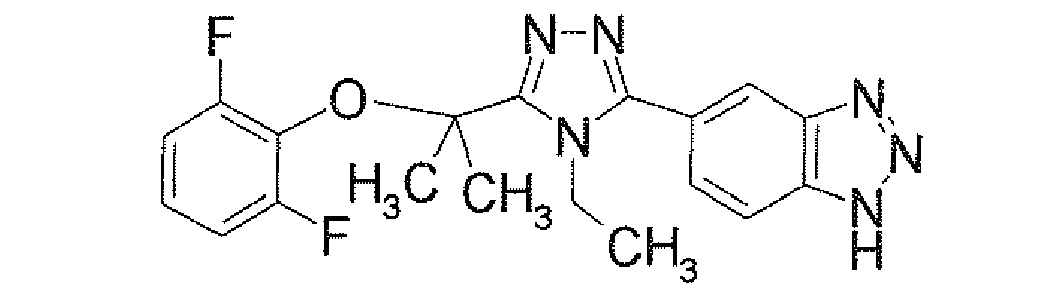
660 
-
[Table 124] Ex Syn Data 90 1 ESP : 383 91 1 ESP : 451 1 1 ESP : 374 2 2 ESP : 392 92 1 ESP : 383 93 1 ESP : 407 94 2 ESP : 423 95 1 ESP : 451 96 1 ESP : 417 97 1 ESP : 451 98 1 ESP : 407 3 3 ESP : 425 ; NMR2 : 1.95 (3H, d), 3.49 (3H, s), 5.97 (1H, q), 7.18 (1H, d), 7.44-7.48 (1H, m), 7.61-7.71 (3H, m), 7.80-7.85 (1H, m), 7.93 (1H, d) 99 1 ESP : 407 100 3 ESP : 425 101 1 ESP : 374 102 2 FP : 392 103 1 ESP : 408 104 2 ESP : 426 105 1 ESP : 409 106 3 ESP : 427 107 1 ESP : 373 108 3 ESP : 391 109 1 ESP : 391 110 3 ESP : 409 111 1 ESP : 408 112 3 ESP : 426 113 1 ESP : 417 114 1 ESP : 326 115 1 ESP : 326 116 1 ESP : 374 117 3 ESP : 392 118 1 ESP : 429 119 1 ESP : 373 120 3 ESP : 391 121 1 ESP : 395, 397 122 1 ESP : 419 123 3 ESP : 437 124 1 ESP : 374 125 1 ESP : 392 -
[Table 125] 126 1 ESP : 453 127 3 ESP : 471 ; NMR2 : 1.95 (3H, d), 3.49 (3H, s), 5.97 (1H, q), 7.14 (1H, d), 7.44-7.48 (1H, m), 7.67-7.71 (3H, m), 7.80-7.85 (1H, m), 8.11 (1H, d) 128 1 ESP : 401 129 1 ESP : 430 130 1 ESP : 374 131 3 ESP : 392 132 1 ESP : 374 133 3 ESP : 392 134 1 ESP : 454 135 3 ESP : 472 136 1 ESP : 420 137 3 ESP : 438 138 1 ESP : 407 4 4 ESP : 450 5 5 ESP : 410 6 6 ESP : 382 139 6 ESP : 440 140 6 ESP : 366 141 6 ESP : 415 142 6 ESP : 416 143 6 ESP : 450 8 8 FP : 522 9 9 FP : 493 144 6 ESP : 449 145 6 ESP : 402 146 1 ESP : 452 7 7 FP : 470 147 6 ESP : 386 10 10 ESP : 445 148 1 ESP : 443 ; NMR2 : 1.99 (6H, d), 3.26 (3H, s), 6.66 (1H, d), 7.43-7.46 (1H, m), 7 64-7.68 (3H, m), 7.79-7.81 (1H, m), 8.05 (1H, d) 149 1 ESP : 363 150 1 ESP : 407 151 1 ESP : 329 152 1 ESP : 354 153 1 ESP : 397 154 1 ESP : 431 155 1 ESP : 397 156 1 ESP : 431 157 1 ESP : 431 158 1 ESP : 465 -
[Table 126] 159 1 ESP : 388 160 1 ESP : 397 161 1 ESP : 363 162 1 ESP : 399 163 1 ESP : 431 164 1 ESP : 388 165 2 ESP : 406 166 1 ESP : 388 167 2 ESP : 406 168 1 ESP : 422 169 3 ESP : 440 170 1 ESP : 388 171 2 ESP : 406 172 1 ESP : 388 173 2 ESP : 406 11 11 ESP : 441 174 7 ESP : 459 ; NMR1 : 1.79 (6H, s), 3.65 (3H, s), 725-7.32 (2H, m), 7.75-7.81 (2H, m), 8.32-8.44 (3H, m) 62 62 ESP : 407 175 7 ESP : 425 ; NMR1 : 1.79 (6H, s), 3.70 (3H, s), 7.23-7.33 (2H, m), 7.66 (1H, d), 7.72 (1H, br), 8.02 (1H, dd), 8.16 (1H, d), 8.27 (1H, brs) 12 12 ESP : 426 13 13 ESP : 439 14 14 ESP : 493 176 62 ESP : 391 177 7 ESP : 409 ; NMR1 : 1.80 (6H, s), 3.78-3.82 (3H, m), 7.24-7.34 (2H, m), 7.69-7.76 (2H, m), 7.89-7.95 (2H, m), 8.25 (1H, brs) 63 63 ESP : 373 178 7 ESP : 391 ; NMR1 : 1.81 (6H, s), 3.97 (3H, s), 7.24-7.35 (2H, m), 7.55 (1H, brs), 7.80-7.85 (2H, m), 8.05-8.10 (2H, m), 8.17 (1H, brs) 179 64 ESP : 423 180 7 ESP : 441 15 15 ESP : 439 181 15 ESP : 475 182 15 ESP : 473 : NMR1 : 1.90 (6H, s), 3.38 (3H, s), 6.86 (2H, d), 7.59 (2H, d), 7.79-7.81 (2H, m), 8.30-8.40 (3H, m) 183 1 ESP : 492 184 7 ESP : 528 185 15 FP : 441 ; NMR1 : 1.80 (6H, s), 3.70 (3H, s), 7.40-7.50 (2H, m), 7.66 (1H, d), 7.71 (1H, brs), 8.02 (1H, dd), 8.16 (1H, d), 8.26 (1H, brs) 186 15 FP : 425 ; NMR1 : 1.81 (6H, s), 3.75-3.84 (3H, m), 7.40-7.50 (2H, m), 7.65-7.77 (2H, m), 7.87-7.97 (2H, m), 8.26 (1H, brs) 16 16 FP : 411 -
[Table 127] 187 16 FP : 395 188 11 ESP : 451 189 7 ESP : 467 17 17 NMR1 : 1.87 (6H, s), 3.48 (3H, s), 6.48 (1H, d), 7.55 (1H, dd), 7.86 (1H, d), 7.91 (1H, d), 8.06 (1H, dd), 8.33 (1H, d), 9.42 (1H, s) 190 7 ESP : 473 191 15 FP : 439 18 18 ESP : 475 64 64 ESP : 396 ; NMR1 : 1.83 (6H, s), 3.43 (3H, s), 6.65-6.72 (2H, m), 7.24-7.30 (2H, m), 7.68 (1H, d), 7.80-7.91 (2H, m), 7.94-7.99 (1H, m) 192 64 ESP : 380 193 64 ESP : 430 194 64 ESP : 392 195 64 ESP : 446 196 64 ESP : 428 197 64 ESP : 396 198 64 ESP : 392 199 64 ESP : 398 200 64 ESP : 414 201 64 ESP : 410 202 64 ESP : 410 203 64 ESP : 442 204 64 ESP : 464 205 64 ESP : 430 206 64 ESP : 392 207 64 ESP : 392 208 64 ESP : 476 209 64 ESP : 380 210 64 ESP : 396 211 64 ESP : 387 212 64 ESP : 396 213 64 ECP : 396 214 64 ESP : 406 215 64 ESP : 424 ; NMR1 : 1.81 (6H, s), 3.48 (3H, s), 6.68-6.74 (2H, m), 7.27-7.33 (2H, m), 7.45-7.53 (1H, m), 7.63-7.69 (1H, m), 7.85 (1H, dd) 216 64 ESP : 442 217 64 ESP : 414 218 64 ESP : 426 219 64 ESP : 444 ; NMR1 : 1.78 (6H, s), 3.67 (3H, s), 7.23-7.33 (2H, m), 7.47-7.54 (1H, m), 7.57-7.63 (1H, m), 7.89 (1H, m) 220 64 ESP : 380 221 64 ESP : 450 222 64 ESP : 434 -
[Table 128] 223 64 ESP : 402 65 65 ESP : 400 ; NMR1 : 1.79 (6H, s), 3.69 (3H, s), 7.23-7.33 (2H, m), 7.43-7.50 (1H, m), 7.60-7.66 (1H, m), 7.73-7.79 (1H, m) 224 11 ESP : 382 225 11 ESP : 398 ; NMR1 : 1.81 (6H, s), 3.70 (3H, s), 7.42-7.50 (2H, m), 7.55-7.60 (2H, m), 7.64-7.70 (1H, m), 7.71-7.75 (1H, m) 226 65 FP : 416 ; NMR1 : 1.80 (6H, s), 3.69 (3H, s), 7.40-7.51 (3H, s), 7.61-7.67 (1H, m), 7.77 (1H, dd) 227 65 FP : 384 228 65 FP : 366 ; NMR1 : 1.80 (6H, s), 3.76-3.80 (3H, m), 7.23-7.33 (2H, m), 7.41-7.52 (2H, m), 7.59-7.65 (1H, m), 7.67-7.74 (1H, m) 229 11 ESP : 382 ; NMR1 : 1.81 (6H, s), 3.74-3.79 (3H, m), 7.41-7.52 (4H, m), 7.58-7.65 (1H, m), 7.66-7.74 (1H, m) 230 65 ESP : 400 19 19 ESP : 387 20 20 ESP : 420 21 21 ESP : 470 231 21 ESP : 490 232 12 ESP : 406 22 22 ESP : 392 233 2 ESP : 405 23 23 ESP : 420 24 24 ESP : 430 25 25 ESP : 434 26 26 ESP : 502 27 27 ESP : 474 28 28 ESP : 430 29 29 ESP : 420 234 64 ESP : 440 235 1 ESP : 455 236 2 ESP : 473 237 22 ESP : 460 238 20 ESP : 488 239 24 ESP : 498 240 1 ESP : 421 241 3 ESP : 439 242 1 ESP : 465 243 2 ESP : 483 244 12 ESP : 484 245 13 ESP : 497 246 1 ESP : 405 247 2 ESP : 423 248 1 ESP : 421 -
[Table 129] 249 2 ESP : 439 250 1 ESP : 423 251 2 ESP : 444 252 64 ESP : 405 253 2 ESP : 423 254 1 ESP : 419 255 3 ESP : 437 256 1 ESP : 465 257 3 ESP : 483 30 30 ESP : 484 258 64 ESP : 448 31 31 ESP : 460 259 64 ESP : 455 32 32 ESP : 446 260 64 ESP : 414 261 31 ESP : 426 262 32 ESP : 412 263 64 ESP : 380 264 1 ESP : 439 265 31 ESP : 451 266 2 ESP : 469 267 1 ESP : 439 268 2 ESP : 457 269 31 ESP : 451 270 2 ESP : 469 271 1 ESP : 423 272 2 ESP : 441 273 1 ESP : 483 274 3 ESP : 501 33 33 ESP : 529 34 34 ESP : 561 275 1 ESP : 441 276 2 ESP : 459 277 31 ESP : 465 278 3 ESP : 483 279 31 ESP : 471 280 1 ESP : 451 281 3 ESP : 469 282 1 ESP : 495 283 3 ESP : 513 284 31 ESP : 543 285 1 FP : 451 -
[Table 130] 35 35 ESP : 510 286 13 ESP : 509 287 35 ESP : 494 288 13 ESP : 493 289 1 ESP : 451 290 3 ESP : 469 291 31 ESP : 476 292 31 ESP : 446 293 32 ESP : 432 36 36 ESP : 518 294 27 ESP : 490 295 13 ESP : 489 37 37 ESP : 482 296 31 ESP : 504 297 31 ESP : 412 298 32 ESP : 398 38 38 ESP : 455 299 1 ESP : 387 300 1 ESP : 455 301 1 ESP : 421 302 12 ESP : 440 303 20 ESP : 454 304 24 ESP : 464 305 21 ESP : 504 306 21 ESP : 536 307 9 ESP : 507 39 39 ESP : 482 69 69 ESP : 464 40 40 ESP : 454 70 70 ESP : 536 308 9 ESP : 507 309 26 ESP : 464 310 26 ESP : 504 311 26 ESP : 536 312 9 ESP : 507 313 27 ESP : 508 314 2 ESP : 439 58 58 ESP : 479 315 58 ESP : 509 316 58 ESP : 483 317 58 ESP : 453 318 58 FP : 467 -
[Table 131] 319 58 ESP : 522 320 58 ESP : 525 321 27 ESP : 497 322 58 ESP : 539 323 27 ESP : 511 324 58 FP : 496 59 59 ESP : 536 325 58 ESP : 557 326 58 ESP : 553 41 41 ESP : 513 327 58 ESP : 513 328 33 ESP : 545 329 58 ESP : 510 330 58 ESP : 495 60 60 ESP : 510 331 58 ESP : 543 42 42 ESP : 559 332 58 ESP : 553 333 27 ESP : 539 334 58 ESP : 519 43 43 ESP : 517 335 16 ESP : 425 44 44 ESP : 426 45 45 ESP : 438 46 46 ESN : 452 47 47 ESP : 501 48 48 ESP : 467 336 11 ESP : 476 49 49 ESP : 473 337 49 ESP : 473 338 49 ESP : 473 50 50 ESP : 474 339 58 ESP : 541 51 51 ESP : 521 340 27 ESP : 507 341 9 ESP : 506 342 43 ESP : 584 343 43 ESP : 585 52 52 ESP : 541 53 53 FP : 488 344 4 ESP : 531 54 54 ESP : 551 -
[Table 132] 345 27 ESP : 523 346 23 ESP : 454 347 1 ESP : 445 348 27 ESP : 431 55 55 ESP : 548 56 56 ESP : 516 349 4 ESP : 464 57 57 ESP : 397 350 57 ESP : 431 351 57 ESP : 363 352 57 ESP : 409 353 64 ESP : 403 354 64 ESP : 403 355 7 ESP : 417 ; NMR1 : 0.74-0.80 (2H, m), 0.90-0.97 (2H, m), 1.89 (6H, s), 3.49-3.57 (1H, m), 6.65-6.73 (1H, m), 6.92-7.00 (1H, m), 7.25-7.34 (1H, m), 7.66 (1H, brs), 7.75 (1H, t), 7.84-7.92 (2H, m), 8.20 (1H, brs). 356 62 ESP : 399 357 7 ESP : 405 ; NMR1 : 1.02 (3H, t, J = 7.1 Hz), 1.80 (6H, s), 4.29 (2H, q, J = 7.1 Hz), 6.81 (1H, dt, J = 5.7, 9.2 Hz), 6.99 (1H, m), 7.34 (1H, m), 7.68 (1H, br s), 7.76 (1H, m), 7.89-7.92 (2H, m), 8.21 (1H, br s) 358 11 ESP : 387 359 7 ESP : 421, 423 ; NMR1 : 1.02 (3H, t), 1.80 (6H, s), 4.20 (2H, q,), 6.77 (1H, m), 6.99 (1H, m), 7.34 (1H, m), 7.68 (1H, brs), 7.76 (1H, d), 8.00 (1H, m), 8.14 (1H, m), 8.23 (1H, brs) 360 11 ESP : 403, 405 361 7 ESP : 455 ; NMR1 : 0.97 (3H, t), 1.80 (6H, s), 4.20 (2H, q), 6.76-6.83 (1H, m), 6.94-7.00 (1H, m), 7.30-7.38 (1H, m), 7.76 (1H, brs), 7.92 (1H, d), 8.30-8.34 (1H, m), 8.39 (1H, brs), 8.42 (1H, brs) 362 62 ESP : 437 363 7 ESP : 473 ; NMR1 : 1.04 (3H, t, J = 7.2 Hz), 1.79 (6H, s), 4.24 (2H, q, J = 7.2 Hz), 7.30 (2H, m), 7.77 (1H, br s), 7.84 (1H, d, J = 8.0 Hz), 8.33 (1H, m), 8.39 (1H, br s), 8.43 (1H, m) 67 67 ESP : 455 364 7 ESP : 439, 441 ; NMR1 : 1.07 (3H, t), 1.79 (6H, s), 4.23 (2H, q), 7.24-7.34 (2H, m), 7.62-7.74 (2H, m), 8.01 (1H, dd), 8.15 (1H, d), 8.24 (1H, brs). 365 66 ESP : 421, 423 366 7 ESP : 423 ; NMR1 : 1.08 (3H, t), 1.80 (6H, s), 4.31 (2H, q), 7.23-7.34 (2H, m), 7.64-7.75 (2H, m), 7.88-7.95 (2H, m), 8.22 (1H, brs) 367 67 ESP : 405 368 7 ESP : 453, 455 66 66 ESP : 435 369 7 ESP : 451, 453 ; NMR1 : 0.83 (2H, m), 0.90 (2H, m), 1.92 (6H, s), 3.57 (1H, q), 7.22 (2H, m), 7.67 (2H, m), 8.00 (1H, m), 8.13 (1H, m), 8.23 (1H, brs) -
[Table 133] 370 66 ESP : 433, 435 61 61 ESP : 463, 465 371 67 ESP : 424 372 67 ESP : 402 373 67 ESP : 416 374 66 ESP : 416, 418, 420 375 66 ESP : 384 376 66 ESP : 384 377 66 ESP : 396 378 67 ESP : 434 379 67 ESP : 410 68 68 ESP : 455 380 6 ESP : 433 381 66 ESP : 368 382 66 ESP : 388,390 383 66 ESP : 404 384 67 ESP : 390 385 67 ESP : 424 386 67 ESP : 444 387 67 ESP : 374 388 66 ESP : 402 389 66 ESP : 418,420 390 66 ESP : 402 391 67 ESP : 450,452 392 57 ESP : 405 393 66 ESP : 412, 414 394 67 ESP : 450, 452 395 67 ESP : 396, 398 396 67 ESP : 416,418 397 67 ESP : 390 398 67 ESP : 412,414 399 67 ESP : 406 400 67 ESP : 401 401 67 ESP : 391 402 66 ESP : 354 403 66 ESP : 368 404 66 ESP : 388,390 405 66 ESP : 438, 440 72 72 ESP : 410 73 73 ESP : 403 406 7 ESP : 421 407 67 ESP : 400, 402 -
[Table 134] 408 67 ESP : 432 409 67 ESP : 440 410 67 ESP : 426 411 67 ESP : 438 412 67 ESP : 452 413 67 ESP : 424 414 66 ESP : 402 71 71 ESP : 383, 385 415 7 ESP : 409 416 66 ESP : 416, 418 417 66 ESP : 434, 436 418 66 ESP : 412, 414 419 66 ESP : 354 420 66 ESP : 430 421 57 ESP : 403 74 74 ESP : 373 75 75 ESP : 450, 452 422 7 ESP : 391 423 71 ESP : 384, 386 424 71 ESP : 385 425 67 ESP : 400 426 66 ESP : 417,419 427 67 ESP : 382,384 428 67 ESP : 364, 366 429 67 ESP : 398, 400 430 67 ESP : 398,400 431 67 ESP : 382, 384 432 67 ESP : 366 433 71 ESP : 397, 399 434 67 ESP : 348 435 67 ESP : 382,384 436 67 ESP : 382 384 437 67 ESP : 366 438 71 ESP : 420 439 71 ESP : 417 440 71 ESP : 399,401 441 66 ESP : 422, 424 442 66 ESP : 383 443 67 ESP : 373 444 66 ESP : 397, 399 445 71 ESP : 353 446 67 ESP : 417 -
[Table 135] 447 67 ESP : 415,417 448 67 ESP : 415,417 449 67 ESP : 433,435 450 7 ESP : 391 451 67 ESP : 440 452 66 ESP : 437 453 66 APP : 389, 391 454 7 ESP : 435 455 7 ESP : 433,435 456 66 APP : 405, 407 457 67 ESP : 421,423 458 7 ESP : 439,441 459 67 ESP : 403,405 460 7 ESP : 421,423 461 7 ESP : 421,423 462 66 APP : 405, 407 463 67 ESP : 369 464 7 ESP : 387 465 67 ESP : 419,422 466 7 ESP : 451,453 467 7 ESP : 433,435 468 67 ESP : 389,391 469 7 ESP : 407,409 470 67 ESP : 389,391 471 7 ESP : 407,409 472 67 ESP : 355 473 7 ESP : 373 474 67 ESP : 373 475 7 ESP : 391 476 67 ESP : 373 477 7 ESP : 391 478 57 ESP : 417 479 7 ESP : 437,439,440 480 71 NMR1 : 1.79 (6H, s), 3.70 (3H, s), 7.27 (2H, m), 7.80 (1H, d), 9.11 (1H, d), 9.23 (1H, s) ; ESP : 417 481 67 ESP : 415 482 15 ESP : 437, 439, 441 483 67 ESP : 449 484 67 ESP : 431 485 67 ESP : 431 486 73 ESP : 413, 415 487 7 ESP : 407, 409 -
[Table 136] 488 7 ESP 423, 425 489 7 ESP : 423, 425 490 7 ESP : 433 491 7 ESP : 467 492 7 ESP : 449 493 7 ESP : 449 494 66 ESP : 380 495 66 ESP : 408 496 66 ESP : 408 497 67 ESP : 368 498 67 ESP : 448 499 67 ESP : 387 500 7 ESP : 405 ; NMR1 : 1.11 (3H, t), 1.80 (6H, s), 4.52 (2H, q), 7.31 (2H, t), 7.54 (1H, br s), 7.82 (2H, d), 8.09 (2H, d), 8.17 (1H, br s) 501 15 ESP : 417 502 67 ESP : 371,373 503 7 ESP : 389,391 504 67 ESP : 397,399 505 7 ESP : 415,417 506 67 ESP : 385, 387 507 7 ESP : 403, 405 508 67 ESP : 403,405 509 7 ESP : 421,423 ; NMR1 : 1.09 (3H, t), 1.81 (6H, s), 4.50 (2H, q), 7.47 (2H, m), 7.53 (1H, br s), 7.80 (2H, d), 8.08 (2H, d), 8.15 (1H, br s) 510 67 ESP : 369 511 7 ESP : 387 512 67 ESP : 385 513 7 ESP : 403,405 514 67 ESP : 385,387 515 7 ESP : 403,405 516 67 ESP : 351 517 7 ESP : 369 518 57 ESP : 417 ; NMR1 : 1.08 (3H, t), 1.80 (6H, s), 4.42-4.54 (4H, m), 7.30 (2H, t), 7.74-7.79 (1H, m), 7.82-7.90 (2H, m), 8.74 (1H, s) 519 66 ESP : 396, 398 520 66 ESP : 430, 432 521 66 ESP : 375, 377 522 66 ESP : 375, 377 523 67 ESP : 505 524 67 ESP : 417 525 7 ESP : 435 526 67 ESP : 419 -
[Table 137] 527 7 ESP : 437 ; NMR1 : 1.25 (6H, d), 1.79 (6H, s), 5.32 (1H, m), 7.30 (2H, m), 7.67-7.71 (2H, m), 7.87-7.90 (2H, m), 8.23 (1H, m) 76 76 ESP : 385 528 67 ESP : 381 529 7 ESP : 399 530 67 ESP : 401 531 7 ESP : 419 ; NMR1 : 1.27 (6H, d), 1.79 (6H, s), 5.33 (1H, m), 7.31 (2H, m), 7.53 (1H, br s), 7.63 (2H, d), 8.03 (2H, d), 8.14 (1H, br s) 532 67 NMR1 : 1.77 (6H, s), 3.81 (3H, s), 3.91 (3H, s), 7.25 (2H, t), 8.27 (1H, s) ; ESP : 386, 388 533 67 ESP : 402, 404, 406 534 67 ESP : 417,419 535 7 ESP : 435,437 ; NMR1 : 1.27 (6H, d), 1.80 (6H, s), 5.32 (1H, m), 7.48 (2H, m), 7.53 (1H, br s), 7.64 (2H, d), 8.04 (2H, d), 8.15 (1H, br s) 536 67 ESP : 401 537 7 ESP : 419 538 67 ESP : 435,437 539 7 ESP : 453,455 ; NMR1 : 1.25 (6H, s), 1.80 (6H, s), 5.31 (1H, m), 7.47 (2H, m), 7.67-7.71 (2H, m), 7.87-7.90 (2H, m), 8.23 (1H, br s) 540 67 ESP : 417,419 541 7 ESP : 435,437 542 67 ESP : 417,419 543 7 ESP : 435,437 544 71 ESP : 433, 435 ; NMR2 : 1.89 (6H, s), 3.72 (3H, s), 6.91-6.99 (2H, m), 7.46 (1H, d), 9.00 (1H, d), 9.13 (1H, s) 545 67 NMR1 : 0,90-1.12 (4H, m), 1.90 (6H, s), 3.53 (1H, m), 3.92 (3H, s), 7.20 (2H, m), 8.23 (1H, s); ESP : 412, 414 546 67 ESP : 428, 430 547 67 ESP : 420 548 67 ESP : 409, 411 549 7 ESP : 433, 435 78 78 ESP : 429 ; NMR1 : 0.77-0.90 (2H, m), 0.98-1.12 (2H, m), 1.95 (6H, s), 3.75-3.85 (1H, m), 4.49 (2H, s), 7.21 (2H, t), 7.82 (1H, d), 7.88 (1H, d), 7.96 (1H, s), 8.70 (1H, s) 550 78 ESP : 431 ; NMR1 : 1.27 (6H, d), 1.80 (6H, s), 4.48 (2H, s), 5.31 (1H, septet), 7.30 (2H, t), 7.59 (1H, d), 7.72 (1H, s), 7.82 (1H, d), 8.73 (1H, s) 551 67 APP/ESP : 553 552 76 ESP : 433 ; NMR1 : 1.08 (3H, t), 1.81 (6H, s), 4.41-4.55 (4H, m), 7.46 (2H, d), 7.76 (1H, d), 7.85 (1H, d), 7.88 (1H, s), 8.72 (1H, s) 553 67 FP : 525 554 76 ESP : 406 555 66 ESP : 373 556 66 ESP : 373 -
[Table 138] 557 66 ESP : 387 558 66 ESP : 387 559 67 ESP : 541 560 67 ESP : 557 561 76 ESP : 421 ; NMR1 : 1.81 (6H, s), 3.79 (3H, s), 4.47 (2H, s), 7.26 (2H, t), 7.70 (1H, d), 7.82 (1H, d), 8.89 (1H, s) 562 76 ESP : 437 ; NMR1 : 1.82 (6H, s), 3.78 (3H, s), 4.47 (2H, s), 7.43 (2H, d), 7.70 (1H, d), 7.83 (1H, d), 8.89 (1H, s) 563 65 ESP : 423 564 65 ESP : 565, 567 565 76 NMR1 : 0.74-0.92 (2H, m), 0.98-1.12 (2H, m), 1.95 (6H, s), 3.74-3,85 (1H, m), 4.49 (2H, s), 7.38 (2H, d), 7.82 (1H, d), 7.88 (1H, d), 7.96 (1H, s), 8.70 (1H, s) ; ESP : 445,447 566 65 ESP : 557, 559 567 65 ESP : 434, 436 568 76 ESP : 437, 439 569 65 ESP : 567, 569 570 65 ESP : 571 571 65 ESP : 571, 573 572 65 ESP : 585, 587 573 76 NMR1 : 1.26 (6H, d), 1.80 (6H, s), 4.48 (2H, s), 5.30 (1H, septet), 7.47 (2H, m), 7.59 (1H, d), 7.72 (1H, s), 7.82 (1H, d), 8.74 (1H, brs) ; ESP : 447, 449 79 79 ESP : 461, 463 574 76 ESP : 451 NMR1 : 1.08 (3H, t), 1.81 (6H, s), 4.31 (2H, q), 4.47 (2H, s), 7.45 (2H, d), 7.71 (1H, d), 7.81 (1H, d), 8.90 (1H, s) 575 76 ESP : 451,453 576 76 ESP : 465, 467 577 65 ESP : 448, 450 578 65 ESP : 583 579 65 ESP : 585 580 76 ESP : 463 ; NMR1 : 0.75-0.85 (2H, m), 0.91-1.01 (2H, m), 1.94 (6H, s), 3.55-3.64 (1H, m), 4.47 (2H, s), 7.38 (2H, d), 7.67 (1H, d), 7.81 (1H, d), 8.89 (1H, s) 581 65 ESP : 394 582 65 ESP : 394 583 7 ESP : 412 584 7 ESP : 412 585 76 ESP : 465 ; NMR1 : 1.26 (6H, d), 1.80 (6H, s), 4.47 (2H, s), 5.31 (1H, septet), 7.47 (2H, d), 7.66 (1H, d), 7.80 (1H, d), 8.90 (1H, s) 586 65 ESP : 524 -
[Table 139] 587 65 ESP : 454, 456 ; NMR1 : 1.76 (6H, s), 3.74 (3H, s), 7.42 (2H, d), 7.92 (2H, s) 588 7 ESP : 441, 443 ; NMR1 : 1.40 (6H, d), 1.79 (6H, s), 5.36 (1H, q), 7.46 (2H, d), 7.50 (1H, d), 7.60 (1H, s), 7.82 (1H, d), 8.16 (1H, s) 589 76 ESP : 404 ; NMR1 : 1.82 (6H, s), 3.93 (3H, s), 7.43 (2H, d), 7.65 (1H, d), 7.73 (1H, d), 8.12 (1H, s), 8.23 (1H, s), 13.33 (1H, brs) 590 65 ESP : 579 591 76 ESP : 459 80 80 ESP : 441 592 65 ESP : 538 593 65 ESP : 555 594 65 ESP : 567 595 76 ESP : 435 ; NMR1 : 1.08 (3H, t), 1.80 (6H, s), 4.31 (2H, q), 4.47 (2H, s), 7.28 (2H, t), 7.71 (1H, d), 7.81 (1H, d), 8.90 (1H, s) 596 76 ESP : 447 ; NMR1 : 0.77-0.85 (2H, m), 0.92-1.00 (2H, m), 1.93 (6H, s), 3.55-3.64 (1H, m), 4.47 (2H, s), 7.21 (2H, t), 7.67 (1H, d), 7.81 (1H, d), 8.88 (1H, s) 597 76 ESP : 418 NMR1 : 1.07 (3H, t), 1.81 (6H, s), 4.45 (2H, q), 7.46 (2H, d), 7.58 (1H, d), 7.73 (1H, d), 8.08 (1H, s), 8.22 (1H, s), 13.33 (1H, brs) 598 65 ESP : 569 81 81 NMR1 : 1.34 (3H, t), 1.69 (6H, s), 1.70-1.85 (4H, m), 2.23-2.34 (1H, m), 2.78-2.91 (2H, m), 3.20-3.30 (2H, m), 4.19 (2H, q), 6.77 (1H, brs), 7.24 (2H, t), 7.28 (1H, brs) ; ESP : 412 599 65 ESP : 581 600 65 ESP : 579 601 76 ESP : 449 77 77 ESP : 417 602 76 ESP : 461 603 76 ESP : 459 604 12 ESP : 426 82 82 ESP : 393, 395 83 83 ESP : 418 605 65 APP/ESP : 387 606 65 APP/ESP : 373 607 7 ESP : 405 ; NMR1 : 1.78 (6H, s), 2.28 (3H, s), 3.79 (3H, d), 6.97 (2H, d), 7.67 (1H, s), 7.71 (1H, dd), 7.90 (1H, dd), 7.92 (1H, s), 8.20 (1H, s) 608 7 ESP : 391 ; NMR1 : 1.81 (6H, s), 3.80 (3H, d), 7.15 (2H, dd), 7.23 (1H, m), 7.67 (1H, s), 7.72 (1H, t), 7.90 (1H, dd), 7.92 (1H, s), 8.21 (1H, s) 609 65 APP/ESP : 383 610 65 APP/ESP : 369 611 7 ESP : 40I 612 7 ESP : 387 85 85 ESP : 394, 396 -
[Table 140] 613 65 ESP : 397 614 65 ESP : 383 615 7 ESP : 415 616 7 ESP : 401 87 87 ESP : 407 ; NMR1 : 1.38 (3H, t), 1.72 (6H, s), 2.96 (2H, t), 3.70 (2H, t), 4.46 (2H, q), 4.51 (2H, s), 7.33 (2H, t), 7.64 (1H, s) 617 13 ESP : 469 618 65 ESP : 386,388 619 65 ESP : 400, 402 620 65 ESP : 414, 416 621 65 ESP : 426, 428 622 65 ESP : 440, 442 84 84 ESP : 422 ; NMR1 : 1.34 (3H, t), 1.74 (6H, d), 1.87-2.01 (1H, m), 2.04-2.13 (1H, m), 2.70-2.90 (4H, m), 3.05-3.16 (1H, m), 4.30-4.42 (2H, m), 7.43 (2H, d), 8.60 (1H, brs), 12.36 (1H, brs) 623 84 ESP : 406 ; NMR1 : 1.40 (3H, t), 1.78 (6H, d), 2.07-2.25 (2H, m), 2.88-2.94 (2H, m), 2.95-3.07 (2H, m), 3.42-3.51 (1H, m), 4.55 (2H, q), 7.32 (2H, t), 7.79 (1H, s) 624 83 ESP : 402 625 44 ESP : 412 88 88 ESP : 406 ; NMR1 : 1.39 (3H, t), 1.76 (6H, d), 2.02-2.15 (1H, m), 2.15-2.24 (1H, m), 2.57-2.92 (2H, m), 3.02-3.18 (2H, m), 3.46-3.56 (1H, m), 4.40-4.58 (2H m), 7.30 (2H, t), 8.96 (1H, s) 626 84 ESP : 418 627 5 ESP : 394 628 67 ESP : 426 86 86 ESP : 561 629 67 ESP : 428 630 67 ESP : 398 631 67 ESP : 454 89 89 ESP : 402 632 89 ESP : 418,420 633 89 ESP : 416 634 89 ESP : 432, 434 635 88 ESP : 422,424 636 84 ESP : 392 637 84 ESP : 388 638 71 ESP : 403 ; NMR1 : 1.08 (3H, t), 1.81 (6H, s), 4.51 (2H, q), 7.31 (2H, t), 7.72 (1H, d), 8.11 (1H, d), 8.27 (1H, s) 639 71 ESP : 419, 421 640 71 ESP : 436, 438 641 71 ESP : 452, 454 642 66 ESP : 408, 410 -
[Table 141] 643 66 ESP : 422, 424 644 71 ESP : 416 645 71 ESP : 432, 434 646 71 ESP : 420 647 71 ESP : 436,438 648 65 ESP : 420 649 65 ESP : 436, 438 650 65 ESP : 432, 434 651 65 ESP : 432,434 652 65 ESP : 436, 438 653 65 ESP : 420 654 65 ESP : 420 655 65 ESP : 436, 438 656 65 ESP : 420 657 65 ESP : 436, 438 658 71 ESP : 417 659 71 ESP : 385 660 71 ESP : 399 - The compound of the present invention exhibits superior 11β-HSD1 inhibitory action and is thus useful as an agent for preventing or treating diseases, such as hyperglycemia, insulin resistance, obesity, hyperlipidemia, hypertension, osteoporosis, glaucoma, dementia, schizophrenia or depression, in particular, diabetes, insulin resistance, dementia, schizophrenia or depression, in which 11β-HSD1 is concerned.
In another preferred embodiment, preferred is phenyl substituted with halogeno-lower alkyl and may be further substituted with halogen. More preferred is phenyl in which the the 2-position is substituted with trifluoromethyl and the the 4-position may be further substituted with halogen.
In another preferred embodiment, preffered is phenyl substituted with two or more halogen. More preferred is phenyl in which the the 2- and 4-position are substituted with halogen.
In another preferred embodiment, preffered is a heterocyclic group which may be substituted with group(s) selected from halogen, lower alkyl, halogeno-lower alkyl, -NH2, -CONH2 and oxo. More preferred is pyridyl, thienyl, thiazolyl, isoindolinyl, indazolyl, benzimidazolyl, benzotriazolyl, pyrazolyl, piperidinyl, 4,5,6,7-tetrahydroindazolyl, 4,5,6,7-tetrahydropyrazolo[4,3-c]pyridinyl or 4,5,6,7-tetrahydrobenzimidazolyl, each of which may be substituted with group(s) selected from halogen, lower alkyl, halogeno-lower alkyl, -NH2, -CONH2 and oxo. More preferred is pyridyl, thiazolyl, isoindolinyl, indazolyl or pyrazolyl, each of which may be substituted with group(s) selected from halogen, lower alkyl, halogeno-lower alkyl, -NH2 and oxo. Furthermore, more preferred is a compound obtained by combining two or more of the aforementioned (a) to (h).

Claims (24)
- A triazole derivative represented by the formula (I) or a pharmaceutically acceptable salt thereof:
 R1: aryl or a heterocyclic group, each of which may be substitued, or lower alkylene-cycloalkyl;R2: lower alkyl;R3 : -H or lower alkyl;or R2 and R3 are combined to form C2-6 alkylene;R4: lower alkyl, halogeno-lower alkyl, lower alkylene-O-lower alkyl, cycloalkyl, lower alkylene-S-lower alkyl, lower alkylene-S(O)-lower alkyl, lower alkylene-S(O)2-lower alkyl or lower alkylene-cycloalkyl; andRing A: aryl, a heterocyclic group or cycloalkyl, each of which may be substitued;provided that:
4-cyclopropyl-3-(1-methyl-1-phenoxyethyl)-5-(2-methylphenyl)-4H-1,2,4-triazole,
4-methyl-3-(1-methyl-1-phenoxyethyl)-5-(2-methylphenyl)-4H-1,2,4-triazole,
3-(2-chlorophenyl)-4-cyclopropyl-5-(1-methyl-1-phenoxyethyl)-4H-1,2,4-triazole,
3-(2-chlorophenyl)-4-methyl-5-(1-methyl-1-phenoxyethyl)-4H-1,2,4-triazole,
3-[1-(2-chlorophenoxy)-1-methylethyl]-4-methyl-5-(2-methylphenyl)-4H-1,2,4-triazole, and
3-[1-(2-chlorophenoxy)-1-methylethyl]-5-(2-chlorophenyl)-4-methyl-4H-1,2,4-triazole, are excluded. - The compound according to claim 1, wherein R2 is methyl and R3 is -H or methyl.
- The compound according to claim 2, wherein R4 is C1-3 alkyl or cyclopropyl.
- The compound according to claim 3, wherein the Ring A is phenyl or a heterocyclic group, each of which may be substitued with group(s) selected from halogen, lower alkyl, halogeno-lower alkyl, -NH2, -C(O)NH2, oxo, -O-lower alkylene-OH and -O-lower alkylene-C(O)NH2.
- The compound according to claim 4, wherein R1 is phenyl or monocyclic 6-membered heteroaryl, each of which may be substitued with group(s) selected from halogen, lower alkyl, halogeno-lower alkyl and -C(O)NH2.
- The compound according to claim 5, wherein the Ring A is phenyl which is substituted with group(s) selected from -CONH2, -O-lower alkylene-OH and -O-lower alkylene-C(O)NH2 and may be further substitued with group(s) selected from halogen and halogeno-lower alkyl; phenyl which is substituted with halogeno-lower alkyl and may be further substituted with halogen; phenyl substituted with two or more halogen; or a heterocyclic group which may be substitued with group(s) selected from halogen, lower alkyl, halogeno-lower alkyl, -NH2, -CONH2 and oxo.
- The compound according to claim 6, wherein R1 is:
 X1 and X2: the same as or different from each other, C(H), C(halogen) or N; andR11: -H, halogen, lower alkyl, halogeno-lower alkyl or C(O)NH2.
 - The compound according to claim 7, wherein the Ring A is phenyl in which the 4-position is substituted with a group selected from -CONH2, -O-lower alkylene-OH and -O-lower alkylene-C(O)NH2, and the 2-position may be substituted with a group selected from halogen and halogeno-lower alkyl; phenyl in which the 2- and 4-positions are substituted with halogen; or pyridyl, thienyl, thiazolyl, isoindolinyl, indazolyl, benzimidazolyl, benzotriazolyl, pyrazolyl, piperidinyl, 4,5,6,7-tetrahydroindazolyl, 4,5,6,7-tetrahydropyrazolo[4,3-c]pyridinyl or 4,5,6,7-tetrahydrobenzimidazolyl, each of which may be substitued with group(s) selected from halogen, lower alkyl, halogeno-lower alkyl, -NH2, -CONH2 and oxo.
- The compound according to claim 8, wherein R3 is methyl.
- The compound according to claim 9, wherein X1 and X2 are the same as or different from each other, and each is C(H) or C(halogen).
- The compound according to claim 10, wherein R11 is -H, halogen, lower alkyl or halogeno-lower alkyl.
- The compound according to claim 11, wherein the Ring A is phenyl in which the 4-position is substituted with -CONH2 and the 2-position may be substituted with a group selected from halogen and halogeno-lower alkyl.
- The compound according to claim 11, wherein the Ring A is phenyl in which the 2- and 4-positions are substituted with halogen.
- The compound according to claim 11, wherein the Ring A is pyridyl, thiazolyl, isoindolinyl, indazolyl or pyrazolyl, each of which may be substitued with group(s) selected from halogen, lower alkyl, halogeno-lower alkyl, -NH2 and oxo.
- The compound according to claim 7, wherein the Ring A is phenyl in which the 2-position is substituted with trifluoromethyl and the 4-position may be substituted with halogen.
- The compound according to claim 15, wherein R11 is halogen, lower alkyl or halogeno-lower alkyl.
- The compound according to claim 1, which is selected from the group consisting of:3-[1-(4-chlorophenoxy)-1-methylethyl]-4-methyl-5-[2-(trifluoromethyl)phenyl]-4H-1,2,4-triazole,5-bromo-2-(1-methyl-1-{4-methyl-5-[2-(trifluoromethyl)phenyl]-4H-1,2,4-triazol-3-yl}ethoxy)pyridine,4-{4-methyl-5-[1-methyl-1-(2,4,6-trifluorophenoxy)ethyl]-4H-1,2,4-triazol-3-yl}-3-(trifluoromethyl)pyridine,4-{5-[1-(4-chloro-2,6-difluorophenoxy)-1-methylethyl]-4-methyl-4H-1,2,4-triazol-3-yl}-3-(trifluoromethyl)pyridine,5-{5-[1-(4-chloro-2,6-difluorophenoxy)-1-methylethyl]-4-methyl-4H-1,2,4-triazol-3-yl}-4-(trifluoromethyl)-1,3-thiazol-2-amine,3-(2-bromo-4-fluorophenyl)-5-[1-(4-chlorophenoxy)-1-methylethyl]-4-methyl-4H-1,2,4-triazole,3-(2-chloro-4-fluorophenyl)-4-methyl-5-[1-methyl-1-(2,4,6-trifluorophenoxy)ethyl]-4H-1,2,4-triazole,3-(3-chloro-1-methyl-1H-pyrazol-4-yl)-4-cyclopropyl-5-[1-methyl-1-(2,4,6-trifluorophenoxy)ethyl]-4H-1,2,4-triazole,4-{5-[1-(4-chloro-2,6-difluorophenoxy)-1-methylethyl]-4-ethyl-4H-1,2,4-triazol-3-yl}benzamide,4-{4-isopropyl-5-[1-methyl-1-(2,4,6-trifluorophenoxy)ethyl]-4H-1,2,4-triazol-3-yl}benzamide,4-{5-[1-(4-chloro-2,6-difluorophenoxy)-1-methylethyl]-4-isopropyl-4H-1,2,4-triazol-3-yl}benzamide,4-{5-[1-(4-chloro-2,6-difluorophenoxy)-1-methylethyl]-4-methyl-4H-1,2,4-triazol-3-yl}-3-fluorobenzamide,4-{5-[1-(2,6-difluoro-4-methylphenoxy)-1-methylethyl]-4-methyl-4H-1,2,4-triazol-3-yl}-3-fluorobenzamide,4-{5-[1-(2,4-difluorophenoxy)-1-methylethyl]-4-ethyl-4H-1,2,4-triazol-3-yl}-3-fluorobenzamide,4-{4-ethyl-5-[1-methyl-1-(2,4,6-trifluorophenoxy)ethyl]-4H-1,2,4-triazol-3-yl}-3-fluorobenzamide,4-{4-cyclopropyl-5-[1-(2,4-difluorophenoxy)-1-methylethyl]-4H-1,2,4-triazol-3-yl}-3-fluorobenzamide,5-{4-ethyl-5-[1-methyl-1-(2,4,6-trifluorophenoxy)ethyl]-4H-1,2,4-triazol-3-yl}isoindolin-1-one,5-{5-[1-(4-chloro-2,6-difluorophenoxy)-1-methylethyl]-4-methyl-4H-1,2,4-triazol-3-yl}-6-fluoroisoindolin-1-one,5-{5-[1-(4-chloro-2,6-difluorophenoxy)-1-methylethyl]-4-isopropyl-4H-1,2,4-triazol-3-yl}-6-fluoroisoindolin-1-one, and5-{5-[1-(4-chloro-2,6-difluorophenoxy)-1-methylethyl]-4-ethyl-4H-1,2,4-triazol-3-yl}-1H-indazole;or a pharmaceutically acceptable salt thereof
- A pharmaceutical composition comprising the compound according to claim 1 or a pharmaceutically acceptable salt thereof, and a pharmaceutically acceptable carrier.
- The pharmaceutical composition according to claim 18, which is an 11β-hydroxysteroid dehydrogenase type 1 inhibitor.
- The pharmaceutical composition according to claim 18, which is an insulin resistance-improving agent.
- The pharmaceutical composition according to claim 18, which is an agent for preventing or treating diabetes.
- The pharmaceutical composition according to claim 18, which is an agent for preventing or treating dementia, schizophrenia or depression.
- Use of the compound according to claim 1 or a pharmaceutically acceptable salt thereof for the manufacture of an 11β-hydroxysteroid dehydrogenase type 1 inhibitor, an insulin resistance-improving agent or an agent for preventing or treating diabetes, dementia, schizophrenia or depression.
- A method for preventing or treating diabetes, dementia, schizophrenia or depression, comprising administering an effective amount of the compound according to claim 1 or a salt thereof to a patient.
Priority Applications (5)
| Application Number | Priority Date | Filing Date | Title |
|---|---|---|---|
| SI200931593T SI2298747T1 (en) | 2008-07-03 | 2009-07-02 | Triazole derivative or salt thereof |
| SM20170154T SMT201700154T1 (en) | 2008-07-03 | 2009-07-02 | Triazole derivative or salt thereof |
| PL09773524T PL2298747T3 (en) | 2008-07-03 | 2009-07-02 | Triazole derivative or salt thereof |
| RS20170105A RS55664B1 (en) | 2008-07-03 | 2009-07-02 | THE TRIAZOLE DERIVATIVE OR ITS SO |
| HRP20170029TT HRP20170029T1 (en) | 2008-07-03 | 2009-07-02 | Triazole derivative or salt thereof |
Applications Claiming Priority (2)
| Application Number | Priority Date | Filing Date | Title |
|---|---|---|---|
| JP2008174181 | 2008-07-03 | ||
| PCT/JP2009/062081 WO2010001946A1 (en) | 2008-07-03 | 2009-07-02 | Triazole derivative or salt thereof |
Publications (3)
| Publication Number | Publication Date |
|---|---|
| EP2298747A1 true EP2298747A1 (en) | 2011-03-23 |
| EP2298747A4 EP2298747A4 (en) | 2012-06-13 |
| EP2298747B1 EP2298747B1 (en) | 2016-12-28 |
Family
ID=41466037
Family Applications (1)
| Application Number | Title | Priority Date | Filing Date |
|---|---|---|---|
| EP09773524.5A Active EP2298747B1 (en) | 2008-07-03 | 2009-07-02 | Triazole derivative or salt thereof |
Country Status (25)
| Country | Link |
|---|---|
| US (1) | US8377923B2 (en) |
| EP (1) | EP2298747B1 (en) |
| JP (1) | JP5494482B2 (en) |
| KR (1) | KR101589775B1 (en) |
| CN (1) | CN102076671B (en) |
| AU (1) | AU2009266756B2 (en) |
| BR (1) | BRPI0914121B8 (en) |
| CA (1) | CA2729408C (en) |
| CY (1) | CY1118501T1 (en) |
| DK (1) | DK2298747T3 (en) |
| ES (1) | ES2620657T3 (en) |
| HR (1) | HRP20170029T1 (en) |
| HU (1) | HUE031419T2 (en) |
| IL (1) | IL210316A (en) |
| LT (1) | LT2298747T (en) |
| MX (1) | MX2011000179A (en) |
| PL (1) | PL2298747T3 (en) |
| PT (1) | PT2298747T (en) |
| RS (1) | RS55664B1 (en) |
| RU (1) | RU2501791C2 (en) |
| SI (1) | SI2298747T1 (en) |
| SM (1) | SMT201700154T1 (en) |
| TW (1) | TWI465439B (en) |
| WO (1) | WO2010001946A1 (en) |
| ZA (1) | ZA201100032B (en) |
Cited By (4)
| Publication number | Priority date | Publication date | Assignee | Title |
|---|---|---|---|---|
| US9765040B2 (en) | 2010-09-07 | 2017-09-19 | Astellas Pharma Inc. | Therapeutic agent for pain |
| US12220412B2 (en) | 2018-11-20 | 2025-02-11 | Sparrow Pharmaceuticals, Inc. | Methods for administering corticosteroids |
| US12329745B2 (en) | 2022-05-16 | 2025-06-17 | Sparrow Pharmaceuticals, Inc. | Methods and compositions for treating glucocorticoid excess |
| WO2025252661A1 (en) * | 2024-06-03 | 2025-12-11 | Immunic Ag | Reducing body weight and/or induction of satiety by triazolo compounds |
Families Citing this family (11)
| Publication number | Priority date | Publication date | Assignee | Title |
|---|---|---|---|---|
| DE102009049662A1 (en) * | 2009-10-13 | 2011-04-14 | Bayer Schering Pharma Aktiengesellschaft | 2,5-disubstituted 2H-indazoles as EP2 receptor antagonists |
| US8247436B2 (en) | 2010-03-19 | 2012-08-21 | Novartis Ag | Pyridine and pyrazine derivative for the treatment of CF |
| PH12014500251A1 (en) | 2011-07-29 | 2014-03-17 | Daiichi Sankyo Co Ltd | N-hetero-ring-substituted amide derivative |
| PL2797416T3 (en) * | 2011-12-28 | 2017-12-29 | Global Blood Therapeutics, Inc. | Substituted benzaldehyde compounds and methods for their use in increasing tissue oxygenation |
| KR102129150B1 (en) * | 2012-08-07 | 2020-07-02 | 바실리어 파마슈티카 아게 | Process for the manufacture of isavuconazole or ravuconazole |
| CN105037285A (en) * | 2015-07-13 | 2015-11-11 | 佛山市赛维斯医药科技有限公司 | Triazole sulfoxide type 11beta-HSD1 inhibitor, and preparation method and application thereof |
| MY202326A (en) * | 2017-09-14 | 2024-04-24 | Daiichi Sankyo Co Ltd | Compound having cyclic structure |
| AU2024206778A1 (en) * | 2023-01-06 | 2025-07-24 | Sparrow Pharmaceuticals, Inc. | Methods and compositions for treating hsd-1-mediated disorders |
| CN116621735B (en) * | 2023-05-19 | 2025-12-19 | 中国医学科学院放射医学研究所 | Amidoxime group ligands and their use in the preparation of metal-organic framework materials |
| WO2024109642A1 (en) * | 2023-07-28 | 2024-05-30 | 常州大学 | USE OF BENZOAZACYCLIC COMPOUND AS ALLOSTERIC MODULATOR OF β2-ADRENOCEPTOR |
| WO2026148333A2 (en) * | 2025-01-06 | 2026-07-09 | Sparrow Pharmaceuticals, Inc. | Methods and compositions |
Family Cites Families (24)
| Publication number | Priority date | Publication date | Assignee | Title |
|---|---|---|---|---|
| US3907821A (en) | 1974-11-20 | 1975-09-23 | Upjohn Co | 2-{8 3-{8 1-(DIMETHYLAMINO)CYCLOPROPYL{8 -4H-1,2,4-triazol-4-yl{8 {0 benzophenone |
| US4577020A (en) | 1983-01-25 | 1986-03-18 | The Upjohn Company | Aminoalkyl and aminoalkenyl triazoles as anti-psychotic agents |
| IL84093A (en) | 1986-10-09 | 1992-09-06 | Ciba Geigy Ag | Aralkyl-4h-1,2,4-triazole derivatives,their preparation and pharmaceutical compositions containing them |
| DE4425144A1 (en) * | 1994-07-15 | 1996-01-18 | Basf Ag | Triazole compounds and their use |
| WO2003059267A2 (en) | 2001-12-21 | 2003-07-24 | Rhode Island Hospital | SELECTIVE 11β-HSD INHIBITORS AND METHODS FOR USE THEREOF |
| WO2003065983A2 (en) | 2002-02-01 | 2003-08-14 | Merck & Co., Inc. | 11-beta-hydroxysteroid dehydrogenase 1 inhibitors useful for the treatment of diabetes, obesity and dyslipidemia |
| AR040241A1 (en) * | 2002-06-10 | 2005-03-23 | Merck & Co Inc | INHIBITORS OF 11-BETA-HYDROXIESTEROID DEHYDROGRENASE 1 FOR THE TREATMENT OF DIABETES OBESITY AND DISLIPIDEMIA |
| WO2004014881A2 (en) | 2002-08-09 | 2004-02-19 | Astra Zeneca Ab | '1,2,4'oxadiazoles as modulators of metabotropic glutamate receptor-5 |
| JO2397B1 (en) | 2002-12-20 | 2007-06-17 | ميرك شارب اند دوم كوربوريشن | Triazole Derivatives As Inhibitors Of 11-Beta -Hydroxysteriod Dehydrogenase-1 |
| WO2004089367A1 (en) | 2003-04-11 | 2004-10-21 | Novo Nordisk A/S | Pharmaceutical use of substituted 1,2,4-triazoles |
| DE602004027171D1 (en) | 2003-04-11 | 2010-06-24 | High Point Pharmaceuticals Llc | Compounds with activity on 11Beta hydroxasteroid dehydrogenase |
| ATE455547T1 (en) | 2003-04-11 | 2010-02-15 | High Point Pharmaceuticals Llc | PHARMACEUTICAL USES OF CONDENSED 1,2,4-TRIAZOLES |
| ATE476425T1 (en) | 2003-05-29 | 2010-08-15 | Merck Sharp & Dohme | TRIAZOLE DERIVATIVES AS INHIBITORS OF 11-BETA-HYDROXYSTEROID DEHYDROGENASE-1 |
| WO2005044192A2 (en) | 2003-10-28 | 2005-05-19 | Amgen Inc. | Triazole compounds and uses related thereto |
| JP2005170939A (en) * | 2003-11-20 | 2005-06-30 | Takeda Chem Ind Ltd | Prophylactic/therapeutic agent for diabetes |
| US7507832B2 (en) * | 2003-12-22 | 2009-03-24 | Eli Lilly And Company | Triazole PPAR modulators |
| WO2005097759A1 (en) | 2004-03-29 | 2005-10-20 | Merck & Co., Inc. | Diaryltriazoles as inhibitors of 11-beta-hydroxysteroid dehydrogenase-1 |
| JP4993407B2 (en) | 2004-08-04 | 2012-08-08 | 大正製薬株式会社 | Triazole derivative |
| CN101014578B (en) * | 2004-09-16 | 2011-01-19 | 安斯泰来制药有限公司 | Triazole derivative or salt thereof |
| WO2006068199A1 (en) | 2004-12-22 | 2006-06-29 | Mochida Pharmaceutical Co., Ltd. | Metabolically stable 3-oxy-1,2,4-triazole derivatives |
| JPWO2006080533A1 (en) | 2005-01-31 | 2008-06-19 | 持田製薬株式会社 | 3-amino-1,2,4-triazole derivatives |
| WO2007007688A1 (en) | 2005-07-08 | 2007-01-18 | Mochida Pharmaceutical Co., Ltd. | 3,5-diamino-1,2,4-triazole derivative |
| US8541592B2 (en) * | 2005-11-22 | 2013-09-24 | Amgen Inc. | Inhibitors of 11-beta-hydroxysteroid dehydrogenase type 1 |
| MX2008011723A (en) | 2006-03-16 | 2008-09-26 | Astellas Pharma Inc | Triazole derivative or salt thereof. |
-
2009
- 2009-07-02 ES ES09773524.5T patent/ES2620657T3/en active Active
- 2009-07-02 PT PT97735245T patent/PT2298747T/en unknown
- 2009-07-02 KR KR1020117000033A patent/KR101589775B1/en active Active
- 2009-07-02 BR BRPI0914121A patent/BRPI0914121B8/en active IP Right Grant
- 2009-07-02 DK DK09773524.5T patent/DK2298747T3/en active
- 2009-07-02 CN CN2009801259400A patent/CN102076671B/en active Active
- 2009-07-02 SI SI200931593T patent/SI2298747T1/en unknown
- 2009-07-02 HR HRP20170029TT patent/HRP20170029T1/en unknown
- 2009-07-02 US US13/002,373 patent/US8377923B2/en active Active
- 2009-07-02 PL PL09773524T patent/PL2298747T3/en unknown
- 2009-07-02 HU HUE09773524A patent/HUE031419T2/en unknown
- 2009-07-02 LT LTEP09773524.5T patent/LT2298747T/en unknown
- 2009-07-02 CA CA2729408A patent/CA2729408C/en active Active
- 2009-07-02 TW TW098122420A patent/TWI465439B/en active
- 2009-07-02 WO PCT/JP2009/062081 patent/WO2010001946A1/en not_active Ceased
- 2009-07-02 MX MX2011000179A patent/MX2011000179A/en active IP Right Grant
- 2009-07-02 RS RS20170105A patent/RS55664B1/en unknown
- 2009-07-02 AU AU2009266756A patent/AU2009266756B2/en active Active
- 2009-07-02 SM SM20170154T patent/SMT201700154T1/en unknown
- 2009-07-02 EP EP09773524.5A patent/EP2298747B1/en active Active
- 2009-07-02 RU RU2011103789/04A patent/RU2501791C2/en active
- 2009-07-02 JP JP2010519097A patent/JP5494482B2/en active Active
-
2010
- 2010-12-28 IL IL210316A patent/IL210316A/en active IP Right Grant
-
2011
- 2011-01-03 ZA ZA2011/00032A patent/ZA201100032B/en unknown
-
2017
- 2017-01-25 CY CY20171100111T patent/CY1118501T1/en unknown
Cited By (4)
| Publication number | Priority date | Publication date | Assignee | Title |
|---|---|---|---|---|
| US9765040B2 (en) | 2010-09-07 | 2017-09-19 | Astellas Pharma Inc. | Therapeutic agent for pain |
| US12220412B2 (en) | 2018-11-20 | 2025-02-11 | Sparrow Pharmaceuticals, Inc. | Methods for administering corticosteroids |
| US12329745B2 (en) | 2022-05-16 | 2025-06-17 | Sparrow Pharmaceuticals, Inc. | Methods and compositions for treating glucocorticoid excess |
| WO2025252661A1 (en) * | 2024-06-03 | 2025-12-11 | Immunic Ag | Reducing body weight and/or induction of satiety by triazolo compounds |
Also Published As
Similar Documents
| Publication | Publication Date | Title |
|---|---|---|
| EP2298747B1 (en) | Triazole derivative or salt thereof | |
| CN101426775B (en) | Oxadiazolidinedione compound | |
| JP6480944B2 (en) | Bicyclic heterocyclic derivatives as bromodomain inhibitors | |
| KR101566051B1 (en) | Azole compound | |
| US20090082367A1 (en) | Triazole derivative or a salt thereof | |
| JPWO2003026661A1 (en) | Insulin secretion promoter and novel pyrimidine derivatives | |
| EP2149561B1 (en) | Tetrahydroisoquinolin-1-one derivative or salt thereof | |
| JPWO2009131173A1 (en) | 2-Aminoquinazoline derivatives | |
| KR20070058613A (en) | Triazole derivatives or salts thereof | |
| EP2085383A1 (en) | Piperidine derivatives or salts thereof | |
| JP2014122161A (en) | Pyrazole compounds | |
| US9266840B2 (en) | Bicyclic heterocyclic compound | |
| US20120277208A1 (en) | Benzamide compound | |
| TW201341381A (en) | N-substituted pyrazole derivatives |
Legal Events
| Date | Code | Title | Description |
|---|---|---|---|
| PUAI | Public reference made under article 153(3) epc to a published international application that has entered the european phase |
Free format text: ORIGINAL CODE: 0009012 |
|
| 17P | Request for examination filed |
Effective date: 20101230 |
|
| AK | Designated contracting states |
Kind code of ref document: A1 Designated state(s): AT BE BG CH CY CZ DE DK EE ES FI FR GB GR HR HU IE IS IT LI LT LU LV MC MK MT NL NO PL PT RO SE SI SK SM TR |
|
| AX | Request for extension of the european patent |
Extension state: AL BA RS |
|
| RAX | Requested extension states of the european patent have changed |
Extension state: RS Payment date: 20101230 |
|
| A4 | Supplementary search report drawn up and despatched |
Effective date: 20120515 |
|
| RIC1 | Information provided on ipc code assigned before grant |
Ipc: A61P 25/28 20060101ALI20120509BHEP Ipc: A61P 3/10 20060101ALI20120509BHEP Ipc: A61P 19/10 20060101ALI20120509BHEP Ipc: A61K 31/541 20060101ALI20120509BHEP Ipc: A61K 31/4245 20060101ALI20120509BHEP Ipc: A61P 27/06 20060101ALI20120509BHEP Ipc: A61K 31/5377 20060101ALI20120509BHEP Ipc: A61K 31/496 20060101ALI20120509BHEP Ipc: A61K 31/4439 20060101ALI20120509BHEP Ipc: A61P 3/04 20060101ALI20120509BHEP Ipc: C07D 249/08 20060101AFI20120509BHEP Ipc: A61P 3/06 20060101ALI20120509BHEP Ipc: C07D 401/04 20060101ALI20120509BHEP Ipc: A61K 31/4196 20060101ALI20120509BHEP Ipc: A61K 31/422 20060101ALI20120509BHEP Ipc: A61K 31/427 20060101ALI20120509BHEP Ipc: A61P 9/12 20060101ALI20120509BHEP Ipc: A61K 31/506 20060101ALI20120509BHEP Ipc: A61K 31/42 20060101ALI20120509BHEP Ipc: A61P 43/00 20060101ALI20120509BHEP |
|
| 17Q | First examination report despatched |
Effective date: 20130531 |
|
| REG | Reference to a national code |
Ref country code: DE Ref legal event code: R079 Ref document number: 602009043413 Country of ref document: DE Free format text: PREVIOUS MAIN CLASS: C07D0249080000 Ipc: C07D0401120000 |
|
| GRAP | Despatch of communication of intention to grant a patent |
Free format text: ORIGINAL CODE: EPIDOSNIGR1 |
|
| RIC1 | Information provided on ipc code assigned before grant |
Ipc: C07D 405/12 20060101ALI20160523BHEP Ipc: C07D 249/08 20060101ALI20160523BHEP Ipc: C07D 403/04 20060101ALI20160523BHEP Ipc: C07D 417/04 20060101ALI20160523BHEP Ipc: C07D 417/10 20060101ALI20160523BHEP Ipc: C07D 401/04 20060101ALI20160523BHEP Ipc: C07D 413/14 20060101ALI20160523BHEP Ipc: C07D 417/12 20060101ALI20160523BHEP Ipc: C07D 401/12 20060101AFI20160523BHEP Ipc: C07D 403/12 20060101ALI20160523BHEP Ipc: C07D 413/12 20060101ALI20160523BHEP |
|
| INTG | Intention to grant announced |
Effective date: 20160627 |
|
| GRAS | Grant fee paid |
Free format text: ORIGINAL CODE: EPIDOSNIGR3 |
|
| GRAA | (expected) grant |
Free format text: ORIGINAL CODE: 0009210 |
|
| RAP1 | Party data changed (applicant data changed or rights of an application transferred) |
Owner name: ASTELLAS PHARMA INC. |
|
| AK | Designated contracting states |
Kind code of ref document: B1 Designated state(s): AT BE BG CH CY CZ DE DK EE ES FI FR GB GR HR HU IE IS IT LI LT LU LV MC MK MT NL NO PL PT RO SE SI SK SM TR |
|
| AX | Request for extension of the european patent |
Extension state: RS |
|
| REG | Reference to a national code |
Ref country code: GB Ref legal event code: FG4D |
|
| REG | Reference to a national code |
Ref country code: CH Ref legal event code: EP |
|
| REG | Reference to a national code |
Ref country code: HR Ref legal event code: TUEP Ref document number: P20170029 Country of ref document: HR |
|
| REG | Reference to a national code |
Ref country code: AT Ref legal event code: REF Ref document number: 857155 Country of ref document: AT Kind code of ref document: T Effective date: 20170115 |
|
| REG | Reference to a national code |
Ref country code: IE Ref legal event code: FG4D |
|
| REG | Reference to a national code |
Ref country code: RO Ref legal event code: EPE |
|
| REG | Reference to a national code |
Ref country code: PT Ref legal event code: SC4A Ref document number: 2298747 Country of ref document: PT Date of ref document: 20170206 Kind code of ref document: T Free format text: AVAILABILITY OF NATIONAL TRANSLATION Effective date: 20170125 |
|
| REG | Reference to a national code |
Ref country code: NL Ref legal event code: FP |
|
| REG | Reference to a national code |
Ref country code: DK Ref legal event code: T3 Effective date: 20170206 |
|
| REG | Reference to a national code |
Ref country code: DE Ref legal event code: R096 Ref document number: 602009043413 Country of ref document: DE |
|
| REG | Reference to a national code |
Ref country code: SE Ref legal event code: TRGR |
|
| REG | Reference to a national code |
Ref country code: NO Ref legal event code: T2 Effective date: 20161228 |
|
| REG | Reference to a national code |
Ref country code: EE Ref legal event code: FG4A Ref document number: E013194 Country of ref document: EE Effective date: 20170125 |
|
| REG | Reference to a national code |
Ref country code: HR Ref legal event code: T1PR Ref document number: P20170029 Country of ref document: HR |
|
| REG | Reference to a national code |
Ref country code: ES Ref legal event code: FG2A Ref document number: 2620657 Country of ref document: ES Kind code of ref document: T3 Effective date: 20170629 |
|
| REG | Reference to a national code |
Ref country code: SK Ref legal event code: T3 Ref document number: E 23145 Country of ref document: SK |
|
| REG | Reference to a national code |
Ref country code: FR Ref legal event code: PLFP Year of fee payment: 9 |
|
| REG | Reference to a national code |
Ref country code: HU Ref legal event code: AG4A Ref document number: E031419 Country of ref document: HU |
|
| REG | Reference to a national code |
Ref country code: DE Ref legal event code: R097 Ref document number: 602009043413 Country of ref document: DE |
|
| PLBE | No opposition filed within time limit |
Free format text: ORIGINAL CODE: 0009261 |
|
| STAA | Information on the status of an ep patent application or granted ep patent |
Free format text: STATUS: NO OPPOSITION FILED WITHIN TIME LIMIT |
|
| 26N | No opposition filed |
Effective date: 20170929 |
|
| REG | Reference to a national code |
Ref country code: FR Ref legal event code: PLFP Year of fee payment: 10 |
|
| REG | Reference to a national code |
Ref country code: AT Ref legal event code: UEP Ref document number: 857155 Country of ref document: AT Kind code of ref document: T Effective date: 20161228 |
|
| REG | Reference to a national code |
Ref country code: HR Ref legal event code: ODRP Ref document number: P20170029 Country of ref document: HR Payment date: 20190624 Year of fee payment: 11 |
|
| REG | Reference to a national code |
Ref country code: HR Ref legal event code: ODRP Ref document number: P20170029 Country of ref document: HR Payment date: 20200625 Year of fee payment: 12 |
|
| REG | Reference to a national code |
Ref country code: HR Ref legal event code: ODRP Ref document number: P20170029 Country of ref document: HR Payment date: 20210625 Year of fee payment: 13 |
|
| REG | Reference to a national code |
Ref country code: HR Ref legal event code: ODRP Ref document number: P20170029 Country of ref document: HR Payment date: 20220627 Year of fee payment: 14 |
|
| P01 | Opt-out of the competence of the unified patent court (upc) registered |
Effective date: 20230524 |
|
| REG | Reference to a national code |
Ref country code: HR Ref legal event code: ODRP Ref document number: P20170029 Country of ref document: HR Payment date: 20230628 Year of fee payment: 15 |
|
| REG | Reference to a national code |
Ref country code: HR Ref legal event code: ODRP Ref document number: P20170029 Country of ref document: HR Payment date: 20240620 Year of fee payment: 16 |
|
| PGFP | Annual fee paid to national office [announced via postgrant information from national office to epo] |
Ref country code: SM Payment date: 20250625 Year of fee payment: 17 |
|
| PGFP | Annual fee paid to national office [announced via postgrant information from national office to epo] |
Ref country code: PL Payment date: 20250624 Year of fee payment: 17 |
|
| PGFP | Annual fee paid to national office [announced via postgrant information from national office to epo] |
Ref country code: LT Payment date: 20250623 Year of fee payment: 17 |
|
| PGFP | Annual fee paid to national office [announced via postgrant information from national office to epo] |
Ref country code: HR Payment date: 20250620 Year of fee payment: 17 |
|
| PGFP | Annual fee paid to national office [announced via postgrant information from national office to epo] |
Ref country code: PT Payment date: 20250624 Year of fee payment: 17 |
|
| REG | Reference to a national code |
Ref country code: HR Ref legal event code: ODRP Ref document number: P20170029 Country of ref document: HR Payment date: 20250620 Year of fee payment: 17 |
|
| PGFP | Annual fee paid to national office [announced via postgrant information from national office to epo] |
Ref country code: MT Payment date: 20250624 Year of fee payment: 17 |
|
| PGFP | Annual fee paid to national office [announced via postgrant information from national office to epo] |
Ref country code: RO Payment date: 20250624 Year of fee payment: 17 |
|
| PGFP | Annual fee paid to national office [announced via postgrant information from national office to epo] |
Ref country code: TR Payment date: 20250624 Year of fee payment: 17 Ref country code: SK Payment date: 20250624 Year of fee payment: 17 |
|
| PGFP | Annual fee paid to national office [announced via postgrant information from national office to epo] |
Ref country code: CZ Payment date: 20250625 Year of fee payment: 17 |
|
| PGFP | Annual fee paid to national office [announced via postgrant information from national office to epo] |
Ref country code: HU Payment date: 20250723 Year of fee payment: 17 |
|
| PGFP | Annual fee paid to national office [announced via postgrant information from national office to epo] |
Ref country code: NL Payment date: 20250721 Year of fee payment: 17 Ref country code: LU Payment date: 20250721 Year of fee payment: 17 |
|
| PGFP | Annual fee paid to national office [announced via postgrant information from national office to epo] |
Ref country code: ES Payment date: 20250826 Year of fee payment: 17 Ref country code: FI Payment date: 20250725 Year of fee payment: 17 |
|
| PGFP | Annual fee paid to national office [announced via postgrant information from national office to epo] |
Ref country code: DK Payment date: 20250725 Year of fee payment: 17 Ref country code: DE Payment date: 20250722 Year of fee payment: 17 |
|
| PGFP | Annual fee paid to national office [announced via postgrant information from national office to epo] |
Ref country code: MC Payment date: 20250723 Year of fee payment: 17 Ref country code: NO Payment date: 20250725 Year of fee payment: 17 Ref country code: GR Payment date: 20250721 Year of fee payment: 17 |
|
| PGFP | Annual fee paid to national office [announced via postgrant information from national office to epo] |
Ref country code: IT Payment date: 20250724 Year of fee payment: 17 |
|
| PGFP | Annual fee paid to national office [announced via postgrant information from national office to epo] |
Ref country code: BG Payment date: 20250722 Year of fee payment: 17 Ref country code: BE Payment date: 20250718 Year of fee payment: 17 Ref country code: GB Payment date: 20250722 Year of fee payment: 17 |
|
| PGFP | Annual fee paid to national office [announced via postgrant information from national office to epo] |
Ref country code: FR Payment date: 20250725 Year of fee payment: 17 Ref country code: AT Payment date: 20250722 Year of fee payment: 17 |
|
| PGFP | Annual fee paid to national office [announced via postgrant information from national office to epo] |
Ref country code: CH Payment date: 20250801 Year of fee payment: 17 Ref country code: SE Payment date: 20250722 Year of fee payment: 17 |
|
| PGFP | Annual fee paid to national office [announced via postgrant information from national office to epo] |
Ref country code: EE Payment date: 20250801 Year of fee payment: 17 Ref country code: IE Payment date: 20250723 Year of fee payment: 17 |
|
| PGFP | Annual fee paid to national office [announced via postgrant information from national office to epo] |
Ref country code: IS Payment date: 20250710 Year of fee payment: 17 |
|
| PGFP | Annual fee paid to national office [announced via postgrant information from national office to epo] |
Ref country code: LV Payment date: 20250714 Year of fee payment: 17 |
|
| PGFP | Annual fee paid to national office [announced via postgrant information from national office to epo] |
Ref country code: MK Payment date: 20250620 Year of fee payment: 17 |
|
| PGFP | Annual fee paid to national office [announced via postgrant information from national office to epo] |
Ref country code: CY Payment date: 20250618 Year of fee payment: 17 |
|
| PGFP | Annual fee paid to national office [announced via postgrant information from national office to epo] |
Ref country code: SI Payment date: 20260630 Year of fee payment: 18 |
|
| REG | Reference to a national code |
Ref country code: HR Ref legal event code: ODRP Ref document number: P20170029 Country of ref document: HR Payment date: 20260701 Year of fee payment: 18 |
|
| REG | Reference to a national code |
Ref country code: CH Ref legal event code: U11 Free format text: ST27 STATUS EVENT CODE: U-0-0-U10-U11 (AS PROVIDED BY THE NATIONAL OFFICE) Effective date: 20260801 |