EP2291019A1 - Method for harq process allocation of dl semi-persistent scheduling and corresponding system - Google Patents
Method for harq process allocation of dl semi-persistent scheduling and corresponding system Download PDFInfo
- Publication number
- EP2291019A1 EP2291019A1 EP08757447A EP08757447A EP2291019A1 EP 2291019 A1 EP2291019 A1 EP 2291019A1 EP 08757447 A EP08757447 A EP 08757447A EP 08757447 A EP08757447 A EP 08757447A EP 2291019 A1 EP2291019 A1 EP 2291019A1
- Authority
- EP
- European Patent Office
- Prior art keywords
- transmission
- sps
- data
- harq process
- pdcch
- Prior art date
- Legal status (The legal status is an assumption and is not a legal conclusion. Google has not performed a legal analysis and makes no representation as to the accuracy of the status listed.)
- Granted
Links
Images





Classifications
-
- H—ELECTRICITY
- H04—ELECTRIC COMMUNICATION TECHNIQUE
- H04L—TRANSMISSION OF DIGITAL INFORMATION, e.g. TELEGRAPHIC COMMUNICATION
- H04L1/00—Arrangements for detecting or preventing errors in the information received
- H04L1/12—Arrangements for detecting or preventing errors in the information received by using return channel
- H04L1/16—Arrangements for detecting or preventing errors in the information received by using return channel in which the return channel carries supervisory signals, e.g. repetition request signals
- H04L1/18—Automatic repetition systems, e.g. Van Duuren systems
- H04L1/1867—Arrangements specially adapted for the transmitter end
- H04L1/1887—Scheduling and prioritising arrangements
-
- H—ELECTRICITY
- H04—ELECTRIC COMMUNICATION TECHNIQUE
- H04L—TRANSMISSION OF DIGITAL INFORMATION, e.g. TELEGRAPHIC COMMUNICATION
- H04L1/00—Arrangements for detecting or preventing errors in the information received
- H04L1/12—Arrangements for detecting or preventing errors in the information received by using return channel
- H04L1/16—Arrangements for detecting or preventing errors in the information received by using return channel in which the return channel carries supervisory signals, e.g. repetition request signals
- H04L1/18—Automatic repetition systems, e.g. Van Duuren systems
- H04L1/1812—Hybrid protocols; Hybrid automatic repeat request [HARQ]
-
- H—ELECTRICITY
- H04—ELECTRIC COMMUNICATION TECHNIQUE
- H04L—TRANSMISSION OF DIGITAL INFORMATION, e.g. TELEGRAPHIC COMMUNICATION
- H04L1/00—Arrangements for detecting or preventing errors in the information received
- H04L1/12—Arrangements for detecting or preventing errors in the information received by using return channel
- H04L1/16—Arrangements for detecting or preventing errors in the information received by using return channel in which the return channel carries supervisory signals, e.g. repetition request signals
- H04L1/18—Automatic repetition systems, e.g. Van Duuren systems
- H04L1/1822—Automatic repetition systems, e.g. Van Duuren systems involving configuration of automatic repeat request [ARQ] with parallel processes
-
- H—ELECTRICITY
- H04—ELECTRIC COMMUNICATION TECHNIQUE
- H04L—TRANSMISSION OF DIGITAL INFORMATION, e.g. TELEGRAPHIC COMMUNICATION
- H04L1/00—Arrangements for detecting or preventing errors in the information received
- H04L1/12—Arrangements for detecting or preventing errors in the information received by using return channel
- H04L1/16—Arrangements for detecting or preventing errors in the information received by using return channel in which the return channel carries supervisory signals, e.g. repetition request signals
- H04L1/18—Automatic repetition systems, e.g. Van Duuren systems
- H04L1/1867—Arrangements specially adapted for the transmitter end
- H04L1/1874—Buffer management
-
- H—ELECTRICITY
- H04—ELECTRIC COMMUNICATION TECHNIQUE
- H04L—TRANSMISSION OF DIGITAL INFORMATION, e.g. TELEGRAPHIC COMMUNICATION
- H04L1/00—Arrangements for detecting or preventing errors in the information received
- H04L1/12—Arrangements for detecting or preventing errors in the information received by using return channel
- H04L1/16—Arrangements for detecting or preventing errors in the information received by using return channel in which the return channel carries supervisory signals, e.g. repetition request signals
- H04L1/18—Automatic repetition systems, e.g. Van Duuren systems
- H04L1/1867—Arrangements specially adapted for the transmitter end
- H04L1/1896—ARQ related signaling
-
- H—ELECTRICITY
- H04—ELECTRIC COMMUNICATION TECHNIQUE
- H04L—TRANSMISSION OF DIGITAL INFORMATION, e.g. TELEGRAPHIC COMMUNICATION
- H04L5/00—Arrangements affording multiple use of the transmission path
- H04L5/003—Arrangements for allocating sub-channels of the transmission path
- H04L5/0053—Allocation of signalling, i.e. of overhead other than pilot signals
- H04L5/0055—Physical resource allocation for ACK/NACK
-
- H—ELECTRICITY
- H04—ELECTRIC COMMUNICATION TECHNIQUE
- H04W—WIRELESS COMMUNICATION NETWORKS
- H04W72/00—Local resource management
- H04W72/04—Wireless resource allocation
- H04W72/11—Semi-persistent scheduling
-
- H—ELECTRICITY
- H04—ELECTRIC COMMUNICATION TECHNIQUE
- H04W—WIRELESS COMMUNICATION NETWORKS
- H04W72/00—Local resource management
- H04W72/20—Control channels or signalling for resource management
- H04W72/23—Control channels or signalling for resource management in the downlink direction of a wireless link, i.e. towards a terminal
- H04W72/231—Control channels or signalling for resource management in the downlink direction of a wireless link, i.e. towards a terminal the control data signalling from the layers above the physical layer, e.g. RRC or MAC-CE signalling
-
- H—ELECTRICITY
- H04—ELECTRIC COMMUNICATION TECHNIQUE
- H04W—WIRELESS COMMUNICATION NETWORKS
- H04W28/00—Network traffic management; Network resource management
- H04W28/02—Traffic management, e.g. flow control or congestion control
- H04W28/04—Error control
-
- H—ELECTRICITY
- H04—ELECTRIC COMMUNICATION TECHNIQUE
- H04W—WIRELESS COMMUNICATION NETWORKS
- H04W72/00—Local resource management
- H04W72/12—Wireless traffic scheduling
Definitions
- the present invention relates to wireless mobile communications field and, more particularly, to a method and apparatus for Hybrid Automatic Repeat Request (HARQ) process allocation for downlink (DL) Semi-Persistent Scheduling (SPS) between a base station and a User Equipment (UE) in a wireless communication system.
- HARQ Hybrid Automatic Repeat Request
- DL downlink
- SPS Semi-Persistent Scheduling
- the semi-persistent scheduling (SPS) concept for uplink (UL) and downlink (DL) are adopted to decrease the control signaling transmission in the Uu interface.
- PDCH Physical Downlink Control Channel
- UE User Equipement
- a DL PDCCH is needed to indicate the HARQ process ID so that the UE can perform the HARQ combinging correctly.
- One HARQ process is associated with one HARQ buffer in which data to be re-transmitted is stored for HARQ combining during re-transmission.
- one HARQ buffer can only store one data block, i.e., the data being transmitted in the course of the HARQ process.
- a HARQ buffer may store two data blocks.
- the receiver receives two data blocks at the same time within one HARQ process.
- the two data blocks are stored into respective HARQ buffers so that HARQ combining can be performed.
- the UE Since no PDCCH is needed for SPS initial transmission, the UE does not know which HARQ process the current SPS transmission is mapped to and thus ambiguity occurs. For example, the SPS data 1 is transmitted by HARQ process ID1 and HARQ retransmission is needed. Before the SPS data 1's retransmission, another SPS data 2's initial transmission happens in HARQ process ID2 which also needs HARQ retransmission. Then in the following Transmission Time Interval (TTI), the base station sends down a DL PDCCH for retransmission indicating HARQ process ID1. However, at the UE side, the UE does not know whether the HARQ process ID1 is used to carry SPS data 1 or SPS data 2, and thus it is impossible for it to perform the HARQ combining correctly.
- TTI Transmission Time Interval
- An object of the present invention is directed to the issues existing in the prior art. According to the embodiments of the present invention, there is proposed a method for HARQ process allocation for DL SPS transmission between a base station and a UE and an apparatus thereof, which improves the utility of the HARQ process while reducing the ambiguity that possibly occurs during SPS transmission.
- a method for HARQ process allocation for DL SPS transmission between a base station and a UE comprising steps of: at the base station side, configuring a HARQ process preserved for the SPS transmission and its related control information based on RRC or other control instructions from the upper layer, and transmitting the configured HARQ process and its related control information to the UE; determining a HARQ process allocated to the current transmission, and allocating the HARQ process preserved for the SPS transmission to possible DS transmissions when the SPS transmission is in idle; and determining a type for transmission or retransmission to be carried on the current HARQ process based on a preset criteria, then performing the determined type of transmission or retransmission, and correspondingly sending a PDCCH down.
- the method further comprises a step of receiving, at the UE side, the RRC or other control instructions from the base station; receiving respective data transmission or retransmission and possible PDCCH from the base station; and determining a type for the received data transmission or retransmission based on a preset criteria, so as to perform respective data combination.
- the method further comprises a step of sending, at the base station side, an SPS-C-RNTI-based PDCCH down, indicating a HARQ process for a first SPS transmission using the PDCCH or the RRC or other control instructions from the upper layer, and activating the first SPS transmission.
- the base station takes the HARQ process preserved for the SPS transmission circularly for the SPS transmission.
- the step of determining a type for transmission or retransmission to be carried in the current HARQ process based on a preset criteria at the base station side comprises steps of: indicating, at the base station side, whether the data transmission carried in the HARQ process currently preserved for the SPS transmission is an SPS transmission or a DS transmission using a standard-C-RNTI-based PDCCH or an SPS-C-RNTI-based PDCCH, and determining a type for the data retransmission carried in the current HARQ process by combining data in a HARQ buffer corresponding to a HARQ process.
- the method further comprises a step of receiving, at the UE side, a PDCCH from the base station to activate an SPS transmission, and determining a HARQ process for a first SPS transmission from the PDCCH, RRC or other control instructions.
- the method further comprises a step of evaluating, at the UE side, how to use the configured HARQ process for subsequent SPS transmission based on the received RRC or the other control instructions.
- a system for allocating a HARQ process for DL SPS transmission comprising a base station side device, wherein the base station side device comprises: pre-configuration means for configuring a HARQ process preserved for the SPS transmission and its related control information based on RRC or other control instructions from the upper layer; HARQ process determination means for determining a HARQ process allocated to the current transmission based on configuration result of the pre-configuration means, and for allocating the HARQ process preserved for the SPS transmission to possible DS transmissions when the SPS transmission is in idle; transmission type determination means for determining a type for transmission or retransmission to be carried in the current HARQ process based on a preset criteria; and data transmission means for performing the determined transmission or retransmission, and correspondingly sending a PDCCH down.
- pre-configuration means for configuring a HARQ process preserved for the SPS transmission and its related control information based on RRC or other control instructions from the upper layer
- HARQ process determination means for determining a
- the base station side device further comprises: SPS transmission activation means for sending an SPS-C-RNTI-based PDCCH down to indicate a HARQ process for a first SPS transmission, and for activating the first SPS transmission.
- SPS transmission activation means for sending an SPS-C-RNTI-based PDCCH down to indicate a HARQ process for a first SPS transmission, and for activating the first SPS transmission.
- the RRC or other control information may be used to indicate the HARQ process for the first SPS transmission.
- the base station side device takes the HARQ process preserved for the SPS transmission circularly for the SPS transmission.
- the transmission type determination means of the base station side device comprises: base station side HARQ buffer detection means for detecting the data buffering status in a HARQ buffer corresponding to the current HARQ process; and base station side determination means for determine a type for the data transmission or retransmission carried in the current HARQ process based on the detection result of the base station side HARQ buffer detection means.
- the system further comprises a UE side device, wherein the UE side device comprises: data reception means for receiving the RRC or other control instructions from the base station and for receiving respective data transmission or retransmission and possible PDCCH from the base station side device; data type determination means for determining a type for the received data transmission or retransmission based on a preset criteria; and data combination means for performing respective data combination based on the result of the data type determination means.
- the UE side device comprises: data reception means for receiving the RRC or other control instructions from the base station and for receiving respective data transmission or retransmission and possible PDCCH from the base station side device; data type determination means for determining a type for the received data transmission or retransmission based on a preset criteria; and data combination means for performing respective data combination based on the result of the data type determination means.
- the data determination means of the UE side device comprises: PDCCH detection means for processing the PDCCH based on the standard C-RNTI or the SPS C-RNTI, for example, the PDCCH may be firstly decoded based on the standard C-RNTI, and if failed, then it is decoded based on the SPS C-RNTI; UE side HARQ buffer detection means for detecting the data buffering status in the corresponding HARQ buffer; and UE side determination means for determining a type for the received data transmission or retransmission by combining detecting results of the PDCCH detection means and the UE side HARQ buffer detection means.
- the present application provides a method for HARQ process allocation for DL SPS transmission between a base station and a UE, comprising steps of: at the base station side, configuring a HARQ process preserved for the SPS transmission and its related control information based on RRC or other control instructions from the upper layer, and transmitting the configured HARQ process and its related control information to the UE; determining a HARQ process allocated to the current transmission, and allocating the HARQ process preserved for the SPS transmission to possible DS transmissions when the SPS transmission is in idle; and determining a type for transmission or retransmission to be carried in the current HARQ process based on a preset criteria, then performing the determined transmission or retransmission, and correspondingly sending a PDCCH down; at the UE side, receiving the RRC or other control instructions from the base station; receiving respective data transmission or retransmission and possible PDCCH from the base station; and determining a type for the received data transmission or retransmission based on a prese
- Fig. 5 and Fig. 6 show detailed flowcharts of a method for HARQ process allocation for DL SPS transmission according to an embodiment of the present application.
- Figs. 5a-5c show detailed flowcharts of a method for HARQ process allocation for DL SPS transmission according to an embodiment of the present application from the base station points of view.
- the method starts at step S501 at the base station side.
- HARQ process IDs for SPS transmission and related control information are configured by using RRC or other control instructions (step S503), and the configured HARQ process IDs will be circularly used by the base station in SPS TTIs.
- the base station sends down an SPC-C-RNTI-based PDCCH, indicating in which HARQ process the first SPS transmission occurs (step S505).
- the base station configures a HARQ process preserved for the first SPS transmission by using RRC instructions.
- the first SPS transmission is activated in a respective TTI according to the PDCCH (step S507).
- step S509 it is determined whether the next TTI is an SPS TTI. If yes, the method proceeds to step S511 where SPS TTI processing is performed and returns to step S509 after the respective SPS TTI processing has been finished, so as to perform processing on the next TTI. If no, the method proceeds to step S513 where DS TTI processing is performed, and returns to step S509 after the respective DS TTI processing has been finished.
- Fig. 5b illustrates in detailed the process of SPS TTI processing (i.e., step S511).
- Fig. 5b starts as the determination of step S509 in Fig. 5a results in yes.
- the base station determines whether SPS transmission is to be performed. If yes, the method proceeds to step S5103.
- the current HARQ process ID is determined. Then, it is detected whether there is data in the respective HARQ buffer or not (step S5105). If no, i.e., there is no data in the HARQ buffer, SPS transmission is performed (S5107). After that, the current SPS TTI processing ends, and the method returns to step S509 of Fig. 5a .
- step S5109 If yes, i.e., there is data in the HARQ buffer, it is determined whether the data is DS data (step S5109). If no, i.e., it is one SPS data that is buffered in the HARQ buffer, the SPS data for re-transmission is cleared from the HARQ buffer and an SPS transmission is performed (step S5111). After that, the current SPS TTI processing ends and the method returns to step S509 of Fig. 5a . If the determination of step S5109 results in yes, i.e., the data buffered in the HARQ buffer is DS data, it is determined whether the HARQ buffer is capable of buffering two TBs (step S5113).
- the buffer is capable of buffering two TBs only if the two TBs are one DS data and one SPS data.
- the base station stores the SPS data and the DS data into the HARQ buffer together and performs SPS transmission (step S5115).
- the method then returns to step S509 of Fig. 5a . If there is one TB buffered in the HARQ buffer, the DS TB is replaced with an SPS TB and an SPS transmission is performed (Step S5117). Similarly, the method then returns to step S509 of Fig. 5a .
- step S5101 when the determination of step S5101 gets no, that is, the base station decides not to perform SPS transmission in current SPS TTI, the method proceeds to step S5119, where it is determined that whether DS transmission is to be performed or not by the base station. If yes, a standard-C-RNTI-based PDCCH is sent down, and DS transmission is performed (step S5121). The method then returns to step S509 of Fig. 5a . If no, i.e., the current TTI processing ends, the method returns to step S509 of Fig. 5a similarly.
- Fig. 5c illustrates in detailed the process of DS TTI processing (i.e., step S513).
- Fig. 5c starts as the determination of step S509 in Fig. 5a results in no.
- the current HARQ process ID is determined.
- it is determined whether there is data in the current HARQ buffer (step S5203). If there is no data, a DS transmission is performed in the current HARQ process (step S5205), and then the method returns to step S509 of Fig. 5a . If yes, it is determined whether there are two TBs buffered in the HARQ buffer (step S5207). If no, it is determined whether there is DS data buffered in the HARQ buffer (step S5209).
- step S5211 If no, i.e., it is SPS data that is buffered in the HARQ buffer, the standard-C-RNT-based PDCCH or the SPS-CRNTI-based PDCCH is sent down, and an SPS re-transmission is performed (step S5211). The method then returns to step S509 of Fig. 5a . If yes, i.e., it is DS data that is buffered in the HARQ buffer, a DS TB re-transmission is performed, and the standard-C-RNTI-based PDCCH is sent down (S5213). The method then returns to step S509 of Fig. 5a .
- step S5207 If the determination of step S5207 gets yes, i.e., there are two TBS in the HARQ buffer, it is determined whether the base station decides to perform SPS transmission or not (step S5215). If the base station decides not to perform SPS transmission, the method proceeds to step S5213. If the base station decides to perform SPS transmission, an SPS transmission is performed, and the SPS-C-RNTI-based PDCCH is sent down (step S5217). The method then returns to step S509 of Fig. 5a .
- Figs. 6a-6c show in detailed flowcharts of a method for HARQ process allocation for DL SPS transmission according to an embodiment of the present application from the UE points of view.
- the method starts at step S601 at the UE side.
- the UE receives RRC or other control instructions from the base station (step S603), and obtains therefrom the HARQ process IDs, the transmission format and other information configured for SPS transmission.
- the configured HARQ process IDs are circularly used in the UE.
- the UE receives an SPS-C-RNTI-based PDCCH (step S605), and activates SPS configurations to know in which HARQ process the first SPS occurs.
- the UE knows the HARQ process for the first SPS transmission from RRC or other control information.
- the UE makes an evaluation on how the configured HARQ processes are circularly used in subsequent SPS TTI transmissions.
- the UE receives a first SPS transmission.
- Fig. 6b illustrates in detailed the process of SPS TTI processing (i.e., step S611).
- Fig. 6b starts as the determination of step S609 in Fig. 6a results in yes.
- step 6101 it is determined whether PDCCH is received by the UE. If yes, data reception is performed according to the received PDCCH (step S6103). If no, the HARQ process ID for current SPS TTI is determined (step S6105), and data reception is performed according to SPS configuration information (step S6107). Following that, it is determined whether the data reception process in step S6107 is right or not (step S6109). If it is right, the UE sends the data to the upper layer (step S6111).
- step S6113 If there is no data, the received information is buffered in the HARQ buffer (step S6115). If there is data in the HARQ buffer, it is determined whether the data in the HARQ buffer is DS data or not (step S6117). If no, the existing data in the HARQ buffer is replaced with the received SPS data (step S6119), and the current SPS TTI processing ends with the method returning to step S609 of Fig. 6a .
- step 6121 it is determined whether the HARQ buffer is capable of buffering two TBs. If the HARQ buffer is large enough to buffer two TBs, the SPS data and the DS data are buffered in the HARQ buffer together (step S6123), and the current SPS TTI processing ends with the method returning to step S609 of Fig. 6a . If the HARQ buffer can only buffer one TB, the existing DS data in the HARQ buffer is replaced with SPS data (step S6125), and the current SPS TTI processing ends with the method returning to step S609 of Fig. 6a .
- Fig. 6c illustrates in detailed the process of DS TTI processing (i.e., step S613).
- Fig. 6c starts as the determination of step S609 in Fig. 6a results in no.
- step S6201 it is determined whether PDCCH is received by the UE. If no, the current DS TTI processing ends and the method returns to step S609 of Fig. 6a . If yes, it is determined whether there is data in the current HARQ buffer (step S6203). If yes, the method proceeds to step S6205 where it is determined whether there is only one data in the HARQ buffer. If yes, HARQ combining is performed (Step S6207), and then the method proceeds to step S6213.
- step S6209 it is determined whether the PDCCH is received based on SPS C-RNTI. If yes, HARQ combining for SPS data is performed (step S6211), and then the method proceeds to step S6213. If no, HARQ combining for DS data is performed (step S6215), and then the method proceeds to step S6213. At step S6213, it is determined whether the HARQ combining is successful or not. If it is successful, data is transmitted to the upper layer (step S6217). The current DS TTI processing ends and the method returns to step S609 of Fig. 6a .
- step S6219 If it is not successful, the data is buffered once more (step S6219), then the current DS TTI processing ends and the method returns to step S609 of Fig. 6a . If the determination of step S6203 gets no, i.e., there is no data in the current HARQ buffer, the method proceeds to step S6221 where new data reception is performed. Following that, it is again determined whether the reception is successful or not (step S6223). If it is successful, the new data is transmitted to the upper layer (step S6225), then the current DS TTI processing ends and the method returns to step S609 of Fig. 6a . If it is not successful, the new data is buffered in the current HARQ buffer (step S6227), then the current DS TTI processing ends and the method returns to step S609 of Fig. 6a .
- Fig. 7 illustrates an example of the method according to an embodiment of the present application.
- ID1 HARQ process ID1 (ID1) is indicated in the first PDCCH to activate the SPS configuration and assuming ID1 and ID2 will be used for SPS circularly.
- SPS data 1 is transmitted and re-transmitted via ID1 in TTI1 ⁇ TTI20 but fails.
- DS data is transmitted via ID2 but also fails.
- TTI20 DS data and SPS data 2 are buffered in the HARQ buffer with ID2 together, and then SPS data 2 is transmitted but fails.
- the base station performs re-transmission of SPS data 1 with PDCCH indicating HARQ process ID1 based on standard C-RNTI, the UE then combines correctly the re-transmitted SPS data 1 with that stored in HARQ process ID1 buffer.
- the base station performs re-transmission of SPS data 2 with PDCCH indicating ID2 based on SPS-CRNTI, the UE then combines correctly the re-transmitted SPS data 2 with that stored in HARQ process ID2 buffer.
- the base station performs re-transmission of DS with PDCCH indicating ID2 based on standard C-RNTI, then the UE combines correctly the re-transmitted DS data with that stored in ID2 buffer.
- the HARQ process can be used for both SPS and DS transmissions, and thus there is no need to reserve one or more HARQ processes for SPS transmission.
- PDCCH or RRC instruction is used to indicate the HARQ process for the first SPS transmission, which guarantees the synchronization between the base station and the UE for the first and subsequent SPS transmissions. Accordingly, there is no need to map the reserved dedicated HART process with SFN as other companies proposed. Instead, the UE only needs to detect the PDCCH for DL assignment based on the normal C-RNTI. Moreover, the possibility of loss of DS data is reduced since the HARQ buffer can buffer DS TB and SPS TB at the same time.
- the method for HARQ process allocation for DL SPS transmission may be implemented without taking the size of the HARQ buffer corresponding to the HARQ process into account.
- the implementation in such a case generally is the same as the above embodiment with exception that there is no need to taken the size of the HARQ buffer into account. That is, the step of determining whether the HARQ buffer is capable of storing two TBs can be omitted, and the case where only one TB is buffered is taken as default. SPS transmission is always prioritized as needed, unless the base station forcibly makes the SPS transmission not carried.
- Fig. 8 illustrates an example for such a case.
- ID1 HARQ process ID1 (ID1) is indicated in the first PDCCH to activate the SPS configuration and assuming ID1 and ID2 will be used for SPS circularly.
- SPS data 1 is sent in DL by the base station in HARQ process ID1 and the UE feeds back ACK for the HARQ process ID1.
- TTI2 ⁇ TTI18 DS data is sent in HARQ processes ID2 ⁇ ID8.
- HARQ processes ID1 ⁇ ID8 can be used for DS data transmission.
- HARQ process ID2 should be used for SPS according to a pre-defined rule as follows:
- the correct combing is performed between the newly received SPS Data 2 and the SPS Data 2 already stored in ID2 HARQ buffer.
- this solution is more easily to implement than the first embodiment, and can also bring out the advantages of improving DS transmission chance and reducing ambiguity between different SPS transmissions and between SPS and DS transmissions.
- the HARQ buffer is not taken into account, the possibility of loss of DS data is higher than the first embodiment.
- the HARQ processes reserved for SPS transmission can be two, one or more, which depends on the applications. Additionally, the base station may re-configure the HARQ process for SPS transmission as required.
- Fig. 9 is a block diagram of a system for allocating a HARQ process for DL SPS transmission according to an embodiment of the present application.
- the system 900 for HARQ process allocation includes a base station side device 901 and a UE side device 903.
- the base station side device 901 includes pre-configuration means 905 for configuring a HARQ process preserved for the SPS transmission and its related control information based on RRC or other control instructions from the upper layer; SPS transmission activation means 907 for sending an SPS-C-RNTI-based PDCCH down to indicate an HARQ process in which a first SPS transmission occurs and activating the first SPS transmission, alternatively, the RRC instructions are used at the pre-configuration means 905 to indicate the process for the first SPS transmission; HARQ process determination means 909 for determining a HARQ process allocated to the current transmission based on configuration result of the pre-configuration means 905, and for allocating the HARQ process preserved for the SPS transmission to possible DS transmissions when the SPS transmission is in idle; transmission type determination means 911 for determining a type for transmission or retransmission to be carried in the current HARQ process based on a preset criteria; and data transmission means 913 for performing the determined type of transmission or retransmission, and correspondingly sending
- the transmission type determination means 909 comprises: base station side HARQ buffer detection means 921 for detecting the data buffering status in a HARQ buffer corresponding to the current HARQ process; and base station side determination means 923 for determining a type for the data transmission or retransmission to be carried in the current HARQ process based on the detection result of the base station side HARQ buffer detection means.
- the UE side device 903 comprises: data reception means 915 for receiving the RRC or other control instructions from the base station side device and for receiving respective data transmission or retransmission and possible PDCCH from the base station side device; data type determination means 917 for determining a type for the received data transmission or retransmission based on a preset criteria; and data combination means 919 for performing respective data combination based on the result of the data type determination means.
- the data type determination means 917 comprises: PDCCH detection means 925 for processing the PDCCH based on standard C-RNTI or SPS C-RNTI, for example, the PDCCH is firstly decoded based on standard C-RNTI; if failed, it is decoded based on SPS C-RNTI; UE side HARQ buffer detection means 927 for detecting the data (and data type) buffering status in the corresponding HARQ buffer; and UE side determination means for determining a type for the received data transmission or retransmission in conjunction with detecting results of the PDCCH detection means and the UE side HARQ buffer detection means.
Landscapes
- Engineering & Computer Science (AREA)
- Signal Processing (AREA)
- Computer Networks & Wireless Communication (AREA)
- Mobile Radio Communication Systems (AREA)
- Detection And Prevention Of Errors In Transmission (AREA)
Abstract
Description
- The present invention relates to wireless mobile communications field and, more particularly, to a method and apparatus for Hybrid Automatic Repeat Request (HARQ) process allocation for downlink (DL) Semi-Persistent Scheduling (SPS) between a base station and a User Equipment (UE) in a wireless communication system.
- In LTE, the semi-persistent scheduling (SPS) concept for uplink (UL) and downlink (DL) are adopted to decrease the control signaling transmission in the Uu interface.
- For DL, only one Physical Downlink Control Channel (PDCCH) control signaling is needed to activate the SPS configuration which is configured by RRC. After that, no PDCCH is needed for each SPS initial transmission since the User Equipement (UE) knows the TF from its previous RRC configuration. On the other hand, for the SPS retransmission, due to the asynchronous DL HARQ, a DL PDCCH is needed to indicate the HARQ process ID so that the UE can perform the HARQ combinging correctly. One HARQ process is associated with one HARQ buffer in which data to be re-transmitted is stored for HARQ combining during re-transmission. Typically one HARQ buffer can only store one data block, i.e., the data being transmitted in the course of the HARQ process. In some circumstance, such as a Multiple Input Multiple Output (MIMO) case, a HARQ buffer may store two data blocks. In such a case, the receiver receives two data blocks at the same time within one HARQ process. The two data blocks are stored into respective HARQ buffers so that HARQ combining can be performed.
- Since no PDCCH is needed for SPS initial transmission, the UE does not know which HARQ process the current SPS transmission is mapped to and thus ambiguity occurs. For example, the
SPS data 1 is transmitted by HARQ process ID1 and HARQ retransmission is needed. Before theSPS data 1's retransmission, anotherSPS data 2's initial transmission happens in HARQ process ID2 which also needs HARQ retransmission. Then in the following Transmission Time Interval (TTI), the base station sends down a DL PDCCH for retransmission indicating HARQ process ID1. However, at the UE side, the UE does not know whether the HARQ process ID1 is used to carrySPS data 1 orSPS data 2, and thus it is impossible for it to perform the HARQ combining correctly. - There are two solutions proposed against this problem:
- 1. The first one is to reserve several dedicated HARQ processes for SPS transmission. For example, assuming 3 HARQ processes are reserved for SPS configured by RRC. For the first SPS transmission, HARQ process ID1 is used, and HARQ process ID2 is used for the next SPS transmission and HARQ process ID3 is used for the third SPS transmission, and then HARQ process ID1 for the fourth and so on. The concept is shown in
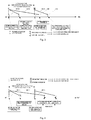
Fig. 1 , where 2 HARQ process IDs are reserved as an example. In the first SPS transmission occasion, the HARQ process ID1 is used and the HARQ process ID2 is used for the second one. So the UE can differentiate each retransmission from the HARQ process ID in the DL PDCCH and perform correct HARQ combining. Form this point of view, no ambiguity happens. However, there is no HARQ process ambiguity only for the consecutive SPS data transmission. However, reserving more than one dedicated HARQ process for SPS will decrease throughput for the Dynamic Scheduling (DS) since these HARQ processes can not be used for DS even when no SPS HARQ retransmission is needed, which is shown inFig. 2 . As shown inFig. 2 , the worst case may occur where almost 20% transmission chances are wasted due to the dedicated HARQ process reservation for SPS. This is even worse for VOIP service. During the silence period of the VOIP service, the time interval between two SPS data blocks is about 160 ms. The throughput for DS will be largely affected if the HARQ processes reserved for 160 ms can not be released for DS transmission. - 2. The second one is to reserve only one dedicated HARQ process for SPS transmission. The two consecutive SPS data blocks are stored at the same HARQ buffer at the UE side. For the HARQ retransmission, the UE can know which data block is being retransmitted from the NEW DATA INDICATION (NDI) in the DL PDCCH which is shown in
Fig. 3 . For example,SPS data 1 andSPS data 2 are sent down consecutively and both need HARQ retransmissions. The UE keeps these two TBs in the same HARQ process (ID1 for example). BeforeSPS data 2 is sent down, the UE receives the retransmission with PDCCH indicating NDI=0. Then the UE knows that this NDI=0 indicates theSPS data 1 and NDI=1 indicates another SPS data. So there is no ambiguity from this point of view. However, the second one cannot work for some scenarios. For example, if the PDCCH forSPS data 1 retransmission with NDI=0 is missed by the UE or noSPS data 1 retransmission happens before theSPS data 2 transmission, the UE does not know NDI=0 is forSPS data 1. When the UE receives theSPS data 2 retransmission with NDI=1, the UE does not know whether this NDI=1 is for theSPS data 1 orSPS data 2. That means the ambiguity between two SPS data's retransmission cannot be resolved. This is shown inFig. 4 . The further drawback is that one dedicated HARQ process is reserved and DS cannot use it even it is free, which decreases the DS throughput as the first proposal does. - Therefore, one solution is needed which solves the SPS transmission ambiguity while improving DS throughput with respect to HARQ process for SPS transmission of UL.
- An object of the present invention is directed to the issues existing in the prior art. According to the embodiments of the present invention, there is proposed a method for HARQ process allocation for DL SPS transmission between a base station and a UE and an apparatus thereof, which improves the utility of the HARQ process while reducing the ambiguity that possibly occurs during SPS transmission.
- According to the first aspect of the present invention, there is proposed a method for HARQ process allocation for DL SPS transmission between a base station and a UE, comprising steps of: at the base station side, configuring a HARQ process preserved for the SPS transmission and its related control information based on RRC or other control instructions from the upper layer, and transmitting the configured HARQ process and its related control information to the UE; determining a HARQ process allocated to the current transmission, and allocating the HARQ process preserved for the SPS transmission to possible DS transmissions when the SPS transmission is in idle; and determining a type for transmission or retransmission to be carried on the current HARQ process based on a preset criteria, then performing the determined type of transmission or retransmission, and correspondingly sending a PDCCH down.
- Preferably, the method further comprises a step of receiving, at the UE side, the RRC or other control instructions from the base station; receiving respective data transmission or retransmission and possible PDCCH from the base station; and determining a type for the received data transmission or retransmission based on a preset criteria, so as to perform respective data combination.
- Preferably, the method further comprises a step of sending, at the base station side, an SPS-C-RNTI-based PDCCH down, indicating a HARQ process for a first SPS transmission using the PDCCH or the RRC or other control instructions from the upper layer, and activating the first SPS transmission.
- Preferably, there is no need to send a PDCCH down for each SPS transmission following the first SPS transmission.
- Preferably, the base station takes the HARQ process preserved for the SPS transmission circularly for the SPS transmission.
- Preferably, the step of determining a type for transmission or retransmission to be carried in the current HARQ process based on a preset criteria at the base station side comprises steps of: indicating, at the base station side, whether the data transmission carried in the HARQ process currently preserved for the SPS transmission is an SPS transmission or a DS transmission using a standard-C-RNTI-based PDCCH or an SPS-C-RNTI-based PDCCH, and determining a type for the data retransmission carried in the current HARQ process by combining data in a HARQ buffer corresponding to a HARQ process.
- Preferably, the method further comprises a step of receiving, at the UE side, a PDCCH from the base station to activate an SPS transmission, and determining a HARQ process for a first SPS transmission from the PDCCH, RRC or other control instructions.
- Preferably, the method further comprises a step of evaluating, at the UE side, how to use the configured HARQ process for subsequent SPS transmission based on the received RRC or the other control instructions.
- According to another aspect of the present invention, there is proposed a system for allocating a HARQ process for DL SPS transmission, comprising a base station side device, wherein the base station side device comprises: pre-configuration means for configuring a HARQ process preserved for the SPS transmission and its related control information based on RRC or other control instructions from the upper layer; HARQ process determination means for determining a HARQ process allocated to the current transmission based on configuration result of the pre-configuration means, and for allocating the HARQ process preserved for the SPS transmission to possible DS transmissions when the SPS transmission is in idle; transmission type determination means for determining a type for transmission or retransmission to be carried in the current HARQ process based on a preset criteria; and data transmission means for performing the determined transmission or retransmission, and correspondingly sending a PDCCH down.
- Preferably, the base station side device further comprises: SPS transmission activation means for sending an SPS-C-RNTI-based PDCCH down to indicate a HARQ process for a first SPS transmission, and for activating the first SPS transmission. Alternatively, the RRC or other control information may be used to indicate the HARQ process for the first SPS transmission.
- Preferably, there is no need to send a PDCCH down for each SPS transmission following the first SPS transmission.
- Preferably, the base station side device takes the HARQ process preserved for the SPS transmission circularly for the SPS transmission.
- Preferably, the transmission type determination means of the base station side device comprises: base station side HARQ buffer detection means for detecting the data buffering status in a HARQ buffer corresponding to the current HARQ process; and base station side determination means for determine a type for the data transmission or retransmission carried in the current HARQ process based on the detection result of the base station side HARQ buffer detection means.
- Preferably, the system further comprises a UE side device, wherein the UE side device comprises: data reception means for receiving the RRC or other control instructions from the base station and for receiving respective data transmission or retransmission and possible PDCCH from the base station side device; data type determination means for determining a type for the received data transmission or retransmission based on a preset criteria; and data combination means for performing respective data combination based on the result of the data type determination means.
- Preferably, the data determination means of the UE side device comprises: PDCCH detection means for processing the PDCCH based on the standard C-RNTI or the SPS C-RNTI, for example, the PDCCH may be firstly decoded based on the standard C-RNTI, and if failed, then it is decoded based on the SPS C-RNTI; UE side HARQ buffer detection means for detecting the data buffering status in the corresponding HARQ buffer; and UE side determination means for determining a type for the received data transmission or retransmission by combining detecting results of the PDCCH detection means and the UE side HARQ buffer detection means.
- According to at least one of the aspects of the present application, many advantages can be arrived at which include among others that the utility of HARQ process is improved, the ambiguity that possibly occurs during SPS transmission is reduced and the DS data loss rate is decreased.
- The above and other objects, features and advantages of the present invention will be clearer from the following detailed description about the preferred embodiments of the present invention taken in conjunction with the accompanied drawings, in which:
-
Fig. 1 is a schematic diagram for explaining one typical proposal for allocating HARQ process to DL SPS transmission; -
Fig. 2 illustrates the drawback of the proposal shown inFig. 1 ; -
Fig. 3 is a schematic diagram for explaining another typical proposal for allocating HARQ process to DL SPS transmission; -
Fig. 4 illustrates the drawback of the proposal shown inFig. 2 ; -
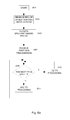
Figs. 5a-5c andFigs. 6a-6c show flow charts of a method for HARQ process allocation for DL SPS transmission according to an embodiment of the present application from the base station and the UE points of view respectively; -
Fig. 7 illustrates an example for HARQ process allocation for DL SPS transmission according to an embodiment of the present application; -
Fig. 8 illustrates another example for HARQ process allocation for DL SPS transmission according to an embodiment of the present application; and -
Fig. 9 is a block diagram of a system for allocating a HARQ process for DL SPS transmission according to an embodiment of the present application. - The present invention will be now described, by way of illustration and not by way of limitation, according to its preferred embodiments, by particularly referring to the Figures of the enclosed drawings, in which:
- As described below, the present application provides a method for HARQ process allocation for DL SPS transmission between a base station and a UE, comprising steps of: at the base station side, configuring a HARQ process preserved for the SPS transmission and its related control information based on RRC or other control instructions from the upper layer, and transmitting the configured HARQ process and its related control information to the UE; determining a HARQ process allocated to the current transmission, and allocating the HARQ process preserved for the SPS transmission to possible DS transmissions when the SPS transmission is in idle; and determining a type for transmission or retransmission to be carried in the current HARQ process based on a preset criteria, then performing the determined transmission or retransmission, and correspondingly sending a PDCCH down; at the UE side, receiving the RRC or other control instructions from the base station; receiving respective data transmission or retransmission and possible PDCCH from the base station; and determining a type for the received data transmission or retransmission based on a preset criteria, so as to perform respective data combination.
-
Fig. 5 andFig. 6 show detailed flowcharts of a method for HARQ process allocation for DL SPS transmission according to an embodiment of the present application. -
Figs. 5a-5c show detailed flowcharts of a method for HARQ process allocation for DL SPS transmission according to an embodiment of the present application from the base station points of view. - As shown in
Fig. 5a , the method starts at step S501 at the base station side. Before the SPS transmission commences, HARQ process IDs for SPS transmission and related control information are configured by using RRC or other control instructions (step S503), and the configured HARQ process IDs will be circularly used by the base station in SPS TTIs. After that, the base station sends down an SPC-C-RNTI-based PDCCH, indicating in which HARQ process the first SPS transmission occurs (step S505). Alternatively, at step S503, the base station configures a HARQ process preserved for the first SPS transmission by using RRC instructions. Following that, the first SPS transmission is activated in a respective TTI according to the PDCCH (step S507). At step S509, it is determined whether the next TTI is an SPS TTI. If yes, the method proceeds to step S511 where SPS TTI processing is performed and returns to step S509 after the respective SPS TTI processing has been finished, so as to perform processing on the next TTI. If no, the method proceeds to step S513 where DS TTI processing is performed, and returns to step S509 after the respective DS TTI processing has been finished. -
Fig. 5b illustrates in detailed the process of SPS TTI processing (i.e., step S511).Fig. 5b starts as the determination of step S509 inFig. 5a results in yes. At step S5101, the base station determines whether SPS transmission is to be performed. If yes, the method proceeds to step S5103. At step S5103, the current HARQ process ID is determined. Then, it is detected whether there is data in the respective HARQ buffer or not (step S5105). If no, i.e., there is no data in the HARQ buffer, SPS transmission is performed (S5107). After that, the current SPS TTI processing ends, and the method returns to step S509 ofFig. 5a . If yes, i.e., there is data in the HARQ buffer, it is determined whether the data is DS data (step S5109). If no, i.e., it is one SPS data that is buffered in the HARQ buffer, the SPS data for re-transmission is cleared from the HARQ buffer and an SPS transmission is performed (step S5111). After that, the current SPS TTI processing ends and the method returns to step S509 ofFig. 5a . If the determination of step S5109 results in yes, i.e., the data buffered in the HARQ buffer is DS data, it is determined whether the HARQ buffer is capable of buffering two TBs (step S5113). The buffer is capable of buffering two TBs only if the two TBs are one DS data and one SPS data. In such a case, the base station stores the SPS data and the DS data into the HARQ buffer together and performs SPS transmission (step S5115). The method then returns to step S509 ofFig. 5a . If there is one TB buffered in the HARQ buffer, the DS TB is replaced with an SPS TB and an SPS transmission is performed (Step S5117). Similarly, the method then returns to step S509 ofFig. 5a . Furthermore, when the determination of step S5101 gets no, that is, the base station decides not to perform SPS transmission in current SPS TTI, the method proceeds to step S5119, where it is determined that whether DS transmission is to be performed or not by the base station. If yes, a standard-C-RNTI-based PDCCH is sent down, and DS transmission is performed (step S5121). The method then returns to step S509 ofFig. 5a . If no, i.e., the current TTI processing ends, the method returns to step S509 ofFig. 5a similarly. -
Fig. 5c illustrates in detailed the process of DS TTI processing (i.e., step S513).Fig. 5c starts as the determination of step S509 inFig. 5a results in no. At step S5201, the current HARQ process ID is determined. After that, it is determined whether there is data in the current HARQ buffer (step S5203). If there is no data, a DS transmission is performed in the current HARQ process (step S5205), and then the method returns to step S509 ofFig. 5a . If yes, it is determined whether there are two TBs buffered in the HARQ buffer (step S5207). If no, it is determined whether there is DS data buffered in the HARQ buffer (step S5209). If no, i.e., it is SPS data that is buffered in the HARQ buffer, the standard-C-RNT-based PDCCH or the SPS-CRNTI-based PDCCH is sent down, and an SPS re-transmission is performed (step S5211). The method then returns to step S509 ofFig. 5a . If yes, i.e., it is DS data that is buffered in the HARQ buffer, a DS TB re-transmission is performed, and the standard-C-RNTI-based PDCCH is sent down (S5213). The method then returns to step S509 ofFig. 5a . If the determination of step S5207 gets yes, i.e., there are two TBS in the HARQ buffer, it is determined whether the base station decides to perform SPS transmission or not (step S5215). If the base station decides not to perform SPS transmission, the method proceeds to step S5213. If the base station decides to perform SPS transmission, an SPS transmission is performed, and the SPS-C-RNTI-based PDCCH is sent down (step S5217). The method then returns to step S509 ofFig. 5a . -
Figs. 6a-6c show in detailed flowcharts of a method for HARQ process allocation for DL SPS transmission according to an embodiment of the present application from the UE points of view. - The method starts at step S601 at the UE side. The UE receives RRC or other control instructions from the base station (step S603), and obtains therefrom the HARQ process IDs, the transmission format and other information configured for SPS transmission. The configured HARQ process IDs are circularly used in the UE. After that, the UE receives an SPS-C-RNTI-based PDCCH (step S605), and activates SPS configurations to know in which HARQ process the first SPS occurs. Alternatively, the UE knows the HARQ process for the first SPS transmission from RRC or other control information. Here, the UE makes an evaluation on how the configured HARQ processes are circularly used in subsequent SPS TTI transmissions. At step S607, the UE receives a first SPS transmission. At step S609, it is determined whether the next TTI is an SPS TTI. If yes, the method proceeds to step S611 where SPS TTI processing is performed. The method returns to step S609 after the respective SPS TTI processing has been finished, so as to perform processing on the next TTI. If no, the method proceeds to step S613 where DS TTI processing is performed, and returns to step 609 after the respective DS TTI processing has been finished.
-
Fig. 6b illustrates in detailed the process of SPS TTI processing (i.e., step S611).Fig. 6b starts as the determination of step S609 inFig. 6a results in yes. At step 6101, it is determined whether PDCCH is received by the UE. If yes, data reception is performed according to the received PDCCH (step S6103). If no, the HARQ process ID for current SPS TTI is determined (step S6105), and data reception is performed according to SPS configuration information (step S6107). Following that, it is determined whether the data reception process in step S6107 is right or not (step S6109). If it is right, the UE sends the data to the upper layer (step S6111). Then the current SPS TTI processing ends and the method returns to step S609 ofFig. 6a . If the data reception process is not right, it is determined whether there is data in the HARQ buffer (step S6113). If there is no data, the received information is buffered in the HARQ buffer (step S6115). If there is data in the HARQ buffer, it is determined whether the data in the HARQ buffer is DS data or not (step S6117). If no, the existing data in the HARQ buffer is replaced with the received SPS data (step S6119), and the current SPS TTI processing ends with the method returning to step S609 ofFig. 6a . If yes, it is determined whether the HARQ buffer is capable of buffering two TBs (step 6121). If the HARQ buffer is large enough to buffer two TBs, the SPS data and the DS data are buffered in the HARQ buffer together (step S6123), and the current SPS TTI processing ends with the method returning to step S609 ofFig. 6a . If the HARQ buffer can only buffer one TB, the existing DS data in the HARQ buffer is replaced with SPS data (step S6125), and the current SPS TTI processing ends with the method returning to step S609 ofFig. 6a . -
Fig. 6c illustrates in detailed the process of DS TTI processing (i.e., step S613).Fig. 6c starts as the determination of step S609 inFig. 6a results in no. At step S6201, it is determined whether PDCCH is received by the UE. If no, the current DS TTI processing ends and the method returns to step S609 ofFig. 6a . If yes, it is determined whether there is data in the current HARQ buffer (step S6203). If yes, the method proceeds to step S6205 where it is determined whether there is only one data in the HARQ buffer. If yes, HARQ combining is performed (Step S6207), and then the method proceeds to step S6213. If no, it is determined whether the PDCCH is received based on SPS C-RNTI (step S6209). If yes, HARQ combining for SPS data is performed (step S6211), and then the method proceeds to step S6213. If no, HARQ combining for DS data is performed (step S6215), and then the method proceeds to step S6213. At step S6213, it is determined whether the HARQ combining is successful or not. If it is successful, data is transmitted to the upper layer (step S6217). The current DS TTI processing ends and the method returns to step S609 ofFig. 6a . If it is not successful, the data is buffered once more (step S6219), then the current DS TTI processing ends and the method returns to step S609 ofFig. 6a . If the determination of step S6203 gets no, i.e., there is no data in the current HARQ buffer, the method proceeds to step S6221 where new data reception is performed. Following that, it is again determined whether the reception is successful or not (step S6223). If it is successful, the new data is transmitted to the upper layer (step S6225), then the current DS TTI processing ends and the method returns to step S609 ofFig. 6a . If it is not successful, the new data is buffered in the current HARQ buffer (step S6227), then the current DS TTI processing ends and the method returns to step S609 ofFig. 6a . - The above description presents the particularly implementation of the method for HARQ process allocation for DL SPS transmission according to the embodiments of the present application.
-
Fig. 7 illustrates an example of the method according to an embodiment of the present application. - As shown in
Fig. 7 , assuming HARQ process ID1 (ID1) is indicated in the first PDCCH to activate the SPS configuration and assuming ID1 and ID2 will be used for SPS circularly. -
SPS data 1 is transmitted and re-transmitted via ID1 in TTI1 ∼ TTI20 but fails. - DS data is transmitted via ID2 but also fails.
- In TTI20, DS data and
SPS data 2 are buffered in the HARQ buffer with ID2 together, and thenSPS data 2 is transmitted but fails. - In TTI25, the base station performs re-transmission of
SPS data 1 with PDCCH indicating HARQ process ID1 based on standard C-RNTI,
the UE then combines correctly there-transmitted SPS data 1 with that stored in HARQ process ID1 buffer. - In TTI27, the base station performs re-transmission of
SPS data 2 with PDCCH indicating ID2 based on SPS-CRNTI,
the UE then combines correctly there-transmitted SPS data 2 with that stored in HARQ process ID2 buffer. - In TTI30, the base station performs re-transmission of DS with PDCCH indicating ID2 based on standard C-RNTI,
then the UE combines correctly the re-transmitted DS data with that stored in ID2 buffer. - From the above, it can be seen that the method according to the embodiment of the present application has the following advantages.
- The HARQ process can be used for both SPS and DS transmissions, and thus there is no need to reserve one or more HARQ processes for SPS transmission. PDCCH or RRC instruction is used to indicate the HARQ process for the first SPS transmission, which guarantees the synchronization between the base station and the UE for the first and subsequent SPS transmissions. Accordingly, there is no need to map the reserved dedicated HART process with SFN as other companies proposed. Instead, the UE only needs to detect the PDCCH for DL assignment based on the normal C-RNTI. Moreover, the possibility of loss of DS data is reduced since the HARQ buffer can buffer DS TB and SPS TB at the same time.
- Furthermore, the method for HARQ process allocation for DL SPS transmission according to the embodiment of the present application may be implemented without taking the size of the HARQ buffer corresponding to the HARQ process into account. The implementation in such a case (not shown) generally is the same as the above embodiment with exception that there is no need to taken the size of the HARQ buffer into account. That is, the step of determining whether the HARQ buffer is capable of storing two TBs can be omitted, and the case where only one TB is buffered is taken as default. SPS transmission is always prioritized as needed, unless the base station forcibly makes the SPS transmission not carried.
-
Fig. 8 illustrates an example for such a case. - As shown in
Fig. 8 , assuming HARQ process ID1 (ID1) is indicated in the first PDCCH to activate the SPS configuration and assuming ID1 and ID2 will be used for SPS circularly. - In TTI1,
SPS data 1 is sent in DL by the base station in HARQ process ID1 and the UE feeds back ACK for the HARQ process ID1. - In TTI2∼TTI18, DS data is sent in HARQ processes ID2∼ID8.
- In TTI9∼19, HARQ processes ID1∼ID8 can be used for DS data transmission.
- Assuming the UE feeds back NACK for DS data in HARQ process ID2 in TTI13.
- In TTI20 which is the second SPS TTI, HARQ process ID2 should be used for SPS according to a pre-defined rule as follows:
- The base station replaces DS data with SPS data in the HARQ buffer corresponding to HARQ process ID2 and sends down the
SPS data 2 to the UE; - At the UE side, the DS data in the HARQ buffer corresponding to HARQ process ID2 is replaced with the
SPS data 2 and NACK is fed back; - No PDCCH is needed.
- Assuming the base station performs re-transmission of
SPS data 2 and sends down PDCCH indicating ID2 over normal C-RNTI in TTI27. - At the UE side, the correct combing is performed between the newly received
SPS Data 2 and theSPS Data 2 already stored in ID2 HARQ buffer. - No ambiguity happens during the whole procedure.
- It can be seen that this solution is more easily to implement than the first embodiment, and can also bring out the advantages of improving DS transmission chance and reducing ambiguity between different SPS transmissions and between SPS and DS transmissions. On the contrary, since the HARQ buffer is not taken into account, the possibility of loss of DS data is higher than the first embodiment.
- In the above embodiments, the HARQ processes reserved for SPS transmission can be two, one or more, which depends on the applications. Additionally, the base station may re-configure the HARQ process for SPS transmission as required.
-
Fig. 9 is a block diagram of a system for allocating a HARQ process for DL SPS transmission according to an embodiment of the present application. - The system 900 for HARQ process allocation according to the embodiment of the present application includes a base
station side device 901 and aUE side device 903. - The base
station side device 901 includes pre-configuration means 905 for configuring a HARQ process preserved for the SPS transmission and its related control information based on RRC or other control instructions from the upper layer; SPS transmission activation means 907 for sending an SPS-C-RNTI-based PDCCH down to indicate an HARQ process in which a first SPS transmission occurs and activating the first SPS transmission, alternatively, the RRC instructions are used at the pre-configuration means 905 to indicate the process for the first SPS transmission; HARQ process determination means 909 for determining a HARQ process allocated to the current transmission based on configuration result of the pre-configuration means 905, and for allocating the HARQ process preserved for the SPS transmission to possible DS transmissions when the SPS transmission is in idle; transmission type determination means 911 for determining a type for transmission or retransmission to be carried in the current HARQ process based on a preset criteria; and data transmission means 913 for performing the determined type of transmission or retransmission, and correspondingly sending a PDCCH down. The transmission type determination means 909 comprises: base station side HARQ buffer detection means 921 for detecting the data buffering status in a HARQ buffer corresponding to the current HARQ process; and base station side determination means 923 for determining a type for the data transmission or retransmission to be carried in the current HARQ process based on the detection result of the base station side HARQ buffer detection means. - The
UE side device 903 comprises: data reception means 915 for receiving the RRC or other control instructions from the base station side device and for receiving respective data transmission or retransmission and possible PDCCH from the base station side device; data type determination means 917 for determining a type for the received data transmission or retransmission based on a preset criteria; and data combination means 919 for performing respective data combination based on the result of the data type determination means. The data type determination means 917 comprises: PDCCH detection means 925 for processing the PDCCH based on standard C-RNTI or SPS C-RNTI, for example, the PDCCH is firstly decoded based on standard C-RNTI; if failed, it is decoded based on SPS C-RNTI; UE side HARQ buffer detection means 927 for detecting the data (and data type) buffering status in the corresponding HARQ buffer; and UE side determination means for determining a type for the received data transmission or retransmission in conjunction with detecting results of the PDCCH detection means and the UE side HARQ buffer detection means. - Although the illustrative embodiments have been described herein with reference to the accompanying drawings, it is to be understood that various modifications, substitutions and changes may be effected therein by one of ordinary skill in the pertinent art without departing from the scope or spirit of the present invention. Particularly, the various elements in the embodiments can be embodied in software, hardware or combination thereof. Therefore, the present invention should not be limited to the preferred embodiments, whose protection should only be defined by the claims.
Claims (26)
- A method for HARQ process allocation for DL SPS transmission between a base station and an UE, comprising steps of:at the base station side, configuring a HARQ process preserved for the SPS transmission and its related control information based on RRC or other control instructions from the upper layer, and transmitting the configured HARQ process and its related control information to the UE;determining a HARQ process allocated to the current transmission, and allocating the HARQ process preserved for the SPS transmission to possible DS transmissions when the SPS transmission is in idle; anddetermining a type for transmission or retransmission to be carried in the current HARQ process based on a preset criteria, then performing the determined type of transmission or retransmission, and correspondingly sending a PDCCH down.
- The method according to Claim 1, wherein the base station takes the HARQ process preserved for the SPS transmission circularly for the SPS transmission.
- The method according to Claim 2, further comprising steps of:at the base station side, sending an SPS-C-RNTI-based PDCCH down, indicating a HARQ process for a first SPS transmission using the PDCCH or the RRC or other control instructions from the upper layer, and activating the first SPS transmission.
- The method according to Claim 3, wherein there is no need to send a PDCCH down for each SPS transmission following the first SPS transmission.
- The method according to Claim 1, wherein the step of determining a type for transmission or retransmission to be carried in the current HARQ process based on a preset criteria at the base station side comprises steps of:at the base station side, indicating whether the data transmission carried in the HARQ process currently preserved for the SPS transmission is an SPS transmission or a DS transmission using a standard-C-RNTI-based PDCCH oran SPS-C-RNTI-based PDCCH, and determining a type for the data retransmission carried in the current HARQ process by combining data in a HARQ buffer corresponding to a HARQ process.
- The method according to Claim 5, wherein the step of determining a type for transmission or retransmission to be carried in the current HARQ process based on a preset criteria at the base station side comprises steps of:during the SPS transmission, in case that the base station is to perform the SPS transmission and there is DS data stored in the corresponding HARQ buffer, if the size of the HARQ buffer is taken into account:for a HARQ buffer sufficiently storing two transfer blocks TBs, storing the SPS data together with the DS data in the HARQ buffer and sending the SPS data down without sending a PDCCH down simultaneously;for a HARQ buffer only capable of storing one TB, replacing the original DS data with the SPS data and sending the SPS data down without sending a PDCCH down simultaneously.
- The method according to Claim 5, wherein the step of determining a type for transmission or retransmission to be carried in the current HARQ process based on a preset criteria at the base station side comprises steps of:during the SPS transmission, in case that the base station is to perform the SPS transmission and there is DS data stored in the corresponding HARQ buffer, if the size of the HARQ buffer is not taken into account, replacing the original DS data with the SPS data and sending the SPS data down without sending a PDCCH down simultaneously.
- The method according to Claim 5, wherein the step of determining a type for transmission or retransmission to be carried in the current HARQ process based on a preset criteria at the base station side comprises steps of:during the SPS transmission, in case that the base station forcibly makes the SPS transmission not carried, performing another transmission using the HARQ process preserved for the SPS transmission, and sending a standard-C-RNTI-based PDCCH down.
- The method according to Claim 5, wherein the step of determining a type for transmission or retransmission to be carried in the current HARQ process based on a preset criteria at the base station side comprises steps of:during the DS transmission, performing the DS data transmission and sending a standard-C-RNTI-based PDCCH down when there is no SPS data stored in the HARQ buffer preserved for the SPS transmission.
- The method according to Claim 5, wherein the step of determining a type for transmission or retransmission to be carried in the current HARQ process based on a preset criteria at the base station side comprises steps of:during the DS transmission, performing the SPS data retransmission and sending an SPS-C-RNTI-based PDCCH or a standard-C-RNTI-based PDCCH down when there is SPS data stored in the HARQ buffer.
- The method according to Claim 1, further comprising steps of:at the UE side, receiving the RRC or other control instructions from the base station; receiving respective data transmission or retransmission and possible PDCCH from the base station; and determining a type for the received data transmission or retransmission based on a preset criteria, so as to perform respective data combination.
- The method according to Claim 11, further comprising steps of:at the UE side, receiving a PDCCH from the base station to activate an SPS transmission, and determining a HARQ process for a first SPS transmission from the PDCCH, RRC or other control instructions.
- The method according to Claim 12, further comprising steps of:at the UE side, evaluating how to use the configured HARQ process for subsequent SPS transmission based on the received RRC or the other control instructions.
- The method according to Claim 11, wherein the step of determining a type for the received data transmission or retransmission based on a preset criteria at the UE side comprises steps of:during the SPS transmission, detecting a PDCCH based on the standard C-RNTI or the SPS C-RNTI, so as to get the type for the received data transmission or retransmission.
- The method according to Claim 11, wherein the step of determining a type for the received data transmission or retransmission based on a preset criteria at the UE side comprises steps of:during the SPS transmission, determining the current transmission is the SPS transmission if the UE does not detect any PDCCH.
- The method according to Claim 11, wherein the step of determining a type for the received data transmission or retransmission based on a preset criteria at the UE side comprises steps of:during the DS transmission, decoding the standard-C-RNTI-based PDCCH or the SPS-C-RNTI-based PDCCH, and determining a type for the received data transmission or retransmission by combining the data buffering status in respective HARQ buffer based on the decoding result.
- The method according to Claim 11, wherein,
at the UE side:during the DS transmission,if a PDCCH is detected based on the standard C-RNTI or the SPS C-RNTI and there is only one TB stored in respective HARQ buffer: it is determined that the received transmission is the DS retransmission when there is DS TB stored in respective HARQ buffer; and it is determined that the received transmission is the SPS retransmission when there is SPS TB stored in respective HARQ buffer;if a PDCCH is detected based on the standard C-RNTI or the SPS C-RNTI and respective HARQ buffer is in idle, it is determined that the received transmission is the DS transmission;if a PDCCH is detected based on the SPS C-RNTI and there are two TBs stored in respective HARQ buffer, it is determined that the received transmission is the SPS transmission; andif a PDCCH is detected based on the standard C-RNTI and there are two TBs stored in respective HARQ buffer, it is determined that the received transmission is the DS retransmission. - The method according to Claim 11, further comprising:at the UE side:during the SPS transmission, performing corresponding data combination by combining the data buffering status in the HARQ buffer after determining the type for the received data transmission or retransmission, and sending the data to the upper layer when the data combination is performed correctly, otherwise continuing to store the data.
- The method according to Claim 1, wherein a HARQ process for the SPS transmission and other control information is reconfigured as required.
- A system for allocating a HARQ process for DL SPS transmission, comprising a base station side device, wherein the base station side device comprises:pre-configuration means for configuring a HARQ process preserved for the SPS transmission and its related control information based on RRC or other control instructions from the upper layer;HARQ process determination means for determining a HARQ process allocated to the current transmission based on configuration result of the pre-configuration means, and for allocating the HARQ process preserved for the SPS transmission to possible DS transmissions when the SPS transmission is in idle;transmission type determination means for determining a type for transmission or retransmission to be carried in the current HARQ process based on a preset criteria; anddata transmission means for performing the determined type of transmission or retransmission, and correspondingly sending a PDCCH down.
- The system according to Claim 20, wherein the base station side device takes the HARQ process preserved for the SPS transmission circularly for the SPS transmission.
- The system according to Claim 21, wherein the base station side device further comprises:SPS transmission activation means for sending an SPS-C-RNTI-based PDCCH down to indicate a HARQ process for a first SPS transmission, and for activating the first SPS transmission.
- The system according to Claim 20, wherein there is no need to send a PDCCH down for each SPS transmission following the first SPS transmission.
- The system according to Claim 20, wherein the transmission type determination means of the base station side device comprises:base station side HARQ buffer detection means for detecting the data buffering status in a HARQ buffer corresponding to the current HARQ process; andbase station side determination means for determining a type for the data transmission or retransmission to be carried in the current HARQ process based on the detection result of the base station side HARQ buffer detection means.
- The system according to Claim 20, further comprises a UE side device, wherein the UE side device comprises:data reception means for receiving the RRC or other control instructions from the base station and for receiving respective data transmission or retransmission and possible PDCCH from the base station;data type determination means for determining a type for the received data transmission or retransmission based on a preset criteria; anddata combination means for performing respective data combination based on the result of the data type determination means.
- The system according to Claim 25, wherein the data type determination means of the UE side device comprises:PDCCH detection means for decoding the standard-C-RNTI-based PDCCH or the SPS-C-RNTI-based PDCCH;UE side HARQ buffer detection means for detecting the data buffering status in the corresponding HARQ buffer; andUE side determination means for determining a type for the received data transmission or retransmission by combining detecting results of the PDCCH detection means and the UE side HARQ buffer detection means.
Priority Applications (1)
| Application Number | Priority Date | Filing Date | Title |
|---|---|---|---|
| PL08757447T PL2291019T3 (en) | 2008-06-16 | 2008-06-16 | A method for allocating the HARQ process for a downstream semi-persistent scheduling connection and corresponding system |
Applications Claiming Priority (1)
| Application Number | Priority Date | Filing Date | Title |
|---|---|---|---|
| PCT/CN2008/001166 WO2009152637A1 (en) | 2008-06-16 | 2008-06-16 | Method for harq process allocation of dl semi-persistent scheduling and corresponding system |
Publications (3)
| Publication Number | Publication Date |
|---|---|
| EP2291019A1 true EP2291019A1 (en) | 2011-03-02 |
| EP2291019A4 EP2291019A4 (en) | 2012-08-29 |
| EP2291019B1 EP2291019B1 (en) | 2016-09-07 |
Family
ID=41433634
Family Applications (1)
| Application Number | Title | Priority Date | Filing Date |
|---|---|---|---|
| EP08757447.1A Active EP2291019B1 (en) | 2008-06-16 | 2008-06-16 | Method for harq process allocation of dl semi-persistent scheduling and corresponding system |
Country Status (7)
| Country | Link |
|---|---|
| US (1) | US8595579B2 (en) |
| EP (1) | EP2291019B1 (en) |
| JP (1) | JP5260734B2 (en) |
| KR (1) | KR101456043B1 (en) |
| CN (1) | CN102067648B (en) |
| PL (1) | PL2291019T3 (en) |
| WO (1) | WO2009152637A1 (en) |
Cited By (1)
| Publication number | Priority date | Publication date | Assignee | Title |
|---|---|---|---|---|
| WO2013060713A1 (en) * | 2011-10-24 | 2013-05-02 | Rohde & Schwarz Gmbh & Co. Kg | Dynamic harq id reservation |
Families Citing this family (25)
| Publication number | Priority date | Publication date | Assignee | Title |
|---|---|---|---|---|
| CN101904198A (en) * | 2007-12-21 | 2010-12-01 | 爱立信电话股份有限公司 | Method and arrangement in a mobile telecommunications network |
| MY159895A (en) * | 2008-03-10 | 2017-02-15 | Interdigital Patent Holdings Inc | Method and apparatus for efficiently utilizing harq processes for semi-persistent and dynamic data transmissions |
| JP5154523B2 (en) * | 2008-08-27 | 2013-02-27 | 創新音▲速▼股▲ふん▼有限公司 | Method and apparatus for processing HARQ process of SPS function |
| US8379585B2 (en) * | 2009-10-29 | 2013-02-19 | Lg Electronics Inc. | Method of transmitting semi-persistent scheduling data in multiple component carrier system |
| CN102158973B (en) * | 2010-02-11 | 2013-11-20 | 电信科学技术研究院 | Method, system and equipment for semi-duration dispatching, transmitting and processing |
| CN102202408B (en) * | 2010-03-22 | 2014-01-01 | 华为技术有限公司 | Multi-subframe scheduling method, system and device |
| US8423856B2 (en) * | 2010-03-26 | 2013-04-16 | Research In Motion Limited | Method and apparatus for semi-persistent scheduling activation detection |
| CN101841403B (en) * | 2010-05-26 | 2013-05-08 | 新邮通信设备有限公司 | Data transmission method and system |
| JP5054804B2 (en) * | 2010-05-28 | 2012-10-24 | 株式会社エヌ・ティ・ティ・ドコモ | Radio base station and radio resource allocation method |
| KR101560390B1 (en) | 2011-06-15 | 2015-10-13 | 엘지전자 주식회사 | Method of transmitting control information and device for same |
| CN102932934B (en) * | 2011-08-08 | 2016-01-20 | 普天信息技术研究院有限公司 | A kind of method of simultaneously carrying out semi-persistent scheduling services and dynamic dispatching business |
| CN103024680B (en) * | 2011-09-20 | 2016-05-18 | 鼎桥通信技术有限公司 | Semi-persistent scheduling Activiation method and the trunked communication system based on semi-persistent scheduling |
| WO2014027763A1 (en) * | 2012-08-15 | 2014-02-20 | Lg Electronics Inc. | Method monitoring pdcch based on drx and communication device thereof |
| US9144066B2 (en) * | 2012-12-28 | 2015-09-22 | Sierra Wireless, Inc. | Method and system for hybrid automatic repeat request combining on an lte downlink control channel |
| US9906347B2 (en) | 2015-04-09 | 2018-02-27 | Samsung Electronics Co, Ltd | Method and system for hybrid automatic repeat request operation in a semi-persistent scheduling (SPS) interval |
| TWI558123B (en) * | 2015-06-03 | 2016-11-11 | 鴻海精密工業股份有限公司 | Method and system for processing hybrid automatic repeat request |
| US11202282B2 (en) | 2015-12-16 | 2021-12-14 | Qualcomm Incorporated | Contention-based physical uplink shared channel |
| CN113329496A (en) * | 2016-02-05 | 2021-08-31 | Oppo广东移动通信有限公司 | Method, mobile station and network equipment for transmitting service |
| CN107371270B (en) * | 2016-05-13 | 2021-11-09 | 中兴通讯股份有限公司 | Transmission method, equipment and system |
| US10834743B2 (en) | 2016-08-12 | 2020-11-10 | Ofinno, Llc | Semi-persistent scheduling in a wireless device and network |
| US11284413B2 (en) | 2016-08-12 | 2022-03-22 | Beijing Xiaomi Mobile Software Co., Ltd. | Traffic type based scheduling in a wireless network and device |
| CN108307502B (en) * | 2016-08-25 | 2023-05-23 | 中兴通讯股份有限公司 | Information sending and receiving method and device, base station and terminal |
| US10382170B2 (en) | 2016-09-25 | 2019-08-13 | Ofinno, Llc | HARQ process in semi-persistent scheduling |
| CN110138524B (en) | 2018-02-09 | 2020-09-08 | 华为技术有限公司 | A transmission control method, terminal device and network device |
| US12348316B2 (en) * | 2020-05-01 | 2025-07-01 | Qualcomm Incorporated | Semi-persistent scheduling opportunities for jittered periodic traffic |
Family Cites Families (5)
| Publication number | Priority date | Publication date | Assignee | Title |
|---|---|---|---|---|
| DE60217097T2 (en) * | 2002-08-13 | 2007-05-10 | Matsushita Electric Industrial Co., Ltd., Kadoma | Hybrid automatic repeat request protocol |
| CN100586053C (en) | 2006-07-12 | 2010-01-27 | 大唐移动通信设备有限公司 | Hybrid automatic repeat request process processing method and device |
| BRPI0714637A2 (en) * | 2006-08-21 | 2013-05-07 | Interdigital Tech Corp | top link harq process allocation method and apparatus |
| CN101197644B (en) | 2006-12-07 | 2011-07-20 | 电信科学技术研究院 | Multi-process data retransmission method and system |
| MY159895A (en) * | 2008-03-10 | 2017-02-15 | Interdigital Patent Holdings Inc | Method and apparatus for efficiently utilizing harq processes for semi-persistent and dynamic data transmissions |
-
2008
- 2008-06-16 EP EP08757447.1A patent/EP2291019B1/en active Active
- 2008-06-16 US US12/997,757 patent/US8595579B2/en active Active
- 2008-06-16 KR KR1020107028463A patent/KR101456043B1/en active Active
- 2008-06-16 WO PCT/CN2008/001166 patent/WO2009152637A1/en not_active Ceased
- 2008-06-16 JP JP2011513839A patent/JP5260734B2/en active Active
- 2008-06-16 PL PL08757447T patent/PL2291019T3/en unknown
- 2008-06-16 CN CN200880129881XA patent/CN102067648B/en active Active
Non-Patent Citations (4)
| Title |
|---|
| HUAWEI: "HARQ process Id of DL persistent scheduling", 3GPP DRAFT; R2-082215, 3RD GENERATION PARTNERSHIP PROJECT (3GPP), MOBILE COMPETENCE CENTRE ; 650, ROUTE DES LUCIOLES ; F-06921 SOPHIA-ANTIPOLIS CEDEX ; FRANCE, vol. RAN WG2, no. Kansas City, USA; 20080429, 29 April 2008 (2008-04-29), XP050139985, [retrieved on 2008-04-29] * |
| NOKIA CORPORATION ET AL: "Persistent scheduling for DL", 3GPP DRAFT; R2-082302 PERSISTENT SCHEDULING DL, 3RD GENERATION PARTNERSHIP PROJECT (3GPP), MOBILE COMPETENCE CENTRE ; 650, ROUTE DES LUCIOLES ; F-06921 SOPHIA-ANTIPOLIS CEDEX ; FRANCE, vol. RAN WG2, no. Kansas City, USA; 20080428, 28 April 2008 (2008-04-28), XP050140051, [retrieved on 2008-04-28] * |
| NORTEL: "HARQ Process ID's for DL Persistent scheduling", 3RD GENERATION PARTNERSHIP PROJECT (3GPP); TECHNICALSPECIFICATION GROUP (TSG) RADIO ACCESS NETWORK (RAN); WORKINGGROUP 2 (WG2), XX, XX, vol. R2-075153, 5 November 2007 (2007-11-05), pages 1-5, XP003023536, * |
| See also references of WO2009152637A1 * |
Cited By (2)
| Publication number | Priority date | Publication date | Assignee | Title |
|---|---|---|---|---|
| WO2013060713A1 (en) * | 2011-10-24 | 2013-05-02 | Rohde & Schwarz Gmbh & Co. Kg | Dynamic harq id reservation |
| US9853780B2 (en) | 2011-10-24 | 2017-12-26 | Rohde & Schwarz Gmbh & Co. Kg | Dynamic HARQ-id reservation |
Also Published As
| Publication number | Publication date |
|---|---|
| JP2011524701A (en) | 2011-09-01 |
| US8595579B2 (en) | 2013-11-26 |
| KR20110030468A (en) | 2011-03-23 |
| EP2291019B1 (en) | 2016-09-07 |
| CN102067648B (en) | 2013-06-05 |
| JP5260734B2 (en) | 2013-08-14 |
| KR101456043B1 (en) | 2014-11-03 |
| WO2009152637A1 (en) | 2009-12-23 |
| US20110093756A1 (en) | 2011-04-21 |
| CN102067648A (en) | 2011-05-18 |
| PL2291019T3 (en) | 2017-01-31 |
| EP2291019A4 (en) | 2012-08-29 |
Similar Documents
| Publication | Publication Date | Title |
|---|---|---|
| EP2291019B1 (en) | Method for harq process allocation of dl semi-persistent scheduling and corresponding system | |
| CN115021878B (en) | HARQ processing method and device for SPS PDSCH and electronic equipment | |
| CN108631964B (en) | A data transmission method and related equipment | |
| JP6621758B2 (en) | User apparatus, feedback control method, and retransmission control method | |
| KR102513274B1 (en) | Method and apparatus for performing hybrid automatic repeat request in a wireless communication system | |
| JP4694459B2 (en) | Wireless communication method and wireless communication system | |
| JP4677988B2 (en) | Communication control method, radio communication system, base station, and mobile station | |
| KR20260002482A (en) | Method for transmitting data or control information having high reliability requirement, and apparatus for the same | |
| US10333654B2 (en) | Method for supporting HARQ in communication system using unlicensed frequency band and device having applied same | |
| CN110661598B (en) | Semi-persistent scheduling hybrid automatic repeat request response method and equipment | |
| WO2020224969A1 (en) | Communications device, infrastructure equipment and methods | |
| CN103036657B (en) | Method and device for data transmission | |
| EP2098004B1 (en) | Apparatus and method for transmitting uplink control information on shared channels | |
| KR20160050481A (en) | Method and apparatus for transmitting in mobile communication system | |
| CN102651679A (en) | Data transmission method, evolved Node B and user equipment | |
| KR20090014933A (en) | Packet data transmission / reception apparatus and method in mobile communication system supporting complex automatic retransmission | |
| US10827517B2 (en) | Transmission method, mobile communication terminal, and network side device | |
| KR20090025553A (en) | Resource Allocation System and Method in Communication System | |
| KR102214648B1 (en) | Method and apparatus for scheduling and feedback in mobile communication system | |
| KR101445387B1 (en) | Apparatus and method for allocating resources in a mobile communication system | |
| EP2023520A1 (en) | Device for and method of transmitting data packets | |
| CN107534960A (en) | Determine the method and device of physical hybrid automatic repeat request indicator channel resource | |
| EP3185608A1 (en) | Multimedia data transmission method and network device | |
| KR20120010022A (en) | Method and apparatus for transmitting and receiving uplink resource allocation information in wireless communication system |
Legal Events
| Date | Code | Title | Description |
|---|---|---|---|
| PUAI | Public reference made under article 153(3) epc to a published international application that has entered the european phase |
Free format text: ORIGINAL CODE: 0009012 |
|
| 17P | Request for examination filed |
Effective date: 20101116 |
|
| AK | Designated contracting states |
Kind code of ref document: A1 Designated state(s): AT BE BG CH CY CZ DE DK EE ES FI FR GB GR HR HU IE IS IT LI LT LU LV MC MT NL NO PL PT RO SE SI SK TR |
|
| AX | Request for extension of the european patent |
Extension state: AL BA MK RS |
|
| DAX | Request for extension of the european patent (deleted) | ||
| RAP1 | Party data changed (applicant data changed or rights of an application transferred) |
Owner name: ALCATEL LUCENT |
|
| A4 | Supplementary search report drawn up and despatched |
Effective date: 20120726 |
|
| RIC1 | Information provided on ipc code assigned before grant |
Ipc: H04W 16/10 20090101AFI20120720BHEP Ipc: H04L 1/18 20060101ALI20120720BHEP |
|
| 17Q | First examination report despatched |
Effective date: 20130603 |
|
| 111Z | Information provided on other rights and legal means of execution |
Free format text: AT BE BG CH CY CZ DE DK EE ES FI FR GB GR HR HU IE IS IT LI LT LU LV MC MT NL NO PL PT RO SE SI SK TR Effective date: 20130410 |
|
| RAP1 | Party data changed (applicant data changed or rights of an application transferred) |
Owner name: ALCATEL LUCENT |
|
| D11X | Information provided on other rights and legal means of execution (deleted) | ||
| GRAP | Despatch of communication of intention to grant a patent |
Free format text: ORIGINAL CODE: EPIDOSNIGR1 |
|
| RAP1 | Party data changed (applicant data changed or rights of an application transferred) |
Owner name: NOKIA TECHNOLOGIES OY |
|
| INTG | Intention to grant announced |
Effective date: 20160324 |
|
| GRAJ | Information related to disapproval of communication of intention to grant by the applicant or resumption of examination proceedings by the epo deleted |
Free format text: ORIGINAL CODE: EPIDOSDIGR1 |
|
| GRAR | Information related to intention to grant a patent recorded |
Free format text: ORIGINAL CODE: EPIDOSNIGR71 |
|
| GRAS | Grant fee paid |
Free format text: ORIGINAL CODE: EPIDOSNIGR3 |
|
| GRAA | (expected) grant |
Free format text: ORIGINAL CODE: 0009210 |
|
| INTG | Intention to grant announced |
Effective date: 20160728 |
|
| AK | Designated contracting states |
Kind code of ref document: B1 Designated state(s): AT BE BG CH CY CZ DE DK EE ES FI FR GB GR HR HU IE IS IT LI LT LU LV MC MT NL NO PL PT RO SE SI SK TR |
|
| REG | Reference to a national code |
Ref country code: GB Ref legal event code: FG4D |
|
| REG | Reference to a national code |
Ref country code: CH Ref legal event code: EP |
|
| REG | Reference to a national code |
Ref country code: IE Ref legal event code: FG4D |
|
| REG | Reference to a national code |
Ref country code: AT Ref legal event code: REF Ref document number: 827793 Country of ref document: AT Kind code of ref document: T Effective date: 20161015 |
|
| REG | Reference to a national code |
Ref country code: DE Ref legal event code: R096 Ref document number: 602008046142 Country of ref document: DE |
|
| REG | Reference to a national code |
Ref country code: NL Ref legal event code: FP |
|
| REG | Reference to a national code |
Ref country code: LT Ref legal event code: MG4D |
|
| PG25 | Lapsed in a contracting state [announced via postgrant information from national office to epo] |
Ref country code: LT Free format text: LAPSE BECAUSE OF FAILURE TO SUBMIT A TRANSLATION OF THE DESCRIPTION OR TO PAY THE FEE WITHIN THE PRESCRIBED TIME-LIMIT Effective date: 20160907 Ref country code: FI Free format text: LAPSE BECAUSE OF FAILURE TO SUBMIT A TRANSLATION OF THE DESCRIPTION OR TO PAY THE FEE WITHIN THE PRESCRIBED TIME-LIMIT Effective date: 20160907 Ref country code: HR Free format text: LAPSE BECAUSE OF FAILURE TO SUBMIT A TRANSLATION OF THE DESCRIPTION OR TO PAY THE FEE WITHIN THE PRESCRIBED TIME-LIMIT Effective date: 20160907 Ref country code: NO Free format text: LAPSE BECAUSE OF FAILURE TO SUBMIT A TRANSLATION OF THE DESCRIPTION OR TO PAY THE FEE WITHIN THE PRESCRIBED TIME-LIMIT Effective date: 20161207 |
|
| REG | Reference to a national code |
Ref country code: AT Ref legal event code: MK05 Ref document number: 827793 Country of ref document: AT Kind code of ref document: T Effective date: 20160907 |
|
| PG25 | Lapsed in a contracting state [announced via postgrant information from national office to epo] |
Ref country code: SE Free format text: LAPSE BECAUSE OF FAILURE TO SUBMIT A TRANSLATION OF THE DESCRIPTION OR TO PAY THE FEE WITHIN THE PRESCRIBED TIME-LIMIT Effective date: 20160907 Ref country code: GR Free format text: LAPSE BECAUSE OF FAILURE TO SUBMIT A TRANSLATION OF THE DESCRIPTION OR TO PAY THE FEE WITHIN THE PRESCRIBED TIME-LIMIT Effective date: 20161208 Ref country code: LV Free format text: LAPSE BECAUSE OF FAILURE TO SUBMIT A TRANSLATION OF THE DESCRIPTION OR TO PAY THE FEE WITHIN THE PRESCRIBED TIME-LIMIT Effective date: 20160907 Ref country code: ES Free format text: LAPSE BECAUSE OF FAILURE TO SUBMIT A TRANSLATION OF THE DESCRIPTION OR TO PAY THE FEE WITHIN THE PRESCRIBED TIME-LIMIT Effective date: 20160907 |
|
| PG25 | Lapsed in a contracting state [announced via postgrant information from national office to epo] |
Ref country code: EE Free format text: LAPSE BECAUSE OF FAILURE TO SUBMIT A TRANSLATION OF THE DESCRIPTION OR TO PAY THE FEE WITHIN THE PRESCRIBED TIME-LIMIT Effective date: 20160907 Ref country code: RO Free format text: LAPSE BECAUSE OF FAILURE TO SUBMIT A TRANSLATION OF THE DESCRIPTION OR TO PAY THE FEE WITHIN THE PRESCRIBED TIME-LIMIT Effective date: 20160907 |
|
| PG25 | Lapsed in a contracting state [announced via postgrant information from national office to epo] |
Ref country code: AT Free format text: LAPSE BECAUSE OF FAILURE TO SUBMIT A TRANSLATION OF THE DESCRIPTION OR TO PAY THE FEE WITHIN THE PRESCRIBED TIME-LIMIT Effective date: 20160907 Ref country code: SK Free format text: LAPSE BECAUSE OF FAILURE TO SUBMIT A TRANSLATION OF THE DESCRIPTION OR TO PAY THE FEE WITHIN THE PRESCRIBED TIME-LIMIT Effective date: 20160907 Ref country code: PT Free format text: LAPSE BECAUSE OF FAILURE TO SUBMIT A TRANSLATION OF THE DESCRIPTION OR TO PAY THE FEE WITHIN THE PRESCRIBED TIME-LIMIT Effective date: 20170109 Ref country code: BE Free format text: LAPSE BECAUSE OF FAILURE TO SUBMIT A TRANSLATION OF THE DESCRIPTION OR TO PAY THE FEE WITHIN THE PRESCRIBED TIME-LIMIT Effective date: 20160907 Ref country code: BG Free format text: LAPSE BECAUSE OF FAILURE TO SUBMIT A TRANSLATION OF THE DESCRIPTION OR TO PAY THE FEE WITHIN THE PRESCRIBED TIME-LIMIT Effective date: 20161207 Ref country code: IS Free format text: LAPSE BECAUSE OF FAILURE TO SUBMIT A TRANSLATION OF THE DESCRIPTION OR TO PAY THE FEE WITHIN THE PRESCRIBED TIME-LIMIT Effective date: 20170107 Ref country code: CZ Free format text: LAPSE BECAUSE OF FAILURE TO SUBMIT A TRANSLATION OF THE DESCRIPTION OR TO PAY THE FEE WITHIN THE PRESCRIBED TIME-LIMIT Effective date: 20160907 |
|
| REG | Reference to a national code |
Ref country code: DE Ref legal event code: R097 Ref document number: 602008046142 Country of ref document: DE |
|
| PG25 | Lapsed in a contracting state [announced via postgrant information from national office to epo] |
Ref country code: IT Free format text: LAPSE BECAUSE OF FAILURE TO SUBMIT A TRANSLATION OF THE DESCRIPTION OR TO PAY THE FEE WITHIN THE PRESCRIBED TIME-LIMIT Effective date: 20160907 |
|
| PLBE | No opposition filed within time limit |
Free format text: ORIGINAL CODE: 0009261 |
|
| STAA | Information on the status of an ep patent application or granted ep patent |
Free format text: STATUS: NO OPPOSITION FILED WITHIN TIME LIMIT |
|
| PG25 | Lapsed in a contracting state [announced via postgrant information from national office to epo] |
Ref country code: DK Free format text: LAPSE BECAUSE OF FAILURE TO SUBMIT A TRANSLATION OF THE DESCRIPTION OR TO PAY THE FEE WITHIN THE PRESCRIBED TIME-LIMIT Effective date: 20160907 |
|
| 26N | No opposition filed |
Effective date: 20170608 |
|
| PG25 | Lapsed in a contracting state [announced via postgrant information from national office to epo] |
Ref country code: SI Free format text: LAPSE BECAUSE OF FAILURE TO SUBMIT A TRANSLATION OF THE DESCRIPTION OR TO PAY THE FEE WITHIN THE PRESCRIBED TIME-LIMIT Effective date: 20160907 |
|
| PG25 | Lapsed in a contracting state [announced via postgrant information from national office to epo] |
Ref country code: MC Free format text: LAPSE BECAUSE OF FAILURE TO SUBMIT A TRANSLATION OF THE DESCRIPTION OR TO PAY THE FEE WITHIN THE PRESCRIBED TIME-LIMIT Effective date: 20160907 |
|
| REG | Reference to a national code |
Ref country code: CH Ref legal event code: PL |
|
| REG | Reference to a national code |
Ref country code: IE Ref legal event code: MM4A |
|
| REG | Reference to a national code |
Ref country code: FR Ref legal event code: ST Effective date: 20180228 |
|
| PG25 | Lapsed in a contracting state [announced via postgrant information from national office to epo] |
Ref country code: CH Free format text: LAPSE BECAUSE OF NON-PAYMENT OF DUE FEES Effective date: 20170630 Ref country code: LI Free format text: LAPSE BECAUSE OF NON-PAYMENT OF DUE FEES Effective date: 20170630 Ref country code: IE Free format text: LAPSE BECAUSE OF NON-PAYMENT OF DUE FEES Effective date: 20170616 Ref country code: LU Free format text: LAPSE BECAUSE OF NON-PAYMENT OF DUE FEES Effective date: 20170616 |
|
| PG25 | Lapsed in a contracting state [announced via postgrant information from national office to epo] |
Ref country code: FR Free format text: LAPSE BECAUSE OF NON-PAYMENT OF DUE FEES Effective date: 20170630 |
|
| PG25 | Lapsed in a contracting state [announced via postgrant information from national office to epo] |
Ref country code: MT Free format text: LAPSE BECAUSE OF NON-PAYMENT OF DUE FEES Effective date: 20170616 |
|
| PG25 | Lapsed in a contracting state [announced via postgrant information from national office to epo] |
Ref country code: HU Free format text: LAPSE BECAUSE OF FAILURE TO SUBMIT A TRANSLATION OF THE DESCRIPTION OR TO PAY THE FEE WITHIN THE PRESCRIBED TIME-LIMIT; INVALID AB INITIO Effective date: 20080616 |
|
| PG25 | Lapsed in a contracting state [announced via postgrant information from national office to epo] |
Ref country code: CY Free format text: LAPSE BECAUSE OF NON-PAYMENT OF DUE FEES Effective date: 20160907 |
|
| PG25 | Lapsed in a contracting state [announced via postgrant information from national office to epo] |
Ref country code: TR Free format text: LAPSE BECAUSE OF FAILURE TO SUBMIT A TRANSLATION OF THE DESCRIPTION OR TO PAY THE FEE WITHIN THE PRESCRIBED TIME-LIMIT Effective date: 20160907 |
|
| P01 | Opt-out of the competence of the unified patent court (upc) registered |
Effective date: 20230527 |
|
| PGFP | Annual fee paid to national office [announced via postgrant information from national office to epo] |
Ref country code: NL Payment date: 20250516 Year of fee payment: 18 |
|
| PGFP | Annual fee paid to national office [announced via postgrant information from national office to epo] |
Ref country code: DE Payment date: 20250429 Year of fee payment: 18 Ref country code: PL Payment date: 20250514 Year of fee payment: 18 |
|
| PGFP | Annual fee paid to national office [announced via postgrant information from national office to epo] |
Ref country code: GB Payment date: 20250501 Year of fee payment: 18 |