EP2290063A1 - Sirna of human osteopontin - Google Patents
Sirna of human osteopontin Download PDFInfo
- Publication number
- EP2290063A1 EP2290063A1 EP08765254A EP08765254A EP2290063A1 EP 2290063 A1 EP2290063 A1 EP 2290063A1 EP 08765254 A EP08765254 A EP 08765254A EP 08765254 A EP08765254 A EP 08765254A EP 2290063 A1 EP2290063 A1 EP 2290063A1
- Authority
- EP
- European Patent Office
- Prior art keywords
- sirna
- rna
- osteopontin
- opn
- human
- Prior art date
- Legal status (The legal status is an assumption and is not a legal conclusion. Google has not performed a legal analysis and makes no representation as to the accuracy of the status listed.)
- Withdrawn
Links
Images

Classifications
-
- C—CHEMISTRY; METALLURGY
- C12—BIOCHEMISTRY; BEER; SPIRITS; WINE; VINEGAR; MICROBIOLOGY; ENZYMOLOGY; MUTATION OR GENETIC ENGINEERING
- C12N—MICROORGANISMS OR ENZYMES; COMPOSITIONS THEREOF; PROPAGATING, PRESERVING, OR MAINTAINING MICROORGANISMS; MUTATION OR GENETIC ENGINEERING; CULTURE MEDIA
- C12N15/00—Mutation or genetic engineering; DNA or RNA concerning genetic engineering, vectors, e.g. plasmids, or their isolation, preparation or purification; Use of hosts therefor
- C12N15/09—Recombinant DNA-technology
- C12N15/11—DNA or RNA fragments; Modified forms thereof; Non-coding nucleic acids having a biological activity
- C12N15/113—Non-coding nucleic acids modulating the expression of genes, e.g. antisense oligonucleotides; Antisense DNA or RNA; Triplex- forming oligonucleotides; Catalytic nucleic acids, e.g. ribozymes; Nucleic acids used in co-suppression or gene silencing
-
- A—HUMAN NECESSITIES
- A61—MEDICAL OR VETERINARY SCIENCE; HYGIENE
- A61K—PREPARATIONS FOR MEDICAL, DENTAL OR TOILETRY PURPOSES
- A61K31/00—Medicinal preparations containing organic active ingredients
- A61K31/70—Carbohydrates; Sugars; Derivatives thereof
- A61K31/7088—Compounds having three or more nucleosides or nucleotides
- A61K31/713—Double-stranded nucleic acids or oligonucleotides
-
- A—HUMAN NECESSITIES
- A61—MEDICAL OR VETERINARY SCIENCE; HYGIENE
- A61P—SPECIFIC THERAPEUTIC ACTIVITY OF CHEMICAL COMPOUNDS OR MEDICINAL PREPARATIONS
- A61P1/00—Drugs for disorders of the alimentary tract or the digestive system
- A61P1/16—Drugs for disorders of the alimentary tract or the digestive system for liver or gallbladder disorders, e.g. hepatoprotective agents, cholagogues, litholytics
-
- A—HUMAN NECESSITIES
- A61—MEDICAL OR VETERINARY SCIENCE; HYGIENE
- A61P—SPECIFIC THERAPEUTIC ACTIVITY OF CHEMICAL COMPOUNDS OR MEDICINAL PREPARATIONS
- A61P11/00—Drugs for disorders of the respiratory system
-
- A—HUMAN NECESSITIES
- A61—MEDICAL OR VETERINARY SCIENCE; HYGIENE
- A61P—SPECIFIC THERAPEUTIC ACTIVITY OF CHEMICAL COMPOUNDS OR MEDICINAL PREPARATIONS
- A61P19/00—Drugs for skeletal disorders
- A61P19/02—Drugs for skeletal disorders for joint disorders, e.g. arthritis, arthrosis
-
- A—HUMAN NECESSITIES
- A61—MEDICAL OR VETERINARY SCIENCE; HYGIENE
- A61P—SPECIFIC THERAPEUTIC ACTIVITY OF CHEMICAL COMPOUNDS OR MEDICINAL PREPARATIONS
- A61P29/00—Non-central analgesic, antipyretic or antiinflammatory agents, e.g. antirheumatic agents; Non-steroidal antiinflammatory drugs [NSAID]
-
- A—HUMAN NECESSITIES
- A61—MEDICAL OR VETERINARY SCIENCE; HYGIENE
- A61P—SPECIFIC THERAPEUTIC ACTIVITY OF CHEMICAL COMPOUNDS OR MEDICINAL PREPARATIONS
- A61P35/00—Antineoplastic agents
-
- A—HUMAN NECESSITIES
- A61—MEDICAL OR VETERINARY SCIENCE; HYGIENE
- A61P—SPECIFIC THERAPEUTIC ACTIVITY OF CHEMICAL COMPOUNDS OR MEDICINAL PREPARATIONS
- A61P43/00—Drugs for specific purposes, not provided for in groups A61P1/00-A61P41/00
-
- A—HUMAN NECESSITIES
- A61—MEDICAL OR VETERINARY SCIENCE; HYGIENE
- A61P—SPECIFIC THERAPEUTIC ACTIVITY OF CHEMICAL COMPOUNDS OR MEDICINAL PREPARATIONS
- A61P9/00—Drugs for disorders of the cardiovascular system
- A61P9/10—Drugs for disorders of the cardiovascular system for treating ischaemic or atherosclerotic diseases, e.g. antianginal drugs, coronary vasodilators, drugs for myocardial infarction, retinopathy, cerebrovascula insufficiency, renal arteriosclerosis
-
- C—CHEMISTRY; METALLURGY
- C07—ORGANIC CHEMISTRY
- C07K—PEPTIDES
- C07K14/00—Peptides having more than 20 amino acids; Gastrins; Somatostatins; Melanotropins; Derivatives thereof
- C07K14/435—Peptides having more than 20 amino acids; Gastrins; Somatostatins; Melanotropins; Derivatives thereof from animals; from humans
- C07K14/52—Cytokines; Lymphokines; Interferons
-
- C—CHEMISTRY; METALLURGY
- C12—BIOCHEMISTRY; BEER; SPIRITS; WINE; VINEGAR; MICROBIOLOGY; ENZYMOLOGY; MUTATION OR GENETIC ENGINEERING
- C12N—MICROORGANISMS OR ENZYMES; COMPOSITIONS THEREOF; PROPAGATING, PRESERVING, OR MAINTAINING MICROORGANISMS; MUTATION OR GENETIC ENGINEERING; CULTURE MEDIA
- C12N2310/00—Structure or type of the nucleic acid
- C12N2310/10—Type of nucleic acid
- C12N2310/14—Type of nucleic acid interfering nucleic acids [NA]
Definitions
- the present invention relates to siRNA for suppressing expression of human osteopontin.
- Multicellular organisms are organized in hierarchical levels, i.e., cells-tissues-organs-individuals, and formed through adhesion of cells, i.e., minimum units, to each other or to extracellular materials.
- Tissues are composed through cell-to-cell adhesion as well as cell-to-extracellular-matrix adhesion.
- extracellular matrices extracellular matrices, cellular adhesion molecules present in the membranes and intracellular cytoskeletons as connections between the cellular adhesion molecules play important roles.
- the cellular adhesion molecules involved in cell-to-extracellular-matrix adhesion assume roles of cell differentiation and signaling through adhesion of the extracellular matrices. Accordingly, analysis of the mechanism of adhesion between a cellular adhesion molecule and an extracellular matrix will lead to elucidation of mechanisms of various diseases and even to treatments thereof.
- Osteopontin one type of extracellular matrices, is a secreted acidic phosphorylated glycoprotein with a molecular weight of about 41kDa, where GRGDS sequence that is important for adhesion to integrins such as ⁇ v is present in the middle of the molecule, which is immediately followed by a thrombin cleavage site (R 168 S 169 ).
- SVVYGLR sequence immediately following the GRGDS sequence binds to inflammation-related integrins ⁇ 9 ⁇ 1, ⁇ 4 ⁇ 1 and ⁇ 4 ⁇ a 7.
- OPN has been reported of its variety of functions such as cellular adhesion, cell migration, control of nitric oxide (NO) production and involvement in the immune system, and have been shown to be involved in many refractory disease conditions such as cancer metastasis, chronic inflammatory diseases such as rheumatoid arthritis and multiple sclerosis and autoimmune diseases.
- NO nitric oxide
- OPN oxidative protein kinase
- ⁇ 9 and ⁇ 4 integrins as OPN receptors are expressed on neutrophils and lymphocytes, respectively, suppression of OPN functions is considered to suppress migration of leukocytes including neutrophils and expected to provide an anti-inflammatory effect.
- Non-patent documents 1-4 OPN-deficient mice have been reported to show resistance to diseases such as tumor, rheumatoid arthritis, multiple sclerosis (EAE) and arterial sclerosis. Moreover, there is also a report of rheumatoid arthritis relief by the use of an OPN-neutralizing antibody (Non-patent document 5).
- RNAi RNA interference
- RNAi technique is a technique of rapidly suppressing expression of a specific gene at gene level using small interfering dsRNA (siRNA (small interfering RNA)) (Non-patent documents 6 and 7). This was based on the concept of providing cure of diseases by selecting multiple target sequences from mRNA sequence of OPN and synthesizing siRNAs thereof to knock down OPN.
- siRNA small interfering dsRNA
- Patent document 1 describes the use of RNA coding for an osteopontin moiety for the treatment of an IL-1 ⁇ -related connective tissue disease. There is, however, no disclosure about the use of it as siRNA.
- Patent document 2 describes about siRNA for FGFR (fibroblast growth factor receptors) and that FGFR enhances expression of OPN gene. There is, however, no disclosure about siRNA for OPN.
- a kit for genetic manipulation which comprises pools of siRNAs obtained by producing double-stranded RNAs in vitro with a vector and cleaving them with Dicer, a member of the RNaseIII nuclease family (SuperSilencing TM Human SPP1 siRNA kit (Secreted phosphoprotein 1 (osteopontin, bone sialoprotein I, early T-lymphocyte activation 1)) Non-patent document 8).
- This kit is used for inhibiting expression of a specific gene with siRNA for the purpose of gene expression studies, and there is no disclosure about medicinal use of siRNA.
- siRNA produced according to the above-described production method also contains short RNA fragments that are not specific to the molecular, it has the drawback of low specificity for gene knockdown.
- siRNAs were found from mRNAs of mouse, rat and human OPNs as siRNAs for OPN that were useful as a medicine or the like for treating diseases arising from enhancement of osteopontin (Patent document 3).
- siRNA is more effective in treating human diseases caused by enhancement of human osteopontin than conventional siRNA.
- the present invention provides the following RNA, siRNA, and a composition and a medicine comprising the same.
- siRNAs of the invention target different mRNA sites of human OPN from that targeted by conventional siRNA for human OPN mRNA, and are remarkably higher in their effects to knock down human OPN gene. Hence, they are more suitable as a medicine or the like for treating diseases caused by enhancement of human osteopontin.
- the present invention provides RNA having the sequence represented by SEQ ID NO:3, 4, 5, 6 or 7 derived from human osteopontin gene, a complementary strand thereof, or a derivative thereof.
- these RNAs or derivatives thereof may sometimes be referred to as "RNA of the invention”.
- osteopontin or “human osteopontin” refers to human osteopontin protein having the amino acid sequence represented by SEQ ID NO:1, which, also called secreted phospho protein 1, is one type of adhesion proteins included in the bone matrix.
- Osteopontin has an integrin-binding RGD sequence and shows an effect of adhering both osteoclasts and osteoblasts to the periphery of bone tissue.
- osteopontin is negatively charged in a strong manner, which allows hydroxyapatite deposition and bone calcium retainment.
- the nucleotide sequence of human osteopontin gene is represented by SEQ ID NO:2.
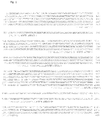
- Figure 1 shows the nucleotide sequences of human osteopontin gene and sequences targeted by siRNA of the present invention.
- a complementary strand to" a certain RNA sequence refers to RNA that is complementary in its base sequence to the RNA having the certain nucleotide sequence based on base-pairing relationships, i.e., A:U and G:C.
- a strand coding for the protein i.e., a strand having the same sequence as mRNA
- a strand having a sequence complementary in its base sequence to the sense strand is the antisense strand.
- RNA refers to a derivative of the RNA which has been modified for enhancing its stability.
- examples of such derivatives include: 3' overhang derivatives having several, preferably 2-4, more preferably 2 or 3, and most preferably two dTs added to the 3'-end; derivatives modified with polyethyleneglycol, cholesterol, 2'-o-methyl or the like; derivatives bound with two promoters such as U6 promoters, sense RNA and antisense RNA to be integrated into a so-called tandem-type siRNA expression vector, a specific example being a derivative bound with U6 promoter, sense RNA, five Ts, U6 promoter, antisense RNA and five Ts; and derivatives bound with a promoter such as U6 promoter, sense RNA, loop sequence and antisense RNA to be integrated into a so-called stem-loop-type siRNA expression vector for producing siRNA via short hairpin RNA, a specific example being a derivative bound with U6 promoter, sense RNA
- the present invention provides RNA having the sequence represented by SEQ ID NO:3, 4, 5, 6 or 7, and double-stranded RNA comprising any of these RNAs and a complementary strand thereof, or a derivative thereof.
- RNA interference refers to a phenomenon where double-stranded RNA suppresses expression of a gene having a sequence homologous to this double-stranded RNA.
- RNAi Since RNAi is capable of disrupting a gene having a certain sequence, it is effective in analyzing a gene function and suppressing expression of the certain gene. It is also characterized by relatively long duration of effects for a small amount of introduction into a cell.
- Double-stranded RNA comprising RNA having the human-osteopontin-gene-derived sequence represented by SEQ ID NO:3, 4, 5, 6 or 7 of the present invention and a complementary strand thereof, or a derivative thereof may be used as siRNA having such RNAi effects.
- siRNAs or derivatives thereof may sometimes be referred to as "siRNA of the invention” or "human OPN siRNA of the invention”.
- the siRNA of the invention may be synthesized by a routine method with a commercially available DNA/RNA synthesizer, for example, Applied Biosystems 394 synthesizer.
- the present invention provides a siRNA expression vector carrying the RNA of the invention.
- the vector of the invention may be used for expressing siRNA of the invention in a target cell.
- the siRNA expression vector of the invention may be prepared according to a routine method.
- the vector may be prepared by amplifying the promoter moiety by PCR with primers containing the sense and antisense sequences, cleaving the amplified fragment with a restriction enzyme, and inserting it downstream of the promoter of the vector (e.g., U6 promoter).
- the vector may be prepared by synthetically annealing an oligonucleotide containing sense/loop/antisense sequences, and inserting it downstream of the promoter of the vector (e.g., U6 promoter).
- the present invention provides a composition for suppressing the expression of osteopontin, comprising siRNA of the invention.
- the present invention further provides a medicine for suppressing the expression of osteopontin, comprising siRNA of the invention as an active ingredient, and a medicine for treating a disease caused by enhancement of osteopontin, comprising siRNA of the invention as an active ingredient.
- a composition comprising siRNA of the invention may be prepared as a pharmaceutical composition by itself or as a mixture with known pharmaceutically acceptable carriers (including an excipient, a filler, a binder, a lubricant and the like) and commonly used additives, for usage in treatment of human diseases. Since the siRNA of the invention is effective in suppressing expression of osteopontin, a pharmaceutical composition comprising the siRNA of the invention as an active ingredient may be used for treating diseases caused by enhancement of osteopontin expression, typically, tumor, hepatitis, arterial sclerosis, multiple sclerosis, arthritis, rheumatism, or pulmonary fibrosis.
- diseases caused by enhancement of osteopontin expression typically, tumor, hepatitis, arterial sclerosis, multiple sclerosis, arthritis, rheumatism, or pulmonary fibrosis.
- a pharmaceutical composition of the invention may employ techniques for binding to a delivery carrier such as liposome, a site-specific antibody or a cell-species-specific functional peptide.
- a delivery carrier such as liposome, a site-specific antibody or a cell-species-specific functional peptide.
- it may be orally or parenterally administered according to the prepared formulation (orally-administered agents such as tablet, pill, capsule, powder, granule and syrup; and parenterally-administered agents such as injectable agent, topical agent and suppository) or the like.
- the dosage varies depending on the type of the active ingredient, administration route, administration target, or age, weight and conditions of the patient and thus cannot simply be defined, but in general, a daily dose of several mg to about 2 g, preferably about several tens mg may be administered once or in several times a day.
- RNA fragment was synthesized on a scale of 1 ⁇ mol.
- CPG Controlled Pore Glass
- ethanol 3: 1 v/v
- hOPN siRNA-4 and hOPN siRNA-6 were synthesized as positive controls while scrambled sequences Scr. Cont. C8 and Scr. Cont. C9 with GC contents of 52% and 47%, respectively, and having the following structures that differ from any of the siRNA sequences were synthesized as negative controls.
- OPN siRNA was introduced into cultured cells proliferated in a 24-well plate at logarithmic growth phase.
- As the cultured cells HT1080, NRC-12 and G361 cells that were endogenously expressing OPN were used.
- HT1080, NRC-12 and G361 cells were fibrosarcoma cell, kidney cancer cell and melanoma cell, respectively.
- Opti-MEM I medium Invitrogen, 2 ⁇ L of lipofectamine 2000 was added and left for 5 minutes. In another tube, 0.8 ⁇ g of siRNA was added to 50 ⁇ L of TIL medium. The contents of both tubes were mixed together and left for 20 minutes to prepare a siRNA-lipofectamine 2000 complex. The cells were washed with TIL medium, added with 500 ⁇ L of TIL medium, further added with the siRNA-lipofectamine 2000 complex, and cultured for 24 hours. Subsequently, the supernatant was collected to determine the OPN expression level by ELISA.
- RNAi effects of human OPN siRNAs were examined in terms of suppression of OPN secretion by measuring concentrations of OPN secreted from the cells with human osteopontin measurement ELISA kit (Immuno-Biological Laboratories).
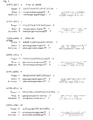
- siRNAs used in this example are shown in more detail in Figure 2 .
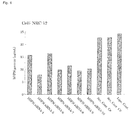
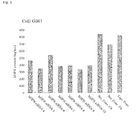
- the results from these experiments are shown in Figures 3-5 .
- the human OPN siRNAs of the invention (hOPN siRNAs-5, 7, 8, 9 and 10) showed remarkably higher OPN knockdown effect than prior art human OPN siRNAs (hOPN siRNAs-4 and 6) in all of the cell lines, i.e., HT1080 ( Figure 3 ), NRC-12 ( Figure 4 ) and G361 ( Figure 5 ).
- human OPN siRNA of the present invention shows significantly higher suppression effect on OPN secretion than prior art OPN siRNA, it may advantageously be used as a medicine for treating a disease caused by enhancement of human osteopontin.
Landscapes
- Health & Medical Sciences (AREA)
- Life Sciences & Earth Sciences (AREA)
- Chemical & Material Sciences (AREA)
- Organic Chemistry (AREA)
- Engineering & Computer Science (AREA)
- General Health & Medical Sciences (AREA)
- Medicinal Chemistry (AREA)
- Bioinformatics & Cheminformatics (AREA)
- Genetics & Genomics (AREA)
- Veterinary Medicine (AREA)
- Animal Behavior & Ethology (AREA)
- Pharmacology & Pharmacy (AREA)
- Public Health (AREA)
- Molecular Biology (AREA)
- Nuclear Medicine, Radiotherapy & Molecular Imaging (AREA)
- General Chemical & Material Sciences (AREA)
- Chemical Kinetics & Catalysis (AREA)
- Biochemistry (AREA)
- Biomedical Technology (AREA)
- Zoology (AREA)
- Wood Science & Technology (AREA)
- General Engineering & Computer Science (AREA)
- Biotechnology (AREA)
- Biophysics (AREA)
- Gastroenterology & Hepatology (AREA)
- Epidemiology (AREA)
- Microbiology (AREA)
- Physics & Mathematics (AREA)
- Proteomics, Peptides & Aminoacids (AREA)
- Toxicology (AREA)
- Rheumatology (AREA)
- Plant Pathology (AREA)
- Cardiology (AREA)
- Pulmonology (AREA)
- Urology & Nephrology (AREA)
- Immunology (AREA)
- Orthopedic Medicine & Surgery (AREA)
- Physical Education & Sports Medicine (AREA)
- Pain & Pain Management (AREA)
- Vascular Medicine (AREA)
Abstract
Description
- The present invention relates to siRNA for suppressing expression of human osteopontin.
- Multicellular organisms are organized in hierarchical levels, i.e., cells-tissues-organs-individuals, and formed through adhesion of cells, i.e., minimum units, to each other or to extracellular materials. Tissues are composed through cell-to-cell adhesion as well as cell-to-extracellular-matrix adhesion. For such cell-to-cell adhesion, extracellular matrices, cellular adhesion molecules present in the membranes and intracellular cytoskeletons as connections between the cellular adhesion molecules play important roles. The cellular adhesion molecules involved in cell-to-extracellular-matrix adhesion assume roles of cell differentiation and signaling through adhesion of the extracellular matrices. Accordingly, analysis of the mechanism of adhesion between a cellular adhesion molecule and an extracellular matrix will lead to elucidation of mechanisms of various diseases and even to treatments thereof.
- Osteopontin (OPN), one type of extracellular matrices, is a secreted acidic phosphorylated glycoprotein with a molecular weight of about 41kDa, where GRGDS sequence that is important for adhesion to integrins such as αv is present in the middle of the molecule, which is immediately followed by a thrombin cleavage site (R168S169). In addition, SVVYGLR sequence immediately following the GRGDS sequence binds to inflammation-related
integrins α9 β 1,α4 β 1 andα4 βa 7. - OPN has been reported of its variety of functions such as cellular adhesion, cell migration, control of nitric oxide (NO) production and involvement in the immune system, and have been shown to be involved in many refractory disease conditions such as cancer metastasis, chronic inflammatory diseases such as rheumatoid arthritis and multiple sclerosis and autoimmune diseases.
- In particular, direct involvement of OPN has been suggested in inflammatory diseases. Since α9 and α4 integrins as OPN receptors are expressed on neutrophils and lymphocytes, respectively, suppression of OPN functions is considered to suppress migration of leukocytes including neutrophils and expected to provide an anti-inflammatory effect.
- In fact, OPN-deficient mice have been reported to show resistance to diseases such as tumor, rheumatoid arthritis, multiple sclerosis (EAE) and arterial sclerosis (Non-patent documents 1-4). Moreover, there is also a report of rheumatoid arthritis relief by the use of an OPN-neutralizing antibody (Non-patent document 5).
- Thus, application of RNAi (RNA interference) technique, a novel molecule-specific knockdown technique, to treatments was examined with the expectation of its therapeutic effect through inhibition of OPN functions.
- RNAi technique is a technique of rapidly suppressing expression of a specific gene at gene level using small interfering dsRNA (siRNA (small interfering RNA)) (Non-patent
documents 6 and 7). This was based on the concept of providing cure of diseases by selecting multiple target sequences from mRNA sequence of OPN and synthesizing siRNAs thereof to knock down OPN. -
Patent document 1 describes the use of RNA coding for an osteopontin moiety for the treatment of an IL-1β-related connective tissue disease. There is, however, no disclosure about the use of it as siRNA. - Patent document 2 describes about siRNA for FGFR (fibroblast growth factor receptors) and that FGFR enhances expression of OPN gene. There is, however, no disclosure about siRNA for OPN.
- Furthermore, a kit for genetic manipulation is commercially available which comprises pools of siRNAs obtained by producing double-stranded RNAs in vitro with a vector and cleaving them with Dicer, a member of the RNaseIII nuclease family (SuperSilencing™ Human SPP1 siRNA kit (Secreted phosphoprotein 1 (osteopontin, bone sialoprotein I, early T-lymphocyte activation 1)) Non-patent document 8). This kit, however, is used for inhibiting expression of a specific gene with siRNA for the purpose of gene expression studies, and there is no disclosure about medicinal use of siRNA. Moreover, since siRNA produced according to the above-described production method also contains short RNA fragments that are not specific to the molecular, it has the drawback of low specificity for gene knockdown.
- Recently, siRNAs were found from mRNAs of mouse, rat and human OPNs as siRNAs for OPN that were useful as a medicine or the like for treating diseases arising from enhancement of osteopontin (Patent document 3).
- [Patent document 1] Japanese Patent Laid-Open Application No.
8-191693 - [Patent document 2]
US Patent Application Publication No. 2003/0143676 A1 (specification) - [Patent document 3] Japanese Patent Laid-Open Application No.
2005-323591 - [Non-patent document 2] Yumoto K, Ishijima M, Rittling SR, Tsuji K, Tsuchiya Y, Kon S, Nifuji A, Uede T, Denhardt DT, Noda M. Osteopontin deficiency protects joints against destruction in anti-type II collagen antibody-induced arthritis in mice. Proc Natl Acad Sci USA. 99:4556-4561, 2002.
- [Non-patent document 3] Chabas D, Baranzini SE, Mitchell D, Bernard CC, Rittling SR, Denhardt DT, Sobel RA, Lock C, Karpuj M, Pedotti R, Heller R, Oksenberg JR, Steinman L. The influence of the proinflammatory cytokine, osteopontin, on autoimmune demyelinating disease. Science. 294:1731-5, 2001.
- [Non-patent document 4] Matsui Y, Rittling SR, Okamoto H, Inobe M, Jia N, Shimizu T, Akino M, Sugawara T, Morimoto J, Kimura C, Kon S, Denhardt D, Kitabatake A, Uede T. Osteopontin Deficiency Attenuates Atherosclerosis in Female Apolipoprotein E-Deficient Mice. Arterioscler Thromb Vasc Biol. 23:1029-34, 2003.
- [Non-patent document 5] Yamamoto N, Sakai F, Kon S, Morimoto J, Kimura C, Yamazaki H, Okazaki I, Seki N, Fujii T, Uede T. Essential role of the cryptic epitope SLAYGLR within osteopontin in a murine model of rheumatoid arthritis. J Clin Invest. 112:181-8, 2003.
- [Non-patent document 6] Fire A, Xu S, Montgomery MK, Kostas SA, Driver SE, Mello CC. Potent and specific genetic interference by double-stranded RNA in Caenorhabditis elegans. Nature. 391:806-11, 1998.
- [Non-patent document 7] Elbashir SM, Harborth J, Lendeckel W, Yalcin A, Weber K, Tuschl T. Duplexes of 21-nucleotide RNAs mediate RNA interference in cultured mammalian cells. Nature. 411:494-8, 2001.
- [Non-patent document 8] Product manual for SuperSilencing™, SuperArray [as searched on March 22, 2004]. Internet < URL: http://www.superarray.com/sirnaqa.php>
- Under such circumstances, development of siRNA has been desired that is more effective in treating human diseases caused by enhancement of human osteopontin than conventional siRNA.
- The inventor of the present application has gone through keen examination, and found siRNA that suppresses expression of human osteopontin in a more specific and strong manner as compared to known siRNA, thereby accomplishing the present invention. Thus, the present invention provides the following RNA, siRNA, and a composition and a medicine comprising the same.
-
- (1) RNA having the sequence represented by SEQ ID NO: 3, 4, 5, 6 or 7, a complementary strand thereof, or a derivative thereof.
- (2) Double-stranded RNA comprising RNA having the sequence represented by SEQ ID NO: 3, 4, 5, 6 or 7 and a complementary strand thereof; or a derivative thereof.
- (3) A pharmaceutical composition for suppressing expression of osteopontin, comprising the double-stranded RNA or a derivative thereof according to (2) above.
- (4) A medicine for suppressing expression of osteopontin, comprising the double-stranded RNA or a derivative thereof according to (2) above as an active ingredient.
- (5) A medicine for treating a disease caused by enhancement of osteopontin, comprising the double-stranded RNA or a derivative thereof according to (2) above as an active ingredient.
- (6) A medicine according to (5) above, wherein the disease caused by enhancement of osteopontin is tumor, hepatitis, arterial sclerosis, multiple sclerosis, arthritis, rheumatism or pulmonary fibrosis.
- (7) A siRNA expression vector comprising the RNA according to (1) above.
- siRNAs of the invention target different mRNA sites of human OPN from that targeted by conventional siRNA for human OPN mRNA, and are remarkably higher in their effects to knock down human OPN gene. Hence, they are more suitable as a medicine or the like for treating diseases caused by enhancement of human osteopontin.
-
- [
Figure 1] Figure 1 shows sequences targeted by human OPN siRNAs and locations thereof, along with hOPN siRNAs of the present invention (hOPN siRNA-5, 7, 8, 9, 10). - [
Figure 2] Figure 2 shows sequences of human OPN siRNAs used in the example. - [
Figure 3] Figure 3 is a graph showing the effects of human OPN siRNAs in suppressing OPN secretion in HT1080 cell. - [
Figure 4] Figure 4 is a graph showing the effects of human OPN siRNAs in suppressing OPN secretion in NRC-12 cell. - [
Figure 5] Figure 5 is a graph showing the effects of human OPN siRNAs in suppressing OPN secretion in G361 cell. - Hereinafter, embodiments of the invention will be described in detail.
- In one embodiment, the present invention provides RNA having the sequence represented by SEQ ID NO:3, 4, 5, 6 or 7 derived from human osteopontin gene, a complementary strand thereof, or a derivative thereof. Herein, these RNAs or derivatives thereof may sometimes be referred to as "RNA of the invention".
- Herein, the term "osteopontin" or "human osteopontin" refers to human osteopontin protein having the amino acid sequence represented by SEQ ID NO:1, which, also called secreted
phospho protein 1, is one type of adhesion proteins included in the bone matrix. Osteopontin has an integrin-binding RGD sequence and shows an effect of adhering both osteoclasts and osteoblasts to the periphery of bone tissue. Moreover, osteopontin is negatively charged in a strong manner, which allows hydroxyapatite deposition and bone calcium retainment. - The nucleotide sequence of human osteopontin gene is represented by SEQ ID NO:2.
-
Figure 1 shows the nucleotide sequences of human osteopontin gene and sequences targeted by siRNA of the present invention. - Herein, "a complementary strand to" a certain RNA sequence refers to RNA that is complementary in its base sequence to the RNA having the certain nucleotide sequence based on base-pairing relationships, i.e., A:U and G:C. Among the complementary double-stranded DNA, a strand coding for the protein, i.e., a strand having the same sequence as mRNA, is the sense strand whereas a strand having a sequence complementary in its base sequence to the sense strand is the antisense strand.
- Herein, "a derivative thereof' with respect to RNA refers to a derivative of the RNA which has been modified for enhancing its stability. Examples of such derivatives include: 3' overhang derivatives having several, preferably 2-4, more preferably 2 or 3, and most preferably two dTs added to the 3'-end; derivatives modified with polyethyleneglycol, cholesterol, 2'-o-methyl or the like; derivatives bound with two promoters such as U6 promoters, sense RNA and antisense RNA to be integrated into a so-called tandem-type siRNA expression vector, a specific example being a derivative bound with U6 promoter, sense RNA, five Ts, U6 promoter, antisense RNA and five Ts; and derivatives bound with a promoter such as U6 promoter, sense RNA, loop sequence and antisense RNA to be integrated into a so-called stem-loop-type siRNA expression vector for producing siRNA via short hairpin RNA, a specific example being a derivative bound with U6 promoter, sense RNA, a loop sequence such as gtgtgctgtcc and antisense RNA.
- In another embodiment, the present invention provides RNA having the sequence represented by SEQ ID NO:3, 4, 5, 6 or 7, and double-stranded RNA comprising any of these RNAs and a complementary strand thereof, or a derivative thereof.
- Herein, "siRNA (small interfering RNA)" refers to double-stranded RNA of 21-27bp that is capable of inducing RNA interference (RNAi). In addition, RNA interference refers to a phenomenon where double-stranded RNA suppresses expression of a gene having a sequence homologous to this double-stranded RNA.
- Since RNAi is capable of disrupting a gene having a certain sequence, it is effective in analyzing a gene function and suppressing expression of the certain gene. It is also characterized by relatively long duration of effects for a small amount of introduction into a cell.
- Double-stranded RNA comprising RNA having the human-osteopontin-gene-derived sequence represented by SEQ ID NO:3, 4, 5, 6 or 7 of the present invention and a complementary strand thereof, or a derivative thereof may be used as siRNA having such RNAi effects. Herein, these siRNAs or derivatives thereof may sometimes be referred to as "siRNA of the invention" or "human OPN siRNA of the invention".
- The siRNA of the invention may be synthesized by a routine method with a commercially available DNA/RNA synthesizer, for example, Applied Biosystems 394 synthesizer.
- In another embodiment, the present invention provides a siRNA expression vector carrying the RNA of the invention. The vector of the invention may be used for expressing siRNA of the invention in a target cell.
- The siRNA expression vector of the invention may be prepared according to a routine method. In the case of a tandem type vector, the vector may be prepared by amplifying the promoter moiety by PCR with primers containing the sense and antisense sequences, cleaving the amplified fragment with a restriction enzyme, and inserting it downstream of the promoter of the vector (e.g., U6 promoter). In the case of a stem-loop type vector, the vector may be prepared by synthetically annealing an oligonucleotide containing sense/loop/antisense sequences, and inserting it downstream of the promoter of the vector (e.g., U6 promoter).
- In another embodiment, the present invention provides a composition for suppressing the expression of osteopontin, comprising siRNA of the invention. In another embodiment, the present invention further provides a medicine for suppressing the expression of osteopontin, comprising siRNA of the invention as an active ingredient, and a medicine for treating a disease caused by enhancement of osteopontin, comprising siRNA of the invention as an active ingredient.
- Furthermore, a composition comprising siRNA of the invention may be prepared as a pharmaceutical composition by itself or as a mixture with known pharmaceutically acceptable carriers (including an excipient, a filler, a binder, a lubricant and the like) and commonly used additives, for usage in treatment of human diseases. Since the siRNA of the invention is effective in suppressing expression of osteopontin, a pharmaceutical composition comprising the siRNA of the invention as an active ingredient may be used for treating diseases caused by enhancement of osteopontin expression, typically, tumor, hepatitis, arterial sclerosis, multiple sclerosis, arthritis, rheumatism, or pulmonary fibrosis. For in vivo stability and a method for delivery to body, a pharmaceutical composition of the invention may employ techniques for binding to a delivery carrier such as liposome, a site-specific antibody or a cell-species-specific functional peptide. In addition, it may be orally or parenterally administered according to the prepared formulation (orally-administered agents such as tablet, pill, capsule, powder, granule and syrup; and parenterally-administered agents such as injectable agent, topical agent and suppository) or the like. The dosage varies depending on the type of the active ingredient, administration route, administration target, or age, weight and conditions of the patient and thus cannot simply be defined, but in general, a daily dose of several mg to about 2 g, preferably about several tens mg may be administered once or in several times a day.
- Hereinafter, the present invention will be described by means of examples, which should not limit the scope of the present invention.
- Libonucleoside 3'-phosphoramidite (GLEN Research) was used to synthesize an oligoribonucleotide with an automatic DNA synthesizer (Applied Biosystem Model 394A). Each RNA fragment was synthesized on a scale of 1 µmol. At the end of synthesis, CPG (Controlled Pore Glass) bound with the synthesized oligonucleotide was treated with a concentrated ammonia water: ethanol (3: 1 v/v) mixture at room temperature for 2 hours to excise the oligoribonucleotide from the CPG resin, which was further heated at 55°C for 16 hours. hOPN siRNA-4 and hOPN siRNA-6 were synthesized as positive controls while scrambled sequences Scr. Cont. C8 and Scr. Cont. C9 with GC contents of 52% and 47%, respectively, and having the following structures that differ from any of the siRNA sequences were synthesized as negative controls.
- Scr. Cont. C8 : 5'- ACTCTATCTGCACGCTGAC -3' (SEQ ID NO:10)
- Scr. Cont. C9 : 5'- ATTGTATGCGATCGCAGAC -3' (SEQ ID NO:11)
- The solvent was distilled away, and 1ml of 1M TBAF (tetrabutylammonium fluoride)/THF (tetrahydrofuran) solution was added to the residue and agitated at 37°C for 16 hours. To this, 5 ml of 0.1M triethylammonium acetate (pH 7.0) was added and the resultant was separated by C18 (Waters) open column chromatography (column size 1.5 x 12 cm: eluted with a gradient of solvents of 5-40% acetonitrile in 50 mM aqueous triethylammonium bicarbonate solution). Fractions that presented color development of dimethoxytrityl eluted with acetonitrile with a concentration of about 30% were collected, to which 5 ml of 0.01N hydrochloric acid was added, followed by agitation for 15 minutes to remove the dimethoxytrityl group. The resultant was neutralized with 0.1N ammonia water and the aqueous layer was washed with ethyl acetate. The resultant was dissolved into 1 ml of sterilized water after distilling the solvent away. Oligoribonucleotides in these fractions were separated and collected by reversed-phase HPLC, and further separated and collected by ion-exchange HPLC and purified. The resultant oligonucleotides were subjected to the experiment described below.
-
- Column:
- µ-Bondasphere (C-18) column, Φ3.9 x 150 mm (Waters)
- Solvents:
-
Solution A 5% acetonitrile/0.1M TEAA (pH7.0); and
Solution B 25% acetonitrile/0.1M TEAA (pH7.0). -
- Column:
- TSK gel DEAE 2SW column, 4.6 x 250 mm, Tosoh
- Solvent:
- Solution A 20% acetonitrile; and
Solution B 20% acetonitrile in 2M ammonium formate. - According to a lipofection technique using lipofectamine 2000 (Invitrogen, Carlsbad, CA), OPN siRNA was introduced into cultured cells proliferated in a 24-well plate at logarithmic growth phase. As the cultured cells, HT1080, NRC-12 and G361 cells that were endogenously expressing OPN were used. Here, HT1080, NRC-12 and G361 cells were fibrosarcoma cell, kidney cancer cell and melanoma cell, respectively.
- To 50 µL of Opti-MEM I medium (Invitrogen), 2 µL of lipofectamine 2000 was added and left for 5 minutes. In another tube, 0.8 µg of siRNA was added to 50 µL of TIL medium. The contents of both tubes were mixed together and left for 20 minutes to prepare a siRNA-lipofectamine 2000 complex. The cells were washed with TIL medium, added with 500 µL of TIL medium, further added with the siRNA-lipofectamine 2000 complex, and cultured for 24 hours. Subsequently, the supernatant was collected to determine the OPN expression level by ELISA.
- RNAi effects of human OPN siRNAs were examined in terms of suppression of OPN secretion by measuring concentrations of OPN secreted from the cells with human osteopontin measurement ELISA kit (Immuno-Biological Laboratories).
- The abilities of the human OPN siRNAs of the present invention to suppress metastasis in HT1080 (Human fibrosarcoma), NRC-12 and G361 cells were examined using the above-described ELISA kit. Sense strands of human OPN siRNAs used are shown in Table 1 below (dT at the 3' end being omitted).
[Table 1] Name of sequence Sequence SEQ ID NO: hOPN siRNA-5 5'-CCAAGUAAGUCCAACGAAA-3' 3 hOPN siRNA-7 5'-GGUCAAAAUCUAAGAAGUU-3' 4 hOPN siRNA-8 5'-GGGAAGGACAGUUAUGAAA-3' 5 hOPN siRNA-9 5'-TTGGTTGAATGTGTATCTATTTG-3' 6 hOPN siRNA-10 5'-ACUAAAAGCUUCAGGGUUA-3' 7 hOPN siRNA-4 5'-AACCCUGACCCAUCUCAGAAG-3' 8 hOPN siRNA-6 5'-AAGUCCAACGAAAGCCAUGAC-3' 9 - The sequences of siRNAs used in this example are shown in more detail in
Figure 2 . - As controls, scrambled sequence Scr. Cont. C8 with a GC content of 52% and scrambled sequence Scr. Cont. C9 with a GC content of 47% which were different from any of the siRNA sequences, as well as Lipo. Cont. consisting only of lipofectamine 2000 were used.
- The results from these experiments are shown in
Figures 3-5 . The human OPN siRNAs of the invention (hOPN siRNAs-5, 7, 8, 9 and 10) showed remarkably higher OPN knockdown effect than prior art human OPN siRNAs (hOPN siRNAs-4 and 6) in all of the cell lines, i.e., HT1080 (Figure 3 ), NRC-12 (Figure 4 ) and G361 (Figure 5 ). - Thus, since human OPN siRNA of the present invention shows significantly higher suppression effect on OPN secretion than prior art OPN siRNA, it may advantageously be used as a medicine for treating a disease caused by enhancement of human osteopontin.


Claims (7)
- RNA having the sequence represented by SEQ ID NO:3, 4, 5, 6 or 7, a complementary strand thereof, or a derivative thereof.
- Double-stranded RNA comprising RNA having the sequence represented by SEQ ID NO:3, 4, 5, 6 or 7 and a complementary strand thereof; or a derivative thereof.
- A pharmaceutical composition for suppressing expression of osteopontin, comprising the double-stranded RNA or a derivative thereof according to Claim 2.
- A medicine for suppressing expression of osteopontin, comprising the double-stranded RNA or a derivative thereof according to Claim 2 as an active ingredient.
- A medicine for treating a disease caused by enhancement of osteopontin, comprising the double-stranded RNA or a derivative thereof according to Claim 2 as an active ingredient.
- A medicine according to Claim 5, wherein the disease caused by enhancement of osteopontin is tumor, hepatitis, arterial sclerosis, multiple sclerosis, arthritis, rheumatism or pulmonary fibrosis.
- A siRNA expression vector comprising the RNA according to Claim 1.
Applications Claiming Priority (1)
| Application Number | Priority Date | Filing Date | Title |
|---|---|---|---|
| PCT/JP2008/060441 WO2009147742A1 (en) | 2008-06-06 | 2008-06-06 | Sirna of human osteopontin |
Publications (2)
| Publication Number | Publication Date |
|---|---|
| EP2290063A1 true EP2290063A1 (en) | 2011-03-02 |
| EP2290063A4 EP2290063A4 (en) | 2011-07-27 |
Family
ID=41397834
Family Applications (1)
| Application Number | Title | Priority Date | Filing Date |
|---|---|---|---|
| EP08765254A Withdrawn EP2290063A4 (en) | 2008-06-06 | 2008-06-06 | ARNSI OF HUMAN OSTEOPONTINE |
Country Status (8)
| Country | Link |
|---|---|
| US (1) | US20110092575A1 (en) |
| EP (1) | EP2290063A4 (en) |
| JP (1) | JPWO2009147742A1 (en) |
| KR (1) | KR20110010134A (en) |
| CN (1) | CN102099467A (en) |
| AU (1) | AU2008357371A1 (en) |
| CA (1) | CA2726885A1 (en) |
| WO (1) | WO2009147742A1 (en) |
Families Citing this family (4)
| Publication number | Priority date | Publication date | Assignee | Title |
|---|---|---|---|---|
| WO2021246744A1 (en) * | 2020-06-02 | 2021-12-09 | 가톨릭대학교 산학협력단 | Composition comprising osteopontin inhibitor as active ingredient for prevention, alleviation, or treatment of neurodegenerative disease |
| KR102580041B1 (en) * | 2020-06-02 | 2023-09-20 | 가톨릭대학교 산학협력단 | Composition for preventing, improving or treating neurodegenerative disease comprising osteopontin inhibitor as an active ingredient |
| WO2024233966A2 (en) * | 2023-05-10 | 2024-11-14 | The General Hospital Corporation | Modulating stromal and immune cells in atrial disease |
| CN121046387B (en) * | 2025-11-03 | 2026-02-06 | 谷雨生物科技集团股份有限公司 | SiRNA with skin cell aging resisting and repairing effects and application thereof |
Family Cites Families (6)
| Publication number | Priority date | Publication date | Assignee | Title |
|---|---|---|---|---|
| AU695117B2 (en) | 1994-10-06 | 1998-08-06 | Hoechst Aktiengesellschaft | Regulated genes by stimulation of chondrocytes with IL-1beta |
| US20030143676A1 (en) | 1999-03-25 | 2003-07-31 | Genesis Research And Development Corporation Limited | Fibroblast growth factor receptors and methods for their use |
| CA2370129A1 (en) * | 1999-04-15 | 2000-10-26 | Children's Medical Center Corporation | Methods and compositions for modulating an immune response |
| EP2305813A3 (en) * | 2002-11-14 | 2012-03-28 | Dharmacon, Inc. | Fuctional and hyperfunctional sirna |
| JP4589794B2 (en) | 2004-04-12 | 2010-12-01 | 生化学工業株式会社 | Osteopontin siRNA |
| JP2010507387A (en) * | 2006-10-25 | 2010-03-11 | クアーク・ファーマスーティカルス、インコーポレイテッド | Novel siRNA and method of using the same |
-
2008
- 2008-06-06 AU AU2008357371A patent/AU2008357371A1/en not_active Abandoned
- 2008-06-06 US US12/737,040 patent/US20110092575A1/en not_active Abandoned
- 2008-06-06 CA CA2726885A patent/CA2726885A1/en not_active Abandoned
- 2008-06-06 KR KR1020107029378A patent/KR20110010134A/en not_active Withdrawn
- 2008-06-06 CN CN2008801296119A patent/CN102099467A/en active Pending
- 2008-06-06 EP EP08765254A patent/EP2290063A4/en not_active Withdrawn
- 2008-06-06 WO PCT/JP2008/060441 patent/WO2009147742A1/en not_active Ceased
- 2008-06-06 JP JP2010515718A patent/JPWO2009147742A1/en not_active Withdrawn
Also Published As
| Publication number | Publication date |
|---|---|
| AU2008357371A1 (en) | 2009-12-10 |
| CN102099467A (en) | 2011-06-15 |
| EP2290063A4 (en) | 2011-07-27 |
| JPWO2009147742A1 (en) | 2011-10-20 |
| KR20110010134A (en) | 2011-01-31 |
| US20110092575A1 (en) | 2011-04-21 |
| WO2009147742A1 (en) | 2009-12-10 |
| CA2726885A1 (en) | 2009-12-10 |
Similar Documents
| Publication | Publication Date | Title |
|---|---|---|
| KR101718297B1 (en) | Organic compositions to treat hsf1-related diseases | |
| KR20140057374A (en) | Organic compositions to treat hsf1-related diseases | |
| US20150291954A1 (en) | Organic compositions to treat beta-catenin-related diseases | |
| WO2008087641A2 (en) | H19 silencing nucleic acid agents for treating rheumatoid arthritis | |
| US20110092575A1 (en) | Sirna of human osteopontin | |
| CN114174512B (en) | Asymmetric siRNA inhibits PD-1 expression | |
| JP5249998B2 (en) | Osteopontin siRNA | |
| EP1614751B1 (en) | Oligoribonucleotide sequence homologous to a cdna region which codes for the human cd40 receptor and duplex oligoribonucleotides, vectors, pharmaceutical compositions and uses associated thereto | |
| US11939578B2 (en) | Double-stranded RNA molecule targeting CKIP-1 and use thereof | |
| JP4589794B2 (en) | Osteopontin siRNA | |
| CN120574835B (en) | Small nucleic acid of target RANKL gene and application of small nucleic acid in treatment of orthopedic diseases | |
| JP2008142011A (en) | Osteopontin siRNA | |
| HK40025376B (en) | Double-stranded rna molecule targeting ckip-1 and use thereof | |
| HK40025017A (en) | Double-stranded rna molecule targeting ckip-1 and use thereof | |
| HK40025376A (en) | Double-stranded rna molecule targeting ckip-1 and use thereof |
Legal Events
| Date | Code | Title | Description |
|---|---|---|---|
| PUAI | Public reference made under article 153(3) epc to a published international application that has entered the european phase |
Free format text: ORIGINAL CODE: 0009012 |
|
| 17P | Request for examination filed |
Effective date: 20101207 |
|
| AK | Designated contracting states |
Kind code of ref document: A1 Designated state(s): AT BE BG CH CY CZ DE DK EE ES FI FR GB GR HR HU IE IS IT LI LT LU LV MC MT NL NO PL PT RO SE SI SK TR |
|
| AX | Request for extension of the european patent |
Extension state: AL BA MK RS |
|
| REG | Reference to a national code |
Ref country code: DE Ref legal event code: R079 Free format text: PREVIOUS MAIN CLASS: C12N0015090000 Ipc: A61K0031713000 |
|
| RIC1 | Information provided on ipc code assigned before grant |
Ipc: A61P 35/00 20060101ALI20110616BHEP Ipc: A61K 31/713 20060101AFI20110616BHEP |
|
| A4 | Supplementary search report drawn up and despatched |
Effective date: 20110627 |
|
| DAX | Request for extension of the european patent (deleted) | ||
| STAA | Information on the status of an ep patent application or granted ep patent |
Free format text: STATUS: THE APPLICATION IS DEEMED TO BE WITHDRAWN |
|
| 18D | Application deemed to be withdrawn |
Effective date: 20120125 |