EP2287162A1 - Derivatives of 4-piperazin-1-yl-4-benzo[b]thiophene suitable for the treatment of cns disorders - Google Patents
Derivatives of 4-piperazin-1-yl-4-benzo[b]thiophene suitable for the treatment of cns disorders Download PDFInfo
- Publication number
- EP2287162A1 EP2287162A1 EP10188683A EP10188683A EP2287162A1 EP 2287162 A1 EP2287162 A1 EP 2287162A1 EP 10188683 A EP10188683 A EP 10188683A EP 10188683 A EP10188683 A EP 10188683A EP 2287162 A1 EP2287162 A1 EP 2287162A1
- Authority
- EP
- European Patent Office
- Prior art keywords
- group
- lower alkyl
- alkyl group
- substituent
- groups
- Prior art date
- Legal status (The legal status is an assumption and is not a legal conclusion. Google has not performed a legal analysis and makes no representation as to the accuracy of the status listed.)
- Granted
Links
- 125000000217 alkyl group Chemical group 0.000 claims abstract description 1213
- 150000001875 compounds Chemical class 0.000 claims abstract description 175
- 150000003839 salts Chemical class 0.000 claims abstract description 74
- 150000002391 heterocyclic compounds Chemical class 0.000 claims abstract description 15
- 125000002947 alkylene group Chemical group 0.000 claims abstract description 11
- 208000015114 central nervous system disease Diseases 0.000 claims abstract description 8
- 125000004435 hydrogen atom Chemical group [H]* 0.000 claims abstract description 6
- 125000004450 alkenylene group Chemical group 0.000 claims abstract description 5
- -1 tetrahydrobenzothiazolyl group Chemical group 0.000 claims description 1870
- 125000001424 substituent group Chemical group 0.000 claims description 280
- 125000003545 alkoxy group Chemical group 0.000 claims description 258
- 125000005843 halogen group Chemical group 0.000 claims description 230
- 125000002252 acyl group Chemical group 0.000 claims description 202
- 125000003118 aryl group Chemical group 0.000 claims description 162
- 125000004453 alkoxycarbonyl group Chemical group 0.000 claims description 155
- 125000004043 oxo group Chemical group O=* 0.000 claims description 152
- 125000001997 phenyl group Chemical group [H]C1=C([H])C([H])=C(*)C([H])=C1[H] 0.000 claims description 151
- 229910052736 halogen Inorganic materials 0.000 claims description 118
- 125000003277 amino group Chemical group 0.000 claims description 107
- 125000005936 piperidyl group Chemical group 0.000 claims description 95
- 125000003917 carbamoyl group Chemical group [H]N([H])C(*)=O 0.000 claims description 92
- 125000002883 imidazolyl group Chemical group 0.000 claims description 83
- 125000004076 pyridyl group Chemical group 0.000 claims description 76
- 125000000719 pyrrolidinyl group Chemical group 0.000 claims description 69
- 125000002887 hydroxy group Chemical group [H]O* 0.000 claims description 67
- 125000004193 piperazinyl group Chemical group 0.000 claims description 66
- 238000006243 chemical reaction Methods 0.000 claims description 52
- 125000003342 alkenyl group Chemical group 0.000 claims description 51
- 125000002541 furyl group Chemical group 0.000 claims description 46
- 125000003435 aroyl group Chemical group 0.000 claims description 45
- 125000000168 pyrrolyl group Chemical group 0.000 claims description 41
- 125000002924 primary amino group Chemical group [H]N([H])* 0.000 claims description 40
- 125000002757 morpholinyl group Chemical group 0.000 claims description 39
- 125000001544 thienyl group Chemical group 0.000 claims description 36
- 125000003226 pyrazolyl group Chemical group 0.000 claims description 35
- 125000004093 cyano group Chemical group *C#N 0.000 claims description 34
- 125000004104 aryloxy group Chemical group 0.000 claims description 32
- 125000003236 benzoyl group Chemical group [H]C1=C([H])C([H])=C(C([H])=C1[H])C(*)=O 0.000 claims description 32
- 125000004414 alkyl thio group Chemical group 0.000 claims description 30
- 125000000335 thiazolyl group Chemical group 0.000 claims description 30
- 125000003178 carboxy group Chemical group [H]OC(*)=O 0.000 claims description 28
- 125000005236 alkanoylamino group Chemical group 0.000 claims description 26
- 125000002971 oxazolyl group Chemical group 0.000 claims description 24
- 125000001412 tetrahydropyranyl group Chemical group 0.000 claims description 21
- 238000000034 method Methods 0.000 claims description 20
- 201000000980 schizophrenia Diseases 0.000 claims description 20
- JPRPJUMQRZTTED-UHFFFAOYSA-N 1,3-dioxolanyl Chemical group [CH]1OCCO1 JPRPJUMQRZTTED-UHFFFAOYSA-N 0.000 claims description 19
- 125000005115 alkyl carbamoyl group Chemical group 0.000 claims description 18
- 125000002393 azetidinyl group Chemical group 0.000 claims description 18
- 125000003718 tetrahydrofuranyl group Chemical group 0.000 claims description 18
- 208000028698 Cognitive impairment Diseases 0.000 claims description 17
- 208000010877 cognitive disease Diseases 0.000 claims description 17
- 125000004390 alkyl sulfonyl group Chemical group 0.000 claims description 16
- 125000001624 naphthyl group Chemical group 0.000 claims description 16
- 208000007415 Anhedonia Diseases 0.000 claims description 15
- 125000000842 isoxazolyl group Chemical group 0.000 claims description 15
- 125000005052 dihydropyrazolyl group Chemical group N1(NCC=C1)* 0.000 claims description 14
- 125000003373 pyrazinyl group Chemical group 0.000 claims description 14
- 125000003739 carbamimidoyl group Chemical group C(N)(=N)* 0.000 claims description 13
- 125000004466 alkoxycarbonylamino group Chemical group 0.000 claims description 12
- 125000000304 alkynyl group Chemical group 0.000 claims description 12
- 125000004391 aryl sulfonyl group Chemical group 0.000 claims description 12
- 125000002047 benzodioxolyl group Chemical group O1OC(C2=C1C=CC=C2)* 0.000 claims description 12
- 208000037265 diseases, disorders, signs and symptoms Diseases 0.000 claims description 12
- 125000001041 indolyl group Chemical group 0.000 claims description 12
- 125000000449 nitro group Chemical group [O-][N+](*)=O 0.000 claims description 12
- 125000000160 oxazolidinyl group Chemical group 0.000 claims description 12
- 238000006467 substitution reaction Methods 0.000 claims description 12
- 125000001425 triazolyl group Chemical group 0.000 claims description 12
- 125000003302 alkenyloxy group Chemical group 0.000 claims description 11
- 125000003785 benzimidazolyl group Chemical group N1=C(NC2=C1C=CC=C2)* 0.000 claims description 11
- 125000004619 benzopyranyl group Chemical group O1C(C=CC2=C1C=CC=C2)* 0.000 claims description 11
- 125000003387 indolinyl group Chemical group N1(CCC2=CC=CC=C12)* 0.000 claims description 11
- 125000001984 thiazolidinyl group Chemical group 0.000 claims description 11
- 125000004397 aminosulfonyl group Chemical group NS(=O)(=O)* 0.000 claims description 10
- 125000002915 carbonyl group Chemical group [*:2]C([*:1])=O 0.000 claims description 10
- 125000004598 dihydrobenzofuryl group Chemical group O1C(CC2=C1C=CC=C2)* 0.000 claims description 10
- 208000035475 disorder Diseases 0.000 claims description 10
- 125000002632 imidazolidinyl group Chemical group 0.000 claims description 9
- 125000001786 isothiazolyl group Chemical group 0.000 claims description 8
- 125000001113 thiadiazolyl group Chemical group 0.000 claims description 8
- 208000027520 Somatoform disease Diseases 0.000 claims description 7
- 125000004639 dihydroindenyl group Chemical group C1(CCC2=CC=CC=C12)* 0.000 claims description 7
- 125000003965 isoxazolidinyl group Chemical group 0.000 claims description 7
- 239000008194 pharmaceutical composition Substances 0.000 claims description 7
- 125000005554 pyridyloxy group Chemical group 0.000 claims description 7
- 125000005493 quinolyl group Chemical group 0.000 claims description 7
- 125000003831 tetrazolyl group Chemical group 0.000 claims description 7
- 208000024827 Alzheimer disease Diseases 0.000 claims description 6
- 206010003805 Autism Diseases 0.000 claims description 6
- 208000020706 Autistic disease Diseases 0.000 claims description 6
- 208000018737 Parkinson disease Diseases 0.000 claims description 6
- 125000003282 alkyl amino group Chemical group 0.000 claims description 6
- 208000012839 conversion disease Diseases 0.000 claims description 6
- 125000004852 dihydrofuranyl group Chemical group O1C(CC=C1)* 0.000 claims description 6
- 239000003814 drug Substances 0.000 claims description 6
- 229940079593 drug Drugs 0.000 claims description 6
- 125000003453 indazolyl group Chemical group N1N=C(C2=C1C=CC=C2)* 0.000 claims description 6
- 230000004770 neurodegeneration Effects 0.000 claims description 6
- 208000015122 neurodegenerative disease Diseases 0.000 claims description 6
- 208000019906 panic disease Diseases 0.000 claims description 6
- 125000003170 phenylsulfonyl group Chemical group C1(=CC=CC=C1)S(=O)(=O)* 0.000 claims description 6
- 125000000464 thioxo group Chemical group S=* 0.000 claims description 6
- 239000004480 active ingredient Substances 0.000 claims description 5
- 125000004634 hexahydroazepinyl group Chemical group N1(CCCCCC1)* 0.000 claims description 5
- 208000024714 major depressive disease Diseases 0.000 claims description 5
- 125000000951 phenoxy group Chemical group [H]C1=C([H])C([H])=C(O*)C([H])=C1[H] 0.000 claims description 5
- 125000003349 3-pyridyl group Chemical group N1=C([H])C([*])=C([H])C([H])=C1[H] 0.000 claims description 4
- 208000012902 Nervous system disease Diseases 0.000 claims description 4
- 125000000113 cyclohexyl group Chemical group [H]C1([H])C([H])([H])C([H])([H])C([H])(*)C([H])([H])C1([H])[H] 0.000 claims description 4
- 208000011117 substance-related disease Diseases 0.000 claims description 4
- 208000008811 Agoraphobia Diseases 0.000 claims description 3
- 206010001605 Alcohol poisoning Diseases 0.000 claims description 3
- 208000007848 Alcoholism Diseases 0.000 claims description 3
- 208000036864 Attention deficit/hyperactivity disease Diseases 0.000 claims description 3
- 208000027691 Conduct disease Diseases 0.000 claims description 3
- 206010012218 Delirium Diseases 0.000 claims description 3
- 201000010374 Down Syndrome Diseases 0.000 claims description 3
- 208000010228 Erectile Dysfunction Diseases 0.000 claims description 3
- 208000026097 Factitious disease Diseases 0.000 claims description 3
- 208000011688 Generalised anxiety disease Diseases 0.000 claims description 3
- 201000001916 Hypochondriasis Diseases 0.000 claims description 3
- 208000004356 Hysteria Diseases 0.000 claims description 3
- 208000036626 Mental retardation Diseases 0.000 claims description 3
- 208000019695 Migraine disease Diseases 0.000 claims description 3
- 208000019022 Mood disease Diseases 0.000 claims description 3
- 208000008589 Obesity Diseases 0.000 claims description 3
- 208000021384 Obsessive-Compulsive disease Diseases 0.000 claims description 3
- 208000002193 Pain Diseases 0.000 claims description 3
- 206010033664 Panic attack Diseases 0.000 claims description 3
- 208000006262 Psychological Sexual Dysfunctions Diseases 0.000 claims description 3
- 208000028017 Psychotic disease Diseases 0.000 claims description 3
- 208000030047 Sexual desire disease Diseases 0.000 claims description 3
- 201000001880 Sexual dysfunction Diseases 0.000 claims description 3
- 206010041250 Social phobia Diseases 0.000 claims description 3
- 208000033039 Somatisation disease Diseases 0.000 claims description 3
- 208000000323 Tourette Syndrome Diseases 0.000 claims description 3
- 208000016620 Tourette disease Diseases 0.000 claims description 3
- 208000031674 Traumatic Acute Stress disease Diseases 0.000 claims description 3
- 208000028552 Treatment-Resistant Depressive disease Diseases 0.000 claims description 3
- 206010044688 Trisomy 21 Diseases 0.000 claims description 3
- 206010047700 Vomiting Diseases 0.000 claims description 3
- 208000026345 acute stress disease Diseases 0.000 claims description 3
- 208000012826 adjustment disease Diseases 0.000 claims description 3
- 206010001584 alcohol abuse Diseases 0.000 claims description 3
- 208000025746 alcohol use disease Diseases 0.000 claims description 3
- 125000001769 aryl amino group Chemical group 0.000 claims description 3
- 208000015802 attention deficit-hyperactivity disease Diseases 0.000 claims description 3
- 208000026725 cyclothymic disease Diseases 0.000 claims description 3
- 208000018459 dissociative disease Diseases 0.000 claims description 3
- 239000003937 drug carrier Substances 0.000 claims description 3
- 206010013663 drug dependence Diseases 0.000 claims description 3
- 208000024732 dysthymic disease Diseases 0.000 claims description 3
- 230000004970 emotional disturbance Effects 0.000 claims description 3
- 208000029364 generalized anxiety disease Diseases 0.000 claims description 3
- 230000000642 iatrogenic effect Effects 0.000 claims description 3
- 201000001881 impotence Diseases 0.000 claims description 3
- 230000035987 intoxication Effects 0.000 claims description 3
- 231100000566 intoxication Toxicity 0.000 claims description 3
- 230000003340 mental effect Effects 0.000 claims description 3
- 206010027599 migraine Diseases 0.000 claims description 3
- 201000003152 motion sickness Diseases 0.000 claims description 3
- 235000020824 obesity Nutrition 0.000 claims description 3
- 208000027753 pain disease Diseases 0.000 claims description 3
- 208000028173 post-traumatic stress disease Diseases 0.000 claims description 3
- 230000008569 process Effects 0.000 claims description 3
- 230000003236 psychic effect Effects 0.000 claims description 3
- 231100000872 sexual dysfunction Toxicity 0.000 claims description 3
- 208000019116 sleep disease Diseases 0.000 claims description 3
- 208000020685 sleep-wake disease Diseases 0.000 claims description 3
- 208000016994 somatization disease Diseases 0.000 claims description 3
- 208000016686 tic disease Diseases 0.000 claims description 3
- 230000008673 vomiting Effects 0.000 claims description 3
- 208000000103 Anorexia Nervosa Diseases 0.000 claims description 2
- 206010006550 Bulimia nervosa Diseases 0.000 claims description 2
- 208000020401 Depressive disease Diseases 0.000 claims description 2
- 125000002490 anilino group Chemical group [H]N(*)C1=C([H])C([H])=C([H])C([H])=C1[H] 0.000 claims description 2
- 201000003104 endogenous depression Diseases 0.000 claims description 2
- 125000005476 oxopyrrolidinyl group Chemical group 0.000 claims description 2
- 238000001228 spectrum Methods 0.000 abstract description 5
- 231100000957 no side effect Toxicity 0.000 abstract 1
- 208000020016 psychiatric disease Diseases 0.000 abstract 1
- 125000004432 carbon atom Chemical group C* 0.000 description 202
- 125000001495 ethyl group Chemical group [H]C([H])([H])C([H])([H])* 0.000 description 113
- 235000002639 sodium chloride Nutrition 0.000 description 70
- 125000002496 methyl group Chemical group [H]C([H])([H])* 0.000 description 42
- 125000001436 propyl group Chemical group [H]C([*])([H])C([H])([H])C([H])([H])[H] 0.000 description 39
- 230000000694 effects Effects 0.000 description 31
- LFQSCWFLJHTTHZ-UHFFFAOYSA-N Ethanol Chemical compound CCO LFQSCWFLJHTTHZ-UHFFFAOYSA-N 0.000 description 28
- 125000004356 hydroxy functional group Chemical group O* 0.000 description 27
- 239000002904 solvent Substances 0.000 description 22
- 125000002911 monocyclic heterocycle group Chemical group 0.000 description 21
- 125000000484 butyl group Chemical group [H]C([*])([H])C([H])([H])C([H])([H])C([H])([H])[H] 0.000 description 18
- 125000004433 nitrogen atom Chemical group N* 0.000 description 18
- LYCAIKOWRPUZTN-UHFFFAOYSA-N Ethylene glycol Chemical compound OCCO LYCAIKOWRPUZTN-UHFFFAOYSA-N 0.000 description 16
- 125000004051 hexyl group Chemical group [H]C([H])([H])C([H])([H])C([H])([H])C([H])([H])C([H])([H])C([H])([H])* 0.000 description 16
- ZWEHNKRNPOVVGH-UHFFFAOYSA-N 2-Butanone Chemical compound CCC(C)=O ZWEHNKRNPOVVGH-UHFFFAOYSA-N 0.000 description 15
- CSCPPACGZOOCGX-UHFFFAOYSA-N Acetone Chemical compound CC(C)=O CSCPPACGZOOCGX-UHFFFAOYSA-N 0.000 description 15
- WEVYAHXRMPXWCK-UHFFFAOYSA-N Acetonitrile Chemical compound CC#N WEVYAHXRMPXWCK-UHFFFAOYSA-N 0.000 description 15
- YMWUJEATGCHHMB-UHFFFAOYSA-N Dichloromethane Chemical compound ClCCl YMWUJEATGCHHMB-UHFFFAOYSA-N 0.000 description 15
- RTZKZFJDLAIYFH-UHFFFAOYSA-N Diethyl ether Chemical compound CCOCC RTZKZFJDLAIYFH-UHFFFAOYSA-N 0.000 description 15
- XEKOWRVHYACXOJ-UHFFFAOYSA-N Ethyl acetate Chemical compound CCOC(C)=O XEKOWRVHYACXOJ-UHFFFAOYSA-N 0.000 description 15
- WMFOQBRAJBCJND-UHFFFAOYSA-M Lithium hydroxide Chemical compound [Li+].[OH-] WMFOQBRAJBCJND-UHFFFAOYSA-M 0.000 description 15
- OKKJLVBELUTLKV-UHFFFAOYSA-N Methanol Chemical compound OC OKKJLVBELUTLKV-UHFFFAOYSA-N 0.000 description 15
- ZMXDDKWLCZADIW-UHFFFAOYSA-N N,N-Dimethylformamide Chemical compound CN(C)C=O ZMXDDKWLCZADIW-UHFFFAOYSA-N 0.000 description 15
- KWYUFKZDYYNOTN-UHFFFAOYSA-M Potassium hydroxide Chemical compound [OH-].[K+] KWYUFKZDYYNOTN-UHFFFAOYSA-M 0.000 description 15
- HEMHJVSKTPXQMS-UHFFFAOYSA-M Sodium hydroxide Chemical compound [OH-].[Na+] HEMHJVSKTPXQMS-UHFFFAOYSA-M 0.000 description 15
- 125000001147 pentyl group Chemical group C(CCCC)* 0.000 description 15
- 229920006395 saturated elastomer Polymers 0.000 description 15
- 125000005186 naphthyloxy group Chemical group C1(=CC=CC2=CC=CC=C12)O* 0.000 description 14
- 125000000623 heterocyclic group Chemical group 0.000 description 13
- SJRJJKPEHAURKC-UHFFFAOYSA-N N-Methylmorpholine Chemical compound CN1CCOCC1 SJRJJKPEHAURKC-UHFFFAOYSA-N 0.000 description 12
- UIIMBOGNXHQVGW-UHFFFAOYSA-M Sodium bicarbonate Chemical compound [Na+].OC([O-])=O UIIMBOGNXHQVGW-UHFFFAOYSA-M 0.000 description 12
- ZMANZCXQSJIPKH-UHFFFAOYSA-N Triethylamine Chemical compound CCN(CC)CC ZMANZCXQSJIPKH-UHFFFAOYSA-N 0.000 description 12
- ZUOUZKKEUPVFJK-UHFFFAOYSA-N diphenyl Chemical compound C1=CC=CC=C1C1=CC=CC=C1 ZUOUZKKEUPVFJK-UHFFFAOYSA-N 0.000 description 12
- RAXXELZNTBOGNW-UHFFFAOYSA-N imidazole Natural products C1=CNC=N1 RAXXELZNTBOGNW-UHFFFAOYSA-N 0.000 description 12
- GQHTUMJGOHRCHB-UHFFFAOYSA-N 2,3,4,6,7,8,9,10-octahydropyrimido[1,2-a]azepine Chemical compound C1CCCCN2CCCN=C21 GQHTUMJGOHRCHB-UHFFFAOYSA-N 0.000 description 11
- 235000019441 ethanol Nutrition 0.000 description 11
- 239000007858 starting material Substances 0.000 description 11
- IAZDPXIOMUYVGZ-UHFFFAOYSA-N Dimethylsulphoxide Chemical compound CS(C)=O IAZDPXIOMUYVGZ-UHFFFAOYSA-N 0.000 description 10
- KFZMGEQAYNKOFK-UHFFFAOYSA-N Isopropanol Chemical compound CC(C)O KFZMGEQAYNKOFK-UHFFFAOYSA-N 0.000 description 10
- LRHPLDYGYMQRHN-UHFFFAOYSA-N N-Butanol Chemical compound CCCCO LRHPLDYGYMQRHN-UHFFFAOYSA-N 0.000 description 10
- CDBYLPFSWZWCQE-UHFFFAOYSA-L Sodium Carbonate Chemical compound [Na+].[Na+].[O-]C([O-])=O CDBYLPFSWZWCQE-UHFFFAOYSA-L 0.000 description 10
- WYURNTSHIVDZCO-UHFFFAOYSA-N Tetrahydrofuran Chemical compound C1CCOC1 WYURNTSHIVDZCO-UHFFFAOYSA-N 0.000 description 10
- 125000004430 oxygen atom Chemical group O* 0.000 description 10
- 125000004434 sulfur atom Chemical group 0.000 description 10
- 239000003795 chemical substances by application Substances 0.000 description 9
- 239000000203 mixture Substances 0.000 description 9
- 229910052757 nitrogen Inorganic materials 0.000 description 9
- NQRYJNQNLNOLGT-UHFFFAOYSA-N Piperidine Chemical compound C1CCNCC1 NQRYJNQNLNOLGT-UHFFFAOYSA-N 0.000 description 8
- JUJWROOIHBZHMG-UHFFFAOYSA-N Pyridine Chemical compound C1=CC=NC=C1 JUJWROOIHBZHMG-UHFFFAOYSA-N 0.000 description 8
- SMWDFEZZVXVKRB-UHFFFAOYSA-N Quinoline Chemical compound N1=CC=CC2=CC=CC=C21 SMWDFEZZVXVKRB-UHFFFAOYSA-N 0.000 description 8
- VYFYYTLLBUKUHU-UHFFFAOYSA-N dopamine Chemical compound NCCC1=CC=C(O)C(O)=C1 VYFYYTLLBUKUHU-UHFFFAOYSA-N 0.000 description 8
- 229910052751 metal Inorganic materials 0.000 description 8
- 239000002184 metal Substances 0.000 description 8
- 239000004031 partial agonist Substances 0.000 description 8
- BWHMMNNQKKPAPP-UHFFFAOYSA-L potassium carbonate Chemical compound [K+].[K+].[O-]C([O-])=O BWHMMNNQKKPAPP-UHFFFAOYSA-L 0.000 description 8
- 229940044551 receptor antagonist Drugs 0.000 description 8
- 239000002464 receptor antagonist Substances 0.000 description 8
- 239000000243 solution Substances 0.000 description 8
- 239000003826 tablet Substances 0.000 description 8
- GETQZCLCWQTVFV-UHFFFAOYSA-N trimethylamine Chemical compound CN(C)C GETQZCLCWQTVFV-UHFFFAOYSA-N 0.000 description 8
- 229920002472 Starch Polymers 0.000 description 7
- 229910052783 alkali metal Inorganic materials 0.000 description 7
- 125000000068 chlorophenyl group Chemical group 0.000 description 7
- 125000001449 isopropyl group Chemical group [H]C([H])([H])C([H])(*)C([H])([H])[H] 0.000 description 7
- 239000000825 pharmaceutical preparation Substances 0.000 description 7
- 125000000714 pyrimidinyl group Chemical group 0.000 description 7
- 239000008107 starch Substances 0.000 description 7
- 235000019698 starch Nutrition 0.000 description 7
- QTBSBXVTEAMEQO-UHFFFAOYSA-N Acetic acid Chemical compound CC(O)=O QTBSBXVTEAMEQO-UHFFFAOYSA-N 0.000 description 6
- UHOVQNZJYSORNB-UHFFFAOYSA-N Benzene Chemical compound C1=CC=CC=C1 UHOVQNZJYSORNB-UHFFFAOYSA-N 0.000 description 6
- VEXZGXHMUGYJMC-UHFFFAOYSA-N Hydrochloric acid Chemical compound Cl VEXZGXHMUGYJMC-UHFFFAOYSA-N 0.000 description 6
- XBDQKXXYIPTUBI-UHFFFAOYSA-M Propionate Chemical compound CCC([O-])=O XBDQKXXYIPTUBI-UHFFFAOYSA-M 0.000 description 6
- WQDUMFSSJAZKTM-UHFFFAOYSA-N Sodium methoxide Chemical compound [Na+].[O-]C WQDUMFSSJAZKTM-UHFFFAOYSA-N 0.000 description 6
- 239000002253 acid Substances 0.000 description 6
- 239000004305 biphenyl Substances 0.000 description 6
- 235000010290 biphenyl Nutrition 0.000 description 6
- 230000003291 dopaminomimetic effect Effects 0.000 description 6
- 125000001207 fluorophenyl group Chemical group 0.000 description 6
- 125000005842 heteroatom Chemical group 0.000 description 6
- QZAYGJVTTNCVMB-UHFFFAOYSA-N serotonin Chemical compound C1=C(O)C=C2C(CCN)=CNC2=C1 QZAYGJVTTNCVMB-UHFFFAOYSA-N 0.000 description 6
- 239000002400 serotonin 2A antagonist Substances 0.000 description 6
- 229910000030 sodium bicarbonate Inorganic materials 0.000 description 6
- 235000017557 sodium bicarbonate Nutrition 0.000 description 6
- 229910052717 sulfur Inorganic materials 0.000 description 6
- 125000003944 tolyl group Chemical group 0.000 description 6
- XLYOFNOQVPJJNP-UHFFFAOYSA-N water Substances O XLYOFNOQVPJJNP-UHFFFAOYSA-N 0.000 description 6
- WSLDOOZREJYCGB-UHFFFAOYSA-N 1,2-Dichloroethane Chemical compound ClCCCl WSLDOOZREJYCGB-UHFFFAOYSA-N 0.000 description 5
- RYHBNJHYFVUHQT-UHFFFAOYSA-N 1,4-Dioxane Chemical compound C1COCCO1 RYHBNJHYFVUHQT-UHFFFAOYSA-N 0.000 description 5
- 239000001828 Gelatine Substances 0.000 description 5
- WQZGKKKJIJFFOK-GASJEMHNSA-N Glucose Natural products OC[C@H]1OC(O)[C@H](O)[C@@H](O)[C@@H]1O WQZGKKKJIJFFOK-GASJEMHNSA-N 0.000 description 5
- RHQDFWAXVIIEBN-UHFFFAOYSA-N Trifluoroethanol Chemical compound OCC(F)(F)F RHQDFWAXVIIEBN-UHFFFAOYSA-N 0.000 description 5
- KXKVLQRXCPHEJC-UHFFFAOYSA-N acetic acid trimethyl ester Natural products COC(C)=O KXKVLQRXCPHEJC-UHFFFAOYSA-N 0.000 description 5
- 239000005456 alcohol based solvent Substances 0.000 description 5
- 150000001340 alkali metals Chemical class 0.000 description 5
- 125000006267 biphenyl group Chemical group 0.000 description 5
- 125000001589 carboacyl group Chemical group 0.000 description 5
- SBZXBUIDTXKZTM-UHFFFAOYSA-N diglyme Chemical compound COCCOCCOC SBZXBUIDTXKZTM-UHFFFAOYSA-N 0.000 description 5
- 239000003759 ester based solvent Substances 0.000 description 5
- 239000004210 ether based solvent Substances 0.000 description 5
- 229920000159 gelatin Polymers 0.000 description 5
- 235000019322 gelatine Nutrition 0.000 description 5
- 239000008103 glucose Substances 0.000 description 5
- 150000008282 halocarbons Chemical class 0.000 description 5
- 238000010438 heat treatment Methods 0.000 description 5
- 230000002401 inhibitory effect Effects 0.000 description 5
- 239000005453 ketone based solvent Substances 0.000 description 5
- 239000007788 liquid Substances 0.000 description 5
- 239000003960 organic solvent Substances 0.000 description 5
- 239000002798 polar solvent Substances 0.000 description 5
- 229910000028 potassium bicarbonate Inorganic materials 0.000 description 5
- 235000015497 potassium bicarbonate Nutrition 0.000 description 5
- 239000011736 potassium bicarbonate Substances 0.000 description 5
- TYJJADVDDVDEDZ-UHFFFAOYSA-M potassium hydrogencarbonate Chemical compound [K+].OC([O-])=O TYJJADVDDVDEDZ-UHFFFAOYSA-M 0.000 description 5
- 229910000029 sodium carbonate Inorganic materials 0.000 description 5
- 235000017550 sodium carbonate Nutrition 0.000 description 5
- YLQBMQCUIZJEEH-UHFFFAOYSA-N tetrahydrofuran Natural products C=1C=COC=1 YLQBMQCUIZJEEH-UHFFFAOYSA-N 0.000 description 5
- MEKOFIRRDATTAG-UHFFFAOYSA-N 2,2,5,8-tetramethyl-3,4-dihydrochromen-6-ol Chemical compound C1CC(C)(C)OC2=C1C(C)=C(O)C=C2C MEKOFIRRDATTAG-UHFFFAOYSA-N 0.000 description 4
- MFGOFGRYDNHJTA-UHFFFAOYSA-N 2-amino-1-(2-fluorophenyl)ethanol Chemical compound NCC(O)C1=CC=CC=C1F MFGOFGRYDNHJTA-UHFFFAOYSA-N 0.000 description 4
- BSKHPKMHTQYZBB-UHFFFAOYSA-N 2-methylpyridine Chemical compound CC1=CC=CC=N1 BSKHPKMHTQYZBB-UHFFFAOYSA-N 0.000 description 4
- VTYYLEPIZMXCLO-UHFFFAOYSA-L Calcium carbonate Chemical compound [Ca+2].[O-]C([O-])=O VTYYLEPIZMXCLO-UHFFFAOYSA-L 0.000 description 4
- PEDCQBHIVMGVHV-UHFFFAOYSA-N Glycerine Chemical compound OCC(O)CO PEDCQBHIVMGVHV-UHFFFAOYSA-N 0.000 description 4
- GUBGYTABKSRVRQ-QKKXKWKRSA-N Lactose Natural products OC[C@H]1O[C@@H](O[C@H]2[C@H](O)[C@@H](O)C(O)O[C@@H]2CO)[C@H](O)[C@@H](O)[C@H]1O GUBGYTABKSRVRQ-QKKXKWKRSA-N 0.000 description 4
- JGFZNNIVVJXRND-UHFFFAOYSA-N N,N-Diisopropylethylamine (DIPEA) Chemical compound CCN(C(C)C)C(C)C JGFZNNIVVJXRND-UHFFFAOYSA-N 0.000 description 4
- JLTDJTHDQAWBAV-UHFFFAOYSA-N N,N-dimethylaniline Chemical compound CN(C)C1=CC=CC=C1 JLTDJTHDQAWBAV-UHFFFAOYSA-N 0.000 description 4
- MUBZPKHOEPUJKR-UHFFFAOYSA-N Oxalic acid Chemical compound OC(=O)C(O)=O MUBZPKHOEPUJKR-UHFFFAOYSA-N 0.000 description 4
- QAOWNCQODCNURD-UHFFFAOYSA-N Sulfuric acid Chemical compound OS(O)(=O)=O QAOWNCQODCNURD-UHFFFAOYSA-N 0.000 description 4
- DTQVDTLACAAQTR-UHFFFAOYSA-N Trifluoroacetic acid Chemical compound OC(=O)C(F)(F)F DTQVDTLACAAQTR-UHFFFAOYSA-N 0.000 description 4
- 150000008044 alkali metal hydroxides Chemical class 0.000 description 4
- 125000005278 alkyl sulfonyloxy group Chemical group 0.000 description 4
- 239000002585 base Substances 0.000 description 4
- 150000007514 bases Chemical class 0.000 description 4
- WQZGKKKJIJFFOK-VFUOTHLCSA-N beta-D-glucose Chemical compound OC[C@H]1O[C@@H](O)[C@H](O)[C@@H](O)[C@@H]1O WQZGKKKJIJFFOK-VFUOTHLCSA-N 0.000 description 4
- FJDQFPXHSGXQBY-UHFFFAOYSA-L caesium carbonate Chemical compound [Cs+].[Cs+].[O-]C([O-])=O FJDQFPXHSGXQBY-UHFFFAOYSA-L 0.000 description 4
- 229910000024 caesium carbonate Inorganic materials 0.000 description 4
- HUCVOHYBFXVBRW-UHFFFAOYSA-M caesium hydroxide Inorganic materials [OH-].[Cs+] HUCVOHYBFXVBRW-UHFFFAOYSA-M 0.000 description 4
- 239000003085 diluting agent Substances 0.000 description 4
- 229960003638 dopamine Drugs 0.000 description 4
- 239000007924 injection Substances 0.000 description 4
- 238000002347 injection Methods 0.000 description 4
- 239000008101 lactose Substances 0.000 description 4
- XGZVUEUWXADBQD-UHFFFAOYSA-L lithium carbonate Chemical compound [Li+].[Li+].[O-]C([O-])=O XGZVUEUWXADBQD-UHFFFAOYSA-L 0.000 description 4
- 229910052808 lithium carbonate Inorganic materials 0.000 description 4
- 229910000032 lithium hydrogen carbonate Inorganic materials 0.000 description 4
- HQRPHMAXFVUBJX-UHFFFAOYSA-M lithium;hydrogen carbonate Chemical compound [Li+].OC([O-])=O HQRPHMAXFVUBJX-UHFFFAOYSA-M 0.000 description 4
- PSHKMPUSSFXUIA-UHFFFAOYSA-N n,n-dimethylpyridin-2-amine Chemical compound CN(C)C1=CC=CC=N1 PSHKMPUSSFXUIA-UHFFFAOYSA-N 0.000 description 4
- 150000007530 organic bases Chemical class 0.000 description 4
- 229910000027 potassium carbonate Inorganic materials 0.000 description 4
- 235000011181 potassium carbonates Nutrition 0.000 description 4
- 238000002360 preparation method Methods 0.000 description 4
- UMJSCPRVCHMLSP-UHFFFAOYSA-N pyridine Natural products COC1=CC=CN=C1 UMJSCPRVCHMLSP-UHFFFAOYSA-N 0.000 description 4
- 230000013275 serotonin uptake Effects 0.000 description 4
- 239000000725 suspension Substances 0.000 description 4
- 208000024891 symptom Diseases 0.000 description 4
- 230000005062 synaptic transmission Effects 0.000 description 4
- VZCYOOQTPOCHFL-UHFFFAOYSA-N trans-butenedioic acid Natural products OC(=O)C=CC(O)=O VZCYOOQTPOCHFL-UHFFFAOYSA-N 0.000 description 4
- IMNIMPAHZVJRPE-UHFFFAOYSA-N triethylenediamine Chemical compound C1CN2CCN1CC2 IMNIMPAHZVJRPE-UHFFFAOYSA-N 0.000 description 4
- WNWHHMBRJJOGFJ-UHFFFAOYSA-N 16-methylheptadecan-1-ol Chemical class CC(C)CCCCCCCCCCCCCCCO WNWHHMBRJJOGFJ-UHFFFAOYSA-N 0.000 description 3
- 125000003903 2-propenyl group Chemical group [H]C([*])([H])C([H])=C([H])[H] 0.000 description 3
- UCTWMZQNUQWSLP-UHFFFAOYSA-N Adrenaline Natural products CNCC(O)C1=CC=C(O)C(O)=C1 UCTWMZQNUQWSLP-UHFFFAOYSA-N 0.000 description 3
- GUBGYTABKSRVRQ-XLOQQCSPSA-N Alpha-Lactose Chemical compound O[C@@H]1[C@@H](O)[C@@H](O)[C@@H](CO)O[C@H]1O[C@@H]1[C@@H](CO)O[C@H](O)[C@H](O)[C@H]1O GUBGYTABKSRVRQ-XLOQQCSPSA-N 0.000 description 3
- 239000005995 Aluminium silicate Substances 0.000 description 3
- BVKZGUZCCUSVTD-UHFFFAOYSA-M Bicarbonate Chemical compound OC([O-])=O BVKZGUZCCUSVTD-UHFFFAOYSA-M 0.000 description 3
- 208000020925 Bipolar disease Diseases 0.000 description 3
- 206010054089 Depressive symptom Diseases 0.000 description 3
- VZCYOOQTPOCHFL-OWOJBTEDSA-N Fumaric acid Chemical compound OC(=O)\C=C\C(O)=O VZCYOOQTPOCHFL-OWOJBTEDSA-N 0.000 description 3
- CPELXLSAUQHCOX-UHFFFAOYSA-N Hydrogen bromide Chemical compound Br CPELXLSAUQHCOX-UHFFFAOYSA-N 0.000 description 3
- AFVFQIVMOAPDHO-UHFFFAOYSA-N Methanesulfonic acid Chemical compound CS(O)(=O)=O AFVFQIVMOAPDHO-UHFFFAOYSA-N 0.000 description 3
- DNIAPMSPPWPWGF-UHFFFAOYSA-N Propylene glycol Chemical compound CC(O)CO DNIAPMSPPWPWGF-UHFFFAOYSA-N 0.000 description 3
- 229910000288 alkali metal carbonate Inorganic materials 0.000 description 3
- 150000008041 alkali metal carbonates Chemical class 0.000 description 3
- 235000012211 aluminium silicate Nutrition 0.000 description 3
- 125000004603 benzisoxazolyl group Chemical group O1N=C(C2=C1C=CC=C2)* 0.000 description 3
- 239000011230 binding agent Substances 0.000 description 3
- 238000009835 boiling Methods 0.000 description 3
- 125000004799 bromophenyl group Chemical group 0.000 description 3
- 239000002775 capsule Substances 0.000 description 3
- 229910052799 carbon Inorganic materials 0.000 description 3
- 239000000969 carrier Substances 0.000 description 3
- KRKNYBCHXYNGOX-UHFFFAOYSA-N citric acid Chemical compound OC(=O)CC(O)(C(O)=O)CC(O)=O KRKNYBCHXYNGOX-UHFFFAOYSA-N 0.000 description 3
- 125000005434 dihydrobenzoxazinyl group Chemical group O1N(CCC2=C1C=CC=C2)* 0.000 description 3
- 125000005435 dihydrobenzoxazolyl group Chemical group O1C(NC2=C1C=CC=C2)* 0.000 description 3
- 125000004609 dihydroquinazolinyl group Chemical group N1(CN=CC2=CC=CC=C12)* 0.000 description 3
- 239000000839 emulsion Substances 0.000 description 3
- 125000001153 fluoro group Chemical group F* 0.000 description 3
- 150000004678 hydrides Chemical class 0.000 description 3
- 150000007529 inorganic bases Chemical class 0.000 description 3
- NLYAJNPCOHFWQQ-UHFFFAOYSA-N kaolin Chemical compound O.O.O=[Al]O[Si](=O)O[Si](=O)O[Al]=O NLYAJNPCOHFWQQ-UHFFFAOYSA-N 0.000 description 3
- 150000007522 mineralic acids Chemical class 0.000 description 3
- 238000002156 mixing Methods 0.000 description 3
- 125000005484 neopentoxy group Chemical group 0.000 description 3
- 150000007524 organic acids Chemical class 0.000 description 3
- 235000005985 organic acids Nutrition 0.000 description 3
- 239000000546 pharmaceutical excipient Substances 0.000 description 3
- 239000006187 pill Substances 0.000 description 3
- 229940086066 potassium hydrogencarbonate Drugs 0.000 description 3
- NLKNQRATVPKPDG-UHFFFAOYSA-M potassium iodide Chemical compound [K+].[I-] NLKNQRATVPKPDG-UHFFFAOYSA-M 0.000 description 3
- 125000001501 propionyl group Chemical group O=C([*])C([H])([H])C([H])([H])[H] 0.000 description 3
- 125000004309 pyranyl group Chemical group O1C(C=CC=C1)* 0.000 description 3
- 108020003175 receptors Proteins 0.000 description 3
- 102000005962 receptors Human genes 0.000 description 3
- 229940076279 serotonin Drugs 0.000 description 3
- FVAUCKIRQBBSSJ-UHFFFAOYSA-M sodium iodide Chemical compound [Na+].[I-] FVAUCKIRQBBSSJ-UHFFFAOYSA-M 0.000 description 3
- 125000000547 substituted alkyl group Chemical group 0.000 description 3
- 239000000829 suppository Substances 0.000 description 3
- 125000001712 tetrahydronaphthyl group Chemical group C1(CCCC2=CC=CC=C12)* 0.000 description 3
- JOXIMZWYDAKGHI-UHFFFAOYSA-N toluene-4-sulfonic acid Chemical compound CC1=CC=C(S(O)(=O)=O)C=C1 JOXIMZWYDAKGHI-UHFFFAOYSA-N 0.000 description 3
- UCTWMZQNUQWSLP-VIFPVBQESA-N (R)-adrenaline Chemical compound CNC[C@H](O)C1=CC=C(O)C(O)=C1 UCTWMZQNUQWSLP-VIFPVBQESA-N 0.000 description 2
- 125000004511 1,2,3-thiadiazolyl group Chemical group 0.000 description 2
- 125000004514 1,2,4-thiadiazolyl group Chemical group 0.000 description 2
- 125000004517 1,2,5-thiadiazolyl group Chemical group 0.000 description 2
- 125000004520 1,3,4-thiadiazolyl group Chemical group 0.000 description 2
- 125000005871 1,3-benzodioxolyl group Chemical group 0.000 description 2
- 125000004973 1-butenyl group Chemical group C(=CCC)* 0.000 description 2
- 125000006017 1-propenyl group Chemical group 0.000 description 2
- 125000000954 2-hydroxyethyl group Chemical group [H]C([*])([H])C([H])([H])O[H] 0.000 description 2
- 125000006228 2-isobutoxyethyl group Chemical group [H]C([H])([H])C([H])(C([H])([H])[H])C([H])([H])OC([H])([H])C([H])([H])* 0.000 description 2
- 125000004200 2-methoxyethyl group Chemical group [H]C([H])([H])OC([H])([H])C([H])([H])* 0.000 description 2
- 125000006024 2-pentenyl group Chemical group 0.000 description 2
- BMYNFMYTOJXKLE-UHFFFAOYSA-N 3-azaniumyl-2-hydroxypropanoate Chemical compound NCC(O)C(O)=O BMYNFMYTOJXKLE-UHFFFAOYSA-N 0.000 description 2
- 125000006041 3-hexenyl group Chemical group 0.000 description 2
- 125000005925 3-methylpentyloxy group Chemical group 0.000 description 2
- WNWVKZTYMQWFHE-UHFFFAOYSA-N 4-ethylmorpholine Chemical group [CH2]CN1CCOCC1 WNWVKZTYMQWFHE-UHFFFAOYSA-N 0.000 description 2
- ZCYVEMRRCGMTRW-UHFFFAOYSA-N 7553-56-2 Chemical group [I] ZCYVEMRRCGMTRW-UHFFFAOYSA-N 0.000 description 2
- 229920001817 Agar Polymers 0.000 description 2
- WKBOTKDWSSQWDR-UHFFFAOYSA-N Bromine atom Chemical group [Br] WKBOTKDWSSQWDR-UHFFFAOYSA-N 0.000 description 2
- FEWJPZIEWOKRBE-JCYAYHJZSA-N Dextrotartaric acid Chemical compound OC(=O)[C@H](O)[C@@H](O)C(O)=O FEWJPZIEWOKRBE-JCYAYHJZSA-N 0.000 description 2
- DGAQECJNVWCQMB-PUAWFVPOSA-M Ilexoside XXIX Chemical compound C[C@@H]1CC[C@@]2(CC[C@@]3(C(=CC[C@H]4[C@]3(CC[C@@H]5[C@@]4(CC[C@@H](C5(C)C)OS(=O)(=O)[O-])C)C)[C@@H]2[C@]1(C)O)C)C(=O)O[C@H]6[C@@H]([C@H]([C@@H]([C@H](O6)CO)O)O)O.[Na+] DGAQECJNVWCQMB-PUAWFVPOSA-M 0.000 description 2
- 229920001543 Laminarin Polymers 0.000 description 2
- 239000002841 Lewis acid Substances 0.000 description 2
- ISWSIDIOOBJBQZ-UHFFFAOYSA-N Phenol Chemical compound OC1=CC=CC=C1 ISWSIDIOOBJBQZ-UHFFFAOYSA-N 0.000 description 2
- NBIIXXVUZAFLBC-UHFFFAOYSA-N Phosphoric acid Chemical compound OP(O)(O)=O NBIIXXVUZAFLBC-UHFFFAOYSA-N 0.000 description 2
- 239000002202 Polyethylene glycol Substances 0.000 description 2
- 229920001214 Polysorbate 60 Polymers 0.000 description 2
- ZLMJMSJWJFRBEC-UHFFFAOYSA-N Potassium Chemical compound [K] ZLMJMSJWJFRBEC-UHFFFAOYSA-N 0.000 description 2
- KEAYESYHFKHZAL-UHFFFAOYSA-N Sodium Chemical compound [Na] KEAYESYHFKHZAL-UHFFFAOYSA-N 0.000 description 2
- FAPWRFPIFSIZLT-UHFFFAOYSA-M Sodium chloride Chemical compound [Na+].[Cl-] FAPWRFPIFSIZLT-UHFFFAOYSA-M 0.000 description 2
- DBMJMQXJHONAFJ-UHFFFAOYSA-M Sodium laurylsulphate Chemical compound [Na+].CCCCCCCCCCCCOS([O-])(=O)=O DBMJMQXJHONAFJ-UHFFFAOYSA-M 0.000 description 2
- 229930006000 Sucrose Natural products 0.000 description 2
- CZMRCDWAGMRECN-UGDNZRGBSA-N Sucrose Chemical compound O[C@H]1[C@H](O)[C@@H](CO)O[C@@]1(CO)O[C@@H]1[C@H](O)[C@@H](O)[C@H](O)[C@@H](CO)O1 CZMRCDWAGMRECN-UGDNZRGBSA-N 0.000 description 2
- 244000299461 Theobroma cacao Species 0.000 description 2
- 235000005764 Theobroma cacao ssp. cacao Nutrition 0.000 description 2
- 235000005767 Theobroma cacao ssp. sphaerocarpum Nutrition 0.000 description 2
- XSQUKJJJFZCRTK-UHFFFAOYSA-N Urea Chemical compound NC(N)=O XSQUKJJJFZCRTK-UHFFFAOYSA-N 0.000 description 2
- 235000011054 acetic acid Nutrition 0.000 description 2
- 230000009471 action Effects 0.000 description 2
- 125000004423 acyloxy group Chemical group 0.000 description 2
- 239000008272 agar Substances 0.000 description 2
- 229910052784 alkaline earth metal Inorganic materials 0.000 description 2
- 150000004703 alkoxides Chemical class 0.000 description 2
- 150000003973 alkyl amines Chemical class 0.000 description 2
- BJEPYKJPYRNKOW-UHFFFAOYSA-N alpha-hydroxysuccinic acid Natural products OC(=O)C(O)CC(O)=O BJEPYKJPYRNKOW-UHFFFAOYSA-N 0.000 description 2
- 150000003863 ammonium salts Chemical class 0.000 description 2
- RDOXTESZEPMUJZ-UHFFFAOYSA-N anisole Chemical compound COC1=CC=CC=C1 RDOXTESZEPMUJZ-UHFFFAOYSA-N 0.000 description 2
- 125000005279 aryl sulfonyloxy group Chemical group 0.000 description 2
- 125000002785 azepinyl group Chemical group 0.000 description 2
- 125000005605 benzo group Chemical group 0.000 description 2
- WPYMKLBDIGXBTP-UHFFFAOYSA-N benzoic acid Chemical compound OC(=O)C1=CC=CC=C1 WPYMKLBDIGXBTP-UHFFFAOYSA-N 0.000 description 2
- 125000001164 benzothiazolyl group Chemical group S1C(=NC2=C1C=CC=C2)* 0.000 description 2
- 125000001797 benzyl group Chemical group [H]C1=C([H])C([H])=C(C([H])=C1[H])C([H])([H])* 0.000 description 2
- VBICKXHEKHSIBG-UHFFFAOYSA-N beta-monoglyceryl stearate Natural products CCCCCCCCCCCCCCCCCC(=O)OCC(O)CO VBICKXHEKHSIBG-UHFFFAOYSA-N 0.000 description 2
- 235000014121 butter Nutrition 0.000 description 2
- 235000001046 cacaotero Nutrition 0.000 description 2
- 229910000019 calcium carbonate Inorganic materials 0.000 description 2
- 235000010216 calcium carbonate Nutrition 0.000 description 2
- 159000000007 calcium salts Chemical class 0.000 description 2
- 125000000609 carbazolyl group Chemical group C1(=CC=CC=2C3=CC=CC=C3NC12)* 0.000 description 2
- BVKZGUZCCUSVTD-UHFFFAOYSA-N carbonic acid Chemical class OC(O)=O BVKZGUZCCUSVTD-UHFFFAOYSA-N 0.000 description 2
- 150000004649 carbonic acid derivatives Chemical class 0.000 description 2
- 210000003169 central nervous system Anatomy 0.000 description 2
- 239000003638 chemical reducing agent Substances 0.000 description 2
- 229910052801 chlorine Inorganic materials 0.000 description 2
- 125000001309 chloro group Chemical group Cl* 0.000 description 2
- 125000004803 chlorobenzyl group Chemical group 0.000 description 2
- 125000004230 chromenyl group Chemical group O1C(C=CC2=CC=CC=C12)* 0.000 description 2
- 238000007796 conventional method Methods 0.000 description 2
- 125000004802 cyanophenyl group Chemical group 0.000 description 2
- 125000001995 cyclobutyl group Chemical group [H]C1([H])C([H])([H])C([H])(*)C1([H])[H] 0.000 description 2
- 125000000582 cycloheptyl group Chemical group [H]C1([H])C([H])([H])C([H])([H])C([H])([H])C([H])(*)C([H])([H])C1([H])[H] 0.000 description 2
- 125000000640 cyclooctyl group Chemical group [H]C1([H])C([H])([H])C([H])([H])C([H])([H])C([H])(*)C([H])([H])C([H])([H])C1([H])[H] 0.000 description 2
- 125000001511 cyclopentyl group Chemical group [H]C1([H])C([H])([H])C([H])([H])C([H])(*)C1([H])[H] 0.000 description 2
- 125000001559 cyclopropyl group Chemical group [H]C1([H])C([H])([H])C1([H])* 0.000 description 2
- 125000002704 decyl group Chemical group [H]C([H])([H])C([H])([H])C([H])([H])C([H])([H])C([H])([H])C([H])([H])C([H])([H])C([H])([H])C([H])([H])C([H])([H])* 0.000 description 2
- 125000002576 diazepinyl group Chemical group N1N=C(C=CC=C1)* 0.000 description 2
- 125000004987 dibenzofuryl group Chemical group C1(=CC=CC=2OC3=C(C21)C=CC=C3)* 0.000 description 2
- 235000014113 dietary fatty acids Nutrition 0.000 description 2
- 235000013681 dietary sucrose Nutrition 0.000 description 2
- XBDQKXXYIPTUBI-UHFFFAOYSA-N dimethylselenoniopropionate Natural products CCC(O)=O XBDQKXXYIPTUBI-UHFFFAOYSA-N 0.000 description 2
- 201000010099 disease Diseases 0.000 description 2
- CCIVGXIOQKPBKL-UHFFFAOYSA-M ethanesulfonate Chemical compound CCS([O-])(=O)=O CCIVGXIOQKPBKL-UHFFFAOYSA-M 0.000 description 2
- 125000001301 ethoxy group Chemical group [H]C([H])([H])C([H])([H])O* 0.000 description 2
- 239000000194 fatty acid Substances 0.000 description 2
- 229930195729 fatty acid Natural products 0.000 description 2
- 229910052731 fluorine Inorganic materials 0.000 description 2
- 235000001727 glucose Nutrition 0.000 description 2
- 235000011187 glycerol Nutrition 0.000 description 2
- 239000008187 granular material Substances 0.000 description 2
- 239000003906 humectant Substances 0.000 description 2
- 229910052739 hydrogen Inorganic materials 0.000 description 2
- 239000001257 hydrogen Substances 0.000 description 2
- 238000006460 hydrolysis reaction Methods 0.000 description 2
- 230000006872 improvement Effects 0.000 description 2
- 229910052740 iodine Inorganic materials 0.000 description 2
- 125000002510 isobutoxy group Chemical group [H]C([H])([H])C([H])(C([H])([H])[H])C([H])([H])O* 0.000 description 2
- 125000004594 isoindolinyl group Chemical group C1(NCC2=CC=CC=C12)* 0.000 description 2
- 125000005921 isopentoxy group Chemical group 0.000 description 2
- 125000003253 isopropoxy group Chemical group [H]C([H])([H])C([H])(O*)C([H])([H])[H] 0.000 description 2
- DBTMGCOVALSLOR-VPNXCSTESA-N laminarin Chemical compound O[C@@H]1[C@@H](O)[C@H](O)[C@@H](CO)OC1O[C@@H]1[C@@H](O)C(O[C@H]2[C@@H]([C@@H](CO)OC(O)[C@@H]2O)O)O[C@H](CO)[C@H]1O DBTMGCOVALSLOR-VPNXCSTESA-N 0.000 description 2
- 239000010410 layer Substances 0.000 description 2
- 150000007517 lewis acids Chemical class 0.000 description 2
- 239000000314 lubricant Substances 0.000 description 2
- 159000000003 magnesium salts Chemical class 0.000 description 2
- VZCYOOQTPOCHFL-UPHRSURJSA-N maleic acid Chemical compound OC(=O)\C=C/C(O)=O VZCYOOQTPOCHFL-UPHRSURJSA-N 0.000 description 2
- BDAGIHXWWSANSR-UHFFFAOYSA-N methanoic acid Natural products OC=O BDAGIHXWWSANSR-UHFFFAOYSA-N 0.000 description 2
- 125000000956 methoxy group Chemical group [H]C([H])([H])O* 0.000 description 2
- 125000004184 methoxymethyl group Chemical group [H]C([H])([H])OC([H])([H])* 0.000 description 2
- 125000006178 methyl benzyl group Chemical group 0.000 description 2
- 125000006606 n-butoxy group Chemical group 0.000 description 2
- 125000001298 n-hexoxy group Chemical group [H]C([H])([H])C([H])([H])C([H])([H])C([H])([H])C([H])([H])C([H])([H])O* 0.000 description 2
- 125000003935 n-pentoxy group Chemical group [H]C([H])([H])C([H])([H])C([H])([H])C([H])([H])C([H])([H])O* 0.000 description 2
- 125000003506 n-propoxy group Chemical group [H]C([H])([H])C([H])([H])C([H])([H])O* 0.000 description 2
- 125000005146 naphthylsulfonyl group Chemical group C1(=CC=CC2=CC=CC=C12)S(=O)(=O)* 0.000 description 2
- 125000001715 oxadiazolyl group Chemical group 0.000 description 2
- 229920001223 polyethylene glycol Polymers 0.000 description 2
- BITYAPCSNKJESK-UHFFFAOYSA-N potassiosodium Chemical compound [Na].[K] BITYAPCSNKJESK-UHFFFAOYSA-N 0.000 description 2
- 239000011591 potassium Substances 0.000 description 2
- 229960003975 potassium Drugs 0.000 description 2
- 229910052700 potassium Inorganic materials 0.000 description 2
- NTTOTNSKUYCDAV-UHFFFAOYSA-N potassium hydride Chemical compound [KH] NTTOTNSKUYCDAV-UHFFFAOYSA-N 0.000 description 2
- 229910000105 potassium hydride Inorganic materials 0.000 description 2
- 125000006239 protecting group Chemical group 0.000 description 2
- LISFMEBWQUVKPJ-UHFFFAOYSA-N quinolin-2-ol Chemical class C1=CC=C2NC(=O)C=CC2=C1 LISFMEBWQUVKPJ-UHFFFAOYSA-N 0.000 description 2
- 125000001567 quinoxalinyl group Chemical group N1=C(C=NC2=CC=CC=C12)* 0.000 description 2
- 239000011541 reaction mixture Substances 0.000 description 2
- 230000004044 response Effects 0.000 description 2
- 125000005920 sec-butoxy group Chemical group 0.000 description 2
- 239000003772 serotonin uptake inhibitor Substances 0.000 description 2
- 239000011734 sodium Substances 0.000 description 2
- 229910052708 sodium Inorganic materials 0.000 description 2
- QDRKDTQENPPHOJ-UHFFFAOYSA-N sodium ethoxide Chemical compound [Na+].CC[O-] QDRKDTQENPPHOJ-UHFFFAOYSA-N 0.000 description 2
- 239000012312 sodium hydride Substances 0.000 description 2
- 229910000104 sodium hydride Inorganic materials 0.000 description 2
- 235000019333 sodium laurylsulphate Nutrition 0.000 description 2
- 239000012453 solvate Substances 0.000 description 2
- 229960004793 sucrose Drugs 0.000 description 2
- 239000000454 talc Substances 0.000 description 2
- 229910052623 talc Inorganic materials 0.000 description 2
- 125000004213 tert-butoxy group Chemical group [H]C([H])([H])C(O*)(C([H])([H])[H])C([H])([H])[H] 0.000 description 2
- 125000004305 thiazinyl group Chemical group S1NC(=CC=C1)* 0.000 description 2
- 125000005270 trialkylamine group Chemical group 0.000 description 2
- YNJBWRMUSHSURL-UHFFFAOYSA-N trichloroacetic acid Chemical compound OC(=O)C(Cl)(Cl)Cl YNJBWRMUSHSURL-UHFFFAOYSA-N 0.000 description 2
- RIOQSEWOXXDEQQ-UHFFFAOYSA-N triphenylphosphine Chemical compound C1=CC=CC=C1P(C=1C=CC=CC=1)C1=CC=CC=C1 RIOQSEWOXXDEQQ-UHFFFAOYSA-N 0.000 description 2
- LWIHDJKSTIGBAC-UHFFFAOYSA-K tripotassium phosphate Chemical compound [K+].[K+].[K+].[O-]P([O-])([O-])=O LWIHDJKSTIGBAC-UHFFFAOYSA-K 0.000 description 2
- 125000000391 vinyl group Chemical group [H]C([*])=C([H])[H] 0.000 description 2
- LNAZSHAWQACDHT-XIYTZBAFSA-N (2r,3r,4s,5r,6s)-4,5-dimethoxy-2-(methoxymethyl)-3-[(2s,3r,4s,5r,6r)-3,4,5-trimethoxy-6-(methoxymethyl)oxan-2-yl]oxy-6-[(2r,3r,4s,5r,6r)-4,5,6-trimethoxy-2-(methoxymethyl)oxan-3-yl]oxyoxane Chemical compound CO[C@@H]1[C@@H](OC)[C@H](OC)[C@@H](COC)O[C@H]1O[C@H]1[C@H](OC)[C@@H](OC)[C@H](O[C@H]2[C@@H]([C@@H](OC)[C@H](OC)O[C@@H]2COC)OC)O[C@@H]1COC LNAZSHAWQACDHT-XIYTZBAFSA-N 0.000 description 1
- NAWXUBYGYWOOIX-SFHVURJKSA-N (2s)-2-[[4-[2-(2,4-diaminoquinazolin-6-yl)ethyl]benzoyl]amino]-4-methylidenepentanedioic acid Chemical compound C1=CC2=NC(N)=NC(N)=C2C=C1CCC1=CC=C(C(=O)N[C@@H](CC(=C)C(O)=O)C(O)=O)C=C1 NAWXUBYGYWOOIX-SFHVURJKSA-N 0.000 description 1
- 125000006273 (C1-C3) alkyl group Chemical group 0.000 description 1
- 125000004178 (C1-C4) alkyl group Chemical group 0.000 description 1
- BJEPYKJPYRNKOW-REOHCLBHSA-N (S)-malic acid Chemical compound OC(=O)[C@@H](O)CC(O)=O BJEPYKJPYRNKOW-REOHCLBHSA-N 0.000 description 1
- 125000005919 1,2,2-trimethylpropyl group Chemical group 0.000 description 1
- 125000004504 1,2,4-oxadiazolyl group Chemical group 0.000 description 1
- 125000004506 1,2,5-oxadiazolyl group Chemical group 0.000 description 1
- 125000001781 1,3,4-oxadiazolyl group Chemical group 0.000 description 1
- SGUVLZREKBPKCE-UHFFFAOYSA-N 1,5-diazabicyclo[4.3.0]-non-5-ene Chemical compound C1CCN=C2CCCN21 SGUVLZREKBPKCE-UHFFFAOYSA-N 0.000 description 1
- 125000006039 1-hexenyl group Chemical group 0.000 description 1
- 125000004066 1-hydroxyethyl group Chemical group [H]OC([H])([*])C([H])([H])[H] 0.000 description 1
- 125000006432 1-methyl cyclopropyl group Chemical group [H]C([H])([H])C1(*)C([H])([H])C1([H])[H] 0.000 description 1
- 125000006019 1-methyl-1-propenyl group Chemical group 0.000 description 1
- IXPNQXFRVYWDDI-UHFFFAOYSA-N 1-methyl-2,4-dioxo-1,3-diazinane-5-carboximidamide Chemical compound CN1CC(C(N)=N)C(=O)NC1=O IXPNQXFRVYWDDI-UHFFFAOYSA-N 0.000 description 1
- 125000001637 1-naphthyl group Chemical group [H]C1=C([H])C([H])=C2C(*)=C([H])C([H])=C([H])C2=C1[H] 0.000 description 1
- 125000006023 1-pentenyl group Chemical group 0.000 description 1
- 125000004343 1-phenylethyl group Chemical group [H]C1=C([H])C([H])=C(C([H])=C1[H])C([H])(*)C([H])([H])[H] 0.000 description 1
- 125000005976 1-phenylethyloxy group Chemical group 0.000 description 1
- 125000006411 1-propenylene group Chemical group [H]\C(*)=C(\[H])C([H])([H])[H] 0.000 description 1
- 125000004214 1-pyrrolidinyl group Chemical group [H]C1([H])N(*)C([H])([H])C([H])([H])C1([H])[H] 0.000 description 1
- 125000001462 1-pyrrolyl group Chemical group [*]N1C([H])=C([H])C([H])=C1[H] 0.000 description 1
- 125000004793 2,2,2-trifluoroethoxy group Chemical group FC(CO*)(F)F 0.000 description 1
- 125000004206 2,2,2-trifluoroethyl group Chemical group [H]C([H])(*)C(F)(F)F 0.000 description 1
- 125000004778 2,2-difluoroethyl group Chemical group [H]C([H])(*)C([H])(F)F 0.000 description 1
- 125000004816 2,2-dimethylethylene group Chemical group [H]C([H])([H])C([*:2])(C([H])([H])[H])C([H])([H])[*:1] 0.000 description 1
- 125000001617 2,3-dimethoxy phenyl group Chemical group [H]C1=C([H])C(*)=C(OC([H])([H])[H])C(OC([H])([H])[H])=C1[H] 0.000 description 1
- 125000005808 2,4,6-trimethoxyphenyl group Chemical group [H][#6]-1=[#6](-[#8]C([H])([H])[H])-[#6](-*)=[#6](-[#8]C([H])([H])[H])-[#6]([H])=[#6]-1-[#8]C([H])([H])[H] 0.000 description 1
- 125000004201 2,4-dichlorophenyl group Chemical group [H]C1=C([H])C(*)=C(Cl)C([H])=C1Cl 0.000 description 1
- YOYAIZYFCNQIRF-UHFFFAOYSA-N 2,6-dichlorobenzonitrile Chemical compound ClC1=CC=CC(Cl)=C1C#N YOYAIZYFCNQIRF-UHFFFAOYSA-N 0.000 description 1
- 125000000022 2-aminoethyl group Chemical group [H]C([*])([H])C([H])([H])N([H])[H] 0.000 description 1
- 125000004974 2-butenyl group Chemical group C(C=CC)* 0.000 description 1
- 125000000069 2-butynyl group Chemical group [H]C([H])([H])C#CC([H])([H])* 0.000 description 1
- 125000000143 2-carboxyethyl group Chemical group [H]OC(=O)C([H])([H])C([H])([H])* 0.000 description 1
- 125000006012 2-chloroethoxy group Chemical group 0.000 description 1
- 125000001340 2-chloroethyl group Chemical group [H]C([H])(Cl)C([H])([H])* 0.000 description 1
- 125000001731 2-cyanoethyl group Chemical group [H]C([H])(*)C([H])([H])C#N 0.000 description 1
- 125000006176 2-ethylbutyl group Chemical group [H]C([H])([H])C([H])([H])C([H])(C([H])([H])*)C([H])([H])C([H])([H])[H] 0.000 description 1
- 125000004777 2-fluoroethyl group Chemical group [H]C([H])(F)C([H])([H])* 0.000 description 1
- 125000006040 2-hexenyl group Chemical group 0.000 description 1
- 125000006020 2-methyl-1-propenyl group Chemical group 0.000 description 1
- 125000006022 2-methyl-2-propenyl group Chemical group 0.000 description 1
- 125000006227 2-n-butoxyethyl group Chemical group [H]C([H])([H])C([H])([H])C([H])([H])C([H])([H])OC([H])([H])C([H])([H])* 0.000 description 1
- 125000001622 2-naphthyl group Chemical group [H]C1=C([H])C([H])=C2C([H])=C(*)C([H])=C([H])C2=C1[H] 0.000 description 1
- 125000000094 2-phenylethyl group Chemical group [H]C1=C([H])C([H])=C(C([H])=C1[H])C([H])([H])C([H])([H])* 0.000 description 1
- 125000005975 2-phenylethyloxy group Chemical group 0.000 description 1
- 125000001494 2-propynyl group Chemical group [H]C#CC([H])([H])* 0.000 description 1
- 125000004105 2-pyridyl group Chemical group N1=C([*])C([H])=C([H])C([H])=C1[H] 0.000 description 1
- 125000004485 2-pyrrolidinyl group Chemical group [H]N1C([H])([H])C([H])([H])C([H])([H])C1([H])* 0.000 description 1
- 125000001698 2H-pyranyl group Chemical group O1C(C=CC=C1)* 0.000 description 1
- 125000004189 3,4-dichlorophenyl group Chemical group [H]C1=C([H])C(Cl)=C(Cl)C([H])=C1* 0.000 description 1
- 125000003762 3,4-dimethoxyphenyl group Chemical group [H]C1=C([H])C(OC([H])([H])[H])=C(OC([H])([H])[H])C([H])=C1* 0.000 description 1
- 125000004975 3-butenyl group Chemical group C(CC=C)* 0.000 description 1
- 125000000474 3-butynyl group Chemical group [H]C#CC([H])([H])C([H])([H])* 0.000 description 1
- 125000005917 3-methylpentyl group Chemical group 0.000 description 1
- 125000006140 3-methylpentyl sulfonyl group Chemical group 0.000 description 1
- 125000005977 3-phenylpropyloxy group Chemical group 0.000 description 1
- 125000004575 3-pyrrolidinyl group Chemical group [H]N1C([H])([H])C([H])([H])C([H])(*)C1([H])[H] 0.000 description 1
- OSWFIVFLDKOXQC-UHFFFAOYSA-N 4-(3-methoxyphenyl)aniline Chemical compound COC1=CC=CC(C=2C=CC(N)=CC=2)=C1 OSWFIVFLDKOXQC-UHFFFAOYSA-N 0.000 description 1
- 125000004042 4-aminobutyl group Chemical group [H]C([*])([H])C([H])([H])C([H])([H])C([H])([H])N([H])[H] 0.000 description 1
- 125000006042 4-hexenyl group Chemical group 0.000 description 1
- 125000003836 4-phenylbutoxy group Chemical group [H]C1=C([H])C([H])=C(C([H])=C1[H])C([H])([H])C([H])([H])C([H])([H])C([H])([H])O* 0.000 description 1
- 125000000339 4-pyridyl group Chemical group N1=C([H])C([H])=C([*])C([H])=C1[H] 0.000 description 1
- 125000006043 5-hexenyl group Chemical group 0.000 description 1
- QTBSBXVTEAMEQO-UHFFFAOYSA-M Acetate Chemical compound CC([O-])=O QTBSBXVTEAMEQO-UHFFFAOYSA-M 0.000 description 1
- 206010002650 Anorexia nervosa and bulimia Diseases 0.000 description 1
- 208000019901 Anxiety disease Diseases 0.000 description 1
- 241000416162 Astragalus gummifer Species 0.000 description 1
- 239000005711 Benzoic acid Substances 0.000 description 1
- BVKZGUZCCUSVTD-UHFFFAOYSA-L Carbonate Chemical compound [O-]C([O-])=O BVKZGUZCCUSVTD-UHFFFAOYSA-L 0.000 description 1
- 229920002134 Carboxymethyl cellulose Polymers 0.000 description 1
- KRKNYBCHXYNGOX-UHFFFAOYSA-K Citrate Chemical compound [O-]C(=O)CC(O)(CC([O-])=O)C([O-])=O KRKNYBCHXYNGOX-UHFFFAOYSA-K 0.000 description 1
- 208000030814 Eating disease Diseases 0.000 description 1
- 208000027534 Emotional disease Diseases 0.000 description 1
- 244000239659 Eucalyptus pulverulenta Species 0.000 description 1
- 208000019454 Feeding and Eating disease Diseases 0.000 description 1
- BDAGIHXWWSANSR-UHFFFAOYSA-M Formate Chemical compound [O-]C=O BDAGIHXWWSANSR-UHFFFAOYSA-M 0.000 description 1
- DCXXMTOCNZCJGO-UHFFFAOYSA-N Glycerol trioctadecanoate Natural products CCCCCCCCCCCCCCCCCC(=O)OCC(OC(=O)CCCCCCCCCCCCCCCCC)COC(=O)CCCCCCCCCCCCCCCCC DCXXMTOCNZCJGO-UHFFFAOYSA-N 0.000 description 1
- 229920000084 Gum arabic Polymers 0.000 description 1
- SIKJAQJRHWYJAI-UHFFFAOYSA-N Indole Chemical compound C1=CC=C2NC=CC2=C1 SIKJAQJRHWYJAI-UHFFFAOYSA-N 0.000 description 1
- WHUUTDBJXJRKMK-VKHMYHEASA-N L-glutamic acid Chemical compound OC(=O)[C@@H](N)CCC(O)=O WHUUTDBJXJRKMK-VKHMYHEASA-N 0.000 description 1
- JVTAAEKCZFNVCJ-UHFFFAOYSA-M Lactate Chemical compound CC(O)C([O-])=O JVTAAEKCZFNVCJ-UHFFFAOYSA-M 0.000 description 1
- 239000012448 Lithium borohydride Substances 0.000 description 1
- OFOBLEOULBTSOW-UHFFFAOYSA-L Malonate Chemical compound [O-]C(=O)CC([O-])=O OFOBLEOULBTSOW-UHFFFAOYSA-L 0.000 description 1
- 241001465754 Metazoa Species 0.000 description 1
- 229910002651 NO3 Inorganic materials 0.000 description 1
- NHNBFGGVMKEFGY-UHFFFAOYSA-N Nitrate Chemical compound [O-][N+]([O-])=O NHNBFGGVMKEFGY-UHFFFAOYSA-N 0.000 description 1
- GRYLNZFGIOXLOG-UHFFFAOYSA-N Nitric acid Chemical compound O[N+]([O-])=O GRYLNZFGIOXLOG-UHFFFAOYSA-N 0.000 description 1
- BPQQTUXANYXVAA-UHFFFAOYSA-N Orthosilicate Chemical compound [O-][Si]([O-])([O-])[O-] BPQQTUXANYXVAA-UHFFFAOYSA-N 0.000 description 1
- 229910019142 PO4 Inorganic materials 0.000 description 1
- XYFCBTPGUUZFHI-UHFFFAOYSA-N Phosphine Natural products P XYFCBTPGUUZFHI-UHFFFAOYSA-N 0.000 description 1
- OFOBLEOULBTSOW-UHFFFAOYSA-N Propanedioic acid Natural products OC(=O)CC(O)=O OFOBLEOULBTSOW-UHFFFAOYSA-N 0.000 description 1
- 229920001800 Shellac Polymers 0.000 description 1
- VYPSYNLAJGMNEJ-UHFFFAOYSA-N Silicium dioxide Chemical compound O=[Si]=O VYPSYNLAJGMNEJ-UHFFFAOYSA-N 0.000 description 1
- 208000013738 Sleep Initiation and Maintenance disease Diseases 0.000 description 1
- KDYFGRWQOYBRFD-UHFFFAOYSA-N Succinic acid Natural products OC(=O)CCC(O)=O KDYFGRWQOYBRFD-UHFFFAOYSA-N 0.000 description 1
- QAOWNCQODCNURD-UHFFFAOYSA-L Sulfate Chemical compound [O-]S([O-])(=O)=O QAOWNCQODCNURD-UHFFFAOYSA-L 0.000 description 1
- FEWJPZIEWOKRBE-UHFFFAOYSA-N Tartaric acid Natural products [H+].[H+].[O-]C(=O)C(O)C(O)C([O-])=O FEWJPZIEWOKRBE-UHFFFAOYSA-N 0.000 description 1
- 229920001615 Tragacanth Polymers 0.000 description 1
- GHVZOJONCUEWAV-UHFFFAOYSA-N [K].CCO Chemical compound [K].CCO GHVZOJONCUEWAV-UHFFFAOYSA-N 0.000 description 1
- 230000002159 abnormal effect Effects 0.000 description 1
- 235000010489 acacia gum Nutrition 0.000 description 1
- 239000000205 acacia gum Substances 0.000 description 1
- 230000001133 acceleration Effects 0.000 description 1
- 125000002777 acetyl group Chemical group [H]C([H])([H])C(*)=O 0.000 description 1
- 125000003668 acetyloxy group Chemical group [H]C([H])([H])C(=O)O[*] 0.000 description 1
- 230000002378 acidificating effect Effects 0.000 description 1
- 229940102884 adrenalin Drugs 0.000 description 1
- 229910000147 aluminium phosphate Inorganic materials 0.000 description 1
- 150000001413 amino acids Chemical class 0.000 description 1
- 125000004202 aminomethyl group Chemical group [H]N([H])C([H])([H])* 0.000 description 1
- 239000005557 antagonist Substances 0.000 description 1
- 230000000561 anti-psychotic effect Effects 0.000 description 1
- 239000003693 atypical antipsychotic agent Substances 0.000 description 1
- 229940127236 atypical antipsychotics Drugs 0.000 description 1
- 125000003725 azepanyl group Chemical group 0.000 description 1
- 125000004931 azocinyl group Chemical group N1=C(C=CC=CC=C1)* 0.000 description 1
- 239000000440 bentonite Substances 0.000 description 1
- 229910000278 bentonite Inorganic materials 0.000 description 1
- SVPXDRXYRYOSEX-UHFFFAOYSA-N bentoquatam Chemical compound O.O=[Si]=O.O=[Al]O[Al]=O SVPXDRXYRYOSEX-UHFFFAOYSA-N 0.000 description 1
- 125000004618 benzofuryl group Chemical group O1C(=CC2=C1C=CC=C2)* 0.000 description 1
- 235000010233 benzoic acid Nutrition 0.000 description 1
- 125000000051 benzyloxy group Chemical group [H]C1=C([H])C([H])=C(C([H])=C1[H])C([H])([H])O* 0.000 description 1
- 239000008280 blood Substances 0.000 description 1
- 210000004369 blood Anatomy 0.000 description 1
- KGBXLFKZBHKPEV-UHFFFAOYSA-N boric acid Chemical compound OB(O)O KGBXLFKZBHKPEV-UHFFFAOYSA-N 0.000 description 1
- 239000004327 boric acid Substances 0.000 description 1
- 210000004556 brain Anatomy 0.000 description 1
- 125000006015 bromomethoxy group Chemical group 0.000 description 1
- 125000005997 bromomethyl group Chemical group 0.000 description 1
- 239000000872 buffer Substances 0.000 description 1
- KDYFGRWQOYBRFD-NUQCWPJISA-N butanedioic acid Chemical compound O[14C](=O)CC[14C](O)=O KDYFGRWQOYBRFD-NUQCWPJISA-N 0.000 description 1
- 125000004063 butyryl group Chemical group O=C([*])C([H])([H])C([H])([H])C([H])([H])[H] 0.000 description 1
- AXCZMVOFGPJBDE-UHFFFAOYSA-L calcium dihydroxide Chemical compound [OH-].[OH-].[Ca+2] AXCZMVOFGPJBDE-UHFFFAOYSA-L 0.000 description 1
- 239000000920 calcium hydroxide Substances 0.000 description 1
- 229910001861 calcium hydroxide Inorganic materials 0.000 description 1
- 239000004202 carbamide Substances 0.000 description 1
- 235000013877 carbamide Nutrition 0.000 description 1
- 239000001768 carboxy methyl cellulose Substances 0.000 description 1
- 235000010948 carboxy methyl cellulose Nutrition 0.000 description 1
- 125000002057 carboxymethyl group Chemical group [H]OC(=O)C([H])([H])[*] 0.000 description 1
- 239000008112 carboxymethyl-cellulose Substances 0.000 description 1
- 230000001364 causal effect Effects 0.000 description 1
- 239000001913 cellulose Substances 0.000 description 1
- 229920002678 cellulose Polymers 0.000 description 1
- 239000007795 chemical reaction product Substances 0.000 description 1
- 125000004651 chloromethoxy group Chemical group ClCO* 0.000 description 1
- 125000004218 chloromethyl group Chemical group [H]C([H])(Cl)* 0.000 description 1
- 229940001468 citrate Drugs 0.000 description 1
- 235000015165 citric acid Nutrition 0.000 description 1
- 229940110456 cocoa butter Drugs 0.000 description 1
- 235000019868 cocoa butter Nutrition 0.000 description 1
- 239000008119 colloidal silica Substances 0.000 description 1
- 238000004440 column chromatography Methods 0.000 description 1
- 238000001816 cooling Methods 0.000 description 1
- 125000004210 cyclohexylmethyl group Chemical group [H]C([H])(*)C1([H])C([H])([H])C([H])([H])C([H])([H])C([H])([H])C1([H])[H] 0.000 description 1
- 125000004851 cyclopentylmethyl group Chemical group C1(CCCC1)C* 0.000 description 1
- 125000004186 cyclopropylmethyl group Chemical group [H]C([H])(*)C1([H])C([H])([H])C1([H])[H] 0.000 description 1
- 239000012973 diazabicyclooctane Substances 0.000 description 1
- 125000004788 dichlorofluoromethoxy group Chemical group ClC(O*)(F)Cl 0.000 description 1
- 125000004774 dichlorofluoromethyl group Chemical group FC(Cl)(Cl)* 0.000 description 1
- 125000004783 dichloromethoxy group Chemical group ClC(O*)Cl 0.000 description 1
- 125000004772 dichloromethyl group Chemical group [H]C(Cl)(Cl)* 0.000 description 1
- FAMRKDQNMBBFBR-BQYQJAHWSA-N diethyl azodicarboxylate Substances CCOC(=O)\N=N\C(=O)OCC FAMRKDQNMBBFBR-BQYQJAHWSA-N 0.000 description 1
- 125000004786 difluoromethoxy group Chemical group [H]C(F)(F)O* 0.000 description 1
- 125000001028 difluoromethyl group Chemical group [H]C(F)(F)* 0.000 description 1
- 125000004212 difluorophenyl group Chemical group 0.000 description 1
- 125000005047 dihydroimidazolyl group Chemical group N1(CNC=C1)* 0.000 description 1
- 125000005051 dihydropyrazinyl group Chemical group N1(CC=NC=C1)* 0.000 description 1
- 125000004925 dihydropyridyl group Chemical group N1(CC=CC=C1)* 0.000 description 1
- 125000005053 dihydropyrimidinyl group Chemical group N1(CN=CC=C1)* 0.000 description 1
- 125000005054 dihydropyrrolyl group Chemical group [H]C1=C([H])C([H])([H])C([H])([H])N1* 0.000 description 1
- 125000005056 dihydrothiazolyl group Chemical group S1C(NC=C1)* 0.000 description 1
- 125000005058 dihydrotriazolyl group Chemical group N1(NNC=C1)* 0.000 description 1
- 125000005805 dimethoxy phenyl group Chemical group 0.000 description 1
- 235000014632 disordered eating Nutrition 0.000 description 1
- 239000008298 dragée Substances 0.000 description 1
- 239000002662 enteric coated tablet Substances 0.000 description 1
- 150000002148 esters Chemical class 0.000 description 1
- 125000005949 ethanesulfonyloxy group Chemical group 0.000 description 1
- 125000005678 ethenylene group Chemical group [H]C([*:1])=C([H])[*:2] 0.000 description 1
- HHFAWKCIHAUFRX-UHFFFAOYSA-N ethoxide Chemical compound CC[O-] HHFAWKCIHAUFRX-UHFFFAOYSA-N 0.000 description 1
- 125000003754 ethoxycarbonyl group Chemical group C(=O)(OCC)* 0.000 description 1
- FAMRKDQNMBBFBR-UHFFFAOYSA-N ethyl n-ethoxycarbonyliminocarbamate Chemical compound CCOC(=O)N=NC(=O)OCC FAMRKDQNMBBFBR-UHFFFAOYSA-N 0.000 description 1
- 125000000816 ethylene group Chemical group [H]C([H])([*:1])C([H])([H])[*:2] 0.000 description 1
- 125000006125 ethylsulfonyl group Chemical group 0.000 description 1
- 125000004705 ethylthio group Chemical group C(C)S* 0.000 description 1
- 125000002534 ethynyl group Chemical group [H]C#C* 0.000 description 1
- 238000000605 extraction Methods 0.000 description 1
- 239000000945 filler Substances 0.000 description 1
- 238000011049 filling Methods 0.000 description 1
- 239000007941 film coated tablet Substances 0.000 description 1
- 238000001914 filtration Methods 0.000 description 1
- 239000000796 flavoring agent Substances 0.000 description 1
- 235000019634 flavors Nutrition 0.000 description 1
- 125000006332 fluoro benzoyl group Chemical group 0.000 description 1
- 125000004175 fluorobenzyl group Chemical group 0.000 description 1
- 125000004785 fluoromethoxy group Chemical group [H]C([H])(F)O* 0.000 description 1
- 125000004216 fluoromethyl group Chemical group [H]C([H])(F)* 0.000 description 1
- 235000003599 food sweetener Nutrition 0.000 description 1
- 235000019253 formic acid Nutrition 0.000 description 1
- 125000002485 formyl group Chemical group [H]C(*)=O 0.000 description 1
- 239000001530 fumaric acid Substances 0.000 description 1
- 235000011087 fumaric acid Nutrition 0.000 description 1
- 229930195712 glutamate Natural products 0.000 description 1
- 125000005456 glyceride group Chemical group 0.000 description 1
- 125000003630 glycyl group Chemical group [H]N([H])C([H])([H])C(*)=O 0.000 description 1
- 125000006343 heptafluoro propyl group Chemical group 0.000 description 1
- 125000004836 hexamethylene group Chemical group [H]C([H])([*:2])C([H])([H])C([H])([H])C([H])([H])C([H])([H])C([H])([H])[*:1] 0.000 description 1
- 125000003104 hexanoyl group Chemical group O=C([*])C([H])([H])C([H])([H])C([H])([H])C([H])([H])C([H])([H])[H] 0.000 description 1
- 229910000042 hydrogen bromide Inorganic materials 0.000 description 1
- IXCSERBJSXMMFS-UHFFFAOYSA-N hydrogen chloride Substances Cl.Cl IXCSERBJSXMMFS-UHFFFAOYSA-N 0.000 description 1
- 229910000041 hydrogen chloride Inorganic materials 0.000 description 1
- XMBWDFGMSWQBCA-UHFFFAOYSA-N hydrogen iodide Chemical compound I XMBWDFGMSWQBCA-UHFFFAOYSA-N 0.000 description 1
- 230000007062 hydrolysis Effects 0.000 description 1
- 125000004029 hydroxymethyl group Chemical group [H]OC([H])([H])* 0.000 description 1
- 125000004464 hydroxyphenyl group Chemical group 0.000 description 1
- 125000004282 imidazolidin-2-yl group Chemical group [H]N1C([H])([H])C([H])([H])N([H])C1([H])* 0.000 description 1
- 206010022437 insomnia Diseases 0.000 description 1
- 125000000959 isobutyl group Chemical group [H]C([H])([H])C([H])(C([H])([H])[H])C([H])([H])* 0.000 description 1
- 125000005929 isobutyloxycarbonyl group Chemical group [H]C([H])([H])C([H])(C([H])([H])[H])C([H])([H])OC(*)=O 0.000 description 1
- 125000004491 isohexyl group Chemical group C(CCC(C)C)* 0.000 description 1
- 238000002955 isolation Methods 0.000 description 1
- 125000001972 isopentyl group Chemical group [H]C([H])([H])C([H])(C([H])([H])[H])C([H])([H])C([H])([H])* 0.000 description 1
- 125000005928 isopropyloxycarbonyl group Chemical group [H]C([H])([H])C([H])(OC(*)=O)C([H])([H])[H] 0.000 description 1
- 239000000644 isotonic solution Substances 0.000 description 1
- 229940001447 lactate Drugs 0.000 description 1
- 239000012280 lithium aluminium hydride Substances 0.000 description 1
- 229960003511 macrogol Drugs 0.000 description 1
- 229940049920 malate Drugs 0.000 description 1
- 239000011976 maleic acid Substances 0.000 description 1
- 239000001630 malic acid Substances 0.000 description 1
- 235000011090 malic acid Nutrition 0.000 description 1
- 229910000000 metal hydroxide Inorganic materials 0.000 description 1
- 150000004692 metal hydroxides Chemical class 0.000 description 1
- 229910001511 metal iodide Inorganic materials 0.000 description 1
- 229940098779 methanesulfonic acid Drugs 0.000 description 1
- 125000005948 methanesulfonyloxy group Chemical group 0.000 description 1
- UZKWTJUDCOPSNM-UHFFFAOYSA-N methoxybenzene Substances CCCCOC=C UZKWTJUDCOPSNM-UHFFFAOYSA-N 0.000 description 1
- 125000001160 methoxycarbonyl group Chemical group [H]C([H])([H])OC(*)=O 0.000 description 1
- 229920000609 methyl cellulose Polymers 0.000 description 1
- 125000000250 methylamino group Chemical group [H]N(*)C([H])([H])[H] 0.000 description 1
- 239000001923 methylcellulose Substances 0.000 description 1
- 235000010981 methylcellulose Nutrition 0.000 description 1
- 125000001570 methylene group Chemical group [H]C([H])([*:1])[*:2] 0.000 description 1
- 125000002816 methylsulfanyl group Chemical group [H]C([H])([H])S[*] 0.000 description 1
- 125000004170 methylsulfonyl group Chemical group [H]C([H])([H])S(*)(=O)=O 0.000 description 1
- 125000004092 methylthiomethyl group Chemical group [H]C([H])([H])SC([H])([H])* 0.000 description 1
- 125000002950 monocyclic group Chemical group 0.000 description 1
- 125000004108 n-butyl group Chemical group [H]C([H])([H])C([H])([H])C([H])([H])C([H])([H])* 0.000 description 1
- 125000006126 n-butyl sulfonyl group Chemical group 0.000 description 1
- 125000004708 n-butylthio group Chemical group C(CCC)S* 0.000 description 1
- 125000001280 n-hexyl group Chemical group C(CCCCC)* 0.000 description 1
- 125000006137 n-hexyl sulfonyl group Chemical group 0.000 description 1
- 125000004718 n-hexylthio group Chemical group C(CCCCC)S* 0.000 description 1
- 125000000740 n-pentyl group Chemical group [H]C([H])([H])C([H])([H])C([H])([H])C([H])([H])C([H])([H])* 0.000 description 1
- 125000006129 n-pentyl sulfonyl group Chemical group 0.000 description 1
- 125000004712 n-pentylthio group Chemical group C(CCCC)S* 0.000 description 1
- 125000004123 n-propyl group Chemical group [H]C([H])([H])C([H])([H])C([H])([H])* 0.000 description 1
- 125000006124 n-propyl sulfonyl group Chemical group 0.000 description 1
- 125000004706 n-propylthio group Chemical group C(CC)S* 0.000 description 1
- 125000004923 naphthylmethyl group Chemical group C1(=CC=CC2=CC=CC=C12)C* 0.000 description 1
- 125000001971 neopentyl group Chemical group [H]C([*])([H])C(C([H])([H])[H])(C([H])([H])[H])C([H])([H])[H] 0.000 description 1
- 229910017604 nitric acid Inorganic materials 0.000 description 1
- 125000006501 nitrophenyl group Chemical group 0.000 description 1
- QIQXTHQIDYTFRH-UHFFFAOYSA-N octadecanoic acid Chemical compound CCCCCCCCCCCCCCCCCC(O)=O QIQXTHQIDYTFRH-UHFFFAOYSA-N 0.000 description 1
- 239000003921 oil Substances 0.000 description 1
- 235000019198 oils Nutrition 0.000 description 1
- 235000006408 oxalic acid Nutrition 0.000 description 1
- 125000006340 pentafluoro ethyl group Chemical group FC(F)(F)C(F)(F)* 0.000 description 1
- 125000004817 pentamethylene group Chemical group [H]C([H])([*:2])C([H])([H])C([H])([H])C([H])([H])C([H])([H])[*:1] 0.000 description 1
- 125000003538 pentan-3-yl group Chemical group [H]C([H])([H])C([H])([H])C([H])(*)C([H])([H])C([H])([H])[H] 0.000 description 1
- 125000005005 perfluorohexyl group Chemical group FC(F)(F)C(F)(F)C(F)(F)C(F)(F)C(F)(F)C(F)(F)* 0.000 description 1
- 230000000144 pharmacologic effect Effects 0.000 description 1
- NBIIXXVUZAFLBC-UHFFFAOYSA-K phosphate Chemical compound [O-]P([O-])([O-])=O NBIIXXVUZAFLBC-UHFFFAOYSA-K 0.000 description 1
- 239000010452 phosphate Substances 0.000 description 1
- 229910000073 phosphorus hydride Inorganic materials 0.000 description 1
- 229940075930 picrate Drugs 0.000 description 1
- OXNIZHLAWKMVMX-UHFFFAOYSA-M picrate anion Chemical compound [O-]C1=C([N+]([O-])=O)C=C([N+]([O-])=O)C=C1[N+]([O-])=O OXNIZHLAWKMVMX-UHFFFAOYSA-M 0.000 description 1
- 239000000049 pigment Substances 0.000 description 1
- 229920006316 polyvinylpyrrolidine Polymers 0.000 description 1
- 229910000160 potassium phosphate Inorganic materials 0.000 description 1
- 235000011009 potassium phosphates Nutrition 0.000 description 1
- 239000000843 powder Substances 0.000 description 1
- 239000003755 preservative agent Substances 0.000 description 1
- 230000002335 preservative effect Effects 0.000 description 1
- BDERNNFJNOPAEC-UHFFFAOYSA-N propan-1-ol Chemical compound CCCO BDERNNFJNOPAEC-UHFFFAOYSA-N 0.000 description 1
- 235000019260 propionic acid Nutrition 0.000 description 1
- 238000011403 purification operation Methods 0.000 description 1
- 125000002098 pyridazinyl group Chemical group 0.000 description 1
- 125000005344 pyridylmethyl group Chemical group [H]C1=C([H])C([H])=C([H])C(=N1)C([H])([H])* 0.000 description 1
- 125000001453 quaternary ammonium group Chemical group 0.000 description 1
- IUVKMZGDUIUOCP-BTNSXGMBSA-N quinbolone Chemical compound O([C@H]1CC[C@H]2[C@H]3[C@@H]([C@]4(C=CC(=O)C=C4CC3)C)CC[C@@]21C)C1=CCCC1 IUVKMZGDUIUOCP-BTNSXGMBSA-N 0.000 description 1
- 238000001953 recrystallisation Methods 0.000 description 1
- 210000000664 rectum Anatomy 0.000 description 1
- 125000002914 sec-butyl group Chemical group [H]C([H])([H])C([H])([H])C([H])(*)C([H])([H])[H] 0.000 description 1
- 125000005930 sec-butyloxycarbonyl group Chemical group [H]C([H])([H])C([H])([H])C([H])(OC(*)=O)C([H])([H])[H] 0.000 description 1
- 230000000697 serotonin reuptake Effects 0.000 description 1
- 229940126570 serotonin reuptake inhibitor Drugs 0.000 description 1
- 208000012201 sexual and gender identity disease Diseases 0.000 description 1
- 208000015891 sexual disease Diseases 0.000 description 1
- 239000004208 shellac Substances 0.000 description 1
- ZLGIYFNHBLSMPS-ATJNOEHPSA-N shellac Chemical compound OCCCCCC(O)C(O)CCCCCCCC(O)=O.C1C23[C@H](C(O)=O)CCC2[C@](C)(CO)[C@@H]1C(C(O)=O)=C[C@@H]3O ZLGIYFNHBLSMPS-ATJNOEHPSA-N 0.000 description 1
- 235000013874 shellac Nutrition 0.000 description 1
- 229940113147 shellac Drugs 0.000 description 1
- 235000020374 simple syrup Nutrition 0.000 description 1
- 235000010413 sodium alginate Nutrition 0.000 description 1
- 239000000661 sodium alginate Substances 0.000 description 1
- 229940005550 sodium alginate Drugs 0.000 description 1
- 239000012279 sodium borohydride Substances 0.000 description 1
- 229910000033 sodium borohydride Inorganic materials 0.000 description 1
- 239000011780 sodium chloride Substances 0.000 description 1
- BEOOHQFXGBMRKU-UHFFFAOYSA-N sodium cyanoborohydride Chemical compound [Na+].[B-]C#N BEOOHQFXGBMRKU-UHFFFAOYSA-N 0.000 description 1
- 235000009518 sodium iodide Nutrition 0.000 description 1
- 239000007901 soft capsule Substances 0.000 description 1
- 239000003381 stabilizer Substances 0.000 description 1
- 239000000126 substance Substances 0.000 description 1
- 125000003107 substituted aryl group Chemical group 0.000 description 1
- KDYFGRWQOYBRFD-UHFFFAOYSA-L succinate(2-) Chemical compound [O-]C(=O)CCC([O-])=O KDYFGRWQOYBRFD-UHFFFAOYSA-L 0.000 description 1
- 239000007940 sugar coated tablet Substances 0.000 description 1
- 150000003460 sulfonic acids Chemical class 0.000 description 1
- 125000000472 sulfonyl group Chemical group *S(*)(=O)=O 0.000 description 1
- 239000004094 surface-active agent Substances 0.000 description 1
- 239000003765 sweetening agent Substances 0.000 description 1
- 230000002194 synthesizing effect Effects 0.000 description 1
- 125000006253 t-butylcarbonyl group Chemical group [H]C([H])([H])C(C(*)=O)(C([H])([H])[H])C([H])([H])[H] 0.000 description 1
- 235000012222 talc Nutrition 0.000 description 1
- 239000011975 tartaric acid Substances 0.000 description 1
- 235000002906 tartaric acid Nutrition 0.000 description 1
- 229940095064 tartrate Drugs 0.000 description 1
- 125000000999 tert-butyl group Chemical group [H]C([H])([H])C(*)(C([H])([H])[H])C([H])([H])[H] 0.000 description 1
- 125000005931 tert-butyloxycarbonyl group Chemical group [H]C([H])([H])C(OC(*)=O)(C([H])([H])[H])C([H])([H])[H] 0.000 description 1
- 125000005942 tetrahydropyridyl group Chemical group 0.000 description 1
- 125000004632 tetrahydrothiopyranyl group Chemical group S1C(CCCC1)* 0.000 description 1
- 125000000383 tetramethylene group Chemical group [H]C([H])([*:1])C([H])([H])C([H])([H])C([H])([H])[*:2] 0.000 description 1
- 230000001225 therapeutic effect Effects 0.000 description 1
- 125000005302 thiazolylmethyl group Chemical group [H]C1=C([H])N=C(S1)C([H])([H])* 0.000 description 1
- 125000005301 thienylmethyl group Chemical group [H]C1=C([H])C([H])=C(S1)C([H])([H])* 0.000 description 1
- 125000005033 thiopyranyl group Chemical group 0.000 description 1
- 235000010487 tragacanth Nutrition 0.000 description 1
- 239000000196 tragacanth Substances 0.000 description 1
- 229940116362 tragacanth Drugs 0.000 description 1
- 125000004784 trichloromethoxy group Chemical group ClC(O*)(Cl)Cl 0.000 description 1
- 125000003866 trichloromethyl group Chemical group ClC(Cl)(Cl)* 0.000 description 1
- 125000000876 trifluoromethoxy group Chemical group FC(F)(F)O* 0.000 description 1
- 125000002023 trifluoromethyl group Chemical group FC(F)(F)* 0.000 description 1
- 125000003258 trimethylene group Chemical group [H]C([H])([*:2])C([H])([H])C([H])([H])[*:1] 0.000 description 1
- 125000003774 valeryl group Chemical group O=C([*])C([H])([H])C([H])([H])C([H])([H])C([H])([H])[H] 0.000 description 1
- 235000015112 vegetable and seed oil Nutrition 0.000 description 1
- 239000008158 vegetable oil Substances 0.000 description 1
Classifications
-
- C—CHEMISTRY; METALLURGY
- C07—ORGANIC CHEMISTRY
- C07D—HETEROCYCLIC COMPOUNDS
- C07D409/00—Heterocyclic compounds containing two or more hetero rings, at least one ring having sulfur atoms as the only ring hetero atoms
- C07D409/02—Heterocyclic compounds containing two or more hetero rings, at least one ring having sulfur atoms as the only ring hetero atoms containing two hetero rings
- C07D409/12—Heterocyclic compounds containing two or more hetero rings, at least one ring having sulfur atoms as the only ring hetero atoms containing two hetero rings linked by a chain containing hetero atoms as chain links
-
- A—HUMAN NECESSITIES
- A61—MEDICAL OR VETERINARY SCIENCE; HYGIENE
- A61P—SPECIFIC THERAPEUTIC ACTIVITY OF CHEMICAL COMPOUNDS OR MEDICINAL PREPARATIONS
- A61P1/00—Drugs for disorders of the alimentary tract or the digestive system
- A61P1/08—Drugs for disorders of the alimentary tract or the digestive system for nausea, cinetosis or vertigo; Antiemetics
-
- A—HUMAN NECESSITIES
- A61—MEDICAL OR VETERINARY SCIENCE; HYGIENE
- A61P—SPECIFIC THERAPEUTIC ACTIVITY OF CHEMICAL COMPOUNDS OR MEDICINAL PREPARATIONS
- A61P1/00—Drugs for disorders of the alimentary tract or the digestive system
- A61P1/14—Prodigestives, e.g. acids, enzymes, appetite stimulants, antidyspeptics, tonics, antiflatulents
-
- A—HUMAN NECESSITIES
- A61—MEDICAL OR VETERINARY SCIENCE; HYGIENE
- A61P—SPECIFIC THERAPEUTIC ACTIVITY OF CHEMICAL COMPOUNDS OR MEDICINAL PREPARATIONS
- A61P15/00—Drugs for genital or sexual disorders; Contraceptives
- A61P15/10—Drugs for genital or sexual disorders; Contraceptives for impotence
-
- A—HUMAN NECESSITIES
- A61—MEDICAL OR VETERINARY SCIENCE; HYGIENE
- A61P—SPECIFIC THERAPEUTIC ACTIVITY OF CHEMICAL COMPOUNDS OR MEDICINAL PREPARATIONS
- A61P25/00—Drugs for disorders of the nervous system
-
- A—HUMAN NECESSITIES
- A61—MEDICAL OR VETERINARY SCIENCE; HYGIENE
- A61P—SPECIFIC THERAPEUTIC ACTIVITY OF CHEMICAL COMPOUNDS OR MEDICINAL PREPARATIONS
- A61P25/00—Drugs for disorders of the nervous system
- A61P25/04—Centrally acting analgesics, e.g. opioids
-
- A—HUMAN NECESSITIES
- A61—MEDICAL OR VETERINARY SCIENCE; HYGIENE
- A61P—SPECIFIC THERAPEUTIC ACTIVITY OF CHEMICAL COMPOUNDS OR MEDICINAL PREPARATIONS
- A61P25/00—Drugs for disorders of the nervous system
- A61P25/06—Antimigraine agents
-
- A—HUMAN NECESSITIES
- A61—MEDICAL OR VETERINARY SCIENCE; HYGIENE
- A61P—SPECIFIC THERAPEUTIC ACTIVITY OF CHEMICAL COMPOUNDS OR MEDICINAL PREPARATIONS
- A61P25/00—Drugs for disorders of the nervous system
- A61P25/14—Drugs for disorders of the nervous system for treating abnormal movements, e.g. chorea, dyskinesia
-
- A—HUMAN NECESSITIES
- A61—MEDICAL OR VETERINARY SCIENCE; HYGIENE
- A61P—SPECIFIC THERAPEUTIC ACTIVITY OF CHEMICAL COMPOUNDS OR MEDICINAL PREPARATIONS
- A61P25/00—Drugs for disorders of the nervous system
- A61P25/14—Drugs for disorders of the nervous system for treating abnormal movements, e.g. chorea, dyskinesia
- A61P25/16—Anti-Parkinson drugs
-
- A—HUMAN NECESSITIES
- A61—MEDICAL OR VETERINARY SCIENCE; HYGIENE
- A61P—SPECIFIC THERAPEUTIC ACTIVITY OF CHEMICAL COMPOUNDS OR MEDICINAL PREPARATIONS
- A61P25/00—Drugs for disorders of the nervous system
- A61P25/18—Antipsychotics, i.e. neuroleptics; Drugs for mania or schizophrenia
-
- A—HUMAN NECESSITIES
- A61—MEDICAL OR VETERINARY SCIENCE; HYGIENE
- A61P—SPECIFIC THERAPEUTIC ACTIVITY OF CHEMICAL COMPOUNDS OR MEDICINAL PREPARATIONS
- A61P25/00—Drugs for disorders of the nervous system
- A61P25/20—Hypnotics; Sedatives
-
- A—HUMAN NECESSITIES
- A61—MEDICAL OR VETERINARY SCIENCE; HYGIENE
- A61P—SPECIFIC THERAPEUTIC ACTIVITY OF CHEMICAL COMPOUNDS OR MEDICINAL PREPARATIONS
- A61P25/00—Drugs for disorders of the nervous system
- A61P25/22—Anxiolytics
-
- A—HUMAN NECESSITIES
- A61—MEDICAL OR VETERINARY SCIENCE; HYGIENE
- A61P—SPECIFIC THERAPEUTIC ACTIVITY OF CHEMICAL COMPOUNDS OR MEDICINAL PREPARATIONS
- A61P25/00—Drugs for disorders of the nervous system
- A61P25/24—Antidepressants
-
- A—HUMAN NECESSITIES
- A61—MEDICAL OR VETERINARY SCIENCE; HYGIENE
- A61P—SPECIFIC THERAPEUTIC ACTIVITY OF CHEMICAL COMPOUNDS OR MEDICINAL PREPARATIONS
- A61P25/00—Drugs for disorders of the nervous system
- A61P25/28—Drugs for disorders of the nervous system for treating neurodegenerative disorders of the central nervous system, e.g. nootropic agents, cognition enhancers, drugs for treating Alzheimer's disease or other forms of dementia
-
- A—HUMAN NECESSITIES
- A61—MEDICAL OR VETERINARY SCIENCE; HYGIENE
- A61P—SPECIFIC THERAPEUTIC ACTIVITY OF CHEMICAL COMPOUNDS OR MEDICINAL PREPARATIONS
- A61P25/00—Drugs for disorders of the nervous system
- A61P25/30—Drugs for disorders of the nervous system for treating abuse or dependence
-
- A—HUMAN NECESSITIES
- A61—MEDICAL OR VETERINARY SCIENCE; HYGIENE
- A61P—SPECIFIC THERAPEUTIC ACTIVITY OF CHEMICAL COMPOUNDS OR MEDICINAL PREPARATIONS
- A61P25/00—Drugs for disorders of the nervous system
- A61P25/30—Drugs for disorders of the nervous system for treating abuse or dependence
- A61P25/32—Alcohol-abuse
-
- A—HUMAN NECESSITIES
- A61—MEDICAL OR VETERINARY SCIENCE; HYGIENE
- A61P—SPECIFIC THERAPEUTIC ACTIVITY OF CHEMICAL COMPOUNDS OR MEDICINAL PREPARATIONS
- A61P25/00—Drugs for disorders of the nervous system
- A61P25/30—Drugs for disorders of the nervous system for treating abuse or dependence
- A61P25/36—Opioid-abuse
-
- A—HUMAN NECESSITIES
- A61—MEDICAL OR VETERINARY SCIENCE; HYGIENE
- A61P—SPECIFIC THERAPEUTIC ACTIVITY OF CHEMICAL COMPOUNDS OR MEDICINAL PREPARATIONS
- A61P29/00—Non-central analgesic, antipyretic or antiinflammatory agents, e.g. antirheumatic agents; Non-steroidal antiinflammatory drugs [NSAID]
-
- A—HUMAN NECESSITIES
- A61—MEDICAL OR VETERINARY SCIENCE; HYGIENE
- A61P—SPECIFIC THERAPEUTIC ACTIVITY OF CHEMICAL COMPOUNDS OR MEDICINAL PREPARATIONS
- A61P3/00—Drugs for disorders of the metabolism
- A61P3/04—Anorexiants; Antiobesity agents
-
- A—HUMAN NECESSITIES
- A61—MEDICAL OR VETERINARY SCIENCE; HYGIENE
- A61P—SPECIFIC THERAPEUTIC ACTIVITY OF CHEMICAL COMPOUNDS OR MEDICINAL PREPARATIONS
- A61P43/00—Drugs for specific purposes, not provided for in groups A61P1/00-A61P41/00
-
- C—CHEMISTRY; METALLURGY
- C07—ORGANIC CHEMISTRY
- C07D—HETEROCYCLIC COMPOUNDS
- C07D333/00—Heterocyclic compounds containing five-membered rings having one sulfur atom as the only ring hetero atom
- C07D333/50—Heterocyclic compounds containing five-membered rings having one sulfur atom as the only ring hetero atom condensed with carbocyclic rings or ring systems
- C07D333/52—Benzo[b]thiophenes; Hydrogenated benzo[b]thiophenes
- C07D333/54—Benzo[b]thiophenes; Hydrogenated benzo[b]thiophenes with only hydrogen atoms, hydrocarbon or substituted hydrocarbon radicals, directly attached to carbon atoms of the hetero ring
-
- C—CHEMISTRY; METALLURGY
- C07—ORGANIC CHEMISTRY
- C07D—HETEROCYCLIC COMPOUNDS
- C07D407/00—Heterocyclic compounds containing two or more hetero rings, at least one ring having oxygen atoms as the only ring hetero atoms, not provided for by group C07D405/00
- C07D407/02—Heterocyclic compounds containing two or more hetero rings, at least one ring having oxygen atoms as the only ring hetero atoms, not provided for by group C07D405/00 containing two hetero rings
- C07D407/12—Heterocyclic compounds containing two or more hetero rings, at least one ring having oxygen atoms as the only ring hetero atoms, not provided for by group C07D405/00 containing two hetero rings linked by a chain containing hetero atoms as chain links
-
- C—CHEMISTRY; METALLURGY
- C07—ORGANIC CHEMISTRY
- C07D—HETEROCYCLIC COMPOUNDS
- C07D409/00—Heterocyclic compounds containing two or more hetero rings, at least one ring having sulfur atoms as the only ring hetero atoms
- C07D409/14—Heterocyclic compounds containing two or more hetero rings, at least one ring having sulfur atoms as the only ring hetero atoms containing three or more hetero rings
-
- C—CHEMISTRY; METALLURGY
- C07—ORGANIC CHEMISTRY
- C07D—HETEROCYCLIC COMPOUNDS
- C07D413/00—Heterocyclic compounds containing two or more hetero rings, at least one ring having nitrogen and oxygen atoms as the only ring hetero atoms
- C07D413/02—Heterocyclic compounds containing two or more hetero rings, at least one ring having nitrogen and oxygen atoms as the only ring hetero atoms containing two hetero rings
- C07D413/12—Heterocyclic compounds containing two or more hetero rings, at least one ring having nitrogen and oxygen atoms as the only ring hetero atoms containing two hetero rings linked by a chain containing hetero atoms as chain links
-
- C—CHEMISTRY; METALLURGY
- C07—ORGANIC CHEMISTRY
- C07D—HETEROCYCLIC COMPOUNDS
- C07D413/00—Heterocyclic compounds containing two or more hetero rings, at least one ring having nitrogen and oxygen atoms as the only ring hetero atoms
- C07D413/14—Heterocyclic compounds containing two or more hetero rings, at least one ring having nitrogen and oxygen atoms as the only ring hetero atoms containing three or more hetero rings
-
- C—CHEMISTRY; METALLURGY
- C07—ORGANIC CHEMISTRY
- C07D—HETEROCYCLIC COMPOUNDS
- C07D417/00—Heterocyclic compounds containing two or more hetero rings, at least one ring having nitrogen and sulfur atoms as the only ring hetero atoms, not provided for by group C07D415/00
- C07D417/02—Heterocyclic compounds containing two or more hetero rings, at least one ring having nitrogen and sulfur atoms as the only ring hetero atoms, not provided for by group C07D415/00 containing two hetero rings
- C07D417/12—Heterocyclic compounds containing two or more hetero rings, at least one ring having nitrogen and sulfur atoms as the only ring hetero atoms, not provided for by group C07D415/00 containing two hetero rings linked by a chain containing hetero atoms as chain links
-
- C—CHEMISTRY; METALLURGY
- C07—ORGANIC CHEMISTRY
- C07D—HETEROCYCLIC COMPOUNDS
- C07D487/00—Heterocyclic compounds containing nitrogen atoms as the only ring hetero atoms in the condensed system, not provided for by groups C07D451/00 - C07D477/00
- C07D487/02—Heterocyclic compounds containing nitrogen atoms as the only ring hetero atoms in the condensed system, not provided for by groups C07D451/00 - C07D477/00 in which the condensed system contains two hetero rings
- C07D487/08—Bridged systems
-
- C—CHEMISTRY; METALLURGY
- C07—ORGANIC CHEMISTRY
- C07D—HETEROCYCLIC COMPOUNDS
- C07D491/00—Heterocyclic compounds containing in the condensed ring system both one or more rings having oxygen atoms as the only ring hetero atoms and one or more rings having nitrogen atoms as the only ring hetero atoms, not provided for by groups C07D451/00 - C07D459/00, C07D463/00, C07D477/00 or C07D489/00
- C07D491/02—Heterocyclic compounds containing in the condensed ring system both one or more rings having oxygen atoms as the only ring hetero atoms and one or more rings having nitrogen atoms as the only ring hetero atoms, not provided for by groups C07D451/00 - C07D459/00, C07D463/00, C07D477/00 or C07D489/00 in which the condensed system contains two hetero rings
- C07D491/10—Spiro-condensed systems
- C07D491/113—Spiro-condensed systems with two or more oxygen atoms as ring hetero atoms in the oxygen-containing ring
Definitions
- the present invention relates to a novel heterocyclic compound.
- WO2004/026864Al discloses that a carbostyril derivative represented by the general formula: (wherein A' represents -(CH 2 ) m CH 2 -, -(CH 2 ) m O-, etc.; m represents an integer of 1 to 4; and R A represents a hydrogen atom, a C 1-4 alkyl group which may be substituted with 1 to 3 fluorine atoms, etc.) has D 2 receptor antagonist activity and serotonin 2A (5-HT 2A ) receptor antagonist activity and it is effective for treatment of schizophrenia and other central nervous system disorders).
- WO 2005/019215 Al discloses the compounds represented by the following formula: (wherein A is -(CH 2 ) m CH 2 -, -(CH 2 ) m O- or the like; m is an integer of 2 to 5; D is N, C or the like; Z and Q are independently N, C or CH, provided that at least one of Z and Q is N; X and Y are independently C, N or the like, and the bond between X and Y is a single or double bond; R 1 is hydrogen, (C 1 -C 3 )alkyl group or the like; R 4 , R 5 , R 6 and R 7 each represents hydrogen, alkyl group or the like; and G represents a group of monocyclic or bicyclic compound), which bind to dopamine D 2 receptors.
- WO 2005/019215 A1 teaches that some compounds disclosed therein have an activity as partial agonists of D 2 receptors or an activity as antagonists of D 2 receptors, and may be effective for the treatment of schizophrenia and
- WO 2005/019215 A1 does not specifically disclose the compounds of the present invention.
- An object of the present invention is to provide an antipsychotic drug which has a wider treatment spectrum, less side effects and excellent tolerability and safety as compared with well-known typical and atypical antipsychotic drugs.
- the present inventors have conducted intensive studies on the above-described problem and consequently succeeded in synthesizing a novel compound which has dopamine D 2 receptor partial agonist activity (D 2 receptor partial agonist activity), serotonin 5-HT 2A receptor antagonist activity (5-HT 2A receptor antagonist activity) and adrenalin ⁇ 1 receptor antagonist activity ( ⁇ 1 receptor antagonist activity) and further has serotonin uptake inhibitory effect (or serotonin reuptake inhibitory effect) together in addition to these effects.
- D 2 receptor partial agonist activity dopamine D 2 receptor partial agonist activity
- serotonin 5-HT 2A receptor antagonist activity (5-HT 2A receptor antagonist activity)
- adrenalin ⁇ 1 receptor antagonist activity ⁇ 1 receptor antagonist activity
- the present invention has been completed based on this finding.
- the present invention provides a compound represented by the general formula (1), wherein R 1 represents a cyclo C5-C6 alkyl group, an aromatic group or a heterocyclic group selected from the group consisting of (I) to (IV) below:
- the present invention provides a compound represented by the general formula (1), wherein A is a lower alkylene group.
- the present invention provides a compound represented by the general formula (1), wherein R 1 represents a cyclo C5-C6 alkyl group, an aromatic group or a heterocyclic group selected from the group consisting of (I) to (III) shown below:
- the present invention provides a compound represented by the general formula (1), wherein R 1 represents (I) a cyclo C5-C6 alkyl group, and, on the cyclo C5-C6 alkyl group represented by R 1 , 1 to 5 groups selected from the group consisting of (1) to (66) defined in claim 2 may be present as a substituent(s).
- the present invention provides a compound represented by the general formula (1), wherein R 1 represents (II) a phenyl group, and, on aromatic group represented by R 1 , 1 to 5 groups selected from the group consisting of (1) to (66) defined in claim 2 may be present as a substituent(s).
- the present invention provides a compound represented by the general formula (1), wherein R 1 represents (III) a saturated or unsaturated heteromonocyclic group having 1 to 2 nitrogen atoms selected from a pyrrolidinyl group, a piperidyl group, pyrazolyl group, a pyridyl group, a pyrimidinyl group and a thiazolyl group, and, on heterocyclic group represented by R 1 , 1 to 5 groups selected from the group consisting of (1) to (66) defined in claim 2 may be present as a substituent(s).
- the present invention provides a compound represented by the general formula (1), wherein R 1 represents a cyclo C5-C6 alkyl group, an aromatic group or a heterocyclic group selected from the group consisting of (I) to (III) shown below:
- the present invention provides a compound represented by the general formula (1), wherein R 1 represents (I) a cyclohexyl group, and, on the cyclo C5-C6 alkyl group represented by R 1 , 1 to 3 groups selected from the group consisting of (1), (4), (10), (17), (18), (21), (28), (29), (30), (33), (34), (35), (36), (39), (61) and (62) defined in claim 8 may be present as a substituent(s).
- the present invention provides a compound represented by the general formula (1), wherein R 1 represents (II) a phenyl group, and, on the aromatic group represented by R 1 , 1 to 3 groups selected from the group consisting of (1), (4), (10), (17), (18) (21), (28), (29), (30), (33), (34), (35), (36), (39), (61) and (62) defined in claim 8 may be present as a substituent(s).
- the present invention provides a compound represented by the general formula (1), wherein R 1 represents (II) a phenyl group, and, on the aromatic group represented by R 1 , 1 to 3 groups selected from the group consisting of (1), (4), (10), (17), (18), (28), (33), (35), (39) and (61) shown below may be present as a substituent(s).
- R 1 is a phenyl group having, on the phenyl group, a single lower alkyl group, a single lower alkoxy group and a single amino group having 1 or 2 lower alkyl groups on the amino group; a phenyl group having, on the phenyl group, a single lower alkyl group, a single lower alkoxy group and a single carbamoyl group having a single lower alkyl group, which has two lower alkoxy groups on the lower alkyl group; a phenyl group having, on the phenyl group, a single hydroxy lower alkyl group, a single lower alkoxy group and a single oxazolidinyl group having a single oxo group on the oxazolidinyl group; a phenyl group having, on the phenyl group, a single lower alkyl group, a single lower alkoxy group and a single pyrrolidinyl group; a phenyl group having, on
- the present invention provides a compound represented by the general formula (1), wherein R 1 represents a saturated or unsaturated heteromonocyclic group having 1 to 2 nitrogen atoms selected from a piperidyl group, pyrazolyl group and thiazolyl group, and, on the heterocyclic group represented by R 1 , 1 to 3 groups selected from the group consisting of (1), (4), (10), (17), (18), (21), (28), (29), (30), (33), (34), (35), (36), (39), (61) and (62) defined in claim 8 may be present as a substituent(s).
- the present invention provides a compound represented by the general formula (1), wherein R 1 represents (III) a saturated or unsaturated heteromonocyclic group having 1 to 2 nitrogen atoms selected from a piperidyl group, pyrazolyl group and thiazolyl group, and, on the heterocyclic group represented by R 1 , 1 to 3 groups selected from the group consisting of (1), (17) and (28) shown below may be present as a substituent(s).
- the present invention provides a compound represented by the general formula (1), wherein R 1 represents a pyrazolyl group having a single lower alkyl group and a single lower alkanoyl amino group; a pyrazolyl group having a single lower alkyl group and a single N,N-di-lower alkyl amino group; a piperidyl group having a single N,N-di-lower alkyl carbamoyl group; or a thiazolyl group having a single N,N-di-lower alkyl carbamoyl group.
- the present invention provides a pharmaceutical composition
- a pharmaceutical composition comprising a heterocyclic compound of the general formula (1) or a salt thereof according to the present invention, as an active ingredient and a pharmaceutically acceptable carrier.
- the present invention provides a pharmaceutical composition according to the present invention can be used as a pharmaceutical composition for treating or preventing central nervous system disorders.
- the present invention provides a pharmaceutical composition according to the present invention can be used as a pharmaceutical composition for treating or preventing central nervous system disorders selected from the group consisting of schizophrenia; refractory, intractable or chronic schizophrenia; emotional disturbance; psychotic disorder; mood disorder; bipolar I type disorder; bipolar II type disorder; depression; endogenous; depression; major depression; melancholy and refractory depression; dysthymic disorder; cyclothymic disorder; panic attack; panic disorder; agoraphobia; social phobia; obsessive-compulsive disorder; post-traumatic stress disorder; generalized anxiety disorder; acute stress disorder; hysteria; somatization disorder; conversion disorder; pain disorder; hypochondriasis; factitious disorder; dissociative disorder; sexual dysfunction; sexual desire disorder; sexual arousal disorder; erectile dysfunction; anorexia nervosa; bulimia nervosa; sleep disorder; adjustment disorder; alcohol abuse; alcohol intoxication; drug addiction; stimulant intoxication; nar
- the present invention provides a process for producing a pharmaceutical composition comprising mixing a heterocyclic compound represented by the formula (1) or a salt thereof with a pharmaceutically acceptable carrier.
- the present invention provides use of a heterocyclic compound represented by the formula (1) or a salt thereof as a drug.
- a heterocyclic compound represented by the formula (1) or a salt thereof as a dopamine D 2 receptor partial agonist and/or serotonin 5-HT 2A receptor antagonist and/or an adrenaline ⁇ 1 receptor antagonist and/or a serotonin uptake inhibitor (or a serotonin reuptake inhibitor).
- the present invention provides a method for treating or preventing a central nervous system disorder comprising administering a heterocyclic compound of the formula (1) or a salt thereof to human or animal.
- the present invention provides a process for producing a heterocyclic compound represented by the formula (1): [wherein R 1 , R 2 and A are the same as defined in claim l] or a salt thereof, characterized by comprising a reaction of a compound represented by the formula: R 1 -O-A-X 1 [wherein R 1 and A are the same as defined above, and X 1 represents a halogen atom or a group which causes a substitution reaction the same as in a halogen atom] or a salt thereof with a compound represented by the formula: [wherein R 2 is the same as defined above] or a salt thereof.
- Examples of the lower alkyl group include a linear or branched alkyl group having 1 to 6 carbon atoms. Specific examples thereof include a methyl group, ethyl group, n-propyl group, isopropyl group, n-butyl group, isobutyl group, tert-butyl group, sec-butyl group, n-pentyl group, 1-ethylpropyl group, isopentyl group, neo-pentyl group, n-hexyl group, 1,2,2-trimethylpropyl group, 3,3-dimethylbutyl group, 2-ethylbutyl group, isohexyl group, and 3-methylpentyl group.
- Examples of the lower alkylene group include a linear or branched alkylene group having 1 to 6 carbon atoms. Specific examples thereof include a methylene group, ethylene group, trimethylene group, 2-methyltrimethylene group, 2,2-dimethylethylene group, 2,2-dimethyltrimethylene group, 1-methyltrimethylene group, methylmethylene group, ethylmethylene group, tetramethylene group, pentamethylene group, and hexamethylene group.
- Examples of the lower alkenylene group include a linear or branched alkenylene group having 1 to 3 double bonds and 2 to 6 carbon atoms. Specific examples thereof include a vinylene group, 1-propenylene group, 1-methyl-1-propenylene group, 2-methyl-1-propenylene group, 2-propenylene group, 2-butenylene group, 1-butenylene group, 3-butenylene group, 2-pentenylene group, 1-pentenylene group, 3-pentenylene group, 4-pentenylene group, 1,3-butadienylene group, 1,3-pentadienylene group, 2-penten-4-ynylene group, 2-hexenylene group, 1-hexenylene group, 5-hexenylene group, 3-hexenylene group, 4-hexenylene group, 3,3-dimethyl-1-propenylene group, 2-ethyl-1-propenylene group, 1,3,5-hexatrienylene group, 1,3-hexadienylene
- Examples of the lower alkenyl group include a linear or branched alkenyl group having 1 to 3 double bonds and 2 to 6 carbon atoms, including both a trans and cis-configurations. Specific examples thereof include a vinyl group, 1-propenyl group, 2-propenyl group, 1-methyl-1-propenyl group, 2-methyl-1-propenyl group, 2-methyl-2-propenyl group, 2-propenyl group, 2-butenyl group, 1-butenyl group, 3-butenyl group, 2-pentenyl group, 1-pentenyl group, 3-pentenyl group, 4-pentenyl group, 1,3-butadienyl group, 1,3-pentadienyl group, 2-penten-4-yl group, 2-hexenyl group, 1-hexenyl group, 5-hexenyl group, 3-hexenyl group, 4-hexenyl group, 3,3-dimethyl-1-propenyl group, 2-ethyl-1-prop
- halogen atom examples include a fluorine atom, chlorine atom, bromine atom and iodine atom.
- halogen substituted lower alkyl group examples include a lower alkyl group as illustrated above substituted with 1 to 7, more preferably, 1 to 3 halogen atoms. Specific examples thereof include a fluoromethyl group, difluoromethyl group, trifluoromethyl group, chloromethyl group, dichloromethyl group, trichloromethyl group, bromomethyl group, dibromomethyl group, dichlorofluoromethyl group, 2,2-difluoroethyl group, 2,2,2-trifluoroethyl group, pentafluoroethyl group, 2-fluoroethyl group, 2-chloroethyl group, 3,3,3-trifluoropropyl group, heptafluoropropyl group, 2,2,3,3,3-pentafluoropropyl group, heptafluoroisopropyl group, 3-chloropropyl group, 2-chloropropyl group, 3-bromopropyl group, 4,4,4-
- Examples of the lower alkoxy group include a linear or branched alkoxy group having 1 to 6 carbon atoms. Specific examples thereof include a methoxy group, ethoxy group, n-propoxy group, isopropoxy group, n-butoxy group, isobutoxy group, tert-butoxy group, sec-butoxy group, n-pentyloxy group, isopentyloxy group, neopentyloxy group, n-hexyloxy group, isohexyloxy group, and 3-methylpentyloxy group.
- aryl group examples include a phenyl group, substituted phenyl group, biphenyl group, substituted biphenyl group, naphthyl group, and substituted naphthyl group.
- substituent for an aryl group examples include a lower alkyl group as illustrated above (preferably a linear or branched lower alkyl group having 1 to 6 carbon atoms), a halogen atom as illustrated above, and an amino group.
- 1 to 7, preferably 1 to 5, more preferably, 1 to 2 substituents of at least one type of these may be present.
- aryl group may include a phenyl group, (2-, 3-, or 4-)biphenyl group, (1- or 2-)naphthyl group, (2-, 3-, or 4-)methylphenyl group, (2-, 3-, or 4-)ethylphenyl group, (2-, 3-, or 4-)n-propylphenyl group, (2-, 3-, or 4-)n-butylphenyl group, (2-, 3-, or 4-)n-pentylphenyl group, (2-, 3-, or 4-)n-hexylphenyl group, (2-, 3-, or 4-)isobutylphenyl group, (2-, 3-, or 4-)tert-butylphenyl group, (3-, 4-, 5-, 6-, 2'-, 3'-, 4'-, 5'-, or 6'-)methyl-2-biphenyl group, (2-, 4-, 5-, 6-, 2'-, 3'-, 4'-, 5'-, or 6'-
- aryloxy group examples include a phenyloxy group, substituted phenyloxy group, biphenyloxy group, substituted biphenyloxy group, naphthyloxy group, and substituted naphthyloxy group.
- substituent for an aryloxy group examples include a lower alkyl group as illustrated above (preferably a linear or branched alkyl group having 1 to 6 carbon atoms), a halogen atom as illustrated above, and an amino group. On the aryl group, 1 to 7, preferably 1 to 5, more preferably, 1 to 2 substituents of at least one type of these may be present.
- aryloxy groups include a phenyloxy group, (2-, 3-, or 4-)biphenyloxy group, (1- or 2-)naphthyloxy-group, (2-, 3-, or 4-)methylphenyloxy group, (2-, 3-, or 4-)ethylphenyloxy group, (2-, 3-, or 4-)n-propylphenyloxy group, (2-, 3-, or 4-)n-butylphenyloxy group, (2-, 3-, or 4-)n-pentylphenyloxy group, (2-, 3-, or 4-)n-hexylphenyloxy group, (2-, 3-, or 4-)isobutylphenyloxy group, (2-, 3-, or 4-)tert-butylphenyloxy group, (3-, 4-, 5-, 6-, 2'-, 3'-, 4'-, 5'-, or 6'-)methyl-2-biphenyloxy group, (2-, 4-, 5-, 6-, 2'-, 2-, 5-
- Examples of the lower alkylthio group include a linear or branched alkylthio group having 1 to 6 carbon atoms. Specific examples thereof include a methylthio group, ethylthio group, n-propylthio group, isopropylthio group, n-butylthio group, tert-butylthio group, n-pentylthio group, and n-hexylthio group.
- halogen-substituted lower alkoxy group examples include a lower alkoxy group as illustrated above substituted with 1 to 7, preferably, 1 to 3 halogen atoms.
- Specific examples thereof include a fluoromethoxy group, difluoromethoxy group, trifluoromethoxy group, chloromethoxy group, dichloromethoxy group, trichloromethoxy group, bromomethoxy group, dibromomethoxy group, dichlorofluoromethoxy group, 2,2,2-trifluoroethoxy group, pentafluoroethoxy group, 2-chloroethoxy group, 3,3,3-trifluoropropoxy group, heptafluoropropoxy group, heptafluoroisopropoxy group, 3-chloropropoxy group, 2-chloropropoxy group, 3-bromopropoxy group, 4,4,4-trifluorobutoxy group, 4,4,4,3,3-pentafluorobutoxy group, 4-chlorobutoxy group, 4-bromo
- Examples of the protecting group of a hydroxy group include a linear or branched alkyl group having 1 to 6 carbon atoms, a lower alkanoyl group (preferably a linear or branched alkanoyl group having 1 to 6 carbon atoms), and a phenyl lower alkyl group whose lower alkyl moiety is a linear or branched alkyl group having 1 to 6 carbon atoms.
- Examples of the hydroxy group protected include a methoxy group, ethoxy group, n-propoxy group, isopropoxy group, n-butoxy group, isobutoxy group, tert-butoxy group, sec-butoxy group, n-pentyloxy group, isopentyloxy group, neopentyloxy group, n-hexyloxy group, isohexyloxy group, 3-methylpentyloxy group, lower alkanoyloxy group and phenyl lower alkoxy group.
- Specific examples include a formyloxy group, acetyloxy group, propionyloxy group, butyryloxy group, isobutyryloxy group, pentanoyloxy group, tert-butylcarbonyloxy group, hexanoyloxy group, benzyloxy group, 2-phenylethoxy group, 1-phenylethoxy group, 3-phenylpropoxy group, 4-phenylbutoxy group, 5-phenylpentyloxy group, 6-phenylhexyloxy group, 1,1-dimethyl-2-phenylethoxy group, and 2-methyl-3-phenylpropoxy group.
- hydroxy lower alkyl group examples include a lower alkyl group as illustrated above having 1 to 5, preferably 1 to 3 hydroxy groups (preferably a linear or branched alkyl group having 1 to 6 carbon atoms). Specific examples thereof include a hydroxymethyl group, 2-hydroxyethyl group, 1-hydroxyethyl group, 3-hydroxypropyl group, 2,3-dihydroxypropyl group, 4-hydroxybutyl group, 3,4-dihydroxybutyl group, 1,1-dimethyl-2-hydroxyethyl group, 5-hydroxypentyl group, 6-hydroxyhexyl group, 3,3-dimethyl-3-hydroxypropyl group, 2-methyl-3-hydroxypropyl group, 2,3,4-trihydroxybutyl group, and perhydroxyhexyl group.
- Example of a protecting group of a hydroxy lower alkyl group include a linear or branched alkyl group having 1 to 6 carbon atoms, a lower alkanoyl group (preferably a linear or branched alkanoyl group having 1 to 6 carbon atoms), and a phenyl lower alkyl group whose lower alkyl moiety is a linear or branched alkyl group having 1 to 6 carbon atoms.
- hydroxy lower alkyl group protected examples include a lower alkyl group as illustrated above (preferably a linear or branched alkyl group having 1 to 6 carbon atoms) having 1 to 5, preferably 1 to 3 protected hydroxy groups as illustrated above (preferably a lower alkoxy group, lower alkanoyloxy group or phenyl lower alkoxy group).
- Specific examples thereof include a methoxymethyl group, 2-methoxyethyl group, 2-ethoxyethyl group, 2-n-propoxyethyl group, 2-isopropoxyethyl group, 2-n-butoxyethyl group, 2-isobutoxyethyl group, 2-tert-butoxyethyl group, 2-sec-butoxyethyl group, 2-n-pentyloxyethyl group, 2-isopentyloxyethyl group, 2-neopentyloxyethyl group, 2-n-hexyloxyethyl group, 2-isohexyloxyethyl group, 2-(3-methylpentyloxy)ethyl group, 2-formyloxyethyl group, 2-acetyloxyethyl group, 2-propionyloxyethyl group, 2-butyryloxyethyl group, 2-isobutyryloxyethyl group, 2-pentanoyloxyeth
- Examples of the lower alkanoyl group include a linear or branched alkanoyl group having 1 to 6 carbon atoms. Specific examples thereof include a formyl group, acetyl group, propionyl group, butyryl group, isobutyryl group, pentanoyl group, tert-butylcarbonyl group, and hexanoyl group.
- Examples of the lower alkoxycarbonyl group include a linear or branched alkoxycarbonyl group whose lower alkoxy moiety is one as illustrated above, and preferably having 1 to 6 carbon atoms. Specific examples thereof include a methoxycarbonyl group, ethoxycarbonyl group, n-propoxycarbonyl group, isopropoxycarbonyl group, n-butoxycarbonyl group, isobutoxy carbonyl group, tert-butoxycarbonyl group, sec-butoxycarbonyl group, n-pentyloxycarbonyl group, neopentyloxy group, n-hexyloxycarbonyl group, isohexyloxycarbonyl group, and 3-methylpentyloxycarbonyl group.
- Examples of the lower alkylsulfonyl group include a linear or branched alkylsulfonyl group whose lower alkyl moiety is one as illustrated above, and preferably having 1 to 6 carbon atoms. Specific examples thereof include a methylsulfonyl group, ethylsulfonyl group, n-propylsulfonyl group, isopropylsulfonyl group, n-butylsulfonyl group, isobutylsulfonyl group, tert-butylsulfonyl group, sec-butylsulfonyl group, n-pentylsulfonyl group, isopentylsulfonyl group, neopentylsulfonyl group, n-hexylsulfonyl group, isohexylsulfonyl group, and 3-methylpentylsulfonyl
- lower alkylcarbamoyl group examples include a carbamoyl group having 1 to 2 lower alkyl groups as illustrated above (preferably a linear or branched alkyl group having 1 to 6 carbon atoms) as a substituent(s).
- N-methylcarbamoyl group N,N-dimethylcarbamoyl group, N-ethylcarbamoyl group, N,N-diethylcarbamoyl group, N-n-propylcarbamoyl group, N-n-butylcarbamoyl group, N-n-pentylcarbamoyl group, N-n-hexylcarbamoyl group, N-isobutylcarbamoyl group, N-tert-butylcarbamoyl group, and N,N-di-n-propylcarbamoyl group.
- aminoalkanoyl group examples include a lower alkanoyl group as illustrated above (preferably a linear or branched alkanoyl group having 1 to 6 carbon atoms) having 1 to 3 (preferably 1) amino groups.
- Specific examples thereof include an aminoacetyl group, 3-aminopropionyl group, 4-aminobutyryl group, 3,4-diaminobutyryl group, 3,3-dimethyl-3-aminopropionyl group, 4-aminobutyryl group and 5-aminovaleryl group.
- Examples of the lower alkanoyl amino lower alkanoyl group include a lower alkanoyl group as illustrated above (preferably a linear or branched alkanoyl group having 1 to 6 carbon atoms) whose lower alkanoyl moiety has 1 to 3 (preferably 1) lower alkanoylamino groups as illustrated above.
- N-formylaminoacetyl group N-acetylaminoacetyl group, N-propionylaminoacetyl group, 3-(N-acetylamino)propionyl group, 4-(N-acetylamino)butyryl group, 3,4-di(N-acetylamino)butyryl group, 3,3-dimethyl-3-(N-propinylamino)propionyl group, 4-(N-formylamino)butyryl group, and 5-(N-acetylamino)valeryl group.
- Examples of the lower alkoxy carbonylamino lower alkanoyl group include a lower alkanoyl group as illustrated above (preferably a linear or branched alkanoyl group having 1 to 6 carbon atoms) whose lower alkoxycarbonyl moiety has 1 to 3 (preferably 1) lower alkoxy carbonylamino groups as illustrated above.
- Specific examples thereof include an N-methoxycarbonylaminoacetyl group, N-ethoxycarbonylaminoacetyl group, N-tert-butoxycarbonylaminoacetyl group, 3-(N-methoxycarbonylamino)propionyl group, 4-(N-acetylamino)butyryl group, 3,4-di(N-acetylamino)butyryl group, 3,3-dimethyl-3-(N-propinylamino)propionyl group, 4-(N-formylamino)butyryl group and 5-(N-acetylamino)valeryl group.
- Examples of the amino group having, as a substituent, a group selected from the group consisting of a lower alkyl group, lower alkanoyl group, lower alkoxycarbonyl group, lower alkylsulfonyl group, carbamoyl group, lower alkylcarbamoyl group, amino lower alkanoyl group, lower alkanoylamino lower alkanoyl group, and lower alkoxycarbonylamino lower alkanoyl group include an amino group having, as a substituent, 1 to 2 groups selected from the group consisting of a lower alkyl group as illustrated above (preferably a linear or branched alkyl group having 1 to 6 carbon atoms); a lower alkanoyl group as illustrated above (preferably a linear or branched alkanoyl group having 1 to 6 carbon atoms); a lower alkoxycarbonyl group as illustrated above (preferably a linear or branched alkoxycarbonyl group having 1 to 6 carbon atoms); a lower al
- Specific examples thereof include an amino group, N-methylamino group, N,N-dimethylamino group, N-ethylamino group, N-n-propylamino group, N-isopropylamino group, N-formylamino group, N-acetylamino group, N-tert-butoxycarbonylamino group, N-methoxycarbonylamino group, N-methylsulfonylamino group, N-ethylsulfonylamino group, N-methyl-N-acetylamino group, N-methyl-N-methoxycarbonylamino group, N-[N,N-dimethylcarbamoyl]amino group, N-carbamoylamino group, N-[N-methylcarbamoyl]amino group, N-[N,N-diethylcarbamoyl]amino group, N-[aminoacetyl]amino group
- Examples of a carboxyl lower alkyl group include a lower alkyl group as illustrated above (preferably a linear or branched alkyl group having 1 to 6 carbon atoms) having 1 to 3 (preferably 1) carboxyl groups. Specific examples thereof include carboxymethyl group, 2-carboxyethyl group, 1-carboxyethyl group, 1-carboxy-1-methylethyl group, 3-carboxypropyl group, 2,3-dicarboxypropyl group, 4-carboxybutyl group, 3,4-dicarboxybutyl group, 1,1-dimethyl-2-carboxyethyl group, 5-carboxypentyl group, 6-carboxyhexyl group, 3,3-dimethyl-3-carboxypropyl group, 2-methyl-3-carboxypropyl group, and 2,3,4-tricarboxybutyl group.
- Examples of a lower alkoxycarbonyl lower alkyl group include a lower alkyl group as illustrated above (preferably a linear or branched alkyl group having 1 to 6 carbon atoms) having 1 to 3 (preferably 1 to 2) lower alkoxycarbonyl groups as illustrated above (preferably a linear or branched alkoxycarbonyl group having 1 to 6 carbon atoms).
- Specific examples thereof include a methoxycarbonylmethyl group, ethoxycarbonylmethyl group, 1-methoxycarbonylethyl group, 2-methoxycarbonylethyl group, 2-ethoxycarbonylethyl group, 1-ethoxycarbonylethyl group, 3-methoxycarbonylpropyl group, 3-ethoxycarbonylpropyl group, 4-ethoxycarbonylbutyl group, 5-isopropoxycarbonylpentyl group, 6-n-propoxycarbonylhexyl group, 1,1-dimethyl-2-n-butoxycarbonylethyl group, 1-methyl-1-methoxycarbonylethyl group, 2-methyl-1-methoxycarbonylpropyl group, 2-methyl-3-tert-butoxycarbonylpropyl group, 3-methyl-1-methoxycarbonylbutyl group, diethoxycarbonylmethyl group, 1,2-diethoxycarbonylethyl group, 2-n-pentyloxycarbonylethy
- Examples of the carbamoyl lower alkyl group that may have a group, as a substituent, selected from the group consisting of a lower alkyl group, a phenyl group that may have a lower alkyl group and a phenyl group that may have a lower alkoxy group include a lower alkyl group as illustrated above (preferably a linear or branched alkyl group having 1 to 6 carbon atoms) having 1 to 3 (preferably 1 to 2) carbamoyl groups.
- the carbamoyl moiety may have 1 to 2 groups selected from the group consisting of a phenyl group that may have 1 to 3 (preferably 1) lower alkyl groups as illustrated above (preferably linear or branched alkyl groups having 1 to 6 carbon atoms) and a phenyl group that may have 1 to 3 (preferably 1) lower alkoxy groups as illustrated above (preferably linear or branched alkoxy groups having 1 to 6 carbon atoms).
- carbamoyl lower alkyl group examples include a carbamoylmethyl group, dicarbamoylmethyl group, 2-carbamoylethyl group, 1-carbamoylethyl group, 1-carbamoyl-2-methylpropyl group, 3-carbamoylpropyl group, 4-carbamoylbutyl group, 5-carbamoylpentyl group, 6-carbamoylhexyl group, 1,1-dimethyl-2-carbamoylethyl group, 2-methyl-3-carbamoylpropyl group, N-methylcarbamoylmethyl group, N,N-dimethylcarbamoylmethyl group, N-methyl-N-ethylcarbamoylmethyl group, N-methylcarbamoylmethyl group, 2-(N-methylcarbamoyl)ethyl group, 2-(N-ethylcarbamoyl)ethyl group, 2-
- carboxyl lower alkenyl group examples include a lower alkenyl group as illustrated above having 1 to 3, preferably 1, carboxyl groups and including both trans and cis configurations (preferably a linear or branched alkenyl group having 1 to 3 double bonds and 2 to 6 carbon atoms).
- Specific examples thereof include a 2-carboxyethenyl group, 3-carboxy-2-propenyl group, 4-carboxy-2-butenyl group, 4-carboxy-3-butenyl group, 4-carboxy-1,3-butadienyl group, 5-carboxy-1,3,5-hexatrienyl group, 5-carboxy-2,4-hexadienyl group, 5-carboxy-3-pentenyl group, and 3-carboxy-1-propenyl group.
- Examples of the lower alkoxycarbonyl lower alkenyl group include a lower alkenyl group as illustrated above (preferably a linear or branched alkenyl group having 1 to 3 double bonds and 2 to 6 carbon atoms) having 1 to 3 lower alkoxycarbonyl groups as illustrated above (preferably a linear or branched alkoxycarbonyl group having 1 to 6 carbon atoms) and including both trans and cis configurations.
- lower alkoxycarbonyl lower alkenyl group examples include a 2-methoxycarbonylethenyl group, 2-ethoxycarbonylethenyl group, 1-ethoxycarbonylethenyl group, 3-methoxycarbonyl-2-propenyl group, 3-ethoxycarbonyl-2-propenyl group, 4-ethoxycarbonyl-2-butenyl group, 4-ethoxycarbonyl-1,3-buthadienyl group, 5-isopropoxycarbonyl-3-pentenyl group, 6-n-propoxycarbonyl-1,3,5-hexatrienyl group, 1,1-dimethyl-2-n-butoxycarbonylethenyl group, 2-methyl-3-tert-butoxycarbonyl-2-propenyl group, and 2-n-pentyloxycarbonylethenyl group.
- Examples of the carbamoyl lower alkenyl group include a lower alkenyl group as illustrated above (preferably a linear or branched alkenyl group having 2 to 6 carbon atoms and 1 to 3 double bonds) having 1 to 3, preferably 1, carbamoyl groups.
- Specific examples thereof include a 2-carbamoylethenyl group, 3-carbamoyl-2-propenyl group, 4-carbamoyl-2-butenyl group, 4-carbamoyl-3-butenyl group, 4-carbamoyl-1,3-butadienyl group, 5-carbamoyl-1,3,5-hexatrienyl group, 5-carbamoyl-2,4-hexadienyl group, 5-carbamoyl-3-pentenyl group, and 3-carbamoyl-1-propenyl group.
- Examples of the carbamoyl lower alkenyl group that may have, as a substituent, a group selected from the group consisting of a lower alkyl group and a halogen-substituted lower alkyl group include a lower alkenyl group as illustrated above (preferably a linear or branched alkenyl group having 1 to 3 double bonds and 2 to 6 carbon atoms) having 1 to 3, preferably 1 carbamoyl group that may have, on the carbamoyl group, 1 to 2 substituents selected from the group consisting of a lower alkyl group as illustrated above (preferably a linear or branched alkyl group having 1 to 6 carbon atoms); and a halogen-substituted lower alkyl group as illustrated above (preferably a linear or branched alkyl group having 1 to 6 carbon atoms having 1 to 7, preferably 1 to 3 substituents of halogen atoms).
- a lower alkenyl group as illustrated above preferably a linear or branched al
- Specific examples thereof include a 2-carbamoylethenyl group, 2-(N-methylcarbamoyl)ethenyl group, 2-(N-ethylcarbamoyl)ethenyl group, 2-(N,N-dimethylcarbamoyl)ethenyl group, and 2-[N-(2,2,2-trifluoroethyl)carbamoyl]ethenyl group.
- lower alkoxy lower alkyl group examples include a lower alkyl group as illustrated above (preferably a linear or branched alkyl group having 1 to 6 carbon atoms) having 1 to 3, preferably 1, lower alkoxy groups as illustrated above (preferably a linear or branched alkoxy group having 1 to 6 carbon atoms).
- Specific examples thereof include a methoxymethyl group, 2-methoxyethyl group, 1-ethoxyethyl group, 2-ethoxyethyl group, 2-isobutoxyethyl group, 2,2-dimethoxyethyl group, 2-methoxy-1-methylethyl group, 2-methoxy-1-ethylethyl group, 3-methoxypropyl group, 3-ethoxypropyl group, 2-isopropoxyethyl group, 3-isopropoxypropyl group, 3-n-butoxypropyl group, 4-n-propoxybutyl group, 1-methyl-3-isobutoxy propyl group, 1,1-dimethyl-2-n-pentyloxyethyl group, 5-n-hexyloxypentyl group, 6-methoxyhexyl group, 1-ethoxyisopropyl group, and 2-methyl-3-methoxypropyl group.
- aryloxy lower alkyl group examples include a lower alkyl group as illustrated above (preferably a linear or branched alkyl group having 1 to 6 carbon atoms) having 1 to 3, preferably 1 aryloxy groups whose aryl moiety is phenyl, biphenyl, naphthyl or the like.
- substituent for an aryl group examples include a lower alkyl group as illustrated above (preferably a linear or branched alkyl group having 1 to 6 carbon atoms), a halogen atom as illustrated above, and an amino group.
- substituents of at least one type of these may be present on an aryl ring.
- aryloxy lower alkyl examples include a phenoxymethyl group, 2-phenoxyethyl group, 2-[(1- or 2-)naphthyloxy]ethyl group, 2-[(2-, 3-, or 4-)methylphenoxy]ethyl group, 2-[(2-, 3-, or 4-)ethylphenoxy]ethyl group, 2-[(2-, 3-, or 4-)n-propylphenoxy]ethyl group, 2-[(2-, 3-, or 4-)n-butylphenoxy]ethyl group, 2-[(2-, 3-, or 4-)n-pentylphenoxy]ethyl group, 2-[(2-, 3-, or 4-)n-hexylphenoxy]ethyl group, 2-[(2-, 3-, or 4-)isobutylphenoxy]ethyl group, 2-[(2-, 3-, or 4-)tert-butylphenoxy]ethyl group, 2-[(2-, 3-, 4-, 5-, 6-
- Examples of the amino lower alkyl group that may have a group selected from the group consisting of a lower alkyl group, lower alkanoyl group, aroyl group and carbamoyl group include a lower alkyl group as illustrated above (preferably a linear or branched alkyl group having 1 to 6 carbon atoms) having 1 to 5 (preferably 1) amino groups that may have 1 to 2 groups selected from the group consisting of a lower alkyl group as illustrated above (preferably a linear or branched alkyl group having 1 to 6 carbon atoms), lower alkanoyl group as illustrated above (preferably a linear or branched alkanoyl group having 1 to 6 carbon atoms), aroyl group as illustrated above (preferably benzoyl group) as illustrated above and carbamoyl group.
- amino lower alkyl group examples include an aminomethyl group, 2-aminoethyl group, 1-aminoethyl group, 3-aminopropyl group, 4-aminobutyl group, 5-aminopentyl group, 6-aminohexyl group, 1,1-dimethyl-2-aminoethyl group, 2-methyl-3-aminopropyl group, N,N-dimethylaminomethyl group, N-methyl-N-ethylaminomethyl group, N-methylaminomethyl group, 2-(N-methylamino)ethyl group, 1-methyl-2-(N,N-dimethylamino)ethyl group, 1-methyl-2-(N,N-diethylamino)ethyl group, 2-(N,N-dimethylamino)ethyl group, 2-(N,N-diethylamino)ethyl group, 2-(N,N-diisopropylamino)ethyl group
- Examples of the cyclo C3-C8 alkyl group include a cyclopropyl group, cyclobutyl group, cyclopentyl group, cyclohexyl group, cycloheptyl group, and cyclooctyl group.
- Examples of the cyclo C3-C8 alkyl group that may have a group, as a substituent, selected from the group consisting of a lower alkyl group, hydroxy group, lower alkoxy carbonyl group and phenyl lower alkoxy group include a cyclo C3-C8 alkyl group that may have 1 to 3 (preferably 1) groups, as a substituent(s), selected from the group consisting of a lower alkyl group as illustrated above (preferably a linear or branched alkyl group having 1 to 6 carbon atoms); a hydroxy group; a lower alkoxy carbonyl group as illustrated above (preferably a linear or branched alkoxycarbonyl group having 1 to 6 carbon atoms); and a lower alkoxy group (preferably a linear or branched alkoxy group having 1 to 6 carbon atoms) having 1 to 3 (preferably 1) phenyl groups.
- cyclopropyl group examples include a cyclopropyl group, cyclobutyl group, cyclopentyl group, cyclohexyl group, cycloheptyl group, cyclooctyl group, 1-methylcyclopropyl group, 1-methylcyclopentyl group, 1-methylcyclohexyl group, 2-methylcyclohexyl group, 4-hydroxycyclohexyl group, 4-methoxycarbonylcyclohexyl group, 2-benzyloxypentyl group, and 2-benzyloxyhexyl group.
- Example of the cyclo C3-C8 alkyl substituted lower alkyl group include a lower alkyl group as illustrated above (preferably a linear or branched alkyl group having 1 to 6 carbon atoms) having 1 to 3, preferably 1 cyclo C3-C8 alkyl group as illustrated above.
- cyclopropylmethyl group examples thereof include a cyclopropylmethyl group, cyclohexylmethyl group, 2-cyclopropylethyl group, 1-cyclobutylethyl group, cyclopentylmethyl group, 3-cyclopentylpropyl group, 4-cyclohexylbutyl group, 5-cycloheptylpentyl group, 6-cyclooctylhexyl group, 1,1-dimethyl-2-cyclohexylethyl group, and 2-methyl-3-cyclopropylpropyl group.
- Examples of the furyl lower alkyl group include a lower alkyl group as illustrated above (preferably a linear or branched alkyl group having 1 to 6 carbon atoms) having 1 to 2 (preferably 1) furyl groups on which 1 to 3 (preferably 1 to 2) lower alkyl groups as illustrated above (preferably a linear or branched alkyl group having 1 to 6 carbon atoms) may be present as a substituent.
- Specific examples thereof include a [(2- or 3-)furyl]methyl group, 2-[(2- or 3-)furyl]ethyl group, 1-[(2- or 3-)furyl]ethyl group, 3-[(2- or 3-)furyl]propyl group, 4-[(2- or 3-)furyl]butyl group, 5-[(2- or 3-)furyl]pentyl group, 6-[(2- or 3-)furyl]hexyl group, 1,1-dimethyl-2-[(2- or 3-)furyl]ethyl group, 2-methyl-3-[(2- or 3-) furyl] propyl group, [5-ethyl- (2-, 3-, or 4-)furyl]methyl group, [5-methyl-(2-, 3-, or 4-)furyl]methyl group, [2-n-propyl-(3-, 4-, or 5-)furyl]methyl group, [3-tert-butyl-(2-, 4-, or 5-)furyl]methyl group, [
- tetrahydrofuryl lower alkyl group examples include a lower alkyl group as illustrated above (preferably a linear or branched alkyl group having 1 to 6 carbon atoms) having 1 to 2 (preferably 1) tetrahydrofuryl groups.
- Specific examples thereof include a (2- or 3-)(2,3,4,5-tetrahydrofuryl)methyl group, 2-[(2- or 3-)(2,3,4,5-tetrahydrofuryl)]ethyl group, 1-[(2- or 3-)(2,3,4,5-tetrahydrofuryl)]ethyl group, 3-[(2- or 3-)(2,3,4,5-tetrahydrofuryl)]propyl group, 2,3-di[(2- or 3-)(2,3,4,5-tetrahydrofuryl)]propyl group, 4-[(2- or 3-)(2,3,4,5-tetrahydrofuryl)]butyl group, 3,4-di[(2- or 3-)(2,3,4,5-tetrahydrofuryl)]butyl group, 1,1-dimethyl-2-[(2- or 3-)(2,3,4,5-tetrahydrofuryl)]ethyl group, 5-[(2- or 3-)(2,3,4,5-tetrahydrofuryl)]pentyl group,
- Examples of a 1,3-dioxolanyl lower alkyl group include a lower alkyl group as illustrated above (preferably a linear or branched alkyl group having 1 to 6 carbon atoms) having 1 to 2 (preferably 1) 1,3-dioxolanyl groups.
- Specific examples thereof include a [(2- or 4-)1,3-dioxolanyl]methyl group, 2-[(2- or 4-)1,3-dioxolanyl]ethyl group, 1-[(2- or 4-)1,3-dioxolanyl]ethyl group, 3-[(2- or 4-)1,3-dioxolanyl]propyl group, 4-[(2- or 4-)1,3-dioxolanyl]butyl group, 1,1-dimethyl-2-[(2- or 4-)1,3-dioxolanyl]ethyl group, 5-[(2- or 4-)1,3-dioxolanyl]pentyl group, 6-[(2- or 4-)1,3-dioxolanyl]hexyl group, 1-[(2- or 4-)1,3-dioxolanyl]isopropyl group, and 2-methyl-3-[(1-, 2-, or 4-)imidazolyl]
- tetrahydropyranyl lower alkyl group examples include a lower alkyl group as illustrated above (preferably a linear or branched alkyl group having 1 to 6 carbon atoms) having 1 to 2 (preferably 1) tetrahydropyranyl groups.
- Specific examples thereof include a [(2-, 3-, or 4-)tetrahydropyranyl]methyl group, 2-[(2-, 3-, or 4-)tetrahydropyranyl]ethyl group, 1-[(2-, 3-, or 4-)tetrahydropyranyl]ethyl group, 3-[(2-, 3-, or 4-)tetrahydropyranyl]propyl group, 4-[(2-, 3-, or 4-)tetrahydropyranyl]butyl group, 1,1-dimethyl-2-[(2-, 3-, or 4-)tetrahydropyranyl]ethyl group, 5-[(2-, 3-, or 4-)tetrahydropyranyl]pentyl group, 6-[(2-, 3-, or 4-)tetrahydropyranyl]hexyl group, 1-[(2-, 3-, or 4-)tetrahydropyranyl]isopropyl group, and 2-methyl-3-[(2-, 3-, or 4-)tetrahydropyrany
- Examples of the pyrrolyl lower alkyl group include a lower alkyl group as illustrated above (preferably a linear or branched alkyl group having 1 to 6 carbon atoms) having 1 to 2 (preferably 1) pyrrolyl groups on which 1 to 3 (preferably 1 to 2) lower alkyl groups as illustrated above (preferably a linear or branched alkyl group having 1 to 6 carbon atoms) may be present as a substituent(s).
- Specific examples thereof include a [(1-, 2-, or 3-)pyrrolyl]methyl group, 2-[(1-, 2-, or 3-)pyrrolyl]ethyl group, 1-[(1-, 2-, or 3-)pyrrolyl]ethyl group, 3-[(1-, 2-, or 3-)pyrrolyl]propyl group, 4-[(1-, 2-, or 3-)pyrrolyl]butyl group, 1,1-dimethyl-2-[(1-, 2-, or 3-)pyrrolyl]ethyl group, 5-[(1-, 2-, or 3-)pyrrolyl]pentyl group, 6-[(1-, 2-, or 3-)pyrrolyl]hexyl group, 1-[(1-, 2-, or 3-)pyrrolyl]isopropyl group, 2-methyl-3-[(1-, 2-, or 3-)pyrrolyl]propyl group, [1-methyl-(2- or 3-)pyrrolyl]methyl group, [1-ethy
- Examples of the lower alkyl group substituted with a dihydropyrazolyl group that may have an oxo group include a lower alkyl group as illustrated above (preferably a linear or branched alkyl group having 1 to 6 carbon atoms) having a 2,3-dihydropyrazolyl group or 4,5-dihydropyrazolyl group as a dihydropyrazolyl group, on which an oxo group may be present.
- Specific examples thereof include a 3-(2,3- or 4,5-)dihydropyrazolylmethyl group, 2-[4-(2,3- or 4,5-)dihydropyrazolyl]ethyl group, 1-[5-(2,3- or 4,5-)dihydropyrazolyl]ethyl group, 3-[3-(2,3- or 4,5-)dihydropyrazolyl]propyl group, 4-[4-(2,3- or 4,5-)dihydropyrazolyl]butyl group, 5-[1-(2,3- or 4,5-)dihydropyrazolyl]pentyl group, 6-[5-(2,3- or 4,5-)dihydropyrazolyl]hexyl group, 2-methyl-3-[1-(2,3- or 4,5-)dihydropyrazolyl]propyl group, 1,1-dimethyl-2-[3-(2,3- or 4,5-)dihydropyrazolyl]eth
- Examples of the pyrazolyl lower alkyl group include a lower alkyl group as illustrated above (preferably a linear or branched alkyl group having 1 to 6 carbon atoms) having 1 to 2 (preferably 1) pyrazolyl groups, on which 1 to 3 (preferably 1 to 2) lower alkyl groups as illustrated above (preferably a linear or branched alkyl group having 1 to 6 carbon atoms) may be present as a substituent(s).
- Specific examples thereof include a 3-pyrazolylmethyl group, 2-(4-pyrazolyl)ethyl group, 2-(1-pyrazolyl)ethyl group, 1-(5-pyrazolyl)ethyl group, 3-(3-pyrazolyl)propyl group, 4-(4-pyrazolyl)butyl group, 5-(1-pyrazolyl)pentyl group, 6-(5-pyrazolyl)hexyl group, 2-methyl-3-(1-pyrazolyl)propyl group, 1,1-dimethyl-2-(3-pyrazolyl)ethyl group, 1-methyl-3-pyrazolylmethyl group, 1-ethyl-3-pyrazolylmethyl group, 1-n-propyl-3-pyrazolylmethyl group, 1-n-butyl-3-pyrazolylmethyl group, 1-n-pentyl-3-pyrazolylmethyl group, 1-methyl-4-pyrazolylmethyl group, 5-methyl-3-pyrazolylmethyl group, 1-ethyl
- imidazolyl lower alkyl group examples include a lower alkyl group as illustrated above (preferably a linear or branched alkyl group having 1 to 6 carbon atoms) having 1 to 2 (preferably 1) imidazolyl groups.
- Specific examples thereof include a [(1-, 2-, 4- or 5-)imidazolyl]methyl group, 2-[(1-, 2-, 4- or 5-)imidazolyl]ethyl group, 1-[(1-, 2-, 4- or 5-)imidazolyl]ethyl group, 3-[(1-, 2-, 4- or 5-)imidazolyl]propyl group, 4-[(1-, 2-, 4- or 5-)imidazolyl]butyl group, 1,1-dimethyl-2-[(1-, 2-, 4- or 5-)imidazolyl]ethyl group, 5-[(1-, 2-, 4- or 5-)imidazolyl]pentyl group, 6-[(1-, 2-, 4- or 5-)imidazolyl]he
- Examples of the pyridyl lower alkyl group include a lower alkyl group as illustrated above (preferably a linear or branched alkyl group having 1 to 6 carbon atoms) having 1 to 2 (preferably 1) pyridyl groups.
- Specific examples thereof include a (2-, 3- or 4-)pyridylmethyl group, 2-[(2-, 3- or 4-)pyridyl]methyl group, 1-[(2-, 3- or 4-)pyridyl]ethyl group, 3-[(2-, 3- or 4-)pyridyl]propyl group, 4-[(2-, 3- or 4-)pyridyl]butyl group, 1,1-dimethyl-2-[(2-, 3- or 4-)pyridyl]ethyl group, 5-[(2-, 3- or 4-)pyridyl]pentyl group, 6-[(2-, 3- or 4-)pyridyl]hexyl group, 1-[(2-, 3- or 4-)pyridyl]isopropyl
- Examples of the pyrazinyl lower alkyl group include a lower alkyl group as illustrated above (preferably a linear or branched alkyl group having 1 to 6 carbon atoms) having 1 to 2 (preferably 1) pyrazinyl groups on which 1 to 3 (preferably 1) lower alkyl groups as illustrated above (preferably a linear or branched alkyl group having 1 to 6 carbon atoms) may be present as a substituent(s).
- 2-pyrazinylmethyl group 2-(2-pyrazinyl)ethyl group, 1-(2-pyrazinyl)ethyl group, 3-(2-pyrazinyl)propyl group, 4-(2-pyrazinyl)butyl group, 5-(2-pyrazinyl)pentyl group, 6-(2-pyrazinyl)hexyl group, 3-methyl-3-(2-pyrazinyl)propyl group, 1,1-dimethyl-2-(2-pyrazinyl)ethyl group, 3-methyl-2-pyrazinylmethyl group, 3-ethyl-2-pyrazinylmethyl group, 3-n-propyl-2-pyrazinylmethyl group, 3-n-butyl-2-pyrazinylmethyl group, 3-n-pentyl-2-pyrazinylmethyl group, 5-methyl-2-pyrazinylmethyl group, 5-ethyl-2-pyrazinylmethyl group, 5-n-propyl-2-pyrazinylaziny
- Examples of the pyrrolidinyl lower alkyl group include a lower alkyl group as illustrated above (preferably a linear or branched alkyl group having 1 to 6 carbon atoms) having 1 to 2 (preferably 1) pyrrolidinyl groups, on which 1 to 3 (preferably 1) groups selected from the group consisting of an oxo group and a lower alkyl group as illustrated above (preferably a linear or branched alkyl group having 1 to 6 carbon atoms) may be present as a substituent(s).
- Specific examples thereof include a [(1-, 2-, or 3-)pyrrolidinyl]methyl group, 2-[(1-, 2-, or 3-)pyrrolidinyl]ethyl group, 2-[(1-, 2-, or 3-)pyrrolldinyl]ethyl group, 3-[(1-, 2-, or 3-)pyrrolidinyl]propyl group, 4-[(1-, 2-, or 3-)pyrrolidinyl]butyl group, 5-[(1-, 2-, or 3-)pyrrolidinyl]pentyl group, 6-[(1-, 2-, or 3-)pyrrolidinyl]hexyl group, 1-methyl-2-[(1-, 2-, or 3-)pyrrolidinyl]ethyl group, 1,1-dimethyl-2-[(1-, 2-, or 3-)pyrrolidinyl]ethyl group, 2-methyl-3-[(1-, 2-, or 3-)pyrrolidinyl)propyl group, 1-methyl-
- Examples of the piperidyl lower alkyl group include a lower alkyl group as illustrated above (preferably a linear or branched alkyl group having 1 to 6 carbon atoms) having 1 to 2 (preferably 1) piperidyl groups having 1 to 3 (preferably 1) groups, as a substituent(s), selected from the group consisting of a benzoyl group and a lower alkanoyl group as illustrated above (preferably a linear or branched alkyl group having 1 to 6 carbon atoms) on the piperidyl group(s).
- Specific examples thereof include a (1-, 2-, 3-, or 4-)piperidylmethyl group, 2-[(1-, 2-, 3-, or 4-)piperidyl]ethyl group, 2-[1-benzoyl-(2-, 3-, or 4-)piperidyl]ethyl group, 2-[1-acetyl-(2-, 3-, or 4-)piperidyl]ethyl group, 2-[1-butyryl-(2-, 3-, or 4-)piperidyl]ethyl group, 1-[(1-, 2-, 3-, or 4-)piperidyl]ethyl group, 3-[(1-, 2-, 3-, or 4-)piperidyl]propyl group, 4-[(1-, 2-, 3-, or 4-)piperidyl]butyl group, 1,1-dimethyl-2-[(1-, 2-, 3-, or 4-)piperidyl]ethyl group, 5-[(1-, 2-, 3-, or 4-)piperidyl]pentyl group
- Examples of the piperazinyl lower alkyl group include a lower alkyl group as illustrated above (preferably a linear or branched alkyl group having 1 to 6 carbon atoms) having 1 to 2 (preferably 1) piperazinyl groups, on which 1 to 3 (preferably 1) lower alkyl groups as illustrated above (preferably a linear or branched alkyl group having 1 to 6 carbon atoms) may be present as a substituent(s).
- Specific examples thereof include a 1-piperazinylmethyl group, 2-piperazinylmethyl group, 2-(1-piperazinyl)ethyl group, 2-(2-piperazinyl)ethyl group, 1-(1-piperazinyl)ethyl group, 1-(2-piperazinyl)ethyl group, 3-(1-piperazinyl)propyl group, 3-(2-piperazinyl)propyl group, 4-(1-piperazinyl)butyl group, 4-(2-piperazinyl)butyl group, 2-(4-ethyl-2-piperazinyl)ethyl group, 1-(4-n-propyl-2-piperazinyl)ethyl group, 2-(4-n-butyl-2-piperazinyl)ethyl group, 2-(4-n-pentyl-2-piperazinyl)ethyl group, 1-(4-n-hexyl-2-piperazinyl)
- Examples of the morpholinyl lower alkyl group include a lower alkyl group as illustrated above (preferably a linear or branched alkyl group having 1 to 6 carbon atoms) having 1 to 2 (preferably 1) morpholinyl groups.
- Specific examples thereof include a 2-morpholinylmethyl group, 3-morpholinylmethyl group, 4-morpholinylmethyl group, 2-(2-morpholinyl)ethyl group, 2-(3-morpholinyl)ethyl group, 2-(4-morpholinyl)ethyl group, 1-(2-morpholinyl)ethyl group, 1-(3-morpholinyl)ethyl group, 1-(4-morpholinyl)ethyl group, 3-(2-morpholinyl)propyl group, 3-(3-morpholinyl)propyl group, 3-(4-morpholinyl)propyl group, 4-(2-morpholinyl)butyl group, 4-(3-morpholinyl)butyl group, 4-(4-morpholin
- Example of a thienyl lower alkyl group (that may have a lower alkyl group as a substituent on the thienyl group) include a lower alkyl group as illustrated above (preferably a linear or branched alkyl group having 1 to 6 carbon atoms) having 1 to 2 (preferably 1) thienyl groups, on which 1 to 3 (preferably 1) lower alkyl groups as illustrated above (preferably a linear or branched alkyl group having 1 to 6 carbon atoms) may be present as a substituent(s).
- Specific examples thereof include a (2- or 3-)thienylmethyl group, 2-[(2- or 3-)thienyl]ethyl group, 1-[(2- or 3-)thienyl]ethyl group, 3-[(2- or 3-)thienyl]propyl group, 4-[(2- or 3-)thienyl]butyl group, 5-[(2- or 3-)thienyl]pentyl group, 6-[(2- or 3-)thienyl]hexyl group, 1,1-dimethyl-2-[(2- or 3-)thienyl]ethyl group, 2-methyl-3-[(2- or 3-)thienyl]propyl group, 3-methyl-(2-, 4-, or 5-)-thienylmethyl group, [5-methyl-(2, 3- or 4-)thienyl]methyl group, [4-ethyl-(2- or 3-)thienyl]methyl group, [5-n-propyl-(2, 3- or 4-)thienyl]methyl group, [3-
- Examples of the thiazolyl group include a (2-, 4- or 5-) thiazolyl group.
- thiazolyl lower alkyl group examples include a lower alkyl group as illustrated above (preferably a linear or branched alkyl group having 1 to 6 carbon atoms) having 1 to 2 (preferably 1) thiazolyl groups.
- Specific examples thereof include a (2-, 4-, or 5-)thiazolylmethyl group, 2-[(2-, 4-, or 5-)thiazolyl)ethyl group, 1-[(2-, 4-, or 5-)thiazolyl]ethyl group, 3-[(2-, 4-, or 5-)thiazolyl]propyl group, 4-[(2-, 4-, or 5-)thiazolyl]butyl group, 5-[(2-, 4-, or 5-)thiazolyl)]pentyl group, 6-[(2-, 4-, or 5-)thiazolyl)]hexyl group, 1,1-dimethyl-2-[(2-, 4-, or 5-)thiazolyl]ethyl group, and [2-methyl-3-[(2-, 4-, or 5-)thiazolyl
- dihydrobenzofuryl group examples include a 2,3-dihydro-(2-, 3-, 4-, 5-, 6- or 7-)benzofuryl group.
- dihydrobenzofuryl lower alkyl group examples include a lower alkyl group as illustrated above (preferably a linear or branched alkyl group having 1 to 6 carbon atoms) having 1 to 2 (preferably 1) dihydrobenzofuryl groups.
- Specific examples thereof include a 2,3-dihydro-4-benzofurylmethyl group, 2-(2,3-dihydro-4-benzofuryl)ethyl group, 3-(2,3-dihydro-4-benzofuryl)propyl group, 4-(2,3-dihydro-4-benzofuryl)butyl group, 5-(2,3-dihydro-4-benzofuryl)pentyl group, 6-(2,3-dihydro-4-benzofuryl)hexyl group, 2,3-dihydro-5-benzofurylmethyl group, 2-(2,3-dihydro-5-benzofuryl)ethyl group, 3-(2,3-dihydro-5-benzofuryl)propyl group, 4-(2,3-dihydro-5-benzofuryl)butyl group, 2,3-dihydro-6-benzofurylmethyl group, 2-(2,3-dihydro-6-benzofuryl)ethyl group, 3-(2,3-d
- benzopyranyl lower alkyl group that may have an oxo group as a substituent on the benzopyranyl group
- examples of the benzopyranyl lower alkyl group include a lower alkyl group as illustrated above (preferably a linear or branched alkyl group having 1 to 6 carbon atoms) having 1 to 2 (preferably 1) benzopyranyl groups on which an oxo group may be present as a substituent.
- Specific examples thereof include a (4H-1-benzopyran-2-yl)methyl group, 2-(4H-1-benzopyran-2-yl)ethyl group, 3-(4H-1-benzopyran-2-yl)propyl group, 4-(4H-1-benzopyran-2-yl)butyl group, 5-(4H-1-benzopyran-2-yl)pentyl group, 6-(4H-1-benzopyran-2-yl)hexyl group, (4H-1-benzopyran-3-yl)methyl group, 2-(4H-1-benzopyran-3-yl)ethyl group, 3-(4H-1-benzopyran-3-yl)propyl group, 4-(4H-1-benzopyran-3-yl)butyl group, 5-(4H-1-benzopyran-3-yl)pentyl group, 6-(4H-1-benzopyran-3-yl)hexyl group, (4H-1-benzopyran-4-
- benzimidazolyl lower alkyl group examples include a lower alkyl group as illustrated above (preferably a linear or branched alkyl group having 1 to 6 carbon atoms) having 1 to 2 (preferably 1) benzimidazolyl groups.
- Specific examples thereof include a 1-benzimidazolylmethyl group, 2-(1-benzimidazolyl)ethyl group, 3-(1-benzimidazolyl)propyl group, 4-(1-benzimidazolyl)butyl group, 5-(1-benzimidazolyl)pentyl group, 6-(1-benzimidazolyl)hexyl group, 2-benzimidazolylmethyl group, 2-(2-benzimidazolyl)ethyl group, 3-(2-benzimidazolyl)propyl group, 4-(2-benzimidazolyl)butyl group, 5-(2-benzimidazolyl)pentyl group, and 6-(2-benzimidazolyl)hexyl group.
- Examples of the indolyl lower alkyl group that may have a lower alkoxycarbonyl group on the lower alkyl group include a lower alkyl group (preferably a linear or branched alkyl group having 1 to 6 carbon atoms) as illustrated above that may have 1 to 3 (preferably 1) lower alkoxycarbonyl groups as illustrated above (preferably linear or branched alkoxycarbonyl groups having 1 to 6 carbon atoms) that may have 1 to 2 (preferably 1) indolyl groups.
- Examples of the imidazolyl lower alkyl group having an substituent selected from the group consisting of a carbamoyl group and a lower alkoxycarbonyl group on the lower alkyl group include an imidazolyl lower alkyl group having a 1 to 3, preferably 1, substituents selected from the group consisting of a carbamoyl group and a lower alkoxycarbonyl group as illustrated above on the alkyl group whose lower alkyl moiety is the same as that illustrated above, preferably a linear or branched alkyl group having 1 to 6 carbon atoms.
- Specific examples thereof include a carbamoyl-[(1-, 2-, 4-, or 5-)imidazolyl]methyl group, methoxycarbonyl-[(1-, 2-, 4-, or 5-)imidazolyl]methyl group, ethoxycarbonyl-[(1-, 2-, 4-, or 5-)imidazolyl]methyl group, n-butoxycarbonyl-[(1-, 2-, 4-, or 5-)imidazolyl]methyl group, isobutoxycarbonyl-[(1-, 2-, 4-, or 5-)imidazolyl]methyl group, tert-butoxycarbonyl-[(1-, 2-, 4-, or 5-)imidazolyl]methyl group, sec-butoxycarbonyl-[(1-, 2-, 4-, or 5-)imidazolyl]methyl group, n-pentyloxycarbonyl-[(1-, 2-, 4-, or 5-)imidazolyl]methyl group, neopentyloxy-[(1
- Examples of the pyridyl group that may have a group selected from the group consisting of a lower alkyl group, lower alkoxy group, and lower alkylthio lower alkyl group, as a substituent include a pyridyl group that may have 1 to 4 (preferably 1) groups, as a substituent(s), which are selected from the group consisting of a lower alkyl group as illustrated above (preferably a linear or branched alkyl group having 1 to 6 carbon atoms), a lower alkoxy group as illustrated above (preferably a linear or branched alkoxy group having 1 to 6 carbon atoms), and a lower alkylthio lower alkyl group in which the two lower alkyl moieties each are composed of a lower alkyl group as illustrated above (preferably a linear or branched alkyl group having 1 to 6 carbon atoms).
- Specific examples thereof include a 2-pyridyl group, 3-pyridyl group, 4-pyridyl group, 4-methyl-2-pyridyl group, 5-methyl-2-pyridyl group, 5-ethyl-3-pyridyl group, 2-n-propyl-3-pyridyl group, 4-n-butyl-2-pyridyl group, 4-tert-butyl-2-pyridyl group, 5-n-pentyl-3-pyridyl group, 4-n-hexyl-2-pyridyl group, 4-methoxy-2-pyridyl group, 5-methoxy-2-pyridyl group, 2-methylthiomethyl-3-pyridyl group, 5-ethylthiomethyl-2-pyridyl group, 4-n-propylthiomethyl-2-pyridyl group, 3-n-butylthiomethyl-2-pyridyl group, 5-n-pentylthiomethyl-3-pyridyl
- Examples of the pyrrolidinyl group that may have a group selected from the group consisting of a lower alkyl group, lower alkoxycarbonyl group, lower alkanoyl group, and aroyl group as a substituent include a pyrrolidinyl group that may have 1 to 3, preferably 1 group, as a substituent(s), which is selected from the group consisting of a lower alkyl group as illustrated above (preferably a linear or branched alkyl group having 1 to 6 carbon atoms), a lower alkoxycarbonyl group as illustrated above (preferably a linear or branched alkoxycarbonyl group having 1 to 6 carbon atoms) a lower alkanoyl group as described above (preferably a linear or branched alkanoyl group having 1 to 6 carbon atoms), and an aroyl group (preferably a benzoyl group).
- a substituent(s) which is selected from the group consisting of a lower alkyl group as illustrated above (preferably a
- pyrrolidin-1-yl group pyrrolidin-2-yl group, pyrrolidin-3-yl group, 1-methylpyrrolidin-3-yl group, 2-ethylpyrrolidin-3-yl group, 3-n-propylpyrrolidin-3-yl group, 4-n-butylpyrrolidin-3-yl group, 1-tert-butylpyrrolidin-3-yl group, 5-n-pentylpyrrolidin-3-yl group, 1-n-hexylpyrrolidin-2-yl group, 2-methoxycarbonyl-2-yl group, 3-ethoxycarbonylpyrrolidin-2-yl group, 1-tert-butoxycarbonylpyrrolidin-3-yl group, 4-propoxycarbonylpyrrolidin-2-yl group, 5-butoxycarbonylpyrrolidin-2-yl group, 1-pentoxycarbonyl-2-yl group, 2-hexyloxycarbonylpyrrolidini
- Examples of the piperidyl group that may have a group as a substituent selected from the group consisting of a lower alkyl group, a lower alkoxycarbonyl group, a lower alkanoyl group, and an aroyl group that may have a group selected from the group consisting of a lower alkyl group and a halogen atom include a piperidyl group that may have 1 to 5 (preferably 1 to 4) groups, as a substituent(s), which are selected from the group consisting of a lower alkyl group as illustrated above (preferably a linear or branched alkyl group having 1 to 6 carbon atoms); a lower alkoxy group as illustrated above (preferably a linear or branched alkoxy group having 1 to 6 carbon atoms); a lower alkanoyl group as illustrated above (preferably a linear or branched alkanoyl group having 1 to 6 carbon atoms); and an aroyl group that may have 1 to 3 groups (preferably 1 group) selected from the group consisting
- Specific examples thereof include a 1-piperidyl group, 2-piperidyl group, 3-piperidyl group, 4-piperidyl group, 1-methyl-4-piperidyl group, 2-ethyl-4-piperidyl group, 3-n-propyl-4-piperidyl group, 4-n-butyl-4-piperidyl group, 1-n-pentyl-4-piperidyl group, 2-n-hexyl-4-piperidyl group, 1-methoxycarbonyl-4-piperidyl group, 1-ethoxycarbonyl-4-piperidyl group, 4-n-propoxycarbonyl-4-piperidyl group, 5-n-butoxycarbonyl-4-piperidyl group, 1-tert-butoxycarbonyl-4-piperidyl group, 1-formyl-4-piperidyl group, 1-acetyl-4-piperidyl group, 1-butyryl-4-piperidyl group, 1-butyryl-3-piperidyl group, 2-propionyl-4-piperidyl
- Examples of the tetrahydrofuryl group that may have an oxo group include a 2-tetrahydrofuryl group, 3-tetrahydrofuryl group, 3-oxo-2-tetrahydrofuryl group, 4-oxo-2-tetrahydrofuryl group, 5-oxo-2-tetrahydrofuryl group, 2-oxo-3-tetrahydrofuryl group, 4-oxo-3-tetrahydrofuryl group, and 5-oxo-4-tetrahydrofuryl group.
- hexahydroazepinyl group that may have an oxo group
- examples of the hexahydroazepinyl group that may have an oxo group include 2-hexahydroazepinyl group, 3-hexahydroazepinyl group, 4-hexahydroazepinyl group, 2-oxo-3-hexahydroazepinyl group, 3-oxo-2-hexahydroazepinyl group, 4-oxo-2-hexahydroazepinyl group, 5-oxo-2-hexahydroazepinyl group, and 6-oxo-2-hexahydroazepinyl group.
- Examples of the pyrazolyl group that may have a group selected from the group consisting of a lower alkyl group, aryl group, and furyl group as a substituent include a pyrazolyl group that may have 1 to 3 (preferably 1 to 2) groups, as a substituent(s), which are selected from the group consisting of a lower alkyl group as illustrated above (preferably a linear or branched alkyl group having 1 to 6 carbon atoms); an aryl group as illustrated above; and a furyl group.
- Specific examples thereof include a 1-pyrazolyl group, 3-pyrazolyl group, 4-pyrazolyl group, 1-methyl-5-pyrazolyl group, 1-ethyl-5-pyrazolyl group, 3-n-propyl-5-pyrazolyl group, 4-n-butyl-5-pyrazolyl group, 1-tert-butyl-4-pyrazolyl group, 1-n-pentyl-4-pyrazolyl group, 3-n-hexyl-4-pyrazolyl group, 3-phenyl-5-pyrazolyl group, 1-(2-naphthyl)-3-pyrazolyl group, 4-(2-methylphenyl)-3-pyrazolyl group, 5-(3-ethylphenyl)-3-pyrazolyl group, 1-(4-n-propylphenyl)-4-pyrazolyl group, 3-(2-n-butylphenyl)-4-pyrazolyl group, 5-(3-n-pentylphenyl)-4-pyrazolyl group, 1-
- Examples of the thiadiazolyl group include a 1,2,3-thiadiazolyl group, 1,2,4-thiadiazolyl group, 1,2,5-thiadiazolyl group or 1,3,4-thiadiazolyl group.
- Examples of the thiadiazolyl group that may have a lower alkyl group include a thiadiazolyl group as illustrated above that may have 1 to 3, preferably 1, lower alkyl groups as illustrated above (preferably a linear or branched alkyl group having 1 to 6 carbon atoms).
- Specific examples thereof include a 4- or 5-(1, 2, 3-thiadiazolyl) group, 3- or 5-(1, 2, 4-thiadiazolyl) group, 3-(1, 2, 5-thiadiazolyl) group, 2-(1, 3, 4-thiadiazolyl) group, 5-methyl-1,3,4-thiadiazol-2-yl group, 4-ethyl-1,2,3-thiadiazol-5-yl group, 5-n-propyl-1,2,4-thiadiazol-3-yl group, 5-n-butyl-1,3,4-thiadiazol-2-yl group, 4-tert-butyl-1,2,3-thiadiazol-5-yl group, 5-n-pentyl-1,2,4-thiadiazol-3-yl group, and 5-n-hexyl-1,3,4-thiadiazol-2-yl group.
- Examples of an isoxazolyl group that may have a lower alkyl group include an isoxazolyl group that may have 1 to 2 lower alkyl group as illustrated above (preferably a linear or branched alkyl group having 1 to 6 carbon atoms).
- Specific examples thereof include a 3-isoxazolyl group, 4-isoxazolyl group, 5-isoxazolyl group, 3-methyl-5-isoxazolyl group, 4-ethyl-5-isoxazolyl group, 4-n-propyl-3-isoxazolyl group, 5-methyl-3-isoxazolyl group, 5-n-butyl-3-isoxazolyl group, 3-tert-butyl-4-isoxazolyl group, 5-n-pentyl-4-isoxazolyl group, 3-n-hexyl-5-isoxazolyl group, and 3,4-dimethyl-5-isoxazolyl group.
- indazolyl group examples include a (1-, 3-, 4-, 5-, 6- or 7-)indazolyl group.
- Examples of the tetrahydrobenzothiazolyl group include a (2-, 4-, 5-, 6-, or 7-)(4,5,6,7-tetrahydrobenzothiazolyl) group.
- Examples of the tetrahydroquinolyl group include a (1-, 2-, 4-, 5-, 6- or -8)(1, 2, 3, 4-tetrahydroquinolyl group.
- Example of a tetrahydroquinolyl group that may have a group selected from the group consisting of a lower alkyl group, lower alkoxy group, halogen atom and oxo group as a substituent include a tetrahydroquinolyl group as illustrated above that may have 1 to 3 (preferably 1 to 2) groups, as a substituent(s), which are selected from the group consisting of a lower alkyl group as illustrated above (preferably a linear or branched alkyl group having 1 to 6 carbon atoms); a lower alkoxy group as illustrated above (preferably a linear or branched alkoxy group having 1 to 6 carbon atoms); a halogen atom; and an oxo group.
- a substituent(s) which are selected from the group consisting of a lower alkyl group as illustrated above (preferably a linear or branched alkyl group having 1 to 6 carbon atoms); a lower alkoxy group as illustrated above (preferably a linear or branched alk
- Specific examples thereof include a 1-(1,2,3,4-tetrahydroquinolyl) group, 2-(1,2,3,4-tetrahydroquinolyl) group, 3-(1,2,3,4-tetrahydroquinolyl) group, 4-(1,2,3,4-tetrahydroquinolyl) group, 5-(1,2,3,4-tetrahydroquinolyl) group, 6-(1,2,3,4-tetrahydroquinolyl) group, 7-(1,2,3,4-tetrahydroquinolyl) group, 8-(1,2,3,4-tetrahydroquinolyl) group, 2-methyl-3-(1,2,3,4-tetrahydroquinolyl) group, 3-ethyl-2-(1,2,3,4-tetrahydroquinolyl) group, 4-n-propyl-2-(1,2,3,4-tetrahydroquinolyl) group, 5-n-butyl-3-(1,2,3,4-tetrahydroquinolyl) group, 6-tert-butyl
- Examples of the quinolyl group include a 2-quinolyl group, 3-quinolyl group, 4-quinolyl group, 5-quinolyl group, 6-quinolyl group, 7-quinolyl group, and 8-quinolyl group.
- Examples of the quinolyl group that may have a lower alkyl group include a quinolyl group that may have 1 to 2 lower alkyl groups as illustrated above (preferably linear or branched alkyl groups having 1 to 6 carbon atoms).
- Specific examples thereof include a 2-, 3-, 4-, 5-, 6-, 7- or 8-quinolyl group, 2-methyl-6-quinolyl group, 4-ethyl-5-quinolyl group, 4-n-propyl-3-quinolyl group, 5-methyl-3-quinolyl group, 5-n-butyl-3-quinolyl group, 3-tert-butyl-4-quinolyl group, 5-n-pentyll-4-quinolyl group, 3-n-hexyl-5-quinolyl group and 3,4-dimethyl-5-quinolyl group.
- benzodioxolyl lower alkyl group examples include a lower alkyl group as illustrated above (preferably a linear or branched alkyl group having 1 to 6 carbon atoms) having 1 to 2 (preferably 1) benzodioxolyl groups. Specific examples thereof include a 2-, 4- or 5-(1,3-benzodioxolyl)methyl group, 2-(2-, 4- or 5-)(1,3-benzodioxolyl)ethyl group and 3-(2-, 4- or 5-)(1,3-benzodioxolyl) propyl group.
- aryl group that may have a group selected from the group consisting of a halogen atom; a lower alkyl group; a lower alkoxy group; a halogen substituted lower alkyl group; a halogen substituted lower alkoxy group; a lower alkenyl group; an amino group that may have a group selected from the group consisting of a lower alkylsulfonyl group, lower alkyl group, and aryl group; a sulfamoyl group; a lower alkylthio group; a lower alkanoyl group; a lower alkoxycarbonyl group; a pyrrolyl group; lower alkynyl group; cyano group, nitro group; aryloxy group; aryl lower alkoxy group; hydroxy group; hydroxy lower alkyl group; carbamoyl group that may have a group selected from the group consisting of a lower alkyl group and an aryl group; pyrazolyl
- a phenyl group 1-naphthyl group, 2- naphthyl group, (2-, 3-, or 4-)biphenyl group, (2-, 3-, or 4-)chlorophenyl group, (2-, 3-, or 4-)fluorophenyl group, (2-, 3-, or 4-)bromophenyl group, (2-, 3-, or 4-)methylphenyl group, (2-, 3-, 4-, 5-, 6-, 7-, or 8-)ethyl-1-naphthyl group, (2-, 3-, or 4-)n-propylphenyl group, (2-, 3-, or 4-)n-butylphenyl group, (2-, 3-, or 4-)n-pentylphenyl group, (2-, 3-, 4-, 5-, 6-, 7-, or 8-)n-hexyl-1-naphthyl group, (2-, 3-, or 4-)isobutylphenyl group, (2-, 3-, 4-,
- Examples of the cyano lower alkyl group include a lower alkyl group as illustrated above (preferably a linear or branched alkyl group having 1 to 6 carbon atoms) having a single cyano group. Specific examples thereof include a cyanomethyl group, 2-cyanoethyl group, 1-cyanoethyl group, 3-cyanopropyl group, 4-cyanobutyl group, 1,1-dimethyl-2-cyanoethyl group, 5-cyanopentyl group, 6-cyanohexyl group, 1-cyanoisopropyl group, and 2-methyl-3-cyanopropyl group.
- Examples of the lower alkanoylamino lower alkyl group include a lower alkyl group as illustrated above (preferably a linear or branched alkyl group having 1 to 6 carbon atoms) having 1 to 3, preferably 1, amino groups which has 1 to 2 lower alkanoyl groups as illustrated above (preferably a linear or branched alkanoyl group having 1 to 6 carbon atoms).
- Specific examples thereof include a 2-(N-formylamino)ethyl group, 2-(N-acetylamino)ethyl group, 2-(N-propionylamino)ethyl group, 2-(N-butyrylamino)ethyl group, 2-(N-isobutyrylamino)ethyl group, 2-(N-pentanoylamino)ethyl group, 2-(N-tert-butylcarbonylamino)ethyl group, 2-(N-hexanoylamino)ethyl group, N-acetylaminomethyl group, 1-(N-acetylamino)ethyl group, 3-(N-acetylamino)propyl group, 4-(N-acetylamino)butyl group, 5-(N-acetylamino)pentyl group, 6-(N-acetylamino)hexyl group, 1,1-dimethyl-2-
- halogen substituted lower alkylamino group examples include an amino group having 1 to 2 (preferably 1) halogen substituted lower alkyl groups as illustrated above (preferably a linear or branched halogen substituted alkyl group having 1 to 6 carbon atoms with 1 to 7 (preferably 1 to 3) halogen atoms).
- N-fluoromethylamino group N-difluoromethylamino group, N-trifluoromethylamino group, N-chloromethylamino group, N-dichloromethylamino group, N-trichloromethylamino group, N-bromomethylaminogroup, N-dibromomethylamino group, N-dichlorofluoromethylamino group, N-2,2,2-trifluoroethylamino group, N-pentafluoroethylamino group, N-2-chloroethylamino group, N-3,3,3-trifluoropropylamino group, N-heptafluoropropylamino group, N-heptafluoroisopropylamino group, N-3-chloropropylamino group, N-2-chloropropylamino group, N-3-bromopropylamino group, N-4,4,4-
- lower alkylthio lower alkyl group examples include a lower alkyl group as illustrated above (preferably a linear or branched alkyl group having 1 to 6 carbon atoms) having 1 to 3 lower alkylthio groups whose alkyl moiety is a lower alkyl group as illustrated above (preferably a linear or branched alkyl group having 1 to 6 carbon atoms).
- Specific examples thereof include a 2-methylthioethyl group, 2-ethylthioethyl group, 2-n-propylthioethyl group, 2-n-butylthioethyl group, 2-tert-butylthioethyl group, 2-n-pentylthioethyl group, 2-n-hexylthioethyl group, methylthiomethyl group, 1-methylthioethyl group, 3-methylthiopropyl group, 4-methylthiobutyl group, 5-methylthiopentyl group, 6-methylthiohexyl group, 1,1-dimethyl-2-methylthioethyl group, 2-methyl-3-methylthiopropyl group, 2,2-diethylthioethyl group, and 2,2,2-triethylthioethyl group.
- amidino group that may have a lower alkyl group examples include an amidino group that may have 1 to 2 lower alkyl groups as illustrated above (preferably a linear or branched alkyl group having 1 to 6 carbon atoms). Specific examples thereof include an amidino group, N-methylamidino group, N-ethylamidino group, N-n-propylamidino group, N-n-butylamidino group, N-n-pentylamidino group, N-n-hexylamidino group, N-isopropylamidino group, N-tert-butylamidino group, N,N-dimethylamidino group, N,N'-dimethylamidino group, and N-methyl-N'-ethyl-amidino group.
- amidino lower-alkyl group examples include a lower alkyl group as illustrated above (preferably a linear or branched alkyl group having 1 to 6 carbon atoms) having 1 to 3 amidino groups. Specific examples thereof include an amidinomethyl group, 2-amidinoethyl group, 3-amidinopropyl group, 4-amidinobutyl group, 5-amidinopropyl group, 6-amidinohexyl group, 1-amidinoethyl group, 1,1-dimethyl-2-amidinoethyl group, 2-methyl-3-amidinopropyl group, 2,2-diamidinoethyl group, and 2,2,2-triamidinoethyl group.
- lower alkenyloxy group examples include a lower alkenyloxy group whose lower alkenyl moiety is one as illustrated above (preferably a linear or branched alkenyloxy group having 1 to 3 double bonds and 2 to 6 carbon atoms).
- Specific examples thereof include a vinyloxy group, 1-propenyloxy group, 1-methyl-1-propenyloxy group, 2-methyl-1-propenyloxy group, 2-propenyloxy group, 2-butenyloxy group, 1-butenyloxy group, 3-butenyloxy group, 2-pentenyloxy group, 1-pentenyloxy group, 3-pentenyloxy group, 4-pentenyloxy group, 1,3-butadienyloxy group, 1, 3-pentadienyloxy group, 2-penten-4-ynyloxy group, 2-hexenyloxy group, 1-hexenyloxy group, 5-hexenyloxy group, 3-hexenyloxy group, 4-hexenyloxy group, 3,3-dimethyl-1-propenyloxy group, 2-ethyl-1-propenyloxy group, 1,3,5-hexatrienyloxy group, 1,3-hexadienyloxy group, and 1,4-hexadienyloxy group.
- Examples of the lower alkenyloxy lower alkyl group include a lower alkyl group as illustrated above (preferably a linear or branched alkyl group having 1 to 6 carbon atoms) having 1 to 3 lower alkenyloxy groups whose lower alkenyloxy moiety is a lower alkenyloxy group as illustrated above (preferably a linear or branched alkenyl group having 2 to 6 carbon atoms and 1 to 3 double bonds).
- Specific examples thereof include a vinyloxymethyl group, 2-vinyloxyethyl group, 2-(1-propenyloxy)ethyl group, 2-(1-methyl-1-propenyloxy)ethyl group, 2-(2-methyl-1-propenyloxy)ethyl group, 2-(2-propenyloxy)ethyl group, 2-(2-butenyloxy)ethyl group, 2-(1-butenyloxy)ethyl group, 2-(3-butenyloxy)ethyl group, 2-(2-pentenyloxy)ethyl group, 2-(1-pentenyloxy)ethyl group, 2-(3-pentenyloxy) ethyl group, 2-(4-pentenyloxy)ethyl group, 2-(1,3-butadienyloxy)ethyl group, 2-(1,3-pentadienyloxy)ethyl group, 2-(2-penten-4-ynyloxy)e
- Examples of the arylamino group that may have a substituent selected from the group consisting of a lower alkyl group, lower alkoxy group, halogen substituted lower alkyl group, and halogen substituted lower alkoxy group on the aryl group include an amino group having 1 to 2 aryl groups as illustrated above that may have 1 to 7, preferably 1 to 5, more preferably 1 to 2 substituents, on the aryl group, which are selected from the group consisting of a lower alkyl group as illustrated above (preferably a linear or branched alkyl group having 1 to 6 carbon atoms); a lower alkoxy group as illustrated above (preferably a linear or branched alkoxy group having 1 to 6 carbon atoms); a halogen substituted alkyl group as illustrated above (preferably a linear or branched alkyl group having 1 to 6 carbon atoms with 1 to 7, preferably 1 to 3 halogen atoms); and halogen substituted lower alkoxy group as illustrated above (preferably a linear or branche
- N-phenylamino group N-2-naphthylamino group, N-(2-methylphenyl)amino group, N-(3-ethyl-1-naphthyl)amino group, N-(4-n-propylphenyl)amino group, N-(2-n-butyl-1-phenyl)amino group, N-(3-n-pentylphenyl)amino group, N-(4-n-hexyl-1-naphthyl)amino group, N-(2-isobutylphenyl)amino group, N-(3-tert-butyl-1-naphthyl)amino group, N-(2-methoxyphenyl)amino group, N-(3-ethoxy-1-naphthyl)amino group, N-(4-n-propoxyphenyl)amino group, N-(N-(2-methyl
- aryl lower alkenyl group examples include a lower alkenyl group as illustrated above having an aryl group as illustrated above (preferably a linear or branched alkenyl group having 1 to 3 aryl groups and 1 to 6 carbon atoms).
- Specific examples thereof include a 2-phenylethenyl group, 3-phenyl-2-propenyl group, 3-[(1- or 2-)naphthyl]-2-propenyl group, 4-[(2-, 3-, or 4-)methylphenyl]-2-butenyl group, 4-[(2-, 3-, or 4-)ethylphenyl]-3-butenyl group, 4-[(2-, 3-, or 4-)n-propylphenyl]-1,3-butadienyl group, 5-[(2-, 3-, or 4-)n-butylphenyl]-1,3,5-hexatrienyl group, 5-[(2-, 3-, or 4-)n-pentylphenyl]-2,4-hexadienyl group, 5-[(2-, 3-, or 4-)n-hexylphenyl]-3-pentenyl group, 3-[(2-, 3-, or 4-)isobutylphenyl]-2-propenyl group, 2-[(
- Examples of the pyridylamino group that may have a lower alkyl group include a pyridylamino group that may have 1 to 3, preferably 1 to 2 lower alkyl groups as illustrated above (preferably a linear or branched alkyl group having 1 to 6 carbon atoms), on the pyridyl group and/or amino group.
- N-(2-, 3-, or 4-)pyridylamino group N-3-methyl-2-pyridylamino group, N-(4-methyl-2-pyridyl)amino group, N-(5-methyl-2-pyridyl)amino group, N-(6-methyl-2-pyridyl)amino group, N-(2-methyl-3-pyridyl)amino group, N-(4-methyl-3-pyridyl)amino group, N-(5-methyl-3-pyridyl)amino group, N-(6-methyl-3-pyridyl)amino group, N-(2-methyl-4-pyridyl)amino group, N-(3-methyl-4-pyridyl)amino group, N-(3-ethyl-2-pyridyl)amino group, N-(4-n-propyl-2-pyridyl)amino group, N-(2-methyl-3-
- Examples of the aryl lower alkyl group include a lower alkyl group as illustrated above (preferably a linear or branched alkyl group having 1 to 6 carbon atoms) having 1 to 3 (preferably 1) aryl groups as illustrated above.
- aryl group and/or the alkyl moiety there may be 1 to 7, preferably 1 to 5, more preferably, 1 to 2 substituents selected from the group consisting of a halogen atom as illustrated above; a lower alkyl group as illustrated above (preferably a linear or branched alkyl group having 1 to 6 carbon atoms); a halogen substituted lower alkyl group as illustrated above (preferably a linear or branched alkyl group having 1 to 6 carbon atoms substituted with 1 to 7 halogen atoms); a lower alkoxy group as illustrated above (preferably a linear or branched alkoxy group having 1 to 6 carbon atoms substituted with 1 to 7 halogen atoms); a lower alkoxy group as illustrated above (preferably a linear or branched alkoxy group having 1 to 6 carbon atoms); a carbamoyl group; and a lower alkoxy-carbonyl group as illustrated above (preferably a linear or branched alkoxycarbonyl group
- aryl lower alkyl group that may have a substituent selected from the group consisting of a halogen atom, lower alkyl group, halogen substituted lower alkyl group, halogen substituted lower alkoxy group, lower alkoxy group, carbamoyl group and lower alkoxycarbonyl group, on the aryl group and/or the lower alkyl group
- a benzyl group 1-phenylethyl group, 2-phenylethyl group, 1-methyl-1-phenylethyl group, 1,1-dimethyl-2-phenylethyl group, 1,1-dimethyl-3-phenylpropyl group, (2-, 3-, or 4-)fluorobenzyl group, 2-[(2-, 3-, or 4-)fluorophenyl]ethyl group, 1-[(2-, 3-, or 4-)fluorophenyl]ethyl group, 1-[(2-, 3-, or 4-)fluorophenyl]propyl group
- Examples of the lower alkynyl group include a linear or branched alkynyl group having 2 to 6 carbon atoms. Specific examples thereof include an ethynyl group, 2-propynyl group, 2-butynyl group, 3-butynyl group, 1-methyl-2-propynyl group, 2-pentynyl group, and 2-hexynyl group.
- Examples of the aryloxy lower alkyl group (on the aryl group, a group selected from the group consisting of a lower alkoxy group; a carbamoyl group that may have a group selected from the group consisting of a lower alkoxy group and a lower alkyl group; and a pyrrolidinyl group that may have an oxo group, may be present, include an aryl lower alkyl group (preferably a linear or branched alkyl group having 1 to 6 carbon atoms) whose aryl moiety and lower alkyl group are as illustrated above.
- 1 to 5 (preferably 1 to 2) groups selected from the group consisting of a lower alkoxy group as illustrated above; a carbamoyl group that may have 1 to 2 groups selected from the group consisting of a lower alkoxy group as illustrated above and a lower alkyl group as illustrated above; and oxo group may be present as a substituent(s).
- Specific examples thereof include a 2-[(2-, 3- or 4-)methoxyphenoxy]ethyl group, 2-[(2-, 3- or 4-)carbamoylphenoxy]ethyl group, 2-[(2-, 3- or 4-)(N-methyl-N-ethoxycarbamoyl)phenoxy]ethyl group and 2-[(2-, 3- or 4-)(2-oxo-1-pyrolidinyl)phenoxy]ethyl group.
- Examples of the isoxazolidinyl group that may have an oxo group include an isoxazolidinyl group that may have 1 to 2 (preferably 1) oxo groups. Specific examples thereof include a 3-oxoisooxazolidin-4- or 5-yl group and 3,5-dioxoisoxazolidin-4-yl group.
- dihydroindenyl group examples include a (1-, 2-, 4- or 5-)-1,2-dihydroindenyl group.
- aryl lower alkoxy lower alkyl group examples include an aryl lower alkoxy lower alkyl group whose aryl moiety, lower alkoxy moiety and lower alkyl group moiety are as illustrated above. Specific examples thereof include a benzyloxymethyl group, 2-benzyloxyethyl group and 2-benzyloxybutyl group.
- Examples of the azetidinyl group that may have a group selected from the group consisting of a lower alkanoyl group and an aroyl group include an azetidinyl group that may have a 1 to 3 (preferably 1) groups selected from a lower alkanoyl group as illustrated above and an aroyl group as illustrated above. Specific examples thereof include a 2- or 3-azetinyl group, 1-acetyl-(2- or 3-)azetidinyl group, 1-butyryl-(2- or 3-)azetidinyl group and 1-benzoyl-(2- or 3-)azetidinyl group.
- Examples of the azetidinyl lower alkyl group that may have a group selected from the group consisting of a lower alkanoyl group and an aroyl group include an azetidinyl lower alkyl group that may have 1 to 3 (preferable 1) groups selected from the group consisting of a lower alkanoyl group as illustrated above and an aroyl group as illustrated above and have a lower alkyl moiety as illustrated above.
- Specific examples thereof include a 2- or 3-azetidinylmethyl group, 2-(2- or 3-azetidinyl)ethyl group, 1-acetyl-(2- or 3-)azetidinylmethyl group, 1-butyryl-(2- or 3-)azetidinylmethyl group, 1-benzoyl-(2- or 3-)azetidinylmethyl group, 2-[1-acetyl-(2- or 3-)azetidinyl]ethyl group, 2-[1-butyryl-(2- or 3-)azetidinyl]ethyl group and 2-[1-benzoyl-(2- or 3-)azetidinyl]ethyl group.
- tetrazolyl group examples include a (1- or 5-)tetrazolyl group.
- Examples of the indolinyl group that may have an oxo group include an indolinyl group that may have 1 to 2 (preferably 1) oxo groups. Specific examples thereof include a (1-, 3-, 5-, 6-,7- or 8-)indolinyl group, 2-oxo-(1-, 3-, 5-, 6-, 7- or 8-)indolinyl group and 2,3-dioxo-(1-, 5-, 6-, 7- or 8-)indolinyl group.
- triazolyl group examples include a 1,2,4,-trizolyl group and a 1,3,5,-trizolyl group.
- Examples of the triazolyl group that may have a group selected from the group consisting of a lower alkyl group and a lower alkylthio group include a triazolyl group as illustrated above that may have 1 to 3 (more preferably 1 to 2) groups selected from the group consisting of a lower alkyl group as illustrated above and a lower alkylthio group as illustrated above. Specific examples thereof include a (1-, 3- or 5-)-1,2,4-triazolyl group, (1-, 2- or 5-)-1,3,5-triazolyl group, 1-methyl-5-methylthio-1,2,4-triazol-3-yl group and 1-methyl-5-methylthio-1,2,3-triazol-2-yl group.
- Examples of the imidazolyl group that may have a carbamoyl group include an imidazolyl group that may have 1 to 2 (preferably 1) carbamoyl groups. Specific examples thereof include a (1-, 2-, 4- or 5-)imidazolyl group and a 4-carbamoyl-(1, 2- or 5-)imidazolyl group.
- Examples of the oxazolyl group that may have a lower alkyl group include an oxazolyl group that may have 1 to 2 (preferably 1) lower alkyl groups as illustrated above. Specific examples thereof include a (2-, 3- or 4-)oxazolyl group and a 4-methyl-(2- or 3-)oxazolyl group.
- Examples of the isothiazolyl group that may have a lower alkyl group include an isothiazolyl group that may have 1 to 2 (preferably 1) lower alkyl groups as illustrated above. Specific examples thereof include a (3-, 4- or 5-)isothiazolyl group and a (3- or 4-)methyl-2-isothiazolyl group.
- dihydrobenzothiazolyl group examples include a (1-,2-,4-, 5-, 6- or 7-)2,3-dihydrobenzothiazolyl group.
- dihydrobenzothiazolyl group that may have an oxo group examples include a dihydrobenzothiazolyl group that may have a single oxo group. Specific examples thereof include a (1-, 2-, 5-, 6-, 7- or 8-)2,3-dihydrobenzothiazolyl group and a 2-oxo-(1-, 5-, 6-, 7- or 8-)2,3-dihydrobenzothiazolyl group.
- Examples of the thienyl group that may have a lower alkoxycarbonyl group include a thienyl group that may have 1 to 2 (preferably 1) lower alkoxycarbonyl groups as illustrated above. Specific examples thereof include a (2- or 3-)thienyl group and a 3-methoxycarbonyl-2-thienyl group.
- Examples of the oxazolyl lower alkyl group that may have a lower alkyl group include an oxazolyl lower alkyl group as illustrated above, whose alkyl group as illustrated above, having 1 to 3 (more preferably 1 to 2) lower alkyl groups as illustrated above on the oxazole ring. Specific examples thereof include a (2-, 4- or 5-)oxazolylmethyl group, 2-(2-, 4- or 5-)oxazolylmethyl group, [2-methyl-(4- or 5-)oxazolyl]methyl group and (2,5-dimethyl-4-oxazolyl)methyl group.
- Examples of the amino lower alkyl group that may have a group, on the amino group, which is selected from the group consisting of a lower alkyl group, halogen substituted lower alkyl group, lower alkoxycarbonyl group, lower alkanoyl group, aryl group, aryl lower alkyl group, aroyl group, and amino substituted alkyl group (on the amino group of the amino substituted alkyl group, a lower alkyl group may be present as a substituent) include a lower alkyl group as illustrated above (preferably a linear or branched alkyl group having 1 to 6 carbon atoms) having 1 to 5, preferable 1 to 3, more preferably 1, amino groups.
- 1 to 2 substituents may be present which are selected from the group consisting of a lower alkyl group as illustrated above (preferably a linear or branched alkyl group having 1 to 6 carbon atoms); a halogen substituted lower alkyl group as illustrated above (preferably a linear or branched alkyl group having 1 to 6 carbon atoms with 1 to 13, preferably 1 to 7, more preferably 1 to 3 halogen atoms); a lower alkoxy-carbonyl group as illustrated above (preferably a linear or branched alkoxycarbonyl group having 1 to 6 carbon atoms); a lower alkanoyl group as illustrated above (preferably a linear or branched alkanoyl group having 1 to 6 carbon atoms); an aryl group as illustrated above; an aryl lower alkyl group as illustrated above; an aroyl group as illustrated above; and a lower alkyl group as illustrated above (preferably a linear or branched alkyl group having 1 to 6 carbon atoms
- Examples of the lower alkyl group substituted with a carbamoyl group that may have a group selected from the group consisting of a lower alkyl group and a halogen substituted lower alkyl group include a lower alkyl group as illustrated above (preferably a linear or branched alkyl group having 1 to 6 carbon atoms) and substituted with 1 to 3 (preferably 1) carbamoyl groups that may have 1 to 2 groups selected from the group consisting of a lower alkyl group as illustrated above (preferably a linear or branched alkyl group having 1 to 6 carbon atoms); and a halogen substituted lower alkyl group as illustrated above (preferably a linear or branched alkyl group having 1 to 6 carbon atoms and 1 to 13, preferably 1 to 7, more preferably 1 to 3 halogen atoms).
- Specific examples thereof include a carbamoylmethyl group, 2-carbamoylethyl group, 1-carbamoylethyl group, 3-carbamoylpropyl group, 4-carbamoylbutyl group, 5-carbamoylpentyl group, 6-carbamoylhexyl group, 1,1-dimethyl-2-carbamoylethyl group, 2-methyl-3-carbamoylpropyl group, 1,2-dicarbamoylethyl group, 2,2-dicarbamoylethyl group, 1,2,3-tricarbamoylpropyl group, N-methylcarbamoylmethyl group, N-ethylcarbamoylmethyl group, 2-(N-n-propylcarbamoyl)ethyl group, 3-(N-n-butylcarbamoyl)propyl group, 4-(N-isobutylcarbamoyl)butyl group,
- Examples of the thiocarbamoyl group that may have a lower alkyl group include a thiocarbamoyl group that may have 1 to 2 lower alkyl groups as illustrated above (preferably a linear or branched alkyl group having 1 to 6 carbon atoms).
- thiocarbamoyl group N-methyl-thiocarbamoyl group, N-ethyl-thiocarbamoyl group, N-n-propylthiocarbamoyl group, N-n-butyl-thiocarbamoyl group, N-n-pentyl-thiocarbamoyl group, N-n-hexyl-thiocarbamoyl group, N-isobutyl-thiocarbamoyl group, N-tert-butyl-thiocarbamoyl group, N,N-dimethyl-thiocarbamoyl group, and N-methyl-N-ethyl-thiocarbamoyl group.
- Examples of the oxazolidinyl group that may have an oxo group include an oxazolidinyl group that may have 1 to 2 (preferably 1) oxo groups. Specific examples thereof include an oxazolidin-3-yl group, oxazolidin-4-yl group, oxazolidin-5-yl group, 2-oxo-oxazolidin-4-yl group, 2-oxo-oxazolidin-3-yl group, and 2-oxo-oxazolidin-5-yl group.
- Examples of the imidazolidinyl group that may have a substituent selected from the group consisting of an oxo group and a lower alkyl group include an imidazolidinyl group that may have 1 to 3, preferably 1 to 2 substituents selected from the group consisting of oxo group and a lower alkyl group as illustrated above (preferably a linear or branched alkyl group having 1 to 6 carbon atoms).
- Specific examples thereof include an imidazolidin-1-yl group, imidazolidin-2-yl group, imidazolidin-4-yl group, 2-oxo-imidazolidin-1-yl group, 4-oxo-imidazolidin-1-yl group, 5-oxo-imidazolidin-1-yl group, 4-oxo-imidazolidin-2-yl group, 2-oxo-imidazolidin-4-yl group, 2-methyl-imidazolidin-1-yl group, 4-ethyl-imidazolidin-1-yl group, 5-n-propyl-imidazolidin-1-yl group, 4-n-butyl-imidazolidin-2-yl group, 2-n-pentyl-imidazolidin-4-yl group, 2-n-hexyl-imidazolidin-1-yl group, 4-isobutyl-imidazolidin-2-yl group, 2-tert-butyl-imidazolidin
- Examples of the pyrrolidinyl group that may have an oxo group include a pyrrolidinyl group that may have 1 to 2 (preferably 1) oxo groups. Specific examples thereof include a (1-, 2- or 3-)pyrrolidinyl group, (2- or 3-)oxo-1-pyrrolidinyl group, (3-, 4- or 5-)oxo-2-pyrrolidinyl group, and (2-, 4- or 5-)oxo-3-pyrrolidinyl group.
- imidazolyl group examples include a (1-,2-, 4- or -5)imidazolyl group.
- isoxazolyl group examples include a (3-, 4- or 5-)isoxazolyl group.
- arylsulfonyl group examples include an arylsulfonyl group whose aryl moiety is phenyl, biphenyl, substituted biphenyl, substituted phenyl, naphthyl and substituted naphthyl, and which may have, on the aryl moiety, 1 to 7, preferably 1 to 5, more preferably 1 to 2 linear or branched alkyl groups having 1 to 6 carbon atoms.
- substituent such as phenyl, biphenyl and naphthyl include a linear or branched alkyl group having 1 to 6 carbon atoms, a halogen atom, an amino group and the like.
- arylsulfonyl group that may have a lower alkyl group on the aryl group include a phenylsulfonyl group, (2-, 3-, or 4-)biphenylsulfonyl group, (1- or 2-)naphthylsulfonyl group, (2-, 3-, or 4-)methylphenylsulfonyl group, (2-, 3-, or 4-)ethylphenylsulfonyl group, (2-, 3-, or 4-)n-propylphenylsulfonyl group, (2-, 3-, or 4-)n-butylphenylsulfonyl group, (2-, 3-, or 4-)n-pentylphenylsulfonyl group, (2-
- Examples of the piperidyl group that may have a substituent selected from the group consisting of a lower alkyl group; lower alkanoyl group; arylsulfonyl group; oxo group; hydroxy group and amino group that may have a group selected from the group consisting of a lower alkyl group, lower alkanoyl group, lower alkoxycarbonyl group and lower alkanoylamino lower alkanoyl group include a piperidyl group that may have 1 to 5, preferably 1 to 3, more preferably 1 substituent selected from the group consisting of a lower alkyl group as illustrated above (preferably a linear or branched alkyl group having 1 to 6 carbon atoms); a lower alkanoyl group as illustrated above (preferably a linear or branched alkanoyl group having 1 to 6 carbon atoms); and an arylsulfonyl group as illustrated above; an oxo group; a hydroxy group; and an amino group that may have 1 to 2 groups
- Specific examples thereof include a (1-, 2-, 3-, or 4-)piperidyl group, 1-methyl-4-piperidyl group, i 2-ethyl-4-piperidyl group, 3-n-propyl-4-piperidyl group, 4-isopropyl-4-piperidyl group, 2-n-butyl-1-piperidyl group, 3-isobutyl-1-piperidyl group, 4-tert-butyl-1-piperidyl group, 1-sec-butyl-2-piperidyl group, 2-n-pentyl-2-piperidyl group, 3-(1-ethylpropyl)-2-piperidyl group, 4-iso-pentyl-2-piperidyl group, 5-neopentyl-2-piperidyl group, 6-n-hexyl-2-piperidyl group, 1-(1,2,2-trimethylpropyl)-3-piperidyl group, 2-(3,3-dimethylbutyl)-3-piperidyl group, 3-(
- piperidylcarbonyl group that may have a substituent selected from the group consisting of a lower alkyl group, hydroxy group, hydroxy lower alkyl group, lower alkanoyl group, carboxy lower alkyl group, lower alkyl carbamoyl lower alkyl group, carbamoyl group, lower alkoxy group, carboxy group, lower alkoxycarbonyl group, amino group (on which 1 to 2 groups selected from the group consisting of a lower alkyl group, lower alkanoyl group, lower alkoxycarbonyl group and aroyl group may be present), piperidyl group (on which a group selected from the group consisting of a lower alkanoyl group, lower alkoxycarbonyl group and aroyl group may be present), piperazinyl group (on which a lower alkyl group may be present as a substituent), 1,4-dioxa-8-azasprio[4.5]decyl group, morpholinyl group, he
- Specific examples thereof include a (1-, 2-, 3-, or 4-)piperidylcarbonyl group, (1-, 2-, 3-, or 4-)ethyl-4-piperidylcarbonyl group, (2-, 3-, or 4-)methyl-1-piperidylcarbonyl group, (1-, 2-, 3-, 4-, 5-, or 6-)methyl-2-piperidylcarbonyl group, (1-, 2-, 3-, 4-, 5-, or 6-)methyl-3-piperidylcarbonyl group, (1-, 2-, 3-, or 4-)methyl-4-piperidylcarbonyl group, (2-, 3-, or 4-)hydroxy-1-piperidylcarbonyl group, (1-, 2-, 3-, 4-, 5-, or 6-)hydroxy-2-piperidylcarbonyl group, (1-, 2-, 3-, 4-, 5-, or 6-)hydroxy-3-piperidylcarbonyl group, (1-, 2-, 3-, or 4-)hydroxy-4-piperidylcarbonyl group, (2-, 3-, or 4-)hydroxymethyl-1-piperidyl
- Examples of the pyrrolidinylcarbonyl group that may have a substituent selected from the group consisting of a hydroxy lower alkyl group, carbamoyl group, hydroxy group, amino group (that may have a group selected from the group consisting of a lower alkyl group, lower alkanoyl group, and aroyl group thereon) morpholinyl lower alkyl group, pyrrolidinyl lower alkyl group, piperidyl lower alkyl group, piperazinyl lower alkyl group (that may have a lower alkyl group thereon as a substituent), amino lower alkyl group (that may have a lower alkyl group thereon as a substituent) and aryl oxy group (that may have on the aryl group a halogen substituted lower alkoxy group), aryloxy lower alkyl group (on the aryl group, a halogen substituted lower alkoxy group may be present) and a tetrahydroquinolyl group
- Specific examples thereof include a (1-, 2-, or 3-)pyrrolidinylcarbonyl group, (2- or 3-)hydroxymethyl-1-pyrrolidinylcarbonyl group, (1-, 2-, 3-, 4-, or 5-)hydroxymethyl-2-pyrrolidinylcarbonyl group, (1-, 2-, 3-, 4-, or 5-)hydroxymethyl-3-pyrrolidinylcarbonyl group, (2- or 3-)carbamoyl-1-pyrrolidinylcarbonyl group, (1-, 2-, 3-, 4-, or 5-)carbamoyl-2-pyrrolidinylcarbonyl group, (1-, 2-, 3-, 4-, or 5-)carbamoyl-3-pyrrolidinylcarbonyl group, (2- or 3-) hydroxy-1-pyrrolidinylcarbonyl group, (1-, 2-, 3-, 4-, or 5-)hydroxy-2-pyrrolidinylcarbonyl group, (1-, 2-, 3-, 4-, or 5-)hydroxy-3-pyrrolidinylcarbony
- Examples of a piperazinylcarbonyl group that may have a substituent selected from the group consisting of a lower alkyl group, cyclo C3-C8 alkyl group, lower alkanoyl group, hydroxy lower alkyl group, lower alkoxy lower alkyl group, lower alkoxycarbonyl group, amino lower alkyl group (a lower alkyl group may be present on the amino group, as a substituent), piperidyl lower alkyl group (a lower alkyl group may be present on the piperidyl group, as a substituent), morpholinyl lower alkyl group, pyrrolidinyl lower alkyl group, 1,3-dioxolanyl lower alkyl group, tetrahydrofuryl lower alkyl group, pyridyl lower alkyl group (a phenyl group may be present on the lower alkyl group as a substituent), imidazolyl lower alkyl group, furyl lower alkyl group, pyrrol
- Specific examples thereof include a (1- or 2-)piperazinylcarbonyl group, (2-, 3-, or 4-)methyl-1-piperazinylcarbonyl group, (1-, 2-, 3-, 4-, 5-, or 6-)methyl-2-piperazinylcarbonyl group, (2-, 3-, or 4-)ethyl-1-piperazinylcarbonyl group, (1-, 2-, 3-, 4-, 5-, or 6-)ethyl-2-piperazinylcarbonyl group, (2-, 3-, or 4-)n-propyl-1-piperazinylcarbonyl group, (1-, 2-, 3-, 4-, 5-, or 6-)n-propyl-2-piperazinylcarbonyl group, (2-, 3-, or 4-)n-butyl-1-piperazinylcarbonyl group, (1-, 2-, 3-, 4-, 5-, or 6-)n-butyl-2-piperazinylcarbonyl group, (2-, 3-, or 4-)[(1-ethyl-n-
- Example of a hexahydroazepinylcarbonyl group include a (1-, 2-, 3- or 4-)hexahydroazepinylcarbonyl group.
- Example of a hexahydro-1,4-diazepinylcarbonyl group that may have a substituent selected from the group consisting of a lower alkyl group and a pyridyl group include a hexahydro-1,4-diazepinylcarbonyl group that may have 1 to 3, preferably 1, substituents selected from the group consisting of a lower alkyl group as illustrated above (preferably a linear or branched alkyl group having 1 to 6 carbon atoms) and a pyridyl group.
- Specific examples thereof include a (hexahydro-1,4-diazepin-(1-,2-, 5- or 6-)yl)carbonyl group, (4-methyl-hexahydro-1,4-diazepin-1-yl)carbonyl group, and (4-(4-pyridyl)-methyl-hexahydro-1,4-diazepin-1-yl)carbonyl group.
- Example of a dihydropyrrolylcarbonyl group include a 2,3-dihydropyrrolylcarbonyl group and a 2, 5-dihydropyrrolylcarbonyl group.
- dihydropyrrolylcarbonyl group that may have a lower alkyl group
- dihydropyrrolylcarbonyl group examples include a dihydropyrrolylcarbonyl group as illustrated above that may have 1 to 4, preferably 1 to 2 lower alkyl groups as illustrated above (preferably a linear or branched alkyl group having 1 to 6 carbon atoms).
- Specific examples thereof include a (1-, 2- or 3-)(2,5-dihydropyrrolylcarbonyl) group, 2,5-dimethyl-1-(2,5-dihydropyrrolylcarbonyl) group, and 2,5-dimethyl-1-(2,3-dihydropyrrolylcarbonyl) group.
- Examples of the thiomorpholinylcarbonyl group include a (2-, 3- or 4-)thiomorpholinylcarbonyl group.
- Examples of the morpholinylcarbonyl group that may have a group selected from the group consisting of a lower alkyl group, and piperidyl lower alkyl group, and aryl group include a morpholinylcarbonyl group that may have 1 to 5 groups, more preferably 1 to 2 groups selected from the group consisting of a lower alkyl group as illustrated above (preferably a linear or branched alkyl group having 1 to 6 carbon atoms) (on which 1 to 3 (preferably 1) piperidyl groups may be present as substituent(s)) an aryl group as described above.
- Specific examples thereof include a (2-, 3- or 4-)morpholinylcarbonyl group, 2,6-dimethyl-4-morpholinylcarbonyl group, 2-(1-piperidylmethyl)-4-morpholinylcarbonyl group, and 2-phenyl-4-morpholinylcarbonyl group.
- Examples of the thiazolidinylcarbonyl group include a (2-, 3-, 4- or 5-) thiazolidinylcarbonyl group.
- Examples of the thiazolidinylcarbonyl group that may have an aryl group that may have a group selected from the group consisting of a lower alkoxy group and a cyano group include a thiazolidinylcarbonyl group that may have 1 to 3 (preferably 1) aryl groups that may have 1 to 3 (preferably 1) groups selected from the group consisting of a lower alkoxy group and a cyano group as illustrated above.
- Specific examples thereof include a (2-, 3-, 4- or 5-)thiazolidinylcarbonyl group, (2-, 4- or 5-)[(2-, 3- or 4-)methoxyphenyl]-3-thiazolidinylcarbonyl group and (2-, 4- or 5-)[(2-, 3- or 4-)cyanophenyl]-3-thiazolidinylcarbonyl group.
- Examples of the azabicyclo[3.2.2]nonylcarbonyl group include a 1-azabicyclo[3.2.2]non-(2-, 3-, 5-, or 6-)ylcarbonyl group, 2-azabicyclo[3.2.2]non-(1-, 2-, 3-, 4-, 5-, 6- or 7-)ylcarbonyl group, 3-azabicyclo[3.2.2]non-(1-, 2-, 3-, or 6-)ylcarbonyl group, and 6-azabicyclo[3.2.2]non-(1-, 2-, 3-, 4-, 5-, 6-, 7-, 8- or 9-)ylcarbonyl group.
- Examples of the azabicyclo[3.2.1]octylcarbonyl group that may have a halogen substituted or unsubstituted aryloxy group include an azabicyclo[3.2.1]octylcarbonyl group that may have 1 to 2 (preferably 1) halogen substituted aryl groups as illustrated above (preferably an aryl group that may be substituted with 1 to 3, preferably 1 halogen atom), or an azabicyclo[3.2.1]octylcarbonyl group that may have 1 to 2 (preferably 1) unsubstituted aryl groups as illustrated above.
- Specific examples thereof include a 1-azabicyclo[3.2.1]oct-(2-, 3-, 4-, 5-, 6-, 7-, or 8-)ylcarbonyl group, 2-azabicyclo[3.2.1]oct-(1-, 2-, 3-, 4-, 5-, 6-, 7-, or 8-)ylcarbonyl group, 3-azabicyclo[3.2.1]oct-(1-, 2-, 3-, 6-, or 8-)ylcarbonyl group, 6-azabicyclo[3.2.1]oct-(1-, 2-, 3-, 4-, 5-, 6-, 7-, or 8-)ylcarbonyl group, 8-azabicyclo[3.2.1]oct-(1-, 2-, 3-, 6-, or 8-)ylcarbonyl group, 3-(phenyloxy)-1-azabicyclo[3.2.1]oct-2-ylcarbonyl group, 3-(2-biphenyloxy)-1-azabicyclo[3.2.1]oct-3-ylcarbonyl
- indolinylcarbonyl group examples include a (1-, 2-, 3-, 4-, 5-, 6-, or 7-)indolinylcarbonyl group.
- Examples of the tetrahydropyrido[3.4-b]indolylcarbonyl group include a (1-, 2-, 3-, 4-, 5-, 6-, 7-, 8- or 9-)(2-, 3-, 4-, 9-tetrahydropyrido[3.4-b]indolylcarbonyl) group.
- Examples of the piperazinyl lower alkyl group that may have a lower alkyl group on the piperazinyl group include a piperazinyl lower alkyl group whose lower alkyl moiety is a lower alkyl group as illustrated above (preferably a linear or branched alkyl group having 1 to 6 carbon atoms) and 1 to 7, preferably 1 to 5, more preferably 1, lower alkyl groups as illustrated above (preferably a linear or branched alkyl group having 1 to 6 carbon atoms) may be present on the piperazinyl group.
- Specific examples thereof include a (1- or 2-)piperazinylmethyl group, 2-[(1- or 2-)piperazinyl]ethyl group, 1-[(1- or 2-)piperazinyl]ethyl group, 3-[(1- or 2-)piperazinyl]propyl group, 4-[(1- or 2-)piperazinyl]butyl group, 5-[(1- or 2-)piperazinyl]pentyl group, 6-[(1- or 2-)piperazinyl]hexyl group, 1,1-dimethyl-2-[(1- or 2-)piperazinyl]ethyl group, 2-methyl-3-[(1- or 2-)piperazinyl]propyl group, 4-methyl-1-piperazinylmethyl group, 2-(4-methyl-2-piperazinyl)ethyl group, 3-(2-ethyl-1-piperazinyl)propyl group, 4-(3-n-propyl-1-piperazinyl)
- morpholinylcarbonyl lower alkyl group examples include a morpholinylcarbonyl lower alkyl group whose lower alkyl moiety is a lower alkyl group as illustrated above (preferably a linear or branched alkyl group having 1 to 6 carbon atoms).
- Specific examples thereof include a 2-morpholinylcarbonylmethyl group, 3-morpholinylcarbonylmethyl group, 4-morpholinylcarbonylmethyl group, 2-(2-morpholinylcarbonyl)ethyl group, 2-(3-morpholinylcarbonyl)ethyl group, 2-(4-morpholinylcarbonyl)ethyl group, 1-(2-morpholinylcarbonyl)ethyl group, 1-(3-morpholinylcarbonyl)ethyl group, 1-(4-morpholinylcarbonyl)ethyl group, 3-(2-morpholinylcarbonyl)propyl group, 3-(3-morpholinylcarbonyl)propyl group, 3-(4-morpholinylcarbonyl)propyl group, 4-(2-morpholinylcarbonyl)butyl group, 4-(3-morpholinylcarbonyl)butyl group, 4-(4-morpholinylcarbonyl)butyl group, 5-(2-morpholinylcarbony
- Examples of the piperazinylcarbonyl lower alkyl group that may have a lower alkyl group on the piperazinyl group include a piperazinylcarbonyl lower alkyl group whose lower alkyl moiety is a lower alkyl group as illustrated above (preferably a linear or branched alkyl group having 1 to 6 carbon atoms) and which may have 1 to 7, preferably 1 to 5, more preferably 1, lower alkyl groups as illustrated above (preferably a linear or branched alkyl group having 1 to 6 carbon atoms) on the piperazinyl group.
- Specific examples thereof include a (1- or 2-)piperazinylcarbonylmethyl group, 2-[(1- or 2-)piperazinylcarbonyl]ethyl group, 1-[(1- or 2-)piperazinylcarbonyl]ethyl group, 3-[(1- or 2-)piperazinylcarbonyl]propyl group, 4-[(1- or 2-)piperazinylcarbonyl]butyl group, 5-[(1- or 2-)piperazinylcarbonyl]pentyl group, 6-[(1- or 2-)piperazinylcarbonyl]hexyl group, 1,1-dimethyl-2-[1- or 2-)piperazinylcarbonyl]ethyl group, 2-methyl-3-[(1- or 2-)piperazinylcarbonyl]propyl group, 4-methyl-1-piperazinylcarbonylmethyl group, 2-(4-methyl-2-piperazinylcarbonyl)ethyl group, 3-(2-eth
- Examples of the amino lower alkoxy group (on the amino group, a lower alkyl group may be present) include a lower alkoxy group as illustrated above (preferably a linear or branched alkoxy group having 1 to 6 carbon atoms) having 1 to 5 (preferably 1) amino groups that may have 1 to 2 lower alkyl groups as illustrated above.
- Specific examples thereof include an amino methoxy group, 2-amino ethoxy group, 1-aminoethoxy group, 3-aminopropoxy group, 4-aminobutoxy group, 5-aminopentoxy group, 6-aminohexyloxy group, 1,1-dimethyl-2-aminoethoxy group, N,N-dimethylaminomethoxy group, N-methyl-N-ethylaminomethoxy group, N-methylaminomethoxy group, 2-(N-methylamino)ethoxy group, 2-(N,N-dimethylamino)ethoxy group, 2-(N,N-diethylamino)ethoxy group, 2-(N,N-diisopropylamino)ethoxy group and 3-(N,N-dimethylamino)propoxy group.
- Examples of the lower alkoxy lower alkoxy group include a lower alkoxy lower alkoxy group having a lower alkoxy moiety as illustrated above. Specific examples thereof include a methoxymethoxy group, 2-methoxyethoxy group, 1-ethoxyethoxy group, 2-ethoxyethoxy group, 2-isobutoxyethoxy group, 2,2-dimethtoxyethoxy group and 2-methoxy-1-methylethoxy group.
- Examples of the piperazinyl group that may have a group selected from the group consisting of an oxo group, lower alkyl group, lower alkanoyl group and lower alkoxy carbonyl group include a piperazinyl group that may have a group 1 to 3 (1 to 2) groups selected from the group consisting of an oxo group, lower alkyl group as illustrated above, lower alkanoyl group as illustrated above and lower alkoxy carbonyl group as illustrated above.
- Specific examples thereof include a (1- or 2-)piperazinyl group, (2-, 3- or 4-)methyl-1-piperazinyl group, (1-, 2-, 3-, 4-, 5- or 6-)methyl-2-piperazinyl group, (2-, 3- or 4-)ethyl-1-piperazinyl group, (1-, 2-, 3-, 4-, 5- or 6-)ethyl-2-piperazinyl group, (2-, 3- or 4-)n-propyl-1-piperazinyl group, (1-, 2-, 3-, 4-, 5- or 6-)n-propyl-2-piperazinyl group, (2-, 3- or 4-)formyl-1-piperazinyl group, (2-, 3- or 4-)acetyl-1-piperazinyl group, (2-, 3- or 4-)propionyl-1-piperazinyl group, (1-, 2-, 3-, 4-, 5- or 6-)propionyl-2-piperazinyl group, (2-, 3- or 4-)butyryl-1-piperazinyl
- Examples of the 1,3,8-triazaspiro[4.5]decanylcarbonyl group that may have a group selected from the group consisting of an oxo group and an aryl group include a 1,3,8-triazaspiro[4.5]decanylcarbonyl group that may have 1 to 3 (1 to 2) groups selected from the group consisting of an oxo group and an aryl group as illustrated above.
- Specific examples thereof include a 1,3,8-triazaspiro[4.5]decanyl-(1, 2, 3, 4 or 8-)ylcarbonyl group, 1-phenyl-1,3,8-triazaspiro[4.5]decanyl-8-ylcarbonyl group and 1-phenyl-4-oxo-1,3,8-triazaspiro[4.5]decanyl-8-ylcarbonyl group.
- Examples of the tetrahydropyridyl group include a (1-, 2-, 3-, 4-, 5- or 6-)-1,2,3,4-tetrahydropyridyl group and (1-, 2-, 3-, 4-, 5- or 6-)-1,2,3,6-tetrahydropyridyl group.
- Examples of the tetrahydropyridylcarbonyl group that may have a pyridyl group include a tetrahydropyridylcarbonyl group as illustrated above that may have 1 to 3 (preferably 1) pyridyl groups. Specific examples thereof include a (2-, 3- or - 4)pyridyl-1,2,3,6-tetrahydropyridyl-1-ylcarbonyl group.
- imidazolidinylcarbonyl group that may have a thioxo group
- examples of the imidazolidinylcarbonyl group that may have a thioxo group include an imidazolidinylcarbonyl group that may have 1 to 2 (preferably 1) thioxo groups. Specific examples thereof include a 2-thioxo-1-imidazolidinylcarbonyl group.
- Examples of the tetrahydronaphthyl group include a (1- or 2-)-1,2,3,4-tetrahydronaphthyl group.
- Examples of the saturated or unsaturated heteromonocyclic group having 1 to 4 heteroatoms selected from the group consisting of a nitrogen atom, oxygen atom and sulfur atom include a heteromonocyclic groups represented by (1) to (9) below.
- Examples of the tetrahydroquinoxalinyl group include a (1-, 2-, 5- or 6-)-1,2,3,4-tetrahydroquinoxalinyl group and (1-, 2-, 5- or 6-)-5,6,7,8-tetrahydroquinoxalinyl group.
- Examples of the tetrahydroquinazolinyl group include a (1-, 2-, 3-, 4-, 5-, 6-, 7- or 8-)-1,2,3,4-tetrahydroquinazolinyl group and (1-, 2-, 3-, 4-, 5-, 6-, 7- or 8-)-5,6,7,8-tetrahydroquinazolinyl group.
- dihydroquinazolinyl group examples include a (1-, 2-, 3-, 4-, 5-, 6-, 7- or 8-)-3,4-dihydroquinazolinyl group and (1-, 2-, 3-, 4-, 5-, 6-, 7- or 8-)-1,2-dihydroquinazolinyl group.
- dihydrobenzimidazolyl group examples include a (1-, 2-, 4- or 5-)-2,3-dihydro-1H-benzimidazolyl group.
- Examples of the tetrahydrobenzazepinyl group include a (1-, 2-, 3-, 4-, 5-, 6-, 7-, 8- or 9-)-2,3,4,5-tetrahydro-1H-benzo[b]azepinyl group and (1-, 2-, 3-, 4-, 5-, 6-, 7-, 8- or 9-)-2,3,4,5-tetrahydro-1H-benzo[c]azepinyl group.
- Examples of the tetrahydrobenzodiazepinyl group include a (1-, 2-, 3-, 4-, 5-, 6-, 7-, 8- or 9-)-2,3,4,5-tetrahydro-1H-benzo[b] [1.4]diazepinyl group and (1-, 2-, 3-, 4- ,5-, 6-, 7-, 8- or 9-)-2,3,4,5-tetrahydro-1H-benzo[e] [1.4]diazepinyl group.
- hexahydrobenzazocinyl group examples include a (1-, 2-, 3-, 4-, 5-, 6-, 7-, 8-, 9-, or 10-)-1,2,3,4,5,6-tetrahydrobenzo[b]azocinyl group and (1-, 2-, 3-, 4-, 5-, 6-, 7-, 8-, 9- or 10-)-1,2,3,4,5,6-hexahydrobenzo[c]azocinyl group.
- dihydrobenzoxazinyl group examples include a (2-, 3-, 4-, 5-, 6-, 7- or 8-)-3,4-dihydro-2H-benzo[b][1.4]oxazinyl group and (1-, 2-, 4-, 5-, 6-, 7- or 8-)-2,4-dihydro-1H-benzo[d][1.3]oxazinyl group.
- dihydrobenzoxazolyl group examples include a (2-, 3-, 4-, 5-, 6- or 7-) -2, 3-dihydrobenzoxazolyl group.
- benzisoxazolyl group examples include a (3-, 4-, 5-, 6- or 7-)-benzo[d]-isoxazolyl group and (3-, 4-, 5-, 6- or 7-)-benzo[c]-isoxazolyl group.
- benzoxadiazolyl group examples include a (4- or 5-)-benzo[c][1.2.5]oxadiazolyl group.
- Examples of the tetrahydrobenzoxazepinyl group include a (2-, 3-, 4-, 5-, 6-, 7-, 8- or 9-)-2,3,4,5-tetrahydrobenzo[b][1.4]oxazepinyl group, (1-, 3-, 4-, 5-, 6-, 7-, 8- or 9-)-1,3,4,5-tetrahydrobenzo[e][1.3]oxazepinyl group and (2-, 3-, 4-, 5-, 6-, 7-, 8- or 9-)-2,3,4,5-tetrahydrobenzo[f][1.4]oxazepinyl group.
- dihydrobenzothiazinyl group examples include a (2-, 3-, 4-, 5-, 6-, 7- or 8-)-3,4-dihydro-2H-benzo[b][1.4]thiazinyl group and (2-, 3-, 4-, 5-, 6-, 7- or 8-)-3,4-dihydro-2H-benzo[e][1.3]thiazinyl group.
- benzoxathiolyl group examples include a (2-, 4-, 5-, 6- or 7-)-benzo[d][1.3]oxathiolyl group, (3-, 4-, 5-, 6- or 7-)-3H-benzo[c][1.2]oxathiolyl group and (3-, 4-, 5-, 6- or 7-)-3H-benzo[d][1.2]oxathiolyl group.
- dihydrobenzofuryl group examples include a (2-, 3-, 4-, 5-, 6- or 7-)-2,3-dihydrobenzofuryl group.
- a heterocyclic compound (hereinafter referred to as a compound (1)) represented by the general formula (1) can be produced by various kinds of methods, for example, a method shown in the following reaction formula-1 or reaction formula 2.
- R 1 , R 2 and A are the same as defined above; and X 1 is a halogen atom or a group mediating the same substitution reaction as in a halogen atom.
- Examples of the group mediating the same substitution reaction as in a halogen atom include a lower alkanesulfonyloxy group, arylsulfonyloxy group, and aralkylsulfonyloxy group.
- a halogen atom represented by X 1 in the general formula (2) is a fluorine atom, chlorine atom, bromine atom and iodine atom.
- lower alkanesulfonyloxy group represented by X 1 include a linear or branched alkanesulfonyloxy group having 1 to 6 carbon atoms such as a methanesulfonyloxy group ethanesulfonyloxy group, isopropanesulfonyloxy group, n-propanesulfonyloxy group, n-butanesulfonyloxy group, tert-butanesulfonyloxy group, n-pentanesulfonyloxy group, and n-hexanesulfonyloxy group.
- a linear or branched alkanesulfonyloxy group having 1 to 6 carbon atoms such as a methanesulfonyloxy group ethanesulfonyloxy group, isopropanesulfonyloxy group, n-propanesulfonyloxy group, n-butanesulfonyloxy
- arylsulfonyloxy group represented by X 1 include a phenylsulfonyloxy group and naphthylsulfonyloxy group that may have 1 to 3 substituents selected from the group consisting of a linear or branched alkyl group having 1 to 6 carbon atoms, a linear or branched alkoxy group having 1 to 6 carbon atoms, a nitro group, and a halogen atom, on the phenyl ring.
- the naphthylsulfonyloxy group include ⁇ -naphthylsulfonyloxy group and ⁇ -naphthylsulfonyloxy group.
- Examples of the aralkylsulfonyloxy group represented by X 1 include a linear or branched alkylsulfonyloxy group having 1 to 6 carbon atoms and substituted with a phenyl group; and a linear or branched alkylsulfonyloxy group having 1 to 6 carbon atoms and substituted with a naphthyl group; both of which may have 1 to 3 substituents selected from the group consisting of a linear or branched alkyl group having 1 to 6 carbon atoms, a linear or branched alkoxy group having 1 to 6 carbon atoms, a nitro group and a halogen atom, on the phenyl ring.
- alkylsulfonyloxy group substituted with a phenyl group include a benzylsulfonyloxy group, 2-phenylethylsulfonyloxy group, 4-phenylbutylsulfonyloxy group, 2-methylbenzylsulfonyloxy group, 4-methoxybenzylsulfonyloxy group, 4-nitrobenzylsulfonyloxy group, and 3-chlorobenzylsulfonyloxy group.
- alkylsulfonyloxy group substituted with a naphthyl group include an ⁇ -naphthylmethylsulfonyloxy group and ⁇ -naphthylmethylsulfonyloxy group.
- the compound (1) can be produced by reacting a compound (hereinafter referred to as a compound (2)) represented by the general formula (2) and a compound (hereinafter referred to as a compound (3)) represented by the general formula (3).
- This reaction is generally performed in a conventional solvent that may not negatively affect the reaction, such as water; an alcohol based solvent such as methanol, ethanol, isopropanol, n-butanol, trifluoroethanol, and ethylene glycol; a ketone based solvent such as acetone and methylethyl ketone; an ether based solvent such as tetrahydrofuran, dioxane, diethyl ether, and diglyme; an ester based solvent such as methyl acetate and ethyl acetate; a non-proton polar solvent such as acetonitrile, N,N-dimethylformamide, and dimethylsulfoxide; a halogenated hydrocarbon based solvent such as methylene chloride and ethylene chloride; or other organic solvents.
- a conventional solvent that may not negatively affect the reaction, such as water; an alcohol based solvent such as methanol, ethanol, isopropanol, n-
- the reaction can be performed in a solution mixture of these conventional solvents.
- the reaction is generally performed in the presence of an inorganic base such as an alkali metal (e.g., sodium and potassium), an alkaline metal hydrogen carbonate (e.g., lithium hydrogen carbonate, sodium hydrogen carbonate, and potassium hydrogen carbonate), alkali metal hydroxide (e.g., lithium hydroxide, sodium hydroxide, potassium hydroxide, and cesium hydroxide), alkali metal carbonate (e.g., lithium carbonate, sodium carbonate, potassium carbonate, and cesium carbonate), alkali metal lower alkoxide (e.g., sodium methoxide and sodium ethoxide), and a hydride (e.g., sodium hydride and potassium hydride); or in the presence of an organic base such as a trialkylamine (e.g., trimethylamine, triethylamine, N-ethyl diisopropylamine), pyridine, quinoline, piperidine, imi
- a basic compound may be used in a molar amount, which is generally 0.5 to 10 times, preferably 0.5 to 6 times as large as that of the compound (2).
- reaction mentioned above may be performed, if necessary, with the addition of an alkaline metal iodide serving as an accelerator, such as potassium iodide and sodium iodide.
- an alkaline metal iodide serving as an accelerator such as potassium iodide and sodium iodide.
- the ratio of a compound (2) to a compound (3) used in the reaction formula-1 may be at least about 0.5 times mole, preferably about 0.5-5 times by mole.
- the reaction temperature is not particularly limited and may be generally performed under cool or heating conditions and preferably performed at a temperature from near room temperature to about 150°C for 1 to 30 hours.
- the compound (2) serving as a starting material for a compound according to the present invention include a novel compound and can be produced by various methods, for example, a method represented by the following reaction formula-3.
- the compound (3) serving as a starting material for a compound according to the present invention is a known compound or a compound that can be easily produced from a known compound.
- a salt of a compound (2) in place of the compound (2) and a salt of a compound (3) in place of the compound (3) may be used.
- the salts of compounds (2) and (3) include acid-addition salts. These acid addition salts may be prepared by reacting a pharmaceutically acceptable acid with a compound (2) or (3).
- Examples of the acid used herein include inorganic acids such as sulfuric acid, nitric acid, hydrochloric acid, phosphoric acid, and hydrobromic acid; sulfonic acids such as p-toluene sulfonic acid, methane sulfonic acid, and ethane sulfonic acid; and organic acids such as acetic acid, oxalic acid, maleic acid, fumaric acid, malic acid, tartaric acid, citric acid, succinic acid, and benzoic acid.
- inorganic acids such as sulfuric acid, nitric acid, hydrochloric acid, phosphoric acid, and hydrobromic acid
- sulfonic acids such as p-toluene sulfonic acid, methane sulfonic acid, and ethane sulfonic acid
- organic acids such as acetic acid, oxalic acid, maleic acid, fumaric acid, malic acid, tartaric acid, citric
- a compound having an acidic group can easily produce a salt by reacting with a pharmaceutically acceptable basic compound.
- a pharmaceutically acceptable basic compound include metal hydroxides such as sodium hydroxide, potassium hydroxide, lithium hydroxide, and calcium hydroxide; alkali metal carbonates or bicarbonates such as sodium carbonate, sodium hydrogen carbonate, potassium hydrogen carbonate; and alkali metal alcoholates such as sodium methylate and potassium ethylate.
- R 1 , R 2 and A are the same as defined above; and X 2 is a hydroxy group, halogen atom or a group mediating the same substitution reaction as in a halogen atom.
- halogen atom represented by X 2 and the group mediating the same substitution reaction as in a halogen atom in connection with the general formula (4) are the same as mentioned above.
- the compound (1) can be produced by reacting a compound (hereinafter referred to as a compound (4)) represented by the general formula (4) and a compound (hereinafter referred to as a "compound (5)") represented by the general formula (5).
- reaction can be performed under the similar conditions as in reaction formula-1.
- reaction in the case of a compound (4) in which X 2 is a hydroxy group, the reaction can be performed in an appropriate solvent in the presence of an appropriate condensing agent.
- This reaction is generally performed in a conventional solvent that may not negatively affect the reaction, such as water; an alcohol based solvent such as methanol, ethanol, isopropanol, n-butanol, trifluoroethanol, and ethylene glycol; a ketone based solvent such as acetone and methylethyl ketone; an ether based solvent such as tetrahydrofuran, dioxane, diethyl ether, and diglyme; an ester based solvent such as methyl acetate and ethyl acetate; a non-proton polar solvent such as acetonitrile, N,N-dimethylformamide, and dimethylsulfoxide; a halogenated hydrocarbon based solvent such as methylene chloride and ethylene chloride; or other organic solvents.
- a solvent to be used herein a solution mixture of these conventional solvents may be mentioned.
- a mixture of an azocarboxylate such as diethyl azodicarboxylate and a phosphine compound such as triphenylphosphine may be mentioned.
- the amount of the condensing agent used herein is generally at least equimolar, preferably equimolar to twice as large as that of a compound (4).
- the ratio of a compound (4) to a compound (5) used in the reaction formula-2 may be generally at least equimole preferably about 2 times by mole.
- the reaction temperature is not particularly limited and may generally be performed under cool or heating conditions, and preferably performed at a temperature from 0°C to about 150°C for 1 to 10 hours.
- the compound (4) serving as a starting material for a compound according to the present invention is a known compound or a compound that can be easily produced from a known compound.
- the compound (5) serving as a starting material for a compound according to the present invention include a novel compound and a compound that can be produced by various methods, for example, a method represented by the following reaction formula-4 or -5.
- a salt of a compound (4) in place of the compound (4) and a salt of a compound (5) in place of the compound (5) may be used.
- a preferable salt of a compound (4) the same salt as shown in a compound (2) may be mentioned.
- a preferable salt of a compound (5) the same salt as shown in a compound (3) may be mentioned.
- R 1 , X 1 and A are the same as defined above; and X 3 is a halogen atom or a group mediating the same substitution reaction as in a halogen atom.
- halogen atom represented by X 3 and the group mediating the same substitution reaction as in a halogen atom in connection with the general formula (7) are the same as mentioned above.
- the compound (2) can be produced by reacting a compound (hereinafter referred to as a compound (6)) represented by the general formula (6) and a compound (hereinafter referred to as a compound (7)) represented by the general formula (7).
- reaction can be performed under the similar conditions as in reaction formula-1.
- the compounds (6) and (7) serving as starting materials for a compound according to the present invention are known compounds or compounds that can be easily produced from known compounds.
- a salt of the compound (6) may be used.
- a preferable salt of a compound (6) the same salt as shown in a compound (2) may be mentioned.
- R 2 and A are the same as defined above; and X 4 is a halogen atom or a group mediating the same substitution reaction as in a halogen atom.
- halogen atom represented by X 4 and the group mediating the same substitution reaction as in a halogen atom in connection with the general formula (8) are the same as mentioned above.
- the compound (5) can be produced by reacting a compound (3) and a compound (hereinafter referred to as a compound (8)) represented by the general formula (8).
- reaction can be performed under the similar conditions as in reaction formula-1.
- the compound (8) serving as a starting material for a compound according to the present invention is a known compound or a compound that can be easily produced from a known compound.
- a salt of the compound (3) may be used.
- the same salts as above may be mentioned.
- R 2 and A are the same as defined above;
- R 4 is a lower alkanoyl group; and
- X 4 is a halogen atom or a group mediating the same substitution reaction as in a halogen atom.
- halogen atom represented by X 4 and the group mediating the same substitution reaction as in a halogen atom in connection with the general formula (9) are the same as mentioned above.
- a compound (hereinafter referred to as a compound (10)) represented by the general formula (10) can be produced by reacting a compound (3) and a compound (9).
- reaction can be performed under the similar conditions as in reaction formula-1.
- the compound (9) serving as a starting material for a compound according to the present invention is a known compound or a compound that can be easily produced from a known compound.
- a salt of the compound (3) may be used.
- the same salts as above may be mentioned.
- the compound (10) is subjected to a reaction for removing an acyl group to produce a compound (5).
- a conventional reaction such as hydrolysis may be mentioned.
- the hydrolysis reaction may be preferably performed in the presence of a base or an acid including Lewis acid.
- the preferable base include inorganic salts such as an alkali metal (e.g., sodium and potassium), an alkaline metal hydrogen carbonate (e.g., lithium hydrogen carbonate, sodium hydrogen carbonate, and potassium hydrogen carbonate), an alkali metal hydroxide (e.g., lithium hydroxide, sodium hydroxide, potassium hydroxide, and cesium hydroxide), an alkali metal carbonate (e.g., lithium carbonate, sodium carbonate, potassium carbonate, and cesium carbonate), an alkali metal lower alkoxide (e.g., sodium methoxide and sodium ethoxide), and hydrides (e.g., sodium hydride and potassium hydride); and organic bases such as a trialkylamine (e.g., trimethylamine, triethylamine, and N-ethyl
- organic acids such as formic acid, acetic acid, propionic acid, trichloroacetic acid, trifluoroacetic acid
- inorganic acids such as hydrochloric acid, hydrobromic acid, sulfuric acid, hydrogen chloride, and hydrogen bromide
- a Lewis acid such as a trihaloacetic acid (e.g., trichloroacetic acid and trifluoroacetic acid)
- a cation-trapping agent e.g., anisole and phenol
- This reaction is generally performed in a conventional solvent that may not negatively affect the reaction, such as water; an alcohol based solvent such as methanol, ethanol, isopropanol, n-butanol, trifluoroethanol, and ethylene glycol; a ketone based solvent such as acetone and methylethyl ketone; an ether based solvent such as tetrahydrofuran, dioxane, diethyl ether, and diglyme; an ester based solvent such as methyl acetate and ethyl acetate; a non-proton polar solvent such as acetonitrile, N,N-dimethylformamide, and dimethylsulfoxide; a halogenated hydrocarbon based solvent such as methylene chloride and ethylene chloride; or other organic solvents.
- a conventional solvent that may not negatively affect the reaction, such as water; an alcohol based solvent such as methanol, ethanol, isopropanol, n-
- reaction may be performed in a solution mixture of these conventional solvents. Of them, ethanol is preferable.
- the reaction temperature is not particularly limited and may generally be performed under cool or heating conditions, and preferably performed at near room temperature to near a boiling point of the solvent to be used for 0.5 to 75 hours.
- a salt of the compound (10) may be used.
- a preferable salt of a compound (10) the same salt as shown in a compound (3) may be mentioned.
- a compound (hereinafter referred to as a compound (5a)) where A of the compound (5) represents -CH 2 A"- where A" represents a C1 to C5 alkylene group can be produced by a method represented by the following reaction formula-6.
- R 2 is the same as defined above; and R 3 is a lower alkoxy group.
- A" represents a C1 to C5 alkylene group.
- the lower alkoxy group represented by R 3 in the general formula (11) is the same as defined above.
- Examples of the C1 to C5 alkylene group represented by A" in the general formulas (11) and (5a) include a linear or branched alkylene group having 1 to 5 carbon atoms such as methylene, ethylene, methyl methylene, trimethylene, tetramethylene, 1-methyl trimethylene, 2-methyl trimethylene, 3-methyl tetramethylene, pentamethylene, and 2,2-dimethyl trimethylene.
- the compound (5a) can be produced by subjecting a compound (hereinafter referred to as a compound (11)) represented by the general formula (11) to a reducing reaction.
- the reaction can be performed by the method shown in Reference Example 6 or a similar method thereof.
- the reaction also can be performed by a conventional method using a reducing agent.
- a hydride such as lithium aluminum hydride, sodium borohydride, lithium borohydride, diborane, and sodium cyanoborohydride.
- This reaction is generally performed in a conventional solvent that may not negatively affect the reaction, such as an alcohol based solvent such as methanol, ethanol, isopropanol, n-butanol, trifluoroethanol, and ethylene glycol; a ketone based solvent such as acetone and methylethyl ketone; an ether based solvent such as tetrahydrofuran, dioxane, diethyl ether, and diglyme; an ester based solvent such as methyl acetate and ethyl acetate; a non-proton polar solvent such as acetonitrile, N,N-dimethylformamide, and dimethylsulfoxide; a halogenated hydrocarbon based solvent such as methylene chloride and ethylene chloride; or other organic solvents.
- the reaction may be performed in a solution mixture of these conventional solvents.
- the reaction temperature is not particularly limited and may generally be performed under cool or heating conditions, and preferably performed at near
- the compound (11) serving as a starting material for a compound according to the present invention is a known compound or a compound that can be easily produced from a known compound.
- a salt of the compound (11) may be used.
- a preferable salt of a compound (11) the same salt as shown in a compound (2) may be mentioned.
- a compound (hereinafter referred to as a compound (11a)) where A" of the compound (11) represents "-(CH 2 ) 2 -" can be produced by a method represented by the following reaction formula-7.
- R 2 and R 3 are the same as defined above.
- the compound (11a) can be produced by reacting a compound (3) and a compound (hereinafter referred to as a compound (12)) represented by the general formula (12).
- the reaction can be performed by the method shown in Reference Example 5 or a similar method thereof.
- This reaction is generally performed in a conventional solvent that may not negatively affect the reaction, such as water, an alcohol based solvent such as methanol, ethanol, isopropanol, n-butanol, trifluoroethanol, and ethylene glycol; a ketone based solvent such as acetone and methylethyl ketone; an ether based solvent such as tetrahydrofuran, dioxane, diethyl ether, and diglyme; an ester based solvent such as methyl acetate and ethyl acetate; a non-proton polar solvent such as acetonitrile, N,N-dimethylformamide, and dimethylsulfoxide; a halogenated hydrocarbon based solvent such as methylene chloride and ethylene chloride; or other organic solvents.
- the reaction may be performed in a solution mixture of these conventional solvents.
- the compound (12) serving as a starting material for a compound according to the present invention is a known compound or a compound that can be easily produced from a known compound.
- a salt of a compound (3) in place of the compound (3) and a salt of a compound (12) in place of the compound (12) may be used.
- a preferable salt of a compound (3) the same salt as shown above may be mentioned.
- a preferable salt of a compound (12) the same salt as shown in a compound (2) may be mentioned.
- the object compound obtained by each of the above reaction formula may form a suitable salt.
- suitable salts include the preferable salts of compound (1) exemplified below.
- the preferable salts of compound (1) are pharmacologically acceptable salts and examples include metal salts such as alkali metal salts (for example, sodium salt potassium salt, etc.), alkaline earth metal salts (for example, calcium salt, magnesium salt, etc.), salts of inorganic bases such as ammonium salt, alkaline metal carbonates (for example, lithium carbonate, potassium carbonate, sodium carbonate, cesium carbonate, etc.), alkaline metal hydrogen carbonates (for example, lithium hydrogen carbonate, sodium hydrogen carbonate, potassium bicarbonate, etc.), alkali metal hydroxides (for example, lithium hydroxide, sodium hydroxide, potassium hydroxide, cesium hydroxide, etc.); for example, salts of organic bases such as tri(lower)alkylamine (for example, trimethylamine, triethylamine, N-ethyldiisopropylamine), pyridine, quinoline, piperidine, imidazole, picoline, dimethylaminopyridine, dimethylaniline,
- solvate for example, hydrate, ethanolate, etc.
- Each of the object compounds obtained by each of the general formulas can be isolated and purified from the reaction mixture by, for example, subjecting the reaction mixture to isolation operation such as filtration, concentration and extraction after cooling to separate a crude reaction product followed by conventional purification operation such as column chromatography or recrystallization.
- the compound represented by the general formula (1) of the present invention naturally encompasses isomers such as geometrical isomer, stereoisomer and enantiomer.
- a compound and a salt thereof represented by the general formula (1) may be used in the form of general pharmaceutical preparation.
- the preparation may be prepared by use of a diluent or an excipient such as a filler, extending agent, binder, humectant, disintegrator, surfactant, and lubricant.
- a pharmaceutical preparation various forms can be selected depending upon the therapeutic purpose. Typical forms thereof include a tablet, pill, powder, liquid, suspension, emulsion, granule, encapsulate, suppository, and injection (liquid, suspension).
- a wide variety of types of carriers conventionally known in the art may be used.
- the carrier that may be used include an excipient such as lactose, saccharose, sodium chloride, glucose, urea, starch, calcium carbonate, kaolin, crystalline cellulose, and silicate; a binder such as water, ethanol, propanol, simple syrup, glucose solution, starch solution, gelatine solution, carboxymethylcellulose, shellac, methyl cellulose, potassium phosphate, and polyvinylpyrrolidine; a disintegrator such as dried starch, sodium alginate, powdered agar, powdered laminaran, sodium hydrogen carbonate, calcium carbonate, polyoxyethylene sorbitan fatty acid ester, sodium lauryl sulfate, stearic acid monoglyceride, starch, and lactose; a disintegration suppressant such as saccharose, stearin, cocoa butter, and hydrogenated oil; a sorbefaci
- a tablet may be coated with a general film.
- a coated tablet include a sugar-coated tablet, gelatine encapsulated tablet, enteric-coated tablet, film coated tablet or double-layer tablet, and multi-layer tablet.
- a wide variety of types of carriers conventionally known in the art may be used.
- the carrier that may be used include an excipient such as glucose, lactose, starch, cacao butter, hardened vegetable oil, kaolin and talc; a binder such as powdered gum Arabic, powdered tragacanth, gelatine and ethanol; and a disintegrator such as laminaran and agar.
- a wide variety of types of carriers conventionally known in the art may be used.
- the carrier that may be used include polyethylene glycol, cacao butter, higher alcohol, esters of a higher alcohol, gelatine, and semisynthetic glyceride.
- a capsule is usually prepared by mixing an active ingredient compound with a carrier as illustrated above in accordance with a conventional method and filling the mixture in a hard gelatine capsule or a soft capsule.
- a liquid agent, emulsion and suspension are preferably sterilized and isotonic with blood.
- any diluent can be used as long as it is conventionally used as a diluent in the art.
- the diluent include water, ethyl alcohol, macrogol, propylene glycol, ethoxylated isostearyl alcohol, polyoxylated isostearyl alcohol, polyoxyethylene sorbitan fatty acid esters.
- a pharmaceutical preparation may contain a salt, glucose or glycerin in a sufficient amount to prepare an isotonic solution.
- a general auxiliary solubilizer, buffer, soothing agent may be added.
- a pigment, preservative, aroma, flavor, sweetening agent and other medicinal substances may be added to a pharmaceutical preparation, if necessary.
- the amount of a compound of the general formula (1) and a salt thereof to be contained in a pharmaceutical preparation according to the present invent is not particularly limited and appropriately selected from the wide range; however generally about 1 to 70 wt%, preferably about 1 to 30 wt% in a preparation composition.
- a method of administrating a pharmaceutical preparation according to the present invention is not limited and administered by a method in accordance with the form of a preparation, the age, gender and other conditions of a patient, and severity of a disease.
- a pharmaceutical preparation for example, in the case of a tablet, pill, liquid agent, suspension, emulsion, granule and capsule, it is perorally administrated.
- it in the case of an injection, it is intravenously administered by itself or by mixing with a general replenisher such as glucose and amino acids, and, if necessary, it is solely administered intramuscularly, intracutaneously, subcutaneously or intraperitoneally.
- a suppository it is administered into the rectum.
- the dose of a pharmaceutical preparation according to the present invention is appropriately selected depending upon the dosage regimen (direction for use), age, gender and other conditions of a patient, and severity of a disease, etc.; however, the dose of an active ingredient compound may be generally and preferably set at about 0.1 to 10 mg/weight (kg) per day. It is desirable that an active ingredient compound be contained in the range of about 1 to 200 mg per dosage unit of a preparation.
- a compound according to the present invention has a D 2 receptor partial agonist effect, 5-HT 2A receptor antagonist effect and serotonin uptake inhibitory effect.
- the D 2 receptor partial agonist effect refers to an action which decelerates dopaminergic (DA) neurotransmission when it is enhanced, whereas accelerates dopaminergic (DA) neurotransmission when it is lowered.
- the D 2 receptor partial agonist acts as a dopamine system stabilizer, which stabilizes DA neurotransmission into a normal state.
- the compound of the present invention produces an excellent clinical improvement effect on symptoms caused by abnormal DA neurotransmission (acceleration or deceleration) without developing side effects.
- the excellent clinical improvement effect mention may be made of, effects of improving positive and negative symptoms, cognitive impairment and depressive symptom (see Michio Toru, Psychiatry, Vol.
- 5-HT 2A receptor antagonist effect refers to an action which reduces extrapyramidal side effects and develops a superior clinical response and more specifically effectively works for improving negative symptoms, cognitive impairment, depressive symptom, and insomnia (see Jun Ishigooka and Ken Inada: Japanese Journal of Clinical Psychopharmacology, vol. 4, page 1653-1664 (2001 ); Mitsukuni Murasaki: Japanese Journal of Clinical Psychopharmacology, vol. 1, page 5-22 (1998 ), and Meltzer, H. Y. et al.: Prog. Neuro-Psychopharmacol. Biol. Psychiatry 27: 1159-1172, 2003 ).
- the serotonin uptake inhibitory effect is, for example, effective in improving depressive symptoms (see Mitsukuni Murasaki: Japanese Journal of Clinical Psychopharmacology, vol. 1, page 5-22 (1998 )).
- the compound of the present invention is excellent in all these three effects or significantly excellent in one or two effects of them.
- ⁇ 1 receptor antagonist effect is effective in improving positive symptoms of schizophrenia (see Svensson, T. H.: Prog. Neuro-Psychopharmacol. Biol. Psychiatry 27: 1145-1158, 2003 )
- a compound of the present invention has a wide treatment spectrum for schizophrenia and other central nervous system disorder and possesses a superior clinical response.
- a compound of the present invention is extremely effective for improving various kinds of disorders of the central nervous system such as schizophrenia; refractory, intractable or chronic schizophrenia; emotional disturbance; psychotic disorder; mood disorder; bipolar disorder (for example, bipolar Type-I disorder and bipolar Type-II disorder); depression, endogenous depression, major depression; melancholy and refractory depression; dysthymic disorder; cyclothymic disorder; anxiety disorder (for example, panic attack, panic disorder, agoraphobia, social phobia, obsessive-compulsive disorder, post-traumatic stress disorder, generalized anxiety disorder, and acute stress disorder); somatoform disorder (for example, hysteria, somatization disorder, conversion disorder, pain disorder, and hypochondriasis), factitious disorder; dissociative disorder; sexual disorder (for example, sexual dysfunction, sexual desire disorder, sexual arousal disorder, and erectile dysfunction); eating disorder (for example, anorexia nervosa and bulimia nervosa
- a compound of the present invention has few side effects, and excellent in tolerability and safety.
- the starting compounds used in each of the above reaction formula may be suitable salt, the object compound obtained by each of the reaction may form a suitable salt.
- suitable salts include the preferable salts of compound (1) exemplified below.
- the preferable salts of compound (1) are pharmacologically acceptable salts and examples include metal salts such as alkali metal salts (for example, sodium salt potassium salt, etc.), alkaline earth metal salts (for example, calcium salt, magnesium salt, etc.), salts of inorganic bases such as ammonium salt, alkaline metal carbonates (for example, lithium carbonate, potassium carbonate, sodium carbonate, cesium carbonate, etc.), alkaline metal hydrogen carbonates (for example, lithium hydrogen carbonate, sodium hydrogen carbonate, potassium bicarbonate, etc.), alkali metal hydroxides (for example, lithium hydroxide, sodium hydroxide, potassium hydroxide, cesium hydroxide, etc.); for example, salts of organic bases such as tri(lower)alkylamine (for example, trimethylamine, triethylamine, N-ethyldiisopropylamine), pyridine, quinoline, piperidine, imidazole, picoline, dimethylaminopyridine, dimethylaniline,
- solvate for example, hydrate, ethanolate, etc.
- Each of the object compounds obtained by each of the general formulas can be isolated and purified from the reaction mixture by, for example, subjecting the reaction mixture to isolation operation such as filtration, concentration and extraction after cooling to separate a crude reaction product followed by conventional purification operation such as column chromatography or recrystallization.
- the compound represented by the general formula (1) of the present invention naturally encompasses isomers such as geometrical isomer, stereoisomer and enantiomer.
- the compound of the general formula (1) and a salt thereof can be used in a common form of pharmaceutical preparation.
- the pharmaceutical preparation is prepared by using usually used diluent or excipient such as filler, extending agent, binder, humectant, disintegrating agent, surfactant and lubricant.
- diluent or excipient such as filler, extending agent, binder, humectant, disintegrating agent, surfactant and lubricant.
- various forms can be selected depending on the purpose of treatment, and typical examples include a tablet, pill, powder, solution, suspension, emulsion, granule, capsule, suppository, and injection (solution, suspension).
- excipient such as lactose, saccharose, sodium chloride, glucose, urea, starch, calcium carbonate, kaolin, crystalline cellulose, silicate
- binder such as water, ethanol, propanol, simple syrup, glucose solution, starch liquid, gelatine solution, carboxymethylcellulose, shellac, methylcellulose, potassium phosphate, polyvinylpyrrolidone
- disintegrating agent such as dried starch, sodium alginate, agar powder, laminaran powder, sodium hydrogen carbonate, calcium carbonate, polyoxyethylene sorbitan fatty acid ester, sodium lauryl sulfate, stearic acid monoglyceride, starch, lactose
- disintegration preventing agent such as saccharose, stearin, cacao butter, hydrogenated oil
- sorbefacient such as quaternary ammonium base, sodium lauryl sulfate
- moisturizing such as lactose, saccharose, saccharose, sodium chloride,
- excipient such as glucose, lactose, starch, cacao butter, hydrogenated vegetable oil, kaolin, talc; binder such as powdered gum arabic, powdered tragacanth, gelatine, ethanol; disintegrating agent such as laminaran, agar can be used, for example.
- various materials conventionally well known as carrier can be widely used.
- examples thereof include polyethylene glycol, cacao butter, higher alcohol, esters of higher alcohol, gelatine, semisynthesized glyceride, for example.
- a capsule is usually prepared according to a conventional method by mixing active ingredient compounds with various carrier exemplified above and filling them into a hard gelatin capsule, a soft capsule or the like.
- solution, emulsion and suspension are sterilized and isotonic to the blood and for forming in these modes
- any of those conventionally used in the art as diluent can be used, and, for example, water, ethyl alcohol, macrogol, propylene glycol, ethoxylated isostearyl alcohol, polyoxylated isostearyl alcohol, polyoxyethylene sorbitan fatty acid ester, etc. can be used.
- the pharmaceutical preparation may contain common salt, glucose or glycerine in an amount sufficient to prepare an isotonic solution in this case, and conventional solubilizer, buffer, soothing agent may be also added. Pigment, preservative, aromatic, flavor, sweetening and other pharmaceuticals may be further contained as required.
- the amount of a compound of the general formula (1) or a salt thereof to be contained in the pharmaceutical preparation of the present invention is not particularly limited but usually about 1 to 70% by weight in the preparation composition is suitable and preferably about 1 to 30% by weight.
- the pharmaceutical preparation of the present invention may be administered by a method in accordance with specific form of the preparation, age, sex and the other conditions of a patient, severity of disease, etc.
- a method in accordance with specific form of the preparation for example, in the case of tablet, pill, solution, suspension, emulsion, granule and capsule, it is orally administered.
- it is intravenously administered alone or in a mixture with conventional replacement fluid such as glucose and amino acids, and if necessary, and the preparation alone may be also administered intramuscularly, intracutaneously, subcutaneously or interperitoneally. It is administered in rectum in the case of suppository.
- Applied dose of the pharmaceutical preparation of the present invention is appropriately selected in accordance with dosage regimen, age, sex and the other conditions of a patient, severity of disease, etc., but it is suitable that the amount of the active ingredient compound is usually about 0.1 to 10 mg per 1 kg of body weight per day. In addition, it is desirable that the active ingredient compound is contained in the preparation of a dosage unit form in the range of about 1 to 200 mg.
- the compound of the present invention has D 2 receptor partial agonist effect, 5-HT 2A receptor antagonist effect and serotonin uptake inhibitory effect (or serotonin uptake inhibitory effect).
- the D 2 receptor partial agonist effect suppresses dopaminergic (DA) neurotransmission when it is enhanced, and accelerates the DA neurotransmission when it is lowered and thus has a function to stabilize the DA neurotransmission to a normal state (dopamine system stabilizer).
- DA dopaminergic
- lowering excellent clinically improving effect on the conditions based on the DA abnormal neurotransmission (enhancement and lowering), for example, improving effect on positive and negative symptoms, improving effect on cognitive impairment, improving effect on depressive symptom, etc. are developed without developing side effects (See Michio Toru: Seishin-Igaku (Psychiatry), Vol. 46, pp.
- 5-HT 2A receptor antagonist effect reduces extrapyramidal side effects, develops superior clinical effects, and is effective for improvement of negative symptoms, improvement of cognitive impairment, improvement of depression condition, improvement of insomnia, for example (See Jun Ishigooka and Ken Inada: Rinsho-Seishin-Yakuri (Japanese Journal of Clinical Psychopharmacology), Vol. 4, pp. 1653-1664 (2001 ), Mitsukuni Murasaki: Rinsho-Seishin-Yakuri (Japanese Journal of Clinical Psychopharmacology), Vol. 1, pp. 5-22 (1998 ), Puller, I.A. et al., Eur. J. Pharmacol., 407:39-46, 2000 , and Meltzer, H.Y. et al, Prog. Neuro-Psychopharmacol. Biol. Psychiatry 27: 1159-1172, 2003 ).
- Serotonin uptake inhibitory effect is effective for improving depressive symptoms, for example (See Mitsukuni Murasaki: Rinsho-Seishin-Yakuri (Japanese Journal of Clinical Psychopharmacology), Vol. 1, pp. 5-22 (1998 )).
- the compounds of the present invention are excellent in all of these three effects, or remarkably excellent in one or two of these effects.
- ⁇ 1 receptor antagonist effect is effective for improving positive symptoms of schizophrenia (See Svensson, T.H.: Prog. Neuro-Psychopharmacol. Biol. Psychiatry 27: 1145-1158, 2003 ).
- the compounds of the present invention have a wide treatment spectrum for and excellent clinical effect on schizophrenia and other central nervous system disorders.
- the compounds of the present invention are extremely effective for the treatment or prevention of central nervous system disorders including the group consisting of schizophrenia; refractory, intractable or chronic schizophrenia; emotional disturbance; psychotic disorder; mood disorder; bipolar disorder (for example, bipolar I type disorder and bipolar II type disorder); depression; endogenous depression; major depression; melancholy and refractory depression; dysthymic disorder; cyclothymic disorder; anxiety disorder (for example, panic attack, panic disorder, agoraphobia, social phobia, obsessive-compulsive disorder, post-traumatic stress disorder, generalized anxiety disorder, acute stress disorder, etc.); somatoform disorder (for example, hysteria, somatization disorder, conversion disorder, pain disorder, hypochondriasis, etc.); factitious disorder; dissociative disorder; sexual disorder (for example, sexual dysfunction, sexual desire disorder, sexual arousal disorder, erectile dysfunction, etc.); eating disorder (for example, anorexia nervosa, bulimia,
- the compounds of the present invention have little or no side effects and they are excellent in safety and tolerability.
- a preferable example of a desired compound (1) is as follows:
- R 1 is preferably a cyclohexyl group, phenyl group, pyrrolidinyl group, piperidyl group, pyrazolyl group, pyridyl group, pyrimidinyl group, or thiazolyl group.
- the ring of each groups is preferably substituted with 1 to 3 groups selected from the group consisting of:
- Trifluoroacetic acid (6 ml) was added to a solution of 1.22 g (3.7 mmol) of tert-butyl 4-benzo[b]thiophen-4-yl-3-methylpiperazin-1-carboxylate in a dichloromethane solution (12 ml) and the mixture was stirred at room temperature for one hour.
- the reaction mixture was concentrated under reduced pressure, and a 5% aqueous potassium carbonate solution was added to the residue and the resulting mixture was extracted with dichloromethane.
- the extraction solution with dichloromethane was dried over magnesium sulfate and thereafter concentrated under reduced pressure.
- Diisopropyl ether was added to the residue and insoluble matter precipitated was obtained by filtration, washed with diisopropyl ether, and dried to obtain ethyl 3-(4-benzo[b]thiophen-4-yl-piperazin-1-yl)propionate (5.26 g) as white powder.
- Lithium aluminum hydride (1.18 g, 24.8 mmol) was added to a solution of 5.26 g (16.5 mmol) of ethyl 3-(4-benzo[b]thiophen-4-yl-piperazin-1-yl)propionate in a tetrahydrofuran (THF) solution (55 ml) under ice cooling, and the mixture was stirred at room temperature for 4 hours.
- THF tetrahydrofuran
- water 1.2 ml
- 15 % aqueous sodium hydroxide solution 1.2 ml
- water 3.6 ml
- Potassium carbonate (3.87 g, 28 mmol) was added to a solution of 7.76 g (23.3 mmol) of 4-(4-benzo[b]thiophen-4-yl-piperazin-1-yl)butyl acetate in 90% methanol solution (150 ml). The solution mixture was stirred at room temperature for 2 hours. Water was added to the reaction solution, which was then extracted with dichloromethane. The extraction solution was dried over sodium sulfate and concentrated under reduced pressure.
- a diethyl ether solution (35 ml) of dimethyl acetylenedicarboxylate (5.0 g, 35 mmol) was cooled with a freezing medium (salt & ice).
- a diethyl ether solution (15 ml) of methyl hydrazine (0.63 ml, 35 mmol) was added dropwise while maintaining the temperature at 0°C or less.
- the solution was stirred at 0°C for one hour.
- the insoluble matter precipitated was obtained by filtration and washed with diethyl ether.
- the filter cake was heated to 130°C for 30 minutes and cooled to room temperature. Methanol was added to the cake, which was concentrated under reduced pressure.
- Triethylamine (1.03 ml, 7.4 mmol) and isobutyl chloroformate (0.76 ml, 5.5 mmol) were added to an acetonitrile solution (12 ml) of 6-chloronicotinic acid (0.58 g, 3.6 mmol) under ice cooling and the mixture was stirred at 0°C for 30 minutes.
- 2,2,2-trifluoroethyl amine (0.88 ml, 11.2 mmol) was added and the mixture was stirred at room temperature for 10 minutes. Water was added to the reaction solution, which was then extracted with ethyl acetate.
- the extraction solution with ethyl acetate was dried over magnesium sulfate, and concentrated under reduced pressure.
- the purified product was concentrated under reduced pressure and diisopropyl ether and n-hexane were added.
- the insoluble matter precipitated was obtained by filtration and dried to obtain 6-chloro-N-(2,2,2-trifluoroethyl)nicotine amide (0.58 g) as light yellow powder.
- the titled compound was obtained using 4-(4-methoxyphenyl)-1-(toluene-4-sulfonyl)piperidine in the same manner as in Reference Example 18.
- the reaction solution was cooled to room temperature and ethyl acetate was added thereto.
- the mixture was filtrated by cerite.
- the filtrate was washed with water, dried over magnesium sulfate and concentrated under reduced pressure.
- the purified product was concentrated under reduced pressure.
- Ethyl acetate and diisopropyl ether were added to the residue.
- the insoluble matter thus purified was obtained by filtration and dried to obtain 3-methoxy-2-methoxymethoxy-5-(2-oxo-oxazolidin-3-yl)benzaldehyde (0.5 g) as white powder.
- the purified product was concentrated under reduced pressure to obtain a light yellow oily substance (1.97 g).
- the oily substance was allowed to stand still at room temperature to obtain a solid substance, which was washed with diisopropyl ether and dried to obtain methyl 5-[3-(4-benzo[b]thiophen-4-yl-piperazin-1-yl)propoxy]-1-methyl-1H-pyrazole-3-carboxylate (1.49 g). Melting point: 109.0-110.5°C MS 414 (M + )
- the titled compound was obtained using [4-(3-chloropropoxy)-3-methoxy-5-methylphenyl]-carbamic acid tert-butyl ester and 1-benzo[b]thiophen-4-yl-piperazine hydrochloride in the same manner as in Example 1.
- Formalin (37%, 0.29 ml, 3.9 mmol) and sodium cyanoborohydride (0.21 g, 3.1 mmol) were added to a methanol solution (6 ml) of 4-[3-(4-benzo[b]thiophen-4-yl-piperazin-1-yl)propoxy]-3-methoxy-5-methylaniline (0.32 g, 0.78 mmol) under ice cooling and the mixture was stirred at 0°C for 15 minutes.
- acetic acid (0.18 ml, 3.1 mmol) was added and the mixture was stirred at room temperature for one hour.
- Lithium aluminum hydride (86 mg, 2.3 mmol) was suspended in THF (20 ml). To this solution, a THF solution (10 ml) of 6-[3-(4-benzo[b]thiophen-4-yl-piperazin-1-yl)propoxy]-3,4-dihydro-2H-benzo[1,4]oxazin-3-one (0.8 g, 1.9 mmol) was added dropwise under an argon atmosphere. After completion of dropwise addition, the solution mixture was refluxed with heating for one hour. Water (0.1 ml), 15 % aqueous sodium hydroxide solution (0.1 ml), and water (0.3 ml) were added to the reaction mixture under ice cooling and stirred.
- the purified product was concentrated under reduced pressure and the residue was dissolved in ethyl acetate (15 ml) and a solution (0.64 ml) of 1N-hydrochloric acid/ethanol was added thereto. The mixture was stirred at room temperature for 15 minutes.
- a THF solution (20 ml) of 6-[3-(4-benzo[b]thiophen-4-yl-piperazin-1-yl)propoxyl-3-methylquinazoline (0.25 g, 0.58 mmol) was cooled on ice.
- a THF solution (5 ml) of lithium aluminum hydride (26 mg, 0.69 mmol) was added dropwise under an argon atmosphere. After completion of dropwise addition, the solution was stirred at room temperature for 20 minutes and refluxed with heating for one hour. Water (0.03 ml), 15 % aqueous sodium hydroxide solution (0.03 ml), and water (0.1 ml) were added to the reaction solution under ice cooling and stirred.
- Triethylsilane (1.14 ml, 7.14 mmol) was added to a trifluoroacetic acid solution (5 ml) of 5-[3-(4-benzo[b]thiophen-4-yl-piperazin-1-yl)propoxy]-1H-indole (228 mg, 0.71 mmol) and the mixture was stirred at 50°C for 2 hours. The mixture was concentrated under reduced pressure. The residue was dissolved in dichloromethane, neutralized by a saturated aqueous solution of sodium hydrogen carbonate and separated. The organic phase was washed with a saturated aqueous solution of sodium hydrogen carbonate, water and a saturated saline solution in this order and concentrated under reduced pressure.
- the purified product was concentrated under reduced pressure and the residue was added to ethyl acetate (5 ml) and a solution of 1N-hydrochloric acid/ethanol (0.10 ml) was added thereto and the mixture was stirred at room temperature for 15 minutes.
- Hydrochloride 82
- Example R1 R2 R3 R4 R5 NMR 1162 -OCH 3 -H -NHCO2C (CH 3 ) 3 -H -CH 3 1 H-NMR (CDCl 3 ) ⁇ ppm: 1.51 (9H, s), 1.95-2.10 (2H, m), 2.24 (3H, s), 2.66-2.81 (6H, m), 3.14-3.31 (2H, m), 3.84 (3H, s), 3.95 (2H, t, J 6.3Hz), 6.36(
- Example R1 Crystal form (Recrystalization solvent) Melting Point (°C) Salt 2974 White powder (Ethyl acetate/ether) 215.5-216.5 Hydrochloride 2975 2976 White powder (Ethyl acetate/ isopropyl ether) 132.5-135.0 -- 2977 White powder (2-proparol water) 80.0-182.0 -- 2978 White powder (Ethyl acetate) 216.0-220.2 Hydrochloride 2979 White powder (Ethyl acetate) 203.0-207.0 Hydrochloride 2980 White powder (Ethyl acetate/ isopropyl ether) 146.5-148.0 -- 2981 White powder (Ethyl acetate) 197.0-201.0 Hydrochloride 2982 White powder (Ethyl acetate/ isopropyl ether) 133.0-134.5 -- [Table 303]
- Triethylamine (0.28 ml, 2.0 mmol) was added to a dichloromethane solution (15 ml) of 1-benzo[b]thiophen-4-yl-4-[3-(piperidin-4-yloxy)-propyl]-piperazine (0.45 g, 1.25 mmol) and the mixture was cooled in an ice bath. To this, acetyl chloride (0.1 ml, 1.4 mmol) was added and the mixture was stirred at room temperature overnight. Water was added to the reaction solution, which was then extracted with dichloromethane. The organic layer was dried over anhydrous sodium sulfate and thereafter concentrated under reduced pressure.
- Triethylamine (0.24 ml, 1.7 mmol) and isobutyl chloroformate (0.19 ml, 1.4 mmol) were added to an acetonitrile solution (10 ml) of 6-[3-(4-benzo[b]thiophen-4-yl-piperazin-1-yl)-propoxy]-naphthalene-1-carboxylic acid (0.52 g, 1.2 mmol) under ice cooling and the mixture was stirred for 20 minutes.
- 28 % ammonia water 0.5 ml was added and the mixture was stirred at room temperature for 20 minutes.
- ethyl acetate was added and the solution was washed with water.
- N-ethyldiisopropylamine (0.15 ml, 0,87 mmol) and ethane sulfonylchloride (0.07 ml, 0.73 mmol) were added and the mixture was stirred at room temperature for 19 hours.
- an aqueous 6N-sodium hydroxide solution (0.5 ml) and ethanol (2 ml) were added and the mixture was stirred at room temperature overnight.
- Dichloromethane was added to the reaction solution, which was then washed with water. The organic layer was dried over anhydrous magnesium sulfate and thereafter concentrated under reduced pressure.
- the organic layer was dried over anhydrous magnesium sulfate and thereafter concentrated under reduced pressure.
- the purified product was concentrated under reduced pressure and the residue was dissolved in ethyl acetate and a 4N-hydrochloride/ethyl acetate solution was added thereto.
- Acetic anhydride (1 ml) and triethylamine (0.09 ml, 0.65 mmol) were added to a dichloromethane solution (4 ml) of 5-[3-(4-benzo[b]thiophen-4-yl-piperazin-1-yl)propoxy]-1-methyl-1H-pyrazol-3-yl-amine (0.20 g, 0.54 mmol) and the mixture was stirred at room temperature for 6 hours. An aqueous potassium carbonate solution was added to the reaction solution, which was then extracted with ethyl acetate. The organic layer was dried over anhydrous magnesium sulfate and thereafter concentrated under reduced pressure.
- 1-benzo[b]thiophen-4-yl-4-[3-(4-bromo-2-methoxy-6-methylphenoxy)propyl]piperazine hydrochloride 0.5 g, 0.98 mmol
- 1-acetyl piperazine (0.15 g, 1.2 mmol)
- palladium acetate 11 mg, 0.048 mmol
- 2,2'-bis(diphenylphosphino)-1,1'-binaphtyl (BINAP)(63 mg, 0.098 mmol) and sodium t-butoxide (0.23 g, 2.3 mmol) were added to toluene (10 ml) and the mixture was stirred under an argon atmosphere at 90°C for 22 hours.
- the reaction mixture was cooled to room temperature and filtrated by cerite.
- the filter cake was washed with ethyl acetate.
- the filtrate and wash liquid were combined and thereafter concentrated under reduced pressure.
- the purified product was concentrated under reduced pressure and the residue was dissolved in ethyl acetate.
- 1-benzo[b]thiophen-4-yl-4-[3-(4-iodo-2-methoxy-6-methyl-phenoxy)-propyl]-piperazine (0.6 g, 0.69 mmol), imidazole (0.07 g, 1.03 mmol), copper iodide (I) (13 mg, 0.069 mmol), trans-N,N'-dimethyl-1,2-cyclohexanedimaine (0.02 ml, 0.14 mmol) and cesium carbonate (0.47 g, 1.38 mmol) were added to 1,4-dioxane (6 ml) and the mixture was refluxed with heating under an argon atmosphere for 50 hours.
- imidazole (0.07 g, 1.03 mmol
- copper iodide (I) 13 mg, 0.069 mmol
- trans-N,N'-dimethyl-1,2-cyclohexanedimaine (0.02 ml, 0.14 mmol
- the assay was performed according to the method by Kohler et al. ( Kohler C, Hall H, Ogren SO and Gawell L, Specific in vitro and in vivo binding of 3H-raclopride. A potent substituted benzamide drug with high affinity for dopamine D-2 receptors in the rat brain. Biochem. Pharmacol., 1985; 34: 2251-2259 ).
- Wistar male rats were decapitated, the brain was retrieved immediately and corpus striatum was taken out. It was homogenized in 50 mM tris(hydroxymethyl)aminomethane (Tris)-hydrochloric acid buffer (pH 7.4) of a volume 50 times of the weight of the tissue using a homogenizer with a high-speed rotating blade, and centrifuged at 4°C, 48,000 x g for 10 minutes. The obtained precipitate was suspended again in the above-described buffer of a volume 50 times of the weight of the tissue and after incubated at 37°C for 10 minutes, centrifuged in the above-described condition.
- Tris tris(hydroxymethyl)aminomethane
- the obtained precipitate was suspended in 50 mM (Tris)-hydrochloric acid buffer (containing 120 mM NaCl, 5 mM KCl, 2 mM CaCl 2 , 1 mM MgCl 2 , pH 7.4) of a volume 25 times of the weight of the tissue and preserved by freezing at -85°C till it was used for binding assay as a membrane specimen.
- 50 mM (Tris)-hydrochloric acid buffer containing 120 mM NaCl, 5 mM KCl, 2 mM CaCl 2 , 1 mM MgCl 2 , pH 7.4
- the binding assay was performed using 40 ⁇ l of the membrane specimen, 20 ⁇ l of [ 3 H]-raclopride (final concentration 1 to 2 nM), 20 ⁇ l of a test drug and 50 mM Tris-hydrochloric acid buffer (containing 120 mM NaCl, 5 mM KCl, 2 mM CaCl 2 , 1 mM MgCl 2 , pH 7.4) so that the total amount was 200 ⁇ l (final dimethylsulfoxide concentration 1%).
- the reaction was performed at room temperature for 1 hour and terminated by conducting suction filtration with a cell harvester on a glass fiber filter plate.
- the filter plate made of glass fiber was washed with 50 mM Tris-hydrochloric acid buffer (pH 7.4), and after dried, a microplate liquid scintillation cocktail was added and the radioactivity was measured with a microplate scintillation counter. Radioactivity in the presence of 10 ⁇ M (+)-butaclamol hydrochloride was assumed as nonspecific binding.
- the assay was performed according to the method by Leysen JE et al. ( Leysen JE, Niemegeers CJE, Van Nueten JM and Laduron PM. [3H] Ketanserin (R 41 468), a selective 3H-ligand for serotonin 2 receptor binding sites. Mol. Pharmacol., 1982, 21: 301-314 ).
- Wistar male rats were decapitated, the brain was retrieved immediately and frontal cortex was taken out. It was homogenized in 0.25 M sucrose of a volume 10 times of the weight of the tissue using a Teflon glass homogenizer, and centrifuged at 4°C, 1,000 x g for 10 minutes. The obtained supernatant was transferred to another centrifuge tube and suspended in 0.25 M sucrose of a volume 5 times of the weight of the tissue and the precipitate was centrifuged in the above-described condition.
- the obtained supernatant was combined with the supernatant obtained above and adjusted to a volume 40 times of the weight of the tissue with 50 mM Tris-hydrochloric acid buffer (pH 7.4), and centrifuged at 4°C, 35,000 x g for 10 minutes.
- the obtained precipitate was suspended again in the above-described buffer of a volume 40 times of the weight of the tissue and centrifuged in the above-described condition.
- the obtained precipitate was suspended in the above-described buffer of a volume 20 times of the weight of the tissue and preserved by freezing at -85°C till it was used for binding assay as a membrane specimen.
- the binding assay was performed using 40 ⁇ l of the membrane specimen, 20 ⁇ l of [ 3 H]-Ketanserin (final concentration 1 to 3 nM), 20 ⁇ l of a test drug and 50 mM Tris-hydrochloric acid buffer (pH 7.4) so that the total amount was 200 ⁇ l (final dimethylsulfoxide concentration 1%).
- the reaction was performed at 37°C for 20 minutes and terminated by conducting suction filtration with a cell harvester on a glass fiber filter plate.
- the filter plate made of glass fiber was washed with 50 mM Tris-hydrochloric acid buffer (pH 7.4), and after dried, a microplate liquid scintillation cocktail was added and the radioactivity was measured with a microplate scintillation counter. Radioactivity in the presence of 10 ⁇ M spiperone was assumed as nonspecific binding.
- the assay was performed according to the method by Gro ⁇ G et al. ( Gro ⁇ G, Hanft G and Kolassa N. Urapidil and some analogues with hypotensive properties show high affinities for 5-hydroxytryptamine (5-HT) binding sites of the 5-HT1A subtype and for ⁇ 1-adrenoceptor binding sites. Naunyn-Schmiedeberg's Arch Pharmacol., 1987, 336: 597-601 ).
- Wistar male rats were decapitated, the brain was retrieved immediately and cerebral cortex was taken out. It was homogenized in 50 mM Tris-hydrochloric acid buffer (100 mM NaCl, containing 2 mM dihydrogen disodium ethylene diamine tetraacetate, pH 7.4) of a volume 20 times of the weight of the tissue using a homogenizer with a high-speed rotating blade, and centrifuged at 4°C, 80,000 x g for 20 minutes. The obtained precipitate was suspended in the above-described buffer of a volume 20 times of the weight of the tissue and after incubated at 37°C for 10 minutes, centrifuged in the above-described condition.
- Tris-hydrochloric acid buffer 100 mM NaCl, containing 2 mM dihydrogen disodium ethylene diamine tetraacetate, pH 7.4
- the obtained precipitate was suspended again in the above-described buffer of a volume 20 times of the weight of the tissue and centrifuged in the above-described condition.
- the obtained precipitate was suspended in 50 mM (Tris)-hydrochloric acid buffer (containing 1 mM dihydrogen disodium ethylene diamine tetraacetate, pH 7.4) of a volume 20 times of the weight of the tissue and preserved by freezing at -85°C till it was used for binding assay as a membrane specimen.
- the binding assay was performed using 40 ⁇ l of the membrane specimen, 20 ⁇ l of [ 3 H]-prazosin (final concentration 0.2 to 0.5 nM), 20 ⁇ l of a test drug and 50 mM Tris-hydrochloric acid buffer (containing 1 mM EDTA, pH 7.4) so that the total amount was 200 ⁇ l (final dimethylsulfoxide concentration 1%).
- the reaction was performed at 30°C for 45 minutes and terminated by conducting suction filtration with a cell harvester on a glass fiber filter plate.
- the filter plate made of glass fiber was washed with 50 mM Tris-hydrochloric acid buffer (pH 7.4), and after dried, a microplate liquid scintillation cocktail was added and the radioactivity was measured with a microplate scintillation counter. Radioactivity in the presence of 10 ⁇ M phentolamine hydrochloride was assumed as nonspecific binding.
- IC 50 value was calculated from concentration-dependent reaction using a non-linear analysis program. Ki value was calculated from IC 50 value using Cheng-Prussoff formula.
- Partial agonistic activity on dopamine D 2 receptor was evaluated by quantitatively determining cyclic AMP production inhibitory effect of a test compound in dopamine D 2 receptor expression cells in which adenosine 3',5'-cyclic monophosphate (cyclic AMP) production was induced by forskolin stimulation.
- cyclic AMP adenosine 3',5'-cyclic monophosphate
- CMOS cells Human recombinant dopamine D 2 receptor expressing Chinese hamster ovary/DHFR(-) cells were cultured in a culture medium (Iscove's Modified Dulbecco's Medium (IMDM culture medium), 10% fetal bovine serum, 50 I.U./ml penicillin, 50 ⁇ g/ml streptomycin, 200 ⁇ g/ml geneticin, 0.1 mM sodium hypoxanthine, 16 ⁇ M thymidine) at 37°C and 5% carbon dioxide condition. Cells were seeded at 10 4 cells/well on a 96-well microtiter plate coated with poly-L-lysine and grown under the same condition for 2 days.
- IMDM culture medium Iscove's Modified Dulbecco's Medium
- fetal bovine serum 50 I.U./ml
- penicillin 50 ⁇ g/ml streptomycin
- 200 ⁇ g/ml geneticin 200 ⁇ g/ml geneticin
- IMDM culture medium 0.1 mM sodium hypoxanthine, 16 ⁇ M thymidine
- the culture medium was replaced with 50 ⁇ l of culture medium (IMDM culture medium, 0.1% sodium ascorbate, 0.1 mM sodium hypoxanthine, 16 ⁇ M thymidine) having dissolved therein 3 ⁇ M of a test compound.
- the culture medium was replaced with 100 ⁇ l of forskolin stimulative culture medium (IMDM culture medium, 0.1% sodium ascorbate, 0.1 mM sodium hypoxanthine, 16 ⁇ M thymidine, 10 ⁇ M forskolin, 500 ⁇ M 3-isobutyl-1-methylxanthine) having 3 ⁇ M of the test compound dissolved therein and allowed to incubate at 37°C, 5% carbon dioxide condition for 10 minutes.
- forskolin stimulative culture medium IMDM culture medium, 0.1% sodium ascorbate, 0.1 mM sodium hypoxanthine, 16 ⁇ M thymidine, 10 ⁇ M forskolin, 500 ⁇ M 3-isobutyl-1-methylxanthine
- Lysis 1B aqueous solution (Amersham Bioscience, reagent attached to cyclic AMP biotrack enzyme immunoassay system) was dispensed and shaken for 10 minutes. The aqueous solution of each well was used as a sample for measurement. Samples for measurement quadruply diluted were subjected to measurement of the quantity of cyclic AMP using the above-described enzyme immunoassay system. Inhibition ratio of the respective test compound was calculated assuming that the quantity of cyclic AMP of the well to which no test compound was added was 100%. In this empiric test system, dopamine which was used as a control drug suppressed the quantity of cyclic AMP to about 10% as the maximum activity.
- test compounds had partial agonistic activity for dopamine D 2 receptor in the above-described test.
- test compounds Since the test compounds has partial agonistic activity for dopamine D 2 receptor, they can stabilize dopamine neurotransmission to a normal condition in a schizophrenia patient and as a result, exhibit, for example, positive and negative condition improving effect, cognitive impairment improving effect and the other symptom improving effects without causing side effects.
- Wistar rats male, six-seven weeks old, Japan SLC, Inc. were used as test animals.
- a test compound was suspended in 5% gum arabic/(physiological saline or water) using an agate mortar and was diluted with the same solvent if necessary.
- the stereotyped behavior of each animal was quantified according to the following condition and score made at three points were summed up and the anti-apomorphine effect was evaluated. Six test animals were used for each group.
- Non-clinical statistical analysis system was used for all statistical processing. When the significance probability value was lower than 0.05, it was judged that a significant difference existed. The difference of the score between the solvent administration group and each test compound administration group was analyzed using Wilcoxon rank-sum test or Steel test. In addition, linear regression analysis was used for calculating 50% effective dose (95 % confidence interval).
- test compounds showed inhibitory effect for apomorphine-induced stereotyped behavior, it was confirmed that the test compounds have D 2 receptor antagonistic effect.
- Wistar rats male, six-seven weeks old, Japan SLC, Inc. were used as test animals.
- a test compound was suspended in 5% gum arabic/(physiological saline or water) using an agate mortar and was diluted with the same solvent if necessary.
- Test animals were fasted overnight from the day before. DOI (5.0 mg/kg) was subcutaneously administered (1 ml/kg) 1 hour after each test compound was orally administered (5 ml/kg). The number of head twitches was counted for 10 minutes immediately after DOI injection. Six test animals were used for each group.
- Non-clinical statistical analysis was used for all statistical processing. When the significance probability value was lower than 0.05, it was judged that a significant difference existed. The difference of the number of head twitches between the solvent administration group and each test compound administration group was analyzed using t-test or Dunnett's test. In addition, linear regression analysis was used for calculating 50% effective dose (95 % confidence interval).
- test compounds showed inhibitory effect for DOI-induced head twitch, it was confirmed that the test compounds have serotonin 5HT 2A receptor antagonistic effect.
- Wistar rats male, six-seven weeks old, Japan SLC, Inc. were used as test animals.
- a test compound was suspended in 5% gum arabic/(physiological saline or water) using an agate mortar and was diluted with the same solvent if necessary.
- Test animals were fasted overnight from the day before observation on catalepsy and ptosis was performed 1, 2, 4, 6 and 8 hours after each test compound was orally administered (5 ml/kg). Six test animals were used for each group.
- catalepsy induction effect of a test compound was dissociated from inhibitory effect on apomorphine-induced stereotyped behavior, therefore it was suggested that apprehension for extrapyramidal side effect in clinic would be low.
- Wistar male rats were decapitated, the brain was retrieved and frontal cortex was dissected out, and it was homogenized in 0.32 M sucrose solution of a weight 20 times of the weight of the tissue using a Potter type homogenizer.
- the homogenate was centrifuged at 4°C, 1,000 x g for 10 minutes, the obtained supernatant was further centrifuged at 4°C, 20,000 x g for 20 minutes, and the pellet was suspended in an incubation buffer (20 mM Hepes buffer (pH 7.4) containing 10 mM glucose, 145 mM sodium chloride, 4.5 mM potassium chloride, 1.2 mM magnesium chloride, 1.5 mM calcium chloride), which was used as crude synaptosome fraction.
- 5-HT uptake reaction was performed in a volume of 200 ⁇ l using a 96-well round bottom plate and pargyline (final concentration 10 ⁇ M) and sodium ascorbate (final concentration 0.2 mg/ml) were contained in the incubation buffer upon reaction and used.
- Incubation buffer total counting
- non-labeled 5-HT final concentration 10 ⁇ M, non-specific counting
- the diluted test compound final concentration 300nM
- One-tenth quantity of the final volume of the synaptosome fraction was added and after preincubated at 37°C for 10 minutes, tritium labeled 5-HT solution (final concentration 8 nM) was added and uptake reaction was started at 37°C.
- the uptake time was 10 minutes and the reaction was terminated by vacuum filtration through a 96-well fiber glass filter paper plate, and after the filter paper was washed with cold normal saline, it was dried enough and Microscint0 (Perkin-Elmer) was added to the filter and remaining radioactivity on the filter was measured.
- the obtained tablet was coated with a film using a film coating agent made up of 10 g of TC-5 (trade name, product of Shin-Etsu Chemical Co., Ltd., hydroxypropyl methylcellulose), 3 g of polyethylene glycol 6000, 40 g of castor oil and an appropriate amount of ethanol to produce a film coated tablet of the above composition.
- a film coating agent made up of 10 g of TC-5 (trade name, product of Shin-Etsu Chemical Co., Ltd., hydroxypropyl methylcellulose), 3 g of polyethylene glycol 6000, 40 g of castor oil and an appropriate amount of ethanol to produce a film coated tablet of the above composition.
Landscapes
- Health & Medical Sciences (AREA)
- Organic Chemistry (AREA)
- Chemical & Material Sciences (AREA)
- Bioinformatics & Cheminformatics (AREA)
- Engineering & Computer Science (AREA)
- Life Sciences & Earth Sciences (AREA)
- General Health & Medical Sciences (AREA)
- Nuclear Medicine, Radiotherapy & Molecular Imaging (AREA)
- General Chemical & Material Sciences (AREA)
- Pharmacology & Pharmacy (AREA)
- Chemical Kinetics & Catalysis (AREA)
- Animal Behavior & Ethology (AREA)
- Medicinal Chemistry (AREA)
- Public Health (AREA)
- Veterinary Medicine (AREA)
- Biomedical Technology (AREA)
- Neurology (AREA)
- Neurosurgery (AREA)
- Psychiatry (AREA)
- Addiction (AREA)
- Pain & Pain Management (AREA)
- Psychology (AREA)
- Hospice & Palliative Care (AREA)
- Gynecology & Obstetrics (AREA)
- Reproductive Health (AREA)
- Diabetes (AREA)
- Child & Adolescent Psychology (AREA)
- Obesity (AREA)
- Rheumatology (AREA)
- Anesthesiology (AREA)
- Otolaryngology (AREA)
- Endocrinology (AREA)
- Hematology (AREA)
- Nutrition Science (AREA)
- Plural Heterocyclic Compounds (AREA)
- Pharmaceuticals Containing Other Organic And Inorganic Compounds (AREA)
- Nitrogen Condensed Heterocyclic Rings (AREA)
- Heterocyclic Carbon Compounds Containing A Hetero Ring Having Oxygen Or Sulfur (AREA)
- Nitrogen And Oxygen Or Sulfur-Condensed Heterocyclic Ring Systems (AREA)
Abstract
Description
- The present invention relates to a novel heterocyclic compound.
- Since causal factor of schizophrenia as well as of bipolar disorder, mood disorders and emotional disorders is heterogeneous, it is desirable that a drug has multiple pharmacological effects so as to develop wide treatment spectrum.
-
WO2004/026864Al discloses that a carbostyril derivative represented by the general formula: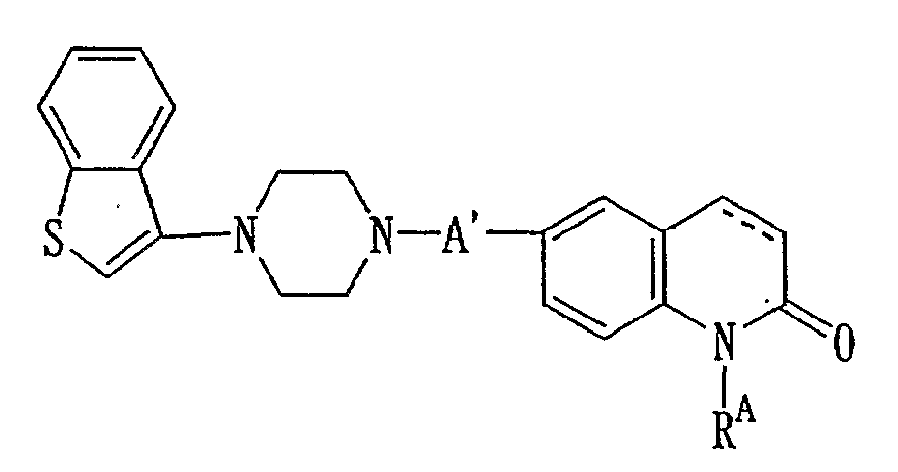
- However, there is no description in
WO2004/026864Al that carbostyril derivatives described in the document have D2 receptor partial agonist activity, 5-HT2A receptor antagonist activity, α1 receptor antagonist activity and serotonin uptake inhibitory activity together and have a wide treatment spectrum. -
WO 2005/019215 Al discloses the compounds represented by the following formula:
WO 2005/019215 A1 teaches that some compounds disclosed therein have an activity as partial agonists of D2 receptors or an activity as antagonists of D2 receptors, and may be effective for the treatment of schizophrenia and other central nervous system. - However,
WO 2005/019215 A1 does not specifically disclose the compounds of the present invention. - An object of the present invention is to provide an antipsychotic drug which has a wider treatment spectrum, less side effects and excellent tolerability and safety as compared with well-known typical and atypical antipsychotic drugs.
- The present inventors have conducted intensive studies on the above-described problem and consequently succeeded in synthesizing a novel compound which has dopamine D2 receptor partial agonist activity (D2 receptor partial agonist activity), serotonin 5-HT2A receptor antagonist activity (5-HT2A receptor antagonist activity) and adrenalin α1 receptor antagonist activity (α1 receptor antagonist activity) and further has serotonin uptake inhibitory effect (or serotonin reuptake inhibitory effect) together in addition to these effects. The present invention has been completed based on this finding.
- There is provided a heterocyclic compound or a salt thereof represented by the formula (1):

- where R2 represents a hydrogen atom or a lower alkyl group;
- A represents a lower alkylene group or a lower alkenylene group; and
- R1 represents a cyclo C3-C8 alkyl group, an aromatic group or a heterocyclic group selected from the group consisting of (I) to (IV) below:
- (I) a cyclo C3-C8 alkyl group;
- (II) an aromatic group selected from a phenyl group, a naphthyl group, a dihydroindenyl group and a tetrahydronaphthyl group;
- (III) a saturated or unsaturated heteromonocyclic group having 1 to 4 hetero atoms selected from the group consisting of a nitrogen atom, an oxygen atom and a sulfur atom; and
- (IV) a benzene fused heterocyclic group that has 1 to 4 hetero atoms selected from the group consisting of a nitrogen atom, an oxygen atom and a sulfur atom and that is selected from the group consisting of (1) a tetrahydroquinoxalinyl group, (2) a tetrahydroquinazolinyl group, (3) a dihydroquinazolinyl group, (4) an indolinyl group, (5) an indolyl group, (6) an isoindolinyl group, (7) a benzimidazolyl group, (8) a dihydrobenzimidazolyl group, (9) a tetrahydrobenzazepinyl group, (10) a tetrahydrobenzodiazepinyl group, (11) a hexahydrobenzazocinyl group, (12) a dihydrobenzoxazinyl group, (13) a dihydrobenzoxazolyl group, (14) a benzisoxazolyl group, (15) a benzoxadiazolyl group, (16) a tetrahydrobenzoxazepinyl group, (17) a dihydrobenzothiazinyl group, (18) a benzothiazolyl group, (19) a benzoxathiolyl group, (20) a chromenyl group, (21) a dihydrobenzofuryl group, (22) a carbazolyl group, (23) a dibenzofuryl group and (24) a quinoxalinyl group
- (1) a lower alkyl group,
- (2) a lower alkenyl group,
- (3) a halogen substituted lower alkyl group,
- (4) a lower alkoxy group,
- (5) an aryloxy group,
- (6) a lower alkylthio group,
- (7) a halogen substituted lower alkoxy group,
- (8) a hydroxy group,
- (9) a protected hydroxy group,
- (10) a hydroxy lower alkyl group,
- (11) a protected hydroxy lower alkyl group,
- (12) a halogen atom,
- (13) a cyano group,
- (14) an aryl group,
- (15) a nitro group,
- (16) an amino group,
- (17) an amino group having a group(s) selected from the group consisting of a lower alkyl group, a lower alkanoyl group, a lower alkoxycarbonyl group, a lower alkylsulfonyl group, a carbamoyl group, a lower alkyl carbamoyl group, an amino lower alkanoyl group, a lower alkanoylamino lower alkanoyl group and a lower alkoxy carbonylamino lower alkanoyl group as a substituent,
- (18) a lower alkanoyl group,
- (19) an arylsulfonyl group that may have a lower alkyl group(s) on the aryl group,
- (20) a carboxy group,
- (21) a lower alkoxycarbonyl group,
- (22) a carboxy lower alkyl group,
- (23) a lower alkoxycarbonyl lower alkyl group,
- (24) a lower alkanoylamino lower alkanoyl group,
- (25) a carboxy lower alkenyl group,
- (26) a lower alkoxycarbonyl lower alkenyl group,
- (27) a carbamoyl lower alkenyl group that may have a group(s) selected from the group consisting of a lower alkyl group and a halogen substituted lower alkyl group as a substituent,
- (28) a carbamoyl group that may have a group(s) selected from the group consisting of the groups (i) to (lxxviii) below as a substituent:
- (i) a lower alkyl group,
- (ii) a lower alkoxy group,
- (iii) a hydroxy lower alkyl group,
- (iv) a lower alkoxy lower alkyl group,
- (v) an aryloxy lower alkyl group,
- (vi) a halogen substituted lower alkyl group,
- (vii) an amino lower alkyl group that may have a group(s) selected from the group consisting of a lower alkyl group, a lower alkanoyl group, an aroyl group and a carbamoyl group,
- (viii) a cyclo C3-C8 alkyl group that may have a group(s) selected from the group consisting of a lower alkyl group, a hydroxy group, a lower alkoxycarbonyl group and a phenyl lower alkoxy group as a substituent,
- (ix) a cyclo C3-C8 alkyl substituted lower alkyl group,
- (x) a lower alkenyl group,
- (xi) a carbamoyl lower alkyl group that may have a group(s) selected from the group consisting of a lower alkyl group, phenyl group that may have a lower alkyl group(s) and a phenyl group(s) that may have a lower alkoxy group(s) as a substituent,
- (xii) a lower alkoxycarbonyl lower alkyl group,
- (xiii) a furyl lower alkyl group (that may have a lower alkyl group(s) as a substituent) on the furyl group,
- (xiv) a tetrahydrofuryl lower alkyl group,
- (xv) a 1,3-dioxolanyl lower alkyl group,
- (xvi) a tetrahydropyranyl lower alkyl group,
- (xvii) a pyrrolyl lower alkyl group (that may have a lower alkyl group(s) as a substituent on the pyrrolyl group),
- (xviii) a lower alkyl group substituted with a dihydropyrazolyl group that may have an oxo group(s),
- (xix) a pyrazolyl lower alkyl group (that may have a lower alkyl group(s) as a substituent on the pyrazolyl group),
- (xx) an imidazolyl lower alkyl group,
- (xxi) a pyridyl lower alkyl group,
- (xxii) a pyrazinyl lower alkyl group (that may have a lower alkyl group(s) as a substituent on the pyrazinyl group),
- (xxiii) a pyrrolidinyl lower alkyl group (that may have a group(s) selected from the group consisting of an oxo group(s) and a lower alkyl group as a substituent on the pyrrolidinyl group),
- (xxiv) a piperidyl lower alkyl group (that may have a group(s) selected from the group consisting of a benzoyl group and a lower alkanoyl group as a substituent on the piperidyl group),
- (xxv) a piperazinyl lower alkyl group (that may have a lower alkyl group(s) as a substituent on the piperazinyl group),
- (xxvi) a morpholinyl lower alkyl group,
- (xxvii) a thienyl lower alkyl group (that may have a lower alkyl group(s) as a substituent on the thienyl group),
- (xxviii) a thiazolyl lower alkyl group,
- (xxix) a dihydrobenzofuryl lower alkyl group,
- (xxx) a benzopyranyl lower alkyl group (that may have an oxo group(s) as a substituent on the benzopyranyl group),
- (xxxi) a benzimidazolyl lower alkyl group,
- (xxxii) an indolyl lower alkyl group that may have a lower alkoxycarbonyl group(s) on the lower alkyl group),
- (xxxiii) an imidazolyl lower alkyl group that has a substituent(s) selected from the group consisting of a carbamoyl group and a lower alkoxycarbonyl group on the lower alkyl group,
- (xxxiv) a pyridyl group that may have a group(s) selected from the group consisting of a lower alkyl group, a lower alkoxy group and a lower alkylthio lower alkyl group as a substituent,
- (xxxv) a pyrrolidinyl group that may have a group(s) selected from the group consisting of a lower alkyl group, a lower alkoxycarbonyl group, a lower alkanoyl group and an aroyl group as a substituent,
- (xxxvi) a piperidyl group that may have a group(s) selected from the group consisting of a lower alkyl group, a lower alkoxycarbonyl group, a lower alkanoyl group and an aroyl group that may have a group(s) selected from the group consisting of a lower alkyl group and a halogen atom as a substituent,
- (xxxvii) a tetrahydrofuryl group that may have an oxo group(s),
- (xxxviii) a hexahydroazepinyl group that may have an oxo group(s),
- (xxxix) a pyrazolyl group that may have a group(s) selected from the group consisting of a lower alkyl group, an aryl group and a furyl group as a substituent,
- (xl) a thiazolyl group,
- (xli) a thiadiazolyl group that may have a lower alkyl group(s),
- (xlii) an isoxazolyl group that may have a lower alkyl group(s),
- (xliii) an indazolyl group,
- (xliv) an indolyl group,
- (xlv) a tetrahydrobenzothiazolyl group,
- (xlvi) a tetrahydroquinolyl group that may have a group(s) selected from the group consisting of a lower alkyl group, a lower alkoxy group, a halogen atom and an oxo group as a substituent,
- (xlvii) a quinolyl group that may have a lower alkyl group(s),
- (xlviii) a benzodioxolyl lower alkyl group,
- (xlix) an aryl group that may have a group(s) as a substituent, selected from the group consisting of a halogen atom; a lower alkyl group; a lower alkoxy group; a halogen substituted lower alkyl group; a halogen substituted lower alkoxy group; a lower alkenyl group; an amino group that may have a group(s) selected from the group consisting of a lower alkanoyl group, a lower alkyl sulfonyl group, a lower alkyl group and an aryl group; a sulfamoyl group; a lower alkylthio group; a lower alkanoyl group; a lower alkoxycarbonyl group; a pyrrolyl group; a lower alkynyl group; a cyano group; a nitro group; an aryloxy group; an aryl lower alkoxy group; a hydroxy group; a hydroxy lower alkyl group; a carbamoyl group that may have a group(s) selected from the group consisting of a lower alkyl group and an aryl group; a pyrazolyl group; a pyrrolidinyl group that may have an oxo group(s); an oxazolyl group; an imidazolyl group that may have a lower alkyl group(s); a dihydrofuryl group that may have an oxo group(s); a thiazolidinyl lower alkyl group that may have an oxo group(s); an imidazolyl lower alkanoyl group and a piperidinylcarbonyl group,
- (l) a cyano lower alkyl group,
- (li) a dihydroquinolyl group that may have a group(s) selected from the group consisting of a lower alkyl group and an oxo group,
- (lii) a halogen substituted lower alkylamino group,
- (liii) a lower alkylthio lower alkyl group,
- (liv) an amidino group that may have a lower alkyl group(s),
- (lv) an amidino lower alkyl group,
- (lvi) a lower alkenyloxy lower alkyl group,
- (lvii) an arylamino group that may have a substituent(s) selected from the group consisting of a lower alkyl group, a lower alkoxy group, a halogen substituted lower alkyl group and a halogen substituted lower alkoxy group, on the aryl group,
- (lviii) an aryl lower alkenyl group,
- (lix) a pyridylamino group that may have a lower alkyl group(s),
- (lx) an aryl lower alkyl group (that may have on the aryl group and/or the lower alkyl group a group(s) selected from the group consisting of a halogen atom, a lower alkyl group, a halogen substituted lower alkyl group, a halogen substituted lower alkoxy group, a lower alkoxy group, a carbamoyl group and a lower alkoxycarbonyl group as a substituent),
- (lxi) a lower alkynyl group,
- (lxii) an aryloxy lower alkyl group (that may have as a substituent on the aryl group a group(s) selected from the group consisting of a lower alkoxy group; a carbamoyl group that may have a group(s) selected from the group consisting of a lower alkoxy group and a lower alkyl group; and a pyrrolidinyl group that may have an oxo group(s)),
- (lxiii) an isoxazolidinyl group that may have an oxo group(s),
- (lxiv) a dihydroindenyl group,
- (lxv) an aryl lower alkoxy lower alkyl group,
- (lxvi) a tetrahydropyranyl group,
- (lxvii) an azetidinyl group that may have a group(s) selected from the group consisting of a lower alkanoyl group and an aroyl group,
- (lxviii) an azetidinyl lower alkyl group that may have a group(s) selected from the group consisting of a lower alkanoyl group and aroyl group,
- (lxix) a tetrazolyl group,
- (lxx) an indolinyl group that may have an oxo group(s),
- (lxxi) a triazolyl group that may have a group(s) selected from the group consisting of a lower alkyl group and a lower alkylthio group,
- (lxxii) an imidazolyl group that may have a carbamoyl group(s),
- (lxxiii) an oxazolyl group that may have a lower alkyl group(s),
- (lxxiv) an isothiazolyl group that may have a lower alkyl group(s),
- (lxxv) a benzimidazolyl group,
- (lxxvi) a dihydrobenzothiazolyl group that may have an oxo group(s),
- (lxxvii) a thienyl group that may have a lower alkoxycarbonyl group(s), and
- (lxxviii) an oxazolyl lower alkyl group that may have a lower alkyl group(s)
- (29) an amino lower alkyl group that may have a group(s) selected from the group consisting of a lower alkyl group, a halogen substituted lower alkyl group, a lower alkoxycarbonyl group, a lower alkanoyl group, an aryl group, an aryl lower alkyl group, an aroyl group and an amino substituted alkyl group (that may have a lower alkyl group(s) as a substituent on the amino group) on the amino group,
- (30) a lower alkyl group substituted with a carbamoyl group that may have a group(s) selected from the group consisting of a lower alkyl group and a halogen substituted lower alkyl group,
- (31) a thiocarbamoyl group that may have a lower alkyl group(s),
- (32) a sulfamoyl group,
- (33) an oxazolidinyl group that may have an oxo group(s),
- (34) an imidazolidinyl group that may have a substituent(s) selected from the group consisting of an oxo group and a lower alkyl group,
- (35) a pyrrolidinyl group that may have an oxo group(s),
- (36) an imidazolyl group,
- (37) a triazolyl group,
- (38) an isoxazolyl group,
- (39) a piperidyl group that may have a substituent(s) selected from the group consisting of a lower alkyl group, a lower alkanoyl group, an arylsulfonyl group, an oxo group, a hydroxy group, and an amino group that may have a group(s) selected from the group consisting of a lower alkyl group, a lower alkanoyl group, a lower alkoxycarbonyl group and a lower alkanoylamino lower alkanoyl group,
- (40) a piperidylcarbonyl group that may have a substituent(s) selected from the group consisting of a lower alkyl group, a hydroxy group, a hydroxy lower alkyl group, a lower alkanoyl group, a carboxy lower alkyl group, a lower alkyl carbamoyl lower alkyl group, a carbamoyl group, a lower alkoxy group, a carboxy group, a lower alkoxycarbonyl group, an amino group (on which 1 to 2 groups selected from the group consisting of a lower alkyl group, a lower alkanoyl group, a lower alkoxycarbonyl group and an aroyl group may be present), a piperidyl group (on which a group(s) selected from the group consisting of a lower alkanoyl group, a lower alkoxycarbonyl group and an aroyl group may be present), piperazinyl group (on which a lower alkyl group(s) may be present as a substituent), a 1,4-dioxa-8-azaspiro[4.5]decyl group, a morpholinyl group, a hexahydro-1,4-diazepinyl group (on which a lower alkyl group(s) may be present as a substituent), a pyridyl group, a pyridyloxy group, a pyridyl lower alkoxy group, a tetrahydroquinolyl group (on which an oxo group(s) may be present), a benzodioxolyl group, an aryl lower alkoxy group (that may have a group(s) selected from the group consisting of a halogen atom, a lower alkyl group, a lower alkoxy group and a halogen substituted lower alkoxy group on the aryl group), an aryl group (on which a group(s) selected from the group consisting of a halogen atom, a lower alkoxy group, a hydroxy group may be present), an aryloxy group (that may have on the aryl group a group(s) selected from the group consisting of a cyano group, a halogen atom, a lower alkyl group, a lower alkoxy group and a halogen substituted lower alkyl group), an aryl lower alkyl group (that may have on the aryl group a group(s) selected from the group consisting of a halogen atom, a lower alkyl group, a lower alkoxy group and a halogen substituted lower alkyl group), and an aroyl group (that may have on the aryl group a group(s) selected from the group consisting of a halogen atom and a lower alkoxy group),
- (41) a pyrrolidinylcarbonyl group that may have a group as a substituent, selected from the group consisting of a hydroxy lower alkyl group, a carbamoyl group, a hydroxy group, an amino group (that may have on the amino group a group(s) selected from the group consisting of a lower alkyl group, a lower alkanoyl group and an aroyl group), a morpholinyl lower alkyl group, a pyrrolidinyl lower alkyl group, a piperidyl lower alkyl group, a piperazinyl lower alkyl group (that may have a lower alkyl group(s) as a substituent on the piperazinyl group), an amino lower alkyl group (that may have a lower alkyl group(s) as a substituent on the amino group), an aryloxy group (that may have a halogen substituted lower alkoxy group(s) on the aryl group), an aryloxy lower alkyl group (that may have a halogen substituted lower alkoxy group(s) on the aryl group) and a tetrahydroquinolyl group (on which an oxo group(s) may be present),
- (42) a piperazinylcarbonyl group that may have a group(s) as a substituent, selected from the group consisting of a lower alkyl group, a cyclo C3-C8 alkyl group, a lower alkanoyl group, a hydroxy lower alkyl group, a lower alkoxy lower alkyl group, a lower alkoxycarbonyl group, an amino lower alkyl group (that may have a lower alkyl group(s) as a substituent on the amino group), a piperidyl lower alkyl group (that may have a lower alkyl group(s) as a substituent on the piperidyl group), a morpholinyl lower alkyl group, a pyrrolidinyl lower alkyl group, a 1,3-dioxolanyl lower alkyl group, a tetrahydrofuryl lower alkyl group, a pyridyl lower alkyl group (that may have a phenyl group(s) as a substituent on the lower alkyl group), an imidazolyl lower alkyl group, a furyl lower alkyl group, a pyrrolidinylcarbonyl lower alkyl group, a piperidyl group that may have a lower alkyl group(s) as a substituent, pyridyl group (that may have on the pyridyl group a group(s) selected from the group consisting of a lower alkyl group, a cyano group and a halogen substituted lower alkyl group as a substituent), a thieno[2,3-b]pyridyl group, an aryl group (on which a group(s) selected from the group consisting of a halogen atom and a lower alkyl group may be present), an aroyl group, a furyl carbonyl group, an aryl lower alkoxycarbonyl group and an oxo group,
- (43) a hexahydroazepinylcarbonyl group,
- (44) a hexahydro-1,4-diazepinylcarbonyl group that may have a substituent(s) selected from the group consisting of a lower alkyl group and a pyridyl group,
- (45) a dihydropyrrolylcarbonyl group that may have a lower alkyl group(s),
- (46) a thiomorpholinylcarbonyl group,
- (47) a morpholinylcarbonyl group that may have a group(s) selected from the group consisting of a lower alkyl group, a piperidyl lower alkyl group and an aryl group,
- (48) a thiazolidinyl carbonyl group that may have an aryl group(s) that may have a group(s) selected from the group consisting of a lower alkoxy group and a cyano group,
- (49) an azabicyclo[3.2.2]nonylcarbonyl group,
- (50) an 8-azabicyclo[3.2.1]octylcarbonyl group that may have a halogen substituted or unsubstituted aryloxy group(s),
- (51) an indolinylcarbonyl group,
- (52) a tetrahydroquinolylcarbonyl group,
- (53) a tetrahydropyrido[3.4-b]indolylcarbonyl group,
- (54) a morpholinyl lower alkyl group,
- (55) a piperazinyl lower alkyl group that may have a lower alkyl group(s) on the piperazinyl group,
- (56) a morpholinylcarbonyl lower alkyl group,
- (57) a piperazinylcarbonyl lower alkyl group that may have a lower alkyl group(s) on the piperazinyl group,
- (58) an oxo group,
- (59) an amino lower alkoxy group (that may have a lower alkyl group(s) on the amino group),
- (60) a lower alkoxy lower alkoxy group,
- (61) a piperazinyl group that may have a group(s) selected from the group consisting of an oxo group, a lower alkyl group, a lower alkanoyl group and a lower alkoxycarbonyl group,
- (62) a morpholinyl group,
- (63) a 1,3,8-triazaspiro[4.5]decanylcarbonyl group that may have a group(s) selected from the group consisting of an oxo group and an aryl group,
- (64) a tetrahydropyridylcarbonyl group that may have a pyridyl group(s),
- (65) an imidazolidinylcarbonyl group that may have a thioxo group(s), and
- (66) a 1,4-dioxa-8-azaspiro[4.5]decanyl group.
- The present invention provides a compound represented by the general formula (1), wherein
R1 represents a cyclo C5-C6 alkyl group, an aromatic group or a heterocyclic group selected from the group consisting of (I) to (IV) below: - (I) a cyclo C5-C6 alkyl group;
- (II) an aromatic group selected from a phenyl group, naphthyl group, dihydroindenyl group and tetrahydronaphthyl group;
- (III) a saturated or unsaturated heteromonocyclic group that has 1 to 2 hetero atoms selected from the group consisting of a nitrogen atom, oxygen atom and sulfur atom, and that is selected from the group consisting of a pyrrolidinyl group, piperidyl group, pyrazolyl group, pyridyl group, pyrimidinyl group, pyrazinyl group, isoxazolyl group, thiazolyl group, pyranyl group, and thienyl group; and
- (IV) a benzene fused heterocyclic group that has 1 to 4 hetero atoms selected from the group consisting of a nitrogen atom, oxygen atom and sulfur atom and that is selected from the group consisting of (1) a tetrahydroquinoxalinyl group, (2) a tetrahydroquinazolinyl group, (3) a dihydroquinazolinyl group, (4) an indolinyl group, (5) an indolyl group, (6) an isoindolinyl group, (7) a benzimidazolinyl group, (8) a dihydrobenzimidazolyl group, (9) a tetrahydrobenzazepinyl group, (10) a tetrahydrobenzodiazepinyl group, (11) a hexahydrobenzazocinyl group, (12) a dihydrobenzoxazinyl group, (13) a dihydrobenzoxazolyl group, (14) a benzisoxazolyl group, (15) a benzoxadiazolyl group, (16) a tetrahydrobenzoxazepinyl group, (17) a dihydrobenzothiazinyl group, (18) a benzothiazolyl group, (19) a benzoxathiolyl group, (20) a chromenyl group, (21) a dihydrobenzofuryl group, (22) a carbazolyl group, (23) a dibenzofuryl group, and (24) a quinoxalinyl group wherein, on the aromatic group and the heterocyclic group represented by R1, 1 to 5 groups selected from the group consisting of the groups (1) to (66) below may be present as a substituent(s):
- (1) a lower alkyl group,
- (2) a lower alkenyl group,
- (3) a halogen substituted lower alkyl group,
- (4) a lower alkoxy group,
- (5) a phenoxy group,
- (6) a lower alkylthio group,
- (7) a halogen substituted lower alkoxy group,
- (8) a hydroxy group,
- (9) a phenyl lower alkoxy group,
- (10) a hydroxy lower alkyl group,
- (11) a lower alkoxy lower alkyl group,
- (12) a halogen atom,
- (13) a cyano group,
- (14) a phenyl group,
- (15) a nitro group,
- (16) an amino group,
- (17) an amino group having 1 to 2 groups selected from the group consisting of a lower alkyl group, a lower alkanoyl group, a lower alkoxycarbonyl group, a lower alkylsulfonyl group, a carbamoyl group, a lower alkyl carbamoyl group, an amino lower alkanoyl group, a lower alkanoylamino lower alkanoyl group and a lower alkoxycarbonylamino lower alkanoyl group as a substituent(s),
- (18) a lower alkanoyl group,
- (19) a phenylsulfonyl group that may have a single lower alkyl group on the phenyl group,
- (20) a carboxy group,
- (21) a lower alkoxycarbonyl group,
- (22) a carboxy lower alkyl group,
- (23) a lower alkoxycarbonyl lower alkyl group,
- (24) a lower alkanoylamino lower alkanoyl group,
- (25) a carboxy lower alkenyl group,
- (26) a lower alkoxycarbonyl lower alkenyl group,
- (27) a carbamoyl lower alkenyl group that may have 1 to 2 groups selected from the group consisting of a lower alkyl group and a lower alkyl group substituted with 1 to 3 halogen atoms as a substituent(s),
- (28) a carbamoyl group that may have 1 to 2 groups selected from the group consisting of the groups (i) to (lxxviii) below as a substituent(s):
- (i) a lower alkyl group,
- (ii) a lower alkoxy group,
- (iii) a hydroxy lower alkyl group,
- (iv) a lower alkoxy lower alkyl group,
- (v) an phenoxy lower alkyl group,
- (vi) a halogen substituted lower alkyl group,
- (vii) an amino lower alkyl group that may have 1 to 2 groups selected from the group consisting of a lower alkyl group, a lower alkanoyl group, a benzoyl group and a carbamoyl group,
- (viii) a cyclo C3-C8 alkyl group that may have 1 to 3 groups selected from the group consisting of a lower alkyl group, a hydroxy group, a lower alkoxycarbonyl group and a phenyl lower alkoxy group as a substituent(s),
- (ix) a cyclo C3-C8 alkyl substituted lower alkyl group,
- (x) a lower alkenyl group,
- (xi) a lower alkyl group having 1 to 2 carbamoyl groups that may have 1 to 2 groups as a substituent(s) selected from the group consisting of a lower alkyl group, a phenyl group that may have a single lower alkyl group and a phenyl group that may have a single lower alkoxy group,
- (xii) a lower alkyl group having 1 to 2 lower alkoxy carbonyl groups,
- (xiii) a furyl lower alkyl group (that may have 1 to 2 lower alkyl groups as a substituent(s) on the furyl group),
- (xiv) a tetrahydrofuryl lower alkyl group,
- (xv) a 1,3-dioxolanyl lower alkyl group,
- (xvi) a tetrahydropyranyl lower alkyl group,
- (xvii) a pyrrolyl lower alkyl group (that may have 1 to 2 lower alkyl groups on the pyrrolyl group as a substituent(s)),
- (xviii) a lower alkyl group substituted with a dihydropyrazolyl group that may have a single oxo group,
- (xix) a pyrazolyl lower alkyl group (that may have 1 to 3 lower alkyl groups as a substituent(s) on the pyrazolyl group),
- (xx) an imidazolyl lower alkyl group,
- (xxi) a pyridyl lower alkyl group,
- (xxii) a pyrazinyl lower alkyl group (that may have 1 to 3 (preferably 1) lower alkyl groups as a substituent(s) on the pyrazinyl group),
- (xxiii) a pyrrolidinyl lower alkyl group (that may have 1 to 2 groups selected from the group consisting of an oxo group and a lower alkyl group as a substituent(s) on the pyrrolidinyl group),
- (xxiv) a piperidyl lower alkyl group (that may have 1 to 3 groups selected from the group consisting of a benzoyl group and a lower alkanoyl group as a substituent(s) on the piperidyl group),
- (xxv) a piperazinyl lower alkyl group (that may have 1 to 3 lower alkyl groups as a substituent(s) on the piperazinyl group),
- (xxvi) a morpholinyl lower alkyl group,
- (xxvii) a thienyl lower alkyl group (that may have 1 to 3 lower alkyl groups as a substituent(s) on the thienyl group),
- (xxviii) a thiazolyl lower alkyl group,
- (xxix) a dihydrobenzofuryl lower alkyl group,
- (xxx) a benzopyranyl lower alkyl group (that may have a single oxo group as a substituent on the benzopyranyl group),
- (xxxi) a benzimidazolyl lower alkyl group,
- (xxxii) an indolyl lower alkyl group that may have 1 to 3 lower alkoxycarbonyl groups on the lower alkyl group),
- (xxxiii) an imidazolyl lower alkyl group that has 1 to 3 substituents selected from the group consisting of a carbamoyl group and a lower alkoxycarbonyl group, on the lower alkyl group,
- (xxxiv) a pyridyl group that may have 1 to 3 groups selected from the group consisting of a lower alkyl group, a lower alkoxy group and a lower alkylthio lower alkyl group as a substituent(s),
- (xxxv) a pyrrolidinyl group that may have 1 to 3 groups selected from the group consisting of a lower alkyl group, a lower alkoxycarbonyl group, a lower alkanoyl group and a benzoyl group as a substituent(s),
- (xxxvi) a piperidyl group that may have 1 to 3 groups selected from the group consisting of a lower alkyl group, a lower alkoxycarbonyl group, a lower alkanoyl group and a benzoyl group (that may have 1 to 3 groups selected from the group consisting of a lower alkyl group and a halogen atom as a substituent(s) on the phenyl group),
- (xxxvii) a tetrahydrofuryl group that may have a single oxo group
- (xxxviii) a hexahydroazepinyl group that may have a single oxo group,
- (xxxix) a pyrazolyl group that may have 1 to 3 groups selected from the group consisting of a lower alkyl group, a phenyl group and a furyl group as a substituent(s),
- (xl) a thiazolyl group,
- (xli) a thiadiazolyl group that may have 1 to 3 lower alkyl groups,
- (xlii) an isoxazolyl group that may have 1 to 3 lower alkyl groups,
- (xliii) an indazolyl group,
- (xliv) an indolyl group,
- (xlv) a tetrahydrobenzothiazolyl group,
- (xlvi) a tetrahydroquinolyl group that may have 1 to 3 groups selected from the group consisting of a lower alkyl group, a lower alkoxy group, a halogen atom and an oxo group as a substituent(s),
- (xlvii) a quinolyl group that may have 1 to 3 lower alkyl groups,
- (xlviii) a benzodioxolyl lower alkyl group,
- (xlix) a phenyl group or naphthyl group that may have 1 to 3 groups as a substituent(s), selected from the group consisting of
- (1) a cyano lower alkyl group,
- (li) a dihydroquinolyl group that may have 1 to 3 group(s) selected from the group consisting of a lower alkyl group and oxo group,
- (lii) a halogen substituted lower alkylamino group,
- (liii) a lower alkylthio lower alkyl group,
- (liv) an amidino group that may have a lower alkyl group,
- (lv) an amidino lower alkyl group,
- (lvi) a lower alkenyloxy lower alkyl group,
- (lvii) a phenylamino group that may have 1 to 3 substituents selected from the group consisting of a lower alkyl group, a lower alkoxy group, a halogen substituted lower alkyl group and a halogen substituted lower alkoxy group on the phenyl group,
- (lviii) a phenyl lower alkenyl group,
- (lix) a pyridylamino group that may have 1 to 3 lower alkyl groups,
- (lx) a phenyl lower alkyl group (that may have as a substituent(s) on the phenyl group and/or the lower alkyl group 1 to 3 groups selected from the group consisting of a halogen atom, a lower alkyl group, a halogen substituted lower alkyl group, a halogen substituted lower alkoxy group, a lower alkoxy group, carbamoyl group and a lower alkoxycarbonyl group),
- (lxi) a lower alkynyl group,
- (lxii) a phenyloxy lower alkyl group (that may have 1 to 3 groups selected from the group consisting of a lower alkoxy group, N-lower alkoxy-N-lower alkylcarbamoyl group and oxopyrrolidinyl group as a substituent(s) on the phenyl group),
- (lxiii) an isoxazolidinyl group that may have a single oxo group,
- (lxiv) a dihydroindenyl group,
- (lxv) a phenyl lower alkoxy lower alkyl group,
- (lxvi) a tetrahydropyranyl group,
- (lxvii) an azetidinyl group that may have 1 to 3 groups selected from the group consisting of a lower alkanoyl group and benzoyl group,
- (lxviii) an azetidinyl lower alkyl group that may have 1 to 3 groups selected from the group consisting of a lower alkanoyl group and benzoyl group,
- (lxix) a tetrazolyl group,
- (lxx) an indolinyl group that may have a single oxo group,
- (lxxi) a triazolyl group that may have 1 to 3 groups selected from the group consisting of a lower alkyl group and a lower alkylthio group,
- (lxxii) an imidazolyl group that may have 1 to 3 carbamoyl groups,
- (lxxiii) an oxazolyl group that may have 1 to 3 lower alkyl groups,
- (lxxiv) an isothiazolyl group that may have 1 to 3 lower alkyl groups,
- (lxxv) a benzimidazolyl group,
- (lxxvi) a dihydrobenzothiazolyl group that may have a single oxo group,
- (lxxvii) a thienyl group that may have 1 to 3 lower alkoxycarbonyl groups, and
- (lxxviii) an oxazolyl lower alkyl group that may have 1 to 3 lower alkyl groups,
- (29) an amino lower alkyl group that may have 1 to 2 groups selected from the group consisting of a lower alkyl group, a halogen substituted lower alkyl group, a lower alkoxycarbonyl group, a lower alkanoyl group, a phenyl group, a phenyl lower alkyl group, a benzoyl group and an amino substituted alkyl group (that may have 1 to 2 lower alkyl groups as a substituent(s) on the amino group), on the amino group,
- (30) a lower alkyl group substituted with a single carbamoyl group that may have 1 to 2 groups selected from the group consisting of a lower alkyl group and a halogen substituted lower alkyl group,
- (31) a thiocarbamoyl group that may have 1 to 2 lower alkyl groups,
- (32) a sulfamoyl group,
- (33) an oxazolidinyl group that may have a single oxo group,
- (34) an imidazolidinyl group that may have 1 to 2 substituents selected from the group consisting of an oxo group and a lower alkyl group,
- (35) a pyrrolidinyl group that may have a single oxo group,
- (36) an imidazolyl group,
- (37) a triazolyl group,
- (38) an isoxazolyl group,
- (39) a piperidyl group that may have 1 to 3 substituents selected from the group consisting of a lower alkyl group, a lower alkanoyl group, a lower alkylphenylsulfonyl group, an oxo group, a hydroxy group, and an amino group that may have 1 to 2 groups selected from the group consisting of a lower alkyl group, a lower alkanoyl group, a lower alkoxycarbonyl group and a lower alkanoylamino lower alkanoyl group,
- (40) a piperidylcarbonyl group that may have 1 to 3 substituent(s) selected from the group consisting of a lower alkyl group, a hydroxy group, a hydroxy lower alkyl group, a lower alkanoyl group, a carboxy lower alkyl group, a lower alkyl carbamoyl lower alkyl group, a carbamoyl group, a lower alkoxy group, a carboxy group, a lower alkoxycarbonyl group, an amino group (on which 1 to 2 groups selected from the group consisting of a lower alkyl group, a lower alkanoyl group, a lower alkoxycarbonyl group and a benzoyl group may be present), a piperidyl group (on which 1 to 3 groups selected from the group consisting of a lower alkanoyl group, a lower alkoxycarbonyl group and a benzoyl group may be present), a piperazinyl group (on which 1 to 3 lower alkyl groups may be present as a substituent(s)), a 1,4-dioxa-8-azaspiro[4.5]decyl group, a morpholinyl group, a hexahydro-1,4-diazepynyl group (on which a single lower alkyl group may be present as a substituent), a pyridyl group, a pyridyloxy group, a pyridyl lower alkoxy group, a tetrahydroquinolyl group (on which a single oxo group may be present), a benzodioxolyl group, a phenyl lower alkoxy group (that may have on the phenyl group 1 to 3 groups selected from the group consisting of a halogen atom, a lower alkyl group, a lower alkoxy group and a halogen substituted lower alkoxy group), a phenyl group (on which 1 to 3 groups selected from the group consisting of a halogen atom, a lower alkoxy group and a hydroxy group may be present), phenyloxy group (that may have on the phenyl group 1 to 3 groups selected from the group consisting of a cyano group, a halogen atom, a lower alkyl group, a lower alkoxy group and a halogen substituted lower alkyl group), a phenyl lower alkyl group (on the phenyl group, 1 to 3 groups selected from the group consisting of a halogen atom, a lower alkyl group, a lower alkoxy group and a halogen substituted lower alkyl group may be present), and a benzoyl group (that may have 1 to 3 groups selected from the group consisting of a halogen atom and a lower alkoxy group on the phenyl group),
- (41) a pyrrolidinylcarbonyl group that may have 1 to 3 groups as a substituent(s) selected from the group consisting of a hydroxy lower alkyl group, carbamoyl group, a hydroxy group, an amino group (that may have 1 to 2 groups selected from the group consisting of a lower alkyl group, a lower alkanoyl group and a bemzoyl group on the amino group), a morpholinyl lower alkyl group, a pyrrolidinyl lower alkyl group, a piperidyl lower alkyl group, a piperazinyl lower alkyl group (that may have a single lower alkyl group as a substituent on the piperazinyl group), an amino lower alkyl group (that may have 1 to 2 lower alkyl groups may be present as a substituent on the amino group), phenyloxy group (that may have 1 to 3 halogen substituted lower alkoxy groups on the phenyl group), a phenyloxy lower alkyl group (that may have 1 to 3 halogen substituted lower alkoxy groups on the phenyl group) and a tetrahydroquinolyl group (on which an oxo group may be present),
- (42) a piperazinylcarbonyl group that may have 1 to 3 groups as a substituent(s) selected from the group consisting of a lower alkyl group, a cyclo C3-C8 alkyl group, a lower alkanoyl group, a hydroxy lower alkyl group, a lower alkoxy lower alkyl group, a lower alkoxycarbonyl group, an amino lower alkyl group (that may have 1 to 2 lower alkyl groups as a substituent(s) on the amino group), a piperidyl lower alkyl group (that may have 1 to 2 lower alkyl groups as a substituent(s) on the piperidyl group), a morpholinyl lower alkyl group, a pyrrolidinyl lower alkyl group, a 1,3-dioxoranyl lower alkyl group, a tetrahydrofuryl lower alkyl group, a pyridyl lower alkyl group (that may have 1 to 2 phenyl groups as a substituent(s) on the lower alkyl group), an imidazolyl lower alkyl group, a furyl lower alkyl group, a pyrrolidinylcarbonyl lower alkyl group, a piperidyl group that may have 1 to 2 lower alkyl groups as a substituent(s)), a pyridyl group (that may have 1 to 3 groups selected from the group consisting of a lower alkyl group, a cyano group and a halogen substituted lower alkyl group as a substituent(s) on the pyridyl group), a thieno[2,3-b]pyridyl group, a phenyl group (on which 1 to 3 groups selected from the group consisting of a halogen atom and a lower alkyl group may be present), a benzoyl group, a furyl carbonyl group, a phenyl lower alkoxycarbonyl group and an oxo group,
- (43) a hexahydroazepinylcarbonyl group,
- (44) a hexahydro-1,4-diazepinylcarbonyl group that may have 1 to 3 substituents selected from the group consisting of a lower alkyl group and a pyridyl group,
- (45) a dihydropyrrolylcarbonyl group that may have 1 to 3 lower alkyl groups,
- (46) a thiomorpholinylcarbonyl group,
- (47) a morpholinylcarbonyl group that may have 1 to 3 groups selected from the group consisting of a lower alkyl group, a piperidyl lower alkyl group and a phenyl group,
- (48) a thiazolidinyl carbonyl group that may have 1 to 3 phenyl groups that may have 1 to 3 groups selected from the group consisting of a lower alkoxy group and a cyano group,
- (49) an azabicyclo[3.2.2]nonylcarbonyl group,
- (50) an 8-azabicyclo[3.2.1]octylcarbonyl group that may have 1 to 3 halogen substituted or unsubstituted phenyloxy groups,
- (51) an indolinylcarbonyl group,
- (52) a tetrahydroquinolylcarbonyl group,
- (53) a tetrahydropyrido[3.4-b]indolylcarbonyl group,
- (54) a morpholinyl lower alkyl group,
- (55) a piperazinyl lower alkyl group that may have 1 to 3 lower alkyl groups on the piperazinyl group,
- (56) a morpholinylcarbonyl lower alkyl group,
- (57) a piperazinylcarbonyl lower alkyl group that may have 1 to 3 lower alkyl groups on the piperazinyl group,
- (58) an oxo group,
- (59) an amino lower alkoxy group (that may have 1 to 2 lower alkyl groups on the amino group),
- (60) a lower alkoxy lower alkoxy group,
- (61) a piperazinyl group that may have 1 to 3 groups selected from the group consisting of an oxo group, a lower alkyl group, a lower alkanoyl group and a lower alkoxycarbonyl group,
- (62) a morpholinyl group,
- (63) a 1,3,8-triazaspiro[4.5]decanylcarbonyl group that may have 1 to 3 groups selected from the group consisting of an oxo group and a phenyl group,
- (64) a tetrahydropyridylcarbonyl group that may have 1 to 3 pyridyl groups,
- (65) an imidazolidinylcarbonyl group that may have a single thioxo group, and
- (66) a 1,4-dioxa-8-azaspiro[4.5]decanyl group.
- The present invention provides a compound represented by the general formula (1), wherein A is a lower alkylene group.
- The present invention provides a compound represented by the general formula (1), wherein R1 represents a cyclo C5-C6 alkyl group, an aromatic group or a heterocyclic group selected from the group consisting of (I) to (III) shown below:
- (I) a cyclo C5-C6 alkyl group;
- (II) a phenyl group; and
- (III) a saturated or unsaturated heteromonocyclic group having 1 to 2 nitrogen atoms selected from the group consisting of a pyrrolidinyl group, a piperidyl group, a pyrazolyl group, a pyridyl group, pyrimidinyl group and a thiazolyl group, and
on the cyclo C5-C6 alkyl group, the aromatic group and the heterocyclic group represented by R1, 1 to 5 groups selected from the group consisting of (1) to (66) defined in claim 2 may be present as a substituent (s). - The present invention provides a compound represented by the general formula (1), wherein R1 represents (I) a cyclo C5-C6 alkyl group, and, on the cyclo C5-C6 alkyl group represented by R1, 1 to 5 groups selected from the group consisting of (1) to (66) defined in claim 2 may be present as a substituent(s).
- The present invention provides a compound represented by the general formula (1), wherein R1 represents (II) a phenyl group, and, on aromatic group represented by R1, 1 to 5 groups selected from the group consisting of (1) to (66) defined in claim 2 may be present as a substituent(s).
- The present invention provides a compound represented by the general formula (1), wherein R1 represents (III) a saturated or unsaturated heteromonocyclic group having 1 to 2 nitrogen atoms selected from a pyrrolidinyl group, a piperidyl group, pyrazolyl group, a pyridyl group, a pyrimidinyl group and a thiazolyl group, and, on heterocyclic group represented by R1, 1 to 5 groups selected from the group consisting of (1) to (66) defined in claim 2 may be present as a substituent(s).
- The present invention provides a compound represented by the general formula (1), wherein R1 represents a cyclo C5-C6 alkyl group, an aromatic group or a heterocyclic group selected from the group consisting of (I) to (III) shown below:
- (I) a cyclo C5-C6 alkyl group;
- (II) a phenyl group; and
- (III) a saturated or unsaturated heteromonocyclic group having 1 to 2 nitrogen atoms selected from a pyrrolidinyl group, a piperidyl group, a pyrazolyl group, a pyridyl group, a pyrimidinyl group and a thiazolyl group, and
on the cyclo C5-C6 alkyl group, aromatic group and heterocyclic group represented by R1, 1 to 5 groups selected from the group consisting of (1), (4), (10), (17), (18), (21), (28), (29), (30), (33), (34), (35), (36), (39), (61) and (62) shown below may be present as a substituent(s):- (1) a lower alkyl group,
- (4) a lower alkoxy group,
- (10) a hydroxy lower alkyl group,
- (17) an amino group having 1 to 2 groups selected from the group consisting of a lower alkyl group, a lower alkanoyl group, a lower alkoxycarbonyl group, a lower alkylsulfonyl group, a carbamoyl group, a lower alkyl carbamoyl group, an amino lower alkanoyl group, a lower alkanoylamino lower alkanoyl group and a lower alkoxycarbonylamino lower alkanoyl group, as a substituent(s),
- (18) a lower alkanoyl group,
- (21) a lower alkoxycarbonyl group,
- (28) a carbamoyl group that may have 1 to 2 groups selected from the group consisting of the groups (i), (ii), (iv), (xii) and (xxi) below as a substituent(s):
- (i) a lower alkyl group,
- (ii) a lower alkoxy group,
- (iv) a lower alkoxy lower alkyl group,
- (xii) a lower alkyl group having 1 to 2 lower alkoxy carbonyl groups,
- (xxi) a pyridyl lower alkyl group,
- (29) an amino lower alkyl group that may have, on the amino group, 1 to 2 groups selected from the group consisting of a lower alkyl group, a halogen substituted lower alkyl group, a lower alkoxycarbonyl group, a lower alkanoyl group, a phenyl group, a phenyl lower alkyl group, a benzoyl group and an amino substituted lower alkyl group (which may have 1 to 2 lower alkyl groups may be present as a substituent(s) on the amino group);
- (30) a lower alkyl group substituted with a single carbamoyl group that may have 1 to 2 groups selected from the group consisting of a lower alkyl group and a halogen substituted lower alkyl group,
- (33) an oxazolidinyl group that may have a single oxo group,
- (34) an imidazolidinyl group that may have 1 to 2 substituents selected from the group consisting of an oxo group and a lower alkyl group,
- (35) a pyrrolidinyl group that may have a single oxo group,
- (36) an imidazolyl group,
- (39) a piperidyl group that may have 1 to 3 substituents selected from the group consisting of a lower alkyl group, a lower alkanoyl group, a lower alkyl phenylsulfonyl group, an oxo group, hydroxy group, and an amino group that may have 1 to 2 groups selected from the group consisting of a lower alkyl group, a lower alkanoyl group, a lower alkoxycarbonyl group and a lower alkanoylamino lower alkanoyl group,
- (61) a piperazinyl group that may have 1 to 3 groups selected from the group consisting of an oxo group, a lower alkyl group, a lower alkanoyl group and a lower alkoxycarbonyl group, and
- (62) a morpholinyl group.
- The present invention provides a compound represented by the general formula (1), wherein R1 represents (I) a cyclohexyl group, and, on the cyclo C5-C6 alkyl group represented by R1, 1 to 3 groups selected from the group consisting of (1), (4), (10), (17), (18), (21), (28), (29), (30), (33), (34), (35), (36), (39), (61) and (62) defined in claim 8 may be present as a substituent(s).
- The present invention provides a compound represented by the general formula (1), wherein R1 represents (II) a phenyl group, and, on the aromatic group represented by R1, 1 to 3 groups selected from the group consisting of (1), (4), (10), (17), (18) (21), (28), (29), (30), (33), (34), (35), (36), (39), (61) and (62) defined in claim 8 may be present as a substituent(s).
- The present invention provides a compound represented by the general formula (1), wherein R1 represents (II) a phenyl group, and, on the aromatic group represented by R1, 1 to 3 groups selected from the group consisting of (1), (4), (10), (17), (18), (28), (33), (35), (39) and (61) shown below may be present as a substituent(s).
- (1) a lower alkyl group,
- (4) a lower alkoxy group,
- (10) a hydroxy lower alkyl group,
- (17) an amino group having 1 to 2 groups selected from the group consisting of a lower alkyl group, a amino lower alkanoyl group, a lower alkanoylamino lower alkanoyl group and a lower alkoxy carbonylamino lower alkanoyl group, as a substituent(s),
- (18) a lower alkanoyl group,
- (28) a carbamoyl group having a single lower alkoxy lower alkyl group,
- (33) an oxazolidinyl group that may have a single oxo group,
- (35) a pyrrolidinyl group that may have a single oxo group,
- (39) a piperidyl group, and
- (61) a piperazinyl group that may have 1 to 2 groups selected from the group consisting of an oxo group, a lower alkanoyl group and a lower alkoxycarbonyl group.
- The compound according to claim 11, wherein R1 is a phenyl group having, on the phenyl group, a single lower alkyl group, a single lower alkoxy group and a single amino group having 1 or 2 lower alkyl groups on the amino group;
a phenyl group having, on the phenyl group, a single lower alkyl group, a single lower alkoxy group and a single carbamoyl group having a single lower alkyl group, which has two lower alkoxy groups on the lower alkyl group;
a phenyl group having, on the phenyl group, a single hydroxy lower alkyl group, a single lower alkoxy group and a single oxazolidinyl group having a single oxo group on the oxazolidinyl group;
a phenyl group having, on the phenyl group, a single lower alkyl group, a single lower alkoxy group and a single pyrrolidinyl group;
a phenyl group having, on the phenyl group, a single lower alkyl group, a single lower alkoxy group and a single piperidyl group;
a phenyl group having, on the phenyl group, a single lower alkyl group, a single lower alkoxy group and a single piperazyl group having a single lower alkanoyl group on the piperazyl group;
a phenyl group having, on the phenyl group, a single lower alkyl group, a single lower alkoxy group and a single piperazyl group having a single lower alkanoyl group and a single oxo group on the piperazyl group; a phenyl group having, on the phenyl group, a single lower alkyl group, a single lower alkoxy group and a single piperazyl group having a single lower alkoxycarbonyl group and a single oxo group on the piperazyl group;
a phenyl group having, on the phenyl group, a single lower alkyl group, a single lower alkoxy group and a single N-[(N-lower alkoxy-carbonylamino)lower alkanoyl]amino group;
a phenyl group having, on the phenyl group, a single lower alkyl group, a single lower alkoxy group and a single N-(amino lower alkanoyl)amino group;
a phenyl group having, on the phenyl group, a single lower alkyl group, a single lower alkoxy group and a single N-[(N-lower alkanoyl amino)lower alkanoyl]amino group;
a phenyl group having, on the phenyl group, a single lower alkoxy group, a single lower alkanoyl group and a single piperazyl group having a single lower alkoxycarbonyl group on the piperazyl group; or
a phenyl group having, on the phenyl group, a single lower alkoxy group, a single hydroxy lower alkyl group and a single piperazyl group having a single lower alkoxycarbonyl group on the piperazyl group. - The present invention provides a compound represented by the general formula (1), wherein R1 represents a saturated or unsaturated heteromonocyclic group having 1 to 2 nitrogen atoms selected from a piperidyl group, pyrazolyl group and thiazolyl group, and, on the heterocyclic group represented by R1, 1 to 3 groups selected from the group consisting of (1), (4), (10), (17), (18), (21), (28), (29), (30), (33), (34), (35), (36), (39), (61) and (62) defined in claim 8 may be present as a substituent(s).
- The present invention provides a compound represented by the general formula (1), wherein R1 represents (III) a saturated or unsaturated heteromonocyclic group having 1 to 2 nitrogen atoms selected from a piperidyl group, pyrazolyl group and thiazolyl group, and, on the heterocyclic group represented by R1, 1 to 3 groups selected from the group consisting of (1), (17) and (28) shown below may be present as a substituent(s).
- (1) a lower alkyl group;
- (17) an amino group having 1 to 2 groups selected from the group consisting of a lower alkyl group and a lower alkanoyl group, as a substituent(s); and
- (28) a carbamoyl group that may have 1 to 2 lower alkyl groups.
- The present invention provides a compound represented by the general formula (1), wherein R1 represents
a pyrazolyl group having a single lower alkyl group and a single lower alkanoyl amino group;
a pyrazolyl group having a single lower alkyl group and a single N,N-di-lower alkyl amino group;
a piperidyl group having a single N,N-di-lower alkyl carbamoyl group; or
a thiazolyl group having a single N,N-di-lower alkyl carbamoyl group. - The present invention provides a pharmaceutical composition comprising a heterocyclic compound of the general formula (1) or a salt thereof according to the present invention, as an active ingredient and a pharmaceutically acceptable carrier.
- The present invention provides a pharmaceutical composition according to the present invention can be used as a pharmaceutical composition for treating or preventing central nervous system disorders.
- The present invention provides a pharmaceutical composition according to the present invention can be used as a pharmaceutical composition for treating or preventing central nervous system disorders selected from the group consisting of schizophrenia; refractory, intractable or chronic schizophrenia; emotional disturbance; psychotic disorder; mood disorder; bipolar I type disorder; bipolar II type disorder; depression; endogenous; depression; major depression; melancholy and refractory depression; dysthymic disorder; cyclothymic disorder; panic attack; panic disorder; agoraphobia; social phobia; obsessive-compulsive disorder; post-traumatic stress disorder; generalized anxiety disorder; acute stress disorder; hysteria; somatization disorder; conversion disorder; pain disorder; hypochondriasis; factitious disorder; dissociative disorder; sexual dysfunction; sexual desire disorder; sexual arousal disorder; erectile dysfunction; anorexia nervosa; bulimia nervosa; sleep disorder; adjustment disorder; alcohol abuse; alcohol intoxication; drug addiction; stimulant intoxication; narcotism; anhedonia; iatrogenic anhedonia; anhedonia of a psychic or mental cause; anhedonia associated with depression; anhedonia associated with schizophrenia; delirium; cognitive impairment; cognitive impairment associated with Alzheimer's disease, Parkinson's disease and other neurodegenerative diseases; cognitive impairment caused by Alzheimer's disease; Parkinson's disease and associated neurodegenerative diseases; cognitive impairment of schizophrenia; cognitive impairment caused by refractory, intractable or chronic schizophrenia; vomiting; motion sickness; obesity; migraine; pain (ache); mental retardation; autism disorder (autism); Tourette's disorder; tic disorder; attention-deficit/hyperactivity disorder; conduct disorder; and Down's syndrome.
- The present invention provides a process for producing a pharmaceutical composition comprising mixing a heterocyclic compound represented by the formula (1) or a salt thereof with a pharmaceutically acceptable carrier.
- The present invention provides use of a heterocyclic compound represented by the formula (1) or a salt thereof as a drug.
- Specifically provided is of a heterocyclic compound represented by the formula (1) or a salt thereof, as a dopamine D2 receptor partial agonist and/or serotonin 5-HT2A receptor antagonist and/or an adrenaline α1 receptor antagonist and/or a serotonin uptake inhibitor (or a serotonin reuptake inhibitor).
- The present invention provides a method for treating or preventing a central nervous system disorder comprising administering a heterocyclic compound of the formula (1) or a salt thereof to human or animal.
- The present invention provides a process for producing a heterocyclic compound represented by the formula (1):

R1-O-A-X1
[wherein R1 and A are the same as defined above, and X1 represents a halogen atom or a group which causes a substitution reaction the same as in a halogen atom] or a salt thereof with a compound represented by the formula:
- Specific examples of each of the groups shown in the general formula (1) are as follows.
- Specific examples of each of the groups shown in the general formula are as follows.
- Examples of the lower alkyl group include a linear or branched alkyl group having 1 to 6 carbon atoms. Specific examples thereof include a methyl group, ethyl group, n-propyl group, isopropyl group, n-butyl group, isobutyl group, tert-butyl group, sec-butyl group, n-pentyl group, 1-ethylpropyl group, isopentyl group, neo-pentyl group, n-hexyl group, 1,2,2-trimethylpropyl group, 3,3-dimethylbutyl group, 2-ethylbutyl group, isohexyl group, and 3-methylpentyl group.
- Examples of the lower alkylene group include a linear or branched alkylene group having 1 to 6 carbon atoms. Specific examples thereof include a methylene group, ethylene group, trimethylene group, 2-methyltrimethylene group, 2,2-dimethylethylene group, 2,2-dimethyltrimethylene group, 1-methyltrimethylene group, methylmethylene group, ethylmethylene group, tetramethylene group, pentamethylene group, and hexamethylene group.
- Examples of the lower alkenylene group include a linear or branched alkenylene group having 1 to 3 double bonds and 2 to 6 carbon atoms. Specific examples thereof include a vinylene group, 1-propenylene group, 1-methyl-1-propenylene group, 2-methyl-1-propenylene group, 2-propenylene group, 2-butenylene group, 1-butenylene group, 3-butenylene group, 2-pentenylene group, 1-pentenylene group, 3-pentenylene group, 4-pentenylene group, 1,3-butadienylene group, 1,3-pentadienylene group, 2-penten-4-ynylene group, 2-hexenylene group, 1-hexenylene group, 5-hexenylene group, 3-hexenylene group, 4-hexenylene group, 3,3-dimethyl-1-propenylene group, 2-ethyl-1-propenylene group, 1,3,5-hexatrienylene group, 1,3-hexadienylene group, and 1,4-hexadienylene group.
- Examples of the lower alkenyl group include a linear or branched alkenyl group having 1 to 3 double bonds and 2 to 6 carbon atoms, including both a trans and cis-configurations. Specific examples thereof include a vinyl group, 1-propenyl group, 2-propenyl group, 1-methyl-1-propenyl group, 2-methyl-1-propenyl group, 2-methyl-2-propenyl group, 2-propenyl group, 2-butenyl group, 1-butenyl group, 3-butenyl group, 2-pentenyl group, 1-pentenyl group, 3-pentenyl group, 4-pentenyl group, 1,3-butadienyl group, 1,3-pentadienyl group, 2-penten-4-yl group, 2-hexenyl group, 1-hexenyl group, 5-hexenyl group, 3-hexenyl group, 4-hexenyl group, 3,3-dimethyl-1-propenyl group, 2-ethyl-1-propenyl group, 1,3,5-hexatrienyl group, 1,3-hexadienyl group, and 1,4-hexadienyl group.
- Examples of the halogen atom include a fluorine atom, chlorine atom, bromine atom and iodine atom.
- Examples of the halogen substituted lower alkyl group include a lower alkyl group as illustrated above substituted with 1 to 7, more preferably, 1 to 3 halogen atoms. Specific examples thereof include a fluoromethyl group, difluoromethyl group, trifluoromethyl group, chloromethyl group, dichloromethyl group, trichloromethyl group, bromomethyl group, dibromomethyl group, dichlorofluoromethyl group, 2,2-difluoroethyl group, 2,2,2-trifluoroethyl group, pentafluoroethyl group, 2-fluoroethyl group, 2-chloroethyl group, 3,3,3-trifluoropropyl group, heptafluoropropyl group, 2,2,3,3,3-pentafluoropropyl group, heptafluoroisopropyl group, 3-chloropropyl group, 2-chloropropyl group, 3-bromopropyl group, 4,4,4-trifluorobutyl group, 4,4,4,3,3-pentafluorobutyl group, 4-chlorobutyl group, 4-bromobutyl group, 2-chlorobutyl group, 5,5,5-trifluoropentyl group, 5-chloropentyl group, 6,6,6-trifluorohexyl group, 6-chlorohexyl group, and perfluorohexyl group.
- Examples of the lower alkoxy group include a linear or branched alkoxy group having 1 to 6 carbon atoms. Specific examples thereof include a methoxy group, ethoxy group, n-propoxy group, isopropoxy group, n-butoxy group, isobutoxy group, tert-butoxy group, sec-butoxy group, n-pentyloxy group, isopentyloxy group, neopentyloxy group, n-hexyloxy group, isohexyloxy group, and 3-methylpentyloxy group.
- Examples of the aryl group include a phenyl group, substituted phenyl group, biphenyl group, substituted biphenyl group, naphthyl group, and substituted naphthyl group. Examples of the substituent for an aryl group include a lower alkyl group as illustrated above (preferably a linear or branched lower alkyl group having 1 to 6 carbon atoms), a halogen atom as illustrated above, and an amino group. On the aryl group, 1 to 7, preferably 1 to 5, more preferably, 1 to 2 substituents of at least one type of these may be present. Specific examples of the aryl group may include a phenyl group, (2-, 3-, or 4-)biphenyl group, (1- or 2-)naphthyl group, (2-, 3-, or 4-)methylphenyl group, (2-, 3-, or 4-)ethylphenyl group, (2-, 3-, or 4-)n-propylphenyl group, (2-, 3-, or 4-)n-butylphenyl group, (2-, 3-, or 4-)n-pentylphenyl group, (2-, 3-, or 4-)n-hexylphenyl group, (2-, 3-, or 4-)isobutylphenyl group, (2-, 3-, or 4-)tert-butylphenyl group, (3-, 4-, 5-, 6-, 2'-, 3'-, 4'-, 5'-, or 6'-)methyl-2-biphenyl group, (2-, 4-, 5-, 6-, 2'-, 3'-, 4'-, 5'-, or 6'-)methyl-3-biphenyl group, (2-, 3-, 5-, 6-, 2'-, 3'-, 4'-, 5'-, or 6'-)methyl-4-biphenyl group, (3-, 4-, 5-, 6-, 2'-, 3'-, 4'-, 5'-, or 6'-)ethyl-2-biphenyl group, (2-, 4-, 5-, 6-, 2'-, 3'-, 4'-, 5'-, or 6'-)ethyl-3-biphenyl group, (2-, 3-, 5-, 6-, 2'-, 3'-, 4'-, 5'-, or 6'-)ethyl-4-biphenyl group, (3-, 4-, 5-, 6-, 2'-, 3'-, 4'-, 5'-, or 6'-)n-propyl-2-biphenyl group, (2-, 4-, 5-, 6-, 2'-, 3'-, 4'-, 5'-, or 6'-)n-propyl-3-biphenyl group, (2-, 3-, 5-, 6-, 2'-, 3'-, 4'-, 5'-, or 6'-)n-propyl-4-biphenyl group, (3-, 4-, 5-, 6-, 2'-, 3'-, 4'-, 5'-, or 6'-)n-butyl-2-biphenyl group, (2-, 4-, 5-, 6-, 2'-, 3'-, 4'-, 5'-, or 6'-)n-butyl-3-biphenyl group, (2-, 3-, 5-, 6-, 2'-, 3'-, 4'-, 5'-, or 6'-)n-butyl-4-biphenyl group, (3-, 4-, 5-, 6-, 2'-, 3'-, 4'-, 5'-, or 6'-)n-pentyl-2-biphenyl group, (2-, 4-, 5-, 6-, 2'-, 3'-, 4'-, 5'-, or 6'-)n-pentyl-3-biphenyl group, (2-, 3-, 5-, 6-, 2'-, 3'-, 4'-, 5'-, or 6'-)n-pentyl-4-biphenyl group, (3-, 4-, 5-6-, 2'-, 3'-, 4'-, 5'-, or 6'-)n-hexyl-2-biphenyl group, (2-, 4-, 5-, 6-, 2'-, 3'-, 4'-, 5'-, or 6'-)n-hexyl-3-biphenyl group, (2-, 3-, 5-, 6-, 2'-, 3'-, 4'-, 5'-, or 6'-)n-hexyl-4-biphenyl group, (3-, 4-, 5-, 6-, 2'-, 3'-, 4'-, 5'-., or 6'-)isobutyl-2-biphenyl group, (2-, 4-, 5-, 6-, 2'-, 3'-, 4'-, 5'-, or 6'-)isobutyl-3-biphenyl group, (2-, 3-, 5-, 6-, 2'-, 3'-, 4'-, 5'-, or 6'-)isobutyl-4-biphenyl group, (3-, 4-, 5-, 6-, 2'-, 3'-, 4'-, 5'-, or 6'-)tert-butyl-2-biphenyl group, (2-, 4-, 5-, 6-, 2'-, 3'-, 4'-, 5'-, or 6'-)tert-butyl-3-biphenyl group, (2-, 3-, 5-, 6-, 2'-, 3'-, 4'-, 5'-, or 6'-)tert-butyl-4-biphenyl group, (2-, 3-, 4-, 5-, 6-, 7-, or 8-)methyl-1-naphthyl group, (1-, 3-, 4-, 5-, 6-, 7-, or 8-)methyl-2-naphthyl group, (2-, 3-, 4-, 5-, 6-, 7-, or 8-)ethyl-1-naphthyl group, (1-, 3-, 4-, 5-, 6-, 7-, or 8-)ethyl-2-naphthyl group, (2-, 3-, 4-, 5-, 6-, 7-, or 8-)n-propyl-1-naphthyl group, (1-, 3-, 4-, 5-, 6-, 7-, or 8-)n-propyl-2-naphthyl group, (2-, 3-, 4-, 5-, 6-, 7-, or 8-)n-butyl-1-naphthyl group, (1-, 3-, 4-, 5-, 6-, 7-, or 8-)n-butyl-2-naphthyl group, (2-, 3-, 4-, 5-, 6-, 7-, or 8-)n-pentyl-1-naphthyl group, (1-, 3-, 4-, 5-, 6-, 7-, or 8-)n-pentyl-2-naphthyl group, (2-, 3-, 4-, 5-, 6-, 7-, or 8-)n-hexyl-1-naphthyl group, (1-, 3-, 4-, 5-, 6-, 7-, or 8-)n-hexyl-2-naphthyl group, (2-, 3-, 4-, 5-, 6-, 7-, or 8-)isobutyl-1-naphthyl group, (1-, 3-, 4-, 5-, 6-, 7-, or 8-)isobutyl-2-naphthyl group, (2-, 3-, 4-, 5-, 6-, 7-, or 8-)tert-butyl-1-naphthyl group, (1-, 3-, 4-, 5-, 6-, 7-, or 8-)tert-butyl-3-naphthyl group, (2-, 3-, or 4-)chlorophenyl group, (2-, 3-, or 4-)fluorophenyl group, (2-, 3-, or 4-)bromophenyl group, (2-, 3-, 4-, 5-, 6-, 7-, or 8-)chloro-1-naphthyl group, (1-, 3-, 4-, 5-, 6-, 7-, or 8-)chloro-2-naphthyl group, (2-, 3-, 4-, 5-, 6-, 7-, or 8-)fluoro-1-naphthyl group, (1-, 3-, 4-, 5-, 6-, 7-, or 8-)fluoro-2-naphthyl group, (2-, 3-, 4-, 5-, 6-, 7-, or 8-)bromo-1-naphthyl group, (1-, 3-, 4-, 5-, 6-, 7-, or 8-)bromo-2-naphthyl group, (2-, 3-, or 4-)aminophenyl group, (2-, 3-, 4-, 5-, 6-, 7-, or 8-)amino-1-naphthyl group, (1-, 3-, 4-, 5-, 6-, 7-, or 8-)amino-2-naphthyl group, 2,3-dimethylphenyl group, 3,4-dimethylphenyl group, 2,4-dimethylphenyl group, 2,5-dimethylphenyl group, 2,6-dimethylphenyl group, 2,4,6-trimethylphenyl group, 3,4,5-trimethylphenyl group, 2,3,4,5-tetraethylphenyl group, pentamethylphenyl group, 2,4-dimethyl-1-naphthyl group, 2,3-dimethyl-1-naphthyl group, 3,4-dimethyl-1-naphthyl group, 3,5,7-triethylnaphthyl group, 3,4,5,7-tetramethyl-1-naphthyl group, 2,3,4,5,7-pentamethyl-1-naphthyl group, 2,3,4,5,6,7-hexaethyl-1-naphthyl group, heptamethyl-1-naphthyl group, 2,3-diaminophenyl group, 2,4,6-triaminophenyl group, and 2-methyl-5-chloro-1-naphthyl group.
- Examples of the aryloxy group include a phenyloxy group, substituted phenyloxy group, biphenyloxy group, substituted biphenyloxy group, naphthyloxy group, and substituted naphthyloxy group. Examples of the substituent for an aryloxy group include a lower alkyl group as illustrated above (preferably a linear or branched alkyl group having 1 to 6 carbon atoms), a halogen atom as illustrated above, and an amino group. On the aryl group, 1 to 7, preferably 1 to 5, more preferably, 1 to 2 substituents of at least one type of these may be present. Specific examples of the aryloxy groups include a phenyloxy group, (2-, 3-, or 4-)biphenyloxy group, (1- or 2-)naphthyloxy-group, (2-, 3-, or 4-)methylphenyloxy group, (2-, 3-, or 4-)ethylphenyloxy group, (2-, 3-, or 4-)n-propylphenyloxy group, (2-, 3-, or 4-)n-butylphenyloxy group, (2-, 3-, or 4-)n-pentylphenyloxy group, (2-, 3-, or 4-)n-hexylphenyloxy group, (2-, 3-, or 4-)isobutylphenyloxy group, (2-, 3-, or 4-)tert-butylphenyloxy group, (3-, 4-, 5-, 6-, 2'-, 3'-, 4'-, 5'-, or 6'-)methyl-2-biphenyloxy group, (2-, 4-, 5-, 6-, 2'-, 3'-, 4'-, 5'-, or 6'-)methyl-3-biphenyloxy group, (2-, 3-, 5-, 6-, 2'-, 3'-, 4'-, 5'-, or 6'-)methyl-4-biphenyloxy group, (3-, 4-, 5-, 6-, 2'-, 3'-, 4'-, 5'-, or 6'-)ethyl-2-biphenyloxy group, (2-, 4-, 5-, 6-, 2'-, 3'-, 4'-, 5'-, or 6'-)ethyl-3-biphenyloxy group, (2-, 3-, 5-, 6-, 2'-, 3'-, 4'-, 5'-, or 6'-)ethyl-4-biphenyloxy group, (3-, 4-, 5-, 6-, 2'-, 3'-, 4'-, 5'-, or 6'-)n-propyl-2-biphenyloxy group, (2-, 4-, 5-, 6-, 2'-, 3'-, 4'-, 5'-, or 6'-)n-propyl-3-biphenyloxy group, (2-, 3-, 5-, 6-, 2'-, 3'-, 4'-, 5'-, or 6'-)n-propyl-4-biphenyloxy group, (3-, 4-, 5-, 6-, 2'-, 3'-, 4'-, 5'-, or 6'-)n-butyl-2-biphenyloxy group, (2-, 4-, 5-, 6-, 2'-, 3'-, 4'-, 5'-, or 6'-)n-butyl-3-biphenyloxy group, (2-, 3-, 5-, 6-, 2'-, 3'-, 4'-, 5'-, or 6'-)n-butyl-4-biphenyloxy group, (3-, 4-, 5-, 6-, 2'-, 3'-, 4'-, 5'-, or 6'-)n-pentyl-2-biphenyloxy group, (2-, 4-, 5-, 6-, 2'-, 3'-, 4'-, 5'-, or 6'-)n-pentyl-3-biphenyloxy group, (2-, 3-, 5-, 6-, 2'-, 3'-, 4'-, 5'-, or 6'-)n-pentyl-4-biphenyloxy group, (3-, 4-, 5-, 6-, 2'-, 3'-, 4'-, 5'-, or 6'-)n-hexyl-2-biphenyloxy group, (2-, 4-, 5-, 6-, 2'-, 3'-, 4'-, 5'-, or 6'-)n-hexyl-3-biphenyloxy group, (2-, 3-, 5-, 6-, 2'-, 3'-, 4'-, 5'-, or 6'-)n-hexyl-4-biphenyloxy group, (3-, 4-, 5-, 6-, 2'-, 3'-, 4'-, 5'-, or 6'-)isobutyl-2-biphenyloxy group, (2-, 4-, 5-, 6-, 2'-, 3'-, 4'-, 5'-, or 6'-)isobutyl-3-biphenyloxy group, (2-, 3-, 5-, 6-, 2'-, 3'-, 4'-, 5'-, or 6'-)isobutyl-4-biphenyloxy group, (3-, 4-, 5-, 6-, 2'-, 3'-, 4'-, 5'-, or 6'-)tert-butyl-2-biphenyloxy group, (2-, 4-, 5-, 6-, 2'-, 3'-, 4'-, 5'-, or 6'-)tert-butyl-3-biphenyloxy group, (2-, 3-, 5-, 6-, 2'-, 3'-, 4'-, 5'-, or 6'-)tert-butyl-4-biphenyloxy group, (2-, 3-, 4-, 5-, 6-, 7-, or 8-)methyl-1-naphthyloxy group, (1-, 3-, 4-, 5-, 6-, 7-, or 8-)methyl-2-naphthyloxy group, (2-, 3-, 4-, 5-, 6-, 7-, or 8-)ethyl-1-naphthyloxy group, (1-, 3-, 4-, 5-, 6-, 7-, or 8-)ethyl-2-naphthyloxy group, (2-, 3-, 4-, 5-, 6-, 7-, or 8-)n-propyl-1-naphthyloxy group, (1-, 3-, 4-, 5-, 6-, 7-, or 8-)n-propyl-2-naphthyloxy group, (2-, 3-, 4-, 5-, 6-, 7-, or 8-)n-butyl-1-naphthyloxy group, (1-, 3-, 4-, 5-, 6-, 7-, or 8-)n-butyl-2-naphthyloxy group, (2-, 3-, 4-, 5-, 6-, 7-, or 8-)n-pentyl-1-naphthyloxy group, (1-, 3-, 4-, 5-, 6-, 7-, or 8-)n-pentyl-2-naphthyloxy group, (2-, 3-, 4-, 5-, 6-, 7-, or 8-)n-hexyl-1-naphthyloxy group, (1-, 3-, 4-, 5-, 6-, 7-, or 8-)n-hexyl-2-naphthyloxy group, (2-, 3-, 4-, 5-, 6-, 7-, or 8-)isobutyl-1-naphthyloxy group, (1-, 3-, 4-, 5-, 6-, 7-, or 8-)isobutyl-2-naphthyloxy group, (2-, 3-, 4-, 5-, 6-, 7-, or 8-)tert-butyl-1-naphthyloxy group, (1-, 3-, 4-, 5-, 6-, 7-, or 8-)tert-butyl-2-naphthyloxy group, (2-, 3-, or 4-)chlorophenyloxy group, (2-, 3-, or 4-)fluorophenyloxy group, (2-, 3-, or 4-)bromophenyloxy group, (2-, 3-, 4-, 5-, 6-, 7-, or 8-)chloro-1-naphthyloxy group, (1-, 3-, 4-, 5-, 6-, 7-, or 8-)chloro-2-naphthyloxy group, (2-, 3-, 4-, 5-, 6-, 7-, or 8-)fluoro-1-naphthyloxy group, (1-, 3-, 4-, 5-, 6-, 7-, or 8-)fluoro-2-naphthyloxy group, (2-, 3-, 4-, 5-, 6-, 7-, or 8-)bromo-1-naphthyloxy group, (1-, 3-, 4-, 5-, 6-, 7-, or 8-)bromo-2-naphthyloxy group, (2-, 3-, or 4-)aminophenyloxy group, (2-, 3-, 4-, 5-, 6-, 7-, or 8-)amino-1-naphthyloxy group, (1-, 3-, 4-, 5-, 6-, 7-, or 8-)amino-2-naphthyloxy group, 2,3-dimethylphenyloxy group, 3,4-dimethylphenyloxy group, 2,4-dimethylphenyloxy group, 2,5-dimethylphenyloxy group, 2,6-dimethylphenyloxy group, 2,4,6-trimethylphenyloxy group, 3,4,5-trimethylphenyloxy group, 2,3,4,5-tetraethylphenyloxy group, pentamethylphenyloxy group, 2,4-dimethyl-1-naphthyloxy group, 2,3-dimethyl-1-naphthyloxy group, 3,4-dimethyl-1-naphthyloxy group, 3,5,7-triethyl-1-naphthyloxy group, 3,4,5,7-tetramethyl-1-naphthyloxy group, 2,3,4,5,7-pentamethyl-1-naphthyloxy group, 2,3,4,5,6,7-hexaethyl-1-naphthyloxy group, heptamethyl-1-naphthyloxy group, 2,3-diaminophenyloxy group, 2,4,6-triaminophenyloxy group, and 2-methyl-5-chloro-1-naphthyloxy group.
- Examples of the lower alkylthio group include a linear or branched alkylthio group having 1 to 6 carbon atoms. Specific examples thereof include a methylthio group, ethylthio group, n-propylthio group, isopropylthio group, n-butylthio group, tert-butylthio group, n-pentylthio group, and n-hexylthio group.
- Examples of the halogen-substituted lower alkoxy group include a lower alkoxy group as illustrated above substituted with 1 to 7, preferably, 1 to 3 halogen atoms. Specific examples thereof include a fluoromethoxy group, difluoromethoxy group, trifluoromethoxy group, chloromethoxy group, dichloromethoxy group, trichloromethoxy group, bromomethoxy group, dibromomethoxy group, dichlorofluoromethoxy group, 2,2,2-trifluoroethoxy group, pentafluoroethoxy group, 2-chloroethoxy group, 3,3,3-trifluoropropoxy group, heptafluoropropoxy group, heptafluoroisopropoxy group, 3-chloropropoxy group, 2-chloropropoxy group, 3-bromopropoxy group, 4,4,4-trifluorobutoxy group, 4,4,4,3,3-pentafluorobutoxy group, 4-chlorobutoxy group, 4-bromobutoxy group, 2-chlorobutoxy group, 5,5,5-trifluoropentoxy group, 5-chloropentoxy group, 6,6,6-trifluorohexyloxy group, and 6-chlorohexyloxy group.
- Examples of the protecting group of a hydroxy group include a linear or branched alkyl group having 1 to 6 carbon atoms, a lower alkanoyl group (preferably a linear or branched alkanoyl group having 1 to 6 carbon atoms), and a phenyl lower alkyl group whose lower alkyl moiety is a linear or branched alkyl group having 1 to 6 carbon atoms.
- Examples of the hydroxy group protected include a methoxy group, ethoxy group, n-propoxy group, isopropoxy group, n-butoxy group, isobutoxy group, tert-butoxy group, sec-butoxy group, n-pentyloxy group, isopentyloxy group, neopentyloxy group, n-hexyloxy group, isohexyloxy group, 3-methylpentyloxy group, lower alkanoyloxy group and phenyl lower alkoxy group. Specific examples include a formyloxy group, acetyloxy group, propionyloxy group, butyryloxy group, isobutyryloxy group, pentanoyloxy group, tert-butylcarbonyloxy group, hexanoyloxy group, benzyloxy group, 2-phenylethoxy group, 1-phenylethoxy group, 3-phenylpropoxy group, 4-phenylbutoxy group, 5-phenylpentyloxy group, 6-phenylhexyloxy group, 1,1-dimethyl-2-phenylethoxy group, and 2-methyl-3-phenylpropoxy group.
- Examples of the hydroxy lower alkyl group include a lower alkyl group as illustrated above having 1 to 5, preferably 1 to 3 hydroxy groups (preferably a linear or branched alkyl group having 1 to 6 carbon atoms). Specific examples thereof include a hydroxymethyl group, 2-hydroxyethyl group, 1-hydroxyethyl group, 3-hydroxypropyl group, 2,3-dihydroxypropyl group, 4-hydroxybutyl group, 3,4-dihydroxybutyl group, 1,1-dimethyl-2-hydroxyethyl group, 5-hydroxypentyl group, 6-hydroxyhexyl group, 3,3-dimethyl-3-hydroxypropyl group, 2-methyl-3-hydroxypropyl group, 2,3,4-trihydroxybutyl group, and perhydroxyhexyl group.
- Example of a protecting group of a hydroxy lower alkyl group include a linear or branched alkyl group having 1 to 6 carbon atoms, a lower alkanoyl group (preferably a linear or branched alkanoyl group having 1 to 6 carbon atoms), and a phenyl lower alkyl group whose lower alkyl moiety is a linear or branched alkyl group having 1 to 6 carbon atoms.
- Examples of the hydroxy lower alkyl group protected include a lower alkyl group as illustrated above (preferably a linear or branched alkyl group having 1 to 6 carbon atoms) having 1 to 5, preferably 1 to 3 protected hydroxy groups as illustrated above (preferably a lower alkoxy group, lower alkanoyloxy group or phenyl lower alkoxy group). Specific examples thereof include a methoxymethyl group, 2-methoxyethyl group, 2-ethoxyethyl group, 2-n-propoxyethyl group, 2-isopropoxyethyl group, 2-n-butoxyethyl group, 2-isobutoxyethyl group, 2-tert-butoxyethyl group, 2-sec-butoxyethyl group, 2-n-pentyloxyethyl group, 2-isopentyloxyethyl group, 2-neopentyloxyethyl group, 2-n-hexyloxyethyl group, 2-isohexyloxyethyl group, 2-(3-methylpentyloxy)ethyl group, 2-formyloxyethyl group, 2-acetyloxyethyl group, 2-propionyloxyethyl group, 2-butyryloxyethyl group, 2-isobutyryloxyethyl group, 2-pentanoyloxyethyl group, 2-tert-butylcarbonyloxyethyl group, 2-hexanoyloxyethyl group, 2-benzyloxyethyl group, 2-(2-phenylethoxy)ethyl group, 2-(1-phenylethoxy)ethyl group, 2-(3-phenylpropoxy)ethyl group, 2-(4-phenylbutoxy)ethyl group, 2-(5-phenylpentyloxy)ethyl group, 2-(6-phenylhexyloxy)ethyl group, 2-(1,1-dimethyl-2-phenylethoxy)ethyl group, 2-(2-methyl-3-phenylpropoxy)ethyl group, 3-ethoxypropyl group, 2,3-diethoxypropyl group, 4-ethoxybutyl group, 3,4-diethoxybutyl group, 1,1-dimethyl-2-ethoxyethyl group, 5-ethoxypentyl group, 6-ethoxyhexyl group, 3,3-dimethyl-3-ethoxypropyl group, 2-methyl-3-ethoxypropyl group, and 2,3,4-triethoxybutyl group.
- Examples of the lower alkanoyl group include a linear or branched alkanoyl group having 1 to 6 carbon atoms. Specific examples thereof include a formyl group, acetyl group, propionyl group, butyryl group, isobutyryl group, pentanoyl group, tert-butylcarbonyl group, and hexanoyl group.
- Examples of the lower alkoxycarbonyl group include a linear or branched alkoxycarbonyl group whose lower alkoxy moiety is one as illustrated above, and preferably having 1 to 6 carbon atoms. Specific examples thereof include a methoxycarbonyl group, ethoxycarbonyl group, n-propoxycarbonyl group, isopropoxycarbonyl group, n-butoxycarbonyl group, isobutoxy carbonyl group, tert-butoxycarbonyl group, sec-butoxycarbonyl group, n-pentyloxycarbonyl group, neopentyloxy group, n-hexyloxycarbonyl group, isohexyloxycarbonyl group, and 3-methylpentyloxycarbonyl group.
- Examples of the lower alkylsulfonyl group include a linear or branched alkylsulfonyl group whose lower alkyl moiety is one as illustrated above, and preferably having 1 to 6 carbon atoms. Specific examples thereof include a methylsulfonyl group, ethylsulfonyl group, n-propylsulfonyl group, isopropylsulfonyl group, n-butylsulfonyl group, isobutylsulfonyl group, tert-butylsulfonyl group, sec-butylsulfonyl group, n-pentylsulfonyl group, isopentylsulfonyl group, neopentylsulfonyl group, n-hexylsulfonyl group, isohexylsulfonyl group, and 3-methylpentylsulfonyl group.
- Examples of the lower alkylcarbamoyl group include a carbamoyl group having 1 to 2 lower alkyl groups as illustrated above (preferably a linear or branched alkyl group having 1 to 6 carbon atoms) as a substituent(s). Specific examples thereof include a N-methylcarbamoyl group, N,N-dimethylcarbamoyl group, N-ethylcarbamoyl group, N,N-diethylcarbamoyl group, N-n-propylcarbamoyl group, N-n-butylcarbamoyl group, N-n-pentylcarbamoyl group, N-n-hexylcarbamoyl group, N-isobutylcarbamoyl group, N-tert-butylcarbamoyl group, and N,N-di-n-propylcarbamoyl group.
- Examples of the aminoalkanoyl group include a lower alkanoyl group as illustrated above (preferably a linear or branched alkanoyl group having 1 to 6 carbon atoms) having 1 to 3 (preferably 1) amino groups. Specific examples thereof include an aminoacetyl group, 3-aminopropionyl group, 4-aminobutyryl group, 3,4-diaminobutyryl group, 3,3-dimethyl-3-aminopropionyl group, 4-aminobutyryl group and 5-aminovaleryl group.
- Examples of the lower alkanoyl amino lower alkanoyl group include a lower alkanoyl group as illustrated above (preferably a linear or branched alkanoyl group having 1 to 6 carbon atoms) whose lower alkanoyl moiety has 1 to 3 (preferably 1) lower alkanoylamino groups as illustrated above. Specific examples thereof include an N-formylaminoacetyl group, N-acetylaminoacetyl group, N-propionylaminoacetyl group, 3-(N-acetylamino)propionyl group, 4-(N-acetylamino)butyryl group, 3,4-di(N-acetylamino)butyryl group, 3,3-dimethyl-3-(N-propinylamino)propionyl group, 4-(N-formylamino)butyryl group, and 5-(N-acetylamino)valeryl group.
- Examples of the lower alkoxy carbonylamino lower alkanoyl group include a lower alkanoyl group as illustrated above (preferably a linear or branched alkanoyl group having 1 to 6 carbon atoms) whose lower alkoxycarbonyl moiety has 1 to 3 (preferably 1) lower alkoxy carbonylamino groups as illustrated above. Specific examples thereof include an N-methoxycarbonylaminoacetyl group, N-ethoxycarbonylaminoacetyl group, N-tert-butoxycarbonylaminoacetyl group, 3-(N-methoxycarbonylamino)propionyl group, 4-(N-acetylamino)butyryl group, 3,4-di(N-acetylamino)butyryl group, 3,3-dimethyl-3-(N-propinylamino)propionyl group, 4-(N-formylamino)butyryl group and 5-(N-acetylamino)valeryl group. Examples of the amino group having, as a substituent, a group selected from the group consisting of a lower alkyl group, lower alkanoyl group, lower alkoxycarbonyl group, lower alkylsulfonyl group, carbamoyl group, lower alkylcarbamoyl group, amino lower alkanoyl group, lower alkanoylamino lower alkanoyl group, and lower alkoxycarbonylamino lower alkanoyl group include an amino group having, as a substituent, 1 to 2 groups selected from the group consisting of
a lower alkyl group as illustrated above (preferably a linear or branched alkyl group having 1 to 6 carbon atoms);
a lower alkanoyl group as illustrated above (preferably a linear or branched alkanoyl group having 1 to 6 carbon atoms);
a lower alkoxycarbonyl group as illustrated above (preferably a linear or branched alkoxycarbonyl group having 1 to 6 carbon atoms);
a lower alkylsulfonyl group as illustrated above (preferably a linear or branched alkylsulfonyl group having 1 to 6 carbon atoms);
a carbamoyl group;
a lower alkylcarbamoyl group as illustrated above (preferably a carbamoyl group having, as a substituent, 1 to 2 lower alkyl groups as illustrated above (preferably a linear or branched alkyl group having 1 to 6 carbon atoms)); an amino lower alkanoyl group as illustrated above; a lower alkanoylamino lower alkanoyl group as illustrated above; and a lower alkoxycarbonylamino lower alkanoyl group as illustrated above. Specific examples thereof include an amino group, N-methylamino group, N,N-dimethylamino group, N-ethylamino group, N-n-propylamino group, N-isopropylamino group, N-formylamino group, N-acetylamino group, N-tert-butoxycarbonylamino group, N-methoxycarbonylamino group, N-methylsulfonylamino group, N-ethylsulfonylamino group, N-methyl-N-acetylamino group, N-methyl-N-methoxycarbonylamino group, N-[N,N-dimethylcarbamoyl]amino group, N-carbamoylamino group, N-[N-methylcarbamoyl]amino group, N-[N,N-diethylcarbamoyl]amino group, N-[aminoacetyl]amino group, N-[[N-formylamino]acetyl]amino group, N-[[N-acetylamino]acetyl]amino group, N-[[N-methoxycarbonylamino]acetyl]amino group, and N-[[N-tert-butoxycarbonylamino]acetyl]amino group. - Examples of the arylsulfonyl group that may have a lower alkyl group on an aryl group include an arylsulfonyl group whose aryl moiety is phenyl, biphenyl, naphthyl or the like and on which 1 to 7, preferably 1 to 5, more preferably, 1 to 2 linear or branched alkyl groups having 1 to 6 carbon atoms. Specific examples of the arylsulfonyl group that may have a lower alkyl group on an aryl group include a phenylsulfonyl group, (2-, 3-, or 4-)biphenylsulfonyl group, (1- or 2-)naphthylsulfonyl group, (2-, 3-, or 4-)methylphenylsulfonyl group, (2-, 3-, or 4-)ethylphenylsulfonyl group, (2-, 3-, or 4-)n-propylphenylsulfonyl group, (2-, 3-, or 4-)n-butylphenylsulfonyl group, (2-, 3-, or 4-)n-pentylphenylsulfonyl group, (2-, 3-, or 4-)n-hexylphenylsulfonyl group, (2-, 3-, or 4-)isobutylphenylsulfonyl group, (2-, 3-, or 4-)tert-butylphenylsulfonyl group, (3-, 4-, 5-, 6-, 2'-, 3'-, 4'-, 5'-, or 6'-)methyl-2-biphenylsulfonyl group, (2-, 4-, 5-, 6-, 2'-, 3'-, 4'-, 5'-, or 6'-)methyl-3-biphenylsulfonyl group, (2-, 3-, 5-, 6-, 2'-, 3'-, 4'-, 5'-, or 6'-)methyl-4-biphenylsulfonyl group, (3-, 4-, 5-, 6-, 2'-, 3'-, 4'-, 5'-, or 6'-)ethyl-2-biphenylsulfonyl group, (2-, 4-, 5-, 6-, 2'-, 3'-, 4'-, 5'-, or 6'-)ethyl-3-biphenylsulfonyl group, (2-, 3-, 5-, 6-, 2'-, 3'-, 4'-, 5'-, or 6'-)ethyl-4-biphenylsulfonyl group, (3-, 4-, 5-, 6-, 2'-, 3'-, 4'-, 5'-, or 6'-)n-propyl-2-biphenylsulfonyl group, (2-, 4-, 5-, 6-, 2'-, 3'-, 4'-, 5'-, or 6'-)n-propyl-3-biphenylsulfonyl groups, (2-, 3-, 5-, 6-, 2'-, 3'-, 4'-, 5'-, or 6'-)n-propyl-4-biphenylsulfonyl group, (3-, 4-, 5-, 6-, 2'-, 3'-, 4'-, 5'-, or 6'-)n-butyl-2-biphenyl sulfonyl group, (2-, 4-, 5-, 6-, 2'-, 3'-, 4'-, 5'-, or 6'-)n-butyl-3-biphenylsulfonyl group, (2-, 3-, 5-, 6-, 2'-, 3'-, 4'-, 5'-, or 6'-)n-butyl-4-biphenylsulfonyl group, (3-, 4-, 5-, 6-, 2'-, 3'-, 4'-, 5'-, or 6'-)n-pentyl-2-biphenylsulfonyl group, (2-, 4-, 5-, 6-, 2'-, 3'-, 4'-, 5'-, or 6'-)n-pentyl-3-biphenylsulfonyl group, (2-, 3-, 5-, 6-, 2'-, 3'-, 4'-, 5'-, or 6'-)n-pentyl-4-biphenylsulfonyl group, (3-, 4-, 5-, 6-, 2'-, 3'-, 4'-, 5'-, or 6'-)n-hexyl-2-biphenylsulfonyl group, (2-, 4-, 5-, 6-, 2'-, 3'-, 4'-, 5'-, or 6'-)n-hexyl-3-biphenylsulfonyl group, (2-, 3-, 5-, 6-, 2'-, 3'-, 4'-, 5'-, or 6'-)n-hexyl-4-biphenylsulfonyl group, (3-, 4-, 5-, 6-, 2'-, 3'-, 4'-, 5'-, or 6'-)isobutyl-2-biphenylsulfonyl group, (2-, 4-, 5-, 6-, 2'-, 3'-, 4'-, 5'-, or 6'-)isobutyl-3-biphenylsulfonyl group, (2-, 3-, 5-, 6-, 2'-, 3'-, 4'-, 5'-, or 6'-)isobutyl-4-biphenylsulfonyl group, (3-, 4-, 5-, 6-, 2'-, 3'-, 4'-, 5'-, or 6'-)tert-butyl-2-biphenylsulfonyl group, (2-, 4-, 5-, 6-, 2'-, 3'-, 4'-, 5'-, or 6'-)tert-butyl-3-biphenylsulfonyl group, (2-, 3-, 5-, 6-, 2'-, 3'-, 4'-, 5'-, or 6'-)tert-butyl-4-biphenylsulfonyl group, (2-, 3-, 4-, 5-, 6-, 7-, or 8-)methyl-1-naphthylsulfonyl group, (1-, 3-, 4-, 5-, 6-, 7-, or 8-)methyl-2-naphthylsulfonyl group, (2-, 3-, 4-, 5-, 6-, 7-, or 8-)ethyl-1-naphthylsulfonyl group, (1-, 3-, 4-, 5-, 6-, 7-, or 8-)ethyl-2-naphthylsulfonyl group, (2-, 3-, 4-, 5-, 6-,'7-, or 8-)n-propyl-1-naphthylsulfonyl group, (1-, 3-, 4-, 5-, 6-, 7-, or 8-)n-propyl-2-naphthylsulfonyl group, (2-, 3-, 4-, 5-, 6-, 7-, or 8-)n-butyl-1-naphthylsulfonyl group, (1-, 3-, 4-, 5-, 6-, 7-, or 8-)n-butyl-2-naphthylsulfonyl group, (2-, 3-, 4-, 5-, 6-, 7-, or 8-)n-pentyl-1-naphthylsulfonyl group, (1-, 3-, 4-, 5-, 6-, 7-, or 8-)n-pentyl-2-naphthylsulfonyl group, (2-, 3-, 4-, 5-, 6-, 7-, or 8-)n-hexyl-1-naphthylsulfonyl group, (1-, 3-, 4-, 5-, 6-, 7-, or 8-)n-hexyl-2-naphthylsulfonyl group, (2-, 3-, 4-, 5-, 6-, 7-, or 8-)isobutyl-1-naphthylsulfonyl group, (1-, 3-, 4-, 5-, 6-, 7-, or 8-)isobutyl-2-naphthylsulfonyl group, (2-, 3-, 4-, 5-, 6-, 7-, or 8-)tert-butyl-1-naphthylsulfonyl group, (1-, 3-, 4-, 5-, 6-, 7-, or 8-)tert-butyl-2-naphthylsulfonyl group, 2,3-dimethylphenylsulfonyl group, 3,4-dimethylphenylsulfonyl group, 2,4-dimethylphenylsulfonyl group, 2,5-dimethylphenylsulfonyl group, 2,6-dimethylphenylsulfonyl group, 2,4,6-trimethylphenylsulfonyl group, 3,4,5-trimethylphenylsulfonyl group, 2,3,4,5-tetraethylphenylsulfonyl group, pentamethylphenylsulfonyl group, 2,4-dimethyl-1-naphthylsulfonyl group, 2,3-dimethyl-1-naphthylsulfonyl group, 3,4-dimethyl-1-naphthylsulfonyl group, 3,5,7-triethyl-1-naphthylsulfonyl group, 3,4,5,7-tetramethyl-1-naphthylsulfonyl group, 2,3,4,5,7-pentamethyl-1-naphthylsulfonyl group, 2,3,4,5,6,7-hexaethyl-1-naphthylsulfonyl group, and heptamethyl-1-naphthylsulfonyl group.
- Examples of a carboxyl lower alkyl group include a lower alkyl group as illustrated above (preferably a linear or branched alkyl group having 1 to 6 carbon atoms) having 1 to 3 (preferably 1) carboxyl groups. Specific examples thereof include carboxymethyl group, 2-carboxyethyl group, 1-carboxyethyl group, 1-carboxy-1-methylethyl group, 3-carboxypropyl group, 2,3-dicarboxypropyl group, 4-carboxybutyl group, 3,4-dicarboxybutyl group, 1,1-dimethyl-2-carboxyethyl group, 5-carboxypentyl group, 6-carboxyhexyl group, 3,3-dimethyl-3-carboxypropyl group, 2-methyl-3-carboxypropyl group, and 2,3,4-tricarboxybutyl group.
- Examples of a lower alkoxycarbonyl lower alkyl group include a lower alkyl group as illustrated above (preferably a linear or branched alkyl group having 1 to 6 carbon atoms) having 1 to 3 (preferably 1 to 2) lower alkoxycarbonyl groups as illustrated above (preferably a linear or branched alkoxycarbonyl group having 1 to 6 carbon atoms). Specific examples thereof include a methoxycarbonylmethyl group, ethoxycarbonylmethyl group, 1-methoxycarbonylethyl group, 2-methoxycarbonylethyl group, 2-ethoxycarbonylethyl group, 1-ethoxycarbonylethyl group, 3-methoxycarbonylpropyl group, 3-ethoxycarbonylpropyl group, 4-ethoxycarbonylbutyl group, 5-isopropoxycarbonylpentyl group, 6-n-propoxycarbonylhexyl group, 1,1-dimethyl-2-n-butoxycarbonylethyl group, 1-methyl-1-methoxycarbonylethyl group, 2-methyl-1-methoxycarbonylpropyl group, 2-methyl-3-tert-butoxycarbonylpropyl group, 3-methyl-1-methoxycarbonylbutyl group, diethoxycarbonylmethyl group, 1,2-diethoxycarbonylethyl group, 2-n-pentyloxycarbonylethyl group, and n-hexyloxycarbonylmethyl group.
- Examples of the carbamoyl lower alkyl group that may have a group, as a substituent, selected from the group consisting of a lower alkyl group, a phenyl group that may have a lower alkyl group and a phenyl group that may have a lower alkoxy group include a lower alkyl group as illustrated above (preferably a linear or branched alkyl group having 1 to 6 carbon atoms) having 1 to 3 (preferably 1 to 2) carbamoyl groups. The carbamoyl moiety may have 1 to 2 groups selected from the group consisting of a phenyl group that may have 1 to 3 (preferably 1) lower alkyl groups as illustrated above (preferably linear or branched alkyl groups having 1 to 6 carbon atoms) and a phenyl group that may have 1 to 3 (preferably 1) lower alkoxy groups as illustrated above (preferably linear or branched alkoxy groups having 1 to 6 carbon atoms). Specific examples of the carbamoyl lower alkyl group include a carbamoylmethyl group, dicarbamoylmethyl group, 2-carbamoylethyl group, 1-carbamoylethyl group, 1-carbamoyl-2-methylpropyl group, 3-carbamoylpropyl group, 4-carbamoylbutyl group, 5-carbamoylpentyl group, 6-carbamoylhexyl group, 1,1-dimethyl-2-carbamoylethyl group, 2-methyl-3-carbamoylpropyl group, N-methylcarbamoylmethyl group, N,N-dimethylcarbamoylmethyl group, N-methyl-N-ethylcarbamoylmethyl group, N-methylcarbamoylmethyl group, 2-(N-methylcarbamoyl)ethyl group, 2-(N-ethylcarbamoyl)ethyl group, N-phenylcarbamoylmethyl group, N-(2-methoxyphenyl)carbamoylmethyl group, and N-(4-methylphenyl)carbamoylmethyl group.
- Examples of the carboxyl lower alkenyl group include a lower alkenyl group as illustrated above having 1 to 3, preferably 1, carboxyl groups and including both trans and cis configurations (preferably a linear or branched alkenyl group having 1 to 3 double bonds and 2 to 6 carbon atoms). Specific examples thereof include a 2-carboxyethenyl group, 3-carboxy-2-propenyl group, 4-carboxy-2-butenyl group, 4-carboxy-3-butenyl group, 4-carboxy-1,3-butadienyl group, 5-carboxy-1,3,5-hexatrienyl group, 5-carboxy-2,4-hexadienyl group, 5-carboxy-3-pentenyl group, and 3-carboxy-1-propenyl group.
- Examples of the lower alkoxycarbonyl lower alkenyl group include a lower alkenyl group as illustrated above (preferably a linear or branched alkenyl group having 1 to 3 double bonds and 2 to 6 carbon atoms) having 1 to 3 lower alkoxycarbonyl groups as illustrated above (preferably a linear or branched alkoxycarbonyl group having 1 to 6 carbon atoms) and including both trans and cis configurations. Specific example of the lower alkoxycarbonyl lower alkenyl group include a 2-methoxycarbonylethenyl group, 2-ethoxycarbonylethenyl group, 1-ethoxycarbonylethenyl group, 3-methoxycarbonyl-2-propenyl group, 3-ethoxycarbonyl-2-propenyl group, 4-ethoxycarbonyl-2-butenyl group, 4-ethoxycarbonyl-1,3-buthadienyl group, 5-isopropoxycarbonyl-3-pentenyl group, 6-n-propoxycarbonyl-1,3,5-hexatrienyl group, 1,1-dimethyl-2-n-butoxycarbonylethenyl group, 2-methyl-3-tert-butoxycarbonyl-2-propenyl group, and 2-n-pentyloxycarbonylethenyl group.
- Examples of the carbamoyl lower alkenyl group include a lower alkenyl group as illustrated above (preferably a linear or branched alkenyl group having 2 to 6 carbon atoms and 1 to 3 double bonds) having 1 to 3, preferably 1, carbamoyl groups. Specific examples thereof include a 2-carbamoylethenyl group, 3-carbamoyl-2-propenyl group, 4-carbamoyl-2-butenyl group, 4-carbamoyl-3-butenyl group, 4-carbamoyl-1,3-butadienyl group, 5-carbamoyl-1,3,5-hexatrienyl group, 5-carbamoyl-2,4-hexadienyl group, 5-carbamoyl-3-pentenyl group, and 3-carbamoyl-1-propenyl group.
- Examples of the carbamoyl lower alkenyl group that may have, as a substituent, a group selected from the group consisting of a lower alkyl group and a halogen-substituted lower alkyl group include a lower alkenyl group as illustrated above (preferably a linear or branched alkenyl group having 1 to 3 double bonds and 2 to 6 carbon atoms) having 1 to 3, preferably 1 carbamoyl group that may have, on the carbamoyl group, 1 to 2 substituents selected from the group consisting of
a lower alkyl group as illustrated above (preferably a linear or branched alkyl group having 1 to 6 carbon atoms); and
a halogen-substituted lower alkyl group as illustrated above (preferably a linear or branched alkyl group having 1 to 6 carbon atoms having 1 to 7, preferably 1 to 3 substituents of halogen atoms). Specific examples thereof include a 2-carbamoylethenyl group, 2-(N-methylcarbamoyl)ethenyl group, 2-(N-ethylcarbamoyl)ethenyl group, 2-(N,N-dimethylcarbamoyl)ethenyl group, and 2-[N-(2,2,2-trifluoroethyl)carbamoyl]ethenyl group. - Examples of the lower alkoxy lower alkyl group include a lower alkyl group as illustrated above (preferably a linear or branched alkyl group having 1 to 6 carbon atoms) having 1 to 3, preferably 1, lower alkoxy groups as illustrated above (preferably a linear or branched alkoxy group having 1 to 6 carbon atoms). Specific examples thereof include a methoxymethyl group, 2-methoxyethyl group, 1-ethoxyethyl group, 2-ethoxyethyl group, 2-isobutoxyethyl group, 2,2-dimethoxyethyl group, 2-methoxy-1-methylethyl group, 2-methoxy-1-ethylethyl group, 3-methoxypropyl group, 3-ethoxypropyl group, 2-isopropoxyethyl group, 3-isopropoxypropyl group, 3-n-butoxypropyl group, 4-n-propoxybutyl group, 1-methyl-3-isobutoxy propyl group, 1,1-dimethyl-2-n-pentyloxyethyl group, 5-n-hexyloxypentyl group, 6-methoxyhexyl group, 1-ethoxyisopropyl group, and 2-methyl-3-methoxypropyl group.
- Examples of the aryloxy lower alkyl group include a lower alkyl group as illustrated above (preferably a linear or branched alkyl group having 1 to 6 carbon atoms) having 1 to 3, preferably 1 aryloxy groups whose aryl moiety is phenyl, biphenyl, naphthyl or the like. Examples of a substituent for an aryl group include a lower alkyl group as illustrated above (preferably a linear or branched alkyl group having 1 to 6 carbon atoms), a halogen atom as illustrated above, and an amino group. One to seven substituents of at least one type of these may be present on an aryl ring. Specific examples of the aryloxy lower alkyl include a phenoxymethyl group, 2-phenoxyethyl group, 2-[(1- or 2-)naphthyloxy]ethyl group, 2-[(2-, 3-, or 4-)methylphenoxy]ethyl group, 2-[(2-, 3-, or 4-)ethylphenoxy]ethyl group, 2-[(2-, 3-, or 4-)n-propylphenoxy]ethyl group, 2-[(2-, 3-, or 4-)n-butylphenoxy]ethyl group, 2-[(2-, 3-, or 4-)n-pentylphenoxy]ethyl group, 2-[(2-, 3-, or 4-)n-hexylphenoxy]ethyl group, 2-[(2-, 3-, or 4-)isobutylphenoxy]ethyl group, 2-[(2-, 3-, or 4-)tert-butylphenoxy]ethyl group, 2-[(2-, 3-, 4-, 5-, 6-, 7-, or 8-)methyl-1-naphthyloxy]ethyl group, 2-[(1-, 3-, 4-, 5-, 6-, 7-, or 8-)methyl-2-naphthyloxy)ethyl group, 2-[(2-, 3-, 4-, 5-, 6-, 7-, or 8-)ethyl-1-naphthyloxy]ethyl group, 2-[(1-, 3-, 4-, 5-, 6-, 7-, or 8-)ethyl-2-naphthyloxy]ethyl group, 2-[(2-, 3-, 4-, 5-, 6-, 7-, or 8-)n-propyl-1-naphthyloxy]ethyl group, 2-[(1-, 3-, 4-, 5-, 6-, 7-, or 8-)n-propyl-2-naphthyloxy]ethyl group, 2-[(2-, 3-, 4-, 5-, 6-, 7-, or 8-)n-butyl-1-naphthyloxy]ethyl group, 2-[(1-, 3-, 4-, 5-, 6-, 7-, or 8-)n-butyl-2-naphthyloxy]ethyl group, 2-[(2-, 3-, 4-, 5-, 6-, 7-, or 8-)n-pentyl-1-naphthyloxy]ethyl group, 2-[(1-, 3-, 4-, 5-, 6-, 7-, or 8-)n-pentyl-2-naphthyloxy]ethyl group, 2-[(2-, 3-, 4-, 5-, 6-, 7-, or 8-)n-hexyl-1-naphthyloxy]ethyl group, 2-[(1-, 3-, 4-, 5-, 6-, 7-, or 8-)n-hexyl-2-naphthyloxy]ethyl group, 2-[(2-, 3-, 4-, 5-, 6-, 7-, or 8-)isobutyl-1-naphthyloxy]ethyl group, 2-[(1-, 3-, 4-, 5-, 6-, 7-, or 8-)isobutyl-2-naphthyloxy]ethyl group, 2-[(2-, 3-, 4-, 5-, 6-, 7-, or 8-)tert-butyl-1-naphthyloxy]ethyl group, 2-[(1-, 3-, 4-, 5-, 6-, 7-, or 8-)tert-butyl-2-naphthyloxy]ethyl group, 2-[(2-, 3-, or 4-)chlorophenoxy]ethyl group, 2-[(2-, 3-, or 4-)fluorophenoxy]ethyl group, 2-[(2-, 3-, or 4-)bromophenoxy]ethyl group, 2-[(2-, 3-, 4-, 5-, 6-, 7-, or 8-)chloro-1-naphthyloxy]ethyl group, 2-[(1-, 3-, 4-, 5-, 6-, 7-, or 8-)chloro-2-naphthyloxy]ethyl group, 2-[(2-, 3-, 4-, 5-, 6-, 7-, or 8-)fluoro-1-naphthyloxy]ethyl group, 2-[(1-, 3-, 4-, 5-, 6-, 7-, or 8-)fluoro-2-naphthyloxy]ethyl group, 2-[(2-, 3-, 4-, 5-, 6-, 7-, or 8-)bromo-1-naphthyloxy]ethyl group, 2-[(1-, 3-, 4-, 5-, 6-, 7-, or 8-)bromo-2-naphthyloxy]ethyl group, 2-[(2-, 3-, or 4-)aminophenoxy]ethyl group, 2-[(2-, 3-, 4-, 5-, 6-, 7-, or 8-)amino-1-naphthyloxy]ethyl group, 2-[(1-, 3-, 4-, 5-, 6-, 7-, or 8-)amino-2-naphthyloxy]ethyl group, 2-(2,3-dimethylphenoxy)ethyl group, 2-(3,4-dimethylphenoxy)ethyl group, 2-(2,4-dimethylphenoxy)ethyl group, 2-(2,5-dimethylphenoxy)ethyl group, 2-(2,6-dimethylphenoxy)ethyl group, 2-(2,4,6-trimethylphenoxy)ethyl group, 2-(3,4,5-trimethylphenoxy)ethyl group, 2-(2,3,4,5-tetraethylphenoxy)ethyl group, 2-(pentamethylphenoxy)ethyl group, 2-(2,4-dimethyl-1-naphthyloxy)ethyl group, 2-(2,3-dimethyl-1-naphthyloxy)ethyl group, 2-(3,4-dimethyl-1-naphthyloxy)ethyl group, 2-(3,5,7-triethyl-1-naphthyloxy)ethyl group, 2-(3,4,5,7-tetramethyl-1-naphthyloxy)ethyl group, 2-(2,3,4,5,7-pentamethyl-1-naphthyloxy)ethyl group, 2-(2,3,4,5,6,7-hexaethyl-1-naphthyloxy)ethyl group, 2-(heptamethyl-1-naphthyloxy)ethyl group, 2-(2,3-diaminophenoxy)ethyl group, 2-(2,4,6-triaminophenoxy)ethyl group, 2-(2-methyl-5-chloro-1-naphthyl)ethyl group, 3-phenoxypropyl group, 2,3-diphenoxypropyl group, 4-phenoxybutyl group, 3,4-diphenoxybutyl group, 1,1-dimethyl-2-phenoxyethyl group, 5-phenoxypentyl group, 6-phenoxyhexyl group, 3,3-dimethyl-3-phenoxypropyl group, 2-methyl-3-phenoxypropyl group, and 2,3,4-triphenoxybutyl group, 3-[(1- or 2-)naphthyloxy]propyl group, 2,3-di[(1- or 2-)naphthyloxy]propyl group, 4-[(1- or 2-)naphthyloxy]butyl group, 3,4-di[(1- or 2-)naphthyloxy]butyl group, 1,1-dimethyl-2-[(1- or 2-)naphthyloxy]ethyl group, 5-[(1- or 2-)naphthyloxy]pentyl group, 6-[(1- or 2-)naphthyloxy]hexyl group, 3,3-dimethyl-3-[(1- or 2-)naphthyloxy]propyl group, 2-methyl-3-[(1- or 2-)naphthyloxy]propyl group, and 2,3,4-tri[(1- or 2-)naphthyloxy]butyl group.
- Examples of the amino lower alkyl group that may have a group selected from the group consisting of a lower alkyl group, lower alkanoyl group, aroyl group and carbamoyl group include
a lower alkyl group as illustrated above (preferably a linear or branched alkyl group having 1 to 6 carbon atoms) having 1 to 5 (preferably 1) amino groups that may have 1 to 2 groups selected from the group consisting of a lower alkyl group as illustrated above (preferably a linear or branched alkyl group having 1 to 6 carbon atoms), lower alkanoyl group as illustrated above (preferably a linear or branched alkanoyl group having 1 to 6 carbon atoms), aroyl group as illustrated above (preferably benzoyl group) as illustrated above and carbamoyl group. Specific examples of the amino lower alkyl group include an aminomethyl group, 2-aminoethyl group, 1-aminoethyl group, 3-aminopropyl group, 4-aminobutyl group, 5-aminopentyl group, 6-aminohexyl group, 1,1-dimethyl-2-aminoethyl group, 2-methyl-3-aminopropyl group, N,N-dimethylaminomethyl group, N-methyl-N-ethylaminomethyl group, N-methylaminomethyl group, 2-(N-methylamino)ethyl group, 1-methyl-2-(N,N-dimethylamino)ethyl group, 1-methyl-2-(N,N-diethylamino)ethyl group, 2-(N,N-dimethylamino)ethyl group, 2-(N,N-diethylamino)ethyl group, 2-(N,N-diisopropylamino)ethyl group, 3-(N,N-dimethylamino)propyl group, 3-(N,N-diethylamino)propyl group, 2-(N-acetylamino)ethyl group, 2-(N-methyl-N-acetylamino)ethyl group, 2-(N-methyl-N-n-butyrylamino)ethyl group, 2-(N-methyl-N-benzoylamino)ethyl group, and 2-(N-carbamoylamino)ethyl group. - Examples of the cyclo C3-C8 alkyl group include a cyclopropyl group, cyclobutyl group, cyclopentyl group, cyclohexyl group, cycloheptyl group, and cyclooctyl group.
- Examples of the cyclo C3-C8 alkyl group that may have a group, as a substituent, selected from the group consisting of a lower alkyl group, hydroxy group, lower alkoxy carbonyl group and phenyl lower alkoxy group include a cyclo C3-C8 alkyl group that may have 1 to 3 (preferably 1) groups, as a substituent(s), selected from the group consisting of
a lower alkyl group as illustrated above (preferably a linear or branched alkyl group having 1 to 6 carbon atoms);
a hydroxy group;
a lower alkoxy carbonyl group as illustrated above (preferably a linear or branched alkoxycarbonyl group having 1 to 6 carbon atoms); and
a lower alkoxy group (preferably a linear or branched alkoxy group having 1 to 6 carbon atoms) having 1 to 3 (preferably 1) phenyl groups. Specific examples thereof include a cyclopropyl group, cyclobutyl group, cyclopentyl group, cyclohexyl group, cycloheptyl group, cyclooctyl group, 1-methylcyclopropyl group, 1-methylcyclopentyl group, 1-methylcyclohexyl group, 2-methylcyclohexyl group, 4-hydroxycyclohexyl group, 4-methoxycarbonylcyclohexyl group, 2-benzyloxypentyl group, and 2-benzyloxyhexyl group. - Example of the cyclo C3-C8 alkyl substituted lower alkyl group include a lower alkyl group as illustrated above (preferably a linear or branched alkyl group having 1 to 6 carbon atoms) having 1 to 3, preferably 1 cyclo C3-C8 alkyl group as illustrated above. Specific examples thereof include a cyclopropylmethyl group, cyclohexylmethyl group, 2-cyclopropylethyl group, 1-cyclobutylethyl group, cyclopentylmethyl group, 3-cyclopentylpropyl group, 4-cyclohexylbutyl group, 5-cycloheptylpentyl group, 6-cyclooctylhexyl group, 1,1-dimethyl-2-cyclohexylethyl group, and 2-methyl-3-cyclopropylpropyl group.
- Examples of the furyl lower alkyl group (that may have a substituent of a lower alkyl group on the furyl group) include a lower alkyl group as illustrated above (preferably a linear or branched alkyl group having 1 to 6 carbon atoms) having 1 to 2 (preferably 1) furyl groups on which 1 to 3 (preferably 1 to 2) lower alkyl groups as illustrated above (preferably a linear or branched alkyl group having 1 to 6 carbon atoms) may be present as a substituent. Specific examples thereof include a [(2- or 3-)furyl]methyl group, 2-[(2- or 3-)furyl]ethyl group, 1-[(2- or 3-)furyl]ethyl group, 3-[(2- or 3-)furyl]propyl group, 4-[(2- or 3-)furyl]butyl group, 5-[(2- or 3-)furyl]pentyl group, 6-[(2- or 3-)furyl]hexyl group, 1,1-dimethyl-2-[(2- or 3-)furyl]ethyl group, 2-methyl-3-[(2- or 3-) furyl] propyl group, [5-ethyl- (2-, 3-, or 4-)furyl]methyl group, [5-methyl-(2-, 3-, or 4-)furyl]methyl group, [2-n-propyl-(3-, 4-, or 5-)furyl]methyl group, [3-tert-butyl-(2-, 4-, or 5-)furyl]methyl group, [4-n-pentyl-(2-, 3-, or 5-)furyl]methyl group, [2-n-hexyl-(3-, 4-, or 5-)furyl]methyl group, [2,5-dimethyl-(3- or 4-)furyl]methyl group, [2,5-diethyl-(3- or 4-)furyl]methyl group, and [2,4,5-triethyl-3-furyl]methyl group.
- Examples of the tetrahydrofuryl lower alkyl group include a lower alkyl group as illustrated above (preferably a linear or branched alkyl group having 1 to 6 carbon atoms) having 1 to 2 (preferably 1) tetrahydrofuryl groups. Specific examples thereof include a (2- or 3-)(2,3,4,5-tetrahydrofuryl)methyl group, 2-[(2- or 3-)(2,3,4,5-tetrahydrofuryl)]ethyl group, 1-[(2- or 3-)(2,3,4,5-tetrahydrofuryl)]ethyl group, 3-[(2- or 3-)(2,3,4,5-tetrahydrofuryl)]propyl group, 2,3-di[(2- or 3-)(2,3,4,5-tetrahydrofuryl)]propyl group, 4-[(2- or 3-)(2,3,4,5-tetrahydrofuryl)]butyl group, 3,4-di[(2- or 3-)(2,3,4,5-tetrahydrofuryl)]butyl group, 1,1-dimethyl-2-[(2- or 3-)(2,3,4,5-tetrahydrofuryl)]ethyl group, 5-[(2- or 3-)(2,3,4,5-tetrahydrofuryl)]pentyl group, 6-[(2- or 3-)(2,3,4,5-tetrahydrofuryl)]hexyl group, 3,3-dimethyl-3-[(2- or 3-)(2,3,4,5-tetrahydrofuryl)]propyl group, 2-methyl-3-[(2- or 3-)(2,3,4,5-tetrahydrofuryl)]propyl group, and 2,3,4-tri[(2- or 3-)(2,3,4,5-tetrahydrofuryl)]butyl group.
- Examples of a 1,3-dioxolanyl lower alkyl group include a lower alkyl group as illustrated above (preferably a linear or branched alkyl group having 1 to 6 carbon atoms) having 1 to 2 (preferably 1) 1,3-dioxolanyl groups. Specific examples thereof include a [(2- or 4-)1,3-dioxolanyl]methyl group, 2-[(2- or 4-)1,3-dioxolanyl]ethyl group, 1-[(2- or 4-)1,3-dioxolanyl]ethyl group, 3-[(2- or 4-)1,3-dioxolanyl]propyl group, 4-[(2- or 4-)1,3-dioxolanyl]butyl group, 1,1-dimethyl-2-[(2- or 4-)1,3-dioxolanyl]ethyl group, 5-[(2- or 4-)1,3-dioxolanyl]pentyl group, 6-[(2- or 4-)1,3-dioxolanyl]hexyl group, 1-[(2- or 4-)1,3-dioxolanyl]isopropyl group, and 2-methyl-3-[(1-, 2-, or 4-)imidazolyl]propyl group.
- Examples of the tetrahydropyranyl lower alkyl group include a lower alkyl group as illustrated above (preferably a linear or branched alkyl group having 1 to 6 carbon atoms) having 1 to 2 (preferably 1) tetrahydropyranyl groups. Specific examples thereof include a [(2-, 3-, or 4-)tetrahydropyranyl]methyl group, 2-[(2-, 3-, or 4-)tetrahydropyranyl]ethyl group, 1-[(2-, 3-, or 4-)tetrahydropyranyl]ethyl group, 3-[(2-, 3-, or 4-)tetrahydropyranyl]propyl group, 4-[(2-, 3-, or 4-)tetrahydropyranyl]butyl group, 1,1-dimethyl-2-[(2-, 3-, or 4-)tetrahydropyranyl]ethyl group, 5-[(2-, 3-, or 4-)tetrahydropyranyl]pentyl group, 6-[(2-, 3-, or 4-)tetrahydropyranyl]hexyl group, 1-[(2-, 3-, or 4-)tetrahydropyranyl]isopropyl group, and 2-methyl-3-[(2-, 3-, or 4-)tetrahydropyranyl]propyl group.
- Examples of the pyrrolyl lower alkyl group (that may have a substituent of a lower alkyl group on the pyrrolyl group) include a lower alkyl group as illustrated above (preferably a linear or branched alkyl group having 1 to 6 carbon atoms) having 1 to 2 (preferably 1) pyrrolyl groups on which 1 to 3 (preferably 1 to 2) lower alkyl groups as illustrated above (preferably a linear or branched alkyl group having 1 to 6 carbon atoms) may be present as a substituent(s). Specific examples thereof include a [(1-, 2-, or 3-)pyrrolyl]methyl group, 2-[(1-, 2-, or 3-)pyrrolyl]ethyl group, 1-[(1-, 2-, or 3-)pyrrolyl]ethyl group, 3-[(1-, 2-, or 3-)pyrrolyl]propyl group, 4-[(1-, 2-, or 3-)pyrrolyl]butyl group, 1,1-dimethyl-2-[(1-, 2-, or 3-)pyrrolyl]ethyl group, 5-[(1-, 2-, or 3-)pyrrolyl]pentyl group, 6-[(1-, 2-, or 3-)pyrrolyl]hexyl group, 1-[(1-, 2-, or 3-)pyrrolyl]isopropyl group, 2-methyl-3-[(1-, 2-, or 3-)pyrrolyl]propyl group, [1-methyl-(2- or 3-)pyrrolyl]methyl group, [1-ethyl-(2- or 3-)pyrrolyl]methyl group, [1-n-propyl-(2- or 3-)pyrrolyl]methyl group, [1-n-butyl-(2- or 3-)pyrrolyl]methyl group, [1-n-pentyl-(2- or 3-)pyrrolyl]methyl group, [1-n-hexyl-(2- or 3-)pyrrolyl]methyl group, 2-[5-methyl-(1-, 2-, 3-, or 4-)pyrrolyl]ethyl group, 1-[1-ethyl-(2- or 3-)pyrrolyl]ethyl group, 3-[1-ethyl-(2- or 3-)pyrrolyl]propyl group, 4-[1-n-propyl-(2- or 3-)pyrrolyl]butyl group, 5-[1-n-butyl-(2- or 3-)pyrrolyl]pentyl group, 6-[1-n-pentyl-(2- or 3-)pyrrolyl]hexyl group, [1,5-dimethyl-(2-, 3-, or 4-)pyrrolyl]methyl group, [1,3,5-trimethyl-2-pyrrolyl]methyl group, and [1,2,4-trimethyl-3-pyrrolyl]methyl group.
- Examples of the lower alkyl group substituted with a dihydropyrazolyl group that may have an oxo group include a lower alkyl group as illustrated above (preferably a linear or branched alkyl group having 1 to 6 carbon atoms) having a 2,3-dihydropyrazolyl group or 4,5-dihydropyrazolyl group as a dihydropyrazolyl group, on which an oxo group may be present. Specific examples thereof include a 3-(2,3- or 4,5-)dihydropyrazolylmethyl group, 2-[4-(2,3- or 4,5-)dihydropyrazolyl]ethyl group, 1-[5-(2,3- or 4,5-)dihydropyrazolyl]ethyl group, 3-[3-(2,3- or 4,5-)dihydropyrazolyl]propyl group, 4-[4-(2,3- or 4,5-)dihydropyrazolyl]butyl group, 5-[1-(2,3- or 4,5-)dihydropyrazolyl]pentyl group, 6-[5-(2,3- or 4,5-)dihydropyrazolyl]hexyl group, 2-methyl-3-[1-(2,3- or 4,5-)dihydropyrazolyl]propyl group, 1,1-dimethyl-2-[3-(2,3- or 4,5-)dihydropyrazolyl]ethyl group, 5-oxo-4-(4,5-dihydropyrazolyl)methyl group, 2-[5-oxo-4-(4,5-dihydropyrazolyl)]ethyl group, and 3-[5-oxo-4-(4,5-dihydropyrazolyl)]propyl group.
- Examples of the pyrazolyl lower alkyl group (that may have a substituent of a lower alkyl group on the pyrazolyl group) include a lower alkyl group as illustrated above (preferably a linear or branched alkyl group having 1 to 6 carbon atoms) having 1 to 2 (preferably 1) pyrazolyl groups, on which 1 to 3 (preferably 1 to 2) lower alkyl groups as illustrated above (preferably a linear or branched alkyl group having 1 to 6 carbon atoms) may be present as a substituent(s). Specific examples thereof include a 3-pyrazolylmethyl group, 2-(4-pyrazolyl)ethyl group, 2-(1-pyrazolyl)ethyl group, 1-(5-pyrazolyl)ethyl group, 3-(3-pyrazolyl)propyl group, 4-(4-pyrazolyl)butyl group, 5-(1-pyrazolyl)pentyl group, 6-(5-pyrazolyl)hexyl group, 2-methyl-3-(1-pyrazolyl)propyl group, 1,1-dimethyl-2-(3-pyrazolyl)ethyl group, 1-methyl-3-pyrazolylmethyl group, 1-ethyl-3-pyrazolylmethyl group, 1-n-propyl-3-pyrazolylmethyl group, 1-n-butyl-3-pyrazolylmethyl group, 1-n-pentyl-3-pyrazolylmethyl group, 1-methyl-4-pyrazolylmethyl group, 5-methyl-3-pyrazolylmethyl group, 1-ethyl-4-pyrazolylmethyl group, 1-n-propyl-4-pyrazolylmethyl group, 1-n-butyl-4-pyrazolylmethyl group, 1-n-hexyl-4-pyrazolylmethyl group, 3-methyl-1-pyrazolylmethyl group, 3-ethyl-1-pyrazolylmethyl group, 3-n-propyl-1-pyrazolylmethyl group, 3-n-butyl-1-pyrazolylmethyl group, 1,5-dimethyl-3-pyrazolylmethyl group, 3,5-dimethyl-4-pyrazolylmethyl group, 3,4-dimethyl-1-pyrazolylmethyl group, 1,3-dimethyl-5-pyrazolylmethyl group, 3,4-diethyl-1-pyrazolylmethyl group, 3,4-di-n-propyl-1-pyrazolylmethyl group, 3,4-di-n-butyl-1-pyrazolylmethyl group, 1,3,5-trimethyl-4-pyrazolylmethyl group, 3,4,5-trimethyl-1-pyrazolylmethyl group, 3,4,5-triethyl-1-pyrazolylmethyl group, 3,4,5-tri-n-propyl-1-pyrazolylmethyl group, 3,4,5-tri-n-butyl-1-pyrazolylmethyl group, 1-methyl-5-pyrazolylmethyl group, 1-ethyl-5-pyrazolylmethyl group, 1-n-propyl-5-pyrazolylmethyl group, 1-n-butyl-5-pyrazolylmethyl group, 2-(3-pyrazolyl)ethyl group, 3-(3-pyrazolyl)propyl group, 4-(3-pyrazolyl)butyl group, 5-(3-pyrazolyl)pentyl group, 6-(3-pyrazolyl)hexyl group, 2-(1-(4-chlorophenyl)-3-pyrazolyl)ethyl group, 3-(1-methyl-3-pyrazolyl)propyl group, 3-(3-methyl-4-pyrazolyl)propyl group, 3-(5-methyl-4-pyrazolyl)propyl group, 3-(1,5-dimethyl-3-pyrazolyl)propyl group, 3-(1-ethyl-3-pyrazolyl)propyl group, 3-(1-n-propyl-3-pyrazolyl)propyl group, 3-(1-n-butyl-3-pyrazolyl)propyl group, 4-(1-methyl-3-pyrazolyl)butyl group, 4-(1-ethyl-3-pyrazolyl)butyl group, 4-(1-n-propyl-3-pyrazolyl)butyl group, 4-(1-n-butyl-3-pyrazolyl)butyl group, 5-(1-methyl-3-pyrazolyl)pentyl group, 5-(1-ethyl-3-pyrazolyl)pentyl group, 5-(1-n-propyl-3-pyrazolyl)pentyl group, 5-(1-n-butyl-3-pyrazolyl)pentyl group, 6-(1-methyl-3-pyrazolyl)hexyl group, 6-(1-ethyl-3-pyrazolyl)hexyl group, 6-(1-n-propyl-3-pyrazolyl)hexyl group, and 6-[1-(3-butyl)-3-pyrazolyl]hexyl group.
- Examples of the imidazolyl lower alkyl group include a lower alkyl group as illustrated above (preferably a linear or branched alkyl group having 1 to 6 carbon atoms) having 1 to 2 (preferably 1) imidazolyl groups. Specific examples thereof include a [(1-, 2-, 4- or 5-)imidazolyl]methyl group, 2-[(1-, 2-, 4- or 5-)imidazolyl]ethyl group, 1-[(1-, 2-, 4- or 5-)imidazolyl]ethyl group, 3-[(1-, 2-, 4- or 5-)imidazolyl]propyl group, 4-[(1-, 2-, 4- or 5-)imidazolyl]butyl group, 1,1-dimethyl-2-[(1-, 2-, 4- or 5-)imidazolyl]ethyl group, 5-[(1-, 2-, 4- or 5-)imidazolyl]pentyl group, 6-[(1-, 2-, 4- or 5-)imidazolyl]hexyl group, 1-[(1-, 2-, 4- or 5-)imidazolyl]isopropyl group, and 2-methyl-3-[(1-, 2-, 4- or 5-)imidazolyl]propyl group.
- Examples of the pyridyl lower alkyl group include a lower alkyl group as illustrated above (preferably a linear or branched alkyl group having 1 to 6 carbon atoms) having 1 to 2 (preferably 1) pyridyl groups. Specific examples thereof include a (2-, 3- or 4-)pyridylmethyl group, 2-[(2-, 3- or 4-)pyridyl]methyl group, 1-[(2-, 3- or 4-)pyridyl]ethyl group, 3-[(2-, 3- or 4-)pyridyl]propyl group, 4-[(2-, 3- or 4-)pyridyl]butyl group, 1,1-dimethyl-2-[(2-, 3- or 4-)pyridyl]ethyl group, 5-[(2-, 3- or 4-)pyridyl]pentyl group, 6-[(2-, 3- or 4-)pyridyl]hexyl group, 1-[(2-, 3- or 4-)pyridyl]isopropyl group, 2-methyl-3-[(2-, 3- or 4-)pyridyl]propyl group.
- Examples of the pyrazinyl lower alkyl group (a lower alkyl group may be present as a substituent on the pyrazinyl group) include a lower alkyl group as illustrated above (preferably a linear or branched alkyl group having 1 to 6 carbon atoms) having 1 to 2 (preferably 1) pyrazinyl groups on which 1 to 3 (preferably 1) lower alkyl groups as illustrated above (preferably a linear or branched alkyl group having 1 to 6 carbon atoms) may be present as a substituent(s). Specific examples thereof include a 2-pyrazinylmethyl group, 2-(2-pyrazinyl)ethyl group, 1-(2-pyrazinyl)ethyl group, 3-(2-pyrazinyl)propyl group, 4-(2-pyrazinyl)butyl group, 5-(2-pyrazinyl)pentyl group, 6-(2-pyrazinyl)hexyl group, 3-methyl-3-(2-pyrazinyl)propyl group, 1,1-dimethyl-2-(2-pyrazinyl)ethyl group, 3-methyl-2-pyrazinylmethyl group, 3-ethyl-2-pyrazinylmethyl group, 3-n-propyl-2-pyrazinylmethyl group, 3-n-butyl-2-pyrazinylmethyl group, 3-n-pentyl-2-pyrazinylmethyl group, 5-methyl-2-pyrazinylmethyl group, 5-ethyl-2-pyrazinylmethyl group, 5-n-propyl-2-pyrazinylmethyl group, 5-n-butyl-2-pyrazinylmethyl group, 6-methyl-2-pyrazinylmethyl group, 6-ethyl-2-pyrazinylmethyl group, 6-n-propyl-2-pyrazinylmethyl group, 6-n-butyl-2-pyrazinylmethyl group, 3,5-dimethyl-2-pyrazinylmethyl group, 3,5-diethyl-2-pyrazinylmethyl group, 3,5-di-n-propyl-2-pyrazinylmethyl group, 3,5-di-n-butyl-2-pyrazinylmethyl group, 2-(5-methyl-2-pyrazinyl)ethyl group, 2-(5-ethyl-2-pyrazinyl)ethyl group, 2-(5-n-propyl-2-pyrazinyl)ethyl group, 2-(5-n-butyl-2-pyrazinyl)ethyl group, 3-(5-methyl-2-pyrazinyl)propyl group, 3-(5-ethyl-2-pyrazinyl)propyl group, 3-(5-n-propyl-2-pyrazinyl)propyl group, 3-(5-n-butyl-2-pyrazinyl)propyl group, 4-(5-methyl-2-pyrazinyl)butyl group, 4-(5-ethyl-2-pyrazinyl)butyl group, 4-(5-n-propyl-2-pyrazinyl)butyl group, 4-(5-n-butyl-2-pyrazinyl)butyl group, 5-(5-methyl-2-pyrazinyl)pentyl group, 5-(5-ethyl-2-pyrazinyl)pentyl group, 5-(5-n-propyl-2-pyrazinyl)pentyl group, 5-(5-n-butyl-2-pyrazinyl)pentyl group, 6-(5-methyl-2-pyrazinyl)hexyl group, 6-(5-ethyl-2-pyrazinyl)hexyl group, 6-(5-n-propyl-2-pyrazinyl)hexyl group, and 6-(5-n-butyl-2-pyrazinyl)hexyl group.
- Examples of the pyrrolidinyl lower alkyl group (a group selected from the group consisting of an oxo group and a lower alkyl group may be present as a substituent on the pyrrolidinyl group) include a lower alkyl group as illustrated above (preferably a linear or branched alkyl group having 1 to 6 carbon atoms) having 1 to 2 (preferably 1) pyrrolidinyl groups, on which 1 to 3 (preferably 1) groups selected from the group consisting of an oxo group and a lower alkyl group as illustrated above (preferably a linear or branched alkyl group having 1 to 6 carbon atoms) may be present as a substituent(s). Specific examples thereof include a [(1-, 2-, or 3-)pyrrolidinyl]methyl group, 2-[(1-, 2-, or 3-)pyrrolidinyl]ethyl group, 2-[(1-, 2-, or 3-)pyrrolldinyl]ethyl group, 3-[(1-, 2-, or 3-)pyrrolidinyl]propyl group, 4-[(1-, 2-, or 3-)pyrrolidinyl]butyl group, 5-[(1-, 2-, or 3-)pyrrolidinyl]pentyl group, 6-[(1-, 2-, or 3-)pyrrolidinyl]hexyl group, 1-methyl-2-[(1-, 2-, or 3-)pyrrolidinyl]ethyl group, 1,1-dimethyl-2-[(1-, 2-, or 3-)pyrrolidinyl]ethyl group, 2-methyl-3-[(1-, 2-, or 3-)pyrrolidinyl)propyl group, 1-methyl-(2- or 3-)pyrrolidinylmethyl group, 1-ethyl-(2- or 3-)pyrrolidinylmethyl group, 1-n-propyl-(2- or 3-)pyrrolidinylmethyl group, 1-n-butyl-(2- or 3-)pyrrolidinylmethyl group, 1-n-pentyl-(2- or 3-)pyrrolidinylmethyl group, 1-n-hexyl-(2- or 3-)pyrrolidinylmethyl group, 2-methyl-1-pyrrolidinylmethyl group, 2-ethyl-1-pyrrolidinylmethyl group, 2-n-propyl-1-pyrrolidinylmethyl group, 2-n-butyl-1-pyrrolidinylmethyl group, 2-n-pentyl-1-pyrrolidinylmethyl group, 2-n-hexyl-1-pyrrolidinylmethyl group, 3-methyl-2-pyrrolidinylmethyl group, 3-ethyl-2-pyrrolidinylmethyl group, 3-n-propyl-2-pyrrolidinylmethyl group, 3-n-butyl-2-pyrrolidinylmethyl group, 1,5-dimethyl-(2- or 3-)pyrrolidinylmethyl group, 1,5-di-ethyl-(2- or 3-)pyrrolidinylmethyl group, 1,5-di-n-propyl-(2- or 3-)pyrrolidinylmethyl group, 1,5-di-n-butyl-(2- or 3-)pyrrolidinylmethyl group, 1,4,5-triethyl-(2- or 3-)pyrrolidinylmethyl group, 1,4,5-tri-n-propyl-(2- or 3-)pyrrolidinylmethyl group, 1,4,5-tri-n-butyl-(2- or 3-)pyrrolidinylmethyl group, 3-[2-oxy-(1-pyrrolidinyl)propyl]group, 3-[5-oxo-(2-, 3-, or 4-)pyrrolidinyl]propyl group, and 3-[1-methyl-5-oxo-(2-, 3-, or 4-)pyrrolidinyl]propyl group.
- Examples of the piperidyl lower alkyl group (that may have as a substituent on the piperidyl group, a group selected from the group consisting of a benzoyl group and a lower alkanoyl group) include a lower alkyl group as illustrated above (preferably a linear or branched alkyl group having 1 to 6 carbon atoms) having 1 to 2 (preferably 1) piperidyl groups having 1 to 3 (preferably 1) groups, as a substituent(s), selected from the group consisting of a benzoyl group and a lower alkanoyl group as illustrated above (preferably a linear or branched alkyl group having 1 to 6 carbon atoms) on the piperidyl group(s). Specific examples thereof include a (1-, 2-, 3-, or 4-)piperidylmethyl group, 2-[(1-, 2-, 3-, or 4-)piperidyl]ethyl group, 2-[1-benzoyl-(2-, 3-, or 4-)piperidyl]ethyl group, 2-[1-acetyl-(2-, 3-, or 4-)piperidyl]ethyl group, 2-[1-butyryl-(2-, 3-, or 4-)piperidyl]ethyl group, 1-[(1-, 2-, 3-, or 4-)piperidyl]ethyl group, 3-[(1-, 2-, 3-, or 4-)piperidyl]propyl group, 4-[(1-, 2-, 3-, or 4-)piperidyl]butyl group, 1,1-dimethyl-2-[(1-, 2-, 3-, or 4-)piperidyl]ethyl group, 5-[(1-, 2-, 3-, or 4-)piperidyl]pentyl group, 6-[(1-, 2-, 3-, or 4-)piperidyl]hexyl group, 1-[(1-, 2-, 3-, or 4-)piperidyl]isopropyl group, and 2-methyl-3-[(1-, 2-, 3-, or 4-)piperidyl]propyl group.
- Examples of the piperazinyl lower alkyl group (that may have a lower alkyl group as a substituent on the piperazinyl group) include a lower alkyl group as illustrated above (preferably a linear or branched alkyl group having 1 to 6 carbon atoms) having 1 to 2 (preferably 1) piperazinyl groups, on which 1 to 3 (preferably 1) lower alkyl groups as illustrated above (preferably a linear or branched alkyl group having 1 to 6 carbon atoms) may be present as a substituent(s). Specific examples thereof include a 1-piperazinylmethyl group, 2-piperazinylmethyl group, 2-(1-piperazinyl)ethyl group, 2-(2-piperazinyl)ethyl group, 1-(1-piperazinyl)ethyl group, 1-(2-piperazinyl)ethyl group, 3-(1-piperazinyl)propyl group, 3-(2-piperazinyl)propyl group, 4-(1-piperazinyl)butyl group, 4-(2-piperazinyl)butyl group, 2-(4-ethyl-2-piperazinyl)ethyl group, 1-(4-n-propyl-2-piperazinyl)ethyl group, 2-(4-n-butyl-2-piperazinyl)ethyl group, 2-(4-n-pentyl-2-piperazinyl)ethyl group, 1-(4-n-hexyl-2-piperazinyl)ethyl group, 2-(5-methyl-2-piperazinyl)ethyl group, 1-(5-ethyl-2-piperazinyl)ethyl group, 2-(5-n-propyl-2-piperazinyl)ethyl group, 1-(5-n-butyl-2-piperazinyl)ethyl group, 2-(5-n-pentyl-2-piperazinyl)ethyl group, 1-(5-n-hexyl-2-piperazinyl)ethyl group, 2-(6-methyl-2-piperazinyl)ethyl group, 1-(6-ethyl-2-piperazinyl)ethyl group, 2-(6-n-propyl-2-piperazinyl)ethyl group, 1-(6-n-butyl-2-piperazinyl)ethyl group, 2-(6-n-pentyl-2-piperazinyl)ethyl group, 2-(6-n-hexyl-2-piperazinyl)ethyl group, 3-(2-methyl-1-piperazinyl)propyl group, 3-(2-ethyl-1-piperazinyl)propyl group, 3-(2-n-propyl-1-piperazinyl)propyl group, 3-(2-n-butyl-1-piperazinyl)propyl group, 3-(2-n-pentyl-1-piperazinyl)propyl group, 3-(2-n-hexyl-1-piperazinyl)propyl group, 3-(3-methyl-1-piperazinyl)propyl group, 3-(3-ethyl-1-piperazinyl)propyl group, 3-(3-n-propyl-1-piperazinyl)propyl group, 3-(3-n-butyl-1-piperazinyl)propyl group, 3-(3-n-pentyl-1-piperazinyl)propyl group, 3-(3-n-hexyl-1-piperazinyl)propyl group, 3-(4-methyl-1-piperazinyl)propyl group, 3-(4-ethyl-1-piperazinyl)propyl group, 3-(4-n-propyl-1-piperazinyl)propyl group, 3-(4-n-butyl-1-piperazinyl)propyl group, 3-(4-n-pentyl-1-piperazinyl)propyl group, 6-(5-n-butyl-2-piperazinyl)hexyl group, 6-(5-n-pentyl-2-piperazinyl)hexyl group, 6-(5-n-hexyl-2-piperazinyl)hexyl group, 6-(6-methyl-2-piperazinyl)hexyl group, 6-(6-ethyl-2-piperazinyl)hexyl group, 6-(6-n-propyl-2-piperazinyl)hexyl group, 6-(6-n-butyl-2-piperazinyl)hexyl group, 6-(6-n-pentyl-2-piperazinyl)hexyl group, 6-(6-n-hexyl-2-piperazinyl)hexyl group, 2,3-dimethyl-1-piperazinylmethyl group, 3,3-dimethyl-1-piperazinylmethyl group, and 2-(1,3,4-trimethyl-2-piperazinyl)ethyl group.
- Examples of the morpholinyl lower alkyl group include a lower alkyl group as illustrated above (preferably a linear or branched alkyl group having 1 to 6 carbon atoms) having 1 to 2 (preferably 1) morpholinyl groups. Specific examples thereof include a 2-morpholinylmethyl group, 3-morpholinylmethyl group, 4-morpholinylmethyl group, 2-(2-morpholinyl)ethyl group, 2-(3-morpholinyl)ethyl group, 2-(4-morpholinyl)ethyl group, 1-(2-morpholinyl)ethyl group, 1-(3-morpholinyl)ethyl group, 1-(4-morpholinyl)ethyl group, 3-(2-morpholinyl)propyl group, 3-(3-morpholinyl)propyl group, 3-(4-morpholinyl)propyl group, 4-(2-morpholinyl)butyl group, 4-(3-morpholinyl)butyl group, 4-(4-morpholinyl)butyl group, 5-(2-morpholinyl)pentyl group, 5-(3-morpholinyl)pentyl group, 5-(4-morpholinyl)pentyl group, 6-(2-morpholinyl)hexyl group, 6-(3-morpholinyl)hexyl group, 6-(4-morpholinyl)hexyl group, 3-methyl-3-(2-morpholinyl)propyl group, 3-methyl-3-(3-morpholinyl)propyl group, 3-methyl-3-(4-morpholinyl)propyl group, 1,1-dimethyl-2-(2-morpholinyl)ethyl group, 1,1-dimethyl-2-(3-morpholinyl)ethyl group, and 1,1-dimethyl-2-(4-morpholinyl)ethyl group.
- Example of a thienyl lower alkyl group (that may have a lower alkyl group as a substituent on the thienyl group) include a lower alkyl group as illustrated above (preferably a linear or branched alkyl group having 1 to 6 carbon atoms) having 1 to 2 (preferably 1) thienyl groups, on which 1 to 3 (preferably 1) lower alkyl groups as illustrated above (preferably a linear or branched alkyl group having 1 to 6 carbon atoms) may be present as a substituent(s). Specific examples thereof include a (2- or 3-)thienylmethyl group, 2-[(2- or 3-)thienyl]ethyl group, 1-[(2- or 3-)thienyl]ethyl group, 3-[(2- or 3-)thienyl]propyl group, 4-[(2- or 3-)thienyl]butyl group, 5-[(2- or 3-)thienyl]pentyl group, 6-[(2- or 3-)thienyl]hexyl group, 1,1-dimethyl-2-[(2- or 3-)thienyl]ethyl group, 2-methyl-3-[(2- or 3-)thienyl]propyl group, 3-methyl-(2-, 4-, or 5-)-thienylmethyl group, [5-methyl-(2, 3- or 4-)thienyl]methyl group, [4-ethyl-(2- or 3-)thienyl]methyl group, [5-n-propyl-(2, 3- or 4-)thienyl]methyl group, [3-n-butyl-(2-, 4-, or 5-)-thienyl]]]methyl group, [4,5-dimethyl-(2- or 3-)thienyl]methyl group, (3,4,5-trimethyl-2-thienyl)methyl group, 2-[3-methyl-(2-, 4-, or 5-)-thienyl]ethyl group, 1-[4-n-pentyl-(2- or 3-)thienyl]ethyl group, 3-[3-hexyl-2-thienyl]propyl group, 4-[4,5-dimethyl-(2- or 3-)thienyl]butyl group, 5-(2,4,5-trimethyl-3-thienyl)pentyl group, and 6-[5-ethyl-(2-, 3-, or 4-)thienyl]hexyl group.
- Examples of the thiazolyl group include a (2-, 4- or 5-) thiazolyl group.
- Examples of the thiazolyl lower alkyl group include a lower alkyl group as illustrated above (preferably a linear or branched alkyl group having 1 to 6 carbon atoms) having 1 to 2 (preferably 1) thiazolyl groups. Specific examples thereof include a (2-, 4-, or 5-)thiazolylmethyl group, 2-[(2-, 4-, or 5-)thiazolyl)ethyl group, 1-[(2-, 4-, or 5-)thiazolyl]ethyl group, 3-[(2-, 4-, or 5-)thiazolyl]propyl group, 4-[(2-, 4-, or 5-)thiazolyl]butyl group, 5-[(2-, 4-, or 5-)thiazolyl)]pentyl group, 6-[(2-, 4-, or 5-)thiazolyl)]hexyl group, 1,1-dimethyl-2-[(2-, 4-, or 5-)thiazolyl]ethyl group, and [2-methyl-3-[(2-, 4-, or 5-)thiazolyl]propyl group.
- Examples of the dihydrobenzofuryl group include a 2,3-dihydro-(2-, 3-, 4-, 5-, 6- or 7-)benzofuryl group.
- Examples of the dihydrobenzofuryl lower alkyl group include a lower alkyl group as illustrated above (preferably a linear or branched alkyl group having 1 to 6 carbon atoms) having 1 to 2 (preferably 1) dihydrobenzofuryl groups. Specific examples thereof include a 2,3-dihydro-4-benzofurylmethyl group, 2-(2,3-dihydro-4-benzofuryl)ethyl group, 3-(2,3-dihydro-4-benzofuryl)propyl group, 4-(2,3-dihydro-4-benzofuryl)butyl group, 5-(2,3-dihydro-4-benzofuryl)pentyl group, 6-(2,3-dihydro-4-benzofuryl)hexyl group, 2,3-dihydro-5-benzofurylmethyl group, 2-(2,3-dihydro-5-benzofuryl)ethyl group, 3-(2,3-dihydro-5-benzofuryl)propyl group, 4-(2,3-dihydro-5-benzofuryl)butyl group, 2,3-dihydro-6-benzofurylmethyl group, 2-(2,3-dihydro-6-benzofuryl)ethyl group, 3-(2,3-dihydro-6-benzofuryl)propyl group, 4-(2,3-dihydro-6-benzofuryl)butyl group, 5-(2,3-dihydro-6-benzofuryl)pentyl group, 2,3-dihydro-7-benzofurylmethyl group, 2,3-dihydro-7-benzofurylethyl group, 3-(2,3-dihydro-7-benzofuryl)propyl group, 4-(2,3-dihydro-7-benzofuryl)butyl group, and 6-(2,3-dihydro-7-benzofuryl)hexyl group.
- Examples of the benzopyranyl lower alkyl group (that may have an oxo group as a substituent on the benzopyranyl group) include a lower alkyl group as illustrated above (preferably a linear or branched alkyl group having 1 to 6 carbon atoms) having 1 to 2 (preferably 1) benzopyranyl groups on which an oxo group may be present as a substituent. Specific examples thereof include a (4H-1-benzopyran-2-yl)methyl group, 2-(4H-1-benzopyran-2-yl)ethyl group, 3-(4H-1-benzopyran-2-yl)propyl group, 4-(4H-1-benzopyran-2-yl)butyl group, 5-(4H-1-benzopyran-2-yl)pentyl group, 6-(4H-1-benzopyran-2-yl)hexyl group, (4H-1-benzopyran-3-yl)methyl group, 2-(4H-1-benzopyran-3-yl)ethyl group, 3-(4H-1-benzopyran-3-yl)propyl group, 4-(4H-1-benzopyran-3-yl)butyl group, 5-(4H-1-benzopyran-3-yl)pentyl group, 6-(4H-1-benzopyran-3-yl)hexyl group, (4H-1-benzopyran-4-yl)methyl group, 2-(4H-1-benzopyran-4-yl)ethyl group, 3-(4H-1-benzopyran-4-yl)propyl group, 4-(4H-1-benzopyran-4-yl)butyl group, 5-(4H-1-benzopyran-4-yl)pentyl group, 6-(4H-1-benzopyran-4-yl)hexyl group, (2H-1-benzopyran-2-yl)methyl group, 2-(2H-1-benzopyran-2-yl)ethyl group, 3-(2H-1-benzopyran-2-yl)propyl group, 4-(2H-1-benzopyran-2-yl)butyl group, 5-(2H-1-benzopyran-2-yl)pentyl group, 6-(2H-1-benzopyran-2-yl)hexyl group, (2H-1-benzopyran-3-yl)methyl group, 2-(2H-1-benzopyran-3-yl)ethyl group, 3-(2H-1-benzopyran-3-yl)propyl group, 4-(2H-1-benzopyran-3-yl)butyl group, 5-(2H-1-benzopyran-3-yl)pentyl group, 6-(2H-1-benzopyran-3-yl)hexyl group, (2H-1-benzopyran-4-yl)methyl group, 2-(2H-1-benzopyran-4-yl)ethyl group, 3-(2H-1-benzopyran-4-yl)propyl group, 4-(2H-1-benzopyran-4-yl)butyl group, 5-(2H-1-benzopyran-4-yl)pentyl group, 6-(2H-1-benzopyran-4-yl)hexyl group, (1H-2-benzopyran-1-yl)methyl group, 2-(1H-2-benzopyran-1-yl)ethyl group, 3-(1H-2-benzopyran-1-yl)propyl group, 4-(1H-2-benzopyran-1-yl)butyl group, 5-(1H-2-benzopyran-yl)pentyl group, 6-(1H-2-benzopyran-1-yl)hexyl group, (1H-2-benzopyran-3-yl)methyl group, 2-(1H-2-benzopyran-3-yl)ethyl group, 3-(1H-2-benzopyran-3-yl)propyl group, 4-(1H-2-benzopyran-3-yl)butyl group, 5-(1H-2-benzopyran-3-yl)pentyl group, 6-(1H-2-benzopyran-3-yl)hexyl group, (1H-2-benzopyran-3-yl)methyl group, 2-(1H-2-benzopyran-4-yl)ethyl group, 3-(1H-2-benzopyran-4-yl)propyl group, 4-(1H-2-benzopyran-4-yl)butyl group, 5-(1H-2-benzopyran-4-yl)pentyl group, 6-(1H-2-benzopyran-4-yl)hexyl group, (4-oxo-4H-1-benzopyran-2-yl)methyl group, 2-(4-oxo-4H-1-benzopyran-2-yl)ethyl group, 3-(4-oxo-4H-1-benzopyran-2-yl)propyl group, 4-(4-oxo-4H-1-benzopyran-2-yl)butyl group, 5-(4-oxo-4H-1-benzopyran-2-yl)pentyl group, 6-(4-oxo-4H-1-benzopyran-2-yl)hexyl group, (4-oxo-4H-1-benzopyran-3-yl)methyl group, 2-(4-oxo-4H-1-benzopyran-3-yl)ethyl group, 3-(4-oxo-4H-1-benzopyran-3-yl)propyl group, 4-(4-oxo-4H-1-benzopyran-3-yl)butyl group, 5-(4-oxo-4H-1-benzopyran-3-yl)pentyl group, 6-(4-oxo-4H-1-benzopyran-3-yl)hexyl group, (4-oxo-4H-1-benzopyran-4-yl)methyl group, (2-oxo-2H-1-benzopyran-3-yl)methyl group, 2-(2-oxo-2H-1-benzopyran-3-yl)ethyl group, 3-(2-oxo-2H-1-benzopyran-3-yl)propyl group, 4-(2-oxo-2H-1-benzopyran-3-yl)butyl group, 5-(2-oxo-2H-1-benzopyran-3-yl)pentyl group, 6-(2-oxo-2H-1-benzopyran-3-yl)hexyl group, (2-oxo-2H-1-benzopyran-4-yl)methyl group, 2-(2-oxo-2H-1-benzopyran-4-yl)ethyl group, 3-(2-oxo-2H-1-benzopyran-4-yl)propyl group, 4-(2-oxo-2H-1-benzopyran-4-yl)butyl group, 5-(2-oxo-2H-1-benzopyran-4-yl)pentyl group, 6-(2-oxo-2H-1-benzopyran-4-yl)hexyl group, (1-oxo-1H-2-benzopyran-3-yl)methyl group, 2-(1-oxo-1H-2-benzopyran-3-yl)ethyl group, 3-(1-oxo-1H-2-benzopyran-3-yl)propyl group, 4-(1-oxo-1H-2-benzopyran-3-yl)butyl group, 5-(1-oxo-1H-2-benzopyran-3-yl)pentyl group, 6-(1-oxo-1H-2-benzopyran-3-yl)hexyl group, (1-oxo-1H-2-benzopyran-4-yl)methyl group, 2-(1-oxo-1H-2-benzopyran-4-yl)ethyl group, 3-(1-oxo-1H-2-benzopyran-4-yl)propyl group, 4-(1-oxo-1H-2-benzopyran-4-yl)butyl group, 5-(1-oxo-1H-2-benzopyran-4-yl)pentyl group, and 6-(1-oxo-1H-2-benzopyran-4-yl)hexyl group.
- Examples of the benzimidazolyl lower alkyl group include a lower alkyl group as illustrated above (preferably a linear or branched alkyl group having 1 to 6 carbon atoms) having 1 to 2 (preferably 1) benzimidazolyl groups. Specific examples thereof include a 1-benzimidazolylmethyl group, 2-(1-benzimidazolyl)ethyl group, 3-(1-benzimidazolyl)propyl group, 4-(1-benzimidazolyl)butyl group, 5-(1-benzimidazolyl)pentyl group, 6-(1-benzimidazolyl)hexyl group, 2-benzimidazolylmethyl group, 2-(2-benzimidazolyl)ethyl group, 3-(2-benzimidazolyl)propyl group, 4-(2-benzimidazolyl)butyl group, 5-(2-benzimidazolyl)pentyl group, and 6-(2-benzimidazolyl)hexyl group.
- Examples of the indolyl lower alkyl group that may have a lower alkoxycarbonyl group on the lower alkyl group include a lower alkyl group (preferably a linear or branched alkyl group having 1 to 6 carbon atoms) as illustrated above that may have 1 to 3 (preferably 1) lower alkoxycarbonyl groups as illustrated above (preferably linear or branched alkoxycarbonyl groups having 1 to 6 carbon atoms) that may have 1 to 2 (preferably 1) indolyl groups. Specific examples thereof include an indol(-1-, -2-, - 3-, -4-, -5-, -6-, or -7-)ylmethyl group, 2-indol(-1-, -2-, -3-, -4-, -5-, -6-, or -7-)ylethyl group, 3-indol(-1-, -2-, -3-, -4-, -5-, -6-, or -7-)ylpropyl group, 4-indol(-1-, -2-, -3-, -4-, -5-, -6-, or -7-)ylbutyl group, 5-indol(-1-, -2-, -3-, -4-, -5-, -6-, or -7-)ylpentyl group, 6-indol(-1-, -2-, -3-, -4-, -5-, -6-, or -7-)ylhexyl group, 3-methyl-3-indol(-1-, -2-, -3-, -4-, -5-, -6-, or -7-)ylpropyl group, 1,1-dimethyl-2-indol(-1-, -2-, -3-, -4-, -5-, -6-, or - 7-)ylethyl group, and 1-methoxycarbonyl-2-indol(-1-, - 2-, -3-, -4-, -5-, -6-, or -7-)ylethyl group.
- Examples of the imidazolyl lower alkyl group having an substituent selected from the group consisting of a carbamoyl group and a lower alkoxycarbonyl group on the lower alkyl group include an imidazolyl lower alkyl group having a 1 to 3, preferably 1, substituents selected from the group consisting of a carbamoyl group and a lower alkoxycarbonyl group as illustrated above on the alkyl group whose lower alkyl moiety is the same as that illustrated above, preferably a linear or branched alkyl group having 1 to 6 carbon atoms. Specific examples thereof include a carbamoyl-[(1-, 2-, 4-, or 5-)imidazolyl]methyl group, methoxycarbonyl-[(1-, 2-, 4-, or 5-)imidazolyl]methyl group, ethoxycarbonyl-[(1-, 2-, 4-, or 5-)imidazolyl]methyl group, n-butoxycarbonyl-[(1-, 2-, 4-, or 5-)imidazolyl]methyl group, isobutoxycarbonyl-[(1-, 2-, 4-, or 5-)imidazolyl]methyl group, tert-butoxycarbonyl-[(1-, 2-, 4-, or 5-)imidazolyl]methyl group, sec-butoxycarbonyl-[(1-, 2-, 4-, or 5-)imidazolyl]methyl group, n-pentyloxycarbonyl-[(1-, 2-, 4-, or 5-)imidazolyl]methyl group, neopentyloxy-[(1-, 2-, 4-, or 5-)imidazolyl]methyl group, n-hexyloxycarbonyl-[(1-, 2-, 4-, or 5-)imidazolyl]methyl group, isohexyloxycarbonyl-[(1-, 2-, 4-, or 5-)imidazolyl]methyl group, 3-methylpentyloxycarbonyl-[(1-, 2-, 4-, or 5-)imidazolyl]methyl group, 1-carbamoyl-2-[(1-, 2-, 4-, or 5-)imidazolyl]ethyl group, 1-methoxycarbonyl-2-[(1-, 2-, 4-, or 5-)imidazolyl]ethyl group, 1,1-dimethoxycarbonyl-2-[(1-, 2-, 4-, or 5-)imidazolyl]ethyl group, 1,1-dicarbamoyl-2-[(1-, 2-, 4-, or 5-)imidazolyl]ethyl group, 2-carbamoyl-1-[(1-, 2-, 4-, or 5-)imidazolyl]ethyl group, 2-methoxycarbonyl-3-[(1-, 2-, 4-, or 5-)imidazolyl]propyl group, 2-carbamoyl-4-[(1-, 2-, 4-, or 5-)imidazolyl]butyl group, 1-methyl-1-carbamoylmethyl-2-[(1-, 2-, 4-, or 5-)imidazolyl]ethyl group, 2-methoxycarbonyl-5-[(1-, 2-, 4-, or 5-)imidazolyl]pentyl group, 3-carbamoyl-6-[(1-, 2-, 4-, or 5-)imidazolyl]hexyl group, 2-methoxycarbonyl-1-[(1-, 2-, 4-, or 5-)imidazolyl]isopropyl group, and 2-carbamoylmethyl-3-[(1-, 2-, 4-, or 5-)imidazolyl]propyl group.
- Examples of the pyridyl group that may have a group selected from the group consisting of a lower alkyl group, lower alkoxy group, and lower alkylthio lower alkyl group, as a substituent include a pyridyl group that may have 1 to 4 (preferably 1) groups, as a substituent(s), which are selected from the group consisting of a lower alkyl group as illustrated above (preferably a linear or branched alkyl group having 1 to 6 carbon atoms), a lower alkoxy group as illustrated above (preferably a linear or branched alkoxy group having 1 to 6 carbon atoms), and a lower alkylthio lower alkyl group in which the two lower alkyl moieties each are composed of a lower alkyl group as illustrated above (preferably a linear or branched alkyl group having 1 to 6 carbon atoms). Specific examples thereof include a 2-pyridyl group, 3-pyridyl group, 4-pyridyl group, 4-methyl-2-pyridyl group, 5-methyl-2-pyridyl group, 5-ethyl-3-pyridyl group, 2-n-propyl-3-pyridyl group, 4-n-butyl-2-pyridyl group, 4-tert-butyl-2-pyridyl group, 5-n-pentyl-3-pyridyl group, 4-n-hexyl-2-pyridyl group, 4-methoxy-2-pyridyl group, 5-methoxy-2-pyridyl group, 2-methylthiomethyl-3-pyridyl group, 5-ethylthiomethyl-2-pyridyl group, 4-n-propylthiomethyl-2-pyridyl group, 3-n-butylthiomethyl-2-pyridyl group, 5-n-pentylthiomethyl-3-pyridyl group, 4-n-hexylthiomethyl-3-pyridyl group, 2-(2-methylthioethyl)-3-pyridyl group, 2-(3-methylthiopropyl)-4-pyridyl group, 3-(4-methylthiobutyl)-4-pyridyl group, 3-(5-methylthiopentyl)-2-pyridyl group, 4-(6-methylthiohexyl)-2-pyridyl group, 3,4-dimethyl-2-pyridyl group, 2,4,6-triethyl-3-pyridyl group, 2,3,5,6-tetramethyl-4-pyridyl group, and 2-methyl-3-methylthiomethyl-4-pyridyl group.
- Examples of the pyrrolidinyl group that may have a group selected from the group consisting of a lower alkyl group, lower alkoxycarbonyl group, lower alkanoyl group, and aroyl group as a substituent include a pyrrolidinyl group that may have 1 to 3, preferably 1 group, as a substituent(s), which is selected from the group consisting of a lower alkyl group as illustrated above (preferably a linear or branched alkyl group having 1 to 6 carbon atoms), a lower alkoxycarbonyl group as illustrated above (preferably a linear or branched alkoxycarbonyl group having 1 to 6 carbon atoms) a lower alkanoyl group as described above (preferably a linear or branched alkanoyl group having 1 to 6 carbon atoms), and an aroyl group (preferably a benzoyl group). Specific examples thereof include a pyrrolidin-1-yl group, pyrrolidin-2-yl group, pyrrolidin-3-yl group, 1-methylpyrrolidin-3-yl group, 2-ethylpyrrolidin-3-yl group, 3-n-propylpyrrolidin-3-yl group, 4-n-butylpyrrolidin-3-yl group, 1-tert-butylpyrrolidin-3-yl group, 5-n-pentylpyrrolidin-3-yl group, 1-n-hexylpyrrolidin-2-yl group, 2-methoxycarbonyl-2-yl group, 3-ethoxycarbonylpyrrolidin-2-yl group, 1-tert-butoxycarbonylpyrrolidin-3-yl group, 4-propoxycarbonylpyrrolidin-2-yl group, 5-butoxycarbonylpyrrolidin-2-yl group, 1-pentoxycarbonyl-2-yl group, 2-hexyloxycarbonylpyrrolidin-2-yl group, 1,3-dimethoxycarbonylpyrrolidin-2-yl group, 3,4,5-triethylpyrrolidin-2-yl group, 2,3,4,5-tetramethylpyrrolidin-1-yl group, 2,4-dimethoxycarbonylpyrrolidin-1-yl group, 3,4,5-triethoxycarbonylpyrrolidin-1-yl group, 2-methyl-4-methoxycarbonylpyrrolidin-1-yl group, 1-benzoylpyrrolidin-3-yl group, 1-acetylpyrrolidin-3-yl group, and 1-butyrylpyrrolidin-3-yl group.
- Examples of the piperidyl group that may have a group as a substituent selected from the group consisting of a lower alkyl group, a lower alkoxycarbonyl group, a lower alkanoyl group, and an aroyl group that may have a group selected from the group consisting of a lower alkyl group and a halogen atom include a piperidyl group that may have 1 to 5 (preferably 1 to 4) groups, as a substituent(s), which are selected from the group consisting of a lower alkyl group as illustrated above (preferably a linear or branched alkyl group having 1 to 6 carbon atoms);
a lower alkoxy group as illustrated above (preferably a linear or branched alkoxy group having 1 to 6 carbon atoms);
a lower alkanoyl group as illustrated above (preferably a linear or branched alkanoyl group having 1 to 6 carbon atoms); and
an aroyl group that may have 1 to 3 groups (preferably 1 group) selected from the group consisting of a lower alkyl group as illustrated above and a halogen atom as illustrated above (preferably a benzoyl group). Specific examples thereof include a 1-piperidyl group, 2-piperidyl group, 3-piperidyl group, 4-piperidyl group, 1-methyl-4-piperidyl group, 2-ethyl-4-piperidyl group, 3-n-propyl-4-piperidyl group, 4-n-butyl-4-piperidyl group, 1-n-pentyl-4-piperidyl group, 2-n-hexyl-4-piperidyl group, 1-methoxycarbonyl-4-piperidyl group, 1-ethoxycarbonyl-4-piperidyl group, 4-n-propoxycarbonyl-4-piperidyl group, 5-n-butoxycarbonyl-4-piperidyl group, 1-tert-butoxycarbonyl-4-piperidyl group, 1-formyl-4-piperidyl group, 1-acetyl-4-piperidyl group, 1-butyryl-4-piperidyl group, 1-butyryl-3-piperidyl group, 2-propionyl-4-piperidyl group, 3-butyryl-4-piperidyl group, 4-isobutyryl-4-piperidyl group, 1-n-pentanoyl-4-piperidyl group, 2-tert-butylcarbonyl-4-piperidyl group, 3-n-hexanoyl-4-piperidyl group, 1-benzoyl-4-piperidyl group, 1-benzoyl-3-piperidyl group, 1-(2-, 3-, or 4-chlorobenzoyl)-4-piperidyl group, 1-(2-, 3-, or 4-fluorobenzoyl)-4-piperidyl group, 1-(2-, 3-, or 4-methylbenzoyl)-4-piperidyl group, 2,6-dimethyl-4-piperidyl group, 2,4,6-trimethyl-3-piperidyl group, 2,2,6,6-tetramethyl-4-piperidyl group, and 2,2,4,4,6-pentamethyl-3-piperidyl group. - Examples of the tetrahydrofuryl group that may have an oxo group include a 2-tetrahydrofuryl group, 3-tetrahydrofuryl group, 3-oxo-2-tetrahydrofuryl group, 4-oxo-2-tetrahydrofuryl group, 5-oxo-2-tetrahydrofuryl group, 2-oxo-3-tetrahydrofuryl group, 4-oxo-3-tetrahydrofuryl group, and 5-oxo-4-tetrahydrofuryl group.
- Examples of the hexahydroazepinyl group that may have an oxo group include 2-hexahydroazepinyl group, 3-hexahydroazepinyl group, 4-hexahydroazepinyl group, 2-oxo-3-hexahydroazepinyl group, 3-oxo-2-hexahydroazepinyl group, 4-oxo-2-hexahydroazepinyl group, 5-oxo-2-hexahydroazepinyl group, and 6-oxo-2-hexahydroazepinyl group.
- Examples of the pyrazolyl group that may have a group selected from the group consisting of a lower alkyl group, aryl group, and furyl group as a substituent include a pyrazolyl group that may have 1 to 3 (preferably 1 to 2) groups, as a substituent(s), which are selected from the group consisting of a lower alkyl group as illustrated above (preferably a linear or branched alkyl group having 1 to 6 carbon atoms);
an aryl group as illustrated above; and a furyl group. Specific examples thereof include a 1-pyrazolyl group, 3-pyrazolyl group, 4-pyrazolyl group, 1-methyl-5-pyrazolyl group, 1-ethyl-5-pyrazolyl group, 3-n-propyl-5-pyrazolyl group, 4-n-butyl-5-pyrazolyl group, 1-tert-butyl-4-pyrazolyl group, 1-n-pentyl-4-pyrazolyl group, 3-n-hexyl-4-pyrazolyl group, 3-phenyl-5-pyrazolyl group, 1-(2-naphthyl)-3-pyrazolyl group, 4-(2-methylphenyl)-3-pyrazolyl group, 5-(3-ethylphenyl)-3-pyrazolyl group, 1-(4-n-propylphenyl)-4-pyrazolyl group, 3-(2-n-butylphenyl)-4-pyrazolyl group, 5-(3-n-pentylphenyl)-4-pyrazolyl group, 1-(4-n-hexylphenyl)-5-pyrazolyl group, 3-(2-isobutylphenyl)-5-pyrazolyl group, 4-(3-tert-butylphenyl)-5-pyrazolyl group, 3-(2-chlorophenyl)-1-pyrazolyl group, 4-(3-fluorophenyl)-1-pyrazolyl group, 5-(4-bromophenyl)-1-pyrazolyl group, 1-(2-aminophenyl)-3-pyrazolyl group, 4-(2,3-dimethylphenyl)-3-pyrazolyl group, 5-(3,4,5-trimethylphenyl)-3-pyrazolyl group, 1-(2,3-diaminophenyl)-4-pyrazolyl group, 3-(2-furyl)-5-pyrazolyl group, 1,3-dimethyl-5-pyrazolyl group, 1,3,4-triethyl-5-pyrazolyl group, 1,3,5-trimethyl-4-pyrazolyl group, and 1-methyl-3-phenyl-5-pyrazolyl group. - Examples of the thiadiazolyl group include a 1,2,3-thiadiazolyl group, 1,2,4-thiadiazolyl group, 1,2,5-thiadiazolyl group or 1,3,4-thiadiazolyl group.
- Examples of the thiadiazolyl group that may have a lower alkyl group include a thiadiazolyl group as illustrated above that may have 1 to 3, preferably 1, lower alkyl groups as illustrated above (preferably a linear or branched alkyl group having 1 to 6 carbon atoms). Specific examples thereof include a 4- or 5-(1, 2, 3-thiadiazolyl) group, 3- or 5-(1, 2, 4-thiadiazolyl) group, 3-(1, 2, 5-thiadiazolyl) group, 2-(1, 3, 4-thiadiazolyl) group, 5-methyl-1,3,4-thiadiazol-2-yl group, 4-ethyl-1,2,3-thiadiazol-5-yl group, 5-n-propyl-1,2,4-thiadiazol-3-yl group, 5-n-butyl-1,3,4-thiadiazol-2-yl group, 4-tert-butyl-1,2,3-thiadiazol-5-yl group, 5-n-pentyl-1,2,4-thiadiazol-3-yl group, and 5-n-hexyl-1,3,4-thiadiazol-2-yl group.
- Examples of an isoxazolyl group that may have a lower alkyl group include an isoxazolyl group that may have 1 to 2 lower alkyl group as illustrated above (preferably a linear or branched alkyl group having 1 to 6 carbon atoms). Specific examples thereof include a 3-isoxazolyl group, 4-isoxazolyl group, 5-isoxazolyl group, 3-methyl-5-isoxazolyl group, 4-ethyl-5-isoxazolyl group, 4-n-propyl-3-isoxazolyl group, 5-methyl-3-isoxazolyl group, 5-n-butyl-3-isoxazolyl group, 3-tert-butyl-4-isoxazolyl group, 5-n-pentyl-4-isoxazolyl group, 3-n-hexyl-5-isoxazolyl group, and 3,4-dimethyl-5-isoxazolyl group.
- Examples of the indazolyl group include a (1-, 3-, 4-, 5-, 6- or 7-)indazolyl group.
- Examples of the tetrahydrobenzothiazolyl group include a (2-, 4-, 5-, 6-, or 7-)(4,5,6,7-tetrahydrobenzothiazolyl) group.
- Examples of the tetrahydroquinolyl group include a (1-, 2-, 4-, 5-, 6- or -8)(1, 2, 3, 4-tetrahydroquinolyl group.
- Example of a tetrahydroquinolyl group that may have a group selected from the group consisting of a lower alkyl group, lower alkoxy group, halogen atom and oxo group as a substituent include a tetrahydroquinolyl group as illustrated above that may have 1 to 3 (preferably 1 to 2) groups, as a substituent(s), which are selected from the group consisting of
a lower alkyl group as illustrated above (preferably a linear or branched alkyl group having 1 to 6 carbon atoms);
a lower alkoxy group as illustrated above (preferably a linear or branched alkoxy group having 1 to 6 carbon atoms); a halogen atom; and
an oxo group. Specific examples thereof include a 1-(1,2,3,4-tetrahydroquinolyl) group, 2-(1,2,3,4-tetrahydroquinolyl) group, 3-(1,2,3,4-tetrahydroquinolyl) group, 4-(1,2,3,4-tetrahydroquinolyl) group, 5-(1,2,3,4-tetrahydroquinolyl) group, 6-(1,2,3,4-tetrahydroquinolyl) group, 7-(1,2,3,4-tetrahydroquinolyl) group, 8-(1,2,3,4-tetrahydroquinolyl) group, 2-methyl-3-(1,2,3,4-tetrahydroquinolyl) group, 3-ethyl-2-(1,2,3,4-tetrahydroquinolyl) group, 4-n-propyl-2-(1,2,3,4-tetrahydroquinolyl) group, 5-n-butyl-3-(1,2,3,4-tetrahydroquinolyl) group, 6-tert-butyl-3-(1,2,3,4-tetrahydroquinolyl) group, 7-n-pentyl-2-(1,2,3,4-tetrahydroquinolyl) group, 8-n-hexyl-2-(1,2,3,4-tetrahydroquinolyl) group, 2-methoxy-4-(1,2,3,4-tetrahydroquinolyl) group, 3-ethoxy-4-(1,2,3,4-tetrahydroquinolyl) group, 4-propoxy-5-(1,2,3,4-tetrahydroquinolyl) group, 5-butoxy-6-(1,2,3,4-tetrahydroquinolyl) group, 6-pentoxy-7-(1,2,3,4-tetrahydroquinolyl) group, 7-hexyloxy-8-(1,2,3,4-tetrahydroquinolyl) group, 4-oxo-3-(1,2,3,4-tetrahydroquinolyl) group, 2-oxo-(1-, 3-, 4-, 5-, 6-, 7-, or 8-)-(1,2,3,4-tetrahydroquinolyl) group, 2-oxo-8-methyl-(3-, 4-, 5-, 6-, or 7-)-(1,2,3,4-tetrahydroquinolyl) group, 2-oxo-8-methoxy-3-(1,2,3,4-tetrahydroquinolyl) group, 2-oxo-5-methoxy-(1-, 3-, 4-, 6-, 7-, or 8-)-(1,2,3,4-tetrahydroquinolyl) group, 2-oxo-8-fluoro-(3-, 4-, 5-, 6-, or 7-)-(1,2,3,4-tetrahydroquinolyl)group, and 2-oxo-6,8-dimethyl-3-(1,2,3,4-tetrahydroquinolyl) group. - Examples of the quinolyl group include a 2-quinolyl group, 3-quinolyl group, 4-quinolyl group, 5-quinolyl group, 6-quinolyl group, 7-quinolyl group, and 8-quinolyl group. Examples of the quinolyl group that may have a lower alkyl group include a quinolyl group that may have 1 to 2 lower alkyl groups as illustrated above (preferably linear or branched alkyl groups having 1 to 6 carbon atoms). Specific examples thereof include a 2-, 3-, 4-, 5-, 6-, 7- or 8-quinolyl group, 2-methyl-6-quinolyl group, 4-ethyl-5-quinolyl group, 4-n-propyl-3-quinolyl group, 5-methyl-3-quinolyl group, 5-n-butyl-3-quinolyl group, 3-tert-butyl-4-quinolyl group, 5-n-pentyll-4-quinolyl group, 3-n-hexyl-5-quinolyl group and 3,4-dimethyl-5-quinolyl group.
- Examples of the benzodioxolyl lower alkyl group include a lower alkyl group as illustrated above (preferably a linear or branched alkyl group having 1 to 6 carbon atoms) having 1 to 2 (preferably 1) benzodioxolyl groups. Specific examples thereof include a 2-, 4- or 5-(1,3-benzodioxolyl)methyl group, 2-(2-, 4- or 5-)(1,3-benzodioxolyl)ethyl group and 3-(2-, 4- or 5-)(1,3-benzodioxolyl) propyl group.
- Examples of the aryl group that may have a group selected from the group consisting of a halogen atom; a lower alkyl group; a lower alkoxy group; a halogen substituted lower alkyl group; a halogen substituted lower alkoxy group; a lower alkenyl group; an amino group that may have a group selected from the group consisting of a lower alkylsulfonyl group, lower alkyl group, and aryl group; a sulfamoyl group; a lower alkylthio group; a lower alkanoyl group; a lower alkoxycarbonyl group; a pyrrolyl group; lower alkynyl group; cyano group, nitro group; aryloxy group; aryl lower alkoxy group; hydroxy group; hydroxy lower alkyl group; carbamoyl group that may have a group selected from the group consisting of a lower alkyl group and an aryl group; pyrazolyl group; pyrrolidinyl group that may have an oxo group; oxazolyl group; imidazolyl group that may have a lower alkyl group; dihydrofuryl group that may have an oxo group; thiazolidinyl lower alkyl group that may have an oxo group; imidazolyl lower alkanoyl group; and piperidinylcarbonyl group include an aryl group as illustrated above that may have 1 to 7, preferably 1 to 5, more preferably, 1 to 2 groups, as a substituent(s), which are selected from the group consisting of
a halogen atom as illustrated above;
a lower alkyl group as illustrated above (preferably a linear or branched alkyl group having 1 to 6 carbon atoms);
a lower alkoxy group as illustrated above (preferably a linear or branched alkoxy group having 1 to 6 carbon atoms);
a halogen substituted lower alkyl group as illustrated above (preferably a linear or branched alkyl group having 1 to 6 carbon atoms substituted with 1 to 7 halogen atoms);
a halogen substituted lower alkoxy group as illustrated above (preferably a linear or branched alkoxy group having 1 to 6 carbon atoms substituted with 1 to 7 halogen atoms);
a lower alkenyl group as illustrated above (preferably a linear or branched alkenyl group having 1 to 3 double bonds and 2 to 6 carbon atoms (including both trans and cis configurations));
an amino group having 1 to 2 lower alkanoyl groups as illustrated above, lower alkyl groups as illustrated above, and aryl groups as illustrated above;
a sulfamoyl group;
a lower alkylthio group whose lower alkyl moiety is a lower alkyl group as illustrated above (preferably a linear or branched alkyl group having 1 to 6 carbon atoms);
a lower alkanoyl group as illustrated above (preferably a linear or branched alkanoyl group having 1 to 6 carbon atoms);
a lower alkoxycarbonyl group as illustrated above (preferably a linear or branched alkoxycarbonyl group having 1 to 6 carbon atoms); a pyrrolyl group; an alkynyl group as illustrated below; cyano group; nitro group; aryloxy group whose aryl moiety is as illustrated above; aryl lower alkoxy group whose aryl moiety and lower alkoxy moiety are as illustrated above; hydroxy group; a hydroxy lower alkyl group whose lower alkyl moiety is as illustrated above; a carbamoyl group that may have 1 to 2 groups selected from the group consisting of a lower alkyl group as illustrated above and aryl group as illustrated above; pyrazolyl group; pyrrolidinyl group that may have 1 to 2 (preferably 1) oxo groups; oxazolyl group; imidazolyl group that may have 1 to 3 (preferably 1 to 2) lower alkyl groups as illustrated above; dihydrofuryl group that may have 1 to 2 (preferably 1) oxo groups; thiazolidinyl group that may have 1 to 2 (preferably 1) oxo groups and having an lower alkyl moiety as illustrated above; imidazolyl lower alkanoyl group whose alkanoyl moiety is as illustrated above and piperidinylcarbonyl group. Specific examples thereof include a phenyl group, 1-naphthyl group, 2- naphthyl group, (2-, 3-, or 4-)biphenyl group, (2-, 3-, or 4-)chlorophenyl group, (2-, 3-, or 4-)fluorophenyl group, (2-, 3-, or 4-)bromophenyl group, (2-, 3-, or 4-)methylphenyl group, (2-, 3-, 4-, 5-, 6-, 7-, or 8-)ethyl-1-naphthyl group, (2-, 3-, or 4-)n-propylphenyl group, (2-, 3-, or 4-)n-butylphenyl group, (2-, 3-, or 4-)n-pentylphenyl group, (2-, 3-, 4-, 5-, 6-, 7-, or 8-)n-hexyl-1-naphthyl group, (2-, 3-, or 4-)isobutylphenyl group, (2-, 3-, 4-, 5-, 6-, 7-, or 8-)tert-butyl-1-naphthyl group, (2-, 3-, or 4-)methoxyphenyl group, (2-, 3-, 4-, 5-, 6-, 7-, or 8-)ethoxy-1-naphthyl group, (2-, 3-, or 4-)n-propoxyphenyl group, (2-, 3-, 4-, 5-, 6-, 7-, or 8-)isopropoxy-1-naphthyl group, (2-, 3-, or 4-)n-butoxyphenyl group, (1-, 3-, 4-, 5-, 6-, 7-, or 8-)isobutoxy-2-naphthyl group, (2-, 3-, or 4-)tert-butoxyphenyl group, (2-, 3-, 4-, 5-, 6-, 7-, or 8-)sec-butoxy-1-naphthyl group, (2-, 3-, or 4-)n-pentyloxyphenyl group, (2-, 3-, 4-, 5-, 6-, 7-, or 8-)isopentyloxy-1-naphthyl group, (2-, 3-, or 4-)neopentyloxyphenyl group, (1-, 3-, 4-, 5-, 6-, 7-, or 8-)n-hexyloxy-2-naphthyl group, (2-, 3-, or 4-)isohexyloxyphenyl group, (2-, 3-, 4-, 5-, 6-, 7-, or 8-)(3-methylpentyloxy)-1-naphthyl group, (2-, 3-, or 4-)chloromethylphenyl group, (2-, 3-, or 4-)trifluoromethylphenyl group, (2-, 3-, 4-, 5-, 6-, 7-, or 8-)fluoroethyl-1-naphthyl group, (2-, 3-, or 4-)(3-bromopropyl)phenyl group, (2-, 3-, or 4-)(4-chlorobutyl)phenyl group, (2-, 3-, or 4-)(5-fluoropentyl)phenyl group, (2-, 3-, 4-, 5-, 6-, 7-, or 8-)(6-bromohexyl)-1-naphthyl group, (2-, 3-, or 4-)(1,1-dimethyl-2-chloroethyl)phenyl group, (1-, 3-, 4-, 5-, 6-, 7-, or 8-)(2-methyl-3-fluoropropyl)-2-naphthyl group, (2-, 3-, or 4-)chloromethoxyphenyl group, (2-, 3-, 4-, 5-, 6-, 7-, or 8-)(2-fluoroethoxy)-1-naphthyl group, (2-, 3-, or 4-)(3-bromopropoxy)phenyl group, (2-, 3-, or 4-)(4-chlorobutoxy)phenyl group, (2-, 3-, or 4-)(5-fluoropentyloxy)phenyl group, (2-, 3-, or 4-)trifluoromethoxyphenyl group, 4-(6-bromohexyloxy)-1-naphthyl group, (2-, 3-, or 4-)(1,1-dimethyl-2-chloroethoxy)phenyl group, 7-(2-methyl-3-fluoropropoxy)-2-naphthyl group, 2-vinylphenyl group, 2-(1-methylvinyl)phenyl group, 2-(1-propenyl)-1-naphthyl group, (2-, 3-, or 4-)(1-methyl-l-propenyl)phenyl group, 3-(2-methyl-1-propenyl)-1-naphthyl group, (2-, 3-, or 4-)(1-propenyl)phenyl group, (2-, 3-, or 4-)(2-propenyl)phenyl group, 4-(2-butenyl)-1-naphthyl group, (2-, 3-, or 4-)(1-butenyl)phenyl group, 5-(3-butenyl)-1-naphthyl group, (2-, 3-, or 4-)(2-pentenyl)phenyl group, 6-(1-pentenyl)-1-naphthyl group, (2-, 3-, or 4-)(3-pentenyl)phenyl group, 7-(4-pentenyl)-1-naphthyl group, (2-, 3-, or 4-)(1,3-butadienyl)phenyl group, 8-(1,3-pentadienyl)-1-naphthyl group, (2-, 3-, or 4-)(2-penten-4-ynyl)phenyl group, 1-(2-hexenyl)-2-naphthyl group, 4-(1-hexenyl)phenyl group, a 3-(5-hexenyl)-2-naphthyl group, (2-, 3-, or 4-)(3-hexenyl) group, 4-(4-hexenyl)-2-naphthyl group, (2-, 3-, or 4-)(3,3-dimethyl-1-propenyl)phenyl group, 5-(2-ethyl-1-propenyl)-2-naphthyl group, 4-(1,3,5-hexatrienyl)phenyl group, 6-(1,3-hexadienyl)-2-naphthyl group, (2-, 3-, or 4-)(1,4-hexadienyl)phenyl group, (2-, 3-, or 4-)(N-formylamino)phenyl group, (2-, 3-, or 4-) (N-acetylamino)phenyl group, 7-(N-acetylamino)-2-naphthyl group, (2-, 3-, or 4-)(N-propionylamino)phenyl group, 8-(N-butyrylamino)-2-naphthyl group, (2-, 3-, or 4-)(N-isobutyrylamino)phenyl group, 2-(N-pentanoylamino)-1-naphthyl group, (2-, 3-, or 4-)(N-tert-butylcarbonylamino)phenyl group, 3-(N-hexanoylamino)-1-naphthyl group, (2-, 3-, or 4-)(N,N-diformylamino)phenyl group, 4-(N,N-diacetylamino)-1-naphthyl group, (2-, 3-, or 4-)(N,N-dimethylamino)phenyl group, (2-, 3-, or 4-)(N-phenylamino)phenyl group, (2-, 3-, or
4-)sulfamoylphenyl group, 5-sulfamoyl-1-naphthyl group, (2-, 3-, or 4-)methylthiophenyl group, 6-ethylthio-1-naphthyl group, (2-, 3-, or 4-)n-propylthiophenyl group, 7-isopropylthio-1-naphthyl group, (2-, 3-, or 4-)n-butylthiophenyl group, 8-tert-butylthio-1-naphthyl group, (2-, 3-, or 4-)n-pentylthiophenyl group, 1-n-hexylthio-2-naphthyl group, (2-, 3-, or 4-)(N-methyl(sulfonylamino)phenyl group, (2-, 3-, or 4-)formylphenyl group, (2-, 3-, or 4-)acetylphenyl group, (2-, 3-, or 4-)butyrylphenyl group, 3-acetyl-2-naphthyl group, (2-, 3-, or 4-)propionylphenyl group, 4-butyryl-2-naphthyl group, (2-, 3-, or 4-)isobutyrylphenyl group, 5-pentanoyl-2-naphthyl group, (2-, 3-, or 4-)cyanophenyl group, (2-, 3-, or 4-)methoxycarbonylphenyl group, (2-, 3-, or 4-)tert-butylcarbonylphenyl group, 6-hexanoyl-2-naphthyl group, (2-, 3-, or 4-)ethoxycarbonylphenyl group, 7-ethoxycarbonyl-2-naphthyl group, (2-, 3-, or 4-)n-propoxycarbonylphenyl group, 8-isopropoxycarbonyl-2-naphthyl group, (2-, 3-, or 4-)n-butoxycarbonylphenyl group, 2-isobutoxycarbonyl-1-naphthyl group, (2-, 3-, or 4-)tert-butoxycarbonylphenyl group, 3-sec-butoxycarbonyl-1-naphthyl group, (2-, 3-, or 4-)n-pentyloxycarbonylphenyl group, 4-neopentyloxy-1-naphthyl group, (2-, 3-, or 4-)n-hexyloxycarbonylphenyl group, 5-isohexyloxycarbonyl-1-naphthyl group, (2-, 3-, or 4-)(3-methylpentyloxycarbonyl)phenyl group, 6-(1-pyrrolyl)-1-naphthyl group, (2-, 3-, or 4-)(1-pyrrolyl)phenyl group, (2-, 3-, or 4-)ethynylphenyl group, (2-, 3-, or 4-)(N-methylcarbamoyl)phenyl group, (2-, 3-, or 4-)(N-phenylcarbamoyl)phenyl group, (2-, 3-, or 4-)(2-hydroxyethyl)phenyl group, (2-, 3-, or 4-)phenoxyphenyl group, (2-, 3-, or 4-)nitrophenyl group, (2-, 3-, or 4-)benzyloxyphenyl group, (2-, 3-, or 4-)hydroxyphenyl group, (2-, 3-, or 4-)(2-oxo-2,5-dihydrofuran-4-yl)phenyl group, (2-, 3-, or 4-)(1-imidazolylacetyl)phenyl group, (2-, 3-, or 4-)(2,4-dioxothiazolidin-5-ylmethyl)phenyl group, (2-, 3-, or 4-)[(1-, 2-, 3-, or 4-)piperidylcarbonyl]phenyl group, (2-, 3-, or 4-)[(1-, 3-, 4-, or 5-)pyrazolyl]phenyl group, (2-, 3-, or 4-)[2-oxo-(1- or 3-)pyrrolidinyl]phenyl group, (2-, 3-, or 4-)[(2-, 4-, or 5-)oxazolyl]phenyl group, (2-, 3-, or 4-)(2-ethyl-4-methylimidazol-1-y1)phenyl group, (2-, 3-, or 4-)biphenyl group, 2,3-dimethoxyphenyl group, 2,4-dimethoxyphenyl group, 2,5-dimethoxyphenyl group, 2,6-dimethoxyphenyl group, 3,4-dimethoxyphenyl group, 3,5-dimethoxyphenyl group, 2,3-dichlorophenyl group, 2,4-dichlorophenyl group, 3,4-dichlorophenyl group, 2-methoxy-5-chlorophenyl group, 2-methoxy-5-methylphenyl group, 2-methoxy-5-acetylaminophenyl group, 2-vinyl-4-methylphenyl group, 2-vinyl-5-ethylphenyl group, 2,6-disulfamoylphenyl group, 2,4,6-trimethoxyphenyl group, 3,4,5-triethoxyphenyl group, 2-vinyl-3,4,5-triethylphenyl group, pentamethoxyphenyl group, 2-vinylnaphthyl group, 2,3-dimethoxy-1-naphthyl group, 3,4-diethoxyphenyl group, 2-methoxy-5-methoxycarbonylphenyl group, 3,5-dimethoxycarbonylphenyl group, 3-chloro-4-hydroxyphenyl group, 2-chloro-5-(N-acetylamino)phenyl group, 2-chloro-5-cyanophenyl group, 2-chloro-5-carbamoylphenyl group, 2-methoxy-5-(N-acetylamino)phenyl group, 2-chloro-5-ethoxycarbonylphenyl group, 3,5,7-triethoxy-1-naphthyl group, 3,4,5,7-tetramethyl-1-naphthyl group, 2,3,4,5-tetramethyl-7-(N-pentaacetylamino)-1-naphthyl group, 2,3,4,5,6,7-hexaethoxy-1-naphthyl group, and heptamethoxy-1-naphthyl group. - Examples of the cyano lower alkyl group include a lower alkyl group as illustrated above (preferably a linear or branched alkyl group having 1 to 6 carbon atoms) having a single cyano group. Specific examples thereof include a cyanomethyl group, 2-cyanoethyl group, 1-cyanoethyl group, 3-cyanopropyl group, 4-cyanobutyl group, 1,1-dimethyl-2-cyanoethyl group, 5-cyanopentyl group, 6-cyanohexyl group, 1-cyanoisopropyl group, and 2-methyl-3-cyanopropyl group.
- Examples of the lower alkanoylamino lower alkyl group include a lower alkyl group as illustrated above (preferably a linear or branched alkyl group having 1 to 6 carbon atoms) having 1 to 3, preferably 1, amino groups which has 1 to 2 lower alkanoyl groups as illustrated above (preferably a linear or branched alkanoyl group having 1 to 6 carbon atoms). Specific examples thereof include a 2-(N-formylamino)ethyl group, 2-(N-acetylamino)ethyl group, 2-(N-propionylamino)ethyl group, 2-(N-butyrylamino)ethyl group, 2-(N-isobutyrylamino)ethyl group, 2-(N-pentanoylamino)ethyl group, 2-(N-tert-butylcarbonylamino)ethyl group, 2-(N-hexanoylamino)ethyl group, N-acetylaminomethyl group, 1-(N-acetylamino)ethyl group, 3-(N-acetylamino)propyl group, 4-(N-acetylamino)butyl group, 5-(N-acetylamino)pentyl group, 6-(N-acetylamino)hexyl group, 1,1-dimethyl-2-(N- acetylamino)ethyl group, 2-methyl-3-(N-acetylamino)propyl group, and 2-(N,N-diacetylamino)ethyl group.
- Examples of a halogen substituted lower alkylamino group include an amino group having 1 to 2 (preferably 1) halogen substituted lower alkyl groups as illustrated above (preferably a linear or branched halogen substituted alkyl group having 1 to 6 carbon atoms with 1 to 7 (preferably 1 to 3) halogen atoms). Specific examples thereof include an N-fluoromethylamino group, N-difluoromethylamino group, N-trifluoromethylamino group, N-chloromethylamino group, N-dichloromethylamino group, N-trichloromethylamino group, N-bromomethylaminogroup, N-dibromomethylamino group, N-dichlorofluoromethylamino group, N-2,2,2-trifluoroethylamino group, N-pentafluoroethylamino group, N-2-chloroethylamino group, N-3,3,3-trifluoropropylamino group, N-heptafluoropropylamino group, N-heptafluoroisopropylamino group, N-3-chloropropylamino group, N-2-chloropropylamino group, N-3-bromopropylamino group, N-4,4,4-trifluorobutylamino group, N-4,4,4,3,3-pentafluorobutylamino group, N-4-chlorobutylamino group, N-4-bromobutylamino group, N-2-chlorobutylamino group, N-5,5,5-trifluoropentylamino group, N-5-chloropentylamino group, N-6,6,6-trifluorohexylamino group, N-6-chlorohexylamino group, N-(1,1-dimethyl-2-chloroethyl)amino group, N-(2-methyl-3-fluoropropyl)amino group, and N,N-di(fluoromethyl)amino group.
- Examples of the lower alkylthio lower alkyl group include a lower alkyl group as illustrated above (preferably a linear or branched alkyl group having 1 to 6 carbon atoms) having 1 to 3 lower alkylthio groups whose alkyl moiety is a lower alkyl group as illustrated above (preferably a linear or branched alkyl group having 1 to 6 carbon atoms). Specific examples thereof include a 2-methylthioethyl group, 2-ethylthioethyl group, 2-n-propylthioethyl group, 2-n-butylthioethyl group, 2-tert-butylthioethyl group, 2-n-pentylthioethyl group, 2-n-hexylthioethyl group, methylthiomethyl group, 1-methylthioethyl group, 3-methylthiopropyl group, 4-methylthiobutyl group, 5-methylthiopentyl group, 6-methylthiohexyl group, 1,1-dimethyl-2-methylthioethyl group, 2-methyl-3-methylthiopropyl group, 2,2-diethylthioethyl group, and 2,2,2-triethylthioethyl group.
- Examples of the amidino group that may have a lower alkyl group include an amidino group that may have 1 to 2 lower alkyl groups as illustrated above (preferably a linear or branched alkyl group having 1 to 6 carbon atoms). Specific examples thereof include an amidino group, N-methylamidino group, N-ethylamidino group, N-n-propylamidino group, N-n-butylamidino group, N-n-pentylamidino group, N-n-hexylamidino group, N-isopropylamidino group, N-tert-butylamidino group, N,N-dimethylamidino group, N,N'-dimethylamidino group, and N-methyl-N'-ethyl-amidino group.
- Examples of the amidino lower-alkyl group include a lower alkyl group as illustrated above (preferably a linear or branched alkyl group having 1 to 6 carbon atoms) having 1 to 3 amidino groups. Specific examples thereof include an amidinomethyl group, 2-amidinoethyl group, 3-amidinopropyl group, 4-amidinobutyl group, 5-amidinopropyl group, 6-amidinohexyl group, 1-amidinoethyl group, 1,1-dimethyl-2-amidinoethyl group, 2-methyl-3-amidinopropyl group, 2,2-diamidinoethyl group, and 2,2,2-triamidinoethyl group.
- Examples of the lower alkenyloxy group include a lower alkenyloxy group whose lower alkenyl moiety is one as illustrated above (preferably a linear or branched alkenyloxy group having 1 to 3 double bonds and 2 to 6 carbon atoms). Specific examples thereof include a vinyloxy group, 1-propenyloxy group, 1-methyl-1-propenyloxy group, 2-methyl-1-propenyloxy group, 2-propenyloxy group, 2-butenyloxy group, 1-butenyloxy group, 3-butenyloxy group, 2-pentenyloxy group, 1-pentenyloxy group, 3-pentenyloxy group, 4-pentenyloxy group, 1,3-butadienyloxy group, 1, 3-pentadienyloxy group, 2-penten-4-ynyloxy group, 2-hexenyloxy group, 1-hexenyloxy group, 5-hexenyloxy group, 3-hexenyloxy group, 4-hexenyloxy group, 3,3-dimethyl-1-propenyloxy group, 2-ethyl-1-propenyloxy group, 1,3,5-hexatrienyloxy group, 1,3-hexadienyloxy group, and 1,4-hexadienyloxy group.
- Examples of the lower alkenyloxy lower alkyl group include a lower alkyl group as illustrated above (preferably a linear or branched alkyl group having 1 to 6 carbon atoms) having 1 to 3 lower alkenyloxy groups whose lower alkenyloxy moiety is a lower alkenyloxy group as illustrated above (preferably a linear or branched alkenyl group having 2 to 6 carbon atoms and 1 to 3 double bonds). Specific examples thereof include a vinyloxymethyl group, 2-vinyloxyethyl group, 2-(1-propenyloxy)ethyl group, 2-(1-methyl-1-propenyloxy)ethyl group, 2-(2-methyl-1-propenyloxy)ethyl group, 2-(2-propenyloxy)ethyl group, 2-(2-butenyloxy)ethyl group, 2-(1-butenyloxy)ethyl group, 2-(3-butenyloxy)ethyl group, 2-(2-pentenyloxy)ethyl group, 2-(1-pentenyloxy)ethyl group, 2-(3-pentenyloxy) ethyl group, 2-(4-pentenyloxy)ethyl group, 2-(1,3-butadienyloxy)ethyl group, 2-(1,3-pentadienyloxy)ethyl group, 2-(2-penten-4-ynyloxy)ethyl group, 2-(2-hexenyloxy)ethyl group, 2-(1-hexenyloxy)ethyl group, 2-(5-hexenyloxy)ethyl group, 2-(3-hexenyloxy)ethyl group, 2-(4-hexenyloxy)ethyl group, 2-(3,3-dimethyl-1-propenyloxy)ethyl group, 2-(2-ethyl-1-propenyloxy)ethyl group, 2-(1,3,5-hexatrienyloxy)ethyl group, 2-(1,3-hexadienyloxy)ethyl group, 2-(1,4-hexadienyloxy)ethyl group, 3-vinyloxypropyl group, 4-vinyloxybutyl group, 5-vinyloxypropyl group, 6-vinyloxyhexyl group, 1-vinyloxyethyl group, 1,1-dimethyl-2-vinyloxyethyl group, 2-methyl-3-vinyloxypropyl group, 2,2-divinyloxyethyl group, and 2,2,2-trivinyloxyethyl group.
- Examples of the arylamino group that may have a substituent selected from the group consisting of a lower alkyl group, lower alkoxy group, halogen substituted lower alkyl group, and halogen substituted lower alkoxy group on the aryl group include an amino group having 1 to 2 aryl groups as illustrated above that may have 1 to 7, preferably 1 to 5, more preferably 1 to 2 substituents, on the aryl group, which are selected from the group consisting of a lower alkyl group as illustrated above (preferably a linear or branched alkyl group having 1 to 6 carbon atoms);
a lower alkoxy group as illustrated above (preferably a linear or branched alkoxy group having 1 to 6 carbon atoms);
a halogen substituted alkyl group as illustrated above (preferably a linear or branched alkyl group having 1 to 6 carbon atoms with 1 to 7, preferably 1 to 3 halogen atoms); and
halogen substituted lower alkoxy group as illustrated above (preferably a linear or branched alkoxy group having 1 to 6 carbon atoms with 1 to 7, preferably 1 to 3 halogen atoms). Specific examples thereof include an N-phenylamino group, N-2-naphthylamino group, N-(2-methylphenyl)amino group, N-(3-ethyl-1-naphthyl)amino group, N-(4-n-propylphenyl)amino group, N-(2-n-butyl-1-phenyl)amino group, N-(3-n-pentylphenyl)amino group, N-(4-n-hexyl-1-naphthyl)amino group, N-(2-isobutylphenyl)amino group, N-(3-tert-butyl-1-naphthyl)amino group, N-(2-methoxyphenyl)amino group, N-(3-ethoxy-1-naphthyl)amino group, N-(4-n-propoxyphenyl)amino group, N-(3-isopropoxy-1-naphthyl)amino group, N-(n-butoxyphenyl)amino group, N-(1-isobutoxy-2-naphthyl)amino group, N-(tert-butoxyphenyl)amino group, N-(5-sec-butoxy-1-naphthyl)amino group, N-(n-pentyloxyphenyl)amino group, N-(5-isopentyloxy-1-naphthyl)amino group, N-(1-neopentyloxyphenyl)amino group, N-(6-n-hexyloxy-2-naphthyl)amino group, N-(isohexyloxyphenyl)amino group, N-(3-methylpentyloxy-1-naphthyl)amino group, N-(2-trifluoromethylphenyl)amino group, N-(4-trifluoromethylphenyl)amino group, N-(2-chloromethylphenyl)amino group, N-[3-(2-fluoroethyl)-1-naphthyl]amino group, N-[4-(3-bromopropyl)phenyl]amino group, N-[2-(4-chlorobutyl)-1-phenyl]amino group, N-[3-(5-fluoropentyl)phenyl]amino group, N-[4-(6-bromohexyl)-1-naphthyl]amino group, N-[2-(1,1-dimethyl-2-chloroethyl)phenyl]amino group, N-[7-(2-methyl-3-fluoropropyl)-2-naphthyl]amino group, N-(2-chloromethoxyphenyl)amino group, N-(4-trifluoromethoxyphenyl)amino group, N-(3-(2-fluoroethoxy)-1-naphthyl)amino group, N-[4-(3-bromopropoxy)phenyl]amino group, N-[2-(4-chlorobutoxy)-1-phenyl]amino group, N-[3-(5-fluoropentyloxy)phenyl]amino group, N-[4-(6-bromohexyloxy)-1-naphthyl]amino group, N-[2-(1,1-dimethyl-2-chloroethoxy)phenyl]amino group, N-[7-(2-methyl-3-fluoropropoxy)-2-naphthyl]amino group, N-(2-chloromethoxyphenyl)amino group, N-[3-(2-fluoroethoxy)-1-naphthyl]amino group, N-[4-(3-bromopropoxy)phenyl]amino group, N-[2-(4-chlorobutoxy)-1-phenyl]amino group, N-[3-(5-fluoropentyloxy)phenyl]amino group, N-[4-(6-bromohexyloxy)-1-naphthyl]amino group, N-[2-(1,1-dimethyl-2-chloroethoxy)phenyl]amino group, N-[7-(2-methyl-3-fluoropropoxy)-2-naphthyl]amino group, and N,N-diphenylamino group. - Examples of the aryl lower alkenyl group include a lower alkenyl group as illustrated above having an aryl group as illustrated above (preferably a linear or branched alkenyl group having 1 to 3 aryl groups and 1 to 6 carbon atoms). Specific examples thereof include a 2-phenylethenyl group, 3-phenyl-2-propenyl group, 3-[(1- or 2-)naphthyl]-2-propenyl group, 4-[(2-, 3-, or 4-)methylphenyl]-2-butenyl group, 4-[(2-, 3-, or 4-)ethylphenyl]-3-butenyl group, 4-[(2-, 3-, or 4-)n-propylphenyl]-1,3-butadienyl group, 5-[(2-, 3-, or 4-)n-butylphenyl]-1,3,5-hexatrienyl group, 5-[(2-, 3-, or 4-)n-pentylphenyl]-2,4-hexadienyl group, 5-[(2-, 3-, or 4-)n-hexylphenyl]-3-pentenyl group, 3-[(2-, 3-, or 4-)isobutylphenyl]-2-propenyl group, 2-[(2-, 3-, or 4-)tert-butylphenyl]phenyl group, 3-[(2-, 3-, 4-, 5-, 6-, 7-, or 8-)methyl-l-naphthyl]-2-propenyl group, 4-[(1-, 3-, 4-, 5-, 6-, 7-, or 8-)methyl-2-naphthyl]-2-butenyl group, 4-[(2-, 3-, 4-, 5-, 6-, 7-, or 8-)ethyl-1-naphthyl]-3-butenyl group, 4-[(1-, 3-, 4-5-, 6-, 7-, or 8-)ethyl-2-naphthyl]-1,3-butadienyl group, 5-[(2-, 3-, 4-, 5-, 6-, 7-, or 8-)n-propyl-1-naphthyl]-1,3,5-hexatrienyl group, 5-[(1-, 3-, 4-, 5-, 6-, 7-, or 8-)n-propyl-2-naphthyl]-2,4-hexadienyl group, 5-[(2-, 3-, 4-, 5-, 6-, 7-, or 8-)n-butyl-1-naphthyl]-3-pentenyl group, 3-[(1-, 3-, 4-, 5-, 6-, 7-, or 8-)n-butyl-2-naphthyl]-2-propenyl group, 2-[(2-, 3-, 4-, 5-, 6-, 7-, or 8-)n-pentyl-1-naphthyl]ethenyl group, 3-[(1-, 3-, 4-, 5-, 6-, 7-, or 8-)n-pentyl-2-naphthyl]-2-propenyl group, 4-[(2-, 3-, 4-, 5-, 6-, 7-, or 8-)n-hexyl-1-naphthyl]-2-butenyl group, 4-[(1-, 3-, 4-, 5-, 6-, 7-, or 8-)n-hexyl-2-naphthyl]-3-butenyl group, 4-[(2-, 3-, 4-, 5-, 6-, 7-, or 8-)isobutyl-1-naphthyl]-1,3-butadienyl group, 5-[(1-, 3-, 4-, 5-, 6-, 7-, or 8-)isobutyl-2-naphthyl]-1,3,5-hexatrienyl group, 5-[(2-, 3-, 4-, 5-, 6-, 7-, or 8-)tert-butyl-1-naphthyl]-2,4-hexadienyl group, 5-[(1-, 3-, 4-, 5-, 6-, 7-, or 8-)tert-butyl-2-naphthyl]-1,3,5-hexatrienyl group, 5-[(2-, 3-, or 4-)chlorophenyl group, (2-, 3-, or 4-)fluorophenyl]-2,4-hexadienyl group, 5-[(2-, 3-, or 4-)bromophenyl]-3-pentenyl group, 3-[(2-, 3-, 4-, 5-, 6-, 7-, or 8-)chloro-1-naphthyl]-2-propenyl group, 2-[(1-, 3-, 4-, 5-, 6-, 7-, or 8-)chloro-2-naphthyl]ethenyl group, 3-[(2-, 3-, 4-, 5-, 6-, 7-, or 8-)fluoro-1-naphthyl]-2-propenyl group, 4-[(1-, 3-, 4-, 5-, 6-, 7-, or 8-)fluoro-2-naphthyl]-2-butenyl group, 4-[(2-, 3-, 4-, 5-, 6-, 7-, or 8-)bromo-1-naphthyl]-3-butenyl group, 4-[(1-, 3-, 4-, 5-, 6-, 7-, or 8-)bromo-3-naphthyl]-1,3-butadienyl group, 5-[(2-, 3-, or 4-)aminophenyl]-1,3,5-hexatrienyl group, 5-[(2-, 3-, 4-, 5-, 6-, 7-, or 8-)amino-1-naphthyl]-2,4-hexadienyl group, 5-[(1-, 3-, 4-, 5-, 6-, 7-, or 8-)amino-2-naphthyl]-3-pentenyl group, 3-(2,3-dimethylphenyl)-2-propenyl group, 2-(3,4-dimethylphenyl)vinyl group, 3-(2,4-dimethylphenyl)-2-propenyl group, 4-(2,5-dimethylphenyl)-2-butenyl group, 4-(2,6-dimethylphenyl)-3-butenyl group, 4-(2,4,6-trimethylphenyl)-1,3-butadienyl group, 5-(3,4,5-trimethylphenyl)-1,3,5-hexatrienyl group, 5-(2,3,4,5-tetraethylphenyl)-2,4-hexadienyl group, 5-(pentamethylphenyl)-3-pentenyl group, 3-(2-methylnaphthyl)-2-propenyl group, 2-(2,3-dimethylnaphthyl)ethenyl group, 3-(3,4-dimethylphenyl)-2-propenyl group, 4-(3,5,7-triethylnaphthyl)-2-butenyl group, 4-(3,4,5,7-tetramethylnaphthyl)-3-butenyl group, 4-(2,3,4,5,7-pentamethylnaphthyl)-1,3-butadienyl group, 5-(2,3,4,5,6,7-hexaethylnaphthyl)-1,3,5-hexatrienyl group, 5-(heptamethylnaphthyl)-2,4-hexadienyl group, 5-(2,3-diaminophenyl)-3-pentenyl group, 3-(2,4,6-triaminophenyl)-2-propenyl group, and 2-(2-methyl-5-chloronaphthyl)ethenyl group.
- Examples of the pyridylamino group that may have a lower alkyl group include a pyridylamino group that may have 1 to 3, preferably 1 to 2 lower alkyl groups as illustrated above (preferably a linear or branched alkyl group having 1 to 6 carbon atoms), on the pyridyl group and/or amino group. Specific examples thereof include an N-(2-, 3-, or 4-)pyridylamino group, N-3-methyl-2-pyridylamino group, N-(4-methyl-2-pyridyl)amino group, N-(5-methyl-2-pyridyl)amino group, N-(6-methyl-2-pyridyl)amino group, N-(2-methyl-3-pyridyl)amino group, N-(4-methyl-3-pyridyl)amino group, N-(5-methyl-3-pyridyl)amino group, N-(6-methyl-3-pyridyl)amino group, N-(2-methyl-4-pyridyl)amino group, N-(3-methyl-4-pyridyl)amino group, N-(3-ethyl-2-pyridyl)amino group, N-(4-n-propyl-2-pyridyl)amino group, N-(5-n-propyl-2-pyridyl)amino group, N-(2-n-butyl-3-pyridyl)amino group, N-(4-n-pentyl-3-pyridyl)amino group, N-(5-n-hexyl-3-pyridyl)amino group, N-(2-isopropyl-4-pyridyl)amino group, N-(3-tert-butyl-4-pyridyl)amino group, N-(3-methyl-2-pyridyl)-N-methyl-amino group, and N-(2,4-diethyl-3-pyridyl)-N-methyl-amino group.
- Examples of the aryl lower alkyl group (that may have a group selected from the group consisting of halogen atom, lower alkyl group, halogen substituted alkyl group, halogen substituted lower alkoxy group, lower alkoxy group, carbamoyl group, and lower alkoxycarbonyl group, as a substituent, on the aryl group and/or the lower alkyl group) include a lower alkyl group as illustrated above (preferably a linear or branched alkyl group having 1 to 6 carbon atoms) having 1 to 3 (preferably 1) aryl groups as illustrated above. Note that, on the aryl group and/or the alkyl moiety, there may be 1 to 7, preferably 1 to 5, more preferably, 1 to 2 substituents selected from the group consisting of
a halogen atom as illustrated above;
a lower alkyl group as illustrated above (preferably a linear or branched alkyl group having 1 to 6 carbon atoms);
a halogen substituted lower alkyl group as illustrated above (preferably a linear or branched alkyl group having 1 to 6 carbon atoms substituted with 1 to 7 halogen atoms);
a lower alkoxy group as illustrated above (preferably a linear or branched alkoxy group having 1 to 6 carbon atoms substituted with 1 to 7 halogen atoms);
a lower alkoxy group as illustrated above (preferably a linear or branched alkoxy group having 1 to 6 carbon atoms);
a carbamoyl group; and
a lower alkoxy-carbonyl group as illustrated above (preferably a linear or branched alkoxycarbonyl group having 1 to 6 carbon atoms). Specific examples of the aryl lower alkyl group (that may have a substituent selected from the group consisting of a halogen atom, lower alkyl group, halogen substituted lower alkyl group, halogen substituted lower alkoxy group, lower alkoxy group, carbamoyl group and lower alkoxycarbonyl group, on the aryl group and/or the lower alkyl group) include a benzyl group, 1-phenylethyl group, 2-phenylethyl group, 1-methyl-1-phenylethyl group, 1,1-dimethyl-2-phenylethyl group, 1,1-dimethyl-3-phenylpropyl group, (2-, 3-, or 4-)fluorobenzyl group, 2-[(2-, 3-, or 4-)fluorophenyl]ethyl group, 1-[(2-, 3-, or 4-)fluorophenyl]ethyl group, 1-[(2-, 3-, or 4-)fluorophenyl]propyl group, 2-[(2,6- or 3,5-)difluorophenyl]ethyl group, 1-(3,5-difluorophenyl)ethyl group, 1-(3,5-difluorophenyl)propyl group, (2-, 3-, or 4-)chlorobenzyl group, 2-[(2-, 3-, or 4-)chlorophenyl]ethyl group, 2-(3,4-dichlorophenyl)ethyl group, 1-(3-chlorophenyl)butyl group, 1-(4-chlorophenyl)butyl group, (2-, 3-, or 4-)trifluoromethylphenylbenzyl group, 1-[(2-, 3-, or 4-)trifluoromethylphenyl]ethyl group, 1-[(2-, 3-, or 4-)trifluoromethylphenyl]propyl group, (2-, 3-, or 4-)methylbenzyl group, 2-[(2- 3-, or 4-)methylphenyl]ethyl group, (2-, 3-, or 4-)trifluoromethoxybenzyl group, 1-[(2-, 3-, or 4-)trifluoromethylphenyl]ethyl group, (2-, 3-, or 4-)methoxybenzyl group, 2-[(2-, 3-, or 4-)methylphenyl]ethyl group, 1-[(2-, 3-, or 4-)methoxyphenyl]propyl group, (2-, 3-, or 4-)ethoxybenzyl group, (3,4- or 3,5-)dimethoxybenzyl group, (3,4- or 3,5-)di(n-butoxy)benzyl group, 2-[(3,5- or 3,4-)dimethoxyphenyl]ethyl group, 2-(2-ethoxyphenyl)ethyl group, 1-(4-methoxyphenyl)butyl group, 1-phenyl-1-methoxycarbonylmethyl group, 1-carbamoyl-2-phenylethyl group, 1-methoxycarbonyl-2-phenylethyl group, 2-methoxycarbonyl-2-phenylethyl group, 2-phenyl-2-hydroxyethyl group, 2-(4-hydroxyphenyl)-1-methoxycarbonylethyl group, 3-chloro-4-difluoromethoxyphenylmethyl group, and naphthylmethyl group. - Examples of the lower alkynyl group include a linear or branched alkynyl group having 2 to 6 carbon atoms. Specific examples thereof include an ethynyl group, 2-propynyl group, 2-butynyl group, 3-butynyl group, 1-methyl-2-propynyl group, 2-pentynyl group, and 2-hexynyl group.
- Examples of the aryloxy lower alkyl group (on the aryl group, a group selected from the group consisting of a lower alkoxy group; a carbamoyl group that may have a group selected from the group consisting of a lower alkoxy group and a lower alkyl group; and a pyrrolidinyl group that may have an oxo group, may be present, include an aryl lower alkyl group (preferably a linear or branched alkyl group having 1 to 6 carbon atoms) whose aryl moiety and lower alkyl group are as illustrated above. On the aryl group herein, 1 to 5 (preferably 1 to 2) groups selected from the group consisting of a lower alkoxy group as illustrated above; a carbamoyl group that may have 1 to 2 groups selected from the group consisting of a lower alkoxy group as illustrated above and a lower alkyl group as illustrated above; and oxo group may be present as a substituent(s). Specific examples thereof include a 2-[(2-, 3- or 4-)methoxyphenoxy]ethyl group, 2-[(2-, 3- or 4-)carbamoylphenoxy]ethyl group, 2-[(2-, 3- or 4-)(N-methyl-N-ethoxycarbamoyl)phenoxy]ethyl group and 2-[(2-, 3- or 4-)(2-oxo-1-pyrolidinyl)phenoxy]ethyl group.
- Examples of the isoxazolidinyl group that may have an oxo group include an isoxazolidinyl group that may have 1 to 2 (preferably 1) oxo groups. Specific examples thereof include a 3-oxoisooxazolidin-4- or 5-yl group and 3,5-dioxoisoxazolidin-4-yl group.
- Examples of the dihydroindenyl group include a (1-, 2-, 4- or 5-)-1,2-dihydroindenyl group.
- Examples of the aryl lower alkoxy lower alkyl group include an aryl lower alkoxy lower alkyl group whose aryl moiety, lower alkoxy moiety and lower alkyl group moiety are as illustrated above. Specific examples thereof include a benzyloxymethyl group, 2-benzyloxyethyl group and 2-benzyloxybutyl group.
- Examples of the azetidinyl group that may have a group selected from the group consisting of a lower alkanoyl group and an aroyl group include an azetidinyl group that may have a 1 to 3 (preferably 1) groups selected from a lower alkanoyl group as illustrated above and an aroyl group as illustrated above. Specific examples thereof include a 2- or 3-azetinyl group, 1-acetyl-(2- or 3-)azetidinyl group, 1-butyryl-(2- or 3-)azetidinyl group and 1-benzoyl-(2- or 3-)azetidinyl group.
- Examples of the azetidinyl lower alkyl group that may have a group selected from the group consisting of a lower alkanoyl group and an aroyl group include an azetidinyl lower alkyl group that may have 1 to 3 (preferable 1) groups selected from the group consisting of a lower alkanoyl group as illustrated above and an aroyl group as illustrated above and have a lower alkyl moiety as illustrated above. Specific examples thereof include a 2- or 3-azetidinylmethyl group, 2-(2- or 3-azetidinyl)ethyl group, 1-acetyl-(2- or 3-)azetidinylmethyl group, 1-butyryl-(2- or 3-)azetidinylmethyl group, 1-benzoyl-(2- or 3-)azetidinylmethyl group, 2-[1-acetyl-(2- or 3-)azetidinyl]ethyl group, 2-[1-butyryl-(2- or 3-)azetidinyl]ethyl group and 2-[1-benzoyl-(2- or 3-)azetidinyl]ethyl group.
- Examples of the tetrazolyl group include a (1- or 5-)tetrazolyl group.
- Examples of the indolinyl group that may have an oxo group include an indolinyl group that may have 1 to 2 (preferably 1) oxo groups. Specific examples thereof include a (1-, 3-, 5-, 6-,7- or 8-)indolinyl group, 2-oxo-(1-, 3-, 5-, 6-, 7- or 8-)indolinyl group and 2,3-dioxo-(1-, 5-, 6-, 7- or 8-)indolinyl group.
- Examples of the triazolyl group include a 1,2,4,-trizolyl group and a 1,3,5,-trizolyl group.
- Examples of the triazolyl group that may have a group selected from the group consisting of a lower alkyl group and a lower alkylthio group include a triazolyl group as illustrated above that may have 1 to 3 (more preferably 1 to 2) groups selected from the group consisting of a lower alkyl group as illustrated above and a lower alkylthio group as illustrated above. Specific examples thereof include a (1-, 3- or 5-)-1,2,4-triazolyl group, (1-, 2- or 5-)-1,3,5-triazolyl group, 1-methyl-5-methylthio-1,2,4-triazol-3-yl group and 1-methyl-5-methylthio-1,2,3-triazol-2-yl group.
- Examples of the imidazolyl group that may have a carbamoyl group include an imidazolyl group that may have 1 to 2 (preferably 1) carbamoyl groups. Specific examples thereof include a (1-, 2-, 4- or 5-)imidazolyl group and a 4-carbamoyl-(1, 2- or 5-)imidazolyl group.
- Examples of the oxazolyl group that may have a lower alkyl group include an oxazolyl group that may have 1 to 2 (preferably 1) lower alkyl groups as illustrated above. Specific examples thereof include a (2-, 3- or 4-)oxazolyl group and a 4-methyl-(2- or 3-)oxazolyl group.
- Examples of the isothiazolyl group that may have a lower alkyl group include an isothiazolyl group that may have 1 to 2 (preferably 1) lower alkyl groups as illustrated above. Specific examples thereof include a (3-, 4- or 5-)isothiazolyl group and a (3- or 4-)methyl-2-isothiazolyl group.
- Examples of the dihydrobenzothiazolyl group include a (1-,2-,4-, 5-, 6- or 7-)2,3-dihydrobenzothiazolyl group.
- Examples of the dihydrobenzothiazolyl group that may have an oxo group include a dihydrobenzothiazolyl group that may have a single oxo group. Specific examples thereof include a (1-, 2-, 5-, 6-, 7- or 8-)2,3-dihydrobenzothiazolyl group and a 2-oxo-(1-, 5-, 6-, 7- or 8-)2,3-dihydrobenzothiazolyl group.
- Examples of the thienyl group that may have a lower alkoxycarbonyl group include a thienyl group that may have 1 to 2 (preferably 1) lower alkoxycarbonyl groups as illustrated above. Specific examples thereof include a (2- or 3-)thienyl group and a 3-methoxycarbonyl-2-thienyl group.
- Examples of the oxazolyl lower alkyl group that may have a lower alkyl group include an oxazolyl lower alkyl group as illustrated above, whose alkyl group as illustrated above, having 1 to 3 (more preferably 1 to 2) lower alkyl groups as illustrated above on the oxazole ring. Specific examples thereof include a (2-, 4- or 5-)oxazolylmethyl group, 2-(2-, 4- or 5-)oxazolylmethyl group, [2-methyl-(4- or 5-)oxazolyl]methyl group and (2,5-dimethyl-4-oxazolyl)methyl group.
- Examples of the amino lower alkyl group that may have a group, on the amino group, which is selected from the group consisting of a lower alkyl group, halogen substituted lower alkyl group, lower alkoxycarbonyl group, lower alkanoyl group, aryl group, aryl lower alkyl group, aroyl group, and amino substituted alkyl group (on the amino group of the amino substituted alkyl group, a lower alkyl group may be present as a substituent) include a lower alkyl group as illustrated above (preferably a linear or branched alkyl group having 1 to 6 carbon atoms) having 1 to 5, preferable 1 to 3, more preferably 1, amino groups. Note that, on the amino group, 1 to 2 substituents may be present which are selected from the group consisting of
a lower alkyl group as illustrated above (preferably a linear or branched alkyl group having 1 to 6 carbon atoms);
a halogen substituted lower alkyl group as illustrated above (preferably a linear or branched alkyl group having 1 to 6 carbon atoms with 1 to 13, preferably 1 to 7, more preferably 1 to 3 halogen atoms);
a lower alkoxy-carbonyl group as illustrated above (preferably a linear or branched alkoxycarbonyl group having 1 to 6 carbon atoms);
a lower alkanoyl group as illustrated above (preferably a linear or branched alkanoyl group having 1 to 6 carbon atoms);
an aryl group as illustrated above;
an aryl lower alkyl group as illustrated above;
an aroyl group as illustrated above; and a lower alkyl group as illustrated above (preferably a linear or branched alkyl group having 1 to 6 carbon atoms) having 1 to 5, preferably 1 to 3, more preferably 1, amino groups (1 to 2 lower alkyl groups as illustrated above (preferably a linear or branched alkyl group having 1 to 6 carbon atoms) may be present on the amino group, as a substituent(s)). Specific examples of the amino lower alkyl group that may have, on the amino group, a group selected from the group consisting of a lower alkyl group, halogen substituted lower alkyl group, lower alkoxycarbonyl group, lower alkanoyl group, aryl group, aryl lower alkyl group, aroyl group, and amino substituted alkyl group ((on the amino group of the amino substituted alkyl group, a lower alkyl group may be present as a substituent) include an N-methylaminomethyl group, N-ethylaminomethyl group, N-n-propylaminomethyl group, N,N-dimethylaminomethyl group, N,N-diethylaminomethyl group, N-methyl-N-n-propylaminomethyl group, N-methyl-N-ethylaminomethyl group, N-(2,2,2-trifluoroethyl)aminomethyl group, N-methyl-N-benzylaminomethyl group, N-phenylaminomethyl group, N-methyl-N-phenylaminomethyl group, N-formylaminomethyl group, N-methyl-N-acetylaminomethyl group, N-methyl-N-propionylaminomethyl group, N-(2-(N,N-diethylamino)ethyl)aminomethyl group, N-methyl-N-benzoylaminomethyl group, N-methylaminoethyl group, N-ethylaminoethyl group, N-(2,2,2-trifluoroethyl)aminoethyl group, N,N-dimethylaminoethyl group, N,N-diethylaminoethyl group, N-methyl-N-acetylaminoethyl group, N-methyl-N-benzoylaminoethyl group, N-methyl-N-propionylaminoethyl group, N-methyl-N-benzylaminoethyl group, and N-methyl-N-tert-butoxycarbonylaminoethyl group. - Examples of the lower alkyl group substituted with a carbamoyl group that may have a group selected from the group consisting of a lower alkyl group and a halogen substituted lower alkyl group include a lower alkyl group as illustrated above (preferably a linear or branched alkyl group having 1 to 6 carbon atoms) and substituted with 1 to 3 (preferably 1) carbamoyl groups that may have 1 to 2 groups selected from the group consisting of
a lower alkyl group as illustrated above (preferably a linear or branched alkyl group having 1 to 6 carbon atoms); and
a halogen substituted lower alkyl group as illustrated above (preferably a linear or branched alkyl group having 1 to 6 carbon atoms and 1 to 13, preferably 1 to 7, more preferably 1 to 3 halogen atoms). Specific examples thereof include a carbamoylmethyl group, 2-carbamoylethyl group, 1-carbamoylethyl group, 3-carbamoylpropyl group, 4-carbamoylbutyl group, 5-carbamoylpentyl group, 6-carbamoylhexyl group, 1,1-dimethyl-2-carbamoylethyl group, 2-methyl-3-carbamoylpropyl group, 1,2-dicarbamoylethyl group, 2,2-dicarbamoylethyl group, 1,2,3-tricarbamoylpropyl group, N-methylcarbamoylmethyl group, N-ethylcarbamoylmethyl group, 2-(N-n-propylcarbamoyl)ethyl group, 3-(N-n-butylcarbamoyl)propyl group, 4-(N-isobutylcarbamoyl)butyl group, 5-(N-tert-butylcarbamoyl)pentyl group, 6-(N-pentylcarbamoyl)hexyl group, N,N-dimethylcarbamoylmethyl group, N,N-diethylcarbamoylmethyl group, 2-(N-2-fluoroethylcarbamoyl)ethyl group, 3-(N-2-chloroethylcarbamoyl)propyl group, 4-(N-2-bromoethylcarbamoyl)butyl group, 2-(N-2,2-dichloroethylcarbamoyl)ethyl group, N-2,2,2-trifluoroethylcarbamoylmethyl group, and N-heptafluoropropylcarbamoylmethyl group. - Examples of the thiocarbamoyl group that may have a lower alkyl group include a thiocarbamoyl group that may have 1 to 2 lower alkyl groups as illustrated above (preferably a linear or branched alkyl group having 1 to 6 carbon atoms). Specific examples thereof include a thiocarbamoyl group, N-methyl-thiocarbamoyl group, N-ethyl-thiocarbamoyl group, N-n-propylthiocarbamoyl group, N-n-butyl-thiocarbamoyl group, N-n-pentyl-thiocarbamoyl group, N-n-hexyl-thiocarbamoyl group, N-isobutyl-thiocarbamoyl group, N-tert-butyl-thiocarbamoyl group, N,N-dimethyl-thiocarbamoyl group, and N-methyl-N-ethyl-thiocarbamoyl group.
- Examples of the oxazolidinyl group that may have an oxo group include an oxazolidinyl group that may have 1 to 2 (preferably 1) oxo groups. Specific examples thereof include an oxazolidin-3-yl group, oxazolidin-4-yl group, oxazolidin-5-yl group, 2-oxo-oxazolidin-4-yl group, 2-oxo-oxazolidin-3-yl group, and 2-oxo-oxazolidin-5-yl group.
- Examples of the imidazolidinyl group that may have a substituent selected from the group consisting of an oxo group and a lower alkyl group include an imidazolidinyl group that may have 1 to 3, preferably 1 to 2 substituents selected from the group consisting of oxo group and a lower alkyl group as illustrated above (preferably a linear or branched alkyl group having 1 to 6 carbon atoms). Specific examples thereof include an imidazolidin-1-yl group, imidazolidin-2-yl group, imidazolidin-4-yl group, 2-oxo-imidazolidin-1-yl group, 4-oxo-imidazolidin-1-yl group, 5-oxo-imidazolidin-1-yl group, 4-oxo-imidazolidin-2-yl group, 2-oxo-imidazolidin-4-yl group, 2-methyl-imidazolidin-1-yl group, 4-ethyl-imidazolidin-1-yl group, 5-n-propyl-imidazolidin-1-yl group, 4-n-butyl-imidazolidin-2-yl group, 2-n-pentyl-imidazolidin-4-yl group, 2-n-hexyl-imidazolidin-1-yl group, 4-isobutyl-imidazolidin-2-yl group, 2-tert-butyl-imidazolidin-4-yl group, 2-oxo-3-methyl-imidazolidin-1-yl group, and 2-oxo-3,4-dimethyl-imidazolidin-1-yl group.
- Examples of the pyrrolidinyl group that may have an oxo group include a pyrrolidinyl group that may have 1 to 2 (preferably 1) oxo groups. Specific examples thereof include a (1-, 2- or 3-)pyrrolidinyl group, (2- or 3-)oxo-1-pyrrolidinyl group, (3-, 4- or 5-)oxo-2-pyrrolidinyl group, and (2-, 4- or 5-)oxo-3-pyrrolidinyl group.
- Examples of the imidazolyl group include a (1-,2-, 4- or -5)imidazolyl group.
- Examples of the isoxazolyl group include a (3-, 4- or 5-)isoxazolyl group.
- Examples of the arylsulfonyl group include an arylsulfonyl group whose aryl moiety is phenyl, biphenyl, substituted biphenyl, substituted phenyl, naphthyl and substituted naphthyl, and which may have, on the aryl moiety, 1 to 7, preferably 1 to 5, more preferably 1 to 2 linear or branched alkyl groups having 1 to 6 carbon atoms. Examples of the substituent such as phenyl, biphenyl and naphthyl include a linear or branched alkyl group having 1 to 6 carbon atoms, a halogen atom, an amino group and the like. One to seven, preferably 1 to 5, more preferably 1 to 2 substituents of at least one type of these may be present on the phenyl, biphenyl, naphthyl ring and the like. Specific Examples of the arylsulfonyl group that may have a lower alkyl group on the aryl group include a phenylsulfonyl group, (2-, 3-, or 4-)biphenylsulfonyl group, (1- or 2-)naphthylsulfonyl group, (2-, 3-, or 4-)methylphenylsulfonyl group, (2-, 3-, or 4-)ethylphenylsulfonyl group, (2-, 3-, or 4-)n-propylphenylsulfonyl group, (2-, 3-, or 4-)n-butylphenylsulfonyl group, (2-, 3-, or 4-)n-pentylphenylsulfonyl group, (2-, 3-, or 4-)n-hexylphenylsulfonyl group, (2-, 3-, or 4-)isobutylphenylsulfonyl group, (2-, 3-, or 4-)tert-butylphenylsulfonyl group, (3-, 4-, 5-, 6-, 2'-, 3'-, 4'-, 5'-, or 6'-)methyl-2-biphenylsulfonyl group, (2-, 4-, 5-, 6-, 2'-, 3'-, 4'-, 5'-, or 6'-)methyl-3-biphenylsulfonyl group, (2-, 3-, 5-, 6-, 2'-, 3'-, 4'-, 5'-, or 6'-)methyl-4-biphenylsulfonyl group, (3-, 4-, 5-, 6-, 2'-, 3'-, 4'-, 5'-, or 6'-)ethyl-2-biphenylsulfonyl group, (2-, 4-, 5-, 6-, 2'-, 3'-, 4'-, 5'-, or 6'-)ethyl-3-biphenylsulfonyl group, (2-, 3-, 5-, 6-, 2'-, 3'-, 4'-, 5'-, or 6'-)ethyl-4-biphenylsulfonyl group, (3-, 4-, 5-, 6-, 2'-, 3'-, 4'-, 5'-, or 6'-)n-propyl-2-biphenylsulfonyl group, (2-, 4-, 5-, 6-, 2'-, 3'-, 4'-, 5'-, or 6'-)n-propyl-3-biphenylsulfonyl group, (2-, 3-, 5-, 6-, 2'-, 3'-, 4'-, 5'-, or 6'-)n-propyl-4-biphenylsulfonyl group, (3-, 4-, 5-, 6-, 2'-, 3'-, 4'-, 5'-, or 6'-)n-butyl-2-biphenylsulfonyl group, (2-, 4-, 5-, 6-, 2'-, 3'-, 4'-, 5'-, or 6'-)n-butyl-3-biphenylsulfonyl group, (2-, 3-, 5-, 6-, 2'-, 3'-, 4'-, 5'-, or 6'-)n-butyl-4-biphenylsulfonyl group, (3-, 4-, 5-, 6-, 2'-, 3'-, 4'-, 5'-, or 6'-)n-pentyl-2-biphenylsulfonyl group, (2-, 4-, 5-, 6-, 2'-, 3'-, 4'-, 5'-, or 6'-)n-pentyl-3-biphenylsulfonyl group, (2-, 3-, 5-, 6-, 2'-, 3'-, 4'-, 5'-, or 6'-)n-pentyl-4-biphenylsulfonyl group, (3-, 4-, 5-, 6-, 2'-, 3'-, 4'-, 5'-, or 6'-)n-hexyl-2-biphenylsulfonyl group, (2-, 4-, 5-, 6-, 2'-, 3'-, 4'-, 5'-, or 6'-)n-hexyl-3-biphenylsulfonyl group, (2-, 3-, 5-, 6-, 2'-, 3'-, 4'-, 5'-, or 6'-)n-hexyl-4-biphenylsulfonyl group, (3-, 4-, 5-, 6-, 2'-, 3'-, 4'-, 5'-, or 6'-)isobutyl-2-biphenylsulfonyl group, (2-, 4-, 5-, 6-, 2'-, 3'-, 4'-, 5'-, or 6'-)isobutyl-3-biphenylsulfonyl group, (2-, 3-, 5-, 6-, 2'-, 3'-, 4'-, 5'-, or 6'-)isobutyl-4-biphenylsulfonyl group, (3-, 4-, 5-, 6-, 2'-, 3'-, 4'-, 5'-, or 6'-)tert-butyl-2-biphenylsulfonyl group, (2-, 4-, 5-, 6-, 2'-, 3'-, 4'-, 5'-, or 6'-)tert-butyl-3-biphenylsulfonyl group, (2-, 3-, 5-, 6-, 2'-, 3'-, 4'-, 5'-, or 6'-)tert-butyl-4-biphenylsulfonyl group, (2-, 3-, 4-, 5-, 6-, 7-, or 8-)methyl-1-naphthylsulfonyl group, (1-, 3-, 4-, 5-, 6-, 7-, or 8-)methyl-2-naphthylsulfonyl group, (2-, 3-, 4-, 5-, 6-, 7-, or 8-)ethyl-1-naphthylsulfonyl group, (1-, 3-, 4-, 5-, 6-, 7-, or 8-)ethyl-2-naphthylsulfonyl group, (2-, 3-, 4-, 5-, 6-, 7-, or 8-)n-propyl-1-naphthylsulfonyl group, (1-, 3-, 4-, 5-, 6-, 7-, or 8-)n-propyl-2-naphthylsulfonyl group, (2-, 3-, 4-, 5-, 6-, 7-, or 8-)n-butyl-1-naphthylsulfonyl group, (1-, 3-, 4-, 5-, 6-, 7-, or 8-)n-butyl-2-naphthylsulfonyl group, (2-, 3-, 4-, 5-, 6-, 7-, or 8-)n-pentyl-1-naphthylsulfonyl group, (1-, 3-, 4-, 5-, 6-, 7-, or 8-)n-pentyl-2-naphthylsulfonyl group, (2-, 3-, 4-, 5-, 6-, 7-, or 8-)n-hexyl-1-naphthylsulfonyl group, (1-, 3-, 4-, 5-, 6-, 7-, or 8-)n-hexyl-2-naphthylsulfonyl group, (2-, 3-, 4-, 5-, 6-, 7-, or 8-)isobutyl-1-naphthylsulfonyl group, (1-, 3-, 4-, 5-, 6-, 7-, or 8-)isobutyl-2-naphthylsulfonyl group, (2-, 3-, 4-, 5-, 6-, 7-, or 8-)tert-butyl-1-naphthylsulfonyl group, (1-, 3-, 4-, 5-, 6-, 7-, or 8-)tert-butyl-2-naphthylsulfonyl group, (2-, 3-, or 4-)chlorophenylsulfonyl group, (2-, 3-, or 4-)fluorophenylsulfonyl group, (2-, 3-, or 4-)bromophenylsulfonyl group, (2-, 3-, 4-, 5-, 6-, 7-, or 8-)chloro-1-naphthylsulfonyl group, (1-, 3-, 4-, 5-, 6-, 7-, or 8-)chloro-2-naphthylsulfonyl group, (2-, 3-, 4-, 5-, 6-, 7-, or 8-)fluoro-1-naphthylsulfonyl group, (1-, 3-, 4-, 5-, 6-, 7-, or 8-)fluoro-2-naphthylsulfonyl group, (2-, 3-, 4-, 5-, 6-, 7-, or 8-)bromo-1-naphthylsulfonyl group, (1-, 3-, 4-, 5-, 6-, 7-, or 8-)bromo-2-naphthylsulfonyl group, (2-, 3-, or 4-)aminophenylsulfonyl group, (2-, 3-, 4-, 5-, 6-, 7-, or 8-)amino-1-naphthylsulfonyl group, (1-, 3-, 4-, 5-, 6-, 7-, or 8-)amino-2-naphthylsulfonyl group, 2,3-dimethylphenylsulfonyl group, 3,4-dimethylphenylsulfonyl group, 2,4-dimethylphenylsulfonyl group, 2,5-dimethylphenylsulfonyl group, 2,6-dimethylphenylsulfonyl group, 2,4,6-trimethylphenylsulfonyl group, 3,4,5-trimethylphenylsulfonyl group, 2,3,4,5-tetraethylphenylsulfonyl group, pentamethylphenylsulfonyl group, 2-methylnaphthylsulfonyl group, 2,3-dimethylnaphthylsulfonyl group, 3,4-dimethylphenylsulfonyl group, 3,5,7-triethylnaphthylsulfonyl group, 3,4,5,7-tetramethylnaphthylsulfonyl group, 2,3,4,5,7-pentamethylnaphthylsulfonyl group, 2,3,4,5,6,7-hexaethylnaphthylsulfonyl group, heptamethylnaphthylsulfonyl group, 2,3-diaminophenylsulfonyl group, 2,4,6-triaminophenylsulfonyl group, and 2-methyl-5-chloronaphthylsulfonyl group.
- Examples of the piperidyl group that may have a substituent selected from the group consisting of a lower alkyl group; lower alkanoyl group; arylsulfonyl group; oxo group; hydroxy group and amino group that may have a group selected from the group consisting of a lower alkyl group, lower alkanoyl group, lower alkoxycarbonyl group and lower alkanoylamino lower alkanoyl group include a piperidyl group that may have 1 to 5, preferably 1 to 3, more preferably 1 substituent selected from the group consisting of a lower alkyl group as illustrated above (preferably a linear or branched alkyl group having 1 to 6 carbon atoms);
a lower alkanoyl group as illustrated above (preferably a linear or branched alkanoyl group having 1 to 6 carbon atoms); and
an arylsulfonyl group as illustrated above; an oxo group; a hydroxy group; and an amino group that may have 1 to 2 groups selected from the group consisting of a lower alkyl group as illustrated above, lower alkanoyl group as illustrated above, lower alkoxycarbonyl group as illustrated above and lower alkanoyl amino lower alkanoyl group as illustrated above. Specific examples thereof include a (1-, 2-, 3-, or 4-)piperidyl group, 1-methyl-4-piperidyl group, i 2-ethyl-4-piperidyl group, 3-n-propyl-4-piperidyl group, 4-isopropyl-4-piperidyl group, 2-n-butyl-1-piperidyl group, 3-isobutyl-1-piperidyl group, 4-tert-butyl-1-piperidyl group, 1-sec-butyl-2-piperidyl group, 2-n-pentyl-2-piperidyl group, 3-(1-ethylpropyl)-2-piperidyl group, 4-iso-pentyl-2-piperidyl group, 5-neopentyl-2-piperidyl group, 6-n-hexyl-2-piperidyl group, 1-(1,2,2-trimethylpropyl)-3-piperidyl group, 2-(3,3-dimethylbutyl)-3-piperidyl group, 3-(2-ethylbutyl)-3-piperidyl group, 4-isohexyl-3-piperidyl group, 5-(3-methylpentyl group)-3-piperidyl group, 6-formyl-3-piperidyl group, 1-acetyl-4-piperidyl group, 2-propionyl-4-piperidyl group, 3-butyryl-4-piperidyl group, 4-isobutyryl-4-piperidyl group, 2-pentanoyl-1-piperidyl group, 3-tert-butylcarbonyl-1-piperidyl group, 4-hexanoyl-1-piperidyl group, 1-phenylsulfonyl-2-piperidyl group, 2-(2-biphenylsulfonyl)-2-piperidyl group, 3-(1-naphthylsulfonyl)-2-piperidyl group, 1-tosyl-4-piperidyl group, 4-(4-ethylphenylsulfonyl)-2-piperidyl group, 5-(2-n-propylphenylsulfonyl)-2-piperidyl group, 6-(3-n-butylphenylsulfonyl)-2-piperidyl group, 1-(4-n-pentylphenylsulfonyl)-3-piperidyl group, 2-(2-n-hexylphenylsulfonyl)-3-piperidyl group, 3-(3-isobutylphenylsulfonyl)-3-piperidyl group, 4-(4-tert-butylphenylsulfonyl)-3-piperidyl group, 5-(2-chlorophenylsulfonyl)-3-piperidyl group, 6-(4-fluorophenylsulfonyl)-3-piperidyl group, 1-(3-bromophenylsulfonyl)-4-piperidyl group, 2-(2-aminophenylsulfonyl)-4-piperidyl group, 3-(2,3-dimethylphenylsulfonyl)-4-piperidyl group, 4-(3,4,5-trimethylphenylsulfonyl)-4-piperidyl group, 2-(2,3-diaminaphenylsulfonyl)-1-piperidyl group, 4-oxo-1-piperidyl group, 2-oxo-3-piperidyl group, 4-hydroxy-1-piperidyl group, 2-hydroxy-3-piperidyl group, 4-amino-1-piperidyl group, 2-amino-4-piperidyl group, 4-methylamino-1-piperidyl group, 2-methylamino-4-piperidyl group, 4-ethylamino-1-piperidyl group, 2-ethylamino-4-piperidyl group, 2-dimethylamino-4-piperidyl group, 4-diethylamino-1-piperidyl group, 4-formylamino-1-piperidyl group, 4-acetylamino-1-piperidyl group, 4-(N-methyl-N-acetylamino)-1-piperidyl group, 4-(N-methyl-N-methoxycarbonylamino)-1-piperidyl group, 4-(N-methyl-N-tert-butoxycarbonylamino)-1-piperidyl group, 4-[N-methyl-N-(N-acetylamino)acetylamino]-1-piperidyl group. - Examples of the piperidylcarbonyl group that may have a substituent selected from the group consisting of
a lower alkyl group, hydroxy group, hydroxy lower alkyl group, lower alkanoyl group, carboxy lower alkyl group, lower alkyl carbamoyl lower alkyl group, carbamoyl group, lower alkoxy group, carboxy group, lower alkoxycarbonyl group, amino group (on which 1 to 2 groups selected from the group consisting of a lower alkyl group, lower alkanoyl group, lower alkoxycarbonyl group and aroyl group may be present), piperidyl group (on which a group selected from the group consisting of a lower alkanoyl group, lower alkoxycarbonyl group and aroyl group may be present), piperazinyl group (on which a lower alkyl group may be present as a substituent), 1,4-dioxa-8-azasprio[4.5]decyl group, morpholinyl group, hexahydro-1,4-diazepinyl group (on which a lower alkyl group may be present as a substituent), pyridyl group, pyridyloxy group, pyridyl lower alkoxy group, tetrahydroquinolyl group (on which an oxo group may be present), benzodioxolyl group, aryl lower alkoxy group (that may have on the aryl group a group selected from the group consisting of a halogen atom, lower alkyl group, lower alkoxy group and halogen substituted lower alkoxy group), aryl group(on which a group selected from the group consisting of a halogen atom, lower alkoxy group and hydroxy group may be present), aryloxy group (that may have on the aryl group a group selected from the group consisting of a cyano group, halogen atom, lower alkyl group, lower alkoxy group and halogen substituted lower alkyl group), aryl lower alkyl group (that may have on the aryl group a group selected from the group consisting of a halogen atom, lower alkyl group, lower alkoxy group and halogen substituted lower alkyl group) and aroyl group (that may have on the aryl group a group selected from the group consisting of a halogen atom and a lower alkoxy group) include
a piperidylcarbonyl group that may have 1 to 3 (preferably 1) substituents, on the piperidyl group, selected from the group consisting of
a lower alkyl group as illustrated above (preferably a linear or branched alkyl group having 1 to 6 carbon atoms);
a hydroxy group;
a hydroxy lower alkyl group as illustrated above (preferably a linear or branched alkyl group having 1 to 6 carbon atoms and having 1 to 3 hydroxy groups);
a lower alkanoyl group as illustrated above;
a carboxy lower alkyl group as illustrated above having a lower alkyl moiety as illustrated above;
a linear or branched alkyl group having 1 to 6 carbon atoms and substituted with a carbamoyl group having 1 to 2 lower alkyl groups as illustrated above (preferably linear or branched alkyl groups having 1 to 6 carbon atoms);
a carbamoyl group;
a lower alkoxy group as illustrated above (preferably a linear or branched alkoxy group having 1 to 6 carbon atoms);
a carboxy group;
a lower alkoxycarbonyl group as illustrated above (preferably a linear or branched alkoxycarbonyl group having 1 to 6 carbon atoms),
an amino group (on which 1 to 2 groups selected from the group consisting of a lower alkyl group as illustrated above, a lower alkanoyl group as illustrated above, lower alkoxycarbonyl group as illustrated above and aroyl group as illustrated above may be present);
a piperidyl group (on which 1 to 3 groups (preferably 1) selected from the group consisting of a lower alkanoyl group as illustrated above, lower alkoxycarbonyl group as illustrated above and aroyl group as illustrated above may be present);
a piperazinyl group (on which 1 to 3 lower alkyl groups as illustrated above (preferably linear or branched alkyl groups having 1 to 6 carbon atoms) may be present as a substituent(s));
a 1,4-dioxa-8-azasprio[4.5]decyl group;
a morpholinyl group;
a hexahydro-1,4-diazepinyl group (on which 1 to 3 lower alkyl groups as illustrated above (preferably linear or branched alkyl groups having 1 to 6 carbon atoms) may be present as a substituent(s));
a pyridyl group;
a pyridyloxy group;
a pyridyl lower alkoxy group having a lower alkoxy moiety as illustrated above;
a tetrahydroquinolyl group (on which 1 to 2 (preferably 1) oxo groups may be present);
a benzodioxolyl group (preferably benzo[1.3]dioxolyl group);
an aryl lower alkoxy group having an aryl moiety and lower alkoxy moiety as illustrated above (that may have on the aryl group 1 to 3 (preferably 1 to 2) groups selected from the group consisting of a halogen atom as illustrated above, lower alkyl group as illustrated above, lower alkoxy group as illustrated above and halogen substituted lower alkoxy group as illustrated above);
an aryl group as illustrated above (that may have on the aryl group 1 to 3 (preferably 1 to 2) groups selected from the group consisting of a halogen atom as illustrated above, lower alkoxy group as illustrated above and hydroxy group);
an aryloxy group having an aryl moiety as illustrated above (that may have on the aryl group 1 to 3 (preferably 1 to 2) groups selected from the group consisting of a cyano group, halogen atom, lower alkyl group as illustrated above, lower alkoxy group as illustrated above and halogen substituted lower alkyl group as illustrated above);
an aryl lower alkyl group having an aryl moiety and lower alkyl moiety as illustrated above (that may have on the aryl group 1 to 3 (preferably 1 to 2) groups selected from the group consisting of a halogen atom, lower alkyl group, lower alkoxy group and halogen substituted lower alkyl group); and
an aroyl group as illustrated above (that may have on the aryl group 1 to 3 (preferably 1 to 2) groups selected from the group consisting of a halogen atom as illustrated above and a lower alkoxy group as illustrated above). Specific examples thereof include a (1-, 2-, 3-, or 4-)piperidylcarbonyl group, (1-, 2-, 3-, or 4-)ethyl-4-piperidylcarbonyl group, (2-, 3-, or 4-)methyl-1-piperidylcarbonyl group, (1-, 2-, 3-, 4-, 5-, or 6-)methyl-2-piperidylcarbonyl group, (1-, 2-, 3-, 4-, 5-, or 6-)methyl-3-piperidylcarbonyl group, (1-, 2-, 3-, or 4-)methyl-4-piperidylcarbonyl group, (2-, 3-, or 4-)hydroxy-1-piperidylcarbonyl group, (1-, 2-, 3-, 4-, 5-, or 6-)hydroxy-2-piperidylcarbonyl group, (1-, 2-, 3-, 4-, 5-, or 6-)hydroxy-3-piperidylcarbonyl group, (1-, 2-, 3-, or 4-)hydroxy-4-piperidylcarbonyl group, (2-, 3-, or 4-)hydroxymethyl-1-piperidylcarbonyl group, (1-, 2-, 3-, 4-, 5-, or 6-)hydroxymethyl-2-piperidylcarbonyl group, (1-, 2-, 3-, 4-, 5-, or 6-)hydroxymethyl-3-piperidylcarbonyl group, (1-, 2-, 3-, or 4-)hydroxymethyl-4-piperidylcarbonyl group, (1-, 2-, 3-, or 4-)(2-hydroxyethyl)-4-piperidylcarbonyl group, (2-, 3-, or 4-)(N-ethyl-carbamoylmethyl)-1-piperidylcarbonyl group, (1-, 2-, 3-, 4-, 5-, or 6-)(N-ethyl-carbamoylmethyl)-2-piperidylcarbonyl group, (1-, 2-, 3-, 4-, 5-, or 6-)(N-ethyl-carbamoylmethyl)-3-piperidylcarbonyl group, (1-, 2-, 3-, or 4-)N-ethyl-carbamoylmethyl-4-piperidylcarbonyl group, (2-, 3-, or 4-)carbamoyl-1-piperidylcarbonyl group, (1-, 2-, 3-, 4-, 5-, or 6-)carbamoyl-2-piperidylcarbonyl group, (1-, 2-, 3-, 4-, 5-, or 6-)carbamoyl-3-piperidylcarbonyl group, (1-, 2-, 3-, or 4-)carbamoyl-4-piperidylcarbonyl group, (2-, 3-, or 4-)carboxy-1-piperidylcarbonyl group, (2-, 3-, or 4-)carboxymethyl-1-piperidylcarbonyl group, (2-, 3-, or 4-)ethoxycarbonyl-1-piperidylcarbonyl group, (2-, 3-, or 4-)methoxy-1-piperidylcarbonyl group, (1-, 2-, 3-, 4-, 5-, or 6-)methoxy-2-piperidylcarbonyl group, (1-, 2-, 3-, 4-, 5-, or 6-)methoxy-3-piperidylcarbonyl group, (1-, 2-, 3-, or 4-)methoxy-4-piperidylcarbonyl group, (2-, 3-, or 4-)methoxycarbonyl-1-piperidylcarbonyl group, (1-, 2-, 3-, 4-, 5-, or 6-)methoxycarbonyl-2-piperidylcarbonyl group, (1-, 2-, 3-, 4-, 5-, or 6-)methoxycarbonyl-3-piperidylcarbonyl group, (1-, 2-, 3-, or 4-)methoxycarbonyl-4-piperidylcarbonyl group, (2-, 3-, or 4-)ethoxycarbonyl-1-piperidylcarbonyl group, (1-, 2-, 3-, 4-, 5-, or 6-)ethoxycarbonyl-2-piperidylcarbonyl group, (1-, 2-, 3-, 4-, 5-, or 6-)ethoxycarbonyl-3-piperidylcarbonyl group, (1-, 2-, 3-, or 4-)ethoxycarbonyl-4-piperidylcarbonyl group, (2-, 3-, or 4-)acetylamino-1-piperidylcarbonyl group, (1-, 2-, 3-, 4-, 5-, or 6-)acetylamino-2-piperidylcarbonyl group, (1-, 2-, 3-, 4-, 5-, or 6-)acetylamino-3-piperidylcarbonyl group, (1-, 2-, 3-, or 4-)acetylamino-4-piperidylcarbonyl group, (2-, 3-, or 4-)tert-butoxycarbonylamino-1-piperidylcarbonyl group, (1-, 2-, 3-, 4-, 5-, or 6-)tert-butoxycarbonylamino-2-piperidylcarbonyl group, (1-, 2-, 3-, 4-, 5-, or 6-)tert-butoxycarbonylamino-3-piperidylcarbonyl group, (1-, 2-, 3-, or 4-)tert-butoxycarbonylamino-4-piperidylcarbonyl group, (2-, 3-, or 4-)butyrylamino-1-piperidylcarbonyl group, (2-, 3-, or 4-)benzoylamino-1-piperidylcarbonyl group, (2-, 3-, or 4-)(N-methyl-N-acetylamino)-1-piperidylcarbonyl group, (2-, 3-, or 4-)(N-methyl-N-butyrylamino)-1-piperidylcarbonyl group, (2-, 3-, or 4-)(N-methyl-N-tert-butoxycarbonylamino)-1-piperidylcarbonyl group, (2-, 3-, or 4-)(N-methyl-N-benzoylamino)-1-piperidylcarbonyl group, (2-, 3-, or 4-)[(1-, 2-, 3-, or 4-)piperidyl]-1-piperidylcarbonyl group, (1-, 2-, 3-, 4-, 5-, or 6-) [(1-, 2-, 3-, or 4-)piperidyl)-2-piperidylcarbonyl group, (1-, 2-, 3-, 4-, 5-, or 6-)[(1-, 2-, 3-, or 4-)piperidyl]-3-piperidylcarbonyl group, (1-, 2-, 3-, or 4-) [(1-, 2-, 3-, or 4-)piperidyl]-4-piperidylcarbonyl group, (2-, 3-, or 4-)[1-acetyl-(2-, 3-, or 4-) piperidyl]-1-piperidylcarbonyl group, (2-, 3-, or 4-) [1-butyryl-(2-, 3-, or 4-)piperidyl]-1-piperidylcarbonyl group, (2-, 3-, or 4-)[1-tert-butoxycarbonyl-(2-, 3-, or 4-)piperidyl]-1-piperidylcarbonyl group, (2-, 3-, or 4-)[1-benzoyl-(2-, 3-, or 4-)piperidyl]-1-piperidylcarbonyl group, (2-, 3-, or 4-)(1-piperazinyl)-1-piperidylcarbonyl group, (2-, 3-, or 4-)[1-(3,4-dimethylpiperazinyl)]-1-piperidylcarbonyl group, (1-, 2-, 3-, 4-, 5-, or 6-)[1-(3,4-dimethylpiperazinyl)]-2-piperidylcarbonyl group, (1-, 2-, 3-, 4-, 5-, or 6-)[1-(3,4-dimethylpiperazinyl)]-3-piperidylcarbonyl group, (1-, 2-, 3-, or 4-)[1-(3,4-dimethylpiperazinyl)]-4-piperidylcarbonyl group, (2-, 3-, or 4-)[1-(4-methylpiperazinyl)]-1-piperidylcarbonyl group, (1-, 3-, or 4-)[1-(4-methylpiperazinyl)]-2-piperidylcarbonyl group, (1-, 2-, or 4-)[1-(4-methylpiperazinyl)]-3-piperidylcarbonyl group, (1-, 2-, or 3-)[1-(4-methylpiperazinyl)]-4-piperidylcarbonyl group, (2-, 3-, or 4-)[(2-, 3-, or 4-)morpholinyl]-1-piperidylcarbonyl group, (1-, 3-, or 4-)[(2-, 3-, or 4-)morpholinyl]-2-piperidylcarbonyl group, (1-, 2-, 4-, 5-, or 6-)[(2-, 3-, or 4-)morpholinyl]-3-piperidylcarbonyl group, (1-, 2-, or 3-)[(2-, 3-, or 4-)morpholinyl]-4-piperidylcarbonyl group, (1-, 2-, 3-, 4-, 5-, 6-, or 7-)(4-methyl-hexahydro-1,4-diazepinyl)-1-piperidylcarbonyl group, (1-, 2-, 3-, 4-, 5-, or 6-)(4-methyl-hexahydro-1,4-diazepinyl)-2-piperidylcarbonyl group, (1-, 2-, 3-, 4-, 5-, or 6-)(4-methyl-hexahydro-1,4-diazepinyl)-3-piperidylcarbonyl group, (1-, 2-, 3-, or 4-)(4-methyl-hexahydro-1,4-diazepinyl)-4-piperidylcarbonyl group, (2-, 3-, or 4-)(1,4-dioxa-8-azaspiro[4.5]dec-8-yl)-1-piperidylcarbonyl group, (1-, 2-, 3-, 4-, 5-, or 6-)(1,4-dioxa-8-azaspiro[4.5]dec-8-yl)-2-piperidylcarbonyl group, (1-, 2-, 3-, 4-, 5-, or 6-) (1,4-dioxa-8-azaspiro[4.5]dec-8-yl)-3-piperidylcarbonyl group, (1-, 2-, 3-, or 4-)(1,4-dioxa-8-azaspiro[4.5]dec-8-yl)-4-piperidylcarbonyl group, (2-, 3-, or 4-)[(2-, 4-, or 5-)benzo[1.3]dioxolyl]-1-piperidylcarbonyl group, (2-, 3-, or 4-)[2-oxo-(1-, 3-, 4-, 5-, 6-, 7-, or 8-)-1,2,3,4-tetrahydroquinolyl]-1-piperidylcarbonyl group, 4-[2-oxo-(1-, 3-, 4-, 5-, 6-, 7-, or 8-)-1,2,3,4-tetrahydroquinolyl]-(2- or 3-methyl)-1-piperidylcarbonyl group, (2-, 3-, or 4-)[(2-, 3-, or 4-)pyridyl]-1-piperidylcarbonyl group, (2-, 3-, or 4-)[(2-, 3-, or 4-)pyridyloxy]-1-piperidylcarbonyl group, (2-, 3-, or 4-)[(2-, 3-, or 4-)pyridylmethoxy]-1-piperidylcarbonyl group, (2-, 3-, or 4-)[(2-, 3-, or 4-)fluorobenzyloxy]-1-piperidylcarbonyl group, (2-, 3-, or 4-)[(2-, 3-, or 4-)chlorobenzyloxy]-1-piperidylcarbonyl group, (2-, 3-, or 4-)[(2-, 3-, or 4-)bromobenzyloxy]-1-piperidylcarbonyl group, (2-, 3-, or 4-)[(2-, 3-, or 4-)methylbenzyloxy]-1-piperidylcarbonyl group, (2-, 3-, or 4-)[(2-, 3-, or 4-)trifluoromethoxybenzyloxy]-1-piperidylcarbonyl group, (2-, 3-, or 4-)(3,4-dichlorobenzyloxy)-1-piperidylcarbonyl group, (2-, 3-, or 4-)(3,4-dimethoxybenzyloxy)-1-piperidylcarbonyl group, (2-, 3-, or 4-)(3-chloro-4-methoxybenzyloxy)-1-piperidylcarbonyl group, (2-, 3-, or 4-)[(2-, 3-, or 4-)fluorophenoxy]-1-piperidylcarbonyl group, (2-, 3-, or 4-)[(2-, 3-, or 4-)chlorophenoxy]-1-piperidylcarbonyl group; (2-, 3-, or 4-)[(2-, 3-, or 4-)cyanophenoxy]-1-piperidylcarbonyl group, (2-, 3-, or 4-)[(2-, 3-, or 4-)methoxyphenoxy]-1-piperidylcarbonyl group, (2-, 3-, or 4-)[(2-, 3-, or 4-)methylphenoxy]-1-piperidylcarbonyl group, (2-, 3-, or 4-)[(2-, 3-, or 4-)trifluoromethoxyphenoxy]-1-piperidylcarbonyl group, (2-, 3-, or 4-)phenyl-1-piperidylcarbonyl group, 4-hydroxy-(2-, 3-, or 4-)phenyl-1-piperidylcarbonyl group, (2-, 3-, or 4-)[(2-, 3-, or 4-)chlorophenyl]-1-piperidylcarbonyl group, (2-, 3-, or 4-)[(2-, 3-, or 4-)methoxyphenyl]-1-piperidylcarbonyl group, (2-, 3-, or 4-)[(2-, 3-, or 4-)hydroxyphenoxy]-1-piperidylcarbonyl group, 4-hydroxy-(2-, 3-, or 4-)phenyl-1-piperidylcarbonyl group, 4-ethoxycarbonyl-(2-, 3-, or 4-)phenyl-1-piperidylcarbonyl group, 4-hydroxy-(2-, 3-, or 4-)[(2-, 3-, or 4-)chlorophenyl]-1-piperidylcarbonyl group, (2-, 3-, or 4-)benzyl-1-piperidylcarbonyl group, (2-, 3-, or 4-)[(2-, 3-, or 4-)chlorobenzyl]-1-piperidylcarbonyl group, (2-, 3-, or 4-)[(2-, 3-, or 4-)methylbenzyl]-1-piperidylcarbonyl group, (2-, 3-, or 4-)[(2-, 3-, or 4-)methoxybenzyl]-1-piperidylcarbonyl group, (2-, 3-, or 4-)[(2-, 3-, or 4-)trifluoromethoxybenzyl]-1-piperidylcarbonyl group, 4-hydroxy-(2-, 3-, or 4--)benzyl-1-piperidylcarbonyl group, (2-, 3-, or 4-)[(2-, 3-, or 4-)chlorobenzoyl]-1-piperidylcarbonyl group, (2-, 3-, or 4-)[(2-, 3-, or 4-)methoxybenzoyl]-1-piperidylcarbonyl group, (2-, 3-, or 4-)[(2-, 3-, or 4-)fluorobenzoyl]-1-piperidylcarbonyl group, and (2-, 3-, or 4-)[(2-, 3-, or 4-)trifluoromethoxybenzyl]-1-piperidylcarbonyl group. - Examples of the pyrrolidinylcarbonyl group that may have a substituent selected from the group consisting of a hydroxy lower alkyl group, carbamoyl group, hydroxy group, amino group (that may have a group selected from the group consisting of a lower alkyl group, lower alkanoyl group, and aroyl group thereon) morpholinyl lower alkyl group, pyrrolidinyl lower alkyl group, piperidyl lower alkyl group, piperazinyl lower alkyl group (that may have a lower alkyl group thereon as a substituent), amino lower alkyl group (that may have a lower alkyl group thereon as a substituent) and aryl oxy group (that may have on the aryl group a halogen substituted lower alkoxy group), aryloxy lower alkyl group (on the aryl group, a halogen substituted lower alkoxy group may be present) and a tetrahydroquinolyl group (on which an oxo group may be present) include a pyrrolidinylcarbonyl group that may have 1 to 3 (preferably 1) substituents, on the pyrrolidinyl group, which are selected from the group consisting of
a lower alkyl group as illustrated above having 1 to 3 hydroxy groups (preferably a linear or branched alkyl group having 1 to 6 carbon atoms);
a carbamoyl group;
a hydroxy group;
an amino group (that may have 1 to 2 groups selected from the group consisting of a lower alkyl group as illustrated above, a lower alkanoyl group as illustrated above, and an aroyl group as illustrated above);
a morpholinyl lower alkyl group whose lower alkyl moiety is one as illustrated above, preferably a linear or branched alkyl group having 1 to 6 carbon atoms;
a pyrrolidinyl lower alkyl group whose lower alkyl moiety is one as illustrated above, preferably a linear or branched alkyl group having 1 to 6 carbon atoms;
a piperidyl lower alkyl group whose lower alkyl moiety is one as illustrated above, preferably a linear or branched alkyl group having 1 to 6 carbon atoms;
a piperazinyl lower alkyl group whose lower alkyl moiety is one as illustrated above preferably a linear or branched alkyl group having 1 to 6 carbon atoms (1 to 3 (preferably 1) lower alkyl groups as illustrated above (preferably a linear or branched alkyl group having 1 to 6 carbon atoms) may be present on the piperazinyl group, as a substituent(s));
an amino lower alkyl group whose lower alkyl moiety is one as illustrated above, preferably a linear or branched alkyl group having 1 to 6 carbon atoms (1 to 2 lower alkyl groups as illustrated above (preferably a linear or branched alkyl group having 1 to 6 carbon atoms) may be present on the amino group, as a substituent(s)), aryloxy group having an aryl moiety as illustrated above (which may have on the aryl group, 1 to 3 (preferably 1) halogen substituted lower alkoxy groups), aryloxy lower alkyl group having an aryl moiety and lower alkyl moiety as illustrated above (which may have on the aryl group, 1 to 3 (preferably 1) halogen substituted lower alkoxy groups) and a tetrahydroquinolyl group (on which a single oxo group may be present). Specific examples thereof include a (1-, 2-, or 3-)pyrrolidinylcarbonyl group, (2- or 3-)hydroxymethyl-1-pyrrolidinylcarbonyl group, (1-, 2-, 3-, 4-, or 5-)hydroxymethyl-2-pyrrolidinylcarbonyl group, (1-, 2-, 3-, 4-, or 5-)hydroxymethyl-3-pyrrolidinylcarbonyl group, (2- or 3-)carbamoyl-1-pyrrolidinylcarbonyl group, (1-, 2-, 3-, 4-, or 5-)carbamoyl-2-pyrrolidinylcarbonyl group, (1-, 2-, 3-, 4-, or 5-)carbamoyl-3-pyrrolidinylcarbonyl group, (2- or 3-) hydroxy-1-pyrrolidinylcarbonyl group, (1-, 2-, 3-, 4-, or 5-)hydroxy-2-pyrrolidinylcarbonyl group, (1-, 2-, 3-, 4-, or 5-)hydroxy-3-pyrrolidinylcarbonyl group, (2- or 3-)amino-1-pyrrolidinylcarbonyl group, (2- or 3-)acetamido-1-pyrrolidinylcarbonyl group, (1-, 2-, 3-, 4-, or 5-)acetamido-2-pyrrolidinylcarbonyl group, (1-, 2-, 3-, 4-, or 5-)acetamido-3-pyrrolidinylcarbonyl group, (1-, 2-, 3-, 4-, or 5-)butyrylamino-3-pyrrolidinylcarbonyl group, (1-, 2-, 3-, 4-, or 5-)(N-methyl-N-acetylamino)-3-pyrrolidinylcarbonyl group, (1-, 2-, 3-, 4-, or 5-)(N-methyl-N-butyrylamino)-3-pyrrolidinylcarbonyl group, (1-, 2-, 3-, 4-, or 5-)benzoylamino-3-pyrrolidinylcarbonyl group, (1-, 2-, 3-, 4-, or 5-)(N-methyl-N-benzoylamino)-3-pyrrolidinylcarbonyl group, (2- or 3-)[(2-, 3-, or 4-) morpholinylmethyl]-1-pyrrolidinylcarbonyl group, (1-, 2-, 3-, 4-, or 5-)[(2-, 3-, or 4-)morpholinylmethyl]-2-pyrrolidinylcarbonyl group, (1-, 2-, 3-, 4-, or 5-)[(2-, 3-, or 4-)morpholinylmethyl]-3-pyrrolidinylcarbonyl group, (2- or 3-)[(1-, 2-, or 3-)pyrrolidinylmethyl]-1-pyrrolidinylcarbonyl group, (1-, 2-, 3-, 4-, or 5-)[(1-, 2-, or 3-)pyrrolidinylmethyl]]-2-pyrrolidinylcarbonyl group, (1-, 2-, 3-, 4-, or 5-)[(1-, 2-, or 3-)pyrrolidinylmethyl]]-3-pyrrolidinylcarbonyl group, (2- or 3-)[(1-, 2-, 3-, or 4-)piperidylmethyl]]-1-pyrrolidinylcarbonyl group, (1-, 2-, 3-, 4-, or 5-)[(1-, 2-, 3-, or 4-)piperidylmethyl]]-2-pyrrolidinylcarbonyl group, (1-, 2-, 3-, 4-, or 5-)[(1-, 2-, 3-, or 4-)piperidylmethyl) ]-3-pyrrolidinylcarbonyl group, (2- or 3-)(4-methyl-1-piperazinylmethyl)-1-pyrrolidinylcarbonyl group, (1-, 2-, 3-, 4-, or 5-)(4-methyl-1-piperazinylmethyl)-2-pyrrolidinylcarbonyl group, (1-, 2-, 3-, 4-, or 5-)(4-methyl-1-piperazinylmethyl)-3-pyrrolidinylcarbonyl group, (2- or 3-)N,N-dimethylaminomethyl-1-pyrrolidinylcarbonyl group, (1-, 2-, 3-, 4-, or 5-)N,N-dimethylaminomethyl-2-pyrrolidinylcarbonyl group, (1-, 2-, 3-, 4-, or 5-)N,N-dimethylaminomethyl-3-pyrrolidinylcarbonyl group, (2- or 3-)N,N-diethylaminomethyl-1-pyrrolidinylcarbonyl group, (1-, 2-, 3-, 4-, or 5-)N,N-diethylaminomethyl-2-pyrrolidinylcarbonyl group, (1-, 2-, 3-, 4-, or 5-)N,N-diethylaminomethyl-3-pyrrolidinylcarbonyl group, (1-, 2-, 3-, 4-, or 5-)(4-trifluoromethoxyphenoxymethyl)-3-pyrrolidinylcarbonyl group, (1-, 2-, 3-, 4-, or 5-)(4-trifluoromethoxyphenoxy)-3-pyrrolidinylcarbonyl group, and (1-, 3-, 4-, 5-, 6-, 7-, or 8-)(2-oxy-1,2,3,4-tetrahydroquinolyl)-3-pyrrolidinylcarbonyl group. - Examples of a piperazinylcarbonyl group that may have a substituent selected from the group consisting of a lower alkyl group, cyclo C3-C8 alkyl group, lower alkanoyl group, hydroxy lower alkyl group, lower alkoxy lower alkyl group, lower alkoxycarbonyl group, amino lower alkyl group (a lower alkyl group may be present on the amino group, as a substituent), piperidyl lower alkyl group (a lower alkyl group may be present on the piperidyl group, as a substituent), morpholinyl lower alkyl group, pyrrolidinyl lower alkyl group, 1,3-dioxolanyl lower alkyl group, tetrahydrofuryl lower alkyl group, pyridyl lower alkyl group (a phenyl group may be present on the lower alkyl group as a substituent), imidazolyl lower alkyl group, furyl lower alkyl group, pyrrolidinyl carbonyl lower alkyl group, piperidyl group that may have a lower alkyl group as a substituent, pyridyl group (a substituent selected from the group consisting of a lower alkyl group, cyano group, and halogen substituted lower alkyl group may be present on the pyridyl group, as a substituent), thieno[2,3-c] pyridyl group aryl group (on which a group selected from the group consisting of a halogen atom and a lower alkyl group may be present), aroyl group, furyl lower alkyl group, aryl lower alkoxycarbonyl group and oxo group, include a piperazinylcarbonyl group that may have 1 to 3 (preferably 1) substituents, on the piperazinyl group, which are selected from the group consisting of a lower alkyl group as illustrated above (preferably a linear or branched alkyl group having 1 to 6 carbon atoms);
a cyclo C3-C8 alkyl group as illustrated above;
a lower alkanoyl group as illustrated above (preferably a linear or branched alkanoyl group having 1 to 6 carbon atoms);
a hydroxy lower alkyl group as illustrated above (preferably a linear or branched alkyl group having 1 to 6 carbon atoms with 1 to 3 hydroxy groups);
a lower alkoxy lower alkyl group as illustrated above (preferably a linear or branched alkyl group having 1 to 6 carbon atoms and 1 to 3 lower alkoxy groups as illustrated above (preferably a linear or branched alkoxy group having 1 to 6 carbon atoms));
a lower alkoxycarbonyl group as illustrated above(preferably a linear or branched alkoxycarbonyl group having 1 to 6 carbon atoms);
an amino lower alkyl group whose lower alkyl moiety is one as illustrated above, preferably a linear or branched alkyl group having 1 to 6 carbon atoms (1 to 2 lower alkyl groups as illustrated above (preferably a linear or branched alkyl group having 1 to 6 carbon atoms) may be present on the amino group, as substituent(s));
a piperidyl lower alkyl group whose lower alkyl moiety is one as illustrated above, preferably a linear or branched alkyl group having 1 to 6 carbon atoms (1 to 3 lower alkyl groups as illustrated above (preferably a linear or branched alkyl group having 1 to 6 carbon atoms) may be present on the piperidyl group as a substituent(s));
a morpholinyl lower alkyl group whose alkyl moiety is one as illustrated above, preferably a linear or branched alkyl group having 1 to 6 carbon atoms;
a pyrrolidinyl lower alkyl group whose alkyl moiety is one as illustrated above preferably a linear or branched alkyl group having 1 to 6 carbon atoms;
a 1,3 dioxolanyl lower alkyl group whose lower alkyl moiety is one as illustrated above, preferably a linear or branched alkyl group having 1 to 6 carbon atoms;
a tetrahydrofuryl lower alkyl group whose lower alkyl moiety is one as illustrated above, preferably a linear or branched alkyl group having 1 to 6 carbon atoms;
a pyridyl lower alkyl group whose lower alkyl moiety is one as illustrated above, preferably a linear or branched alkyl group having 1 to 6 carbon atoms (1 to 3 phenyl groups may be present on the alkyl group, as a substituent(s));
an imidazolyl lower alkyl group, whose lower alkyl moiety is one as illustrated above, preferably a linear or branched alkyl group having 1 to 6 carbon atoms;
a furyl lower alkyl group, whose lower alkyl moiety is one as illustrated above, preferably a linear or branched alkyl group having 1 to 6 carbon atoms;
a pyrrolidinyl carbonyl lower alkyl group, whose lower alkyl moiety is one as illustrated above, preferably a linear or branched alkyl group having 1 to 6 carbon atoms;
a piperidyl group that may have 1 to 3 lower alkyl groups as illustrated above (preferably a linear or branched alkyl group having 1 to 6 carbon atoms);
a pyridyl group (1 to 3 groups (preferably 1) selected from the group consisting of a lower alkyl group as illustrated above (preferably a linear or branched alkyl group having 1 to 6 carbon atoms), cyano group, and halogen substituted lower alkyl group as illustrated above (preferably a linear or branched alkyl group having 1 to 6 carbon atoms substituted with 1 to 7 halogen atoms) may be present on the pyridyl group); a tieno[2,3-c]pyridyl group; aryl group as illustrated above (which may have on the aryl group 1 to 3 (preferably 1) groups selected from the group consisting of a halogen atom and a lower alkyl group), aroyl group as illustrated above, furyl lower alkyl group having a lower alkyl moiety as illustrated above, aryl lower alkoxy carbonyl group having an aryl moiety and lower alkoxy carbonyl moiety as illustrated above and oxo group. Specific examples thereof include a (1- or 2-)piperazinylcarbonyl group, (2-, 3-, or 4-)methyl-1-piperazinylcarbonyl group, (1-, 2-, 3-, 4-, 5-, or 6-)methyl-2-piperazinylcarbonyl group, (2-, 3-, or 4-)ethyl-1-piperazinylcarbonyl group, (1-, 2-, 3-, 4-, 5-, or 6-)ethyl-2-piperazinylcarbonyl group, (2-, 3-, or 4-)n-propyl-1-piperazinylcarbonyl group, (1-, 2-, 3-, 4-, 5-, or 6-)n-propyl-2-piperazinylcarbonyl group, (2-, 3-, or 4-)n-butyl-1-piperazinylcarbonyl group, (1-, 2-, 3-, 4-, 5-, or 6-)n-butyl-2-piperazinylcarbonyl group, (2-, 3-, or 4-)[(1-ethyl-n-propyl)]-1-piperazinylcarbonyl group, (1-, 2-, 3-, 4-, 5-, or 6-)[(1-ethyl-n-propyl)]-2-piperazinylcarbonyl group, (2-, 3-, or 4-)isopropyl-1-piperazinylcarbonyl group, (1-, 2-, 3-, 4-, 5-, or 6-)isopropyl-2-piperazinylcarbonyl group, (2-, 3-, or 4-)tert-butyl-1-piperazinylcarbonyl group, (1-, 2-, 3-, 4-, 5-, or 6-)tert-butyl-2-piperazinylcarbonyl group, (2-, 3-, or 4-)n-hexyl-1-piperazinylcarbonyl group, (1-, 2-, 3-, 4-, 5-, or 6-)n-hexyl-2-piperazinylcarbonyl group, (2-, 3-, or 4-)cyclopentyl-1-piperazinylcarbonyl group, (1-, 2-, 3-, 4-, 5-, or 6-)cyclopentyl-2-piperazinylcarbonyl group, (2-, 3-, or 4-)cycloheptyl-1-piperazinylcarbonyl group, (1-, 2-, 3-, 4-, 5-, or 6-)cycloheptyl-2-piperazinylcarbonyl group, (2-, 3-, or 4-)acetyl-1-piperazinylcarbonyl group, (2-, 3-, or 4-)butyryl-1-piperazinyl carbonyl group, (1-, 2-, 3-, 4-, 5-, or 6-)acetyl-2-piperazinylcarbonyl group, (2-, 3-, or 4-)(2-hydroxyethyl)-1-piperazinylcarbonyl group, (1-, 2-, 3-, 4-, 5-, or 6-)(2-hydroxyethyl)-2-piperazinylcarbonyl group, (2-, 3-, or 4-)(2-methoxyethyl)-1-piperazinylcarbonyl group, (1-, 2-, 3-, 4-, 5-, or 6-)(2-methoxyethyl)-2-piperazinylcarbonyl group, (2-, 3-, or 4-)(3-methoxypropyl)-1-piperazinylcarbonyl group, (1-, 2-, 3-, 4-, 5-, or 6-)(3-methoxypropyl)-2-piperazinylcarbonyl group, (2-, 3-, or 4-)(4-methoxybutyl)-1-piperazinylcarbonyl group, (1-, 2-, 3-, 4-, 5-, or 6-)(4-methoxybutyl)-2-piperazinylcarbonyl group, (2-, 3-, or 4-)ethoxycarbonyl-1-piperazinylcarbonyl group, (1-, 2-, 3-, 4-, 5-, or 6-)ethoxycarbonyl-2-piperazinylcarbonyl group, (2-, 3-, or 4-)tert-butoxycarbonyl-1-piperazinylcarbonyl group, (1-, 2-, 3-, 4-, 5-, or 6-)tert-butoxycarbonyl-2-piperazinylcarbonyl group, (2-, 3-, or 4-)methoxycarbonyl-1-piperazinylcarbonyl group, (1-, 2-, 3-, 4-, 5-, or 6-)methoxycarbonyl-2-piperazinylcarbonyl group, (2-, 3-, or 4-)[3-(N,N-dimethylamino)propyl]-1-piperazinylcarbonyl group, (1-, 2-, 3-, 4-, 5-, or 6-)[3-(N,N-dimethylamino)propyl]-2-piperazinylcarbonyl group, (2-, 3-, or 4-)[2-(N,N-dimethylamino)ethyl]-1-piperazinylcarbonyl group, (1-, 2-, 3-, 4-, 5-, or 6-)(2-(N,N-dimethylamino)ethyl)-2-piperazinylcarbonyl group, (2-, 3-, or 4-)(2-(1-piperidyl)ethyl)-1-piperazinylcarbonyl group, (1-, 2-, 3-, 4-, 5-, or 6-)(2-(1-piperidyl)ethyl)-2-piperazinylcarbonyl group, (2-, 3-, or 4-)[(1-methyl-3-piperidyl)methyl]-1-piperazinylcarbonyl group, (1-, 2-, 3-, 4-, 5-, or 6-)[(1-methyl-3-piperidyl)methyl]-2-piperazinylcarbonyl group, (2-, 3-, or 4-)[(1-methyl-4-piperidyl)methyl]-1-piperazinylcarbonyl group, (1-, 2-, 3-, 4-, 5-, or 6-)[(1-methyl-4-piperidyl)methyl]-2-piperazinylcarbonyl group, (2-, 3-, or 4-)[2-(4-morpholinyl)ethyl]-1-piperazinylcarbonyl group, (1-, 2-, 3-, 4-, 5-, or 6-)[2-(4-morpholinyl)ethyl]-2-piperazinylcarbonyl group, (2-, 3-, or 4-)[2-(1-pyrrolidinyl)ethyl]-1-piperazinylcarbonyl group, (1-, 2-, 3-, 4-, 5-, or 6-)[2-(1-pyrrolidinyl)ethyl]-2-piperazinylcarbonyl group, (2-, 3-, or 4-)[2-(1,3-dioxolanyl)methyl]-1-piperazinylcarbonyl group, (1-, 2-, 3-, 4-, 5-, or 6-)[2-(1,3-dioxolanyl)methyl]-2-piperazinylcarbonyl group, (2-, 3-, or 4-){2-[2-(1,3-dioxolanyl)]ethyl}-1-piperazinylcarbonyl group, (1-, 2-, 3-, 4-, 5-, or 6-){2-[2-(1,3-dioxolanyl)]ethyl}-2-piperazinylcarbonyl group, (2-, 3-, or 4-)(2-tetrahydrofurylmethyl)-1-piperazinylcarbonyl group, (1-, 2-, 3-, 4-, 5-, or 6-)(2-tetrahydrofurylmethyl)-2-piperazinylcarbonyl group, (2-, 3-, or 4-)(2-pyridylmethyl)-1-piperazinylcarbonyl group, (1-, 2-, 3-, 4-, 5-, or 6-)(2-pyridylmethyl)-2-piperazinylcarbonyl group, (2-, 3-, or 4-)(3-pyridylmethyl)-1-piperazinylcarbonyl group, (1-, 2-, 3-, 4-, 5-, or 6-)(3-pyridylmethyl)-2-piperazinylcarbonyl group, (2-, 3-, or 4-)(4-pyridylmethyl)-1-piperazinylcarbonyl group, (1-, 2-, 3-, 4-, 5-, or 6-)(4-pyridylmethyl)-2-piperazinylcarbonyl group, (2-, 3-, or 4-)[2-(4-pyridyl)ethyl]-1-piperazinylcarbonyl group, (1-, 2-, 3-, 4-, 5-, or 6-)[2-(4-pyridyl)ethyl]-2-piperazinylcarbonyl group, (2-, 3-, or 4-)[2-(2-pyridyl)ethyl]-1-piperazinylcarbonyl group, (1-, 2-, 3-, 4-, 5-, or 6-)[2-(2-pyridyl)ethyl]-2-piperazinylcarbonyl group, (2-, 3-, or 4-)[2-phenyl-2-(4-pyridyl)ethyl]-1-piperazinylcarbonyl group, (1-, 2-, 3-, 4-, 5-, or 6-)[2-phenyl-2-(4-pyridyl)ethyl]-2-piperazinylcarbonyl group, (2-, 3-, or 4-)[2-(1-imidazolyl)ethyl]-1-piperazinylcarbonyl group, (1-, 2-, 3-, 4-, 5-, or 6-)[2-(1-imidazolyl)ethyl]-2-piperazinylcarbonyl group, (2-, 3-, or 4-)(3-furylmethyl)-1-piperazinylcarbonyl group, (1-, 2-, 3-, 4-, 5-, or 6-)(3-furylmethyl)-2-piperazinylcarbonyl group, (2-, 3-, or 4-)(1-pyrrolidinylcarbonylmethyl)-1-piperazinylcarbonyl group, (1-, 2-, 3-, 4-, 5-, or 6-)(1-pyrrolidinylcarbonylmethyl)-2-piperazinylcarbonyl group, (2-, 3-, or 4-)(1-methyl-4-piperidyl)-1-piperazinylcarbonyl group, (1-, 2-, 3-, 4-, 5-, or 6-)(1-methyl-4-piperidyl)-2-piperazinylcarbonyl group, (2-, 3-, or 4-)[(2-, 3-, or 4-)pyridyl]-1-piperazinylcarbonyl group, (1-, 2-, 3-, 4-, 5-, or 6-)(2-, 3-, or 4-pyridyl)-2-piperazinylcarbonyl group, (2-, 3-, or 4-)(3-cyano-2-pyridyl)-1-piperazinylcarbonyl group, (1-, 2-, 3-, 4-, 5-, or 6-)(3-cyano-2-pyridyl)-2-piperazinylcarbonyl group, (2-, 3-, or 4-){4-methyl-2-pyridyl}-1-piperazinylcarbonyl group, (1-, 2-, 3-, 4-, 5-, or 6-)(4-methyl-2-pyridyl)-2-piperazinylcarbonyl group, (2-, 3-, or 4-)(3-methyl-2-pyridyl)-1-piperazinylcarbonyl group, (1-, 2-, 3-, 4-, 5-, or 6-)(3-methyl-2-pyridyl)-2-piperazinylcarbonyl group, (2-, 3-, or 4-)(3-trifluoromethyl-2-pyridyl)-1-piperazinylcarbonyl group, (1-, 2-, 3-, 4-, 5-, or 6-)(3-trifluoromethyl-2-pyridyl)-2-piperazinylcarbonyl group, (2-, 3-, or 4-)[(2-, 3-, 4-, 5-, or 6-)thieno[2,3-c]pyridyl]-1-piperazinylcarbonyl group, (1-, 2-, 3-, 4-, 5-, or 6-)[(2-, 3-, 4-, 5-, or 6-)thieno[2,3-c] pyridyl]-2-piperazinylcarbonyl group, (2-, 3-, or 4-)phenyl-1-piperazinylcarbonyl group, (2-, 3-, or 4-)[(2-, 3-, or 4-)chlorophenyl]-1-piperazinylcarbonyl group, (2-, 3-, or 4-)[(2-, 3-, or 4-)methylphenyl]-1-piperazinylcarbonyl group, 3-oxo-(2- or 4-)phenyl-1-piperazinylcarbonyl group, (2-, 3-, or 4-)benzolyl-1-piperazinylcarbonyl group, (2-, 3-, or 4-)[(2- or 3-)furylcarbonyl]-1-piperazinylcarbonyl group, and (2-, 3-, or 4-)benzyloxycarbonyl-1-piperazinylcarbonyl group. - Example of a hexahydroazepinylcarbonyl group include a (1-, 2-, 3- or 4-)hexahydroazepinylcarbonyl group.
- Example of a hexahydro-1,4-diazepinylcarbonyl group that may have a substituent selected from the group consisting of a lower alkyl group and a pyridyl group include a hexahydro-1,4-diazepinylcarbonyl group that may have 1 to 3, preferably 1, substituents selected from the group consisting of a lower alkyl group as illustrated above (preferably a linear or branched alkyl group having 1 to 6 carbon atoms) and a pyridyl group. Specific examples thereof include a (hexahydro-1,4-diazepin-(1-,2-, 5- or 6-)yl)carbonyl group, (4-methyl-hexahydro-1,4-diazepin-1-yl)carbonyl group, and (4-(4-pyridyl)-methyl-hexahydro-1,4-diazepin-1-yl)carbonyl group.
- Example of a dihydropyrrolylcarbonyl group include a 2,3-dihydropyrrolylcarbonyl group and a 2, 5-dihydropyrrolylcarbonyl group.
- Examples of the dihydropyrrolylcarbonyl group that may have a lower alkyl group include a dihydropyrrolylcarbonyl group as illustrated above that may have 1 to 4, preferably 1 to 2 lower alkyl groups as illustrated above (preferably a linear or branched alkyl group having 1 to 6 carbon atoms). Specific examples thereof include a (1-, 2- or 3-)(2,5-dihydropyrrolylcarbonyl) group, 2,5-dimethyl-1-(2,5-dihydropyrrolylcarbonyl) group, and 2,5-dimethyl-1-(2,3-dihydropyrrolylcarbonyl) group.
- Examples of the thiomorpholinylcarbonyl group include a (2-, 3- or 4-)thiomorpholinylcarbonyl group.
- Examples of the morpholinylcarbonyl group that may have a group selected from the group consisting of a lower alkyl group, and piperidyl lower alkyl group, and aryl group include a morpholinylcarbonyl group that may have 1 to 5 groups, more preferably 1 to 2 groups selected from the group consisting of a lower alkyl group as illustrated above (preferably a linear or branched alkyl group having 1 to 6 carbon atoms) (on which 1 to 3 (preferably 1) piperidyl groups may be present as substituent(s)) an aryl group as described above. Specific examples thereof include a (2-, 3- or 4-)morpholinylcarbonyl group, 2,6-dimethyl-4-morpholinylcarbonyl group, 2-(1-piperidylmethyl)-4-morpholinylcarbonyl group, and 2-phenyl-4-morpholinylcarbonyl group.
- Examples of the thiazolidinylcarbonyl group include a (2-, 3-, 4- or 5-) thiazolidinylcarbonyl group.
- Examples of the thiazolidinylcarbonyl group that may have an aryl group that may have a group selected from the group consisting of a lower alkoxy group and a cyano group include a thiazolidinylcarbonyl group that may have 1 to 3 (preferably 1) aryl groups that may have 1 to 3 (preferably 1) groups selected from the group consisting of a lower alkoxy group and a cyano group as illustrated above. Specific examples thereof include a (2-, 3-, 4- or 5-)thiazolidinylcarbonyl group, (2-, 4- or 5-)[(2-, 3- or 4-)methoxyphenyl]-3-thiazolidinylcarbonyl group and (2-, 4- or 5-)[(2-, 3- or 4-)cyanophenyl]-3-thiazolidinylcarbonyl group.
- Examples of the azabicyclo[3.2.2]nonylcarbonyl group include a 1-azabicyclo[3.2.2]non-(2-, 3-, 5-, or 6-)ylcarbonyl group, 2-azabicyclo[3.2.2]non-(1-, 2-, 3-, 4-, 5-, 6- or 7-)ylcarbonyl group, 3-azabicyclo[3.2.2]non-(1-, 2-, 3-, or 6-)ylcarbonyl group, and 6-azabicyclo[3.2.2]non-(1-, 2-, 3-, 4-, 5-, 6-, 7-, 8- or 9-)ylcarbonyl group.
- Examples of the azabicyclo[3.2.1]octylcarbonyl group that may have a halogen substituted or unsubstituted aryloxy group include an azabicyclo[3.2.1]octylcarbonyl group that may have 1 to 2 (preferably 1) halogen substituted aryl groups as illustrated above (preferably an aryl group that may be substituted with 1 to 3, preferably 1 halogen atom), or an azabicyclo[3.2.1]octylcarbonyl group that may have 1 to 2 (preferably 1) unsubstituted aryl groups as illustrated above. Specific examples thereof include a 1-azabicyclo[3.2.1]oct-(2-, 3-, 4-, 5-, 6-, 7-, or 8-)ylcarbonyl group, 2-azabicyclo[3.2.1]oct-(1-, 2-, 3-, 4-, 5-, 6-, 7-, or 8-)ylcarbonyl group, 3-azabicyclo[3.2.1]oct-(1-, 2-, 3-, 6-, or 8-)ylcarbonyl group, 6-azabicyclo[3.2.1]oct-(1-, 2-, 3-, 4-, 5-, 6-, 7-, or 8-)ylcarbonyl group, 8-azabicyclo[3.2.1]oct-(1-, 2-, 3-, 6-, or 8-)ylcarbonyl group, 3-(phenyloxy)-1-azabicyclo[3.2.1]oct-2-ylcarbonyl group, 3-(2-biphenyloxy)-1-azabicyclo[3.2.1]oct-3-ylcarbonyl group, 3-(1-naphthyloxy)-1-azabicyclo[3.2.1]oct-4-ylcarbonyl group, 3-(3-methylphenyloxy)-1-azabicyclo[3.2.1]oct-5-ylcarbonyl group, 3-(4-ethylphenyloxy)-1-azabicyclo[3.2.1]oct-6-ylcarbonyl group, 3-(2-n-propylphenyloxy)-1-azabicyclo[3.2.1]oct-7-ylcarbonyl group, 3-(3-n-butylphenyloxy)-1-azabicyclo[3.2.1]oct-8-ylcarbonyl group, 3-(4-n-pentylphenyloxy)-2-azabicyclo[3.2.1]oct-1-ylcarbonyl group, 3-(2-n-hexylphenyloxy)-2-azabicyclo[3.2.1]oct-2-ylcarbonyl group, 3-(3-isobutylphenyloxy)-2-azabicyclo[3.2.1]oct-3-ylcarbonyl group, 3-(4-tert-butylphenyloxy)-2-azabicyclo[3.2.1]oct-4-ylcarbonyl group, 3-(2-chlorophenyloxy)-2-azabicyclo[3.2.1]oct-5-ylcarbonyl group, 3-(3-fluorophenyloxy)-8-aza-bicyclo[3.2.1]oct-8-ylcarbonyl group, 3-(3-bromophenyloxy)-2-azabicyclo[3.2.1]oct-6-ylcarbonyl group, 3-(2-aminophenyloxy)-2-azabicyclo[3.2.1]oct-7-ylcarbonyl group, 3-(2,3-dimethylphenyloxy)-2-azabicyclo[3.2.1]oct-8-ylcarbonyl group, 3-(3,4,5-trimethylphenyloxy)-8-azabicyclo[3.2.1]oct-1-ylcarbonyl group, and 3-(2,3-diaminophenyloxy)-8-azabicyclo[3.2.1]oct-2-ylcarbonyl group.
- Examples of the indolinylcarbonyl group include a (1-, 2-, 3-, 4-, 5-, 6-, or 7-)indolinylcarbonyl group.
- Examples of the tetrahydropyrido[3.4-b]indolylcarbonyl group include a (1-, 2-, 3-, 4-, 5-, 6-, 7-, 8- or 9-)(2-, 3-, 4-, 9-tetrahydropyrido[3.4-b]indolylcarbonyl) group.
- Examples of the piperazinyl lower alkyl group that may have a lower alkyl group on the piperazinyl group include a piperazinyl lower alkyl group whose lower alkyl moiety is a lower alkyl group as illustrated above (preferably a linear or branched alkyl group having 1 to 6 carbon atoms) and 1 to 7, preferably 1 to 5, more preferably 1, lower alkyl groups as illustrated above (preferably a linear or branched alkyl group having 1 to 6 carbon atoms) may be present on the piperazinyl group. Specific examples thereof include a (1- or 2-)piperazinylmethyl group, 2-[(1- or 2-)piperazinyl]ethyl group, 1-[(1- or 2-)piperazinyl]ethyl group, 3-[(1- or 2-)piperazinyl]propyl group, 4-[(1- or 2-)piperazinyl]butyl group, 5-[(1- or 2-)piperazinyl]pentyl group, 6-[(1- or 2-)piperazinyl]hexyl group, 1,1-dimethyl-2-[(1- or 2-)piperazinyl]ethyl group, 2-methyl-3-[(1- or 2-)piperazinyl]propyl group, 4-methyl-1-piperazinylmethyl group, 2-(4-methyl-2-piperazinyl)ethyl group, 3-(2-ethyl-1-piperazinyl)propyl group, 4-(3-n-propyl-1-piperazinyl)butyl group, 5-(4-n-butyl-1-piperazinyl)pentyl group, 6-(1-n-pentyl-2-piperazinyl)hexyl group, 2-n-hexyl-2-piperazinylmethyl group, 2-(3-isobutyl-2-piperazinyl)ethyl group, and 3-(4-tert-butyl-2-piperazinyl)propyl group.
- Examples of the morpholinylcarbonyl lower alkyl group include a morpholinylcarbonyl lower alkyl group whose lower alkyl moiety is a lower alkyl group as illustrated above (preferably a linear or branched alkyl group having 1 to 6 carbon atoms). Specific examples thereof include a 2-morpholinylcarbonylmethyl group, 3-morpholinylcarbonylmethyl group, 4-morpholinylcarbonylmethyl group, 2-(2-morpholinylcarbonyl)ethyl group, 2-(3-morpholinylcarbonyl)ethyl group, 2-(4-morpholinylcarbonyl)ethyl group, 1-(2-morpholinylcarbonyl)ethyl group, 1-(3-morpholinylcarbonyl)ethyl group, 1-(4-morpholinylcarbonyl)ethyl group, 3-(2-morpholinylcarbonyl)propyl group, 3-(3-morpholinylcarbonyl)propyl group, 3-(4-morpholinylcarbonyl)propyl group, 4-(2-morpholinylcarbonyl)butyl group, 4-(3-morpholinylcarbonyl)butyl group, 4-(4-morpholinylcarbonyl)butyl group, 5-(2-morpholinylcarbonyl)pentyl group, 5-(3-morpholinylcarbonyl)pentyl group, 5-(4-morpholinylcarbonyl)pentyl group, 6-(2-morpholinylcarbonyl)hexyl group, 6-(3-morpholinylcarbonyl)hexyl group, 6-(4-morpholinylcarbonyl)hexyl group, 3-methyl-3-(2-morpholinylcarbonyl)propyl group, 3-methyl-3-(3-morpholinylcarbonyl)propyl group, 3-methyl-3-(4-morpholinylcarbonyl)propyl group, 1,1-dimethyl-2-(2-morpholinylcarbonyl)ethyl group, 1,1-dimethyl-2-(3-morpholinylcarbonyl)ethyl group, and 1,1-dimethyl-2-(4-morpholinylcarbonyl)ethyl group.
- Examples of the piperazinylcarbonyl lower alkyl group that may have a lower alkyl group on the piperazinyl group include a piperazinylcarbonyl lower alkyl group whose lower alkyl moiety is a lower alkyl group as illustrated above (preferably a linear or branched alkyl group having 1 to 6 carbon atoms) and which may have 1 to 7, preferably 1 to 5, more preferably 1, lower alkyl groups as illustrated above (preferably a linear or branched alkyl group having 1 to 6 carbon atoms) on the piperazinyl group. Specific examples thereof include a (1- or 2-)piperazinylcarbonylmethyl group, 2-[(1- or 2-)piperazinylcarbonyl]ethyl group, 1-[(1- or 2-)piperazinylcarbonyl]ethyl group, 3-[(1- or 2-)piperazinylcarbonyl]propyl group, 4-[(1- or 2-)piperazinylcarbonyl]butyl group, 5-[(1- or 2-)piperazinylcarbonyl]pentyl group, 6-[(1- or 2-)piperazinylcarbonyl]hexyl group, 1,1-dimethyl-2-[1- or 2-)piperazinylcarbonyl]ethyl group, 2-methyl-3-[(1- or 2-)piperazinylcarbonyl]propyl group, 4-methyl-1-piperazinylcarbonylmethyl group, 2-(4-methyl-2-piperazinylcarbonyl)ethyl group, 3-(2-ethyl-1-piperazinylcarbonyl)propyl group, 4-(3-n-propyl-1-piperazinylcarbonyl)butyl group, 5-(4-n-butyl-1-piperazinylcarbonyl)pentyl group, 6-(1-n-pentyl-2-piperazinylcarbonyl)hexyl group, 2-n-hexyl-2-piperazinylcarbonylmethyl group, 2-(3-isobutyl-2-piperazinylcarbonyl)ethyl group, and 3-(4-tert-butyl-2-piperazinylcarbonyl)propyl group.
- Examples of the amino lower alkoxy group (on the amino group, a lower alkyl group may be present) include a lower alkoxy group as illustrated above (preferably a linear or branched alkoxy group having 1 to 6 carbon atoms) having 1 to 5 (preferably 1) amino groups that may have 1 to 2 lower alkyl groups as illustrated above. Specific examples thereof include an amino methoxy group, 2-amino ethoxy group, 1-aminoethoxy group, 3-aminopropoxy group, 4-aminobutoxy group, 5-aminopentoxy group, 6-aminohexyloxy group, 1,1-dimethyl-2-aminoethoxy group, N,N-dimethylaminomethoxy group, N-methyl-N-ethylaminomethoxy group, N-methylaminomethoxy group, 2-(N-methylamino)ethoxy group, 2-(N,N-dimethylamino)ethoxy group, 2-(N,N-diethylamino)ethoxy group, 2-(N,N-diisopropylamino)ethoxy group and 3-(N,N-dimethylamino)propoxy group.
- Examples of the lower alkoxy lower alkoxy group include a lower alkoxy lower alkoxy group having a lower alkoxy moiety as illustrated above. Specific examples thereof include a methoxymethoxy group, 2-methoxyethoxy group, 1-ethoxyethoxy group, 2-ethoxyethoxy group, 2-isobutoxyethoxy group, 2,2-dimethtoxyethoxy group and 2-methoxy-1-methylethoxy group.
- Examples of the piperazinyl group that may have a group selected from the group consisting of an oxo group, lower alkyl group, lower alkanoyl group and lower alkoxy carbonyl group include a piperazinyl group that may have a group 1 to 3 (1 to 2) groups selected from the group consisting of an oxo group, lower alkyl group as illustrated above, lower alkanoyl group as illustrated above and lower alkoxy carbonyl group as illustrated above. Specific examples thereof include a (1- or 2-)piperazinyl group, (2-, 3- or 4-)methyl-1-piperazinyl group, (1-, 2-, 3-, 4-, 5- or 6-)methyl-2-piperazinyl group, (2-, 3- or 4-)ethyl-1-piperazinyl group, (1-, 2-, 3-, 4-, 5- or 6-)ethyl-2-piperazinyl group, (2-, 3- or 4-)n-propyl-1-piperazinyl group, (1-, 2-, 3-, 4-, 5- or 6-)n-propyl-2-piperazinyl group, (2-, 3- or 4-)formyl-1-piperazinyl group, (2-, 3- or 4-)acetyl-1-piperazinyl group, (2-, 3- or 4-)propionyl-1-piperazinyl group, (1-, 2-, 3-, 4-, 5- or 6-)propionyl-2-piperazinyl group, (2-, 3- or 4-)butyryl-1-piperazinyl group, (1-, 2-, 3-, 4-, 5- or 6-)butyryl-2-piperazinyl group, (2-, 3- or 4-)methoxycarbonyl-1-piperazinyl group, (2-, 3- or 4-)ethoxycarbonyl-1-piperazinyl group, (2-, 3- or 4-)tert-butoxycarbonyl-1-piperazinyl group, (2- or 3-)oxo-1-piperazinyl group, 2-oxo-(3-, 4-,5- or 6-)acetyl-1-piperazinyl group, 2-oxo-(3-, 4-, 5- or 6-)butyryl-1-piperazinyl group, 2-oxo-(3-, 4-, 5- or 6-)methoxycarbonyl-1-piperazinyl group and 2-oxo-(3-, 4-, 5- or 6-)methoxycarbonyl-1-piperazinyl group.
- Examples of the 1,3,8-triazaspiro[4.5]decanylcarbonyl group that may have a group selected from the group consisting of an oxo group and an aryl group include a 1,3,8-triazaspiro[4.5]decanylcarbonyl group that may have 1 to 3 (1 to 2) groups selected from the group consisting of an oxo group and an aryl group as illustrated above. Specific examples thereof include a 1,3,8-triazaspiro[4.5]decanyl-(1, 2, 3, 4 or 8-)ylcarbonyl group, 1-phenyl-1,3,8-triazaspiro[4.5]decanyl-8-ylcarbonyl group and 1-phenyl-4-oxo-1,3,8-triazaspiro[4.5]decanyl-8-ylcarbonyl group.
- Examples of the tetrahydropyridyl group include a (1-, 2-, 3-, 4-, 5- or 6-)-1,2,3,4-tetrahydropyridyl group and (1-, 2-, 3-, 4-, 5- or 6-)-1,2,3,6-tetrahydropyridyl group.
- Examples of the tetrahydropyridylcarbonyl group that may have a pyridyl group include a tetrahydropyridylcarbonyl group as illustrated above that may have 1 to 3 (preferably 1) pyridyl groups. Specific examples thereof include a (2-, 3- or - 4)pyridyl-1,2,3,6-tetrahydropyridyl-1-ylcarbonyl group.
- Examples of the imidazolidinylcarbonyl group that may have a thioxo group include an imidazolidinylcarbonyl group that may have 1 to 2 (preferably 1) thioxo groups. Specific examples thereof include a 2-thioxo-1-imidazolidinylcarbonyl group.
- Examples of the tetrahydronaphthyl group include a (1- or 2-)-1,2,3,4-tetrahydronaphthyl group.
- Examples of the saturated or unsaturated heteromonocyclic group having 1 to 4 heteroatoms selected from the group consisting of a nitrogen atom, oxygen atom and sulfur atom include a heteromonocyclic groups represented by (1) to (9) below.
- (1) a saturated 3 to 8 (preferably 5 to 6) membered heteromonocyclic group having 1 to 4 (preferably 1 to 2) nitrogen atoms (for example, pyrrolidinyl group, imidazolidinyl group, piperidyl group, hexahydropyrimidinyl group, piperazinyl group, azepanyl group and azocanyl group);
- (2) an unsaturated 3 to 8 (preferably 5 to 6) membered heteromonocyclic group having 1 to 4 (preferably 1 to 3) nitrogen atoms, for example, a pyrrolyl group, dihydropyrrolyl group such as 1H-2,5-dihydropyrolyl group, imidazolyl group (such as 1H-imidazolyl group), dihydroimidazolyl group (such as 1H-2,3-dihydroimidazolyl group), triazolyl group (such as 4H-1,2,4-trizaolyl group, 1H-1,2,3-trizaolyl group, and 2H-1,2,3-trizaolyl group), dihydrotriazolyl group (such as 1H-4,5-dihydro-1,2,4-triazolyl group), pyrazolyl group , pyridyl group, dihydropyridyl group (such as 1,2-dihydropyridyl group), pyrimidinyl group, dihydropyrimidinyl group (such as 1,6-dihydropyrimidinyl group), pyrazinyl group, dihydropyrazinyl group (such as 1,2-dihydropyrazinyl), pyridazinyl group, and tetrazolyl group (such as 1H-tetrazolyl group and 2H-tetrazolyl group);
- (3) an unsaturated 3 to 8 (preferably 5 to 6) membered heteromonocyclic group having 1 to 2 (preferably 1) oxygen atoms and 1 to 3 (preferably 1 to 2) nitrogen atoms, for example, an oxazolyl group, isoxazolyl group, oxadiazolyl group (such as 1,2,4-oxadiazolyl group, 1,3,4-oxadiazolyl group and 1,2,5-oxadiazolyl group) and a saturated 3 to 8 (preferably 5 to 6) membered heteromonocyclic group having 1 to 2 (preferably 1) oxygen atoms and 1 to 3 (preferably 1 to 2) nitrogen atoms, for example an oxazolidinyl group, isoxazolidinyl group and morpholinyl group;
- (4) an unsaturated 3 to 8 (preferably 5) membered heteromonocyclic group having 1 to 2 sulfur atoms and 1 to 3 nitrogen atoms, for example, a thiazolyl group, dihydrothiazolyl group (such as 2,3-dihydrothiazolyl group), isothiazolyl group, thiadiazolyl group (such as, 1,2,3-thiadiazolyl group, 1,2,4-thiadiazolyl group, 1,3,4-thiadiazolyl group, and 1,2,5-thiadiazolyl group) and dihydrothiazinyl group.
- (5) a saturated 3 to 8 (preferably 5 to 6) membered heteromonocyclic group having 1 to 2 sulfur atoms and 1 to 3 nitrogen atoms, for example, a thiazolidinyl group;
- (6) a saturated 3 to 8 (preferably 5 to 6) membered heteromonocyclic group having 1 to 2 oxygen atom, for example, a tetrahydrofuryl group and a tetrahydropyranyl group;
- (7) an unsaturated 3 to 8 (preferably 5 to 6) membered heteromonocyclic group having 1 to 2 oxygen atoms, for example, a pyranyl group (such as 2H-pyranyl group);
- (8) a saturated 3 to 8 (preferably 5 to 6) membered heteromonocyclic group having 1 to 2 sulfur atoms, for example, a tetrahydrothiofuryl group and a tetrahydrothiopyranyl group; and
- (9) an unsaturated 3 to 8 (preferably 5 to 6) membered heteromonocyclic group having 1 to 2 sulfur atoms, for example, a thienyl group and a thiopyranyl group (such as 2H-thiopyranyl).
- Of them, mention may be preferably made of a saturated or unsaturated heteromonocyclic group having a 1 to 2 hetero atoms selected from a nitrogen atom, oxygen atom and sulfur atom and selected from the group consisting of a pyrrolidinyl group, piperidyl group, pyrazolyl group, pyridyl group, pyrimidinyl group, pyrazinyl group, isoxazolyl group, thiazolyl group, pyranyl group and thienyl group; and further preferably made of a saturated or unsaturated heteromonocyclic group having a 1 to 2 nitrogen atoms and selected from the group a pyrrolidinyl group, piperidyl group, pyrazolyl group, pyridyl group, pyrimidinyl group and thiazolyl group.
- Examples of the tetrahydroquinoxalinyl group include a (1-, 2-, 5- or 6-)-1,2,3,4-tetrahydroquinoxalinyl group and (1-, 2-, 5- or 6-)-5,6,7,8-tetrahydroquinoxalinyl group.
- Examples of the tetrahydroquinazolinyl group include a (1-, 2-, 3-, 4-, 5-, 6-, 7- or 8-)-1,2,3,4-tetrahydroquinazolinyl group and (1-, 2-, 3-, 4-, 5-, 6-, 7- or 8-)-5,6,7,8-tetrahydroquinazolinyl group.
- Examples of the dihydroquinazolinyl group include a (1-, 2-, 3-, 4-, 5-, 6-, 7- or 8-)-3,4-dihydroquinazolinyl group and (1-, 2-, 3-, 4-, 5-, 6-, 7- or 8-)-1,2-dihydroquinazolinyl group.
- Examples of the dihydrobenzimidazolyl group include a (1-, 2-, 4- or 5-)-2,3-dihydro-1H-benzimidazolyl group.
- Examples of the tetrahydrobenzazepinyl group include a (1-, 2-, 3-, 4-, 5-, 6-, 7-, 8- or 9-)-2,3,4,5-tetrahydro-1H-benzo[b]azepinyl group and (1-, 2-, 3-, 4-, 5-, 6-, 7-, 8- or 9-)-2,3,4,5-tetrahydro-1H-benzo[c]azepinyl group.
- Examples of the tetrahydrobenzodiazepinyl group include a (1-, 2-, 3-, 4-, 5-, 6-, 7-, 8- or 9-)-2,3,4,5-tetrahydro-1H-benzo[b] [1.4]diazepinyl group and (1-, 2-, 3-, 4- ,5-, 6-, 7-, 8- or 9-)-2,3,4,5-tetrahydro-1H-benzo[e] [1.4]diazepinyl group.
- Examples of the hexahydrobenzazocinyl group include a (1-, 2-, 3-, 4-, 5-, 6-, 7-, 8-, 9-, or 10-)-1,2,3,4,5,6-tetrahydrobenzo[b]azocinyl group and (1-, 2-, 3-, 4-, 5-, 6-, 7-, 8-, 9- or 10-)-1,2,3,4,5,6-hexahydrobenzo[c]azocinyl group.
- Examples of the dihydrobenzoxazinyl group include a (2-, 3-, 4-, 5-, 6-, 7- or 8-)-3,4-dihydro-2H-benzo[b][1.4]oxazinyl group and (1-, 2-, 4-, 5-, 6-, 7- or 8-)-2,4-dihydro-1H-benzo[d][1.3]oxazinyl group.
- Examples of the dihydrobenzoxazolyl group include a (2-, 3-, 4-, 5-, 6- or 7-) -2, 3-dihydrobenzoxazolyl group.
- Examples of the benzisoxazolyl group include a (3-, 4-, 5-, 6- or 7-)-benzo[d]-isoxazolyl group and (3-, 4-, 5-, 6- or 7-)-benzo[c]-isoxazolyl group.
- Examples of the benzoxadiazolyl group include a (4- or 5-)-benzo[c][1.2.5]oxadiazolyl group.
- Examples of the tetrahydrobenzoxazepinyl group include a (2-, 3-, 4-, 5-, 6-, 7-, 8- or 9-)-2,3,4,5-tetrahydrobenzo[b][1.4]oxazepinyl group, (1-, 3-, 4-, 5-, 6-, 7-, 8- or 9-)-1,3,4,5-tetrahydrobenzo[e][1.3]oxazepinyl group and (2-, 3-, 4-, 5-, 6-, 7-, 8- or 9-)-2,3,4,5-tetrahydrobenzo[f][1.4]oxazepinyl group.
- Examples of the dihydrobenzothiazinyl group include a (2-, 3-, 4-, 5-, 6-, 7- or 8-)-3,4-dihydro-2H-benzo[b][1.4]thiazinyl group and (2-, 3-, 4-, 5-, 6-, 7- or 8-)-3,4-dihydro-2H-benzo[e][1.3]thiazinyl group.
- Examples of the benzoxathiolyl group include a (2-, 4-, 5-, 6- or 7-)-benzo[d][1.3]oxathiolyl group, (3-, 4-, 5-, 6- or 7-)-3H-benzo[c][1.2]oxathiolyl group and (3-, 4-, 5-, 6- or 7-)-3H-benzo[d][1.2]oxathiolyl group.
- Examples of the dihydrobenzofuryl group include a (2-, 3-, 4-, 5-, 6- or 7-)-2,3-dihydrobenzofuryl group.
- A heterocyclic compound (hereinafter referred to as a compound (1)) represented by the general formula (1) can be produced by various kinds of methods, for example, a method shown in the following reaction formula-1 or reaction formula 2.
-

- Examples of the group mediating the same substitution reaction as in a halogen atom include a lower alkanesulfonyloxy group, arylsulfonyloxy group, and aralkylsulfonyloxy group.
- A halogen atom represented by X1 in the general formula (2) is a fluorine atom, chlorine atom, bromine atom and iodine atom.
- Specific examples of the lower alkanesulfonyloxy group represented by X1 include a linear or branched alkanesulfonyloxy group having 1 to 6 carbon atoms such as a methanesulfonyloxy group ethanesulfonyloxy group, isopropanesulfonyloxy group, n-propanesulfonyloxy group, n-butanesulfonyloxy group, tert-butanesulfonyloxy group, n-pentanesulfonyloxy group, and n-hexanesulfonyloxy group.
- Specific examples of the arylsulfonyloxy group represented by X1 include a phenylsulfonyloxy group and naphthylsulfonyloxy group that may have 1 to 3 substituents selected from the group consisting of a linear or branched alkyl group having 1 to 6 carbon atoms, a linear or branched alkoxy group having 1 to 6 carbon atoms, a nitro group, and a halogen atom, on the phenyl ring. Specific examples of the phenylsulfonyloxy group that may have a substituent include a phenylsulfonyloxy group, 4-methylphenylsulfonyloxy group, 2-methylphenylsulfonyloxy group, 4-nitrophenylsulfonyloxy group, 4-methoxyphenylsulfonyloxy group, 2-nitrophenylsulfonyloxy group, and 3-chlorophenylsulfonyloxy group. Specific examples of the naphthylsulfonyloxy group include α-naphthylsulfonyloxy group and β-naphthylsulfonyloxy group.
- Examples of the aralkylsulfonyloxy group represented by X1 include a linear or branched alkylsulfonyloxy group having 1 to 6 carbon atoms and substituted with a phenyl group; and
a linear or branched alkylsulfonyloxy group having 1 to 6 carbon atoms and substituted with a naphthyl group; both of which may have 1 to 3 substituents selected from the group consisting of a linear or branched alkyl group having 1 to 6 carbon atoms, a linear or branched alkoxy group having 1 to 6 carbon atoms, a nitro group and a halogen atom, on the phenyl ring.
Specific examples of the alkylsulfonyloxy group substituted with a phenyl group as mentioned above include a benzylsulfonyloxy group, 2-phenylethylsulfonyloxy group, 4-phenylbutylsulfonyloxy group, 2-methylbenzylsulfonyloxy group, 4-methoxybenzylsulfonyloxy group, 4-nitrobenzylsulfonyloxy group, and 3-chlorobenzylsulfonyloxy group. Specific examples of the alkylsulfonyloxy group substituted with a naphthyl group include an α-naphthylmethylsulfonyloxy group and β-naphthylmethylsulfonyloxy group. - The compound (1) can be produced by reacting a compound (hereinafter referred to as a compound (2)) represented by the general formula (2) and a compound (hereinafter referred to as a compound (3)) represented by the general formula (3).
- This reaction is generally performed in a conventional solvent that may not negatively affect the reaction, such as water; an alcohol based solvent such as methanol, ethanol, isopropanol, n-butanol, trifluoroethanol, and ethylene glycol; a ketone based solvent such as acetone and methylethyl ketone; an ether based solvent such as tetrahydrofuran, dioxane, diethyl ether, and diglyme; an ester based solvent such as methyl acetate and ethyl acetate; a non-proton polar solvent such as acetonitrile, N,N-dimethylformamide, and dimethylsulfoxide; a halogenated hydrocarbon based solvent such as methylene chloride and ethylene chloride; or other organic solvents. Furthermore, the reaction can be performed in a solution mixture of these conventional solvents. The reaction is generally performed in the presence of an inorganic base such as an alkali metal (e.g., sodium and potassium), an alkaline metal hydrogen carbonate (e.g., lithium hydrogen carbonate, sodium hydrogen carbonate, and potassium hydrogen carbonate), alkali metal hydroxide (e.g., lithium hydroxide, sodium hydroxide, potassium hydroxide, and cesium hydroxide), alkali metal carbonate (e.g., lithium carbonate, sodium carbonate, potassium carbonate, and cesium carbonate), alkali metal lower alkoxide (e.g., sodium methoxide and sodium ethoxide), and a hydride (e.g., sodium hydride and potassium hydride); or in the presence of an organic base such as a trialkylamine (e.g., trimethylamine, triethylamine, N-ethyl diisopropylamine), pyridine, quinoline, piperidine, imidazole, picoline, dimethylaminopyridine, dimethylaniline, N-methylmorpholine, 1,5-diazabicyclo[4.3.0]non-5-ene (DBN), 1,4-diazabicyclo[2.2.2]octane (DABCO), and 1,8-diazabicyclo[5.4.0]undecene-7 (DBU). When these bases take liquid form, they can be used as solvents.
- These basic compounds may be used alone or in a mixture of two types or more.
- A basic compound may be used in a molar amount, which is generally 0.5 to 10 times, preferably 0.5 to 6 times as large as that of the compound (2).
- The reaction mentioned above may be performed, if necessary, with the addition of an alkaline metal iodide serving as an accelerator, such as potassium iodide and sodium iodide.
- The ratio of a compound (2) to a compound (3) used in the reaction formula-1 may be at least about 0.5 times mole, preferably about 0.5-5 times by mole.
- The reaction temperature is not particularly limited and may be generally performed under cool or heating conditions and preferably performed at a temperature from near room temperature to about 150°C for 1 to 30 hours.
- The compound (2) serving as a starting material for a compound according to the present invention include a novel compound and can be produced by various methods, for example, a method represented by the following reaction formula-3.
- The compound (3) serving as a starting material for a compound according to the present invention is a known compound or a compound that can be easily produced from a known compound.
- A salt of a compound (2) in place of the compound (2) and a salt of a compound (3) in place of the compound (3) may be used. The salts of compounds (2) and (3) include acid-addition salts. These acid addition salts may be prepared by reacting a pharmaceutically acceptable acid with a compound (2) or (3). Examples of the acid used herein include inorganic acids such as sulfuric acid, nitric acid, hydrochloric acid, phosphoric acid, and hydrobromic acid; sulfonic acids such as p-toluene sulfonic acid, methane sulfonic acid, and ethane sulfonic acid; and organic acids such as acetic acid, oxalic acid, maleic acid, fumaric acid, malic acid, tartaric acid, citric acid, succinic acid, and benzoic acid.
- Of the compounds (2), a compound having an acidic group can easily produce a salt by reacting with a pharmaceutically acceptable basic compound. Examples of such a basic compound include metal hydroxides such as sodium hydroxide, potassium hydroxide, lithium hydroxide, and calcium hydroxide; alkali metal carbonates or bicarbonates such as sodium carbonate, sodium hydrogen carbonate, potassium hydrogen carbonate; and alkali metal alcoholates such as sodium methylate and potassium ethylate.
-

- Examples of the halogen atom represented by X2 and the group mediating the same substitution reaction as in a halogen atom in connection with the general formula (4) are the same as mentioned above.
- The compound (1) can be produced by reacting a compound (hereinafter referred to as a compound (4)) represented by the general formula (4) and a compound (hereinafter referred to as a "compound (5)") represented by the general formula (5).
- The reaction can be performed under the similar conditions as in reaction formula-1.
- In the case of a compound (4) in which X2 is a hydroxy group, the reaction can be performed in an appropriate solvent in the presence of an appropriate condensing agent.
- This reaction is generally performed in a conventional solvent that may not negatively affect the reaction, such as water; an alcohol based solvent such as methanol, ethanol, isopropanol, n-butanol, trifluoroethanol, and ethylene glycol; a ketone based solvent such as acetone and methylethyl ketone; an ether based solvent such as tetrahydrofuran, dioxane, diethyl ether, and diglyme; an ester based solvent such as methyl acetate and ethyl acetate; a non-proton polar solvent such as acetonitrile, N,N-dimethylformamide, and dimethylsulfoxide; a halogenated hydrocarbon based solvent such as methylene chloride and ethylene chloride; or other organic solvents. Furthermore, as a solvent to be used herein, a solution mixture of these conventional solvents may be mentioned.
- As the condensing agent, a mixture of an azocarboxylate such as diethyl azodicarboxylate and a phosphine compound such as triphenylphosphine may be mentioned.
- The amount of the condensing agent used herein is generally at least equimolar, preferably equimolar to twice as large as that of a compound (4).
- The ratio of a compound (4) to a compound (5) used in the reaction formula-2 may be generally at least equimole preferably about 2 times by mole.
- The reaction temperature is not particularly limited and may generally be performed under cool or heating conditions, and preferably performed at a temperature from 0°C to about 150°C for 1 to 10 hours.
- The compound (4) serving as a starting material for a compound according to the present invention is a known compound or a compound that can be easily produced from a known compound.
- The compound (5) serving as a starting material for a compound according to the present invention include a novel compound and a compound that can be produced by various methods, for example, a method represented by the following reaction formula-4 or -5.
- A salt of a compound (4) in place of the compound (4) and a salt of a compound (5) in place of the compound (5) may be used. As a preferable salt of a compound (4), the same salt as shown in a compound (2) may be mentioned. As a preferable salt of a compound (5), the same salt as shown in a compound (3) may be mentioned.
-

- Examples of the halogen atom represented by X3 and the group mediating the same substitution reaction as in a halogen atom in connection with the general formula (7) are the same as mentioned above.
- The compound (2) can be produced by reacting a compound (hereinafter referred to as a compound (6)) represented by the general formula (6) and a compound (hereinafter referred to as a compound (7)) represented by the general formula (7).
- The reaction can be performed under the similar conditions as in reaction formula-1.
- The compounds (6) and (7) serving as starting materials for a compound according to the present invention are known compounds or compounds that can be easily produced from known compounds.
- In place of a compound (6), a salt of the compound (6) may be used. As a preferable salt of a compound (6), the same salt as shown in a compound (2) may be mentioned.
-

- Examples of the halogen atom represented by X4 and the group mediating the same substitution reaction as in a halogen atom in connection with the general formula (8) are the same as mentioned above.
- The compound (5) can be produced by reacting a compound (3) and a compound (hereinafter referred to as a compound (8)) represented by the general formula (8).
- The reaction can be performed under the similar conditions as in reaction formula-1.
- The compound (8) serving as a starting material for a compound according to the present invention is a known compound or a compound that can be easily produced from a known compound.
- In place of a compound (3), a salt of the compound (3) may be used. As a preferable salt of a compound (3), the same salts as above may be mentioned.
-
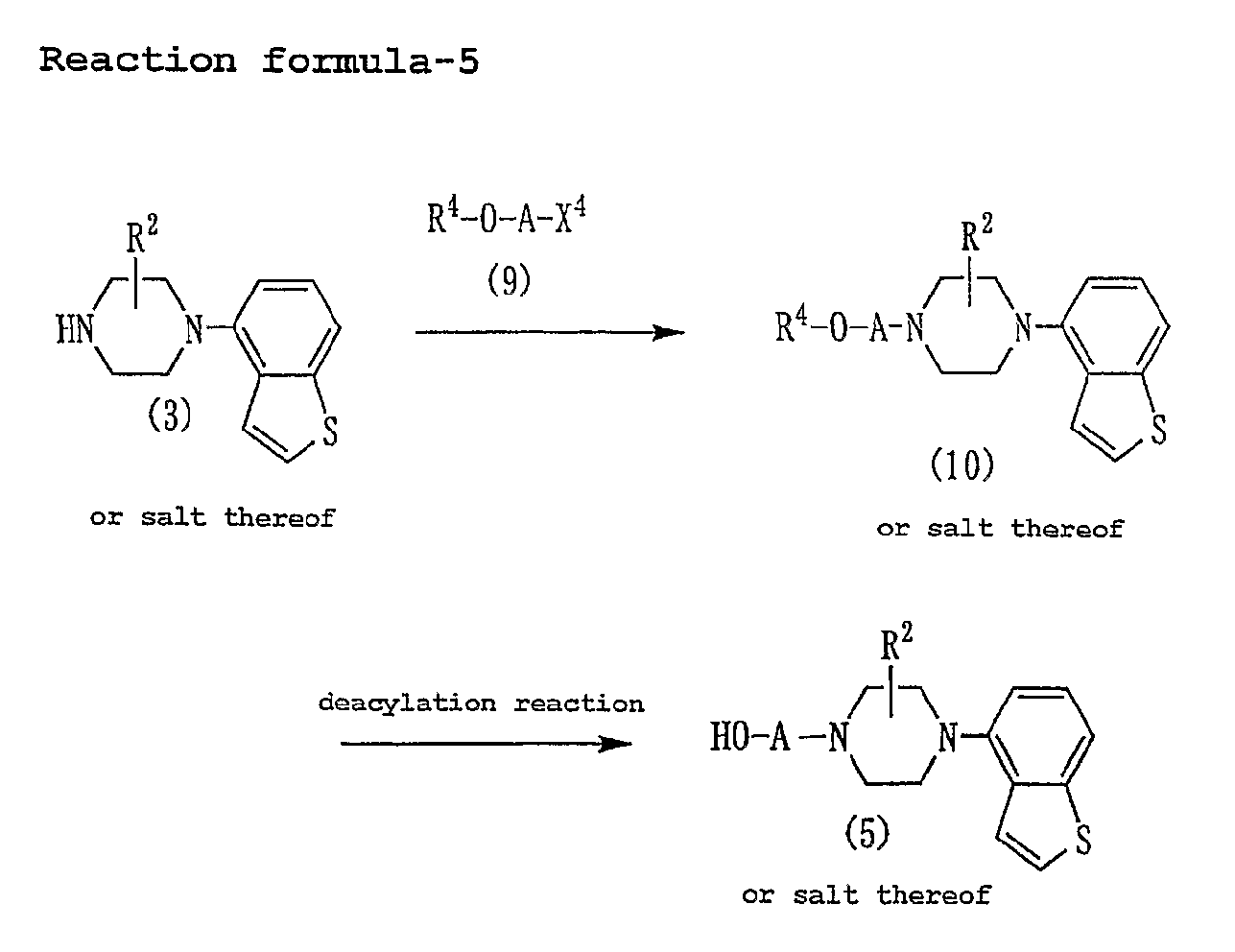
- Examples of the lower alkanoyl group represented by R4 in the general formulas (9) and (10) are the same as mentioned above.
- Furthermore, examples of the halogen atom represented by X4 and the group mediating the same substitution reaction as in a halogen atom in connection with the general formula (9) are the same as mentioned above.
- A compound (hereinafter referred to as a compound (10)) represented by the general formula (10) can be produced by reacting a compound (3) and a compound (9).
- The reaction can be performed under the similar conditions as in reaction formula-1.
- The compound (9) serving as a starting material for a compound according to the present invention is a known compound or a compound that can be easily produced from a known compound.
- In place of a compound (3), a salt of the compound (3) may be used. As a preferable salt of a compound (3), the same salts as above may be mentioned.
- Subsequently, the compound (10) is subjected to a reaction for removing an acyl group to produce a compound (5).
- As a preferable method of the reaction, a conventional reaction such as hydrolysis may be mentioned. The hydrolysis reaction may be preferably performed in the presence of a base or an acid including Lewis acid. Examples of the preferable base include inorganic salts such as an alkali metal (e.g., sodium and potassium), an alkaline metal hydrogen carbonate (e.g., lithium hydrogen carbonate, sodium hydrogen carbonate, and potassium hydrogen carbonate), an alkali metal hydroxide (e.g., lithium hydroxide, sodium hydroxide, potassium hydroxide, and cesium hydroxide), an alkali metal carbonate (e.g., lithium carbonate, sodium carbonate, potassium carbonate, and cesium carbonate), an alkali metal lower alkoxide (e.g., sodium methoxide and sodium ethoxide), and hydrides (e.g., sodium hydride and potassium hydride); and organic bases such as a trialkylamine (e.g., trimethylamine, triethylamine, and N-ethyl diisopropylamine), pyridine, quinoline, piperidine, imidazole, picoline, dimethylaminopyridine, dimethylaniline, N-methylmorpholine, DBN, DABCO, and DBU. As a preferable acid, mention can be made of organic acids (such as formic acid, acetic acid, propionic acid, trichloroacetic acid, trifluoroacetic acid) and inorganic acids (such as hydrochloric acid, hydrobromic acid, sulfuric acid, hydrogen chloride, and hydrogen bromide). The removal reaction using a Lewis acid such as a trihaloacetic acid (e.g., trichloroacetic acid and trifluoroacetic acid) may be preferably performed in the presence of a cation-trapping agent (e.g., anisole and phenol).
- This reaction is generally performed in a conventional solvent that may not negatively affect the reaction, such as water; an alcohol based solvent such as methanol, ethanol, isopropanol, n-butanol, trifluoroethanol, and ethylene glycol; a ketone based solvent such as acetone and methylethyl ketone; an ether based solvent such as tetrahydrofuran, dioxane, diethyl ether, and diglyme; an ester based solvent such as methyl acetate and ethyl acetate; a non-proton polar solvent such as acetonitrile, N,N-dimethylformamide, and dimethylsulfoxide; a halogenated hydrocarbon based solvent such as methylene chloride and ethylene chloride; or other organic solvents. Furthermore, the reaction may be performed in a solution mixture of these conventional solvents. Of them, ethanol is preferable. The reaction temperature is not particularly limited and may generally be performed under cool or heating conditions, and preferably performed at near room temperature to near a boiling point of the solvent to be used for 0.5 to 75 hours.
- In place of a compound (10), a salt of the compound (10) may be used. As a preferable salt of a compound (10), the same salt as shown in a compound (3) may be mentioned.
- Furthermore, a compound (hereinafter referred to as a compound (5a)) where A of the compound (5) represents -CH2A"- where A" represents a C1 to C5 alkylene group can be produced by a method represented by the following reaction formula-6.
-

- Examples of the C1 to C5 alkylene group represented by A" in the general formulas (11) and (5a) include a linear or branched alkylene group having 1 to 5 carbon atoms such as methylene, ethylene, methyl methylene, trimethylene, tetramethylene, 1-methyl trimethylene, 2-methyl trimethylene, 3-methyl tetramethylene, pentamethylene, and 2,2-dimethyl trimethylene.
- The compound (5a) can be produced by subjecting a compound (hereinafter referred to as a compound (11)) represented by the general formula (11) to a reducing reaction.
- The reaction can be performed by the method shown in Reference Example 6 or a similar method thereof. The reaction also can be performed by a conventional method using a reducing agent.
- As a preferable reducing agent, mention may be made of a hydride (such as lithium aluminum hydride, sodium borohydride, lithium borohydride, diborane, and sodium cyanoborohydride).
- This reaction is generally performed in a conventional solvent that may not negatively affect the reaction, such as an alcohol based solvent such as methanol, ethanol, isopropanol, n-butanol, trifluoroethanol, and ethylene glycol; a ketone based solvent such as acetone and methylethyl ketone; an ether based solvent such as tetrahydrofuran, dioxane, diethyl ether, and diglyme; an ester based solvent such as methyl acetate and ethyl acetate; a non-proton polar solvent such as acetonitrile, N,N-dimethylformamide, and dimethylsulfoxide; a halogenated hydrocarbon based solvent such as methylene chloride and ethylene chloride; or other organic solvents. Furthermore, the reaction may be performed in a solution mixture of these conventional solvents. The reaction temperature is not particularly limited and may generally be performed under cool or heating conditions, and preferably performed at near room temperature to near a boiling point of the solvent to be used for 0.5 to 75 hours.
- The compound (11) serving as a starting material for a compound according to the present invention is a known compound or a compound that can be easily produced from a known compound.
- In place of a compound (11), a salt of the compound (11) may be used. As a preferable salt of a compound (11), the same salt as shown in a compound (2) may be mentioned.
- Furthermore, a compound (hereinafter referred to as a compound (11a)) where A" of the compound (11) represents "-(CH2)2-" can be produced by a method represented by the following reaction formula-7.
-

- The compound (11a) can be produced by reacting a compound (3) and a compound (hereinafter referred to as a compound (12)) represented by the general formula (12).
- The reaction can be performed by the method shown in Reference Example 5 or a similar method thereof. This reaction is generally performed in a conventional solvent that may not negatively affect the reaction, such as water, an alcohol based solvent such as methanol, ethanol, isopropanol, n-butanol, trifluoroethanol, and ethylene glycol; a ketone based solvent such as acetone and methylethyl ketone; an ether based solvent such as tetrahydrofuran, dioxane, diethyl ether, and diglyme; an ester based solvent such as methyl acetate and ethyl acetate; a non-proton polar solvent such as acetonitrile, N,N-dimethylformamide, and dimethylsulfoxide; a halogenated hydrocarbon based solvent such as methylene chloride and ethylene chloride; or other organic solvents. Furthermore, the reaction may be performed in a solution mixture of these conventional solvents. The reaction temperature is not particularly limited and may generally be performed under cool or heating conditions, and preferably performed at near room temperature to near a boiling point of the solvent to be used for 0.5 to 75 hours.
- The compound (12) serving as a starting material for a compound according to the present invention is a known compound or a compound that can be easily produced from a known compound.
- A salt of a compound (3) in place of the compound (3) and a salt of a compound (12) in place of the compound (12) may be used. As a preferable salt of a compound (3), the same salt as shown above may be mentioned. As a preferable salt of a compound (12), the same salt as shown in a compound (2) may be mentioned.
- The object compound obtained by each of the above reaction formula may form a suitable salt. Such suitable salts include the preferable salts of compound (1) exemplified below.
- The preferable salts of compound (1) are pharmacologically acceptable salts and examples include metal salts such as alkali metal salts (for example, sodium salt potassium salt, etc.), alkaline earth metal salts (for example, calcium salt, magnesium salt, etc.), salts of inorganic bases such as ammonium salt, alkaline metal carbonates (for example, lithium carbonate, potassium carbonate, sodium carbonate, cesium carbonate, etc.), alkaline metal hydrogen carbonates (for example, lithium hydrogen carbonate, sodium hydrogen carbonate, potassium bicarbonate, etc.), alkali metal hydroxides (for example, lithium hydroxide, sodium hydroxide, potassium hydroxide, cesium hydroxide, etc.); for example, salts of organic bases such as tri(lower)alkylamine (for example, trimethylamine, triethylamine, N-ethyldiisopropylamine), pyridine, quinoline, piperidine, imidazole, picoline, dimethylaminopyridine, dimethylaniline, N-(lower)alkyl-morpholine (for example, N-methylmorpholine), 1,5-diazabicyclo[4.3.0]nonene-5 (DBN), 1,8-diazabicyclo[5.4.0]undecene-7 (DBU), 1,4-diazabicyclo[2.2.2] octane (DABCO); salts of inorganic acids such as hydrochloride, hydrobromide, hydroiodide, sulfate, nitrate, phosphate; salts of organic acids such as formate, acetate, propionate, oxalate, malonate, succinate, fumarate, maleate, lactate, malate, citrate, tartrate, carbonate, picrate, methanesulfonate, ethanesulfonate, p-toluenesulfonate, glutamate.
- In addition, compounds in the form in which solvate (for example, hydrate, ethanolate, etc.) was added to the starting compounds and object compound shown in each of the reaction formulae are included in each of the general formulas. As a preferable solvate, hydrate can be mentioned.
- Each of the object compounds obtained by each of the general formulas can be isolated and purified from the reaction mixture by, for example, subjecting the reaction mixture to isolation operation such as filtration, concentration and extraction after cooling to separate a crude reaction product followed by conventional purification operation such as column chromatography or recrystallization.
- The compound represented by the general formula (1) of the present invention naturally encompasses isomers such as geometrical isomer, stereoisomer and enantiomer.
- A compound and a salt thereof represented by the general formula (1) may be used in the form of general pharmaceutical preparation. The preparation may be prepared by use of a diluent or an excipient such as a filler, extending agent, binder, humectant, disintegrator, surfactant, and lubricant. As a pharmaceutical preparation, various forms can be selected depending upon the therapeutic purpose. Typical forms thereof include a tablet, pill, powder, liquid, suspension, emulsion, granule, encapsulate, suppository, and injection (liquid, suspension).
- In forming a tablet, a wide variety of types of carriers conventionally known in the art may be used. Examples of the carrier that may be used include an excipient such as lactose, saccharose, sodium chloride, glucose, urea, starch, calcium carbonate, kaolin, crystalline cellulose, and silicate; a binder such as water, ethanol, propanol, simple syrup, glucose solution, starch solution, gelatine solution, carboxymethylcellulose, shellac, methyl cellulose, potassium phosphate, and polyvinylpyrrolidine; a disintegrator such as dried starch, sodium alginate, powdered agar, powdered laminaran, sodium hydrogen carbonate, calcium carbonate, polyoxyethylene sorbitan fatty acid ester, sodium lauryl sulfate, stearic acid monoglyceride, starch, and lactose; a disintegration suppressant such as saccharose, stearin, cocoa butter, and hydrogenated oil; a sorbefacient such as quaternary ammonium base and sodium lauryl sulfate; a humectant such as glycerin and starch; an adsorbing agent such as starch, lactose, kaolin, bentonite, and colloidal silica; and a lubricant such as refined talc, stearate, powdered boric acid, and polyethylene glycol. Furthermore, if necessary, a tablet may be coated with a general film. Examples of such a coated tablet include a sugar-coated tablet, gelatine encapsulated tablet, enteric-coated tablet, film coated tablet or double-layer tablet, and multi-layer tablet.
- In forming a pill, a wide variety of types of carriers conventionally known in the art may be used. Examples of the carrier that may be used include an excipient such as glucose, lactose, starch, cacao butter, hardened vegetable oil, kaolin and talc; a binder such as powdered gum Arabic, powdered tragacanth, gelatine and ethanol; and a disintegrator such as laminaran and agar.
- In forming a suppository, a wide variety of types of carriers conventionally known in the art may be used. Examples of the carrier that may be used include polyethylene glycol, cacao butter, higher alcohol, esters of a higher alcohol, gelatine, and semisynthetic glyceride.
- A capsule is usually prepared by mixing an active ingredient compound with a carrier as illustrated above in accordance with a conventional method and filling the mixture in a hard gelatine capsule or a soft capsule.
- In preparing an injection, a liquid agent, emulsion and suspension are preferably sterilized and isotonic with blood. When they are prepared into an injection, any diluent can be used as long as it is conventionally used as a diluent in the art. Examples of the diluent that may be used include water, ethyl alcohol, macrogol, propylene glycol, ethoxylated isostearyl alcohol, polyoxylated isostearyl alcohol, polyoxyethylene sorbitan fatty acid esters.
- Note that, in this case, a pharmaceutical preparation may contain a salt, glucose or glycerin in a sufficient amount to prepare an isotonic solution. Alternatively, a general auxiliary solubilizer, buffer, soothing agent may be added. Furthermore, a pigment, preservative, aroma, flavor, sweetening agent and other medicinal substances may be added to a pharmaceutical preparation, if necessary.
- The amount of a compound of the general formula (1) and a salt thereof to be contained in a pharmaceutical preparation according to the present invent is not particularly limited and appropriately selected from the wide range; however generally about 1 to 70 wt%, preferably about 1 to 30 wt% in a preparation composition.
- A method of administrating a pharmaceutical preparation according to the present invention is not limited and administered by a method in accordance with the form of a preparation, the age, gender and other conditions of a patient, and severity of a disease. For example, in the case of a tablet, pill, liquid agent, suspension, emulsion, granule and capsule, it is perorally administrated. In addition, in the case of an injection, it is intravenously administered by itself or by mixing with a general replenisher such as glucose and amino acids, and, if necessary, it is solely administered intramuscularly, intracutaneously, subcutaneously or intraperitoneally. In the case of a suppository, it is administered into the rectum.
- The dose of a pharmaceutical preparation according to the present invention is appropriately selected depending upon the dosage regimen (direction for use), age, gender and other conditions of a patient, and severity of a disease, etc.; however, the dose of an active ingredient compound may be generally and preferably set at about 0.1 to 10 mg/weight (kg) per day. It is desirable that an active ingredient compound be contained in the range of about 1 to 200 mg per dosage unit of a preparation.
- A compound according to the present invention has a D2 receptor partial agonist effect, 5-HT2A receptor antagonist effect and serotonin uptake inhibitory effect.
- The D2 receptor partial agonist effect refers to an action which decelerates dopaminergic (DA) neurotransmission when it is enhanced, whereas accelerates dopaminergic (DA) neurotransmission when it is lowered. In this manner, the D2 receptor partial agonist acts as a dopamine system stabilizer, which stabilizes DA neurotransmission into a normal state. By virtue of this effect, the compound of the present invention produces an excellent clinical improvement effect on symptoms caused by abnormal DA neurotransmission (acceleration or deceleration) without developing side effects. As the excellent clinical improvement effect, mention may be made of, effects of improving positive and negative symptoms, cognitive impairment and depressive symptom (see Michio Toru, Psychiatry, Vol. 46, page 855-864 (2004); Tetsuro Kikuchi and Hirose Takeshi, Brain Science, vol. 25, page 579-583 (2004); and Harrison, T. S. and Perry, C.M.: Drugs 64: 1715-1736, 2004).
- 5-HT2A receptor antagonist effect refers to an action which reduces extrapyramidal side effects and develops a superior clinical response and more specifically effectively works for improving negative symptoms, cognitive impairment, depressive symptom, and insomnia (see Jun Ishigooka and Ken Inada: Japanese Journal of Clinical Psychopharmacology, vol. 4, page 1653-1664 (2001); Mitsukuni Murasaki: Japanese Journal of Clinical Psychopharmacology, vol. 1, page 5-22 (1998), and Meltzer, H. Y. et al.: Prog. Neuro-Psychopharmacol. Biol. Psychiatry 27: 1159-1172, 2003).
- The serotonin uptake inhibitory effect is, for example, effective in improving depressive symptoms (see Mitsukuni Murasaki: Japanese Journal of Clinical Psychopharmacology, vol. 1, page 5-22 (1998)).
- The compound of the present invention is excellent in all these three effects or significantly excellent in one or two effects of them.
- In addition, some of the compounds according to the present invention has an α1 receptor antagonist effect in addition to the effects mentioned above. The α1 receptor antagonist effect is effective in improving positive symptoms of schizophrenia (see Svensson, T. H.: Prog. Neuro-Psychopharmacol. Biol. Psychiatry 27: 1145-1158, 2003)
- Therefore, a compound of the present invention has a wide treatment spectrum for schizophrenia and other central nervous system disorder and possesses a superior clinical response.
- Accordingly, a compound of the present invention is extremely effective for improving various kinds of disorders of the central nervous system such as schizophrenia; refractory, intractable or chronic schizophrenia; emotional disturbance; psychotic disorder; mood disorder; bipolar disorder (for example, bipolar Type-I disorder and bipolar Type-II disorder); depression, endogenous depression, major depression; melancholy and refractory depression; dysthymic disorder; cyclothymic disorder; anxiety disorder (for example, panic attack, panic disorder, agoraphobia, social phobia, obsessive-compulsive disorder, post-traumatic stress disorder, generalized anxiety disorder, and acute stress disorder); somatoform disorder (for example, hysteria, somatization disorder, conversion disorder, pain disorder, and hypochondriasis), factitious disorder; dissociative disorder; sexual disorder (for example, sexual dysfunction, sexual desire disorder, sexual arousal disorder, and erectile dysfunction); eating disorder (for example, anorexia nervosa and bulimia nervosa); sleep disorder; adjustment disorder; substance-related disorder (for example, alcohol abuse; alcohol intoxication; drug addiction, stimulant intoxication, and narcotism); anhedonia (for example, iatrogenic anhedonia, anhedonia of a psychic or mental cause, anhedonia associated with depression, and anhedonia associated with schizophrenia); delirium; cognitive impairment; cognitive impairment associated with Alzheimer's disease, Parkinson's disease and other neurodegenerative diseases; cognitive impairment caused by Alzheimer's disease; Parkinson's disease and associated neurodegenerative diseases; cognitive impairment of schizophrenia; cognitive impairment caused by refractory, intractable or chronic schizophrenia; vomiting; motion sickness; obesity; migraine; pain (ache); mental retardation; autism disorder (autism); Tourette's disorder; tic disorder; attention-deficit/hyperactivity disorder; conduct disorder; and Down's syndrome.
- Furthermore, a compound of the present invention has few side effects, and excellent in tolerability and safety.
- The starting compounds used in each of the above reaction formula may be suitable salt, the object compound obtained by each of the reaction may form a suitable salt. Such suitable salts include the preferable salts of compound (1) exemplified below.
- The preferable salts of compound (1) are pharmacologically acceptable salts and examples include metal salts such as alkali metal salts (for example, sodium salt potassium salt, etc.), alkaline earth metal salts (for example, calcium salt, magnesium salt, etc.), salts of inorganic bases such as ammonium salt, alkaline metal carbonates (for example, lithium carbonate, potassium carbonate, sodium carbonate, cesium carbonate, etc.), alkaline metal hydrogen carbonates (for example, lithium hydrogen carbonate, sodium hydrogen carbonate, potassium bicarbonate, etc.), alkali metal hydroxides (for example, lithium hydroxide, sodium hydroxide, potassium hydroxide, cesium hydroxide, etc.); for example, salts of organic bases such as tri(lower)alkylamine (for example, trimethylamine, triethylamine, N-ethyldiisopropylamine), pyridine, quinoline, piperidine, imidazole, picoline, dimethylaminopyridine, dimethylaniline, N-(lower)alkyl-morpholine (for example, N-methylmorpholine), 1,5-diazabicyclo[4.3.0]nonene-5 (DBN), 1,8-diazabicyclo[5.4.0]undecene-7 (DBU), 1,4-diazabicyclo[2.2.2] octane (DABCO); salts of inorganic acids such as hydrochloride, hydrobromide, hydroiodide, sulfate, nitrate, phosphate; salts of organic acids such as formate, acetate, propionate, oxalate, malonate, succinate, fumarate, maleate, lactate, malate, citrate, tartrate, carbonate, picrate, methanesulfonate, ethanesulfonate, p-toluenesulfonate, glutamate.
- In addition, compounds in the form in which solvate (for example, hydrate, ethanolate, etc.) was added to the starting compounds and object compound shown in each of the reaction formulae are included in each of the general formulas. As a preferable solvate, hydrate can be mentioned.
- Each of the object compounds obtained by each of the general formulas can be isolated and purified from the reaction mixture by, for example, subjecting the reaction mixture to isolation operation such as filtration, concentration and extraction after cooling to separate a crude reaction product followed by conventional purification operation such as column chromatography or recrystallization.
- The compound represented by the general formula (1) of the present invention naturally encompasses isomers such as geometrical isomer, stereoisomer and enantiomer.
- The compound of the general formula (1) and a salt thereof can be used in a common form of pharmaceutical preparation. The pharmaceutical preparation is prepared by using usually used diluent or excipient such as filler, extending agent, binder, humectant, disintegrating agent, surfactant and lubricant. As for this pharmaceutical preparation, various forms can be selected depending on the purpose of treatment, and typical examples include a tablet, pill, powder, solution, suspension, emulsion, granule, capsule, suppository, and injection (solution, suspension).
- For shaping in tablet form, various materials conventionally well known as carrier in the art can be widely used. As examples, excipient such as lactose, saccharose, sodium chloride, glucose, urea, starch, calcium carbonate, kaolin, crystalline cellulose, silicate; binder such as water, ethanol, propanol, simple syrup, glucose solution, starch liquid, gelatine solution, carboxymethylcellulose, shellac, methylcellulose, potassium phosphate, polyvinylpyrrolidone; disintegrating agent such as dried starch, sodium alginate, agar powder, laminaran powder, sodium hydrogen carbonate, calcium carbonate, polyoxyethylene sorbitan fatty acid ester, sodium lauryl sulfate, stearic acid monoglyceride, starch, lactose; disintegration preventing agent such as saccharose, stearin, cacao butter, hydrogenated oil; sorbefacient such as quaternary ammonium base, sodium lauryl sulfate; moisturizing agent such as glycerine, starch; absorbing agent such as starch, lactose, kaolin, bentonite, colloidal silica; lubricant such as purified talc, stearate, borate powder, polyethylene glycol can be used, for example. Furthermore, the tablet may be a tablet provided with conventional coating as required, for example, sugar-coated tablet, gelatine encapsulated tablet, enteric coating tablet, film coated tablet or double tablet, multilayer tablet.
- For shaping in pill form, various materials conventionally well known as carrier in the art can be widely used. As examples, excipient such as glucose, lactose, starch, cacao butter, hydrogenated vegetable oil, kaolin, talc; binder such as powdered gum arabic, powdered tragacanth, gelatine, ethanol; disintegrating agent such as laminaran, agar can be used, for example.
- For shaping in suppository form, various materials conventionally well known as carrier can be widely used. Examples thereof include polyethylene glycol, cacao butter, higher alcohol, esters of higher alcohol, gelatine, semisynthesized glyceride, for example.
- A capsule is usually prepared according to a conventional method by mixing active ingredient compounds with various carrier exemplified above and filling them into a hard gelatin capsule, a soft capsule or the like.
- When prepared as injection liquid, it is preferable that solution, emulsion and suspension are sterilized and isotonic to the blood and for forming in these modes, any of those conventionally used in the art as diluent can be used, and, for example, water, ethyl alcohol, macrogol, propylene glycol, ethoxylated isostearyl alcohol, polyoxylated isostearyl alcohol, polyoxyethylene sorbitan fatty acid ester, etc. can be used.
- The pharmaceutical preparation may contain common salt, glucose or glycerine in an amount sufficient to prepare an isotonic solution in this case, and conventional solubilizer, buffer, soothing agent may be also added. Pigment, preservative, aromatic, flavor, sweetening and other pharmaceuticals may be further contained as required.
- The amount of a compound of the general formula (1) or a salt thereof to be contained in the pharmaceutical preparation of the present invention is not particularly limited but usually about 1 to 70% by weight in the preparation composition is suitable and preferably about 1 to 30% by weight.
- There is not limitation in particular in the way of administration of the pharmaceutical preparation of the present invention and may be administered by a method in accordance with specific form of the preparation, age, sex and the other conditions of a patient, severity of disease, etc. For example, in the case of tablet, pill, solution, suspension, emulsion, granule and capsule, it is orally administered. In the case of injection, it is intravenously administered alone or in a mixture with conventional replacement fluid such as glucose and amino acids, and if necessary, and the preparation alone may be also administered intramuscularly, intracutaneously, subcutaneously or interperitoneally. It is administered in rectum in the case of suppository.
- Applied dose of the pharmaceutical preparation of the present invention is appropriately selected in accordance with dosage regimen, age, sex and the other conditions of a patient, severity of disease, etc., but it is suitable that the amount of the active ingredient compound is usually about 0.1 to 10 mg per 1 kg of body weight per day. In addition, it is desirable that the active ingredient compound is contained in the preparation of a dosage unit form in the range of about 1 to 200 mg.
- The compound of the present invention has D2 receptor partial agonist effect, 5-HT2A receptor antagonist effect and serotonin uptake inhibitory effect (or serotonin uptake inhibitory effect).
- The D2 receptor partial agonist effect suppresses dopaminergic (DA) neurotransmission when it is enhanced, and accelerates the DA neurotransmission when it is lowered and thus has a function to stabilize the DA neurotransmission to a normal state (dopamine system stabilizer). According to this function, excellent clinically improving effect on the conditions based on the DA abnormal neurotransmission (enhancement and lowering), for example, improving effect on positive and negative symptoms, improving effect on cognitive impairment, improving effect on depressive symptom, etc. are developed without developing side effects (See Michio Toru: Seishin-Igaku (Psychiatry), Vol. 46, pp. 855-864 (2004), Tetsuro Kikuchi and Tsuyoshi Hirose: Nou-no-Kagaku (Brain Science), Vol. 25, pp. 579-583 (2003) and Harrison, T.S. and Perry, C.M.: Drugs 64: 1715-1736, 2004).
- 5-HT2A receptor antagonist effect reduces extrapyramidal side effects, develops superior clinical effects, and is effective for improvement of negative symptoms, improvement of cognitive impairment, improvement of depression condition, improvement of insomnia, for example (See Jun Ishigooka and Ken Inada: Rinsho-Seishin-Yakuri (Japanese Journal of Clinical Psychopharmacology), Vol. 4, pp. 1653-1664 (2001), Mitsukuni Murasaki: Rinsho-Seishin-Yakuri (Japanese Journal of Clinical Psychopharmacology), Vol. 1, pp. 5-22 (1998), Puller, I.A. et al., Eur. J. Pharmacol., 407:39-46, 2000, and Meltzer, H.Y. et al, Prog. Neuro-Psychopharmacol. Biol. Psychiatry 27: 1159-1172, 2003).
- Serotonin uptake inhibitory effect (or serotonin reuptake inhibitory effect) is effective for improving depressive symptoms, for example (See Mitsukuni Murasaki: Rinsho-Seishin-Yakuri (Japanese Journal of Clinical Psychopharmacology), Vol. 1, pp. 5-22 (1998)).
- The compounds of the present invention are excellent in all of these three effects, or remarkably excellent in one or two of these effects.
- In addition, some of the compounds of the present invention have α1 receptor antagonist effect in addition to the above-described effects. The α1 receptor antagonist effect is effective for improving positive symptoms of schizophrenia (See Svensson, T.H.: Prog. Neuro-Psychopharmacol. Biol. Psychiatry 27: 1145-1158, 2003).
- Therefore, the compounds of the present invention have a wide treatment spectrum for and excellent clinical effect on schizophrenia and other central nervous system disorders.
- Accordingly, the compounds of the present invention are extremely effective for the treatment or prevention of central nervous system disorders including the group consisting of schizophrenia; refractory, intractable or chronic schizophrenia; emotional disturbance; psychotic disorder; mood disorder; bipolar disorder (for example, bipolar I type disorder and bipolar II type disorder); depression; endogenous depression; major depression; melancholy and refractory depression; dysthymic disorder; cyclothymic disorder; anxiety disorder (for example, panic attack, panic disorder, agoraphobia, social phobia, obsessive-compulsive disorder, post-traumatic stress disorder, generalized anxiety disorder, acute stress disorder, etc.); somatoform disorder (for example, hysteria, somatization disorder, conversion disorder, pain disorder, hypochondriasis, etc.); factitious disorder; dissociative disorder; sexual disorder (for example, sexual dysfunction, sexual desire disorder, sexual arousal disorder, erectile dysfunction, etc.); eating disorder (for example, anorexia nervosa, bulimia nervosa, etc.); sleep disorder; adjustment disorder; substance-related disorder (for example, alcohol abuse, alcohol intoxication, drug addiction, stimulant intoxication, narcotism, etc.); anhedonia (for example, iatrogenic anhedonia, anhedonia of a psychic or mental cause, anhedonia associated with depression, anhedonia associated with schizophrenia, etc.); delirium; cognitive impairment; cognitive impairment associated with Alzheimer's disease, Parkinson's disease, and other neurodegenerative diseases; cognitive impairment caused by Alzheimer's disease, Parkinson's disease and associated neurodegenerative diseases; cognitive impairment of schizophrenia; cognitive impairment caused by refractory, intractable or chronic schizophrenia; vomiting; motion sickness; obesity; migraine; pain (ache); mental retardation; autism disorder (autism); Tourette's disorder; tic disorder; attention-deficit/hyperactivity disorder; conduct disorder; and Down's syndrome.
- Furthermore, the compounds of the present invention have little or no side effects and they are excellent in safety and tolerability.
- A preferable example of a desired compound (1) is as follows:
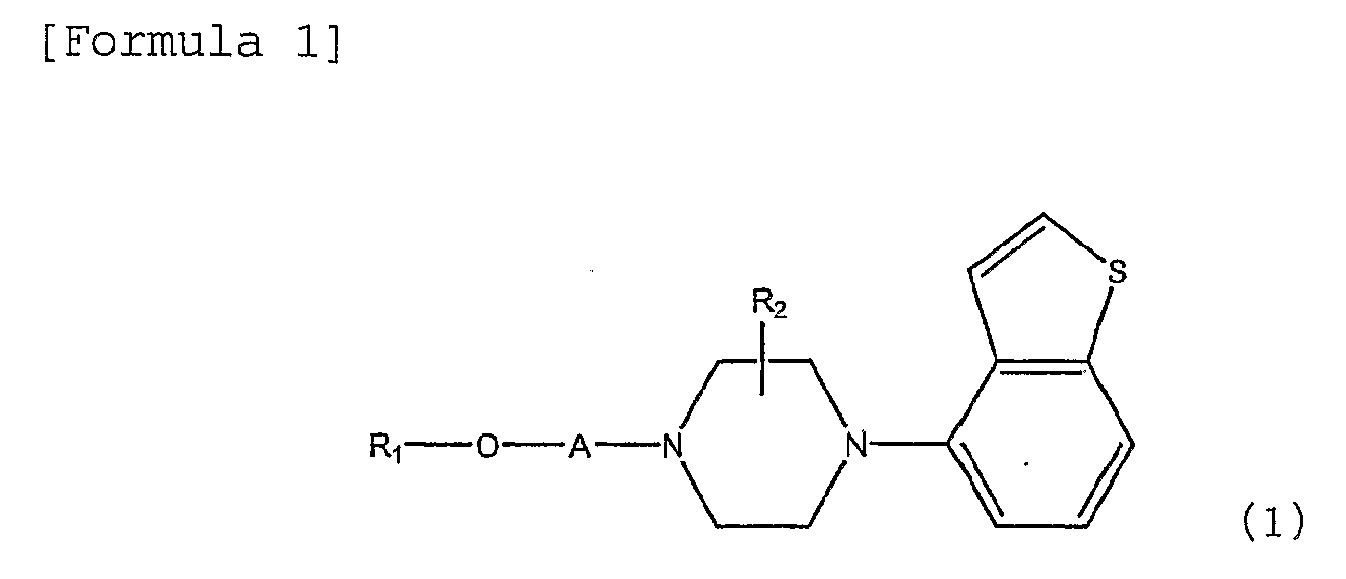
- where R2 represents a hydrogen atom or a lower alkyl group;
- A represents a lower alkylene group or a lower alkenylene group (preferably a lower alkylene group); and
- R1 represents a cyclo C3-C8 alkyl group, an aromatic group or a heterocyclic group selected from the group consisting of (I) to (IV) below:
- (I) a cyclo C3-C8 alkyl group (more preferably a cyclohexyl group);
- (II) an aromatic group selected from a phenyl group, naphthyl group, dihydroindenyl group and tetrahydronaphthyl group (more preferably a phenyl group);
- (III) a saturated or unsaturated heteromonocyclic group having 1 to 4 hetero atoms selected from the group consisting of a nitrogen atom, oxygen atom and sulfur atom and selected from the group consisting of a pyrrolidinyl group, imidazolidinyl group, piperidyl group, hexahydropyrimidinyl group, piperazinyl group, azepanyl group, azocanyl group, pyrrolyl group, dihydropyrrolyl group, imidazolyl group, dihydroimidazolyl group, triazolyl group, dihydrotriazolyl group, pyrazolyl group, pyridyl, dihydropyridyl group, pyrimidinyl group, dihydropyrimidinyl group, pyrazinyl group, dihydropyrazinyl group, pyridazinyl group, tetrazolyl group, oxazolyl group, isoxazolyl group, oxadiazolyl group, oxazolidinyl group, isoxazolidinyl group, morpholinyl group, thiazolyl group, dihydrothiazolyl group, isothiazolyl group, thiadiazolyl group, dihydrothiazinyl group, thiazolidinyl group, tetrahydrofuryl group, tetrahydropyranyl group, pyranyl group, tetrahydrothiofuryl group, tetrahydrothiopyranyl group, thienyl group and thiopyranyl group (more preferably, a saturated or unsaturated heteromonocyclic group having 1 to 2 hetero atoms selected from the group consisting of a nitrogen atom, an oxygen atom and a sulfur atom and selected from the group consisting of a pyrrolidinyl group, a piperidyl group, a pyrazolyl group, a pyridyl group, a pyrimidinyl group, a pyrazinyl group, an isoxazolyl group, a thiazolyl group, a pyranyl group and a thienyl group; and more preferably, a saturated or unsaturated heteromonocyclic group having 1 to 2 nitrogen atoms selected from the group consisting of a pyrrolidinyl group, a piperidyl group, a pyrazolyl group, a pyridyl group, a pyrimidinyl group and a thiazolyl group; and
- (IV) a benzene fused heterocyclic group that has 1 to 4 hetero atoms selected from the group consisting of a nitrogen atom, oxygen atom and sulfur atom and that is selected from the group consisting of (1) a tetrahydroquinoxalinyl group, (2) a tetrahydroquinazolinyl group, (3) a dihydroquinazolinyl group, (4) an indolinyl group, (5) an indolyl group, (6) an isoindolinyl group, (7) a benzimidazolyl group, (8) a dihydrobenzimidazolyl group, (9) a tetrahydrobenzazepinyl group, (10) a tetrahydrobenzodiazepinyl group, (11) a hexahydrobenzazocinyl group, (12) a dihydrobenzoxazinyl group, (13) a dihydrobenzoxazolyl group, (14) a benzisoxazolyl group, (15) a benzoxadiazolyl group, (16) a tetrahydrobenzoxazepinyl group, (17) a dihydrobenzothiazinyl group, (18) a benzothiazolyl group, (19) a benzoxathiolyl group, (20) a chromenyl group, (21) a dihydrobenzofuryl group, (22) a carbazolyl group, (23) a dibenzofuryl group and (24) a quinoxalinyl group
- (1) a lower alkyl group,
- (2) a lower alkenyl group,
- (3) a halogen substituted lower alkyl group,
- (4) a lower alkoxy group,
- (5) a phenoxy group,
- (6) a lower alkylthio group,
- (7) a halogen substituted lower alkoxy group,
- (8) a hydroxy group,
- (9) a phenyl lower alkoxy group,
- (10) a hydroxy lower alkyl group,
- (11) a lower alkoxy lower alkyl group,
- (12) a halogen atom,
- (13) a cyano group,
- (14) a phenyl aryl group,
- (15) a nitro group,
- (16) an amino group,
- (17) an amino group having 1 to 2 groups selected from the group consisting of a lower alkyl group, a lower alkanoyl group, a lower alkoxycarbonyl group, a lower alkylsulfonyl group, a carbamoyl group, a lower alkyl carbamoyl group, an amino lower alkanoyl group, a lower alkanoylamino lower alkanoyl group and a lower alkoxycarbonylamino lower alkanoyl group as a substituent(s) (more preferably an N-lower alkylamino group, N,N-di lower alkylamino group, N-lower alkanoylamino group, N-lower alkoxycarbonylamino group, N-lower alkylsulfonylamino group, N-lower alkyl-N-lower alkanoylamino group, N-lower alkyl-N-lower alkoxycarbonylamino group, N-[carbamoyl]amino group, N-[N-lower alkylcarbamoyl]amino group, N-[N,N-di lower alkylcarbamoyl]amino group, N-[amino lower alkanoyl]amino group, N-[[N-lower alkanoylamino] lower alkanoyl]amino group, or N-[[N-lower alkoxycarbonylamino] lower alkanoyl]amino group),
- (18) a lower alkanoyl group,
- (19) a phenyl sulfonyl group that may have a lower alkyl group on the phenyl group (more preferably a lower alkylphenylsulfonyl group),
- (20) a carboxy group,
- (21) a lower alkoxycarbonyl group,
- (22) a carboxy lower alkyl group,
- (23) a lower alkoxycarbonyl lower alkyl group,
- (24) a lower alkanoylamino lower alkanoyl group,
- (25) a carboxy lower alkenyl group,
- (26) a lower alkoxycarbonyl lower alkenyl group,
- (27) a carbamoyl lower alkenyl group that may have as a substituent(s) 1 to 2 groups selected from the group consisting of a lower alkyl group and a lower alkyl group substituted with 1 to 3 halogen atoms (more preferably a carbamoyl lower alkenyl group, an N-lower alkylcarbamoyl lower alkenyl group, an N,N-di lower alkylcarbamoyl lower alkenyl group or N-[a lower alkyl substituted with 1 to 3 halogen atoms] carbamoyl lower alkenyl),
- (28) a carbamoyl group that may have 1 to 2 groups selected from the group consisting of the groups (i) to (lxxviii) below as a substituent(s):
- (i) a lower alkyl group,
- (ii) a lower alkoxy group,
- (iii) a hydroxy lower alkyl group,
- (iv) a lower alkoxy lower alkyl group,
- (v) an phenyloxy lower alkyl group,
- (vi) a halogen substituted lower alkyl group,
- (vii) an amino lower alkyl group that may have 1 to 2 groups selected from the group consisting of a lower alkyl group, a lower alkanoyl group, a benzoyl group and a carbamoyl group (more preferably an N,N-di lower alkylamino lower alkyl group, an N-lower alkanoylamino lower alkyl group, an N-lower alkyl-N-lower alkanoylamino lower alkyl group, an N-lower alkyl-N-benzoylamino lower alkyl group, or an N-carbamoylamino lower alkyl group)
- (viii) a cyclo C3-C8 alkyl group that may have 1 to 3 groups (preferably 1 to 2 groups, and more preferably 1 group) selected from the group consisting of a lower alkyl group, a hydroxy group, a lower alkoxycarbonyl group and a phenyl lower alkoxy group as a substituent,
- (ix) a cyclo C3-C8 alkyl substituted lower alkyl group,
- (x) a lower alkenyl group,
- (xi) a lower alkyl group having 1 to 2 carbamoyl groups which may have 1 to 2 groups (preferably 1 group) selected from the group consisting of a lower alkyl group, a phenyl group that may have a single lower alkyl group and a phenyl group that may have a single lower alkoxy group as a substituent(s) (more preferably a carbamoyl lower alkyl group, a dicarbamoyl lower alkyl group, an N-lower alkylcarbamoyl lower alkyl group, an N,N-di lower alkylcarbamoyl lower alkyl group, an N-[lower alkylphenyl]carbamoyl lower alkyl group, or an N-[lower alkoxyphenyl]carbamoyl lower alkyl group),
- (xii) a lower alkyl group having 1 to 2 lower alkoxycarbonyl groups,
- (xiii) a furyl lower alkyl group (that may have 1 to 2 lower alkyl groups as a substituent(s) on the furyl group),
- (xiv) a tetrahydrofuryl lower alkyl group,
- (xv) a 1,3-dioxolanyl lower alkyl group,
- (xvi) a tetrahydropyranyl lower alkyl group,
- (xvii) a pyrrolyl lower alkyl group (that may have 1 to 2 lower alkyl groups as a substituent(s) on the pyrrolyl group),
- (xviii) a dihydropyrazolyl lower alkyl group that may have a single oxo group,
- (xix) a pyrazolyl lower alkyl group (that may have 1 to 3 lower alkyl groups as a substituent(s) on the pyrazolyl group),
- (xx) an imidazolyl lower alkyl group,
- (xxi) a pyridyl lower alkyl group,
- (xxii) a pyrazinyl lower alkyl group (that may have 1 to 3 (preferably 1) lower alkyl groups as a substituent on the pyrazinyl group),
- (xxiii) a pyrrolidinyl lower alkyl group (that may have 1 to 2 groups selected from the group consisting of an oxo group and a lower alkyl group as a substituent(s) on the pyrrolidinyl group),
- (xxiv) a piperidyl lower alkyl group (that may have 1 to 3 groups (preferably 1 group) selected from the group consisting of a benzoyl group and a lower alkanoyl group as a substituent(s) on the piperidyl group),
- (xxv) a piperazinyl lower alkyl group (that may have 1 to 3 (preferably 1) lower alkyl groups as a substituent(s) on the piperazinyl group),
- (xxvi) a morpholinyl lower alkyl group,
- (xxvii) a thienyl lower alkyl group (that may have 1 to 3 (preferably 1) lower alkyl group as a substituent(s) on the thienyl group),
- (xxviii) a thiazolyl lower alkyl group,
- (xxix) a dihydrobenzofuryl lower alkyl group,
- (xxx) a benzopyranyl lower alkyl group (that may have a single oxo group as a substituent on the benzopyranyl group),
- (xxxi) a benzimidazolyl lower alkyl group,
- (xxxii) an indolyl lower alkyl group that may have 1 to 3 (preferably 1) lower alkoxycarbonyl groups on the lower alkyl group),
- (xxxiii) an imidazolyl lower alkyl group that has 1 to 3 substituents (preferably 1 substituent) selected from the group consisting of a carbamoyl group and a lower alkoxycarbonyl group on the lower alkyl group,
- (xxxiv) a pyridyl group that may have 1 to 3 groups (preferably 1 group) selected from the group consisting of a lower alkyl group, a lower alkoxy group and a lower alkylthio lower alkyl group as a substituent(s),
- (xxxv) a pyrrolidinyl group that may have 1 to 3 groups (preferably 1 group) selected from the group consisting of a lower alkyl group, a lower alkoxycarbonyl group, a lower alkanoyl group and a benzoyl group as a substituent,
- (xxxvi) a piperidyl group that may have 1 to 3 groups (preferably 1 group) selected from the group consisting of a lower alkyl group, a lower alkoxycarbonyl group, a lower alkanoyl group and a benzoyl group that may have 1 to 3 groups (preferably 1 group) selected from the group consisting of a lower alkyl group and a halogen atom on the phenyl group,
- (xxxvii) a tetrahydrofuryl group that may have a single oxo group,
- (xxxviii) a hexahydroazepinyl group that may have a single oxo group,
- (xxxix) a pyrazolyl group that may have 1 to 3 groups (preferably 1 group) selected from the group consisting of a lower alkyl group, a phenyl group and a furyl group as a substituent,
- (xl) a thiazolyl group,
- (xli) a thiadiazolyl group that may have 1 to 3 (preferably 1) lower alkyl groups,
- (xlii) an isoxazolyl group that may have 1 to 3 (preferably 1 to 2) lower alkyl groups,
- (xliii) an indazolyl group,
- (xliv) an indolyl group,
- (xlv) a tetrahydrobenzothiazolyl group,
- (xlvi) a tetrahydroquinolyl group that may have 1 to 3 (preferably 1 to 2) groups selected from the group consisting of a lower alkyl group, a lower alkoxy group, a halogen atom and an oxo group as a substituent,
- (xlvii) a quinolyl group that may have 1 to 3 (preferably 1) lower alkyl groups,
- (xlviii) a benzodioxolyl lower alkyl group,
- (xlix) a phenyl group or naphthyl group that may have 1 to 3 groups as a substituent(s), selected from the group consisting of
a halogen atom; a lower alkyl group; a lower alkoxy group; a halogen substituted lower alkyl group; a halogen substituted lower alkoxy group; a lower alkenyl group; an amino group that may have 1 to 2 groups selected from the group consisting of a lower alkanoyl group, a lower alkyl sulfonyl group, a lower alkyl group and an aryl group; a sulfamoyl group; a lower alkylthio group; a lower alkanoyl group; a lower alkoxycarbonyl group; a pyrrolyl group; a lower alkynyl group; a cyano group; a nitro group; a phenyloxy group; a phenyl lower alkoxy group; a hydroxy group; a hydroxy lower alkyl group; a carbamoyl group that may have a group selected from the group consisting of a lower alkyl group and a phenyl group; a pyrazolyl group; a pyrrolidinyl group that may have a single oxo group; an oxazolyl group; an imidazolyl group that may have 1 to 3 (preferably 1 to 2) lower alkyl groups; a dihydrofuryl group that may have a single oxo group; a thiazolidinyl lower alkyl group that may have two oxo groups; an imidazolyl lower alkanoyl group and a piperidinylcarbonyl group,- (1) a cyano lower alkyl group,
- (li) a dihydroquinolyl group that may have 1 to 3 (more preferably 1 to 2) groups selected from the group consisting of a lower alkyl group and an oxo group,
- (lii) a halogen substituted lower alkylamino group,
- (liii) a lower alkylthio lower alkyl group,
- (liv) an amidino group that may have 1 to 2 lower alkyl groups,
- (lv) an amidino lower alkyl group,
- (lvi) a lower alkenyloxy lower alkyl group,
- (lvii) a phenyl amino group that may have 1 to 3 substituents (more preferably 1 substituent) selected from the group consisting of a lower alkyl group, a lower alkoxy group, a halogen substituted lower alkyl group and a halogen substituted lower alkoxy group on the phenyl group,
- (lviii) a phenyl lower alkenyl group,
- (lix) a pyridylamino group that may have 1 to 3 (more preferably 1 to 2) lower alkyl groups (more preferably N-lower alkyl-N-[lower alkylpyridyl]amino group),
- (lx) a phenyl lower alkyl group (that may have 1 to 3 groups (more preferably 1 to 2 groups) selected from the group consisting of a halogen atom, a lower alkyl group, a halogen substituted lower alkyl group, a halogen substituted lower alkoxy group, a lower alkoxy group, a carbamoyl group and a lower alkoxycarbonyl group as a substituent on the phenyl group and/or the lower alkyl group),
- (lxi) a lower alkynyl group,
- (lxii) a phenyloxy lower alkyl group (that may have as a substituent(s) on the phenyl group 1 to 3 groups (preferably 1 group) selected from the group consisting of a lower alkoxy group, an N-lower alkoxy-N-lower alkylcarbamoyl group and an oxopyrrolidinyl group),
- (lxiii) an isoxazolidinyl group that may have a single oxo group,
- (lxiv) a dihydroindenyl group,
- (lxv) a phenyl lower alkoxy lower alkyl group,
- (lxvi) a tetrahydropyranyl group,
- (lxvii) an azetidinyl group that may have 1 to 3 groups (more preferably 1 group) selected from the group consisting of a lower alkanoyl group and a benzoyl group,
- (lxviii) an azetidinyl lower alkyl group that may have 1 to 3 groups (more preferably 1 group) selected from the group consisting of a lower alkanoyl group and a benzoyl group,
- (lxix) a tetrazolyl group,
- (lxx) an indolinyl group that may have a single oxo group,
- (lxxi) a triazolyl group that may have 1 to 3 groups (more preferably 1 to 2 groups) selected from the group consisting of a lower alkyl group and a lower alkylthio group,
- (lxxii) an imidazolyl group that may have 1 to 3 (more preferably 1) carbamoyl groups,
- (lxxiii) an oxazolyl group that may have 1 to 3 (more preferably 1) lower alkyl groups,
- (lxxiv) an isothiazolyl group that may have 1 to 3 (more preferably 1) lower alkyl groups,
- (lxxv) a benzimidazolyl group,
- (lxxvi) a dihydrobenzothiazolyl group that may have a single oxo group,
- (lxxvii) a thienyl group that may have 1 to 3 (more preferably 1) lower alkoxycarbonyl groups, and
- (lxxviii) an oxazolyl lower alkyl group that may have 1 to 3 (more preferably 1 to 2) lower alkyl groups
- (29) an amino lower alkyl group that may have 1 to 2 groups selected from the group consisting of a lower alkyl group, a halogen substituted lower alkyl group, a lower alkoxycarbonyl group, a lower alkanoyl group, a phenyl group, a phenyl lower alkyl group, a benzoyl group and an amino substituted alkyl group (that may have 1 to 2 (more preferably 2) lower alkyl groups as a substituent(s) on the amino group) on the amino group,
- (30) a lower alkyl group substituted with a single carbamoyl group that may have 1 to 2 groups selected from the group consisting of a lower alkyl group and a halogen substituted lower alkyl group,
- (31) a thiocarbamoyl group that may have 1 to 2 (more preferably 1) lower alkyl group,
- (32) a sulfamoyl group,
- (33) an oxazolidinyl group that may have a single oxo group (more preferably an oxazolidinyl group substituted with a single oxo group),
- (34) an imidazolidinyl group that may have 1 to 2 substituents selected from the group consisting of an oxo group and a lower alkyl group,
- (35) a pyrrolidinyl group that may have a single oxo group,
- (36) an imidazolyl group,
- (37) a triazolyl group,
- (38) an isoxazolyl group,
- (39) a piperidyl group that may have 1 to 3 (more preferably 1 to 2, and still more preferably 1) substituents selected from the group consisting of a lower alkyl group, a lower alkanoyl group, a lower alkylphenylsulfonyl group, an oxo group, a hydroxy group, and amino group that may have 1 to 2 groups selected from the group consisting of a lower alkyl group, a lower alkanoyl group, a lower alkoxycarbonyl group and lower alkanoylamino lower alkanoyl group (more preferably a piperidyl group that may have 1 to 3 (more preferably 1 to 2, and still more preferably 1) substituents selected from the group consisting of a lower alkyl group, a lower alkanoyl group, a lower alkylphenylsulfonyl group, an oxo group, a hydroxy group, an amino group, an N-lower alkylamino group, an N,N-di lower alkylamino group, an N-lower alkanoylamino group, an N-lower alkyl-N-lower alkoxycarbonylamino group, an N-lower alkyl-N-lower alkanoylamino group, and an N-lower alkanoylamino lower alkanoylamino group),
- (40) a piperidylcarbonyl group that may have 1 to 3 (more preferably 1 to 2) substituents selected from the group consisting of a lower alkyl group, a hydroxy group, a hydroxy lower alkyl group, a lower alkanoyl group, a carboxy lower alkyl group, a lower alkyl carbamoyl lower alkyl group, a carbamoyl group, a lower alkoxy group, a carboxy group, a lower alkoxycarbonyl group, an amino group (on which 1 to 2 groups selected from the group consisting of a lower alkyl group, a lower alkanoyl group, a lower alkoxycarbonyl group and a benzoyl group may be present), a piperidyl group (on which 1 to 3 groups (more preferably 1 group) selected from the group consisting of a lower alkanoyl group, a lower alkoxycarbonyl group and a benzoyl group may be present), a piperazinyl group (on which 1 to 3 (more preferably 1 to 2) lower alkyl groups may be present as a substituent), a 1,4-dioxa-8-azaspiro[4.5]decyl group, a morpholinyl group, a hexahydro-1,4-diazepinyl group (on which a single lower alkyl group may be present as a substituent), pyridyl group, pyridyloxy group, pyridyl lower alkoxy group, tetrahydroquinolyl group (on which a single oxo group may be present), benzodioxolyl group, phenyl lower alkoxy group (that may have 1 to 3 groups (more preferably 1 to 2 groups) selected from the group consisting of a halogen atom, a lower alkyl group, a lower alkoxy group and a halogen substituted lower alkoxy group on the phenyl group), phenyl group (on which 1 to 3 groups (preferably 1 to 2 groups) selected from the group consisting of a halogen atom, a lower alkoxy group and a hydroxy group may be present), a phenyloxy group (that may have on the phenyl group 1 to 3 groups (preferably 1 to 2 groups) selected from the group consisting of a cyano group, a halogen atom, a lower alkyl group, a lower alkoxy group and a halogen substituted lower alkyl group), a phenyl lower alkyl group (that may have on the phenyl group 1 to 3 groups (more preferably 1 to 2 groups) selected from the group consisting of a halogen atom, a lower alkyl group, a lower alkoxy group and a halogen substituted lower alkyl group), and a benzoyl group (that may have on the phenyl group 1 to 3 groups (more preferably 1 to 2 groups) selected from the group consisting of a halogen atom and a lower alkoxy group),
- (41) a pyrrolidinylcarbonyl group that may have 1 to 3 (more preferably 1) groups as a substituent, selected from the group consisting of a hydroxy lower alkyl group, a carbamoyl group, a hydroxy group, an amino group (that may have on the amino group 1 to 2 groups selected from the group consisting of a lower alkyl group, a lower alkanoyl group and a benzoyl group), morpholinyl lower alkyl group, a pyrrolidinyl lower alkyl group, a piperidyl lower alkyl group, a piperazinyl lower alkyl group (that may have a single lower alkyl group as a substituent on the piperazinyl group), an amino lower alkyl group (that may have 1 to 2 lower alkyl groups as a substituent on the amino group), phenyloxy group (that may have 1 to 3 (more preferably 1) halogen substituted lower alkoxy groups on the phenyl group), a phenyloxy lower alkyl group (that may have 1 to 3 (more preferably 1) halogen substituted lower alkoxy groups on the phenyl group) and a tetrahydroquinolyl group (on which an oxo group may be present),
- (42) a piperazinylcarbonyl group that may have 1 to 3 groups (more preferably 1 to 2 groups), as a substituent, selected from the group consisting of a lower alkyl group, a cyclo C3-C8 alkyl group, a lower alkanoyl group, a hydroxy lower alkyl group, a lower alkoxy lower alkyl group, a lower alkoxycarbonyl group, an amino lower alkyl group (that may have 1 to 2 lower alkyl groups as a substituent on the amino group), piperidyl lower alkyl group (that may have 1 to 2 (more preferably 1) lower alkyl groups as a substituent(s) on the piperidyl group), a morpholinyl lower alkyl group, a pyrrolidinyl lower alkyl group, a 1,3-dioxolanyl lower alkyl group, a tetrahydrofuryl lower alkyl group, a pyridyl lower alkyl group (that may have 1 to 2 (more preferably 1) phenyl groups as a substituent(s) on the lower alkyl group), an imidazolyl lower alkyl group, a furyl lower alkyl group, a pyrrolidinylcarbonyl lower alkyl group, a piperidyl group that may have 1 to 2 (more preferably 1) lower alkyl groups as a substituent(s), a pyridyl group (that may have on the pyridyl group 1 to 3 groups (more preferably 1 group) selected from the group consisting of a lower alkyl group, a cyano group and a halogen substituted lower alkyl group as a substituent), a thieno[2,3-b]pyridyl group, a phenyl group (on which 1 to 3 groups (more preferably 1 group) selected from the group consisting of a halogen atom and a lower alkyl group may be present), a benzoyl group, a furyl carbonyl group, a phenyl lower alkoxycarbonyl group and an oxo group,
- (43) a hexahydroazepinylcarbonyl group,
- (44) a hexahydro-1,4-diazepinylcarbonyl group that may have 1 to 3 substituents (more preferably 1 substituent) selected from the group consisting of a lower alkyl group and a pyridyl group,
- (45) a dihydropyrrolylcarbonyl group that may have 1 to 3 (more preferably 1 to 2) lower alkyl groups,
- (46) a thiomorpholinylcarbonyl group,
- (47) a morpholinylcarbonyl group that may have 1 to 3 groups (more preferably 1 group) selected from the group consisting of a lower alkyl group, a piperidyl lower alkyl group and a phenyl group,
- (48) a thiazolidinyl carbonyl group that may have 1 to 3 (more preferably 1) phenyl groups that may have 1 to 3 groups (more preferably 1 group) selected from the group consisting of a lower alkoxy group and a cyano group,
- (49) an azabicyclo[3.2.2]nonylcarbonyl group,
- (50) an 8-azabicyclo[3.2.1]octylcarbonyl group that may have 1 to 3 (more preferably 1) halogen substituted or unsubstituted phenyloxy groups,
- (51) an indolinylcarbonyl group,
- (52) a tetrahydroquinolylcarbonyl group,
- (53) a tetrahydropyrido[3.4-b]indolylcarbonyl group,
- (54) a morpholinyl lower alkyl group,
- (55) a piperazinyl lower alkyl group that may have 1 to 3 (more preferably 1) lower alkyl groups on the piperazinyl group,
- (56) a morpholinylcarbonyl lower alkyl group,
- (57) a piperazinylcarbonyl lower alkyl group that may have 1 to 3 (more preferably 1) lower alkyl groups on the piperazinyl group,
- (58) an oxo group,
- (59) an amino lower alkoxy group (that may have 1 to 2 (more preferably 2) lower alkyl groups on the amino group),
- (60) a lower alkoxy lower alkoxy group,
- (61) a piperazinyl group that may have 1 to 3 groups (more preferably 1 to 2 groups) selected from the group consisting of an oxo group, a lower alkyl group, a lower alkanoyl group and a lower alkoxycarbonyl group (more preferably, a piperazinyl group substituted with a single oxo group, a piperazinyl group substituted with a single lower alkyl group, a piperazinyl group substituted with a single lower alkanoyl group, a piperazinyl group substituted with a single oxo group and a single lower alkanoyl group, and a piperazinyl group substituted with a single oxo group and a single lower alkoxy carbonyl group),
- (62) a morpholinyl group,
- (63) a 1,3,8-triazaspiro[4.5]decanylcarbonyl group that may have 1 to 3 groups (more preferably 1 to 2 groups) selected from the group consisting of an oxo group and a phenyl group,
- (64) a tetrahydropyridylcarbonyl group that may have 1 to 3 (more preferably 1) pyridyl groups,
- (65) an imidazolidinylcarbonyl group that may have one thioxo group, and
- (66) a 1,4-dioxa-8-azaspiro[4.5]decanyl group.
- In the general formula (1), R1 is preferably a cyclohexyl group, phenyl group, pyrrolidinyl group, piperidyl group, pyrazolyl group, pyridyl group, pyrimidinyl group, or thiazolyl group. The ring of each groups is preferably substituted with 1 to 3 groups selected from the group consisting of:
- (1) a lower alkyl group,
- (4) a lower alkoxy group,
- (10) a hydroxy lower alkyl group,
- (17) an amino group having 1 to 2 groups selected from the group consisting of a lower alkyl group, a lower alkanoyl group, a lower alkoxy carbonyl group, a lower alkyl sulfonyl group, a carbamoyl group, a lower alkyl carbamoyl group, an amino lower alkanoyl group, a lower alkanoylamino lower alkanoyl group and a lower alkoxycarbonylamino lower alkanoyl group as a substituent(s),
- (21) a lower alkoxycarbonyl group,
- (28) a carbamoyl group that may have 1 to 2 substituents selected from the group consisting of the groups (i), (ii), (iv), (xii) and (xxi) below:
- (i) a lower alkyl group,
- (ii) a lower alkoxy group,
- (iv) a lower alkoxy lower alkyl group,
- (xii) a lower alkyl group having 1 to 2 lower alkylcarbonyl groups,
- (xxi) a pyridyl lower alkyl group,
- (29) an amino lower alkyl group that may have 1 to 2 groups selected from the group consisting of a lower alkyl group, a halogen substituted lower alkyl group, a lower alkoxycarbonyl group, a lower alkanoyl group, a phenyl group, a phenyl lower alkyl group, a benzoyl group and an amino substituted alkyl group (that may have 1 to 2 lower alkyl groups as a substituent(s) on the amino group) on the amino group,
- (30) a lower alkyl group substituted with a single carbamoyl group that may have 1 to 2 groups selected from the group consisting of a lower alkyl group and a halogen substituted lower alkyl group,
- (33) an oxazolidinyl group that may have a single oxo group,
- (34) an imidazolidinyl group that may have 1 to 2 substituents selected from the group consisting of an oxo group and a lower alkyl group,
- (35) a pyrrolidinyl group that may have a single oxo group,
- (36) an imidazolyl group,
- (39) a piperidyl group that may have a single substituent selected from the group consisting of a lower alkyl group, a lower alkanoyl group, a lower alkyl phenylsulfonyl group, an oxo group, a hydroxy group, an amino group, an N-lower alkylamino group, an N-N di-lower alkyl amino group, an N-lower alkanoylamino group, an N-lower alkyl-N-lower alkoxycarbonylamino group, an N-lower alkyl-N-lower alkanoylamino group, and an N-lower alkanoylamino lower alkanoylamino group,
- (61) a piperazinyl group that may have 1 to 2 groups selected from the group consisting of an oxo group, a lower alkyl group, a lower alkanoyl group and a lower alkoxy carbonyl group, and
- (62) a morpholinyl group.
- Hereinbelow, the present invention will be further made clear with reference to Reference Examples, Examples and Pharmacological Experimental Examples and Preparation Examples.
- A mixture consisting of 14.4 g of 4-bromobenzo[b]thiophene, 29.8 g of piperazine anhydride, 9.3 g of sodium t-butoxide, 0.65 g of (R)-(+)-2,2'-bis(diphenylphosphino)-1,1'-binaphthyl (BINAP), 0.63 g of tris (dibenzylideneacetone) dipalladium (0) and 250 ml of toluene was refluxed with heating for one hour under a nitrogen atmosphere. Water was poured to the reaction solution, which was then extracted with ethyl acetate, washed with water and dried over magnesium sulfate. The solvent was evaporated under reduced pressure. The obtained residue was purified by silica gel column chromatography (dichloromethane: methanol: 25% ammonia water = 100:10:1), to obtain 9.5 g of 1-benzo[b]thiophen-4-yl-piperazine in the form of yellow oil.
- Then, 3.7 ml of concentrated hydrochloric acid was added to a methanol solution of 9.5 g of 1-benzo[b]thiophen-4-yl-piperazine, and the solvent was evaporated under reduced pressure. Ethyl acetate was added to the obtained residue and precipitated crystals were obtained by filtration. Recrystallization was performed from methanol to obtain 1-benzo[b]thiophen-4-yl-piperazine hydrochloride as colorless needle-like crystals.
Melting point 276-280°C
1H-NMR (DMSO-d6) δppm: 3.25-3.35 (8H, m), 6.94 (1H, d, J=7.6Hz), 7.30 (1H, dd, J=7.8Hz, J=7.8Hz), 7.51 (1H, d, J=5.5Hz), 7.68 (1H, d, J=8.1Hz), 7.73 (1H, d, J=5.5Hz), 9.35 (2H, brs). - The titled compound was obtained using tert-butyl 3-methylpiperazin-1-carboxylate and 4-bromobenzo[b]thiophene in the same manner as in Reference Example 1.
1H -NMR (CDCl3) δppm: 1.85-1.95 (3H, m , 1.50 (9H, s, 2.8-2.9 (1H, m), 3.15-3.35 (2H, m), 3.4-3.5 (1H, m), 3.5-3.65 (1H, m), 3.65-3.7 (1H, m), 3.7-3.9 (1H, m), 6.98 (1H, d, J = 7.5Hz), 7.29 (1H, dd, J = 8Hz, J=8Hz), 7.38 (1H, d, J = 5.5Hz), 7.61 (1H, d, J = 8Hz). - Trifluoroacetic acid (6 ml) was added to a solution of 1.22 g (3.7 mmol) of tert-butyl 4-benzo[b]thiophen-4-yl-3-methylpiperazin-1-carboxylate in a dichloromethane solution (12 ml) and the mixture was stirred at room temperature for one hour. The reaction mixture was concentrated under reduced pressure, and a 5% aqueous potassium carbonate solution was added to the residue and the resulting mixture was extracted with dichloromethane. The extraction solution with dichloromethane was dried over magnesium sulfate and thereafter concentrated under reduced pressure. To the residue obtained, concentrated hydrochloric acid (0.6 ml) and methanol (10 ml) were added and the resulting mixture was concentrated under reduced pressure. The obtained residue was subjected to recrystallization from acetonitrile to obtain 1-benzo[b]thiophen-4-yl-2-methylpiperazine dihydrochloride (0.98 g) as light brown powder.
1H -NMR (DMSO-d6) δppm: 0.92 (3H, d, J = 6.5Hz), 2.8-3.6 (6H, m), 3.6-4.0 (1H, m), 5.3-6.8 (1H, m), 7.20 (1H, br), 7.38 (1H, dd, J = 8Hz, J=8Hz), 7.5-8.0 (3H, m), 9.4-10.1 (2H, m). - The titled compound was obtained using 2-methylpiperazine and 4-bromobenzo[b]thiophene in the same manner as in Reference Example 1.
1H-NMR (DMSO-d6) δppm: 1.34 (3H, d, J = 6.5Hz), 2.85-2.95 (1H, m), 3.05-3.15 (1H, m), 3.2-3.6 (6H, m), 6.97 (1H, d, J = 7.5Hz), 7.31 (1H, dd, J = 8Hz, J = 8Hz), 7.54 (1H, d, J = 5.5Hz), 7.69 (1H, d, J = 8Hz), 7.75 (1H, d, J = 5.5Hz), 9.2-9.3 (1H, m), 9.64 (1H, br). - 5.05 g (19.8 mmol) of 1-benzo[b]thiophen-4-yl-piperazine hydrochloride was added to an aqueous solution of sodium hydroxide, and the mixture was extracted with dichloromethane. The extraction solution was dried over magnesium sulfate and concentrated under reduced pressure. The obtained residue was dissolved in 50 ml of ethanol and ethyl acrylate (2.44 ml, 21.8 mmol) was added thereto, and then the reaction mixture was refluxed with heating for 4 hours. The reaction solution was cooled to room temperature and concentrated under reduced pressure. Diisopropyl ether was added to the residue and insoluble matter precipitated was obtained by filtration, washed with diisopropyl ether, and dried to obtain ethyl 3-(4-benzo[b]thiophen-4-yl-piperazin-1-yl)propionate (5.26 g) as white powder.
1H -NMR (CDCl3) δppm: 1.28 (3H, t, J=7.0Hz), 2.50-2.63 (2H, m), 2.67-2.87 (6H, m), 3.11-3.24 (4H, m), 4.17 (2H, q, J=7.0Hz), 6.89 (1H, d, J=7.8Hz), 7.27 (1H, t, J=7.8Hz), 7.37-7.42 (2H, m), 7.55 (1H, d, J=7.8Hz). - Lithium aluminum hydride (1.18 g, 24.8 mmol) was added to a solution of 5.26 g (16.5 mmol) of ethyl 3-(4-benzo[b]thiophen-4-yl-piperazin-1-yl)propionate in a tetrahydrofuran (THF) solution (55 ml) under ice cooling, and the mixture was stirred at room temperature for 4 hours. To the reaction solution, water (1.2 ml), 15 % aqueous sodium hydroxide solution (1.2 ml), and water (3.6 ml) were added in this order and the mixture was stirred at room temperature. Insoluble matter was removed by filtration, and the filtrate was concentrated under reduced pressure. The obtained residue was purified by silica gel column chromatography (n-hexane : ethyl acetate = 3:2 → ethyl acetate) and concentrated to dryness under reduced pressure to obtain 3-(4-benzo[b]thiophen-4-yl-piperazin-1-yl)propan-1-ol (0.23 g) as white powder.
1H -NMR (CDCl3) δppm: 1.75-1.85 (2H, m), 2.74 (2H, t, J=5.8 Hz), 2.75-2.85 (4H, m), 3.15-3.25 (4H, m), 3.85 (2H, t, J=5.3 Hz), 5.19 (1H, brs), 6.88 (1H, d, J=7.6 Hz), 7.27 (1H, dd, J=7.9 Hz, J=7.8 Hz), 7.39 (2H, s), 7.56 (1H, d, J=8.0 Hz). - 1.0 g (3.9 mmol) of 1-benzo[b]thiophen-4-y1-piperazine hydrochloride was suspended in 20 ml of dimethylformamide (DMF), and potassium carbonate (1.3 g, 9.4 mmol) and 4-bromobutyl acetate (0.7 ml, 4.8 mmol) were added thereto. The reaction mixture was stirred at 80°C for 6 hours, cooled to room temperature, and water was added thereto, and extracted with ethyl acetate. The organic phase was washed with water, dried over sodium sulfate, and concentrated under reduced pressure. The obtained residue was purified by silica gel column chromatography (dichloromethane: methanol = 30:1), and concentrated to dryness under reduced pressure to obtain 4-(4-benzo[b]thiophen-4-yl-piperazin-1-yi)butyl acetate (0.72 g) as light yellow oil.
1H -NMR (CDCl3) δppm: 1.60-1.73 (4H, m), 2.07 (3H, s), 2.47 (2H, t, J=7.2Hz), 2.60-2.72 (4H, m), 3.17-3.22 (4H, m), 4.11 (2H, t, J=6.3Hz), 6.90 (1H, d, J=7.6Hz), 7.27 (1H, dd, J=7.6Hz, J=8.0Hz), 7.37-7.42 (2H, m), 7.55 (1H, d, J=8.0Hz). - Potassium carbonate (3.87 g, 28 mmol) was added to a solution of 7.76 g (23.3 mmol) of 4-(4-benzo[b]thiophen-4-yl-piperazin-1-yl)butyl acetate in 90% methanol solution (150 ml). The solution mixture was stirred at room temperature for 2 hours. Water was added to the reaction solution, which was then extracted with dichloromethane. The extraction solution was dried over sodium sulfate and concentrated under reduced pressure. The residue was purified by basic silica gel column chromatography (n-hexane : ethyl acetate = 2:1 → 1:1), and concentrated under reduced pressure to obtain 4-(4-benzo[b]thiophen-4-yl-piperazin-1-yl)butan-1-ol (6.65 g) as colorless oil.
1H -NMR (CDCl3) δppm: 1.60-1.74 (4H, m), 2.50-2.55 (2H, m), 2.70-2.80 (4H, m), 3.20-3.30 (4H, m), 3.60-3.63 (2H, m), 6.2 (1H, brs), 6.90 (1H, d, J=7.6Hz), 7.27 (1H, dd, J=7.6Hz, J=8.0Hz), 7.39 (1H, s), 7.56 (1H, d, J=8.0Hz). - 3.56 g (12.9 mmol) of 3-(4-benzo[b]thiophen-4-yl-piperazin-1-yl)propan-1-ol was suspended in 30 ml of dichloromethane, and carbon tetrachloride (30 ml) and triphenyl phosphine (4.06 g, 15.5 mmol) were added thereto. The mixture was refluxed with heating for 3 hours. The reaction solution was cooled to room temperature, then methanol and dichloromethane were added thereto to homogenize the mixture. Silica gel (30 g) was added to the solution, and the solvent was evaporated under reduced pressure. The obtained residue was loaded on silica gel column (300 g) and extracted with a solvent mixture of n-hexane : ethyl acetate = 2:1. The extraction solution was concentrated under reduced pressure to obtain 1-benzo[b]thiophen-4-yl-4-(3-chloropropyl)piperazine (2.36 g) as colorless oil.
1H -NMR (CDCl3) δppm: 1.95-2.10 (2H, m), 2.60 (2H, t, J=7.2 Hz), 2.65-2.75 (4H, m), 3.15-3.25 (4H, m), 3.65 (2H, t, J=6.6 Hz), 6.89 (1H, dd, J=7.6 Hz, J=0.7 Hz), 7.27 (1H, dd, J=7.9 Hz, J=7.8 Hz), 7.38 (1H, d, J=5.6 Hz), 7.41 (1H, d, J=5.7 Hz), 7.55 (1H, d, J=8.0 Hz). - Thionyl chloride (1.6 ml) was added dropwise to a methanol solution (20 ml) of 4-hydroxythiophene-2-carboxylic acid (1.1 g, 7.6 mmol) under ice cooling. The solution mixture was refluxed with heating for 5 hours. The reaction solution was cooled to room temperature, poured into ice water and extracted with ethyl acetate. The extraction solution with ethyl acetate was dried over magnesium sulfate and concentrated under reduced pressure. The residue was purified by silica gel column chromatography (n-hexane : ethyl acetate = 4:1) and concentrated/dried under reduced pressure to obtain methyl 4-hydroxythiophene-2-carboxylate (0.7 g) as white powder. 1H-NMR (CDCl3) δppm: 3.90 (3H, s), 5.50-6.60 (1H, br), 6.64 (1H, d, J=1.9 Hz), 7.43 (1H, d, J=1.8 Hz).
- The titled compound was obtained using 6-hydroxypyrimidine-4-carboxylic acid in the same manner as in Reference Example 10.
1H-NMR (CDCl3) δppm: 1.29 (3H, t, J=7.0Hz), 4.29 (2H, q, J=7.0Hz), 6.87 (1H, d, J=1.0Hz), 8.27 (1H, d, J=1.0Hz), 10.54 (1H, br). - A diethyl ether solution (35 ml) of dimethyl acetylenedicarboxylate (5.0 g, 35 mmol) was cooled with a freezing medium (salt & ice). To this solution, a diethyl ether solution (15 ml) of methyl hydrazine (0.63 ml, 35 mmol) was added dropwise while maintaining the temperature at 0°C or less. After completion of dropwise addition, the solution was stirred at 0°C for one hour. The insoluble matter precipitated was obtained by filtration and washed with diethyl ether. The filter cake was heated to 130°C for 30 minutes and cooled to room temperature. Methanol was added to the cake, which was concentrated under reduced pressure. Ethyl acetate was added to the obtained residue and the residue was concentrated under reduced pressure. Ethyl acetate was added to the residue and the insoluble matter precipitated was obtained by filtration, washed with ethyl acetate, and dried to obtain methyl 5-hydroxy-1-methyl-1H-pyrazole-3-carboxylate (3.26 g) as light yellow powder.
1H-NMR (DMSO-d6) δppm: 3.58 (3H, s), 3.73 (3H, s), 5.77 (1H, s), 11.41 (1H, br). - Triethylamine (1.03 ml, 7.4 mmol) and isobutyl chloroformate (0.76 ml, 5.5 mmol) were added to an acetonitrile solution (12 ml) of 6-chloronicotinic acid (0.58 g, 3.6 mmol) under ice cooling and the mixture was stirred at 0°C for 30 minutes. To the solution mixture, 2,2,2-trifluoroethyl amine (0.88 ml, 11.2 mmol) was added and the mixture was stirred at room temperature for 10 minutes. Water was added to the reaction solution, which was then extracted with ethyl acetate. The extraction solution with ethyl acetate was dried over magnesium sulfate, and concentrated under reduced pressure. The residue was purified by basic silica gel column chromatography (n-hexane : ethyl acetate = 5:1 → 1:1). The purified product was concentrated under reduced pressure and diisopropyl ether and n-hexane were added. The insoluble matter precipitated was obtained by filtration and dried to obtain 6-chloro-N-(2,2,2-trifluoroethyl)nicotine amide (0.58 g) as light yellow powder.
1H-NMR (CDCl3) δppm: 4.15 (2H, dq, J=6.5Hz, 9.0Hz), 6.35 (1H, br), 7.46 (1H, dd, J=0.7Hz, J=8.5Hz), 8.11 (1H, dd, J=2.5Hz, J=8.5Hz), 8.77 (1H, dd, J=0.7Hz, J=2.5Hz). - 1-hydroxybenzotriazole (0.53 g, 3.5 mmol), 1-(3-dimethylaminopropyl)-3-ethylcarbodiimide hydrochloride (WSC) (0.67 g, 3.5 mmol) and 2,2,2-trifluoroethyl amine (0.51 ml. 6.35 mmol) were added to a dichloromethane solution (5 ml) of 4-chloropyridine-2-carboxylic acid (0.5 g, 3.17 mmol) and the mixture was stirred at room temperature for one hour. Water was added to the reaction solution, which was then extracted with ethyl acetate. The extraction solution with ethyl acetate was dried over magnesium sulfate and concentrated under reduced pressure. The residue was purified by silica gel column chromatography (n-hexane : ethyl acetate = 11:1 → 5:1). The purified product was concentrated to dryness under reduced pressure to obtain N-(2,2,2-trifluoroethyl)-4-chloropyridine-2-carboxamide (435 mg) as white powder. 1H-NMR (CDCl3) δppm: 4.13 (2H, dq, J=6.8Hz, 9.0Hz), 7.49 (1H, dd, J=2.1Hz, J=5.3Hz), 8.22 (1H, dd, J=0.4Hz, J=2.1Hz), 8.30 (1H, br), 8.49 (1H, dd, J=0.4Hz, J=5.3Hz).
- 1-hydroxybenzotriazole (0.56 g, 3.7 mmol), 1-(3-dimethylaminopropyl)-3-ethylcarbodiimide hydrochloride (WSC) (0.7 g, 3.7 mmol) and ammonia water (28%, 0.5 ml)) were added to a dichloromethane solution (10 ml) of 2-chlorothiazole-4-carboxylic acid (0.5 g, 3.06 mmol) and the mixture was stirred at room temperature for 46 hours. Water was added to the reaction solution, which was then extracted with ethyl acetate. The extraction solution with ethyl acetate was dried over magnesium sulfate and concentrated under reduced pressure. The residue was purified by silica gel column chromatography (n-hexane : ethyl acetate = 3:5 → ethyl acetate). The purified product was concentrated to dryness under reduced pressure to obtain 2-chlorothiazole-4-carboxamide (475 mg) as white powder.
1H-NMR (CDCl3) δppm: 5.70 (1H, br), 7.01 (1H, br), 8.06 (1H, s). - The titled compound was obtained using 2-chlorothiazole-5-carboxylic acid in the same manner as in Reference Example 13.
1H-NMR (CDCl3) δppm: 3.00 (3H, d, J=4.9Hz), 5.92 (1H, br), 7.84(1H, br). - 5% palladium carbon (1.5 g) were added to an ethanol solution (250 ml) of ethyl 2-(4-methoxy-2-nitrophenoxy)-2-methylpropionate (14.6 g, 51.6 mmol) to perform catalytic reduction at room temperature. The catalyst was removed by filtration and the filtrate was concentrated under reduced pressure. Water was added to the obtained residue, which was then extracted with ethyl acetate. The extraction solution was dried over magnesium sulfate, and concentrated under reduced pressure. The obtained residue was purified by silica gel column chromatography (n-hexane : ethyl acetate = 9:1). The purified product was concentrated to dryness under reduced pressure to obtain 6-methoxy-2,2-dimethyl-4H-benzo[1,4]oxazin-3-one (7.0 g) as white powder.
1H-NMR (CDCl3) δppm: 1.53 (6H, s), 3.78 (3H, s), 6.40 (1H, d, J=2.8Hz), 6.52 (1H, dd, J=2.8Hz, J=8.8Hz), 6.88 (1H, d, J=8.7Hz), 8.66 (1H, brs). - A dichloromethane solution (36 ml) of 2M boron tribromide was added dropwise to a dichloromethane solution of 6-methoxy-2,2-dimethyl-4H-benzo[1,4]oxazin-3-one (5.0 g, 26 mmol) under ice cooling and the mixture was stirred overnight. Water was added to the reaction solution to decompose the reagents excessively present. The reaction solution was washed with water, dried over magnesium sulfate and concentrated under reduced pressure. The obtained residue was purified by silica,gel column chromatography (n-hexane : ethyl acetate = 2:1). The purified product was concentrated to dryness under reduced pressure to obtain 6-hydroxy-2,2-dimethyl-4H-benzo[1,4]oxazin-3-one (4.02 g) as white powder.
1H-NMR (DMSO-d6) δppm: 1.34 (6H, s), 6.25-6.40 (2H, m), 6.70 (1H, d, J=8.5 Hz), 9.09 (1H, s), 10.41 (1H, brs). - The titled compound was obtained using 6-methoxy-2-methyl-4H-benzo[1,4]oxazin-3-one in the same manner as in Reference Example 18.
White powder
1H-NMR (DMSO-d6) δppm: 1.34 (3H, d, J=6.8 Hz), 4.46 (1H, q, J=6.8 Hz), 6.23-6.27 (1H, m), 6.33 (1H, d, J=2.7 Hz), 6.70 (1H, d, J=8.6 Hz), 9.11 (1H, s), 10.44 (1H, brs). - p-Toluenesulfonyl chloride (4.39 g, 23 mmol) was added to a pyridine solution (30 ml) of 4-(4-methoxyphenyl)piperidine (4.0 g, 21 mmol) and the mixture was stirred at room temperature overnight. Water was added to the solution mixture, which was then extracted with ethyl acetate. The organic phase was washed with hydrochloric acid and water, dried over magnesium sulfate and concentrated under reduced pressure. The obtained residue was purified by silica gel column chromatography (n-hexane : ethyl acetate = 1:1). The purified product was concentrated to dryness under reduced pressure to obtain 4-(4-methoxyphenyl)-1-(toluene-4-sulfonyl)piperidine (4.8 g) as white powder.
1H-NMR (CDCl3) δppm: 1.60-1.90 (4H, m), 2.30-2.40 (3H, m), 2.46 (3H, s), 3.78 (3H, s), 3.90-3.95 (2H, m), 6.84 (2H, dd, J=1.9, J=6.8 Hz), 7.07 (2H, dd, J=1.9, J=6.8 Hz), 7.35 (2H, d, J=8.2 Hz), 7.68 (2H, d, J=8.2 Hz). - The titled compound was obtained using 4-(4-methoxyphenyl)-1-(toluene-4-sulfonyl)piperidine in the same manner as in Reference Example 18.
Brown powder
1H-NMR (CDCl3) δppm: 1.60-1.90 (4H, m), 2.30-2.50 (3H, m), 2.45 (3H, s), 3.90-3.95 (2H, m), 6.67 (1H, brs), 6.80 (2H, dd, J=1.9, J=6.8 Hz), 7.02 (2H, dd, J=1.8, J=6.9 Hz), 7.35 (2H, d, J=8.1 Hz), 7.68 (2H, d, J=8.1 Hz) . - Sodium borohydride (0.28 g, 6.9 mmol) was added to a THF solution (30 ml) of 5-bromo-2-hydroxy-3-methoxybenzaldehyde (3.2 g 13.8 mmol) under ice cooling and the mixture was stirred at 0°C for 2 hours. Acetic acid was added to the reaction solution to set pH at 3. 10% hydrochloric acid was added to the reaction mixture, which was then extracted with ethyl acetate. The extracted material was dried over magnesium sulfate and concentrated under reduced pressure. The obtained residue was purified by silica gel column chromatography (n-hexane : ethyl acetate = 5:1 → 1:1) and concentrated to dryness under reduced pressure to obtain 4-bromo-2-hydroxymethyl-6-methoxyphenol (3.23 g) as light yellow oil.
1H-NMR (CDCl3) δppm: 3.88 (3H, s), 4.71 (2H, s), 6.94 (1H, d, J=2.0Hz), 7.03 (1H, d, J=2.0Hz). - Ethyldiisopropylamine (3.01 ml, 17.1 mmol) and methoxymethylchloride (1.5 ml, 15.7 mmol) were added to a dichloromethane solution (30 ml) of 5-bromo-2-hydroxy-3-methoxybenzaldehyde (3.3 g, 14.3 mmol) under ice cooling, and the mixture was stirred at room temperature for 2 hours. The reaction solution was washed with water, dried over magnesium sulfate, and concentrated under reduced pressure. The obtained residue was purified by silica gel column chromatography (n-hexane : ethyl acetate = 3:1 → 11:9). The purified product was concentrated to dryness under reduced pressure to obtain 5-bromo-3-methoxy-2-methoxymethoxybenzaldehyde (4.2 g) as light yellow solid.
1H-NMR (CDCl3) δppm: 3.56 (3H, s), 3.89 (3H, s), 5.21 (2H, s), 7.23 (1H, d, J=2.5Hz), 7.56 (1H, d, J=2.5Hz), 10.39 (1H, s). - 2-oxazolidinone (0.38 g, 4.36 mmol), dipalladium tris(dibenzylideneacetone) (0.17 g, 0.18 mmol), 9,9-dimethyl-4,5-bis(diphenylphosphino)xanthene (XANTPHOS) (0.32 g, 0.55 mmol) and cesium carbonate (1.66 g, 5.1 mmol) were added to a dioxane solution (20 ml) of 5-bromo-3-methoxy-2-methoxymethoxybenzaldehyde (1.0 g, 3.6 mmol) and the mixture was stirred at 100 °C for 24 hours under an argon atmosphere. The reaction solution was cooled to room temperature and ethyl acetate was added thereto. The mixture was filtrated by cerite. The filtrate was washed with water, dried over magnesium sulfate and concentrated under reduced pressure. The obtained residue was purified by silica gel column chromatography (n-hexane : ethyl acetate = 4:1 → 1:1). The purified product was concentrated under reduced pressure. Ethyl acetate and diisopropyl ether were added to the residue. The insoluble matter thus purified was obtained by filtration and dried to obtain 3-methoxy-2-methoxymethoxy-5-(2-oxo-oxazolidin-3-yl)benzaldehyde (0.5 g) as white powder.
1H-NMR (CDCl3) δppm: 3.57 (3H, s), 3.93 (3H, s), 4.06-4.12 (2H, m), 4.48-4.54 (2H, m), 5.21 (2H, s), 6.96 (1H, d, J=2.5Hz), 8.18 (1H, d, J=2.5Hz), 10.45(1H, s). - 3-Methoxy-2-methoxymethoxy-5-(2-oxo-oxazolidin-3-yl)benzaldehyde (0.5 g, 1.79 mmol) was dissolved in a solvent mixture of acetic acid (5 ml) and ethanol (5 ml) and 10% palladium carbon (0.05 g) was added thereto to perform catalytic reduction at 1 atm at 50°C for 4 hours. The reaction mixture was cooled to room temperature and filtrated by cerite.
The filtrate was concentrated under reduced pressure. The residue was dissolved in acetic acid (10 ml) and 10% palladium carbon (0.05 g) was added thereto to perform catalytic reduction at 1 atm at 50°C for 6 hours. The solvent was removed under reduced pressure to obtain 3-(3-methoxy-4-methoxymethoxy-5-methylphenyl)oxazolidin-2-one as a crude product, which was subjected to the next reaction as it was.
1H-NMR (CDCl3) δppm: 2.32 (3H, s), 3.56 (3H, s), 3.85 (3H, s), 3.98-4.06 (2H, m), 4.43-4.50 (2H, m), 5.05 (2H, s), 6.61 (1H, d, J=2.3Hz), 7.36 (1H, d, J=2.3Hz). - 10% hydrochloric acid (5 ml) was added to a methanol solution (5 ml) of 3-(3-methoxy-4-methoxymethoxy-5-methylphenyl)oxazolidin-2-one (0.48 g, 1.79 mmol) and the mixture was stirred at 50°C for 10 minutes. Water was added to the reaction solution, which was extracted with ethyl acetate. The extracted material was dried over magnesium sulfate, and thereafter concentrated to dryness under reduced pressure to obtain 3-(4-hydroxy-3-methoxy-5-methylphenyl)oxazolidin-2-one (434 mg) as a light yellow powder.
1H-NMR (CDCl3) δppm: 2.26 (3H, s), 3.90 (3H, s), 4.02 (2H, dd, J=7.0Hz, J=8.5Hz), 4.46 (2H, dd, J=7.0Hz, J=8.5Hz), 5.55 (1H, br), 6.56 (1H, d, J=2.5Hz), 7.31 (1H, d, J=2.5Hz). - The titled compound was obtained using 6-bromo-8-methoxy-2,2-dimethyl-4H-benzo[1,3]dioxin and 2-pyrrolidone in the same manner as in Reference Example 25.
1H-NMR (CDCl3) δppm: 1.59 (6H, s), 2.09-2.21 (2H, m), 2.60 (2H, t, J=8.3Hz), 3.82 (2H, t, J=7.0Hz), 3.88 (3H, s), 4.83 (2H, s), 6.67 (1H, d, J=2.5Hz), 7.24 (1H, d, J=2.5Hz). - 10% hydrochloric acid (4 ml) was added to a THF solution (7 ml) of 1-(8-methoxy-2,2-dimethyl-4H-benzo[1,3]dioxin-6-yl)pyrrolidin-2-one (0.36 g, 1.3 mmol) and the mixture was stirred at room temperature for 17 hours. Water was added to the reaction solution, which was then extracted with dichloromethane. The extracted material was dried over magnesium sulfate, concentrated under reduced pressure and purified by silica gel column chromatography (dichloromethane : methanol: = 300: 1 → 30:1). The purified product was concentrated to dryness under reduced pressure to obtain 1-(4-hydroxy-3-hydroxymethyl-5-methoxyphenyl)pyrrolidin-2-one (0.31 g) as light brown powder.
1H-NMR (CDCl3) δppm: 2.05-2.28 (3H, m), 2.26 (2H, t, J=7.5Hz), 3.84 (2H, t, J=7.0Hz), 3.91 (3H, s), 4.74 (2H, s), 5.90 (1H, br), 6.78 (1H, d, J=2.5Hz), 7.52 (1H, d, J=2.5Hz). - The titled compound was obtained using 5-bromo-3-methoxy-2-methoxymethoxybenzaldehyde and 2-pyrrolidone in the same manner as Reference Example 25.
1H-NMR (CDCl3) δppm: 2.11-2.24 (2H, m), 2.63 (2H, t, J=8.3Hz), 3.56 (3H, s), 3.89 (2H, t, J=7.0Hz), 3.92 (3H, s), 5.21 (2H, s), 7.08 (1H, d, J=2.5Hz), 8.28 (1H, d, J=2.5Hz), 10.46 (1H, s). - 3-methoxy-2-methoxymethoxy-5-(2-oxopyrrolidin-1-yl)benzaldehyde (0.72 g, 2.56 mmol) was dissolved in a solvent mixture of acetic acid (5 ml) and ethanol (7 ml) and 10% palladium carbon (70 mg) was added thereto to perform catalytic reduction at 50°C for 10 hours. The reaction solution was cooled to room temperature and filtrated by cerite. The filtered cake was concentrated under reduced pressure. The residue thus obtained was dissolved in dichloromethane (15 ml) and trifluoroacetic acid (2.0 ml, 25.6 mmol) and triethylsilane (2.0 ml, 12.8 mmol) were added thereto under ice cooling. The mixture was stirred at room temperature for 16 hours. The mixture was concentrated under reduced pressure and the residue was purified by silica gel column chromatography (n-hexane : ethyl acetate = 5:1 → ethyl acetate). The purified product was concentrated under reduced pressure to obtain 1-(4-hydroxy-3-methoxy-5-methylphenyl)pyrrolidin-2-one (0.41 g) as light yellow oil.
1H-NMR (CDCl3) δppm: 2.17-2.25 (5H, m), 2.72 (2H, t, J=8.3Hz), 3.88 (2H, t, J=7.0Hz), 3.89 (3H, s), 6.66 (1H, d, J=2.5Hz), 7.15 (1H, d, J=2.5Hz). - Acetic anhydride (1.2 ml, 12 mmol) was added to a pyridine solution (4 ml) of 3,4-dihydroxy-5-methylbenzaldehyde (0.72 g, 4.7 mmol) and the mixture was stirred at 0°C for one hour. 10% hydrochloric acid was added to the reaction solution, which was extracted with ethyl acetate. The organic phase was washed with an aqueous sodium hydrogen carbonate solution, dried over magnesium sulfate and concentrated under reduced pressure. The obtained residue was purified by silica gel column chromatography (n-hexane : ethyl acetate = 5:1 → 3:1). The purified product was concentrated under reduced pressure to obtain 3,4-diacetoxy-5-methylbenzaldehyde (0.98 g) as light yellow oil.
1H-NMR (CDCl3) δppm: 2.29 (3H, s), 2.32 (3H, s), 2.35 (3H, s), 7.58 (1H, d, J=1.6Hz), 7.67 (1H, d, J-1.6Hz), 9.93 (1H, s). - The titled compound was obtained using 7-methoxymethoxy-1,4-dihydrobenzo[d] [1,3]oxazin-2-one in the same manner as in Reference Example 26.
White powder
1H-NMR (DMSO-d6) δppm: 5.14 (2H, s), 6.35 (1H, d, J=2.2 Hz), 6.39 (1H, dd, J= 8.1, J=2.2 Hz), 6.97 (1H, d, J=8.1 Hz), 9.98 (1H, br-s). - 2-aminomethyl-5-methoxyaniline (1.2 g. 7.9 mmol) and carbonyl diimidazole (1.53 g, 9.5 mmol) were added to THF (100 ml) and the mixture was stirred at room temperature overnight. The insoluble matter precipitated was obtained by filtration, washed with dichloromethane and water, dried to obtain 7-methoxy-3,4-dihydro-1H-quinazolin-2-one (1.11 g) as white powder.
1H-NMR (DMSO-d6) δppm: 3.68 (3H, s), 4.23 (2H, s), 6.35 (1H, d, J=2.5Hz), 6.42 (1H, dd, J=8.3Hz, J=2.5Hz), 6.96 (1H, d, J=8.3Hz), 8.90 (1H, brs). - The titled compound was obtained using 7-methoxy-3,4-dihydro-1H-quinazolin-2-one in the same manner as in Reference Example 18.
Light brown powder
1H-NMR (DMSO-d6) δppm: 4.18 (2H, brs), 6.75-6.85 (1H, m), 7.01 (1H, dd, J = 2.0 Hz, J=9.0Hz), 8.07 (1H, d, J = 9.0Hz), 8.87 (1H, brs), 9.48 (1H, brs), 13.21 (1H, brs). - Cesium carbonate (2.08 g, 6.4 mmol) and 1-bromo-3-chloropropane (1.6 ml) were added to a DMF solution (5 ml) of methyl 5-hydroxy-1-methyl-1H-pyrazole-3-carboxylate (0.83 g, 5.3 mmol) and the mixture was stirred at room temperature for 21 hours. Water was added to the reaction solution, which was then extracted.with ethyl acetate. The organic phase was washed with water and dried over magnesium sulfate. The reaction solution was concentrated under reduced pressure. The residue was purified by silica gel column chromatography (n-hexane : ethyl acetate = 100:1 → 4:1). The purified product was concentrated to dryness under reduced pressure to obtain methyl 5-(3-chloropropoxy)-1-methyl-1H-pyrazole-3-carboxylate (1.17 g) as white solid.
1H-NMR (CDCl3) δppm: 2.21-2.32(2H, m), 3.72(2H, t, J=6.3Hz), 3.72 (2H, s), 3.91(3H, s), 4.24(2H, t, J=5.8Hz), 6.10(1H, s). - The titled compound was obtained using 7-hydroxy-2H-1,4-benzoxazin-3(4H)-one and 1-bromo-3-chloropropane in the same manner as in Reference Example 35.
Light brown needle-like crystal (ethanol-n-hexane)
Melting point: 119-120°C - The compounds listed in the following Tables 1 to 12 were produced using appropriate starting substances in the same manners as in Reference Examples 1 to 36.
[Table 1] 
Reference
ExampleR1 R2 R3 R4 R5 NMR 37 -H -H -CONHC2H5 -H -H 1H-NMR (CDCl3) δppm : 1.25(3H, t, J=7.5Hz), 2.29-2.39 (2H, m), 3.43-3.54(2H, m), 3.61 (2H, t, J = 6.3Hz), 4.15 (2H, t, J = 5.8Hz 5.99(1H, br), 6.89-6.95 (2H, m), 7.70-7.75 (2H, m) 38 -H -H -CONHC3H7 -H -H 1H-NMR (CDCl3) δppm: 0.99(3H, t, J=7.5Hz), 1.57-1.68(2H, m), 2.23-2.36 (2H, m), 3.37-3.45(2H, m), 3.61 (2H, t, J = 6.3Hz 3.75(2H, t, J=6.3Hz); 4.12-4.18 (2H, m), 6.02(1 H, br), 6.71-6.95 (2H, m), 7.71-7.75 (2H, m) [Table 2] 
Reference
ExampleR1 R2 R3 R4 R5 NMR 39 -H -H -NO2 -H -F 1H-NMR (CDCl3) δppm: 2.20-2.45 (2H, m), 3.70-3.80 (2H, m), 4.30-4.35 (2H, m), 7.07 (1H, dd, J=8.2, 8.9 Hz), 8.00 (1H, dd, J=2.7, 10.7 Hz), 8.07 (1H, dd, J=0.9, 9.0Hz). 40 -H -H -NH2 -H -H 1H-NMR (CDCl3) δppm: 2.14-2.24 (2H, m), 3.26(2H,br), 3.73(2H, t, J=6.3Hz), 4.04(2H, t, J=5.8Hz),6.61-5.67(2H, m), 6.72-6.78(2H, m) 41 -H -H -NHCO2CH3 -H -H 1H-NMR (CDCl3) δppm: 2.15-2.25 (2H, m ), 3.74 (2H. t, J = 6.3Hz), 3.76(3H, s), 4.09 (2H, t, J = 5.8Hz),6.42(1H, br), 6.85 (2H, dd, J = 2.5, 6.8Hz),7,21-7.33 (2H, m) 42 -H -H -CH2CON(C2H5)2 -H -H 1H-NMR (CDCl3) δppm: 1.07-1.14(6H, m), 2.17-2.30 (2H, m). 3.26-3.42(4H, m), 3.63 (2H, s), 3.74 (2H, t, J = 6.3Hz),4.09(2H, t, J=5.8Hz), 6.83-6.88 (2H,m), 7.14-7.19 (2H,m) 43 -H -H -H -NHCO2CH3 -H 1H-NMR (CDCl3) δppm: 2.28-2.37 (2H, m),3.74(2H, t, J=6.5Hz), 3.77 (3H, s), 4.11 (2H, t, J = 6.0Hz), 6.50-6.67 (2H, m),6.83(1H, dd, J=1.5Hz, 7.8Hz), 7.16-7.22 (2H, m) 44 -H -H -NHSO2C2H5 -H -H 1H-NMR (CDCl3) δppm: 1.37 (3H, t, J=7.4 Hz), 2.15-2.30 (2H, m), 3.07 (2H, q, J=7.4 Hz), 3.75 (2H, t, J=6.3 Hz), 4.10 (2H, t, J=5.8 Hz), 6.41 (1H, brs), 6.88 (2H, dt, J=8.9, 3.4 Hz), 7.19 (2H, dt, J=8.9, 3.4 Hz). 45 -H -H -NH2 -H -OCH3 1H-NMR (CDCl3) δppm: 2.15-2.30 (2H, m), 3.20-3.70 (2H, br), 3.75-3.95 (2H, m), 3.83(3H, s), 4.07 (2H, t, J=3 Hz), 6.24 (1H, dd, J=2.6, 8.4 Hz), 6.33 (1H, d, J=2.7 Hz), 6.77 (1H, d, J=8.4Hz). 46 -H -H -NHCO2CH3 -H -DCH3 1H-NMR (CDCl3) δppm: 2.20-2.30 (2H, m), 3.77 (3H, s), 3.86 (3H, s), 4.13 (2H, t, J=6.0 Hz), 6.55 (1H, brs), 6.73 (1H, dd, J=2.4, 8.6 Hz), 6.84 (1H, d, J=8.6 Hz), 7.20 (1H, brs). 47 -H -H -CONHC2H5 -H -H 1H-NMR (CDCl3) δppm: 1.23 (3H, t, J=7.3 Hz), 2.20-2.30 (2H, m), 3.40-3.50 (2H, m), 3.74 (2H, t, J.=6.3 Hz), 4.14 (2H, t, J=5.8 Hz), 6.13 (1H, brs), 6.85-6.95 (2H, m), 7.70-7.75 (2H, m). 48 -H -H -NHCON(CH3)2 -H -H 1H-NMR (CDCl3) δppm: 2.15-2.25 (2H, m), 3.02 (6H, s), 3.74 (2H, t, J=6.4 Hz), 4.08 (2H, t, J=5.9 Hz), 6.20 (1H, brs), 6.84 (2H, dd, J=2.0, 6.8 Hz), 7.26 (2H, dd, J=2.1, 6.8 Hz). 49 -H -H -CO2C2H5 -H -CI 1H-NMR (CDCl3) δppm: 1.39(3H, t, J=7.0Hz), 2.27-2.37 (2H, m),3.81(2H, t, J=6.8Hz), 4.25(2H, t, J=6.3Hz), 4.36(2H, q, J=7.0Hz), 6.96(1H, d, J=8.5Hz), 7.93(1H, dd, J=2.0Hz, 8.5Hz), 8.06(1H, d, J=2.0Hz) [Table 3] 
Reference
ExampleR1 R2 R3 R4 R5 NMR 50 -H -H -CH2CO2C2H5 -H -Cl 1H-NMR (CDCl3) δppm: 1.26(3H, t, J=7.0Hz), 2.23-2.33 (2H, m), 3.52(2H, s), 3.80(2H, t, J=6.3Hz), 4.15(2H, q, J=7.0Hz), 6.90(1H, d, J=8.3Hz), 7.13(1H, dd, J=2.0Hz, 8.3Hz), 7.30(1H, d, J=2.0Hz) 51 -H -H -CH2CONHCH3 -H -H 1H-NMR (CDCl3) δppm: 2.19-2.29(2H, m),2.76(3H, d, J=4.8Hz), 3.62(2H, s), 3.76(2H, t, J=6.3Hz), 4.12(2H, t, J=5.8Hz), 5.35(1H, br), 6.86-6.92(2H, m), 7.13-7.18(2H, m) 52 -H -H -CH2CH,NHCH3 -H -H 1H-NMR (CDCl3) δppm: 2.18-2.27 (2H, m), 2.43(2H, s), 2.72-2.83(4H, m), 3.71 (3H, s), 3.75(4H, t, J=6.3Hz), 4.09(2H, t, J=5.8Hz), 6.83-6.86(2H, m), 7.10-7.14(2H, m) 53 -H -H -(CH2)2N(CH3)CO2C(CH3)3 -H -H 1H-NMR (CDCl3) δppm: 1.42(9H,s), 2.17-2.27 (2H, m), 2.67-2.86(5H, m), 3.35-3.41(2H, m), 3.74(2H, t, J=6.3Hz), 4.09(2H, t, J=5.8Hz),6.83(2H, d, J=8.5Hz), 7.00-7.16(2H, m) 54 -H -H -NH2 -H -F 1H-NMR (CDCl3) δppm: 2.15-2.25 (2H, m), 3.54 (2H, brs), 3.76 (2H, t, J=6.4 Hz), 4.05-4.15 (2H, m), 6.35-6.40 (1H, m), 6.46 (1H, dd, J=0.9.12.6 Hz), 6.82 (1H, dd, J=8.5, 8.5Hz). 55 -H -H -NHCO2CH3 -H -F 1H-NMR (CDCl3) δppm: 2.20-2.30 (2H, m), 3.77 (2H, t, J=6.5 Hz), 3.77 (3H, s), 4.10-4.20 (2H, m), 6.57 (1H, brs), 6.85-7.00 (2H, m), 7.25-7.30 (1H, m). 56 -H -H -CH2CO2C2H5 -H -F 1H-NMR (CDCl3) δppm: 1.26(3H, t, J=7.0Hz), 2.21-2.30 (2H, m), 3.5382H, s), 3.77(2H, t, J=6.3Hz), 4.11-4.20(4H, m), 6.89-7.06(3H, m) 57 -H -H -CO2C2H5 -H -Br 1H-NMR (CDCl3) δppm: 1.39(3H, t, J=7.0Hz), 2.27-2.37 (2H, m), 3.82(2H, t, J=6.3Hz), 4.24(2H, t, J=5.8Hz), 4.35(2H, q, J=7.0Hz), 6.92(1H, d, J=8.5Hz), 7.98(1H, dd, J=2.0Hz, 8.5Hz), 8.23(1H, d, J=2.0Hz) 58 -H -H -CHO -OCH3 -H 1H-NMR (CDCl3) δppm: 2.23-2.34 (2H, m), 3.76(2H, t, J=6.3Hz), 3.91 (3H, s), 4.20(2H, t, J=5.8Hz), 6.46(1H, d, J=2.0Hz), 6.56(1H, dd, J=2.0Hz, 8.3Hz), 7.81(1H, d, J=8.3Hz), 10.29(1H, s) 59 -H -H -CO2C2H5 -H -NO2 1H-NMR (CDCl3) δppm: 1.41(3H, t, J=7.0Hz), 2.26-2.40(2H, m), 3.81 (2H, t, J=6.3Hz), 4.32-4.44(4H, m), 7.15(1H, d, J=8.8Hz), 8.22(1H, dd, J=2.0Hz, 8.8Hz), 8.52(1H, d, J=2.0Hz) [Table 4] 
Reference
ExampleR1 R2 R3 R4 R5 NMR 60 -H -H -CONHC2H5 -H -NO2 1-NMR (CDCl3) δppm: 1.26 (3H, t, J=7.3 Hz), 2.25-2.35 (2H, m), 3.45-3.55 (2H, m), 3.80 (2H, t, J=6.1 Hz), 4.30-4.35 (2H, m), 6.34 (1H, brs), 7.15 (1H, d, J=8.8 Hz), 8.04 (1H, dd, J=2.3, 8.8 Hz), 8.25 (1H, d, J=2.3 Hz). 61 -H -H -CONH2 -OCH3 -H 1H-NMR (CDCl3) δppm: 2.21-2.35 (2H, m), 3.75( 2H, t,J=6.3Hz), 3.95(3H, s), 4.18(2H, t, J=5.8H), 5.67(1H, br), 6.51(1H, d, J=2.5Hz), 6.61 (1H, dd, J=2.5Hz, 8.8Hz), 7.59 1H, br),8.18 (1H. d, J=8.8Hz) 62 -H -H -CONHCH3 -OCH3 -H 1H-NMR (CDCl3) δppm: 2.20-2.30 (2H, m), 2.99(3H, d, J=5.0Hz), 3.75( 2H, t, J=6.3Hz), 3.94(3H, s), 4.17(2H, t, J=6.0Hz). 6.49(1H, d, J=2.5Hz), 6.60(1H, dd, J=2.5Hz, 8.8Hz), 7.70 (1H, br 8.19 (1H, d, J=8.8Hz) 63 -H -H -CONHC2H5 -OCH3 -H 1H-NMR (CDCl3) δppm: 1.23(3H, t, J=7.3Hz), 2.20-2.30 (2H, m),3.43-3.54(2H, m), 3.75(2H, t, J=6.3Hz), 3.94(3H, s), 4.17(2H, t, J=6.3Hz 6.49(1H, d, J=2.5Hz), 6.60(1H, dd, J=2.5Hz, 8.8Hz), 7.70 (1H, br), 8.18 (1H, d, J=8.8Hz) 64 -H -H -CONHCH2CF3 -OCH3 -H 1H-NM R (CDCl3) δppm: 2.21-2.31 (2H, m), 3.75(2H, t, J=6.3Hz), 3.98(3H, s), 4.07-4.21 (4H, m 6.51(1H, d, J=2.5Hz), 6.62(1H, dd, J=2.5Hz, 8.8Hz), 8.09 (1H. br), 8.18 (1H, d, J=8.8Hz) 65 -H -H -CH=CHCO2C2H5 -H -H 1H-NMR (CDCl3) δppm: 1.33(3H, t, J=7.0Hz), 2.20-2.30(2H, m 3.75(2H, t, J=6.3Hz), 4.15(2H, t, J=5.8Hz), 4.25(2H, q, J=7.0Hz), 6.31(1H, d, J=16.0Hz), 6.88-6.93(2H, m), 7.44-7.50(2H, m), 7.64(1H, d, J=16.0Hz) 66 -F -H -H -CO2C2H5 -H 1H-NMR (GDCl3) δppm: 1.40(3H, t, J=7.0Hz), 2.25-2.34 (2H, m), 3.78(2H, t, J=6.3Hz), 4.25(2H, t, J=5.8Hz), 4.37(2H, q, J=7.0Hz), 7.08-7.15(1H. m), 7.62-7.70(2H, m) 67 -H -H -CO2H -CH3 -H 1H-NMR (CDCl3) δppm: 2.21-2.31 (2H, m), 2.64(3H, s), 3.75(2H, t, J=6.3Hz), 4.18(2H, t, J=5.8Hz), 6.77-6.81(2H, m), 8.06(1H, d, J=9.5Hz), 11.00(1H, br) 68 -Cl -H -H -CO2C2H5 -H 1H-NMR (CDCl3) δppm: 1.40(3H, t, J=7.0Hz), 2.25-2.37 (2H, m),3.82(2H. t, J=6.3Hz), 4.25(2H, t, J=5.8Hz), 4.38(2H, q, J=7.0Hz), 7.42(1H, d, J=8.5Hz), 7.58-7.62(2H, m) 69 -CH3 -H -H -CO2C2H5 -H 1H-NMR (CDCl3) δppm: 1.39(3H, t, J=7.0Hz), 2.24-2.34 (2H, m),2.26(3H, s), 3.78(2H, t, J=6.3Hz), 4.19(2H, t, J=5.8Hz), 4.37(2H, q, J=7.0Hz), 7.19(1H, d, J=7.8Hz), 7.49(1H, d, J=1.5Hz), 7.57(1H, dd, J=1.5Hz, 7.8Hz) [Table 5] 
Reference
ExampleR1 R2 R3 R4 R5 NMR 70 -H -H -CONH2 -CH3 -H 1H-NMR (CDCl3) δppm: 2.19-2.29 (2H, m 2.51(3H, s), 3.75( 2H, t, J=6.3Hz), 4.14(2H, t, J=6.3Hz), 6.53(2H, br), 6.71(2H, m), 7.45 (1H, d, J=8.3Hz) 71 -H -H -CONHCH3 -CH3 -H 1H-NMR (CDCl3) δppm: 2.18-2.28 (2H, m), 2.45(3H, s), 2.98(3H, d, J=4.9Hz), 3.74(2H, t, J=6.3Hz), 4.12(2H, t, J=5.8Hz),5.72(1H, br), 6.68-6.75(2H, m), 7.32 (1H, d, J=8.3Hz) 72 -H -H -CONHC2H5 -CH3 -H 1H-NMR (CDCl3) δppm: 1.24(3H, t, J=7.3Hz), 2.19-2.28 (2H, m), 2.45(3H, s), 3.41-3.52(2H, m), 3.74( 2H, t, J=6.3Hz), 4.12(2H, t, J=6.0Hz), 5.68(1H, br), 6.68-6.75(2H, m), 7.32 (1H, d, J=8.3Hz) 73 -CH3 -H -CO2C2H5 -H -CH3 1H-NMR (CDCl3) δppm: 1.38(3H, t, J=7.0Hz), 2.21-2.28 (2H, m),2.31(6H, s), 3.84(2H, t, J=6.3Hz), 3.93(2H, t, J=5.8Hz), 4.35(2H, t, J=7.0Hz), 7.72(2H, s) 74 -H -CO2C2H5 -H -H -OCH3 1H-NMR (CDCl3) δppm: 1.39(3H, t, J=7.1 Hz), 2.26-2.36 (2H, m),3.78(2H, t, J=6.3Hz), 3.91 (3H, s), 4.22(2H, t, J=5.8Hz), 4.36(2H, q, J=7.1Hz), 6.89(1H, d, J=8.3Hz), 7.58(1H, d, J=2.0Hz), 7.70 (1H, d, J=8.3Hz) 75 -OCH3 -H -CO2C2H5 -H -OCH3 1H-NMR (CDCl3) δppm: 1.40(3H, t, J=7.0Hz), 2.13-2.23 (2H, m),3.85(2H, t, J=6.3Hz), 3.90(6H, s), 4.17(2H, t, J=5.8Hz), 4.38(2H, q, J=7.0Hz), 7.30(2H, s) 76 -CH3 -H -CHO -H -OCH3 1H-NMR (CDCl3) δppm: 2.17-2.29 (2H, m ), 2.34(3H, s), 3.83(2H, t, J=6.3Hz), 3.91(3H, s), 4.18(2H, t, J=5.8Hz), 7.31(1H,s), 9.86(1H,s) 77 -CH3 -H -CO2H -H -OCH3 1H-NMR (CDCl3) δppm: 2.18-2.28 (2H, m ), 2.32(6H, s), 3.83(2H, t, J=6.3Hz), 3.90(3H, s), 4.16(2H, t, J=5.8Hz), 7.50(1H, d, J=2.0Hz), 7.60(1H. d, J=2.0Hz) 78 -CH3 -H -CONCH2 -H -OCH3 1H-NMR (CDCl3) δppm: 2.17-2.27 (2H, m),2.30(3H, s), 3.83(2H, t, J=6.3Hz), 3.89(3H, s), 4.12(2H, t, J=5.8Hz), 5.24-6.26(2H, br), 7.15(1H, d, J=2.0Hz), 7.32 (1H, d, J=2.0Hz) 79 -CH3 -H -CONHCH3 -H -OCH3 1H-NMR (CDCl3) δppm: 2.17-2.26 (2H, m), 2.29(3H, s), 3.00(3H, d, J=5.0Hz), 3.83(2H, t, J=6.3Hz), 3.88(3H, s), 4.10(2H, t, J=5.8Hz),6.06(1H, br), 7.08(1H, d, J=1.9Hz), 7.28 (1H, d, J=1.9Hz) [Table 6] 
Example
ExampleR1 R2 R3 R4 R5 NMR 80 -CH3 -H -CONHC2H5 -H -OCH3 1H-NMR (CDCl3) δppm: 1.25(3H, t, J=7.3Hz), 2.17-2.26 (2H, m),2.30(3H, s), 3.43-3.54(2H, m), 3.83(2H, t, J=6.3Hz), 3.89(3H, s), 4.10(2H, t, J=5.8Hz 6.02(1H, br), 7.07(1H, d, J=2.0Hz), 7.28 (1H, d, J=2.0Hz) 81 -CH3 -H -NHCO2C(CH3)3 -H -OCH3 1H-NMR (CDCl3) δppm: 1.51(9H,s), 2.14-2.26 (2H, m), 2.23(3H, s), 3.82(2H, t, J=6.3Hz), 3.83(3H, s), 3.99(2H, t, J=5.8Hz), 6.34(1H, br), 6.59(1H, d, J=2.5Hz), 7.01(1H, d, J=2.5Hz) 82 -CH3 -H -NHCO2CH3 -H -OCH3 1H-NMR (CDCl3) δppm: 2.17-2.29 (2H, m), 2.30(3H, s), 3.83(2H, t, J=6.3Hz), 3.89(6H, s), 4.13( 2H, t, J=5.8Hz), 7.44(1H, d, J=2.0Hz), 7.51 (1H, d, J=2.0Hz) 83 -CH3 -H -CO2CH3 -H -OCH3 1H-NMR (CDCl3) δppm: 2.15-2.30 (2H, m), 2.29 (3H, s), 3.75-3.90 (2H, m), 3.88 (3H, s), 3.89 (3H, s), 4.13 (2H, t, J=5.9 Hz), 7.43 (1H, d, J=1.8 Hz), 7.50 (1H, d, J=1.4Hz). 84 -CH3 -H -NH2 -H -OCH3 H-NMR (CDCl3) δppm: 2.14-2.22 (2H, m), 2.19(3H, s), 3.47(2H, br), 3.82(2H, t, J=5.3Hz), .3.95(2H, t, J=4.8Hz), 6.09-6.13(2H, m) 85 -CH3 -H -NHCOCH3 -H -OCH3 1H-NMR (CDCl3) δppm: 2.11-2.28 (2H, m), 2.15(3H, s), 2.24(3H, s), 3.82(2H, t, J=6.3Hz), 3.83(3H, s), 4.01 (2H, t, J=5.8Hz), 6.66(1H, d, J=2.1Hz), 7.02(1H, br), 7.23 (1H, d, J=2.1 Hz) 86 -CH3 -H -CHO -H -OCOCH3 1H-NMR (CDCl3) δppm: 2.17-2.27(2H, m), 2.37(6H, s), 3.79(2H, t, J=5.6Hz), 4.11(2H, t, J=5.8Hz), 7.46(1H, d, J=2.0Hz), 7.62(1H, d, J=2.0Hz), 9.88(1H,s) 87 -CH3 -H -CO2H -H -OCOCH3 1H-NMR (CDCl3) δppm: 2.16-2.26(2H, m), 2.35(3H, s), 2.36(3H, s), 3.79(2H, t, J=6.3Hz), 4.09(2H, t, J=5.8Hz), 7.67(1H, d, J=2.0Hz), 7.84(1H, d, J=2.0Hz) 88 -OH -H -CONHCH3 -H -CH3 1H-NMR (CDCl3) δppm: 2.21-2.35(2H, m), 2.32(3H, s), 2.99(3H, d, J=4.9Hz), 3.85(2H, t, J=6.3Hz), 4.05(2H, t, J=5.8Hz), 5.90(1H, br), 6.02(1H, br), 7.15(1H, d, J=1.8Hz), 7.20(1H, d, J=2.0Hz) 89 -CH3 -H -CONHCH3 -H -OC2H5 1H-NMR (CDCl3) δppm: 1.46(3H, t, J=7.0Hz), 2.17-2.27 (2H, m), 2.28(3H, s), 2.99(3H, d, J=5.0Hz), 3.83(2H, t, J=6.3Hz), 4.06-4.15(4H, m), 6.04(1H, br), 7.07(1H, d, J=1.8Hz), 7.25 (1H, d, J=1.8Hz) 90 -H -H -CO2H -OCH3 -H 1H-NMR (CDCl3) δppm: 2.22-2.32 (2H, m), 3.75(2H, t, J=6.3Hz), 4.05(3H, s), 4.21(2H, t, J=5.8Hz), 6.55(1H, d, J=2.5Hz), 6.66(1H, d, J=8.8Hz), 8.14(1H, d, J=8.8Hz), 10.43(1H, br) [Table 7] 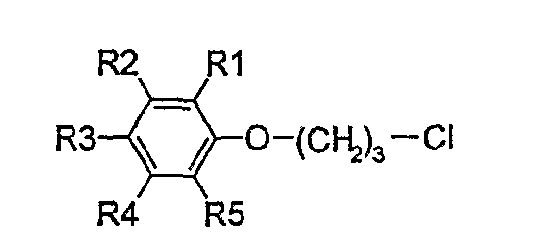
Reference
ExampleR1 R2 R3 R4 R5 NMR 91 -H -H 
-H -H 1H-NMR (CDCl3) δppm: 2.2-2.3 (2H, m), 3.77 (2H, t, J = 6.3Hz), 4.16 (2H, t, J=5.8Hz), 7.00(2H, dd, J = 2.2, 6.7Hz), 7.15-7.25 (2H, m ), 7.25-7.35 (2H, m), 7.76 (1H, s). 92 -H -H 
-H -H 1H-NMR (CDCl3) δppm: 2.26 (2H, t, J=6.1 Hz), 3.75 (2H, t, J=6.3 Hz), 4.15 (2H, t, J=5.7 Hz), 7.00 (1H, dd, J=2.1, 6.9 Hz), 7.56 (1H, dd, J=2.2, 7.1 Hz), 8.07 (1H, s), 8.45(1H, s). 93 -H -H 
-H -H 1H-NMR (CDCl3) δppm: 1.70-1.90 (4H, m), 2.10-2.40 (3H, m), 2.45 (3H, s), 3.55-3.75 (2H, m), 3.90-3.95 (2H, m), 4.05-4.15 (2H, m), 6.84 (2H, dd, J=1.9, 6.8 Hz), 7.06 (2H, dd, J=1.8, 6.9 Hz), 7.34 (2H, d, J=8.0 Hz), 7.68 (2H, d, J=8.2 Hz). 94 -CH3 -H 
-H -OCH3 1H-NMR (CDCl3) δppm: 2.16-2.25 (2H, m ), 2.28(3H, s), 3.83( 2H, t, J=6.3Hz), 3.86(3H, s), 3.99-4.06( 4H, m ), 4.46(2H, dd, J=6.3Hz, 8.8Hz), 6.61(1H, d, J=2.5Hz), 7.33 ( 1H, d, J=2.5Hz) 95 -OCH3 -H 
-H -CH2OH 1H-NMR (CDCl3) δppm: 2.09-2.28 (2H, m ), 2.61(2H, t, J=7.8Hz), 3.79-3.87( 4H, m), 3.88(3H, s), 4.13(2H, t, J=5.5Hz ), 4.71 (2H, d, J=5.8Hz), 6.85(1H, d, J=2.5Hz), 7.59 (1H, d, J=2.5Hz) 96 -CH3 -H 
-H -OCH3 1H-NMR (CDCl3) δppm: 2.05-2.25 (4H, m), 2.27(3H, s), 2.60(2H, t, J=8.3Hz), 3.79-3.89(42H, m), 3.86(3H, s), 6.71(1H, d, J=2.5Hz), 7.37 (1H, d, J=2.5Hz) [Table 8] 
Reference
ExampleR1 R2 R3 R4 R5 NMR 97 -H -H -H -NO2 -H 1H-NMR (CDCl3) δppm: 1.93-2.11 (4H, m), 3.59-3.70(2H, m), 4.00-4.13(2H, m), 7.20-7.24(1H, m), 7.43(1H, t, J=8.0Hz), 7.72(1H, t, J-2.3Hz), 7.80-7.84(1H, m) 98 -H -H -H -CN -H 1H-NMR (CDCl3) δppm: 1.96-2.00 (4H, m), 3.60-3.65 (2H, m), 3.99-4.14(2H, m), 7.10-7.14 (2H, m), 7.22-7.26 (1H, m), 7.34-7.40 (1H, m) [Table 9] R1-O-(CH2)3-Cl Reference
ExampleR1 NMR 99 
1H-NMR (CDCl3) δppm: 2.15-2.30 (2H, m), 3.72 (2H, t, J=6.3 Hz), 3.87 (3H, s), 4.05-4.15 (2H, m), 6.55 (1H, d, J=1.8 Hz), 7.42 (1H, d, J=1.8 Hz). 100 
1H-NMR (CDCl3) δppm: 2.21-2.31 (2H, m), 3.70(2H, t, J=6.3Hz), 3.95(3H, s), 4.46(2H, t, J=6.0Hz), 6.54(1H, s) 101 
1H-NMR (CDCl3) δppm: 2.21-2.32(2H, m), 3.72(2H, t" J=6.3Hz), 3.72(2H, s), 3.91(3H, s), 4.24(2H, t, J=5.8Hz), 6.10(1H, s) 102 
1H-NMR (CDCl3 ) δppm: 1.39(3H, t, J=7.0Hz), 1.39(3H, t, J=7.3Hz), 2.22-2.32(2H, m), 3.71 (2H, t" J=6.3Hz), 4.10(2H, q, J=7.3Hz), 4.24(2H, t, J=5.8Hz), 4.39(2H, q, J=7.0Hz), 6.08(1H, s) 103 
1H-NMR (CDCl3) δppm: 2.20-2.29(2H, m), 2.46(3H, s), 3.72(2H, t, J=6.3Hz), 4.12(2H, t, J=5.8Hz), 6.84(1H, dd,J=2.5Hz, 8.8Hz), 7.13(1H, d, J=8.8Hz), 8.07(1H, d, J=2.5Hz) 104 
1H-NMR (CDCl3) δppm: 2.13(3H, s), 2.21-2.31(2H, m), 3.76(2H, t, J=6.3Hz), 4.18(2H, t, J=5.8Hz), 5.17(2H, s), 7.19-7.32(2H, m), 8.30(1H, d, J=2.5Hz) 105 
1H-NMR (CDCl3) δppm: 2.27-2.36(2H, m), 3.77(2H, t, J=6.0Hz), 4.28(2H, t, J=5.8Hz), 7.33(1H, dd,J=2.5Hz, 8-5Hz), 7.97(1H, dd, J=2.5Hz, 8.5Hz), 8.44(1H, d, J=2.5Hz), 10.00(1H, s) 106 
1H-NMR (CDCl3) δppm: 1.26(3H, t, J=7.3Hz), 2.24-2.34(2H, m), 3.55(2H, dq, J=6.0Hz, 7.3Hz), 3.77(2H, t, J=6.3Hz), 4.22(2H, t, J=5.8Hz), 7.29(1H, dd, J=2.3Hz, 8.8Hz), 7.83(1H, br), 8.18(1H, d, J=8.8Hz), 8.20(1H, d, J=2.3Hz) 107 
1H-NMR (CDCl3) δppm: 2.25-2.34(2H, m), 3.77(2H, t" J=6.3Hz), 4.23(2H, t, J=5.8Hz), 5.48(1H, br), 7.31(1H, dd, J=2.3Hz, 8-8Hz), 7.68(1H, br), 8.16(1H, d, J=8.8Hz), 8.23(1H, d, J=2.3Hz) 108 
1H-NMR (CDCl3) δppm: 2.24-2.34(2H, m), 3.73(2H, t" J=6.3Hz), 4.00(3H, s), 4.58(2H, t, J=6.0Hz), 8.28(1H, d, J=1.3Hz), 8.87(1H, d, J=1.3Hz) [Table 10] R1-O-(CH2)3-Cl Reference
ExampleR1 NMR 109 
1H-NMR (CDCl3) δppm: 1.44(3H, t, J=7.0Hz), 2.22-2.31(2H, m), 3.72(2H, t, J=6.3Hz), 4.48(2H, q, J=7.0Hz), 4.59(2H, t, J=6.0Hz), 7.44(1H, d, J=1.0Hz), 8.90(1H, d, J=1.0Hz) 110 
1H-NMR (CDCl3) δppm: 2.20-2.30 (2H, m), 2.70-2.75 (2H, m), 3.07 (2H, t, J=5.8 Hz), 3.74 (2H, t, J=6.4 Hz), 7.15-7.20 (2H, m), 7.37 (1H, d, J=8.2 Hz). 111 
1H-NMR (DMSO-d6) δppm : 2.1-2.2 (2H, m), 3.37 (2H, s), 3.78 (2H, t, J = 6.5Hz ), 4.04 (2H, t, J = 6Hz), 6.40 (1H, d, J = 2.5Hz), 6.49 (1H, dd, J = 2.5, 8Hz), 7.08 (1H, d, J = 8Hz), 10.33 (1H, bs). 112 
1H-NMR (CDCl3) δppm: 2.27 (2H, t, J=6.1 Hz), 3.76 (2H, t, J=6.3 Hz), 4.19 (2H, t, J=5.7 Hz), 4.41 (2H, s), 6.96 (1H, s), 7.01 (1H, dd, J=2.2, 8.5 Hz), 7.17 (1H, brs), 7.77 (1H, d, J=8.4 Hz). 113 
1H-NMR (CDCl3) δppm: 2.27 (2H, t, J=6.1 Hz), 3.76 (2H, t, J=6.3 Hz), 4.19 (2H, t, J=5.7 Hz), 4.40 (2H, s), 6.50-6.60 (1H, br), 7.15 (1H, dd, J=2.3, 8.5 Hz), 7.35-7.40 (2H, m). 114 
1H-NMR (CDCl3) δppm: 2.20-2.35 (2H, m), 3.39 (3H, s), 3.75-3.80 (2H, m), 4.05-4.15 (2H, m), 6.55-6.65 (2H, m), 6.98 (1H, d, J=7.5 Hz), 9.92 (1H, brs). 115 
1H-NMR (CDCl3) δppm: 2.28 (2H, t, J=6.0 Hz), 3.75-3.80 (5H, m), 4.18 (2H, t, J=5.7 Hz), 6.85 (1H, d, J=2.1 Hz), 6.90-6.95 (1H, m), 7.66 (1H, d, J=8.8 Hz), 7.76(1H, s). 116 
1H-NMR (CDCl3) δppm: 2.20-2.30 (2H, m), 3.78 (2H, t, J=6.9 Hz), 3.82 (3H, s), 4.18 (2H, t, J=5.8 Hz), 6.97 (1H, dd, J=2.3, 8.8 Hz), 7.25-7.30 (2H, m), 7.81 (1H, s). 117 
1H-NMR (CDCl3) δppm: 2.20-2.35 (2H, m), 3.77 (2H, t, J=6.2 Hz), 4.19 (2H, t, J=6.0 Hz), 4.66 (2H, s), 6.47 (1H, dd, J=7.9, 1.2 Hz), 6.67 (1H, dd, J=8.3, 1.1 Hz), 6.90 (1H, dd, J=8.2, 8.1 Hz), 8.29 (1H, brs). 118 
1H-NMR (CDCl3) δppm: 2.24 (2H, tt, J = 6.2, 6.2 Hz), 3.70(2H, t, J = 6.4 Hz), 3.77 (3H, s), 4.45 (2H, t, J = 6.1 Hz), 6.70 (1H, d, J = 8.9 Hz), 6.98 (1H, dd, J = 8.9, 3.0 Hz), 7.35 (1H, d, J = 3.0 Hz) [Table 11] R1-O-(CH2)3-Cl Reference
ExampleR1 NMR 119 
1H-NMR (CDCl3) δppm: 2.30 (2H, tt, J = 6.1, 6.1 Hz), 3.60(3H, s), 3.77(2H, t, J = 6.3 Hz), 4.25 (2H, t, J = 5.8 Hz), 7.34 (1H, dd, J = 8.9, 2.9 Hz), 7.65 (1H, d, J = 8.9 Hz), 7.68 (1H, d, J = 2.9 Hz), 7.96 (1H, s) 120 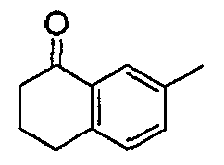
1H-NMR (CDCl3) δppm: 2.12 (2H, tt, J = 6.3, 6.3 Hz), 2.24 (2H, tt, J = 6.1, 6.1 Hz), 2.62(2H, t, J = 6.5 Hz), 2.902(2H, t, J = 6.1 Hz), 3.74(2H, t, J = 6.3 Hz), 4.15 (2H, t, J = 5.8 Hz), 7.05 (1H, dd, J = 8.4, 2.8 Hz), 7.17 (1H, d, J = 8.4 Hz), 7.52 (1H, d, J = 2.8 Hz). 121 
1H-NMR (CDCl3) δppm: 2.25 (2H, tt, J = 6.1, 6.1 Hz), 3.76 (3H, s), 3.78(2H, t, J = 6.4 Hz), 4.15 (2H, t, J = 5.8 Hz), 6.39 (1H, t, J = 3.0 Hz), 6.88 (1H, dd, J = 8.8, 2.4 Hz), 7.02 (1H, d, J = 3.0 Hz), 7.10 (1H, d, J = 2.3 Hz), 7.21 (1H, d, J = 8.8 Hz) [Table 12] R1-O-(CH2)4-Cl Reference
ExampleR1 NMR 122 
1H-NMR (CDCl3) δppm: 1.85-2.05 (4H, m), 3.62 (2H, t, J=6.3 Hz), 4.33 (2H, t, J=6.3 Hz), 6.72 (1H, d, J=8.3 Hz), 6.85 (1H, dt, J=0.8, 5.1 Hz), 7.56 (1H, dt, J=2.0, 8.4 Hz), 8.14 (1H, dd, J=5.1, 1.4 Hz). 123 
1H-NMR (CDCl3) δppm: 1.95-2.05 (4H, m), 3.62 (2H, t, J=6.2 Hz), 4.05 (2H, t, J=5.8 Hz), 6.80 (2H, dd, J=4.8, 1.6 Hz), 8.43 (2H, dd, J=4.9, 1.5 Hz). 124 
1H-NMR (DMSO-d6) δppm: 1.75-1.9 (4H, m), 3.36 (2H, s), 3.70 (2H, t, J = 6.5Hz), 3.96 (2H, t, J = 6Hz) 6.38 (1H, d, J = 2Hz), 6.48 (1H, dd, J = 2.5, 8Hz), 7.07 (1H, d, J = 8Hz), 10.32 ( 1H, bs ). 125 
1H-NMR (CDCl3) δppm: 1.91-2.00 (4H, m), 3.62 (2H, t, J=6.2 Hz), 3.98 (2H, t, J=5.6 Hz), 5.26 (2H, s), 6.36 (1H, d, J=2.3 Hz), 6.57 (1H, dd, J=8.4, 2.3 Hz), 7.00 (1H, d, J=8.4 Hz), 8.08 (1H, br-s) 126 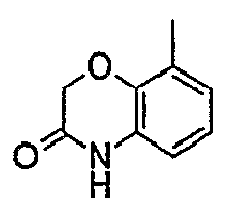
1H-NMR (CDCl3) δppm: 1.95-2.04 (4H, m), 3.61-3.65 (2H, m), 4.06-4.09 (2H, m), 4.66 (2H, s), 6.46 (1H, d, J=8.0 Hz), 6.63 (1H, d, J=8.3 Hz), 6.89 (1H, dd, J=8.0, 8.3 Hz), 8.41 (1H, br) 127 
1H-NMR (CDCl3) δppm: 1.80-2.00 (4H, m), 3.77 (2H, t, J=6.4 Hz), 4.24 (2H, t, J=5.8 Hz), 4.63(2H, s), 6.55-6.70 (2H, m), 6.90 (1H, dd, J=8.4, 8.4 Hz), 8.00 (1H, brs). 128 
1H-NMR (CDCl3) δppm: 1.52 (6H, s), 1.90-2.10 (4H, m), 3.63 (2H, t, J=6.3 Hz), 3.95 (2H, t, J=5.8 Hz), 6.38 (1H, d, J=2.8 Hz), 6.50 (1H, dd, J=2.8, 8.7 Hz), 6.86 (1H, d, J=8.8 Hz), 8.57 (1H, brs). 129 
1H-NMR (CDCl3) δppm: 1.56 (3H, d, J=6.8 Hz), 1.85-2.10 (4H, m), 3.61 (2H, t, J=6.2 Hz), 3.94 (2H, t, J=5.8 Hz), 4.59 (1H, q, J=6.8 Hz), 6.38 (1H, d, J=2.8 Hz), 6.49 (1H, dd, J=2.8, 8.7 Hz), 6.88 (1H, d, J=8.7 Hz), 8.60 (1H, brs). 130 
1H-NMR (DMSO-d6) δppm: 1.81-2.10 (4H, m), 3.54-3.70 (2H, m), 3.89-4.03 (2H, m), 4.47 (2H, brs), 5.02 (1H, brs ), 6.22 (1H, d, J = 2.4 Hz ), 6.49 ( 1H, dd, J = 8.3, 2.4 Hz ), 6.86-7.00 (2H, m). - Methyl 5-(3-chloropropoxy)-1-methyl-1H-pyrazole-3-carboxylate (1.17g, 5.0 mmol), 1-benzo[b]thiophen-4-yl piperazine hydrochloride (1.35 g, 5.3 mmol), potassium carbonate (1.74, 12.6 mmol) and sodium iodide (0.75 g, 5.0 mmol) were added to DMF (12 ml), and the mixture was stirred at 80°C for 3 hours. The reaction solution was cooled to room temperature and water was added thereto, and then, extracted with ethyl acetate. The organic phase was washed with water and dried over magnesium sulfate. The reaction solution was concentrated under reduced pressure and the residue was purified by silica gel column chromatography (n-hexane : ethyl acetate = 7:3 → dichloromethane : methanol =100:3). The purified product was concentrated under reduced pressure to obtain a light yellow oily substance (1.97 g). The oily substance was allowed to stand still at room temperature to obtain a solid substance, which was washed with diisopropyl ether and dried to obtain methyl 5-[3-(4-benzo[b]thiophen-4-yl-piperazin-1-yl)propoxy]-1-methyl-1H-pyrazole-3-carboxylate (1.49 g).
Melting point: 109.0-110.5°C
MS 414 (M+) - A 6N aqueous sodium hydroxide solution (2 ml) was added to an ethanol solution (10 ml) of methyl 5-[3-(4-benzo[b]thiophen-4-yl-piperazin-1-yl)propoxy]-1-methyl-1H-pyrazole-3-carboxylate (1.62 g, 3.9 mmol) and the mixture was stirred at room temperature for 4 days. Then, 6N hydrochloric acid (2 ml) was added to the reaction solution under ice cooling and the solution mixture was stirred. Dichloromethane was added to the reaction solution and the precipitate was obtained by filtration. The filtrate was separated and the organic phase was concentrated under reduced pressure. The filter cake and the residue were combined, washed with water and dried to obtain 5-[3-(4-benzo[b]thiophen-4-yl-piperazin-1-yl)propoxy]-1-methyl-1H-pyrazole-3-carboxylic acid (1.53 g) as white powder.
Melting point: 114.5-118.0°C - A DMF solution of 5-[3-(4-benzo[b]thiophen-4-yl-piperazin-1-yl)propoxy]-1-methyl-1H-pyrazole-3-carboxylic acid (0.3 g, 0.75 mmol) was cooled on ice and triethylamine (0.73 ml, 5.2 mmol), methylamine hydrochloride (0.3 g, 4.5 mmol) and diethylphosphorocyanidate (DEPC)(0.25 ml, 1.4 mmol) were added thereto, and then, the mixture was stirred at room temperature for 24 hours. To the reaction solution, triethylamine (0.73 ml, 5.2 mmol), methylamine hydrochloride (0.3 g, 4.5 mmol) and DEPC (0.25 ml, 1.4 mmol) were added and the mixture was stirred at room temperature for 4 days. Water was added to the reaction solution, which was then extracted with ethyl acetate. The extracted material was washed with water and dried over magnesium sulfate. The solution was concentrated under reduced pressure and the residue was purified by basic silica gel column chromatography (n-hexane : ethyl acetate = 5:1 → ethyl acetate). The purified product was concentrated under reduced pressure and the residue was dissolved in ethyl acetate and a solution of 4N-hydrochloric acid/ethyl acetate was added thereto. The insoluble matter precipitated was obtained by filtration and dried to obtain N-methyl-5-[3-(4-benzo[b]thiophen-4-yl-piperazin-1-yl)propoxy]-1-methyl-1H-pyrazole-3-carboxamide hydrochloride (0.24 g) as white powder. Melting point: 228.0-232.5°C (dec)
- The titled compound was obtained using 5-[3-(4-benzo[b]thiophen-4-yl-piperazin-1-yl)propoxy]-1-methyl-1H-pyrazole-3-carboxylic acid and ammonium chloride in the same manner as in Example 3.
White powder (ethyl acetate-diisopropyl ether)
Melting point: 186.5-188.5°C - The titled compound was obtained using 4-(3-chloropropoxy)-3-methoxy-5,N-dimethylbenzamide and 1-benzo[b]thiophen-4-yl-piperazine hydrochloride in the same manner as in Example 1.
White powder (ethyl acetate-methanol)
Melting point: 141.5-142.5°C - Sodium hydride (55%, oily, 90 mg, 2.2 mmol) was added to a DMF solution (2 ml) of 3-(4-benzo[b]thiophen-4-yl-piperazin-1-yl)propanol (0.2 g, 0.7 mmol) and N-methyl-2-chlorothiazole-4-carboxamide (0.26 g, 1.45 mmol) under ice cooling and the solution was stirred at 80°C for 1.5 hours. After the reaction solution was cooled to room temperature and water was added thereto, it was extracted with ethyl acetate. The extraction solution with ethyl acetate was washed with water, dried over magnesium sulfate and concentrated under reduced pressure. The obtained residue was purified by silica gel column chromatography (dichloromethane: ethyl acetate = 5:1 → ethyl acetate). After the purified product was concentrated under reduced pressure, the residue was dissolved in ethyl acetate. A solution of 4N-hydrochloric acid/ethyl acetate was added to the solution and the insoluble matter precipitated was obtained by filtration and dried to obtain N-methyl-2-[3-(4-benzo[b]thiophen-4-yl-piperazin-1-yl)propoxy]thiazole-4-carboxamide hydrochloride (0.24 g) as light yellow powder.
Melting point: 199.5-202.5°C - The titled compound was obtained using 3-(4-benzo[b]thiophen-4-yl-piperazin-1-yl)propanol (0.2 g, 0.7 mmol) and 2-chlorothiazole-4-carboxamide in the same manner as in Example 6.
White powder (ethyl acetate-diisopropyl ether)
Melting point: 139.5-140.5°C - The titled compound was obtained using [4-(3-chloropropoxy)-3-methoxy-5-methylphenyl]-carbamic acid tert-butyl ester and 1-benzo[b]thiophen-4-yl-piperazine hydrochloride in the same manner as in Example 1.
Light brown oily substance
1H-NMR (CDCl3) δppm : 1.51(9H, s), 1.95-2.10 (2H, m), 2.24(3H, s), 2.66-2.81(6H, m), 3.14-3.31(2H, m), 3.84(3H, s), 3.95(2H, t, J=6.3Hz), 6.36(1H, br), 6.60(1H, d, J=2.5Hz), 6.87-6.92(1H, m), 7.01 (1H, d, J=2.0Hz), 7.24-7.31(1H, m), 7.37-7.44(2H, m), 7.55(1H, d, J=8.0Hz)
MS 511 (M+). - 6N-hydrochloric acid (3 ml) was added to a methanol solution (10 ml) of {4-[3-(4-benzo[b]thiophen-4-yl-piperazin-1-yl)propoxy]-3-methoxy-5-methylphenyl}-carbamic acid tert-butyl ester (2.18 g, 4.3 mmol) and the mixture was stirred at room temperature overnight. After stirred at 60°C for 15 minutes, the mixture was cooled to room temperature and a 6N aqueous sodium hydroxide solution was added thereto to neutralize it. Dichloromethane was added to the reaction mixture, and the substance extracted with dichloromethane was dried over magnesium sulfate and concentrated under reduced pressure. The obtained residue was purified by silica gel column chromatography (n-hexane : ethyl acetate = 3:2 → ethyl acetate). The purified product was concentrated to dryness under reduced pressure to obtain 4-[3-(4-benzo[b]thiophen-4-yl-piperazin-1-yl)propoxy]-3-methoxy-5-methylaniline (1.26 g) as light yellow solid
Melting point: 155.0-158.0°C
MS 411 (M+) - 4-[3-(4-benzo[b]thiophen-4-y1-piperazin-1-yl)propoxy]-3-methoxy-5-methylaniline (0.9 g, 2.2 mmol) was added to ethyl formate (10 ml) and refluxed with heating for 33 hours. After the reaction solution was cooled to room temperature, it was concentrated under reduced pressure. The obtained residue was purified by basic silica gel column chromatography (n-hexane : ethyl acetate = 5:1 → ethyl acetate). The purified product was concentrated under reduced pressure and a solution of 4N-hydrochloric acid/ethyl acetate was added to an ethyl acetate solution of the residue. The insoluble matter precipitated was obtained by filtration to obtain N-{4-[3-(4-benzo[b]thiophen-4-yl-piperazin-1-yl)propoxy]-3-methoxy-5-methylphenyl}formamide hydrochloride (0.3 g) as white powder.
Melting point: 247.5-253.0°C (dec) - A 6N aqueous sodium hydrochloride solution was added to N-{4-[3-(4-benzo[b]thiophen-4-yl-piperazin-1-yl)propoxy]-3-methoxy-5-methylphenyl formamide hydrochloride (0.23 g, 0.48 mmol) and the solution mixture was extracted with dichloromethane. The extraction solution with dichloromethane was dried over magnesium sulfate and concentrated under reduced pressure. The obtained residue was dissolved in a tetrahydrofuran (THF) solution (5 ml) and lithium aluminum hydride (30 mg, 0.71 mmol) was added thereto under ice cooling and refluxed with heating for 15 minutes. The reaction solution was cooled on ice, and water (0.03 ml), 15 % aqueous sodium hydroxide solution (0.03 ml), and water (0.09 ml) were added to the reaction mixture in this order and stirred. Insoluble matter was removed by filtration, and the filtrate was concentrated under reduced pressure. The obtained residue was purified by basic silica gel column chromatography (n-hexane : ethyl acetate = 5:1 → 3:1) and concentrated under reduced pressure. A solution of 4N-hydrochloric acid/ethyl acetate was added to an ethyl acetate solution of the residue, and the insoluble matter precipitated was obtained by filtration to obtain N-methyl-4-[3-(4-benzo[b]thiophen-4-yl-piperazin-1-yl)propoxy]-3-methoxy-5-methylaniline hydrochloride (63 mg) as white powder.
Melting point: 239.5-244.0°C (dec) - The titled compound was obtained using 3-[4-(3-chloropropoxy)-3-methoxy-5-methylphenyl]oxazolidin-2-one and 1-benzo[b]thiophen-4-yl-piperazine hydrochloride in the same manner as in Example 1.
White powder (ethanol)
Melting point: 2.47.5-251.0°C (dec) - The titled compound was obtained using N-[4-(3-chloropropoxy)-3-methoxy-5-methylphenyl]acetamide and 1-benzo[b]thiophen-4-yl-piperazine hydrochloride in the same manner as in Example 1.
White powder (ethyl acetate-diisopropyl ether)
Melting point: 121.5-122.0°C - Sodium hydride (55%, oily, 0.06 g, 1.3 mmol) was added to a DMF solution (5 ml) of N-{4-[3-(4-benzo[b]thiophen-4-yl-piperazin-1-yl)propoxy]-3-methoxy-5-methylphenyl}acetamide (0.45 g, 0.99 mmol) under ice cooling and the mixture was stirred at 0°C for 15 minutes. Methyl iodide (0.07 ml, 1.1 mmol) was added to the reaction solution and the solution was stirred at 0°C for one hour. Further, sodium hydride (55% oily, 0.06 g, 1.3 mmol) and methyl iodide (0.07 ml, 1.1 mmol) were added to the reaction solution and the solution mixture was stirred at 0°C for 2 hours. Water was added to the reaction solution and extraction was performed with ethyl acetate. The extracted material was washed with water, and dried over magnesium sulfate. The reaction solution was concentrated under reduced pressure and the residue was purified by basic silica gel column chromatography (n-hexane : ethyl acetate = 5:1 → ethyl acetate). After the purified product was concentrated under reduced pressure, a solution of 4N-hydrochloric acid/ethyl acetate was added to an ethyl acetate solution of the residue. The insoluble matter precipitated was obtained by filtration to obtain N-{4-[3-(4-benzo[b]thiophen-4-yl-piperazin-1-yl)propoxy]-3-methoxy-5-methylphenyl}-N-methylacetamide hydrochloride (325 mg).
Melting point: 230.0-234.0°C (dec) - Formalin (37%, 0.29 ml, 3.9 mmol) and sodium cyanoborohydride (0.21 g, 3.1 mmol) were added to a methanol solution (6 ml) of 4-[3-(4-benzo[b]thiophen-4-yl-piperazin-1-yl)propoxy]-3-methoxy-5-methylaniline (0.32 g, 0.78 mmol) under ice cooling and the mixture was stirred at 0°C for 15 minutes. To the reaction solution, acetic acid (0.18 ml, 3.1 mmol) was added and the mixture was stirred at room temperature for one hour. An aqueous potassium carbonate solution was added to the reaction solution under ice cooling, and extraction was performed with ethyl acetate. The extracted material was dried over magnesium sulfate. The reaction solution was concentrated under reduced pressure, and the residue was purified by basic silica gel column chromatography (n-hexane :ethyl acetate = 11:1 → 3:1). The purified product was concentrated under reduced pressure. A solution of 4N-hydrochloric acid and ethyl acetate was added to an ethyl acetate solution of the residue and the insoluble matter precipitated was obtained by filtration to obtain 4-[3-(4-benzo[b]thiophen-4-yl-piperazin-1-yl)propoxy]-N,N-dimethyl-3-methoxy-5-methylaniline hydrochloride (137 mg) as white powder.
Melting point: 234.5-240.5°C (dec) - The titled compound was obtained using methyl 4-(3-chloropropoxy)-3-methoxy-5-methylphenyl]carbamate and 1-benzo[b]thiophen-4-yl-piperazine hydrochloride in the same manner as in Example 1.
White powder (ethyl acetate)
Melting point: 230.0-235.5°C - The titled compound was obtained using methyl {4-[3-(4-benzo[b]thiophen-4-yl-piperazin-1-yl)propoxy]-3-methoxy-5-methylphenyl}carbamate hydrochloride and methyl iodide in the same manner as in Example 14.
White powder (ethyl acetate)
Melting point: 228.0-233.5°C - Lithium aluminum hydride (86 mg, 2.3 mmol) was suspended in THF (20 ml). To this solution, a THF solution (10 ml) of 6-[3-(4-benzo[b]thiophen-4-yl-piperazin-1-yl)propoxy]-3,4-dihydro-2H-benzo[1,4]oxazin-3-one (0.8 g, 1.9 mmol) was added dropwise under an argon atmosphere. After completion of dropwise addition, the solution mixture was refluxed with heating for one hour. Water (0.1 ml), 15 % aqueous sodium hydroxide solution (0.1 ml), and water (0.3 ml) were added to the reaction mixture under ice cooling and stirred. Insoluble matter was removed by cerite filtration, and the filtrate was concentrated under reduced pressure. The obtained residue was purified by silica gel column chromatography (dichloromethane : methanol = 1:0 → 20:1) and concentrated under reduced pressure. The residue was dissolved in ethyl acetate (10 ml) and a solution (0.34 ml) of 1N-hydrochloric acid/ethanol was added thereto and the mixture was stirred at room temperature for 15 minutes. The insoluble matter precipitated was obtained by filtration, washed with ethyl acetate, and dried to obtain 6-[3-(4-benzo[b]thiophen-4-yl-piperazin-1-yl)propoxy]-3,4-dihydro-2H-benzo[1,4]oxazine hydrochloride (0.11 g) as white solid.
Melting point 207.9-208.8°C - The titled compound was obtained using 7-[3-(4-benzo[b]thiophen-4-yl-piperazin-1-yl)propoxy]-3,4-dihydro-2H-benzo[1,4]oxazin-3-one in the same manner as in Example 18.
Light brown solid (ethyl acetate)
Melting point: 214.0-215.9°C - Formalin (37%, 0.22 ml, 2.7 mmol) and MP-cyanoborohydride (2.41 mmol/g, 1.12 g, 2.7 mmol) were added to a methanol solution (15 ml) of 7-[3-(4-benzo[b]thiophen-4-yl-piperazin-1-yl)propoxy]-3,4-dihydro-2H-benzo[1,4]oxazine (0.30 g, 0.67 mmol) and the mixture was stirred at room temperature overnight. The insoluble matter was removed by filtration and the filtrate was concentrated under reduced pressure. The obtained residue was purified by silica gel column chromatography (dichloromethane : methanol = 1:0 → 50:1). The purified product was concentrated under reduced pressure and the residue was dissolved in ethyl acetate (15 ml) and a solution (0.64 ml) of 1N-hydrochloric acid/ethanol was added thereto. The mixture was stirred at room temperature for 15 minutes. The insoluble matter precipitated was obtained by filtration, washed with ethyl acetate, and dried to obtain 7-[3-(4-benzo[b]thiophen-4-yl-piperazin-1-yl)propoxy]-4-methyl-3,4-dihydro-2H-benzo[1,4]oxazine hydrochloride (0.23 g) as light brown solid.
Melting point; 248.1-249.6°C - A THF solution (20 ml) of 6-[3-(4-benzo[b]thiophen-4-yl-piperazin-1-yl)propoxyl-3-methylquinazoline (0.25 g, 0.58 mmol) was cooled on ice. To this solution, a THF solution (5 ml) of lithium aluminum hydride (26 mg, 0.69 mmol) was added dropwise under an argon atmosphere. After completion of dropwise addition, the solution was stirred at room temperature for 20 minutes and refluxed with heating for one hour. Water (0.03 ml), 15 % aqueous sodium hydroxide solution (0.03 ml), and water (0.1 ml) were added to the reaction solution under ice cooling and stirred. Insoluble matter was removed by cerite filtration, and the filtrate was concentrated under reduced pressure. The obtained residue was purified by silica gel column chromatography (dichloromethane : methanol = 1:0 → 25:1). The purified product was concentrated under reduced pressure and the residue was dissolved in ethyl acetate (5 ml). To this, a solution (0.189 ml) of 1N-hydrochloric acid/ethanol was added and the mixture was stirred at room temperature for 15 minutes. The insoluble matter precipitated was obtained by filtration, washed with ethyl acetate, and dried to obtain 6-[3-(4-benzo[b]thiophen-4-yl-piperazin-1-yl)propoxy]-3-methyl-1,2,3,4-tetrahydroquinazolin-4-ol hydrochloride (87 mg) as white solid.
MS: 438 (M+). - An eluting solution of dichloromethane/methanol (10:1) was passed through the column of the silica gel column chromatography. The obtained eluate was concentrated under reduced pressure and then the residue was dissolved in ethyl acetate (5 ml). To this, a solution (0.226 ml) of 1N-hydrochloric acid/ethanol was added and the mixture was stirred at room temperature for 15 minutes. The insoluble matter precipitated was obtained by filtration, washed with ethyl acetate, and dried to obtain 6-[3-(4-benzo[b]thiophen-4-yl-piperazin-1-yl)propoxy]-3-methyl-1,2,3,4-tetrahydroquinazoline hydrochloride (49 mg) as white solid.
Melting point: 203.1-204.4°C - Triethylsilane (1.14 ml, 7.14 mmol) was added to a trifluoroacetic acid solution (5 ml) of 5-[3-(4-benzo[b]thiophen-4-yl-piperazin-1-yl)propoxy]-1H-indole (228 mg, 0.71 mmol) and the mixture was stirred at 50°C for 2 hours. The mixture was concentrated under reduced pressure. The residue was dissolved in dichloromethane, neutralized by a saturated aqueous solution of sodium hydrogen carbonate and separated.
The organic phase was washed with a saturated aqueous solution of sodium hydrogen carbonate, water and a saturated saline solution in this order and concentrated under reduced pressure. The obtained residue was purified by basic silica gel column chromatography (n-hexane : ethyl acetate = 5:1 → 1:1). The purified product was concentrated under reduced pressure and the residue was added to ethyl acetate (5 ml) and a solution of 1N-hydrochloric acid/ethanol (0.10 ml) was added thereto and the mixture was stirred at room temperature for 15 minutes. The insoluble matter precipitated was obtained by filtration, washed with ethyl acetate, and dried to obtain 5-[3-(4-benzo[b]thiophen-4-yl-piperazin-1-yl)propoxy]-2,3-dihydro-1H-indole hydrochloride (32 mg) as white solid.
Melting point: 222.4-223.9°C - Compounds listed in the following Tables 13 to were produced using appropriate starting substances in the same manners as in Reference Examples 1 to 36 or Examples 1 to 22 and 3094 to 3110.
- In the following Tables, compounds with the physical properties, such as crystalline form, m.p. (melting point), salt, 1H-NMR and MS (mass spectrum), were prepared actually.
[Table 13] 
Example R1 Crystal form
(Recrystalization solvent)Melting point
(°C)Salt 23 
White solid
(Ethanol)225-228 Trihydrochloride 24 
White needle-form crystal
(Ethanol/ethyl acetate)165.0-167.0 Hydrochloride 25 
White solid
(Ethanol)204-206 Hydrochloride 26 
White powder
(Ethyl acetate)201.5-207.5 Hydrochloride 27 
White powder
(Ethyl acetate/ isopropyl ether)132.5-133.5 -- 28 
White powder
(Ethyl acetate)205.5-208.0 Hydrochloride 29 
White powder
(2-propanol)206.5-208.0 -- 30 
Light yellow powder
(Ethyl acetate)201.5-204.0 Hydrochloride 31 
White powder
(Ethyl acetate)155.5-162.0 Hydrochloride 32 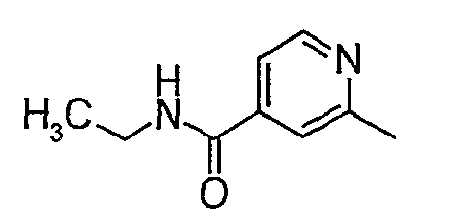
White powder
(Ethyl acetate)140.0-141.5 Hydrochloride 33 
Light yellow powder
(Ethyl acetate)192-194 dihydrochloride [Table 14] 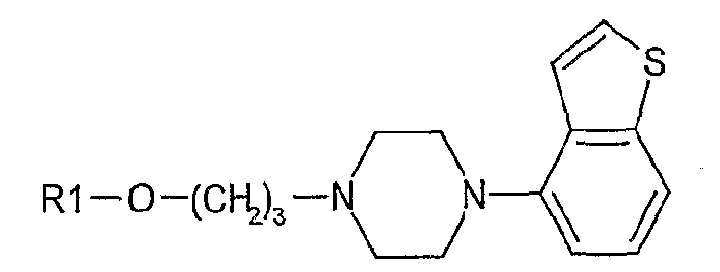
Example R1 Crystal form
(Recrystallization solvent)Melting Point
(°C)Salt 34 
Light yellow powder
(Ethanol)201-203 Dihydrochloride 35 
White powder
(Ethanol)201-203 Hydrochloride 36 
White powder
(Ethanol)214.0-215.0 Hydrochloride 37 
White powder
(Ethyl acetate/ isopropyl ether)131.5-132.0 -- 38 
White powder
(Ethyl acetate)193.0-194.0 -- 39 
White powder
(Ethyl acetate/ isopropyl ether)128.0-129.5 -- 40 
White powder
(Ethanol)234.0-236.0 Hydrochloride 41 
Light yellow powder
(Ethyl acetate)224.0-226.0 Dihydrochloride 42 
White powder
(water)230.0
(dec)Hydrochloride 43 
White powder
(Ethyl acetate/ isopropyl ether)171.0-174.5 -- [Table 15] 
Example R1 Crystal form
(Recrystallization solvent)Melting point
(°C)Salt 44 
Light yellow powder
(Ethyl acetate)166.0 (dec) Dihydrochloride 45 
Light yellow powder
(Ethyl acetate)198.5-204.0 Dihydrochloride 46 
White powder
(Ethyl acetate)211.5-214.5 Dihydrochloride 47 
White powder
(Ethanol)241.0-243.0 Hydrochloride 48 
White powder
(Ethyl acetate/ isopropyl ether)150.0-150.5 -- 49 
White powder
(Ethyl acetate)199.0-200.5 Dihydrochloride 50 
White powder
(Ethyl acetate)206.0-208.5 Hydrochloride 51 
White powder
(Ethyl acetate)208.0-213.0 Hydrochloride 52 
White powder
(Ethanol)157-159 Hydrochloride 53 
White powder
(Ethanol)197.0-199.0 Dihydrochloride [Table 16] 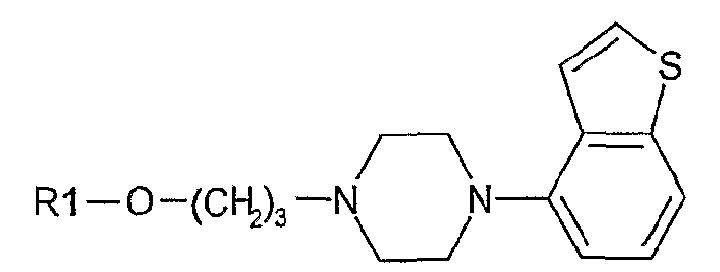
Example R1 Crystal form
(Recrystallization solvent)Melting point
(°C)Salt 54 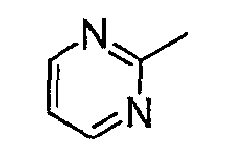
White powder
(Ethanol)205-207 Hydrochloride 55 
White powder
(Ethyl acetate)178.0-182.5 Hydrochloride 56 
Light yellow power (ethyl acetate) 191.5-195.5 Hydrochloride 57 
Light yellow powder
(Ethyl acetate/ isopropyl ether)112.0-115.5 -- 58 
White powder
(Methanol)205.0-209.5 Hydrochloride 59 
White powder
(Ethyl acetate/ isopropyl ether)149.5-151.0 -- 60 
Light yellow powder
(Ethyl acetate/ isopropyl ether)114.5-115.5 -- 61 
White powder
(Methanol)116.5-118.0 -- 62 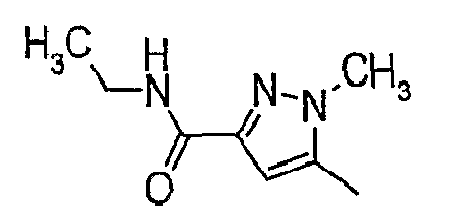
White powder
(Ethyl acetate)210.5-214.5 Hydrochloride 63 
Light yellow powder
(Ethyl acetate/ isopropyl ether)109.0-110.0 -- [Table 17] 
Example R1 Crystal form
(Recrystallization solvent)Melting point (°C) Salt 64 
White powder
(Ethanol/water)129.0-131.0 -- 65 
White powder
(Ethyl acetate)247.5
(dec)Hydrochloride 66 
White powder
(Ethyl acetate)231.0-234.0 Hydrochloride 67 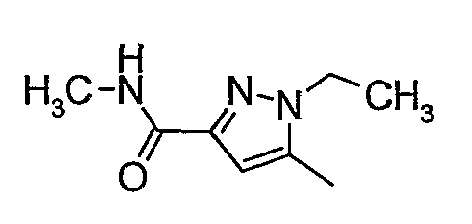
White powder
(Ethyl acetate)245.5
(dec)Hydrochloride 68 
White powder
(Ethyl acetate)199.5-201.5 Hydrochloride 69 
White powder
(Ethanol/water)252.5-255.0
(dec)-- 70 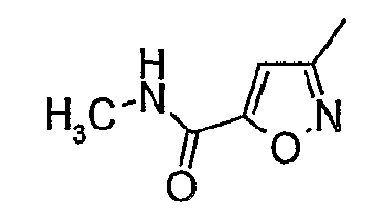
White powder
(Ethyl acetate/ isopropyl ether)131.5-132.5 -- 71 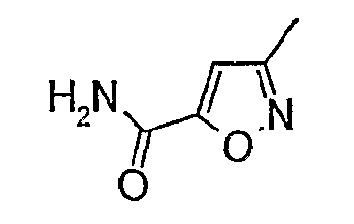
White powder
(Ethyl acetate/ isopropyl ether)167.5-169.0 -- 72 
White powder
(Ethyl acetate)219.5-222.5
(dec)Hydrochloride 73 
Light yellow powder
(Ethyl acetate)151.0-153.5 Hydrochloride 74 
White powder
(Ethyl acetate/ isopropyl ether)138.5-140.0 -- [Table 18] 
Example R1 NMR Salt 75 
1H-NMR (DMSO-d6) δ ppm: 2.10-2.30 (2H, m), 2.80-3.90 (16H, m), 4.09 (2H, t, J=5.9 Hz), 6.88 (1H, d, J=1.5 Hz), 6.96 (1H, d, J=7.6 Hz), 7.17 (1H, d, J=1.4 Hz), 7.31 (1H, dd, J=7.8, 7.8 Hz), 7.48 (1H, d, J=5.6 Hz), 7.70 (1H, d, J=8.1 Hz), 7.76 (1H, d, J=5.6 Hz), 10.68 (1H, brs). Hydrochloride 76 
1H-NMR (CDCl3 ) δppm: 1.95-2.10 (2H, m), 2.62 (2H, t, J=7.0 Hz), 2.65-2.80 (4H, m), 2.98 (3H, d, J=4.9 Hz), 3.15-3.25 (4H, m), 4.05 (2H, t, J=6.3 Hz), 5.94 (1H, brs), 6.43 (1H, d, J=1.8 Hz), 6.90 (1H, dd, J=1.4, 7.6 Hz), 7.15 (1H, d, J=1.7 Hz), 7.20-7.35 (1H, m), 7.35-7.45 (2H, m), 7. 55 (1H, d, J=8.1 Hz). -- 77 
1H-NMR (CDCl3 ) δ ppm: 1.23 (3H, t, J=7.3 Hz), 1.95-2.05 (2H, m), 2.61 (2H, t, J=7.3 Hz), 2.65-2.80 (4H, m), 3.10-3.30 (4H, m), 3.40-3.55 (2H, m), 4.04 (2H, t, J=6.3 Hz), 6.01 (1H, brs), 6.43 (1H, d, J=1.6 Hz), 6.90 (1H, d, J=7.6 Hz), 7.16 (1H, d, J=1.7 Hz), 7.27 (1H, dd, J=7.8, 7.8 Hz), 7.35-7.45 (2H, m), 7.55 (1H, d, J=8.1 Hz). -- 78 
1H-NMR (CDCl3 ) δ ppm: 1.95-2.10 (2H, m), 2.63 (2H, t, J=7.3 Hz), 2.70-2.80 (4H, m), 3.15-3.25 (4H, m), 4.06 (2H, t, J=6.3 Hz), 5.74 (2H, brs), 6.51 (1H, d, J=1.7 Hz), 6.90 (1H, dd, J=0.5, 7.6 Hz), 7.19 (1H, d, J=1.7 Hz), 7.28 (1H, dd, J=7.8, 7.8 Hz), 7. 35-7.45 (2H, m), 7.56 (1H, d, J=8.0 Hz). - [Table 19] 
Example R1 Crystal form
(Recrystallization solvent)Melting point
(°C)Salt 79 
White powder
(Ethyl acetate/ether)183-186 Hydrochloride [Table 20] 
Example R1 Crystal form
(Recrystallization solvent)Melting point
(°C)Salt 80 
White powder
(Ethanol/ethyl acetate)183.0-185.0 Dihydrochloride 81 
White powder
(Ethanol/ethyl acetate)205.0-207.0 Hydrochloride 82 
White powder
(Ethanol/ethyl acetate)197.0-199.0 Hydrochloride 83 
White powder
(Ethyl acetate)166.5-168.0 Hydrochloride 84 
White powder
(Ethyl acetate)196.0-201.0 Hydrochloride 85 
White powder
(Ethyl acetate)175.0-176.0 Hydrochloride 86 
White powder
(Ethyl acetate/ isopropyl ether)150.0-154.5 -- 87 
White powder
(Ethyl acetate)172.0-175.0 Hydrochloride 88 
White Powder (Ethyl acetate/ether) 201-205 Hydrochloride [Table 21] 
Example R1 Crystal form
(Recrystalization solvent)Melting point
(°C)Salt 89 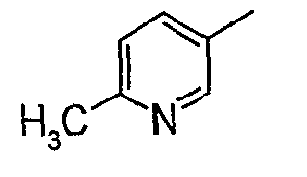
White powder
(Ethanol)195-197 Hydrochloride 90 
White powder
(Ethanol)190-192 Hydrochloride [Table 22] 
Example R1 Crystal form
(Recrystalization solvent)Melting point
(°C)Salt 91 
White powder
(Ethyl acetate)149-150 -- 92 
Light pink powder
(Ethanol)161-163 -- 93 
White solid
(Ethyl acetate)226.8-229.0 Hydrochloride 94 
White solid
(Ethyl acetate)213.1-218.5 -- 95 
White solid
(Ethyl acetate)252.9-254.3 Hydrochloride 96 
White solid
(Ethyl acetate)238.7-239.9 Hydrochloride 97 
White solid
(Ethyl acetate)238.9-240.7 Hydrochloride 98 
Light brown solid
(Ethyl acetate)218.4-220.4 Hydrochloride [Table 23] 
Example R1 Crystal form
(Recrystalization solvent)Melting point
(°C)Salt 99 
White solid
(Ethyl acetate)267.0-271.0 Hydrochloride 100 
White solid
(Ethyl acetate/ hexane)143.8-145.2 -- 101 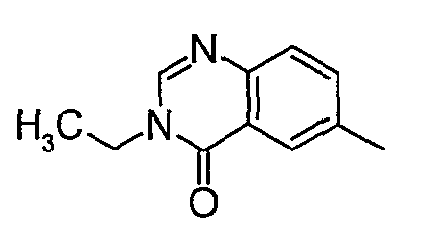
White solid
(Ethyl acetate)250.6-252.1 Hydrochloride 102 
White solid
(Ethyl acetate)233.3-235.2 Hydrochloride 103 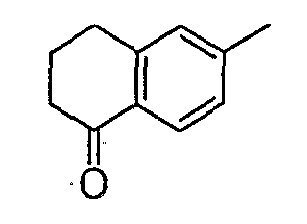
White solid
(Ethanol/ ethyl acetate)251.1-253.6 Hydrochloride 104 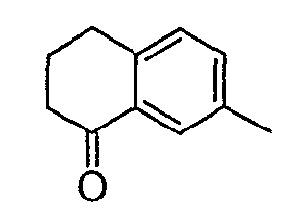
White solid
(Ethyl acetate)249.8-252.3 Hydrochloride 105 
White solid
(Ethyl acetate)255.1-256.6 Hydrochloride 106 
White solid
(Ethyl acetate)207.9-208.7 Hydrochloride 107 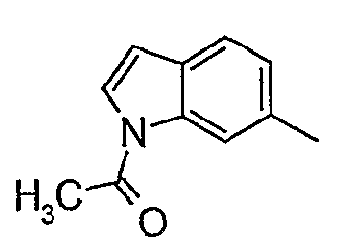
White solid
(Ethyl acetate)214.5-216.8 Hydrochloride [Table 24] 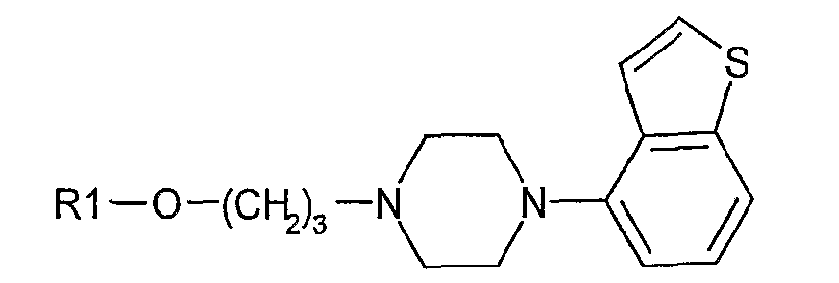
Example R1 NMR Salt 108 
1H-NMR (CDCl3) δ ppm: 2.04-2.13 (2H, m), 2.65 (2H, t, J=7.2 Hz), 2.73 (4H, br), 3.19 (4H, br), 4.15 (2H, t, J=6.6 Hz), 4.67 (2H, s), 6.42 (1H, dd, J=1.3, 8.0 Hz), 6.69 (1H, dd, J=1.3, 8.3 Hz), 6.87-6.92 (2H, m), 7.25-7.30 (1H, m), 7.35-7.42 (2H, m), 7.55 (1H, d, J=8.0 Hz), 7.84 (1H, br) -- 109 
H-NMR (DMSO-d6) δ ppm: 1.80-2.00 (2H, m), 2.45-2.55 (2H, m), 2.55-2.65 (4H, br), 3.00-3.10 (4H, br), 3.93 (2H, t, J=6.3 Hz), 4.47 (2H, s), 6.45-6.55 (2H, m), 6.80-6.90 (2H, m), 7.26 (1H, t, J=7.8 Hz), 7.38 (1H, d, J=5.5 Hz), 7.60 (1H, d, J=8.0 Hz), 7.67 (1H,d, J=5.5 Hz), 10.59 (1H, s) -- 110 
1H-NMR (CDCl3) δ ppm: 2.06 (2H, quint, J=6.5 Hz), 2.66 (2H, t, J=6.9 Hz), 2.70-2.80 (4H, m), 3.20-3.25 (4H, m), 4.12 (2H, t, J=6.1 Hz), 4.60 (2H, s), 6.55-6.70(2H, m), 6.88 (1H, d, J=8.3 Hz), 6.91 (1H, d, J=8.3 Hz), 7.20-7.30 (1H, m), 7.35-7.45 (2H, m), 7.55 (1H, d, J=8.1 Hz), 8.43 (1H, brs) -- 111 
1H-NMR (DMSO-d6) δ ppm: 1.80-1.90 (2H, m), 2.41 (2H, t, J=6.6 Hz), 2.50-2.55 (4H, m), 2.95-3.00 (4H, m), 3.83 (2H, t, J=6.7 Hz), 6.47 (1H, dd, J=2.4, 8.6 Hz), 6.70 (1H, d, J=2.4 Hz), 6.85 (1H, d, J=7.5 Hz), 7.09 (1H, d, J=8.6 Hz), 7.27 (1H, dd, J=7.9, 7.9 Hz), 7.36 (1H, d, J=5.6 Hz), 7.60 (1H, d, J=8.0 Hz), 7.67 (1H, d, J=5.6 Hz), 9.46 (1H, brs). -- 112 
1H-NMR (DMSO-d6) δ ppm: 1.88 (2H, t, J=6.8 Hz), 2.50-2.55 (2H, m), 2.60 (4H, brs), 3.06 (4H, brs), 3.95 (2H, t, J=6.4 Hz), 6.45-6.55 (2H, m), 6.78 (1H, d, J=9.1 Hz), 6.88 (1H, d, J=7.7 Hz), 7.26 (1H, dd, J=7.8, 7.8 Hz), 7.39 (1H, d, J=5.6 Hz), 7.55-7.70 (2H, m), 10.35 (1H, brs), 10.49 (1H, brs). -- [Table 25] 
Example R1 NMR Salt 113 
1H-NMR (DMSO-d6) δ ppm: 2.20-2.30 (2H, m), 2.45-2.55 (2H, m), 3.00-3.80 (11H, m), 4.06 (2H, t, J=5.9 Hz), 6.60-6.70 (2H, m), 6.90-7.00 (2H, m), 7.33 (1H, dd, J=7.9, 7.9 Hz), 7.50 (1H, d, J=5.5 Hz), 7.71 (1H, d, J=8.0 Hz), 7.78 (1H, d, J=5.5 Hz), 10.67 (1H, brs), 10.81 (1H, brs). Dihydrochloride 114 
1H-NMR (CDCl3) δ ppm: 2.00-2.10 (4H, m), 2.70-2.85 (6H, m), 3.20-3.25 (4H, m), 3.40 (6H, s), 4.097 (2H, t, J=6.3 Hz),6.61 (1H, d, J=2.2 Hz), 6.68 (1H, dd, J=2.3, 8.4 Hz), 6.85 (1H, d, J=8.5 Hz), 6.92 (1H, d, J=7.6 Hz), 7.25-7.35 (1H, m), 7.35-7.45 (2H, m), 7.57 (1H, d, J=8.0 Hz). -- 115 
1H-NMR (DMSO-d6) δ ppm: 2.25-2.35 (2H, m), 2.40 (3H, s), 3.20-3.70 (10H, m), 4.22 (2H, t, J=5.9 Hz), 6.22 (1H, s), 6.95-7.05 (3H, m), 7.31 (1H, dd, J=7.9, 7.9 Hz), 7.49 (1H, d, J=5.5 Hz), 7.65-7.80 (3H, m), 10.93 (1H, brs). Hydrochloride 116 
1H-NMR (CDCl3) δppm: 2.00-2.10 (2H, m), 2.60-2.70 (2H, m), 2.75 (4H, brs), 3.21 (4H, brs), 3.39 (3H, s), 4.05-4.15 (2H, m), 6.55-6.70 (2H, m), 6.90 (1H, d, J=7.6 Hz), 6.96 (1H, d, J=8.5 Hz), 7.25-7.30 (1H, m), 7.35-7.45 (2H, m), 7.55 (1H, d, J=8.1 Hz), 9.12 (1H, brs) -- [Table 25-1] 
Example R1 NMR Salt 117 
1H-NMR (CDCl3 ) δ ppm: 2.10 (2H, t, J=7.3 Hz), 2.70 (2H, t, J=7.4 Hz), 2.77 (4H, brs), 3.22 (4H, brs), 3.80 (3H, s), 4.14 (2H, t, J=6.3 Hz), 6.85-7.00 (3H, m), 7.25-7.35 (1H, m), 7.35-7.45 (2H, m), 7.56 (1H, d, J=8.1 Hz), 7.68 (1H, d, J=8.8 Hz), 7.77 (1H, s). -- 118 
1H-NMR (CDCl3) δ ppm: 2.07 (2H, t, J=7.0 Hz), 2.65 (2H, t, J=7.2 Hz), 2.74 (4H, brs), 3.20 (4H, brs), 4.13 (2H, t, J=6.3 Hz), 4.40 (2H, s), 6.38 (1H, brs), 6.90 (1H, d, J=7.6 Hz), 6.97 (1H, s), 7.02 (1H, dd, J=2.1, 8.4 Hz), 7.25-7.30 (1H, m), 7.35-7.45 (2H, m), 7.55 (1H, d, J=8.1 Hz), 7.78 (1H, d, J=8.4 Hz). -- 119 
1H-NMR (CDCl3) δ ppm: 2.07 (2H, t, J=7.0 Hz), 2.66 (2H, t, J=5.7 Hz), 2.74 (4H, brs), 3.17 (3H, s), 3.20 (4H, brs), 4.12 (2H, t, J=6.3 Hz), 4.31 (2H, s), 6.90 (1H, d, J=7.6 Hz), 6.90-7.00 (2H, m), 7,25-7.30 (1H, m), 7.39 (1H, d, J=5.5 Hz), 7.41 (1H, d, J=5.5 Hz), 7.55 (1H, d, J=8.1 Hz), 7.74 (1H, d, J=8.4 Hz) - [Table 25-2] 
Example R1 Crystal form
(Recrystalization solvent)Melting point (°C) Salt 120 
White powder
(Methanol)242-246 Hydrochloride [Table 25-3] 
Example R1 NMR Salt 121 
1H-NMR (CDCl3) δ ppm: 2.08 (2H, t, J=7.3 Hz), 2.69 (2H, t, J=7.4 Hz), 2.76 (4H, brs), 3.21 (4H, brs), 3.82 (3H, s), 4.13 (2H, t, J=6.3 Hz), 6.91 (1H, d, J=6.3 Hz), 6.99 (1H, dd, J=2.3, 8.7 Hz), 7.25-7.35 (3H, m), 7.39 (1H, d, J=5.6 Hz), 7.43 (1H, d, J=5.5 Hz), 7.55 (1H, d, J=8.0 Hz), 7.81 (1H, s). -- 122 
1H-NMR (CDCl3) δ ppm: 2.00-2.10 (2H, m), 2.65 (2H, t, J=7.3 Hz), 2.74 (4H, brs), 3.21 (4H, brs), 4.13 (2H, t, J=6.4 Hz), 4.40 (2H, s), 6.84 (1H, brs), 6.91 (1H, d, J=7.5 Hz), 7.16 (1H, dd, J=2.3, 8.3 Hz), 7.25-7.30 (1H, m), 7.35-7.45 (4H, m), 7.55 (1H, d, J=8.0 Hz). -- 123 
1H-NMR (CDCl3) δ ppm: 2.06 (2H, t, J=7.2 Hz), 2.65 (2H, t, J=7.3 Hz), 2.7,4 (4H, brs), 3.20 (7H, brs), 4.12 (2H, t, J=6.4 Hz), 4.31 (2H, s), 6.91 (1H, d, J=7.7 Hz), 7.10 (1H, dd, J=2.4, 8.3 Hz), 7.25-7.35 (2H, m), 7.35 (1H, d, J=2.3 Hz), 7.39 (1H, d, J=5.5 Hz), 7.42 (1H, d, J=5.5 Hz), 7.55 (1H, d, J=8.0 Hz). -- 124 
1H-NMR (DMSO-d6) δ ppm: 1.15 (3H, t, J=7.3 Hz), 2.20-2.30 (2H, m), 3.15-3.30 (2H, m), 3.30-3.40 (4H, m), 3.45-3.70 (6H, m), 4.16 (2H, t, J=5.8 Hz), 4.39 (2H, s), 6.97 (1H, d, J=7.6 Hz), 7.10-7.25 (2H, m), 7.31 (1H, dd, J=7.9, 7.9 Hz), 7.45-7.55 (2H, m), 7.69 (1H, d, J=8.1 Hz), 7.76 (1H, d, J=5.6 Hz), 10.74 (1H, brs). Hydrochloride 125 
1H-NMR (DMSO-d6) δ ppm: 2.20-2.30 (2H, m), 2.64 (2H, t, J=5.8 Hz), 3.01 (2H, t, J=5.5 Hz), 3.20-3.40 (6H, m), 3.53 (2H, d, J=12.3 Hz), 3.64 (2H, d, J=11.2 Hz), 4.15 (2H, t, J=6.0 Hz), 6.95 (1H, d, J=7.7 Hz), 7.13 (1H, d, J=2.4 Hz), 7.25-7.35 (2H, m), 7.45-7.55 (2H, m), 7.69 (1H, d, J=8.0 Hz), 7.75 (1H, d, J=5.6 Hz), 11.12 (1H, brs). Hydrochloride [Table 26] 
Example R1 Crystal form
(Recrystalization solvent)Melting point (°C) Salt 126 
Red-brown powder
(Acetonitrile)191-193 -- [Table 27] 
Example R1 Crystal form
(Recrystallization solvent)Melting point (°C) Salt 127 
Red-brown powder
(Ethanol)215-217 Hydrochloride 128 
White solid
(Ethyl acetate)209.2-210.9 Hydrochloride 129 
White solid
(Ethanol/ethyl acetate)242.0-244.9 Hydrochloride 130 
White powder
(Ethanol)211-213 Hydrochloride 131 
Light purple powder
(Ethyl acetate)180-182 -- 132 
Light pink powder
(Ethanol)170.2-171.9 -- 133 
White powder
(Ethanol/ethyl acetate)253-258 (dec) Hydrochloride 134 
White powder
(2-propanol)213.7-220.6 Hydrochloride 135 
White solid
(Ethyl acetate)152.6-155.3 Hydrochloride 136 
White powder
(Ethanol/ethyl acetate)226-228 Hydrochloride [Table 28] 
Example R1 Crystal form
(Recrystallization solvent)Melting point (°C) Salt 137 
White solid
(Ethyl acetate)238.8-241.8 Hydrochloride 138 
White powder
(Ethyl acetate/ether)198-201 Hydrochloride 139 
White powder
(Ethyl acetate/ether)206-209 Hydrochloride 140 
White powder
(Ethyl acetate/ether)157-161 -- [Table 29] 
Example R1 NMR Salt 141 
1H-NMR (DMSO-d6) δ ppm: 1.75-1.85 (2H, m), 1.90-1.95 (2H, m), 3.05 (3H, s), 3.15-3.35 (6H, m), 3.55-3.65 (4H, m), 4.08 (2H, t, J=6.1 Hz), 4.36 (2H, s), 6.95 (1H, d, J=7.7 Hz), 7.10-7.20 (2H, m), 7.30 (1H, dd, J=7.9, 7.9 Hz), 7.45-7.50 (2H, m), 7.69 (1H, d, J=8.1 Hz), 7.75 (1H, d, J=5.5. Hz), 10.75 (1H, brs). Dihydrochloride 142 
1H-NMR (DMSO-d6) δ ppm: 1.70-1.80 (2H, m), 1.85-2.00 (2H, m), 3.22 (3H, s), 3.15-3.35 (6H, m), 3.45-3.60 (4H, m), 3.95 (2H, t, J=6.1 Hz), 6.60-6.65 (2H, m), 6.90-7.00 (2H, m), 7.30 (1H, dd, J=7.9, 7.9 Hz), 7.45-7.50 (1H, m), 7.68 (1H, d, J=8.0 Hz), 7.75 (1H, d, J=5.5 Hz), 10.82 (1H, s), 11.31 (1H, brs). Hydrochloride 143 
1H-NMR (CDCl3) δ ppm: 1.52 (6H, s), 1.60-1.90 (4H, m), 2.53 (2H, t, J=7.3 Hz), 2.70-2.80 (4H, m), 3.10-3.30 (4H, m), 3.97 (2H, t, J=6.0 Hz), 6.37 (1H, d, J=2.7 Hz), 6.53 (1H, dd, J=2.7, 8.8 Hz), 6.85-6.95 (2H, m), 7.25-7.35 (2H, m), 7.35-7.45 (2H, m), 7.56 (1H, d, J=8.0 Hz), 8.06 (1H, s) -- 144 
1H-NMR (DMSO-d6) δ ppm: 1.37 (3H,d, J=6.7 Hz), 1.50-1.80 (4H, m), 2.41 (2H, t, J=6.9 Hz), 2.55-2.65 (4H, br), 3.90 (2H, t, J=6.2 Hz), 4.51 (1H, q, J=6.7 Hz), 6.45-6.50 (2H, m), 6.80-6.90 (2H, m), 7.25 (1H, t, J=7.8 Hz), 7.38 (1H, d, J=8.0 Hz), 7.59 (1H, d, J=8.0 Hz), 7.67 (1H,d, J=5.5 Hz), 10,53 (1H, s) -- 145 
1H-NMR (CDCl3) δ ppm: 1.65-1.95 (4H, m), 2.53 (2H, t, J=7.3 Hz), 2.70-2.75 (4H, m), 3.15-3.25 (4H, m), 4.08 (2H, t, J=6.3 Hz), 4.61 (2H, s), 6.57 (1H, d, J=8.3 Hz), 6.61 (1H, d, J=8.3 Hz), 6.85-6.95 (2H, m), 7.20-7.35 (1H, m), 7.35-7.45 (2H, m), 7.55 (1H, d, J=8.0 Hz), 7.80 (1H, brs) -- 146 
1H-NMR (CDCl3) δ ppm: 1.60-1.88 (4H, m), 2.51 (2H, t, J=7.5 Hz), 2.63-2.77 (4H, m), 3.13-3.25 (4H, m), 3.95 (2H, t, J=6.3 Hz), 4.46 (2H, s), 5.28 (1H, brs), 6.25 (1H, d, J=2.4 Hz), 6.50 (1H, dd, J=8.4, 2.4 Hz), 6.90 (1H, d, J=7.7 Hz), 6.92 (1H, d, J=8.4 Hz), 7.27 (1H, dd, J=7.8, 8.0 Hz), 7.38 (1H, d, J=5.5 Hz), 7.41 (1H, d, J=5.5 Hz), 7.51 (1H, brs), 7.54(1H, d, J=8.0 Hz). -- [Table 30] 
Example R1 Crystal form
(Recrystallization solvent)Melting point (°C) Salt 147 
White powder
(Ethyl acetate)143-144 -- 148 
Light yellow powder
(Ethyl acetate/isopropyl ether)112.5-114.5 -- 149 
White powder
(Ethyl acetate)208.0-211.5 Hydrochloride [Table 31] 
Example R1 NMR Salt 150 
1H-NMR (DMSO-d6) δ ppm: 1.40-1.67 (2H, m), 1.73-1.90 (4H, m), 3.13-3.30 (6H, m), 3.52-3.62 (4H, m), 3.96-4.01 (2H, m), 4.54 (2H, s), 6.50 (1H, d, J=7.7 Hz), 6.67 (1H, d, J=7.3 Hz), 6.83-6.88 (1H, m), 6.96 (1H, d, J=7.7 Hz), 7.28-7.34 (1H, m), 7.48 (1H, d, J=5.6 Hz), 7.70 (1H, d, J=8.1 Hz), 7.76 (1H, d, J=5.6 Hz), 10.42 (1H, br), 10.67 (1H, br) Hydrochloride 151 
1H-NMR (DMSO-d6) δ ppm: 1.40-1.60 (4H, m), 1.60-1.80 (2H, m), 2.35-2.45 (2H, m), 2.55-2.65 (4H, br), 3.90 (2H, t, J=6.4 Hz), 4.49 (2H, s), 6.45-6.55 (2H, m), 6.80-6.95 (2H, m), 7.28 (1H, t, J=7.8 Hz), 7.40 (1H, d, J=5.6 Hz), 7.62 (1H, d, J=8.0 Hz), 7.69 (1H,d, J=5.5 Hz), 10.61 (1H, s) -- 152 
1H-NMR (CDCl3) δ ppm: 1.45-1.70 (4H, m), 1.80-1.90 (2H, m), 2.45-2.55 (2H, m), 2.65-2.75 (4H, m), 3.15-3.25 (4H, m), 4.05 (2H, t, J=6.3 Hz), 4.61 (2H, s), 6.50-6.65 (2H, m), 6.85-6.95 (2H, m), 7.20-7.35 (1H, m), 7.35-7.45 (2H, m), 7.55 (1H, d, J=8.0 Hz), 7.80 (1H, brs) -- [Table 32] 
Example R1 NMR Salt 153 
1H-NMR (CDCl3) δ ppm: 2.73 (4H, m), 3.19-3.20 (6H, m), 4.56 (2H, s), 4.54-4.62 (2H, m), 5.76-5.92 (2H, m), 6.38 (1H, d, J=2.7 Hz), 6.54 (1H, dd, J=8.8, 2.7 Hz), 6.89-6.92 (2H, m), 7.25 (1H, m), 7.39-7.41 (2H, m), 7.53-7.56 (2H, m) -- [Table 33] 
Example R1 R2 n Crystal form
(Recrystallization solvent)Melting point (°C) Salt 154 -H C2H5 3 White powder
(Ethyl acetate)218.5-222.0
(dec)Hydrochloride 155 -H -C3H7 3 Light yellow powder
(Ethyl acetate/isopropyl ether)127.0-128.5 -- 156 -H -CH3 3 Light yellow powder
(Ethyl acetate/isopropyl ether)151.0-154.5 -- 157 -CH3 -CH3 3 White powder
(Ethyl acetate)206.5-211.5 Hydrochloride 158 -C2H5 -C2H5 3 White powder
(Ethyl acetate)205.5-209.0 Hydrochloride 159 -H -CH2CF3 3 White powder
(Ethyl acetate)217.0
(dec)Hydrochloride 160 -H -CH2CH2N(C2H5)2 3 White powder
(Ethyl acetate)229.5-232.5 Dihydrochloride 161 -H -CH2CH2OCH3 3 White powder
(Ethyl acetate)218.5-221.0 Hydrochloride 162 -H -cyclo-C3H5 3 White powder
(Ethyl acetate/isopropyl ether)165.5-167.0 -- 163 -H -CH(CH3)2 3 White powder
(Ethyl acetate/isopropyl ether)131.5-132.5 -- 164 -H -H 3 White powder
(Dichloromethane)186.0-191.0 -- 165 -H -(CH2)5OH 3 White solid
(Ethanol)202-203 Hydrochloride 166 -H 
3 Light brown solid
(Ethanol)215-216 Hydrochloride 167 -H -C2H5 4 White powder
(Ethyl acetate)198.0-199.5 Hydrochloride 168 -H -CH2CF3 4 White powder
(Ethyl acetate)194.5-196.0 Hydrochloride 169 -H -H 4 White powder
(2-propanol)150.0-151.5 -- 170 -H -CH3 4 White powder
(Ethyl acetate)154.0-156.0 -- 171 -CH3 -CH3 4 White powder
(Ethyl acetate)226.0
(dec)Hydrochloride [Table 34] 
Example R1 R2 NMR Salt 172 -H -CH2CH2OH 1H-NMR (DMSO-d6) δ ppm: 2.1-2.2 (2H, m), 3.1-3.8 (14H, m), 4.17 (2H, t, J=5.7 Hz), 4.6-4.8 (1H, br), 6.9-7.1 (3H, m), 7.33 (1H, dd, J=7.9, 8.1 Hz), 7.51 (1H, d, J=5.5 Hz), 7.72 (1H, d, J=8.1 Hz), 7.78 (1H, d, J=5.5 Hz), 7.86 (2H, d, J=8.8 Hz), 8.2-8.3 (1H, br), 10.2-10.4 (1H, br). Hydrochloride [Table 35] 
Example R1 R2 R3 R4 R5 R6 Crystal form
(Recrystallization solvent)Melting point (°C) Salt 173 -H -H -H -OCH3 -CH3 -CH3 White powder
(Ethyl acetate)199.0-204.0 Hydrochloride 174 -OCH3 -H -H -H -C2H5 -H White powder
(Ethyl acetate/isopropyl ether)162.0-163.0 -- 175 -Cl -H -H -H -H -H White powder
(Ethyl acetate/isopropyl ether)154.0-155.5 -- 176 -Cl -H -H -H -CH3 -H White powder
(Ethyl acetate/isopropyl ether)145.0-148.0 -- 177 -H -H -H -Cl -CH3 -CH3 White powder
(Ethyl acetate)213.0
(dec)Hydrochloride 178 -H -H -H -Cl -C2H5 -H White powder
(Ethyl acetate)211.0
(dec)Hydrochloride 179 -Cl -H -H -H -CH2CF3 -H White powder
(Ethyl acetate/isopropyl ether)128.5-131.0 -- 180 -F -H -H -H -H -H White powder
(Ethyl acetate/isopropyl ether)153.5-156.0 -- [Table 36] 
Example R1 R2 R3 R4 R5 R6 Crystal form
(Recrystallization solvent)Melting point (°C) Salt 181 -H -H -H -F -CH3 -H White powder
(Ethyl acetate)232.0
(dec)Hydrochloride 182 -H -H -H -F -CH3 -CH3 White powder
(Ethyl acetate)198.0-202.0 Hydrochloride 183 -H -H -H -F -C2H5 -H White powder
(Ethyl acetate)210.5-213.0 Hydrochloride 184 -F -H -H -H -CH2CF3 -H Light yellow powder
(Ethyl acetate/isopropyl ether)176.5-179.5 -- 185 -CH3 -H -H -H -H -H White powder
(2-propanol)178.5-180.0 -- 186 -CH3 -H -H -H -CH3 -H White powder
(2-propanol)156.5-158.0 -- 187 -H -H -H -CH3 -CH3 -CH3 White powder
(Ethyl acetate)220.0-222.0
(dec)Hydrochloride 188 -CH3 -H -H -H -C2H5 -H White powder
(2-propanol)140.5-143.0 -- 189 -CH3 -H -H -H -CH2CF3 -H White powder
(2-propanol)154.5-157.0 -- 190 -OCH3 -H -H -H -H -H White powder
(2-propanol)162.0-163.5 -- [Table 3.7] 
Example R1 R2 R3 R4 R5 R6 Crystal form
(Recrystallization solvent)Melting point (°C) Salt 191 -OCH3 -H -H -H -CH3 -H White powder
(2-propanol)160.5-162.0 -- 192 -OCH3 -H -H -H -CH2CF3 -H Light yellow powder
(2-propanol)144.5-146.0 -- 193 -Cl -H -H -H -CH2CH2OCH3 -H White powder 120-122 -- 194 -H -H -H -F -CH2CH2CH3 -H White powder
(Ethanol/ethyl acetate)215.0-217.0 Hydrochloride 195 -CH3 -H -H -H -CH2CH2OCH3 -H White powder
(Ethanol/hexane)120.0-121.0 -- 196 -H -H -H -OCH3 -CH2CH2OCH3 -H White powder
(Ethanol/ethyl acetate)194-196 Hydrochloride 197 -Br -H -H -H -H -H White powder
(Ethyl acetate/isopropyl ether)152.5-154.0 -- 198 -Br -H -H -H -CH3 -H White powder
(Ethyl acetate/isopropyl ether)148.0-150.0 -- 199 -H -H -H -Br -CH3 -CH3 White powder
(Ethyl acetate)225.0 (dec) Hydrochloride 200 -H -H -H -Br -C2H5 -H Light yellow powder
(Ethyl acetate)214.5-220.5 (dec) Hydrochloride [Table 38] 
Example R1 R2 R3 R4 R5 R6 Crystal form
(Recrystallization solvent)Melting point (°C) Salt 201 -H -H -H -Br CH2CF3 -H White powder
(Ethyl acetate/isopropyl ether)230.0-234.5 Hydrochloride 202 -CN -H -H -H -H -H White powder
(Ethyl acetate)182.0-185.0 -- 203 -CN -H -H -H -CH3 -H White powder
(2-propanol)177.5-181.5 -- 204 -H -H -H -CN -CH3 -CH3 White powder
(Ethyl acetate)213.5-214.0 Hydrochloride 205 -CN -H -H -H -C2H5 -H White powder
(2-propanol)162.5-166.0 -- 206 -H -H -H -CN CH2CF3 -H White powder
(Ethyl acetate)217.0-222.0 Hydrochloride 207 -H -Cl -H -H -H -H White powder
(95% 2-propanol)133.5-135.5 -- 208 -H -Cl -H -H -CH3 -H White powder
(95% 2-propanol)137.0-139.0 -- 209 -H -Cl -H -CH3 -CH3 White powder
(Ethyl acetate)236.0 (dec) Hydrochloride 210 -H -H -H -Cl -H -C2H5 -H White powder
(Ethyl acetate)223.0-224.0 Hydrochloride [Table 39] 
Example R1 R2 R3 R4 R5 R6 Crystal form
(Recrystallization solvent)Melting point (°C) Salt 211 -H -H -Cl -H -CH2CF3 -H White powder
(Ethyl acetate)210.5-216.0 Hydrochloride 212 -H -H -CF3 -H -C2H5 -H White powder
(Ethyl acetate)212.0-219.5 Hydrochloride 213 -H -CF3 -H -H -H -H White powder
(Dichloromethane/isopropyl ether)139.5-141.0 Hydrochloride 214 -H -H -CF3 -H -CH3 -H White powder
(Ethyl acetate)214.0-218.5 Hydrochloride 215 -H -H -CF3 -H -CH3 -CH3 White powder
(Ethyl acetate)252.5
(dec)Hydrochloride 216 -H -H -CF3 -H -CH2CF3 -H White powder
(Ethyl acetate)216.0-218.5 Hydrochloride 217 -H -OCH3 -H -H -H -H White powder
(2-propanol)173.5-178.5 -- [Table 39-1] 
Example R1 R2 R3 R4 R5 R6 NMR Salt 218 -N(CH3)2 -H -H -H -C2H5 -H 1H-NMR (CDCl3 ) δ ppm: 1.20-1.30 (3H, m), 2.10-2.20 (2H, m), 2.69 (2H, t, J=7.3 Hz), 2.70-2.75 (4H, m), 2.85 (6H, s), 3.20-3.25 (4H, m), 3.45-3.55 (2H, m), 4.10-4.20 (2H, m), 6.00 (1H, brs), 6.85-6.95 (2H, m), 7.25-7.30 (3H, m), 7.35-7.45 (2H, m), 7.56 (1H, d, J=8.1 Hz). -- 219 -NHCOCH3 -H -H -H -C2H5 -H 1H-NMR (CDCl3 ) δ ppm: 1.20-1.30 (3H, m), 2.05-2.15 (2H, m), 2.25 (3H, s), 2.65 (2H, t, J=7.1 Hz), 2.70-2.80 (4H, m), 3.20-3.25 (4H, m), 3.40-3.55 (2H, m), 4.21 (2H, t, J=6.4 Hz), 6.22 (1H, brs), 6.91 (1H, d, J=7.7 Hz), 6.98 (1H, d, J=8.6 Hz), 7.25-7.30 (1H, m), 7.35-7.45 (2H, m), 7.56 (1H, d, J=8.0 Hz), 7.71 (1H, d, J=8.5 Hz), 7.82 (1H, brs), 8.70 (1H, s). -- [Table 40] 
Example R1 R2 R3 R4 R5 R6 Crystal form
(Recrystallization solvent)Melting point (°C) Salt 220 -H -H -OCH3 -H -CH3 -H White powder
(2-propanol)221.5-223.0 Hydrochloride 221 -H -H -OCH3 -H -CH3 -CH3 White powder
(Ethyl acetate)207.5-215.0 Hydrochloride 222 -H -H -OCH3 -H -C2H5 -H White powder
(Ethyl acetate)197.0-202.0 Hydrochloride 223 -H -H -OCH3 -H -CH2CF3 -H White powder
(Ethyl acetate)219.0-227.0 Hydrochloride 224 -NO2 -H -H -H -H -H Light yellow powder
(Ethyl acetate/isopropyl ether)157.5-161.0 -- 225 -NO2 -H -H -H -CH3 -H Light yellow powder
(Ethyl acetate/isopropyl ether)157.5-161.5 -- 226 -H -H -H -NO2 -CH2CF3 -H Light yellow powder
(Ethyl acetate)217.5-219.5
(dec)Hydrochloride 227 -CF3 -H -H -H -H -H White powder
(95% 2-propanol)163.5-165.5 -- 228 -NH2 -H -H -H -H -H White powder
(Ethyl acetate/isopropyl ether)172.5-173.0 -- 229 -CF3 -H -H -H -CH3 -H White powder
(95% 2-propanol)158.5-162.0 -- 230 -CF3 -H -H -H -C2H5 -H White powder
(95% 2-propanol)146.5-148.5 -- [Table 41] 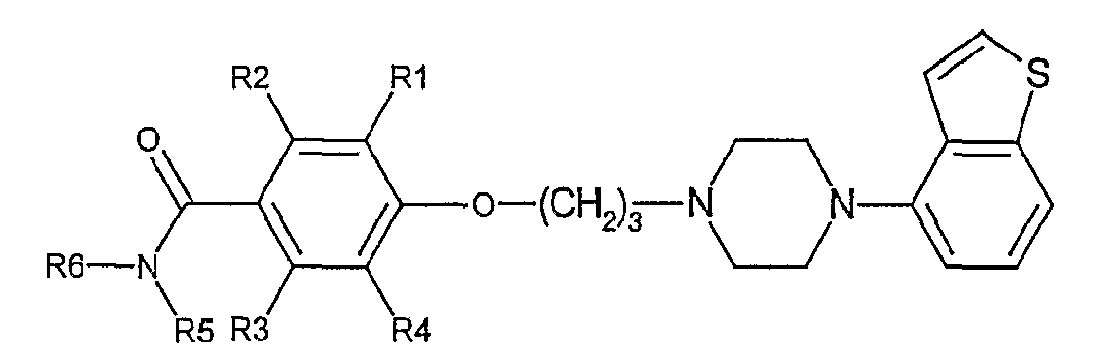
Example R1 R2 R3 R4 R5 R6 Crystal form
(Recrystallization solvent)Melting point (°C) Salt 231 -CF3 -H -H -H -CH2CF3 -H White powder
(95% 2-propanol)144.5-150.0 -- 232 -NH2 -H -H -H -CH3 -H White powder
(Ethyl acetate/isopropyl ether)124.0-125.5 -- 233 -N(CH3)2 -H -H -H -H -H White powder
(Ethyl acetate/isopropyl ether)143.0-145.0 -- 234 -H -H -H -N(CH3)2 -CH3 -H White powder
(Ethyl acetate)219.0-223.0 Hydrochloride 235 -NH2 -H -H -H -CH2CF3 -H White powder
(Ethyl acetate/isopropyl ether)125.0-126.0 -- 236 -N(CH3)2 -H -H -H -CH2CF3 -H White powder
(Ethyl acetate/isopropyl ether)147.5-148.5 -- 237 -H -CH3 -H -H -H -H White powder
(95% 2-propanol)150.5-152.5 -- 238 -H -CH3 -H -H -CH3 -H White powder
(95% 2-propanol)138.0-139.0 -- 239 -H -CH3 -H -H -C2H5 -H White powder
(95% 2-propanol)137.5-139.0 -- 240 -CH3 -H -H -CH3 -H -H White powder
(95% 2-propanol)167.0-168.0 -- [Table 42] 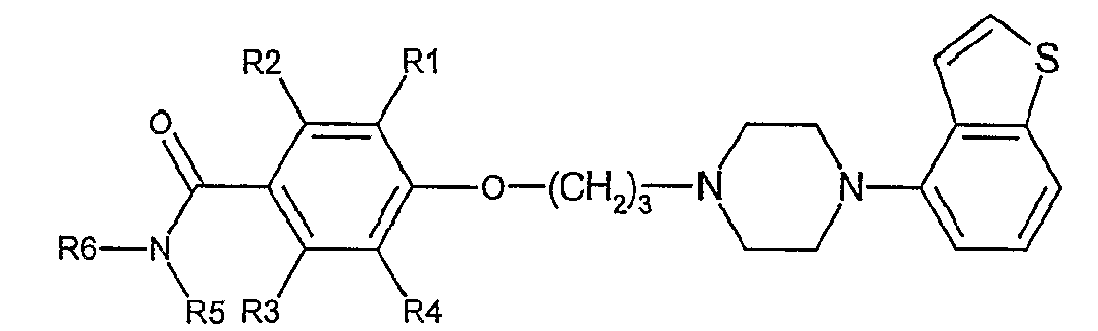
Example R1 R2 R3 R4 R5 R6 Crystal form
(Recrystallization solvent)Melting point (°C) Salt 241 -CH3 -H -H -CH3 -CH3 -H White powder
(95% 2-propanol)152.5-154.5 -- 242 -CH3 -H -H -CH3 -C2H5 -H White powder
(95% 2-propanol)184.0-185.5 -- 243 -OCH3 -H -H -OCH3 -H -H White powder
(Ethyl acetate/isopropyl ether)147.5-148.0 -- 244 -OCH3 -H -H -OCH3 -CH3 -H White powder
(Ethyl acetate)233.0-237.5
(dec)Hydrochloride 245 -OCH3 -H -H -OCH3 -C2H5 -H White powder
(Ethyl acetate/isopropyl ether)145.5-147.5 -- 246 -OC2H5 -H -H -CH3 -CH3 -H White powder
(Ethanol/ethyl acetate)186.5-188.0 Hydrochloride 247 -CH2CH=CH2 -H -H -OCH3 -H -H (Ethyl acetate/isopropyl ether) 126.0-130.0 -- 248 -C3H7 -H -H -OCH3 -H -H (Ethyl acetate/isopropyl ether) 137.5-140.0 -- 249 -OCH3 -H -H -CH2CH=CH2 -CH3 -H White powder
(Ethyl acetate)180.5-186.0 Hydrochloride 250 -OCH3 -H -H -C3H7 -CH3 -H White powder
(Ethyl acetate)186.5-192.0 Hydrochloride [Table 43] 
Example R1 R2 R3 R4 R5 R6 Crystal form
(Recrystallization solvent)Melting point (°C) Salt 251 -CH3 -H -H -OCH3 -H -H White powder
(Ethyl acetate/isopropyl ether)156.0-157.0 -- 252 -CH3 -H -H -OCH3 -CH3 -H White powder
(Ethyl acetate/methanol)141.5-142.5 -- 253 -OCH3 -H -H -CH3 -C2H5 -H White powder
(Ethyl acetate)220.5-224.5 Hydrochloride 254 -OCH3 -H -H -CH3 -CH3 -OCH3 White powder
(Ethyl acetate)223.0-227.5 Hydrochloride [Table 44] 
Example R1 R2 R3 R4 R5 R6 NMR Salt 255 -H -H -H -NO2 -C2H5 -H 1H-NMR (CDCl3) δ ppm: 1.28 (3H, t, J=7.3 Hz), 2.05-2.15 (2H, m), 2.68 (2H, t, J=7.0 Hz), 2.73 (4H, brs), 3.19 (4H, brs), 3.45-3.55 (2H, m), 4.29 (2H, t, J=6.2 Hz), 6.14 (1H, brs), 6.90 (1H, d, J=7.6 Hz), 7.18 (1H, d, J=8.8 Hz), 7.25-7.30 (1H, m), 7.35-7.45 (2H, m), 7.55 (1H, d, J=8.1 Hz), 8.04 (1H, dd, J=2.3, 8.8 Hz), 8.23 (1H, d, J=2.2 Hz). -- [Table 45] 
Example R1 R2 R3 R4 R5 Crystal form
(Recrystallization solvent)Melting point (°C) Salt 256 -H -H -H -H 
White powder
(Ethyl acetate)234.5-238.0 Hydrochloride 257 -H -H -H -H 
White powder
(Ethyl acetate)244.0 (dec) Dihydrochloride 258 -H -H -H -Cl 
White powder
(Ethyl acetate)218.5-222.0 Hydrochloride 259 -H -H -H -Cl 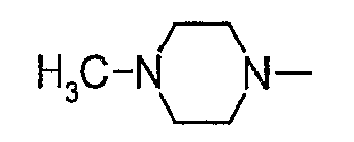
White powder
(Ethyl acetate)255.0 (dec) Dihydrochloride 260 -H -H -H -F 
White powder
(Ethyl acetate)224.5-227.5 (dec) Hydrochloride 261 -H -H -H -F 
White powder
(Ethyl acetate)255.0 (dec) Dihydrochloride 262 -H -H -H -CH3 
White powder
(Ethyl acetate)236.0 (dec) Hydrochloride 263 -H -H -H -CH3 
White powder
(Ethyl acetate)255.5 (dec) Dihydrochloride 264 -H -H -H - OCH3 
White powder
(Ethyl acetate)226.0-228.0 (dec) Hydrochloride 265 -H -H -H - OCH3 
White powder
(Ethyl acetate)232.0 (dec) Dihydrochloride [Table 46] 
Example R1 R2 R3 R4 R5 R6 Crystal form
(Recrystallization solvent)Melting point (°C) Salt 266 -H -H -H -H -H -H Light yellow powder
(Ethyl acetate/isopropyl ether)158.0-160.0 -- 267 -H -H -H -H -H -CH3 Light yellow powder
(Ethyl acetate)183.0-186.0 Hydrochloride 268 -H -H -H -H -CH3 -CH3 Light yellow powder
(Ethyl acetate)158.0-161.5 Hydrochloride 269 -H -H -H -H -H -C2H5 Light yellow powder
(Ethyl acetate)168.5-173.0 Hydrochloride 270 -H -H -H -H -H -CH2CF3 Light yellow powder
(Ethyl acetate/isopropyl ether)187.5-189.0 Hydrochloride 271 -F -H -H -H -H -H White powder
(Ethyl acetate/isopropyl ether)156.5-159.0 -- 272 -F -H -H -H -H -CH3 White powder
(Ethyl acetate/isopropyl ether)214.5-218.0 Hydrochloride 273 -F -H -H -H -H -C2H5 White powder
(Ethyl acetate)211.0-218.0 Hydrochloride 274 -Cl -H -H -H -H -H White powder
(Ethyl acetate/isopropyl ether)139.0-140.5 -- 275 -Cl -H -H -H -H -CH3 White powder
(Ethyl acetate)218.5-222.5 Hydrochloride 276 -Cl -H -H -H -H -C2H5 White powder
(Ethyl acetate)247.0 (dec) Hydrochloride 277 -CH3 -H -H -H -H -H White powder
(Ethyl acetate/isopropyl ether)129.5-130.0 -- 278 -CH3 -H -H -H -H -CH3 White powder
(Ethyl acetate/isopropyl ether)148.5-151.0 -- 279 -CH3 -H -H -H -H -C2H5 White powder
(Ethyl acetate/isopropyl ether)133.0-134.5 -- 280 -OCH3 -H -H -H -H -H White powder
(Ethyl acetate)155.5-160.0 -- 281 -OCH3 -H -H -H -H -CH3 White powder
(Ethyl acetate)163.5-165.0 Hydrochloride [Table 47] 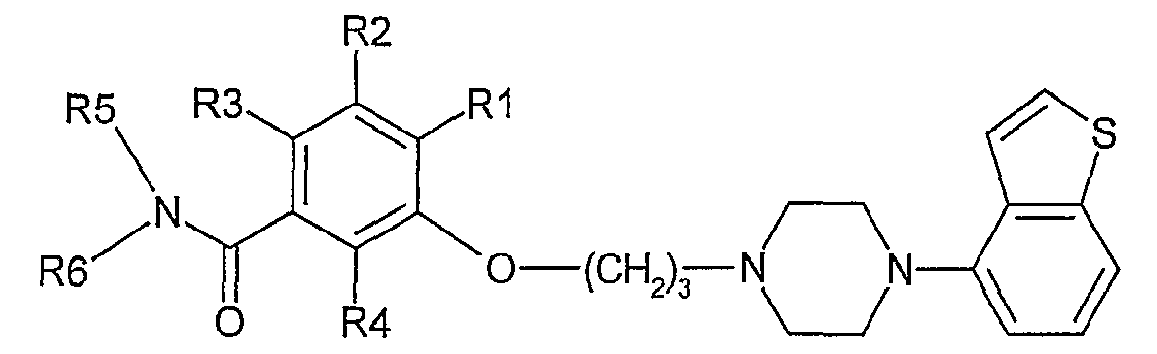
Example R1 R2 R3 R4 R5 R6 Crystal form (Recrystallization solvent) Melting point (°C) Salt 282 -OCH3 -H -H -H -H -C2H5 White powder
(Ethyl acetate)187.0-188.5 Hydrochloride 283 -OCH3 -OCH3 -H -H -H -H White powder
(Ethyl acetate/isopropyl ether)132.0-134.0 -- 284 -OCH3 -OCH3 -H -H -H -CH3 White powder
(Ethyl acetate)201.0-206.0 Hydrochloride 285 -OCH3 -OCH3 -H -H -H -C2H5 White powder
(Ethyl acetate/isopropyl ether)156.0-158.5 -- [Table 48] 
Example R1 R2 R3 R4 R5 R6 Crystal form (Recrystallization solvent) Melting point (°C) Salt 286 -H -H -H -H -C2H5 -H Light yellow powder
(Ethyl acetate)228.0-241.0 (dec) Dihydrochloride 287 -H -H -H -H -C3H7 -H White powder
(Ethyl acetate)232.0-236.0 (dec) Dihydrochloride 288 -H -H -H -H -C3H7 -CH3 White powder
(Ethyl acetate)210.0-222.0 (dec) Dihydrochloride 289 -H -H -H -H -CH3 -H White powder
(Ethyl acetate)235.5 (dec) Dihydrochloride 290 -H -H -H -H -CH3 -CH3 White powder
(Ethyl acetate)257.5 (dec) Dihydrochloride 291 -H -H -H -H -C2H5 -C2H5 White powder
(Ethyl acetate)232.0 (dec) Dihydrochloride 292 -H -H -H -H -CH2CF3 -H White powder
(Ethyl acetate)238.5-240.5 (dec) Dihydrochloride 293 -H -H -H -H -CH2CH2N(C2H5)2 -H White powder
(Ethyl acetate)209.5 (dec) Triydrochloride 294 -H -H -H -H -H -H Light yellow powder
(Ethyl acetate)245.5 (dec) Dihydrochloride 295 -H -H -H -H -CHO -H White powder
(Ethyl acetate)207.5-213.0 Hydrochloride 296 -H -H -H -H -COCH3 -CH3 White powder
(Ethyl acetate)196.5-201.0 Hydrochloride 297 -H -H -H -H -COC2H5 -CH3 White powder
(Ethyl acetate)194.5-198.0 Hydrochloride 298 -H -H -H -H -COC6H5 -CH3 White powder
(Ethyl acetate)192.5-195.5 Hydrochloride 299 -H -H -H -H -CH2C6H5 -CH3 White powder
(Ethyl acetate)236.5 (dec) Dihydrochloride 300 -H -H -H -H -C6H5 -H White powder
(Ethyl acetate)191.0-193.5 Dihydrochloride 301 -OCH3 -H -H -H -CH3 -CH3 White powder
(Ethyl acetate/isopropyl ether)101.0-103.0 -- 302 -H -H -H -H -C6H5 -CH3 White powder
(Ethyl acetate)207.5-214.5 Triydrochloride 303 -H -H -H -Cl -CH3 -CH3 White powder
(Ethyl acetate)259.0 (dec) Dihydrochloride 304 -H -H -H -F -CH3 -CH3 White powder
(Ethyl acetate)247.0 (dec) Dihydrochloride 305 -H -H -H -F -CH3 -H White powder
(Ethyl acetate)237.0 (dec) Dihydrochloride 306 -H -H -H -F -CH3 -COCH3 White powder
(Ethyl acetate)196.0-199.0 Hydrochloride [Table 49] 
Example R1 R2 R3 R4 R5 R6 Crystal form (Recrystallization solvent) Melting point (°C) Salt 307 -H -H -H -CH3 -CH3 -C2H5 White powder
(Ethyl acetate)256.5 (dec) Dihydrochloride 308 -H -H -H -CH3 -CH3 -H White powder
(Ethyl acetate)254.5 (dec) Dihydrochloride 309 -H -H -H -CH3 -CH3 -CH3 White powder
(Ethyl acetate)277.5 (dec) Dihydrochloride 310 -H -H -H -CH3 -COCH3 -CH3 White powder
(Ethyl acetate)230.0-232.0 (dec) Hydrochloride 311 -OCH3 -H -H -H -CH3 -H White powder
(Ethyl acetate)239.5 (dec) Dihydrochloride 312 -H -H -H -OCH3 -CH3 -COCH3 White powder
(Ethyl acetate)206.0-211.5 Hydrochloride [Table 50] 
Example R1 R2 R3 R4 R5 Crystal form (Recrystallization solvent) Melting point (°C) Salt 313 -H -H -H -H 
White powder
(Ethyl acetate)243.5 (dec) Dihydrochloride 314 -H -H -H -H 
White powder
(Ethyl acetate)261.5 (dec) Dihydrochloride 315 -H -H -H -Cl 
White powder
(Ethyl acetate)249.0 (dec) Dihydrochloride 316 -H -H -H -Cl 
White powder
(Ethyl acetate)253.5 (dec) Triydrochloride 317 -H -H -H -F 
White powder
(Ethyl acetate)252.0 (dec) Dihydrochloride 318 -H -H -H -CH3 
White powder
(Ethyl acetate)242.0 (dec) Dihydrochloride [Table 51] 
Example R1 R2 R3 R4 R5 R6 Crystal form (Recrystallization solvent) Melting point (°C) Salt 319 -H -H -H -H -C2H5 -C2H5 Light yellow powder
(Ethyl acetate)179.0-183.5 Hydrochloride 320 -H -H -H -H -H -H White powder
(Ethyl acetate/water)150.0-154.5 -- 321 -H -H -H -H -H -CH3 White powder
(Ethyl acetate)198.0-207.0 Hydrochloride 322 -H -H -H -H -CH3 -CH3 White powder
(Ethyl acetate/isopropyl ether)128.0-129.5 -- 323 -H -H -H -H -H -C2H5 White powder
(Ethyl acetate/isopropyl ether)112.5-113.5 -- 324 -H -H -H -H -H -CH2CF3 White powder
(Ethyl acetate/isopropyl ether)126.0-127.0 -- 325 -Cl -H -H -H -H -H White powder
(2-propanol)161.5-166.0 -- 326 -H -H -H -Cl -H -CH3 White powder
(Ethyl acetate)194.5-197.0 Hydrochloride 327 -H -H -H -Cl -CH3 -CH3 White powder
(Ethyl acetate)197.5-201.0 Hydrochloride 328 -H -H -H -Cl -H -C2H5 White powder
(Ethyl acetate)227.5 (dec) Hydrochloride 329 -H -H -H -Cl -H -CH2CF3 (Ethyl acetate) 204.0-206.0 Hydrochloride 330 -OCH3 -H -H -H -H -H White powder
(Ethyl acetate/isopropyl ether)129.0-130.0 -- 331 -H -H -H -OCH3 -H -CH3 White powder
(Ethyl acetate)176.0-178.5 Hydrochloride 332 -H -H -H -OCH3 -CH3 -CH3 White powder
(Ethyl acetate)188.5-192.0 Hydrochloride 333 -H -H -H -OCH3 -H -C2H5 White powder
(Ethyl acetate)178.0-184.0 Hydrochloride 334 -H -H -H -OCH3 -H -CH2CF3 Light yellow powder
(Ethyl acetate)187.5-192.0 Hydrochloride [Table 52] 
Example R1 R2 R3 R4 R5 R6 Crystal form (Recrystallization solvent) Melting point (°C) Salt 335 -F -H -H -H -H -H White powder
(2-propanol)146.5-150.0 -- 336 -H -H -H -F -H -CH3 White powder
(Ethyl acetate)191.0-193.0 Hydrochloride 337 -H -H -H -F -CH3 -CH3 White powder
(Ethyl acetate)192.5-197.0 Hydrochloride 338 -H -H -H -F -H -C2H5 White powder
(Ethyl acetate)216.0-220.5 Hydrochloride 339 -H -H -H -F -H -CH2CF3 Light yellow powder
(Ethyl acetate)197.0-202.0 Hydrochloride 340 -H -H -H -H -H -H White powder
(Ethyl acetate/isopropyl ether)149.5-150.5 -- [Table 53] 
Example R1 R2 R3 R4 R5 Crystal form (Recrystallization solvent) Melting point (°C) Salt 341 -H -H -H -H 
White powder
(Ethyl acetate/isopropyl ether)130.5-131.5 -- 342 -H -H -H -H 
White powder
(Ethyl acetate)227.5 (dec) Dihydrochloride [Table 54] 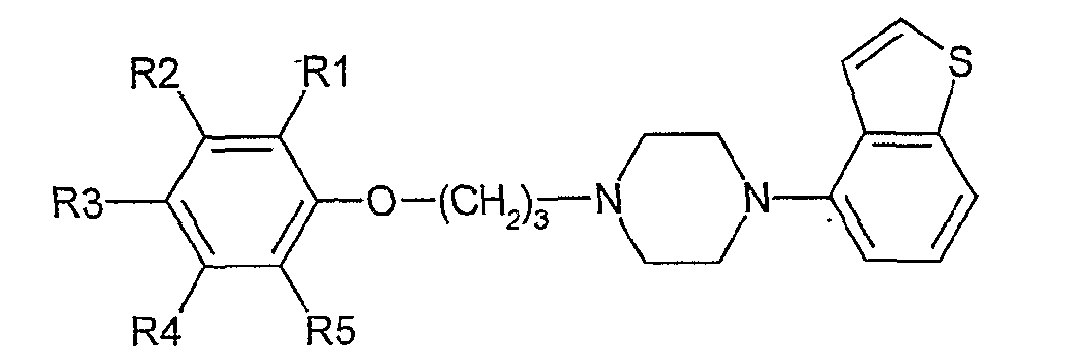
Example R1 R2 R3 R4 R5 Crystal form (Recrystallization solvent) Melting point (°C) Salt 343 -H -H -NHCOCH3 -H -H White powder
(Ethanol)283.0-285.0 Hydrochloride 344 -H -H -NHCO2CH3 -H -H Light yellow powder
(Ethyl acetate/isopropyl ether)149.5-150.5 -- 345 -H -H -NHSO2C2H5 -H -H Light yellow powder
(Ethanol/ethyl acetate)174-176 Dihydrochloride 346 -H -H -NHC2H5 -H -H White powder
(Ethyl acetate)225 (dec) Hydrochloride 347 -H -H -N(CH3)CO2CH3 -H -H White powder
(Ethyl acetate)196.0-202.0 Hydrochloride 348 -H -H -N(CH3)COCH3 -H -H White powder
(Ethanol)246-247 Hydrochloride 349 -H -H -NH2 -H -H White powder
(Ethanol containing water)266-271 (dec) Hydrochloride 350 -H -H -NHCH3 -H -H White powder
(Ethanol)264-266 Dihydrochloride 351 -H -H -N(CH3)2 -H -H White powder
(Ethanol)269-270 Dihydrochloride 352 -CH3 -H -NH2 -H -OCH3 Light yellow solid
(Ethyl acetate)155.0-158.0 -- 353 -OCH3 -H -NHCON(CH3)2 -H -CH3 White powder
(Ethyl acetate)206.0-210.0 Hydrochloride 354 -OCH3 -H -NHCHO -H -CH3 White powder
(Ethyl acetate)247.5-253.0 (dec) Hydrochloride 355 -OCH3 -H -NHCO2CH3 -H -CH3 White powder
(Ethyl acetate)230.0-235.5 Hydrochloride [Table 55] 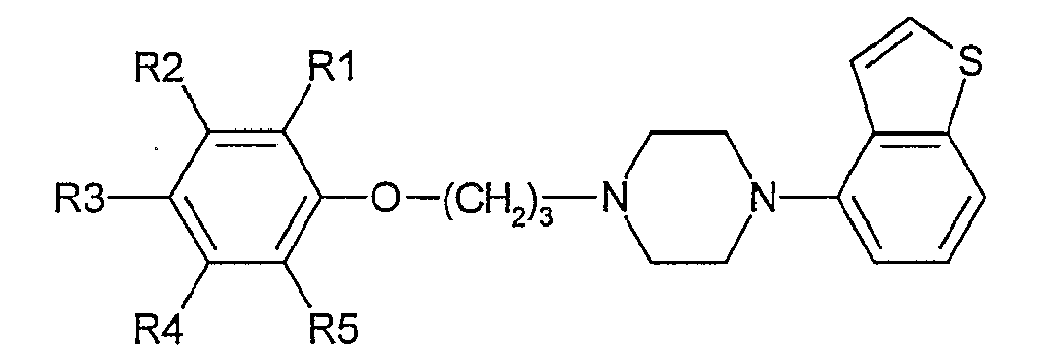
Example R1 R2 R3 R4 R5 Crystal form
(Recrystallization solvent)Melting point (°C) Salt 356 -H -H 
-H -H White powder
(Ethyl acetate/2-propanol)154.5-156.5 -- 357 -H -H 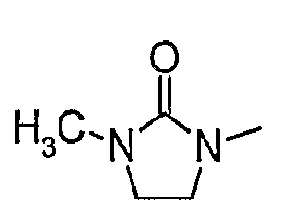
-H -H White powder
(2-propanol)141.0-144.5 -- 358 -OCH3 -H 
-H -CH3 White powder
(Ethanol)247.5-251.0 (dec) Hydrochloride 359 -CH2OH -H 
-H -OCH3 White powder
(Ethanol)144.0-145.0 Hydrochloride [Table 56] 
Example R1 R2 R3 R4 R5 NMR Salt 360 -H -H -NHCH(CH3)2 -H -H 1H-NMR (DMSO-d6) δ ppm: 1.24 (6H, d, J = 6.5Hz), 2.2-2.4 (2H, m), 3.15-3.8 (12H, m), 4.15 (2H, t, J = 6Hz), 6.99 (1H, d, J = 7.5Hz), 7.11 (2H, d, J = 9Hz), 7.33 (1H, dd, J = 8, 8Hz), 7.4-7.55 (3H, m), 7.71 (1H, d, J = 8Hz), 7.78 (1H, d, J = 5.5Hz), 10.87 (3H, br). Trihydrochloride 361 -OCH3 -H -NHCO2CH3 -H -H 1H-NMR (CDCl3) δ ppm: 2.00-2.15 (2H, m), 2.60-2.70 (2H, m), 2.73 (4H, brs), 3.20 (4H, brs), 3.77 (3H, s), 3.88 (3H, s), 4.10 (2H, t, J=6.6 Hz), 6.52 (1H, brs), 6.74 (1H, dd, J=2.5, 8.6 Hz), 6.87 (1H, d, J=8.6 Hz), 6.90 (1H, d, J=7.7 Hz), 7.19 (1H, brs), 7.28 (1H, dd, J=7.8, 7.8 Hz), 7.35-7.45 (2H, m), 7.55 (1H, d, J=7.8 Hz). -- 362 -H -H -NHCON(CH3)2 -H -H 1H-NMR (DMSO-d6) δ ppm: 2.20-2.30 (2H, m), 2.91 (6H, s), 3.20-3.40 (6H, m), 3.55 (2H, d, J=12.4 Hz), 3.65 (2H, d, J=11.4 Hz), 4.05 (2H, t, J=6.0 Hz), 6.86 (2H, d, J=9.0 Hz), 6.98 (1H, d, J=7.6 Hz), 7.30-7.40 (3H, m), 7.50 (1H, d, J=5.5 Hz), 7.71 (1H, d, J=8.1 Hz), 7.78 (1H, d, J=5.5 Hz), 8.16 (1H, brs), 11.05 (1H, brs). Dihydrochloride 363 -F -H -NHCO2CH3 -H -H 1H-NMR (DMSO-d6) δ ppm: 2.24 (2H, brs), 3.10-3.25 (2H, m), 3.30-3.50 (4H, m), 3.50-3.60 (2H, m), 3.66 (3H, s), 3.65-3.70 (2H, m), 4.13 (2H, t, J=5.9 Hz), 6.98 (1H, d, J=7.6 Hz), 7.10-7.20 (2H, m), 7.32 (1H, dd, J=7.9, 7.9 Hz), 7.40 (1H, d, J=13.3 Hz), 7.50 (1H, d, J=5.5 Hz), 7.71 (1H, d, J=8.1 Hz), 7.77 (1H, d, J=5.5 Hz), 9.69 (1H, brs), 10.56 (1H, brs). Hydrochloride [Table 56-1] 
Example R1 R2 R3 R4 R5 NMR Salt 364 -H -H -NHCONH2 -H -H 1H-NMR (CDCl3) δ ppm: 1.95-2.10 (2H, m), 2.64 (2H, t, J=7.3 Hz), 2.70-2.75 (4H, m), 3.15-3.20 (4H, m), 4.03 (2H, t, J=6.3 Hz), 4.83 (2H, brs), 6.83 (1H, brs), 6.85-6.95 (3H, m), 7.20 (2H, d, J=8.6 Hz), 7.25-7.30 (1H, m), 7.35-7.45 (2H, m), 7.55 (1H, d, J=8.1 Hz). -- 365 -H -H -NHCON(C2H5)2 -H -H 1H-NMR (DMSQ-d6) δ ppm: 1.06 (6H, t, J=7.0 Hz), 2.15-2.30 (2H, m), 3.20-3.45 (10H, m), 3.54 (2H, d, J=12 Hz), 3.64 (2H, d, J=12 Hz), 4.03 (2H, t, J=5.9 Hz), 6.84 (2H, d, J=8.9 Hz), 6.97 (1H, d, J=7.7 Hz), 7.25-7.40 (3H, m), 7.49 (1H, d, J=5.6 Hz), 7.70 (1H, d, J=8.1 Hz), 7.76 (1H, d, J=5.6 Hz), 8.01 (1H, s), 10.95 (1H, s). Dihydrochloride 366 -H -H 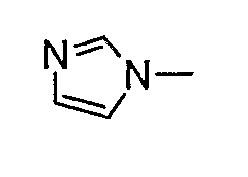
-H -H 1H-NMR (DMSO-d6) δ ppm: 2.05-2.10 (2H, m), 2.67 (2H, t, J=7.3 Hz), 2.76 (4H, brs), 3.22 (4H, brs), 4.11 (2H, t, J=6.3 Hz), 6.91 (1H, d, J=7.6 Hz), 7.01 (2H, d, J=8.9 Hz), 7.20 (2H, d, J=9.6 Hz), 7.25-7.35 (3H, m), 7.35-7.45 (2H, m), 7.56 (1H, d, J=8.0 Hz), 7.77 (1H, s). -- 367 -H -H 
-H -H 1H-NMR (CDCl3) δ ppm: 2.05-2.15 (2H, m), 2.67 (2H, t, J=7.2 Hz), 2.75 (4H, brs), 3.21 (4H, brs), 4.12 (2H, t; J=6.3 Hz), 6.91 (1H, d, J=7.6 Hz), 7.00-7.05 (2H, m), 7.25-7.30 (1H, m), 7.35-7.45 (2H, m), 7.50-7.60 (3H, m), 8.08 (1H, s), 8.45 (1H, s). - [Table 57] 
Example R1 R2 R3 R4 R5 Crystal form
(Recrystallization solvent)Melting point(°C) Salt 368 -H -H -CH2CH2N(C2H5)2 -H -H White powder
(Ethyl acetate)224.0-232.0
(dec)Dihydrochloride 369 -H -H -H -NHCO2CH3 -H White powder
(Ethyl acetate)178.0-181.0
(dec)Hydrochloride 370 -H -H -CN -H -H Light yellow powder
(Ethyl acetate/isopropyl ether)105.5-107.0 -- 371 -H -H -CO2H -H -H White powder
(Hydrochloric acid/acetic acid)263.0
(dec)Hydrochloride 372 -H -H -CO2CH3 -H -OCH3 White powder
(Ethyl acetate)242.0
(dec)Hydrochloride 373 -H -H -Br -H -H White powder
(Ethyl acetate/isopropyl ether)119.0-120.0 -- 374 -OOH3 -H -CO2H -H -H White powder
(Water)21.0-124.5 -- 375 -Cl -H -CO2C2H5 -H -H Light yellow powder
(Ethanol/isopropyl ether)122.0-123.5 -- 376 -H -H -CH2CO2CH3 -H -H White powder
(Ethyl acetate)213.5-221.5
(dec)Hydrochloride 377 -H -H -CO2C2H5 -H -F White powder
(Ethyl acetate)231.5-233.5 Hydrochloride [Table 58] 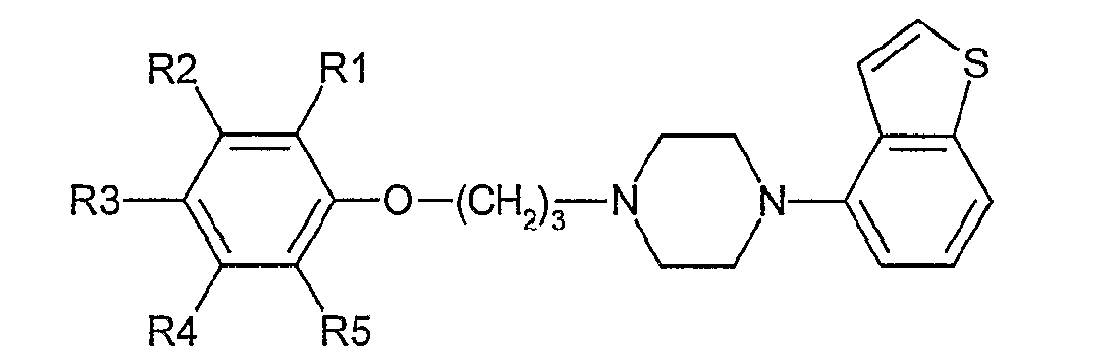
Example R1 R2 R3 R4 R5 Crystal form
(Recrystallization solvent)Melting point(°C) Salt 378 -H -H -CO2H -H -Cl White powder
(Hydrochloric acid/acetic acid)273.0
(dec)Hydrochloride 379 -H -H -CH2CO2H -H -H White powder
(Hydrochloric acid/acetic acid)217.0-222.0 Hydrochloride 380 -H -H -CO2H -H -F White powder
(Hydrochloric acid/acetic acid)267.0
(dec)Hydrochloride 381 -H -H -CH2CH2NHCH3 -H -H White powder
(Ethyl acetate)258.0
(dec)Dihydrochloride 382 -H -H -CH2CH2N(CH3)2 -H -H White powder
(Ethyl acetate)236.5
(dec)Dihydrochloride 383 -H -H -CH2CH2N(CH)COCH3 -H -H White powder
(Ethyl acetate)215.0-217.0 Hydrochloride 384 -H -H -CH2CH2N(CH3)COC2H5 -H -H White powder
(Ethyl acetate)211.0-217.0 Hydrochloride 385 -H -H -CH2CH2N(CH3)COC5H5 -H -H White powder
(Ethyl acetate)210.5-212.0 Hydrochloride 386 -H -H -CH2CH2N(CH3)CH2C6H5 -H -H White powder
(Ethyl acetate)196.0-202.0
(dec)Dihydrochloride 387 -H -H -CH2CH2NHC2H5 -H -H White powder
(Ethyl acetate/isopropyl ether)230.0
(dec)Dihydrochloride [Table 59] 
Example R1 R2 R3 R4 R5 Crystal form
(Recrystallization solvent)Melting point(°C) Salt 388 -H -H -CH2CH2NHCH2CF3 -H -H White powder
(Ethyl acetate)223.0
(dec)Dihydrochloride 389 -H -H -CH2CO2C2H5 -H -Cl White powder
(Ethyl acetate)225.0-228.5 Hydrochloride 390 -H -H -CH2CO2H -H -Cl White powder
(Hydrochloric acid/acetic acid)208.0-209.5 Hydrochloride 391 -H -H -CH2CO2C2H5 -H -OCH3 White powder
(Ethyl acetate)205.5-213.5 Hydrochloride 392 -CH3 -H -CN -H -H Light yellow powder
(Ethyl acetate/isopropyl ether)105.5-106.0 -- 393 -H -H -CH2CO2H -H -OCH3 White powder
(Hydrochloric acid/acetic acid)198.5-201.0 Hydrochloride 394 -H -H -SO2NH2 -H -H White powder
(Ethanol)199.0-203.0 -- 395 -H -H -CO2H -H -CH3 White powder
(Hydrochloric acid/acetic acid)280.0
(dec)Hydrochloride 396 -H -H -CH2CO2C2H5 -H -F White powder
(Ethyl acetate)220.5-224.0 Hydrochloride 397 -H -H -CH2CO2H -H -F White powder
(Hydrochloric acid/acetic acid)181.5-184.5 Hydrochloride [Table 60] 
Example R1 R2 R3 R4 R5 Crystal form
(Recrystallization solvent)Melting point(°C) Salt 398 -H -H -CN -OCH3 -H White powder
(Ethyl acetate)238.0
(dec)Hydrochloride 399 -H -H -CO2C2H5 -H -Br White powder
(Ethyl acetate)237.5-242.5
(dec)Hydrochloride 400 -H -CN -H -H -H White powder
(Ethyl acetate)217.5-221.0
(dec)Hydrochloride 401 -H -H -CO2H -H -Br White powder
(Hydrochloric acid/acetic acid)271.0
(dec)Hydrochloride 402 -H -H -H -CO2H -H White powder
(Hydrochloric acid/acetic acid)242.5-244.5 Hydrochloride 403 -H -H -H -H -CN White powder
(Ethyl acetate)221.5-226.0 Hydrochloride 404 -CN -H -CO2C2H5 -H -H White powder
(Ethyl acetate/isopropyl ether)128.5-130.0 -- 405 -H -H -CO2H -H -CN White powder
(Dichloromethane/water)271.0
(dec)Hydrochloride 406 -CONHC2H5 -H -H -H -H White powder
(Ethyl acetate)220.0-227.5 Hydrochloride 407 -H -H -CO2C2H5 -CF3 -H White powder
(Ethyl acetate)224.5-232.0 Hydrochloride [Table 61] 
Example R1 R2 R3 R4 R5 Crystal form
(Recrystallization solvent)Melting point(°C) Salt 408 -H -H -CO2C2H5 -Cl -H White powder
(Ethyl acetate)216.5-219.0 Hydrochloride 409 -H -H -CO2H -Cl -H White powder
(Ethyl acetate)259.0
(dec)Hydrochloride 410 -H -OCH3 -CHO -H -H White powder
(Ethyl acetate 2-propanol)118.0-119.5 -- 411 -H -H -CO2H -CF3 -H White powder
(Water)240.0
(dec)Hydrochloride 412 -H -H -CN -CH3 -H White powder
(Ethyl acetate)230.0-237.0 Hydrochloride 413 -NO2 -H -CO2C2H5 -H -H Light yellow powder
(Ethyl acetate/isopropyl ether)113.0-114.0 -- 414 -H -H -CHO -H -H White powder
(Ethyl acetate)102.5-105.5 -- 415 -H -H -CO2H -H -NO2 White powder
(Hydrochloric acid/acetic acid)259.0
(dec)Dihydrochloride 416 -H -H -CH=CHCO2H -H -H White powder
(Hydrochloric acid/water)265.0
(dec)Hydrochloride 417 -H -H -CO2C2H5 -H -CF3 White powder
(Ethyl acetate)211.5-221.0 Hydrochloride [Table 62] 
Example R1 R2 R3 R4 R5 Crystal form
(Recrystallization solvent)Melting point(°C) Salt 418 -H -H -CO2H -H -CF3 White powder
(Ethyl acetate)269.0
(dec)Hydrochloride 419 -H -CH2CO2C2H5 -H -H -H White powder
(Ethyl acetate)206.0-208.0 Hydrochloride 420 -H -H -CH=CHCONH2 -H -H White powder
(Ethyl acetate)210.5-215.0 -- 421 -H -CH2CO2H -H -H -H Light brown powder
(Ethyl acetate)255.0
(dec)Hydrochloride 422 -H -H -CH=CHCONHCH3 -H -H White powder
(95%-2-propanol)165.5-169.0 -- 423 -H -H -CH=CHCON(CH3)2 -H -H White powder
(95%-2-propanol)130.5-131.5 -- 424 -H -H -CH=CHCONHC2H5 -H -H White powder
(95%-2-propanol)158.0-159.0 -- 425 -H -H -CH=CHCONHCH2CF3 -H -H White powder
(95%-2-propanol)177.5-180.D -- 426 -H -H -(CH2)2CO2C2H5 -H -H White powder
(Ethyl acetate)235.0-237.5 Hydrochloride 427 -F -H -H -CO2C2H5 -H White powder
(Ethyl acetate)218.5-224.0 Hydrochloride [Table 63] 
Example R1 R2 R3 R4 R5 Crystal form
(Recrystallization solvent)Melting point(°C) Salt 428 -H -H -CH2CH2CO2H -H -H White powder
(Hydrochloric acid/acetic acid)240.0
(dec)Hydrochloride 429 -F -H -H -CO2H -H White powder
(Hydrochloric acid/acetic acid)260.0
(dec)Hydrochloride 430 -Cl -H -H -CO2C2H5 -H White powder
(Ethyl acetate)241.0-245.0 Hydrochloride 431 -Cl -H -H -CO2H -H White powder
(Hydrochloric acid/acetic acid)268.0
(dec)Hydrochloride 432 -CH3 -H -H -CO2C2H5 -H White powder
(Ethyl acetate)238.0-242.0
(dec)Hydrochloride 433 -CH3 -H -CO2C2H5 -H -CH3 White powder
(isopropyl ether)106.0-108.0 -- 434 -CH3 -H -H -CO2H -H White powder
(Hydrochloric acid/acetic acid)256.5
(dec)Hydrochloride 435 -CH3 -H -CO2H -H -CH3 White powder
(Water)252.5
(dec)Hydrochloride 436 -OCH3 -OCH3 -H -CO2C2H5 -H White powder
(Ethyl acetate)225.0-234.0 Hydrochloride 437 -H -H -C(CH3)2CO2CH3 -H -H White powder
(Ethyl acetate)222.0-226.5 Hydrochloride [Table 64] 
Example R1 R2 R3 R4 R5 Crystal form
(Recrystallization solvent)Melting point(°C) Salt 438 -OCH3 -H -H -CO2C2H5 -H White powder
(Ethyl acetate)208.0-213.5 Hydrochloride 439 -H -H -C(CH3)2CO2H -H -H White powder
(Hydrochloric acid/acetic acid)257.5
(dec)Hydrochloride 440 -H -H -CH2CH2CONH2 -H -H Light yellow powder
(95%-2-propanol)167.5-170.0 -- 441 -H -H -CH2CH2CONHCH3 -H -H White powder
(95%-2-propanol)128.0-132.0 -- 442 -OCH3 -H -H -CO2H -H White powder
(Hydrochloric acid/water)250.0
(dec)Hydrochloride 443 -H -H -CH2CH2CONHC2H5 -H -H White powder
(95%-2-propanol)130.5-132.0 Hydrochloride 444 -H -CH2CONH2 -H -H -H White powder
(Ethyl acetate/isopropyl ether)132.5-134.0 Hydrochloride 445 -H -H -H -CH2CONHCH3 -H White powder
(Ethyl acetate)173.5-175.0 Hydrochloride 446 -OCH3 -OCH3 -H -CO2H -H White powder
(Water)154.0-155.5 Hydrochloride 447 -OCH3 -H -CO2C2H5 -H -OCH3 White powder
(Ethyl acetate)239.0-242.0
(dec)Hydrochloride [Table 65] 
Example R1 R2 R3 R4 R5 Crystal form
(Recrystallization solvent)Melting point(°C) Salt 448 -OCH3 -H -CO2H -H -OCH3 White powder
(Water)191.0-196.0 -- 449 -H -H -CSNHC2H5 -H -H Light yellow powder
(Ethyl acetate/THF)193.0-196.5 Dihydrochloride 450 -OCH3 -H -COCH3 -H -CH3 White powder
(Ethyl acetate)243.0
(dec)Hydrochloride 451 -CH2CH=CH2 -H -CO2H -H -OCH3 White powder
(Water)97.0-102.0 -- 452 -C3H7 -H -CO2H -H -OCH3 White powder
(Water)145.5-150.5 -- [Table 66] 
Example R1 R2 R3 R4 R5 Crystal form
(Recrystallization solvent)Melting point(°C) Salt 453 -H -H 
-H -H White powder
(Ethyl acetate/isopropyl ether)112.5-113.5 -- 454 -H -H 
-H -H White powder
(Ethyl acetate/isopropyl ether)112.0-113.0 -- [Table 67] 
Example R1 R2 R3 R4 R5 NMR Salt 455 -H -H -F -H -H 1H-NMR (DMSO-d6) δ ppm: 2.15-2.30 (2H, m), 3.10-3.25 (2H, m), 3.25-3.60 (4H, m), 3.55-3.75 (4H, m), 4.10 (2H, t, J=6.0 Hz), 6.90-7.10 (4H, m), 7.25-7.40 (3H, m), 7.51 (1H, d, J=5.6 Hz), 7.72 (1H, d, J=8.3 Hz), 7.78 (1H, d, J=5.5 Hz), 10.12 (1H, brs). Hydrochloride 456 -H -H -H -H -H Hydrochloride 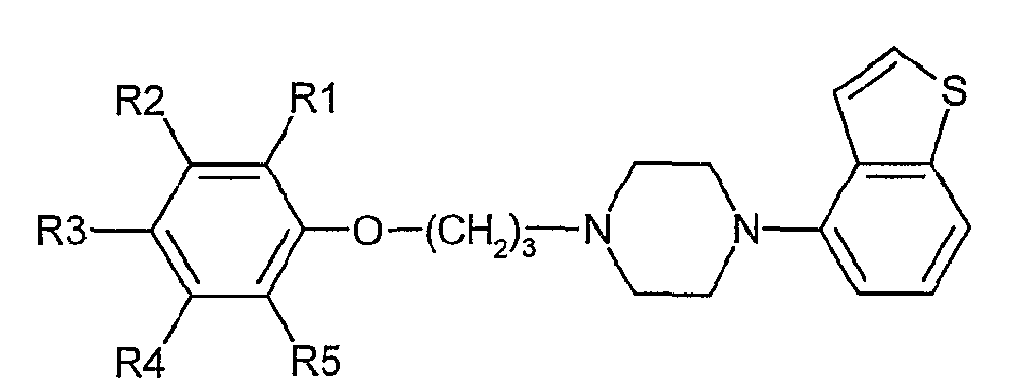
Example R1 R2 R3 R4 R5 Crystal form
(Recrystallization solvent)Melting point(°C) Salt 457 -H -H -H -H -NHCOCH3 Colorless needle-form crystal (Ethanol) 243.7 - 244.8 -- [Table 67-1] 
Example R1 R2 R3 R4 R5 NMR Salt 458 -H -H -COCH3 -H -OCH3 1H-NMR (DMSO-d6) δ ppm : 2.20-2.40 (2H, m), 2.53 (3H, s), 3.20-3.70 (10H, m), 3.83 (3H, s), 4.19 (2H, t, J=5.8 Hz), 6.96 (1H, d, J=7.5 Hz), 7.10 (1H, d, J=8.5 Hz), 7.31 (1H, t, J=7.8 Hz), 7.45-7.50 (2H, m), 7.62 (1H, dd, J=2.0, 8.4 Hz), 7.69 (1H, d, J=8.0 Hz), 7.76 (1H, d, J=5.5 Hz), 11.14 (1H, brs). Hydrochloride 459 -OCH3 -H -H -H -OCH3 Hydrochloride 460 -H -H 
-H -H 1H-NMR (CDCl3) δ ppm: 1.95-2.10 (6H, m), 2.60-2.75 (7H, m), 2.96 (2H, t, J=11.3 Hz), 3.21 (4H, brs), 3.55 (2H, d, J=12.4 Hz), 4.06 (2H, t, J=6.2 Hz), 6.80-6.95 (3H, m), 7.17 (2H, d, J=8.5 Hz), 7.25-7.35 (1H, m), 7.40 (1H, d, J=5.5 Hz), 7.43 (1H, d, J=5.6 Hz), 7.57 (1H, d, J=8.1 Hz). -- 461 -H -H 
-H -H 1H-NMR (CDCl3) δ ppm: 1.55-1.65 (2H, m), 1.80-1.95 (2H, m), 2.00-2.10 (2H, m), 2.13 (3H, s), 2.55-2.75 (7H, m), 3.10-3.20 (6H, m), 3.93 (1H, d, J=13.7 Hz), 4.05 (2H, t, J=6.4 Hz), 4.78 (1H, d, J=13.3 Hz), 6.85-6.95 (3H, m), 7.11 (2H, d, J=8.6 Hz), 7.25-7.30 (1H, m), 7.39 (1H, d, J=5.6 Hz), 7.42 (1H, d, J=5.5 Hz), 7.55 (1H, d, J=8.1 Hz). -- 462 -H -H 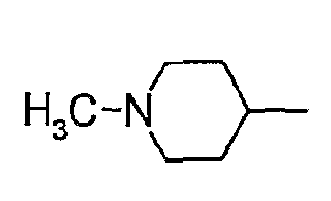
-H -H 1H-NMR (CDCl3) δ ppm: 1.75-1.85 (4H, m), 2.00-2.10 (4H, m), 2.32 (3H, s), 2.35-2.45 (1H, m), 2.63 (2H, t, J=7.4 Hz), 2.73 (4H, brs), 2.96 (2H, d, J=11.5 Hz), 3.20 (4H, brs), 4.04 (2H, t, J=6.3 Hz), 6.85-6.95 (3H, m), 7.14 (2H, d, J=8.6 Hz), 7.25-7.30 (1H, m), 7.35-7.45 (2H, m), 7.55 (1H, d, J=8.1 Hz). -- [Table 68] 
Example R1 R2 R3 R4 R5 NMR Salt 463 -H -H -F -H -H 1H-NMR (DMSO-d6) δ ppm: 3.10-3.25 (2H, m), 3.40-3.75 (8H, m), 4.40-4.45 (2H, m), 6.98 (1H, d, J=7.7 Hz), 7.00-7.25 (4H, m), 7.33 (1H, dd, J=7.9, 7.8 Hz), 7.50 (1H, d, J=5.6 Hz), 7.71 (1H, d, J=8.0 Hz), 7.78 (1H, d, J=5.5 Hz), 10.37 (1H, brs). Hydrochloride 464 -H -H -H -H -H 1H-NMR (DMSO-d6) δ ppm: 3.10-3.35 (2H, m), 3.40-3.80 (8H, m), 4.48 (2H, t, J=4.8 Hz), 6.95-7.10 (4H, m), 7.25-7.40 (3H, m), 7.51 (1H, d, J=5.5 Hz), 7.71 (1H, d, J=8.1 Hz), 7.77 (1H, d, J=5.5 Hz), 10.80-11.20 (1H, br). Hydrochloride [Table 69] 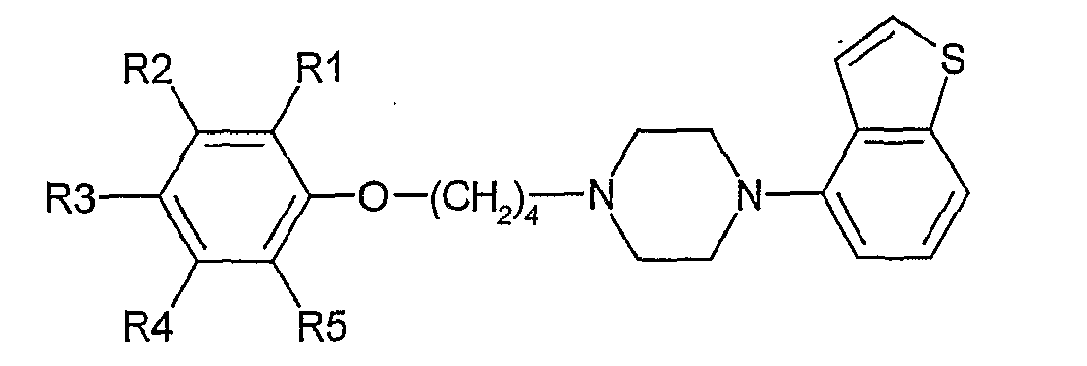
Example R1 R2 R3 R4 R5 NMR Salt 465 -H -H -H -H -H 1H-NMR (DMSO-d6) δ ppm: 1.70-2.00 (4H, m), 3.10-3.40 (6H, m), 3.50-3.80 (4H, m), 4.03 (2H, t, J=5.9 Hz), 6.90-7.00 (5H, m), 7.25-7.40 (3H, m), 7.50 (1H, d, J=5.6 Hz), 7.71 (1H, d, J=8.0 Hz), 7.77 (1H, d, J=5.5 Hz), 10.59 (1H, brs) Hydrochloride 466 -H -H -F -H -H 1H-NMR (DMSO-d6) δ ppm: 1.75-1.95 (4H, m), 3.10-3.50 (6H, m), 3.50-3.65 (4H, m), 4.00 (2H, t, J=5.9 Hz), 6.90-7.00 (3H, m), 7.00-7.20 (2H, m), 7.32 (1H, dd, J=7.9, 7.8 Hz), 7.50 (1H, d, J=5.5 Hz), 7.71 (1H, d, J=8.0 Hz), 7.77 (1H, d, J=5.5 Hz), 10.40-10.60 (1H, br). Hydrochloride 467 -H -H -COCH3 -H -OCH3 1H-NMR (DMSO-d6) δ ppm: 1.80-1.95 (4H, m), 2.52 (3H, s), 3.20-3.35 (6H, m), 3.50-3.65 (4H, m), 3.83 (3H, s), 4.00-4.15 (2H, m), 6.95 (1H, d, J=7.5 Hz), 7.08 (1H, d, J=8.5 Hz), 7.30 (1H, dd, J=7.8, 7.8 Hz), 7.40-7.50 (2H, m), 7.61 (1H, dd, J=1.9, 8.4 Hz), 7.69 (1H, d, J=8.1 Hz), 7.75 (1H, d, J=5.6 Hz), 11.0(1H, brs). Hydrochloride [Table 69-1] 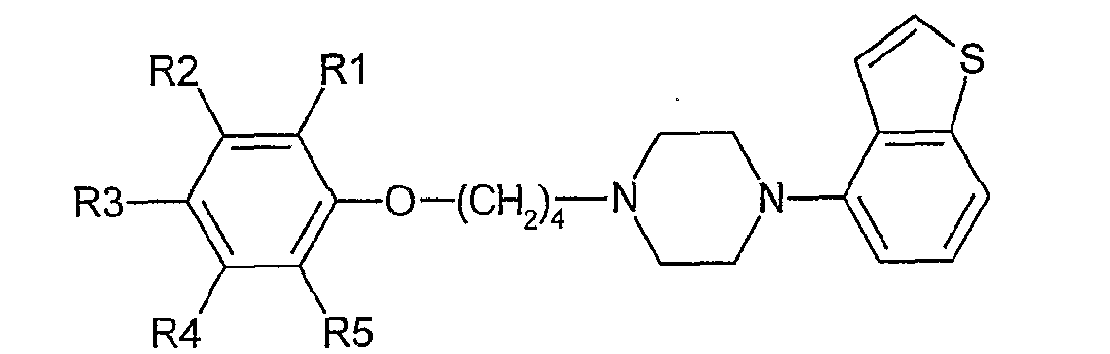
Example R1 R2 R3 R4 R5 Crystal form
(Recrystallization solvent)Melting point(°C) Salt 468 -H -H -NHCO2CH3 -H -H White powder
(Ethyl acetate)241.0
(dec)Hydrochloride 469 -H -H -H -NHCO2CH3 -H White powder
(Ethyl acetate)203.0-209.5 Hydrochloride 470 -H -H -CN -H -H White powder
(Ethyl acetate)220.0-223.0
(dec)Hydrochloride 471 -H -H -CO2H -H -H White powder
(Hydrochloric acid/acetic acid)247.5-250.0
(dec)Hydrochloride 472 -H -CN -H -H -H White powder
(Ethyl acetate)196.0-198.5 Hydrochloride 473 -H -H -H -CO2H -H White powder
(Ethyl acetate)255.5-258.5 Hydrochloride 474 -CN -H -H -H -H White powder
(Ethyl acetate)187.5-188.5 Hydrochloride 475 -H -H -H -CONHCH2CF3 -H White powder
(Ethyl acetate/2-propanol)137.0
(dec)Hydrochloride 476 -H -H -H -CONHC2H5 -H Light yellow powder
(Ethyl acetate/2-propanol)130.0-135.0 Hydrochloride 477 -H -H -H -H -CO2H White powder
(Dichloromethane/water)192.0-197.0 Hydrochloride 478 -H -CONH2 -H -H -H Light yellow powder
(2-propanol)148.0-151.0 -- [Table 69-2] 
Example R1 R2 R3 R4 R5 Crystal form
(Recrystallization solvent)Melting point(°C) Salt 479 -H -H -H -CONHCH3 -H Light yellow powder
(Ethyl acetate)234.0-239.0 Hydrochloride 480 -H -H -H -CON(CH3)2 -H Light yellow powder
(Ethyl acetate)135.0-141.5 Hydrochloride 481 -H -H -H -H -CONHC2H5 White powder
(Ethyl acetate)209.5-213.0 Hydrochloride [Table 70] 
Example R1 NMR Salt 482 
1H-NMR (CDCl3) δ ppm: 2.00-2.10 (2H, m), 2.63 (2H, t, J=7.3 Hz), 2.70-2.80 (4H, m), 3.15-3.25 (4H, m), 3.89 (3H, s), 4.00-4.10 (2H, m), 6.57 (1H, d, J=1.9 Hz), 6.91 (1H, d, J=7.6 Hz), 7.20-7.35 (2H, m), 7.35-7.50 (3H, m), 7.56 (1H, d, J=8.0Hz). -- 483 
1H-NMR (CDCl3) δ ppm: 1.44(3H, t, 7.0Hz), 2.01-2.12(2H, m), 2.63(2H, t, J=7.5Hz), 2.67-2.81(4H, m), 3.12-3.29(4H, m), 4.44-4.55(4H, m), 6.90(1H, d, J=7.5Hz), 7.27(1H, dd, J=5.5Hz, 7.5Hz), 7.40(2H, dd, J=5.5Hz, 8.0Hz), 7.44(1H, d, J=1.0Hz), 7.55(1H, d, J=8.0Hz), 8.90(1H, d, J=1.0Hz) -- 484 
1H-NMR (DMSO-d6) δ ppm : 1.83-2.00 (2H, m), 2.59-2.70 (4H, m), 3.00-3.15(4H, m), 3.17(1H, d, J=4.5Hz), 3.31 (1H, d, J=4.5Hz), 4.15 (2H, t, J=6.0 Hz), 4.77(2H, q, J=8.8Hz), 6.90 (1H, d, J=7.3Hz), 7.27 (1H, t, J=7.8Hz), 7.40(1H, d, J=5.5Hz), 7.61 (1H, d, J=8.0Hz), 7.69(1H, d, J=5.5Hz). -- [Table 71] 
Example R1 R2 R3 R4 R5 NMR Salt 485 -H -H -(CH2)2N(CH3)CO2C(CH3)3 -H -H 1H-NMR (CDCl3) δ ppm: 1.43(9H, s), 1.97-2.07 (2H, m), 2.64(2H, t, J=7.5Hz), 2.69-2.87(6H, m), 2.81 (3H, s), 3.15-3.27(4H, m), 3.38 (2H, t, J=7.5Hz), 4.04 (2H, t, J = 6.3Hz), 6.83-6.92 (3H, m), 7.02-7.15(2H, m), 7.28(1H, t, J=7.8Hz), 7.37-7.43 (2H, m), 7.55(1H, d, J=8.0Hz) -- 486 -H -H 
-H -H 1H-NMR (CDCl3) δ ppm: 1.60-2.10 (6H, m), 2.30-2.40 (2H, m), 2.47 (3H, s), 2.60-2.70 (1H, m), 2.74 (4H, br), 2.85-3.00 (2H, m), 3.20 (4H, br), 3.90-4.10 (4H, m), 6.85-6.95 (2H, m), 7.07 (1H, d, J=8.6 Hz), 7.25-7.45 (3H, m), 7.56 (1H, d, J=8.0 Hz), 7.69 (2H, d, J=8.2 Hz). -- 487 -H -H -H -H -CO2H 1H-NMR (DMSO-d6) δ ppm : 2.20-2.43 (2H, m), 3.17-3.77 (10H, m), 4.30 (2H, t, J=6.0 Hz), 6.90-7.20 (2H, m), 7.30-7.40 (2H, m), 7.50-7.63 (1H, m), 7.70-7.79 (4H, m), 11.00 (1H, br), 12.71 (1H, br). -- 488 -OCH3 -H -CO2CH3 -H -CH3 1H-NMR (CDCl3) δ ppm: 1.95-2.10 (2H, m), 2.31 (3H, s), 2.60-2.80 (6H, m), 3.10-3.30 (4H, m), 3.89 (6H, s), 4.10 (2H, t, J = 6.4Hz), 6.90 (1H, dd, J = 0.5, 7.6Hz), 7.27 (1H, dd, J = 7.8, 7.8Hz), 7.35-7.45 (3H, m), 7.50-7.60 (2H, m). -- 489 -OCH3 -H -CO2H -H -CH3 1H-NMR (DMSO-d6) δ ppm : 1.90-2.05 (2H, m), 2.26 (3H, s), 2.55-3.30 (10H, m), 3.85 (3H, s), 4.03 (2H, t, J = 6.1 Hz), 6.93 (1H, d, J = 7.6Hz), 7.29 (1H, dd, J = 7.8, 7.8Hz), 7.35-7.50 (3H, m), 7.65 (1H, d, J = 8.0Hz), 7.72 (1H, d, J = 5.5Hz), 11.50-13.50 (1H, br). -- [Table 71-1] 
Example R1 R2 R3 R4 R5 NMR Salt 490 -CH2CH=CH2 -H -CO2CH3 -H -OCH3 1H-NMR (CDCl3) δ ppm: 1.98-2.09(2H, m), 2.70-2.83(6H, m), 3.13-3.30(4H, m), 3.45(2H, d, J=6.5Hz), 3.89(3H, s), 4.10(2H, t, J=6.4Hz), 5.04-5.11 (2H, m), 5.91-6.09(1H, m), 6.90(1H, d, J=7.5Hz), 7.24-7.31 (1H, m), 7.38-7.44(2H, m), 7.47-7.57(3H, m). -- 491 -C3H7 -H -CO2CH3 -H -OCH3 1H-NMR (CDCl3) δ ppm: 0.97(3H, t, J=7.3Hz), 1.52-1.74(2H, m), 1.93-2.13(2H, m), 2.57-2.85(6H, m), 3.07-3.30(4H, m), 3.89(6H, s), 4.09(2H, t, J=6.3Hz), 6.90(1H, d, J=7.5Hz), 7.24-7.31 (1H, m), 7.38-7.45(3H, m), 7.52-7.57(2H, m). -- [Table 72] 
Example R1 n Crystal form
(Recrystallization solvent)Melting point(°C) Salt 492 
3 White powder
(Ethyl acetate)129.0-138.5 Hydrochloride 493 
3 White powder
(Ethyl acetate)130.0-136.0 Hydrochloride 494 
3 White powder Fumarate 495 
4 White powder
(Acetonitrile)154-156 Dihydrochloride [Table 73] 
Example R1 n Crystal form
(Recrystallization solvent)Melting point(°C) Salt 496 
3 White powder
(Ethyl acetate)151.5-156.5 Hydrochloride 497 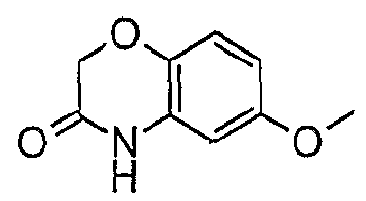
4 White powder
(Ethanol/ethyl acetate)220-225 Dihydrochloride [Table 74] 
Example R1 R2 MS(M+1) 498 -H -cyclo-C6H11 478 499 -CH2CH(CH3)2 -CH2CH(CH3)2 508 500 -CH2CH2OH -CH2CH2OH 484 501 -CH3 -CH2CH2N(CH3)2 481 502 -CH2CH2OCH3 -CH2CH2OCH3 512 503 -C3H7 -CH2-cyclo-C3H5 492 504 -CH2CH=CH2 -cyclo-C5H9 504 505 -C2H5 -C2H5 452 506 -H -C4H9 452 507 -H -C(CH3)3 452 508 -H -cyclo-C7H13 492 509 -C2H5 -cyclo-C6H11 506 510 -C2H5 -CH(CH3)2 466 511 -H -CH2CH(CH3)2 452 512 -H -CH2CH2OCH3 454 513 -H -CH2CH2OC2H5 468 514 -H -(CH2)3OC2H5 482 515 -H -1-CH3-CYCLOHEXYL 492 516 -H -CH2-cyclo-C3H5 450 517 -H -CH2-cyclo-C6H11 492 518 -H -CH2CO2CH3 468 519 -H -CH2CONH2 453 520 -CH3 -CH2CO2CH3 482 521 -H -CH2CCH 434 522 -CH3 -CH(CH3)2 452 523 -H -(CH2)2CH(CH3)2 466 524 -H -CH(CH3)C(CH3)3 480 525 -H -CH2CH2N(CH3)2 467 526 -CH3 -CH2-cyclo-C3H5 464 527 -H -CH2CF3 478 528 -CH3 -cyclo-C6H11 492 529 -C2H5 -CH2CH2OH 468 530 -CH2CH2OH -cyclo-C6H11 522 531 -H -cyclo-C5H9 464 532 -H -3-PYRIDYL 473 533 -H -4-PYRIDYL 473 534 -CH2CH2OH -C6H5 516 [Table 75] 
Example R1 R2 MS(M+1) 535 -H -C6H5 435 536 -H -CH2CH2C(CH3)3 468 537 -H -CH(C2H5)2 449 538 -H -CH2CN 566 539 -H -(CH2)3OCH3 523 540 -H -CH2CH2CN 523 541 -(CH2)3N(CH3)2 -(CH2)3N(CH3)2 481 542 -CH3 -(CH2)3N(C2H5)2 482 543 -C2H5 -(CH2)2N(C2H5)2 523 544 -H -(CH2)2NHCOCH3 481 545 -H -(CH2)5OH 495 546 -H -(CH2)2N(I-Pr)2 524 547 -H -(CH2)3N(CH3)2 524 548 -H -(CH2)2N(C2H5)2 563 549 -CH3 -(CH2)3CO2C2H5 509 550 -H -(CH2)4CO2C2H5 493 551 -cyclo-C5H9 -(CH2)2N(C2H5)2 528 552 -CH3 -(CH2)2N(C2H5)2 484 553 -H -NHCH2CF3 496 554 -H -CH2CF2CF3 482 555 -H -CH2CH(OCH3)2 442 556 -H -(CH2)3OCH(CH3)2 467 557 -H -(CH2)2OCH(CH3)2 470 558 -H -CH2CH2F 435 559 -H -CH2CONHCH3 468 560 -H -CH2CH2SCH3 449 [Table 76] 
Example R1 R2 MS (M+1) 561 -H 
510 562 -H 
524 563 -H 
495 564 -H 
496 565 -H 
482 566 -H 
467 587 -H 
466 568 -H 
480 569 -H 
568 570 -H 
554 [Table 77] 
Example R1 R2 MS (M+1) 571 -H 
496 572 -H 
482 573 -H 
468 574 -H 
470 575 -H 
450 576 -H 
509 577 -H 
481 578 -H 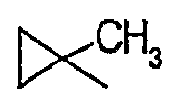
450 579 -H 
478 [Table 78] 
Example R1 R2 MS (M+1) 580 -H 
494 581 -H 
492 582 -H 
536 583 -CH3 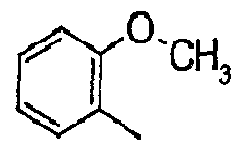
516 584 -CH3 
520 585 -H 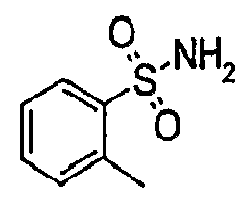
551 586 -H 
506 587 -H 
502 588 -H 
502 589 -H 
502 [Table 79] 
Example R1 R2 MS (M+1) 590 -H 
506 591 -H 
506 592 -H 
540 593 -H 
554 594 -H 
554 595 -H 
487 596 -H 
533 597 -CH3 
515 598 -H 
487 [Table 80] 
Example R1 R2 MS (M+1) 599 -H 
487 600 -H 
487 601 -C2H5 
529 602 -C2H5 
515 603 -H 
501 604 -H 
501 605 -H 
501 606 -CH3 
507 607 -CH3 
535 608 -H 
535 [Table 81] 
Example R1 R2 MS (M+1) 609 -H 
551 610 -H 
579 611 -H 
479 612 -H 
493 613 -H 
507 614 -H 
565 615 -H 
465 616 -H 
479 617 -H 
493 618 -H 
507 [Table 82] 
Example R1 R2 MS (M+1) 619 -H 
507 620 -H 
521 621 -H 
507 622 -H 
536 623 -H 
507 624 -H 
509 625 -H 
523 626 -H 
476 627 -H 
490 628 -H 
504 [Table 83] 
Example R1 R2 MS (M+1) 629 -H 
476 630 -H 
480 631 -H 
480 632 -C2H5 
522 633 -H 
494 634 -H 
482 635 -H 
496 636 -H 
492 637 -H 
506 638 -H 
492 [Table 84] 
Example R1 R2 MS(M+1) 639 -H 
506 640 -H 
489 641 -H 
503 642 -H 
489 643 -H 
490 644 -H 
538 645 -H 
528 646 -H 
518 647 -H 
518 648 -H 
504 [Table 85] 
Example R1 R2 MS (M+1) 649 -H 
520 650 -H 
504 651 -H 
533 652 -H 
490 653 -H 
479 654 -H 
494 655 -H 
491 656 -H 
502 657 -H 
526 658 -H 
533 [Table 86] 
Example R1 R2 MS (M+1) 659 -H 
512 660 -H 
511 661 -H 
539 662 -H 
528 663 -H 
523 664 -H 
523 665 -H 
555 666 -H 
571 667 -H 
555 668 -H 
570 [Table 87] 
Example R1 MS (M+1) 669 -H 465 670 -C4H9 521 671 -CH(C2H5)2 535 672 -CH(CH3)2 507 673 -C(CH3)3 535 674 -C3H7 507 675 -C2H5 493 676 -C6H13 549 677 -cyclo-C5H9 533 678 -cyclo-C7H13 561 679 -CH2CH2OH 509 680 -CH2CH2OCH3 523 681 -(CH2)3OCH3 537 682 -(CH2)4OCH3 551 683 -CO2C2H5 537 684 -CO2C(CH3)3 565 685 -COCH3 507 686 -(CH2)3N(CH3)2 550 687 -CH2CH2N(CH3)2 536 [Table 88] 
Example R1 MS (M+1) 688 
576 689 
578 690 
562 691 
551 692 
565 693 
549 694 
576 695 
576 696 
576 697 
556 698 
556 [Table 89] 
Example R1 MS (M+1) 699 
556 700 
570 701 
570 702 
632 703 
559 704 
545 705 
561 706 -4-PYRIDYL 542 707 -3-PYRIDYL 542 708 -2-PYRIDYL 542 709 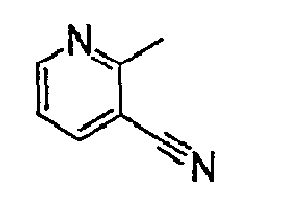
567 710 
556 711 
556 [Table 90] 
Example R1 MS (M+1) 712 
610 713 
598 [Table 91] 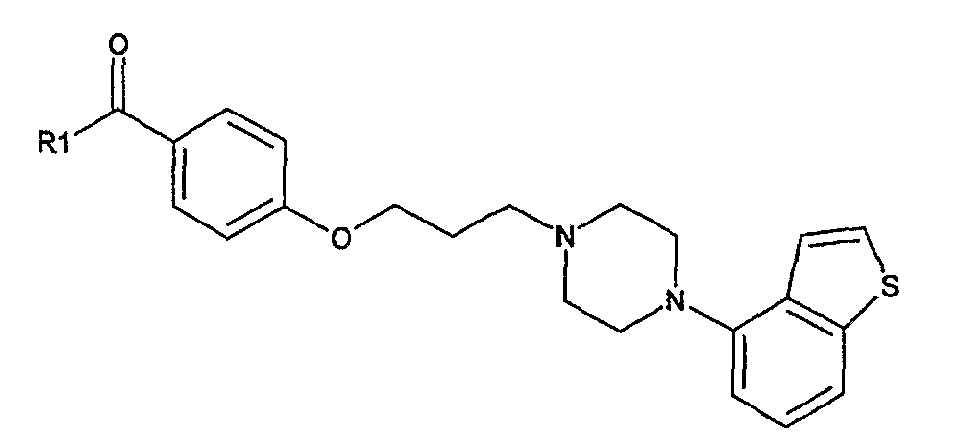
Example R1 MS (M+1) 714 
450 715 
480 716 
493 717 
466 718 
507 719 
549 720 
507 721 
533 722 
547 723 
562 724 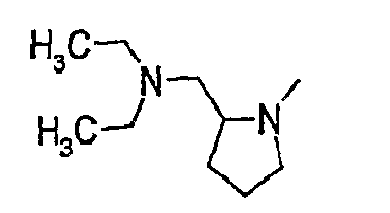
535 [Table 92] 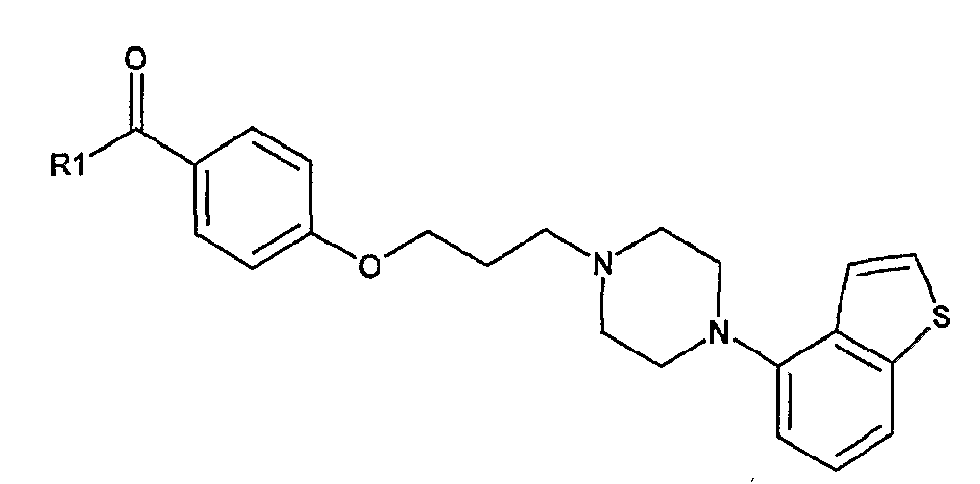
Example R1 MS (M+1) 725 
464 726 
492 727 
480 728 
480 729 
494 730 
494 731 
549 732 
507 733 
494 734 
564 [Table 93] 
Example R1 MS (M+1) 735 
536 736 
536 737 
536 738 
521 739 
579 740 
547 741 
576 742 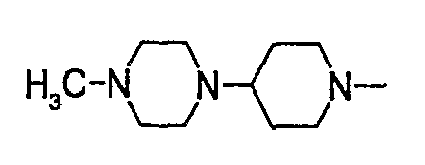
562 743 
549 744 
576 745 
522 [Table 94] 
Example R1 MS (M+1) 746 
478 747 
482 748 
494 749 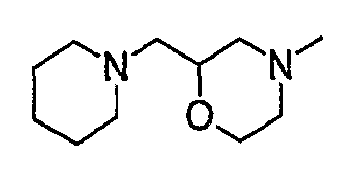
563 750 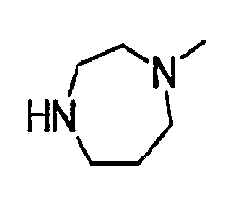
479 751 
493 752 
556 753 
476 754 
468 755 
504 [Table 95] 
Example R1 MS (M+1) 756 
600 757 
498 758 
512 759 
551 [Table 96] 
Example R1 R2 MS (M+1) 760 -H -cyclo-C6H11 522 761 -H -CH(CH3)2 482 762 -H -C4H9 496 763 -H -cyclo-C3H5 480 764 -H -cyclo-C7H13 536 765 -H -CH2C6H5 530 766 -H -C3H7 482 767 -H -CH2CH(CH3)2 496 768 -H -CH2CH2OCH3 498 769 -H -CH2CH2OC2H, 512 770 -H -(CH2)3OC2H5 526 771 -H -1-CH3-CYCLOHEXYL 536 772 -H -(CH2)2OC6H5 560 773 -H -cyclo-C5H9 508 774 -H -CH2-cyclo-C3H5 494 775 -H -CH2-cyclo-C6H11 536 776 -H -CH(CH3)C6H5 544 777 -H -(CH2)2C6H5 544 778 -H -CH2CO2CH3 512 779 -H -CH2CONH2 497 780 -H -CH2CCH 478 781 -H -(CH2)2CH(CH3)2 510 782 -H -CH(CH3)C(CH3)3 524 783 -H -CH2C(CH3)3 510 784 -CH3 -cyclo-C6H11 536 785 -C2H5 -C2H5 496 786 -H -C(CH3)3 496 787 -CH3 -CH2C6H5 544 788 -C2H5 -CH(CH3)2 510 789 -CH3 -CH2CO2CH3 526 790 -CH3 -CH(CH3)2 496 791 -CH3 -CH2-cyclo-C3H5 508 792 -H -CH2CF3 522 793 -H -CH(C2H5)2 510 [Table 97] 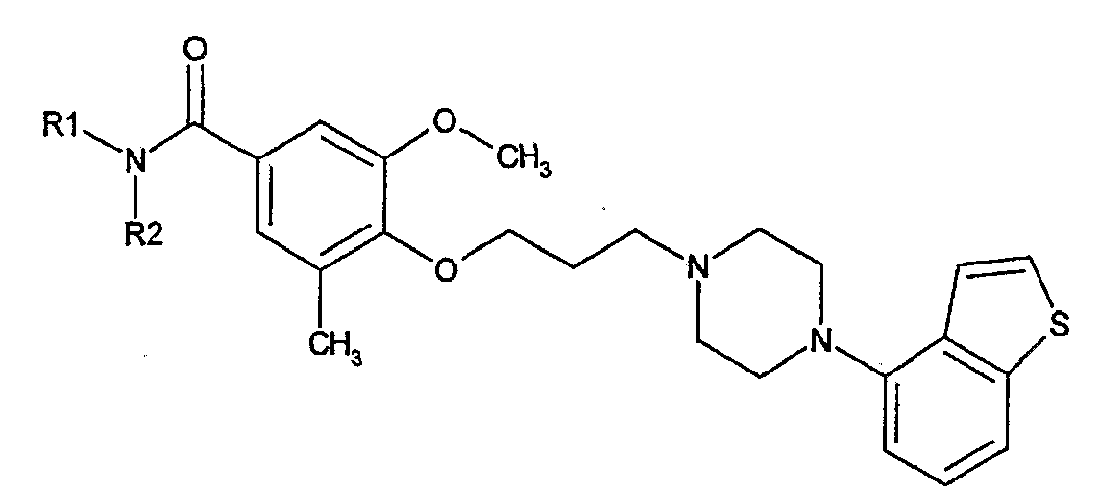
Example R1 R2 MS (M+1) 794 -H -(CH2)3OCH3 512 795 -H -CH2CH2OH 484 796 -H -CH2CN 479 797 -C2H5 -2-PYRIDYL 545 798 -H -3-PYRIDYL 517 799 -H -C6H5 516 800 -H -(CH2)2NHCOCH3 525 801 -H -CH2CH(C2H5)2 524 802 -H -CH2CH(OCH3)2 528 803 -H -(CH2)3OCH(CH3)2 540 804 -H -(CH2)2OCH(CH3)2 526 805 -H -CH2CH2F 486 806 -H -CH2CONHCH3 511 807 -H -CH2CH2SCH3 514 808 -H -CH2CHF2 504 [Table 98] 
Example R1 R2 MS (M+1) 809 -H 
554 810 -H 
568 811 -H 
539 812 -H 
598 813 -H 
540 814 -H 
526 815 -H 
511 816 -H 
494 817 -H 
540 818 -H 
612 819 -C2H5 
522 [Table 99] 
Example R1 R2 MS (M+1) 820 -H 
526 821 -H 
512 822 -H 
514 823 -H 
496 824 -H 
494 825 -H 
522 826 -H 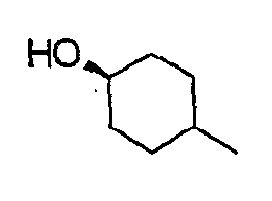
538 827 -H 
536 828 -H 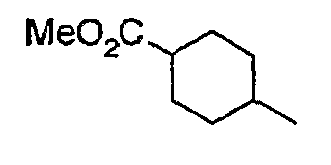
580 829 -CH3 
560 830 -CH3 
544 [Table 100] 
Example R1 R2 MS (M+1) 831 -CH3 
564 832 -H 
562 833 -H 
562 834 -H 
584 835 -H 
600 836 -H 
572 837 -H 
550 838 -H 
546 839 -H 
546 840 -H 
546 841 -H 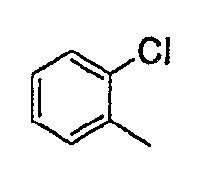
550 [Table 101] 
Example R1 R2 MS (M+1) 842 -H 
550 843 -H 
530 844 -H 
558 845 -H 
574 846 -H 
576 847 -H 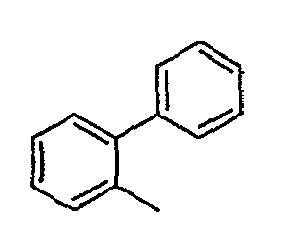
592 848 -H 
581 849 -H 
580 850 -H 
576 851 -H 
576 [Table 102] 
Example R1 R2 MS (M+1) 852 -H 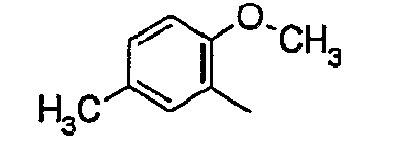
560 853 -H 
603 854 -H 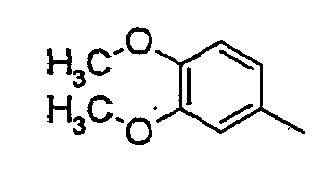
576 855 -H 
556 856 -H 
558 857 -H 
564 858 -H 
564 859 -H 
564 860 -H 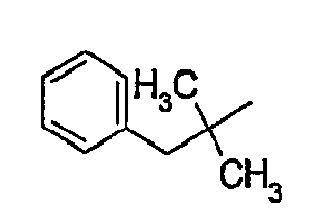
572 861 -H 
560 862 -H 
560 [Table 103] 
Example R1 R2 MS (M+1) 863 -H 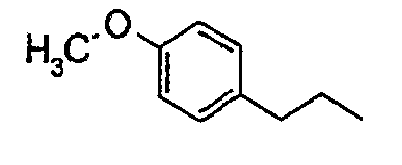
574 864 -H 
574 865 -H 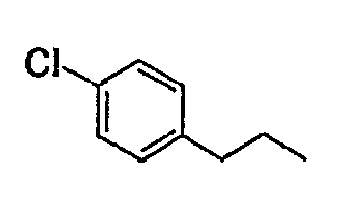
578 866 -H 
598 867 -H 
614 868 -H 
574 869 -H 
548 870 -H 
590 871 -H 
544 872 -H 
562 873 -H 
602 [Table 104] 
Example R1 R2 MS (M+1) 874 -H 
588 875 -H 
587 876 -H 
560 877 -H 
562 878 -H 
574 879 -H 
578 880 -H 
558 881 -H 
558 882 -H 
578 883 -H 
562 [Table 105] 
Example R1 R2 MS (M+1) 884 -H 
590 885 -H 
574 886 -H 
630 887 -CH3 
558 888 -CH3 
588 889 -CH3 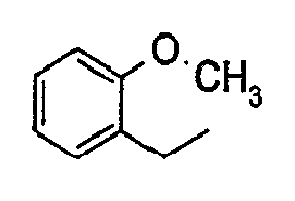
574 890 -H 
598 891 -H 
548 892 -H 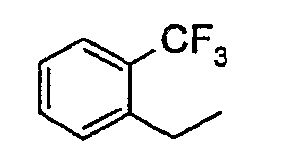
598 893 -H 
548 [Table 106] 
Example R1 R2 MS (M+1) 894 -H 
566 895 -H 
614 896 -H 
562 897 -H 
562 898 -H 
562 899 -H 
580 900 -H 
612 901 -H 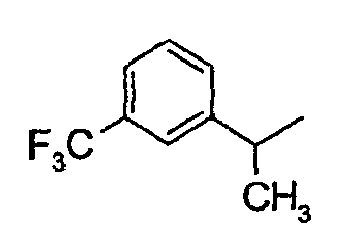
612 902 -H 
612 [Table 107] 
Example R1 R2 MS (M+1) 903 -H 
576 904 -H 
576 905 -H 
576 906 -H 
594 907 -H 
626 908 -H 
626 909 -H 
626 910 -H 
566 911 -H 
628 [Table 108] 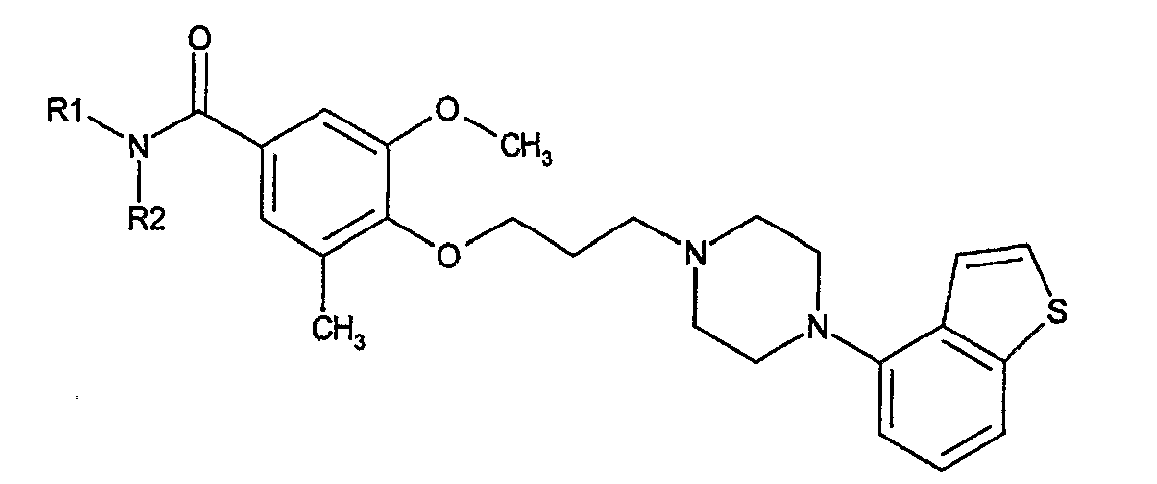
Example R1 R2 MS (M+1) 912 -H 
602 913 -H 
606 914 -C2H5 
584 915 -H 
566 916 -H 
580 917 -H 
531 918 -H 
531 919 -H 
531 920 -H 
545 921 -C2H5 
573 [Table 109] 
Example R1 R2 MS (M+1) 922 -C2H5 
559 923 -H 
545 924 -H 
545 925 -H 
579 926 -CH3 
675 927 -H 
565 928 -H 
551 929 -H 
520 930 -H 
534 931 -H 
548 [Table 110] 
Example R1 R2 MS (M+1) 932 -H 
520 933 -H 
524 934 -H 
524 935 -H 
538 936 -H 
526 937 -H 
540 938 -H 
536 939 -H 
550 940 -H 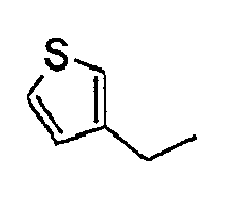
536 941 -H 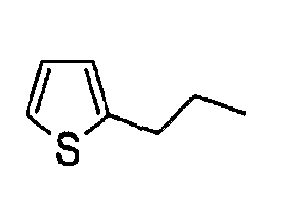
550 [Table 111] 
Example R1 R2 MS (M+1) 942 -H 
533 943 -H 
533 944 -H 
562 945 -H 
548 946 -H 
548 947 -H 
577 948 -H 
592 949 -H 
534 950 -H 
537 951 -H 
546 952 -H 
556 [Table 112] 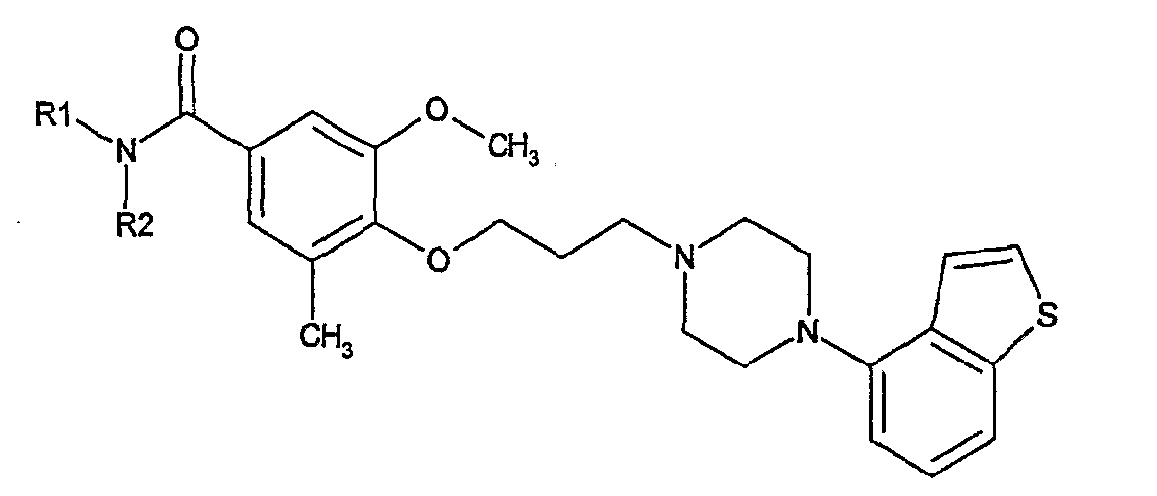
Example R1 R2 MS (M+1) 953 -H 
583 954 -H 
598 955 -H 
570 956 -H 
572 957 -H 
599 958 -H 
615 959 -H 
598 [Table 113] 
Example R1 R2 R3 R4 R5 MS (M+1) 960 -H -H -NHCOCH3 -H -H 410 961 -H -NHCOCH3 -H -H -H 410 962 -H -H -OCH3 -H -H 383 963 -H -H -Cl -H -H 387 964 -H -H -CH3 -H -H 367 965 -H -H -CF3 -H -H 421 966 -H -H -OCF3 -H -H 437 967 -H -H -SCH3 -H -H 399 968 -H -H -C6H5 -H -H 429 969 -H -H -OCH2C6H5 -H -H 459 970 -H -H -NO2 -H -H 398 971 -H -H -COCH3 -H -H 395 972 -OCH3 -OCH3 -H -H -H 413 973 -OCH3 -H -H -H -OCH3 413 974 -H -OCH3 -OCH3 -H -H 413 975 -H -CH3 -H -H -H 367 976 -CH3 -H -H -H -CH3 381 977 -F -H -H -H -H 371 978 -H -F -H -H -H 371 979 -H -H -F -H -H 371 980 -F -H -F -H -H 389 981 -H -F -H -H -F 389 982 -F -H -H -H -F 389 983 -F -H -H -CH3 -H 385 984 -H -H -CH2CO2CH3 -H -H 425 985 -CH3 -H -COCH3 -H -H 409 986 -H -OC6H5 -H -H -H 445 987 
-H -H -H -H 420 988 -H -H 
-H -H 419 [Table 114] 
Example R1 MS (M+1) 989 -3-PYRIDYL 354 990 
368 991 
385 992 
407 993 
393 994 
407 995 
407 996 
421 997 
421 998 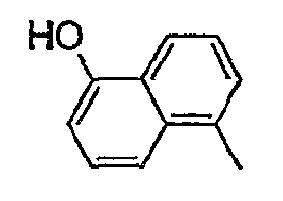
419 999 
419 1000 
428 [Table 115] 
Example R1 MS (M+1) 1001 
433 1002 
433 1003 
437 1004 
409 1005 
423 1006 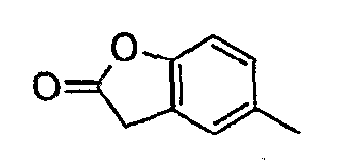
409 1007 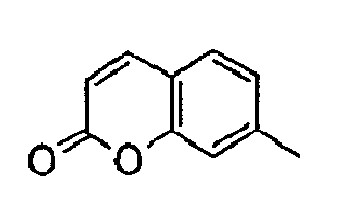
421 1008 
435 1009 
451 1010 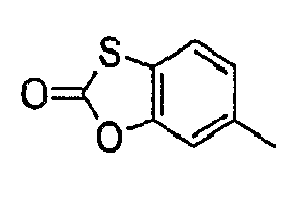
427 1011 
394 [Table 116] 
Example R1 MS (M+1) 1012 
395 1013 
450 1014 
436 1015 
410 1016 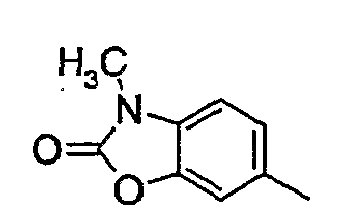
424 1017 
424 1018 -2-BENZTHIAZOLYL 410 1019 
438 1020 
440 1021 
451 1022 
465 [Table 117] 
Example R1 MS (M+1) 1023 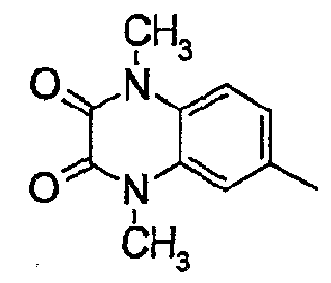
465 1024 
436 1025 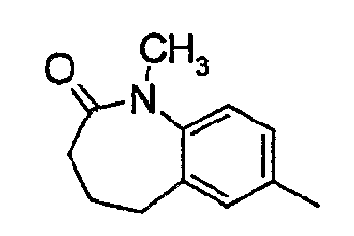
450 1026 
436 1027 
438 1028 
452 1029 
438 1030 
438 1031 
479 1032 
451 [Table 118] 
Example R1 MS (M+1) 1033 
465 1034 
479 1035 
450 1036 
443 [Table 119] 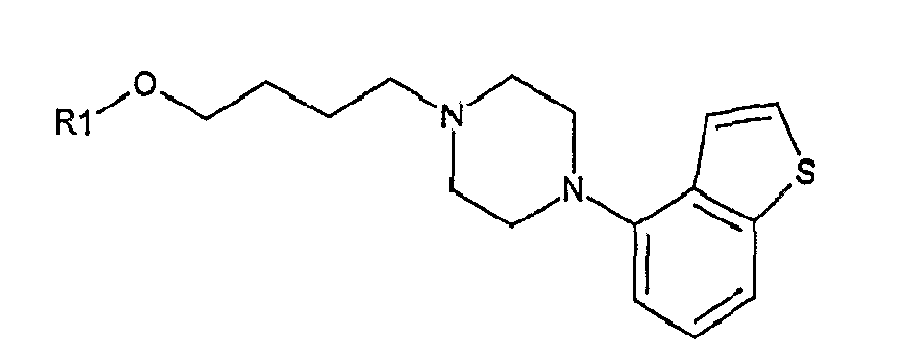
Example R1 MS (M+1) 1037 
464 1038 
450 1039 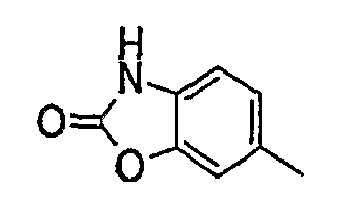
424 1040 
438 1041 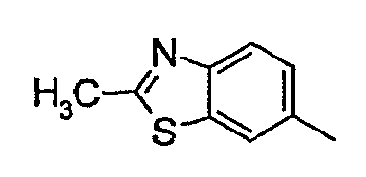
438 1042 
452 1043 
454 1044 
479 1045 
465 [Table 120] 
Example R1 MS (M+1) 1046 
479 1047 
450 1048 
464 1049 
450 1050 
466 1051 
465 1052 
493 1053 
479 1054 
493 1055 
464 [Table 121] 
Example R1 R2 R3 R4 R5 Crystal form
(Recrystalization solvent)Melting point
(°C)salt 1056 -OCH3 -H -NHSO2C2H5 -H -CH3 White powder
(Ethyl acetate)235.5-237.5 Hydrochloride 1057 -CH3 -H -CONHCH3 -H -OH White powder
(Ethyl acetate)246.5
(dec)Hydrochloride 1058 -CH3 -H -Br -H -OCH3 White powder
(Ethanol/ethyl acetate)265.0
(dec)Hydrochloride 1059 -OCH3 -H -NHCOCH2NHCO2C (CH3)3 -H -CH3 White powder
(Ethyl acetate/ isopropyl ether)140.5-142.5 -- 1060 -CH3 -H -NHCOCH2NH2 -H -OCH3 White powder
(Methanol/water)268.0
(dec)Dihydrochloride 1061 -OCH3 -H -NHCOCH2NHCOCH3 -H -CH3 White powder
(Ethyl acetate/ isopropyl ether)167.5-170.5 -- 1062 -OCH3 -H -NHCOCH2NHCO2CH3 -H -CH3 White powder
(Ethyl acetate/ isopropyl ether)157.0-159.5 -- 1063 -CH3 -H -NHCOCH2NHCHO -H -OCH3 White powder
(Dichloromethane/water)235.5
(dec)Hydrochloride [Table 122] 
Example R1 R2 R3 R4 R5 Crystal form
(Recrystalization solvent)Melting point (°C) salt 1064 -CH3 -H -CONHCH3 -H -O(CH2)2N(CH3)2 White powder
(Ethyl acetate)235.5-240.5
(dec)Dihydrochloride 1065 -CH3 -H -CONHOH3 -H -O(CH2)2OCH3 White powder
(Isopropyl alcohol/ isopropyl ether)194.0-197.5 Hydrochloride 1066 -CH3 -H -CONHCH3 -H -OCH2CF3 Light yellow powder
(Ethyl acetate/ isopropyl ether)156.0-157.5 Hydrochloride [Table 123] 
Example R1 R2 R3 R4 R5 Crystal form
(Recrystalization solvent)Melting point
(°C)Salt 1067 -H -H 
-H -H White powder
(Ethyl acetate/ isopropyl ether)114.0-115.5 -- 1068 -OCH3 -H 
-H -CH3 White powder
(Ethanol/ ethyl acetate)245.0
(dec)Hydrochloride 1069 -H -H 
-H -H White powder
(Ethyl acetate)217.0-224.5
(dec)Hydrochloride 1070 -OCH3 -H 
-H -CHO White powder
(Ethanol)218.0
(dec)Hydrochloride 1071 -OCH3 -H 
-H -CH2OH White powder
(Ethanol)224.0-226.5
(dec)Hydrochloride 1072 -OCH3 -H 
-H -CH2OCH3 White powder
(Ethanol)224.0-226.0 Hydrochloride [Table 124] 
Example R1 R2 R3 R4 R5 Crystal form
(Recrystalization solvent)Melting point
(°C)Salt 1073 -OCH3 -H 
-H -CH2N(CH3)2 White powder
(Ethanol/ether)151.0-152.0 Difumarate 1074 -OCH3 -H 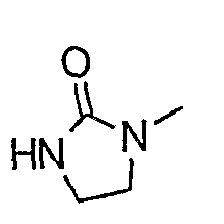
-H -CH3 Light yellow powder
(Ethanol/water)264.0
(dec)Hydrochloride 1075 -OCH3 -H 
-H -CH3 Light yellow powder
(Ethyl acetate/ isopropyl ether)143.5-151.0 -- 1076 -OCH3 -H 
-H -CH3 White powder
(Ethyl acetate)246.5-249.0
(dec)Hydrochloride 1077 -OCH3 -H 
-H -CH3 Light yellow powder
(Ethyl acetate)234.0-240.0
(dec)Dihydrochloride 1078 -OCH3 -H 
-H -CH3 White powder
(Methanol/water)286.5
(dec)Dihydrochforide [Table 125] 
Example R1 R2 R3 R4 R5 Crystal form
(Recrystalization solvent)Melting point
(°C)Salt 1079 -OCH3 -H 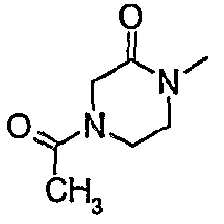
-H -CH3 White powder
(Ethanol/water)218.0-221.5 Hydrochloride 1080 -OCH3 -H 
-H -CH3 White powder
(Ethanol/ethyl acetate)223.0-228.0 Hydrochloride 1081 -OCH3 -H 
-H -CH3 White powder
(Ethyl acetate/ isopropyl ether)139.5-142.0 -- 1082 -OCH3 -H 
-H -CH3 White powder
(Ethyl acetate)270.0
(dec)Trihydrochloride 1083 -OCH3 -H 
-H -CH3 White powder
(Ethyl acetate)257.0-261.0
(dec)Hydrochloride 1084 -OCH3 -H 
-H -CH2OH White powder
(Ethyl acetate)217.5-221.0 Hydrochloride [Table 126] 
Example R1 R2 R3 R4 R5 Crystal form
(Recrystalization solvent)Melting point
(°C)Salt 1085 -OCH3 -H 
-H -CH3 White powder
(Ethyl acetate)250.0
(dec)Hydrochloride 1086 -OCH3 -H 
-H -CHO Light yellow powder
(Ethyl acetate)225.0
(dec)Hydrochloride 1087 -OCH3 -H 
-H -CH2OH White powder
(Ethyl acetate/ isopropyl ether)128.0-130.0 -- 1088 -OCH3 -H 
-H -CH3 White powder
(Ethyl acetate)246.0
(dec)Hydrochloride 1089 -OCH3 -H 
-H -CH3 White powder
(Ethyl acetate)248.0-251.0
(dec)Dihydrochloride [Table 127] 
Example R1 R2 R3 R4 R5 NMR Salt 1090 -NH2 -H -CONHC2H5 -H -H 1H-NMR (CDCl3) δ ppm: 1.23 (3H, t, J=7.4 Hz), 2.00-2.15 (2H, m), 2.67 (2H, t, J=7.3 Hz), 2.75 (4H, brs), 3.21 (4H, brs), 3.40-3.50 (2H, m), 3.50-4. 30 (2H, br), 4.13 (2H, t, J=6. 5 Hz), 5.99 (1H, brs), 6.80 (1H, d, J=8.4 Hz), 6.90 (1H, d, J=7.6 Hz), 7.08 (1H, dd, J=2.1, 8.3 Hz), 7.19 (1H, d, J=2.1 Hz), 7. 25-7.30 (1H, m), 7.35-7.45 (2H, m), 7.55 (1H, d, J=8.0 Hz). -- [Table 128] 
Example R1 Crystal form
(Recrystalization solvent)Melting point
(°C)Salt 1091 
White powder
(Ethanol/ ethyl acetate)166.0-171.0 -- 1092 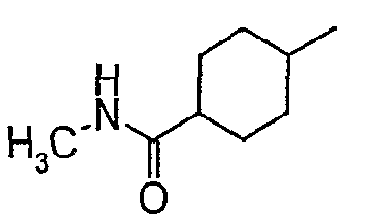
White powder
(Ethyl acetate/ isopropyl ether)138.5-141.0 -- [Table 129] 
Example R1 Crystal form
(Recrystalization solvent)Melting point
(°C)Salt 1093 
White powder
(Ethyl acetate/ isopropyl ether)138.5-140.5 -- 1094 
White powder
(Ethanol)233.5
(dec)Hydrochloride 1095 
White powder
(Ethyl acetate/ isopropyl ether)147.0-148.5 -- 1096 
White powder
(water)115.0-121.0 -- 1097 
White powder
(Ethyl acetate/ isopropyl ether)129.0-130.5 -- 1098 
White powder
(Ethyl acetate/ isopropyl ether)139.0-140.5 -- [Table 130] 
Example R1 Crystal form
(Recrystalization solvent)Melting point
(°C)Salt 1099 
White powder
(Ethyl acetate/ isopropyl ether)128.5-131.5 -- 1100 
White powder
(Isopropyl alcohol/ ethyl acetate)227.0
(dec)Hydrochloride 1101 
White powder
(Ethanol/ ethyl acetate)211.0-213.5 Hydrochloride 1102 
White powder
(Ethanol/water)245.0
(dec)Hydrochloride 1103 
White powder
(Ethyl acetate/ isopropyl ether)112.0-113.0 -- 1104 
White powder
(Ethyl acetate/ isopropyl ether)123.5-126.0 -- 1105 
Light yellow powder
(Ethyl acetate)174.0-176.5 Hydrochloride 1106 
White powder
(Ethyl acetate/ isopropyl ether)137.0-139.0 -- [Table 131] 
Example R1 Crystal form
(Recrystalization solvent)Melting point
(°C)Salt 1107 
White powder
(Ethyl acetate)194.0-196.0 Hydrochloride 1108 
White powder
(Ethyl acetate)173.0-177.0 Dihydrochloride 1109 
White powder
(Ethyl acetate/ isopropyl ether)162.5-165.0 -- 1110 
White powder
(Methanol)202-205 Hydrochloride 1111 
White powder
(Methanol)208-210 Hydrochloride 1112 
White powder
(Ethanol)255.0-257.0 Hydrochloride 1113 
White powder
(Methanol)178-182 Hydrochloride [Table 132] 
Example R1 Crystal form
(Recrystalization solvent)Melting point
(°C)Salt 1114 
White powder
(Ethyl acetate)199.0-201.5 Hydrochloride 1115 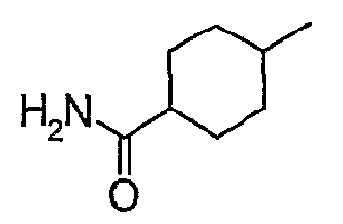
White powder
(Ethyl acetate/ isopropyl ether)107.5-108.5 -- 1116 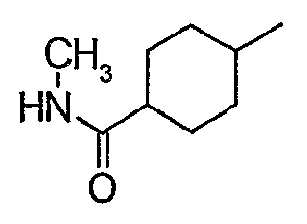
White powder
(Ethyl acetate/ isopropyl ether)110.0-112.0 -- 1117 
White powder
(water)203.0-210.0 -- 1118 
White powder
(Ethyl acetate/ isopropyl ether)167.0-169.0 -- 1119 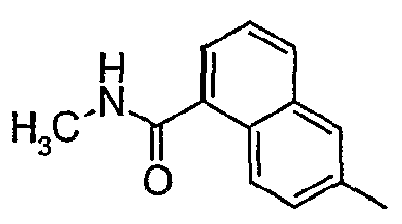
White powder
(Ethyl acetate)138.0-140.0 -- 1120 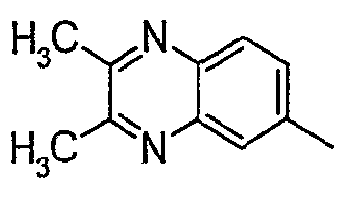
White powder
(Ethyl acetate/hexane)115 -- 1121 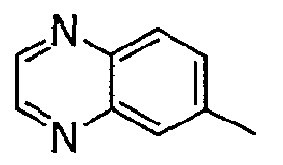
Light brown powder
(Ethanol)134.7 -- [Table 133] 
Example R1 Crystal form
(Recrystalization solvent)Melting point
(°C)Salt 1122 
White powder
(Ethanol)131.3 -- 1123 
White powder
(Ethanol)107. 1 -- 1124 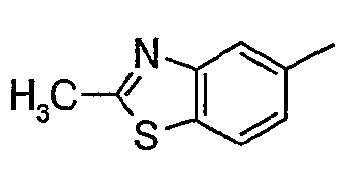
White powder
(Ethyl acetate)231.3-232.8 Hydrochloride 1125 
White powder
(Ethyl acetate)218.9-221.0 Hydrochloride 1126 
White powder
(Ethyl acetate)259.0-260.2 Hydrochloride [Table 134] 
Example R1 Melting point (°C) Salt 1127 
1H-NMR (DMSO-d6) δ ppm: : 1.80-2.10 (4H, m), 2.74 (6H, s), 3.10-3.70 (16H, m), 4.00-4.10 (1H, m), 6.97 (1H, d, J=7.5 Hz), 7.32 (1H, t, J=7.9 Hz), 7.49 (1H, d, J=5.6 Hz), 7.71 (1H, d, J=8.0 Hz), 7.77 (1H, d, J=5.5 Hz), 10.91 (1H, brs). Hydrochloride 1128 
1H-NMR (DMSO-d6) δ ppm: 1.80-2.10 (4H, m), 1.93 (3H, s), 3.10-3.60 (16H, m), 3.90-4.10 (1H, m), 6.95 (1H, d, J=7.5 Hz), 7.30 (1H, t, J=7.9 Hz), 7.47 (1H, d, J=5.5 Hz), 7.68 (1H, d, J=8.0 Hz), 7.75 (1H, d, J=5.5 Hz), 11.30 (1H, brs). Hydrochloride 1129 
1H-NMR (DMSO-d6) δ ppm: 2.20-2.40 (2H, m), 2.70-3.70 (10H, m), 4.55 (2H, t, J=5.9 Hz), 6.98 (1H, d, J=7.5 Hz), 7.32 (1H, t, J=7.9Hz), 7.50 (1H, d, J=5.5 Hz), 7.71 (1H, d, J=8.0 Hz), 7.77 (1H, d, J=5.5 Hz), 7.89 (1H, s), 10.97 (1H, brs), 12.93 (1H, brs). Hydrochloride 1130 
1H-NMR (DMSO-d6) δ ppm: 2.25-2.35 (2H, m), 3.20-4.00 (10H, m), 4.30 (2H, t, J=5.8 Hz), 6.97 (1H, d, J=7.5 Hz), 7.24 (1H, dd, J=5.5, 2.8 Hz), 7.31 (1H, t, J=7.8 Hz), 7.49 (1H, d, J=5.4 Hz), 7.59 (1H, d, J=2.5 Hz), 7.70 (1H, d, J=8.1 Hz), 7.76 (1H, d, J=5.5 Hz), 8.53 (1H, d, J=5.7 Hz), 10.99 (1H, brs). Hydrochloride 1131 
1H-NMR (CDCl3) δ ppm: 1.89-2.13 (2H, m), 2.52-2.83 (6H, m), 3.03-3.3- (4H, m), 4.01 (2H, t, J = 6.3 Hz), 4.46 (2H, brs), 5.30 (1H, brs), 6.51 (1H, dd, J = 8.3, 2.3 Hz), 6.83-6.96 (2H, m), 7.19-7.45 (3H, m), 7. 48 (1H, brs), 7. 55 (1H, d, J = 8.0 Hz). fumarate [Table 135] 
Example R1 Crystal form
(Recrystalization solvent)Melting point
(°C)Salt 1132 
Light brown powder
(Ethanol/ethyl acetate)103.5-106.0 -- 1133 
Light brown powder
(Dichloromethane/water)140.5-144.0 -- 1134 
White powder
(Ethyl acetate/ isopropyl ether)143.0-144.5 -- 1135 
White powder
(Ethanol/ethyl acetate)211.0-213.5 Hydrochloride 1136 
White powder
(Ethyl acetate)207.5-209.5 Hydrochloride 1137 
White powder
(Ethanol)167.0-168. Hydrochloride 1138 
White powder
(Ethyl acetate)156.5-158.5 Hydrochloride 1139 
White powder
(Ethyl acetate/ isopropyl ether)157.5-161.5 -- [Table 136] 
Example R1 Crystal form
(Recrystalization solvent)Melting point
(°C)Salt 1140 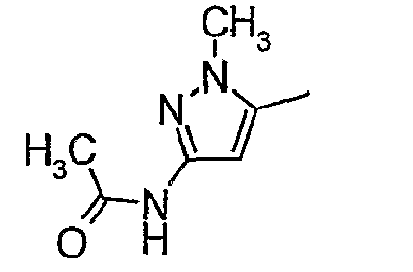
White powder
(Ethyl acetate)203.5-206.0 Hydrochloride 1141 
White powder
(Ethyl acetate)186.0-187.5 Hydrochloride 1142 
White powder
(Ethyl acetate)203.0-207.0 Hydrochloride 1143 
White powder
(Ethyl acetate/ isopropyl ether)146.5-148.0 -- 1144 
White powder
(Ethyl acetate/ isopropyl ether)96.5-97.0 -- 1145 
White powder
(acetic acid)254.0
(dec)Dihydrochloride 1146 
White powder
(Ethyl acetate/ isopropyl ether)124.0-126.5 -- 1147 
White powder
(Ethanol/ethyl acetate)181.5-183.5 -- 1148 
White powder
(Ethyl acetate)230.2-231.5 Hydrochloride 1149 
White powder
(Ethyl acetate)207.4-209.6 Hydrochloride [Table 137] 
Example R1 Crystal form
(Recrystalization solvent)Melting point
(°C)Salt 1150 
White powder
(Ethyl acetate)213.8-215.2 Hydrochloride 1151 
White powder
(Ethyl acetate)217.0-218.0 Hydrochloride 1152 
White powder
(Ethyl acetate)231.6-232.9 Hydrochloride 1153 
Light yellow powder
(Ethanol)135.7 -- 1154 
Light brown powder
(Ethanol)238.1-240.1 Hydrochloride 1155 
White powder
(Ethanol)210.4 Hydrochloride 1156 
White powder
(Ethanol)94.1 -- [Table 138] 
Example R1 NMR Salt 1157 
1H-NMR (CDCl3) δ ppm: 1.72-1.83 (2H, m), 1.83-1.98 (2H, m), 2.48-2.59 (2H, m), 2.64-2.81 (4H, m), 3.12-3.28 (4H, m), 3.46 (3H, s), 3.58 (3H, s), 4.13 (2H, t, J = 6.3 Hz), 6.62 (1H, d, J = 2.1 Hz), 6.80 (1H, dd, J = 8.8, 2.1 Hz), 6.90 (1H, d, J = 7.6 Hz), 7.20-7.31 (1H, m), 7.35-7.43 (2H, m), 7.55 (1H, d, J = 8.0 Hz), 8.15 (1H, d, J = 8.8 Hz). -- [Table 139] 
Example R1 Crystal form
(Recrystalization solvent)Melting point
(°C)Salt 1158 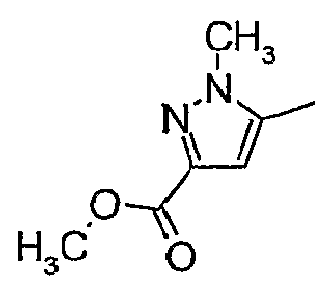
White powder
(Ethyl acetate)200.5-201.5 Hydrochloride 1159 
White powder
(Ethanol/ethyl acetate)225.0-230.0 Hydrochloride 1160 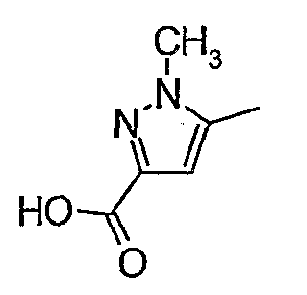
White powder
(Dichloromethane/water)156.0-158.5 -- 1161 
White powder
(Ethanol/ethyl acetate)169.0-171.5 -- [Table 140] 
Example R1 R2 R3 R4 R5 NMR 1162 -OCH3 -H -NHCO2C (CH3)3 -H -CH3 1H-NMR (CDCl3) δ ppm: 1.51 (9H, s), 1.95-2.10 (2H, m), 2.24 (3H, s), 2.66-2.81 (6H, m), 3.14-3.31 (2H, m), 3.84 (3H, s), 3.95 (2H, t, J=6.3Hz), 6.36(1H, br), 6.60(1H, d, J=2.5Hz), 6.87-6.92 (1H, m), 7.01 (1H, d, J=2.0Hz), 7.24-7.31(1H, m), 7.37-7.44 (2H, m), 7.55(1H, d, J=8.0Hz) 1163 -OCH3 -H -I -H -CH3 1H-NMR (CDCl3) δ ppm: 1.92-2.10 (2H, m), 2.23 (3H, s), 2.57-2.86 (6H, m), 3.11-3.31 (4H, m), 3.82 (3H, s), 3.98 (2H, t, J=6.4Hz), 6.90 (1H, d, J=7.6Hz), 7.03(1H, d, J=2.0Hz), 7.13(1H, d, J=1.6Hz), 7.22-7.34(1H, m), 7.40 (1H, dd, J=5.5Hz, 9.3Hz), 7.55(1H, d, J=8.0Hz). 1164 -OCH3 -H -NHCONH (CH2)2Cl -H -CH3 1H-NMR (CDCl3) δ ppm: 1.94-2.13 (2H, m), 2.26(3H, s), 2.60-2.90(6H, m), 3.12-3.33(4H, m), 3.49-3.75(4H, m), 3.83 (3H, s), 3.97(2H, t, J=6.4Hz), 5.22(1H, br), 6.25(1H, br), 6.59(1H, d, J=2.3Hz), 6.86(1H, d, J=2.3Hz), 6.91(1H, d, J=7.4Hz), 7.21-7.33(1H, m), 7.41 (1H, dd, J=5.6Hz, 7.6Hz), 7.56(1H, d, J=8.0Hz). 1165 -OCH3 -H -NH (CH2)2NH2 -H -CH3 1H-NMR (CDCl3) δ ppm: 1.91-2.08 (2H, m), 2.22 (3H, s), 2.62-2.81 (6H, m), 2.95 (2H, t, J=5.7Hz), 3.08-3.27(6H, m), 3.80 (3H, s), 3.91(2H, t, J=6.4Hz), 6.05(1H, d, J=2.6Hz), 6.10(1H, d, J=2.6Hz), 6.90 (1H, d, J=7.5Hz) , 7.20-7.32(1H, m), 7.34-7.46 (2H, m), 7.55(1H, d, J=8.0Hz). 1166 -OCH3 -H -NH(CH2)2NHCOCH2Cl -H -CH3 1H-NMR (CDCl3) δ ppm: 1.91-2.11 (2H, m), 2.23(3H, s), 2.60-2.84(6H, m), 3.11-3.26(4H, m), 3. 26-3. 36 (2H, m), 3.45-3.63(2H, m), 3.81(3H, s), 3.91(2H, t, J=6.4Hz), 4. 06 (2H, s), 6.04(1H, d, J=2.5Hz), 6.10(1H, d, J=2.5Hz), 6.78-6.96 (2H, m), 7.21-7.33(1H, m), 7.35-7.47 (2H, m), 7.55(1H, d, J=8.1Hz). [Table 141] 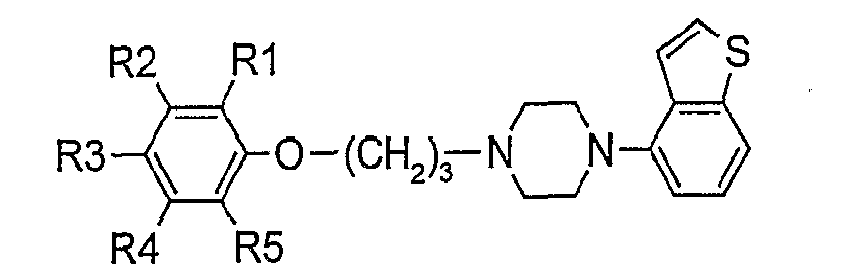
Example R1 R2 R3 R4 R5 NMR 1167 -OCH3 -H 
-H -CH2Cl 1H-NMR (CDCl3) δ ppm: 2.00-2.17 (2H, m), 2.63-2.83(6H, m), 3.14-3.28(2H, m), 3.89(3H, s), 3.98-4.17(4H, m), 4.40-4.54(2H, m), 4.69(2H, m), 6.77(1H, d, J=2.5Hz), 6.91(1H, d, J=2.5Hz), 7.21-7.32(1H, m), 7.35-7.46 (2H, m), 7.55(1H, d, J=9. 3Hz) 1168 -OCH3 -H 
-H -CH3 1H-NMR (CDCl3) δ ppm: 1.48 (9H, s), 1.93-2.12 (2H, m), 2.26 (3H, s), 2.60-2.86 (6H, m), 2.95-3.12(4H, m), 3.14-3.31(4H, m), 3.50-3.67(4H, m), 3.83(3H, s), 3.94(2H, t, J=6.3Hz), 6.33(1H, d, J=2.5Hz), 6.38(1H, d, J=2.5Hz) , 6.90(1H, d, J=7.5Hz), 7.19-7.33(1H, m), 7.41 (2H, dd, J=5.5Hz, 9.3Hz), 7.55(1H, d, J=8.0Hz). 1169 -OCH3 -H 
-H -CH3 1H-NMR (CDCl3) δ ppm: 1.92-2.09 (2H, m), 2.26 (3H, s), 2.61-2.81(6H, m), 2.98-3.12(8H, m), 3.14-3.25(4H, m), 3.83(3H, s), 3.94(2H, t, J=6.4Hz), 6.33(1H, d, J=2.5Hz), 6.38(1H, d, J=2.5Hz), 6.90(1H, d, J=7.0Hz), 7.20-7.33(1H, m), 7.34-7.45 (2H, m), 7.55(1H, d, J=8.0Hz). 1170 -OCH3 -H 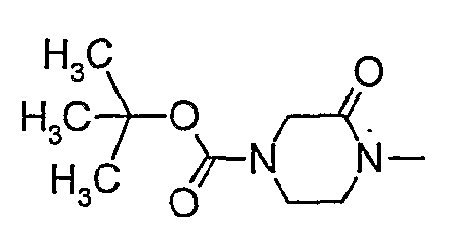
-H -CH3 1H-NMR (CDCl3) δ ppm: 1.50 (9H, s), 1.95-2.11 (2H, m), 2.27 (3H, s), 2.59-2.82(6H, m), 3.12-3.27 (4H, m), 3.63-3.81 (4H, m), 3.83 (3H, s), 4.01(2H, t, J=6.4Hz), 4. 24 (2H, s), 6.61-6.71(2H, m), 6.90(1H, d, J=7.6Hz), 7.21-7.33 (1H, m), 7.41 (2H, dd, J=5.5Hz, 9.8Hz), 7.55(1H, d, J=8.1Hz). 1171 -OCH3 -H 
-H -CHO 1H-NMR (CDCl3) δ ppm : 1.49(9H, s), 1.96-2.12 (2H, m), 2.60-2.82(6H, m), 3.04-3.16(4H, m), 3.16-3.28(4H, m), 3.52-3.64(4H, m), 3.89(3H, s), 4.14(2H, t, J=6.3Hz), 6.78(1H, d, J=2.8Hz), 6.86-6.96 (2H, m), 7.20-7.33(1H, m), 7.35-7.46 (2H, m), 7.55(1H, d, J=8.0Hz), 10.44(1H, s). 1172 -OCH3 -H 
-H -CHO 1H-NMR (CDCl3) δ ppm: 1.97-2.13 (2H, m), 2.59-2.83(6H, m), 2. 96-3. 09 (4H, m), 3.09-3.17(4H, m), 3.17-3.28 (4H, m), 3.89(3H, s), 4.13(2H, t, J=6.5Hz), 6.79(1H, d, J=2.7Hz), 6.86-6.96 (2H, m), 7.20-7.34(1H, m), 7.36-7.45 (2H, m), 7.55(1H, d, J=8.1Hz), 10.44(1H, s). [Table 142] 
Example R1 NMR 1173 
1H-NMR (CDCl3) δ ppm: 2.70-2.87 (4H, m), 2.95 (2H, t, J=5.1Hz), 2.99-3.14 (4H, m), 4.42(2H, t, J=5.1Hz), 6.78(1H, dd, J=0.6Hz, 7.6Hz), 7.18-7.30(1H, m), 7.38 (2H, s), 7.54(1H, d, J=8.0Hz), 7.69-7.80(2H, m), 7.80-7.89(2H, m). 1174 
1H-NMR (CDCl3) δ ppm: 0.93(6H, d, J=6.7Hz), 1.41-1.75(5H, m), 1.75-2.02 (4H, m), 2.23-2.48(1H, m), 2.65-2.87 (6H, m), 3.06-3.25 (4H, m), 3.42-3.54(1H, m), 3.62(2H, t, J=6.2Hz) , 3.85 (2H, d, J=6.5Hz), 6.89(1H, d, J=7.6Hz) , 7.20-7.34(1H, m), 7.34-7.46 (2H, m), 7.54(1H, d, J=8.0Hz). 1175 
1H-NMR (CDCl3) δ ppm: 1.41-1.75(4H, m), 1.75-2.01 (4H, m), 2.18-2.44(1H, m), 2.72-3.04(6H, m), 3.14-3.31(4H, m), 3.44-3.54(1H, m), 3.64(2H, t, J=6.0Hz), 6.88(1H, d, J=7.6Hz), 7.20-7.31(1H, m), 7.31-7.44 (2H, m), 7.55(1H, d, J=8.0Hz). [Table 143] 
Example R1 NMR 1176 
1H-NMR (DMSO-d6) δ ppm: 1.85-1.95 (2H, m) , 2.57 (2H, t, J=7.1 Hz), 2.60-2.75 (4H, m) , 3.05-3.15 (4H, m), 4.03 (2H, t, J=6. 3 Hz) , 6.85-6.95 (2H, m), 7.20-7.31 (2H, m), 7.35-7.41 (1H, m), 7.60 (1H, d, J=8.1 Hz), 7.68 (1H, d, J=5.5 Hz). 1177 
1H-NMR (CDCl3) δ ppm: 1.39 (3H, t, J= 7. 0Hz) 2. 00-2. 11 (2H, m), 2.60 (2H, t, J=7.0Hz), 2.63-2.80 (4H, m) , 3.09-3.25 (4H, m), 4.24 (2H, t, J=6. 3Hz) , 4.40 (2H, q, J=7.0 Hz), 4.64 (2H, q, J=8.3Hz), 6.12 (1H, s), 6.90 (1H, dd, J=0. 5Hz, 7.5Hz), 7.25-7.31 (1H, m), 7.38-7.43 (2H, m), 7.56 (1H, d, J=8.1 Hz). 1178 
1H-NMR (CDCl3) δ ppm: 1.39 (3H, t, J= 7.0Hz) 2.00-2.06 (2H, m), 2.60 (2H, t, J=7.5Hz), 2.67-2.83 (4H, m), 3.13-3. 28 (4H, m), 4.18 (2H, t, J=6.3Hz), 4.39 (2H, q, J=7.0 Hz), 4.61 (2H, m), 5.08-5.23 (2H, m), 5.87-6.09 (1, m), 6.11 (1H, s), 6.75 (1H. dd, J=0. 6Hz, 7.5Hz), 7.25-7.37 (1H, m), 7.40-7.43 (2H, m), 7.65 (1H, d, J=8.0 Hz). 1179 
1H-NMR (CDCl3) δ ppm: 0.91 (3H, t, J=7.5Hz), 1.38 (3H, t, J= 7.0Hz) 1.72-1.93 (2H, m), 1.98-2.13 (2H, m), 2.61 (2H, t, J=7.3Hz), 2.67-2.83 (4H, m), 3.09-3.28 (4H, m), 4.01 (2H, t, J=7.0Hz), 4.18 (2H, t, J=6.3Hz), 4.39 (2H, q, J=7.0 Hz), 6.08 (1H, s), 6.90 (1H. dd, J=0. 7Hz, 7.5Hz), 7.25-7.30 (1H. m), 7.37-7.43 (2H, m), 7.56 (1H, d, J=8.0 Hz). [Table 144] 
Example R1 NMR 1180 
1H-NMR (CDCl3) δ ppm: 1.51 (9H, s), 1.97-2.12 (2H, m), 2.52-2.67 (2H, m), 2.67-2.80 (4H, m), 3.07-3.29 (4H, m), 4.38 (2H, t, J=6.3Hz), 6.52 (1H, br), 6.90(1H, d, J=7.6Hz), 7. 03 (1H, br), 7.21-7.33 (1H, m), 7.40 (2H, dd, J=5.6Hz, 7.3Hz). 7.55(1H, d, J=8.0Hz). 1181 
1H-NMR (CDCl3) δ ppm: 1.95-2.13 (2H, m), 2.65-2.83 (6H, m), 3.09-3.27 (4H, m), 4.33 (2H, t, J=6.4Hz), 6.89(1H, d, J=7.6Hz), 7.20-7.32 (1H, m), 7.40 (1H, dd, J=5.6Hz, 9.0Hz), 7.54(1H, d, J=8.0Hz), 7.71-7.80 (2H, m), 7. 80-7.90 (2H, m). 1182 
1H-NMR (CDCl3) δ ppm: 0.10(6H, s) , 0.92 (9H, s), 1.93-2.13 (2H, m), 2.62 (2H, t, J=7.5Hz), 2.70-2.83 (4H, m), 3.09-3.28 (4H, m), 3. 59 (3H, s) 4.13 (2H, t, J=6.3Hz), 4.60 (2H, s), 5.54 (1H, s), 6.90 (1H, dd, J=0.7Hz, 7.5Hz), 7.20-7.33 (1H, m), 7. 35-7.48 (2H, m), 7.55 (1H, d, J=8.0 Hz). 1183 
1H-NMR (CDCl3) δ ppm : 1.50 (9H, s), 1.94-2.12 (2H, m), 2.60 (2H, t, J=7.0Hz), 2. 66-2.80 (4H, m), 3.10-3.27 (4H, m), 3.52 (3H, s), 4.15 (2H, t, J=6.4Hz), 5.85 (1H, s), 6.81-6.97 (2H, m), 7.20-7.33 (1H, m), 7.35-7.45 (2H, m), 7.55 (1H, d, J=8.0 Hz). [Table 145] 
Example R1 NMR 1184 
1H-NMR (CDCl3) δ ppm : 2.01-2.20 (2H, m), 2. 62-2. 87 (6H, m), 3. 10-3. 30 (4H, m), 3.99 (3H, s), 4.20 (2H, t, J=6.3Hz), 6.91 (1H, dd, J=0.7Hz, 7. 6Hz) , 7.20 (1H, d, J=2.6Hz), 7.22-7.34 (2H, m), 7.35-7.50 (3H, m), 7.55 (1H, d, J=8.1 Hz), 7.90(1H, d, J=8.1 Hz), 8.03(1H, dd, J=1.2Hz, 7.3Hz), 8.83(1H, d, J=9.4Hz). 1185 
1H-NMR (CDCl3) δ ppm: 1. 46 (9H, s), 1. 45-1. 60 (2H, m), 1. 75-1. 90 (4H, m), 2. 50-2. 60 (2H, m), 2. 65-2. 80 (4H, m), 3. 05-3. 25 (6H, m), 3.40-3.50 (1H, m), 3.53 (2H, t, J=6.4 Hz) , 3.70-3.80 (2H, m), 6.89 (1H. dd, J=7.6, 0.7 Hz), 7. 20-7. 30 (1H, m), 7. 35-7.45 (2H, m), 7.54 (1H, d, J=8.0 Hz), 8.02 (1H, s). 1186 
1H-NMR (CDCl3) δ ppm: 1. 30-1. 60 (2H, m) , 1.75-2.00 (4H, m), 2.50-2.75 (4H, m), 3.05-3. 25 (6H, m), 3. 30-3. 40 (1H, m), 3.55 (2H, t, J=6.5 Hz), 6. 90 (1H, d, J=7.6 Hz), 7.20-7.30 (1H, m), 7. 35-7. 45 (2H, m), 7. 55 (1H, d, J=8.1 Hz) . 1187 
1H-NMR (CDCl3) δ ppm: 1.38 (3H, t, J=7.1 Hz), 2. 00-2. 10 (2H, m), 2. 60 (2H, t, J=7.1 Hz), 2. 65-2. 75 (4H, m), 3.15-3. 25 (4H, m), 3. 72 (3H, s) , 4.17 (2H, t, J=6.4 Hz) , 4. 38 (2H, q, J=7. 1Hz), 6.08 (1H, s), 6.89 (1H, d, J=7.6 Hz) , 7. 20-7. 30 (1H, m), 7.35-7.45 (2H, m), 7. 54 (1H, d, J=8.1 Hz). 1188 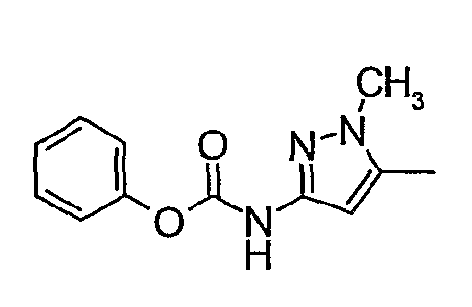
1H-NMR (CDCl3) δ ppm: 1. 94-2.10 (2H, m) , 2.60 (2H, t, J=7.1 Hz) , 2.65-2.78 (4H, m), 3. 10-3. 25 (4H, m), 3. 57 (3H, s), 4.15 (2H, t, J=6.3Hz), 5. 93 (1H, s), 6. 89 (1H, d, J=7.5Hz) , 7. 12-7. 32 (3H, m) , 7. 33-7. 45 (4H, m), 7. 55 (1H, d, J=8.0 Hz) , 7.93 (1H, br). [Table 146] 
Example R1 NMR 1189 
1H-NMR (CDCl3) δ ppm: 1.75-2.00 (4H, m), 2.50-2.60 (2H, m), 2.70-2.75 (4H, m), 3. 15-3. 25 (4H, m), 3. 35-3. 80 (6H, m), 4. 00-4. 05 (1H, m), 6. 91 (1H, dd, J=7.6, 0.5 Hz) , 7.25-7.35 (1H, m) , 7. 35-7. 45 (2H, m), 7. 56 (1H, d, J=8.0 Hz). 1190 
1H-NMR (CDCl3) δ ppm: 1. 75-1. 95 (4H, m), 2.51 (2H, t, J=7.1 Hz), 2. 50-2. 75 (8H, m), 3. 10-3. 20 (4H, m), 3.46 (2H, t, J=6.3 Hz) , 4. 00-4. 10 (1H, m), 6.88 (1H, d, J=7.1 Hz) , 7. 20-7. 30 (1H, m), 7.30-7.45 (2H, m), 7. 53 (1H, d, J=8.0 Hz). [Table 147] 
Example R1 NMR 1191 
1H-NMR (CDCl3) δ ppm: : 1. 50 (9H, s) , 1. 59-1. 77 (2H, m) , 1.77-1.93 (2H, m) , 2.50 (2H, t, J=7.3Hz), 2.61-2.80 (4H, m) , 3.11-3.27 (4H, m) , 3. 54 (3H, s), 4.09 (2H, t, J=6.3Hz), 5.85 (1H, s), 6.90 (1H, d, J=7.5Hz), 7.23-7.32 (1H, m), 7.36-7.45 (2H, m), 7.55 (1H, d, J=8.0 Hz), 7.80 (1H, br). 1192 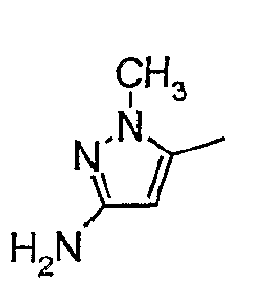
1H-NMR (CDCl3) δ ppm: : 1.64-1.93 (4H, m) , 2. 51 (2H, t, J=7.3Hz), 2.61-2.79 (4H, m) , 3.11-3.29 (4H, m), 3.46(3H, s), 3. 49 (2H, br), 4.02 (2H, t, J=6.2Hz), 4.94 (1H, s), 6.90 (1H, dd, J=0.7hz, 7.6Hz), 7.22-7.33 (1H, m) , 7.35-7.46 (2H, m), 7.55 (1H, d, J=8.0 Hz). 1193 
1H-NMR (CDCl3) δ ppm: : 1.64-1.78 (2H, m) , 1. 78-1. 94 (2H, m), 2.50 (2H, t, J=7.3Hz), 2.61-2.81 (4H, m), 3.10-3.28 (4H, m), 3. 57 (3H, s), 4.09 (2H, t, J=6.3Hz), 5. 92 (1H, s), 6. 77-6. 98 (4H, m) , 7.11-7.32 (2H, m), 7.32-7.47 (4H, m), 7.55 (1H, d, J=8.0 Hz), 8.47 (1H, br). [Table 148] 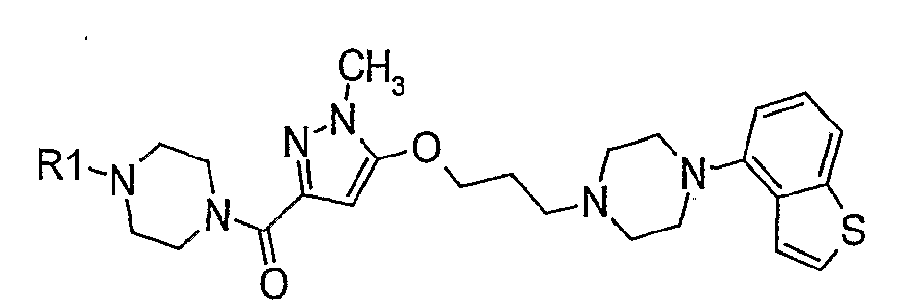
Example R1 MS(M+1) 1194 -CO2CH2C6H5 603 1195 -CO2C2H5 541 1196 -COCH3 511 1197 -CO2C(CH3)3 569 1198 -COC6H5 573 1199 -COC3H7 539 1200 
563 [Table 149] 
Example R1 MS(M+1) 1201 -CO2CH2C6H5 617 1202 -CO2C2H5 555 1203 -COCH3 525 1204 -CO2C(CH3)3 583 1205 -COC6H5 587 1206 -COC3H7 553 1207 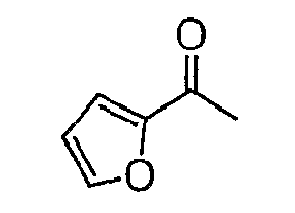
577 [Table 150] 
Example R1 R2 R3 R4 R5 MS(M+1) 1208 -H -H -H -Cl -H 608 1209 -H -H -H -H -F 592 1210 -H -H -H -H -Cl 608 1211 -H -H -Cl -Cl -H 642 1212 -H -H -H -OCH3 -H 604 1213 -H -OCH3 -H -OCH3 -H 634 1214 -H -H -CH3 -H -H 588 1215 -H -H -H -CH3 -H 588 1216 -H -H -H -H -CH3 588 1217 -H -H -F -H -H 592 1218 -H -H -H -F -H 592 1219 -H -H -OCF3 -H -H 658 1220 -H -H -H -OCF3 -H 658 1221 -H -H -H -H -OCF3 658 1222 -H -H -OCH3 -Cl -H 638 1223 -H -H -H -Br -H 652 1224 -H -H -OCH3 -H -H 604 1225 -H -H -H -H -H 574 [Table 151] 
Example R1 R2 R3 R4 R5 MS(M+1) 1226 -H -H -H -Cl -H 622 1227 -H -H -H -H -F 606 1228 -H -H -H -H -Cl 622 1229 -H -H -Cl -Cl -H 656 1230 -H -H -H -OCH3 -H 618 1231 -H -OCH3 -H -OCH3 -H 648 1232 -H -H -CH3 -H -H 602 1233 -H -H -H -CH3 -H 602 1234 -H -H -H -H -CH3 602 1235 -H -H -F -H -H 606 1236 -H -H -H -F -H 606 1237 -H -H -OCF3 -H -H 672 1238 -H -H -H -OCF3 -H 672 1239 -H -H -H -H -OCF3 672 1240 -H -H -OCH3 -Cl -H 652 1241 -H -H -H -Br -H 666 1242 -H -H -OCH3 -H -H 618 1243 -H -H -H -H -H 588 [Table 152] 
Example R1 R2 R3 R4 R5 MS(M+1) 1244 -H -H -CN -H -H 585 1245 -H -H -H -H -OCH3 590 1246 -H -H -H -OCH3 -H 590 12477 -H -H -OCH3 -H -H 590 1248 -H -H -H -H -H 560 1249 -H -H -H -H -Cl 594 1250 -H -H -H -Cl -H 594 1251 -H -H -Cl -H -H 594 1252 -H -H -H -H -CH3 574 1253 -H -H -CH3 -H -H 574 1254 -H -H -F -H -H 578 1255 -H -H -CF3 -H -H 628 [Table 153] 
Example R1 R2 R3 R4 R5 MS(M+1) 1256 -H -H -CN -H -H 599 1257 -H -H -H -H -OCH3 604 1258 -H -H -H -OCH3 -H 604 1259 -H -H -OCH3 -H -H 604 1260 -H -H -H -H -H 574 1261 -H -H -H -H -Cl 608 1262 -H -H -H -Cl -H 608 1263 -H -H -Cl -H -H 608 1264 -H -H -H -H -CH3 588 1265 -H -H -CH3 -H -H 588 1266 -H -H -F -H -H 592 1267 -H -H -CF3 -H -H 642 [Table 154] 
Example R1 MS(M+1) 1268 -OCH3 498 1269 -CH2CONHC2H5 553 1270 -OH 484 1271 -CO2C2H5 540 1272 -CONH2 511 1273 -CH2OH 498 1274 -N(CH3)CO2C(CH3)3 597 1275 -NHCO2C(CH3)3 583 1276 -CO2C(CH3)3 568 1277 -NHCOCH3 525 1278 -N(CH3)COCH3 539 1279 -COOH 512 1280 -N(CH3)CO(CH2)2CH3 567 1281 -NHCO(OH2)2CH3 553 [Table 155] 
Example R1 MS(M+1) 1282 
578 1283 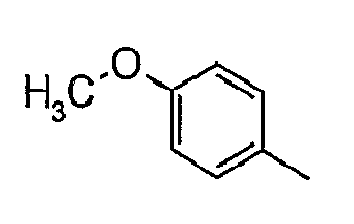
574 1284 
560 1285 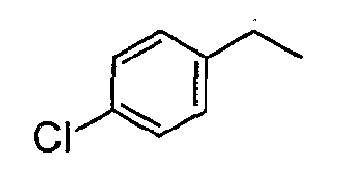
592 1286 
572 1287 
558 1288 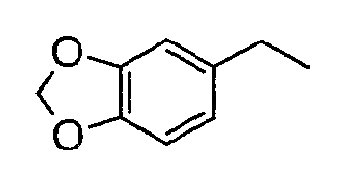
602 1289 
588 1290 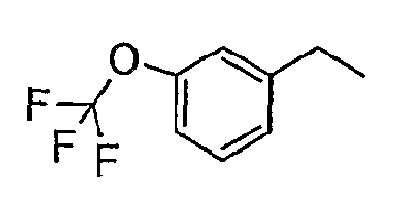
642 1291 
606 1292 
602 [Table 156] 
Example R1 MS(M+1) 1293 
590 1294 
572 1295 
545 1296 
561 1297 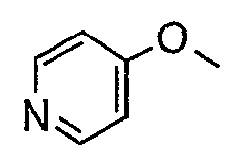
561 1298 
575 1299 
575 1300 
587 1301 
601 [Table 157] 
Example R1 MS(M+1) 1302 
651 1303 
655 1304 
593 1305 
621 [Table 158] 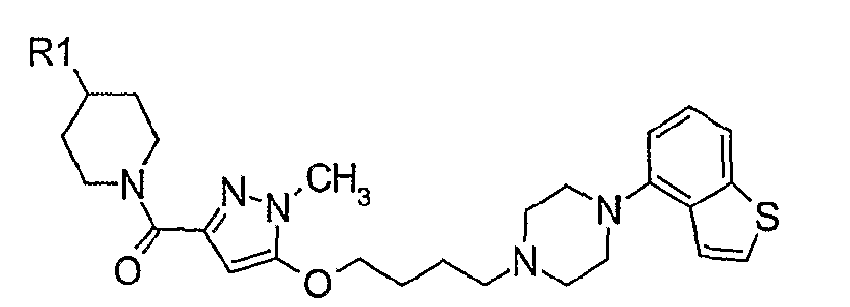
Example R1 MS(M+1) 1306 
592 1307 
588 1308 
574 1309 
606 1310 
586 1311 
572 1312 
616 1313 
602 1314 
656 1315 
620 1316 
616 [Table 159] 
Example R1 MS(M+1) 1317 -OCH3 512 1318 -CH2CONHC2H5 567 1319 -OH 498 1320 -CO2C2H5 554 1321 -CONH2 525 1322 -CH2OH 512 1323 -N(CH3)CO2C(CH3)3 611 1324 -NHCO2C(CH3)3 597 1325 -CO2C(CH3)3 582 1326 -NHOOCH3 539 1327 -N(CH3)COCH3 553 1328 -N(CH3)CO(CH2)2CH3 581 1329 -NHCO(CN2)2CH3 567 1330 -COOH 526 [Table 160] 
Example R1 MS(M+1) 1331 
604 1332 
586 1333 
559 1334 
575 1335 
575 1336 
589 1337 
589 1338 
601 1339 
615 [Table 161] 
Example R1 MS(M+1) 1340 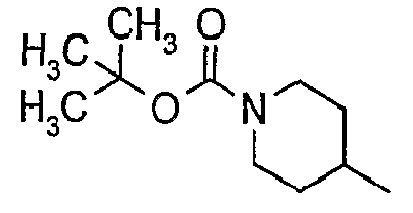
665 1341 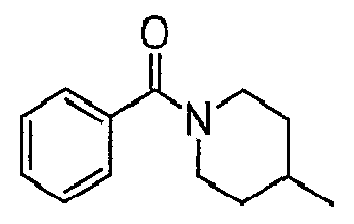
669 1342 
607 1343 
635 [Table 162] 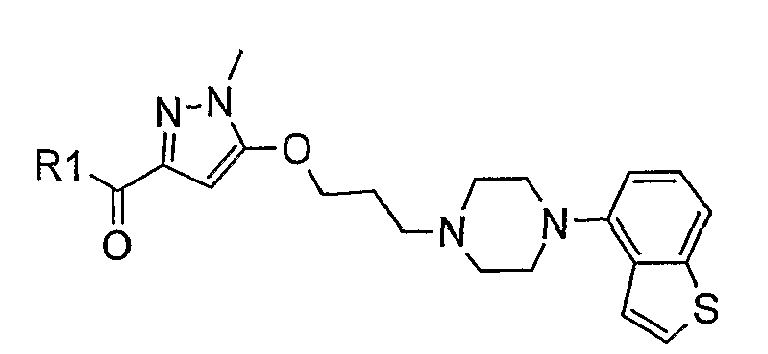
Example R1 MS(M+1) 1344 
644 1345 
630 1346 
497 1347 
599 1348 
511 1349 
587 1350 
573 1351 
525 1352 
553 1353 
539 [Table 163] 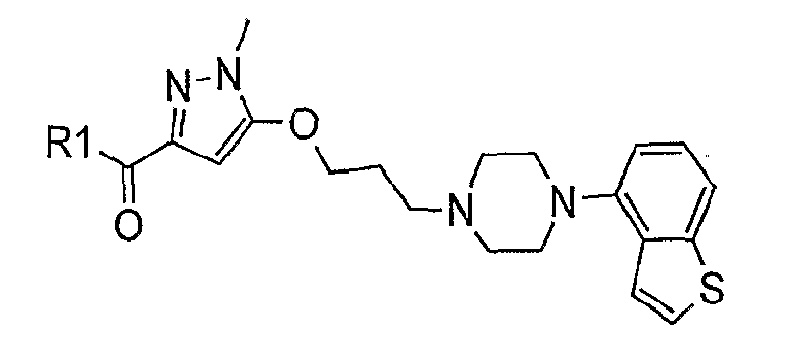
Example R1 MS(M+1) 1354 
480 1355 
472 1356 
578 1357 
573 1358 
496 1359 
544 1360 
560 1361 
594 [Table 164] 
Example R1 MS(M+1) 1362 
540 1363 
600 1364 
627 1365 
484 1366 
540 1367 
512 1368 
574 1369 
526 1370 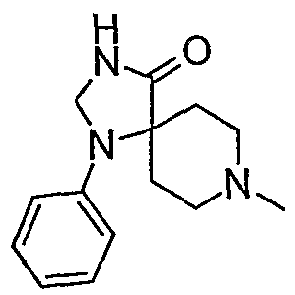
614 [Table 165] 
Example R1 MS(M+1) 1371 
543 1372 
486 1373 
470 1374 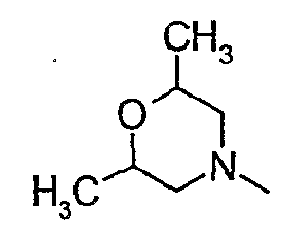
498 1375 
546 1376 
559 1377 
539 1378 
483 1379 
593 1380 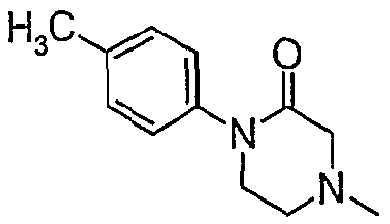
573 [Table 166] 
Example R1 MS(M+1) 1381 
468 1382 
658 1383 
644 1384 
511 1385 
613 1386 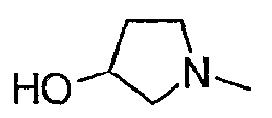
484 1387 
525 1388 
601 1389 
587 1390 
539 1391 
567 1392 
553 [Table 167] 
Example R1 MS(M+1) 1393 
494 1394 
486 1395 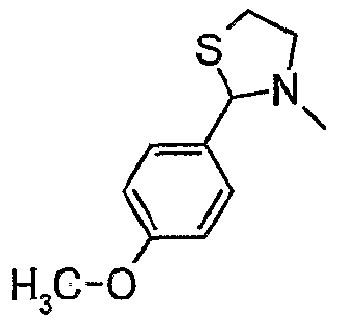
592 1396 
587 1397 
499 1398 
510 1399 
558 1400 
574 1401 
608 [Table 168] 
Example R1 MS(M+1) 1402 
554 1403 
614 1404 
641 1405 
498 1406 
554 1407 
526 1408 
588 1409 
540 1410 
628 [Table 169] 
Example R1 MS(M+1) 1411 
557 1412 
500 1413 
484 1414 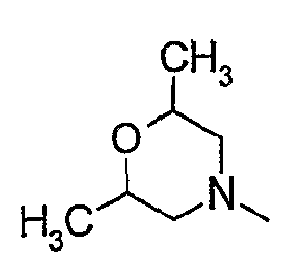
512 1415 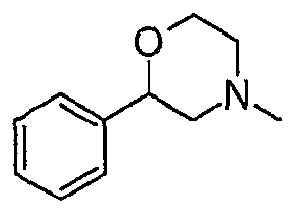
560 1416 
573 1417 
553 1418 
497 1419 
607 1420 
587 [Table 170] 
Example R1 R2 R3 R4 R5 MS(M+1) 1421 -H -H -OCF3 -H -H 560 1422 -H -H -H -H -SO2NH2 555 1423 -H -H -OCH3 -H -H 506 1424 -H -H -H -OCH3 -H 506 1425 -H -H -COCH3 -H -H 518 1426 -H -H -H -H -CO2CH3 534 1427 -H -H -OCH3 -H -OCH3 536 1428 -OCH3 -H -H -OCH3 -H 536 1429 -H -OCH3 -H -OCH3 -H 536 1430 -OCH3 -H -H -NHCOCH3 -H 563 1431 -H -H -OCH3 -OCH3 -H 536 1432 -H -H -N(CH3)2 -H -H 519 1433 -H -H -H -COCH3 -H 518 1434 -H -H -H -NHCOCH3 -H 533 1435 -H -H -NHCOCH3 -H -H 533 1436 -H -CN -H -H -H 501 1437 -OCH3 -H -H -CO2CH3 -H 564 1438 -H -H -OC6H5 -H -H 568 1439 -H -CO2CH3 -H -CO2CH3 -H 592 1440 -H -H -OH -Cl -H 526 1441 -Cl -H -H -NHCOCH3 -H 567 1442 -H -CN -H -H -Cl 535 1443 -Cl -H -H -CONH2 -H 553 1444 -H -H -NO2 -H -H 521 1445 -H -H -CN -H -H 501 [Table 171] 
Example R1 R2 R3 R4 R5 MS(M+1) 1446 -H -H 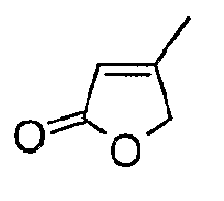
-H -H 558 1447 -H -H 
-H -H 584 1448 -H -H 
-H -H 561 1449 -H -H 
-H -H 605 1450 -H -H -H 
-H 587 1451 -H -H -H 
-H 542 [Table 172] 
Example R1 R2 R3 R4 R5 MS(M+1) 1452 -H -H -OCF3 -H -H 574 1453 -H -H -OCH3 -H -H 520 1454 -H -OCH3 -H -H -H 520 1455 -H -H -COCH3 -H -H 532 1456 -CO2CH3 -H -H -H -H 548 1457 -OCH3 -H -OCH3 -H -H 550 1458 -H -OCH3 -H -H -OCH3 550 1459 -H -OCH3 -H -OCH3 -H 550 1460 -H -NHCOCH3 -H -H -OCH3 577 1461 -H -OCH3 -OCH3 -H -H 550 1462 -H -H -N(CH3)2 -H -H 533 1463 -H -COCH3 -H -H -H 532 1464 -H -NHCOCH3 -H -H -H 547 1465 -H -H -NHCOCH3 -H -H 547 1466 -H -CO2CH3 -H -H -OCH3 578 1467 -H -H -OC6H5 -H -H 582 1468 -H -CO2CH3 -H -CO2CH3 -H 606 1469 -OCH3 -OCH3 -H -H -H 550 1470 -H -Cl -OH -H -H 540 1471 -H -OCH2C6H5 -H -H -H 596 1472 -H -H -NHSO2CH3 -H -H 583 1473 -H -H -CONHC6H5 -H -H 609 1474 -H -H -CONHCH3 -H -H 547 1475 -H -H -NHC6H5 -H -H 581 1476 -H -H -CH2CH2OH -H -H 534 1477 -H -H -CCH -H -H 514 1478 -H -H -COC3H7 -H -H 560 1479 -NHCOCH3 -H -H -H -H 547 1480 -H -CONHCH3 -H -H -H 547 [Table 173] 
Example R1 R2 R3 R4 R5 MS(M+1) 1481 -H -H 
-H -H 573 1482 -H -H 
-H -H 572 1483 -H 
-H -H -H 601 1484 -H 
-H -H -H 556 1485 -H 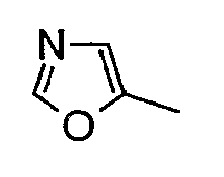
-H -H -H 557 [Table 174] 
Example R1 R2 R3 R4 R5 R6 MS(M+1) 1486 -H -H -H -H -H -H 490 1487 -Cl -H -H -H -H -H 524 1488 -H -Cl -H -H -H -H 524 1489 -H -H -Cl -H -H -H 524 1490 -H -H -H -H -H -CH2CONHCH3 561 1491 -H -H -OC2H5 -H -H -CH3 548 1492 -H -OCH3 -OCH3 -H -H -CH3 564 1493 -H -H -OC2H5 -H -H -C2H5 562 1494 -H -H -OCH3 -H -H -H 520 1495 -H -OCH3 -H -H -H -H 520 1496 -H -H -OCF3 -H -H -CH3 588 1497 -H -H -OCF3 -H -H -H 574 1498 -H -OCH3 -OCH3 -H -H -H 550 1499 -H -OCH3 -OCH3 -H -H -C2H5 578 1500 -OCH3 -H -H -H -H -H 520 1501 -H -OCH3 -H -OCH3 -H -H 550 1502 -H -OC4H9 -H -OC4H9 -H -H 634 1503 -OC2H5 -H -H -H -H -H 534 1504 -H -H -H -H -H -(CH2)3OH 548 1505 -H -Cl -OCHF2 -H -H -H 590 1506 -H -OCF3 -H -H -H -H 574 1507 -H -H -OCH3 -H -H -CH3 534 [Table 175] 
Example R1 R2 R3 R4 R5 R6 MS(M+1) 1508 -H -H -H -H -H -H 504 1509 -Cl -H -H -H -H -H 538 1510 -H -Cl -H -H -H -H 538 1511 -H -H -Cl -H -H -H 538 1512 -H -H -H -H -H -CH2CONHCH3 575 1513 -H -H -OC2H5 -H -H -CH3 562 1514 -H -OCH3 -OCH3 -H -H -CH3 578 1515 -H -H -OC2H5 -H -H -C2H5 576 1516 -H -H -OCH3 -H -H -H 534 1517 -H -OCH3 -H -H -H -H 534 1518 -H -H -OCF3 -H -H -CH3 602 1519 -H -H -OCF3 -H -H -H 588 1520 -H -OCH3 -OCH3 -H -H -H 564 1521 -H -OCH3 -OCH3 -H -H -C2H5 592 1522 -OCH3 -H -H -H -H -H 534 1523 -H -OCH3 -H -OCH3 -H -H 564 1524 -H -OC4H9 -H -OC4H9 -H -H 648 1525 -OC2H5 -H -H -H -H -H 548 1526 -H -H -H -H -H -(CH2)3OH 562 1527 -H -Cl -OCHF2 -H -H -H 604 1528 -H -OCF3 -H -H -H -H 588 1529 -H -H -OCH3 -H -H -CH3 548 [Table 176] 
Example R1 R2 MS(M+1) 1530 -cyclo-C6H11 -CH3 496 1531 -cyclo-C6H11 -H 482 1532 -CH2CH(CH3)2 -CH2CH(CH3)2 512 1533 -CH2CH2OH -CH2CH2OH 488 1534 -CH2CH2OH -C2H5 472 1535 -cyclo-C6H11 -CH2CH2OH 526 1536 -CH2CH2OCH3 -CH2CH2OCH3 516 1537 -C2H5 -C2H5 456 1538 -C4H9 -H 456 1539 -C(CH3)3 -H 456 1540 -cyclo-C3H5 -H 440 1541 CH3 -H 414 1542 -C2H5 -H 428 1543 -CH2CH(CH3)2 -H 456 1544 -CH2CH2OCH3 -H 458 1545 -CH2CH2OC2H5 -H 472 1546 -(CH2)3OC2H5 -H 486 1547 -(CH2)2OC6H5 -H 520 1548 -CH2-cyclo-C3H5 -H 454 1549 -(CH2)2NHCOCH3 -H 485 1550 -(CH2)5OH -H 486 1551 -(CH2)2C6H5 -H 504 1552 -CH2CO2CH3 -H 472 1553 -CH2CONH2 -H 457 1554 -CH(CO2C2H5)2 -H 558 1555 -CH(CH3)CO2C2H5 -H 500 1556 -CH2CO2CH3 -CH3 486 1557 -CH2CCH -H 438 1558 -(CH2)2CH(CH3)2 -H 470 1559 -(CH2)3CO2C2H5 -CH3 528 1560 -(CH2)4CO2C2H5 -H 528 1561 -CH(CONH2)2 -H 500 1562 -CH2CF3 -H 482 1563 -NHCH2CF3 -H 497 1564 -CH3 -CH3 428 1565 -(CH)3OCH(CH3)2 -H 500 [Table 177] 
Example R1 R2 MS(M+1) 1566 -CH2CN -H 439 1567 -(CH2)2OCH(CH2)2 -H 486 1568 -CH(C2H5)CH2OCH3 -H 486 1569 -CH(CH3)CH2OCH3 -H 472 1570 -CH2CH2F -H 446 1571 -CH2CH(OH)CH2OH -H 474 1572 -CH2CONHCH3 -H 471 1573 -(CH2)2SCH3 -H 474 1574 -CH2CH2OH -H 444 1575 -C6H13 -H 484 1576 -CH2CON(CH3)2 -CH3 499 1577 -(CH2)2N(CH3)COCH3 -H 499 1578 -(CH2)2N(CH3)CO(CH2)2CH3 -H 527 [Table 178] 
Example R1 R2 MS(M+1) 1579 
-CH3 519 1580 
-C2H5 526 1581 
-H 518 1582 
-H 491 1583 
-H 491 1584 
-H 491 1585 
-H 480 1586 
-C2H5 533 1587 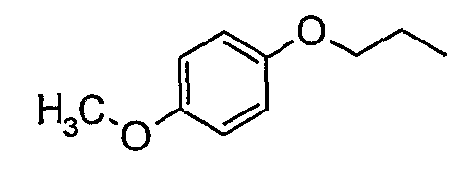
-C2H5 578 1588 
-CH3 534 1589 
-C2H5 591 1590 
-C2H5 633 [Table 179] 
Example R1 R2 MS(M+1) 1591 
-C2H5 631 1592 
-CH3 601 1593 
-CH3 539 1594 
-CH3 548 1595 
-C2H5 562 1596 
-C2H5 592 1597 
-H 454 1598 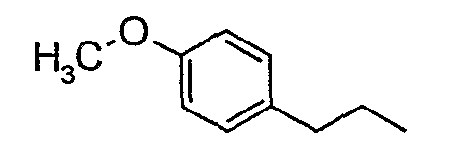
-H 534 1599 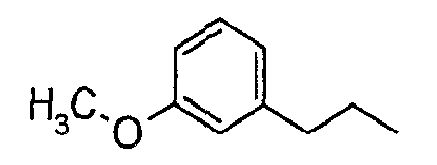
-H 534 1600 
-H 538 1601 
-H 534 1602 
-H 498 1603 
-H 508 [Table 180] 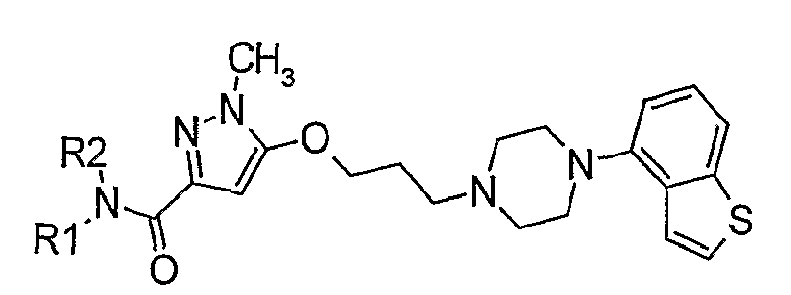
Example R1 R2 MS(M+1) 1604 
-H 562 1605 
-H 548 1606 
-H 578 1607 
-H 514 1608 
-H 528 1609 
-H 537 1610 
-H 499 1611 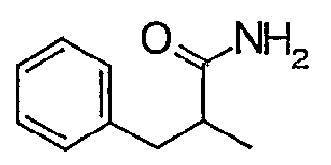
-H 547 1612 
-H 601 1613 
-H 552 1614 
-H 484 [Table 181] 
Example R1 R2 MS(M+1) 1615 
-H 471 1616 
-H 485 1617 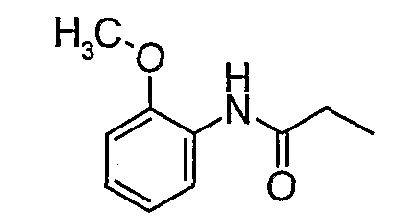
-CH3 577 1618 
-CH3 561 1619 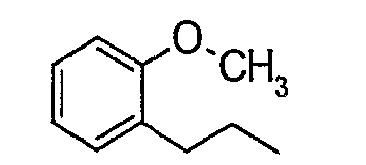
-H 534 1620 
-H 518 1621 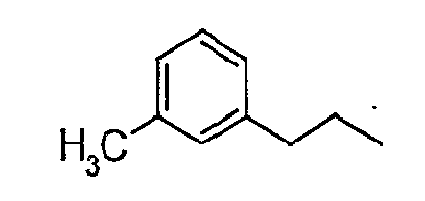
-H 518 1622 
-H 545 1623 
-H 559 1624 
-H 505 1625 
-CH(CH3)2 547 1626 
-CH3 619 [Table 182] 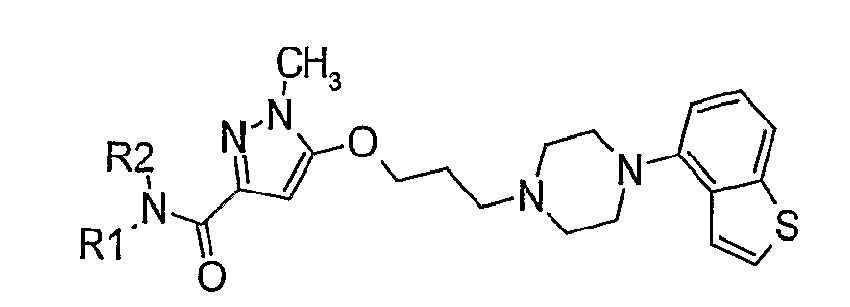
Example R1 R2 MS(M+1) 1627 
-CH3 615 1628 
-CH2 615 1629 
-CH3 615 1630 
-CH3 635 1631 
-CH3 635 1632 
-C4H9 657 1633 
-CH(CH3)2 643 1634 
-H 583 1635 
-H 569 1636 
-C2H5 573 1637 
-H 540 [Table 183] 
Example R1 R2 MS(M+1) MW 1638 
-H 558 557.72 1639 
-H 558 557.68 1640 
-H 572 571.70 1641 
-H 543 542.71 1642 
-H 530 529.67 1643 
-H 559 558.63 1644 
-H 525 524.69 1645 
-H 484 483.64 1646 
-H 506 505.65 1647 
-H 486 485.61 1648 
-H 505 504.66 1649 
-H 505 504.66 [Table 184] 
Example R1 R2 MS(M+1) 1650 
-H 494 1651 
-H 494 1652 
-H 493 1653 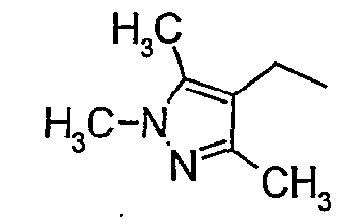
-H 522 1654 
-H 508 1655 
-H 508 1656 
-H 480 1657 
-H 497 1658 
-H 510 1659 
-H 532 1660 
-H 454 1661 
-H 524 [Table 185] 
Example R1 R2 MS(M+1) 1662 
-H 498 1663 
-H 588 1664 
-CH3 580 1665 
-H 516 1666 
-H 494 1667 
-H 505 1668 
-H 562 1669 
-H 543 1670 
-H 574 1671 
-H 574 [Table 186] 
Example R1 R2 MS(M+1) 1672 
-H 484 1673 
-H 587 1674 
-H 573 1675 
-H 561 1676 
-H 615 1677 
-H 559 1678 
-H 573 1679 
-H 587 1680 
-H 525 1681 
-H 511 [Table 187] 
Example R1 R2 MS(M+1) 1682 
-H 553 1683 
-H 497 1684 
-H 511 1685 
-H 525 1686 
-H 553 1687 
-H 539 1688 
-H 581 1689 
-H 525 1690 
-H 539 1691 
-H 553 1692 
-H 477 [Table 188] 
Example R1 R2 MS(M+1) 1693 
-H 516 1694 
-H 477 1695 
-H 507 1696 
-H 575 1697 
-H 515 1698 
-H 483 1699 
-H 540 1700 
-H 467 1701 
-H 443 1702 
-H 481 1703 
-H 557 [Table 189] 
Example R1 R2 MS(M+1) 1704 
-H 531 1705 
-H 540 1706 
-H 527 1707 
-H 498 1708 
-H 509 1709 
-H 532 1710 
-H 481 1711 
-H 480 1712 
-H 497 1713 
-H 467 [Table 190] 
Examples R1 R2 MS(M+1) 1714 -CH3 -cyclo-C6H11 510 1715 -H -cyclo-C6H11 496 1716 -H -CH(CH3)2 456 1717 -CH2CH(CH3)2 -CH2CH(CH3)2 526 1718 -CH2CH2OH -CH2CH2OH 502 1719 -C2H5 -CH2CH2OH 486 1720 -CH2CH2OH -cyclo-C6H11 540 1721 -CH2CH2OCH3 -CH2CH2OCH3 530 1722 -C2H5 -C2H5 470 1723 -H -C4H9 470 1724 -H -C(CH3)3 470 1725 -H -cyclo-C3H5 454 1726 -H -CH3 428 1727 -H -C2H5 442 1728 -H -C3H7 456 1729 -H -CH2CH(CH3)2 470 1730 -H -CH2CH2OCH3 472 1731 -H -CH2CH2OC2H5 486 1732 -H -(CH2)3OC2H5 500 1733 -H -(CH2)2OC6H5 534 1734 -H -CH2-cyclo-C3H5 468 1735 -H -(CH2)2NHCOCH3 499 1736 -H -(CH2)5OH 500 1737 -H -(CH2)2C6H5 518 1738 -H -CH2CO2CH3 486 1739 -H -CH2CONH2 471 1740 -H -CH(CO2C2H5)2 572 1741 -H -CH(CH3)CO2C2H5 514 1742 -CH3 -CH2CO2CH3 500 1743 -H -CH2CCH 452 1744 -H -(CH2)2CH(CH3)2 484 1745 -CH3 -(CH2)3CO2C2H5 542 1746 -H -(CH2)4CO2C2H5 542 1747 -H -CH(CONH2)2 514 1748 -H -OH2CF3 496 1749 -H -NHCH2CF3 511 [Table 191] 
Example R1 R2 MS(M+1) 1750 -CH3 -CH3 442 1751 -H -CH2CH(OCH3)2 502 1752 -H -(CH2)3OCH(CH3)2 514 1753 -H -CH2CN 453 1754 -H -(CH2)3OCH3 486 1755 -H -(CH2)2OCH(CH3)2 500 1756 -H -CH(C2H5)CH2OCH3 500 1757 -H -CH(CH3)CH2OCH3 486 1758 -H -CH2CH2F 460 1759 -H -CH2CH(OH)CH2OH 488 1760 -H -CH2CONHCH3 485 1761 -H -(CH2)2SCH3 488 1762 -H -CH2CH2OH 458 1763 -H -C6H13 498 1764 -CH3 -CH2CON(CH3)2 513 1765 -H -(CH2)2N(CH3)COCH3 513 1766 -H -(CH2)2N(CH3)CO(CH2)2CH3 541 [Table 192] 
Example R1 R2 MS(M+1) 1767 
-CH3 533 1768 
-C2H5 540 1769 
-H 532 1770 
-H 505 1771 
-H 505 1772 
-H 505 1773 
-H 494 1774 
-C2H5 547 1775 
-C2H5 592 1776 
-CH3 548 1777 
-C2H5 605 1778 
-C2H5 647 [Table 193] 
Example R1 R2 MS(M+1) 1779 
-C2H5 645 1780 
-CH3 615 1781 
-CH3 553 1782 
-CH3 562 1783 
-C2H5 576 1784 
-C2H5 606 1785 
-H 468 1786 
-H 548 1787 
-H 548 1788 
-H 552 1789 
-H 548 1790 
-H 512 1791 
-H 522 [Table 194] 
Example R1 R2 MS(M+1) 1792 
-H 576 1793 
-H 562 1794 
-H 592 1795 
-H 528 1796 
-H 542 1797 
-H 551 1798 
-H 513 1799 
-H 561 1800 
-H 615 1801 
-H 566 1802 
-H 498 [Table 195] 
Example R1 R2 MS(M+1) 1803 
-H 485 1804 
-H 499 1805 
-CH3 591 1806 
-CH3 575 1807 
-H 548 1808 
-H 532 1809 
-H 532 1810 
-H 559 1811 
-H 573 1812 
-H 519 1813 
-CH(CH3)2 561 1814 
-H 470 [Table 196] 
Example R1 R2 MS(M+1) 1815 
-CH3 633 1816 
-CH3 629 1817 
-CH3 629 1818 
-CH3 629 1819 
-CH3 649 1820 
-C4H9 649 1821 
-C4H9 671 1822 
-OH(CH3)2 657 1823 
-H 597 1824 
-H 583 1825 
-C2H5 587 [Table 197] 
Example R1 R2 MS(M+1) 1826 
-H 554 1827 
-H 572 1828 
-H 572 1829 
-H 586 1830 
-H 557 1831 
-H 544 1832 
-H 573 1833 
-H 539 1834 
-H 498 1835 
-H 520 1836 
-H 500 [Table 198] 
Example R1 R2 MS(M+1) 1837 
-H 519 1838 
-H 519 1839 
-H 508 1840 
-H 508 1841 
-H 507 1842 
-H 536 1843 
-H 522 1844 
-H 522 1845 
-H 494 1846 
-H 511 1847 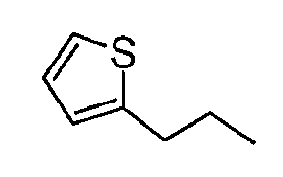
-H 524 1848 
-H 546 1849 
-H 538 [Table 199] 
Example R1 R2 MS(M+1) 1850 
-H 512 1851 
-H 602 1852 
-CH3 594 1853 
-H 530 1854 
-H 508 1855 
-H 519 1856 
-H 576 1857 
-H 557 1858 
-H 588 1859 
-H 588 1860 
-H 498 [Table 200] 
Example R1 R2 MS(M+1) 1861 
-H 601 1862 
-H 587 1863 
-H 575 1864 
-H 629 1865 
-H 573 1866 
-H 587 1867 
-H 601 1868 
-H 539 1869 
-H 525 1870 
-H 567 [Table 201] 
Example R1 R2 MS(M+1) 1871 
-H 511 1872 
-H 525 1873 
-H 539 1874 
-H 567 1875 
-H 553 1876 
-H 595 1877 
-H 539 1878 
-H 553 1879 
-H 567 1880 
-H 491 1881 
-H 530 [Table 202] 
Example R1 R2 MS(M+1) 1882 
-H 541 1883 
-H 505 1884 
-CH3 520 1885 
-CH3 612 1886 
-H 521 1887 
-H 589 1888 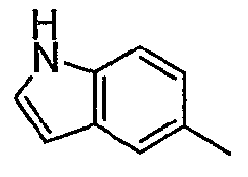
-H 529 1889 
-H 577 1890 
-H 505 1891 
-H 497 1892 
-H 541 [Table 203] 
Example R1 R2 MS(M+1) 1893 
-H 456 1894 
-H 545 1895 
-H 508 1896 
-H 546 1897 
-H 494 1898 
-H 555 [Table 204] 
Example R1 R2 R3 R4 R5 MS(M+1) 1899 -H -H -OCF3 -H -H 562 1900 -H -H -OCH3 -H -H 508 1901 -H -OCH3 -H -H -H 508 1902 -OCH3 -H -OCH3 -H -H 538 1903 -H -OCH3 -H -H -OCH3 538 1904 -H -OCH3 -H -OCH3 -H 538 1905 -H -NHCOCH3 -H -H -OCH3 565 1906 -H -OCH3 -OCH3 -H -H 538 1907 -H -H -N(CH3)2 -H -H 521 1908 -H -COCH3 -H -H -H 520 1909 -H -NHCOCH3 -H -H -H 535 1910 -H -H -NHCOCH3 -H -H 535 1911 -H -H -H -CN -H 503 1912 -H -CO2CH3 -H -H -OCH3 566 1913 -H -H -OC6H5 -H -H 570 1914 -H -CO2CH3 -H -CO2CH3 -H 594 1915 -OCH3 -OCH3 -H -H -H 538 1916 -H -Cl -OH -H -H 528 1917 -CO2C2H5 -H -H -H -Cl 584 1918 -H -H -CN -H -H 503 1919 -H -OCH2C6H5 -H -H -H 584 1920 -H -H -NHSO2CH3 -H -H 571 1921 -H -H -CONHC6H5 -H -H 597 1922 -H -H -CONHCH3 -H -H 535 1923 -H -H -NHC6H5 -H -H 569 1924 -H -H -CH2CH2OH -H -H 522 1925 -H -H -C≡CH -H -H 502 1926 -NHCOCH3 -H -H -H -H 535 1927 -H -CONHCH3 -H -H -H 535 [Table 205] 
Example R1 R2 R3 R4 R5 MS(M+1) 1928 -H -H 
-H -H 561 1929 -H -H 
-H -H 607 1930 -H 
-H -H -H 589 1931 -H 
-H -H -H . 545 [Table 206] 
Example R1 R2 MS(M+1) 1932 -CH3 -cyclo-C6H11 498 1933 -cyclo-C6H11 -H 484 1934 -C4H9 -C4H9 514 1935 -CH2CH(CH3)2 -CH2CH(CH3)2 514 1936 -CH2CH2OH -CH2CH2OH 490 1937 -C2H5 -CH2CH2OH 474 1938 -CH2CH2OH -cyclo-C6H11 528 1939 -CH2CH2OCH3 -CH2CH2OCH3 518 1940 -C3H7 -CH2-cyclo-C3H5 498 1941 -cyclo-C5H9 -CH2CH=CH2 510 1942 -C2H5 -C2H5 458 1943 -C4H9 -H 458 1944 -C(CH3)3 -H 458 1945 -cyclo-C3H5 -H 442 1946 -C2H5 -H 430 1947 -CH2CH2OCH3 -H 460 1948 -C4H9 -C2H5 486 1949 -CH2CH2OC2H5 -H 474 1950 -(CH2)3OC2H5 -H 488 1951 -cyclo-C5H9 -H 470 1952 -CH2-cyclo-C3H5 -H 456 1953 -CH2-cyclo-C6H11 -H 498 1954 -(CH2)2NHCOCH3 -H 487 1955 -(CH2)5OH -H 488 1956 -CH2CONH2 -H 459 1957 -CH2C≡CH -H 440 1958 -CH3 -CH(CH3)2 458 1959 -(CH2)2CH(CH3)2 -H 472 1960 -CH(CH3)C(CH3)3 -H 486 1961 -CH2C(CH3)3 -H 472 1962 -CH2CH(C2H5)2 -H 486 1963 -CH(CONH2)2 -H 502 1964 -CH2-cyclo-C3H5 -CH3 470 1965 -CH(CONH2)2 -H 499 [Table 207] 
Example R1 R2 MS(M+1) 1966 -CH3 -CH3 430 1967 -(CH2)3OCH(CH3)2 -H 502 1968 -CH2CH2C(CH3)3 -H 486 1969 -CH(C2H5)2 -H 472 1970 -CH2CN -H 441 1971 -(CH2)3OCH3 -H 474 1972 -(CH2)2OCH(CH3)2 -H 488 1973 -OH(C2H5)CH2OCH3 -H 488 1974 -CH(CH3)CH2OCH3 -H 474 1975 -CH2CH2F -H 448 1976 -CH2CH(OH)CH2OH -H 476 1977 -CH2CONHCH3 -H 473 1978 -(CH2)2SCH3 -H 476 1979 -CH2CH2OH -H 446 1980 -CH2CHF2 -H 466 1981 -C6H13 -H 486 1982 -CH2CH2NHCONH2 -H 488 [Table 208] 
Example R1 R2 MS(M+1) 1983 
-CH3 508 1984 
-H 479 1985 
-H 479 1986 
-H 479 1987 
-H 493 1988 
-H 509 1989 
-H 493 1990 
-H 485 1991 
-H 486 1992 
-H 500 1993 
-H 470 1994 
-H 496 1995 
-H 529 [Table 209] 
Example R1 R2 MS(M+1) 1996 
-H 511 1997 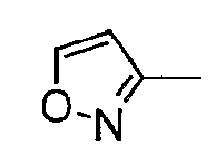
-H 469 1998 
-H 518 1999 
-H 517 2000 
-H 533 2001 
-H 518 2002 
-H 551 2003 
-H 529 2004 
-H 529 2005 
-H 543 2006 
-H 577 [Table 210] 
Example R1 R2 MS(M+1) 2007 
-H 565 2008 
-H 561 2009 
-H 444 2010 
-C2H5 528 2011 
-H 482 2012 
-H 456 2013 
-H 484 2014 
-H 500 2015 
-H 510 2016 
-H 473 2017 
-H 487 2018 
-H 472 2019 
-H 498 [Table 211] 
Example R1 R2 MS(M+1) 2020 
-H 498 2021 
-C2H5 484 2022 
-H 527 2023 
-H 486 2024 
-H 488 2025 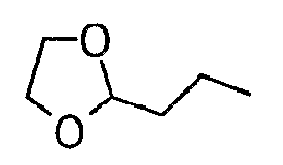
-H 502 2026 
-H 496 2027 
-H 496 2028 
-H 495 2029 
-H 524 2030 
-H 524 2031 
-H 510 2032 
-H 510 [Table 212] 
Example R1 R2 MS(M+1) 2033 
-H 512 2034 
-H 498 2035 
-H 482 2036 
-H 499 2037 
-H 512 2038 
-H 456 2039 
-H 500 2040 
-H 482 2041 
-H 496 2042 
-H 486 2043 
-CH3 510 2044 
-CH3 524 2045 
-CH3 525 2046 
-H 510 [Table 213] 
Example R1 MS(M+1) 2047 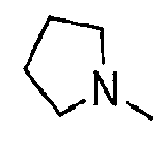
456 2048 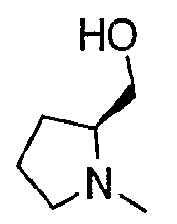
486 2049 
499 2050 
472 2051 
513 2052 
482 2053 
474 2054 
488 2055 
472 2056 
500 2057 
498 2058 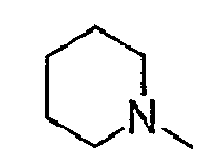
470 [Table 214] 
Example R1 MS(M+1) 2059 
486 2060 
484 2061 
484 2062 
498 2063 
486 2064 
513 2065 
500 2066 
500 2067 
527 2068 
514 2069 
528 2070 
513 2071 
485 [Table 215] 
Example R1 MS(M+1) 2072 
523 2073 
483 2074 
477 2075 
469 2076 
467 2077 
495 2078 
556 2079 
513 2080 
552 2081 
494 [Table 216] 
Example R1 MS(M+1) 2082 
557 2083 
591 2084 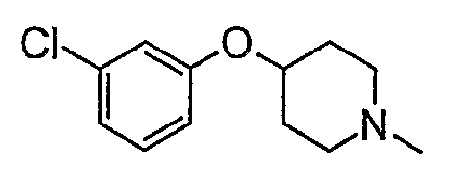
591 2085 
571 2086 
571 2087 
575 2088 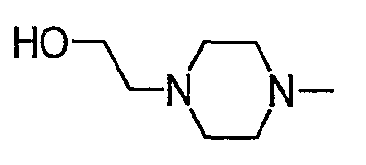
510 2089 
508 2090 
479 2091 
479 [Table 217] 
Example R1 MS(M+1) 2092 
481 2093 
508 2094 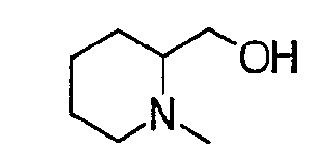
495 2095 
509 2096 
495 2097 
557 2098 
508 2099 
495 2100 
540 [Table 218] 
Example R1 MS(M+1) 2101 
564 2102 
550 2103 
481 2104 
494 2105 
499 2106 
527 2107 
550 2108 
545 2109 
575 [Table 219] 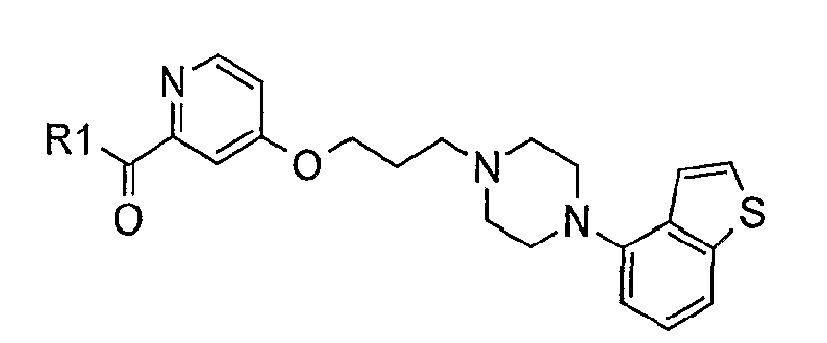
Example R1 MS(M+1) 2110 
570 2111 
563 2112 
493 2113 
522 2114 
523 2115 
480 2116 
557 2117 
520 2118 
533 [Table 220] 
Example R1 MS(M+1) 2119 
560 2120 
481 2121 
543 2122 
542 2123 
542 [Table 221] 
Example R1 R2 MS(M+1) 2124 -CH3 -cyclo-C6H11 493 2125 -H -cyclo-C6H11 479 2126 -CH2CH2OH -OH2CH2OH 485 2127 -CH3 -CH2CH2N(CH3)2 482 2128 -H -C4H9 453 2129 -H -cyclo-C3H5 437 2130 -H -CH2C6H5 487 2131 -CH3 -CH2C6H5 501 2132 -C2H5 -CH(CH3)2 467 2133 -H -CH3 411 2134 -H -C2H5 425 2135 -H -C3H7 439 2136 -H -CH2CH(CH3)2 453 2137 -H -CH2CH2OCH3 455 2138 -H -CH2CH2OC2H5 469 2139 -H -(CH2)2OC6H5 517 2140 -H -cyclo-C5H9 465 2141 -H -CH2-cyclo-C6H11 493 2142 -H -OH(CH3)C6H5 501 2143 -H -CH2CONH2 454 [Table 222] 
Example R1 R2 MS(M+1) 2144 -H -CH(CH3)2 439 2145 -C2H5 -C2H5 453 2146 -H -(CH2)5OH 483 2147 -H -OH2CCH 435 2148 -CH3 -CH(CH3)2 453 2149 -H -CH2C(CH3)3 467 2150 -H -CH2CH2N(CH3)2 468 2151 -H -CH(CONH2)2 497 2152 -CH3 -CH2-cyclo-C3H5 465 2153 -CH3 -(CH2)2N(C2H5)2 510 2154 -H -OH2CF3 479 2155 -H -NHCH2CF3 494 2156 -CH3 -CH3 425 2157 -H -CH2CH(OCH3)2 485 2158 -H -(CH2)3OCH(CH3)2 497 2159 -H -CH(C2H5)2 467 2160 -H -CH2CN 436 2161 -H -(CH2)2OCH(CH3)2 483 2162 -H -CH(C2H5)CH2OCH3 483 2163 -H -CH2CH2F 443 2164 -H -CH2CONHCH3 468 2165 -H -(CH2)2SCH3 471 2166 -H -CH2CHF2 461 2167 -CH3 -(CH2)2O(CH2)2NHCH3 512 [Table 223] 
Example R1 R2 MS(M+1) 2168 -CH3 
508 2169 -H 
515 2170 -H 
521 2171 -H 
521 2172 -H 
521 2173 -H 
488 2174 -H 
488 2175 -H 
488 2176 -H 
477 2177 -CH3 
536 [Table 224] 
Example R1 R2 MS(M+1) 2178 -CH3 
531 2179 -H 
451 2180 -H 
517 2181 -H 
517 2182 -H 
555 2183 -H 
571 2184 -H 
531 2185 -H 
552 2186 -H 
495 2187 -H 
505 [Table 225] 
Example R1 R2 MS(M+1) 2188 -H 
547 2189 -H 
501 2190 -H 
505 2191 -H 
496 2192 -H 
544 2193 -H 
481 2194 -H 
468 2195 -H 
517 2196 -H 
508 [Table 226] 
Example R1 R2 MS(M+1) 2197 -H 
508 2198 -H 
494 2199 -H 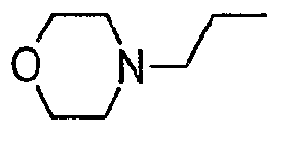
510 2200 -H 
453 2201 -H 
467 2202 -H 
555 2203 -H 
537 2204 -H 
527 2205 -H 
527 2206 -H 
493 [Table 227] 
Example R1 R2 MS(M+1) 2207 -H 
556 2208 -H 
555 2209 -H 
555 2210 -C2H5 
479 2211 -H 
522 2212 -H 
481 2213 -H 
503 2214 -H 
483 2215 -H 
497 [Table 228] 
Example R1 R2 MS(M+1) 2216 -H 
491 2217 -H 
491 2218 -H 
490 2219 -H 
519 2220 -H 
505 2221 -H 
505 2222 -H 
507 2223 -H 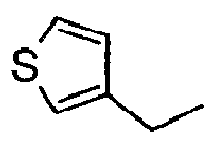
493 [Table 229] 
Example R1 R2 MS(M+1) 2224 -H 
477 2225 -H 
494 2226 -H 
529 2227 -H 
451 2228 -H 
495 2229 -H 
505 2230 -H 
519 2231 -H 
519 2232 -H 
519 [Table 230] 
Example R1 R2 MS(M+1) 2233 -H 
537 2234 -H 
543 2235 -H 
513 2236 -H 
513 2237 -H 
502 2238 -H 
506 [Table 231] 
Example R1 MS(M+1) 2239 -2-PYRIDYL 517 2240 -3-PYRIDYL 517 2241 -4-PYRIDYL 517 2242 -2-FURYL 506 2243 -2-THIENYL 522 2244 -3-FURYL 506 2245 -3-THIENYL 522 2246 -CH3 454 2247 -C2H5 468 2248 -C3H7 482 2249 -CH(CH3)2 482 2250 -cyclo-C3H5 480 2251 -cyclo-C5H9 508 2252 -cyclo-C6H11 522 2253 -CH2-cyclo-C3H5 494 2254 -CH2-cyclo-C6H11 536 2255 -CH2OCH3 484 2256 -CH2N(CH3)2 497 2257 -(CH2)3N(CH3)2 525 2258 -(CH2)2N(C2H5)2 539 2259 -CH2NHCHO 497 2260 -CH2N(CH2CH2OH)2 557 2261 -CH2N(CH3)CO2C(CH3)3 583 2262 -(CH2)3NHCO2C(CH3)3 597 2263 -CH2NHOH3 483 2264 -(CH2)3NH2 497 2265 -CH2NHCOCH3 511 [Table 232] 
Example R1 MS(M+1) 2266 
547 2267 
551 2268 
585 2269 
563 2270 
551 2271 
533 2272 
567 2273 
551 2274 
505 [Table 233] 
Example R1 MS(M+1) 2275 
556 2276 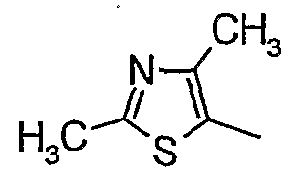
551 2277 
519 2278 
535 2279 
518 2280 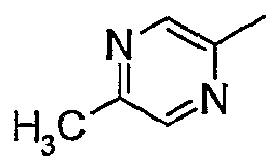
532 2281 
523 2282 
534 2283 
590 [Table 234] 
Example R1 MS(M+1) 2284 
556 2285 
589 2286 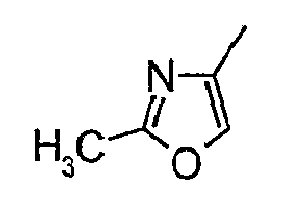
521 2287 
523 2288 
535 2289 
549 2290 
520 2291 
520 [Table 235] 
Example R1 MS(M+1) 2292 
520 2293 
521 2294 
521 2295 
565 2296 
579 2297 
523 2298 
541 2299 
510 2300 
524 [Table 236] 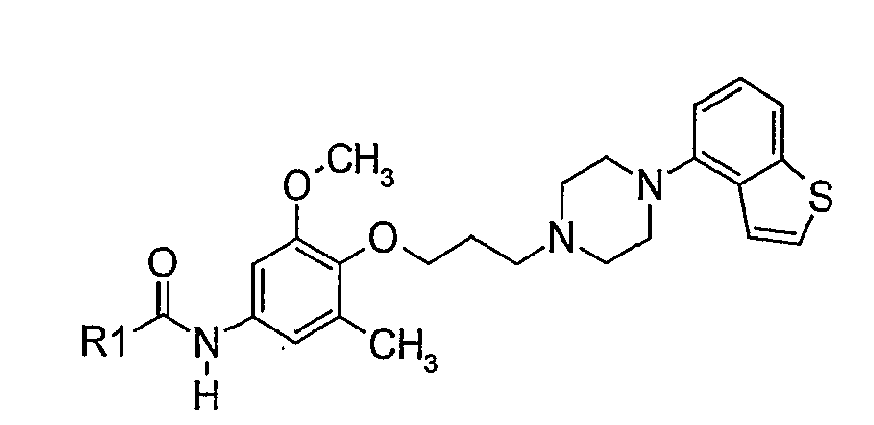
Example R1 MS(M+1) 2301 
623 2302 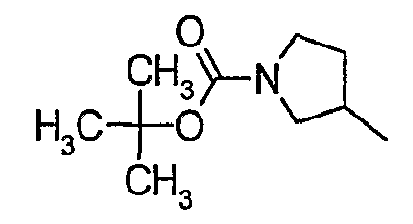
609 2303 
595 2304 
595 2305 
623 2306 
623 2307 
523 2308 
509 2309 
495 [Table 237] 
Example R1 MS(M+1) 2310 
495 2311 
523 2312 
523 [Table 238] 
Example R1 MS(M+1) 2313 
545 2314 
531 2315 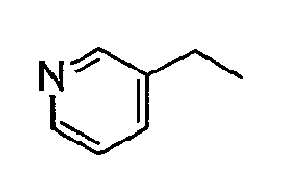
531 2316 
531 2317 
536 2318 
536 2319 
522 2320 
551 2321 
543 [Table 239] 
Example R1 MS(M+1) 2322 
543 2323 
563 2324 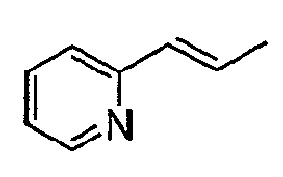
543 2325 
556 2326 
551 2327 
532 2328 
582 2329 
520 2330 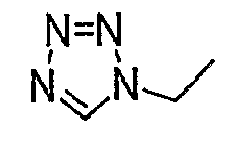
522 [Table 240] 
Example R1 MS(M+1) 2331 
538 2332 
532 2333 
637 2334 
651 2335 
673 2336 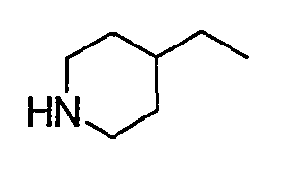
537 2337 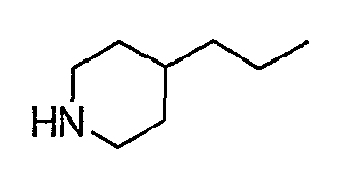
551 2338 
573 [Table 241] 
Example R1 MS(M+1) 2339 -2-PYRIDYL 549 2340 -C4H9 528 2341 -CH(CH3)2 514 2342 -CH2CH2N(CH3)2 543 2343 -4-PYRIDYL 549 2344 -C6H5 548 2345 -C3H7 514 2346 -CH3 486 2347 -3-PYRIDYL 549 2348 -C6H13 556 2349 -C2H5 500 2350 -CH2CH2OH 516 2351 -COCH3 514 2352 -cyclo-C6H11 554 2353 -SO2C2H5 564 [Table 242] 
Example R1 MS(M+1) 2354 
563 2355 
563 2356 
563 2357 
550 2358 
569 2359 
634 2360 
550 2361 
566 2362 
577 [Table 243] 
Example R1 MS(M+1) 2363 
577 2364 
583 2365 
555 2366 
540 [Table 244] 
Example R1 MS(M+1) 2367 -OCH3 501 2368 -cyclo-C6H11 553 2369 -C6H5 547 2370 -OCH2C6N5 577 2371 -OC6H5 563 2372 -OH 487 2373 -CONH2 514 2374 -CH2OH 501 2375 -C2H5 499 2376 -NHCOCH3 528 2377 -COC6H5 575 2378 -2-PYRIDYL 548 [Table 245] 
Example R1 MS(M+1) 2379 
554 2380 
578 2381 
578 2382 
556 2383 
564 2384 
564 [Table 246] 
Example R1 MS(M+1) 2385 
485 2386 
502 2387 
525 2388 
489 2389 
475 2390 
511 2391 
539 2392 
547 2393 
576 [Table 247] 
Example R1 MS(M+1) 2394 
519 2395 
563 2396 
558 2397 
519 2398 
505 2399 
500 2400 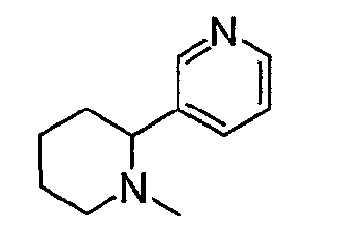
548 2401 
563 2402 
487 [Table 248] 
Example R1 MS(M+1) 2403 
515 2404 
577 2405 
473 2406 
546 2407 
570 2408 
505 2409 
533 2410 
486 2411 
545 [Table 249] 
Example R1 MS(M+1) 2412 
542 2413 
526 2414 
568 2415 
539 2416 
578 2417 
487 2418 
583 2419 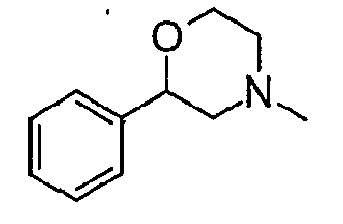
549 2420 
554 [Table 250] 
Example R1 MS(M+1) 2421 
548 2422 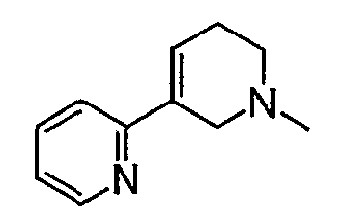
546 2423 
553 2424 
561 2425 
526 2426 
443 [Table 251] 
Example R1 R2 MS(M+1) 2427 -cyclo-C6H11 -CH3 499 2428 -H -cyclo-C6H11 485 2429 -H -CH(CH3)2 445 2430 -C4H9 -C4H9 515 2431 -CH2CH(CH3)2 -CH2CH(CH3)2 515 2432 -CH2CH2OH -CH2CH2OH 491 2433 -CH2CH2OH -C2H5 475 2434 -C6H13 C6H13 571 2435 -CH2CH2N(CH3)2 -CH3 488 2436 -cyclo-C6H11 -CH2CH2OH 529 2437 -CH2CH2OCH3 -CH2CH2OCH3 519 2438 -(CH2)3N(CH3)2 -(CH2)3N(CH3)2 573 2439 -(CH2)3N(C2H5)2 -CH3 530 2440 -CH2CH=CH2 -cyclo-C5H9 511 2441 -C2H5 -C2H5 459 2442 -H -C(CH3)3 459 2443 -H -cyclo-C3H5 443 2444 -H -cyclo-C7H13 499 2445 -H -CH2C6H5 493 2446 -C3H7 -(CH2)3C6H5 563 2447 -CH2CONHCH3 -CH2C6H5 564 2448 -CH2C6H5 -cyclo-C6H11 575 2449 -(CH2)2C6H5 -CH3 521 2450 -CH2C6H5 -CH3 507 2451 -CH2CH2N(CH3)2 -CH2C6H5 564 2452 -CH2C6H5 -C5H11 563 [Table 252] 
Example R1 R2 MS(M+1) 2453 -CH2C6H5 -CH2C6H5 583 2454 -CH2C6H5 -C2H5 521 2455 -CH2C6H5 -CH(CH3)2 535 2456 -CH2CH2CN -CH2C6H5 546 2457 -(CH2)2OC6H5 -CH3 537 2458 -cyclo-C6H11 -C2H5 513 2459 -CH(CH3)2 -C2H5 473 2460 -H -C2H5 431 2461 -H -CH2CH(CH3)2 459 2462 -H -CH2CH2OCH3 461 2463 -C2H5 C4H9 487 2464 -H -CH2CH2OC2H5 475 2465 -H -(CH2)3OC2H5 489 2466 -CH2C6H5 -C6H5 569 2467 -C6H5 -C2H5 507 2468 -C6H5 -cyclo-C6H11 561 2469 -CH2CH2CN -C6H5 532 2470 -2-PYRIDYL -C2H5 508 2471 -H -C6H5 479 2472 -H -3-PYRIDYL 480 2473 -H -2-PYRIDYL 480 2474 -H -4-PYRIDYL 480 2475 -C6H5 -CH3 493 2476 -H -CH2-cyclo-C6H11 499 2477 -H -(CH2)3C6H5 521 2478 -H -(CH2)2NHCOCH3 488 2479 -H -(CH2)5OH 489 [Table 253] 
Example R1 R2 MS(M+1) 2480 -H -(CH2)2C6H5 507 2481 -H -CH2CONH2 460 2482 -H -CH2CCH 441 2483 -C5H11 -CH3 487 2484 -H -(CH2)2CH(CH3)2 473 2485 -H -CH2C(CH3)3 473 2486 -H -CH2CH2N(CH3)2 474 2487 -CH2C6H5 -(CH2)3OH 551 2488 -CH3 -CH2-cyclo-C3H5 471 2489 -H -CH2CF3 485 2490 -H -NHCH2CF3 500 2491 -CH3 -CH3 431 2492 -H -(CH2)3OCH(CH3)2 503 2493 -H -CH2CH2C(CH3)3 487 2494 -H -CH2CN 442 2495 -H -(CH2)3OCH3 475 2496 -H -(CH2)2OCH(CH3)2 489 2497 -H -CH2CH2CN 456 2498 -H -CH2CONHCH3 474 2499 -H -(CH2)SCH3 477 2500 -H -CH2CHF2 467 2501 -H -CH2CH2OH 447 2502 -H -C6H13 487 2503 -CH2CON(CH3)2 -CH3 502 2504 -CH2C6H5 -CH2CH2OCH3 551 2505 -H -(GH2)2NHCONH2 489 [Table 254] 
Example R1 R2 MS(M+1) 2506 
-CH3 522 2507 
-CH3 514 2508 
-C2H5 529 2509 
-H 494 2510 
-H 494 2511 
-H 494 2512 
-H 483 2513 
-C2H5 536 2514 
-CH3 542 2515 
-C2H5 547 [Table 255] 
Example R1 R2 MS(M+1) 2516 
-CH3 564 2517 
-C2H5 522 2518 
-H 457 2519 
-H 485 2520 
-CH3 507 2521 
-H 509 2522 
-H 521 2523 
-H 529 2524 
-H 544 2525 
-H 519 [Table 256] 
Example R1 R2 MS(M+1) 2526 
-H 530 2527 
-H 530 2528 
-H 571 2529 
-H 518 2530 
-H 558 2531 
-H 486 2532 
-H 552 2533 
-H 471 2534 
-H 562 [Table 257] 
Example R1 R2 MS(M+1) 2535 
-H 572 2536 
-H 536 2537 
-H 523 2538 
-H 534 2539 
-H 570 2540 
-H 540 2541 
-H 533 2542 
-H 519 2543 
-H 487 [Table 258] 
Example R1 R2 MS(M+1) 2544 
-H 497 2545 
-H 501 2546 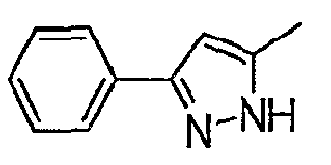
-H 545 2547 
-H 535 2548 
-H 545 2549 
-H 546 2550 
-H 530 2551 
-H 483 [Table 259] 
Example R1 R2 MS(M+1) 2552 
-H 562 2553 
-H 532 2554 
-H 545 2555 
-H 560 2556 
-H 559 2557 
-H 559 2558 
-H 546 2559 
-H 511 2560 
-H 530 [Table 260] 
Example R1 R2 MS(M+1) 2561 
-H 508 2562 
-H 514 2563 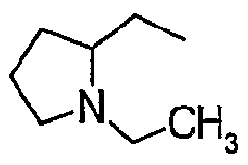
-H 514 2564 
-H 500 2565 
-H 514 2566 
-H 516 2567 
-H 530 2568 
-H 561 2569 
-H 543 2570 
-H 546 [Table 261] 
Example R1 R2 MS(M+1) 2571 
-H 533 2572 
-H 499 2573 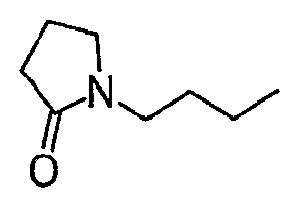
-H 528 2574 
-H 487 2575 
-H 509 2576 
-H 508 2577 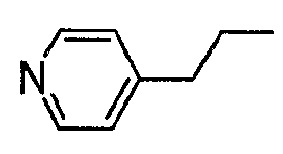
-H 508 2578 
-H 497 2579 
-H 497 2580 
-H 496 [Table 262] 
Example R1 R2 MS(M+1) 2581 
-H 525 2582 
-H 511 2583 
-H 511 2584 
-H 513 2585 
-H 499 2586 
-H 483 2587 
-H 500 2588 
-H 513 2589 
-H 535 2590 
-H 457 [Table 263] 
Example R1 R2 MS(M+1) 2591 
-H 527 2592 
-H 554 2593 
-H 549 2594 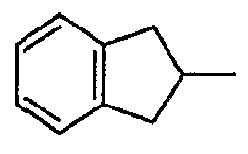
-H 519 2595 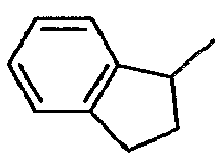
-H 519 2596 
-H 497 2597 
-H 546 2598 
-H 497 2599 
-H 528 2600 
-H 487 [Table 264] 
Example R1 R2 MS(M+1) 2601 
-H 575 2602 
-CH3 511 2603 
-CH3 525 2604 
-CH2 557 2605 
-CH3 528 2606 
-CH3 544 2607 
-H 547 2608 
-CH3 526 2609 
-CH3 564 [Table 265] 
Example R1 R2 MS(M+1) 2610 
-CH3 574 2611 
-CH3 547 2612 
-H 511 2613 
-CH3 561 2614 
-CH3 564 2615 
-H 512 2616 
-H 515 2617 
-CH3 560 2618 
-H 566 [Table 266] 
Example R1 R2 MS(M+1) 2619 
-H 573 2620 
-CH3 571 2621 
-CH3 584 2622 
-CH3 587 2623 
-H 560 2624 
-H 547 2625 
-H 549 [Table 267] 
Example R1 MS(M+1) 2626 -2-PYRIDYL 544 2627 -C4H9 523 2628 -CH(CH3)2 509 2629 -CH2CH2N(CH3)2 538 2630 -4-PYRIDYL 544 2631 -C6H5 543 2632 -C3H7 509 2633 -CH2CH2OCH3 525 2634 -CH3 481 2635 -3-PYRIDYL 544 2636 -C6H13 551 2637 -C2H5 495 2638 -CH2CH2OH 511 2639 -COCH3 509 2640 -cyclo-C6H11 549 2641 -SO2C2H5 559 [Table 268] 
Example R1 MS(M+1) 2642 
558 2643 
558 2644 
558 2645 
545 2646 
564 2647 
629 2648 
545 2649 
551 2650 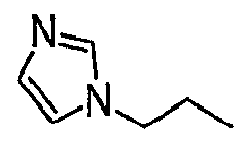
561 [Table 269] 
Example R1 MS(M+1) 2651 
572 2652 
572 2653 
578 2654 
550 2655 
535 [Table 270] 
Example R1 MS(M+1) 2656 -OCH3 496 2657 -cyclo-C6H11 548 2658 -C6H5 542 2659 -OCH2C6H5 572 2660 -OC6H5 558 2661 -OH 482 2662 -CONH2 509 2663 -C2H5 494 2664 -NHCOCH3 523 2665 -COC6H5 570 2666 -2-PYRIDYL 543 [Table 271] 
Example R1 MS(M+1) 2667 
549 2668 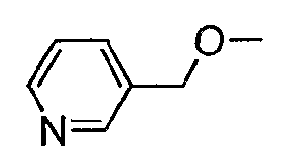
573 2669 
573 2670 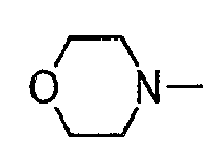
551 2671 
559 2672 
559 [Table 272] 
Example R1 MS(M+1) 2673 
480 2674 
520 2675 
484 2676 
470 2677 
506 2678 
534 2679 
542 2680 
571 2681 
514 2682 
558 [Table 273] 
Example R1 MS(M+1) 2683 
553 2684 
514 2685 
500 2686 
495 2687 
543 2688 
558 2689 
510 2690 
572 2691 
468 [Table 274] 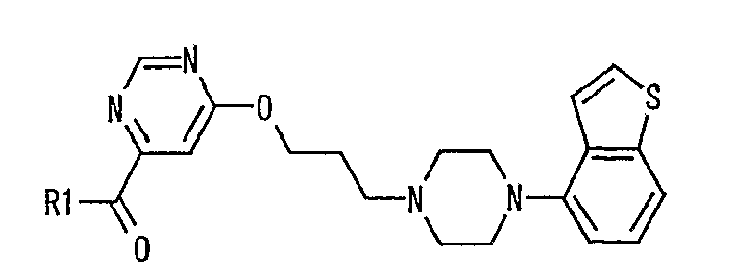
Example R1 MS(M+1) 2692 
541 2693 
565 2694 
500 2695 
528 2696 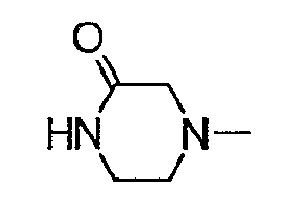
481 2697 
540 2698 
537 2699 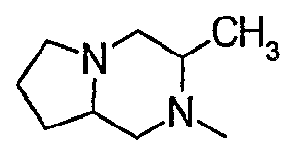
521 2700 
563 2701 
534 [Table 275] 
Example R1 MS(M+1) 2702 
573 2703 
482 2704 
578 2705 
544 2706 
549 2707 
543 2708 
541 2709 
548 [Table 276] 
Example R1 MS(M+1) 2710 
556 2711 
521 2712 
438 [Table 277] 
Example R1 R2 MS(M+1) 2713 -cyclo-C6H11 -CH3 494 2714 -H -CH(CH3)2 440 2715 -C4H9 -C4H9 510 2716 -CH2CH(CH3)2 -CH2CH(CH3)2 510 2717 -CH2CH2OH -CH2CH2OH 486 2718 -C6H13 -C6H13 566 2719 -CH2CH2N(CH3)2 -CH3 483 2720 -CH2CH2OCH3 -CH2CH2OCH3 514 2721 -CH2CH(CH3)2 -CH2CH(CH3)2 568 2722 -(CH2)3N(C2H5)2 -CH3 525 2723 -CH2CH=CH2 -cyclo-C5H9 506 2724 -H -C4H9 454 2725 -H -cyclo-C3H5 438 2726 -H -cyclo-C7H13 494 2727 -H -CH2C6H5 488 2728 -C3H7 -(CH2)3C6H5 558 2729 -CH2CONHCH3 -CH2C6H5 559 2730 -CH2C6H5 -cyclo-C6H11 570 2731 -(CH2)2C6H5 -CH3 516 2732 -CH2C6H5 -CH3 502 2733 -CH2CH2N(CH3)2 -CH2C6H5 559 2734 -CH2C6H5 -C5H11 558 2735 -CH2C6H5 -CH2C6H5 578 2736 -CH2C6H5 -C2H5 516 2737 -CH2C6H5 -CH(CH3)2 530 2738 -CH2CH2CN -CH2C6H5 541 2739 -(CH2)2OC6H5 -CH3 532 2740 -cyclo-C6H11 -C2H5 508 [Table 178] 
Example R1 R2 MS(M+1) 2741 -CH(CH3)2 -C2H5 468 2742 -H -C2H5 426 2743 -H -C3H7 440 2744 -H -CH2CH2OCH3 456 2745 -CH2-cyclo-C6H11 -C2H5 522 2746 -C2H5 -C4H5 482 2747 -H -1-CH3-GYCLOHEXYL 494 2748 -H -(CH2)2OC6H5 518 2749 -CH2C6H5 -C6H5 564 2750 -C6H5 -CH2CH2OH 518 2751 -C6H5 -C2H5 502 2752 -CH2CH2CN -C6H5 527 2753 -2-PYRIDYL -C2H5 503 2754 -H -C6H5 474 2755 -H -3-PYRIDYL 475 2756 -H -2-PYRIDYL 475 2757 -H -4-PYRIDYL 475 2758 -C6H5 -CH3 488 2759 -H -CH2-cyclo-C6H11 494 2760 -H -(CH2)3C6H5 516 2761 -H -(CH2)2C6H5 502 2762 -H -CH2CONH2 455 2763 -H -CH2CCH 436 2764 -C5H11 -CH3 482 2765 -CH(CH3)2 -CH3 454 2766 -H -(CH2)2CH(CH3)2 468 2767 -H -CH2C(CH3)3 468 2768 -H -CH2CH2N(CH3)2 469 [Table 279] 
Example R1 R2 MS(M+1) 2769 -CH2C6H5 -(CH2)3OH 546 2770 -CH3 -CH2-cyclo-C3H5 466 2771 -H -CH2CF3 480 2772 -H -NHCH2CF3 495 2773 -CH3 -CH3 426 2774 -H -(CH2)3OCH(CH3)2 498 2775 -H -CH2CH2C(CH3)3 482 2776 -H -CH2CN 437 2777 -H -(CH2)3OCH3 470 2778 -H -(CH2)2OCH(CH3)2 484 2779 -H -CH2CH2CN 451 2780 -H -CH2CONHCH3 469 2781 -H -(CH2)SCH3 472 2782 -H -CH2CHF2 462 2783 -H -C6H13 482 2784 -CH2CON(CH3)2 -CH3 497 2785 -CH2C6H5 -CH2CH2OCH3 546 2786 -H -(CH2)2NHCONH2 484 [Table 280] 
Example R1 R2 MS(M+1) 2787 
-CH3 517 2788 
-CH3 509 2789 
-C2H5 524 2790 
-H 489 2791 
-H 489 2792 
-H 489 2793 
-H 478 2794 
-C2H5 531 2795 
-CH3 537 2796 
-C2H5 542 [Table 281] 
Example R1 R2 MS(M+1) 2797 
-CH3 559 2798 
-C2H5 517 2799 
-H 452 2800 
-H 480 2801 
-CH3 536 2802 
-CH3 502 2803 
-H 508 2804 
-H 504 2805 
-H 516 2806 
-H 524 2807 
-H 539 [Table 282] 
Example R1 R2 MS(M+1) 2808 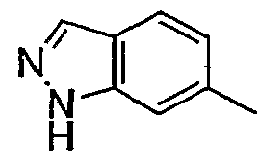
-H 514 2809 
-H 525 2810 
-H 525 2811 
-H 566 2812 
-H 513 2813 
-H 553 2814 
-H 481 2815 
-H 476 2816 
-H 519 2817 
-H 547 [Table 283] 
Example R1 R2 MS(M+1) 2818 
-H 465 2819 
-H 466 2820 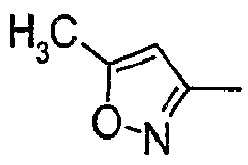
-H 479 2821 
-H 557 2822 
-H 567 2823 
-H 531 2824 
-H 518 2825 
-H 529 2826 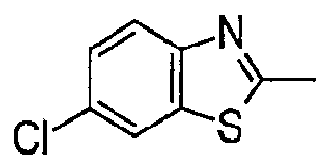
-H 565 [Table 284] 
Example R1 R2 MS(M+1) 2827 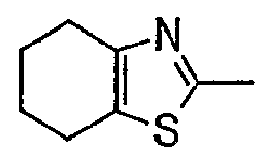
-H 535 2828 
-H 514 2829 
-H 492 2830 
-H 525 2831 
-H 496 2832 
-H 493 2833 
-H 540 2834 
-H 530 2835 
-H 540 [Table 285] 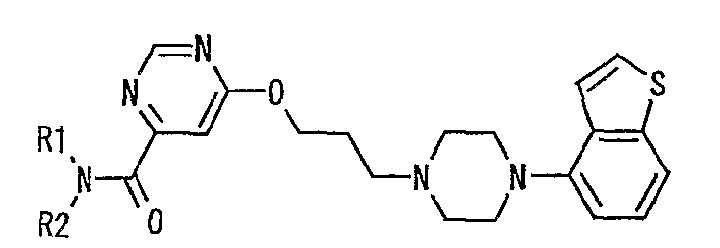
Example R1 R2 MS(M+1) 2836 
-H 541 2837 
-H 525 2838 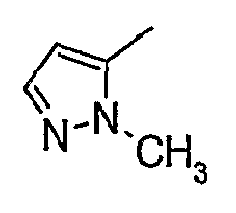
-H 478 2839 
-H 476 2840 
-H 495 2841 
-H 465 2842 
-H 557 2843 
-H 527 2844 
-H 540 [Table 286] 
Example R1 R2 MS(M+1) 2845 
-H 555 2846 
-H 554 2847 
-H 554 2848 
-H 541 2849 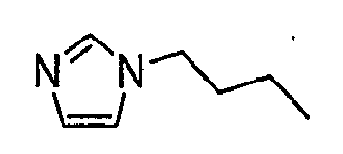
-H 506 2850 
-H 525 2851 
-H 503 2852 
-H 509 2853 
-H 509 2854 
-H 495 [Table 287] 
Example R1 R2 MS(M+1) 2855 
-H 509 2856 
-H 511 2857 
-H 525 2858 
-H 556 2859 
-H 538 2860 
-H 541 2861 
-H 528 2862 
-H 494 2863 
-H 523 2864 
-H 482 [Table 288] 
Example R1 R2 MS(M+1) 2865 
-H 504 2866 
-H 503 2867 
-H 503 2868 
-H 492 2869 
-H 492 2870 
-H 491 2871 
-H 520 2872 
-H 506 2873 
-H 506 2874 
-H 508 [Table 289] 
Example R1 R2 MS(M+1) 2875 
-H 494 2876 
-H 478 2877 
-H 495 2878 
-H 508 2879 
-H 530 2880 
-H 452 2881 
-H 522 2882 
-H 495 2883 
-H 549 2884 
-H 544 2885 
-H 514 [Table 290] 
Example R1 R2 MS(M+1) 2886 
-H 514 2887 
-H 492 2888 
-H 541 2889 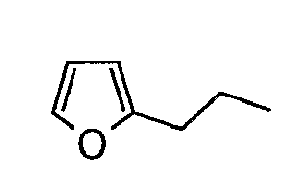
-H 492 2890 
-H 482 2891 
-H 570 2892 
-CH3 506 2893 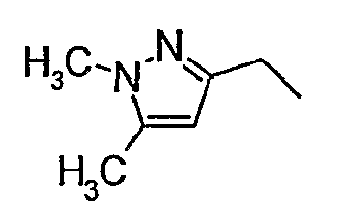
-CH3 520 2894 
-CH3 552 2895 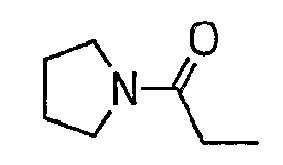
-CH3 523 2896 
-CH3 539 [Table 291] 
Example R1 R2 MS(M+1) 2897 
-H 542 2898 
-CH3 521 2899 
-CH3 559 2900 
-CH3 569 2901 
-CH3 542 2902 
-H 506 2903 
-CH3 556 2904 
-CH3 559 2905 
-H 507 [Table 292] 
Example R1 R2 MS(M+1) 2906 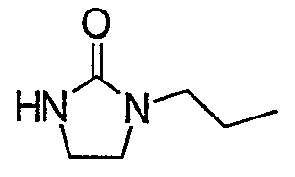
-H 510 2907 
-CH3 555 2908 
-H 561 2909 
-H 568 2910 
-CH3 566 2911 
-CH3 579 2912 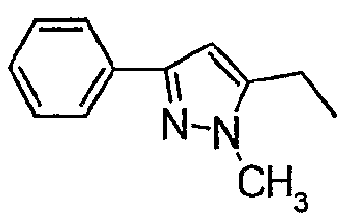
-CH3 582 2913 
-H 544 [Table 293] 
Example R1 R2 R3 R4 R5 Crystal form
(Recrystalization solvent)Melting Point (°C) Salt 2914 -CH3 -H 
-H -OCH3 White powder
(Ethyl acetate)230.0 (dec) Hydrochloride 2915 -CH3 -H 
-H -OCH3 2916 -CH3 -H 
-H -OCH3 White powder
(Ethyl acetate)235.0 (dec) Hydrochloride 2917 -CH3 -H 
-H -OCH3 White powder
(Ethyl acetate)227.0 (dec) Hydrochloride 2918 -CH3 -H 
-H -OCH3 White powder
(Ethyl acetate)240.0 (dec) Hydrochloride 2919 -OCH3 -H 
-H -CH3 White powder
(Ethyl acetate)211.0-213.5 Hydrochloride [Table 294] 
Example R1 R2 R3 R4 R5 Crystal form
(Recrystalization solvent)Melting Point (°C) Salt 2920 -OCH3 -H 
-H -CH3 White powder
(Ethyl acetate)207.5-210.0 Hydrochloride 2921 -OCH3 -H 
-H -CH3 White powder
(Ethanol/ethyl acetate)247.0 (dec) -- 2922 -CH3 -H -CONHCH3 -H -OC3H7 White powder
(Ethanol)178.5-179.5 Hydrochloride 2923 -OCH3 -H 
-H -CH3 Hydrochloride 2924 -OCH3 -H 
-H -CH3 White powder
(Ethyl acetate)248.5-257.5 Hydrochloride [Table 295] 
Example R1 R2 R3 R4 R5 NMR Salt 2925 -CH3 -H 
-H -OCH3 1H-NMR (CDCl3) δ ppm : 1.36-1.65(4H, m), 1.88-2.11 (3H, m ), 2.25(3H, s), 2.47(3H, s), 2.60-2.82(8H, m), 3.12-3.29(4H, m), 3.47-3.63(2H, m), 3.82(3H, s), 3.93( 2H, t, J=6.4Hz. ), 6.34(1H, d, J=2.7Hz), 6.40(1H,d, J=2.7Hz), 6.90(1H, d, J=7.1Hz), 7.21-7.34(1H, m), 7.40 (2H, dd, J=5.5Hz, 9.9Hz ), 7.55(1H, d, J=8.0Hz). -- 2926 -CH3 -H 
-H -OCH3 1H-NMR (CDCl3) δ ppm : 1.48(9H, s), 1.67-1.92(4H, m), 1.95-2.11 (2H, m ), 2.25(3H, s), 2.61-2.87(12H, m), 3.11-3.28(4H, m), 3.54-3.70(2H, m), 3.83(3H, s), 3.94( 2H, t, J=6.3Hz ), 6.34(1H, d, J=2.6Hz), 6.39(1H, d, J=2.6Hz), 6.90(1H, d, J=6.9Hz), 7.17-7.34(1H,m), 7.35-7.47 (2H,m), 7.55(1H, d, J=8.0Hz). -- 2927 -CH3 -H 
-H -OCH3 1H-NMR (CDCl3) δ ppm : 1.96-2.11(2H, m), 2.27(3H, s), 2.57(4H, t, J=6.0Hz), 2.64-2.84(6H, m), 3.13-3.27(14H, m), 3.51 (4H, t, J=6.0Hz), 3.84(3H, s), 3.96( 2H, t, J=6.4Hz ), 6.38(1H, d, J=2.7Hz), 6.20(1H, d, J=2.7Hz), 6.90(1H, d, J=7.5Hz), 7.21-7.32(1H, m), 7.40 (2H, dd, J=5.5Hz, 10.0Hz), 7.55(1H, d, J=8.1 Hz). -- 2928 -CH3 -H 
-H -OCH3 1H-NMR (CDCl3) δ ppm 1.83-1.95 (4H, m), 1.95-2.10(2H, m), 2.25(3H, s), 2.61-2.81(6H, m), 3.07-3.28(14H, m), 3.82(3H, s), 3.93( 2H, t, J=6.5Hz ), 6.30-6.43(2H, m), 6.90(1H, d, J=7.5Hz), 7.29-7.34(1H, m), 7.41 ( 2H, dd, J=6.0Hz, 10.0Hz), 7.55(1H, d, J=7.9Hz). -- [Table 296] 
Example R1 R2 R3 R4 R5 Crystal form
(Recrystalization solvent)Melting Point
(°C)Salt 2929 -OCH3 -H -CONH2 -H -CH3 White powder
(Ethanol)189.0-192.5 Hydrochloride 2930 -OCH3 -H -CONHCH3 -H -CH3 White powder
(Isopropyl alcohol/water)165.5-167.0 -- [Table 297] 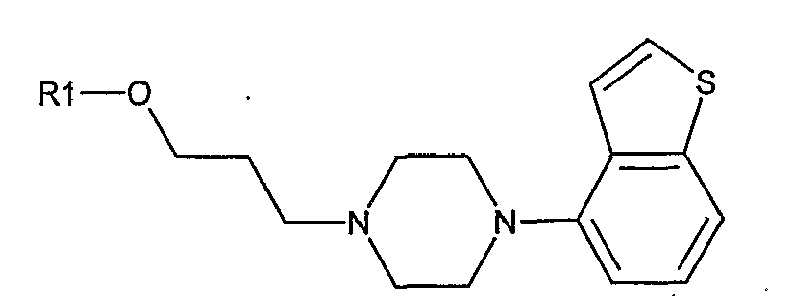
Example R1 Crystal form
(Recrystalization solvent)Melting Point
(°C)Salt 2931 
White powder
(Ethyl acetate/ methanol)214-217 Hydrochloride 2932 
White powder
(Ethyl acetate/ methanol)218-222 1/2 fumarate 2933 
Colorless needle-form crystal
(Ethanol)195-196 -- 2934 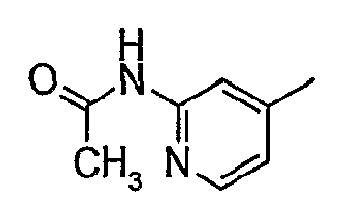
White powder
(Ethyl acetate)145-146 -- 2935 
White powder
(Ethanol/ ethyl acetate)219-221 Dihydrochloride 2936 
White powder
(Ethyl acetate)162-164 -- 2937 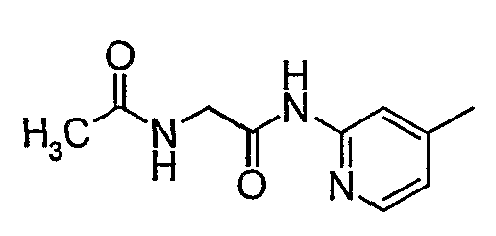
White powder
(Ethanol/ether)208.5-209.5 Dihydrochloride 2938 
White powder
(n-hexane/ ethyl acetate)137-139 -- 2939 
White powder
(Ethanol)137-139 -- 2940 
White powder
(Ethyl acetate)163-165 -- 2941 
White powder
(Ethyl acetate)196-199 -- [Table 298] 
Example R1 Crystal form
(Recrystalization solvent)Melting Point
(°C)Salt 2942 
White powder
(Ethyl acetate)197-199 -- 2943 
White powder
(Ethanol)232-233 Dihydrochloride 2944 
White powder
(Ethanol/ether)255-257 Hydrochloride 2945 
White powder
(Ethanol)169.5-172.5 -- 2946 
White powder
(Ethanol)195.0-196.5 -- 2947 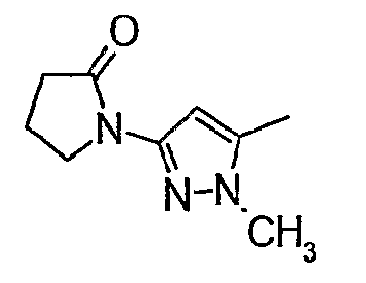
White powder
(Ethyl acetate/ isopropyl ether)151.5-153.5 -- 2948 
White powder
(Ethyl acetate)235.0
(dec)Hydrochloride 2949 
2950 
White powder
(Ethyl acetate)224.0-227.5 Hydrochloride 2951 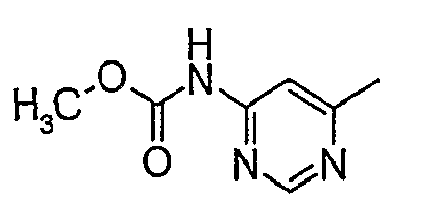
White powder
(Ethyl acetate/ isopropyl ether)175.0-178.5 -- [Table 299] 
Example R1 Crystal form
(Recrystalization solvent)Melting Point
(°C)Salt 2952 
White powder
(Ethyl acetate)169.0-173.0 Trihydrochloride 2953 
2954 
White powder
(Ethyl acetate)210.0-217.0 Dihydrochloride 2955 
White powder
(Ethyl acetate)181.0-188.0 Dihydrochloride 2956 
White powder
(Ethanol/ethyl acetate)163.5-167.0 Hydrochloride 2957 
White powder
(Ethyl acetate/ether)172.5-176.5 Hydrochloride 2958 
White powder
(Ethyl acetate/ether)145.0-151.0 Dihydrochloride 2959 
White powder
(Ethanol/ethyl acetate)144.0-150.0 Dihydrochloride [Table 300] 
Example R1 Crystal form
(Recrystalization solvent)Melting Point
(°C)Salt 2960 
White powder
(Ethyl acetate/ether)177-182 Dihydrochloride 2961 
White powder
(Ethyl acetate/ether)198-201 Hydrochloride 2962 
White powder
(Ethyl acetate/ether)195-200 Hydrochloride 2963 
White powder
(Ethyl acetate/ether)215-218 Hydrochloride 2964 
White powder
(Ethyl acetate/ether)152-157 Hydrochloride 2965 
White powder
(Ethyl acetate/ether)158-161 Hydrochloride 2966 
White powder
(Ethyl acetate/ether)168-172 Hydrochloride 2967 
White powder
(Ethyl acetate)178.5-181.5 -- 2968 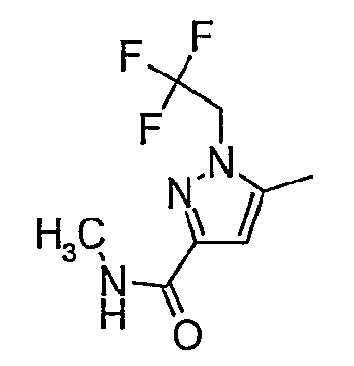
White powder
(Ethyl acetate)228.0 (dec) Hydrochloride [Table 301] 
Example R1 NMR Salt 2969 
1H-NMR (DMSO-d6) δ ppm: 1.95-2.10 (2H, m), 2.85-2.95 (2H, m), 3.00-3.15 (4H, m), 3.15-3.30 (4H, m), 4.41 (2H, t, J=5.8Hz), 6.89 (1H, d, J=5.0 Hz), 7.15 (1H, s), 7.26 (1H, t, J=7.9Hz), 7.43 (1H, d, J=5.5 Hz), 7.63 (1H, d, J=8.0 Hz), 7.71 (1H, d, J=5.5 Hz), 8.73 (1H, s). 1H-NMR (CDCl3) δ ppm: 1.72-1.98 (4H, m), 2.30- -- 2970 
2.46(1H, m), 2.46-2.58(2H, m), 2.62-2.77 (5H, m), 2.80(3H, d, J=5.1 Hz), 3.04-3.29 (5H, m), 3.38-3.55 (2H, m), 3.83-4.04 (2H, m), 6.90 (1H, dd, J=0.5Hz, 7.6Hz), 7.22-7.34 (1H, m), 7.34-7.47 (2H, m), 7.55 (1H, d, J=8.0 Hz), 7.63(1H, br). 2971 
1H-NMR (CDCl3) δ ppm: 1.46 (9H, s), 1.70-1.89 (2H, m), 1.90-2.17(1H, m), 2.44-2.60(2H, m), 2.62-2.75 (4H, m), 2.81(3H, d, J=4.7Hz), 3.09-3.26 (4H, m), 3.39-3.57 (4H, m), 3.93-4.21 (1H, m), 4.21-4.46(1H, m), 6.65-6.95(1H, br), 6.90 (1H, d, J=7.0 Hz), 7.20-7.34 (1H, m), 7.35-7.45 (2H, m), 7.55 (1H, d, J=8.0 Hz). 
Example R1 MS(M+1) Salt 2972 
440 Hydrochloride 2973 
360 Maleate [Table 302] 
Example R1 Crystal form
(Recrystalization solvent)Melting Point
(°C)Salt 2974 
White powder
(Ethyl acetate/ether)215.5-216.5 Hydrochloride 2975 
2976 
White powder
(Ethyl acetate/ isopropyl ether)132.5-135.0 -- 2977 
White powder
(2-proparol water)80.0-182.0 -- 2978 
White powder
(Ethyl acetate)216.0-220.2 Hydrochloride 2979 
White powder
(Ethyl acetate)203.0-207.0 Hydrochloride 2980 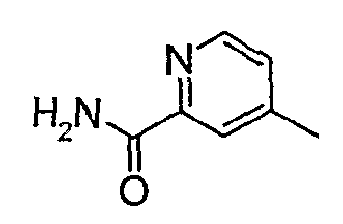
White powder
(Ethyl acetate/ isopropyl ether)146.5-148.0 -- 2981 
White powder
(Ethyl acetate)197.0-201.0 Hydrochloride 2982 
White powder
(Ethyl acetate/ isopropyl ether)133.0-134.5 -- [Table 303] 
Example R1 R2 R3 R4 R5 R6 MS(M+1) 2983 -OCH3 -H -H -H -H -CH3 517 2984 -H -H -CH3 -H -H -CH3 501 2985 -H -H -Cl -H -H -CH3 521 2986 -H -SCH3 -H -H -H -H 519 2987 -SCH3 -H -H -H -H -H 519 2988 -H -Cl -Cl -H -H -H 541 2989 -H -H -OCF3 -H -H -H 557 2990 -H -H -H -H -H -H 473 2991 -H -H -Cl -H -H -H 507 2992 -H -H -OCH3 -H -H -H 503 2993 -OCH3 -H -H -H -H -H 503 2994 -H -OCH3 -H -H -H -H 503 2995 -Cl -H -H -H -H -H 507 2996 -H -Cl -H -H -H -H 507 2997 -H -H -CH3 -H -H -H 487 2998 -OCH3 -H -OCH3 -H -H -H 533 2999 -N(CH3)2 -H -H -H -H -H 516 3000 -1-PYRRYL -H -H -H -H -H 538 3001 -H -Cl -H -H -OCH3 -H 537 3002 -H -OCH3 -H -H -OCH3 -H 533 3003 -H -OCH3 -H -OCH3 -H -H 533 3004 -OCH3 -H -H -CH3 -H -H 517 3005 -H -OCH3 -OCH3 -H -H -H 533 3006 -C(CH3)=CH2 -H -H -H -H -H 513 3007 -H -OCF3 -H -H -H -H 557 3008 -CH3 -H -H -H -H -H 487 3009 -H -CH3 -H -H -H -H 487 3010 -F -H -H -H -H -H 491 [Table 304] 
Example R1 R2 R3 R4 R5 R6 MS(M+1) 3011 -H -H -F -H -H -H 491 3012 -H -N(CH3)2 -H -H -H -H 516 3013 -H -H -N(CH3)2 -H -H -H 516 3014 -CF3 -H -H -H -H -H 541 3015 -H -CF3 -H -H -H -H 541 3016 -H -NHCOCH3 -H -H -H -H 530 3017 -H -H -NHCOCH3 -H -H -H 530 3018 -H -H -H -H -CN -H 498 3019 -H -H -H -CN -H -H 498 3020 -CH3 -H -H -H -H -CH3 501 3021 -H -CH3 -H -H -H -CH3 501 3022 -H -Cl -H -H -H -CH3 521 3023 -H -H -OH -H -H -CH3 503 3024 -CH3 -CH3 -H -H -H -H 501 3025 -CH3 -H -CH3 -H -H -H 501 3026 -CH3 -H -H -H -CH3 -H 501 3027 -H -CH3 -CH3 -H -H -H 501 3028 -H -CH3 -H -CH3 -H -H 501 3029 -F -F -H -H -H -H 509 3030 -H -F -F -H -H -H 509 3031 -H -F -H -F -H -H 509 3032 -H -F -OCH3 -H -H -H 521 3033 -H -OCH3 -CH3 -H -H -H 517 3034 -H -Cl -OCH3 -H -H -H 537 3035 -H -Cl -CH3 -H -H -H 521 3036 -OCH3 -OCH3 -H -H -H -H 533 3037 -H -Cl -OH -H -H -H 523 3038 -Cl -H -H -CH3 -H -H 521 [Table 305] 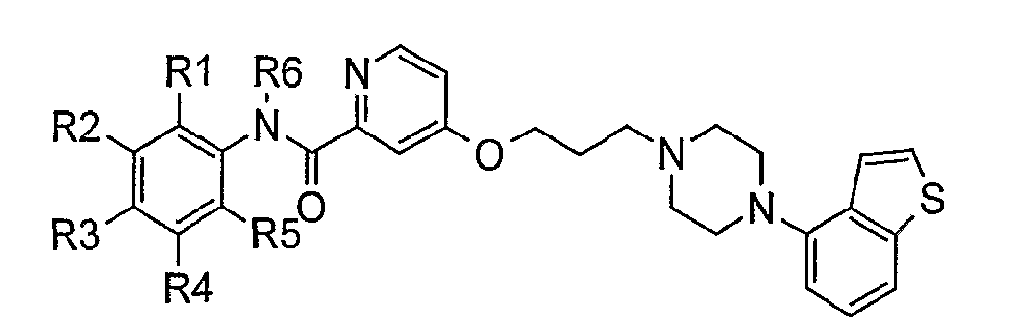
Example R1 R2 R3 R4 R5 R6 MS(M+1) 3039 -H -CONH2 -H -H -Cl -H 550 3040 -CH3 -H -Br -H -CH3 -H 579 3041 -H -H -CN -H -H -H 498 3042 -H -H -SCH3 -H -H -H 519 3043 -H -H -CH(CH3)2 -H -H -H 515 3044 -H -H -2-FURYL -H -H -H 539 [Table 306] 
Example R1 R2 R3 R4 R5 R6 MS(M+1) 3045 -H 
-H -H -H -H 539 3046 -H 
-H -H -H -H 540 3047 -H 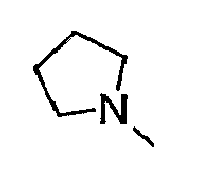
-H -H -H -H 542 3048 -H -H 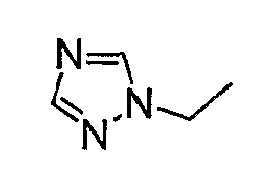
-H -H -H 554 3049 -H 
-H -H -H -H 553 3050 -H -H 
-H -H -H 553 3051 -H 
-H -H -H -H 540 [Table 307] 
Example R1 R2 MS(M+1) 3052 
-H 474 3053 
-H 523 3054 
-H 513 3055 
-H 474 3056 
-H 474 3057 
-H 524 3058 
-H 504 3059 
-H 512 3060 
-H 560 [Table 308] 
Example R1 R2 MS(M+1) 3061 
-H 556 3062 
-H 556 3063 
-H 572 3064 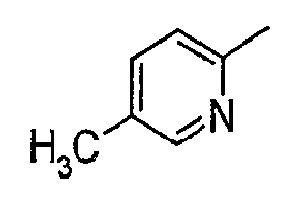
-H 488 3065 
-H 480 3066 
-H 524 3067 
-H 546 3068 
-H 478 [Table 309] 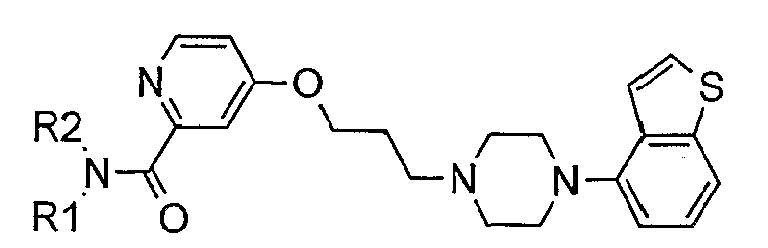
Example R1 R2 MS(M+1) 3069 
-H 556 3070 
-H 528 3071 
-H 564 3072 
-H 534 3073 
-H 513 3074 
-H 491 3075 
-H 506 3076 
-H 492 3077 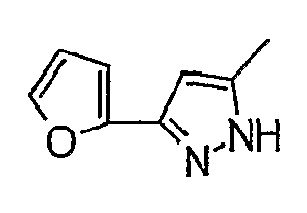
-H 529 [Table 310] 
Example R1 R2 MS(M+1) 3078 
-H 480 3079 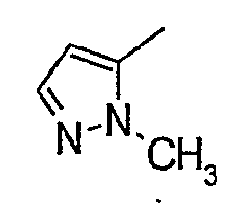
-H 477 3080 
-H 494 3081 
-H 464 3082 
-H 478 3083 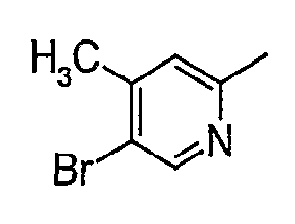
-H 566 3084 
-H 556 3085 
-H 526 [Table 311] 
Example R1 MS(M+1) 3086 
553 3087 
525 3088 
567 3089 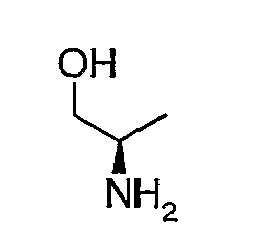
499 3090 
497 3091 
543 3092 
549 3093 
559 - 5% palladium carbon (0.8 g) was added to an ethanol solution (30 ml) of 4-[3-(4-benzo[b]thiophen-4-yl-piperazin-1-yl)propoxy]-N-ethyl-3-nitrobenzamide (1.0 g, 2.1 mmol) and the mixture was subjected to catalytic reduction at room temperature under normal pressure. The catalyst was removed by filtration and the filtrate was concentrated under reduced pressure. Water was added to the residue and the solution was extracted with ethyl acetate. The organic layer was dried over anhydrous sodium sulfate and thereafter concentrated under reduced pressure. The residue was purified by silica gel column chromatography (dichloromethane : methanol = 30:1 → 20:1). The purified product was concentrated under reduced pressure to obtain 3-amino-4-[3-(4-benzo[b]thiophen-4-yl-piperazin-1-yl)propoxy]-N-ethyl-benzamide (0.78 g, 83% yield) as yellow amorphous solid.
1H-NMR (CDCl3) δppm: 1.23 (3H, t, J=7.4 Hz), 2.00-2.15 (2H, m), 2.67 (2H, t, J=7.3 Hz), 2.75 (4H, brs), 3.21 (4H, brs), 3.40-3.50 (2H, m), 3.50-4.30 (2H, br), 4.13 (2H, t, J=6.5 Hz), 5.99 (1H, brs), 6.80 (1H, d, J=8.4 Hz), 6.90 (1H, d, J=7.6 Hz), 7.08 (1H, dd, J=2.1, 8.3 Hz), 7.19 (1H, d, J=2.1 Hz), 7.25-7.30 (1H, m), 7.35-7.45 (2H, m), 7.55 (1H, d, J=8.0 Hz). - Triethylamine (0.28 ml, 2.0 mmol) was added to a dichloromethane solution (15 ml) of 1-benzo[b]thiophen-4-yl-4-[3-(piperidin-4-yloxy)-propyl]-piperazine (0.45 g, 1.25 mmol) and the mixture was cooled in an ice bath. To this, acetyl chloride (0.1 ml, 1.4 mmol) was added and the mixture was stirred at room temperature overnight. Water was added to the reaction solution, which was then extracted with dichloromethane. The organic layer was dried over anhydrous sodium sulfate and thereafter concentrated under reduced pressure. The residue was purified by silica gel column chromatography (dichloromethane : methanol = 30:1). The purified product was concentrated under reduced pressure. To the residue, 0.5 N hydrochloride-methanol solution (3 ml) was added. The crystal produced was obtained by filtration and dried to obtain 1-benzo[b]thiophen-4-yl-4-[3-(1-acetylpiperidin-4-yloxy)propyl]piperazine hydrochloride as white powder
(0.36 g, 66% yield).
Melting point: 208-210°C - PS-triphenylphosphine (3 mmol/g, 1.80 g), ditert-butylazodicarboxylate (1.27 g, 5.4 mmol) and N-hydroxysuccinimide (510 mg, 4.3 mmol) were added to a THF solution (50 ml) of 3-(4-benzo[b]thiophen-4-yl-piperazin-1-yl)propanol (1.00 g, 3.6 mmol) and the mixture was stirred at room temperature for 4 hours. The resin was removed by filtration and the filtrate was concentrated under reduced pressure. The residue was purified by basic silica gel column chromatography (n-hexane : ethyl acetate = 1:2). The purified product was concentrated under reduced pressure to obtain white amorphous solid
(762 mg, 47% yield). 157 mg of the white amorphous solid was dissolved in ethanol. To the solution, 1N hydrochloric acid-ethanol solution (0.42 ml) was added and further ether was added. The solution was stand still in a refrigerator. The crystal produced was filtrated and dried to obtain 1-[3-(4-Benzo[b]thiophen-4-yl-piperazin-1-yl)propoxy]-pyrrolidine-2,5-dione hydrochloride (158 mg) as a white powder.
Melting point: 255.0-257.0°C - Triethylamine (0.24 ml, 1.7 mmol) and isobutyl chloroformate (0.19 ml, 1.4 mmol) were added to an acetonitrile solution (10 ml) of 6-[3-(4-benzo[b]thiophen-4-yl-piperazin-1-yl)-propoxy]-naphthalene-1-carboxylic acid (0.52 g, 1.2 mmol) under ice cooling and the mixture was stirred for 20 minutes. To the reaction solution, 28 % ammonia water (0.5 ml) was added and the mixture was stirred at room temperature for 20 minutes. To the reaction solution, ethyl acetate was added and the solution was washed with water. The organic layer was dried over anhydrous magnesium sulfate and thereafter concentrated under reduced pressure. The residue was purified by basic silica gel column chromatography (n-hexane : ethyl acetate = 2:1 → 0:1). The purified product was concentrated under reduced pressure and the residue was recrystallized from a solvent mixture of ethyl acetate-diisopropylether to obtain 6-[3-(4-benzo[b]thiophen-4-yl-piperazin-1-yl)propoxy]-1-naphthalene-1-carboxylic acid amide (0.27 g, 53% yield) as white powder. Melting point 167.0-169.0°C
- 40% methylamine methanol solution (5 ml) was added to a methanol solution (5 ml) of 1-allyl-5-[3-(4-benzo[b]thiophen-4-yl-piperazin-1-yl)propoxy]-1H-pyrazole-3-carboxylic acid ethyl ester (0.5 g, 1.1 mmol) and the mixture was stirred at room temperature for 3 days. The solution was concentrated under reduced pressure and the residue was purified by basic silica gel column chromatography (n-hexane : ethyl acetate = 5:1 → 0:1). The purified product was concentrated under reduced pressure and the residue was recrystallized from a solvent mixture of ethyl acetate-diisopropylether to obtain 1-allyl-5-[3-(4-benzo[b]thiophen-4-yl-piperazin-1-yl)propoxy]-1H-pyrazole-3-carboxylic acid methylamide (0.32 g, 67% yield) as white powder.
Melting point 138.5-140.5°C - Ammonia water (28%, 0.5 ml), 1-(3-dimethylaminopropyl)-3-ethylcarbodiimide hydrochloride (WSC)(0.36 g, 1.9 mmol) and 4-dimethylaminopyridine (DMAP) (0.05 g, 0.4 mmol) were added to a dichloromethane solution (10 ml) of 4-[3-(4-benzo[b]thiophen-4-yl-piperazin-1-yl)propoxy]-cyclohexanecarboxylic acid (0.5 g, 1.2 mmol) and the mixture was stirred at room temperature for 19 hours. To the reaction solution, dichloromethane was added and the mixture was washed with water. The organic layer was dried over anhydrous magnesium sulfate and thereafter concentrated under reduced pressure. The residue was purified by basic silica gel column chromatography (n-hexane : ethyl acetate = 3:1 → 0:1). The purified product was concentrated under reduced pressure and the residue was recrystallized from a solvent mixture of ethyl acetate-diisopropylether to obtain 4-[3-(4-benzo[b]thiophen-4-yl-piperazin-1-yl)-propoxy]-cyclohexanecarboxylic acid amide (0.1 g, 22% yield), as white powder.
Melting point 107.5-108.5°C - A dichloromethane solution (4 ml) of 4-[3-(4-benzo[b]thiophen-4-yl-piperazin-1-yl)propoxy]-3-methoxy-5-methylphenylamine (0.2 g, 0.49 mmol) was cooled on ice. To this, N-ethyldiisopropylamine (0.15 ml, 0.87 mmol) and ethane sulfonylchloride (0.07 ml, 0.73 mmol) were added and the mixture was stirred at room temperature for one hour. Further, N-ethyldiisopropylamine (0.15 ml, 0,87 mmol) and ethane sulfonylchloride (0.07 ml, 0.73 mmol) were added and the mixture was stirred at room temperature for 19 hours. To this, an aqueous 6N-sodium hydroxide solution (0.5 ml) and ethanol (2 ml) were added and the mixture was stirred at room temperature overnight. Dichloromethane was added to the reaction solution, which was then washed with water. The organic layer was dried over anhydrous magnesium sulfate and thereafter concentrated under reduced pressure. The residue was purified by basic silica gel column chromatography (n-hexane : ethyl acetate = 2:1 → 0:1). The purified product was concentrated under reduced pressure. 4N-hydrochloride/ethyl acetate solution was added to the residue. The crystal generated was filtrated and dried to obtain ethanesulfonic acid {4-[3-(4-benzo[b]thiophen-4-yl-piperazin-1-yl)propoxy]-3-methoxy-5-methyl-phenyl}amide hydrochloride (222 mg, 85% yield) as white powder.
Melting point: 235.5-237.5°C - A dichloromethane solution (2 ml) of 5-[3-(4-benzo[b]thiophen-4-yl-piperazin-1-yl)propoxy]-1-methyl-1H-pyrazol-3-yl-amine (0.17 g, 0.47 mmol) was cooled on ice. To this, pyridine (0.08 ml, 0.94 mmol) and methyl chloroformate (0.04 ml, 0.52 mmol) were added and the mixture was stirred at room temperature for 17 hours. To the reaction solution, ethyl acetate was added and the reaction mixture was washed with water. The water layer was extracted with ethyl acetate. The organic layers were combined, dried over anhydrous magnesium sulfate, and thereafter, concentrated under reduced pressure. The residue was purified by basic silica gel column chromatography (n-hexane : ethyl acetate = 2:1 → 1:1). The purified product was concentrated under reduced pressure and the residue was recrystallized from a solvent mixture of ethyl acetate-diisopropylether to obtain 5-[3-(4-benzo[b]thiophen-4-yl-piperazin-1-yl)propoxy]-1-methyl-1H-pyrazol-3-yl}carbamic acid methyl ester (0.10 g, 51% yield) as white powder.
Melting point: 162.5-165.0°C. - A dichloromethane solution (5 ml) of 5-[3-(4-benzo[b]thiophen-4-yl-piperazin-1-yl)propoxy]-1-methyl-1H-pyrazol-3-yl-amine (0.27 g, 0.73 mmol) was cooled on ice. To this, triethylamine (0.36 ml, 2.5 mmol), dimethylcarbamoyl chloride (0.20 ml, 2.1 mmol) and pyridine (0.06 ml, 0.73 mmol) were added and the mixture was stirred at room temperature overnight. To the reaction solution, water was added and the reaction solution was extracted with ethyl acetate. The organic layer was dried over anhydrous magnesium sulfate and thereafter concentrated under reduced pressure. The residue was purified by basic silica gel column chromatography (n-hexane : ethyl acetate = 3:1 → 0:1). The purified product was concentrated under reduced pressure and the residue was dissolved in ethyl acetate and a 4N-hydrochloride/ethyl acetate solution was added thereto. The crystal produced was filtrated and dried to obtain 3-{5-[3-(4-benzo[b]thiophen-4-yl-piperazin-1-yl)propoxy]-1-methyl-1H-pyrazol-3-yl}-1,1-dimethyl-urea hydrochloride (0.10 g, 30% yield), as light yellow powder.
Melting point: 174.0-176.5°C - An aqueous dimethylamine solution (50%, 0.16 ml, 1.6 mmol) was added to a DMF solution (3 ml) of 5-[4-(4-Benzo[b]thiophen-4-yl-piperazin-1-yl)butoxy]-1-methyl-1H-pyrazol-3-yl carbamic acid phenyl ester (0.26 g, 0.52 mmol) and the mixture was stirred at room temperature for 16 hours. Water was added to the reaction solution, which was then extracted with ethyl acetate. The organic layer was dried over anhydrous magnesium sulfate and thereafter concentrated under reduced pressure. The residue was purified by basic silica gel column chromatography (n-hexane : ethyl acetate = 7:3 → 0:1). The purified product was concentrated under reduced pressure and the residue was dissolved in ethyl acetate. A 1N-hydrochloric acid/ethanol solution was added and the crystal produced was filtrated and dried to obtain 3-{5-[4-(4-benzo[b]thiophen-4-yl-piperazin-1-yl)butoxy]-1-methyl-1H-pyrazol-3-yll-1,1-dimethyl-urea hydrochloride (95 mg, 37% yield) as white powder.
Melting point: 186.0-187.5°C - Acetic anhydride (1 ml) and triethylamine (0.09 ml, 0.65 mmol) were added to a dichloromethane solution (4 ml) of 5-[3-(4-benzo[b]thiophen-4-yl-piperazin-1-yl)propoxy]-1-methyl-1H-pyrazol-3-yl-amine (0.20 g, 0.54 mmol) and the mixture was stirred at room temperature for 6 hours. An aqueous potassium carbonate solution was added to the reaction solution, which was then extracted with ethyl acetate. The organic layer was dried over anhydrous magnesium sulfate and thereafter concentrated under reduced pressure. The residue was purified by basic silica gel column chromatography (n-hexane : ethyl acetate = 2:1 → 0:1). The purified product was concentrated under reduced pressure and the residue was recrystallized from a solvent mixture of ethyl acetate-diisopropylether to obtain N-{5-[3-(4-benzo[b]thiophen-4-yl-piperazin-1-yl)propoxy]-1-methyl-1H-pyrazol-3-yl}acetamide (0.19 g, 89% yield) as white powder.
Melting point: 137.0-139.0°C - First, 2-[3-(4-benzo[b]thiophen-4-yl-piperazin-1-yl)propoxy]-3-methoxy-5-(2-oxo-oxazolidin-3-yl)benzaldehyde hydrochloride (1.28 g. 2.4 mmol)) was added to an aqueous potassium hydrochloride solution. The mixture was extracted with dichloromethane. The extracted solution was concentrated under reduced pressure and the residue was dissolved in THF (15 ml). To the solution, sodium borohydride (0.05 g, 1.2 mmol) was added under ice cooling and the mixture was stirred at room temperature for 3 hours. Then, 10% hydrochloric acid was added to the mixture under ice cooling to decompose the reagent excessively present. After an aqueous 6N sodium hydroxide solution was added to the solution to make it an alkaline solution, which was then extracted with ethyl acetate. The organic layer was dried over anhydrous magnesium sulfate and thereafter concentrated under reduced pressure. The residue was purified by silica gel column chromatography (dichloromethane : ethyl acetate = 3:7 → dichloromethane : methanol = 100:3). The purified product was concentrated under reduced pressure and the residue was dissolved in ethanol. A 1N hydrochloric acid/ethanol solution was added to this. The crystal produced was recrystallized from ethanol to obtain 3-{4-[3-(4-benzo[b]thiophen-4-yl-piperazin-1-yl)-propoxy]-3-hydroxymethyl-5-methoxy-phenyl}oxazolidin-2-one hydrochloride (0.52 g, 41% yield) as white powder.
Melting point: 224.0-226.5°C (decomposed) - 1-benzo[b]thiophen-4-yl-4-[3-(4-bromo-2-methoxy-6-methylphenoxy)propyl]piperazine hydrochloride (0.5 g, 0.98 mmol), 1-acetyl piperazine (0.15 g, 1.2 mmol), palladium acetate (11 mg, 0.048 mmol), 2,2'-bis(diphenylphosphino)-1,1'-binaphtyl (BINAP)(63 mg, 0.098 mmol) and sodium t-butoxide (0.23 g, 2.3 mmol) were added to toluene (10 ml) and the mixture was stirred under an argon atmosphere at 90°C for 22 hours. The reaction mixture was cooled to room temperature and filtrated by cerite. The filter cake was washed with ethyl acetate. The filtrate and wash liquid were combined and thereafter concentrated under reduced pressure. The residue was purified by basic silica gel column chromatography (n-hexane: ethyl acetate = 11:1 → 1:1). The purified product was concentrated under reduced pressure and the residue was dissolved in ethyl acetate. A 1N hydrochloric acid/ethanol solution was added to this and the crystal produced was filtrated and dried to obtain 1-acetyl-4-{4-[3-(4-benzo[b]thiophen-4-yl-piperazin-1-yl)propoxy]-3-methoxy-5-methylphenyl}-piperazin hydrochloride (75 mg, 14% yield) as white powder.
Melting point: 257.0-261.0 °C (decomposed) - 1-benzo[b]thiophen-4-yl-4-[3-(4-iodo-2-methoxy-6-methyl-phenoxy)-propyl]-piperazine (0.6 g, 0.69 mmol), imidazole (0.07 g, 1.03 mmol), copper iodide (I) (13 mg, 0.069 mmol), trans-N,N'-dimethyl-1,2-cyclohexanedimaine (0.02 ml, 0.14 mmol) and cesium carbonate (0.47 g, 1.38 mmol) were added to 1,4-dioxane (6 ml) and the mixture was refluxed with heating under an argon atmosphere for 50 hours. After the resultant reaction mixture was cooled to room temperature, water was added to the reaction solution, which was then extracted with ethyl acetate. The organic layer was dried over anhydrous magnesium sulfate and thereafter concentrated under reduced pressure. The residue was purified by basic silica gel column chromatography (n-hexane: ethyl acetate = 5:1 → 1:1). The purified product was concentrated under reduced pressure and the residue was dissolved in ethyl acetate. A 1N-hydrochloric acid/ethanol solution was added to this and the crystal produced was filtrated and dried to obtain 1-benzo[b]thiophen-4-yl-4-[3-(4-imidazol-1-yl-2-methoxy-6-methylphenoxy)propyl]-piperazine dihydrochloride (60 mg, 17% yield) as light yellow powder.
Melting point: 234.0-240.0°C (decomposed). - Cesium carbonate (0.34 g, 0.99 mmol) and 1,1,1-trifluoro-2-iodoethane (0.05 ml, 0.47 mmol) were added to a DMF solution (2 ml) of 4-[3-(4-Benzo[b]thiophen-4-yl-piperazin-1-yl)propoxy]-3-hydroxy-5,N-dimethylbenzamide (188 mg, 0.39 mmol), and the mixture was stirred at 40°C for 2 hours. Then, 1,1,1-trifluoro-2-iodoethane (0.1 ml, 0.94 mmol) was further added and the mixture was stirred at 40°C for 5 hours. After the reaction mixture was cooled to room temperature, water was added to the reaction solution, which was then extracted with ethyl acetate. The organic layer was dried over anhydrous magnesium sulfate and thereafter concentrated under reduced pressure. The residue was purified by basic silica gel column chromatography (n-hexane: ethyl acetate = 3:1 → 0:1). The purified product was concentrated under reduced pressure and the residue was dissolved in isopropyl alcohol. A 1N-hydrochloric acid/ethanol solution was added to this and thereafter concentrated under reduced pressure. The residue was recrystallized from a solvent mixture of isopropyl alcohol/ethyl acetate to obtain 4-[3-(4-benzo[b]thiophen-4-yl-piperazin-1-yl)propoxy]-3,N-dimethyl-5-(2,2,2-trifluoro-ethoxy)benzamide hydrochloride (88 mg, 40% yield) as light yellow powder.
Melting point: 156.0-157.5°C - 5-[3-(4-Benzo[b]thiophen-4-yl-piperazin-1-yl)-propoxy]-1-methyl-1H-pyrazol-3-carboxylic acid methoxy methylamide hydrochloride (0.61 g, 1.3 mmol) was added to an aqueous sodium hydroxide solution and the solution mixture was extracted with dichloromethane. The extracted solution was concentrated under reduced pressure and the residue was dissolved in THF (12 ml). The solution was cooled to - 78°C and 1N-methyllithium ether solution (1.2 ml) was added thereto and the mixture was stirred at the same temperature for 2 hours. To the reaction solution, an aqueous ammonium chloride solution was added and the solution was heated to room temperature. Potassium chloride was added to the solution, which was then extracted with ethyl acetate. The organic layer was dried over anhydrous magnesium sulfate and thereafter concentrated under reduced pressure. The residue was purified by silica gel column chromatography (dichloromethane: ethyl acetate = 3:1 → 0:1). The purified product was concentrated under reduced pressure and the residue was dissolved in ethanol. A 1N hydrochloric acid/ethanol solution was added to this and the crystal produced was recrystallized from water-containing ethanol to obtain 1-{5-[3-(4-benzo[b]thiophen-4-yl-piperazin-1-yl)propoxy]-1-methyl-1H-pyrazol-3-yl}ethanone hydrochloride (0.22 g, 40% yield) as white powder.
Melting point: 245.0°C (decomposed) - A THF solution (8 ml) of 5-[3-(4-benzo[b]thiophen-4-yl-piperazin-1-yl)propoxy]-3-(tert-butyl-dimethylsilanyloxymethyl)-1-methyl-1H-pyrazole (0.75 g, 1.5 mmol) was cooled on ice and a 1M THF solution of tetrabutyl ammonium fluoride (1.7 ml) was added thereto. The mixture was stirred at room temperature for 16 hours. Ethyl acetate was added to the reaction solution, which was washed with water.
The organic layer was dried over anhydrous magnesium sulfate and thereafter concentrated under reduced pressure. The residue was purified by silica gel column chromatography (dichloromethane: methanol = 1:0 → 30:1 →15:1). The purified product was concentrated under reduced pressure and the residue was recrystallized from a solvent mixture of ethyl acetate and diisopropyl ether to obtain 5-[3-(4-benzo[b]thiophen-4-yl-piperazin-1-yl)-propoxy]-3-hydroxymethyl-1-methyl-1H-pyrazole (0.46 g, 79% yield) as white powder.
Melting temperature: 123.5-126.0°C - The assay was performed according to the method by Kohler et al. (Kohler C, Hall H, Ogren SO and Gawell L, Specific in vitro and in vivo binding of 3H-raclopride. A potent substituted benzamide drug with high affinity for dopamine D-2 receptors in the rat brain. Biochem. Pharmacol., 1985; 34: 2251-2259).
- Wistar male rats were decapitated, the brain was retrieved immediately and corpus striatum was taken out. It was homogenized in 50 mM tris(hydroxymethyl)aminomethane (Tris)-hydrochloric acid buffer (pH 7.4) of a volume 50 times of the weight of the tissue using a homogenizer with a high-speed rotating blade, and centrifuged at 4°C, 48,000 x g for 10 minutes. The obtained precipitate was suspended again in the above-described buffer of a volume 50 times of the weight of the tissue and after incubated at 37°C for 10 minutes, centrifuged in the above-described condition. The obtained precipitate was suspended in 50 mM (Tris)-hydrochloric acid buffer (containing 120 mM NaCl, 5 mM KCl, 2 mM CaCl2, 1 mM MgCl2, pH 7.4) of a volume 25 times of the weight of the tissue and preserved by freezing at -85°C till it was used for binding assay as a membrane specimen.
- The binding assay was performed using 40 µl of the membrane specimen, 20 µl of [3H]-raclopride (final concentration 1 to 2 nM), 20 µl of a test drug and 50 mM Tris-hydrochloric acid buffer (containing 120 mM NaCl, 5 mM KCl, 2 mM CaCl2, 1 mM MgCl2, pH 7.4) so that the total amount was 200 µl (final dimethylsulfoxide concentration 1%). The reaction was performed at room temperature for 1 hour and terminated by conducting suction filtration with a cell harvester on a glass fiber filter plate. The filter plate made of glass fiber was washed with 50 mM Tris-hydrochloric acid buffer (pH 7.4), and after dried, a microplate liquid scintillation cocktail was added and the radioactivity was measured with a microplate scintillation counter. Radioactivity in the presence of 10 µM (+)-butaclamol hydrochloride was assumed as nonspecific binding.
- IC50 value was calculated from concentration-dependent reaction using a non-linear analysis program. Ki value was calculated from IC50 value using Cheng-Prussoff formula. The results are shown in the following Table 312.
[Table 312] Dopamine D2 receptor binding test Test compound Ki (nM) Compound of Example 3 1.5 Compound of Example 4 1.9 Compound of Example 6 0.7 Compound of Example 7 0.8 Compound of Example 11 0.2 Compound of Example 14 0.3 Compound of Example 15 0.4 Compound of Example 17 0.6 Compound of Example 26 2.6 Compound of Example 27 1.5 Compound of Example 32 2.5 Compound of Example 40 3.1 Compound of Example 48 2.3 Compound of Example 58 2.0 Compound of Example 61 5.0 Compound of Example 62 1.6 Compound of Example 72 3.4 Compound of Example 73 1.3 Compound of Example 76 2.5 Compound of Example 80 1.6 Compound of Example 94 2.4 Compound of Example 95 1.9 Compound of Example 112 1.0 Compound of Example 115 1.6 Compound of Example 121 1.1 Compound of Example 123 0.7 Compound of Example 125 2.0 Compound of Example 127 0.4 Compound of Example 133 0.3 Compound of Example 144 0.4 Compound of Example 146 0.1 Compound of Example 160 0.4 Compound of Example 169 0.9 Compound of Example 170 1.0 Compound of Example 186 1.3 Compound of Example 190 1.2 Compound of Example 232 1.1 Compound of Example 241 0.4 Compound of Example 243 0.2 Compound of Example 252 0.3 Compound of Example 271 1.2 Compound of Example 281 0.3 Compound of Example 286 0.2 Compound of Example 301 0.2 Compound of Example 303 1.0 Compound of Example 307 0.3 Compound of Example 313 0.7 Compound of Example 314 0.8 Compound of Example 323 1.5 Compound of Example 340 1.9 Compound of Example 343 0.9 Compound of Example 345 1.6 Compound of Example 354 0.2 Compound of Example 358 0.2 Compound of Example 359 0.2 Compound of Example 363 2.0 Compound of Example 368 0.4 Compound of Example 382 0.5 Compound of Example 394 3.8 Compound of Example 453 0.9 Compound of Example 462 0.4 Compound of Example 546 0.6 Compound of Example 650 1.2 Compound of Example 706 1.0 Compound of Example 802 0.6 Compound of Example 1014 3.3 Compound of Example 1016 2.2 Compound of Example 1026 1.9 Compound of Example 1027 1.9 Compound of Example 1034 2.1 Compound of Example 1059 0.4 Compound of Example 1060 0.1 Compound of Example 1061 0.1 Compound of Example 1071 0.1 Compound of Example 1076 1.2 Compound of Example 1079 0.4 Compound of Example 1080 0.6 Compound of Example 1083 0.3 Compound of Example 1084 0.1 Compound of Example 1086 1.0 Compound of Example 1087 0.3 Compound of Example 1089 1.0 Compound of Example 1106 1.0 Compound of Example 1110 1.2 Compound of Example 1113 0.7 Compound of Example 1138 1.4 - The assay was performed according to the method by Leysen JE et al. (Leysen JE, Niemegeers CJE, Van Nueten JM and Laduron PM. [3H] Ketanserin (R 41 468), a selective 3H-ligand for serotonin 2 receptor binding sites. Mol. Pharmacol., 1982, 21: 301-314).
- Wistar male rats were decapitated, the brain was retrieved immediately and frontal cortex was taken out. It was homogenized in 0.25 M sucrose of a volume 10 times of the weight of the tissue using a Teflon glass homogenizer, and centrifuged at 4°C, 1,000 x g for 10 minutes. The obtained supernatant was transferred to another centrifuge tube and suspended in 0.25 M sucrose of a volume 5 times of the weight of the tissue and the precipitate was centrifuged in the above-described condition. The obtained supernatant was combined with the supernatant obtained above and adjusted to a volume 40 times of the weight of the tissue with 50 mM Tris-hydrochloric acid buffer (pH 7.4), and centrifuged at 4°C, 35,000 x g for 10 minutes. The obtained precipitate was suspended again in the above-described buffer of a volume 40 times of the weight of the tissue and centrifuged in the above-described condition. The obtained precipitate was suspended in the above-described buffer of a volume 20 times of the weight of the tissue and preserved by freezing at -85°C till it was used for binding assay as a membrane specimen.
- The binding assay was performed using 40 µl of the membrane specimen, 20 µl of [3H]-Ketanserin (final concentration 1 to 3 nM), 20 µl of a test drug and 50 mM Tris-hydrochloric acid buffer (pH 7.4) so that the total amount was 200 µl (final dimethylsulfoxide concentration 1%). The reaction was performed at 37°C for 20 minutes and terminated by conducting suction filtration with a cell harvester on a glass fiber filter plate.
- The filter plate made of glass fiber was washed with 50 mM Tris-hydrochloric acid buffer (pH 7.4), and after dried, a microplate liquid scintillation cocktail was added and the radioactivity was measured with a microplate scintillation counter. Radioactivity in the presence of 10 µM spiperone was assumed as nonspecific binding.
- IC50 value was calculated from concentration-dependent reaction using a non-linear analysis program. Ki value was calculated from IC50 value using Cheng-Prussoff formula. The results are shown in the following Table 313
[Table 313] Serotonion 5-HT2A receptor binding test Test compound Ki (nM) Compound of Example 3 6.0 Compound of Example 4 7.7 Compound of Example 6 3.3 Compound of Example 7 2.9 Compound of Example 11 4.4 Compound of Example 14 2.4 Compound of Example 15 5.9 Compound of Example 17 3.4 Compound of Example 26 0.8 Compound of Example 27 1.0 Compound of Example 32 1.4 Compound of Example 40 0.6 Compound of Example 48 3.8 Compound of Example 58 4.9 Compound of Example 61 4.9 Compound of Example 62 4.7 Compound of Example 72 3.4 Compound of Example 73 5.6 Compound of Example 76 1.7 Compound of Example 80 3.3 Compound of Example 94 2.0 Compound of Example 95 2.3 Compound of Example 112 0.7 Compound of Example 115 3.7 Compound of Example 121 1.5 Compound of Example 123 1.4 Compound of Example 125 3.9 Compound of Example 127 2.4 Compound of Example 133 4.7 Compound of Example 144 1.4 Compound of Example 146 2.4 Compound of Example 160 0.6 Compound of Example 169 2.6 Compound of Example 170 3.3 Compound of Example 186 2.0 Compound of Example 190 0.6 Compound of Example 232 2.7 Compound of Example 241 0.7 Compound of Example 243 0.5 Compound of Example 252 0.3 Compound of Example 271 0.6 Compound of Example 281 0.6 Compound of Example 286 0.8 Compound of Example 301 0.4 Compound of Example 303 2.5 Compound of Example 307 0.7 Compound of Example 313 1.1 Compound of Example 314 0.8 Compound of Example 323 0.7 Compound of Example 340 4.8 Compound of Example 343 0.5 Compound of Example 345 1.9 Compound of Example 354 0.6 Compound of Example 358 1.1 Compound of Example 359 1.1 Compound of Example 363 1.1 Compound of Example 368 0.7 Compound of Example 382 0.6 Compound of Example 394 4.7 Compound of Example 453 1.2 Compound of Example 462 1.7 Compound of Example 546 0.7 Compound of Example 650 0.6 Compound of Example 706 0.9 Compound of Example 802 1.4 Compound of Example 1014 4.2 Compound of Example 1016 2.3 Compound of Example 1026 3.5 Compound of Example 1027 2.0 Compound of Example 1034 3.1 Compound of Example 1059 3.8 Compound of Example 1060 1.2 Compound of Example 1061 1.2 Compound of Example 1071 1.3 Compound of Example 1076 12.4 Compound of Example 1079 2.8 Compound of Example 1080 3.4 Compound of Example 1083 1.5 Compound of Example 1084 1.4 Compound of Example 1086 5.8 Compound of Example 1087 2.6 Compound of Example 1089 13.9 Compound of Example 1106 7.1 Compound of Example 1110 4.9 Compound of Example 1113 5.0 Compound of Example 1138 19.7 - The assay was performed according to the method by Groβ G et al. (Groβ G, Hanft G and Kolassa N. Urapidil and some analogues with hypotensive properties show high affinities for 5-hydroxytryptamine (5-HT) binding sites of the 5-HT1A subtype and for α1-adrenoceptor binding sites. Naunyn-Schmiedeberg's Arch Pharmacol., 1987, 336: 597-601).
- Wistar male rats were decapitated, the brain was retrieved immediately and cerebral cortex was taken out. It was homogenized in 50 mM Tris-hydrochloric acid buffer (100 mM NaCl, containing 2 mM dihydrogen disodium ethylene diamine tetraacetate, pH 7.4) of a volume 20 times of the weight of the tissue using a homogenizer with a high-speed rotating blade, and centrifuged at 4°C, 80,000 x g for 20 minutes. The obtained precipitate was suspended in the above-described buffer of a volume 20 times of the weight of the tissue and after incubated at 37°C for 10 minutes, centrifuged in the above-described condition. The obtained precipitate was suspended again in the above-described buffer of a volume 20 times of the weight of the tissue and centrifuged in the above-described condition. The obtained precipitate was suspended in 50 mM (Tris)-hydrochloric acid buffer (containing 1 mM dihydrogen disodium ethylene diamine tetraacetate, pH 7.4) of a volume 20 times of the weight of the tissue and preserved by freezing at -85°C till it was used for binding assay as a membrane specimen.
- The binding assay was performed using 40 µl of the membrane specimen, 20 µl of [3H]-prazosin (final concentration 0.2 to 0.5 nM), 20 µl of a test drug and 50 mM Tris-hydrochloric acid buffer (containing 1 mM EDTA, pH 7.4) so that the total amount was 200 µl (final dimethylsulfoxide concentration 1%). The reaction was performed at 30°C for 45 minutes and terminated by conducting suction filtration with a cell harvester on a glass fiber filter plate.
- The filter plate made of glass fiber was washed with 50 mM Tris-hydrochloric acid buffer (pH 7.4), and after dried, a microplate liquid scintillation cocktail was added and the radioactivity was measured with a microplate scintillation counter. Radioactivity in the presence of 10 µM phentolamine hydrochloride was assumed as nonspecific binding.
- IC50 value was calculated from concentration-dependent reaction using a non-linear analysis program. Ki value was calculated from IC50 value using Cheng-Prussoff formula.
- Partial agonistic activity on dopamine D2 receptor using D2 receptor expression cells
- Partial agonistic activity on dopamine D2 receptor was evaluated by quantitatively determining cyclic AMP production inhibitory effect of a test compound in dopamine D2 receptor expression cells in which adenosine 3',5'-cyclic monophosphate (cyclic AMP) production was induced by forskolin stimulation.
- Human recombinant dopamine D2 receptor expressing Chinese hamster ovary/DHFR(-) cells were cultured in a culture medium (Iscove's Modified Dulbecco's Medium (IMDM culture medium), 10% fetal bovine serum, 50 I.U./ml penicillin, 50 µg/ml streptomycin, 200 µg/ml geneticin, 0.1 mM sodium hypoxanthine, 16 µM thymidine) at 37°C and 5% carbon dioxide condition. Cells were seeded at 104 cells/well on a 96-well microtiter plate coated with poly-L-lysine and grown under the same condition for 2 days. Each well was washed with 100 µl of a culture medium (IMDM culture medium, 0.1 mM sodium hypoxanthine, 16 µM thymidine). The culture medium was replaced with 50 µl of culture medium (IMDM culture medium, 0.1% sodium ascorbate, 0.1 mM sodium hypoxanthine, 16 µM thymidine) having dissolved therein 3 µM of a test compound. After allowed to incubate at 37°C, 5% carbon dioxide condition for 20 minutes, the culture medium was replaced with 100 µl of forskolin stimulative culture medium (IMDM culture medium, 0.1% sodium ascorbate, 0.1 mM sodium hypoxanthine, 16 µM thymidine, 10 µM forskolin, 500 µM 3-isobutyl-1-methylxanthine) having 3 µM of the test compound dissolved therein and allowed to incubate at 37°C, 5% carbon dioxide condition for 10 minutes. After the culture medium was removed, 200 µl of Lysis 1B aqueous solution (Amersham Bioscience, reagent attached to cyclic AMP biotrack enzyme immunoassay system) was dispensed and shaken for 10 minutes. The aqueous solution of each well was used as a sample for measurement. Samples for measurement quadruply diluted were subjected to measurement of the quantity of cyclic AMP using the above-described enzyme immunoassay system. Inhibition ratio of the respective test compound was calculated assuming that the quantity of cyclic AMP of the well to which no test compound was added was 100%. In this empiric test system, dopamine which was used as a control drug suppressed the quantity of cyclic AMP to about 10% as the maximum activity.
- It was confirmed that test compounds had partial agonistic activity for dopamine D2 receptor in the above-described test.
- Since the test compounds has partial agonistic activity for dopamine D2 receptor, they can stabilize dopamine neurotransmission to a normal condition in a schizophrenia patient and as a result, exhibit, for example, positive and negative condition improving effect, cognitive impairment improving effect and the other symptom improving effects without causing side effects.
- Wistar rats (male, six-seven weeks old, Japan SLC, Inc.) were used as test animals. A test compound was suspended in 5% gum arabic/(physiological saline or water) using an agate mortar and was diluted with the same solvent if necessary.
- Test animals were fasted overnight from the day before. Apomorphine (0.7 mg/kg) was subcutaneously administered (1 ml/kg) 1 hour after each test compound was orally administered (5 ml/kg). Stereotyped behavior was observed for 1 minute respectively 20, 30 and 40 minutes after apomorphine injection.
- The stereotyped behavior of each animal was quantified according to the following condition and score made at three points were summed up and the anti-apomorphine effect was evaluated. Six test animals were used for each group.
- 0: The appearance of the animals is the same as saline treated rats;
- 1: Discontinuous sniffing, constant exploratory activity;
- 2: Continuous sniffing, periodic exploratory activity;
- 3: Continuous sniffing, discontinuous biting, gnawing or licking. Very brief periods of locomotor activity;
- 4: Continuous biting, gnawing or licking; no exploratory activity.
- Non-clinical statistical analysis system was used for all statistical processing. When the significance probability value was lower than 0.05, it was judged that a significant difference existed. The difference of the score between the solvent administration group and each test compound administration group was analyzed using Wilcoxon rank-sum test or Steel test. In addition, linear regression analysis was used for calculating 50% effective dose (95 % confidence interval).
- Since the test compounds showed inhibitory effect for apomorphine-induced stereotyped behavior, it was confirmed that the test compounds have D2 receptor antagonistic effect.
- Wistar rats (male, six-seven weeks old, Japan SLC, Inc.) were used as test animals. A test compound was suspended in 5% gum arabic/(physiological saline or water) using an agate mortar and was diluted with the same solvent if necessary.
- Test animals were fasted overnight from the day before. DOI (5.0 mg/kg) was subcutaneously administered (1 ml/kg) 1 hour after each test compound was orally administered (5 ml/kg). The number of head twitches was counted for 10 minutes immediately after DOI injection. Six test animals were used for each group.
- Non-clinical statistical analysis was used for all statistical processing. When the significance probability value was lower than 0.05, it was judged that a significant difference existed. The difference of the number of head twitches between the solvent administration group and each test compound administration group was analyzed using t-test or Dunnett's test. In addition, linear regression analysis was used for calculating 50% effective dose (95 % confidence interval).
- Since the test compounds showed inhibitory effect for DOI-induced head twitch, it was confirmed that the test compounds have serotonin 5HT2A receptor antagonistic effect.
- Wistar rats (male, six-seven weeks old, Japan SLC, Inc.) were used as test animals. A test compound was suspended in 5% gum arabic/(physiological saline or water) using an agate mortar and was diluted with the same solvent if necessary.
- Test animals were fasted overnight from the day before observation on catalepsy and ptosis was performed 1, 2, 4, 6 and 8 hours after each test compound was orally administered (5 ml/kg). Six test animals were used for each group.
- One forepaw of a rat was placed on an edge of a steel small box (width: 6.5 cm, depth: 4.0 cm, height: 7.2 cm) (an unnatural pose) and when the rat maintained the pose for more than 30 seconds, it was judged that the case was catalepsy positive. This observation was performed three times at each point, and if there was at least one positive case, it was judged that catalepsy occurred in the individual.
- As a result, catalepsy induction effect of a test compound was dissociated from inhibitory effect on apomorphine-induced stereotyped behavior, therefore it was suggested that apprehension for extrapyramidal side effect in clinic would be low.
- Wistar male rats were decapitated, the brain was retrieved and frontal cortex was dissected out, and it was homogenized in 0.32 M sucrose solution of a weight 20 times of the weight of the tissue using a Potter type homogenizer. The homogenate was centrifuged at 4°C, 1,000 x g for 10 minutes, the obtained supernatant was further centrifuged at 4°C, 20,000 x g for 20 minutes, and the pellet was suspended in an incubation buffer (20 mM Hepes buffer (pH 7.4) containing 10 mM glucose, 145 mM sodium chloride, 4.5 mM potassium chloride, 1.2 mM magnesium chloride, 1.5 mM calcium chloride), which was used as crude synaptosome fraction.
- 5-HT uptake reaction was performed in a volume of 200 µl using a 96-well round bottom plate and pargyline (final concentration 10 µM) and sodium ascorbate (final concentration 0.2 mg/ml) were contained in the incubation buffer upon reaction and used.
- Incubation buffer (total counting), non-labeled 5-HT(final concentration 10µM, non-specific counting) and the diluted test compound (final concentration 300nM) were added to each well. One-tenth quantity of the final volume of the synaptosome fraction was added and after preincubated at 37°C for 10 minutes, tritium labeled 5-HT solution (final concentration 8 nM) was added and uptake reaction was started at 37°C. The uptake time was 10 minutes and the reaction was terminated by vacuum filtration through a 96-well fiber glass filter paper plate, and after the filter paper was washed with cold normal saline, it was dried enough and Microscint0 (Perkin-Elmer) was added to the filter and remaining radioactivity on the filter was measured.
- Serotonin uptake inhibitory activity (%) was calculated from the radioactivity of total counting as 100%, of non-specific counting as 0%, and of counting obtained with test compound.

- The results are shown in the next Table 314.
[Table 314] Test compound Serotonin uptake inhibitory ratio (%) (300 nM) Compound of Example 11 95.2 Compound of Example 15 95.3 Compound of Example 802 96.6 Compound of Example 1071 94.4 Compound of Example 1076 87.8 Compound of Example 1089 85.0 Compound of Example 1083 96.3 Compound of Example 1106 69.9 Compound of Example 1079 82.3 Compound of Example 1080 95.6 Compound of Example 1138 67.2 Compound of Example 1059 97.2 Compound of Example 1060 97.5 Compound of Example 1061 97.5 Compound of Example 1110 38.5 Compound of Example 1086 98.6 Compound of Example 1087 97.1 Compound of Example 1113 59.3 - 100 g of a compound of the present invention, 40 g of Avicel (trade name, product of Asahi Chemical Industry Co., Ltd.), 30 g of corn starch and 2 g of magnesium stearate was mixed and polished and tableted with a pestle for glycocalyx R10 mm.
- The obtained tablet was coated with a film using a film coating agent made up of 10 g of TC-5 (trade name, product of Shin-Etsu Chemical Co., Ltd., hydroxypropyl methylcellulose), 3 g of polyethylene glycol 6000, 40 g of castor oil and an appropriate amount of ethanol to produce a film coated tablet of the above composition.
Claims (10)
- A heterocyclic compound or a salt thereof represented by the formula (1) :
 where R2 represents a hydrogen atom or a lower alkyl group;A represents a lower alkylene group or a lower alkenylene group; andR1 represents a cyclo C3-C8 alkyl group;wherein at least one group selected from the group consisting of the groups (1) to (66) below may be present as a substituent on the cyclo C3-C8 alkyl group represented by R1:(1) a lower alkyl group,(2) a lower alkenyl group,(3) a halogen substituted lower alkyl group,(4) a lower alkoxy group,(5) an aryloxy group,(6) a lower alkylthio group,(7) a halogen substituted lower alkoxy group,(8) a hydroxy group,(9) a protected hydroxy group,(10) a hydroxy lower alkyl group,(11) a protected hydroxy lower alkyl group,(12) a halogen atom,(13) a cyano group,(14) an aryl group,(15) a nitro group,(16) an amino group,(17) an amino group having a group(s)
selected from the group consisting of a lower alkyl group, a lower alkanoyl group, a lower alkoxycarbonyl group, a lower alkylsulfonyl group, a carbamoyl group, a lower alkyl carbamoyl group, an amino lower alkanoyl group, a lower alkanoylamino lower alkanoyl group and a lower alkoxy carbonylamino lower alkanoyl group as a substituent,(18) a lower alkanoyl group,(19) an arylsulfonyl group that may have a lower alkyl group(s) on the aryl group,(20) a carboxy group,(21) a lower alkoxycarbonyl group,(22) a carboxy lower alkyl group,(23) a lower alkoxycarbonyl lower alkyl group,(24) a lower alkanoylamino lower alkanoyl group,(25) a carboxy lower alkenyl group,(26) a lower alkoxycarbonyl lower alkenyl group,(27) a carbamoyl lower alkenyl group that may have a group(s) selected from the group consisting of a lower alkyl group and a halogen substituted lower alkyl group as a substituent,(28) a carbamoyl group that may have a group(s) selected from the group consisting of the groups (i) to (lxxviii) below as a substituent:(i) a lower alkyl group,(ii) a lower alkoxy group,(iii) a hydroxy lower alkyl group,(iv) a lower alkoxy lower alkyl group,(v) an aryloxy lower alkyl group,(vi) a halogen substituted lower alkyl group,(vii) an amino lower alkyl group that may have a group(s) selected from the group consisting of a lower alkyl group, a lower alkanoyl group, an aroyl group and a carbamoyl group,(viii) a cyclo C3-C8 alkyl group that may have a group(s) selected from the group consisting of a lower alkyl group, a hydroxy group, a lower alkoxycarbonyl group and a phenyl lower alkoxy group as a substituent,(ix) a cyclo C3-C8 alkyl substituted lower alkyl group,(x) a lower alkenyl group,(xi) a carbamoyl lower alkyl group that may have a group(s) selected from the group consisting of a lower alkyl group, phenyl group that may have a lower alkyl group(s) and a phenyl group(s) that may have a lower alkoxy group(s) as a substituent,(xii) a lower alkoxycarbonyl lower alkyl group,(xiii) a furyl lower alkyl group (that may have a lower alkyl group(s) as a substituent) on the furyl group,(xiv) a tetrahydrofuryl lower alkyl group,(xv) a 1,3-dioxolanyl lower alkyl group,(xvi) a tetrahydropyranyl lower alkyl group,(xvii) a pyrrolyl lower alkyl group (that may have a lower alkyl group(s) as a substituent on the pyrrolyl group),(xviii) a lower alkyl group substituted with a dihydropyrazolyl group that may have an oxo group(s),(xix) a pyrazolyl lower alkyl group (that may have a lower alkyl group(s) as a substituent on the pyrazolyl group),(xx) an imidazolyl lower alkyl group,(xxi) a pyridyl lower alkyl group,(xxii) a pyrazinyl lower alkyl group (that may have a lower alkyl group(s) as a substituent on the pyrazinyl group),(xxiii) a pyrrolidinyl lower alkyl group (that may have a group(s) selected from the group consisting of an oxo group(s) and a lower alkyl group as a substituent on the pyrrolidinyl group),(xxiv) a piperidyl lower alkyl group (that may have a group(s) selected from the group consisting of a benzoyl group and a lower alkanoyl group as a substituent on the piperidyl group),(xxv) a piperazinyl lower alkyl group (that may have a lower alkyl group(s) as a substituent on the piperazinyl group),(xxvi) a morpholinyl lower alkyl group,(xxvii) a thienyl lower alkyl group (that may have a lower alkyl group(s) as a substituent on the thienyl group),(xxviii) a thiazolyl lower alkyl group,(xxix) a dihydrobenzofuryl lower alkyl group,(xxx) a benzopyranyl lower alkyl group (that may have an oxo group(s) as a substituent on the benzopyranyl group),(xxxi) a benzimidazolyl lower alkyl group,(xxxii) an indolyl lower alkyl group (that may have a lower alkoxycarbonyl group(s) on the lower alkyl group),(xxxiii) an imidazolyl lower alkyl group that has a substituent(s) selected from the group consisting of a carbamoyl group and a lower alkoxycarbonyl group on the lower alkyl group,(xxxiv) a pyridyl group that may have a group(s) selected from the group consisting of a lower alkyl group, a lower alkoxy group and a lower alkylthio lower alkyl group as a substituent,(xxxv) a pyrrolidinyl group that may have a group(s) selected from the group consisting of a lower alkyl group, a lower alkoxycarbonyl group, a lower alkanoyl group and an aroyl group as a substituent,(xxxvi) a piperidyl group that may have a group(s) selected from the group consisting of a lower alkyl group, a lower alkoxycarbonyl group, a lower alkanoyl group and an aroyl group that may have a group(s) selected from the group consisting of a lower alkyl group and a halogen atom as a substituent,(xxxvii) a tetrahydrofuryl group that may have an oxo group(s),(xxxviii) a hexahydroazepinyl group that may have an oxo group(s),(xxxix) a pyrazolyl group that may have a group(s) selected from the group consisting of a lower alkyl group, an aryl group and a furyl group as a substituent,(xl) a thiazolyl group,(xli) a thiadiazolyl group that may have a lower alkyl group(s),(xlii) an isoxazolyl group that may have a lower alkyl group(s),(xliii) an indazolyl group,(xliv) an indolyl group,(xlv) a tetrahydrobenzothiazolyl group,(xlvi) a tetrahydroquinolyl group that may have a group(s) selected from the group consisting of a lower alkyl group, a lower alkoxy group, a halogen atom and an oxo group as a substituent,(xlvii) a quinolyl group that may have a lower alkyl group(s),(xlviii) a benzodioxolyl lower alkyl group,(xlix) an aryl group that may have a group(s) as a substituent, selected from the group consisting of a halogen atom; a lower alkyl group; a lower alkoxy group; a halogen substituted lower alkyl group; a halogen substituted lower alkoxy group; a lower alkenyl group; an amino group that may have a group selected from the group consisting of a lower alkanoyl group, a lower alkyl sulfonyl group, a lower alkyl group and an aryl group; a sulfamoyl group; a lower alkylthio group; a lower alkanoyl group; a lower alkoxycarbonyl group; a pyrrolyl group; a lower alkynyl group; a cyano group; a nitro group; an aryloxy group; an aryl lower alkoxy group; a hydroxy group; a hydroxy lower alkyl group; a carbamoyl group that may have a group(s) selected from the group consisting of a lower alkyl group and an aryl group; a pyrazolyl group; a pyrrolidinyl group that may have an oxo group(s); an oxazolyl group; an imidazolyl group that may have a lower alkyl group(s); a dihydrofuryl group that may have an oxo group(s); a thiazolidinyl lower alkyl group that may have an oxo group(s); an imidazolyl lower alkanoyl group and a piperidinylcarbonyl group,(l) a cyano lower alkyl group,(li) a dihydroquinolyl group that may have a group(s) selected from the group consisting of a lower alkyl group and an oxo group,(lii) a halogen substituted lower alkylamino group,(liii) a lower alkylthio lower alkyl group,(liv) an amidino group that may have a lower alkyl group(s),(lv) an amidino lower alkyl group,(lvi) a lower alkenyloxy lower alkyl group,(lvii) an arylamino group that may have a substituent(s) selected from the group consisting of a lower alkyl group, a lower alkoxy group, a halogen substituted lower alkyl group and a halogen substituted lower alkoxy group, on the aryl group,(lviii) an aryl lower alkenyl group,(lix) a pyridylamino group that may have a lower alkyl group(s),(lx) an aryl lower alkyl group (that may have on the aryl group and/or the lower alkyl group a group(s) selected from the group consisting of a halogen atom, a lower alkyl group, a halogen substituted lower alkyl group, a halogen substituted lower alkoxy group, a lower alkoxy group, a carbamoyl group and a lower alkoxycarbonyl group as a substituent),(lxi) a lower alkynyl group,(lxii) an aryloxy lower alkyl group (that may have as a substituent on the aryl group a group(s) selected from the group consisting of a lower alkoxy group; a carbamoyl group that may have a group(s) selected from the group consisting of a lower alkoxy group and a lower alkyl group; and a pyrrolidinyl group that may have an oxo group(s)),(lxiii) an isoxazolidinyl group that may have an oxo group(s),(lxiv) a dihydroindenyl group,(lxv) an aryl lower alkoxy lower alkyl group,(lxvi) a tetrahydropyranyl group,(lxvii) an azetidinyl group that may have a group(s) selected from the group consisting of a lower alkanoyl group and an aroyl group,(lxviii) an azetidinyl lower alkyl group that may have a group(s) selected from the group consisting of a lower alkanoyl group and aroyl group,(lxix) a tetrazolyl group,(lxx) an indolinyl group that may have an oxo group(s),(lxxi) a triazolyl group that may have a group(s) selected from the group consisting of a lower alkyl group and a lower alkylthio group,(lxxii) an imidazolyl group that may have a carbamoyl group(s),(lxxiii) an oxazolyl group that may have a lower alkyl group(s),(lxxiv) an isothiazolyl group that may have a lower alkyl group(s),(lxxv) a benzimidazolyl group,(lxxvi) a dihydrobenzothiazolyl group that may have an oxo group(s),(lxxvii) a thienyl group that may have a lower alkoxycarbonyl group(s), and(lxxviii) an oxazolyl lower alkyl group that may have a lower alkyl group(s)(29) an amino lower alkyl group that may have a group(s) selected from the group consisting of a lower alkyl group, a halogen substituted lower alkyl group, a lower alkoxycarbonyl group, a lower alkanoyl group, an aryl group, an aryl lower alkyl group, an aroyl group and an amino substituted alkyl group (that may have a lower alkyl group(s) as a substituent on the amino group) on the amino group,(30) a lower alkyl group substituted with a carbamoyl group that may have a group(s) selected from the group consisting of a lower alkyl group and a halogen substituted lower alkyl group,(31) a thiocarbamoyl group that may have a lower alkyl group(s),(32) a sulfamoyl group,(33) an oxazolidinyl group that may have an oxo group(s),(34) an imidazolidinyl group that may have a substituent(s) selected from the group consisting of an oxo group and a lower alkyl group,(35) a pyrrolidinyl group that may have an oxo group(s),(36) an imidazolyl group,(37) a triazolyl group,(38) an isoxazolyl group,(39) a piperidyl group that may have a substituent(s) selected from the group consisting of a lower alkyl group, a lower alkanoyl group, an arylsulfonyl group, an oxo group, a hydroxy group, and an amino group that may have a group(s) selected from the group consisting of a lower alkyl group, a lower alkanoyl group, a lower alkoxycarbonyl group and lower alkanoylamino lower alkanoyl group,(40) a piperidylcarbonyl group that may have a substituent(s) selected from the group consisting of a lower alkyl group, a hydroxy group, a hydroxy lower alkyl group, a lower alkanoyl group, a carboxy lower alkyl group, a lower alkyl carbamoyl lower alkyl group, a carbamoyl group, a lower alkoxy group, a carboxy group, a lower alkoxycarbonyl group, an amino group (on which 1 to 2 groups selected from the group consisting of a lower alkyl group, a lower alkanoyl group, a lower alkoxycarbonyl group and an aroyl group may be present), a piperidyl group (on which a group(s) selected from the group consisting of a lower alkanoyl group, a lower alkoxycarbonyl group and an aroyl group may be present), piperazinyl group (on which a lower alkyl group(s) may be present as a substituent), a 1,4-dioxa-8-azaspiro[4.5]decyl group, a morpholinyl group, a hexahydro-1,4-diazepinyl group (on which a lower alkyl group(s) may be present as a substituent), a pyridyl group, a pyridyloxy group, a pyridyl lower alkoxy group, a tetrahydroquinolyl group (on which an oxo group(s) may be present), a benzodioxolyl group, an aryl lower alkoxy group (that may have a group(s) selected from the group consisting of a halogen atom, a lower alkyl group, a lower alkoxy group and a halogen substituted lower alkoxy group on the aryl group), an aryl group (on which a group(s) selected from the group consisting of a halogen atom, a lower alkoxy group, hydroxy group may be present), an aryloxy group (that may have on the aryl group a group(s) selected from the group consisting of a cyano group, a halogen atom, a lower alkyl group, a lower alkoxy group and a halogen substituted lower alkyl group), an aryl lower alkyl group (that may have on the aryl group a group(s) selected from the group consisting of a halogen atom, a lower alkyl group, a lower alkoxy group and a halogen substituted lower alkyl group), and an aroyl group (that may have on the aryl group a group(s) selected from the group consisting of a halogen atom and a lower alkoxy group),(41) a pyrrolidinylcarbonyl group that may have a group as a substituent, selected from the group consisting of a hydroxy lower alkyl group, a carbamoyl group, a hydroxy group, an amino group (that may have on the amino group a group(s) selected from the group consisting of a lower alkyl group, a lower alkanoyl group and an aroyl group), a morpholinyl lower alkyl group, a pyrrolidinyl lower alkyl group, a piperidyl lower alkyl group, a piperazinyl lower alkyl group (that may have a lower alkyl group(s) as a substituent on the piperazinyl group), an amino lower alkyl group (that may have a lower alkyl group(s) as a substituent on the amino group), an aryloxy group (that may have a halogen substituted lower alkoxy group(s) on the aryl group), an aryloxy lower alkyl group (that may have a halogen substituted lower alkoxy group(s) on the aryl group) and a tetrahydroquinolyl group (on which an oxo group(s) may be present),(42) a piperazinylcarbonyl group that may have a group(s) as a substituent, selected from the group consisting of a lower alkyl group, a cyclo C3-C8 alkyl group, a lower alkanoyl group, a hydroxy lower alkyl group, a lower alkoxy lower alkyl group, a lower alkoxycarbonyl group, an amino lower alkyl group (that may have a lower alkyl group(s) as a substituent on the amino group), a piperidyl lower alkyl group (that may have a lower alkyl group(s) as a substituent on the piperidyl group), a morpholinyl lower alkyl group, a pyrrolidinyl lower alkyl group, a 1,3-dioxolanyl lower alkyl group, a tetrahydrofuryl lower alkyl group, a pyridyl lower alkyl group (that may have a phenyl group(s) as a substituent on the lower alkyl group), a imidazolyl lower alkyl group, a furyl lower alkyl group, a pyrrolidinylcarbonyl lower alkyl group, a piperidyl group that may have a lower alkyl group(s) as a substituent, a pyridyl group (that may have on the pyridyl group a group(s) selected from the group consisting of a lower alkyl group, a cyano group and a halogen substituted lower alkyl group as a substituent), a thieno[2,3-b]pyridyl group, an aryl group (on which a group(s) selected from the group consisting of a halogen atom and a lower alkyl group may be present), an aroyl group, a furyl carbonyl group, an aryl lower alkoxycarbonyl group and an oxo group,(43) a hexahydroazepinylcarbonyl group,(44) a hexahydro-1,4-diazepinylcarbonyl group that may have a substituent(s) selected from the group consisting of a lower alkyl group and a pyridyl group,(45) a dihydropyrrolylcarbonyl group that may have a lower alkyl group(s),(46) a thiomorpholinylcarbonyl group,(47) a morpholinylcarbonyl group that may have a group(s) selected from the group consisting of a lower alkyl group, a piperidyl lower alkyl group and an aryl group,(48) a thiazolidinyl carbonyl group that may have an aryl group(s) that may have a group(s) selected from the group consisting of a lower alkoxy group and a cyano group,(49) an azabicyclo[3.2.2]nonylcarbonyl group,(50) an 8-azabicyclo[3.2.1]octylcarbonyl group that may have a halogen substituted or unsubstituted aryloxy group(s),(51) an indolinylcarbonyl group,(52) a tetrahydroquinolylcarbonyl group,(53) a tetrahydropyrido[3.4-b]indolylcarbonyl group,(54) a morpholinyl lower alkyl group,(55) a piperazinyl lower alkyl group that may have a lower alkyl group(s) on the piperazinyl group,(56) a morpholinylcarbonyl lower alkyl group,(57) a piperazinylcarbonyl lower alkyl group that may have a lower alkyl group(s) on the piperazinyl group,(58) an oxo group,(59) an amino lower alkoxy group (that may have a lower alkyl group(s) on the amino group),(60) a lower alkoxy lower alkoxy group,(61) a piperazinyl group that may have a group(s) selected from the group consisting of an oxo group, a lower alkyl group, a lower alkanoyl group and a lower alkoxycarbonyl group,(62) a morpholinyl group,(63) a 1,3,8-triazaspiro[4.5]decanylcarbonyl group that may have a group(s) selected from the group consisting of an oxo group and an aryl group,(64) a tetrahydropyridylcarbonyl group that may have a pyridyl group(s),(65) an imidazolidinylcarbonyl group that may have a thioxo group(s), and(66) a 1,4-dioxa-8-azaspiro[4.5]decanyl group. - The compound according to claim 1, wherein R1 represents a cyclo C5-C6 alkyl group
wherein, on the cyclo C5-C6 alkyl group represented by R1, 1 to 5 groups selected from the group consisting of the groups (1) to (66) below may be present as a substituent(s):(1) a lower alkyl group,(2) a lower alkenyl group,(3) a halogen substituted lower alkyl group,(4) a lower alkoxy group,(5) a phenoxy group,(6) a lower alkylthio group,(7) a halogen substituted lower alkoxy group,(8) a hydroxy group,(9) a phenyl lower alkoxy group,(10) a hydroxy lower alkyl group,(11) a lower alkoxy lower alkyl group,(12) a halogen atom,(13) a cyano group,(14) a phenyl group,(15) a nitro group,(16) an amino group,(17) an amino group having 1 to 2 groups selected from the group consisting of a lower alkyl group, a lower alkanoyl group, a lower alkoxycarbonyl group, a lower alkylsulfonyl group, a carbamoyl group, a lower alkyl carbamoyl group, an amino lower alkanoyl group, a lower alkanoylamino lower alkanoyl group and a lower alkoxycarbonylamino lower alkanoyl group as a substituent(s),(18) a lower alkanoyl group,(19) a phenylsulfonyl group that may have a single lower alkyl group on the phenyl group,(20) a carboxy group,(21) a lower alkoxycarbonyl group,(22) a carboxy lower alkyl group,(23) a lower alkoxycarbonyl lower alkyl group,(24) a lower alkanoylamino lower alkanoyl group,(25) a carboxy lower alkenyl group,(26) a lower alkoxycarbonyl lower alkenyl group,(27) a carbamoyl lower alkenyl group that may have 1 to 2 groups selected from the group consisting of a lower alkyl group and a lower alkyl group substituted with 1 to 3 halogen atoms as a substituent(s),(28) a carbamoyl group that may have 1 to 2 groups selected from the group consisting of the groups (i) to (lxxviii) below as a substituent(s):(i) a lower alkyl group,(ii) a lower alkoxy group,(iii) a hydroxy lower alkyl group,(iv) a lower alkoxy lower alkyl group,(v) an phenoxy lower alkyl group,(vi) a halogen substituted lower alkyl group,(vii) an amino lower alkyl group that may have 1 to 2 groups selected from the group consisting of a lower alkyl group, a lower alkanoyl group, a benzoyl group and a carbamoyl group,(viii) a cyclo C3-C8 alkyl group that may have 1 to 3 groups selected from the group consisting of a lower alkyl group, a hydroxy group, a lower alkoxycarbonyl group and a phenyl lower alkoxy group as a substituent(s),(ix) a cyclo C3-C8 alkyl substituted lower alkyl group,(x) a lower alkenyl group,(xi) a lower alkyl group having 1 to 2 carbamoyl groups that may have 1 to 2 groups as a substituent(s) selected from the group consisting of a lower alkyl group, a phenyl group that may have a single lower alkyl group and a phenyl group that may have a single lower alkoxy group,(xii) a lower alkyl group having 1 to 2 lower alkoxy carbonyl groups,(xiii) a furyl lower alkyl group (that may have 1 to 2 lower alkyl groups as a substituent(s) on the furyl group),(xiv) a tetrahydrofuryl lower alkyl group,(xv) a 1,3-dioxolanyl lower alkyl group,(xvi) a tetrahydropyranyl lower alkyl group,(xvii) a pyrrolyl lower alkyl group (that may have 1 to 2 lower alkyl groups on the pyrrolyl group as a substituent(s)),(xviii) a lower alkyl group substituted with a dihydropyrazolyl group that may have a single oxo group,(xix) a pyrazolyl lower alkyl group (that may have 1 to 3 lower alkyl groups as a substituent(s) on the pyrazolyl group),(xx) an imidazolyl lower alkyl group,(xxi) a pyridyl lower alkyl group,(xxii) a pyrazinyl lower alkyl group (that may have 1 to 3 (preferably 1) lower alkyl groups as a substituent(s) on the pyrazinyl group),(xxiii) a pyrrolidinyl lower alkyl group (that may have 1 to 2 groups selected from the group consisting of an oxo group and a lower alkyl group as a substituent(s) on the pyrrolidinyl group),(xxiv) a piperidyl lower alkyl group (that may have 1 to 3 groups selected from the group consisting of a benzoyl group and a lower alkanoyl group as a substituent(s) on the piperidyl group),(xxv) a piperazinyl lower alkyl group (that may have 1 to 3 lower alkyl groups as a substituent(s) on the piperazinyl group),(xxvi) a morpholinyl lower alkyl group,(xxvii) a thienyl lower alkyl group (that may have 1 to 3 lower alkyl groups as a substituent(s) on the thienyl group),(xxviii) a thiazolyl lower alkyl group,(xxix) a dihydrobenzofuryl lower alkyl group,(xxx) a benzopyranyl lower alkyl group (that may have a single oxo group as a substituent on the benzopyranyl group),(xxxi) a benzimidazolyl lower alkyl group,(xxxii) an indolyl lower alkyl group that may have 1 to 3 lower alkoxycarbonyl groups on the lower alkyl group),(xxxiii) an imidazolyl lower alkyl group that has 1 to 3 substituents selected from the group consisting of a carbamoyl group and a lower alkoxycarbonyl group, on the lower alkyl group,(xxxiv) a pyridyl group that may have 1 to 3 groups selected from the group consisting of a lower alkyl group, a lower alkoxy group and a lower alkylthio lower alkyl group as a substituent(s),(xxxv) a pyrrolidinyl group that may have 1 to 3 groups selected from the group consisting of a lower alkyl group, a lower alkoxycarbonyl group, a lower alkanoyl group and a benzoyl group as a substituent(s),(xxxvi) a piperidyl group that may have 1 to 3 groups selected from the group consisting of a lower alkyl group, a lower alkoxycarbonyl group, a lower alkanoyl group and a benzoyl group (that may have 1 to 3 groups selected from the group consisting of a lower alkyl group and a halogen atom as a substituent(s) on the phenyl group),(xxxvii) a tetrahydrofuryl group that may have a single oxo group(xxxviii) a hexahydroazepinyl group that may have a single oxo group,(xxxix) a pyrazolyl group that may have 1 to 3 groups selected from the group consisting of a lower alkyl group, a phenyl group and a furyl group as a substituent(s),(xl) a thiazolyl group,(xli) a thiadiazolyl group that may have 1 to 3 lower alkyl groups,(xlii) an isoxazolyl group that may have 1 to 3 lower alkyl groups,(xliii) an indazolyl group,(xliv) an indolyl group,(xlv) a tetrahydrobenzothiazolyl group,(xlvi) a tetrahydroquinolyl group that may have 1 to 3 groups selected from the group consisting of a lower alkyl group, a lower alkoxy group, a halogen atom and an oxo group as a substituent(s),(xlvii) a quinolyl group that may have 1 to 3 lower alkyl groups,(xlviii) a benzodioxolyl lower alkyl group,(xlix) a phenyl group or naphthyl group that may have 1 to 3 groups as a substituent(s), selected from the group consisting of a halogen atom; a lower alkyl group; a lower alkoxy group; a halogen substituted lower alkyl group; a halogen substituted lower alkoxy group; a lower alkenyl group; an amino group that may have 1 to 2 groups selected from the group consisting of a lower alkanoyl group, a lower alkyl sulfonyl group, a lower alkyl group and an aryl group; a sulfamoyl group; a lower alkylthio group; a lower alkanoyl group; a lower alkoxycarbonyl group; a pyrrolyl group; a lower alkynyl group; a cyano group; a nitro group; a phenyloxy group; a phenyl lower alkoxy group; a hydroxy group; a hydroxy lower alkyl group; a carbamoyl group that may have 1 to 2 groups selected from the group consisting of a lower alkyl group and a phenyl group; a pyrazolyl group; a pyrrolidinyl group that may have a single oxo group; an oxazolyl group; an imidazolyl group that may have 1 to 3 lower alkyl groups; a dihydrofuryl group that may have a single oxo group; thiazolidinyl lower alkyl group that may have two oxo groups; imidazolyl lower alkanoyl group and a piperidinylcarbonyl group,(l) a cyano lower alkyl group,(li) a dihydroquinolyl group that may have 1 to 3 group(s) selected from the group consisting of a lower alkyl group and an oxo group,(lii) a halogen substituted lower alkylamino group,(liii) a lower alkylthio lower alkyl group,(liv) an amidino group that may have a lower alkyl group,(lv) an amidino lower alkyl group,(lvi) a lower alkenyloxy lower alkyl group,(lvii) a phenylamino group that may have 1 to 3 substituents selected from the group consisting of a lower alkyl group, a lower alkoxy group, a halogen substituted lower alkyl group and a halogen substituted lower alkoxy group on the phenyl group,(lviii) a phenyl lower alkenyl group,(lix) a pyridylamino group that may have 1 to 3 lower alkyl groups,(lx) a phenyl lower alkyl group (that may have as a substituent(s) on the phenyl group and/or the lower alkyl group 1 to 3 groups selected from the group consisting of a halogen atom, a lower alkyl group, a halogen substituted lower alkyl group, a halogen substituted lower alkoxy group, a lower alkoxy group, a carbamoyl group and a lower alkoxycarbonyl group),(lxi) a lower alkynyl group,(lxii) a phenyloxy lower alkyl group (that may have 1 to 3 groups selected from the group consisting of a lower alkoxy group, N-lower alkoxy-N-lower alkylcarbamoyl group and oxopyrrolidinyl group as a substituent(s) on the phenyl group),(lxiii) an isoxazolidinyl group that may have a single oxo group,(lxiv) a dihydroindenyl group,(lxv) a phenyl lower alkoxy lower alkyl group,(lxvi) a tetrahydropyranyl group,(lxvii) an azetidinyl group that may have 1 to 3 groups selected from the group consisting of a lower alkanoyl group and benzoyl group,(lxviii) an azetidinyl lower alkyl group that may have 1 to 3 groups selected from the group consisting of a lower alkanoyl group and benzoyl group,(lxix) a tetrazolyl group,(lxx) an indolinyl group that may have a single oxo group,(lxxi) a triazolyl group that may have 1 to 3 groups selected from the group consisting of a lower alkyl group and a lower alkylthio group,(lxxii) an imidazolyl group that may have 1 to 3 carbamoyl groups,(lxxiii) an oxazolyl group that may have 1 to 3 lower alkyl groups,(lxxiv) an isothiazolyl group that may have 1 to 3 lower alkyl groups,(lxxv) a benzimidazolyl group,(lxxvi) a dihydrobenzothiazolyl group that may have a single oxo group,(lxxvii) a thienyl group that may have 1 to 3 lower alkoxycarbonyl groups, and(lxxviii) an oxazolyl lower alkyl group that may have 1 to 3 lower alkyl groups,(29) an amino lower alkyl group that may have 1 to 2 groups selected from the group consisting of a lower alkyl group, a halogen substituted lower alkyl group, a lower alkoxycarbonyl group, a lower alkanoyl group, a phenyl group, a phenyl lower alkyl group, a benzoyl group and an amino substituted alkyl group (that may have 1 to 2 lower alkyl groups as a substituent(s) on the amino group), on the amino group,(30) a lower alkyl group substituted with a single carbamoyl group that may have 1 to 2 groups selected from the group consisting of a lower alkyl group and a halogen substituted lower alkyl group,(31) a thiocarbamoyl group that may have 1 to 2 lower alkyl groups,(32) a sulfamoyl group,(33) an oxazolidinyl group that may have a single oxo group,(34) an imidazolidinyl group that may have 1 to 2 substituents selected from the group consisting of an oxo group and a lower alkyl group,(35) a pyrrolidinyl group that may have a single oxo group,(36) an imidazolyl group,(37) a triazolyl group,(38) an isoxazolyl group,(39) a piperidyl group that may have 1 to 3 substituents selected from the group consisting of a lower alkyl group, a lower alkanoyl group, a lower alkylphenylsulfonyl group, an oxo group, a hydroxy group, and an amino group that may have 1 to 2 groups selected from the group consisting of a lower alkyl group, a lower alkanoyl group, a lower alkoxycarbonyl group and a lower alkanoylamino lower alkanoyl group,(40) a piperidylcarbonyl group that may have 1 to 3 substituent(s) selected from the group consisting of a lower alkyl group, a hydroxy group, a hydroxy lower alkyl group, a lower alkanoyl group, a carboxy lower alkyl group, a lower alkyl carbamoyl lower alkyl group, a carbamoyl group, a lower alkoxy group, a carboxy group, a lower alkoxycarbonyl group, an amino group (on which 1 to 2 groups selected from the group consisting of a lower alkyl group, a lower alkanoyl group, a lower alkoxycarbonyl group and a benzoyl group may be present), a piperidyl group (on which 1 to 3 groups selected from the group consisting of a lower alkanoyl group, a lower alkoxycarbonyl group and a benzoyl group may be present), a piperazinyl group (on which 1 to 3 lower alkyl groups may be present as a substituent(s)), a 1,4-dioxa-8-azaspiro[4.5]decyl group, a morpholinyl group, a hexahydro-1,4-diazepynyl group (on which a single lower alkyl group may be present as a substituent), a pyridyl group, a pyridyloxy group, a pyridyl lower alkoxy group, a tetrahydroquinolyl group (on which a single oxo group may be present), a benzodioxolyl group, a phenyl lower alkoxy group (that may have on the phenyl group 1 to 3 groups selected from the group consisting of a halogen atom, a lower alkyl group, a lower alkoxy group and a halogen substituted lower alkoxy group), a phenyl group (on which 1 to 3 groups selected from the group consisting of a halogen atom, a lower alkoxy group and a hydroxy group may be present), a phenyloxy group (that may have on the phenyl group 1 to 3 groups selected from the group consisting of a cyano group, a halogen atom, a lower alkyl group, a lower alkoxy group and a halogen substituted lower alkyl group), a phenyl lower alkyl group (on the phenyl group, 1 to 3 groups selected from the group consisting of a halogen atom, a lower alkyl group, a lower alkoxy group and a halogen substituted lower alkyl group may be present), and a benzoyl group (that may have 1 to 3 groups selected from the group consisting of a halogen atom and a lower alkoxy group on the phenyl group),(41) a pyrrolidinylcarbonyl group that may have 1 to 3 groups as a substituent(s) selected from the group consisting of a hydroxy lower alkyl group, a carbamoyl group, a hydroxy group, an amino group (that may have 1 to 2 groups selected from the group consisting of a lower alkyl group, a lower alkanoyl group and a benzoyl group on the amino group), a morpholinyl lower alkyl group, a pyrrolidinyl lower alkyl group, a piperidyl lower alkyl group, a piperazinyl lower alkyl group (that may have a single lower alkyl group as a substituent on the piperazinyl group), an amino lower alkyl group (that may have 1 to 2 lower alkyl groups may be present as a substituent on the amino group), a phenyloxy group (that may have 1 to 3 halogen substituted lower alkoxy groups on the phenyl group), a phenyloxy lower alkyl group (that may have 1 to 3 halogen substituted lower alkoxy groups on the phenyl group) and a tetrahydroquinolyl group (on which an oxo group may be present),(42) a piperazinylcarbonyl group that may have 1 to 3 groups as a substituent(s) selected from the group consisting of a lower alkyl group, a cyclo C3-C8 alkyl group, a lower alkanoyl group, a hydroxy lower alkyl group, a lower alkoxy lower alkyl group, a lower alkoxycarbonyl group, an amino lower alkyl group (that may have 1 to 2 lower alkyl groups as a substituent(s) on the amino group), a piperidyl lower alkyl group (that may have 1 to 2 lower alkyl groups as a substituent(s) on the piperidyl group), a morpholinyl lower alkyl group, a pyrrolidinyl lower alkyl group, a 1,3-dioxoranyl lower alkyl group, a tetrahydrofuryl lower alkyl group, a pyridyl lower alkyl group (that may have 1 to 2 phenyl groups as a substituent(s) on the lower alkyl group), an imidazolyl lower alkyl group, a furyl lower alkyl group, a pyrrolidinylcarbonyl lower alkyl group, a piperidyl group that may have 1 to 2 lower alkyl groups as a substituent(s)), a pyridyl group (that may have 1 to 3 groups selected from the group consisting of a lower alkyl group, a cyano group and a halogen substituted lower alkyl group as a substituent(s) on the pyridyl group), a thieno[2,3-b]pyridyl group, a phenyl group (on which 1 to 3 groups selected from the group consisting of a halogen atom and a lower alkyl group may be present), a benzoyl group, a furyl carbonyl group, a phenyl lower alkoxycarbonyl group and an oxo group,(43) a hexahydroazepinylcarbonyl group,(44) a hexahydro-1,4-diazepinylcarbonyl group that may have 1 to 3 substituents selected from the group consisting of a lower alkyl group and a pyridyl group,(45) a dihydropyrrolylcarbonyl group that may have 1 to 3 lower alkyl groups,(46) a thiomorpholinylcarbonyl group,(47) a morpholinylcarbonyl group that may have 1 to 3 groups selected from the group consisting of a lower alkyl group, a piperidyl lower alkyl group and a phenyl group,(48) a thiazolidinyl carbonyl group that may have 1 to 3 phenyl groups that may have 1 to 3 groups selected from the group consisting of a lower alkoxy group and a cyano group,(49) an azabicyclo[3.2.2]nonylcarbonyl group,(50) an 8-azabicyclo[3.2.1]octylcarbonyl group that may have 1 to 3 halogen substituted or unsubstituted phenyloxy groups,(51) an indolinylcarbonyl group,(52) a tetrahydroquinolylcarbonyl group,(53) a tetrahydropyrido[3.4-b]indolylcarbonyl group,(54) a morpholinyl lower alkyl group,(55) a piperazinyl lower alkyl group that may have 1 to 3 lower alkyl groups on the piperazinyl group,(56) a morpholinylcarbonyl lower alkyl group,(57) a piperazinylcarbonyl lower alkyl group that may have 1 to 3 lower alkyl groups on the piperazinyl group,(58) an oxo group,(59) an amino lower alkoxy group (that may have 1 to 2 lower alkyl groups on the amino group),(60) a lower alkoxy lower alkoxy group,(61) a piperazinyl group that may have 1 to 3 groups selected from the group consisting of an oxo group, a lower alkyl group, a lower alkanoyl group and a lower alkoxycarbonyl group,(62) a morpholinyl group,(63) a 1,3,8-triazaspiro[4.5]decanylcarbonyl group that may have 1 to 3 groups selected from the group consisting of an oxo group and a phenyl group,(64) a tetrahydropyridylcarbonyl group that may have 1 to 3 pyridyl groups,(65) an imidazolidinylcarbonyl group that may have a single thioxo group, and(66) a 1,4-dioxa-8-azaspiro[4.5]decanyl group. - The compound according to claim 1 or 2, wherein A is a lower alkylene group.
- The compound according to claim 3, wherein R1 represents a cyclo C5-C6 alkyl group and on the cyclo C5-C6 alkyl group represented by R1, 1 to 5 groups selected from the group consisting of (1), (4), (10), (17), (18), (21), (28), (29), (30), (33), (34), (35), (36), (39), (61) and (62) shown below may be present as a substituent(s):(1) a lower alkyl group,(4) a lower alkoxy group,(10) a hydroxy lower alkyl group,(17) an amino group having 1 to 2 groups selected from the group consisting of a lower alkyl group, a lower alkanoyl group, a lower alkoxycarbonyl group, a lower alkylsulfonyl group, a carbamoyl group, a lower alkyl carbamoyl group, an amino lower alkanoyl group, a lower alkanoylamino lower alkanoyl group and a lower alkoxycarbonylamino lower alkanoyl group, as a substituent(s),(18) a lower alkanoyl group,(21) a lower alkoxycarbonyl group,(28) a carbamoyl group that may have 1 to 2 groups selected from the group consisting of the groups (i), (ii), (iv), (xii) and (xxi) below as a substituent(s):(i) a lower alkyl group,(ii) a lower alkoxy group,(iv) a lower alkoxy lower alkyl group,(xii) a lower alkyl group having 1 to 2 lower alkoxy carbonyl groups,(xxi) a pyridyl lower alkyl group,(29) an amino lower alkyl group that may have, on the amino group, 1 to 2 groups selected from the group consisting of a lower alkyl group, a halogen substituted lower alkyl group, a lower alkoxycarbonyl group, a lower alkanoyl group, a phenyl group, a phenyl lower alkyl group, a benzoyl group and an amino substituted lower alkyl group (which may have 1 to 2 lower alkyl groups may be present as a substituent(s) on the amino group),(30) a lower alkyl group substituted with a single carbamoyl group that may have 1 to 2 groups selected from the group consisting of a lower alkyl group and a halogen substituted lower alkyl group,(33) an oxazolidinyl group that may have a single oxo group,(34) an imidazolidinyl group that may have 1 to 2 substituents selected from the group consisting of an oxo group and a lower alkyl group,(35) a pyrrolidinyl group that may have a single oxo group,(36) an imidazolyl group,(39) a piperidyl group that may have 1 to 3 substituents selected from the group consisting of a lower alkyl group, a lower alkanoyl group, a lower alkyl phenylsulfonyl group, an oxo group, a hydroxy group, and an amino group that may have 1 to 2 groups selected from the group consisting of a lower alkyl group, a lower alkanoyl group, a lower alkoxycarbonyl group and a lower alkanoylamino lower alkanoyl group,(61) a piperazinyl group that may have 1 to 3 groups selected from the group consisting of an oxo group, a lower alkyl group, a lower alkanoyl group and a lower alkoxycarbonyl group, and(62) a morpholinyl group.
- The compound according to claim 4, wherein R1 represents (I) a cyclohexyl group, and, on the cyclo C5-C6 alkyl group represented by R1, 1 to 3 groups selected from the group consisting of (1), (4), (10), (17), (18), (21), (28), (29), (30), (33), (34), (35), (36), (39), (61) and (62) defined in claim 4 may be present as a substituent(s) .
- A pharmaceutical composition comprising a heterocyclic compound of the formula (1) or a salt thereof according to any one of claims 1 to 5, as an active ingredient and a pharmaceutically acceptable carrier.
- A heterocyclic compound of the formula (1) or a salt thereof according to any one of claims 1 to 5 for use as a drug.
- A heterocyclic compound of the formula (1) or a salt thereof according to any one of claims 1 to 5 for use in a method for treating or preventing a central nervous system disorder
- The compound for use according to claim 8, wherein the central nervous system disorder is selected from the group consisting of schizophrenia; refractory, intractable or chronic schizophrenia; emotional disturbance; psychotic disorder; mood disorder; bipolar I type disorder; bipolar II type disorder; depression; endogenous depression; major depression; melancholy and refractory depression; dysthymic disorder; cyclothymic disorder; panic attack; panic disorder; agoraphobia; social phobia; obsessive-compulsive disorder; post-traumatic stress disorder; generalized anxiety disorder; acute stress disorder; hysteria; somatization disorder; conversion disorder; pain disorder; hypochondriasis; factitious disorder; dissociative disorder; sexual dysfunction; sexual desire disorder; sexual arousal disorder; erectile dysfunction; anorexia nervosa; bulimia nervosa; sleep disorder; adjustment disorder; alcohol abuse; alcohol intoxication; drug addiction; stimulant intoxication; narcotism; anhedonia; iatrogenic anhedonia; anhedonia of a psychic or mental cause; anhedonia associated with depression; anhedonia associated with schizophrenia; delirium; cognitive impairment; cognitive impairment associated with Alzheimer's disease, Parkinson's disease and other neurodegenerative diseases; cognitive impairment caused by Alzheimer's disease; Parkinson's disease and associated neurodegenerative diseases; cognitive impairment of schizophrenia; cognitive impairment caused by refractory, intractable or chronic schizophrenia; vomiting; motion sickness; obesity; migraine; pain (ache); mental retardation; autism disorder (autism); Tourette's disorder; tic disorder; attention-deficit/hyperactivity disorder; conduct disorder; and Down's syndrome.
- A process for producing a heterocyclic compound represented by the formula (1):

R1-O-A-X1
[wherein R1 and A are the same as defined above, and X1 represents a halogen atom or a group which causes a substitution reaction the same as in a halogen atom] or a salt thereof with a compound represented by the formula:
Applications Claiming Priority (2)
| Application Number | Priority Date | Filing Date | Title |
|---|---|---|---|
| JP2005251055 | 2005-08-31 | ||
| EP06797580A EP1919907B9 (en) | 2005-08-31 | 2006-08-31 | Heterocyclic compound |
Related Parent Applications (1)
| Application Number | Title | Priority Date | Filing Date |
|---|---|---|---|
| EP06797580.5 Division | 2006-08-31 |
Publications (2)
| Publication Number | Publication Date |
|---|---|
| EP2287162A1 true EP2287162A1 (en) | 2011-02-23 |
| EP2287162B1 EP2287162B1 (en) | 2012-05-09 |
Family
ID=37709698
Family Applications (4)
| Application Number | Title | Priority Date | Filing Date |
|---|---|---|---|
| EP10188683A Not-in-force EP2287162B1 (en) | 2005-08-31 | 2006-08-31 | Derivatives of 4-piperazin-1-yl-4-benzo[b]thiophene suitable for the treatment of CNS disorders |
| EP10188671A Not-in-force EP2287161B1 (en) | 2005-08-31 | 2006-08-31 | Derivatives of 4-piperazin-1-yl-4-benzo[b]thiophene suitable for the treatment of CNS disorders |
| EP06797580A Not-in-force EP1919907B9 (en) | 2005-08-31 | 2006-08-31 | Heterocyclic compound |
| EP10188688A Not-in-force EP2284169B1 (en) | 2005-08-31 | 2006-08-31 | Derivatives of 4-piperazin-1-yl-4-benzo[b]thiophene suitable for the treatment of CNS disorders |
Family Applications After (3)
| Application Number | Title | Priority Date | Filing Date |
|---|---|---|---|
| EP10188671A Not-in-force EP2287161B1 (en) | 2005-08-31 | 2006-08-31 | Derivatives of 4-piperazin-1-yl-4-benzo[b]thiophene suitable for the treatment of CNS disorders |
| EP06797580A Not-in-force EP1919907B9 (en) | 2005-08-31 | 2006-08-31 | Heterocyclic compound |
| EP10188688A Not-in-force EP2284169B1 (en) | 2005-08-31 | 2006-08-31 | Derivatives of 4-piperazin-1-yl-4-benzo[b]thiophene suitable for the treatment of CNS disorders |
Country Status (25)
| Country | Link |
|---|---|
| US (3) | US8071600B2 (en) |
| EP (4) | EP2287162B1 (en) |
| JP (1) | JP4785677B2 (en) |
| KR (2) | KR20100063807A (en) |
| CN (4) | CN102558140A (en) |
| AR (1) | AR055203A1 (en) |
| AT (4) | ATE557022T1 (en) |
| AU (2) | AU2006285607B2 (en) |
| BR (1) | BRPI0615140A2 (en) |
| CA (1) | CA2620688C (en) |
| CY (1) | CY1111671T1 (en) |
| DE (1) | DE602006020294D1 (en) |
| DK (1) | DK1919907T5 (en) |
| ES (4) | ES2383949T3 (en) |
| IL (1) | IL189383A (en) |
| MX (1) | MX2008002736A (en) |
| MY (1) | MY145670A (en) |
| PL (1) | PL1919907T3 (en) |
| PT (1) | PT1919907E (en) |
| RU (1) | RU2415854C2 (en) |
| SG (1) | SG155180A1 (en) |
| SI (1) | SI1919907T1 (en) |
| TW (1) | TWI329641B (en) |
| WO (1) | WO2007026959A2 (en) |
| ZA (1) | ZA200801888B (en) |
Families Citing this family (64)
| Publication number | Priority date | Publication date | Assignee | Title |
|---|---|---|---|---|
| EP1558582B1 (en) | 2003-07-22 | 2005-12-21 | Arena Pharmaceuticals, Inc. | Diaryl and arylheteroaryl urea derivatives as modulators of the 5-ht2a serotonin receptor useful for the prophylaxis and treatment of disorders related thereto |
| PE20061130A1 (en) | 2004-11-19 | 2007-01-05 | Arena Pharm Inc | 3-PHENYL-PIRAZOLE DERIVATIVES AS MODULATORS OF THE SEROTONIN 5-HT2A RECEPTOR |
| WO2007123269A1 (en) * | 2006-04-19 | 2007-11-01 | Astellas Pharma Inc. | Azolecarboxamide derivative |
| USRE45336E1 (en) | 2006-05-18 | 2015-01-13 | Arena Pharmaceuticals, Inc. | Primary amines and derivatives thereof as modulators of the 5-HT2A serotonin receptor useful for the treatment of disorders related thereto |
| WO2007136680A2 (en) | 2006-05-18 | 2007-11-29 | Arena Pharmaceuticals, Inc. | 3-pyraz0lyl-benzamide-4-ethers, secondary amines and derivatives thereof as modulators of the 5-ht2a serotonin receptor useful for the treatment of disorders related thereto |
| EA016675B1 (en) | 2006-05-18 | 2012-06-29 | Арена Фармасьютикалз, Инк. | Processes for the preparation of phenyl-pyrazoles and a crystalline form of phenyl-pyrazole derivative |
| TWI329102B (en) * | 2006-08-15 | 2010-08-21 | Nat Health Research Institutes | Thiourea compounds and method for inhibiting hepatitis c virus infection |
| WO2008020306A2 (en) * | 2006-08-18 | 2008-02-21 | Pfizer Products Inc. | Isoindole derivatives |
| TWI415845B (en) | 2006-10-03 | 2013-11-21 | Arena Pharm Inc | Pyrazole derivatives as modulators of the 5-ht2a serotonin receptor useful for the treatment of disorders related thereto |
| US20080186971A1 (en) * | 2007-02-02 | 2008-08-07 | Tarari, Inc. | Systems and methods for processing access control lists (acls) in network switches using regular expression matching logic |
| EP1972628A1 (en) * | 2007-03-21 | 2008-09-24 | Schwarz Pharma Ag | Indolizines and aza-analog derivatives thereof as CNS active compounds |
| WO2008124300A1 (en) * | 2007-04-10 | 2008-10-16 | National Health Research Institutes | Hepatitis c virus inhibitors |
| WO2008145681A2 (en) | 2007-05-31 | 2008-12-04 | Boehringer Ingelheim International Gmbh | Ccr2 receptor antagonists and uses thereof |
| WO2008154091A1 (en) * | 2007-06-08 | 2008-12-18 | National Health Research Institutes | Thiourea derivatives |
| CN103058957A (en) * | 2007-06-29 | 2013-04-24 | 埃莫里大学 | NMDA receptor antagonists for neuroprotection |
| US9567327B2 (en) | 2007-08-15 | 2017-02-14 | Arena Pharmaceuticals, Inc. | Imidazo[1,2-a]pyridine derivatives as modulators of the 5-HT2A serotonin receptor useful for the treatment of disorders related thereto |
| US20110251212A1 (en) * | 2007-08-21 | 2011-10-13 | Shionogi & Co., Ltd. | Piperazine derivatives |
| RU2461551C2 (en) | 2007-10-24 | 2012-09-20 | Астеллас Фарма Инк. | Azolcarboxamide compound or its pharmaceutically acceptable salt |
| CA2703979A1 (en) * | 2007-10-29 | 2009-05-07 | Schering Corporation | Heterocyclic ether and thioether derivatives and methods of use thereof |
| MX2010008778A (en) * | 2008-02-15 | 2010-08-30 | Hoffmann La Roche | 3-alkyl-piperazine derivatives and uses thereof. |
| MY156226A (en) * | 2008-02-22 | 2016-01-29 | Otsuka Pharma Co Ltd | Benzodiazepine compound and pharmaceutical composition |
| US20110021538A1 (en) | 2008-04-02 | 2011-01-27 | Arena Pharmaceuticals, Inc. | Processes for the preparation of pyrazole derivatives useful as modulators of the 5-ht2a serotonin receptor |
| US8198284B2 (en) * | 2008-04-30 | 2012-06-12 | National Health Research Institutes | Treatment of neurodegenerative disorders with thiourea compounds |
| BRPI0912362A2 (en) * | 2008-05-09 | 2015-10-06 | Univ Emory | nmda receptor antagonist for the treatment of neuropsychiatric disorders |
| EP2349484A2 (en) | 2008-07-15 | 2011-08-03 | Novartis AG | Heteroaryl derivatives as dgat1 inhibitors |
| WO2010012121A1 (en) * | 2008-07-28 | 2010-02-04 | 江苏国华投资有限公司 | Aralkyl substituted piperidine or piperazine derivatives and their use for treating schizophrenia |
| MX2011001846A (en) * | 2008-09-01 | 2011-04-04 | Neurosearch As | Piperidine-4-acetamide derivatives and their use as monoamine neurotransmitter re-uptake inhibitors. |
| WO2010062321A1 (en) | 2008-10-28 | 2010-06-03 | Arena Pharmaceuticals, Inc. | Processes useful for the preparation of 1-[3-(4-bromo-2-methyl-2h-pyrazol-3-yl)-4-methoxy-phenyl]-3-(2,4-difluoro-phenyl)-urea and crystalline forms related thereto |
| TR201805216T4 (en) | 2008-10-28 | 2018-06-21 | Arena Pharm Inc | COMPOSITIONS OF A USEFUL 5-HT2A SEROTONINE RECEPTOR MODULATOR FOR THE TREATMENT OF RELATED DISORDERS |
| DK2379525T3 (en) * | 2008-12-19 | 2015-10-19 | Boehringer Ingelheim Int | Cyclic pyrimidin-4-carboxamides, as CCR2 receptor antagonists for the treatment of inflammation, asthma and COPD |
| EP3725775A1 (en) * | 2009-02-17 | 2020-10-21 | Syntrix Biosystems, Inc. | Pyridine- and pyrimidinecarboxamides as cxcr2 modulators |
| US8796447B2 (en) | 2009-08-21 | 2014-08-05 | Otsuka Pharmaceutical Co., Ltd. | Process for producing benzo[B][1,4]diazepine-2,4-dione compound |
| TWI481601B (en) | 2009-08-21 | 2015-04-21 | Otsuka Pharma Co Ltd | Nitrogen-containing compound and pharmaceutical composition |
| WO2011073154A1 (en) | 2009-12-17 | 2011-06-23 | Boehringer Ingelheim International Gmbh | New ccr2 receptor antagonists and uses thereof |
| WO2011075596A1 (en) | 2009-12-18 | 2011-06-23 | Arena Pharmaceuticals, Inc. | Crystalline forms of certain 3-phenyl-pyrazole derivatives as modulators of the 5-ht2a serotonin receptor useful for the treatment of disorders related thereto |
| WO2011109679A2 (en) * | 2010-03-05 | 2011-09-09 | Amira Pharmaceuticals, Inc. | Inhibitors of 5-lipoxygenase |
| EP2569295B1 (en) | 2010-05-12 | 2014-11-19 | Boehringer Ingelheim International GmbH | New ccr2 receptor antagonists, method for producing the same, and use thereof as medicaments |
| US8877745B2 (en) | 2010-05-12 | 2014-11-04 | Boehringer Ingelheim International Gmbh | CCR2 receptor antagonists, method for producing the same, and use thereof as medicaments |
| US8841313B2 (en) | 2010-05-17 | 2014-09-23 | Boehringer Ingelheim International Gmbh | CCR2 antagonists and uses thereof |
| US9018212B2 (en) | 2010-05-25 | 2015-04-28 | Boehringer Ingelheim International Gmbh | Pyridazine carboxamides as CCR2 receptor antagonists |
| EP2576538B1 (en) | 2010-06-01 | 2015-10-28 | Boehringer Ingelheim International GmbH | New CCR2 antagonists |
| AU2011293612B2 (en) | 2010-08-23 | 2015-11-26 | Syntrix Biosystems Inc. | Aminopyridine- and aminopyrimidinecarboxamides as CXCR2 modulators |
| CN102206214B (en) | 2011-04-07 | 2014-03-12 | 华中科技大学 | Benzopyrone derivative and application thereof |
| JP5786258B2 (en) | 2011-07-15 | 2015-09-30 | ベーリンガー インゲルハイム インターナショナル ゲゼルシャフト ミット ベシュレンクテル ハフツング | Novel and selective CCR2 antagonist |
| AR088352A1 (en) * | 2011-10-19 | 2014-05-28 | Merck Sharp & Dohme | ANTAGONISTS OF THE RECEIVER OF 2-PIRIDILOXI-4-NITRILE OREXINE |
| CA2872883A1 (en) | 2012-05-09 | 2013-11-14 | Sunovion Pharmaceuticals Inc. | Heteroaryl compounds and methods of use thereof |
| US9624197B2 (en) * | 2012-11-27 | 2017-04-18 | Merck Sharp & Dohme Corp. | 2-pyridylamino-4-nitrile-piperidinyl orexin receptor antagonists |
| WO2014137883A1 (en) * | 2013-03-08 | 2014-09-12 | Merck Sharp & Dohme Corp. | 2-pyridyloxy-4-ether orexin receptor antagonists |
| WO2014152013A1 (en) * | 2013-03-14 | 2014-09-25 | The Trustees Of Columbia University In The City Of New York | 4-phenylpiperidines, their preparation and use |
| CN104059046B (en) * | 2013-03-18 | 2017-02-08 | 江苏恩华药业股份有限公司 | flavonoid derivative and application thereof |
| CN104447723A (en) * | 2014-11-28 | 2015-03-25 | 瑞阳制药有限公司 | Method for preparing 7-(4-(4-(benzo[b]thienyl)-1-piperazinyl) butoxy)-2(1H)-quinolinone |
| HK1245660A1 (en) | 2015-06-12 | 2018-08-31 | Axovant Sciences Gmbh | Diaryl and arylheteroaryl urea derivatives useful for the prophylaxis and treatment of rem sleep behavior disorder |
| WO2017004537A1 (en) | 2015-07-02 | 2017-01-05 | Centrexion Therapeutics Corporation | (4-((3r,4r)-3-methoxytetrahydro-pyran-4-ylamino)piperidin-1-yl)(5-methyl-6-(((2r,6s)-6-(p-tolyl)tetrahydro-2h-pyran-2-yl)methylamino)pyrimidin-4yl)methanone citrate |
| WO2017011767A2 (en) | 2015-07-15 | 2017-01-19 | Axovant Sciences Ltd. | Diaryl and arylheteroaryl urea derivatives as modulators of the 5-ht2a serotonin receptor useful for the prophylaxis and treatment of hallucinations associated with a neurodegenerative disease |
| CN106749219A (en) * | 2015-11-20 | 2017-05-31 | 江苏恩华药业股份有限公司 | A kind of lactam derivative and its application |
| US10464931B2 (en) | 2015-12-28 | 2019-11-05 | Honour (R&D) | Process for the preparation of Quinolin-2(1H)-one derivatives |
| EP3870292A4 (en) | 2018-10-26 | 2022-11-09 | The Research Foundation for The State University of New York | COMBINATION OF A SPECIFIC SEROTONIN REUPSORPTION INHIBITOR AND A SEROTONIN 1A RECEPTOR PARTIAL AGONIST TO REDUCE L-DOPA-INDUCED DYSKINESIA |
| CN112079812B (en) * | 2020-09-29 | 2021-08-06 | 浙江大学 | Key intermediates of piperazole antipsychotics and methods for their electroreduction |
| CN112125896B (en) * | 2020-09-29 | 2021-10-29 | 湖南省湘中制药有限公司 | Electrochemical preparation method of antipsychotic drug brexpiprazole |
| WO2022093849A1 (en) * | 2020-10-27 | 2022-05-05 | Arena Pharmaceuticals, Inc. | Pyrimidine derivatives as modulators of the 5-ht2a serotonin receptor useful for the treatment of disorders related thereto |
| CN115772175A (en) * | 2021-09-07 | 2023-03-10 | 中国科学院分子细胞科学卓越创新中心 | Thieno-ring compounds, process for their preparation and their use |
| CN116554145B (en) * | 2022-01-29 | 2025-06-03 | 江苏恩华药业股份有限公司 | Aralkyl-4-(1H)indolylpiperazine derivatives, preparation methods and applications thereof |
| EP4469453A1 (en) | 2022-01-29 | 2024-12-04 | Suven Life Sciences Limited | Benzoisothiazole and benzoisoxazole compounds for the treatment of mental disorders |
| CN115521298A (en) * | 2022-05-09 | 2022-12-27 | 江苏慧聚药业股份有限公司 | Preparation method of brexpiprazole |
Citations (2)
| Publication number | Priority date | Publication date | Assignee | Title |
|---|---|---|---|---|
| WO2004026864A1 (en) | 2002-09-17 | 2004-04-01 | Warner-Lambert Company Llc | Heterocyclic substituted piperazines for the treatment of schizophrenia |
| WO2005019215A1 (en) | 2003-08-22 | 2005-03-03 | Warner-Lambert Company Llc | [1,8]naphthyridin-2-ones and related compounds for the treatment of schizophrenia |
Family Cites Families (24)
| Publication number | Priority date | Publication date | Assignee | Title |
|---|---|---|---|---|
| DE2960178D1 (en) | 1978-06-06 | 1981-04-09 | Hoechst Ag | New substituted phenylpiperazine derivatives, pharmaceutical compositions containing them and process for their preparation |
| JPS5649361A (en) | 1979-09-28 | 1981-05-02 | Otsuka Pharmaceut Co Ltd | Carbostyril derivative |
| US4883795A (en) | 1988-01-22 | 1989-11-28 | Pfizer Inc. | Piperazinyl-heterocyclic compounds |
| US4831031A (en) | 1988-01-22 | 1989-05-16 | Pfizer Inc. | Aryl piperazinyl-(C2 or C4) alkylene heterocyclic compounds having neuroleptic activity |
| US5006528A (en) | 1988-10-31 | 1991-04-09 | Otsuka Pharmaceutical Co., Ltd. | Carbostyril derivatives |
| CA2004670A1 (en) * | 1988-12-08 | 1990-06-08 | Jan Hartog | Anxiolytically active piperazine derivatives |
| WO1991000863A1 (en) | 1989-07-07 | 1991-01-24 | Pfizer Inc. | Heteroaryl piperazine antipsychotic agents |
| CA2067475C (en) | 1991-05-08 | 2000-10-10 | Yasuo Oshiro | Carbostyril derivatives and their use |
| US5240927A (en) * | 1992-05-19 | 1993-08-31 | Hoechst-Roussel Pharmaceuticals Incorporated | Benzo[β]thiophen-3-yl piperazines as antipsychotic agents |
| DK148292D0 (en) * | 1992-12-09 | 1992-12-09 | Lundbeck & Co As H | RELATIONS |
| US5576321A (en) | 1995-01-17 | 1996-11-19 | Eli Lilly And Company | Compounds having effects on serotonin-related systems |
| PT732332E (en) | 1995-03-17 | 2002-06-28 | Aventis Pharma Inc | BENZOTIENILPIPERAZINES SUBSTITUTED ITS USE AS MEDICINES AND PROCESSES FOR THEIR PREPARATION |
| FR2740134B1 (en) | 1995-10-18 | 1998-01-09 | Pf Medicament | CYCLIC AMINE DERIVATIVES OF ARYL-PIPERAZINES, THEIR PREPARATION AND THE PHARMACEUTICAL COMPOSITIONS CONTAINING THEM |
| EP0934932A4 (en) | 1996-08-22 | 2002-06-26 | Meiji Seika Kaisha | Quinoline derivatives and psychotropic agent |
| FR2761068B1 (en) | 1997-03-20 | 1999-04-23 | Synthelabo | PIPERAZIN-4-YLTHIENO [3,2-C] PYRIDIN-4-YL-2- CARBOXAMIDE DERIVATIVES, THEIR PREPARATION AND THEIR THERAPEUTIC APPLICATION |
| EP1188747B1 (en) | 1999-05-24 | 2005-09-07 | Mitsubishi Pharma Corporation | Phenoxypropylamine compounds |
| AR027133A1 (en) * | 1999-12-30 | 2003-03-12 | Lundbeck & Co As H | DERIVATIVES OF HETEROARILO, ITS PREPARATION AND USE. |
| AR027134A1 (en) * | 1999-12-30 | 2003-03-12 | Lundbeck & Co As H | DERIVATIVES OF INDOL. |
| EP1688412A3 (en) | 2001-02-16 | 2006-08-16 | Aventis Pharmaceuticals, Inc. | Novel heterocyclic amide derivatives and their use as dopamine D3 receptor ligands |
| AU2002322051A1 (en) | 2001-06-07 | 2002-12-16 | Wayne State University | Hybrid 2-aminotetralin and aryl-substituted piperazine compounds and their use in altering cns activity |
| CN100338058C (en) * | 2001-06-29 | 2007-09-19 | H·隆德贝克有限公司 | Novel indole derivatives |
| AU2003260882A1 (en) | 2002-09-26 | 2004-04-19 | Warner-Lambert Company Llc | Heterocyclic substituted piperazines for the treatment of schizophrenia |
| GB0227240D0 (en) * | 2002-11-21 | 2002-12-31 | Glaxo Group Ltd | Compounds |
| JP4315393B2 (en) * | 2005-04-14 | 2009-08-19 | 大塚製薬株式会社 | Heterocyclic compounds |
-
2006
- 2006-08-30 AR ARP060103780A patent/AR055203A1/en unknown
- 2006-08-30 TW TW095132016A patent/TWI329641B/en not_active IP Right Cessation
- 2006-08-31 AT AT10188683T patent/ATE557022T1/en active
- 2006-08-31 ES ES10188683T patent/ES2383949T3/en active Active
- 2006-08-31 EP EP10188683A patent/EP2287162B1/en not_active Not-in-force
- 2006-08-31 WO PCT/JP2006/317704 patent/WO2007026959A2/en not_active Ceased
- 2006-08-31 BR BRPI0615140-0A patent/BRPI0615140A2/en not_active IP Right Cessation
- 2006-08-31 AT AT06797580T patent/ATE499369T1/en active
- 2006-08-31 EP EP10188671A patent/EP2287161B1/en not_active Not-in-force
- 2006-08-31 RU RU2008112224/04A patent/RU2415854C2/en not_active IP Right Cessation
- 2006-08-31 AT AT10188688T patent/ATE549330T1/en active
- 2006-08-31 DK DK06797580.5T patent/DK1919907T5/en active
- 2006-08-31 ES ES06797580T patent/ES2362961T3/en active Active
- 2006-08-31 ES ES10188688T patent/ES2382445T3/en active Active
- 2006-08-31 JP JP2006235401A patent/JP4785677B2/en not_active Expired - Fee Related
- 2006-08-31 KR KR1020107009007A patent/KR20100063807A/en not_active Abandoned
- 2006-08-31 PL PL06797580T patent/PL1919907T3/en unknown
- 2006-08-31 PT PT06797580T patent/PT1919907E/en unknown
- 2006-08-31 EP EP06797580A patent/EP1919907B9/en not_active Not-in-force
- 2006-08-31 CN CN2011104410868A patent/CN102558140A/en active Pending
- 2006-08-31 DE DE602006020294T patent/DE602006020294D1/en active Active
- 2006-08-31 MX MX2008002736A patent/MX2008002736A/en active IP Right Grant
- 2006-08-31 CA CA2620688A patent/CA2620688C/en not_active Expired - Fee Related
- 2006-08-31 SI SI200630973T patent/SI1919907T1/en unknown
- 2006-08-31 CN CN2011104423270A patent/CN102702182A/en active Pending
- 2006-08-31 EP EP10188688A patent/EP2284169B1/en not_active Not-in-force
- 2006-08-31 CN CN2006800320431A patent/CN101258147B/en not_active Expired - Fee Related
- 2006-08-31 ES ES10188671T patent/ES2383948T3/en active Active
- 2006-08-31 CN CN2011104414290A patent/CN102850336A/en active Pending
- 2006-08-31 AU AU2006285607A patent/AU2006285607B2/en not_active Ceased
- 2006-08-31 AT AT10188671T patent/ATE557021T1/en active
- 2006-08-31 US US11/991,146 patent/US8071600B2/en not_active Expired - Fee Related
- 2006-08-31 MY MYPI20080316A patent/MY145670A/en unknown
- 2006-08-31 SG SG200905174-9A patent/SG155180A1/en unknown
- 2006-08-31 KR KR1020087004418A patent/KR101008873B1/en not_active Expired - Fee Related
- 2006-08-31 ZA ZA200801888A patent/ZA200801888B/en unknown
-
2008
- 2008-02-07 IL IL189383A patent/IL189383A/en not_active IP Right Cessation
-
2010
- 2010-02-01 AU AU2010200362A patent/AU2010200362A1/en not_active Ceased
-
2011
- 2011-04-18 CY CY20111100400T patent/CY1111671T1/en unknown
- 2011-10-11 US US13/270,544 patent/US8598162B2/en not_active Expired - Fee Related
-
2013
- 2013-09-20 US US14/032,568 patent/US20140031334A1/en not_active Abandoned
Patent Citations (2)
| Publication number | Priority date | Publication date | Assignee | Title |
|---|---|---|---|---|
| WO2004026864A1 (en) | 2002-09-17 | 2004-04-01 | Warner-Lambert Company Llc | Heterocyclic substituted piperazines for the treatment of schizophrenia |
| WO2005019215A1 (en) | 2003-08-22 | 2005-03-03 | Warner-Lambert Company Llc | [1,8]naphthyridin-2-ones and related compounds for the treatment of schizophrenia |
Non-Patent Citations (15)
| Title |
|---|
| HARRISON, T. S.; PERRY, C.M., DRUGS, vol. 64, 2004, pages 1715 - 1736 |
| HARRISON, T.S.; PERRY, C.M., DRUGS, vol. 64, 2004, pages 1715 - 1736 |
| JUN ISHIGOOKA; KEN INADA, JAPANESE JOURNAL OF CLINICAL PSYCHOPHARMACOLOGY, vol. 4, 2001, pages 1653 - 1664 |
| JUN ISHIGOOKA; KEN INADA, RINSHO-SEISHIN-YAKURI, vol. 4, 2001, pages 1653 - 1664 |
| MELTZER, H. Y. ET AL., PROG. NEURO-PSYCHOPHARMACOL. BIOL. PSYCHIATRY, vol. 27, 2003, pages 1159 - 1172 |
| MELTZER, H.Y. ET AL., PROG. NEURO-PSYCHOPHARMACOL. BIOL. PSYCHIATRY, vol. 27, 2003, pages 1159 - 1172 |
| MICHIO TORU, PSYCHIATRY, vol. 46, 2004, pages 855 - 864 |
| MICHIO TORU, SEISHIN-IGAKU, vol. 46, 2004, pages 855 - 864 |
| MITSUKUNI MURASAKI, JAPANESE JOURNAL OF CLINICAL PSYCHOPHARMACOLOGY, vol. 1, 1998, pages 5 - 22 |
| MITSUKUNI MURASAKI, RINSHO-SEISHIN-YAKURI, vol. 1, 1998, pages 5 - 22 |
| PULLER, I.A. ET AL., EUR. J. PHARMACOL., vol. 407, 2000, pages 39 - 46 |
| SVENSSON, T. H., PROG. NEURO-PSYCHOPHARMACOL. BIOL. PSYCHIATRY, vol. 27, 2003, pages 1145 - 1158 |
| SVENSSON, T.H., PROG. NEURO-PSYCHOPHARMACOL. BIOL. PSYCHIATRY, vol. 27, 2003, pages 1145 - 1158 |
| TETSURO KIKUCHI; TSUYOSHI HIROSE, NOU-NO-KAGAKU, vol. 25, 2003, pages 579 - 583 |
| TETSURO; KIKUCHI; HIROSE TAKESHI, BRAIN SCIENCE, vol. 25, 2004, pages 579 - 583 |
Also Published As
Similar Documents
| Publication | Publication Date | Title |
|---|---|---|
| US8598162B2 (en) | Derivatives of 4-piperazin-1-yl-4-benzo[B]thiophene suitable for the treatment of CNS disorders | |
| JP4785881B2 (en) | Medicine | |
| US7888362B2 (en) | Piperazine-substituted benzothiophenes for treatment of mental disorders | |
| HK1119707B (en) | Derivatives of 4-piperazin-1-yl-4-benz0 [b] thiophene suitable for the treatment of cns disorders |
Legal Events
| Date | Code | Title | Description |
|---|---|---|---|
| PUAI | Public reference made under article 153(3) epc to a published international application that has entered the european phase |
Free format text: ORIGINAL CODE: 0009012 |
|
| 17P | Request for examination filed |
Effective date: 20101117 |
|
| AC | Divisional application: reference to earlier application |
Ref document number: 1919907 Country of ref document: EP Kind code of ref document: P |
|
| AK | Designated contracting states |
Kind code of ref document: A1 Designated state(s): AT BE BG CH CY CZ DE DK EE ES FI FR GB GR HU IE IS IT LI LT LU LV MC NL PL PT RO SE SI SK TR |
|
| RIN1 | Information on inventor provided before grant (corrected) |
Inventor name: TAKAHASHI, HARUKA Inventor name: KURODA, HIDEAKI Inventor name: YAMASHITA, HIROSHI Inventor name: FUKUSHIMA, TAE |
|
| RIC1 | Information provided on ipc code assigned before grant |
Ipc: C07D 333/54 20060101ALI20110726BHEP Ipc: C07D 407/12 20060101ALI20110726BHEP Ipc: A61K 31/559 20060101ALI20110726BHEP Ipc: C07D 413/12 20060101ALI20110726BHEP Ipc: C07D 409/12 20060101AFI20110726BHEP Ipc: C07D 417/12 20060101ALI20110726BHEP Ipc: A61P 25/00 20060101ALI20110726BHEP |
|
| RTI1 | Title (correction) |
Free format text: DERIVATIVES OF 4-PIPERAZIN-1-YL-4-BENZO(B)THIOPHENE SUITABLE FOR THE TREATMENT OF CNS DISORDERS |
|
| GRAP | Despatch of communication of intention to grant a patent |
Free format text: ORIGINAL CODE: EPIDOSNIGR1 |
|
| GRAC | Information related to communication of intention to grant a patent modified |
Free format text: ORIGINAL CODE: EPIDOSCIGR1 |
|
| GRAS | Grant fee paid |
Free format text: ORIGINAL CODE: EPIDOSNIGR3 |
|
| GRAA | (expected) grant |
Free format text: ORIGINAL CODE: 0009210 |
|
| AC | Divisional application: reference to earlier application |
Ref document number: 1919907 Country of ref document: EP Kind code of ref document: P |
|
| AK | Designated contracting states |
Kind code of ref document: B1 Designated state(s): AT BE BG CH CY CZ DE DK EE ES FI FR GB GR HU IE IS IT LI LT LU LV MC NL PL PT RO SE SI SK TR |
|
| REG | Reference to a national code |
Ref country code: GB Ref legal event code: FG4D |
|
| REG | Reference to a national code |
Ref country code: AT Ref legal event code: REF Ref document number: 557022 Country of ref document: AT Kind code of ref document: T Effective date: 20120515 Ref country code: CH Ref legal event code: EP Ref country code: CH Ref legal event code: NV Representative=s name: BOHEST AG |
|
| REG | Reference to a national code |
Ref country code: IE Ref legal event code: FG4D |
|
| REG | Reference to a national code |
Ref country code: ES Ref legal event code: FG2A Ref document number: 2383949 Country of ref document: ES Kind code of ref document: T3 Effective date: 20120627 |
|
| REG | Reference to a national code |
Ref country code: DE Ref legal event code: R096 Ref document number: 602006029369 Country of ref document: DE Effective date: 20120705 |
|
| REG | Reference to a national code |
Ref country code: NL Ref legal event code: T3 |
|
| REG | Reference to a national code |
Ref country code: LT Ref legal event code: MG4D Effective date: 20120509 |
|
| PG25 | Lapsed in a contracting state [announced via postgrant information from national office to epo] |
Ref country code: PL Free format text: LAPSE BECAUSE OF FAILURE TO SUBMIT A TRANSLATION OF THE DESCRIPTION OR TO PAY THE FEE WITHIN THE PRESCRIBED TIME-LIMIT Effective date: 20120509 Ref country code: SE Free format text: LAPSE BECAUSE OF FAILURE TO SUBMIT A TRANSLATION OF THE DESCRIPTION OR TO PAY THE FEE WITHIN THE PRESCRIBED TIME-LIMIT Effective date: 20120509 Ref country code: CY Free format text: LAPSE BECAUSE OF FAILURE TO SUBMIT A TRANSLATION OF THE DESCRIPTION OR TO PAY THE FEE WITHIN THE PRESCRIBED TIME-LIMIT Effective date: 20120509 Ref country code: LT Free format text: LAPSE BECAUSE OF FAILURE TO SUBMIT A TRANSLATION OF THE DESCRIPTION OR TO PAY THE FEE WITHIN THE PRESCRIBED TIME-LIMIT Effective date: 20120509 Ref country code: FI Free format text: LAPSE BECAUSE OF FAILURE TO SUBMIT A TRANSLATION OF THE DESCRIPTION OR TO PAY THE FEE WITHIN THE PRESCRIBED TIME-LIMIT Effective date: 20120509 Ref country code: IS Free format text: LAPSE BECAUSE OF FAILURE TO SUBMIT A TRANSLATION OF THE DESCRIPTION OR TO PAY THE FEE WITHIN THE PRESCRIBED TIME-LIMIT Effective date: 20120909 |
|
| REG | Reference to a national code |
Ref country code: AT Ref legal event code: MK05 Ref document number: 557022 Country of ref document: AT Kind code of ref document: T Effective date: 20120509 |
|
| PG25 | Lapsed in a contracting state [announced via postgrant information from national office to epo] |
Ref country code: LV Free format text: LAPSE BECAUSE OF FAILURE TO SUBMIT A TRANSLATION OF THE DESCRIPTION OR TO PAY THE FEE WITHIN THE PRESCRIBED TIME-LIMIT Effective date: 20120509 Ref country code: GR Free format text: LAPSE BECAUSE OF FAILURE TO SUBMIT A TRANSLATION OF THE DESCRIPTION OR TO PAY THE FEE WITHIN THE PRESCRIBED TIME-LIMIT Effective date: 20120810 Ref country code: PT Free format text: LAPSE BECAUSE OF FAILURE TO SUBMIT A TRANSLATION OF THE DESCRIPTION OR TO PAY THE FEE WITHIN THE PRESCRIBED TIME-LIMIT Effective date: 20120910 Ref country code: SI Free format text: LAPSE BECAUSE OF FAILURE TO SUBMIT A TRANSLATION OF THE DESCRIPTION OR TO PAY THE FEE WITHIN THE PRESCRIBED TIME-LIMIT Effective date: 20120509 |
|
| PG25 | Lapsed in a contracting state [announced via postgrant information from national office to epo] |
Ref country code: BE Free format text: LAPSE BECAUSE OF FAILURE TO SUBMIT A TRANSLATION OF THE DESCRIPTION OR TO PAY THE FEE WITHIN THE PRESCRIBED TIME-LIMIT Effective date: 20120509 |
|
| PG25 | Lapsed in a contracting state [announced via postgrant information from national office to epo] |
Ref country code: SK Free format text: LAPSE BECAUSE OF FAILURE TO SUBMIT A TRANSLATION OF THE DESCRIPTION OR TO PAY THE FEE WITHIN THE PRESCRIBED TIME-LIMIT Effective date: 20120509 Ref country code: EE Free format text: LAPSE BECAUSE OF FAILURE TO SUBMIT A TRANSLATION OF THE DESCRIPTION OR TO PAY THE FEE WITHIN THE PRESCRIBED TIME-LIMIT Effective date: 20120509 Ref country code: AT Free format text: LAPSE BECAUSE OF FAILURE TO SUBMIT A TRANSLATION OF THE DESCRIPTION OR TO PAY THE FEE WITHIN THE PRESCRIBED TIME-LIMIT Effective date: 20120509 Ref country code: RO Free format text: LAPSE BECAUSE OF FAILURE TO SUBMIT A TRANSLATION OF THE DESCRIPTION OR TO PAY THE FEE WITHIN THE PRESCRIBED TIME-LIMIT Effective date: 20120509 Ref country code: CZ Free format text: LAPSE BECAUSE OF FAILURE TO SUBMIT A TRANSLATION OF THE DESCRIPTION OR TO PAY THE FEE WITHIN THE PRESCRIBED TIME-LIMIT Effective date: 20120509 Ref country code: DK Free format text: LAPSE BECAUSE OF FAILURE TO SUBMIT A TRANSLATION OF THE DESCRIPTION OR TO PAY THE FEE WITHIN THE PRESCRIBED TIME-LIMIT Effective date: 20120509 |
|
| PLBE | No opposition filed within time limit |
Free format text: ORIGINAL CODE: 0009261 |
|
| STAA | Information on the status of an ep patent application or granted ep patent |
Free format text: STATUS: NO OPPOSITION FILED WITHIN TIME LIMIT |
|
| PG25 | Lapsed in a contracting state [announced via postgrant information from national office to epo] |
Ref country code: MC Free format text: LAPSE BECAUSE OF NON-PAYMENT OF DUE FEES Effective date: 20120831 |
|
| 26N | No opposition filed |
Effective date: 20130212 |
|
| REG | Reference to a national code |
Ref country code: IE Ref legal event code: MM4A |
|
| REG | Reference to a national code |
Ref country code: DE Ref legal event code: R097 Ref document number: 602006029369 Country of ref document: DE Effective date: 20130212 |
|
| PG25 | Lapsed in a contracting state [announced via postgrant information from national office to epo] |
Ref country code: BG Free format text: LAPSE BECAUSE OF FAILURE TO SUBMIT A TRANSLATION OF THE DESCRIPTION OR TO PAY THE FEE WITHIN THE PRESCRIBED TIME-LIMIT Effective date: 20120809 Ref country code: IE Free format text: LAPSE BECAUSE OF NON-PAYMENT OF DUE FEES Effective date: 20120831 |
|
| PGFP | Annual fee paid to national office [announced via postgrant information from national office to epo] |
Ref country code: NL Payment date: 20130730 Year of fee payment: 8 Ref country code: ES Payment date: 20130711 Year of fee payment: 8 Ref country code: CH Payment date: 20130813 Year of fee payment: 8 Ref country code: DE Payment date: 20130829 Year of fee payment: 8 |
|
| PGFP | Annual fee paid to national office [announced via postgrant information from national office to epo] |
Ref country code: FR Payment date: 20130808 Year of fee payment: 8 Ref country code: GB Payment date: 20130828 Year of fee payment: 8 |
|
| PGFP | Annual fee paid to national office [announced via postgrant information from national office to epo] |
Ref country code: IT Payment date: 20130819 Year of fee payment: 8 |
|
| PG25 | Lapsed in a contracting state [announced via postgrant information from national office to epo] |
Ref country code: TR Free format text: LAPSE BECAUSE OF FAILURE TO SUBMIT A TRANSLATION OF THE DESCRIPTION OR TO PAY THE FEE WITHIN THE PRESCRIBED TIME-LIMIT Effective date: 20120509 |
|
| PG25 | Lapsed in a contracting state [announced via postgrant information from national office to epo] |
Ref country code: LU Free format text: LAPSE BECAUSE OF NON-PAYMENT OF DUE FEES Effective date: 20120831 |
|
| PG25 | Lapsed in a contracting state [announced via postgrant information from national office to epo] |
Ref country code: HU Free format text: LAPSE BECAUSE OF FAILURE TO SUBMIT A TRANSLATION OF THE DESCRIPTION OR TO PAY THE FEE WITHIN THE PRESCRIBED TIME-LIMIT Effective date: 20060831 |
|
| REG | Reference to a national code |
Ref country code: CH Ref legal event code: PCAR Free format text: NEW ADDRESS: HOLBEINSTRASSE 36-38, 4051 BASEL (CH) |
|
| REG | Reference to a national code |
Ref country code: DE Ref legal event code: R119 Ref document number: 602006029369 Country of ref document: DE |
|
| REG | Reference to a national code |
Ref country code: NL Ref legal event code: V1 Effective date: 20150301 |
|
| REG | Reference to a national code |
Ref country code: CH Ref legal event code: PL |
|
| GBPC | Gb: european patent ceased through non-payment of renewal fee |
Effective date: 20140831 |
|
| PG25 | Lapsed in a contracting state [announced via postgrant information from national office to epo] |
Ref country code: NL Free format text: LAPSE BECAUSE OF NON-PAYMENT OF DUE FEES Effective date: 20150301 Ref country code: IT Free format text: LAPSE BECAUSE OF NON-PAYMENT OF DUE FEES Effective date: 20140831 Ref country code: LI Free format text: LAPSE BECAUSE OF NON-PAYMENT OF DUE FEES Effective date: 20140831 Ref country code: CH Free format text: LAPSE BECAUSE OF NON-PAYMENT OF DUE FEES Effective date: 20140831 |
|
| REG | Reference to a national code |
Ref country code: DE Ref legal event code: R119 Ref document number: 602006029369 Country of ref document: DE Effective date: 20150303 |
|
| REG | Reference to a national code |
Ref country code: FR Ref legal event code: ST Effective date: 20150430 |
|
| PG25 | Lapsed in a contracting state [announced via postgrant information from national office to epo] |
Ref country code: GB Free format text: LAPSE BECAUSE OF NON-PAYMENT OF DUE FEES Effective date: 20140831 Ref country code: DE Free format text: LAPSE BECAUSE OF NON-PAYMENT OF DUE FEES Effective date: 20150303 |
|
| PG25 | Lapsed in a contracting state [announced via postgrant information from national office to epo] |
Ref country code: FR Free format text: LAPSE BECAUSE OF NON-PAYMENT OF DUE FEES Effective date: 20140901 |
|
| REG | Reference to a national code |
Ref country code: ES Ref legal event code: FD2A Effective date: 20150929 |
|
| PG25 | Lapsed in a contracting state [announced via postgrant information from national office to epo] |
Ref country code: ES Free format text: LAPSE BECAUSE OF NON-PAYMENT OF DUE FEES Effective date: 20140901 |