EP2283862A1 - Antitumor agent - Google Patents
Antitumor agent Download PDFInfo
- Publication number
- EP2283862A1 EP2283862A1 EP09758048A EP09758048A EP2283862A1 EP 2283862 A1 EP2283862 A1 EP 2283862A1 EP 09758048 A EP09758048 A EP 09758048A EP 09758048 A EP09758048 A EP 09758048A EP 2283862 A1 EP2283862 A1 EP 2283862A1
- Authority
- EP
- European Patent Office
- Prior art keywords
- antibody
- mfg
- cancer
- drug
- tumor
- Prior art date
- Legal status (The legal status is an assumption and is not a legal conclusion. Google has not performed a legal analysis and makes no representation as to the accuracy of the status listed.)
- Granted
Links
Images










Classifications
-
- A—HUMAN NECESSITIES
- A61—MEDICAL OR VETERINARY SCIENCE; HYGIENE
- A61K—PREPARATIONS FOR MEDICAL, DENTAL OR TOILETRY PURPOSES
- A61K31/00—Medicinal preparations containing organic active ingredients
- A61K31/33—Heterocyclic compounds
- A61K31/335—Heterocyclic compounds having oxygen as the only ring hetero atom, e.g. fungichromin
- A61K31/337—Heterocyclic compounds having oxygen as the only ring hetero atom, e.g. fungichromin having four-membered rings, e.g. taxol
-
- A—HUMAN NECESSITIES
- A61—MEDICAL OR VETERINARY SCIENCE; HYGIENE
- A61K—PREPARATIONS FOR MEDICAL, DENTAL OR TOILETRY PURPOSES
- A61K31/00—Medicinal preparations containing organic active ingredients
- A61K31/33—Heterocyclic compounds
- A61K31/335—Heterocyclic compounds having oxygen as the only ring hetero atom, e.g. fungichromin
- A61K31/35—Heterocyclic compounds having oxygen as the only ring hetero atom, e.g. fungichromin having six-membered rings with one oxygen as the only ring hetero atom
- A61K31/351—Heterocyclic compounds having oxygen as the only ring hetero atom, e.g. fungichromin having six-membered rings with one oxygen as the only ring hetero atom not condensed with another ring
-
- A—HUMAN NECESSITIES
- A61—MEDICAL OR VETERINARY SCIENCE; HYGIENE
- A61K—PREPARATIONS FOR MEDICAL, DENTAL OR TOILETRY PURPOSES
- A61K31/00—Medicinal preparations containing organic active ingredients
- A61K31/33—Heterocyclic compounds
- A61K31/335—Heterocyclic compounds having oxygen as the only ring hetero atom, e.g. fungichromin
- A61K31/365—Lactones
-
- A—HUMAN NECESSITIES
- A61—MEDICAL OR VETERINARY SCIENCE; HYGIENE
- A61K—PREPARATIONS FOR MEDICAL, DENTAL OR TOILETRY PURPOSES
- A61K31/00—Medicinal preparations containing organic active ingredients
- A61K31/33—Heterocyclic compounds
- A61K31/395—Heterocyclic compounds having nitrogen as a ring hetero atom, e.g. guanethidine or rifamycins
- A61K31/41—Heterocyclic compounds having nitrogen as a ring hetero atom, e.g. guanethidine or rifamycins having five-membered rings with two or more ring hetero atoms, at least one of which being nitrogen, e.g. tetrazole
- A61K31/4164—1,3-Diazoles
-
- A—HUMAN NECESSITIES
- A61—MEDICAL OR VETERINARY SCIENCE; HYGIENE
- A61K—PREPARATIONS FOR MEDICAL, DENTAL OR TOILETRY PURPOSES
- A61K31/00—Medicinal preparations containing organic active ingredients
- A61K31/33—Heterocyclic compounds
- A61K31/395—Heterocyclic compounds having nitrogen as a ring hetero atom, e.g. guanethidine or rifamycins
- A61K31/435—Heterocyclic compounds having nitrogen as a ring hetero atom, e.g. guanethidine or rifamycins having six-membered rings with one nitrogen as the only ring hetero atom
- A61K31/47—Quinolines; Isoquinolines
- A61K31/4738—Quinolines; Isoquinolines ortho- or peri-condensed with heterocyclic ring systems
- A61K31/4745—Quinolines; Isoquinolines ortho- or peri-condensed with heterocyclic ring systems condensed with ring systems having nitrogen as a ring hetero atom, e.g. phenantrolines
-
- A—HUMAN NECESSITIES
- A61—MEDICAL OR VETERINARY SCIENCE; HYGIENE
- A61K—PREPARATIONS FOR MEDICAL, DENTAL OR TOILETRY PURPOSES
- A61K31/00—Medicinal preparations containing organic active ingredients
- A61K31/33—Heterocyclic compounds
- A61K31/395—Heterocyclic compounds having nitrogen as a ring hetero atom, e.g. guanethidine or rifamycins
- A61K31/495—Heterocyclic compounds having nitrogen as a ring hetero atom, e.g. guanethidine or rifamycins having six-membered rings with two or more nitrogen atoms as the only ring heteroatoms, e.g. piperazine or tetrazines
- A61K31/505—Pyrimidines; Hydrogenated pyrimidines, e.g. trimethoprim
- A61K31/506—Pyrimidines; Hydrogenated pyrimidines, e.g. trimethoprim not condensed and containing further heterocyclic rings
-
- A—HUMAN NECESSITIES
- A61—MEDICAL OR VETERINARY SCIENCE; HYGIENE
- A61K—PREPARATIONS FOR MEDICAL, DENTAL OR TOILETRY PURPOSES
- A61K31/00—Medicinal preparations containing organic active ingredients
- A61K31/33—Heterocyclic compounds
- A61K31/395—Heterocyclic compounds having nitrogen as a ring hetero atom, e.g. guanethidine or rifamycins
- A61K31/495—Heterocyclic compounds having nitrogen as a ring hetero atom, e.g. guanethidine or rifamycins having six-membered rings with two or more nitrogen atoms as the only ring heteroatoms, e.g. piperazine or tetrazines
- A61K31/505—Pyrimidines; Hydrogenated pyrimidines, e.g. trimethoprim
- A61K31/513—Pyrimidines; Hydrogenated pyrimidines, e.g. trimethoprim having oxo groups directly attached to the heterocyclic ring, e.g. cytosine
-
- A—HUMAN NECESSITIES
- A61—MEDICAL OR VETERINARY SCIENCE; HYGIENE
- A61K—PREPARATIONS FOR MEDICAL, DENTAL OR TOILETRY PURPOSES
- A61K31/00—Medicinal preparations containing organic active ingredients
- A61K31/70—Carbohydrates; Sugars; Derivatives thereof
- A61K31/7028—Compounds having saccharide radicals attached to non-saccharide compounds by glycosidic linkages
- A61K31/7034—Compounds having saccharide radicals attached to non-saccharide compounds by glycosidic linkages attached to a carbocyclic compound, e.g. phloridzin
- A61K31/704—Compounds having saccharide radicals attached to non-saccharide compounds by glycosidic linkages attached to a carbocyclic compound, e.g. phloridzin attached to a condensed carbocyclic ring system, e.g. sennosides, thiocolchicosides, escin, daunorubicin
-
- A—HUMAN NECESSITIES
- A61—MEDICAL OR VETERINARY SCIENCE; HYGIENE
- A61K—PREPARATIONS FOR MEDICAL, DENTAL OR TOILETRY PURPOSES
- A61K31/00—Medicinal preparations containing organic active ingredients
- A61K31/70—Carbohydrates; Sugars; Derivatives thereof
- A61K31/7042—Compounds having saccharide radicals and heterocyclic rings
- A61K31/7048—Compounds having saccharide radicals and heterocyclic rings having oxygen as a ring hetero atom, e.g. leucoglucosan, hesperidin, erythromycin, nystatin, digitoxin or digoxin
-
- A—HUMAN NECESSITIES
- A61—MEDICAL OR VETERINARY SCIENCE; HYGIENE
- A61K—PREPARATIONS FOR MEDICAL, DENTAL OR TOILETRY PURPOSES
- A61K31/00—Medicinal preparations containing organic active ingredients
- A61K31/70—Carbohydrates; Sugars; Derivatives thereof
- A61K31/7042—Compounds having saccharide radicals and heterocyclic rings
- A61K31/7052—Compounds having saccharide radicals and heterocyclic rings having nitrogen as a ring hetero atom, e.g. nucleosides, nucleotides
- A61K31/706—Compounds having saccharide radicals and heterocyclic rings having nitrogen as a ring hetero atom, e.g. nucleosides, nucleotides containing six-membered rings with nitrogen as a ring hetero atom
- A61K31/7064—Compounds having saccharide radicals and heterocyclic rings having nitrogen as a ring hetero atom, e.g. nucleosides, nucleotides containing six-membered rings with nitrogen as a ring hetero atom containing condensed or non-condensed pyrimidines
- A61K31/7068—Compounds having saccharide radicals and heterocyclic rings having nitrogen as a ring hetero atom, e.g. nucleosides, nucleotides containing six-membered rings with nitrogen as a ring hetero atom containing condensed or non-condensed pyrimidines having oxo groups directly attached to the pyrimidine ring, e.g. cytidine, cytidylic acid
-
- A—HUMAN NECESSITIES
- A61—MEDICAL OR VETERINARY SCIENCE; HYGIENE
- A61K—PREPARATIONS FOR MEDICAL, DENTAL OR TOILETRY PURPOSES
- A61K33/00—Medicinal preparations containing inorganic active ingredients
- A61K33/24—Heavy metals; Compounds thereof
- A61K33/243—Platinum; Compounds thereof
-
- A—HUMAN NECESSITIES
- A61—MEDICAL OR VETERINARY SCIENCE; HYGIENE
- A61K—PREPARATIONS FOR MEDICAL, DENTAL OR TOILETRY PURPOSES
- A61K39/00—Medicinal preparations containing antigens or antibodies
- A61K39/395—Antibodies; Immunoglobulins; Immune serum, e.g. antilymphocytic serum
-
- A—HUMAN NECESSITIES
- A61—MEDICAL OR VETERINARY SCIENCE; HYGIENE
- A61K—PREPARATIONS FOR MEDICAL, DENTAL OR TOILETRY PURPOSES
- A61K39/00—Medicinal preparations containing antigens or antibodies
- A61K39/395—Antibodies; Immunoglobulins; Immune serum, e.g. antilymphocytic serum
- A61K39/39533—Antibodies; Immunoglobulins; Immune serum, e.g. antilymphocytic serum against materials from animals
- A61K39/39558—Antibodies; Immunoglobulins; Immune serum, e.g. antilymphocytic serum against materials from animals against tumor tissues, cells, antigens
-
- A—HUMAN NECESSITIES
- A61—MEDICAL OR VETERINARY SCIENCE; HYGIENE
- A61K—PREPARATIONS FOR MEDICAL, DENTAL OR TOILETRY PURPOSES
- A61K45/00—Medicinal preparations containing active ingredients not provided for in groups A61K31/00 - A61K41/00
- A61K45/06—Mixtures of active ingredients without chemical characterisation, e.g. antiphlogistics and cardiaca
-
- A—HUMAN NECESSITIES
- A61—MEDICAL OR VETERINARY SCIENCE; HYGIENE
- A61P—SPECIFIC THERAPEUTIC ACTIVITY OF CHEMICAL COMPOUNDS OR MEDICINAL PREPARATIONS
- A61P35/00—Antineoplastic agents
-
- A—HUMAN NECESSITIES
- A61—MEDICAL OR VETERINARY SCIENCE; HYGIENE
- A61P—SPECIFIC THERAPEUTIC ACTIVITY OF CHEMICAL COMPOUNDS OR MEDICINAL PREPARATIONS
- A61P37/00—Drugs for immunological or allergic disorders
- A61P37/02—Immunomodulators
- A61P37/04—Immunostimulants
-
- C—CHEMISTRY; METALLURGY
- C07—ORGANIC CHEMISTRY
- C07K—PEPTIDES
- C07K16/00—Immunoglobulins [IG], e.g. monoclonal or polyclonal antibodies
- C07K16/18—Immunoglobulins [IG], e.g. monoclonal or polyclonal antibodies against material from animals or humans
-
- C—CHEMISTRY; METALLURGY
- C07—ORGANIC CHEMISTRY
- C07K—PEPTIDES
- C07K16/00—Immunoglobulins [IG], e.g. monoclonal or polyclonal antibodies
- C07K16/18—Immunoglobulins [IG], e.g. monoclonal or polyclonal antibodies against material from animals or humans
- C07K16/28—Immunoglobulins [IG], e.g. monoclonal or polyclonal antibodies against material from animals or humans against receptors, cell surface antigens or cell surface determinants
- C07K16/30—Immunoglobulins [IG], e.g. monoclonal or polyclonal antibodies against material from animals or humans against receptors, cell surface antigens or cell surface determinants from tumour cells
-
- A—HUMAN NECESSITIES
- A61—MEDICAL OR VETERINARY SCIENCE; HYGIENE
- A61K—PREPARATIONS FOR MEDICAL, DENTAL OR TOILETRY PURPOSES
- A61K39/00—Medicinal preparations containing antigens or antibodies
- A61K2039/505—Medicinal preparations containing antigens or antibodies comprising antibodies
- A61K2039/507—Comprising a combination of two or more separate antibodies
-
- C—CHEMISTRY; METALLURGY
- C07—ORGANIC CHEMISTRY
- C07K—PEPTIDES
- C07K2317/00—Immunoglobulins specific features
- C07K2317/70—Immunoglobulins specific features characterized by effect upon binding to a cell or to an antigen
- C07K2317/73—Inducing cell death, e.g. apoptosis, necrosis or inhibition of cell proliferation
-
- C—CHEMISTRY; METALLURGY
- C07—ORGANIC CHEMISTRY
- C07K—PEPTIDES
- C07K2317/00—Immunoglobulins specific features
- C07K2317/70—Immunoglobulins specific features characterized by effect upon binding to a cell or to an antigen
- C07K2317/76—Antagonist effect on antigen, e.g. neutralization or inhibition of binding
Definitions
- the present invention relates to a novel anti-cancer drug and, more particularly, to an anti-cancer drug which potentiates the therapeutic effect of a cancer therapy that does not employ this particular anti-cancer drug.
- cancer has become the leading cause of death in Japan, and has remained the leading cause of death since then.
- cancer therapies include surgical therapy, radiotherapy, and chemotherapy (by means of anti-cancer agents).
- an anti-cancer agent is also employed.
- anti-cancer agents currently employed include an alkylating agent, a metabolic antagonist, an alkaloid anti-cancer agent, an antibiotic anti-cancer agent, and a platinum drug.
- the therapeutic effects of the anti-cancer agents are not sufficient at present, and adverse side effects often arise, which are problematic. From this viewpoint, development of a more improved anti-cancer agent is envisaged.
- MFG-E8 (a milk fat globule membrane glycoprotein: milk fat globule-EGF factor 8) was previously identified as a factor which is secreted through the mammary gland and which promotes differentiation of the mammary gland and suckling stimulation (Non-Patent Document 1).
- MFG-E8 has been found to have a variety of functions. Among them, one important function thereof is that MFG-E8 serves as an opsonin which recognizes phosphatidylserine present on the surfaces of apoptotic cells, to thereby promote the phagocytic activity of macrophages and dendritic cells, whereby immune tolerance is maintained (Non-Patent Documents 2, 3).
- Non-Patent Document 4 a therapeutic method employing a decoy gene of MFG-E8 and an anti-MFG-E8 antibody were previously developed with the aim of combined use with a tumor antigen such as a cancer vaccine, and a patent application was filed (Patent Document 1).
- Non-Patent Document 5 studies revealed that MFG-E8 is widely expressed not only in antigen-presenting cells such as dendritic cells but also in cells of a tumor (e.g., breast cancer, colon carcinoma, or melanoma)
- a tumor e.g., breast cancer, colon carcinoma, or melanoma
- MFG-E8 has a tumor-activating action through promoting angiogenesis and tumor metastasis and positively correlates with the clinical progress of melanoma.
- An object of the present invention is to provide a novel anti-cancer drug and a novel cancer therapeutic method.
- the present inventors have carried out extensive studies on pharmacological actions of anti-MFG-E8 antibodies, and have found that anti-MFG-E8 antibody alone exhibits excellent anti-cancer effect.
- the inventors have conducted further studies and, as a result, have also found that, even though no tumor antigen is administered to a patient, the anti-MFG-E8 antibody exhibits remarkably potent anti-cancer effect through combination with a cancer therapy employing an anti-cancer agent other than the anti-MFG-E8 antibody, as compared with the anti-cancer effect of the anti-MFG-E8 antibody alone, whereby the antibody particularly effectively potentiates the effect of a cancer therapy that does not employ the antibody.
- the anti-MFG-E8 antibody activates intra-tumoral and systemic anti-tumor immune responses, to thereby cause and promote anti-tumor immune reactions including induction of tumor-specific cytotoxic T cells.
- the anti-MFG-E8 antibody which itself can cause anti-tumor immune responses, serves as a useful drug for the induction of potent and specific immune responses , when the antibody is used in combination with a drug or therapy which is toxic to the target cell.
- the inventors have also found that this specific immune response induction provided by the anti-MFG-E8 antibody is established through switching of a system via ⁇ v ⁇ 3 integrin to a system via an Fc receptor, that both systems present on the surfaces of antigen-presenting cells including dendritic cells.
- the term "specific immune” refers to the antigen-specific humoral and cellular immunity provided by B cells or the like and T cells or the like, respectively.
- the present invention provides an anti-cancer drug containing an anti-MFG-E8 antibody as an active ingredient.
- the present invention also provides an anti-cancer drug containing an anti-MFG-E8 antibody and an anti-cancer agent other than the antibody.
- the present invention also provides an anti-cancer drug containing an anti-MFG-E8 antibody, for use in combination with a cancer therapy that does not employ the anti-MFG-E8 antibody.
- a characteristic feature of the aforementioned anti-cancer drug resides in that the anti-cancer drug has a tumor-cell-specific anti-cancer action even in the absence of a tumor antigen or tumor cells.
- the anti-MFG-E8 antibody serving as an active ingredient promotes, by the mediation of an Fc-receptor, intake of tumor cells in an apoptosis state assisted by antigen-presenting cells present in the body, to thereby induce specific anti-tumor immunity mainly based on cytotoxic T cells.
- the present invention also provides a drug for the induction of target-cell-specific immune responses, which drug contains an anti-MFG-E8 antibody as an active ingredient and is used in combination with a drug or therapy which is toxic to the target cell.
- the target cell is preferably a tumor cell
- the anti-MFG-E8 antibody is characterized by inducing specific immunity against the target cell by the mediation of an Fc-receptor present on the surfaces of antigen-presenting cells.
- an immune pathway switching agent containing an anti-MFG-E8 antibody, wherein the anti-MFG-E8 antibody suppresses tolerance to a target cell in which expression of MFG-E8 has been induced by a drug or therapy which is toxic to the target cell, and the anti-MFG-E8 antibody promotes, by the mediation of an Fc-receptor, uptake of target cells in an apoptosis state assisted by antigen-presenting cells present in the body, to thereby potentiate anti-tumor immunity mainly based on cytotoxic T cells.
- the present invention also provides use of an anti-MFG-E8 antibody for producing an anti-cancer drug.
- the present invention also provides use of an anti-MFG-E8 antibody for producing an anti-cancer drug containing, in combination, the anti-MFG-E8 antibody and an anti-cancer agent other than the antibody.
- the present invention also provides use of an anti-MFG-E8 antibody for producing an anti-cancer drug for use in combination with a cancer therapy that does not employ this particular antibody.
- the present invention also provides use of an anti-MFG-E8 antibody for producing a drug for the induction of target-cell-specific immune responses, for use in combination with a drug or therapy which is toxic to the target cell.
- the present invention also provides a method of the treatment of cancer, characterized by administering an anti-MFG-E8 antibody to a patient in need thereof.
- the present invention also provides a method of the treatment of cancer, characterized by administering, to a patient in need thereof, an anti-MFG-E8 antibody and an anti-cancer agent other than the antibody, in combination.
- the present invention also provides a method of the treatment of cancer, characterized by comprising employing, in combination, administration of an anti-MFG-E8 antibody to a patient in need thereof, and a cancer therapy that does not employ the anti-MFG-E8 antibody.
- the present invention also provides a specific immune response induction method, characterized by employing an anti-MFG-E8 antibody and a drug or therapy which is toxic to the target cell, in combination.
- the anti-MFG-E8 antibody employed in the present invention can be drastically enhanced, whereby a more improved cancer therapeutic effect can be attained.
- the anti-MFG-E8 antibody when employed in combination with an anti-cancer agent other than the anti-MFG-E8 antibody or a cancer therapy (e.g., radiotherapy), which per se provides a patient with adverse side effects, the dose of the anti-cancer agent or the intensity of the cancer therapy (radiation dose in radiotherapy) can be reduced, and the intervals of administration of the anti-cancer agent or the duration of the cancer therapy can be prolonged. Thus, the adverse side effects can be mitigated. When the occurrence of the side effects is minimized, a therapy employing the anti-cancer agent, radiotherapy, etc. can be continuously performed for a prolonged period of time, leading to further enhancement in cancer therapeutic effect.
- a cancer therapy e.g., radiotherapy
- the cancer therapeutic effect provided by the anti-MFG-E8 antibody is attained through employment of a tumor-cell-derived antigen present in a cancer patient, to thereby induce specific immunity. Therefore, according to the present invention, a target therapeutic effect can be attained without separating a tumor-cell-antigen such as a conventional tumor vaccine from a patient or identifying the antigen, or administering a tumor antigen to a patient during the cancer therapy.
- a tumor-cell-antigen such as a conventional tumor vaccine from a patient or identifying the antigen
- the specific immune response induction action of the anti-MFG-E8 antibody has been found to be realized by suppressing a tolerance pathway by the mediation of ⁇ v ⁇ 3 integrin present on the surfaces of antigen-presenting cells such as dendritic cells and macrophages, to thereby switch the pathway to an immunity potentiating pathway via an Fc receptor.
- the active ingredient of the anti-cancer drug of the present invention is an anti-MFG-E8 antibody.
- No particular limitation is imposed on the anti-MFG-E8 antibody employed in the present invention, so long as the antibody binds specifically to MFG-E8, to thereby inhibit the function of MFG-E8.
- Examples of the antibody of the present invention include monoclonal antibodies, polyclonal antibodies, antibodies maintaining specific binding performance to an antigenic determinant group, and variants and derivatives of an antibody such as T-cell receptor fragments.
- a chimera antibody is formed of variable regions of a heavy chain and a light chain of an antibody of a mammal (non-human) such as a mouse, and constant regions of a heavy chain and a light chain of a human antibody.
- Such a chimera antibody may be produced by ligating a DNA fragment coding for a variable region of a mouse antibody to a DNA fragment coding for a constant region of a human antibody, introducing the ligated product into an expression vector, and introducing the vector into a host for production.
- the humanized antibody which is also called a "reshaped human antibody,” is formed by transplanting a complementarity-determining region (CDR) of an antibody of a mammal (non-human), such as a mouse, into a CDR of a human antibody, and a recombination technique for the humanized antibody is generally known.
- CDR complementarity-determining region
- a DNA sequence formed through ligating a CDR of a mouse antibody to a framework region (FR) of a human antibody is synthesized through PCR from several oligonicleotides prepared so as to have an overlapped portion at an end thereof.
- the thus-produced DNA fragment is ligated to a DNA fragment coding for a constant region of human antibody, and the ligated product is incorporated into an expression vector, followed by introducing the vector into a host for production (see European Patent Application Laid-Open No. EP 239,400 , and International Patent Application Laid-Open No. WO 96/02576 ).
- the FR of the human antibody ligated by the mediation of CDR is selected from FRs having a complementarity-determining region which forms a suitable antigen-binding site. If needed, an amino acid of the framework region in the variable region of the antibody may be substituted, such that a complementarity-determining region of the reshaped human antibody forms an appropriate antigen-binding site ( Sato, K. et al., Cancer Res., 1993, 53, 851-856 ).
- human lymphocytes are sensitized in vitro with an antigen of interest or a cell expressing an antigen of interest, and the thus-sensitized lymphocytes are fused with human myeloma cells (e.g., U266), whereby a human antibody of interest having binding activity to a target antigen is produced (see JP-B-1989-59878 ).
- human myeloma cells e.g., U266
- a human antibody of interest may be recovered through immunizing a transgenic animals having all repertories of the human antibody gene with an antigen of interest (see WO 93/12227 , WO 92/03918 , WO 94/02602 , WO 94/25585 , WO 96/34096 , and WO 96/33735 ).
- a technique for recovering a human antibody including panning by using a human antibody library. For example, a variable region of a human antibody in the form of a single-strand antibody (scFv) is expressed on the surfaces of phages through the phage display method, and a phage which binds to a target antigen can be selected.
- scFv single-strand antibody
- a DNA sequence coding for a variable region of the human antibody which binds to the target antigen can be determined.
- an appropriate expression vector of the sequence can be produced, and the human antibody of interest can be recovered by using the expression vector.
- the method is already known (see WO 92/01047 , WO 92/20791 , WO 93/06213 , WO 93/11236 , WO 93/19172 , WO 95/01438 , and WO 95/15388 ).
- the antibodies may also be low-molecule antibodies such as antibody fragments (fragments) or modified antibodies.
- antibody fragments include Fab, Fab', F(ab')2, Fv, and Diabody.
- Fab fragments
- Fab' fragments
- F(ab')2 Fv
- Diabody a gene coding for such an antibody fragment is produced and introduced into an expression vector, and the vector is expressed in appropriate host cells (see, for example, Co, M. S. et al., J: Immunol. (1994) 152, 2968-2976 ; Better, M. and Horwitz, A. H., Methods Enzymol.
- a modified antibody an antibody which has been bound to a molecule such as polyethylene glycol (PEG) may also be employed.
- PEG polyethylene glycol
- Such a modified antibody may be produced through chemical modification of the as-produced antibody.
- the method of modifying antibodies has been established in the art.
- an antibody in which a sugar chain thereof has been modified may also be employed.
- the technique for modifying a sugar chain of an antibody is known (see, for example, WO 00/61739 and WO 02/31140 ).
- the antibody of the present invention also includes a multi-specific antibody, having specificities to two or more different antigens.
- a multi-specific antibody molecule binds to two antigens (i.e., bi-specific antibody).
- the "multi-specific antibody” employed in the present invention includes antibodies each having a specificity to two or more (e.g., 3 types of) antigens.
- the multi-specific antibody may be a full-length antibody or a fragment of the antibody (e.g., F(ab') 2 bi-specific antibody).
- the methods for producing multi-specific antibodies are known in the art.
- Production of a full-length bi-specific antibody includes co-expression of two immunoglobulin heavy chain-light chains having different specificities ( Millstein et al., Nature 305: 537-539 (1983 )). Since immunoglobulin heavy chains and light chains are combined at random, a plurality of hybridomas (quadromas) prepared for co-expression are the mixture of hybridomas expressing different antibody molecules. Therefore, hybridomas producing two target bi-specific antibodies must be selected therefrom. The selection may be performed through a technique such as affinity chromatography. In an alternative method, a variable region of an antibody having a binding specificity of interest is fused with a constant domain sequence of immunoglobulin.
- the constant domain sequence preferably includes at least a part of a hinge domain, a CH2 domain, and a CH3 domain of the constant domain of the immunoglobulin heavy chain. More preferably, the constant domain sequence further contains a CH1 domain of the heavy chain which is essential for binding with the light chain.
- a DNA fragment coding for the immunoglobulin heavy chain fused product and an optional DNA fragment coding for the immunoglobulin light chain are inserted into different expression vectors, and an appropriate host is transformed. In the case where individual genes are inserted into different expression vectors, the ratio between two chains may not be 1 : 1, if the yield of a target antibody is enhanced at such a ratio. In this case, the expression ratio of each chain can be controlled, which is convenient. However, needless to say, a gene coding for a plurality of chains may be inserted into a single vector.
- a bi-specific antibody has a heavy chain having a first binding property as one arm of the hybrid immunoglobulin, and a heavy chain-light chain complex having a second binding property as the other arm.
- a bi-specific antibody can be readily separated from other immunoglobulins (see WO 94/04690 ).
- the method for producing a bi-specific antibody may also be based on the method by Suresh et al. (Methods in Enzymology 121: 210 (1986 )).
- the bi-specific antibody also includes, for example, a hetero-conjugated antibody in which one antibody is bound to avidin, and the other antibody is bound to biotin or the like ( US Patent No. 4,676,980 ; WO 91/00360 ; WO 92/00373 ; and EP 03089 ).
- the cross-linking agent employed for producing such a hetero-conjugated antibody are widely known, and examples thereof are described in, for example, US patent No. 4,676,980 .
- a method for producing a bi-specific antibody from antibody fragments may be accomplished by means of chemical bonding.
- F(ab') 2 fragments are produced and then reduced by use of a dithiol complexing agent (sodium arsanilate) in order to prevent formation of disulfide in the same molecule.
- a dithiol complexing agent sodium arsanilate
- the F(ab') 2 fragments are transformed to a thionitrobenzoate (TNB) derivative.
- one F(ab') 2 -TNB derivative is reduced again to a Fab'-thiol derivative, and an equiamount of the F(ab') 2 -TNB derivative and the Fab'-thiol are mixed to thereby produce a bi-specific antibody of interest.
- bi-specific antibody is produced directly from a recombinant cell culture, followed by isolation.
- One of such methods is production of a bi-specific antibody through employment of a leucine zipper ( Kostelny et al., J. Immunol. 148(5): 1547-1553 (1992 )).
- leucine zipper peptides of Fos protein and Jun protein are linked to different antibodies at a Fab' site through gene fusion.
- An antibody of homo-dimer is reduced such that a monomer is formed in a hinge domain thereof, and re-oxidized to form a hetero-dimer.
- a heavy chain variable domain (VH) is linked to a light chain variable domain (VL) via a linker having such a short length that coupling of these two domains is inhibited, but coupling with complementary VL and VH domains is allowed, whereby two antigen-binding sites are formed ( Hollinger et al., Proc. Natl. Acad. Sci. USA 90: 6444-6448 (1993 )).
- a dimer employing a single-strand chain Fv (sFV) is also reported ( Gruger et al., J. Immunol. 152: 5368(1994 )).
- a tri-specific antibody is also reported ( Tutt et al., J. Immunol. 147: 60 (1991 )).
- the antibody and antibody fragment employed in the present invention may be produced by any appropriate means, for example, in vivo, cultured cells, in vitro translation reaction, or recombinant DNA expression system.
- the polyclonal antibody may be produced through isolating an anti-serum containing a target antibody from an immunized animal, and selecting an antibody having a target specificity through screening based on a technique well known in the art such as ELISA assay, western blotting assay, or radioimmunoassay.
- the monoclonal antibody may be produced through cutting out spleen cells from an immunized animal, and fusing the cells with myeloma cells, to thereby produce hybridoma cells producing a monoclonal antibody.
- Hybridoma cells producing an antibody that recognizes a target protein or its fragment are selected through screening based on a technique well known in the art such as ELISA assay, western blotting assay, or radioimmunoassay.
- the monoclonal antibody may be through cloning a hybridoma secreting an antibody of interest, cultivating the cloned hybridoma under suitable conditions, recovering a secreted antibody, and purifying the antibody through a technique well known in the art, such as ion-exchange column chromatography or affinity chromatography.
- a human monoclonal antibody may be produced by using xeno-mouse cells (see Green, J. Immunol. Methods 231: 11-23, 1999 ; and Wells, Eek, Chem. Biol. 2000 Aug; 7(8): R185-6 ).
- production of a monoclonal antibody is performed on the basis of phage display without immunizing.
- the antibodies employed in the present invention may be produced through any of the aforementioned methods.
- the DNA fragment coding for the monoclonal antibody may be readily isolated through a routine method (e.g., by using an oligonucleotide probe which specifically binds to genes coding for a heavy chain and a light chain of the monoclonal antibody) and sequence of the isolated DNA fragment can be determined.
- a preferred material for producing such a DNA fragment is a hybridoma cell. After the DNA fragment is isolated, the DNA fragment is inserted into an expression vector, and recombinant host cells are obtained by introducing the expression vector into hosts such as E .
- an antibody or a fragment thereof may be isolated from an antibody phage library produced through a technique disclosed by McCafferty et al. (Nature 348: 552-554 (1990 )).
- anti-cancer agent which can be used in combination with the anti-MFG-E8 antibody, so long as the anti-cancer agent exhibits anti-cancer effect.
- a tumor-cell-toxic anti-cancer agent is particularly preferred, from the viewpoint of a synergistic effect.
- Examples of the anti-cancer agent include an alkylating agent, a metabolic antagonist, a microtubule inhibitor, an antibiotic anti-cancer agent, a topoisomerase inhibitor, a platinum drug, a molecular targeted drug, a hormone agent, and a biological drug.
- Examples of the alkylating agent include cyclophosphamide, ifosfamide, nitrosourea, dacarbazine, temozolomide, nimustine, busulfan, melphalan, procarbazine, and ranimustine.
- Examples of the metabolic antagonist include enocitabine, carmofur, capecitabine, tegafur, tegafur-uracil, tegafur-gimeracil-oteracil potassium, gemcitabine, cytarabine, cytarabine ocfosfate, nelarabine, fluorouracil, fludarabine, pemetrexed, pentostatin, methotrexate, cladribine, doxifluridine, hydroxycarbamide, and mercaptopurine.
- microtubule inhibitor examples include an alkaloid anti-cancer agent (e.g., vincristine) and a taxan anti-cancer agent (e.g., docetaxel and paclitaxel).
- alkaloid anti-cancer agent e.g., vincristine
- taxan anti-cancer agent e.g., docetaxel and paclitaxel.
- antibiotic anti-cancer agent examples include mitomycin C, doxorubicin, epirubicin, daunorubicin, bleomycin, actinomycin D, aclarubicin, idarubicin, pirarubicin, peplomycin, mitoxantrone, amrubicin, and zinostatin stimalamer.
- topoisomerase inhibitor examples include CPT-11, irinotecan, nogitecan (topoisomerase I inhibitors), and etoposide and sobuzoxane (topoisomerase II inhibitors).
- platinum drug examples include cisplatin, nedaplatin, oxaliplatin, and carboplatin.
- hormone agent examples include dexamethasone, finasteride, tamoxifen, astrozole, exemestane, ethinylestradiol, chlormadinone, goserelin, bicalutamide, flutamide, predonisolone, leuprorelin, letrozole, estramustine, toremifene, fosfestrol, mitotane, methyltestosterone, medroxyprogesterone, and mepitiostane.
- biological drug examples include interferon ⁇ , interferon ⁇ , interferon ⁇ , interleukin 2, ubenimex, and dry BCG.
- Examples of the molecular targeted drug include rituximab, alemtuzumab, trastuzumab, cetuximab, panitumumab, imatinib, dasatinib, nilotinib, gefitinib, erlotinib, temcirolimus, bevacizumab, VEGF trap, sunitinib, sorafenib, tosituzumab, bortezomib, gemutuzumab-ozogamicin, ibritumomabozogamicin, ibritumomab tiuxetan, tamibarotene, and tretinoin.
- angiogenesis-targeted inhibitors such as human epidermal growth factor receptor 2 inhibitor, epidermal growth factor receptor inhibitor, Bcr-Abl tyrosine kinase inhibitor, epidermal growth factor tyrosine kinase inhibitor, mTOR inhibitor, and endothelial growth factor receptor 2 inhibitor ( ⁇ -VEGFR-2 antibody); tyrosine kinase inhibitors such as MAP kinase inhibitor; cytokine-targeted inhibitors, proteasome inhibitor, and antibody-anti-cancer agent formulations. These inhibitors also include corresponding antibodies.
- the following pharmaceuticals may be used in combination: thalidomide, everolimus, elplat, ABI-007, ixabepilon, miriplatin, lapatinib, pemetrexed, cladribine, liposomal doxorubicin, Z-100, hycamtin, vandetanib, ZD4054, anastrozole, GSK1572932A, pazopanib, denosmab, S-1, motesanib, trastuzumab, enzastaurin, immucyst, NIK-333, axitinib, bostinib, E7080, soblidotin, degarelix, fluvestrant, zoladex, cediranib, eribulin, TSU-68, TAC-101, TAS-108, NK911, NK105, erlotinib, LBH589, MK-0457
- an alkylating agent a metabolic antagonist, a microtubule inhibitor, an antibiotic anti-cancer agent, a topoisomerase inhibitor, a platinum drug, a molecular targeted drug, which have cytotoxic activities are particularly preferred.
- particularly preferred anti-cancer agents include gemcitabine, 5-FU, CPT-11, etoposide, cisplatin, oxaliplatin, paclitaxel, docetaxel, dacarbazine, doxorubicin, bevacizumab, cetuximab, anti-endothelial growth factor receptor 2 inhibiting antibody, and epidermal growth factor tyrosine kinase inhibitor.
- the anti-MFG-E8 antibody and the anti-cancer agent may be used in a single formulation or separate formulations. In the case of separate formulations, the administration routes thereof may be different from each other (e.g., injection and oral drug).
- the anti-MFG-E8 antibody and the anti-cancer agent may be administered concomitantly, or one of them administered before administration of the other. That is, the anti-MFG-E8 antibody may be administered before or concomitant with or after administration of the anti-cancer agent.
- the anti-cancer agent is administered for a certain period, and during administration or after administration of the agent, the anti-MFG-E8 antibody is administered.
- the anti-MFG-E8 antibody is administered within two weeks after start of administration of the anti-cancer agent, preferably within one week, more preferably within three days.
- the immunogenicity of apoptosis tumor cells induced by chemotherapy employing, for example, the anti-cancer agent is effectively attained through MFG-E8 inhibition due to the anti-MFG-E8 antibody, whereby anti-tumor immunity which the body intrinsically possesses can be suitably realized.
- the relapse of the tumor after the treatment could be suppressed with this therapy.
- the combinatory therapy becomes very effective.
- the concept "combination of the anti-MFG-E8 antibody and the anti-cancer agent (other than the anti-MFG-E8 antibody)" is not limited to the case where the two ingredients assume a single formulation.
- the concept "combination of the anti-MFG-E8 antibody and the anti-cancer agent” also encompasses includes the case where the anti-MFG-E8 antibody is administered as a single formulation, so long as the antibody is used in combination with the anti-cancer agent at the aforementioned timing for the purpose of potentiation of the anti-cancer agent.
- the anti-cancer agent (other than the anti-MFG-E8 antibody) may consist of a combination of two or more agents.
- the concept "combination of the anti-MFG-E8 antibody and the anti-cancer agent” also refers to the case in which the anti-MFG-E8 antibody is used at a specific timing with administration of the anti-cancer agent, and the anti-MFG-E8 antibody serves as a combinatory agent for potentiating the anti-cancer agent (or an anti-tumor effect-potentiator).
- the concept "combination of the anti-MFG-E8 antibody and the anti-cancer agent” means the case in which the anti-MFG-E8 antibody serves as a predominant ingredient of a cancer therapeutic drug, and the anti-cancer agent serves as a combinatory agent which can effectively attain the anti-tumor immune responses of the anti-MFG-E8 antibody (or an initiator), and the anti-cancer agent (combinatory agent) and the anti-MFG-E8 antibody (main cancer therapeutic agent) are administered at specific timings.
- cancer therapy other than administration of the anti-cancer drug examples include surgical operation, radiotherapy (including gamma knife treatment, cyber knife treatment, boron neutron capture therapy, and proton radiation therapy/heavy ion therapy), MR-guided focused ultrasound surgery, cryotherapy, radio frequency ablation, ethanol-injection, and artery embolization.
- radiotherapy including gamma knife treatment, cyber knife treatment, boron neutron capture therapy, and proton radiation therapy/heavy ion therapy
- MR-guided focused ultrasound surgery including cryotherapy, radio frequency ablation, ethanol-injection, and artery embolization.
- the aforementioned cancer therapy and administration of the anti-MFG-E8 antibody may be performed concomitantly, or one of them may be performed before performance of the other.
- a predetermined radiotherapy is performed, and then the anti-MFG-E8 antibody is administered. So long as the administration of the anti-MFG-E8 antibody and the cancer therapy (that does not employ the antibody) are performed at the aforementioned timing, the concept "combination of the anti-MFG-E8 antibody and the cancer therapy (that does not employ the anti-MFG-E8 antibody)" also encompasses this mode.
- the "cancer therapy (that does not employ the antibody)” may be a combinatorial therapy of a plurality of methods, and the “cancer therapy (that does not employ the antibody)” may be combined with the aforementioned administration of "the anti-cancer agent (other than the anti-MFG-E8 antibody).”
- the anti-MFG-E8 antibody may be used in combination with, for example, a cellular therapy employed in cancer therapy.
- the anti-MFG-E8 antibody may be added to cells employed in the cellular therapy during its preparation step.
- the anti-MFG-E8 antibody may be administered to a patient when the prepared cells are returned to the patient.
- the anti-cancer drug of the present invention is effective for a variety of cancers of mammals including human, such as epithelial cancers; e.g., pharyngeal cancer, laryngeal cancer, tongue cancer, lung cancer, breast cancer, esophageal cancer, stomach cancer, colon cancer, uterus cancer, ovarian cancer, liver cancer, pancreatic cancer, gallbladder cancer, kidney cancer, prostate cancer, malignant melanoma, and thyroid gland cancer, and non-epithelial cancers; e.g., osteosarcoma, chondrosarcoma, rhabdomyoma, leiomyoma, liposarcoma, angiosarcoma, fibrosarcoma, leukemia, malignant lymphoma, and myeloma.
- epithelial cancers e.g., pharyngeal cancer, laryngeal cancer, tongue cancer, lung cancer, breast cancer, esophageal cancer, stomach cancer
- the anti-MFG-E8 antibody effectively induces anti-tumor immune responses and inhibits the relapse of the tumor, through potentiating immunogenicity of chemotherapy-induced apoptosis tumor cells by inhibition of MFG-E8. Therefore, when apoptosis of tumor cells are induced by chemotherapy, radiotherapy, etc., a considerable anti-tumor effect of the anti-MFG-E8 antibody can be expected.
- the anti-MFG-E8 antibody is combined with a cancer therapy to which a multi-drug therapy, a radio-chemotherapy, etc. have been established as a standard therapy, potentiation of tumor-shrinking effect and enhancement of disease-free relapse-free rate can be realized.
- Examples of the candidate combination include FOLFOX (5-FU + oxaliplatin) in colorectal cancer; fluorouracil drug (containing tegafur-gimeracil-oteracil potassium) + cisplatin in stomach cancer; chemo-/radio-combinatorial therapy in esophageal cancer, head and neck cancer, and uterus cancer (esophageal cancer: fluorouracil + cisplatin, head and neck cancer: fluorouracil + cisplatin + taxan, uterus cancer: carboplatin, etc.); a combination of gemcitabine and radiotherapy in bile or pancreatic duct cancer; CDDP + taxan/vinorelbine/gemcitabine or the like in non-small cell lung carcinoma; CDDP + etoposide in small cell lung carcinoma; anthracycline antibiotic + cytarabine in acute myelocytic leukemia; R-CHOP therapy (rituximab, cyclophosp
- the anti-cancer drug of the present invention may be formed to a drug formulation, with a pharmacologically acceptable carrier well known in the art, through mixing, dissolution, granulation, tabletizing, emulsification, encapsulation, lyophilization, etc.
- the anti-MFG-E8 antibody may be formed to a drug formulation with a pharmacologically acceptable solvent, excipient, binder, stabilizing agent, dispersant, etc., in the dosage form of tablet, pill, sugar-coated tablet, soft capsule, hard capsule, solution, suspension, emulsion, gel, syrup, slurry, etc.
- the anti-MFG-E8 antibody may be formed to a drug formulation with a pharmacologically acceptable solvent, excipient, binder, stabilizing agent, dispersant, etc., in the dosage form of injection solution, suspension, emulsion, cream, ointment, inhalation, suppository, etc.
- the therapeutic drug of the present invention may be dissolved in an aqueous solution, preferably in a physiologically adaptable buffer such as Hanks' solution, Ringer's solution, or physiological saline.
- a composition of the drug of the invention may be in the form of suspension, solution, emulsion, etc. in an oily or aqueous vehicle.
- the anti-MFG-E8 antibody may be prepared as powder, and the antibody may be reconstituted with sterilized water or the like to provide aqueous solution or suspension upon use.
- the anti-MFG-E8 antibody may be prepared as powder, and the powder may be mixed with an appropriate base such as lactose or starch, to thereby form a powder mixture.
- Suppository preparations may be produced through mixing the anti-MFG-E8 antibody with a suppository base such as cacao butter.
- the therapeutic drug of the present invention may be prepared as a sustained-release formulation through enclosure in a polymer matrix.
- the daily dose of the anti-MFG-E8 antibody which varies in accordance with the symptom, administration route, body weight, age, etc. of a patient, is preferably, for example, 1 ⁇ g to 500 mg for an adult.
- the dose of the anti-cancer agent (other than the antibody) is preferably an effective amount thereof or 0.01 to 1 times the amount.
- the dose of the cancer therapy (not employing the antibody), for example the radiation dose of radiotherapy, may be reduced 0.1 to 0.8 times.
- the administration route of the anti-cancer drug of the present invention is generally employed.
- parenteral administration is generally employed.
- injection hyperodermic, intravenous, intramuscle, intraperitoneal, etc.
- percutanous administration percutanous administration
- transmucosal administration transnasal administration
- pulmonary administration is employed.
- the anti-cancer drug of the present invention may also be administered orally.
- the action mechanism of the antitumor effects of the anti-MFG-E8 antibody of the present invention has not yet been elucidated completely.
- one conceivable central mechanism is that the antibody activates intra-tumor and systemic anti-tumor immune responses, whereby anti-tumor immune reactions involving induction of tumor-specific cytotoxic T cells is induced and promoted.
- the anti-MFG-E8 antibody activates immune responses to target cells, to thereby induce cytotoxic T cells, whereby immune reaction with respect to the target cells is induced and promoted.
- the drug of the present invention can be employed as a drug for induction of specific immune responses to a variety of target cells to be removed such as cancer cells.
- the induction of specific immune responses by the anti-MFG-E8 antibody is realized by suppressing a tolerance pathway by the mediation of ⁇ v ⁇ 3 integrin present on the surface of antigen-presenting cells and switching the pathway to an immune potentiating pathway by the mediation of an Fc-receptor.
- antigen-presenting cells encompasses dendritic cells, a monocytes, and macrophages.
- the MC 38, mouse colon carcinoma cells or B16, melanoma cells were subcutaneously injected to the back of 6-week-old C57BI/6 mice (1 ⁇ 10 5 cells/mouse). After the tumor diameter (longer diameter) reached 5 mm (25 to 30 mm 2 ) (day 10), an anti-cancer agent and/or an anti-MFG-E8 antibody were/was intraperitoneally administered to each mouse on day 10, day 13, and day 16 according to any of the following protocols. The experiments according to each protocol were performed twice.
- the employed anti-MFG-E8 antibody was a blocking antibody commercially available from MBL. In protocols 1 to 4, MC38 was used, and B16 melanoma was used in protocol 5.
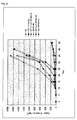
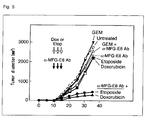
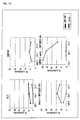
- anti-cancer agent alone When an anti-cancer agent alone was administered, tumor growth was significantly suppressed for 5 to 10 days after administration, as compared with a non-treated group. However, a similar tumor growth profile as shown in the non-treated group was observed thereafter. This tendency was also observed in the cases of administration of GEM, 5FU, CPT-11, doxorubicin, etoposide, EGF-TK1, and ⁇ -VEGFR-2Ab (anti-cancer agents) and also in the case of radiotherapy. Thus, anti-tumor effects provided by any of the anti-cancer agents are transient, and a long-lasting anti-tumor effects cannot be attained by such anti-cancer agent alone ( Figs. 1 to 5 ).
- Anti-cancer agent/anti-MFG-E8 antibody combinatory administration groups and radiotherapy/anti-MFG-E8 antibody combined groups exhibited significantly potent tumor growth-suppression effect. Differing from the anti-cancer agent alone administration groups or the radiotherapy alone groups, this potent effect was maintained for a long period after termination of the relevant therapy. For example, in the gemcitabine (4 mg/kg)/anti-MFG-E8 antibody combined group and the 5-FU/anti-MFG-E8 antibody combined group, no substantial tumor growth was observed to the point in time 35 days after administration. The similar results were obtained for all types of the employed anti-cancer agents (anti-EGFR antibody, anti-VEGFR antibody, etc.) ( Figs. 1 to 5 ).
- Example 2 (Studies on tumor infiltrating lymphocytes for surface phenotypes related to immune functions.
- the tumor models to which the same MC38 colon carcinoma cells had been subcutaneously administered were subjected to therapy protocols.
- One week after completion of protocol (day 23) the tumor tissue was collected from each mouse.
- the thus-obtained tissue was treated with collagenase I, and the lymphocytes present in the tumor tissue were separated and recovered through the density gradient method employing Lymphoprep.
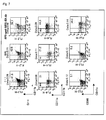
- the surface antigens related to the activities of lymphocytes in tumor tissue were examined using flow cytometry in terms of the following items.
- the number of dendritic cells increased considerably, and the activity thereof was considerably potentiated ( Figs. 6 and 7 ). Conceivably, invasion of the dendritic cells upon the tumor and dendritic cell activity were induced. Such circumstances are suitable for potentiating specific T cell immune response.
- the anti-tumor immune responses i.e., immune response specific to the target tumor
- the tumor were thought to be potentiated. It was suggested that a local environment of the tumor might be involved in such considerable potentiation of tumor growth-suppression effect observed in the combinatory use groups.
- Spleen cells i.e., typical peripheral lymphatic tissue
- spleen cells were analyzed. Specifically, the spleen was removed from each of the mice which had been analyzed in terms of immunological activity of tumor infiltrating lymphocytes, and spleen cells were isolated from the removed spleen.
- the activities of CD4-positive helper T cells and CD8-positive cytotoxic T cells were investigated through flow cytometry in terms of the following items.
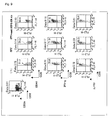
- the group treated with the anti-cancer agent alone exhibited no considerable change in proportions of T cells, immature myeloid cells, and dendritic cells ( Figs. 8 and 9 ).
- the tendency was the same as that observed in the group treated with anti-MFG-E8 antibody alone.
- the spleen cells clearly exhibited enhanced expression of CD44 and production of IFN- ⁇ .
- IL-10 reaction there was no significant difference between the non-treated group and the group treated with anti-cancer agent alone ( Figs. 8 and 9 ).
- anti-tumor immune response was found to be activated not only locally (tumor site) but also systemically.
- Example 4 (Studies on induction of tumor-specific cytotoxic T cells through combinatory use of anti-MFG-E8 antibody and anti-cancer agent)
- Lymph nodal cells were isolated from each of the tumor-bearing mice of the non-treated group, the anti-MFG-E8 antibody administration group, the anti-cancer agent administration group, and the anti-cancer agent/antibody combinatory administration group.
- the thus-isolated cells were co-cultured with irradiated (200 Gy) MC38 colon carcinoma cells at a ratio of 10 : 1.
- irradiated (200 Gy) MC38 colon carcinoma cells at a ratio of 10 : 1.
- the lymph node cells and 51 Cr-labeled target tumor cells were mixed-cultured for four hours. Subsequently, the amount of 51 Cr released to the culture supernatant was measured by means of a ⁇ -scintillator, to thereby determine cytotoxic activities against the tumor cells.
- the lymph node cells derived from the anti-MFG-E8 antibody treatment group were found to exhibit cytotoxic activity to MC38.
- the lymph node cells derived from the anti-cancer agent/anti-MFG-E8 antibody combinatory treatment group were found to have an MC38-specific cytotoxicity at the significantly higher extent. In contrast, no substantial cytotoxic activity on B16 malignant melanoma cells was induced ( Fig. 10 ). Thus, combinatory use of the anti-cancer agent and the anti-MFG-E8 antibody was found to promote the induction of tumor-specific cytotoxic lymphocytes.
- OVA ovalbumin
- the cells were treated with MFG-E8 recombinant protein (100 ⁇ g/mL) or anti-MFG-E8 antibody (20 ⁇ g/mL). Thereafter, on day 8, the thus-treated cells were pulsed with MHC class II OVA-restricting OVA peptide (5 mg/mL) or a negative control peptide (HSA) for six hours.
- MFG-E8 recombinant protein 100 ⁇ g/mL
- anti-MFG-E8 antibody 20 ⁇ g/mL
- HSA negative control peptide
- the resultant cells were admixed with naive CD4 + positive T cells derived from syngeneic (Balb/c) mice in such an amount that the ratio of dendritic cells to CD4 + T cells was adjusted to 1 : 10, and the cell mixture was cultured in the presence of an anti-CD3 antibody (0.1 ⁇ g/mL). Seventy-two hours after, the activity of T cells was determined through flow cytometry, in terms of intracellular expression of IFN- ⁇ and IL-10.
- Non-treated dendritic cells T cell activity was found to be enhanced by OVA-specific dendritic cells (Since both IFN- ⁇ and IL-10 increased, both immunological activity and immune suppression performance were thought to be activated).
- MFG-E8-stimulated dendritic cells As compared to the control group, suppression of OVA-specific IFN- ⁇ production and potentiation of IL-10 production were observed (suppression of antigen-specific immune response was confirmed). When the activities of MFG-E8 secreted from dendritic cells were blocked with anti-MFG-E8 antibody, potentiation of OVA-specific IFN- ⁇ production and suppression of IL-10 production were observed (activation of antigen-specific immune response was confirmed).
- MFG-E8 directly acts on dendritic cells, to thereby make the immunological activity thereof negative, and that neutralization by the anti-MFG-E8 antibody activates the immune response of dendritic cells in an antigen-specific manner.
- the function of the anti-MFG-E8 antibody was also observed in peptide-pulsed dendritic cells. Therefore, the activation mechanism is thought to involve regulation of co-stimulation molecules, which is a function of dendritic cells other than antigen-presenting function ( Fig. 11 (IFNg: IFN- ⁇ )).
- each of the anti-cancer agents Doxorubicine, GEM, 5-FU, CPT-11, etc. was administered to MC38 colon carcinoma cells and normal fibroblast cells (NIH3T3 and primary fibroblast). Twenty-four hours after, expression of MFG-E8 was investigated through intracellular flow cytometry and ELISA of the cell culture supernatant.
- MFG-E8 production of MC38 increased significantly.
- enhancement of MFG-E8 expression with the anti-cancer agents was not observed in NIH3T3 and Primary fibroblast, which are non-carcinoma cells ( Fig. 12 ).
- B16 melanoma cells induction of MFG-E8 production with the anti-cancer agents was observed ( Fig. 13 ).
- MFG-E8 production of tumor cells was found to be induced by the anti-cancer agents.
- induction of MFG-E8 production is suggested to be one conceivable mechanism of acquiring resistance with respect to therapy employing such an anti-cancer agent.
- Each of the anti-cancer agents (GEM: 1M, CPT-11: 0.5M, and 5FU: 1M) was added to the culture of MC38 colon carcinoma cells.
- an anti-MFG-E8 blocking antibody (20 ⁇ g/mL) or an IgG antibody serving as a negative control was also added.
- the cells were cultured for 48 hours in the absence of serum. After culturing, cell death rate was quantitatively determined with flow cytometry.
- the anti-cancer agent-free group significant induction of tumor cell apoptosis was observed with the anti-MFG-E8 antibody. However, the magnitude of the effect was lower, as compared with the same effect provided by the anti-cancer agent.
- the anti-cancer agent administration groups significant enhancement of tumor cell apoptosis was observed in the anti-cancer agent/antibody combinatory administration group, as compared with extent of the apoptosis observed in the control group. Similar extent of enhancement was obtained when any of the anti-cancer agents was used in combination with anti-MFG-E8 antibody.
- the anti-tumor effect with MFG-E8 inhibition has been suggested to involve indirect tumor shrinkage by potentiation of immunity and direct induction of tumor cell apoptosis by the anti-cancer agent ( Fig. 14 ).
- apoptosis was measured through the following procedure.
- MC38 or B16 tumor 25 mm 2
- gemcitabine or dacarbazine (10 mg/kg).
- the tumor was removed and homogenized.
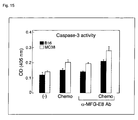
- the caspase 3 activity of the tumor homogenate was determined by means of a colorimetric assay kit (Invitrogen).
- the MC38 tumor removed from the mice to which gemcitabine and the anti-MFG-E8 antibody had been administered was found to have increased caspase 3 activity, as compared with the MC38 tumor removed from the mice which had been treated with gemcitabine alone or the anti-MFG-E8 antibody alone ( Fig. 15 ).
- caspase 3 activity in B16 melanoma significantly increased when dacarbazine and the anti-MFG-E8 antibody were used in combination ( Fig. 15 ).
- tumor cells such as MC38, B16, or MCA-205 were transplanted to immuno-deficient mice and wild-type mice in a manner similar to that of Example 1.
- established MC38 tumors (25 mm 2 ) transplanted to NOD-SCID mice were treated with the systemic administration of GEM and anti-MFG-E8 monoclonal antibody.
- GEM and an anti-MFG-E8 monoclonal antibody were systemically administered to these wild-type mice.
- MC38 cells were transplanted to wild-type C57B1/6 mice, and GEM and an anti-MFG-E8 monoclonal antibody were administered to the mice, to thereby suppress growth of MC38 tumors. Fifty days after such successful treatment for the initial tumor challenge, MC38, B16, or MCA-205 was transplanted to these mice, and anti-tumor effects were investigated.
- Tumor-infiltrating cells were collected from treated mice, and expression of CD11c, CD11b, and CD86 in the collected cells was examined with flow cytometry. Separately, bone-marrow-derived dendritic cells and PKH26-labeled EG.7-OVA cells (with or without opsonization by anti-MFG-E8 monoclonal antibody) were co-cultivated, and phagocytosis was evaluated.
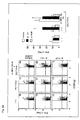
- mice treated with combinatory therapy employing the anti-cancer agent and the anti-MFG-E8 antibody the numbers of CD11b + and CD11c + dendritic cells increased significantly. These cells also highly expressed CD86, which relates to co-stimulation ( Fig. 19 ).
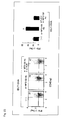
- bone marrow-derived dendritic cells effectively ingested chemotherapy-treated MC38 cells and B16 cells ( Fig. 20 ). The analysis on tumor infiltrating cells suggests that in situ captureof tumor cells by dendritic cells may be important for T cell priming.
- BMDCs Dendritic cells
- MFG-E8 100 ng/mL, product of R&D Systems
- MFG-E8 monoclonal antibody 20 ⁇ g/mL, MBL
- polyclonal MFG-E8 anti-serum 20 ⁇ g/mL
- the IL-12, IL-23, TNF- ⁇ , and IL-10 concentrations of the culture supernatant were determined with ELISA.
- BMDCs were co-cultured with PKH26 (Sigma-Aldrich)-labeled EG.7-OVA cells using a 12-well plate (ratio: 1 : 10), and phagocytosis was determined with flow cytometry.
- PKH26 Sigma-Aldrich
- a similar experiment was performed using tumor cells treated for 30 minutes with an anti-MFG-E8 monoclonal antibody (30 mg/mL) before the co-culture.
- the effect of ⁇ v ⁇ 3 integrin-blocking antibody (RMV-7, product of Millipore) or Fc-receptor-blocking antibody (product of BD Bioscience) was also evaluated on the intake of tumor cells. Cross-presentation was tested using the following procedure.
- naive CD4 + T cells were isolated from the spleen of C57BL/6-Tg (ACTB-OVA) 916Jen/J mice using magnetic cell sorting (product of Miltenyi Biotech). The thus-isolated cells were added to the dendritic cells to which tumor cells had been loaded for 24 hours. Expression of IFN- ⁇ within the cells was measured with flow cytometry.
- In vivo cross-presentation assay was also performed. Specifically, EG.7-OVA cells (1 x 10 6 /mouse) irradiated with an X-ray were administered to the foot pad of OT-I mouse with either MFG-E8 monoclonal antibody (1 mg/mL), anti-FcR-blocking antibody (1 mg/mL), or isotype control. The mouse was sacrificed five days after administration, and lymphoid cells were isolated from the draining lymph nodes. The thus-isolated cells were cultured overnight with MHC class I-restricted OVA peptide (10 mg/mL). Subsequently, by using the culture supernatant, production of IFN- ⁇ by CD8 + T cells was examined with flow cytometry or ELISA.
- Bone marrow-derived dendritic cells effectively ingested irradiated EG.7-OVA cells.
- the intake was partially inhibited with an antibody to ⁇ v ⁇ 3 integrin.
- This phenomenon suggests the contribution of MFG-E8 to tumor cell ingestion in the system ( Fig. 21 ).
- the anti-MFG-E8 antibody did not affect complete ingestion of irradiated EG.7-OVA cells, but an antagonistic antibody not to ⁇ v ⁇ 3 integrin but to an Fc-receptor suppressed intake of EG.7-OVA cells.
- opsonization of EG.7-OVA cells by the anti-MFG-E8 antibody enhanced dendritic-cell-stimulation of OVA TCR transgenic T cells obtained from C57B1/6 syngeneic mice, resulting in enhancement in IFN- ⁇ production, while the anti-Fc-receptor antibody inhibited cross-priming ( Fig. 22 , 23) .
- the anti- ⁇ v ⁇ 3 integrin antibody enhanced T-cell response of only irradiated EG.7-OVA cells or of EG.7-OVA cells opsonized by the anti-MFG-E8 antibody, thereby transferring irradiated EG.7-OVA cells into dendritic cells.
- intake of MFG-E8 through ⁇ v ⁇ 3 integrin present on the surfaces of dendritic cells enhanced secretion of IL-10, while inhibition of intake of MFG-E8 by the anti-MFG-E8 antibody decreased production of IL-10, but increased production of IL-12, IL-23, and TNF- ⁇ ( Fig. 24 ). This cytokine profile regulation is thought to contribute to the immune-activation with the anti-MFG-E8 antibody.
- the influence of the timing of administration of an anti-cancer agent and the anti-MFG-E8 antibody on the anti-tumor effect was investigated. That is, although in Example 1 the anti-cancer agent and the anti-MFG-E8 antibody were administered concomitantly, the timing of administration was modified, whereby the effect of the anti-MFG-E8 antibody on the anti-tumor effect provided together with the anti-cancer agent was investigated.
- Example 13 Combinatory use with two or more other anti-cancer agents
- the MC 38 mouse colon carcinoma cells (1 ⁇ 10 5 /mouse) were subcutaneously inoculated. From ten days after the inoculation (tumor diameter: 25 mm 2 ), the following agents were intraperitoneally administered on days 10, 12, 14, 16, and 18.
Landscapes
- Health & Medical Sciences (AREA)
- Life Sciences & Earth Sciences (AREA)
- Chemical & Material Sciences (AREA)
- Medicinal Chemistry (AREA)
- General Health & Medical Sciences (AREA)
- Animal Behavior & Ethology (AREA)
- Public Health (AREA)
- Veterinary Medicine (AREA)
- Pharmacology & Pharmacy (AREA)
- Epidemiology (AREA)
- Immunology (AREA)
- Molecular Biology (AREA)
- Organic Chemistry (AREA)
- Engineering & Computer Science (AREA)
- Bioinformatics & Cheminformatics (AREA)
- Genetics & Genomics (AREA)
- Mycology (AREA)
- Biophysics (AREA)
- Biochemistry (AREA)
- Proteomics, Peptides & Aminoacids (AREA)
- Microbiology (AREA)
- Biomedical Technology (AREA)
- Cell Biology (AREA)
- Oncology (AREA)
- Inorganic Chemistry (AREA)
- Chemical Kinetics & Catalysis (AREA)
- General Chemical & Material Sciences (AREA)
- Nuclear Medicine, Radiotherapy & Molecular Imaging (AREA)
- Medicines Containing Antibodies Or Antigens For Use As Internal Diagnostic Agents (AREA)
- Medicines That Contain Protein Lipid Enzymes And Other Medicines (AREA)
- Pharmaceuticals Containing Other Organic And Inorganic Compounds (AREA)
Abstract
Description
- The present invention relates to a novel anti-cancer drug and, more particularly, to an anti-cancer drug which potentiates the therapeutic effect of a cancer therapy that does not employ this particular anti-cancer drug.
- In 1981, cancer has become the leading cause of death in Japan, and has remained the leading cause of death since then. Thus, there is continuous demand for novel cancer therapy. Currently employed cancer therapies include surgical therapy, radiotherapy, and chemotherapy (by means of anti-cancer agents). Even after surgical operation, a cancer therapy by an anti-cancer agent is also employed.
Examples of anti-cancer agents currently employed include an alkylating agent, a metabolic antagonist, an alkaloid anti-cancer agent, an antibiotic anti-cancer agent, and a platinum drug. However, the therapeutic effects of the anti-cancer agents are not sufficient at present, and adverse side effects often arise, which are problematic. From this viewpoint, development of a more improved anti-cancer agent is envisaged. - Meanwhile, MFG-E8 (a milk fat globule membrane glycoprotein: milk fat globule-EGF factor 8) was previously identified as a factor which is secreted through the mammary gland and which promotes differentiation of the mammary gland and suckling stimulation (Non-Patent Document 1). In recent years, in addition to the above actions, MFG-E8 has been found to have a variety of functions. Among them, one important function thereof is that MFG-E8 serves as an opsonin which recognizes phosphatidylserine present on the surfaces of apoptotic cells, to thereby promote the phagocytic activity of macrophages and dendritic cells, whereby immune tolerance is maintained (Non-Patent
Documents 2, 3). Furthermore, MFG-E8 is known to promote growth of Foxp 3-positive-regulatory T cells, to thereby induce tolerance, whereby the antitumor immunity of an anti-tumor vaccine is negatively controlled (Non-Patent Document 4). On the basis of these findings, a therapeutic method employing a decoy gene of MFG-E8 and an anti-MFG-E8 antibody were previously developed with the aim of combined use with a tumor antigen such as a cancer vaccine, and a patent application was filed (Patent Document 1). Also, studies revealed that MFG-E8 is widely expressed not only in antigen-presenting cells such as dendritic cells but also in cells of a tumor (e.g., breast cancer, colon carcinoma, or melanoma) (Non-Patent Document 5), and that MFG-E8 has a tumor-activating action through promoting angiogenesis and tumor metastasis and positively correlates with the clinical progress of melanoma (Non-Patent Document 6). -
- Patent Document 1:
WO 2008/043018 - Non-Patent Documents
-
- Non-Patent Document 1: Stubbs T et al., 1990. cDNA reveals the existence sequences. Proc. Natl. Acad. Sci. USA 87: 8417-8421
- Non-Patent Document 2: Hanayama R. et al., 2002. Nature 417: 182-187
- Non-Patent Document 3: Hanayama R., et al., 2004. Autoimmune MFG-E8-deficient mice. Science 304: 1147-1150
- Non-Patent Document 4: Jinushi M., et al., 2007. MFG-E8 mediated uptake of apoptotic cells by APCs links the pro-and anti-inflammatory activities of GM-CSF. J. Clin. Invest. 117: 1902-1913
- Non-Patent Document 5: Carmon L., et al., 2002. Characterization of novel breast carcinoma-associated BA46-derived peptides in HLA-2.1/D(b)-beta2m transgenic mice. J. Clin. Invest. 110: 453-462.
- Non-Patent Document 6: Neutzner M., et al., 2007. MFG-E8/lactadherin promotes tumor growth in an angiogenesis-dependent transgenic mouse model of multistage carcinogenesis. Cancer Res. 67: 6777-6785
- An object of the present invention is to provide a novel anti-cancer drug and a novel cancer therapeutic method. Means for Solving the Problems
- The present inventors have carried out extensive studies on pharmacological actions of anti-MFG-E8 antibodies, and have found that anti-MFG-E8 antibody alone exhibits excellent anti-cancer effect. The inventors have conducted further studies and, as a result, have also found that, even though no tumor antigen is administered to a patient, the anti-MFG-E8 antibody exhibits remarkably potent anti-cancer effect through combination with a cancer therapy employing an anti-cancer agent other than the anti-MFG-E8 antibody, as compared with the anti-cancer effect of the anti-MFG-E8 antibody alone, whereby the antibody particularly effectively potentiates the effect of a cancer therapy that does not employ the antibody. The inventors have also found that the anti-MFG-E8 antibody activates intra-tumoral and systemic anti-tumor immune responses, to thereby cause and promote anti-tumor immune reactions including induction of tumor-specific cytotoxic T cells. The inventors have also found that, particularly, the anti-MFG-E8 antibody, which itself can cause anti-tumor immune responses, serves as a useful drug for the induction of potent and specific immune responses , when the antibody is used in combination with a drug or therapy which is toxic to the target cell. The inventors have also found that this specific immune response induction provided by the anti-MFG-E8 antibody is established through switching of a system via αvβ3 integrin to a system via an Fc receptor, that both systems present on the surfaces of antigen-presenting cells including dendritic cells. As used herein, the term "specific immune" refers to the antigen-specific humoral and cellular immunity provided by B cells or the like and T cells or the like, respectively.
- Accordingly, the present invention provides an anti-cancer drug containing an anti-MFG-E8 antibody as an active ingredient.
The present invention also provides an anti-cancer drug containing an anti-MFG-E8 antibody and an anti-cancer agent other than the antibody.
The present invention also provides an anti-cancer drug containing an anti-MFG-E8 antibody, for use in combination with a cancer therapy that does not employ the anti-MFG-E8 antibody. A characteristic feature of the aforementioned anti-cancer drug resides in that the anti-cancer drug has a tumor-cell-specific anti-cancer action even in the absence of a tumor antigen or tumor cells. One possible action mechanism thereof is that the anti-MFG-E8 antibody serving as an active ingredient promotes, by the mediation of an Fc-receptor, intake of tumor cells in an apoptosis state assisted by antigen-presenting cells present in the body, to thereby induce specific anti-tumor immunity mainly based on cytotoxic T cells.
The present invention also provides a drug for the induction of target-cell-specific immune responses, which drug contains an anti-MFG-E8 antibody as an active ingredient and is used in combination with a drug or therapy which is toxic to the target cell. The target cell is preferably a tumor cell, and the anti-MFG-E8 antibody is characterized by inducing specific immunity against the target cell by the mediation of an Fc-receptor present on the surfaces of antigen-presenting cells. In one embodiment of the present invention, there is provided an immune pathway switching agent containing an anti-MFG-E8 antibody, wherein the anti-MFG-E8 antibody suppresses tolerance to a target cell in which expression of MFG-E8 has been induced by a drug or therapy which is toxic to the target cell, and the anti-MFG-E8 antibody promotes, by the mediation of an Fc-receptor, uptake of target cells in an apoptosis state assisted by antigen-presenting cells present in the body, to thereby potentiate anti-tumor immunity mainly based on cytotoxic T cells.
The present invention also provides use of an anti-MFG-E8 antibody for producing an anti-cancer drug.
The present invention also provides use of an anti-MFG-E8 antibody for producing an anti-cancer drug containing, in combination, the anti-MFG-E8 antibody and an anti-cancer agent other than the antibody.
The present invention also provides use of an anti-MFG-E8 antibody for producing an anti-cancer drug for use in combination with a cancer therapy that does not employ this particular antibody.
The present invention also provides use of an anti-MFG-E8 antibody for producing a drug for the induction of target-cell-specific immune responses, for use in combination with a drug or therapy which is toxic to the target cell.
The present invention also provides a method of the treatment of cancer, characterized by administering an anti-MFG-E8 antibody to a patient in need thereof.
The present invention also provides a method of the treatment of cancer, characterized by administering, to a patient in need thereof, an anti-MFG-E8 antibody and an anti-cancer agent other than the antibody, in combination.
The present invention also provides a method of the treatment of cancer, characterized by comprising employing, in combination, administration of an anti-MFG-E8 antibody to a patient in need thereof, and a cancer therapy that does not employ the anti-MFG-E8 antibody.
The present invention also provides a specific immune response induction method, characterized by employing an anti-MFG-E8 antibody and a drug or therapy which is toxic to the target cell, in combination. - Through combination of the anti-MFG-E8 antibody employed in the present invention and a cancer therapy that does not employ the anti-MFG-E8 antibody (e.g., an anti-cancer agent other than the anti-MFG-E8 antibody), the anti-cancer effect can be drastically enhanced, whereby a more improved cancer therapeutic effect can be attained. In addition, when the anti-MFG-E8 antibody is employed in combination with an anti-cancer agent other than the anti-MFG-E8 antibody or a cancer therapy (e.g., radiotherapy), which per se provides a patient with adverse side effects, the dose of the anti-cancer agent or the intensity of the cancer therapy (radiation dose in radiotherapy) can be reduced, and the intervals of administration of the anti-cancer agent or the duration of the cancer therapy can be prolonged. Thus, the adverse side effects can be mitigated. When the occurrence of the side effects is minimized, a therapy employing the anti-cancer agent, radiotherapy, etc. can be continuously performed for a prolonged period of time, leading to further enhancement in cancer therapeutic effect.
In the present invention, the cancer therapeutic effect provided by the anti-MFG-E8 antibody is attained through employment of a tumor-cell-derived antigen present in a cancer patient, to thereby induce specific immunity. Therefore, according to the present invention, a target therapeutic effect can be attained without separating a tumor-cell-antigen such as a conventional tumor vaccine from a patient or identifying the antigen, or administering a tumor antigen to a patient during the cancer therapy.
In the present invention, the specific immune response induction action of the anti-MFG-E8 antibody has been found to be realized by suppressing a tolerance pathway by the mediation of αvβ3 integrin present on the surfaces of antigen-presenting cells such as dendritic cells and macrophages, to thereby switch the pathway to an immunity potentiating pathway via an Fc receptor. -
- [
Fig. 1 ] A graph showing anti-tumor effects observed in subcutaneous tumor models of mouse colon carcinoma cells (MC38), including the cases of administration of anti-MFG-E8 antibody alone and the cases of combined administration with anti-cancer agent (gemcitabine: GEM). NT represents a non-treatment group, and Anti-MFG-E8Ab represents anti-MFG-E8 antibody (the same applies to the following). - [
Fig. 2 ] A graph showing anti-tumor effects observed in the same tumor models as shown inFig. 1 , including the cases of administration of anti-MFG-E8 antibody alone and the cases of combined administration with anti-cancer agent (CPT11 or 5FU). - [
Fig. 3 ] A graph showing anti-tumor effects observed in the same tumor models as shown inFig. 1 , including the cases of administration of anti-MFG-E8 antibody alone and the cases of combined administration with EGFR-TK1 or α-VEGFR-2Ab. - [
Fig. 4 ] A graph showing anti-tumor effects observed in the same tumor models as shown inFig. 1 , including the cases of administration of anti-MFG-E8 antibody alone and the cases of administration of the antibody in combination with radiotherapy (XRT). - [
Fig. 5 ] A graph showing anti-tumor effects observed in subcutaneous tumor models of mouse malignant melanoma cells (B16), including the cases of administration of anti-MFG-E8 antibody alone and the cases of combined administration with anti-cancer agent (doxorubicin (Dox) or etoposide (Etop)). - [
Fig. 6 ] Graphs showing the results of flow cytometry of surface antigens relating to activities of intratumor lymphocytes (CD4 and CD8) when 5-FU and anti-MFG-E8 antibody were administered to the same tumor models as shown inFig. 1 . - [
Fig. 7 ] Graphs showing the results of flow cytometry of surface antigens relating to activities of intratumor lymphocytes (CD11b and CD11c) when 5-FU and anti-MFG-E8 antibody were administered to the same tumor models as shown inFig. 1 . - [
Fig. 8 ] Graphs showing the results of flow cytometry of surface antigens relating to activities of splenic lymphocytes (CD4) when 5-FU and anti-MFG-E8 antibody were administered to the same tumor models as shown inFig. 1 . - [
Fig. 9 ] Graphs showing the results of flow cytometry of surface antigens relating to activities of splenic lymphocytes (CD8) when 5-FU and anti-MFG-E8 antibody were administered to the same tumor models as shown inFig. 1 . - [
Fig. 10 ] Graphs showing tumor-specific cytotoxic activities of lymphocytes in the lymphonodes, when anti-cancer agent (other than anti-MFG-E8 antibody) and anti-MFG-E8 antibody were administered to the same tumor models as shown inFig. 1 . B16 represents B16 cells, and MC38 represents MC38 cells. - [
Fig. 11 ] Graphs showing activation of T cell observed through flow cytometry of cells of OVA transgenic mice, the state being represented by intracellular expression of IFN-α (IFNg) and IL-10. - [
Fig. 12 ] Graphs showing expression of MFG-E8 in tumor cells and non-tumor cells treated with an anti-cancer agent (other than the antibody). - [
Fig. 13 ] A graph showing expression of MFG-E8 in tumor cells treated with an anti-cancer agent (other than the antibody). - [
Fig. 14 ] Graphs showing the effects of anti-MFG-E8 antibody on induction of apoptosis of tumor cells (mouse colon carcinoma cells (MC38)) caused by an anti-cancer agent other than anti-MFG-E8 antibody. - [
Fig. 15 ] A graph showing the action of activatingcaspase 3 as an apoptosis marker upon combined administration of anti-MFG-E8 antibody and an anti-cancer agent other than anti-MFG-E8 antibody (chemotherapy to MC38 was performed by use of gemcitabine, and to B16 dacarbazine). - [
Fig. 16 ] A graph showing the effect of combinatory use of anti-MFG-E8 antibody and an anti-cancer agent other than anti-MFG-E8 antibody on subcutaneous tumor models (NOD-SCID mice, mouse colon carcinoma cells (MC38)). - [
Fig. 17 ] A graph showing the effect of combinatory use of anti-MFG-E8 antibody and an anti-cancer agent other than anti-MFG-E8 antibody on mouse colon carcinoma cells (MC38) of wild-type mice in which CD4, CD8, and NK1.1 were inhibited by an antibody. - [
Fig. 18 ] A graph showing the action of combinatory use of anti-MFG-E8 antibody and an anti-cancer agent other than anti-MFG-E8 antibody on re-transplant of MC38. - [
Fig. 19 ] Graphs showing the effects on expression of CD11b and CD86, when anti-cancer agent (other than anti-MFG-E8 antibody) and anti-MFG-E8 antibody were administered to the same tumor models as shown inFig. 1 . - [
Fig. 20 ] A graph showing ingestion of MC38 and B16 cells, when anti-cancer agent (other than anti-MFG-E8 antibody) and anti-MFG-E8 antibody were used. - [
Fig. 21 ] A graph showing an increased involvement of Fc receptor with respect to αvβ3 integrin by use of anti-MFG-E8 antibody in a test of PKH26-labeled EG7-OVA cell ingestion. - [
Fig. 22 ] Graphs showing the significant involvement of an Fc-receptor-mediated system in the presence of anti-MFG-E8 antibody in cross representation of tumor antigen by dendritic cells (in vitro). - [
Fig. 23 ] Graphs showing the significant involvement of an Fc-receptor-mediated system in the presence of anti-MFG-E8 antibody in cross representation of tumor antigen by dendritic cells (in vivo). - [
Fig. 24 ] Graphs showing the effects of anti-MFG-E8 antibody on production of cytokines (IL-12, IL-23, TNF-α, and IL-10) by antigen-presenting cells. - The active ingredient of the anti-cancer drug of the present invention is an anti-MFG-E8 antibody. No particular limitation is imposed on the anti-MFG-E8 antibody employed in the present invention, so long as the antibody binds specifically to MFG-E8, to thereby inhibit the function of MFG-E8.
- Examples of the antibody of the present invention include monoclonal antibodies, polyclonal antibodies, antibodies maintaining specific binding performance to an antigenic determinant group, and variants and derivatives of an antibody such as T-cell receptor fragments.
- No particular limitation is imposed on the type of the antibody employed in the present invention, and there may be appropriately employed a variety of antibodies such as mouse antibodies, human antibodies, rat antibodies, rabbit antibodies, sheep antibodies, camel antibodies, avian antibodies, and recombinant antibodies (i.e., intentionally modified antibodies for, for example, reducing xenoantigenicity to human) such as chimera antibodies and humanized antibodies. Such recombinant antibodies may be produced through a known method. A chimera antibody is formed of variable regions of a heavy chain and a light chain of an antibody of a mammal (non-human) such as a mouse, and constant regions of a heavy chain and a light chain of a human antibody. Such a chimera antibody may be produced by ligating a DNA fragment coding for a variable region of a mouse antibody to a DNA fragment coding for a constant region of a human antibody, introducing the ligated product into an expression vector, and introducing the vector into a host for production. The humanized antibody, which is also called a "reshaped human antibody," is formed by transplanting a complementarity-determining region (CDR) of an antibody of a mammal (non-human), such as a mouse, into a CDR of a human antibody, and a recombination technique for the humanized antibody is generally known. Specifically, a DNA sequence formed through ligating a CDR of a mouse antibody to a framework region (FR) of a human antibody is synthesized through PCR from several oligonicleotides prepared so as to have an overlapped portion at an end thereof. The thus-produced DNA fragment is ligated to a DNA fragment coding for a constant region of human antibody, and the ligated product is incorporated into an expression vector, followed by introducing the vector into a host for production (see European Patent Application Laid-Open No.
EP 239,400 WO 96/02576 - There have also been known methods for recovering a human antibody. In one method, human lymphocytes are sensitized in vitro with an antigen of interest or a cell expressing an antigen of interest, and the thus-sensitized lymphocytes are fused with human myeloma cells (e.g., U266), whereby a human antibody of interest having binding activity to a target antigen is produced (see
JP-B-1989-59878 WO 93/12227 WO 92/03918 WO 94/02602 WO 94/25585 WO 96/34096 WO 96/33735 WO 92/01047 WO 92/20791 WO 93/06213 WO 93/11236 WO 93/19172 WO 95/01438 WO 95/15388 - So long as the aforementioned antibodies maintain a property of recognizing the entirety or a part of a protein encoded by an MFG-E8 gene, the antibodies may also be low-molecule antibodies such as antibody fragments (fragments) or modified antibodies. Specific examples of such antibody fragments include Fab, Fab', F(ab')2, Fv, and Diabody. For producing such antibody fragments, a gene coding for such an antibody fragment is produced and introduced into an expression vector, and the vector is expressed in appropriate host cells (see, for example, Co, M. S. et al., J: Immunol. (1994) 152, 2968-2976; Better, M. and Horwitz, A. H., Methods Enzymol. (1989) 178, 476-496; Pluckthun, A. and Skerra, A., Methods Enzymol. (1989) 178, 497-515; Lamoyi, E., Methods Enzymol. (1986) 121, 652-663; Rousseaux, J. et al., Methods Enzymol. (1986) 121, 663-669; Bird, R. E. and Walker, B. W., Trends Biotechnol. (1991) 9, 132-137).
- As a modified antibody, an antibody which has been bound to a molecule such as polyethylene glycol (PEG) may also be employed. Such a modified antibody may be produced through chemical modification of the as-produced antibody. Notably, the method of modifying antibodies has been established in the art.
- In the present invention, for the purpose of, for example, potentiating cytotoxic activity, an antibody in which a sugar chain thereof has been modified may also be employed. The technique for modifying a sugar chain of an antibody is known (see, for example,
WO 00/61739 WO 02/31140 - The antibody of the present invention also includes a multi-specific antibody, having specificities to two or more different antigens. Generally, such a multi-specific antibody molecule binds to two antigens (i.e., bi-specific antibody). However, the "multi-specific antibody" employed in the present invention includes antibodies each having a specificity to two or more (e.g., 3 types of) antigens. The multi-specific antibody may be a full-length antibody or a fragment of the antibody (e.g., F(ab')2 bi-specific antibody).
- The methods for producing multi-specific antibodies are known in the art. Production of a full-length bi-specific antibody includes co-expression of two immunoglobulin heavy chain-light chains having different specificities (Millstein et al., Nature 305: 537-539 (1983)). Since immunoglobulin heavy chains and light chains are combined at random, a plurality of hybridomas (quadromas) prepared for co-expression are the mixture of hybridomas expressing different antibody molecules. Therefore, hybridomas producing two target bi-specific antibodies must be selected therefrom. The selection may be performed through a technique such as affinity chromatography. In an alternative method, a variable region of an antibody having a binding specificity of interest is fused with a constant domain sequence of immunoglobulin. The constant domain sequence preferably includes at least a part of a hinge domain, a CH2 domain, and a CH3 domain of the constant domain of the immunoglobulin heavy chain. More preferably, the constant domain sequence further contains a CH1 domain of the heavy chain which is essential for binding with the light chain. A DNA fragment coding for the immunoglobulin heavy chain fused product and an optional DNA fragment coding for the immunoglobulin light chain are inserted into different expression vectors, and an appropriate host is transformed. In the case where individual genes are inserted into different expression vectors, the ratio between two chains may not be 1: 1, if the yield of a target antibody is enhanced at such a ratio. In this case, the expression ratio of each chain can be controlled, which is convenient. However, needless to say, a gene coding for a plurality of chains may be inserted into a single vector.
- In a preferred embodiment, a bi-specific antibody has a heavy chain having a first binding property as one arm of the hybrid immunoglobulin, and a heavy chain-light chain complex having a second binding property as the other arm. When only one arm has a light chain, a bi-specific antibody can be readily separated from other immunoglobulins (see
WO 94/04690 WO 96/27011 - The bi-specific antibody also includes, for example, a hetero-conjugated antibody in which one antibody is bound to avidin, and the other antibody is bound to biotin or the like (
US Patent No. 4,676,980 ;WO 91/00360 WO 92/00373 EP 03089 US patent No. 4,676,980 . - As an alternative method, there has been reported a method for producing a bi-specific antibody from antibody fragments. For example, the production may be accomplished by means of chemical bonding. In one specific process, F(ab')2 fragments are produced and then reduced by use of a dithiol complexing agent (sodium arsanilate) in order to prevent formation of disulfide in the same molecule. Subsequently, the F(ab')2 fragments are transformed to a thionitrobenzoate (TNB) derivative. By use of mercaptoethlamine, one F(ab')2-TNB derivative is reduced again to a Fab'-thiol derivative, and an equiamount of the F(ab')2-TNB derivative and the Fab'-thiol are mixed to thereby produce a bi-specific antibody of interest.
- Also a variety of methods are reported in which a bi-specific antibody is produced directly from a recombinant cell culture, followed by isolation. One of such methods is production of a bi-specific antibody through employment of a leucine zipper (Kostelny et al., J. Immunol. 148(5): 1547-1553 (1992)). In this method, leucine zipper peptides of Fos protein and Jun protein are linked to different antibodies at a Fab' site through gene fusion. An antibody of homo-dimer is reduced such that a monomer is formed in a hinge domain thereof, and re-oxidized to form a hetero-dimer. Still alternatively, a heavy chain variable domain (VH) is linked to a light chain variable domain (VL) via a linker having such a short length that coupling of these two domains is inhibited, but coupling with complementary VL and VH domains is allowed, whereby two antigen-binding sites are formed (Hollinger et al., Proc. Natl. Acad. Sci. USA 90: 6444-6448 (1993)). A dimer employing a single-strand chain Fv (sFV) is also reported (Gruger et al., J. Immunol. 152: 5368(1994)). In addition to the aforementioned bi-specific antibodies, a tri-specific antibody is also reported (Tutt et al., J. Immunol. 147: 60 (1991)).
- The antibody and antibody fragment employed in the present invention may be produced by any appropriate means, for example, in vivo, cultured cells, in vitro translation reaction, or recombinant DNA expression system.
- The techniques for producing monoclonal antibodies and hybridomas are well known in the art (Campbell, "Monoclonal Antibody Technology: Laboratory Techniques in Biochemistry and Molecular Biology," Elsevier Science Publishers, Amsterdam, The Netherlands, 1984; St. Groth et al., J. Immunol. Methods 35: 1-21, 1980). Any animals (mouse, rabbit, etc.) which are known to form a corresponding antibody by using a protein or its fragment encoded by an MFG-E8 gene as an immunogen may be immunized through subcutaneous or intraperitoneal injection. During immunization, an adjuvant may be used. Such an adjuvant is well known in the art.
- The polyclonal antibody may be produced through isolating an anti-serum containing a target antibody from an immunized animal, and selecting an antibody having a target specificity through screening based on a technique well known in the art such as ELISA assay, western blotting assay, or radioimmunoassay.
- The monoclonal antibody may be produced through cutting out spleen cells from an immunized animal, and fusing the cells with myeloma cells, to thereby produce hybridoma cells producing a monoclonal antibody. Hybridoma cells producing an antibody that recognizes a target protein or its fragment are selected through screening based on a technique well known in the art such as ELISA assay, western blotting assay, or radioimmunoassay. Alternatively, the monoclonal antibody may be through cloning a hybridoma secreting an antibody of interest, cultivating the cloned hybridoma under suitable conditions, recovering a secreted antibody, and purifying the antibody through a technique well known in the art, such as ion-exchange column chromatography or affinity chromatography. Still alternatively, a human monoclonal antibody may be produced by using xeno-mouse cells (see Green, J. Immunol. Methods 231: 11-23, 1999; and Wells, Eek, Chem. Biol. 2000 Aug; 7(8): R185-6). Currently, production of a monoclonal antibody is performed on the basis of phage display without immunizing. The antibodies employed in the present invention may be produced through any of the aforementioned methods.
- The DNA fragment coding for the monoclonal antibody may be readily isolated through a routine method (e.g., by using an oligonucleotide probe which specifically binds to genes coding for a heavy chain and a light chain of the monoclonal antibody) and sequence of the isolated DNA fragment can be determined. A preferred material for producing such a DNA fragment is a hybridoma cell. After the DNA fragment is isolated, the DNA fragment is inserted into an expression vector, and recombinant host cells are obtained by introducing the expression vector into hosts such as E. coli cells, monkey COS cells, Chinese hamster oval (CHO) cells or myeloma cells in which no immunoglobulin is produced unless the cells are transformed, and a monoclonal antibody is produced from the recombinant host cells. Still alternatively, an antibody or a fragment thereof may be isolated from an antibody phage library produced through a technique disclosed by McCafferty et al. (Nature 348: 552-554 (1990)).
- No particular limitation is imposed on the anti-cancer agent which can be used in combination with the anti-MFG-E8 antibody, so long as the anti-cancer agent exhibits anti-cancer effect. A tumor-cell-toxic anti-cancer agent is particularly preferred, from the viewpoint of a synergistic effect.
- Examples of the anti-cancer agent (other than anti-MFG-E8 antibody) include an alkylating agent, a metabolic antagonist, a microtubule inhibitor, an antibiotic anti-cancer agent, a topoisomerase inhibitor, a platinum drug, a molecular targeted drug, a hormone agent, and a biological drug. Examples of the alkylating agent include cyclophosphamide, ifosfamide, nitrosourea, dacarbazine, temozolomide, nimustine, busulfan, melphalan, procarbazine, and ranimustine. Examples of the metabolic antagonist include enocitabine, carmofur, capecitabine, tegafur, tegafur-uracil, tegafur-gimeracil-oteracil potassium, gemcitabine, cytarabine, cytarabine ocfosfate, nelarabine, fluorouracil, fludarabine, pemetrexed, pentostatin, methotrexate, cladribine, doxifluridine, hydroxycarbamide, and mercaptopurine. Examples of the microtubule inhibitor include an alkaloid anti-cancer agent (e.g., vincristine) and a taxan anti-cancer agent (e.g., docetaxel and paclitaxel). Examples of the antibiotic anti-cancer agent include mitomycin C, doxorubicin, epirubicin, daunorubicin, bleomycin, actinomycin D, aclarubicin, idarubicin, pirarubicin, peplomycin, mitoxantrone, amrubicin, and zinostatin stimalamer. Examples of the topoisomerase inhibitor include CPT-11, irinotecan, nogitecan (topoisomerase I inhibitors), and etoposide and sobuzoxane (topoisomerase II inhibitors). Examples of the platinum drug include cisplatin, nedaplatin, oxaliplatin, and carboplatin. Examples of the hormone agent include dexamethasone, finasteride, tamoxifen, astrozole, exemestane, ethinylestradiol, chlormadinone, goserelin, bicalutamide, flutamide, predonisolone, leuprorelin, letrozole, estramustine, toremifene, fosfestrol, mitotane, methyltestosterone, medroxyprogesterone, and mepitiostane. Examples of the biological drug include interferon α, interferon β, interferon γ,
interleukin 2, ubenimex, and dry BCG. Examples of the molecular targeted drug include rituximab, alemtuzumab, trastuzumab, cetuximab, panitumumab, imatinib, dasatinib, nilotinib, gefitinib, erlotinib, temcirolimus, bevacizumab, VEGF trap, sunitinib, sorafenib, tosituzumab, bortezomib, gemutuzumab-ozogamicin, ibritumomabozogamicin, ibritumomab tiuxetan, tamibarotene, and tretinoin. In addition to the above specified molecular targeted drugs, there may be included the following molecular targeted drugs: angiogenesis-targeted inhibitors such as human epidermalgrowth factor receptor 2 inhibitor, epidermal growth factor receptor inhibitor, Bcr-Abl tyrosine kinase inhibitor, epidermal growth factor tyrosine kinase inhibitor, mTOR inhibitor, and endothelialgrowth factor receptor 2 inhibitor (α-VEGFR-2 antibody); tyrosine kinase inhibitors such as MAP kinase inhibitor; cytokine-targeted inhibitors, proteasome inhibitor, and antibody-anti-cancer agent formulations.
These inhibitors also include corresponding antibodies. In addition to the aforementioned drugs, the following pharmaceuticals may be used in combination: thalidomide, everolimus, elplat, ABI-007, ixabepilon, miriplatin, lapatinib, pemetrexed, cladribine, liposomal doxorubicin, Z-100, hycamtin, vandetanib, ZD4054, anastrozole, GSK1572932A, pazopanib, denosmab, S-1, motesanib, trastuzumab, enzastaurin, immucyst, NIK-333, axitinib, bostinib, E7080, soblidotin, degarelix, fluvestrant, zoladex, cediranib, eribulin, TSU-68, TAC-101, TAS-108, NK911, NK105, erlotinib, LBH589, MK-0457, tamibarotene, lenalidomide, BNP1350, AZD0530, AZD1152, AZD2281, AZD4877, ABT-869, ONO-4538, OTS102, KW-0761, ARQ197, ofatumab, AMG655, TAK-700, TAK-683, TAK-448, CBP501, TAK-285, TAK-593, MLN8054, MLN4924, pertuzumab, R1507, NK012, BIBF1120, BIBW2992, Patupilone, MK-2461, CP751,871, PF-00299804, satraplatin, CMC-544, YM155, GPI21016, and YHO-13351. Among these anti-cancer agents, an alkylating agent, a metabolic antagonist, a microtubule inhibitor, an antibiotic anti-cancer agent, a topoisomerase inhibitor, a platinum drug, a molecular targeted drug, which have cytotoxic activities are particularly preferred. Specific examples of particularly preferred anti-cancer agents include gemcitabine, 5-FU, CPT-11, etoposide, cisplatin, oxaliplatin, paclitaxel, docetaxel, dacarbazine, doxorubicin, bevacizumab, cetuximab, anti-endothelialgrowth factor receptor 2 inhibiting antibody, and epidermal growth factor tyrosine kinase inhibitor. - The anti-MFG-E8 antibody and the anti-cancer agent (other than the anti-MFG-E8 antibody) may be used in a single formulation or separate formulations. In the case of separate formulations, the administration routes thereof may be different from each other (e.g., injection and oral drug). The anti-MFG-E8 antibody and the anti-cancer agent may be administered concomitantly, or one of them administered before administration of the other. That is, the anti-MFG-E8 antibody may be administered before or concomitant with or after administration of the anti-cancer agent. In the case where two agents are not administered concomitantly, in one preferred manner, the anti-cancer agent is administered for a certain period, and during administration or after administration of the agent, the anti-MFG-E8 antibody is administered. Specifically, the anti-MFG-E8 antibody is administered within two weeks after start of administration of the anti-cancer agent, preferably within one week, more preferably within three days.
The immunogenicity of apoptosis tumor cells induced by chemotherapy employing, for example, the anti-cancer agent is effectively attained through MFG-E8 inhibition due to the anti-MFG-E8 antibody, whereby anti-tumor immunity which the body intrinsically possesses can be suitably realized. In addition, the relapse of the tumor after the treatment could be suppressed with this therapy. In consideration of the action and effect of the anti-MFG-E8 antibody, when the chemotherapy employing the anti-cancer agent or similar therapy is performed concomitant with or prior to administration of the anti-MFG-E8 antibody, the combinatory therapy becomes very effective.
As used herein, the concept "combination of the anti-MFG-E8 antibody and the anti-cancer agent (other than the anti-MFG-E8 antibody)" is not limited to the case where the two ingredients assume a single formulation. The concept "combination of the anti-MFG-E8 antibody and the anti-cancer agent" also encompasses includes the case where the anti-MFG-E8 antibody is administered as a single formulation, so long as the antibody is used in combination with the anti-cancer agent at the aforementioned timing for the purpose of potentiation of the anti-cancer agent. Note that, as mentioned in detail hereinbelow, the anti-cancer agent (other than the anti-MFG-E8 antibody) may consist of a combination of two or more agents.
Moreover, the concept "combination of the anti-MFG-E8 antibody and the anti-cancer agent" also refers to the case in which the anti-MFG-E8 antibody is used at a specific timing with administration of the anti-cancer agent, and the anti-MFG-E8 antibody serves as a combinatory agent for potentiating the anti-cancer agent (or an anti-tumor effect-potentiator). Also, the concept "combination of the anti-MFG-E8 antibody and the anti-cancer agent" means the case in which the anti-MFG-E8 antibody serves as a predominant ingredient of a cancer therapeutic drug, and the anti-cancer agent serves as a combinatory agent which can effectively attain the anti-tumor immune responses of the anti-MFG-E8 antibody (or an initiator), and the anti-cancer agent (combinatory agent) and the anti-MFG-E8 antibody (main cancer therapeutic agent) are administered at specific timings. - Examples of the cancer therapy other than administration of the anti-cancer drug include surgical operation, radiotherapy (including gamma knife treatment, cyber knife treatment, boron neutron capture therapy, and proton radiation therapy/heavy ion therapy), MR-guided focused ultrasound surgery, cryotherapy, radio frequency ablation, ethanol-injection, and artery embolization.
- The aforementioned cancer therapy and administration of the anti-MFG-E8 antibody may be performed concomitantly, or one of them may be performed before performance of the other. In a preferred mode, a predetermined radiotherapy is performed, and then the anti-MFG-E8 antibody is administered. So long as the administration of the anti-MFG-E8 antibody and the cancer therapy (that does not employ the antibody) are performed at the aforementioned timing, the concept "combination of the anti-MFG-E8 antibody and the cancer therapy (that does not employ the anti-MFG-E8 antibody)" also encompasses this mode. Notably, the "cancer therapy (that does not employ the antibody)" may be a combinatorial therapy of a plurality of methods, and the "cancer therapy (that does not employ the antibody)" may be combined with the aforementioned administration of "the anti-cancer agent (other than the anti-MFG-E8 antibody)."
The anti-MFG-E8 antibody may be used in combination with, for example, a cellular therapy employed in cancer therapy. In the case of combination with a cellular therapy, the anti-MFG-E8 antibody may be added to cells employed in the cellular therapy during its preparation step. Alternatively, the anti-MFG-E8 antibody may be administered to a patient when the prepared cells are returned to the patient. - The anti-cancer drug of the present invention is effective for a variety of cancers of mammals including human, such as epithelial cancers; e.g., pharyngeal cancer, laryngeal cancer, tongue cancer, lung cancer, breast cancer, esophageal cancer, stomach cancer, colon cancer, uterus cancer, ovarian cancer, liver cancer, pancreatic cancer, gallbladder cancer, kidney cancer, prostate cancer, malignant melanoma, and thyroid gland cancer, and non-epithelial cancers; e.g., osteosarcoma, chondrosarcoma, rhabdomyoma, leiomyoma, liposarcoma, angiosarcoma, fibrosarcoma, leukemia, malignant lymphoma, and myeloma.
- As mentioned above, the anti-MFG-E8 antibody effectively induces anti-tumor immune responses and inhibits the relapse of the tumor, through potentiating immunogenicity of chemotherapy-induced apoptosis tumor cells by inhibition of MFG-E8. Therefore, when apoptosis of tumor cells are induced by chemotherapy, radiotherapy, etc., a considerable anti-tumor effect of the anti-MFG-E8 antibody can be expected. When the anti-MFG-E8 antibody is combined with a cancer therapy to which a multi-drug therapy, a radio-chemotherapy, etc. have been established as a standard therapy, potentiation of tumor-shrinking effect and enhancement of disease-free relapse-free rate can be realized.
- Examples of the candidate combination include FOLFOX (5-FU + oxaliplatin) in colorectal cancer; fluorouracil drug (containing tegafur-gimeracil-oteracil potassium) + cisplatin in stomach cancer; chemo-/radio-combinatorial therapy in esophageal cancer, head and neck cancer, and uterus cancer (esophageal cancer: fluorouracil + cisplatin, head and neck cancer: fluorouracil + cisplatin + taxan, uterus cancer: carboplatin, etc.); a combination of gemcitabine and radiotherapy in bile or pancreatic duct cancer; CDDP + taxan/vinorelbine/gemcitabine or the like in non-small cell lung carcinoma; CDDP + etoposide in small cell lung carcinoma; anthracycline antibiotic + cytarabine in acute myelocytic leukemia; R-CHOP therapy (rituximab, cyclophosphamide, anthracycline antibiotic, vincristine, predonine) in malignant lymphoma; multi-drug chemotherapy (CAF therapy: cyclophosphamide, anthracycline antibiotic, fluorouracil, etc.) and taxan + herceptin in breast cancer; and Tamozolomide + whole brain irradiation in medulloblastoma.
- The anti-cancer drug of the present invention may be formed to a drug formulation, with a pharmacologically acceptable carrier well known in the art, through mixing, dissolution, granulation, tabletizing, emulsification, encapsulation, lyophilization, etc.
- For oral administration, the anti-MFG-E8 antibody may be formed to a drug formulation with a pharmacologically acceptable solvent, excipient, binder, stabilizing agent, dispersant, etc., in the dosage form of tablet, pill, sugar-coated tablet, soft capsule, hard capsule, solution, suspension, emulsion, gel, syrup, slurry, etc.
- For parenteral administration, the anti-MFG-E8 antibody may be formed to a drug formulation with a pharmacologically acceptable solvent, excipient, binder, stabilizing agent, dispersant, etc., in the dosage form of injection solution, suspension, emulsion, cream, ointment, inhalation, suppository, etc. In injection preparation, the therapeutic drug of the present invention may be dissolved in an aqueous solution, preferably in a physiologically adaptable buffer such as Hanks' solution, Ringer's solution, or physiological saline. A composition of the drug of the invention may be in the form of suspension, solution, emulsion, etc. in an oily or aqueous vehicle. Alternatively, the anti-MFG-E8 antibody may be prepared as powder, and the antibody may be reconstituted with sterilized water or the like to provide aqueous solution or suspension upon use. For administration via inhalation, the anti-MFG-E8 antibody may be prepared as powder, and the powder may be mixed with an appropriate base such as lactose or starch, to thereby form a powder mixture. Suppository preparations may be produced through mixing the anti-MFG-E8 antibody with a suppository base such as cacao butter. Further, the therapeutic drug of the present invention may be prepared as a sustained-release formulation through enclosure in a polymer matrix.
- The daily dose of the anti-MFG-E8 antibody, which varies in accordance with the symptom, administration route, body weight, age, etc. of a patient, is preferably, for example, 1 µg to 500 mg for an adult. The dose of the anti-cancer agent (other than the antibody) is preferably an effective amount thereof or 0.01 to 1 times the amount. The dose of the cancer therapy (not employing the antibody), for example the radiation dose of radiotherapy, may be reduced 0.1 to 0.8 times.
- No particular limitation is imposed on the administration route of the anti-cancer drug of the present invention, and parenteral administration is generally employed. For example, injection (hypodermic, intravenous, intramuscle, intraperitoneal, etc.), percutanous administration, transmucosal administration, transnasal administration, or pulmonary administration is employed. However, needless to say, the anti-cancer drug of the present invention may also be administered orally.
- The action mechanism of the antitumor effects of the anti-MFG-E8 antibody of the present invention has not yet been elucidated completely. However, one conceivable central mechanism is that the antibody activates intra-tumor and systemic anti-tumor immune responses, whereby anti-tumor immune reactions involving induction of tumor-specific cytotoxic T cells is induced and promoted.
- Thus, the anti-MFG-E8 antibody activates immune responses to target cells, to thereby induce cytotoxic T cells, whereby immune reaction with respect to the target cells is induced and promoted. Thus, through combination of the anti-MFG-E8 antibody with a drug or a therapy that is toxic to the target cells, immune reaction with respect to the target cells is effectively induced. Therefore, the drug of the present invention can be employed as a drug for induction of specific immune responses to a variety of target cells to be removed such as cancer cells. The induction of specific immune responses by the anti-MFG-E8 antibody is realized by suppressing a tolerance pathway by the mediation of αvβ3 integrin present on the surface of antigen-presenting cells and switching the pathway to an immune potentiating pathway by the mediation of an Fc-receptor. As used herein, the term "antigen-presenting cells" encompasses dendritic cells, a monocytes, and macrophages.
- The present invention will next be described in more detail by way of examples, which should not be construed as limiting the invention thereto.
- The MC 38, mouse colon carcinoma cells or B16, melanoma cells were subcutaneously injected to the back of 6-week-old C57BI/6 mice (1 × 10⁵ cells/mouse). After the tumor diameter (longer diameter) reached 5 mm (25 to 30 mm2) (day 10), an anti-cancer agent and/or an anti-MFG-E8 antibody were/was intraperitoneally administered to each mouse on
day 10,day 13, and day 16 according to any of the following protocols. The experiments according to each protocol were performed twice. The employed anti-MFG-E8 antibody was a blocking antibody commercially available from MBL. Inprotocols 1 to 4, MC38 was used, and B16 melanoma was used inprotocol 5. -
- · Gemcitabine (GEM): 4 mg/kg
- · Gemcitabine (GEM): 1 mg/kg
- · Anti-MFG-E8 antibody: 1 mg/kg
- · Gemcitabine (GEM): 4 mg/kg + anti-MFG-E8 antibody: 1 mg/kg
- · Gemcitabine (GEM): 1 mg/kg + anti-MFG-E8 antibody: 1 mg/kg
-
- · CPT-11: 1 mg/kg
- · 5-FU: 0.1 M
- · Anti-MFG-E8 antibody: 1 mg/kg
- · CPT-11: 1 mg/kg + anti-MFG-E8 antibody: 1 mg/kg
- · 5-FU: 0.1 M + anti-MFG-E8 antibody: 1 mg/kg
-
- · Epidermal growth factor receptor tyrosine kinase 1 (EGFR-TK1): 40 mg/g
- · Anti-vascular endothelial growth factor receptor-2 monoclonal antibody (α-VEGFR-2Ab): 40 mg/kg
- ·Anti-MFG-E8 antibody: 1 mg/kg
-
- · Irradiation (XRT): 3 Gy/
day x 5 - ·Anti-MFG-E8 antibody: 1 mg/kg
-
- · Doxorubicin (Dox): 5 mg/kg
- · Etoposide (Etop): 2 mg/kg
- · Anti-MFG-E8 antibody: 1 mg/kg
- When an anti-cancer agent alone was administered, tumor growth was significantly suppressed for 5 to 10 days after administration, as compared with a non-treated group. However, a similar tumor growth profile as shown in the non-treated group was observed thereafter. This tendency was also observed in the cases of administration of GEM, 5FU, CPT-11, doxorubicin, etoposide, EGF-TK1, and α-VEGFR-2Ab (anti-cancer agents) and also in the case of radiotherapy. Thus, anti-tumor effects provided by any of the anti-cancer agents are transient, and a long-lasting anti-tumor effects cannot be attained by such anti-cancer agent alone (
Figs. 1 to 5 ). - When an anti-MFG-E8 antibody alone was administered, significant but mediocre anti-tumor effects were observed, as compared with a non-treated group. However, this suppression effect was weaker as compared with the case of administration of an anti-cancer agent or the case of radiotherapy (
Figs. 1 to 5 ). - Anti-cancer agent/anti-MFG-E8 antibody combinatory administration groups and radiotherapy/anti-MFG-E8 antibody combined groups exhibited significantly potent tumor growth-suppression effect. Differing from the anti-cancer agent alone administration groups or the radiotherapy alone groups, this potent effect was maintained for a long period after termination of the relevant therapy. For example, in the gemcitabine (4 mg/kg)/anti-MFG-E8 antibody combined group and the 5-FU/anti-MFG-E8 antibody combined group, no substantial tumor growth was observed to the point in
time 35 days after administration. The similar results were obtained for all types of the employed anti-cancer agents (anti-EGFR antibody, anti-VEGFR antibody, etc.) (Figs. 1 to 5 ). - Thus, these experiments have reveald that inhibition of MFG-E8 activity provided by the anti-MFG-E8 antibody dramatically improves the anti-tumor effects of the tested anti-cancer agents or employed radiotherapy. It has never been expected that an excellent anti-tumor effect can be atained through combination of an anti-cancer agent or radiotherapy with an anti-MFG-E8 antibody without administering tumor antigens.
- Example 2 (Studies on tumor infiltrating lymphocytes for surface phenotypes related to immune functions.
- The tumor models to which the same MC38 colon carcinoma cells had been subcutaneously administered were subjected to therapy protocols. One week after completion of protocol (day 23), the tumor tissue was collected from each mouse. The thus-obtained tissue was treated with collagenase I, and the lymphocytes present in the tumor tissue were separated and recovered through the density gradient method employing Lymphoprep. The surface antigens related to the activities of lymphocytes in tumor tissue were examined using flow cytometry in terms of the following items.
- · Memory activity of CD4-positive helper T cells and CD8-positive cytotoxic T cells (expression of CD44)
- · Proportion of CD11b·Gr-1 positive cells (immature myeloid cells), which are key cells to suppression of T cell activity
- · Proportion of CD11c-positive cell fraction serving as a marker for dendritic cells which contribute to potentiation of anti-tumor T cell activity
- · Evaluation of dendritic cell activity: proportions of CD11b and CD86 positive fractions
- Taking the 5-FU groups as typical examples, the results will be described. Similar results were obtained for the other treatment groups.
As compared with the non-treated group, the groups treated with anti-cancer agent alone exhibited no significant change in proportions of T cells, immature myeloid cells, or dendritic cells (Figs. 6 and7 ). This tendency was the same as in the case of the group treated with anti-MFG-E8 antibody alone.
In the cases of the group of an anti-cancer agent/anti-MFG-E8 antibody combinatory administration, the following charges were observed.
T cell memory activity (expression of CD44) was increased (Fig. 6 ). This shows induction of active competence of T cells invading the tumor.
The number of dendritic cells increased considerably, and the activity thereof was considerably potentiated (Figs. 6 and7 ). Conceivably, invasion of the dendritic cells upon the tumor and dendritic cell activity were induced. Such circumstances are suitable for potentiating specific T cell immune response.
Thus, through combinatory use of an anti-cancer agent and the anti-MFG-E8 antibody, the anti-tumor immune responses (i.e., immune response specific to the target tumor) in the tumor were thought to be potentiated. It was suggested that a local environment of the tumor might be involved in such considerable potentiation of tumor growth-suppression effect observed in the combinatory use groups. - In addition to changes in local (tumor site) immune responses, changes in systemic immune responses were also investigated through the following procedure. Spleen cells (i.e., typical peripheral lymphatic tissue) were analyzed. Specifically, the spleen was removed from each of the mice which had been analyzed in terms of immunological activity of tumor infiltrating lymphocytes, and spleen cells were isolated from the removed spleen. The activities of CD4-positive helper T cells and CD8-positive cytotoxic T cells were investigated through flow cytometry in terms of the following items.
- · Memory activity (expression of CD44)
- · Cytokine production profile: Interferon-γ (IFN-α; marker for immune activation)
: Interleukin-10 (IL-10; marker for immune suppression) - As compared with the non-treated group, the group treated with the anti-cancer agent alone exhibited no considerable change in proportions of T cells, immature myeloid cells, and dendritic cells (
Figs. 8 and9 ).
The tendency was the same as that observed in the group treated with anti-MFG-E8 antibody alone.
In the group treated with the combination of the anti-cancer agent and the anti-MFG-E8 antibody, the spleen cells clearly exhibited enhanced expression of CD44 and production of IFN-γ. Regarding IL-10 reaction, there was no significant difference between the non-treated group and the group treated with anti-cancer agent alone (Figs. 8 and9 ).
Thus, through employment of the anti-cancer agent and the anti-MFG-E8 antibody in combination, anti-tumor immune response was found to be activated not only locally (tumor site) but also systemically. - Lymph nodal cells were isolated from each of the tumor-bearing mice of the non-treated group, the anti-MFG-E8 antibody administration group, the anti-cancer agent administration group, and the anti-cancer agent/antibody combinatory administration group. The thus-isolated cells were co-cultured with irradiated (200 Gy) MC38 colon carcinoma cells at a ratio of 10 : 1. Five days after the start of culture, the lymph node cells and 51Cr-labeled target tumor cells were mixed-cultured for four hours. Subsequently, the amount of 51Cr released to the culture supernatant was measured by means of a γ-scintillator, to thereby determine cytotoxic activities against the tumor cells.
- The lymph node cells derived from the anti-MFG-E8 antibody treatment group were found to exhibit cytotoxic activity to MC38. The lymph node cells derived from the anti-cancer agent/anti-MFG-E8 antibody combinatory treatment group were found to have an MC38-specific cytotoxicity at the significantly higher extent. In contrast, no substantial cytotoxic activity on B16 malignant melanoma cells was induced (
Fig. 10 ).
Thus, combinatory use of the anti-cancer agent and the anti-MFG-E8 antibody was found to promote the induction of tumor-specific cytotoxic lymphocytes. - The mechanisms of activation of dendritic cells and T cells through employment of the anti-MFG-E8 antibody and the anti-cancer agent, such activation having been observed in vivo, were further investigated in vitro by using a mixed culture system.
Specifically, ovalbumin (OVA) was employed as a model antigen. In a specific procedure, bone marrow cells were collected from D011.10 (MHC class II-restricting OVA antigen transgenic mice), and differentiation to dendritic cells was induced with granulocyte-monocyte colony-stimulating factor (GM-CSF). Seven days after the initiation of the differentiation induction, the cells were treated with MFG-E8 recombinant protein (100 µg/mL) or anti-MFG-E8 antibody (20 µg/mL). Thereafter, on day 8, the thus-treated cells were pulsed with MHC class II OVA-restricting OVA peptide (5 mg/mL) or a negative control peptide (HSA) for six hours. The resultant cells were admixed with naive CD4 + positive T cells derived from syngeneic (Balb/c) mice in such an amount that the ratio of dendritic cells to CD4 + T cells was adjusted to 1 : 10, and the cell mixture was cultured in the presence of an anti-CD3 antibody (0.1 µg/mL). Seventy-two hours after, the activity of T cells was determined through flow cytometry, in terms of intracellular expression of IFN-α and IL-10. - Non-treated dendritic cells:
T cell activity was found to be enhanced by OVA-specific dendritic cells (Since both IFN-α and IL-10 increased, both immunological activity and immune suppression performance were thought to be activated).
MFG-E8-stimulated dendritic cells:
As compared to the control group, suppression of OVA-specific IFN-α production and potentiation of IL-10 production were observed (suppression of antigen-specific immune response was confirmed).
When the activities of MFG-E8 secreted from dendritic cells were blocked with anti-MFG-E8 antibody, potentiation of OVA-specific IFN-α production and suppression of IL-10 production were observed (activation of antigen-specific immune response was confirmed).
Thus, it has been elucidated that MFG-E8 directly acts on dendritic cells, to thereby make the immunological activity thereof negative, and that neutralization by the anti-MFG-E8 antibody activates the immune response of dendritic cells in an antigen-specific manner. The function of the anti-MFG-E8 antibody was also observed in peptide-pulsed dendritic cells. Therefore, the activation mechanism is thought to involve regulation of co-stimulation molecules, which is a function of dendritic cells other than antigen-presenting function (Fig. 11 (IFNg: IFN-α)). - In order to examine the effects of anti-cancer drugs on the susceptibility to MFG-E8 inhibition, each of the anti-cancer agents (Doxorubicine, GEM, 5-FU, CPT-11, etc.) was administered to MC38 colon carcinoma cells and normal fibroblast cells (NIH3T3 and primary fibroblast). Twenty-four hours after, expression of MFG-E8 was investigated through intracellular flow cytometry and ELISA of the cell culture supernatant.
- With the administration of any of the anti-cancer agents, MFG-E8 production of MC38 increased significantly. In contrast, enhancement of MFG-E8 expression with the anti-cancer agents was not observed in NIH3T3 and Primary fibroblast, which are non-carcinoma cells (
Fig. 12 ). In B16 melanoma cells, induction of MFG-E8 production with the anti-cancer agents was observed (Fig. 13 ).
Thus, MFG-E8 production of tumor cells was found to be induced by the anti-cancer agents. In consideration of the hitherto elucidated functions of MFG-E8, induction of MFG-E8 production is suggested to be one conceivable mechanism of acquiring resistance with respect to therapy employing such an anti-cancer agent. - Each of the anti-cancer agents (GEM: 1M, CPT-11: 0.5M, and 5FU: 1M) was added to the culture of MC38 colon carcinoma cells. In addition to the anti-cancer agent, an anti-MFG-E8 blocking antibody (20 µg/mL) or an IgG antibody serving as a negative control was also added. The cells were cultured for 48 hours in the absence of serum. After culturing, cell death rate was quantitatively determined with flow cytometry.
- In the anti-cancer agent-free group, significant induction of tumor cell apoptosis was observed with the anti-MFG-E8 antibody. However, the magnitude of the effect was lower, as compared with the same effect provided by the anti-cancer agent.
Among the anti-cancer agent administration groups, significant enhancement of tumor cell apoptosis was observed in the anti-cancer agent/antibody combinatory administration group, as compared with extent of the apoptosis observed in the control group. Similar extent of enhancement was obtained when any of the anti-cancer agents was used in combination with anti-MFG-E8 antibody.
Thus, the anti-tumor effect with MFG-E8 inhibition has been suggested to involve indirect tumor shrinkage by potentiation of immunity and direct induction of tumor cell apoptosis by the anti-cancer agent (Fig. 14 ). - In vivo apoptosis was measured through the following procedure. In the presence or absence of an anti-MFG-E8 antibody, MC38 or B16 tumor (25 mm2) was treated with gemcitabine or dacarbazine (10 mg/kg). Four days after the treatment, the tumor was removed and homogenized. The
caspase 3 activity of the tumor homogenate was determined by means of a colorimetric assay kit (Invitrogen). - The MC38 tumor removed from the mice to which gemcitabine and the anti-MFG-E8 antibody had been administered was found to have increased
caspase 3 activity, as compared with the MC38 tumor removed from the mice which had been treated with gemcitabine alone or the anti-MFG-E8 antibody alone (Fig. 15 ). Similarly,caspase 3 activity in B16 melanoma significantly increased when dacarbazine and the anti-MFG-E8 antibody were used in combination (Fig. 15 ). - In order to elucidate the relationship between immunity and increased anti-tumor effects of combination therapy using anti-cancer agent and anti-MFG-E8 antibody, tumor cells such as MC38, B16, or MCA-205 were transplanted to immuno-deficient mice and wild-type mice in a manner similar to that of Example 1.
- Specifically, established MC38 tumors (25 mm2) transplanted to NOD-SCID mice were treated with the systemic administration of GEM and anti-MFG-E8 monoclonal antibody. Separately, established MC38 tumors transplanted to wild-type C57B1/6 mice from which CD4+ or CD8+, or NK1.1+ cells had been depleted. GEM and an anti-MFG-E8 monoclonal antibody were systemically administered to these wild-type mice. Yet separately, MC38 cells were transplanted to wild-type C57B1/6 mice, and GEM and an anti-MFG-E8 monoclonal antibody were administered to the mice, to thereby suppress growth of MC38 tumors. Fifty days after such successful treatment for the initial tumor challenge, MC38, B16, or MCA-205 was transplanted to these mice, and anti-tumor effects were investigated.
- In the NOD-SCID mice, which are immuno-deficient, the effects of the anti-MFG-E8 antibody on potentiation of the anti-tumor effect by the anti-cancer agent which had been observed in Example 1 was not observed (
Fig. 16 ). When CD4+ or CD8+ T cells were depleted with the antibody administration in wild-type mice, the benefit of the combination therapy with anti-cancer agent and anti-MFG-E8 antibody was reduced (Fig. 17 ). When MC 38 tumor was inoculated again to the mice which had been successfully treated for MC 38 tumor with GEM and the anti-MFG-E8 antibody 50 days before, the growth of MC 38 was still inhibited (Fig. 18 ). In contrast, no growth inhibitory effect was observed with respect to B16 and MCA-205 which had been transplanted 50 days after the initial treatment for MC 38 (Fig. 18 ). - Thus, it was further clarified that the potentiation effects on anti-tumor activity of combinatory therapy employing the anti-MFG-E8 antibody and the anti-cancer agent is long-lasting and mediated by the host immune response with high specificity.
- Tumor-infiltrating cells were collected from treated mice, and expression of CD11c, CD11b, and CD86 in the collected cells was examined with flow cytometry. Separately, bone-marrow-derived dendritic cells and PKH26-labeled EG.7-OVA cells (with or without opsonization by anti-MFG-E8 monoclonal antibody) were co-cultivated, and phagocytosis was evaluated.
- In the mice treated with combinatory therapy employing the anti-cancer agent and the anti-MFG-E8 antibody, the numbers of CD11b+ and CD11c+ dendritic cells increased significantly. These cells also highly expressed CD86, which relates to co-stimulation (
Fig. 19 ). In an in vitro system, bone marrow-derived dendritic cells effectively ingested chemotherapy-treated MC38 cells and B16 cells (Fig. 20 ). The analysis on tumor infiltrating cells suggests that in situ captureof tumor cells by dendritic cells may be important for T cell priming. - Dendritic cells (BMDCs) were prepared through culturing myeloid progenitor cells for seven days in a GM-CSF containing medium, and treated overnight with recombinant MFG-E8 (100 ng/mL, product of R&D Systems), an anti-MFG-E8 monoclonal antibody (20 µg/mL, MBL), or a polyclonal MFG-E8 anti-serum (20 µg/mL). The IL-12, IL-23, TNF-α, and IL-10 concentrations of the culture supernatant were determined with ELISA. On
day 7, BMDCs were co-cultured with PKH26 (Sigma-Aldrich)-labeled EG.7-OVA cells using a 12-well plate (ratio: 1 : 10), and phagocytosis was determined with flow cytometry. A similar experiment was performed using tumor cells treated for 30 minutes with an anti-MFG-E8 monoclonal antibody (30 mg/mL) before the co-culture. The effect of αvβ3 integrin-blocking antibody (RMV-7, product of Millipore) or Fc-receptor-blocking antibody (product of BD Bioscience) was also evaluated on the intake of tumor cells. Cross-presentation was tested using the following procedure. Specifically, naive CD4+ T cells were isolated from the spleen of C57BL/6-Tg (ACTB-OVA) 916Jen/J mice using magnetic cell sorting (product of Miltenyi Biotech). The thus-isolated cells were added to the dendritic cells to which tumor cells had been loaded for 24 hours. Expression of IFN-γ within the cells was measured with flow cytometry. - In vivo cross-presentation assay was also performed. Specifically, EG.7-OVA cells (1 x 10⁶/mouse) irradiated with an X-ray were administered to the foot pad of OT-I mouse with either MFG-E8 monoclonal antibody (1 mg/mL), anti-FcR-blocking antibody (1 mg/mL), or isotype control. The mouse was sacrificed five days after administration, and lymphoid cells were isolated from the draining lymph nodes. The thus-isolated cells were cultured overnight with MHC class I-restricted OVA peptide (10 mg/mL). Subsequently, by using the culture supernatant, production of IFN-γ by CD8+ T cells was examined with flow cytometry or ELISA.
- Bone marrow-derived dendritic cells effectively ingested irradiated EG.7-OVA cells. However, the intake was partially inhibited with an antibody to αvβ3 integrin. This phenomenon suggests the contribution of MFG-E8 to tumor cell ingestion in the system (
Fig. 21 ). The anti-MFG-E8 antibody did not affect complete ingestion of irradiated EG.7-OVA cells, but an antagonistic antibody not to αvβ3 integrin but to an Fc-receptor suppressed intake of EG.7-OVA cells. These phenomena clearly suggest that the anti-MFG-E8 antibody switches the receptors for the ingestion of from αvβ3 integrin to an Fc-receptor. Since this switching action is thought to be a characteristicintrinsic function of antibodies which can promote Fc-receptor-mediated intake, the anti-tumor effect associated with the anti-MFG-E8 antibody might be considerably larger than the anti-tumor effect obtained in the case where MFG-E8-blocking agents other than the antibody was used.
Concomitant with activation of an Fc-receptor inducing immunostimulation, opsonization of EG.7-OVA cells by the anti-MFG-E8 antibody enhanced dendritic-cell-stimulation of OVA TCR transgenic T cells obtained from C57B1/6 syngeneic mice, resulting in enhancement in IFN-γ production, while the anti-Fc-receptor antibody inhibited cross-priming (Fig. 22 ,23) . In contrast, the anti-αvβ3 integrin antibody enhanced T-cell response of only irradiated EG.7-OVA cells or of EG.7-OVA cells opsonized by the anti-MFG-E8 antibody, thereby transferring irradiated EG.7-OVA cells into dendritic cells. In fact, intake of MFG-E8 through αvβ3 integrin present on the surfaces of dendritic cells enhanced secretion of IL-10, while inhibition of intake of MFG-E8 by the anti-MFG-E8 antibody decreased production of IL-10, but increased production of IL-12, IL-23, and TNF-α (Fig. 24 ). This cytokine profile regulation is thought to contribute to the immune-activation with the anti-MFG-E8 antibody. - The influence of the timing of administration of an anti-cancer agent and the anti-MFG-E8 antibody on the anti-tumor effect was investigated. That is, although in Example 1 the anti-cancer agent and the anti-MFG-E8 antibody were administered concomitantly, the timing of administration was modified, whereby the effect of the anti-MFG-E8 antibody on the anti-tumor effect provided together with the anti-cancer agent was investigated.
- As a result, through administration of the anti-cancer agent and the anti-MFG-E8 antibody concomitantly, or administration of the anti-cancer agent and subsequently the anti-MFG-E8 antibody, a remarkably more potent anti-tumor effect was resulted. Therefore, it has been clarified that the action of the anti-MFG-E8 antibody is attributed to the activation of the immunogenicity of the tumor cells which have been given cytotoxic effects by the anti-cancer agent.
- The MC 38 mouse colon carcinoma cells (1 × 10⁵/mouse) were subcutaneously inoculated. From ten days after the inoculation (tumor diameter: 25 mm2), the following agents were intraperitoneally administered on
days - · Chemotherapy alone group: 5FU (20 mg/kg) + CPT-11 (2 mg/mL)
- ·Anti-MFG-E8 antibody alone
- ·Combinatory group: 5-FU (20 mg/kg) + CPT-11 (2 mg/mL) + anti-MFG-E8 blocking antibody (1 mg/kg)
- In the chemotherapy alone group and the combinatory group, a tumor shrinking effect was observed, and the tumor disappeared on
day 30. However, after elapse of a long time (day 120 or after), a clear difference in anti-tumor effect between the two groups was observed. That is, many cases of rapid tumor recurrence were observed in the chemotherapy alone group, but no recurrence was observed in the anti-cancer agent + anti-MFG-E8 antibody combinatory group. Thus, combinatory use of the anti-cancer agent and the anti-MFG-E8 antibody was found to exhibit a long-term tumor-growth inhibitory effect.
Claims (31)
- An anti-cancer drug containing an anti-MFG-E8 antibody as an active ingredient.
- The anti-cancer drug containing an anti-MFG-E8 antibody and an anti-cancer agent other than the antibody.
- The anti-cancer drug according to claim 2, wherein the anti-cancer agent is a tumor-cell-toxic anti-cancer agent.
- The anti-cancer drug according to claim 2 or 3, wherein the anti-cancer agent is an alkylating agent, a metabolic antagonist, a microtubule inhibitor, an antibiotic anti-cancer agent, a topoisomerase inhibitor, a platinum drug, or a molecular targeted drug.
- The anti-cancer drug according to any one of claims claim 2 to 4, wherein the anti-cancer agent is gemcitabine, 5-FU, CPT-11, etoposide, cisplatin, oxaliplatin, paclitaxel, docetaxel, dacarbazine, doxorubicin, bevacizumab, cetuximab, an anti-vascular endothelial growth factor receptor 2 inhibition antibody, or an epidermal growth factor tyrosine kinase inhibitor.
- An anti-cancer drug containing an anti-MFG-E8 antibody, for use in combination with a cancer therapy that does not employ the antibody.
- A specific immune response induction drug for a target cell containing an anti-MFG-E8 antibody as an active ingredient for use in combination with a drug or therapy which is toxic to the target cell.
- The specific immune response induction drug according to claim 7, wherein the target cell is a tumor cell.
- The specific immune response induction drug according to claim 7 or 8, wherein the anti-MFG-E8 antibody induces an immunity specific to the target cell by the mediation of an Fc-receptor present on the surfaces of antigen-presenting cells.
- An immune pathway switching agent containing an anti-MFG-E8 antibody, wherein the anti-MFG-E8 antibody suppresses tolerance to a target cell in which expression of MFG-E8 has been induced by a drug or therapy which is toxic to the target cell, and the anti-MFG-E8 antibody potentiates immunity.
- Use of anti-MFG-E8 antibody for producing an anti-cancer drug.
- Use of an anti-MFG-E8 antibody for producing an anti-cancer drug containing the anti-MFG-E8 antibody and an anti-cancer agent in combination.
- Use according to claim 12, wherein the anti-cancer agent is a tumor-cell-toxic anti-cancer agent.
- Use according to claim 12 or 13, wherein the anti-cancer agent is an alkylating agent, a metabolic antagonist, a microtubule inhibitor, an antibiotic anti-cancer agent, a topoisomerase inhibitor, a platinum drug, or a molecular targeted drug.
- Use according to any one of claims 12 to 14, wherein the anti-cancer agent is gemcitabine, 5-FU, CPT-11, etoposide, cisplatin, oxaliplatin, paclitaxel, docetaxel, dacarbazine, doxorubicin, bevacizumab, cetuximab, an anti-vascular endothelial growth factor receptor 2 inhibition antibody, or an epidermal growth factor tyrosine kinase inhibitor.
- Use of an anti-MFG-E8 antibody for producing an anti-cancer drug for use in combination with a cancer therapy that does not employ the antibody.
- Use of an anti-MFG-E8 antibody for producing a specific immune response induction drug for a target cell, for use in combination with a drug or therapy which is toxic to the target cell.
- Use according to claim 17, wherein the target cell is a tumor cell.
- Use according to claim 17 or 18, wherein the anti-MFG-E8 antibody induces an immunity specific to the target cell by the mediation of an Fc-receptor present on the surfaces of antigen-presenting cells.
- Use of an anti-MFG-E8 antibody for producing an immune pathway switching agent, wherein the anti-MFG-E8 antibody suppresses tolerance to a target cell in which expression of MFG-E8 has been induced by a drug or therapy which is toxic to the target cell, and the anti-MFG-E8 antibody potentiates immunity.
- A method for treatment of cancer, comprising administering an effective amount of an anti-MFG-E8 antibody to a patient in need thereof.
- A method for treatment of cancer, comprising administering, to a patient in need thereof, an anti-MFG-E8 antibody and an anti-cancer agent other than the antibody, in combination.
- The method according to claim 22, wherein the anti-cancer agent is a tumor-cell-toxic anti-cancer agent.
- The method according to claim 22 or 23, wherein the anti-cancer agent is an alkylating agent, a metabolic antagonist, a microtubule inhibitor, an antibiotic anti-cancer agent, a topoisomerase inhibitor, a platinum drug, or a molecular targeted drug.
- The method according to claim 22 or 23, wherein the anti-cancer agent is gemcitabine, 5-FU, CPT-11, etoposide, cisplatin, oxaliplatin, paclitaxel, docetaxel, dacarbazine, doxorubicin, bevacizumab, cetuximab, an anti-vascular endothelial growth factor receptor 2 inhibition antibody, or an epidermal growth factor tyrosine kinase inhibitor.
- A method for treatment of cancer, comprising administration of an anti-MFG-E8 antibody to a patient in need thereof, and a cancer therapy that does not employ the antibody, in combination.
- A method for inducing an immune response specific to a target cell, which the method comprises employing an anti-MFG-E8 antibody and a drug or therapy which is toxic to the target cell, in combination.
- The method according to claim 27, wherein the target cell is a tumor cell.
- The method according to claim 17 or 18, wherein the anti-MFG-E8 antibody induces an immunity specific to the target cell by the mediation of an Fc-receptor present on the surfaces of antigen-presenting cells.
- An immune pathway switching method comprising combining administration of a toxic drug or a therapy which is toxic to a target cell to a patient in need thereof with administration of an anti-MFG-E8 antibody, wherein the anti-MFG-E8 antibody suppresses tolerance to the target cell in which expression of MFG-E8 has been induced by the drug or therapy which is toxic to the target cell, and the anti-MFG-E8 antibody potentiates immunity.
- A method of treatment of cancer, which the method comprises employing an anti-MFG-E8 antibody and a cellular therapy in combination.
Applications Claiming Priority (3)
| Application Number | Priority Date | Filing Date | Title |
|---|---|---|---|
| PCT/JP2008/001393 WO2009147695A1 (en) | 2008-06-02 | 2008-06-02 | Anticancer agent |
| US15311309P | 2009-02-17 | 2009-02-17 | |
| PCT/JP2009/001940 WO2009147781A1 (en) | 2008-06-02 | 2009-04-28 | Antitumor agent |
Publications (3)
| Publication Number | Publication Date |
|---|---|
| EP2283862A1 true EP2283862A1 (en) | 2011-02-16 |
| EP2283862A4 EP2283862A4 (en) | 2012-09-26 |
| EP2283862B1 EP2283862B1 (en) | 2018-08-08 |
Family
ID=41397788
Family Applications (1)
| Application Number | Title | Priority Date | Filing Date |
|---|---|---|---|
| EP09758048.4A Not-in-force EP2283862B1 (en) | 2008-06-02 | 2009-04-28 | Combination treatment of cancer comprising anti-mfg-e8 antibody |
Country Status (4)
| Country | Link |
|---|---|
| US (1) | US9226934B2 (en) |
| EP (1) | EP2283862B1 (en) |
| JP (2) | JP4686733B2 (en) |
| WO (2) | WO2009147695A1 (en) |
Cited By (1)
| Publication number | Priority date | Publication date | Assignee | Title |
|---|---|---|---|---|
| WO2013139956A1 (en) * | 2012-03-22 | 2013-09-26 | Thrombogenics Nv | Antibodies abrogating cell binding to lactadherin |
Families Citing this family (15)
| Publication number | Priority date | Publication date | Assignee | Title |
|---|---|---|---|---|
| US20130331294A1 (en) | 2007-11-09 | 2013-12-12 | Fox Chase Cancer Center | Egfr/nedd9/tgf-beta interactome and methods of use thereof for the identification of agents having efficacy in the treatment of hyperproliferative disorders |
| WO2009062199A1 (en) * | 2007-11-09 | 2009-05-14 | Fox Chase Cancer Center | EGFR/NEDD9/TGF-β LNTERACTOME AND METHODS OF USE THEREOF FOR THE IDENTIFICATION OF AGENTS HAVING EFFICACY IN THE TREATMENT OF HYPERPROLIFERATIVE DISORDERS |
| WO2013131105A1 (en) * | 2012-03-02 | 2013-09-06 | Sri International | Synergistic anti-proliferation activity of tas-108 with mtor inhibitors against cancer cells |
| GB201413665D0 (en) * | 2014-07-03 | 2014-09-17 | Transimmune Ag And Yale University | Method for obtaining globally activated monocytes |
| MX2017006167A (en) | 2014-11-12 | 2018-03-23 | Siamab Therapeutics Inc | Glycan-interacting compounds and methods of use. |
| CA3002097A1 (en) | 2015-11-12 | 2017-05-18 | Siamab Therapeutics, Inc. | Glycan-interacting compounds and methods of use |
| US20190031780A1 (en) * | 2016-01-27 | 2019-01-31 | Siamab Therapeutics, Inc. | Compositions and methods for targeting cancer stem cells |
| TWI794171B (en) | 2016-05-11 | 2023-03-01 | 美商滬亞生物國際有限公司 | Combination therapies of hdac inhibitors and pd-l1 inhibitors |
| TWI808055B (en) | 2016-05-11 | 2023-07-11 | 美商滬亞生物國際有限公司 | Combination therapies of hdac inhibitors and pd-1 inhibitors |
| WO2018094143A1 (en) | 2016-11-17 | 2018-05-24 | Siamab Therapeutics, Inc. | Glycan-interacting compounds and methods of use |
| KR20240044544A (en) | 2017-03-03 | 2024-04-04 | 씨젠 인크. | Glycan-interacting compounds and methods of use |
| EP3800250A4 (en) * | 2018-10-10 | 2022-03-30 | National University Corporation Tottori University | METHOD FOR PRODUCING AN ANIMAL CELL CONTAINING DNA OF INTEREST USING A METHOD FOR FUSION OF MICRONUCLATE CELLS |
| KR102803344B1 (en) * | 2022-01-19 | 2025-05-07 | 고려대학교 산학협력단 | Induction of selective apoptosis of pluripotent stem cells by controlling the activity of Milk Fat Globule-EGF Factor 8 |
| CN117257962A (en) * | 2023-10-24 | 2023-12-22 | 浙江大学 | A kind of pharmaceutical composition for anti-tumor |
| WO2025110250A1 (en) | 2023-11-24 | 2025-05-30 | 秀晃 田原 | Modified mfg-e8 protein |
Family Cites Families (28)
| Publication number | Priority date | Publication date | Assignee | Title |
|---|---|---|---|---|
| FR2413974A1 (en) | 1978-01-06 | 1979-08-03 | David Bernard | DRYER FOR SCREEN-PRINTED SHEETS |
| JPS58201994A (en) | 1982-05-21 | 1983-11-25 | Hideaki Hagiwara | Method for producing antigen-specific human immunoglobulin |
| US4676980A (en) | 1985-09-23 | 1987-06-30 | The United States Of America As Represented By The Secretary Of The Department Of Health And Human Services | Target specific cross-linked heteroantibodies |
| GB8607679D0 (en) | 1986-03-27 | 1986-04-30 | Winter G P | Recombinant dna product |
| EP0739904A1 (en) | 1989-06-29 | 1996-10-30 | Medarex, Inc. | Bispecific reagents for aids therapy |
| AU8295491A (en) | 1990-06-29 | 1992-01-23 | Biosource Technologies Incorporated | Melanin production by transformed microorganisms |
| ES2139598T3 (en) | 1990-07-10 | 2000-02-16 | Medical Res Council | PROCEDURES FOR THE PRODUCTION OF SPECIFIC UNION COUPLE MEMBERS. |
| GB9015198D0 (en) | 1990-07-10 | 1990-08-29 | Brien Caroline J O | Binding substance |
| ES2246502T3 (en) | 1990-08-29 | 2006-02-16 | Genpharm International, Inc. | TRANSGENIC NON-HUMAN ANIMALS ABLE TO PRODUCE HETEROLOGICAL ANTIBODIES. |
| US5972337A (en) * | 1990-11-01 | 1999-10-26 | Cancer Research Fund Of Contra Costa | 46 kilodalton human milk fat globule (HMFG) antigen, fragments and fusion protein |
| JP3540315B2 (en) | 1991-09-23 | 2004-07-07 | メディカル リサーチ カウンシル | Production of Chimeric Antibodies-Combination Approach |
| GB9120467D0 (en) * | 1991-09-26 | 1991-11-06 | Celltech Ltd | Anti-hmfg antibodies and process for their production |
| PT1024191E (en) | 1991-12-02 | 2008-12-22 | Medical Res Council | Production of anti-self antibodies from antibody segment repertoires and displayed on phage |
| JPH07503132A (en) | 1991-12-17 | 1995-04-06 | ジェンファーム インターナショナル,インコーポレイティド | Transgenic non-human animals capable of producing xenoantibodies |
| EP0656941B1 (en) | 1992-03-24 | 2005-06-01 | Cambridge Antibody Technology Limited | Methods for producing members of specific binding pairs |
| ES2301158T3 (en) | 1992-07-24 | 2008-06-16 | Amgen Fremont Inc. | XENOGENIC ANTIBODY PRODUCTION. |
| DE69308573T2 (en) | 1992-08-17 | 1997-08-07 | Genentech Inc | SPECIFIC IMMUNOADHESINE |
| AU6819494A (en) | 1993-04-26 | 1994-11-21 | Genpharm International, Inc. | Transgenic non-human animals capable of producing heterologous antibodies |
| GB9313509D0 (en) | 1993-06-30 | 1993-08-11 | Medical Res Council | Chemisynthetic libraries |
| CA2177367A1 (en) | 1993-12-03 | 1995-06-08 | Andrew David Griffiths | Recombinant binding proteins and peptides |
| ATE340590T1 (en) | 1994-07-13 | 2006-10-15 | Chugai Pharmaceutical Co Ltd | RECONSTITUTED HUMAN ANTIBODY DIRECTED AGAINST HUMAN INTERLEUKIN-8 |
| US5731168A (en) | 1995-03-01 | 1998-03-24 | Genentech, Inc. | Method for making heteromultimeric polypeptides |
| CA2219361C (en) | 1995-04-27 | 2012-02-28 | Abgenix, Inc. | Human antibodies derived from immunized xenomice |
| WO1996034096A1 (en) | 1995-04-28 | 1996-10-31 | Abgenix, Inc. | Human antibodies derived from immunized xenomice |
| EP2275540B1 (en) | 1999-04-09 | 2016-03-23 | Kyowa Hakko Kirin Co., Ltd. | Method for controlling the activity of immunologically functional molecule |
| CN103333860B (en) | 2000-10-06 | 2015-07-08 | 协和发酵麒麟株式会社 | Cells producing antibody compositions |
| WO2006009805A2 (en) * | 2004-06-18 | 2006-01-26 | Genentech, Inc. | Combination of a chemotherapeutic agent and an antagonist of a gene product for treating tumors |
| CA2664567C (en) * | 2006-10-04 | 2016-04-26 | Dana-Farber Cancer Institute, Inc. | Tumor immunity |
-
2008
- 2008-06-02 WO PCT/JP2008/001393 patent/WO2009147695A1/en not_active Ceased
-
2009
- 2009-04-28 US US12/995,942 patent/US9226934B2/en not_active Expired - Fee Related
- 2009-04-28 WO PCT/JP2009/001940 patent/WO2009147781A1/en not_active Ceased
- 2009-04-28 EP EP09758048.4A patent/EP2283862B1/en not_active Not-in-force
- 2009-04-28 JP JP2010515738A patent/JP4686733B2/en not_active Expired - Fee Related
-
2011
- 2011-01-19 JP JP2011008546A patent/JP2011074093A/en active Pending
Cited By (1)
| Publication number | Priority date | Publication date | Assignee | Title |
|---|---|---|---|---|
| WO2013139956A1 (en) * | 2012-03-22 | 2013-09-26 | Thrombogenics Nv | Antibodies abrogating cell binding to lactadherin |
Also Published As
| Publication number | Publication date |
|---|---|
| JP4686733B2 (en) | 2011-05-25 |
| EP2283862A4 (en) | 2012-09-26 |
| WO2009147781A1 (en) | 2009-12-10 |
| US20110081356A1 (en) | 2011-04-07 |
| JPWO2009147781A1 (en) | 2011-10-20 |
| WO2009147695A1 (en) | 2009-12-10 |
| JP2011074093A (en) | 2011-04-14 |
| US9226934B2 (en) | 2016-01-05 |
| EP2283862B1 (en) | 2018-08-08 |
Similar Documents
| Publication | Publication Date | Title |
|---|---|---|
| EP2283862B1 (en) | Combination treatment of cancer comprising anti-mfg-e8 antibody | |
| JP7253210B2 (en) | Combined use of WT1 antigenic peptides and immunomodulators | |
| CA2689242C (en) | Agent and method for treatment of cancer | |
| CN109310677A (en) | Reduction of tumor burden by co-administration of CCR1 antagonists with PD-1 inhibitors or PD-L1 antagonists | |
| KR20150125963A (en) | Drug combinations | |
| JP2018524347A (en) | Combination therapy for the treatment of blood cancer and solid tumors | |
| ES2895419T3 (en) | Solid forms of (1S,4S)-4-(2-(((3S,4R)-3-fluorotetrahydro-2H-pyran-4-yl)amino)-8-((2,4,6-trichlorophenyl)amino )-9H-purin-9-yl)-1-methylcyclohexan-1-carboxamide and methods for its use | |
| KR20230009426A (en) | Pharmaceutical composition for treating cancer | |
| TW201712035A (en) | Cancer immunopotentiator based on allergic receptor-1 antagonist | |
| CN115803060B (en) | Pharmaceutical composition for preventing or treating cancer comprising a naphthoquinone-based compound and an immune checkpoint inhibitor as active ingredients | |
| RU2830359C1 (en) | Pharmaceutical composition for preventing or treating cancer, containing naphthoquinone-based compound and immune checkpoint inhibitor as active ingredients | |
| BR112023000351B1 (en) | USE OF A COMBINATION COMPRISING THE COMBINATION OF DUNNIONA AS A NAPHTHOQUINONE-BASED COMPOUND WITH IMMUNOLOGICAL CHECKPOINT INHIBITORS AND IMMUNOGENIC CELL DEATH INDUCERS FOR THE TREATMENT OF CANCER | |
| EP4548930A1 (en) | Pharmaceutical composition comprising anti-ctla4 and anti-pd1 antibody mixture and therapeutic use thereof | |
| CN119744176A (en) | Medicine for treating and/or preventing cancer | |
| HK40084495A (en) | Pharmaceutical composition for treating cancer | |
| HK1250213B (en) | Combination of wt1 antigen peptide, immunomodulator and wt1 helper peptide | |
| HK1248546B (en) | Combination use of wt1 antigen peptide and immunomodulator | |
| HK40015598A (en) | Drug combinations |
Legal Events
| Date | Code | Title | Description |
|---|---|---|---|
| PUAI | Public reference made under article 153(3) epc to a published international application that has entered the european phase |
Free format text: ORIGINAL CODE: 0009012 |
|
| 17P | Request for examination filed |
Effective date: 20101123 |
|
| AK | Designated contracting states |
Kind code of ref document: A1 Designated state(s): AT BE BG CH CY CZ DE DK EE ES FI FR GB GR HR HU IE IS IT LI LT LU LV MC MK MT NL NO PL PT RO SE SI SK TR |
|
| AX | Request for extension of the european patent |
Extension state: AL BA RS |
|
| DAX | Request for extension of the european patent (deleted) | ||
| A4 | Supplementary search report drawn up and despatched |
Effective date: 20120823 |
|
| RIC1 | Information provided on ipc code assigned before grant |
Ipc: A61K 31/7068 20060101ALI20120817BHEP Ipc: A61K 31/4164 20060101ALI20120817BHEP Ipc: A61K 31/704 20060101ALI20120817BHEP Ipc: A61K 39/395 20060101AFI20120817BHEP Ipc: A61K 31/337 20060101ALI20120817BHEP Ipc: A61K 45/06 20060101ALI20120817BHEP Ipc: A61K 33/24 20060101ALI20120817BHEP Ipc: A61K 31/7048 20060101ALI20120817BHEP Ipc: C07K 16/18 20060101ALI20120817BHEP Ipc: C07K 16/30 20060101ALI20120817BHEP Ipc: A61P 35/00 20060101ALI20120817BHEP Ipc: A61K 31/4745 20060101ALI20120817BHEP |
|
| 17Q | First examination report despatched |
Effective date: 20150602 |
|
| STAA | Information on the status of an ep patent application or granted ep patent |
Free format text: STATUS: EXAMINATION IS IN PROGRESS |
|
| GRAP | Despatch of communication of intention to grant a patent |
Free format text: ORIGINAL CODE: EPIDOSNIGR1 |
|
| STAA | Information on the status of an ep patent application or granted ep patent |
Free format text: STATUS: GRANT OF PATENT IS INTENDED |
|
| INTG | Intention to grant announced |
Effective date: 20180307 |
|
| GRAS | Grant fee paid |
Free format text: ORIGINAL CODE: EPIDOSNIGR3 |
|
| GRAA | (expected) grant |
Free format text: ORIGINAL CODE: 0009210 |
|
| STAA | Information on the status of an ep patent application or granted ep patent |
Free format text: STATUS: THE PATENT HAS BEEN GRANTED |
|
| AK | Designated contracting states |
Kind code of ref document: B1 Designated state(s): AT BE BG CH CY CZ DE DK EE ES FI FR GB GR HR HU IE IS IT LI LT LU LV MC MK MT NL NO PL PT RO SE SI SK TR |
|
| REG | Reference to a national code |
Ref country code: GB Ref legal event code: FG4D |
|
| REG | Reference to a national code |
Ref country code: CH Ref legal event code: EP Ref country code: AT Ref legal event code: REF Ref document number: 1026236 Country of ref document: AT Kind code of ref document: T Effective date: 20180815 |
|
| REG | Reference to a national code |
Ref country code: IE Ref legal event code: FG4D |
|
| REG | Reference to a national code |
Ref country code: DE Ref legal event code: R096 Ref document number: 602009053741 Country of ref document: DE |
|
| REG | Reference to a national code |
Ref country code: NL Ref legal event code: MP Effective date: 20180808 |
|
| REG | Reference to a national code |
Ref country code: LT Ref legal event code: MG4D |
|
| REG | Reference to a national code |
Ref country code: AT Ref legal event code: MK05 Ref document number: 1026236 Country of ref document: AT Kind code of ref document: T Effective date: 20180808 |
|
| PG25 | Lapsed in a contracting state [announced via postgrant information from national office to epo] |
Ref country code: SE Free format text: LAPSE BECAUSE OF FAILURE TO SUBMIT A TRANSLATION OF THE DESCRIPTION OR TO PAY THE FEE WITHIN THE PRESCRIBED TIME-LIMIT Effective date: 20180808 Ref country code: NL Free format text: LAPSE BECAUSE OF FAILURE TO SUBMIT A TRANSLATION OF THE DESCRIPTION OR TO PAY THE FEE WITHIN THE PRESCRIBED TIME-LIMIT Effective date: 20180808 Ref country code: BG Free format text: LAPSE BECAUSE OF FAILURE TO SUBMIT A TRANSLATION OF THE DESCRIPTION OR TO PAY THE FEE WITHIN THE PRESCRIBED TIME-LIMIT Effective date: 20181108 Ref country code: NO Free format text: LAPSE BECAUSE OF FAILURE TO SUBMIT A TRANSLATION OF THE DESCRIPTION OR TO PAY THE FEE WITHIN THE PRESCRIBED TIME-LIMIT Effective date: 20181108 Ref country code: GR Free format text: LAPSE BECAUSE OF FAILURE TO SUBMIT A TRANSLATION OF THE DESCRIPTION OR TO PAY THE FEE WITHIN THE PRESCRIBED TIME-LIMIT Effective date: 20181109 Ref country code: IS Free format text: LAPSE BECAUSE OF FAILURE TO SUBMIT A TRANSLATION OF THE DESCRIPTION OR TO PAY THE FEE WITHIN THE PRESCRIBED TIME-LIMIT Effective date: 20181208 Ref country code: PL Free format text: LAPSE BECAUSE OF FAILURE TO SUBMIT A TRANSLATION OF THE DESCRIPTION OR TO PAY THE FEE WITHIN THE PRESCRIBED TIME-LIMIT Effective date: 20180808 Ref country code: AT Free format text: LAPSE BECAUSE OF FAILURE TO SUBMIT A TRANSLATION OF THE DESCRIPTION OR TO PAY THE FEE WITHIN THE PRESCRIBED TIME-LIMIT Effective date: 20180808 Ref country code: LT Free format text: LAPSE BECAUSE OF FAILURE TO SUBMIT A TRANSLATION OF THE DESCRIPTION OR TO PAY THE FEE WITHIN THE PRESCRIBED TIME-LIMIT Effective date: 20180808 Ref country code: FI Free format text: LAPSE BECAUSE OF FAILURE TO SUBMIT A TRANSLATION OF THE DESCRIPTION OR TO PAY THE FEE WITHIN THE PRESCRIBED TIME-LIMIT Effective date: 20180808 |
|
| PG25 | Lapsed in a contracting state [announced via postgrant information from national office to epo] |
Ref country code: LV Free format text: LAPSE BECAUSE OF FAILURE TO SUBMIT A TRANSLATION OF THE DESCRIPTION OR TO PAY THE FEE WITHIN THE PRESCRIBED TIME-LIMIT Effective date: 20180808 Ref country code: ES Free format text: LAPSE BECAUSE OF FAILURE TO SUBMIT A TRANSLATION OF THE DESCRIPTION OR TO PAY THE FEE WITHIN THE PRESCRIBED TIME-LIMIT Effective date: 20180808 Ref country code: HR Free format text: LAPSE BECAUSE OF FAILURE TO SUBMIT A TRANSLATION OF THE DESCRIPTION OR TO PAY THE FEE WITHIN THE PRESCRIBED TIME-LIMIT Effective date: 20180808 |
|
| PG25 | Lapsed in a contracting state [announced via postgrant information from national office to epo] |
Ref country code: RO Free format text: LAPSE BECAUSE OF FAILURE TO SUBMIT A TRANSLATION OF THE DESCRIPTION OR TO PAY THE FEE WITHIN THE PRESCRIBED TIME-LIMIT Effective date: 20180808 Ref country code: EE Free format text: LAPSE BECAUSE OF FAILURE TO SUBMIT A TRANSLATION OF THE DESCRIPTION OR TO PAY THE FEE WITHIN THE PRESCRIBED TIME-LIMIT Effective date: 20180808 Ref country code: IT Free format text: LAPSE BECAUSE OF FAILURE TO SUBMIT A TRANSLATION OF THE DESCRIPTION OR TO PAY THE FEE WITHIN THE PRESCRIBED TIME-LIMIT Effective date: 20180808 Ref country code: CZ Free format text: LAPSE BECAUSE OF FAILURE TO SUBMIT A TRANSLATION OF THE DESCRIPTION OR TO PAY THE FEE WITHIN THE PRESCRIBED TIME-LIMIT Effective date: 20180808 |
|
| REG | Reference to a national code |
Ref country code: DE Ref legal event code: R097 Ref document number: 602009053741 Country of ref document: DE |
|
| PG25 | Lapsed in a contracting state [announced via postgrant information from national office to epo] |
Ref country code: DK Free format text: LAPSE BECAUSE OF FAILURE TO SUBMIT A TRANSLATION OF THE DESCRIPTION OR TO PAY THE FEE WITHIN THE PRESCRIBED TIME-LIMIT Effective date: 20180808 Ref country code: SK Free format text: LAPSE BECAUSE OF FAILURE TO SUBMIT A TRANSLATION OF THE DESCRIPTION OR TO PAY THE FEE WITHIN THE PRESCRIBED TIME-LIMIT Effective date: 20180808 |
|
| PLBE | No opposition filed within time limit |
Free format text: ORIGINAL CODE: 0009261 |
|
| STAA | Information on the status of an ep patent application or granted ep patent |
Free format text: STATUS: NO OPPOSITION FILED WITHIN TIME LIMIT |
|
| 26N | No opposition filed |
Effective date: 20190509 |
|
| PG25 | Lapsed in a contracting state [announced via postgrant information from national office to epo] |
Ref country code: SI Free format text: LAPSE BECAUSE OF FAILURE TO SUBMIT A TRANSLATION OF THE DESCRIPTION OR TO PAY THE FEE WITHIN THE PRESCRIBED TIME-LIMIT Effective date: 20180808 |
|
| REG | Reference to a national code |
Ref country code: CH Ref legal event code: PL |
|
| REG | Reference to a national code |
Ref country code: BE Ref legal event code: MM Effective date: 20190430 |
|
| GBPC | Gb: european patent ceased through non-payment of renewal fee |
Effective date: 20190428 |
|
| PG25 | Lapsed in a contracting state [announced via postgrant information from national office to epo] |
Ref country code: MC Free format text: LAPSE BECAUSE OF FAILURE TO SUBMIT A TRANSLATION OF THE DESCRIPTION OR TO PAY THE FEE WITHIN THE PRESCRIBED TIME-LIMIT Effective date: 20180808 Ref country code: LU Free format text: LAPSE BECAUSE OF NON-PAYMENT OF DUE FEES Effective date: 20190428 |
|
| PG25 | Lapsed in a contracting state [announced via postgrant information from national office to epo] |
Ref country code: LI Free format text: LAPSE BECAUSE OF NON-PAYMENT OF DUE FEES Effective date: 20190430 Ref country code: CH Free format text: LAPSE BECAUSE OF NON-PAYMENT OF DUE FEES Effective date: 20190430 Ref country code: GB Free format text: LAPSE BECAUSE OF NON-PAYMENT OF DUE FEES Effective date: 20190428 |
|
| PG25 | Lapsed in a contracting state [announced via postgrant information from national office to epo] |
Ref country code: BE Free format text: LAPSE BECAUSE OF NON-PAYMENT OF DUE FEES Effective date: 20190430 |
|
| PG25 | Lapsed in a contracting state [announced via postgrant information from national office to epo] |
Ref country code: TR Free format text: LAPSE BECAUSE OF FAILURE TO SUBMIT A TRANSLATION OF THE DESCRIPTION OR TO PAY THE FEE WITHIN THE PRESCRIBED TIME-LIMIT Effective date: 20180808 |
|
| PG25 | Lapsed in a contracting state [announced via postgrant information from national office to epo] |
Ref country code: IE Free format text: LAPSE BECAUSE OF NON-PAYMENT OF DUE FEES Effective date: 20190428 |
|
| PG25 | Lapsed in a contracting state [announced via postgrant information from national office to epo] |
Ref country code: PT Free format text: LAPSE BECAUSE OF FAILURE TO SUBMIT A TRANSLATION OF THE DESCRIPTION OR TO PAY THE FEE WITHIN THE PRESCRIBED TIME-LIMIT Effective date: 20181208 |
|
| REG | Reference to a national code |
Ref country code: DE Ref legal event code: R082 Ref document number: 602009053741 Country of ref document: DE Representative=s name: WAECHTERSHAEUSER & HARTZ PATENTANWALTSPARTNERS, DE Ref country code: DE Ref legal event code: R081 Ref document number: 602009053741 Country of ref document: DE Owner name: TAHARA, HIDEAKI, TOKYO, JP Free format text: FORMER OWNER: THE UNIVERSITY OF TOKYO, TOKYO, JP |
|
| PG25 | Lapsed in a contracting state [announced via postgrant information from national office to epo] |
Ref country code: CY Free format text: LAPSE BECAUSE OF FAILURE TO SUBMIT A TRANSLATION OF THE DESCRIPTION OR TO PAY THE FEE WITHIN THE PRESCRIBED TIME-LIMIT Effective date: 20180808 |
|
| PG25 | Lapsed in a contracting state [announced via postgrant information from national office to epo] |
Ref country code: HU Free format text: LAPSE BECAUSE OF FAILURE TO SUBMIT A TRANSLATION OF THE DESCRIPTION OR TO PAY THE FEE WITHIN THE PRESCRIBED TIME-LIMIT; INVALID AB INITIO Effective date: 20090428 Ref country code: MT Free format text: LAPSE BECAUSE OF FAILURE TO SUBMIT A TRANSLATION OF THE DESCRIPTION OR TO PAY THE FEE WITHIN THE PRESCRIBED TIME-LIMIT Effective date: 20180808 |
|
| PG25 | Lapsed in a contracting state [announced via postgrant information from national office to epo] |
Ref country code: MK Free format text: LAPSE BECAUSE OF FAILURE TO SUBMIT A TRANSLATION OF THE DESCRIPTION OR TO PAY THE FEE WITHIN THE PRESCRIBED TIME-LIMIT Effective date: 20180808 |
|
| PGFP | Annual fee paid to national office [announced via postgrant information from national office to epo] |
Ref country code: FR Payment date: 20220421 Year of fee payment: 14 Ref country code: DE Payment date: 20220420 Year of fee payment: 14 |
|
| REG | Reference to a national code |
Ref country code: DE Ref legal event code: R119 Ref document number: 602009053741 Country of ref document: DE |
|
| PG25 | Lapsed in a contracting state [announced via postgrant information from national office to epo] |
Ref country code: FR Free format text: LAPSE BECAUSE OF NON-PAYMENT OF DUE FEES Effective date: 20230430 Ref country code: DE Free format text: LAPSE BECAUSE OF NON-PAYMENT OF DUE FEES Effective date: 20231103 |