EP2280571A1 - Mobile communication method and radio base station - Google Patents
Mobile communication method and radio base station Download PDFInfo
- Publication number
- EP2280571A1 EP2280571A1 EP09750609A EP09750609A EP2280571A1 EP 2280571 A1 EP2280571 A1 EP 2280571A1 EP 09750609 A EP09750609 A EP 09750609A EP 09750609 A EP09750609 A EP 09750609A EP 2280571 A1 EP2280571 A1 EP 2280571A1
- Authority
- EP
- European Patent Office
- Prior art keywords
- radio
- service
- base station
- radio base
- access link
- Prior art date
- Legal status (The legal status is an assumption and is not a legal conclusion. Google has not performed a legal analysis and makes no representation as to the accuracy of the status listed.)
- Withdrawn
Links
Images






Classifications
-
- H—ELECTRICITY
- H04—ELECTRIC COMMUNICATION TECHNIQUE
- H04W—WIRELESS COMMUNICATION NETWORKS
- H04W12/00—Security arrangements; Authentication; Protecting privacy or anonymity
- H04W12/08—Access security
-
- H—ELECTRICITY
- H04—ELECTRIC COMMUNICATION TECHNIQUE
- H04W—WIRELESS COMMUNICATION NETWORKS
- H04W36/00—Hand-off or reselection arrangements
- H04W36/0005—Control or signalling for completing the hand-off
- H04W36/0055—Transmission or use of information for re-establishing the radio link
- H04W36/0069—Transmission or use of information for re-establishing the radio link in case of dual connectivity, e.g. decoupled uplink/downlink
- H04W36/00692—Transmission or use of information for re-establishing the radio link in case of dual connectivity, e.g. decoupled uplink/downlink using simultaneous multiple data streams, e.g. cooperative multipoint [CoMP], carrier aggregation [CA] or multiple input multiple output [MIMO]
-
- H—ELECTRICITY
- H04—ELECTRIC COMMUNICATION TECHNIQUE
- H04W—WIRELESS COMMUNICATION NETWORKS
- H04W76/00—Connection management
- H04W76/10—Connection setup
- H04W76/15—Setup of multiple wireless link connections
-
- H—ELECTRICITY
- H04—ELECTRIC COMMUNICATION TECHNIQUE
- H04W—WIRELESS COMMUNICATION NETWORKS
- H04W84/00—Network topologies
- H04W84/02—Hierarchically pre-organised networks, e.g. paging networks, cellular networks, WLAN [Wireless Local Area Network] or WLL [Wireless Local Loop]
- H04W84/10—Small scale networks; Flat hierarchical networks
- H04W84/12—WLAN [Wireless Local Area Networks]
-
- H—ELECTRICITY
- H04—ELECTRIC COMMUNICATION TECHNIQUE
- H04L—TRANSMISSION OF DIGITAL INFORMATION, e.g. TELEGRAPHIC COMMUNICATION
- H04L63/00—Network architectures or network communication protocols for network security
- H04L63/18—Network architectures or network communication protocols for network security using different networks or channels, e.g. using out of band channels
Definitions
- the present invention relates to a mobile communication method and a radio base station.
- a mobile communication system configured to provide a communication coverage area divided into multiple cells and to allow a mobile station UE located in each cell to perform communication, as shown in Fig. 11 .
- a radio communication data combining device establishes a communication path (an access link) for the mobile station UE via the cell selected based on communication quality information or the like on the cells reported from the mobile station UE.
- a mobile communication system achieves mobile communication with high communication quality in such a way that the mobile station UE is allowed to simultaneously establish three access links at a maximum, and that the radio communication data combining device combines data transmitted from the mobile station UE via the access links.
- the mobile station UE may be located in any of the cells. Accordingly, the above-described radio communication data combining device is installed at a radio control device RNC and data combined by the radio communication data combining device are delivered to a correspondent device via a core network CN.
- a mobile communication system enables establishment of an internal communication area (a private area #1) which is established in a building or the like, and a home area (a private area #2) which is established at home or the like as shown in Fig. 12 .
- radio communication data combining devices #c and #d respectively to LAN environments in the private areas #1 and #2, for example, as shown in Fig. 12 , it is possible to provide a "local area restricted service" which enables large-volume data communication and the like in the private areas #1 and #2 without placing a heavy load on the public area.
- a user can utilize the "local area restricted service (a first service)" in the private areas #1 and #2, and utilize the ordinary “public area service (a second service)" in the public area with the single mobile station UE.
- a radio base station for the "public area service” is configured not to provide the "local area restricted service” to even the mobile station UE having an access right to the radio base station for the "local area restricted service.”
- the communication quality of the "local area restricted service" at a boundary of the private area #1 such as at a window of a building may be significantly affected by the communication in the "public area service.”
- a mobile station UE has a problem of not being allowed to utilize the "local area restricted service” or of encountering deterioration in communication quality of the "local area restricted service” due to the effect of the communication in the "public area service.”
- the present invention has been made in view of the foregoing problem, and an objective thereof is to provide a mobile communication method and a radio base station which are capable of preventing deterioration in communication quality of a "local area restricted service (a first service)" by causing the radio base station for a "public area service (a second service)” to complement the "local area restricted service (the first service).”
- a mobile communication method of a first aspect includes the steps of: establishing a second radio access link between a first service radio communication data combining device and a mobile station via a second service radio base station, when a first radio access link is established between the first service radio communication data combining device and the mobile station via a first service radio base station; transferring first service data transmitted from the mobile station, from the first service radio base station to the first service radio communication data combining device via the first radio access link; transferring the first service data transmitted from the mobile station, from the second service radio base station to the first service radio communication data combining device via the second radio access link; and combining, at the first service radio communication, the first service data transferred from the first service radio base station and the first service data transferred from the second service radio base station.
- the mobile communication method may further include the step of: managing establishment permission information indicating whether or not to permit establishment of the second radio access link at the second service radio base station.
- the mobile communication method may further include the step of: notifying the mobile station of predetermined guidance information when the radio access link is established.
- the mobile communication method may further include the step of: generating charging information indicating establishment of the radio access link when the radio access link is established.
- a radio base station of a second aspect configured to transmit and receive second service data, includes: a radio access link establishing unit configured to establish an access link with a first service radio communication data combining device and to establish a radio link with the mobile station, when a first radio access link is established between the first service radio communication data combining device and the mobile station via a first service radio base station; and a transferring unit configured to transfer first service data transmitted from the mobile station via the radio link, to the first service radio communication data combining device via the access link.
- the radio base station may further include: a managing unit configured to manage establishment permission information indicating whether or not to permit establishment of the radio link and the access link is managed by the radio base station.
- the radio base station may be configured to notify the mobile station of predetermined guidance information when the radio access link is established.
- the radio base station may be configured to generate charging information indicating establishment of the radio access link when the radio access link is established.
- a mobile communication method and a radio base station which are capable of preventing deterioration in communication quality of a "local area restricted service (a first service)" by causing the radio base station for a "public area service (a second service)” to complement the "local area restricted service (the first service).”
- FIG. 1 A configuration of a mobile communication system according to a first embodiment of the present invention will be described with reference to Fig. 1 and Fig. 2 .
- a mobile communication system includes a radio control device RNC, radio base stations #a1 and #a2, #b1, and #c1 to #c3, and radio communication data combining devices #A, #b, and #C as access network devices.
- each of the radio base stations #b1 and #c1 to #c3 is a small radio base station such as a Femto BTS or a HNB, which is installed for defining a private area.
- radio base station #b1 and the radio communication data combining device #B are integrated together and capable of realizing cooperation with a home electric appliance or connection to a home LAN environment easily.
- a "public area service” means a communication service (such as voice communication or data communication) provided in a public area by the radio base stations #a1 and #a2 for the "public area service," which are ordinary radio base stations installed by a common carrier.
- a “local area restricted service” means a communication service (such as a flat-rate communication service) provided in a private area such as an area inside a building or an area at home by the radio base stations #b1 and #c1 to #c3 for the "local area restricted service," which are small radio base stations installed by a user, the communication service being used exclusively by the user.
- the mobile communication system is configured to establish a radio access link #a between the radio communication data combining device #A for the "public area service” and a mobile station UE#a via the radio base stations #a1 and #a2 for the "public area service” in order to provide the "public area service” in the public area.
- the radio access link #a (such as RRC connection) includes the radio access link #a established between the mobile station UE#a and the radio base stations #a1 and #a2, and an access link #a established between the radio base stations #a1 and #a2 and the radio communication data combining device #A for the "public area service.”
- the mobile communication system is configured to establish a radio access link #c (a first radio access link) between the radio communication data combining device #C for the "local area restricted service” and a mobile station UE#c via the radio base stations #c1 to #c3 for the "local area restricted service” in order to provide the "local area restricted service” in a private area #1.
- a radio access link #c (a first radio access link) between the radio communication data combining device #C for the "local area restricted service” and a mobile station UE#c via the radio base stations #c1 to #c3 for the "local area restricted service” in order to provide the "local area restricted service" in a private area #1.
- the radio access link #c (such as RRC connection) includes the radio access link #c established between the mobile station UE#c and the radio base stations #c1 to #c3, and an access link #c established between the radio base stations #c1 to #c3 and the radio communication data combining device #C for the "local area restricted service.”
- the mobile communication system is configured to establish a radio access link #b (a first radio access link) between the radio communication data combining device #B for the "local area restricted service” and a mobile station UE#b via the radio base station #b1 for the "local area restricted service” in order to provide the "local area restricted service” in a private area #2.
- a radio access link #b (a first radio access link) between the radio communication data combining device #B for the "local area restricted service” and a mobile station UE#b via the radio base station #b1 for the "local area restricted service” in order to provide the "local area restricted service" in a private area #2.
- the radio access link #b (such as RRC connection) includes the radio access link #b established between the mobile station UE#b and the radio base station #b1, and an access link #b established between the radio base station #b1 and the radio communication data combining device #B for the "local area restricted service.”
- the radio base station #b1 for the "local area restricted service” is integrated with the radio communication data combining device #B for the "local area restricted service.” Accordingly, the access link #b is the link located inside the device.
- the mobile communication system is configured to establish a second radio access link between the radio communication data combining device #C for the "local area restricted service” and the mobile station UE#c via the radio base stations #a1 and #a2 for the "public area service” when the radio access link #c is established in order to prevent deterioration in communication quality of the "local area restricted service in the private area #1.
- the radio communication data combining device #C for the "local area restricted service” is configured to combine data for the "local area restricted service” transferred from the radio base stations #c1 to #c3 for the "local area restricted service” and data for the "local area restricted service” transferred from the radio base stations #a1 and #a2 for the "public area service.”
- the radio communication data combining device #C for the "local area restricted service” is configured to separate the data for the "local area restricted service” transmitted from the core network CN and addressed to the mobile station UE#c and to cause the data to reach the mobile station UE#c via the radio base stations #c1 to #c3 for the "local area restricted service” and the radio base stations #a1 and #a2 for the "public area service.”
- the mobile communication system is configured to establish a second radio access link between the radio communication data combining device #B for the "local area restricted service” and a mobile station #b via the radio base stations #a1 and #a2 for the "public area service” when the radio access link #b is established in order to prevent deterioration in communication quality of the "local area restricted service” in a private area #2.
- the radio communication data combining device #B for the "local area restricted service” is configured to combine data for the "local area restricted service” transferred from the radio base station #b1 for the "local area restricted service” and data for the "local area restricted service” transferred from the radio base stations #a1 and #a2 for the "public area service.”
- the radio communication data combining device #B for the "local area restricted service” is configured to separate the data for the "local area restricted service” transmitted from the core network CN and addressed to the mobile station UE#b and to cause the data to reach the mobile station UE#b via the radio base station #b1 for the "local area restricted service” and the radio base stations #a1 and #a2 for the "public area service.”
- a radio base station 10 (a "public area service” radio base station) configured to transmit and receive data for the "public area service” includes a managing unit 11, a determining unit 12, a radio access link establishing unit 13, a transferring unit 14, a guidance notifying unit 15, and a charging information generating unit 16.
- the managing unit 11 is configured to manage a variety of setting information on the radio base station 10.
- the managing unit 11 is configured to manage establishment permission information indicating whether or not to permit the radio base station 10 to establish a radio link between the radio base station 10 and the mobile station UE as well as an access link between the radio base station 10 and the radio communication data combining device for the "local area restricted service,” i.e., whether or not to permit the radio base station 10 to establish a radio access link between the radio communication data combining device for the "local area restricted service" and the mobile station UE.
- the establishment permission information may be designed to permit only a specific mobile station UE to establish of the radio access link with the radio communication data combining device for the "local area restricted serviced." Meanwhile, the establishment permission information may be formed of a certain identifier indicating whether or not to permit establishment of the above-described radio access link.
- the determining unit 12 is configured to make reference to the establishment permission information managed by the managing unit 11 and to determine whether or not to establish the radio access link between the specific mobile station UE and the radio communication data combining device for the "local area restricted service.”
- the determining unit 12 may determine to establish the radio access link between all the mobile stations UE and the radio communication data combining device for the "local area restricted service” or may determine not to establish the radio access link between all the mobile stations UE and the radio communication data combining device for the "local area restricted service.”
- the radio access link establishing unit 13 is configured to establish the radio access link between the mobile station UE and the radio communication data combining device for the "local area restricted service," i.e., a radio link (such as a radio transmission path) with the mobile station UE and an access link (such as a wired transmission path) with the radio communication data combining device for the "local area restricted service" in response to a determination result by the determining unit 12.
- a radio link such as a radio transmission path
- an access link such as a wired transmission path
- the radio access link establishing unit 13 is configured to establish the radio access link between the mobile station UE and the radio communication data combining device for the "local area restricted service" in response to a request from the radio control device RNC (or the radio communication data combining device for the "local area restricted service”).
- the transferring unit 14 is configured to transfer the data for the "local area restricted service" transmitted from the mobile station UE via the above-described radio link to the radio communication data combining device for the "local area restricted service” via the above-described access link.
- the guidance notifying unit 15 is configured to notify the mobile station UE of predetermined guidance information when the above-described radio access link is established by the radio access link establishing unit 13.
- the predetermined guidance information is voice guidance, character guidance or the like indicating that "it is likely to go out of the private area.”
- the guidance notifying unit 15 may be configured to notify the mobile station UE of the predetermined guidance information in response to notification from the radio control device RNC (or the radio communication data combining device for the "local area restricted service").
- the charging information generating unit 16 may be configured to generate charging information indicating establishment of the above-described radio access link when the link is established.
- the "local area restricted service” is a flat-rate communication service
- the functions of the managing unit 11, the determining unit 12, the guidance notifying unit 15, and the charging information generating unit 16 may be included in the radio communication data combining device for the "local area restricted service” or the radio control device RNC instead of the radio base station for the "public area service.”
- step S1000 the radio link #c3 is assumed to be established between the mobile station UE#c and the radio base station #c3 for the "local area restricted service,” the access link #c3 is assumed to be established between the radio base station #c3 for the "local area restricted service” and the radio communication data combining device #C for the "local area restricted service,” and the radio access link #c3 is assumed to be established between the mobile station UE#c and the radio communication data combining device #C for the "local area restricted service.”
- step S1001 the mobile station UE#c transmits a measurement report (Measurement Report) indicating communication quality of a neighboring cell to the radio control device RNC via the radio access link #c3.
- a measurement report (Measurement Report) indicating communication quality of a neighboring cell
- step S1002 in response to the received measurement report, the radio control device RNC determines whether or not the "local area restricted service” by the radio base station #c3 for the "local area restricted service” needs to be complemented by radio base station #a1 for the "public area service” (that is, whether or not the mobile station UE#c needs to perform a soft handover between the radio base station #a1 for the "public area service” and the radio base station #c3 for the "local area restricted service.”
- the radio control device RNC determines whether or not the "local area restricted service” by the radio base station #c3 for the "local area restricted service” can be complemented by the radio base station #a1 for the "public area service.”
- the radio base station RNC Upon a determination that it is possible to complement, the radio base station RNC transmits a radio access link establishment instruction to the radio base station #a1 for the "public area service" and the mobile station UE#c in step S1003.
- the radio control device RNC may transmit the radio access link establishment instruction to the radio base station #a1 for the "public area service” and the mobile station UE#c without determining whether or not the "local area restricted service” by the radio base station #c3 for the "local area restricted service” can be complemented by the radio base station #a1 for the "public area service.”
- the determination as to whether or not the "local area restricted service" by the radio base station #c3 for the "local area restricted service” can be complemented by the radio base station #a1 for the "public area service” is made by the radio base station #a1 for the "public area service,”
- step S1004 the radio link #a1 is established between the mobile station UE#c and the radio base station #a1 for the "public area service,” the access link #a1 is established between the radio base station #a1 for the "public area service” and the radio communication data combining device #C for the "local area restricted service,” and the radio access link #a1 is established between the mobile station UE#c and the radio communication data combining device #C for the "local area restricted service.”
- data #c3 for the "local area restricted service” are transmitted from the mobile station UE#c to the radio communication data combining device #C for the "local area restricted service” via the radio base station #c3 for the "local area restricted service” in steps S1005A and S1005B
- data #a1 for the "local area restricted service” having the same contents as the data #c3 for the "local area restricted service” are transmitted from the mobile station UE#c to the radio communication data combining device #C for the "local area restricted service” via the radio base station #a1 for the "public area service” and the radio control device RNC in steps S1006A to S1006C.
- step S1007 the radio communication data combining device #C for the "local area restricted service” combines the received data #c3 for the "local area restricted service” and the data #a1 for the “local area restricted service” together, and transmits the combined data for the "local area restricted service” to the Internet or a correspondent terminal.
- the radio control device RNC may transmit the predetermined guidance information together with the radio access link establishment instruction in step S2003, and the radio base station #a1 for the "public area service" may notify the mobile station UE#c of the predetermined guidance information in radio access link establishment processing in step S2004.
- either the radio control device RNC or the radio base station #a1 for the "public area service” may generate the charging information indicating that the radio access link #a1 (the radio link #a1 and the access link #a1) is established for complementing the "local area restricted service.”
- step S3000 the radio link #b1 is assumed to be established between the mobile station UE#b and the radio base station #b1 for the "local area restricted service,” the access link #b1 is assumed to be established between the radio base station #b1 for the "local area restricted service” and the radio communication data combining device #B for the "local area restricted service,” and the radio access link #b1 is assumed to be established between the mobile station UE#b and the radio communication data combining device #B for the "local area restricted service.”
- the radio base station #b1 for the "local area restricted service” is integrated with the radio communication data combining device #B for the "local area restricted service.” Accordingly, the access link #b is the link located inside the device.
- step S3001 the mobile station UE#b transmits a measurement report (Measurement Report) indicating communication quality of a neighboring cell to the radio control device RNC via the radio access link #b1.
- a measurement report Measurement Report
- step S3002 in response to the received measurement report, the radio control device RNC determines whether or not the "local area restricted service" by the radio base station #b1 for the "local area restricted service” needs to be complemented by radio base station #a2 for the "public area service” (that is, whether or not the mobile station UE#b needs to perform a soft handover between the radio base station #a2 for the "public area service” and the radio base station #b1 for the "local area restricted service.”
- the radio control device RNC determines whether or not the "local area restricted service” by the radio base station #c3 for the "local area restricted service” can be complemented by the radio base station #a2 for the "public area service.”
- the radio base station RNC Upon a determination that it is possible to complement, the radio base station RNC transmits a radio access link establishment instruction to the radio base station #a2 for the "public area service" and the mobile station UE#b in step S3003.
- the radio control device RNC may transmit the radio access link establishment instruction to the radio base station #a2 for the "public area service” and the mobile station UE#c without determining whether or not the "local area restricted service” by the radio base station #b1 for the "local area restricted service” can be complemented by the radio base station #a2 for the "public area service.”
- the determination as to whether or not the "local area restricted service" by the radio base station #b1 for the "local area restricted service” can be complemented by the radio base station #a2 for the "public area service” is made by the radio base station #a2 for the "public area service.”
- step S3004 the radio link #a1 is established between the mobile station UE#b and the radio base station #a2 for the "public area service,” the access link #a2 is established between the radio base station #a2 for the "public area service” and the radio communication data combining device #B for the "local area restricted service,” and the radio access link #a2 is established between the mobile station UE#b and the radio communication data combining device #B for the "local area restricted service.”
- data #b1 for the "local area restricted service” are transmitted from the mobile station UE#b to the radio communication data combining device #B for the "local area restricted service” via the radio base station #b1 for the "local area restricted service” in steps S3005A and S3005B
- data #a2 for the "local area restricted service” having the same contents as the data #b1 for the "local area restricted service” are transmitted from the mobile station UE#b to the radio communication data combining device #B for the "local area restricted service” via the radio base station #a2 for the "public area service” and the radio control device RNC in steps 83006A to S3006C.
- step S3007 the radio communication data combining device #B for the "local area restricted service” combines the received data #b1 for the "local area restricted service” and the data #a2 for the “local area restricted service” together, and transmits the combined data for the "local area restricted service” to the Internet or a correspondent terminal.
- the radio control device RNC may transmit the predetermined guidance information together with the radio access link establishment instruction in step S4003, and the radio base station #a2 for the "public area service" may notify the mobile station UE#b of the predetermined guidance information in radio access link establishment processing in step S4004.
- either the radio control device RNC or the radio base station #a2 for the "public area service” may generate the charging information indicating that the radio access link #a2 (the radio link #a2 and the access link #a2) is established for complementing the "local area restricted service.”
- the radio base station #a2 for the "public area service” installed in the public area complements the "local area restricted service.” In this way, it is possible to prevent deterioration in the communication quality of the "local area restricted service” even if the communication for the "public area service” has a significant effect in the private area (such as a boundary of an internal communication area).
- the mobile communication system according to the first embodiment of the present invention is configured to allow only the radio base station for the "public area service,” for which the establishment permission information is managed, to complement the "local area restricted service.” Therefore, it is possible to prevent a situation of unlimited expansion of the area for providing the "local area restricted service.”
- the mobile communication system of the first embodiment of the present invention even when the "local area restricted service” is provided as the flat-rate communication service, it is still possible to charge independently based on the charging information generated by the radio base station for the "public area service” or the radio control device RNC when the radio base station for the "public area service” is used for complementing the "local area restricted service.”
- a mobile communication system according to a first modified example of the present invention will be described with reference to Fig. 9 while focusing on differences from the above-mentioned mobile communication system according to the first embodiment.
- the mobile communication system when the radio access link #c1 (a first radio access link) is established between the radio communication data combining device #C (a first service radio communication data combining device) and the mobile station UE via the radio base station #c1 (a first service radio base station), the mobile communication system according to the first modified example of the present invention is configured to establish the radio access link #a1(a second radio access link) between the radio communication data combining device #C (the first service radio communication data combining device) and the mobile station UE via the radio base station #a1 (a second service radio base station).
- the radio base station #c1 (the first service radio base station) is configured to transfer the data #c1 for the "local area restricted service” (first service data) transmitted from the mobile station UE to the radio communication data combining device #C (the first service radio communication data combining device) via the radio access link #c1 (the first radio access link), while the radio base station #a1 (the second service radio base station) is configured to transfer the data #a1 for the "local area restricted service” (first service data) transmitted from the mobile station UE to the radio communication data combining device #C (the first service radio communication data combining device) via the radio access link #a1 (the second radio access link).
- the radio communication data combining device #C (the first service radio communication data combining device) is provided in a concentrator HNB-GW configured to concentrate the multiple radio base stations #c1 to #c3.
- each of the radio base stations #c1 to #c3 is a small radio station such as a Femto BTS or a HNB installed for defining the private area, while the radio base station #a1 is the radio base station for the "public area service.
- the radio access link #c1 includes the radio link #c1 and the access link #c1
- the radio access link #a1 includes the radio link #a1 and the access link #a1.
- the present invention is not limited only to this mobile communication system but is also applicable to a mobile communication system of the LTE (long term evolution) mode, for example.
- LTE long term evolution
- the function of the above-described radio control device RNC is installed in a radio base station eNB or an exchange MME.
- a mobile communication system according to a second modified example of the present invention will be described with reference to Fig. 10 while focusing on differences from the above-described mobile communication system according to the first embodiment.
- the mobile communication system when the radio access link #c1 (a first radio access link) is established between the radio communication data combining device #C (a first service radio communication data combining device) and the mobile station UE via the radio base station #c1 (a first service radio base station), the mobile communication system according to the first modified example of the present invention is configured to establish the radio access link #a1 (a second radio access link) between the radio communication data combining device #C (the first service radio communication data combining device) and the mobile station UE via the radio base station #a1 (a second service radio base station).
- the radio base station #c1 (the first service radio base station) is configured to transfer the data #c1 for the "local area restricted service” (first service data) transmitted from the mobile station UE to the radio communication data combining device #C (the first service radio communication data combining device) via the radio access link #c1 (the first radio access link), while the radio base station #a1 (the second service radio base station) is configured to transfer the data #a1 for the "local area restricted service” (first service data) transmitted from the mobile station UE to the radio communication data combining device #C (the first service radio communication data combining device) via the radio access link #a1 (the second radio access link).
- the radio communication data combining device #C (the first service radio communication data combining device) is provided in the radio base station #c1.
- the radio base station #c1 is a small radio station such as a Femto BTS or a HeNB installed for defining the private area inside the radio access network of the LTE mode
- the radio base station #a1 is a radio base station eNB for the "public area service inside the radio access network of the LTE mode.
- the radio access link #c1 includes the radio link #c1 and the access link #c1
- the radio access link #a1 includes the radio link #a1 and the access link #a1.
- the radio base station #c1 is integrated with the radio communication data combining device #C. Accordingly, the access link #c1 is the link located inside the device.
- the radio communication data combining device #C (the first service radio communication data combining device) may be provided in the concentrator HNB-GW.
- operation of the above described mobile station UE, the radio base station and the radio control device RNC may be implemented by means of hardware, a software module executed by a processor, or a combination of both.
- the software module may be provided in any type of storage medium such as an RAM (Random Access Memory), a flash memory, a ROM (Read Only Memory), an EPROM (Erasable Programmable ROM), an EEPROM (Electronically Erasable and Programmable ROM), a register, a hard disk, a removable disk, or a CD-ROM.
- RAM Random Access Memory
- flash memory a ROM (Read Only Memory)
- EPROM Erasable Programmable ROM
- EEPROM Electrically Erasable and Programmable ROM
- register a hard disk, a removable disk, or a CD-ROM.
- the storage medium is connected to the processor so that the processor can read and write information from and to the storage medium. Also, the storage medium may be integrated into the processor. Also, the storage medium and the processor may be provided in an ASIC. The ASIC may be provided in the described mobile station UE, the radio base station and the radio control device RNC. Also, the storage medium and the processor may be provided in the described mobile station UE, the radio base station and the radio control device RNC as a discrete component.
Landscapes
- Engineering & Computer Science (AREA)
- Computer Networks & Wireless Communication (AREA)
- Signal Processing (AREA)
- Computer Security & Cryptography (AREA)
- Mobile Radio Communication Systems (AREA)
Abstract
Description
- The present invention relates to a mobile communication method and a radio base station.
- There has heretofore been known a mobile communication system configured to provide a communication coverage area divided into multiple cells and to allow a mobile station UE located in each cell to perform communication, as shown in
Fig. 11 . - In this mobile communication system, a radio communication data combining device establishes a communication path (an access link) for the mobile station UE via the cell selected based on communication quality information or the like on the cells reported from the mobile station UE.
- A mobile communication system according to the W-CDMA mode, for example, achieves mobile communication with high communication quality in such a way that the mobile station UE is allowed to simultaneously establish three access links at a maximum, and that the radio communication data combining device combines data transmitted from the mobile station UE via the access links.
- For example, in a general "public area service" such as voice communication, the mobile station UE may be located in any of the cells. Accordingly, the above-described radio communication data combining device is installed at a radio control device RNC and data combined by the radio communication data combining device are delivered to a correspondent device via a core network CN.
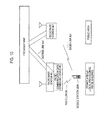
- Meanwhile, a mobile communication system according to the IMT-2000 mode enables establishment of an internal communication area (a private area #1) which is established in a building or the like, and a home area (a private area #2) which is established at home or the like as shown in
Fig. 12 . - In such mobile communication system, by connecting radio communication data combining devices #c and #d respectively to LAN environments in the
private areas # 1 and #2, for example, as shown inFig. 12 , it is possible to provide a "local area restricted service" which enables large-volume data communication and the like in theprivate areas # 1 and #2 without placing a heavy load on the public area. - Thus, in this mobile communication system, a user can utilize the "local area restricted service (a first service)" in the
private areas # 1 and #2, and utilize the ordinary "public area service (a second service)" in the public area with the single mobile station UE. - Here, in the conventional mobile communication system, a radio base station for the "public area service" is configured not to provide the "local area restricted service" to even the mobile station UE having an access right to the radio base station for the "local area restricted service."
- However, when the private area #1 (the internal communication area) is established inside the public area as shown in
Fig. 12 , the communication quality of the "local area restricted service" at a boundary of theprivate area # 1 such as at a window of a building may be significantly affected by the communication in the "public area service." - Hence, in this case, even in the private area #1 (the internal communication area), a mobile station UE has a problem of not being allowed to utilize the "local area restricted service" or of encountering deterioration in communication quality of the "local area restricted service" due to the effect of the communication in the "public area service."
- Accordingly, the present invention has been made in view of the foregoing problem, and an objective thereof is to provide a mobile communication method and a radio base station which are capable of preventing deterioration in communication quality of a "local area restricted service (a first service)" by causing the radio base station for a "public area service (a second service)" to complement the "local area restricted service (the first service)."
- A mobile communication method of a first aspect includes the steps of: establishing a second radio access link between a first service radio communication data combining device and a mobile station via a second service radio base station, when a first radio access link is established between the first service radio communication data combining device and the mobile station via a first service radio base station; transferring first service data transmitted from the mobile station, from the first service radio base station to the first service radio communication data combining device via the first radio access link; transferring the first service data transmitted from the mobile station, from the second service radio base station to the first service radio communication data combining device via the second radio access link; and combining, at the first service radio communication, the first service data transferred from the first service radio base station and the first service data transferred from the second service radio base station.
- In the first aspect, the mobile communication method may further include the step of: managing establishment permission information indicating whether or not to permit establishment of the second radio access link at the second service radio base station.
- In the first aspect, the mobile communication method may further include the step of: notifying the mobile station of predetermined guidance information when the radio access link is established.
- In the first aspect, the mobile communication method may further include the step of: generating charging information indicating establishment of the radio access link when the radio access link is established.
- A radio base station of a second aspect configured to transmit and receive second service data, includes: a radio access link establishing unit configured to establish an access link with a first service radio communication data combining device and to establish a radio link with the mobile station, when a first radio access link is established between the first service radio communication data combining device and the mobile station via a first service radio base station; and a transferring unit configured to transfer first service data transmitted from the mobile station via the radio link, to the first service radio communication data combining device via the access link.
- In the second aspect, the radio base station may further include: a managing unit configured to manage establishment permission information indicating whether or not to permit establishment of the radio link and the access link is managed by the radio base station.
- In the second aspect, the radio base station may be configured to notify the mobile station of predetermined guidance information when the radio access link is established.
- In the second aspect, the radio base station may be configured to generate charging information indicating establishment of the radio access link when the radio access link is established.
- As described above, according to the invention, provided is a mobile communication method and a radio base station which are capable of preventing deterioration in communication quality of a "local area restricted service (a first service)" by causing the radio base station for a "public area service (a second service)" to complement the "local area restricted service (the first service)."
-
- [
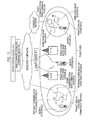
fig. 1] Fig. 1 is an overall configuration diagram of a mobile communication system according to a first embodiment of the present invention. - [
Fig. 2] Fig. 2 is a functional block diagram of a radio base station according to the first embodiment of the present invention. - [
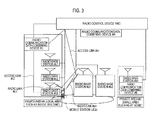
Fig. 3] Fig. 3 is a view for explaining operations of the mobile communication system according to the first embodiment of the present invention. - [
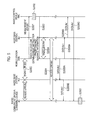
Fig. 4] Fig. 4 is a sequence diagram showing the operations of the mobile communication system according to the first embodiment of the present invention. - [
Fig. 5] Fig. 5 is a sequence diagram showing the operations of the mobile communication system according to the first embodiment of the present invention. - [
Fig. 6] Fig. 6 is a view for explaining operations of the mobile communication system according to the first embodiment of the present invention. - [
Fig. 7] Fig. 7 is a sequence diagram showing the operations of the mobile communication system according to the first embodiment of the present invention. - [
Fig. 8] Fig. 8 is a sequence diagram showing the operations of the mobile communication system according to the first embodiment of the present invention. - [
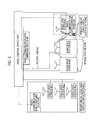
Fig. 9] Fig. 9 is a view for explaining operations of a mobile communication system according to a first modified example of the present invention. - [
Fig. 10] Fig. 10 is a view for explaining operations of a mobile communication system according to a second modified example of the present invention. - [
Fig. 11] Fig. 11 is a view for explaining a conventional mobile communication system. - [
Fig. 12] Fig. 12 is a view for explaining a conventional mobile communication system. - A configuration of a mobile communication system according to a first embodiment of the present invention will be described with reference to
Fig. 1 andFig. 2 . - As shown in
Fig. 1 , a mobile communication system according to this embodiment includes a radio control device RNC, radio base stations #a1 and #a2, #b1, and #c1 to #c3, and radio communication data combining devices #A, #b, and #C as access network devices. - Here, each of the radio base stations #b1 and #c1 to #c3 is a small radio base station such as a Femto BTS or a HNB, which is installed for defining a private area.
- Note that the radio base station #b1 and the radio communication data combining device #B are integrated together and capable of realizing cooperation with a home electric appliance or connection to a home LAN environment easily.
- Meanwhile, in this embodiment, a "public area service" means a communication service (such as voice communication or data communication) provided in a public area by the radio base stations #a1 and #a2 for the "public area service," which are ordinary radio base stations installed by a common carrier.
- On the other hand, a "local area restricted service" means a communication service (such as a flat-rate communication service) provided in a private area such as an area inside a building or an area at home by the radio base stations #b1 and #c1 to #c3 for the "local area restricted service," which are small radio base stations installed by a user, the communication service being used exclusively by the user.
- The mobile communication system according to this embodiment is configured to establish a radio access link #a between the radio communication data combining device #A for the "public area service" and a mobile station UE#a via the radio base stations #a1 and #a2 for the "public area service" in order to provide the "public area service" in the public area.
- Here, the radio access link #a (such as RRC connection) includes the radio access link #a established between the mobile station UE#a and the radio base stations #a1 and #a2, and an access link #a established between the radio base stations #a1 and #a2 and the radio communication data combining device #A for the "public area service."
- Meanwhile, the mobile communication system according to this embodiment is configured to establish a radio access link #c (a first radio access link) between the radio communication data combining device #C for the "local area restricted service" and a mobile station UE#c via the radio base stations #c1 to #c3 for the "local area restricted service" in order to provide the "local area restricted service" in a
private area # 1. - Here, the radio access link #c (such as RRC connection) includes the radio access link #c established between the mobile station UE#c and the radio base stations #c1 to #c3, and an access link #c established between the radio base stations #c1 to #c3 and the radio communication data combining device #C for the "local area restricted service."
- Meanwhile, the mobile communication system according to this embodiment is configured to establish a radio access link #b (a first radio access link) between the radio communication data combining device #B for the "local area restricted service" and a mobile station UE#b via the radio base station #b1 for the "local area restricted service" in order to provide the "local area restricted service" in a
private area # 2. - Here, the radio access link #b (such as RRC connection) includes the radio access link #b established between the mobile station UE#b and the radio base station #b1, and an access link #b established between the radio base station #b1 and the radio communication data combining device #B for the "local area restricted service."
- Note that the radio base station #b1 for the "local area restricted service" is integrated with the radio communication data combining device #B for the "local area restricted service." Accordingly, the access link #b is the link located inside the device.
- Note that, the mobile communication system according to this embodiment is configured to establish a second radio access link between the radio communication data combining device #C for the "local area restricted service" and the mobile station UE#c via the radio base stations #a1 and #a2 for the "public area service" when the radio access link #c is established in order to prevent deterioration in communication quality of the "local area restricted service in the
private area # 1. - In this case, the radio communication data combining device #C for the "local area restricted service" is configured to combine data for the "local area restricted service" transferred from the radio base stations #c1 to #c3 for the "local area restricted service" and data for the "local area restricted service" transferred from the radio base stations #a1 and #a2 for the "public area service."
- Moreover, in this case, the radio communication data combining device #C for the "local area restricted service" is configured to separate the data for the "local area restricted service" transmitted from the core network CN and addressed to the mobile station UE#c and to cause the data to reach the mobile station UE#c via the radio base stations #c1 to #c3 for the "local area restricted service" and the radio base stations #a1 and #a2 for the "public area service."
- Similarly, the mobile communication system according to this embodiment is configured to establish a second radio access link between the radio communication data combining device #B for the "local area restricted service" and a mobile station #b via the radio base stations #a1 and #a2 for the "public area service" when the radio access link #b is established in order to prevent deterioration in communication quality of the "local area restricted service" in a
private area # 2. - In this case, the radio communication data combining device #B for the "local area restricted service" is configured to combine data for the "local area restricted service" transferred from the radio base station #b1 for the "local area restricted service" and data for the "local area restricted service" transferred from the radio base stations #a1 and #a2 for the "public area service."
- Moreover, in this case, the radio communication data combining device #B for the "local area restricted service" is configured to separate the data for the "local area restricted service" transmitted from the core network CN and addressed to the mobile station UE#b and to cause the data to reach the mobile station UE#b via the radio base station #b1 for the "local area restricted service" and the radio base stations #a1 and #a2 for the "public area service."
- As shown in
Fig. 2 , a radio base station 10 (a "public area service" radio base station) configured to transmit and receive data for the "public area service" includes a managingunit 11, a determiningunit 12, a radio accesslink establishing unit 13, a transferringunit 14, aguidance notifying unit 15, and a charginginformation generating unit 16. - The managing
unit 11 is configured to manage a variety of setting information on theradio base station 10. - For example, the managing
unit 11 is configured to manage establishment permission information indicating whether or not to permit theradio base station 10 to establish a radio link between theradio base station 10 and the mobile station UE as well as an access link between theradio base station 10 and the radio communication data combining device for the "local area restricted service," i.e., whether or not to permit theradio base station 10 to establish a radio access link between the radio communication data combining device for the "local area restricted service" and the mobile station UE. - Here, the establishment permission information may be designed to permit only a specific mobile station UE to establish of the radio access link with the radio communication data combining device for the "local area restricted serviced." Meanwhile, the establishment permission information may be formed of a certain identifier indicating whether or not to permit establishment of the above-described radio access link.
- The determining
unit 12 is configured to make reference to the establishment permission information managed by the managingunit 11 and to determine whether or not to establish the radio access link between the specific mobile station UE and the radio communication data combining device for the "local area restricted service." - Here, if the above-described establishment permission information is not managed by the managing
unit 11, the determiningunit 12 may determine to establish the radio access link between all the mobile stations UE and the radio communication data combining device for the "local area restricted service" or may determine not to establish the radio access link between all the mobile stations UE and the radio communication data combining device for the "local area restricted service." - The radio access
link establishing unit 13 is configured to establish the radio access link between the mobile station UE and the radio communication data combining device for the "local area restricted service," i.e., a radio link (such as a radio transmission path) with the mobile station UE and an access link (such as a wired transmission path) with the radio communication data combining device for the "local area restricted service" in response to a determination result by the determiningunit 12. - For example, the radio access
link establishing unit 13 is configured to establish the radio access link between the mobile station UE and the radio communication data combining device for the "local area restricted service" in response to a request from the radio control device RNC (or the radio communication data combining device for the "local area restricted service"). - The transferring
unit 14 is configured to transfer the data for the "local area restricted service" transmitted from the mobile station UE via the above-described radio link to the radio communication data combining device for the "local area restricted service" via the above-described access link. - The
guidance notifying unit 15 is configured to notify the mobile station UE of predetermined guidance information when the above-described radio access link is established by the radio accesslink establishing unit 13. - For example, the predetermined guidance information is voice guidance, character guidance or the like indicating that "it is likely to go out of the private area."
- Here, the
guidance notifying unit 15 may be configured to notify the mobile station UE of the predetermined guidance information in response to notification from the radio control device RNC (or the radio communication data combining device for the "local area restricted service"). - The charging
information generating unit 16 may be configured to generate charging information indicating establishment of the above-described radio access link when the link is established. - For example, even when the "local area restricted service" is a flat-rate communication service, it is possible to charge by using the charging information if the radio access link is established via the radio access
link establishing unit 13 in the radio base station for the "public area service." - Here, the functions of the managing
unit 11, the determiningunit 12, theguidance notifying unit 15, and the charginginformation generating unit 16 may be included in the radio communication data combining device for the "local area restricted service" or the radio control device RNC instead of the radio base station for the "public area service." - Operations of the mobile communication system according to the first embodiment of the present invention will be described with reference to
Fig. 3 to Fig. 8 . - First of all, an operation to allow the radio base station #a1 for the "public area service" to complement the "local area restricted service" by the radio base station #c3 for the "local area restricted service" will be described with reference to
Fig. 3 to Fig. 5 . - As shown in
Fig. 3 andFig. 4 , in step S1000, the radio link #c3 is assumed to be established between the mobile station UE#c and the radio base station #c3 for the "local area restricted service," the access link #c3 is assumed to be established between the radio base station #c3 for the "local area restricted service" and the radio communication data combining device #C for the "local area restricted service," and the radio access link #c3 is assumed to be established between the mobile station UE#c and the radio communication data combining device #C for the "local area restricted service." - In step S1001, the mobile station UE#c transmits a measurement report (Measurement Report) indicating communication quality of a neighboring cell to the radio control device RNC via the radio access link #c3.
- In step S1002, in response to the received measurement report, the radio control device RNC determines whether or not the "local area restricted service" by the radio base station #c3 for the "local area restricted service" needs to be complemented by radio base station #a1 for the "public area service" (that is, whether or not the mobile station UE#c needs to perform a soft handover between the radio base station #a1 for the "public area service" and the radio base station #c3 for the "local area restricted service."
- Here, upon a determination that it is necessary to complement, the radio control device RNC determines whether or not the "local area restricted service" by the radio base station #c3 for the "local area restricted service" can be complemented by the radio base station #a1 for the "public area service."
- Upon a determination that it is possible to complement, the radio base station RNC transmits a radio access link establishment instruction to the radio base station #a1 for the "public area service" and the mobile station UE#c in step S1003.
- Here, the radio control device RNC may transmit the radio access link establishment instruction to the radio base station #a1 for the "public area service" and the mobile station UE#c without determining whether or not the "local area restricted service" by the radio base station #c3 for the "local area restricted service" can be complemented by the radio base station #a1 for the "public area service."
- In this case, the determination as to whether or not the "local area restricted service" by the radio base station #c3 for the "local area restricted service" can be complemented by the radio base station #a1 for the "public area service" is made by the radio base station #a1 for the "public area service,"
- In step S1004, the radio link #a1 is established between the mobile station UE#c and the radio base station #a1 for the "public area service," the access link #a1 is established between the radio base station #a1 for the "public area service" and the radio communication data combining device #C for the "local area restricted service," and the radio access link #a1 is established between the mobile station UE#c and the radio communication data combining device #C for the "local area restricted service."
- Thereafter, data #c3 for the "local area restricted service" are transmitted from the mobile station UE#c to the radio communication data combining device #C for the "local area restricted service" via the radio base station #c3 for the "local area restricted service" in steps S1005A and S1005B, and data #a1 for the "local area restricted service" having the same contents as the data #c3 for the "local area restricted service" are transmitted from the mobile station UE#c to the radio communication data combining device #C for the "local area restricted service" via the radio base station #a1 for the "public area service" and the radio control device RNC in steps S1006A to S1006C.
- In step S1007, the radio communication data combining device #C for the "local area restricted service" combines the received data #c3 for the "local area restricted service" and the data #a1 for the "local area restricted service" together, and transmits the combined data for the "local area restricted service" to the Internet or a correspondent terminal.
- Here, as shown in
Fig. 5 , the radio control device RNC may transmit the predetermined guidance information together with the radio access link establishment instruction in step S2003, and the radio base station #a1 for the "public area service" may notify the mobile station UE#c of the predetermined guidance information in radio access link establishment processing in step S2004. - In this case, either the radio control device RNC or the radio base station #a1 for the "public area service" may generate the charging information indicating that the radio access link #a1 (the radio link #a1 and the access link #a1) is established for complementing the "local area restricted service."
- Secondly, an operation for allowing the radio base station #a2 for the "public area service" to complement the "local area restricted service" by the radio base station #b1 for the "local area restricted service" will be described with reference to
Fig. 6 to Fig. 8 . - As shown in
Fig. 6 andFig. 7 , in step S3000, the radio link #b1 is assumed to be established between the mobile station UE#b and the radio base station #b1 for the "local area restricted service," the access link #b1 is assumed to be established between the radio base station #b1 for the "local area restricted service" and the radio communication data combining device #B for the "local area restricted service," and the radio access link #b1 is assumed to be established between the mobile station UE#b and the radio communication data combining device #B for the "local area restricted service." - Note that the radio base station #b1 for the "local area restricted service" is integrated with the radio communication data combining device #B for the "local area restricted service." Accordingly, the access link #b is the link located inside the device.
- In step S3001, the mobile station UE#b transmits a measurement report (Measurement Report) indicating communication quality of a neighboring cell to the radio control device RNC via the radio access link #b1.
- In step S3002, in response to the received measurement report, the radio control device RNC determines whether or not the "local area restricted service" by the radio base station #b1 for the "local area restricted service" needs to be complemented by radio base station #a2 for the "public area service" (that is, whether or not the mobile station UE#b needs to perform a soft handover between the radio base station #a2 for the "public area service" and the radio base station #b1 for the "local area restricted service."
- Here, upon a determination that it is necessary to complement, the radio control device RNC determines whether or not the "local area restricted service" by the radio base station #c3 for the "local area restricted service" can be complemented by the radio base station #a2 for the "public area service."
- Upon a determination that it is possible to complement, the radio base station RNC transmits a radio access link establishment instruction to the radio base station #a2 for the "public area service" and the mobile station UE#b in step S3003.
- Here, the radio control device RNC may transmit the radio access link establishment instruction to the radio base station #a2 for the "public area service" and the mobile station UE#c without determining whether or not the "local area restricted service" by the radio base station #b1 for the "local area restricted service" can be complemented by the radio base station #a2 for the "public area service."
- In this case, the determination as to whether or not the "local area restricted service" by the radio base station #b1 for the "local area restricted service" can be complemented by the radio base station #a2 for the "public area service" is made by the radio base station #a2 for the "public area service."
- In step S3004, the radio link #a1 is established between the mobile station UE#b and the radio base station #a2 for the "public area service," the access link #a2 is established between the radio base station #a2 for the "public area service" and the radio communication data combining device #B for the "local area restricted service," and the radio access link #a2 is established between the mobile station UE#b and the radio communication data combining device #B for the "local area restricted service."
- Thereafter, data #b1 for the "local area restricted service" are transmitted from the mobile station UE#b to the radio communication data combining device #B for the "local area restricted service" via the radio base station #b1 for the "local area restricted service" in steps S3005A and S3005B, and data #a2 for the "local area restricted service" having the same contents as the data #b1 for the "local area restricted service" are transmitted from the mobile station UE#b to the radio communication data combining device #B for the "local area restricted service" via the radio base station #a2 for the "public area service" and the radio control device RNC in steps 83006A to S3006C.
- In step S3007, the radio communication data combining device #B for the "local area restricted service" combines the received data #b1 for the "local area restricted service" and the data #a2 for the "local area restricted service" together, and transmits the combined data for the "local area restricted service" to the Internet or a correspondent terminal.
- Here, as shown in
Fig. 8 , the radio control device RNC may transmit the predetermined guidance information together with the radio access link establishment instruction in step S4003, and the radio base station #a2 for the "public area service" may notify the mobile station UE#b of the predetermined guidance information in radio access link establishment processing in step S4004. - In this case, either the radio control device RNC or the radio base station #a2 for the "public area service" may generate the charging information indicating that the radio access link #a2 (the radio link #a2 and the access link #a2) is established for complementing the "local area restricted service."
- According to the mobile communication system of the first embodiment of the present invention, when the private area for providing the "local area restricted service" is formed near the public area or inside the public area, the radio base station #a2 for the "public area service" installed in the public area complements the "local area restricted service." In this way, it is possible to prevent deterioration in the communication quality of the "local area restricted service" even if the communication for the "public area service" has a significant effect in the private area (such as a boundary of an internal communication area).
- Moreover, the mobile communication system according to the first embodiment of the present invention is configured to allow only the radio base station for the "public area service," for which the establishment permission information is managed, to complement the "local area restricted service." Therefore, it is possible to prevent a situation of unlimited expansion of the area for providing the "local area restricted service."
- Further, according to the mobile communication system of the first embodiment of the present invention, even when the "local area restricted service" is provided as the flat-rate communication service, it is still possible to charge independently based on the charging information generated by the radio base station for the "public area service" or the radio control device RNC when the radio base station for the "public area service" is used for complementing the "local area restricted service."
- A mobile communication system according to a first modified example of the present invention will be described with reference to
Fig. 9 while focusing on differences from the above-mentioned mobile communication system according to the first embodiment. - As shown in
Fig. 9 , when the radio access link #c1 (a first radio access link) is established between the radio communication data combining device #C (a first service radio communication data combining device) and the mobile station UE via the radio base station #c1 (a first service radio base station), the mobile communication system according to the first modified example of the present invention is configured to establish the radio access link #a1(a second radio access link) between the radio communication data combining device #C (the first service radio communication data combining device) and the mobile station UE via the radio base station #a1 (a second service radio base station). - In this case, the radio base station #c1 (the first service radio base station) is configured to transfer the data #c1 for the "local area restricted service" (first service data) transmitted from the mobile station UE to the radio communication data combining device #C (the first service radio communication data combining device) via the radio access link #c1 (the first radio access link), while the radio base station #a1 (the second service radio base station) is configured to transfer the data #a1 for the "local area restricted service" (first service data) transmitted from the mobile station UE to the radio communication data combining device #C (the first service radio communication data combining device) via the radio access link #a1 (the second radio access link).
- Here, the radio communication data combining device #C (the first service radio communication data combining device) is provided in a concentrator HNB-GW configured to concentrate the multiple radio base stations #c1 to #c3.
- Note that each of the radio base stations #c1 to #c3 is a small radio station such as a Femto BTS or a HNB installed for defining the private area, while the radio base station #a1 is the radio base station for the "public area service.
- Meanwhile, the radio access link #c1 includes the radio link #c1 and the access link #c1, while the radio access link #a1 includes the radio link #a1 and the access link #a1.
- The above-described embodiment has been explained based on the mobile communication system of the W-CDMA mode as the example. However, the present invention is not limited only to this mobile communication system but is also applicable to a mobile communication system of the LTE (long term evolution) mode, for example.
- In this case, the function of the above-described radio control device RNC is installed in a radio base station eNB or an exchange MME.
- Specifically, a mobile communication system according to a second modified example of the present invention will be described with reference to
Fig. 10 while focusing on differences from the above-described mobile communication system according to the first embodiment. - As shown in
Fig. 10 , when the radio access link #c1 (a first radio access link) is established between the radio communication data combining device #C (a first service radio communication data combining device) and the mobile station UE via the radio base station #c1 (a first service radio base station), the mobile communication system according to the first modified example of the present invention is configured to establish the radio access link #a1 (a second radio access link) between the radio communication data combining device #C (the first service radio communication data combining device) and the mobile station UE via the radio base station #a1 (a second service radio base station). - In this case, the radio base station #c1 (the first service radio base station) is configured to transfer the data #c1 for the "local area restricted service" (first service data) transmitted from the mobile station UE to the radio communication data combining device #C (the first service radio communication data combining device) via the radio access link #c1 (the first radio access link), while the radio base station #a1 (the second service radio base station) is configured to transfer the data #a1 for the "local area restricted service" (first service data) transmitted from the mobile station UE to the radio communication data combining device #C (the first service radio communication data combining device) via the radio access link #a1 (the second radio access link).
- Here, the radio communication data combining device #C (the first service radio communication data combining device) is provided in the radio base station #c1.
- Note that the radio base station #c1 is a small radio station such as a Femto BTS or a HeNB installed for defining the private area inside the radio access network of the LTE mode, while the radio base station #a1 is a radio base station eNB for the "public area service inside the radio access network of the LTE mode.
- Meanwhile, the radio access link #c1 includes the radio link #c1 and the access link #c1, while the radio access link #a1 includes the radio link #a1 and the access link #a1.
- Here, the radio base station #c1 is integrated with the radio communication data combining device #C. Accordingly, the access link #c1 is the link located inside the device.
- Meanwhile, when the radio base station #c1 is concentrated on the concentrator HNB-GW in the mobile communication system according to the second modified example, the radio communication data combining device #C (the first service radio communication data combining device) may be provided in the concentrator HNB-GW.
- Note that operation of the above described mobile station UE, the radio base station and the radio control device RNC may be implemented by means of hardware, a software module executed by a processor, or a combination of both.
- The software module may be provided in any type of storage medium such as an RAM (Random Access Memory), a flash memory, a ROM (Read Only Memory), an EPROM (Erasable Programmable ROM), an EEPROM (Electronically Erasable and Programmable ROM), a register, a hard disk, a removable disk, or a CD-ROM.
- The storage medium is connected to the processor so that the processor can read and write information from and to the storage medium. Also, the storage medium may be integrated into the processor. Also, the storage medium and the processor may be provided in an ASIC. The ASIC may be provided in the described mobile station UE, the radio base station and the radio control device RNC. Also, the storage medium and the processor may be provided in the described mobile station UE, the radio base station and the radio control device RNC as a discrete component.
- Hereinabove, the present invention has been described in detail using the above embodiment; however, it is apparent to those skilled in the art that the present invention is not limited to the embodiment described herein. Modifications and variations of the present invention can be made without departing from the spirit and scope of the present invention defined by the description of the scope of claims. Thus, what is described herein is for illustrative purpose, and has no intention whatsoever to limit the present invention.
Claims (8)
- A mobile communication method comprising the steps of:establishing a second radio access link between a first service radio communication data combining device and a mobile station via a second service radio base station, when a first radio access link is established between the first service radio communication data combining device and the mobile station via a first service radio base station;transferring first service data transmitted from the mobile station, from the first service radio base station to the first service radio communication data combining device via the first radio access link;transferring the first service data transmitted from the mobile station, from the second service radio base station to the first service radio communication data combining device via the second radio access link; andcombining, at the first service radio communication, the first service data transferred from the first service radio base station and the first service data transferred from the second service radio base station.
- The mobile communication method according to claim 1, further comprising the step of:managing establishment permission information indicating whether or not to permit establishment of the second radio access link at the second service radio base station.
- The mobile communication method according to claim 1, further comprising the step of:notifying the mobile station of predetermined guidance information when the radio access link is established.
- The mobile communication method according to claim 1, further comprising the step of:generating charging information indicating establishment of the radio access link when the radio access link is established.
- A radio base station configured to transmit and receive second service data, comprising:a radio access link establishing unit configured to establish an access link with a first service radio communication data combining device and to establish a radio link with the mobile station, when a first radio access link is established between the first service radio communication data combining device and the mobile station via a first service radio base station;
and
a transferring unit configured to transfer first service data transmitted from the mobile station via the radio link, to the first service radio communication data combining device via the access link. - The radio base station according to claim 5, further comprising a managing unit configured to manage establishment permission information indicating whether or not to permit establishment of the radio link and the access link is managed by the radio base station.
- The radio base station according to claim 5, wherein
the radio base station configured to notify the mobile station of predetermined guidance information when the radio access link is established. - The radio base station according to claim 5, wherein
the radio base station configured to generate charging information indicating establishment of the radio access link when the radio access link is established.
Applications Claiming Priority (2)
| Application Number | Priority Date | Filing Date | Title |
|---|---|---|---|
| JP2008132513 | 2008-05-20 | ||
| PCT/JP2009/059289 WO2009142247A1 (en) | 2008-05-20 | 2009-05-20 | Mobile communication method and radio base station |
Publications (2)
| Publication Number | Publication Date |
|---|---|
| EP2280571A1 true EP2280571A1 (en) | 2011-02-02 |
| EP2280571A4 EP2280571A4 (en) | 2017-03-08 |
Family
ID=41340173
Family Applications (1)
| Application Number | Title | Priority Date | Filing Date |
|---|---|---|---|
| EP09750609.1A Withdrawn EP2280571A4 (en) | 2008-05-20 | 2009-05-20 | Mobile communication method and radio base station |
Country Status (5)
| Country | Link |
|---|---|
| US (1) | US8520649B2 (en) |
| EP (1) | EP2280571A4 (en) |
| JP (1) | JP5211156B2 (en) |
| CN (1) | CN102037767B (en) |
| WO (1) | WO2009142247A1 (en) |
Families Citing this family (2)
| Publication number | Priority date | Publication date | Assignee | Title |
|---|---|---|---|---|
| JP2833763B2 (en) | 1988-10-07 | 1998-12-09 | オリンパス光学工業株式会社 | Endoscope |
| JP5108865B2 (en) * | 2009-11-30 | 2012-12-26 | 株式会社エヌ・ティ・ティ・ドコモ | Mobile communication terminal, network device, mobile communication system, and mobile communication method |
Family Cites Families (13)
| Publication number | Priority date | Publication date | Assignee | Title |
|---|---|---|---|---|
| FI98332C (en) * | 1994-03-01 | 1997-05-26 | Nokia Telecommunications Oy | Method of data communication, base station device and mobile station |
| US6185413B1 (en) * | 1997-06-17 | 2001-02-06 | Siemens Aktiengesellschaft | Mobile station having a cost-efficient call management method and system |
| JP2974019B1 (en) | 1998-08-26 | 1999-11-08 | 日本電気株式会社 | Mobile communication system, soft handover processing method, and storage medium in which the method is written |
| JP2001169017A (en) * | 1999-10-01 | 2001-06-22 | Canon Inc | Wireless communication system, control method thereof, wireless communication terminal, wireless communication device, and control method thereof |
| KR100365790B1 (en) * | 2000-05-24 | 2002-12-26 | 삼성전자 주식회사 | System and method capable of public and private mobile communication service |
| GB0021544D0 (en) * | 2000-09-01 | 2000-10-18 | Nokia Networks Oy | Broadcasting in a communication system |
| US20030171118A1 (en) | 2001-06-06 | 2003-09-11 | Kazuyuki Miya | Cellular radio transmission apparatus and cellular radio transmission method |
| JP2003124872A (en) * | 2001-10-16 | 2003-04-25 | Mitsubishi Electric Corp | Mobile communication system |
| JP4642384B2 (en) | 2004-06-03 | 2011-03-02 | パナソニック株式会社 | Wireless network control system, wireless network control device, and base station |
| US7843882B2 (en) * | 2004-08-23 | 2010-11-30 | Alcatel-Lucent Usa Inc. | Soft vertical handovers in wireless networks |
| KR100693045B1 (en) * | 2004-12-20 | 2007-03-12 | 삼성전자주식회사 | QOS monitoring system of broadband wireless network and its method |
| EP1911306B1 (en) | 2005-08-01 | 2017-04-05 | Ubiquisys Limited | Local area cellular basestation |
| JP2008098847A (en) * | 2006-10-10 | 2008-04-24 | Nec Corp | Mobile communication system and handover control method |
-
2009
- 2009-05-20 CN CN200980118244.7A patent/CN102037767B/en not_active Expired - Fee Related
- 2009-05-20 JP JP2010513047A patent/JP5211156B2/en not_active Expired - Fee Related
- 2009-05-20 EP EP09750609.1A patent/EP2280571A4/en not_active Withdrawn
- 2009-05-20 WO PCT/JP2009/059289 patent/WO2009142247A1/en not_active Ceased
- 2009-05-20 US US12/993,614 patent/US8520649B2/en not_active Expired - Fee Related
Non-Patent Citations (1)
| Title |
|---|
| See references of WO2009142247A1 * |
Also Published As
| Publication number | Publication date |
|---|---|
| US20110189996A1 (en) | 2011-08-04 |
| JPWO2009142247A1 (en) | 2011-09-29 |
| US8520649B2 (en) | 2013-08-27 |
| WO2009142247A1 (en) | 2009-11-26 |
| JP5211156B2 (en) | 2013-06-12 |
| CN102037767B (en) | 2014-05-14 |
| CN102037767A (en) | 2011-04-27 |
| EP2280571A4 (en) | 2017-03-08 |
Similar Documents
| Publication | Publication Date | Title |
|---|---|---|
| EP2469924B1 (en) | Handover in a mobile communication method and system | |
| EP2282581B1 (en) | Mobile communication method, femtocell radio base station | |
| US8553599B2 (en) | Mobile communication system and network device | |
| EP2445264B1 (en) | Method and system for informing user access mode | |
| RU2461983C2 (en) | Mobile communication method and radio base station | |
| CN102104927B (en) | System and method for carrying out access control on terminal | |
| JP5571785B2 (en) | Femtocell placement | |
| US20150365867A1 (en) | Traffic offload | |
| EP2268079B1 (en) | Identifying a base station from a set of handover candidate base stations that use the same primary scrambling code | |
| EP2280571A1 (en) | Mobile communication method and radio base station | |
| US9100905B2 (en) | Mobile communication method, control device, and exchange | |
| CN101998560B (en) | Uncontrolled switching method for supporting network deployment of Femto base station | |
| US8121092B1 (en) | Methods and systems for selecting a low-cost internet base station (LCIB) for a macro-network-to-LCIB handoff of an active mobile station | |
| JP5081971B2 (en) | Mobile communication system and network device | |
| EP2305000B1 (en) | Method and apparatus for establishing a connection to at least one neighbouring network element in a cellular communications network | |
| CN102612081A (en) | Method and system for modifying access mode of femtocell cell |
Legal Events
| Date | Code | Title | Description |
|---|---|---|---|
| PUAI | Public reference made under article 153(3) epc to a published international application that has entered the european phase |
Free format text: ORIGINAL CODE: 0009012 |
|
| 17P | Request for examination filed |
Effective date: 20101202 |
|
| AK | Designated contracting states |
Kind code of ref document: A1 Designated state(s): AT BE BG CH CY CZ DE DK EE ES FI FR GB GR HR HU IE IS IT LI LT LU LV MC MK MT NL NO PL PT RO SE SI SK TR |
|
| AX | Request for extension of the european patent |
Extension state: AL BA RS |
|
| RIN1 | Information on inventor provided before grant (corrected) |
Inventor name: MASUDA, MASAFUMI Inventor name: KAWABE, YASUHIRO Inventor name: SATO, TAKAAKI Inventor name: AOYAGI, KENICIRO |
|
| RIN1 | Information on inventor provided before grant (corrected) |
Inventor name: MASUDA, MASAFUMI Inventor name: KAWABE, YASUHIRO Inventor name: SATO, TAKAAKI Inventor name: AOYAGI, KENICHIRO |
|
| DAX | Request for extension of the european patent (deleted) | ||
| RA4 | Supplementary search report drawn up and despatched (corrected) |
Effective date: 20170208 |
|
| RIC1 | Information provided on ipc code assigned before grant |
Ipc: H04W 4/24 20090101ALI20170202BHEP Ipc: H04W 84/10 20090101ALI20170202BHEP Ipc: H04W 36/18 20090101ALI20170202BHEP Ipc: H04W 48/18 20090101AFI20170202BHEP |
|
| 17Q | First examination report despatched |
Effective date: 20180518 |
|
| GRAP | Despatch of communication of intention to grant a patent |
Free format text: ORIGINAL CODE: EPIDOSNIGR1 |
|
| RIC1 | Information provided on ipc code assigned before grant |
Ipc: H04W 76/15 20110202ALI20181102BHEP Ipc: H04W 12/08 20090101AFI20181102BHEP Ipc: H04W 36/18 20090101ALI20181102BHEP |
|
| INTG | Intention to grant announced |
Effective date: 20181119 |
|
| RIC1 | Information provided on ipc code assigned before grant |
Ipc: H04W 76/15 20180101ALI20181102BHEP Ipc: H04W 12/08 20090101AFI20181102BHEP Ipc: H04W 36/18 20090101ALI20181102BHEP |
|
| RIC1 | Information provided on ipc code assigned before grant |
Ipc: H04W 12/08 20090101AFI20181102BHEP Ipc: H04W 36/18 20090101ALI20181102BHEP Ipc: H04W 76/15 20180101ALI20181102BHEP |
|
| STAA | Information on the status of an ep patent application or granted ep patent |
Free format text: STATUS: THE APPLICATION IS DEEMED TO BE WITHDRAWN |
|
| 18D | Application deemed to be withdrawn |
Effective date: 20190330 |