EP2267119A1 - Method for concentration of virus - Google Patents
Method for concentration of virus Download PDFInfo
- Publication number
- EP2267119A1 EP2267119A1 EP09727365A EP09727365A EP2267119A1 EP 2267119 A1 EP2267119 A1 EP 2267119A1 EP 09727365 A EP09727365 A EP 09727365A EP 09727365 A EP09727365 A EP 09727365A EP 2267119 A1 EP2267119 A1 EP 2267119A1
- Authority
- EP
- European Patent Office
- Prior art keywords
- virus
- carrier
- lectin
- solution
- saccharide
- Prior art date
- Legal status (The legal status is an assumption and is not a legal conclusion. Google has not performed a legal analysis and makes no representation as to the accuracy of the status listed.)
- Withdrawn
Links
- 241000700605 Viruses Species 0.000 title claims abstract description 220
- 238000000034 method Methods 0.000 title claims abstract description 74
- 239000002523 lectin Substances 0.000 claims description 130
- 108090001090 Lectins Proteins 0.000 claims description 129
- 102000004856 Lectins Human genes 0.000 claims description 129
- 239000011324 bead Substances 0.000 claims description 73
- YBJHBAHKTGYVGT-ZKWXMUAHSA-N (+)-Biotin Chemical compound N1C(=O)N[C@@H]2[C@H](CCCCC(=O)O)SC[C@@H]21 YBJHBAHKTGYVGT-ZKWXMUAHSA-N 0.000 claims description 60
- 150000001720 carbohydrates Chemical class 0.000 claims description 47
- 230000027455 binding Effects 0.000 claims description 40
- 229960002685 biotin Drugs 0.000 claims description 32
- 239000011616 biotin Substances 0.000 claims description 31
- 238000010828 elution Methods 0.000 claims description 30
- 235000020958 biotin Nutrition 0.000 claims description 28
- MBLBDJOUHNCFQT-UHFFFAOYSA-N N-acetyl-D-galactosamine Natural products CC(=O)NC(C=O)C(O)C(O)C(O)CO MBLBDJOUHNCFQT-UHFFFAOYSA-N 0.000 claims description 20
- 108700021042 biotin binding protein Proteins 0.000 claims description 20
- 102000043871 biotin binding protein Human genes 0.000 claims description 20
- 239000002102 nanobead Substances 0.000 claims description 20
- 241000713666 Lentivirus Species 0.000 claims description 15
- OVRNDRQMDRJTHS-CBQIKETKSA-N N-Acetyl-D-Galactosamine Chemical compound CC(=O)N[C@H]1[C@@H](O)O[C@H](CO)[C@H](O)[C@@H]1O OVRNDRQMDRJTHS-CBQIKETKSA-N 0.000 claims description 15
- OVRNDRQMDRJTHS-UHFFFAOYSA-N N-acelyl-D-glucosamine Natural products CC(=O)NC1C(O)OC(CO)C(O)C1O OVRNDRQMDRJTHS-UHFFFAOYSA-N 0.000 claims description 15
- MBLBDJOUHNCFQT-LXGUWJNJSA-N N-acetylglucosamine Natural products CC(=O)N[C@@H](C=O)[C@@H](O)[C@H](O)[C@H](O)CO MBLBDJOUHNCFQT-LXGUWJNJSA-N 0.000 claims description 14
- 238000002156 mixing Methods 0.000 claims description 14
- 229920001542 oligosaccharide Polymers 0.000 claims description 13
- 244000068988 Glycine max Species 0.000 claims description 8
- 235000010469 Glycine max Nutrition 0.000 claims description 8
- OVRNDRQMDRJTHS-FMDGEEDCSA-N N-acetyl-beta-D-glucosamine Chemical compound CC(=O)N[C@H]1[C@H](O)O[C@H](CO)[C@@H](O)[C@@H]1O OVRNDRQMDRJTHS-FMDGEEDCSA-N 0.000 claims description 8
- 241000209140 Triticum Species 0.000 claims description 8
- 235000021307 Triticum Nutrition 0.000 claims description 8
- 229950006780 n-acetylglucosamine Drugs 0.000 claims description 8
- OVRNDRQMDRJTHS-RTRLPJTCSA-N N-acetyl-D-glucosamine Chemical compound CC(=O)N[C@H]1C(O)O[C@H](CO)[C@@H](O)[C@@H]1O OVRNDRQMDRJTHS-RTRLPJTCSA-N 0.000 claims description 7
- SQVRNKJHWKZAKO-UHFFFAOYSA-N beta-N-Acetyl-D-neuraminic acid Natural products CC(=O)NC1C(O)CC(O)(C(O)=O)OC1C(O)C(O)CO SQVRNKJHWKZAKO-UHFFFAOYSA-N 0.000 claims description 7
- SQVRNKJHWKZAKO-OQPLDHBCSA-N sialic acid Chemical compound CC(=O)N[C@@H]1[C@@H](O)C[C@@](O)(C(O)=O)OC1[C@H](O)[C@H](O)CO SQVRNKJHWKZAKO-OQPLDHBCSA-N 0.000 claims description 7
- 241001529453 unidentified herpesvirus Species 0.000 claims description 7
- OVRNDRQMDRJTHS-KEWYIRBNSA-N N-acetyl-D-galactosamine Chemical compound CC(=O)N[C@H]1C(O)O[C@H](CO)[C@H](O)[C@@H]1O OVRNDRQMDRJTHS-KEWYIRBNSA-N 0.000 claims description 5
- 240000008853 Datura stramonium Species 0.000 claims description 4
- 240000005037 Sambucus racemosa Species 0.000 claims description 4
- 235000004617 Sambucus racemosa subsp sieboldiana Nutrition 0.000 claims description 4
- 239000013598 vector Substances 0.000 abstract description 41
- 208000015181 infectious disease Diseases 0.000 abstract description 26
- 239000013603 viral vector Substances 0.000 abstract description 26
- 238000002560 therapeutic procedure Methods 0.000 abstract description 13
- 230000002068 genetic effect Effects 0.000 abstract description 10
- 229960005486 vaccine Drugs 0.000 abstract description 6
- 239000012141 concentrate Substances 0.000 abstract description 4
- 238000007796 conventional method Methods 0.000 abstract description 2
- 239000000243 solution Substances 0.000 description 103
- 241000701027 Human herpesvirus 6 Species 0.000 description 56
- 108090000623 proteins and genes Proteins 0.000 description 33
- 210000004027 cell Anatomy 0.000 description 29
- 235000018102 proteins Nutrition 0.000 description 27
- 102000004169 proteins and genes Human genes 0.000 description 27
- 150000001413 amino acids Chemical group 0.000 description 23
- 239000002245 particle Substances 0.000 description 21
- 108010048367 enhanced green fluorescent protein Proteins 0.000 description 17
- 239000000523 sample Substances 0.000 description 17
- 238000011534 incubation Methods 0.000 description 16
- 125000003178 carboxy group Chemical group [H]OC(*)=O 0.000 description 15
- 210000003296 saliva Anatomy 0.000 description 15
- LMDZBCPBFSXMTL-UHFFFAOYSA-N 1-ethyl-3-(3-dimethylaminopropyl)carbodiimide Chemical compound CCN=C=NCCCN(C)C LMDZBCPBFSXMTL-UHFFFAOYSA-N 0.000 description 14
- 239000007853 buffer solution Substances 0.000 description 14
- 238000006243 chemical reaction Methods 0.000 description 14
- 125000003277 amino group Chemical group 0.000 description 12
- 230000014509 gene expression Effects 0.000 description 11
- 238000003753 real-time PCR Methods 0.000 description 11
- 238000005406 washing Methods 0.000 description 11
- 238000006467 substitution reaction Methods 0.000 description 10
- 239000003153 chemical reaction reagent Substances 0.000 description 9
- 239000006228 supernatant Substances 0.000 description 9
- KCXVZYZYPLLWCC-UHFFFAOYSA-N EDTA Chemical compound OC(=O)CN(CC(O)=O)CCN(CC(O)=O)CC(O)=O KCXVZYZYPLLWCC-UHFFFAOYSA-N 0.000 description 8
- 108010090804 Streptavidin Proteins 0.000 description 8
- 235000001014 amino acid Nutrition 0.000 description 8
- 229940024606 amino acid Drugs 0.000 description 8
- 150000007523 nucleic acids Chemical group 0.000 description 8
- 108091003079 Bovine Serum Albumin Proteins 0.000 description 7
- 108020004414 DNA Proteins 0.000 description 7
- 150000001615 biotins Chemical class 0.000 description 7
- 210000001124 body fluid Anatomy 0.000 description 7
- 239000010839 body fluid Substances 0.000 description 7
- 230000000694 effects Effects 0.000 description 7
- 238000012360 testing method Methods 0.000 description 7
- 229920000936 Agarose Polymers 0.000 description 6
- VYPSYNLAJGMNEJ-UHFFFAOYSA-N Silicium dioxide Chemical compound O=[Si]=O VYPSYNLAJGMNEJ-UHFFFAOYSA-N 0.000 description 6
- 230000006287 biotinylation Effects 0.000 description 6
- 238000007413 biotinylation Methods 0.000 description 6
- 239000003431 cross linking reagent Substances 0.000 description 6
- 125000000291 glutamic acid group Chemical group N[C@@H](CCC(O)=O)C(=O)* 0.000 description 6
- 230000002458 infectious effect Effects 0.000 description 6
- 125000003588 lysine group Chemical group [H]N([H])C([H])([H])C([H])([H])C([H])([H])C([H])([H])C([H])(N([H])[H])C(*)=O 0.000 description 6
- 239000000047 product Substances 0.000 description 6
- 238000011084 recovery Methods 0.000 description 6
- 239000007787 solid Substances 0.000 description 6
- 241000701041 Human betaherpesvirus 7 Species 0.000 description 5
- 239000012091 fetal bovine serum Substances 0.000 description 5
- -1 i.e. Proteins 0.000 description 5
- 238000002360 preparation method Methods 0.000 description 5
- 238000012216 screening Methods 0.000 description 5
- 239000000725 suspension Substances 0.000 description 5
- JWDFQMWEFLOOED-UHFFFAOYSA-N (2,5-dioxopyrrolidin-1-yl) 3-(pyridin-2-yldisulfanyl)propanoate Chemical compound O=C1CCC(=O)N1OC(=O)CCSSC1=CC=CC=N1 JWDFQMWEFLOOED-UHFFFAOYSA-N 0.000 description 4
- CKLJMWTZIZZHCS-REOHCLBHSA-N L-aspartic acid Chemical compound OC(=O)[C@@H](N)CC(O)=O CKLJMWTZIZZHCS-REOHCLBHSA-N 0.000 description 4
- 240000002853 Nelumbo nucifera Species 0.000 description 4
- 235000006508 Nelumbo nucifera Nutrition 0.000 description 4
- 235000006510 Nelumbo pentapetala Nutrition 0.000 description 4
- 239000002202 Polyethylene glycol Substances 0.000 description 4
- 239000007983 Tris buffer Substances 0.000 description 4
- 101001089018 Ulex europaeus Anti-H(O) lectin 1 Proteins 0.000 description 4
- 125000000637 arginyl group Chemical group N[C@@H](CCCNC(N)=N)C(=O)* 0.000 description 4
- 238000010168 coupling process Methods 0.000 description 4
- ZWIBGKZDAWNIFC-UHFFFAOYSA-N disuccinimidyl suberate Chemical compound O=C1CCC(=O)N1OC(=O)CCCCCCC(=O)ON1C(=O)CCC1=O ZWIBGKZDAWNIFC-UHFFFAOYSA-N 0.000 description 4
- 108010066282 phytohemagglutinin L4 Proteins 0.000 description 4
- 150000003141 primary amines Chemical class 0.000 description 4
- 238000000746 purification Methods 0.000 description 4
- 230000001177 retroviral effect Effects 0.000 description 4
- 239000011550 stock solution Substances 0.000 description 4
- KZNICNPSHKQLFF-UHFFFAOYSA-N succinimide Chemical compound O=C1CCC(=O)N1 KZNICNPSHKQLFF-UHFFFAOYSA-N 0.000 description 4
- 239000010409 thin film Substances 0.000 description 4
- LENZDBCJOHFCAS-UHFFFAOYSA-N tris Chemical compound OCC(N)(CO)CO LENZDBCJOHFCAS-UHFFFAOYSA-N 0.000 description 4
- JKMHFZQWWAIEOD-UHFFFAOYSA-N 2-[4-(2-hydroxyethyl)piperazin-1-yl]ethanesulfonic acid Chemical compound OCC[NH+]1CCN(CCS([O-])(=O)=O)CC1 JKMHFZQWWAIEOD-UHFFFAOYSA-N 0.000 description 3
- 108010062580 Concanavalin A Proteins 0.000 description 3
- 239000007995 HEPES buffer Substances 0.000 description 3
- 241000701044 Human gammaherpesvirus 4 Species 0.000 description 3
- 108091028043 Nucleic acid sequence Proteins 0.000 description 3
- 239000004793 Polystyrene Substances 0.000 description 3
- 239000012980 RPMI-1640 medium Substances 0.000 description 3
- HEMHJVSKTPXQMS-UHFFFAOYSA-M Sodium hydroxide Chemical compound [OH-].[Na+] HEMHJVSKTPXQMS-UHFFFAOYSA-M 0.000 description 3
- 230000002378 acidificating effect Effects 0.000 description 3
- 125000000539 amino acid group Chemical group 0.000 description 3
- 125000000613 asparagine group Chemical group N[C@@H](CC(N)=O)C(=O)* 0.000 description 3
- 238000004590 computer program Methods 0.000 description 3
- 230000008878 coupling Effects 0.000 description 3
- 238000005859 coupling reaction Methods 0.000 description 3
- 238000012217 deletion Methods 0.000 description 3
- 230000037430 deletion Effects 0.000 description 3
- 125000000524 functional group Chemical group 0.000 description 3
- 238000003780 insertion Methods 0.000 description 3
- 230000037431 insertion Effects 0.000 description 3
- 239000000463 material Substances 0.000 description 3
- 239000000203 mixture Substances 0.000 description 3
- 230000004048 modification Effects 0.000 description 3
- 238000012986 modification Methods 0.000 description 3
- 230000009871 nonspecific binding Effects 0.000 description 3
- 108020004707 nucleic acids Proteins 0.000 description 3
- 102000039446 nucleic acids Human genes 0.000 description 3
- 239000003921 oil Substances 0.000 description 3
- 229920002223 polystyrene Polymers 0.000 description 3
- 238000001556 precipitation Methods 0.000 description 3
- 125000003396 thiol group Chemical group [H]S* 0.000 description 3
- 229910021642 ultra pure water Inorganic materials 0.000 description 3
- 239000012498 ultrapure water Substances 0.000 description 3
- 241001430294 unidentified retrovirus Species 0.000 description 3
- 239000011735 vitamin B7 Substances 0.000 description 3
- PVGATNRYUYNBHO-UHFFFAOYSA-N (2,5-dioxopyrrolidin-1-yl) 4-(2,5-dioxopyrrol-1-yl)butanoate Chemical compound O=C1CCC(=O)N1OC(=O)CCCN1C(=O)C=CC1=O PVGATNRYUYNBHO-UHFFFAOYSA-N 0.000 description 2
- FPQQSJJWHUJYPU-UHFFFAOYSA-N 3-(dimethylamino)propyliminomethylidene-ethylazanium;chloride Chemical compound Cl.CCN=C=NCCCN(C)C FPQQSJJWHUJYPU-UHFFFAOYSA-N 0.000 description 2
- 108090001008 Avidin Proteins 0.000 description 2
- OKTJSMMVPCPJKN-UHFFFAOYSA-N Carbon Chemical compound [C] OKTJSMMVPCPJKN-UHFFFAOYSA-N 0.000 description 2
- 241000711573 Coronaviridae Species 0.000 description 2
- 229920000742 Cotton Polymers 0.000 description 2
- 241000710831 Flavivirus Species 0.000 description 2
- 102000005720 Glutathione transferase Human genes 0.000 description 2
- 108010070675 Glutathione transferase Proteins 0.000 description 2
- 241000175212 Herpesvirales Species 0.000 description 2
- 241000701024 Human betaherpesvirus 5 Species 0.000 description 2
- XEEYBQQBJWHFJM-UHFFFAOYSA-N Iron Chemical compound [Fe] XEEYBQQBJWHFJM-UHFFFAOYSA-N 0.000 description 2
- 239000007987 MES buffer Substances 0.000 description 2
- NQTADLQHYWFPDB-UHFFFAOYSA-N N-Hydroxysuccinimide Chemical compound ON1C(=O)CCC1=O NQTADLQHYWFPDB-UHFFFAOYSA-N 0.000 description 2
- 229920002684 Sepharose Polymers 0.000 description 2
- 210000001744 T-lymphocyte Anatomy 0.000 description 2
- 229930003756 Vitamin B7 Natural products 0.000 description 2
- 239000002253 acid Substances 0.000 description 2
- 150000007513 acids Chemical class 0.000 description 2
- 125000003172 aldehyde group Chemical group 0.000 description 2
- 150000001412 amines Chemical class 0.000 description 2
- 229940098773 bovine serum albumin Drugs 0.000 description 2
- 239000000872 buffer Substances 0.000 description 2
- 239000000969 carrier Substances 0.000 description 2
- 238000005119 centrifugation Methods 0.000 description 2
- MGJYOHMBGJPESL-UHFFFAOYSA-L disodium;1-[8-(2,5-dioxo-3-sulfonatopyrrolidin-1-yl)oxy-8-oxooctanoyl]oxy-2,5-dioxopyrrolidine-3-sulfonate Chemical compound [Na+].[Na+].O=C1C(S(=O)(=O)[O-])CC(=O)N1OC(=O)CCCCCCC(=O)ON1C(=O)C(S([O-])(=O)=O)CC1=O MGJYOHMBGJPESL-UHFFFAOYSA-L 0.000 description 2
- 238000002474 experimental method Methods 0.000 description 2
- RWSXRVCMGQZWBV-WDSKDSINSA-N glutathione Chemical compound OC(=O)[C@@H](N)CCC(=O)N[C@@H](CS)C(=O)NCC(O)=O RWSXRVCMGQZWBV-WDSKDSINSA-N 0.000 description 2
- 238000002372 labelling Methods 0.000 description 2
- 239000004816 latex Substances 0.000 description 2
- 229920000126 latex Polymers 0.000 description 2
- FPYJFEHAWHCUMM-UHFFFAOYSA-N maleic anhydride Chemical compound O=C1OC(=O)C=C1 FPYJFEHAWHCUMM-UHFFFAOYSA-N 0.000 description 2
- 239000002609 medium Substances 0.000 description 2
- 239000011325 microbead Substances 0.000 description 2
- 210000000214 mouth Anatomy 0.000 description 2
- 239000002773 nucleotide Substances 0.000 description 2
- 125000003729 nucleotide group Chemical group 0.000 description 2
- BASFCYQUMIYNBI-UHFFFAOYSA-N platinum Chemical compound [Pt] BASFCYQUMIYNBI-UHFFFAOYSA-N 0.000 description 2
- 125000002924 primary amino group Chemical group [H]N([H])* 0.000 description 2
- 230000008569 process Effects 0.000 description 2
- 238000000926 separation method Methods 0.000 description 2
- 239000000377 silicon dioxide Substances 0.000 description 2
- 238000002741 site-directed mutagenesis Methods 0.000 description 2
- 238000001179 sorption measurement Methods 0.000 description 2
- 229960002317 succinimide Drugs 0.000 description 2
- 239000012085 test solution Substances 0.000 description 2
- 238000005199 ultracentrifugation Methods 0.000 description 2
- 238000011179 visual inspection Methods 0.000 description 2
- 235000011912 vitamin B7 Nutrition 0.000 description 2
- UVGHPGOONBRLCX-NJSLBKSFSA-N (2,5-dioxopyrrolidin-1-yl) 6-[5-[(3as,4s,6ar)-2-oxo-1,3,3a,4,6,6a-hexahydrothieno[3,4-d]imidazol-4-yl]pentanoylamino]hexanoate Chemical compound C([C@H]1[C@H]2NC(=O)N[C@H]2CS1)CCCC(=O)NCCCCCC(=O)ON1C(=O)CCC1=O UVGHPGOONBRLCX-NJSLBKSFSA-N 0.000 description 1
- AUTOLBMXDDTRRT-JGVFFNPUSA-N (4R,5S)-dethiobiotin Chemical compound C[C@@H]1NC(=O)N[C@@H]1CCCCCC(O)=O AUTOLBMXDDTRRT-JGVFFNPUSA-N 0.000 description 1
- HKAVADYDPYUPRD-UHFFFAOYSA-N 1h-pyrazine-2-thione Chemical compound SC1=CN=CC=N1 HKAVADYDPYUPRD-UHFFFAOYSA-N 0.000 description 1
- FWMNVWWHGCHHJJ-SKKKGAJSSA-N 4-amino-1-[(2r)-6-amino-2-[[(2r)-2-[[(2r)-2-[[(2r)-2-amino-3-phenylpropanoyl]amino]-3-phenylpropanoyl]amino]-4-methylpentanoyl]amino]hexanoyl]piperidine-4-carboxylic acid Chemical compound C([C@H](C(=O)N[C@H](CC(C)C)C(=O)N[C@H](CCCCN)C(=O)N1CCC(N)(CC1)C(O)=O)NC(=O)[C@H](N)CC=1C=CC=CC=1)C1=CC=CC=C1 FWMNVWWHGCHHJJ-SKKKGAJSSA-N 0.000 description 1
- DEQPBRIACBATHE-FXQIFTODSA-N 5-[(3as,4s,6ar)-2-oxo-1,3,3a,4,6,6a-hexahydrothieno[3,4-d]imidazol-4-yl]-2-iminopentanoic acid Chemical compound N1C(=O)N[C@@H]2[C@H](CCCC(=N)C(=O)O)SC[C@@H]21 DEQPBRIACBATHE-FXQIFTODSA-N 0.000 description 1
- IJJWOSAXNHWBPR-HUBLWGQQSA-N 5-[(3as,4s,6ar)-2-oxo-1,3,3a,4,6,6a-hexahydrothieno[3,4-d]imidazol-4-yl]-n-(6-hydrazinyl-6-oxohexyl)pentanamide Chemical compound N1C(=O)N[C@@H]2[C@H](CCCCC(=O)NCCCCCC(=O)NN)SC[C@@H]21 IJJWOSAXNHWBPR-HUBLWGQQSA-N 0.000 description 1
- 235000001674 Agaricus brunnescens Nutrition 0.000 description 1
- 108010088751 Albumins Proteins 0.000 description 1
- 102000009027 Albumins Human genes 0.000 description 1
- 229920001342 Bakelite® Polymers 0.000 description 1
- 230000005653 Brownian motion process Effects 0.000 description 1
- 229920001661 Chitosan Polymers 0.000 description 1
- RYGMFSIKBFXOCR-UHFFFAOYSA-N Copper Chemical compound [Cu] RYGMFSIKBFXOCR-UHFFFAOYSA-N 0.000 description 1
- 241000701022 Cytomegalovirus Species 0.000 description 1
- 229920002307 Dextran Polymers 0.000 description 1
- IAZDPXIOMUYVGZ-UHFFFAOYSA-N Dimethylsulphoxide Chemical compound CS(C)=O IAZDPXIOMUYVGZ-UHFFFAOYSA-N 0.000 description 1
- 241000255581 Drosophila <fruit fly, genus> Species 0.000 description 1
- 238000002965 ELISA Methods 0.000 description 1
- 241000588724 Escherichia coli Species 0.000 description 1
- WHUUTDBJXJRKMK-UHFFFAOYSA-N Glutamic acid Natural products OC(=O)C(N)CCC(O)=O WHUUTDBJXJRKMK-UHFFFAOYSA-N 0.000 description 1
- 108010024636 Glutathione Proteins 0.000 description 1
- 101001022682 Glycine max Lectin Proteins 0.000 description 1
- 108090000288 Glycoproteins Proteins 0.000 description 1
- 102000003886 Glycoproteins Human genes 0.000 description 1
- GUBGYTABKSRVRQ-QKKXKWKRSA-N Lactose Natural products OC[C@H]1O[C@@H](O[C@H]2[C@H](O)[C@@H](O)C(O)O[C@@H]2CO)[C@H](O)[C@@H](O)[C@H]1O GUBGYTABKSRVRQ-QKKXKWKRSA-N 0.000 description 1
- KDXKERNSBIXSRK-UHFFFAOYSA-N Lysine Natural products NCCCCC(N)C(O)=O KDXKERNSBIXSRK-UHFFFAOYSA-N 0.000 description 1
- 102000009112 Mannose-Binding Lectin Human genes 0.000 description 1
- 108010087870 Mannose-Binding Lectin Proteins 0.000 description 1
- BAQMYDQNMFBZNA-UHFFFAOYSA-N N-biotinyl-L-lysine Natural products N1C(=O)NC2C(CCCCC(=O)NCCCCC(N)C(O)=O)SCC21 BAQMYDQNMFBZNA-UHFFFAOYSA-N 0.000 description 1
- 239000000020 Nitrocellulose Substances 0.000 description 1
- 241000222351 Pleurotus cornucopiae Species 0.000 description 1
- 239000004952 Polyamide Substances 0.000 description 1
- 239000004698 Polyethylene Substances 0.000 description 1
- 229920002873 Polyethylenimine Polymers 0.000 description 1
- 239000004743 Polypropylene Substances 0.000 description 1
- 229920001213 Polysorbate 20 Polymers 0.000 description 1
- XUIMIQQOPSSXEZ-UHFFFAOYSA-N Silicon Chemical compound [Si] XUIMIQQOPSSXEZ-UHFFFAOYSA-N 0.000 description 1
- BQCADISMDOOEFD-UHFFFAOYSA-N Silver Chemical compound [Ag] BQCADISMDOOEFD-UHFFFAOYSA-N 0.000 description 1
- 239000004809 Teflon Substances 0.000 description 1
- 229920006362 Teflon® Polymers 0.000 description 1
- 229930003270 Vitamin B Natural products 0.000 description 1
- 230000002411 adverse Effects 0.000 description 1
- 125000001931 aliphatic group Chemical group 0.000 description 1
- BFNBIHQBYMNNAN-UHFFFAOYSA-N ammonium sulfate Chemical compound N.N.OS(O)(=O)=O BFNBIHQBYMNNAN-UHFFFAOYSA-N 0.000 description 1
- 229910052921 ammonium sulfate Inorganic materials 0.000 description 1
- 235000011130 ammonium sulphate Nutrition 0.000 description 1
- 210000003567 ascitic fluid Anatomy 0.000 description 1
- BAQMYDQNMFBZNA-MNXVOIDGSA-N biocytin Chemical compound N1C(=O)N[C@@H]2[C@H](CCCCC(=O)NCCCC[C@H](N)C(O)=O)SC[C@@H]21 BAQMYDQNMFBZNA-MNXVOIDGSA-N 0.000 description 1
- KCSKCIQYNAOBNQ-YBSFLMRUSA-N biotin sulfoxide Chemical compound N1C(=O)N[C@H]2CS(=O)[C@@H](CCCCC(=O)O)[C@H]21 KCSKCIQYNAOBNQ-YBSFLMRUSA-N 0.000 description 1
- 210000004369 blood Anatomy 0.000 description 1
- 239000008280 blood Substances 0.000 description 1
- 238000005537 brownian motion Methods 0.000 description 1
- 150000001718 carbodiimides Chemical class 0.000 description 1
- 229910052799 carbon Inorganic materials 0.000 description 1
- 239000002041 carbon nanotube Substances 0.000 description 1
- 229910021393 carbon nanotube Inorganic materials 0.000 description 1
- 150000001732 carboxylic acid derivatives Chemical class 0.000 description 1
- 229920002678 cellulose Polymers 0.000 description 1
- 239000001913 cellulose Substances 0.000 description 1
- 210000001175 cerebrospinal fluid Anatomy 0.000 description 1
- 230000008859 change Effects 0.000 description 1
- 238000010276 construction Methods 0.000 description 1
- 229910052802 copper Inorganic materials 0.000 description 1
- 239000010949 copper Substances 0.000 description 1
- 230000007547 defect Effects 0.000 description 1
- 238000001514 detection method Methods 0.000 description 1
- 238000010790 dilution Methods 0.000 description 1
- 239000012895 dilution Substances 0.000 description 1
- 150000002016 disaccharides Chemical class 0.000 description 1
- 239000012153 distilled water Substances 0.000 description 1
- 238000005516 engineering process Methods 0.000 description 1
- 150000002148 esters Chemical class 0.000 description 1
- 210000004700 fetal blood Anatomy 0.000 description 1
- 238000001914 filtration Methods 0.000 description 1
- 230000006870 function Effects 0.000 description 1
- 230000004927 fusion Effects 0.000 description 1
- 108020001507 fusion proteins Proteins 0.000 description 1
- 102000037865 fusion proteins Human genes 0.000 description 1
- 239000011521 glass Substances 0.000 description 1
- 239000003365 glass fiber Substances 0.000 description 1
- 229960003180 glutathione Drugs 0.000 description 1
- 150000004676 glycans Chemical class 0.000 description 1
- 229930182470 glycoside Natural products 0.000 description 1
- 150000002338 glycosides Chemical class 0.000 description 1
- PCHJSUWPFVWCPO-UHFFFAOYSA-N gold Chemical compound [Au] PCHJSUWPFVWCPO-UHFFFAOYSA-N 0.000 description 1
- 229910052737 gold Inorganic materials 0.000 description 1
- 239000010931 gold Substances 0.000 description 1
- HNDVDQJCIGZPNO-UHFFFAOYSA-N histidine Natural products OC(=O)C(N)CC1=CN=CN1 HNDVDQJCIGZPNO-UHFFFAOYSA-N 0.000 description 1
- 235000020256 human milk Nutrition 0.000 description 1
- 210000004251 human milk Anatomy 0.000 description 1
- 230000005660 hydrophilic surface Effects 0.000 description 1
- 230000005661 hydrophobic surface Effects 0.000 description 1
- 230000003100 immobilizing effect Effects 0.000 description 1
- 230000006698 induction Effects 0.000 description 1
- 230000010365 information processing Effects 0.000 description 1
- 239000002198 insoluble material Substances 0.000 description 1
- 229910052742 iron Inorganic materials 0.000 description 1
- 238000002955 isolation Methods 0.000 description 1
- 239000008101 lactose Substances 0.000 description 1
- 239000007788 liquid Substances 0.000 description 1
- 239000000696 magnetic material Substances 0.000 description 1
- 239000006249 magnetic particle Substances 0.000 description 1
- 238000007885 magnetic separation Methods 0.000 description 1
- 238000002826 magnetic-activated cell sorting Methods 0.000 description 1
- 210000004962 mammalian cell Anatomy 0.000 description 1
- 239000011159 matrix material Substances 0.000 description 1
- 238000005259 measurement Methods 0.000 description 1
- 150000002772 monosaccharides Chemical class 0.000 description 1
- 230000007935 neutral effect Effects 0.000 description 1
- 108010087904 neutravidin Proteins 0.000 description 1
- 229920001220 nitrocellulos Polymers 0.000 description 1
- 229920001778 nylon Polymers 0.000 description 1
- 150000002482 oligosaccharides Chemical class 0.000 description 1
- 230000003287 optical effect Effects 0.000 description 1
- 239000003960 organic solvent Substances 0.000 description 1
- 210000003800 pharynx Anatomy 0.000 description 1
- 239000008363 phosphate buffer Substances 0.000 description 1
- 229910052697 platinum Inorganic materials 0.000 description 1
- 229920000747 poly(lactic acid) Polymers 0.000 description 1
- 229920002401 polyacrylamide Polymers 0.000 description 1
- 229920002647 polyamide Polymers 0.000 description 1
- 239000004417 polycarbonate Substances 0.000 description 1
- 229920000515 polycarbonate Polymers 0.000 description 1
- 229920000728 polyester Polymers 0.000 description 1
- 229920000573 polyethylene Polymers 0.000 description 1
- 229920001223 polyethylene glycol Polymers 0.000 description 1
- 239000004626 polylactic acid Substances 0.000 description 1
- 239000000256 polyoxyethylene sorbitan monolaurate Substances 0.000 description 1
- 235000010486 polyoxyethylene sorbitan monolaurate Nutrition 0.000 description 1
- 229920001155 polypropylene Polymers 0.000 description 1
- 229920001282 polysaccharide Polymers 0.000 description 1
- 239000005017 polysaccharide Substances 0.000 description 1
- 108090000765 processed proteins & peptides Proteins 0.000 description 1
- 239000011541 reaction mixture Substances 0.000 description 1
- 238000011160 research Methods 0.000 description 1
- 229920005989 resin Polymers 0.000 description 1
- 239000011347 resin Substances 0.000 description 1
- 108010038196 saccharide-binding proteins Proteins 0.000 description 1
- 210000000582 semen Anatomy 0.000 description 1
- 210000002966 serum Anatomy 0.000 description 1
- 229910052710 silicon Inorganic materials 0.000 description 1
- 239000010703 silicon Substances 0.000 description 1
- 229910052709 silver Inorganic materials 0.000 description 1
- 239000004332 silver Substances 0.000 description 1
- JJGWLCLUQNFDIS-GTSONSFRSA-M sodium;1-[6-[5-[(3as,4s,6ar)-2-oxo-1,3,3a,4,6,6a-hexahydrothieno[3,4-d]imidazol-4-yl]pentanoylamino]hexanoyloxy]-2,5-dioxopyrrolidine-3-sulfonate Chemical compound [Na+].O=C1C(S(=O)(=O)[O-])CC(=O)N1OC(=O)CCCCCNC(=O)CCCC[C@H]1[C@H]2NC(=O)N[C@H]2CS1 JJGWLCLUQNFDIS-GTSONSFRSA-M 0.000 description 1
- 239000011343 solid material Substances 0.000 description 1
- 229910001220 stainless steel Inorganic materials 0.000 description 1
- 239000010935 stainless steel Substances 0.000 description 1
- 239000000126 substance Substances 0.000 description 1
- ABZLKHKQJHEPAX-UHFFFAOYSA-N tetramethylrhodamine Chemical compound C=12C=CC(N(C)C)=CC2=[O+]C2=CC(N(C)C)=CC=C2C=1C1=CC=CC=C1C([O-])=O ABZLKHKQJHEPAX-UHFFFAOYSA-N 0.000 description 1
- 230000001225 therapeutic effect Effects 0.000 description 1
- 210000002700 urine Anatomy 0.000 description 1
- 229940088594 vitamin Drugs 0.000 description 1
- 229930003231 vitamin Natural products 0.000 description 1
- 235000013343 vitamin Nutrition 0.000 description 1
- 239000011782 vitamin Substances 0.000 description 1
- 235000019156 vitamin B Nutrition 0.000 description 1
- 239000011720 vitamin B Substances 0.000 description 1
- 150000003722 vitamin derivatives Chemical class 0.000 description 1
- 235000012431 wafers Nutrition 0.000 description 1
- XLYOFNOQVPJJNP-UHFFFAOYSA-N water Chemical compound O XLYOFNOQVPJJNP-UHFFFAOYSA-N 0.000 description 1
- 229910000859 α-Fe Inorganic materials 0.000 description 1
Images




Classifications
-
- C—CHEMISTRY; METALLURGY
- C12—BIOCHEMISTRY; BEER; SPIRITS; WINE; VINEGAR; MICROBIOLOGY; ENZYMOLOGY; MUTATION OR GENETIC ENGINEERING
- C12N—MICROORGANISMS OR ENZYMES; COMPOSITIONS THEREOF; PROPAGATING, PRESERVING, OR MAINTAINING MICROORGANISMS; MUTATION OR GENETIC ENGINEERING; CULTURE MEDIA
- C12N15/00—Mutation or genetic engineering; DNA or RNA concerning genetic engineering, vectors, e.g. plasmids, or their isolation, preparation or purification; Use of hosts therefor
- C12N15/09—Recombinant DNA-technology
- C12N15/10—Processes for the isolation, preparation or purification of DNA or RNA
- C12N15/1003—Extracting or separating nucleic acids from biological samples, e.g. pure separation or isolation methods; Conditions, buffers or apparatuses therefor
-
- C—CHEMISTRY; METALLURGY
- C12—BIOCHEMISTRY; BEER; SPIRITS; WINE; VINEGAR; MICROBIOLOGY; ENZYMOLOGY; MUTATION OR GENETIC ENGINEERING
- C12N—MICROORGANISMS OR ENZYMES; COMPOSITIONS THEREOF; PROPAGATING, PRESERVING, OR MAINTAINING MICROORGANISMS; MUTATION OR GENETIC ENGINEERING; CULTURE MEDIA
- C12N7/00—Viruses; Bacteriophages; Compositions thereof; Preparation or purification thereof
-
- C—CHEMISTRY; METALLURGY
- C12—BIOCHEMISTRY; BEER; SPIRITS; WINE; VINEGAR; MICROBIOLOGY; ENZYMOLOGY; MUTATION OR GENETIC ENGINEERING
- C12N—MICROORGANISMS OR ENZYMES; COMPOSITIONS THEREOF; PROPAGATING, PRESERVING, OR MAINTAINING MICROORGANISMS; MUTATION OR GENETIC ENGINEERING; CULTURE MEDIA
- C12N2710/00—MICROORGANISMS OR ENZYMES; COMPOSITIONS THEREOF; PROPAGATING, PRESERVING, OR MAINTAINING MICROORGANISMS; MUTATION OR GENETIC ENGINEERING; CULTURE MEDIA dsDNA viruses
- C12N2710/00011—Details
- C12N2710/16011—Herpesviridae
- C12N2710/16051—Methods of production or purification of viral material
-
- G—PHYSICS
- G01—MEASURING; TESTING
- G01N—INVESTIGATING OR ANALYSING MATERIALS BY DETERMINING THEIR CHEMICAL OR PHYSICAL PROPERTIES
- G01N2333/00—Assays involving biological materials from specific organisms or of a specific nature
- G01N2333/195—Assays involving biological materials from specific organisms or of a specific nature from bacteria
- G01N2333/36—Assays involving biological materials from specific organisms or of a specific nature from bacteria from Actinomyces; from Streptomyces (G)
Definitions
- the present invention relates to a novel method of increasing the concentration of a virus or a viral vector while maintaining an infection ability of the same, and a kit for performing the method.
- the present invention relates to a safe and simple technique for increasing a concentration of a vector such as a retroviral vector or a herpesviral vector useful in the field of a genetic therapy, vaccines, and the like.
- a method of raising the concentration of a virus in a solution and thereby concentrating the virus is, for example, ultracentrifugation. Unfortunately, this method requires use of expensive equipment and a long time for separation and thus a large amount of work is required to carry out the method.
- Another known method of concentrating a virus is precipitation of the virus with ammonium sulfate or polyethylene glycol. Unfortunately, such a method may preclude the subsequent procedures because the reagent used and other precipitated components in the method are harmful to infected cells. This requires purification of the sample after precipitation of the virus, which is disadvantageous in that it requires a large amount of work.
- a method of concentrating virus particles themselves by using an antibody has also been developed (Japanese Patent Public Disclosure No. 2002-78485 ). However, this method may inhibit the function of protein on the virus surface and thereby affect infection ability of the virus. For example, virus particles should be separated from an antibody under strongly acidic conditions (for example, a pH of 2 to 3). This may cause defects in the virus particles
- Another disclosed method of concentrating a virus is, for example, use of magnetic particles to which a mannose-binding lectin is immobilized (Japanese Patent Public Disclosure No. 2002-165591 ).
- a method using streptavidin and a biotinylated lectin that enhances the retroviral titer or isolates a retrovirus from a sample W02001/079456 .
- the viruses used are bound to carriers, and the virus particles are not isolated. Accordingly, applications of the viruses concentrated by these methods are limited.
- a concentration of a virus in a body fluid cannot be determined quantitatively at a level lower than a detection limit of a known method. If a concentration of a viral vector that is used in, for example, a genetic therapy or a vaccine therapy is low, a desirable therapeutic effect cannot be obtained. Thus, adjustment of the concentration is required.
- Another object of the present invention is to provide a simple method of concentrating a virus or a viral vector in a solution.
- Another object of the present invention is to provide a simple method of concentrating a virus or a viral vector from a low level virus solution and obtaining the virus or the viral vector in an isolated state maintaining infection ability.
- the inventors have conducted intensive studies to solve these problems and have developed a simple method that can concentrate a virus or a viral vector in a solution. More specifically, the inventors have succeeded in preparation of a solution containing a virus having a concentration higher than that of the initial virus-containing solution by binding a lectin to a desired virus-containing solution, binding the resulting virus-lectin complex to a carrier, separating and collecting the carrier to which the virus has been bound, and adding a saccharide to the carrier to elute only the target virus from the carrier into a proper solution without eliminating an infection ability.
- a recovery rate of a human herpesvirus or its vector is significantly increased by use of a lectin selected from SBA (derived from soybean, binding sugar chain: sugar chain containing N-acetylgalactosamine (GalNAc)), SSA (derived from Sambucus sieboldiana, binding sugar chain: sugar chain containing ⁇ 2,6-linked sialic acid (Sia ⁇ 2,6)), DSA (derived from Datura stramonium, binding sugar chain: sugar chain containing N-acetylglucosamine (GlcNAc)), and WGA (derived from wheat germ, binding sugar chain: sugar chain containing N-acetylglucosamine (GlcNAc) or sialic acid).
- SBA derived from soybean, binding sugar chain: sugar chain containing N-acetylgalactosamine (GalNAc)
- SSA derived from Sambucus sieboldiana, binding sugar chain: sugar chain containing ⁇ 2,6-linked sialic acid (Sia ⁇ 2,6)
- the inventors have also found that a recovery rate of a lentiviral vector is significantly increased by use of a lectin selected from WGA and SBA.
- a preferable saccharide for eluting a virus or a viral vector is a chito-oligosaccharide for WGA or N-acetyl-D-galactosamine or a saccharide containing thereof for SBA.
- the present invention provides a novel method of increasing simply a concentration of a virus or a viral vector while maintaining an infection ability thereof.
- the present invention relates to the following aspects.
- Embodiment 1 A method of increasing a concentration of a virus, including the steps of:
- Embodiment 2 A method of increasing a concentration of a virus including the steps of:
- Embodiment 3 The method according to embodiment 1 or 2, wherein the virus is a virus having an envelope or a virus derived therefrom.
- Embodiment 4 The method according to embodiment 1 or 2, wherein the virus is a lentivirus or a herpesvirus.
- Embodiment 5 The method according to embodiment 1 or 2, wherein the lectin is a lectin that binds to a sugar chain containing at least one of N-acetylgalactosamine (GalNAc), ⁇ 2,6-linked sialic acid (Sia ⁇ 2,6), and N-acetylglucosamine (GlcNAc).
- GalNAc N-acetylgalactosamine
- Sia ⁇ 2,6-linked sialic acid Sia ⁇ 2,6
- GlcNAc N-acetylglucosamine
- Embodiment 6 The method according to embodiment 5, wherein the lectin is selected from the group consisting of SBA (derived from soybean), SSA (derived from Sambucus sieboldiana ), DSA (derived from Datura stramonium ), and WGA (derived from wheat germ).
- SBA derived from soybean
- SSA derived from Sambucus sieboldiana
- DSA derived from Datura stramonium
- WGA derived from wheat germ
- Embodiment 7 The method according to embodiment 1 or 2, wherein the lectin is WGA (derived from wheat germ), and the saccharide used for elution of the virus is a chito-oligosaccharide; or the lectin is SBA (derived from soybean), and the saccharide used for elution of the virus is N-acetyl-D-galactosamine or a saccharide containing thereof.
- WGA derived from wheat germ
- SBA derived from soybean
- Embodiment 8 The method according to embodiment 1 or 2, wherein the virus is a lentivirus, the lectin is WGA (derived from wheat germ), and the saccharide used for elution of the virus is a chito-oligosaccharide; or the virus is a lentivirus, the lectin is SBA (derived from soybean), and the saccharide used for elution of the virus is N-acetyl-D-galactosamine or a saccharide containing thereof.
- WGA derived from wheat germ
- the saccharide used for elution of the virus is a chito-oligosaccharide
- SBA derived from soybean
- Embodiment 9 A method of increasing the concentration of a virus including the steps of:
- Embodiment 10 A kit for increasing a concentration of a virus by the method according to embodiment 2, the kit including:
- Embodiment 11 A kit for increasing the concentration of a virus by the method according to embodiment 2, the kit including:
- a virus or a viral vector in a solution can be concentrated readily, while maintaining their infection ability.
- the present invention provides a method of increasing the concentration of a virus, the method including the steps of:
- the virus to be concentrated by the method of the present invention is a virus that has an envelope or a viral vector derived from the virus.
- the target virus to be concentrated may be selected from the group consisting of poxviruses, poxvirus-derived vectors, togaviruses, togavirus-derived vectors, coronaviruses, coronavirus-derived vectors, flaviviruses, flavivirus-derived vectors, retroviruses, retrovirus-derived vectors, herpesviruses, and herpesvirus-derived vectors.
- the target virus to be concentrated may be a lentivirus, a lentivirus-derived vector, a human herpesvirus 6 (variants A and B of human herpesvirus 6: hereinafter, referred to collectively as HHV-6), a HHV-6-derived vector, a human herpesvirus 7 (hereinafter, referred to as HHV-7), a HHV-7-derived vector, a cytomegalovirus (also called human herpesvirus 5), a HHV-5-derived vector, an Epstein-Barr virus (EBV), or an EBV-derived vector, and more preferably a lentivirus, a lentivirus-derived vector, HHV-6, a HHV-6-derived vector, HHV-7, or a HHV-7-derived vector.
- HHV-6 human herpesvirus 6
- HHV-7 human herpesvirus 7
- HHV-7-derived vector a cytomegalovirus
- EBV Epstein-Barr virus
- virus-containing solution is a material containing a virus to be concentrated in the method of the present invention.
- the virus-containing solution may be, for example, a buffer solution containing a virus or a viral vector to be concentrated, or a body fluid.
- virus-containing solution may be referred to simply as a sample.
- the solution containing a virus or a viral vector to be concentrated can be prepared by any method known to those skilled in the art.
- the body fluid may be selected from any of saliva, blood, serum, semen, cerebrospinal fluid, pharynx wiping liquid, breast milk, ascitic fluid, perspiration, tear, and urine, without limitation.
- Body fluid can be collected by any method known to those skilled in the art. The collected body fluid may be treated according to need, as long as the treatment does not affect the infection ability of the virus.
- lectin refers to a saccharide-binding protein that recognizes a sugar chain and binds thereto. Each lectin selectively binds to specific sugar chains.
- the lectin used in the present invention is not limited particularly as long as it can bind to a virus.
- Preferred examples of the lectin are those that bind to sugar chains containing at least one ofN-acetylgalactosamine (GalNAc), ⁇ 2,6-linked sialic acid (Sia ⁇ 2,6), and N-acetylglucosamine (GlcNAc).
- lectin More preferred examples of the lectin include SBA (a lectin derived from soybean, binding sugar chain: sugar chain containing N-acetylgalactosamine (GalNAc)), SSA (a lectin derived from Sambucus sieboldiana, binding sugar chain: sugar chain containing ⁇ 2,6-linked sialic acid (Sia ⁇ 2,6)), DSA (a lectin derived from Datura stramonium, binding sugar chain: sugar chain containing N-acetylglucosamine (GlcNAc)), and WGA (a lectin derived from wheat germ, binding sugar chain: sugar chain containing N-acetylglucosamine (GlcNAc) or sialic acid).
- SBA a lectin derived from soybean, binding sugar chain: sugar chain containing N-acetylgalactosamine (GalNAc)
- SSA a lectin derived from Sambucus sieboldiana, binding sugar chain: sugar chain containing ⁇ 2,
- SBA, SSA, DSA, or WGA is more preferable for increasing the concentration of a human herpesvirus or a human herpesvirus-derived vector.
- SBA or WGA is more preferable for increasing the concentration of a lentivirus or a lentivirus-derived vector.
- the lectin may be used by being directly immobilized to a carrier.
- the lectin may be used after being indirectly immobilized to a carrier.
- An example of indirect immobilization is binding of the lectin and the carrier through a binding between biotin and a biotin-binding protein. More specifically, indirect immobilization of the lectin to the carrier can be achieved by biotinylating the lectin and, at the same time, linking the lectin to the surface of the carrier, and then binding the biotin and the biotin-binding protein.
- the carrier is not limited particularly as long as it is a solid or insoluble material (for example, a material that can be separated from a reaction mixture by filtration, precipitation, magnetic separation, or other means).
- Examples of the material constituting the solid carrier include, but are not limited to, cellulose, Teflon (registered trademark), nitrocellulose, agaroses, highly cross-linked spherical agaroses, dextran, chitosan, polystyrene, polyacrylamide, polyesters, polycarbonates, polyamides, polypropylene, nylons, polydivinylidene difluoride, latex, silica, glass, glass fiber, gold, platinum, silver, copper, iron, stainless steel, ferrite, silicon wafers, polyethylene, polyethyleneimine, polylactic acid, resins, polysaccharides, proteins (e.g., albumin), carbon, and combinations thereof.
- cellulose Teflon (registered trademark)
- nitrocellulose agaroses
- highly cross-linked spherical agaroses dextran
- chitosan polystyrene
- polyacrylamide polyesters
- polycarbonates polyamides
- polypropylene nylons
- Examples of the shape of the solid carrier include, but not limited to, beads, magnetic beads, thin films, microcapillary tubes, filters, plates, microplates, carbon nanotubes, and sensor chips.
- a planar solid carrier, such as a thin film or a plate may be provided with, for example, pits, grooves, filter bottoms, as known in the art.
- the magnetic beads can have a spherical diameter in the range of from about 10 nm to about 1 mm. In a preferred embodiment, the magnetic beads have a diameter in the ranges of from about 25 nm to about 1 mm and from about 50 nm to about 100 ⁇ m. The size of the magnetic beads can be selected according to specific application.
- beads made of a highly cross-linked spherical agaroses can have a diameter in a range of from about 24 to about 165 ⁇ m.
- the highly cross-linked spherical agarose beads have a diameter in a range of from about 24 to about 44 ⁇ m
- the size of the highly cross-linked spherical agarose beads can be selected according to specific application.
- solid carrier having a hydrophobic surface examples include polystyrene latex beads that are commercially available from Polysciences Inc. or Spherotech Inc.
- silica (SiO 2 )-treated or silica (SiO 2 )-based solid carrier examples include superparamagnetic silica beads that are available from Polysciences Inc.
- M-280 can be used, which is commercially available from Dynal Biotech LLC.
- mag registered trademark
- M-270 can be used, which is commercially available from Dynal Biotech LLC.
- the lectin linked directly to the carrier can be used.
- the carrier should be nanobeads of a size that permits Brownian motion.
- the preferred spherical diameter of the nanobeads ranges from 10 to 100 nm, more preferably from 30 to 70 nm.
- the nanobeads preferably contain a magnetic material so that the nanobeads can be collected readily with a magnet. Examples of the nanobeads include, but are not limited to, magnetic nanobeads, such as MACS MicroBeads (diameter: 50 nm) available from Miltenyi Biotech Inc.
- the lectin and the carrier can be linked by a coupling process between a protein and a carrier known to those skilled in the art.
- the protein and the carrier can be linked by modifying the carrier surface so as to expose carboxyl groups at the surface and coupling the carboxyl groups to amino groups of the protein in the presence of 1-ethyl-3-(3-dimethylaminopropyl)carbodiimide (EDC), which is a cross-linking reagent.
- EDC 1-ethyl-3-(3-dimethylaminopropyl)carbodiimide
- the carboxyl groups of the carrier surface and the amino groups of the protein can be linked by actively esterifying the carboxyl groups of the carrier surface by N-hydroxysuccinimide (NHS) and mixing the carrier with the protein in a buffer that does not contain primary amino groups and has a pH of 6.5 to 9.
- NHS N-hydroxysuccinimide
- the amino groups of the carrier surface and the amino groups of the protein can be linked by using a cross-linking reagent, BS3 (bis[sulfosuccinimidyl] suberate) or DSS (disuccinimidyl suberate); or the amino groups of the carrier surface and the thiol groups of the protein can be linked by using a cross-linking reagent, SPDP (N-succinimidyl 3-[2-pyridyldithio]propionate) or GMBS (N-(4-maleimidebutyryloxy)succinimide).
- SPDP N-succinimidyl 3-[2-pyridyldithio]propionate
- GMBS N-(4-maleimidebutyryloxy
- the lectin linked indirectly to a carrier may be used.
- the lectin can be linked indirectly to the carrier, by being biotinylated while a biotin-binding protein is immobilized to the carrier surface and then by being bound to the biotin-binding protein.
- a spherical diameter of the beads is preferably in the range of 0.1 to 100 ⁇ m, more preferably 0.5 to 10 ⁇ m, and most preferably 1 to 5 ⁇ m
- biotin is a general name of D-[(+)-cis-hexahydro-2-oxo-1H-thieno-(3,4)-imidazole-4-valeric acid].
- the biotin is a water-soluble vitamin classified into a Vitamin B group and is also called Vitamin B 7 , or called Vitamin H or coenzyme R in some cases.
- the biotin binds to avidin, which is a glycoprotein contained in albumen, with very high affinity.
- biotin also includes biotin analogs such as iminobiotin ( Hofmann, et al., Proc. Natl. Acad. Sci. USA, (1980) 77: 4666-4668 ), desthiobiotin ( Hirsch, et al., Anal. Biochem., (2002) 308: 343-357 ), biocytin, and biotin sulfoxide, in addition to the above-mentioned biotin.
- biotin analogs such as iminobiotin ( Hofmann, et al., Proc. Natl. Acad. Sci. USA, (1980) 77: 4666-4668 ), desthiobiotin ( Hirsch, et al., Anal. Biochem., (2002) 308: 343-357 ), biocytin, and biotin sulfoxide, in addition to the above-mentioned biotin.
- the lectin may be biotinylated by using a biotinylation reagent.
- a biotinylation reagent examples include, but not limited to, Pierce products (in parentheses, the linker length and the reactive group are described in this order), such as EZ-Link (registered trademark) Sulfo-NHS-Biotin (13.5 ⁇ , primary amine), EZ-Link (registered trademark) Sulfo-NHS-LC-Biotin (22.4 ⁇ , primary amine), EZ-Link (registered trademark) Sulfo-NHS-LCLC-Biotin (30.5 ⁇ , primary amine), EZ-Link (registered trademark) PFP-Biotin (9.6 ⁇ , amine), EZ-Link (registered trademark) Maleimide-PEO 2 -Biotin (29.1 ⁇ , thiol group), EZ-Link (registered trademark) Biotin-PEO 2 Amine (20.4 ⁇ , carboxyl group),
- the lectin can be linked to biotin by a known method.
- a biotinylation reagent containing an NHS ester is dissolved in an organic solvent such as DMSO (dimethyl sulfoxide) or a phosphate buffer having pH 7-pH 9, and then the solution is added to the lectin, so that biotin can be linked to the lectin.
- an organic solvent such as DMSO (dimethyl sulfoxide) or a phosphate buffer having pH 7-pH 9, and then the solution is added to the lectin, so that biotin can be linked to the lectin.
- biotin may be linked to the lectin by first changing carboxyl groups of the lectin to active ester by using a carbodiimide such as 1-ethyl-3-(3-dimethylaminopropyl)carbodiimide hydrochloride (EDC) and then adding the biotinylation reagent dissolved in a buffer solution having a pH of about 5 to said lectin.
- a carbodiimide such as 1-ethyl-3-(3-dimethylaminopropyl)carbodiimide hydrochloride (EDC)
- the biotinylated lectin may be purchased from, for example, J-Oil Mills Inc. as a biotin-labeled lectin.
- the biotinylated lectin may be produced by linking biotin to a desired lectin by using a biotin labeling kit (for example, though not limited to, EZ-Link (registered trademark) NHS-Lc-Biotin, a product of Pierce Inc.; or Biotin Labeling Kit-NH2, a product of Dojindo Molecular Technologies, Inc.).
- EZ-Link registered trademark
- NHS-Lc-Biotin a product of Pierce Inc.
- Biotin Labeling Kit-NH2 a product of Dojindo Molecular Technologies, Inc.
- a biotinylated lectin may be produced through fusion of a gene of a lectin to a DNA encoding a peptide comprising a biotinylated sequence, construction of a vector expressing this fused gene, and expression of a fusion protein having the biotinylated sequence in a host ( Schwarz et al., J. Biol. Chem., (1988), 263: 9640-9645 ).
- the vector include, but not limited to, vectors containing a BioEase (trademark) tag, which is a product of Invitrogen Inc.
- a pcDNA (trademark) 6 vector for mammalian cell expression a pET104 vector for E. coli expression, and a pMT/BioEase vector for Drosophila expression; can be utilized.
- any proteins capable of binding to biotin to form biotin/avidin bond such as avidin, streptavidin, neutravidin, AVR protein ( Biochem. J., (2002), 363: 609-617 ), Bradavidin (J. Biol. Chem., (2005), 280: 13250-13255 ), Rhizavidin (Biochem. J., (2007), 405: 397-405 ), tamavidin, and variants thereof, may preferably be used. In particular, tamavidin and its variants can be preferably used.
- Tamavidin is a biotin-binding protein that was found in basidiomycete Pleurotus cornucopiae, which is an edible mushroom ( WO 02/072817 ; Takakura et al., FEBS J., (2009), 276: 1383-1397 ).
- An example of the variant of tamavidin is high affmity/low non-specific binding tamavidin (Japanese Patent Application No. 2008-208766 , not yet published).
- tamavidin in the present invention refers to tamavidin 1 (an amino acid sequence: SEQ ID NO: 5, a nucleic acid sequence encoding thereof: SEQ ID NO: 4), tamavidin 2 (an amino acid sequence: SEQ ID NO: 7, a nucleic acid sequence encoding thereof: SEQ ID NO: 6), or a variant thereof.
- the tamavidin of the present invention may be typically a protein comprising the amino acid sequence of SEQ ID NO: 5 or SEQ ID NO: 7 or a protein encoded by a nucleic acid comprising the nucleotide sequence of SEQ ID NO: 4 or SEQ ID NO: 6.
- the tamavidin of the present invention may be a protein that is a variant of the protein comprising the amino acid sequence of SEQ ID NO: 5 or SEQ ID NO: 7 or the protein encoded by a nucleic acid comprising the nucleotide sequence of SEQ ID NO: 4 or SEQ ID NO: 6 and that has a biotin-binding activity similar to that of tamavidin 1 or 2 or a high affmity/low non-specific binding activity.
- tamavidin 1, tamavidin 2, and a variant thereof may be referred to collectively as tamavidin.
- the variant of tamavidin 1 or 2 may be a protein containing an amino acid sequence having deletion, substitution, insertion, and/or addition of one or more amino acids in the amino acid sequence of SEQ ID NO: 5 or 7 and having a biotin-binding activity similar to that of tamavidin 1 or 2.
- the substitution may be a conservative substitution where a specific amino acid residue is substituted by a residue having similar physiochemical characteristics.
- Nonlimiting examples of the conservative substitution include substitution between amino acid residues having aliphatic groups such as mutual substitution among Ile, Val, Leu, or Ala; and substitution between polar residues such as mutual substitution between Lys and Arg, Glu and Asp, or Gln and Asn.
- the variant by deletion, substitution, insertion, and/or addition of amino acid(s) can be produced by, for example, induction of site-specific mutagenesis, which is a well-known technique, (for example, see Nucleic Acid Research, Vol. 10, No. 20, p.6487-6500, 1982 , the entire content of which is incorporated in this description by reference), to a DNA encoding a wild-type protein.
- site-specific mutagenesis which is a well-known technique, (for example, see Nucleic Acid Research, Vol. 10, No. 20, p.6487-6500, 1982 , the entire content of which is incorporated in this description by reference)
- the term “one or more amino acids” refers to an amino acid or amino acids that allow deletion, substitution, insertion, and/or addition by the site-specific mutagenesis.
- the term "one or more amino acids” in this description may refer to one or several amino acids as appropriate.
- the variant of tamavidin 1 or 2 may be a protein comprising an amino acid sequence having an identity of at least 60%, preferably at least 65%, at least 70%, at least 75%, at least 80%, at least 85%, at least 90%, at least 95%, at least 96%, at least 97%, at least 98%, or at least 99%, and more preferably at least 99.3% with the amino acid sequence of SEQ ID NO: 5 or 7 and having a biotin-binding activity similar to that of tamavidin 1 or 2 or a high affmity/low non-specific binding activity.
- the identity percentage between two amino acid sequences may be determined by visual inspection and mathematical computation. Alternatively, the identity percentage between two protein sequences may be determined based on the algorithm of Needleman, S. B. and Wunsch, C. D. (J. Mol. Biol., (1970) 48: 443-453 ) and comparison of sequence information using a GAP computer program, available from the University of Wisconsin Genetics Computer Group (UWGCG). Preferred default parameters of the GAP program include (1) scoring matrix, blosum 62, described in Henikoff, S. and Henikoff, J. G. (Proc. Natl. Acad. Sci. USA, (1992) 89: 10915-10919 ); (2) a gap weight of 12; (3) a gap length weight of 4; and (4) no penalty for end gap.
- the identity percentage can be determined by comparison of sequence information using, for example, the BLAST program described by Altschul, et al. (Nucl. Acids. Res., (1997) 25: 3389-3402 ). The program is available from the website, National Center for Biotechnology Information (NCBI) or DNA Data Bank of Japan (DDBJ), on the Internet. Each condition (parameter) for identity screening by the BLAST program is shown in the site in detail. Though the conditions may be modified partially, screening generally is performed using default values. Furthermore, the identity percentage between two amino acid sequences may be determined using a program such as the genetic information processing software GENETYX Ver. 7 (Genetyx Company) or FASTA algorithm. In such a case, default values may be used for the screening.
- the identity percentage between two nucleic acid sequences can be determined by visual inspection and mathematical computation, or, more preferably, the sequence information is compared using a computer program.
- a typical and preferred computer program is the Wisconsin package of the genetic computer group (GCG; Wisconsin, Madison), version 10.0 program "GAP” ( Devereux, et al., Nucl. Acids Res., (1984) 12: 387 ). Using this "GAP" program, in addition to comparison of two nucleic acid sequences, comparison of two amino acid sequences and comparison of a nucleic acid sequence and an amino acid sequence can be performed.
- examples of preferable tamavidin include the following tamavidin modifications (Japanese Patent Application No. 2008-208766 , not yet published):
- a modified biotin-binding protein containing an amino acid sequence set forth in SEQ ID NO: 7, or, an amino acid sequence having one or several amino acid modifications in this sequence or an amino acid sequence having an identity of 80% or more with this sequence and showing a biotin-binding activity, wherein one or more residues selected from the following group:
- the modified biotin-binding protein is selected from the group consisting of:
- the biotin-binding protein and the carrier can be linked by using a method for coupling a protein and a carrier, which is known to those skilled in the art.
- the protein and the carrier can be linked by modifying the carrier surface so as to expose carboxyl groups at the surface and coupling the carboxyl groups to amino groups of the protein in the presence of 1-ethyl-3-(3-dimethylaminopropyl)carbodiimide (EDC) serving as a cross-linking reagent.
- EDC 1-ethyl-3-(3-dimethylaminopropyl)carbodiimide
- the carboxyl groups of the carrier surface and the amino groups of the protein can be linked by actively esterifying the carboxyl groups of the carrier surface by N-hydroxysuccinimide (NHS) and mixing the carrier with the protein in a buffer that does not contain primary amino groups and has a pH of 6.5 to 9.
- NHS N-hydroxysuccinimide
- amino groups of the carrier surface and amino groups of the protein can be linked by using a cross-linking reagent, BS3 (bis[sulfosuccinimidyl] suberate) or DSS (disuccinimidyl suberate); or amino groups of the carrier surface and thiol groups of the protein can be linked by using a cross-linking reagent, SPDP (N-succinimidyl 3-[2-pyridyldithio]propionate) or GMBS (N-(4-maleimidebutyryloxy)succinimide).
- BS3 bis[sulfosuccinimidyl] suberate
- DSS disuccinimidyl suberate
- amino groups of the carrier surface and thiol groups of the protein can be linked by using a cross-linking reagent, SPDP (N-succinimidyl 3-[2-pyridyldithio]propionate) or GMBS (N-(
- various commercially available carriers having various functional groups at the surfaces can be preferably utilized.
- microplates having functional groups on the surfaces include, but are not limited to, maleic anhydride plates such as Reacti-Bind (trademark) Maleic Anhydride Activated Polystyrene 96-Well Plates (Pierce Inc.), active amino group plates such as Immobilizer TM -Amino Modules/Plates (Nunc Inc.), and carboxyl group plates such as ELISA plate MS-8796F (96-well C-type/Flat bottom/Carbo) (Sumitomo Bakelite Co., Ltd.).
- microbeads having a functional group on the surface include, but not limited to, highly cross-linked agarose beads such as Sepharose (trademark) (GE Healthcare Bio-Sciences Ltd.) and magnetic beads such as Dynabeads (trademark) (Dynal Inc.).
- the biotin-binding protein and the solid carrier can be linked in accordance with instructions attached to the carrier.
- biotin-binding protein-immobilized carrier examples include, but not limited to, marketed products such as microplates, e.g., Reacti-Bind TM Streptavidin Coated Plates (Pierce Inc.) and Nunc Streptavidin Coated 96 Micro Well TM Plates (Nalge Nunc Inc.) and magnetic beads, e.g., Dynabeads M-280 Streptavidin (Dynal Inc) and MagnaBind TM Streptavidin Beads (Pierce Inc.).
- microplates e.g., Reacti-Bind TM Streptavidin Coated Plates (Pierce Inc.) and Nunc Streptavidin Coated 96 Micro Well TM Plates (Nalge Nunc Inc.) and magnetic beads, e.g., Dynabeads M-280 Streptavidin (Dynal Inc) and MagnaBind TM Streptavidin Beads (Pierce Inc.).
- the lectin and the carrier can also be indirectly bound by, for example, linking the lectin to a histidine tag, a FLAG TM tag, or glutathione-S-transferase (GST) and also linking the carrier to the corresponding Ni-NTA (nitrilotriacetic acid), anti-FLAG antibody, and glutathione, and binding the lectin and the carrier.
- GST glutathione-S-transferase
- the method of the present invention includes the step of bringing the virus-containing solution into contact with a lectin.
- the conditions for the contact of the virus-containing solution are not limited particularly as long as the virus in the virus-containing solution binds to the lectin.
- the factors of the contact conditions include composition of the virus-containing solution, incubation temperature, and incubation time.
- the composition of the virus-containing solution is not limited particularly as long as conditions allowing the virus in the virus-containing solution and lectin to bind to each other are maintained.
- the virus-containing solution is preferably a buffer solution having a pH of 7 to 8, such as a buffer solution based on Tris/EDTA (TE), PBS, HEPES, or TBS.
- TE Tris/EDTA
- PBS PBS
- HEPES HEPES
- TBS Tris/EDTA
- the pH of the virus-containing solution may be 6 to 9, preferably 7 to 8.
- the body fluid may be brought into contact with the lectin directly or after dilution with a desired buffer solution.
- the lower limit of the incubation temperature may be 4°C or 10°C, and the upper limit may be selected from the group consisting of 50°C, 45°C, 40°C, 37°C, 30°C, 25°C, and 20°C.
- the preferred incubation temperature ranges from 10°C to 37°C, from 10°C to 25°C, 10°C to 20°C, or 15°C.
- the lower limit of the incubation time may be selected from the group consisting of 1 min, 3 min, 5 min, 10 min, 15 min, 20 min, and 30 min, and the upper limit may be selected from the group consisting of overnight, 10 h, 8 h, 5 h, 3 h, 2 h, 1.5 h, and 1 h.
- the preferred incubation time ranges from 5 min to overnight, from 5 min to 5 h, and from 10 min to 2 h.
- the lectin and the carrier are brought into contact with and bound to each other through a molecule capable of binding to the carrier, before, while, or after the virus-containing solution comes into contact with the lectin.
- the conditions for the contact of the lectin and the carrier are not limited particularly as long as the lectin can be sufficiently immobilized to the carrier through the molecule capable of binding to the carrier.
- the factors of the contact conditions include incubation temperature and incubation time. Conditions similar to those for the contact of the virus and the lectin described above can be selected as appropriate, but a most preferred incubation time ranges from 1 min to 2 h, from 3 min to 1 h, or from 5 to 30 min.
- the carrier that has captured the virus to be concentrated through the lectin is separated and recovered from the virus-containing solution being a sample, in a manner known to those skilled in the art according to the properties of the carrier.
- the carrier may be separated from the sample by centrifugation and subsequent removal of the supernatant.
- the carrier may be separated from the sample by collecting the carrier using a magnet and removing the supernatant.
- the carrier may be separated from the sample by pulling up the carrier from the sample or may be separated from the sample after allowing the sample to pass through the carrier.
- the carrier may be separated from the sample merely by removing the sample from the well.
- the step of washing the separated carrier may be conducted in order to remove substances non-specifically bound to the carrier that has been separated from the sample, according to need.
- the conditions of the washing solution and the temperature used in the washing step are not limited particularly as long as the conditions can maintain the binding between the virus and the lectin and/or the binding between the lectin and the carrier.
- the washing solution is buffered and is a buffer solution having a pH of 7 to 8, such as a buffer solution based on Tris/EDTA (TE), PBS, HEPES, or TBS.
- TE Tris/EDTA
- PBS PBS
- HEPES HEPES
- TBS TBS
- the pH of the washing solution may be 6 to 9, preferably 7 to 8.
- the washing temperature is not limited particularly, but the lower limit of the washing temperature may be 4°C or 10°C, and the upper limit may be selected from the group consisting of 50°C, 45°C, 40°C, 37°C, 30°C, 25°C, and 20°C.
- the preferred washing temperature ranges from 10°C to 37°C, from 10°C to 25°C, 10°C to 20°C, or 15°C.
- the method of the present invention includes a step of eluting the virus captured by the carrier through the lectin from the carrier by using solution containing a saccharide. It is presumed that a condition where the virus is bound to a lectin may adversely affect the infection ability of the virus in some types of viruses. Furthermore, in order to concentrate a viral vector to be used in a genetic therapy, it is indispensable to elute and isolate the viral vector from the carrier.
- eluting of virus particles from a carrier refers to that virus particles captured by a carrier are detached from the carrier by dissociating the sugar chainlectin bonds to make the virus particles free from the carrier. Furthermore, in this description, eluting virus particles from a carrier refers to that virus particles captured by a carrier are at least partly detached from the carrier into a free state, but does not necessarily mean that all virus particles captured by the carrier are detached completely.
- the term "isolate” when virus particles are eluted and isolated from a carrier refers to that in which the virus particles captured by the carrier are detached into a free state and are then separated from the carrier component. Accordingly, in this description, the term “isolated virus” refers to that at least the carrier component is not included and does not refer to restriction of the purity of the virus.
- the inventors have found that treatment of the virus binding to a lectin with a solution containing a proper saccharide leads to elution and isolation of virus particles from a carrier without eliminating the infection ability of the virus. Accordingly, in the method of the present invention, the virus binding to the lectin can be eluted using a saccharide.
- the saccharide capable of eluting the virus from the virus-binding lectin is selected from monosaccharides, disaccharides, oligosaccharides, and glycosides that have a saccharide to which the lectin binds.
- saccharide for eluting the virus captured by a lectin examples include N-acetyl-D-galactosamine specific for SBA, lactose specific for SSA, chito-oligosaccharides specific for DSA, and chito-oligosaccharides and N-acetyl-D-glucosamine specific for WGA, and these can preferably be used.
- the solution containing a saccharide may be a buffer solution having a pH of 7 to 8, such as a buffer solution based on Tris/EDTA (TE), PBS, HEPES, or TBS. Furthermore, the pH of the eluate containing a saccharide may be 5 to 9, preferably 7 to 8.
- the concentration of a saccharide contained in the eluate containing the saccharide is from 0.01 to 1 M, preferably from 0.05 to 0.5 M, and more preferably from 0.1 to 0.3 M or is from 0.1 to 5% (w/v) and more preferably from 0.5 to 2% (w/v).
- the temperature for elution treatment is not limited particularly, and may be room temperature.
- the lower limit of the washing temperature may be 4°C or 10°C, while the upper limit may be selected from any of 50°C, 45°C, 40°C, 37°C, 30°C, 25°C, and 20°C.
- the preferred washing temperature is room temperature, from 10 to 37°C, from 10°C to 25°C, 10°C to 20°C, or 15°C.
- the time for the elution treatment is not limited particularly, but may be from 30 sec to 1 day, preferably from 5 min to 2 h, and more preferably from 1 to 30 min.
- the volume of the eluate used for eluting the virus is not limited particularly as long as the volume is smaller than the initial volume of the virus-containing solution used in the method of the present invention.
- the volume may be 1/2, 1/3, 1/4, 1/5, 1/10, 1/20, 1/50, 1/100, or 1/500 of the initial volume of the virus-containing solution.
- the virus can be eluted by adjusting the pH of the eluate to acidic (preferably a pH of 1 to 5) or alkaline (preferably a pH of 9 to 11).
- the concentrated virus solution is obtained by removing the carrier, after the carrier is treated with the solution for elusion.
- the carrier in the solution is separated and removed from the solution in a manner known to those skilled in the art according to the properties of the carrier.
- the concentrated virus solution may be prepared by centrifugation and subsequent collection of the supernatant.
- the concentrated virus solution may be prepared by collecting the carrier using a magnet and recovering the supernatant.
- the carrier may be separated from the sample by pulling up the carrier from the eluate or may be separated from the eluate after allowing the sample to pass through the carrier.
- the concentrated virus solution may be prepared merely by recovering the eluate from the well.
- the present invention also provides a kit for concentrating the virus in a virus-containing solution based on the method of the present invention.
- the kit of the present invention includes at least a biotinylated lectin, a biotin-binding protein-immobilized carrier, and a saccharide for elution.
- the lectin, the biotin-binding protein, the carrier, and the saccharide for elution are as defined above.
- the kit of the present invention includes at least lectin-immobilized nanobeads and a saccharide for elution.
- the lectin, the nanobeads, and the saccharide for elution are as defined above.
- the kit of the present invention may further include a buffer solution for binding a virus and a lectin, a buffer solution for washing the separated virus-binding carrier, and/or a buffer solution for eluting the virus from the carrier, in the method of the present invention.
- each reagent may be contained in a proper container.
- the kit of the present invention may include a package for properly wrapping the reagents included in the kit.
- kit of the present invention may include suitable instructions for use.
- the instructions for use include media that can convey how to use the kit of the present invention to a user, such as description on the package, printed matter, an electronic memory medium (for example, magnetic disk, tape, cartridge, or chip), and an optical medium (for example, CD ROM).
- description of the address of an Internet site that provides instructions for use is included in the instructions for use.
- Enrichment of HHV-6 was investigated by allowing 15 biotinylated lectins (Con A, DBA, LCA, PHA-E4, PNA, RCA120, UEA-I, WGA, ABA, DSA, Lotus, MAM, PHA-L4, SBA, and SSA) to react with a cultured HHV-6 in solution and then to bind to tamavidin-immobilized magnetic beads.
- biotinylated lectins Con A, DBA, LCA, PHA-E4, PNA, RCA120, UEA-I, WGA, ABA, DSA, Lotus, MAM, PHA-L4, SBA, and SSA
- Magnetic beads 300 ⁇ L having surfaces coated with carboxyl groups (available from Dynabeads M-270 Carboxylic Acid, Dynal Inc.) were washed with 0.01 N sodium hydroxide (300 ⁇ L) for 10 min and then with ultrapure water (300 ⁇ ) for 10 min three times.
- 0.01 N sodium hydroxide 300 ⁇ L
- ultrapure water 300 ⁇
- EDC 1-ethyl-3-(3-dimethylaminopropyl)carbodiimide hydrochloride
- cooled ultrapure water was added into a final concentration of 0.2 M, followed by shaking at room temperature for 30 min.
- the magnetic beads were washed with cooled ultrapure water (300 ⁇ L) and then with 50 mM MES buffer solution (300 ⁇ L, pH 5.0), and then mixed with 0.6 mg/mL tamavidin (300 ⁇ L, 180 ⁇ g) substituted by 50 mM MES buffer solution (pH 5.0). The mixture was shaken at room temperature for 30 min to link the tamavidin and the magnetic beads by covalent bonds. The magnetic beads were collected with a magnet, and the supernatant was removed.
- biotinylated lectins were the following 15 types: (Con A, DBA, LCA, PHA-E4, PNA, RCA120, UEA-I, WGA, ABA, DSA, Lotus, MAM, PHA-L4, SBA, and SSA) manufactured by J-Oil Mills Inc.
- the beads was suspended in 500 ⁇ L of a culture solution (RPMI1640 supplemented with 10% fetal bovine serum), and the whole suspension was mixed with 0.5 mL of an indicator cell (MT4 cell) suspension.
- a culture solution RPMI1640 supplemented with 10% fetal bovine serum
- MT4 cell an indicator cell
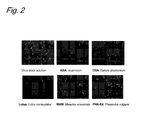
- Fig. 1 shows the experimental results confirming that almost no HHV-6 was non-specifically adsorbed to the tamavidin-immobilized beads.
- the beads was suspended in 500 ⁇ L of a culture solution (RPMI1640 supplemented with 10% fetal bovine serum), and the whole suspension was mixed with 0.5 mL of indicator cell (MT4 cell) suspension. Expression of EGFP was observed. It is believed that, if the EGFP-type HHV-6 is concentrated, the indicator cells are infected with the EGFP-type HHV-6 bound to the magnetic beads through lectin-biotin-tamavidin binding, and the EGFP gene incorporated in the cells is expressed to generate GFP fluorescence.
- a culture solution RPMI1640 supplemented with 10% fetal bovine serum
- Enrichment of HHV-6 in saliva was tried using lectinylated biotin and tamavidin magnetic beads.
- Saliva was collected from a subject with Salivette (Salivette cotton, Sarstedt). The subject rinsed the oral cavity with distilled water twice immediately before the collection of saliva and put the inner cotton of the Salivette in the oral cavity to collect saliva for 2 min.
- HHV-6 DNA in 400 ⁇ L of the saliva collected in Section 1 above was purified using BioRobot EZ1 (Qiagen Inc.) and EZ1 Virus Mini Kit v2.0 (Qiagen Inc.) in accordance with the protocol of EZ1 Virus Mini Handbook (Qiagen Inc.).
- the resulting DNA was subjected to quantitative PCR.
- the quantitative PCR the HHV-6 U65/66 region was quantitatively determined by real-time PCR.
- the sequences used in the PCR were as follows:
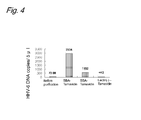
- the determined HHV-6 DNA in 1 mL of saliva was 14,616 copies/mL.
- the calculated amount of HHV-6 in 5 ⁇ L of saliva is 73.08 copies ( Fig. 4 : before purification).
- Saliva 400 ⁇ L collected as in Section 1 were mixed with ten-fold concentration of PBS (44 ⁇ L) and 1 nmol of biotinylated SBA, followed by incubation at 15°C for 1 h (upside-down mixing). Then, the tamavidin magnetic beads (100 ⁇ L) prepared in Example 1 were added to the reaction solution, followed by further incubation at 15°C for 1 h (upside-down mixing). Then, the Eppendorf tube containing the reaction solution was placed in a magnetic stand for Dynabeads, and the beads was washed with PBS (500 ⁇ L) three times. Then, TE (10 ⁇ L) was added thereto, followed by incubation at 98°C for 10 min. The supernatant was collected in the magnetic stand, and 5 ⁇ L of the supernatant was subjected to quantitative PCR. In the quantitative PCR, the HHV-6 U65/66 region was quantitatively determined by real-time PCR as in Section 2.
- Biotinylated SBA or biotinylated WGA 100 ⁇ g was added to saliva (1 mL) collected as in Section 1, and the tamavidin magnetic beads (50 ⁇ L) prepared in Example 1 were added to the reaction solution, followed by upside-down mixing at room temperature for 15 min thereby allowing the components to be bound.
- the tube containing the reaction solution was placed in a magnetic stand for Dynabeads, and the beads was washed with PBS containing 0.5% bovine serum albumin and 2 mM EDTA twice. Then, the beads was subjected to elution with the solution for elution (20 ⁇ L of PBS supplemented with 2% fetal bovine serum and a sugar chain for elution).
- the saccharide for elution in the solution was N-acetyl-D-galactosamine (0.2 M) in the system using biotinylated SBA and was a chito-oligosaccharide (1%) in the system using the biotinylated WGA. Then, the test tube containing the eluate after the elution treatment was placed in a magnetic stand for Dynabeads, and the tamavidin magnetic beads were separated for recovery of the supernatant. The thus-recovered solution (5 ⁇ L) was subjected to quantitative PCR. In the quantitative PCR, as in Section 2, the HHV-6 U65/66 region was quantitatively determined by real-time PCR.
- HHV-6 was concentrated 2.7-fold, compared to the virus concentration before purification, by collecting the HHV-6 using the biotinylated SBA and the tamavidin magnetic beads and eluting with N-acetyl-D-galactosamine. Further, HHV-6 was concentrated 4.7-fold, compared to the virus concentration before purification, by collecting the HHV-6 using the biotinylated WGA and the tamavidin magnetic beads and eluting with the chito-oligosaccharide ( Fig. 5 ).
- a lentiviral vector having a HIV-based gene and VSV-G envelope, which is recombined with EGFP gene, were used as a lentivirus (obtained from Dr. Hiroyuki Miyoshi, Riken).
- the biotinylated lectins used were the following 15 types: (Con A, DBA, LCA, PHA-E4, PNA, RCA120, UEA-I, WGA, ABA, DSA, Lotus, MAM, PHA-L4, SBA, and SSA) manufactured by J-Oil Mills Inc.
- the Eppendorf tube containing the reaction solution was placed in a magnetic stand for Dynabeads, and the beads was washed with 200 ⁇ L of PBS containing 2 mM EDTA and 0.5% BSA twice. Then, the beads was suspended in 500 ⁇ L of a culture solution (RPMI1640 supplemented with 10% fetal bovine serum), and the whole suspension was used for infection of indicator cells (293 cells). The infectious titer of the virus was measured by means of EGFP expression.
- a culture solution RPMI1640 supplemented with 10% fetal bovine serum
- Biotinylated SBA or biotinylated WGA 200 ⁇ g was added to an EGFP recombinant lentivirus solution (1 mL, titer: 10 3 particles/mL), and the tamavidin magnetic beads (100 ⁇ L) were added to the reaction solution, followed by upside-down mixing at room temperature for 15 min for reaction.
- the tube containing the reaction solution was placed in a magnetic stand for Dynabeads, and the beads was washed with PBS containing 0.5% bovine serum albumin and 2 mM EDTA twice.
- the beads was subjected to elution with the solution for elution (100 ⁇ L of PBS supplemented with 2% fetal bovine serum and a saccharide for elution).
- the saccharide for elution in the solution was N-acetyl-D-galactosamine (0.2 M) for the SBA and was a chito-oligosaccharide (1%) for the WGA.
- the test tube containing the eluate after the elution treatment was placed in a magnetic stand for Dynabeads, and the tamavidin magnetic beads were separated for recovery of the supernatant.
- the thus-recovered solution was adsorbed to indicator cells (HeLa cells) at 37°C for 1 h for infection.
- the infected virus titer was determined by counting the number of cells expressing EGFP on next day.
- the present invention provides a novel method that can simply increase the virus or viral vector concentration in a solution with a low concentration and a kit for performing the method.
- the method of the present invention which can increase the virus or viral vector concentration readily while maintaining the infection ability, is expected to be used, for example, as a safe and simple technique of concentrating a vector useful in a genetic therapy or a vaccine therapy using a viral vector.
- the present invention provides a simple method that does not require a complicated column operation, ultracentrifugation, or other operations, unlike conventional methods, and can be expected to find application in an automated or high-throughput system.
Landscapes
- Health & Medical Sciences (AREA)
- Chemical & Material Sciences (AREA)
- Engineering & Computer Science (AREA)
- Life Sciences & Earth Sciences (AREA)
- Genetics & Genomics (AREA)
- Organic Chemistry (AREA)
- Biomedical Technology (AREA)
- Zoology (AREA)
- Wood Science & Technology (AREA)
- Bioinformatics & Cheminformatics (AREA)
- Biotechnology (AREA)
- General Engineering & Computer Science (AREA)
- General Health & Medical Sciences (AREA)
- Biochemistry (AREA)
- Microbiology (AREA)
- Physics & Mathematics (AREA)
- Plant Pathology (AREA)
- Molecular Biology (AREA)
- Biophysics (AREA)
- Crystallography & Structural Chemistry (AREA)
- Analytical Chemistry (AREA)
- Immunology (AREA)
- Medicinal Chemistry (AREA)
- Virology (AREA)
- Peptides Or Proteins (AREA)
- Micro-Organisms Or Cultivation Processes Thereof (AREA)
Abstract
Description
- The present invention relates to a novel method of increasing the concentration of a virus or a viral vector while maintaining an infection ability of the same, and a kit for performing the method. The present invention relates to a safe and simple technique for increasing a concentration of a vector such as a retroviral vector or a herpesviral vector useful in the field of a genetic therapy, vaccines, and the like.
- Recently, various viral vectors have been developed for genetic therapies and vaccine therapies, and their positive results are expected. However, since desirable effects cannot be sufficiently obtained at a low concentration of a viral vector, a concentration is required to be adjusted to an adequate level. In the field of genetic therapy, the success of therapy depends on the efficiency of gene introduction into cells, and therefore viral vectors with high gene introduction efficiency are used. However, regarding retroviral vectors including lentiviral vectors, viruses showing high titers have not been obtained; hence, the efficiency of gene introduction is not sufficient. Accordingly, various processes for concentrating viruses and products based on such processes have been developed, but they still have various practical problems, as the matter stands.
- A method of raising the concentration of a virus in a solution and thereby concentrating the virus is, for example, ultracentrifugation. Unfortunately, this method requires use of expensive equipment and a long time for separation and thus a large amount of work is required to carry out the method. Another known method of concentrating a virus is precipitation of the virus with ammonium sulfate or polyethylene glycol. Unfortunately, such a method may preclude the subsequent procedures because the reagent used and other precipitated components in the method are harmful to infected cells. This requires purification of the sample after precipitation of the virus, which is disadvantageous in that it requires a large amount of work. A method of concentrating virus particles themselves by using an antibody has also been developed (Japanese Patent Public Disclosure No.
2002-78485 - Another disclosed method of concentrating a virus is, for example, use of magnetic particles to which a mannose-binding lectin is immobilized (Japanese Patent Public Disclosure No.
2002-165591 - In addition, disclosed is a method using streptavidin and a biotinylated lectin that enhances the retroviral titer or isolates a retrovirus from a sample (
W02001/079456 ). In all the disclosures described above, the viruses used are bound to carriers, and the virus particles are not isolated. Accordingly, applications of the viruses concentrated by these methods are limited. -
- Patent Document 1: Japanese Unexamined Patent Application Publication No.
2002-078485 - Patent Document 2: Japanese Unexamined Patent Application Publication No.
2002- 165591 - Patent Document 3: International Publication No.
WO2001/079456 - A concentration of a virus in a body fluid cannot be determined quantitatively at a level lower than a detection limit of a known method. If a concentration of a viral vector that is used in, for example, a genetic therapy or a vaccine therapy is low, a desirable therapeutic effect cannot be obtained. Thus, adjustment of the concentration is required.
- Accordingly, it is an object of the present invention to provide a simple method of concentrating a virus or a viral vector in a solution. Another object of the present invention is to provide a simple method of concentrating a virus or a viral vector from a low level virus solution and obtaining the virus or the viral vector in an isolated state maintaining infection ability. In particular, it is an object of the present invention to provide a safe and simple technique of increasing a concentration of a vector such as a retroviral vector or a herpesviral vector useful for genetic therapy or a vaccine.
- The inventors have conducted intensive studies to solve these problems and have developed a simple method that can concentrate a virus or a viral vector in a solution. More specifically, the inventors have succeeded in preparation of a solution containing a virus having a concentration higher than that of the initial virus-containing solution by binding a lectin to a desired virus-containing solution, binding the resulting virus-lectin complex to a carrier, separating and collecting the carrier to which the virus has been bound, and adding a saccharide to the carrier to elute only the target virus from the carrier into a proper solution without eliminating an infection ability.
- The inventors have also found that a recovery rate of a human herpesvirus or its vector is significantly increased by use of a lectin selected from SBA (derived from soybean, binding sugar chain: sugar chain containing N-acetylgalactosamine (GalNAc)), SSA (derived from Sambucus sieboldiana, binding sugar chain: sugar chain containing α2,6-linked sialic acid (Siaα2,6)), DSA (derived from Datura stramonium, binding sugar chain: sugar chain containing N-acetylglucosamine (GlcNAc)), and WGA (derived from wheat germ, binding sugar chain: sugar chain containing N-acetylglucosamine (GlcNAc) or sialic acid).
- The inventors have also found that a recovery rate of a lentiviral vector is significantly increased by use of a lectin selected from WGA and SBA.
- Furthermore, the inventors have succeeded in elution of a virus or a viral vector from a carrier to which the virus or viral vector is bound by treating the carrier recovered by the above-mentioned method with a proper saccharide. Surprisingly, the isolated virus maintains its infection ability. The inventors have also found that a preferable saccharide for eluting a virus or a viral vector is a chito-oligosaccharide for WGA or N-acetyl-D-galactosamine or a saccharide containing thereof for SBA.
- Based on these findings, the present invention provides a novel method of increasing simply a concentration of a virus or a viral vector while maintaining an infection ability thereof.
- Accordingly, the present invention relates to the following aspects.
- Embodiment 1: A method of increasing a concentration of a virus, including the steps of:
- (1) bringing a lectin into contact with a virus-containing solution to bind the virus to the lectin, wherein (i) the lectin is linked to a molecule capable of binding to a carrier and is immobilized to the carrier through the molecule and thereby makes the virus bound to the lectin bind indirectly to the carrier, or (ii) the lectin is directly immobilized to a carrier and thereby makes the virus bound to the lectin bind to the carrier;
- (2) separating the carrier from the virus-containing solution;
- (3) treating the recovered carrier with solution containing a saccharide to elute the virus from the carrier, wherein the volume of the eluate is smaller than the volume of the virus-containing solution in step (1); and
- (4) separating the carrier from the eluate after step (3) to obtain a concentrated solution of the virus.
- Embodiment 2: A method of increasing a concentration of a virus including the steps of:
- (1) mixing a virus-containing solution with a biotinylated lectin for bringing a virus into contact with the biotinylated lectin, and then adding a biotin-binding protein-immobilized carrier thereto to make the virus bound to the biotinylated lectin bind to the carrier;
- (2) separating the carrier from the virus-containing solution;
- (3) treating the recovered carrier with solution containing a saccharide to elute the virus from the carrier, wherein the volume of the eluate is smaller than the volume of the virus-containing solution in step (1); and
- (4) separating the carrier from the eluate after step (3) to obtain a concentrated solution of the virus.
- Embodiment 3: The method according to
embodiment - Embodiment 4: The method according to
embodiment - Embodiment 5: The method according to
embodiment - Embodiment 6: The method according to embodiment 5, wherein the lectin is selected from the group consisting of SBA (derived from soybean), SSA (derived from Sambucus sieboldiana), DSA (derived from Datura stramonium), and WGA (derived from wheat germ).
- Embodiment 7: The method according to
embodiment - Embodiment 8: The method according to
embodiment - Embodiment 9: A method of increasing the concentration of a virus including the steps of:
- (1) bringing a virus-containing solution into contact with a lectin being directly bound to nanobeads having a diameter of 10 to 100 nm to make the virus bind to the nanobeads;
- (2) separating the nanobeads from the virus-containing solution;
- (3) treating the recovered nanobeads with solution containing a saccharide to elute the virus from the nanobeads, wherein the volume of the eluate is smaller than the volume of the virus-containing solution in step (1); and
- (4) separating the nanobeads from the eluate after step (3) to obtain a concentrated solution of the virus.
- Embodiment 10: A kit for increasing a concentration of a virus by the method according to
embodiment 2, the kit including: - a biotinylated lectin, biotin-binding protein-immobilized beads, and a saccharide for eluting the virus from the carrier.
- Embodiment 11: A kit for increasing the concentration of a virus by the method according to
embodiment 2, the kit including: - (a) biotinylated WGA, a biotin-binding protein, and a chito-oligosaccharide; or
- (b) biotinylated SBA, a biotin-binding protein, and N-acetyl-D-galactosamine or a saccharide containing thereof.
- According to the present invention, a virus or a viral vector in a solution can be concentrated readily, while maintaining their infection ability.
-
-
Fig. 1 is fluorescence photomicrographs showing the results of a test for non-specific adsorption of HHV-6 to tamavidin beads. The bright green spots show MT-4 cells serving as indicator cells infected with EGFP recombinant HHV-6. One spot represents one infectious virus particle (the difference in brightness of each spot depends on a difference in gene expression of the virus after infection). The left photograph shows the results after a HHV-6 virus solution (stock solution) was applied to MT-4 cells. The right photograph shows the results after a HHV-6 virus solution (stock solution) was brought into contact with tamavidin beads in the absence of a lectin, and then the virus adsorbed to the tamavidin beads was applied to MT-4 cells. -
Fig. 2 is fluorescence photomicrographs showing the results of a test for effects of each of lectins, i.e., ABA, DSA, Lotus, MAM, or PHA-E4, on concentration of HHV-6. The bright green spots show MT-4 cells serving as indicator cells infected with EGFP recombinant HHV-6. One spot represents one infectious virus particle (the difference in brightness of each spot depends on a difference in gene expression of the virus after infection). -
Fig. 3 is fluorescence photomicrographs showing the results of a test for effects of each of lectins, i.e., PHA-L4, UEA-I, SBA, or SSA, on concentration of HHV-6. The bright green spots show MT-4 cells serving as indicator cells infected with EGFP recombinant HHV-6. One spot represents one infectious virus particle (the difference in brightness of each spot depends on a difference in gene expression of the virus after infection). -
Fig. 4 is a graph showing the degree of enrichment of HHV-6 in saliva by a lectin and tamavidin beads. -
Fig. 5 is a graph showing the degree of enrichment of HHV-6 in saliva by a lectin and tamavidin beads after conducting enrichment of HHV-6 and elution thereof with a saccharide. -
Fig. 6 is fluorescence photomicrographs showing the results of a test for effects of a lectin and tamavidin beads on concentration of a lentiviral vector. The bright green spots show 293 cells serving as indicator cells infected with an EGFP recombinant lentiviral vector. One spot represents one infectious virus particle (the difference in brightness of each spot depends on a difference in gene expression of the virus after infection). -
Fig. 7 is a graph showing the degree of enrichment of a lentiviral vector by a lectin and tamavidin beads. - The present invention will be described in further detail below.
- The present invention provides a method of increasing the concentration of a virus, the method including the steps of:
- (1) bringing a lectin into contact with a virus-containing solution to bind the virus to the lectin, wherein (i) the lectin is linked to a molecule capable of binding to a carrier and is immobilized to the carrier through the molecule and thereby makes the virus bound to the lectin bind indirectly to the carrier, or (ii) the lectin is directly immobilized to a carrier and thereby makes the virus bound to the lectin bind to the carrier;
- (2) separating the carrier from the virus-containing solution;
- (3) treating the recovered carrier with solution containing a saccharide to elute the virus from the carrier, wherein the volume of the eluate is smaller than the volume of the virus-containing solution in step (1); and
- (4) separating the carrier from the eluate after step (3) to obtain a concentrated solution of the virus.
- Each configuration of the method of the present invention will be described in detail below.
- The virus to be concentrated by the method of the present invention is a virus that has an envelope or a viral vector derived from the virus. In a preferred embodiment, the target virus to be concentrated may be selected from the group consisting of poxviruses, poxvirus-derived vectors, togaviruses, togavirus-derived vectors, coronaviruses, coronavirus-derived vectors, flaviviruses, flavivirus-derived vectors, retroviruses, retrovirus-derived vectors, herpesviruses, and herpesvirus-derived vectors. In another preferred embodiment, the target virus to be concentrated may be a lentivirus, a lentivirus-derived vector, a human herpesvirus 6 (variants A and B of human herpesvirus 6: hereinafter, referred to collectively as HHV-6), a HHV-6-derived vector, a human herpesvirus 7 (hereinafter, referred to as HHV-7), a HHV-7-derived vector, a cytomegalovirus (also called human herpesvirus 5), a HHV-5-derived vector, an Epstein-Barr virus (EBV), or an EBV-derived vector, and more preferably a lentivirus, a lentivirus-derived vector, HHV-6, a HHV-6-derived vector, HHV-7, or a HHV-7-derived vector.
- In this description, the term "virus-containing solution" is a material containing a virus to be concentrated in the method of the present invention. The virus-containing solution may be, for example, a buffer solution containing a virus or a viral vector to be concentrated, or a body fluid. Throughout the description, the term "virus-containing solution" may be referred to simply as a sample.
- The solution containing a virus or a viral vector to be concentrated can be prepared by any method known to those skilled in the art.
- In this description, the body fluid may be selected from any of saliva, blood, serum, semen, cerebrospinal fluid, pharynx wiping liquid, breast milk, ascitic fluid, perspiration, tear, and urine, without limitation. Body fluid can be collected by any method known to those skilled in the art. The collected body fluid may be treated according to need, as long as the treatment does not affect the infection ability of the virus.
- In this description, the term "lectin" refers to a saccharide-binding protein that recognizes a sugar chain and binds thereto. Each lectin selectively binds to specific sugar chains.
- The lectin used in the present invention is not limited particularly as long as it can bind to a virus. Preferred examples of the lectin are those that bind to sugar chains containing at least one ofN-acetylgalactosamine (GalNAc), α2,6-linked sialic acid (Siaα2,6), and N-acetylglucosamine (GlcNAc). More preferred examples of the lectin include SBA (a lectin derived from soybean, binding sugar chain: sugar chain containing N-acetylgalactosamine (GalNAc)), SSA (a lectin derived from Sambucus sieboldiana, binding sugar chain: sugar chain containing α2,6-linked sialic acid (Siaα2,6)), DSA (a lectin derived from Datura stramonium, binding sugar chain: sugar chain containing N-acetylglucosamine (GlcNAc)), and WGA (a lectin derived from wheat germ, binding sugar chain: sugar chain containing N-acetylglucosamine (GlcNAc) or sialic acid).
- In particular, SBA, SSA, DSA, or WGA is more preferable for increasing the concentration of a human herpesvirus or a human herpesvirus-derived vector. SBA or WGA is more preferable for increasing the concentration of a lentivirus or a lentivirus-derived vector.
- In an embodiment of the present invention, the lectin may be used by being directly immobilized to a carrier.
- In another embodiment, the lectin may be used after being indirectly immobilized to a carrier. An example of indirect immobilization is binding of the lectin and the carrier through a binding between biotin and a biotin-binding protein. More specifically, indirect immobilization of the lectin to the carrier can be achieved by biotinylating the lectin and, at the same time, linking the lectin to the surface of the carrier, and then binding the biotin and the biotin-binding protein.
- In the present invention, the carrier is not limited particularly as long as it is a solid or insoluble material (for example, a material that can be separated from a reaction mixture by filtration, precipitation, magnetic separation, or other means).
- Examples of the material constituting the solid carrier include, but are not limited to, cellulose, Teflon (registered trademark), nitrocellulose, agaroses, highly cross-linked spherical agaroses, dextran, chitosan, polystyrene, polyacrylamide, polyesters, polycarbonates, polyamides, polypropylene, nylons, polydivinylidene difluoride, latex, silica, glass, glass fiber, gold, platinum, silver, copper, iron, stainless steel, ferrite, silicon wafers, polyethylene, polyethyleneimine, polylactic acid, resins, polysaccharides, proteins (e.g., albumin), carbon, and combinations thereof.
- Examples of the shape of the solid carrier include, but not limited to, beads, magnetic beads, thin films, microcapillary tubes, filters, plates, microplates, carbon nanotubes, and sensor chips. A planar solid carrier, such as a thin film or a plate, may be provided with, for example, pits, grooves, filter bottoms, as known in the art.
- In one embodiment of the present invention, the magnetic beads can have a spherical diameter in the range of from about 10 nm to about 1 mm. In a preferred embodiment, the magnetic beads have a diameter in the ranges of from about 25 nm to about 1 mm and from about 50 nm to about 100 µm. The size of the magnetic beads can be selected according to specific application.
- In one embodiment of the present invention, beads made of a highly cross-linked spherical agaroses, such as sepharose, can have a diameter in a range of from about 24 to about 165 µm. In a preferred embodiment, the highly cross-linked spherical agarose beads have a diameter in a range of from about 24 to about 44 µm The size of the highly cross-linked spherical agarose beads can be selected according to specific application.
- Examples of the solid carrier having a hydrophobic surface include polystyrene latex beads that are commercially available from Polysciences Inc. or Spherotech Inc.
- Examples of silica (SiO2)-treated or silica (SiO2)-based solid carrier include superparamagnetic silica beads that are available from Polysciences Inc. In addition, M-280 can be used, which is commercially available from Dynal Biotech LLC.
- Examples of the magnetic beads having a hydrophilic surface include beads commercially available from Polysciences Inc. under a trade name of Biomag (registered trademark) carboxyl and beads (MC02N/2928) available from Bangs Laboratory Inc. In addition, M-270 can be used, which is commercially available from Dynal Biotech LLC.
- In one embodiment of the present invention, the lectin linked directly to the carrier can be used. In this case, from a viewpoint of increasing a likelihood of association between virus particles and a lectin-immobilized carrier, the carrier should be nanobeads of a size that permits Brownian motion. The preferred spherical diameter of the nanobeads ranges from 10 to 100 nm, more preferably from 30 to 70 nm. In addition, in this case, the nanobeads preferably contain a magnetic material so that the nanobeads can be collected readily with a magnet. Examples of the nanobeads include, but are not limited to, magnetic nanobeads, such as MACS MicroBeads (diameter: 50 nm) available from Miltenyi Biotech Inc.
- The lectin and the carrier can be linked by a coupling process between a protein and a carrier known to those skilled in the art. For example, the protein and the carrier can be linked by modifying the carrier surface so as to expose carboxyl groups at the surface and coupling the carboxyl groups to amino groups of the protein in the presence of 1-ethyl-3-(3-dimethylaminopropyl)carbodiimide (EDC), which is a cross-linking reagent. Alternatively, for example, the carboxyl groups of the carrier surface and the amino groups of the protein can be linked by actively esterifying the carboxyl groups of the carrier surface by N-hydroxysuccinimide (NHS) and mixing the carrier with the protein in a buffer that does not contain primary amino groups and has a pH of 6.5 to 9.
- Alternatively, the amino groups of the carrier surface and the amino groups of the protein can be linked by using a cross-linking reagent, BS3 (bis[sulfosuccinimidyl] suberate) or DSS (disuccinimidyl suberate); or the amino groups of the carrier surface and the thiol groups of the protein can be linked by using a cross-linking reagent, SPDP (N-succinimidyl 3-[2-pyridyldithio]propionate) or GMBS (N-(4-maleimidebutyryloxy)succinimide).
- In another embodiment of the present invention, the lectin linked indirectly to a carrier may be used. For example, the lectin can be linked indirectly to the carrier, by being biotinylated while a biotin-binding protein is immobilized to the carrier surface and then by being bound to the biotin-binding protein.
- In this case, use of beads as a carrier is preferable. A spherical diameter of the beads is preferably in the range of 0.1 to 100 µm, more preferably 0.5 to 10 µm, and most preferably 1 to 5 µm
- In this description, the term "biotin" is a general name of D-[(+)-cis-hexahydro-2-oxo-1H-thieno-(3,4)-imidazole-4-valeric acid]. The biotin is a water-soluble vitamin classified into a Vitamin B group and is also called Vitamin B7, or called Vitamin H or coenzyme R in some cases. The biotin binds to avidin, which is a glycoprotein contained in albumen, with very high affinity.
- In this description, the term "biotin" also includes biotin analogs such as iminobiotin (Hofmann, et al., Proc. Natl. Acad. Sci. USA, (1980) 77: 4666-4668), desthiobiotin (Hirsch, et al., Anal. Biochem., (2002) 308: 343-357), biocytin, and biotin sulfoxide, in addition to the above-mentioned biotin.
- The lectin may be biotinylated by using a biotinylation reagent. Examples of usable biotinylation reagent include, but not limited to, Pierce products (in parentheses, the linker length and the reactive group are described in this order), such as EZ-Link (registered trademark) Sulfo-NHS-Biotin (13.5 Å, primary amine), EZ-Link (registered trademark) Sulfo-NHS-LC-Biotin (22.4 Å, primary amine), EZ-Link (registered trademark) Sulfo-NHS-LCLC-Biotin (30.5 Å, primary amine), EZ-Link (registered trademark) PFP-Biotin (9.6 Å, amine), EZ-Link (registered trademark) Maleimide-PEO2-Biotin (29.1 Å, thiol group), EZ-Link (registered trademark) Biotin-PEO2 Amine (20.4 Å, carboxyl group), EZ-Link (registered trademark) Biotin-PEO3-LC Amine (22.9 Å, carboxyl group), EZ-Link (registered trademark) Biotin-Hydrazide (15.7 Å, aldehyde group), EZ-Link (registered trademark) Biotin-LC-Hydrazide (24.7 Å, aldehyde group), and EZ-Link (registered trademark) NHS-Iminobiotin (13.5 Å, primary amine).
- Using such biotinylation reagent, the lectin can be linked to biotin by a known method.
- For example, a biotinylation reagent containing an NHS ester is dissolved in an organic solvent such as DMSO (dimethyl sulfoxide) or a phosphate buffer having pH 7-pH 9, and then the solution is added to the lectin, so that biotin can be linked to the lectin. Alternatively, in a case when a biotinylation reagent containing amino groups is used, biotin may be linked to the lectin by first changing carboxyl groups of the lectin to active ester by using a carbodiimide such as 1-ethyl-3-(3-dimethylaminopropyl)carbodiimide hydrochloride (EDC) and then adding the biotinylation reagent dissolved in a buffer solution having a pH of about 5 to said lectin.
- Instead, the biotinylated lectin may be purchased from, for example, J-Oil Mills Inc. as a biotin-labeled lectin. Alternatively, the biotinylated lectin may be produced by linking biotin to a desired lectin by using a biotin labeling kit (for example, though not limited to, EZ-Link (registered trademark) NHS-Lc-Biotin, a product of Pierce Inc.; or Biotin Labeling Kit-NH2, a product of Dojindo Molecular Technologies, Inc.).
- Alternatively, for example, a biotinylated lectin may be produced through fusion of a gene of a lectin to a DNA encoding a peptide comprising a biotinylated sequence, construction of a vector expressing this fused gene, and expression of a fusion protein having the biotinylated sequence in a host (Schwarz et al., J. Biol. Chem., (1988), 263: 9640-9645). Examples of the vector include, but not limited to, vectors containing a BioEase (trademark) tag, which is a product of Invitrogen Inc. Among such vectors, a pcDNA (trademark) 6 vector for mammalian cell expression, a pET104 vector for E. coli expression, and a pMT/BioEase vector for Drosophila expression; can be utilized.
- In the present invention, any proteins capable of binding to biotin to form biotin/avidin bond, such as avidin, streptavidin, neutravidin, AVR protein (Biochem. J., (2002), 363: 609-617), Bradavidin (J. Biol. Chem., (2005), 280: 13250-13255), Rhizavidin (Biochem. J., (2007), 405: 397-405), tamavidin, and variants thereof, may preferably be used. In particular, tamavidin and its variants can be preferably used. Tamavidin is a biotin-binding protein that was found in basidiomycete Pleurotus cornucopiae, which is an edible mushroom (
WO 02/072817 2008-208766 - The term "tamavidin" in the present invention refers to tamavidin 1 (an amino acid sequence: SEQ ID NO: 5, a nucleic acid sequence encoding thereof: SEQ ID NO: 4), tamavidin 2 (an amino acid sequence: SEQ ID NO: 7, a nucleic acid sequence encoding thereof: SEQ ID NO: 6), or a variant thereof. Specifically, the tamavidin of the present invention may be typically a protein comprising the amino acid sequence of SEQ ID NO: 5 or SEQ ID NO: 7 or a protein encoded by a nucleic acid comprising the nucleotide sequence of SEQ ID NO: 4 or SEQ ID NO: 6. Alternatively, the tamavidin of the present invention may be a protein that is a variant of the protein comprising the amino acid sequence of SEQ ID NO: 5 or SEQ ID NO: 7 or the protein encoded by a nucleic acid comprising the nucleotide sequence of SEQ ID NO: 4 or SEQ ID NO: 6 and that has a biotin-binding activity similar to that of
tamavidin tamavidin 1,tamavidin 2, and a variant thereof may be referred to collectively as tamavidin. - The variant of
tamavidin tamavidin - The variant by deletion, substitution, insertion, and/or addition of amino acid(s) can be produced by, for example, induction of site-specific mutagenesis, which is a well-known technique, (for example, see Nucleic Acid Research, Vol. 10, No. 20, p.6487-6500, 1982, the entire content of which is incorporated in this description by reference), to a DNA encoding a wild-type protein. In this description, the term "one or more amino acids" refers to an amino acid or amino acids that allow deletion, substitution, insertion, and/or addition by the site-specific mutagenesis. In addition, the term "one or more amino acids" in this description may refer to one or several amino acids as appropriate.
- Furthermore, the variant of
tamavidin tamavidin - The identity percentage between two amino acid sequences may be determined by visual inspection and mathematical computation. Alternatively, the identity percentage between two protein sequences may be determined based on the algorithm of Needleman, S. B. and Wunsch, C. D. (J. Mol. Biol., (1970) 48: 443-453) and comparison of sequence information using a GAP computer program, available from the University of Wisconsin Genetics Computer Group (UWGCG). Preferred default parameters of the GAP program include (1) scoring matrix, blosum 62, described in Henikoff, S. and Henikoff, J. G. (Proc. Natl. Acad. Sci. USA, (1992) 89: 10915-10919); (2) a gap weight of 12; (3) a gap length weight of 4; and (4) no penalty for end gap.
- Other programs for sequence comparison that are used by those skilled in the art may also be used. The identity percentage can be determined by comparison of sequence information using, for example, the BLAST program described by Altschul, et al. (Nucl. Acids. Res., (1997) 25: 3389-3402). The program is available from the website, National Center for Biotechnology Information (NCBI) or DNA Data Bank of Japan (DDBJ), on the Internet. Each condition (parameter) for identity screening by the BLAST program is shown in the site in detail. Though the conditions may be modified partially, screening generally is performed using default values. Furthermore, the identity percentage between two amino acid sequences may be determined using a program such as the genetic information processing software GENETYX Ver. 7 (Genetyx Company) or FASTA algorithm. In such a case, default values may be used for the screening.
- The identity percentage between two nucleic acid sequences can be determined by visual inspection and mathematical computation, or, more preferably, the sequence information is compared using a computer program. A typical and preferred computer program is the Wisconsin package of the genetic computer group (GCG; Wisconsin, Madison), version 10.0 program "GAP" (Devereux, et al., Nucl. Acids Res., (1984) 12: 387). Using this "GAP" program, in addition to comparison of two nucleic acid sequences, comparison of two amino acid sequences and comparison of a nucleic acid sequence and an amino acid sequence can be performed.
- In the present invention, examples of preferable tamavidin include the following tamavidin modifications (Japanese Patent Application No.
2008-208766 - A modified biotin-binding protein containing an amino acid sequence set forth in SEQ ID NO: 7, or, an amino acid sequence having one or several amino acid modifications in this sequence or an amino acid sequence having an identity of 80% or more with this sequence and showing a biotin-binding activity, wherein one or more residues selected from the following group:
- 1) an arginine residue at position 104 of SEQ ID NO: 7;
- 2) a lysine residue at position 141 of SEQ ID NO: 7;
- 3) a lysine residue at position 26 of SEQ ID NO: 7; and
- 4) a lysine residue at position 73 of SEQ ID NO: 7,
are substituted by an acidic or neutral amino acid residue. - More preferably, the modified biotin-binding protein is selected from the group consisting of:
- a modified biotin-binding protein (R104E-K141E) where, in SEQ ID NO: 7, the arginine residue at position 104 is substituted by a glutamic acid residue and the lysine residue at position 141 is substituted by a glutamic acid residue;
- a modified biotin-binding protein (D40N-R104E) where, in SEQ ID NO: 7, the aspartic acid residue at
position 40 is substituted by an asparagine residue and the arginine residue at position 104 is substituted by a glutamic acid residue; - a modified biotin-binding protein (D40N-K141E) where, in SEQ ID NO: 7, the aspartic acid residue at
position 40 is substituted by an asparagine residue and the lysine residue at position 141 is substituted by a glutamic acid residue; and - a modified biotin-binding protein (D40N-R104E-K141E) where, in SEQ ID NO: 7, the aspartic acid residue at
position 40 is substituted by an asparagine residue, the arginine residue at position 104 is substituted by a glutamic acid residue, and the lysine residue at position 141 is substituted by a glutamic acid residue. - The biotin-binding protein and the carrier can be linked by using a method for coupling a protein and a carrier, which is known to those skilled in the art. For example, the protein and the carrier can be linked by modifying the carrier surface so as to expose carboxyl groups at the surface and coupling the carboxyl groups to amino groups of the protein in the presence of 1-ethyl-3-(3-dimethylaminopropyl)carbodiimide (EDC) serving as a cross-linking reagent. Alternatively, the carboxyl groups of the carrier surface and the amino groups of the protein can be linked by actively esterifying the carboxyl groups of the carrier surface by N-hydroxysuccinimide (NHS) and mixing the carrier with the protein in a buffer that does not contain primary amino groups and has a pH of 6.5 to 9.
- Alternatively, amino groups of the carrier surface and amino groups of the protein can be linked by using a cross-linking reagent, BS3 (bis[sulfosuccinimidyl] suberate) or DSS (disuccinimidyl suberate); or amino groups of the carrier surface and thiol groups of the protein can be linked by using a cross-linking reagent, SPDP (N-succinimidyl 3-[2-pyridyldithio]propionate) or GMBS (N-(4-maleimidebutyryloxy)succinimide).
- In a case when immobilizing the biotin-binding protein to a carrier, various commercially available carriers having various functional groups at the surfaces can be preferably utilized. Examples of microplates having functional groups on the surfaces include, but are not limited to, maleic anhydride plates such as Reacti-Bind (trademark) Maleic Anhydride Activated Polystyrene 96-Well Plates (Pierce Inc.), active amino group plates such as Immobilizer™-Amino Modules/Plates (Nunc Inc.), and carboxyl group plates such as ELISA plate MS-8796F (96-well C-type/Flat bottom/Carbo) (Sumitomo Bakelite Co., Ltd.). Furthermore, examples of microbeads having a functional group on the surface include, but not limited to, highly cross-linked agarose beads such as Sepharose (trademark) (GE Healthcare Bio-Sciences Ltd.) and magnetic beads such as Dynabeads (trademark) (Dynal Inc.). The biotin-binding protein and the solid carrier can be linked in accordance with instructions attached to the carrier.
- Alternatively, examples of the biotin-binding protein-immobilized carrier include, but not limited to, marketed products such as microplates, e.g., Reacti-Bind™ Streptavidin Coated Plates (Pierce Inc.) and Nunc Streptavidin Coated 96 Micro Well™ Plates (Nalge Nunc Inc.) and magnetic beads, e.g., Dynabeads M-280 Streptavidin (Dynal Inc) and MagnaBind™ Streptavidin Beads (Pierce Inc.).
- In the case where the biotin or the biotin-binding protein are not used, the lectin and the carrier can also be indirectly bound by, for example, linking the lectin to a histidine tag, a FLAG™ tag, or glutathione-S-transferase (GST) and also linking the carrier to the corresponding Ni-NTA (nitrilotriacetic acid), anti-FLAG antibody, and glutathione, and binding the lectin and the carrier.
- The method of the present invention includes the step of bringing the virus-containing solution into contact with a lectin. The conditions for the contact of the virus-containing solution are not limited particularly as long as the virus in the virus-containing solution binds to the lectin. The factors of the contact conditions include composition of the virus-containing solution, incubation temperature, and incubation time.
- The composition of the virus-containing solution is not limited particularly as long as conditions allowing the virus in the virus-containing solution and lectin to bind to each other are maintained. The virus-containing solution is preferably a buffer solution having a pH of 7 to 8, such as a buffer solution based on Tris/EDTA (TE), PBS, HEPES, or TBS. Furthermore, the pH of the virus-containing solution may be 6 to 9, preferably 7 to 8.
- When the virus-containing solution is a body fluid, the body fluid may be brought into contact with the lectin directly or after dilution with a desired buffer solution.
- The lower limit of the incubation temperature may be 4°C or 10°C, and the upper limit may be selected from the group consisting of 50°C, 45°C, 40°C, 37°C, 30°C, 25°C, and 20°C. For example, the preferred incubation temperature ranges from 10°C to 37°C, from 10°C to 25°C, 10°C to 20°C, or 15°C.
- The lower limit of the incubation time may be selected from the group consisting of 1 min, 3 min, 5 min, 10 min, 15 min, 20 min, and 30 min, and the upper limit may be selected from the group consisting of overnight, 10 h, 8 h, 5 h, 3 h, 2 h, 1.5 h, and 1 h. For example, the preferred incubation time ranges from 5 min to overnight, from 5 min to 5 h, and from 10 min to 2 h.
- In an embodiment where the lectin is indirectly immobilized to the carrier in the method of the present invention, the lectin and the carrier are brought into contact with and bound to each other through a molecule capable of binding to the carrier, before, while, or after the virus-containing solution comes into contact with the lectin. The conditions for the contact of the lectin and the carrier are not limited particularly as long as the lectin can be sufficiently immobilized to the carrier through the molecule capable of binding to the carrier. The factors of the contact conditions include incubation temperature and incubation time. Conditions similar to those for the contact of the virus and the lectin described above can be selected as appropriate, but a most preferred incubation time ranges from 1 min to 2 h, from 3 min to 1 h, or from 5 to 30 min.
- The carrier that has captured the virus to be concentrated through the lectin is separated and recovered from the virus-containing solution being a sample, in a manner known to those skilled in the art according to the properties of the carrier.
- For example, in the case of a particulate carrier such as a bead carrier, the carrier may be separated from the sample by centrifugation and subsequent removal of the supernatant. For a carrier that is in a magnetic bead form, the carrier may be separated from the sample by collecting the carrier using a magnet and removing the supernatant. For a carrier that is in a shape of a thin film or filter, the carrier may be separated from the sample by pulling up the carrier from the sample or may be separated from the sample after allowing the sample to pass through the carrier. For a carrier that is designed to capture the virus inside a well structure such as a microplate, the carrier may be separated from the sample merely by removing the sample from the well.
- Furthermore, the step of washing the separated carrier may be conducted in order to remove substances non-specifically bound to the carrier that has been separated from the sample, according to need. The conditions of the washing solution and the temperature used in the washing step are not limited particularly as long as the conditions can maintain the binding between the virus and the lectin and/or the binding between the lectin and the carrier.
- Preferably, the washing solution is buffered and is a buffer solution having a pH of 7 to 8, such as a buffer solution based on Tris/EDTA (TE), PBS, HEPES, or TBS. The pH of the washing solution may be 6 to 9, preferably 7 to 8.
- The washing temperature is not limited particularly, but the lower limit of the washing temperature may be 4°C or 10°C, and the upper limit may be selected from the group consisting of 50°C, 45°C, 40°C, 37°C, 30°C, 25°C, and 20°C. For example, the preferred washing temperature ranges from 10°C to 37°C, from 10°C to 25°C, 10°C to 20°C, or 15°C.
- The method of the present invention includes a step of eluting the virus captured by the carrier through the lectin from the carrier by using solution containing a saccharide. It is presumed that a condition where the virus is bound to a lectin may adversely affect the infection ability of the virus in some types of viruses. Furthermore, in order to concentrate a viral vector to be used in a genetic therapy, it is indispensable to elute and isolate the viral vector from the carrier.
- In this description, eluting of virus particles from a carrier refers to that virus particles captured by a carrier are detached from the carrier by dissociating the sugar chainlectin bonds to make the virus particles free from the carrier. Furthermore, in this description, eluting virus particles from a carrier refers to that virus particles captured by a carrier are at least partly detached from the carrier into a free state, but does not necessarily mean that all virus particles captured by the carrier are detached completely.
- In this description, the term "isolate" when virus particles are eluted and isolated from a carrier refers to that in which the virus particles captured by the carrier are detached into a free state and are then separated from the carrier component. Accordingly, in this description, the term "isolated virus" refers to that at least the carrier component is not included and does not refer to restriction of the purity of the virus.
- The inventors have found that treatment of the virus binding to a lectin with a solution containing a proper saccharide leads to elution and isolation of virus particles from a carrier without eliminating the infection ability of the virus. Accordingly, in the method of the present invention, the virus binding to the lectin can be eluted using a saccharide. The saccharide capable of eluting the virus from the virus-binding lectin is selected from monosaccharides, disaccharides, oligosaccharides, and glycosides that have a saccharide to which the lectin binds.
- Specific examples of the saccharide for eluting the virus captured by a lectin include N-acetyl-D-galactosamine specific for SBA, lactose specific for SSA, chito-oligosaccharides specific for DSA, and chito-oligosaccharides and N-acetyl-D-glucosamine specific for WGA, and these can preferably be used.
- The solution containing a saccharide may be a buffer solution having a pH of 7 to 8, such as a buffer solution based on Tris/EDTA (TE), PBS, HEPES, or TBS. Furthermore, the pH of the eluate containing a saccharide may be 5 to 9, preferably 7 to 8.
- The concentration of a saccharide contained in the eluate containing the saccharide is from 0.01 to 1 M, preferably from 0.05 to 0.5 M, and more preferably from 0.1 to 0.3 M or is from 0.1 to 5% (w/v) and more preferably from 0.5 to 2% (w/v).
- The temperature for elution treatment is not limited particularly, and may be room temperature. Alternatively, the lower limit of the washing temperature may be 4°C or 10°C, while the upper limit may be selected from any of 50°C, 45°C, 40°C, 37°C, 30°C, 25°C, and 20°C. For example, the preferred washing temperature is room temperature, from 10 to 37°C, from 10°C to 25°C, 10°C to 20°C, or 15°C.
- The time for the elution treatment is not limited particularly, but may be from 30 sec to 1 day, preferably from 5 min to 2 h, and more preferably from 1 to 30 min.
- The volume of the eluate used for eluting the virus is not limited particularly as long as the volume is smaller than the initial volume of the virus-containing solution used in the method of the present invention. Preferably, the volume may be 1/2, 1/3, 1/4, 1/5, 1/10, 1/20, 1/50, 1/100, or 1/500 of the initial volume of the virus-containing solution.
- In the case where the saccharide is not used in elution from a carrier, the virus can be eluted by adjusting the pH of the eluate to acidic (preferably a pH of 1 to 5) or alkaline (preferably a pH of 9 to 11).
- The concentrated virus solution is obtained by removing the carrier, after the carrier is treated with the solution for elusion.
- After treatment with the solution , the carrier in the solution is separated and removed from the solution in a manner known to those skilled in the art according to the properties of the carrier. For example, in the case of a particulate carrier such as a bead carrier, the concentrated virus solution may be prepared by centrifugation and subsequent collection of the supernatant. For a carrier that is in a magnetic bead form, the concentrated virus solution may be prepared by collecting the carrier using a magnet and recovering the supernatant. For a carrier that is in a shape of a thin film or filter, the carrier may be separated from the sample by pulling up the carrier from the eluate or may be separated from the eluate after allowing the sample to pass through the carrier. For a carrier that is designed to capture the virus inside a well structure such as a microplate, the concentrated virus solution may be prepared merely by recovering the eluate from the well.
- The present invention also provides a kit for concentrating the virus in a virus-containing solution based on the method of the present invention.
- In an embodiment, the kit of the present invention includes at least a biotinylated lectin, a biotin-binding protein-immobilized carrier, and a saccharide for elution. The lectin, the biotin-binding protein, the carrier, and the saccharide for elution are as defined above.
- In another embodiment, the kit of the present invention includes at least lectin-immobilized nanobeads and a saccharide for elution. The lectin, the nanobeads, and the saccharide for elution are as defined above.
- The kit of the present invention may further include a buffer solution for binding a virus and a lectin, a buffer solution for washing the separated virus-binding carrier, and/or a buffer solution for eluting the virus from the carrier, in the method of the present invention.
- In the kit of the present invention, each reagent may be contained in a proper container. In addition, the kit of the present invention may include a package for properly wrapping the reagents included in the kit.
- Furthermore, the kit of the present invention may include suitable instructions for use. Nonlimiting examples of the instructions for use include media that can convey how to use the kit of the present invention to a user, such as description on the package, printed matter, an electronic memory medium (for example, magnetic disk, tape, cartridge, or chip), and an optical medium (for example, CD ROM). In addition, description of the address of an Internet site that provides instructions for use is included in the instructions for use.
- The present invention will be described based on examples in more detail, but those examples are not intended to limit the technical scope of the present invention. Those skilled in the art can modify or change the present invention readily based on the description of the present description, and such modifications and changes are included in the technical scope of the present invention.
- Enrichment of HHV-6 was investigated by allowing 15 biotinylated lectins (Con A, DBA, LCA, PHA-E4, PNA, RCA120, UEA-I, WGA, ABA, DSA, Lotus, MAM, PHA-L4, SBA, and SSA) to react with a cultured HHV-6 in solution and then to bind to tamavidin-immobilized magnetic beads.
- Cultured human cord blood-derived T cells were infected with recombinant HHV-6 expressing EGFP (Japanese Patent No.
3923505 - Magnetic beads (300 µL) having surfaces coated with carboxyl groups (available from Dynabeads M-270 Carboxylic Acid, Dynal Inc.) were washed with 0.01 N sodium hydroxide (300 µL) for 10 min and then with ultrapure water (300 µ) for 10 min three times. To the washed magnetic beads, 1-ethyl-3-(3-dimethylaminopropyl)carbodiimide hydrochloride (EDC) (Pierce Inc.) dissolved in cooled ultrapure water was added into a final concentration of 0.2 M, followed by shaking at room temperature for 30 min. Then, the magnetic beads were washed with cooled ultrapure water (300 µL) and then with 50 mM MES buffer solution (300 µL, pH 5.0), and then mixed with 0.6 mg/mL tamavidin (300 µL, 180 µg) substituted by 50 mM MES buffer solution (pH 5.0). The mixture was shaken at room temperature for 30 min to link the tamavidin and the magnetic beads by covalent bonds. The magnetic beads were collected with a magnet, and the supernatant was removed. Then, unreacted carboxyl groups of the beads were eliminated by 50 mM tris buffer solution (300 µL, pH 7.0), and the magnetic beads were blocked with a PBS buffer solution (300 µL) containing 0.5% BSA and 0.1
% Tween 20. The magnetic beads were suspended in a PBS buffer solution (300 µL) to complete the preparation of magnetic beads. Similarly, streptavidin magnetic beads were prepared using streptavidin instead of tamavidin. - Using the EGFP-type HHV-6 solution prepared in
Section 1, enrichment of HHV-6 was confirmed using the infectious titer of the recombinant HHV-6 as an index. The biotinylated lectins used were the following 15 types: (Con A, DBA, LCA, PHA-E4, PNA, RCA120, UEA-I, WGA, ABA, DSA, Lotus, MAM, PHA-L4, SBA, and SSA) manufactured by J-Oil Mills Inc. - Before the screening of lectins, non-specific adsorption of the tamavidin causing background was confirmed.
- First, 100 µL of the EGFP recombinant HHV-6 solution (virus concentration: 104 copies/mL TE) and 500 µL of PBS were mixed and incubated at 15°C for 1 h (upside-down mixing). Then, the tamavidin magnetic beads prepared in
Section 2 were added to the reaction solution, followed by incubation at 15°C for 1 h (upside-down mixing). Then, the Eppendorf tube containing the reaction solution was placed in a magnetic stand for Dynabeads, and the beads was washed with 200 µL of PBS containing 2 mM EDTA and 0.5% BSA twice. Then, the beads was suspended in 500 µL of a culture solution (RPMI1640 supplemented with 10% fetal bovine serum), and the whole suspension was mixed with 0.5 mL of an indicator cell (MT4 cell) suspension. It is believed that, if the EGFP-type HHV-6 is present, the indicator cells are infected with the EGFP-type HHV-6, the DNA of the HHV-6 enters the cells, and the EGFP gene incorporated in the HHV-6 is expressed within the indicator cells to generate GFP fluorescence. In this experiment, since the virus particles being bound to the beads and the infected cells both sink in the solution, a decrease in association probability between the virus and the cell, which usually tends to occur, does not occur. Instead, since it is believed that local concentration of the virus is increased significantly, infection efficiency is considered to be improved. -
Fig. 1 shows the experimental results confirming that almost no HHV-6 was non-specifically adsorbed to the tamavidin-immobilized beads. - Then, the possibility of increasing concentration of a virus was investigated using each of lectins.
- First, 100 µL of the EGFP recombinant HHV-6 solution (virus concentration: 104 copies/mL TE), 500 µL of PBS, and 10 µg of a biotinylated lectin were mixed and incubated at 15°C for 1 h (upside-down mixing). Then, the tamavidin magnetic beads prepared in
Section 2 were added to the reaction solution, followed by incubation at 15°C for 1 h (upside-down mixing). Then, the Eppendorf tube containing the reaction solution was placed in a magnetic stand for Dynabeads, and the beads was washed with 200 µL of PBS containing 2 mM EDTA and 0.5% BSA twice. Then, the beads was suspended in 500 µL of a culture solution (RPMI1640 supplemented with 10% fetal bovine serum), and the whole suspension was mixed with 0.5 mL of indicator cell (MT4 cell) suspension. Expression of EGFP was observed. It is believed that, if the EGFP-type HHV-6 is concentrated, the indicator cells are infected with the EGFP-type HHV-6 bound to the magnetic beads through lectin-biotin-tamavidin binding, and the EGFP gene incorporated in the cells is expressed to generate GFP fluorescence. - The experimental results indicated that the expression of EGFP was higher than that of the virus stock solution, when SBA, SSA, DSA, or WGA was used. A part of the results are shown in
Figs. 2 and3 . These results suggest that HHV-6 can be efficiently concentrated by the use of these lectins. - Enrichment of HHV-6 in saliva was tried using lectinylated biotin and tamavidin magnetic beads.
- Saliva was collected from a subject with Salivette (Salivette cotton, Sarstedt). The subject rinsed the oral cavity with distilled water twice immediately before the collection of saliva and put the inner cotton of the Salivette in the oral cavity to collect saliva for 2 min.
- First, the concentration of HHV-6 in the saliva was measured.
- HHV-6 DNA in 400 µL of the saliva collected in
Section 1 above was purified using BioRobot EZ1 (Qiagen Inc.) and EZ1 Virus Mini Kit v2.0 (Qiagen Inc.) in accordance with the protocol of EZ1 Virus Mini Handbook (Qiagen Inc.). - The resulting DNA was subjected to quantitative PCR. In the quantitative PCR, the HHV-6 U65/66 region was quantitatively determined by real-time PCR. The sequences used in the PCR were as follows:
- Primer: 5'-GACAATCACATGCCTGGATAATG-3' (SEQ ID NO: 1);
- Primer : 5'-TGTAAGCGTGTGGTAATGGACTAA-3' (SEQ ID NO: 2); and
- TaqMan probe: FAM 5'-AGCAGCTGGCGAAAAGTGCTGTGC-3' TAMRA (SEQ ID NO: 3).
- This test was performed by an experimenter highly trained in virus experiments.
- The determined HHV-6 DNA in 1 mL of saliva was 14,616 copies/mL. The calculated amount of HHV-6 in 5 µL of saliva is 73.08 copies (
Fig. 4 : before purification). - Saliva (400 µL) collected as in
Section 1 were mixed with ten-fold concentration of PBS (44 µL) and 1 nmol of biotinylated SBA, followed by incubation at 15°C for 1 h (upside-down mixing). Then, the tamavidin magnetic beads (100 µL) prepared in Example 1 were added to the reaction solution, followed by further incubation at 15°C for 1 h (upside-down mixing). Then, the Eppendorf tube containing the reaction solution was placed in a magnetic stand for Dynabeads, and the beads was washed with PBS (500 µL) three times. Then, TE (10 µL) was added thereto, followed by incubation at 98°C for 10 min. The supernatant was collected in the magnetic stand, and 5 µL of the supernatant was subjected to quantitative PCR. In the quantitative PCR, the HHV-6 U65/66 region was quantitatively determined by real-time PCR as inSection 2. - The experimental results indicated that the amount of HHV-6 in 5 µL of the eluate subjected to the quantitative PCR was 2934 copies, when the biotinylated SBA and tamavidin magnetic beads were used (
Fig. 4 ). This shows that the HHV-6 solution could be concentrated approximtely 40-fold by using the biotinylated SBA and the tamavidin magnetic beads, compared to the results inSection 2 of this Example. Similarly, the biotinylated SSA gave an approximately 15-fold enrichment ratio. On the other hand, the amount of HHV-6 in the test solution not containining biotinylated lectins was 40 copies or less. Thus, the test solution was not concentrated (Fig. 4 ). - Biotinylated SBA or biotinylated WGA (100 µg) was added to saliva (1 mL) collected as in
Section 1, and the tamavidin magnetic beads (50 µL) prepared in Example 1 were added to the reaction solution, followed by upside-down mixing at room temperature for 15 min thereby allowing the components to be bound. The tube containing the reaction solution was placed in a magnetic stand for Dynabeads, and the beads was washed with PBS containing 0.5% bovine serum albumin and 2 mM EDTA twice. Then, the beads was subjected to elution with the solution for elution (20 µL of PBS supplemented with 2% fetal bovine serum and a sugar chain for elution). The saccharide for elution in the solution was N-acetyl-D-galactosamine (0.2 M) in the system using biotinylated SBA and was a chito-oligosaccharide (1%) in the system using the biotinylated WGA. Then, the test tube containing the eluate after the elution treatment was placed in a magnetic stand for Dynabeads, and the tamavidin magnetic beads were separated for recovery of the supernatant. The thus-recovered solution (5 µL) was subjected to quantitative PCR. In the quantitative PCR, as inSection 2, the HHV-6 U65/66 region was quantitatively determined by real-time PCR. - The experimental results indicated that HHV-6 was concentrated 2.7-fold, compared to the virus concentration before purification, by collecting the HHV-6 using the biotinylated SBA and the tamavidin magnetic beads and eluting with N-acetyl-D-galactosamine. Further, HHV-6 was concentrated 4.7-fold, compared to the virus concentration before purification, by collecting the HHV-6 using the biotinylated WGA and the tamavidin magnetic beads and eluting with the chito-oligosaccharide (
Fig. 5 ). - A lentiviral vector having a HIV-based gene and VSV-G envelope, which is recombined with EGFP gene, were used as a lentivirus (obtained from Dr. Hiroyuki Miyoshi, Riken). The biotinylated lectins used were the following 15 types: (Con A, DBA, LCA, PHA-E4, PNA, RCA120, UEA-I, WGA, ABA, DSA, Lotus, MAM, PHA-L4, SBA, and SSA) manufactured by J-Oil Mills Inc.
- First, 100 µL of an EGFP recombinant lentivirus solution (virus concentration: 102 particles/ml TE, note that a low-titer virus was used for investigating enrichment effect) was mixed with 500 µL of PBS and 10 µg of a biotinylated lectin, followed by incubation at 15°C for 1 h (upside-down mixing). Then, the tamavidin magnetic beads prepared in Example 1 were added to the reaction solution, followed by further incubation at 15°C for 1 h (upside-down mixing). Then, the Eppendorf tube containing the reaction solution was placed in a magnetic stand for Dynabeads, and the beads was washed with 200 µL of PBS containing 2 mM EDTA and 0.5% BSA twice. Then, the beads was suspended in 500 µL of a culture solution (RPMI1640 supplemented with 10% fetal bovine serum), and the whole suspension was used for infection of indicator cells (293 cells). The infectious titer of the virus was measured by means of EGFP expression.
- The results revealed that the lentiviral vector having the VSV-G envelope was sufficiently concentrated by using WGA or SBA without losing its infection ability (
Fig. 6 ). On the other hand, almost no EGFP expressing cell was observed in the virus of the stock solution. - Then, the enrichment ratio was measured. Biotinylated SBA or biotinylated WGA (200 µg) was added to an EGFP recombinant lentivirus solution (1 mL, titer: 103 particles/mL), and the tamavidin magnetic beads (100 µL) were added to the reaction solution, followed by upside-down mixing at room temperature for 15 min for reaction. The tube containing the reaction solution was placed in a magnetic stand for Dynabeads, and the beads was washed with PBS containing 0.5% bovine serum albumin and 2 mM EDTA twice. Then, the beads was subjected to elution with the solution for elution (100 µL of PBS supplemented with 2% fetal bovine serum and a saccharide for elution). The saccharide for elution in the solution was N-acetyl-D-galactosamine (0.2 M) for the SBA and was a chito-oligosaccharide (1%) for the WGA. Then, the test tube containing the eluate after the elution treatment was placed in a magnetic stand for Dynabeads, and the tamavidin magnetic beads were separated for recovery of the supernatant. The thus-recovered solution was adsorbed to indicator cells (HeLa cells) at 37°C for 1 h for infection. The infected virus titer was determined by counting the number of cells expressing EGFP on next day.
- The results show that the recovery rate was 56% in the system using the biotinylated SBA and the recovery rate was 98% in the system using the biotinylated WGA. That is, the enrichment ratios were 5.6 fold and 9.8 fold, respectively (
Fig. 7 ). - The present invention provides a novel method that can simply increase the virus or viral vector concentration in a solution with a low concentration and a kit for performing the method. The method of the present invention, which can increase the virus or viral vector concentration readily while maintaining the infection ability, is expected to be used, for example, as a safe and simple technique of concentrating a vector useful in a genetic therapy or a vaccine therapy using a viral vector. More specifically, the present invention provides a simple method that does not require a complicated column operation, ultracentrifugation, or other operations, unlike conventional methods, and can be expected to find application in an automated or high-throughput system.


Claims (11)
- A method of increasing a concentration of a virus comprising the steps of:(1) bringing a lectin into contact with a virus-containing solution to bind the virus to the lectin, wherein (i) the lectin is linked to a molecule capable of binding to a carrier and is immobilized to the carrier through the molecule and thereby makes the virus bound to the lectin bind indirectly to the carrier, or (ii) the lectin is directly immobilized to a carrier and thereby makes the virus bound to the lectin bind to the carrier;(2) separating the carrier from the virus-containing solution;(3) treating the recovered carrier with solution containing a saccharide to elute the virus from the carrier, wherein the volume of the eluate is smaller than the volume of the virus-containing solution in step (1); and(4) separating the carrier from the eluate after step (3) to obtain a concentrated solution of the virus.
- A method of increasing a concentration of a virus comprising the steps of:(1) mixing a virus-containing solution with a biotinylated lectin for bringing a virus into contact with the biotinylated lectin, and then adding a biotin-binding protein-immobilized carrier thereto to make the virus bound to the biotinylated lectin bind to the carrier;(2) separating the carrier from the virus-containing solution;(3) treating the recovered carrier with an solution containing a saccharide to elute the virus from the carrier, wherein the volume of the eluate is smaller than the volume of the virus-containing solution in step (1); and(4) separating the carrier from the eluate after step (3) to obtain a concentrated solution of the virus.
- The method according to Claim 1 or 2, wherein the virus is a virus having an envelope or a virus derived therefrom.
- The method according to Claim 1 or 2, wherein the virus is a lentivirus or a herpesvirus.
- The method according to Claim 1 or 2, wherein the lectin is a lectin that binds to a sugar chain containing at least one of N-acetylgalactosamine (GalNAc), α2,6-linked sialic acid (Siaα2,6), and N-acetylglucosamine (GlcNAc).
- The method according to Claim 5, wherein the lectin is selected from the group consisting of SBA (derived from soybean), SSA (derived from Sambucus sieboldiana), DSA (derived from Datura stramonium), and WGA (derived from wheat germ).
- The method according to Claim 1 or 2, wherein the lectin is WGA (derived from wheat germ), and the saccharide used for elution of the virus is a chito-oligosaccharide; or the lectin is SBA (derived from soybean), and the saccharide used for elution of the virus is N-acetyl-D-galactosamine or a saccharide containing thereof.
- The method according to Claim 1 or 2, wherein the virus is a lentivirus, the lectin is WGA (derived from wheat germ), and the saccharide used for elution of the virus is a chito-oligosaccharide; or the virus is a lentivirus, the lectin is SBA (derived from soybean), and the saccharide used for elution of the virus is N-acetyl-D-galactosamine or a saccharide containing thereof.
- A method of increasing the concentration of a virus comprising the steps of:(1) bringing a virus-containing solution into contact with a lectin being directly bound to nanobeads having a diameter of 10 to 100 nm to make the virus bind to the nanobeads;(2) separating the nanobeads from the virus-containing solution;(3) treating the recovered nanobeads with solution containing a saccharide to elute the virus from the nanobeads, wherein the volume of the eluate is smaller than the volume of the virus-containing solution in step (1); and(4) separating the nanobeads from the eluate after step (3) to obtain a concentrated solution of the virus.
- A kit for increasing the concentration of a virus by the method according to Claim 2, the kit comprising:a biotinylated lectin, biotin-binding protein-immobilized beads, and a saccharide for eluting the virus from the carrier.
- A kit for increasing the concentration of a virus by the method according to Claim 2, the kit comprising:(a) biotinylated WGA, a biotin-binding protein, and a chito-oligosaccharide; or(b) biotinylated SBA, a biotin-binding protein, and N-acetyl-D-galactosamine or a saccharide containing thereof.
Applications Claiming Priority (2)
| Application Number | Priority Date | Filing Date | Title |
|---|---|---|---|
| JP2008092816 | 2008-03-31 | ||
| PCT/JP2009/057040 WO2009123348A1 (en) | 2008-03-31 | 2009-03-31 | Method for concentration of virus |
Publications (2)
| Publication Number | Publication Date |
|---|---|
| EP2267119A1 true EP2267119A1 (en) | 2010-12-29 |
| EP2267119A4 EP2267119A4 (en) | 2011-05-25 |
Family
ID=41135696
Family Applications (1)
| Application Number | Title | Priority Date | Filing Date |
|---|---|---|---|
| EP09727365A Withdrawn EP2267119A4 (en) | 2008-03-31 | 2009-03-31 | Method for concentration of virus |
Country Status (8)
| Country | Link |
|---|---|
| US (1) | US20110053250A1 (en) |
| EP (1) | EP2267119A4 (en) |
| JP (1) | JPWO2009123348A1 (en) |
| KR (1) | KR20100127774A (en) |
| CN (1) | CN101983238B (en) |
| AU (1) | AU2009232598A1 (en) |
| CA (1) | CA2722957A1 (en) |
| WO (1) | WO2009123348A1 (en) |
Cited By (1)
| Publication number | Priority date | Publication date | Assignee | Title |
|---|---|---|---|---|
| EP2314681A4 (en) * | 2008-08-13 | 2012-01-18 | Japan Tobacco Inc | Modified biotin-binding protein |
Families Citing this family (15)
| Publication number | Priority date | Publication date | Assignee | Title |
|---|---|---|---|---|
| JP5692738B2 (en) | 2009-07-28 | 2015-04-01 | 国立大学法人 鹿児島大学 | Virus concentration method and magnetic composition |
| SG10201503351RA (en) | 2010-01-19 | 2015-06-29 | Harvard College | Engineered Opsonin for Pathogen Detection and Treatment |
| KR20130016284A (en) * | 2010-03-17 | 2013-02-14 | 바스프 에스이 | Melt emulsification |
| CA3149018A1 (en) | 2011-07-18 | 2013-01-24 | President And Fellows Of Harvard College | Engineered microbe-targeting molecules and uses thereof |
| CN104284984B (en) | 2012-02-29 | 2017-10-13 | 哈佛大学校长及研究员协会 | Rapid Test for Antibiotic Susceptibility |
| CA2886769C (en) * | 2012-10-05 | 2022-01-04 | Denka Seiken Co., Ltd. | Method for measuring hemagglutinin from influenza virus |
| US10551379B2 (en) | 2013-03-15 | 2020-02-04 | President And Fellows Of Harvard College | Methods and compositions for improving detection and/or capture of a target entity |
| KR101548167B1 (en) * | 2013-04-23 | 2015-09-04 | 한국기초과학지원연구원 | Method for Concentration and Detection of Norovirus or Hepatitis A Virus |
| EP3848045A1 (en) | 2013-05-21 | 2021-07-14 | President and Fellows of Harvard College | Engineered heme-binding compositions and uses thereof |
| US10513546B2 (en) | 2013-12-18 | 2019-12-24 | President And Fellows Of Harvard College | CRP capture/detection of gram positive bacteria |
| US10435457B2 (en) | 2015-08-06 | 2019-10-08 | President And Fellows Of Harvard College | Microbe-binding molecules and uses thereof |
| US20200400667A1 (en) * | 2019-06-21 | 2020-12-24 | Indevr, Inc. | Method for the quantification of measles and rubella targets |
| US20220267796A1 (en) * | 2019-06-28 | 2022-08-25 | Takeda Pharmaceutical Company Limited | Adeno-associated virus purification methods |
| CN113980911B (en) * | 2021-10-13 | 2023-08-22 | 天津大学 | Preparation method and application of virus-enriched micromotor |
| JP2025143019A (en) * | 2024-03-18 | 2025-10-01 | アイポア株式会社 | Viral vector testing method and machine learning system |
Family Cites Families (13)
| Publication number | Priority date | Publication date | Assignee | Title |
|---|---|---|---|---|
| DD128002A1 (en) * | 1976-10-20 | 1977-10-26 | Volker Wunderlich | PROCESS FOR THE ISOLATION OF VIRUSES, IN PARTICULAR OF RNA TUMOR VIRUSES |
| JPH1146789A (en) * | 1997-08-08 | 1999-02-23 | Tomita Seiyaku Kk | Method for producing UDP-GalNAc |
| US20030175952A1 (en) * | 2000-04-18 | 2003-09-18 | David Darling | Materials and methods relating to increasing viral titre |
| JP2002078485A (en) | 2000-06-27 | 2002-03-19 | Jsr Corp | Material for concentrating virus and method for concentrating virus |
| JP2002165591A (en) * | 2000-09-25 | 2002-06-11 | Jsr Corp | Magnetic particles and methods of using the same |
| CA2692552C (en) | 2001-03-12 | 2013-01-22 | Japan Tobacco Inc. | Novel protein isolated from pleurotus cornucopiae |
| WO2004000220A2 (en) * | 2002-06-21 | 2003-12-31 | Genetix Pharmaceuticals, Inc. | Methods for purifying viral particles for gene therapy |
| AU2003211435A1 (en) * | 2002-08-19 | 2004-03-03 | Sumitomo Corporation | Sugar chain library constructed via cargo receptor gene modification |
| EP1681346A4 (en) | 2003-08-29 | 2006-11-02 | Soiken Inc | Recombinant virus vector originating in hhv-6 or hhv-7, method of producing the same, method of transforming host cell using the same, host cell transformed thereby and gene therapy method using the same |
| JP2007024661A (en) * | 2005-07-15 | 2007-02-01 | Niigata Univ | Method and kit for quantifying sugar chain-deficient IgA molecules |
| EP1878791A1 (en) * | 2006-07-11 | 2008-01-16 | Bia Separations D.O.O. | Method for influenza virus purification |
| JP4714169B2 (en) | 2007-02-26 | 2011-06-29 | 日本電信電話株式会社 | Rotation mechanism integrated power generator |
| AU2008250596C1 (en) * | 2007-05-14 | 2010-11-25 | Bavarian Nordic A/S | Purification of Vaccinia virus- and recombinant Vaccinia virus-based vaccines |
-
2009
- 2009-03-31 CN CN2009801121585A patent/CN101983238B/en not_active Expired - Fee Related
- 2009-03-31 CA CA2722957A patent/CA2722957A1/en not_active Abandoned
- 2009-03-31 JP JP2010506006A patent/JPWO2009123348A1/en active Pending
- 2009-03-31 KR KR1020107019850A patent/KR20100127774A/en not_active Withdrawn
- 2009-03-31 US US12/935,492 patent/US20110053250A1/en not_active Abandoned
- 2009-03-31 WO PCT/JP2009/057040 patent/WO2009123348A1/en not_active Ceased
- 2009-03-31 AU AU2009232598A patent/AU2009232598A1/en not_active Abandoned
- 2009-03-31 EP EP09727365A patent/EP2267119A4/en not_active Withdrawn
Non-Patent Citations (7)
| Title |
|---|
| DELAGNEAU J-F ET AL: "AFFINITY OF LECTINS FOR RABIES VIRUS PARTIAL STRUCTURAL ANALYSIS OF OLIGO SACCHARIDES AND VIRUS PURIFICATION", ANNALES DE VIROLOGIE, MASSON, PARIS, FR, vol. 132, no. 4, 1 January 1981 (1981-01-01), pages 461-471, XP009146886, ISSN: 0242-5017 * |
| GREF R ET AL: "Surface-engineered nanoparticles for multiple ligand coupling", BIOMATERIALS, ELSEVIER SCIENCE PUBLISHERS BV., BARKING, GB, vol. 24, no. 24, 1 November 2003 (2003-11-01), pages 4529-4537, XP004446093, ISSN: 0142-9612, DOI: DOI:10.1016/S0142-9612(03)00348-X * |
| MADERA MILAN ET AL: "Combining lectin microcolumns with high-resolution separation techniques for enrichment of glycoproteins and glycopeptides.", ANALYTICAL CHEMISTRY 1 JUL 2005 LNKD- PUBMED:15987113, vol. 77, no. 13, 1 July 2005 (2005-07-01), pages 4081-4090, XP002631254, ISSN: 0003-2700 * |
| NEUKIRCH M ET AL: "A SIMPLE PROCEDURE FOR THE CONCENTRATION AND PURIFICATION OF HOG CHOLERA VIRUS USING THE LECTIN OF RICINUS-COMMUNIS", ARCHIVES OF VIROLOGY, vol. 69, no. 3-4, 1981, pages 287-290, XP9146819, ISSN: 0304-8608 * |
| OPITZ ET AL: "Lectin-affinity chromatography for downstream processing of MDCK cell culture derived human influenza A viruses", VACCINE, ELSEVIER LTD, GB, vol. 25, no. 5, 8 December 2006 (2006-12-08), pages 939-947, XP005798885, ISSN: 0264-410X, DOI: DOI:10.1016/J.VACCINE.2006.08.043 * |
| See also references of WO2009123348A1 * |
| STEWART M L ET AL: "PURIFICATION OF ONCORNAVIRUSES BY AGGLUTINATION WITH CONCANAVALIN A", PROCEEDINGS OF THE NATIONAL ACADEMY OF SCIENCES OF THE UNITED STATES OF AMERICA, vol. 70, no. 5, 1973, pages 1308-1312, XP002631253, ISSN: 0027-8424 * |
Cited By (2)
| Publication number | Priority date | Publication date | Assignee | Title |
|---|---|---|---|---|
| EP2314681A4 (en) * | 2008-08-13 | 2012-01-18 | Japan Tobacco Inc | Modified biotin-binding protein |
| US8304236B2 (en) | 2008-08-13 | 2012-11-06 | Japan Tobacco Inc. | Modified biotin-binding protein |
Also Published As
| Publication number | Publication date |
|---|---|
| CN101983238A (en) | 2011-03-02 |
| CN101983238B (en) | 2013-06-12 |
| JPWO2009123348A1 (en) | 2011-07-28 |
| WO2009123348A1 (en) | 2009-10-08 |
| CA2722957A1 (en) | 2009-10-08 |
| EP2267119A4 (en) | 2011-05-25 |
| KR20100127774A (en) | 2010-12-06 |
| US20110053250A1 (en) | 2011-03-03 |
| AU2009232598A1 (en) | 2009-10-08 |
Similar Documents
| Publication | Publication Date | Title |
|---|---|---|
| US20110053250A1 (en) | Enrichment method of virus | |
| US20110053145A1 (en) | Quantitation method of virus | |
| US9638692B2 (en) | Multiplex immuno screening assay | |
| US8685655B2 (en) | Dissociation method and dissociation agent for avidin and biotin derivatives | |
| US20180010169A1 (en) | Methods and reagents for selection of biological molecules | |
| JP4078247B2 (en) | Magnetic substance-biological substance complex type structure, peptide fragment having amino acid sequence capable of binding to magnetic substance and gene thereof, and method for producing magnetic substance-biological substance complex type structure | |
| WO2010141862A2 (en) | Methods and materials for isolating exosomes | |
| US9034590B2 (en) | Method for detecting substance in biological sample | |
| JP2010518046A (en) | Pathogen binding | |
| AU2004218299A1 (en) | Identification of antigen epitopes | |
| KR20090107502A (en) | Usage of heat-resistant biotin-binding protein and solid carrier to which the protein is bound | |
| CN111206021B (en) | Methods for isolation, enrichment and detection of enveloped viruses based on CL7-CVN and Im7 systems | |
| JP4866977B2 (en) | Anti-syphilis treponema antibody measurement reagent | |
| CN116539875B (en) | Reagents for detecting varicella-zoster virus infection and their preparation methods | |
| HK1154622A (en) | Method for concentration of virus | |
| WO2010001841A1 (en) | Method for aggregation and/or precipitation of microorganism using mdp1 | |
| HK1154408A (en) | Virus titration method | |
| WO2023007793A1 (en) | Cell sample preparation reagent | |
| US20240264159A1 (en) | System, method and kits for the detection of binding agents | |
| JPWO2008081938A1 (en) | Utilization of thermostable biotin-binding protein and solid support to which the protein is bound | |
| CN119735655A (en) | Method for extracting membrane protein from VLPs preparation | |
| CN115927179A (en) | Specific probe for capturing and releasing target cells, its preparation method and application | |
| JP2010104250A (en) | Method for separating carbohydrate-containing substance with mdp1 | |
| Garzon et al. | Colloidal gold probe: An overview of its application in viral cytochemistry |
Legal Events
| Date | Code | Title | Description |
|---|---|---|---|
| PUAI | Public reference made under article 153(3) epc to a published international application that has entered the european phase |
Free format text: ORIGINAL CODE: 0009012 |
|
| 17P | Request for examination filed |
Effective date: 20101025 |
|
| AK | Designated contracting states |
Kind code of ref document: A1 Designated state(s): AT BE BG CH CY CZ DE DK EE ES FI FR GB GR HR HU IE IS IT LI LT LU LV MC MK MT NL NO PL PT RO SE SI SK TR |
|
| AX | Request for extension of the european patent |
Extension state: AL BA RS |
|
| A4 | Supplementary search report drawn up and despatched |
Effective date: 20110421 |
|
| DAX | Request for extension of the european patent (deleted) | ||
| 17Q | First examination report despatched |
Effective date: 20120424 |
|
| GRAP | Despatch of communication of intention to grant a patent |
Free format text: ORIGINAL CODE: EPIDOSNIGR1 |
|
| STAA | Information on the status of an ep patent application or granted ep patent |
Free format text: STATUS: THE APPLICATION IS DEEMED TO BE WITHDRAWN |
|
| 18D | Application deemed to be withdrawn |
Effective date: 20130618 |