EP2263475A1 - Low-protein food and manufacturing method for same - Google Patents
Low-protein food and manufacturing method for same Download PDFInfo
- Publication number
- EP2263475A1 EP2263475A1 EP09713887A EP09713887A EP2263475A1 EP 2263475 A1 EP2263475 A1 EP 2263475A1 EP 09713887 A EP09713887 A EP 09713887A EP 09713887 A EP09713887 A EP 09713887A EP 2263475 A1 EP2263475 A1 EP 2263475A1
- Authority
- EP
- European Patent Office
- Prior art keywords
- wheat flour
- bread
- weight
- wheat
- low protein
- Prior art date
- Legal status (The legal status is an assumption and is not a legal conclusion. Google has not performed a legal analysis and makes no representation as to the accuracy of the status listed.)
- Withdrawn
Links
Images



Classifications
-
- A—HUMAN NECESSITIES
- A21—BAKING; EDIBLE DOUGHS
- A21D—TREATMENT OF FLOUR OR DOUGH FOR BAKING, e.g. BY ADDITION OF MATERIALS; BAKING; BAKERY PRODUCTS
- A21D13/00—Finished or partly finished bakery products
- A21D13/06—Products with modified nutritive value, e.g. with modified starch content
- A21D13/064—Products with modified nutritive value, e.g. with modified starch content with modified protein content
-
- A—HUMAN NECESSITIES
- A21—BAKING; EDIBLE DOUGHS
- A21D—TREATMENT OF FLOUR OR DOUGH FOR BAKING, e.g. BY ADDITION OF MATERIALS; BAKING; BAKERY PRODUCTS
- A21D8/00—Methods for preparing or baking dough
- A21D8/02—Methods for preparing dough; Treating dough prior to baking
- A21D8/04—Methods for preparing dough; Treating dough prior to baking treating dough with microorganisms or enzymes
- A21D8/042—Methods for preparing dough; Treating dough prior to baking treating dough with microorganisms or enzymes with enzymes
-
- A—HUMAN NECESSITIES
- A23—FOODS OR FOODSTUFFS; TREATMENT THEREOF, NOT COVERED BY OTHER CLASSES
- A23L—FOODS, FOODSTUFFS OR NON-ALCOHOLIC BEVERAGES, NOT OTHERWISE PROVIDED FOR; PREPARATION OR TREATMENT THEREOF
- A23L33/00—Modifying nutritive qualities of foods; Dietetic products; Preparation or treatment thereof
- A23L33/20—Reducing nutritive value; Dietetic products with reduced nutritive value
-
- A—HUMAN NECESSITIES
- A23—FOODS OR FOODSTUFFS; TREATMENT THEREOF, NOT COVERED BY OTHER CLASSES
- A23L—FOODS, FOODSTUFFS OR NON-ALCOHOLIC BEVERAGES, NOT OTHERWISE PROVIDED FOR; PREPARATION OR TREATMENT THEREOF
- A23L7/00—Cereal-derived products; Malt products; Preparation or treatment thereof
- A23L7/10—Cereal-derived products
- A23L7/109—Types of pasta, e.g. macaroni or noodles
Definitions
- the present invention relates to a low protein food having a good flavor and texture, which can be prepared by using ⁇ -glucosidase, and to its production method.
- a process for producing low protein bread which comprises using starch in place of a part of wheat flour for bread such as hard flour ( JP 5-7448 A ); a method for reducing the regular protein content to about a half by using soft flour at a rate of 55 to 80% by weight for wheat flour ( JP 9-168362 A ); a method comprising using low protein rice flour in place of a part (25%) of hard flour ( JP 2005-46108 A ); a method comprising using starch in place of 50 parts by weight or more of wheat flour with addition of a polysaccharide thickener and dietary fiber ( JP 11-155467 A ); and a method comprising blending 3 to 30 parts by weight of carbohydrates with 5 to 50 parts by weight of starch hydrolysates
- the dough is poor in extensibility, a sufficient volume cannot be obtained during fermentation, and the function of maintaining gas is decreased to yield an ill-shaped product.
- the bread thus baked using such dough is small in volume and lack in soft feeling, giving no satisfactory texture.
- rice noodles made with rice only as an ingredient JP 2-234647 A
- noodles using as ingredients wheat flour and partially pregelatinized starch JP 7-194324 A
- noodles using as ingredients wheat flour and partially crosslinked pregelatinized starch JP 9-275919 A
- the rice noodles are not acceptable since they are essentially different in texture and taste from that of wheat noodles.
- the elasticity of noodles is reduced to make shape retention of noodle pastry worse because the amount of gluten working as a binder is reduced.
- the use of partially pregelatinized or crosslinked -pregelatinized starch is effective in improving to some degree, but noodle strings break during drying in the course of the production, resulting in unfavorable and unsatisfactory yield ratio.
- WO 2005/096839 describes the use of transglucosidase being ⁇ -glucosidase in suppressing quality deterioration (retrogradation of starch) and in improving quality of bread, udon noodles, etc., but there is no description on using it in low protein foods.
- the purpose of the invention is to provide a low protein food having a good flavor, texture and quality, and a method for producing the same.
- the present inventors worked assiduously and found that the use of ⁇ -glucosidase improved the taste, texture and quality of low protein foods.
- the invention was completed. Namely, the invention comprises the followings.
- the low protein food having a good flavor, texture and quality and the method for producing the same are characterized by a treatment with ⁇ -glucosidase.
- ⁇ -Glucosidase is an enzyme hydrolyzing a non-reducing terminal ⁇ -1,4-glucoside bond to produce ⁇ -glucose.
- Transglucosidase is an ⁇ -glucosidase having a saccharide transfer ability.
- the ⁇ -glucosidase used in the invention is preferably transglucosidase which is an enzyme having not only a hydrolyzing activity but also a saccharide transfer activity of converting an ⁇ -1,4-bond in glucose to an ⁇ -1,6-bond to produce a branched sugar, in the presence of a proper receptor having a hydroxyl group.
- transglucosidase L "Amanao" is one example of ⁇ -glucosidase.
- a very little starch in wheat flour is decomposed by the action of transglucosidase; thus, a starch hydrolysate is not generated in such an amount corresponding to "a method of blending 5 to 50 parts by weight of starch hydrolysate for 100 parts by weight of wheat flour composition" as described in JP 11-289966 A ; the present invention accordingly apparently differs from that as described in JP 11-289966 A .
- glucoamylase causes the reaction similar to ⁇ -glucosidase ,but the resulting glucose is not ⁇ -glucose but ⁇ -glucose.
- the enzyme used in this invention is quite different from ⁇ -amylase used in the invention as described in JP 2007-215464 A .
- the low protein food of the invention means a food whose protein content is 0.7 to 6.5%, preferably 0.7 to 5.1%, produced by substituting a part of protein ingredients, preferably 25 to 70% of protein ingredients, with a low protein ingredient.
- noodles such as udon noodles, Chinese noodles, buckwheat noodles, pasta, etc.
- noodle pastry such as gyoza dumpling pastry, shumai pastry, dim sum, etc.
- bread such as white table bread, French bread, sweetened buns, prepared bread, etc.
- a processed wheat flour product using wheat flour as a main ingredient such as doughnuts, cakes, hot cakes, lasagna pasta, macaroni, manju, okonomiyaki pancakes, and the like; and also includes their frozen products.
- the protein ingredient used in the invention includes grain (e.g., rice, wheat, buckwheat, barley, corn, soybean, etc.), vegetables (potato, pumpkin, etc.), fruits, animal meat, fish meat, and the like.
- Their form includes powder, paste, and the like; and a representative protein ingredient is wheat flour.
- the substitute ingredients for wheat flour used in the invention include polysaccharide thickeners such as starch, dextrin, dietary fiber, konjac powder, alga powder, carrageenan, alginate, gellan gum, etc. Other seasonings, emulsifiers, food preservatives, inorganic salts, organic salts, and the like are not included in the substitute ingredients for wheat flour in the invention.
- a variety of starches are considered to be included, including processed starch in addition to starches derived from all sorts of raw materials and their mixtures.
- the low protein processed wheat food of the invention can be produced by substituting a substitute ingredient for wheat flour for 25 to 75% by weight of wheat flour ingredient, preferably 25 to 70% by weight, and more preferably 25 to 55% by weight. That is, the total weight of the substitute ingredient(s) for wheat flour (the total amount when used plural substitute ingredients) corresponds to 25 to 75% of the sum of the total weight of wheat flour and the total weight of the substitute ingredient (s), preferably to 25 to 70%, more preferably to 25 to 55%; in other words, the total weight of the substitute ingredient (s) to be substituted for wheat flour (the total amount when used plural substitute ingredients) corresponds to 33 to 300% of the total weight of wheat flour, preferably to 33 to 230%, more preferably to 33 to 122%.
- the enzyme when used ⁇ -glucosidase, it may be allowed to act on the ingredient(s) at any step in the production process.
- the enzyme may be added during mixing or may be sprinkled over the ingredient (s) after mixing. Further, the enzyme may be used in combination with other enzymes or materials. Alternatively, a part or all of the ingredients may previously be treated with the enzyme to be used in the production.
- the enzyme to be added may be used in an amount of 1.5U or more per one gram of protein ingredient (s) such as wheat flour, preferably of 1.5 to 150,000U, more preferably 10U to 150,000U, further more preferably 100 to 10,000U, particularly in the range of 120 to 1,200U.
- the amount of enzyme which produces 1 ⁇ g of glucose in 2.5 ml of the reaction mixture was defined as 1U when 1 ml of 0.02M acetate buffer (pH 5.0) was added to 1 ml of 1mM ⁇ -methyl-D-glucoside, followed by an addition of 0.5 ml of an enzyme solution, and kept at 40°C for 60 minutes.
- the reaction time of the enzyme there is no particular limitation as far as the enzyme can act on the substrate; it may be allowed to act for a very short period of time or contrarily for a long period of time; in practice, preferably, it may be allowed to act for a period of 5 minutes to 24 hours.
- reaction temperature there is no limitation as far as the enzymatic activity is maintained, and in practice, preferably the enzyme may be allowed to act at a temperature of 0 to 100°C. In this range, enough reaction times can be secured in the course of the production of usual foodstuffs. For example, in the fermenting step for bread or in the aging step for noodles, enough times may be secured.
- TGL Transglucosidase L
- the blending ratio of wheat flour for common croissants is 40 to 30 parts by weight of soft flour and 60 to 70 parts by weight of hard flour (100 parts by weight as wheat flour), but in this example, 30 parts by weight of hard flour, 25 parts by weight of soft flour (total amount of 55 parts by weight as wheat flour), 30 parts by weight of dietary fiber, and 15 parts by weight of wheat starch (45 parts by weight as the total amount of the substitute ingredients for wheat flour) were used.
- the total amount of the substitute ingredients for wheat flour corresponds to 82% of the total amount of wheat flour.
- the test samples for the substitute ingredients for wheat flour consisted of three samples, the control in which no enzyme was added, and the samples in which TGL was added at the concentrations of A and B.
- the ingredients for the sponge dough as shown in Table 1 was placed in a mixer (Aicohsha Manufacturing Co., Ltd.; vertical mixer) and kneaded at a low speed rotation for 2 minutes and then at a moderate speed for 3 minutes (kneading temperature: 20°C), and fermented at 5°C for 24 hours to prepare sponge dough.
- This sponge dough was kneaded with main ingredients for kneading as shown in Table 2 at a low speed for 3 minutes and then at a moderate speed for 2 minutes (kneading temperature: 15°C), then cooled in a freezer for about
- the sensory evaluation was done for the products of one day or one week storage under freezing, where the control sample in which no enzyme was added was regarded as 0 point, and the sample in which the enzyme was scored in the range of ⁇ 5 points.
- Fig. 1 shows the result of the sensory evaluation in the test sample A
- Fig. 2 shows the result of appearance evaluation (height and relative volume). From Fig. 1 , it was recognized that a soft feeling, elasticity, dampish feeling, and mouth feeling of disintegration were improved by the addition of TGL in both cases of one day (D+1 in the figure) and 7 day (D+7 in the figure) storage after baking in comparison to the control. From Fig. 2 , an effect of increasing the volume by the addition of TGL was observed.
- Table 1 Formulation of Sponge Dough for low protein bread (Unit: part by weight) Ingredient Control Sample Test Sample A Test Sample B Hard flour 30 30 30 Wheat starch 15 15 15 TGL 0 0.014 0.14 Yeast 1 1 1 Glucose 2 2 2 Water 28 28 28 28 Table 2: Formulation of Main Kneaded Dough for low protein bread (Unit: part by weight) Ingredient Control Sample Test Sample A Test Sample B Weak flour 25 25 25 Dietary fiber 30 30 30 30 Processed starch 3 ' 3 3 3 Granulated sugar 10 10 10 Trehalose 10 10 10 Glucose 3 3 3 3 Improver 0.5 0.5 0.5 Table salt 0.87 0.87 0.87 Margarine 10 10 10 Yeast 2.5 2.5 2.5 Water 24 24 24 24 24 24
- the sponge dough as shown in Table 3 and the main kneaded dough as shown in Table 4 were used, wherein 30 parts by weight of hard flour (total amount of wheat flour: 30 parts by weight), 40 parts by weight of wheat starch, and 30 parts by weight of dietary fiber (total amount of the substitute ingredients for wheat flour: 70 parts by weight) were used. That is, the parts corresponding to 70 parts of wheat flour were substituted with wheat starch and dietary fiber.
- bread samples were prepared according to the same method as in Example 1. Thus, the productionability of bread was evaluated. In this case, the total weight of the substitute ingredients for wheat flour corresponds to 233% of the total weight of wheat flour, and the protein content in the resulting bread becomes 2.2%.
- the experimental samples consisted of the control sample in which no enzyme was added and the test sample (Test Sample C) in which 120U of TGL was added per 1 g of wheat flour.
- Table 3 Formulation of Sponge Dough for low protein bread (Unit: part by weight) Ingredient Control Sample Test Sample C Hard flour 30 30 Wheat starch 15 15 TGL 0 0.014 Yeast 1 1 Glucose 2 2 Water 28 28 Table 4: Formulation of Main Kneaded Dough for low protein bread (Unit: part by weight) Ingredient Control Sample Test Sample C Wheat starch 25 25 Dietary fiber 30 30 Processed starch 3 3 Granulated sugar 10 10 Trehalose 10 10 Glucose 3 3 Improver 0.5 0.5 Table salt 0.87 0.87 Margarine 10 10 Yeast 2.5 2.5 Water 24 24
- TGL was added and dissolved in a salt solution at 20°C prepared from 3 g of table salt and 37 g of tap water.
- 30% of medium flour "wheat flour for hand-made udon noodles” (Nisshin Foods) was substituted with wheat starch “Jell Call” (J-Oil Mills).
- the total weight of the substitute ingredient for wheat flour corresponds to 43% of the total weight of wheat flour, and thus the protein content in the resulting udon noodles becomes 6.3%.
- Two samples were tested of the control sample in which no enzyme was added and the test sample in which TGL was added.
- the compressing was achieved at a thickness of 6 established in the pasta machine and the cutting was performed to a cutting width of 4 mm by a cutter "R.220" (IMPERIA CO.) attached to the pasta machine.
- the enzyme TGL was used in an amount of 500U per 1 g of the raw material wheat flour.
- the uncooked noodles thus prepared were boiled in boiling water for 8 minutes, and then the sensory evaluation was performed. Part of the noodles was put into a zippered vinyl bag, and kept in a refrigerator for 1 day, and the sensory evaluation was performed. The results indicated that the texture of the sample in which no enzyme was added was unacceptable because it was unfavorably soft and spongy. On the other hand, by the addition of TGL, it was confirmed that hardness, elasticity, stickiness, and core sense were improved. These effects were also confirmed by a texture- analyzer "TA-XT plus" (Stable Micro Systems Co., Ltd.) ( Fig. 4 ). Similarly, an effect of suppressing retrogradation after one day storage in a refrigerator was confirmed.
- udon noodles were prepared in the same manner to evaluate productionability of noodles.
- the total weight of the substitute ingredient for wheat flour corresponds to 67% of the total weight of wheat flour, and the protein content in the resulting udon noodles is 5.4%.
- Three test samples were tested of the control sample in which no enzyme was added, the sample in which 500U of TGL was added per 1 g of the raw material powder, and the sample in which 5000U of TGL was added per 1 g of the raw material powder. The results indicated that, in no addition of the enzyme, the production of noodles was possible up to the substitution of 30%, but in the case of 40%, the production was impossible because the dough was fragile and cracks were caused.
- the TGL-added samples cracks on the dough decreased with increase of the amount of TGL added, and the treatment with 5000U allowed the production of noodles ( Fig. 5 ).
- low protein foods are essential to diet therapy for patients suffering from kidney diseases, the current situation is that their texture and quality are extremely unfavorable in comparison with conventional foods. According to the invention, it is possible to improve the flavor, the texture and the quality of low protein foods. Thus, the invention is very useful in the field of therapeutic foods.
Landscapes
- Life Sciences & Earth Sciences (AREA)
- Engineering & Computer Science (AREA)
- Food Science & Technology (AREA)
- Health & Medical Sciences (AREA)
- Nutrition Science (AREA)
- Polymers & Plastics (AREA)
- Chemical & Material Sciences (AREA)
- General Health & Medical Sciences (AREA)
- Molecular Biology (AREA)
- Microbiology (AREA)
- Mycology (AREA)
- Bakery Products And Manufacturing Methods Therefor (AREA)
- Noodles (AREA)
- General Preparation And Processing Of Foods (AREA)
Abstract
Description
- The present invention relates to a low protein food having a good flavor and texture, which can be prepared by using α-glucosidase, and to its production method.
- It is known that the therapeutic effects in patients suffering from kidney diseases are increased by restricting the ingestion of proteins. Therefore, there are many patients who receive diet therapy, but it is difficult to restrict the ingestion of proteins in regular foodstuffs. In this situation, low protein foods in which proteins have been reduced or removed have been developed and marketed as foods for medical use. In particular, a number of low protein foods have been developed regarding the staple foods such as rice, noodles, rice cake, bread, and the like.
- Conventional low protein foods, however, were not satisfactory in their flavor or texture because they were dissolved and lost shape in a usual cooking way similarly performed for regular foodstuffs or they were too tough or dry. As for known processes for producing low protein bread, the followings are exemplified: a process for producing low protein bread which comprises using starch in place of a part of wheat flour for bread such as hard flour (
JP 5-7448 A JP 9-168362 A JP 2005-46108 A JP 11-155467 A JP 11-289966 A - In addition, in order to solve the problem that it is hard to obtain a good flavor of bread due to the difficulty of forming the network structure with gluten in low protein bread, a method of making bread in a conventional way using dough in which at least 1.5% by weight or more of a polysaccharide thickener as a film-forming material for the powder dough and a proper amount of pregelatinized starch and β-amylase as hardening inhibitors are added to powder dough containing starch as a main component, has been disclosed (
JP 2007-215464 A - As for low protein noodles, rice noodles made with rice only as an ingredient (
JP 2-234647 A JP 7-194324 A JP 9-275919 A -
WO 2005/096839 describes the use of transglucosidase being α-glucosidase in suppressing quality deterioration (retrogradation of starch) and in improving quality of bread, udon noodles, etc., but there is no description on using it in low protein foods. - The purpose of the invention is to provide a low protein food having a good flavor, texture and quality, and a method for producing the same.
- The present inventors worked assiduously and found that the use of α-glucosidase improved the taste, texture and quality of low protein foods. Thus, the invention was completed. Namely, the invention comprises the followings.
- (1) A method for producing a low protein food in which the protein content is 0.7 to 6.5%, characterized by using α-glucosidase.
- (2) A method according to (1), wherein the low protein food is a processed wheat food.
- (3) A method according to (2), wherein wheat flour and a substitute ingredient for wheat flour are used as ingredients for the processed wheat food, and the total weight of the substitute ingredient for wheat flour is 33 to 300% of the total weight of wheat flour.
- (4) A method according to (2) or (3), wherein the processed wheat food is bread or a noodle.
- (5) A low protein food which is produced by the method according to (3).
- (6) Bread or a noodle which is produced by the method according to (3).
- According to the invention, the low protein food having a good flavor, texture and quality, and the method for producing the same are characterized by a treatment with α-glucosidase. α-Glucosidase is an enzyme hydrolyzing a non-reducing terminal α-1,4-glucoside bond to produce α-glucose. Transglucosidase is an α-glucosidase having a saccharide transfer ability. The α-glucosidase used in the invention is preferably transglucosidase which is an enzyme having not only a hydrolyzing activity but also a saccharide transfer activity of converting an α-1,4-bond in glucose to an α-1,6-bond to produce a branched sugar, in the presence of a proper receptor having a hydroxyl group. In this connection, an enzyme commercialized in the trade name of Transglucosidase L "Amanao" from Amano Enzyme Co., Ltd. is one example of α-glucosidase.
- A very little starch in wheat flour is decomposed by the action of transglucosidase; thus, a starch hydrolysate is not generated in such an amount corresponding to "a method of blending 5 to 50 parts by weight of starch hydrolysate for 100 parts by weight of wheat flour composition" as described in
JP 11-289966 A JP 11-289966 A JP 2007-215464 A - The low protein food of the invention means a food whose protein content is 0.7 to 6.5%, preferably 0.7 to 5.1%, produced by substituting a part of protein ingredients, preferably 25 to 70% of protein ingredients, with a low protein ingredient. Specifically it includes noodles such as udon noodles, Chinese noodles, buckwheat noodles, pasta, etc.; noodle pastry such as gyoza dumpling pastry, shumai pastry, dim sum, etc.; bread such as white table bread, French bread, sweetened buns, prepared bread, etc.; a processed wheat flour product using wheat flour as a main ingredient, such as doughnuts, cakes, hot cakes, lasagna pasta, macaroni, manju, okonomiyaki pancakes, and the like; and also includes their frozen products.
- The protein ingredient used in the invention includes grain (e.g., rice, wheat, buckwheat, barley, corn, soybean, etc.), vegetables (potato, pumpkin, etc.), fruits, animal meat, fish meat, and the like. Their form includes powder, paste, and the like; and a representative protein ingredient is wheat flour.
- The substitute ingredients for wheat flour used in the invention include polysaccharide thickeners such as starch, dextrin, dietary fiber, konjac powder, alga powder, carrageenan, alginate, gellan gum, etc. Other seasonings, emulsifiers, food preservatives, inorganic salts, organic salts, and the like are not included in the substitute ingredients for wheat flour in the invention. A variety of starches are considered to be included, including processed starch in addition to starches derived from all sorts of raw materials and their mixtures.
- The low protein processed wheat food of the invention can be produced by substituting a substitute ingredient for wheat flour for 25 to 75% by weight of wheat flour ingredient, preferably 25 to 70% by weight, and more preferably 25 to 55% by weight. That is, the total weight of the substitute ingredient(s) for wheat flour (the total amount when used plural substitute ingredients) corresponds to 25 to 75% of the sum of the total weight of wheat flour and the total weight of the substitute ingredient (s), preferably to 25 to 70%, more preferably to 25 to 55%; in other words, the total weight of the substitute ingredient (s) to be substituted for wheat flour (the total amount when used plural substitute ingredients) corresponds to 33 to 300% of the total weight of wheat flour, preferably to 33 to 230%, more preferably to 33 to 122%.
- In producing the low protein foods, when used α-glucosidase, it may be allowed to act on the ingredient(s) at any step in the production process. For example, in case of bread or noodles, the enzyme may be added during mixing or may be sprinkled over the ingredient (s) after mixing. Further, the enzyme may be used in combination with other enzymes or materials. Alternatively, a part or all of the ingredients may previously be treated with the enzyme to be used in the production. The enzyme to be added may be used in an amount of 1.5U or more per one gram of protein ingredient (s) such as wheat flour, preferably of 1.5 to 150,000U, more preferably 10U to 150,000U, further more preferably 100 to 10,000U, particularly in the range of 120 to 1,200U. As for the enzymatic activity, the amount of enzyme which produces 1 µg of glucose in 2.5 ml of the reaction mixture was defined as 1U when 1 ml of 0.02M acetate buffer (pH 5.0) was added to 1 ml of 1mM α-methyl-D-glucoside, followed by an addition of 0.5 ml of an enzyme solution, and kept at 40°C for 60 minutes. As for the reaction time of the enzyme, there is no particular limitation as far as the enzyme can act on the substrate; it may be allowed to act for a very short period of time or contrarily for a long period of time; in practice, preferably, it may be allowed to act for a period of 5 minutes to 24 hours. As for the reaction temperature, there is no limitation as far as the enzymatic activity is maintained, and in practice, preferably the enzyme may be allowed to act at a temperature of 0 to 100°C. In this range, enough reaction times can be secured in the course of the production of usual foodstuffs. For example, in the fermenting step for bread or in the aging step for noodles, enough times may be secured.
-
-
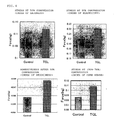
Fig. 1 shows the result of the sensory evaluation for croissants (Example 1). -
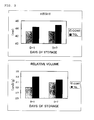
Fig. 2 shows the result of the appearance evaluation (height, relative volume) for croissants (Example 1). -
Fig. 3 shows the result of the sensory evaluation for croissants (Example 2). -
Fig. 4 shows the result of measurement of physical properties for low protein udon noodles (Example 3). -
Fig. 5 shows the state of noodle pastry when 40% wheat starch was used in place of medium wheat flour (Example 3). - The invention will be explained in more detail by way of the following examples, which are not intended to limit the invention in any way.
- "Transglucosidase L" (Amano Enzyme Co., Ltd.) (hereinafter sometimes referred to as TGL) was added to the charging water used in sponge dough, which was used in production of croissant shaped bread. The blending ratio of wheat flour for common croissants is 40 to 30 parts by weight of soft flour and 60 to 70 parts by weight of hard flour (100 parts by weight as wheat flour), but in this example, 30 parts by weight of hard flour, 25 parts by weight of soft flour (total amount of 55 parts by weight as wheat flour), 30 parts by weight of dietary fiber, and 15 parts by weight of wheat starch (45 parts by weight as the total amount of the substitute ingredients for wheat flour) were used. Namely, 45 parts by weight of wheat flour were substituted with dietary fiber and wheat starch, though 100 parts by weight of wheat flour were used generally. In this case, the total amount of the substitute ingredients for wheat flour corresponds to 82% of the total amount of wheat flour. The test samples for the substitute ingredients for wheat flour consisted of three samples, the control in which no enzyme was added, and the samples in which TGL was added at the concentrations of A and B.
- The ingredients for the sponge dough as shown in Table 1 was placed in a mixer (Aicohsha Manufacturing Co., Ltd.; vertical mixer) and kneaded at a low speed rotation for 2 minutes and then at a moderate speed for 3 minutes (kneading temperature: 20°C), and fermented at 5°C for 24 hours to prepare sponge dough. This sponge dough was kneaded with main ingredients for kneading as shown in Table 2 at a low speed for 3 minutes and then at a moderate speed for 2 minutes (kneading temperature: 15°C), then cooled in a freezer for about
- 30 minutes, and fats were inserted therein by folding in an amount of 30% of the dough. The folding in four was made 3 times, where the dough was cooled in a freezer for 30 minutes after the folding in four at the 2nd time and at the 3rd time for resting the dough. The dough was formed into croissants of 55 ± 5 g, which were frozen at -30°C for 35 minutes. Thereafter, the sample kept under freezing at -20°C was thawed (22°C, 75% humidity) up to the core temperature of 20°C, and after the final fermentation (35°C, 40%),it was baked in an oven (upper side 190°C, lower side 210°C) for 15 minutes. The enzyme TGL was used in an amount of 120U for the test sample A and 1,200U for the sample B per 1 g of wheat flour. The baked bread was allowed to cool at a room temperature for about 60 minutes, wrapped one by one, stocked at -20°C for one day or for one week, then thawed at a room temperature for 2 hours, and the sensory evaluation and appearance evaluation were performed. The protein content in the resulting bread was 3.1%.
- The sensory evaluation was done for the products of one day or one week storage under freezing, where the control sample in which no enzyme was added was regarded as 0 point, and the sample in which the enzyme was scored in the range of ±5 points.
-
Fig. 1 shows the result of the sensory evaluation in the test sample A, andFig. 2 shows the result of appearance evaluation (height and relative volume). FromFig. 1 , it was recognized that a soft feeling, elasticity, dampish feeling, and mouth feeling of disintegration were improved by the addition of TGL in both cases of one day (D+1 in the figure) and 7 day (D+7 in the figure) storage after baking in comparison to the control. FromFig. 2 , an effect of increasing the volume by the addition of TGL was observed.Table 1: Formulation of Sponge Dough for low protein bread (Unit: part by weight) Ingredient Control Sample Test Sample A Test Sample B Hard flour 30 30 30 Wheat starch 15 15 15 TGL 0 0.014 0.14 Yeast 1 1 1 Glucose 2 2 2 Water 28 28 28 Table 2: Formulation of Main Kneaded Dough for low protein bread (Unit: part by weight) Ingredient Control Sample Test Sample A Test Sample B Weak flour 25 25 25 Dietary fiber 30 30 30 Processed starch 3 ' 3 3 Granulated sugar 10 10 10 Trehalose 10 10 10 Glucose 3 3 3 Improver 0.5 0.5 0.5 Table salt 0.87 0.87 0.87 Margarine 10 10 10 Yeast 2.5 2.5 2.5 Water 24 24 24 - From these results, it was elucidated that the addition of TGL was effective in increasing the volume and improving the texture of the low protein bread in which the protein content was 3.1%. In this situation, it was appropriate to add the enzyme in the range of 100 to 10,000U, preferably 120 to 1,200U per 1 g of wheat flour.
- Subsequently, the sponge dough as shown in Table 3 and the main kneaded dough as shown in Table 4 were used, wherein 30 parts by weight of hard flour (total amount of wheat flour: 30 parts by weight), 40 parts by weight of wheat starch, and 30 parts by weight of dietary fiber (total amount of the substitute ingredients for wheat flour: 70 parts by weight) were used. That is, the parts corresponding to 70 parts of wheat flour were substituted with wheat starch and dietary fiber. Using the ingredients, bread samples were prepared according to the same method as in Example 1. Thus, the productionability of bread was evaluated. In this case, the total weight of the substitute ingredients for wheat flour corresponds to 233% of the total weight of wheat flour, and the protein content in the resulting bread becomes 2.2%. The experimental samples consisted of the control sample in which no enzyme was added and the test sample (Test Sample C) in which 120U of TGL was added per 1 g of wheat flour.
Table 3:Formulation of Sponge Dough for low protein bread (Unit: part by weight) Ingredient Control Sample Test Sample C Hard flour 30 30 Wheat starch 15 15 TGL 0 0.014 Yeast 1 1 Glucose 2 2 Water 28 28 Table 4: Formulation of Main Kneaded Dough for low protein bread (Unit: part by weight) Ingredient Control Sample Test Sample C Wheat starch 25 25 Dietary fiber 30 30 Processed starch 3 3 Granulated sugar 10 10 Trehalose 10 10 Glucose 3 3 Improver 0.5 0.5 Table salt 0.87 0.87 Margarine 10 10 Yeast 2.5 2.5 Water 24 24 - As a result, it was confirmed that it was possible to produce bread of the same shape as in the case in which the total weight of the substitute ingredients for wheat flour corresponded to 82% of the total weight of wheat flour, and that there was no problem in the productionability of bread. In addition, the sensory evaluation was done for each sample, where the control sample in which no enzyme was added was regarded as 0 point; the results indicated that a soft feeling, dampish feeling, and mouth feeling of disintegration was improved by the addition of TGL in the test sample C.
Fig. 3 shows the results. - From these results, it was confirmed that the use of TGL made it possible to produce bread of good quality, in which the protein content was 2.2%, even though parts corresponding to 70 parts by weight of wheat flour were substituted with the substitute ingredients for wheat flour.
- TGL was added and dissolved in a salt solution at 20°C prepared from 3 g of table salt and 37 g of tap water. As for ingredients, 30% of medium flour "wheat flour for hand-made udon noodles" (Nisshin Foods) was substituted with wheat starch "Jell Call" (J-Oil Mills). In this case, the total weight of the substitute ingredient for wheat flour corresponds to 43% of the total weight of wheat flour, and thus the protein content in the resulting udon noodles becomes 6.3%. Two samples were tested of the control sample in which no enzyme was added and the test sample in which TGL was added. During mixing the ingredients (100 g) by a kneader (HORBAT Co.), the above-mentioned enzyme solution was added thereto, and the mixture was kneaded at the
speed 1 for 3 minutes and then at thespeed 2 for 7 minutes. Then, the mixture was allowed to stand at 15°C for 1 hour in a thermohygrostat "LH21-12P" (Nagano Science Co., Ltd.), and then subjected to roughly mixing, compounding, compressing, and cutting, by using a pasta machine "R.M." (IMPERIA CO.). The compressing was achieved at a thickness of 6 established in the pasta machine and the cutting was performed to a cutting width of 4 mm by a cutter "R.220" (IMPERIA CO.) attached to the pasta machine. The enzyme TGL was used in an amount of 500U per 1 g of the raw material wheat flour. - The uncooked noodles thus prepared were boiled in boiling water for 8 minutes, and then the sensory evaluation was performed. Part of the noodles was put into a zippered vinyl bag, and kept in a refrigerator for 1 day, and the sensory evaluation was performed. The results indicated that the texture of the sample in which no enzyme was added was unacceptable because it was unfavorably soft and spongy. On the other hand, by the addition of TGL, it was confirmed that hardness, elasticity, stickiness, and core sense were improved. These effects were also confirmed by a texture- analyzer "TA-XT plus" (Stable Micro Systems Co., Ltd.) (
Fig. 4 ). Similarly, an effect of suppressing retrogradation after one day storage in a refrigerator was confirmed. - Subsequently, using ingredients obtained by substituting 40% of medium flour with wheat starch, udon noodles were prepared in the same manner to evaluate productionability of noodles. In this case, the total weight of the substitute ingredient for wheat flour corresponds to 67% of the total weight of wheat flour, and the protein content in the resulting udon noodles is 5.4%. Three test samples were tested of the control sample in which no enzyme was added, the sample in which 500U of TGL was added per 1 g of the raw material powder, and the sample in which 5000U of TGL was added per 1 g of the raw material powder. The results indicated that, in no addition of the enzyme, the production of noodles was possible up to the substitution of 30%, but in the case of 40%, the production was impossible because the dough was fragile and cracks were caused. On the other hand, in the TGL-added samples, cracks on the dough decreased with increase of the amount of TGL added, and the treatment with 5000U allowed the production of noodles (
Fig. 5 ). - From these results, it was elucidated that the addition of TGL improved the texture of the low protein udon noodles in which the protein content was 5.4% and further improved the productionability.
- Although low protein foods are essential to diet therapy for patients suffering from kidney diseases, the current situation is that their texture and quality are extremely unfavorable in comparison with conventional foods. According to the invention, it is possible to improve the flavor, the texture and the quality of low protein foods. Thus, the invention is very useful in the field of therapeutic foods.
Claims (6)
- A method for producing a low protein food in which the protein content is 0.7 to 6.5%, characterized by using α-glucosidase.
- A method according to Claim 1, wherein the low protein food is a processed wheat food.
- A method according to Claim 2, wherein wheat flour and a substitute ingredient for wheat flour are used as ingredients for the processed wheat food, and the total weight of the substitute ingredient for wheat flour is 33 to 300% of the total weight of wheat flour.
- A method according to Claim 2 or 3, wherein the processed wheat food is bread or a noodle.
- A low protein food which is produced by the method according to Claim 3.
- Bread or a noodle which is produced by the method according to Claim 3.
Applications Claiming Priority (2)
| Application Number | Priority Date | Filing Date | Title |
|---|---|---|---|
| JP2008047722 | 2008-02-28 | ||
| PCT/JP2009/054120 WO2009107866A1 (en) | 2008-02-28 | 2009-02-26 | Low-protein food and manufacturing method for same |
Publications (2)
| Publication Number | Publication Date |
|---|---|
| EP2263475A1 true EP2263475A1 (en) | 2010-12-22 |
| EP2263475A4 EP2263475A4 (en) | 2013-10-02 |
Family
ID=41016235
Family Applications (1)
| Application Number | Title | Priority Date | Filing Date |
|---|---|---|---|
| EP09713887.9A Withdrawn EP2263475A4 (en) | 2008-02-28 | 2009-02-26 | Low-protein food and manufacturing method for same |
Country Status (5)
| Country | Link |
|---|---|
| US (1) | US20100316762A1 (en) |
| EP (1) | EP2263475A4 (en) |
| JP (1) | JPWO2009107866A1 (en) |
| CN (1) | CN101945587A (en) |
| WO (1) | WO2009107866A1 (en) |
Families Citing this family (7)
| Publication number | Priority date | Publication date | Assignee | Title |
|---|---|---|---|---|
| KR101596682B1 (en) * | 2008-09-25 | 2016-02-23 | 아지노모토 가부시키가이샤 | Method for producing cooked rice food, and enzyme preparation for improving cooked rice food |
| CN102919691B (en) * | 2012-10-31 | 2013-12-18 | 齐齐哈尔瑞盛食品制造有限公司 | Low-protein nutrition crispy slices and making method thereof |
| US11297867B2 (en) * | 2016-07-26 | 2022-04-12 | PT. Lautan Natural Krimerindo | Functional food and their manufacturing process as well as the application on food and beverage products |
| JPWO2019017312A1 (en) * | 2017-07-18 | 2020-05-28 | 味の素株式会社 | Method for producing bakery food and physical property modifier for bakery food |
| WO2019088239A1 (en) * | 2017-11-02 | 2019-05-09 | 三菱商事フードテック株式会社 | Dough for producing bakery product-like low protein food, premix, bakery product-like low protein food comprising same, and method for production thereof |
| JP6947679B2 (en) * | 2018-03-30 | 2021-10-13 | ヤンマーパワーテクノロジー株式会社 | Frozen foods, their manufacturing methods, and frozen anti-burning agents |
| CN112493404A (en) * | 2020-10-19 | 2021-03-16 | 天津科技大学 | A kind of preparation method of whole oat noodles |
Family Cites Families (17)
| Publication number | Priority date | Publication date | Assignee | Title |
|---|---|---|---|---|
| JPH02234647A (en) | 1989-03-09 | 1990-09-17 | Niigata Shokuhin Kogyo Kk | Method and device for preparing rice noodle |
| JP3030666B2 (en) | 1991-06-28 | 2000-04-10 | 日本製粉株式会社 | Flour composition for low protein bread and method for producing low protein bread |
| JPH0799936A (en) * | 1993-09-30 | 1995-04-18 | Taiyo Kagaku Co Ltd | Hypoallergenic egg white |
| JPH07194324A (en) | 1993-12-29 | 1995-08-01 | Kissei Pharmaceut Co Ltd | Low-protein noodle |
| JP3156902B2 (en) * | 1994-08-04 | 2001-04-16 | ホリカフーズ株式会社 | Low protein rice, its production method and its processing method |
| US6083539A (en) * | 1994-12-16 | 2000-07-04 | Sakuma Ebisu Kabushiki Kaisha | Buckwheat starch syrup, method for preparing the same, and foods containing the same |
| JPH0965840A (en) * | 1995-08-29 | 1997-03-11 | Asahi Chem Ind Co Ltd | Method for producing low protein rice |
| JP3648816B2 (en) | 1995-12-21 | 2005-05-18 | 日本油脂株式会社 | Method for producing low salt and low protein bread |
| JPH09275919A (en) | 1996-04-18 | 1997-10-28 | Kameda Seika Kk | Low protein low phosphorus low potassium unsalted noodles |
| JPH11155467A (en) | 1997-11-25 | 1999-06-15 | Kameda Seika Co Ltd | Bread |
| JPH11289966A (en) | 1998-04-10 | 1999-10-26 | Nof Corp | Low salt and low protein composition for bread production and production of bread using the same |
| JP3113873B1 (en) * | 1999-11-09 | 2000-12-04 | 株式会社日麺 | Boiled noodles and method for producing the same |
| JP4555554B2 (en) | 2003-07-31 | 2010-10-06 | 株式会社バイオテックジャパン | Method for producing low protein bread |
| CN1937928B (en) * | 2004-04-05 | 2010-11-17 | 味之素株式会社 | Method for improving properties of starch-containing food and property modifier |
| JP4706607B2 (en) * | 2005-10-04 | 2011-06-22 | 味の素株式会社 | Method for producing frozen bread dough and quality improving agent for frozen bread dough |
| JP2007215464A (en) | 2006-02-16 | 2007-08-30 | Bio Tec Japan:Kk | Extremely low protein bread and method for producing the same |
| JPWO2008059992A1 (en) * | 2006-11-17 | 2010-03-04 | 味の素株式会社 | Starch-containing food and method for producing modified starch |
-
2009
- 2009-02-26 CN CN2009801057911A patent/CN101945587A/en active Pending
- 2009-02-26 WO PCT/JP2009/054120 patent/WO2009107866A1/en not_active Ceased
- 2009-02-26 JP JP2010500804A patent/JPWO2009107866A1/en active Pending
- 2009-02-26 EP EP09713887.9A patent/EP2263475A4/en not_active Withdrawn
-
2010
- 2010-08-25 US US12/868,067 patent/US20100316762A1/en not_active Abandoned
Also Published As
| Publication number | Publication date |
|---|---|
| CN101945587A (en) | 2011-01-12 |
| JPWO2009107866A1 (en) | 2011-07-07 |
| US20100316762A1 (en) | 2010-12-16 |
| EP2263475A4 (en) | 2013-10-02 |
| WO2009107866A1 (en) | 2009-09-03 |
Similar Documents
| Publication | Publication Date | Title |
|---|---|---|
| JP6555484B2 (en) | Cohesiveness improver for bread and other cereal flour foods | |
| CN1937928B (en) | Method for improving properties of starch-containing food and property modifier | |
| KR102363502B1 (en) | Method for manufacturing starch-containing food product, and enzyme preparation for modifying starch-containing food product | |
| JP4739238B2 (en) | Method for producing gluten-based baked products | |
| US20100316762A1 (en) | Low-protein food and manufacturing method for same | |
| JPWO2003063596A1 (en) | Method for producing fermented bread using rice flour as the main ingredient | |
| JP2008194024A (en) | Method for producing starch-containing food and enzyme preparation for modifying starch-containing food | |
| JP7722413B2 (en) | Method for producing starch-containing foods using enzymes | |
| JP4393566B1 (en) | Sugar intake restricted food material | |
| JP7245715B2 (en) | Quality improving agent for bread, method for improving quality of bread, and method for producing bread | |
| CN100342791C (en) | Flour based food product comprising thermostable alpha-amylase | |
| EP0338787A2 (en) | Enzyme treated low moisture content comestible products | |
| JP7130413B2 (en) | Bread improving agent and bread composition, and bread dough and bread using said bread improving agent or bread composition | |
| KR101561231B1 (en) | FLOUR DOUGH COMPOSITION WITH α-AMYLASE AND MALTOTETRAOSE PRODUCING AMYLASE | |
| JP2022085207A (en) | Frozen bread dough and its manufacturing method | |
| JP2019097561A (en) | Production method of starch containing food product using enzyme | |
| EP2613637B1 (en) | Bread mix comprising nixtamalized corn flour | |
| JP6203018B2 (en) | Bread | |
| JP4706607B2 (en) | Method for producing frozen bread dough and quality improving agent for frozen bread dough | |
| JP2007151531A (en) | Low-protein rusk and method for producing the same | |
| JP2024143927A (en) | Composition, method for producing bakery product and bakery product | |
| JP2024119153A (en) | Yudane and its manufacturing method, and manufacturing method of food using Yudane | |
| JP2024011986A (en) | mix composition | |
| JP2005124435A (en) | Pizza pie crust for freezing, method for producing the same and quality-improving agent | |
| WO2001011973A1 (en) | Baking method and product |
Legal Events
| Date | Code | Title | Description |
|---|---|---|---|
| PUAI | Public reference made under article 153(3) epc to a published international application that has entered the european phase |
Free format text: ORIGINAL CODE: 0009012 |
|
| 17P | Request for examination filed |
Effective date: 20100928 |
|
| AK | Designated contracting states |
Kind code of ref document: A1 Designated state(s): AT BE BG CH CY CZ DE DK EE ES FI FR GB GR HR HU IE IS IT LI LT LU LV MC MK MT NL NO PL PT RO SE SI SK TR |
|
| AX | Request for extension of the european patent |
Extension state: AL BA RS |
|
| DAX | Request for extension of the european patent (deleted) | ||
| RIC1 | Information provided on ipc code assigned before grant |
Ipc: A23L 1/015 20060101AFI20130813BHEP Ipc: A21D 13/00 20060101ALI20130813BHEP Ipc: A23L 1/03 20060101ALI20130813BHEP Ipc: A23L 1/00 20060101ALI20130813BHEP Ipc: A23L 1/16 20060101ALI20130813BHEP Ipc: A21D 2/36 20060101ALI20130813BHEP |
|
| A4 | Supplementary search report drawn up and despatched |
Effective date: 20130903 |
|
| 17Q | First examination report despatched |
Effective date: 20131108 |
|
| STAA | Information on the status of an ep patent application or granted ep patent |
Free format text: STATUS: THE APPLICATION IS DEEMED TO BE WITHDRAWN |
|
| 18D | Application deemed to be withdrawn |
Effective date: 20140319 |