EP2261206A1 - Indolinone compound - Google Patents
Indolinone compound Download PDFInfo
- Publication number
- EP2261206A1 EP2261206A1 EP09729006A EP09729006A EP2261206A1 EP 2261206 A1 EP2261206 A1 EP 2261206A1 EP 09729006 A EP09729006 A EP 09729006A EP 09729006 A EP09729006 A EP 09729006A EP 2261206 A1 EP2261206 A1 EP 2261206A1
- Authority
- EP
- European Patent Office
- Prior art keywords
- compound
- salt
- indol
- dihydro
- oxo
- Prior art date
- Legal status (The legal status is an assumption and is not a legal conclusion. Google has not performed a legal analysis and makes no representation as to the accuracy of the status listed.)
- Withdrawn
Links
- 0 *NC(C=C(c(cccc1)c1N1*)C1=O)=O Chemical compound *NC(C=C(c(cccc1)c1N1*)C1=O)=O 0.000 description 3
- JFLDYJKCZJTGFL-DHZHZOJOSA-N CC(C)(C)CN(c(cccc1)c1/C1=C\C(O)=O)C1=O Chemical compound CC(C)(C)CN(c(cccc1)c1/C1=C\C(O)=O)C1=O JFLDYJKCZJTGFL-DHZHZOJOSA-N 0.000 description 1
- GXMFZIJCULNCNX-DHZHZOJOSA-N CC(C)CCN(c(c(/C1=C\C(O)=O)ccc2)c2F)C1=O Chemical compound CC(C)CCN(c(c(/C1=C\C(O)=O)ccc2)c2F)C1=O GXMFZIJCULNCNX-DHZHZOJOSA-N 0.000 description 1
- RCVZUIGCNAAMIC-UXBLZVDNSA-N CC(C)CN(c(c(/C1=C\C(O)=O)ccc2)c2F)C1=O Chemical compound CC(C)CN(c(c(/C1=C\C(O)=O)ccc2)c2F)C1=O RCVZUIGCNAAMIC-UXBLZVDNSA-N 0.000 description 1
- WKQHOVQPPJBNDX-YRNVUSSQSA-N CCC(C)CN(c(c(/C1=C\C(O)=O)ccc2)c2F)C1=O Chemical compound CCC(C)CN(c(c(/C1=C\C(O)=O)ccc2)c2F)C1=O WKQHOVQPPJBNDX-YRNVUSSQSA-N 0.000 description 1
- NGKUCHJZVWCIGO-RVDMUPIBSA-N CCC(CC)CN(c(c(/C1=C\C(O)OC(C)(C)C)ccc2)c2F)C1=O Chemical compound CCC(CC)CN(c(c(/C1=C\C(O)OC(C)(C)C)ccc2)c2F)C1=O NGKUCHJZVWCIGO-RVDMUPIBSA-N 0.000 description 1
- AIHFBSDGWUBFMC-UHFFFAOYSA-N CCC(CC)CN1c2ccccc2C(C(C)C(O)=O)C1=O Chemical compound CCC(CC)CN1c2ccccc2C(C(C)C(O)=O)C1=O AIHFBSDGWUBFMC-UHFFFAOYSA-N 0.000 description 1
- JWBDLVGXGGOSNQ-FOWTUZBSSA-N CCOC(/C=C(\c(cccc1)c1N1Cc(cccc2)c2OC)/C1=O)=O Chemical compound CCOC(/C=C(\c(cccc1)c1N1Cc(cccc2)c2OC)/C1=O)=O JWBDLVGXGGOSNQ-FOWTUZBSSA-N 0.000 description 1
- PHMHFPVXCVEJSR-RVDMUPIBSA-N CCOC(/C=C(\c(cccc1F)c1N1Cc2ccccc2)/C1=O)=O Chemical compound CCOC(/C=C(\c(cccc1F)c1N1Cc2ccccc2)/C1=O)=O PHMHFPVXCVEJSR-RVDMUPIBSA-N 0.000 description 1
- PZNCPOWSZDXGHT-CSKARUKUSA-N CCOC(/C=C(\c1ccccc1N1C)/C1=O)=O Chemical compound CCOC(/C=C(\c1ccccc1N1C)/C1=O)=O PZNCPOWSZDXGHT-CSKARUKUSA-N 0.000 description 1
- GTLBBTDKIBYGGJ-PKNBQFBNSA-N CCOC(/C=C(\c1ccccc1N1CCO)/C1=O)=O Chemical compound CCOC(/C=C(\c1ccccc1N1CCO)/C1=O)=O GTLBBTDKIBYGGJ-PKNBQFBNSA-N 0.000 description 1
- RGRVBUYXDJFQSB-SAPNQHFASA-N CCOC(/C=C(\c1ccccc1N1CCOC2=CC=CCC2)/C1=O)=O Chemical compound CCOC(/C=C(\c1ccccc1N1CCOC2=CC=CCC2)/C1=O)=O RGRVBUYXDJFQSB-SAPNQHFASA-N 0.000 description 1
- VGHOBCVOKPBDCP-DTQAZKPQSA-N COC1N(CCOc2ccccc2)c2ccccc2/C1=C\C(O)=O Chemical compound COC1N(CCOc2ccccc2)c2ccccc2/C1=C\C(O)=O VGHOBCVOKPBDCP-DTQAZKPQSA-N 0.000 description 1
- QXJYIQMNMYJCDA-UHFFFAOYSA-N COc1cc(CN(c(c(C2=O)ccc3)c3F)C2=O)ccc1 Chemical compound COc1cc(CN(c(c(C2=O)ccc3)c3F)C2=O)ccc1 QXJYIQMNMYJCDA-UHFFFAOYSA-N 0.000 description 1
- HAKPJCULOMFELM-GXDHUFHOSA-N NC(/C=C(\c1ccccc1N1Cc2ccccc2)/C1=O)=O Chemical compound NC(/C=C(\c1ccccc1N1Cc2ccccc2)/C1=O)=O HAKPJCULOMFELM-GXDHUFHOSA-N 0.000 description 1
- VRRIFJNFHGHGIS-SFQUDFHCSA-O O=C(/C=C(\c(cccc1F)c1N1CC2CCCC2)/C1=[OH+])NC1CCCC1 Chemical compound O=C(/C=C(\c(cccc1F)c1N1CC2CCCC2)/C1=[OH+])NC1CCCC1 VRRIFJNFHGHGIS-SFQUDFHCSA-O 0.000 description 1
- AMRQQMDADGAMPN-UHFFFAOYSA-N O=C(c1ccccc1N1CC2CCOCC2)C1=O Chemical compound O=C(c1ccccc1N1CC2CCOCC2)C1=O AMRQQMDADGAMPN-UHFFFAOYSA-N 0.000 description 1
- BSKJMYWLCNUYCK-UXBLZVDNSA-N OC(/C=C(\c1cccc(F)c1N1CC2CC2)/C1=O)=O Chemical compound OC(/C=C(\c1cccc(F)c1N1CC2CC2)/C1=O)=O BSKJMYWLCNUYCK-UXBLZVDNSA-N 0.000 description 1
- LYYPOGWFEKPXJQ-FNORWQNLSA-N OC(/C=C(\c1ccccc1N1)/C1=O)=O Chemical compound OC(/C=C(\c1ccccc1N1)/C1=O)=O LYYPOGWFEKPXJQ-FNORWQNLSA-N 0.000 description 1
- KPJCMAACPRPIPU-GXDHUFHOSA-N ONC(/C=C(\c1ccccc1N1Cc2ccccc2)/C1=O)=O Chemical compound ONC(/C=C(\c1ccccc1N1Cc2ccccc2)/C1=O)=O KPJCMAACPRPIPU-GXDHUFHOSA-N 0.000 description 1
Classifications
-
- C—CHEMISTRY; METALLURGY
- C07—ORGANIC CHEMISTRY
- C07D—HETEROCYCLIC COMPOUNDS
- C07D209/00—Heterocyclic compounds containing five-membered rings, condensed with other rings, with one nitrogen atom as the only ring hetero atom
- C07D209/02—Heterocyclic compounds containing five-membered rings, condensed with other rings, with one nitrogen atom as the only ring hetero atom condensed with one carbocyclic ring
- C07D209/04—Indoles; Hydrogenated indoles
- C07D209/30—Indoles; Hydrogenated indoles with hetero atoms or with carbon atoms having three bonds to hetero atoms with at the most one bond to halogen, directly attached to carbon atoms of the hetero ring
- C07D209/32—Oxygen atoms
- C07D209/34—Oxygen atoms in position 2
-
- A—HUMAN NECESSITIES
- A61—MEDICAL OR VETERINARY SCIENCE; HYGIENE
- A61P—SPECIFIC THERAPEUTIC ACTIVITY OF CHEMICAL COMPOUNDS OR MEDICINAL PREPARATIONS
- A61P1/00—Drugs for disorders of the alimentary tract or the digestive system
- A61P1/04—Drugs for disorders of the alimentary tract or the digestive system for ulcers, gastritis or reflux esophagitis, e.g. antacids, inhibitors of acid secretion, mucosal protectants
-
- A—HUMAN NECESSITIES
- A61—MEDICAL OR VETERINARY SCIENCE; HYGIENE
- A61P—SPECIFIC THERAPEUTIC ACTIVITY OF CHEMICAL COMPOUNDS OR MEDICINAL PREPARATIONS
- A61P1/00—Drugs for disorders of the alimentary tract or the digestive system
- A61P1/10—Laxatives
-
- A—HUMAN NECESSITIES
- A61—MEDICAL OR VETERINARY SCIENCE; HYGIENE
- A61P—SPECIFIC THERAPEUTIC ACTIVITY OF CHEMICAL COMPOUNDS OR MEDICINAL PREPARATIONS
- A61P1/00—Drugs for disorders of the alimentary tract or the digestive system
- A61P1/12—Antidiarrhoeals
-
- A—HUMAN NECESSITIES
- A61—MEDICAL OR VETERINARY SCIENCE; HYGIENE
- A61P—SPECIFIC THERAPEUTIC ACTIVITY OF CHEMICAL COMPOUNDS OR MEDICINAL PREPARATIONS
- A61P1/00—Drugs for disorders of the alimentary tract or the digestive system
- A61P1/14—Prodigestives, e.g. acids, enzymes, appetite stimulants, antidyspeptics, tonics, antiflatulents
-
- C—CHEMISTRY; METALLURGY
- C07—ORGANIC CHEMISTRY
- C07D—HETEROCYCLIC COMPOUNDS
- C07D209/00—Heterocyclic compounds containing five-membered rings, condensed with other rings, with one nitrogen atom as the only ring hetero atom
- C07D209/02—Heterocyclic compounds containing five-membered rings, condensed with other rings, with one nitrogen atom as the only ring hetero atom condensed with one carbocyclic ring
- C07D209/04—Indoles; Hydrogenated indoles
- C07D209/30—Indoles; Hydrogenated indoles with hetero atoms or with carbon atoms having three bonds to hetero atoms with at the most one bond to halogen, directly attached to carbon atoms of the hetero ring
- C07D209/32—Oxygen atoms
- C07D209/38—Oxygen atoms in positions 2 and 3, e.g. isatin
-
- C—CHEMISTRY; METALLURGY
- C07—ORGANIC CHEMISTRY
- C07D—HETEROCYCLIC COMPOUNDS
- C07D401/00—Heterocyclic compounds containing two or more hetero rings, having nitrogen atoms as the only ring hetero atoms, at least one ring being a six-membered ring with only one nitrogen atom
- C07D401/02—Heterocyclic compounds containing two or more hetero rings, having nitrogen atoms as the only ring hetero atoms, at least one ring being a six-membered ring with only one nitrogen atom containing two hetero rings
- C07D401/06—Heterocyclic compounds containing two or more hetero rings, having nitrogen atoms as the only ring hetero atoms, at least one ring being a six-membered ring with only one nitrogen atom containing two hetero rings linked by a carbon chain containing only aliphatic carbon atoms
-
- C—CHEMISTRY; METALLURGY
- C07—ORGANIC CHEMISTRY
- C07D—HETEROCYCLIC COMPOUNDS
- C07D403/00—Heterocyclic compounds containing two or more hetero rings, having nitrogen atoms as the only ring hetero atoms, not provided for by group C07D401/00
- C07D403/02—Heterocyclic compounds containing two or more hetero rings, having nitrogen atoms as the only ring hetero atoms, not provided for by group C07D401/00 containing two hetero rings
- C07D403/06—Heterocyclic compounds containing two or more hetero rings, having nitrogen atoms as the only ring hetero atoms, not provided for by group C07D401/00 containing two hetero rings linked by a carbon chain containing only aliphatic carbon atoms
-
- C—CHEMISTRY; METALLURGY
- C07—ORGANIC CHEMISTRY
- C07D—HETEROCYCLIC COMPOUNDS
- C07D405/00—Heterocyclic compounds containing both one or more hetero rings having oxygen atoms as the only ring hetero atoms, and one or more rings having nitrogen as the only ring hetero atom
- C07D405/02—Heterocyclic compounds containing both one or more hetero rings having oxygen atoms as the only ring hetero atoms, and one or more rings having nitrogen as the only ring hetero atom containing two hetero rings
- C07D405/06—Heterocyclic compounds containing both one or more hetero rings having oxygen atoms as the only ring hetero atoms, and one or more rings having nitrogen as the only ring hetero atom containing two hetero rings linked by a carbon chain containing only aliphatic carbon atoms
-
- C—CHEMISTRY; METALLURGY
- C07—ORGANIC CHEMISTRY
- C07D—HETEROCYCLIC COMPOUNDS
- C07D417/00—Heterocyclic compounds containing two or more hetero rings, at least one ring having nitrogen and sulfur atoms as the only ring hetero atoms, not provided for by group C07D415/00
- C07D417/02—Heterocyclic compounds containing two or more hetero rings, at least one ring having nitrogen and sulfur atoms as the only ring hetero atoms, not provided for by group C07D415/00 containing two hetero rings
- C07D417/06—Heterocyclic compounds containing two or more hetero rings, at least one ring having nitrogen and sulfur atoms as the only ring hetero atoms, not provided for by group C07D415/00 containing two hetero rings linked by a carbon chain containing only aliphatic carbon atoms
Definitions
- the present invention relates to an indolinone compound which is useful as an active ingredient for a pharmaceutical composition, for example a pharmaceutical composition for treating constipation-type irritable bowel syndrome (constipation-type IBS), atonic constipation and/or functional gastrointestinal disorder.
- a pharmaceutical composition for treating constipation-type irritable bowel syndrome for example a pharmaceutical composition for treating constipation-type irritable bowel syndrome (constipation-type IBS), atonic constipation and/or functional gastrointestinal disorder.
- 5-HT serotonin
- EC cell enterochromaffm cells
- 5-HT receptors involved in gastrointestinal tract motility function 5-HT receptor 1, 5-HT receptor 2, 5-HT receptor 3, 5-HT receptor 4, 5-HT receptor 7, and the like have been recognized. It has been found that these receptors are expressed in nerve cells or the smooth muscle of the gastrointestinal tract.
- the 5-HT released from EC cells controls gastrointestinal tract motility function through the nerve cells or smooth muscle which expresses these 5-HT receptors.
- 5-HT is considered to be a kind of hormone which controls gastrointestinal tract function (Non Patent Document 1).
- a medicine for controlling 5-HT receptor activity is used in clinical practice in the gastrointestinal tract disorder area.
- a 5-HT receptor 3 inhibitor is used in treatment of diarrhea type IBS or as an antiemetic agent, or the like
- a 5-HT receptor 4 activating agent is used in treatment of constipation type IBS or gastrointestinal incompetence, or the like.
- Non Patent Document 2 a gastrointestinal motility improving agent which uses a mechanism of promoting release of 5-HT from EC cells.
- Non Patent Document 4 Non Patent Document 5
- gastrointestinal function improving activity with respect to these compounds has not been reported.
- Non Patent Document 6 the following compounds have been known as indolinone compounds (Non Patent Document 6).
- R represents ethyl or methyl.
- TRPA1 channel activation activity or gastrointestinal function improving activity there is no disclosure or suggestion with respect to TRPA1 channel activation activity or gastrointestinal function improving activity.
- Non Patent Document 7 an indolinone compound (Non Patent Document 7).
- Et represents ethyl.
- TRPA1 channel activation activity or gastrointestinal function improving activity there is no disclosure or suggestion with respect to TRPA1 channel activation activity or gastrointestinal function improving activity.
- Non Patent Document 8 the following compounds have been known as indolinone compounds (Non Patent Document 8).
- Bn represents benzyl and Et represents ethyl.
- Et represents ethyl.
- TRPA1 channel activation activity or gastrointestinal function improving activity there is no disclosure or suggestion with respect to TRPA1 channel activation activity or gastrointestinal function improving activity.
- Non Patent Document 9 the following compounds have been known as indolinone compounds (Non Patent Document 9).
- Et represents ethyl and Bn represents benzyl.
- Bn represents benzyl.
- TRPA1 channel activation activity or gastrointestinal function improving activity there is no disclosure or suggestion with respect to TRPA1 channel activation activity or gastrointestinal function improving activity.
- Patent Document 1 an indolinone compound
- Patent Document 2 an indolinone compound
- the following compound has been known as an indolinone compound (Patent Document 2).
- Patent Document 2 Formula the symbols in the formula, refer to the document.
- TRPA1 channel activation activity or gastrointestinal function improving activity there is no disclosure or suggestion with respect to TRPA1 channel activation activity or gastrointestinal function improving activity.
- Patent Document 3 an indolinone compound
- Patent Document 4 an indolinone compound (Patent Document 4).
- the compound of the formula (I) according to the present invention or a salt thereof there is no disclosure or suggestion with respect to TRPA1 channel activation activity and gastrointestinal function improving activity.
- Non Patent Document 10 an indolinone compound (Non Patent Document 10).
- the compound of the formula (I) according to the present invention or a salt thereof there is no disclosure or suggestion with respect to TRPA1 channel activation activity and gastrointestinal function improving activity.
- a compound which is useful as an active ingredient for a pharmaceutical composition for example a pharmaceutical composition for treating constipation-type irritable bowel syndrome (constipation-type IBS), atonic constipation and/or functional gastrointestinal disorder.
- a pharmaceutical composition for treating constipation-type irritable bowel syndrome for example a pharmaceutical composition for treating constipation-type irritable bowel syndrome (constipation-type IBS), atonic constipation and/or functional gastrointestinal disorder.
- the present inventors studied the elucidation of a mechanism of promoting release of 5-HT from EC cells, and as a result found that TRPA1 ion channel gene is involved in release of 5-HT.
- the present inventors have made an intensive study on the compounds having a TRPA1 channel activation activity, have found that the compound of the formula (I) shows excellent effectiveness, and thus completed the present invention.
- the present invention relates to the compound of the formula (I) or a salt thereof, and a pharmaceutical composition containing the compound of the formula (I) or a salt thereof and a pharmaceutically acceptable excipient.
- the present invention relates to a pharmaceutical composition for preventing or treating constipation-type IBS, atonic constipation and/or functional gastrointestinal disorder containing the compound of the formula (I) or a salt thereof.
- the pharmaceutical composition includes an agent for preventing or treating constipation-type IBS, atonic constipation and/or functional gastrointestinal disorder containing the compound of the formula (I) or a salt thereof.
- the present invention relates to use of the compound of the formula (I) or a salt thereof for the manufacture of a pharmaceutical composition for preventing or treating constipation-type IBS, atonic constipation and/or functional gastrointestinal disorder; the compound of the formula (I) or a salt thereof for use in the prevention or treatment of constipation-type IBS, atonic constipation and/or functional gastrointestinal disorder; and a method for preventing or treating constipation-type IBS, atonic constipation and/or functional gastrointestinal disorder comprising administering an effective amount of the compound of the formula (I) or a salt thereof to a subject.
- the "subject” represents a human or other animal which needs this prevention or treatment, and in an embodiment, a human who needs this prevention or treatment.
- the compound of the formula (I) or a salt thereof has a TRPA1 channel activation activity, and can be used as an active ingredient for a pharmaceutical composition for preventing and/or treating constipation-type IBS, atonic constipation and/or functional gastrointestinal disorder, or the like.
- alkyl includes linear alkyl and branched alkyl.
- C 1-6 alkyl is linear or branched alkyl having 1 to 6 carbon atoms, specifically, for example, methyl, ethyl, n-propyl, isopropyl, n-butyl, isobutyl, sec-butyl, tert-butyl, n-pentyl, n-hexyl, or the like.
- it is methyl, ethyl, n-propyl, or isopropyl.
- it is methyl or ethyl, and in another embodiment, it is methyl.
- C 4-6 alkyl is linear or branched alkyl having 4 to 6 carbon atoms, specifically, for example, n-butyl, n-pentyl, n-hexyl, 2-methylpropan-1-yl, 2-methylbutan-1-yl, 2,2-dimethylpropan-1-yl, 2-ethylbutan-1-yl, 3-methylbutan-1-yl, 3-methylpentan-1-yl, 2-methylpentan-1-yl, 2,2-dimethylbutan-1-yl, 2,3-dimethylbutan-1-yl, butan-2-yl, 3-methylbutan-2-yl, 3-ethylbutan-2-yl, 2-methylpentan-3-yl, or the like.
- it is branched alkyl having 4 to 6 carbon atoms, and in another embodiment, it is 2-methylpropan-1-yl, 2-methylbutan-1-yl, 2,2-dimethylpropan-1-yl, 2-ethylbutan-1-yl, 3-methylbutan-1-yl, or 3-methylpentan-1-yl.
- C 1-10 alkylene is linear or branched alkylene having 1 to 10 carbon atoms, specifically, for example, methylene, ethylene, trimethylene, tetramethylene, pentamethylene, hexamethylene, propan-1,2-diyl, butan-1,2-diyl, butan-1,3-dryl, butan-2,3-diyl, 2-methylpropan-1,3-diyl, 2-methylpropan-1,2-diyl, pentan-1,2-diyl, pentan-1,3-diyl, pentan-1,4-diyl, pentan-2,3-diyl, pentan-2,4-diyl, 2,2-dixnethylpropan-1,3-diyl, 2-methylbutan-1,4-diyl, 3-methylbutan-1,4-di
- the C 1-6 alkylene in R 00 is linear or branched alkylene having 1 to 6 carbon atoms, specifically, for example, methylene, ethylene, trimethylene, or the like, and in another embodiment, it is methylene.
- halogen means F, Cl, Br, or I.
- C 1-6 alkyl which may be substituted with one or more halogens is C 1-6 alkyl substituted with one or more halogens, which are the same or different, in addition to C 1-6 alkyl which is not substituted with halogen, specifically, for example, trifluoromethyl, fluoromethyl, difluoromethyl, 2-fluoroethyl, 3-fluoropropyl, or the like.
- cycloalkyl means a saturated hydrocarbon ring group. Accordingly, C 3-8 cycloalkyl is a saturated carbon ring having 3 to 8 carbon atoms, specifically, for example, cyclopropyl, cyclobutyl, cyclopentyl, cyclohexyl, cycloheptyl, or the like. In an embodiment, it is C 3-6 cycloalkyl, and in another embodiment, it is C 5-6 cycloalkyl.
- the "aryl” is a C 6-14 monocyclic to tricyclic aromatic hydrocarbon ring group, and includes a partially hydrogenated ring group thereof. Specifically, for example, it is phenyl, naphthyl, tetrahydronaphthyl, indanyl, indenyl, or the like. In an embodiment, it is phenyl and naphthyl, and in another embodiment, it is phenyl.
- hetero ring means i) a monocyclic 3- to 8-membered ring containing 1 to 4 hetero atoms selected from oxygen, sulfur and nitrogen, and in an embodiment it is 5- to 7-membered hetero ring, and means a ring group comprising ii) a bicyclic or tricyclic hetero ring containing 1 to 5 hetero atoms selected from oxygen, sulfur and nitrogen, formed by the condensation of the monocyclic hetero ring and one or two rings selected from the group consisting of a monocyclic hetero ring, benzene ring, C 5-8 cycloalkane and C 5-8 cycloalkene.
- the ring atom sulfur or nitrogen may be oxidized to form oxide or dioxide.
- hetero ring examples include the following groups.
- the "nitrogen-containing hetero ring” means a ring group selected from i) and ii) of (1), i) and ii) of (2), i) and ii) of (3) and i) and ii) of (4), among the above hetero rings. In some embodiments, it is a ring group having a bond of the nitrogen atom constituting the ring.
- the nitrogen-containing hetero ring in the "-CO-(nitrogen-containing hetero ring which may be substituted with -R 0 )" of R 1 is in another embodiment a ring group selected from i) and ii) of (1), among the above hetero ring, and in another embodiment, it is azetidinyl, pyrrolidinyl, imidazolidinyl, piperidinyl, piperazinyl, morpholinyl, thiomorpholinyl, or the like.
- the nitrogen-containing hetero ring in the "nitrogen-containing hetero ring which may be substituted with -R 0 " of R 1 is in an embodiment a ring group selected from i) and ii) of (2) among the above hetero ring, and in another embodiment, it is imidazolyl, thiazolyl, or oxazolyl.
- the nitrogen-containing hetero ring in the "-CO-(nitrogen-containing hetero ring which may be substituted with -R 0 )" exemplified as one of the acceptable substituents on the hetero ring, aryl, C 3-8 cycloalkyl or -CO-R 0 of R 2 is in an embodiment a ring group selected from i) and ii) of (1) among the above hetero ring, and in another embodiment, it is azetidinyl, pyrrolidinyl, imidazolidinyl, piperidinyl, morpholinyl, or thiomorpholinyl.
- hetero ring in the "hetero ring, aryl, C 3-8 cycloalkyl or -CO-R 0 , each of which may be substituted" of R 2 is in an embodiment a ring group selected from i) to v) of (2) among the above hetero ring, specifically, for example, pyridyl, imidazolyl, thiazolyl, oxathiazolyl, pyrazyl, pyrimidinyl, or pyridazinyl, and in another embodiment, it is pyridyl.
- the "cyclic amino” is i) and ii) of (1) among the above "nitro-containing hetero ring", and is a group having a bond at the nitrogen atom constituting the ring.
- it is, for example, pyrrolidin-1-yl, azetidin-1-yl, morpholin-4-yl, piperazin-1-yl, piperidin-1-yl, thiomorpholin-4-yl, azepan-1-yl, 1,4-diazepan-1-yl, or the like.
- it is pyrrolidin-1-y1, azetidin-1-yl, morpholin-4-yl, or piperazin-1-yl.
- the "-CO 2 H or a biological equivalent thereof” means -CO 2 H or, other atoms or atomic groups which has the same electrical or steric arrangement as -CO 2 H, and has common biological properties capable of discharging acidic proton.
- -CO 2 H hydroxamic acid (-CO-NH-OH, -CO-NH-O-R 0 ), sulfonamide (-NH-SO 2 -R 0 ), acyl cyanamide (-CO-NH-CN), acyl sulfonamide (-CO-NH-SO 2 -R 0 ), -SO 2 -NH-CO-R 0 , or tetrazolyl, oxadiazolonyl, oxadiazol thionyl, oxathiadiazolyl, thiadiazolonyl, triazole thionyl, hydroxyisoxazolyl, or the like, in another embodiment, it is -CO 2 H, acyl sulf
- the dotted line means E-olefin or Z-olefin represented by the following formula E-(I) or Z-(I), or a mixture of these. In an embodiment, it is E-olefin or a mixture of E-olefin and Z-olefin, and in another embodiment, it is E-olefin.
- the "which may be substituted” means unsubstituted, or substituted with the same or different, 1 to 5 substituent(s). In this connection, when a plurality of substituents are present, these substituents may be the same as or different from each other.
- Embodiments of the compound of the formula (I) or a salt thereof are shown below.
- R 1 is -CO 2 H, -CONH 2 , -CON(CH 3 ) 2 , or -CO-(cyclic amino which may be substituted with -R 0 ).
- a compound or a salt thereof, wherein -X-R 2 is C 4-6 alkyl.
- a compound or a salt thereof, wherein -X-R 2 is 2-methylpropan-1-yl, 2-methylbutan-1-yl, 2,2-dimethylpropan-1-yl, 2-ethylbutan-1-yl, 3-methylbutan-1-yl or 3-methylpentan-1-yl.
- a compound or a salt thereof, wherein -X-R 2 is cyclopropylmethyl, cyclobutylmethyl, cyclopentylmethyl, or cyclohexylmethyl.
- a compound or a salt thereof which is benzyl which may have substituent(s) selected from the group consisting of -O-R 0 and -CO 2 -R 0 on the benzene ring.
- R 3 is -H, -F or -Cl.
- a compound or a salt thereof, wherein R 3 is -F.
- a compound or a salt thereof, wherein R 3 is 7-fluoro.
- a compound or a salt thereof, wherein R 3 is 5-fluoro.
- a compound or a salt thereof, wherein R 3 is -H.
- a compound or a salt thereof which is a combination of two or more groups among the groups described in (1) to (4) above.
- the present invention includes a compound or a salt thereof which is a combination of two or more groups among the groups described in (1) to (4) above, as described in (5) above, and specific examples thereof include the following embodiments.
- R 1 is -CO 2 H, -CON(-R 4 )(-R 5 ), -CN, -CO-(nitrogen-containing hetero ring which may be substituted with -R 0 ), or nitrogen-containing hetero ring which may be substituted with -R 0
- R 2 is (i) hetero ring, aryl or cycloalkyl, each of which may be substituted with group(s) selected from -O-R 0 , -O-R 00 -aryl, -CO 2 -R 0 and -CO 2 H, or (ii) -H
- R 3 is -H, -R 0 , halogen or -O-R 0 .
- the compound of the formula (I) or a salt thereof may in some cases exist in tautomers or geometrical isomers, depending on the kinds of the substituents.
- the compound of the formula (I) or a salt thereof may be described in only one form of isomers, but the present invention includes other isomers, isolated forms of the isomers, or a mixture thereof.
- the compound of the formula (I) or a salt thereof may have asymmetric carbon atoms or asymmetries in some cases, and correspondingly, it may exist in optical isomers.
- the present invention includes the isolated form of the optical isomer of the compound of the formula (I) or a salt thereof or a mixture thereof.
- pharmaceutically acceptable prodrugs of the compound of the formula (I) are also included in the present invention.
- the pharmaceutically acceptable prodrug refers to a compound having a group which can be converted into an amino group, a hydroxyl group, a carboxyl group, or the like, by solvolysis or under a physiological condition.
- Examples of the groups forming a prodrug include those as described in, for example, Prog. Med., 5, 2157-2161 (1985 ) or " Pharmaceutical Research and Development” (Hirokawa Publishing Company, 1990), vol. 7, Drug Design, 163-198 .
- the salt of the compound of the formula (I) is a pharmaceutically acceptable salt of the compound of the formula (I), and some of the compounds of the formula (I) may form an acid addition salt or a salt with a base, depending on the kinds of the substituents.
- examples thereof include acid addition salts with inorganic acids such as hydrochloric acid, hydrobromic acid, hydroiodic acid, sulfuric acid, nitric acid, phosphoric acid, and the like, and with organic acids such as formic acid, acetic acid, propionic acid, oxalic acid, malonic acid, succinic acid, fumaric acid, maleic acid, lactic acid, malic acid, mandelic acid, tartaric acid, dibenzoyl tartaric acid, ditolyl tartaric acid, citric acid, methanesulfonic acid, ethanesulfonic acid, benzenesulfonic acid, p-toluenesulfonic acid, aspartic acid, glutamic acid, and the like, and salts with inorganic bases such as sodium, potassium, magnesium, calcium, aluminum, and the like, and with organic bases such as methylamine, ethylamine, ethanolamine, lysine, ornithine, and the like, and
- the present invention also includes various hydrates or solvates, and polymorphism of the compound of the formula (I) and a salt thereof. Furthermore, the present invention also includes the compounds labeled with various radioactive or nonradioactive isotopes.
- the compound of the formula (I) or a salt thereof can be prepared by applying various known synthetic methods, using the characteristics based on their basic structures or the kinds of the substituents. At this time, depending on the types of the functional groups, it is in some cases effective from the viewpoint of the preparation techniques to protect the functional group with an appropriate protecting group (a group which is capable of being easily converted into the functional group), during the steps from starting materials to intermediates.
- an appropriate protecting group a group which is capable of being easily converted into the functional group
- the protecting group include the protective groups as described in " Green's Protective Groups in Organic Synthesis (4th edition, 2006)", edited by P. G. M. Wuts and T. W. Greene , and the like, which may be appropriately selected and used depending on the reaction conditions.
- a desired compound can be obtained by introducing the protecting group to carry out the reaction, and then, if desired, removing the protecting group.
- the prodrug of the compound of the formula (I) or a salt thereof can be prepared by introducing a specific group during the steps from starting materials to intermediates, in the same manner as for the above protecting groups, or by further carrying out the reaction using the obtained compound of the formula (I) or a salt thereof.
- the reaction can be carried out by applying a method known by a person skilled in the art, such as general esterification, amidation, dehydration, and the like.
- typical production processes of the compound of the formula (I) will be described. Each of the production processes can also be carried out with reference to the documents appended to the description herein. In this connection, the production process of the compound of the formula (I) is not limited to the examples as shown below.
- the production process is a method where olefin is introduced to a compound (II), and then the obtained compound (I-a) is hydrolyzed to thereby produce a compound (I-b) as the compound of the present invention.
- the compound (I-a) can be produced by reacting various carboanions to the compound (II).
- the carboanions include carboanions stabilized by adjacent hetero atom such as phosphorus ylide and the like, phosphoryl group-substituted carboanion, ⁇ -silyl carboanion, or similar types of chemicals thereof.
- the compound (I-a) can be produced by the reaction of the compound (II) and corresponding phosphorus ylide.
- the compound (II) and phosphorus ylide are used in an equivalent molar or in an excess amount of either thereof, and a mixture of these is stirred in a solvent inert to the reaction, under cooling to heating with reflux, for example, at 0°C to 80°C, usually for 0.1 hour to 5 days.
- solvent to be used herein examples include aromatic hydrocarbons such as benzene, toluene, and xylene, ethers such as diethylether, tetrahydrofuran (THF), dioxane, and dimethoxyethane (DME), halogenated hydrocarbons such as dichloromethane (DCM), 1,2-dichloroethane (DCE), and chloroform, and a mixture thereof.
- aromatic hydrocarbons such as benzene, toluene, and xylene
- ethers such as diethylether, tetrahydrofuran (THF), dioxane, and dimethoxyethane (DME)
- halogenated hydrocarbons such as dichloromethane (DCM), 1,2-dichloroethane (DCE), and chloroform
- the compound (I-b) can be produced by hydrolyzing the ester moiety of the obtained compound (I-a).
- -N(R 7 ) 2 represents -N(-R 4 )(-R 5 ) or a nitrogen-containing hetero ring which may be substituted with -R 0 .
- the production process is a method where the compound (I-c) as the compound of the present invention is produced by amidation reaction of the compound (I-b) and a compound (III). The reaction is carried out, using the compound (I-b) and the compound (III) in an equivalent molar or in excess amount of either thereof are used, by stirring in a solvent inert to the reaction in the presence of a condensation agent, under cooling to heating, for example, at -20°C to 60°C, usually for 0.1 hour to 5 days.
- the reaction solvent is not specifically limited, but examples thereof include aromatic hydrocarbons, halogenated hydrocarbons, ethers, N,N-dimethylformamide (DMF), dimethyl sulfoxide (DMSO), ethyl acetate, acetonitrile or water, or a mixture thereof.
- condensation agent it is in some cases preferable to use 1-[bis(dimethylamino)methylene]-1H-1,2,3-triazolo[4,5-b]pyridin-1-ium-3-oxide hexafluorophosphate (HATU), 1-(3-dimethylaminopropyl)-3-ethyl carbodiimide hydrochloride (EDCI ⁇ HCl), dicyclohexyl carbodiimide (DCC), 1,1'-carbonyldiimidazol (CDI), diphenyl azide phosphate, phosphorus oxychloride, or a polystyrene resin holding a condensation agent, for example, PS-carbodiimide (Argonaut Technologies, US) or the like, but it is not limited thereto.
- HATU 1-[bis(dimethylamino)methylene]-1H-1,2,3-triazolo[4,5-b]pyridin-1-ium-3-oxide hexafluorophosphate
- additives for example, 1-hydroxybenzotriazole (HOBt), or the like
- HOBt 1-hydroxybenzotriazole
- an organic base such as triethylamine, N,N-diisopropylethylamine (DIPEA) or N-methyl morpholine
- DIPEA N,N-diisopropylethylamine
- an inorganic base such as potassium carbonate, sodium carbonate or potassium hydroxide.
- a polystyrene resin holding isocyanate for example, PS-isocyanate (Argonaut Technologies, US) or the like may be used.
- a polystyrene resin holding quaternary ammonium salt for example, MP-carbonate (Argonaut Technologies, US) or the like may be used.
- a method where the compound (I-b) is introduced into a reactive derivative, and then reacted with the compound (III), may be used.
- an acid halide obtained by the reaction with halogenating agents such as phosphorus oxychloride, thionyl chloride, mixed acid anhydride obtained by the reaction with isobutyl chloroformate or the like, activated ester obtained by the condensation with HOBt or the like
- halogenating agents such as phosphorus oxychloride, thionyl chloride, mixed acid anhydride obtained by the reaction with isobutyl chloroformate or the like, activated ester obtained by the condensation with HOBt or the like.
- the reaction of these reactive derivatives and the compound (III) can be performed in a solvent inert to the reaction such as halogenated hydrocarbons, aromatic hydrocarbons, ethers, or the like, under cooling to heating, for example at -20°C to 60°C.
- the compound of the formula (I) as the compound of the present invention can be produced by various functional group conversions, such as deprotection, acylation, akylation, sulfonylation, from the obtained compound (I-c) as the compound of the present invention.
- the production process is a method where a compound (IV) and corresponding aldehyde are reacted in the presence of a base, to produce a compound (V), and then the compound (I-d) as the compound of the present invention is produced by N-alkylation.
- the compound (IV) and aldehyde are used in a equivalent molar or in excess amount of either thereof, and a mixture of these is stirred in a solvent inert to the reaction, at -45°C to heating with reflux, for example at 0°C to heating with reflux, usually for 0.1 hour to 5 days.
- Examples of the solvent to be used herein are not specifically limited, but include alcohols such as methanol (MeOH), ethanol (EtOH), ethers, and mixtures thereof.
- alcohols such as methanol (MeOH), ethanol (EtOH), ethers, and mixtures thereof.
- EtOH ethanol
- ethers ethers
- the base for example, catalytic amount of a base such as piperidine may be used, and various additives for promoting the reaction may be used.
- L represents a leaving group, for example, halogen, -SO 2 -C 1-6 alkyl which may be substituted with one or more halogen(s), or benzenesulfonyloxy which may be substituted with group(s) selected from the group consisting of -R 0 , halogen, and nitro.
- the compound (II) can be produced by an alkylation reaction of compound (VI) and a compound (VII). The reaction is performed by stirring in a solvent inert to the reaction in the presence of a base, under cooling to heating with reflux, for example, at 0°C to 80°C, usually for 0.1 hour to 5 days.
- the solvent is not specifically limited, but aromatic hydrocarbons, ethers, halogenated hydrocarbons, DMF, DMSO, ethyl acetate, acetonitrile or a mixture of these are exemplified.
- the base includes organic bases such as triethylamine (TEA), DIPEA, 1,8-diazabicydo[5.4.0]-7-undecene (DBU), and n-butyl lithium, and inorganic bases such as sodium carbonate, potassium carbonate, sodium hydride, and potassium tert-butoxide.
- TAA triethylamine
- DIPEA 1,8-diazabicydo[5.4.0]-7-undecene
- n-butyl lithium inorganic bases
- inorganic bases such as sodium carbonate, potassium carbonate, sodium hydride, and potassium tert-butoxide.
- the present reaction can be performed in the presence of a phase transfer catalyst such as tetra-n-but
- the compound of the formula (I) is isolated and purified as their free compounds, salts thereof, hydrates, solvates, or polymorphic substances.
- the salt of the compound of the formula (I) can be prepared by subjecting to a conventional salt formation reaction. Isolation and purification can be carried out by employing general chemical operations such as extraction, fractional crystallization, various types of fractional chromatography, and the like. Various isomers can be prepared by selecting a suitable starting compound or separated by making use of the difference in the physicochemical properties among the isomers.
- the optical isomers can be obtained by means of general optical resolution methods of racemic compounds (for example, by fractional crystallization introducing the compound into diastereomer salts with optically active bases or acids, chromatography using a chiral column or the like, and others), or can also be prepared from a suitable optically active starting compound.
- Test Example 1 Isolation of TRPA1 gene derived from human and construction of the expression vector
- RNA 10 ng of Human brain mRNA (Clontech Co.) was treated with DNase, and then was reverse transcribed using kit for reverse transcription-polymerase chain reaction (RT-PCR) (SUPERSCRIPT First-Strand Synthesis System for RT-PCR; Invitrogen Co.) to synthesize the first strand cDNA.
- RT-PCR kit for reverse transcription-polymerase chain reaction
- PCR using a hot start method was performed using the first strand cDNA as a template and Taq DNA polymerase (LA Taq DNA polymerase; TAKARA SHUZO).
- the PCR was performed using oligonucleotides consisting of the nucleotide sequences, represented by sequence number 2 as a sense primer and sequence number 3 as an antisense primer, in which firstly, heat denaturation was performed at 98°C (1 minute), and then a cycle of 98°C (15 seconds)/56°C (30 seconds)/72°C (5 minutes) was repeated 35 times. As a result, a DNA fragment of about 3.3kbp was amplified. The DNA fragment was cloned to pCR-TOPO vector using a cloning kit (TOPO XL PCR Cloning Kit; Invitrogen).
- a cloning kit TOPO XL PCR Cloning Kit
- the obtained plasmid DNA was digested with restriction enzymes KpnI and HindIII, and then was cloned using plasmid pcDNA 3.1 (+)(Invitrogen).
- the plasmid pcDNA 3.1 (+) has a promoter sequence derived from cytemegalovirus, and can be used in order to express a protein in animal cells.
- the nucleotide sequences of the obtained clones were analyzed using DNA sequencer (ABI3700 DNA Sequencer;Applied Biosystems) by dideoxyterminator method, and the nucleotide sequence represented by sequence number 1 was obtained. Furthermore, when these sequences were translated to amino acid sequences, the amino acid sequence represented by sequence number 1 was obtained.
- assay buffer was prepared which was for adding fluorescent pigment Fluo4-AM (DOJIN) to the cells or washing the cells just before performing FLIPR assay.
- HBSS/HEPES solution where 20 mL of 1M HEPES (pH 7.4; Invitrogen) was added to 1000 mL of a physiological saline buffer (Hank's Balanced Salt Solution; HBSS) (Invitrogen), was added 10 mL of a solution where 710 mg of probenecid (Sigma) was dissolved into 5 mL of 1M aqueous NaOH solution and 5 mL of HBSS/HEPES solution was further added and mixed, and the assay buffer was thus prepared.
- Fluo4-AM was dissolved into 22 ⁇ L of DMSO (DOJIN), the same amount of 20% pluronic acid (Molecular Probes) was added thereto and mixed, and the mixture was added to the 10.6 mL of the assay buffer where 105 ⁇ L of fetal bovine serum was added, to prepare a fluorescent pigment solution.
- the medium of the cells stably expressing TRPA1 was removed, 100 ⁇ L per well of the fluorescent pigment solution was dispensed immediately, followed by cultivation in a CO 2 cultivator for 1 hour, and the fluorescent pigment was soaked in the cells. The cells after cultivation were washed using the assay buffer, followed by being set in FLIPR.
- a test sample which was added to the cells stably expressing TRPA1, was prepared by using the assay buffer, and at the same time, was set in FLIPR.
- the above-mentioned pretreatment was performed, and then the change of the intracellular calcium concentration after the addition of the compound to be tested was measured with FLIPR, EC 50 value was calculated according to a conventional method. EC 50 values of some compounds of the formula (I) are shown in Table 1
- TRPA1 is related to 5-HT release
- 5-HT secretion promotion from RIN14B by a compound to be tested was measured.
- the RIN14B cells cultivated in a petri dish were scraped using Phosphate buffered saline (PBS) containing 1mM EDTA, distributed into 24 well plates, and cultivated for 2 days.
- PBS Phosphate buffered saline
- ICN fetal bovine serum
- penicillin 100 U/mL penicillin
- streptomycin 100 ⁇ g/mL streptomycin
- the cells were washed once with HBSS (Invitrogen) and added with 0.1% BSA and 10 ⁇ M fluoxetine (TOCRIS Co.), followed by dilution with the above HBSS, the prepared compound to be tested was added to RIN14B cells, followed by cultivation at 37°C, under 5% CO 2 condition for 20 minutes. After cultivation, supernatant of cells was recovered, followed by freeze preservation. The content of 5-HT in the supernatant was measured by a commercial serotonin immunoassay kit (Beckman).
- 5-HT release promotion activation value (%) was evaluated as a relative value when the 5-HT release promotion value by 300 ⁇ M of allyl isothiocyanate was defined as 100%, and the 5-HT release promotion value by HBSS for dilution only was defined as 0%.
- the compound of the formula (I) showed a 5-HT release promotion activity, for example, the 5-HT release promotion activation values of the compounds of Example 4, Example 15, Example 21, Example 26, and Example 27 were 144.6%, 97.4%, 41.2%, 102.5%, 40.0%, respectively.
- Test example 4 Activity to gastric emptying of TRPA1 agonist
- 5-HT When EC cell is stimulated by content of a gastrointestinal tract, 5-HT is secreted.
- the secreted 5-HT promotes the secretion or motility through a 5-HT receptor present in intestinal nerve plexus or gastrointestinal smooth muscle.
- the secreted 5-HT is instantly taken into a cell by its specific transporter, and is metabolized by monoamine reductase.
- gastric emptying is delayed as a physiological activity through 5-HT in rodents.
- activity to gastric emptying of rats by various TRPA1 agonists was studied. In the experiment, male wistar rats (body weight 290 to 360g) were used.
- the animals were purchased from Japan SLC (Shizuoka). The animals were allowed to drink water freely under a constitutive environment. 5 minutes after the medicine was orally administered, 0.05% phenol red solution (1.5 mL) was orally administered. After 15 minutes, rats were put painlessly to death by cervical vertebral dislocation, their stomachs were exenterated, and phenol red was eluted with 0.1M aqueous NaOH solution (5 mL) from the exenterated stomachs. 20% aqueous trichloroacetic acid solution (0.1 mL) was added to the NaOH solution (0.5 mL), followed by stirring and centrifugation at 15,000 rpm, at 4°C, for 10 minutes.
- mice (Slc:ddY, five-week old, male) fasted from the previous evening of the experiment. On the day of the experiment, the mice were acclimatized to cages for measurement for 1 hour or more, and 0.3 mg/kg of loperamide was administered subcutaneously. After 30 minutes, a compound to be tested was administered orally, ether anesthesia was applied to the mice immediately thereafter, glass beads having diameter of 3 mm were inserted to 2 cm from anus.
- mice were returned to the cages for measurement, and the time from waking to discharging of the glass beads was measured. Furthermore, the compound to be tested was dissolved into 10% DMSO, 10% cremophor, and 80% distillated water. As a result, it has been recognized that there was a delay in the beads discharging time of the loperamide administration group (vehicle group) in comparison with the loperamide non-administration group (control group). ED 50 values (amount of the compound to be tested which suppresses 50% of the delay of discharging time induced by loperamide) of some of the compounds of the formula (I) are shown in Table 3. In this connection, comparative compound 1 is the same compound as comparative compound 1 in Test Example 4.
- the compound of the formula (I) or a salt thereof has TRPA1 channel activation activity, and can be used as an active ingredient for a pharmaceutical composition for preventing or treating constipation-type IBS, atonic constipation and/or functional gastrointestinal disorder.
- a pharmaceutical composition containing one or two or more kinds of the compound of the formula (I) or a salt thereof as an active ingredient can be prepared in accordance with a generally used method, using an excipient usually used in the art, that is, a pharmaceutical excipient, a pharmaceutical carrier, or the like.
- the administration can be carried out in any form of oral administration via tablets, pills, capsules, granules, powders, liquid preparations, or the like; or parenteral administration via injections such as intraarticular, intravenous, or intramuscular injections, suppositories, eye drops, eye ointments, percutaneous liquid preparations, ointments, percutaneous patches, transmucosal liquid preparations, transmucosal patches, inhalations, and the like.
- parenteral administration via injections such as intraarticular, intravenous, or intramuscular injections, suppositories, eye drops, eye ointments, percutaneous liquid preparations, ointments, percutaneous patches, transmucosal liquid preparations, transmucosal patches, inhalations, and the like.
- the solid composition for oral administration tablets, powders, granules, or the like are used.
- one or more kinds of active ingredients are mixed with at least one inert excipient.
- the composition may contain inert additives such as a lubricant, a disintegrator, a stabilizing agent, and a solubilizing agent.
- the tablets or the pills may be coated with a sugar coating, or a film of a gastric or enteric material.
- the liquid composition for oral administration includes pharmaceutically acceptable emulsions, solutions, suspensions, syrups, elixirs, or the like, and contains a generally used inert diluent such as purified water or ethanol.
- this liquid composition may contain an auxiliary agent such as a solubilizing agent, a moistening agent, and a suspending agent, a sweetener, a flavor, an aroma, and an antiseptic.
- an auxiliary agent such as a solubilizing agent, a moistening agent, and a suspending agent, a sweetener, a flavor, an aroma, and an antiseptic.
- the injections for parenteral administration include sterile aqueous or non-aqueous liquid preparations, suspensions and emulsions.
- the aqueous solvent includes, for example, distilled water for injection and physiological saline.
- the non-aqueous solvent include alcohols such as ethanol.
- Such a composition may further contain a tonicity agent, an antiseptic, a moistening agent, an emulsifying agent, a dispersing agent, a stabilizing agent, or a solubilizing agent. These are sterilized, for example, by filtration through a bacteria retaining filter, blending of a bactericide, or irradiation. Additionally, these can also be used by preparing a sterile solid composition, and dissolving or suspending it in sterile water or a sterile solvent for injection prior to its use.
- the agent for external use includes ointments, plasters, creams, jellies, cataplasms, sprays, lotions, eye drops, eye ointments, and the like.
- the agents contain generally used ointment bases, lotion bases, aqueous or non-aqueous liquid preparations, suspensions, emulsions, and the like.
- transmucosal agents such as an inhalation, a transnasal agent, and the like, those in the form of a solid, liquid, or semi-solid state are used, and can be prepared in accordance with a conventionally known method.
- a known excipient and also a pH adjusting agent, an antiseptic, a surfactant, a lubricant, a stabilizing agent, a thickening agent, or the like may be appropriately added thereto.
- an appropriate device for inhalation or blowing can be used.
- a compound may be administered alone or as a powder of formulated mixture, or as a solution or suspension in combination with a pharmaceutically acceptable carrier, using a conventionally known device or sprayer, such as a measured administration inhalation device, and the like.
- a dry powder inhaler or the like may be for single or multiple administration use, and a dry powder or a powder-containing capsule may be used.
- this may be in a form such as a pressurized aerosol spray which uses an appropriate propellant, for example, a suitable gas such as chlorofluoroalkane, carbon dioxide, and the like, or other forms.
- the daily dose is generally from about 0.001 to 100 mg/kg, preferably from 0.1 to 30 mg/kg, and more preferably 0.1 to 10 mg/kg, per body weight, administered in one portion or in 2 to 4 divided portions.
- the daily dose is suitably administered from about 0.0001 to 10 mg/kg per body weight, once a day or two or more times a day.
- a transmucosal agent is administered at a dose from about 0.001 to 100 mg/kg per body weight, once a day or two or more times a day.
- the dose is appropriately decided in response to the individual case by taking the symptoms, the age, and the gender, and the like into consideration.
- the pharmaceutical composition of the present invention includes from 0.01 to 100% by mass, in an embodiment, from 0.01 to 50% by mass, of one or more of the compound of the formula (I) or a salt thereof as an active ingredient.
- the compound of the formula (I) or a salt thereof can be used in combination with various agents for treating or agents for preventing the above-described diseases for which the compound of the formula (I) or a salt thereof is considered to be effective.
- the combined preparation may be administered simultaneously, or separately and continuously or at a desired time interval.
- the preparations to be co-administered may be prepared separately, or may be a pharmaceutical composition containing various agents for treating or agents for preventing the above-described diseases for which the compound of the formula (I) or a salt thereof is considered to be effective and the compound of the formula (I) or a salt thereof.
- the production processes of the compound of the formula (I) or a salt thereof will be described below in more detail based on Examples.
- the present invention is not limited to the compounds described in the following Examples.
- the production processes for the starting compounds will be described in Production Examples, and the production for the known compounds will be described in Reference Examples.
- the production processes for the compound of the formula (I) or a salt thereof are not limited only to the production processes of the specific Examples as below, but the compound of the formula (I) or a salt thereof can be prepared by any combination of the production processes or the methods that are apparent to a person skilled in the art.
- 1,3-dihydro-2H-indol-2-one (600 mg) was dissolved into EtOH (15 mL), 1-methyl-1H-imidazole-2-carbaldehyde (794 mg) and piperidine (0.06 mL) was added thereto, followed by stirring at 75°C for 1 hour. The precipitated solid was collected by filtration to obtain 3-[(1-methyl-1H-imidazol-2-yl)methylene]-1,3-dihydro-2H-indol-2-one (1.180 g).
- Example compounds were prepared, using corresponding starting materials, respectively.
- the structures of Example compounds are shown in Table 25 to Table 43, and production processes and physical data thereof are shown in Table 47 to Table 52. Further, the following abbreviations are used in the following tables. Pr: Production Example number (Production Example where "/Cl” is described after Production Example number, represents that the Production Example compound was isolated as hydrochloride.), Ex: Example number (Example where "/Cl” is described after Example number, represents that the Example compound was isolated as hydrochloride.), Structure: structural formula, Syn: production process (among the Examples or Production Examples above, Production Example number or Example number produced in the same manner is shown.
- the dotted line (Production Example 2, Production Example 45, Example 6 and Example 21) in a structural formula represents a double bond, and whether it is E-form or Z-form is not determined, but it shows that it is an isomer of either thereof.
- the cross line (Example 16) in a structural formula represents a double bond, and it shows that it is a mixture of E-form and Z-form.
- the compound of the formula (I) or a salt thereof has a TRPA1 channel activation activity, and can be used as an active ingredient of a pharmaceutical composition for preventing and/or treating constipation-type IBS, atonic constipation and/or functional gastrointestinal disorder, or the like.
- sequence number 1 human TRPA1 cDNA (sequence number 1)
- Artificial Sequence sequence number 2, sequence number 3
- nucleotide sequences which are represented by sequence number 2 and sequence number 3 of sequence listing, are artificially synthesized primer sequences and were used for the cloning of sequence number 1.
Landscapes
- Organic Chemistry (AREA)
- Chemical & Material Sciences (AREA)
- Health & Medical Sciences (AREA)
- Nuclear Medicine, Radiotherapy & Molecular Imaging (AREA)
- Life Sciences & Earth Sciences (AREA)
- Chemical Kinetics & Catalysis (AREA)
- General Chemical & Material Sciences (AREA)
- Medicinal Chemistry (AREA)
- Engineering & Computer Science (AREA)
- Pharmacology & Pharmacy (AREA)
- Bioinformatics & Cheminformatics (AREA)
- Animal Behavior & Ethology (AREA)
- General Health & Medical Sciences (AREA)
- Public Health (AREA)
- Veterinary Medicine (AREA)
- Nutrition Science (AREA)
- Pharmaceuticals Containing Other Organic And Inorganic Compounds (AREA)
- Plural Heterocyclic Compounds (AREA)
- Indole Compounds (AREA)
Abstract
Description
- The present invention relates to an indolinone compound which is useful as an active ingredient for a pharmaceutical composition, for example a pharmaceutical composition for treating constipation-type irritable bowel syndrome (constipation-type IBS), atonic constipation and/or functional gastrointestinal disorder.
- 90% of serotonin (hereinafter, referred to "5-HT") in the living body is present in the gastrointestinal tract. 5-HT in the gastrointestinal tract is biosynthesized in enterochromaffm cells (hereinafter, referred to "EC cell") of the gastrointestinal tract mucosa, then enters into the blood, and is transferred to the whole body. The 5-HT released by a chemical stimulation or mechanical stimulation to the intestinal tract bonds to 5-HT receptors of target cells and causes a physiological response. As 5-HT receptors involved in gastrointestinal tract motility function, 5-HT receptor 1, 5-HT receptor 2, 5-HT receptor 3, 5-HT receptor 4, 5-HT receptor 7, and the like have been recognized. It has been found that these receptors are expressed in nerve cells or the smooth muscle of the gastrointestinal tract. The 5-HT released from EC cells controls gastrointestinal tract motility function through the nerve cells or smooth muscle which expresses these 5-HT receptors. In other words, 5-HT is considered to be a kind of hormone which controls gastrointestinal tract function (Non Patent Document 1).
- It has been known for some time that, when a chemical stimulation or mechanical stimulation is given to EC cells, release of 5-HT is promoted and intestinal motility is increased. However, it has not been identified which molecular mechanism causes on the promotion of the release of 5-HT from the EC cells as mentioned above.
At present, a medicine for controlling 5-HT receptor activity is used in clinical practice in the gastrointestinal tract disorder area. For example, a 5-HT receptor 3 inhibitor is used in treatment of diarrhea type IBS or as an antiemetic agent, or the like, a 5-HT receptor 4 activating agent is used in treatment of constipation type IBS or gastrointestinal incompetence, or the like. Furthermore, it has been known that, since most of the constipation type IBS patients have a reduced amount of 5-HT in the blood, 5-HT is involved in the clinical condition (Non Patent Document 2 and Non Patent Document 3). At present, there is demand for a therapeutic medicine which gives patients high satisfaction in terms of gastrointestinal tract motility disorders such as constipation type IBS.
From the background as described above, the present inventors studied a gastrointestinal motility improving agent which uses a mechanism of promoting release of 5-HT from EC cells. - The compounds represented by the following formulae are known as compounds having TRPA1 channel activation activity (Non Patent Document 4 and Non Patent Document 5).

- Furthermore, the following compounds have been known as indolinone compounds (Non Patent Document 6).

However, there is no disclosure or suggestion with respect to the compound of the formula (I) according to the present invention or a salt thereof, and furthermore there is no disclosure or suggestion with respect to TRPA1 channel activation activity or gastrointestinal function improving activity. - Furthermore, the following compound has been known as an indolinone compound (Non Patent Document 7).

However, there is no disclosure or suggestion with respect to the compound of the formula (I) according to the present invention or a salt thereof, and furthermore there is no disclosure or suggestion with respect to TRPA1 channel activation activity or gastrointestinal function improving activity. - Furthermore, the following compounds have been known as indolinone compounds (Non Patent Document 8).

However, there is no disclosure or suggestion with respect to the compound of the formula (I) according to the present invention or a salt thereof and furthermore there is no disclosure or suggestion with respect to TRPA1 channel activation activity or gastrointestinal function improving activity. - Furthermore, the following compounds have been known as indolinone compounds (Non Patent Document 9).

However, there is no disclosure or suggestion with respect to the compound of the formula (I) according to the present invention or a salt thereof and furthermore there is no disclosure or suggestion with respect to TRPA1 channel activation activity or gastrointestinal function improving activity. - Furthermore, the following compound has been known as an indolinone compound (Patent Document 1).

However, there is no disclosure or suggestion with respect to the compound of the formula (1) according to the present invention or a salt thereof and furthermore there is no disclosure or suggestion with respect to TRPA1 channel activation activity or gastrointestinal function improving activity. - Furthermore, the following compound has been known as an indolinone compound (Patent Document 2).

However, there is no disclosure or suggestion with respect to the compound of the formula (I) according to the present invention or a salt thereof and furthermore there is no disclosure or suggestion with respect to TRPA1 channel activation activity or gastrointestinal function improving activity. - Furthermore, the following compound has been known as an indolinone compound (Patent Document 3).


- Furthermore, the following compound has been known as an indolinone compound (Patent Document 4).

However, there is no disclosure or suggestion with respect to the compound of the formula (I) according to the present invention or a salt thereof and furthermore there is no disclosure or suggestion with respect to TRPA1 channel activation activity and gastrointestinal function improving activity. - Furthermore, the following compound has been known as an indolinone compound (Non Patent Document 10).

However, there is no disclosure or suggestion with respect to the compound of the formula (I) according to the present invention or a salt thereof and furthermore there is no disclosure or suggestion with respect to TRPA1 channel activation activity and gastrointestinal function improving activity. - Furthermore, the following compounds have been known as indolinone compounds published after the earliest priority date of the present application (Non Patent Document 11).

However, there is no disclosure or suggestion with respect to TRPA1 channel activation activity or gastrointestinal function improving activity according to the present invention. -
- Patent Document 1: Pamphlet of International Publication
WO2003/82265 - Patent Document 2:
US Patent No. 3428649 - Patent Document 3: Pamphlet of International Publication
WO2008/19357 - Patent Document 4: Pamphlet of International Publication
WO2004/56769 -
- Non Patent Document 1: Textbook of Gastroenterolorogy, Fourth Edition, ISBN 0-7817-2861-4
- Non Patent Document 2: Gastroenterology, 2006, vol. 130, p. 34-43
- Non Patent Document 3: Clinical Gastroenterology and Hepatology, 2005, vol. 3, p. 349-357
- Non Patent Document 4: Nature, 2007, vol. 445, p. 541-545
- Non Patent Document 5: Nature, 2007, vol. 445, p. 491-492
- Non Patent Document 6: Journal of Chemical Research, 2005, vol. 1, p. 62-66
- Non Patent Document 7: Journal of the American Chemical Society, 1994, vol. 116, p. 9480-9486
- Non Patent Document 8: Tetrahedron, 1967, vol. 23, p. 901-917
- Non Patent Document 9: Tetrahedron, 2002, vol. 58, p. 7221-7231
- Non Patent Document 10: Gazzetta Chimica Italiana, 1968, vol. 98, p. 344-357
- Non Patent Document 11: Bioorganic and Medicinal Chemistry Letters, 2008, vol. 18, p. 3350-3353
- There is provided a compound which is useful as an active ingredient for a pharmaceutical composition, for example a pharmaceutical composition for treating constipation-type irritable bowel syndrome (constipation-type IBS), atonic constipation and/or functional gastrointestinal disorder.
- The present inventors studied the elucidation of a mechanism of promoting release of 5-HT from EC cells, and as a result found that TRPA1 ion channel gene is involved in release of 5-HT. The present inventors have made an intensive study on the compounds having a TRPA1 channel activation activity, have found that the compound of the formula (I) shows excellent effectiveness, and thus completed the present invention.
In other words, the present invention relates to the compound of the formula (I) or a salt thereof, and a pharmaceutical composition containing the compound of the formula (I) or a salt thereof and a pharmaceutically acceptable excipient. -

- R1 is -CO2H or a biological equivalent thereof, -CO2-R0, -CON(-R4)(-R5), -CN, -CO-(nitrogen-containing hetero ring which may be substituted with -R0), or nitrogen-containing hetero ring which may be substituted with -R0,
- R0 is C1-6 alkyl,
- R4 and R5 are the same or different, representing -H, C1-6alkyl, C3-8 cycloalkyl, -OH, or -SO2-C1-6 alkyl,
- X is C1-10 alkylene, or -(C1-10 alkylene)-O-,
- R2 is (i) hetero ring, aryl, C3-8 cycloalkyl or -CO-R0, each of which may be substituted with group(s) selected from -O-R0, -O-R00-aryl, -CO2-R0, -CON(-R4)(-R5), -CO-(nitrogen-containing hetero ring which may be substituted with -R0), -CONHSO2-R0, -CONHOH, -CO2H, -NO2, and -CN, or (ii)-H, or -R0,
- R00 is a bond or C1-6 alkylene,
- R3 is -H, -R0, C1-6 alkyl which may be substituted with one or more halogens, halogen, -NO2, -CN, or -O-R0,
- Further, the present invention relates to a pharmaceutical composition for preventing or treating constipation-type IBS, atonic constipation and/or functional gastrointestinal disorder containing the compound of the formula (I) or a salt thereof. In this connection, the pharmaceutical composition includes an agent for preventing or treating constipation-type IBS, atonic constipation and/or functional gastrointestinal disorder containing the compound of the formula (I) or a salt thereof.
Furthermore, the present invention relates to use of the compound of the formula (I) or a salt thereof for the manufacture of a pharmaceutical composition for preventing or treating constipation-type IBS, atonic constipation and/or functional gastrointestinal disorder; the compound of the formula (I) or a salt thereof for use in the prevention or treatment of constipation-type IBS, atonic constipation and/or functional gastrointestinal disorder; and a method for preventing or treating constipation-type IBS, atonic constipation and/or functional gastrointestinal disorder comprising administering an effective amount of the compound of the formula (I) or a salt thereof to a subject. The "subject" represents a human or other animal which needs this prevention or treatment, and in an embodiment, a human who needs this prevention or treatment. - The compound of the formula (I) or a salt thereof has a TRPA1 channel activation activity, and can be used as an active ingredient for a pharmaceutical composition for preventing and/or treating constipation-type IBS, atonic constipation and/or functional gastrointestinal disorder, or the like.
- Hereinafter, the present invention will be described in detail.
In the present specification, the "alkyl" includes linear alkyl and branched alkyl. Accordingly, C1-6 alkyl is linear or branched alkyl having 1 to 6 carbon atoms, specifically, for example, methyl, ethyl, n-propyl, isopropyl, n-butyl, isobutyl, sec-butyl, tert-butyl, n-pentyl, n-hexyl, or the like. In an embodiment, it is methyl, ethyl, n-propyl, or isopropyl. In another embodiment, it is methyl or ethyl, and in another embodiment, it is methyl. C4-6 alkyl is linear or branched alkyl having 4 to 6 carbon atoms, specifically, for example, n-butyl, n-pentyl, n-hexyl, 2-methylpropan-1-yl, 2-methylbutan-1-yl, 2,2-dimethylpropan-1-yl, 2-ethylbutan-1-yl, 3-methylbutan-1-yl, 3-methylpentan-1-yl, 2-methylpentan-1-yl, 2,2-dimethylbutan-1-yl, 2,3-dimethylbutan-1-yl, butan-2-yl, 3-methylbutan-2-yl, 3-ethylbutan-2-yl, 2-methylpentan-3-yl, or the like. In an embodiment, it is branched alkyl having 4 to 6 carbon atoms, and in another embodiment, it is 2-methylpropan-1-yl, 2-methylbutan-1-yl, 2,2-dimethylpropan-1-yl, 2-ethylbutan-1-yl, 3-methylbutan-1-yl, or 3-methylpentan-1-yl. - The "alkylene" is a divalent group where any one of hydrogen atoms of the "alkyl" is removed. Therefore, C1-10 alkylene is linear or branched alkylene having 1 to 10 carbon atoms, specifically, for example, methylene, ethylene, trimethylene, tetramethylene, pentamethylene, hexamethylene, propan-1,2-diyl, butan-1,2-diyl, butan-1,3-dryl, butan-2,3-diyl, 2-methylpropan-1,3-diyl, 2-methylpropan-1,2-diyl, pentan-1,2-diyl, pentan-1,3-diyl, pentan-1,4-diyl, pentan-2,3-diyl, pentan-2,4-diyl, 2,2-dixnethylpropan-1,3-diyl, 2-methylbutan-1,4-diyl, 3-methylbutan-1,4-diyl, 2-ethylbutan-1,4-diyl, 3-ethylbutan-1,4-diyl, or the like. In an embodiment, it is C1 alkylene, in another embodiment, it is C3-8 alkylene, in another embodiment, it is C4-6 alkylene, and in another embodiment, it is branched C4-6 alkylene. Furthermore, the C1-6 alkylene in R00 is linear or branched alkylene having 1 to 6 carbon atoms, specifically, for example, methylene, ethylene, trimethylene, or the like, and in another embodiment, it is methylene.
- The "halogen" means F, Cl, Br, or I.
The "C1-6 alkyl which may be substituted with one or more halogens" is C1-6 alkyl substituted with one or more halogens, which are the same or different, in addition to C1-6 alkyl which is not substituted with halogen, specifically, for example, trifluoromethyl, fluoromethyl, difluoromethyl, 2-fluoroethyl, 3-fluoropropyl, or the like. - The "cycloalkyl" means a saturated hydrocarbon ring group. Accordingly, C3-8 cycloalkyl is a saturated carbon ring having 3 to 8 carbon atoms, specifically, for example, cyclopropyl, cyclobutyl, cyclopentyl, cyclohexyl, cycloheptyl, or the like. In an embodiment, it is C3-6 cycloalkyl, and in another embodiment, it is C5-6 cycloalkyl.
- The "aryl" is a C6-14 monocyclic to tricyclic aromatic hydrocarbon ring group, and includes a partially hydrogenated ring group thereof. Specifically, for example, it is phenyl, naphthyl, tetrahydronaphthyl, indanyl, indenyl, or the like. In an embodiment, it is phenyl and naphthyl, and in another embodiment, it is phenyl.
- The "hetero ring" means i) a monocyclic 3- to 8-membered ring containing 1 to 4 hetero atoms selected from oxygen, sulfur and nitrogen, and in an embodiment it is 5- to 7-membered hetero ring, and means a ring group comprising ii) a bicyclic or tricyclic hetero ring containing 1 to 5 hetero atoms selected from oxygen, sulfur and nitrogen, formed by the condensation of the monocyclic hetero ring and one or two rings selected from the group consisting of a monocyclic hetero ring, benzene ring, C5-8 cycloalkane and C5-8 cycloalkene. The ring atom sulfur or nitrogen may be oxidized to form oxide or dioxide.
- Examples of the "hetero ring" include the following groups.
-
- i) containing 1 to 4 nitrogen atoms, specifically, azepanyl, diazepanyl, aziridinyl, azetidinyl, pyrrolidinyl, imidazolidinyl, piperidinyl, pyrazolidinyl, piperazinyl, or the like;
- ii) containing 1 to 3 nitrogen atoms, and 1 or 2 sulfur atoms and/or 1 or 2 oxygen atoms, specifically, thiomorpholinyl, thiazolidinyl, isothiazolidinyl, oxazolidinyl, morpholinyl, or the like;
- iii) containing 1 or 2 sulfur atoms, specifically tetrahydrothiinyl, or the like;
- iv) containing 1 or 2 sulfur atoms and 1 or 2 oxygen atoms, specifically oxathiolan, or the like; and
- v) containing 1 or 2 oxygen atoms, specifically, oxiranyl, dioxolanyl, oxolanyl, tetrahydropyranyl, 1,4-dioxanyl, or the like;
-
- i) containing 1 to 4 nitrogen atoms, specifically, pyrrolyl, imidazolyl, pyrazolyl, pyridyl, dihydropyridyl, pyrimidinyl, pyrazinyl, pyridazinyl, triazolyl, tetrazolyl, dihydrotriazinyl, azepinyl, or the like;
- ii) containing 1 to 3 nitrogen atoms, and 1 or 2 sulfur atoms and/or 1 or 2 oxygen atoms, specifically, thiazolyl, isothiazolyl, thiadiazolyl, dihydrothiazinyl, oxazolyl, isoxazolyl, oxadiazolyl, oxazinyl, or the like;
- iii) containing 1 or 2 sulfur atoms, specifically, thienyl, thiepinyl, dihydrodithiinyl, dihydrodithionyl, or the like;
- iv) containing 1 or 2 sulfur atoms and 1 or 2 oxygen atoms, specifically, dihydrooxathiinyl, or the like; and
- v) containing 1 or 2 oxygen atoms, specifically, furyl, pyranyl, oxepinyl, dioxolyl, or the like;
-
- i) containing 1 to 5 nitrogen atoms, specifically, quinuclidine, 7-azabicyclo[2.2.1]heptyl, 3-azabicyclo[3.2.2]nonanyl, or the like;
- ii) containing 1 to 4 nitrogen atoms, and 1 to 3 sulfur atoms and/or 1 to 3 oxygen atoms, specifically, trithiadiazaindenyl dioxoloimidazolidinyl, or the like; and
- iii) containing 1 to 3 sulfur atoms and/or 1 to 3 oxygen atoms, specifically, 2,6-dioxabicyclo[3.2.2]oct-7-yl, or the like;
-
- i) containing 1 to 5 nitrogen atoms, specifically, indolyl, isoindolyl, indolinyl, indolidinyl, benzimidazolyl, quinolyl, tetrahydroquinolyl, isoquinolyl, tetrahydroisoquinolyl, indazolyl, imidazopyridyl, benzotriazolyl, tetrazolopyridazinyl, carbazolyl, quinoxalinyl, dihydroindazolyl, benzopyrimidinyl, naphthylidinyl, quinazolinyl, cinnolinyl, or the like;
- ii) containing 1 to 4 nitrogen atoms, and 1 to 3 sulfur atoms and/or 1 to 3 oxygen atoms, specifically, benzothiazolyl, dihydrobenzothiazolyl, benzothiadiazolyl, imidazothiazolyl, imidazothiadiazolyl, benzoxazolyl, benzoxadiazolyl, or the like;
- iii) containing 1 to 3 sulfur atoms, specifically, benzothienyl, benzodithiinyl, or the like;
- iv) containing 1 to 3 sulfur atoms and 1 to 3 oxygen atoms, specifically, benzooxathiinyl, phenoxazinyl, or the like; and
- v) containing 1 to 3 oxygen atoms, specifically, benzodioxolyl, benzofuranyl, isobenzofuranyl, chromenyl, benzodihydrofuranyl, or the like.
- The "nitrogen-containing hetero ring" means a ring group selected from i) and ii) of (1), i) and ii) of (2), i) and ii) of (3) and i) and ii) of (4), among the above hetero rings. In some embodiments, it is a ring group having a bond of the nitrogen atom constituting the ring.
- The nitrogen-containing hetero ring in the "-CO-(nitrogen-containing hetero ring which may be substituted with -R0)" of R1 is in another embodiment a ring group selected from i) and ii) of (1), among the above hetero ring, and in another embodiment, it is azetidinyl, pyrrolidinyl, imidazolidinyl, piperidinyl, piperazinyl, morpholinyl, thiomorpholinyl, or the like. Furthermore, the nitrogen-containing hetero ring in the "nitrogen-containing hetero ring which may be substituted with -R0" of R1, that is, the nitrogen-containing hetero ring which may be substituted with -R0 which is bonded to the dotted line not through -CO-, is in an embodiment a ring group selected from i) and ii) of (2) among the above hetero ring, and in another embodiment, it is imidazolyl, thiazolyl, or oxazolyl.
- The nitrogen-containing hetero ring in the "-CO-(nitrogen-containing hetero ring which may be substituted with -R0)" exemplified as one of the acceptable substituents on the hetero ring, aryl, C3-8 cycloalkyl or -CO-R0 of R2, is in an embodiment a ring group selected from i) and ii) of (1) among the above hetero ring, and in another embodiment, it is azetidinyl, pyrrolidinyl, imidazolidinyl, piperidinyl, morpholinyl, or thiomorpholinyl. Furthermore, the hetero ring in the "hetero ring, aryl, C3-8 cycloalkyl or -CO-R0, each of which may be substituted" of R2 is in an embodiment a ring group selected from i) to v) of (2) among the above hetero ring, specifically, for example, pyridyl, imidazolyl, thiazolyl, oxathiazolyl, pyrazyl, pyrimidinyl, or pyridazinyl, and in another embodiment, it is pyridyl.
- The "cyclic amino" is i) and ii) of (1) among the above "nitro-containing hetero ring", and is a group having a bond at the nitrogen atom constituting the ring. Specifically, it is, for example, pyrrolidin-1-yl, azetidin-1-yl, morpholin-4-yl, piperazin-1-yl, piperidin-1-yl, thiomorpholin-4-yl, azepan-1-yl, 1,4-diazepan-1-yl, or the like. In another embodiment, it is pyrrolidin-1-y1, azetidin-1-yl, morpholin-4-yl, or piperazin-1-yl.
- The "-CO2H or a biological equivalent thereof" means -CO2H or, other atoms or atomic groups which has the same electrical or steric arrangement as -CO2H, and has common biological properties capable of discharging acidic proton. For example, -CO2H, hydroxamic acid (-CO-NH-OH, -CO-NH-O-R0), sulfonamide (-NH-SO2-R0), acyl cyanamide (-CO-NH-CN), acyl sulfonamide (-CO-NH-SO2-R0), -SO2-NH-CO-R0, or tetrazolyl, oxadiazolonyl, oxadiazol thionyl, oxathiadiazolyl, thiadiazolonyl, triazole thionyl, hydroxyisoxazolyl, or the like, in another embodiment, it is -CO2H, acyl sulfonamide (-CO-NH-SO2-R0) or hydroxamic acid (-CO-NH-OH, -CO-NN-O-R0), and in another embodiment, it is -CO2H.
- The dotted line means E-olefin or Z-olefin represented by the following formula E-(I) or Z-(I), or a mixture of these. In an embodiment, it is E-olefin or a mixture of E-olefin and Z-olefin, and in another embodiment, it is E-olefin.

- In the present specification, the "which may be substituted" means unsubstituted, or substituted with the same or different, 1 to 5 substituent(s). In this connection, when a plurality of substituents are present, these substituents may be the same as or different from each other.
- Embodiments of the compound of the formula (I) or a salt thereof are shown below.
- (1) A compound or a salt thereof, wherein the dotted line is E-olefin.
- (2) A compound or a salt thereof, wherein R1 is -CO2H, -CONH2, -CON(CH3)2, or -CO-(cyclic amino which may be substituted with -R0). In another embodiment, a compound or a salt thereof, wherein R1 is -CO2H, -CONH2, -CON(CH3)2, or pyrrolidin-1-ylcarbonyl, azetidin-1-ylcarbonyl, or morpholin-4-ylcarbonyl.
- (3) A compound or a salt thereof, wherein -X-R2 is C4-6 alkyl. In another embodiment, a compound or a salt thereof, wherein -X-R2 is 2-methylpropan-1-yl, 2-methylbutan-1-yl, 2,2-dimethylpropan-1-yl, 2-ethylbutan-1-yl, 3-methylbutan-1-yl or 3-methylpentan-1-yl. In another embodiment, a compound or a salt thereof, wherein -X-R2 is cyclopropylmethyl, cyclobutylmethyl, cyclopentylmethyl, or cyclohexylmethyl. In another embodiment, a compound or a salt thereof which is benzyl which may have substituent(s) selected from the group consisting of -O-R0 and -CO2-R0 on the benzene ring. In another embodiment, a compound or a salt thereof, wherein -X-R2 is benzyl.
- (4) A compound or a salt thereof, wherein R3 is -H, -F or -Cl. In another embodiment, a compound or a salt thereof, wherein R3 is -F. In another embodiment, a compound or a salt thereof, wherein R3 is 7-fluoro. In another embodiment, a compound or a salt thereof, wherein R3 is 5-fluoro. In another embodiment, a compound or a salt thereof, wherein R3 is -H. In another embodiment, a compound or a salt thereof, wherein R3 is 7-chloro.
- (5) A compound or a salt thereof which is a combination of two or more groups among the groups described in (1) to (4) above.
- The present invention includes a compound or a salt thereof which is a combination of two or more groups among the groups described in (1) to (4) above, as described in (5) above, and specific examples thereof include the following embodiments.
- (6) The compound of the formula (I) or a salt thereof, wherein R1 is -CO2H or a biological equivalent thereof, -CO2-R0, -CON(-R4)(-R5), -CN, -CO-(nitrogen-containing hetero ring), or nitrogen-containing hetero ring which may be substituted with -R0, R4 and R5 are the same or different, representing -H or C1-6 alkyl, and R2 is (i) hetero ring, aryl, cycloalkyl or -CO-R0, each of which may be substituted with group(s) selected from -OR0, -O-R00-aryl, -CO2-R0, -CON(-R4)(-R5), -CO-(nitrogen-containing hetero ring), -CONHSO2-R0, -CONHOH, -NO2 and -CN, or (ii) -H or -R0.
- (7) The compound of the formula (I) or a salt thereof, wherein R1 is -CO2H, -CON(-R4)(-R5), -CN, -CO-(nitrogen-containing hetero ring which may be substituted with -R0), or nitrogen-containing hetero ring which may be substituted with -R0, R2 is (i) hetero ring, aryl or cycloalkyl, each of which may be substituted with group(s) selected from -O-R0, -O-R00-aryl, -CO2-R0 and -CO2H, or (ii) -H, and R3 is -H, -R0, halogen or -O-R0.
- (8) The compound or a salt thereof of (7), wherein the dotted line is E-olefin.
- (9) The compound or a salt thereof of (8), wherein R1 is -CO2H, -CONH2, -CON(CH3)2 or -CO-(cyclic amino which may substituted with -R0).
- (10) The compound or a salt thereof of (9), wherein R3 is -H, -F or -Cl.
- (11) The compound or a salt thereof of (10), wherein -X-R2 is C4-6 alkyl.
- (12) The compound or a salt thereof of (11), wherein -X-R2 is 2-methylpropan-1-yl, 2-methylbutan-1-yl, 2,2-dimethylpxopan-1-yl, 2-ethylbutan-1-yl, 3-methylbutan-1-yl or 3-methylpentan-1-yl.
- (13) The compound or a salt thereof of (10), wherein -X-R2 is C3-8 cycloalkylmethyl or benzyl in which the benzene ring may be substituted with group(s) selected from the group consisting of -O-R0 and -CO2-R0.
- (14) The compound or a salt thereof of (13), wherein -X-R2 is cyclopropylmethyl, cyclobutylmethyl, cyclopentylmethyl, cyclohexylmethyl or benzyl.
- (15) The compound or a salt thereof of (12) or (14), wherein R1 is -CO2H.
- (16) The compound or a salt thereof of (12) or (14), wherein R1 is -CONH2 or -CON(CH3)2.
- (17) The compound or a salt thereof of (12) or (14), wherein R1 is pyrrolidin-1-ylcarbonyl, azetidin-1-ylcarbonyl or morpholin-4-ylcarbonyl.
- Furthermore, as specific examples included in the compound of the formula (I) or a salt thereof, the following compounds can be exemplified;
- (2E)-[1-(cyclohexylmethyl)-2-oxo-1,2-dihydro-3H-indol-3-ylidene]acetic acid,
- (2E)-(1-benzyl-5-fluoro-2-oxo-1,2-dihydro-3H-indol-3-ylidene)acetic acid,
- (2E)-(1-benzyl-7-fluoro-2-oxo-1,2-dihydro-3H-indol-3-ylidene)acetic acid,
- (2E)-[1-(cyclopentylmethyl)-2-oxo-1,2-dihydro-3H-indol-3-ylidene]acetic acid,
- (2E)-(7-fluoro-1-isobutyl-2-oxo-1,2-dihydro-3H-indol-3-ylidene)acetic acid,
- (2E)-[1-(cyclopentylmethyl)-7-fluoro-2-oxo-1,2-dihydro-3H-indol-3-ylidene] acetic acid,
- (2E)-(7-chloro-1-isobutyl-2-oxo-1,2-dihydro-3H-indol-3-ylidene)acetie acid,
- (2E)-[1-(cylobutylmethyl)-7-fluoro-2-oxo-1,2-dihydro-3H-indol-3-ylidene] acetic acid,
- (2E)-[1-(cylopropylmethyl)-7-fluoro-2-oxo-1,2-dihydro-3H-indol-3-ylidene] acetic acid,
- (2E)-2-[1-(cyclopentylmethyl)-7-fluoro-2-oxo-1,2-dihydro-3H-indol-3-ylidene]-N,N-dimethylacetamide,
- (3E)-1-(2-ethylbutyl)-7-fluoro-3-(2-morpholin-4-yl-2-oxoethylidene)-1,3-dihydro-2H-indol-2-one,
- (2E)-{7-fluoro-1-[(2S)-2-methylbutyl]-2-oxo-1,2-dihydro-3H-indol-3-ylidene}acetic acid,
- (2E)-[7-fluoro-1-(3-methylbutyl)-2-oxo-1,2-dihydro-3H-indol-3-ylidene] acetic acid,
- (2E)-2-[1-(cyclohexylmethyl)-2-oxo-1,2-dihydro-3H-indol-3-ylidene]-N,N-dimethylacetamide,
- (2E)-2-[1-(cyclopentylmethyl)-2-oxo-1,2-dihydro-3H-indol-3-ylidene]-N,N-dimethylacetamide,
- (3E)-3-(2-azetidin-1-yl-2-oxoethylidene)-1-(cyclohexylmethyl)-1,3-dihydro-2H-indol-2-one,
- (3E)-3-(2-azetidin-1-yl-2-oxoethylidene)-1-(cyclopentylmethyl)-1,3-dihydro-2H-indol-2-one,
- (2E)-[1-(2-ethylbutyl)-2-oxo-1,2-dihydro-3H-indol-3-ylidene]acetic acid,
- (3E)-1-(2-ethylbutyl)-3-(2-oxo-2-pyrrolidin-1-ylethylidene)-1,3-dihydro-2H-indol-2-one,
- (3E)-3-(2-azetidin-1-yl-2-oxoethylidene)-1-(2-ethylbutyl)-1,3-dihydro-2H-indol-2-one,
- (3E)-3-(2-azetidin-1-yl-2-oxoethylidene)-1-(cyclobutylmethyl)-1,3-dihydro-2H-indol-2-one, or,
- (3E)-1-(cyclobutylmethyl)-3-(2-oxo-2-pyrrolidin-1-ylethylidene)-1,3-dihydro-2H-indol-2-one,
- The compound of the formula (I) or a salt thereof may in some cases exist in tautomers or geometrical isomers, depending on the kinds of the substituents. In the present specification, the compound of the formula (I) or a salt thereof may be described in only one form of isomers, but the present invention includes other isomers, isolated forms of the isomers, or a mixture thereof.
Furthermore, the compound of the formula (I) or a salt thereof may have asymmetric carbon atoms or asymmetries in some cases, and correspondingly, it may exist in optical isomers. The present invention includes the isolated form of the optical isomer of the compound of the formula (I) or a salt thereof or a mixture thereof. - Additionally, pharmaceutically acceptable prodrugs of the compound of the formula (I) are also included in the present invention. The pharmaceutically acceptable prodrug refers to a compound having a group which can be converted into an amino group, a hydroxyl group, a carboxyl group, or the like, by solvolysis or under a physiological condition. Examples of the groups forming a prodrug include those as described in, for example, Prog. Med., 5, 2157-2161 (1985) or "Pharmaceutical Research and Development" (Hirokawa Publishing Company, 1990), vol. 7, Drug Design, 163-198.
- Furthermore, the salt of the compound of the formula (I) is a pharmaceutically acceptable salt of the compound of the formula (I), and some of the compounds of the formula (I) may form an acid addition salt or a salt with a base, depending on the kinds of the substituents. Specifically, examples thereof include acid addition salts with inorganic acids such as hydrochloric acid, hydrobromic acid, hydroiodic acid, sulfuric acid, nitric acid, phosphoric acid, and the like, and with organic acids such as formic acid, acetic acid, propionic acid, oxalic acid, malonic acid, succinic acid, fumaric acid, maleic acid, lactic acid, malic acid, mandelic acid, tartaric acid, dibenzoyl tartaric acid, ditolyl tartaric acid, citric acid, methanesulfonic acid, ethanesulfonic acid, benzenesulfonic acid, p-toluenesulfonic acid, aspartic acid, glutamic acid, and the like, and salts with inorganic bases such as sodium, potassium, magnesium, calcium, aluminum, and the like, and with organic bases such as methylamine, ethylamine, ethanolamine, lysine, ornithine, and the like, salts with various amino acids such as acetyl leucine and the like or derivatives of amino acids, ammonium salts, and others.
- Additionally, the present invention also includes various hydrates or solvates, and polymorphism of the compound of the formula (I) and a salt thereof. Furthermore, the present invention also includes the compounds labeled with various radioactive or nonradioactive isotopes.
- The compound of the formula (I) or a salt thereof can be prepared by applying various known synthetic methods, using the characteristics based on their basic structures or the kinds of the substituents. At this time, depending on the types of the functional groups, it is in some cases effective from the viewpoint of the preparation techniques to protect the functional group with an appropriate protecting group (a group which is capable of being easily converted into the functional group), during the steps from starting materials to intermediates. Examples of the protecting group include the protective groups as described in "Green's Protective Groups in Organic Synthesis (4th edition, 2006)", edited by P. G. M. Wuts and T. W. Greene, and the like, which may be appropriately selected and used depending on the reaction conditions. In these methods, a desired compound can be obtained by introducing the protecting group to carry out the reaction, and then, if desired, removing the protecting group.
Additionally, the prodrug of the compound of the formula (I) or a salt thereof can be prepared by introducing a specific group during the steps from starting materials to intermediates, in the same manner as for the above protecting groups, or by further carrying out the reaction using the obtained compound of the formula (I) or a salt thereof. The reaction can be carried out by applying a method known by a person skilled in the art, such as general esterification, amidation, dehydration, and the like.
Hereinbelow, typical production processes of the compound of the formula (I) will be described. Each of the production processes can also be carried out with reference to the documents appended to the description herein. In this connection, the production process of the compound of the formula (I) is not limited to the examples as shown below. -

Furthermore, the compound (I-a) can be produced by the reaction of the compound (II) and corresponding phosphorus ylide. In this, the compound (II) and phosphorus ylide are used in an equivalent molar or in an excess amount of either thereof, and a mixture of these is stirred in a solvent inert to the reaction, under cooling to heating with reflux, for example, at 0°C to 80°C, usually for 0.1 hour to 5 days. Examples of the solvent to be used herein are not specifically limited, but include aromatic hydrocarbons such as benzene, toluene, and xylene, ethers such as diethylether, tetrahydrofuran (THF), dioxane, and dimethoxyethane (DME), halogenated hydrocarbons such as dichloromethane (DCM), 1,2-dichloroethane (DCE), and chloroform, and a mixture thereof.
Furthermore, the compound (I-b) can be produced by hydrolyzing the ester moiety of the obtained compound (I-a). -

The production process is a method where the compound (I-c) as the compound of the present invention is produced by amidation reaction of the compound (I-b) and a compound (III). The reaction is carried out, using the compound (I-b) and the compound (III) in an equivalent molar or in excess amount of either thereof are used, by stirring in a solvent inert to the reaction in the presence of a condensation agent, under cooling to heating, for example, at -20°C to 60°C, usually for 0.1 hour to 5 days. The reaction solvent is not specifically limited, but examples thereof include aromatic hydrocarbons, halogenated hydrocarbons, ethers, N,N-dimethylformamide (DMF), dimethyl sulfoxide (DMSO), ethyl acetate, acetonitrile or water, or a mixture thereof. As a condensation agent, it is in some cases preferable to use 1-[bis(dimethylamino)methylene]-1H-1,2,3-triazolo[4,5-b]pyridin-1-ium-3-oxide hexafluorophosphate (HATU), 1-(3-dimethylaminopropyl)-3-ethyl carbodiimide hydrochloride (EDCI·HCl), dicyclohexyl carbodiimide (DCC), 1,1'-carbonyldiimidazol (CDI), diphenyl azide phosphate, phosphorus oxychloride, or a polystyrene resin holding a condensation agent, for example, PS-carbodiimide (Argonaut Technologies, US) or the like, but it is not limited thereto. It is in some cases preferable to use additives (for example, 1-hydroxybenzotriazole (HOBt), or the like) in the reaction, for example, it is advantageous for the smooth reaction to react in the presence of an organic base such as triethylamine, N,N-diisopropylethylamine (DIPEA) or N-methyl morpholine, or an inorganic base such as potassium carbonate, sodium carbonate or potassium hydroxide. For the purpose of removing the excess amine after the completion of the reaction, a polystyrene resin holding isocyanate, for example, PS-isocyanate (Argonaut Technologies, US) or the like may be used. Furthermore, for the purpose of removing the excess carboxylic acid, the above-described additive or the like after the completion of the reaction, a polystyrene resin holding quaternary ammonium salt, for example, MP-carbonate (Argonaut Technologies, US) or the like may be used.
Furthermore, a method where the compound (I-b) is introduced into a reactive derivative, and then reacted with the compound (III), may be used. Herein, as the reactive derivative of the compound (I-b), an acid halide obtained by the reaction with halogenating agents such as phosphorus oxychloride, thionyl chloride, mixed acid anhydride obtained by the reaction with isobutyl chloroformate or the like, activated ester obtained by the condensation with HOBt or the like, are exemplified. The reaction of these reactive derivatives and the compound (III) can be performed in a solvent inert to the reaction such as halogenated hydrocarbons, aromatic hydrocarbons, ethers, or the like, under cooling to heating, for example at -20°C to 60°C.
The compound of the formula (I) as the compound of the present invention can be produced by various functional group conversions, such as deprotection, acylation, akylation, sulfonylation, from the obtained compound (I-c) as the compound of the present invention. -

In production of the compound (V), the compound (IV) and aldehyde are used in a equivalent molar or in excess amount of either thereof, and a mixture of these is stirred in a solvent inert to the reaction, at -45°C to heating with reflux, for example at 0°C to heating with reflux, usually for 0.1 hour to 5 days. Examples of the solvent to be used herein are not specifically limited, but include alcohols such as methanol (MeOH), ethanol (EtOH), ethers, and mixtures thereof. As the base, for example, catalytic amount of a base such as piperidine may be used, and various additives for promoting the reaction may be used. -


The compound (II) can be produced by an alkylation reaction of compound (VI) and a compound (VII). The reaction is performed by stirring in a solvent inert to the reaction in the presence of a base, under cooling to heating with reflux, for example, at 0°C to 80°C, usually for 0.1 hour to 5 days. The solvent is not specifically limited, but aromatic hydrocarbons, ethers, halogenated hydrocarbons, DMF, DMSO, ethyl acetate, acetonitrile or a mixture of these are exemplified. The base includes organic bases such as triethylamine (TEA), DIPEA, 1,8-diazabicydo[5.4.0]-7-undecene (DBU), and n-butyl lithium, and inorganic bases such as sodium carbonate, potassium carbonate, sodium hydride, and potassium tert-butoxide. Furthermore, the present reaction can be performed in the presence of a phase transfer catalyst such as tetra-n-butyl ammonium chloride or copper-copper iodide catalyst, or the like. - The compound of the formula (I) is isolated and purified as their free compounds, salts thereof, hydrates, solvates, or polymorphic substances. The salt of the compound of the formula (I) can be prepared by subjecting to a conventional salt formation reaction.
Isolation and purification can be carried out by employing general chemical operations such as extraction, fractional crystallization, various types of fractional chromatography, and the like.
Various isomers can be prepared by selecting a suitable starting compound or separated by making use of the difference in the physicochemical properties among the isomers. For example, the optical isomers can be obtained by means of general optical resolution methods of racemic compounds (for example, by fractional crystallization introducing the compound into diastereomer salts with optically active bases or acids, chromatography using a chiral column or the like, and others), or can also be prepared from a suitable optically active starting compound. - The pharmacological activity of the compound of the formula (I) or a salt thereof was confirmed by the following tests.
- 10 ng of Human brain mRNA (Clontech Co.) was treated with DNase, and then was reverse transcribed using kit for reverse transcription-polymerase chain reaction (RT-PCR) (SUPERSCRIPT First-Strand Synthesis System for RT-PCR; Invitrogen Co.) to synthesize the first strand cDNA. PCR using a hot start method was performed using the first strand cDNA as a template and Taq DNA polymerase (LA Taq DNA polymerase; TAKARA SHUZO). The PCR was performed using oligonucleotides consisting of the nucleotide sequences, represented by sequence number 2 as a sense primer and sequence number 3 as an antisense primer, in which firstly, heat denaturation was performed at 98°C (1 minute), and then a cycle of 98°C (15 seconds)/56°C (30 seconds)/72°C (5 minutes) was repeated 35 times. As a result, a DNA fragment of about 3.3kbp was amplified.
The DNA fragment was cloned to pCR-TOPO vector using a cloning kit (TOPO XL PCR Cloning Kit; Invitrogen). The obtained plasmid DNA was digested with restriction enzymes KpnI and HindIII, and then was cloned using plasmid pcDNA 3.1 (+)(Invitrogen). In this connection, the plasmid pcDNA 3.1 (+) has a promoter sequence derived from cytemegalovirus, and can be used in order to express a protein in animal cells.
The nucleotide sequences of the obtained clones were analyzed using DNA sequencer (ABI3700 DNA Sequencer;Applied Biosystems) by dideoxyterminator method, and the nucleotide sequence represented by sequence number 1 was obtained. Furthermore, when these sequences were translated to amino acid sequences, the amino acid sequence represented by sequence number 1 was obtained. - After constructing the expression vector of the human TRPA1 gene, selection by G418 was performed from the HEK293 cells which temporarily expressed TRPA1 by transfection operation to obtain cells stably expressing TRPA1. The above operation was performed according to known methods (experimental medicine supplementary volume, "Cultivation Cell Experimental Methods for Molecular Biology Study" published by Toshio Kuroki, Namho Hue and Kazuhiro Chida, 1995, Yodosha).
In order to measure the change of the intracellular calcium concentration in the cells stably expressing the human TRPA1, the change of the intracellular calcium concentration when a compound to be tested was added was measured using FLIPR (Molecular Device).
In order to measure the change of the intracellular calcium concentration with FLIPR, the following pretreatment was performed. First of all, assay buffer was prepared which was for adding fluorescent pigment Fluo4-AM (DOJIN) to the cells or washing the cells just before performing FLIPR assay. To a solution (hereinafter, HBSS/HEPES solution) where 20 mL of 1M HEPES (pH 7.4; Invitrogen) was added to 1000 mL of a physiological saline buffer (Hank's Balanced Salt Solution; HBSS) (Invitrogen), was added 10 mL of a solution where 710 mg of probenecid (Sigma) was dissolved into 5 mL of 1M aqueous NaOH solution and 5 mL of HBSS/HEPES solution was further added and mixed, and the assay buffer was thus prepared. Then, 50 µg of Fluo4-AM was dissolved into 22 µL of DMSO (DOJIN), the same amount of 20% pluronic acid (Molecular Probes) was added thereto and mixed, and the mixture was added to the 10.6 mL of the assay buffer where 105 µL of fetal bovine serum was added, to prepare a fluorescent pigment solution. The medium of the cells stably expressing TRPA1 was removed, 100 µL per well of the fluorescent pigment solution was dispensed immediately, followed by cultivation in a CO2 cultivator for 1 hour, and the fluorescent pigment was soaked in the cells. The cells after cultivation were washed using the assay buffer, followed by being set in FLIPR. Furthermore, a test sample, which was added to the cells stably expressing TRPA1, was prepared by using the assay buffer, and at the same time, was set in FLIPR. The above-mentioned pretreatment was performed, and then the change of the intracellular calcium concentration after the addition of the compound to be tested was measured with FLIPR, EC50 value was calculated according to a conventional method.
EC50 values of some compounds of the formula (I) are shown in Table 1 -
[Table 1] Ex EC50 [µM] Ex EC50 [µM] Ex EC50 [µM] 1 4.27 27 4.63 43 3.76 4 1.20 28 0.51 45 1.29 15 4.40 29 0.66 47 1.01 17 4.45 31 0.61 49 0.83 21 5.65 32 1.16 26 3.00 33 1.30 - In order to investigate whether TRPA1 is related to 5-HT release, 5-HT secretion promotion from RIN14B by a compound to be tested was measured.
The RIN14B cells cultivated in a petri dish were scraped using Phosphate buffered saline (PBS) containing 1mM EDTA, distributed into 24 well plates, and cultivated for 2 days. As a medium, a medium in which 10% fetal bovine serum (ICN), 100 U/mL penicillin, and 100 µg/mL streptomycin was added to RPMI1640 (Invitrogen), was used. The cells were washed once with HBSS (Invitrogen) and added with 0.1% BSA and 10 µM fluoxetine (TOCRIS Co.), followed by dilution with the above HBSS, the prepared compound to be tested was added to RIN14B cells, followed by cultivation at 37°C, under 5% CO2 condition for 20 minutes. After cultivation, supernatant of cells was recovered, followed by freeze preservation. The content of 5-HT in the supernatant was measured by a commercial serotonin immunoassay kit (Beckman). 5-HT release promotion activation value (%) was evaluated as a relative value when the 5-HT release promotion value by 300 µM of allyl isothiocyanate was defined as 100%, and the 5-HT release promotion value by HBSS for dilution only was defined as 0%.
As a result, the compound of the formula (I) showed a 5-HT release promotion activity, for example, the 5-HT release promotion activation values of the compounds of Example 4, Example 15, Example 21, Example 26, and Example 27 were 144.6%, 97.4%, 41.2%, 102.5%, 40.0%, respectively. - When EC cell is stimulated by content of a gastrointestinal tract, 5-HT is secreted. The secreted 5-HT promotes the secretion or motility through a 5-HT receptor present in intestinal nerve plexus or gastrointestinal smooth muscle. The secreted 5-HT is instantly taken into a cell by its specific transporter, and is metabolized by monoamine reductase. Thus, while it is considerably difficult to directly measure the secreted 5-HT concentration, it has been known that gastric emptying is delayed as a physiological activity through 5-HT in rodents. In order to verify in vivo activity through 5-HT of the compound to be tested, activity to gastric emptying of rats by various TRPA1 agonists was studied.
In the experiment, male wistar rats (body weight 290 to 360g) were used. The animals were purchased from Japan SLC (Shizuoka). The animals were allowed to drink water freely under a constitutive environment.
5 minutes after the medicine was orally administered, 0.05% phenol red solution (1.5 mL) was orally administered. After 15 minutes, rats were put painlessly to death by cervical vertebral dislocation, their stomachs were exenterated, and phenol red was eluted with 0.1M aqueous NaOH solution (5 mL) from the exenterated stomachs. 20% aqueous trichloroacetic acid solution (0.1 mL) was added to the NaOH solution (0.5 mL), followed by stirring and centrifugation at 15,000 rpm, at 4°C, for 10 minutes. 0.5M aqueous NaOH solution (0.2 mL) was added to the supernatant (0.05 mL), followed by stirring, and absorbance at 560 nm was measured using an absorption spectrometer (spectrometer spectramax M2; Molecular Devices, CA, USA).
A gastric emptying was calculated by the following calculating formula.
- A: amount of phenol red remaining in stomach
- B: amount of phenol red remaining in stomach just after administering phenol red
-
[Table 2] Ex ED50 [mg/kg] Ex ED50 [mg/kg] 1 0.13 32 0.21 13 0.98 36 0.069 17 0.31 39 0.24 18 3.6 40 0.59 20 4.4 45 0.57 24 0.53 47 0.61 25 0.31 comparative compound 1 2.8 28 0.44 comparative compound 2 8.8 30 0.42 - It has been known that loperamide as a µl opioid receptor agonist causes convulsive contraction in intestinal tracts. Thus, a delay in the intestinal transport ability due to loperamide is thought as a constipation IBS model.
Mice (Slc:ddY, five-week old, male) fasted from the previous evening of the experiment. On the day of the experiment, the mice were acclimatized to cages for measurement for 1 hour or more, and 0.3 mg/kg of loperamide was administered subcutaneously. After 30 minutes, a compound to be tested was administered orally, ether anesthesia was applied to the mice immediately thereafter, glass beads having diameter of 3 mm were inserted to 2 cm from anus. The mice were returned to the cages for measurement, and the time from waking to discharging of the glass beads was measured. Furthermore, the compound to be tested was dissolved into 10% DMSO, 10% cremophor, and 80% distillated water.
As a result, it has been recognized that there was a delay in the beads discharging time of the loperamide administration group (vehicle group) in comparison with the loperamide non-administration group (control group).
ED50 values (amount of the compound to be tested which suppresses 50% of the delay of discharging time induced by loperamide) of some of the compounds of the formula (I) are shown in Table 3. In this connection, comparative compound 1 is the same compound as comparative compound 1 in Test Example 4. -
[Table 3] Ex ED50 [mg/kg] 13 0.4 24 0.27 26 0.51 28 0.10 31 0.24 comparative compound 1 2.5 - The experiment was performed in accordance with the method of Crespi et al. (Analytical Biochemistry, 248, 188-190, 1997).
As a substrate, 3-[2-(N,N-diethyl-N-methylamino)ethyl]-7-methoxy-4-methyl coumarine (1.5 µmol/L) a compound to be tested (3.1×10⁻⁷ to 2x 10⁻⁵ M) and an enzyme (2.5×10⁻⁸ M) were incubated at 37°C for 20 minutes in total of 200 mL of 100 mM phosphorous buffer (pH=7.4) including 8.2 mM NADP+, 0.41 mM glucose-6-phosphate, 0.41 mM MgCl2 and 0.4 Units/mL glucose-6-phosphate dehydrogenase , using 96 well plates. Then, 0.5 M aqueous 2-amino-2-hydroxymethyl-1,3-propandiol solution containing 80% acetonitrile was added to stop the reaction, fluorescence intensity (excitation wavelength; 390nm, fluorescent wavelength; 460 nm) was measured with a fluorescent plate reader. An inhibition ratio was calculated with the following formula, and the test compound concentration when the inhibition ratio is 50% (IC50) was obtained. The result is shown in Table 4.
- C1: fluorescence intensity in the presence of the test compound and enzyme at know concentrations, and the substrate
- C0: fluorescence intensity in the presence of the enzyme and substrate, without the test compound
- B1: fluorescence intensity of blank well
-
[Table 4] Ex IC50 (µM) Ex IC50 (µM) 1 >20 32 >50 15 >20 37 >50 17 >20 43 >25 26 >20 45 18 28 >25 - From the results of the tests above, it was confirmed that the compound of the formula (I) or a salt thereof has TRPA1 channel activation activity, and can be used as an active ingredient for a pharmaceutical composition for preventing or treating constipation-type IBS, atonic constipation and/or functional gastrointestinal disorder.
- A pharmaceutical composition containing one or two or more kinds of the compound of the formula (I) or a salt thereof as an active ingredient can be prepared in accordance with a generally used method, using an excipient usually used in the art, that is, a pharmaceutical excipient, a pharmaceutical carrier, or the like.
The administration can be carried out in any form of oral administration via tablets, pills, capsules, granules, powders, liquid preparations, or the like; or parenteral administration via injections such as intraarticular, intravenous, or intramuscular injections, suppositories, eye drops, eye ointments, percutaneous liquid preparations, ointments, percutaneous patches, transmucosal liquid preparations, transmucosal patches, inhalations, and the like. - As the solid composition for oral administration, tablets, powders, granules, or the like are used. In such a solid composition, one or more kinds of active ingredients are mixed with at least one inert excipient. According to a conventional method, the composition may contain inert additives such as a lubricant, a disintegrator, a stabilizing agent, and a solubilizing agent. As occasion demands, the tablets or the pills may be coated with a sugar coating, or a film of a gastric or enteric material.
The liquid composition for oral administration includes pharmaceutically acceptable emulsions, solutions, suspensions, syrups, elixirs, or the like, and contains a generally used inert diluent such as purified water or ethanol. In addition to the inert diluent, this liquid composition may contain an auxiliary agent such as a solubilizing agent, a moistening agent, and a suspending agent, a sweetener, a flavor, an aroma, and an antiseptic. - The injections for parenteral administration include sterile aqueous or non-aqueous liquid preparations, suspensions and emulsions. The aqueous solvent includes, for example, distilled water for injection and physiological saline. Examples of the non-aqueous solvent include alcohols such as ethanol. Such a composition may further contain a tonicity agent, an antiseptic, a moistening agent, an emulsifying agent, a dispersing agent, a stabilizing agent, or a solubilizing agent. These are sterilized, for example, by filtration through a bacteria retaining filter, blending of a bactericide, or irradiation. Additionally, these can also be used by preparing a sterile solid composition, and dissolving or suspending it in sterile water or a sterile solvent for injection prior to its use.
- The agent for external use includes ointments, plasters, creams, jellies, cataplasms, sprays, lotions, eye drops, eye ointments, and the like. The agents contain generally used ointment bases, lotion bases, aqueous or non-aqueous liquid preparations, suspensions, emulsions, and the like.
- As the transmucosal agents such as an inhalation, a transnasal agent, and the like, those in the form of a solid, liquid, or semi-solid state are used, and can be prepared in accordance with a conventionally known method. For example, a known excipient, and also a pH adjusting agent, an antiseptic, a surfactant, a lubricant, a stabilizing agent, a thickening agent, or the like may be appropriately added thereto. For their administration, an appropriate device for inhalation or blowing can be used. For example, a compound may be administered alone or as a powder of formulated mixture, or as a solution or suspension in combination with a pharmaceutically acceptable carrier, using a conventionally known device or sprayer, such as a measured administration inhalation device, and the like. A dry powder inhaler or the like may be for single or multiple administration use, and a dry powder or a powder-containing capsule may be used. Alternatively, this may be in a form such as a pressurized aerosol spray which uses an appropriate propellant, for example, a suitable gas such as chlorofluoroalkane, carbon dioxide, and the like, or other forms.
- In oral administration, the daily dose is generally from about 0.001 to 100 mg/kg, preferably from 0.1 to 30 mg/kg, and more preferably 0.1 to 10 mg/kg, per body weight, administered in one portion or in 2 to 4 divided portions. In the case of intravenous administration, the daily dose is suitably administered from about 0.0001 to 10 mg/kg per body weight, once a day or two or more times a day. Additionally, a transmucosal agent is administered at a dose from about 0.001 to 100 mg/kg per body weight, once a day or two or more times a day. The dose is appropriately decided in response to the individual case by taking the symptoms, the age, and the gender, and the like into consideration.
- Although it varies depending on the kinds of the administration way, dosage form, administration site, excipient and additive, the pharmaceutical composition of the present invention includes from 0.01 to 100% by mass, in an embodiment, from 0.01 to 50% by mass, of one or more of the compound of the formula (I) or a salt thereof as an active ingredient.
- The compound of the formula (I) or a salt thereof can be used in combination with various agents for treating or agents for preventing the above-described diseases for which the compound of the formula (I) or a salt thereof is considered to be effective. The combined preparation may be administered simultaneously, or separately and continuously or at a desired time interval. The preparations to be co-administered may be prepared separately, or may be a pharmaceutical composition containing various agents for treating or agents for preventing the above-described diseases for which the compound of the formula (I) or a salt thereof is considered to be effective and the compound of the formula (I) or a salt thereof.
- The production processes of the compound of the formula (I) or a salt thereof will be described below in more detail based on Examples. In this connection, the present invention is not limited to the compounds described in the following Examples. Furthermore, the production processes for the starting compounds will be described in Production Examples, and the production for the known compounds will be described in Reference Examples. Further, the production processes for the compound of the formula (I) or a salt thereof are not limited only to the production processes of the specific Examples as below, but the compound of the formula (I) or a salt thereof can be prepared by any combination of the production processes or the methods that are apparent to a person skilled in the art.
- 7-fluoro-1H-indol-2,3-dione (1.651g) was dissolved into DMF (10 mL), sodium hydride (60% in oil, 600 mg) was added thereto under ice cooling, followed by stirring for 30 minutes, and 1-bromo-2-methylpropane (1.10 mL) was added thereto, followed by stirring for 4 hours. The solvent was evaporated under reduced pressure, then the residue was diluted with ethyl acetate, followed by washing with water and brine in this order. The organic layer was dried over anhydrous magnesium sulfate, the solvent was evaporated under reduced pressure, and the residue was purified by silica gel column chromatography (hexane:ethyl acetate=90:10) to obtain 7-fluoro-1-isobutyl-1H-indol-2,3-dione (1.032g).
- 1,3-dihydro-2H-indol-2-one (600 mg) was dissolved into EtOH (15 mL), 1-methyl-1H-imidazole-2-carbaldehyde (794 mg) and piperidine (0.06 mL) was added thereto, followed by stirring at 75°C for 1 hour. The precipitated solid was collected by filtration to obtain 3-[(1-methyl-1H-imidazol-2-yl)methylene]-1,3-dihydro-2H-indol-2-one (1.180 g).
- 7-fluoro-1-isobutyl-1H-indol-2,3-dione (1.027g) was dissolved into THF (10 mL), ethyl(triphenylphosphoranylidene)acetate (1.779 g) was added thereto, followed by stirring at 60°C for 10 hours. The solvent was evaporated under reduced pressure, and the residue was dissolved into ethyl acetate, followed by washing with saturated aqueous sodium bicarbonate and brine in this order. The organic layer was dried over anhydrous magnesium sulfate, and the solvent was evaporated under reduced pressure, and the residue was purified by silica gel column chromatography (hexane:ethyl acetate=90:10) to obtain ethyl (2E)-(7-fluoro-1-isobutyl-2-oxo-1,2-dihydro-3H-indol-3-ylidene) acetate (724 mg).
- Sodium hydride (50-72% in oil) was dissolved into EtOH (10 mL), ethyl (2E)-[1-(2-acetoxyethyl)-2-oxo-1,2-dihydro-3H-indol-3-ylidene]acetate (500 mg) was added thereto, followed by stirring at room temperature for 2 hours. 1M Hydrochloric acid was added to the reaction liquid, followed by extraction with ethyl acetate, and the organic layer was dried over anhydrous magnesium sulfate. The solvent was evaporated under reduced pressure, the residue was purified by silica gel column chromatography (hexane:ethyl acetate=10:1 to 1:1) to obtain yellow solid ethyl (2E)-[1-(2-hydroxyethyl)-2-oxo-1,2-dihydro-3H-indol-3-ylidene] acetate (52 mg).
- In the same manner as Production Examples above, the compounds of Production Examples shown in Tables below were prepared, using corresponding starting materials, respectively. The structures of compounds of Production Examples are shown in Table 5 to Table 24, and the production processes and physical data thereof are shown in Table 44 to Table 46.
- Ethyl (2E)-(7-fluoro-1-isobutyl-2-oxo-1,2-dihydro-3H-indol-3-ylidene) acetate (626 mg) was suspended in EtOH (7 mL), 1M aqueous sodium hydroxide solution (2.2 mL) was added thereto, followed by stirring at room temperature for 10 minutes. Under ice cooling, 1M hydrochloric acid (2.2 mL) was added to the reaction liquid, followed by stirring at room temperature for 20 minutes, and the solvent was evaporated under reduced pressure. The residue was washed with water, and purified by silica gel column chromatography (chloroform:MeOH:formic acid=97:3:0.3) to obtain yellow solid (2E)-(7-fluoro-1-isobutyl-2-oxo-1,2-dihydro-3H-indol-3-ylidene)acetic acid (150 mg).
- (2E)-(1-benzyl-2-oxo-1,2-dihydro-3H-indol-3-ylidene)acetic acid (300 mg) was suspended in DMF (10 mL), 1,1'-carbonyl bis-1H-imidazole (209 mg) was added thereto, followed by stirring at room temperature for 2 hours. Then, methanesulfonamide (307 mg) and 1,8-diazabicyclo[5.4.0]undec-7-ene (0.48 mL) was added thereto, followed by stirring at room temperature for 2 hours. Water was added to the reaction liquid, followed by extraction with ethyl acetate, and the organic layer was dried over anhydrous magnesium sulfate. The solvent was evaporated under reduced pressure, and the residue was purified by silica gel column chromatography (Chloroform:MeOH=10:1) to obtain yellow solid (2E)-2-(1-benzyl-2-oxo-1,2-dihydro-3H-indol-3-ylidene)-N-(methylsulfonyl)acetamide (40 mg).
- Methyl 3-{[(3E)-3-(2-tert-butoxy-2-oxoethylidene)-2-oxo-2,3-dihydro-1H-indol-1-yl]methyl}benzoate (2.00 g) was dissolved into dichloroethane (40 mL), and trifluoroacetic acid (40 mL) was added thereto, followed by stirring at room temperature for 1 hour. The solvent was evaporated under reduced pressure, and the residue was diluted with ethyl acetate, followed by washing with water. The organic layer was dried over anhydrous magnesium sulfate, and the solvent was evaporated under reduced pressure to obtain orange solid (2E)-(1-[3-(methoxycarbonyl)benzyl]-2-oxo-1,2-dihydro-3H-indol-3-ylidene}acetic acid (1.70 g).
- (2E)- {1-[3-(methoxycarbonyl)benzyl]-2-oxo-1,2-dihydro-3H-indol-3-ylidene}acetic acid (960 mg) was dissolved into dichloromethane (20 mL), and oxalyl chloride (0.30 mL) was added thereto, followed by stirring at room temperature for 1 hour. The solvent was evaporated under reduced pressure and the residue was dissolved into dichloromethane (20 mL), 28% ammonia water (5 mL) was added thereto, and the precipitated solid was collected by filtration to obtain yellow solid methyl 3-{[(3E}-3-(2-amino-2-oxoethylidene)-2-oxo-2,3-dihydro-1H-indol-1-yl]methyl)benzoate (220 mg).
- (2E)-(1-benzyl-2-oxo-1,2-dihydro-3H-indol-3-ylidene)acetic acid (390 mg) was suspended in DMF (10 mL), and HOBt (283 mg) was added thereto, followed by stirring at room temperature for 1 hour, then EDCI·HCl (325 mg) and 2-(aminooxy)tetrahydro-2H-pyrane (196 mg) were added thereto, followed by stirring at room temperature for 2 hours. Water was added to the reaction liquid, followed by extraction with chloroform, and the organic layer was dried over anhydrous magnesium sulfate. The solvent was evaporated under reduced pressure, and the residue was purified by silica gel column chromatography (chloroform:MeOH=10:1) to obtain a yellow solid product. The product was dissolved into 1M hydrochloric acid, followed by stirring at room temperature for 3 hours, and the precipitated solid was collected by filtration to obtain pale yellow solid (2E)-2-(1-benzyl-2-oxo-1,2-dihydro-3H-indol-3-ylidene)-N-hydroxyacetamide (22 mg).
- 3-[(1-methyl-1H-imidazol-2-yl)methylene]-1,3-dihydro-2H-indol-2-one (300 mg) was dissolved into DMF (10 mL), potassium carbonate (202 mg) and (bromomethyl)benzene (0.17 mL) were added thereto, followed by stirring at room temperature overnight, and potassium carbonate (202 mg) and (bromomethyl)benzene (0.17 mL) were added thereto, followed by stirring at room temperature overnight. Water was added to the reaction liquid, and the precipitated solid was collected by filtration to obtain yellow solid 1-benzyl-3-[(1-methyl-1H-imidazol-2-yl)methylene]-1,3-dihydro-2H-indol-2-one (405 mg).
- Methyl 3-{[(3E)-3-(2-amino-2-oxoethylidene)-2-oxo-2,3-dihydro-1H-indol-1-yl]methyl}benzoate (100 mg) was suspended in 35% hydrochloric acid (5 mL), followed by stirring at 70°C for 5 hours. The reaction liquid was left to cool to room temperature, then the precipitated solid was collected by filtration, followed by washing with EtOH to obtain yellow solid 3-{[(3E)-3-(2-amino-2-oxoethylidene)-2-oxo-2,3-dihydro-1H-indol-1-yl]methyl}benzoate (67 mg).
- In the same manner as Examples above, the compounds of Examples shown in Tables below were prepared, using corresponding starting materials, respectively. The structures of Example compounds are shown in Table 25 to Table 43, and production processes and physical data thereof are shown in Table 47 to Table 52.
Further, the following abbreviations are used in the following tables. Pr: Production Example number (Production Example where "/Cl" is described after Production Example number, represents that the Production Example compound was isolated as hydrochloride.), Ex: Example number (Example where "/Cl" is described after Example number, represents that the Example compound was isolated as hydrochloride.), Structure: structural formula, Syn: production process (among the Examples or Production Examples above, Production Example number or Example number produced in the same manner is shown. For example, it shows that the compound of Production Example 5 was produced in the same manner as the compound of Production Example 1). Data: physicochemical data (NMR-D: δ(ppm) in 1H NMR among DMSO-d6, representing values measured in FAB+:FAB-MS (cation), ESI+:ESI-MS (cation), EI:EI-MS (cation), APCI+:APCI-MS (cation), APCI/ESI+:APCI-MS (cation) or ESI-MS (cation), representing values measured in APCI/ESI-:APCI-MS (anion) or ESI-MS (anion), m.p.: melting point). In this connection, the dotted line (Production Example 2, Production Example 45, Example 6 and Example 21) in a structural formula represents a double bond, and whether it is E-form or Z-form is not determined, but it shows that it is an isomer of either thereof. Furthermore, the cross line (Example 16) in a structural formula represents a double bond, and it shows that it is a mixture of E-form and Z-form. -
[Table 5] Pr Structure 1 
2 
3 
4 
5 
-
[Table 6] Pr Structure 6 
7 
8 
9 
10 
-
[Table 7] Pr Structure 11 
12 
13 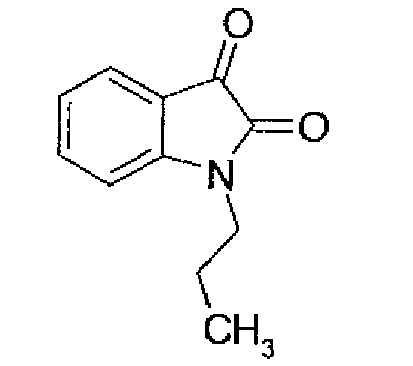
14 
15 
-
[Table 8] Pr Structure 16 
17 
18 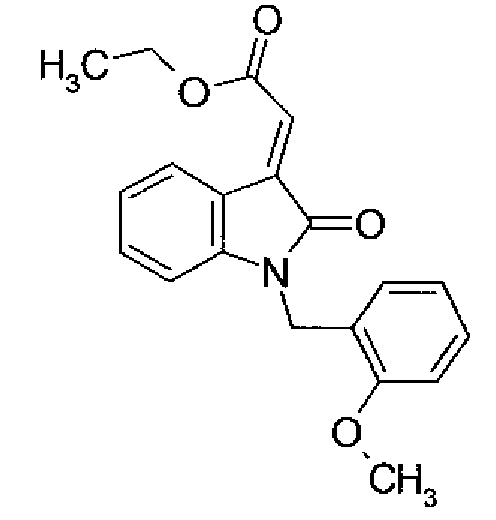
19 
-
[Table 9] Pr Structure 20 
21 
22 
23 
-
[Table 10] Pr Structure 24 
25 
26/Cl 
27/Cl 
-
[Table 11] Pr Structure 28 
29 
30 
31 
-
[Table 12] Pr Structure 32 
33 
34 
35/Cl 
-
[Table 13] Pr Structure 36 
37 
38 
39 
-
Table 14] Pr Structure 40 
41 
42 
43 
-
[Table 15] Pr Structure 44 
45 
46 
47 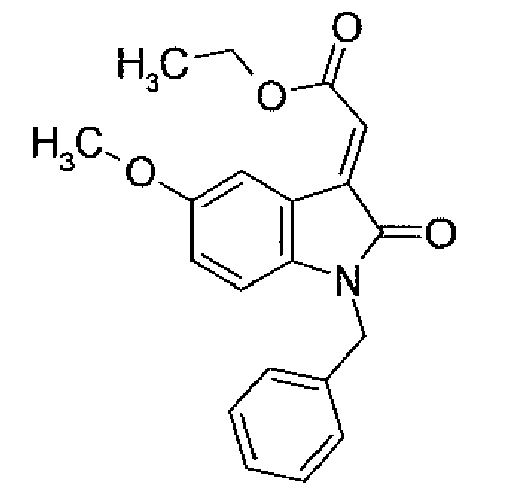
-
[Table 16] Pr Structure 48 
49 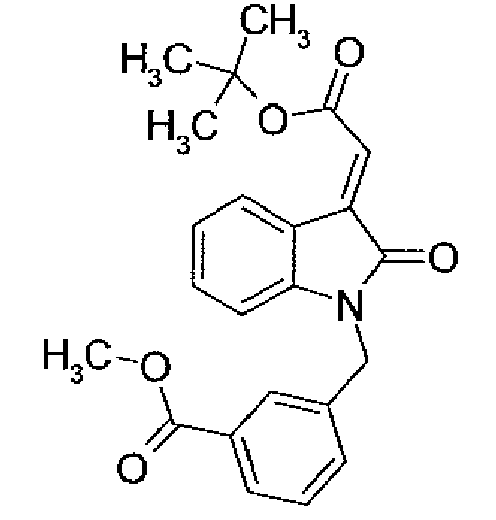
50 
51 
-
[Table 17] Pr Structure 52 
53 
54 
55 
-
[Table 18] Pr Structure 56 
57 
58 
59 
-
[Table 19] Pr Structure 60 
61 
62 
63 
-
[Table 20] Pr Structure 64 
65 
66 
67 
68 
-
[Table 21] Pr Structure 69 
70 
71 
72 
-
[Table 22] Pr Structure 73 
74 
75 
76 
-
[Table 23] Pr Structure 77 
78 
79 
80 
-
[Table 24] Pr Structure 81 
82 
83 
84 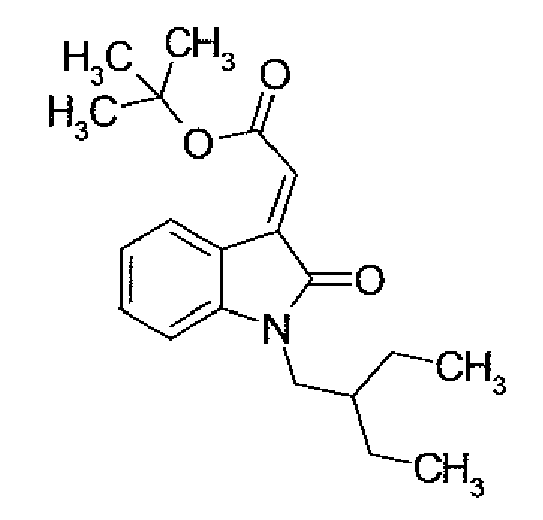
-
[Table 25] Ex Structure 1 
2 
3 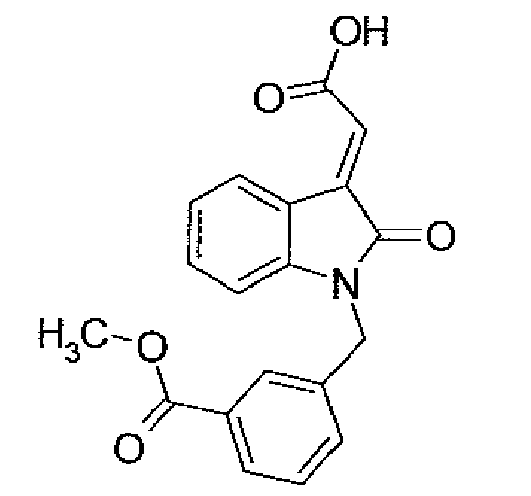
4 
-
[Table 26] Ex Structure 5 
6 
7 
8 
-
[Table 27] Ex Structure 9 
10 
11 
12 
-
[Table 28] Ex Structure 13 
14 
15 
16 
-
[Table 29] Ex Structure 17 
18 
19 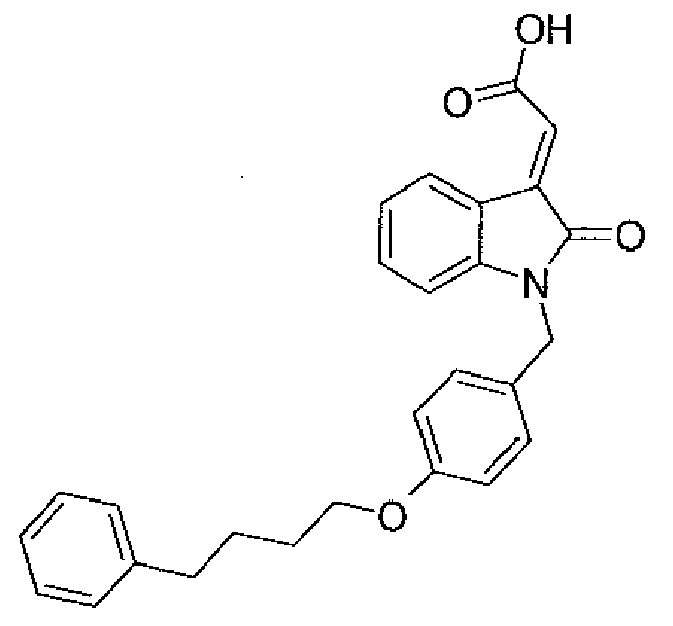
20 
-
[Table 30] Ex Structure 21 
22 
23 
24 
-
[Table 31] Ex Structure 25 
26 
27 
28 
-
[Table 32] Ex Structure 29 
30 
31 
32 
-
[Table 33] Ex Structure 33 
34 
35 
36 
-
[Table 34] Ex Structure 37 
38 
39 
40 
-
[Table 35] Ex Structure 41 
42 
43 
-
[Table 36] Ex Structure 44 
45 
46 
-
[Table 37] Ex Structure 47 
48 
49 
50 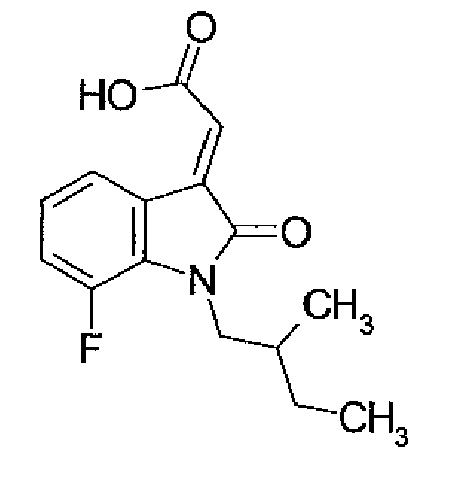
-
[Table 38] Ex Structure 51 
52 
53 
-
[Table 39] Ex Structure 54/Cl 
55 
56 
-
[Table 40] Ex Structure 57 
58 
59 
-
[Table 41] Ex Structure 60 
61 
62 
-
[Table 42] Ex Structure 63 
64 
65 
-
[Table 43] Ex Structure 66 
67 
-
[Table 44] Pr Syn Data 1 Pr.1 ESI+:222. 2 Pr.2 ESI+:226. 3 Pr.3 FAB+:292. 4 Pr.4 EI:261. 5 Pr.1 ESI+:238. 6 Ex.1 ESI+:280. 7 Pr.1 ESI+:268. 8 Pr.1 ESI+:239. 9 Pr.1 ESI+:176. 10 Pr.1 ESI+:268. 11 Pr.1 ESI+:252. 12 Pr.1 ESI+:267[M]. 13 Pr.1 ESI+:190. 14 Pr.1 ESI+:206. 15 Pr.1 ESI+:268. 16 Pr.3 ESI+:276. 17 Pr.3 ESI+:308. 18 Pr.3 ESI+:337[M]. 19 Pr.3 ESI+:338. 20 Pr.3 ESI+:338. 21 Pr.3 ESI+:322. 22 Pr.1 ESI+:296. 23 Pr.1 ESI+:239. 24 Pr.1 ESI+:239. 25 Pr.3 EI:365. 26 Pr.3 ESI+:309. 27 Pr.3 ESI+:309. 28 Pr.1 APCI+:203[M]. 29 Pr.3 ESI+:274. 30 Pr.3 EI:325. -
[Table 45] Pr Syn Data 31 Pr.3 EI:325. 32 Pr.3 EI:325. 33 Pr.1 ESI+:244. 34 Pr.1 ESI+:234. 35 Pr.3 ESI+:309. 36 Pr.3 ESI+:304. 37 Pr.3 ESI+:338. 38 Pr.3 ESI+:314. 39 Pr.1 ESI+:255[M]. 40 Pr.1 ESI+:255[M], 41 Pr.1 ESI+:255[M]. 42 Pr.1 ESI+:386. 43 Pr.3 ESI+:456. 44 Pr.1 ESI+:268. 45 Pr.2 ESI+:229. 46 Pr.1 ESI+:246. 47 Pr.3 ESI+:338. 48 Pr.3 ESI+:322. 49 Pr.3 NMR-D:1.54(9H,s),3.84(3H,s),5.04(2H,s),6.71(1H,s),7. 00(1H,d,J=7.89Hz),7.05-7.12(1H,m),7.33-7.41(1H,m), 7.49(1H,t,J=7.74Hz),7.60(1H,d,J=7.74Hz),7.87(1H,d,J =7.774Hz),7.93(1H,s),8.35(1H,d,J=7.68Hz). 50 Pr.1 ESI+:218. 51 Pr.1 ESI+:216. 52 Pr.3 ESI+:288. 53 Pr.3 ESI+:316. 54 Pr.1 ESI+:230. 55 Pr.3 ESI+:286. 56 Pr.3 ESI+:246. 57 Pr.3 FAB+:260. 58 Pr.1 ESI+:222. -
[Table 46] Pr Syn Data 59 Pr. 3 FAB+:292. 60 Pr.3 ESI+:300. 61 Pr.1 ESI+:248. 62 Pr.3 APCI+:346. 63 Pr.1 ESI+:238. 64 Pr.3 ESI+:336. 65 Pr.1 ESI+:234. 66 Pr.3 ESI+:332. 67 Pr.1 APCI/ESI+:249[M]. 68 Pr.1 APCI/ESI+:219[M]. 69 Pr.3 APCI/ESI+:348. 70 Pr.3 APCI/ESI+:318. 71 Pr.1 APCI/ESI-:285[M]. 72 Pr.3 APCI/ESI+:384. 73 Pr.1 APCI/ESI-:301[M]. 74 Pr.3 APCI/ESI+:400. 75 Pr.1 APCI/ESI+:236. 76 Pr.3 APCI/ESI+:334. 77 Pr.1 APCI/ESI+:236. 78 Pr.3 APCI/ESI+:334. 79 Pr.1 APCI/ESI+:236. 80 Pr.3 APCI/ESI+:334. 81 Pr.1 ESI+:246. 82 Pr.3 ESI+:344. 83 Pr.1 ESI+:232. 84 Pr.3 APCI/ESI+:330. -
[Table 47] Ex Syn Data 1 Ex.1 FAB+:264. 2 Ex.2 FAB+:357. 3 Ex.3 FAB+:338. 4 Ex.4 FAB+:337. 5 Ex.5 FAB+:295. 6 Ex.6 ESI+:316. 7 Ex.7 EI:323. 8 Ex.1 ESI+:310. 9 Ex.1 FAB+:294. 10 Ex.1 ESI+:310. 11 Ex.1 ESI+:310. 12 Ex.1 FAB+:310. 13 Ex.1 FAB+:246. 14 Ex.1 FAB+:310. 15 Ex.1 ESI+:286. 16 Pr.3 FAB+:261. 17 Ex.1 FAB+:298. 18 Ex.1 FAB+:298. 19 Ex.1 FAB+:428. 20 Ex.4 ESI+:279. 21 Ex.6 ESI+:319. 22 Ex.1 ESI+:294. 23 Ex.1 FAB+:288. 24 Ex.1 ESI+:258. 25 Ex.1 FAB+:260. 26 Ex.1 FAB+:272. 27 Ex.1 FAB+:264. 28 Ex.3 ESI+:290. 29 Ex.4 ESI+:289. 30 Ex.4 ESI+:343. -
[Table 48] Ex Syn Data 31 Ex.3 ESI+:280. 32 Ex.3 ESI+:276. 33 Ex.4 ESI+:329. 34 Ex.4 ESI+:317. 35 Ex.4 ESI+:333. 36 Ex.3 ESI+:292. 37 Ex.3 ESI+:262. 38 Ex.3 ESI+:328. 39 Ex.3 ESI+:343[M]. 40 Ex.4 ESI+:359. 41 Ex.4 ESI+:372. 42 Ex.4 ESI+:291. 43 Ex.4 ESI+:317. 44 Ex.4 ESI+:345. 45 Ex.4 ESI+:361. 46 Ex.4 ESI+:397. 47 Ex.3 ESI+:278. 48 Ex.4 ESI+:347. 49 Ex.3 ESI+:278. 50 Ex.3 ESI+:278. 51 Ex.4 ESI+:347. 52 Ex.1 ESI+:281. 53 Ex.1 ESI+:323. 54 Ex.1 ESI+:281. 55 Ex.1 ESI+:281. 56 Ex.3 ESI+:288. 57 Ex.4 ESI+:357. 58 Ex.4 ESI+:343. 59 Ex.4 ESI+:313. 60 Ex.4 ESI+:299. -
[Table 49] Ex Syn Data 61 Ex.4 ESI+:325. 62 Ex.4 ESI+:311. 63 Ex.3 ESI+:274. 64 Ex.4 ESI+:327. 65 Ex.4 ESI+:313. 66 Ex.4 ESI+:297. 67 Ex.4 ESI+:311. -
[Table 50] Ex Data 1 NMR-D:0.89(6H,d,J=6.7Hz),1.95,2.02(1H,m),3.60-3.63(2H,m),6.7 9(1H,s),7.07-7.12(1H,m),7.32-7.37(1H,m),8.21(1H,d,J=7.8Hz),13. 57(1H,br-s). m.p.:153-155°C 4 NMR-D:3.83(3H,s),5.04(2H,s),6.96(1H,d,J=5.85Hz),7.01-7.06(2H, m),7.28-7.34(1H,m),7.47-7.53(1H,m),7.60(1H,d,J=5.97Hz),7.66(1 H,s),7.86(1H,d,J=5.85Hz),7.92(1H,s),8.19(1H,s),8.55(1H,d,J=5.22 Hz). 13 NMR-D:0.88(6H,d,J=4.92Hz),2.00-2.10(1H,m),3.52(2H,d,J=5.52H z),6.70(1H,s),7.04-7.13(2H,m),7.37-7.45(1H,m),5.35(1H,d,J=5.37 Hz),13.39(1H,br-s). 15 NMR-D:0.90-1.2(6H,m),1.50-1.80(6H,m),3.54(2H,d,J=4.00Hz),5. 27(1H,brs),6.69(1H,s),7.04-7.13(2H,m),7.46(1H,t,J=8.00Hz),8.34 (1H,d,J=8.00Hz). m.p.:137-139°C 17 NMR-D:4.95(2H,s),6.83(1H,s),6.96-7.00(1H,m),7.23-7,36(6H,m), 8.18-8.21(1H,m),13.61(1H,brs). m.p.:177-179°C 18 NMR-D:5.04(2H,s),6.87(1H,s),7.07-7.12(1H,m),7.24-7.35(6H,m), 8.21-8.23(1H,m),13.61(1H,brs). m.p.:168-170°C 24 NMR-D:1.68-1.87(4H,m),1.88-2.01(2H,m),2.62-2.76(1H,m),3.75(2 H,d,J=5.34Hz),6.96(1H,s),7.03-7.12(2H,m),7.37-7.44(1H,m),8.33 (1H,d,J=5.37Hz),13.40(1H,br-s). 25 NMR-D:0.91(9H,s),3.53(2H,s),6.69(1H,s),7.02-7.09(1H,m),7.16(1 H,d,7=5.94Hz),7.37-7.43(1H,m),8.34(1H,d,J=5.76Hz),13.39(1H,b r-s). 26 NMR-D:1.19-1.32(2H,m),1.40-1.55(2H,m),1.54-1.70(4H,m),2.24-2.37(1H,m),3.63(2H,d,J=5.73Hz),6.69(1H,s),7.04-7.09(1H,m),7.1 2(1H,d,J=5.91Hz),7.40-7.44(1H,m),8.34(1H,d,J=5.28Hz),13.40(1 H,br-s). m.p.:140-142°C 27 NMR-D:0.88(6H,d,J=6.7Hz),1.99-2.07(1H,m),3.52(2H,d,J=7.4Hz), 6.75(1H,s),7.12-7.28(1H,m),7.29-7.33(1H,m),8.17-8.20(1H,m),1 3.57(1H,br-s). 28 NMR-D:1.25-1.26(2H,m),1.50-1.52(2H,m),1.60-1.62(4H,m),2.25-2.28(1H,m),3-74(2H,d,J=6.5Hz),6.79(1H,s),7.07-7.12(1H,m),7.33-7.38(1H,m),8.20(1H,d,J=7.0Hz),13.56(1H,brs). m.p.:151-153°C -
[Table 51] Ex Data 31 NMR-D:0.88(6H,d,J=6.7Hz),2.00-2.10(1H,m),3.84(2H,d,J=7.3Hz), 6.81(1H,s),7.08-7.12(1H,m),7.44-7.46(1H,m),8.36(1H,d,J=7.6Hz), 13.57(1H,brs). m.p.:142-144°C 32 NMR-D:1.72-1.85(4H,m),1.93-1.97(2H,m),2.63-2.70(1H,m),3.85(2 H,d,J=7.0Hz),6.79(1H,s),7.06-7.11(1H,m),7.31-7.36(1H,m),8.18(1 H,d,J=7.6Hz). m.p.:166-168°C 37 NMR-D:0.31-0.35(2H,m),0.45-0.50(2H,m),1.15-1.18(1H,m),3.69(2 H,d,J=6.9Hz),6.79(1H,s),7.08-7.13(1H,m),7.34-7.39(1H,m),8.20(1 H,d,J=7.7Hz),13.54(1H,brs). m.p.:171-173°C 43 NMR-D:1.25-1.30(2H,m),1.49-1.52(2H,m),1.60-1.64(4H,m),2.23-2.30(1H,m),2.99(3H,s),3.01(3H,s),3.74(2H,d,J=7.3Hz),7.03-7.06 (1H,m),7.24-7.30(2H,m),7.41(1H,d,J=7.6Hz). m.p.:51-53°C 45 NMR-D:0.84-0.88(6H,m),1.26-1.33(4H,m),1.64-1.68(1H,m),3.43-3.46(2H,m),3.53-3.55(2H,m),3.65-3.70(6H,m),7.04-7.09(1H,m),7. 26-7.31(2H,m),7.44(1H,d,J=7.6Hz). m.p.:102-104°C 47 NMR-D:0.83-0.90(6H,m),1.13-1.20(1H,m),1.32-1.41(1H,m),1.76-1.81(1H,m),3.58-3.72(2H,m),6.79(1H,s),7.07-7.12(1H,m),7.32-7. 37(1H,m),8.20(1H,d,J=7.6Hz),13.51(1H,brs). m.p.:137-139°C 49 NMR-D:0.91(3H,s),0.93(3H,s),1.47-1.52(2H,m),1.5 5-1.62(1H,m), 3.79-3.83(2H,m),6.78(1H,s),7.07-7.12(1H,m),7.32-7.37(1H,m),8. 19(1H,d,J=7.7Hz),13.53(1H,brs). m.p.:142-144°C 59 NMR-D:0.92-1.06(2H,m),1.07-1.21(3H,m),1.52-1.81(6H,m),3.00(6 H,s),3.54(2H,d,J=8.0Hz),7.01(1H,td,J=7.6,1.0Hz),7.07(1H,d,J=7.6 Hz),7.16 (1H,s),7.35(1H,td,J=7.6,1.0Hz),7.57(1H,d,J=7.6Hz). m.p.:80-82°C 60 NMR-D:1.21-1.34(2H,m),1.42-1.55(2H,m),1.57-1.70(4H,m),2.25-2.34(1H,m),3.00(3H,s),3.01(3H,s),3.64(2H,d,J=7.6Hz),7.02(1H,t d,J=7.6,0.8 Hz),7.10(1H,d,J=7.6Hz),7.17(1H,s),7.36(1H,td,J=7.6, 1.2Hz),7.57(1H,d,J=7.6Hz). m.p.:60-62°C -
[Table 52] Ex Data 61 NMR-D:0.91-1.06(2H,m),1.07-1.21(3H,m),1.54-1.78(6H,m),2.20-2.30(2H,m),3.54(2H,d,J=7.2Hz),4.03(2H,t,J=8.0Hz),4.30(2H,t,J= 8.0Hz),6.81 (1H,s),7.02(1H,td,J=7.6,1.2Hz),7.06(1H,d,J=7.6Hz), 7.38(1H,td,J=7.6,1.2Hz),8.43(1H,d,J=7.6Hz). m.p.:163-165°C 62 NMR-D:1.20-1.32(2H,m),1.41-1.55(2H,m),1.56-1.69(4H,m),2.20-2.35(3H,m),3.64(2H,d,J=7.6Hz),4.03(2H,t,J=7.6Hz),4.30(2H,t,J= 7.6 Hz),6.81(1H,s),7.03(1H,td,J=7.6,1.2Hz),7.09(1H,d,J=7.6Hz), 7.38(1H,td,J=7.6,1.6Hz),8.44(1H,d,J=7.6Hz). m.p.:111-113°C 63 NMR-D:0.87(6H,t,J=7.4Hz),1.24-1.35(4H,m),1.69-1.35(1H,m),3.5 9(2H,d,J=7.6Hz),6.70(1H,s),7.03-7.10(2H,m),4.41-7.45(1H,m),8.3 4-8.36(1H,m),13.39(1H,brs). m.p.:147-149°C 64 NMR-D:0.87(6H,t,J=7.4Hz),1.24-1.35(4H,m),1.69-1.76(1H,m),1.8 1-1.93(4H,m),3.46-3.52(4H,m),3.60(2H,d,J=7.5Hz),7.00-7.04(2H, m),7.10(1H,s),7.35-7.39(1H,m),8.04(1H,d,J=7.7Hz). m.p.:71-73°C 65 NMR-D:0.87(6H,t,J=7.4Hz),1.25-1.33(4H,m),1.71-1.74(1H,m),2.2 2-2.30(2H,m),3.58-3.60(2H,m),4.01-4.05(2H,m),4.28-4.32(2H,m), 6.82 (1H,s),6.99-7.05(2H,m),7.37-7.41(1H,m),8.44(1H,d,J=7.7H z). m.p.:116-118°C 66 NMR-D:1.73-1.85(4H,m),1.92-1.99(2H,m),2.22-2.28(2H,m),2.65-2.73(1H,m),3.74-3.75(2H,m),4.01-4.05(2H,m),4.28-4.31(2H,m),6. 81 (1H,s),7.00-7.08(2H,m),7.35-7.39(1H,m),8.42(1H,d,J=7.7Hz). m.p.:133-135°C 67 NMR-D:1.72-1.99(10H,m),2.65-2.73(1H,m),3.46-3.52(4H,m),3.75 (2H,d,J=7.2Hz),6.99-7.09(3H,m),7.34-7.38(1H,m),8.02(1H,d,J=7. 7Hz). m.p.:108-110°C - The compound of the formula (I) or a salt thereof has a TRPA1 channel activation activity, and can be used as an active ingredient of a pharmaceutical composition for preventing and/or treating constipation-type IBS, atonic constipation and/or functional gastrointestinal disorder, or the like.
- In the following sequence listing, the explanations for "human TRPA1 cDNA (sequence number 1)" and "Artificial Sequence (sequence number 2, sequence number 3)" are described. Specifically, nucleotide sequences, which are represented by sequence number 2 and sequence number 3 of sequence listing, are artificially synthesized primer sequences and were used for the cloning of sequence number 1.


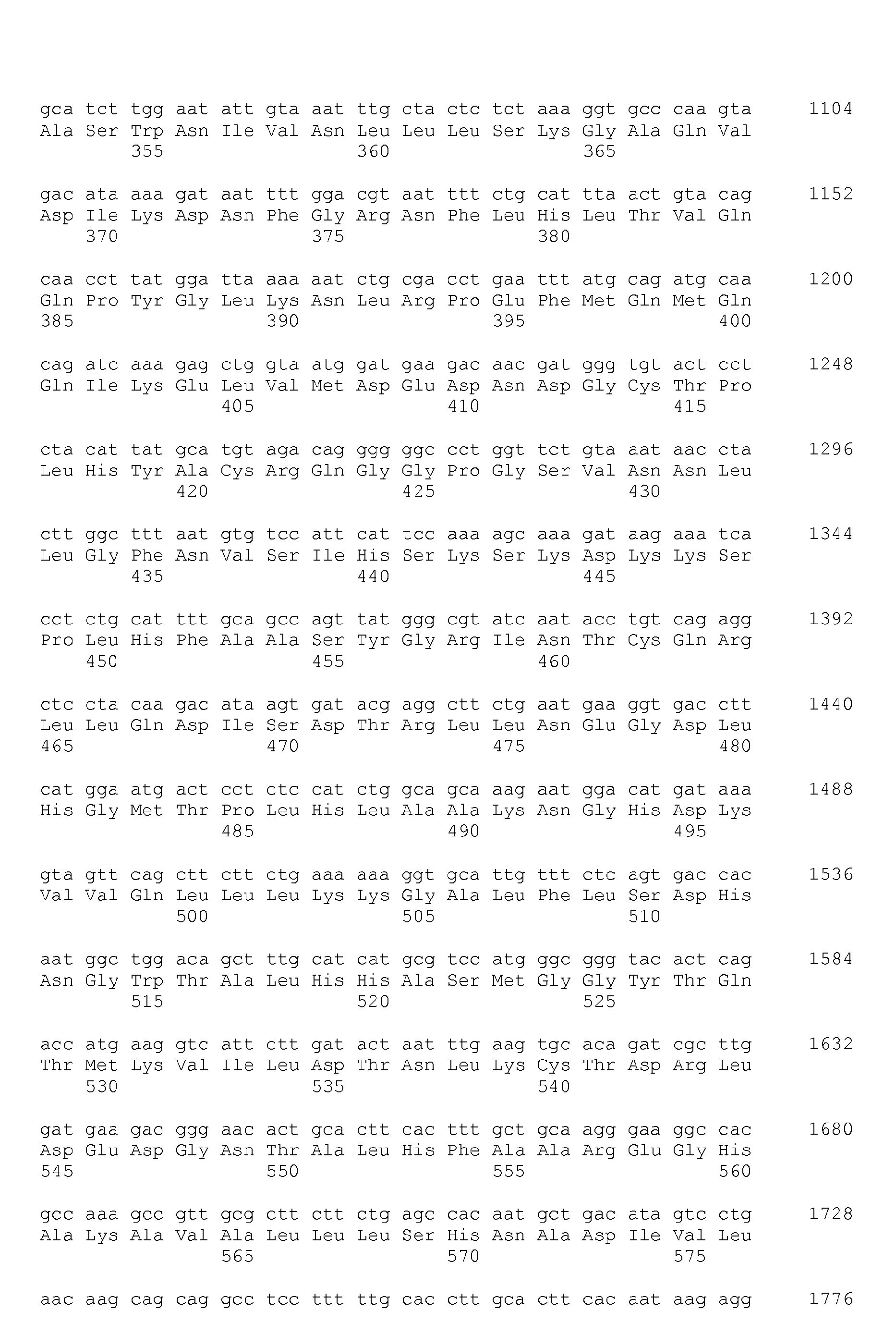


provided that, (a) when R1 is methoxycarbonyl, ethoxycarbonyl, N,N-dimethylaminocarbonyl or N-phenylaminocarbonyl, and -X-R2 is methyl, R3 represents a group other than -H, and (b) when R1 is ethoxycarbonyl, -CO2H or -CON(CH3)2, and -X-R2 is benzyl, R3 represents a group other than -H.)
In this connection, when a symbol in a chemical formula in the present specification is also used in other chemical formulae, the same symbol has the same meaning, unless otherwise specifically described.

Claims (19)
- A compound of the formula (I) or a salt thereof.
 R1 is -CO2H or a biological equivalent thereof, -CO2-R0, -CON(-R4)(-R5), -CN, -CO-(nitrogen-containing hetero ring which may be substituted with -R0), or nitrogen-containing hetero ring which may be substituted with -R0,R0 is C1-6 alkyl,R4 and R5 are the same or different, representing -H, C1-6 alkyl, C3-8 cycloalkyl, -OH, or -SO2-C1-6 alkyl,X is C1-10 alkylene, or -(C1-10 alkylene)-O-,R2 is (i) hetero ring, aryl, C3-8 cycloalkyl or -CO-R0, each of which may be substituted with group(s) selected from -O-R0, -O-R00-aryl, -CO2-R0, -CON(-R4)(-R5), -CO-(nitrogen-containing hetero ring which may be substituted with -R0), -CONHSO2-R0, -CONHOH, -CO2H, -NO2 and -CN, or (ii) -H, or -R0,R00 is a bond or C1-6 alkylene,R3 is -H, -R0, C1-6 alkyl which may be substituted with one or more halogens, halogen, -NO2, -CN, or -O-R0,the dotted line is Z-olefin or E-olefin, or a mixture thereof,provided that, (a) when R1 is methoxycarbonyl, ethoxycarbonyl, N,N-dimethylaminocarbonyl or N-phenylaminocarbonyl, and -X-R2 is methyl, R3 represents a group other than -H, and (b) when R1 is ethoxycarbonyl, -CO2H or -CON(CH3)2, and -X-R2 is benzyl, R3 represents a group other than -H.)
 - The compound or a salt thereof according to claim 1, wherein R1 is -CO2H or a biological equivalent thereof, -CO2-R0, -CON(-R4)(-R5), -CN, -CO-(nitrogen-containing hetero ring) or nitrogen-containing hetero ring which may be substituted with -R0, R4 and R5 are the same or different, representing -H, or C1-6 alkyl, and R2 is (i) hetero ring, aryl, cycloalkyl or -CO-R0, each of which may be substituted with group(s) selected from -OR0, -O-R00-aryl, -CO2-R0, -CON(-R4)(-R5) -CO-(nitrogen-containing hetero ring), -CONHSO2-R0, -CONHOH, -NO2 and -CN, or (ii) -H, or -R0.
- The compound or a salt thereof according to claim 1, wherein R1 is -CO2H, -CON(-R4)(-R5), -CN, -CO-(nitrogen-containing hetero ring which may be substituted with -R0) or nitrogen-containing hetero ring which may be substituted with -R0, R2 is (i) hetero ring, aryl or cycloalkyl, each of which may be substituted with group(s) selected from -O-R0, -O-R00-aryl, -CO2-R0 and -CO2H, or (ii)-H, and R3 is -H, -R0, halogen or -O-R0.
- The compound or a salt thereof according to claim 3, wherein the dotted line is E-olefin.
- The compound or a salt thereof according to claim 4, wherein R1 is -CO2H, -CONH2, -CON(CH3)2 or -CO-(cyclic amino which may be substituted with -R0).
- The compound or a salt thereof according to claim 5, wherein R3 is -H, -F or -Cl.
- The compound or a salt thereof according to claim 6, wherein -X-R2 is C4-6 alkyl.
- The compound or a salt thereof according to claim 7, wherein -X-R2 is 2-methylpropan-1-yl, 2-methylbutan-1-yl, 2,2-dimethylpropan-1-yl, 2-ethylbutan-1-yl, 3-methylbutan-1-yl, or 3-methylpentan-1-yl.
- The compound or a salt thereof according to claim 6, wherein -X-R2 is C3-8 cycloalkylmethyl or benzyl in which the benzene ring may be substituted with group(s) selected from the group consisting of -O-R0 and -CO2-R0.
- The compound or a salt thereof according to claim 9, wherein -X-R2 is cyclopropylmethyl, cyclobutylmethyl, cyclopentylmethyl, cyclohexylmethyl or benzyl
- The compound or a salt thereof according to claim 8 or 10, wherein R1 is -CO2H.
- The compound or a salt thereof according to claim 8 or 10, wherein R1 is -CONH2 or -CON(CH3)2.
- The compound or a salt thereof according to claim 8 or 10, wherein R1 is pyrrolidin-1-ylcarbonyl, azetidin-1-ylcarbonyl or morpholin-4-ylcarbonyl.
- A compound or a salt thereof, which is
(2E)-[1-(cyelohexylmethyl)-2-oxo-1,2-dihydro-3H-indol-3-ylidene]acetic acid,
(2E)-(1-benzyl-5-fluoro-2-oxo-1,2-dihydro-3H-indol-3-ylidene)acetic acid,
(2E)-(1-benzyl-7-fluoro-2-oxo-1,2-dihydro-3H-indol-3-ylidene)acetic acid,
(2E)-[1-(cyclopentylmethyl)-2-oxo-1,2-dihydro-3H-indol-3-ylidene] acetic acid,
(2E)-(7-fluoro-1-isobutyl-2-oxo-1,2-dihydro-3H-indol-3-ylidene)acetic acid,
(2E)-[1-(cyclopentylmethyl)-7-fluoro-2-oxo-1,2-dihydro-3H-indol-3-ylidene]acetic acid,
(2E)-(7-chloro-1-isobutyl-2-oxo-1,2-dihydro-3H-indol-3-ylidene)acetic acid,
(2E)-[1-(cyclobutylmethyl)-7-fluoro-2-oxo-1,2-dihydro-3H-indol-3-ylidene]acetic acid,
(2E)-[1-(cyclopropylmethyl)-7-fluoro-2-oxo-1,2-dihydro-3H-indol-3-ylidene]acetic acid,
(2E)-2-[1-(cydopentylmethyl)-7-fluoro-2-oxo-1,2,dihydro,3H-indol-3-ylidene]-N,N-dimethylacetamide,
(3E)-1-(2-ethyl butyl)-7-fluoro-3-(2-morpholin-4-yl-2-oxoethylidene)-1,3-dihydro-2H-indol-2-one,
(2E)- {7-fluoro-1-[(2S)-2-methylbutyl]-2-oxo-1,2-d]hydro-3H-indol-3-ylidene}acetic acid,
(2E)-[7-fluoro-1-(3-methylbutyl)-2-oxo-1,2-dihydro-3H-indol-3-ylidene]acetic acid,
(2E)-2-[1-(cydohexylmethyl)-2-oxo-1,2-dinhydro-3H-indol-3-ylidene]-N,N-dimethylacetamide,
(2E)-2-[1-(cyclopentylmethyl)-2-oxo-1,2-dlhydro-3H-indol-3-ylidene]-N,N-dimethylacetamide,
(3E)-3-(2-azetidin-1-yl-2-oxoethylidene)-1-(cyclohexylmethyl)-1,3-dihydro-2H-indol-2-one,
(3E)-3-(2-azetidin-1-yl-2-oxoethylidene)-1-(cyclopentylmethyl)-1,3-dihydro-2H-indol-2-one,
(2E)-[1-(2-ethylbutyl)-2-oxo-1,2-dihydro-3H-indol-3-ylidene]acetic acid,
(3E)-1-(2-ethylbutyl)-3-(2-oxo-2-pyrrolidin-1-ylethylidene)-1,3-dihydro-2H-indol-2-one,
(3E)-3-(2-azetidin-1-yl-2-oxoethylidene)-1-(2-ethylbutyl)-1,3-dihydro-2H-indol-2-one,
(3E)-3-(2-azetidin-1-yl-2-oxoethylidene)-1-(cyclobutylmethyl)-1,3-dihydro-2H-indol-2-one, or,
(3E)-1-(cyclobutylmethyl)-3-(2-oxo-2-pyrrolidin-1-ylethylidene)-1,3-dihydro-2H-indol-2-one,
or a salt thereof, among the compound or a salt thereof according to claim 1. - A pharmaceutical composition comprising the compound or a salt thereof according to claim 1, and a pharmaceutically acceptable excipient.
- A pharmaceutical composition for treating constipation-type irritable bowel syndrome, atonic constipation or functional gastrointestinal disorder comprising the compound or a salt thereof according to claim 1.
- Use of the compound or a salt thereof according to claim 1 for the manufacture of a pharmaceutical composition for treating constipation-type irritable bowel syndrome, atonic constipation or functional gastrointestinal disorder.
- The compound or a salt thereof according to claim 1 for use in the treatment of constipation-type irritable bowel syndrome, atonic constipation or functional gastrointestinal disorder.
- A method for treating constipation-type irritable bowel syndrome, atonic constipation or functional gastrointestinal disorder, comprising administering an effective amount of the compound or a salt thereof according to claim 1 to a subject.
Applications Claiming Priority (2)
| Application Number | Priority Date | Filing Date | Title |
|---|---|---|---|
| JP2008095040 | 2008-04-01 | ||
| PCT/JP2009/056431 WO2009123080A1 (en) | 2008-04-01 | 2009-03-30 | Indolinone compound |
Publications (2)
| Publication Number | Publication Date |
|---|---|
| EP2261206A1 true EP2261206A1 (en) | 2010-12-15 |
| EP2261206A4 EP2261206A4 (en) | 2011-08-17 |
Family
ID=41135456
Family Applications (1)
| Application Number | Title | Priority Date | Filing Date |
|---|---|---|---|
| EP09729006A Withdrawn EP2261206A4 (en) | 2008-04-01 | 2009-03-30 | Indolinone compound |
Country Status (13)
| Country | Link |
|---|---|
| US (1) | US20110009379A1 (en) |
| EP (1) | EP2261206A4 (en) |
| JP (1) | JPWO2009123080A1 (en) |
| KR (1) | KR20100135248A (en) |
| CN (1) | CN101983188A (en) |
| AU (1) | AU2009232836A1 (en) |
| BR (1) | BRPI0909209A2 (en) |
| CA (1) | CA2720275A1 (en) |
| IL (1) | IL208164A0 (en) |
| MX (1) | MX2010010871A (en) |
| RU (1) | RU2010144548A (en) |
| WO (1) | WO2009123080A1 (en) |
| ZA (1) | ZA201006623B (en) |
Families Citing this family (8)
| Publication number | Priority date | Publication date | Assignee | Title |
|---|---|---|---|---|
| US20130203715A1 (en) | 2010-07-20 | 2013-08-08 | Pulmatrix, Inc. | Use of trp channel agonists to treat infections |
| WO2012078519A2 (en) * | 2010-12-06 | 2012-06-14 | Numerate, Inc. | 3-acylidene-2-oxoindole derivatives for inhibition of transglutaminase 2 |
| US9182233B2 (en) * | 2012-05-17 | 2015-11-10 | Robert Bosch Gmbh | System and method for autocompletion and alignment of user gestures |
| US10482265B2 (en) * | 2015-12-30 | 2019-11-19 | International Business Machines Corporation | Data-centric monitoring of compliance of distributed applications |
| KR102620902B1 (en) * | 2020-04-24 | 2024-01-04 | 가천대학교 산학협력단 | Novel alpha-synuclein radioligands and diagnostic composition of neurodegenerative diseases comprising the same |
| CN113545316B (en) * | 2020-04-24 | 2022-05-17 | 中国科学院上海药物研究所 | Application of sanguinarine in the preparation of TRPA1 channel agonists |
| WO2023090313A1 (en) | 2021-11-16 | 2023-05-25 | 京都府公立大学法人 | Composition for increasing amount of food ingested and/or improving anorexia, and composition for activating transient receptor potential ankyrin 1 |
| CN119855508A (en) | 2022-10-31 | 2025-04-18 | 好侍食品集团本社株式会社 | Composition for activating transient receptor potential ankyrin 1 and composition for improving hyperphagia and/or anorexia |
Family Cites Families (14)
| Publication number | Priority date | Publication date | Assignee | Title |
|---|---|---|---|---|
| GB1239553A (en) * | 1967-08-16 | 1971-07-21 | ||
| US3428649A (en) | 1968-01-23 | 1969-02-18 | Mcneilab Inc | Oxindole derivatives |
| EA200001140A1 (en) * | 1998-05-01 | 2001-04-23 | Эли Лилли Энд Компани | COMPOUNDS INHIBITORS sPLA2 FOR THE TREATMENT OF DISEASE |
| MY128449A (en) * | 2000-05-24 | 2007-02-28 | Sugen Inc | Prodrugs of 3-(pyrrol-2-ylmethylidene)-2-indolinone derivatives |
| US7244721B2 (en) | 2000-07-21 | 2007-07-17 | Schering Corporation | Peptides as NS3-serine protease inhibitors of hepatitis C virus |
| CA2508290C (en) | 2002-12-20 | 2017-02-28 | Ciba Specialty Chemicals Holding Inc. | Synthesis of amines and intermediates for the synthesis thereof |
| WO2006105796A1 (en) * | 2005-04-08 | 2006-10-12 | Leo Pharma A/S | Novel indolinone derivatives |
| JPWO2006115135A1 (en) * | 2005-04-21 | 2008-12-18 | アステラス製薬株式会社 | Treatment for irritable bowel syndrome |
| US20070015087A1 (en) * | 2005-07-13 | 2007-01-18 | Fuji Photo Film Co., Ltd. | Photosensitive composition |
| JP2007047770A (en) * | 2005-07-13 | 2007-02-22 | Fujifilm Corp | Photosensitive composition |
| EP1956910B1 (en) * | 2005-11-23 | 2014-09-17 | The Board of Regents of The University of Texas System | Oncogenic ras-specific cytotoxic compound and methods of use thereof |
| WO2008019357A2 (en) | 2006-08-07 | 2008-02-14 | Ironwood Pharmaceuticals, Inc. | Indole compounds |
| WO2008044660A1 (en) * | 2006-10-06 | 2008-04-17 | Astellas Pharma Inc. | Screening method for prokinetic agent |
| TW200914437A (en) * | 2007-06-20 | 2009-04-01 | Ironwood Pharmaceuticals Inc | FAAH inhibitors |
-
2009
- 2009-03-30 KR KR1020107021951A patent/KR20100135248A/en not_active Withdrawn
- 2009-03-30 MX MX2010010871A patent/MX2010010871A/en not_active Application Discontinuation
- 2009-03-30 CA CA2720275A patent/CA2720275A1/en not_active Abandoned
- 2009-03-30 CN CN2009801125228A patent/CN101983188A/en active Pending
- 2009-03-30 AU AU2009232836A patent/AU2009232836A1/en not_active Abandoned
- 2009-03-30 JP JP2010505883A patent/JPWO2009123080A1/en active Pending
- 2009-03-30 US US12/922,936 patent/US20110009379A1/en not_active Abandoned
- 2009-03-30 RU RU2010144548/04A patent/RU2010144548A/en not_active Application Discontinuation
- 2009-03-30 EP EP09729006A patent/EP2261206A4/en not_active Withdrawn
- 2009-03-30 WO PCT/JP2009/056431 patent/WO2009123080A1/en not_active Ceased
- 2009-03-31 BR BRPI0909209-9A patent/BRPI0909209A2/en not_active IP Right Cessation
-
2010
- 2010-09-15 ZA ZA2010/06623A patent/ZA201006623B/en unknown
- 2010-09-15 IL IL208164A patent/IL208164A0/en unknown
Also Published As
| Publication number | Publication date |
|---|---|
| IL208164A0 (en) | 2010-12-30 |
| ZA201006623B (en) | 2011-11-30 |
| JPWO2009123080A1 (en) | 2011-07-28 |
| EP2261206A4 (en) | 2011-08-17 |
| AU2009232836A1 (en) | 2009-10-08 |
| CA2720275A1 (en) | 2009-10-08 |
| CN101983188A (en) | 2011-03-02 |
| KR20100135248A (en) | 2010-12-24 |
| RU2010144548A (en) | 2012-05-10 |
| US20110009379A1 (en) | 2011-01-13 |
| WO2009123080A1 (en) | 2009-10-08 |
| BRPI0909209A2 (en) | 2015-08-25 |
| MX2010010871A (en) | 2010-10-26 |
Similar Documents
| Publication | Publication Date | Title |
|---|---|---|
| TWI313264B (en) | Triamide-substituted heterobicyclic compounds | |
| CA2777565C (en) | Hematopoietic growth factor mimetic diphenylamine small molecule compounds and their uses | |
| TWI339121B (en) | 1-piperazine- and 1-homopiperazine-carboxylate derivatives, preparation and therapeutic application thereof | |
| US20110009379A1 (en) | Indolinone compound | |
| JP4667384B2 (en) | Amide derivatives and pharmaceutical compositions as ion channel ligands and methods of using them | |
| JP5663657B2 (en) | 1-[(4-Hydroxypiperidin-4-yl) methyl] pyridin-2 (1H) -one derivative, process for its preparation and use thereof | |
| TW201043603A (en) | Substituted phenylureas and phenylamides as vanilloid receptor ligands | |
| WO2003044016A1 (en) | 3-SUBSTITUTED OXINDOLE β3 AGONISTS | |
| JPH08109169A (en) | Non-peptide tachykinin receptor antagonist | |
| EP2141147A1 (en) | Ornithine derivative | |
| JPH08253474A (en) | Indolepiperidine derivative | |
| EA010300B1 (en) | Novel azabicyclic derivatives, a method of producing thereof and pharmaceutical compositions containing them | |
| BRPI0610833A2 (en) | acetylene derivatives | |
| JP2001512727A (en) | Bicyclic compounds as ligands for the 5HT-1 receptor | |
| JP2001525399A (en) | Selective β3 adrenergic agonist | |
| WO2000023420A1 (en) | Aromatic amine derivatives, process for the preparation thereof and agents containing the same | |
| US20070232657A1 (en) | Novel compounds | |
| MX2013001202A (en) | Condensed ring pyridine compound. | |
| CA2655913A1 (en) | Novel 6-5 system bicyclic heterocyclic derivative and its pharmaceutical utility | |
| WO1998031669A1 (en) | Novel arylpiperazine derived from piperidine as antidepressant medicines | |
| EP0626373B1 (en) | Quinazolinone derivatives | |
| JP2002371059A (en) | Melanin-agglutinating hormone antagonist | |
| CN102026969A (en) | Novel N-(2-amino-phenyl)-acrylamides | |
| EP1368345B1 (en) | Alkoxycarbonylamino heteroaryl carboxylic acid derivatives as ip antagonists | |
| JP2003532616A (en) | A. Useful for the treatment of osteoporosis O. Indole derivatives |
Legal Events
| Date | Code | Title | Description |
|---|---|---|---|
| PUAI | Public reference made under article 153(3) epc to a published international application that has entered the european phase |
Free format text: ORIGINAL CODE: 0009012 |
|
| 17P | Request for examination filed |
Effective date: 20100929 |
|
| AK | Designated contracting states |
Kind code of ref document: A1 Designated state(s): AT BE BG CH CY CZ DE DK EE ES FI FR GB GR HR HU IE IS IT LI LT LU LV MC MK MT NL NO PL PT RO SE SI SK TR |
|
| AX | Request for extension of the european patent |
Extension state: AL BA RS |
|
| RAX | Requested extension states of the european patent have changed |
Extension state: RS Payment date: 20100929 |
|
| A4 | Supplementary search report drawn up and despatched |
Effective date: 20110718 |
|
| RIC1 | Information provided on ipc code assigned before grant |
Ipc: C07D 417/06 20060101ALI20110712BHEP Ipc: C07D 405/06 20060101ALI20110712BHEP Ipc: C07D 403/06 20060101ALI20110712BHEP Ipc: C07D 401/06 20060101ALI20110712BHEP Ipc: A61P 1/14 20060101ALI20110712BHEP Ipc: A61P 1/04 20060101ALI20110712BHEP Ipc: A61K 31/5377 20060101ALI20110712BHEP Ipc: A61K 31/4439 20060101ALI20110712BHEP Ipc: A61K 31/427 20060101ALI20110712BHEP Ipc: A61K 31/4178 20060101ALI20110712BHEP Ipc: A61K 31/405 20060101ALI20110712BHEP Ipc: A61K 31/4045 20060101ALI20110712BHEP Ipc: C07D 209/34 20060101AFI20110712BHEP |
|
| 17Q | First examination report despatched |
Effective date: 20130711 |
|
| STAA | Information on the status of an ep patent application or granted ep patent |
Free format text: STATUS: THE APPLICATION IS DEEMED TO BE WITHDRAWN |
|
| 18D | Application deemed to be withdrawn |
Effective date: 20131122 |