EP2260859A1 - Compounds acting as peptide gap junction modulators and their uses - Google Patents
Compounds acting as peptide gap junction modulators and their uses Download PDFInfo
- Publication number
- EP2260859A1 EP2260859A1 EP09007772A EP09007772A EP2260859A1 EP 2260859 A1 EP2260859 A1 EP 2260859A1 EP 09007772 A EP09007772 A EP 09007772A EP 09007772 A EP09007772 A EP 09007772A EP 2260859 A1 EP2260859 A1 EP 2260859A1
- Authority
- EP
- European Patent Office
- Prior art keywords
- compound
- arg
- compounds
- residue
- peptide
- Prior art date
- Legal status (The legal status is an assumption and is not a legal conclusion. Google has not performed a legal analysis and makes no representation as to the accuracy of the status listed.)
- Ceased
Links
- 150000001875 compounds Chemical class 0.000 title claims abstract description 131
- 108090000765 processed proteins & peptides Proteins 0.000 title claims description 46
- 210000003976 gap junction Anatomy 0.000 title abstract description 42
- 108050001175 Connexin Proteins 0.000 title abstract description 36
- 102000010970 Connexin Human genes 0.000 title abstract description 35
- 238000011282 treatment Methods 0.000 claims abstract description 22
- 238000004891 communication Methods 0.000 claims abstract description 21
- 230000006854 communication Effects 0.000 claims abstract description 21
- 230000001771 impaired effect Effects 0.000 claims abstract description 18
- 208000037265 diseases, disorders, signs and symptoms Diseases 0.000 claims abstract description 13
- 238000000034 method Methods 0.000 claims description 22
- 210000001519 tissue Anatomy 0.000 claims description 18
- KDXKERNSBIXSRK-YFKPBYRVSA-N L-lysine Chemical compound NCCCC[C@H](N)C(O)=O KDXKERNSBIXSRK-YFKPBYRVSA-N 0.000 claims description 15
- KDXKERNSBIXSRK-UHFFFAOYSA-N Lysine Natural products NCCCCC(N)C(O)=O KDXKERNSBIXSRK-UHFFFAOYSA-N 0.000 claims description 15
- -1 N-substituted amino Chemical group 0.000 claims description 13
- 239000000203 mixture Substances 0.000 claims description 13
- 102000001189 Cyclic Peptides Human genes 0.000 claims description 12
- 108010069514 Cyclic Peptides Proteins 0.000 claims description 12
- 230000008859 change Effects 0.000 claims description 12
- 150000003839 salts Chemical class 0.000 claims description 12
- 201000004681 Psoriasis Diseases 0.000 claims description 11
- 208000028867 ischemia Diseases 0.000 claims description 11
- 239000004472 Lysine Substances 0.000 claims description 9
- 239000000816 peptidomimetic Substances 0.000 claims description 9
- 206010028980 Neoplasm Diseases 0.000 claims description 8
- MWUXSHHQAYIFBG-UHFFFAOYSA-N Nitric oxide Chemical compound O=[N] MWUXSHHQAYIFBG-UHFFFAOYSA-N 0.000 claims description 8
- 201000011510 cancer Diseases 0.000 claims description 8
- 230000001575 pathological effect Effects 0.000 claims description 8
- 239000008194 pharmaceutical composition Substances 0.000 claims description 8
- 208000035475 disorder Diseases 0.000 claims description 7
- IYKLZBIWFXPUCS-VIFPVBQESA-N (2s)-2-(naphthalen-1-ylamino)propanoic acid Chemical compound C1=CC=C2C(N[C@@H](C)C(O)=O)=CC=CC2=C1 IYKLZBIWFXPUCS-VIFPVBQESA-N 0.000 claims description 6
- PMMYEEVYMWASQN-DMTCNVIQSA-N Hydroxyproline Chemical compound O[C@H]1CN[C@H](C(O)=O)C1 PMMYEEVYMWASQN-DMTCNVIQSA-N 0.000 claims description 6
- 210000003169 central nervous system Anatomy 0.000 claims description 6
- FSYKKLYZXJSNPZ-UHFFFAOYSA-N sarcosine Chemical compound C[NH2+]CC([O-])=O FSYKKLYZXJSNPZ-UHFFFAOYSA-N 0.000 claims description 6
- 208000024172 Cardiovascular disease Diseases 0.000 claims description 5
- 206010046543 Urinary incontinence Diseases 0.000 claims description 5
- 238000010322 bone marrow transplantation Methods 0.000 claims description 5
- PMMYEEVYMWASQN-UHFFFAOYSA-N dl-hydroxyproline Natural products OC1C[NH2+]C(C([O-])=O)C1 PMMYEEVYMWASQN-UHFFFAOYSA-N 0.000 claims description 5
- 239000003814 drug Substances 0.000 claims description 5
- 208000032131 Diabetic Neuropathies Diseases 0.000 claims description 4
- 206010012689 Diabetic retinopathy Diseases 0.000 claims description 4
- 208000010228 Erectile Dysfunction Diseases 0.000 claims description 4
- 206010061218 Inflammation Diseases 0.000 claims description 4
- 208000026062 Tissue disease Diseases 0.000 claims description 4
- 208000037976 chronic inflammation Diseases 0.000 claims description 4
- 230000006020 chronic inflammation Effects 0.000 claims description 4
- 125000004122 cyclic group Chemical group 0.000 claims description 4
- 239000003937 drug carrier Substances 0.000 claims description 4
- 230000009843 endothelial lesion Effects 0.000 claims description 4
- 210000000981 epithelium Anatomy 0.000 claims description 4
- 229960002591 hydroxyproline Drugs 0.000 claims description 4
- 201000001881 impotence Diseases 0.000 claims description 4
- 230000004054 inflammatory process Effects 0.000 claims description 4
- 208000017169 kidney disease Diseases 0.000 claims description 4
- 208000004296 neuralgia Diseases 0.000 claims description 4
- 208000021722 neuropathic pain Diseases 0.000 claims description 4
- 239000003642 reactive oxygen metabolite Substances 0.000 claims description 4
- 210000000278 spinal cord Anatomy 0.000 claims description 4
- 238000002054 transplantation Methods 0.000 claims description 4
- 210000003932 urinary bladder Anatomy 0.000 claims description 4
- ONIBWKKTOPOVIA-BYPYZUCNSA-N L-Proline Chemical compound OC(=O)[C@@H]1CCCN1 ONIBWKKTOPOVIA-BYPYZUCNSA-N 0.000 claims description 3
- ONIBWKKTOPOVIA-UHFFFAOYSA-N Proline Natural products OC(=O)C1CCCN1 ONIBWKKTOPOVIA-UHFFFAOYSA-N 0.000 claims description 3
- 230000002500 effect on skin Effects 0.000 claims description 3
- FGMPLJWBKKVCDB-UHFFFAOYSA-N trans-L-hydroxy-proline Natural products ON1CCCC1C(O)=O FGMPLJWBKKVCDB-UHFFFAOYSA-N 0.000 claims description 3
- WOXWUZCRWJWTRT-UHFFFAOYSA-N 1-amino-1-cyclohexanecarboxylic acid Chemical compound OC(=O)C1(N)CCCCC1 WOXWUZCRWJWTRT-UHFFFAOYSA-N 0.000 claims description 2
- NILQLFBWTXNUOE-UHFFFAOYSA-N 1-aminocyclopentanecarboxylic acid Chemical compound OC(=O)C1(N)CCCC1 NILQLFBWTXNUOE-UHFFFAOYSA-N 0.000 claims description 2
- OQMYZVWIXPPDDE-UHFFFAOYSA-N 2-(cyclohexylazaniumyl)acetate Chemical compound OC(=O)CNC1CCCCC1 OQMYZVWIXPPDDE-UHFFFAOYSA-N 0.000 claims description 2
- 101100260702 Mus musculus Tinagl1 gene Proteins 0.000 claims description 2
- NPKSPKHJBVJUKB-UHFFFAOYSA-N N-phenylglycine Chemical compound OC(=O)CNC1=CC=CC=C1 NPKSPKHJBVJUKB-UHFFFAOYSA-N 0.000 claims description 2
- 108010077895 Sarcosine Proteins 0.000 claims description 2
- 101150088826 arg1 gene Proteins 0.000 claims description 2
- HONIICLYMWZJFZ-UHFFFAOYSA-N azetidine Chemical compound C1CNC1 HONIICLYMWZJFZ-UHFFFAOYSA-N 0.000 claims description 2
- 238000004519 manufacturing process Methods 0.000 claims description 2
- 229940043230 sarcosine Drugs 0.000 claims description 2
- 201000010099 disease Diseases 0.000 abstract description 6
- 230000003834 intracellular effect Effects 0.000 abstract description 4
- 230000010262 intracellular communication Effects 0.000 abstract 1
- 210000004027 cell Anatomy 0.000 description 51
- KBPLFHHGFOOTCA-UHFFFAOYSA-N 1-Octanol Chemical compound CCCCCCCCO KBPLFHHGFOOTCA-UHFFFAOYSA-N 0.000 description 38
- 102000001045 Connexin 43 Human genes 0.000 description 26
- 108010069241 Connexin 43 Proteins 0.000 description 26
- 238000002198 surface plasmon resonance spectroscopy Methods 0.000 description 18
- 102000004196 processed proteins & peptides Human genes 0.000 description 17
- 238000003556 assay Methods 0.000 description 16
- 230000000694 effects Effects 0.000 description 16
- 230000007423 decrease Effects 0.000 description 12
- 208000027418 Wounds and injury Diseases 0.000 description 11
- 238000002474 experimental method Methods 0.000 description 11
- 230000001965 increasing effect Effects 0.000 description 11
- 230000035992 intercellular communication Effects 0.000 description 11
- 230000006870 function Effects 0.000 description 10
- 206010052428 Wound Diseases 0.000 description 9
- 108010075130 AAP 10 Proteins 0.000 description 8
- 235000001014 amino acid Nutrition 0.000 description 8
- 230000004044 response Effects 0.000 description 8
- 239000000243 solution Substances 0.000 description 8
- 210000004556 brain Anatomy 0.000 description 7
- 230000003993 interaction Effects 0.000 description 7
- 239000003446 ligand Substances 0.000 description 7
- 210000000963 osteoblast Anatomy 0.000 description 7
- 230000007170 pathology Effects 0.000 description 7
- 230000006461 physiological response Effects 0.000 description 7
- 102000002260 Alkaline Phosphatase Human genes 0.000 description 6
- 108020004774 Alkaline Phosphatase Proteins 0.000 description 6
- 150000001413 amino acids Chemical group 0.000 description 6
- 206010003119 arrhythmia Diseases 0.000 description 6
- 230000006793 arrhythmia Effects 0.000 description 6
- 125000003178 carboxy group Chemical group [H]OC(*)=O 0.000 description 6
- 239000000969 carrier Substances 0.000 description 6
- 206010012601 diabetes mellitus Diseases 0.000 description 6
- 230000002503 metabolic effect Effects 0.000 description 6
- 230000002265 prevention Effects 0.000 description 6
- 108090000623 proteins and genes Proteins 0.000 description 6
- 208000005623 Carcinogenesis Diseases 0.000 description 5
- 230000036952 cancer formation Effects 0.000 description 5
- 231100000504 carcinogenesis Toxicity 0.000 description 5
- 230000001684 chronic effect Effects 0.000 description 5
- 230000008878 coupling Effects 0.000 description 5
- 238000010168 coupling process Methods 0.000 description 5
- 238000005859 coupling reaction Methods 0.000 description 5
- 238000010494 dissociation reaction Methods 0.000 description 5
- 230000005593 dissociations Effects 0.000 description 5
- 238000011049 filling Methods 0.000 description 5
- 230000012010 growth Effects 0.000 description 5
- 230000010412 perfusion Effects 0.000 description 5
- 235000018102 proteins Nutrition 0.000 description 5
- 102000004169 proteins and genes Human genes 0.000 description 5
- OYPRJOBELJOOCE-UHFFFAOYSA-N Calcium Chemical compound [Ca] OYPRJOBELJOOCE-UHFFFAOYSA-N 0.000 description 4
- 101000894966 Homo sapiens Gap junction alpha-1 protein Proteins 0.000 description 4
- 241000699666 Mus <mouse, genus> Species 0.000 description 4
- 230000033228 biological regulation Effects 0.000 description 4
- 239000011575 calcium Substances 0.000 description 4
- 229910052791 calcium Inorganic materials 0.000 description 4
- 230000001413 cellular effect Effects 0.000 description 4
- 239000003795 chemical substances by application Substances 0.000 description 4
- 210000004087 cornea Anatomy 0.000 description 4
- 230000001086 cytosolic effect Effects 0.000 description 4
- 230000006378 damage Effects 0.000 description 4
- 230000003247 decreasing effect Effects 0.000 description 4
- 238000011161 development Methods 0.000 description 4
- 230000018109 developmental process Effects 0.000 description 4
- 230000004069 differentiation Effects 0.000 description 4
- 230000003511 endothelial effect Effects 0.000 description 4
- 102000048481 human GJA1 Human genes 0.000 description 4
- NOESYZHRGYRDHS-UHFFFAOYSA-N insulin Chemical compound N1C(=O)C(NC(=O)C(CCC(N)=O)NC(=O)C(CCC(O)=O)NC(=O)C(C(C)C)NC(=O)C(NC(=O)CN)C(C)CC)CSSCC(C(NC(CO)C(=O)NC(CC(C)C)C(=O)NC(CC=2C=CC(O)=CC=2)C(=O)NC(CCC(N)=O)C(=O)NC(CC(C)C)C(=O)NC(CCC(O)=O)C(=O)NC(CC(N)=O)C(=O)NC(CC=2C=CC(O)=CC=2)C(=O)NC(CSSCC(NC(=O)C(C(C)C)NC(=O)C(CC(C)C)NC(=O)C(CC=2C=CC(O)=CC=2)NC(=O)C(CC(C)C)NC(=O)C(C)NC(=O)C(CCC(O)=O)NC(=O)C(C(C)C)NC(=O)C(CC(C)C)NC(=O)C(CC=2NC=NC=2)NC(=O)C(CO)NC(=O)CNC2=O)C(=O)NCC(=O)NC(CCC(O)=O)C(=O)NC(CCCNC(N)=N)C(=O)NCC(=O)NC(CC=3C=CC=CC=3)C(=O)NC(CC=3C=CC=CC=3)C(=O)NC(CC=3C=CC(O)=CC=3)C(=O)NC(C(C)O)C(=O)N3C(CCC3)C(=O)NC(CCCCN)C(=O)NC(C)C(O)=O)C(=O)NC(CC(N)=O)C(O)=O)=O)NC(=O)C(C(C)CC)NC(=O)C(CO)NC(=O)C(C(C)O)NC(=O)C1CSSCC2NC(=O)C(CC(C)C)NC(=O)C(NC(=O)C(CCC(N)=O)NC(=O)C(CC(N)=O)NC(=O)C(NC(=O)C(N)CC=1C=CC=CC=1)C(C)C)CC1=CN=CN1 NOESYZHRGYRDHS-UHFFFAOYSA-N 0.000 description 4
- 239000007788 liquid Substances 0.000 description 4
- 239000011159 matrix material Substances 0.000 description 4
- 230000001404 mediated effect Effects 0.000 description 4
- 210000002569 neuron Anatomy 0.000 description 4
- 238000012402 patch clamp technique Methods 0.000 description 4
- 238000002360 preparation method Methods 0.000 description 4
- 102000005962 receptors Human genes 0.000 description 4
- 108020003175 receptors Proteins 0.000 description 4
- 230000001105 regulatory effect Effects 0.000 description 4
- 239000007787 solid Substances 0.000 description 4
- 239000000126 substance Substances 0.000 description 4
- 238000002560 therapeutic procedure Methods 0.000 description 4
- 230000017423 tissue regeneration Effects 0.000 description 4
- 230000029663 wound healing Effects 0.000 description 4
- 206010003658 Atrial Fibrillation Diseases 0.000 description 3
- 229920002307 Dextran Polymers 0.000 description 3
- RTZKZFJDLAIYFH-UHFFFAOYSA-N Diethyl ether Chemical compound CCOCC RTZKZFJDLAIYFH-UHFFFAOYSA-N 0.000 description 3
- 102100037156 Gap junction beta-2 protein Human genes 0.000 description 3
- 101710198067 Gap junction beta-2 protein Proteins 0.000 description 3
- 206010019280 Heart failures Diseases 0.000 description 3
- 206010021143 Hypoxia Diseases 0.000 description 3
- 108010052285 Membrane Proteins Proteins 0.000 description 3
- 208000001871 Tachycardia Diseases 0.000 description 3
- 230000004913 activation Effects 0.000 description 3
- 239000000556 agonist Substances 0.000 description 3
- 239000012491 analyte Substances 0.000 description 3
- 230000003288 anthiarrhythmic effect Effects 0.000 description 3
- 239000003416 antiarrhythmic agent Substances 0.000 description 3
- 230000015572 biosynthetic process Effects 0.000 description 3
- 239000006071 cream Substances 0.000 description 3
- 230000003828 downregulation Effects 0.000 description 3
- 230000002708 enhancing effect Effects 0.000 description 3
- 210000002615 epidermis Anatomy 0.000 description 3
- 230000035876 healing Effects 0.000 description 3
- 208000015181 infectious disease Diseases 0.000 description 3
- 230000003902 lesion Effects 0.000 description 3
- 238000012423 maintenance Methods 0.000 description 3
- 230000007246 mechanism Effects 0.000 description 3
- 239000002674 ointment Substances 0.000 description 3
- 230000011164 ossification Effects 0.000 description 3
- 238000010647 peptide synthesis reaction Methods 0.000 description 3
- 230000000144 pharmacologic effect Effects 0.000 description 3
- 239000012071 phase Substances 0.000 description 3
- GFJRASPBQLDRRY-TWTQBQJDSA-N rotigaptide Chemical compound NC(=O)CNC(=O)[C@@H](C)NC(=O)CNC(=O)[C@H]1C[C@H](O)CN1C(=O)[C@@H]1N(C(=O)[C@@H](CC=2C=CC(O)=CC=2)NC(C)=O)CCC1 GFJRASPBQLDRRY-TWTQBQJDSA-N 0.000 description 3
- 238000003786 synthesis reaction Methods 0.000 description 3
- 230000032258 transport Effects 0.000 description 3
- 239000000717 tumor promoter Substances 0.000 description 3
- 230000002861 ventricular Effects 0.000 description 3
- VBICKXHEKHSIBG-UHFFFAOYSA-N 1-monostearoylglycerol Chemical compound CCCCCCCCCCCCCCCCCC(=O)OCC(O)CO VBICKXHEKHSIBG-UHFFFAOYSA-N 0.000 description 2
- MAEDLSNGVQYGPK-UHFFFAOYSA-N 2,2-diaminoacetic acid Chemical compound NC(N)C(O)=O MAEDLSNGVQYGPK-UHFFFAOYSA-N 0.000 description 2
- OGNSCSPNOLGXSM-UHFFFAOYSA-N 2,4-diaminobutyric acid Chemical compound NCCC(N)C(O)=O OGNSCSPNOLGXSM-UHFFFAOYSA-N 0.000 description 2
- FUOOLUPWFVMBKG-UHFFFAOYSA-N 2-Aminoisobutyric acid Chemical compound CC(C)(N)C(O)=O FUOOLUPWFVMBKG-UHFFFAOYSA-N 0.000 description 2
- IZHVBANLECCAGF-UHFFFAOYSA-N 2-hydroxy-3-(octadecanoyloxy)propyl octadecanoate Chemical compound CCCCCCCCCCCCCCCCCC(=O)OCC(O)COC(=O)CCCCCCCCCCCCCCCCC IZHVBANLECCAGF-UHFFFAOYSA-N 0.000 description 2
- PECYZEOJVXMISF-UHFFFAOYSA-N 3-aminoalanine Chemical compound [NH3+]CC(N)C([O-])=O PECYZEOJVXMISF-UHFFFAOYSA-N 0.000 description 2
- 206010002383 Angina Pectoris Diseases 0.000 description 2
- 208000019901 Anxiety disease Diseases 0.000 description 2
- 206010003662 Atrial flutter Diseases 0.000 description 2
- 208000020084 Bone disease Diseases 0.000 description 2
- 201000006474 Brain Ischemia Diseases 0.000 description 2
- 102000000905 Cadherin Human genes 0.000 description 2
- 108050007957 Cadherin Proteins 0.000 description 2
- 208000031229 Cardiomyopathies Diseases 0.000 description 2
- 208000002177 Cataract Diseases 0.000 description 2
- 206010011026 Corneal lesion Diseases 0.000 description 2
- 150000008574 D-amino acids Chemical class 0.000 description 2
- 102000004190 Enzymes Human genes 0.000 description 2
- 108090000790 Enzymes Proteins 0.000 description 2
- WQZGKKKJIJFFOK-GASJEMHNSA-N Glucose Natural products OC[C@H]1OC(O)[C@H](O)[C@@H](O)[C@@H]1O WQZGKKKJIJFFOK-GASJEMHNSA-N 0.000 description 2
- DHMQDGOQFOQNFH-UHFFFAOYSA-N Glycine Chemical compound NCC(O)=O DHMQDGOQFOQNFH-UHFFFAOYSA-N 0.000 description 2
- 208000004547 Hallucinations Diseases 0.000 description 2
- 208000023105 Huntington disease Diseases 0.000 description 2
- 206010020772 Hypertension Diseases 0.000 description 2
- 102000004877 Insulin Human genes 0.000 description 2
- 108090001061 Insulin Proteins 0.000 description 2
- 206010022489 Insulin Resistance Diseases 0.000 description 2
- 208000012659 Joint disease Diseases 0.000 description 2
- 150000008575 L-amino acids Chemical class 0.000 description 2
- 241000124008 Mammalia Species 0.000 description 2
- 208000026139 Memory disease Diseases 0.000 description 2
- 238000005481 NMR spectroscopy Methods 0.000 description 2
- 208000028389 Nerve injury Diseases 0.000 description 2
- 208000001132 Osteoporosis Diseases 0.000 description 2
- 208000018737 Parkinson disease Diseases 0.000 description 2
- 208000028017 Psychotic disease Diseases 0.000 description 2
- 208000007718 Stable Angina Diseases 0.000 description 2
- 208000007107 Stomach Ulcer Diseases 0.000 description 2
- 208000003734 Supraventricular Tachycardia Diseases 0.000 description 2
- 208000030886 Traumatic Brain injury Diseases 0.000 description 2
- 208000007814 Unstable Angina Diseases 0.000 description 2
- 230000009471 action Effects 0.000 description 2
- 230000036982 action potential Effects 0.000 description 2
- 206010000891 acute myocardial infarction Diseases 0.000 description 2
- 150000001371 alpha-amino acids Chemical class 0.000 description 2
- 235000008206 alpha-amino acids Nutrition 0.000 description 2
- 125000000539 amino acid group Chemical group 0.000 description 2
- 238000004458 analytical method Methods 0.000 description 2
- 230000033115 angiogenesis Effects 0.000 description 2
- 239000005557 antagonist Substances 0.000 description 2
- 230000036506 anxiety Effects 0.000 description 2
- 210000001130 astrocyte Anatomy 0.000 description 2
- 230000006399 behavior Effects 0.000 description 2
- 239000008280 blood Substances 0.000 description 2
- 210000004369 blood Anatomy 0.000 description 2
- 230000008499 blood brain barrier function Effects 0.000 description 2
- 230000036770 blood supply Effects 0.000 description 2
- 210000001218 blood-brain barrier Anatomy 0.000 description 2
- 208000006218 bradycardia Diseases 0.000 description 2
- 210000005013 brain tissue Anatomy 0.000 description 2
- 230000024245 cell differentiation Effects 0.000 description 2
- 230000004663 cell proliferation Effects 0.000 description 2
- 230000019522 cellular metabolic process Effects 0.000 description 2
- 239000003086 colorant Substances 0.000 description 2
- 239000000470 constituent Substances 0.000 description 2
- 230000008602 contraction Effects 0.000 description 2
- 150000001923 cyclic compounds Chemical class 0.000 description 2
- 235000014113 dietary fatty acids Nutrition 0.000 description 2
- 239000003085 diluting agent Substances 0.000 description 2
- 229940079593 drug Drugs 0.000 description 2
- 230000002526 effect on cardiovascular system Effects 0.000 description 2
- 230000002124 endocrine Effects 0.000 description 2
- 210000002889 endothelial cell Anatomy 0.000 description 2
- 210000001723 extracellular space Anatomy 0.000 description 2
- 239000000194 fatty acid Substances 0.000 description 2
- 229930195729 fatty acid Natural products 0.000 description 2
- 230000037406 food intake Effects 0.000 description 2
- 238000009472 formulation Methods 0.000 description 2
- 201000005917 gastric ulcer Diseases 0.000 description 2
- 230000002518 glial effect Effects 0.000 description 2
- 239000008103 glucose Substances 0.000 description 2
- 201000001421 hyperglycemia Diseases 0.000 description 2
- 230000007954 hypoxia Effects 0.000 description 2
- 230000002401 inhibitory effect Effects 0.000 description 2
- 230000005764 inhibitory process Effects 0.000 description 2
- 208000014674 injury Diseases 0.000 description 2
- 229940125396 insulin Drugs 0.000 description 2
- 230000008863 intramolecular interaction Effects 0.000 description 2
- 230000000302 ischemic effect Effects 0.000 description 2
- 239000007937 lozenge Substances 0.000 description 2
- HQKMJHAJHXVSDF-UHFFFAOYSA-L magnesium stearate Chemical compound [Mg+2].CCCCCCCCCCCCCCCCCC([O-])=O.CCCCCCCCCCCCCCCCCC([O-])=O HQKMJHAJHXVSDF-UHFFFAOYSA-L 0.000 description 2
- 239000000463 material Substances 0.000 description 2
- 239000012528 membrane Substances 0.000 description 2
- 206010027175 memory impairment Diseases 0.000 description 2
- 230000001617 migratory effect Effects 0.000 description 2
- 230000004048 modification Effects 0.000 description 2
- 238000012986 modification Methods 0.000 description 2
- 239000001788 mono and diglycerides of fatty acids Substances 0.000 description 2
- 230000008764 nerve damage Effects 0.000 description 2
- 230000001537 neural effect Effects 0.000 description 2
- 230000004770 neurodegeneration Effects 0.000 description 2
- 208000015122 neurodegenerative disease Diseases 0.000 description 2
- 210000004498 neuroglial cell Anatomy 0.000 description 2
- 239000002245 particle Substances 0.000 description 2
- 239000008188 pellet Substances 0.000 description 2
- 208000019899 phobic disease Diseases 0.000 description 2
- 235000003784 poor nutrition Nutrition 0.000 description 2
- 239000011148 porous material Substances 0.000 description 2
- 230000000750 progressive effect Effects 0.000 description 2
- AQHHHDLHHXJYJD-UHFFFAOYSA-N propranolol Chemical compound C1=CC=C2C(OCC(O)CNC(C)C)=CC=CC2=C1 AQHHHDLHHXJYJD-UHFFFAOYSA-N 0.000 description 2
- 230000001185 psoriatic effect Effects 0.000 description 2
- 238000011069 regeneration method Methods 0.000 description 2
- 230000008439 repair process Effects 0.000 description 2
- 238000011160 research Methods 0.000 description 2
- 239000011347 resin Substances 0.000 description 2
- 229920005989 resin Polymers 0.000 description 2
- 230000002441 reversible effect Effects 0.000 description 2
- 108010054669 rotigaptide Proteins 0.000 description 2
- 229950005893 rotigaptide Drugs 0.000 description 2
- 230000028327 secretion Effects 0.000 description 2
- 230000009758 senescence Effects 0.000 description 2
- 230000011664 signaling Effects 0.000 description 2
- 210000000130 stem cell Anatomy 0.000 description 2
- 230000035882 stress Effects 0.000 description 2
- 208000024891 symptom Diseases 0.000 description 2
- 239000006188 syrup Substances 0.000 description 2
- 235000020357 syrup Nutrition 0.000 description 2
- 230000006794 tachycardia Effects 0.000 description 2
- 238000012360 testing method Methods 0.000 description 2
- 238000011200 topical administration Methods 0.000 description 2
- VZCYOOQTPOCHFL-UHFFFAOYSA-N trans-butenedioic acid Natural products OC(=O)C=CC(O)=O VZCYOOQTPOCHFL-UHFFFAOYSA-N 0.000 description 2
- 230000009529 traumatic brain injury Effects 0.000 description 2
- 208000001072 type 2 diabetes mellitus Diseases 0.000 description 2
- 230000002792 vascular Effects 0.000 description 2
- 230000004865 vascular response Effects 0.000 description 2
- 230000006498 vasomotor response Effects 0.000 description 2
- 206010047302 ventricular tachycardia Diseases 0.000 description 2
- BJBUEDPLEOHJGE-UHFFFAOYSA-N (2R,3S)-3-Hydroxy-2-pyrolidinecarboxylic acid Natural products OC1CCNC1C(O)=O BJBUEDPLEOHJGE-UHFFFAOYSA-N 0.000 description 1
- RWLSBXBFZHDHHX-VIFPVBQESA-N (2s)-2-(naphthalen-2-ylamino)propanoic acid Chemical compound C1=CC=CC2=CC(N[C@@H](C)C(O)=O)=CC=C21 RWLSBXBFZHDHHX-VIFPVBQESA-N 0.000 description 1
- VJLXSTXGGXYQCT-BKLSDQPFSA-N (2s)-3-aminopyrrolidine-2-carboxylic acid Chemical compound NC1CCN[C@@H]1C(O)=O VJLXSTXGGXYQCT-BKLSDQPFSA-N 0.000 description 1
- SHINASQYHDCLEU-BKLSDQPFSA-N (2s)-4-aminopyrrolidine-2-carboxylic acid Chemical compound NC1CN[C@H](C(O)=O)C1 SHINASQYHDCLEU-BKLSDQPFSA-N 0.000 description 1
- SGTNSNPWRIOYBX-UHFFFAOYSA-N 2-(3,4-dimethoxyphenyl)-5-{[2-(3,4-dimethoxyphenyl)ethyl](methyl)amino}-2-(propan-2-yl)pentanenitrile Chemical compound C1=C(OC)C(OC)=CC=C1CCN(C)CCCC(C#N)(C(C)C)C1=CC=C(OC)C(OC)=C1 SGTNSNPWRIOYBX-UHFFFAOYSA-N 0.000 description 1
- YQAXFVHNHSPUPO-RNJOBUHISA-N 2-[[(2s)-2-[[2-[[(2s,4r)-1-[(2s)-1-(2-aminoacetyl)pyrrolidine-2-carbonyl]-4-hydroxypyrrolidine-2-carbonyl]amino]acetyl]amino]propanoyl]amino]acetic acid Chemical compound OC(=O)CNC(=O)[C@H](C)NC(=O)CNC(=O)[C@@H]1C[C@@H](O)CN1C(=O)[C@H]1N(C(=O)CN)CCC1 YQAXFVHNHSPUPO-RNJOBUHISA-N 0.000 description 1
- 101710118202 43 kDa protein Proteins 0.000 description 1
- QTBSBXVTEAMEQO-UHFFFAOYSA-M Acetate Chemical compound CC([O-])=O QTBSBXVTEAMEQO-UHFFFAOYSA-M 0.000 description 1
- 206010000599 Acromegaly Diseases 0.000 description 1
- 208000026872 Addison Disease Diseases 0.000 description 1
- 229920001817 Agar Polymers 0.000 description 1
- GUBGYTABKSRVRQ-XLOQQCSPSA-N Alpha-Lactose Chemical compound O[C@@H]1[C@@H](O)[C@@H](O)[C@@H](CO)O[C@H]1O[C@@H]1[C@@H](CO)O[C@H](O)[C@H](O)[C@H]1O GUBGYTABKSRVRQ-XLOQQCSPSA-N 0.000 description 1
- ITPDYQOUSLNIHG-UHFFFAOYSA-N Amiodarone hydrochloride Chemical compound [Cl-].CCCCC=1OC2=CC=CC=C2C=1C(=O)C1=CC(I)=C(OCC[NH+](CC)CC)C(I)=C1 ITPDYQOUSLNIHG-UHFFFAOYSA-N 0.000 description 1
- QGZKDVFQNNGYKY-UHFFFAOYSA-O Ammonium Chemical compound [NH4+] QGZKDVFQNNGYKY-UHFFFAOYSA-O 0.000 description 1
- 208000002102 Atrial Premature Complexes Diseases 0.000 description 1
- 206010003671 Atrioventricular Block Diseases 0.000 description 1
- 208000006808 Atrioventricular Nodal Reentry Tachycardia Diseases 0.000 description 1
- 102000015735 Beta-catenin Human genes 0.000 description 1
- 108060000903 Beta-catenin Proteins 0.000 description 1
- 208000006386 Bone Resorption Diseases 0.000 description 1
- 241000283690 Bos taurus Species 0.000 description 1
- 0 CC(C(*C(*)=O)NC)=O Chemical compound CC(C(*C(*)=O)NC)=O 0.000 description 1
- UXVMQQNJUSDDNG-UHFFFAOYSA-L Calcium chloride Chemical compound [Cl-].[Cl-].[Ca+2] UXVMQQNJUSDDNG-UHFFFAOYSA-L 0.000 description 1
- 241000282472 Canis lupus familiaris Species 0.000 description 1
- 206010007559 Cardiac failure congestive Diseases 0.000 description 1
- 208000010693 Charcot-Marie-Tooth Disease Diseases 0.000 description 1
- 208000002330 Congenital Heart Defects Diseases 0.000 description 1
- 208000016998 Conn syndrome Diseases 0.000 description 1
- 201000006306 Cor pulmonale Diseases 0.000 description 1
- 208000014311 Cushing syndrome Diseases 0.000 description 1
- 229920000858 Cyclodextrin Polymers 0.000 description 1
- FEWJPZIEWOKRBE-JCYAYHJZSA-N Dextrotartaric acid Chemical compound OC(=O)[C@H](O)[C@@H](O)C(O)=O FEWJPZIEWOKRBE-JCYAYHJZSA-N 0.000 description 1
- 208000030814 Eating disease Diseases 0.000 description 1
- 101710102044 Envelope protein F13 homolog Proteins 0.000 description 1
- LFQSCWFLJHTTHZ-UHFFFAOYSA-N Ethanol Chemical compound CCO LFQSCWFLJHTTHZ-UHFFFAOYSA-N 0.000 description 1
- 208000019454 Feeding and Eating disease Diseases 0.000 description 1
- VZCYOOQTPOCHFL-OWOJBTEDSA-N Fumaric acid Chemical compound OC(=O)\C=C\C(O)=O VZCYOOQTPOCHFL-OWOJBTEDSA-N 0.000 description 1
- 108010010803 Gelatin Proteins 0.000 description 1
- 206010018404 Glucagonoma Diseases 0.000 description 1
- 239000004471 Glycine Substances 0.000 description 1
- VEXZGXHMUGYJMC-UHFFFAOYSA-N Hydrochloric acid Chemical compound Cl VEXZGXHMUGYJMC-UHFFFAOYSA-N 0.000 description 1
- 208000013016 Hypoglycemia Diseases 0.000 description 1
- 206010021067 Hypopituitarism Diseases 0.000 description 1
- 206010061216 Infarction Diseases 0.000 description 1
- 208000031773 Insulin resistance syndrome Diseases 0.000 description 1
- 102100037644 Kelch-like protein 41 Human genes 0.000 description 1
- 108050003242 Kelch-like protein 41 Proteins 0.000 description 1
- ZGUNAGUHMKGQNY-ZETCQYMHSA-N L-alpha-phenylglycine zwitterion Chemical compound OC(=O)[C@@H](N)C1=CC=CC=C1 ZGUNAGUHMKGQNY-ZETCQYMHSA-N 0.000 description 1
- GUBGYTABKSRVRQ-QKKXKWKRSA-N Lactose Natural products OC[C@H]1O[C@@H](O[C@H]2[C@H](O)[C@@H](O)C(O)O[C@@H]2CO)[C@H](O)[C@@H](O)[C@H]1O GUBGYTABKSRVRQ-QKKXKWKRSA-N 0.000 description 1
- 240000007472 Leucaena leucocephala Species 0.000 description 1
- 235000010643 Leucaena leucocephala Nutrition 0.000 description 1
- NNJVILVZKWQKPM-UHFFFAOYSA-N Lidocaine Chemical compound CCN(CC)CC(=O)NC1=C(C)C=CC=C1C NNJVILVZKWQKPM-UHFFFAOYSA-N 0.000 description 1
- FYYHWMGAXLPEAU-UHFFFAOYSA-N Magnesium Chemical compound [Mg] FYYHWMGAXLPEAU-UHFFFAOYSA-N 0.000 description 1
- 102000018697 Membrane Proteins Human genes 0.000 description 1
- 241000699670 Mus sp. Species 0.000 description 1
- 208000009525 Myocarditis Diseases 0.000 description 1
- 208000008589 Obesity Diseases 0.000 description 1
- 102000043276 Oncogene Human genes 0.000 description 1
- 108700020796 Oncogene Proteins 0.000 description 1
- 235000019483 Peanut oil Nutrition 0.000 description 1
- 208000018262 Peripheral vascular disease Diseases 0.000 description 1
- 108091000080 Phosphotransferase Proteins 0.000 description 1
- 229920003171 Poly (ethylene oxide) Polymers 0.000 description 1
- 239000004698 Polyethylene Substances 0.000 description 1
- 239000004743 Polypropylene Substances 0.000 description 1
- 208000004186 Pulmonary Heart Disease Diseases 0.000 description 1
- 208000001647 Renal Insufficiency Diseases 0.000 description 1
- 208000001770 Sinoatrial Nodal Reentry Tachycardia Diseases 0.000 description 1
- 206010041329 Somatostatinoma Diseases 0.000 description 1
- 235000021355 Stearic acid Nutrition 0.000 description 1
- 208000006011 Stroke Diseases 0.000 description 1
- CZMRCDWAGMRECN-UGDNZRGBSA-N Sucrose Chemical compound O[C@H]1[C@H](O)[C@@H](CO)O[C@@]1(CO)O[C@@H]1[C@H](O)[C@@H](O)[C@H](O)[C@@H](CO)O1 CZMRCDWAGMRECN-UGDNZRGBSA-N 0.000 description 1
- 229930006000 Sucrose Natural products 0.000 description 1
- QAOWNCQODCNURD-UHFFFAOYSA-L Sulfate Chemical compound [O-]S([O-])(=O)=O QAOWNCQODCNURD-UHFFFAOYSA-L 0.000 description 1
- 239000000150 Sympathomimetic Substances 0.000 description 1
- 208000007536 Thrombosis Diseases 0.000 description 1
- 102000044209 Tumor Suppressor Genes Human genes 0.000 description 1
- 108700025716 Tumor Suppressor Genes Proteins 0.000 description 1
- 206010067584 Type 1 diabetes mellitus Diseases 0.000 description 1
- 208000009729 Ventricular Premature Complexes Diseases 0.000 description 1
- 206010047281 Ventricular arrhythmia Diseases 0.000 description 1
- 241000251539 Vertebrata <Metazoa> Species 0.000 description 1
- 230000002159 abnormal effect Effects 0.000 description 1
- 239000002253 acid Substances 0.000 description 1
- 230000001154 acute effect Effects 0.000 description 1
- 230000010933 acylation Effects 0.000 description 1
- 238000005917 acylation reaction Methods 0.000 description 1
- 210000002867 adherens junction Anatomy 0.000 description 1
- 239000008272 agar Substances 0.000 description 1
- 235000010419 agar Nutrition 0.000 description 1
- 229910052783 alkali metal Inorganic materials 0.000 description 1
- 229910052784 alkaline earth metal Inorganic materials 0.000 description 1
- 150000005215 alkyl ethers Chemical class 0.000 description 1
- 230000006229 amino acid addition Effects 0.000 description 1
- 229960005260 amiodarone Drugs 0.000 description 1
- 150000003863 ammonium salts Chemical class 0.000 description 1
- 229940124650 anti-cancer therapies Drugs 0.000 description 1
- 108010082685 antiarrhythmic peptide Proteins 0.000 description 1
- 238000011319 anticancer therapy Methods 0.000 description 1
- 239000002220 antihypertensive agent Substances 0.000 description 1
- 229940127088 antihypertensive drug Drugs 0.000 description 1
- 230000036528 appetite Effects 0.000 description 1
- 235000019789 appetite Nutrition 0.000 description 1
- 150000004982 aromatic amines Chemical class 0.000 description 1
- 206010003246 arthritis Diseases 0.000 description 1
- 210000001992 atrioventricular node Anatomy 0.000 description 1
- 230000002238 attenuated effect Effects 0.000 description 1
- 230000002567 autonomic effect Effects 0.000 description 1
- GFZWHAAOIVMHOI-UHFFFAOYSA-N azetidine-3-carboxylic acid Chemical compound OC(=O)C1CNC1 GFZWHAAOIVMHOI-UHFFFAOYSA-N 0.000 description 1
- 230000004888 barrier function Effects 0.000 description 1
- 210000000270 basal cell Anatomy 0.000 description 1
- 150000001576 beta-amino acids Chemical class 0.000 description 1
- 230000037396 body weight Effects 0.000 description 1
- 210000000988 bone and bone Anatomy 0.000 description 1
- 230000008468 bone growth Effects 0.000 description 1
- 230000024279 bone resorption Effects 0.000 description 1
- 210000004375 bundle of his Anatomy 0.000 description 1
- 210000004899 c-terminal region Anatomy 0.000 description 1
- 239000001110 calcium chloride Substances 0.000 description 1
- 229910001628 calcium chloride Inorganic materials 0.000 description 1
- 159000000007 calcium salts Chemical class 0.000 description 1
- OSGAYBCDTDRGGQ-UHFFFAOYSA-L calcium sulfate Chemical compound [Ca+2].[O-]S([O-])(=O)=O OSGAYBCDTDRGGQ-UHFFFAOYSA-L 0.000 description 1
- 239000002775 capsule Substances 0.000 description 1
- 230000000747 cardiac effect Effects 0.000 description 1
- 210000000845 cartilage Anatomy 0.000 description 1
- 230000015556 catabolic process Effects 0.000 description 1
- 230000021164 cell adhesion Effects 0.000 description 1
- 230000008568 cell cell communication Effects 0.000 description 1
- 238000004113 cell culture Methods 0.000 description 1
- 230000010261 cell growth Effects 0.000 description 1
- 210000000170 cell membrane Anatomy 0.000 description 1
- 230000003833 cell viability Effects 0.000 description 1
- 230000010001 cellular homeostasis Effects 0.000 description 1
- 230000008614 cellular interaction Effects 0.000 description 1
- 239000001913 cellulose Substances 0.000 description 1
- 229920002678 cellulose Polymers 0.000 description 1
- 238000012512 characterization method Methods 0.000 description 1
- 239000003153 chemical reaction reagent Substances 0.000 description 1
- 208000025302 chronic primary adrenal insufficiency Diseases 0.000 description 1
- 150000001860 citric acid derivatives Chemical class 0.000 description 1
- 210000003477 cochlea Anatomy 0.000 description 1
- 238000007398 colorimetric assay Methods 0.000 description 1
- 238000004132 cross linking Methods 0.000 description 1
- 239000003431 cross linking reagent Substances 0.000 description 1
- 230000003436 cytoskeletal effect Effects 0.000 description 1
- BIZKIHUJGMSVFD-MNOVXSKESA-N danegaptide Chemical compound C1[C@@H](C(O)=O)N(C(=O)CN)C[C@@H]1NC(=O)C1=CC=CC=C1 BIZKIHUJGMSVFD-MNOVXSKESA-N 0.000 description 1
- 230000002950 deficient Effects 0.000 description 1
- 230000006735 deficit Effects 0.000 description 1
- 238000006731 degradation reaction Methods 0.000 description 1
- 230000003111 delayed effect Effects 0.000 description 1
- 238000013461 design Methods 0.000 description 1
- 210000001047 desmosome Anatomy 0.000 description 1
- 230000003205 diastolic effect Effects 0.000 description 1
- 238000011037 discontinuous sequential dilution Methods 0.000 description 1
- 235000014632 disordered eating Nutrition 0.000 description 1
- 239000006185 dispersion Substances 0.000 description 1
- 238000009826 distribution Methods 0.000 description 1
- 230000002222 downregulating effect Effects 0.000 description 1
- 238000009510 drug design Methods 0.000 description 1
- 238000002330 electrospray ionisation mass spectrometry Methods 0.000 description 1
- 230000013020 embryo development Effects 0.000 description 1
- 208000030172 endocrine system disease Diseases 0.000 description 1
- 230000009230 endogenous glucose production Effects 0.000 description 1
- 210000001339 epidermal cell Anatomy 0.000 description 1
- 239000003797 essential amino acid Substances 0.000 description 1
- 235000020776 essential amino acid Nutrition 0.000 description 1
- 229940011871 estrogen Drugs 0.000 description 1
- 239000000262 estrogen Substances 0.000 description 1
- 150000004665 fatty acids Chemical class 0.000 description 1
- 238000001914 filtration Methods 0.000 description 1
- 239000007850 fluorescent dye Substances 0.000 description 1
- 235000013305 food Nutrition 0.000 description 1
- YFHXZQPUBCBNIP-UHFFFAOYSA-N fura-2 Chemical compound CC1=CC=C(N(CC(O)=O)CC(O)=O)C(OCCOC=2C(=CC=3OC(=CC=3C=2)C=2OC(=CN=2)C(O)=O)N(CC(O)=O)CC(O)=O)=C1 YFHXZQPUBCBNIP-UHFFFAOYSA-N 0.000 description 1
- 230000030136 gastric emptying Effects 0.000 description 1
- 230000030135 gastric motility Effects 0.000 description 1
- 239000008273 gelatin Substances 0.000 description 1
- 229920000159 gelatin Polymers 0.000 description 1
- 239000007903 gelatin capsule Substances 0.000 description 1
- 235000019322 gelatine Nutrition 0.000 description 1
- 235000011852 gelatine desserts Nutrition 0.000 description 1
- 238000010363 gene targeting Methods 0.000 description 1
- 229940074045 glyceryl distearate Drugs 0.000 description 1
- 229940075507 glyceryl monostearate Drugs 0.000 description 1
- 239000008187 granular material Substances 0.000 description 1
- 239000003102 growth factor Substances 0.000 description 1
- 230000036541 health Effects 0.000 description 1
- 230000036074 healthy skin Effects 0.000 description 1
- 210000002837 heart atrium Anatomy 0.000 description 1
- 210000005003 heart tissue Anatomy 0.000 description 1
- 229940088597 hormone Drugs 0.000 description 1
- 239000005556 hormone Substances 0.000 description 1
- 230000006951 hyperphosphorylation Effects 0.000 description 1
- 230000003463 hyperproliferative effect Effects 0.000 description 1
- 208000015210 hypertensive heart disease Diseases 0.000 description 1
- 230000002218 hypoglycaemic effect Effects 0.000 description 1
- 230000001146 hypoxic effect Effects 0.000 description 1
- 238000000338 in vitro Methods 0.000 description 1
- 238000001727 in vivo Methods 0.000 description 1
- 230000001939 inductive effect Effects 0.000 description 1
- 230000007574 infarction Effects 0.000 description 1
- 230000002458 infectious effect Effects 0.000 description 1
- 238000001802 infusion Methods 0.000 description 1
- 239000003112 inhibitor Substances 0.000 description 1
- 230000003914 insulin secretion Effects 0.000 description 1
- 210000004692 intercellular junction Anatomy 0.000 description 1
- 230000009878 intermolecular interaction Effects 0.000 description 1
- 210000003093 intracellular space Anatomy 0.000 description 1
- 238000007918 intramuscular administration Methods 0.000 description 1
- 238000001990 intravenous administration Methods 0.000 description 1
- 150000002500 ions Chemical class 0.000 description 1
- 210000002510 keratinocyte Anatomy 0.000 description 1
- 201000006370 kidney failure Diseases 0.000 description 1
- 239000008101 lactose Substances 0.000 description 1
- 229960004194 lidocaine Drugs 0.000 description 1
- 230000000670 limiting effect Effects 0.000 description 1
- 150000002632 lipids Chemical class 0.000 description 1
- 229910052749 magnesium Inorganic materials 0.000 description 1
- 239000011777 magnesium Substances 0.000 description 1
- 235000019359 magnesium stearate Nutrition 0.000 description 1
- VZCYOOQTPOCHFL-UPHRSURJSA-N maleic acid Chemical compound OC(=O)\C=C/C(O)=O VZCYOOQTPOCHFL-UPHRSURJSA-N 0.000 description 1
- 238000005259 measurement Methods 0.000 description 1
- 230000006609 metabolic stress Effects 0.000 description 1
- 229910052751 metal Inorganic materials 0.000 description 1
- 239000002184 metal Substances 0.000 description 1
- IUBSYMUCCVWXPE-UHFFFAOYSA-N metoprolol Chemical compound COCCC1=CC=C(OCC(O)CNC(C)C)C=C1 IUBSYMUCCVWXPE-UHFFFAOYSA-N 0.000 description 1
- 229960002237 metoprolol Drugs 0.000 description 1
- 230000005012 migration Effects 0.000 description 1
- 238000013508 migration Methods 0.000 description 1
- 150000007522 mineralic acids Chemical class 0.000 description 1
- 239000003607 modifier Substances 0.000 description 1
- 238000003032 molecular docking Methods 0.000 description 1
- 230000009456 molecular mechanism Effects 0.000 description 1
- 238000000302 molecular modelling Methods 0.000 description 1
- 230000035772 mutation Effects 0.000 description 1
- 208000010125 myocardial infarction Diseases 0.000 description 1
- 208000031225 myocardial ischemia Diseases 0.000 description 1
- 210000004165 myocardium Anatomy 0.000 description 1
- FEMOMIGRRWSMCU-UHFFFAOYSA-N ninhydrin Chemical compound C1=CC=C2C(=O)C(O)(O)C(=O)C2=C1 FEMOMIGRRWSMCU-UHFFFAOYSA-N 0.000 description 1
- 238000010606 normalization Methods 0.000 description 1
- 235000020824 obesity Nutrition 0.000 description 1
- QIQXTHQIDYTFRH-UHFFFAOYSA-N octadecanoic acid Chemical compound CCCCCCCCCCCCCCCCCC(O)=O QIQXTHQIDYTFRH-UHFFFAOYSA-N 0.000 description 1
- OQCDKBAXFALNLD-UHFFFAOYSA-N octadecanoic acid Natural products CCCCCCCC(C)CCCCCCCCC(O)=O OQCDKBAXFALNLD-UHFFFAOYSA-N 0.000 description 1
- 239000004006 olive oil Substances 0.000 description 1
- 235000008390 olive oil Nutrition 0.000 description 1
- 150000007524 organic acids Chemical class 0.000 description 1
- NPKKRSHVJIQBKU-UHFFFAOYSA-N ornogenin Natural products CC(OC(=O)C=Cc1ccccc1)C2(O)CCC3(O)C4(O)CC=C5CC(O)CCC5(C)C4CC(OC(=O)C=Cc6ccccc6)C23C NPKKRSHVJIQBKU-UHFFFAOYSA-N 0.000 description 1
- 239000000312 peanut oil Substances 0.000 description 1
- 239000001814 pectin Substances 0.000 description 1
- 235000010987 pectin Nutrition 0.000 description 1
- 229920001277 pectin Polymers 0.000 description 1
- 208000028169 periodontal disease Diseases 0.000 description 1
- 230000035699 permeability Effects 0.000 description 1
- 239000008024 pharmaceutical diluent Substances 0.000 description 1
- 150000002993 phenylalanine derivatives Chemical class 0.000 description 1
- 208000028591 pheochromocytoma Diseases 0.000 description 1
- 125000002467 phosphate group Chemical class [H]OP(=O)(O[H])O[*] 0.000 description 1
- 150000003904 phospholipids Chemical class 0.000 description 1
- 230000026731 phosphorylation Effects 0.000 description 1
- 238000006366 phosphorylation reaction Methods 0.000 description 1
- 102000020233 phosphotransferase Human genes 0.000 description 1
- 229920000573 polyethylene Polymers 0.000 description 1
- 229920001155 polypropylene Polymers 0.000 description 1
- 230000004481 post-translational protein modification Effects 0.000 description 1
- XAEFZNCEHLXOMS-UHFFFAOYSA-M potassium benzoate Chemical compound [K+].[O-]C(=O)C1=CC=CC=C1 XAEFZNCEHLXOMS-UHFFFAOYSA-M 0.000 description 1
- 239000000843 powder Substances 0.000 description 1
- 230000035935 pregnancy Effects 0.000 description 1
- 238000002953 preparative HPLC Methods 0.000 description 1
- 208000013846 primary aldosteronism Diseases 0.000 description 1
- 201000009395 primary hyperaldosteronism Diseases 0.000 description 1
- 230000035755 proliferation Effects 0.000 description 1
- 229960003712 propranolol Drugs 0.000 description 1
- 125000006239 protecting group Chemical group 0.000 description 1
- 230000006916 protein interaction Effects 0.000 description 1
- 229940001470 psychoactive drug Drugs 0.000 description 1
- 239000004089 psychotropic agent Substances 0.000 description 1
- 238000000746 purification Methods 0.000 description 1
- 238000004445 quantitative analysis Methods 0.000 description 1
- 238000011084 recovery Methods 0.000 description 1
- 230000009467 reduction Effects 0.000 description 1
- 230000002829 reductive effect Effects 0.000 description 1
- 230000029219 regulation of pH Effects 0.000 description 1
- 238000007634 remodeling Methods 0.000 description 1
- 230000002336 repolarization Effects 0.000 description 1
- 230000000250 revascularization Effects 0.000 description 1
- 238000007363 ring formation reaction Methods 0.000 description 1
- HFHDHCJBZVLPGP-UHFFFAOYSA-N schardinger α-dextrin Chemical compound O1C(C(C2O)O)C(CO)OC2OC(C(C2O)O)C(CO)OC2OC(C(C2O)O)C(CO)OC2OC(C(O)C2O)C(CO)OC2OC(C(C2O)O)C(CO)OC2OC2C(O)C(O)C1OC2CO HFHDHCJBZVLPGP-UHFFFAOYSA-N 0.000 description 1
- 238000012216 screening Methods 0.000 description 1
- 230000035945 sensitivity Effects 0.000 description 1
- 210000001013 sinoatrial node Anatomy 0.000 description 1
- 150000003384 small molecules Chemical class 0.000 description 1
- 159000000000 sodium salts Chemical class 0.000 description 1
- 239000007790 solid phase Substances 0.000 description 1
- ZBMZVLHSJCTVON-UHFFFAOYSA-N sotalol Chemical compound CC(C)NCC(O)C1=CC=C(NS(C)(=O)=O)C=C1 ZBMZVLHSJCTVON-UHFFFAOYSA-N 0.000 description 1
- 229960002370 sotalol Drugs 0.000 description 1
- 241000894007 species Species 0.000 description 1
- 238000004611 spectroscopical analysis Methods 0.000 description 1
- 238000001228 spectrum Methods 0.000 description 1
- 239000008117 stearic acid Substances 0.000 description 1
- 238000011476 stem cell transplantation Methods 0.000 description 1
- 239000008174 sterile solution Substances 0.000 description 1
- 238000007920 subcutaneous administration Methods 0.000 description 1
- 125000001424 substituent group Chemical group 0.000 description 1
- 239000000758 substrate Substances 0.000 description 1
- 239000005720 sucrose Substances 0.000 description 1
- 230000001629 suppression Effects 0.000 description 1
- 238000001356 surgical procedure Methods 0.000 description 1
- 239000000725 suspension Substances 0.000 description 1
- 238000013268 sustained release Methods 0.000 description 1
- 239000012730 sustained-release form Substances 0.000 description 1
- 229940127230 sympathomimetic drug Drugs 0.000 description 1
- 239000003826 tablet Substances 0.000 description 1
- 239000000454 talc Substances 0.000 description 1
- 229910052623 talc Inorganic materials 0.000 description 1
- 235000012222 talc Nutrition 0.000 description 1
- 229940095064 tartrate Drugs 0.000 description 1
- QEMXHQIAXOOASZ-UHFFFAOYSA-N tetramethylammonium Chemical class C[N+](C)(C)C QEMXHQIAXOOASZ-UHFFFAOYSA-N 0.000 description 1
- 230000001225 therapeutic effect Effects 0.000 description 1
- 239000003451 thiazide diuretic agent Substances 0.000 description 1
- 230000001732 thrombotic effect Effects 0.000 description 1
- BJBUEDPLEOHJGE-IMJSIDKUSA-N trans-3-hydroxy-L-proline Chemical compound O[C@H]1CC[NH2+][C@@H]1C([O-])=O BJBUEDPLEOHJGE-IMJSIDKUSA-N 0.000 description 1
- 238000001890 transfection Methods 0.000 description 1
- 238000012546 transfer Methods 0.000 description 1
- 210000004881 tumor cell Anatomy 0.000 description 1
- 229960001722 verapamil Drugs 0.000 description 1
- 238000012795 verification Methods 0.000 description 1
- XLYOFNOQVPJJNP-UHFFFAOYSA-N water Substances O XLYOFNOQVPJJNP-UHFFFAOYSA-N 0.000 description 1
Images


Classifications
-
- G—PHYSICS
- G01—MEASURING; TESTING
- G01N—INVESTIGATING OR ANALYSING MATERIALS BY DETERMINING THEIR CHEMICAL OR PHYSICAL PROPERTIES
- G01N33/00—Investigating or analysing materials by specific methods not covered by groups G01N1/00 - G01N31/00
- G01N33/48—Biological material, e.g. blood, urine; Haemocytometers
- G01N33/50—Chemical analysis of biological material, e.g. blood, urine; Testing involving biospecific ligand binding methods; Immunological testing
- G01N33/5005—Chemical analysis of biological material, e.g. blood, urine; Testing involving biospecific ligand binding methods; Immunological testing involving human or animal cells
- G01N33/5008—Chemical analysis of biological material, e.g. blood, urine; Testing involving biospecific ligand binding methods; Immunological testing involving human or animal cells for testing or evaluating the effect of chemical or biological compounds, e.g. drugs, cosmetics
- G01N33/502—Chemical analysis of biological material, e.g. blood, urine; Testing involving biospecific ligand binding methods; Immunological testing involving human or animal cells for testing or evaluating the effect of chemical or biological compounds, e.g. drugs, cosmetics for testing non-proliferative effects
- G01N33/5032—Chemical analysis of biological material, e.g. blood, urine; Testing involving biospecific ligand binding methods; Immunological testing involving human or animal cells for testing or evaluating the effect of chemical or biological compounds, e.g. drugs, cosmetics for testing non-proliferative effects on intercellular interactions
-
- A—HUMAN NECESSITIES
- A61—MEDICAL OR VETERINARY SCIENCE; HYGIENE
- A61P—SPECIFIC THERAPEUTIC ACTIVITY OF CHEMICAL COMPOUNDS OR MEDICINAL PREPARATIONS
- A61P1/00—Drugs for disorders of the alimentary tract or the digestive system
- A61P1/02—Stomatological preparations, e.g. drugs for caries, aphtae, periodontitis
-
- A—HUMAN NECESSITIES
- A61—MEDICAL OR VETERINARY SCIENCE; HYGIENE
- A61P—SPECIFIC THERAPEUTIC ACTIVITY OF CHEMICAL COMPOUNDS OR MEDICINAL PREPARATIONS
- A61P11/00—Drugs for disorders of the respiratory system
-
- A—HUMAN NECESSITIES
- A61—MEDICAL OR VETERINARY SCIENCE; HYGIENE
- A61P—SPECIFIC THERAPEUTIC ACTIVITY OF CHEMICAL COMPOUNDS OR MEDICINAL PREPARATIONS
- A61P13/00—Drugs for disorders of the urinary system
- A61P13/02—Drugs for disorders of the urinary system of urine or of the urinary tract, e.g. urine acidifiers
-
- A—HUMAN NECESSITIES
- A61—MEDICAL OR VETERINARY SCIENCE; HYGIENE
- A61P—SPECIFIC THERAPEUTIC ACTIVITY OF CHEMICAL COMPOUNDS OR MEDICINAL PREPARATIONS
- A61P13/00—Drugs for disorders of the urinary system
- A61P13/10—Drugs for disorders of the urinary system of the bladder
-
- A—HUMAN NECESSITIES
- A61—MEDICAL OR VETERINARY SCIENCE; HYGIENE
- A61P—SPECIFIC THERAPEUTIC ACTIVITY OF CHEMICAL COMPOUNDS OR MEDICINAL PREPARATIONS
- A61P13/00—Drugs for disorders of the urinary system
- A61P13/12—Drugs for disorders of the urinary system of the kidneys
-
- A—HUMAN NECESSITIES
- A61—MEDICAL OR VETERINARY SCIENCE; HYGIENE
- A61P—SPECIFIC THERAPEUTIC ACTIVITY OF CHEMICAL COMPOUNDS OR MEDICINAL PREPARATIONS
- A61P15/00—Drugs for genital or sexual disorders; Contraceptives
- A61P15/10—Drugs for genital or sexual disorders; Contraceptives for impotence
-
- A—HUMAN NECESSITIES
- A61—MEDICAL OR VETERINARY SCIENCE; HYGIENE
- A61P—SPECIFIC THERAPEUTIC ACTIVITY OF CHEMICAL COMPOUNDS OR MEDICINAL PREPARATIONS
- A61P17/00—Drugs for dermatological disorders
-
- A—HUMAN NECESSITIES
- A61—MEDICAL OR VETERINARY SCIENCE; HYGIENE
- A61P—SPECIFIC THERAPEUTIC ACTIVITY OF CHEMICAL COMPOUNDS OR MEDICINAL PREPARATIONS
- A61P17/00—Drugs for dermatological disorders
- A61P17/02—Drugs for dermatological disorders for treating wounds, ulcers, burns, scars, keloids, or the like
-
- A—HUMAN NECESSITIES
- A61—MEDICAL OR VETERINARY SCIENCE; HYGIENE
- A61P—SPECIFIC THERAPEUTIC ACTIVITY OF CHEMICAL COMPOUNDS OR MEDICINAL PREPARATIONS
- A61P17/00—Drugs for dermatological disorders
- A61P17/06—Antipsoriatics
-
- A—HUMAN NECESSITIES
- A61—MEDICAL OR VETERINARY SCIENCE; HYGIENE
- A61P—SPECIFIC THERAPEUTIC ACTIVITY OF CHEMICAL COMPOUNDS OR MEDICINAL PREPARATIONS
- A61P17/00—Drugs for dermatological disorders
- A61P17/18—Antioxidants, e.g. antiradicals
-
- A—HUMAN NECESSITIES
- A61—MEDICAL OR VETERINARY SCIENCE; HYGIENE
- A61P—SPECIFIC THERAPEUTIC ACTIVITY OF CHEMICAL COMPOUNDS OR MEDICINAL PREPARATIONS
- A61P19/00—Drugs for skeletal disorders
-
- A—HUMAN NECESSITIES
- A61—MEDICAL OR VETERINARY SCIENCE; HYGIENE
- A61P—SPECIFIC THERAPEUTIC ACTIVITY OF CHEMICAL COMPOUNDS OR MEDICINAL PREPARATIONS
- A61P19/00—Drugs for skeletal disorders
- A61P19/08—Drugs for skeletal disorders for bone diseases, e.g. rachitism, Paget's disease
- A61P19/10—Drugs for skeletal disorders for bone diseases, e.g. rachitism, Paget's disease for osteoporosis
-
- A—HUMAN NECESSITIES
- A61—MEDICAL OR VETERINARY SCIENCE; HYGIENE
- A61P—SPECIFIC THERAPEUTIC ACTIVITY OF CHEMICAL COMPOUNDS OR MEDICINAL PREPARATIONS
- A61P25/00—Drugs for disorders of the nervous system
-
- A—HUMAN NECESSITIES
- A61—MEDICAL OR VETERINARY SCIENCE; HYGIENE
- A61P—SPECIFIC THERAPEUTIC ACTIVITY OF CHEMICAL COMPOUNDS OR MEDICINAL PREPARATIONS
- A61P27/00—Drugs for disorders of the senses
- A61P27/02—Ophthalmic agents
-
- A—HUMAN NECESSITIES
- A61—MEDICAL OR VETERINARY SCIENCE; HYGIENE
- A61P—SPECIFIC THERAPEUTIC ACTIVITY OF CHEMICAL COMPOUNDS OR MEDICINAL PREPARATIONS
- A61P29/00—Non-central analgesic, antipyretic or antiinflammatory agents, e.g. antirheumatic agents; Non-steroidal antiinflammatory drugs [NSAID]
-
- A—HUMAN NECESSITIES
- A61—MEDICAL OR VETERINARY SCIENCE; HYGIENE
- A61P—SPECIFIC THERAPEUTIC ACTIVITY OF CHEMICAL COMPOUNDS OR MEDICINAL PREPARATIONS
- A61P3/00—Drugs for disorders of the metabolism
- A61P3/08—Drugs for disorders of the metabolism for glucose homeostasis
- A61P3/10—Drugs for disorders of the metabolism for glucose homeostasis for hyperglycaemia, e.g. antidiabetics
-
- A—HUMAN NECESSITIES
- A61—MEDICAL OR VETERINARY SCIENCE; HYGIENE
- A61P—SPECIFIC THERAPEUTIC ACTIVITY OF CHEMICAL COMPOUNDS OR MEDICINAL PREPARATIONS
- A61P35/00—Antineoplastic agents
-
- A—HUMAN NECESSITIES
- A61—MEDICAL OR VETERINARY SCIENCE; HYGIENE
- A61P—SPECIFIC THERAPEUTIC ACTIVITY OF CHEMICAL COMPOUNDS OR MEDICINAL PREPARATIONS
- A61P37/00—Drugs for immunological or allergic disorders
- A61P37/02—Immunomodulators
- A61P37/06—Immunosuppressants, e.g. drugs for graft rejection
-
- A—HUMAN NECESSITIES
- A61—MEDICAL OR VETERINARY SCIENCE; HYGIENE
- A61P—SPECIFIC THERAPEUTIC ACTIVITY OF CHEMICAL COMPOUNDS OR MEDICINAL PREPARATIONS
- A61P43/00—Drugs for specific purposes, not provided for in groups A61P1/00-A61P41/00
-
- A—HUMAN NECESSITIES
- A61—MEDICAL OR VETERINARY SCIENCE; HYGIENE
- A61P—SPECIFIC THERAPEUTIC ACTIVITY OF CHEMICAL COMPOUNDS OR MEDICINAL PREPARATIONS
- A61P7/00—Drugs for disorders of the blood or the extracellular fluid
- A61P7/12—Antidiuretics, e.g. drugs for diabetes insipidus
-
- A—HUMAN NECESSITIES
- A61—MEDICAL OR VETERINARY SCIENCE; HYGIENE
- A61P—SPECIFIC THERAPEUTIC ACTIVITY OF CHEMICAL COMPOUNDS OR MEDICINAL PREPARATIONS
- A61P9/00—Drugs for disorders of the cardiovascular system
-
- A—HUMAN NECESSITIES
- A61—MEDICAL OR VETERINARY SCIENCE; HYGIENE
- A61P—SPECIFIC THERAPEUTIC ACTIVITY OF CHEMICAL COMPOUNDS OR MEDICINAL PREPARATIONS
- A61P9/00—Drugs for disorders of the cardiovascular system
- A61P9/10—Drugs for disorders of the cardiovascular system for treating ischaemic or atherosclerotic diseases, e.g. antianginal drugs, coronary vasodilators, drugs for myocardial infarction, retinopathy, cerebrovascula insufficiency, renal arteriosclerosis
-
- C—CHEMISTRY; METALLURGY
- C07—ORGANIC CHEMISTRY
- C07K—PEPTIDES
- C07K7/00—Peptides having 5 to 20 amino acids in a fully defined sequence; Derivatives thereof
- C07K7/64—Cyclic peptides containing only normal peptide links
-
- A—HUMAN NECESSITIES
- A61—MEDICAL OR VETERINARY SCIENCE; HYGIENE
- A61K—PREPARATIONS FOR MEDICAL, DENTAL OR TOILETRY PURPOSES
- A61K38/00—Medicinal preparations containing peptides
Definitions
- the invention relates to compounds capable of modulating intracellular gap junctional communication, to pharmaceutical compositions comprising the compounds and their medical uses for the prevention and/or treatment of conditions associated with modulating gap junction communication.
- Gap junction channels are responsible for direct cell-to-cell communication. These channels are dynamic pores that are regulated in response to changes in the cellular environment and by protein interactions. In the heart, gap junction channels are a critical mechanism for the passage of electrical impulses ( Lerner et al., "Accelerated Onset and Increased Incidence of ventricular arrhythmias induced by ischemia in Cx43-deficient mice," Circ. 101(5):547-552 (2000 ); Gutstein et al., “Conditional gene targeting of connexin43: exploring the consequences of gap junction remodeling in the heart,” Cell Commun. Adhes.
- Gap junctions allow the passage of ions and small molecules between cells and are regulated by a variety of chemical interactions between the connexin molecule and the microenvironment. As such, gap junctions act as active filters to control the passage of intercellular messages to modulate function.
- Gap junction pharmacology is a nascent field. It has been recently shown that hexa-peptides such as AAP10 (a sequence initially derived from bovine atria), as well as its stable analogue ZP123 - now termed rotigaptide - together with a novel peptide, GAP134, have been found to modify gap junctional communication, and to show potential as antiarrhythmic agents ( Müller et al, Actions of the antiarrhythmic peptide AAP10 on intercellular coupling, Naunyn Schmiedebergs Arch. Pharmacol.
- the present invention concerns work in which peptide and peptidomimetic compounds were designed based on knowledge on the molecular mechanisms of connexin43 regulation to identify a 34-amino acid peptide, dubbed RXP-E, able to bind the carboxyl terminal domain of Cx43 (Cx43CT), prevent cardiac gap junction closure and also prevent action potential propagation block.
- Cx43CT carboxyl terminal domain of Cx43
- the present inventors therefore used a combination of molecular modeling, surface plasmon resonance and patch clamp strategies to define, for the first time, a unique ensemble of pharmacophores that bind to the carboxyl terminal domain of Cx43 and prevent the closure of Cx43 channels, in particular compounds which are cyclic peptide or a cyclic peptidomimetic compounds.
- the present invention provides A compound which is a cyclic peptide or a cyclic peptidomimetic compound represented by Formula I cyclo [Arg 1 -Arg 2 -Pro 3 -Pro 4 -Tyr 5 -(Arg 6 ) n -X 7 ] wherein n is 0 or 1; X 7 is selected from Asn or a Glx group represented by the formula: and n is 0, 2 or 6 and X 7 is linked to Arg1 via a peptide bond to cyclise the peptide or peptidomimetic compound; or a compound which differs from Formula I at one, two or three of the following positions whereby, if different from Formula I:
- the present invention provides a pharmaceutical composition
- a pharmaceutical composition comprising one or more of the compounds as defined herein and a pharmaceutical carrier.
- the composition is orally administrable.
- the carrier is sterile, pyrogen-free and virus-free.
- the present invention provides a method for modulating gap junctional communication in a population of cells comprising contacting a population of cells with an effective amount of a compound as defined herein to modulate gap junctional communication between the cells.
- the method may be carried out in vitro, ex vivo or in vivo.
- the present invention provides a method of treating a patient having, or at risk of developing, a pathological condition involving impaired gap junctional communication comprising administering to the patient a therapeutically effective amount of a compound as defined herein.
- the patient will be a human being.
- pathological conditions involving impaired gap junctional communication include cardiovascular disease, inflammation of airway epithelium, disorders of alveolar tissue, impaired hearing, endothelial lesions, diabetic retinopathy, diabetic neuropathy, ischemia of the central nervous system, ischemia of the spinal cord, dental tissue disorders, osteroporosis, kidney disease, failure of bone marrow transplantation, wounds, erectile dysfunction, urinary bladder incontinence, neuropathic pain, subchronic and chronic inflammation, cancer, transplantation failure, dermal disorders such as psoriasis and conditions caused by an excess of reactive oxygen species and/or free radicals and/or nitric oxide.
- the present invention provides a compound as defined herein for use in therapy.
- the therapy is generally a pathological conditions involving impaired gap junctional communication set out above.
- the present invention provide the use of a compound as defined herein in the manufacture of a medicament for the treatment of a pathological condition involving impaired gap junctional communication.
- the therapy is generally a pathological conditions involving impaired gap junctional communication set out above.
- these may be D- or L-amino acids.
- D-amino acids is preferred to enhance stability.
- amino acid residues within the peptides are ⁇ -amino acids.
- they may be ⁇ -amino acids such as azetidin-3-carboxylic acid or ⁇ -amino acids.
- the present invention generally relates to peptides that modulate gap junction intercellular communication (GJIC), and are preferably represented by Formula I as described above.
- GJIC gap junction intercellular communication
- the present invention also relates to methods for modulating gap junctional communication, methods of treating patients having, or at risk of developing, a pathological condition involving impaired gap junctional communication and pharmaceutical compositions comprising the inventive peptides.
- the present invention has a wide spectrum of useful applications including use in the treatment or prevention of pathologies associated with impaired GJIC.
- Hyp 4-hydroxyproline or 3-hydroxyproline.
- the natural or essential amino acids are the amino acid constituents of proteins.
- the aromatic amino acids are Phe, Tyr, Trp, 1 Nal, 2Nal and His. Where the L or D form has not been specified it is to be understood that the amino acid in question can be either in the L or D form.
- lysine mimetics as used herein means the following compounds: Examples of lysine mimetics having aliphatic cyclic amine groups and aryl amines include Damba, 4Amp, 4Ampi, Ica, Pip, and 4AmF, are included above.
- proline mimetics as used herein means the following compounds:
- intercellular communication modulator refers to a compound that facilitates, or maintains, or normalizes (e.g. either by inhibiting of enhancing), GJIC, irrespective of the particular mechanism behind this action. More specifically, the term “gap junction opener” may refer to a substance which normalizes (i.e., increases) the exchange of molecules that are able to pass through gap junctions between extracellular and intracellular spaces and/or which can normalize increase GJIC.
- agonist refers to a compound (here, cyclic peptides or peptidomimetics) that can interact with a tissue, cell or cell fraction which is the target of for example, but not limited to, an AAP, AAP10, HP5 peptide, or functional analog thereof, to cause substantially, or at least substantially the same physiological responses in the tissue, cell or cell fractions the AAP, AAP10, HP5 peptide, or functional analog thereof.
- the physiological response is one or more of: contraction, relaxation, secretion, and enzyme activation.
- the compound binds to the tissue, cell or cell fraction.
- the compound may bind to a receptor on the tissue, cell, or cell fraction, which binds to AAP, AAP10, HP5, or a functional analog thereof.
- the present "agonist" may interact with a tissue, cell or cell fraction, which is the target of any given compound, causing the same, or at least substantially the same physiological response.
- antagonist refers to a compound (here, cyclic peptides or peptidomimetics) which inhibits or antagonizes one or more physiological responses observed in a tissue, cell or cell fraction after contacting the tissue, cell, or cell fraction with any given compound, such as AAP, AAP10, HP5 peptide, or a functional analog thereof.
- the physiological response is one or more of: contraction, relaxation, secretion, and enzyme activation.
- the compound binds to the tissue, cell or cell fraction.
- the compound may bind to a receptor on the tissue, cell, or cell fraction which binds to AAP, AAP10, HP5, or a functional analog thereof and/or which inhibits binding of one or more of AAP, AAP10, HP5, a functional analog thereof to the receptor.
- Each amino acid is independently an L-amino acid or a D-amino acid.
- Pharmaceutically acceptable salts of the above preferred compounds are also within the scope of the present invention.
- SPR Surface Plasmon Resonance
- the compounds of the present invention facilitate and/or maintain or inhibit the intercellular communication mediated by gap junctions.
- the present invention also relates to the preparation and use of pharmaceutical compositions for the treatment of pathologies associated with impaired intercellular gap junctional communication and methods for using these compositions.
- Preferred compounds of the present invention show good function as a modulator of gap junctional communication (e.g., as agonists or antagonists) and may therefore have uses as antiarrhythmic drugs.
- the present invention relates to compounds that are capable of modulating gap junction intercellular communication (GJIC).
- GJIC gap junction intercellular communication
- This may include one or more of the following functions: the ability to decrease cellular uncoupling, to normalize dispersion of action potential duration, and to normalize conduction velocity, the ability to control of the cellular quantity of gap junctions normalizing (up-regulating or down-regulating as needed) the expression of connexins; to normalize degradation of gap junctions (inhibit or enhance), to normalize cellular trafficking of connexins to the plasma membrane (increase or decrease); to facilitate assembly of connexins into functional gap junctions; to normalize opening of existing gap junctions, e.g., inducing or enhancing opening when they have been closed or gated by inhibitors (e.g., such as by mediating or enhancing hyperphosphorylation of the cytoplasmic carboxy terminal domain of one or more connexins (e.g., such as Cx43)) or closing these when they are aber
- the assays are non-limiting and are merely serving the purpose of illustrating a variety of assays in which the present compounds may be tested for their gap junction modulating abilities. It is to be understood that the assays are not mutually exclusive, i.e. a compound may show activity in one particular assay, but show a different, or no, activity in another particular assay.
- the invention provides a compounds having antiarrhythmic properties that may be useful for the treatment of arrhythmias and thrombotic complications arising during cardiovascular disorders, such as acute ischemic heart disease (e.g., stable angina pectoris, unstable angina pectoris, acute myocardial infarction), congestive heart failure (e.g., systolic, diastolic, high-output, low-output, right or left sided heart failure), congenital heart diseases, cor pulmonale, cardiomyopathies, myocarditis, hypertensive heart disease, during coronary revascularization, and the like.
- acute ischemic heart disease e.g., stable angina pectoris, unstable angina pectoris, acute myocardial infarction
- congestive heart failure e.g., systolic, diastolic, high-output, low-output, right or left sided heart failure
- congenital heart diseases cor pulmonale
- the compounds may be used to treat and/or prevent bradyarrhythmias (e.g., due to disease in sinus node, AV node, bundle of His, right or left bundle branch), and tachyarrhythmias associated with reentry (e.g., atrial premature complexes, AV junctional complexes, ventricular premature complexes, atrial fibrillation, atrial flutter, paroxymal supraventricular tachycardia, sinus node reentrant tachycardia, AV nodal reentrant tachycardia, and non-sustained ventricular tachycardia) either alone or in combination with other antiarrhythmic compounds, such as class I agents (e.g., lidocaine), class II agents (e.g., metoprolol or propranolol), class III agents (e.g., amiodarone or sotalol) or class IV agents (e.g., verapamil).
- reentry
- compounds may be used to treat one or more of: a reentry arrhythmia; ventricular reentry (e.g., such as arises during acute myocardial infarction, chronic myocardial infarction, stable angina pectoris and unstable angina pectoris); infectious or autonomic cardiomyopathy; atrial fibrillation;repolarization alternans; monomorphic ventricular tachycardia; T-wave alternans; bradyarrhythmias; and generally, reduced contractility of cardiac tissue, thrombosis and the like.
- a reentry arrhythmia e.g., such as arises during acute myocardial infarction, chronic myocardial infarction, stable angina pectoris and unstable angina pectoris
- infectious or autonomic cardiomyopathy e.g., such as arises during acute myocardial infarction, chronic myocardial infarction, stable angina pectoris and unstable angina pectoris
- infectious or autonomic cardiomyopathy
- the antiarrhythmic properties of the compounds of the present invention may be tested in an assay measuring the increase in time to an AV block in a mouse after infusion of CaCl 2 , in what is referred to herein as a "standard calcium-induced arrhythmia assay".
- Compounds of the present invention may additionally show decreases in the incidence of reentry arrhythmias or in the size of an infarct zone observed in what is referred to herein as a "standard ventricular reentry assay".
- GJIC is important in treatment of diabetes, for example in the treatment of diabetes type 1 or type 2, obesity, eating disorders and insulin resistance syndrome.
- the compounds of the present invention may improve blood glucose tolerance in diabetic mammals as determined by assays known in the art.
- the compounds of the present invention may be used to stimulate insulin release, lower blood glucose level, reduce gastric motility, delay gastric emptying, inhibit food uptake, e.g. by suppression of appetite, or lower the plasma lipid level in a vertebrate or a mammal.
- the compounds may also be used generally in the treatment of diabetes mellitus associated with a risk for hyperglycemia, i.e. where insulin sensitivity is decreased with stress, myocardia infection, stroke and infections, or in cases of insulin resistance during pregnancy.
- the compounds may also be used in the treatment of other types of diabetes, such as cases where diabetes may be secondary to other endocrine diseases such as acromegaly, Cushing's syndrome, pheochromocytoma, glucagonoma, somatostatinoma, primary aldosteronism, or secondary to adminstration of certain hormones causing hyperglycemia, or secondary to certain drugs (antihypertensive drugs, thiazide diuretics, preparations containing estrogen, psychoactive drugs, sympathomimetic agents.
- the compounds may be used generally in the treatment of diseases and conditions associated with a risk for hypoglycemia, i.e.
- endogenous glucose production is decreased, as following alcohol ingestion, or in cases where the sensitivity to insulin is increased in patients with hypopituitarism or primary adrenocortical insufficiency, or where insulin clearance is decreased as with progressive renal insufficiency.
- the compounds disclosed herein may be used to prevent and/or treat osteoporosis or other pathologies affecting bone formation, growth or maintenance.
- Compounds which are able to normalize the attenuated GJIC between human osteoblast during hypoxia are particularly suitable for the treatment of bone diseases with impaired bone formation relative to bone resorption.
- Suitable compounds for use in such methods can be selected in assays for increased alkaline phosphatase (ALP) activity in osteoblasts, which provides a means to monitor cell viability and growth as a consequence of proper maintenance of GJIC.
- ALP alkaline phosphatase
- human osteoblasts are stimulated with different concentrations of peptides from 1 x 10 -3 to 1 x 10 -6 , and compared to untreated controls.
- Compounds preferably increase ALP activity. Even more preferably, the compounds stimulate ALP activity during hypoxic conditions at concentrations ranging from 10 -11 to 10 -8 mol/I. This can thus be used to optimize compounds selection and design for the treatment and/or prevention of bone diseases associated with poor vascularization, hypoxia and ischemia in bone tissue.
- the compounds of the present invention may also be used for the prevention and/or treatment of joint diseases that involves impaired cell-to-cell coupling. This may include their use for the prevention and/or treatment of joint diseases that involve metabolic stress, for example forms of arthritis associated with decreased vascularization or healing of fractured cartilage tissue.
- the function of the compounds in modulating GJIC in bone formation may be assessed using an assay in which the compound are tested to determine whether they increase osteoblast activity in a "standard osteoblast activity assay" which measures either calcium wave formation and/or alkaline phosphatase activity of osteoblast cells in the presence of the compounds.
- a standard osteoblast activity assay which measures either calcium wave formation and/or alkaline phosphatase activity of osteoblast cells in the presence of the compounds.
- such compounds increased calcium wave activity, manifested as an increase in the number of cells involved in a wave (as determined by measuring levels of intracellular Ca 2+ using a calcium sensitive fluorescent dye, such as fura-2 and counting the number of cells which fluoresce).
- Alkaline phosphatase activity also can be used to provide a measure of osteoblast activity using standard colorimetric assays.
- the compounds disclosed herein may be used to treat wounds and, in particular, to accelerate wound healing.
- Wound healing involves the interactions of many cell types, and intercellular communication mediated by gap.junctions is considered to play an important role in the coordination of cellular metabolism during the growth and development of cells involved in tissue repair and regeneration ( K. M. Abdullah, et al. (1999) Endocrine, 10 35-41 ; M. Saitoh, et al. (1997) Carcinogenesis, 18: 1319-1328 ; J. A. Goliger, et al. (1995) Mol.Biol.Cell, 6 1491-1501 ).
- the compounds may be administered to the site of a wound by topical administration using carriers well known in the art (e.g., ointments, creams, etc.) or may administered systemically, e.g., for treating wounds of internal tissues, such as in the treatment of chronic gastric ulcer lesions.
- carriers well known in the art e.g., ointments, creams, etc.
- Additional functions in which endothelial gap-junctional intercellular communication has been implicated are the migratory behavior of endothelial cells after injury, angiogenesis, endothelial growth and senescence, and the coordination of vasomotor responses ( G. J. Christ, et al. (2000) Braz. J Med Biol.Res., 33: 423-429 ). Therefore,the compounds diclosed herein may enhance conducted vascular responses and to improve blood supply during conditions with increased metabolic demand (e.g., physical exercise, tachycardia), and during ischemia.
- metabolic demand e.g
- Gap junctions are also believed to provide the molecular link for coordinated long-range signaling among individual members of the glial compartment.
- astrocytes are ideally suited for metabolic support of neurons since they are functionally polarized with one extremity touching the vascular bed and the other pole approximates neuronal parenchyma ( R. Dermietzel (1998) Brain Res. Brain Res. Rev., 26: 176-183 ).
- the compounds of the present invention may be administered to a patient in need to prevent ischemic damage in the brain by increasing the metabolic support between glia cells and neurons.
- Such patients may include patients with organic psychoses, which may present with signs such as depression, anxiety, learning and memory deficit, phobias, and hallucinations or patients who have suffered a traumatic brain injury.
- the compounds are selected or formulated so as to be available to the central nervous system (i.e., provided with or conjugated with carriers which facilitate transport across the blood-brain barrier).
- Compounds according to the invention may also be used to accelerate repair after nerve injury or during grafting of immature cells (progenitor cells) into brain tissue, e.g., such as in patients with neurotrauma, brain ischemia and chronic neurodegenerative diseases, such as Parkinson's disease or Huntington's disease ( H. Aldskogius, et al. (1998) Prog. Neurobiol, 55: 1-26 ).
- immature cells progenitor cells
- brain tissue e.g., such as in patients with neurotrauma, brain ischemia and chronic neurodegenerative diseases, such as Parkinson's disease or Huntington's disease ( H. Aldskogius, et al. (1998) Prog. Neurobiol, 55: 1-26 ).
- the compounds of the present invention may, due to the effect on the intercellular gap junction channels, be used to treat and/or prevent cataract ( D. Mackay, et al. (1999) Am J Hum.Genet, 64 1357-1364 ) treat and/or prevent vascularization of the cornea in disease states with poor nutrition of the cornea and increase the healing of corneal lesions ( S. G. Spanakis, et al. (1998) Invest Ophthalmol.Vis.Sci., 39: 1320-1328 ) and/or prevent hypertension.
- the compounds disclosed herein may be used to treat wounds and, in particular, to accelerate wound healing.
- Wound healing involves the interactions of many cell types, and intercellular communication mediated by gap junctions is considered to play an important role in the coordination of cellular metabolism during the growth and development of cells involved in tissue repair and regeneration ( K. M. Abdullah, et al. (1999) Endocrine, 10 35-41 ; M. Saitoh, et al. (1997) Carcinogenesis, 18: 1319-1328 ; J. A. Goliger, et al. (1995) Mol.Biol.Cell, 6 1491-1501 ).
- Compounds may be administered to the site of a wound by topical administration using carriers well known in the art (e.g., ointments, creams, etc.) or may administered systemically, e.g., for treating wounds of internal tissues, such as in the treatment of chronic gastric ulcer lesions.
- carriers well known in the art e.g., ointments, creams, etc.
- systemically e.g., for treating wounds of internal tissues, such as in the treatment of chronic gastric ulcer lesions.
- Gap junctions are also believed to provide the molecular link for coordinated long-range signaling among individual members of the glial compartment.
- astrocytes are ideally suited for metabolic support of neurons since they are functionally polarized with one extremity touching the vascular bed and the other pole approximates neuronal parenchyma ( R. Dermietzel (1998) Brain Res. Brain Res. Rev., 26: 176-183 ). Therefore, in one preferred embodiment, compounds of the present invention are administered to a patient in need to prevent ischemic damage in the brain by increasing the metabolic support between glia cells and neurons.
- Such patients may include patients with organic psychoses, which may present with signs such as depression, anxiety, learning and memory deficit, phobias, and hallucinations or patients who have suffered a traumatic brain injury.
- such compounds are selected or formulated so as to be available to the central nervous system (i.e., provided with or conjugated with carriers which facilitate transport across the blood-brain barrier).
- Compounds according to the invention may also be used to accelerate repair after nerve injury or during grafting of immature cells (progenitor cells) into brain tissue, e.g., such as in patients with neurotrauma, brain ischemia and chronic neurodegenerative diseases, such as Parkinson's disease or Huntington's disease ( H. Aldskogius, et al. (1998) Prog. Neurobiol, 55: 1-26 ).
- immature cells progenitor cells
- brain tissue e.g., such as in patients with neurotrauma, brain ischemia and chronic neurodegenerative diseases, such as Parkinson's disease or Huntington's disease ( H. Aldskogius, et al. (1998) Prog. Neurobiol, 55: 1-26 ).
- compounds of the present invention may, due to the effect on the intercellular gap junction channels, be used to treat and/or prevent cataract ( D. Mackay, et al. (1999) Am J Hum.Genet, 64 1357-1364 ) treat and/or prevent vascularization of the cornea in disease states with poor nutrition of the cornea and increase the healing of corneal lesions ( S. G. Spanakis, et al. (1998) Invest Ophthalmol.Vis.Sci., 39: 1320-1328 ) and/or prevent hypertension.
- the compounds disclosed herein may be used to treat psoriasis.
- Psoriasis is a complex multifactorial condition resulting in characteristic psoriatic plaques and lesions. It is characterised by disordered epidermal cell proliferation and differentiation. There is a strong association with susceptibility to the epidermal differentiation complex - a loci of up to 50 genes with roles in epidermal differentiation, suggesting that impaired barrier function, or recovery seem to contribute to the progression of the psoriatic state (Capon et al.,2001; Djalilian et al 2006).
- Cx connexins
- Cx26 is greatly increased throughout the epidermis in a pattern similar to that in other hyperproliferative, stratified epithelia.
- Cxs found in psoriasis there is also an associated down regulation of E-cadherin in the basal cell and upper spinous layers compared to normal epidermis (Chung et al., 2005).
- the hyperproliferation and altered differentiation status of psoriatic keratinocytes is associated with extensive remodelling of both gap- junctions and adherens junctions.
- the carboxyl terminal tails of Cx43, and cadherins are subject to post translational modification, particularly phosphorylation and interact with a variety of proteins including ZO-1 and ⁇ -catenin that serve as a link between the membrane incorporated protein and the cytoskeletal network (Laird, 2006; Prochnow and Dermietzel, 2008).
- the compounds disclosed herein are known to maintain and regenerate Cx43 GJIC under stress conditions and may therefore be used for the treatment of psoriasis inhibiting the down regulation of Cx43 and replacement with Cx26.
- the compounds disclosed herein may be used to treat cancer.
- Carcinogenesis is characterized by the progressive impairment of growth control mechanisms in which growth factors, oncogenes and tumor suppressor genes are involved.
- a general theme in carcinogenesis and tumorigenesis is the down regulation of the GJIC. Permeability of gap junctions in tumor cells using the dye-transfer assay is typically lower than GJIC in surrounding tissue. Further, the gating of gap junctions is known to be effected by tumor promoters, which decrease GJIC. This means that compounds of the present invention are used as medicaments for the treatment of cancer, alone, or in conjunction with traditional anti-cancer therapies.
- the suitability of the compounds for treating cancer may, for example, be assessed using an assay in which the decrease of GJIC inhibition mediated by tumor promoters, such as DTT, is determined.
- the compounds show decreases in GJIC inhibition, which are at least 50%, preferably 70%, and more preferably 100% or greater, than decreases observed for AAP.
- the compounds of the present invention may be formulated as pharmaceutical compositions comprising one or more of the compounds disclosed herein, in combination with a pharmaceutically acceptable carrier and/or diluent. Such compositions are preferably in a form adapted for oral administration.
- Formulations for oral administration may be prepared in a manner well-known to the person skilled in the art, e.g., as generally described in " Remington's Pharmaceutical Sciences", 17. Ed. Alfonso R. Gennaro (Ed.), Mark Publishing Company, Easton, PA, U.S.A., 1985 and more recent editions and in the monographs in the "Drugs and the Pharmaceutical Sciences” series, Marcel Dekker.
- compositions are in the form of tablets, capsules, granules, pellets, troches, lozenges, and the like.
- Suitable enteric formulations are described, e.g., in U.S. Patent No. 5,350,741 .
- the pharmaceutical carrier or diluent employed may be a conventional solid or liquid carrier.
- solid carriers are lactose, terra alba, sucrose, cyclodextrin, talc, gelatin, agar, pectin, acacia, magnesium stearate, stearic acid or lower alkyl ethers of cellulose.
- liquid carriers are syrup, peanut oil, olive oil, phospholipids, fatty acids, fatty acid amines, polyoxyethylene and water.
- the carrier or diluent may include any sustained release material known in the art, such as glyceryl monostearate or glyceryl distearate, alone or mixed with a wax.
- the preparation may be tabletted, placed in a hard gelatin capsule in powder or pellet form, or it can be in the form of a troche or lozenge.
- the amount of solid carrier will vary widely but will usually be from about 25 mg to about 1 g.
- a liquid carrier is used, the preparation may be in the form of a syrup or liquid suitable for oral ingestion.
- Suitable dose ranges may include from about 1 mg/kg to about 100mg/kg of body weight per day.
- the compounds of the present invention are suitably administered in a protonated and watersoluble form, e.g., as a pharmaceutically acceptable salt, typically an acid addition salt such as an inorganic acid addition salt, e.g., a hydrochloride, sulfate, or phosphate salt, or as an organic acid addition salt such as an acetate, maleate, fumarate, tartrate, or citrate salt.
- a pharmaceutically acceptable salt typically an acid addition salt such as an inorganic acid addition salt, e.g., a hydrochloride, sulfate, or phosphate salt, or as an organic acid addition salt such as an acetate, maleate, fumarate, tartrate, or citrate salt.
- Pharmaceutically acceptable salts of therapeutic compounds of the invention also can include metal salts, particularly alkali metal salts such as a sodium salt or potassium salt; alkaline earth metal salts such as a magnesium or calcium salt; ammonium salts such an ammonium or tetramethyl ammonium salt; or an amino acid addition salts such as a lysine, glycine, or phenylalanine salt.
- the compounds of the invention may also be administered topically to treat peripheral vascular diseases and as such may be formulated as a cream or ointment.
- the compounds may also be formulated in compositions such as sterile solutions or suspensions for non-oral administration. This includes administration parenterally, that is by intravenous, intramuscular, subcutaneous, intranasal, intrarectal, intravaginal or intrapritoneal administration.
- the compounds and compositions disclosed herein may be used to treat conditions or pathologies associated with impaired (abnormal decreases or increases in) gap junctional communication.
- the compounds or compositions are administered to a patient in a therapeutically effective amount.
- a therapeutically effective amount is one which reduces symptoms of a given condition or pathology, and preferably which normalizes physiological responses in a patient with the condition or pathology. Reduction of symptoms or normalization of physiological responses can be determined using methods routine in the art and may vary with a given condition or pathology.
- conditions which may be treated using the compounds or compositions disclosed herein include, but are not limited to, cardiovascular disease, inflammation of airway epithelium, disorders of alveolar tissue, bladder incontinence, impaired hearing due to diseases of the cochlea, endothelial lesions, diabetic retinopathy and diabetic neuropathy, ischemia of the central nervous system and spinal cord, dental tissue disorders including periodontal disease, kidney diseases, failures of bone marrow transplantation, wounds, erectile dysfunction, urinary bladder incontinence, neuropathic pain, subchronic and chronic inflammation, cancer and failures of bone marrow and stem cell transplantation, conditions which arise during transplantation of cells and tissues or during medical procedures such as surgery; as well as conditions caused by an excess of reactive oxygen species and/or free radicals and/or nitric oxide.
- Peptides are synthesized batchwise in a polyethylene vessel equipped with a polypropylene filter for filtration using 9-fluorenylmethyloxycarbonyl (Fmoc) as N- ⁇ -amino protecting group and suitable common protection groups for side-chain functionalities. All couplings are continued for at least 2 hours. All cyclizations are performed according to the synthesis as described in WO 01/62775 . The acylations are checked by the ninhydrin test performed at 80 °C as earlier described.
- Fmoc 9-fluorenylmethyloxycarbonyl
- the peptide-resin is washed with DMF (3x 15 ml, 1 min each), DCM (3x 15 ml, 1 min each), diethyl ether (3x 15 ml, 1 min each) and dried in vacuo.
- the peptide is then cleaved from the resin as described above and freeze-dried. After purification using preparative HPLC as described above, the peptide product are collected and the identity of the peptide was confirmed by ES-MS.
- SPR is a spectroscopic method to determine binding amplitude and kinetics in real time ( Salamon et al., "Surface Plasmon Resonance Spectroscopy as a Tool for Investigating the Biochemical and Biophysical Properties of Membrane Protein Systems. II: Applications to Biological Systems," Biochim. Biophys. Acta 1331(2):131-152 (1997 ); Duffy et al., "Functional Demonstration of Connexin-protein Binding Using Surface Plasmon Resonance," Cell Adhes. Commun.
- KD dissociation constants
- Phase I allows identification of compounds that do not bind to Cx43CT.
- a preliminary ranking order may be assigned to those compounds that bind to the target.
- more detailed quantitative parameters may be established to define the Cx43CT-compound interaction.
- Table 1 Sequence and MW of synthesized compounds ZP # Sequence MW average (g/mol) 2769 Cyclo(RRPPYQ) 797.92 2771 Cyclo(RRPPYRQ) 954.11 2778 Cyclo(RRPPYN) 783.89 2782 Cyclo(RRPPWN) 806.93
- cyclic peptide compounds of the present invention were presented to the bound ligand, and the amplitude of the response was subtracted from that obtained from a control chamber with no ligand. No change in angle of resonance was taken as an indication of absence of binding.
- the amplitude of the change in angle of resonance (expressed as "response units") is a function of the mass of the analyte and therefore, for comparison, response units were calibrated by the molecular weight of the tested compound. Change in angle of incidence of resonance (in "resonance units”) was plotted against time after onset of both linear and cyclic peptide exposure. Table 2: SPR data on cyclic and linear peptides at different concentrations.
- FIG. 2-5 show average measurements of junctional conductance and percent of coupled cells recorded at various times after the onset of octanol superfusion. Red symbols and line correspond to data obtained when the cyclized peptides ZP2769, ZP2771, ZP2778, ZP2782 were dissolved in the internal pipette solution, and black symbols correspond to the average time course of octanol-induced uncoupling in control conditions.
Landscapes
- Health & Medical Sciences (AREA)
- Chemical & Material Sciences (AREA)
- Life Sciences & Earth Sciences (AREA)
- Engineering & Computer Science (AREA)
- Medicinal Chemistry (AREA)
- General Health & Medical Sciences (AREA)
- Organic Chemistry (AREA)
- Bioinformatics & Cheminformatics (AREA)
- Chemical Kinetics & Catalysis (AREA)
- General Chemical & Material Sciences (AREA)
- Pharmacology & Pharmacy (AREA)
- Animal Behavior & Ethology (AREA)
- Public Health (AREA)
- Veterinary Medicine (AREA)
- Nuclear Medicine, Radiotherapy & Molecular Imaging (AREA)
- Immunology (AREA)
- Urology & Nephrology (AREA)
- Biomedical Technology (AREA)
- Hematology (AREA)
- Molecular Biology (AREA)
- Diabetes (AREA)
- Biochemistry (AREA)
- Dermatology (AREA)
- Physical Education & Sports Medicine (AREA)
- Rheumatology (AREA)
- Orthopedic Medicine & Surgery (AREA)
- Toxicology (AREA)
- Pathology (AREA)
- General Physics & Mathematics (AREA)
- Analytical Chemistry (AREA)
- Physics & Mathematics (AREA)
- Food Science & Technology (AREA)
- Microbiology (AREA)
- Endocrinology (AREA)
- Biophysics (AREA)
- Genetics & Genomics (AREA)
- Cell Biology (AREA)
- Proteomics, Peptides & Aminoacids (AREA)
- Heart & Thoracic Surgery (AREA)
- Cardiology (AREA)
Abstract
Compounds capable of modulating intracellular gap junctional communication, and their uses in the treatment of diseases associated with impaired gap junction intracellular communication (GJIC) are disclosed.
Description
- The invention relates to compounds capable of modulating intracellular gap junctional communication, to pharmaceutical compositions comprising the compounds and their medical uses for the prevention and/or treatment of conditions associated with modulating gap junction communication.
- There is increasing recognition that intercellular communication is essential for cellular homeostasis, proliferation and differentiation. Such communication is believed to be facilitated by gap junctions. These structures are thought to be a route for coupling cells and permitting "crosstalk". See generally, Sperelakis, N., (1989) Cell Interactions and Gap Junctions by N. Sperelakis, William C. Cole (Editor). Connexins are integral membrane proteins that oligomerize to form intercellular channels called gap junctions. The most abundant gap junction protein in a number of mammalian systems is connexin43 ("Cx43").
- Gap junction channels are responsible for direct cell-to-cell communication. These channels are dynamic pores that are regulated in response to changes in the cellular environment and by protein interactions. In the heart, gap junction channels are a critical mechanism for the passage of electrical impulses (Lerner et al., "Accelerated Onset and Increased Incidence of ventricular arrhythmias induced by ischemia in Cx43-deficient mice," Circ. 101(5):547-552 (2000); Gutstein et al., "Conditional gene targeting of connexin43: exploring the consequences of gap junction remodeling in the heart," Cell Commun. Adhes. 8(4-6):345-348 (2001); Vaidya et al., "Null mutation of connexin43 causes slow propagation of ventricular activation in the late stages of mouse embryonic development," Circ. Res. 88(11):1196-1202 (2001)). Each channel is composed of two identical hexameric structures or connexons that dock across an extracellular space. The result is a permeable pore that is dynamically regulated. The individual subunit of the connexon is the molecule connexin. This molecule resides in the membrane, with its N-terminal ("NT"), cytoplasmic loop ("CL") and C-terminal ("CT") domains in the cytoplasmic space. In addition, there are four transmembrane domains and two extracellular domains that are involved in the docking to the opposing connexon. There are at least 20 different connexin isotypes in the mouse genome and 21 in the human genome (Willecke et al., "Structural and functional diversity of connexin genes in the mouse and human genome," Biol. Chem. 383(5):725-737 (2002)). The most abundant connexin isotype in the heart, brain and other tissues is the 43 KDa protein, Cx43.
- Gap junctions allow the passage of ions and small molecules between cells and are regulated by a variety of chemical interactions between the connexin molecule and the microenvironment. As such, gap junctions act as active filters to control the passage of intercellular messages to modulate function.
- Previous work has suggested that regulation of Cx43 channels results from the association of the CT domain, acting as a gating particle, and a separate region of the connexin molecule acting as a receptor for the gating particle (Duffy et al., "pH-Dependent Intramolecular Binding and Structure Involving Cx43 Cytoplasmic Domains," J. Biol. Chem. 277(39):36706-36714 (2002); Moreno et al., "Role of the Carboxyl Terminal of Connexin43 in Transjunctional Fast Voltage Gating," Circ. Res. 90(4):450-457 (2002), 92(1):e30 (2003) (erratum)). Additional studies have shown that this intra-molecular interaction can be modulated by other inter-molecular interactions in the microenvironment of the gap junction plaque (Morley et al., "Intramolecular Interactions Mediate pH Regulation of Connexin43 Channels," Biophys. J. 70(3):1294-1302 (1996)). Thus, the emerging picture of a Cx43 gap junction plaque is that of a macromolecular complex where proteins act in concert to modulate intercellular communication. At the center of these interactions is the CT domain, which acts as a substrate for a number of kinases.
- Gap junction pharmacology is a nascent field. It has been recently shown that hexa-peptides such as AAP10 (a sequence initially derived from bovine atria), as well as its stable analogue ZP123 - now termed rotigaptide - together with a novel peptide, GAP134, have been found to modify gap junctional communication, and to show potential as antiarrhythmic agents (Müller et al, Actions of the antiarrhythmic peptide AAP10 on intercellular coupling, Naunyn Schmiedebergs Arch. Pharmacol. 1997 356(1):76-82; Kjolbye et al., Pharmacological modulation of gap junction function with the novel compound rotigaptide: a promising new principle for prevention of arrhythmias. Basic Clin. Pharmacol. Toxicol., 2007 101:215-30; Rossman et al., Effects of the gap junction modifier, GAP-134, on conduction and atrial fibrillation/flutter inducibility in dogs. AHA Scientific Sessions Abstract 1837, 2007 ; Axelsen et al., Increasing gap junctional coupling: a tool for dissecting the role of gap junctions. J. Membr. Biol. 2007;1:23-35.
- This accumulated evidence supports the notion of gap junction modification as a suitable pharmacological target. However, further development of these molecules is limited by the fact that their precise molecular target remains undefined, clearly reducing their potential to work as platforms for target-specific drug design.
- Broadly, the present invention concerns work in which peptide and peptidomimetic compounds were designed based on knowledge on the molecular mechanisms of connexin43 regulation to identify a 34-amino acid peptide, dubbed RXP-E, able to bind the carboxyl terminal domain of Cx43 (Cx43CT), prevent cardiac gap junction closure and also prevent action potential propagation block. These previous studies allowed for a proof-of-concept as to the applicability of peptide-based pharmacology to Cx43, though the structure of the core active elements needed for pharmacological development remained undefined. The present inventors therefore used a combination of molecular modeling, surface plasmon resonance and patch clamp strategies to define, for the first time, a unique ensemble of pharmacophores that bind to the carboxyl terminal domain of Cx43 and prevent the closure of Cx43 channels, in particular compounds which are cyclic peptide or a cyclic peptidomimetic compounds.
- Accordingly, in a first aspect, the present invention provides A compound which is a cyclic peptide or a cyclic peptidomimetic compound represented by Formula I
cyclo [Arg1-Arg2-Pro3-Pro4-Tyr5-(Arg6)n-X7]
wherein
n is 0 or 1;
X7 is selected from Asn or a Glx group represented by the formula:
X7 is linked to Arg1 via a peptide bond to cyclise the peptide or peptidomimetic compound;
or a compound which differs from Formula I at one, two or three of the following positions whereby, if different from Formula I: - the residue at position Arg1, Arg2 and/or Arg6 is independently replaced by Lys, His or a Lysine mimetic group;
- the residue at position Pro3 and/or Pro4 is independently replaced by a Proline mimetic selected from azetidine, hydroxyproline, morphoplino-3-carboxylic acid or an N-substituted amino acid such as Sarcosine, N-cyclohexylglycine or N-phenylglycine or 1-amino-cyclopentane carboxylic acid (Ac5c) or 1-amino-cyclohexane carboxylic acid (Ac6c);
- the residue at position Tyr5 is replaced by Trp, naphthylalanine , Phe, Met, Val, Ile or Leu,
or a retro analogue or a pharmaceutically acceptable salt thereof. - Preferred combinations of amino acid residue replacements are set out in the accompanying claims.
- In a further aspect, the present invention provides a pharmaceutical composition comprising one or more of the compounds as defined herein and a pharmaceutical carrier. In a preferred embodiment, the composition is orally administrable. Preferably, the carrier is sterile, pyrogen-free and virus-free.
- In a further aspect, the present invention provides a method for modulating gap junctional communication in a population of cells comprising contacting a population of cells with an effective amount of a compound as defined herein to modulate gap junctional communication between the cells. The method may be carried out in vitro, ex vivo or in vivo.
- In a further aspect, the present invention provides a method of treating a patient having, or at risk of developing, a pathological condition involving impaired gap junctional communication comprising administering to the patient a therapeutically effective amount of a compound as defined herein. Typically, the patient will be a human being.
- Examples of pathological conditions involving impaired gap junctional communication include cardiovascular disease, inflammation of airway epithelium, disorders of alveolar tissue, impaired hearing, endothelial lesions, diabetic retinopathy, diabetic neuropathy, ischemia of the central nervous system, ischemia of the spinal cord, dental tissue disorders, osteroporosis, kidney disease, failure of bone marrow transplantation, wounds, erectile dysfunction, urinary bladder incontinence, neuropathic pain, subchronic and chronic inflammation, cancer, transplantation failure, dermal disorders such as psoriasis and conditions caused by an excess of reactive oxygen species and/or free radicals and/or nitric oxide.
- In a further aspect, the present invention provides a compound as defined herein for use in therapy. The therapy is generally a pathological conditions involving impaired gap junctional communication set out above.
- In a further aspect, the present invention provide the use of a compound as defined herein in the manufacture of a medicament for the treatment of a pathological condition involving impaired gap junctional communication. The therapy is generally a pathological conditions involving impaired gap junctional communication set out above.
- In embodiments in which the compounds contain amino acids residues, these may be D- or L-amino acids. In certain embodiments the use of D-amino acids is preferred to enhance stability. Preferably the amino acid residues within the peptides are α-amino acids. In other embodiments, they may be β-amino acids such as azetidin-3-carboxylic acid or γ-amino acids.
- Embodiments of the present invention will now be described in more detail, by way of example and not limitation, with reference to the following figures.
-
-
Figure 1 . SPR results. Recombinant rat Cx43CT was covalently bound to a carboxylmethyl dextran matrix and used as ligand. Peptides were presented to the bound ligand, and the amplitude of the response was subtracted from that obtained from a control chamber with no ligand. No change in angle of resonance was taken as an indication of absence of binding. The amplitude of the change in angle of resonance (expressed as "response units") is a function of the mass of the analyte and therefore, for comparison, response units were calibrated by the molecular weight of the tested compound. Change in angle of incidence of resonance (in "resonance units") was plotted against time after onset of cyclic peptide exposure. The different colors represent different concentrations applied of the peptide. Both peptides ZP2769 and ZP2771 shows significant binding to the Cx43CT, although ZP2769 seems to be less effective -
Figure 2 . Time course of octanol-induced uncoupling in human Cx43-expressing N2A cells . Cell pairs were recorded with patch pipettes that either contained ZP2778 (0.1 mM; red symbols), or only the internal pipette filling solution (black symbols). Experiments were conducted using the dual-cell patch clamp technique, and 1.5mM octanol perfusion was started at Time=0. An inclusion of ZP2778 in the patch pipette significantly (p<0.05) prevented the decrease of Gj compared to that of control. -
Figure 3 . Time course of octanol-induced uncoupling in human Cx43-expressing N2A cells. Cell pairs were recorded with patch pipettes that either contained ZP2769 (0.1 mM; red symbols), or only the internal pipette filling solution (black symbols). Experiments were conducted using the dual-cell patch clamp technique, and 1.5mM octanol perfusion was started at Time=0. Peptides ZP2769 and ZP2782 showed similar results with ZP2782 being less effective showing a decrease in overall Gj. -
Figure 4 . Time course of octanol-induced uncoupling in human Cx43-expressing N2A cells. Cell pairs were recorded with patch pipettes that either contained ZP2782 (0.1 mM; red symbols), or only the internal pipette filling solution (black symbols). Experiments were conducted using the dual-cell patch clamp technique, and 1.5mM octanol perfusion was started at Time=0. Peptides ZP2769 and ZP2782 showed similar results with ZP2782 being less effective showing a decrease in overall Gj. -
Figure 5 . Time course of octanol-induced uncoupling in human Cx43-expressing N2A cells. Cell pairs were recorded with patch pipettes that either contained ZP2771 (0.1 mM; red symbols), or only the internal pipette filling solution (black symbols). Experiments were conducted using the dual-cell patch clamp technique, and 1.5mM octanol perfusion was started at Time=0. Results obtained when ZP2771 was included in the intracellular filling solution prevented significantly (p<0.05) the decrease in Gj by octanol, and Gj remains at approximately 0.65 at the end of the experiment compared to control (Gj=0 after 10 minutes of octanol perfusion). - Before the preferred and exemplified compounds, compositions and uses are described, it is to be understood that this invention is not limited to the particular methodology, protocols and reagents described as such may, of course, vary. It is also to be understood that the terminology used herein is for the purpose of describing particular embodiments only, and is not intended to limit the scope of the present invention which will be limited only by the appended claims.
- All publications mentioned herein are incorporated herein by reference to disclose and describe the methods and/or materials in connection with which the publications are cited. Publications cited herein are cited for their disclosure prior to the filing date of the present application. Nothing here is to be construed as an admission that the inventors are not entitled to antedate the publications by virtue of an earlier priority date or prior date of invention. Further the actual publication dates may be different from those shown and require independent verification.
- As discussed above, the present invention generally relates to peptides that modulate gap junction intercellular communication (GJIC), and are preferably represented by Formula I as described above. The present invention also relates to methods for modulating gap junctional communication, methods of treating patients having, or at risk of developing, a pathological condition involving impaired gap junctional communication and pharmaceutical compositions comprising the inventive peptides. The present invention has a wide spectrum of useful applications including use in the treatment or prevention of pathologies associated with impaired GJIC.
- Unless specified otherwise, the following definitions are provided for specific terms which are used in the following written description. Throughout the description and claims the three letter code for natural amino acids is used as well as generally accepted three letter codes for other α-amino acids, such as Sarcosin (Sar), α-Amino-iso-butanoic acid (Aib), Naphthylalanine (Nal) including 1-naphthylalanine (1Nal) and 2-naphthylalanine (2Nal), Phenylglycine (Phg), 2,4-Diaminobutanoic acid (Dab), 2,3-Diaminopropanoic acid (Dap), Diaminoacetic acid (Daa) and hydroxyproline (Hyp). Where nothing is specified Hyp represents 4-hydroxyproline or 3-hydroxyproline. The natural or essential amino acids are the amino acid constituents of proteins. The aromatic amino acids are Phe, Tyr, Trp, 1 Nal, 2Nal and His. Where the L or D form has not been specified it is to be understood that the amino acid in question can be either in the L or D form.
- The term "retro analogue" is intended to mean a peptide whose sequence is the reverse of the named peptide.
- The term "lysine mimetics" (Lm or LM) as used herein means the following compounds:


- Amp: 4-aminoproline (2S,4S; 2S,4R; 2R,4S; 2R,4R)(4-Amp) or 3-aminoproline, (2S,3S; 2S,3R; 2R,3S; 2R,3R) (3-Amp) (4 isomers of each).


- The term "proline mimetics" as used herein means the following compounds:


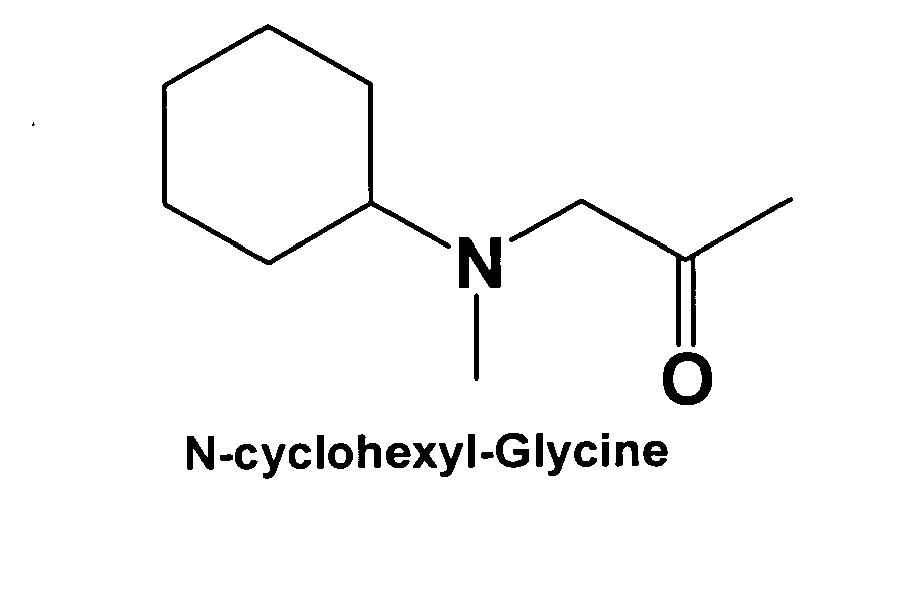


- The terms "intercellular communication modulator", "gap junction facilitator", "compound that facilitates gap junction communication" and "gap junction opener", etc., all refer to a compound that facilitates, or maintains, or normalizes (e.g. either by inhibiting of enhancing), GJIC, irrespective of the particular mechanism behind this action. More specifically, the term "gap junction opener" may refer to a substance which normalizes (i.e., increases) the exchange of molecules that are able to pass through gap junctions between extracellular and intracellular spaces and/or which can normalize increase GJIC.
- The term "agonist" refers to a compound (here, cyclic peptides or peptidomimetics) that can interact with a tissue, cell or cell fraction which is the target of for example, but not limited to, an AAP, AAP10, HP5 peptide, or functional analog thereof, to cause substantially, or at least substantially the same physiological responses in the tissue, cell or cell fractions the AAP, AAP10, HP5 peptide, or functional analog thereof. By way of example, the physiological response is one or more of: contraction, relaxation, secretion, and enzyme activation. Preferably, the compound binds to the tissue, cell or cell fraction. By way of example, the compound may bind to a receptor on the tissue, cell, or cell fraction, which binds to AAP, AAP10, HP5, or a functional analog thereof. However, the present "agonist" may interact with a tissue, cell or cell fraction, which is the target of any given compound, causing the same, or at least substantially the same physiological response.
- The term "antagonist" refers to a compound (here, cyclic peptides or peptidomimetics) which inhibits or antagonizes one or more physiological responses observed in a tissue, cell or cell fraction after contacting the tissue, cell, or cell fraction with any given compound, such as AAP, AAP10, HP5 peptide, or a functional analog thereof. By way of example, the physiological response is one or more of: contraction, relaxation, secretion, and enzyme activation. Preferably, the compound binds to the tissue, cell or cell fraction. By way of example, the compound may bind to a receptor on the tissue, cell, or cell fraction which binds to AAP, AAP10, HP5, or a functional analog thereof and/or which inhibits binding of one or more of AAP, AAP10, HP5, a functional analog thereof to the receptor.
- Examples of compounds according to the present invention are given below. The following are preferred cyclic peptides according to Formula I of the present invention. The corresponding retro forms according to Formula II are also examples of compounds according to the present invention. The term "retro analogue" includes a peptide or peptidomimetic having a sequence that is the reverse of a reference or parent peptide. Accordingly, Formula II may be written in full as:
cyclo [X7-(Arg6)n-Tyr5-pro4-Pro3-Arg2-Arg1]
wherein the substitituents defined by the formula have the identity as the correspoding substituents of Formula I.
Cyclo(Arg-Arg-Pro-Pro-Tyr-Gln),
Cyclo(Arg-Arg-Pro-Pro-Tyr-Arg-Gln),
Cyclo(Arg-Arg-Pro-Pro-Tyr-Asn),
Cyclo(Arg-Arg-Pro-Pro-Trp-Asn,
or a retro analogue or a pharmaceutically acceptable salt thereof. - Each amino acid is independently an L-amino acid or a D-amino acid. Pharmaceutically acceptable salts of the above preferred compounds are also within the scope of the present invention.
- The activity of compounds of the present invention may be tested for binding to the carboxyl terminal domain of Cx43 using Surface Plasmon Resonance ("SPR"). SPR is a method that was used to identify the original RXPE sequence (Shibayama et al., "Identification of a Novel Peptide that Interferes with the Chemical Regulation of Connexin-43," Circ. Res. 98:1365-72 (2006)). The concentration of the compound relative to the amplitude of the response in arbitrary units is measured.
- It is preferred that the compounds of the present invention facilitate and/or maintain or inhibit the intercellular communication mediated by gap junctions. The present invention also relates to the preparation and use of pharmaceutical compositions for the treatment of pathologies associated with impaired intercellular gap junctional communication and methods for using these compositions.
- Preferred compounds of the present invention show good function as a modulator of gap junctional communication (e.g., as agonists or antagonists) and may therefore have uses as antiarrhythmic drugs.
- The present invention relates to compounds that are capable of modulating gap junction intercellular communication (GJIC). This may include one or more of the following functions: the ability to decrease cellular uncoupling, to normalize dispersion of action potential duration, and to normalize conduction velocity, the ability to control of the cellular quantity of gap junctions normalizing (up-regulating or down-regulating as needed) the expression of connexins; to normalize degradation of gap junctions (inhibit or enhance), to normalize cellular trafficking of connexins to the plasma membrane (increase or decrease); to facilitate assembly of connexins into functional gap junctions; to normalize opening of existing gap junctions, e.g., inducing or enhancing opening when they have been closed or gated by inhibitors (e.g., such as by mediating or enhancing hyperphosphorylation of the cytoplasmic carboxy terminal domain of one or more connexins (e.g., such as Cx43)) or closing these when they are aberrantly opened (e.g., as in Charcot-Marie-Tooth disease); and the like.
- Particular assays useful for identifying and optionally quantifying the activity of the compounds are described below. The assays are non-limiting and are merely serving the purpose of illustrating a variety of assays in which the present compounds may be tested for their gap junction modulating abilities. It is to be understood that the assays are not mutually exclusive, i.e. a compound may show activity in one particular assay, but show a different, or no, activity in another particular assay.
- In one preferred aspect, the invention provides a compounds having antiarrhythmic properties that may be useful for the treatment of arrhythmias and thrombotic complications arising during cardiovascular disorders, such as acute ischemic heart disease (e.g., stable angina pectoris, unstable angina pectoris, acute myocardial infarction), congestive heart failure (e.g., systolic, diastolic, high-output, low-output, right or left sided heart failure), congenital heart diseases, cor pulmonale, cardiomyopathies, myocarditis, hypertensive heart disease, during coronary revascularization, and the like.
- In specific embodiments, the compounds may be used to treat and/or prevent bradyarrhythmias (e.g., due to disease in sinus node, AV node, bundle of His, right or left bundle branch), and tachyarrhythmias associated with reentry (e.g., atrial premature complexes, AV junctional complexes, ventricular premature complexes, atrial fibrillation, atrial flutter, paroxymal supraventricular tachycardia, sinus node reentrant tachycardia, AV nodal reentrant tachycardia, and non-sustained ventricular tachycardia) either alone or in combination with other antiarrhythmic compounds, such as class I agents (e.g., lidocaine), class II agents (e.g., metoprolol or propranolol), class III agents (e.g., amiodarone or sotalol) or class IV agents (e.g., verapamil).
- Additionally or alternatively, compounds may be used to treat one or more of: a reentry arrhythmia; ventricular reentry (e.g., such as arises during acute myocardial infarction, chronic myocardial infarction, stable angina pectoris and unstable angina pectoris); infectious or autonomic cardiomyopathy; atrial fibrillation;repolarization alternans; monomorphic ventricular tachycardia; T-wave alternans; bradyarrhythmias; and generally, reduced contractility of cardiac tissue, thrombosis and the like.
- The antiarrhythmic properties of the compounds of the present invention may be tested in an assay measuring the increase in time to an AV block in a mouse after infusion of CaCl2, in what is referred to herein as a "standard calcium-induced arrhythmia assay".
- Compounds of the present invention may additionally show decreases in the incidence of reentry arrhythmias or in the size of an infarct zone observed in what is referred to herein as a "standard ventricular reentry assay".
- There is an understanding that GJIC is important in treatment of diabetes, for example in the treatment of
diabetes type 1 or type 2, obesity, eating disorders and insulin resistance syndrome. The compounds of the present invention may improve blood glucose tolerance in diabetic mammals as determined by assays known in the art. - In specific embodiments, the compounds of the present invention may be used to stimulate insulin release, lower blood glucose level, reduce gastric motility, delay gastric emptying, inhibit food uptake, e.g. by suppression of appetite, or lower the plasma lipid level in a vertebrate or a mammal. The compounds may also be used generally in the treatment of diabetes mellitus associated with a risk for hyperglycemia, i.e. where insulin sensitivity is decreased with stress, myocardia infection, stroke and infections, or in cases of insulin resistance during pregnancy. The compounds may also be used in the treatment of other types of diabetes, such as cases where diabetes may be secondary to other endocrine diseases such as acromegaly, Cushing's syndrome, pheochromocytoma, glucagonoma, somatostatinoma, primary aldosteronism, or secondary to adminstration of certain hormones causing hyperglycemia, or secondary to certain drugs (antihypertensive drugs, thiazide diuretics, preparations containing estrogen, psychoactive drugs, sympathomimetic agents. Furthermore, the compounds may be used generally in the treatment of diseases and conditions associated with a risk for hypoglycemia, i.e. where endogenous glucose production is decreased, as following alcohol ingestion, or in cases where the sensitivity to insulin is increased in patients with hypopituitarism or primary adrenocortical insufficiency, or where insulin clearance is decreased as with progressive renal insufficiency.
- The compounds disclosed herein may be used to prevent and/or treat osteoporosis or other pathologies affecting bone formation, growth or maintenance. Compounds which are able to normalize the attenuated GJIC between human osteoblast during hypoxia are particularly suitable for the treatment of bone diseases with impaired bone formation relative to bone resorption. Suitable compounds for use in such methods can be selected in assays for increased alkaline phosphatase (ALP) activity in osteoblasts, which provides a means to monitor cell viability and growth as a consequence of proper maintenance of GJIC. In one aspect, human osteoblasts are stimulated with different concentrations of peptides from 1 x 10⁻³ to 1 x 10⁻⁶, and compared to untreated controls. Under normal culture conditions,compounds preferably increase ALP activity. Even more preferably, the compounds stimulate ALP activity during hypoxic conditions at concentrations ranging from 10-11 to 10-8 mol/I. This can thus be used to optimize compounds selection and design for the treatment and/or prevention of bone diseases associated with poor vascularization, hypoxia and ischemia in bone tissue.
- The compounds of the present invention may also be used for the prevention and/or treatment of joint diseases that involves impaired cell-to-cell coupling. This may include their use for the prevention and/or treatment of joint diseases that involve metabolic stress, for example forms of arthritis associated with decreased vascularization or healing of fractured cartilage tissue.
- The function of the compounds in modulating GJIC in bone formation may be assessed using an assay in which the compound are tested to determine whether they increase osteoblast activity in a "standard osteoblast activity assay" which measures either calcium wave formation and/or alkaline phosphatase activity of osteoblast cells in the presence of the compounds. Preferably, such compounds increased calcium wave activity, manifested as an increase in the number of cells involved in a wave (as determined by measuring levels of intracellular Ca2+ using a calcium sensitive fluorescent dye, such as fura-2 and counting the number of cells which fluoresce). Alkaline phosphatase activity also can be used to provide a measure of osteoblast activity using standard colorimetric assays.
- The compounds disclosed herein may be used to treat wounds and, in particular, to accelerate wound healing. Wound healing involves the interactions of many cell types, and intercellular communication mediated by gap.junctions is considered to play an important role in the coordination of cellular metabolism during the growth and development of cells involved in tissue repair and regeneration (K. M. Abdullah, et al. (1999) Endocrine, 10 35-41; M. Saitoh, et al. (1997) Carcinogenesis, 18: 1319-1328; J. A. Goliger, et al. (1995) Mol.Biol.Cell, 6 1491-1501). The compounds may be administered to the site of a wound by topical administration using carriers well known in the art (e.g., ointments, creams, etc.) or may administered systemically, e.g., for treating wounds of internal tissues, such as in the treatment of chronic gastric ulcer lesions. Additional functions in which endothelial gap-junctional intercellular communication has been implicated are the migratory behavior of endothelial cells after injury, angiogenesis, endothelial growth and senescence, and the coordination of vasomotor responses (G. J. Christ, et al. (2000) Braz. J Med Biol.Res., 33: 423-429). Therefore,the compounds diclosed herein may enhance conducted vascular responses and to improve blood supply during conditions with increased metabolic demand (e.g., physical exercise, tachycardia), and during ischemia.
- Gap junctions are also believed to provide the molecular link for coordinated long-range signaling among individual members of the glial compartment. Likewise, astrocytes are ideally suited for metabolic support of neurons since they are functionally polarized with one extremity touching the vascular bed and the other pole approximates neuronal parenchyma (R. Dermietzel (1998) Brain Res. Brain Res. Rev., 26: 176-183). Thus, the compounds of the present invention may be administered to a patient in need to prevent ischemic damage in the brain by increasing the metabolic support between glia cells and neurons. Such patients may include patients with organic psychoses, which may present with signs such as depression, anxiety, learning and memory deficit, phobias, and hallucinations or patients who have suffered a traumatic brain injury. For this application, preferably the compounds are selected or formulated so as to be available to the central nervous system (i.e., provided with or conjugated with carriers which facilitate transport across the blood-brain barrier).
- Compounds according to the invention may also be used to accelerate repair after nerve injury or during grafting of immature cells (progenitor cells) into brain tissue, e.g., such as in patients with neurotrauma, brain ischemia and chronic neurodegenerative diseases, such as Parkinson's disease or Huntington's disease (H. Aldskogius, et al. (1998) Prog. Neurobiol, 55: 1-26).
- In addition, the compounds of the present invention may, due to the effect on the intercellular gap junction channels, be used to treat and/or prevent cataract (D. Mackay, et al. (1999) Am J Hum.Genet, 64 1357-1364) treat and/or prevent vascularization of the cornea in disease states with poor nutrition of the cornea and increase the healing of corneal lesions (S. G. Spanakis, et al. (1998) Invest Ophthalmol.Vis.Sci., 39: 1320-1328) and/or prevent hypertension.
- In a further aspect, the compounds disclosed herein may be used to treat wounds and, in particular, to accelerate wound healing. Wound healing involves the interactions of many cell types, and intercellular communication mediated by gap junctions is considered to play an important role in the coordination of cellular metabolism during the growth and development of cells involved in tissue repair and regeneration (K. M. Abdullah, et al. (1999) Endocrine, 10 35-41; M. Saitoh, et al. (1997) Carcinogenesis, 18: 1319-1328; J. A. Goliger, et al. (1995) Mol.Biol.Cell, 6 1491-1501). Compounds may be administered to the site of a wound by topical administration using carriers well known in the art (e.g., ointments, creams, etc.) or may administered systemically, e.g., for treating wounds of internal tissues, such as in the treatment of chronic gastric ulcer lesions.
- Additional functions in whch endothelial gap-junctional intercellular communication has been implicated are the migratory behavior of endothelial cells after injury, angiogenesis, endothelial growth and senescence, and the coordination of vasomotor responses (G. J. Christ, et al. (2000) Braz. J Med Biol.Res., 33: 423-429). Therefore, ithe compounds of the present invention may be used to enhance conducted vascular responses and to improve blood supply during conditions with increased metabolic demand (e.g., physical exercise, tachycardia), and during ischemia.
- Gap junctions are also believed to provide the molecular link for coordinated long-range signaling among individual members of the glial compartment. Likewise, astrocytes are ideally suited for metabolic support of neurons since they are functionally polarized with one extremity touching the vascular bed and the other pole approximates neuronal parenchyma (R. Dermietzel (1998) Brain Res. Brain Res. Rev., 26: 176-183). Therefore, in one preferred embodiment, compounds of the present invention are administered to a patient in need to prevent ischemic damage in the brain by increasing the metabolic support between glia cells and neurons. Such patients may include patients with organic psychoses, which may present with signs such as depression, anxiety, learning and memory deficit, phobias, and hallucinations or patients who have suffered a traumatic brain injury. Preferably, such compounds are selected or formulated so as to be available to the central nervous system (i.e., provided with or conjugated with carriers which facilitate transport across the blood-brain barrier).
- Compounds according to the invention may also be used to accelerate repair after nerve injury or during grafting of immature cells (progenitor cells) into brain tissue, e.g., such as in patients with neurotrauma, brain ischemia and chronic neurodegenerative diseases, such as Parkinson's disease or Huntington's disease (H. Aldskogius, et al. (1998) Prog. Neurobiol, 55: 1-26).
- Ina further embodiment, compounds of the present invention may, due to the effect on the intercellular gap junction channels, be used to treat and/or prevent cataract (D. Mackay, et al. (1999) Am J Hum.Genet, 64 1357-1364) treat and/or prevent vascularization of the cornea in disease states with poor nutrition of the cornea and increase the healing of corneal lesions (S. G. Spanakis, et al. (1998) Invest Ophthalmol.Vis.Sci., 39: 1320-1328) and/or prevent hypertension.
- In a further aspect, the compounds disclosed herein may be used to treat psoriasis. Psoriasis is a complex multifactorial condition resulting in characteristic psoriatic plaques and lesions. It is characterised by disordered epidermal cell proliferation and differentiation. There is a strong association with susceptibility to the epidermal differentiation complex - a loci of up to 50 genes with roles in epidermal differentiation, suggesting that impaired barrier function, or recovery seem to contribute to the progression of the psoriatic state (Capon et al.,2001; Djalilian et al 2006).
- Central to maintenance of healthy skin is a tight and highly ordered cell to cell adhesion network including adherens, desmosomes and gap junction intercellular communication channels - the epidermal junctional nexus (Laird, 2006; Prochnow and Dermietzel, 2008). These intercellular junctions play crucial roles in epidermal proliferation, migration and differentiation and are all altered to differing degrees during psoriasis. Expression of connexins (Cx), the constituent proteins of gap junctions, is spatially and temporally regulated within the epidermis with Cx43 in basal and spinous layers normally being replaced by Cx26 in the upper granular layers (Di et al., 2001). In psoriatic plaques, however, Cx26 is greatly increased throughout the epidermis in a pattern similar to that in other hyperproliferative, stratified epithelia. In addition to the spatial redistribution of Cxs found in psoriasis there is also an associated down regulation of E-cadherin in the basal cell and upper spinous layers compared to normal epidermis (Chung et al., 2005). Thus, the hyperproliferation and altered differentiation status of psoriatic keratinocytes is associated with extensive remodelling of both gap- junctions and adherens junctions. The carboxyl terminal tails of Cx43, and cadherins are subject to post translational modification, particularly phosphorylation and interact with a variety of proteins including ZO-1 and β-catenin that serve as a link between the membrane incorporated protein and the cytoskeletal network (Laird, 2006; Prochnow and Dermietzel, 2008). The compounds disclosed herein are known to maintain and regenerate Cx43 GJIC under stress conditions and may therefore be used for the treatment of psoriasis inhibiting the down regulation of Cx43 and replacement with Cx26.
- In a further aspect, the compounds disclosed herein may be used to treat cancer. Carcinogenesis is characterized by the progressive impairment of growth control mechanisms in which growth factors, oncogenes and tumor suppressor genes are involved. A general theme in carcinogenesis and tumorigenesis is the down regulation of the GJIC. Permeability of gap junctions in tumor cells using the dye-transfer assay is typically lower than GJIC in surrounding tissue. Further, the gating of gap junctions is known to be effected by tumor promoters, which decrease GJIC. This means that compounds of the present invention are used as medicaments for the treatment of cancer, alone, or in conjunction with traditional anti-cancer therapies.
- The suitability of the compounds for treating cancer may, for example, be assessed using an assay in which the decrease of GJIC inhibition mediated by tumor promoters, such as DTT, is determined. In this "standard tumor promoter assay", preferably, the compounds show decreases in GJIC inhibition, which are at least 50%, preferably 70%, and more preferably 100% or greater, than decreases observed for AAP.
- The compounds of the present invention may be formulated as pharmaceutical compositions comprising one or more of the compounds disclosed herein, in combination with a pharmaceutically acceptable carrier and/or diluent. Such compositions are preferably in a form adapted for oral administration. Formulations for oral administration may be prepared in a manner well-known to the person skilled in the art, e.g., as generally described in "Remington's Pharmaceutical Sciences", 17. Ed. Alfonso R. Gennaro (Ed.), Mark Publishing Company, Easton, PA, U.S.A., 1985 and more recent editions and in the monographs in the "Drugs and the Pharmaceutical Sciences" series, Marcel Dekker. By way of example, the compositions are in the form of tablets, capsules, granules, pellets, troches, lozenges, and the like. Suitable enteric formulations are described, e.g., in
U.S. Patent No. 5,350,741 . - The pharmaceutical carrier or diluent employed may be a conventional solid or liquid carrier. Examples of solid carriers are lactose, terra alba, sucrose, cyclodextrin, talc, gelatin, agar, pectin, acacia, magnesium stearate, stearic acid or lower alkyl ethers of cellulose. Examples of liquid carriers are syrup, peanut oil, olive oil, phospholipids, fatty acids, fatty acid amines, polyoxyethylene and water. Similarly, the carrier or diluent may include any sustained release material known in the art, such as glyceryl monostearate or glyceryl distearate, alone or mixed with a wax.
- If a solid carrier is used for oral administration, the preparation may be tabletted, placed in a hard gelatin capsule in powder or pellet form, or it can be in the form of a troche or lozenge. The amount of solid carrier will vary widely but will usually be from about 25 mg to about 1 g. If a liquid carrier is used, the preparation may be in the form of a syrup or liquid suitable for oral ingestion.
- It will be appreciated that the actual preferred amounts of compounds used in a given therapy will vary according to e.g. the specific compound being utilized, the particular composition formulated, the mode of administration and characteristics of the subject, e.g. the species, sex, weight, general health and age of the subject. Optimal administration rates for a given protocol of administration can be readily ascertained by those skilled in the art using conventional dosage determination tests conducted with regard to the foregoing guidelines. Suitable dose ranges may include from about 1 mg/kg to about 100mg/kg of body weight per day.
- The compounds of the present invention are suitably administered in a protonated and watersoluble form, e.g., as a pharmaceutically acceptable salt, typically an acid addition salt such as an inorganic acid addition salt, e.g., a hydrochloride, sulfate, or phosphate salt, or as an organic acid addition salt such as an acetate, maleate, fumarate, tartrate, or citrate salt. Pharmaceutically acceptable salts of therapeutic compounds of the invention also can include metal salts, particularly alkali metal salts such as a sodium salt or potassium salt; alkaline earth metal salts such as a magnesium or calcium salt; ammonium salts such an ammonium or tetramethyl ammonium salt; or an amino acid addition salts such as a lysine, glycine, or phenylalanine salt. The compounds of the invention may also be administered topically to treat peripheral vascular diseases and as such may be formulated as a cream or ointment.
- The compounds may also be formulated in compositions such as sterile solutions or suspensions for non-oral administration. This includes administration parenterally, that is by intravenous, intramuscular, subcutaneous, intranasal, intrarectal, intravaginal or intrapritoneal administration.
- The compounds and compositions disclosed herein may be used to treat conditions or pathologies associated with impaired (abnormal decreases or increases in) gap junctional communication. In accordance with normal clinical practice, the compounds or compositions are administered to a patient in a therapeutically effective amount. As used herein, "a therapeutically effective amount" is one which reduces symptoms of a given condition or pathology, and preferably which normalizes physiological responses in a patient with the condition or pathology. Reduction of symptoms or normalization of physiological responses can be determined using methods routine in the art and may vary with a given condition or pathology.
- Examples of conditions which may be treated using the compounds or compositions disclosed herein include, but are not limited to, cardiovascular disease, inflammation of airway epithelium, disorders of alveolar tissue, bladder incontinence, impaired hearing due to diseases of the cochlea, endothelial lesions, diabetic retinopathy and diabetic neuropathy, ischemia of the central nervous system and spinal cord, dental tissue disorders including periodontal disease, kidney diseases, failures of bone marrow transplantation, wounds, erectile dysfunction, urinary bladder incontinence, neuropathic pain, subchronic and chronic inflammation, cancer and failures of bone marrow and stem cell transplantation, conditions which arise during transplantation of cells and tissues or during medical procedures such as surgery; as well as conditions caused by an excess of reactive oxygen species and/or free radicals and/or nitric oxide.
- A preferred general peptide synthesis procedure is described below. However, more detailed descriptions of solid phase peptide syntheses are found in
WO 01/62775 - Peptides are synthesized batchwise in a polyethylene vessel equipped with a polypropylene filter for filtration using 9-fluorenylmethyloxycarbonyl (Fmoc) as N-α-amino protecting group and suitable common protection groups for side-chain functionalities. All couplings are continued for at least 2 hours. All cyclizations are performed according to the synthesis as described in
WO 01/62775 - SPR is a spectroscopic method to determine binding amplitude and kinetics in real time (Salamon et al., "Surface Plasmon Resonance Spectroscopy as a Tool for Investigating the Biochemical and Biophysical Properties of Membrane Protein Systems. II: Applications to Biological Systems," Biochim. Biophys. Acta 1331(2):131-152 (1997); Duffy et al., "Functional Demonstration of Connexin-protein Binding Using Surface Plasmon Resonance," Cell Adhes. Commun. 8(4-6):225-229 (2001); Lang et al., "Surface Plasmon Resonance as a Method to Study the Kinetics and Amplitude of Protein-protein Binding," in Practical Methods in Cardiovascular Research 936-947 (Stefan Dhein, Friedrich Wilhelm Mohr & Mario Delmar eds., 2005)). Recombinant Cx43CT is covalently bound to a carboxylmethyl dextran matrix (Salamon et al., "Surface Plasmon Resonance Spectroscopy as a Tool for Investigating the Biochemical and Biophysical Properties of Membrane Protein Systems. II: Applications to Biological Systems," Biochim. Biophys. Acta 1331(2):131-152 (1997)). Specific peptide compounds are presented and, when feasible, dissociation constants (KD) are calculated from the time course of binding and unbinding of the ligand, using a 1:1 (Langmuir) association and dissociation kinetic model (Biacore software package). In both phases (association and dissociation), the first 5-8 seconds of recording are not included in the fit, to avoid artifacts resulting from peptide distribution within the flow cells (Lang et al., "Surface Plasmon Resonance as a Method to Study the Kinetics and Amplitude of Protein-protein Binding," in Practical Methods in Cardiovascular Research 936-947 (Stefan Dhein, Friedrich Wilhelm Mohr & Mario Delmar eds., 2005), which is hereby incorporated by reference in its entirety). In these experiments recombinant rat Cx43CT was covalently bound to a carboxylmethyl dextran matrix and used as ligand.
- Patch clamp experiments were conducted in N2a cells transiently transfected with Cx43. In all cases, the dual-whole-cell voltage clamp technique was used to record gap junction currents. Specifics for cell culture, transfection and recordings are described in Shibayama et al. (Identification of a novel peptide that interferes with the chemical regulation of connexin 43. Circ Res 2006 98:1365-72). Octanol superfusion was initiated 5 minutes after patch break and continued for 10 minutes. Concentration of octanol was 1.5 mM in all experiments. Peptides were diluted in the internal pipette solution to a final concentration of 100 µM. A total of 20 experiments were carried out where octanol-induced uncoupling was tested in the absence of peptides. These experiments were averaged, and data used as control for comparison with those series where a given peptide was assessed.
- The screening method described in Phase I allows identification of compounds that do not bind to Cx43CT. A preliminary ranking order may be assigned to those compounds that bind to the target. In the second phase, more detailed quantitative parameters may be established to define the Cx43CT-compound interaction.
- Specific Experiments:
- 1) Determination of Cx43CT-compound dissociation constant. The binding kinetics of each compound to Cx43CT is assessed by SPR. Various concentrations of ligate are used and the rate of association and dissociation is fitted with a Langmuir 1:1 kinetic model (Biacore). This model assumes first-rate order kinetics of binding. Proper fitting will yield an estimation of KD. In some cases, the interaction of the compound to the Cx43CT may depart from a uni-uni model, in which case KD values are not generated.
- 2) Concentration-dependence of binding using cross-linking reagents. This system allows the establishment of a quantitative parameter for compound-Cx43Ct association even if the binding kinetics are not suitable for KD determinations. Cross-linking is tested for a constant concentration of Cx43CT and sequential dilutions of the compound. The ratio of bound versus unbound densities is plotted as a function of compound concentration. The peptide concentration corresponding to half-maximum binding is defined as the apparent EC50.
- 3) Identification of compound-induced Cx43CT resonance shifts by nuclear magnetic resonance (NMR). Previous studies have identified those amino acids in Cx43CT whose position in space is affected by RXP4 and by RXPE. The resonance map for Cx43CT is repeated with candidate compounds.
- The invention will now be further illustrated with reference to the following examples. It will be appreciated that what follows is by way of example only and that modifications to detail may be made while still falling within the scope of the invention.
- The following compounds of Table 1 were synthesized and representative examples of them tested in the following examples.
Table 1: Sequence and MW of synthesized compounds ZP # Sequence MW average (g/mol) 2769 Cyclo(RRPPYQ) 797.92 2771 Cyclo(RRPPYRQ) 954.11 2778 Cyclo(RRPPYN) 783.89 2782 Cyclo(RRPPWN) 806.93 - Examples of the cyclic peptide compounds of the present invention were presented to the bound ligand, and the amplitude of the response was subtracted from that obtained from a control chamber with no ligand. No change in angle of resonance was taken as an indication of absence of binding. The amplitude of the change in angle of resonance (expressed as "response units") is a function of the mass of the analyte and therefore, for comparison, response units were calibrated by the molecular weight of the tested compound. Change in angle of incidence of resonance (in "resonance units") was plotted against time after onset of both linear and cyclic peptide exposure.
Table 2: SPR data on cyclic and linear peptides at different concentrations. Peptide Mw Conc Resonance (ru*100)/Mw ZP # g/mol mM Units (ru) 2769 797,92 1,000 196,2 24,59 797,92 0,500 101,9 12,77 797,92 0,250 55,8 6,99 797,92 0,125 29,6 3,71 797,92 0,063 18,6 2,33 2771 953,53 1,000 1253,0 131,41 953,53 0,500 896,0 93,97 953,53 0,250 574,0 60,20 953,53 0,125 323,6 33,94 953,53 0,063 192,4 20,18 953,53 0,031 95,8 10,05 953,53 0,016 58,1 6,09 953,53 0,008 27,6 2,89 - SPR allows for assessment of ligand-analyte binding in real time, and was used for characterization of two of the cyclic peptide compounds of the present invention. Cx43CT was covalently bound to the matrix of a sensor chip. Table 2 shows the change in angle of incidence of resonance was recorded, thus indicating direct binding of cyclic peptide compounds to Cx43CT. In
Figures 1A and 1B , the change in angle of incidence of resonance (in "resonance units") was plotted against time after onset of cyclic peptide exposure. Different concentrations was applied represented by different colors. Both peptides ZP2769 (figure 1A ) and ZP2771 (figure 1 B ) show significant binding to the Cx43CT, although ZP2769 seems to be less effective. - Junctional conductance was measured in N2a cell pairs expressing Cx43. Patch pipettes were filled with an internal solution containing the specific peptide under study, and the time course and extent of octanol-induced uncoupling was compared to that observed in the absence of the peptide.
Figures 2-5 show average measurements of junctional conductance and percent of coupled cells recorded at various times after the onset of octanol superfusion. Red symbols and line correspond to data obtained when the cyclized peptides ZP2769, ZP2771, ZP2778, ZP2782 were dissolved in the internal pipette solution, and black symbols correspond to the average time course of octanol-induced uncoupling in control conditions. The data show that, in the presence of the cyclized peptides, the progression of octanol-induced uncoupling was significantly delayed and the minimum value of average Gj recorded at the end of the 10-minute octanol exposure was significantly different from that obtained in the absence of the peptides (p<<0.05). Moreover, for the peptides ZP2769 (Fig. 2 ) and ZP2771 (Fig. 3 ), all cells remained coupled ten minutes after the onset of octanol superfusion. For ZP2778 (Fig. 4 ) 60% of the cells remained coupled while 20% remained coupled for ZP2782 (Fig. 5 ).
Claims (15)
- A compound which is a cyclic peptide or a cyclic peptidomimetic compound represented by Formula I
cyclo [Arg1-Arg2-Pro3-pro4- Tyr5-(Arg6)n-X7]
wherein
n is 0 or 1
X7 is selected from Asn or a Glx group represented by the formula:
X7 is linked to Arg1 via a peptide bond to cyclise the peptide or peptidomimetic compound;
or a compound which differs from Formula I at one, two or three of the following positions whereby, if different from Formula I:
the residue at position Arg1, Arg2 and/or Arg6 is independently replaced by Lys, His or a Lysine mimetic group;
the residue at position Pro3 and/or Pro4 is independently replaced by a Proline mimetic selected from azetidine, hydroxyproline, morphoplino-3-carboxylic acid or an N-substituted amino acid such as Sarcosine, N-cyclohexylglycine or N-phenylglycine or 1-amino-cyclopentane carboxylic acid (Ac5c) or 1-amino-cyclohexane carboxylic acid (Ac6c);
the residue at position Tyr5 is replaced by Trp, naphthylalanine , Phe, Met, Val, Ile or Leu;
or a retro analogue or a pharmaceutically acceptable salt thereof. - The compound according to claim 1, wherein the compound comprises one, two or three changes in which the residue at position Arg1, Arg2 and/or Arg6 is independently replaced by Lys, His or a Lysine mimetic group and/or the residue at position Tyr5 is replaced by Trp, naphthylalanine , Phe, Met, Val, Ile or Leu.
- The compound according to claim 1 or claim 2, wherein the compound comprises a change at position Arg1 in which the residue is replaced by Lys, His or a Lysine mimetic group.
- The compound according to any one of claims 1 to 3, wherein the compound comprises a change at position Arg2 in which the residue is replaced by Lys, His or a Lysine mimetic group.
- The compound according to any one of claims 1 to 4, wherein the compound comprises a change at position Arg6 in which the residue is replaced by Lys, His or a Lysine mimetic group.
- The compound according to any one of claims 1 to 5, wherein the compound comprises a change at position Tyr5 in which the residue is replaced by Trp, naphthylalanine , Phe, Met, Val, Ile or Leu.
- The compound of any one of the preceding claims, which is Cyclo(RRPPYQ), Cyclo(RRPPYRQ), Cyclo(RRPPYN), Cyclo(RRPPWN), or a retro analogue or a pharmaceutically acceptable salt thereof.
- A pharmaceutical composition comprising one or more compounds according to any one of claims 1 to 7 and a pharmaceutical carrier.
- The pharmaceutical composition according to claim 8, wherein the composition is orally administrable.
- A method for modulating gap junctional communication in a population of cells comprising administering an effective amount of a peptide according to any one of claims 1 to 7 to a population of cells thereby modulating gap junctional communication between the cells.
- A compound according to any one of claims 1 to 7 for use in method of medical treatment.
- The compound according to claim 11, wherein the medical treatment is selected from the group consisting of a cardiovascular disease, inflammation of airway epithelium, a disorder of alveolar tissue, impaired hearing, an endothelial lesion, diabetic retinopathy, diabetic neuropathy, ischemia of the central nervous system, ischemia of the spinal cord, a dental tissue disorder, osteroporosis, kidney disease, failure of bone marrow transplantation, wound, erectile dysfunction, urinary bladder incontinence, neuropathic pain, subchronic and chronic inflammation, cancer, transplantation failure; dermal disorders such as psoriasis and conditions caused by an excess of reactive oxygen species and/or free radicals and/or nitric oxide.
- Use of a compound of any of claims 1 to 7 in the manufacture of a medicament for the treatment of a pathological condition involving impaired gap junctional communication.
- The use according to claim 13, wherein the patient is a human being.
- The use according to claim 13 or claim 14, wherein the pathological condition is selected from the group consisting of a cardiovascular disease, inflammation of airway epithelium, a disorder of alveolar tissue, impaired hearing, an endothelial lesion, diabetic retinopathy, diabetic neuropathy, ischemia of the central nervous system, ischemia of the spinal cord, a dental tissue disorder, osteroporosis, kidney disease, failure of bone marrow transplantation, wound, erectile dysfunction, urinary bladder incontinence, neuropathic pain, subchronic and chronic inflammation, cancer, transplantation failure; dermal disorders such as psoriasis and conditions caused by an excess of reactive oxygen species and/or free radicals and/or nitric oxide.
Priority Applications (5)
| Application Number | Priority Date | Filing Date | Title |
|---|---|---|---|
| EP09007772A EP2260859A1 (en) | 2009-06-12 | 2009-06-12 | Compounds acting as peptide gap junction modulators and their uses |
| PCT/DK2010/000092 WO2010142293A1 (en) | 2009-06-12 | 2010-06-11 | Compounds acting as peptide gap junction modulators, and uses thereof |
| US13/377,773 US20120264693A1 (en) | 2009-06-12 | 2010-06-11 | Compounds acting as peptide gap junction modulators, and uses thereof |
| JP2012514348A JP2012529444A (en) | 2009-06-12 | 2010-06-11 | Compounds acting as peptide gap junction regulators and uses thereof |
| EP10734651A EP2440229A1 (en) | 2009-06-12 | 2010-06-11 | Compounds acting as peptide gap junction modulators, and uses thereof |
Applications Claiming Priority (1)
| Application Number | Priority Date | Filing Date | Title |
|---|---|---|---|
| EP09007772A EP2260859A1 (en) | 2009-06-12 | 2009-06-12 | Compounds acting as peptide gap junction modulators and their uses |
Publications (1)
| Publication Number | Publication Date |
|---|---|
| EP2260859A1 true EP2260859A1 (en) | 2010-12-15 |
Family
ID=41217722
Family Applications (2)
| Application Number | Title | Priority Date | Filing Date |
|---|---|---|---|
| EP09007772A Ceased EP2260859A1 (en) | 2009-06-12 | 2009-06-12 | Compounds acting as peptide gap junction modulators and their uses |
| EP10734651A Withdrawn EP2440229A1 (en) | 2009-06-12 | 2010-06-11 | Compounds acting as peptide gap junction modulators, and uses thereof |
Family Applications After (1)
| Application Number | Title | Priority Date | Filing Date |
|---|---|---|---|
| EP10734651A Withdrawn EP2440229A1 (en) | 2009-06-12 | 2010-06-11 | Compounds acting as peptide gap junction modulators, and uses thereof |
Country Status (4)
| Country | Link |
|---|---|
| US (1) | US20120264693A1 (en) |
| EP (2) | EP2260859A1 (en) |
| JP (1) | JP2012529444A (en) |
| WO (1) | WO2010142293A1 (en) |
Cited By (2)
| Publication number | Priority date | Publication date | Assignee | Title |
|---|---|---|---|---|
| WO2017009199A1 (en) * | 2015-07-10 | 2017-01-19 | Zealand Pharma A/S | Methods of treating damage after a stroke |
| US20240108598A1 (en) * | 2021-02-10 | 2024-04-04 | Breye Therapeutics Aps | Danegaptide for Use in the Treatment or Prevention of a Kidney Disease |
Families Citing this family (2)
| Publication number | Priority date | Publication date | Assignee | Title |
|---|---|---|---|---|
| WO2017139757A1 (en) * | 2016-02-12 | 2017-08-17 | The General Hospital Corporation | Targeting macrophages to modulate electrical conduction in the heart |
| GB202310195D0 (en) * | 2023-07-03 | 2023-08-16 | Hastings Nataly | Method for mitigating symptoms of neurological condition and a system therefor |
Citations (3)
| Publication number | Priority date | Publication date | Assignee | Title |
|---|---|---|---|---|
| US5350741A (en) | 1988-07-30 | 1994-09-27 | Kanji Takada | Enteric formulations of physiologically active peptides and proteins |
| WO2001062775A2 (en) | 2000-02-23 | 2001-08-30 | Zealand Pharma A/S | Novel antiarrhythmic peptides |
| WO2009010733A2 (en) * | 2007-07-15 | 2009-01-22 | Zealand Pharma A/S | Peptide gap junction modulators |
Family Cites Families (2)
| Publication number | Priority date | Publication date | Assignee | Title |
|---|---|---|---|---|
| EP1978988A4 (en) * | 2006-01-13 | 2009-11-04 | Univ New York State Res Found | REGULATION OF COMMUNICATING JUNCTIONS USING PEPTIDES |
| WO2009012224A2 (en) * | 2007-07-13 | 2009-01-22 | The Research Foundation Of State University Of New York | Peptide-based regulation of gap junctions |
-
2009
- 2009-06-12 EP EP09007772A patent/EP2260859A1/en not_active Ceased
-
2010
- 2010-06-11 EP EP10734651A patent/EP2440229A1/en not_active Withdrawn
- 2010-06-11 JP JP2012514348A patent/JP2012529444A/en active Pending
- 2010-06-11 WO PCT/DK2010/000092 patent/WO2010142293A1/en not_active Ceased
- 2010-06-11 US US13/377,773 patent/US20120264693A1/en not_active Abandoned
Patent Citations (3)
| Publication number | Priority date | Publication date | Assignee | Title |
|---|---|---|---|---|
| US5350741A (en) | 1988-07-30 | 1994-09-27 | Kanji Takada | Enteric formulations of physiologically active peptides and proteins |
| WO2001062775A2 (en) | 2000-02-23 | 2001-08-30 | Zealand Pharma A/S | Novel antiarrhythmic peptides |
| WO2009010733A2 (en) * | 2007-07-15 | 2009-01-22 | Zealand Pharma A/S | Peptide gap junction modulators |
Non-Patent Citations (36)
| Title |
|---|
| "Remington's Pharmaceutical Sciences", 1985, MARK PUBLISHING COMPANY |
| A. GOLIGER ET AL., MOL.6IOLCELL, vol. 6, 1995, pages 1491 - 1501 |
| AXELSEN ET AL.: "Increasing gap junctional coupling: a tool for dissecting the role of gap junctions", J. MEMBR. BIOL., vol. 1, 2007, pages 23 - 35 |
| D. MACKAY ET AL., AM J HUM.GENET, vol. 64, 1999, pages 1357 - 1364 |
| DUFFY ET AL.: "Functional Demonstration of Connexin-protein Binding Using Surface Plasmon Resonance", CELL ADHES. COMMUN., vol. 8, no. 4-6, 2001, pages 225 - 229 |
| DUFFY: "pH-Dependent Intramolecular Binding and Structure Involving Cx43 Cytoplasmic Domains", J. BIOT. CHEM., vol. 277, no. 39, 2002, pages 36706 - 36714 |
| G. J. CHRIST ET AL., BRAZ. J MED BIOL.RES., vol. 33, 2000, pages 423 - 429 |
| G. J. CHRIST, BRAZ. J MED BIOL.RES., vol. 33, 2000, pages 423 - 429 |
| GUTSTEIN ET AL.: "Conditional gene targeting of connexin43: exploring the consequences of gap junction remodeling in the heart", CELL COMMUN. ADHES., vol. 8, no. 4-6, 2001, pages 345 - 348 |
| H. ALDSKOGIUS ET AL., PROG. NEUROBIOL, vol. 55, 1998, pages 1 - 26 |
| H. ALDSKOGIUS, PROG. NEUROBIOL, vol. 55, 1998, pages 1 - 26 |
| J. A. GOLIGER ET AL., MOL.BIOL.CELL, vol. 6, 1995, pages 1491 - 1501 |
| K M. ABDULLAH ET AL., ENDOCRINE, vol. 10, 1999, pages 35 - 41 |
| K. M. ABDULLAH ET AL., ENDOCRINE, vol. 10, 1999, pages 35 - 41 |
| KJOLBYE ET AL.: "Pharmacological modulation of gap junction function with the novel compound rotigaptide: a promising new principle for prevention of arrhythmias", BASIC CHN. PHARMACOL. TOXICOL., 2007, pages 101215 - 30 |
| LANG ET AL.: "Practical Methods in Cardiovascular Research", 2005, article "Surface Plasmon Resonance as a Method to Study the Kinetics and Amplitude of Protein-protein Binding", pages: 936 - 947 |
| LEMER: "Accelerated Onset and Increased Incidence of ventricular arrhythmias induced by ischemia in Cx43-deficient mice", CIRC., vol. 101, no. 5, 2000, pages 547 - 552 |
| LEWANDOWSKI REBECCA ET AL: "RXP-E: a connexin43-binding peptide that prevents action potential propagation block.", CIRCULATION RESEARCH 29 AUG 2008, vol. 103, no. 5, 29 August 2008 (2008-08-29), pages 519 - 526, XP009125115, ISSN: 1524-4571 * |
| M. SAITOH ET AL., CARCINOGENESIS, vol. 18, 1997, pages 1319 - 1328 |
| MOLLER ET AL.: "Actions of the antiarrhythmic peptide AAP10 on intercellular coupling", NAUNYN SCHMIEDEBERGS ARCH. PHARMACOL., vol. 356, no. 1, 1997, pages 76 - 82 |
| MORENO ET AL.: "Role of the Carboxyl Terminal of Connexin43 in Transjunctional Fast Voltage Gating", CIRC. RES., vol. 90, no. 4, 2002, pages 450 - 457 |
| MORLEY ET AL.: "Intramolecular Interactions Mediate pH Regulation of Connexin43 Channels", BIOPHYS. J., vol. 70, no. 3, 1996, pages 1294 - 1302 |
| R. DERMIETZEL, BRAIN RES. BRAIN RES. REV., vol. 26, 1998, pages 176 - 183 |
| RAI RAJKISHOR ET AL: "Diproline templates as folding nuclei in designed peptides. Conformational analysis of synthetic peptide helices containing amino terminal Pro-Pro segments.", JOURNAL OF THE AMERICAN CHEMICAL SOCIETY 21 JUN 2006, vol. 128, no. 24, 21 June 2006 (2006-06-21), pages 7916 - 7928, XP009125192, ISSN: 0002-7863 * |
| ROSSMAN ET AL.: "Effects of the gap junction modifier, GAP-134, on conduction and atrial fibrillation/flutter inducibility in dogs", AHA SCIENTIFIC SESSIONS ABSTRACT, vol. 1837, 2007 |
| S. G. SPANAKIS ET AL., INVEST OPHTHAIMOLVIS.SCI., vol. 39, 1998, pages 1320 - 1328 |
| S. G. SPANAKIS ET AL., INVEST OPHTHALMOL.VIS.SCI., vol. 39, 1998, pages 1320 - 1328 |
| SALAMON ET AL.: "Surface Plasmon Resonance Spectroscopy as a Tool for Investigating the Biochemical and Biophysical Properties of Membrane Protein Systems, II: Applications to Biological Systems", BIOCHIM. BIOPHYS. ACTA, vol. 1331, no. 2, 1997, pages 131 - 152 |
| SALAMON ET AL.: "Surface Plasmon Resonance Spectroscopy as a Tool for Investigating the Biochemical and Biophysical Properties of Membrane Protein Systems. II: Applications to Biological Systems", BIOCHIM. BIOPHYS. ACTA, vol. 1331, no. 2, 1997, pages 131 - 152 |
| SHIBAYAMA ET AL.: "Identification of a novel peptide that interferes with the chemical regulation of connexin 43", CIRC RES, vol. 98, 2006, pages 1365 - 72 |
| SHIBAYAMA ET AL.: "Identification of a Novel Peptide that Interferes with the Chemical Regulation of Connexin-43", CIRC. RES., vol. 98, 2006, pages 1365 - 72 |
| SHIBAYAMA JUNKO ET AL: "Identification of a novel peptide that interferes with the chemical regulation of connexin43", CIRCULATION RESEARCH, GRUNE AND STRATTON, BALTIMORE, US, vol. 98, no. 11, 1 June 2006 (2006-06-01), pages 1365 - 1372, XP009115918, ISSN: 0009-7330 * |
| SPERELAKIS, N.: "Cell Interactions and Gap Junctions", 1989 |
| VAIDYA ET AL.: "Null mutation of connexin43 causes slow propagation of ventricular activation in the late stages of mouse embryonic development", CIRC. RES., vol. 88, no. 11, 2001, pages 1196 - 1202 |
| VERMA V ET AL: "Novel pharmacophores of connexin43 based on the RXP series of Cx43-binding peptides", CIRCULATION RESEARCH, GRUNE AND STRATTON, BALTIMORE, US, vol. 105, no. 2, 25 June 2009 (2009-06-25), pages 176 - 184, XP009125116, ISSN: 0009-7330 * |
| WILLECKE ET AL.: "Structural and functional diversity of connexin genes in the mouse and human genome", BIOL. CHEM., vol. 383, no. 5, 2002, pages 725 - 737 |
Cited By (2)
| Publication number | Priority date | Publication date | Assignee | Title |
|---|---|---|---|---|
| WO2017009199A1 (en) * | 2015-07-10 | 2017-01-19 | Zealand Pharma A/S | Methods of treating damage after a stroke |
| US20240108598A1 (en) * | 2021-02-10 | 2024-04-04 | Breye Therapeutics Aps | Danegaptide for Use in the Treatment or Prevention of a Kidney Disease |
Also Published As
| Publication number | Publication date |
|---|---|
| US20120264693A1 (en) | 2012-10-18 |
| EP2440229A1 (en) | 2012-04-18 |
| WO2010142293A1 (en) | 2010-12-16 |
| JP2012529444A (en) | 2012-11-22 |
Similar Documents
| Publication | Publication Date | Title |
|---|---|---|
| EP2788370B1 (en) | Modified mini-hepcidin peptides and methods of using thereof | |
| Chikhale et al. | The effect of verapamil on the transport of peptides across the blood-brain barrier in rats: kinetic evidence for an apically polarized efflux mechanism. | |
| TW202128681A (en) | Melanocortin-4 receptor agonists | |
| JP5837087B2 (en) | Novel angiotensin type 2 (AT2) receptor agonist and use thereof | |
| KR20120039614A (en) | Melanocortin receptor-specific peptides | |
| BRPI0715407A2 (en) | peptides and their functionally equivalent derivatives, pharmaceutical compositions and uses thereof | |
| US20250333443A1 (en) | Dpep-1 binding agents and methods of use | |
| US20120264693A1 (en) | Compounds acting as peptide gap junction modulators, and uses thereof | |
| EP1569953B1 (en) | Peptide gap junction modulators | |
| US20100298225A1 (en) | Peptide gap junction modulators | |
| EP2753626B1 (en) | Llp2a-bisphosphonate conjugates for osteoporosis treatment | |
| WO2025193583A1 (en) | Macrocyclic peptides useful as immunomodulators | |
| De Mello | Cell Coupling and Impulse Propagation in the Failing Heart: The Role of the Renin Angiotensin System | |
| JP2009522314A (en) | Proline-rich peptides, pharmaceutical compositions, uses of one or more peptides and methods of treatment | |
| US20090012005A1 (en) | Use of an angiotensin IV antagonist to treat insulin resistance or cardiovascular risk related to metabolic syndrome | |
| HK40006013B (en) | Llp2a-bisphosphonate conjugates for osteoporosis treatment | |
| HK40006013A (en) | Llp2a-bisphosphonate conjugates for osteoporosis treatment | |
| MXPA06007241A (en) | Isopeptide gap junction modulators. | |
| EP1723163A2 (en) | Isopeptide gap junction modulators |
Legal Events
| Date | Code | Title | Description |
|---|---|---|---|
| PUAI | Public reference made under article 153(3) epc to a published international application that has entered the european phase |
Free format text: ORIGINAL CODE: 0009012 |
|
| AK | Designated contracting states |
Kind code of ref document: A1 Designated state(s): AT BE BG CH CY CZ DE DK EE ES FI FR GB GR HR HU IE IS IT LI LT LU LV MC MK MT NL NO PL PT RO SE SI SK TR |
|
| AX | Request for extension of the european patent |
Extension state: AL BA RS |
|
| STAA | Information on the status of an ep patent application or granted ep patent |
Free format text: STATUS: THE APPLICATION HAS BEEN REFUSED |
|
| 18R | Application refused |
Effective date: 20110102 |