EP2259064A2 - Peptide compounds for detecting or inhibiting SARS coronavirus and application thereof - Google Patents
Peptide compounds for detecting or inhibiting SARS coronavirus and application thereof Download PDFInfo
- Publication number
- EP2259064A2 EP2259064A2 EP10163517A EP10163517A EP2259064A2 EP 2259064 A2 EP2259064 A2 EP 2259064A2 EP 10163517 A EP10163517 A EP 10163517A EP 10163517 A EP10163517 A EP 10163517A EP 2259064 A2 EP2259064 A2 EP 2259064A2
- Authority
- EP
- European Patent Office
- Prior art keywords
- compound
- chemical formula
- group
- functional group
- sars coronavirus
- Prior art date
- Legal status (The legal status is an assumption and is not a legal conclusion. Google has not performed a legal analysis and makes no representation as to the accuracy of the status listed.)
- Withdrawn
Links
Images



Classifications
-
- G—PHYSICS
- G01—MEASURING; TESTING
- G01N—INVESTIGATING OR ANALYSING MATERIALS BY DETERMINING THEIR CHEMICAL OR PHYSICAL PROPERTIES
- G01N33/00—Investigating or analysing materials by specific methods not covered by groups G01N1/00 - G01N31/00
- G01N33/48—Biological material, e.g. blood, urine; Haemocytometers
- G01N33/50—Chemical analysis of biological material, e.g. blood, urine; Testing involving biospecific ligand binding methods; Immunological testing
- G01N33/53—Immunoassay; Biospecific binding assay; Materials therefor
- G01N33/569—Immunoassay; Biospecific binding assay; Materials therefor for microorganisms, e.g. protozoa, bacteria, viruses
- G01N33/56983—Viruses
-
- A—HUMAN NECESSITIES
- A61—MEDICAL OR VETERINARY SCIENCE; HYGIENE
- A61K—PREPARATIONS FOR MEDICAL, DENTAL OR TOILETRY PURPOSES
- A61K31/00—Medicinal preparations containing organic active ingredients
- A61K31/185—Acids; Anhydrides, halides or salts thereof, e.g. sulfur acids, imidic, hydrazonic or hydroximic acids
- A61K31/19—Carboxylic acids, e.g. valproic acid
- A61K31/195—Carboxylic acids, e.g. valproic acid having an amino group
-
- A—HUMAN NECESSITIES
- A61—MEDICAL OR VETERINARY SCIENCE; HYGIENE
- A61K—PREPARATIONS FOR MEDICAL, DENTAL OR TOILETRY PURPOSES
- A61K38/00—Medicinal preparations containing peptides
- A61K38/16—Peptides having more than 20 amino acids; Gastrins; Somatostatins; Melanotropins; Derivatives thereof
-
- A—HUMAN NECESSITIES
- A61—MEDICAL OR VETERINARY SCIENCE; HYGIENE
- A61P—SPECIFIC THERAPEUTIC ACTIVITY OF CHEMICAL COMPOUNDS OR MEDICINAL PREPARATIONS
- A61P31/00—Antiinfectives, i.e. antibiotics, antiseptics, chemotherapeutics
- A61P31/12—Antivirals
-
- C—CHEMISTRY; METALLURGY
- C07—ORGANIC CHEMISTRY
- C07K—PEPTIDES
- C07K5/00—Peptides containing up to four amino acids in a fully defined sequence; Derivatives thereof
- C07K5/04—Peptides containing up to four amino acids in a fully defined sequence; Derivatives thereof containing only normal peptide links
- C07K5/06—Dipeptides
- C07K5/06008—Dipeptides with the first amino acid being neutral
- C07K5/06017—Dipeptides with the first amino acid being neutral and aliphatic
- C07K5/06026—Dipeptides with the first amino acid being neutral and aliphatic the side chain containing 0 or 1 carbon atom, i.e. Gly or Ala
-
- C—CHEMISTRY; METALLURGY
- C07—ORGANIC CHEMISTRY
- C07K—PEPTIDES
- C07K5/00—Peptides containing up to four amino acids in a fully defined sequence; Derivatives thereof
- C07K5/04—Peptides containing up to four amino acids in a fully defined sequence; Derivatives thereof containing only normal peptide links
- C07K5/06—Dipeptides
- C07K5/06008—Dipeptides with the first amino acid being neutral
- C07K5/06017—Dipeptides with the first amino acid being neutral and aliphatic
- C07K5/06034—Dipeptides with the first amino acid being neutral and aliphatic the side chain containing 2 to 4 carbon atoms
- C07K5/06043—Leu-amino acid
-
- C—CHEMISTRY; METALLURGY
- C07—ORGANIC CHEMISTRY
- C07K—PEPTIDES
- C07K5/00—Peptides containing up to four amino acids in a fully defined sequence; Derivatives thereof
- C07K5/04—Peptides containing up to four amino acids in a fully defined sequence; Derivatives thereof containing only normal peptide links
- C07K5/06—Dipeptides
- C07K5/06008—Dipeptides with the first amino acid being neutral
- C07K5/06017—Dipeptides with the first amino acid being neutral and aliphatic
- C07K5/06034—Dipeptides with the first amino acid being neutral and aliphatic the side chain containing 2 to 4 carbon atoms
- C07K5/06052—Val-amino acid
-
- C—CHEMISTRY; METALLURGY
- C07—ORGANIC CHEMISTRY
- C07K—PEPTIDES
- C07K5/00—Peptides containing up to four amino acids in a fully defined sequence; Derivatives thereof
- C07K5/04—Peptides containing up to four amino acids in a fully defined sequence; Derivatives thereof containing only normal peptide links
- C07K5/06—Dipeptides
- C07K5/06008—Dipeptides with the first amino acid being neutral
- C07K5/06017—Dipeptides with the first amino acid being neutral and aliphatic
- C07K5/0606—Dipeptides with the first amino acid being neutral and aliphatic the side chain containing heteroatoms not provided for by C07K5/06086 - C07K5/06139, e.g. Ser, Met, Cys, Thr
-
- C—CHEMISTRY; METALLURGY
- C07—ORGANIC CHEMISTRY
- C07K—PEPTIDES
- C07K5/00—Peptides containing up to four amino acids in a fully defined sequence; Derivatives thereof
- C07K5/04—Peptides containing up to four amino acids in a fully defined sequence; Derivatives thereof containing only normal peptide links
- C07K5/06—Dipeptides
- C07K5/06008—Dipeptides with the first amino acid being neutral
- C07K5/06017—Dipeptides with the first amino acid being neutral and aliphatic
- C07K5/0606—Dipeptides with the first amino acid being neutral and aliphatic the side chain containing heteroatoms not provided for by C07K5/06086 - C07K5/06139, e.g. Ser, Met, Cys, Thr
- C07K5/06069—Ser-amino acid
-
- C—CHEMISTRY; METALLURGY
- C07—ORGANIC CHEMISTRY
- C07K—PEPTIDES
- C07K5/00—Peptides containing up to four amino acids in a fully defined sequence; Derivatives thereof
- C07K5/04—Peptides containing up to four amino acids in a fully defined sequence; Derivatives thereof containing only normal peptide links
- C07K5/06—Dipeptides
- C07K5/06008—Dipeptides with the first amino acid being neutral
- C07K5/06078—Dipeptides with the first amino acid being neutral and aromatic or cycloaliphatic
-
- C—CHEMISTRY; METALLURGY
- C07—ORGANIC CHEMISTRY
- C07K—PEPTIDES
- C07K5/00—Peptides containing up to four amino acids in a fully defined sequence; Derivatives thereof
- C07K5/04—Peptides containing up to four amino acids in a fully defined sequence; Derivatives thereof containing only normal peptide links
- C07K5/06—Dipeptides
- C07K5/06086—Dipeptides with the first amino acid being basic
- C07K5/06095—Arg-amino acid
-
- C—CHEMISTRY; METALLURGY
- C07—ORGANIC CHEMISTRY
- C07K—PEPTIDES
- C07K5/00—Peptides containing up to four amino acids in a fully defined sequence; Derivatives thereof
- C07K5/04—Peptides containing up to four amino acids in a fully defined sequence; Derivatives thereof containing only normal peptide links
- C07K5/06—Dipeptides
- C07K5/06104—Dipeptides with the first amino acid being acidic
-
- C—CHEMISTRY; METALLURGY
- C07—ORGANIC CHEMISTRY
- C07K—PEPTIDES
- C07K5/00—Peptides containing up to four amino acids in a fully defined sequence; Derivatives thereof
- C07K5/04—Peptides containing up to four amino acids in a fully defined sequence; Derivatives thereof containing only normal peptide links
- C07K5/06—Dipeptides
- C07K5/06139—Dipeptides with the first amino acid being heterocyclic
- C07K5/06156—Dipeptides with the first amino acid being heterocyclic and Trp-amino acid; Derivatives thereof
-
- G—PHYSICS
- G01—MEASURING; TESTING
- G01N—INVESTIGATING OR ANALYSING MATERIALS BY DETERMINING THEIR CHEMICAL OR PHYSICAL PROPERTIES
- G01N33/00—Investigating or analysing materials by specific methods not covered by groups G01N1/00 - G01N31/00
- G01N33/48—Biological material, e.g. blood, urine; Haemocytometers
- G01N33/50—Chemical analysis of biological material, e.g. blood, urine; Testing involving biospecific ligand binding methods; Immunological testing
- G01N33/53—Immunoassay; Biospecific binding assay; Materials therefor
- G01N33/569—Immunoassay; Biospecific binding assay; Materials therefor for microorganisms, e.g. protozoa, bacteria, viruses
-
- G—PHYSICS
- G01—MEASURING; TESTING
- G01N—INVESTIGATING OR ANALYSING MATERIALS BY DETERMINING THEIR CHEMICAL OR PHYSICAL PROPERTIES
- G01N2333/00—Assays involving biological materials from specific organisms or of a specific nature
- G01N2333/005—Assays involving biological materials from specific organisms or of a specific nature from viruses
- G01N2333/08—RNA viruses
- G01N2333/165—Coronaviridae, e.g. avian infectious bronchitis virus
Definitions
- the present invention relates to peptide compounds for the detection or inhibition of SARS coronavirus and to the application thereof.
- SARS Severe Acute Respiratory Syndrome
- ELISA using the blood is usually used to examine the presence of antigens or antibodies.
- SARS Diagnosis or detection by ELISA needs at least 7 days after the appearance of symptoms of infection. For this reason, preference is given to PCR for detecting viral genes.
- ELISA must be supported by techniques for producing antigens or antibodies and are difficult to apply to tools such as bio-sensors because it uses bio-materials.
- an object of the present invention is to provide a capturing compound which can be used in lieu of antibodies in the detection of SARS coronavirus, and which have an economical profit as compared with antibodies and which can be stored for a long period of time.
- the present invention provides a compound for capturing and inhibiting SARS coronavirus, represented by the following Chemical Formula 1 : wherein X and X' are independently H; a functional group selected from a group consisting of biotin, streptavidin and avidin; or a functional moiety composed of the functional group and a linker which links the functional group to the backbone of the compound of Chemical Formula 1 therethrough; n is 0 or 1; and R and R' are independently selected from a group consisting of -H, -CH 3 , -CH(CH 3 ) 2 , - CH 2 CH(CH 3 ) 2 , -CHCH 3 CH 2 CH 3 , -CH 2 OH, -CHOHCH 3 , -CH 2 SH, -(CH 2 ) 2 SCH 3 , -CH 2 COOH, -CH 2 CONH 2 , -(CH 2 ) 2 COOH, -(CH 2 ) 2 CONH 2 , -(CH 2 ) 2 CONH 2
- the present invention provides an agent for detecting and inhibiting SARS coronavirus, comprising the compound of Chemical Formula 1.
- the present invention provides a method for detecting SARS coronavirus, comprising bringing the compound of Chemical Formula 1 into contact with a sample to be tested.
- the present invention provides a biosensor comprising the compound of Chemical Formula 1 as a capturer of the SARS coronavirus.
- the present invention addresses novel compounds for capturing and inhibiting SARS coronavirus, represented by the following Chemical Formula 1 : wherein X and X' are independently H; a functional group selected from a group consisting of biotin, streptavidin and avidin; or a functional moiety composed of the functional group and a linker which links the functional group to the backbone of the compound of Chemical Formula 1 therethrough; n is 0 or 1; and R and R' are independently selected from a group consisting or -H, -CH 3 , -CH(CH 3 ) 2 , - CH 2 CH(CH 3 ) 2 , -CHCH 3 CH 2 CH 3 , -CH 2 OH, -CHOHCH 3 , -CH 2 SH, -(CH 2 ) 2 SCH 3 , -CH 2 COOH,
- linkers useful in the present invention include polyethylene glycols (PEGs), DNA, alkylene of C 1 ⁇ C 20 , 1-ethyl-3-(3-dimethylaminopropyl)-carbodiimide (EDC), carbonyldiimidazole (CDI), Sulfo-NhS (Sulfosuccinimidyl), isocyanate derivatives, acylazide derivatives, N-hydroxysuccinimide (NHS), sulfonyl chloride derivatives, aldehyde derivatives, epoxy derivatives, etc.
- PEGs polyethylene glycols
- DNA alkylene of C 1 ⁇ C 20
- EDC 1-ethyl-3-(3-dimethylaminopropyl)-carbodiimide
- CDI carbonyldiimidazole
- Sulfo-NhS Sulfo-NhS
- isocyanate derivatives acylazide derivatives
- the linker suitable for X' may include 1-ethyl-3-(3-dimethylaminopropyl)-carbodiimide(EDC), carbonyldiimidazole(CDI), and Sulfo-NHS(Sulfosuccinimidyl), while isocyanate derivatives capable of forming isothiourea bonds, acylazide derivatives capable of amide bonds, N-hydroxysuccininide(NHS), sulfonyl chloride derivatives capable of forming sulfonamide bonds, or aldehyde derivatives or epoxy derivatives capable of forming secondary amide bonds may be used as a linker for X.
- EDC 1-ethyl-3-(3-dimethylaminopropyl)-carbodiimide
- CDI carbonyldiimidazole
- Sulfo-NHS(Sulfosuccinimidyl) Sulfo-NHS(Sulfosuccinimi
- the compound of Chemical Formula 1 may be structurally changed by modifying the amine group of the liker or the peptide with an arylating agent, an imidoester, EDC, an anhydride, a fluorophenyl ester, etc.
- the compound for capturing and inhibiting SARS coronavirus may be based on a dipeptide compound selected from a group consisting of Phe-Tyr, Tyr-Trp, Phe-Phe, Phe-Trp, Phe-Leu, Phe-Arg, Gln-Trp; Trp-Phe, Phe-Ala, Trp-Gln, Ala-Ile, Phe-Met, Cys-Phe, Val-Met, Tyr-Gln, Leu-Val, Arg-Phe, Ile-Met, Val-Ala, Lys-Phe, Ser-Cys, Ser-Asp, Asp-Ser, Ser-Glu, Glu-Ser, Asp-Cys, Asp-Glu, Cys-Glu, Cys-Glu, Cys-Glu, Cys-Asp, and Glu-Asp.
- a dipeptide compound selected from a group consisting of Phe-Tyr, Tyr-Trp, Phe-P
- the present invention pertains to an agent for detecting and inhibiting SARS coronavirus, comprising the compound of Chemical Formula 1 as an active ingredient.
- the inhibitory agent of SARS coronavirus may further comprise a pharmaceutically acceptable carrier.
- a pharmaceutically acceptable carrier is intended to refer to a medium applicable to administration as exemplified by solvents, dispersion media, isotonic solutions, absorption delaying agents, etc.
- the media suitable for use in the administration of active medicinal ingredients are well known in the art.
- Auxiliary active compounds may be included in the inhibitor.
- the present invention pertains to a method for detecting SARS coronavirus, comprising contacting the compound of Chemical Formula 1 with a sample from a subject.
- the contacting step comprises fixing either the compound of Chemical Formula 1 or the sample on a substrate and bringing the compound of Chemical Formula 1 into contact with the sample when it is fixed on the substrate and vice versa.
- the contacting step may further comprise adding a label-conjugated secondary capturing material to the substrate when the sample is brought into contact with the compound of Chemical Formula 1 after the compound of Chemical Formula 1 is fixed on the substrate.
- This method is a modification of a sandwich immunoassay as schematically illustrated in FIG. 3 .
- the secondary capturing material is intended to mean material such as a polyclonal antibody which can bind to SARS coronavirus captured by the compound of Chemical Formula 1.
- the contacting step may comprise fixing the compound of Chemical Formula 1 on nano- or microparticles; and bringing the sample into contact with the fixed compound of Chemical Formula 1.
- the contacting step may further comprise adding a label-conjugated secondary capturing material to the nano- or microparticles after the sample is brought into contact with the fixed compound of Chemical Formula 1.
- any nano- or microparticle can be used in the present invention.
- the compound of the present invention was prepared through the following steps:
- the linker and the anchor both used to apply the designed dipeptides to a sensor, may change the binding properties of the designed peptides.
- the binding properties of the remodeled compounds were therefore analyzed using practical SARS coronavirus antigens in Step 5.
- binding properties of the remolded compounds were tested not only to target antigens but also to the human sera obtained from the Medical School of Eulji University and to spiked solutions prepared by mixing the antigens and the human sera, and the results were compared to the binding properties of SARS coronavirus antibodies.
- capturing compounds is a term used to refer to amino acid dimers conjugated with a linker + anchor complex (the linker + anchor complex means Sulfo-NHS-Biotin provided from Pierce U.S.A.).
- the capturing compounds prepared from the 30 selected amino acid dimers are different in binding properties from each other and between the two commercially available antigens ( FIG. 5 ), indicating that the peptides, although very short in length, show different binding properties with regard to antigens.
- the amino acid dimers of the present invention were inferior in reactivity with the antigens, but superior in selective reactivity because they were far inferior in reactivity with a spiked solution and human serum ( FIGS. 6 and 7 ).
- the capturing compounds of the present invention are unlikely to bind to proteins other than the antigens in vivo.
- the peptide compounds in accordance with the present invention show excellent activity of detecting and inhibiting SARS coronavirus in addition to being provided at low cost thanks to the ease of their synthesis. Also, the peptide compounds are so stable that they are not destroyed even after one year of storage.
- the compounds of the present invention thus overcome the problems generated by the imnune analysis using an antibody, such as low activity or degradation of antibodies, difficulty in analysis at poorly equipped labs, the sacrifice of a variety or numerous animals for producing antibodies, etc.
- the peptide compounds for detecting and inhibiting SARS coronavirus in accordance with the present invention can be readily applied to biosensors.
Landscapes
- Chemical & Material Sciences (AREA)
- Health & Medical Sciences (AREA)
- Life Sciences & Earth Sciences (AREA)
- Organic Chemistry (AREA)
- Molecular Biology (AREA)
- General Health & Medical Sciences (AREA)
- Medicinal Chemistry (AREA)
- Biochemistry (AREA)
- Proteomics, Peptides & Aminoacids (AREA)
- Genetics & Genomics (AREA)
- Biophysics (AREA)
- Immunology (AREA)
- Engineering & Computer Science (AREA)
- Hematology (AREA)
- Virology (AREA)
- Biomedical Technology (AREA)
- Urology & Nephrology (AREA)
- Animal Behavior & Ethology (AREA)
- Public Health (AREA)
- Microbiology (AREA)
- Biotechnology (AREA)
- Food Science & Technology (AREA)
- Physics & Mathematics (AREA)
- Analytical Chemistry (AREA)
- General Physics & Mathematics (AREA)
- Pathology (AREA)
- Veterinary Medicine (AREA)
- Cell Biology (AREA)
- Tropical Medicine & Parasitology (AREA)
- Pharmacology & Pharmacy (AREA)
- Epidemiology (AREA)
- Nuclear Medicine, Radiotherapy & Molecular Imaging (AREA)
- General Chemical & Material Sciences (AREA)
- Chemical Kinetics & Catalysis (AREA)
- Oncology (AREA)
- Communicable Diseases (AREA)
- Gastroenterology & Hepatology (AREA)
- Bioinformatics & Cheminformatics (AREA)
- Peptides Or Proteins (AREA)
Abstract
Description
- The present application claims priority to Korean Patent Application Serial Number
10-2009-0046309, filed on May 27,2009 - The present invention relates to peptide compounds for the detection or inhibition of SARS coronavirus and to the application thereof.
- The epidemic of Severe Acute Respiratory Syndrome (SARS) appears to have started in Guangdong Province, China in November 2002 and spread therefrom to rapidly infect individuals in some countries around the world including Hongkong, Singapore, Vietnam, Canada, and the U.S.A., with more than 8,000 known infected cases and more than 700 deaths worldwide. When infected with SARS coronavirus, patients suffer from symptoms including fever, cough, dyspnea, atypical pneumonia, etc. SARS coronavirus is known as a coronavirus variant different from typical human coronaviruses. Now, the spread of SARS has been fully contained thanks to the efforts of the WHO, with no infected human case seen since then, but there is still the possibility that it may potentially return into the human population in the future. As SARS coronavirus propagates from one person to another via respiratory infection, such as droplet infection, the epidemic of SARS, if it were to restart, would be apt to lead to a pandemic, causing serious damage all over the world.
- For the detection or diagnosis of SARS, ELISA using the blood is usually used to examine the presence of antigens or antibodies. SARS Diagnosis or detection by ELISA needs at least 7 days after the appearance of symptoms of infection. For this reason, preference is given to PCR for detecting viral genes. Further, ELISA must be supported by techniques for producing antigens or antibodies and are difficult to apply to tools such as bio-sensors because it uses bio-materials.
- On the other hand, the use of viral genes makes PCR highly sensitive as pertains to the diagnosis of SARS viral genes. PCR is expensive to operate. In addition, it is difficult to immediately diagnose SARS with PCR because it requires three or more hours for analysis.
- Accordingly, the present invention has been made keeping in mind the above problems occurring in the prior art, and an object of the present invention is to provide a capturing compound which can be used in lieu of antibodies in the detection of SARS coronavirus, and which have an economical profit as compared with antibodies and which can be stored for a long period of time.
- It is another object of the present invention to provide an inhibiting compound which can strongly bind to proteins of the SARS coronavirus to inhibit the activity of the SARS coronavirus.
- It is a further object of the present invention to provide an agent for detecting and inhibiting SARS coronavirus, comprising the compound as an active ingredient.
- It is still a further object of the present invention to provide a method for detecting the SARS coronavirus, comprising the use of the capturing compound.
- It is still another object of the present invention to provide a biosensor for diagnosing SARS infection, which comprises the capturing compound as an active ingredient.
- In accordance with an aspect thereof, the present invention provides a compound for capturing and inhibiting SARS coronavirus, represented by the following Chemical Formula 1 :

X and X' are independently H; a functional group selected from a group consisting of biotin, streptavidin and avidin; or a functional moiety composed of the functional group and a linker which links the functional group to the backbone of the compound ofChemical Formula 1 therethrough;
n is 0 or 1; and
R and R' are independently selected from a group consisting of -H, -CH3, -CH(CH3)2, - CH2CH(CH3)2, -CHCH3CH2CH3, -CH2OH, -CHOHCH3, -CH2SH, -(CH2)2SCH3, -CH2COOH, -CH2CONH2, -(CH2)2COOH, -(CH2)2CONH2, -(CH2)3CH2NH2, -(CH2)3NHCNHNH2,
- In accordance with another aspect thereof, the present invention provides an agent for detecting and inhibiting SARS coronavirus, comprising the compound of Chemical Formula 1.
- In accordance with a further aspect thereof, the present invention provides a method for detecting SARS coronavirus, comprising bringing the compound of Chemical Formula 1 into contact with a sample to be tested.
- In accordance with still a further aspect thereof, the present invention provides a biosensor comprising the compound of Chemical Formula 1 as a capturer of the SARS coronavirus.
- The above and other objects, features and advantages of the present invention will be more clearly understood from the following detailed description made in conjunction with the accompanying drawings, in which:
-
FIG. 1 is a view showing structural formulas of compounds for capturing and inhibiting SARS coronavirus, based on Glu-Ser (SM1) (a) and Glu-Asp (SM2) (b), in accordance with the present invention; -
FIG. 2 is a schematic diagram showing a biosensor employing a compound for capturing and inhibiting SARS coronavirus in accordance with the present invention; -
FIG. 3 is a schematic diagram showing in a stepwise manner the preparation of a biosensor with a compound for capturing and inhibiting SARS coronavirus in accordance with the present invention; -
FIG. 4 is a schematic diagram showing a streptavidin-coated bead for use in detecting SARS coronavirus, modified with a compound for capturing and inhibiting SARS coronavirus in accordance with the present invention; -
FIG. 5 is a photograph showing reaction results between compounds, based on 30 amino acid dimers, for capturing and inhibiting SARS coronavirus and two SARS coronavirus protein antigens (ProSci, U.S.A., Catalog Nos. 3533 and 3529). -
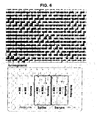
FIG. 6 is a photograph showing binding forces of the compounds for capturing and inhibiting SARS coronavirus with regard to E-type antigen, a spiked solution of E-type antigen and serum, and human serum, compared to commercial antibodies [SM1: capturing compounds based on Glu-Ser, SM2: capturing compound based on Glu-Asp]; and -
FIG. 7 is a graph depicting the results ofFIG. 6 . - The present invention addresses novel compounds for capturing and inhibiting SARS coronavirus, represented by the following Chemical Formula 1 :

X and X' are independently H; a functional group selected from a group consisting of biotin, streptavidin and avidin; or a functional moiety composed of the functional group and a linker which links the functional group to the backbone of the compound ofChemical Formula 1 therethrough;
n is 0 or 1; and
R and R' are independently selected from a group consisting or -H, -CH3, -CH(CH3)2, - CH2CH(CH3)2, -CHCH3CH2CH3, -CH2OH, -CHOHCH3, -CH2SH, -(CH2)2SCH3, -CH2COOH, - -CH2CONH2, -(CH2)2COOH, -(CH2)2CONH2, -(CH2)3CH2NH2, -(CH2)3NHCNHNH2,

- Examples of the linkers useful in the present invention include polyethylene glycols (PEGs), DNA, alkylene of C1~C20, 1-ethyl-3-(3-dimethylaminopropyl)-carbodiimide (EDC), carbonyldiimidazole (CDI), Sulfo-NhS (Sulfosuccinimidyl), isocyanate derivatives, acylazide derivatives, N-hydroxysuccinimide (NHS), sulfonyl chloride derivatives, aldehyde derivatives, epoxy derivatives, etc.
- In greater detail, the linker suitable for X' may include 1-ethyl-3-(3-dimethylaminopropyl)-carbodiimide(EDC), carbonyldiimidazole(CDI), and Sulfo-NHS(Sulfosuccinimidyl), while isocyanate derivatives capable of forming isothiourea bonds, acylazide derivatives capable of amide bonds, N-hydroxysuccininide(NHS), sulfonyl chloride derivatives capable of forming sulfonamide bonds, or aldehyde derivatives or epoxy derivatives capable of forming secondary amide bonds may be used as a linker for X.
- The compound of Chemical Formula 1 may be structurally changed by modifying the amine group of the liker or the peptide with an arylating agent, an imidoester, EDC, an anhydride, a fluorophenyl ester, etc.
- Preferably, the compound for capturing and inhibiting SARS coronavirus, represented by Chemical Formula 1, may be based on a dipeptide compound selected from a group consisting of Phe-Tyr, Tyr-Trp, Phe-Phe, Phe-Trp, Phe-Leu, Phe-Arg, Gln-Trp; Trp-Phe, Phe-Ala, Trp-Gln, Ala-Ile, Phe-Met, Cys-Phe, Val-Met, Tyr-Gln, Leu-Val, Arg-Phe, Ile-Met, Val-Ala, Lys-Phe, Ser-Cys, Ser-Asp, Asp-Ser, Ser-Glu, Glu-Ser, Asp-Cys, Asp-Glu, Cys-Glu, Cys-Asp, and Glu-Asp.
- Also, the present invention pertains to an agent for detecting and inhibiting SARS coronavirus, comprising the compound of Chemical Formula 1 as an active ingredient.
- The inhibitory agent of SARS coronavirus may further comprise a pharmaceutically acceptable carrier. As used herein, the term "pharmaceutically acceptable carrier" is intended to refer to a medium applicable to administration as exemplified by solvents, dispersion media, isotonic solutions, absorption delaying agents, etc. The media suitable for use in the administration of active medicinal ingredients are well known in the art. Auxiliary active compounds may be included in the inhibitor.
- Also, the present invention pertains to a method for detecting SARS coronavirus, comprising contacting the compound of Chemical Formula 1 with a sample from a subject.
- In the method, the contacting step comprises fixing either the compound of Chemical Formula 1 or the sample on a substrate and bringing the compound of Chemical Formula 1 into contact with the sample when it is fixed on the substrate and vice versa.
- In this case, the contacting step may further comprise adding a label-conjugated secondary capturing material to the substrate when the sample is brought into contact with the compound of Chemical Formula 1 after the compound of Chemical Formula 1 is fixed on the substrate.
- This method is a modification of a sandwich immunoassay as schematically illustrated in
FIG. 3 . - No limitations are imparted to the substrate so long as it is typically used in the art. Examples include silicon wafer, metal, glass, quartz, etc., but are not limited thereto. In the present invention, the secondary capturing material is intended to mean material such as a polyclonal antibody which can bind to SARS coronavirus captured by the compound of Chemical Formula 1.
- In the method, the contacting step may comprise fixing the compound of Chemical Formula 1 on nano- or microparticles; and bringing the sample into contact with the fixed compound of Chemical Formula 1.
- In the method, the contacting step may further comprise adding a label-conjugated secondary capturing material to the nano- or microparticles after the sample is brought into contact with the fixed compound of Chemical Formula 1.
- So long as it is used in the art, any nano- or microparticle can be used in the present invention. Preferable are magnetic particles.
- A better understanding of the present invention may be obtained through the following examples which are set forth to illustrate, but are not to be construed as limiting the present invention.
- For use in capturing SARS coronavirus proteins or peptides, the compound of the present invention was prepared through the following steps:
- Step 1: Structural analysis of SARS coronavirus proteins or peptides to be targeted;
- Step 2: Based on the analyzed structure, computational chemistry is used to model a variety of ligands which are expected to bind to the target proteins or peptides and suggest thermodynamically stable compounds upon virtually binding them to the target proteins or peptides;
- Step 3: From the suggestions of Step 2, appropriate compounds are selected and synthesized, with the exclusion of compounds which are impossible to practically synthesize or which are already known about;
- Step 4: The binding of the synthetic compounds of Step 3 to SARS coronavirus proteins (3533P and 3529P, commercially available from ProSci Inc., U.S.A.) is tested and they are remodeled into forms which are applicable to sensors; and
- Step 5: Blinding of the remodeled compounds to the SARS coronavirus proteins (3533P and 3529P, commercially available from ProSci Inc., U.S.A.) is tested to determine whether they can be used as detectors of SARS coronavirus.
- In Step 2, binding properties of various compounds virtually synthesized on a computer was confirmed and In Step 3, dipeptides which were practically synthesizable and obtainable at low expense were selected and synthesized.
- In the remodeling of Step 4, the linker and the anchor, both used to apply the designed dipeptides to a sensor, may change the binding properties of the designed peptides. The binding properties of the remodeled compounds were therefore analyzed using practical SARS coronavirus antigens in Step 5.
- However, because WHO strongly recommends Biosafety Level 3 (BSL3) as the appropriate containment level for working with live SARS-CoV material, antigenic materials available from a world-wide authorized company, such as those identified as ProSci 3533P and 3529P provided by ProSci Inc. U.S.A., were used to test the binding properties of the capturing compounds.
- In the binding test of Step 5, it is very important to find the remodeled compounds which show such selectivity that they react with target antigens, but do not bind to the other proteins present in the body. In this example, hence, binding properties of the remolded compounds were tested not only to target antigens but also to the human sera obtained from the Medical School of Eulji University and to spiked solutions prepared by mixing the antigens and the human sera, and the results were compared to the binding properties of SARS coronavirus antibodies.
-
- 1) Reference was made to the RCSB protein data bank data (PDB ID NO 2AMQ) concerning the structures of target proteins (antigens), and the sequences of practically used antigens were ordered from ProSci, U.S.A.
- 2) Water molecules were removed from the obtained proteins using an ADT program version 4.0 (Autodock Tool, http://autodock.scripps.edu) and the water-free target proteins were subjected to virtual association with all of the known 441 amino acid dimers.
- 3) Excellent virtual binding properties made selection of 30 among the 441 amino acid dimers and they were ordered with 95% or higher purity from SeouLin Bioscience Inc., Korea (synthesized in Thermo Science).
-
- 1) Selected amino acid dimers were diluted to 1.0 mM in PBS.
- 2) Each of the amino acid dimer solutions (1.0 mM) were mixed with one volume of a 1.0 mM NHS-sulfo-biotin solution (PBS) to prepare a 0.5 mM amino acid dimer solutions.
- 3) The 0.5 mM amino acid dimer solutions were incubated at 30°C for 30 min in an Eppendorf shaking reactor.
- 4) Again, the 0.5 mM solutions were 50-fold diluted, that is, to 10 µM, which was determined in consideration of the fact that the antibodies provided from ProSCI were about 6.7 µM.
- 5) The solutions thus prepared were stored in a refrigerator until use without ion removal.
- Hereinafter, "capturing compounds" is a term used to refer to amino acid dimers conjugated with a linker + anchor complex (the linker + anchor complex means Sulfo-NHS-Biotin provided from Pierce U.S.A.).
-
- 1) The microplates used in this experiment were NUNC Maxisorp microplates. Microplates were used in their original, new state without being washed,
- 2) For use, the antigens were 1/1000 diluted in a coating buffer (e.g., 10 µL of the antigen solution was mixed with 10 mL of coating buffer).
- 3) Human sera were 1/10 diluted in a coating buffer.
- 4) As for the spiked solution (expressed usually as SP on microplates), it was prepared by mixing 50 µL of an antigen stock with 950 µL of human serum. For practical use, it was 1/10 0 diluted in coating buffer.
-
- 1) The prepared dilutions of the antigen, the human serum, and the spiked solution each were seeded in an amount of 100 µL per well on microplates and incubated overnight at 20°C.
Typically, each well of antigen-coated plates was washed twice or three times with autoclaved, deionized water and incubated for 2 hrs at 20°C with 200 µL of blocking buffer. However, when coated with the spiked solution and the human serum, the microplates were washed in the same manner but incubated with PBS, not with blocking buffer because the spiked solution and human serum were used as negative reference for determining the selective binding. - 2) The blocking buffer used in this binding test comprised 0.1% BSA and 0.02% thimersol in PBS, pH 7.2 and was not autoclaved. A blocking step, if conducted, was followed by washing three or more times with washing buffer and then twice or more times with PBS.
- 3) After completion of the washing, the plates were turned upside down and tapped three times against blotting paper so that no residue was left on the plates.
- 4) Thereafter, the capturing compounds and the antibody solutions each were allocated in an amount of 100 µL, according to the purposes thereof.
- 5) They were incubated at room temperature for 1 hr with shaking at 100 rpm.
- 6) Washing was conducted three to five times with a washing buffer and then three to four times with PBS.
- 7) Step 4) was repeated.
- 8) Streptavidin-HRP (Horse radish peroxides) and IgG-HRP were 1/10000 diluted in PBS and plated in an amount of 100 µL in each well containing the capturing compound and the antibody.
- 9) The washing of Step 6) was repeated.
- 10) The procedure of Step 4) was repeated.
- 11) 50 µL of a mixture of 1:1 of TMB : substrate solution was allocated.
- 12) Incubation was conducted at 37°C for 15 min.
- 13) A stop solution (2N HCl) was added within 10 min after which absorbance was read at 450 nm using a microplate reader.
-
TABLE 1 No. Dimer M-Type Ranking M (mean value) E-Type Ranking E Value 1 Phe-Tyr 15 0.078 26 0.127 2 Tyr-Trp 26 0.063 30 0.090 3 Phe-Phe 28 0.059 29 0.116 4 Phe-Trp 22 0.071 14 0.159 5 Phe-Leu 27 0.061 6 0.198 6 Phe-Arg 13 0.080 11 0.167 7 Gln-Trp 8 0.093 12 0.166 8 Trp-Phe 23 0.069 20 0.148 9 Phe-Ala 15 0.078 10 0.175 10 Trp-Gln 19 0.073 15 0.155 11 Ala-lle 30 0.057 17 0.154 12 Phe-Met 29 0.059 8 0.190 13 Cys-Phe 24 0.069 13 0.165 14 Val-Met 7 0.094 18 0.151 15 Tyr-Gln 25 0.069 27 0.122 16 Leu-Val 10 0.088 21 0.147 17 Arg-Phe 21 0.072 9 0.183 18 Ile-Met 18 0.074 22 0.139 19 Val-Ala 17 0.077 28 0.118 20 Lys-Phe 14 0.080 16 0.154 21 Ser-Cys 12 0.087 19 0.149 22 Ser-Asp 9 0.091 23 0.136 23 Asp-Ser 11 0.087 25 0.132 24 Ser-Glu 20 0.073 24 0.135 25 Glu-Ser 6 0.111 6 0.198 26 Asp-Cys 5 0.114 5 0.238 27 Asp-Glu 2 0.169 2 0.520 28 Cys-Glu 4 0.143 3 0.356 29 Cys-Asp 3 0.144 4 0.326 30 Glu-Asp 1 0.186 1 0.552 - As is apparent from the data of Table 1, the capturing compounds prepared from the 30 selected amino acid dimers are different in binding properties from each other and between the two commercially available antigens (
FIG. 5 ), indicating that the peptides, although very short in length, show different binding properties with regard to antigens. - Compared to the antibody, the amino acid dimers of the present invention were inferior in reactivity with the antigens, but superior in selective reactivity because they were far inferior in reactivity with a spiked solution and human serum (
FIGS. 6 and7 ). Thus, the capturing compounds of the present invention are unlikely to bind to proteins other than the antigens in vivo. - Having an ability to strongly bind to surface compounds of SARS coronavirus, as described above, the peptide compounds in accordance with the present invention show excellent activity of detecting and inhibiting SARS coronavirus in addition to being provided at low cost thanks to the ease of their synthesis. Also, the peptide compounds are so stable that they are not destroyed even after one year of storage. The compounds of the present invention thus overcome the problems generated by the imnune analysis using an antibody, such as low activity or degradation of antibodies, difficulty in analysis at poorly equipped labs, the sacrifice of a variety or numerous animals for producing antibodies, etc. In contrast to antibodies, further, the peptide compounds for detecting and inhibiting SARS coronavirus in accordance with the present invention can be readily applied to biosensors.
- Although the preferred embodiments of the present invention have been disclosed for illustrative purposes, those skilled in the art will appreciate that various modifications, additions and substitutions are possible, without departing from the scope and spirit of the invention as disclosed in the accompanying claims.
Claims (12)
- An agent for capturing and inhibiting SARS coronavirus, comprising a compound represented by the following Chemical Formula 1:

X and X' are independently H; a functional group selected from a group consisting of biotin, streptavidin and avidin; or a functional moiety composed of the functional group and a linker which links the functional group to the backbone of the compound of Chemical Formula 1 therethrough;
n is 0 or 1; and
R and R' are independently selected from a group consisting of -H, -CH3, -CH(CH3)2, - CH2CH(CH3)2, -CHCH3CH2CH3, -CH2OH, -CHOHCH3, -CH2SH, -(CH2)2SCH3, -CH2COOH, -CH2CONH2, -(CH2)2CCOH, -(CH2)2CONH2, -(CH2)3CH2NH2, -(CH2)3NHCNHNH2,
- The agent as set forth in claim 1, wherein the linker is selected from a group consisting of polyethylene glycols (PEGs), DNA, alkylenes of C1-C20, 1-ethyl-3-(3-dimethylaminopropyl)-carbodiimide (EDC), carbonyldiimidazole (CDI); Sulfo-NHS (Sulfosuccinimidyl), isocyanate derivatives, acylazide derivatives, N-hydroxysuccinimide (NHS), sulfonyl chloride derivatives, aldehyde derivatives, and epoxy derivatives.
- A compound for capturing and inhibiting SARS coronavirus, represented by the following Chemical Formula:

X and X' are independently H; a functional group selected from a group consisting of biotin, streptavidin and avidin; or a functional moiety composed of the functional group and a linker which links the functional group to the backbone of the compound of Chemical Formula 1 therethrough;
n is 0 or 1; and
R and R' are independently selected from a group consisting of -H, -CH3, -CH(CH3)2, - CH2CH(CH3)2,-CHCH3CH2CH3, -CH2OH, -CHOHCH3, -CH2SH, -(CH2)2SCH3, -CH2COOH, -CH2CONH2, -(CH2)2COOH, -(CH2)2CONH2, -(CH2)3CH2NH2, -(CH2)3NHCNHNH2,
- The compound as set forth in claim 3, wherein X and X' are independently a functional group selected from a group consisting of biotin, streptavidin and avidin; or a functional moiety composed of the functional group and a linker which links the functional group to the backbone of the compound of Chemical Formula 1 therethrough:
- The compound as set forth in claim 3 or 4, wherein the linker is selected from a group consisting of polyethylene glycols (PEGs), DNA, alkylenes of C1~C20, 1-ethyl-3-(3-dimethylaminopropyl)-carbodiimide (EDC), carbonyldiimidazole (CDI), Sulfo-NHS (Sulfosuccinimidyl), isocyanate derivatives, acylazide derivatives, N-hydroxysuccinimide (NHS), sulfonyl chloride derivatives, aldehyde derivatives, and epoxy derivatives.
- A method for detecting SARS coronavirus, comprising: contacting a compound, represented by the following Chemical Formula 1, with a sample from a subject:

X and X' are independently H; a functional group selected from a group consisting of biotin, streptavidin and avidin; or a functional moiety composed of the functional group and a linker which links the functional group to the backbone of the compound of Chemical Formula 1 therethrough;
n is 0 or 1; and
R and R' are independently selected from a group consisting of -H, -CH3, -CH(CH3)2, - CH2CH(CH3)2,-CHCH3CH2CH3, -CH2OH, -CHOHCH3, -CH2SH, -(CH2)2SCH3, -CH2COOH, -CH2CONH2, -(CH2)2-COOH, -(CH2)2CONH2, -(CH2)3CH2NH2, -(CH2)3NHCNHNH2,
- The method as set forth in claim 6, wherein the contacting step comprises:fixing either the compound of Chemical Formula 1 or the sample on a substrate; andbringing the compound of Chemical Formula 1 into contact with the sample when it is fixed on the substrate and vice versa.
- The method as set forth in claim 7, wherein the contacting step further comprises adding a label-conjugated secondary capturing material to the substrate when the sample is brought into contact with the compound of Chemical Formula 1 after the compound of Chemical Formula 1 is fixed on the substrate.
- The method as set forth in claim 6, wherein the contacting step comprises:fixing the compound of Chemical Formula 1 on nano- or microparticles; andbringing the sample into contact with the fixed compound of Chemical Formula 1.
- The method as set forth in claim 9, wherein the contacting step further comprises adding a label-conjugated secondary capturing material to the nano- or microparticles after the sample is brought into contact with the fixed compound of Chemical Formula 1.
- The method as set forth in claim 9 or 10, wherein the nano- or microparticles are magnetic particles.
- A biosensor for diagnosing SARS infection, comprising the compound of claim 3 as a detector of SARS coronavirus.
Applications Claiming Priority (1)
| Application Number | Priority Date | Filing Date | Title |
|---|---|---|---|
| KR1020090046309A KR20100127948A (en) | 2009-05-27 | 2009-05-27 | Peptide compound for detection and inhibition of SARS coronavirus and its application |
Publications (2)
| Publication Number | Publication Date |
|---|---|
| EP2259064A2 true EP2259064A2 (en) | 2010-12-08 |
| EP2259064A3 EP2259064A3 (en) | 2011-04-20 |
Family
ID=42341426
Family Applications (1)
| Application Number | Title | Priority Date | Filing Date |
|---|---|---|---|
| EP10163517A Withdrawn EP2259064A3 (en) | 2009-05-27 | 2010-05-21 | Peptide compounds for detecting or inhibiting SARS coronavirus and application thereof |
Country Status (3)
| Country | Link |
|---|---|
| US (1) | US20100304363A1 (en) |
| EP (1) | EP2259064A3 (en) |
| KR (1) | KR20100127948A (en) |
Families Citing this family (4)
| Publication number | Priority date | Publication date | Assignee | Title |
|---|---|---|---|---|
| EP3248609B1 (en) | 2011-10-28 | 2019-10-16 | NeoStrata Company, Inc. | N-acyldipeptide derivatives and their uses |
| CN106478770B (en) * | 2016-10-13 | 2019-12-17 | 福州大学 | A kind of perilla seed antioxidant dipeptide and its preparation method and application |
| CN111686253A (en) * | 2020-02-20 | 2020-09-22 | 田中民 | A new method for preventing and killing coronavirus |
| WO2021236869A2 (en) * | 2020-05-20 | 2021-11-25 | The Johns Hopkins University | Virus detection methods |
Family Cites Families (8)
| Publication number | Priority date | Publication date | Assignee | Title |
|---|---|---|---|---|
| US5728680A (en) * | 1987-12-30 | 1998-03-17 | Cytoven J.V. | Methods for normalizing numbers of lymphocytes |
| US6277826B1 (en) * | 1996-08-27 | 2001-08-21 | Praecis Pharmaceuticals, Inc. | Modulators of β-amyloid peptide aggregation comprising D-amino acids |
| EP1151299A4 (en) * | 1999-01-22 | 2003-06-04 | Smithkline Beecham Corp | Method of site specific labeling of proteins and uses therefor |
| US20020042084A1 (en) * | 2000-05-24 | 2002-04-11 | Boehringer Ingelheim Pharma Kg | Detection of NAALADase inhibitors |
| US7781396B2 (en) * | 2002-01-31 | 2010-08-24 | Tel Aviv University Future Technology Development L.P. | Peptides directed for diagnosis and treatment of amyloid-associated disease |
| EP1642978A4 (en) * | 2003-06-27 | 2007-03-21 | Eiken Chemical | Method of detecting sars coronavirus |
| SG128680A1 (en) * | 2003-07-22 | 2007-01-30 | Crucell Holland Bv | Binding molecules against sars-coronavirus and uses thereof |
| DK1778702T3 (en) * | 2004-07-16 | 2011-10-17 | Gilead Sciences Inc | Antiviral compounds |
-
2009
- 2009-05-27 KR KR1020090046309A patent/KR20100127948A/en not_active Ceased
-
2010
- 2010-05-21 EP EP10163517A patent/EP2259064A3/en not_active Withdrawn
- 2010-05-26 US US12/787,508 patent/US20100304363A1/en not_active Abandoned
Also Published As
| Publication number | Publication date |
|---|---|
| KR20100127948A (en) | 2010-12-07 |
| US20100304363A1 (en) | 2010-12-02 |
| EP2259064A3 (en) | 2011-04-20 |
Similar Documents
| Publication | Publication Date | Title |
|---|---|---|
| KR101784030B1 (en) | Tfpi inhibitors and methods of use | |
| JP7303640B2 (en) | TFPI inhibitors and methods of use | |
| JP2001502361A (en) | α-9 integrin antagonist and anti-inflammatory composition thereof | |
| CN1125054C (en) | Novel imidazolidine derivatives, their preparation, their use and pharmaceutical preparations comprising them | |
| JP2001513753A (en) | Methods for detecting peptides derived from antigens recognized by autoantibodies from patients with rheumatoid arthritis, antibodies directed to the peptides, bound antigens and autoimmune antibodies | |
| US20100304363A1 (en) | Peptide compounds for detecting or inhibiting sars coronavirus and application thereof | |
| Bisang et al. | Synthesis, Conformational Properties, and Immunogenicity of a Cyclic Template-Bound Peptide Mimetic Containing an NPNA Motif from the Circumsporozoite Protein of Plasmodium f alciparum | |
| US20100278853A1 (en) | Constrained hiv v3 loop peptides as novel immunogens and receptor antagonists | |
| WO2021045182A1 (en) | Tryptase activity measurement substrate | |
| US6210901B1 (en) | Specific binding substances for antibodies and their use for immunoassays or vaccines | |
| US20100143890A1 (en) | Peptide compounds for capturing or inhibiting avian influenza virus and application thereof | |
| JP2002515043A (en) | Molecular model for VLA-4 inhibitors | |
| Maeda et al. | Synthesis and evaluation of isothiocyanate-containing derivatives of the δ-opioid receptor antagonist Tyr-Tic-Phe-Phe (TIPP) as potential affinity labels for δ-opioid receptors | |
| JPWO2008018355A1 (en) | Biosensor, manufacturing method thereof, and detection method using the biosensor | |
| CA2481996A1 (en) | Charge-balanced chemoselective linkers | |
| De Souza et al. | Small molecule antagonists of the urokinase (uPA): urokinase receptor (uPAR) interaction with high reported potencies show only weak effects in cell-based competition assays employing the native uPAR ligand | |
| Cotton et al. | Design and synthesis of a highly immunogenic, discontinuous epitope of HIV-1 gp120 which binds to CD4+ ve transfected cells | |
| HK40066280B (en) | Tryptase activity measurement substrate | |
| HK40066280A (en) | Tryptase activity measurement substrate | |
| Winiecka et al. | SYNTHESIS AND DOCKING STUDIES OF RENIN INHIBITORS CONTAINING ESTER AND AMIDE DERIVATIVES OF (3S, 4S)-4-AMINO-HYDROXY ACIDS WITH S 3-S 3'RENIN BINDING SITE. | |
| Molins et al. | Solution conformation of an immunogenic peptide from HRV2: comparison with the conformation found in a complex with a Fab fragment of an anti‐HRV2 neutralizing antibody | |
| JP2025506652A (en) | Method for detecting an analyte of interest in a sample - Patent Application 20070123633 | |
| TWI483733B (en) | Tfpi inhibitors and methods of use | |
| RU2269134C2 (en) | Method for prognosis of acute viral hepatitis c finish | |
| JP2011012035A (en) | Polyvalent cxcr4 ligand to recognize cxcr4 multimer and method of synthesizing the same |
Legal Events
| Date | Code | Title | Description |
|---|---|---|---|
| PUAI | Public reference made under article 153(3) epc to a published international application that has entered the european phase |
Free format text: ORIGINAL CODE: 0009012 |
|
| AK | Designated contracting states |
Kind code of ref document: A2 Designated state(s): AL AT BE BG CH CY CZ DE DK EE ES FI FR GB GR HR HU IE IS IT LI LT LU LV MC MK MT NL NO PL PT RO SE SI SK SM TR |
|
| AX | Request for extension of the european patent |
Extension state: BA ME RS |
|
| PUAL | Search report despatched |
Free format text: ORIGINAL CODE: 0009013 |
|
| AK | Designated contracting states |
Kind code of ref document: A3 Designated state(s): AL AT BE BG CH CY CZ DE DK EE ES FI FR GB GR HR HU IE IS IT LI LT LU LV MC MK MT NL NO PL PT RO SE SI SK SM TR |
|
| AX | Request for extension of the european patent |
Extension state: BA ME RS |
|
| 17P | Request for examination filed |
Effective date: 20111020 |
|
| STAA | Information on the status of an ep patent application or granted ep patent |
Free format text: STATUS: THE APPLICATION IS DEEMED TO BE WITHDRAWN |
|
| 18D | Application deemed to be withdrawn |
Effective date: 20121201 |