EP2251018A2 - Stable amorphous calcium carbonate comprising phosphorylated amino acids, synthetic phosphorylated peptides, and gastrolith proteins - Google Patents
Stable amorphous calcium carbonate comprising phosphorylated amino acids, synthetic phosphorylated peptides, and gastrolith proteins Download PDFInfo
- Publication number
- EP2251018A2 EP2251018A2 EP10163143A EP10163143A EP2251018A2 EP 2251018 A2 EP2251018 A2 EP 2251018A2 EP 10163143 A EP10163143 A EP 10163143A EP 10163143 A EP10163143 A EP 10163143A EP 2251018 A2 EP2251018 A2 EP 2251018A2
- Authority
- EP
- European Patent Office
- Prior art keywords
- seq
- gap65
- gastrolith
- calcium carbonate
- acc
- Prior art date
- Legal status (The legal status is an assumption and is not a legal conclusion. Google has not performed a legal analysis and makes no representation as to the accuracy of the status listed.)
- Granted
Links
Images










Classifications
-
- A—HUMAN NECESSITIES
- A61—MEDICAL OR VETERINARY SCIENCE; HYGIENE
- A61K—PREPARATIONS FOR MEDICAL, DENTAL OR TOILETRY PURPOSES
- A61K33/00—Medicinal preparations containing inorganic active ingredients
- A61K33/06—Aluminium, calcium or magnesium; Compounds thereof, e.g. clay
- A61K33/10—Carbonates; Bicarbonates
-
- A—HUMAN NECESSITIES
- A61—MEDICAL OR VETERINARY SCIENCE; HYGIENE
- A61K—PREPARATIONS FOR MEDICAL, DENTAL OR TOILETRY PURPOSES
- A61K31/00—Medicinal preparations containing organic active ingredients
- A61K31/66—Phosphorus compounds
-
- A—HUMAN NECESSITIES
- A61—MEDICAL OR VETERINARY SCIENCE; HYGIENE
- A61K—PREPARATIONS FOR MEDICAL, DENTAL OR TOILETRY PURPOSES
- A61K38/00—Medicinal preparations containing peptides
- A61K38/16—Peptides having more than 20 amino acids; Gastrins; Somatostatins; Melanotropins; Derivatives thereof
- A61K38/17—Peptides having more than 20 amino acids; Gastrins; Somatostatins; Melanotropins; Derivatives thereof from animals; from humans
-
- A—HUMAN NECESSITIES
- A61—MEDICAL OR VETERINARY SCIENCE; HYGIENE
- A61K—PREPARATIONS FOR MEDICAL, DENTAL OR TOILETRY PURPOSES
- A61K38/00—Medicinal preparations containing peptides
- A61K38/16—Peptides having more than 20 amino acids; Gastrins; Somatostatins; Melanotropins; Derivatives thereof
- A61K38/17—Peptides having more than 20 amino acids; Gastrins; Somatostatins; Melanotropins; Derivatives thereof from animals; from humans
- A61K38/1767—Peptides having more than 20 amino acids; Gastrins; Somatostatins; Melanotropins; Derivatives thereof from animals; from humans from invertebrates
-
- A—HUMAN NECESSITIES
- A61—MEDICAL OR VETERINARY SCIENCE; HYGIENE
- A61K—PREPARATIONS FOR MEDICAL, DENTAL OR TOILETRY PURPOSES
- A61K9/00—Medicinal preparations characterised by special physical form
- A61K9/0012—Galenical forms characterised by the site of application
- A61K9/0053—Mouth and digestive tract, i.e. intraoral and peroral administration
-
- A—HUMAN NECESSITIES
- A61—MEDICAL OR VETERINARY SCIENCE; HYGIENE
- A61P—SPECIFIC THERAPEUTIC ACTIVITY OF CHEMICAL COMPOUNDS OR MEDICINAL PREPARATIONS
- A61P1/00—Drugs for disorders of the alimentary tract or the digestive system
- A61P1/02—Stomatological preparations, e.g. drugs for caries, aphtae, periodontitis
-
- A—HUMAN NECESSITIES
- A61—MEDICAL OR VETERINARY SCIENCE; HYGIENE
- A61P—SPECIFIC THERAPEUTIC ACTIVITY OF CHEMICAL COMPOUNDS OR MEDICINAL PREPARATIONS
- A61P11/00—Drugs for disorders of the respiratory system
-
- A—HUMAN NECESSITIES
- A61—MEDICAL OR VETERINARY SCIENCE; HYGIENE
- A61P—SPECIFIC THERAPEUTIC ACTIVITY OF CHEMICAL COMPOUNDS OR MEDICINAL PREPARATIONS
- A61P15/00—Drugs for genital or sexual disorders; Contraceptives
-
- A—HUMAN NECESSITIES
- A61—MEDICAL OR VETERINARY SCIENCE; HYGIENE
- A61P—SPECIFIC THERAPEUTIC ACTIVITY OF CHEMICAL COMPOUNDS OR MEDICINAL PREPARATIONS
- A61P19/00—Drugs for skeletal disorders
- A61P19/08—Drugs for skeletal disorders for bone diseases, e.g. rachitism, Paget's disease
-
- A—HUMAN NECESSITIES
- A61—MEDICAL OR VETERINARY SCIENCE; HYGIENE
- A61P—SPECIFIC THERAPEUTIC ACTIVITY OF CHEMICAL COMPOUNDS OR MEDICINAL PREPARATIONS
- A61P19/00—Drugs for skeletal disorders
- A61P19/08—Drugs for skeletal disorders for bone diseases, e.g. rachitism, Paget's disease
- A61P19/10—Drugs for skeletal disorders for bone diseases, e.g. rachitism, Paget's disease for osteoporosis
-
- A—HUMAN NECESSITIES
- A61—MEDICAL OR VETERINARY SCIENCE; HYGIENE
- A61P—SPECIFIC THERAPEUTIC ACTIVITY OF CHEMICAL COMPOUNDS OR MEDICINAL PREPARATIONS
- A61P21/00—Drugs for disorders of the muscular or neuromuscular system
-
- A—HUMAN NECESSITIES
- A61—MEDICAL OR VETERINARY SCIENCE; HYGIENE
- A61P—SPECIFIC THERAPEUTIC ACTIVITY OF CHEMICAL COMPOUNDS OR MEDICINAL PREPARATIONS
- A61P25/00—Drugs for disorders of the nervous system
-
- A—HUMAN NECESSITIES
- A61—MEDICAL OR VETERINARY SCIENCE; HYGIENE
- A61P—SPECIFIC THERAPEUTIC ACTIVITY OF CHEMICAL COMPOUNDS OR MEDICINAL PREPARATIONS
- A61P25/00—Drugs for disorders of the nervous system
- A61P25/04—Centrally acting analgesics, e.g. opioids
-
- A—HUMAN NECESSITIES
- A61—MEDICAL OR VETERINARY SCIENCE; HYGIENE
- A61P—SPECIFIC THERAPEUTIC ACTIVITY OF CHEMICAL COMPOUNDS OR MEDICINAL PREPARATIONS
- A61P25/00—Drugs for disorders of the nervous system
- A61P25/14—Drugs for disorders of the nervous system for treating abnormal movements, e.g. chorea, dyskinesia
- A61P25/16—Anti-Parkinson drugs
-
- A—HUMAN NECESSITIES
- A61—MEDICAL OR VETERINARY SCIENCE; HYGIENE
- A61P—SPECIFIC THERAPEUTIC ACTIVITY OF CHEMICAL COMPOUNDS OR MEDICINAL PREPARATIONS
- A61P25/00—Drugs for disorders of the nervous system
- A61P25/28—Drugs for disorders of the nervous system for treating neurodegenerative disorders of the central nervous system, e.g. nootropic agents, cognition enhancers, drugs for treating Alzheimer's disease or other forms of dementia
-
- A—HUMAN NECESSITIES
- A61—MEDICAL OR VETERINARY SCIENCE; HYGIENE
- A61P—SPECIFIC THERAPEUTIC ACTIVITY OF CHEMICAL COMPOUNDS OR MEDICINAL PREPARATIONS
- A61P29/00—Non-central analgesic, antipyretic or antiinflammatory agents, e.g. antirheumatic agents; Non-steroidal antiinflammatory drugs [NSAID]
-
- A—HUMAN NECESSITIES
- A61—MEDICAL OR VETERINARY SCIENCE; HYGIENE
- A61P—SPECIFIC THERAPEUTIC ACTIVITY OF CHEMICAL COMPOUNDS OR MEDICINAL PREPARATIONS
- A61P3/00—Drugs for disorders of the metabolism
-
- A—HUMAN NECESSITIES
- A61—MEDICAL OR VETERINARY SCIENCE; HYGIENE
- A61P—SPECIFIC THERAPEUTIC ACTIVITY OF CHEMICAL COMPOUNDS OR MEDICINAL PREPARATIONS
- A61P3/00—Drugs for disorders of the metabolism
- A61P3/02—Nutrients, e.g. vitamins, minerals
-
- A—HUMAN NECESSITIES
- A61—MEDICAL OR VETERINARY SCIENCE; HYGIENE
- A61P—SPECIFIC THERAPEUTIC ACTIVITY OF CHEMICAL COMPOUNDS OR MEDICINAL PREPARATIONS
- A61P3/00—Drugs for disorders of the metabolism
- A61P3/12—Drugs for disorders of the metabolism for electrolyte homeostasis
- A61P3/14—Drugs for disorders of the metabolism for electrolyte homeostasis for calcium homeostasis
-
- A—HUMAN NECESSITIES
- A61—MEDICAL OR VETERINARY SCIENCE; HYGIENE
- A61P—SPECIFIC THERAPEUTIC ACTIVITY OF CHEMICAL COMPOUNDS OR MEDICINAL PREPARATIONS
- A61P35/00—Antineoplastic agents
-
- A—HUMAN NECESSITIES
- A61—MEDICAL OR VETERINARY SCIENCE; HYGIENE
- A61P—SPECIFIC THERAPEUTIC ACTIVITY OF CHEMICAL COMPOUNDS OR MEDICINAL PREPARATIONS
- A61P37/00—Drugs for immunological or allergic disorders
-
- A—HUMAN NECESSITIES
- A61—MEDICAL OR VETERINARY SCIENCE; HYGIENE
- A61P—SPECIFIC THERAPEUTIC ACTIVITY OF CHEMICAL COMPOUNDS OR MEDICINAL PREPARATIONS
- A61P37/00—Drugs for immunological or allergic disorders
- A61P37/02—Immunomodulators
-
- A—HUMAN NECESSITIES
- A61—MEDICAL OR VETERINARY SCIENCE; HYGIENE
- A61P—SPECIFIC THERAPEUTIC ACTIVITY OF CHEMICAL COMPOUNDS OR MEDICINAL PREPARATIONS
- A61P9/00—Drugs for disorders of the cardiovascular system
-
- C—CHEMISTRY; METALLURGY
- C07—ORGANIC CHEMISTRY
- C07K—PEPTIDES
- C07K14/00—Peptides having more than 20 amino acids; Gastrins; Somatostatins; Melanotropins; Derivatives thereof
- C07K14/435—Peptides having more than 20 amino acids; Gastrins; Somatostatins; Melanotropins; Derivatives thereof from animals; from humans
- C07K14/43504—Peptides having more than 20 amino acids; Gastrins; Somatostatins; Melanotropins; Derivatives thereof from animals; from humans from invertebrates
- C07K14/43509—Peptides having more than 20 amino acids; Gastrins; Somatostatins; Melanotropins; Derivatives thereof from animals; from humans from invertebrates from crustaceans
Definitions
- the present invention relates to compositions comprising amorphous calcium carbonate, and to methods of preparing same, and further to compositions comprising phosphorylated amino acids or peptides.
- said peptides are selected from crustacean proteins, including GAP65, GAP22, GAP21, and GAP12.
- Pharmaceutical and nutraceutical compositions comprising amorphous calcium carbonate and phosphorylated amino acids or peptides are provided.
- Calcium plays one of the central roles in the signal transduction, and further it is an important structural element in biological systems. From protozoa to vertebrata, deposited calcium salts helps to keep rigid bodily shapes of animals, calcium phosphate being the main component of endoskeletons in the vertebrates and calcium carbonate of exoskeletons in the invertebrates. Calcified exoskeletons with calcium carbonate minerals as the main constituents are widespread among echinoderms, mollusks, and arthropods, providing protection and serving as calcium storage. Some crustaceans store calcium carbonate temporarily, in an amorphous state, which makes it better available, particularly for quick mobilization during the mineralization of their new exoskeleton structures after molting.
- amorphous calcium carbonate in the living bodies of, for example, crayfish is rather interesting, since amorphous minerals are usually thermodynamically unstable.
- Amorphous calcium carbonate (ACC) tends to transform to its crystalline polymorphs, mainly calcite and aragonite.
- WO 2005/115414 employs crustacean organs for providing compositions with stable ACC which is readily available for human consumption.
- ACC is a potentially more soluble and absorbable form of calcium carbonate as a dietary supplements, it is an object of the invention to provide new methods for preparing amorphous calcium carbonate.
- the present invention relates to a composition
- a composition comprising amorphous calcium carbonate (ACC) and at least one component selected from phosphorylated amino acids and phosphorylated peptides.
- Said phosphorylated amino acids and phosphorylated peptides may comprise phospho-serine or phospho-threonine or both.
- Said phosphorylated amino acids and phosphorylated peptides stabilize the amorphous form of said calcium carbonate in the composition of the invention.
- said phosphorylated peptide originates from crustacean gastrolith.
- the composition of the invention comprises ACC, at least one phosphorylated amino acid or peptide, and chitin or chitosan.
- the present invention relates to new crustacean peptides and their use in affecting the crystalline state of calcium carbonate and in the preparation of formulations.
- the invention also relates to functional fragments of said peptides.
- the isolated proteins related to below include GAP65, GAP22, GAP21, and GAP12 (were GAP stands for gastrolith protein); deduced amino acid sequences of said new proteins are provided herein, and they are denoted as SEQ. ID. NOS: 1 - 4.
- the invention provides an isolated and purified crustacean peptide having essentially a sequence selected from the group consisting of SEQ ID NO:1, SEQ ID NO:9, SEQ ID NO:17, SEQ ID NO:24, and homologues thereof.
- a sequence homolog according to the invention is a peptide with any insertions, deletions, and substitutions, as far as at least 90 % of the sequence is preserved.
- the invention further includes an isolated and purified peptide comprising in its sequence a subsequence, said subsequence being a fragment of the above said crustacean GAP peptides, preferably a subsequence at least ten amino acid long.
- Said subsequence may have a sequence selected from, for example, SEQ ID NOS: 2 to 8, SEQ ID NOS: 10 to 16, and SEQ ID NOS: 18 to 23, or other fragments of sequences SEQ ID NO:1, SEQ ID NO:9, SEQ ID NO:17, SEQ ID NO:24.
- the invention provides a composition comprising one or more peptides as defined above, or their derivatives or variants or functional fragments or mixtures thereof, together with amorphous calcium carbonate (ACC). Said peptide stabilizes the amorphous form of said calcium carbonate in said composition.
- ACC amorphous calcium carbonate
- the term "functionally equivalent fragment, derivative, or variant” as used herein includes peptides with modifications that do not interfere with their ability to inhibit calcium carbonate crystallization.
- the invention is directed to a peptide having amino acid sequence selected from SEQ ID NO:1, SEQ ID NO:9, SEQ ID NO:17, and SEQ ID NO:24, and to peptides being their sequence homologous having, preferably, at least 90% homology.
- a DNA sequence encoding a peptide according to the invention is a part of the invention as well.
- a calcium carbonate preparation containing a peptide as defined above or its derivative.
- a calcium carbonate preparation comprising ACC is provided, said preparation being stable at least for one month.
- a method of preparing stable amorphous calcium carbonate comprises mixing in aqueous phase in any order a soluble salt comprising calcium, a carbonate source, and a phosphorylated amino acid or phosphorylated peptide.
- Said source may, for example, comprise a carbonate salt dissolved in the liquid phase, or said source may comprise gaseous carbon dioxide.
- the invention provides a pharmaceutical formulation comprising the above said composition, containing one or more phosphorylated amino acids, or phosphorylated peptides as defined herein or their derivatives or variants or functional fragments or mixtures thereof, together with ACC.
- the above said composition is, in other aspect of the invention, advantageously used as a nutraceutical formulation, for example as a food additive.
- Said pharmaceutical formulation is preferably orally administered and may comprise fillers or solvents or additives.
- Said pharmaceutical formulation is preferably used in treating conditions selected from the group consisting of pain, proliferative diseases, neurological disorders, immunologic disorders, cardiovascular diseases, pulmonary diseases, nutritional disorders, reproductive disorders, musculoskeletal disorders, and dental problems.
- Said treating may lead to disappearance of causative factors or to mitigating the symptoms.
- Said proliferative disease may be, for example, breast carcinoma or bronchogenic carcinoma.
- Said treating may comprise slowing down or inhibiting the cell proliferation in a tumor.
- it may be postoperative pain, pain after injury, pain associated with cancer, and neuropathic pain.
- the mentioned neurological disorder is, for example, selected from demyelinating diseases, dementias, and movement disorders.
- Said condition may be a degenerative disease selected from multiple sclerosis, Alzheimer's disease, and Parkinson's disease.
- Said condition may comprise a bone or bone marrow disorder, which may be, for example fracture or osteoporosis.
- Said condition may be a neurodegenerative disorder.
- Said new peptides GAP65, GAP22, GAP21, and GAP12 or their derivatives are used, in one aspect of the invention, in the manufacture of medicaments. Also provided is a method of treating a bone disorder or injury, and a method of managing pain, comprising orally administering a formulation comprising calcium carbonate and one or more of said new peptides or their derivatives.
- derivatives as used herein includes also peptide products obtained by alkylation, esterification, neutralization, cyclization, or oligomerization.
- the invention provides a method of inhibiting the crystallization of calcium carbonate in a mixture comprising a carbonate and a calcium salt, comprising admixing into said mixture an amount of a phosphorylated amino acid or a phosphorylated peptide.
- Said phosphorylated amino acid or a phosphorylated peptide preferably comprises phospho-serine or phospho-threonine.
- the invention provides, in one embodiment, a method of inhibiting the crystallization of calcium carbonate, comprising admixing into the crystallization or precipitation mixture an amount of a peptide having a sequence selected from SEQ ID NO:1, SEQ ID NO:9, SEQ ID NO:17, and SEQ ID NO:24, or its homolog or functional fragment or derivative or variant, or of a mixture thereof.
- a method of inhibiting the crystallization of calcium carbonate according to the invention comprising providing a calcium salt soluble in water, and contacting said salt with a peptide selected from GAP65, GAP22, GAP21, and GAP12, or with its functionally equivalent fragment, derivative, or variant thereof, or with a mixture thereof.
- food additives or functional foods comprising a mixture of calcium carbonate and a phosphorylated amino acid or peptide; said peptide, in one embodiment, having a sequence selected from the group consisting of SEQ ID NO:1, SEQ ID NO:9, SEQ ID NO:17, SEQ ID NO:24, and homologues or fragments thereof.
- the above proteins are involved in the precipitation and stabilization of ACC.
- the gastrolith extract which contains said four proteins inhibits calcium carbonate crystallization and stabilizes the amorphous form of calcium carbonate (ACC).
- ACC was detected by Raman spectrometry in a precipitate of CaCO 3 prepared from a solution containing CaCl 2 , Na 2 CO 3 and the gastrolith extract ( Fig. 11 ). The presence of ACC is validated by the presence of a predominant peak at about 1080cm -1 .
- GAP genes were found to be specific to the gastrolith epithelial disc and sub-epidermal tissue, both are cuticle related tissues. Specific expressions of the GAP peptides in several target tissues by means of RT-PCR was also studied. For example, the expression of GAP65 was found in more cuticle related tissues, whereas the expression of GAP22 was found rather in the gastrolith epithelial disc.
- GAP 12, GAP 21 and GAP 65 have an acidic pI, therefore they are negatively charged at the physiological pH of the gastrolith (near pH 8.5).
- GAP 12 and GAP 21 have a high percentage of non-polar, aliphatic amino acids (glycine, alanine and valine) and a high percentage of the polar but uncharged amino acid proline (highlighted in gray in Table 1).
- GAP65 has a high content of acidic amino acids.
- GAP22 has a basic pI, therefore it is positively charged at the physiological pH of the gastrolith. Its main characteristics are a high percentage of the polar but uncharged amino acid proline and of the positively charged arginine.
- a method of inhibiting the crystallization of calcium carbonate comprising admixing into the crystallization or precipitation mixture an amount of GAP65 or a functional fragment thereof, or a derivative, or a variant thereof.
- a method is provided of inhibiting the crystallization of calcium carbonate, comprising contacting a calcium salt soluble in water with GAP65 or a functional fragment, derivative, or variant thereof.
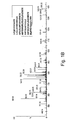
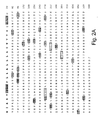
- GAP65 was purified from gastrolith soluble protein extract by ion exchange chromatography, and was identified as a negatively charged glycopeptide, containing about 12 mol% Asp + Glu, based on SEQ. ID. NO. 1. Sequencing of the peptides by MS-MS provided seven oligopeptide subsequences (SEQ. ID. NO. 2-8; Fig. 1B ) which were used for the construction of degenerative primers for the acquisition of a complete GAP65 encoded gene sequence based on gastrolith epithelial disc mRNA. The total deduced amino acid sequence revealed a 548 amino acids long peptide (SEQ. ID. NO. 1; Fig. 2A ).
- chitin binding domain 2 (ChtBD2) from amino acids 29-102
- low-density lipoprotein receptor domain class A (LDLa)
- polysaccharide deacetylase domain from amino acids 195-332.
- the LDLa domain has a predicted calcium binding property.
- Expression of GAP65 was tested in premolt crayfish in several target tissues by means of RT-PCR, and was detected in the gastrolith epithelial disc and in the sub-epidermal tissue, both are cuticle related tissues ( Fig. 3A ).
- In situ hybridization visualized the localization of the GAP65 expression in the gastrolith disc of induced premolt and intact intermolt crayfish ( Fig 5B ).
- Relative GAP65 transcript levels in the gastrolith epithelial disc following silencing using GAP65 dsRNA were measured using realtime RT-PCR ( Fig. 4 ).
- the role of GAP65 in gastrolith formation was tested by an RNAi technique using in vivo injections of GAP65 dsRNA to intermolt crayfish ( Fig. 5 ). The initiation of gastrolith formation was achieved by injection of ecdysone.
- Fig. 5A shows dissected gastrolith
- Fig. 5B and 5C are X-ray views
- GAP65 essentially affects the micro structure of the crayfish gastrolith.
- Scanning electron microscope (SEM) micrographs of gastroliths dissected from crayfish injected either with GAP65 dsRNA together with ecdysone or only with ecdysone revealed severe structural abnormalities caused by the absence of GAP65 ( Fig.6 ).
- the packaging of the ACC in spherules, and the spherules size, is important for the dense packaging of the gastrolith; the absence of GAP65 led to larger spherules and less condensed structure when compared to the normal gastrolith.
- CaCO 3 deposits obtained by precipitation in the presence of GAP65 were initially characterized by polarized microscope, identifying calcite, vaterite, and ACC. The observations were confirmed by Raman spectroscopy and powder XRD. The ACC constituted about at least 50% of the total CaCO 3 . The ACC remained stable under room condition for at least 1 months.
- the invention thus, provides new proteins associated with calcium metabolism in crayfish, which affect the crystalline state of calcium carbonate.
- a method of inhibiting the crystallization of calcium carbonate comprising admixing into the crystallization or precipitation mixture an amount of GAP proteins or functionally equivalent fragments thereof, or derivatives, or variants thereof.
- the invention relates to a method of preparing ACC by admixing said new protein into a precipitation mixture, namely into a mixture in which the precipitation of CaCO 3 occurs, and in which precipitation of crystalline material would occur without said protein.
- a nonlimiting example of such mixture includes an aqueous solution of calcium chloride comprising GAP65 into which a sodium carbonate solution is added.
- the concentration of GAP65 in the mixture may be, for example, about from 0.05 to 5 wt% based on the weight of CaCO 3 .
- the concentration of GAP65 in the precipitation mixture may be, for example, about from 1 to 100 ⁇ g/ml.
- the instant invention provides a composition containing ACC and a phosphorylated amino acid or peptide, for example a GAP protein.
- a formulation is provided for treating disorders associated with calcium metabolism or signaling, comprising ACC and a stabilizing amount of phosphorylated amino acid or peptide, for example a GAP protein or its derivatives.
- the formulation is preferably used for oral administration.
- the formulation of the invention is used as a therapeutic means, or as a therapeutic supplement, or as a nutritional supplement.
- ACC prepared according to the invention is comprised in a formulation for treating conditions associated with calcium metabolism or calcium signaling.
- Said conditions may be selected from the group consisting of pain, proliferative diseases, neurological disorders, immunologic disorders, cardiovascular diseases, pulmonary diseases, nutritional disorders, reproductive disorders, musculoskeletal disorders, and dental problems.
- Said treating may comprise mitigating the symptoms of the diseases.
- Said proliferative disease may be selected from sarcomas, carcinomas, lymphomas and melanomas.
- Said carcinoma is, for example, breast carcinoma or bronchogenic carcinoma.
- Said treating may lead to shrinking tumors, stopping their growth, or slowing down or inhibiting the cell proliferation in the tumors.
- Said pain may be selected from postoperative pain, pain after injury, pain associated with cancer, and neuropathic pain.
- Said neurological disorder may be selected from demyelinating diseases, dementias, and movement disorders; said disorders being, for example, multiple sclerosis, Alzheimer's disease, Parkinson's disease, or other degenerative disease.
- Said condition to be treated may comprise a bone or bone marrow disorder, such as fracture or osteoporosis.
- a composition of the invention is used for treating a neurodegenerative disorder.
- the invention relates to a composition of matter comprising ACC and a stabilizing amount of a phosphorylated amino acid (PAA) or a phosphorylated peptide (PP), for example a composition comprising one or more PAA, or one or more PP such as GAP peptides or their functional fragments, derivatives, or variants.
- PAA phosphorylated amino acid
- PP phosphorylated peptide
- the invention also relates to ACC stabilized with PAA, or PP such as GAPs, for use as a medicament or in the manufacture of a medicament, or for use as a food additive.
- the process for the preparation of ACC may comprise the steps:
- Analysis of the product may comprise testing the resultant CaCO 3 by various methods (as XRD, electron diffraction, SEM) to verify its amorphous nature.
- Raman spectroscopy (RS) was found to be the most efficient and reliable method to characterize ACC.
- the Raman shifts characteristics of the mineral reported here are the carbonate peak at 1080 cm -1 whose broad shape is indicative of ACC and proportional to its content.
- the phosphate peak at 950 cm -1 is proportional to the phosphate content in the sample. Yet, the ratio between 1080 to 950 cm -1 is proportional, but not directly indicative of the CO 3 2- /PO 4 3- ratio.
- Calcium and carbonate ions in the solutions from which calcium carbonate was precipitated, was usually in the range of from about 10mM to about 500mM.
- the molar ratio of phosphorylated amino acid (PAA) to calcium was usually in the range of 0.01-0.5.
- a higher concentration of PAA inhibited the spontaneous precipitation.
- the chitosan when present, was in the range of 0.03-0.3 wt%.
- the precipitated calcium carbonate was checked over long periods for the amorphous/crystalline state. It was found that the samples of ACC obtained by methods of the invention were stable at room temperature for more than seven months, keeping their amorphous state.
- Gastroliths of Cherax quadricarinatus were prepared as described [ WO 2005/115414 ].
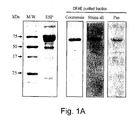
- SDS-PAGE separation of soluble proteins from late premolt gastroliths revealed the presence of at least 6 prominent distinct proteins (Fig. 1A left) with the most abundant being at the size of approximately 65 kDa (gastrolith protein 65, GAP65).
- Further purification of GAP65 from the entire gastrolith soluble proteins content was performed using DEAE chromatography HPLC with NaCl gradient of up to 1M. GAP65 elution began at 300 mM NaCl but continued mainly at 600 mM (fraction 17).
- the GAP65 enriched fraction 17 was analyzed by SDS-PAGE and stained with Coomassie (non specific protein staining), "stains all” (negatively charged protein staining), and “pas” (glycoprotein staining), as shown in Fig 1A right. These staining suggest that GAP65 is the primary protein in this enriched fraction and it is a negatively charged glycoprotein. Trypsin digestion of GAP65 followed by separation using nanospray Qtof2 and sequencing of the peptides using MS-MS generated 7 predicted peptide sequences ( Fig. 1B ) which were used for the construction of degenerative primers for the acquisition of a complete GAP65 encoded gene sequence based on gastrolith epithelial disc mRNA. Fig.
- 2A demonstrates the deduced amino acid sequence of GAP65 open reading frame showing a predicted signal sequence of the N-terminus of the protein (bold). Approximately 4.6% of total amino acids of GAP65 were predicted as possible phosphorylation sites (grey boxes), whereas only three predicted N-glycosylation sites (light boxes including three letters), and two predicted O-glycosylation sites (dark boxes at amino acids no. 72 and 173) were found. The negative charge originates in part from the acidic residues aspartic and glutamic acids, which comprise about 12 mol% of the protein. Bioinformatic analysis of GAP65 sequence suggested the presence of three known domains ( Fig.
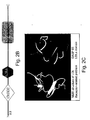
- Fig. 2B chitin binding domain 2 (ChtBD2) from amino acids 29-102, low-density lipoprotein receptor domain class A (LDLa) from amino acids 122-159, and polysaccharide deacetylase domain from amino acids 195-332.
- Fig. 2C reveals the predicted 3D structure of the LDLa domain based on the homology to NMR structure of complement-like repeat CR3 from the low density lipoprotein receptor-related protein. This LDLa domain is the only known domain in GAP65 which has a predicted calcium binding property.
- GAP65 Specific expression of GAP65 was tested in premolt crayfish in several target tissues by means of RT-PCR ( FIG. 3A ). The expression of GAP65 was detected in the gastrolith epithelial disc and in the sub-epidermal tissue, both are cuticle related tissues. Expression of GAP65 was not detected in the hepatopancreas, stomach wall, and sperm duct. Localization of GAP65 expression in the gastrolith disc of induced premolt and intact intermolt crayfish by in situ hybridization is presented in Fig 3B . Left panel represents hematoxylin and eosin staining of the gastrolith disc, middle panel is the control sense probe where no expression is detected.
- the two right panels represent the anti-sense probe with the last being an enlargement of a specific area.
- the anti-sense probe reveals that the expression of GAP65 can be detected only in the columnar epithelial cells of the gastrolith disc of an induced crayfish, whereas, in intact intermolt crayfish this expression was not detected.
- GAP65 transcript levels in the gastrolith epithelial disc following silencing using GAP65 dsRNA were measured using realtime RT-PCR and presented in Fig. 4 .
- GAP65 levels were evaluated in crayfish injected with ecdysone and GAP65 dsRNA, ecdysone and dsRNA carrier, ecdysone and C. quadricarinatus vitellogenin ( CqVg ) dsRNA, and a control injected with both carriers.
- CqVg an hepatopancreatic specific gene found mostly in reproductive females, served as a control for sequence specific silencing.
- Transcript levels of crayfish injected with ecdysone and GAP65 dsRNA were significantly lower than the levels found in the ecdysone and dsRNA carrier injected.
- GAP65 transcript levels were similar to the levels detected in the ecdysone and dsRNA carrier injected group.
- control carriers injected crayfish GAP65 transcript levels were higher than the levels found in the ecdysone and GAP65 dsRNA injected crayfish but lower than the levels detected in both the ecdysone and dsRNA injected, and the ecdysone CqVg dsRNA injected crayfish.
- the control carriers group was not statistically significantly different from the three other groups.
- RNAi technique using in vivo injections of GAP65 dsRNA to intermolt crayfish was applied.
- the initiation of gastrolith formation was achieved by injection of ecdysone.
- gastrolith of crayfish injected with either ecdysone + GAP65 dsRNA, ecdysone + dsRNA carrier, or with carriers of both ecdysone and dsRNA can be seen.
- Fig. 5A is a lateral view of a representative gastrolith dissected from each treatment group.
- Fig. 5B depicts dorsal X-ray view of the crayfish and gastrolith prior to dissection whereas Fig. 5C presents more contrast images of the images of panel B.
- crayfish injected with both GAP65 dsRNA and ecdysone some regions in which less dense detection of mineral is recoded while the gastrolith disc shape structure was retained.
- the gastrolith appeared normal with no effects on mineral densities.
- the control carrier gastrolith was too small to be detected by the X-ray imaging.
- Fig.6A-B depict images of a cross section through the central part of the gastrolith.
- gastrolith of crayfish injected with GAP65 dsRNA and ecdysone severe structural abnormalities can be observed when compared with the gastrolith of ecdysone and dsRNA carrier only injected crayfish.
- dsRNA spherule size ranged between approximately 100-300 nm whereas in the normal ACC deposited in gastrolith of crayfish injected with ecdysone and dsRNA carrier the spherules have narrower size distribution, ranged from 40-60 nm.
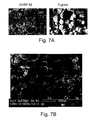
- Fig. 7 presents precipitation results of calcium carbonate in the presence of GAP65 and in the presence of other protein (trypsin). SEM images in Fig. 7A indicate the distinct polymorph of calcium carbonate in each treatment. Precipitation of calcium carbonate in the presence of GAP65 resulted in the deposition of an amorphous form (ACC), observed as a thin layer comprised of 100-500 nm spherules.
- ACC amorphous form
- Fig. 7B confirms the nature of the ACC in calcium carbonate precipitated in the presence of GAP65.
- Raman analysis is showing the distinct spectra of ACC with a clear broad peak at 1070 cm -1 .
- the presence of GAP65 in the ACC spherules formed by the in vitro precipitation was confirmed by purification of the protein from the mineral fraction of the precipitate and its evaluation by SDS-PAGE against the original GAP65 enriched fraction.
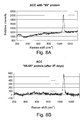
- the stability of ACC precipitated with GAP65 was tested by Raman spectroscopy in the samples held at room temperature.
- 100 ⁇ l of 1M CaCl 2 was added to 10ml double distilled water (final concentration: 10mM).
- 80 ⁇ l from the protein extraction solution (1.2 ⁇ g/ ⁇ l) were added (final concentration ⁇ 10 ⁇ g/ml).
- 100 ⁇ l of 1M Na 2 CO 3 (final concentration: 10mM) was added following an intensive shaking.
- the vial was centrifuged for 5 min at 4000 rpm, the precipitate was smeared over a glass slide and instantly dried with air flow.
- the CaCO 3 deposits were initially characterized by polarized microscope as a mixture of calcite, vaterite, and ACC.
- the ACC was in a form of a thin "crust", and it was estimated to comprise about at least 50% of the total CaCO 3 .
- the ACC remained stable at room temperature for at least 1 months, as Raman spectra of the ACC one day after precipitation, 27 days after precipitation, and 6.5 month after precipitation show ( Fig. 8A, 8B , 8C).
- Raman spectra around the 1085 peak
- 6.5-month old ACC with calcite indicated mixture seemingly comprising ACC and vaterite (when considering a shoulder on the 1085 peak possibly being an onset of peak splitting characterizing vaterite).
- the gastrolith extract inhibits calcium carbonate crystallization and stabilizes the amorphous form of calcium carbonate (ACC).
- ACC was detected by Raman spectrometry in a precipitate of CaCO 3 prepared from a solution containing CaCl 2 , Na 2 CO 3 and the gastrolith extract ( Fig. 11 ).
- the presence of ACC is validated by the presence of a predominant broad peak at about 1080cm -1 .
- the peak at 560 is attributed to the glass substrate.
- Expressions of the GAP genes were found to be specific to the gastrolith epithelial disc and sub-epidermal tissue, both are cuticle related tissues. Specific expression of GAP21, GAP22 and GAP65 in several target tissues was checked by means of RT-PCR, similarly as described in Example 2.
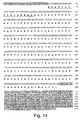
- GAP21 and GAP65 expressions were found in both cuticle related tissues. GAP22 expression was found only in the gastrolith epithelial disc. The cDNA sequences of the corresponding genes were obtained and their deduced proteins were found ( Figs. 13-15 ). All four proteins were found to contain signal peptides at their N-terminus (underlined amino acids in Figs. 13-15 and bold in Fig. 2 ). Similarity search against databases of conserved domains revealed that GAP65 contains three conserved domains; Chitin-binding domain 2, Low density lipoprotein receptor domain class A and Polysaccharide deacetylase domain. GAP12, GAP21 and GAP22, on the other hand, show no significant similarity to any known domain.
- GAP12, GAP21 and GAP65 have an acidic pI, therefore they are negatively charged at the physiological pH of the gastrolith (near pH 8.5).
- GAP12 and GAP21 have a high percentage of non-polar, aliphatic amino acids (glycine, alanine and valine) and a high percentage of the polar but uncharged amino acid proline (highlighted in gray in Table 1).
- GAP65 has a high content of acidic amino acids, but no other distinguishable characteristic.
- GAP22 has a basic pI, therefore it is positively charged at the physiological pH of the gastrolith. Its main characteristics are a high percentage of the polar but uncharged amino acid proline and of the positively charged arginine.
- GAP 12 and 21 show some similarities in amino acid composition to other proteins known to be involved in calcium precipitation in crustaceans.
- Example 11 The conditions as described in Example 11 were modified by changing the final concentrations of CaCl 2 and Na 2 CO 3 from 10 mM to 100 mM.
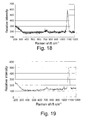
- RS showed ACC ( Fig. 19 ).
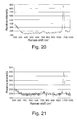
- Example 10 The conditions as described in Example 10 were modified by changing the dehydration method from flowing air to lyophilizing. RS showed ACC ( Fig. 20 ).
- a system comprising 20 mM CaCl 2 , 20 mM Na 2 CO 3 , 2 mM P-Ser with chitosan (3 wt% Dissolved in 0.2 M acetic acid) that was added to the precipitation solution, after the calcium addition to a final concentration of 0. 3 wt%.
- RS showed ACC ( Fig. 21 ).
- Example 14 The conditions as described in Example 14 were modified by employing the final concentrations of 0.5 M CaCl 2 , 0.5 M Na 2 CO 3 , and 3 mM P-Ser. This composition represents the upper concentration limit.
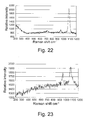
- RS showed ACC ( Fig. 22 ).
- Gastroliths were dissected from endocrinologically-induced premolt crayfish, weighed, rinsed with distilled water and kept at -20°C. After the external layer of the gastrolith was scraped to eliminate any residual external material, the gastroliths were frozen using liquid nitrogen and ground to powder using a mortar and pestle. Demineralization was performed by stirring of each gram of gastrolith powder was in 20 ml of 0.02 M ammonium acetate, 0.5 M EGTA, pH 7.0, on ice. When the CaCO 3 dissolution completed, the suspension was centrifuged (2000 rpm, 15-20 min, 4°C) and the supernatant was collected.
- the residual insoluble matrix (ISM) was used as additive to the calcifying solution (step ii). 200 ⁇ l of the ISM (estimated: ⁇ 30 ⁇ g protein) were added to 10 ml of the crystallization mixture comprising 10 mM CaCl 2 and 10 mM Na 2 CO 3 , followed by air flow dehydration. RS showed ACC ( Fig. 23 ).
- Example 16 The conditions as described in Example 16 were modified by changing the final concentrations of CaCl 2 and Na 2 CO 3 from 10 mM to 20 mM, and the volume of ISM to 100 ⁇ l ( ⁇ 15 ⁇ g protein), while dehydrating by means of lyophilizing.
- RS showed ACC ( Fig. 24 ).
- the ISM was treated with various proteolytic enzymes in order to release the chitin binding proteins (either hydrogen or covalent bonding) from the chitinous insoluble phase, and to demonstrate the activity of resulting peptides in ACC induction and stabilization ( Fig. 25 ).
- the vial was centrifuged for 5 min at 4000 RPM, the precipitation was smeared over a glass slide and instantly dried with air flow.
- RS showed ACC, and possibly calcium phosphate ( Fig. 27 ).
- the sample was stored at room temperature and tested for ACC stability seven months after the precipitation ( Fig. 32 ).
Landscapes
- Health & Medical Sciences (AREA)
- Life Sciences & Earth Sciences (AREA)
- Chemical & Material Sciences (AREA)
- Medicinal Chemistry (AREA)
- General Health & Medical Sciences (AREA)
- Veterinary Medicine (AREA)
- Pharmacology & Pharmacy (AREA)
- Public Health (AREA)
- Animal Behavior & Ethology (AREA)
- Organic Chemistry (AREA)
- Bioinformatics & Cheminformatics (AREA)
- Engineering & Computer Science (AREA)
- General Chemical & Material Sciences (AREA)
- Nuclear Medicine, Radiotherapy & Molecular Imaging (AREA)
- Chemical Kinetics & Catalysis (AREA)
- Epidemiology (AREA)
- Proteomics, Peptides & Aminoacids (AREA)
- Gastroenterology & Hepatology (AREA)
- Zoology (AREA)
- Immunology (AREA)
- Neurology (AREA)
- Neurosurgery (AREA)
- Biomedical Technology (AREA)
- Physical Education & Sports Medicine (AREA)
- Rheumatology (AREA)
- Orthopedic Medicine & Surgery (AREA)
- Inorganic Chemistry (AREA)
- Biophysics (AREA)
- Genetics & Genomics (AREA)
- Biochemistry (AREA)
- Toxicology (AREA)
- Molecular Biology (AREA)
- Tropical Medicine & Parasitology (AREA)
- Insects & Arthropods (AREA)
- Hematology (AREA)
- Diabetes (AREA)
- Obesity (AREA)
- Nutrition Science (AREA)
- Endocrinology (AREA)
- Pain & Pain Management (AREA)
Abstract
Description
- The present invention relates to compositions comprising amorphous calcium carbonate, and to methods of preparing same, and further to compositions comprising phosphorylated amino acids or peptides. Particularly, said peptides are selected from crustacean proteins, including GAP65, GAP22, GAP21, and GAP12. Pharmaceutical and nutraceutical compositions comprising amorphous calcium carbonate and phosphorylated amino acids or peptides are provided.
- Calcium plays one of the central roles in the signal transduction, and further it is an important structural element in biological systems. From protozoa to vertebrata, deposited calcium salts helps to keep rigid bodily shapes of animals, calcium phosphate being the main component of endoskeletons in the vertebrates and calcium carbonate of exoskeletons in the invertebrates. Calcified exoskeletons with calcium carbonate minerals as the main constituents are widespread among echinoderms, mollusks, and arthropods, providing protection and serving as calcium storage. Some crustaceans store calcium carbonate temporarily, in an amorphous state, which makes it better available, particularly for quick mobilization during the mineralization of their new exoskeleton structures after molting. The formation of amorphous calcium carbonate in the living bodies of, for example, crayfish is rather intriguing, since amorphous minerals are usually thermodynamically unstable. Amorphous calcium carbonate (ACC) tends to transform to its crystalline polymorphs, mainly calcite and aragonite.
WO 2005/115414 employs crustacean organs for providing compositions with stable ACC which is readily available for human consumption. In view of the general metabolic and biomechanical importance of calcium, and since ACC is a potentially more soluble and absorbable form of calcium carbonate as a dietary supplements, it is an object of the invention to provide new methods for preparing amorphous calcium carbonate. - It is another object of this invention to provide pharmaceutical and nutraceutical compositions comprising stable ACC.
- Other objects and advantages of present invention will appear as description proceeds.
- The present invention relates to a composition comprising amorphous calcium carbonate (ACC) and at least one component selected from phosphorylated amino acids and phosphorylated peptides. Said phosphorylated amino acids and phosphorylated peptides may comprise phospho-serine or phospho-threonine or both. Said phosphorylated amino acids and phosphorylated peptides stabilize the amorphous form of said calcium carbonate in the composition of the invention. In one aspect of the invention, said phosphorylated peptide originates from crustacean gastrolith. In one embodiment, the composition of the invention comprises ACC, at least one phosphorylated amino acid or peptide, and chitin or chitosan.
- In another aspect, the present invention relates to new crustacean peptides and their use in affecting the crystalline state of calcium carbonate and in the preparation of formulations. The invention also relates to functional fragments of said peptides. The isolated proteins related to below include GAP65, GAP22, GAP21, and GAP12 (were GAP stands for gastrolith protein); deduced amino acid sequences of said new proteins are provided herein, and they are denoted as SEQ. ID. NOS: 1 - 4. The invention provides an isolated and purified crustacean peptide having essentially a sequence selected from the group consisting of SEQ ID NO:1, SEQ ID NO:9, SEQ ID NO:17, SEQ ID NO:24, and homologues thereof. A sequence homolog according to the invention is a peptide with any insertions, deletions, and substitutions, as far as at least 90 % of the sequence is preserved. The invention further includes an isolated and purified peptide comprising in its sequence a subsequence, said subsequence being a fragment of the above said crustacean GAP peptides, preferably a subsequence at least ten amino acid long. Said subsequence may have a sequence selected from, for example, SEQ ID NOS: 2 to 8, SEQ ID NOS: 10 to 16, and SEQ ID NOS: 18 to 23, or other fragments of sequences SEQ ID NO:1, SEQ ID NO:9, SEQ ID NO:17, SEQ ID NO:24. The invention provides a composition comprising one or more peptides as defined above, or their derivatives or variants or functional fragments or mixtures thereof, together with amorphous calcium carbonate (ACC). Said peptide stabilizes the amorphous form of said calcium carbonate in said composition. The term "functionally equivalent fragment, derivative, or variant" as used herein includes peptides with modifications that do not interfere with their ability to inhibit calcium carbonate crystallization.
- The invention is directed to a peptide having amino acid sequence selected from SEQ ID NO:1, SEQ ID NO:9, SEQ ID NO:17, and SEQ ID NO:24, and to peptides being their sequence homologous having, preferably, at least 90% homology. A DNA sequence encoding a peptide according to the invention is a part of the invention as well. Provided in the invention is a calcium carbonate preparation containing a peptide as defined above or its derivative.
- In a preferred embodiment of the invention, a calcium carbonate preparation comprising ACC is provided, said preparation being stable at least for one month. A method of preparing stable amorphous calcium carbonate is disclosed, which comprises mixing in aqueous phase in any order a soluble salt comprising calcium, a carbonate source, and a phosphorylated amino acid or phosphorylated peptide. Said source may, for example, comprise a carbonate salt dissolved in the liquid phase, or said source may comprise gaseous carbon dioxide.
- The invention provides a pharmaceutical formulation comprising the above said composition, containing one or more phosphorylated amino acids, or phosphorylated peptides as defined herein or their derivatives or variants or functional fragments or mixtures thereof, together with ACC. The above said composition is, in other aspect of the invention, advantageously used as a nutraceutical formulation, for example as a food additive. Said pharmaceutical formulation is preferably orally administered and may comprise fillers or solvents or additives. Said pharmaceutical formulation is preferably used in treating conditions selected from the group consisting of pain, proliferative diseases, neurological disorders, immunologic disorders, cardiovascular diseases, pulmonary diseases, nutritional disorders, reproductive disorders, musculoskeletal disorders, and dental problems. Said treating may lead to disappearance of causative factors or to mitigating the symptoms. Said proliferative disease may be, for example, breast carcinoma or bronchogenic carcinoma. Said treating may comprise slowing down or inhibiting the cell proliferation in a tumor. As for said pain, it may be postoperative pain, pain after injury, pain associated with cancer, and neuropathic pain. The mentioned neurological disorder is, for example, selected from demyelinating diseases, dementias, and movement disorders. Said condition may be a degenerative disease selected from multiple sclerosis, Alzheimer's disease, and Parkinson's disease. Said condition may comprise a bone or bone marrow disorder, which may be, for example fracture or osteoporosis. Said condition may be a neurodegenerative disorder.
- Said new peptides GAP65, GAP22, GAP21, and GAP12 or their derivatives are used, in one aspect of the invention, in the manufacture of medicaments. Also provided is a method of treating a bone disorder or injury, and a method of managing pain, comprising orally administering a formulation comprising calcium carbonate and one or more of said new peptides or their derivatives. The term "derivatives" as used herein includes also peptide products obtained by alkylation, esterification, neutralization, cyclization, or oligomerization.
- The invention provides a method of inhibiting the crystallization of calcium carbonate in a mixture comprising a carbonate and a calcium salt, comprising admixing into said mixture an amount of a phosphorylated amino acid or a phosphorylated peptide. Said phosphorylated amino acid or a phosphorylated peptide preferably comprises phospho-serine or phospho-threonine. The invention provides, in one embodiment, a method of inhibiting the crystallization of calcium carbonate, comprising admixing into the crystallization or precipitation mixture an amount of a peptide having a sequence selected from SEQ ID NO:1, SEQ ID NO:9, SEQ ID NO:17, and SEQ ID NO:24, or its homolog or functional fragment or derivative or variant, or of a mixture thereof. A method of inhibiting the crystallization of calcium carbonate according to the invention is provided, comprising providing a calcium salt soluble in water, and contacting said salt with a peptide selected from GAP65, GAP22, GAP21, and GAP12, or with its functionally equivalent fragment, derivative, or variant thereof, or with a mixture thereof.
- In one aspect of the invention, food additives or functional foods are provided, comprising a mixture of calcium carbonate and a phosphorylated amino acid or peptide; said peptide, in one embodiment, having a sequence selected from the group consisting of SEQ ID NO:1, SEQ ID NO:9, SEQ ID NO:17, SEQ ID NO:24, and homologues or fragments thereof.
- The above and other characteristics and advantages of the invention will be more readily apparent through the following examples, and with reference to the appended drawings, wherein:
- Fig. 1.
- shows the isolation of gastrolith soluble proteins, purification and partial sequencing of GAP65;
Fig. 1A - SDS-PAGE Coomassie staining of the soluble proteins profile of the gastrolith, compared to molecular weight reference proteins (left), SDS-PAGE offraction 17 containing GAP65 purified by DEAE column chromatography stained with Coomassie, "stains all", and "pas" (right);Fig. 1B - chromatogram of GAP65 obtained by nanospray Qtof2 following tryspin digestion, sequences of the peptides from significant peaks were obtained through MS/MS analysis; - Fig. 2.
- comprises the complete deduced amino acid sequence of GAP65 and it bioinformatic analysis;
Fig. 2A - deduced amino acid sequence of the open reading frame of GAP65, in bold is predicted signal sequence, grey boxes are possible phosphorylation sites, dark boxes at amino acids no. 72 and 173 are predicted O-glycosylation sites, light boxes are predicted N-glycosylation sites;Fig. 2B - a scheme of the GAP65 sequence showing the predicted domains: ChtBD2 is chitinbinding domain 2, LDLa is low-density lipoprotein receptor domain class A, and the last one is polysaccharide deacetylase domain;Fig. 2C - 3D structure of the LDLa domain based on homology to lipoprotein receptor, on the left is the NMR structure of complement-like repeat CR3 from the low density lipoprotein receptor-related protein, on the right is the predicted structure of the LDLa domain of GAP65; - Fig. 3.
- shows specific expression of GAP65 and its localization in the columnar epithelium of the gastrolith during induced premolt;
Fig. 3A - detection of GAP65 expression during premolt using RT-PCR, RNA was sampled from gastrolith epithelial disc, hepatopancreas, sub-epidermal tissue, sperm duct, and stomach wall, elongation factor 2 (Eft2) was used to reassure RNA extraction, control for genomic contamination was used;Fig. 3B - localization of GAP65 expression by in situ hybridization in induced premolt and intact intermolt males, left panel represents the hematoxylin and eosin staining (H&E), middle panel represents the negative control sense - GAP65 probe, the two right panels represent the GAP65 anti-sense probe with the last being an enlargement of a specific area, the bar represents 200 µm except for induced premolt sense probe where the bar represents 100 µm; - Fig. 4.
- shows relative transcript level of GAP65 (denoted GASP 65) in the gastrolith disc following GAP65 silencing, relative quantitation of GAP65 transcript level using real-time RT-PCR in the gastrolith disc of crayfish injected with (left to right): ecdysone and dsRNA of GAP65, ecdysone and dsRNA carrier, ecdysone and dsRNA of C. quadricarinatus vitellogenin (CqVg), ecdysone carrier and dsRNA carrier, and the letters represent statistical significance;
- Fig. 5.
- are photos showing morphological deformities of the gastroliths following GAP65 silencing, representative gastroliths are dissected from crayfish injected with either of ecdysone and dsRNA of GAP65 (left), ecdysone and dsRNA carrier (middle), ecdysone carrier and dsRNA carrier (right);
Fig. 5A - lateral view of whole gastroliths dissected from the crayfish;Fig. 5B and 5C - X-ray imaging of the above gastrolith prior to dissection (dorsal view); - Fig. 6.
- shows scanning electron microscope (SEM) micrographs of gastroliths structural deformities following GAP65 gene silencing; representative gastroliths were dissected from crayfish injected with ecdysone + GAP65 dsRNA (left) and ecdysone + dsRNA carrier (right);
Fig. 6A and 6B - cross sections of the central part of the gastrolith demonstrating the mineral and matrix arrangement (X 50,X 200, respectively);Fig. 6C - mineral arrangement comprising nano-spherules (X 15000); the ecdysone without GAP shows normal gastrolith appearance, while the ecdysone + GAP65 dsRNA treated gastrolith appears deformed; - Fig. 7.
- shows SEM images of in vitro precipitated calcium carbonate in the presence/absence of the gastrolith purified protein;
Fig. 7A -calcium carbonate precipitate with GAP65 enriched fraction (left), calcium carbonate precipitated with equivalent amount of trypsin as a control (right);Fig. 7B - a SEM image ofACC 40 days after the precipitation, demonstrating typical amorphous structures with nanospheres of 50-500 nm; - Fig. 8.
- shows Raman spectra of the ACC obtained by precipitation with GAP65 enriched fraction;
Fig. 8A - Raman spectra of calcium carbonate obtained by precipitation with GAP65 enriched fraction;Fig. 8B - 27 days after the precipitation; Fig. 8C - 6.5 month after the precipitation; - Fig. 9.
- is a comparison of the Raman spectra (around the 1085 peak) of 6.5- month old ACC (induced by GAP65) with calcite;
- Fig. 10.
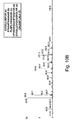
- shows partial sequencing of gastrolith proteins, presented are chromatograms obtained by nanospray Qtof2 following tryspin digestion, sequences of the peptides from significant peaks were obtained through MS/MS analysis;
Fig. 10A shows GAP22;Fig. 10B shows GAP21;Fig. 10C shows GAP12; - Fig. 11.
- shows Raman spectra of the calcium carbonate precipitated from the solution of calcium chloride and sodium carbonate in the presence of gastrolith extract;
- Fig. 12.
- is Table 1, showing amino acid compositions of GAP proteins;
- Fig. 13.
- shows nucleotide sequence of GAP22 cDNA and the corresponding deduced amino acid sequence in open reading frame; the asterisks indicate stop codons and the gray highlighted sequences are the untranslated regions; the putative signal peptides in the N-terminus are underlined;
- Fig. 14.
- shows nucleotide sequence of GAP21 cDNA and the corresponding deduced amino acid sequence in open reading frame; the symbols have the same meaning as in
Fig. 13 ; and - Fig. 15.
- relates to the GAP sequences;
Fig. 15A shows nucleotide sequence of GAP12 cDNA and the corresponding deduced amino acid sequence in open reading frame; the symbols have the same meaning as inFig. 13 ;Fig. 15B is sequence alignment of GAP12 and GAP21, amino acid positions of the two proteins are shown on the right and left, sequence identities are indicated by "*", conserved substitutions are indicated by ":", and semi-conserved substitutions are indicated by "."; - Fig. 16. to Fig. 27
- show Raman Spectra described in detail in Examples 9 to 20; and
- Fig. 28 to Fig. 32
- show Raman Spectra of samples prepared according to Examples 9, 10 and 18-20, respectively, which were stored after the precipitation at room temperature as described.
- It has now been found that some phosphorylated amino acids or peptides affect the precipitation of calcium carbonate in vitro, leading to the formation of amorphous form of calcium carbonate. Particularly, the effects have been observed when said peptides comprise several proteins present in the late premolt gastrolith of Cherax quadricarinatus. Peptides having apparent molecular weights of approximately 65 kDa, 22 kDa, 21 kDa, and 12 kDa induce precipitation of nanospheres of amorphous calcium carbonate material; in comparison, an inert protein provides CaCO3 crystals. The nanoparticles show a Raman shift typical for amorphous CaCO3.
- The above proteins, denoted as GAP65, GAP22, GAP21, GAP12, respectively, according to their apparent molecular weights estimated by SDS-PAGE, are involved in the precipitation and stabilization of ACC. The gastrolith extract which contains said four proteins inhibits calcium carbonate crystallization and stabilizes the amorphous form of calcium carbonate (ACC). ACC was detected by Raman spectrometry in a precipitate of CaCO3 prepared from a solution containing CaCl2, Na2CO3 and the gastrolith extract (
Fig. 11 ). The presence of ACC is validated by the presence of a predominant peak at about 1080cm-1. Expressions of the GAP genes were found to be specific to the gastrolith epithelial disc and sub-epidermal tissue, both are cuticle related tissues. Specific expressions of the GAP peptides in several target tissues by means of RT-PCR was also studied. For example, the expression of GAP65 was found in more cuticle related tissues, whereas the expression of GAP22 was found rather in the gastrolith epithelial disc. - The cDNA sequences of the corresponding genes were obtained and their deduced proteins were found (
Figs. 2 ,13-15 ). All four proteins were found to contain signal peptides at their N-terminus (underlined amino acids inFigs. 13-15 , bold inFig. 2 ). Similarity search against databases of conserved domains revealed that GAP65 contains three conserved domains: Chitin-bindingdomain 2, Low density lipoprotein receptor domain class A, and Polysaccharide deacetylase domain.GAP 12,GAP 21 andGAP 22, on the other hand, show no significant similarity to any known domain. Blast alignment ofGAP 12 andGAP 21 revealed a 46.3% identity in the deduced amino acid sequences of these proteins (Fig. 15 ). Physico-chemical analysis of the deduced proteins revealed, that the calculated molecular weights ofGAPs GAP 22 is higher than expected, 28.6 kDa (Table 1).GAP 12,GAP 21 andGAP 65 have an acidic pI, therefore they are negatively charged at the physiological pH of the gastrolith (near pH 8.5).GAP 12 andGAP 21 have a high percentage of non-polar, aliphatic amino acids (glycine, alanine and valine) and a high percentage of the polar but uncharged amino acid proline (highlighted in gray in Table 1). GAP65 has a high content of acidic amino acids. GAP22 has a basic pI, therefore it is positively charged at the physiological pH of the gastrolith. Its main characteristics are a high percentage of the polar but uncharged amino acid proline and of the positively charged arginine. - Due to special features of the new proteins, provided in this invention is also a method of inhibiting the crystallization of calcium carbonate, comprising admixing into the crystallization or precipitation mixture an amount of GAP65 or a functional fragment thereof, or a derivative, or a variant thereof. In other aspect of the invention, a method is provided of inhibiting the crystallization of calcium carbonate, comprising contacting a calcium salt soluble in water with GAP65 or a functional fragment, derivative, or variant thereof.
- GAP65 was purified from gastrolith soluble protein extract by ion exchange chromatography, and was identified as a negatively charged glycopeptide, containing about 12 mol% Asp + Glu, based on SEQ. ID. NO. 1. Sequencing of the peptides by MS-MS provided seven oligopeptide subsequences (SEQ. ID. NO. 2-8;
Fig. 1B ) which were used for the construction of degenerative primers for the acquisition of a complete GAP65 encoded gene sequence based on gastrolith epithelial disc mRNA. The total deduced amino acid sequence revealed a 548 amino acids long peptide (SEQ. ID. NO. 1;Fig. 2A ). Bioinformatic analysis of GAP65 sequence suggested the presence of three known domains (Fig. 2B ): chitin binding domain 2 (ChtBD2) from amino acids 29-102, low-density lipoprotein receptor domain class A (LDLa), from amino acids 122-159, and polysaccharide deacetylase domain from amino acids 195-332. The LDLa domain has a predicted calcium binding property. Expression of GAP65 was tested in premolt crayfish in several target tissues by means of RT-PCR, and was detected in the gastrolith epithelial disc and in the sub-epidermal tissue, both are cuticle related tissues (Fig. 3A ). In situ hybridization visualized the localization of the GAP65 expression in the gastrolith disc of induced premolt and intact intermolt crayfish (Fig 5B ). Relative GAP65 transcript levels in the gastrolith epithelial disc following silencing using GAP65 dsRNA were measured using realtime RT-PCR (Fig. 4 ). The role of GAP65 in gastrolith formation was tested by an RNAi technique using in vivo injections of GAP65 dsRNA to intermolt crayfish (Fig. 5 ). The initiation of gastrolith formation was achieved by injection of ecdysone. Morphological deformities of the gastrolith can be observed in crayfish injected with both GAP65 dsRNA and ecdysone (Fig. 5A shows dissected gastrolith,Fig. 5B and 5C are X-ray views). - It was found that GAP65 essentially affects the micro structure of the crayfish gastrolith. Scanning electron microscope (SEM) micrographs of gastroliths dissected from crayfish injected either with GAP65 dsRNA together with ecdysone or only with ecdysone revealed severe structural abnormalities caused by the absence of GAP65 (
Fig.6 ). The packaging of the ACC in spherules, and the spherules size, is important for the dense packaging of the gastrolith; the absence of GAP65 led to larger spherules and less condensed structure when compared to the normal gastrolith. - In order to elucidate the role of GAP65 in the biomineralization process, an in vitro calcium carbonate precipitation was performed to test the stabilization of ACC. Electron microscope images of the precipitates distinctly indicated different polymorph composition of calcium carbonate for the precipitation in the presence/absence of GAP65-enriched fractions (
Fig. 7 ). The precipitation of calcium carbonate in the absence of GAP, namely in the presence of an inert protein, resulted in rapid crystallization providing crystals of calcite and/or vaterite as large as 10 µm. On the other hand, the precipitation of calcium carbonate in the presence of GAP65 resulted in amorphous CaCO3 observed as a thin layer consisting of 40-60 nm spherules. The amorphous nature of the calcium carbonate in said spherules was corroborated by Raman spectra, which showed the distinct ACC peak at 1070 cm-1, and further by employing powder x-ray diffraction (XRD), which indicated the absence of diffracting peaks from crystalline materials. The presence of GAP65 in the ACC spherules formed by the in vitro precipitation was confirmed by purification of the protein from the spherules and its identification by SDS-PAGE. - CaCO3 deposits obtained by precipitation in the presence of GAP65 were initially characterized by polarized microscope, identifying calcite, vaterite, and ACC. The observations were confirmed by Raman spectroscopy and powder XRD. The ACC constituted about at least 50% of the total CaCO3. The ACC remained stable under room condition for at least 1 months.
- The invention, thus, provides new proteins associated with calcium metabolism in crayfish, which affect the crystalline state of calcium carbonate. Provided is a method of inhibiting the crystallization of calcium carbonate, comprising admixing into the crystallization or precipitation mixture an amount of GAP proteins or functionally equivalent fragments thereof, or derivatives, or variants thereof. The invention relates to a method of preparing ACC by admixing said new protein into a precipitation mixture, namely into a mixture in which the precipitation of CaCO3 occurs, and in which precipitation of crystalline material would occur without said protein. A nonlimiting example of such mixture includes an aqueous solution of calcium chloride comprising GAP65 into which a sodium carbonate solution is added. Of course the order of mixing the components may change, as well as the types of the ions sources. The concentration of GAP65 in the mixture may be, for example, about from 0.05 to 5 wt% based on the weight of CaCO3. The concentration of GAP65 in the precipitation mixture may be, for example, about from 1 to 100 µg/ml.
- The instant invention provides a composition containing ACC and a phosphorylated amino acid or peptide, for example a GAP protein. In an important aspect of the invention, a formulation is provided for treating disorders associated with calcium metabolism or signaling, comprising ACC and a stabilizing amount of phosphorylated amino acid or peptide, for example a GAP protein or its derivatives. The formulation is preferably used for oral administration. The formulation of the invention is used as a therapeutic means, or as a therapeutic supplement, or as a nutritional supplement.
- In a preferred embodiment of the invention, ACC prepared according to the invention is comprised in a formulation for treating conditions associated with calcium metabolism or calcium signaling. Said conditions may be selected from the group consisting of pain, proliferative diseases, neurological disorders, immunologic disorders, cardiovascular diseases, pulmonary diseases, nutritional disorders, reproductive disorders, musculoskeletal disorders, and dental problems. Said treating may comprise mitigating the symptoms of the diseases. Said proliferative disease may be selected from sarcomas, carcinomas, lymphomas and melanomas. Said carcinoma is, for example, breast carcinoma or bronchogenic carcinoma. Said treating may lead to shrinking tumors, stopping their growth, or slowing down or inhibiting the cell proliferation in the tumors. Said pain may be selected from postoperative pain, pain after injury, pain associated with cancer, and neuropathic pain. Said neurological disorder may be selected from demyelinating diseases, dementias, and movement disorders; said disorders being, for example, multiple sclerosis, Alzheimer's disease, Parkinson's disease, or other degenerative disease. Said condition to be treated may comprise a bone or bone marrow disorder, such as fracture or osteoporosis. In a preferred embodiment, a composition of the invention is used for treating a neurodegenerative disorder.
- The invention relates to a composition of matter comprising ACC and a stabilizing amount of a phosphorylated amino acid (PAA) or a phosphorylated peptide (PP), for example a composition comprising one or more PAA, or one or more PP such as GAP peptides or their functional fragments, derivatives, or variants. The invention also relates to ACC stabilized with PAA, or PP such as GAPs, for use as a medicament or in the manufacture of a medicament, or for use as a food additive.
- The process for the preparation of ACC may comprise the steps:
- i) Forming an aqueous solution with calcium ions (with CaCl2 solution).
- ii) Addition of soluble or insoluble "additives" (phosphoamino acids, chitosan, chitin, synthetic peptides, phosphorylated peptides/proteins or fragments thereof, etc.).
- iii) Addition of carbonate ions (with Na2CO3 solution or another carbonate source, like for example CO2, or (NH4)2CO3).
- iv) Agitation.
- v) Precipitation of CaCO3 slurry (by centrifugation, filtration etc.).
- vi) Slurry dehydration (by lyophilizer, air flow, spray drying etc.).
- Analysis of the product may comprise testing the resultant CaCO3 by various methods (as XRD, electron diffraction, SEM) to verify its amorphous nature. Raman spectroscopy (RS) was found to be the most efficient and reliable method to characterize ACC. The Raman shifts characteristics of the mineral reported here are the carbonate peak at 1080 cm-1 whose broad shape is indicative of ACC and proportional to its content. The phosphate peak at 950 cm-1, is proportional to the phosphate content in the sample. Yet, the ratio between 1080 to 950 cm-1 is proportional, but not directly indicative of the CO3 2-/PO4 3- ratio.
- Calcium and carbonate ions, in the solutions from which calcium carbonate was precipitated, was usually in the range of from about 10mM to about 500mM. The molar ratio of phosphorylated amino acid (PAA) to calcium was usually in the range of 0.01-0.5. A higher concentration of PAA inhibited the spontaneous precipitation. The chitosan, when present, was in the range of 0.03-0.3 wt%.
- Peptides which were extracted from demineralized Cherax gastroliths by different proteolytic enzymes (trypsin, papain, and Streptomyces protease) induced the formation of ACC. It is suggested that phosphoamino acids and phosphopeptides can induce ACC formation and can stabilize it. It is possible that the intact proteins have additional functions. The Raman spectra and EDS analysis show a significant amount of calcium phosphate similar to the ACC induced by total insoluble matrix (ISM), suggesting that the phosphate in the ISM is associated to the proteins.
- The precipitated calcium carbonate was checked over long periods for the amorphous/crystalline state. It was found that the samples of ACC obtained by methods of the invention were stable at room temperature for more than seven months, keeping their amorphous state.
- Gastroliths of Cherax quadricarinatus were prepared as described [
WO 2005/115414 ]. SDS-PAGE separation of soluble proteins from late premolt gastroliths revealed the presence of at least 6 prominent distinct proteins (Fig. 1A left) with the most abundant being at the size of approximately 65 kDa (gastrolith protein 65, GAP65). Further purification of GAP65 from the entire gastrolith soluble proteins content was performed using DEAE chromatography HPLC with NaCl gradient of up to 1M. GAP65 elution began at 300 mM NaCl but continued mainly at 600 mM (fraction 17). The GAP65 enrichedfraction 17 was analyzed by SDS-PAGE and stained with Coomassie (non specific protein staining), "stains all" (negatively charged protein staining), and "pas" (glycoprotein staining), as shown inFig 1A right. These staining suggest that GAP65 is the primary protein in this enriched fraction and it is a negatively charged glycoprotein. Trypsin digestion of GAP65 followed by separation using nanospray Qtof2 and sequencing of the peptides using MS-MS generated 7 predicted peptide sequences (Fig. 1B ) which were used for the construction of degenerative primers for the acquisition of a complete GAP65 encoded gene sequence based on gastrolith epithelial disc mRNA.Fig. 2A demonstrates the deduced amino acid sequence of GAP65 open reading frame showing a predicted signal sequence of the N-terminus of the protein (bold). Approximately 4.6% of total amino acids of GAP65 were predicted as possible phosphorylation sites (grey boxes), whereas only three predicted N-glycosylation sites (light boxes including three letters), and two predicted O-glycosylation sites (dark boxes at amino acids no. 72 and 173) were found. The negative charge originates in part from the acidic residues aspartic and glutamic acids, which comprise about 12 mol% of the protein. Bioinformatic analysis of GAP65 sequence suggested the presence of three known domains (Fig. 2B ): chitin binding domain 2 (ChtBD2) from amino acids 29-102, low-density lipoprotein receptor domain class A (LDLa) from amino acids 122-159, and polysaccharide deacetylase domain from amino acids 195-332.Fig. 2C reveals the predicted 3D structure of the LDLa domain based on the homology to NMR structure of complement-like repeat CR3 from the low density lipoprotein receptor-related protein. This LDLa domain is the only known domain in GAP65 which has a predicted calcium binding property. - Specific expression of GAP65 was tested in premolt crayfish in several target tissues by means of RT-PCR (
Fig. 3A ). The expression of GAP65 was detected in the gastrolith epithelial disc and in the sub-epidermal tissue, both are cuticle related tissues. Expression of GAP65 was not detected in the hepatopancreas, stomach wall, and sperm duct. Localization of GAP65 expression in the gastrolith disc of induced premolt and intact intermolt crayfish by in situ hybridization is presented inFig 3B . Left panel represents hematoxylin and eosin staining of the gastrolith disc, middle panel is the control sense probe where no expression is detected. The two right panels represent the anti-sense probe with the last being an enlargement of a specific area. The anti-sense probe reveals that the expression of GAP65 can be detected only in the columnar epithelial cells of the gastrolith disc of an induced crayfish, whereas, in intact intermolt crayfish this expression was not detected. - Relative GAP65 transcript levels in the gastrolith epithelial disc following silencing using GAP65 dsRNA were measured using realtime RT-PCR and presented in
Fig. 4 . GAP65 levels were evaluated in crayfish injected with ecdysone and GAP65 dsRNA, ecdysone and dsRNA carrier, ecdysone and C. quadricarinatus vitellogenin (CqVg) dsRNA, and a control injected with both carriers. CqVg, an hepatopancreatic specific gene found mostly in reproductive females, served as a control for sequence specific silencing. Transcript levels of crayfish injected with ecdysone and GAP65 dsRNA were significantly lower than the levels found in the ecdysone and dsRNA carrier injected. In the crayfish injected with ecdysone and CqVg dsRNA, GAP65 transcript levels were similar to the levels detected in the ecdysone and dsRNA carrier injected group. In the control carriers injected crayfish GAP65 transcript levels were higher than the levels found in the ecdysone and GAP65 dsRNA injected crayfish but lower than the levels detected in both the ecdysone and dsRNA injected, and the ecdysone CqVg dsRNA injected crayfish. However, the control carriers group was not statistically significantly different from the three other groups. - In order to test the role of GAP65 in gastrolith formation, an RNAi technique using in vivo injections of GAP65 dsRNA to intermolt crayfish was applied. The initiation of gastrolith formation was achieved by injection of ecdysone. In
Fig. 5 gastrolith of crayfish injected with either ecdysone + GAP65 dsRNA, ecdysone + dsRNA carrier, or with carriers of both ecdysone and dsRNA can be seen.Fig. 5A is a lateral view of a representative gastrolith dissected from each treatment group. From this image morphological deformities of the gastrolith can be observed in crayfish injected with both GAP65 dsRNA and ecdysone, whereas in crayfish injected with only ecdysone and dsRNA carrier, the gastrolith appeared normal with no deformities. In the control carriers injected the gastrolith appeared undeveloped or in an initial growth stage.Fig. 5B depicts dorsal X-ray view of the crayfish and gastrolith prior to dissection whereasFig. 5C presents more contrast images of the images of panel B. In crayfish injected with both GAP65 dsRNA and ecdysone, some regions in which less dense detection of mineral is recoded while the gastrolith disc shape structure was retained. In the ecdysone + dsRNA carrier injected crayfish, the gastrolith appeared normal with no effects on mineral densities. The control carrier gastrolith was too small to be detected by the X-ray imaging. - Scanning electron microscope (SEM) images of gastroliths dissected from crayfish injected with GAP65 dsRNA and ecdysone, and from crayfish injected only with ecdysone and dsRNA carrier, are presented in
Fig. 6. Fig.6A-B depict images of a cross section through the central part of the gastrolith. In gastrolith of crayfish injected with GAP65 dsRNA and ecdysone severe structural abnormalities can be observed when compared with the gastrolith of ecdysone and dsRNA carrier only injected crayfish. The dense mineral layered structure observed in the gastrolith of ecdysone and carrier injected is replaced with a loosely packed columnar mineralization structure, which resembles hollow straws, in the gastrolith of ecdysone and GAP65 dsRNA injected crayfish. The packaging of the ACC in spherules, and the spherules size, is important for the dense packaging of the gastrolith. X15000 magnification comparing the spherules size between the two treatments is presented inFig. 6C . In the less densely arranged gastrolith of crayfish injected with ecdysone and GAP65 dsRNA spherule size ranged between approximately 100-300 nm whereas in the normal ACC deposited in gastrolith of crayfish injected with ecdysone and dsRNA carrier the spherules have narrower size distribution, ranged from 40-60 nm. - In order to elucidate the role of GAP65 in the biomineralization process, an in vitro calcium carbonate precipitation essay testing the stabilization of ACC was established.
Fig. 7 presents precipitation results of calcium carbonate in the presence of GAP65 and in the presence of other protein (trypsin). SEM images inFig. 7A indicate the distinct polymorph of calcium carbonate in each treatment. Precipitation of calcium carbonate in the presence of GAP65 resulted in the deposition of an amorphous form (ACC), observed as a thin layer comprised of 100-500 nm spherules. Precipitating experiments performed under the same conditions but in the presence of trypsin resulted with rapid crystallization, observed as large 10 µm single crystals of calcite and vaterite spherulites.Fig. 7B confirms the nature of the ACC in calcium carbonate precipitated in the presence of GAP65. Raman analysis is showing the distinct spectra of ACC with a clear broad peak at 1070 cm-1. The presence of GAP65 in the ACC spherules formed by the in vitro precipitation was confirmed by purification of the protein from the mineral fraction of the precipitate and its evaluation by SDS-PAGE against the original GAP65 enriched fraction. - The stability of ACC precipitated with GAP65 was tested by Raman spectroscopy in the samples held at room temperature. 100µl of 1M CaCl2 was added to 10ml double distilled water (final concentration: 10mM). 80 µl from the protein extraction solution (1.2 µg/µl) were added (final concentration ∼10 µg/ml). 100µl of 1M Na2CO3 (final concentration: 10mM) was added following an intensive shaking. The vial was centrifuged for 5 min at 4000 rpm, the precipitate was smeared over a glass slide and instantly dried with air flow. The CaCO3 deposits were initially characterized by polarized microscope as a mixture of calcite, vaterite, and ACC. The observations were confirmed by Raman spectroscopy. The ACC was in a form of a thin "crust", and it was estimated to comprise about at least 50% of the total CaCO3. The ACC remained stable at room temperature for at least 1 months, as Raman spectra of the ACC one day after precipitation, 27 days after precipitation, and 6.5 month after precipitation show (
Fig. 8A, 8B , 8C). Comparison of the Raman spectra (around the 1085 peak) of 6.5-month old ACC with calcite (Fig. 9 ) indicated mixture seemingly comprising ACC and vaterite (when considering a shoulder on the 1085 peak possibly being an onset of peak splitting characterizing vaterite). - The gastrolith extract inhibits calcium carbonate crystallization and stabilizes the amorphous form of calcium carbonate (ACC). ACC was detected by Raman spectrometry in a precipitate of CaCO3 prepared from a solution containing CaCl2, Na2CO3 and the gastrolith extract (
Fig. 11 ). The presence of ACC is validated by the presence of a predominant broad peak at about 1080cm-1. The peak at 560 is attributed to the glass substrate. Expressions of the GAP genes were found to be specific to the gastrolith epithelial disc and sub-epidermal tissue, both are cuticle related tissues. Specific expression of GAP21, GAP22 and GAP65 in several target tissues was checked by means of RT-PCR, similarly as described in Example 2. GAP21 and GAP65 expressions were found in both cuticle related tissues. GAP22 expression was found only in the gastrolith epithelial disc. The cDNA sequences of the corresponding genes were obtained and their deduced proteins were found (Figs. 13-15 ). All four proteins were found to contain signal peptides at their N-terminus (underlined amino acids inFigs. 13-15 and bold inFig. 2 ). Similarity search against databases of conserved domains revealed that GAP65 contains three conserved domains; Chitin-bindingdomain 2, Low density lipoprotein receptor domain class A and Polysaccharide deacetylase domain. GAP12, GAP21 and GAP22, on the other hand, show no significant similarity to any known domain. - Blast alignment of GAP12 and GAP21 revealed a 46.3% identity in the deduced amino acid sequences of these proteins (
Fig. 15B ). - Physico-chemical analysis of the deduced proteins revealed, that the calculated molecular weights of
GAPs Fig. 12 ). GAP12, GAP21 and GAP65 have an acidic pI, therefore they are negatively charged at the physiological pH of the gastrolith (near pH 8.5). GAP12 and GAP21 have a high percentage of non-polar, aliphatic amino acids (glycine, alanine and valine) and a high percentage of the polar but uncharged amino acid proline (highlighted in gray in Table 1). GAP65 has a high content of acidic amino acids, but no other distinguishable characteristic. GAP22 has a basic pI, therefore it is positively charged at the physiological pH of the gastrolith. Its main characteristics are a high percentage of the polar but uncharged amino acid proline and of the positively charged arginine. According to bioinformatic analysis,GAP - 100 µl of 1M CaCl2 were added to 10ml double-distilled water (DDW), attaining the final concentration of 10 mM. 200 µl of P-serine (P-Ser) solution (100 mM) were added to the solution, attaining 2 mM of P-Ser. 100 µl of 1M Na2CO3 (final concentration: 10mM) were added following an intensive shaking. The vial was centrifuged for 5 min at 4000 rpm at room temperature. The upper solution was removed and the precipitation was smeared over a glass slide and instantly dried by air flow. RS showed ACC (
Fig. 16 ). The sample was stored at room temperature and tested for ACC stability five months after the precipitation (Fig. 28 ). - 100 µl of 1M CaCl2 were added to 10ml DDW (final concentration: 10mM). 100 µl of P-threonine (P-Thr) solution (100mM) were added to the solution, attaining 1 mM P-Thr. 100 µl of 1M Na2CO3 (final concentration: 10mM) were added following an intensive shaking. The vial was centrifuged for 5 min at 4000 rpm at room temperature. The upper solution was removed and the precipitation was smeared over a glass slide and instantly dried by air flow. RS showed ACC (
Fig. 17 ). The sample was stored at room temperature and tested for ACC stability 4.5 months after the precipitation (Fig. 29 ). - 100 µl of 1M CaCl2 were added to 10 ml DDW (final concentration: 10mM). 200 µl of P-serine solution (100mM) were added to the solution. 100 µl of 1M Na2CO3 (final concentration: 10mM) were added following an intensive shaking. The vial was centrifuged for 5 min at 4000 rpm at room temperature. The upper solution was removed and the precipitation was frozen in liquid nitrogen and freeze dried in a lyophilizer. RS showed ACC (
Fig. 18 ). - The conditions as described in Example 11 were modified by changing the final concentrations of CaCl2 and Na2CO3 from 10 mM to 100 mM. RS showed ACC (
Fig. 19 ). - The conditions as described in Example 10 were modified by changing the dehydration method from flowing air to lyophilizing. RS showed ACC (
Fig. 20 ). - A system comprising 20 mM CaCl2, 20 mM Na2CO3, 2 mM P-Ser with chitosan (3 wt% Dissolved in 0.2 M acetic acid) that was added to the precipitation solution, after the calcium addition to a final concentration of 0. 3 wt%. RS showed ACC (
Fig. 21 ). - The conditions as described in Example 14 were modified by employing the final concentrations of 0.5 M CaCl2, 0.5 M Na2CO3, and 3 mM P-Ser. This composition represents the upper concentration limit. RS showed ACC (
Fig. 22 ). - Gastroliths were dissected from endocrinologically-induced premolt crayfish, weighed, rinsed with distilled water and kept at -20°C. After the external layer of the gastrolith was scraped to eliminate any residual external material, the gastroliths were frozen using liquid nitrogen and ground to powder using a mortar and pestle. Demineralization was performed by stirring of each gram of gastrolith powder was in 20 ml of 0.02 M ammonium acetate, 0.5 M EGTA, pH 7.0, on ice. When the CaCO3 dissolution completed, the suspension was centrifuged (2000 rpm, 15-20 min, 4°C) and the supernatant was collected. The residual insoluble matrix (ISM) was used as additive to the calcifying solution (step ii). 200 µl of the ISM (estimated: ∼30 µg protein) were added to 10 ml of the crystallization mixture comprising 10 mM CaCl2 and 10 mM Na2CO3, followed by air flow dehydration. RS showed ACC (
Fig. 23 ). - The conditions as described in Example 16 were modified by changing the final concentrations of CaCl2 and Na2CO3 from 10 mM to 20 mM, and the volume of ISM to 100 µl (∼15 µg protein), while dehydrating by means of lyophilizing. RS showed ACC (
Fig. 24 ). - The ISM was treated with various proteolytic enzymes in order to release the chitin binding proteins (either hydrogen or covalent bonding) from the chitinous insoluble phase, and to demonstrate the activity of resulting peptides in ACC induction and stabilization (
Fig. 25 ). - 28 ml of ammonium acetate (2 mM) were added to 7 ml of ISM. From this
solution 10 ml were mixed with 10 ml of trypsin (3.8mg/ml) in ammonium acetate (2 mM). The suspensions of the ISM with the proteolytic enzymes were incubated for 2 hr at 4°C under vortexed condition. After the incubation the vials were centrifuged for 5 minutes at 4000 rpm. The supernatant which contained the ISM digested proteins was removed; 1ml of the supernatant (equivalent to 100 µl of insoluble matrix and to ∼150 µg protein was added to 10ml of CaCl2 (10mM). 100 µl of 1M Na2CO3 (final concentration: 10mM) were added following an intensive shaking. The vial was centrifuged for 5 min at 4000 RPM, the precipitation was smeared over a glass slide and instantly dried with air flow. RS showed ACC (Fig. 25 ). The sample was stored at room temperature and tested for ACC stability seven months after the precipitation (Fig. 30 ). - 28 ml of ammonium acetate (2 mM) were added to 7 ml of ISM. From this
solution 10 ml were mixed with 10 ml of protease from Streptomyces griseus (Sigma P6911, 0.6mg/ml) in ammonium acetate (2 mM). The suspensions of the ISM with the proteolytic enzymes were incubated for 2 hr at 4°C under vortexing. After the incubation the vials were centrifuged for 5 minutes at 4000 rpm. The supernatant which contained the ISM digested proteins was removed; 1ml of the supernatant was added to 10ml of CaCl2 (10mM). 100 µl of 1M Na2CO3 (final concentration: 10mM) were added following an intensive shaking. The vial was centrifuged for 5 min at 4000 RPM, the precipitation was smeared over a glass slide and instantly dried with air flow. RS showed the ACC peak (at 1080), and additional secondary peak, possibly of calcium phosphate (peak at 950) (Fig. 26 ). The sample was stored at room temperature and tested for ACC stability seven months after the precipitation (Fig. 31 ). - 28 ml of ammonium acetate (2 mM) were added to 7 ml of ISM. From this
solution 10 ml were mixed with 10 ml of papain (0.26mg/ml) in ammonium acetate (2 mM). The suspensions of the ISM with the proteolytic enzymes were incubated for 2 hr at 4°C under vortexed condition. After the incubation the vials were centrifuged for 5 minutes at 4000 rpm. The supernatant which contain now the ISM digested proteins was removed; 1ml of the supernatant was added to 10ml of CaCl2 (10mM). 100 µl of 1M Na2CO3 (final concentration: 10mM) were added following an intensive shaking. The vial was centrifuged for 5 min at 4000 RPM, the precipitation was smeared over a glass slide and instantly dried with air flow. RS showed ACC, and possibly calcium phosphate (Fig. 27 ). The sample was stored at room temperature and tested for ACC stability seven months after the precipitation (Fig. 32 ). - While this invention has been described in terms of some specific examples, many modifications and variations are possible. It is therefore understood that within the scope of the appended claims, the invention may be realized otherwise than as specifically described.


Claims (15)
- A peptide comprising an amino acid sequence selected from the group consisting of SEQ ID NO:1, SEQ ID NO:9, SEQ ID NO:17, SEQ ID NO:24, and any homologues, variants, derivatives and fragments thereof.
- An isolated and purified peptide from crustacean gastrolith or cuticle having a sequence selected from the group consisting of SEQ ID NO:1, SEQ ID NO:9, SEQ ID NO:17, SEQ ID NO:24, homologues thereof, and fragments thereof.
- A composition comprising at least one peptide having an amino acid sequence selected from the group consisting of SEQ ID NO:1, SEQ ID NO:9, SEQ ID NO:17, SEQ ID NO:24, or any phosphorylated peptide thereof or any combination thereof and any homologues, variants, derivatives and fragments thereof.
- A composition comprising amorphous calcium carbonate (ACC) and at least one component selected from phosphorylated peptides comprising an amino acid sequence selected from the group consisting of SEQ ID NO:1, SEQ ID NO:9, SEQ ID NO:17, SEQ ID NO:24, and any homologues thereof, variants, derivatives and fragments thereof.
- A nucleic acid sequence encoding a peptide according to claim 2.
- A method of preparing stable amorphous calcium carbonate, comprising mixing in aqueous phase in any order a soluble salt comprising calcium, a carbonate source, and at least one phosphorylated peptide comprising an amino acid sequence selected from the group consisting of SEQ ID NO:1, SEQ ID NO:9, SEQ ID NO:17, SEQ ID NO:24, and any homologues, variants, derivatives and fragments thereof.
- A pharmaceutical formulation or a nutraceutical formulation or food additive or functional food or a dietary supplement comprising the composition of any one of claims 3 and 4.
- A pharmaceutical formulation according to claim 7, for treating conditions selected from the group consisting of pain, proliferative diseases, neurological disorders, immunologic disorders, cardiovascular diseases, pulmonary diseases, nutritional disorders, reproductive disorders, musculoskeletal disorders, and dental problems.
- A pharmaceutical formulation according to claim 8, wherein said proliferative disease is breast carcinoma or bronchogenic carcinoma.
- A pharmaceutical formulation according to claim 8, wherein said pain is selected from postoperative pain, pain after injury, pain associated with cancer, and neuropathic pain.
- A pharmaceutical formulation according to claim 8, wherein said neurological disorder is selected from demyelinating diseases, dementias, and movement disorders.
- A pharmaceutical formulation according to claim 8, wherein said condition is a degenerative disease or a neurodegenerative disorder selected from multiple sclerosis, Alzheimer's disease, and Parkinson's disease.
- A pharmaceutical formulation according to claim 8, wherein said condition comprises a bone disorder or a bone marrow disorder.
- A pharmaceutical formulation according to claim 8, wherein said disorder comprises fracture or osteoporosis.
- A composition according to claim 4, wherein said amorphous calcium carbonate is stable at least for one month.
Applications Claiming Priority (3)
| Application Number | Priority Date | Filing Date | Title |
|---|---|---|---|
| IL186850A IL186850A (en) | 2007-10-22 | 2007-10-22 | Stable amorphous calcium carbonate comprising phosphorylated amino acids, synthetic phosphorylated peptides and gastrolith proteins |
| IL193461A IL193461A (en) | 2008-08-14 | 2008-08-14 | Stable amorphous calcium carbonate comprising phosphorylated amino acids and use thereof in pharmaceutical and nutraceutical formulations |
| EP08842462A EP2211873B1 (en) | 2007-10-22 | 2008-10-22 | Stable amorphous calcium carbonate comprising phosphorylated amino acids |
Related Parent Applications (4)
| Application Number | Title | Priority Date | Filing Date |
|---|---|---|---|
| EP08842462A Division EP2211873B1 (en) | 2007-10-22 | 2008-10-22 | Stable amorphous calcium carbonate comprising phosphorylated amino acids |
| WOPCT/IL2008/001362 Previously-Filed-Application | 2008-10-22 | ||
| PCT/IL2008/001362 Previously-Filed-Application WO2009053967A1 (en) | 2007-10-22 | 2008-10-22 | Stable amorphous calcium carbonate comprising phosphorylated amino acids, synthetic phosphorylated peptides, and gastrolith proteins |
| EP08842462.7 Division | 2008-10-22 |
Publications (3)
| Publication Number | Publication Date |
|---|---|
| EP2251018A2 true EP2251018A2 (en) | 2010-11-17 |
| EP2251018A3 EP2251018A3 (en) | 2010-11-24 |
| EP2251018B1 EP2251018B1 (en) | 2014-12-17 |
Family
ID=40352818
Family Applications (2)
| Application Number | Title | Priority Date | Filing Date |
|---|---|---|---|
| EP10163143.0A Active EP2251018B1 (en) | 2007-10-22 | 2008-10-22 | Stable amorphous calcium carbonate comprising phosphorylated amino acids, synthetic phosphorylated peptides, and gastrolith proteins |
| EP08842462A Active EP2211873B1 (en) | 2007-10-22 | 2008-10-22 | Stable amorphous calcium carbonate comprising phosphorylated amino acids |
Family Applications After (1)
| Application Number | Title | Priority Date | Filing Date |
|---|---|---|---|
| EP08842462A Active EP2211873B1 (en) | 2007-10-22 | 2008-10-22 | Stable amorphous calcium carbonate comprising phosphorylated amino acids |
Country Status (9)
| Country | Link |
|---|---|
| US (3) | US8802160B2 (en) |
| EP (2) | EP2251018B1 (en) |
| JP (2) | JP5453283B2 (en) |
| CN (2) | CN104530208B (en) |
| CA (1) | CA2703111C (en) |
| DK (1) | DK2211873T3 (en) |
| ES (2) | ES2393041T3 (en) |
| PL (1) | PL2211873T3 (en) |
| WO (1) | WO2009053967A1 (en) |
Families Citing this family (22)
| Publication number | Priority date | Publication date | Assignee | Title |
|---|---|---|---|---|
| ES2393041T3 (en) * | 2007-10-22 | 2012-12-18 | Amorphical Ltd. | Stable amorphous calcium carbonate comprising phosphorylated amino acids |
| US8906996B2 (en) | 2010-07-30 | 2014-12-09 | Schaefer Kalk Gmbh & Co. Kg | Spherical, amorphous calcium carbonate particles |
| KR101065118B1 (en) | 2011-04-29 | 2011-09-16 | 한국지질자원연구원 | How to Form Amorphous Calcium Carbonate and Its Phase Transition Characteristics |
| JP5639551B2 (en) * | 2011-09-13 | 2014-12-10 | 株式会社コンカレント | Method for producing spherical calcium carbonate fine particles |
| ES2831699T3 (en) * | 2011-12-13 | 2021-06-09 | Amorphical Ltd | A morpho calcium carbonate for the treatment of calcium malabsorption and bone metabolic disorders |
| JP6263181B2 (en) * | 2012-08-07 | 2018-01-17 | アモーフィカル リミテッド. | Method for producing stabilized amorphous calcium carbonate |
| WO2014122658A1 (en) * | 2013-02-11 | 2014-08-14 | Amorphical Ltd. | Amorphous calcium carbonate for accelerated bone growth |
| EP3174828B1 (en) * | 2014-07-31 | 2026-03-25 | Amorphical Ltd. | Non-aqueous liquid and semi-solid formulations of amorphous calcium carbonate |
| KR101761133B1 (en) | 2015-03-25 | 2017-07-26 | 한국지질자원연구원 | Coating method of calcium carbonate film |
| US12121538B2 (en) | 2015-06-04 | 2024-10-22 | Amorphical Ltd. | Compositions of amorphous calcium carbonate for inhalation, sublingual or buccal administration |
| WO2016193982A1 (en) * | 2015-06-04 | 2016-12-08 | Amorphical Ltd. | Amorphous calcium carbonate stabilized with polyphosphates or bisphosphonates |
| CN108778295A (en) * | 2016-01-18 | 2018-11-09 | 艾玛菲克有限公司 | Stabilized Amorphous Calcium Carbonate as a Cell Culture Media Supplement |
| WO2017125918A1 (en) * | 2016-01-18 | 2017-07-27 | Amorphical Ltd. | Stabilized amorphous calcium carbonate for treatment of neurological, muscular and infertility diseases or conditions |
| KR102531595B1 (en) * | 2016-10-25 | 2023-05-11 | 아모피컬 리미티드 | Amorphous calcium carbonate for the treatment of leukemia |
| CN108358229B (en) * | 2018-03-12 | 2021-09-10 | 兰州生物技术开发有限公司 | Preparation of microporous CaCO by using recombinant collagen as biomineralization template3Method for producing nanoparticles |
| CN108888600B (en) * | 2018-07-27 | 2021-06-08 | 西北大学 | pH-sensitive nano-drug based on calcium carbonate coordination chelating drug, preparation method and application |
| CN120795059A (en) | 2018-08-27 | 2025-10-17 | 瑞泽恩制药公司 | Use of raman spectroscopy in downstream purification |
| WO2021014448A1 (en) | 2019-07-23 | 2021-01-28 | Amorphical Ltd | Amorphous calcium carbonate for improving athletic performance |
| CN114829372A (en) * | 2019-10-10 | 2022-07-29 | 纽约州立大学研究基金会 | Peptides and other agents for analgesia and anesthesia |
| EP4117685A4 (en) * | 2020-03-11 | 2024-03-20 | Amorphical Ltd. | AMORPHOUS CALCIUM CARBONATE FOR THE TREATMENT OF ACIDOSIS |
| CN121398828A (en) * | 2023-05-30 | 2026-01-23 | 艾玛菲克有限公司 | Amorphous calcium carbonate for preventing and treating myocardial ischemia |
| CN116636494B (en) * | 2023-06-08 | 2026-04-17 | 广西壮族自治区水产科学研究院 | A screening device and method for synchronized spawning parents of Australian freshwater crayfish |
Citations (1)
| Publication number | Priority date | Publication date | Assignee | Title |
|---|---|---|---|---|
| WO2005115414A2 (en) | 2004-05-26 | 2005-12-08 | Ben-Gurion University Of The Negev Research And Development Authority | Orally-administrable compositions comprising stable amorphous calcium carbonate |
Family Cites Families (8)
| Publication number | Priority date | Publication date | Assignee | Title |
|---|---|---|---|---|
| US4237147A (en) | 1974-01-04 | 1980-12-02 | Monsanto Company | Stabilized amorphous calcium carbonate |
| US4964894A (en) | 1986-03-31 | 1990-10-23 | Freepons Donald E | Plant growth regulators derived from chitin |
| EP0345375B1 (en) | 1988-06-09 | 1995-03-22 | N.V. Innogenetics S.A. | HIV-3 retrovirus and its use |
| US6348571B1 (en) | 1994-09-12 | 2002-02-19 | Northwestern University | Corticotropin release inhibiting factor and methods of using same |
| US9107751B2 (en) * | 2002-12-12 | 2015-08-18 | Warsaw Orthopedic, Inc. | Injectable and moldable bone substitute materials |
| HUE038099T2 (en) * | 2004-12-21 | 2018-09-28 | Musc Found For Res Dev | Compositions and methods for promoting wound healing and tissue regeneration |
| IL178495A (en) * | 2006-10-05 | 2014-12-31 | Univ Ben Gurion | Use of crustacean gastrolith components or artificial mixture comprising calcium carbonate, chitin and polypeptide in the preparation of a medicament for treating conditions associated with calcium metabolism or calcium signaling |
| ES2393041T3 (en) * | 2007-10-22 | 2012-12-18 | Amorphical Ltd. | Stable amorphous calcium carbonate comprising phosphorylated amino acids |
-
2008
- 2008-10-22 ES ES08842462T patent/ES2393041T3/en active Active
- 2008-10-22 ES ES10163143.0T patent/ES2528901T3/en active Active
- 2008-10-22 EP EP10163143.0A patent/EP2251018B1/en active Active
- 2008-10-22 US US12/739,071 patent/US8802160B2/en active Active
- 2008-10-22 CA CA2703111A patent/CA2703111C/en active Active
- 2008-10-22 DK DK08842462.7T patent/DK2211873T3/en active
- 2008-10-22 CN CN201410482592.5A patent/CN104530208B/en active Active
- 2008-10-22 EP EP08842462A patent/EP2211873B1/en active Active
- 2008-10-22 PL PL08842462T patent/PL2211873T3/en unknown
- 2008-10-22 CN CN200880113395.9A patent/CN101969962B/en active Active
- 2008-10-22 JP JP2010530627A patent/JP5453283B2/en active Active
- 2008-10-22 WO PCT/IL2008/001362 patent/WO2009053967A1/en not_active Ceased
-
2010
- 2010-04-22 US US12/765,009 patent/US20100221362A1/en not_active Abandoned
-
2013
- 2013-12-26 JP JP2013269224A patent/JP5902145B2/en not_active Expired - Fee Related
-
2015
- 2015-06-19 US US14/744,726 patent/US10328100B2/en active Active
Patent Citations (1)
| Publication number | Priority date | Publication date | Assignee | Title |
|---|---|---|---|---|
| WO2005115414A2 (en) | 2004-05-26 | 2005-12-08 | Ben-Gurion University Of The Negev Research And Development Authority | Orally-administrable compositions comprising stable amorphous calcium carbonate |
Also Published As
| Publication number | Publication date |
|---|---|
| CN101969962A (en) | 2011-02-09 |
| CA2703111C (en) | 2016-11-29 |
| ES2393041T3 (en) | 2012-12-18 |
| JP2014061006A (en) | 2014-04-10 |
| US20100221362A1 (en) | 2010-09-02 |
| US20160045546A1 (en) | 2016-02-18 |
| US20100310677A1 (en) | 2010-12-09 |
| US8802160B2 (en) | 2014-08-12 |
| JP5453283B2 (en) | 2014-03-26 |
| CN101969962B (en) | 2014-10-22 |
| CN104530208A (en) | 2015-04-22 |
| ES2528901T3 (en) | 2015-02-13 |
| PL2211873T3 (en) | 2013-01-31 |
| JP5902145B2 (en) | 2016-04-13 |
| EP2211873B1 (en) | 2012-08-08 |
| CN104530208B (en) | 2018-12-14 |
| CA2703111A1 (en) | 2009-04-30 |
| EP2251018B1 (en) | 2014-12-17 |
| US10328100B2 (en) | 2019-06-25 |
| WO2009053967A1 (en) | 2009-04-30 |
| HK1209429A1 (en) | 2016-04-01 |
| EP2251018A3 (en) | 2010-11-24 |
| JP2011501676A (en) | 2011-01-13 |
| EP2211873A1 (en) | 2010-08-04 |
| DK2211873T3 (en) | 2012-11-19 |
Similar Documents
| Publication | Publication Date | Title |
|---|---|---|
| EP2251018B1 (en) | Stable amorphous calcium carbonate comprising phosphorylated amino acids, synthetic phosphorylated peptides, and gastrolith proteins | |
| Zhang et al. | A Novel Matrix Protein p10 from the Nacre of Pearl Oyster (Pinctada fucata) and Its Effects on Both CaCO3 Crystal Formation and Mineralogenic Cells: Cen Zhang et al. | |
| Pampena et al. | Inhibition of hydroxyapatite formation by osteopontin phosphopeptides | |
| EP2330112B1 (en) | Collagen peptide, dipeptide, and agent for prevention of disease | |
| US9730984B2 (en) | Composition for preventing or treating rheumatoid arthritis | |
| US20180207241A1 (en) | Peptide having fibrosis inhibitory activity and composition containing same | |
| ES2546310T3 (en) | Human leukolectins and their uses | |
| US8987207B2 (en) | Peptides which have analgesic effects and which inhibit ASIC channels | |
| Bijarnia et al. | A novel calcium oxalate crystal growth inhibitory protein from the seeds of Dolichos biflorus (L.) | |
| EP3196208B1 (en) | Peptide having osteoclast differentiation and activation inhibition, and use of same | |
| CA2820871A1 (en) | Disease inhibiting agent | |
| HK1209429B (en) | Stable amorphous calcium carbonate comprising phosphorylated amino acids, synthetic phosphorylated peptides, and gastrolith proteins | |
| CZ299423B6 (en) | Novel BPC peptide salts exhibiting organo-protective activity, process of their preparation and their use in therapy | |
| JP2003508446A (en) | Methods and compositions for lowering serum phosphate levels | |
| US20120071414A1 (en) | Method for producing and using active principles of limestone | |
| WO1997040158A1 (en) | Epimorphin antagonist and process for producing the same | |
| AU2017214761B2 (en) | Proteinaceous compounds and uses therefor | |
| KR102938280B1 (en) | KDIP-6 Peptide interfering a dimerization of KITENIN and use thereof | |
| Iafisco et al. | Alkaline extraction of collagen and calcium phosphates from fish bones: influence of source and extraction conditions | |
| Azzopardi | Inhibition of Hydroxyapatite growth by osteopontin phosphopeptides | |
| CN116249773A (en) | NBP-14 for use in the treatment of Alzheimer's disease associated with Down's syndrome |
Legal Events
| Date | Code | Title | Description |
|---|---|---|---|
| PUAI | Public reference made under article 153(3) epc to a published international application that has entered the european phase |
Free format text: ORIGINAL CODE: 0009012 |
|
| PUAL | Search report despatched |
Free format text: ORIGINAL CODE: 0009013 |
|
| AC | Divisional application: reference to earlier application |
Ref document number: 2211873 Country of ref document: EP Kind code of ref document: P |
|
| AK | Designated contracting states |
Kind code of ref document: A2 Designated state(s): AT BE BG CH CY CZ DE DK EE ES FI FR GB GR HR HU IE IS IT LI LT LU LV MC MT NL NO PL PT RO SE SI SK TR |
|
| AK | Designated contracting states |
Kind code of ref document: A3 Designated state(s): AT BE BG CH CY CZ DE DK EE ES FI FR GB GR HR HU IE IS IT LI LT LU LV MC MT NL NO PL PT RO SE SI SK TR |
|
| 17P | Request for examination filed |
Effective date: 20110518 |
|
| 17Q | First examination report despatched |
Effective date: 20120312 |
|
| GRAP | Despatch of communication of intention to grant a patent |
Free format text: ORIGINAL CODE: EPIDOSNIGR1 |
|
| INTG | Intention to grant announced |
Effective date: 20140709 |
|
| GRAS | Grant fee paid |
Free format text: ORIGINAL CODE: EPIDOSNIGR3 |
|
| GRAA | (expected) grant |
Free format text: ORIGINAL CODE: 0009210 |
|
| AC | Divisional application: reference to earlier application |
Ref document number: 2211873 Country of ref document: EP Kind code of ref document: P |
|
| AK | Designated contracting states |
Kind code of ref document: B1 Designated state(s): AT BE BG CH CY CZ DE DK EE ES FI FR GB GR HR HU IE IS IT LI LT LU LV MC MT NL NO PL PT RO SE SI SK TR |
|
| REG | Reference to a national code |
Ref country code: GB Ref legal event code: FG4D |
|
| REG | Reference to a national code |
Ref country code: CH Ref legal event code: EP |
|
| REG | Reference to a national code |
Ref country code: IE Ref legal event code: FG4D |
|
| REG | Reference to a national code |
Ref country code: AT Ref legal event code: REF Ref document number: 701380 Country of ref document: AT Kind code of ref document: T Effective date: 20150115 |
|
| REG | Reference to a national code |
Ref country code: DE Ref legal event code: R096 Ref document number: 602008035966 Country of ref document: DE Effective date: 20150129 |
|
| REG | Reference to a national code |
Ref country code: CH Ref legal event code: NV Representative=s name: NOVAGRAAF INTERNATIONAL SA, CH |
|
| REG | Reference to a national code |
Ref country code: ES Ref legal event code: FG2A Ref document number: 2528901 Country of ref document: ES Kind code of ref document: T3 Effective date: 20150213 |
|
| PG25 | Lapsed in a contracting state [announced via postgrant information from national office to epo] |
Ref country code: NO Free format text: LAPSE BECAUSE OF FAILURE TO SUBMIT A TRANSLATION OF THE DESCRIPTION OR TO PAY THE FEE WITHIN THE PRESCRIBED TIME-LIMIT Effective date: 20150317 Ref country code: LT Free format text: LAPSE BECAUSE OF FAILURE TO SUBMIT A TRANSLATION OF THE DESCRIPTION OR TO PAY THE FEE WITHIN THE PRESCRIBED TIME-LIMIT Effective date: 20141217 Ref country code: FI Free format text: LAPSE BECAUSE OF FAILURE TO SUBMIT A TRANSLATION OF THE DESCRIPTION OR TO PAY THE FEE WITHIN THE PRESCRIBED TIME-LIMIT Effective date: 20141217 |
|
| REG | Reference to a national code |
Ref country code: LT Ref legal event code: MG4D |
|
| PG25 | Lapsed in a contracting state [announced via postgrant information from national office to epo] |
Ref country code: HR Free format text: LAPSE BECAUSE OF FAILURE TO SUBMIT A TRANSLATION OF THE DESCRIPTION OR TO PAY THE FEE WITHIN THE PRESCRIBED TIME-LIMIT Effective date: 20141217 Ref country code: SE Free format text: LAPSE BECAUSE OF FAILURE TO SUBMIT A TRANSLATION OF THE DESCRIPTION OR TO PAY THE FEE WITHIN THE PRESCRIBED TIME-LIMIT Effective date: 20141217 Ref country code: GR Free format text: LAPSE BECAUSE OF FAILURE TO SUBMIT A TRANSLATION OF THE DESCRIPTION OR TO PAY THE FEE WITHIN THE PRESCRIBED TIME-LIMIT Effective date: 20150318 Ref country code: LV Free format text: LAPSE BECAUSE OF FAILURE TO SUBMIT A TRANSLATION OF THE DESCRIPTION OR TO PAY THE FEE WITHIN THE PRESCRIBED TIME-LIMIT Effective date: 20141217 |
|
| REG | Reference to a national code |
Ref country code: AT Ref legal event code: MK05 Ref document number: 701380 Country of ref document: AT Kind code of ref document: T Effective date: 20141217 |
|
| PG25 | Lapsed in a contracting state [announced via postgrant information from national office to epo] |
Ref country code: NL Free format text: LAPSE BECAUSE OF FAILURE TO SUBMIT A TRANSLATION OF THE DESCRIPTION OR TO PAY THE FEE WITHIN THE PRESCRIBED TIME-LIMIT Effective date: 20141217 |
|
| PG25 | Lapsed in a contracting state [announced via postgrant information from national office to epo] |
Ref country code: EE Free format text: LAPSE BECAUSE OF FAILURE TO SUBMIT A TRANSLATION OF THE DESCRIPTION OR TO PAY THE FEE WITHIN THE PRESCRIBED TIME-LIMIT Effective date: 20141217 Ref country code: CZ Free format text: LAPSE BECAUSE OF FAILURE TO SUBMIT A TRANSLATION OF THE DESCRIPTION OR TO PAY THE FEE WITHIN THE PRESCRIBED TIME-LIMIT Effective date: 20141217 Ref country code: SK Free format text: LAPSE BECAUSE OF FAILURE TO SUBMIT A TRANSLATION OF THE DESCRIPTION OR TO PAY THE FEE WITHIN THE PRESCRIBED TIME-LIMIT Effective date: 20141217 Ref country code: RO Free format text: LAPSE BECAUSE OF FAILURE TO SUBMIT A TRANSLATION OF THE DESCRIPTION OR TO PAY THE FEE WITHIN THE PRESCRIBED TIME-LIMIT Effective date: 20141217 |
|
| PG25 | Lapsed in a contracting state [announced via postgrant information from national office to epo] |
Ref country code: IS Free format text: LAPSE BECAUSE OF FAILURE TO SUBMIT A TRANSLATION OF THE DESCRIPTION OR TO PAY THE FEE WITHIN THE PRESCRIBED TIME-LIMIT Effective date: 20150417 Ref country code: PL Free format text: LAPSE BECAUSE OF FAILURE TO SUBMIT A TRANSLATION OF THE DESCRIPTION OR TO PAY THE FEE WITHIN THE PRESCRIBED TIME-LIMIT Effective date: 20141217 Ref country code: AT Free format text: LAPSE BECAUSE OF FAILURE TO SUBMIT A TRANSLATION OF THE DESCRIPTION OR TO PAY THE FEE WITHIN THE PRESCRIBED TIME-LIMIT Effective date: 20141217 |
|
| REG | Reference to a national code |
Ref country code: DE Ref legal event code: R097 Ref document number: 602008035966 Country of ref document: DE |
|
| PLBE | No opposition filed within time limit |
Free format text: ORIGINAL CODE: 0009261 |
|
| STAA | Information on the status of an ep patent application or granted ep patent |
Free format text: STATUS: NO OPPOSITION FILED WITHIN TIME LIMIT |
|
| REG | Reference to a national code |
Ref country code: FR Ref legal event code: PLFP Year of fee payment: 8 |
|
| PG25 | Lapsed in a contracting state [announced via postgrant information from national office to epo] |
Ref country code: DK Free format text: LAPSE BECAUSE OF FAILURE TO SUBMIT A TRANSLATION OF THE DESCRIPTION OR TO PAY THE FEE WITHIN THE PRESCRIBED TIME-LIMIT Effective date: 20141217 |
|
| 26N | No opposition filed |
Effective date: 20150918 |
|
| PG25 | Lapsed in a contracting state [announced via postgrant information from national office to epo] |
Ref country code: SI Free format text: LAPSE BECAUSE OF FAILURE TO SUBMIT A TRANSLATION OF THE DESCRIPTION OR TO PAY THE FEE WITHIN THE PRESCRIBED TIME-LIMIT Effective date: 20141217 |
|
| PG25 | Lapsed in a contracting state [announced via postgrant information from national office to epo] |
Ref country code: BE Free format text: LAPSE BECAUSE OF FAILURE TO SUBMIT A TRANSLATION OF THE DESCRIPTION OR TO PAY THE FEE WITHIN THE PRESCRIBED TIME-LIMIT Effective date: 20141217 Ref country code: LU Free format text: LAPSE BECAUSE OF FAILURE TO SUBMIT A TRANSLATION OF THE DESCRIPTION OR TO PAY THE FEE WITHIN THE PRESCRIBED TIME-LIMIT Effective date: 20151022 |
|
| PG25 | Lapsed in a contracting state [announced via postgrant information from national office to epo] |
Ref country code: MC Free format text: LAPSE BECAUSE OF FAILURE TO SUBMIT A TRANSLATION OF THE DESCRIPTION OR TO PAY THE FEE WITHIN THE PRESCRIBED TIME-LIMIT Effective date: 20141217 |
|
| REG | Reference to a national code |
Ref country code: FR Ref legal event code: PLFP Year of fee payment: 9 |
|
| PG25 | Lapsed in a contracting state [announced via postgrant information from national office to epo] |
Ref country code: HU Free format text: LAPSE BECAUSE OF FAILURE TO SUBMIT A TRANSLATION OF THE DESCRIPTION OR TO PAY THE FEE WITHIN THE PRESCRIBED TIME-LIMIT; INVALID AB INITIO Effective date: 20081022 Ref country code: BG Free format text: LAPSE BECAUSE OF FAILURE TO SUBMIT A TRANSLATION OF THE DESCRIPTION OR TO PAY THE FEE WITHIN THE PRESCRIBED TIME-LIMIT Effective date: 20141217 |
|
| PG25 | Lapsed in a contracting state [announced via postgrant information from national office to epo] |
Ref country code: CY Free format text: LAPSE BECAUSE OF FAILURE TO SUBMIT A TRANSLATION OF THE DESCRIPTION OR TO PAY THE FEE WITHIN THE PRESCRIBED TIME-LIMIT Effective date: 20141217 |
|
| PG25 | Lapsed in a contracting state [announced via postgrant information from national office to epo] |
Ref country code: TR Free format text: LAPSE BECAUSE OF FAILURE TO SUBMIT A TRANSLATION OF THE DESCRIPTION OR TO PAY THE FEE WITHIN THE PRESCRIBED TIME-LIMIT Effective date: 20141217 Ref country code: MT Free format text: LAPSE BECAUSE OF FAILURE TO SUBMIT A TRANSLATION OF THE DESCRIPTION OR TO PAY THE FEE WITHIN THE PRESCRIBED TIME-LIMIT Effective date: 20141217 |
|
| REG | Reference to a national code |
Ref country code: FR Ref legal event code: PLFP Year of fee payment: 10 |
|
| PG25 | Lapsed in a contracting state [announced via postgrant information from national office to epo] |
Ref country code: PT Free format text: LAPSE BECAUSE OF FAILURE TO SUBMIT A TRANSLATION OF THE DESCRIPTION OR TO PAY THE FEE WITHIN THE PRESCRIBED TIME-LIMIT Effective date: 20141217 |
|
| REG | Reference to a national code |
Ref country code: FR Ref legal event code: PLFP Year of fee payment: 11 |
|
| P01 | Opt-out of the competence of the unified patent court (upc) registered |
Effective date: 20230514 |
|
| PGFP | Annual fee paid to national office [announced via postgrant information from national office to epo] |
Ref country code: DE Payment date: 20241021 Year of fee payment: 17 |
|
| PGFP | Annual fee paid to national office [announced via postgrant information from national office to epo] |
Ref country code: GB Payment date: 20241022 Year of fee payment: 17 |
|
| PGFP | Annual fee paid to national office [announced via postgrant information from national office to epo] |
Ref country code: FR Payment date: 20241021 Year of fee payment: 17 |
|
| PGFP | Annual fee paid to national office [announced via postgrant information from national office to epo] |
Ref country code: IE Payment date: 20241028 Year of fee payment: 17 |
|
| PGFP | Annual fee paid to national office [announced via postgrant information from national office to epo] |
Ref country code: IT Payment date: 20241025 Year of fee payment: 17 Ref country code: ES Payment date: 20241127 Year of fee payment: 17 |
|
| PGFP | Annual fee paid to national office [announced via postgrant information from national office to epo] |
Ref country code: CH Payment date: 20241101 Year of fee payment: 17 |