EP2248832A1 - A g-csf conjugate modified by water-soluble polymer - Google Patents
A g-csf conjugate modified by water-soluble polymer Download PDFInfo
- Publication number
- EP2248832A1 EP2248832A1 EP08706693A EP08706693A EP2248832A1 EP 2248832 A1 EP2248832 A1 EP 2248832A1 EP 08706693 A EP08706693 A EP 08706693A EP 08706693 A EP08706693 A EP 08706693A EP 2248832 A1 EP2248832 A1 EP 2248832A1
- Authority
- EP
- European Patent Office
- Prior art keywords
- csf
- conjugate
- acid
- general formula
- pharmaceutical
- Prior art date
- Legal status (The legal status is an assumption and is not a legal conclusion. Google has not performed a legal analysis and makes no representation as to the accuracy of the status listed.)
- Granted
Links
Images



Classifications
-
- C—CHEMISTRY; METALLURGY
- C07—ORGANIC CHEMISTRY
- C07K—PEPTIDES
- C07K14/00—Peptides having more than 20 amino acids; Gastrins; Somatostatins; Melanotropins; Derivatives thereof
- C07K14/435—Peptides having more than 20 amino acids; Gastrins; Somatostatins; Melanotropins; Derivatives thereof from animals; from humans
- C07K14/52—Cytokines; Lymphokines; Interferons
- C07K14/53—Colony-stimulating factor [CSF]
- C07K14/535—Granulocyte CSF; Granulocyte-macrophage CSF
-
- A—HUMAN NECESSITIES
- A61—MEDICAL OR VETERINARY SCIENCE; HYGIENE
- A61K—PREPARATIONS FOR MEDICAL, DENTAL OR TOILETRY PURPOSES
- A61K47/00—Medicinal preparations characterised by the non-active ingredients used, e.g. carriers or inert additives; Targeting or modifying agents chemically bound to the active ingredient
- A61K47/50—Medicinal preparations characterised by the non-active ingredients used, e.g. carriers or inert additives; Targeting or modifying agents chemically bound to the active ingredient the non-active ingredient being chemically bound to the active ingredient, e.g. polymer-drug conjugates
- A61K47/51—Medicinal preparations characterised by the non-active ingredients used, e.g. carriers or inert additives; Targeting or modifying agents chemically bound to the active ingredient the non-active ingredient being chemically bound to the active ingredient, e.g. polymer-drug conjugates the non-active ingredient being a modifying agent
- A61K47/56—Medicinal preparations characterised by the non-active ingredients used, e.g. carriers or inert additives; Targeting or modifying agents chemically bound to the active ingredient the non-active ingredient being chemically bound to the active ingredient, e.g. polymer-drug conjugates the non-active ingredient being a modifying agent the modifying agent being an organic macromolecular compound, e.g. an oligomeric, polymeric or dendrimeric molecule
- A61K47/59—Medicinal preparations characterised by the non-active ingredients used, e.g. carriers or inert additives; Targeting or modifying agents chemically bound to the active ingredient the non-active ingredient being chemically bound to the active ingredient, e.g. polymer-drug conjugates the non-active ingredient being a modifying agent the modifying agent being an organic macromolecular compound, e.g. an oligomeric, polymeric or dendrimeric molecule obtained otherwise than by reactions only involving carbon-to-carbon unsaturated bonds, e.g. polyureas or polyurethanes
- A61K47/60—Medicinal preparations characterised by the non-active ingredients used, e.g. carriers or inert additives; Targeting or modifying agents chemically bound to the active ingredient the non-active ingredient being chemically bound to the active ingredient, e.g. polymer-drug conjugates the non-active ingredient being a modifying agent the modifying agent being an organic macromolecular compound, e.g. an oligomeric, polymeric or dendrimeric molecule obtained otherwise than by reactions only involving carbon-to-carbon unsaturated bonds, e.g. polyureas or polyurethanes the organic macromolecular compound being a polyoxyalkylene oligomer, polymer or dendrimer, e.g. PEG, PPG, PEO or polyglycerol
-
- A—HUMAN NECESSITIES
- A61—MEDICAL OR VETERINARY SCIENCE; HYGIENE
- A61P—SPECIFIC THERAPEUTIC ACTIVITY OF CHEMICAL COMPOUNDS OR MEDICINAL PREPARATIONS
- A61P31/00—Antiinfectives, i.e. antibiotics, antiseptics, chemotherapeutics
- A61P31/04—Antibacterial agents
-
- A—HUMAN NECESSITIES
- A61—MEDICAL OR VETERINARY SCIENCE; HYGIENE
- A61P—SPECIFIC THERAPEUTIC ACTIVITY OF CHEMICAL COMPOUNDS OR MEDICINAL PREPARATIONS
- A61P31/00—Antiinfectives, i.e. antibiotics, antiseptics, chemotherapeutics
- A61P31/10—Antimycotics
-
- A—HUMAN NECESSITIES
- A61—MEDICAL OR VETERINARY SCIENCE; HYGIENE
- A61P—SPECIFIC THERAPEUTIC ACTIVITY OF CHEMICAL COMPOUNDS OR MEDICINAL PREPARATIONS
- A61P31/00—Antiinfectives, i.e. antibiotics, antiseptics, chemotherapeutics
- A61P31/12—Antivirals
- A61P31/14—Antivirals for RNA viruses
- A61P31/18—Antivirals for RNA viruses for HIV
-
- A—HUMAN NECESSITIES
- A61—MEDICAL OR VETERINARY SCIENCE; HYGIENE
- A61P—SPECIFIC THERAPEUTIC ACTIVITY OF CHEMICAL COMPOUNDS OR MEDICINAL PREPARATIONS
- A61P35/00—Antineoplastic agents
-
- A—HUMAN NECESSITIES
- A61—MEDICAL OR VETERINARY SCIENCE; HYGIENE
- A61P—SPECIFIC THERAPEUTIC ACTIVITY OF CHEMICAL COMPOUNDS OR MEDICINAL PREPARATIONS
- A61P35/00—Antineoplastic agents
- A61P35/02—Antineoplastic agents specific for leukemia
-
- A—HUMAN NECESSITIES
- A61—MEDICAL OR VETERINARY SCIENCE; HYGIENE
- A61P—SPECIFIC THERAPEUTIC ACTIVITY OF CHEMICAL COMPOUNDS OR MEDICINAL PREPARATIONS
- A61P37/00—Drugs for immunological or allergic disorders
-
- A—HUMAN NECESSITIES
- A61—MEDICAL OR VETERINARY SCIENCE; HYGIENE
- A61P—SPECIFIC THERAPEUTIC ACTIVITY OF CHEMICAL COMPOUNDS OR MEDICINAL PREPARATIONS
- A61P37/00—Drugs for immunological or allergic disorders
- A61P37/02—Immunomodulators
-
- A—HUMAN NECESSITIES
- A61—MEDICAL OR VETERINARY SCIENCE; HYGIENE
- A61P—SPECIFIC THERAPEUTIC ACTIVITY OF CHEMICAL COMPOUNDS OR MEDICINAL PREPARATIONS
- A61P37/00—Drugs for immunological or allergic disorders
- A61P37/02—Immunomodulators
- A61P37/06—Immunosuppressants, e.g. drugs for graft rejection
-
- A—HUMAN NECESSITIES
- A61—MEDICAL OR VETERINARY SCIENCE; HYGIENE
- A61P—SPECIFIC THERAPEUTIC ACTIVITY OF CHEMICAL COMPOUNDS OR MEDICINAL PREPARATIONS
- A61P7/00—Drugs for disorders of the blood or the extracellular fluid
-
- A—HUMAN NECESSITIES
- A61—MEDICAL OR VETERINARY SCIENCE; HYGIENE
- A61P—SPECIFIC THERAPEUTIC ACTIVITY OF CHEMICAL COMPOUNDS OR MEDICINAL PREPARATIONS
- A61P7/00—Drugs for disorders of the blood or the extracellular fluid
- A61P7/06—Antianaemics
-
- C—CHEMISTRY; METALLURGY
- C07—ORGANIC CHEMISTRY
- C07K—PEPTIDES
- C07K17/00—Carrier-bound or immobilised peptides; Preparation thereof
- C07K17/02—Peptides being immobilised on, or in, an organic carrier
- C07K17/08—Peptides being immobilised on, or in, an organic carrier the carrier being a synthetic polymer
-
- A—HUMAN NECESSITIES
- A61—MEDICAL OR VETERINARY SCIENCE; HYGIENE
- A61K—PREPARATIONS FOR MEDICAL, DENTAL OR TOILETRY PURPOSES
- A61K38/00—Medicinal preparations containing peptides
Definitions
- This invention relates to a G-CSF conjugate modified by water-soluble polymer having formula (I): water-soluble polymer-linking group-N-terminal-G', or pharmaceutically acceptable salts thereof, the preparation method thereof and the pharmaceutical composition comprising the same.
- G-CSF Granulocyte colony stimulating factor
- mononuclear cells and fibroblast cells can stimulate granulocyte to form colony, and has stimulating effect on neutrophil.
- G-CSF mainly stimulates hematopoiesis of granulocyte and also promotes multipotential hematopoietic stem cells to enter cell cycle; promotes proliferation, differentiation and maturation of myeloid hematopoietic progenitors, and drives the release of neutrophils into blood, meanwhile increases the number of peripheral neutrophils and improves their function, such as phagocytosis, antibody-dependent cellular cytotoxic activity against tumor cells, etc.
- recombinant granulocyte colony stimulating factor is commonly used in cancer patients subjected to radiotherapy or chemotherapy and in leukemia patients after bone marrow transplantation as an adjuvant treatment.
- G-CSFs commonly used on market are Neupogen and Neutrogin, and human G-CSF derivative, i.e. Neu-wp. G-CSF derivatives or variant proteins have also been reported in a large number of literatures [such as US5581476 , US5214132 , US5362853 , US4904584 ]. These variant proteins have multiple amino acid substitutions which have been designed to explore G-CSF which is more stable, more active and more suitable for clinical use.
- the conjugates modified at the N terminal of G-CSF have the best biological activities both in vitro and in vivo.
- the amino group selectivity is poor when polyethylene glycol modification is carried out through acylation reaction, so a mixture from the modification at various positions (amino group) of G-CSF by polyethylene glycol is generally obtained. Separation and purification are required to obtain each monomer with low yield and are difficult to apply in industrial manufacture.
- polyethylene glycol aldehyde with big molecular weight was used to modify G-CSF directly. With strictly controlling the pH of the reaction, relatively specific N-terminal PEG-modified conjugates can be obtained.
- the reaction with high selectivity is achieved by the different Pka between side chain amino group and N-terminal amino group, which is very difficult to control in the production scale.
- the variable content of aldehydes in the polyethylene glycol aldehyde with big molecular weight in each batch it is difficult to control the feed ratio between macromolecular aldehydes and the proteins, which will definitely affects the reaction yield and production costs.
- the different biological activity of the conjugates produced by macromolecular aldehydes coupled with different amino groups will affect the homogeneity and activity of the final product too.
- the purpose of the present invention is to provide a G-CSF conjugate having a new structure, general formula (I) and modified by water-soluble polymer, or pharmaceutically acceptable salts thereof. Another purpose of the present invention is to provide a method of preparing the conjugate of general formula (I) or pharmaceutically acceptable salts thereof. Another purpose of the present invention is to provide a pharmaceutical composition containing such conjugates or pharmaceutically acceptable salts and use thereof.
- This invention relates to a conjugate of general formula (I) or pharmaceutically acceptable salts thereof.
- W ⁇ a ⁇ t ⁇ e ⁇ r - s ⁇ o ⁇ l ⁇ u ⁇ b ⁇ l ⁇ e p ⁇ o ⁇ l ⁇ y ⁇ m ⁇ e ⁇ r - l ⁇ i ⁇ n ⁇ k ⁇ i ⁇ n ⁇ g g ⁇ r ⁇ o ⁇ u ⁇ p - N - t ⁇ e ⁇ r ⁇ m ⁇ i ⁇ n ⁇ a ⁇ l - G ′
- the water-soluble polymers include polyethylene glycol, polypropylene glycol, polylactic acid, polyamino acids so forth, preferably polyethylene glycol (PEG), and the molecular weight of PEG is selected from 2 KD - 100 KD, preferably the molecular weight of
- G' is selected from natural G-CSF, recombinant G-CSF or gene mutation products with the function of G-CSF, preferably G' is G-CSF derivatives set forth in SEQ ID NO: 1-10, more preferably G' is naturally occurring human G-CSF sequence or Met-G-CSF set forth in SEQ ID NO: 1.
- R is selected from C 1-4 linear or branched alkyl, preferably R is methyl or ethyl, more preferably R is methyl;
- R 1 and R 2 are each independently selected from hydrogen or C 1-4 linear or branched alkyl; preferably R 1 , R 2 are hydrogen, methyl or ethyl;
- X is selected from O, S, NH, 1 is an integer selected from 1-20, preferably 1 is an integer selected from 1-10, more preferably 1 is an integer selected from 1-5;
- m is an integer selected from 50-2500, preferably m is an integer selected from 100-1000;
- n is an integer selected from 1-20, preferably n is an integer selected from 1-10, more preferably n is an integer selected from 1-5;
- G' is selected from natural G-CSF, recombinant G-CSF or gene mutation products with the function of G-CSF.
- this invention relates to the foregoing conjugate of general formula (I), (II) or pharmaceutical salts thereof, wherein G' has a naturally occurring human G-CSF sequence.
- this invention relates to the foregoing conjugate of general formula (I), (II) or pharmaceutical salts thereof, wherein G' is Met-G-CSF (SEQ ID NO: 1).
- conjugates of general formula (I), (II) include: m is an integer selected from 400-500; m is an integer selected from 400-500;
- the conjugates of the general formula (I), (II) can react with acids to form salts.
- the acids used are selected from organic acids or inorganic acids, wherein the organic acids are selected from acetic acid, trifluoroacetic acid, propionic acid, butyric acid, maleic acid or p-toluenesulfonic acid or mixtures thereof.
- organic acids are acetic acid, trifluoroacetic acid.
- Inorganic acids are selected from hydrochloric acid, sulfuric acid, phosphoric acid or sulfonic acid or mixtures thereof.
- inorganic acid is hydrochloric acid.
- this invention provides a method for preparation of the conjugates of general formula (I), (II) including the following steps of:
- this invention also relates to the use of the conjugate or pharmaceutical salts thereof provided by this invention in the preparation of the medicaments treating leukopenia caused by radiotherapy or chemotherapy, AIDS and other immune deficiency diseases, bacterial infections.
- this invention provides a pharmaceutical composition containing a pharmaceutically effective amount of the conjugate or pharmaceutically acceptable salts thereof provided by this invention and pharmaceutically acceptable carriers.
- this invention also relates to the use of the said pharmaceutical compositions in the preparation of the medicaments treating leukopenia caused by radiotherapy or chemotherapy, AIDS and other immune deficiency diseases, bacterial infections.
- This invention discloses a new G-CSF conjugate modified by PEG and a new preparation method thereof. Compared with traditional conjugates and the preparation methods thereof, the following differences are present:
- linking group may also join in, such as the introduction of imido group, ester group, which provides preconditions for in vivo release of G-CSF from the conjugates.
- Conjugates of the present invention or pharmaceutically acceptable salts thereof have physiological activity of natural human G-CSF, and have longer in vivo circulating half-life and better granulocyte colony-stimulating factor activity than G-CSF.
- R is selected from C 1-4 linear or branched alkyl, preferably R is methyl or ethyl, more preferably R is methyl;
- R1 and R2 are independently selected from hydrogen or C 1-4 linear or branched alkyl, preferably R1, R2 are hydrogen, methyl or ethyl;
- X is selected from O, S, NH, 1 is an integer selected from 1-20, preferably 1 is an integer selected froml-10, more preferably 1 is an integer selected from 1-5;
- m is an integer selected from 50-2500, preferably m is an integer selected from 100-1000;
- n is an integer selected from 1-20, preferably n is an integer selected from 1-5;
- G' is selected from natural G-CSF, recombinant G-CSF or gene mutation products with the function of G-CSF.
- the intermediate (IV) is obtained by reacting the linking group containing thiol group with N-terminal amino group of G-CSF through reductive amination.
- the linking group and the amino group of G-CSF can be connected by a variety of reaction methods (such as reaction of various activated esters with amino group).
- the linker is introduced by reacting the aldehyde group with the N terminal amino group through reductive amination in the present invention.
- Reducing agent used in the present invention is selected from various reducing agents well-known in the art.
- the reducing agents are sodium cyanoborohydride, triacetoxy borohydride.
- intermediate (V) different reaction conditions are chosen according to different thiol protecting groups.
- the protecting group is trityl or tert-butyl
- acidic conditions such as trifluoroacetic acid, hydrochloric acid, methane sulfonic acid, etc.
- the protecting group is acetyl, propionyl, etc.
- various methods, reagents which are well-known by the skillful person in the art are used to remove the protecting group, preferably hydroxylamine hydrochloride is used to remove the protecting group in pH 5-7.
- the reaction is carried out by controlling pH and using the classical Michael addition.
- the said reaction has a good selectivity up to more than 99%.
- the reaction product can be separated and purified by reversed-phase high-performance liquid chromatography (RP-HPLC), ion exchange column or gel column.
- C 1-4 alkyl means linear or branched alkyl, such as methyl, ethyl, propyl, isopropyl, butyl group and so on.
- G-CSF is preferably selected from human G-CSF.
- the absence of variations in internal sequence of this protein can reduce the antigenicity of the protein in vivo and maximally reduce the formation of neutralizing antibodies in vivo to enhance drug efficacy.
- G -CSF and its variant proteins including but not limited to Met-G-CSF, Trp-G-CSF, Asp-G-CSF, Glu-G-CSF, preferably Met-G-CSF (for its sequence, see SEQ ID NO: 1) which is expressed by E. coli., can be obtained by using traditional methods of gene expression reported in the literatures.
- the compound obtained by the present invention is administrated in dosage units.
- the said dosage units can be better expressed as the pharmaceutical composition mixed by the active compounds and pharmaceutical excipients in formulation form.
- conjugates of general formula (I), (II) or pharmaceutically acceptably salts thereof are active compounds.
- the pharmaceutical composition provided by the present invention can be used in adjuvant therapy for cancer patients subjected to chemotherapy or radiotherapy and for patients subjected to bone marrow transplantation in order to prevent the infections due to reduction of immunity. It can also be used for treating patients of chronic or relative leucopenia, for treating patients of acute myeloid leukemia, AIDS or other immune deficiency diseases and also for treating fungal, especially for infection by systemic or invasive candidiasis.
- the administration dosage of the conjugates of general formula (I), (II) or pharmaceutically acceptable salts thereof is 5-500ug/kg, wherein “ug” refers to the unit of the conjugates of general formula (I), (II) or pharmaceutically acceptable salts thereof, “kg” refers to the unit of mammalian body weight. It is known that the administration dosage and frequency depend on many factors, such as the patient's sex, age, the type of the diseases needed for prevention or treatment in the patient.
- Various formulation forms can be prepared by mixing the conjugates or the pharmaceutically accepted salts thereof provided by the present invention with conventional pharmaceutical carriers, which can be administrated by different ways such as subcutaneous, intramuscular, intravenous administration.
- the original solution of Met-G-CSF was dialysed against 0.1M acetic acid / sodium acetate solution, from which 140 ml solution containing 40 mg proteins was taken out.
- Small molecule aldehyde (7.0 mg) was taken out and dissolved in acetonitrile (300ml), which was added into protein solution, then sodium cyanoborohydride (176 mg) was added in and reaction was carried out for 3 hours at room temperature by stirring.
- the column (1.6 cm ⁇ 12 cm, the volume was about 24 ml, flowing rate: 4 ml/min) was filled with SP Sepharose HP,
- Pre-treatment of the column The column was washed with a volume of the 5 times volume of the column of 0.5M NaOH solution; and then was washed to neutral pH with purified water; finally the column was balanced with 20 mM HAc / NaAc, pH4.0, the volume used to balance was 5 times of the volume of the column.
- the method of preparation and purification is the same as in Example 3, except that mPEG-MAL (400 mg, 20 KD) was replaced with mPEG-MAL (800 mg, 40 KD).
- the compound obtained is compound 2 of the present invention, whose MALDI-TOF-TOF is shown in Figure 2 .
- PEG-G-CSF refers to compounds 1 of the present invention.
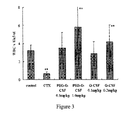
- CTX Intraperitoneal injection of CTX significantly decreases counting for peripheral white blood cell, blood erythrocyte, platelet (average P ⁇ 0.01 compared with the control, Figure 3-5 ), indicating that CTX is a strong inhibitor of bone marrow.
- a single subcutaneous injection of PEG-G-CSF to the mice treated by cyclophosphamide increases the peripheral white blood cell count.
- W hen 0.5mg/kg is administered, the white blood cell count returns to normal level.
- Whe n 1.0mg/kg is administrated, the peripheral white blood cell count is even higher than normal level (P ⁇ 0.01 compared with the control, Figure 3 ).
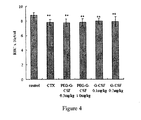
- PEG-G-CSF has no obvious increasing effect on peripheral blood erythrocyte count or platelet count ( Figure 4 , 3 ), indicating that the effect of PEG-G-CSF is specific.
- PEG-G-CSF and G-CSF both significantly increase peripheral blood white blood cell count of the mice treated with cyclophosphamide.
- the total amount administered is equivalent, single subcutaneous injection of compound 1 of the present invention and multiple subcutaneous injection of G-CSF have equivalent efficacy on peripheral blood white blood cell count of the mice.
Landscapes
- Health & Medical Sciences (AREA)
- Chemical & Material Sciences (AREA)
- Life Sciences & Earth Sciences (AREA)
- Organic Chemistry (AREA)
- Medicinal Chemistry (AREA)
- General Health & Medical Sciences (AREA)
- Pharmacology & Pharmacy (AREA)
- Animal Behavior & Ethology (AREA)
- Veterinary Medicine (AREA)
- Public Health (AREA)
- Nuclear Medicine, Radiotherapy & Molecular Imaging (AREA)
- General Chemical & Material Sciences (AREA)
- Chemical Kinetics & Catalysis (AREA)
- Immunology (AREA)
- Engineering & Computer Science (AREA)
- Bioinformatics & Cheminformatics (AREA)
- Molecular Biology (AREA)
- Oncology (AREA)
- Genetics & Genomics (AREA)
- Biochemistry (AREA)
- Proteomics, Peptides & Aminoacids (AREA)
- Biophysics (AREA)
- Hematology (AREA)
- Communicable Diseases (AREA)
- Epidemiology (AREA)
- Virology (AREA)
- Gastroenterology & Hepatology (AREA)
- Zoology (AREA)
- Diabetes (AREA)
- Toxicology (AREA)
- AIDS & HIV (AREA)
- Tropical Medicine & Parasitology (AREA)
- Transplantation (AREA)
- Medicinal Preparation (AREA)
- Medicines That Contain Protein Lipid Enzymes And Other Medicines (AREA)
- Peptides Or Proteins (AREA)
Abstract
Description
- This invention relates to a G-CSF conjugate modified by water-soluble polymer having formula (I): water-soluble polymer-linking group-N-terminal-G', or pharmaceutically acceptable salts thereof, the preparation method thereof and the pharmaceutical composition comprising the same.
- Granulocyte colony stimulating factor (G-CSF) is produced by mononuclear cells and fibroblast cells. It can stimulate granulocyte to form colony, and has stimulating effect on neutrophil. By combining with membrane receptors of the target cell, G-CSF mainly stimulates hematopoiesis of granulocyte and also promotes multipotential hematopoietic stem cells to enter cell cycle; promotes proliferation, differentiation and maturation of myeloid hematopoietic progenitors, and drives the release of neutrophils into blood, meanwhile increases the number of peripheral neutrophils and improves their function, such as phagocytosis, antibody-dependent cellular cytotoxic activity against tumor cells, etc. [Metcalf, Blood 67:257(1986); Yan et. al., Blood 84(3): 795-799(1994); Bensinger, et. al., Blood 81(11): 3158-3163(1993); Neben, et. al., Blood 81(7): 1960-1967(1993)]. Therefore, recombinant granulocyte colony stimulating factor is commonly used in cancer patients subjected to radiotherapy or chemotherapy and in leukemia patients after bone marrow transplantation as an adjuvant treatment.
- Human G-CSFs commonly used on market are Neupogen and Neutrogin, and human G-CSF derivative, i.e. Neu-wp. G-CSF derivatives or variant proteins have also been reported in a large number of literatures [such as
US5581476 ,US5214132 ,US5362853 ,US4904584 ]. These variant proteins have multiple amino acid substitutions which have been designed to explore G-CSF which is more stable, more active and more suitable for clinical use. - Commercially available recombinant human G-CSF needs to be injected frequently and is difficult to achieve good clinical effect because of its poor bioavailability, short half-life in human body and vulnerability to proteases in vivo. The research shows that the possibility of the proteins having therapeutic applications to become drugs is greatly increased after it is modified by polyethylene glycol to become a PEG - protein conjugate. This kind of PEGylated proteins have been fully applied in clinical practice [such as Katre, Advanced Drug Delivery Systems, 10:91(1993); Inada; et. al.; J. Bioact and Compatible Polymers; 5:343(1990)]. Polyethylene glycol-modified protein conjugates not only have better physical and chemical stability, but also better resistance to protease in vivo. In addition, as the molecular weight of the conjugates increases, the half-life of the conjugates in vivo is extended. The toxicity will be reduced because of lower possibility to produce antibodies in vivo and the reduced distribution volume of the conjugates as comparing with original proteins. PEG-modified G-CSF or G-CSF variant proteins have been disclosed in numerous literatures, such as
EP0335423 ,EP0401384 ,US5824778 ,US5985265 ,WO0044785 WO2001051510 ,US5824784 , etc. Specifically, among the polyethylene glycol modified G-CSF conjugates disclosed by patentUS5985265 , the conjugates modified at the N terminal of G-CSF have the best biological activities both in vitro and in vivo. But the amino group selectivity is poor when polyethylene glycol modification is carried out through acylation reaction, so a mixture from the modification at various positions (amino group) of G-CSF by polyethylene glycol is generally obtained. Separation and purification are required to obtain each monomer with low yield and are difficult to apply in industrial manufacture. In patentUS5824784 , polyethylene glycol aldehyde with big molecular weight was used to modify G-CSF directly. With strictly controlling the pH of the reaction, relatively specific N-terminal PEG-modified conjugates can be obtained. Undeniably, however, the reaction with high selectivity is achieved by the different Pka between side chain amino group and N-terminal amino group, which is very difficult to control in the production scale. In addition, because the variable content of aldehydes in the polyethylene glycol aldehyde with big molecular weight in each batch, it is difficult to control the feed ratio between macromolecular aldehydes and the proteins, which will definitely affects the reaction yield and production costs. Meanwhile, the different biological activity of the conjugates produced by macromolecular aldehydes coupled with different amino groups will affect the homogeneity and activity of the final product too. - In view of the deficiencies of prior art, the purpose of the present invention is to provide a G-CSF conjugate having a new structure, general formula (I) and modified by water-soluble polymer, or pharmaceutically acceptable salts thereof. Another purpose of the present invention is to provide a method of preparing the conjugate of general formula (I) or pharmaceutically acceptable salts thereof. Another purpose of the present invention is to provide a pharmaceutical composition containing such conjugates or pharmaceutically acceptable salts and use thereof.
- This invention relates to a conjugate of general formula (I) or pharmaceutically acceptable salts thereof.

wherein, the water-soluble polymers include polyethylene glycol, polypropylene glycol, polylactic acid, polyamino acids so forth, preferably polyethylene glycol (PEG), and the molecular weight of PEG is selected from 2 KD - 100 KD, preferably the molecular weight of PEG is 5 KD - 40 KD; PEG may be linear or branch type; linking group is formed by the specific reaction between the functional group at the end of water-soluble polymer and the functional group at N-terminal of G'. - G' is selected from natural G-CSF, recombinant G-CSF or gene mutation products with the function of G-CSF, preferably G' is G-CSF derivatives set forth in SEQ ID NO: 1-10, more preferably G' is naturally occurring human G-CSF sequence or Met-G-CSF set forth in SEQ ID NO: 1.
- Specifically, the chemical structure of the foregoing conjugate of general formula (I) or pharmaceutically acceptable salt thereof is represented by general formula (II):

R is selected from C1-4 linear or branched alkyl, preferably R is methyl or ethyl, more preferably R is methyl;
R1 and R2 are each independently selected from hydrogen or C1-4 linear or branched alkyl; preferably R1, R2 are hydrogen, methyl or ethyl;
X is selected from O, S, NH,
m is an integer selected from 50-2500, preferably m is an integer selected from 100-1000;
n is an integer selected from 1-20, preferably n is an integer selected from 1-10, more preferably n is an integer selected from 1-5;
G' is selected from natural G-CSF, recombinant G-CSF or gene mutation products with the function of G-CSF. - Further, this invention relates to the foregoing conjugate of general formula (I), (II) or pharmaceutical salts thereof, wherein G' has a naturally occurring human G-CSF sequence.
- Further, this invention relates to the foregoing conjugate of general formula (I), (II) or pharmaceutical salts thereof, wherein G' is Met-G-CSF (SEQ ID NO: 1).
- The foregoing conjugates of general formula (I), (II) include:


- Further, the conjugates of the general formula (I), (II) can react with acids to form salts. The acids used are selected from organic acids or inorganic acids, wherein the organic acids are selected from acetic acid, trifluoroacetic acid, propionic acid, butyric acid, maleic acid or p-toluenesulfonic acid or mixtures thereof. P referably, organic acids are acetic acid, trifluoroacetic acid. Inorganic acids are selected from hydrochloric acid, sulfuric acid, phosphoric acid or sulfonic acid or mixtures thereof. Preferably inorganic acid is hydrochloric acid.
- On the other hand, this invention provides a method for preparation of the conjugates of general formula (I), (II) including the following steps of:
- 1) reacting the compound of general formular (III) with N-terminal amino group of G' through reductive amination to obtain the compound of general formula (IV):

- 2) removing the protecting group of thiol group from the compound of general formula (IV) to obtain the compound of general formula (V):

- 3) reacting the compound of general formula (V) with mPEG-MAL through Michael addition to obtain the conjugate of general formula (II) :

R, R1, R2, G', X, 1, m, n are defined as above;
Z is mercapto-protective group selected from formyl, acetyl, propionyl, trityl or tert-butyl group, preferably Z is acetyl group. - Further, this invention also relates to the use of the conjugate or pharmaceutical salts thereof provided by this invention in the preparation of the medicaments treating leukopenia caused by radiotherapy or chemotherapy, AIDS and other immune deficiency diseases, bacterial infections.
- On the other hand, this invention provides a pharmaceutical composition containing a pharmaceutically effective amount of the conjugate or pharmaceutically acceptable salts thereof provided by this invention and pharmaceutically acceptable carriers.
- Further, this invention also relates to the use of the said pharmaceutical compositions in the preparation of the medicaments treating leukopenia caused by radiotherapy or chemotherapy, AIDS and other immune deficiency diseases, bacterial infections.
- This invention discloses a new G-CSF conjugate modified by PEG and a new preparation method thereof. Compared with traditional conjugates and the preparation methods thereof, the following differences are present:
- Firstly, introducing linking group between PEG and G-CSF can ensure specificity of the reaction at N-terminal of the protein, because the protein modified with small molecules at its N-terminal can be easily separated and purified, ensuring the specificity of the modified site;
- Secondly, since the presence of thiol group in the linking group, controlling pH of the reaction system will ensure Michael addition reaction having high specificity to be carried out;
- In addition, because of the existence of the linking group, other functional groups may also join in, such as the introduction of imido group, ester group, which provides preconditions for in vivo release of G-CSF from the conjugates.
- Conjugates of the present invention or pharmaceutically acceptable salts thereof have physiological activity of natural human G-CSF, and have longer in vivo circulating half-life and better granulocyte colony-stimulating factor activity than G-CSF.
- Specifically, the structure of the conjugate disclosed by the present invention is shown as (II):

R is selected from C1-4 linear or branched alkyl, preferably R is methyl or ethyl, more preferably R is methyl;
R1 and R2 are independently selected from hydrogen or C1-4 linear or branched alkyl, preferably R1, R2 are hydrogen, methyl or ethyl;
X is selected from O, S, NH,
m is an integer selected from 50-2500, preferably m is an integer selected from 100-1000;
n is an integer selected from 1-20, preferably n is an integer selected from 1-5;.
G' is selected from natural G-CSF, recombinant G-CSF or gene mutation products with the function of G-CSF. - When X is O, S, there is an ester bond susceptible to hydrolysis in vivo by the esterase in the linking group between PEG and G-CSF. At this time, G-CSF in its free form can interact with its receptor to exhibit biological activity;
When X is NH,
- In the methods of preparation disclosed by the present invention, firstly the intermediate (IV) is obtained by reacting the linking group containing thiol group with N-terminal amino group of G-CSF through reductive amination. In fact, the linking group and the amino group of G-CSF can be connected by a variety of reaction methods (such as reaction of various activated esters with amino group). But taking into account the high selectivity of the reaction between aldehyde group and N terminal amino group, the linker is introduced by reacting the aldehyde group with the N terminal amino group through reductive amination in the present invention. Reducing agent used in the present invention is selected from various reducing agents well-known in the art. Preferably the reducing agents are sodium cyanoborohydride, triacetoxy borohydride.
- In the preparation of intermediate (V), different reaction conditions are chosen according to different thiol protecting groups. When the protecting group is trityl or tert-butyl, acidic conditions (such as trifluoroacetic acid, hydrochloric acid, methane sulfonic acid, etc.) are used to remove the protecting group. When the protecting group is acetyl, propionyl, etc., various methods, reagents which are well-known by the skillful person in the art are used to remove the protecting group, preferably hydroxylamine hydrochloride is used to remove the protecting group in pH 5-7.
- In the preparation of the compound of general formula (II), the reaction is carried out by controlling pH and using the classical Michael addition. The said reaction has a good selectivity up to more than 99%. After the reaction, the reaction product can be separated and purified by reversed-phase high-performance liquid chromatography (RP-HPLC), ion exchange column or gel column.
- In the present invention, "C1-4 alkyl" means linear or branched alkyl, such as methyl, ethyl, propyl, isopropyl, butyl group and so on.
- In the present invention, G-CSF is preferably selected from human G-CSF. The absence of variations in internal sequence of this protein can reduce the antigenicity of the protein in vivo and maximally reduce the formation of neutralizing antibodies in vivo to enhance drug efficacy. G -CSF and its variant proteins, including but not limited to Met-G-CSF, Trp-G-CSF, Asp-G-CSF, Glu-G-CSF, preferably Met-G-CSF (for its sequence, see SEQ ID NO: 1) which is expressed by E. coli., can be obtained by using traditional methods of gene expression reported in the literatures.
- The compound obtained by the present invention is administrated in dosage units. The said dosage units can be better expressed as the pharmaceutical composition mixed by the active compounds and pharmaceutical excipients in formulation form.
- In the pharmaceutical composition provided by the present invention, conjugates of general formula (I), (II) or pharmaceutically acceptably salts thereof are active compounds. The pharmaceutical composition provided by the present invention can be used in adjuvant therapy for cancer patients subjected to chemotherapy or radiotherapy and for patients subjected to bone marrow transplantation in order to prevent the infections due to reduction of immunity. It can also be used for treating patients of chronic or relative leucopenia, for treating patients of acute myeloid leukemia, AIDS or other immune deficiency diseases and also for treating fungal, especially for infection by systemic or invasive candidiasis.
- The administration dosage of the conjugates of general formula (I), (II) or pharmaceutically acceptable salts thereof is 5-500ug/kg, wherein "ug" refers to the unit of the conjugates of general formula (I), (II) or pharmaceutically acceptable salts thereof, "kg" refers to the unit of mammalian body weight. It is known that the administration dosage and frequency depend on many factors, such as the patient's sex, age, the type of the diseases needed for prevention or treatment in the patient.
- Various formulation forms can be prepared by mixing the conjugates or the pharmaceutically accepted salts thereof provided by the present invention with conventional pharmaceutical carriers, which can be administrated by different ways such as subcutaneous, intramuscular, intravenous administration.
-
-
Figure 1 shows MALDI-TOF-TOF diagram of compound 1 provided by the present invention; -
Figure 2 shows MALDI-TOF-TOF diagram ofcompound 2 provided by the present invention; -
Figure 3 shows the effect of PEG-G-CSF, G-CSF on peripheral white blood cell count of mice treated by cyclophosphamide; -
Figure 4 shows the effect of PEG-G-CSF, G-CSF on peripheral blood erythrocyte count of mice treated by cyclophosphamide; -
Figure 5 shows the effect of PEG-G-CSF, G-CSF on peripheral blood platelet count of mice treated by cyclophosphamide. - For a more detailed description of the present invention, the following examples are provided. However, the scope of the present invention is not limited to these embodiments.
-
Reductive amination of Met-G-CSF Met-G-CSF (pH=5.0) : 40 mg / 140 ml 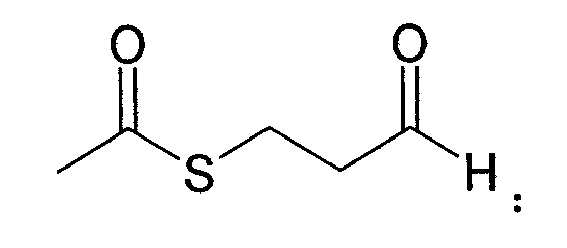
7.0 mg Sodium cyanoborohydride: 176 mg - The original solution of Met-G-CSF was dialysed against 0.1M acetic acid / sodium acetate solution, from which 140 ml solution containing 40 mg proteins was taken out. Small molecule aldehyde (7.0 mg) was taken out and dissolved in acetonitrile (300ml), which was added into protein solution, then sodium cyanoborohydride (176 mg) was added in and reaction was carried out for 3 hours at room temperature by stirring.
- The reaction solution was dialysed against 0.1M of PBS solution (pH = 6.2) containing 2mM EDTA at 4°C.
- 10ml prepared 0.1M Hydroxylamine hydrochloride (pH = 6.3) was added into the protein solution prepared by Example 1 to make the concentration of Hydroxylamine hydrochloride to 50mM. The reaction was carried out by stirring for 30 minutes at room temperature to free the thiol group by removing acetyl group.
- mPEG-MAL(400 mg, 20 KD) was added into the protein solution prepared by Example 2, and reaction was carried out by stirring for 60 minutes at room temperature. The purification was performed after HPLC control shown the reaction was finished. The compound obtained was compound 1 of the present invention. The structure was confirmed by MALDI -TOF-TOF as shown in
Figure 1 .
Control conditions:
Column: Jupiter C4, 5u, 300A, 150*4.6
Mobile phase: A: 0.05%TFA/H2O B: 0.05%TFA/CH3CN
Gradient conditions:0' 30' 35' 36' A 60% 20% 20% 60 % B 40% 80% 80% 40% - The column (1.6 cm × 12 cm, the volume was about 24 ml, flowing rate: 4 ml/min) was filled with SP Sepharose HP,
- Pre-treatment of the column: The column was washed with a volume of the 5 times volume of the column of 0.5M NaOH solution; and then was washed to neutral pH with purified water; finally the column was balanced with 20 mM HAc / NaAc, pH4.0, the volume used to balance was 5 times of the volume of the column.
- Loading the sample: the sample desalted was sucked into the column directly using a pump;
- Elution: firstly the column was eluted with 20 mM HAc / NaAc, pH 4.0 whose volume was 10 times of the volume of the column to remove excessive PEG;
- Then the salt gradient from 0 to 50% was set with the running time of 50 min at 4 ml/min. The impurities, products and unreacted proteins were eluted and collected in turn.
- The method of preparation and purification is the same as in Example 3, except that mPEG-MAL (400 mg, 20 KD) was replaced with mPEG-MAL (800 mg, 40 KD). The compound obtained is
compound 2 of the present invention, whose MALDI-TOF-TOF is shown inFigure 2 . -

- In the aseptic room for preparation, sodium acetate (0.12 g), polysorbate 20 (35 mg), sorbitol (50 g) were weighted and dissolved in injectable water (1000 ml) under stirring. Compound 1 (10 g) was added in and stirred to uniform, and injectable water was added to a final volume of 3000 ml. A fter filtered with 0.22 µm microporous membrane, the solution was packed and plugged with a sterilized stopper and capped.
- Note: PEG-G-CSF refers to compounds 1 of the present invention.
- Evaluate and compare the effect of PEG-G-CSF and G-CSF on increasing the peripheral white blood cell count of the mice treated by cyclophosphamide.
-
- PEG-G-CSF, G-CSF and cyclophosphamide (CTX) were provided by Jiangsu Hansoh Pharmaceutical Co., Ltd. and diluted with saline before using.
- Female Kunming mice were purchased from Shanghai Experimental Animal Center of Chinese Academy of Sciences, weighting 18-22g with the number of 10 animals in each group.
- After the animals adapt to environment, cyclophosphamide was administrated by intraperitoneal injection, and PEG-G-CSF, G-CSF were administrated by subcutaneous injection the next day. PEG -G-CSF was subcutaneously injected at 0.5, 1.0 mg / kg once; G-CSF was subcutaneously injected once per day for 4 consecutive days with the dosage of 0.1, 0.2 mg / kg. After the administration, the mice were killed by cervical dislocation and the blood cells were counted with ABC automatic blood cell counter.
- Intraperitoneal injection of CTX significantly decreases counting for peripheral white blood cell, blood erythrocyte, platelet (average P <0.01 compared with the control,
Figure 3-5 ), indicating that CTX is a strong inhibitor of bone marrow. - A single subcutaneous injection of PEG-G-CSF to the mice treated by cyclophosphamide increases the peripheral white blood cell count. W hen 0.5mg/kg is administered, the white blood cell count returns to normal level. Whe n 1.0mg/kg is administrated, the peripheral white blood cell count is even higher than normal level (P <0.01 compared with the control,
Figure 3 ). However, PEG-G-CSF has no obvious increasing effect on peripheral blood erythrocyte count or platelet count (Figure 4 ,3 ), indicating that the effect of PEG-G-CSF is specific. - Continuous subcutaneous injection of G-CSF to the mice treated by cyclophosphamide also increases the peripheral white blood cell count. When 0.1 mg/kg is administered, the white blood cell count rises to normal level; when 0.2mg/kg is administered, the white blood cell count is higher than normal level (P <0.01 compared with the control,
Figure 3 ), showing an obvious dose dependency. But G-CSF has no significant effect on peripheral blood erythrocyte, platelet count (Figure 4 ,5 ). - According to the results, in the case of the total amount administered is equivalent from PEG-G-CSF and G-CSF, single subcutaneous injection of PEG-G-CSF and multiple subcutaneous injection of G-CSF have equivalent efficacy on peripheral blood white blood cell count of the mice.
- PEG-G-CSF and G-CSF both significantly increase peripheral blood white blood cell count of the mice treated with cyclophosphamide. In the case of the total amount administered is equivalent, single subcutaneous injection of compound 1 of the present invention and multiple subcutaneous injection of G-CSF have equivalent efficacy on peripheral blood white blood cell count of the mice.



Claims (13)
- A conjugate of general formula (I) or pharmaceutical acceptable salts thereof:

wherein,
the water-soluble polymer is selected from polyethylene glycol, polypropylene glycol, polylactic acid, or polyamino acids;
the linking group is formed by the specific reaction between the functional group at the end of the water-soluble polymer and the functional group introduced at N-terminal of the protein G'; and
G' is selected from the natural G-CSF, recombinant G-CSF or the product of gene mutation which has the function of G-CSF. - The conjugate or pharmaceutical acceptable salts thereof of claim 1, wherein the said water-soluble polymer is PEG of linear or branch types, having molecular weight of 2 KD -100 KD, preferably 5 KD - 40 KD.
- The conjugate or pharmaceutical acceptable salts thereof of claim 1, wherein the said chemical structure of the conjugate of general formula (I) is shown as general formula (II):

R is selected from C1-4 linear or branched alkyl, preferably methyl or ethyl, more preferably methyl;
R1 and R2 are each independently selected from hydrogen or C1-4 linear or branched alkyl, preferably hydrogen, methyl or ethyl;
X is selected from O, S, NH,
m is an integer selected from 50-2500, preferably from 100-1000;
n is an integer selected from 1-20, preferably from 1-10, more preferably from 1-5;
G' is selected from natural G-CSF, recombinant G-CSF or the product of gene mutation which has the function of G-CSF. - The conjugate or pharmaceutical acceptable salts thereof of claim 1, wherein G' is selected from G-CSF derivatives of a protein set forth in SEQ ID NO: 1-10.
- The conjugate or pharmaceutical acceptable salts thereof of claim 1 or 3, wherein the sequence of the said G' is naturally occurring human G-CSF sequence.
- The conjugate or pharmaceutical acceptable salts thereof of claim 1 or 3, wherein the said G' is Met-G-CSF shown in SEQ ID NO: 1.
- The conjugate or pharmaceutical salts thereof of claim 1 or 3, wherein the said conjugate includes:


- The conjugate or pharmaceutical salts thereof of claim 1 or 3, wherein the said conjugate reacts with an acid to form a salt, wherein the acid is selected from organic or inorganic acids.
- The conjugate or pharmaceutical salts thereof of claim 8, wherein the said organic acid is selected from acetic acid, trifluoroacetic acid, propionic acid, butyric acid, maleic acid, or p-toluenesulfonic acid or mixture thereof, preferably acetic acid or trifluoroacetic acid; the inorganic acid is selected from hydrochloric acid, sulfuric acid, phosphoric acid or methanesulfonic acid or mixture thereof, preferably hydrochloric acid.
- A method for preparing a conjugate of claim 1 or 3, comprising the following steps of:1) reacting compounds of general formula (III) with N-terminal amino group of G' by reductive amination to obtain compounds of general formula (IV):
 2) removing mercapto-protecting group from compounds of general formula (IV) to obtain compounds of general formula (V):
 3) reacting compounds of general formula (V) with mPEG-MAL by Michael Addition Reaction to obtain compounds (II),wherein,
R, R1, R2, G', X, 1, m and n are as defined in claim 3;
Z is mercapto-protecting group selected from formyl, acetyl, propionyl, trityl or tert-butyl group, preferably acetyl group. - The use of the conjugate or pharmaceutical salts thereof of claim 1 or 3 in the preparation of the medicaments treating leucopenia caused by radiotherapy or chemotherapy, AIDS and other immune deficiency diseases, bacterial infections.
- A pharmaceutical composition, which comprises pharmaceutically effective amount of the conjugate or pharmaceutical salts thereof of claim 1 or 3, and pharmaceutical acceptable carriers.
- The use of the pharmaceutical composition of claim 12 in the preparation of the medicaments treating leucopenia caused by radiotherapy or chemotherapy, AIDS and other immune deficiency diseases, bacterial infections.
Applications Claiming Priority (1)
| Application Number | Priority Date | Filing Date | Title |
|---|---|---|---|
| PCT/CN2008/070320 WO2009103199A1 (en) | 2008-02-18 | 2008-02-18 | A g-csf conjugate modified by water-soluble polymer |
Publications (3)
| Publication Number | Publication Date |
|---|---|
| EP2248832A1 true EP2248832A1 (en) | 2010-11-10 |
| EP2248832A4 EP2248832A4 (en) | 2012-01-04 |
| EP2248832B1 EP2248832B1 (en) | 2014-09-03 |
Family
ID=40985048
Family Applications (1)
| Application Number | Title | Priority Date | Filing Date |
|---|---|---|---|
| EP08706693.2A Not-in-force EP2248832B1 (en) | 2008-02-18 | 2008-02-18 | A g-csf conjugate modified by water-soluble polymer |
Country Status (5)
| Country | Link |
|---|---|
| US (1) | US8629104B2 (en) |
| EP (1) | EP2248832B1 (en) |
| JP (1) | JP5225393B2 (en) |
| ES (1) | ES2523030T3 (en) |
| WO (1) | WO2009103199A1 (en) |
Cited By (3)
| Publication number | Priority date | Publication date | Assignee | Title |
|---|---|---|---|---|
| US10537682B2 (en) | 2011-10-14 | 2020-01-21 | Amgen Inc. | Injector and method of assembly |
| US10850037B2 (en) | 2013-03-22 | 2020-12-01 | Amgen Inc. | Injector and method of assembly |
| US11097055B2 (en) | 2013-10-24 | 2021-08-24 | Amgen Inc. | Injector and method of assembly |
Families Citing this family (1)
| Publication number | Priority date | Publication date | Assignee | Title |
|---|---|---|---|---|
| JP2021509805A (en) * | 2017-12-27 | 2021-04-08 | カウンシル オブ サイエンティフィック アンド インダストリアル リサーチ | Polypeptide showing granulocyte colony stimulating factor activity |
Family Cites Families (15)
| Publication number | Priority date | Publication date | Assignee | Title |
|---|---|---|---|---|
| US5214132A (en) | 1986-12-23 | 1993-05-25 | Kyowa Hakko Kogyo Co., Ltd. | Polypeptide derivatives of human granulocyte colony stimulating factor |
| US5362853A (en) | 1986-12-23 | 1994-11-08 | Kyowa Hakko Kogyo Co., Ltd. | Polypeptide derivatives of human granulocyte colony stimulating factor |
| US4904584A (en) | 1987-12-23 | 1990-02-27 | Genetics Institute, Inc. | Site-specific homogeneous modification of polypeptides |
| CA1340810C (en) | 1988-03-31 | 1999-11-02 | Motoo Yamasaki | Polypeptide derivatives of human granulocyte colony stimulating factor |
| EP0401384B1 (en) | 1988-12-22 | 1996-03-13 | Kirin-Amgen, Inc. | Chemically modified granulocyte colony stimulating factor |
| US5581476A (en) | 1993-01-28 | 1996-12-03 | Amgen Inc. | Computer-based methods and articles of manufacture for preparing G-CSF analogs |
| US5824784A (en) * | 1994-10-12 | 1998-10-20 | Amgen Inc. | N-terminally chemically modified protein compositions and methods |
| WO2000044785A1 (en) | 1999-01-29 | 2000-08-03 | F. Hoffmann-La Roche Ag | Gcsf conjugates |
| HUP0203751A3 (en) | 2000-01-10 | 2005-01-28 | Maxygen Holdings Ltd Redwood C | G-csf conjugates |
| ES2422187T3 (en) * | 2003-12-03 | 2013-09-09 | Biogenerix Ag | Glycopegylated granulocyte colony stimulating factor |
| WO2006063055A2 (en) * | 2004-12-06 | 2006-06-15 | Bolder Biotechnology, Inc. | Enzyme conjugates for use as detoxifying agents |
| JP5243041B2 (en) * | 2004-12-21 | 2013-07-24 | ネクター セラピューティックス | Stabilized polymer thiol reagent |
| KR100694994B1 (en) * | 2005-06-13 | 2007-03-14 | 씨제이 주식회사 | Human granulocyte colony forming factor homologue |
| BRPI0614257A2 (en) | 2005-08-04 | 2011-03-15 | Nektar Therapeutics Al Corp | conjugates of a portion of g-csf and a polymer |
| CN101172161B (en) | 2006-10-30 | 2010-04-21 | 江苏恒瑞医药股份有限公司 | Water-soluble polymers decorated G-CSF conjugates |
-
2008
- 2008-02-18 WO PCT/CN2008/070320 patent/WO2009103199A1/en not_active Ceased
- 2008-02-18 US US12/918,280 patent/US8629104B2/en not_active Expired - Fee Related
- 2008-02-18 EP EP08706693.2A patent/EP2248832B1/en not_active Not-in-force
- 2008-02-18 ES ES08706693.2T patent/ES2523030T3/en active Active
- 2008-02-18 JP JP2010546197A patent/JP5225393B2/en not_active Expired - Fee Related
Cited By (14)
| Publication number | Priority date | Publication date | Assignee | Title |
|---|---|---|---|---|
| US11110225B2 (en) | 2011-10-14 | 2021-09-07 | Amgen Inc. | Injector and method of assembly |
| US12329943B2 (en) | 2011-10-14 | 2025-06-17 | Amgen Inc. | Injector and method of assembly |
| US11129941B2 (en) | 2011-10-14 | 2021-09-28 | Amgen Inc. | Method of assembling and filling a drug delivery device |
| EP3335747B1 (en) * | 2011-10-14 | 2021-04-07 | Amgen Inc. | Injector and method of assembly |
| US11058821B2 (en) | 2011-10-14 | 2021-07-13 | Amgen Inc. | Injector and method of assembly |
| US11298463B2 (en) | 2011-10-14 | 2022-04-12 | Amgen Inc. | Method of assembling and filling a drug delivery device |
| US11160931B2 (en) | 2011-10-14 | 2021-11-02 | Amgen Inc. | Method of assembling and filling a drug delivery device |
| US10537682B2 (en) | 2011-10-14 | 2020-01-21 | Amgen Inc. | Injector and method of assembly |
| US10537681B2 (en) | 2011-10-14 | 2020-01-21 | Amgen Inc. | Injector and method of assembly |
| US11273260B2 (en) | 2011-10-14 | 2022-03-15 | Amgen Inc. | Injector and method of assembly |
| US11759571B2 (en) | 2013-03-22 | 2023-09-19 | Amgen Inc. | Injector and method of assembly |
| US10850037B2 (en) | 2013-03-22 | 2020-12-01 | Amgen Inc. | Injector and method of assembly |
| US11097055B2 (en) | 2013-10-24 | 2021-08-24 | Amgen Inc. | Injector and method of assembly |
| US12427260B2 (en) | 2013-10-24 | 2025-09-30 | Amgen Inc. | Injector and method of assembly |
Also Published As
| Publication number | Publication date |
|---|---|
| EP2248832B1 (en) | 2014-09-03 |
| EP2248832A4 (en) | 2012-01-04 |
| WO2009103199A1 (en) | 2009-08-27 |
| US8629104B2 (en) | 2014-01-14 |
| JP5225393B2 (en) | 2013-07-03 |
| ES2523030T3 (en) | 2014-11-20 |
| JP2011512336A (en) | 2011-04-21 |
| US20130109623A1 (en) | 2013-05-02 |
Similar Documents
| Publication | Publication Date | Title |
|---|---|---|
| EP2233504B1 (en) | An erythropoietin mimetic peptide derivatives and its pharmaceutical salt, the preparation and uses thereof | |
| CN102145178B (en) | PEG interleukin 15 | |
| KR20020007296A (en) | Gcsf conjugates | |
| CA2821075A1 (en) | Hyaluronic acid-protein conjugate and method for preparing same | |
| CN101627056B (en) | Y-type polyethylene glycol modified g-csf and preparation method and use thereof | |
| EP2248832B1 (en) | A g-csf conjugate modified by water-soluble polymer | |
| TWI491410B (en) | G-csf conjugates modified by water-soluble polymers | |
| RU2488598C2 (en) | Double-stranded polyethylene glycol modified growth hormone, preparation method and use thereof | |
| KR100694994B1 (en) | Human granulocyte colony forming factor homologue | |
| NZ583831A (en) | Protein-polymer conjugates comprising interferon-alpha | |
| CN101671390B (en) | Preparation and application of human interferon alpha derivative and polyethylene glycol modified substance thereof | |
| KR20070010817A (en) | Human Granulocyte Colony Stimulator Variants and Chemical Conjugates thereof | |
| TW201002350A (en) | Polyethylenenized erythropoietin conjugate, preparation thereof and its use | |
| CN101616678B (en) | PEG-G-CSF conjugate | |
| EP2196477B1 (en) | Modified recombinant human endostatin and its application | |
| WO2010074082A1 (en) | Modified vasohibin | |
| CN101448525A (en) | Polyethylene glycol-interferon alpha conjugate | |
| KR100808089B1 (en) | Human Granulocyte Colony Stimulator Variants and Chemical Conjugates thereof | |
| HK1112673B (en) | G-csf conjugates modified by water-soluble polymers | |
| KR20010092029A (en) | Method of Preparing the PEG-Protein Composition Having Enhanced Biological Activity | |
| KR20030062467A (en) | Bridged co-polymer derivatives and interferon complexes | |
| KR20130137966A (en) | Biocompatible polymer-conjugated protein and method for preparing the same | |
| HK1131345A (en) | Polyethylene glycol-interferon alpha conjugate |
Legal Events
| Date | Code | Title | Description |
|---|---|---|---|
| PUAI | Public reference made under article 153(3) epc to a published international application that has entered the european phase |
Free format text: ORIGINAL CODE: 0009012 |
|
| 17P | Request for examination filed |
Effective date: 20100831 |
|
| AK | Designated contracting states |
Kind code of ref document: A1 Designated state(s): AT BE BG CH CY CZ DE DK EE ES FI FR GB GR HR HU IE IS IT LI LT LU LV MC MT NL NO PL PT RO SE SI SK TR |
|
| AX | Request for extension of the european patent |
Extension state: AL BA MK RS |
|
| DAX | Request for extension of the european patent (deleted) | ||
| A4 | Supplementary search report drawn up and despatched |
Effective date: 20111202 |
|
| RIC1 | Information provided on ipc code assigned before grant |
Ipc: C07K 14/535 20060101ALI20111128BHEP Ipc: A61K 47/48 20060101ALI20111128BHEP Ipc: A61P 35/00 20060101ALI20111128BHEP Ipc: A61P 37/00 20060101ALI20111128BHEP Ipc: A61K 38/19 20060101ALI20111128BHEP Ipc: A61P 31/18 20060101ALI20111128BHEP Ipc: A61K 31/04 20060101ALI20111128BHEP Ipc: C07K 17/08 20060101AFI20111128BHEP |
|
| 17Q | First examination report despatched |
Effective date: 20120801 |
|
| GRAP | Despatch of communication of intention to grant a patent |
Free format text: ORIGINAL CODE: EPIDOSNIGR1 |
|
| INTG | Intention to grant announced |
Effective date: 20131024 |
|
| GRAP | Despatch of communication of intention to grant a patent |
Free format text: ORIGINAL CODE: EPIDOSNIGR1 |
|
| INTG | Intention to grant announced |
Effective date: 20140306 |
|
| GRAS | Grant fee paid |
Free format text: ORIGINAL CODE: EPIDOSNIGR3 |
|
| GRAA | (expected) grant |
Free format text: ORIGINAL CODE: 0009210 |
|
| AK | Designated contracting states |
Kind code of ref document: B1 Designated state(s): AT BE BG CH CY CZ DE DK EE ES FI FR GB GR HR HU IE IS IT LI LT LU LV MC MT NL NO PL PT RO SE SI SK TR |
|
| REG | Reference to a national code |
Ref country code: GB Ref legal event code: FG4D |
|
| REG | Reference to a national code |
Ref country code: AT Ref legal event code: REF Ref document number: 685565 Country of ref document: AT Kind code of ref document: T Effective date: 20140915 Ref country code: CH Ref legal event code: EP |
|
| REG | Reference to a national code |
Ref country code: IE Ref legal event code: FG4D |
|
| REG | Reference to a national code |
Ref country code: DE Ref legal event code: R096 Ref document number: 602008034198 Country of ref document: DE Effective date: 20141016 |
|
| REG | Reference to a national code |
Ref country code: ES Ref legal event code: FG2A Ref document number: 2523030 Country of ref document: ES Kind code of ref document: T3 Effective date: 20141120 |
|
| REG | Reference to a national code |
Ref country code: AT Ref legal event code: MK05 Ref document number: 685565 Country of ref document: AT Kind code of ref document: T Effective date: 20140903 |
|
| PG25 | Lapsed in a contracting state [announced via postgrant information from national office to epo] |
Ref country code: NO Free format text: LAPSE BECAUSE OF FAILURE TO SUBMIT A TRANSLATION OF THE DESCRIPTION OR TO PAY THE FEE WITHIN THE PRESCRIBED TIME-LIMIT Effective date: 20141203 Ref country code: GR Free format text: LAPSE BECAUSE OF FAILURE TO SUBMIT A TRANSLATION OF THE DESCRIPTION OR TO PAY THE FEE WITHIN THE PRESCRIBED TIME-LIMIT Effective date: 20141204 Ref country code: FI Free format text: LAPSE BECAUSE OF FAILURE TO SUBMIT A TRANSLATION OF THE DESCRIPTION OR TO PAY THE FEE WITHIN THE PRESCRIBED TIME-LIMIT Effective date: 20140903 Ref country code: SE Free format text: LAPSE BECAUSE OF FAILURE TO SUBMIT A TRANSLATION OF THE DESCRIPTION OR TO PAY THE FEE WITHIN THE PRESCRIBED TIME-LIMIT Effective date: 20140903 Ref country code: LT Free format text: LAPSE BECAUSE OF FAILURE TO SUBMIT A TRANSLATION OF THE DESCRIPTION OR TO PAY THE FEE WITHIN THE PRESCRIBED TIME-LIMIT Effective date: 20140903 |
|
| REG | Reference to a national code |
Ref country code: NL Ref legal event code: VDEP Effective date: 20140903 |
|
| REG | Reference to a national code |
Ref country code: LT Ref legal event code: MG4D |
|
| PG25 | Lapsed in a contracting state [announced via postgrant information from national office to epo] |
Ref country code: CY Free format text: LAPSE BECAUSE OF FAILURE TO SUBMIT A TRANSLATION OF THE DESCRIPTION OR TO PAY THE FEE WITHIN THE PRESCRIBED TIME-LIMIT Effective date: 20140903 Ref country code: HR Free format text: LAPSE BECAUSE OF FAILURE TO SUBMIT A TRANSLATION OF THE DESCRIPTION OR TO PAY THE FEE WITHIN THE PRESCRIBED TIME-LIMIT Effective date: 20140903 Ref country code: AT Free format text: LAPSE BECAUSE OF FAILURE TO SUBMIT A TRANSLATION OF THE DESCRIPTION OR TO PAY THE FEE WITHIN THE PRESCRIBED TIME-LIMIT Effective date: 20140903 Ref country code: LV Free format text: LAPSE BECAUSE OF FAILURE TO SUBMIT A TRANSLATION OF THE DESCRIPTION OR TO PAY THE FEE WITHIN THE PRESCRIBED TIME-LIMIT Effective date: 20140903 |
|
| PG25 | Lapsed in a contracting state [announced via postgrant information from national office to epo] |
Ref country code: NL Free format text: LAPSE BECAUSE OF FAILURE TO SUBMIT A TRANSLATION OF THE DESCRIPTION OR TO PAY THE FEE WITHIN THE PRESCRIBED TIME-LIMIT Effective date: 20140903 |
|
| PG25 | Lapsed in a contracting state [announced via postgrant information from national office to epo] |
Ref country code: CZ Free format text: LAPSE BECAUSE OF FAILURE TO SUBMIT A TRANSLATION OF THE DESCRIPTION OR TO PAY THE FEE WITHIN THE PRESCRIBED TIME-LIMIT Effective date: 20140903 Ref country code: RO Free format text: LAPSE BECAUSE OF FAILURE TO SUBMIT A TRANSLATION OF THE DESCRIPTION OR TO PAY THE FEE WITHIN THE PRESCRIBED TIME-LIMIT Effective date: 20140903 Ref country code: SK Free format text: LAPSE BECAUSE OF FAILURE TO SUBMIT A TRANSLATION OF THE DESCRIPTION OR TO PAY THE FEE WITHIN THE PRESCRIBED TIME-LIMIT Effective date: 20140903 Ref country code: PT Free format text: LAPSE BECAUSE OF FAILURE TO SUBMIT A TRANSLATION OF THE DESCRIPTION OR TO PAY THE FEE WITHIN THE PRESCRIBED TIME-LIMIT Effective date: 20150105 Ref country code: IS Free format text: LAPSE BECAUSE OF FAILURE TO SUBMIT A TRANSLATION OF THE DESCRIPTION OR TO PAY THE FEE WITHIN THE PRESCRIBED TIME-LIMIT Effective date: 20150103 Ref country code: EE Free format text: LAPSE BECAUSE OF FAILURE TO SUBMIT A TRANSLATION OF THE DESCRIPTION OR TO PAY THE FEE WITHIN THE PRESCRIBED TIME-LIMIT Effective date: 20140903 |
|
| PG25 | Lapsed in a contracting state [announced via postgrant information from national office to epo] |
Ref country code: PL Free format text: LAPSE BECAUSE OF FAILURE TO SUBMIT A TRANSLATION OF THE DESCRIPTION OR TO PAY THE FEE WITHIN THE PRESCRIBED TIME-LIMIT Effective date: 20140903 |
|
| REG | Reference to a national code |
Ref country code: DE Ref legal event code: R097 Ref document number: 602008034198 Country of ref document: DE |
|
| PG25 | Lapsed in a contracting state [announced via postgrant information from national office to epo] |
Ref country code: BE Free format text: LAPSE BECAUSE OF NON-PAYMENT OF DUE FEES Effective date: 20150228 |
|
| PLBE | No opposition filed within time limit |
Free format text: ORIGINAL CODE: 0009261 |
|
| STAA | Information on the status of an ep patent application or granted ep patent |
Free format text: STATUS: NO OPPOSITION FILED WITHIN TIME LIMIT |
|
| PG25 | Lapsed in a contracting state [announced via postgrant information from national office to epo] |
Ref country code: DK Free format text: LAPSE BECAUSE OF FAILURE TO SUBMIT A TRANSLATION OF THE DESCRIPTION OR TO PAY THE FEE WITHIN THE PRESCRIBED TIME-LIMIT Effective date: 20140903 |
|
| 26N | No opposition filed |
Effective date: 20150604 |
|
| PG25 | Lapsed in a contracting state [announced via postgrant information from national office to epo] |
Ref country code: LU Free format text: LAPSE BECAUSE OF FAILURE TO SUBMIT A TRANSLATION OF THE DESCRIPTION OR TO PAY THE FEE WITHIN THE PRESCRIBED TIME-LIMIT Effective date: 20150218 |
|
| REG | Reference to a national code |
Ref country code: CH Ref legal event code: PL |
|
| PG25 | Lapsed in a contracting state [announced via postgrant information from national office to epo] |
Ref country code: LI Free format text: LAPSE BECAUSE OF NON-PAYMENT OF DUE FEES Effective date: 20150228 Ref country code: CH Free format text: LAPSE BECAUSE OF NON-PAYMENT OF DUE FEES Effective date: 20150228 Ref country code: MC Free format text: LAPSE BECAUSE OF FAILURE TO SUBMIT A TRANSLATION OF THE DESCRIPTION OR TO PAY THE FEE WITHIN THE PRESCRIBED TIME-LIMIT Effective date: 20140903 |
|
| REG | Reference to a national code |
Ref country code: IE Ref legal event code: MM4A |
|
| PG25 | Lapsed in a contracting state [announced via postgrant information from national office to epo] |
Ref country code: SI Free format text: LAPSE BECAUSE OF FAILURE TO SUBMIT A TRANSLATION OF THE DESCRIPTION OR TO PAY THE FEE WITHIN THE PRESCRIBED TIME-LIMIT Effective date: 20140903 |
|
| REG | Reference to a national code |
Ref country code: FR Ref legal event code: PLFP Year of fee payment: 9 |
|
| PG25 | Lapsed in a contracting state [announced via postgrant information from national office to epo] |
Ref country code: IE Free format text: LAPSE BECAUSE OF NON-PAYMENT OF DUE FEES Effective date: 20150218 |
|
| PG25 | Lapsed in a contracting state [announced via postgrant information from national office to epo] |
Ref country code: BE Free format text: LAPSE BECAUSE OF FAILURE TO SUBMIT A TRANSLATION OF THE DESCRIPTION OR TO PAY THE FEE WITHIN THE PRESCRIBED TIME-LIMIT Effective date: 20140903 |
|
| PG25 | Lapsed in a contracting state [announced via postgrant information from national office to epo] |
Ref country code: MT Free format text: LAPSE BECAUSE OF FAILURE TO SUBMIT A TRANSLATION OF THE DESCRIPTION OR TO PAY THE FEE WITHIN THE PRESCRIBED TIME-LIMIT Effective date: 20140903 |
|
| REG | Reference to a national code |
Ref country code: FR Ref legal event code: PLFP Year of fee payment: 10 |
|
| PG25 | Lapsed in a contracting state [announced via postgrant information from national office to epo] |
Ref country code: HU Free format text: LAPSE BECAUSE OF FAILURE TO SUBMIT A TRANSLATION OF THE DESCRIPTION OR TO PAY THE FEE WITHIN THE PRESCRIBED TIME-LIMIT; INVALID AB INITIO Effective date: 20080218 Ref country code: BG Free format text: LAPSE BECAUSE OF FAILURE TO SUBMIT A TRANSLATION OF THE DESCRIPTION OR TO PAY THE FEE WITHIN THE PRESCRIBED TIME-LIMIT Effective date: 20140903 |
|
| PG25 | Lapsed in a contracting state [announced via postgrant information from national office to epo] |
Ref country code: TR Free format text: LAPSE BECAUSE OF FAILURE TO SUBMIT A TRANSLATION OF THE DESCRIPTION OR TO PAY THE FEE WITHIN THE PRESCRIBED TIME-LIMIT Effective date: 20140903 |
|
| REG | Reference to a national code |
Ref country code: FR Ref legal event code: PLFP Year of fee payment: 11 |
|
| PGFP | Annual fee paid to national office [announced via postgrant information from national office to epo] |
Ref country code: GB Payment date: 20220127 Year of fee payment: 15 Ref country code: DE Payment date: 20220126 Year of fee payment: 15 |
|
| PGFP | Annual fee paid to national office [announced via postgrant information from national office to epo] |
Ref country code: IT Payment date: 20220126 Year of fee payment: 15 Ref country code: FR Payment date: 20220209 Year of fee payment: 15 Ref country code: ES Payment date: 20220303 Year of fee payment: 15 |
|
| REG | Reference to a national code |
Ref country code: DE Ref legal event code: R119 Ref document number: 602008034198 Country of ref document: DE |
|
| GBPC | Gb: european patent ceased through non-payment of renewal fee |
Effective date: 20230218 |
|
| PG25 | Lapsed in a contracting state [announced via postgrant information from national office to epo] |
Ref country code: GB Free format text: LAPSE BECAUSE OF NON-PAYMENT OF DUE FEES Effective date: 20230218 |
|
| PG25 | Lapsed in a contracting state [announced via postgrant information from national office to epo] |
Ref country code: IT Free format text: LAPSE BECAUSE OF NON-PAYMENT OF DUE FEES Effective date: 20230218 Ref country code: GB Free format text: LAPSE BECAUSE OF NON-PAYMENT OF DUE FEES Effective date: 20230218 Ref country code: FR Free format text: LAPSE BECAUSE OF NON-PAYMENT OF DUE FEES Effective date: 20230228 Ref country code: DE Free format text: LAPSE BECAUSE OF NON-PAYMENT OF DUE FEES Effective date: 20230901 |
|
| REG | Reference to a national code |
Ref country code: ES Ref legal event code: FD2A Effective date: 20240405 |
|
| PG25 | Lapsed in a contracting state [announced via postgrant information from national office to epo] |
Ref country code: ES Free format text: LAPSE BECAUSE OF NON-PAYMENT OF DUE FEES Effective date: 20230219 |
|
| PG25 | Lapsed in a contracting state [announced via postgrant information from national office to epo] |
Ref country code: ES Free format text: LAPSE BECAUSE OF NON-PAYMENT OF DUE FEES Effective date: 20230219 |