EP2244702B1 - Treatment of neural diseases or conditions - Google Patents
Treatment of neural diseases or conditions Download PDFInfo
- Publication number
- EP2244702B1 EP2244702B1 EP09711963.0A EP09711963A EP2244702B1 EP 2244702 B1 EP2244702 B1 EP 2244702B1 EP 09711963 A EP09711963 A EP 09711963A EP 2244702 B1 EP2244702 B1 EP 2244702B1
- Authority
- EP
- European Patent Office
- Prior art keywords
- neural
- fenretinide
- injury
- levels
- mice
- Prior art date
- Legal status (The legal status is an assumption and is not a legal conclusion. Google has not performed a legal analysis and makes no representation as to the accuracy of the status listed.)
- Not-in-force
Links
- 230000001537 neural effect Effects 0.000 title claims description 103
- 208000037265 diseases, disorders, signs and symptoms Diseases 0.000 title description 14
- 201000010099 disease Diseases 0.000 title description 13
- AKJHMTWEGVYYSE-AIRMAKDCSA-N 4-HPR Chemical compound C=1C=C(O)C=CC=1NC(=O)/C=C(\C)/C=C/C=C(C)C=CC1=C(C)CCCC1(C)C AKJHMTWEGVYYSE-AIRMAKDCSA-N 0.000 claims description 189
- 229950003662 fenretinide Drugs 0.000 claims description 187
- YZXBAPSDXZZRGB-DOFZRALJSA-N arachidonic acid Chemical compound CCCCC\C=C/C\C=C/C\C=C/C\C=C/CCCC(O)=O YZXBAPSDXZZRGB-DOFZRALJSA-N 0.000 claims description 121
- 208000014674 injury Diseases 0.000 claims description 74
- 230000006378 damage Effects 0.000 claims description 71
- 208000027418 Wounds and injury Diseases 0.000 claims description 68
- 208000015122 neurodegenerative disease Diseases 0.000 claims description 65
- 239000000203 mixture Substances 0.000 claims description 59
- 229940114079 arachidonic acid Drugs 0.000 claims description 58
- 235000021342 arachidonic acid Nutrition 0.000 claims description 58
- 208000020431 spinal cord injury Diseases 0.000 claims description 55
- 235000020669 docosahexaenoic acid Nutrition 0.000 claims description 50
- 230000004770 neurodegeneration Effects 0.000 claims description 45
- 150000003839 salts Chemical class 0.000 claims description 40
- 230000003247 decreasing effect Effects 0.000 claims description 36
- 230000001965 increasing effect Effects 0.000 claims description 36
- 206010002026 amyotrophic lateral sclerosis Diseases 0.000 claims description 32
- 230000036542 oxidative stress Effects 0.000 claims description 26
- 210000003169 central nervous system Anatomy 0.000 claims description 22
- 210000002161 motor neuron Anatomy 0.000 claims description 22
- DVSZKTAMJJTWFG-SKCDLICFSA-N (2e,4e,6e,8e,10e,12e)-docosa-2,4,6,8,10,12-hexaenoic acid Chemical compound CCCCCCCCC\C=C\C=C\C=C\C=C\C=C\C=C\C(O)=O DVSZKTAMJJTWFG-SKCDLICFSA-N 0.000 claims description 17
- GZJLLYHBALOKEX-UHFFFAOYSA-N 6-Ketone, O18-Me-Ussuriedine Natural products CC=CCC=CCC=CCC=CCC=CCC=CCCCC(O)=O GZJLLYHBALOKEX-UHFFFAOYSA-N 0.000 claims description 17
- KAUVQQXNCKESLC-UHFFFAOYSA-N docosahexaenoic acid (DHA) Natural products COC(=O)C(C)NOCC1=CC=CC=C1 KAUVQQXNCKESLC-UHFFFAOYSA-N 0.000 claims description 17
- 230000007659 motor function Effects 0.000 claims description 15
- 210000003061 neural cell Anatomy 0.000 claims description 15
- 239000003937 drug carrier Substances 0.000 claims description 10
- 230000004914 glial activation Effects 0.000 claims description 9
- 230000003959 neuroinflammation Effects 0.000 claims description 7
- 230000002401 inhibitory effect Effects 0.000 claims description 6
- 230000001154 acute effect Effects 0.000 claims description 5
- 241000699670 Mus sp. Species 0.000 description 90
- MBMBGCFOFBJSGT-KUBAVDMBSA-N all-cis-docosa-4,7,10,13,16,19-hexaenoic acid Chemical compound CC\C=C/C\C=C/C\C=C/C\C=C/C\C=C/C\C=C/CCC(O)=O MBMBGCFOFBJSGT-KUBAVDMBSA-N 0.000 description 68
- 241001465754 Metazoa Species 0.000 description 60
- 210000001519 tissue Anatomy 0.000 description 45
- SHGAZHPCJJPHSC-YCNIQYBTSA-N all-trans-retinoic acid Chemical class OC(=O)\C=C(/C)\C=C\C=C(/C)\C=C\C1=C(C)CCCC1(C)C SHGAZHPCJJPHSC-YCNIQYBTSA-N 0.000 description 44
- 210000000278 spinal cord Anatomy 0.000 description 35
- 229940090949 docosahexaenoic acid Drugs 0.000 description 33
- 239000003981 vehicle Substances 0.000 description 31
- 229940067631 phospholipid Drugs 0.000 description 30
- 150000003904 phospholipids Chemical class 0.000 description 30
- -1 fenretinide Chemical class 0.000 description 25
- 230000004083 survival effect Effects 0.000 description 25
- 108091034117 Oligonucleotide Proteins 0.000 description 24
- 230000000694 effects Effects 0.000 description 24
- 239000003814 drug Substances 0.000 description 22
- 238000000034 method Methods 0.000 description 22
- WSMYVTOQOOLQHP-UHFFFAOYSA-N Malondialdehyde Chemical compound O=CCC=O WSMYVTOQOOLQHP-UHFFFAOYSA-N 0.000 description 20
- 238000011831 SOD1-G93A transgenic mouse Methods 0.000 description 17
- 210000004027 cell Anatomy 0.000 description 17
- 150000002632 lipids Chemical class 0.000 description 16
- 238000002360 preparation method Methods 0.000 description 16
- GIANIJCPTPUNBA-QMMMGPOBSA-N (2s)-3-(4-hydroxyphenyl)-2-nitramidopropanoic acid Chemical compound [O-][N+](=O)N[C@H](C(=O)O)CC1=CC=C(O)C=C1 GIANIJCPTPUNBA-QMMMGPOBSA-N 0.000 description 15
- 210000004960 anterior grey column Anatomy 0.000 description 15
- MWUXSHHQAYIFBG-UHFFFAOYSA-N Nitric oxide Chemical compound O=[N] MWUXSHHQAYIFBG-UHFFFAOYSA-N 0.000 description 14
- 108060008682 Tumor Necrosis Factor Proteins 0.000 description 14
- 102000000852 Tumor Necrosis Factor-alpha Human genes 0.000 description 14
- 238000004458 analytical method Methods 0.000 description 14
- 150000001875 compounds Chemical class 0.000 description 14
- 238000009472 formulation Methods 0.000 description 14
- 230000030214 innervation Effects 0.000 description 13
- 239000000651 prodrug Substances 0.000 description 13
- 229940002612 prodrug Drugs 0.000 description 13
- 230000009467 reduction Effects 0.000 description 13
- LFQSCWFLJHTTHZ-UHFFFAOYSA-N Ethanol Chemical compound CCO LFQSCWFLJHTTHZ-UHFFFAOYSA-N 0.000 description 12
- 239000013543 active substance Substances 0.000 description 12
- 230000002441 reversible effect Effects 0.000 description 12
- 230000009261 transgenic effect Effects 0.000 description 12
- 102000053171 Glial Fibrillary Acidic Human genes 0.000 description 11
- 101710193519 Glial fibrillary acidic protein Proteins 0.000 description 11
- 241000699666 Mus <mouse, genus> Species 0.000 description 11
- 210000005046 glial fibrillary acidic protein Anatomy 0.000 description 11
- 206010061218 Inflammation Diseases 0.000 description 10
- 206010028980 Neoplasm Diseases 0.000 description 10
- 239000008280 blood Substances 0.000 description 10
- 210000004369 blood Anatomy 0.000 description 10
- 230000007423 decrease Effects 0.000 description 10
- 235000020777 polyunsaturated fatty acids Nutrition 0.000 description 10
- 241000699660 Mus musculus Species 0.000 description 9
- 239000003795 chemical substances by application Substances 0.000 description 9
- 230000005764 inhibitory process Effects 0.000 description 9
- 230000003902 lesion Effects 0.000 description 9
- 230000003859 lipid peroxidation Effects 0.000 description 9
- 108020004999 messenger RNA Proteins 0.000 description 9
- 230000000862 serotonergic effect Effects 0.000 description 9
- 238000011830 transgenic mouse model Methods 0.000 description 9
- 201000011510 cancer Diseases 0.000 description 8
- 239000002158 endotoxin Substances 0.000 description 8
- 229920006008 lipopolysaccharide Polymers 0.000 description 8
- 230000036470 plasma concentration Effects 0.000 description 8
- 239000002243 precursor Substances 0.000 description 8
- 238000012360 testing method Methods 0.000 description 8
- MZOFCQQQCNRIBI-VMXHOPILSA-N (3s)-4-[[(2s)-1-[[(2s)-1-[[(1s)-1-carboxy-2-hydroxyethyl]amino]-4-methyl-1-oxopentan-2-yl]amino]-5-(diaminomethylideneamino)-1-oxopentan-2-yl]amino]-3-[[2-[[(2s)-2,6-diaminohexanoyl]amino]acetyl]amino]-4-oxobutanoic acid Chemical compound OC[C@@H](C(O)=O)NC(=O)[C@H](CC(C)C)NC(=O)[C@H](CCCN=C(N)N)NC(=O)[C@H](CC(O)=O)NC(=O)CNC(=O)[C@@H](N)CCCCN MZOFCQQQCNRIBI-VMXHOPILSA-N 0.000 description 7
- 102000011779 Nitric Oxide Synthase Type II Human genes 0.000 description 7
- 108010076864 Nitric Oxide Synthase Type II Proteins 0.000 description 7
- 238000000692 Student's t-test Methods 0.000 description 7
- 229940106189 ceramide Drugs 0.000 description 7
- 235000014113 dietary fatty acids Nutrition 0.000 description 7
- 229940079593 drug Drugs 0.000 description 7
- 229930195729 fatty acid Natural products 0.000 description 7
- 239000000194 fatty acid Substances 0.000 description 7
- 150000004665 fatty acids Chemical class 0.000 description 7
- 230000004054 inflammatory process Effects 0.000 description 7
- 230000003137 locomotive effect Effects 0.000 description 7
- 230000002025 microglial effect Effects 0.000 description 7
- 230000002829 reductive effect Effects 0.000 description 7
- 238000012353 t test Methods 0.000 description 7
- IJGRMHOSHXDMSA-UHFFFAOYSA-N Atomic nitrogen Chemical compound N#N IJGRMHOSHXDMSA-UHFFFAOYSA-N 0.000 description 6
- 238000002965 ELISA Methods 0.000 description 6
- 101001072765 Homo sapiens Neutral alpha-glucosidase AB Proteins 0.000 description 6
- 102100036592 Neutral alpha-glucosidase AB Human genes 0.000 description 6
- 210000005230 lumbar spinal cord Anatomy 0.000 description 6
- 230000000770 proinflammatory effect Effects 0.000 description 6
- 238000011002 quantification Methods 0.000 description 6
- QZAYGJVTTNCVMB-UHFFFAOYSA-N serotonin Chemical compound C1=C(O)C=C2C(CCN)=CNC2=C1 QZAYGJVTTNCVMB-UHFFFAOYSA-N 0.000 description 6
- 239000000243 solution Substances 0.000 description 6
- 238000010186 staining Methods 0.000 description 6
- ZHAFUINZIZIXFC-UHFFFAOYSA-N [9-(dimethylamino)-10-methylbenzo[a]phenoxazin-5-ylidene]azanium;chloride Chemical compound [Cl-].O1C2=CC(=[NH2+])C3=CC=CC=C3C2=NC2=C1C=C(N(C)C)C(C)=C2 ZHAFUINZIZIXFC-UHFFFAOYSA-N 0.000 description 5
- 238000000540 analysis of variance Methods 0.000 description 5
- 239000000562 conjugate Substances 0.000 description 5
- 230000006872 improvement Effects 0.000 description 5
- 210000000274 microglia Anatomy 0.000 description 5
- 238000010172 mouse model Methods 0.000 description 5
- 210000004498 neuroglial cell Anatomy 0.000 description 5
- 210000002569 neuron Anatomy 0.000 description 5
- 238000011084 recovery Methods 0.000 description 5
- 241000894007 species Species 0.000 description 5
- AKJHMTWEGVYYSE-FXILSDISSA-N 4-hydroxyphenyl retinamide Chemical compound C=1C=C(O)C=CC=1NC(=O)\C=C(/C)\C=C\C=C(/C)\C=C\C1=C(C)CCCC1(C)C AKJHMTWEGVYYSE-FXILSDISSA-N 0.000 description 4
- YDNKGFDKKRUKPY-JHOUSYSJSA-N C16 ceramide Natural products CCCCCCCCCCCCCCCC(=O)N[C@@H](CO)[C@H](O)C=CCCCCCCCCCCCCC YDNKGFDKKRUKPY-JHOUSYSJSA-N 0.000 description 4
- IMNFDUFMRHMDMM-UHFFFAOYSA-N N-Heptane Chemical compound CCCCCCC IMNFDUFMRHMDMM-UHFFFAOYSA-N 0.000 description 4
- CRJGESKKUOMBCT-VQTJNVASSA-N N-acetylsphinganine Chemical compound CCCCCCCCCCCCCCC[C@@H](O)[C@H](CO)NC(C)=O CRJGESKKUOMBCT-VQTJNVASSA-N 0.000 description 4
- 102100034539 Peptidyl-prolyl cis-trans isomerase A Human genes 0.000 description 4
- 101710111198 Peptidyl-prolyl cis-trans isomerase A Proteins 0.000 description 4
- 241000700159 Rattus Species 0.000 description 4
- CZMRCDWAGMRECN-UGDNZRGBSA-N Sucrose Chemical compound O[C@H]1[C@H](O)[C@@H](CO)O[C@@]1(CO)O[C@@H]1[C@H](O)[C@@H](O)[C@H](O)[C@@H](CO)O1 CZMRCDWAGMRECN-UGDNZRGBSA-N 0.000 description 4
- 229930006000 Sucrose Natural products 0.000 description 4
- 108010021188 Superoxide Dismutase-1 Proteins 0.000 description 4
- 210000001642 activated microglia Anatomy 0.000 description 4
- 210000001130 astrocyte Anatomy 0.000 description 4
- 210000000133 brain stem Anatomy 0.000 description 4
- 235000019282 butylated hydroxyanisole Nutrition 0.000 description 4
- ZVEQCJWYRWKARO-UHFFFAOYSA-N ceramide Natural products CCCCCCCCCCCCCCC(O)C(=O)NC(CO)C(O)C=CCCC=C(C)CCCCCCCCC ZVEQCJWYRWKARO-UHFFFAOYSA-N 0.000 description 4
- 210000003710 cerebral cortex Anatomy 0.000 description 4
- 230000006735 deficit Effects 0.000 description 4
- LOKCTEFSRHRXRJ-UHFFFAOYSA-I dipotassium trisodium dihydrogen phosphate hydrogen phosphate dichloride Chemical compound P(=O)(O)(O)[O-].[K+].P(=O)(O)([O-])[O-].[Na+].[Na+].[Cl-].[K+].[Cl-].[Na+] LOKCTEFSRHRXRJ-UHFFFAOYSA-I 0.000 description 4
- 239000004615 ingredient Substances 0.000 description 4
- 239000007788 liquid Substances 0.000 description 4
- 239000002207 metabolite Substances 0.000 description 4
- VVGIYYKRAMHVLU-UHFFFAOYSA-N newbouldiamide Natural products CCCCCCCCCCCCCCCCCCCC(O)C(O)C(O)C(CO)NC(=O)CCCCCCCCCCCCCCCCC VVGIYYKRAMHVLU-UHFFFAOYSA-N 0.000 description 4
- 210000000056 organ Anatomy 0.000 description 4
- 239000002953 phosphate buffered saline Substances 0.000 description 4
- 239000000843 powder Substances 0.000 description 4
- 230000000069 prophylactic effect Effects 0.000 description 4
- 108090000623 proteins and genes Proteins 0.000 description 4
- 239000005720 sucrose Substances 0.000 description 4
- 230000001225 therapeutic effect Effects 0.000 description 4
- 230000008733 trauma Effects 0.000 description 4
- 230000000472 traumatic effect Effects 0.000 description 4
- 238000007492 two-way ANOVA Methods 0.000 description 4
- VHRSUDSXCMQTMA-PJHHCJLFSA-N 6alpha-methylprednisolone Chemical compound C([C@@]12C)=CC(=O)C=C1[C@@H](C)C[C@@H]1[C@@H]2[C@@H](O)C[C@]2(C)[C@@](O)(C(=O)CO)CC[C@H]21 VHRSUDSXCMQTMA-PJHHCJLFSA-N 0.000 description 3
- 206010006187 Breast cancer Diseases 0.000 description 3
- 208000026310 Breast neoplasm Diseases 0.000 description 3
- 102100021943 C-C motif chemokine 2 Human genes 0.000 description 3
- 208000034656 Contusions Diseases 0.000 description 3
- KCXVZYZYPLLWCC-UHFFFAOYSA-N EDTA Chemical compound OC(=O)CN(CC(O)=O)CCN(CC(O)=O)CC(O)=O KCXVZYZYPLLWCC-UHFFFAOYSA-N 0.000 description 3
- 241000124008 Mammalia Species 0.000 description 3
- OKKJLVBELUTLKV-UHFFFAOYSA-N Methanol Chemical compound OC OKKJLVBELUTLKV-UHFFFAOYSA-N 0.000 description 3
- 238000012408 PCR amplification Methods 0.000 description 3
- 229930040373 Paraformaldehyde Natural products 0.000 description 3
- 102100038277 Prostaglandin G/H synthase 1 Human genes 0.000 description 3
- 108050003243 Prostaglandin G/H synthase 1 Proteins 0.000 description 3
- 102100038280 Prostaglandin G/H synthase 2 Human genes 0.000 description 3
- 108050003267 Prostaglandin G/H synthase 2 Proteins 0.000 description 3
- 102100038836 Superoxide dismutase [Cu-Zn] Human genes 0.000 description 3
- 238000010162 Tukey test Methods 0.000 description 3
- 230000004913 activation Effects 0.000 description 3
- 230000003321 amplification Effects 0.000 description 3
- 230000008499 blood brain barrier function Effects 0.000 description 3
- 150000001783 ceramides Chemical class 0.000 description 3
- 238000007906 compression Methods 0.000 description 3
- 230000006835 compression Effects 0.000 description 3
- 230000009519 contusion Effects 0.000 description 3
- 230000001186 cumulative effect Effects 0.000 description 3
- 235000005911 diet Nutrition 0.000 description 3
- 230000037213 diet Effects 0.000 description 3
- 235000004626 essential fatty acids Nutrition 0.000 description 3
- 150000002148 esters Chemical class 0.000 description 3
- 238000002474 experimental method Methods 0.000 description 3
- 239000000835 fiber Substances 0.000 description 3
- 239000008187 granular material Substances 0.000 description 3
- 230000028709 inflammatory response Effects 0.000 description 3
- 230000008798 inflammatory stress Effects 0.000 description 3
- 238000002347 injection Methods 0.000 description 3
- 239000007924 injection Substances 0.000 description 3
- 235000020888 liquid diet Nutrition 0.000 description 3
- 238000004519 manufacturing process Methods 0.000 description 3
- 238000005259 measurement Methods 0.000 description 3
- 229960004584 methylprednisolone Drugs 0.000 description 3
- 230000006576 neuronal survival Effects 0.000 description 3
- 229910052757 nitrogen Inorganic materials 0.000 description 3
- 235000020660 omega-3 fatty acid Nutrition 0.000 description 3
- 229920002866 paraformaldehyde Polymers 0.000 description 3
- 239000008363 phosphate buffer Substances 0.000 description 3
- 239000000047 product Substances 0.000 description 3
- 230000000750 progressive effect Effects 0.000 description 3
- 102000004169 proteins and genes Human genes 0.000 description 3
- 229940100552 retinamide Drugs 0.000 description 3
- 229930002330 retinoic acid Natural products 0.000 description 3
- 238000003757 reverse transcription PCR Methods 0.000 description 3
- 238000010825 rotarod performance test Methods 0.000 description 3
- 238000001356 surgical procedure Methods 0.000 description 3
- 239000003826 tablet Substances 0.000 description 3
- 229940124597 therapeutic agent Drugs 0.000 description 3
- 238000004809 thin layer chromatography Methods 0.000 description 3
- 230000000451 tissue damage Effects 0.000 description 3
- 231100000827 tissue damage Toxicity 0.000 description 3
- NZVOGZATHCUFRC-KFJFTADJSA-N (2e,4e,6e,8e)-n-(4-hydroxyphenyl)-3,7-dimethyl-9-(2,6,6-trimethyl-3-oxocyclohexen-1-yl)nona-2,4,6,8-tetraenamide Chemical compound C=1C=C(O)C=CC=1NC(=O)\C=C(/C)\C=C\C=C(/C)\C=C\C1=C(C)C(=O)CCC1(C)C NZVOGZATHCUFRC-KFJFTADJSA-N 0.000 description 2
- DBQHWMPFMCOGIW-GLKGMVBCSA-N (2z,4e,6z,8e)-n-(4-methoxyphenyl)-3,7-dimethyl-9-(2,6,6-trimethylcyclohexen-1-yl)nona-2,4,6,8-tetraenamide Chemical compound C1=CC(OC)=CC=C1NC(=O)\C=C(\C)/C=C/C=C(/C)\C=C\C1=C(C)CCCC1(C)C DBQHWMPFMCOGIW-GLKGMVBCSA-N 0.000 description 2
- GVJHHUAWPYXKBD-UHFFFAOYSA-N (±)-α-Tocopherol Chemical compound OC1=C(C)C(C)=C2OC(CCCC(C)CCCC(C)CCCC(C)C)(C)CCC2=C1C GVJHHUAWPYXKBD-UHFFFAOYSA-N 0.000 description 2
- NZVOGZATHCUFRC-QMYMANSXSA-N 4oxoHPR Natural products CC(=C/C=C/C(=C/C(=O)Nc1ccc(O)cc1)/C)C=CC2=C(C)C(=O)CCC2(C)C NZVOGZATHCUFRC-QMYMANSXSA-N 0.000 description 2
- 241000220479 Acacia Species 0.000 description 2
- 239000004255 Butylated hydroxyanisole Substances 0.000 description 2
- 101710155857 C-C motif chemokine 2 Proteins 0.000 description 2
- HEDRZPFGACZZDS-UHFFFAOYSA-N Chloroform Chemical compound ClC(Cl)Cl HEDRZPFGACZZDS-UHFFFAOYSA-N 0.000 description 2
- 102000004127 Cytokines Human genes 0.000 description 2
- 108090000695 Cytokines Proteins 0.000 description 2
- 239000006144 Dulbecco’s modified Eagle's medium Substances 0.000 description 2
- 102000004190 Enzymes Human genes 0.000 description 2
- 108090000790 Enzymes Proteins 0.000 description 2
- PEDCQBHIVMGVHV-UHFFFAOYSA-N Glycerine Chemical compound OCC(O)CO PEDCQBHIVMGVHV-UHFFFAOYSA-N 0.000 description 2
- DHMQDGOQFOQNFH-UHFFFAOYSA-N Glycine Chemical compound NCC(O)=O DHMQDGOQFOQNFH-UHFFFAOYSA-N 0.000 description 2
- 241000282412 Homo Species 0.000 description 2
- YQEZLKZALYSWHR-UHFFFAOYSA-N Ketamine Chemical compound C=1C=CC=C(Cl)C=1C1(NC)CCCCC1=O YQEZLKZALYSWHR-UHFFFAOYSA-N 0.000 description 2
- 235000010643 Leucaena leucocephala Nutrition 0.000 description 2
- 206010058467 Lung neoplasm malignant Diseases 0.000 description 2
- 208000012902 Nervous system disease Diseases 0.000 description 2
- 206010029260 Neuroblastoma Diseases 0.000 description 2
- 208000025966 Neurological disease Diseases 0.000 description 2
- 206010033799 Paralysis Diseases 0.000 description 2
- FTALBRSUTCGOEG-UHFFFAOYSA-N Riluzole Chemical compound C1=C(OC(F)(F)F)C=C2SC(N)=NC2=C1 FTALBRSUTCGOEG-UHFFFAOYSA-N 0.000 description 2
- VYPSYNLAJGMNEJ-UHFFFAOYSA-N Silicium dioxide Chemical compound O=[Si]=O VYPSYNLAJGMNEJ-UHFFFAOYSA-N 0.000 description 2
- 210000001056 activated astrocyte Anatomy 0.000 description 2
- 210000003050 axon Anatomy 0.000 description 2
- 230000008901 benefit Effects 0.000 description 2
- 239000011230 binding agent Substances 0.000 description 2
- 230000000903 blocking effect Effects 0.000 description 2
- 210000001218 blood-brain barrier Anatomy 0.000 description 2
- 239000000872 buffer Substances 0.000 description 2
- CZBZUDVBLSSABA-UHFFFAOYSA-N butylated hydroxyanisole Chemical compound COC1=CC=C(O)C(C(C)(C)C)=C1.COC1=CC=C(O)C=C1C(C)(C)C CZBZUDVBLSSABA-UHFFFAOYSA-N 0.000 description 2
- 229940043253 butylated hydroxyanisole Drugs 0.000 description 2
- 238000012754 cardiac puncture Methods 0.000 description 2
- 210000001175 cerebrospinal fluid Anatomy 0.000 description 2
- 238000006243 chemical reaction Methods 0.000 description 2
- 238000011260 co-administration Methods 0.000 description 2
- 238000005345 coagulation Methods 0.000 description 2
- 230000015271 coagulation Effects 0.000 description 2
- 230000007850 degeneration Effects 0.000 description 2
- 230000001934 delay Effects 0.000 description 2
- 239000012530 fluid Substances 0.000 description 2
- 235000013305 food Nutrition 0.000 description 2
- 238000003304 gavage Methods 0.000 description 2
- 230000001969 hypertrophic effect Effects 0.000 description 2
- 238000010191 image analysis Methods 0.000 description 2
- 238000000338 in vitro Methods 0.000 description 2
- 238000007918 intramuscular administration Methods 0.000 description 2
- 238000001990 intravenous administration Methods 0.000 description 2
- 229960003299 ketamine Drugs 0.000 description 2
- 230000033001 locomotion Effects 0.000 description 2
- 210000003141 lower extremity Anatomy 0.000 description 2
- 239000007937 lozenge Substances 0.000 description 2
- 201000005202 lung cancer Diseases 0.000 description 2
- 208000020816 lung neoplasm Diseases 0.000 description 2
- 230000003211 malignant effect Effects 0.000 description 2
- 238000012986 modification Methods 0.000 description 2
- 230000004048 modification Effects 0.000 description 2
- 238000000465 moulding Methods 0.000 description 2
- 210000003205 muscle Anatomy 0.000 description 2
- 238000003199 nucleic acid amplification method Methods 0.000 description 2
- 238000007911 parenteral administration Methods 0.000 description 2
- 102000013415 peroxidase activity proteins Human genes 0.000 description 2
- 108040007629 peroxidase activity proteins Proteins 0.000 description 2
- 239000008194 pharmaceutical composition Substances 0.000 description 2
- 239000000546 pharmaceutical excipient Substances 0.000 description 2
- 230000000144 pharmacologic effect Effects 0.000 description 2
- 230000002265 prevention Effects 0.000 description 2
- 230000004224 protection Effects 0.000 description 2
- 238000003753 real-time PCR Methods 0.000 description 2
- 229960004181 riluzole Drugs 0.000 description 2
- 210000003752 saphenous vein Anatomy 0.000 description 2
- 239000007787 solid Substances 0.000 description 2
- 238000007619 statistical method Methods 0.000 description 2
- 230000000638 stimulation Effects 0.000 description 2
- UCSJYZPVAKXKNQ-HZYVHMACSA-N streptomycin Chemical compound CN[C@H]1[C@H](O)[C@@H](O)[C@H](CO)O[C@H]1O[C@@H]1[C@](C=O)(O)[C@H](C)O[C@H]1O[C@@H]1[C@@H](NC(N)=N)[C@H](O)[C@@H](NC(N)=N)[C@H](O)[C@H]1O UCSJYZPVAKXKNQ-HZYVHMACSA-N 0.000 description 2
- 238000007920 subcutaneous administration Methods 0.000 description 2
- 239000000126 substance Substances 0.000 description 2
- 239000000725 suspension Substances 0.000 description 2
- 210000000115 thoracic cavity Anatomy 0.000 description 2
- 230000000699 topical effect Effects 0.000 description 2
- 231100000419 toxicity Toxicity 0.000 description 2
- 230000001988 toxicity Effects 0.000 description 2
- 230000008736 traumatic injury Effects 0.000 description 2
- 239000002023 wood Substances 0.000 description 2
- BPICBUSOMSTKRF-UHFFFAOYSA-N xylazine Chemical compound CC1=CC=CC(C)=C1NC1=NCCCS1 BPICBUSOMSTKRF-UHFFFAOYSA-N 0.000 description 2
- 229960001600 xylazine Drugs 0.000 description 2
- LOGFVTREOLYCPF-KXNHARMFSA-N (2s,3r)-2-[[(2r)-1-[(2s)-2,6-diaminohexanoyl]pyrrolidine-2-carbonyl]amino]-3-hydroxybutanoic acid Chemical compound C[C@@H](O)[C@@H](C(O)=O)NC(=O)[C@H]1CCCN1C(=O)[C@@H](N)CCCCN LOGFVTREOLYCPF-KXNHARMFSA-N 0.000 description 1
- UVITUJIIRZWOPU-JNRLUXRTSA-N (2s,3s,6s)-6-[4-[[(2e,4e,6e,8e)-3,7-dimethyl-9-(2,6,6-trimethylcyclohexen-1-yl)nona-2,4,6,8-tetraenoyl]amino]phenoxy]-3,4,5-trihydroxyoxane-2-carboxylic acid Chemical class C=1C=C(O[C@H]2C(C(O)[C@H](O)[C@H](O2)C(O)=O)O)C=CC=1NC(=O)\C=C(/C)\C=C\C=C(/C)\C=C\C1=C(C)CCCC1(C)C UVITUJIIRZWOPU-JNRLUXRTSA-N 0.000 description 1
- 108091032973 (ribonucleotides)n+m Proteins 0.000 description 1
- MTGFYEHKPMOVNE-NEFMKCFNSA-N 1-O-all-trans-retinoyl-beta-glucuronic acid Chemical class O([C@H]1[C@@H]([C@@H](O)[C@H](O)[C@H](O1)C(O)=O)O)C(=O)\C=C(/C)\C=C\C=C(/C)\C=C\C1=C(C)CCCC1(C)C MTGFYEHKPMOVNE-NEFMKCFNSA-N 0.000 description 1
- FPIPGXGPPPQFEQ-UHFFFAOYSA-N 13-cis retinol Natural products OCC=C(C)C=CC=C(C)C=CC1=C(C)CCCC1(C)C FPIPGXGPPPQFEQ-UHFFFAOYSA-N 0.000 description 1
- ZIIUUSVHCHPIQD-UHFFFAOYSA-N 2,4,6-trimethyl-N-[3-(trifluoromethyl)phenyl]benzenesulfonamide Chemical compound CC1=CC(C)=CC(C)=C1S(=O)(=O)NC1=CC=CC(C(F)(F)F)=C1 ZIIUUSVHCHPIQD-UHFFFAOYSA-N 0.000 description 1
- 125000004201 2,4-dichlorophenyl group Chemical group [H]C1=C([H])C(*)=C(Cl)C([H])=C1Cl 0.000 description 1
- SNBCLPGEMZEWLU-QXFUBDJGSA-N 2-chloro-n-[[(2r,3s,5r)-3-hydroxy-5-(5-methyl-2,4-dioxopyrimidin-1-yl)oxolan-2-yl]methyl]acetamide Chemical compound O=C1NC(=O)C(C)=CN1[C@@H]1O[C@H](CNC(=O)CCl)[C@@H](O)C1 SNBCLPGEMZEWLU-QXFUBDJGSA-N 0.000 description 1
- 125000001622 2-naphthyl group Chemical group [H]C1=C([H])C([H])=C2C([H])=C(*)C([H])=C([H])C2=C1[H] 0.000 description 1
- 125000005809 3,4,5-trimethoxyphenyl group Chemical group [H]C1=C(OC([H])([H])[H])C(OC([H])([H])[H])=C(OC([H])([H])[H])C([H])=C1* 0.000 description 1
- 125000006281 4-bromobenzyl group Chemical group [H]C1=C([H])C(=C([H])C([H])=C1Br)C([H])([H])* 0.000 description 1
- 125000004800 4-bromophenyl group Chemical group [H]C1=C([H])C(*)=C([H])C([H])=C1Br 0.000 description 1
- 125000004801 4-cyanophenyl group Chemical group [H]C1=C([H])C(C#N)=C([H])C([H])=C1* 0.000 description 1
- SXIFAEWFOJETOA-UHFFFAOYSA-N 4-hydroxy-butyl Chemical group [CH2]CCCO SXIFAEWFOJETOA-UHFFFAOYSA-N 0.000 description 1
- 125000004203 4-hydroxyphenyl group Chemical group [H]OC1=C([H])C([H])=C(*)C([H])=C1[H] 0.000 description 1
- 125000004172 4-methoxyphenyl group Chemical group [H]C1=C([H])C(OC([H])([H])[H])=C([H])C([H])=C1* 0.000 description 1
- 125000000590 4-methylphenyl group Chemical group [H]C1=C([H])C(=C([H])C([H])=C1*)C([H])([H])[H] 0.000 description 1
- ZCYVEMRRCGMTRW-UHFFFAOYSA-N 7553-56-2 Chemical compound [I] ZCYVEMRRCGMTRW-UHFFFAOYSA-N 0.000 description 1
- 241000416162 Astragalus gummifer Species 0.000 description 1
- 238000011725 BALB/c mouse Methods 0.000 description 1
- 206010005003 Bladder cancer Diseases 0.000 description 1
- 208000020084 Bone disease Diseases 0.000 description 1
- 241000283690 Bos taurus Species 0.000 description 1
- 108091003079 Bovine Serum Albumin Proteins 0.000 description 1
- 229930182476 C-glycoside Natural products 0.000 description 1
- 150000000700 C-glycosides Chemical class 0.000 description 1
- 238000011740 C57BL/6 mouse Methods 0.000 description 1
- 241000282472 Canis lupus familiaris Species 0.000 description 1
- 235000005979 Citrus limon Nutrition 0.000 description 1
- 244000131522 Citrus pyriformis Species 0.000 description 1
- YXHKONLOYHBTNS-UHFFFAOYSA-N Diazomethane Chemical compound C=[N+]=[N-] YXHKONLOYHBTNS-UHFFFAOYSA-N 0.000 description 1
- 241000283086 Equidae Species 0.000 description 1
- 208000006168 Ewing Sarcoma Diseases 0.000 description 1
- 206010015719 Exsanguination Diseases 0.000 description 1
- 241000282326 Felis catus Species 0.000 description 1
- 208000024412 Friedreich ataxia Diseases 0.000 description 1
- 102000000802 Galectin 3 Human genes 0.000 description 1
- 108010001517 Galectin 3 Proteins 0.000 description 1
- 108010010803 Gelatin Proteins 0.000 description 1
- 208000032612 Glial tumor Diseases 0.000 description 1
- 206010018338 Glioma Diseases 0.000 description 1
- 206010018341 Gliosis Diseases 0.000 description 1
- 239000004471 Glycine Substances 0.000 description 1
- 101001046686 Homo sapiens Integrin alpha-M Proteins 0.000 description 1
- 206010020880 Hypertrophy Diseases 0.000 description 1
- 102100022338 Integrin alpha-M Human genes 0.000 description 1
- 108090000193 Interleukin-1 beta Proteins 0.000 description 1
- 102000003777 Interleukin-1 beta Human genes 0.000 description 1
- 206010059491 Intracranial haematoma Diseases 0.000 description 1
- 208000007766 Kaposi sarcoma Diseases 0.000 description 1
- 101710091439 Major capsid protein 1 Proteins 0.000 description 1
- 241001529936 Murinae Species 0.000 description 1
- 101001033286 Mus musculus Interleukin-1 beta Proteins 0.000 description 1
- 108010025020 Nerve Growth Factor Proteins 0.000 description 1
- 102000007072 Nerve Growth Factors Human genes 0.000 description 1
- 206010056677 Nerve degeneration Diseases 0.000 description 1
- 206010030113 Oedema Diseases 0.000 description 1
- 241000283973 Oryctolagus cuniculus Species 0.000 description 1
- 229930182555 Penicillin Natural products 0.000 description 1
- JGSARLDLIJGVTE-MBNYWOFBSA-N Penicillin G Chemical compound N([C@H]1[C@H]2SC([C@@H](N2C1=O)C(O)=O)(C)C)C(=O)CC1=CC=CC=C1 JGSARLDLIJGVTE-MBNYWOFBSA-N 0.000 description 1
- 108010044422 Peptamen Proteins 0.000 description 1
- 102000035195 Peptidases Human genes 0.000 description 1
- 108091005804 Peptidases Proteins 0.000 description 1
- 102000015439 Phospholipases Human genes 0.000 description 1
- 108010064785 Phospholipases Proteins 0.000 description 1
- 208000000474 Poliomyelitis Diseases 0.000 description 1
- 239000004365 Protease Substances 0.000 description 1
- 208000035977 Rare disease Diseases 0.000 description 1
- 208000004756 Respiratory Insufficiency Diseases 0.000 description 1
- 206010071390 Resting tremor Diseases 0.000 description 1
- 241000283984 Rodentia Species 0.000 description 1
- 206010039491 Sarcoma Diseases 0.000 description 1
- 208000021712 Soft tissue sarcoma Diseases 0.000 description 1
- 201000010829 Spina bifida Diseases 0.000 description 1
- 208000006097 Spinal Dysraphism Diseases 0.000 description 1
- 208000032760 Subdural Intracranial Hematoma Diseases 0.000 description 1
- NAVMQTYZDKMPEU-UHFFFAOYSA-N Targretin Chemical compound CC1=CC(C(CCC2(C)C)(C)C)=C2C=C1C(=C)C1=CC=C(C(O)=O)C=C1 NAVMQTYZDKMPEU-UHFFFAOYSA-N 0.000 description 1
- 229920001615 Tragacanth Polymers 0.000 description 1
- 206010044565 Tremor Diseases 0.000 description 1
- 102000004142 Trypsin Human genes 0.000 description 1
- 108090000631 Trypsin Proteins 0.000 description 1
- 208000007097 Urinary Bladder Neoplasms Diseases 0.000 description 1
- FPIPGXGPPPQFEQ-BOOMUCAASA-N Vitamin A Natural products OC/C=C(/C)\C=C\C=C(\C)/C=C/C1=C(C)CCCC1(C)C FPIPGXGPPPQFEQ-BOOMUCAASA-N 0.000 description 1
- 229930003427 Vitamin E Natural products 0.000 description 1
- 230000002159 abnormal effect Effects 0.000 description 1
- 238000005299 abrasion Methods 0.000 description 1
- 238000009825 accumulation Methods 0.000 description 1
- NOSIYYJFMPDDSA-UHFFFAOYSA-N acepromazine Chemical compound C1=C(C(C)=O)C=C2N(CCCN(C)C)C3=CC=CC=C3SC2=C1 NOSIYYJFMPDDSA-UHFFFAOYSA-N 0.000 description 1
- 229960005054 acepromazine Drugs 0.000 description 1
- 230000009471 action Effects 0.000 description 1
- 230000006978 adaptation Effects 0.000 description 1
- 239000000443 aerosol Substances 0.000 description 1
- 150000001298 alcohols Chemical class 0.000 description 1
- FPIPGXGPPPQFEQ-OVSJKPMPSA-N all-trans-retinol Chemical compound OC\C=C(/C)\C=C\C=C(/C)\C=C\C1=C(C)CCCC1(C)C FPIPGXGPPPQFEQ-OVSJKPMPSA-N 0.000 description 1
- VREFGVBLTWBCJP-UHFFFAOYSA-N alprazolam Chemical compound C12=CC(Cl)=CC=C2N2C(C)=NN=C2CN=C1C1=CC=CC=C1 VREFGVBLTWBCJP-UHFFFAOYSA-N 0.000 description 1
- 150000001408 amides Chemical class 0.000 description 1
- 238000000137 annealing Methods 0.000 description 1
- 230000003110 anti-inflammatory effect Effects 0.000 description 1
- 230000000259 anti-tumor effect Effects 0.000 description 1
- 230000006907 apoptotic process Effects 0.000 description 1
- 230000004596 appetite loss Effects 0.000 description 1
- QVGXLLKOCUKJST-UHFFFAOYSA-N atomic oxygen Chemical compound [O] QVGXLLKOCUKJST-UHFFFAOYSA-N 0.000 description 1
- 230000003376 axonal effect Effects 0.000 description 1
- 230000004888 barrier function Effects 0.000 description 1
- 230000003542 behavioural effect Effects 0.000 description 1
- 229960002938 bexarotene Drugs 0.000 description 1
- 230000033228 biological regulation Effects 0.000 description 1
- 125000000319 biphenyl-4-yl group Chemical group [H]C1=C([H])C([H])=C([H])C([H])=C1C1=C([H])C([H])=C([*])C([H])=C1[H] 0.000 description 1
- 230000037396 body weight Effects 0.000 description 1
- 210000004979 bone marrow derived macrophage Anatomy 0.000 description 1
- 229940098773 bovine serum albumin Drugs 0.000 description 1
- 210000004556 brain Anatomy 0.000 description 1
- 210000000481 breast Anatomy 0.000 description 1
- 238000009395 breeding Methods 0.000 description 1
- 230000001488 breeding effect Effects 0.000 description 1
- 239000002775 capsule Substances 0.000 description 1
- 239000000969 carrier Substances 0.000 description 1
- 230000020411 cell activation Effects 0.000 description 1
- 238000004113 cell culture Methods 0.000 description 1
- 230000003833 cell viability Effects 0.000 description 1
- 230000001413 cellular effect Effects 0.000 description 1
- 230000002113 chemopreventative effect Effects 0.000 description 1
- 230000001767 chemoprotection Effects 0.000 description 1
- WORJEOGGNQDSOE-UHFFFAOYSA-N chloroform;methanol Chemical compound OC.ClC(Cl)Cl WORJEOGGNQDSOE-UHFFFAOYSA-N 0.000 description 1
- HVYWMOMLDIMFJA-DPAQBDIFSA-N cholesterol group Chemical group [C@@H]1(CC[C@H]2[C@@H]3CC=C4C[C@@H](O)CC[C@]4(C)[C@H]3CC[C@]12C)[C@H](C)CCCC(C)C HVYWMOMLDIMFJA-DPAQBDIFSA-N 0.000 description 1
- 239000002299 complementary DNA Substances 0.000 description 1
- 239000007891 compressed tablet Substances 0.000 description 1
- 230000001010 compromised effect Effects 0.000 description 1
- 239000003636 conditioned culture medium Substances 0.000 description 1
- 239000006071 cream Substances 0.000 description 1
- 239000012228 culture supernatant Substances 0.000 description 1
- 230000034994 death Effects 0.000 description 1
- 230000003412 degenerative effect Effects 0.000 description 1
- 230000002939 deleterious effect Effects 0.000 description 1
- 230000001419 dependent effect Effects 0.000 description 1
- 230000001066 destructive effect Effects 0.000 description 1
- 238000001514 detection method Methods 0.000 description 1
- 230000006866 deterioration Effects 0.000 description 1
- 235000015872 dietary supplement Nutrition 0.000 description 1
- 208000035475 disorder Diseases 0.000 description 1
- 239000002270 dispersing agent Substances 0.000 description 1
- 238000006073 displacement reaction Methods 0.000 description 1
- 239000002552 dosage form Substances 0.000 description 1
- 238000001647 drug administration Methods 0.000 description 1
- 238000012377 drug delivery Methods 0.000 description 1
- 230000004064 dysfunction Effects 0.000 description 1
- 150000002066 eicosanoids Chemical class 0.000 description 1
- 239000003623 enhancer Substances 0.000 description 1
- 238000000605 extraction Methods 0.000 description 1
- 235000019261 food antioxidant Nutrition 0.000 description 1
- 235000012631 food intake Nutrition 0.000 description 1
- 230000006870 function Effects 0.000 description 1
- 230000009760 functional impairment Effects 0.000 description 1
- 230000005021 gait Effects 0.000 description 1
- WIGCFUFOHFEKBI-UHFFFAOYSA-N gamma-tocopherol Natural products CC(C)CCCC(C)CCCC(C)CCCC1CCC2C(C)C(O)C(C)C(C)C2O1 WIGCFUFOHFEKBI-UHFFFAOYSA-N 0.000 description 1
- 238000002290 gas chromatography-mass spectrometry Methods 0.000 description 1
- 239000000499 gel Substances 0.000 description 1
- 238000001502 gel electrophoresis Methods 0.000 description 1
- 239000008273 gelatin Substances 0.000 description 1
- 229920000159 gelatin Polymers 0.000 description 1
- 235000019322 gelatine Nutrition 0.000 description 1
- 235000011852 gelatine desserts Nutrition 0.000 description 1
- 230000002068 genetic effect Effects 0.000 description 1
- 230000002518 glial effect Effects 0.000 description 1
- 230000007387 gliosis Effects 0.000 description 1
- 239000003862 glucocorticoid Substances 0.000 description 1
- 235000011187 glycerol Nutrition 0.000 description 1
- 210000003128 head Anatomy 0.000 description 1
- 230000036541 health Effects 0.000 description 1
- 238000010438 heat treatment Methods 0.000 description 1
- 208000010726 hind limb paralysis Diseases 0.000 description 1
- 238000003364 immunohistochemistry Methods 0.000 description 1
- 230000001771 impaired effect Effects 0.000 description 1
- 238000001727 in vivo Methods 0.000 description 1
- 238000011534 incubation Methods 0.000 description 1
- 239000003701 inert diluent Substances 0.000 description 1
- 230000006749 inflammatory damage Effects 0.000 description 1
- 230000002757 inflammatory effect Effects 0.000 description 1
- 238000007917 intracranial administration Methods 0.000 description 1
- 239000007928 intraperitoneal injection Substances 0.000 description 1
- 229910052740 iodine Inorganic materials 0.000 description 1
- 239000011630 iodine Substances 0.000 description 1
- 238000002684 laminectomy Methods 0.000 description 1
- 230000000670 limiting effect Effects 0.000 description 1
- 230000004576 lipid-binding Effects 0.000 description 1
- 238000001325 log-rank test Methods 0.000 description 1
- 230000007774 longterm Effects 0.000 description 1
- 235000021266 loss of appetite Nutrition 0.000 description 1
- 208000019017 loss of appetite Diseases 0.000 description 1
- 239000006210 lotion Substances 0.000 description 1
- 239000000314 lubricant Substances 0.000 description 1
- 210000004072 lung Anatomy 0.000 description 1
- 210000002540 macrophage Anatomy 0.000 description 1
- 238000007726 management method Methods 0.000 description 1
- 239000003550 marker Substances 0.000 description 1
- 239000000463 material Substances 0.000 description 1
- 230000001404 mediated effect Effects 0.000 description 1
- 238000011880 melting curve analysis Methods 0.000 description 1
- 230000001394 metastastic effect Effects 0.000 description 1
- 206010061289 metastatic neoplasm Diseases 0.000 description 1
- 230000006724 microglial activation Effects 0.000 description 1
- 230000009526 moderate injury Effects 0.000 description 1
- 239000007932 molded tablet Substances 0.000 description 1
- 238000012544 monitoring process Methods 0.000 description 1
- 210000000337 motor cortex Anatomy 0.000 description 1
- 125000004888 n-propyl amino group Chemical group [H]N(*)C([H])([H])C([H])([H])C([H])([H])[H] 0.000 description 1
- 210000001989 nasopharynx Anatomy 0.000 description 1
- 230000032405 negative regulation of neuron apoptotic process Effects 0.000 description 1
- 210000004126 nerve fiber Anatomy 0.000 description 1
- 210000000653 nervous system Anatomy 0.000 description 1
- 230000002314 neuroinflammatory effect Effects 0.000 description 1
- 239000003900 neurotrophic factor Substances 0.000 description 1
- 239000007764 o/w emulsion Substances 0.000 description 1
- 239000003921 oil Substances 0.000 description 1
- 239000002674 ointment Substances 0.000 description 1
- 229940012843 omega-3 fatty acid Drugs 0.000 description 1
- 239000006014 omega-3 oil Substances 0.000 description 1
- 235000020665 omega-6 fatty acid Nutrition 0.000 description 1
- 229940033080 omega-6 fatty acid Drugs 0.000 description 1
- 238000012346 open field test Methods 0.000 description 1
- 230000003287 optical effect Effects 0.000 description 1
- 210000003300 oropharynx Anatomy 0.000 description 1
- 208000038009 orphan disease Diseases 0.000 description 1
- 230000004792 oxidative damage Effects 0.000 description 1
- 239000001301 oxygen Substances 0.000 description 1
- 229910052760 oxygen Inorganic materials 0.000 description 1
- 125000000636 p-nitrophenyl group Chemical group [H]C1=C([H])C(=C([H])C([H])=C1*)[N+]([O-])=O 0.000 description 1
- 229940124641 pain reliever Drugs 0.000 description 1
- 239000006072 paste Substances 0.000 description 1
- 235000010603 pastilles Nutrition 0.000 description 1
- 230000001575 pathological effect Effects 0.000 description 1
- 230000037361 pathway Effects 0.000 description 1
- 229940049954 penicillin Drugs 0.000 description 1
- 230000010412 perfusion Effects 0.000 description 1
- 239000002831 pharmacologic agent Substances 0.000 description 1
- 125000001997 phenyl group Chemical group [H]C1=C([H])C([H])=C(*)C([H])=C1[H] 0.000 description 1
- 229920001223 polyethylene glycol Polymers 0.000 description 1
- 238000013105 post hoc analysis Methods 0.000 description 1
- 230000003389 potentiating effect Effects 0.000 description 1
- 230000002035 prolonged effect Effects 0.000 description 1
- 230000001681 protective effect Effects 0.000 description 1
- 150000003254 radicals Chemical class 0.000 description 1
- 239000003642 reactive oxygen metabolite Substances 0.000 description 1
- 235000018770 reduced food intake Nutrition 0.000 description 1
- 230000011514 reflex Effects 0.000 description 1
- 238000009877 rendering Methods 0.000 description 1
- 238000011160 research Methods 0.000 description 1
- 201000004193 respiratory failure Diseases 0.000 description 1
- 150000004492 retinoid derivatives Chemical class 0.000 description 1
- 238000005070 sampling Methods 0.000 description 1
- 210000003497 sciatic nerve Anatomy 0.000 description 1
- 238000000926 separation method Methods 0.000 description 1
- 229940076279 serotonin Drugs 0.000 description 1
- 238000007493 shaping process Methods 0.000 description 1
- 239000000377 silicon dioxide Substances 0.000 description 1
- 238000002798 spectrophotometry method Methods 0.000 description 1
- 239000007921 spray Substances 0.000 description 1
- 238000011301 standard therapy Methods 0.000 description 1
- 239000011550 stock solution Substances 0.000 description 1
- 229960005322 streptomycin Drugs 0.000 description 1
- 230000035882 stress Effects 0.000 description 1
- 238000006467 substitution reaction Methods 0.000 description 1
- 239000000758 substrate Substances 0.000 description 1
- 239000006228 supernatant Substances 0.000 description 1
- 239000004094 surface-active agent Substances 0.000 description 1
- 230000009885 systemic effect Effects 0.000 description 1
- 125000006318 tert-butyl amino group Chemical group [H]N(*)C(C([H])([H])[H])(C([H])([H])[H])C([H])([H])[H] 0.000 description 1
- 238000002560 therapeutic procedure Methods 0.000 description 1
- 231100000331 toxic Toxicity 0.000 description 1
- 230000002588 toxic effect Effects 0.000 description 1
- 235000010487 tragacanth Nutrition 0.000 description 1
- 239000000196 tragacanth Substances 0.000 description 1
- 229940116362 tragacanth Drugs 0.000 description 1
- 239000012588 trypsin Substances 0.000 description 1
- 230000007306 turnover Effects 0.000 description 1
- 201000005112 urinary bladder cancer Diseases 0.000 description 1
- 230000003966 vascular damage Effects 0.000 description 1
- 229940099259 vaseline Drugs 0.000 description 1
- 229930003231 vitamin Natural products 0.000 description 1
- 239000011782 vitamin Substances 0.000 description 1
- 229940088594 vitamin Drugs 0.000 description 1
- 235000013343 vitamin Nutrition 0.000 description 1
- 235000019155 vitamin A Nutrition 0.000 description 1
- 239000011719 vitamin A Substances 0.000 description 1
- 235000019165 vitamin E Nutrition 0.000 description 1
- 229940046009 vitamin E Drugs 0.000 description 1
- 239000011709 vitamin E Substances 0.000 description 1
- 229940045997 vitamin a Drugs 0.000 description 1
- 210000004127 vitreous body Anatomy 0.000 description 1
- 239000007762 w/o emulsion Substances 0.000 description 1
- XLYOFNOQVPJJNP-UHFFFAOYSA-N water Substances O XLYOFNOQVPJJNP-UHFFFAOYSA-N 0.000 description 1
- 230000003442 weekly effect Effects 0.000 description 1
- 230000004580 weight loss Effects 0.000 description 1
Images






Classifications
-
- A—HUMAN NECESSITIES
- A61—MEDICAL OR VETERINARY SCIENCE; HYGIENE
- A61K—PREPARATIONS FOR MEDICAL, DENTAL OR TOILETRY PURPOSES
- A61K31/00—Medicinal preparations containing organic active ingredients
- A61K31/16—Amides, e.g. hydroxamic acids
- A61K31/165—Amides, e.g. hydroxamic acids having aromatic rings, e.g. colchicine, atenolol, progabide
- A61K31/167—Amides, e.g. hydroxamic acids having aromatic rings, e.g. colchicine, atenolol, progabide having the nitrogen of a carboxamide group directly attached to the aromatic ring, e.g. lidocaine, paracetamol
-
- A—HUMAN NECESSITIES
- A61—MEDICAL OR VETERINARY SCIENCE; HYGIENE
- A61K—PREPARATIONS FOR MEDICAL, DENTAL OR TOILETRY PURPOSES
- A61K45/00—Medicinal preparations containing active ingredients not provided for in groups A61K31/00 - A61K41/00
- A61K45/06—Mixtures of active ingredients without chemical characterisation, e.g. antiphlogistics and cardiaca
-
- A—HUMAN NECESSITIES
- A61—MEDICAL OR VETERINARY SCIENCE; HYGIENE
- A61K—PREPARATIONS FOR MEDICAL, DENTAL OR TOILETRY PURPOSES
- A61K49/00—Preparations for testing in vivo
- A61K49/0004—Screening or testing of compounds for diagnosis of disorders, assessment of conditions, e.g. renal clearance, gastric emptying, testing for diabetes, allergy, rheuma, pancreas functions
- A61K49/0008—Screening agents using (non-human) animal models or transgenic animal models or chimeric hosts, e.g. Alzheimer disease animal model, transgenic model for heart failure
-
- A—HUMAN NECESSITIES
- A61—MEDICAL OR VETERINARY SCIENCE; HYGIENE
- A61P—SPECIFIC THERAPEUTIC ACTIVITY OF CHEMICAL COMPOUNDS OR MEDICINAL PREPARATIONS
- A61P25/00—Drugs for disorders of the nervous system
-
- A—HUMAN NECESSITIES
- A61—MEDICAL OR VETERINARY SCIENCE; HYGIENE
- A61P—SPECIFIC THERAPEUTIC ACTIVITY OF CHEMICAL COMPOUNDS OR MEDICINAL PREPARATIONS
- A61P25/00—Drugs for disorders of the nervous system
- A61P25/28—Drugs for disorders of the nervous system for treating neurodegenerative disorders of the central nervous system, e.g. nootropic agents, cognition enhancers, drugs for treating Alzheimer's disease or other forms of dementia
Definitions
- the present invention generally relates to treatment of neural diseases or conditions. More specifically, the present invention relates to treatment of neural injury or neurodegenerative diseases, such as spinal cord injury and ALS.
- Traumatic injury to the spinal cord also called spinal cord injury (SCI) leads to functional impairments due to the death of neurons and glial cells and to the disruption of the axonal pathways.
- the primary insult triggers a cascade of pathological events, known as secondary injury, which develops hours and days after the primary injury, resulting in further tissue damage and functional loss.
- the inflammatory response contributes strongly to secondary damage after SCI by releasing cytokines, free radicals, eicosanoids and proteases, among other molecules ( Jones et al. (2005) Curr Pharm Des 11: 1223-1236 ).
- MP methylprednisolone
- ALS Amyotrophic lateral sclerosis
- Lou Gehrig's disease is a progressive neurodegenerative disorder caused by degeneration of motor neurons, and is associated with inflammation and elevated levels of reactive oxygen species. It ultimately results in muscle paralysis and respiratory failure.
- No effective treatment has yet been found for ALS, although riluzole has been recently approved for the treatment of ALS. Riluzole delays the onset of ventilator-dependence or tracheostomy and the deterioration of muscle strength in some patients. However, it is associated with several side-effects.
- WO 2007/104030 discloses the use of retinoic acid derivatives for the treatment of neuroinflammatory conditions. However, WO 2007/104030 does not disclose the use of fenretinide.
- the present description generally relates to treatment of neural diseases or conditions, based on the use of a retinoic acid derivative, such as fenretinide, and/or analogs, derivatives, prodrugs, precursors thereof, and/or salts thereof. More specifically, the present invention relates to treatment of neural injury or neurodegenerative diseases, based on the use of a retinoic acid derivative, such as fenretinide, and/or analogs, derivatives, prodrugs, precursors thereof, and/or salts thereof.
- the present invention generally relates to treatment of neural diseases or conditions, based on the use of fenretinide or salts thereof. More specifically, the present invention relates to treatment of neural injury or neurodegenerative diseases, based on the use of fenretinide or salts thereof.
- the present description provides a method for treating neural injury or a neurodegenerative disease in a subject, said method comprising administering to said subject an effective amount of a retinoic acid derivative.
- the present description provides a use of a retinoic acid derivative for treating neural injury or a neurodegenerative disease in a subject.
- the present description provides a use of a retinoic acid derivative for the preparation of a medicament for treating neural injury or a neurodegenerative disease in a subject.
- the present description provides a composition for treating neural injury or a neurodegenerative disease in a subject, said composition comprising (a) a retinoic acid derivative; and (b) a pharmaceutically acceptable carrier.
- the present description provides a composition for the preparation of a medicament for treating neural injury or a neurodegenerative disease in a subject, said composition comprising: (a) a retinoic acid derivative; and (b) a pharmaceutically acceptable carrier.
- the present description provides a retinoic acid derivative for treating neural injury or a neurodegenerative disease in a subject.
- the present description provides a retinoic acid derivative for the preparation of a medicament for treating neural injury or a neurodegenerative disease in a subject.
- the present description provides a package comprising: (1) a retinoic acid derivative; and (2) instructions for use of said retinoic acid derivative for the treatment of neural injury or a neurodegenerative disease in a subject.
- the present description provides a package comprising: (1) a composition comprising (a) (i) a retinoic acid derivative; and (b) a pharmaceutically acceptable carrier; and (2) instructions for use of said composition for the treatment of neural injury or a neurodegenerative disease in a subject.
- the above-mentioned retinoic acid derivative is (i) fenretinide; (ii) a functional derivative, analog, conjugate, prodrug or precursor of fenretinide; (iii) a pharmaceutically-acceptable salt of (i) or (ii); or (iv) any combination of (i) to (iii).
- the above-mentioned retinoic acid derivative is (i) fenretinide; (ii) a pharmaceutically-acceptable salt of fenretinide; or (iii) any combination of (i) and (ii).
- the above-mentioned method comprises administering to said subject an effective amount of (i) fenretinide; (ii) a pharmaceutically-acceptable salt of fenretinide; or (iii) any combination of (i) and (ii).
- the above-mentioned use comprises the use of (i) fenretinide; (ii) a pharmaceutically-acceptable salt of fenretinide; or (iii) any combination of (i) and (ii).
- the above-mentioned composition comprises: (a) (i) fenretinide; (ii) a pharmaceutically-acceptable salt of fenretinide; or (iii) any combination of (i) and (ii); and (b) a pharmaceutically acceptable carrier.
- the above-mentioned retinoic acid derivative is (i) fenretinide; or (ii) a pharmaceutically-acceptable salt of fenretinide.
- the above-mentioned use comprises the use of (i) fenretinide; or (ii) a pharmaceutically-acceptable salt of fenretinide.
- the above-mentioned composition comprises: (a) (i) fenretinide; or (ii) a pharmaceutically-acceptable salt of fenretinide; and (b) a pharmaceutically acceptable carrier.
- the above-mentioned method or use further comprises treatment or inhibition of (or the preparation of a medicament for the treatment or inhibition of) a condition associated with said neural injury selected from (a) neural inflammation; (b) loss of neural cell or tissue; (c) increased neural arachidonic acid (AA) levels; (d) decreased neural docosahexaenoic acid (DHA) levels; (e) neural oxidative stress; and (f) any combination of (a) to (e).
- a condition associated with said neural injury selected from (a) neural inflammation; (b) loss of neural cell or tissue; (c) increased neural arachidonic acid (AA) levels; (d) decreased neural docosahexaenoic acid (DHA) levels; (e) neural oxidative stress; and (f) any combination of (a) to (e).
- the above-mentioned composition, package or retinoic acid derivative is further for treating or inhibiting a condition following said neural injury, wherein said condition is selected from (a) neural inflammation; (b) loss of neural cell or tissue; (c) increased neural arachidonic acid (AA) levels; (d) decreased neural docosahexaenoic acid (DHA) levels; (e) neural oxidative stress; and (f) any combination of (a) to (e).
- the above-mentioned method or use further comprises treatment or inhibition of (or the preparation of a medicament for the treatment or inhibition of) a condition associated with said neurodegenerative disease/disorder, wherein said condition is selected from (a) decreased motor function; (b) increased neural arachidonic acid (AA) levels; (c) decreased neural docosahexaenoic acid (DHA) levels; (d) neural oxidative stress; (e) decreased number of motor neurons; (f) increased neural glial activation; and (g) any combination of (a) to (f).
- a condition associated with said neurodegenerative disease/disorder wherein said condition is selected from (a) decreased motor function; (b) increased neural arachidonic acid (AA) levels; (c) decreased neural docosahexaenoic acid (DHA) levels; (d) neural oxidative stress; (e) decreased number of motor neurons; (f) increased neural glial activation; and (g) any combination of (a) to (f).
- composition, package or retinoic acid derivative is further for treating or inhibiting a condition associated with said neurodegenerative disease/disorder, wherein said condition is selected from (a) decreased motor function; (b) increased neural arachidonic acid (AA) levels; (c) decreased neural docosahexaenoic acid (DHA) levels; (d) neural oxidative stress; (e) decreased number of motor neurons; (f) increased neural glial activation; and (g) any combination of (a) to (f).
- the above-mentioned neural injury is injury to the central nervous system (CNS).
- the above-mentioned injury to the CNS is spinal cord injury (SCI).
- the above-mentioned SCI is acute SCI.
- the above-mentioned method or use further comprises increasing innervation (or the preparation of a medicament for increasing innervation) following said neural injury.
- the above-mentioned composition, package or retinoic acid derivative is further for increasing innervation following said neural injury.
- the above-mentioned innervation is serotonergic innervation.
- the above-mentioned AA levels are phospholipid-bound AA levels.
- the above-mentioned DHA levels are phospholipid-bound DHA levels.
- the above-mentioned neurodegenerative disease is Amyotrophic Lateral Sclerosis (ALS).
- ALS Amyotrophic Lateral Sclerosis
- the above-mentioned subject is a mammal.
- the above-mentioned mammal is a human.
- fenretinide a retinoic acid derivative
- SCI spinal cord injury
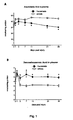
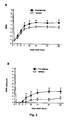
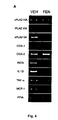
- Fenretinide treatment following SCI was also associated with (a) modulation of polyunsaturated fatty acid (PUFA) levels, and more particularly with decreased AA levels and increased DHA levels in both the plasma and the spinal cord; (b) reduction in the expression of pro-inflammatory mediators such as IL-1 ⁇ , TNF- ⁇ , sPLA 2 GIIA and iNOS in the spinal cord; and (c) attenuation of the oxidative stress in the injured spinal cord.
- PUFA polyunsaturated fatty acid
- ALS mouse model administration of fenretinide to mutant SOD1 transgenic mice results in (a) improve motor function, (b) prolonged survival, (c) improved w-3:w-6 poly unsaturated fatty acid (PUFA) ratios in the plasma and the CNS, (d) reduced lipid peroxidation/oxidative stress in the plasma and in the CNS, (e) increased number of motor neurons, and (f) decreased glial activation in the CNS.
- PUFA poly unsaturated fatty acid
- the present description provides a method for treating neural injury or a neurodegenerative disease/disorder in a subject, said method comprising administering to said subject an effective amount of (i) a retinoic acid derivative; (ii) a functional analog, conjugate, prodrug or precursor of (i); (iii) a pharmaceutically-acceptable salt of (i) or (ii); or (iv) any combination of (i) to (iii).
- the above-mentioned retinoic acid derivative increases, and/or induces the production of, ceramides.
- retinoic acid derivatives which may be used in the present description, include, for example:
- the above-mentioned retinoic acid derivative is (i) fenretinide (all- trans -N-(4-hydroxyphenyl) retinamide); (ii) a functional derivative, analog, conjugate, prodrug or precursor of fenretinide; or (iii) a pharmaceutically-acceptable salt of (i) or (ii).
- the above-mentioned retinoic acid derivative is (i) fenretinide (all- trans -N-(4-hydroxyphenyl) retinamide); or (ii) a pharmaceutically-acceptable salt of fenretinide.
- the present description provides the use of a retinoic acid derivative for treating neural injury or a neurodegenerative disease/disorder, or for the preparation of a medicament for treating neural injury or a neurodegenerative disease/disorder, in a subject.
- the present description provides a composition
- a composition comprising (a) a retinoic acid derivative; and (b) a pharmaceutically acceptable carrier, for treating neural injury or a neurodegenerative disease/disorder, or for the preparation of a medicament for treating neural injury or a neurodegenerative disease/disorder, in a subject.
- the present description provides a retinoic acid derivative for treating neural injury or a neurodegenerative disease/disorder, or for the preparation of a medicament for treating neural injury or a neurodegenerative disease/disorder, in a subject.
- the above-mentioned retinoic acid derivative (i) fenretinide; (ii) a functional derivative, analog, conjugate, prodrug or precursor of fenretinide; (iii) a pharmaceutically-acceptable salt of (i) or (ii); or (iv) any combination of (i) to (iii).
- the above-mentioned retinoic acid derivative is (i) fenretinide; (ii) a pharmaceutically-acceptable salt of fenretinide; or (iii) any combination of (i) and (ii).
- the above-mentioned retinoic acid derivative is (i) fenretinide; or (ii) a pharmaceutically-acceptable salt of fenretinide.
- the above-mentioned method results in or further comprises treatment or inhibition of a condition following said neural injury, wherein said condition is selected from (a) neural inflammation; (b) loss of neural cell or tissue ( i.e. , results in improved neuronal survival); (c) increased neural arachidonic acid (AA) levels; (d) decreased neural docosahexaenoic acid (DHA) levels; (e) neural oxidative stress; and (f) any combination of (a) to (e).
- a condition following said neural injury wherein said condition is selected from (a) neural inflammation; (b) loss of neural cell or tissue ( i.e. , results in improved neuronal survival); (c) increased neural arachidonic acid (AA) levels; (d) decreased neural docosahexaenoic acid (DHA) levels; (e) neural oxidative stress; and (f) any combination of (a) to (e).
- the above-mentioned use, retinoic acid derivative, and/or composition results in or is further for the treatment or inhibition of a condition following said neural injury, wherein said condition is selected from (a) neural inflammation; (b) loss of neural cell or tissue ( i.e. , results in improved neuronal survival); (c) increased neural arachidonic acid (AA) levels; (d) decreased neural docosahexaenoic acid (DHA) levels; (e) neural oxidative stress; and (f) any combination of (a) to (e).
- a condition is selected from (a) neural inflammation; (b) loss of neural cell or tissue ( i.e. , results in improved neuronal survival); (c) increased neural arachidonic acid (AA) levels; (d) decreased neural docosahexaenoic acid (DHA) levels; (e) neural oxidative stress; and (f) any combination of (a) to (e).
- the above-mentioned treatment or inhibition of neural inflammation is associated with (i) decreased TNF- ⁇ levels; (ii) decreased IL-1 ⁇ levels; (iii) decreased iNOS levels; (iv) decreased sPLA 2 GIIA levels, or (v) any combination of (i) to (iv).
- the above-mentioned method, use, retinoic acid derivative, and/or composition further results in or is further for increasing innervation following said neural injury.
- the innervation is serotonergic innervation.
- the above-mentioned method results in or further comprises treatment or inhibition of a condition associated with said neurodegenerative disease/disorder (e.g. , ALS), wherein said condition is selected from (a) decreased motor function; (b) increased neural arachidonic acid (AA) levels; (c) decreased neural docosahexaenoic acid (DHA) levels; (d) neural oxidative stress; (e) decreased number of motor neurons; (f) increased neural glial activation ( e.g. , CNS inflammation); and (g) any combination of (a) to (f).
- a condition associated with said neurodegenerative disease/disorder e.g. , ALS
- said condition is selected from (a) decreased motor function; (b) increased neural arachidonic acid (AA) levels; (c) decreased neural docosahexaenoic acid (DHA) levels; (d) neural oxidative stress; (e) decreased number of motor neurons; (f) increased neural glial activation ( e.
- the above-mentioned use, retinoic acid derivative, and/or composition results in or further comprises treatment or inhibition of a condition associated with said neurodegenerative disease/disorder (e.g. , ALS), wherein said condition is selected from (a) decreased motor function; (b) increased neural arachidonic acid (AA) levels; (c) decreased neural docosahexaenoic acid (DHA) levels; (d) neural oxidative stress; (e) decreased number of motor neurons; (f) increased neural glial activation; and (g) any combination of (a) to (f).
- a condition associated with said neurodegenerative disease/disorder e.g. , ALS
- said condition is selected from (a) decreased motor function; (b) increased neural arachidonic acid (AA) levels; (c) decreased neural docosahexaenoic acid (DHA) levels; (d) neural oxidative stress; (e) decreased number of motor neurons; (f) increased neural glial activation; and (
- the above-mentioned neurodegenerative disease/disorder is ALS.
- Fenretinide (all- trans -N-(4-hydroxyphenyl) retinamide), which has CAS registry number 65646-68-6, is a synthetic retinoid of the following formula:
- fenretinide derivative or “fenretinide analog” refers to a compound whose chemical structure comprises a 4-hydroxy moiety and a retinamide.
- derivatives/analogs/metabolites of fenretinide include, but are not limited to, 4-oxo-N-(4-hydroxyphenyl)retinamide (4-oxo-4-HPR), N-(4-methoxyphenyl)retinamide (4-MPR), 4-Hydroxybenzylretinone, C-glycoside and arylamide analogues of N-(4-hydroxyphenyl) retinamide-O-glucuronide, including but not limited to 4-(retinamido)phenyl-C-glucuronide, 4-(retinamido)phenyl-C-glucoside, 4-(retinamido)benzyl-C-xyloside; and retinoyl ⁇ -glucuronide analogues such as, for example, 1-( ⁇ -D-glucopyranosyl) retinamide, 1-(D-glucopyranosyluronosyl) retinamide and bex
- Patent Application No. 2006/0264514 U.S. Patent Nos. 5,516,792 , 5,663,377 , 5,599,953 , 5,574,177 , Anding et al. (2007) Cancer Res. 67: 6270-6277 and Bhatnagar et al. (1991) Biochem. Pharmacol. 41: 1471-7 .
- Fenretinide and/or a pharmaceutically acceptable salt thereof is particularly suitable for use in the present methods as it is reported to have fewer side-effects compared to naturally-occurring retinoids including vitamin A ( Ulukaya and Wood (1999) Cancer Treat Rev. 25: 229-35 ).
- the safety profile for fenretinide is excellent, as minimal side effects have been noted in a variety of clinical trials using fenretinide on a prophylactic basis (Ulukaya and Wood (1999), supra ).
- Clinical trials have shown that fenretinide does not induce generalized vascular damage in humans ( Reynolds and Lemons (2001) Hematol. Oncol. Clin. North Am. 15: 867-910 ).
- Fenretinide has also been used to treat subjects (2-21 years of age) with neuroblastoma to define fenretinide pharmacokinetics and maximal tolerated dose in children, and to assess short- and mid-term toxicity in this age range ( Garaventa, et al. (2003) Clin. Cancer Res. 9: 2032-2039 ).
- Fenretinide has been extensively studied because of its chemo-protective and anti-tumor activities described when used on a variety of malignant cells, including non-small lung cancer, neuroblastoma, Kaposi's sarcoma, breast cancer and glioma ( Charles et al. (2001) Cancer Chemother. Pharmacol. 47: 444-450 ; Garaventa et al. (2003) Clin. Cancer Res. 9: 2032-2039 ; Lippman et al. (2001) J. Natl. Cancer Inst. 93: 605-618 ; Ponthan et al. (2003) Oncol. Rep. 10: 1587-1592 ; Puduvalli et al. (1999) Clin. Cancer Res.
- Fenretinide has also been granted Orphan Disease status both in US and Europe for the following indications (see http://www.cancertechnology.co.uk/): (1) Treatment of malignant bone disease (EU), granted January 26 th 2007, designation number EU/3/06/426; (2) Treatment of soft tissue sarcoma (EU), granted January 30 th 2007, designation number EU/3/06/427; (3) Treatment of Ewing's sarcoma family of tumors (US), granted February 1 st 2007, designation number 06-2361.
- EU malignant bone disease
- EU Treatment of soft tissue sarcoma
- US Treatment of Ewing's sarcoma family of tumors
- an "effective amount" of an agent e.g. , a retinoic acid derivative such as fenretinide, or an analog, derivative, prodrug or metabolite thereof, or a pharmaceutically-acceptable salt thereof) or composition as referred to herein is an amount which is capable of achieving a prophylactic and/or therapeutic effect on neural injury (e.g. , spinal cord injury) or a neurodegenerative disease/disorder (e.g. , ALS), of a neural cell and/or tissue (e.g. , CNS tissue, e.g. , spinal cord).
- a prophylactic and/or therapeutic effect includes, but is not limited to, reduction in apoptosis/destruction ( i.e.
- loss of) of neural cells and/or tissue increase survival of neural cells and/or tissue (e.g. neurons); reduction or delay of neurodegeneration, recovery of motor function; reduction in long-term damage to neural cells/tissue and/or to surrounding cells/tissue; decrease of the inflammation in neural cells/tissues (e.g. , SCI-associated inflammation, SLA-associated inflammation); reduction in the oxidative stress in neural cells/tissues; decrease in neural AA levels ( e.g. , phospholipid-bound AA levels); increase in neural DHA levels ( e.g., phospholipid-bound DHA levels); improvement in behavioral reflexes; and increased survival/survival time.
- neural AA levels e.g. , phospholipid-bound AA levels
- increase in neural DHA levels e.g., phospholipid-bound DHA levels
- improvement in behavioral reflexes e.g., phospholipid-bound DHA levels
- an effective amount or dose of any one active agent will vary somewhat from compound to compound, subject to subject, and will depend upon factors such as the condition of the subject, the target site of action, the patient's weight, the route of delivery, and other factors that will be recognized by those skilled in the art. Such dosages can be determined in accordance with routine pharmacological procedures known to those skilled in the art, particularly in light of the disclosure provided herein and current dosing practices of known active agents.
- fenretinide has been used systemically by achieving a plasma level of about 0.1, 2, 3, 5 ⁇ M to 10 or 20 ⁇ M.
- fenretinide is typically used at 50 or 100 to 500 or 1000, 2000 or 3000 mg/m 2 body surface area per day. In particular embodiments, 0.1 to 10 ⁇ M plasma concentrations are achieved.
- the above-mentioned agent is administered/used as soon as the injury to CNS ( e.g. , during acute SCI) or the neurodegenerative disorder is diagnosed. In an embodiment, the treatment is continued until the inflammatory process resulting from, or associated with, the injury or disorder is resolved.
- the above-mentioned administration or use is daily administration or use. In an embodiment, the above-mentioned administration or use is performed for a cycle of about 28 days. In another embodiment, the above-mentioned administration or use is performed for a cycle of about 5 days. In a further embodiment, the above-mentioned cycle is repeated several times ( e.g. , once, twice, three times, four times, five times, six times, seven times, etc.). In a further embodiment, the above-mentioned administration or use is interrupted between said cycles. In a further embodiment, the above-mentioned interruption is for about 3 days.
- An agent e.g. , a retinoic acid derivative such as fenretinide, or an analog, derivative, prodrug or metabolite thereof, or a pharmaceutically-acceptable salt thereof
- a composition pharmaceutical composition or medicament
- the present description provides a composition
- a composition comprising (a) a retinoic acid derivative; and (b) a pharmaceutically acceptable carrier, for treating neural injury or a neurodegenerative disease/disorder, or for the preparation of a medicament for treating neural injury or a neurodegenerative disease/disorder, in a subject.
- the above-mentioned composition comprises:
- the above-mentioned composition comprises (i) fenretinide; (ii) a pharmaceutically-acceptable salt of fenretinide; or (iii) any combination of (i) and (ii).
- the above-mentioned composition comprises (i) fenretinide; or (ii) a pharmaceutically-acceptable salt of fenretinide.
- the active agent including a physiologically acceptable salt thereof, is typically admixed with, inter alia, an acceptable carrier/excipient.
- the carrier is acceptable in the sense of being compatible with any other ingredients in the formulation and not be deleterious to the subject.
- the carrier can be a solid or a liquid, or both, and is preferably formulated with the compound as a unit-dose formulation, for example, a tablet, which can contain from 0.5% to 95% by weight of the active agent.
- One or more active agents can be incorporated in the formulations of the invention, which can be prepared by any of the well-known techniques of pharmacy consisting essentially of admixing the components, optionally including one or more accessory ingredients. See, e.g., Remington: The Science and Practice of Pharmacy, Alfonso R. Gennaro, editor, 20th ed. Lippincott Williams & Wilkins: Philadelphia, PA, 2000 .
- the formulations of the invention include those suitable for oral, buccal (e.g. , sub-lingual), parenteral (e.g. , subcutaneous intramuscular, intradermal, or intravenous), topical (i.e. , mucosal surfaces and airway surfaces), and neural administration, although the most suitable route in any given case will depend on the nature and severity of the condition being treated and on the nature of the particular active agent which is being used.
- Formulations comprising fenretinide are described, for example, in WO 02/05869 , WO 07/115134 , WO 04/069203 , U.S. Patent publication No. 2005/0106216 , U.S. Patent No. 4,874,795 , and U.S. Patent No. 5,972,911 .
- an agent of the invention e.g. , a retinoic acid derivative such as fenretinide, or a derivative, analog, prodrug or metabolite thereof, or a pharmaceutically-acceptable salt thereof
- a retinoic acid derivative such as fenretinide, or a derivative, analog, prodrug or metabolite thereof, or a pharmaceutically-acceptable salt thereof
- neural cells or neural tissue such as central nervous system (CNS) cells or tissue.
- neural tissue such as central nervous system (CNS) cells or tissue.
- neural tissue such as central nervous system (CNS) cells or tissue.
- CNS central nervous system
- a compound of the invention can be administered to treat neural cells/tissue in vivo via direct intracranial injection or injection into the cerebrospinal fluid.
- the compound can be administered systemically (e.g.
- a composition of the invention may be formulated for such administration to neural tissue.
- Formulations suitable for oral administration can be presented in discrete units, such as capsules, cachets, lozenges, or tablets, each containing a predetermined amount of the active compound; as a powder or granules; as a solution or a suspension in an aqueous or nonaqueous liquid; or as an oil-in-water or water-in-oil emulsion.
- Such formulations can be prepared by any suitable method of pharmacy which includes the step of bringing into association the active compound and a suitable carrier (which may contain one or more accessory ingredients as noted above).
- the formulations of the invention are prepared by uniformly and intimately admixing the active compound with a liquid or finely divided solid carrier, or both, and then, if necessary, shaping the resulting mixture.
- a tablet can be prepared by compressing or molding a powder or granule containing the active agent, optionally with one or more accessory ingredients.
- Compressed tablets can be prepared by compressing, in a suitable machine, the compound in a free-flowing form, such as a powder or granules optionally mixed with a binder, lubricant, inert diluent, and/or surface active/dispersing agent(s).
- Molded tablets can be made by molding, in a suitable machine, the powdered compound moistened with an inert liquid binder.
- Formulations suitable for buccal (sub-lingual) administration include lozenges having the active agent in a flavored base, usually sucrose and acacia or tragacanth; and pastilles containing the active agent in an inert base such as gelatin and glycerin or sucrose and acacia.
- Formulations for parenteral administration are conveniently sterile aqueous preparations of the active agent, which preparations are preferably isotonic with the blood of the intended recipient. These preparations can be administered by means of subcutaneous, intravenous, intramuscular, or intradermal injection. Such preparations can conveniently be prepared by admixing the compound with water or a glycine buffer and rendering the resulting solution sterile and isotonic with the blood. Formulations for parenteral administration can also be mixed, for example, with vitamin E and/or other suitable food antioxidants and food supplements [such as Peptamen® (Nestlé)].
- Formulations suitable for topical application e.g. , in the oral passage, nasopharynx, or oropharynx
- Formulations suitable for topical application take the form of an ointment, cream, lotion, paste, gel, spray, aerosol, or oil.
- Carriers which can be used include vaseline, lanoline, polyethylene glycols, alcohols, transdermal enhancers, and combinations of two or more thereof.
- the above-mentioned treatment comprises the use/administration of more than one (i.e. , a combination of) active/therapeutic agent (e.g. , a retinoic acid derivative such as fenretinide, or a derivative, analog, prodrug or metabolite thereof, or a pharmaceutically-acceptable salt thereof).
- active/therapeutic agent e.g. , a retinoic acid derivative such as fenretinide, or a derivative, analog, prodrug or metabolite thereof, or a pharmaceutically-acceptable salt thereof.
- the combination of prophylactic/therapeutic agents and/or compositions of the present invention may be administered or co-administered ( e.g. , consecutively, simultaneously, at different times) in any conventional dosage form.
- Co-administration in the context of the present invention refers to the administration of more than one therapeutic in the course of a coordinated treatment to achieve an improved clinical outcome.
- Such co-administration may also be coextensive, that is, occurring during overlapping periods of time.
- a first agent may be administered to a patient before, concomitantly, before and after, or after a second active agent is administered.
- the agents may in an embodiment be combined/formulated in a single composition and thus administered at the same time.
- the active compounds/compositions/formulations of the instant invention may be used alone or in combination with other therapeutics currently used to prevent and/or treat neural diseases and/or conditions (e.g. , spinal cord injury or neurodegenerative diseases/disorders) or their associated effects (e.g. , pain).
- the compounds/compositions/formulations of the instant invention may be used in combination with ( i.e. , administered before, after, or simultaneously with) methylpredisolone, pain relievers or pain killers, or neurotrophic factors.
- kits or packages e.g. , commercial packages
- kits or packages comprising the above-mentioned composition(s) or agent(s) together with instructions for their use for the treatment of neural injury or a neurodegenerative disease/disorder in a subject.
- the present description provides a kit or package comprising:
- the present invention provides a kit or package comprising: (i) fenretinide or salts thereof, or the above-mentioned composition; and
- kit may also comprise, for example, containers, devices for administering the agent/composition, etc.
- the above-mentioned neural injury is an injury to the CNS.
- the above-mentioned injury to the CNS is spinal cord injury (SCI).
- the above-mentioned SCI is acute SCI.
- the above-mentioned neurodegenerative disease/disorder is ALS.
- the above-mentioned ALS is familial ALS.
- Neural injury and neurodegenerative disease/disorders generally refers to diseases or conditions resulting in, or associated with, damage to neural cells/tissue. Such damages may be the result, for example, of a physical trauma to neural tissue and/or of inflammation/oxidative stress within a neural tissue.
- Reference to spinal cord injury (SCI) herein includes any form of physical, chemical or genetic trauma to the spinal cord.
- a physical trauma includes a tissue insult such as an abrasion, incision, contusion, puncture, compression etc., such as can arise from traumatic contact of a foreign object with any locus of or appurtenant/adjacent to the head, neck or vertebral column.
- traumatic injury can arise from constriction or compression of CNS tissue by an inappropriate accumulation of fluid (for example, a blockade or dysfunction of normal cerebrospinal fluid or vitreous humor fluid production, turnover, or volume regulation, or a subdural or intracranial hematoma or edema).
- traumatic constriction or compression can arise from the presence of a mass of abnormal tissue, such as a metastatic or primary tumor or from disease (poliomyelitis, spina bifida, Friedreich's Ataxia, etc.).
- the method, use, composition and/or package of the present invention are useful for the prevention and/or treatment of secondary injury resulting from an initial insult/injury to the CNS (e.g. , spinal cord).
- the terms "subject” or “patient” are used interchangeably are used to mean any animal, preferably a mammal, including humans, non-human primates as well as domestic and farm animals, and zoo, sports or pet animals such as dogs, horses, cats, cows etc.
- the subject is a human.
- Fenretinide preparation and treatment Fenretinide powder was resuspended in 95% ethanol under sterile conditions to generate a 2 ⁇ g/ ⁇ L stock solution. This solution was incorporated into a daily liquid diet of PeptamenTM (Nestle Canada, Brampton, ON) at a dose of 5 mg/kg/day for oral consumption as described previously ( Guilbault et al. (2008) Am J Respir Cell Mol Biol 38: 47-56 ). The suspension was protected from light and kept at 4°C before treatment of the mice. One hour following surgery and for the subsequent three days, fenretinide was administered by gavage in two doses, each suspended in 300 ⁇ L of PeptamenTM.
- Gavage was chosen as the method of drug delivery immediately after surgery due to the loss of appetite and reduced food intake during the first 48 h after injury.
- mice were fed the fenretinide/PeptamenTM mixture. At this point mice were separated into individual cages in order to ascertain the amount of food and drug consumed.
- the diet was administered every morning with careful monitoring of the quantity consumed by each mouse. More specifically, the daily fenretinide dose was incorporated into 12 ml of PeptamenTM, which represents 80% of the daily mouse food consumption, to ensure 100% consumption.
- the food was given to the mice in the mid-morning.
- the diet for control animals was prepared and administered in the same fashion as the drug treatment; however, control animals received PeptamenTM with no fenretinide added but with an equivalent amount of ethanol.
- lipid fractions were dried under nitrogen and resuspended in heptane as previously described ( De Sanctis (1991) Med Sci Res 19: 335-337 ). Phospholipids were identified by thin layer chromatography extraction. Diazomethane was used to esterify the released fatty acids and the esters were identified by GC/MS (Hewlett Packard 5880A, WCOT) capillary column (SupelcoTM-10, 35 m x 0.5 mm, 1 ⁇ m thick) using commercial standards (Sigma-Aldrich, Oakville, ON, Canada).
- ALS studies Plasma, spinal cord, cerbral cortex and brainstem samples were all analyzed to determine the lipid concentration of each. Ceramide, phospholipid-bound docosahexaenoic acid (DHA), phospholipid-bound arachidonic acid (AA), malonyldialdehyde (MDA) and nitrotyrosine levels were assessed in all samples. To determine the lipid concentration of tissue and plasma samples, analysis was performed using an enzyme-linked immunosorbent assay (ELISA) method.
- ELISA enzyme-linked immunosorbent assay
- the extracted lipid fractions were dried under nitrogen and resuspended in heptane. Separation of phospholipids was performed by thin-layer chromatography (TLC), detected by iodine. The separated lipid samples were then subjected to ELISA to ascertain the concentrations of each lipid species.
- TLC thin-layer chromatography
- the phospholipids from the dry silica, once resuspended in ethanol, were used to coat NuncTM plates specific for lipid binding. The plates were then washed and incubated with blocking buffer for 1 hr at 37° C (PBS, 0.1% TweenTM 20, and 1% bovine serum albumin).
- the plates were incubated with murine IgM (Sigma-Aldrich) antibody (Ab) specific for the particular lipid species desired for 1 hr at 37°C. Following another wash, the plates were incubated with anti-mouse IgM Ab conjugated with peroxidase for 1 hr at 37°C.
- the final step involved incubating the plates with the peroxidase substrate (TMB; Roche, Laval, QC).
- TMB peroxidase substrate
- the intensity of the colorimetric reaction was determined by spectrophotometry at 405 nm and the level of each lipid species was calculated using a standard curve as a reference. Outliers were identified as data falling outside ⁇ 2 standard deviations from the group mean when the point in question was removed.
- RT-PCR A 5 mm length of the spinal cord containing the lesion site was harvested at 1dpi from experimental and control groups. The three spinal cords were pooled and RNA was extracted using RNeasyTM Lipid Tissue kit (Qiagen, Mississauga, Ontario, Canada). PCR amplification was performed with specific primers for mouse IL-1 ⁇ , TNF- ⁇ , MCP-1, COX-1, COX-2, iNOS, cPLA 2 GIVA, iPLA 2 GVIA and sPLA 2 GIIA (Table I). Peptidylprolyl isomerase A (PPIA) was used as a control to normalize the cDNA samples used for PCR amplification.
- PPIA Peptidylprolyl isomerase A
- mice were perfused with 4% paraformaldehyde in 0.1M phosphate buffer (PB). 5 mm length of the spinal cord containing the lesion site was removed, cryoprotected with 30% sucrose in 0.1M PB, and cut in serial sections (16 ⁇ m thick). Serial tissue sections were immunostained using rat polyclonal antibodies against glial fibrillary acidic protein (GFAP) (1/400; Zymed Labs) and rabbit polyclonal antibodies against 5-hydroxytryptamine (5-HT) (1/5000; Sigma, Aldrich). In addition, one series of serial sections of the spinal cord were stained with cresyl violet to quantify neuronal loss.
- GFAP glial fibrillary acidic protein
- 5-HT 5-hydroxytryptamine
- Tissue sections were viewed with an AxioskopTM 2 Plus microscope (Zeiss) and images captured using a QImaging RetigaTM 1300 camera, and quantification done using BioQuantTM Nova Prime image analysis system (BioQuant Image Analysis Corp.).
- Tissue sparing was calculated by delineating the GFAP stained areas, and neuronal survival was assessed by counting the neuron profiles in the ventral horn below the level of the central canal of the spinal cord in tissue sections stained with cresyl violet.
- Assessment of serotonergic fiber innervation was performed by calculating the area occupied by serotonergic axons in the ventral horns of spinal cord sections taken at a distance of 1000 ⁇ m caudal to the lesion site.
- microglial cells were stimulated by adding lipopolysaccharides (LPS) (10 ng/ml) in DMEM/F12 with 1% penicillin/streptomycin and 1% vitamins for 6 h.
- LPS lipopolysaccharides
- the determination of the LPS concentration and incubation time was based on earlier experiments used to optimize conditions for measuring TNF ⁇ release from activated microglia.
- Treatment with fenretinide (0.625 or 1.25 ⁇ M in DMEM/F12) was initiated 18 hours prior to LPS stimulation, and continued together with LPS stimulation.
- the protocol for fenretinide treatment was based on previous studies on toxicity and reduction of TNF ⁇ ⁇ levels in macrophages.
- the amount of TNF ⁇ released in 50 ⁇ l of the conditioned medium was determined by ELISA.
- SOD1 G93A [B6SJL-Tg(SOD1*G93A)1Gur/J] transgenic mice, available at Jackson Laboratories (Stock No. 002726) were utilized. These animals were derived from a colony maintained on a C57BL/6 background. All animals were housed and bred at the McGill University Health Centre Research Institute Animal Facility. Mice were maintained in cages with sterile wood-chip bedding and kept in ventilated racks. All animal housing, breeding and experimentation were performed under specific pathogen-free conditions in a barrier facility. Pups were genotyped between 21 and 28 days of age using real-time quantitative polymerase chain reaction (qPCR) in accordance with the Jackson Laboratory protocols.
- qPCR real-time quantitative polymerase chain reaction
- mice were supplied with NIH-31-modified irradiated mouse diet (Harlan Teklad, Indianapolis, IN) ad libitum at all times. Beginning at day 30, mice used for experimentation were also given 12.5 mL of liquid diet (PeptamenTM liquid diet; Nestle Canada, Brampton, ON, Canada) 5 days per week containing either 5 mg/kg of fenretinide or an equivalent volume of vehicle (95% ethanol). After randomly assigning mice to either the fenretinide or control (vehicle) group, each mouse was then assigned randomly to one of three experimental groups to analyze behavior, plasma lipid concentration or histology. All procedures performed followed Canadian Council of Animal Care guidelines.
- Tissue collection for fatty acid analysis Mice were euthanized by inhaling CO 2 followed by cardiac puncture exsanguination. Blood collected was processed as described in the next section.
- BHA butylated hydroxy anisole
- Cerebral cortex and brainstem samples were collected, homogenized and stored separately in the same BHA solution. Blood samples collected were treated under the same protocol as the samples extracted at different time points.
- Blood collection Blood samples were collected at day 60, 90 and 120 in addition to the time at the clinical endpoint mentioned above. Mice were placed under a heating lamp for 5 minutes before sampling. Mice were then placed in a holding device and one hind limb was immobilized and shaved. The saphenous vein was pierced with a 25G needle and 100 ⁇ L of blood was collected and mixed with 10 ⁇ L of 0.5M EDTA to prevent coagulation. Samples were then centrifuged at 350 x g for 7 minutes at 4°C and 40 ⁇ l of plasma was removed and stored in 400 ⁇ l of the BHA solution described above. All samples were stored at -80°C until analysis was performed.
- Motor function analysis Motor function was assessed by Rota-rod (Med Associates Inc., St. Albans, VT) two times per week beginning at 70 days of age. An acclimatization period of 3 days was implemented before beginning measurements to allow animals to become familiar with the apparatus. Animals were placed on the rod with a constant rotation of 16 rpm and the time latency to fall was used as a measurement of motor function. Animals remaining on the apparatus after 300 seconds were given a perfect score and the trial was ended. Three consecutive trials were performed with a one minute rest period between each trial and the best result of the three trials was recorded. Mice used for plasma analysis were also included in the Rota-rod experiments as it was determined after evaluating their performance that it was not impaired. In the rare event that an animal's performance improved, the lower "pre-improvement" time point was dropped as it was not considered representative of their true ability given the progressive nature of paralysis in SOD1 G93A mice.
- SOD1 G93A mice typically develop the first signs of motor impairment around 90 days of age. The initial stages present with a resting tremor and slight gait impairment which progress to complete hind limb paralysis at the end stage. The clinical end point was determined to occur when a mouse was unable to right itself in less than 30 seconds after being turned on its side or when greater than 20% weight loss had occurred.
- Two sets of primers were used, in separate reaction flasks, to amplify both the WT and transgenic SOD1 genes: Tg forward: 5'-CAT CAG CCC TAA TCC ATC TGA-3' (SEQ ID NO: 21), Tg reverse: 5'-CGC GAC TAA CAA TCA AAG TGA-3' (SEQ ID NO: 22), WT forward: 5'-CTA GGC CAC AGA ATT GAA AGA TCT-3' (SEQ ID NO: 23), and WT reverse: 5'-GTA GGT GGA AAT TCT AGC ATC ATC C-3' (SEQ ID NO: 24). Both primer sets were diluted to a final concentration of 250 nM and tested to optimize conditions.
- Example 2 Fenretinide modulates AA and DHA levels after SCI.
- AA arachidonic acid
- DHA docosahexaenoic acid
- Example 3 Fenretinide enhances functional recovery after SCI.
- fenretinide The effect of fenretinide on enhancement of functional recovery and tissue protection after SCI was evaluated.
- the results presented in Fig. 2A show that daily administration of fenretinide started 1 hour after SCI improved locomotor function assessed using the 9-point Basso Mouse Scale (BMS) as compared with the vehicle-treated mice ( Fig. 2A ; * p ⁇ 0.05; Two Way RM-ANOVA, Tukey post-hoc test).
- Post-hoc analysis revealed significant differences in BMS score starting at day 7 dpi and remaining significantly enhanced during the duration of the follow up.
- vehicle-treated mice were able to step occasionally or frequently but without co-ordination (score 4.6).
- mice treated with fenretinide displayed plantar stepping with occasional coordination and more parallel paw position (score 5.8).
- fine locomotor skills assessed by the BMS subscores also showed a significant improvement in mice treated with fenretinide from day 7 to 28 after SCI.
- mice given with fenretinide had a mean subscore 2.2 points higher than vehicle-treated mice ( Fig. 2B ).
- Example 4 Fenretinide reduces/prevents tissue damage after SCI.
- Example 5 Fenretinide reduces the expression of pro-inflammatory mediators and attenuates oxidative stress after SCI.
- mRNA levels of several pro-inflammatory mediators was measured by RT-PCR.
- the results showed that at 1 dpi, mRNA levels for TNF- ⁇ and IL-1 ⁇ , two potent pro-inflammatory cytokines, were reduced by about 30% and 40%, respectively, after treatment with fenretinide ( Fig. 4A ).
- iNOS an enzyme related to inflammation and oxidative stress
- sPLA 2 GIIA mRNA levels but not cPLA 2 GIVA and iPLA 2 GVIA mRNA levels, were reduced by about 50% after fenretinide treatment ( Fig. 4A ). No changes in COX-1, COX-2 and MCP-1 mRNA levels were observed ( Fig. 4A ).
- MDA malonyldialdehyde
- NO nitric oxide
- Fenretinide reduced pro-inflammatory mediator expression after SCI, suggesting that the drug modulates the inflammatory response.
- the effect of fenretinide on microglial cells was then studied. Microglial cells were activated in vitro by the addition of LPS (10 ng/ml) and the release of TNF ⁇ in the culture supernatant was measured. ELISA results from the supernatants obtained from microglial cells stimulated with LPS showed a 20% and 40% reduction in the protein levels of TNF ⁇ when treated with 0.625 and 1.25 ⁇ M of fenretinide, respectively ( Fig. 5 ), as compared to untreated cells. These doses of fenretinide did not have any toxic effects on the cells based on cell viability and cell de-attachment studies. These results provide direct evidence that fenretinide reduces microglial activation. Similar results were obtained on activated bone marrow-derived macrophages.
- Example 7 Plasma levels of molecules associated with inflammation and/or oxidative stress in ALS mouse models.
- Figures 6-15 show a comparison of the plasma levels of various molecules generally associated with inflammation and/or oxidative damages/stress (ceramides, AA, DHA, MDA and nitrotyrosine) in wild-type mice vs. two mouse models of ALS, namely SOD1 G93A ( Figs. 6-10 ) and SOD1 G37R ( Figs. 11-15 ) transgenic mice. These mice, which over-express mutant forms of human Cu, Zn-superoxide dismutase (SOD1), show staged and age-dependent motor neuron degeneration with profound cellular and biochemical damage to nerve fibers and spinal cord tissue ( Wong et al., 1995. Neuron 14: 1105-16 ; Hensley et al., 2006. Antioxid redox signal 8: 2075-87 ). The results presented in Figures 6-15 show that the levels of these molecules tend to be increased/higher in ALS mice as compared to normal mice.
- SOD1 G93A Figs. 6-10
- Impairment of motor function was measured by twice-weekly Rota-rod testing.
- SOD1 G93A transgenic mice treated with fenretinide performed significantly better on the Rota-rod than sham-treated control animals suggesting that the disease phenotype can be modulated by fenretinide treatment.
- Sham-treated animals showed a decline in motor function 2 weeks before any impairment was detected in the fenretinide-treated group, indicating that treatment with fenretinide delays disease onset in this model.
- the fenretinide-treated group performed better than control animals and this difference was significant ( p ⁇ 0.05) independently at day 112, 116, and 119, as shown in Fig. 16 .
- the median survival of treated animals was also significantly ( p ⁇ 0.05) higher than untreated, as evidenced from the Kaplan-Meier cumulative survival plot shown in Fig. 17B .
- Early mortality was also more common in control animals. More than 22% of sham-treated mice died before a single mouse treated with fenretinide reached the clinical endpoint, and 17% of fenretinide-treated animals remained alive after all control mice had reached the endpoint, as depicted in Fig. 17B .
- NT nitrotyrosine
- MDA malonyldialdehyde
- samples of lumbar spinal cord, brain stem and cerebral cortex were analyzed for the presence of the same lipid species and markers of lipid peroxidation. Samples were harvested when each animal reached the clinical endpoint. Neither AA nor DHA levels reached a significant difference between vehicle- and fenretinide-treated groups in the brain stem samples. AA in spinal cord samples and DHA in cortex samples were also not significantly affected by fenretinide treatment, as shown in Fig. 21B and 21D , respectively, although DHA did show an increasing trend in the fenretinide-treated group ( Fig. 21D ).
- FIG. 22B Representative images depicting motor neuron staining are shown in Fig. 22B .
- Counts were performed from both ventral horns on sections every 300 ⁇ m and an average of 4 sections (8 ventral horns) was taken for each animal.
- mice treated with fenretinide displayed approximately 20% to 30% more motor neurons than control mice.
- GFAP glial fibrillary acidic protein
- Mac-2 Mac-2 antigen
- Mac-2 positive stained area was also significantly higher in control animals, with 60% more area stained ( p ⁇ 0.05), as shown in Fig. 23C . It can be seen from the representative images in Fig. 23B and 23D that vehicle-treated mice not only possessed a greater number of glial cells, but these cells displayed greater hypertrophy. These findings demonstrate that glial activation, a marker of CNS inflammation, is decreased in animals treated with fenretinide.
Landscapes
- Health & Medical Sciences (AREA)
- Life Sciences & Earth Sciences (AREA)
- General Health & Medical Sciences (AREA)
- Public Health (AREA)
- Veterinary Medicine (AREA)
- Animal Behavior & Ethology (AREA)
- Epidemiology (AREA)
- Chemical & Material Sciences (AREA)
- Medicinal Chemistry (AREA)
- Pharmacology & Pharmacy (AREA)
- Biomedical Technology (AREA)
- Engineering & Computer Science (AREA)
- Neurosurgery (AREA)
- Neurology (AREA)
- Bioinformatics & Cheminformatics (AREA)
- Pain & Pain Management (AREA)
- Diabetes (AREA)
- Gastroenterology & Hepatology (AREA)
- Urology & Nephrology (AREA)
- Toxicology (AREA)
- Zoology (AREA)
- Rheumatology (AREA)
- Endocrinology (AREA)
- Pathology (AREA)
- Organic Chemistry (AREA)
- Chemical Kinetics & Catalysis (AREA)
- General Chemical & Material Sciences (AREA)
- Nuclear Medicine, Radiotherapy & Molecular Imaging (AREA)
- Psychiatry (AREA)
- Hospice & Palliative Care (AREA)
- Acyclic And Carbocyclic Compounds In Medicinal Compositions (AREA)
Description
- The present invention generally relates to treatment of neural diseases or conditions. More specifically, the present invention relates to treatment of neural injury or neurodegenerative diseases, such as spinal cord injury and ALS.
- The clinical management of numerous neurological disorders has been frustrated by the progressive nature of degenerative, traumatic, or destructive neurological diseases and the limited efficacy and serious side-effects of available pharmacological agents. Conditions such as degeneration, injury or trauma to the nervous system have eluded most conventional pharmacological attempts to alleviate or cure the conditions.
- Traumatic injury to the spinal cord, also called spinal cord injury (SCI) leads to functional impairments due to the death of neurons and glial cells and to the disruption of the axonal pathways. The primary insult, however, triggers a cascade of pathological events, known as secondary injury, which develops hours and days after the primary injury, resulting in further tissue damage and functional loss. The inflammatory response contributes strongly to secondary damage after SCI by releasing cytokines, free radicals, eicosanoids and proteases, among other molecules (Jones et al. (2005) Curr Pharm Des 11: 1223-1236).
- Currently, only one therapeutic agent, methylprednisolone (MP), is considered standard therapy after traumatic SCI. MP is a synthetic glucocorticosteroid that has been subjected to several large-scale human clinical trials and showed minor clinical benefits when administered within 48 hours of SCI.
- Amyotrophic lateral sclerosis (ALS), also referred to as Lou Gehrig's disease, is a progressive neurodegenerative disorder caused by degeneration of motor neurons, and is associated with inflammation and elevated levels of reactive oxygen species. It ultimately results in muscle paralysis and respiratory failure. No effective treatment has yet been found for ALS, although riluzole has been recently approved for the treatment of ALS. Riluzole delays the onset of ventilator-dependence or tracheostomy and the deterioration of muscle strength in some patients. However, it is associated with several side-effects.
-
WO 2007/104030 discloses the use of retinoic acid derivatives for the treatment of neuroinflammatory conditions. However,WO 2007/104030 does not disclose the use of fenretinide. - Thus, there is a need for novel methods and products to prevent and/or treat neural diseases and conditions such as SCI and/or ALS.
- The present description generally relates to treatment of neural diseases or conditions, based on the use of a retinoic acid derivative, such as fenretinide, and/or analogs, derivatives, prodrugs, precursors thereof, and/or salts thereof. More specifically, the present invention relates to treatment of neural injury or neurodegenerative diseases, based on the use of a retinoic acid derivative, such as fenretinide, and/or analogs, derivatives, prodrugs, precursors thereof, and/or salts thereof.
- The present invention generally relates to treatment of neural diseases or conditions, based on the use of fenretinide or salts thereof. More specifically, the present invention relates to treatment of neural injury or neurodegenerative diseases, based on the use of fenretinide or salts thereof.
- In a first aspect, the present description provides a method for treating neural injury or a neurodegenerative disease in a subject, said method comprising administering to said subject an effective amount of a retinoic acid derivative.
- In another aspect, the present description provides a use of a retinoic acid derivative for treating neural injury or a neurodegenerative disease in a subject.
- In another aspect, the present description provides a use of a retinoic acid derivative for the preparation of a medicament for treating neural injury or a neurodegenerative disease in a subject.
- In another aspect, the present description provides a composition for treating neural injury or a neurodegenerative disease in a subject, said composition comprising (a) a retinoic acid derivative; and (b) a pharmaceutically acceptable carrier.
- In another aspect, the present description provides a composition for the preparation of a medicament for treating neural injury or a neurodegenerative disease in a subject, said composition comprising: (a) a retinoic acid derivative; and (b) a pharmaceutically acceptable carrier.
- In another aspect, the present description provides a retinoic acid derivative for treating neural injury or a neurodegenerative disease in a subject.
- In another aspect, the present description provides a retinoic acid derivative for the preparation of a medicament for treating neural injury or a neurodegenerative disease in a subject.
- In another aspect, the present description provides a package comprising: (1) a retinoic acid derivative; and (2) instructions for use of said retinoic acid derivative for the treatment of neural injury or a neurodegenerative disease in a subject.
- In another aspect, the present description provides a package comprising: (1) a composition comprising (a) (i) a retinoic acid derivative; and (b) a pharmaceutically acceptable carrier; and (2) instructions for use of said composition for the treatment of neural injury or a neurodegenerative disease in a subject.
- In an embodiment, the above-mentioned retinoic acid derivative is (i) fenretinide; (ii) a functional derivative, analog, conjugate, prodrug or precursor of fenretinide; (iii) a pharmaceutically-acceptable salt of (i) or (ii); or (iv) any combination of (i) to (iii).
- In a further embodiment, the above-mentioned retinoic acid derivative is (i) fenretinide; (ii) a pharmaceutically-acceptable salt of fenretinide; or (iii) any combination of (i) and (ii).
- In an embodiment, the above-mentioned method comprises administering to said subject an effective amount of (i) fenretinide; (ii) a pharmaceutically-acceptable salt of fenretinide; or (iii) any combination of (i) and (ii).
- In an embodiment the above-mentioned use comprises the use of (i) fenretinide; (ii) a pharmaceutically-acceptable salt of fenretinide; or (iii) any combination of (i) and (ii).
- In an embodiment, the above-mentioned composition comprises: (a) (i) fenretinide; (ii) a pharmaceutically-acceptable salt of fenretinide; or (iii) any combination of (i) and (ii); and (b) a pharmaceutically acceptable carrier.
- In the present invention, the above-mentioned retinoic acid derivative is (i) fenretinide; or (ii) a pharmaceutically-acceptable salt of fenretinide.
- In an embodiment of the present invention, the above-mentioned use comprises the use of (i) fenretinide; or (ii) a pharmaceutically-acceptable salt of fenretinide.
- In an embodiment of the present invention, the above-mentioned composition comprises: (a) (i) fenretinide; or (ii) a pharmaceutically-acceptable salt of fenretinide; and (b) a pharmaceutically acceptable carrier.
- In an embodiment, the above-mentioned method or use further comprises treatment or inhibition of (or the preparation of a medicament for the treatment or inhibition of) a condition associated with said neural injury selected from (a) neural inflammation; (b) loss of neural cell or tissue; (c) increased neural arachidonic acid (AA) levels; (d) decreased neural docosahexaenoic acid (DHA) levels; (e) neural oxidative stress; and (f) any combination of (a) to (e).
- In an embodiment, the above-mentioned composition, package or retinoic acid derivative is further for treating or inhibiting a condition following said neural injury, wherein said condition is selected from (a) neural inflammation; (b) loss of neural cell or tissue; (c) increased neural arachidonic acid (AA) levels; (d) decreased neural docosahexaenoic acid (DHA) levels; (e) neural oxidative stress; and (f) any combination of (a) to (e).
- In another embodiment, the above-mentioned method or use further comprises treatment or inhibition of (or the preparation of a medicament for the treatment or inhibition of) a condition associated with said neurodegenerative disease/disorder, wherein said condition is selected from (a) decreased motor function; (b) increased neural arachidonic acid (AA) levels; (c) decreased neural docosahexaenoic acid (DHA) levels; (d) neural oxidative stress; (e) decreased number of motor neurons; (f) increased neural glial activation; and (g) any combination of (a) to (f).
- In another embodiment, the above-mentioned composition, package or retinoic acid derivative is further for treating or inhibiting a condition associated with said neurodegenerative disease/disorder, wherein said condition is selected from (a) decreased motor function; (b) increased neural arachidonic acid (AA) levels; (c) decreased neural docosahexaenoic acid (DHA) levels; (d) neural oxidative stress; (e) decreased number of motor neurons; (f) increased neural glial activation; and (g) any combination of (a) to (f).
- In another embodiment, the above-mentioned neural injury is injury to the central nervous system (CNS). In a further embodiment, the above-mentioned injury to the CNS is spinal cord injury (SCI). In a further embodiment, the above-mentioned SCI is acute SCI.
- In an embodiment, the above-mentioned method or use further comprises increasing innervation (or the preparation of a medicament for increasing innervation) following said neural injury.
- In an embodiment, the above-mentioned composition, package or retinoic acid derivative is further for increasing innervation following said neural injury.
- In an embodiment, the above-mentioned innervation is serotonergic innervation.
- In another embodiment, the above-mentioned AA levels are phospholipid-bound AA levels.
- In another embodiment, the above-mentioned DHA levels are phospholipid-bound DHA levels.
- In an embodiment, the above-mentioned neurodegenerative disease is Amyotrophic Lateral Sclerosis (ALS).
- In another embodiment, the above-mentioned subject is a mammal. In a further embodiment, the above-mentioned mammal is a human.
- Other objects, advantages and features of the present invention will become more apparent upon reading of the following non-restrictive description of specific embodiments thereof, given by way of example only with reference to the accompanying drawings.
- In the appended drawings:
-
Figure 1 shows the quantification of arachidonic acid (AA) and docosahexaenoic acid (DHA) levels in plasma and spinal cord tissue after SCI. (A) Treatment with fenretinide (black squares) led to a significant reduction in plasma AA levels compared to vehicle-treated mice (white circles) fromday 1 to 28 after SCI. (B) DHA plasma levels were significantly higher from 3 to 28 dpi (days post-injury) in mice treated with fenretinide (black squares) as compared to control mice (white circles). (C, D). Treatment with fenretinide (black bar), but not with vehicle (white bar) also caused a significant decrease in AA (C) and an increase in DHA levels (D) in the spinal cord atday 3 post-SCI (* p < 0.05; ** p < 0.01); -
Figure 2 shows (A) a time course of locomotor recovery evaluated using the Basso Mouse Scale (BMS) and (B) locomotor BMS subscores. Note that animals treated with fenretinide (black squares) show significantly enhanced motor skills starting fromday 7 after SCI in the BMS and in the subscores (*p < 0.05) as compared to their vehicle-treated counterparts (white circles); -
Figure 3 shows quantification of tissue sparing assessed by staining for Glial fibrillary acidic protein (GFAP) at 28 days after SCI. (A) Mice treated with fenretinide (black bar) displayed a significant reduction in tissue loss as compared to control mice (white bar). (B) Tissue sparing was significantly improved at the epicenter and in adjacent/surrounding areas in mice treated with fenretinide (black squares) as compared to mice treated with vehicle only (white circles). (C) Mice treated with fenretinide (black bars) also showed greater neuron survival in regions ranging from 300 to 500 µm rostral and caudal to the lesion epicentre, as compared to vehicle-treated mice (white bars). (D) Animals treated with fenretinide (black bar) display significantly greater serotonergic innervation in theventral horns 1000 µm caudal to the lesion epicentre as compared to animal administered with the vehicle (white bar) (*p < 0.01; **p < 0.001); -
Figure 4 shows quantification of mRNA encoding inflammatory-associated molecules in spinal cord samples following spinal cord injury. (A) Mice treated with fenretinide (FEN, right column) showed a marked reduction in the expression of mRNA encoding secreted phospholipase A2 (sPLA2) GIIA, inducible nitric oxide synthase (iNOS), interleukin-1β (IL-1β) and tumor necrosis factor-α (TNF-α) as compared to vehicle-treated mice (VEH, left column). (B, C) Spinal cords from mice treated with fenretinide (black bars) showed a significant reduction in the levels of malonyldialdehyde (MDA) (B) and nitrotyrosine (C) at 3 dpi (* p < 0.01) as compared to their vehicle-treated counterparts (white bars); -
Figure 5 shows the effects of fenretinide treatment (0.65 and 1.25 µM) on TNF-α release from microglial cell cultures stimulated with LPS (10 ng/ml). Fenretinide induced a significant reduction in TNF-α release from activated microglia (*p < 0.05); -
Figure 6 shows plasma Phospholipid-bound ceramide levels in wild-type (WT) and SOD1G93A transgenic (Tg) mice. Each group was composed of n = 4 animals and statistical significance was achieved with p = 0.006; -
Figure 7 shows plasma malonyldialdehyde (MDA) levels in wild-type (WT) and SOD1G93A transgenic (Tg) mice. Each group was composed of n = 4 animals and statistical significance was achieved with p = 0.002; -
Figure 8 shows plasma Phospholipid-bound docosahexaenoic acid (DHA) levels in wild-type (WT) and SOD1G93A transgenic (Tg) mice. Each group was composed of n = 4 animals and statistical significance was achieved with p = 0.01; -
Figure 9 shows plasma Phospholipid-bound arachidonic acid (AA) levels in wild-type (WT) and SOD1G93A transgenic (Tg) mice. Each group was composed of n = 4 animals and statistical significance was achieved with p = 0.003; -
Figure 10 shows plasma nitrotyrosine levels in wild-type (WT) and SOD1G93A transgenic (Tg) mice. Each group was composed of n = 4 animals and statistical significance was achieved with p = 0.01; -
Figure 11 shows plasma Phospholipid-bound ceramide levels in wild-type (WT) and SOD1G37R transgenic (Tg) mice. The wild type group was composed of 3 animals while the group of transgenic mice included 4 mice; -
Figure 12 shows plasma malonyldialdehyde (MDA) levels in wild-type (WT) and SOD1G37R transgenic (Tg) mice. The wild type group was composed of 3 animals while the group of transgenic mice included 4 mice. Statistical significance was achieved with p = 0.02; -
Figure 13 shows plasma phospholipid-bound docosahexaenoic acid (DHA) levels in wild-type (WT) and SOD1G37R transgenic (Tg) mice. The wild-type group was composed of 3 animals while the group of transgenic mice included 4 mice. Statistical significance was achieved with p = 0.01; -
Figure 14 shows plasma Phospholipid-bound arachidonic acid (AA) levels in wild-type (WT) and SOD1G37R transgenic (Tg) mice. The wild-type group was composed of 3 animals while the group of transgenic mice included 4 mice; -
Figure 15 shows plasma nitrotyrosine levels in wild-type (WT) and SOD1G37R transgenic (Tg) mice. The wild-type group was composed of 3 animals while the group of transgenic mice included 4 mice; -
Figure 16 shows the effects of fenretinide on Rota-rod performance. The effect of fenretinide treatment on motor performance in SOD1G93A transgenic mice from 88 to 137 days of age. Mice treated with 5 mg/kg fenretinide (Fen, inverted triangles) exhibited significantly improved motor performance compared to vehicle-treated controls (Veh, squares) by two-way ANOVA (p < 0.0001). This test was followed by Bonferroni post-tests which additionally revealed significant improvements in the fenretinide-treated group atday -
Figure 17 shows the effect of fenretinide treatment on survival in SOD1G93A transgenic mice. (A) This figure depicts the mean survival of fenretinide (Fen) and vehicle-treated control (Veh) mice. The mean survival of mice treated with 5 mg/kg fenretinide was significantly improved from 142.9 ± 1.3d to 147.9 ± 1.4d compared to controls (p ≤ 0.02) by non parametric t-test. Values are mean ± SEM. * signifies p ≤ 0.05. (B) This figure depicts the cumulative (Cum.) probability of survival for mice beginning treatment at 30 d of age with vehicle (Veh, squares) or 5 mg/kg fenretinide (Fen, inverted triangles). There is a significant increase in survival in treated SOD1G93A mice (p ≤ 0.05). Median survival values are 148.5 days for fenretinide and 143.5 days for vehicle-treated mice. n = 18 for Veh, n = 12 for fen.; -
Figure 18 shows the plasma kinetics for phospholipid-bound DHA. This graph displays the phospholipid-bound DHA concentration in mice treated with fenretinide (Fen, triangles) or vehicle (Veh, squares). Two-way ANOVA revealed a significant elevation in DHA levels in animals treated with fenretinide compared to vehicle-treated controls for the duration of the study (p ≤ 0.0001). Bonferroni post-tests also revealed significantly higher DHA at both 60 and 120 days in fenretinide-treated mice. * signifies p ≤ 0.05. n = 10 for each goup; -
Figure 19 shows plasma polyunsaturated fatty acids (PUFA) concentrations. PUFA levels were measured from plasma samples obtained 120 days after birth. Mice treated with 5 weekly doses of fenretinide (Fen) displayed significantly increased levels of phospholipid-bound omega-3 (ω-3) PUFA DHA (Fig. 19A ), but significantly reduced levels of phospholipid-bound omega-6 (w-6) PUFA AA (Fig 19B ), as compared to vehicle-treated controls (Veh). ** signifies p ≤ 0.01. n = 8 for both groups; -
Figure 20 shows the effect of fenretinide therapy on plasma lipid peroxidation/oxidative stress. Two markers of lipid peroxidation/oxidative stress, nitrotyrosine (NT,Fig. 20A ) and malonyldialdehyde (MDA,Fig. 20B ), were significantly decreased onday 120 in fenretinide-treated mice (Fen) compared to controls (Veh) in plasma samples measured at 120 days of age. *** signifies p ≤ 0.001. n = 7 or 8 for all groups; -
Figure 21 shows PUFA concentrations in organs affected by ALS. (A) Phospholipid-bound DHA levels were significantly increased in the lumbar spinal cord of mice treated with fenretinide when compared to vehicle-treated controls. (B) A difference in AA from the same spinal cord samples was not detected. (C) Motor cortex samples revealed significantly lower levels of phospholipid-bound AA in fenretinide-treated mice. (D) DHA concentrations were higher in cortex samples derived from fenretinide-treated mice. * signified p ≤ 0.05. n = 11 or 12 for all groups; -
Figure 22 shows the quantification of surviving motor neurons. (A) Motor neurons counted in the ventral horn of the 4th lumbar spinal cord segment appeared to be more numerous in mice treated with fenretinide. (B) Images depict motor neuron staining. Qualitative observations indicate that treated samples possessed more robust motor neurons. Arrows indicated alpha motor neurons identified in the ventral horn. n = 4 for both groups; and -
Figure 23 shows the quantification of reactive gliosis. (A) GFAP-positive staining astrocytes occupied significantly less area of the 4th lumbar ventral horn in mice treated with fenretinide (Fen) compared to vehicle-treated (Veh) controls. (B) Qualitative observations reveal that spinal cords from vehicle-treated animals possess greater numbers of astrocytes and that these cells are more hypertrophic compared to samples from Fenretinide-treated mice. (C) Mac2-positive microglia were also significantly less numerous in fenretinide-treated mice. (D) Qualitative observations also revealed more numerous hypertrophic microglia in spinal cords from vehicle-treated mice. * signifies p ≤ 0.05. - Described herein are studies using a mouse model of spinal cord injury (SCI) and a mouse model of ALS. The results described herein show that administration of fenretinide, a retinoic acid derivative, following SCI results in a significant enhancement in locomotor performance, tissue sparing, serotonergic fiber innervation, and motoneuron survival. Fenretinide treatment following SCI was also associated with (a) modulation of polyunsaturated fatty acid (PUFA) levels, and more particularly with decreased AA levels and increased DHA levels in both the plasma and the spinal cord; (b) reduction in the expression of pro-inflammatory mediators such as IL-1β, TNF-α, sPLA2 GIIA and iNOS in the spinal cord; and (c) attenuation of the oxidative stress in the injured spinal cord. The data presented herein also show that administration of fenretinide to mutant SOD1 transgenic mice (ALS mouse model) results in (a) improve motor function, (b) prolonged survival, (c) improved w-3:w-6 poly unsaturated fatty acid (PUFA) ratios in the plasma and the CNS, (d) reduced lipid peroxidation/oxidative stress in the plasma and in the CNS, (e) increased number of motor neurons, and (f) decreased glial activation in the CNS.
- Accordingly, in a first aspect, the present description provides a method for treating neural injury or a neurodegenerative disease/disorder in a subject, said method comprising administering to said subject an effective amount of (i) a retinoic acid derivative; (ii) a functional analog, conjugate, prodrug or precursor of (i); (iii) a pharmaceutically-acceptable salt of (i) or (ii); or (iv) any combination of (i) to (iii). In an embodiment, the above-mentioned retinoic acid derivative increases, and/or induces the production of, ceramides.
- In embodiments, retinoic acid derivatives which may be used in the present description, include, for example:
- (A) esters of all-trans-retinoic acid having the following formula:


- (B) esters of all-trans-retinoic acid having the following formula:

- (C) amides of all-trans-retinoic acid having the following formula:

- In another embodiment, the above-mentioned retinoic acid derivative is (i) fenretinide (all-trans-N-(4-hydroxyphenyl) retinamide); (ii) a functional derivative, analog, conjugate, prodrug or precursor of fenretinide; or (iii) a pharmaceutically-acceptable salt of (i) or (ii).
- In the present invention, the above-mentioned retinoic acid derivative is (i) fenretinide (all-trans-N-(4-hydroxyphenyl) retinamide); or (ii) a pharmaceutically-acceptable salt of fenretinide.
- In another aspect, the present description provides the use of a retinoic acid derivative for treating neural injury or a neurodegenerative disease/disorder, or for the preparation of a medicament for treating neural injury or a neurodegenerative disease/disorder, in a subject.
- In another aspect, the present description provides a composition comprising (a) a retinoic acid derivative; and (b) a pharmaceutically acceptable carrier, for treating neural injury or a neurodegenerative disease/disorder, or for the preparation of a medicament for treating neural injury or a neurodegenerative disease/disorder, in a subject.
- In another aspect, the present description provides a retinoic acid derivative for treating neural injury or a neurodegenerative disease/disorder, or for the preparation of a medicament for treating neural injury or a neurodegenerative disease/disorder, in a subject.
- In an embodiment, the above-mentioned retinoic acid derivative (i) fenretinide; (ii) a functional derivative, analog, conjugate, prodrug or precursor of fenretinide; (iii) a pharmaceutically-acceptable salt of (i) or (ii); or (iv) any combination of (i) to (iii). In a further embodiment, the above-mentioned retinoic acid derivative is (i) fenretinide; (ii) a pharmaceutically-acceptable salt of fenretinide; or (iii) any combination of (i) and (ii).
- In the present invention, the above-mentioned retinoic acid derivative is (i) fenretinide; or (ii) a pharmaceutically-acceptable salt of fenretinide.
- In embodiments, the above-mentioned method results in or further comprises treatment or inhibition of a condition following said neural injury, wherein said condition is selected from (a) neural inflammation; (b) loss of neural cell or tissue (i.e., results in improved neuronal survival); (c) increased neural arachidonic acid (AA) levels; (d) decreased neural docosahexaenoic acid (DHA) levels; (e) neural oxidative stress; and (f) any combination of (a) to (e).
- In embodiments, the above-mentioned use, retinoic acid derivative, and/or composition results in or is further for the treatment or inhibition of a condition following said neural injury, wherein said condition is selected from (a) neural inflammation; (b) loss of neural cell or tissue (i.e., results in improved neuronal survival); (c) increased neural arachidonic acid (AA) levels; (d) decreased neural docosahexaenoic acid (DHA) levels; (e) neural oxidative stress; and (f) any combination of (a) to (e).
- In an embodiment, the above-mentioned treatment or inhibition of neural inflammation is associated with (i) decreased TNF-α levels; (ii) decreased IL-1β levels; (iii) decreased iNOS levels; (iv) decreased sPLA2 GIIA levels, or (v) any combination of (i) to (iv).
- In embodiments, the above-mentioned method, use, retinoic acid derivative, and/or composition further results in or is further for increasing innervation following said neural injury. In an embodiment, the innervation is serotonergic innervation.
- In an embodiment, the above-mentioned method results in or further comprises treatment or inhibition of a condition associated with said neurodegenerative disease/disorder (e.g., ALS), wherein said condition is selected from (a) decreased motor function; (b) increased neural arachidonic acid (AA) levels; (c) decreased neural docosahexaenoic acid (DHA) levels; (d) neural oxidative stress; (e) decreased number of motor neurons; (f) increased neural glial activation (e.g., CNS inflammation); and (g) any combination of (a) to (f).
- In an embodiment, the above-mentioned use, retinoic acid derivative, and/or composition results in or further comprises treatment or inhibition of a condition associated with said neurodegenerative disease/disorder (e.g., ALS), wherein said condition is selected from (a) decreased motor function; (b) increased neural arachidonic acid (AA) levels; (c) decreased neural docosahexaenoic acid (DHA) levels; (d) neural oxidative stress; (e) decreased number of motor neurons; (f) increased neural glial activation; and (g) any combination of (a) to (f).
- In an embodiment, the above-mentioned neurodegenerative disease/disorder is ALS.
- Fenretinide (all-trans-N-(4-hydroxyphenyl) retinamide), which has CAS registry number 65646-68-6, is a synthetic retinoid of the following formula:

- Functional derivatives, analogs, prodrugs or metabolites of fenretinide which have the ability, as described herein, to prevent and/or treat a neural disease or condition may also be used in the present invention. As used herein, a "fenretinide derivative" or "fenretinide analog" refers to a compound whose chemical structure comprises a 4-hydroxy moiety and a retinamide. Examples of derivatives/analogs/metabolites of fenretinide that may be used include, but are not limited to, 4-oxo-N-(4-hydroxyphenyl)retinamide (4-oxo-4-HPR), N-(4-methoxyphenyl)retinamide (4-MPR), 4-Hydroxybenzylretinone, C-glycoside and arylamide analogues of N-(4-hydroxyphenyl) retinamide-O-glucuronide, including but not limited to 4-(retinamido)phenyl-C-glucuronide, 4-(retinamido)phenyl-C-glucoside, 4-(retinamido)benzyl-C-xyloside; and retinoyl β-glucuronide analogues such as, for example, 1-(β-D-glucopyranosyl) retinamide, 1-(D-glucopyranosyluronosyl) retinamide and bexarotene, described in
WO 07/136636 U.S. Patent Application No. 2006/0264514 ,U.S. Patent Nos. 5,516,792 ,5,663,377 ,5,599,953 ,5,574,177 , Anding et al. (2007) Cancer Res. 67: 6270-6277 and Bhatnagar et al. (1991) Biochem. Pharmacol. 41: 1471-7. - Fenretinide and/or a pharmaceutically acceptable salt thereof is particularly suitable for use in the present methods as it is reported to have fewer side-effects compared to naturally-occurring retinoids including vitamin A (Ulukaya and Wood (1999) Cancer Treat Rev. 25: 229-35). The safety profile for fenretinide is excellent, as minimal side effects have been noted in a variety of clinical trials using fenretinide on a prophylactic basis (Ulukaya and Wood (1999), supra). Clinical trials have shown that fenretinide does not induce generalized vascular damage in humans (Reynolds and Lemons (2001) Hematol. Oncol. Clin. North Am. 15: 867-910). Fenretinide has also been used to treat subjects (2-21 years of age) with neuroblastoma to define fenretinide pharmacokinetics and maximal tolerated dose in children, and to assess short- and mid-term toxicity in this age range (Garaventa, et al. (2003) Clin. Cancer Res. 9: 2032-2039).
- Fenretinide has been extensively studied because of its chemo-protective and anti-tumor activities described when used on a variety of malignant cells, including non-small lung cancer, neuroblastoma, Kaposi's sarcoma, breast cancer and glioma (Charles et al. (2001) Cancer Chemother. Pharmacol. 47: 444-450; Garaventa et al. (2003) Clin. Cancer Res. 9: 2032-2039; Lippman et al. (2001) J. Natl. Cancer Inst. 93: 605-618; Ponthan et al. (2003) Oncol. Rep. 10: 1587-1592; Puduvalli et al. (1999) Clin. Cancer Res. 5: 2230-2235; Rao et al. (1998) Breast Cancer Res. Treat. 48: 265-271), and has been approved for clinical trials of cancer patients and is being evaluated in clinical chemoprevention trials in lung, breast, and bladder cancer (Costa et al. (1995) Ann. NY Acad. Sci. 768: 148-62). Fenretinide has also been granted Orphan Disease status both in US and Europe for the following indications (see http://www.cancertechnology.co.uk/): (1) Treatment of malignant bone disease (EU), granted January 26th 2007, designation number EU/3/06/426; (2) Treatment of soft tissue sarcoma (EU), granted January 30th 2007, designation number EU/3/06/427; (3) Treatment of Ewing's sarcoma family of tumors (US), granted February 1st 2007, designation number 06-2361.
- An "effective amount" of an agent (e.g., a retinoic acid derivative such as fenretinide, or an analog, derivative, prodrug or metabolite thereof, or a pharmaceutically-acceptable salt thereof) or composition as referred to herein is an amount which is capable of achieving a prophylactic and/or therapeutic effect on neural injury (e.g., spinal cord injury) or a neurodegenerative disease/disorder (e.g., ALS), of a neural cell and/or tissue (e.g., CNS tissue, e.g., spinal cord). A prophylactic and/or therapeutic effect includes, but is not limited to, reduction in apoptosis/destruction (i.e., loss of) of neural cells and/or tissue; increase survival of neural cells and/or tissue (e.g. neurons); reduction or delay of neurodegeneration, recovery of motor function; reduction in long-term damage to neural cells/tissue and/or to surrounding cells/tissue; decrease of the inflammation in neural cells/tissues (e.g., SCI-associated inflammation, SLA-associated inflammation); reduction in the oxidative stress in neural cells/tissues; decrease in neural AA levels (e.g., phospholipid-bound AA levels); increase in neural DHA levels (e.g., phospholipid-bound DHA levels); improvement in behavioral reflexes; and increased survival/survival time.
- An effective amount or dose of any one active agent will vary somewhat from compound to compound, subject to subject, and will depend upon factors such as the condition of the subject, the target site of action, the patient's weight, the route of delivery, and other factors that will be recognized by those skilled in the art. Such dosages can be determined in accordance with routine pharmacological procedures known to those skilled in the art, particularly in light of the disclosure provided herein and current dosing practices of known active agents.
- For example, fenretinide has been used systemically by achieving a plasma level of about 0.1, 2, 3, 5 µM to 10 or 20 µM. For oral dosing, fenretinide is typically used at 50 or 100 to 500 or 1000, 2000 or 3000 mg/m2 body surface area per day. In particular embodiments, 0.1 to 10 µM plasma concentrations are achieved.
- In an embodiment, the above-mentioned agent is administered/used as soon as the injury to CNS (e.g., during acute SCI) or the neurodegenerative disorder is diagnosed. In an embodiment, the treatment is continued until the inflammatory process resulting from, or associated with, the injury or disorder is resolved. In another embodiment, the above-mentioned administration or use is daily administration or use. In an embodiment, the above-mentioned administration or use is performed for a cycle of about 28 days. In another embodiment, the above-mentioned administration or use is performed for a cycle of about 5 days. In a further embodiment, the above-mentioned cycle is repeated several times (e.g., once, twice, three times, four times, five times, six times, seven times, etc.). In a further embodiment, the above-mentioned administration or use is interrupted between said cycles. In a further embodiment, the above-mentioned interruption is for about 3 days.
- An agent (e.g., a retinoic acid derivative such as fenretinide, or an analog, derivative, prodrug or metabolite thereof, or a pharmaceutically-acceptable salt thereof) of the present invention for treatment of neural injury or a neurodegenerative disease/disorder can be prepared for therapeutic use in accordance with the methods disclosed herein by formulating the agents with a pharmaceutically acceptable carrier/excipient to obtain a composition (pharmaceutical composition or medicament). Accordingly, the present description provides a composition comprising (a) a retinoic acid derivative; and (b) a pharmaceutically acceptable carrier, for treating neural injury or a neurodegenerative disease/disorder, or for the preparation of a medicament for treating neural injury or a neurodegenerative disease/disorder, in a subject. In an embodiment, the above-mentioned composition comprises:
- (a) (i) fenretinide; (ii) a functional derivative, analog, conjugate, prodrug or precursor of fenretinide; (iii) a pharmaceutically-acceptable salt of (i) or (ii); or (iv) any combination of (i) to (iii); and
- (b) a pharmaceutically acceptable carrier.
- In an embodiment, the above-mentioned composition comprises (i) fenretinide; (ii) a pharmaceutically-acceptable salt of fenretinide; or (iii) any combination of (i) and (ii).
- In the present invention, the above-mentioned composition comprises (i) fenretinide; or (ii) a pharmaceutically-acceptable salt of fenretinide.
- In the manufacture of a pharmaceutical formulation, the active agent, including a physiologically acceptable salt thereof, is typically admixed with, inter alia, an acceptable carrier/excipient. The carrier is acceptable in the sense of being compatible with any other ingredients in the formulation and not be deleterious to the subject. The carrier can be a solid or a liquid, or both, and is preferably formulated with the compound as a unit-dose formulation, for example, a tablet, which can contain from 0.5% to 95% by weight of the active agent. One or more active agents can be incorporated in the formulations of the invention, which can be prepared by any of the well-known techniques of pharmacy consisting essentially of admixing the components, optionally including one or more accessory ingredients. See, e.g., Remington: The Science and Practice of Pharmacy, Alfonso R. Gennaro, editor, 20th ed. Lippincott Williams & Wilkins: Philadelphia, PA, 2000.
- The formulations of the invention include those suitable for oral, buccal (e.g., sub-lingual), parenteral (e.g., subcutaneous intramuscular, intradermal, or intravenous), topical (i.e., mucosal surfaces and airway surfaces), and neural administration, although the most suitable route in any given case will depend on the nature and severity of the condition being treated and on the nature of the particular active agent which is being used.
- Formulations comprising fenretinide are described, for example, in
WO 02/05869 WO 07/115134 WO 04/069203 U.S. Patent publication No. 2005/0106216 ,U.S. Patent No. 4,874,795 , andU.S. Patent No. 5,972,911 . - In an embodiment, an agent of the invention (e.g., a retinoic acid derivative such as fenretinide, or a derivative, analog, prodrug or metabolite thereof, or a pharmaceutically-acceptable salt thereof) is administered such that it comes into contact with neural cells or neural tissue, such as central nervous system (CNS) cells or tissue. Such tissue includes brain and spinal cord (e.g., cervical, thoracic, or lumbar) tissue. As such, in embodiments a compound of the invention can be administered to treat neural cells/tissue in vivo via direct intracranial injection or injection into the cerebrospinal fluid. Alternatively, the compound can be administered systemically (e.g. intravenously) and may come into contact with the affected neural tissue via lesions (where the blood-brain barrier is compromised), or, in a further embodiment, may be in a form capable of crossing the blood-brain barrier and entering the neural system (e.g., CNS). Further, in an embodiment, a composition of the invention may be formulated for such administration to neural tissue.
- Formulations suitable for oral administration can be presented in discrete units, such as capsules, cachets, lozenges, or tablets, each containing a predetermined amount of the active compound; as a powder or granules; as a solution or a suspension in an aqueous or nonaqueous liquid; or as an oil-in-water or water-in-oil emulsion. Such formulations can be prepared by any suitable method of pharmacy which includes the step of bringing into association the active compound and a suitable carrier (which may contain one or more accessory ingredients as noted above). In general, the formulations of the invention are prepared by uniformly and intimately admixing the active compound with a liquid or finely divided solid carrier, or both, and then, if necessary, shaping the resulting mixture. For example, a tablet can be prepared by compressing or molding a powder or granule containing the active agent, optionally with one or more accessory ingredients. Compressed tablets can be prepared by compressing, in a suitable machine, the compound in a free-flowing form, such as a powder or granules optionally mixed with a binder, lubricant, inert diluent, and/or surface active/dispersing agent(s). Molded tablets can be made by molding, in a suitable machine, the powdered compound moistened with an inert liquid binder.
- Formulations suitable for buccal (sub-lingual) administration include lozenges having the active agent in a flavored base, usually sucrose and acacia or tragacanth; and pastilles containing the active agent in an inert base such as gelatin and glycerin or sucrose and acacia.
- Formulations for parenteral administration are conveniently sterile aqueous preparations of the active agent, which preparations are preferably isotonic with the blood of the intended recipient. These preparations can be administered by means of subcutaneous, intravenous, intramuscular, or intradermal injection. Such preparations can conveniently be prepared by admixing the compound with water or a glycine buffer and rendering the resulting solution sterile and isotonic with the blood. Formulations for parenteral administration can also be mixed, for example, with vitamin E and/or other suitable food antioxidants and food supplements [such as Peptamen® (Nestlé)].
- Formulations suitable for topical application (e.g., in the oral passage, nasopharynx, or oropharynx) take the form of an ointment, cream, lotion, paste, gel, spray, aerosol, or oil. Carriers which can be used include vaseline, lanoline, polyethylene glycols, alcohols, transdermal enhancers, and combinations of two or more thereof.
- In an embodiment, the above-mentioned treatment comprises the use/administration of more than one (i.e., a combination of) active/therapeutic agent (e.g., a retinoic acid derivative such as fenretinide, or a derivative, analog, prodrug or metabolite thereof, or a pharmaceutically-acceptable salt thereof). The combination of prophylactic/therapeutic agents and/or compositions of the present invention may be administered or co-administered (e.g., consecutively, simultaneously, at different times) in any conventional dosage form. Co-administration in the context of the present invention refers to the administration of more than one therapeutic in the course of a coordinated treatment to achieve an improved clinical outcome. Such co-administration may also be coextensive, that is, occurring during overlapping periods of time. For example, a first agent may be administered to a patient before, concomitantly, before and after, or after a second active agent is administered. The agents may in an embodiment be combined/formulated in a single composition and thus administered at the same time.
- It is also contemplated that the active compounds/compositions/formulations of the instant invention (or combinations thereof) may be used alone or in combination with other therapeutics currently used to prevent and/or treat neural diseases and/or conditions (e.g., spinal cord injury or neurodegenerative diseases/disorders) or their associated effects (e.g., pain). For example, the compounds/compositions/formulations of the instant invention may be used in combination with (i.e., administered before, after, or simultaneously with) methylpredisolone, pain relievers or pain killers, or neurotrophic factors.
- The invention further provides kits or packages (e.g., commercial packages) comprising the above-mentioned composition(s) or agent(s) together with instructions for their use for the treatment of neural injury or a neurodegenerative disease/disorder in a subject. Accordingly, in another aspect, the present description provides a kit or package comprising:
- (i) a retinoic acid derivative, such as fenretinide, and/or analogs, derivatives, prodrugs, precursors thereof, and/or salts thereof, or the above-mentioned composition; and
- (ii) instructions for its use for the treatment of neural injury or a neurodegenerative disease/disorder in a subject.
- Accordingly, in another aspect, the present invention provides a kit or package comprising: (i) fenretinide or salts thereof, or the above-mentioned composition; and
- (i) fenretinide or salts thereof, or the above-mentioned composition; and
- (ii) instructions for its use for the treatment of neural injury or a neurodegenerative disease/disorder in a subject.
- Such kit may also comprise, for example, containers, devices for administering the agent/composition, etc.
- In an embodiment, the above-mentioned neural injury is an injury to the CNS. In a further embodiment, the above-mentioned injury to the CNS is spinal cord injury (SCI). In a further embodiment, the above-mentioned SCI is acute SCI. In another embodiment, the above-mentioned neurodegenerative disease/disorder is ALS. In a further embodiment, the above-mentioned ALS is familial ALS.
- Neural injury and neurodegenerative disease/disorders generally refers to diseases or conditions resulting in, or associated with, damage to neural cells/tissue. Such damages may be the result, for example, of a physical trauma to neural tissue and/or of inflammation/oxidative stress within a neural tissue. Reference to spinal cord injury (SCI) herein includes any form of physical, chemical or genetic trauma to the spinal cord. A physical trauma includes a tissue insult such as an abrasion, incision, contusion, puncture, compression etc., such as can arise from traumatic contact of a foreign object with any locus of or appurtenant/adjacent to the head, neck or vertebral column. Other forms of traumatic injury can arise from constriction or compression of CNS tissue by an inappropriate accumulation of fluid (for example, a blockade or dysfunction of normal cerebrospinal fluid or vitreous humor fluid production, turnover, or volume regulation, or a subdural or intracranial hematoma or edema). Similarly, traumatic constriction or compression can arise from the presence of a mass of abnormal tissue, such as a metastatic or primary tumor or from disease (poliomyelitis, spina bifida, Friedreich's Ataxia, etc.). In an embodiment, the method, use, composition and/or package of the present invention are useful for the prevention and/or treatment of secondary injury resulting from an initial insult/injury to the CNS (e.g., spinal cord).
- As used herein, the terms "subject" or "patient" are used interchangeably are used to mean any animal, preferably a mammal, including humans, non-human primates as well as domestic and farm animals, and zoo, sports or pet animals such as dogs, horses, cats, cows etc. In an embodiment, the subject is a human.
- Although various embodiments of the invention are disclosed herein, many adaptations and modifications may be made within the scope of the invention in accordance with the common general knowledge of those skilled in this art. Such modifications include the substitution of known equivalents for any aspect of the invention in order to achieve the same result in substantially the same way. Numeric ranges are inclusive of the numbers defining the range. In the claims, the word "comprising" is used as an open-ended term, substantially equivalent to the phrase "including, but not limited to". The articles "a," "an" and "the" are used herein to refer to one or to more than one (i.e., to at least one) of the grammatical object of the article. The following examples are illustrative of various aspects of the invention, and do not limit the broad aspects of the invention as disclosed herein.
- The present invention is illustrated in further detail by the following non-limiting examples.
- Spinal cord contusion and drug administration. All surgical procedures were approved by the McGill University Animal Care Committee and followed the guidelines of the Canadian Council on Animal Care. Adult (8-10 weeks old) female BALB/c mice (Charles River Canada) were anaesthetized with ketamine:xylazine:acepromazine (50:5:1 mg/kg). After performing a laminectomy at the 11th thoracic vertebrae, the exposed spinal cord was contused using the Infinite™ Horizons Impactor device (Precision Scientific Instrumentation, Lexington, KY). Moderate injuries were made using a force of 50 kDynes and tissue displacements ranging between 400-600 µm (Ghasemlou et al. (2005) Exp. Neurol. 196: 9-17).
- Fenretinide preparation and treatment. Fenretinide powder was resuspended in 95% ethanol under sterile conditions to generate a 2 µg/µL stock solution. This solution was incorporated into a daily liquid diet of Peptamen™ (Nestle Canada, Brampton, ON) at a dose of 5 mg/kg/day for oral consumption as described previously (Guilbault et al. (2008) Am J Respir Cell Mol Biol 38: 47-56). The suspension was protected from light and kept at 4°C before treatment of the mice. One hour following surgery and for the subsequent three days, fenretinide was administered by gavage in two doses, each suspended in 300 µL of Peptamen™. Gavage was chosen as the method of drug delivery immediately after surgery due to the loss of appetite and reduced food intake during the first 48 h after injury. After day three, mice were fed the fenretinide/Peptamen™ mixture. At this point mice were separated into individual cages in order to ascertain the amount of food and drug consumed. Following
day 3, the diet was administered every morning with careful monitoring of the quantity consumed by each mouse. More specifically, the daily fenretinide dose was incorporated into 12 ml of Peptamen™, which represents 80% of the daily mouse food consumption, to ensure 100% consumption. The food was given to the mice in the mid-morning. The diet for control animals was prepared and administered in the same fashion as the drug treatment; however, control animals received Peptamen™ with no fenretinide added but with an equivalent amount of ethanol. - Lipid analysis. (A) For SCI studies: in order to establish plasma kinetics, blood samples were taken from the saphenous vein at
day day 28, blood samples were obtained by intra-cardiac puncture. All blood samples were mixed with 10 µl of EDTA to prevent coagulation and centrifuged at 350 x g for 7 minutes at 4°C. The plasma was then removed and lipids were extracted with chloroform-methanol (2:1, vol/vol) containing 1 mM butylated hydroxyanisole (BHA), as previously described (Folch et al. (1957) J Biol Chem 226: 497-509). The lipid fractions were dried under nitrogen and resuspended in heptane as previously described (De Sanctis (1991) Med Sci Res 19: 335-337). Phospholipids were identified by thin layer chromatography extraction. Diazomethane was used to esterify the released fatty acids and the esters were identified by GC/MS (Hewlett Packard 5880A, WCOT) capillary column (Supelco™-10, 35 m x 0.5 mm, 1 µm thick) using commercial standards (Sigma-Aldrich, Oakville, ON, Canada). Total levels of DHA and AA as well as phospholipid-bound DHA, phospholipid-bound AA, malonyldialdehyde (MDA) and nitrotyrosine were assessed in both plasma and spinal cord samples. (B) For ALS studies: Plasma, spinal cord, cerbral cortex and brainstem samples were all analyzed to determine the lipid concentration of each. Ceramide, phospholipid-bound docosahexaenoic acid (DHA), phospholipid-bound arachidonic acid (AA), malonyldialdehyde (MDA) and nitrotyrosine levels were assessed in all samples. To determine the lipid concentration of tissue and plasma samples, analysis was performed using an enzyme-linked immunosorbent assay (ELISA) method. The extracted lipid fractions were dried under nitrogen and resuspended in heptane. Separation of phospholipids was performed by thin-layer chromatography (TLC), detected by iodine. The separated lipid samples were then subjected to ELISA to ascertain the concentrations of each lipid species. The phospholipids from the dry silica, once resuspended in ethanol, were used to coat Nunc™ plates specific for lipid binding. The plates were then washed and incubated with blocking buffer for 1 hr at 37° C (PBS, 0.1% Tween™ - RT-PCR. A 5 mm length of the spinal cord containing the lesion site was harvested at 1dpi from experimental and control groups. The three spinal cords were pooled and RNA was extracted using RNeasy™ Lipid Tissue kit (Qiagen, Mississauga, Ontario, Canada). PCR amplification was performed with specific primers for mouse IL-1β, TNF-α, MCP-1, COX-1, COX-2, iNOS, cPLA2 GIVA, iPLA2 GVIA and sPLA2 GIIA (Table I). Peptidylprolyl isomerase A (PPIA) was used as a control to normalize the cDNA samples used for PCR amplification. Changes in mRNA expression between vehicle- and fenretinide-treated samples were quantified as a ratio of the PPIA optical density value using ImageQuant™ 5.0 software.
Table I: Primers used for PCR amplification Gene Primer sequence (5' - 3') SEQ ID NO: COX-1 Forward: CCCCAGCCCTCCGACCTACAA 1 Reverse: CCCCGGAAGCAACCCAAACAC 2 COX-2 Forward: CAGCACTTCACCCATCAGTT 3 Reverse: CTGGTCATTGGAGGCCTTTG 4 cPLA2 GIVA Forward: ATGCCGCCCGGTGTCCTT 5 Reverse: TGGGTCCTTGAGCCTCATCATCA 6 iPLA2 GVIA Forward: GGTGCGCGTCCTGCTCTGTA 7 Reverse: AGTGGCGTGTTCCCGTGCTCTCC 8 sPLA2 GIIA Forward: AGGCGCCTGGAGAAAAGTGGATGT 9 Reverse: GTGGGGCTGGGAGAGGTGTGA 10 iNOS Forward: CCTGTGTTCCACCAGGAGAT 11 Reverse: AAGGCCAAACACAGCATACC 12 MCP1 Forward: ATGAAGGTCTCCACCACTG 13 Reverse: GCATTCAGTTCCAGGTCA 14 IL-1β Forward: AAGTTTGTCATGAATGATTCCCTC 15 Reverse: GTCTCACTACCTGTGATGAGT 16 TNFα Forward: ATGAGCACAGAAAGCATG 17 Reverse: GAAGACTCCTCCCAGGTA 18 PPIA Forward: CCTTGGGCCGCGTCTCCTTC 19 Reverse: ATGGGGTAGGGACGCTCTCCTGAG 20 - Functional assessment. Locomotor recovery was evaluated in an open-field test using the Basso Mouse Scale (BMS) (Basso et al. (2006) J Neurotrauma 23: 635-659), which was specifically developed for locomotor testing after contusion injuries in mice. The BMS analysis of hindlimb movements and coordination was carried out by two independent trained assessors, and the consensus score taken. The final score is presented as mean ± SEM. The BMS is a compressed scale with a maximum score of 9 as compared to the 20-point BBB scale for rats. Therefore small differences in the BMS can account for larger functional differences.
- Histological analysis. (A) For spinal cord injury studies: 28 days post-lesion, mice were perfused with 4% paraformaldehyde in 0.1M phosphate buffer (PB). 5 mm length of the spinal cord containing the lesion site was removed, cryoprotected with 30% sucrose in 0.1M PB, and cut in serial sections (16 µm thick). Serial tissue sections were immunostained using rat polyclonal antibodies against glial fibrillary acidic protein (GFAP) (1/400; Zymed Labs) and rabbit polyclonal antibodies against 5-hydroxytryptamine (5-HT) (1/5000; Sigma, Aldrich). In addition, one series of serial sections of the spinal cord were stained with cresyl violet to quantify neuronal loss. Tissue sections were viewed with an
Axioskop™ 2 Plus microscope (Zeiss) and images captured using a QImaging Retiga™ 1300 camera, and quantification done using BioQuant™ Nova Prime image analysis system (BioQuant Image Analysis Corp.). Tissue sparing was calculated by delineating the GFAP stained areas, and neuronal survival was assessed by counting the neuron profiles in the ventral horn below the level of the central canal of the spinal cord in tissue sections stained with cresyl violet. Assessment of serotonergic fiber innervation was performed by calculating the area occupied by serotonergic axons in the ventral horns of spinal cord sections taken at a distance of 1000 µm caudal to the lesion site. - (B) For ALS studies: Mice were deeply anaesthetized with a cocktail of ketamine (7.5 mg/ml) and xylazine (0.5 mg/ml) administered via intraperitoneal injection at a dose of 20 ml/kg of body weight. Animals were then sacrificed by transcardial perfusion with 4% paraformaldehyde in 0.1 M phosphate buffered saline (PBS). The fourth lumbar spinal cord segment, identified by its contribution to the sciatic nerve was carefully removed, post-fixed for 1 hour in 4% paraformaldehyde solution and cryoprotected overnight in 30% sucrose in 0.1 M PBS. 10 µm serial sections were cut on a Leica™ cryostat (Leica Microsystems GmbH, Wetzlar, Germany) and immunostained with rat polyclonal antibodies against GFAP (1:400; Zymed Labs) or rat polyclonal antibodies against Mac-2 (1:4) to detect the presence and activation of glia. Digital images of both ventral horns were captured every 300 µm. Images were imported into SigmaScan™ Pro Image Measurement Software Version 5.0.0 (SPSS Inc., Chicago, IL) and activated astrocytes and microglia were quantified by exceeding an intensity threshold. Values were then normalized for the total area examined. Serial sections from a separate set were stained for Nissle body detection using cresyl violet staining and the number of motor neurons surviving in the ventral horn were quantified. Outliers were identified as data falling outside ± 2 standard deviations from the group mean when the point in question was removed.
- In vitro microglia activation. Mouse microglial cultures were prepared as described previously (Saura J et al., 2003. Glia 44:183-189). Briefly, confluent mixed glial cultures prepared from the neonatal cerebral cortex were treated for 30 min with trypsin (0.08%) in the presence of 0.25 mM EDTA and 0.5 mM Ca2+. This treatment results in the detachment of an intact layer of cells containing virtually all the astrocytes and leaves a population of firmly attached cells identified as >98% microglia as assessed by counts of CD11b-immunoreactive cells (Saura J et al., (2003) Glia 44:183-189). These microglial cells were stimulated by adding lipopolysaccharides (LPS) (10 ng/ml) in DMEM/F12 with 1% penicillin/streptomycin and 1% vitamins for 6 h. The determination of the LPS concentration and incubation time was based on earlier experiments used to optimize conditions for measuring TNFα release from activated microglia. Treatment with fenretinide (0.625 or 1.25 µM in DMEM/F12) was initiated 18 hours prior to LPS stimulation, and continued together with LPS stimulation. The protocol for fenretinide treatment was based on previous studies on toxicity and reduction of TNFα □□levels in macrophages. The amount of TNFα released in 50 µl of the conditioned medium was determined by ELISA.
- Transgenic mice. SOD1G93A [B6SJL-Tg(SOD1*G93A)1Gur/J] transgenic mice, available at Jackson Laboratories (Stock No. 002726) were utilized. These animals were derived from a colony maintained on a C57BL/6 background. All animals were housed and bred at the McGill University Health Centre Research Institute Animal Facility. Mice were maintained in cages with sterile wood-chip bedding and kept in ventilated racks. All animal housing, breeding and experimentation were performed under specific pathogen-free conditions in a barrier facility. Pups were genotyped between 21 and 28 days of age using real-time quantitative polymerase chain reaction (qPCR) in accordance with the Jackson Laboratory protocols. Mutant SOD1 transgenic animals selected for experimentation were separated (1 animal/cage) for the duration of all studies. Mice were supplied with NIH-31-modified irradiated mouse diet (Harlan Teklad, Indianapolis, IN) ad libitum at all times. Beginning at
day 30, mice used for experimentation were also given 12.5 mL of liquid diet (Peptamen™ liquid diet; Nestle Canada, Brampton, ON, Canada) 5 days per week containing either 5 mg/kg of fenretinide or an equivalent volume of vehicle (95% ethanol). After randomly assigning mice to either the fenretinide or control (vehicle) group, each mouse was then assigned randomly to one of three experimental groups to analyze behavior, plasma lipid concentration or histology. All procedures performed followed Canadian Council of Animal Care guidelines. - Tissue collection for fatty acid analysis. Mice were euthanized by inhaling CO2 followed by cardiac puncture exsanguination. Blood collected was processed as described in the next section. The lumbar spinal cord segments, identified using the ribs and vertebrae as a guide, were transected and all spinal cord tissue was removed and homogenized before storing in 1 mM butylated hydroxy anisole (BHA) in chloroform/methanol (2:1 vol) at -80°C until analysis was performed to maintain sample integrity. Cerebral cortex and brainstem samples were collected, homogenized and stored separately in the same BHA solution. Blood samples collected were treated under the same protocol as the samples extracted at different time points.
- Blood collection. Blood samples were collected at
day - Motor function analysis. Motor function was assessed by Rota-rod (Med Associates Inc., St. Albans, VT) two times per week beginning at 70 days of age. An acclimatization period of 3 days was implemented before beginning measurements to allow animals to become familiar with the apparatus. Animals were placed on the rod with a constant rotation of 16 rpm and the time latency to fall was used as a measurement of motor function. Animals remaining on the apparatus after 300 seconds were given a perfect score and the trial was ended. Three consecutive trials were performed with a one minute rest period between each trial and the best result of the three trials was recorded. Mice used for plasma analysis were also included in the Rota-rod experiments as it was determined after evaluating their performance that it was not impaired. In the rare event that an animal's performance improved, the lower "pre-improvement" time point was dropped as it was not considered representative of their true ability given the progressive nature of paralysis in SOD1G93A mice.
- Survival. SOD1G93A mice typically develop the first signs of motor impairment around 90 days of age. The initial stages present with a resting tremor and slight gait impairment which progress to complete hind limb paralysis at the end stage. The clinical end point was determined to occur when a mouse was unable to right itself in less than 30 seconds after being turned on its side or when greater than 20% weight loss had occurred.
- Analysis of mouse genotype by real-time RT-QPCR. Amplification of DNA obtained from tail tissue was performed on the Stratagene™ MX-4000 sequence detector (Stratagene, La Jolla, CA). PCR was performed using the SYBR Green Quantitative™ RT-PCR kit (Sigma, St. Louis, MO). The amplification program for SOD1G93A DNA consisted of an enzyme activation step for 3 min at 95°C, followed by 40 cycles of a denaturing step for 30 s at 95°C, an annealing step for 30 s at 60°C and an extension step for 45 s at 72°C. A melting-curve analysis was performed after amplification to determine specificity of the PCR products (which were also confirmed with gel electrophoresis). Two sets of primers were used, in separate reaction flasks, to amplify both the WT and transgenic SOD1 genes: Tg forward: 5'-CAT CAG CCC TAA TCC ATC TGA-3' (SEQ ID NO: 21), Tg reverse: 5'-CGC GAC TAA CAA TCA AAG TGA-3' (SEQ ID NO: 22), WT forward: 5'-CTA GGC CAC AGA ATT GAA AGA TCT-3' (SEQ ID NO: 23), and WT reverse: 5'-GTA GGT GGA AAT TCT AGC ATC ATC C-3' (SEQ ID NO: 24). Both primer sets were diluted to a final concentration of 250 nM and tested to optimize conditions.
- Statistical analyses. (A) For SCI studies: Data are presented as mean ± standard error of measurement (SEM). Statistical analyses were performed using a t-test or two-way repeated measures ANOVA with post-hoc Tukey's test for multiple comparisons. Differences were considered significant at p<0.05. (B) For ALS studies: Data was analyzed and statistics were calculated with GraphPad Prism™ Version 4.03 software (GraphPad Software, San Diego, CA). Analysis of Rota-rod performance was performed by two-way analysis of variance (ANOVA) with Bonferroni post-tests at each time point. Survival was analyzed by log rank test of Kaplan-Meier cumulative survival plots and an un-paired, non-parametric t-test of mean survival time. Comparisons of lipid concentrations across the duration of the study were also analyzed by two-way ANOVA with Bonferroni post-tests while comparisons at
day 120 were made with unpaired, non-parametric t-tests. Motor neuron, microglia and astrocyte comparisons were also made with non-parametric t-test analysis. Significance for all analyses was set at a two-tailed p value of ≤ 0.05. Data are displayed as mean ± SEM. - The plasma levels of arachidonic acid (AA), a pro-inflammatory fatty acid, rapidly increased as early as 1 day after SCI from 35 nmoles/mg protein to 45 nmoles/mg protein (p < 0.05). The levels remained plateaued at the elevated level until day 28 (p < 0.001;
Fig 1A ). In contrast, the plasma levels of docosahexaenoic acid (DHA), an anti-inflammatory and protective fatty acid, is transiently increased atday 1 after SCI and then sharply decreased atday 4 post-injury and then maintained at this low level for the 28 day duration of the study (p < 0.01, see figureFig. 1B ). Treatment with fenretinide resulted in a statistically significant difference in the plasma levels of AA starting atday 1 post-injury and continuing to decrease even further throughout the duration of the study. Surprisingly, this was accompanied by a concomitant increase in DHA levels in the plasma to above naïve control levels for the either duration of the study. - It was then assessed whether fenretinide could also modulate the AA and DHA levels in the injured spinal cord at 3 dpi, the first time point at which AA and DHA levels were significantly modulated in plasma. A similar decrease in AA (p < 0.05) and increase in DHA (p < 0.001;
Fig. 1C, D ) was detected in injured spinal cord tissue. - The effect of fenretinide on enhancement of functional recovery and tissue protection after SCI was evaluated. The results presented in
Fig. 2A show that daily administration of fenretinide started 1 hour after SCI improved locomotor function assessed using the 9-point Basso Mouse Scale (BMS) as compared with the vehicle-treated mice (Fig. 2A ; *p < 0.05; Two Way RM-ANOVA, Tukey post-hoc test). Post-hoc analysis revealed significant differences in BMS score starting atday 7 dpi and remaining significantly enhanced during the duration of the follow up. At 28 dpi, vehicle-treated mice were able to step occasionally or frequently but without co-ordination (score 4.6). In contrast, mice treated with fenretinide displayed plantar stepping with occasional coordination and more parallel paw position (score 5.8). In addition, fine locomotor skills assessed by the BMS subscores also showed a significant improvement in mice treated with fenretinide fromday 7 to 28 after SCI. At 28 dpi, mice given with fenretinide had a mean subscore 2.2 points higher than vehicle-treated mice (Fig. 2B ). - It was next assessed whether improvements in motor function mediated by fenretinide were associated with a reduction in spinal cord tissue damage. Histological sections of spinal cord stained for GFAP showed that fenretinide treatment reduced tissue loss by about 20% (
Fig. 3A , ** p < 0.001, t-test). Prevention of tissue loss achieved after fenretinide treatment was evident at the lesion epicenter and in adjacent areas, for a distance of 1000 µm (Fig. 3B ; *p < 0.01; **p < 0.001, Two-way RM-ANOVA, Tukey post hoc). - The effect of fenretinide on neuronal loss in the ventral horns after SCI was also evaluated. Spinal cord sections stained with cresyl violet displayed significantly greater numbers neurons in mice treated with fenretinide as compared to vehicle-treated mice, extending from 500 µm on either side of the lesion epicenter as compared to vehicle-treated lesioned control mice (
Fig. 3C ; *p < 0.05, Two-way RM-ANOVA, Tukey post hoc test). - Since serotonergic axons play an important role in locomotion in rodents (Ribotta et al. (2000) J Neurosci 20: 5144-5152), the effect of fenretinide treatment on serotonergic fiber innervation caudal to the site of the injury was tested. Spinal cord sections stained for serotonin showed that fenretinide treatment resulted in ~60% greater serotonergic innervation in the
ventral horn 1 mm caudal to the lesion epicenter (Fig. 3B , *p < 0.01, t-test). - To test whether ferentidine modulates the inflammatory response, the mRNA levels of several pro-inflammatory mediators was measured by RT-PCR. The results showed that at 1 dpi, mRNA levels for TNF-α and IL-1β, two potent pro-inflammatory cytokines, were reduced by about 30% and 40%, respectively, after treatment with fenretinide (
Fig. 4A ). In addition, a 2-fold decrease in the mRNA levels of iNOS, an enzyme related to inflammation and oxidative stress, was observed following fenretinide treatment. Also, sPLA2 GIIA mRNA levels, but not cPLA2 GIVA and iPLA2 GVIA mRNA levels, were reduced by about 50% after fenretinide treatment (Fig. 4A ). No changes in COX-1, COX-2 and MCP-1 mRNA levels were observed (Fig. 4A ). - The effect of fenretinide treatment on oxidative stress after SCI was assessed by measuring the levels of malonyldialdehyde (MDA), a product of lipid peroxidation, and nitrotyrosine, an indicator of damage induced by nitric oxide (NO). ELISA results from samples harvested at 3 dpi, a time point at which DHA levels in the spinal were significantly increased after injury, showed that levels of MDA and nitrotyrosine were decreased by about 2-fold in mice treated with fenretinide as compared to untreated control mice (
Fig. 4B, C ). - Fenretinide reduced pro-inflammatory mediator expression after SCI, suggesting that the drug modulates the inflammatory response. The effect of fenretinide on microglial cells was then studied. Microglial cells were activated in vitro by the addition of LPS (10 ng/ml) and the release of TNFα in the culture supernatant was measured. ELISA results from the supernatants obtained from microglial cells stimulated with LPS showed a 20% and 40% reduction in the protein levels of TNFα when treated with 0.625 and 1.25µM of fenretinide, respectively (
Fig. 5 ), as compared to untreated cells. These doses of fenretinide did not have any toxic effects on the cells based on cell viability and cell de-attachment studies. These results provide direct evidence that fenretinide reduces microglial activation. Similar results were obtained on activated bone marrow-derived macrophages. -
Figures 6-15 show a comparison of the plasma levels of various molecules generally associated with inflammation and/or oxidative damages/stress (ceramides, AA, DHA, MDA and nitrotyrosine) in wild-type mice vs. two mouse models of ALS, namely SOD1G93A (Figs. 6-10 ) and SOD1G37R (Figs. 11-15 ) transgenic mice. These mice, which over-express mutant forms of human Cu, Zn-superoxide dismutase (SOD1), show staged and age-dependent motor neuron degeneration with profound cellular and biochemical damage to nerve fibers and spinal cord tissue (Wong et al., 1995. Neuron 14: 1105-16; Hensley et al., 2006. Antioxid redox signal 8: 2075-87). The results presented inFigures 6-15 show that the levels of these molecules tend to be increased/higher in ALS mice as compared to normal mice. - Impairment of motor function was measured by twice-weekly Rota-rod testing. SOD1G93A transgenic mice treated with fenretinide performed significantly better on the Rota-rod than sham-treated control animals suggesting that the disease phenotype can be modulated by fenretinide treatment. Sham-treated animals showed a decline in
motor function 2 weeks before any impairment was detected in the fenretinide-treated group, indicating that treatment with fenretinide delays disease onset in this model. At all time points afterday 91, the fenretinide-treated group performed better than control animals and this difference was significant (p ≤ 0.05) independently atday Fig. 16 . Performance atday 112 was increased from 162 ± 23 sec (n = 26) for vehicle-treated animals to 216 ± 25 sec (n = 19) in animals treated with 5 mg/kg fenretinide. Performance atday 116 was improved from 98 ± 18 sec (n = 26) for vehicle-treated animals to 154 ± 27 sec (n = 20) observed in fenretinide-treated animals. Onday 119, fenretinide treatment enhanced performance from 46 ± 13 (n = 25) in vehicle-treated animals to 109 ± 27 (n = 18) in fenretinide-treated animals as shown inFig. 16 . In addition to these specific time points at which performance was significantly improved by fenretinide, overall Rota-rod performance across the entire duration of the study was found to be significantly enhanced in fenretinide-treated animals compared to control animals (p ≤ 0.0001), depicted inFig. 16 . - To establish whether fenretinide could enhance survival of SOD1G93A mice, the day at which animals reached the objective clinical endpoint was recorded as their duration of survival. Kaplan-Meier curves were used to calculate survival differences as well as a comparison of mean survival between drug-treated and control groups. The mean survival of SOD1G93A mice treated with fenretinide was significantly improved from 143 ± 1.4 d (n = 17) for control animals to 148 ± 1.4 d (n = 12) for drug-treated animals (p ≤ 0.05), as shown in
Fig. 17A . This difference constitutes an increase in survival of almost 10% from the onset of disease. The median survival of treated animals was also significantly (p ≤ 0.05) higher than untreated, as evidenced from the Kaplan-Meier cumulative survival plot shown inFig. 17B . Early mortality was also more common in control animals. More than 22% of sham-treated mice died before a single mouse treated with fenretinide reached the clinical endpoint, and 17% of fenretinide-treated animals remained alive after all control mice had reached the endpoint, as depicted inFig. 17B . - In order to determine the effect of treatment on systemic lipid profiles, plasma samples were collected at
day Fig. 18 . In addition, significant increases in DHA were found independently atday day 60 from 2.22 ± 0.15 (n = 9) from control animals to 2.88 ± 0.18 (n = 8), an increase of about 30% (p ≤ 0.05). A similar increase (about 25%) was also observed atday 120 from 2.63 ± 0.07 (n = 8) for sham-treated mice to 3.26 ± 0.17 (n = 8) (p ≤ 0.01) for the drug-treated group (Fig. 18 and19A ). Phospholipid-bound AA, while slightly lower at 60 days of age in fenretinide-treated mice, only reached a statistically significant decline in samples taken onday 120, falling from 39.50 ± 0.94 (n = 8) for control mice to 34.87 ± 0.91 (n = 7) (p ≤ 0.01) for the fenretinide treated group (a decrease of about 12%), as shown inFig. 19B . Statistically significant differences in ceramide concentrations were not observed at any of the time points. Additionally, no significant differences in the levels of total fatty acids, phospholipid-bound AA or phospholipid-bound DHA were observed between vehicle-treated and fenretinide-treated groups when measured at the clinical endpoint. These results demonstrate that fenretinide treatment contributes to maintaining an environment of decreased ω-6 fatty acids while increasing ω-3 fatty acids. - The samples tested for EFAs were also analyzed for the presence of two markers of lipid peroxidation/oxidative stress: nitrotyrosine (NT) and malonyldialdehyde (MDA). At 60 days of age fenretinide-treated mice had lower levels of NT, a difference that was statistically significant at
day 120, at which point control animals possessed 45% higher levels of NT than mice treated with fenretinide (p ≤ 0.001), as shown inFig. 20A . MDA showed a similar profile becoming significantly (p = 0.001) reduced by about 38% at 120 days of age in drug-treated mice (Fig. 20B ). These results demonstrate that treatment with fenretinide is associated with a decrease in lipid peroxidation, and may thus provide protection from reactive oxygen and nitrogen species and oxidative stress, which are present at high levels in SOD1G93A mice. - To establish whether the difference in plasma lipid profiles observed in plasma samples could also be observed in the organs directly affected by ALS, samples of lumbar spinal cord, brain stem and cerebral cortex were analyzed for the presence of the same lipid species and markers of lipid peroxidation. Samples were harvested when each animal reached the clinical endpoint. Neither AA nor DHA levels reached a significant difference between vehicle- and fenretinide-treated groups in the brain stem samples. AA in spinal cord samples and DHA in cortex samples were also not significantly affected by fenretinide treatment, as shown in
Fig. 21B and21D , respectively, although DHA did show an increasing trend in the fenretinide-treated group (Fig. 21D ). There was a statistically significant increase (about 28%) in phospholipid-bound DHA levels in the lumbar spinal cord of fenretinide-treated mice (p ≤ 0.05), as shown inFig. 21A . Also, phospholipid-bound arachidonic acid was roughly 10% lower in the cerebral cortex of fenretinide-treated animals (p ≤ 0.05), as depicted inFig. 21C . These results confirm that fenretinide treatment contributes to maintaining an environment of decreased w-6 fatty acids while increasing w-3 fatty acids, including in ALS-affected organs. - All histological preparations were derived from L4 spinal cord segments taken at 130 days of age. In order to quantify the number of surviving motor neurons, histological sections were stained with cresyl violet and the motor neurons of each ventral horn were counted by an individual blinded to the animal number and treatment conditions.
- Representative images depicting motor neuron staining are shown in
Fig. 22B . Counts were performed from both ventral horns on sections every 300 µm and an average of 4 sections (8 ventral horns) was taken for each animal. As shown inFig. 22A , mice treated with fenretinide displayed approximately 20% to 30% more motor neurons than control mice. - Immunohistochemistry was also performed on different serial sections from the same animals. Antibodies against both glial fibrillary acidic protein (GFAP), shown in
Fig. 23B , and the Mac-2 antigen (Mac-2), shown inFig. 23D , were used to identify activated astrocytes and microglia respectively. Images of both ventral horns were captured every 300 µm and imported into SigmaScan™ Pro image quantification software. The area occupied by darkly stained cells was quantified and normalized for the total area. As illustrated inFig. 23A , analysis of GFAP-stained sections revealed that sham treated mice had more than 50% greater staining of the ventral horn then mice treated with fenretinide (p ≤ 0.05). Mac-2 positive stained area was also significantly higher in control animals, with 60% more area stained (p ≤ 0.05), as shown inFig. 23C . It can be seen from the representative images inFig. 23B and23D that vehicle-treated mice not only possessed a greater number of glial cells, but these cells displayed greater hypertrophy. These findings demonstrate that glial activation, a marker of CNS inflammation, is decreased in animals treated with fenretinide. - Although the present invention has been described hereinabove by way of specific embodiments thereof, it can be modified, without departing from the spirit and nature of the subject invention as defined in the appended claims.
-
- <110> THE ROYAL INSTITUTION FOR THE ADVANCEMENT OF LEARNING/MCGILL UNIVERSITY RADZIOCH, Danuta DAVID, Samuel LOPEZ-VALES, Ruben SKINNER, Tom
- <120> TREATMENT OF NEURAL DISEASES OR CONDITIONS
- <130> 780/11168.347
- <150>
US 61/030,354
<151> 2008-02-21 - <160> 24
- <170> PatentIn version 3.5
- <210> 1
<211> 21
<212> DNA
<213> Artificial Sequence - <220>
<223> Synthetic oligonucleotide - <400> 1
ccccagccct ccgacctaca a 21 - <210> 2
<211> 21
<212> DNA
<213> Artificial Sequence - <220>
<223> Synthetic oligonucleotide - <400> 2
ccccggaagc aacccaaacac 21 - <210> 3
<211> 20
<212> DNA
<213> Artificial Sequence - <220>
<223> Synthetic oligonucleotide - <400> 3
cagcacttca cccatcagtt 20 - <210> 4
<211> 20
<212> DNA
<213> Artificial Sequence - <220>
<223> Synthetic oligonucleotide - <400> 4
ctggtcattg gaggcctttg 20 - <210> 5
<211> 18
<212> DNA
<213> Artificial Sequence - <220>
<223> Synthetic oligonucleotide - <400> 5
atgccgcccg gtgtcctt 18 - <210> 6
<211> 23
<212> DNA
<213> Artificial Sequence - <220>
<223> Synthetic oligonucleotide - <400> 6
tgggtccttg agcctcatca tca 23 - <210> 7
<211> 20
<212> DNA
<213> Artificial Sequence - <220>
<223> Synthetic oligonucleotide - <400> 7
ggtgcgcgtc ctgctctgta 20 - <210> 8
<211> 23
<212> DNA
<213> Artificial Sequence - <220>
<223> Synthetic oligonucleotide - <400> 8
agtggcgtgt tcccgtgctc tcc 23 - <210> 9
<211> 24
<212> DNA
<213> Artificial Sequence - <220>
<223> Synthetic oligonucleotide - <400> 9 24
aggcgcctgg agaaaagtgg atgt 24 - <210> 10
<211> 21
<212> DNA
<213> Artificial Sequence - <220>
<223> Synthetic oligonucleotide - <400> 10
gtggggctgg gagaggtgtg a 21 - <210> 11
<211> 20
<212> DNA
<213> Artificial Sequence - <220>
<223> Synthetic oligonucleotide - <400> 11
cctgtgttcc accaggagat 20 - <210> 12
<211> 20
<212> DNA
<213> Artificial Sequence - <220>
<223> Synthetic oligonucleotide - <400> 12
aaggccaaac acagcatacc 20 - <210> 13
<211> 19
<212> DNA
<213> Artificial Sequence - <220>
<223> Synthetic oligonucleotide - <400> 13
atgaaggtct ccaccactg 19 - <210> 14
<211> 18
<212> DNA
<213> Artificial Sequence - <220>
<223> Synthetic oligonucleotide - <400> 14
gcattcagtt ccaggtca 18 - <210> 15
<211> 24
<212> DNA
<213> Artificial Sequence - <220>
<223> Synthetic oligonucleotide - <400> 15
aagtttgtca tgaatgattc cctc 24 - <210> 16
<211> 21
<212> DNA
<213> Artificial Sequence - <220>
<223> Synthetic oligonucleotide - <400> 16
gtctcactac ctgtgatgag t 21 - <210> 17
<211> 18
<212> DNA
<213> Artificial Sequence - <220>
<223> Synthetic oligonucleotide - <400> 17
atgagcacag aaagcatg 18 - <210> 18
<211> 18
<212> DNA
<213> Artificial Sequence - <220>
<223> Synthetic oligonucleotide - <400> 18
gaagactcct cccaggta 18 - <210> 19
<211> 20
<212> DNA
<213> Artificial Sequence - <220>
<223> Synthetic oligonucleotide - <400> 19
ccttgggccg cgtctccttc 20 - <210> 20
<211> 24
<212> DNA
<213> Artificial Sequence - <220>
<223> Synthetic oligonucleotide - <400> 20
atggggtagg gacgctctcc tgag 24 - <210> 21
<211> 21
<212> DNA
<213> Artificial Sequence - <220>
<223> Synthetic oligonucleotide - <400> 21
catcagccct aatccatctg a 21 - <210> 22
<211> 21
<212> DNA
<213> Artificial Sequence - <220>
<223> Synthetic oligonucleotide - <400> 22
cgcgactaac aatcaaagtg a 21 - <210> 23
<211> 24
<212> DNA
<213> Artificial Sequence - <220>
<223> Synthetic oligonucleotide - <400> 23
ctaggccaca gaattgaaag atct 24 - <210> 24
<211> 25
<212> DNA
<213> Artificial Sequence - <220>
<223> Synthetic oligonucleotide - <400> 24
gtaggtggaa attctagcat catcc 25

Claims (15)
- A composition for use in treating neural injury or a neurodegenerative disease in a subject, said composition comprising:(a) fenretinide or a pharmaceutically-acceptable salt thereof; and(b) a pharmaceutically acceptable carrier.
- The composition for use according to claim 1, wherein said neural injury is injury to the central nervous system (CNS).
- The composition for use according to claim 2, wherein said injury to the CNS is spinal cord injury (SCI).
- The composition for use according to claim 3, wherein said SCI is acute SCI.
- The composition for use according to claim 2, wherein said neural injury is a secondary injury resulting from an initial SCI.
- The composition for use according to any one of claims 1 to 5, wherein said composition is further for use in treating or inhibiting a condition following said neural injury, wherein said condition is selected from (a) neural inflammation; (b) loss of neural cell or tissue; (c) increased neural arachidonic acid (AA) levels; (d) decreased neural docosahexaenoic acid (DHA) levels; (e) neural oxidative stress; and (f) any combination of (a) to (e).
- The composition for use according to claim 1, wherein said composition is further for use in treating pr inhibiting a condition associated with said neurodegenerative disease, wherein said condition is selected from (a) decreased motor function; (b) increased neural arachidonic acid (AA) levels; (c) decreased neural docosahexaenoic acid (DHA) levels; (d) neural oxidative stress; (e) decreased number of motor neurons; (f) increased neural glial activation; and (g) any combination of (a) to (f).
- The composition for use according to claim 1 or 7, wherein said neurodegenerative disease is Amyotrophic Lateral Sclerosis (ALS).
- Fenretinide or a pharmaceutically-acceptable salt thereof for use in the treatment of neural injury or a neurodegenerative disease in a subject.
- The fenretinide or pharmaceutically-acceptable salt thereof for use according to claim 9, wherein said neural injury is injury to the central nervous system (CNS), preferably spinal cord injury (SCI).
- The fenretinide or pharmaceutically-acceptable salt thereof for use according to claim 10, wherein said SCI is acute SCI.
- The fenretinide or pharmaceutically-acceptable salt thereof for use according to claim 10, wherein said neural injury is a secondary injury resulting from an initial SCI.
- The fenretinide or pharmaceutically-acceptable salt thereof for use according to any one of claims 9 to 12, wherein said fenretinide or pharmaceutically-acceptable salt thereof is further for use in treating or inhibiting a condition following said neural injury, wherein said condition is selected from (a) neural inflammation; (b) loss of neural cell or tissue; (c) increased neural arachidonic acid (AA) levels; (d) decreased neural docosahexaenoic acid (DHA) levels; (e) neural oxidative stress; and (f) any combination of (a) to (e).
- The fenretinide or pharmaceutically-acceptable salt thereof for use according to claim 9, wherein said fenretinide or pharmaceutically-acceptable salt thereof is further for use in treating or inhibiting a condition associated with said neurodegenerative disease, wherein said condition is selected from (a) decreased motor function; (b) increased neural arachidonic acid (AA) levels; (c) decreased neural docosahexaenoic acid (DHA) levels; (d) neural oxidative stress; (e) decreased number of motor neurons; (f) increased neural glial activation; and (g) any combination of (a) to (f).
- The fenretinide or pharmaceutically-acceptable salt thereof for use to claim 7 or 14, wherein said neurodegenerative disease is Amyotrophic Lateral Sclerosis (ALS,
Applications Claiming Priority (2)
| Application Number | Priority Date | Filing Date | Title |
|---|---|---|---|
| US3035408P | 2008-02-21 | 2008-02-21 | |
| PCT/CA2009/000208 WO2009103166A1 (en) | 2008-02-21 | 2009-02-20 | Treatment of neural diseases or conditions |
Publications (3)
| Publication Number | Publication Date |
|---|---|
| EP2244702A1 EP2244702A1 (en) | 2010-11-03 |
| EP2244702A4 EP2244702A4 (en) | 2011-04-06 |
| EP2244702B1 true EP2244702B1 (en) | 2014-09-17 |
Family
ID=40985032
Family Applications (1)
| Application Number | Title | Priority Date | Filing Date |
|---|---|---|---|
| EP09711963.0A Not-in-force EP2244702B1 (en) | 2008-02-21 | 2009-02-20 | Treatment of neural diseases or conditions |
Country Status (6)
| Country | Link |
|---|---|
| US (2) | US8642658B2 (en) |
| EP (1) | EP2244702B1 (en) |
| CA (1) | CA2750762C (en) |
| DK (1) | DK2244702T3 (en) |
| ES (1) | ES2525337T3 (en) |
| WO (1) | WO2009103166A1 (en) |
Families Citing this family (3)
| Publication number | Priority date | Publication date | Assignee | Title |
|---|---|---|---|---|
| US10406127B2 (en) | 2014-07-25 | 2019-09-10 | Laurent Pharmaceuticals | Solid oral formulation of fenretinide |
| ES3009527T3 (en) | 2014-07-25 | 2025-03-27 | Laurent Pharmaceuticals | Solid oral formulation of fenretinide |
| CN106176702A (en) * | 2016-07-01 | 2016-12-07 | 江南大学 | A kind of pharmaceutical composition assisting retinoid Drug therapy kinds of tumors |
Family Cites Families (11)
| Publication number | Priority date | Publication date | Assignee | Title |
|---|---|---|---|---|
| US4874795A (en) | 1985-04-02 | 1989-10-17 | Yesair David W | Composition for delivery of orally administered drugs and other substances |
| EP0671953A4 (en) | 1992-11-13 | 1996-01-10 | Univ Ohio State Res Found | ANALOGS OF N- (4-HYDROXYPHENYL) RETINAMIDE-O-GLUCURONIDE ARYLAMIDE. |
| US7169819B2 (en) | 2000-12-05 | 2007-01-30 | Childrens Hospital Los Angeles | Pharmaceutical compositions of fenretinide having increased bioavailability and methods of using the same |
| JP4221547B2 (en) | 2001-01-26 | 2009-02-12 | ライオン株式会社 | Composition containing retinoic acids or derivatives thereof |
| PT1594544T (en) | 2003-01-31 | 2016-07-14 | Los Angeles Childrens Hospital | Oral compositions of fenretinide having increased bioavailability and methods of using the same |
| US7169813B2 (en) | 2004-03-18 | 2007-01-30 | Fondazione IRCCS “Istituto Nazionale Dei Tumori” | 4-oxo-fenretinide, administered alone and in combination with fenretinide, as preventive and therapeutic agent for cancer |
| MX2007009335A (en) | 2005-02-02 | 2007-12-07 | Nexgenix Pharmaceuticals L L C | Local treatment of neurofibromas. |
| CA2667091C (en) | 2005-12-13 | 2014-06-10 | Mcgill University | Method for correcting a lipid imbalance in a subject |
| US20080027031A1 (en) | 2006-03-08 | 2008-01-31 | Kinemed, Inc. | Retinoids and Related Compounds for the Treatment of Neuroinflammatory Conditions, Diseases and Disorders |
| WO2007115134A2 (en) | 2006-03-29 | 2007-10-11 | Wayne State University | Liposomal nanoparticles and other formulations of fenretinide for use in therapy and drug delivery |
| US20100035911A1 (en) | 2006-05-17 | 2010-02-11 | Barry James Maurer | Drug combinations to treat hyperproliferative disorders |
-
2009
- 2009-02-20 ES ES09711963.0T patent/ES2525337T3/en active Active
- 2009-02-20 EP EP09711963.0A patent/EP2244702B1/en not_active Not-in-force
- 2009-02-20 DK DK09711963.0T patent/DK2244702T3/en active
- 2009-02-20 WO PCT/CA2009/000208 patent/WO2009103166A1/en not_active Ceased
- 2009-02-20 CA CA2750762A patent/CA2750762C/en active Active
- 2009-02-20 US US12/918,787 patent/US8642658B2/en not_active Expired - Fee Related
-
2013
- 2013-12-23 US US14/139,636 patent/US9050294B2/en active Active
Non-Patent Citations (7)
| Title |
|---|
| ALAM M ET AL: "Conformationally Defined 6-s-trans- Retinoic Acid Analogs. 2. Selective Agonists for Nuclear Receptor Binding and Transcriptional Activity", JOURNAL OF MEDICINAL CHEMISTRY, AMERICAN CHEMICAL SOCIETY, US, vol. 38, no. 13, 1 January 1995 (1995-01-01), pages 2302 - 2310, XP002312034, ISSN: 0022-2623, DOI: 10.1021/JM00013A006 * |
| CROCHEMORE CRISTOPHE ET AL: "Long-term dietary administration of valproic acid does not affect, while retinoic acid decreases, the lifespan of G93A mice, a model for amyotrophic lateral sclerosis.", MUSCLE & NERVE APR 2009, vol. 39, no. 4, April 2009 (2009-04-01), pages 548 - 552, ISSN: 0148-639X * |
| GERMAIN PIERRE ET AL: "International Union of Pharmacology. LXIII. Retinoid X receptors.", PHARMACOLOGICAL REVIEWS DEC 2006, vol. 58, no. 4, December 2006 (2006-12-01), pages 760 - 772, ISSN: 0031-6997 * |
| HOPE W C ET AL: "Retinoids inhibit phospholipase A2 in human synovial fluid and arachidonic acid release from rat peritoneal macrophages.", INFLAMMATION OCT 1990, vol. 14, no. 5, October 1990 (1990-10-01), pages 543 - 559, ISSN: 0360-3997 * |
| JOKIC NATASA ET AL: "Retinoid receptors in chronic degeneration of the spinal cord: observations in a rat model of amyotrophic lateral sclerosis.", JOURNAL OF NEUROCHEMISTRY DEC 2007, vol. 103, no. 5, December 2007 (2007-12-01), pages 1821 - 1833, ISSN: 1471-4159 * |
| SHEIKH M S ET AL: "N-(4-HYDROXYPHENYL)RETINAMIDE (4-HPR)-MEDIATED BIOLOGICAL ACTIONS INVOLVE RETINOID RECEPTOR-INDEPENDENT PATHWAYS IN HUMAN BREAST CARCINOMA", CARCINOGENESIS, XX, XX, vol. 16, no. 10, 1 January 1995 (1995-01-01), pages 2477 - 2486, XP000864478 * |
| WANG YIAN ET AL: "Organ-specific expression profiles of rat mammary gland, liver, and lung tissues treated with targretin, 9-cis retinoic acid, and 4-hydroxyphenylretinamide.", MOLECULAR CANCER THERAPEUTICS APR 2006, vol. 5, no. 4, April 2006 (2006-04-01), pages 1060 - 1072, ISSN: 1535-7163 * |
Also Published As
| Publication number | Publication date |
|---|---|
| CA2750762C (en) | 2016-04-12 |
| US8642658B2 (en) | 2014-02-04 |
| EP2244702A4 (en) | 2011-04-06 |
| US20140113973A1 (en) | 2014-04-24 |
| EP2244702A1 (en) | 2010-11-03 |
| US20100331417A1 (en) | 2010-12-30 |
| ES2525337T3 (en) | 2014-12-22 |
| DK2244702T3 (en) | 2014-12-01 |
| US9050294B2 (en) | 2015-06-09 |
| CA2750762A1 (en) | 2010-08-27 |
| WO2009103166A1 (en) | 2009-08-27 |
Similar Documents
| Publication | Publication Date | Title |
|---|---|---|
| US9364456B1 (en) | Ketone esters for treatment of angelman syndrome | |
| US20250032459A1 (en) | Method for treating neurodegenerative diseases | |
| Zhang et al. | Valproic acid ameliorates inflammation in experimental autoimmune encephalomyelitis rats | |
| RU2715703C1 (en) | Compositions containing tannic acids and use thereof | |
| Prager et al. | Acetylcholinesterase inhibition in the basolateral amygdala plays a key role in the induction of status epilepticus after soman exposure | |
| Lin et al. | Protective effect of hispidulin on kainic acid-induced seizures and neurotoxicity in rats | |
| KR20170086710A (en) | Methods for treating or preventing fatigue | |
| US9050294B2 (en) | Treatment of neural diseases or conditions | |
| Moradi Vastegani et al. | Anti-inflammatory, anti-apoptotic, and neuroprotective potentials of anethole in Parkinson’s disease-like motor and non-motor symptoms induced by rotenone in rats | |
| Yue et al. | Glycyrrhizic acid promote remyelination after peripheral nerve injury by reducing NF-κB activation | |
| EP3595660B1 (en) | Compounds for use in the prevention and/or treatment of non-alcoholic fat liver disease and non-alcoholic steatohepatitis | |
| CN114650814A (en) | Very long-chain polyunsaturated fatty acids, elongin-like hydroxylated derivatives, and methods of use | |
| JP7580380B2 (en) | Methods and compositions for treating motor neuron diseases | |
| EP4284359A1 (en) | Methods and compositions for preventing or reducing neuroinflammation | |
| ES2531623T3 (en) | Pheretinide to correct a lipid imbalance in a subject | |
| WO2025037322A1 (en) | Pharmaceutical compositions for treatment of vitiligo and other skin disorders | |
| CN121015894A (en) | A pharmaceutical composition for treating degenerative diseases and its application | |
| Gugliandolo | 2-pentadecyl-2-oxazoline the oxazoline of Palmitoylethanolamide (PEA-OXA) a new pharmacological strategy for neuropathic pain | |
| Filogamo et al. | Low-dose combination of ultramicronized palmitoylethanolamide and docosahexaenoic acid on neurosteroid and neuroinflammatory dysregulation in autism spectrum disorders | |
| TW202400127A (en) | Use of a composition for manufacture of a medicament for preventing or treating hearing loss | |
| JP2025503457A (en) | Benzoates for the treatment of nervous system injuries and disorders | |
| TWI620566B (en) | Uses of a triterpenoid mixture for treating multiple sclerosis | |
| KR20260021014A (en) | Treatment of amyotrophic lateral sclerosis (ALS) | |
| AU2022228187A1 (en) | N-palmitoylethanolamide and docosahexaenoic acid for use in the treatment of autism spectrum disorder and other depressive syndromes | |
| CN118286197A (en) | Application of the combination of retigabine and (+)-borneol in anti-epileptic |
Legal Events
| Date | Code | Title | Description |
|---|---|---|---|
| PUAI | Public reference made under article 153(3) epc to a published international application that has entered the european phase |
Free format text: ORIGINAL CODE: 0009012 |
|
| 17P | Request for examination filed |
Effective date: 20100823 |
|
| AK | Designated contracting states |
Kind code of ref document: A1 Designated state(s): AT BE BG CH CY CZ DE DK EE ES FI FR GB GR HR HU IE IS IT LI LT LU LV MC MK MT NL NO PL PT RO SE SI SK TR |
|
| AX | Request for extension of the european patent |
Extension state: AL BA RS |
|
| A4 | Supplementary search report drawn up and despatched |
Effective date: 20110307 |
|
| DAX | Request for extension of the european patent (deleted) | ||
| 17Q | First examination report despatched |
Effective date: 20131111 |
|
| GRAP | Despatch of communication of intention to grant a patent |
Free format text: ORIGINAL CODE: EPIDOSNIGR1 |
|
| INTG | Intention to grant announced |
Effective date: 20140409 |
|
| GRAS | Grant fee paid |
Free format text: ORIGINAL CODE: EPIDOSNIGR3 |
|
| GRAA | (expected) grant |
Free format text: ORIGINAL CODE: 0009210 |
|
| AK | Designated contracting states |
Kind code of ref document: B1 Designated state(s): AT BE BG CH CY CZ DE DK EE ES FI FR GB GR HR HU IE IS IT LI LT LU LV MC MK MT NL NO PL PT RO SE SI SK TR |
|
| REG | Reference to a national code |
Ref country code: GB Ref legal event code: FG4D |
|
| REG | Reference to a national code |
Ref country code: CH Ref legal event code: EP |
|
| REG | Reference to a national code |
Ref country code: IE Ref legal event code: FG4D |
|
| REG | Reference to a national code |
Ref country code: AT Ref legal event code: REF Ref document number: 687343 Country of ref document: AT Kind code of ref document: T Effective date: 20141015 |
|
| REG | Reference to a national code |
Ref country code: DE Ref legal event code: R096 Ref document number: 602009026707 Country of ref document: DE Effective date: 20141030 |
|
| REG | Reference to a national code |
Ref country code: DK Ref legal event code: T3 Effective date: 20141128 |
|
| REG | Reference to a national code |
Ref country code: SE Ref legal event code: TRGR |
|
| REG | Reference to a national code |
Ref country code: ES Ref legal event code: FG2A Ref document number: 2525337 Country of ref document: ES Kind code of ref document: T3 Effective date: 20141222 |
|
| REG | Reference to a national code |
Ref country code: NL Ref legal event code: T3 |
|
| PG25 | Lapsed in a contracting state [announced via postgrant information from national office to epo] |
Ref country code: NO Free format text: LAPSE BECAUSE OF FAILURE TO SUBMIT A TRANSLATION OF THE DESCRIPTION OR TO PAY THE FEE WITHIN THE PRESCRIBED TIME-LIMIT Effective date: 20141217 Ref country code: LT Free format text: LAPSE BECAUSE OF FAILURE TO SUBMIT A TRANSLATION OF THE DESCRIPTION OR TO PAY THE FEE WITHIN THE PRESCRIBED TIME-LIMIT Effective date: 20140917 Ref country code: GR Free format text: LAPSE BECAUSE OF FAILURE TO SUBMIT A TRANSLATION OF THE DESCRIPTION OR TO PAY THE FEE WITHIN THE PRESCRIBED TIME-LIMIT Effective date: 20141218 Ref country code: FI Free format text: LAPSE BECAUSE OF FAILURE TO SUBMIT A TRANSLATION OF THE DESCRIPTION OR TO PAY THE FEE WITHIN THE PRESCRIBED TIME-LIMIT Effective date: 20140917 |
|
| REG | Reference to a national code |
Ref country code: LT Ref legal event code: MG4D |
|
| PG25 | Lapsed in a contracting state [announced via postgrant information from national office to epo] |
Ref country code: LV Free format text: LAPSE BECAUSE OF FAILURE TO SUBMIT A TRANSLATION OF THE DESCRIPTION OR TO PAY THE FEE WITHIN THE PRESCRIBED TIME-LIMIT Effective date: 20140917 Ref country code: CY Free format text: LAPSE BECAUSE OF FAILURE TO SUBMIT A TRANSLATION OF THE DESCRIPTION OR TO PAY THE FEE WITHIN THE PRESCRIBED TIME-LIMIT Effective date: 20140917 Ref country code: HR Free format text: LAPSE BECAUSE OF FAILURE TO SUBMIT A TRANSLATION OF THE DESCRIPTION OR TO PAY THE FEE WITHIN THE PRESCRIBED TIME-LIMIT Effective date: 20140917 |
|
| REG | Reference to a national code |
Ref country code: AT Ref legal event code: MK05 Ref document number: 687343 Country of ref document: AT Kind code of ref document: T Effective date: 20140917 |
|
| PGFP | Annual fee paid to national office [announced via postgrant information from national office to epo] |
Ref country code: NL Payment date: 20150210 Year of fee payment: 7 |
|
| PG25 | Lapsed in a contracting state [announced via postgrant information from national office to epo] |
Ref country code: EE Free format text: LAPSE BECAUSE OF FAILURE TO SUBMIT A TRANSLATION OF THE DESCRIPTION OR TO PAY THE FEE WITHIN THE PRESCRIBED TIME-LIMIT Effective date: 20140917 Ref country code: PT Free format text: LAPSE BECAUSE OF FAILURE TO SUBMIT A TRANSLATION OF THE DESCRIPTION OR TO PAY THE FEE WITHIN THE PRESCRIBED TIME-LIMIT Effective date: 20150119 Ref country code: CZ Free format text: LAPSE BECAUSE OF FAILURE TO SUBMIT A TRANSLATION OF THE DESCRIPTION OR TO PAY THE FEE WITHIN THE PRESCRIBED TIME-LIMIT Effective date: 20140917 Ref country code: RO Free format text: LAPSE BECAUSE OF FAILURE TO SUBMIT A TRANSLATION OF THE DESCRIPTION OR TO PAY THE FEE WITHIN THE PRESCRIBED TIME-LIMIT Effective date: 20140917 Ref country code: SK Free format text: LAPSE BECAUSE OF FAILURE TO SUBMIT A TRANSLATION OF THE DESCRIPTION OR TO PAY THE FEE WITHIN THE PRESCRIBED TIME-LIMIT Effective date: 20140917 Ref country code: IS Free format text: LAPSE BECAUSE OF FAILURE TO SUBMIT A TRANSLATION OF THE DESCRIPTION OR TO PAY THE FEE WITHIN THE PRESCRIBED TIME-LIMIT Effective date: 20150117 |
|
| PGFP | Annual fee paid to national office [announced via postgrant information from national office to epo] |
Ref country code: CH Payment date: 20150303 Year of fee payment: 7 Ref country code: IE Payment date: 20150203 Year of fee payment: 7 Ref country code: DK Payment date: 20150204 Year of fee payment: 7 |
|
| PG25 | Lapsed in a contracting state [announced via postgrant information from national office to epo] |
Ref country code: AT Free format text: LAPSE BECAUSE OF FAILURE TO SUBMIT A TRANSLATION OF THE DESCRIPTION OR TO PAY THE FEE WITHIN THE PRESCRIBED TIME-LIMIT Effective date: 20140917 Ref country code: PL Free format text: LAPSE BECAUSE OF FAILURE TO SUBMIT A TRANSLATION OF THE DESCRIPTION OR TO PAY THE FEE WITHIN THE PRESCRIBED TIME-LIMIT Effective date: 20140917 |
|
| PGFP | Annual fee paid to national office [announced via postgrant information from national office to epo] |
Ref country code: SE Payment date: 20150204 Year of fee payment: 7 |
|
| REG | Reference to a national code |
Ref country code: DE Ref legal event code: R097 Ref document number: 602009026707 Country of ref document: DE |
|
| PG25 | Lapsed in a contracting state [announced via postgrant information from national office to epo] |
Ref country code: BE Free format text: LAPSE BECAUSE OF NON-PAYMENT OF DUE FEES Effective date: 20150228 |
|
| PLBE | No opposition filed within time limit |
Free format text: ORIGINAL CODE: 0009261 |
|
| STAA | Information on the status of an ep patent application or granted ep patent |
Free format text: STATUS: NO OPPOSITION FILED WITHIN TIME LIMIT |
|
| 26N | No opposition filed |
Effective date: 20150618 |
|
| PG25 | Lapsed in a contracting state [announced via postgrant information from national office to epo] |
Ref country code: LU Free format text: LAPSE BECAUSE OF FAILURE TO SUBMIT A TRANSLATION OF THE DESCRIPTION OR TO PAY THE FEE WITHIN THE PRESCRIBED TIME-LIMIT Effective date: 20150220 |
|
| PG25 | Lapsed in a contracting state [announced via postgrant information from national office to epo] |
Ref country code: MC Free format text: LAPSE BECAUSE OF FAILURE TO SUBMIT A TRANSLATION OF THE DESCRIPTION OR TO PAY THE FEE WITHIN THE PRESCRIBED TIME-LIMIT Effective date: 20140917 |
|
| PG25 | Lapsed in a contracting state [announced via postgrant information from national office to epo] |
Ref country code: SI Free format text: LAPSE BECAUSE OF FAILURE TO SUBMIT A TRANSLATION OF THE DESCRIPTION OR TO PAY THE FEE WITHIN THE PRESCRIBED TIME-LIMIT Effective date: 20140917 |
|
| REG | Reference to a national code |
Ref country code: FR Ref legal event code: PLFP Year of fee payment: 8 |
|
| REG | Reference to a national code |
Ref country code: DK Ref legal event code: EBP Effective date: 20160229 |
|
| REG | Reference to a national code |
Ref country code: CH Ref legal event code: PL |
|
| REG | Reference to a national code |
Ref country code: SE Ref legal event code: EUG |
|
| PG25 | Lapsed in a contracting state [announced via postgrant information from national office to epo] |
Ref country code: LI Free format text: LAPSE BECAUSE OF NON-PAYMENT OF DUE FEES Effective date: 20160229 Ref country code: CH Free format text: LAPSE BECAUSE OF NON-PAYMENT OF DUE FEES Effective date: 20160229 |
|
| REG | Reference to a national code |
Ref country code: NL Ref legal event code: MM Effective date: 20160301 |
|
| PG25 | Lapsed in a contracting state [announced via postgrant information from national office to epo] |
Ref country code: SE Free format text: LAPSE BECAUSE OF NON-PAYMENT OF DUE FEES Effective date: 20160221 |
|
| REG | Reference to a national code |
Ref country code: IE Ref legal event code: MM4A |
|
| PG25 | Lapsed in a contracting state [announced via postgrant information from national office to epo] |
Ref country code: MT Free format text: LAPSE BECAUSE OF FAILURE TO SUBMIT A TRANSLATION OF THE DESCRIPTION OR TO PAY THE FEE WITHIN THE PRESCRIBED TIME-LIMIT Effective date: 20140917 |
|
| PG25 | Lapsed in a contracting state [announced via postgrant information from national office to epo] |
Ref country code: IE Free format text: LAPSE BECAUSE OF NON-PAYMENT OF DUE FEES Effective date: 20160220 Ref country code: DK Free format text: LAPSE BECAUSE OF NON-PAYMENT OF DUE FEES Effective date: 20160229 Ref country code: NL Free format text: LAPSE BECAUSE OF NON-PAYMENT OF DUE FEES Effective date: 20160301 |
|
| REG | Reference to a national code |
Ref country code: FR Ref legal event code: PLFP Year of fee payment: 9 |
|
| PG25 | Lapsed in a contracting state [announced via postgrant information from national office to epo] |
Ref country code: BG Free format text: LAPSE BECAUSE OF FAILURE TO SUBMIT A TRANSLATION OF THE DESCRIPTION OR TO PAY THE FEE WITHIN THE PRESCRIBED TIME-LIMIT Effective date: 20140917 Ref country code: HU Free format text: LAPSE BECAUSE OF FAILURE TO SUBMIT A TRANSLATION OF THE DESCRIPTION OR TO PAY THE FEE WITHIN THE PRESCRIBED TIME-LIMIT; INVALID AB INITIO Effective date: 20090220 |
|
| PG25 | Lapsed in a contracting state [announced via postgrant information from national office to epo] |
Ref country code: TR Free format text: LAPSE BECAUSE OF FAILURE TO SUBMIT A TRANSLATION OF THE DESCRIPTION OR TO PAY THE FEE WITHIN THE PRESCRIBED TIME-LIMIT Effective date: 20140917 |
|
| REG | Reference to a national code |
Ref country code: FR Ref legal event code: PLFP Year of fee payment: 10 |
|
| PG25 | Lapsed in a contracting state [announced via postgrant information from national office to epo] |
Ref country code: MK Free format text: LAPSE BECAUSE OF FAILURE TO SUBMIT A TRANSLATION OF THE DESCRIPTION OR TO PAY THE FEE WITHIN THE PRESCRIBED TIME-LIMIT Effective date: 20140917 |
|
| PGFP | Annual fee paid to national office [announced via postgrant information from national office to epo] |
Ref country code: GB Payment date: 20220127 Year of fee payment: 14 Ref country code: DE Payment date: 20220203 Year of fee payment: 14 |
|
| PGFP | Annual fee paid to national office [announced via postgrant information from national office to epo] |
Ref country code: IT Payment date: 20220210 Year of fee payment: 14 Ref country code: FR Payment date: 20220210 Year of fee payment: 14 Ref country code: ES Payment date: 20220303 Year of fee payment: 14 |
|
| REG | Reference to a national code |
Ref country code: DE Ref legal event code: R119 Ref document number: 602009026707 Country of ref document: DE |
|
| GBPC | Gb: european patent ceased through non-payment of renewal fee |
Effective date: 20230220 |
|
| PG25 | Lapsed in a contracting state [announced via postgrant information from national office to epo] |
Ref country code: GB Free format text: LAPSE BECAUSE OF NON-PAYMENT OF DUE FEES Effective date: 20230220 |
|
| PG25 | Lapsed in a contracting state [announced via postgrant information from national office to epo] |
Ref country code: IT Free format text: LAPSE BECAUSE OF NON-PAYMENT OF DUE FEES Effective date: 20230220 Ref country code: GB Free format text: LAPSE BECAUSE OF NON-PAYMENT OF DUE FEES Effective date: 20230220 Ref country code: FR Free format text: LAPSE BECAUSE OF NON-PAYMENT OF DUE FEES Effective date: 20230228 Ref country code: DE Free format text: LAPSE BECAUSE OF NON-PAYMENT OF DUE FEES Effective date: 20230901 |
|
| PG25 | Lapsed in a contracting state [announced via postgrant information from national office to epo] |
Ref country code: ES Free format text: LAPSE BECAUSE OF NON-PAYMENT OF DUE FEES Effective date: 20230221 |
|
| REG | Reference to a national code |
Ref country code: ES Ref legal event code: FD2A Effective date: 20240426 |
|
| PG25 | Lapsed in a contracting state [announced via postgrant information from national office to epo] |
Ref country code: ES Free format text: LAPSE BECAUSE OF NON-PAYMENT OF DUE FEES Effective date: 20230221 |