EP2241565A1 - Aurora kinase inhibitors compounds - Google Patents
Aurora kinase inhibitors compounds Download PDFInfo
- Publication number
- EP2241565A1 EP2241565A1 EP09382002A EP09382002A EP2241565A1 EP 2241565 A1 EP2241565 A1 EP 2241565A1 EP 09382002 A EP09382002 A EP 09382002A EP 09382002 A EP09382002 A EP 09382002A EP 2241565 A1 EP2241565 A1 EP 2241565A1
- Authority
- EP
- European Patent Office
- Prior art keywords
- alkyl
- branched
- group
- linear
- hydrogen
- Prior art date
- Legal status (The legal status is an assumption and is not a legal conclusion. Google has not performed a legal analysis and makes no representation as to the accuracy of the status listed.)
- Withdrawn
Links
- 150000001875 compounds Chemical class 0.000 title claims abstract description 144
- 239000003719 aurora kinase inhibitor Substances 0.000 title description 3
- 208000037265 diseases, disorders, signs and symptoms Diseases 0.000 claims abstract description 38
- 201000010099 disease Diseases 0.000 claims abstract description 30
- 102000004000 Aurora Kinase A Human genes 0.000 claims abstract description 17
- 108090000461 Aurora Kinase A Proteins 0.000 claims abstract description 17
- 239000003814 drug Substances 0.000 claims abstract description 13
- 239000008194 pharmaceutical composition Substances 0.000 claims abstract description 5
- -1 nitro, cyano, amino Chemical group 0.000 claims description 173
- 125000004169 (C1-C6) alkyl group Chemical group 0.000 claims description 122
- 125000004178 (C1-C4) alkyl group Chemical group 0.000 claims description 83
- 229910052739 hydrogen Inorganic materials 0.000 claims description 69
- 239000001257 hydrogen Substances 0.000 claims description 64
- 150000002431 hydrogen Chemical class 0.000 claims description 52
- 229910052736 halogen Inorganic materials 0.000 claims description 50
- 150000002367 halogens Chemical class 0.000 claims description 50
- 125000002496 methyl group Chemical group [H]C([H])([H])* 0.000 claims description 46
- 125000001449 isopropyl group Chemical group [H]C([H])([H])C([H])(*)C([H])([H])[H] 0.000 claims description 42
- 238000011282 treatment Methods 0.000 claims description 31
- 125000001495 ethyl group Chemical group [H]C([H])([H])C([H])([H])* 0.000 claims description 29
- 125000000882 C2-C6 alkenyl group Chemical group 0.000 claims description 28
- 125000000999 tert-butyl group Chemical group [H]C([H])([H])C(*)(C([H])([H])[H])C([H])([H])[H] 0.000 claims description 27
- 125000001436 propyl group Chemical group [H]C([*])([H])C([H])([H])C([H])([H])[H] 0.000 claims description 25
- 125000004122 cyclic group Chemical group 0.000 claims description 21
- 206010028980 Neoplasm Diseases 0.000 claims description 20
- 125000000484 butyl group Chemical group [H]C([*])([H])C([H])([H])C([H])([H])C([H])([H])[H] 0.000 claims description 20
- 125000000959 isobutyl group Chemical group [H]C([H])([H])C([H])(C([H])([H])[H])C([H])([H])* 0.000 claims description 20
- 125000002914 sec-butyl group Chemical group [H]C([H])([H])C([H])([H])C([H])(*)C([H])([H])[H] 0.000 claims description 20
- 125000003178 carboxy group Chemical group [H]OC(*)=O 0.000 claims description 19
- 125000004093 cyano group Chemical group *C#N 0.000 claims description 18
- 125000000449 nitro group Chemical group [O-][N+](*)=O 0.000 claims description 18
- 125000002023 trifluoromethyl group Chemical group FC(F)(F)* 0.000 claims description 16
- 125000002941 2-furyl group Chemical group O1C([*])=C([H])C([H])=C1[H] 0.000 claims description 15
- 125000003682 3-furyl group Chemical group O1C([H])=C([*])C([H])=C1[H] 0.000 claims description 15
- RAXXELZNTBOGNW-UHFFFAOYSA-N imidazole Substances C1=CNC=N1 RAXXELZNTBOGNW-UHFFFAOYSA-N 0.000 claims description 15
- 125000001997 phenyl group Chemical group [H]C1=C([H])C([H])=C(*)C([H])=C1[H] 0.000 claims description 15
- 125000003601 C2-C6 alkynyl group Chemical group 0.000 claims description 14
- 125000001160 methoxycarbonyl group Chemical group [H]C([H])([H])OC(*)=O 0.000 claims description 11
- GRVDJDISBSALJP-UHFFFAOYSA-N methyloxidanyl Chemical group [O]C GRVDJDISBSALJP-UHFFFAOYSA-N 0.000 claims description 11
- 150000003839 salts Chemical class 0.000 claims description 11
- 125000004014 thioethyl group Chemical group [H]SC([H])([H])C([H])([H])* 0.000 claims description 11
- 125000004055 thiomethyl group Chemical group [H]SC([H])([H])* 0.000 claims description 11
- 125000004205 trifluoroethyl group Chemical group [H]C([H])(*)C(F)(F)F 0.000 claims description 11
- 125000000113 cyclohexyl group Chemical group [H]C1([H])C([H])([H])C([H])([H])C([H])(*)C([H])([H])C1([H])[H] 0.000 claims description 10
- 229920006395 saturated elastomer Polymers 0.000 claims description 10
- 125000003118 aryl group Chemical group 0.000 claims description 9
- 229910052799 carbon Inorganic materials 0.000 claims description 9
- 125000001995 cyclobutyl group Chemical group [H]C1([H])C([H])([H])C([H])(*)C1([H])[H] 0.000 claims description 9
- 125000001511 cyclopentyl group Chemical group [H]C1([H])C([H])([H])C([H])([H])C([H])(*)C1([H])[H] 0.000 claims description 9
- 125000001559 cyclopropyl group Chemical group [H]C1([H])C([H])([H])C1([H])* 0.000 claims description 9
- 229910052760 oxygen Inorganic materials 0.000 claims description 9
- UFHFLCQGNIYNRP-UHFFFAOYSA-N Hydrogen Chemical compound [H][H] UFHFLCQGNIYNRP-UHFFFAOYSA-N 0.000 claims description 8
- 230000001404 mediated effect Effects 0.000 claims description 8
- 239000000203 mixture Substances 0.000 claims description 8
- 229910052757 nitrogen Inorganic materials 0.000 claims description 8
- 229910052717 sulfur Inorganic materials 0.000 claims description 8
- 201000011510 cancer Diseases 0.000 claims description 7
- 125000003373 pyrazinyl group Chemical group 0.000 claims description 7
- 125000000389 2-pyrrolyl group Chemical group [H]N1C([*])=C([H])C([H])=C1[H] 0.000 claims description 6
- 125000001397 3-pyrrolyl group Chemical group [H]N1C([H])=C([*])C([H])=C1[H] 0.000 claims description 6
- KDDQRKBRJSGMQE-UHFFFAOYSA-N 4-thiazolyl Chemical group [C]1=CSC=N1 KDDQRKBRJSGMQE-UHFFFAOYSA-N 0.000 claims description 6
- CWDWFSXUQODZGW-UHFFFAOYSA-N 5-thiazolyl Chemical group [C]1=CN=CS1 CWDWFSXUQODZGW-UHFFFAOYSA-N 0.000 claims description 6
- ZXTXTZXQVUXHLS-UHFFFAOYSA-N 2-[2-[(2-imidazol-1-yl-6-prop-1-ynylquinazolin-4-yl)amino]ethoxy]ethanol Chemical compound N1=C(NCCOCCO)C2=CC(C#CC)=CC=C2N=C1N1C=CN=C1 ZXTXTZXQVUXHLS-UHFFFAOYSA-N 0.000 claims description 5
- HOYRCBQORWOLNP-UHFFFAOYSA-N 6-ethynyl-2-imidazol-1-yl-n-(2-methoxyethyl)quinazolin-4-amine Chemical compound N=1C2=CC=C(C#C)C=C2C(NCCOC)=NC=1N1C=CN=C1 HOYRCBQORWOLNP-UHFFFAOYSA-N 0.000 claims description 5
- 206010006187 Breast cancer Diseases 0.000 claims description 5
- 208000032839 leukemia Diseases 0.000 claims description 5
- 239000000546 pharmaceutical excipient Substances 0.000 claims description 5
- YTQQIHUQLOZOJI-UHFFFAOYSA-N 2,3-dihydro-1,2-thiazole Chemical compound C1NSC=C1 YTQQIHUQLOZOJI-UHFFFAOYSA-N 0.000 claims description 4
- 125000004105 2-pyridyl group Chemical group N1=C([*])C([H])=C([H])C([H])=C1[H] 0.000 claims description 4
- 125000000175 2-thienyl group Chemical group S1C([*])=C([H])C([H])=C1[H] 0.000 claims description 4
- 125000003349 3-pyridyl group Chemical group N1=C([H])C([*])=C([H])C([H])=C1[H] 0.000 claims description 4
- 125000001541 3-thienyl group Chemical group S1C([H])=C([*])C([H])=C1[H] 0.000 claims description 4
- 125000000339 4-pyridyl group Chemical group N1=C([H])C([H])=C([*])C([H])=C1[H] 0.000 claims description 4
- 208000026310 Breast neoplasm Diseases 0.000 claims description 4
- 210000002307 prostate Anatomy 0.000 claims description 4
- 125000000246 pyrimidin-2-yl group Chemical group [H]C1=NC(*)=NC([H])=C1[H] 0.000 claims description 4
- INWQHHRLNZWEFG-MDZDMXLPSA-N (e)-4-[2-(furan-2-yl)-4-(propan-2-ylamino)quinazolin-6-yl]-2-methylbut-3-en-2-ol Chemical compound N=1C2=CC=C(\C=C\C(C)(C)O)C=C2C(NC(C)C)=NC=1C1=CC=CO1 INWQHHRLNZWEFG-MDZDMXLPSA-N 0.000 claims description 3
- 206010005003 Bladder cancer Diseases 0.000 claims description 3
- 208000001333 Colorectal Neoplasms Diseases 0.000 claims description 3
- 208000008839 Kidney Neoplasms Diseases 0.000 claims description 3
- 206010025323 Lymphomas Diseases 0.000 claims description 3
- 208000000236 Prostatic Neoplasms Diseases 0.000 claims description 3
- 206010038389 Renal cancer Diseases 0.000 claims description 3
- 208000007097 Urinary Bladder Neoplasms Diseases 0.000 claims description 3
- 210000000481 breast Anatomy 0.000 claims description 3
- 239000003937 drug carrier Substances 0.000 claims description 3
- 125000004435 hydrogen atom Chemical group [H]* 0.000 claims description 3
- 201000010982 kidney cancer Diseases 0.000 claims description 3
- 201000005112 urinary bladder cancer Diseases 0.000 claims description 3
- RXMATXXHYMCLLO-UHFFFAOYSA-N 3-[2-(furan-2-yl)-4-(propan-2-ylamino)quinazolin-6-yl]prop-2-yn-1-ol Chemical compound N=1C2=CC=C(C#CCO)C=C2C(NC(C)C)=NC=1C1=CC=CO1 RXMATXXHYMCLLO-UHFFFAOYSA-N 0.000 claims description 2
- 206010009944 Colon cancer Diseases 0.000 claims description 2
- 206010058467 Lung neoplasm malignant Diseases 0.000 claims description 2
- 206010061902 Pancreatic neoplasm Diseases 0.000 claims description 2
- 206010060862 Prostate cancer Diseases 0.000 claims description 2
- KPCZJLGGXRGYIE-UHFFFAOYSA-N [C]1=CC=CN=C1 Chemical group [C]1=CC=CN=C1 KPCZJLGGXRGYIE-UHFFFAOYSA-N 0.000 claims description 2
- 125000000217 alkyl group Chemical group 0.000 claims description 2
- 210000004072 lung Anatomy 0.000 claims description 2
- 201000005202 lung cancer Diseases 0.000 claims description 2
- 208000020816 lung neoplasm Diseases 0.000 claims description 2
- 208000015486 malignant pancreatic neoplasm Diseases 0.000 claims description 2
- 208000008443 pancreatic carcinoma Diseases 0.000 claims description 2
- 239000012453 solvate Substances 0.000 claims description 2
- 201000002528 pancreatic cancer Diseases 0.000 claims 1
- 230000000694 effects Effects 0.000 abstract description 30
- 238000000034 method Methods 0.000 abstract description 13
- 230000003463 hyperproliferative effect Effects 0.000 abstract description 7
- 230000004663 cell proliferation Effects 0.000 abstract description 5
- 230000002401 inhibitory effect Effects 0.000 abstract description 4
- 238000002360 preparation method Methods 0.000 abstract description 4
- 210000004027 cell Anatomy 0.000 description 118
- 150000003254 radicals Chemical class 0.000 description 96
- IAZDPXIOMUYVGZ-UHFFFAOYSA-N Dimethylsulphoxide Chemical compound CS(C)=O IAZDPXIOMUYVGZ-UHFFFAOYSA-N 0.000 description 60
- 239000000243 solution Substances 0.000 description 54
- 239000003112 inhibitor Substances 0.000 description 36
- 108091000080 Phosphotransferase Proteins 0.000 description 28
- 102000020233 phosphotransferase Human genes 0.000 description 28
- XEKOWRVHYACXOJ-UHFFFAOYSA-N Ethyl acetate Chemical compound CCOC(C)=O XEKOWRVHYACXOJ-UHFFFAOYSA-N 0.000 description 27
- 239000005441 aurora Substances 0.000 description 27
- OGNYUTNQZVRGMN-UHFFFAOYSA-N ZM447439 Chemical compound N1=CN=C2C=C(OCCCN3CCOCC3)C(OC)=CC2=C1NC(C=C1)=CC=C1NC(=O)C1=CC=CC=C1 OGNYUTNQZVRGMN-UHFFFAOYSA-N 0.000 description 26
- 230000011278 mitosis Effects 0.000 description 26
- IAZDPXIOMUYVGZ-WFGJKAKNSA-N Dimethyl sulfoxide Chemical compound [2H]C([2H])([2H])S(=O)C([2H])([2H])[2H] IAZDPXIOMUYVGZ-WFGJKAKNSA-N 0.000 description 24
- 206010058314 Dysplasia Diseases 0.000 description 24
- ZMANZCXQSJIPKH-UHFFFAOYSA-N Triethylamine Chemical compound CCN(CC)CC ZMANZCXQSJIPKH-UHFFFAOYSA-N 0.000 description 22
- 108020004414 DNA Proteins 0.000 description 21
- 230000005764 inhibitory process Effects 0.000 description 21
- 210000004081 cilia Anatomy 0.000 description 19
- LFQSCWFLJHTTHZ-UHFFFAOYSA-N Ethanol Chemical compound CCO LFQSCWFLJHTTHZ-UHFFFAOYSA-N 0.000 description 17
- 230000026731 phosphorylation Effects 0.000 description 17
- 238000006366 phosphorylation reaction Methods 0.000 description 17
- 230000002829 reductive effect Effects 0.000 description 15
- 102000003989 Aurora kinases Human genes 0.000 description 14
- 108090000433 Aurora kinases Proteins 0.000 description 14
- 239000000758 substrate Substances 0.000 description 13
- WEVYAHXRMPXWCK-UHFFFAOYSA-N Acetonitrile Chemical compound CC#N WEVYAHXRMPXWCK-UHFFFAOYSA-N 0.000 description 12
- OKKJLVBELUTLKV-MZCSYVLQSA-N Deuterated methanol Chemical compound [2H]OC([2H])([2H])[2H] OKKJLVBELUTLKV-MZCSYVLQSA-N 0.000 description 12
- 210000000349 chromosome Anatomy 0.000 description 12
- 230000001965 increasing effect Effects 0.000 description 12
- 230000000394 mitotic effect Effects 0.000 description 12
- XHXFXVLFKHQFAL-UHFFFAOYSA-N phosphoryl trichloride Chemical compound ClP(Cl)(Cl)=O XHXFXVLFKHQFAL-UHFFFAOYSA-N 0.000 description 12
- 238000005160 1H NMR spectroscopy Methods 0.000 description 11
- 102000004190 Enzymes Human genes 0.000 description 11
- 108090000790 Enzymes Proteins 0.000 description 11
- 206010054949 Metaplasia Diseases 0.000 description 11
- 238000001727 in vivo Methods 0.000 description 11
- 230000015689 metaplastic ossification Effects 0.000 description 11
- 239000012071 phase Substances 0.000 description 11
- 230000002062 proliferating effect Effects 0.000 description 11
- 108090000623 proteins and genes Proteins 0.000 description 11
- 238000001644 13C nuclear magnetic resonance spectroscopy Methods 0.000 description 10
- 230000015572 biosynthetic process Effects 0.000 description 10
- VLKZOEOYAKHREP-UHFFFAOYSA-N n-Hexane Chemical compound CCCCCC VLKZOEOYAKHREP-UHFFFAOYSA-N 0.000 description 10
- 239000007787 solid Substances 0.000 description 10
- 108010033040 Histones Proteins 0.000 description 9
- HEMHJVSKTPXQMS-UHFFFAOYSA-M Sodium hydroxide Chemical compound [OH-].[Na+] HEMHJVSKTPXQMS-UHFFFAOYSA-M 0.000 description 9
- 238000003556 assay Methods 0.000 description 9
- PXBFMLJZNCDSMP-UHFFFAOYSA-N 2-Aminobenzamide Chemical compound NC(=O)C1=CC=CC=C1N PXBFMLJZNCDSMP-UHFFFAOYSA-N 0.000 description 8
- MFDLENXWKHIUSB-UHFFFAOYSA-N 6-(3-aminophenyl)-2-(furan-2-yl)-n-propan-2-ylquinazolin-4-amine Chemical compound C1=C2C(NC(C)C)=NC(C=3OC=CC=3)=NC2=CC=C1C1=CC=CC(N)=C1 MFDLENXWKHIUSB-UHFFFAOYSA-N 0.000 description 8
- 102100033636 Histone H3.2 Human genes 0.000 description 8
- WYURNTSHIVDZCO-UHFFFAOYSA-N Tetrahydrofuran Chemical compound C1CCOC1 WYURNTSHIVDZCO-UHFFFAOYSA-N 0.000 description 8
- 102000004243 Tubulin Human genes 0.000 description 8
- 108090000704 Tubulin Proteins 0.000 description 8
- 239000000872 buffer Substances 0.000 description 8
- 230000030833 cell death Effects 0.000 description 8
- 208000035475 disorder Diseases 0.000 description 8
- 102000015694 estrogen receptors Human genes 0.000 description 8
- 108010038795 estrogen receptors Proteins 0.000 description 8
- 238000011534 incubation Methods 0.000 description 8
- 239000002609 medium Substances 0.000 description 8
- 230000031864 metaphase Effects 0.000 description 8
- 239000013642 negative control Substances 0.000 description 8
- 239000000651 prodrug Substances 0.000 description 8
- 229940002612 prodrug Drugs 0.000 description 8
- 102000004169 proteins and genes Human genes 0.000 description 8
- 238000010992 reflux Methods 0.000 description 8
- XLYOFNOQVPJJNP-UHFFFAOYSA-N water Substances O XLYOFNOQVPJJNP-UHFFFAOYSA-N 0.000 description 8
- 102000029749 Microtubule Human genes 0.000 description 7
- 108091022875 Microtubule Proteins 0.000 description 7
- 229940079593 drug Drugs 0.000 description 7
- 238000002114 high-resolution electrospray ionisation mass spectrometry Methods 0.000 description 7
- 210000004688 microtubule Anatomy 0.000 description 7
- 230000002018 overexpression Effects 0.000 description 7
- 239000013641 positive control Substances 0.000 description 7
- 210000002966 serum Anatomy 0.000 description 7
- 125000004973 1-butenyl group Chemical group C(=CCC)* 0.000 description 6
- ZUFQMRDGVYDVAF-UHFFFAOYSA-N 2-amino-5-iodobenzamide Chemical compound NC(=O)C1=CC(I)=CC=C1N ZUFQMRDGVYDVAF-UHFFFAOYSA-N 0.000 description 6
- 108091003079 Bovine Serum Albumin Proteins 0.000 description 6
- OKKJLVBELUTLKV-UHFFFAOYSA-N Methanol Chemical compound OC OKKJLVBELUTLKV-UHFFFAOYSA-N 0.000 description 6
- 102000001253 Protein Kinase Human genes 0.000 description 6
- 201000004681 Psoriasis Diseases 0.000 description 6
- 150000001336 alkenes Chemical class 0.000 description 6
- 125000004429 atom Chemical group 0.000 description 6
- 238000006243 chemical reaction Methods 0.000 description 6
- 239000003153 chemical reaction reagent Substances 0.000 description 6
- 239000000460 chlorine Substances 0.000 description 6
- 239000012043 crude product Substances 0.000 description 6
- 239000012091 fetal bovine serum Substances 0.000 description 6
- 230000016507 interphase Effects 0.000 description 6
- KDLHZDBZIXYQEI-UHFFFAOYSA-N palladium Substances [Pd] KDLHZDBZIXYQEI-UHFFFAOYSA-N 0.000 description 6
- YJVFFLUZDVXJQI-UHFFFAOYSA-L palladium(ii) acetate Chemical compound [Pd+2].CC([O-])=O.CC([O-])=O YJVFFLUZDVXJQI-UHFFFAOYSA-L 0.000 description 6
- BWHMMNNQKKPAPP-UHFFFAOYSA-L potassium carbonate Chemical compound [K+].[K+].[O-]C([O-])=O BWHMMNNQKKPAPP-UHFFFAOYSA-L 0.000 description 6
- 108060006633 protein kinase Proteins 0.000 description 6
- 235000018102 proteins Nutrition 0.000 description 6
- 239000002904 solvent Substances 0.000 description 6
- SIKJAQJRHWYJAI-UHFFFAOYSA-N Indole Chemical compound C1=CC=C2NC=CC2=C1 SIKJAQJRHWYJAI-UHFFFAOYSA-N 0.000 description 5
- 102100033177 Vascular endothelial growth factor receptor 2 Human genes 0.000 description 5
- 230000002159 abnormal effect Effects 0.000 description 5
- 238000004458 analytical method Methods 0.000 description 5
- 230000022131 cell cycle Effects 0.000 description 5
- 230000032823 cell division Effects 0.000 description 5
- 210000003793 centrosome Anatomy 0.000 description 5
- 238000004440 column chromatography Methods 0.000 description 5
- 230000021953 cytokinesis Effects 0.000 description 5
- 238000011161 development Methods 0.000 description 5
- 230000018109 developmental process Effects 0.000 description 5
- 238000002474 experimental method Methods 0.000 description 5
- 230000014509 gene expression Effects 0.000 description 5
- 239000005090 green fluorescent protein Substances 0.000 description 5
- 238000010166 immunofluorescence Methods 0.000 description 5
- 238000004020 luminiscence type Methods 0.000 description 5
- YRMRAAWSJCTUBC-UHFFFAOYSA-N n-(2-carbamoyl-4-iodophenyl)furan-2-carboxamide Chemical compound NC(=O)C1=CC(I)=CC=C1NC(=O)C1=CC=CO1 YRMRAAWSJCTUBC-UHFFFAOYSA-N 0.000 description 5
- 230000008569 process Effects 0.000 description 5
- 108090000765 processed proteins & peptides Proteins 0.000 description 5
- 238000003786 synthesis reaction Methods 0.000 description 5
- PAYRUJLWNCNPSJ-UHFFFAOYSA-N Aniline Chemical compound NC1=CC=CC=C1 PAYRUJLWNCNPSJ-UHFFFAOYSA-N 0.000 description 4
- WKBOTKDWSSQWDR-UHFFFAOYSA-N Bromine atom Chemical compound [Br] WKBOTKDWSSQWDR-UHFFFAOYSA-N 0.000 description 4
- 201000009030 Carcinoma Diseases 0.000 description 4
- ZAMOUSCENKQFHK-UHFFFAOYSA-N Chlorine atom Chemical compound [Cl] ZAMOUSCENKQFHK-UHFFFAOYSA-N 0.000 description 4
- 201000004624 Dermatitis Diseases 0.000 description 4
- PXGOKWXKJXAPGV-UHFFFAOYSA-N Fluorine Chemical compound FF PXGOKWXKJXAPGV-UHFFFAOYSA-N 0.000 description 4
- 230000010337 G2 phase Effects 0.000 description 4
- 125000002842 L-seryl group Chemical group O=C([*])[C@](N([H])[H])([H])C([H])([H])O[H] 0.000 description 4
- 229910021380 Manganese Chloride Inorganic materials 0.000 description 4
- GLFNIEUTAYBVOC-UHFFFAOYSA-L Manganese chloride Chemical compound Cl[Mn]Cl GLFNIEUTAYBVOC-UHFFFAOYSA-L 0.000 description 4
- 206010028561 Myeloid metaplasia Diseases 0.000 description 4
- 239000007832 Na2SO4 Substances 0.000 description 4
- PMZURENOXWZQFD-UHFFFAOYSA-L Sodium Sulfate Chemical compound [Na+].[Na+].[O-]S([O-])(=O)=O PMZURENOXWZQFD-UHFFFAOYSA-L 0.000 description 4
- FAPWRFPIFSIZLT-UHFFFAOYSA-M Sodium chloride Chemical compound [Na+].[Cl-] FAPWRFPIFSIZLT-UHFFFAOYSA-M 0.000 description 4
- IQFYYKKMVGJFEH-XLPZGREQSA-N Thymidine Chemical compound O=C1NC(=O)C(C)=CN1[C@@H]1O[C@H](CO)[C@@H](O)C1 IQFYYKKMVGJFEH-XLPZGREQSA-N 0.000 description 4
- 108010053099 Vascular Endothelial Growth Factor Receptor-2 Proteins 0.000 description 4
- 102000016663 Vascular Endothelial Growth Factor Receptor-3 Human genes 0.000 description 4
- 230000009471 action Effects 0.000 description 4
- 230000031016 anaphase Effects 0.000 description 4
- 230000008901 benefit Effects 0.000 description 4
- GDTBXPJZTBHREO-UHFFFAOYSA-N bromine Substances BrBr GDTBXPJZTBHREO-UHFFFAOYSA-N 0.000 description 4
- 229910052794 bromium Inorganic materials 0.000 description 4
- FJDQFPXHSGXQBY-UHFFFAOYSA-L caesium carbonate Chemical compound [Cs+].[Cs+].[O-]C([O-])=O FJDQFPXHSGXQBY-UHFFFAOYSA-L 0.000 description 4
- 229910052801 chlorine Inorganic materials 0.000 description 4
- ZYGHJZDHTFUPRJ-UHFFFAOYSA-N coumarin Chemical compound C1=CC=C2OC(=O)C=CC2=C1 ZYGHJZDHTFUPRJ-UHFFFAOYSA-N 0.000 description 4
- 230000007547 defect Effects 0.000 description 4
- UQLDLKMNUJERMK-UHFFFAOYSA-L di(octadecanoyloxy)lead Chemical compound [Pb+2].CCCCCCCCCCCCCCCCCC([O-])=O.CCCCCCCCCCCCCCCCCC([O-])=O UQLDLKMNUJERMK-UHFFFAOYSA-L 0.000 description 4
- 208000002169 ectodermal dysplasia Diseases 0.000 description 4
- 102000052116 epidermal growth factor receptor activity proteins Human genes 0.000 description 4
- 108700015053 epidermal growth factor receptor activity proteins Proteins 0.000 description 4
- 239000011737 fluorine Substances 0.000 description 4
- 229910052731 fluorine Inorganic materials 0.000 description 4
- 150000002430 hydrocarbons Chemical group 0.000 description 4
- 238000000338 in vitro Methods 0.000 description 4
- 239000011565 manganese chloride Substances 0.000 description 4
- YOHYSYJDKVYCJI-UHFFFAOYSA-N n-[3-[[6-[3-(trifluoromethyl)anilino]pyrimidin-4-yl]amino]phenyl]cyclopropanecarboxamide Chemical compound FC(F)(F)C1=CC=CC(NC=2N=CN=C(NC=3C=C(NC(=O)C4CC4)C=CC=3)C=2)=C1 YOHYSYJDKVYCJI-UHFFFAOYSA-N 0.000 description 4
- JRZJOMJEPLMPRA-UHFFFAOYSA-N olefin Natural products CCCCCCCC=C JRZJOMJEPLMPRA-UHFFFAOYSA-N 0.000 description 4
- 239000012074 organic phase Substances 0.000 description 4
- 238000011002 quantification Methods 0.000 description 4
- 125000002294 quinazolinyl group Chemical group N1=C(N=CC2=CC=CC=C12)* 0.000 description 4
- 210000003491 skin Anatomy 0.000 description 4
- 229910052938 sodium sulfate Inorganic materials 0.000 description 4
- UCSJYZPVAKXKNQ-HZYVHMACSA-N streptomycin Chemical compound CN[C@H]1[C@H](O)[C@@H](O)[C@H](CO)O[C@H]1O[C@@H]1[C@](C=O)(O)[C@H](C)O[C@H]1O[C@@H]1[C@@H](NC(N)=N)[C@H](O)[C@@H](NC(N)=N)[C@H](O)[C@H]1O UCSJYZPVAKXKNQ-HZYVHMACSA-N 0.000 description 4
- 238000002560 therapeutic procedure Methods 0.000 description 4
- FYSNRJHAOHDILO-UHFFFAOYSA-N thionyl chloride Chemical compound ClS(Cl)=O FYSNRJHAOHDILO-UHFFFAOYSA-N 0.000 description 4
- RIOQSEWOXXDEQQ-UHFFFAOYSA-N triphenylphosphine Chemical compound C1=CC=CC=C1P(C=1C=CC=CC=1)C1=CC=CC=C1 RIOQSEWOXXDEQQ-UHFFFAOYSA-N 0.000 description 4
- KZPYGQFFRCFCPP-UHFFFAOYSA-N 1,1'-bis(diphenylphosphino)ferrocene Chemical compound [Fe+2].C1=CC=C[C-]1P(C=1C=CC=CC=1)C1=CC=CC=C1.C1=CC=C[C-]1P(C=1C=CC=CC=1)C1=CC=CC=C1 KZPYGQFFRCFCPP-UHFFFAOYSA-N 0.000 description 3
- AVRPFRMDMNDIDH-UHFFFAOYSA-N 1h-quinazolin-2-one Chemical class C1=CC=CC2=NC(O)=NC=C21 AVRPFRMDMNDIDH-UHFFFAOYSA-N 0.000 description 3
- MNADGUCJRSLOND-UHFFFAOYSA-N 4-chloro-2-(furan-2-yl)-6-iodoquinazoline Chemical compound N=1C2=CC=C(I)C=C2C(Cl)=NC=1C1=CC=CO1 MNADGUCJRSLOND-UHFFFAOYSA-N 0.000 description 3
- 201000004384 Alopecia Diseases 0.000 description 3
- 206010008263 Cervical dysplasia Diseases 0.000 description 3
- 206010010452 Congenital ectodermal dysplasia Diseases 0.000 description 3
- 101100481408 Danio rerio tie2 gene Proteins 0.000 description 3
- 206010012442 Dermatitis contact Diseases 0.000 description 3
- YMWUJEATGCHHMB-UHFFFAOYSA-N Dichloromethane Chemical compound ClCCl YMWUJEATGCHHMB-UHFFFAOYSA-N 0.000 description 3
- 238000002965 ELISA Methods 0.000 description 3
- 208000010201 Exanthema Diseases 0.000 description 3
- WSFSSNUMVMOOMR-UHFFFAOYSA-N Formaldehyde Chemical compound O=C WSFSSNUMVMOOMR-UHFFFAOYSA-N 0.000 description 3
- 101001034652 Homo sapiens Insulin-like growth factor 1 receptor Proteins 0.000 description 3
- 206010020649 Hyperkeratosis Diseases 0.000 description 3
- 102100039688 Insulin-like growth factor 1 receptor Human genes 0.000 description 3
- KFZMGEQAYNKOFK-UHFFFAOYSA-N Isopropanol Chemical compound CC(C)O KFZMGEQAYNKOFK-UHFFFAOYSA-N 0.000 description 3
- 208000001126 Keratosis Diseases 0.000 description 3
- 230000027311 M phase Effects 0.000 description 3
- 101100481410 Mus musculus Tek gene Proteins 0.000 description 3
- KYRVNWMVYQXFEU-UHFFFAOYSA-N Nocodazole Chemical compound C1=C2NC(NC(=O)OC)=NC2=CC=C1C(=O)C1=CC=CS1 KYRVNWMVYQXFEU-UHFFFAOYSA-N 0.000 description 3
- 201000011152 Pemphigus Diseases 0.000 description 3
- YGYAWVDWMABLBF-UHFFFAOYSA-N Phosgene Chemical compound ClC(Cl)=O YGYAWVDWMABLBF-UHFFFAOYSA-N 0.000 description 3
- 108010053100 Vascular Endothelial Growth Factor Receptor-3 Proteins 0.000 description 3
- 230000004913 activation Effects 0.000 description 3
- 208000009956 adenocarcinoma Diseases 0.000 description 3
- 208000010668 atopic eczema Diseases 0.000 description 3
- ZADPBFCGQRWHPN-UHFFFAOYSA-N boronic acid Chemical compound OBO ZADPBFCGQRWHPN-UHFFFAOYSA-N 0.000 description 3
- 239000012267 brine Substances 0.000 description 3
- 230000015556 catabolic process Effects 0.000 description 3
- 230000003197 catalytic effect Effects 0.000 description 3
- 230000001413 cellular effect Effects 0.000 description 3
- 239000003795 chemical substances by application Substances 0.000 description 3
- 238000009833 condensation Methods 0.000 description 3
- 230000005494 condensation Effects 0.000 description 3
- 238000001816 cooling Methods 0.000 description 3
- 231100000673 dose–response relationship Toxicity 0.000 description 3
- 238000001035 drying Methods 0.000 description 3
- 201000005884 exanthem Diseases 0.000 description 3
- 230000006870 function Effects 0.000 description 3
- 238000000021 kinase assay Methods 0.000 description 3
- 208000002741 leukoplakia Diseases 0.000 description 3
- 125000004123 n-propyl group Chemical group [H]C([H])([H])C([H])([H])C([H])([H])* 0.000 description 3
- 210000000633 nuclear envelope Anatomy 0.000 description 3
- 229910000027 potassium carbonate Inorganic materials 0.000 description 3
- DRYRBWIFRVMRPV-UHFFFAOYSA-N quinazolin-4-amine Chemical class C1=CC=C2C(N)=NC=NC2=C1 DRYRBWIFRVMRPV-UHFFFAOYSA-N 0.000 description 3
- JWVCLYRUEFBMGU-UHFFFAOYSA-N quinazoline Chemical compound N1=CN=CC2=CC=CC=C21 JWVCLYRUEFBMGU-UHFFFAOYSA-N 0.000 description 3
- 150000003246 quinazolines Chemical class 0.000 description 3
- XSCHRSMBECNVNS-UHFFFAOYSA-N quinoxaline Chemical compound N1=CC=NC2=CC=CC=C21 XSCHRSMBECNVNS-UHFFFAOYSA-N 0.000 description 3
- 206010037844 rash Diseases 0.000 description 3
- 108091008598 receptor tyrosine kinases Proteins 0.000 description 3
- 102000027426 receptor tyrosine kinases Human genes 0.000 description 3
- 230000011664 signaling Effects 0.000 description 3
- 208000017520 skin disease Diseases 0.000 description 3
- 239000011734 sodium Substances 0.000 description 3
- HPALAKNZSZLMCH-UHFFFAOYSA-M sodium;chloride;hydrate Chemical compound O.[Na+].[Cl-] HPALAKNZSZLMCH-UHFFFAOYSA-M 0.000 description 3
- 230000020347 spindle assembly Effects 0.000 description 3
- 239000000126 substance Substances 0.000 description 3
- 238000006467 substitution reaction Methods 0.000 description 3
- 239000000725 suspension Substances 0.000 description 3
- 230000016853 telophase Effects 0.000 description 3
- 230000001225 therapeutic effect Effects 0.000 description 3
- 125000004191 (C1-C6) alkoxy group Chemical group 0.000 description 2
- RYHBNJHYFVUHQT-UHFFFAOYSA-N 1,4-Dioxane Chemical compound C1COCCO1 RYHBNJHYFVUHQT-UHFFFAOYSA-N 0.000 description 2
- FCEHBMOGCRZNNI-UHFFFAOYSA-N 1-benzothiophene Chemical compound C1=CC=C2SC=CC2=C1 FCEHBMOGCRZNNI-UHFFFAOYSA-N 0.000 description 2
- LBROXYAWLOGXNH-UHFFFAOYSA-N 2-(furan-2-yl)-6-iodo-1h-quinazolin-4-one Chemical compound N=1C(=O)C2=CC(I)=CC=C2NC=1C1=CC=CO1 LBROXYAWLOGXNH-UHFFFAOYSA-N 0.000 description 2
- JKMHFZQWWAIEOD-UHFFFAOYSA-N 2-[4-(2-hydroxyethyl)piperazin-1-yl]ethanesulfonic acid Chemical compound OCC[NH+]1CCN(CCS([O-])(=O)=O)CC1 JKMHFZQWWAIEOD-UHFFFAOYSA-N 0.000 description 2
- GOLGILSVWFKZRQ-UHFFFAOYSA-N 2-amino-5-iodobenzoic acid Chemical compound NC1=CC=C(I)C=C1C(O)=O GOLGILSVWFKZRQ-UHFFFAOYSA-N 0.000 description 2
- HNVRRHSXBLFLIG-UHFFFAOYSA-N 3-hydroxy-3-methylbut-1-ene Chemical compound CC(C)(O)C=C HNVRRHSXBLFLIG-UHFFFAOYSA-N 0.000 description 2
- ZCYVEMRRCGMTRW-UHFFFAOYSA-N 7553-56-2 Chemical compound [I] ZCYVEMRRCGMTRW-UHFFFAOYSA-N 0.000 description 2
- KDCGOANMDULRCW-UHFFFAOYSA-N 7H-purine Chemical compound N1=CNC2=NC=NC2=C1 KDCGOANMDULRCW-UHFFFAOYSA-N 0.000 description 2
- HBAQYPYDRFILMT-UHFFFAOYSA-N 8-[3-(1-cyclopropylpyrazol-4-yl)-1H-pyrazolo[4,3-d]pyrimidin-5-yl]-3-methyl-3,8-diazabicyclo[3.2.1]octan-2-one Chemical class C1(CC1)N1N=CC(=C1)C1=NNC2=C1N=C(N=C2)N1C2C(N(CC1CC2)C)=O HBAQYPYDRFILMT-UHFFFAOYSA-N 0.000 description 2
- RZVAJINKPMORJF-UHFFFAOYSA-N Acetaminophen Chemical compound CC(=O)NC1=CC=C(O)C=C1 RZVAJINKPMORJF-UHFFFAOYSA-N 0.000 description 2
- DWRXFEITVBNRMK-UHFFFAOYSA-N Beta-D-1-Arabinofuranosylthymine Natural products O=C1NC(=O)C(C)=CN1C1C(O)C(O)C(CO)O1 DWRXFEITVBNRMK-UHFFFAOYSA-N 0.000 description 2
- 101150012716 CDK1 gene Proteins 0.000 description 2
- 208000009458 Carcinoma in Situ Diseases 0.000 description 2
- 241000282693 Cercopithecidae Species 0.000 description 2
- 206010012438 Dermatitis atopic Diseases 0.000 description 2
- 241000283073 Equus caballus Species 0.000 description 2
- 108091008794 FGF receptors Proteins 0.000 description 2
- 206010018338 Glioma Diseases 0.000 description 2
- YSWHPLCDIMUKFE-QWRGUYRKSA-N Glu-Tyr Chemical compound OC(=O)CC[C@H](N)C(=O)N[C@H](C(O)=O)CC1=CC=C(O)C=C1 YSWHPLCDIMUKFE-QWRGUYRKSA-N 0.000 description 2
- 239000007995 HEPES buffer Substances 0.000 description 2
- 101000851007 Homo sapiens Vascular endothelial growth factor receptor 2 Proteins 0.000 description 2
- 101000851030 Homo sapiens Vascular endothelial growth factor receptor 3 Proteins 0.000 description 2
- VEXZGXHMUGYJMC-UHFFFAOYSA-N Hydrochloric acid Chemical compound Cl VEXZGXHMUGYJMC-UHFFFAOYSA-N 0.000 description 2
- ZDXPYRJPNDTMRX-VKHMYHEASA-N L-glutamine Chemical compound OC(=O)[C@@H](N)CCC(N)=O ZDXPYRJPNDTMRX-VKHMYHEASA-N 0.000 description 2
- 229930182816 L-glutamine Natural products 0.000 description 2
- TWRXJAOTZQYOKJ-UHFFFAOYSA-L Magnesium chloride Chemical compound [Mg+2].[Cl-].[Cl-] TWRXJAOTZQYOKJ-UHFFFAOYSA-L 0.000 description 2
- 241001465754 Metazoa Species 0.000 description 2
- 208000012192 Mucous membrane pemphigoid Diseases 0.000 description 2
- 201000009053 Neurodermatitis Diseases 0.000 description 2
- 239000012124 Opti-MEM Substances 0.000 description 2
- 206010061535 Ovarian neoplasm Diseases 0.000 description 2
- 229910019213 POCl3 Inorganic materials 0.000 description 2
- NFHFRUOZVGFOOS-UHFFFAOYSA-N Pd(PPh3)4 Substances [Pd].C1=CC=CC=C1P(C=1C=CC=CC=1)C1=CC=CC=C1.C1=CC=CC=C1P(C=1C=CC=CC=1)C1=CC=CC=C1.C1=CC=CC=C1P(C=1C=CC=CC=1)C1=CC=CC=C1.C1=CC=CC=C1P(C=1C=CC=CC=1)C1=CC=CC=C1 NFHFRUOZVGFOOS-UHFFFAOYSA-N 0.000 description 2
- 229930182555 Penicillin Natural products 0.000 description 2
- JGSARLDLIJGVTE-MBNYWOFBSA-N Penicillin G Chemical compound N([C@H]1[C@H]2SC([C@@H](N2C1=O)C(O)=O)(C)C)C(=O)CC1=CC=CC=C1 JGSARLDLIJGVTE-MBNYWOFBSA-N 0.000 description 2
- SMWDFEZZVXVKRB-UHFFFAOYSA-N Quinoline Chemical compound N1=CC=CC2=CC=CC=C21 SMWDFEZZVXVKRB-UHFFFAOYSA-N 0.000 description 2
- 208000004453 Retinal Dysplasia Diseases 0.000 description 2
- 206010039491 Sarcoma Diseases 0.000 description 2
- VYPSYNLAJGMNEJ-UHFFFAOYSA-N Silicium dioxide Chemical compound O=[Si]=O VYPSYNLAJGMNEJ-UHFFFAOYSA-N 0.000 description 2
- UIIMBOGNXHQVGW-UHFFFAOYSA-M Sodium bicarbonate Chemical compound [Na+].OC([O-])=O UIIMBOGNXHQVGW-UHFFFAOYSA-M 0.000 description 2
- 208000005718 Stomach Neoplasms Diseases 0.000 description 2
- 238000006069 Suzuki reaction reaction Methods 0.000 description 2
- 210000001744 T-lymphocyte Anatomy 0.000 description 2
- XSQUKJJJFZCRTK-UHFFFAOYSA-N Urea Chemical compound NC(N)=O XSQUKJJJFZCRTK-UHFFFAOYSA-N 0.000 description 2
- 102100033179 Vascular endothelial growth factor receptor 3 Human genes 0.000 description 2
- 208000018777 Vulvar intraepithelial neoplasia Diseases 0.000 description 2
- 230000035508 accumulation Effects 0.000 description 2
- 238000009825 accumulation Methods 0.000 description 2
- 150000001345 alkine derivatives Chemical class 0.000 description 2
- 231100000360 alopecia Toxicity 0.000 description 2
- 208000004631 alopecia areata Diseases 0.000 description 2
- 230000001028 anti-proliverative effect Effects 0.000 description 2
- 239000002246 antineoplastic agent Substances 0.000 description 2
- 238000007080 aromatic substitution reaction Methods 0.000 description 2
- 201000008937 atopic dermatitis Diseases 0.000 description 2
- IOJUPLGTWVMSFF-UHFFFAOYSA-N benzothiazole Chemical compound C1=CC=C2SC=NC2=C1 IOJUPLGTWVMSFF-UHFFFAOYSA-N 0.000 description 2
- SDQJTWBNWQABLE-UHFFFAOYSA-N benzoylene urea Natural products C1=CC=C2C(=O)NC(=O)NC2=C1 SDQJTWBNWQABLE-UHFFFAOYSA-N 0.000 description 2
- IQFYYKKMVGJFEH-UHFFFAOYSA-N beta-L-thymidine Natural products O=C1NC(=O)C(C)=CN1C1OC(CO)C(O)C1 IQFYYKKMVGJFEH-UHFFFAOYSA-N 0.000 description 2
- 229910000024 caesium carbonate Inorganic materials 0.000 description 2
- 230000010261 cell growth Effects 0.000 description 2
- 238000005119 centrifugation Methods 0.000 description 2
- 210000004718 centriole Anatomy 0.000 description 2
- 208000007951 cervical intraepithelial neoplasia Diseases 0.000 description 2
- 210000004756 chromatid Anatomy 0.000 description 2
- 230000024321 chromosome segregation Effects 0.000 description 2
- 230000001684 chronic effect Effects 0.000 description 2
- WCZVZNOTHYJIEI-UHFFFAOYSA-N cinnoline Chemical compound N1=NC=CC2=CC=CC=C21 WCZVZNOTHYJIEI-UHFFFAOYSA-N 0.000 description 2
- 210000002808 connective tissue Anatomy 0.000 description 2
- 208000010247 contact dermatitis Diseases 0.000 description 2
- 229960000956 coumarin Drugs 0.000 description 2
- 235000001671 coumarin Nutrition 0.000 description 2
- 229940127089 cytotoxic agent Drugs 0.000 description 2
- 230000007423 decrease Effects 0.000 description 2
- 238000006731 degradation reaction Methods 0.000 description 2
- 230000030609 dephosphorylation Effects 0.000 description 2
- 238000006209 dephosphorylation reaction Methods 0.000 description 2
- 238000013461 design Methods 0.000 description 2
- YNHIGQDRGKUECZ-UHFFFAOYSA-N dichloropalladium;triphenylphosphanium Chemical compound Cl[Pd]Cl.C1=CC=CC=C1[PH+](C=1C=CC=CC=1)C1=CC=CC=C1.C1=CC=CC=C1[PH+](C=1C=CC=CC=1)C1=CC=CC=C1 YNHIGQDRGKUECZ-UHFFFAOYSA-N 0.000 description 2
- ZBCBWPMODOFKDW-UHFFFAOYSA-N diethanolamine Chemical compound OCCNCCO ZBCBWPMODOFKDW-UHFFFAOYSA-N 0.000 description 2
- 239000002552 dosage form Substances 0.000 description 2
- 150000002148 esters Chemical class 0.000 description 2
- 102000052178 fibroblast growth factor receptor activity proteins Human genes 0.000 description 2
- 201000010103 fibrous dysplasia Diseases 0.000 description 2
- 238000000684 flow cytometry Methods 0.000 description 2
- GNBHRKFJIUUOQI-UHFFFAOYSA-N fluorescein Chemical compound O1C(=O)C2=CC=CC=C2C21C1=CC=C(O)C=C1OC1=CC(O)=CC=C21 GNBHRKFJIUUOQI-UHFFFAOYSA-N 0.000 description 2
- 238000001943 fluorescence-activated cell sorting Methods 0.000 description 2
- 108091006047 fluorescent proteins Proteins 0.000 description 2
- 102000034287 fluorescent proteins Human genes 0.000 description 2
- 238000009472 formulation Methods 0.000 description 2
- 230000002496 gastric effect Effects 0.000 description 2
- 239000011521 glass Substances 0.000 description 2
- UYTPUPDQBNUYGX-UHFFFAOYSA-N guanine Chemical compound O=C1NC(N)=NC2=C1N=CN2 UYTPUPDQBNUYGX-UHFFFAOYSA-N 0.000 description 2
- 230000002489 hematologic effect Effects 0.000 description 2
- 239000005556 hormone Substances 0.000 description 2
- 229940088597 hormone Drugs 0.000 description 2
- 235000003642 hunger Nutrition 0.000 description 2
- 206010020718 hyperplasia Diseases 0.000 description 2
- 230000002390 hyperplastic effect Effects 0.000 description 2
- 201000003535 hypohidrotic ectodermal dysplasia Diseases 0.000 description 2
- 208000035128 hypohidrotic/hair/tooth type autosomal recessive ectodermal dysplasia 10B Diseases 0.000 description 2
- 208000032771 hypohidrotic/hair/tooth type autosomal recessive ectodermal dysplasia 11B Diseases 0.000 description 2
- 201000004933 in situ carcinoma Diseases 0.000 description 2
- 238000011065 in-situ storage Methods 0.000 description 2
- PZOUSPYUWWUPPK-UHFFFAOYSA-N indole Natural products CC1=CC=CC2=C1C=CN2 PZOUSPYUWWUPPK-UHFFFAOYSA-N 0.000 description 2
- RKJUIXBNRJVNHR-UHFFFAOYSA-N indolenine Natural products C1=CC=C2CC=NC2=C1 RKJUIXBNRJVNHR-UHFFFAOYSA-N 0.000 description 2
- 208000020082 intraepithelial neoplasia Diseases 0.000 description 2
- 239000011630 iodine Substances 0.000 description 2
- 229910052740 iodine Inorganic materials 0.000 description 2
- 230000007794 irritation Effects 0.000 description 2
- AWJUIBRHMBBTKR-UHFFFAOYSA-N isoquinoline Chemical compound C1=NC=CC2=CC=CC=C21 AWJUIBRHMBBTKR-UHFFFAOYSA-N 0.000 description 2
- 210000002510 keratinocyte Anatomy 0.000 description 2
- 210000003734 kidney Anatomy 0.000 description 2
- 229940043355 kinase inhibitor Drugs 0.000 description 2
- 210000002415 kinetochore Anatomy 0.000 description 2
- 230000033001 locomotion Effects 0.000 description 2
- 230000003211 malignant effect Effects 0.000 description 2
- 238000004519 manufacturing process Methods 0.000 description 2
- 239000000463 material Substances 0.000 description 2
- 238000005259 measurement Methods 0.000 description 2
- 201000001441 melanoma Diseases 0.000 description 2
- 239000007758 minimum essential medium Substances 0.000 description 2
- 230000008600 mitotic progression Effects 0.000 description 2
- 230000009826 neoplastic cell growth Effects 0.000 description 2
- 230000001613 neoplastic effect Effects 0.000 description 2
- 229950006344 nocodazole Drugs 0.000 description 2
- 201000008968 osteosarcoma Diseases 0.000 description 2
- 230000002611 ovarian Effects 0.000 description 2
- 229910052763 palladium Inorganic materials 0.000 description 2
- 229940049954 penicillin Drugs 0.000 description 2
- 239000003757 phosphotransferase inhibitor Substances 0.000 description 2
- DCWXELXMIBXGTH-UHFFFAOYSA-N phosphotyrosine Chemical compound OC(=O)C(N)CC1=CC=C(OP(O)(O)=O)C=C1 DCWXELXMIBXGTH-UHFFFAOYSA-N 0.000 description 2
- 230000035755 proliferation Effects 0.000 description 2
- 230000031877 prophase Effects 0.000 description 2
- RXWNCPJZOCPEPQ-NVWDDTSBSA-N puromycin Chemical compound C1=CC(OC)=CC=C1C[C@H](N)C(=O)N[C@H]1[C@@H](O)[C@H](N2C3=NC=NC(=C3N=C2)N(C)C)O[C@@H]1CO RXWNCPJZOCPEPQ-NVWDDTSBSA-N 0.000 description 2
- 239000005297 pyrex Substances 0.000 description 2
- 239000000376 reactant Substances 0.000 description 2
- 230000009467 reduction Effects 0.000 description 2
- 238000006798 ring closing metathesis reaction Methods 0.000 description 2
- 238000012216 screening Methods 0.000 description 2
- 238000005204 segregation Methods 0.000 description 2
- 238000000926 separation method Methods 0.000 description 2
- 239000000741 silica gel Substances 0.000 description 2
- 229910002027 silica gel Inorganic materials 0.000 description 2
- 208000000587 small cell lung carcinoma Diseases 0.000 description 2
- 239000011780 sodium chloride Substances 0.000 description 2
- 230000037351 starvation Effects 0.000 description 2
- 239000011550 stock solution Substances 0.000 description 2
- 229960005322 streptomycin Drugs 0.000 description 2
- 238000012360 testing method Methods 0.000 description 2
- 229940104230 thymidine Drugs 0.000 description 2
- 210000001519 tissue Anatomy 0.000 description 2
- VZCYOOQTPOCHFL-UHFFFAOYSA-N trans-butenedioic acid Natural products OC(=O)C=CC(O)=O VZCYOOQTPOCHFL-UHFFFAOYSA-N 0.000 description 2
- 238000001890 transfection Methods 0.000 description 2
- COIOYMYWGDAQPM-UHFFFAOYSA-N tris(2-methylphenyl)phosphane Chemical compound CC1=CC=CC=C1P(C=1C(=CC=CC=1)C)C1=CC=CC=C1C COIOYMYWGDAQPM-UHFFFAOYSA-N 0.000 description 2
- 239000003981 vehicle Substances 0.000 description 2
- 238000010865 video microscopy Methods 0.000 description 2
- 238000001262 western blot Methods 0.000 description 2
- FNQJDLTXOVEEFB-UHFFFAOYSA-N 1,2,3-benzothiadiazole Chemical compound C1=CC=C2SN=NC2=C1 FNQJDLTXOVEEFB-UHFFFAOYSA-N 0.000 description 1
- KTZQTRPPVKQPFO-UHFFFAOYSA-N 1,2-benzoxazole Chemical compound C1=CC=C2C=NOC2=C1 KTZQTRPPVKQPFO-UHFFFAOYSA-N 0.000 description 1
- FTNJQNQLEGKTGD-UHFFFAOYSA-N 1,3-benzodioxole Chemical compound C1=CC=C2OCOC2=C1 FTNJQNQLEGKTGD-UHFFFAOYSA-N 0.000 description 1
- BCMCBBGGLRIHSE-UHFFFAOYSA-N 1,3-benzoxazole Chemical compound C1=CC=C2OC=NC2=C1 BCMCBBGGLRIHSE-UHFFFAOYSA-N 0.000 description 1
- VMLKTERJLVWEJJ-UHFFFAOYSA-N 1,5-naphthyridine Chemical compound C1=CC=NC2=CC=CN=C21 VMLKTERJLVWEJJ-UHFFFAOYSA-N 0.000 description 1
- FLBAYUMRQUHISI-UHFFFAOYSA-N 1,8-naphthyridine Chemical compound N1=CC=CC2=CC=CN=C21 FLBAYUMRQUHISI-UHFFFAOYSA-N 0.000 description 1
- HYZJCKYKOHLVJF-UHFFFAOYSA-N 1H-benzimidazole Chemical compound C1=CC=C2NC=NC2=C1 HYZJCKYKOHLVJF-UHFFFAOYSA-N 0.000 description 1
- BAXOFTOLAUCFNW-UHFFFAOYSA-N 1H-indazole Chemical compound C1=CC=C2C=NNC2=C1 BAXOFTOLAUCFNW-UHFFFAOYSA-N 0.000 description 1
- MFJCPDOGFAYSTF-UHFFFAOYSA-N 1H-isochromene Chemical compound C1=CC=C2COC=CC2=C1 MFJCPDOGFAYSTF-UHFFFAOYSA-N 0.000 description 1
- AWBOSXFRPFZLOP-UHFFFAOYSA-N 2,1,3-benzoxadiazole Chemical compound C1=CC=CC2=NON=C21 AWBOSXFRPFZLOP-UHFFFAOYSA-N 0.000 description 1
- IXDSHGMNKXXJLV-UHFFFAOYSA-N 2-(furan-2-yl)-6-iodo-n-propan-2-ylquinazolin-4-amine Chemical compound N=1C2=CC=C(I)C=C2C(NC(C)C)=NC=1C1=CC=CO1 IXDSHGMNKXXJLV-UHFFFAOYSA-N 0.000 description 1
- KRQUFUKTQHISJB-YYADALCUSA-N 2-[(E)-N-[2-(4-chlorophenoxy)propoxy]-C-propylcarbonimidoyl]-3-hydroxy-5-(thian-3-yl)cyclohex-2-en-1-one Chemical compound CCC\C(=N/OCC(C)OC1=CC=C(Cl)C=C1)C1=C(O)CC(CC1=O)C1CCCSC1 KRQUFUKTQHISJB-YYADALCUSA-N 0.000 description 1
- IEQAICDLOKRSRL-UHFFFAOYSA-N 2-[2-[2-[2-[2-[2-[2-[2-[2-[2-[2-[2-[2-[2-[2-[2-[2-[2-[2-[2-[2-[2-(2-dodecoxyethoxy)ethoxy]ethoxy]ethoxy]ethoxy]ethoxy]ethoxy]ethoxy]ethoxy]ethoxy]ethoxy]ethoxy]ethoxy]ethoxy]ethoxy]ethoxy]ethoxy]ethoxy]ethoxy]ethoxy]ethoxy]ethoxy]ethanol Chemical compound CCCCCCCCCCCCOCCOCCOCCOCCOCCOCCOCCOCCOCCOCCOCCOCCOCCOCCOCCOCCOCCOCCOCCOCCOCCOCCOCCO IEQAICDLOKRSRL-UHFFFAOYSA-N 0.000 description 1
- UXGVMFHEKMGWMA-UHFFFAOYSA-N 2-benzofuran Chemical compound C1=CC=CC2=COC=C21 UXGVMFHEKMGWMA-UHFFFAOYSA-N 0.000 description 1
- OFTKFKYVSBNYEC-UHFFFAOYSA-N 2-furoyl chloride Chemical compound ClC(=O)C1=CC=CO1 OFTKFKYVSBNYEC-UHFFFAOYSA-N 0.000 description 1
- VHMICKWLTGFITH-UHFFFAOYSA-N 2H-isoindole Chemical compound C1=CC=CC2=CNC=C21 VHMICKWLTGFITH-UHFFFAOYSA-N 0.000 description 1
- CMLFRMDBDNHMRA-UHFFFAOYSA-N 2h-1,2-benzoxazine Chemical compound C1=CC=C2C=CNOC2=C1 CMLFRMDBDNHMRA-UHFFFAOYSA-N 0.000 description 1
- ZOOGRGPOEVQQDX-UUOKFMHZSA-N 3',5'-cyclic GMP Chemical compound C([C@H]1O2)OP(O)(=O)O[C@H]1[C@@H](O)[C@@H]2N1C(N=C(NC2=O)N)=C2N=C1 ZOOGRGPOEVQQDX-UUOKFMHZSA-N 0.000 description 1
- HHFBDROWDBDFBR-UHFFFAOYSA-N 4-[[9-chloro-7-(2,6-difluorophenyl)-5H-pyrimido[5,4-d][2]benzazepin-2-yl]amino]benzoic acid Chemical compound C1=CC(C(=O)O)=CC=C1NC1=NC=C(CN=C(C=2C3=CC=C(Cl)C=2)C=2C(=CC=CC=2F)F)C3=N1 HHFBDROWDBDFBR-UHFFFAOYSA-N 0.000 description 1
- GDRVFDDBLLKWRI-UHFFFAOYSA-N 4H-quinolizine Chemical compound C1=CC=CN2CC=CC=C21 GDRVFDDBLLKWRI-UHFFFAOYSA-N 0.000 description 1
- QTBSBXVTEAMEQO-UHFFFAOYSA-M Acetate Chemical compound CC([O-])=O QTBSBXVTEAMEQO-UHFFFAOYSA-M 0.000 description 1
- 239000005964 Acibenzolar-S-methyl Substances 0.000 description 1
- 206010000501 Acne conglobata Diseases 0.000 description 1
- 206010056951 Actinic cheilitis Diseases 0.000 description 1
- 229930024421 Adenine Natural products 0.000 description 1
- GFFGJBXGBJISGV-UHFFFAOYSA-N Adenine Chemical compound NC1=NC=NC2=C1N=CN2 GFFGJBXGBJISGV-UHFFFAOYSA-N 0.000 description 1
- 208000003200 Adenoma Diseases 0.000 description 1
- 206010001766 Alopecia totalis Diseases 0.000 description 1
- 206010001767 Alopecia universalis Diseases 0.000 description 1
- NLXLAEXVIDQMFP-UHFFFAOYSA-N Ammonia chloride Chemical compound [NH4+].[Cl-] NLXLAEXVIDQMFP-UHFFFAOYSA-N 0.000 description 1
- QGZKDVFQNNGYKY-UHFFFAOYSA-O Ammonium Chemical compound [NH4+] QGZKDVFQNNGYKY-UHFFFAOYSA-O 0.000 description 1
- 206010002383 Angina Pectoris Diseases 0.000 description 1
- 208000001454 Anhidrotic Ectodermal Dysplasia 1 Diseases 0.000 description 1
- 206010003571 Astrocytoma Diseases 0.000 description 1
- 201000001320 Atherosclerosis Diseases 0.000 description 1
- 102000004228 Aurora kinase B Human genes 0.000 description 1
- 108090000749 Aurora kinase B Proteins 0.000 description 1
- 208000023514 Barrett esophagus Diseases 0.000 description 1
- 208000023665 Barrett oesophagus Diseases 0.000 description 1
- 206010004272 Benign hydatidiform mole Diseases 0.000 description 1
- 208000020084 Bone disease Diseases 0.000 description 1
- 208000013165 Bowen disease Diseases 0.000 description 1
- 208000019337 Bowen disease of the skin Diseases 0.000 description 1
- 238000009010 Bradford assay Methods 0.000 description 1
- 208000003174 Brain Neoplasms Diseases 0.000 description 1
- OBMZMSLWNNWEJA-XNCRXQDQSA-N C1=CC=2C(C[C@@H]3NC(=O)[C@@H](NC(=O)[C@H](NC(=O)N(CC#CCN(CCCC[C@H](NC(=O)[C@@H](CC4=CC=CC=C4)NC3=O)C(=O)N)CC=C)NC(=O)[C@@H](N)C)CC3=CNC4=C3C=CC=C4)C)=CNC=2C=C1 Chemical compound C1=CC=2C(C[C@@H]3NC(=O)[C@@H](NC(=O)[C@H](NC(=O)N(CC#CCN(CCCC[C@H](NC(=O)[C@@H](CC4=CC=CC=C4)NC3=O)C(=O)N)CC=C)NC(=O)[C@@H](N)C)CC3=CNC4=C3C=CC=C4)C)=CNC=2C=C1 OBMZMSLWNNWEJA-XNCRXQDQSA-N 0.000 description 1
- OYPRJOBELJOOCE-UHFFFAOYSA-N Calcium Chemical compound [Ca] OYPRJOBELJOOCE-UHFFFAOYSA-N 0.000 description 1
- 241000282465 Canis Species 0.000 description 1
- 102000003908 Cathepsin D Human genes 0.000 description 1
- 108090000258 Cathepsin D Proteins 0.000 description 1
- 241000700199 Cavia porcellus Species 0.000 description 1
- 206010008724 Chondroectodermal dysplasia Diseases 0.000 description 1
- 108010077544 Chromatin Proteins 0.000 description 1
- KRKNYBCHXYNGOX-UHFFFAOYSA-K Citrate Chemical compound [O-]C(=O)CC(O)(CC([O-])=O)C([O-])=O KRKNYBCHXYNGOX-UHFFFAOYSA-K 0.000 description 1
- 201000000304 Cleidocranial dysplasia Diseases 0.000 description 1
- 201000007408 Clouston syndrome Diseases 0.000 description 1
- 229910021595 Copper(I) iodide Inorganic materials 0.000 description 1
- 241000699800 Cricetinae Species 0.000 description 1
- 102000002427 Cyclin B Human genes 0.000 description 1
- 108010068150 Cyclin B Proteins 0.000 description 1
- 230000004543 DNA replication Effects 0.000 description 1
- 208000005335 Dentin Dysplasia Diseases 0.000 description 1
- 206010012468 Dermatitis herpetiformis Diseases 0.000 description 1
- 206010048768 Dermatosis Diseases 0.000 description 1
- FEWJPZIEWOKRBE-JCYAYHJZSA-N Dextrotartaric acid Chemical compound OC(=O)[C@H](O)[C@@H](O)C(O)=O FEWJPZIEWOKRBE-JCYAYHJZSA-N 0.000 description 1
- XTHFKEDIFFGKHM-UHFFFAOYSA-N Dimethoxyethane Chemical compound COCCOC XTHFKEDIFFGKHM-UHFFFAOYSA-N 0.000 description 1
- 239000006144 Dulbecco’s modified Eagle's medium Substances 0.000 description 1
- 201000002650 Ellis-van Creveld syndrome Diseases 0.000 description 1
- 206010015150 Erythema Diseases 0.000 description 1
- 206010015226 Erythema nodosum Diseases 0.000 description 1
- 108090000371 Esterases Proteins 0.000 description 1
- 241000206602 Eukaryota Species 0.000 description 1
- 101150009958 FLT4 gene Proteins 0.000 description 1
- 206010067141 Faciodigitogenital dysplasia Diseases 0.000 description 1
- 241000282324 Felis Species 0.000 description 1
- 241000282326 Felis catus Species 0.000 description 1
- 208000000571 Fibrocystic breast disease Diseases 0.000 description 1
- 208000008961 Fibrous Dysplasia of Bone Diseases 0.000 description 1
- 206010016717 Fistula Diseases 0.000 description 1
- 238000012413 Fluorescence activated cell sorting analysis Methods 0.000 description 1
- 206010073655 Freeman-Sheldon syndrome Diseases 0.000 description 1
- VZCYOOQTPOCHFL-OWOJBTEDSA-N Fumaric acid Chemical compound OC(=O)\C=C\C(O)=O VZCYOOQTPOCHFL-OWOJBTEDSA-N 0.000 description 1
- 201000003741 Gastrointestinal carcinoma Diseases 0.000 description 1
- 206010017993 Gastrointestinal neoplasms Diseases 0.000 description 1
- 208000032612 Glial tumor Diseases 0.000 description 1
- 201000003200 Goldenhar Syndrome Diseases 0.000 description 1
- 241000282575 Gorilla Species 0.000 description 1
- 108010043121 Green Fluorescent Proteins Proteins 0.000 description 1
- 102000004144 Green Fluorescent Proteins Human genes 0.000 description 1
- 206010019280 Heart failures Diseases 0.000 description 1
- 238000007341 Heck reaction Methods 0.000 description 1
- 208000031916 Hidrotic ectodermal dysplasia Diseases 0.000 description 1
- 101710103773 Histone H2B Proteins 0.000 description 1
- 102100021639 Histone H2B type 1-K Human genes 0.000 description 1
- 206010050469 Holt-Oram syndrome Diseases 0.000 description 1
- 101000583175 Homo sapiens Prolactin-inducible protein Proteins 0.000 description 1
- 101000798015 Homo sapiens RAC-beta serine/threonine-protein kinase Proteins 0.000 description 1
- 101001059454 Homo sapiens Serine/threonine-protein kinase MARK2 Proteins 0.000 description 1
- 208000029966 Hutchinson Melanotic Freckle Diseases 0.000 description 1
- 208000006937 Hydatidiform mole Diseases 0.000 description 1
- CPELXLSAUQHCOX-UHFFFAOYSA-N Hydrogen bromide Chemical compound Br CPELXLSAUQHCOX-UHFFFAOYSA-N 0.000 description 1
- 241000282620 Hylobates sp. Species 0.000 description 1
- DGAQECJNVWCQMB-PUAWFVPOSA-M Ilexoside XXIX Chemical compound C[C@@H]1CC[C@@]2(CC[C@@]3(C(=CC[C@H]4[C@]3(CC[C@@H]5[C@@]4(CC[C@@H](C5(C)C)OS(=O)(=O)[O-])C)C)[C@@H]2[C@]1(C)O)C)C(=O)O[C@H]6[C@@H]([C@H]([C@@H]([C@H](O6)CO)O)O)O.[Na+] DGAQECJNVWCQMB-PUAWFVPOSA-M 0.000 description 1
- 206010061218 Inflammation Diseases 0.000 description 1
- 108090000723 Insulin-Like Growth Factor I Proteins 0.000 description 1
- 102000004218 Insulin-Like Growth Factor I Human genes 0.000 description 1
- 208000032177 Intestinal Polyps Diseases 0.000 description 1
- 239000007836 KH2PO4 Substances 0.000 description 1
- 208000007766 Kaposi sarcoma Diseases 0.000 description 1
- WHUUTDBJXJRKMK-VKHMYHEASA-N L-glutamic acid Chemical compound OC(=O)[C@@H](N)CCC(O)=O WHUUTDBJXJRKMK-VKHMYHEASA-N 0.000 description 1
- OUYCCCASQSFEME-QMMMGPOBSA-N L-tyrosine Chemical compound OC(=O)[C@@H](N)CC1=CC=C(O)C=C1 OUYCCCASQSFEME-QMMMGPOBSA-N 0.000 description 1
- JVTAAEKCZFNVCJ-UHFFFAOYSA-M Lactate Chemical compound CC(O)C([O-])=O JVTAAEKCZFNVCJ-UHFFFAOYSA-M 0.000 description 1
- 108010063045 Lactoferrin Proteins 0.000 description 1
- 102100032241 Lactotransferrin Human genes 0.000 description 1
- 206010024218 Lentigo maligna Diseases 0.000 description 1
- 206010024434 Lichen sclerosus Diseases 0.000 description 1
- 208000001244 Linear IgA Bullous Dermatosis Diseases 0.000 description 1
- 208000000185 Localized scleroderma Diseases 0.000 description 1
- 108060001084 Luciferase Proteins 0.000 description 1
- 239000005089 Luciferase Substances 0.000 description 1
- 208000005446 Lupus vulgaris Diseases 0.000 description 1
- 208000030289 Lymphoproliferative disease Diseases 0.000 description 1
- FYYHWMGAXLPEAU-UHFFFAOYSA-N Magnesium Chemical compound [Mg] FYYHWMGAXLPEAU-UHFFFAOYSA-N 0.000 description 1
- 241000124008 Mammalia Species 0.000 description 1
- 201000001853 McCune-Albright syndrome Diseases 0.000 description 1
- AFVFQIVMOAPDHO-UHFFFAOYSA-N Methanesulfonic acid Chemical compound CS(O)(=O)=O AFVFQIVMOAPDHO-UHFFFAOYSA-N 0.000 description 1
- 206010027982 Morphoea Diseases 0.000 description 1
- 208000003445 Mouth Neoplasms Diseases 0.000 description 1
- 241001529936 Murinae Species 0.000 description 1
- 101100335081 Mus musculus Flt3 gene Proteins 0.000 description 1
- 208000014767 Myeloproliferative disease Diseases 0.000 description 1
- JLTDJTHDQAWBAV-UHFFFAOYSA-N N,N-dimethylaniline Chemical compound CN(C)C1=CC=CC=C1 JLTDJTHDQAWBAV-UHFFFAOYSA-N 0.000 description 1
- 229910002651 NO3 Inorganic materials 0.000 description 1
- 229910020700 Na3VO4 Inorganic materials 0.000 description 1
- 206010056969 Necrobiosis lipoidica diabeticorum Diseases 0.000 description 1
- 206010029260 Neuroblastoma Diseases 0.000 description 1
- NHNBFGGVMKEFGY-UHFFFAOYSA-N Nitrate Chemical compound [O-][N+]([O-])=O NHNBFGGVMKEFGY-UHFFFAOYSA-N 0.000 description 1
- 239000000020 Nitrocellulose Substances 0.000 description 1
- 206010051934 Oculoauriculovertebral dysplasia Diseases 0.000 description 1
- 208000008909 Oculodentodigital dysplasia Diseases 0.000 description 1
- 208000004910 Odontodysplasia Diseases 0.000 description 1
- 208000010335 Ophthalmomandibulomelic dysplasia Diseases 0.000 description 1
- 206010031252 Osteomyelitis Diseases 0.000 description 1
- 206010033128 Ovarian cancer Diseases 0.000 description 1
- MUBZPKHOEPUJKR-UHFFFAOYSA-N Oxalic acid Chemical compound OC(=O)C(O)=O MUBZPKHOEPUJKR-UHFFFAOYSA-N 0.000 description 1
- 229910019142 PO4 Inorganic materials 0.000 description 1
- 229930012538 Paclitaxel Natural products 0.000 description 1
- 241000282577 Pan troglodytes Species 0.000 description 1
- 108020002230 Pancreatic Ribonuclease Proteins 0.000 description 1
- 102000005891 Pancreatic ribonuclease Human genes 0.000 description 1
- 241001504519 Papio ursinus Species 0.000 description 1
- YNHIGQDRGKUECZ-UHFFFAOYSA-L PdCl2(PPh3)2 Substances [Cl-].[Cl-].[Pd+2].C1=CC=CC=C1P(C=1C=CC=CC=1)C1=CC=CC=C1.C1=CC=CC=C1P(C=1C=CC=CC=1)C1=CC=CC=C1 YNHIGQDRGKUECZ-UHFFFAOYSA-L 0.000 description 1
- 206010034277 Pemphigoid Diseases 0.000 description 1
- 208000027086 Pemphigus foliaceus Diseases 0.000 description 1
- 108091005804 Peptidases Proteins 0.000 description 1
- 101710176384 Peptide 1 Proteins 0.000 description 1
- 108010001441 Phosphopeptides Proteins 0.000 description 1
- 108090001050 Phosphoric Diester Hydrolases Proteins 0.000 description 1
- 102000004861 Phosphoric Diester Hydrolases Human genes 0.000 description 1
- 108090000608 Phosphoric Monoester Hydrolases Proteins 0.000 description 1
- 102000004160 Phosphoric Monoester Hydrolases Human genes 0.000 description 1
- 208000007519 Plummer-Vinson syndrome Diseases 0.000 description 1
- 229920001213 Polysorbate 20 Polymers 0.000 description 1
- 206010050899 Porcelain gallbladder Diseases 0.000 description 1
- ZLMJMSJWJFRBEC-UHFFFAOYSA-N Potassium Chemical compound [K] ZLMJMSJWJFRBEC-UHFFFAOYSA-N 0.000 description 1
- 241000288906 Primates Species 0.000 description 1
- 102100030350 Prolactin-inducible protein Human genes 0.000 description 1
- XBDQKXXYIPTUBI-UHFFFAOYSA-M Propionate Chemical compound CCC([O-])=O XBDQKXXYIPTUBI-UHFFFAOYSA-M 0.000 description 1
- 239000004365 Protease Substances 0.000 description 1
- 108091008611 Protein Kinase B Proteins 0.000 description 1
- 101710116188 Protein TPX2 Proteins 0.000 description 1
- 229940123739 Protein kinase B inhibitor Drugs 0.000 description 1
- 206010037083 Prurigo Diseases 0.000 description 1
- 206010037549 Purpura Diseases 0.000 description 1
- 241001672981 Purpura Species 0.000 description 1
- 208000006311 Pyoderma Diseases 0.000 description 1
- 102100033810 RAC-alpha serine/threonine-protein kinase Human genes 0.000 description 1
- 102100032315 RAC-beta serine/threonine-protein kinase Human genes 0.000 description 1
- 229940127361 Receptor Tyrosine Kinase Inhibitors Drugs 0.000 description 1
- 102100029986 Receptor tyrosine-protein kinase erbB-3 Human genes 0.000 description 1
- 101710100969 Receptor tyrosine-protein kinase erbB-3 Proteins 0.000 description 1
- 102100029981 Receptor tyrosine-protein kinase erbB-4 Human genes 0.000 description 1
- 101710100963 Receptor tyrosine-protein kinase erbB-4 Proteins 0.000 description 1
- 206010038074 Rectal polyp Diseases 0.000 description 1
- 108700008625 Reporter Genes Proteins 0.000 description 1
- 102100037486 Reverse transcriptase/ribonuclease H Human genes 0.000 description 1
- 108010083644 Ribonucleases Proteins 0.000 description 1
- 102000006382 Ribonucleases Human genes 0.000 description 1
- 241000283984 Rodentia Species 0.000 description 1
- 230000018199 S phase Effects 0.000 description 1
- 229910006124 SOCl2 Inorganic materials 0.000 description 1
- 206010039710 Scleroderma Diseases 0.000 description 1
- 229940124639 Selective inhibitor Drugs 0.000 description 1
- 102100028904 Serine/threonine-protein kinase MARK2 Human genes 0.000 description 1
- 206010040664 Sideropenic dysphagia Diseases 0.000 description 1
- 206010040914 Skin reaction Diseases 0.000 description 1
- 206010041067 Small cell lung cancer Diseases 0.000 description 1
- DWAQJAXMDSEUJJ-UHFFFAOYSA-M Sodium bisulfite Chemical compound [Na+].OS([O-])=O DWAQJAXMDSEUJJ-UHFFFAOYSA-M 0.000 description 1
- 238000003477 Sonogashira cross-coupling reaction Methods 0.000 description 1
- QAOWNCQODCNURD-UHFFFAOYSA-L Sulfate Chemical compound [O-]S([O-])(=O)=O QAOWNCQODCNURD-UHFFFAOYSA-L 0.000 description 1
- 208000024313 Testicular Neoplasms Diseases 0.000 description 1
- 206010057644 Testis cancer Diseases 0.000 description 1
- 208000035199 Tetraploidy Diseases 0.000 description 1
- 108010069102 Thromboxane-A synthase Proteins 0.000 description 1
- ATJFFYVFTNAWJD-UHFFFAOYSA-N Tin Chemical compound [Sn] ATJFFYVFTNAWJD-UHFFFAOYSA-N 0.000 description 1
- 239000007983 Tris buffer Substances 0.000 description 1
- 102000015098 Tumor Suppressor Protein p53 Human genes 0.000 description 1
- 108010078814 Tumor Suppressor Protein p53 Proteins 0.000 description 1
- 208000025865 Ulcer Diseases 0.000 description 1
- 208000024780 Urticaria Diseases 0.000 description 1
- 102000016549 Vascular Endothelial Growth Factor Receptor-2 Human genes 0.000 description 1
- 102000005789 Vascular Endothelial Growth Factors Human genes 0.000 description 1
- 108010019530 Vascular Endothelial Growth Factors Proteins 0.000 description 1
- 241000251539 Vertebrata <Metazoa> Species 0.000 description 1
- 241000700605 Viruses Species 0.000 description 1
- 230000001594 aberrant effect Effects 0.000 description 1
- 239000000370 acceptor Substances 0.000 description 1
- 239000002253 acid Substances 0.000 description 1
- 230000002378 acidificating effect Effects 0.000 description 1
- 150000007513 acids Chemical class 0.000 description 1
- 208000009621 actinic keratosis Diseases 0.000 description 1
- 239000013543 active substance Substances 0.000 description 1
- 239000000654 additive Substances 0.000 description 1
- 229960000643 adenine Drugs 0.000 description 1
- 230000001464 adherent effect Effects 0.000 description 1
- 239000002671 adjuvant Substances 0.000 description 1
- 230000002411 adverse Effects 0.000 description 1
- 239000000443 aerosol Substances 0.000 description 1
- 150000004703 alkoxides Chemical class 0.000 description 1
- 125000005197 alkyl carbonyloxy alkyl group Chemical group 0.000 description 1
- 208000002029 allergic contact dermatitis Diseases 0.000 description 1
- 208000026935 allergic disease Diseases 0.000 description 1
- 208000032775 alopecia universalis congenita Diseases 0.000 description 1
- 230000001668 ameliorated effect Effects 0.000 description 1
- 238000005576 amination reaction Methods 0.000 description 1
- 150000001412 amines Chemical class 0.000 description 1
- 210000001691 amnion Anatomy 0.000 description 1
- 201000002996 androgenic alopecia Diseases 0.000 description 1
- 208000007502 anemia Diseases 0.000 description 1
- 208000036878 aneuploidy Diseases 0.000 description 1
- 231100001075 aneuploidy Toxicity 0.000 description 1
- 150000001448 anilines Chemical class 0.000 description 1
- 238000010913 antigen-directed enzyme pro-drug therapy Methods 0.000 description 1
- 239000008346 aqueous phase Substances 0.000 description 1
- 239000007864 aqueous solution Substances 0.000 description 1
- 239000012300 argon atmosphere Substances 0.000 description 1
- 229910052785 arsenic Inorganic materials 0.000 description 1
- RQNWIZPPADIBDY-UHFFFAOYSA-N arsenic atom Chemical compound [As] RQNWIZPPADIBDY-UHFFFAOYSA-N 0.000 description 1
- 125000003710 aryl alkyl group Chemical group 0.000 description 1
- 238000003149 assay kit Methods 0.000 description 1
- QVGXLLKOCUKJST-UHFFFAOYSA-N atomic oxygen Chemical compound [O] QVGXLLKOCUKJST-UHFFFAOYSA-N 0.000 description 1
- 230000015097 attachment of spindle microtubules to kinetochore Effects 0.000 description 1
- 125000002393 azetidinyl group Chemical group 0.000 description 1
- 125000004069 aziridinyl group Chemical group 0.000 description 1
- RFRXIWQYSOIBDI-UHFFFAOYSA-N benzarone Chemical compound CCC=1OC2=CC=CC=C2C=1C(=O)C1=CC=C(O)C=C1 RFRXIWQYSOIBDI-UHFFFAOYSA-N 0.000 description 1
- BNBQRQQYDMDJAH-UHFFFAOYSA-N benzodioxan Chemical compound C1=CC=C2OCCOC2=C1 BNBQRQQYDMDJAH-UHFFFAOYSA-N 0.000 description 1
- WPYMKLBDIGXBTP-UHFFFAOYSA-N benzoic acid Chemical compound OC(=O)C1=CC=CC=C1 WPYMKLBDIGXBTP-UHFFFAOYSA-N 0.000 description 1
- QRUDEWIWKLJBPS-UHFFFAOYSA-N benzotriazole Chemical compound C1=CC=C2N[N][N]C2=C1 QRUDEWIWKLJBPS-UHFFFAOYSA-N 0.000 description 1
- 239000012964 benzotriazole Substances 0.000 description 1
- 125000001797 benzyl group Chemical group [H]C1=C([H])C([H])=C(C([H])=C1[H])C([H])([H])* 0.000 description 1
- 238000004166 bioassay Methods 0.000 description 1
- 238000002306 biochemical method Methods 0.000 description 1
- QAOWNCQODCNURD-UHFFFAOYSA-M bisulphate group Chemical group S([O-])(O)(=O)=O QAOWNCQODCNURD-UHFFFAOYSA-M 0.000 description 1
- 206010006060 bowenoid papulosis Diseases 0.000 description 1
- 201000008275 breast carcinoma Diseases 0.000 description 1
- 208000011803 breast fibrocystic disease Diseases 0.000 description 1
- 206010006475 bronchopulmonary dysplasia Diseases 0.000 description 1
- 208000000594 bullous pemphigoid Diseases 0.000 description 1
- 210000004899 c-terminal region Anatomy 0.000 description 1
- 239000011575 calcium Substances 0.000 description 1
- 229910052791 calcium Inorganic materials 0.000 description 1
- 239000004202 carbamide Substances 0.000 description 1
- 125000003917 carbamoyl group Chemical group [H]N([H])C(*)=O 0.000 description 1
- 125000004432 carbon atom Chemical group C* 0.000 description 1
- 238000001460 carbon-13 nuclear magnetic resonance spectrum Methods 0.000 description 1
- 239000000969 carrier Substances 0.000 description 1
- 239000003054 catalyst Substances 0.000 description 1
- 150000001768 cations Chemical class 0.000 description 1
- 238000004113 cell culture Methods 0.000 description 1
- 239000006143 cell culture medium Substances 0.000 description 1
- 230000006369 cell cycle progression Effects 0.000 description 1
- 230000024245 cell differentiation Effects 0.000 description 1
- 230000033077 cellular process Effects 0.000 description 1
- 210000002230 centromere Anatomy 0.000 description 1
- 230000002490 cerebral effect Effects 0.000 description 1
- PBAYDYUZOSNJGU-UHFFFAOYSA-N chelidonic acid Natural products OC(=O)C1=CC(=O)C=C(C(O)=O)O1 PBAYDYUZOSNJGU-UHFFFAOYSA-N 0.000 description 1
- 230000000973 chemotherapeutic effect Effects 0.000 description 1
- 238000002512 chemotherapy Methods 0.000 description 1
- 238000005660 chlorination reaction Methods 0.000 description 1
- VZWXIQHBIQLMPN-UHFFFAOYSA-N chromane Chemical compound C1=CC=C2CCCOC2=C1 VZWXIQHBIQLMPN-UHFFFAOYSA-N 0.000 description 1
- 210000003483 chromatin Anatomy 0.000 description 1
- QZHPTGXQGDFGEN-UHFFFAOYSA-N chromene Chemical compound C1=CC=C2C=C[CH]OC2=C1 QZHPTGXQGDFGEN-UHFFFAOYSA-N 0.000 description 1
- 208000037976 chronic inflammation Diseases 0.000 description 1
- 230000006020 chronic inflammation Effects 0.000 description 1
- 208000029742 colonic neoplasm Diseases 0.000 description 1
- 238000002648 combination therapy Methods 0.000 description 1
- 238000011284 combination treatment Methods 0.000 description 1
- 238000007796 conventional method Methods 0.000 description 1
- LSXDOTMGLUJQCM-UHFFFAOYSA-M copper(i) iodide Chemical compound I[Cu] LSXDOTMGLUJQCM-UHFFFAOYSA-M 0.000 description 1
- 239000013078 crystal Substances 0.000 description 1
- 125000000753 cycloalkyl group Chemical group 0.000 description 1
- 125000001047 cyclobutenyl group Chemical group C1(=CCC1)* 0.000 description 1
- 125000001162 cycloheptenyl group Chemical group C1(=CCCCCC1)* 0.000 description 1
- 125000000582 cycloheptyl group Chemical group [H]C1([H])C([H])([H])C([H])([H])C([H])([H])C([H])(*)C([H])([H])C1([H])[H] 0.000 description 1
- 125000002433 cyclopentenyl group Chemical group C1(=CCCC1)* 0.000 description 1
- 125000000298 cyclopropenyl group Chemical group [H]C1=C([H])C1([H])* 0.000 description 1
- 230000009849 deactivation Effects 0.000 description 1
- 230000003247 decreasing effect Effects 0.000 description 1
- 230000001934 delay Effects 0.000 description 1
- 210000003298 dental enamel Anatomy 0.000 description 1
- 230000001419 dependent effect Effects 0.000 description 1
- 201000001981 dermatomyositis Diseases 0.000 description 1
- 239000003085 diluting agent Substances 0.000 description 1
- 238000010790 dilution Methods 0.000 description 1
- 239000012895 dilution Substances 0.000 description 1
- 125000000532 dioxanyl group Chemical group 0.000 description 1
- BNIILDVGGAEEIG-UHFFFAOYSA-L disodium hydrogen phosphate Chemical compound [Na+].[Na+].OP([O-])([O-])=O BNIILDVGGAEEIG-UHFFFAOYSA-L 0.000 description 1
- 229910000397 disodium phosphate Inorganic materials 0.000 description 1
- 238000009826 distribution Methods 0.000 description 1
- 125000005883 dithianyl group Chemical group 0.000 description 1
- 125000005411 dithiolanyl group Chemical group S1SC(CC1)* 0.000 description 1
- 208000031068 ectodermal dysplasia syndrome Diseases 0.000 description 1
- 230000002900 effect on cell Effects 0.000 description 1
- 229920001971 elastomer Polymers 0.000 description 1
- 230000002124 endocrine Effects 0.000 description 1
- 201000006828 endometrial hyperplasia Diseases 0.000 description 1
- 210000004696 endometrium Anatomy 0.000 description 1
- 208000023965 endometrium neoplasm Diseases 0.000 description 1
- 231100000321 erythema Toxicity 0.000 description 1
- 208000019993 erythroplakia Diseases 0.000 description 1
- 150000002170 ethers Chemical class 0.000 description 1
- DEFVIWRASFVYLL-UHFFFAOYSA-N ethylene glycol bis(2-aminoethyl)tetraacetic acid Chemical compound OC(=O)CN(CC(O)=O)CCOCCOCCN(CC(O)=O)CC(O)=O DEFVIWRASFVYLL-UHFFFAOYSA-N 0.000 description 1
- 238000001704 evaporation Methods 0.000 description 1
- 208000030503 familial ossifying fibroma Diseases 0.000 description 1
- 206010016629 fibroma Diseases 0.000 description 1
- 208000008487 fibromuscular dysplasia Diseases 0.000 description 1
- 230000000893 fibroproliferative effect Effects 0.000 description 1
- 239000000945 filler Substances 0.000 description 1
- 230000003890 fistula Effects 0.000 description 1
- 238000003818 flash chromatography Methods 0.000 description 1
- 208000003341 florid cemento-osseous dysplasia Diseases 0.000 description 1
- 125000001207 fluorophenyl group Chemical group 0.000 description 1
- 230000037406 food intake Effects 0.000 description 1
- 239000012737 fresh medium Substances 0.000 description 1
- 125000002541 furyl group Chemical group 0.000 description 1
- 210000001035 gastrointestinal tract Anatomy 0.000 description 1
- 230000030279 gene silencing Effects 0.000 description 1
- 238000001415 gene therapy Methods 0.000 description 1
- 238000010914 gene-directed enzyme pro-drug therapy Methods 0.000 description 1
- 201000007116 gestational trophoblastic neoplasm Diseases 0.000 description 1
- 229930195712 glutamate Natural products 0.000 description 1
- 230000012010 growth Effects 0.000 description 1
- 239000001963 growth medium Substances 0.000 description 1
- 230000035876 healing Effects 0.000 description 1
- 208000029427 heart-hand syndrome Diseases 0.000 description 1
- 125000000623 heterocyclic group Chemical group 0.000 description 1
- 201000008298 histiocytosis Diseases 0.000 description 1
- 230000007062 hydrolysis Effects 0.000 description 1
- 238000006460 hydrolysis reaction Methods 0.000 description 1
- XLYOFNOQVPJJNP-UHFFFAOYSA-M hydroxide Chemical compound [OH-] XLYOFNOQVPJJNP-UHFFFAOYSA-M 0.000 description 1
- 150000004679 hydroxides Chemical class 0.000 description 1
- 125000002887 hydroxy group Chemical group [H]O* 0.000 description 1
- CBOIHMRHGLHBPB-UHFFFAOYSA-N hydroxymethyl Chemical compound O[CH2] CBOIHMRHGLHBPB-UHFFFAOYSA-N 0.000 description 1
- 208000017819 hyperplastic polyp Diseases 0.000 description 1
- 238000003384 imaging method Methods 0.000 description 1
- 125000002883 imidazolyl group Chemical group 0.000 description 1
- 150000003949 imides Chemical class 0.000 description 1
- 238000009169 immunotherapy Methods 0.000 description 1
- 230000001771 impaired effect Effects 0.000 description 1
- 239000007943 implant Substances 0.000 description 1
- 230000006872 improvement Effects 0.000 description 1
- 238000000099 in vitro assay Methods 0.000 description 1
- 230000002779 inactivation Effects 0.000 description 1
- HOBCFUWDNJPFHB-UHFFFAOYSA-N indolizine Chemical compound C1=CC=CN2C=CC=C21 HOBCFUWDNJPFHB-UHFFFAOYSA-N 0.000 description 1
- 230000001939 inductive effect Effects 0.000 description 1
- 230000002757 inflammatory effect Effects 0.000 description 1
- 230000004054 inflammatory process Effects 0.000 description 1
- 239000004615 ingredient Substances 0.000 description 1
- 230000000977 initiatory effect Effects 0.000 description 1
- 238000002347 injection Methods 0.000 description 1
- 239000007924 injection Substances 0.000 description 1
- 201000002313 intestinal cancer Diseases 0.000 description 1
- 238000001361 intraarterial administration Methods 0.000 description 1
- 238000007918 intramuscular administration Methods 0.000 description 1
- 238000007912 intraperitoneal administration Methods 0.000 description 1
- 238000007913 intrathecal administration Methods 0.000 description 1
- 238000001990 intravenous administration Methods 0.000 description 1
- 238000011835 investigation Methods 0.000 description 1
- PNDPGZBMCMUPRI-UHFFFAOYSA-N iodine Chemical compound II PNDPGZBMCMUPRI-UHFFFAOYSA-N 0.000 description 1
- 230000000622 irritating effect Effects 0.000 description 1
- HEBMCVBCEDMUOF-UHFFFAOYSA-N isochromane Chemical compound C1=CC=C2COCCC2=C1 HEBMCVBCEDMUOF-UHFFFAOYSA-N 0.000 description 1
- GWVMLCQWXVFZCN-UHFFFAOYSA-N isoindoline Chemical compound C1=CC=C2CNCC2=C1 GWVMLCQWXVFZCN-UHFFFAOYSA-N 0.000 description 1
- JJWLVOIRVHMVIS-UHFFFAOYSA-N isopropylamine Chemical compound CC(C)N JJWLVOIRVHMVIS-UHFFFAOYSA-N 0.000 description 1
- 125000001786 isothiazolyl group Chemical group 0.000 description 1
- 125000000842 isoxazolyl group Chemical group 0.000 description 1
- 208000017169 kidney disease Diseases 0.000 description 1
- CSSYQJWUGATIHM-IKGCZBKSSA-N l-phenylalanyl-l-lysyl-l-cysteinyl-l-arginyl-l-arginyl-l-tryptophyl-l-glutaminyl-l-tryptophyl-l-arginyl-l-methionyl-l-lysyl-l-lysyl-l-leucylglycyl-l-alanyl-l-prolyl-l-seryl-l-isoleucyl-l-threonyl-l-cysteinyl-l-valyl-l-arginyl-l-arginyl-l-alanyl-l-phenylal Chemical compound C([C@H](N)C(=O)N[C@@H](CCCCN)C(=O)N[C@@H](CS)C(=O)N[C@@H](CCCNC(N)=N)C(=O)N[C@@H](CCCNC(N)=N)C(=O)N[C@@H](CC=1C2=CC=CC=C2NC=1)C(=O)N[C@@H](CCC(N)=O)C(=O)N[C@@H](CC=1C2=CC=CC=C2NC=1)C(=O)N[C@@H](CCCNC(N)=N)C(=O)N[C@@H](CCSC)C(=O)N[C@@H](CCCCN)C(=O)N[C@@H](CCCCN)C(=O)N[C@@H](CC(C)C)C(=O)NCC(=O)N[C@@H](C)C(=O)N1CCC[C@H]1C(=O)N[C@@H](CO)C(=O)N[C@@H]([C@@H](C)CC)C(=O)N[C@@H]([C@@H](C)O)C(=O)N[C@@H](CS)C(=O)N[C@@H](C(C)C)C(=O)N[C@@H](CCCNC(N)=N)C(=O)N[C@@H](CCCNC(N)=N)C(=O)N[C@@H](C)C(=O)N[C@@H](CC=1C=CC=CC=1)C(O)=O)C1=CC=CC=C1 CSSYQJWUGATIHM-IKGCZBKSSA-N 0.000 description 1
- 229940078795 lactoferrin Drugs 0.000 description 1
- 235000021242 lactoferrin Nutrition 0.000 description 1
- 230000003902 lesion Effects 0.000 description 1
- 230000000670 limiting effect Effects 0.000 description 1
- 208000029631 linear IgA Dermatosis Diseases 0.000 description 1
- 210000004185 liver Anatomy 0.000 description 1
- 201000007270 liver cancer Diseases 0.000 description 1
- 208000014018 liver neoplasm Diseases 0.000 description 1
- 238000011068 loading method Methods 0.000 description 1
- 239000000314 lubricant Substances 0.000 description 1
- 206010025135 lupus erythematosus Diseases 0.000 description 1
- 230000000329 lymphopenic effect Effects 0.000 description 1
- 239000011777 magnesium Substances 0.000 description 1
- 229910052749 magnesium Inorganic materials 0.000 description 1
- 229910001629 magnesium chloride Inorganic materials 0.000 description 1
- VZCYOOQTPOCHFL-UPHRSURJSA-N maleic acid Chemical compound OC(=O)\C=C/C(O)=O VZCYOOQTPOCHFL-UPHRSURJSA-N 0.000 description 1
- 230000036210 malignancy Effects 0.000 description 1
- 235000002867 manganese chloride Nutrition 0.000 description 1
- 239000003550 marker Substances 0.000 description 1
- 241001515942 marmosets Species 0.000 description 1
- 230000021121 meiosis Effects 0.000 description 1
- 238000002844 melting Methods 0.000 description 1
- 230000008018 melting Effects 0.000 description 1
- 239000012528 membrane Substances 0.000 description 1
- 230000004060 metabolic process Effects 0.000 description 1
- 229910052751 metal Inorganic materials 0.000 description 1
- 239000002184 metal Substances 0.000 description 1
- 210000003632 microfilament Anatomy 0.000 description 1
- 150000007522 mineralic acids Chemical class 0.000 description 1
- 230000036456 mitotic arrest Effects 0.000 description 1
- 210000000479 mitotic spindle apparatus Anatomy 0.000 description 1
- 229910000402 monopotassium phosphate Inorganic materials 0.000 description 1
- 208000008084 monostotic fibrous dysplasia Diseases 0.000 description 1
- 210000002200 mouth mucosa Anatomy 0.000 description 1
- 206010028537 myelofibrosis Diseases 0.000 description 1
- 230000002071 myeloproliferative effect Effects 0.000 description 1
- MTSNDBYBIZSILH-UHFFFAOYSA-N n-phenylquinazolin-4-amine Chemical class N=1C=NC2=CC=CC=C2C=1NC1=CC=CC=C1 MTSNDBYBIZSILH-UHFFFAOYSA-N 0.000 description 1
- 201000008043 necrobiosis lipoidica Diseases 0.000 description 1
- 230000000926 neurological effect Effects 0.000 description 1
- 229920001220 nitrocellulos Polymers 0.000 description 1
- 239000012299 nitrogen atmosphere Substances 0.000 description 1
- 125000004433 nitrogen atom Chemical group N* 0.000 description 1
- 208000002154 non-small cell lung carcinoma Diseases 0.000 description 1
- 210000004940 nucleus Anatomy 0.000 description 1
- 208000017920 oculo-auriculo-vertebral spectrum Diseases 0.000 description 1
- 230000002246 oncogenic effect Effects 0.000 description 1
- 230000000771 oncological effect Effects 0.000 description 1
- 230000003287 optical effect Effects 0.000 description 1
- 150000007524 organic acids Chemical class 0.000 description 1
- 208000008798 osteoma Diseases 0.000 description 1
- 210000001672 ovary Anatomy 0.000 description 1
- 125000002971 oxazolyl group Chemical group 0.000 description 1
- 125000003566 oxetanyl group Chemical group 0.000 description 1
- 125000000155 oxirenyl group Chemical group 0.000 description 1
- 239000001301 oxygen Substances 0.000 description 1
- 229960001592 paclitaxel Drugs 0.000 description 1
- 238000010651 palladium-catalyzed cross coupling reaction Methods 0.000 description 1
- 210000000496 pancreas Anatomy 0.000 description 1
- 208000003154 papilloma Diseases 0.000 description 1
- 208000029211 papillomatosis Diseases 0.000 description 1
- 208000008664 papular urticaria Diseases 0.000 description 1
- 230000007170 pathology Effects 0.000 description 1
- 230000037361 pathway Effects 0.000 description 1
- 208000026432 pemphigus vegetans Diseases 0.000 description 1
- 201000001976 pemphigus vulgaris Diseases 0.000 description 1
- 201000004215 penis carcinoma in situ Diseases 0.000 description 1
- 238000009520 phase I clinical trial Methods 0.000 description 1
- NBIIXXVUZAFLBC-UHFFFAOYSA-K phosphate Chemical compound [O-]P([O-])([O-])=O NBIIXXVUZAFLBC-UHFFFAOYSA-K 0.000 description 1
- 239000010452 phosphate Substances 0.000 description 1
- 208000002440 photoallergic dermatitis Diseases 0.000 description 1
- 238000002428 photodynamic therapy Methods 0.000 description 1
- LFSXCDWNBUNEEM-UHFFFAOYSA-N phthalazine Chemical compound C1=NN=CC2=CC=CC=C21 LFSXCDWNBUNEEM-UHFFFAOYSA-N 0.000 description 1
- 230000004962 physiological condition Effects 0.000 description 1
- 125000004193 piperazinyl group Chemical group 0.000 description 1
- 239000013612 plasmid Substances 0.000 description 1
- 208000001061 polyostotic fibrous dysplasia Diseases 0.000 description 1
- 239000000256 polyoxyethylene sorbitan monolaurate Substances 0.000 description 1
- 235000010486 polyoxyethylene sorbitan monolaurate Nutrition 0.000 description 1
- 208000022075 polyp of rectum Diseases 0.000 description 1
- 229920001184 polypeptide Polymers 0.000 description 1
- 229920002451 polyvinyl alcohol Polymers 0.000 description 1
- 239000011591 potassium Substances 0.000 description 1
- 229910052700 potassium Inorganic materials 0.000 description 1
- GNSKLFRGEWLPPA-UHFFFAOYSA-M potassium dihydrogen phosphate Chemical compound [K+].OP(O)([O-])=O GNSKLFRGEWLPPA-UHFFFAOYSA-M 0.000 description 1
- 239000002244 precipitate Substances 0.000 description 1
- 239000002243 precursor Substances 0.000 description 1
- 239000003755 preservative agent Substances 0.000 description 1
- 230000002265 prevention Effects 0.000 description 1
- 208000003476 primary myelofibrosis Diseases 0.000 description 1
- 102000004196 processed proteins & peptides Human genes 0.000 description 1
- TVDSBUOJIPERQY-UHFFFAOYSA-N prop-2-yn-1-ol Chemical compound OCC#C TVDSBUOJIPERQY-UHFFFAOYSA-N 0.000 description 1
- 230000000069 prophylactic effect Effects 0.000 description 1
- 238000011321 prophylaxis Methods 0.000 description 1
- XJMOSONTPMZWPB-UHFFFAOYSA-M propidium iodide Chemical compound [I-].[I-].C12=CC(N)=CC=C2C2=CC=C(N)C=C2[N+](CCC[N+](C)(CC)CC)=C1C1=CC=CC=C1 XJMOSONTPMZWPB-UHFFFAOYSA-M 0.000 description 1
- 238000002731 protein assay Methods 0.000 description 1
- 239000003197 protein kinase B inhibitor Substances 0.000 description 1
- 238000000425 proton nuclear magnetic resonance spectrum Methods 0.000 description 1
- 208000017940 prurigo nodularis Diseases 0.000 description 1
- CPNGPNLZQNNVQM-UHFFFAOYSA-N pteridine Chemical compound N1=CN=CC2=NC=CN=C21 CPNGPNLZQNNVQM-UHFFFAOYSA-N 0.000 description 1
- 230000002685 pulmonary effect Effects 0.000 description 1
- 208000002815 pulmonary hypertension Diseases 0.000 description 1
- 238000000746 purification Methods 0.000 description 1
- 229950010131 puromycin Drugs 0.000 description 1
- 125000004309 pyranyl group Chemical group O1C(C=CC=C1)* 0.000 description 1
- 125000003226 pyrazolyl group Chemical group 0.000 description 1
- 125000002098 pyridazinyl group Chemical group 0.000 description 1
- 125000004076 pyridyl group Chemical group 0.000 description 1
- 125000000714 pyrimidinyl group Chemical group 0.000 description 1
- 125000000168 pyrrolyl group Chemical group 0.000 description 1
- 125000004547 quinazolin-6-yl group Chemical group N1=CN=CC2=CC(=CC=C12)* 0.000 description 1
- 238000001959 radiotherapy Methods 0.000 description 1
- 230000001172 regenerating effect Effects 0.000 description 1
- 230000001105 regulatory effect Effects 0.000 description 1
- 230000010076 replication Effects 0.000 description 1
- 238000011160 research Methods 0.000 description 1
- 239000013557 residual solvent Substances 0.000 description 1
- 230000037390 scarring Effects 0.000 description 1
- 208000002477 septooptic dysplasia Diseases 0.000 description 1
- 230000035483 skin reaction Effects 0.000 description 1
- 231100000430 skin reaction Toxicity 0.000 description 1
- 150000003384 small molecules Chemical class 0.000 description 1
- 229910052708 sodium Inorganic materials 0.000 description 1
- 229910000030 sodium bicarbonate Inorganic materials 0.000 description 1
- 238000002415 sodium dodecyl sulfate polyacrylamide gel electrophoresis Methods 0.000 description 1
- 230000019130 spindle checkpoint Effects 0.000 description 1
- 208000010110 spontaneous platelet aggregation Diseases 0.000 description 1
- 208000017572 squamous cell neoplasm Diseases 0.000 description 1
- 230000006641 stabilisation Effects 0.000 description 1
- 238000011105 stabilization Methods 0.000 description 1
- 239000003381 stabilizer Substances 0.000 description 1
- 230000000638 stimulation Effects 0.000 description 1
- 238000007920 subcutaneous administration Methods 0.000 description 1
- 125000001424 substituent group Chemical group 0.000 description 1
- KDYFGRWQOYBRFD-UHFFFAOYSA-L succinate(2-) Chemical compound [O-]C(=O)CCC([O-])=O KDYFGRWQOYBRFD-UHFFFAOYSA-L 0.000 description 1
- 229910021653 sulphate ion Inorganic materials 0.000 description 1
- 230000008093 supporting effect Effects 0.000 description 1
- 238000001356 surgical procedure Methods 0.000 description 1
- 230000004083 survival effect Effects 0.000 description 1
- 230000001360 synchronised effect Effects 0.000 description 1
- 229940095064 tartrate Drugs 0.000 description 1
- RCINICONZNJXQF-MZXODVADSA-N taxol Chemical compound O([C@@H]1[C@@]2(C[C@@H](C(C)=C(C2(C)C)[C@H](C([C@]2(C)[C@@H](O)C[C@H]3OC[C@]3([C@H]21)OC(C)=O)=O)OC(=O)C)OC(=O)[C@H](O)[C@@H](NC(=O)C=1C=CC=CC=1)C=1C=CC=CC=1)O)C(=O)C1=CC=CC=C1 RCINICONZNJXQF-MZXODVADSA-N 0.000 description 1
- HRDZQSYGBDIZTH-PKNBQFBNSA-N tert-butyl (e)-3-[2-(furan-2-yl)-4-(propan-2-ylamino)quinazolin-6-yl]prop-2-enoate Chemical compound N=1C2=CC=C(\C=C\C(=O)OC(C)(C)C)C=C2C(NC(C)C)=NC=1C1=CC=CO1 HRDZQSYGBDIZTH-PKNBQFBNSA-N 0.000 description 1
- ISXSCDLOGDJUNJ-UHFFFAOYSA-N tert-butyl prop-2-enoate Chemical compound CC(C)(C)OC(=O)C=C ISXSCDLOGDJUNJ-UHFFFAOYSA-N 0.000 description 1
- 230000002381 testicular Effects 0.000 description 1
- 201000003120 testicular cancer Diseases 0.000 description 1
- 210000001550 testis Anatomy 0.000 description 1
- 208000027223 tetraploidy syndrome Diseases 0.000 description 1
- 125000003831 tetrazolyl group Chemical group 0.000 description 1
- 238000011285 therapeutic regimen Methods 0.000 description 1
- 125000004305 thiazinyl group Chemical group S1NC(=CC=C1)* 0.000 description 1
- 125000000335 thiazolyl group Chemical group 0.000 description 1
- 125000001544 thienyl group Chemical group 0.000 description 1
- 125000001730 thiiranyl group Chemical group 0.000 description 1
- 210000000115 thoracic cavity Anatomy 0.000 description 1
- 201000005990 thymic dysplasia Diseases 0.000 description 1
- JOXIMZWYDAKGHI-UHFFFAOYSA-N toluene-4-sulfonic acid Chemical compound CC1=CC=C(S(O)(=O)=O)C=C1 JOXIMZWYDAKGHI-UHFFFAOYSA-N 0.000 description 1
- 230000000699 topical effect Effects 0.000 description 1
- 231100000419 toxicity Toxicity 0.000 description 1
- 230000001988 toxicity Effects 0.000 description 1
- 206010044412 transitional cell carcinoma Diseases 0.000 description 1
- 125000001425 triazolyl group Chemical group 0.000 description 1
- LENZDBCJOHFCAS-UHFFFAOYSA-N tris Chemical compound OCC(N)(CO)CO LENZDBCJOHFCAS-UHFFFAOYSA-N 0.000 description 1
- IHIXIJGXTJIKRB-UHFFFAOYSA-N trisodium vanadate Chemical compound [Na+].[Na+].[Na+].[O-][V]([O-])([O-])=O IHIXIJGXTJIKRB-UHFFFAOYSA-N 0.000 description 1
- 230000005748 tumor development Effects 0.000 description 1
- 230000005740 tumor formation Effects 0.000 description 1
- 230000004614 tumor growth Effects 0.000 description 1
- OUYCCCASQSFEME-UHFFFAOYSA-N tyrosine Natural products OC(=O)C(N)CC1=CC=C(O)C=C1 OUYCCCASQSFEME-UHFFFAOYSA-N 0.000 description 1
- 231100000397 ulcer Toxicity 0.000 description 1
- 238000002604 ultrasonography Methods 0.000 description 1
- 238000011144 upstream manufacturing Methods 0.000 description 1
- 210000003932 urinary bladder Anatomy 0.000 description 1
- 210000004291 uterus Anatomy 0.000 description 1
- 230000002792 vascular Effects 0.000 description 1
- 230000035899 viability Effects 0.000 description 1
- 201000006669 vulvar dystrophy Diseases 0.000 description 1
- 238000005406 washing Methods 0.000 description 1
Images


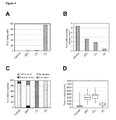


Classifications
-
- C—CHEMISTRY; METALLURGY
- C07—ORGANIC CHEMISTRY
- C07D—HETEROCYCLIC COMPOUNDS
- C07D405/00—Heterocyclic compounds containing both one or more hetero rings having oxygen atoms as the only ring hetero atoms, and one or more rings having nitrogen as the only ring hetero atom
- C07D405/02—Heterocyclic compounds containing both one or more hetero rings having oxygen atoms as the only ring hetero atoms, and one or more rings having nitrogen as the only ring hetero atom containing two hetero rings
- C07D405/04—Heterocyclic compounds containing both one or more hetero rings having oxygen atoms as the only ring hetero atoms, and one or more rings having nitrogen as the only ring hetero atom containing two hetero rings directly linked by a ring-member-to-ring-member bond
-
- A—HUMAN NECESSITIES
- A61—MEDICAL OR VETERINARY SCIENCE; HYGIENE
- A61P—SPECIFIC THERAPEUTIC ACTIVITY OF CHEMICAL COMPOUNDS OR MEDICINAL PREPARATIONS
- A61P35/00—Antineoplastic agents
Definitions
- the present invention relates to the fields of chemistry and molecular pathology. More particularly, the present invention refers to novel compounds that inhibit cell proliferation, in particular by inhibiting Aurora A kinase activity and uses of these compounds for treating, ameliorating or preventing diseases, conditions or disorders benefiting from the inhibition of aurora activity, in particular hyperproliferative diseases.
- the formation of many tumors is related to overexpression of different phosphate-transferring enzymes, the kinases. For this reason the design of selective inhibitors became more important.
- One scaffold for this is the quinazoline, a flat aromatic molecule with two sp2-hybridized nitrogen-atoms in the ring being able to act as hydrogen bond acceptors and making the quinazoline an interesting lead structure for the search of ATP-analogue compounds. These compounds bind to the ATP-binding pocket of the kinases and avoid the binding of the phosphate-donor ATP. In this way the phosphorylation of different substrates can be avoided.
- the cell cycle is essential for the proliferation of complex cell systems and includes four phases: G1 is the phase of cell growth, the S phase includes the identical replication of the DNA, the G2 phase prepares the cell for the fourth phase, the M phase or mitosis. In each phase different checkpoints control the system for possible damages and ensure that a phase doesn't begin before the previous has finished.
- the mitosis is also divided into different phases which are related to microscopically visible states of the cell.
- the prophase includes the movement of the centrosomes to the opposite cell poles and the chromosome condensation. In the prometaphase the nuclear envelope breakdown occurs. Microtubules capture the chromosomes and, throught the activity of motor proteins, move them towards the spindle equator.
- the sister chromatides show to opposite cell poles.
- the microtubules are attached to the kinetochores of the chromatides.
- the following anaphase is the phase of chromatide separation to the spindle poles.
- the telophases the decondensation of the chromosomes occurs and a new nuclear envelope is formed. A contractile ring of actin filaments is formed and leads to the separation of the two daughter cells, the cytokinesis.
- Aurora kinases are a family of serine/threonine kinases containing three members, Aurora A, B and C. They are highly conserved in the C-terminal region, where the kinase domain is located, and show sequence differences in the N-terminal domain ( Nat. Rev. Cancer, 2005, 5, 42-49 ). Aurora B is expressed between the late G2-phase and telophase.
- Aurora C shows high sequence homologies with Aurora B and has functions in the meiosis.
- Aurora A kinase increases during G2-phase, peaking in the late G2-phaseand at the beginning of M-phase.
- the enzyme is located at the centrosomes, and after nuclear envelope breakdown it can also be observed on the mitotic spindle apparatus.
- phosphorylation of three different positions is necessary: Ser51, Thr288 and Ser342.
- the binding of the protein TPX2 increases its catalytic activity and at the same time it protects the enzyme against dephosphorylation of Thr288 and the related deactivation. It also decreases the accessibility of the enzyme for some inhibitors.
- Aurora A is involved in different cellular processes i.a.
- Aurora A is also involved in the entrance of the cell to mitosis.
- Aurora A activates the phosphatase Cdc25 which dephosphorylates the kinases Cdk1 afterwards.
- This dephosphorylation is essential for the activation of the complex Cdk1/Cyclin B which is pivotal for the entrance of the cell to mitosis.
- Aurora A is overexpressed in different tumor types e.g. of the bladder, breast, cervical, esophageal, gastric, kidney, laryngeal, prostate, pancreatic and leukemia.
- Aurora A overexpression occurs in early states of tumor development.
- Aurora A-overexpressing HeLa cells show chromosomes without correct order and free kinetochores in the metaphase. The start of the anaphase occurs despite the checkpoint of spindle formation is activated and leads to tetraploidy without cytokinesis. In cells showing also p53-deficiency the cell cycle goes on leading to aneuploidy which is one of the main origins of tumor formation.
- Aurora A phosphorylates the tumor suppressor protein p53. This phosphorylation increases the degradation of p53, so Aurora A overexpression can lead to increased p53-degradation. It was also shown that Aurora A-overexpression can lead to Taxol-resistance in HeLa cells.
- Aurora A inhibitors belongs the compound MLN8054, which is in phase I clinical trials but in one study it showed also Aurora B specific inhibition profiles when higher concentrations were administered.
- Another Aurora A inhibitor is MK-0457 (VX-680). It inhibits also Aurora B and Flt-3, and is therefore not Aurora A specific.
- Another Aurora A inhibitor, SU6668 shows low selectivity and inhibits other enzyme classes beside the Aurora kinases. After the results of the phase I studies it won't enter phase II studies.
- a known inhibitor based on the quinazoline scaffold is ZM447439 (hereinafter ZM1).
- WO 01/21597 WO 96/09294 , WO 96/15118 and WO 99/06378 describe the use of certain quinazoline compounds as receptor tyrosine kinase inhibitors, which may be useful in the treatment of proliferative disease
- WO 00/21955 discloses certain quinazoline derivatives as inhibitors of the effects of VEGF.
- EP 1147093 relates to 4-aminoquinazoline derivatives wherein no substitution in 2-position of the quinazoline moiety is present.
- the compounds described in EP 1147093 show certain activity as inhibitors of erbB family of protein kinases, such as EGFR, erbB2, HER3 or HER4.
- EP 0579496 relates to 4-aminoquinazoline derivatives as inhibitors of cyclic guanosine-3',5'-monophosphate phosphodiesterase and simultaneously of thromboxane A2 synthetase.
- the compounds therein described are claimed to be particularly useful for the prevention and/or treatment of diseases induced by platelet aggregation, e.g. angina pectoris, heart failure, pulmonary hypertension and renal diseases. No reference is made to the use of the compounds therein described in the treatment of any kind of cancer.
- EP 0579496 is cited the following compound: (6-ethynyl-2-(1H-imidazol-1-yl)-N-(2-methoxyethyl)quinazolin-4-amine).
- JP 07188214 is described the following compound: (2-(2-(2-(1H-imidazol-1-yl)-6-(prop-1-ynyl)quinazolin-4-ylamino)-ethoxy)ethanol).
- the applicants have been successful in finding a novel series of compounds which inhibit the effects of the Aurora A kinase and which have certain properties that make them particularly useful in formulating medicaments for the treatment of disease.
- the compounds are useful in the treatment of proliferative diseases such as cancer.
- the compounds are specially useful in treating either solid or haematological tumours where Aurora kinases are known to be active, and especially in diseases such as colorectal, breast, lung, prostate, pancreatic or bladder and renal cancer as well as leukemias and lymphomas.
- the compounds of formula (I) allow to reduce or block the oncogenic activity of the protein and, additionally, improve the survival of oncologic patients with resistance to the above mentioned drugs.
- the compounds of formula (I) that specifically inhibit Aurora A and not B or C or other unrelated (at least not significantly) may be useful as a research tool, since these would allow a better understanding of the pathways and processes in that this protein is involved, as well as the consequences of its inactivation. Additionally, the existence of a Aurora A kinase inhibitor which shows a significant selectivity against other Aurora kinases and/or other protein kinases can be useful in screening of new chemotherapeutic agents.
- the inventors of the present invention have found that the compounds of formula (I) of the present invention show a remarkable inhibitor activity against Aurora A kinase.
- the compounds of the invention can optimally interact with the target protein. Owing to their optimal design the compounds of the invention can improve the affinity against the target protein, being possible avoiding the undesired side-effects related to other known Aurora kinase inhibitors. For instance, the dose needed to achieve the therapeutic effect compared with the doses used for other compounds of the state of the art can be reduced either reducing the frequency of administration or the dosage amount, making more comfortable to the patient the therapeutic regimen.
- one aspect of the present invention relates to a compound of general formula (I), wherein:
- the kinase domain of the three Aurora kinases shows high sequence similarities and a lot of similarities with this of other kinases. It is believed that the compounds of the invention are able to bind selectively to the so-called fluorophenyl pocket of the ATP binding site of the catalytic domain of Aurora A to inhibit the kinase function, owing to the proper combination of the different radicals R 1 -R 3 on the quinazoline moiety, and their three-dimensional disposition. Regarding the chemical nature of the susbtituents R 1 , R 2 and R 3 , it has been found that the selectivity of the compounds is affected especially by the R 1 position which may affect the binding affinity, and hence the activity.
- a second aspect of the invention is a pharmaceutical composition
- a pharmaceutical composition comprising a therapeutically effective amount of a compound of formula (I) according to the first aspect of the invention, together with the appropriate amounts of pharmaceutically acceptable excipients, carriers, or mixtures thereof.
- a third aspect of the invention provides a compound according to the first aspect of the invention for use as a medicament.
- a fourth aspect of the invention is the use of a compound of formula (I), including 6-ethynyl-2-(1H-imidazol-1-yl)-N-(2-methoxyethyl)quinazolin-4-amine or 2-(2-(2-(1H-imidazol-1-yl)-6-(prop-1-ynyl)quinazolin-4-ylamino)ethoxy)ethanol , for the manufacture of a medicament for the treatment of a disease mediated by Aurora A kinase.
- This aspect of the invention can also be formulated as compound of formula (I) as defined in the fourth aspect of the invention for use in the treatment of a disease mediated by a Aurora A kinases.
- the ring system when the ring system is formed by "isolated" rings means that the ring system is formed by two, three or four rings and said rings are bound via a bond from the atom of one ring to the atom of the other ring.
- isolated also embraces the embodiment in which the ring system has only one ring.
- Illustrative non-limitative examples of known ring systems consisting of one ring are those selected from: cyclopropyl, cyclobutyl, cyclopentyl, cyclohexyl, cycloheptyl, cyclopropenyl, cyclobutenyl, cyclopentenyl, phenyl, cycloheptenyl, aziridinyl, oxirenyl, thiiranyl, azetidinyl, oxetanyl, pyrrolyl, furanyl, thiophenyl, pyrazolyl, imidazolyl, triazolyl, tetrazolyl, oxazolyl, isoxazolyl, thiazolyl, isothiazolyl, dithiolanyl, pyridinyl, pyranyl, pyridazinyl
- the ring system when the ring system has rings "totally fused", means that the ring system is formed by two rings in which two or more atoms are common to two adjoining rings.
- Illustrative non-limitative examples of known ring systems consisting of two rings totally fused are those selected from benzofuran, isobenzofuran, indole, isoindole, indolizine, indoline, isoindoline, purine (e.g., adenine, guanine), benzimidazole, indazole, benzoxazole, benzisoxazole, benzodioxole, benzofurazan, benzotriazole, benzothiofuran, benzothiazole, benzothiadiazole, heterocyclic chromene, isochromene, chroman, isochroman, benzodioxan, quinoline, isoquinoline, quinolizine, benzoxazine, benzodia
- the ring system when the ring system is "partially fused" it means that the ring system is formed by three or four rings, being at least two of said rings totally fused (i.e. two or more atoms being common to the two adjoining rings) and the remaining ring(s) being bound via a bond from the atom of one ring to the atom of one of the fused rings.
- the compound of formula (I) is one wherein:
- the compound of formula (I) is one wherein:
- the compound of formula (I) is one wherein:
- R 1 is a radical selected from 2-furyl, 3-furyl, 2-thiophenyl, and 3-thiophenyl; being the radical optionally substituted by at least one radical selected from the group consisting of: halogen, nitro, cyano, linear or branched (C 1 -C 6 )alkyl, halo-(C 1 -C 6 )alkyl, linear or branched (C 2 -C 6 )alkenyl, -OR 6 , -COR 6 , -COOR 6 , -OC(O)R 6 , -C(O)NR 4 R 5 , -NR 4 R 5 , -R 7 NHR 8 , -SR 6 , -SO-R 6 , and -SO 2 -R 6 ; R 4 , R 5 , R 6 , and R 8 are radicals, same or different, independently selected from the group consisting of hydrogen, and linear or branched (C 1 -C 6 )alkyl,
- the compound of formula (I) is one wherein the substituents of R 1 , if present, are selected from the group consisting of: fluorine, chlorine, bromine, iodine, methyl, ethyl, propyl, isopropyl, trifluoromethyl, and -OH.
- the compound of formula (I) is one wherein:
- the compound is one wherein:
- R 2 is a -NHR 9 ; being R 9 a radical selected from the group consisting of:
- R 15 , R 16 and R 17 are radicals, same or different, independently selected from the group consisting of hydrogen, and linear or branched (C 1 -C 4 )alkyl.
- the compound of formula (I) is one wherein:
- the compound of formula (I) is one wherein:
- the compound of formula (I) is one wherein:
- the compound of formula (I) is one wherein:
- the compound of formula (I) is one wherein:
- Particularly preferred compounds of the present invention are:
- the present invention provides a process for the preparation of compounds of the formula (I), or its pharmaceutically acceptable salts, which process comprises the reaction of a anthranilic acid amide (II) with carbonic acid chloride followed by ring closure to obtain quinazolinones of general formula (III):
- Gp is a suitable leaving group; preferably Gp is an halogen (fluorine, chlorine, iodine, bromine); and R 2 is as defined above.
- compounds of formula (I) can be obtained as it is illustrated in Scheme I. i) carbonic acid chloride, Et 3 N, THF, rt; ii) NaOH, EtOH, reflux; iii) POCl 3 , reflux or SOCl 2 , DMF (cat.), reflux; iv) aliphatic amine, i-PrOH, 35 °C or aniline, HCl (cat.), i-PrOH, reflux; v) boronic acid, K 2 CO 3 or Cs 2 CO 3 , Pd(PPh 3 ) 4 or Pd(OAc) 2 (cat.), dioxane/water 3:1, reflux; vi) alkene, Et 3 N, Pd(OAc) 2 (cat.), (o-Tol) 3 P (cat.), acetonitrile, 100 °C; vii) alkyne, Et 3 N, Pd(PPh 3 ) 2 Cl 2 (cat.), dppf
- the synthesis starts with anthranilic acid amide (1).
- the formation of an amide bond with different carbonic acid chlorides followed by ring closure under basic conditions leads to quinazolinones with general formula (2). They can be chlorinated in 4-position using phosphoryl trichloride or thionyl chloride with catalytic amounts of DMF to generate structures of the general formula (3) which are converted to different 4-amino or 4-anilinoquinazolines of general structure (4) by established aromatic substitution reactions.
- salts refers to salts derived from organic and inorganic acids.
- the compound of the general formula (I) may be converted into its pharmaceutically acceptable salts, or its pharmaceutically acceptable solvates by conventional methods.
- such salts may be prepared by treating one or more of the compounds with an aqueous solution of the desired pharmaceutically acceptable metallic hydroxide or other metallic base and evaporating the resulting solution to dryness, preferably under reduced pressure in a nitrogen atmosphere.
- a solution of the compound of formula (I) may be mixed with an alkoxide of the desired metal, and the solution subsequently evaporated to dryness.
- the pharmaceutically acceptable hydroxides, bases, and alloxides include those worth cations for this purpose, including (but not limited to), potassium, sodium, ammonium, calcium, and magnesium.
- Other representative pharmaceutically acceptable salts include hydrochloride, hydrobromide, sulphate, bisulphate, lactate, phosphate, tosylate, citrate, maleate, fumarate, succinate, tartrate, acetate, oxalate, propionate, nitrate, methanesulfonate, benzoate and similarly known acceptable acids.
- (C 1 -C 4 )alkyl refers to a saturated branched or linear hydrocarbon chain with 1 to 4 hydrocarbon atoms.
- (C 1 -C 4 )alkyl is an unsubstituted group selected from methyl, ethyl, propyl, isopropyl, butyl, isobutyl, s-butyl and t-butyl.
- (C 1 -C 6 )-alkoxy refers to a saturated branched or linear hydrocarbon chain with 1 to 6 hydrocarbon atoms (i.e. (C 1 -C 6 )alkyl groups as defined above) linked to an oxygen, thus (C 1 -C 6 )alkyl-O.
- (C 1 -C 6 )-alkoxy is an unsubstituted group selected from methoxy, ethoxy, propoxy, isopropoxy, butoxy, isobutoxy, s-butoxy, and t-butoxy.
- halogen is meant to include fluorine, chlorine, bromine and iodine.
- Certain compounds of the present invention can exist in unsolvated forms as well as in solvated forms, including hydrated forms, and are intended to be encompassed within the scope of the present invention. Certain compounds of the present invention may exist in multiple crystalline or amorphous forms. In general, all physical forms are equivalent for the uses contemplated by the present invention and are intended to be within the scope of the present invention.
- the pharmaceutical composition may comprise a therapeutically effective amount of the compound of formula (I), as defined above, together with one or more pharmaceutically acceptable excipients or carriers such as adjuvants, diluents, fillers, buffers, stabilisers, preservatives, lubricants.
- pharmaceutically acceptable excipients or carriers such as adjuvants, diluents, fillers, buffers, stabilisers, preservatives, lubricants.
- pharmaceutically acceptable refers to compounds, materials, compositions, and/or dosage forms which are, within the scope of sound medical judgment, suitable for use in contact with the tissues of a subject (e. g. human) without excessive toxicity, irritation, allergic response, or other problem or complication, commensurate with a reasonable benefit/risk ratio.
- a subject e. g. human
- Each carrier, excipient, etc. must also be “acceptable” in the sense of being compatible with the other ingredients of the formulation.
- Suitable carriers, excipients, etc. can be found in standard pharmaceutical texts, for example, Remington's Pharmaceutical Sciences, 18th edition, Mack Publishing Company, Easton, Pa., 1990 .
- terapéuticaally effective amount refers to that amount of an active compound, or a material, composition or dosage form comprising an active compound, which is effective for producing some desired therapeutic effect.
- the present invention provides compounds which are in a prodrug form.
- Prodrugs of the compounds described herein are those compounds that readily undergo chemical changes under physiological conditions to provide a compound of formula (I).
- a prodrug is a pharmacologically active or inactive compound that is modified chemically through in vivo physiological action, such as hydrolysis, metabolism and the like, into a compound of this invention following administration of the prodrug to a patient.
- prodrugs can be converted to the compounds of the present invention by chemical or biochemical methods in an ex vivo environment. For example, prodrugs can be slowly converted to the compounds of the present invention when placed in a transdermal patch reservoir with a suitable enzyme.
- a masked carboxylate anion examples include a variety of esters, such as alkyl (for example, methyl, ethyl), cycloalkyl (for example, cyclohexyl), arylalkyl (for example, benzyl, p-methoxybenzyl), and alkylcarbonyloxyalkyl (for example, pivaloyloxymethyl).
- esters such as alkyl (for example, methyl, ethyl), cycloalkyl (for example, cyclohexyl), arylalkyl (for example, benzyl, p-methoxybenzyl), and alkylcarbonyloxyalkyl (for example, pivaloyloxymethyl).
- Amines have been masked as arylcarbonyloxymethyl substituted derivatives which are cleaved by esterases in vivo releasing the free drug and formaldehyde.
- drugs containing an acidic NH group such as imi
- the compounds of the present invention are Aurora A inhibitors, being useful in the treatment of a disease mediated by Aurora A.
- a disease mediated by Aurora A kinase refers to a condition in which Aurora A and/or the action of Aurora A is important or necessary, e.g., for the onset, progress, expression, etc. of that condition.
- aurora kinases are known to have a central role in the cell cycle and in particular Aurora A kinase shows an elevated expression in more than 50% of colorectal, ovarian and gastric cancers and in more than 95% of invasive adenocarcinomas in a preferred embodiment of the present invention
- the diseases, conditions and/or disorders, which can be prevented, ameliorated or treated with the compounds of the present invention are hyperproliferative diseases.
- a disease is considered to benefit from reduced aurora kinase, in particular Aurora A kinase activity, if a reduction of Aurora kinase activity of at least 10%, preferably of at least 20%, preferably of at least 30%, leads to an improvement of at least one clinical indicator of that disease.
- Examples of such indicators are proliferation rate, which is preferably reduced, cellular differentiation, which is preferably induced etc.
- the hyperproliferative diseases are selected from the group consisting of precancerosis; dysplasia; metaplasia; carcinomas of the gastrointestinal or colorectal tract, liver, pancreas, kidney, bladder, prostate, endometrium, ovary, testes, melanoma, dysplastic oral mucosa, invasive oral cancers, small cell and non-small cell lung carcinomas, hormone-dependent breast cancers, hormone-independent breast cancers, transitional and squamous cell cancers, neurological malignancies including neuroblastoma, gliomas, astrocytomas, osteosarcomas, soft tissue sarcomas, hemangioamas, endocrinological tumors, hematologic neoplasias including leukemias, lymphomas, and other myeloproliferative and lymphoproliferative diseases, carcinomas in situ, hyperplastic lesions, adenomas, fibromas, histiocytosis, chronic
- the precancerosis treatable with the compounds of the present invention are preferably selected from the group consisting of precancerosis of the skin, in particular actinic keratosis, cutaneaous horn, actinic cheilitis, tar keratosis, arsenic keratosis, x-ray keratosis, Bowen's disease, bowenoid papulosis, lentigo maligna, lichen sclerosus, and lichen rubber mucosae; precancerosis of the digestive tract, in particular erythroplakia, leukoplakia, Barrett's esophagus, Plummer-Vinson syndrome, crural ulcer, gastropathia hypertrophica gigantea, borderline carcinoma, neoplastic intestinal polyp, rectal polyp, porcelain gallbladder; gynaecological precancerosis, in particular carcinoma ductale in situ (CDIS), cervical intraepithelial ne
- Dysplasia is frequently a precursor of cancer, and is found mainly in the epithelia; it is the most disorderly form of non-neoplastic cell growth, involving a loss in individual cell uniformity and in the architectural orientation of cells. Dysplastic cells often have abnormally large, deeply stained nuclei, and exhibit pleomorphism. Dysplasia characteristically occurs where there exists chronic irritation or inflammation.
- Dysplastic disorders which can be treated with the compounds of the present invention include, but are not limited to, anhidrotic ectodermal dysplasia, anterofacial dysplasia, asphyxiating thoracic dysplasia, atriodigital dysplasia, bronchopulmonary dysplasia, cerebral dysplasia, cervical dysplasia, chondroectodermal dysplasia, cleidocranial dysplasia, congenital ectodermal dysplasia, craniodiaphysial dysplasia, craniocarpotarsal dysplasia, craniometaphysial dysplasia, dentin dysplasia, diaphysial dysplasia, ectodermal dysplasia, enamel dysplasia, encephalo-ophthalmic dysplasia, dysplasia epiphysialis heminelia, dysplasia epiphysialis multiplex, dysplasia epiphysali
- Metaplasia is a form of controlled cell growth in which one type of adult or fully differentiated cell substitutes for another type of adult cell.
- Metaplastic disorders which are treatable are preferably selected from the group consisting of agnogenic myeloid metaplasia, apocrine metaplasia, atypical metaplasia, autoparenchymatous metaplasia, connective tissue metaplasia, epithelial metaplasia, intestinal metaplasia, metaplastic anemia, metaplastic ossification, metaplastic polyps, myeloid metaplasia, primary myeloid metaplasia, secondary myeloid metaplasia, squamous metaplasia, squamous metaplasia of amnion, symptomatic myeloid metaplasia and regenerative metaplasia.
- keratinocytes and/or T cells are characterized by hyperproliferation of keratinocytes and/or T cells.
- diseases which are treatable with the compounds of the present invention comprise without limitations psoriasis in particular psoriasis vulgaris, psoriasis capitis, psoriasis guttata, psoriasis inversa; neurodermatitis; ichtyosises; alopecia areata; alopecia totalis; alopecia subtotalis; alopecia universalis; alopecia diffusa; atopic dermatitis; lupus erythematodes of the skin; dermatomyositis of the skin; atopic eczema; morphea; scleroderma; alopecia areata Ophiasis type; androgenic alopecia; allergic contact dermatitis; irritative contact dermatitis; contact dermatitis;
- the hyperproliferative disorders which are treatable by the Aurora kinase inhibitors of the present invention are those which benefit from a reduced estrogen receptor signalling. It is known that an increased activity of genes controlled by estrogen receptor is responsible or contributes to various hyperproliferative diseases.
- preferred diseases, conditions and/or disorders which can be treated with the compounds of the present invention are selected from the group consisting of mammary tumors, endometrial tumors and tumors of the uterus. The ability of the compounds of the present invention to inhibit estrogen receptor signalling can be confirmed with any of a number of art known methods involving, e.g.
- ER recognition sequences upstream of reporter genes e.g. CAT, luciferase etc.
- reporter genes e.g. CAT, luciferase etc.
- someone of skill in the art is capable of assessing whether a given hyperproliferative disease involves increased estrogen receptor signalling by determining the expression level of an ER controlled gene, e.g. cathepsin D, lactoferrin, or IGF-I etc.
- antiproliferative agent refers to a compound which treats a proliferative condition (i.e., a compound which is useful in the treatment of a proliferative condition).
- cell proliferation means proliferation of excessive or abnormal cells which is undesired, such as, neoplastic or hyperplastic growth, whether in vitro or in vivo.
- proliferative conditions include, but are not limited to, benign, pre-malignant, and malignant cellular proliferation, including but not limited to, neoplasms and tumors (e.g., histocytoma, glioma, astrocyoma, osteoma), cancers (e.g., lung cancer, small cell lung cancer, gastrointestinal cancer, bowel cancer, colon cancer, breast carcinoma, ovarian carcinoma, prostate cancer, testicular cancer, liver cancer, kidney cancer, bladder cancer, pancreas cancer, brain cancer, sarcoma, osteosarcoma, Kaposi's sarcoma, melanoma), leukemias, psoriasis, bone diseases, fibroproliferative disorders (e.g., of connective tissues), and atherosclerosis.
- neoplasms and tumors e.g., histocytoma, glioma, astrocyoma, osteoma
- cancers e.g., lung cancer,
- treatment refers generally to treatment and therapy, whether of a human or an animal (e.g., in veterinary applications), in which some desired therapeutic effect is achieved, for example, the inhibition of the progress of the condition, and includes a reduction in the rate of progress, a halt in the rate of progress, amelioration of the condition, and cure of the condition.
- Treatment as a prophylactic measure e.g., prophylaxis
- treatment includes combination treatments and therapies, in which two or more treatments or therapies are combined, for example, sequentially or simultaneously.
- treatments and therapies include, but are not limited to, chemotherapy (the administration of active agents, including, e.g., drugs, antibodies (e.g., as in immunotherapy), prodrugs (e.g., as in photodynamic therapy, GDEPT, ADEPT, etc.); surgery; radiation therapy; and gene therapy.
- active agents including, e.g., drugs, antibodies (e.g., as in immunotherapy), prodrugs (e.g., as in photodynamic therapy, GDEPT, ADEPT, etc.); surgery; radiation therapy; and gene therapy.
- the active compound or pharmaceutical composition comprising the active compound may be administered to a subject by any convenient route of administration, whether systemically/ peripherally or at the site of desired action, including but not limited to, oral (e.g. by ingestion); topical (including e.g. transdermal, intranasal, ocular, buccal, and sublingual); pulmonary (e.g. by inhalation or insufflation therapy using, e.g. an aerosol, e.g.
- vaginal parenteral, for example, by injection, including subcutaneous, intradermal, intramuscular, intravenous, intraarterial, intracardiac, intrathecal, intraspinal, intracapsular, subcapsular, intraorbital, intraperitoneal, intratracheal, subcuticular, intraarticular, subarachnoid, and intrasternal by implant of a depot, for example, subcutaneously or intramuscularly.
- the subject may be a eukaryote, an animal, a vertebrate animal, a mammal, a rodent (e.g. a guinea pig, a hamster, a rat, a mouse), murine (e.g. a mouse), canine (e.g. a dog), feline (e.g. a cat), equine (e.g. a horse), a primate, simian (e.g. a monkey or ape), a monkey (e.g. marmoset, baboon), an ape (e.g. gorilla, chimpanzee, orangutang, gibbon), or a human.
- the present invention covers all possible combinations of particular and preferred groups described hereinabove.
- Adherent HeLa cells were routinely passaged and maintained in D-MEM medium supplemented with 10% Fetal Bovine Serum (FBS), 1% Penicillin/Streptomycin and 2 mM L-Glutamine. The cells were cultured at 37 °C; 5% CO 2 . hTERT-RPE1 cells were grown in DMEM with 10% fetal bovine serum.
- HeLa cells constitutively expressing green fluorescent protein-conjugated Histone H2B and mRed fluorescent protein-conjugated ⁇ -tubulin were maintained in D-MEM medium supplemented with 10% Fetal Bovine Serum (FBS), 1% Penicillin/Streptomycin, 2 mM L-Glutamine and 0.5 ⁇ g/mL Puromycin and cultured at 37 °C; 5% CO2.
- FBS Fetal Bovine Serum
- Penicillin/Streptomycin 2 mM L-Glutamine
- Compounds (A), (C) and ZM1 were resuspended in DMSO 20 mM stocks and added to the cell culture medium at the final concentrations indicated in the text.
- HeLa cells were arrested with 2 mM thymidine for 18 h, released into fresh medium for 6 h, and blocked with 2 ⁇ M nocodazole for 16 h.
- DMSO or the different compounds were added 1 h after thymidine release.
- Mitotic cells were shaken off and lysed in 50 mM Tris pH 6,8- 2% SDS. Samples were sonicated and boiled.
- H2B-GFP/mRFP- ⁇ Tubulin HeLa cells were treated with DMSO or 2 ⁇ M ZM1 or 40 ⁇ M (A) or (C).
- living cells were added to a humidified chamber at 37 °C with 5% CO 2 attached to a Carl Zeiss microscope (SN:3834000366) equipped with a Hamamatsu EM-CCD digital camera, controlled by AxioVision 4.6 software. Cells were imaged every 3 or 4.5 min (depending on the number of fields filmed) for over 16 h-24 h. Images were taken with the AxioCam MRm 426205 objective and processed using AxioVision software.
- HeLa or H2B-GFP/mRFP- ⁇ Tubulin HeLa cells were grown on glass coverslips and treated as described above. Cells were fixed in ice cold methanol and mounted in Mowiol. Alternatively, non fluorescent HeLa were treated and subjected to immunofluorescence with anti-tubulin antibodies (Sigma, DM1A) and Hoechst to stain the DNA. Cells were observed on a Leica DM16000B microscope with the HCX PL APO CS 63x 1.4 objective. Images were taken with a Leica DFC 350FX camera, controlled by Leica Application Suit (LAS-AF 6000) software and processed with Adobe Photoshop.
- LAS-AF 6000 Leica Application Suit
- FACS analysis was performed on a BD FACSCanto TM Flow Cytometer (Cat.No. 335860 BD Biosciences) using FACSDiva Software. Cells were trypsinized, washed wish PBS and fixed overnight in EtOH (-20°C). After washing with PBS, cells were stained with a propidium iodide solution (PI; 15 ⁇ g/mL)/ RNase A (30 ⁇ g/mL) for 30 min at 37 °C. RNase was added to avoid signals caused by the binding of PI to RNA.
- PI propidium iodide solution
- RNase A 30 ⁇ g/mL
- the IC 50 for the different compounds was determined with Invitrogen Z'-Iyte kinase assay kit Ser/Thr 1 peptide PV3174 following the manufacturer's instructions.
- concentrations of the kinases at the reported K M app ATP concentrations (Aurora A: 10 ⁇ M ATP, Aurora B: 64 ⁇ M ATP) were first optimized using 10-point dose-response curves giving a protein concentration that resulted in approximately 30% phosphorylation. This amount was then used in subsequent assay steps.
- the final 5 ⁇ l reaction volume consisted of 4 nM Aurora A or 20 nM Aurora B, 2 ⁇ M Ser/Thr 1 peptide, 50 mM HEPES pH 7.5, 0.01 % BRIJ-35, 10 mM MgCl 2 , and 1 mM EGTA, in addition to 10 ⁇ M or 64 ⁇ M ATP (for Aurora A and Aurora B, respectively).
- buffer was added instead of the ATP solution, while in the 0% inhibition wells compound was replaced by 4% DMSO solution. The plates were then spun down at 1000 rpm for 1 min, followed by incubation at rt for 1 h.
- Percentage phosphorylation was calculated using 0% and 100% phosphorylation controls.
- the former wells contained 1.25 ⁇ l DMSO (4%), 1.25 ⁇ l buffer (as above), and 2.5 ⁇ l of a 4 ⁇ M Ser/Thr 1 peptide solution (without kinase), while in the latter the peptide solution was replaced by a 4 ⁇ M solution of a supplied phosphopeptide.
- the action of the development reagent was assessed using protease controls (standard wells with and without development solution added in step two).
- a white 96 wells microplate was incubated overnight with 100 ⁇ l/well of the substrate solution (poly-Glu-Tyr diluted with PBS to 100 ⁇ g/ml) at 4 °C. The solution was removed and the plate was washed twice for 2 min with PBS-T. Afterwards the kinase solution (50 ⁇ l/well)( KDR (VEGFR2), 5 ng; Flt4 (VEGFR3), 20 ng; EGFR, 5 ng; IGFR, 15 ng; FGFR, 10 ng and Tie2, 20 ng) and the inhibitor solution (25 ⁇ l/well) were added to each well.
- the plate was washed with PBS-T (3x5 min) and provided with the chemiluminescence substrate (50 ⁇ l/well). After 3 min the occurring luminescence was measured using a luminometer. A positive control was measured without inhibitor to determine the activity of the kinase, a negative control without inhibitor and ATP to abstract the background signal from the results. For determination of IC 50 values, the relative luminescence units per second (RLU/s) were blotted against the inhibitor concentrations. In doing so each concentration measurement was done triplicate and at least 5 different inhibitor concentrations were used to determine IC 50 value.
- RLU/s relative luminescence units per second
- Cilia assembly and disassembly assays were performed as described in Pugacheva et al., Cell 2007, 129, 1351-1363 . Briefly, to study cilia assembly hTRET-RPE1 cells were plated at 30% confluence in plates containing glass cover slips, and starved for 48 h (in Opti-MEM) to induce cilia formation in the presence of ZM1, (C) or DMSO (vehicle). For analysis of cilia disassembly, cilia were assembled by 48 h starvation in Opti-MEM, and disassembled by incubation in DMEM-10% serum. Cells were fixed after 2 and 4 h.
- ZM1, (C) or DMSO vehicle were added to hTERT-RPE1 cells 2 h prior to the initiation of cilia disassembly.
- DMSO vehicle
- hTERT-RPE1 cells 2 h prior to the initiation of cilia disassembly.
- fixed cells were immunostained with anti- ⁇ -tubulin (Sigma GTU88) and anti-acetylated-tubulin (Sigma), and DNA was stained with Hoechst.
- This assay is based on the ELISA-principle using kinases from Biomol (N-terminally fused to GST), POD-coupled antibody from Calbiochem (PY20) and BM chemiluminescence ELISA substrate from Roche.
- kinase polypeptide substrate containing glutamate and tyrosine.
- the substrate was incubated with a kinase, a defined inhibitor concentration and ATP. After kinase inhibitor depending phosphorylation of the substrate a POD-coupled antibody was added that selectively binds to phosphorylated tyrosine. Finally, a chemiluminescence reagent was added and light emission measured using an Orion Microplate Luminometer (Berthold).
- the detected counts correlate directly with the amount of phosphorylated tyrosine and indirectly with the activity of the inhibitor.
- a positive control was measured without inhibitor to determine the activity of the kinase, a negative control without inhibitor and ATP to abstract the background signal from the results.
- the relative luminescence units per second (RLU/s) were blotted against the inhibitor concentrations. In doing so each concentration measurement was done triplicate and at least 5 different inhibitor concentrations were used to determine IC50 value.
- a white 96 well microplate was incubated overnight with 100 ⁇ l/well of the substrate solution at 4°C. The solution was removed and the plate was washed twice for 2 minutes with PBST. Afterwards the kinase solution (50 ⁇ l/well) and the inhibitor solution (25 ⁇ l/well) were added to each well. To perform positive and negative control, 5% aqueous DMSO (25 ⁇ l/well) were used instead of inhibitor solution. Addition of ATP solution (25 ⁇ l/well) started the reaction, whereas 40mM MnCl2 solution (25 ⁇ l/well) was added to the negative control instead of ATP.
- the plate was washed with PBST (3 x 2min) and subsequently incubated with antibody solution (100 ⁇ l/well) for 1 hour again while shaking. In the end the plate was washed with PBST (3x5min) and provided with the chemiluminescence substrate (50 ⁇ l/well). After 3 minutes the occurring luminescence was measured using a luminometer.
- the described compounds were also used for cellular investigations. Their effect to HeLa-cells, a cancer cell line, was investigated. Therefore they were observed by time-lapse video microscopy. Cells transfected with (C) showed an increased amount of 4n DNA. The entrance of the cells to mitosis was investigated. Only 28.8% of the (C)-transfected cells entered mitosis. They were unable to align their chromosomes and died without entering a new interphase. Transfection with (A) lead to an increased cell death rate. The (C)-induced effects indicate Aurora A-inhibition. With an immunofluorescence assay the chromosomes and microtubules were visualized. The (C)-transfected cells showed increased formation of multipolar spindles and other abnormal mitotic structures. These results demonstrate that (C) has strong effects to mitotic progression with phenotypes related to Aurora A-inhibition.
- the described derivatives are highly active in the isolated enzyme as well as in cellular systems. Their effects in cellular test systems correlate with inhibition of Aurora A. For the known inhibitors this is not the case, they all show phenotypes of Aurora B-inhibition.
- Compound (C) delays G2/M progression in human tissue culture cells
- the increase in the proportion of cells with more than 2n DNA content could be due to several causes: several cycles of DNA replication or cytokinesis errors as shown for cells treated with other Aurora inhibitors.
- To determine the primary cause for the phenotype produced by (C) and examine whether (A) may interfere with mitosis we examined live cells by time-lapse video microscopy.
- To visualize DNA and microtubules we used a HeLa stable cell line expressing H2B-GFP and mRFP- ⁇ Tubulin. Cells were placed in medium containing 2 ⁇ M ZM1 or 40 ⁇ M of any of our three compounds and imaged every 3 or 4.5 min for 16 h-24 h ( Figure 3 ).
- the resulting time-lapse images were used to determine the following parameters: (1) the percentage of cell death among non dividing cells ( Figure 4A ), (2) the percentage of cells entering mitosis ( Figure 4B ), (3) the outcome of mitosis: normal division (cell division), return to interphase without chromatin segregation and without dividing (no division), cytokinesis failure (division errors), cell death without resolving mitosis (cell death) ( Figure 4C), and (4 ) the length of time spent in mitosis (TIM), defined as the interval between DNA condensation and anaphase resolution ( Figure 4D ).
- Control cells plated in medium containing DMSO, were healthy throughout the observation time. An average of 5.4 % of the cells entered mitosis per hour ( Figure 4B ) and almost all of them (90.3%) were able to divide successfully with an average TIM of 39 min (median) ( Figure 4D ). Treatment with ZM1 decreased by half the number of cells entering mitosis. In agreement with published data, it also increased the TIM to 306 min. During their time in mitosis, cells had problems in reaching metaphase, and 76% of them de-condensed their DNA and went back to interphase without chromosome segregation.
- Compound (A) had a strong effect on cell viability independent of mitosis, without showing other defects that could suggest an inhibition of Aurora kinases.
- cells treated with (C) showed a large proportion of abnormal mitotic spindles (defined as those that did not display canonical bipolar spindle formation: monopolar, multipolar and other aberrant structures).
- (C) has a strong effect on mitotic progression and induces phenotypes that are compatible with Aurora A inhibition.
- hTERT-RPE1 cells were plated at 50% confluence in medium without serum. After 48 h more than 80% of the cells had a clearly visible cilia as detected by immunofluorescence with an anti acetylated ⁇ -tubulin antibody. As previously described changing the culture medium to one containing 10% fetal bovine serum caused cilia disassembly in the first two hours after serum stimulation ( Figure 6 ). Pretreatment of cells with ZM1 1-2 ⁇ M did not have any effect on cilia disassembly. By contrast it was strongly inhibited in cells pretreated with 40 ⁇ M (C) ( Figure 6 ).
Landscapes
- Chemical & Material Sciences (AREA)
- Organic Chemistry (AREA)
- Health & Medical Sciences (AREA)
- General Chemical & Material Sciences (AREA)
- Medicinal Chemistry (AREA)
- Nuclear Medicine, Radiotherapy & Molecular Imaging (AREA)
- Chemical Kinetics & Catalysis (AREA)
- Pharmacology & Pharmacy (AREA)
- Life Sciences & Earth Sciences (AREA)
- Animal Behavior & Ethology (AREA)
- General Health & Medical Sciences (AREA)
- Public Health (AREA)
- Veterinary Medicine (AREA)
- Pharmaceuticals Containing Other Organic And Inorganic Compounds (AREA)
Abstract
Description
- The present invention relates to the fields of chemistry and molecular pathology. More particularly, the present invention refers to novel compounds that inhibit cell proliferation, in particular by inhibiting Aurora A kinase activity and uses of these compounds for treating, ameliorating or preventing diseases, conditions or disorders benefiting from the inhibition of aurora activity, in particular hyperproliferative diseases.
- The formation of many tumors is related to overexpression of different phosphate-transferring enzymes, the kinases. For this reason the design of selective inhibitors became more important. One scaffold for this is the quinazoline, a flat aromatic molecule with two sp2-hybridized nitrogen-atoms in the ring being able to act as hydrogen bond acceptors and making the quinazoline an interesting lead structure for the search of ATP-analogue compounds. These compounds bind to the ATP-binding pocket of the kinases and avoid the binding of the phosphate-donor ATP. In this way the phosphorylation of different substrates can be avoided.
- The cell cycle is essential for the proliferation of complex cell systems and includes four phases: G1 is the phase of cell growth, the S phase includes the identical replication of the DNA, the G2 phase prepares the cell for the fourth phase, the M phase or mitosis. In each phase different checkpoints control the system for possible damages and ensure that a phase doesn't begin before the previous has finished. The mitosis is also divided into different phases which are related to microscopically visible states of the cell. The prophase includes the movement of the centrosomes to the opposite cell poles and the chromosome condensation. In the prometaphase the nuclear envelope breakdown occurs. Microtubules capture the chromosomes and, throught the activity of motor proteins, move them towards the spindle equator. In the metaphase the sister chromatides show to opposite cell poles. The microtubules are attached to the kinetochores of the chromatides. The following anaphase is the phase of chromatide separation to the spindle poles. In the telophases the decondensation of the chromosomes occurs and a new nuclear envelope is formed. A contractile ring of actin filaments is formed and leads to the separation of the two daughter cells, the cytokinesis.
- The formation of many tumors is related to uncontrolled cell division and overexpression of enzymes which are involved in cell cycle progression and the failure of different checkpoints. One related enzyme class is the class of the Aurora kinases, which play several functions at a number of events during G2- and M-phase. Due to the fact that their expression is higher at these cell stages, their inhibition should influence mainly dividing cells. The Aurora kinases are a family of serine/threonine kinases containing three members, Aurora A, B and C. They are highly conserved in the C-terminal region, where the kinase domain is located, and show sequence differences in the N-terminal domain (Nat. Rev. Cancer, 2005, 5, 42-49). Aurora B is expressed between the late G2-phase and telophase. It is located in the inner centromere region and in the spindle middle zone. It regulates the orientation of the chromosomes at the metaphase plate and corrects wrong kinetochore-microtubule interactions. It phosphorylates histone H3, which allows the histone to interact with the DNA. This is important for the following chromosome condensation. Aurora C shows high sequence homologies with Aurora B and has functions in the meiosis.
- The expression of Aurora A kinase increases during G2-phase, peaking in the late G2-phaseand at the beginning of M-phase. The enzyme is located at the centrosomes, and after nuclear envelope breakdown it can also be observed on the mitotic spindle apparatus. For activation of Aurora A, phosphorylation of three different positions is necessary: Ser51, Thr288 and Ser342. Additionally the binding of the protein TPX2 increases its catalytic activity and at the same time it protects the enzyme against dephosphorylation of Thr288 and the related deactivation. It also decreases the accessibility of the enzyme for some inhibitors. During mitosis Aurora A is involved in different cellular processes i.a. the movement of the centrosomes to the opposite cell poles and the stabilization of the centrosomal microtubules by phosphorylation of a related protein complex. Aurora A is also involved in the entrance of the cell to mitosis. By phosphorylation Aurora A activates the phosphatase Cdc25 which dephosphorylates the kinases Cdk1 afterwards. This dephosphorylation is essential for the activation of the complex Cdk1/Cyclin B which is pivotal for the entrance of the cell to mitosis.
- It is known that Aurora A is overexpressed in different tumor types e.g. of the bladder, breast, cervical, esophageal, gastric, kidney, laryngeal, prostate, pancreatic and leukemia. Aurora A overexpression occurs in early states of tumor development. Aurora A-overexpressing HeLa cells show chromosomes without correct order and free kinetochores in the metaphase. The start of the anaphase occurs despite the checkpoint of spindle formation is activated and leads to tetraploidy without cytokinesis. In cells showing also p53-deficiency the cell cycle goes on leading to aneuploidy which is one of the main origins of tumor formation. It was also shown that Aurora A phosphorylates the tumor suppressor protein p53. This phosphorylation increases the degradation of p53, so Aurora A overexpression can lead to increased p53-degradation. It was also shown that Aurora A-overexpression can lead to Taxol-resistance in HeLa cells.
- At the moment some inhibitors of Aurora A exist, but no inhibitor is validated completely. Most of them do not show selectivity for Aurora A, but they also inhibit other kinases e.g. the related Aurora B.
- To the known Aurora A inhibitors belongs the compound MLN8054, which is in phase I clinical trials but in one study it showed also Aurora B specific inhibition profiles when higher concentrations were administered. Another Aurora A inhibitor is MK-0457 (VX-680). It inhibits also Aurora B and Flt-3, and is therefore not Aurora A specific. Another Aurora A inhibitor, SU6668, shows low selectivity and inhibits other enzyme classes beside the Aurora kinases. After the results of the phase I studies it won't enter phase II studies. A known inhibitor based on the quinazoline scaffold is ZM447439 (hereinafter ZM1). It inhibits Aurora A in vitro with an IC50 of 1000 nM, Aurora B with an IC50 of 50 nM, so it shows no selectivity for Aurora A (Girdler et al., J. Cell Sci. 2006, 119, 3664-3675). So far no Aurora A inhibitors are launched, and no inhibitor shows strong selectivity for an inhibition of Aurora A in vitro as well as in vivo.
- A number of quinazoline derivatives have been proposed hitherto for use in the inhibition of various kinases. For example,
WO 01/21597 WO 96/09294 WO 96/15118 WO 99/06378 WO 00/21955 -
EP 1147093 relates to 4-aminoquinazoline derivatives wherein no substitution in 2-position of the quinazoline moiety is present. The compounds described inEP 1147093 show certain activity as inhibitors of erbB family of protein kinases, such as EGFR, erbB2, HER3 or HER4. -
EP 0579496 relates to 4-aminoquinazoline derivatives as inhibitors of cyclic guanosine-3',5'-monophosphate phosphodiesterase and simultaneously of thromboxane A2 synthetase. The compounds therein described are claimed to be particularly useful for the prevention and/or treatment of diseases induced by platelet aggregation, e.g. angina pectoris, heart failure, pulmonary hypertension and renal diseases. No reference is made to the use of the compounds therein described in the treatment of any kind of cancer. InEP 0579496 is cited the following compound:
JP 07188214 
-
WO 04/030671 - However despite the compounds of therein described, there still exists the need for further compounds having Aurora kinase inhibitory properties as chemotherapeutic agents. More particularly compounds having Aurora A kinase inhibitory properties showing high selectivity for such kinase versus other Aurora kinases (B and C) and/or other protein kinases in general.
- The applicants have been successful in finding a novel series of compounds which inhibit the effects of the Aurora A kinase and which have certain properties that make them particularly useful in formulating medicaments for the treatment of disease. In particular, the compounds are useful in the treatment of proliferative diseases such as cancer. The compounds are specially useful in treating either solid or haematological tumours where Aurora kinases are known to be active, and especially in diseases such as colorectal, breast, lung, prostate, pancreatic or bladder and renal cancer as well as leukemias and lymphomas.
- At the moment some Aurora A inhibitors exist, partly they show only low selectivity for the enzyme. So far no inhibitor is validated completely. The observed phenotype in cells treated with most of the known Aurora inhibitors, (although they show a promising specificity in in vitro assays) demonstrates that they inhibit preferably Aurora B over Aurora A in vivo.
- It has been demonstrated that overexpression of Aurora A adversely affect to the activated spindle checkpoint for the paclitaxel or nocodazol treatment, inducing resistance to those drugs. Accordingly, the compounds of formula (I) allow to reduce or block the oncogenic activity of the protein and, additionally, improve the survival of oncologic patients with resistance to the above mentioned drugs.
- Additionally, the compounds of formula (I) that specifically inhibit Aurora A and not B or C or other unrelated (at least not significantly) may be useful as a research tool, since these would allow a better understanding of the pathways and processes in that this protein is involved, as well as the consequences of its inactivation. Additionally, the existence of a Aurora A kinase inhibitor which shows a significant selectivity against other Aurora kinases and/or other protein kinases can be useful in screening of new chemotherapeutic agents.
- The inventors of the present invention have found that the compounds of formula (I) of the present invention show a remarkable inhibitor activity against Aurora A kinase. Particularly, the compounds of the invention can optimally interact with the target protein. Owing to their optimal design the compounds of the invention can improve the affinity against the target protein, being possible avoiding the undesired side-effects related to other known Aurora kinase inhibitors. For instance, the dose needed to achieve the therapeutic effect compared with the doses used for other compounds of the state of the art can be reduced either reducing the frequency of administration or the dosage amount, making more comfortable to the patient the therapeutic regimen.
- Thus, one aspect of the present invention relates to a compound of general formula (I),

- R1 is a radical of one of the known ring systems with 1-2 rings, wherein each one of the rings forming said ring system has 3-7 members, each member independently selected from C, N, O, S, CH, CH2, NH,
is saturated, partially unsaturated or aromatic, and
is partially or totally fused; being each ring forming part of the ring system optionally substituted by at least one radical selected from the group consisting of: halogen, nitro, cyano, linear or branched (C1-C6)alkyl, halo-(C1-C6)alkyl, linear or branched (C2-C6)alkenyl, -OR6, -COR6, -COOR6, -OC(O)R6, -C(O)NR4R5, -NR4R5, -R7NHR8, -SR6, -SO-R6, and -SO2-R6;
R4, R5, R6, and R8 are radicals, same or different, independently selected from the group consisting of hydrogen, and linear or branched (C1-C6)alkyl;
R7 is a biradical selected from the group consisting of: linear or branched (C1-C6)alkyl; linear or branched (C2-C6)alkenyl; and linear or branched (C2-C6)alkynyl;
R2 is a radical selected from the group consisting of -NHR9, -C≡C-CR10R11R12, (E)-CH=CH-CR10R11R12, and (Z)-CH=CH-CR10R11R12;
R9 is a radical selected from the group consisting of: - linear or branched (C1-C6)alkyl optionally substituted by at least one radical selected from the group consisting of halogen, -OH, -SH, nitro, cyano, -NH2, linear or branched (C1-C4)alkyl, halo-(C1-C6)alkyl, -O-(C1-C6)alkyl, -S-(C1-C6)alkyl, -COR13, -COOR13, -OC(O)R13, -SOR13, -SOOR13, -OS(O)R13; and
- a known ring system having 3-6 members, each member independently selected from C, N, O, S, CH, CH2, and NH, wherein the ring is saturated, partially unsaturated or aromatic, optionally substituted by at least one radical selected from the group consisting of halogen, -OH, -SH, nitro, cyano, amino, linear or branched (C1-C4)alkyl, halo-(C1-C6)alkyl, -O-(C1-C6)alkyl, -S-(C1-C6)alkyl, -COR14, -COOR14, -OC(O)R14, -SOR14, -SOOR14, and -OS(O)R14;
- R10, R11, and R12 are radicals, same or different, independently selected from the group consisting of hydrogen, halogen, linear or branched (C1-C6)alkyl, -NH2, -OH, -SH, -NR15R16, halo-(C1-C6)alkyl, -OR17, -SR17, -COR17, -COOR17, -OC(O)R17, -SOR17, -SOOR17, -OS(O)R17, and -C(O)NR15R16;
- R13, R14, R15, R16 and R17 are radicals, same or different, independently selected from the group consisting of hydrogen, and linear or branched (C1-C4)alkyl;
- R3 is a radical selected from the group consisting of -C≡C-CR18R19R20, (E)-CH=CH-CR18R19R20, and (Z)-CH=CH-CR18R19R20;
- R18, R19, and R20 are radicals, same or different, independently selected from the group consisting of hydrogen, halogen, linear or branched (C1-C6)alkyl, -NH2, -OH, -SH, -NR21R22, halo-(C1-C6)alkyl, -OR23, -SR23, -COR23, -COOR23, -OC(O)R23, -SOR23, -SOOR23, -OS(O)R23, and -C(O)NR21R22;
- R21, R22, and R23 are radicals, same or different, independently selected from the group consisting of hydrogen, and linear or branched (C1-C4)alkyl;
with the proviso that it is not
6-ethynyl-2-(1H-imidazol-1-yl)-N-(2-methoxyethyl)quinazolin-4-amine or 2-(2-(2-(1H-imidazol-1-yl)-6-(prop-1-ynyl)quinazolin-4-ylamino)ethoxy)ethanol - The kinase domain of the three Aurora kinases shows high sequence similarities and a lot of similarities with this of other kinases. It is believed that the compounds of the invention are able to bind selectively to the so-called fluorophenyl pocket of the ATP binding site of the catalytic domain of Aurora A to inhibit the kinase function, owing to the proper combination of the different radicals R1-R3 on the quinazoline moiety, and their three-dimensional disposition. Regarding the chemical nature of the susbtituents R1, R2 and R3, it has been found that the selectivity of the compounds is affected especially by the R1 position which may affect the binding affinity, and hence the activity.
- A second aspect of the invention is a pharmaceutical composition comprising a therapeutically effective amount of a compound of formula (I) according to the first aspect of the invention, together with the appropriate amounts of pharmaceutically acceptable excipients, carriers, or mixtures thereof.
- A third aspect of the invention provides a compound according to the first aspect of the invention for use as a medicament.
- A fourth aspect of the invention is the use of a compound of formula (I), including
6-ethynyl-2-(1H-imidazol-1-yl)-N-(2-methoxyethyl)quinazolin-4-amine or 2-(2-(2-(1H-imidazol-1-yl)-6-(prop-1-ynyl)quinazolin-4-ylamino)ethoxy)ethanol , for the manufacture of a medicament for the treatment of a disease mediated by Aurora A kinase. This aspect of the invention can also be formulated as compound of formula (I) as defined in the fourth aspect of the invention for use in the treatment of a disease mediated by a Aurora A kinases. - According to the present invention when the ring system is formed by "isolated" rings means that the ring system is formed by two, three or four rings and said rings are bound via a bond from the atom of one ring to the atom of the other ring.
- The term "isolated" also embraces the embodiment in which the ring system has only one ring. Illustrative non-limitative examples of known ring systems consisting of one ring are those selected from: cyclopropyl, cyclobutyl, cyclopentyl, cyclohexyl, cycloheptyl, cyclopropenyl, cyclobutenyl, cyclopentenyl, phenyl, cycloheptenyl, aziridinyl, oxirenyl, thiiranyl, azetidinyl, oxetanyl, pyrrolyl, furanyl, thiophenyl, pyrazolyl, imidazolyl, triazolyl, tetrazolyl, oxazolyl, isoxazolyl, thiazolyl, isothiazolyl, dithiolanyl, pyridinyl, pyranyl, pyridazinyl, pyrimidinyl, pyrazinyl, piperazinyl, oxazinyl, thiazinyl, dithianyl, and dioxanyl.
- According to the present invention when the ring system has rings "totally fused", means that the ring system is formed by two rings in which two or more atoms are common to two adjoining rings. Illustrative non-limitative examples of known ring systems consisting of two rings totally fused, are those selected from benzofuran, isobenzofuran, indole, isoindole, indolizine, indoline, isoindoline, purine (e.g., adenine, guanine), benzimidazole, indazole, benzoxazole, benzisoxazole, benzodioxole, benzofurazan, benzotriazole, benzothiofuran, benzothiazole, benzothiadiazole, heterocyclic chromene, isochromene, chroman, isochroman, benzodioxan, quinoline, isoquinoline, quinolizine, benzoxazine, benzodiazine, pyridopyridine, quinoxaline, quinazoline, cinnoline, phthalazine, naphthyridine, pteridine.
- According to the present invention when the ring system is "partially fused" it means that the ring system is formed by three or four rings, being at least two of said rings totally fused (i.e. two or more atoms being common to the two adjoining rings) and the remaining ring(s) being bound via a bond from the atom of one ring to the atom of one of the fused rings.
- According to an embodiment of the first aspect of the invention, the compound of formula (I) is one wherein:
- R1 is a radical of a known ring system consisting of one ring which is saturated, partially unsaturated or aromatic, has from 5-6 members, each member is independently selected from C, N, O, S, CH, CH2, NH; being the radical optionally substituted by at least one radical selected from the group consisting of: halogen, nitro, cyano, linear or branched (C1-C6)alkyl, halo-(C1-C6)alkyl, linear or branched (C2-C6)alkenyl, -OR6, -COR6, -COOR6, -OC(O)R6, -C(O)NR4R5, -NR4R5, -R7NHR8, -SR6, -SO-R6, and -SO2-R6;
- R4, R5, R6, and R8 are radicals, same or different, independently selected from the group consisting of hydrogen, and linear or branched (C1-C6)alkyl;
- R7 is a biradical selected from the group consisting of: linear or branched (C1-C6)alkyl; linear or branched (C2-C6)alkenyl; and linear or branched (C2-C6)alkynyl.
- According to another embodiment of the first aspect of the invention, the compound of formula (I) is one wherein:
- R1 is a radical selected from 2-furyl, 3-furyl, 2-thiophenyl, 3-thiophenyl, 2-thiazolyl, 4-thiazolyl, 5-thiazolyl, 2-oxazolyl, 4-oxazolyl, 5-oxazolyl, 3-isothiazolyl, 4-isothiazolyl, 5-isothiazolyl, 2-pyrrolyl, 3-pyrrolyl, 2-imidazolyl, 4-imidazolyl, 5-imidazolyl, 1-pyrazolyl, 3-isoxazolyl, 4-isoxazolyl, 2-pyridinyl, 3-pyridinyl, 4-pyridinyl, pyrazinyl, and phenyl; being the radical optionally substituted by at least one radical selected from the group consisting of: halogen, nitro, cyano, linear or branched (C1-C6)alkyl, halo-(C1-C6)alkyl, linear or branched (C2-C6)alkenyl, -OR6, -COR6, -COOR6, -OC(O)R6, -C(O)NR4R5, -NR4R5, -R7NHR8, -SR6, -SO-R6, and -SO2-R6;
- R4, R5, R6, and R8 are radicals, same or different, independently selected from the group consisting of hydrogen, and linear or branched (C1-C6)alkyl;
- R7 is a biradical selected from the group consisting of: linear or branched (C1-C6)alkyl; linear or branched (C2-C6)alkenyl; and linear or branched (C2-C6)alkynyl.
- According to another embodiment of the first aspect of the invention, the compound of formula (I) is one wherein:
- R1 is a radical selected from 2-furyl, 3-furyl, 2-thiophenyl, 3-thiophenyl, 2-thiazolyl, 4-thiazolyl, 5-thiazolyl, 2-oxazolyl, 4-oxazolyl, 5-oxazolyl, 3-isothiazolyl, 4-isothiazolyl, 5-isothiazolyl, 2-pyrrolyl, 3-pyrrolyl, 3-isoxazolyl, 4-isoxazolyl, and phenyl; being the radical optionally substituted by at least one radical selected from the group consisting of: halogen, nitro, cyano, linear or branched (C1-C6)alkyl, halo-(C1-C6)alkyl, linear or branched (C2-C6)alkenyl, -OR6, -COR6, -COOR6, -OC(O)R6, -C(O)NR4R5, -NR4R5, -R7NHR8, -SR6, -SO-R6, and -SO2-R6;
- R4, R5, R6, and R8 are radicals, same or different, independently selected from the group consisting of hydrogen, and linear or branched (C1-C6)alkyl;
- R7 is a biradical selected from the group consisting of: linear or branched (C1-C6)alkyl; linear or branched (C2-C6)alkenyl; and linear or branched (C2-C6)alkynyl.
- In a more preferred embodiment of the invention, R1 is a radical selected from 2-furyl, 3-furyl, 2-thiophenyl, and 3-thiophenyl; being the radical optionally substituted by at least one radical selected from the group consisting of: halogen, nitro, cyano, linear or branched (C1-C6)alkyl, halo-(C1-C6)alkyl, linear or branched (C2-C6)alkenyl, -OR6, -COR6, -COOR6, -OC(O)R6, -C(O)NR4R5, -NR4R5, -R7NHR8, -SR6, -SO-R6, and -SO2-R6;
R4, R5, R6, and R8 are radicals, same or different, independently selected from the group consisting of hydrogen, and linear or branched (C1-C6)alkyl;
R7 is a biradical selected from the group consisting of: linear or branched (C1-C6)alkyl; linear or branched (C2-C6)alkenyl; and linear or branched (C2-C6)alkynyl. - In still yet another embodiment of the first aspect of the invention, the compound of formula (I) is one wherein the substituents of R1, if present, are selected from the group consisting of: fluorine, chlorine, bromine, iodine, methyl, ethyl, propyl, isopropyl, trifluoromethyl, and -OH.
- In another embodiment of the first aspect of the invention, the compound of formula (I) is one wherein:
- R2 is a -NHR9; being R9 a radical selected from the group consisting of:
linear or branched (C1-C6)alkyl optionally substituted by at least one radical selected from the group consisting of halogen, -OH, -SH, nitro, cyano, -NH2, (C1-C4)alkyl, halo-(C1-C6)alkyl, -O-(C1-C6)alkyl, -S-(C1-C6)alkyl, -COR13, -COOR13, -OC(O)R13, -SOR13, -SOOR13, and -OS(O)R13; and
a known ring system having 3-6 members, each member independently selected from C, N, O, S, CH, CH2, and NH, wherein the ring is saturated, partially unsaturated or aromatic, optionally substituted by at least one radical selected from the group consisting of halogen, -OH, -SH, nitro, cyano, amino, linear or branched (C1-C4)alkyl, halo-(C1-C6)alkyl, -O-(C1-C6)alkyl, -S-(C1-C6)alkyl, -COR14, -COOR14, -OC(O)R14, -SOR14, -SOOR14, and -OS(O)R14; - R13, and R14 are radicals, same or different, independently selected from the group consisting of hydrogen, and linear or branched (C1-C4)alkyl.
- In still another embodiment, the compound is one wherein:
- R2 is a -NHR9; being R9 a radical selected from the group consisting of:
methyl, ethyl, propyl, isopropyl, butyl, isobutyl, s-butyl, t-butyl, cyclopropyl, cyclobutyl, cyclopentyl, cyclohexyl, 2H-pyran-3-yl, 2-thienyl, 3-thienyl, 2-furyl, 3-furyl, 2-thiophenyl, 3-thiophenyl, 2-thiazole, 4-thiazole, 5-thiazole, 2-oxazole, 4-oxazole, 5-oxazole, 3-isothiazole, 4-isothiazole, 5-isothiazole, 2-pyrrole, 3-pyrrole, 2-imidazole, 4-imidazole, 5-imidazole, 1-pyrazolyl, 3-pyrazolyl, 2-pyridyl, 3-pyridyl, 4-pyridyl, pyrazinyl, 2-pyrimidinyl, and phenyl; being the radical optionally substituted by at least one radical selected from the group consisting of halogen, -OH, -SH, nitro, cyano, amino, linear or branched (C1-C4)alkyl, halo-(C1-C6)alkyl, -O-(C1-C6)alkyl, -S-(C1-C6)alkyl, -COH, -COOH, -CO(C1-C4)alkyl, -COO(C1-C4)alkyl, -OC(O)(C1-C4)alkyl, -SOH, -SO2H, -SO(C1-C4)alkyl, -SO2(C1-C4)alkyl, -OS(O)(C1-C4)alkyl. - In still yet another embodiment of the invention, R2 is a -NHR9; being R9 a radical selected from the group consisting of:
- methyl, ethyl, propyl, isopropyl, butyl, isobutyl, s-butyl, t-butyl, cyclopropyl, cyclobutyl, cyclopentyl, cyclohexyl, and phenyl; being the radical optionally substituted by at least one radical selected from the group consisting of halogen, -OH, -SH, nitro, cyano, amino, linear or branched (C1-C4)alkyl, halo-(C1-C6)alkyl, -O-(C1-C6)alkyl,-S-(C1-C6)alkyl, -COH, -COOH, -CO(C1-C4)alkyl, -COO(C1-C4)alkyl, -OC(O)(C1-C4)alkyl, -SOH, -SO2H, -SO(C1-C4)alkyl, -SO2(C1-C4)alkyl, -OS(O)(C1-C4)alkyl;
- According to another embodiment of the invention, R2 is a radical selected from the group consisting -C≡C-CR10R11R12, (E)-CH=CH-CR10R11R12, and (Z)-CH=CH-CR10R11R12; wherein:
- R10, R11, and R12 are radicals, same or different, independently selected from the group consisting of hydrogen, halogen, linear or branched (C1-C6)alkyl, -NH2, -OH, -SH, -NR15R16, halo-(C1-C6)alkyl, -OR17, -SR17, -COR17, -COOR17, -OC(O)R17, -SOR17, -SOOR17, -OS(O)R17, and -C(O)NR15R16;
- R15, R16 and R17 are radicals, same or different, independently selected from the group consisting of hydrogen, and linear or branched (C1-C4)alkyl.
- In yet another embodiment, R2 is a radical selected from the group consisting of -C≡C-CR10R11R12, (E)-CH=CH-CR10R11R12, and (Z)-CH=CH-CR10R11R12; wherein:
- at least one of R10, R11 and R12 is hydrogen; and the other R10, R11 or R12 are radicals, same or different, independently selected from the group consisting of hydrogen, halogen, methyl, ethyl, propyl, isopropyl, butyl, isobutyl, s-butyl, t-butyl, -OH, -SH, -NR13R14, trifluoromethyl, trifluoroethyl, methoxyl, ethoxyl, thiomethyl, thioethyl, -COH, -COOH, -COCH3, -COOCH3, -OC(O)CH3, -SOH, -SO2H, -SOCH3, -SO2CH3, -OS(O)CH3, and -C(O)NR13R14;
- In still yet another embodiment, R2 is a radical selected from the group consisting of -C≡C-CH2CH3, -C≡C-CH(CH3)2, -C≡C-CH2CH2OH, -C≡C-CH2CH2OH, -C≡C-CH2COOH, -C≡C-CH2CHO, -C≡C-CH2CH2CH3, -C≡C-CH2CH(CH3)2, -C≡C-CF3, -C≡C-CH2SH, -C≡C-CH2NH2, -C≡C-CH2N(CH3)2, -C≡C-CH2SOCH3, -C≡C-CH2SO2CH3, -C≡C-CH2COOCH3, (E)-CH=CH-CH2CH3, (E)-CH=CH-CH2OH, (E)-CH=CH-CH2SH, (E)-CH=CH-CH2NH2, (E)-CH=CH-CH(CH3)2, (E)-CH=CH-CHCH3OH, (E)-CH=CH-CHCH3SH, (E)-CH=CH-CHCH3NH2, (E)-CH=CH-C(CH3)3, (E)-CH=CH-C(CH3)2OH, (E)-CH=CH-C(CH3)2SH, (E)-CH=CH-C(CH3)2NH2, (E)-CH=CH-CH2COOH, (E)-CH=CH-CH2COOC(CH3)3, (E)-CH=CH-CH2N(CH3)2, (E)-CH=CH-CH2COOCH3, (Z)-CH=CH-CH2CH3, (Z)-CH=CH-CH2OH, (Z)-CH=CH-CH2SH, (Z)-CH=CH-CH2NH2, (Z)-CH=CH-CH(CH3)2, (Z)-CH=CH-CHCH30H, (Z)-CH=CH-CHCH3SH, (Z)-CH=CH-CHCH3NH2, (Z)-CH=CH-C(CH3)3, (Z)-CH=CH-C(CH3)2OH, (Z)-CH=CH-C(CH3)2SH, (Z)-CH=CH-C(CH3)2NH2, (Z)-CH=CH-CH2COOH, (Z)-CH=CH-CH2COOC(CH3)3, (Z)-CH=CH-CH2N(CH3)2, and (Z)-CH=CH-CH2COOCH3.
- According to another embodiment, R3 is a radical selected from the group consisting of -C≡C-CR18R19R20, (E)-CH=CH-CR18R19R20, and (Z)-CH=CH-CR18R19R20, wherein:
- at least one of R18, R19 and R20 is hydrogen; and the other R18, R19 or R20 are radicals, same or different, independently selected from the group consisting of hydrogen, halogen, methyl, ethyl, propyl, isopropyl, butyl, isobutyl, s-butyl, t-butyl, -OH, -SH, -NR21R22, trifluoromethyl, trifluoroethyl, methoxyl, ethoxyl, thiomethyl, thioethyl, -COH, -COOH, -COCH3, -COOCH3, -OC(O)CH3, -SOH, -SO2H, -SOCH3, -SO2CH3, -OS(O)CH3, and -C(O)NR21R22;
- R21 and R22 are radicals, same or different, independently selected from the group consisting of hydrogen, and linear or branched (C1-C4)alkyl.
- In still yet another embodiment, R3 is a radical selected from the group consisting of -C≡C-CH2CH3, -C≡C-CH(CH3)2, -C≡C-CH2CH2OH, -C≡C-CH2CH2OH, -C≡C-CH2COOH, -C≡C-CH2CHO, -C≡C-CH2CH2CH3, -C≡C-CH2CH(CH3)2, -C≡C-CF3, -C≡C-CH2SH, -C≡C-CH2NH2, -C≡C-CH2N(CH3)2, -C≡C-CH2SOCH3, -C≡C-CH2SO2CH3, -C≡C-CH2COOCH3, (E)-CH=CH-CH2CH3, (E)-CH=CH-CH2OH, (E)-CH=CH-CH2SH, (E)-CH=CH-CH2NH2, (E)-CH=CH-CH(CH3)2, (E)-CH=CH-CHCH30H, (E)-CH=CH-CHCH3SH, (E)-CH=CH-CHCH3NH2, (E)-CH=CH-C(CH3)3, (E)-CH=CH-C(CH3)2OH, (E)-CH=CH-C(CH3)2SH, (E)-CH=CH-C(CH3)2NH2, (E)-CH=CH-CH2COOH, (E)-CH=CH-CH2COOC(CH3)3, (E)-CH=CH-CH2N(CH3)2, (E)-CH=CH-CH2COOCH3, (Z)-CH=CH-CH2CH3, (Z)-CH=CH-CH2OH, (Z)-CH=CH-CH2SH, (Z)-CH=CH-CH2NH2, (Z)-CH=CH-CH(CH3)2, (Z)-CH=CH-CHCH30H, (Z)-CH=CH-CHCH3SH, (Z)-CH=CH-CHCH3NH2, (Z)-CH=CH-C(CH3)3, (Z)-CH=CH-C(CH3)2OH, (Z)-CH=CH-C(CH3)2SH, (Z)-CH=CH-C(CH3)2NH2, (Z)-CH=CH-CH2COOH, (Z)-CH=CH-CH2COOC(CH3)3, (Z)-CH=CH-CH2N(CH3)2, and (Z)-CH=CH-CH2COOCH3.
- According to another embodiment of the first aspect of the invention, the compound of formula (I) is one wherein:
- R1 is a radical selected from 2-furyl, 3-furyl, 2-thiophenyl, 3-thiophenyl, 2-thiazolyl, 4-thiazolyl, 5-thiazolyl, 2-oxazolyl, 4-oxazolyl, 5-oxazolyl, 3-isothiazolyl, 4-isothiazolyl, 5-isothiazolyl, 2-pyrrolyl, 3-pyrrolyl, 3-isoxazolyl, 4-isoxazolyl and phenyl; being the radical optionally substituted by at least one radical selected from the group consisting of: halogen, nitro, cyano, linear or branched (C1-C6)alkyl, halo-(C1-C6)alkyl, linear or branched (C2-C6)alkenyl, -OR6, -COR6, -COOR6, -OC(O)R6, -C(O)NR4R5, -NR4R5, -R7NHR8, -SR6, -SO-R6, and -SO2-R6;
- R4, R5, R6, and R8 are radicals, same or different, independently selected from the group consisting of hydrogen, and linear or branched (C1-C6)alkyl;
- R7 is a biradical selected from the group consisting of: linear or branched (C1-C6)alkyl; linear or branched (C2-C6)alkenyl; and linear or branched (C2-C6)alkynyl;
- R2 is a -NHR9; being R9 a radical selected from the group consisting of:
methyl, ethyl, propyl, isopropyl, butyl, isobutyl, s-butyl, t-butyl, cyclopropyl, cyclobutyl, cyclopentyl, cyclohexyl, 2H-pyran-3-yl, 2-thienyl, 3-thienyl, 2-furyl, 3-furyl, 2-thiophenyl, 3-thiophenyl, 2-thiazole, 4-thiazole, 5-thiazole, 2-oxazole, 4-oxazole, 5-oxazole, 3-isothiazole, 4-isothiazole, 5-isothiazole, 2-pyrrole, 3-pyrrole, 2-imidazole, 4-imidazole, 5-imidazole, 1-pyrazolyl, 3-pyrazolyl, 2-pyridyl, 3-pyridyl, 4-pyridyl, pyrazinyl, 2-pyrimidinyl, and phenyl; being the radical optionally substituted by at least one radical selected from the group consisting of halogen, -OH, -SH, nitro, cyano, amino, linear or branched (C1-C4)alkyl, halo-(C1-C6)alkyl, -O-(C1-C6)alkyl, -S-(C1-C6)alkyl, -COH, -COOH, -CO(C1-C4)alkyl, -COO(C1-C4)alkyl, -OC(O)(C1-C4)alkyl, -SOH, -SO2H, -SO(C1-C4)alkyl, -SO2(C1-C4)alkyl, -OS(O)(C1-C4)alkyl; - R3 is a radical selected from the group consisting of -C≡C-CR18R19R20, (E)-CH=CH-CR18R19R20, and (Z)-CH=CH-CR18R19R20, wherein:
- at least one of R18, R19 and R20 is hydrogen; and the other R18, R19 or R20 are radicals, same or different, independently selected from the group consisting of hydrogen, halogen, methyl, ethyl, propyl, isopropyl, butyl, isobutyl, s-butyl, t-butyl, -OH, -SH, -NR21R22, trifluoromethyl, trifluoroethyl, methoxyl, ethoxyl, thiomethyl, thioethyl, -COH, -COOH, -COCH3, -COOCH3, -OC(O)CH3, -SOH, -SO2H, -SOCH3, -SO2CH3, -OS(O)CH3, and -C(O)NR21R22;
- R21 and R22 are radicals, same or different, independently selected from the group consisting of hydrogen, and linear or branched (C1-C4)alkyl.
- According to another preferred embodiment of the first aspect of the invention, the compound of formula (I) is one wherein:
- R1 is a radical selected from 2-furyl, 3-furyl, 2-thiophenyl, and 3-thiophenyl; being the radical optionally substituted by at least one radical selected from the group consisting of: halogen, nitro, cyano, linear or branched (C1-C6)alkyl, halo-(C1-C6)alkyl, linear or branched (C2-C6)alkenyl, -OR6, -COR6, -COOR6, -OC(O)R6, -C(O)NR4R5, -NR4R5, -R7NHR8, -SR6, -SO-R6, and -SO2-R6;
- R4, R5, R6, and R8 are radicals, same or different, independently selected from the group consisting of hydrogen, and linear or branched (C1-C6)alkyl;
- R7 is a biradical selected from the group consisting of: linear or branched (C1-C6)alkyl; linear or branched (C2-C6)alkenyl; and linear or branched (C2-C6)alkynyl;
- R2 is a -NHR9; being R9 a radical selected from the group consisting of:
methyl, ethyl, propyl, isopropyl, butyl, isobutyl, s-butyl, t-butyl, cyclopropyl, cyclobutyl, cyclopentyl, cyclohexyl, and phenyl; being the radical optionally substituted by at least one radical selected from the group consisting of halogen, -OH, -SH, nitro, cyano, amino, linear or branched (C1-C4)alkyl, halo-(C1-C6)alkyl, -O-(C1-C6)alkyl, -S-(C1-C6)alkyl, -COH, -COOH, -CO(C1-C4)alkyl, -COO(C1-C4)alkyl, -OC(O)(C1-C4)alkyl, -SOH, -SO2H, -SO(C1-C4)alkyl, -SO2(C1-C4)alkyl, -OS(O)(C1-C4)alkyl; - R3 is a radical selected from the group consisting of -C≡C-CR18R19R20, (E)-CH=CH-CR18R19R20, and (Z)-CH=CH-CR18R19R20, wherein:
at least one of R18, R19 and R20 is hydrogen; and the other R18, R19 or R20 are radicals, same or different, independently selected from the group consisting of hydrogen, halogen, methyl, ethyl, propyl, isopropyl, butyl, isobutyl, s-butyl, t-butyl, -OH, -SH, -NR21R22, trifluoromethyl, trifluoroethyl, methoxyl, ethoxyl, thiomethyl, thioethyl, -COH, -COOH, -COCH3, -COOCH3, -OC(O)CH3, -SOH, -SO2H, -SOCH3, -SO2CH3, -OS(O)CH3, and -C(O)NR21R22; - R21 and R22 are radicals, same or different, independently selected from the group consisting of hydrogen, and linear or branched (C1-C4)alkyl.
- According to another embodiment of the first aspect of the invention, the compound of formula (I) is one wherein:
- R1 is a radical selected from 2-furyl, 3-furyl, 2-thiophenyl, 3-thiophenyl, 2-thiazolyl, 4-thiazolyl, 5-thiazolyl, 2-oxazolyl, 4-oxazolyl, 5-oxazolyl, 3-isothiazolyl, 4-isothiazolyl, 5-isothiazolyl, 2-pyrrolyl, 3-pyrrolyl, 3-isoxazolyl, 4-isoxazolyl and phenyl; being the radical optionally substituted by at least one radical selected from the group consisting of: halogen, nitro, cyano, linear or branched (C1-C6)alkyl, halo-(C1-C6)alkyl, linear or branched (C2-C6)alkenyl, -OR6, -COR6, -COOR6, -OC(O)R6, -C(O)NR4R5, -NR4R5, -R7NHR8, -SR6, -SO-R6, and -SO2-R6;
- R4, R5, R6, and R8 are radicals, same or different, independently selected from the group consisting of hydrogen, and linear or branched (C1-C6)alkyl;
- R7 is a biradical selected from the group consisting of: linear or branched (C1-C6)alkyl; linear or branched (C2-C6)alkenyl; and linear or branched (C2-C6)alkynyl;
- R2 is a radical selected from the group consisting of -C≡C-CR10R11R12, (E)-CH=CH-CR10R11R12, and (Z)-CH=CH-CR10R11R12; wherein:
- R10, R11, and R12 are radicals, same or different, independently selected from the group consisting of hydrogen, halogen, linear or branched (C1-C6)alkyl, -NH2, -OH, -SH, -NR15R16, halo-(C1-C6)alkyl, -OR17, -SR17, -COR17, -COOR17, -OC(O)R17, -SOR17, -SOOR17, -OS(O)R17, and -C(O)NR15R16;
- R15, R16 and R17 are radicals, same or different, independently selected from the group consisting of hydrogen, and linear or branched (C1-C4)alkyl;
- R3 is a radical selected from the group consisting of -C≡C-CR18R19R20, (E)-CH=CH-CR18R19R20, and (Z)-CH=CH-CR18R19R20, wherein:
at least one of R18, R19 and R20 is hydrogen; and the other R18, R19 or R20 are radicals, same or different, independently selected from the group consisting of hydrogen, halogen, methyl, ethyl, propyl, isopropyl, butyl, isobutyl, s-butyl, t-butyl, -OH, -SH, -NR21R22, trifluoromethyl, trifluoroethyl, methoxyl, ethoxyl, thiomethyl, thioethyl, -COH, -COOH, -COCH3, -COOCH3, -OC(O)CH3, -SOH, -SO2H, -SOCH3, -SO2CH3, -OS(O)CH3, and -C(O)NR21R22; - R21 and R22 are radicals, same or different, independently selected from the group consisting of hydrogen, and linear or branched (C1-C4)alkyl.
- According to another preferred embodiment of the first aspect of the invention, the compound of formula (I) is one wherein:
- R1 is a radical selected from 2-furyl, 3-furyl, 2-thiophenyl, and 3-thiophenyl; being the radical optionally substituted by at least one radical selected from the group consisting of: halogen, nitro, cyano, linear or branched (C1-C6)alkyl, halo-(C1-C6)alkyl, linear or branched (C2-C6)alkenyl, -OR6, -COR6, -COOR6, -OC(O)R6, -C(O)NR4R5, -NR4R5, -R7NHR8, -SR6, -SO-R6, and -SO2-R6;
- R4, R5, R6, and R8 are radicals, same or different, independently selected from the group consisting of hydrogen, and linear or branched (C1-C6)alkyl;
- R7 is a biradical selected from the group consisting of: linear or branched (C1-C6)alkyl; linear or branched (C2-C6)alkenyl; and linear or branched (C2-C6)alkynyl;
- R2 is a radical selected from the group consisting of -C≡C-CR10R11R12; wherein:
at least one of R10, R11 and R12 is hydrogen; and the other R10, R11 or R12 are radicals, same or different, independently selected from the group consisting of hydrogen, halogen, methyl, ethyl, propyl, isopropyl, butyl, isobutyl, s-butyl, t-butyl, -OH, -SH, -NR13R14, trifluoromethyl, trifluoroethyl, methoxyl, ethoxyl, thiomethyl, thioethyl, -COH, -COOH, -COCH3, -COOCH3, -OC(O)CH3, -SOH, -SO2H, -SOCH3, -SO2CH3, -OS(O)CH3, and -C(O)NR13R14;
being R13 and R14, same or different, independently selected from hydrogen, methyl, ethyl, propyl, and isopropyl; - R3 is a radical selected from the group consisting of -C≡C-CR18R19R20, (E)-CH=CH-CR18R19R20, and (Z)-CH=CH-CR18R19R20, wherein:
at least one of R18, R19 and R20 is hydrogen; and the other R18, R19 or R20 are radicals, same or different, independently selected from the group consisting of hydrogen, halogen, methyl, ethyl, propyl, isopropyl, butyl, isobutyl, s-butyl, t-butyl, -OH, -SH, -NR21R22, trifluoromethyl, trifluoroethyl, methoxyl, ethoxyl, thiomethyl, thioethyl, -COH, -COOH, -COCH3, -COOCH3, -OC(O)CH3, -SOH, -SO2H, -SOCH3, -SO2CH3, -OS(O)CH3, and -C(O)NR21R22; - R21 and R22 are radicals, same or different, independently selected from the group consisting of hydrogen, and linear or branched (C1-C4)alkyl.
- In still other preferred embodiment, the compound of formula (I) is one wherein:
- R1 is a radical selected from 2-furyl, 3-furyl, 2-thiophenyl, and 3-thiophenyl; being the radical optionally substituted by at least one radical selected from the group consisting of fluorine, chlorine, bromine, iodine, methyl, ethyl, propyl, isopropyl, trifluoromethyl, and -OH;
- R2 is a -NHR9; being R9 a radical selected from the group consisting of:
methyl, ethyl, propyl, isopropyl, butyl, isobutyl, s-butyl, t-butyl, cyclopropyl, cyclobutyl, cyclopentyl, cyclohexyl, and phenyl; being the radical optionally substituted by at least one radical selected from the group consisting of halogen, -OH, -SH, nitro, cyano, amino, linear or branched (C1-C4)alkyl, halo-(C1-C6)alkyl, -O-(C1-C6)alkyl, -S-(C1-C6)alkyl, -COH, -COOH, -CO(C1-C4)alkyl, -COO(C1-C4)alkyl, -OC(O)(C1-C4)alkyl, -SOH, -SO2H, -SO(C1-C4)alkyl, -SO2(C1-C4)alkyl, -OS(O)(C1-C4)alkyl; - R3 is a radical selected from the group consisting of -C≡C-CH2CH3, -C≡C-CH(CH3)2, -C≡C-CH2CH2OH, -C≡C-CH2CH2OH, -C≡C-CH2COOH, -C≡C-CH2CHO, -C≡C-CH2CH2CH3, -C≡C-CH2CH(CH3)2, -C≡C-CF3, -C≡C-CH2SH, -C≡C-CH2NH2, -C≡C-CH2N(CH3)2, -C≡C-CH2SOCH3, -C≡C-CH2SO2CH3, -C≡C-CH2COOCH3, (E)-CH=CH-CH2CH3, (E)-CH=CH-CH2OH, (E)-CH=CH-CH2SH, (E)-CH=CH-CH2NH2, (E)-CH=CH-CH(CH3)2, (E)-CH=CH-CHCH3OH, (E)-CH=CH-CHCH3SH, (E)-CH=CH-CHCH3NH2, (E)-CH=CH-C(CH3)3, (E)-CH=CH-C(CH3)2OH, (E)-CH=CH-C(CH3)2SH, (E)-CH=CH-C(CH3)2NH2, (E)-CH=CH-CH2COOH, (E)-CH=CH-CH2COOC(CH3)3, (E)-CH=CH-CH2N(CH3)2, (E)-CH=CH-CH2COOCH3, (Z)-CH=CH-CH2CH3, (Z)-CH=CH-CH2OH, (Z)-CH=CH-CH2SH, (Z)-CH=CH-CH2NH2, (Z)-CH=CH-CH(CH3)2, (Z)-CH=CH-CHCH3OH, (Z)-CH=CH-CHCH3SH, (Z)-CH=CH-CHCH3NH2, (Z)-CH=CH-C(CH3)3, (Z)-CH=CH-C(CH3)2OH, (Z)-CH=CH-C(CH3)2SH, (Z)-CH=CH-C(CH3)2NH2, (Z)-CH=CH-CH2COOH, (Z)-CH=CH-CH2COOC(CH3)3, (Z)-CH=CH-CH2N(CH3)2, and (Z)-CH=CH-CH2COOCH3.
- Particularly preferred compounds of the present invention are:
- (E)-4-(2-(Furan-2-yl)-4-(isopropylamino)quinazolin-6-yl)-2-methylbut-3-en-2-ol ; and
- 3-(2-(Furan-2-yl)-4-(isopropylamino)quinazolin-6-yl)prop-2-yn-1-ol.
- In a further aspect, the present invention provides a process for the preparation of compounds of the formula (I), or its pharmaceutically acceptable salts, which process comprises the reaction of a anthranilic acid amide (II) with carbonic acid chloride followed by ring closure to obtain quinazolinones of general formula (III):

- In formulae (II) and (III) Gp is a suitable leaving group; preferably Gp is an halogen (fluorine, chlorine, iodine, bromine); and R2 is as defined above.
- Compounds of formula (III) can be chlorinated in 4-position in order to introduce R4 substitution in a following step to give (V):


- Compounds of formula (VI) can be chlorinated in 4-position in order to introduce R4 substitution in a following step to give (VIII):

- According to an embodiment of the present invention, compounds of formula (I) can be obtained as it is illustrated in Scheme I.

- The synthesis starts with anthranilic acid amide (1). The formation of an amide bond with different carbonic acid chlorides followed by ring closure under basic conditions leads to quinazolinones with general formula (2). They can be chlorinated in 4-position using phosphoryl trichloride or thionyl chloride with catalytic amounts of DMF to generate structures of the general formula (3) which are converted to different 4-amino or 4-anilinoquinazolines of general structure (4) by established aromatic substitution reactions.
- Different well-known Palladium-catalyzed cross-couplings like the Suzuki-coupling, the Heck reaction or the Sonogashira-reaction furnish the final structures of general formula (7). On the other hand, the quinazolinones (2) can be converted to derivatives with general structure (5) by the described Palladium chemistry. They are further converted to the 4-chloro-derivatives with the described methods to obtain compounds of general structure (6). They are converted to compounds of the final structure (7) by using aromatic substitution reactions in the last step of the synthesis route.
- Alternatively, the compounds of formula (I) can be obtained as it is illustrated in
Scheme 2
- i) CO(NH2)2, 200 °C; ii) boronic acid, K2CO3 or Cs2CO3, Pd(PPh3)4 or Pd(OAc)2 (cat.), dioxane/water 3:1, reflux; iii) alkene, Et3N, Pd(OAc)2 (cat.), (o-Tol)3P (cat.), acetonitrile, 100 °C; iv) alkyne, Et3N, Pd(PPh3)2Cl2 (cat.), dppf (cat.), DMF, 50 °C; v) POCl3, Me2NPh, reflux; vi) aliphatic amine, THF, rt or aniline, EtOH, rt; vii) boronic acid, K2CO3, (PPh3)2PdCl2, DME/H2O/EtOH, 120 °C
- The synthesis of the described molecules starts from 2-amino-5-iodo benzoic acid (8) (J. Med. Chem. 2007, 50, 2297-2300). It is converted with urea to obtain the quinazolin-2,4-dione (9). By the described methods of palladium chemistry this can be converted to the 6-substituted quinazolinones of general structure (10). Chlorination of the 2- and the 4-position in one step occurs by reflux in phosphoryl trichloride and dimethylaniline to obtain molecules with the general structure (11) (J. Med. Chem. 2007, 50, 2297-2300). The selective amination of the 4-position leading to (12) is realized with aliphatic amines in THF or anilines in ethanol (J. Med. Chem. 1995, 38, 2763-2773; Bioorg. Med. Chem. 2006, 14, 3307-3319). The Suzuki-coupling leads to the final structures of general formula (7). This synthesis route is more efficient for the synthesis of derivatives with a variation in 2-position (Tetrahedron Lett. 2006, 47, 8251-8254).
- It should be noted that the general procedures are shown as it relates to preparation of compounds having unspecified stereochemistry. However, such procedures are generally applicable to those compounds of a specific stereochemistry, e.g., where the stereochemistry at a sterogenic center is (S) or (R). In addition, the compounds having one stereochemistry (e.g., (R)) can often be utilized to produce those having opposite stereochemistry (i.e., (S)) using well-known methods, for example, by inversion. The same applies for Z / E enantiomers.
- The term "pharmaceutically acceptable salt", as used herein, refers to salts derived from organic and inorganic acids. The compound of the general formula (I) may be converted into its pharmaceutically acceptable salts, or its pharmaceutically acceptable solvates by conventional methods. For example, such salts may be prepared by treating one or more of the compounds with an aqueous solution of the desired pharmaceutically acceptable metallic hydroxide or other metallic base and evaporating the resulting solution to dryness, preferably under reduced pressure in a nitrogen atmosphere. Alternatively, a solution of the compound of formula (I) may be mixed with an alkoxide of the desired metal, and the solution subsequently evaporated to dryness. The pharmaceutically acceptable hydroxides, bases, and alloxides include those worth cations for this purpose, including (but not limited to), potassium, sodium, ammonium, calcium, and magnesium. Other representative pharmaceutically acceptable salts include hydrochloride, hydrobromide, sulphate, bisulphate, lactate, phosphate, tosylate, citrate, maleate, fumarate, succinate, tartrate, acetate, oxalate, propionate, nitrate, methanesulfonate, benzoate and similarly known acceptable acids.
- The term "(C1-C4)alkyl" as used herein refers to a saturated branched or linear hydrocarbon chain with 1 to 4 hydrocarbon atoms. Preferably "(C1-C4)alkyl" is an unsubstituted group selected from methyl, ethyl, propyl, isopropyl, butyl, isobutyl, s-butyl and t-butyl.
- The term "(C1-C6)-alkoxy" as used herein refers to a saturated branched or linear hydrocarbon chain with 1 to 6 hydrocarbon atoms (i.e. (C1-C6)alkyl groups as defined above) linked to an oxygen, thus (C1-C6)alkyl-O. Preferably "(C1-C6)-alkoxy" is an unsubstituted group selected from methoxy, ethoxy, propoxy, isopropoxy, butoxy, isobutoxy, s-butoxy, and t-butoxy.
- The term "halogen" is meant to include fluorine, chlorine, bromine and iodine.
- It is clear to a person skilled in the art that certain compounds of the present invention possess asymmetric carbon atoms (optical centers) and/or double bonds; the racemates, enantiomers, diastereomers, geometric isomers and individual isomers are all intended to be encompassed within the scope of the present invention.
- Certain compounds of the present invention can exist in unsolvated forms as well as in solvated forms, including hydrated forms, and are intended to be encompassed within the scope of the present invention. Certain compounds of the present invention may exist in multiple crystalline or amorphous forms. In general, all physical forms are equivalent for the uses contemplated by the present invention and are intended to be within the scope of the present invention.
- The pharmaceutical composition (e. g. formulation) may comprise a therapeutically effective amount of the compound of formula (I), as defined above, together with one or more pharmaceutically acceptable excipients or carriers such as adjuvants, diluents, fillers, buffers, stabilisers, preservatives, lubricants.
- The term "pharmaceutically acceptable" as used herein pertains to compounds, materials, compositions, and/or dosage forms which are, within the scope of sound medical judgment, suitable for use in contact with the tissues of a subject (e. g. human) without excessive toxicity, irritation, allergic response, or other problem or complication, commensurate with a reasonable benefit/risk ratio. Each carrier, excipient, etc. must also be "acceptable" in the sense of being compatible with the other ingredients of the formulation.
- Suitable carriers, excipients, etc. can be found in standard pharmaceutical texts, for example, Remington's Pharmaceutical Sciences, 18th edition, Mack Publishing Company, Easton, Pa., 1990.
- The term "therapeutically effective amount," as used herein, pertains to that amount of an active compound, or a material, composition or dosage form comprising an active compound, which is effective for producing some desired therapeutic effect.
- In addition to salt forms, the present invention provides compounds which are in a prodrug form. Prodrugs of the compounds described herein are those compounds that readily undergo chemical changes under physiological conditions to provide a compound of formula (I). A prodrug is a pharmacologically active or inactive compound that is modified chemically through in vivo physiological action, such as hydrolysis, metabolism and the like, into a compound of this invention following administration of the prodrug to a patient. Additionally, prodrugs can be converted to the compounds of the present invention by chemical or biochemical methods in an ex vivo environment. For example, prodrugs can be slowly converted to the compounds of the present invention when placed in a transdermal patch reservoir with a suitable enzyme. The suitability and techniques involved in making and using prodrugs are well known by those skilled in the art. Examples of a masked carboxylate anion include a variety of esters, such as alkyl (for example, methyl, ethyl), cycloalkyl (for example, cyclohexyl), arylalkyl (for example, benzyl, p-methoxybenzyl), and alkylcarbonyloxyalkyl (for example, pivaloyloxymethyl). Amines have been masked as arylcarbonyloxymethyl substituted derivatives which are cleaved by esterases in vivo releasing the free drug and formaldehyde. Also, drugs containing an acidic NH group, such as imidazole, imide, indole and the like, have been masked with N-acyloxymethyl groups. Hydroxyl groups have been masked as esters and ethers.
- As it is shown below, the compounds of the present invention are Aurora A inhibitors, being useful in the treatment of a disease mediated by Aurora A.
- In a preferred embodiment it is provided the use of a compound of formula (I) as defined in the preferred embodiments pointed out above for the manufacture of a medicament for the treatment of a disease mediated by Aurora A kinase. This aspect of the invention can also be formulated as compound of formula (I) for use in the treatment of a disease mediated by Aurora A kinase.
- The term "a disease mediated by Aurora A kinase", as used herein pertains to a condition in which Aurora A and/or the action of Aurora A is important or necessary, e.g., for the onset, progress, expression, etc. of that condition.
- Since aurora kinases are known to have a central role in the cell cycle and in particular Aurora A kinase shows an elevated expression in more than 50% of colorectal, ovarian and gastric cancers and in more than 95% of invasive adenocarcinomas in a preferred embodiment of the present invention the diseases, conditions and/or disorders, which can be prevented, ameliorated or treated with the compounds of the present invention are hyperproliferative diseases. A disease is considered to benefit from reduced aurora kinase, in particular Aurora A kinase activity, if a reduction of Aurora kinase activity of at least 10%, preferably of at least 20%, preferably of at least 30%, leads to an improvement of at least one clinical indicator of that disease. Examples of such indicators are proliferation rate, which is preferably reduced, cellular differentiation, which is preferably induced etc.
- It is further preferred that the hyperproliferative diseases are selected from the group consisting of precancerosis; dysplasia; metaplasia; carcinomas of the gastrointestinal or colorectal tract, liver, pancreas, kidney, bladder, prostate, endometrium, ovary, testes, melanoma, dysplastic oral mucosa, invasive oral cancers, small cell and non-small cell lung carcinomas, hormone-dependent breast cancers, hormone-independent breast cancers, transitional and squamous cell cancers, neurological malignancies including neuroblastoma, gliomas, astrocytomas, osteosarcomas, soft tissue sarcomas, hemangioamas, endocrinological tumors, hematologic neoplasias including leukemias, lymphomas, and other myeloproliferative and lymphoproliferative diseases, carcinomas in situ, hyperplastic lesions, adenomas, fibromas, histiocytosis, chronic inflammatory proliferative diseases, vascular proliferative diseases and virus-induced proliferative diseases, skin diseases characterized by hyperproliferation of keratinocytes and/or T cells. Particular preferred diseases treatable with the compounds of the present invention are colorectal, ovarian, prostatic and gastric cancers and adenocarcinomas, more preferably invasive adenocarcinomas.
- The precancerosis treatable with the compounds of the present invention are preferably selected from the group consisting of precancerosis of the skin, in particular actinic keratosis, cutaneaous horn, actinic cheilitis, tar keratosis, arsenic keratosis, x-ray keratosis, Bowen's disease, bowenoid papulosis, lentigo maligna, lichen sclerosus, and lichen rubber mucosae; precancerosis of the digestive tract, in particular erythroplakia, leukoplakia, Barrett's esophagus, Plummer-Vinson syndrome, crural ulcer, gastropathia hypertrophica gigantea, borderline carcinoma, neoplastic intestinal polyp, rectal polyp, porcelain gallbladder; gynaecological precancerosis, in particular carcinoma ductale in situ (CDIS), cervical intraepithelial neoplasia (CIN), leukoplakia, endometrial hyperplasia (grade III), vulvar dystrophy, vulvar intraepithelial neoplasia (VIN), hydatidiform mole; urologic precancerosis, in particular bladder papillomatosis, Queyrat's erythroplasia, testicular intraepithelial neoplasia (TIN), leukoplakia; carcinoma in situ (CIS); precancerosis caused by chronic inflammation, in particular pyoderma, osteomyelitis, acne conglobata, lupus vulgaris, and fistula.
- Dysplasia is frequently a precursor of cancer, and is found mainly in the epithelia; it is the most disorderly form of non-neoplastic cell growth, involving a loss in individual cell uniformity and in the architectural orientation of cells. Dysplastic cells often have abnormally large, deeply stained nuclei, and exhibit pleomorphism. Dysplasia characteristically occurs where there exists chronic irritation or inflammation. Dysplastic disorders which can be treated with the compounds of the present invention include, but are not limited to, anhidrotic ectodermal dysplasia, anterofacial dysplasia, asphyxiating thoracic dysplasia, atriodigital dysplasia, bronchopulmonary dysplasia, cerebral dysplasia, cervical dysplasia, chondroectodermal dysplasia, cleidocranial dysplasia, congenital ectodermal dysplasia, craniodiaphysial dysplasia, craniocarpotarsal dysplasia, craniometaphysial dysplasia, dentin dysplasia, diaphysial dysplasia, ectodermal dysplasia, enamel dysplasia, encephalo-ophthalmic dysplasia, dysplasia epiphysialis heminelia, dysplasia epiphysialis multiplex, dysplasia epiphysalis punctata, epithelial dysplasia, faciodigitogenital dysplasia, familial fibrous dysplasia of jaws, familial white folded dysplasia, fibromuscular dysplasia, fibrous dysplasia of bone, florid osseous dysplasia, hereditary renal-retinal dysplasia hidrotic ectodermal dysplasia, hypohidrotic ectodermal dysplasia, lymphopenic thymic dysplasia, mammary dysplasia, mandibulofacial dysplasia, metaphysical dysplasia, Mondini dysplasia, monostotic fibrous dysplasia, mucoepithelial dysplasia, multiple epiphysial dysplasia, oculoauriculovertebral dysplasia, oculodentodigital dysplasia, oculovertebral dysplasia, odontogenic dysplasia, ophthalmomandibulomelic dysplasia, periapical cemental dysplasia, polyostotic fibrous dysplasia, pseudoachondroplastic spondyloepiphysial dysplasia, retinal dysplasia, septo-optic dysplasia, spondyloepiphysial dysplasia, and ventriculoradial dysplasia. Metaplasia is a form of controlled cell growth in which one type of adult or fully differentiated cell substitutes for another type of adult cell. Metaplastic disorders, which are treatable are preferably selected from the group consisting of agnogenic myeloid metaplasia, apocrine metaplasia, atypical metaplasia, autoparenchymatous metaplasia, connective tissue metaplasia, epithelial metaplasia, intestinal metaplasia, metaplastic anemia, metaplastic ossification, metaplastic polyps, myeloid metaplasia, primary myeloid metaplasia, secondary myeloid metaplasia, squamous metaplasia, squamous metaplasia of amnion, symptomatic myeloid metaplasia and regenerative metaplasia.
- Many skin diseases are characterized by hyperproliferation of keratinocytes and/or T cells. Examples of such diseases which are treatable with the compounds of the present invention comprise without limitations psoriasis in particular psoriasis vulgaris, psoriasis capitis, psoriasis guttata, psoriasis inversa; neurodermatitis; ichtyosises; alopecia areata; alopecia totalis; alopecia subtotalis; alopecia universalis; alopecia diffusa; atopic dermatitis; lupus erythematodes of the skin; dermatomyositis of the skin; atopic eczema; morphea; scleroderma; alopecia areata Ophiasis type; androgenic alopecia; allergic contact dermatitis; irritative contact dermatitis; contact dermatitis; pemphigus vulgaris; pemphigus foliaceus; pemphigus vegetans; scarring mucous membrane pemphigoid; bullous pemphigoid; mucous membrane pemphigoid; dermatitis; dermatitis herpetiformis Duhring; urticaria; necrobiosis lipoidica; erythema nodosum; prurigo simplex; prurigo nodularis; prurigo acuta; linear IgA dermatosis; polymorphic light dermatosis; erythema Solaris; exanthema of the skin; drug exanthema; purpura chronica progressiva; dihydrotic eczema; eczema; fixed drug exanthema; photoallergy skin reaction; and periorale dermatitis.
- It is suspected that Aurora kinases are also involved in mediating activation of estrogen receptor (ER) controlled genes. Thus, in a further preferred embodiment the hyperproliferative disorders which are treatable by the Aurora kinase inhibitors of the present invention are those which benefit from a reduced estrogen receptor signalling. It is known that an increased activity of genes controlled by estrogen receptor is responsible or contributes to various hyperproliferative diseases. Thus preferred diseases, conditions and/or disorders which can be treated with the compounds of the present invention are selected from the group consisting of mammary tumors, endometrial tumors and tumors of the uterus. The ability of the compounds of the present invention to inhibit estrogen receptor signalling can be confirmed with any of a number of art known methods involving, e.g. the transfection of cells with plasmids comprising ER recognition sequences upstream of reporter genes, e.g. CAT, luciferase etc. Similarly, someone of skill in the art is capable of assessing whether a given hyperproliferative disease involves increased estrogen receptor signalling by determining the expression level of an ER controlled gene, e.g. cathepsin D, lactoferrin, or IGF-I etc.
- The above data suggest that strong and selective inhibition of Aurora A activity makes sense for the treatment of tumors. Therefore the compounds of formula (I) herein described have a potential use as chemotherapeutical agents. The application to patients with tumor diseases related to Aurora A overexpression would inhibit this kinase and could lead to a deceleration or a stop of the tumor growth, what could lead to increased healing chances or better life quality for the patients.
- Thus, the present invention also provides active compounds which are antiproliferative agents. The term "antiproliferative agent" as used herein, refers to a compound which treats a proliferative condition (i.e., a compound which is useful in the treatment of a proliferative condition).
- The terms "cell proliferation", "proliferative condition", "proliferative disorder", and "proliferative disease", are used interchangeably herein and pertain to an unwanted or uncontrolled cellular proliferation of excessive or abnormal cells which is undesired, such as, neoplastic or hyperplastic growth, whether in vitro or in vivo. Examples of proliferative conditions include, but are not limited to, benign, pre-malignant, and malignant cellular proliferation, including but not limited to, neoplasms and tumors (e.g., histocytoma, glioma, astrocyoma, osteoma), cancers (e.g., lung cancer, small cell lung cancer, gastrointestinal cancer, bowel cancer, colon cancer, breast carcinoma, ovarian carcinoma, prostate cancer, testicular cancer, liver cancer, kidney cancer, bladder cancer, pancreas cancer, brain cancer, sarcoma, osteosarcoma, Kaposi's sarcoma, melanoma), leukemias, psoriasis, bone diseases, fibroproliferative disorders (e.g., of connective tissues), and atherosclerosis.
- The term "treatment," as used herein in the context of treating a condition, pertains generally to treatment and therapy, whether of a human or an animal (e.g., in veterinary applications), in which some desired therapeutic effect is achieved, for example, the inhibition of the progress of the condition, and includes a reduction in the rate of progress, a halt in the rate of progress, amelioration of the condition, and cure of the condition. Treatment as a prophylactic measure (e.g., prophylaxis) is also included. The term "treatment" includes combination treatments and therapies, in which two or more treatments or therapies are combined, for example, sequentially or simultaneously. Examples of treatments and therapies include, but are not limited to, chemotherapy (the administration of active agents, including, e.g., drugs, antibodies (e.g., as in immunotherapy), prodrugs (e.g., as in photodynamic therapy, GDEPT, ADEPT, etc.); surgery; radiation therapy; and gene therapy.
- The active compound or pharmaceutical composition comprising the active compound may be administered to a subject by any convenient route of administration, whether systemically/ peripherally or at the site of desired action, including but not limited to, oral (e.g. by ingestion); topical (including e.g. transdermal, intranasal, ocular, buccal, and sublingual); pulmonary (e.g. by inhalation or insufflation therapy using, e.g. an aerosol, e.g. through mouth or nose); rectal; vaginal; parenteral, for example, by injection, including subcutaneous, intradermal, intramuscular, intravenous, intraarterial, intracardiac, intrathecal, intraspinal, intracapsular, subcapsular, intraorbital, intraperitoneal, intratracheal, subcuticular, intraarticular, subarachnoid, and intrasternal by implant of a depot, for example, subcutaneously or intramuscularly.
- The subject may be a eukaryote, an animal, a vertebrate animal, a mammal, a rodent (e.g. a guinea pig, a hamster, a rat, a mouse), murine (e.g. a mouse), canine (e.g. a dog), feline (e.g. a cat), equine (e.g. a horse), a primate, simian (e.g. a monkey or ape), a monkey (e.g. marmoset, baboon), an ape (e.g. gorilla, chimpanzee, orangutang, gibbon), or a human. Furthermore, the present invention covers all possible combinations of particular and preferred groups described hereinabove.
- Throughout the description and claims the word "comprise" and variations of the word, such as "comprising", are not intended to exclude other technical features, additives, components, or steps.
- Furthermore, the present invention covers all possible combinations of particular and preferred groups described hereinabove.
- Additional objects, advantages and features of the invention will become apparent to those skilled in the art upon examination of the description or may be learned by practice of the invention. The following examples and drawings are provided by way of illustration, and are not intended to be limiting the present invention.
-
-
Figure 1 . DNA profiles of HeLa cells treated with DMSO (Control) or 2 µM ZM1 or increasing concentrations of compounds (A) and (C) for 24 h were evaluated by flow cytometry. 2n, 4n and 8n reflect relative DNA content. -
Figure 2 . Effect of the different compounds on histone H3 phosphorylation onSer 10. HeLa cells were treated with ZM1 or the different compounds of the invention and synchronized in mitosis with nocodazole. Histone H3 phosphorylation degree (p-HH3) was determined by Western Blot analysis. AurA and α-tubulin (αTub) levels were used as synchronization and loading controls. -
Figure 3 . Images from time-lapse analysis of cells treated with DMSO, ZM1, (A) and (C). HeLa cells expressing GFP-Histone 2B (second rows) and mRFP-α-tubulin were incubated in medium containing DMSO (Control), 2 µM of ZM1 or 40 µM of (A) or (C). Images were captured for a period of 16 h-24 h using a time-lapse imaging system. In each panel the upper row shows the phase contrast images and the lower row the GFP signal. Bar, 10 µm. -
Figure 4 . Quantification of the phenotypes observed during the time-lapse recording of cells treated with the different compounds.- A- Bar graph showing the mean percentage of non dividing cells dying over the period of the time-lapse recording. The values obtained from more than 6 fields from two independent experiments were averaged.
- B- Average percentage of cells entering mitosis per hour of observation. The percentage of cells entering mitosis in each filmed field was divided by the number of filming hours. The values obtained from more than 6 fields from two independent experiments were averaged.
- C- Outcome of cells entering mitosis. Cells entering mitosis were followed carefully over the time and each mitotic event was classified in one of the following four categories: normal division (cell division), return to interphase without chromosome segregation and without dividing (no division), cytokinesis failure (division errors), and cell death without resolving mitosis (cell death).
- D- Box plots measuring time spent in mitosis in the presence of 2 µM ZM1 or 40 µM (A) or (C). Values obtained from more than 6 fields from two independent experiments were averaged.
-
Figure 5 . Mitotic phenotypes of cells incubated in the presence of the different compounds.- A- HeLa cells expressing constitutively GFP-Histone H2B and mRed fluorescent protein-conjugated α-tubulin were incubated for 24 h in the presence of DMSO or 2 µM ZM1 or 40 µM (C), fixed and examined. Mitotic cells were scored and classified according to the different categories shown. Representative images for the different categories are shown: prophase (P), prometaphase (PM), metaphase (M), anaphase (A), telophase (T), metaphase spindles with lagging chromosomes (Misalign) and abnormal spindles, defined as mitotic structures whose MT are not organized in a canonical bipolar spindle (Abn S). MT are in red and DNA is in green.
- B- Quantification of the number of cells in the different categories defined in A. Untreated cells (black bars), cells treated with ZM1 (white bars) and (C) (grey bars).
-
Figure 6 . Compound (C) blocks cilia disassembly.- A- Representative immunofluorescence images of interphase RPE cells. The anti-acetylated tubulin and anti-α-tubulin antibody decorate the centrosome of actively growing RPE cells
- B- Serum starved RPE cells develop a cilia from one of the two centrioles. The anti acetylated tubulin antibody decorates both centrioles including the basal body and its connected cilium. Acetylated tubulin is in red, α-tubulin in green and the DNA in blue in the merge images.
- C- Quantification of the number of cells forming a cilium when serum starved in the presence of the compounds. No differences are observed among cells incubated with the different compounds. Graphs show a representative experiment repeated 3 times.
- D- Quantification of the number of cells loosing cilia when they are transferred to a medium containing serum and the compounds indicated after serum starvation. Cilia disassembly is impaired in the presence of compound (C). Graphs show a representative experiment repeated three times.
- All reagents were commercially obtained from Acros, Aldrich, Alfa Aesar and Fluka and used without further purification. Melting points were measured with a Boetius-micro hot stage and are uncorrected. 1H and 13C NMR spectra were recorded on a Varian Gemini 200 (200 MHz for 1H NMR; 50 MHz for 13C), a Varian Gemini 300 (300 MHz for 1H NMR; 75 MHz for 13C NMR) and Bruker Advance-DRX 400 (400 MHz for 1H NMR; 100 MHz for 13C NMR); the residual solvent peak was used as an internal reference. HRMS were obtained on a Bruker Daltonics APEX II (for ESI) and on a Meß- und Analysentechnik Bremen MAT8035 (EI). Reactions involving moisture-sensitive reactants were performed in flame-dried glassware under an argon atmosphere; reactants were added via syringe. Flash column chromatography was performed on silica gel (Acros 60 A, 0.035-0.070 mm) and analytical TLC on pre-coated silica gel plates (
Merck 60 F254, 0.25 mm). -

- To a stirred solution of 2-aminobenzamide (5.72 g, 42.0 mmol) and NaHCO3 (3.52 g, 42.0 mmol) in water (1.3 I) powdered iodine (11.7 g, 46.2 mmol) was added portionwise in 1 h. The solution was stirred overnight at rt. Afterwards NaHSO3 (0.87 g, 8.40 mmol) was added. The solution was extracted with ethyl acetate (3 x 800 ml). After drying with Na2SO4 the organic phase was removed under reduced pressure. The crude product was recrystallized with water/methanol-mixture (10:1, v/v, 100 ml) yielding 2 (9.07 g, 34.6 mmol, 82%) as white crystals; mp. 197-198 °C. 1H-NMR (300 MHz, DMSO-d6): δ = 6.57 (d, J = 8.7 Hz, 1 H, arom.), 6.74 (s, 2 H, NH2), 7.19 (s, 2 H, CONH2), 7.42 (dd, J = 8.7 Hz, J = 1.8 Hz, 1 H, arom.), 7.84 (d, J = 2.1 Hz, 1 H, arom.). 13C-NMR (75 MHz, DMSO-d6): δ = 74.5, 116.1, 119.0, 136.5, 139.9, 149.8, 169.9. HR EL-MS: calcd. for (C7H7IN2O): 261.96032, found: 261.95953
-

- To a solution of 2-Amino-5-iodobenzamide (2) (2.06 g, 7.86 mmol) in THF (23 ml) triethylamine (2.19 ml, 15.7 mmol) and furan-2-carbonyl chloride (0.77 ml, 7.86 mmol) were added by a syringe. After 2 h (TLC-control) the solvent was removed under reduced pressure. The residual solid was washed with cold ethanol yielding pure (2a) (2.76 g, 7.75 mmol, 99%) as a white solid; mp.: 218-220 °C. 1H-NMR (300 MHz, DMSO-d6): δ = 6.75 (dd, J = 3.0 Hz, J = 3.0 Hz, 1 H, arom.), 7.26 (d, J = 3.0 Hz, 1 H, arom.), 7.90 (dd, J = 8.7 Hz, J = 1.8 Hz, 1 H, arom.), 7.99 (s, 1 H, arom.), 8.22 (d, J = 1.8 Hz, 1 H, arom.), 8.46 (d, J = 9.0 Hz, 1 H, arom.), 8.49 (s, 2 H, NH2), 12.72 (s, 1 H, NH-CO). 13C-NMR (75 MHz, DMSO-d6): δ = 87.2, 113.4, 116.1, 122.2, 122.8, 137.5, 139.8, 141.6, 146.9, 148.2, 156.4, 170.2. HR ESI-MS: (M + Na)+ calcd. for C12H9IN2O3Na: 378.95555, found: 378.95501.
-

- A solution of N-(2-carbamoyl-4-iodophenyl)furan-2-carboxamide (2a) (2.76 g, 7.75 mmol) in 5% NaOH (39 ml) and ethanol (20 ml) was refluxed for 5 min. After cooling down the solution to 0 °C a voluminous white precipitate fell out and was filtered of. It was dried yielding pure 5 (2.05 g, 6.06 mmol, 78%) as a white solid; mp.: 222-223 °C. 1H-NMR (300 MHz, DMSO-d6): δ = 6.75 (dd, J = 3.6 Hz, J = 3.3 Hz, 1 H, arom.), 7.26 (d, J = 2.7 Hz, 1 H, arom.), 7.91 (dd, J = 8.7 Hz, J = 2.1 Hz, 1 H, arom.), 8.00 (s, 1 H, arom.), 8.21 (d, J = 2.4 Hz, 1 H, arom.), 8.45 (d, J = 9.3 Hz, 1 H, arom.), 8.49 (s, 1 H, NH). 13C-NMR (75 MHz, DMSO-d6): δ = 87.2, 113.4, 116.1, 122.2, 122.8, 137.5, 139.8, 141.6, 146.9, 148.2, 156.4, 170.2. HR ESI-MS: (M + H)+ calcd. for C12H8IN2O2: 338.96305, found: 338.96250.
-

- A solution of 2-(furan-2-yl)-6-iodoquinazolin-4(3H)-one (5) (1.95 g, 5.76 mmol) in phosphoryl trichloride (50 ml) was refluxed for 3 h (TLC-control). The white suspension became a clear solution. The excess of phosphoryl trichloride was removed under reduced pressure. The remaining solid was suspended in ethyl acetate (150 ml) and washed with 1 M NaOH (5 x 100 ml) solution. The combined aqueous phases were reextracted with ethyl acetate (100 ml). The combined organic phases were washed with brine (150 ml) and dried over Na2SO4. After removal of the solvent under reduced pressure the crude product was purified by column chromatography (n-hexane/ethyl acetate 5:1 v/v, Rf: 0.31) yielding 7 (1.77 g, 4.97 mmol, 86%) as a yellow solid, mp.: 183-184 °C. 1H-NMR (300 MHz, DMSO-d6): δ = 6.79 (d, J = 3.6 Hz, 1 H, arom.), 7.50 (d, J = 8.7 Hz, 1 H, arom.), δ = 7.69 (d, J = 3.6 Hz, 1 H, arom.), 8.05 (s, 1 H, arom.), 8.11 (dd, J = 8.9 Hz, J = 2.3 Hz, 1 H, arom.), 8.39 (d, J = 2.1 Hz, 1 H, arom.). 13C-NMR (50 MHz, DMSO-d6): δ = 91.5, 112.7, 115.5, 122.8, 128.9, 134.2, 143.0, 144.5, 145.5, 147.1, 160.1, 150.0. HR ESI-MS: (M + H)+ calcd. for C12H7ClIN2O: 356.92916, found: 356.92861.
-

- A solution of 4-chloro-2-(furan-2-yl)-6-iodoquinazoline (7) (1.70 g, 4.70 mmol) and i-propylamine (1.02 ml, 11.9 mmol) in i-propanol (70 ml) was stirred overnight at 35 °C. The yellow suspension turned to a clear solution. After removal of the solvent under reduced pressure the crude product was purified by column chromatography (n-hexane/ethyl acetate 3:1 v/v, Rf: 0.35) yielding 10 (1.77 g, 4.67 mmol, 98%) as a orange-coloured solid, mp.: 205 °C. 1H-NMR: (200 MHz, DMSO-d6): δ [ppm] = 1.31 (d, J = 6.6 Hz, 6 H, CH(CH3)2), 4.61 (se, J = 6.8 Hz, 1 H, CH(CH3)2) 6.67 (dd, J = 3.4 Hz, J = 3.3 Hz, 1 H, arom.), 7.25 (d, J = 2.5 Hz, 1 H, arom.), 7.48 (d, J = 8.8 Hz, 1 H, arom.), 7.89 (d, J = 2.6 Hz, 1 H, arom.), 8.01 (dd, J = 8.8 Hz, J = 1.9 Hz, 1 H, arom.), 8.09 (d, J = 7.6 Hz, 1 H, NH), 8.75 (d, J = 1.8 Hz, 1 H, arom.). 13C-NMR (50 MHz, DMSO-d6): δ = 21.9 (2 C), 42.2, 89.9, 112.1, 112.9, 115.6, 129.5, 131.4, 141.0, 145.0, 148.9, 153.0, 153.6, 157.5. HR ESI-MS: (M + H)+ calcd. for C15H15IN3O: 380.02598, found: 380.02529.
-

- In a Pyrex®-pressure tube a solution of 6-(3-aminophenyl)-2-(furan-2-yl)-N-isopropylquinazolin-4-amine (10) (85 mg, 0.22 mmol), 2-methylbut-3-en-2-ol (70 µl, 0.67 mmol), tri-o-tolylphosphine (6.7 mg, 22.0 µmol), triethylamine (94 µl, 0.67 mmol) and palladium acetate (2.5 mg, 11.0 µmol) in acetonitrile (1.0 ml) was heated to 100 °C. The yellow suspension turned to a black solution in 20 min. After 48 h the solvent was removed under reduced pressure and the crude product was purified by column chromatography (n-hexane/ethyl acetate 1:3 v/v, Rf: 0.38) yielding compound (A) (65 mg, 0.19 mmol, 86%) as a yellow solid, mp.: 144-146 °C. 1H-NMR (200 MHz, CD3OD): δ = 1.39 (d, J = 7.4 Hz, 6 H, CH(CH3)2), 1.40 (s, 6 H, C(CH3)2OH), 4.72 (se, J = 5.8 Hz, 1 H, CH(CH3)2), 6.56 (d, J = 16.2 Hz, 1 H, olefin.), 6.60 (d, J = 3.0 Hz, 1 H, arom.), 6.72 (d, J = 16.2 Hz, 1 H, olefin.), 7.29 (d, J = 3.0 Hz, 1 H, arom.), 7.73 (s, 1 H, arom.), 7.88 (d, J = 8.8 Hz, 1 H, arom.), 8.22 (d, J = 9.0 Hz, 1 H, arom.), 8.53 (s, 1 H, arom.).13C-NMR (50 MHz, CD3OD): δ = 21.8 (2 C), 29.2 (2 C), 42.7, 69.8, 111.9, 112.4, 119.9, 120.4, 125.1, 128.4, 130.6, 134.9, 139.7, 144.4, 144.6, 150.0, 154.0, 159.0. HR ESI-MS: (M + H)+calcd. for C20H24N3O2: 338.18685, found: 338.18630.
-

- In a Pyrex®-pressure tube a solution of 6-(3-aminophenyl)-2-(furan-2-yl)-N-isopropylquinazolin-4-amine (10) (70 mg, 0.21 mmol), triethylamine (87 µl, 0.62 mmol), tert-butyl acrylate (90.2 µl, 0.62 mmol), tri-o-tolylphosphine (6.3 mg, 21.0 µmol) and palladium acetate (2.3 mg, 10.0 µmol) in acetonitrile (1.0 ml) was heated to 100 °C for 72 h and turned to a dark brown solution. After cooling down to rt the solution was poured in dichloromethane (25 ml). The organic phase was washed with water (15 ml) and brine (15 ml). After drying over Na2SO4 the solvent was removed under reduced pressure. The crude product was purified by column chromatography (n-hexane/ethyl acetate 3:1 v/v, Rf: 0.21) yielding compound (B) (44 mg, 0.13 mmol, 63%) as a yellow solid, mp.: 127-130 °C. 1H-NMR (200 MHz, CD3OD/DMSO-d6): δ = 2.07 (d, J = 6.6 Hz, 6 H, CH(CH3)2), 2.23(s, 9 H, C(CH3)3), 5.40 (m, 1 H, CH(CH3)2,), 7.29 (d, J = 15.8 Hz, 1 H, olefin.), 7.33 (s, 1 H, arom.), 8.01 (d, J = 3.0 Hz, 1 H, arom.), 8.36 (d, J = 16.2 Hz, 1 H, olefin.), 8.42 (d, J = 8.8 Hz, 1 H, arom.), 8.44, (s, 1 H, arom.), 8.64 (d, J = 7.8 Hz, 1 H, arom.), 9.09 (s, 1 H, arom.). 13C-NMR (75 MHz, CD3OD/DMSO-d6): δ = 22.5 (2 C), 28.5 (3C), 44.1, 81.7, 113.2, 114.8, 115.3, 121.5, 124.5, 128.4, 132.6, 133.0, 144.0, 146.2, 151.9, 154.2, 155.9, 160.6, 167.7. HR ESI-MS: (M + H)+calcd. for C22H26N3O3: 380.19742, found: 380.19687.
-

- A mixture of DMF (2.0 ml) and triethylamine (0.8 ml, 10.8 mmol) was degassed with ultrasound for 45 min. After addition of 6-(3-aminophenyl)-2-(furan-2-yl)-N-isopropylquinazolin-4-amine (10) (120 mg, 0.32 mmol) and prop-2-yn-1-ol (92 µl, 1.58 mmol) the degassion was continued for 10 min. Afterwards bis(triphenylphosphine) palladium(II)dichloride (6.7 mg, 9.50 µmol), 1,1'-bis(diphenylphosphino)ferrocene (10.5 mg, 19.0 µmol), and copper(I)-iodide (0.6 mg, 3.17 µmol) were added. The catalysts were dried before use. The solution was heated to 50 °C and stirred for 16 h at this temperature (TLC-control). After cooling down to rt the solution was poured in ethyl acetate (10 ml). The organic phase was washed with diluted NH4Cl (5 ml) solution and brine (5 ml). After drying over Na2SO4 the solvent was removed at reduced pressure. The crude product was purified by column chromatography (n-hexane/ethyl acetate 1:2 v/v, Rf: 0.35) yielding compound (C) (59 mg, 0.19 mmol, 61 %) as a yellow solid, mp.: 199-200 °C. 1H-NMR: (300 MHz, CD3OD): δ = 1.39 (d, J = 6.6 Hz, 6 H, CH(CH3)2), 4.70 (se, J = 6.6 Hz, 1 H, CH(CH3)2), 4.94 (s, 2 H, CH2OH), 6.67 (dd, J = 3.6 Hz, J = 3.3 Hz, 1 H, arom.), 7.34 (dd, J = 3.6 Hz, J = 0.9 Hz, 1 H, arom.), 7.76 (m, 3 H, arom.), 8.29 (s, 1 H, arom.). 13C-NMR (75 MHz, CD3OD): δ = 22.3 (2 C), 44.0, 51.2, 84.9, 89.9, 113.1, 114.7, 115.1, 121.2, 127.1, 127.8, 136.4, 146.1, 150.2, 154.2, 155.7, 160.1. HR ESI-MS: (M + H)+ calcd. for C18H18N3O2: 308.13990, found: 308.13935.
- Adherent HeLa cells were routinely passaged and maintained in D-MEM medium supplemented with 10% Fetal Bovine Serum (FBS), 1% Penicillin/Streptomycin and 2 mM L-Glutamine. The cells were cultured at 37 °C; 5% CO2. hTERT-RPE1 cells were grown in DMEM with 10% fetal bovine serum. HeLa cells constitutively expressing green fluorescent protein-conjugated Histone H2B and mRed fluorescent protein-conjugated α-tubulin were maintained in D-MEM medium supplemented with 10% Fetal Bovine Serum (FBS), 1% Penicillin/Streptomycin, 2 mM L-Glutamine and 0.5 µg/mL Puromycin and cultured at 37 °C; 5% CO2. Compounds (A), (C) and ZM1 were resuspended in
DMSO 20 mM stocks and added to the cell culture medium at the final concentrations indicated in the text. - For Western Blot analysis of HH3 phosphorylation levels in mitosis HeLa cells were arrested with 2 mM thymidine for 18 h, released into fresh medium for 6 h, and blocked with 2 µM nocodazole for 16 h. DMSO or the different compounds were added 1 h after thymidine release. Mitotic cells were shaken off and lysed in 50
mM Tris pH 6,8- 2% SDS. Samples were sonicated and boiled. 30 µg protein extract (as determined by Bradford assay, Bio-Rad protein assay) was loaded on SDS-PAGE, transferred to a nitrocellulose membrane and blotted with anti-phospho HH3 (Upstate), anti-Aurora A and anti-tubulin antibodies (Sigma, DM1A). - For live cell analysis, H2B-GFP/mRFP-αTubulin HeLa cells were treated with DMSO or 2 µM ZM1 or 40 µM (A) or (C). Upon treatment, living cells were added to a humidified chamber at 37 °C with 5% CO2 attached to a Carl Zeiss microscope (SN:3834000366) equipped with a Hamamatsu EM-CCD digital camera, controlled by AxioVision 4.6 software. Cells were imaged every 3 or 4.5 min (depending on the number of fields filmed) for over 16 h-24 h. Images were taken with the AxioCam MRm 426205 objective and processed using AxioVision software.
- For fixed cell analysis, HeLa or H2B-GFP/mRFP-αTubulin HeLa cells were grown on glass coverslips and treated as described above. Cells were fixed in ice cold methanol and mounted in Mowiol. Alternatively, non fluorescent HeLa were treated and subjected to immunofluorescence with anti-tubulin antibodies (Sigma, DM1A) and Hoechst to stain the DNA. Cells were observed on a Leica DM16000B microscope with the HCX PL APO CS 63x 1.4 objective. Images were taken with a Leica DFC 350FX camera, controlled by Leica Application Suit (LAS-AF 6000) software and processed with Adobe Photoshop.
- After treatment, FACS analysis was performed on a BD FACSCanto™ Flow Cytometer (Cat.No. 335860 BD Biosciences) using FACSDiva Software. Cells were trypsinized, washed wish PBS and fixed overnight in EtOH (-20°C). After washing with PBS, cells were stained with a propidium iodide solution (PI; 15 µg/mL)/ RNase A (30 µg/mL) for 30 min at 37 °C. RNase was added to avoid signals caused by the binding of PI to RNA.
- The IC50 for the different compounds was determined with Invitrogen Z'-Iyte kinase assay kit Ser/Thr 1 peptide PV3174 following the manufacturer's instructions. In brief, the concentrations of the kinases at the reported KM app ATP concentrations (Aurora A: 10 µM ATP, Aurora B: 64 µM ATP) were first optimized using 10-point dose-response curves giving a protein concentration that resulted in approximately 30% phosphorylation. This amount was then used in subsequent assay steps.
- Compounds were prepared in 384-well plates (Greiner 384-well PP 781280) at a highest concentration of 400 µM (in 4% DMSO) and then serially diluted in 2-fold steps by hand, keeping the DMSO percentage constant. 1.25 µl of compound solution was subsequently transferred 1:1 to a 384-well assay plate (Greiner 384-well ProxiPlate Plus F 6008260) for screening at a highest concentration in the final assay of 100 µM (in 1% DMSO).
- In the first step, 2.5 µl of a solution containing 8 nM Aurora A (batch S74, prepared in-house at EMBL) or 40 nM Aurora B (Invitrogen PV3970) and 4 µM Ser/Thr peptide 1 (Invitrogen PV3174) was added to each well, followed by 1.25 µl of the respective ATP solution (40 µM for Aurora A, 256 µM for Aurora B). The final 5 µl reaction volume consisted of 4 nM Aurora A or 20 nM Aurora B, 2 µM Ser/Thr 1 peptide, 50 mM HEPES pH 7.5, 0.01 % BRIJ-35, 10 mM MgCl2, and 1 mM EGTA, in addition to 10 µM or 64 µM ATP (for Aurora A and Aurora B, respectively). To simulate 100% inhibition (positive control), buffer was added instead of the ATP solution, while in the 0% inhibition wells compound was replaced by 4% DMSO solution. The plates were then spun down at 1000 rpm for 1 min, followed by incubation at rt for 1 h. In the second step, 2.5 µl of Development solution (Development A reagent diluted 1:2048 in development buffer) was added to each well, followed again by centrifugation at 1000 rpm for 1 min and subsequent incubation at rt for 1 h. In the final step, the reaction in each well was stopped by the addition of 2.5 µl Stop reagent, followed by a brief centrifugation step and immediate readout (PerkinElmer EnVision HTS; ex. 405 nm, coumarin em. 450 nm, fluorescein em. 535 nm).
- Percentage phosphorylation was calculated using 0% and 100% phosphorylation controls. The former wells contained 1.25 µl DMSO (4%), 1.25 µl buffer (as above), and 2.5 µl of a 4 µM Ser/Thr 1 peptide solution (without kinase), while in the latter the peptide solution was replaced by a 4 µM solution of a supplied phosphopeptide. The action of the development reagent was assessed using protease controls (standard wells with and without development solution added in step two).
- The [coumarin emission/fluorescein emission] ratio was used together with the min. and max. signals at the two wavelengths to yield percentage phosphorylation, from which inhibition was derived (according to manufacturer's instructions). Calculated inhibition values were then fitted to 11-point variable slope sigmoidal dose-response curves using GraphPad Prism software, yielding the compound IC50s.
- To determine the IC50 of receptor-tyrosine-kinase an assay based on the ELISA-principle using kinases from Biomol (N-terminally fused to GST), POD-coupled antibody from Calbiochem (PY20) and BM chemiluminescence ELISA substrate from Roche was followed.
- In short, a white 96 wells microplate was incubated overnight with 100 µl/well of the substrate solution (poly-Glu-Tyr diluted with PBS to 100 µg/ml) at 4 °C. The solution was removed and the plate was washed twice for 2 min with PBS-T. Afterwards the kinase solution (50 µl/well)( KDR (VEGFR2), 5 ng; Flt4 (VEGFR3), 20 ng; EGFR, 5 ng; IGFR, 15 ng; FGFR, 10 ng and Tie2, 20 ng) and the inhibitor solution (25 µl/well) were added to each well. To perform positive and negative control, 5% aqueous DMSO (25 µl/well) were used instead of inhibitor solution. Addition of ATP solution (25 µl/well) started the reaction, whereas 40 mM MnCl2 solution (25 µl/well) was added to the negative control instead of ATP. After incubation under mild shaking conditions for 30 min at rt the plate was washed with PBS-T (3 x 2 min) and subsequently incubated with antibody solution (anti-Phosphotyrosine-antibody (POD-coupled) diluted 1:10.000 in PBS-T + 0,2% (m/v) BSA)(100 µl/well) for 1 h again while shaking. In the end the plate was washed with PBS-T (3x5 min) and provided with the chemiluminescence substrate (50 µl/well). After 3 min the occurring luminescence was measured using a luminometer. A positive control was measured without inhibitor to determine the activity of the kinase, a negative control without inhibitor and ATP to abstract the background signal from the results. For determination of IC50 values, the relative luminescence units per second (RLU/s) were blotted against the inhibitor concentrations. In doing so each concentration measurement was done triplicate and at least 5 different inhibitor concentrations were used to determine IC50 value.
- Cilia assembly and disassembly assays were performed as described in Pugacheva et al., Cell 2007, 129, 1351-1363. Briefly, to study cilia assembly hTRET-RPE1 cells were plated at 30% confluence in plates containing glass cover slips, and starved for 48 h (in Opti-MEM) to induce cilia formation in the presence of ZM1, (C) or DMSO (vehicle). For analysis of cilia disassembly, cilia were assembled by 48 h starvation in Opti-MEM, and disassembled by incubation in DMEM-10% serum. Cells were fixed after 2 and 4 h. ZM1, (C) or DMSO (vehicle) were added to hTERT-RPE1 cells 2 h prior to the initiation of cilia disassembly. To visualize the centrosomes and the cilia, fixed cells were immunostained with anti-γ-tubulin (Sigma GTU88) and anti-acetylated-tubulin (Sigma), and DNA was stained with Hoechst.
- This assay is based on the ELISA-principle using kinases from Biomol (N-terminally fused to GST), POD-coupled antibody from Calbiochem (PY20) and BM chemiluminescence ELISA substrate from Roche.
- Each well of a 96 well microplate (white, flat bottom, Greiner, Lumitrac600) was covered with a kinase polypeptide substrate containing glutamate and tyrosine. The substrate was incubated with a kinase, a defined inhibitor concentration and ATP. After kinase inhibitor depending phosphorylation of the substrate a POD-coupled antibody was added that selectively binds to phosphorylated tyrosine. Finally, a chemiluminescence reagent was added and light emission measured using an Orion Microplate Luminometer (Berthold).
- The detected counts correlate directly with the amount of phosphorylated tyrosine and indirectly with the activity of the inhibitor.
- A positive control was measured without inhibitor to determine the activity of the kinase, a negative control without inhibitor and ATP to abstract the background signal from the results. For determination of IC50 values, the relative luminescence units per second (RLU/s) were blotted against the inhibitor concentrations. In doing so each concentration measurement was done triplicate and at least 5 different inhibitor concentrations were used to determine IC50 value.
- The following solutions were prepared for the receptor-tyrosine-kinase assay:
- PBS (10x) 1 g KCl, 1 g KH2PO4, 40 g NaCl, 13.2 g Na2HPO4, ad 1 l H2O
- PBST (1x) PBS 10x + 0,5% Tween20 → diluted 1:10
- substrate poly-Glu-Tyr 4:1 (10mg/ml in PBS) → diluted with PBS to 100µg/ml
- kinase buffer 100mM HEPES, 100mM NaCl, 0.1mM Na3VO4
- kinase solution kinase buffer, kinase stock solution diluted to reach the following concentration defined in the tableTable "kinase dilution" kinase concentration of stock solution concentration in well KDR (VEGFR2) 76 ng/ µl 5 ng Flt-4 (VEGFR3) 66 ng/ µl 20 ng EGFR 108 ng/ µl 5 ng IGFR 94 ng/µl 15 ng FGFR 65 ng/ µl 10 ng Tie2 200 ng/ µl 20 ng
40mM MnCl2 as negative control
- inhibitor solution defined concentrations in 5% aqueous DMSO
5% aqueous DMSO as positive control and negative control
- antibodybuffer PBST +
- antibody solution anti-Phosphotyrosine-antibody (POD-coupled) → dilute 1:10.000 in antibody buffer
- luminescence reagent prepared according to Assay Kit instructions
substrate A : substrate B = 100:1, mixed 15min before use - A white 96 well microplate was incubated overnight with 100µl/well of the substrate solution at 4°C. The solution was removed and the plate was washed twice for 2 minutes with PBST. Afterwards the kinase solution (50µl/well) and the inhibitor solution (25µl/well) were added to each well. To perform positive and negative control, 5% aqueous DMSO (25µl/well) were used instead of inhibitor solution. Addition of ATP solution (25µl/well) started the reaction, whereas 40mM MnCl2 solution (25µl/well) was added to the negative control instead of ATP. After incubation under mild shaking conditions for 30 minutes at room temperature the plate was washed with PBST (3 x 2min) and subsequently incubated with antibody solution (100µl/well) for 1 hour again while shaking. In the end the plate was washed with PBST (3x5min) and provided with the chemiluminescence substrate (50µl/well). After 3 minutes the occurring luminescence was measured using a luminometer.
- The derivatives were investigated considering their ability to inhibit different enzymes. For compounds (A) and (C) selective inhibition of Aurora A was shown. In the case of compound (C), Aurora B and different receptor-tyrosine kinases were not inhibited or they were inhibited much weaker than Aurora A.
Table 1. IC50 values of (A) and (C) against Aurora A, Aurora B and a panel of other selected kinases. Aurora A Aurora B EGFR IGFR KDR (VEGFR 2) Flt-4 (VEGFR 3) FGF Tie-2 (C) 2,75 µM 3380 µM x X x x x x (A) 1,93 µM 16,2 µM x 41,55 ± 5,85 µM 8,17 ± 0,87 µM 4,24 ± 0,77 µM x x x: IC50 > 100 µM - The described compounds were also used for cellular investigations. Their effect to HeLa-cells, a cancer cell line, was investigated. Therefore they were observed by time-lapse video microscopy. Cells transfected with (C) showed an increased amount of 4n DNA. The entrance of the cells to mitosis was investigated. Only 28.8% of the (C)-transfected cells entered mitosis. They were unable to align their chromosomes and died without entering a new interphase. Transfection with (A) lead to an increased cell death rate. The (C)-induced effects indicate Aurora A-inhibition. With an immunofluorescence assay the chromosomes and microtubules were visualized. The (C)-transfected cells showed increased formation of multipolar spindles and other abnormal mitotic structures. These results demonstrate that (C) has strong effects to mitotic progression with phenotypes related to Aurora A-inhibition.
- In summary the described derivatives are highly active in the isolated enzyme as well as in cellular systems. Their effects in cellular test systems correlate with inhibition of Aurora A. For the known inhibitors this is not the case, they all show phenotypes of Aurora B-inhibition.
- Previous studies have shown that the treatment of cells with small molecule inhibitors for Aurora kinase resulted in the accumulation of cells with a DNA content of >4n. We first examined by flow cytometry the cell cycle profiles of HeLa cells incubated in medium containing increasing concentrations of any of (A) or (C) for 24 h. As a positive control we used one of the previously characterized Aurora inhibitor ZM447439 (ZM1) at 2 µM.
- Consistently with published results, treatment with ZM1 increased the proportion of cells with 4n and 8n DNA content (
Figure1 and Table 2). HeLa cells incubated with (C) showed a dose dependent increase in the proportion of cells with more than 2n DNA content, although without reaching more than 4n DNA content (Figure1 and Table 2). Compound (A) did not alter the distribution of cells in the different cell cycle stages. Incubation for longer periods of time (48 h) with any of the three compounds resulted in massive cell death. - The high proportion of 8n DNA containing cells observed after ZM1 treatment has been related to Aurora B inhibition, also characterized by a decrease in the levels of histone H3 (HH3) phosphorylation on Ser10. Phosphorylation at this site is frequently used as a marker for Aurora B activity. The lack of 8n cells accumulation following treatment with (A) and (C) suggested that none of them inhibited Aurora B activity in vivo. To confirm this hypothesis we studied the HH3 phosphorylation levels in mitotic cells treated with the different compounds for 20 h.
Table 2. Percentage of cells in G1, S, G2/M and with more than 4n DNA content calculated from Figure 1. % of cells <2n 2n 2<n<4 4n >4n Control 6.8 64.0 15.7 13.6 0.8 ZM1 2µM 3.0 1.2 2.8 51.1 43.5 (C) 20µM 7.6 55.2 17.5 19.0 1.3 40µM 10.5 47.2 20.0 21.2 1.8 100µM 10.0 21.4 25.2 41.8 1.5 (A) 20µM 4.4 58.5 17.6 19.2 0.7 40µM 3.8 58.5 17.7 19.9 3.8 100µM 13.8 48.4 15.5 20.8 2.1 - As shown in
Figure 2 , ZM1 treatment strongly reduced HH3-Ser10 phosphorylation consistently with published data. By contrast, treatment with (A) and (C) had no effect at any of the concentrations tested, supporting the idea that Aurora B activity is unaffected in vivo. - The increase in the proportion of cells with more than 2n DNA content could be due to several causes: several cycles of DNA replication or cytokinesis errors as shown for cells treated with other Aurora inhibitors. To determine the primary cause for the phenotype produced by (C) and examine whether (A) may interfere with mitosis, we examined live cells by time-lapse video microscopy. To visualize DNA and microtubules we used a HeLa stable cell line expressing H2B-GFP and mRFP-αTubulin. Cells were placed in medium containing 2 µM ZM1 or 40 µM of any of our three compounds and imaged every 3 or 4.5 min for 16 h-24 h (
Figure 3 ). The resulting time-lapse images were used to determine the following parameters: (1) the percentage of cell death among non dividing cells (Figure 4A ), (2) the percentage of cells entering mitosis (Figure 4B ), (3) the outcome of mitosis: normal division (cell division), return to interphase without chromatin segregation and without dividing (no division), cytokinesis failure (division errors), cell death without resolving mitosis (cell death) (Figure 4C), and (4 ) the length of time spent in mitosis (TIM), defined as the interval between DNA condensation and anaphase resolution (Figure 4D ). - Control cells, plated in medium containing DMSO, were healthy throughout the observation time. An average of 5.4 % of the cells entered mitosis per hour (
Figure 4B ) and almost all of them (90.3%) were able to divide successfully with an average TIM of 39 min (median) (Figure 4D ). Treatment with ZM1 decreased by half the number of cells entering mitosis. In agreement with published data, it also increased the TIM to 306 min. During their time in mitosis, cells had problems in reaching metaphase, and 76% of them de-condensed their DNA and went back to interphase without chromosome segregation. Incubation of cells with (C) also reduced the number of cells entering mitosis and increased the TIM (median 375 min), but unlike cells treated with ZM1, all the (C) treated cells died without returning to interphase or right after an asymmetric segregation. - In addition to these mitotic phenotypes, we observed that (A) induced a massive cell death (
Figure 4A ), so by 11 h of incubation almost no cells remained in the dish. During this period of observation the few cells that entered mitosis completed it successfully. - It has been reported that inhibition of Aurora B kinase activity by over expressing a dead kinase mutant produces an increase in the proportion of cells with 4n and 8n content, due to a failure in cell division. By contrast, over expression of a kinase dead Aurora A does not affect the DNA content profile. The fact that ZM1 mimics Aurora B phenotype supports the in vivo Aurora B inhibition by this compound. Our data suggest that (C) does not inhibit Aurora B in vivo and show that it induces defects compatible with Aurora A inhibition.
- Compound (A) had a strong effect on cell viability independent of mitosis, without showing other defects that could suggest an inhibition of Aurora kinases.
- To get a better idea about the defects causing cell division failure in cells treated with (C), we examined fixed cells to better visualize the chromosomes and the microtubules. The stable HeLa cells expressing GFP-Histone and mRed-tubulin were incubated with 40 µM (C), 2 µM ZM1 or DMSO (Control) for 24 h, fixed in cold methanol and mounted. In parallel, standard HeLa cells were treated in the same way. The cells were fixed and processed for immunofluorescence with anti-tubulin antibodies to visualize the microtubules and Hoechst to stain the DNA. Mitotic cells were examined and classified into the different mitotic phases and other abnormal figures as shown in
Figure 5A . - Cells incubated with ZM1 showed a strong increase of the number of mitotic cells showing chromosome alignment defects in metaphase: although most chromosomes aligned on the metaphase plate, several were in the proximity of the spindle poles (
Figure 5 ). A high percentage of cells were multinucleated. These data are consistent with the reported phenotypes for Aurora B inhibition or silencing. - By contrast, cells treated with (C) showed a large proportion of abnormal mitotic spindles (defined as those that did not display canonical bipolar spindle formation: monopolar, multipolar and other aberrant structures).
- We conclude that (C) has a strong effect on mitotic progression and induces phenotypes that are compatible with Aurora A inhibition.
- hTERT-RPE1 cells were plated at 50% confluence in medium without serum. After 48 h more than 80% of the cells had a clearly visible cilia as detected by immunofluorescence with an anti acetylated α-tubulin antibody. As previously described changing the culture medium to one containing 10% fetal bovine serum caused cilia disassembly in the first two hours after serum stimulation (
Figure 6 ). Pretreatment of cells with ZM1 1-2 µM did not have any effect on cilia disassembly. By contrast it was strongly inhibited in cells pretreated with 40 µM (C) (Figure 6 ). - These results show that compound (C) promoted a mitotic arrest compatible with Aurora A inhibition in vivo. To determine more accurately whether this compound inhibits specifically Aurora A we have examined whether it inhibited the disassembly of the primary cilia, a process that has been shown to be specifically regulated by Aurora A. Our results show that compound (C) indeed inhibits this process indicating that the compound inhibits Aurora A in vivo.
Claims (16)
- A compound of formula (I), a stereoisomer thereof, a pharmaceutically acceptable salt thereof or a pharmaceutically acceptable solvate thereof:
 R1 is a radical of one of the known ring systems with 1-2 rings, wherein each one of the rings forming said ring system
has 3-7 members, each member independently selected from C, N, O, S, CH, CH2, NH,
is saturated, partially unsaturated or aromatic, and
is partially or totally fused;
being each ring forming part of the ring system optionally substituted by at least one radical selected from the group consisting of: halogen, nitro, cyano, linear or branched (C1-C6)alkyl, halo-(C1-C6)alkyl, linear or branched (C2-C6)alkenyl, -OR6, -COR6, -COOR6, -OC(O)R6, -C(O)NR4R5, -NR4R5, -R7NHR8, -SR6, -SO-R6, and -SO2-R6;R4, R5, R6, and R8 are radicals, same or different, independently selected from the group consisting of hydrogen, and linear or branched (C1-C6)alkyl;R7 is a biradical selected from the group consisting of: linear or branched (C1-C6)alkyl; linear or branched (C2-C6)alkenyl; and linear or branched (C2-C6)alkynyl;R2 is a radical selected from the group consisting of -NHR9, -C≡C-CR10R11R12, (E)-CH=CH-CR10R11R12, and (Z)-CH=CH-CR10R11R12;R9 is a radical selected from the group consisting of:linear or branched (C1-C6)alkyl optionally substituted by at least one radical selected from the group consisting of halogen, -OH, -SH, nitro, cyano, -NH2, (C1-C4)alkyl, halo-(C1-C6)alkyl, -O-(C1-C6)alkyl, -S-(C1-C6)alkyl, -COR13, -COOR13, -OC(O)R13, -SOR13, -SOOR13, -OS(O)R13; anda known ring system having 3-6 members, each member independently selected from C, N, O, S, CH, CH2, and NH, wherein the ring is saturated, partially unsaturated or aromatic, optionally substituted by at least one radical selected from the group consisting of halogen, -OH, -SH, nitro, cyano, amino, linear or branched (C1-C4)alkyl, halo-(C1-C6)alkyl, -O-(C1-C6)alkyl,-S-(C1-C6)alkyl, -COR14, -COOR14, -OC(O)R14, -SOR14, -SOOR14, -OS(O)R14;R10, R11, and R12 are radicals, same or different, independently selected from the group consisting of hydrogen, halogen, linear or branched (C1-C6)alkyl, -NH2, -OH, -SH, -NR15R16, halO-(C1-C6)alkyl, -OR17, -SR17, -COR17, -COOR17, -OC(O)R17, -SOR17, -SOOR17, -OS(O)R17, and -C(O)NR15R16;R13, R14, R15, R16 and R17 are radicals, same or different, independently selected from the group consisting of hydrogen, and linear or branched (C1-C4)alkyl;R3 is a radical selected from the group consisting of -C≡C-CR18R19R20, (E)-CH=CH-CR18R19R20, and (Z)-CH=CH-CR18R19R20;R18, R19, and R20 are radicals, same or different, independently selected from the group consisting of hydrogen, halogen, linear or branched (C1-C6)alkyl, -NH2, -OH, -SH, -NR21R22, halo-(C1-C6)alkyl, -OR23, -SR23, -COR23, -COOR23, -OC(O)R23, -SOR23, -SOOR23, -OS(O)R23, and -C(O)NR21R22;R21, R22, and R23 are radicals, same or different, independently selected from the group consisting of hydrogen, and linear or branched (C1-C4)alkyl;
with the proviso that compound (I) is not
6-ethynyl-2-(1H-imidazol-1-yl)-N-(2-methoxyethyl)quinazolin-4-amine or 2-(2-(2-(1H-imidazol-1-yl)-6-(prop-1-ynyl)quinazolin-4-ylamino)ethoxy)ethanol - The compound according to claim 1, wherein R1 is a radical of a known ring system consisting of one ring which is saturated, partially unsaturated or aromatic, has from 5-6 members, each member is independently selected from C, N, O, S, CH, CH2, NH;
being the radical optionally substituted by at least one radical selected from the group consisting of: halogen, nitro, cyano, linear or branched (C1-C6)alkyl, halo-(C1-C6)alkyl, linear or branched (C2-C6)alkenyl, -OR6, -COR6, -COOR6, -OC(O)R6, -C(O)NR4R5, -NR4R5, -R7NHR8, -SR6, -SO-R6, and -SO2-R6;
R4, R5, R6, and R8 are radicals, same or different, independently selected from the group consisting of hydrogen, and linear or branched (C1-C6)alkyl;
R7 is a biradical selected from the group consisting of: linear or branched (C1-C6)alkyl; linear or branched (C2-C6)alkenyl; and linear or branched (C2-C6)alkynyl. - The compound according to any of claims 1-2, wherein R1 is a radical selected from 2-furyl, 3-furyl, 2-thiophenyl, 3-thiophenyl, 2-thiazolyl, 4-thiazolyl, 5-thiazolyl, 2-oxazolyl, 4-oxazolyl, 5-oxazolyl, 3-isothiazolyl, 4-isothiazolyl, 5-isothiazolyl, 2-pyrrolyl, 3-pyrrolyl, 2-imidazolyl, 4-imidazolyl, 5-imidazolyl, 1-pyrazolyl, 3-isoxazolyl, 4-isoxazolyl, 2-pyridinyl, 3-pyridinyl, 4-pyridinyl, pyrazinyl, and phenyl; being the radical optionally substituted by at least one radical selected from the group consisting of: halogen, nitro, cyano, linear or branched (C1-C6)alkyl, halo-(C1-C6)alkyl, linear or branched (C2-C6)alkenyl, -OR6, -COR6, -COOR6, -OC(O)R6, -C(O)NR4R5, -NR4R5, -R7NHR8, -SR6, -SO-R6, and -SO2-R6;
R4, R5, R6, and R8 are radicals, same or different, independently selected from the group consisting of hydrogen, and linear or branched (C1-C6)alkyl;
R7 is a biradical selected from the group consisting of: linear or branched (C1-C6)alkyl; linear or branched (C2-C6)alkenyl; and linear or branched (C2-C6)alkynyl. - The compound according to any of claims 1-3, wherein R2 is a -NHR9; being R9 a radical selected from the group consisting of:linear or branched (C1-C6)alkyl optionally substituted by at least one radical selected from the group consisting of halogen, -OH, -SH, nitro, cyano, -NH2, (C1-C4)alkyl, halo-(C1-C6)alkyl, -O-(C1-C6)alkyl, and -S-(C1-C6)alkyl, -COR13, -COOR13, -OC(O)R13, -SOR13, -SOOR13, -OS(O)R13; anda known ring system having 3-6 members, each member independently selected from C, N, O, S, CH, CH2, and NH, wherein the ring is saturated, partially unsaturated or aromatic, optionally substituted by at least one radical selected from the group consisting of halogen, -OH, -SH, nitro, cyano, amino, linear or branched (C1-C4)alkyl, halo-(C1-C6)alkyl, -O-(C1-C6)alkyl, -S-(C1-C6)alkyl, -COR14, -COOR14, -OC(O)R14, -SOR14, -SOOR14, -OS(O)R14;R13, and R14 are radicals, same or different, independently selected from the group consisting of hydrogen, and linear or branched (C1-C4)alkyl.
- The compound according to any of claims 1-4, wherein R2 is a -NHR9; being R9 a radical selected from the group consisting of:methyl, ethyl, propyl, isopropyl, butyl, isobutyl, s-butyl, t-butyl, cyclopropyl, cyclobutyl, cyclopentyl, cyclohexyl, 2H-pyran-3-yl, 2-thienyl, 3-thienyl, 2-furyl, 3-furyl, 2-thiophenyl, 3-thiophenyl, 2-thiazole, 4-thiazole, 5-thiazole, 2-oxazole, 4-oxazole, 5-oxazole, 3-isothiazole, 4-isothiazole, 5-isothiazole, 2-pyrrole, 3-pyrrole, 2-imidazole, 4-imidazole, 5-imidazole, 1-pyrazolyl, 3-pyrazolyl, 2-pyridyl, 3-pyridyl, 4-pyridyl, pyrazinyl, 2-pyrimidinyl, and phenyl; being the radical optionally substituted by at least one radical selected from the group consisting of halogen, -OH, -SH, nitro, cyano, amino, linear or branched (C1-C4)alkyl, halo-(C1-C6)alkyl, -O-(C1-C6)alkyl,-S-(C1-C6)alkyl, -COH, -COOH, -CO(C1-C4)alkyl, -COO(C1-C4)alkyl, -OC(O)(C1-C4)alkyl, -SOH, -SO2H, -SO(C1-C4)alkyl, -SO2(C1-C4)alkyl, -OS(O)(C1-C4)alkyl.
- The compound according to any of claims 1-3, wherein R2 is a radical selected from the group consisting -C≡C-CR10R11R12, (E)-CH=CH-CR10R11R12, and (Z)-CH=CH-CR10R11R12; wherein:R10, R11, and R12 are radicals, same or different, independently selected from the group consisting of hydrogen, halogen, linear or branched (C1-C6)alkyl, -NH2, -OH, -SH, -NR15R16, halo-(C1-C6)alkyl, -OR17, -SR17, -COR17, -COOR17, -OC(O)R17, -SOR17, -SOOR17, -OS(O)R17, and -C(O)NR15R16;R15, P16 and R17 are radicals, same or different, independently selected from the group consisting of hydrogen, and linear or branched (C1-C4)alkyl.
- The compound according to claim 6, wherein R2 is a radical selected from the group consisting -C≡C-CR10R11R12, (E)-CH=CH-CR10R11R12, and (Z)-CH=CH-CR10R11R12; wherein:at least one of R10, R11 and R12 is hydrogen; and the other R10, R11 or R12 are radicals, same or different, independently selected from the group consisting of hydrogen, halogen, methyl, ethyl, propyl, isopropyl, butyl, isobutyl, s-butyl, t-butyl, -OH, -SH, -NR13R14, trifluoromethyl, trifluoroethyl, methoxyl, ethoxyl, thiomethyl, thioethyl, -COH, -COOH, -COCH3, -COOCH3, -OC(O)CH3, -SOH, -SO2H, -SOCH3, -SO2CH3, -OS(O)CH3, and -C(O)NR13R14;being R13 and R14, same or different, independently selected from hydrogen, methyl, ethyl, propyl, and isopropyl.
- The compound according to any of claims 1-7, wherein R3 is a radical selected from the group consisting of -C≡C-CR18R19R20, (E)-CH=CH-CR18R19R20, and (Z)-CH=CH-CR18R19R20, wherein:at least one of R18, R19 and R20 is hydrogen; and the other R18, R19 or R20 are radicals, same or different, independently selected from the group consisting of hydrogen, halogen, methyl, ethyl, propyl, isopropyl, butyl, isobutyl, s-butyl, t-butyl, -OH, -SH, -NR21R22, trifluoromethyl, trifluoroethyl, methoxyl, ethoxyl, thiomethyl, thioethyl, -COH, -COOH, -COCH3, -COOCH3, -OC(O)CH3, -SOH, -SO2H, -SOCH3, -SO2CH3, -OS(O)CH3, and -C(O)NR21R22;R21 and R22 are radicals, same or different, independently selected from the group consisting of hydrogen, and linear or branched (C1-C4)alkyl.
- The compound according to any of claims 1-8, wherein:R1 is a radical selected from 2-furyl, 3-furyl, 2-thiophenyl, 3-thiophenyl, 2-thiazolyl, 4-thiazolyl, 5-thiazolyl, 2-oxazolyl, 4-oxazolyl, 5-oxazolyl, 3-isothiazolyl, 4-isothiazolyl, 5-isothiazolyl, 2-pyrrolyl, 3-pyrrolyl, 3-isoxazolyl, 4-isoxazolyl and phenyl; being the radical optionally substituted by at least one radical selected from the group consisting of: halogen, nitro, cyano, linear or branched (C1-C6)alkyl, halo-(Cl1-C6)alkyl, linear or branched (C2-C6)alkenyl, -OR6, -COR6, -COOR6, -OC(O)R6, -C(O)NR4R5, -NR4R5, -R7NHR8, -SR6, -SO-R6, and -SO2-R6;R4, R5, R6, and R8 are radicals, same or different, independently selected from the group consisting of hydrogen, and linear or branched (C1-C6)alkyl;R7 is a biradical selected from the group consisting of: linear or branched (C1-C6)alkyl; linear or branched (C2-C6)alkenyl; and linear or branched (C2-C6)alkynyl;R2 is a -NHR9; being R9 a radical selected from the group consisting of:methyl, ethyl, propyl, isopropyl, butyl, isobutyl, s-butyl, t-butyl, cyclopropyl, cyclobutyl, cyclopentyl, cyclohexyl, 2H-pyran-3-yl, 2-thienyl, 3-thienyl, 2-furyl, 3-furyl, 2-thiophenyl, 3-thiophenyl, 2-thiazole, 4-thiazole, 5-thiazole, 2-oxazole, 4-oxazole, 5-oxazole, 3-isothiazole, 4-isothiazole, 5-isothiazole, 2-pyrrole, 3-pyrrole, 2-imidazole, 4-imidazole, 5-imidazole, 1-pyrazolyl, 3-pyrazolyl, 2-pyridyl, 3-pyridyl, 4-pyridyl, pyrazinyl, 2-pyrimidinyl, and phenyl; being the radical optionally substituted by at least one radical selected from the group consisting of halogen, -OH, -SH, nitro, cyano, amino, linear or branched (C1-C4)alkyl, halo-(C1-C6)alkyl, -O-(C1-C6)alkyl,-S-(C1-C6)alkyl, -COH, -COOH, -CO(C1-C4)alkyl, -COO(C1-C4)alkyl, -OC(O)(C1-C4)alkyl, -SOH, -SO2H, -SO(C1-C4)alkyl, -SO2(C1-C4)alkyl, -OS(O)(C1-C4)alkyl;R3 is a radical selected from the group consisting of -C≡C-CR18R19R20, (E)-CH=CH-CR18R19R20, and (Z)-CH=CH-CR18R19R20, wherein:at least one of R18, R19 and R20 is hydrogen; and the other R18, R19 or R20 are radicals, same or different, independently selected from the group consisting of hydrogen, halogen, methyl, ethyl, propyl, isopropyl, butyl, isobutyl, s-butyl, t-butyl, -OH, -SH, -NR21R22, trifluoromethyl, trifluoroethyl, methoxyl, ethoxyl, thiomethyl, thioethyl, -COH, -COOH, -COCH3, -COOCH3, -OC(O)CH3, -SOH, -SO2H, -SOCH3, -SO2CH3, -OS(O)CH3, and -C(O)NR21R22;R21 and R22 are radicals, same or different, independently selected from the group consisting of hydrogen, and linear or branched (C1-C4)alkyl.
- The compound according to any of claims 1-9, wherein:R1 is a radical selected from 2-furyl, 3-furyl, 2-thiophenyl, and 3-thiophenyl; being the radical optionally substituted by at least one radical selected from the group consisting of: halogen, nitro, cyano, linear or branched (C1-C6)alkyl, halo-(C1-C6)alkyl, linear or branched (C2-C6)alkenyl, -OR6, -COR6, -COOR6, -OC(O)R6, -C(O)NR4R5, -NR4R5, -R7NHR8, -SR6, -SO-R6, and -SO2-R6;R4, R5, R6, and R8 are radicals, same or different, independently selected from the group consisting of hydrogen, and linear or branched (C1-C6)alkyl;R7 is a biradical selected from the group consisting of: linear or branched (C1-C6)alkyl; linear or branched (C2-C6)alkenyl; and linear or branched (C2-C6)alkynyl;R2 is a -NHR9; being R9 a radical selected from the group consisting of:methyl, ethyl, propyl, isopropyl, butyl, isobutyl, s-butyl, t-butyl, cyclopropyl, cyclobutyl, cyclopentyl, cyclohexyl, and phenyl; being the radical optionally substituted by at least one radical selected from the group consisting of halogen, -OH, -SH, nitro, cyano, amino, linear or branched (C1-C4)alkyl, halo-(C1-C6)alkyl, -O-(C1-C6)alkyl,-S-(C1-C6)alkyl, -COH, -COOH, -CO(C1-C4)alkyl, -COO(C1-C4)alkyl, -OC(O)(C1-C4)alkyl, -SOH, -SO2H, -SO(C1-C4)alkyl, -SO2(C1-C4)alkyl, -OS(O)(C1-C4)alkyl;R3 is a radical selected from the group consisting of -C≡C-CR18R19R20, (E)-CH=CH-CR18R19R20, and (Z)-CH=CH-CR18R19R20, wherein:at least one of R18, R19 and R20 is hydrogen; and the other R18, R19 or R20 are radicals, same or different, independently selected from the group consisting of hydrogen, halogen, methyl, ethyl, propyl, isopropyl, butyl, isobutyl, s-butyl, t-butyl, -OH, -SH, -NR21R22, trifluoromethyl, trifluoroethyl, methoxyl, ethoxyl, thiomethyl, thioethyl, -COH, -COOH, -COCH3, -COOCH3, -OC(O)CH3, -SOH, -SO2H, -SOCH3, -SO2CH3, -OS(O)CH3, and -C(O)NR21R22;R21 and R22 are radicals, same or different, independently selected from the group consisting of hydrogen, and linear or branched (C1-C4)alkyl.
- The compound according to any of claims 1-10, which is selected from:(E)-4-(2-(Furan-2-yl)-4-(isopropylamino)quinazolin-6-yl)-2-methylbut-3-en-2-ol ; and3-(2-(Furan-2-yl)-4-(isopropylamino)quinazolin-6-yl)prop-2-yn-1-ol.
- A pharmaceutical composition comprising a therapeutically effective amount of a compound of formula (I) as defined in any of claims 1-11 or a pharmaceutically acceptable salt thereof together with the appropriate amounts of pharmaceutically acceptable excipients, carriers, or mixtures thereof.
- A compound according to any of claims 1-11, or a pharmaceutically acceptable salt thereof, for use as a medicament.
- A compound according to any of claims 1-11, or a pharmaceutically acceptable salt thereof, for use in the treatment of a disease mediated by Aurora A kinase, including
6-ethynyl-2-(1H-imidazol-1-yl)-N-(2-methoxyethyl)quinazolin-4-amine or 2-(2-(2-(1H-imidazol-1-yl)-6-(prop-1-ynyl)quinazolin-4-ylamino)ethoxy)ethanol - The compound according to claim 14, wherein the disease mediated by Aurora A kinase is cancer.
- The compound according to claim 15, wherein the cancer is selected from the group consisting of colorectal, breast, lung, prostate, pancreatic, bladder, and renal cancer or leukemias or lymphomas.
Priority Applications (2)
| Application Number | Priority Date | Filing Date | Title |
|---|---|---|---|
| EP09382002A EP2241565A1 (en) | 2009-01-15 | 2009-01-15 | Aurora kinase inhibitors compounds |
| PCT/EP2010/050463 WO2010081881A1 (en) | 2009-01-15 | 2010-01-15 | Aurora kinase inhibitors compounds. |
Applications Claiming Priority (1)
| Application Number | Priority Date | Filing Date | Title |
|---|---|---|---|
| EP09382002A EP2241565A1 (en) | 2009-01-15 | 2009-01-15 | Aurora kinase inhibitors compounds |
Publications (1)
| Publication Number | Publication Date |
|---|---|
| EP2241565A1 true EP2241565A1 (en) | 2010-10-20 |
Family
ID=40565215
Family Applications (1)
| Application Number | Title | Priority Date | Filing Date |
|---|---|---|---|
| EP09382002A Withdrawn EP2241565A1 (en) | 2009-01-15 | 2009-01-15 | Aurora kinase inhibitors compounds |
Country Status (2)
| Country | Link |
|---|---|
| EP (1) | EP2241565A1 (en) |
| WO (1) | WO2010081881A1 (en) |
Families Citing this family (22)
| Publication number | Priority date | Publication date | Assignee | Title |
|---|---|---|---|---|
| CN109045032A (en) | 2014-01-01 | 2018-12-21 | 麦迪威森技术有限责任公司 | Aminopyridines and application method |
| CN114075175A (en) * | 2020-08-14 | 2022-02-22 | 成都海博为药业有限公司 | Compound serving as PAK4 kinase inhibitor and preparation method and application thereof |
| CN115943144B (en) * | 2020-08-14 | 2025-05-13 | 成都海博为药业有限公司 | A compound as a PAK4 kinase inhibitor and its preparation method and application |
| WO2022060114A1 (en) * | 2020-09-21 | 2022-03-24 | 재단법인 아산사회복지재단 | Quinazoline-2,4-diamine derivative and pharmaceutical composition for preventing or treating cancer comprising same as active ingredient |
| TWI896831B (en) * | 2020-12-31 | 2025-09-11 | 大陸商成都海博為藥業有限公司 | A compound as pak4 kinase inhibitor and preparation method and use thereof |
| CN121712509A (en) | 2023-05-04 | 2026-03-20 | 锐新医药公司 | Combination therapy for RAS related diseases or conditions |
| US20250049810A1 (en) | 2023-08-07 | 2025-02-13 | Revolution Medicines, Inc. | Methods of treating a ras protein-related disease or disorder |
| IL327306A (en) | 2023-10-12 | 2026-05-01 | Revolution Medicines Inc | Macrocyclic ras inhibitors |
| WO2025171296A1 (en) | 2024-02-09 | 2025-08-14 | Revolution Medicines, Inc. | Ras inhibitors |
| WO2025240847A1 (en) | 2024-05-17 | 2025-11-20 | Revolution Medicines, Inc. | Ras inhibitors |
| WO2025255438A1 (en) | 2024-06-07 | 2025-12-11 | Revolution Medicines, Inc. | Methods of treating a ras protein-related disease or disorder |
| WO2025265060A1 (en) | 2024-06-21 | 2025-12-26 | Revolution Medicines, Inc. | Therapeutic compositions and methods for managing treatment-related effects |
| WO2026006747A1 (en) | 2024-06-28 | 2026-01-02 | Revolution Medicines, Inc. | Ras inhibitors |
| WO2026015790A1 (en) | 2024-07-12 | 2026-01-15 | Revolution Medicines, Inc. | Methods of treating a ras related disease or disorder |
| WO2026015825A1 (en) | 2024-07-12 | 2026-01-15 | Revolution Medicines, Inc. | Use of ras inhibitor for treating pancreatic cancer |
| WO2026015801A1 (en) | 2024-07-12 | 2026-01-15 | Revolution Medicines, Inc. | Methods of treating a ras related disease or disorder |
| WO2026015796A1 (en) | 2024-07-12 | 2026-01-15 | Revolution Medicines, Inc. | Methods of treating a ras related disease or disorder |
| WO2026050446A1 (en) | 2024-08-29 | 2026-03-05 | Revolution Medicines, Inc. | Ras inhibitors |
| WO2026072904A2 (en) | 2024-09-26 | 2026-04-02 | Revolution Medicines, Inc. | Compositions and methods for treating lung cancer |
| WO2026090116A2 (en) | 2024-10-21 | 2026-04-30 | Revolution Medicines, Inc. | Ras inhibitors |
| WO2026090245A1 (en) | 2024-10-22 | 2026-04-30 | Revolution Medicines, Inc. | Use of ras inhibitors for treating cancer |
| US20260108528A1 (en) | 2024-10-22 | 2026-04-23 | Revolution Medicines, Inc. | Methods of treating a ras protein-related disease or disorder |
Citations (12)
| Publication number | Priority date | Publication date | Assignee | Title |
|---|---|---|---|---|
| EP0579496A1 (en) | 1992-07-15 | 1994-01-19 | Ono Pharmaceutical Co., Ltd. | 4-Aminoquinazoline derivatives, and their use as medicine |
| JPH07188214A (en) | 1993-12-24 | 1995-07-25 | Ono Pharmaceut Co Ltd | 4-Aminoquinazoline derivative, method for producing the same, and drug containing the same |
| WO1996009294A1 (en) | 1994-09-19 | 1996-03-28 | The Wellcome Foundation Limited | Substituted heteroaromatic compounds and their use in medicine |
| WO1996015118A1 (en) | 1994-11-12 | 1996-05-23 | Zeneca Limited | Aniline derivatives |
| WO1999006378A1 (en) | 1997-07-29 | 1999-02-11 | Warner-Lambert Company | Irreversible inhibitors of tyrosine kinases |
| WO2000021955A1 (en) | 1998-10-08 | 2000-04-20 | Astrazeneca Ab | Quinazoline derivatives |
| WO2001021597A1 (en) | 1999-09-21 | 2001-03-29 | Astrazeneca Ab | Therapeutic quinazoline derivatives |
| EP1147093A1 (en) | 1999-01-27 | 2001-10-24 | Pfizer Products Inc. | Substituted bicyclic derivatives useful as anticancer agents |
| US20020025968A1 (en) * | 1998-04-15 | 2002-02-28 | Rifat Pamukcu | Method for inhibiting neoplastic cells and related conditions by exposure to 4-aminoquinazoline derivatives |
| WO2003048152A2 (en) * | 2001-12-05 | 2003-06-12 | Tularik Inc. | Inflammation modulators |
| WO2004030671A2 (en) | 2002-10-02 | 2004-04-15 | Merck Patent Gmbh | Use of 4-amino-quinazolines as anti cancer agents |
| WO2004030672A1 (en) * | 2002-10-02 | 2004-04-15 | Merck Patent Gmbh | Use of 4 amino-quinazolines as anti cancer agents |
-
2009
- 2009-01-15 EP EP09382002A patent/EP2241565A1/en not_active Withdrawn
-
2010
- 2010-01-15 WO PCT/EP2010/050463 patent/WO2010081881A1/en not_active Ceased
Patent Citations (12)
| Publication number | Priority date | Publication date | Assignee | Title |
|---|---|---|---|---|
| EP0579496A1 (en) | 1992-07-15 | 1994-01-19 | Ono Pharmaceutical Co., Ltd. | 4-Aminoquinazoline derivatives, and their use as medicine |
| JPH07188214A (en) | 1993-12-24 | 1995-07-25 | Ono Pharmaceut Co Ltd | 4-Aminoquinazoline derivative, method for producing the same, and drug containing the same |
| WO1996009294A1 (en) | 1994-09-19 | 1996-03-28 | The Wellcome Foundation Limited | Substituted heteroaromatic compounds and their use in medicine |
| WO1996015118A1 (en) | 1994-11-12 | 1996-05-23 | Zeneca Limited | Aniline derivatives |
| WO1999006378A1 (en) | 1997-07-29 | 1999-02-11 | Warner-Lambert Company | Irreversible inhibitors of tyrosine kinases |
| US20020025968A1 (en) * | 1998-04-15 | 2002-02-28 | Rifat Pamukcu | Method for inhibiting neoplastic cells and related conditions by exposure to 4-aminoquinazoline derivatives |
| WO2000021955A1 (en) | 1998-10-08 | 2000-04-20 | Astrazeneca Ab | Quinazoline derivatives |
| EP1147093A1 (en) | 1999-01-27 | 2001-10-24 | Pfizer Products Inc. | Substituted bicyclic derivatives useful as anticancer agents |
| WO2001021597A1 (en) | 1999-09-21 | 2001-03-29 | Astrazeneca Ab | Therapeutic quinazoline derivatives |
| WO2003048152A2 (en) * | 2001-12-05 | 2003-06-12 | Tularik Inc. | Inflammation modulators |
| WO2004030671A2 (en) | 2002-10-02 | 2004-04-15 | Merck Patent Gmbh | Use of 4-amino-quinazolines as anti cancer agents |
| WO2004030672A1 (en) * | 2002-10-02 | 2004-04-15 | Merck Patent Gmbh | Use of 4 amino-quinazolines as anti cancer agents |
Non-Patent Citations (10)
| Title |
|---|
| "Remington's Pharmaceutical Sciences", 1990, MACK PUBLISHING COMPANY |
| BIOORG. MED. CHEM., vol. 14, 2006, pages 3307 - 3319 |
| GIRDLER ET AL., J. CELL SCI., vol. 119, 2006, pages 3664 - 3675 |
| J. MED. CHEM., vol. 38, 1995, pages 2763 - 2773 |
| J. MED. CHEM., vol. 50, 2007, pages 2297 - 2300 |
| LEE S J ET AL: "Discovery of Potent Cyclic GMP Phosphodiesterase inhibitors. 2-Pyridyl- and 2-Imidazolylquinazolines Possessing Cyclic GMP Phosphodiesterase and Thromboxane Synthesis Inhibitory Activities", JOURNAL OF MEDICINAL CHEMISTRY, AMERICAN CHEMICAL SOCIETY, WASHINGTON., US, vol. 38, no. 18, 1 January 1995 (1995-01-01), pages 3547 - 3557, XP003014001, ISSN: 0022-2623 * |
| NAT. REV. CANCER, vol. 5, 2005, pages 42 - 49 |
| PIAZZA G A ET AL: "EXISULIND, A NOVEL PROAPOPTOTIC DRUG, INHIBITS RAT URINARY BLADDER TUMORIGENESIS", CANCER RESEARCH, AMERICAN ASSOCIATION FOR CANCER RESEARCH, BALTIMORE, MD.; US, vol. 61, no. 10, 15 May 2001 (2001-05-15), pages 3961 - 3968, XP001104534, ISSN: 0008-5472 * |
| PUGACHEVA ET AL., CELL, vol. 129, 2007, pages 1351 - 1363 |
| TETRAHEDRON LETT., vol. 47, 2006, pages 8251 - 8254 |
Also Published As
| Publication number | Publication date |
|---|---|
| WO2010081881A1 (en) | 2010-07-22 |
Similar Documents
| Publication | Publication Date | Title |
|---|---|---|
| WO2010081881A1 (en) | Aurora kinase inhibitors compounds. | |
| JP7383652B2 (en) | B-RAF Kinase Maleate Salt, Crystal Form, Preparation Method, and Use thereof | |
| TWI767858B (en) | Crystalline form of (s)-n-(5-((r)-2-(2,5-difluorophenyl)-pyrrolidin-1-yl)-pyrazolo[1,5-a]pyrimidin-3-yl)-3-hydroxypyrrolidine-1-carboxamide hydrogen sulfate | |
| JP6473828B2 (en) | Quinazoline heterocyclic compounds, their preparation and application as epidermal growth factor receptor inhibitors to treat cancer | |
| CN107382879B (en) | Pyrimidine compound, EGFR inhibitor and application thereof | |
| JP6087954B2 (en) | Quinolines and cinnolines compounds and uses thereof | |
| JP6802194B2 (en) | NADPH oxidase 4 inhibitor | |
| CN114008033A (en) | Glucagon-like peptide 1 receptor agonists | |
| WO2010139180A1 (en) | Naphthalene carboxamide derivatives as inhibitors of protein kinase and histone deacetylase, preparation methods and uses thereof | |
| CA3172987A1 (en) | Small molecule inhibitors of oncogenic chd1l with preclinical activity against colorectal cancer | |
| EP2509974A1 (en) | Pyrazoles derivatives modulators of calcium release -activated calcium channel and methods for treatment of non- small cell lung cancer | |
| KR20200130868A (en) | O-aminoheteroaryl alkynyl-containing compound, preparation method therefor, and use thereof | |
| KR102286526B1 (en) | Heterocyclic-imidazole-based compound, drug composition thereof, preparation method and use thereof | |
| WO2021238007A1 (en) | Bifunctional compound and pharmaceutical composition capable of inducing degradation of core subunits of prc2 protein complex, and use | |
| EP4255910A1 (en) | Alc1 inhibitors and synergy with parpi | |
| JP2025509404A (en) | 4-(aminomethyl)-6-(1-methyl-1H-pyrazol-4-yl)isoquinolin-1(2H)-one derivatives as MTA-cooperative inhibitors of PRMT5 | |
| JP6916562B2 (en) | Compounds, pharmaceutically acceptable salts thereof, solvates, stereoisomers and tautomers, and drug compositions, hyperproliferative disorder therapeutic agents, hyperproliferative disorder prophylaxis agents, drugs, cancer therapeutic agents, cancer Prophylactic agents and kinase signaling regulators | |
| JP2022524914A (en) | Thiazolopyridine derivative as an adenosine receptor antagonist | |
| WO2019170088A1 (en) | Oxazino-quinazoline and oxazino-quinazoline type compound, preparation method therefor, and uses thereof | |
| CN109553617B (en) | Wnt and Hedgehog signal path double inhibitor and application thereof | |
| JP2021527071A (en) | Thieno [2,3-B] pyridine derivative as an EPAC inhibitor and its pharmaceutical use | |
| CN112010789A (en) | Vinyl sulfonamide or vinyl amide compounds, and preparation method and application thereof | |
| WO2019154133A1 (en) | Dioxazoline compound, preparation method therefor, and uses thereof | |
| WO2020205991A1 (en) | TOPOISOMERASE II-alpha INHIBITORS AND METHODS OF TREATING CANCER USING THE SAME | |
| JPWO2006132438A1 (en) | 1,3-Benzothiazinone derivatives and uses thereof |
Legal Events
| Date | Code | Title | Description |
|---|---|---|---|
| PUAI | Public reference made under article 153(3) epc to a published international application that has entered the european phase |
Free format text: ORIGINAL CODE: 0009012 |
|
| AK | Designated contracting states |
Kind code of ref document: A1 Designated state(s): AT BE BG CH CY CZ DE DK EE ES FI FR GB GR HR HU IE IS IT LI LT LU LV MC MK MT NL NO PL PT RO SE SI SK TR |
|
| AX | Request for extension of the european patent |
Extension state: AL BA RS |
|
| REG | Reference to a national code |
Ref country code: DE Ref legal event code: R108 |
|
| AKY | No designation fees paid | ||
| REG | Reference to a national code |
Ref country code: DE Ref legal event code: R108 Effective date: 20110623 |
|
| STAA | Information on the status of an ep patent application or granted ep patent |
Free format text: STATUS: THE APPLICATION IS DEEMED TO BE WITHDRAWN |
|
| 18D | Application deemed to be withdrawn |
Effective date: 20110421 |