EP2236503A1 - Cinamic compounds and derivatives therefrom for the inhibition of histone deacetylase - Google Patents
Cinamic compounds and derivatives therefrom for the inhibition of histone deacetylase Download PDFInfo
- Publication number
- EP2236503A1 EP2236503A1 EP09004981A EP09004981A EP2236503A1 EP 2236503 A1 EP2236503 A1 EP 2236503A1 EP 09004981 A EP09004981 A EP 09004981A EP 09004981 A EP09004981 A EP 09004981A EP 2236503 A1 EP2236503 A1 EP 2236503A1
- Authority
- EP
- European Patent Office
- Prior art keywords
- cells
- nbm
- membered
- pharmaceutically acceptable
- compound
- Prior art date
- Legal status (The legal status is an assumption and is not a legal conclusion. Google has not performed a legal analysis and makes no representation as to the accuracy of the status listed.)
- Granted
Links
- 0 CC(C)=CCOc1c2[o]ccc2cc(C=CC(N*)=O)c1OCc(cc1)ccc1OC Chemical compound CC(C)=CCOc1c2[o]ccc2cc(C=CC(N*)=O)c1OCc(cc1)ccc1OC 0.000 description 5
- FNXUVIGHYLEGHH-MDWZMJQESA-N CC(C)=CCc(c(OC)ccc1/C=C/C(NO)=O)c1OCc(cc1)ccc1Cl Chemical compound CC(C)=CCc(c(OC)ccc1/C=C/C(NO)=O)c1OCc(cc1)ccc1Cl FNXUVIGHYLEGHH-MDWZMJQESA-N 0.000 description 1
- RVXPOTARYZHECP-SFQUDFHCSA-N CC(C)=CCc(c(OC)ccc1/C=C/C(Nc2ccccc2N)=O)c1OCc(cc1)ccc1Br Chemical compound CC(C)=CCc(c(OC)ccc1/C=C/C(Nc2ccccc2N)=O)c1OCc(cc1)ccc1Br RVXPOTARYZHECP-SFQUDFHCSA-N 0.000 description 1
- ZGTTZNBJQQELGC-KAMYIIQDSA-N CC(C)=CCc(c(OC)ccc1/C=C\C(NO)=O)c1OCc1ccccc1 Chemical compound CC(C)=CCc(c(OC)ccc1/C=C\C(NO)=O)c1OCc1ccccc1 ZGTTZNBJQQELGC-KAMYIIQDSA-N 0.000 description 1
- FNXUVIGHYLEGHH-JYRVWZFOSA-N CC(C)=CCc(c(OCc(cc1)ccc1Cl)c(/C=C\C(NO)=O)cc1)c1OC Chemical compound CC(C)=CCc(c(OCc(cc1)ccc1Cl)c(/C=C\C(NO)=O)cc1)c1OC FNXUVIGHYLEGHH-JYRVWZFOSA-N 0.000 description 1
- BAAYSYRHSUBVPS-XFXZXTDPSA-N CC(C)=CCc(c(OCc(cc1OC)cc(OC)c1OC)c(/C=C\C(NO)=O)cc1)c1OC Chemical compound CC(C)=CCc(c(OCc(cc1OC)cc(OC)c1OC)c(/C=C\C(NO)=O)cc1)c1OC BAAYSYRHSUBVPS-XFXZXTDPSA-N 0.000 description 1
- OYANNTDIPPPNPM-PEZBUJJGSA-N CC(Cc(c(OCc1ccccc1)c(/C=C\C(OC(C)(C)C)=O)cc1)c1OC)C(C)(C)O Chemical compound CC(Cc(c(OCc1ccccc1)c(/C=C\C(OC(C)(C)C)=O)cc1)c1OC)C(C)(C)O OYANNTDIPPPNPM-PEZBUJJGSA-N 0.000 description 1
- KWTHGQYXJIYEJP-XYOKQWHBSA-N CC1C(OC(Cl)(Cl)Cl)=CC=C(COc2c(/C=C/C(NO)=O)ccc(OC)c2CC=C(C)C)C1 Chemical compound CC1C(OC(Cl)(Cl)Cl)=CC=C(COc2c(/C=C/C(NO)=O)ccc(OC)c2CC=C(C)C)C1 KWTHGQYXJIYEJP-XYOKQWHBSA-N 0.000 description 1
- PRHSTQQTCNFFIB-ZHACJKMWSA-N CCOC(/C=C/c(cc(cc[o]1)c1c1OCC=C(C)C)c1OCc1ccccc1)=O Chemical compound CCOC(/C=C/c(cc(cc[o]1)c1c1OCC=C(C)C)c1OCc1ccccc1)=O PRHSTQQTCNFFIB-ZHACJKMWSA-N 0.000 description 1
- YSBQXOKJVQWLAG-DHZHZOJOSA-N CCOC(/C=C/c(ccc(OC)c1CC=C(C)C)c1O)=O Chemical compound CCOC(/C=C/c(ccc(OC)c1CC=C(C)C)c1O)=O YSBQXOKJVQWLAG-DHZHZOJOSA-N 0.000 description 1
- OQWRUOQJRJOJPB-PEZBUJJGSA-N CC[IH]CC(C)(C)OC(/C=C\c(ccc(OC)c1CCC(C)(C)O)c1OCc1ccccc1)=O Chemical compound CC[IH]CC(C)(C)OC(/C=C\c(ccc(OC)c1CCC(C)(C)O)c1OCc1ccccc1)=O OQWRUOQJRJOJPB-PEZBUJJGSA-N 0.000 description 1
Images

















Classifications
-
- C—CHEMISTRY; METALLURGY
- C07—ORGANIC CHEMISTRY
- C07D—HETEROCYCLIC COMPOUNDS
- C07D303/00—Compounds containing three-membered rings having one oxygen atom as the only ring hetero atom
- C07D303/02—Compounds containing oxirane rings
- C07D303/38—Compounds containing oxirane rings with hydrocarbon radicals, substituted by carbon atoms having three bonds to hetero atoms with at the most one bond to halogen, e.g. ester or nitrile radicals
- C07D303/40—Compounds containing oxirane rings with hydrocarbon radicals, substituted by carbon atoms having three bonds to hetero atoms with at the most one bond to halogen, e.g. ester or nitrile radicals by ester radicals
-
- A—HUMAN NECESSITIES
- A61—MEDICAL OR VETERINARY SCIENCE; HYGIENE
- A61P—SPECIFIC THERAPEUTIC ACTIVITY OF CHEMICAL COMPOUNDS OR MEDICINAL PREPARATIONS
- A61P25/00—Drugs for disorders of the nervous system
- A61P25/28—Drugs for disorders of the nervous system for treating neurodegenerative disorders of the central nervous system, e.g. nootropic agents, cognition enhancers, drugs for treating Alzheimer's disease or other forms of dementia
-
- A—HUMAN NECESSITIES
- A61—MEDICAL OR VETERINARY SCIENCE; HYGIENE
- A61P—SPECIFIC THERAPEUTIC ACTIVITY OF CHEMICAL COMPOUNDS OR MEDICINAL PREPARATIONS
- A61P3/00—Drugs for disorders of the metabolism
- A61P3/08—Drugs for disorders of the metabolism for glucose homeostasis
- A61P3/10—Drugs for disorders of the metabolism for glucose homeostasis for hyperglycaemia, e.g. antidiabetics
-
- A—HUMAN NECESSITIES
- A61—MEDICAL OR VETERINARY SCIENCE; HYGIENE
- A61P—SPECIFIC THERAPEUTIC ACTIVITY OF CHEMICAL COMPOUNDS OR MEDICINAL PREPARATIONS
- A61P35/00—Antineoplastic agents
-
- C—CHEMISTRY; METALLURGY
- C07—ORGANIC CHEMISTRY
- C07C—ACYCLIC OR CARBOCYCLIC COMPOUNDS
- C07C229/00—Compounds containing amino and carboxyl groups bound to the same carbon skeleton
- C07C229/02—Compounds containing amino and carboxyl groups bound to the same carbon skeleton having amino and carboxyl groups bound to acyclic carbon atoms of the same carbon skeleton
- C07C229/04—Compounds containing amino and carboxyl groups bound to the same carbon skeleton having amino and carboxyl groups bound to acyclic carbon atoms of the same carbon skeleton the carbon skeleton being acyclic and saturated
- C07C229/26—Compounds containing amino and carboxyl groups bound to the same carbon skeleton having amino and carboxyl groups bound to acyclic carbon atoms of the same carbon skeleton the carbon skeleton being acyclic and saturated having more than one amino group bound to the carbon skeleton, e.g. lysine
-
- C—CHEMISTRY; METALLURGY
- C07—ORGANIC CHEMISTRY
- C07C—ACYCLIC OR CARBOCYCLIC COMPOUNDS
- C07C235/00—Carboxylic acid amides, the carbon skeleton of the acid part being further substituted by oxygen atoms
- C07C235/02—Carboxylic acid amides, the carbon skeleton of the acid part being further substituted by oxygen atoms having carbon atoms of carboxamide groups bound to acyclic carbon atoms and singly-bound oxygen atoms bound to the same carbon skeleton
- C07C235/32—Carboxylic acid amides, the carbon skeleton of the acid part being further substituted by oxygen atoms having carbon atoms of carboxamide groups bound to acyclic carbon atoms and singly-bound oxygen atoms bound to the same carbon skeleton the carbon skeleton containing six-membered aromatic rings
- C07C235/38—Carboxylic acid amides, the carbon skeleton of the acid part being further substituted by oxygen atoms having carbon atoms of carboxamide groups bound to acyclic carbon atoms and singly-bound oxygen atoms bound to the same carbon skeleton the carbon skeleton containing six-membered aromatic rings having the nitrogen atom of at least one of the carboxamide groups bound to a carbon atom of a six-membered aromatic ring
-
- C—CHEMISTRY; METALLURGY
- C07—ORGANIC CHEMISTRY
- C07C—ACYCLIC OR CARBOCYCLIC COMPOUNDS
- C07C259/00—Compounds containing carboxyl groups, an oxygen atom of a carboxyl group being replaced by a nitrogen atom, this nitrogen atom being further bound to an oxygen atom and not being part of nitro or nitroso groups
- C07C259/04—Compounds containing carboxyl groups, an oxygen atom of a carboxyl group being replaced by a nitrogen atom, this nitrogen atom being further bound to an oxygen atom and not being part of nitro or nitroso groups without replacement of the other oxygen atom of the carboxyl group, e.g. hydroxamic acids
- C07C259/06—Compounds containing carboxyl groups, an oxygen atom of a carboxyl group being replaced by a nitrogen atom, this nitrogen atom being further bound to an oxygen atom and not being part of nitro or nitroso groups without replacement of the other oxygen atom of the carboxyl group, e.g. hydroxamic acids having carbon atoms of hydroxamic groups bound to hydrogen atoms or to acyclic carbon atoms
-
- C—CHEMISTRY; METALLURGY
- C07—ORGANIC CHEMISTRY
- C07C—ACYCLIC OR CARBOCYCLIC COMPOUNDS
- C07C59/00—Compounds having carboxyl groups bound to acyclic carbon atoms and containing any of the groups OH, O—metal, —CHO, keto, ether, groups, groups, or groups
- C07C59/40—Unsaturated compounds
- C07C59/58—Unsaturated compounds containing ether groups, groups, groups, or groups
- C07C59/64—Unsaturated compounds containing ether groups, groups, groups, or groups containing six-membered aromatic rings
-
- C—CHEMISTRY; METALLURGY
- C07—ORGANIC CHEMISTRY
- C07C—ACYCLIC OR CARBOCYCLIC COMPOUNDS
- C07C69/00—Esters of carboxylic acids; Esters of carbonic or haloformic acids
- C07C69/66—Esters of carboxylic acids having esterified carboxylic groups bound to acyclic carbon atoms and having any of the groups OH, O—metal, —CHO, keto, ether, acyloxy, groups, groups, or in the acid moiety
- C07C69/73—Esters of carboxylic acids having esterified carboxylic groups bound to acyclic carbon atoms and having any of the groups OH, O—metal, —CHO, keto, ether, acyloxy, groups, groups, or in the acid moiety of unsaturated acids
- C07C69/734—Ethers
-
- C—CHEMISTRY; METALLURGY
- C07—ORGANIC CHEMISTRY
- C07D—HETEROCYCLIC COMPOUNDS
- C07D307/00—Heterocyclic compounds containing five-membered rings having one oxygen atom as the only ring hetero atom
- C07D307/77—Heterocyclic compounds containing five-membered rings having one oxygen atom as the only ring hetero atom ortho- or peri-condensed with carbocyclic rings or ring systems
- C07D307/78—Benzo [b] furans; Hydrogenated benzo [b] furans
- C07D307/86—Benzo [b] furans; Hydrogenated benzo [b] furans with an oxygen atom directly attached in position 7
Definitions
- the present invention relates to novel cinamic compounds which are useful as agents for the prevention or treatment of diseases associated with histone deacetylase (HDAC). They also can be used as agents for enhancing the neurite outgrowth. In particular, they can be used as agents for anti-cancer, anti-diabetic, or anti-neurodegenerative diseases such as Alzheimer's disease, Huntington's disease, Spinocerebellar Ataxias (SCA) and human spinal muscular atrophy (SMA).
- HDAC histone deacetylase
- Eukaryotic DNA is highly organized and packaged in the nucleus.
- the organization and packaging are achieved through the addition of proteins, including core histones H2A, H2B, H3 and H4, which form a complex structure, the chromatin, together with DNA.
- the modification of core histones is of fundamental importance to conformational changes of the chromatin.
- the level of acetylation is related to transcription activity, and then the acetylation induces an open chromatin conformation that allows the transcription machinery access to promoters.
- Histone deacetylase HDAC
- histone acetyltransferase HAT
- HDACs are enzymes that influence transcription by selectively deacetylating or acetylating the ⁇ -amino groups of lysine located near the amino termini of core histone proteins.
- HDACs are a family of 18 enzymes (isoforms) that may act as master regulators of many diseases, including cancer, because they are involved in the control of gene expressions. Disruption of HDACs has been linked to a wide variety of human cancers. HDAC enzymes or isoforms appear to be involved in many different types of cancer.
- Histone deacetylase (HDAC) inhibitors are emerging as an exciting new class of potential anticancer agents for the treatment of solid and hematological malignancies.
- HDAC inhibition causes acetylated nuclear histones to accumulate in both tumoral and normal tissues, providing a surrogate marker for the biological activity of HDAC inhibitors in vivo.
- the effects of HDAC inhibitors on gene expression are highly selective, leading to transcriptional activation of certain genes such as the cyclin-dependent kinase inhibitor p21 WAF1/CIP1 but repression of others.
- HDAC inhibition results in acetylation of not only histones but also transcription factors such as p53, GATA-1 and estrogen receptor-alpha.
- the functional significance of acetylation of non-histone proteins and the precise mechanisms whereby HDAC inhibitors induce tumor cell growth arrest, differentiation and/or apoptosis are currently the focus of intensive research.
- HDAC inhibitors currently in clinical trials have shown activity and represent a class of molecularly targeted anti-tumor agents with potential for efficacy based on a novel mechanism of action.
- HPCs Hydroxamic acid-based hybrid polar compounds
- SNDX-275 (Entinostat) especially disclosed in Example 48 of U.S. Pat. No. 6,174,905 has become a candidate for cancer treatment drug.
- WO 01/38322 discloses additional compounds that serve as HDAC inhibitors. It is reported in Hum Genet, 2006, 120, pp. 101-110 that the benzamide M344 up-regulates SMN2 protein expression in fibroblast cells derived from SMA patients up to 7-fold after 64 hours of treatment. It is reported that sodium butyrate ameliorates phenotypic expression in a transgenic mouse model of spinal and bulbar muscular atrophy ( Human Molecular Genetics, 2004, Vol. 13, No. 11, pp. 1183-1192 ).
- Trichostatin A a histone deacetylase inhibitor, was found to induce ubiquitin-dependent cyclin D1 degradation in MCF-7 breast cancer cells ( Molecular Cancer 2006, 5:8 ).
- U.S. Pat. No. 7,169,801 discloses that compounds having the formula of Z-Q-L-M or Z-L-M may be used to inhibit histone deacetylase.
- US Patent Number 6888027 covers a family of Sulphonamide HDAC inhibitors including PXD101.
- European Patent Number EP 1 301 184 covers the use of valproic acid and derivatives as HDAC inhibitors in the treatment of solid tumors.
- hydroxamate compounds are inhibitors of histone deacetylase and are useful aspharmaceuticals for the treatment of proliferative diseases.
- HDAC inhibitors the anti-diabetic activity of HDAC inhibitors is reported in the FASEB Journal, 2008, Vol. 22, pp. 944-945 and Diabetes, 2008, Vol. 57, pp. 860-867 .
- HMBA N,N'-hexamethylene bisacetamide
- U.S. Pat. Nos. 6,087,367 and RE38506 reports that a number of compounds related to HMBA with polar groups separated by apolar linkages on a molar basis, are as active or 100 times more active than HMBA.
- U.S. Pat. No. 7,399,787 reports that histone deacetylase inhibitors related to HMBA such as suberoylanilide hydroxamide acid (SAHA) have the ability to induce growth arrest, differentiation and/or apoptosis of tumor cells.
- SAHA suberoylanilide hydroxamide acid
- NVP-LAQ824 (a hydroxamic acid derivative) and NVP-LAQ824 (a derivative of 4-aminomethylcinnamic hydroxamic acid) are potent histone deacetylase inhibitors ( Blood, 1 October 2003, Vol. 102, No. 7, pp. 2615-2622 ).
- George P et al. reports that LBH589 induces growth inhibition and regression in tumor cell lines by triggering apoptosis and LBH589 is now being tested in phase I clinical trials as an anticancer agent ( Blood 105(4): 1768-76 February 15, 2005 ).
- histone deacetylase inhibitors known in the art include pyroxamide, M-carboxycinnamic acid bishydroxamide (CBHA), trichostatin A (TSA), trichostatin C, salicylihydroxamic acid (SBHA), azelaic bishydroxamic acid (ABHA), azelaic-1-hydroxamate-9-anilide (AAHA), 6-(3-chlorophenylureido) carpoic hydroxamic acid (3C1-UCHA), oxamflatin, A-161906, scriptaid, PXD-101, cyclic hydroxamic acid-containing peptide (CHAP), ITF-2357, MW2796, MW2996, trapoxin A, FR901228 (FK 228 or Depsipeptide), FR225497, apicidin, CHAP, HC-toxin, WF27082, chlamydocin, sodium butyrate
- the object of the invention is to provide a group of compounds represented by the following formula (I): and pharmaceutically acceptable salts, stereoisomers, enantiomers, prodrugs and solvates thereof.
- the compounds are useful as an agent for enhancing the neurite outgrowth and preventing or treating diseases associated with HDAC
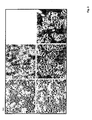
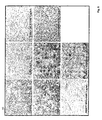
- Figure 1 shows the effects of NBM-HB-OS01( 2h ) on the inhibition of cells growth of various cancer cell lines. Inhibition of cancer cells was shown in Rat C6 glioma cells and Human colon cancer HT-29 cells after they were treated with various concentrations of NBM-HB-OS01 for 48 hrs and the results are shown in Figs. 1(a) and (b) , respectively.
- Fig. 1(c) shows the results of a flow analysis of A549 treated with various concentrations of NBM-HB-OS01 for 24 hrs.
- Fig. 1(d) shows that NBM-HB-OS01 increased p21 gene expression.
- Rat C6 glioma cells were treated with NBM-HB-OS01 for 48 hrs and GAPDH served as an internal control.
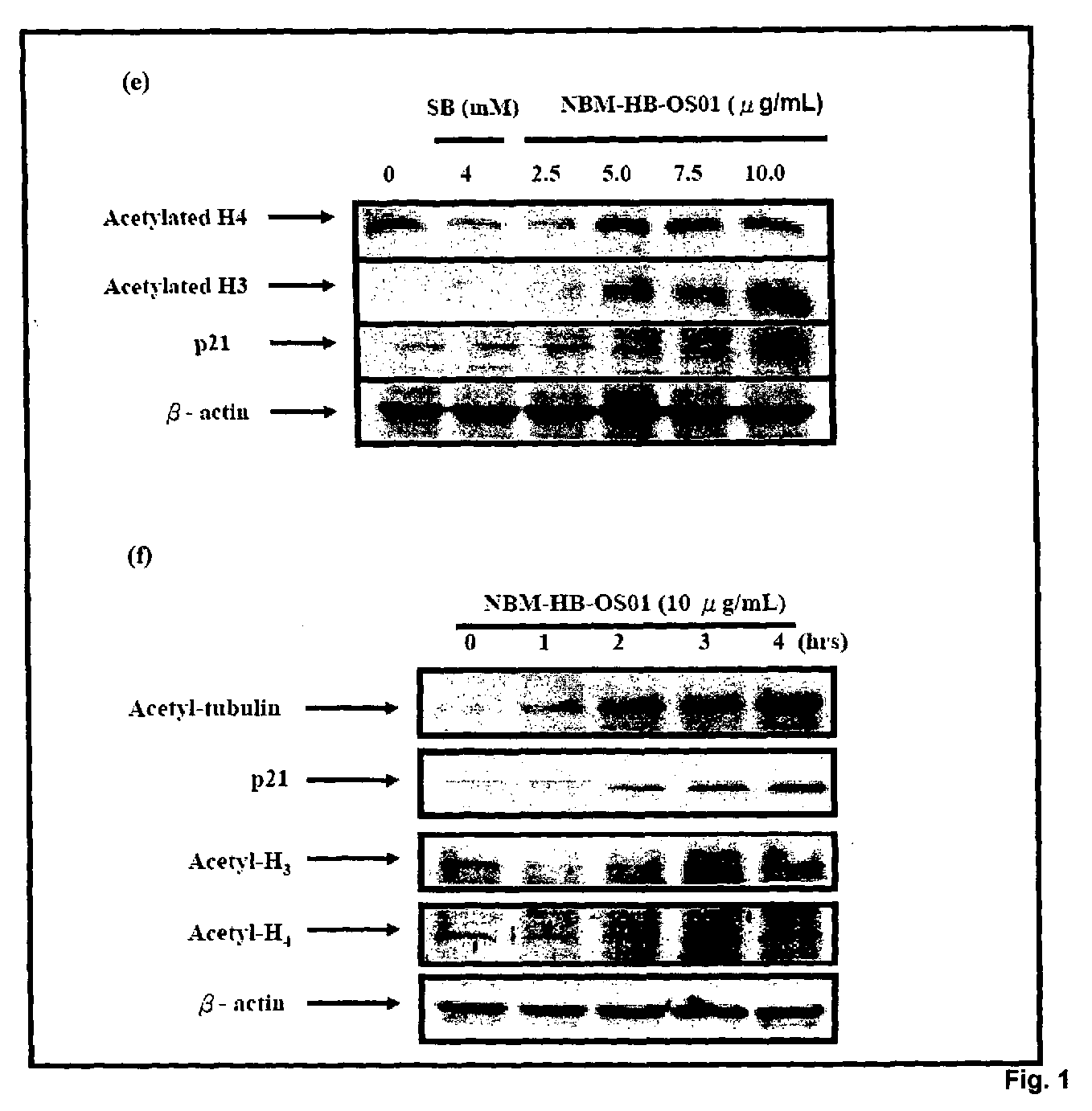
- Fig. 1(e) shows the results of treatment of Rat C6 glioma cells with various concentrations of NBM-HB-OS01 for 72 hrs. Accumulation of hyperacetylated histone H3, hyperacetylated histone H4 and p21 was detected in a dose-dependent manner by western blotting.
- Fig. 1(f) shows the results of treatment of Rat C6 glioma cells with 10 ⁇ g/mL NBM-HB-OS01 for 1, 2, 3 and 4 hrs. The accumulation of acetylated H3, acetylated H4, acetylated-tubulin and p21 was seen in a dose-dependent manner. ⁇ -action was the internal control.
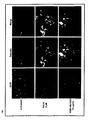
- Fig. 1(g) shows the results of treatment of Human breast cancer MCF-7 (Estrogen Receptor positive) cells with 10 ⁇ g/mL NBM-HB-OS01 for 24 hrs. Overexpression of Gelsolin protein was observed.
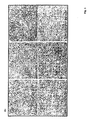
- Figure 2 shows the effects of NBM-C-BX-OS01 ( 4a ) on the inhibition of cells growth of various cancer cell lines. Inhibition of cancer cells growth was shown after treating cell lines with various concentrations of NBM-C-BX-OS01 in Rat C6 glioma cells, Human breast cancer MCF-7 cells for 24 hrs, and Human lung cancer A549 cells for 48 hrs. The results are shown in Figs. 2(a) , (b) and (c) , respectively.
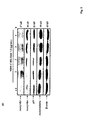
- Fig. 2(d) shows the results of treatment of MCF-7 cells with 10 ⁇ g/mL NBM-C-BX-OS01 for 1, 2, 3 and 4 hrs.
- acetylated H3, acetylated H4, acetylated-tubulin, and p21 increased in a dose-dependent manner.
- ⁇ -actin was the internal control.
- Fig. 2(e) shows the results of treatment of Rat C6 glioma cells with NBM-C-BX-OS01 of 7.5 ⁇ g/mL for 6 hrs. Overexpression of acetylated tubulin protein was observed.
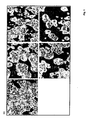
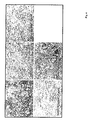
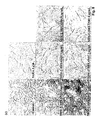
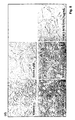
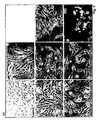
- Figure 3 shows the effect of NBM-C-BA-OS01 ( 17a ) on the inhibition of cells growth of three cancer cell lines. Morphology changes of Human breast cancer MCF-7 cells and Rat C6 glioma cells in response to NBM-C-BA-OS01 (2.5, 5.0, 7.5 ⁇ g/mL) for 72 hrs are shown in Figs 3(a) and (b) . Hyperacetylation of Histone H3 protein was detected by treating Human lung cancer A549 cells for 6 hrs with NBM-C-BA-OS01 of 7.5 ⁇ g/mL. The results are shown in Fig 3(c) .
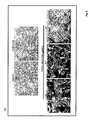
- Figure 4 shows the cell growth inhibition by the treatment of various NBM-C-BA-OS01 derivatives.
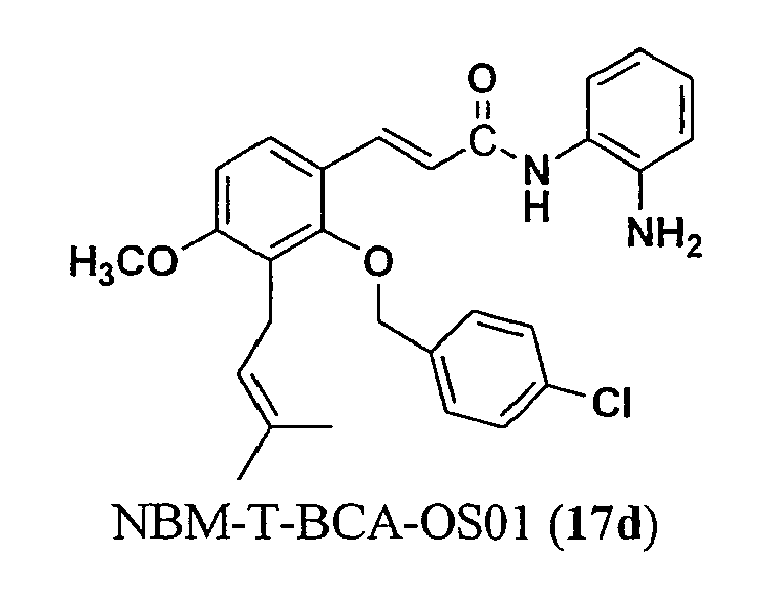
- Treatment of NBM-C-BA-OS01, NBM-C-BCA-OS01 ( 17d ), and NBM-C-BMA-OS01 ( 17b ) of 7.5 ⁇ g/mL inhibited the Rat C6 glioma cells growth in 48 hrs.
- Figure 5 shows the effect of NBM-HB-OS01 derivatives on the cell growth inhibition.
- Fig. 5(a) shows that NBM-C-BA-OS01 (5 ⁇ g/mL), NBM-C-BCX-OS01 ( 4d ) (2.5, 5.0 ⁇ g/mL), and NBM-C-BMX-OS01 ( 4b ) (2.5, 5.0 ⁇ g/mL) inhibited the cell growth of Rat C6 glioma cells in 24 hrs.
- Fig. 5(a) shows that NBM-C-BA-OS01 (5 ⁇ g/mL), NBM-C-BCX-OS01 ( 4d ) (2.5, 5.0 ⁇ g/mL), and NBM-C-BMX-OS01 ( 4b ) (2.5, 5.0 ⁇ g/mL) inhibited the cell growth of Rat C6 glioma cells in 24 hrs.
- NBM-C-BX-OS01 (7.5 ⁇ g/mL), NBM-C-BCX-OS01 (2.5, 5.0, 7.5 ⁇ g/mL) and NBM-C-B11X-OS01 (2.5, 5.0, 7.5 ⁇ g/mL) for 72 hrs induced A549 cells growth inhibition in a dose-dependent manner. Similar results can be seen in treatment of Rat C6 glioma cells with NBM-C-BCX-OS01 and NBM-C-BMX-OS01 of various concentrations for 24 hrs, as shown in Fig. 5(c) .
- FIG. 5(d) shows the results of treatment of Human glioma Hs683 cells with NBM-C-BX-OS01 (1.25, 2.5, 5.0 ⁇ g/mL) for 72 hrs and in Fig. 5(e) shows the results of treatment of Human glioblastoma 05-MG cells with NBM-C-BCX-OS01 (1.0, 2.0, 4.0 ⁇ g/mL), and NBM-C-BMX-OS01 (1.0, 2.0, 4.0 ⁇ g/mL) for 72 hrs. Cell growth inhibition was observed. The treated cells counted by a trypan blue exclusion assay are plotted in Fig. 5(f) .
- Figure 6 shows the effects of NBM-HB-OS01 derivatives on the biological activity in various human cancer cell lines.
- Fig. 6(a) inhibition of the cell growth of human breast cancer MDA-MB-231 cells was observed after treating the cells with various concentrations of NBM-C-BCX-OS01, NBM-C-BMX-OS01, and NBM-C-BFX-OS01 (4c) for 72 hrs.
- the NBM-HB-OS01 derivatives significantly inhibited the growth of human breast cancer MDA-MB-231 cells.
- the treated cells counted by a trypan blue exclusion assay are shown in Fig. 6(b) .
- FIG. 6(c) and (d) shows the results of treatment of Human lung cancer A549 cells and Human glioblastoma 05-MG cells with NBM-C-BCX-OS01 and NBM-C-BMX-OS01 for 72 hrs, respectively.
- Fig. 6(e) shows that NBM-C-BCX-OS01 arrested the growth of Human glioma Hs683 cells.
- Human glioma Hs683 cells were treated with NBM-C-BCX-OS01 (1.0, 2.0, 4.0 ⁇ g/mL) for 72 hrs.
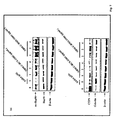
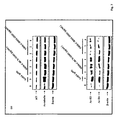
- Figure 7 shows the effects of NBM-C-BCX-OS01 and NBM-C-BMX-OS01 on histones and associated proteins.
- Human glioma Hs683 cells were treated with various concentrations of NBM-C-BCX-OS01 and NBM-C-BMX-OS01 for 72 hrs.
- Fig. 7(a) the induction of acetylated Hsp90 and gelsolin proteins was detected in a dose-dependent manner, i.e., Hsp90 and CTPS proteins decreased in a dose-dependent manner. It can be observed in Fig.
- Figure 8 shows the effects of: (a) NBM-T-BMX-OS01 ( 4b ), (b) NBM-T-BCX-OS01 (4d), (c) NBM-T-BBX-OS01 (4e) and NBM-C-BBX-OS01 (4e), and (d) NBM-I-BCX-OS01 on the inhibition of cell growth (see Figs. 8(a) to (d) ).
- Human glioma Hs683 cells were grown in the presence of the above compounds of various concentrations (1.0, 2.0 and 4.0 ⁇ g/mL) for 72 hours. The treated cells counted by a trypan blue exclusion assay are plotted in Fig. 8(e) .
- Figure 9 shows the effects of (a) NBM-C-BBX-OS01 and NBM-T-BCX-OS01, (b) NBM-T-BBX-OS01 and NBM-I-BCX-OS01, (c) NBM-T-BMX-OS01, (d) NBM-I-BCX-OS01 and NBM-T-BMX-OS01 and (e) NBM-T-BBX-OS01 on the inhibition of human breast cancer MDA-MB-231 cells (see Figs 9(a) to (e) ). The results of trypan blue exclusion assay are shown in Fig. 9(f) .
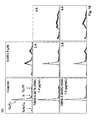
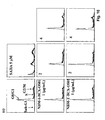
- Figure 10 shows that (a) NBM-I-BCX-OS01 and NBM-T-BMX-OS01, and (b) NBM-T-BBX-OS01 and NBM-C-BBX-OS01 arrested the human lung cancer A549 cells on the S and G2/M phases (see Figs. (a) and (b)). The results were similar to those in Human breast cancer MCF-7 cells (see Figs. 10(c) and, (d) ).
- the present invention relates to novel cinamic derivatives, which are useful as agents for enhancing the neurite outgrowth and preventing and treating of diseases associated with HDAC, in particular, neurodegenerative diseases, stroke, diabetic, tumor or other cell proliferative diseases.
- the compounds of the invention are potent in inhibiting growth in cancer cells via differentiation pathway.
- they can be used as agents for anti-neurodegenerative diseases such as: Alzheimer's disease, Huntington's disease, Spinocerebellar Ataxias (SCA), and human spinal muscular atrophy (SMA).
- alkyl means straight or branched hydrocarbon chains.
- the alkyl is preferably C 1-10 alkyl.
- the carbon number of alkyl is selected from the group consisting of 1 to 8; more preferably, it is C 1-6 alkyl or C 1-4 alkyl.
- alkyl groups include methyl (-CH 3 ), ethyl (-CH 2 CH 3 ), propyl (-CH 2 CH 2 CH 3 ), isopropyl (CH 3 ) 2 CH and butyl (-C 4 H 9 ).
- alkenyl means both straight and branched chain unsaturated hydrocarbon groups, wherein the unsaturation is present only as double bonds. According to the invention, the alkenyl includes one or more double bonds.
- the alkenyl is preferably C 2-16 alkenyl. More preferably, the carbon number of alkenyl is selected from the group consisting of 2 to 12.
- cycloalkyl means an aliphatic ring (saturated carbocyclic ring).
- the carbon number of cycloallcyl is selected from the group consisting of 3 to 8. More preferably, the carbon number of cycloalkyl is selected from the group consisting of 5 to 6.
- Examples of cycloalkyl groups include cyclopropyl, cyclobutyl, cyclopentyl and cyclohexyl.
- unsaturated carbocycle includes a cyclic substituent consisting of carbon atom and hydrogen atom, and the cyclic part is unsaturated cycle, for example, aryl or cycloalkenyl or the like.
- cycloalkenyl includes alkenyl which is the cycloalkyl having one or more double bond, for example, cyclopropenyl (e.g., 1-cyclopropenyl), cyclobutenyl (e.g., 1-cyclobutenyl), cyclopentenyl (e.g., 1-cyclopenten-1-yl, 2-cyclopenten-1-yl, and 3-cyclopenten-1-yl), cyclohexenyl (e.g., 1-cyclohexen-1-yl, 2-cyclohexen-1-yl, and 3-cyclohexen-1-yl), cycloheptenyl (e.g., 1-cycloheptenyl), cyclooctenyl (e.g., 1-cyclooctenyl) or the like.
- cyclopropenyl e.g., 1-cyclopropenyl
- cyclobutenyl e.g., 1-cyclobuteny
- aryl includes single and fused rings wherein at least one ring is aromatic, for example, phenyl, naphthyl and tetrahydronaphthalenyl.
- the phrase "5-membered or 6-membered heterocycle” refers to a cyclic ring of five or six atoms, wherein at least one atom of the ring is a heteroatom.
- the 5-membered or 6-membered heterocycle can be aromatic or non-aromatic which is saturated or unsaturated.
- the heteroatom is selected from N, O and S.
- heterocycle includes, but not limited to, furyl (e.g., 2-furyl, 3-furyl), thienyl (e.g., 2-thienyl, 3-thienyl), pyrrolyl (e.g., 1-pyrrolyl, 2-pyrrolyl, 3-pyrrolyl), imidazolyl (e.g., 1-imidazolyl, 2-imidazolyl, 4-imidazolyl), pyrazolyl (e.g., 1-pyrazolyl, 3-pyrazolyl, 4-pyrazolyl), triazolyl (e.g., 1,2,4-triazol-1-yl, 1,2,4-triazol-3-yl, 1,2,4-triazol-4-yl) tetrazolyl (e.g., 1-tetrazolyl, 2-tetrazolyl, 5-tetrazolyl), oxazolyl (e.g., 2-oxazolyl, 4-oxazolyl, 5-oxazo
- halogen means fluorine, chlorine, bromine and iodine.
- the term "pharmaceutically acceptable salt” includes those formed with both organic and inorganic acids and bases.
- Pharmaceutically acceptable acid addition salts include those formed from mineral acids such as: hydrochloric, hydrobromic, sulphuric, and phosphoric, acid; and organic acids such as: citric, tartaric, lactic, pyruvic, acetic, trifluoroacetic, succinic, oxalic, formic, fumaric, maleic, oxaloacetic, methanesulphonic, ethanesulphonic, p-toluenesulphonic, benzenesulphonic and isethionic acids.
- Pharmaceutically acceptable base salts include ammonium salts, alkali metal salts such as those of sodium and potassium, alkaline earth metal salts such as those of calcium and magnesium and salts with organic bases, including salts of primary, secondary and tertiary amines.
- prodrug means a compound which is converted within the body, e.g., by hydrolysis in the blood, into its active form that has medical effects.
- solvate means a complex comprising the compound of the invention and a solvent in which they are reacted or from which they are precipitated or crystallized.
- stereoisomers are isomeric molecules whose atomic connectivity is the same but whose atomic arrangement in space is different.
- enantiomers are stereoisomers that are nonsuperimposable complete mirror images of each other, much as one's left and right hands are “the same” but opposite.
- the preferred compound of formula (I) of the invention is selected from the group consisting of the following:
- the compounds of formula (I) of the invention can inhibit HDAC and thus can be used as agents for the prevention or treatment of diseases associated with histone deacetylase (HDAC).
- HDAC histone deacetylase
- the compounds of the invention significantly inhibit growth of multiple cancer cell lines, including those of rat C6 glioma, human glioblastoma, human breast cancer cells, human leukemia cells, and human melanoma cells.
- the mechanism for inhibiting the growth of cancer cells may be via differentiation pathway, in particular via induced differentiation and regulated cell cycle regulator gene expression, including those of p21 and cyclin B1.
- the compounds of formula (I) of the invention can mediate neuronal differentiation of neural stem cells and thus can be used as agents against stroke and anti-neurodegenerative diseases such as Huntington's disease and poly-glutamine disease. These compounds also can be used to enhance long-term memory.
- the compounds of formula (I) of the invention can control whole-body energy balance through the regulation of GLUT4 transcription and therefore provide new therapeutic targets for the treatment of Type 2 diabetes.
- the dosage administered will, of course, vary with the compound employed, the mode of administration, the treatment desired and the disorder indicated.
- the daily dosage of the compound of formula (I) may be in the range from 1 mg/kg to 20 mg/kg.
- the invention provides the methods of inhibiting HDAC, treating tumor or cell proliferative disease, stroke, diabetic, or neurodegenerative diseases such as Alzheimer's disease, Huntington's disease, Spinocerebellar Ataxias (SCA) and human spinal muscular atrophy (SMA) and enhancing the neurite outgrowth in a subject, comprising administrating to the subject a therapeutically effective amount of the compounds of the invention, respectively.
- the compounds of the present invention can be prepared by any conventional means. Suitable processes for synthesizing these compounds are provided in the examples. Generally, compounds of formula (I) can be prepared according to one of the described synthetic schemes below:
- reaction temperature of 90°C can be prepared by a similar procedure with reaction temperature of 90°C.
- reaction mixture was diluted with dis-H 2 O (100 mL), acdified with 1N HCl to pH 2 ⁇ 3 and extracted with EtOAc (50 mL x 3), respectively.
- EtOAc 50 mL x 3
- the combined EtOAc layer was dried over Na 2 SO 4 and concentrated under reduced pressure to give residue.
- compositions of the compounds of the present invention can be prepared by any conventional means. Exemplified processes for synthesizing the salts are provided below.
- the compounds of formula (I) and pharmaceutically acceptable salts, stereoisomers, enantiomers, prodrugs and solvates thereof may be used on their own but will generally be administered in the form of a pharmaceutical composition in which the formula (1) compound/salt/solvate (active ingredient) is in association with a pharmaceutically acceptable adjuvant, diluent or carrier.
- the pharmaceutical composition will preferably comprise from 10 to 30 wt% (percent by weight), more preferably from 30 to 50 wt%, still more preferably from 50 to 70 wt%, and even more preferably from 70 to 100 wt%, of the active ingredient, all percentages by weight being based on total composition.
- the pharmaceutical composition of the invention may further comprise other agents for the prevention or treatment of diseases associated with histone deacetylase (HDAC).
- HDAC histone deacetylase
- compositions may be administered systemically, e.g., by oral administration in the form of tablets, capsules, syrups, powders or granules; or by parenteral administration in the form of solutions or suspensions; or by subcutaneous administration; or by rectal administration in the form of suppositories; or transdermally.
- the compounds and pharmaceutical compositions of the invention are an HDAC inhibitor and can be retained long in the cells and continuously induce the acetylation of histone H4. They are HDAC inhibitors inducing differentiation of cells and neural stem cells.
- the compounds of the invention significantly inhibit HDAC activity.
- the compounds of the invention significantly decrease both S and G2/M phases of the cells in a dose-dependent manner and change the morphology of cancer cells. Therefore, the compounds of the invention can treat tumor or cell proliferative disease.
- the compounds of the invention can enhance the neurite outgrowth and treat neurodegenerative diseases (such as Huntington's disease and poly-glutamine disease) and human spinal muscular atrophy (SMA).
- neurodegenerative diseases such as Huntington's disease and poly-glutamine disease
- SMA human spinal muscular atrophy
- Rat C6 giloma cells Three cancer cell lines, Rat C6 giloma cells, Human breast cancer MCF-7 cells, and Human lung cancer A549 cells, were cultured in Dulbecco's modified Eagle's medium (DMEM; Gibco) containing 10% fetal bovine serum (FBS) and 1% penicillin/ streptomycin. All three cell lines were maintained at 37 in a humidified atmosphere of 95% air and 5% CO 2 . For the experiments, the cells were seeded in 6-well plates. After 24 hours, the cells were treated with different concentrations of the various compounds. The cells were observed at 24, 48, and 72 hours. Inhibition of cancer cell growth of NBM-HB-OS01 in various concentrations after 48 hours in Rat C6 glioma cells (see Fig.
- NBM-C-BX-OS01 arrested the cell growth in various concentrations in Rat C6 glioma cells in 48 hours (see Fig. 2(a) ), in human breast cancer MCF-7 cells in 24 hours (see Fig. 2(b) ) and in human lung cancer A549 cells in 48 hours (see Fig. 2(c) ).
- Treatments with NBM-C-BA-OS01, NBM-C-BCA-OS01 and NBM-C-BMA-OS01 inhibited the Rat C6 glioma cell growth in a fixed concentration (7.5 ⁇ g/mL) in 48 hours (see Fig. 4 ).
- NBM-C-BA-OS01 (5 ⁇ g/mL), NBM-C-BCX-OS01 (2.5, 5.0 ⁇ g/mL), and NBM-C-BMX-OS01 (2.5, 5.0 ⁇ g/mL) inhibited the cell growth of Rat C6 glioma cells in 24 hours (see Fig. 5(a) ).
- Example 8 Inhibition of cancer cell growth and change of the morphology by the compounds of the invention
- Rat C6 giloma cells Human breast cancer MCF-7 cells, Human glioma Hs683 cells, Human glioblastoma 05-MG cells, and Human lung cancer A549 cells, were cultured in Dulbecco's modified Eagle's medium (DMEM; Gibco) containing 10% fetal bovine serum (FBS) and 1% penicillin/streptomycin, and were kept at 37°C in a humidified atmosphere of 95% air and 5% CO 2 .
- DMEM Dulbecco's modified Eagle's medium
- FBS fetal bovine serum
- penicillin/streptomycin penicillin/streptomycin
- Human breast cancer MDA-MB-231 cells were cultured in L-15 medium (Gibco) containing 10% fetal bovine serum (FBS), 1% penicillin/streptomycin, and 2 mM glutamine, and were maintained at 37°C in a humidified atmosphere of 95% air and 0% CO 2 .
- the cells were seeded in 6-well plates or a 60-mm dish. After 24 hours, the cells were treated with different concentrations of the various compounds. The cells were observed at 24, 48and 72 hours.
- Human breast cancer MCF-7 cells see Fig. 3(a)
- Rat C6 glioma cells see Fig.
- NBM-C-BA-OS01 2.5, 5.0, 7.5 ⁇ g/mL treatment for 72 hours.
- Treatments with NBM-C-BX-OS01 (7.5 ⁇ g/mL), NBM-C-BCX-OS01 (2.5, 5.0, 7.5 ⁇ g/mL) and NBM-C-BMX-OS01 (2.5, 5.0, 7.5 ⁇ g/mL) induced A549 cell growth inhibition in dose-dependent amounts for 72 hours (see Fig. 5(b) ) and the results were similar to those in Rat C6 glioma cells for 24 hours (see Fig. 5(c) ).
- Human glioma Hs683 cells were treated with NBM-C-BX-OS01 (1.25, 2.5, 5.0 ⁇ g/mL) for 72 hours (see Fig. 5(d) ).
- Human glioblastoma 05-MG cells were treated with NBM-C-BCX-OS01 (1.0, 2.0, 4.0 ⁇ g/mL) and NBM-C-BMX-OS01 (1.0, 2.0, 4.0 ⁇ g/mL) for 72 hours (see Fig. 5(e) ).
- the results obtained by cell counting showed the same tendency (see Fig. 5(f) ).
- NBM-C-BCX-OS01, NBM-C-BMX-OS01 and NBM-C-BFX-OS01 inhibited the growth of human breast cancer MDA-MB-231 cells and changed the morphology of the cells for 72 hours (see Fig. 6(a) ). The results were counted by a trypan blue exclusion assay (see Fig. 6(b) ).
- the cell-cycle related mRNA expression was examined by RT-PCR.
- the total RNA was isolated from the treated Rat C6 glioma cells using the RNeasy Mini Kit (Qiagen) as described by the manufacturer.
- the cDNA was produced from 500 ng of total RNA using ReverTra-Plus-TM (TOYOBO).
- the RT product (1 ⁇ l) was amplified by PCR with primers for amplification of several genes (p21, cyclin B1, and cyclin D1) for the cell cycle analyses and GAPDH was used as an internal control.
- Rat C6 glioma cells were treated with NBM-HB-OS01 for 48 hours, and as shown in Fig. 1 (d) , NBM-HB-OS01 induced p21 mRNA expression.
- Human lung cancer A549 cells, Human glioma Hs683 cells and Human glioblastoma 05-MG cells were seeded 1 ⁇ 10 6 cells in a 100-mm dish. After 24 hours of incubation in DMEM+10% BSA, Human lung cancer A549 cells were treated with NBM-HB-OS01 (2.5, 5.0, 7.5, 10.0 ⁇ g/mL) for 24 hours and were treated with NBM-C-BCX-OS01 (2.5, 5.0, 7.5 ⁇ g/mL) and NBM-C-BMX-OS01 (2.5, 5, 7.5 ⁇ g/mL) for 72 hours.
- NBM-HB-OS01 2.5, 5.0, 7.5, 10.0 ⁇ g/mL
- NBM-C-BCX-OS01 2.5, 5.0, 7.5 ⁇ g/mL
- NBM-C-BMX-OS01 2.5, 5, 7.5 ⁇ g/mL
- Human glioblastoma 05-MG cells were treated with NBM-C-BCX-OS01 (1.0, 2.0, 4.0 ⁇ g/mL) and NBM-C-BMX-OS01 (1.0, 2.0, 4.0 ⁇ g/mL) for 72 hours.
- Human glioma Hs683 cells were treated with NBM-C-BCX-OS01 (1.0, 2.0, 4.0 ⁇ g/mL).
- NBM-C-BCX-OS01 1.0, 2.0, 4.0 ⁇ g/mL
- For cell cycle analysis cells were fixed in 80% ethanol for 1 hour (or overnight) at -20°C and then incubated with 2 ⁇ g/mL RNase A for 30 minutes at 37°C.
- Fig.1(c) show that NBM-HB-OS01 arrested the human lung cancer A549 cells on the G0/G1 phase in a dose-dependent manner.
- Human lung cancer A549 cells were inhibited by various concentrations (2.5, 5, 7.5 ⁇ /mL) of NBM-C-BCX-OS01 and NBM-C-BMX-OS01 for 72 hours (see Fig.6(c) ) and Human glioblastoma 05-MG cells were inhibited by various concentrations (1.0, 2.0, 4.0 ⁇ g/mL) of NBM-C-BCX-OS01 and NBM-C-BMX-OS01 for 72 hours (see Fig.6(d) ).
- Human glioma Hs683 cells were treated with NBM-C-BCX-OS01 (1.0, 2.0, 4.0 ⁇ g/mL) for 72 hours.
- NBM-C-BCX-OS01 could arrest the growth of Human glioma Hs683 cells (see Fig. 6(e) ).
- Rat C6 glioma cells, Human breast cancer MCF-7 cells, and Human lung cancer A549 cells were seeded in 6-well plates. After 24 hrs of incubation in medium+10% BSA, Human breast cancer MCF-7 cells were treated with NBM-HB-OS01 (10.0 ⁇ /mL) and vorinostat (SAHA, 5 ⁇ M) for 24 hours. Rat C6 glioma cells were treated with NBM-C-BX-OS01 (7.5 ⁇ g/mL) and vorinostat (SAHA, 5 ⁇ M) for 6 hours. Human lung cancer A549 cells were treated with NBM-C-BA-OS01 (7.5 ⁇ g/mL) and vorinostat (SAHA, 5 ⁇ M) for 6 hours.
- the treated cells were fixed in 80% methanol for 30 minutes and then washed 3 times with PBS solution. Cells were permeabilized with 0.3% Triton X-100 for 30 minutes, and then blocked in 10% fetal bovine serum (FBS) in PBS-T (0.1 % Twin 20 in PBS) for 1 hour. The treated cells were detected with primary antibody against acetyl-Histone H3, acetyl-tubulin, and Gelsolin. Photographs were taken with a Nikon microscope. The results indicated that the compounds of the invention could induce the HDAC associated proteins expression of the various cancer cells (see Fig. 1(g) , Fig. 2(e) , and Fig. 3(c) ).
- Example 12 Increased accumulation of hyperacetylated histone and tubulin and p21 in various cell lines treated with the compound of the invention
- Rat C6 glioma cells and Human breast cancer MCF-7 cells were seeded 5 ⁇ 10 5 cells in a 60-mm dish or 1 ⁇ 10 6 cells in a 100-mm dish. After 24 hours, Rat C6 glioma cells were treated with various concentrations of NBM-HB-OS01 (2.5, 5.0, 7.5, 10.0 ⁇ g/mL) for 72 hours and were treated with 10.0 ⁇ g/mL NBM-HB-OS01 for 1, 2, 3, and 4 hours. Human breast cancer MCF-7 cells were treated with 7.5 ⁇ g/mL NBM-C-BX-OS01 for 1, 2, 3, and 4 hours.
- NBM-HB-OS01 2.5, 5.0, 7.5, 10.0 ⁇ g/mL
- Human breast cancer MCF-7 cells were treated with 7.5 ⁇ g/mL NBM-C-BX-OS01 for 1, 2, 3, and 4 hours.
- Lysates of C6, and MCF-7 cells were prepared for the immunoblotting of acetyl-Histone H3 (Cell Signaling Technology, Inc.), acetyl-Histone H4 (Upstate), acetyl-tubulin (Sigma Chemical Co.), p21 (BD Pharmingen Technology, Inc.), and actin (Sigma Chemical Co.). Proteins were detected by chemiluminescence (ECL, Amersham). The results indicated that the accumulation of hyperacetylated histone H3, hyperacetylated histone H4, acetylated-tubulin, and p21 were induced in Rat C6 glioma and MCF-7 cells (see Fig 1(e), Fig. 1(f) , and Fig. 2(d) ). ⁇ -actin is an internal control.
- Human glioma Hs683 cells were seeded at 5 ⁇ 10 5 cells in a 60-mm dish or 1 ⁇ 10 6 cells in a 100-mm dish. After 24 hours, Human glioma Hs683 cells were treated with different doses of NBM-C-BCX-OS01, NBM-C-BMX-OS01 (1.0, 2.0, 4.0 ⁇ g/mL), and vorinostat (SAHA, 5 ⁇ M) for 72 hours.
- NBM-C-BCX-OS01 1.0, 2.0, 4.0 ⁇ g/mL
- SAHA vorinostat
- Lysates of Hs683 cells were prepared for the immunoblotting of acetyl-Histone H3 (Cell Signaling Technology, Inc.), acetyl-Histone H4 (Upstate), acetyl-tubulin (Sigma Chemical Co.), p21 (BD Pharmingen Technology, Inc.), CTPS (ABNOVA TAIWAN Corporation), Gelsolin (Sigma Chemical Co.), Hsp90 (Cell Signaling Technology, Inc.), acetyl-Hsp90 (ROCKLAND, Inc.) and actin (Sigma Chemical Co.). Proteins were detected by chemiluminescence (ECL, Amersham). The increase of acetylated Hsp90 and gelsolin proteins was observed in a dose-dependent manner.
- Hsp90 and CTPS proteins were decreased in a dose-dependent manner (see Fig 7(a) ).
- the expression of p21, acetylated tubulin, acetylated Histone H3, and acetylated Histone H4 was induced in a dose-dependent manner.
- SAHA was used as a positive control and ⁇ -actin as an internal control (see Fig 7(b) ).
Landscapes
- Chemical & Material Sciences (AREA)
- Organic Chemistry (AREA)
- Health & Medical Sciences (AREA)
- Public Health (AREA)
- Pharmacology & Pharmacy (AREA)
- Bioinformatics & Cheminformatics (AREA)
- Veterinary Medicine (AREA)
- Diabetes (AREA)
- General Health & Medical Sciences (AREA)
- Chemical Kinetics & Catalysis (AREA)
- General Chemical & Material Sciences (AREA)
- Medicinal Chemistry (AREA)
- Nuclear Medicine, Radiotherapy & Molecular Imaging (AREA)
- Animal Behavior & Ethology (AREA)
- Engineering & Computer Science (AREA)
- Life Sciences & Earth Sciences (AREA)
- Biomedical Technology (AREA)
- Neurology (AREA)
- Neurosurgery (AREA)
- Emergency Medicine (AREA)
- Endocrinology (AREA)
- Obesity (AREA)
- Hematology (AREA)
- Hospice & Palliative Care (AREA)
- Psychiatry (AREA)
- Acyclic And Carbocyclic Compounds In Medicinal Compositions (AREA)
- Organic Low-Molecular-Weight Compounds And Preparation Thereof (AREA)
Abstract


Description
- The present invention relates to novel cinamic compounds which are useful as agents for the prevention or treatment of diseases associated with histone deacetylase (HDAC). They also can be used as agents for enhancing the neurite outgrowth. In particular, they can be used as agents for anti-cancer, anti-diabetic, or anti-neurodegenerative diseases such as Alzheimer's disease, Huntington's disease, Spinocerebellar Ataxias (SCA) and human spinal muscular atrophy (SMA).
- Eukaryotic DNA is highly organized and packaged in the nucleus. The organization and packaging are achieved through the addition of proteins, including core histones H2A, H2B, H3 and H4, which form a complex structure, the chromatin, together with DNA. The modification of core histones is of fundamental importance to conformational changes of the chromatin. The level of acetylation is related to transcription activity, and then the acetylation induces an open chromatin conformation that allows the transcription machinery access to promoters. Histone deacetylase (HDAC) and histone acetyltransferase (HAT) are enzymes that influence transcription by selectively deacetylating or acetylating the ε-amino groups of lysine located near the amino termini of core histone proteins. HDACs are a family of 18 enzymes (isoforms) that may act as master regulators of many diseases, including cancer, because they are involved in the control of gene expressions. Disruption of HDACs has been linked to a wide variety of human cancers. HDAC enzymes or isoforms appear to be involved in many different types of cancer.
- Histone deacetylase (HDAC) inhibitors are emerging as an exciting new class of potential anticancer agents for the treatment of solid and hematological malignancies. In recent years, an increasing number of structurally diverse HDAC inhibitors have been identified; they inhibit proliferation and induce differentiation and/or apoptosis of tumor cells in cultures and in animal models. HDAC inhibition causes acetylated nuclear histones to accumulate in both tumoral and normal tissues, providing a surrogate marker for the biological activity of HDAC inhibitors in vivo. The effects of HDAC inhibitors on gene expression are highly selective, leading to transcriptional activation of certain genes such as the cyclin-dependent kinase inhibitor p21WAF1/CIP1 but repression of others. HDAC inhibition results in acetylation of not only histones but also transcription factors such as p53, GATA-1 and estrogen receptor-alpha. The functional significance of acetylation of non-histone proteins and the precise mechanisms whereby HDAC inhibitors induce tumor cell growth arrest, differentiation and/or apoptosis are currently the focus of intensive research. HDAC inhibitors currently in clinical trials have shown activity and represent a class of molecularly targeted anti-tumor agents with potential for efficacy based on a novel mechanism of action.
- A review article published in Medicinal Research Reviews, Vol. 26, No. 4, pp. 397-413, 2006 states that four classes of HDAC inhibitors, short-chain fatty acids, hydroxamic acids, benzamides and cyclic peptides, had been reported. Hydroxamic acid-based hybrid polar compounds (HPCs) are HDAC inhibitors, which induce differentiation at micromolar or lower concentrations (Journal of the National Cancer Institute, Vol. 92, No. 15, August 2, 2000, pp. 1210-1216).
U.S. Pat. No. 6,174,905 ,EP 0847992 ,JP 258863/96 10138957 U.S. Pat. No. 6,174,905 has become a candidate for cancer treatment drug.WO 01/38322 U.S. Pat. No. 7,169,801 discloses that compounds having the formula of Z-Q-L-M or Z-L-M may be used to inhibit histone deacetylase.US Patent Number 6888027 covers a family of Sulphonamide HDAC inhibitors including PXD101. European Patent NumberEP 1 301 184 covers the use of valproic acid and derivatives as HDAC inhibitors in the treatment of solid tumors.WO0222577 - N,N'-hexamethylene bisacetamide (HMBA) is an effective inducer of differentiation in a number of transformed cell lines.
U.S. Pat. Nos. 6,087,367 andRE38506 reports that a number of compounds related to HMBA with polar groups separated by apolar linkages on a molar basis, are as active or 100 times more active than HMBA. Furthermore,U.S. Pat. No. 7,399,787 reports that histone deacetylase inhibitors related to HMBA such as suberoylanilide hydroxamide acid (SAHA) have the ability to induce growth arrest, differentiation and/or apoptosis of tumor cells. In addition, Laurence Catley et al. reports that NVP-LAQ824 (a hydroxamic acid derivative) and NVP-LAQ824 (a derivative of 4-aminomethylcinnamic hydroxamic acid) are potent histone deacetylase inhibitors (Blood, 1 October 2003, Vol. 102, No. 7, pp. 2615-2622). George P et al. reports that LBH589 induces growth inhibition and regression in tumor cell lines by triggering apoptosis and LBH589 is now being tested in phase I clinical trials as an anticancer agent (Blood 105(4): 1768-76 February 15, 2005). Other histone deacetylase inhibitors known in the art include pyroxamide, M-carboxycinnamic acid bishydroxamide (CBHA), trichostatin A (TSA), trichostatin C, salicylihydroxamic acid (SBHA), azelaic bishydroxamic acid (ABHA), azelaic-1-hydroxamate-9-anilide (AAHA), 6-(3-chlorophenylureido) carpoic hydroxamic acid (3C1-UCHA), oxamflatin, A-161906, scriptaid, PXD-101, cyclic hydroxamic acid-containing peptide (CHAP), ITF-2357, MW2796, MW2996, trapoxin A, FR901228 (FK 228 or Depsipeptide), FR225497, apicidin, CHAP, HC-toxin, WF27082, chlamydocin, sodium butyrate, isovalerate, valerate, 4-phenylbutyrate (4-PBA), 4-phenylbutyrate sodium (PBS), arginine butyrate, propionate, butyramide, isobutyramide, phenylacetate, 3-bromopropionate, tributyrin, valproic acid, valproate, CI-994, 3'-amino derivative of MS-27-275, MGCD0103 and Depudecin (U. S. Publication No. 20080242648 ). - However, there is still a need to develop a new class of HDAC inhibitors to prevent or treat cancers and other diseases involving HDAC.
- The object of the invention is to provide a group of compounds represented by the following formula (I):

-
Figure 1 shows the effects of NBM-HB-OS01(2h) on the inhibition of cells growth of various cancer cell lines. Inhibition of cancer cells was shown in Rat C6 glioma cells and Human colon cancer HT-29 cells after they were treated with various concentrations of NBM-HB-OS01 for 48 hrs and the results are shown inFigs. 1(a) and(b) , respectively.Fig. 1(c) shows the results of a flow analysis of A549 treated with various concentrations of NBM-HB-OS01 for 24 hrs.Fig. 1(d) shows that NBM-HB-OS01 increased p21 gene expression. Rat C6 glioma cells were treated with NBM-HB-OS01 for 48 hrs and GAPDH served as an internal control.Fig. 1(e) shows the results of treatment of Rat C6 glioma cells with various concentrations of NBM-HB-OS01 for 72 hrs. Accumulation of hyperacetylated histone H3, hyperacetylated histone H4 and p21 was detected in a dose-dependent manner by western blotting.Fig. 1(f) shows the results of treatment of Rat C6 glioma cells with 10 µg/mL NBM-HB-OS01 for 1, 2, 3 and 4 hrs. The accumulation of acetylated H3, acetylated H4, acetylated-tubulin and p21 was seen in a dose-dependent manner. β-action was the internal control.Fig. 1(g) shows the results of treatment of Human breast cancer MCF-7 (Estrogen Receptor positive) cells with 10 µg/mL NBM-HB-OS01 for 24 hrs. Overexpression of Gelsolin protein was observed. -
Figure 2 shows the effects of NBM-C-BX-OS01 (4a) on the inhibition of cells growth of various cancer cell lines. Inhibition of cancer cells growth was shown after treating cell lines with various concentrations of NBM-C-BX-OS01 in Rat C6 glioma cells, Human breast cancer MCF-7 cells for 24 hrs, and Human lung cancer A549 cells for 48 hrs. The results are shown inFigs. 2(a) ,(b) and(c) , respectively.Fig. 2(d) shows the results of treatment of MCF-7 cells with 10 µg/mL NBM-C-BX-OS01 for 1, 2, 3 and 4 hrs. The expression of acetylated H3, acetylated H4, acetylated-tubulin, and p21 increased in a dose-dependent manner. β-actin was the internal control.Fig. 2(e) shows the results of treatment of Rat C6 glioma cells with NBM-C-BX-OS01 of 7.5 µg/mL for 6 hrs. Overexpression of acetylated tubulin protein was observed. -
Figure 3 shows the effect of NBM-C-BA-OS01 (17a) on the inhibition of cells growth of three cancer cell lines. Morphology changes of Human breast cancer MCF-7 cells and Rat C6 glioma cells in response to NBM-C-BA-OS01 (2.5, 5.0, 7.5 µg/mL) for 72 hrs are shown inFigs 3(a) and(b) . Hyperacetylation of Histone H3 protein was detected by treating Human lung cancer A549 cells for 6 hrs with NBM-C-BA-OS01 of 7.5µg/mL. The results are shown inFig 3(c) . -
Figure 4 shows the cell growth inhibition by the treatment of various NBM-C-BA-OS01 derivatives. Treatment of NBM-C-BA-OS01, NBM-C-BCA-OS01 (17d), and NBM-C-BMA-OS01 (17b) of 7.5 µg/mL inhibited the Rat C6 glioma cells growth in 48 hrs. -
Figure 5 shows the effect of NBM-HB-OS01 derivatives on the cell growth inhibition.Fig. 5(a) shows that NBM-C-BA-OS01 (5µg/mL), NBM-C-BCX-OS01 (4d) (2.5, 5.0 µg/mL), and NBM-C-BMX-OS01 (4b) (2.5, 5.0µg/mL) inhibited the cell growth of Rat C6 glioma cells in 24 hrs.Fig. 5(b) shows that treatment of NBM-C-BX-OS01 (7.5µg/mL), NBM-C-BCX-OS01 (2.5, 5.0, 7.5 µg/mL) and NBM-C-B11X-OS01 (2.5, 5.0, 7.5 µg/mL) for 72 hrs induced A549 cells growth inhibition in a dose-dependent manner. Similar results can be seen in treatment of Rat C6 glioma cells with NBM-C-BCX-OS01 and NBM-C-BMX-OS01 of various concentrations for 24 hrs, as shown inFig. 5(c) .Fig. 5(d) shows the results of treatment of Human glioma Hs683 cells with NBM-C-BX-OS01 (1.25, 2.5, 5.0 µg/mL) for 72 hrs and inFig. 5(e) shows the results of treatment of Human glioblastoma 05-MG cells with NBM-C-BCX-OS01 (1.0, 2.0, 4.0 µg/mL), and NBM-C-BMX-OS01 (1.0, 2.0, 4.0 µg/mL) for 72 hrs. Cell growth inhibition was observed. The treated cells counted by a trypan blue exclusion assay are plotted inFig. 5(f) . -
Figure 6 shows the effects of NBM-HB-OS01 derivatives on the biological activity in various human cancer cell lines. As shown inFig. 6(a) , inhibition of the cell growth of human breast cancer MDA-MB-231 cells was observed after treating the cells with various concentrations of NBM-C-BCX-OS01, NBM-C-BMX-OS01, and NBM-C-BFX-OS01 (4c) for 72 hrs. The NBM-HB-OS01 derivatives significantly inhibited the growth of human breast cancer MDA-MB-231 cells. The treated cells counted by a trypan blue exclusion assay are shown inFig. 6(b) .Figs. 6(c) and(d) shows the results of treatment of Human lung cancer A549 cells and Human glioblastoma 05-MG cells with NBM-C-BCX-OS01 and NBM-C-BMX-OS01 for 72 hrs, respectively.Fig. 6(e) shows that NBM-C-BCX-OS01 arrested the growth of Human glioma Hs683 cells. Human glioma Hs683 cells were treated with NBM-C-BCX-OS01 (1.0, 2.0, 4.0 µg/mL) for 72 hrs. -
Figure 7 shows the effects of NBM-C-BCX-OS01 and NBM-C-BMX-OS01 on histones and associated proteins. Human glioma Hs683 cells were treated with various concentrations of NBM-C-BCX-OS01 and NBM-C-BMX-OS01 for 72 hrs. As shown inFig. 7(a) , the induction of acetylated Hsp90 and gelsolin proteins was detected in a dose-dependent manner, i.e., Hsp90 and CTPS proteins decreased in a dose-dependent manner. It can be observed inFig. 7(b) that the expression of p21, acetylated tubulin, acetylated Histone H3, and acetylated Histone H4 was significantly increased in a dose-dependent manner. SAHA was used as a positive control and β-action as an internal control. -
Figure 8 shows the effects of: (a) NBM-T-BMX-OS01 (4b), (b) NBM-T-BCX-OS01 (4d), (c) NBM-T-BBX-OS01 (4e) and NBM-C-BBX-OS01 (4e), and (d) NBM-I-BCX-OS01 on the inhibition of cell growth (seeFigs. 8(a) to (d) ). Human glioma Hs683 cells were grown in the presence of the above compounds of various concentrations (1.0, 2.0 and 4.0 µg/mL) for 72 hours. The treated cells counted by a trypan blue exclusion assay are plotted inFig. 8(e) . -
Figure 9 shows the effects of (a) NBM-C-BBX-OS01 and NBM-T-BCX-OS01, (b) NBM-T-BBX-OS01 and NBM-I-BCX-OS01, (c) NBM-T-BMX-OS01, (d) NBM-I-BCX-OS01 and NBM-T-BMX-OS01 and (e) NBM-T-BBX-OS01 on the inhibition of human breast cancer MDA-MB-231 cells (seeFigs 9(a) to (e) ). The results of trypan blue exclusion assay are shown inFig. 9(f) .
Figure 10 shows that (a) NBM-I-BCX-OS01 and NBM-T-BMX-OS01, and (b) NBM-T-BBX-OS01 and NBM-C-BBX-OS01 arrested the human lung cancer A549 cells on the S and G2/M phases (see Figs. (a) and (b)). The results were similar to those in Human breast cancer MCF-7 cells (seeFigs. 10(c) and,(d) ). - The present invention relates to novel cinamic derivatives, which are useful as agents for enhancing the neurite outgrowth and preventing and treating of diseases associated with HDAC, in particular, neurodegenerative diseases, stroke, diabetic, tumor or other cell proliferative diseases. The compounds of the invention are potent in inhibiting growth in cancer cells via differentiation pathway. In particular, they can be used as agents for anti-neurodegenerative diseases such as: Alzheimer's disease, Huntington's disease, Spinocerebellar Ataxias (SCA), and human spinal muscular atrophy (SMA).
- Accordingly, the present invention relates to compounds represented by the following formula (I):

- R1 is hydrogen, alkyl, alkenyl, C5-6 cycloalkyl, 5-membered or 6-membered unsaturated carbocycle or 5-membered or 6-membered heterocycle;
- XisC, O, N or S;
- Y is O, NH or O-C1-4alkyl;
- n is an integer of 0 to 10;
- m is an integer of 0 to 5;
- R2 and R3 is independently C1-6 alkyl;
- R4 is C5-6 cycloalkyl or 5-membered or 6-membered unsaturated carbocycle or heterocycle which may be substituted with halogen, CF3, OR7 or NR7R8, wherein R7 and R8 are independently hydrogen or C1-6 alkyl;
- R5 is OH, NH2 or C5-6 cycloalkyl, 5-membered or 6-membered unsaturated carbocycle or heterocycle wherein the cycloalkyl, carbocycle and heterocycle may be optionally substituted with halogen, NH2, NO2, C1-6 alkoxy, C1-6 alkylthio, OR7, NR7R8 or CF3,; and R6 is H, C1-10alkyl which may be substituted by hydroxy or C2-10alkenyl, or together with R1 being -C2H2-;
- In the context of the present specification, the term "alkyl" means straight or branched hydrocarbon chains. The alkyl is preferably C1-10 alkyl. Preferably, the carbon number of alkyl is selected from the group consisting of 1 to 8; more preferably, it is C1-6 alkyl or C1-4 alkyl. Examples of alkyl groups include methyl (-CH3), ethyl (-CH2CH3), propyl (-CH2CH2CH3), isopropyl (CH3)2CH and butyl (-C4H9).
- In the context of the present specification, the term "alkenyl" means both straight and branched chain unsaturated hydrocarbon groups, wherein the unsaturation is present only as double bonds. According to the invention, the alkenyl includes one or more double bonds. The alkenyl is preferably C2-16 alkenyl. More preferably, the carbon number of alkenyl is selected from the group consisting of 2 to 12. Examples of alkenyl groups include ethenyl (-CH=CH2), propenyl (-CH=CHCH3 or -CH2CH=CH2), butenyl (-CH2CH=CHCH3 or -CH=CHCH2CH3 or - CH2CH2CH=CH2), -CH2CH=C(CH3)CH3, -CH2-CH=CH-CH2-CH2-CH=CH-CH3 and -CH2-CH=C(CH3)-CH2-CH2-CH=C(CH3)-CH3.
- In the context of the present specification, the term "cycloalkyl" means an aliphatic ring (saturated carbocyclic ring). Preferably, the carbon number of cycloallcyl is selected from the group consisting of 3 to 8. More preferably, the carbon number of cycloalkyl is selected from the group consisting of 5 to 6. Examples of cycloalkyl groups include cyclopropyl, cyclobutyl, cyclopentyl and cyclohexyl.
- In the context of the present specification, the term "unsaturated carbocycle" includes a cyclic substituent consisting of carbon atom and hydrogen atom, and the cyclic part is unsaturated cycle, for example, aryl or cycloalkenyl or the like. The term "cycloalkenyl" includes alkenyl which is the cycloalkyl having one or more double bond, for example, cyclopropenyl (e.g., 1-cyclopropenyl), cyclobutenyl (e.g., 1-cyclobutenyl), cyclopentenyl (e.g., 1-cyclopenten-1-yl, 2-cyclopenten-1-yl, and 3-cyclopenten-1-yl), cyclohexenyl (e.g., 1-cyclohexen-1-yl, 2-cyclohexen-1-yl, and 3-cyclohexen-1-yl), cycloheptenyl (e.g., 1-cycloheptenyl), cyclooctenyl (e.g., 1-cyclooctenyl) or the like. Especially, preferred is 1-cyclohexen-1-yl, 2-cyclohexen-1-yl, or 3-cyclohexen-1-yl. The term "aryl" includes single and fused rings wherein at least one ring is aromatic, for example, phenyl, naphthyl and tetrahydronaphthalenyl..
- In the context of the present specification, the phrase "5-membered or 6-membered heterocycle" refers to a cyclic ring of five or six atoms, wherein at least one atom of the ring is a heteroatom. The 5-membered or 6-membered heterocycle can be aromatic or non-aromatic which is saturated or unsaturated. Preferably, the heteroatom is selected from N, O and S. Examples of heterocycle includes, but not limited to, furyl (e.g., 2-furyl, 3-furyl), thienyl (e.g., 2-thienyl, 3-thienyl), pyrrolyl (e.g., 1-pyrrolyl, 2-pyrrolyl, 3-pyrrolyl), imidazolyl (e.g., 1-imidazolyl, 2-imidazolyl, 4-imidazolyl), pyrazolyl (e.g., 1-pyrazolyl, 3-pyrazolyl, 4-pyrazolyl), triazolyl (e.g., 1,2,4-triazol-1-yl, 1,2,4-triazol-3-yl, 1,2,4-triazol-4-yl) tetrazolyl (e.g., 1-tetrazolyl, 2-tetrazolyl, 5-tetrazolyl), oxazolyl (e.g., 2-oxazolyl, 4-oxazolyl, 5-oxazolyl), isoxazolyl (e.g., 3-isoxazolyl, 4-isoxazolyl, 5-isoxazolyl), thiazolyl (e.g., 2-thiazolyl, 4-thiazolyl, 5-thiazolyl), thiadiazolyl, isothiazolyl (e.g., 3-isothiazolyl, 4-isothiazolyl, 5-isothiazolyl), pyridyl (e.g., 2-pyridyl, 3-pyridyl, 4-pyridyl), pyridazinyl (e.g., 3-pyridazinyl, 4-pyridazinyl) pyrimidinyl (e.g., 2-pyrimidinyl, 4-pyrimidinyl, 5-pyrimidinyl), furazanyl (e.g., 3-furazanyl), pyrazinyl (e.g., 2-pyrazinyl), oxadiazolyl (e.g., 1,3,4-oxadiazol-2-yl), 1-pyrrolinyl, 2-pyrrolinyl, 3-pyrrolinyl, pyrrolidino, 2-pyrrolidinyl, 3-pyrrolidinyl, 1-imidazolinyl, 2-imidazolinyl, 4-imidazolinyl, 1-imidazolidinyl, 2-in-lidazolidinyl, 4-imidazolidinyl, 1-pyrazolinyl, 3-pyrazolinyl, 4-pyrazolinyl, 1-pyrazolidinyl, 3-pyrazolidinyl, 4-pyrazolidinyl, piperidino, 2-piperidyl, 3-piperidyl, 4-piperidyl, piperazino, 2-piperazinyl, 2-morpholinyl, 3-morpholinyl, morpholino, tetrahydropyranyl or the like.
- In the context of the present specification, the term "halogen" means fluorine, chlorine, bromine and iodine.
- In the context of the present specification, the term "pharmaceutically acceptable salt" includes those formed with both organic and inorganic acids and bases. Pharmaceutically acceptable acid addition salts include those formed from mineral acids such as: hydrochloric, hydrobromic, sulphuric, and phosphoric, acid; and organic acids such as: citric, tartaric, lactic, pyruvic, acetic, trifluoroacetic, succinic, oxalic, formic, fumaric, maleic, oxaloacetic, methanesulphonic, ethanesulphonic, p-toluenesulphonic, benzenesulphonic and isethionic acids. Pharmaceutically acceptable base salts include ammonium salts, alkali metal salts such as those of sodium and potassium, alkaline earth metal salts such as those of calcium and magnesium and salts with organic bases, including salts of primary, secondary and tertiary amines.
- In the context of the present specification, the term "prodrug" means a compound which is converted within the body, e.g., by hydrolysis in the blood, into its active form that has medical effects.
- In the context of the present specification, the term "solvate" means a complex comprising the compound of the invention and a solvent in which they are reacted or from which they are precipitated or crystallized.
- In the context of the present specification, the term "stereoisomers" are isomeric molecules whose atomic connectivity is the same but whose atomic arrangement in space is different.
- In the context of the present specification, the term "enantiomers" are stereoisomers that are nonsuperimposable complete mirror images of each other, much as one's left and right hands are "the same" but opposite.
- According to the invention, the preferred compound of formula (I) of the invention is selected from the group consisting of the following:




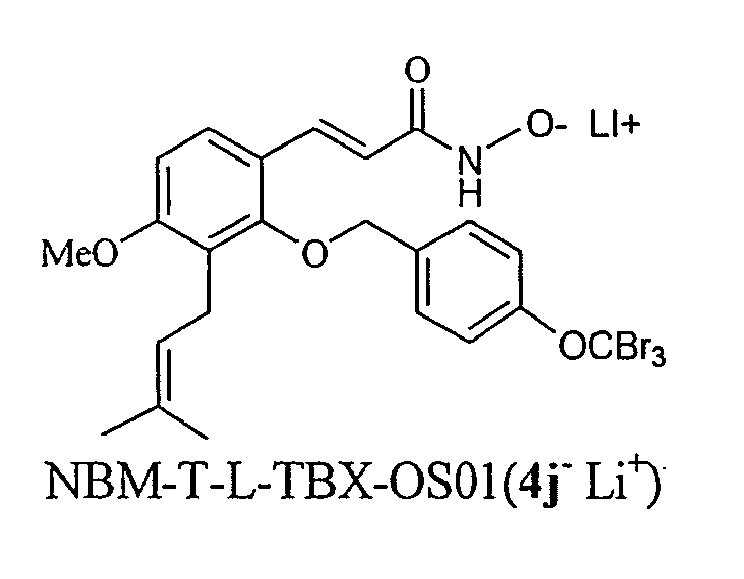


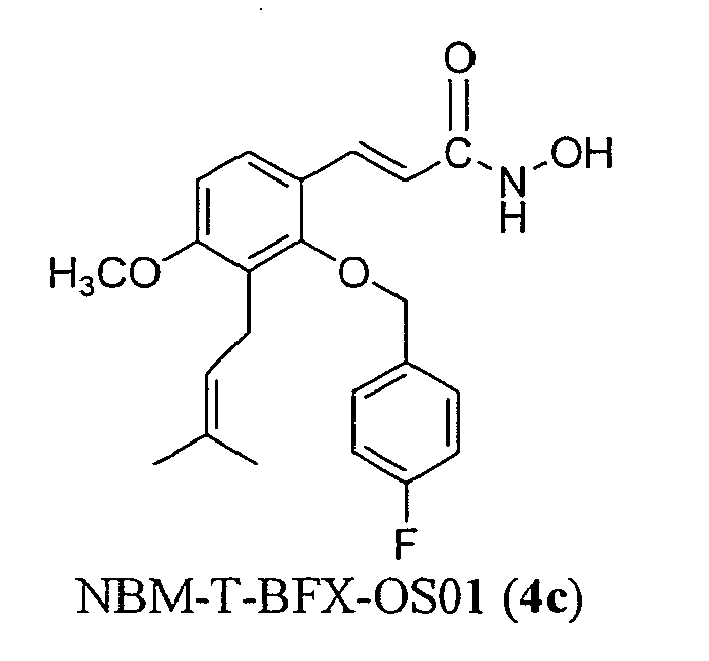


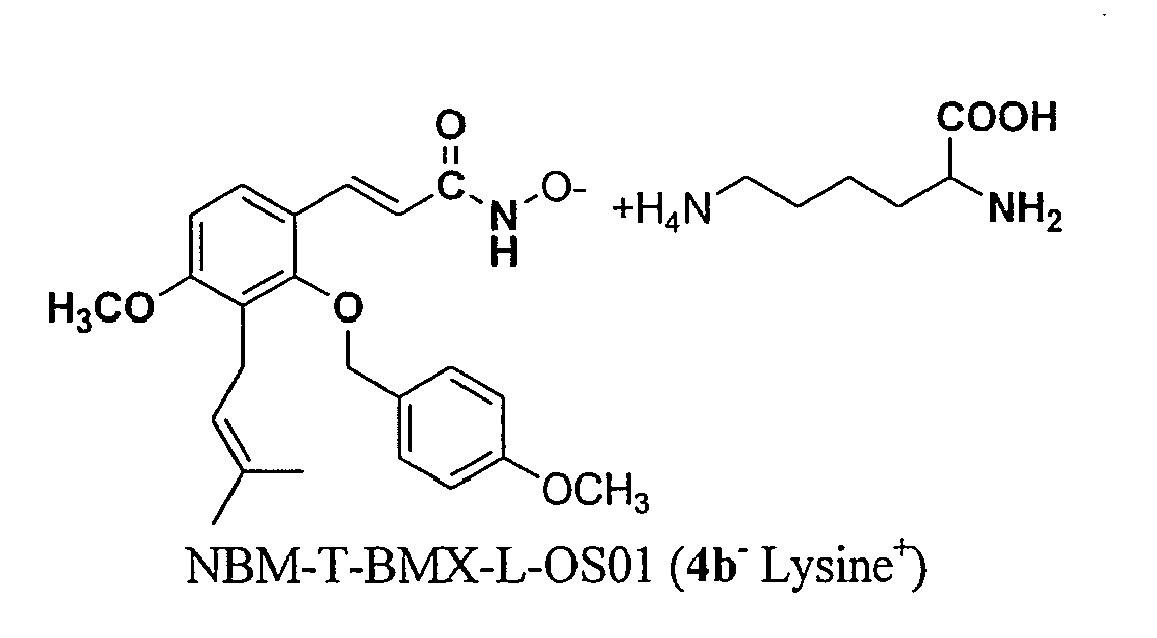
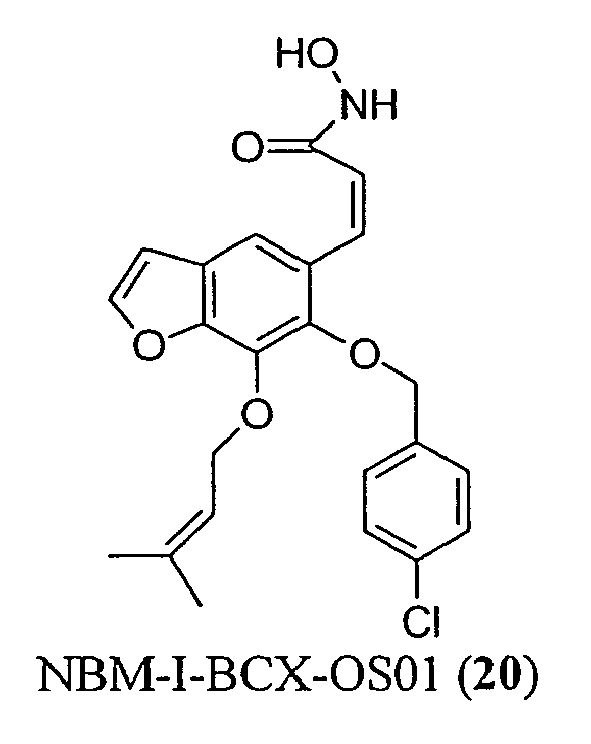


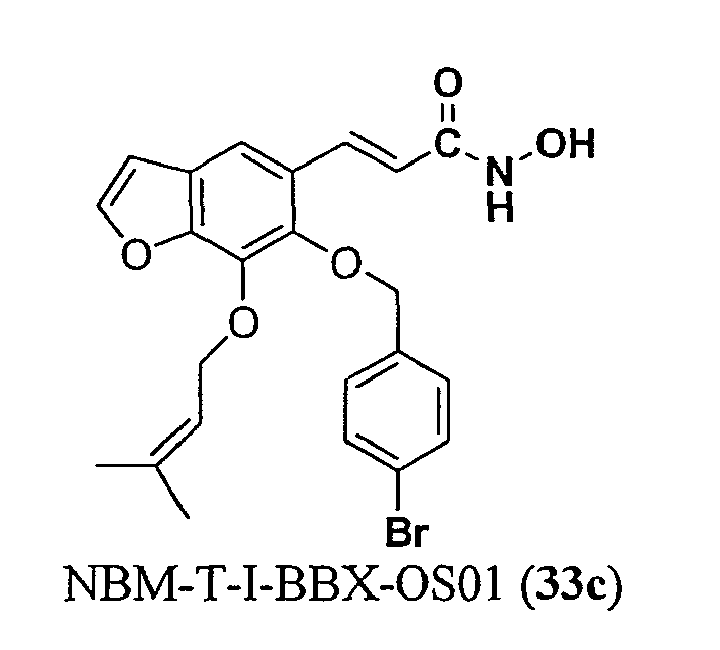


- According to the invention, the compounds of formula (I) of the invention can inhibit HDAC and thus can be used as agents for the prevention or treatment of diseases associated with histone deacetylase (HDAC). In addition, the compounds of the invention significantly inhibit growth of multiple cancer cell lines, including those of rat C6 glioma, human glioblastoma, human breast cancer cells, human leukemia cells, and human melanoma cells. The mechanism for inhibiting the growth of cancer cells may be via differentiation pathway, in particular via induced differentiation and regulated cell cycle regulator gene expression, including those of p21 and cyclin B1. In addition, the compounds of formula (I) of the invention can mediate neuronal differentiation of neural stem cells and thus can be used as agents against stroke and anti-neurodegenerative diseases such as Huntington's disease and poly-glutamine disease. These compounds also can be used to enhance long-term memory. In addition, the compounds of formula (I) of the invention can control whole-body energy balance through the regulation of GLUT4 transcription and therefore provide new therapeutic targets for the treatment of
Type 2 diabetes. - For the therapeutic uses of the compounds of the invention, the dosage administered will, of course, vary with the compound employed, the mode of administration, the treatment desired and the disorder indicated. The daily dosage of the compound of formula (I) may be in the range from 1 mg/kg to 20 mg/kg. The invention provides the methods of inhibiting HDAC, treating tumor or cell proliferative disease, stroke, diabetic, or neurodegenerative diseases such as Alzheimer's disease, Huntington's disease, Spinocerebellar Ataxias (SCA) and human spinal muscular atrophy (SMA) and enhancing the neurite outgrowth in a subject, comprising administrating to the subject a therapeutically effective amount of the compounds of the invention, respectively.
- The compounds of the present invention can be prepared by any conventional means. Suitable processes for synthesizing these compounds are provided in the examples. Generally, compounds of formula (I) can be prepared according to one of the described synthetic schemes below:


- To the mixture of 1 (2 g, 8.20 mmol) and potassium t-butoxide (1.84 g, 16.4 mmol) in dry DMF (20 mL) was added various benzyl chlorides (16.4 mmol), the resulting solution was stirred at room temperature under nitrogen for 6h and then diluted with EtOAc (50 mL), washed with dis-H2O (25 mL x3) and dried over Na2SO4. After removal of EtOAC under reduced pressure, the residue was purified by silica gel (EtOAc: n-Hexane=1:10~1:1) to give 2.
- 2h can be prepared by a similar procedure with reaction temperature of 90°C.
- 1H-NMR (500 MHz, CDCl3): δ7.50 (1H, d, J=8.7 Hz), 7.43-7.32 (5H, m), 7.06 (1H, d, J=12.4 Hz), 6.67 (1H, d, J=8.7 Hz), 5.82 (1H, d, J=12.4 Hz), 5.15 (1H, t, J=6.5 5 Hz), 4.82 (2H, s), 3.84 (3H, s), 3.35 (2H, d, J=6.7 Hz), 1.70 (3H, s), 1.65 (3H, s), 1.44 (9H, s). (cis)
-
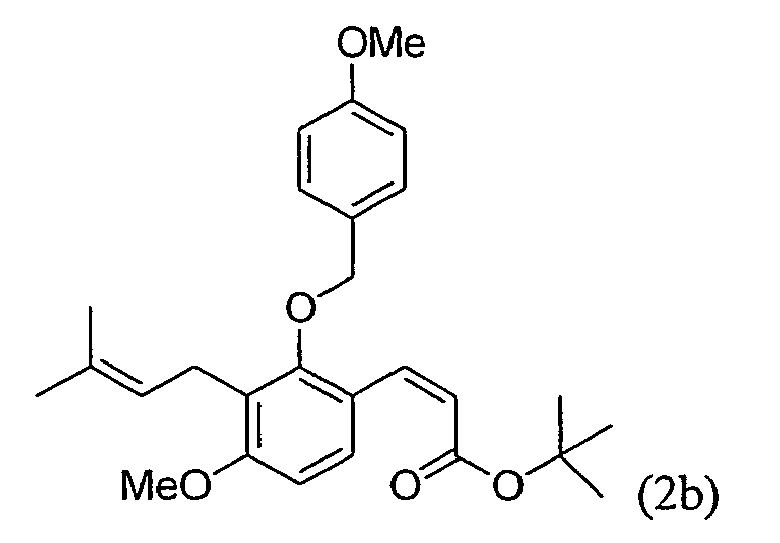
- 1H-NMR (500 MHz, CDCl3): δ7.50 (1H, d, J=8.6 Hz), 7.35-7.30 (2H, m), 7.06 (1H, d, J=12.3 Hz),
- 6.90 (2H, d, J=8.4 Hz), 6.67 (1H, d, J=8.6 Hz), 5.83 (1H, d, J=12.4 Hz), 5.15 (1H, t, J=6.5 Hz), 4.76 (2H, s), 3.86 (3H, s), 3.82 (3H, s), 3.34 (2H, d, J=6.6 Hz), 1.71 (3H, s), 1.65 (3H, s), 1.44 (9H, s). (cis)
-

- 1H-NMR (500 MHz, CDCl3): δ 7.3 (1H, d, J=8.6 Hz), 7.25-7.12 (10H, m), 7.01 (1H, d, J=12.3 Hz), 6.45 (1H, d, J=8.6 Hz), 5.77 (1H, d, J=12.3Hz), 4.98 (2H, s), 4.66 (2H, s), 3.68 (3H, s), 1.47 (2H, m), 1.04 (6H, s)
- The mixture of 2 (11.36 mmol) and 10% KOH/MeOH (40 mL) was refluxed overnight under N2 and then diluted with dis-H2O (100 mL), acidified with 2N HCl to
pH 5~6 and extracted with EtOAC (50 mL x 3), respectively. The combined EtOAc layer was dried over Na2SO4 and concentrated under reduced pressure. The residual was purified by silica gel (EtOAc : n-Hexane= 1: 2) to give 3. -

- 1H-NMR (500 MHz, CDCl3):δ7.63 (1H, d, J=8.6 Hz), 7.42-7.26 (5H, m), 7.25 (1H, d, J=12.5 Hz), 6.80 (1H, d, J=8.7 Hz), 5.88 (1H, d, J=12.5 Hz), 5.16 (1H, t, J=6.6 Hz), 4.82 (2H, s), 3.85 (3H, s), 3.36 (2H, d, J=6.7 Hz), 1.65 (3H, s), 1.62 (3H, s). (cis)
- To a solution of potassium hydroxide (637 mg, 11.36 mmol) in MeOH (4mL) was added hydroxylamine hydrochloride (790 mg, 11.36 mmol) dropwise and then stirred at ice-bath for 1 h. Filtration to remove the white salt yielded free hydroxylame in MeOH solution. To the mixture of 3a (1 g, 2.84 mmol) in dry THF (25 mL) was added ethyl chloroformate (0.6 mL, 5.68 mmol) and triethylamine (0.6 mL, 5.68 mmol) and the solution was stirred at for 0.5 h and then the prepared free hydroxylamine solution was added. After reacting for 3 h, the reaction mixture was concentrated under reduced pressure to give residue. The residue was purified by silica gel (EtOAc : n-Hexane= 1 : 2) to give 4a.
-

- 1H-NMR (500 MHz, CDCl3): δ7.40-7.33 (5H, m), 7.30 (1H, d, J=8.6 Hz), 7.01 (1H, d, J= 12.5 Hz), 6.66 (1H, d, J=8.7 Hz), 5.79 (1H, d, J=12.4 Hz), 5.17 (1H, t. J=6.6 Hz), 4.82 (2H, s), 3.83 (3H, s), 3.37 (2H, d, J=6.7 Hz), 1.69 (3H, s), 1.66 (3H, s); 13C-NMR (100 MHz, CDCl3): δ159.7 (s), 159.2 (s), 155.9 (s), 136.9 (s), 135.9 (d), 131.8 (s), 128.6 (d), 128.5 (d), 128.2 (d), 128.1 (d), 128.0 (d), 123.9 (s), 122.7 (d), 121.1 (s), 118.2 (d), 106.8 (d), 76.6 (t), 55.7 (q), 25.7 (q), 23.2 (t), 17.9 (q), 14.4 (q). (cis)
-

- 1H-NMR (500 MHz, CDCl3): δ7.35 (1H, d, J=8.6), 7.29 (2H, d, J=8.5 Hz), 6.99 (1H, d, J= 12.5
- Hz), 6.89 (2H, d, J=8.6 Hz), 6.66 (1H, d, J=8.6 Hz), 5.79 (1H, d, J=12.4 Hz), 5.17 (1H, t, J=6.8 Hz), 4.76 (2H, s), 3.83 (3H, s), 3.81 (3H, s), 3.37 (2H, d, J=6.6 Hz), 1.71 (3H, s), 1.67 (3H, s). (cis)
-

- 1H-NMR (500 MHz, CDCl3): 67.40 (1H, d, J=7.8 Hz), 7.36 (2H, d, J=8.5 Hz), 7.06 (2H, d, J= 8.5 Hz), 7.00 (1H, d, J=12.4 Hz), 6.65 (1H, d, J=7.8 Hz), 5.79 (1H, d, J=12.4 Hz), 5.14 (1H, t, J=6.2 Hz), 4.76 (2H, s), 3.80 (3H, s), 3.33 (2H, d, J=6.5 Hz), 1.67 (3H, s), 1.65 (3H, s). (cis)
-

- 1H-NMR (500 MHz, CDCl3): δ7.34-7.31 (4H, m), 6.99 (1H, d, J= 12.2 Hz), 6.69 (2H, d, J=8.3 Hz), 5.81 (1H, d, J=12.4 Hz), 5.13 (1H, t, J=6.2 Hz), 4.77 (2H, s), 3.85 (3H, s), 3.33 (2H, d, J=6.5 Hz), 1.67 (3H, s), 1.65 (3H, s). (cis)
-

- 1H-NMR (500 MHz, CDCl3): δ7.47 (2H, d, J=8.1 Hz), 7.40 (1H, d, J= 8.4 Hz), 7.28 (2H, d, J=8.1 Hz), 6.95 (1H, d, J=12.5 Hz), 6.62 (1H, d, J=8.4 Hz), 5.76 (1H, d, J=12.4 Hz), 4.73 (2H, s), 3.76 (3H, s), 3.31 (2H, d, J=6.1 Hz), 1.64 (6H, s). (cis)
-

- 1H-NMR (500 MHz, CDCl3): δ7.64 (2H, d, J=8.1 Hz), 7.52 (2H, d, J=8.0 Hz), 7.43 (1H, d, J= 8.4 Hz), 7.00 (1H, d, J=12.4 Hz), 6.68 (1H, d, J=8.6 Hz), 5.80 (1H, d, J=12.4 Hz), 5.14 (1H, t, J=6.4 Hz), 4.86 (2H, s), 3.84(3H, s), 3.41 (2H, d, J=6.6 Hz), 1.66 (3H, s), 1.63 (3H, s). (cis)
-

- 1H-NMR (500 MHz, CDCl3): δ7.41 (1H, d, J=8.3 Hz), 6.70 (1H, d, J=12.5 Hz), 6.65 (1H, d, J= 8.4 Hz), 6.62 (1H, s), 6.61 (1H, s), 5.77 (1H, d, J=12.3 Hz), 5.17 (1H, t, J=6.6 Hz), 4.75 (2H, s), 3.84(9H, s), 3.80 (3H, s), 3.35 (2H, d, J=6.4 Hz), 1.69 (3H, s), 1.65 (3H, s). (cis)

- The mixture of 3 (17.04 mmol), HOBT (2.76 g, 20.44 mmol) and DCC (4.22 g, 20.44 mmol) in dry THF (30 mL) was stirred at room temperature for 0.5 h and then added o-phenylenediamine (1.84 g, 17.04 mmol). The resulting solution was stirred continuously overnight and then concentrated under reduced pressure to obtain the residue. The residue was dissolved in CH2Cl2 (50 ml), washed with saturated NaHCO3 (25 mL x 3) and dried over Na2SO4. The organic layer was evaporated under reduced pressure and then purified by silica gel (EtOAc : n-Hexane= 1 : 3~1 : 1) to give 5.
-

- 1H-NMR (500 MHz, CDCl3): δ7.43-7.38 (5H, m), 7.37 (1H, d, J=8.6 Hz), 7.03 (1H, d, J= 12.5 Hz), 7.01-7.02 (2H, m), 6.74-6.72 (2H, m), 6.68 (1H, d, J=8.6 Hz), 6.06 (1H, d, J=12.4 Hz), 5.14 (1H, t. J=6.6 Hz), 4.90 (2H, s), 3.84 (3H, s), 3.65 (2H, s), 3.38 (2H, d, J=6.5 Hz), 1.72 (3H, s), 1.65 (3H, s). (cis)
-

- 1H-NMR (500 MHz, CDCl3): δ7.41 (1H, d, J=8.5 Hz), 7.33 (2H, d, J=8.3 Hz), 7.00 (1H, d, J=12.9 Hz), 6.88 (2H, d, J=8.4 Hz), 6.73-6.72 (2H, m), 6.67 (1H, d, J=8.6 Hz), 6.04 (1H, d, J=12.4 Hz), 5.15 (1H, t, J=6.6 Hz), 4.83 (2H, s), 3.87 (3H, s), 3.77 (3H, s), 3.38 (2H, d, J=6.3 Hz), 1.74 (3H, s), 1.67 (3H, s). (cis)
-

- 1H-NMR (500 MHz, CDCl3): δ7.44 (1H, d, J=8.6 Hz), 7.35 (4H, m), 7.12 (1H, d, J=12.4 Hz), 7.00 (2H, d, J=10.5 Hz), 6.74 (2H, m), 6.69 (1H, d, J=8.6 Hz), 6.07 (1H, d, J=12.4 Hz), 5.13 (1H, t, J=6.6 Hz), 4.85 (2H, s), 3.84 (3H, s), 3.35 (2H, d, J=6.3 Hz), 1.65 (3H, s), 1.59 (3H, s). (cis)
- To a solution of 5 (1 mmol) in THF (15 mL) was added 49% H2SO4 (10 mL) and stirred at room temperature for 6 h. The resulting solution was extracted with CH2Cl2 (50 mL x 3) and then dried over Na2SO4 to give residue. The residue was purified by silica gel (EtOAc : n-Hexane= 2 : 1).
-
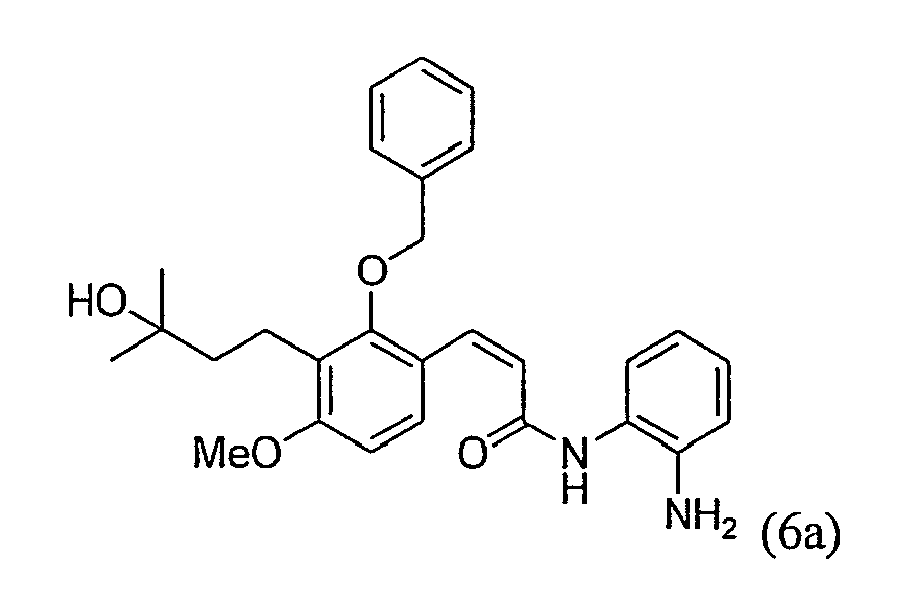
- 1H-NMR (500 MHz, CDCl3): δ7.43-7.38 (5H, m), 7.37 (1H, d, J=8.6 Hz), 7.03 (1H, d, J= 12.5 Hz), 7.01-7.02 (2H, m), 6.74-6.72 (2H, m), 6.68 (1H, d, J=8.6 Hz), 6.06 (1H, d, J=12.4 Hz), 4.92 (2H, s), 3.81 (3H, s), 2.68 (2H, m), 1.62 (2H, m), 1.18 (6H, s). (cis)
-

- 1H-NMR (500 MHz, CDCl3): δ7.41 (1H, d, J=8.5 Hz), 7.33 (2H, d, J=8.3 Hz), 7.00 (2H, d, J=12.9 Hz), 6.88 (2H, d, J=8.4 Hz), 6.73-6.72 (4H, m), 6.67 (1H, d, J=8.6 Hz), 6.04 (1H, d, J=12.4 Hz), 4.83 (2H, s), 3.87 (3H, s), 3.77 (3H, s), 2.67 (2H, m), 1.64 (2H, m),, 1.74 (3H, s), 1.67 (3H, s). (cis)
-

- 1H-NMR (500 MHz, CDCl3): δ7.44 (1H, d, J=8.6 Hz), 7.35 (4H, m), 7.12 (1H, d, J=12.4 Hz), 7.00 (2H, d, J=10.5 Hz), 6.74 (2H, m), 6.69 (1H, d, J=8.6 Hz), 6.07 (1H, d, J=12.4 Hz), 4.85 (2H, s), 3.84 (3H, s),3.35 (2H, d, J=6.3), 2.68-2.64 (2H, m),1.65 (3H, s), 1.63-1.57 (2H, m), 1.59 (3H, s). (cis)

- To a solution of 1 (2.44 g, 10 mmol) and KOH (4.20 g, 75 mmol) dissolved in EtOH (100 ml) was added Mel (2.51 ml, 40 mmol) dropwise and then heated to 90 °C for 24 h. The mixture was diluted with dis-H2O (100 ml), acidified with 1N HCl to pH 3-4 and then extracted with EtOAc (50 ml x 3). The combined EtOAc layer was dried over Na2SO4, filtered and concentrated under reduced pressure. The residue was purified by silica gel (EtOAc : n-Hexane= 6: 1) to obtain 7.

- 1H-NMR (500 MHz, CDCl3): δ7.62 (1H, d, J=8.6 Hz), 7.23 (1H, d, J=12.5 Hz), 6.64 (1H, d, J=8.7 Hz), 5.92 (1H, d, J=12.5 Hz), 5.17 (1H, t, J=6.3 Hz), 3.84 (3H, s), 3.71 (3H, s), 3.34 (2H, d, J=6.7 Hz), 1.77 (3H, s), 1.67 (3H, s).
- Following the procedure similar to that of 4 and further purification by silica gel (EtOAc : n-Hexane= 1: 1) gave 8.

- 1H-NMR (500 MHz, CDCl3): δ7.36 (1H, d, J=8.6 Hz), 7.02 (1H, d, J= 12.5 Hz), 6.65 (1H, d, J=8.6 Hz), 5.87 (1H, d, J=12.5 Hz), 5.16 (1H, t. J=6.9 Hz), 3.82 (3H, s), 3.70 (3H, s), 3.34 (2H, d, J=6.8 Hz), 1.77 (3H, s), 1.68 (3H, s).
- Following the procedure similar to that of 5 and further purification by silica gel (EtOAc : n-Hexane=2: 3) gave 9.

- 1H-NMR (500 MHz, CD3OD): δ7.48 (1H, d, J=8.6 Hz), 7.09 (1H, d, J=12.4 Hz), 7.00-6.97 (2H, m), 6.83 (1H, d, J=8.1 Hz), 6.72-6.70 (2H, m), 6.16 (1H, d, J=12.4 Hz), 5.12 (1H, t, J=6.9 Hz), 3.81 (3H, s), 3.73 (3H, s), 3.35 (2H, d, J=6.7 Hz), 1.75 (3H, s), 1.63 (3H, s).

- To a solution of 2a (0.27mmol) in THF (15 mL) was added 49%H2SO4 (10 mL) and stirred at room temperature for 6 h. The resulting solution was extracted with CH2Cl2 (50 mL × 3) and then dried over Na2SO4 to give residue. The residue was purified by silica gel (EtOAc : n-Hexane=1:1).

- 1H-NMR (500 MHz, CDCl3): δ7.38 (1H, d, J=8.7 Hz), 7.36-7.27 (5H, m), 7.00 (1H, d, J= 12.4 Hz), 6.60 (1H, d, J=8.7 Hz), 5.94 (1H, d, J=12.4 Hz), 5.13 (2H, s), 4.81 (2H, s), 3.82 (3H, s), 2.67 (2H, t, J=8.2 Hz), 1.61 (2H, t, J=8.2 Hz), 1.44 (9H, s), 1.18 (6H, s).
- To a solution of 2a (1 g, 2.67 mmol) in CH2Cl2(10 ml) was added 70%MCPBA (553 mg, 3.20 mmol) and stirred at rt for 2 h. The reaction mixture was washed with 1NaHSO3, 10% NaHCO3 and dried over Na2SO4. The CH2Cl2 was evaporated under reduced pressure and then purified by silica gel (EtOAc : n-Hexane= 9 : 1) to obtain 11.

- 1H-NMR (500 MHz, CDCl3): δ7.55 (1H, d, J=8.6 Hz), 7.43 (2H, d, J=7.1 Hz), 7.38-7.32 (3H, m), 7.08 (1H, d, J= 12.4 Hz), 6.69 (1H, d, J=8.7 Hz), 5.86 (1H, d, J=12.4 Hz), 4.92 (1H, d, J=11.1 Hz), 4.83 (1H, d, J=11.1 Hz), 3.86 (3H, s), 2.97-2.94 (2H, m), 2.83-2.79 (1H, m), 1.44 (9H, s), 1.33 (3H, s), 1.25 (3H, s).
- Following the reaction procedure similar to that of 5 and further purification by silica gel (EtOAc : n-Hexane= 1 : 4) gave 12.

- 1H-NMR (500 MHz, CDCl3): δ7.57 (1H, d, J=8.6 Hz), 7.40-7.34 (5H, m), 7.23 (1H, d, J= 12.6 Hz), 6.72 (1H, d, J=8.7 Hz), 5.97 (1H, d, J=12.4 Hz), 4.91 (1H, d, J=11. Hz), 4.81 (1H, d, J=11.1 Hz), 3.88 (1H, t, J=10.5 Hz), 3.85 (3H,s), 2.63 (2H, d, J=10.5 Hz),1.22 (3H, s), 1.16 (3H, s).
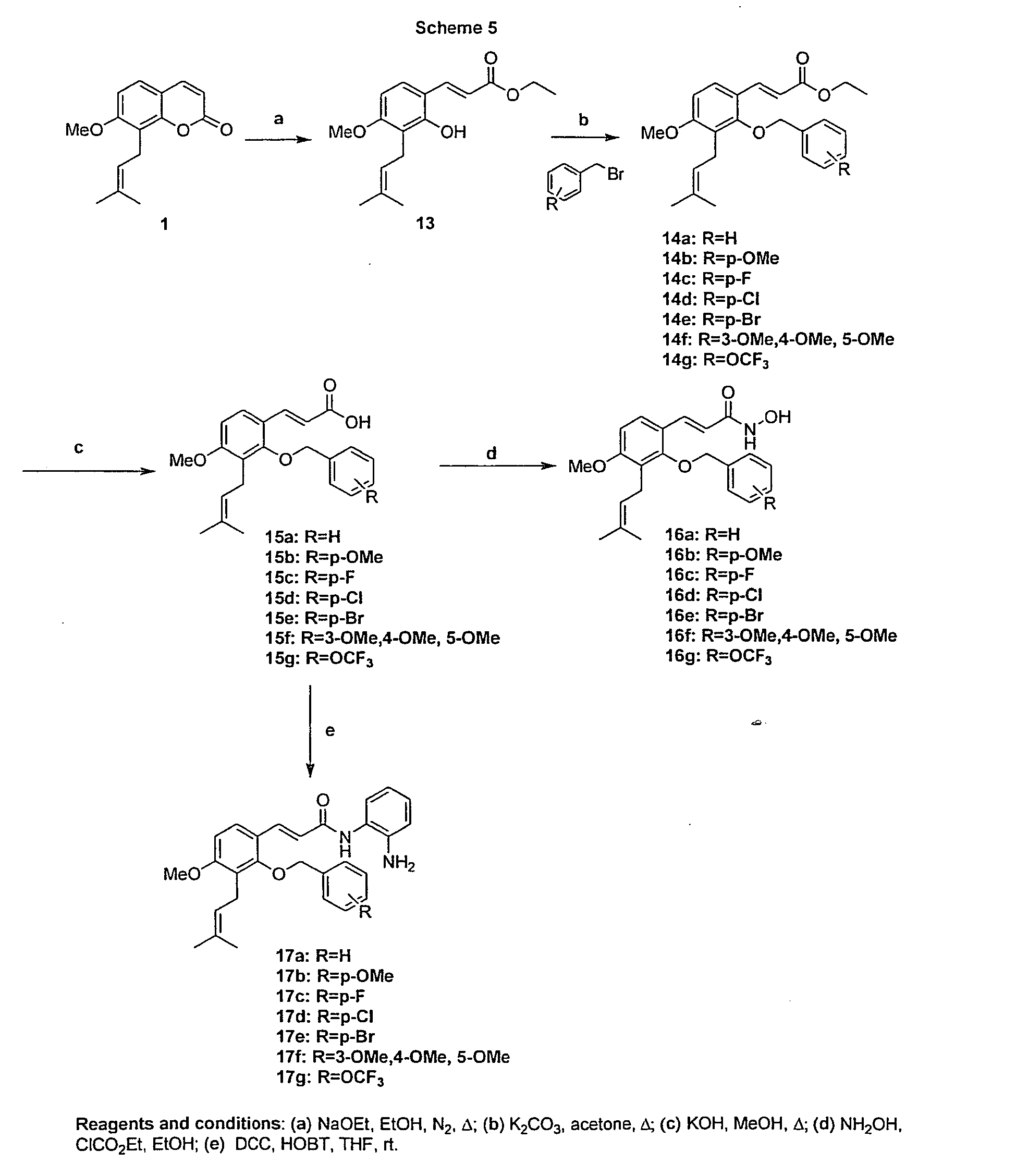
- To the solution of 1 (2.40 g, 10 mmol) in dry EtOH (20 mL) was added the mixture of sodium ethoxide (1.36 g, 20 mmol) in dry EtOH (20 mL) dropwise, the resulting solution was heated under nitrogen for 6h and then diluted with dis-H2O (50 mL), acidified with 1N HCl(aq) to pH 4-5, extracted with EtOAc (50 mL x 3) and dried over Na2SO4. After removal of EtOAc under reduced pressure, the residue was purified by silica gel (EtOAc: n-Hexane=10:1) to give 13.

- 1H-NMR (500 MHz, CDCl3): δ7.92 (1H, d, J=16.1 Hz), 7.33 (1H, d, J=8.7 Hz), 6.49 (1H, d, J=8.7 Hz), 6.44 (1H, d, J=16.1 Hz), 6.10 (1H, s), 5.20 (1H, t, J=7.0 Hz), 4.23 (2H, q, J=7.2Hz), 3.82 (3H, s), 3.42 (1H, d, J=7.1 Hz), 1.82 (3H, s), 1.75 (3H, s), 1.31 (3H, t, J=7.2 Hz). (trans)
- To the mixture of 13 (1.72 mmol) and K2CO3 (4.3 mmol) in acetone (20 mL) was added apropriate benzyl bromide (3.44 mmol), the resulting solution was heated under No overnight. After filteration to remove K2CO3, the filtrate was condensed under reducted pressure. The resulting residue was purified by gel (EtOAc: n-Hexane=15:1) to give 14.
-

- 1H-NMR (500 MHz, CDCl3): δ7.98 (1H, d, J=16.1 Hz), 7.44 (1H, d, J=8.7 Hz), 7.40 (2H, d, J=8.4 Hz), 6.92 (2H, d, J=8.4 Hz), 6.71 (1H, d, J=8.7 Hz), 6.34 (1H, d, J=16.1 Hz), 5.17 (1H, t, J=6.4 Hz), 4.74 (2H, s), 4.25 (2H, q, J=7.1Hz), 3.86 (3H, s), 3.83 (3H, s), 3.39 (2H, d, J=6.5 Hz), 1.73 (3H, s), 1.67 (3H, s), 1.33 (3H, t, J=7.1 Hz). (trans)
-

- 1H-NMR (500 MHz, CDCl3): δ7.92 (1H, d, J=16.1 Hz), 7.44 (1H, d, J=8.7 Hz), 7.41 (2H, d, J=8.4 Hz), 7.37 (2H, d, J=8.4 Hz), 6.72 (1H, d, J=8.7 Hz), 6.34 (1H, d, J=16.0 Hz), 5.16 (1H, t, J=6.6 Hz), 4.77 (2H, s), 4.23 (2H, q, J=7.2Hz), 3.86 (3H, s), 3.37 (2H, d, J=6.6 Hz), 1.69 (3H, s), 1.67 (3H, s), 1.31 (3H, t, J=7.2 Hz). (trans)
-

- 1H-NMR (500 MHz, CDCl3): δ7.91 (1H, d, J=16.1 Hz), 7.52 (2H, d, J=8.4 Hz), 7.44 (1H, d, J=8.7 Hz), 7.34 (2H, d, J=8.4 Hz), 6.72 (1H, d, J=8.7 Hz), 6.34 (1H, d, J=16.0 Hz), 5.16 (1H, t, J=6.6 Hz), 4.75 (2H, s), 4.23 (2H, q, J=7.1Hz), 3.87 (3H, s), 3.36 (2H, d, J=6.6 Hz), 1.70 (3H, s), 1.68 (3H, s), 1.31 (3H, t, J=7.1 Hz). (trans)
-

- 1H-NMR (500 MHz, CDCl3): δ7.96 (1H, d, J=16.1 Hz), 7.45 (1H, d, J=8.6 Hz), 6.72 (1H, d, J=8.8 Hz), 6.70 (2H, s), 6.38 (1H, d, J=16.0 Hz), 5.20 (1H, t, J=6.6 Hz), 4.74 (2H, s), 4.22 (2H, q, J=7.1Hz), 3.90 (6H, s), 3.87 (3H, s), 3.86 (3H, s), 3.40 (2H, d, J=6.5 Hz), 1.74 (3H, s), 1.68 (3H, s), 1.30 (3H, t, J=7.2 Hz). (trans)
- The mixture of 14 (1.81 mmol) and 10% KOH/MeOH (20 mL) was refluxed overnight under N2 and then diluted with dis-H2O (100 mL), acidified with 2N HCl to
pH 5~6 and extracted with EtOAc (50 mL x 3), respectively. The combined EtOAc layer was dried over Na2SO4 and concentrated under reduced pressure to give 15. -

- 1H-NMR (500 MHz, CDCl3): δ8.06 (1H, d, J=16.1 Hz), 7.47 (1H, d, J=8.7 Hz), 7.39 (2H, d, J=8.5 Hz), 6.93 (2H, d, J=8.5 Hz), 6.73 (1H, d, J=8.7 Hz), 6.35 (1H, d, J=16.0 Hz), 5.18 (1H, t, J=6.5 Hz), 4.76 (2H, s), 3.88 (3H, s), 3.82 (3H, s), 3.39 (1H, d, J=6.5 Hz), 1.73 (3H, s), 1.68 (3H, s). (trans)
-

- 1H-NMR (500 MHz, DMSO-d6): δ7.69 (1H, d, J=16.0 Hz), 7.64 (1H, d, J=8.8 Hz), 7.47 (2H, d, J=9.3 Hz), 7.44 (2H, d, J=9.3 Hz), 6.87 (1H, d, J=8.8 Hz), 6.37 (1H, d, J=16.0 Hz), 5.06 (1H, t, J=6.4 Hz), 4.75 (2H, s), 3.82 (3H, s), 3.25 (1H, d, J=6.6 Hz), 1.58 (6H, s). (trans)
-

- 1H-NMR (500 MHz, DMSO-d6): δ7.71 (1H, d, J=16.1 Hz), 7.65 (1H, d, J=8.7 Hz), 7.60 (2H, d, J=8.3 Hz), 7.40 (2H, d, J=8.3 Hz), 6.88 (1H, d, J=8.8 Hz), 6.38 (1H, d, J=16.1 Hz), 5.06 (1H, t, J=6.5 Hz), 4.74 (2H, s), 3.82 (3H, s), 3.26 (2H, d, J=6.6 Hz), 1.59 (6H, s). (trans)
-

- 1H-NMR (500 MHz, CDCl3): δ7.96 (1H, d, J=16.1 Hz), 7.45 (1H, d, J=8.6 Hz), 6.72 (1H, d, J=8.8 Hz), 6.70 (2H, s), 6.38 (1H, d, J=16.0 Hz), 5.20 (1H, t, J=6.6 Hz), 4.74 (2H, s), 3.90 (6H, s), 3.87 (3H, s), 3.86 (3H, s), 3.40 (2H, d, J=6.5 Hz), 1.74 (3H, s), 1.68 (3H, s). (trans)
- To a solution of potassium hydroxide (637 mg, 11.36 mmol) in MeOH (4mL) was added hydroxylamine hydrochloride (790 mg, 11.36 mmol) dropwise and then stirred in an ice-bath for 1 h. Filtration to remove the white salt gave free hydroxylame in MeOH solution. To the mixture of 15 (2.84 mmol) in dry THF (25 mL) was added ethyl chloroformate (0.6 mL, 5.68 mmol) and triethylamine (0.6 mL, 5.68 mmol) and stirred for 0.5 h and then added the prepared free hydroxylamine solution. After reacting for 3 h, the reaction mixture was concentrated under reduced pressure to give residue. The residue was purified by silica gel (EtOAc: n-Hexane=1:1) to give 16.
-

- 1H-NMR (500 MHz, CDCl3): δ7.83 (1H, d, J=15.5 Hz), 7.33 (2H, d, J=8.4 Hz), 7.27 (1H, d, J=8.6 Hz), 6.88 (2H, d, J=8.3 Hz), 6.52 (1H, d, J=8.6 Hz), 6.28 (1H, d, J=15.5 Hz), 5.12 (1H, t, J=5.7 Hz), 4.64 (2H, s), 3.76 (3H, s), 3.74 (3H, s), 3.33 (2H, d, J=6.2 Hz), 1.70 (3H, s), 1.64 (3H, s). (trans)
-

- 1H-NMR (500 MHz, MeOH-d4): δ7.83 (1H, d, J=15.8 Hz), 7.47 (1H, d, J=8.7 Hz), 7.44 (2H, d, J=8.2 Hz), 7.37 (2H, d, J=8.3 Hz), 6.81 (1H, d, J=8.7 Hz), 6.36 (1H, d, J=15.8 Hz), 5.09 (1H, t, J=6.5 Hz), 4.76 (2H, s), 3.84 (3H, s), 3.32 (1H, d, J=6.6 Hz), 1.63 (3H, s), 1.62 (3H, s). (trans)
-

- 1H-NNM (500 MHz, acetone-d6): δ7.86 (1H, d, J=15.8 Hz), 7.60 (2H, d, J=8.4 Hz), 7.51 (1H, d, J=8.7 Hz), 7.49 (2H, d, J=8.3 Hz), 6.86 (1H, d, J=8.7 Hz), 6.50 (1H, d, J=15.8 Hz), 5.14 (1H, t, J=6.7 Hz), 4.80 (2H, s), 3.87 (3H, s), 3.36 (1H, d, J=6.7 Hz), 1.65 (3H, s), 1.61 (3H, s). (trans)
-

- 1H-NMR (500 MHz, CDCl3): δ7.88 (1H, d, J=15.7 Hz), 7.35 (1H, d, J=8.6 Hz), 6.68 (2H, s), 6.62 (1H, d, J=8.7 Hz), 6.28 (1H, d, J=15.7 Hz), 5.18 (1H, t, J=6.0 Hz), 4.68 (2H, s), 3.86 (6H, s), 3.84 (3H, s), 3.82 (3H, s), 3.38 (2H, d, J=6.4 Hz), 1.73 (3H, s), 1.66 (3H, s). (trans)
-

- 1H-NMR (500 MHz, CDCl3): δ 7.87 (1H, d, J=15.1 Hz), 7.40-7.35 (5H, m), 7.32 (1H, d, J=7.8 Hz), 7.03 (2H, m), 6.77 (2H, m), 6.67 (1H, d, J=8.1 Hz), 6.49 (1H, d, J=15.6 Hz), 5.19 (1H, m), 4.79 (2H, s), 3.85 (3H, s), 3.40 (2H, d, J=6.1 Hz), 1.70 (3H, s), 1.67 (3H, s)
-

- 1H-NMR (500 MHz, CDCl3): δ 7.85 (1H, d, J=15.1 Hz), 7.39 (4H, d, J=7.6 Hz), 7.12-7.04 (2H, m), 6.90 (1H, d, J=8.2 Hz), 6.78 (2H, d, J=7.3 Hz), 6.68 (1H, d, J=8.1 Hz), 6.54 (1H, d, J=15.2 Hz), 5.19 (1H, m), 4.73 (2H, s), 3.86 (3H, s), 3.77 (3H, s), 3.41 (2H, m), 1.74 (3H, s), 1.67 (3H, s)
-
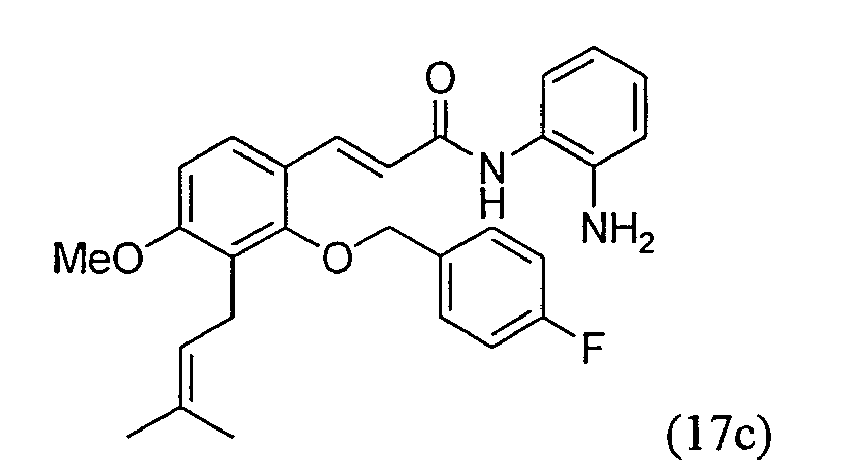
- 1H-NMR (500 MHz, CDCl3): δ 7.90 (1H, d, J=15.2 Hz), 7.43-7.38 (4H, m), 7.07-7.03 (4H, m), 6.76 (2H, d, J=7.0 Hz), 6.65 (1H, d, J=8.4 Hz), 6.51 (1H, d, J=15.7 Hz), 5.16 (1H, m), 4.76 (2H, s), 3.84 (3H, s), 3.34 (2H, d, J=6.5 Hz), 1.69 (3H, s), 1.66 (3H, s)
-

- 1H-NMR (500 MHz, CDCl3): δ 7.88 (1H, d, J=15.4 Hz), 7.39-7.35 (4H, m), 7.34 (1H, d, J=7.9), 7.05 (2H, m), 6.78 (2H, m), 6.69 (1H, d, J=8.0 Hz), 6.50 (1H, d, J=15.4 Hz), 5.15 (1H, m), 4.78 (2H, s), 3.86 (3H, s), 3.34 (2H, d, J=6.3 Hz), 1.68 (3H, s), 1.66 (3H, s)
-
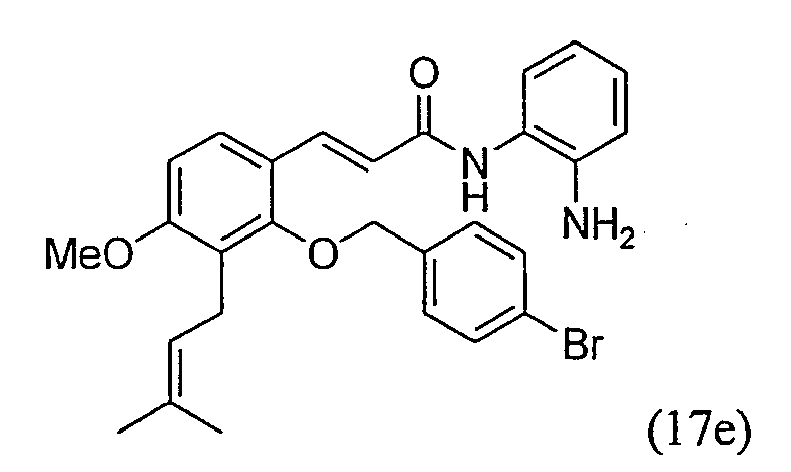
- 1H-NMR (500 MHz, CDCl3): δ 7.88 (1H, d, J=15.3 Hz), 7.50 (2H, d, J=7.8 Hz), 7.40 (1H, d, J=7.4 Hz), 7.34 (2H, m), 7.05 (2H, m), 6.81 (2H, m), 6.71 (1H, d, J=7.6 Hz), 6.52 (1H, d, J=15.5 Hz), 5.15 (1H, m), 4.77 (2H, s), 3.86 (3H, s), 3.37 (2H, m), 1.66 (3H, s), 1.57 (3H, s)

-

- Following the procedure described as 2 gave 18.
1H-NMR (500 MHz, CDCl3) δ7.61 (1H, d, J=2.0 Hz), 7.44 (1H, s), 7.36 (2H, d, J=8.3 Hz), 7.31 (2H, d, J=8.3 Hz), 7.23 (2H, d, J=8.3 Hz), 7.18 (1H, d, J=12.3 Hz), 7.11 (2H, d, J=8.3 Hz), 6.66 (1H, d, J=1.9 Hz), 5.99 (1H, d, J=12.3 Hz), 5.58 (1H, t, J=7.1 Hz), 5.06 (2H, s), 5.02 (2H, s), 4.86 (2H, d, J=7.1 Hz), 1.78 (3H, s), 1.71 (3H, s). -

- Following the procedure described as 3 gave 19.
1H-NMR (500 MHz, CDCl3) δ7.58 (1H, d, J=2.0 Hz), 7.53 (1H, s), 7.33 (2H, d, J=8.3 Hz), 7.30 (2H, d, J=8.3 Hz), 7.22 (1H, d, J=12.5 Hz), 6.71 (1H, d, J=2.1 Hz), 5.92 (1H, d, J=12.4 Hz), 5.56 (1H, t, J=7.2 Hz), 5.02 (2H, s), 4.85 (2H, d, J=7.1 Hz), 1.75 (3H, s),1.66(3H,s). -

- Following the procedure described as 4 gave 20.
1H-NMR (500 MHz, CDCl3) δ7.58 (1H, s), 7.35∼7.30 (4H, m), 7.32 (1H, s), 7.00 (1H, d, J=12.4 Hz) (1H, s), 5.86 (1H, d, J=12.5 Hz), 5.56 (1H, t, J=6.9 Hz), 5.50 (2H, s), 4.89 (2H, d, J=7.1 Hz), 1.76 (3H, s), 1.69 (3H, s)
- To a solution of 1 (18.51mmol) in THF (150 mL) was added 49%H2SO4 (100 mL) and stirred at room temperature for 6 h. The resulting solution was extracted with CH2Cl2 (50 mL × 3) and then dried over Na2SO4 to give residue. The residue was purified by silica gel (EtOAc : n-Hexane=1:2).

- Compound 21(1 g, 4.95 mmol) dissolved in acetone (150 mL). To the mixture of the solution of 1 and K2CO3 (1.7 g, 12.4 mmol) was added dimethyl sulfate (0.96 mL, 5.85 mmol), the resulting solution was refluxed for 2 hour under nitrogen. After filteration to remove K2CO3, the filtrate was condensed under reducted pressure and then diluted with EtOAc (50 mL), washed with dis-H2O (25 mL x3) and dried over Na2SO4. After removal of EtOAc under reduced pressure, the residue was purified by silica gel (EtOAc: n-Hexane=1:2) to give 22
-

- 1H-NMR (500 MHz, CDCl3): δ 7.75(1H, d, J=9.5 Hz), 7.67 (1H, d, J=5.0 Hz), 7.32 (1H, s), 6.80(1H, d, J=5.0 Hz), 6.35 (1H, d, J=9.5 Hz)
- To the solution of 22(1.06 g, 4.94 mmol) in dry EtOH (25 mL) was added the mixture of sodium ethoxide (0.50 g, 7.41 mmol) in dry EtOH (25 mL) dropwise, the resulting solution was refluxed under nitrogen overnight and then diluted with dis-H2O (50 mL), neutralized with 1N HCl(aq) to pH 4-5, extracted with EtOAc (50 mL x 3) and dried over Na2SO4. After removal of EtOAc under reduced pressure, the residue was purified by silica gel (EtOAc: n-Hexane=2:1) to give 23.
-

- 1H-NMR (500 MHz, CDCl3) δ8.03 (1H, d, J=16.0 Hz), 7.51 (1H, d, J=2.0 Hz), 7.35 (1H, s), 6.68 (1H, d, J=2.0 Hz), 6.63 (1H, d, J=16.5 Hz), 4.29 (2H, q, J=7.1 Hz), 4.21 (3H, s), 1.33 (3H, t, J=7.2 Hz).
- To the mixture of 23(1.96 mmol) and K2CO3 (4.9 mmol) in acetone (20 mL) was added apropriate benzyl bromide (3.92 mmol), the resulting solution was refluxed under nitrogen overnight. After filteration to remove K2CO3, the filtrate was condensed under reducted pressure and then diluted with EtOAc (50 mL), washed with dis-H2O (25 mL x3) and dried over Na2SO4. After removal of EtOAc under reduced pressure, the residue was purified by silica gel (EtOAc: n-Hexane=1:10) to give 24.
-

- 1H-NMR (500 MHz, CDCl3) δ 8.00 (1H, d, J=16.1 Hz), 7.60 (1H, d, J=2.0 Hz), 7.50 (2H, d, J=8.3 Hz), 7.43 (1H, s), 7.35 (2H, d, J=8.3 Hz), 6.72 (1H, d, J=2.0 Hz), 6.41 (1H, d, J=16.1 Hz), 5.00 (2H, s), 4.27 (2H, q, J=7.0 Hz), 4.17 (3H, s), 1.34 (3H, t, J=7.1 Hz).
-

- 1H-NMR (500 MHz, CDCl3) δ 8.00 (1H, d, J=16.0 Hz), 7.61 (1H, d, J=2.5 Hz), 7.44 (1H, s), 7.41 (2H, d, J=8.0 Hz), 7.34 (2H, d, J=8.0 Hz), 6.73 (1H, d, J=2.0 Hz), 6.41 (1H, d, J=16.0 Hz), 5.02 (2H, s), 4.27 (2H, q, J=7.0 Hz), 4.18 (3H, s), 1.34 (3H, t, J=7.0 Hz).
- The mixture of 24(1.68 mmol) and 10% KOH/MeOH (20 mL) was refluxed for 6 hour under N2 and then diluted with dis-H2O (100 mL), acdified with 2N HCl to
pH 2∼3 and extracted with EtOAc (50 mL x 3), respectively. The combined EtOAc layer was dried over Na2SO4 and concentrated under reduced pressure to give 25. -

- 1H-NMR (500 MHz, d 6-acetone): δ 8.02 (1H, d, J=16.1 Hz), 7.89 (1H, d, J=2.1 Hz), 7.79 (1H, s), 7.58 (2H, d, J=8.3 Hz), 7.49 (2H, d, J=8.2 Hz), 6.92 (1H, d, J=2.1 Hz), 6.50 (1H, d, J=16.0 Hz), 5.10 (2H, s), 4.19 (3H, s)
-

- 1H-NMR (500 MHz, CDCl3): δ 8.11 (1H, d, J=16.0 Hz), 7.63 (1H, d, J=2.0 Hz), 7.48 (1H, s), 7.41 (2H, d, J=8.5 Hz), 7.36 (2H, d, J=8.0 Hz), 6.75 (1H, d, J=2.0 Hz), 6.44 (1H, d, J=16.0 Hz), 5.04 (2H, s), 4.19 (3H, s)
- To a solution of potassium hydroxide (379 mg, 6.76 mmol) in MeOH (1.8 mL) was added hydroxylamine hydrochloride (470 mg, 6.76 mmol) in MeOH (4.7 mL) dropwiase for 1 h. Filtration to remove the white salt gave the free hydroxylame in MeOH solution. To the mixture of 25 (1.69 mmol) in dry THF (25 mL) was added ethyl chloroformat (0.3 mL, 2.62 mmol) and triethylamine (0.4 mL, 6.38 mmol) and stirred at for 0.5 h and then added the prepared free hydroxylamine solution under N2. After reaction for 2h, the reaction mixture was diluted with dis-H2O (100 mL), acdified with 1N HCl to
pH 2∼3 and extracted with EtOAc (50 mL x 3), respectively. The combined EtOAc layer was dried over Na2SO4 and concentrated under reduced pressure to give residue. The residue was purified by silica gel (EtOAc: n-Hexane=1:1) to give 26. -

- 1H-NMR (500 MHz, CD3OD) δ 7.92 (1H, d, J=16.0 Hz), 7.75 (1H, d, J=2.0 Hz), 7.50 (2H, d, J=8.0Hz), 7.47 (1H, s), 7.39 (2H, d, J=8.0 Hz), 6.81 (1H, d, J=2.0 Hz), 6.43 (1H, d, J=16.0 Hz), 5.07 (2H, s), 4.14 (3H, s)
-

- 1H-NMR (500 MHz, d 6-acetone) δ 7.96 (1H, d, J=15.8 Hz), 7.83 (1H, d, J=2.0 Hz), 7.53 (2H, d, J=8.1 Hz), 7.52 (1H, s), 7.38 (2H, d, J=8.1 Hz), 6.85 (1H, d, J=2.0 Hz), 6.59 (1H, d, J=15.5 Hz), 5.05 (2H, s), 4.15 (3H, s)
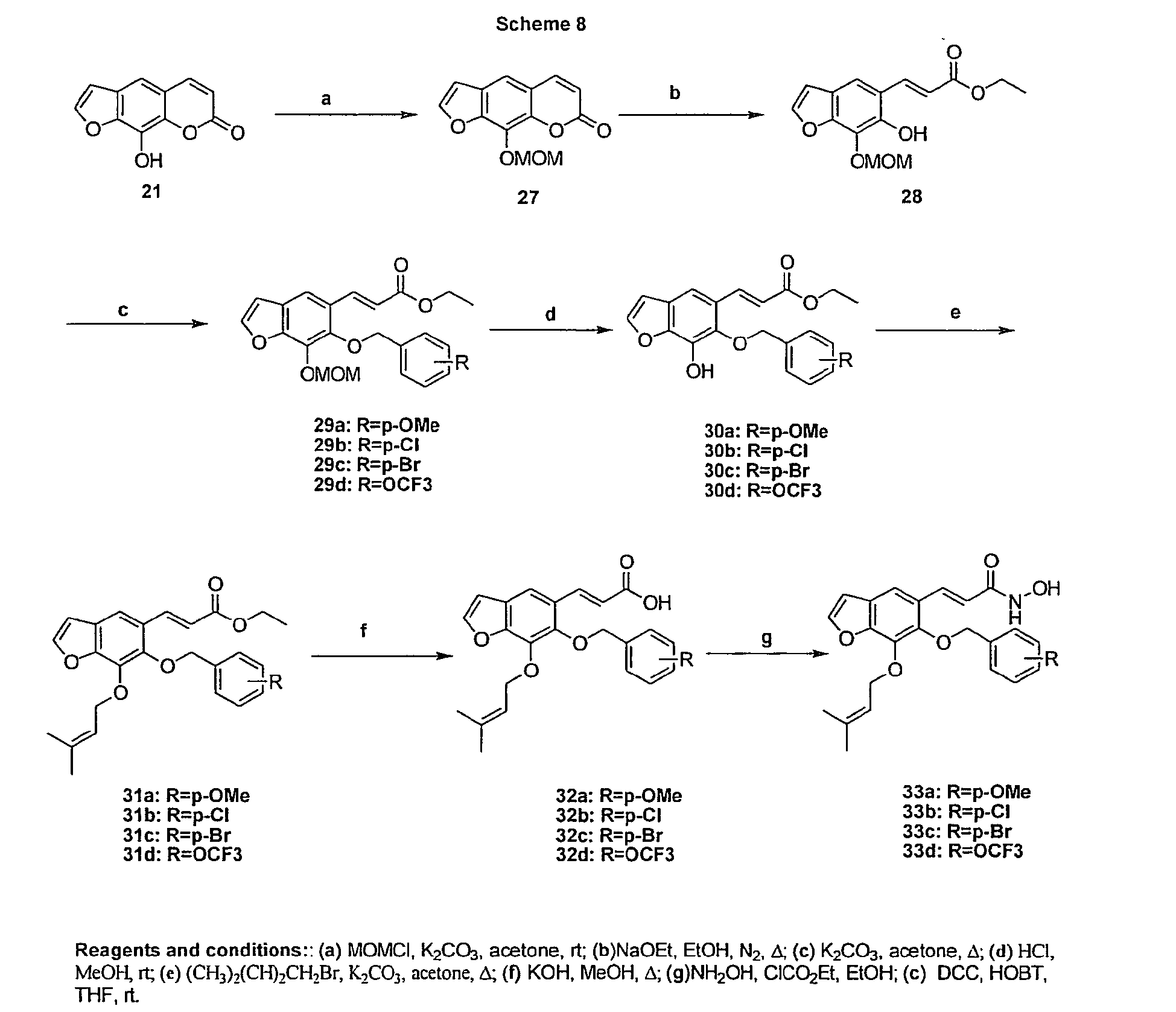
-

- To the mixture of xanthotoxol (21), K2CO3 (2.5 eq.) and acetone was added MOMCl (2 eq.), the resulting solution was stirred at room temperature for 12h. After removal of acetone, the residue was diluted with EtOAc, washed with dis-H2O and dried over Na2SO4. The EtOAC layer was concentrated under reduced pressure. The residue was subjected to silica gel chrmoatograhy to give 27.

- Following the procedure similar to that of 13 gave 28.

- Following the procedure similar to that of 14 gave 29.
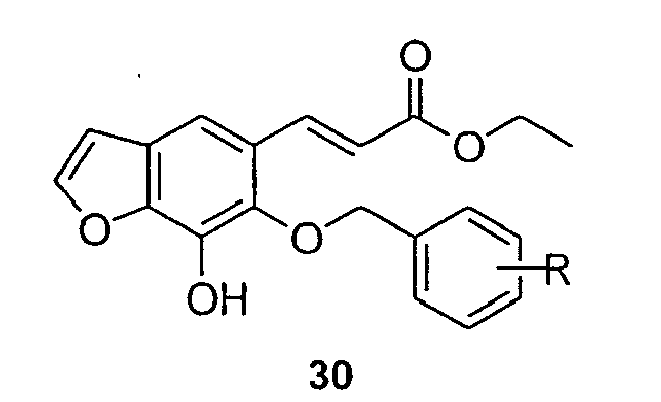
- To the mixture of 29 and MeOH was added 37% HCl(aq), the resulting solution was stirred at rt for 2h, then diluted with dis-H2O and extracted with EtOAc. The combined organic layer was dried over Na2SO4 and concentrated under reduced pressure. The residue was subjected to silica gel to give 30.

- To the mixture of 30, K2CO3 (2.5 eq.) and acetone was added isoprenyl bromide (2 eq.), the resulting solution was stirred at room temperature for 24h. After removal of acetone, the residue was diluted with EtOAc, washed with dis-H2O and dried over Na2SO4. The EtOAC layer was concentrated under reduced pressure. The residue was subjected to silica gel chrmoatograhy to give 31.

- Following the procedure described as 3 gave 32.

- Following the procedure described as 4 gave 33.
- Pharmaceutically acceptable salts of the compounds of the present invention can be prepared by any conventional means. Exemplified processes for synthesizing the salts are provided below.
-

- To the mixture of hydroxamte (1mmole) and EtOH (15 mL) was added a solution of L-lysine (1 mmole) in H2O (10 mL). The resultant was stirred at 40°C for 4 h, cooled to room temperature, then stirred for additional 12 h. The solvent was removed under reduced pressure and the residue was precipitate from EtOH. After filtration, the solid was wash with dis-H2O and dried in a vacuum oven.

- To the mixture of hydroxamte (1mmole) and EtOH (15 mL) was added a solution of lithium hydroxide or potassium hydroxide (1.2 mmole) in H2O (5 mL). The resultant was stirred at room temperature overnight. The solvent was removed under reduced pressure and the residue was precipitate from EtOH. After filtration, the solid was wash with dis-H2O and dried in a vacuum oven.
- The compounds of formula (I) and pharmaceutically acceptable salts, stereoisomers, enantiomers, prodrugs and solvates thereof may be used on their own but will generally be administered in the form of a pharmaceutical composition in which the formula (1) compound/salt/solvate (active ingredient) is in association with a pharmaceutically acceptable adjuvant, diluent or carrier. Depending on the mode of administration, the pharmaceutical composition will preferably comprise from 10 to 30 wt% (percent by weight), more preferably from 30 to 50 wt%, still more preferably from 50 to 70 wt%, and even more preferably from 70 to 100 wt%, of the active ingredient, all percentages by weight being based on total composition. In addition, the pharmaceutical composition of the invention may further comprise other agents for the prevention or treatment of diseases associated with histone deacetylase (HDAC).
- The pharmaceutical compositions may be administered systemically, e.g., by oral administration in the form of tablets, capsules, syrups, powders or granules; or by parenteral administration in the form of solutions or suspensions; or by subcutaneous administration; or by rectal administration in the form of suppositories; or transdermally.
- The compounds and pharmaceutical compositions of the invention are an HDAC inhibitor and can be retained long in the cells and continuously induce the acetylation of histone H4. They are HDAC inhibitors inducing differentiation of cells and neural stem cells. In addition, the compounds of the invention significantly inhibit HDAC activity. The compounds of the invention significantly decrease both S and G2/M phases of the cells in a dose-dependent manner and change the morphology of cancer cells. Therefore, the compounds of the invention can treat tumor or cell proliferative disease. Moreover, the compounds of the invention can enhance the neurite outgrowth and treat neurodegenerative diseases (such as Huntington's disease and poly-glutamine disease) and human spinal muscular atrophy (SMA).
- The following examples illustrate preferred methods for synthesizing and using the compounds:
- To the mixture of 1 (2 g, 8.20 mmol) and potassium t-butoxide (1.84 g, 16.4 mmol) in dry DMF (20 mL) were added various benzyl chlorides (16.4 mmol), and the resulting solution was stirred at room temperature under nitrogen for 6 h and then diluted with EtOAc (50 mL), washed with dis-H2O (25 mL x3) and dried over Na2SO4. After removal of EtOAC under reduced pressure, the residue was purified by silica gel (EtOAc: n-Hexane=1:10∼1:1) to give the title compound: 1H-NMR (400 MHz, CDCl3) 8.24-8.22 (4H, m), 7.59-7.46 (4H, m), 7.45 (1H, d, J=8.6 Hz), 6.98 (1H, d, J=12.3 Hz), 6.69 (1H, d, J=8.6 Hz), 5.81 (1H, d, J=12.3 Hz), 5.12 (1H, t, J=6.5 Hz), 4.91 (2H, s), 4.64 (2H, s), 3.85 (3H, s), 3.32 (2H, d, J=6.6 Hz), 1.61 (3H, s), 1.57 (3H, s).
- The mixture of 2 (11.36 mmol) and 10% KOH/MeOH (40 mL) was refluxed overnight under N2 and then diluted with dis-H2O (100 mL), acidified with 2N HCl to pH 5-6 and extracted with EtOAC (50 mL x 3). The combined EtOAc layer was dried over Na2SO4 and concentrated under reduced pressure. The residual was purified by silica gel (EtOAc : n-Hexane= 1: 2) to give the title compound: 1H-NMR (400 MHz, CDCl3) 7.63 (1H, d, J=8.6 Hz), 7.42-7.26 (5H, m), 7.25 (1H, d, J=12.5 Hz), 6.80 (1H, d, J=8.7 Hz), 5.88 (1H, d, J=12.5 Hz), 5.16 (1H, t, J=6.6 Hz), 4.82 (2H, s), 3.85 (3H, s), 3.36 (2H, d, J=6.7 Hz), 1.65 (3H, s), 1.62 (3H, s).ESIMS m/z [M-H]- 351.13 (100).
- To a solution of potassium hydroxide (637 mg, 11.36 mmol) in MeOH (4mL) was added hydroxylamine hydrochloride (790 mg, 11.36 mmol) dropwise, and then the solution was stirred in an ice bath for 1 h. Filtration was performed to remove the white salt to give free hydroxylame in MeOH solution. To the mixture of 3a (1 g, 2.84 mmol) in dry THF (25 mL) were added ethyl chlorofonnat (0.6 mL, 5.68 mmol) and triethylamine (0.6 mL, 5.68 mmol), the mixture was stirred for 0.5 h, and then the prepared free hydroxylamine solution was added. After reaction for 3 h, the reaction mixture was concentrated under reduced pressure to give residual. The residual was purified by silica gel (EtOAc : n-Hexane= 1 : 2) to give the title compound: 1H-NMR (400 MHz, CDCl3) 7.40-7.33 (5H, m), 7.30 (1H, d, J=8.6 Hz), 7.24 (1H, d, J= 8.7 Hz), 7.01 (1H, d, J= 12.5 Hz), 6.66 (1H, d, J=8.7 Hz), 5.79 (1H, d, J=12.4 Hz), 5.17 (1H, t. J=6.6 Hz), 4.82 (2H, s), 3.83 (3H, s), 3.37 (2H, d, J=6.7 Hz), 1.69 (3H, s), 1.66 (3H, s); 13C-NMR (100 MHz, CDCl3) 159.7 (s), 159.2 (s), 155.9 (s), 136.9 (s), 135.9 (d), 131.8 (s), 128.6 (d), 128.5 (d), 128.2 (d), 128.1 (d), 128.0 (d), 123.9 (s), 122.7 (d), 121.1 (s), 118.2 (d), 106.8 (d), 76.6 (t), 55.7 (q), 25.7 (q), 23.2 (t), 17.9 (q), 14.4 (q); ESIMS m/z [M+H]+ 368.13 (100).
- To a solution of 4a (100 mg, 0.27 mmol) in THF (15 mL) was added 49% H2SO4 (10 mL) and the solution was stirred at room temperature for 6 hours. The resulting solution was extracted with CH2Cl2 (50 mL x 3) and then dried over Na2SO4 to give residue. The residue was purified by silica gel (EtOAc : n-Hexane= 1: 1) to give the title compound: 1H-NMR (400 MHz, CDCl3). 7.40-7.33 (5H, m), 7.30 (1H, d, J=8.6 Hz), 7.00 (1H, d, J= 12.4 Hz), 6.69 (1H, d, J=8.6 Hz), 5.89 (1H, d, J=12.4 Hz), 4.83 (2H, s), 3.82 (3H, s), 2.66 (2H, t, J=7.8 Hz), 1.65 (2H, t, J=7.8 Hz), 1.16 (6H, s)..
- The mixture of 3 (17.04 mmol), HOBT (2.76 g, 20.44 mmol) and DCC (4.22 g, 20.44 mmol) in dry THF (30 mL) was stirred at room temperature for 0.5 h and then o-phenylenediamine (1.84 g, 17.04 mmol) was added. The resulting solution was continuously stirred overnight and then concentrated under reduced pressure to give residue. The residue was dissolved in CH2Cl2 (50 ml), washed with saturated NaHCO3 (25 mL x 3), and dried over Na2SO4. The organic layer was evaporated under reduced pressure and then purified by silica gel (EtOAc : n-Hexane= 1 : 3-1 : 1) to give the title compound: 1H-NMR (400 MHz, CDCl3) 7.43-7.38 (5H, m), 7.37 (1H, d, J=8.6 Hz), 7.26 (1H, d, J= 8.7 Hz), 7.03 (1H, d, J= 12.5 Hz), 7.01-7.02 (2H, m), 6.74-6.72 (2H, m), 6.68 (1H, d, J=8.6 Hz), 6.06 (1H, d, J=12.4 Hz), 5.14 (1H, t. J=6.6 Hz), 4.90 (2H, s), 3.84 (3H, s), 3.65 (2H, s), 3.38 (2H, d, J=6.5 Hz), 1.72 (3H, s), 1.65 (3H, s).
- To a solution of 2 (0.27 mmol) in THF (15 mL) was added 49% H2SO4 (10 mL) and the solution was stirred at room temperature for 6 h. The resulting solution was extracted with CH2Cl2 (50 mL x 3) and then dried over Na2SO4 to give residue. The residue was purified by silica gel (EtOAc : n-Hexane= 1 : 1) give the title compound: 1H-NMR (400 MHz, CDCl3) 7.38 (1H, d, J=8.7 Hz), 7.36-7.27 (10H, m), 7.00 (1H, d, J= 12.4 Hz), 6.60 (1H, d, J=8.7 Hz), 5.94 (1H, d, J=12.4 Hz), 5.13 (2H; s), 4.81 (2H,s), 3.82 (3H, s), 2.67 (2H, t, J=8.2 Hz), 1.61 (2H, t, J=8.2 Hz), 1.18 (6H, s); ESIMS m/z [M+Na]+ 483.6(100).
- Three cancer cell lines, Rat C6 giloma cells, Human breast cancer MCF-7 cells, and Human lung cancer A549 cells, were cultured in Dulbecco's modified Eagle's medium (DMEM; Gibco) containing 10% fetal bovine serum (FBS) and 1% penicillin/ streptomycin. All three cell lines were maintained at 37 in a humidified atmosphere of 95% air and 5% CO2. For the experiments, the cells were seeded in 6-well plates. After 24 hours, the cells were treated with different concentrations of the various compounds. The cells were observed at 24, 48, and 72 hours. Inhibition of cancer cell growth of NBM-HB-OS01 in various concentrations after 48 hours in Rat C6 glioma cells (see
Fig. 1(a) ) or in Human colon cancer HT-29 cells (seeFig. 1(b) ) was shown. NBM-C-BX-OS01 arrested the cell growth in various concentrations in Rat C6 glioma cells in 48 hours (seeFig. 2(a) ), in human breast cancer MCF-7 cells in 24 hours (seeFig. 2(b) ) and in human lung cancer A549 cells in 48 hours (seeFig. 2(c) ). Treatments with NBM-C-BA-OS01, NBM-C-BCA-OS01 and NBM-C-BMA-OS01 inhibited the Rat C6 glioma cell growth in a fixed concentration (7.5µg/mL) in 48 hours (seeFig. 4 ). NBM-C-BA-OS01 (5µg/mL), NBM-C-BCX-OS01 (2.5, 5.0 µg/mL), and NBM-C-BMX-OS01 (2.5, 5.0 µg/mL) inhibited the cell growth of Rat C6 glioma cells in 24 hours (seeFig. 5(a) ). - Five cancer cell lines, Rat C6 giloma cells, Human breast cancer MCF-7 cells, Human glioma Hs683 cells, Human glioblastoma 05-MG cells, and Human lung cancer A549 cells, were cultured in Dulbecco's modified Eagle's medium (DMEM; Gibco) containing 10% fetal bovine serum (FBS) and 1% penicillin/streptomycin, and were kept at 37°C in a humidified atmosphere of 95% air and 5% CO2. Human breast cancer MDA-MB-231 cells were cultured in L-15 medium (Gibco) containing 10% fetal bovine serum (FBS), 1% penicillin/streptomycin, and 2 mM glutamine, and were maintained at 37°C in a humidified atmosphere of 95% air and 0% CO2. For these experiments, the cells were seeded in 6-well plates or a 60-mm dish. After 24 hours, the cells were treated with different concentrations of the various compounds. The cells were observed at 24, 48and 72 hours. Human breast cancer MCF-7 cells (see
Fig. 3(a) ), and Rat C6 glioma cells (seeFig. 3(b) ) exhibited changes in morphology in response to NBM-C-BA-OS01 2.5, 5.0, 7.5 µg/mL treatment for 72 hours. Treatments with NBM-C-BX-OS01 (7.5 µg/mL), NBM-C-BCX-OS01 (2.5, 5.0, 7.5 µg/mL) and NBM-C-BMX-OS01 (2.5, 5.0, 7.5 µg/mL) induced A549 cell growth inhibition in dose-dependent amounts for 72 hours (seeFig. 5(b) ) and the results were similar to those in Rat C6 glioma cells for 24 hours (seeFig. 5(c) ). Human glioma Hs683 cells were treated with NBM-C-BX-OS01 (1.25, 2.5, 5.0 µg/mL) for 72 hours (seeFig. 5(d) ). Human glioblastoma 05-MG cells were treated with NBM-C-BCX-OS01 (1.0, 2.0, 4.0 µg/mL) and NBM-C-BMX-OS01 (1.0, 2.0, 4.0 µg/mL) for 72 hours (seeFig. 5(e) ). The results obtained by cell counting showed the same tendency (seeFig. 5(f) ). NBM-C-BCX-OS01, NBM-C-BMX-OS01 and NBM-C-BFX-OS01 inhibited the growth of human breast cancer MDA-MB-231 cells and changed the morphology of the cells for 72 hours (seeFig. 6(a) ). The results were counted by a trypan blue exclusion assay (seeFig. 6(b) ). - The cell-cycle related mRNA expression was examined by RT-PCR. The total RNA was isolated from the treated Rat C6 glioma cells using the RNeasy Mini Kit (Qiagen) as described by the manufacturer. The cDNA was produced from 500 ng of total RNA using ReverTra-Plus-TM (TOYOBO). The RT product (1µl) was amplified by PCR with primers for amplification of several genes (p21, cyclin B1, and cyclin D1) for the cell cycle analyses and GAPDH was used as an internal control. Rat C6 glioma cells were treated with NBM-HB-OS01 for 48 hours, and as shown in
Fig. 1 (d) , NBM-HB-OS01 induced p21 mRNA expression. - Human lung cancer A549 cells, Human glioma Hs683 cells and Human glioblastoma 05-MG cells were seeded 1×10⁶ cells in a 100-mm dish. After 24 hours of incubation in DMEM+10% BSA, Human lung cancer A549 cells were treated with NBM-HB-OS01 (2.5, 5.0, 7.5, 10.0 µg/mL) for 24 hours and were treated with NBM-C-BCX-OS01 (2.5, 5.0, 7.5 µg/mL) and NBM-C-BMX-OS01 (2.5, 5, 7.5 µg/mL) for 72 hours. Human glioblastoma 05-MG cells were treated with NBM-C-BCX-OS01 (1.0, 2.0, 4.0 µg/mL) and NBM-C-BMX-OS01 (1.0, 2.0, 4.0 µg/mL) for 72 hours. Human glioma Hs683 cells were treated with NBM-C-BCX-OS01 (1.0, 2.0, 4.0 µg/mL). For cell cycle analysis, cells were fixed in 80% ethanol for 1 hour (or overnight) at -20°C and then incubated with 2 µg/mL RNase A for 30 minutes at 37°C. Cells were stained with propidium iodide (5g/mL PI) in PBS and analyzed using a Becton Dickinson flow cytometer, BD FACScan and CellQuest acquisition and analysis programs. The results of
Fig.1(c) show that NBM-HB-OS01 arrested the human lung cancer A549 cells on the G0/G1 phase in a dose-dependent manner. Human lung cancer A549 cells were inhibited by various concentrations (2.5, 5, 7.5 µ/mL) of NBM-C-BCX-OS01 and NBM-C-BMX-OS01 for 72 hours (seeFig.6(c) ) and Human glioblastoma 05-MG cells were inhibited by various concentrations (1.0, 2.0, 4.0 µg/mL) of NBM-C-BCX-OS01 and NBM-C-BMX-OS01 for 72 hours (seeFig.6(d) ). Human glioma Hs683 cells were treated with NBM-C-BCX-OS01 (1.0, 2.0, 4.0 µg/mL) for 72 hours. NBM-C-BCX-OS01 could arrest the growth of Human glioma Hs683 cells (seeFig. 6(e) ). - Rat C6 glioma cells, Human breast cancer MCF-7 cells, and Human lung cancer A549 cells were seeded in 6-well plates. After 24 hrs of incubation in medium+10% BSA, Human breast cancer MCF-7 cells were treated with NBM-HB-OS01 (10.0 µ/mL) and vorinostat (SAHA, 5 µM) for 24 hours. Rat C6 glioma cells were treated with NBM-C-BX-OS01 (7.5µg/mL) and vorinostat (SAHA, 5µM) for 6 hours. Human lung cancer A549 cells were treated with NBM-C-BA-OS01 (7.5µg/mL) and vorinostat (SAHA, 5 µM) for 6 hours. The treated cells were fixed in 80% methanol for 30 minutes and then washed 3 times with PBS solution. Cells were permeabilized with 0.3% Triton X-100 for 30 minutes, and then blocked in 10% fetal bovine serum (FBS) in PBS-T (0.1
% Twin 20 in PBS) for 1 hour. The treated cells were detected with primary antibody against acetyl-Histone H3, acetyl-tubulin, and Gelsolin. Photographs were taken with a Nikon microscope. The results indicated that the compounds of the invention could induce the HDAC associated proteins expression of the various cancer cells (seeFig. 1(g) ,Fig. 2(e) , andFig. 3(c) ). - Rat C6 glioma cells and Human breast cancer MCF-7 cells were seeded 5×10⁵ cells in a 60-mm dish or 1×10⁶ cells in a 100-mm dish. After 24 hours, Rat C6 glioma cells were treated with various concentrations of NBM-HB-OS01 (2.5, 5.0, 7.5, 10.0 µg/mL) for 72 hours and were treated with 10.0 µg/mL NBM-HB-OS01 for 1, 2, 3, and 4 hours. Human breast cancer MCF-7 cells were treated with 7.5 µg/mL NBM-C-BX-OS01 for 1, 2, 3, and 4 hours. Lysates of C6, and MCF-7 cells were prepared for the immunoblotting of acetyl-Histone H3 (Cell Signaling Technology, Inc.), acetyl-Histone H4 (Upstate), acetyl-tubulin (Sigma Chemical Co.), p21 (BD Pharmingen Technology, Inc.), and actin (Sigma Chemical Co.). Proteins were detected by chemiluminescence (ECL, Amersham). The results indicated that the accumulation of hyperacetylated histone H3, hyperacetylated histone H4, acetylated-tubulin, and p21 were induced in Rat C6 glioma and MCF-7 cells (see
Fig 1(e), Fig. 1(f) , andFig. 2(d) ). β-actin is an internal control. - Human glioma Hs683 cells were seeded at 5×10⁵ cells in a 60-mm dish or 1×10⁶ cells in a 100-mm dish. After 24 hours, Human glioma Hs683 cells were treated with different doses of NBM-C-BCX-OS01, NBM-C-BMX-OS01 (1.0, 2.0, 4.0 µg/mL), and vorinostat (SAHA, 5µM) for 72 hours. Lysates of Hs683 cells were prepared for the immunoblotting of acetyl-Histone H3 (Cell Signaling Technology, Inc.), acetyl-Histone H4 (Upstate), acetyl-tubulin (Sigma Chemical Co.), p21 (BD Pharmingen Technology, Inc.), CTPS (ABNOVA TAIWAN Corporation), Gelsolin (Sigma Chemical Co.), Hsp90 (Cell Signaling Technology, Inc.), acetyl-Hsp90 (ROCKLAND, Inc.) and actin (Sigma Chemical Co.). Proteins were detected by chemiluminescence (ECL, Amersham). The increase of acetylated Hsp90 and gelsolin proteins was observed in a dose-dependent manner. Hsp90 and CTPS proteins were decreased in a dose-dependent manner (see
Fig 7(a) ). The expression of p21, acetylated tubulin, acetylated Histone H3, and acetylated Histone H4 was induced in a dose-dependent manner. SAHA was used as a positive control and β-actin as an internal control (seeFig 7(b) ).
Claims (16)
- A compound represented by the following formula (I):
 R1 is hydrogen, alkyl, alkenyl, C3-8 cycloalkyl, 5-membered or 6-membered unsaturated carbocycle or 5-membered or 6-membered heterocycle;X is C, O, N or S;Y is O, NH or O-C1-4alkyl;n is an integer of 0 to 10;m is an integer of 0 to 5;R2 and R3 is independently C1-6 alkyl;R4 is C5-6 cycloalkyl or 5-membered or 6-membered unsaturated carbocycle or heterocycle which may be substituted with halogen, CF3, OR7 or NR7R8, wherein R7 and R8 are independently hydrogen or C1-6 alkyl;R5 is OH, NH2 or C5-6 cycloalkyl, 5-membered or 6-membered unsaturated carbocycle or heterocycle wherein the cycloalkyl, carbocycle and heterocycle may be optionally substituted with halogen, NH2, NO2, C1-6 alkoxy, C1-6 alkylthio, OR7, NR7R8 or CF3,; andR6 is H, C1-10alkyl which may be substituted by hydroxy or C2-10alkenyl, or together with R1 being -C2H2-;and pharmaceutically acceptable salts, stereoisomers, enantiomers, prodrugs and solvates thereof.
 - The compound according to Claim 1, wherein R1, R2 and R3 are independently C1-4 alkyl; R4 is phenyl or phenyl substituted with halogen, CF3, OC1-4 alkyl, R5 is OH, phenyl or phenyl substituted with NH2 and R6 is hydrogen.
- The compound according to Claim 1, wherein R1, R2 and R3 are independently methyl, R4 is phenyl or phenyl substituted with F, Cl, Br, CF3, OCH3, R5 is OH or phenyl substituted with NH2 and R6 is hydrogen.
- The compound according to one of Claims 1 to 3, wherein X is carbon.
- The compound according to one or more of the preceding claims, wherein n and m is 1.
- The compound according to one or more of the preceding claims, wherein the carbocycles are cycloalkenyl or aryl.
- The compound according to Claim 6, wherein the cycloalkenyl is selected from the group consisting of cyclopropenyl, cyclobutenyl, cyclopentenyl, cyclohexenyl, cycloheptenyl and cyclooctenyl, and the aryl is selected from the group consisting of phenyl, naphthyl and tetrahydronaphthalenyl.
- The compound according to one or more of the preceding claims, wherein the 5-membered or 6-membered unsaturated heterocycles are selected from the group consisting of furyl, thienyl, pyrrolyl, imidazolyl, pyrazolyl, triazolyl, tetrazolyl, oxazolyl, isoxazolyl, thiazolyl, thiadiazolyl, isothiazolyl, pyridyl, pyridazinyl, pyrimidinyl, furazanyl, pyrazinyl, oxadiazolyl, 1-pyrrolinyl, 2-pyrrolinyl, 3-pyrrolinyl, pyrrolidino, 2-pyrrolidinyl, 3-pyrrolidinyl, 1-imidazolinyl, 2-imidazolinyl, 4-imidazolinyl, 1-imidazolidinyl, 2-imidazolidinyl, 4-imidazolidinyl, 1-pyrazolinyl, 3-pyrazolinyl, 4-pyrazolinyl, 1-pyrazolidinyl, 3-pyrazolidinyl, 4-pyrazolidinyl, piperidino, 2-piperidyl, 3-piperidyl, 4-piperidyl, piperazino, 2-piperazinyl, 2-morpholinyl, 3-morpholinyl, morpholino and tetrahydropyranyl.
- The compound according to one or more of the preceding claims, which is selected from the group consisting of:


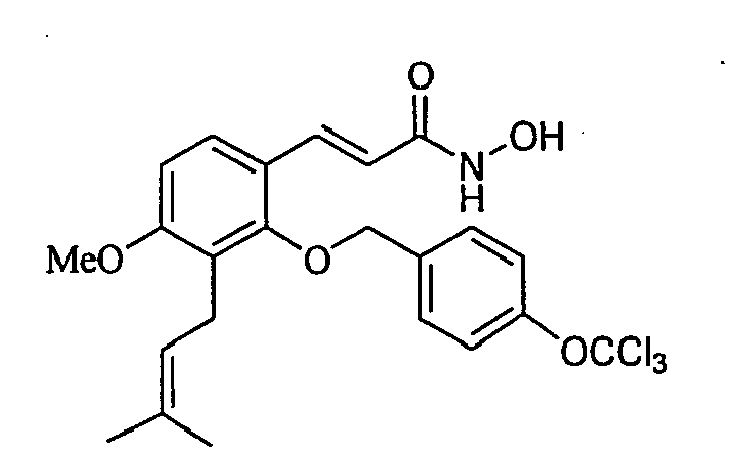


- A pharmaceutical composition comprising the compound of one or more of the preceding claims or pharmaceutically acceptable salts, stereoisomers, enantiomers, prodrugs or solvates thereof as an active ingredient and the composition additionally comprising a pharmaceutically acceptable carrier.
- Use of the compound of one or more of claims 1 to 9 or pharmaceutically acceptable salts, stereoisomers, enantiomers, prodrugs or solvates thereof in the manufacture of a medicament for inhibiting histone deacetylase (HDAC).
- Use of the compound of one or more of claims 1 to 9 or pharmaceutically acceptable salts, stereoisomers, enantiomers, prodrugs or solvates thereof in the manufacture of a medicament for treating diabetes.
- Use of the compound of one or more of claims 1 to 9 or pharmaceutically acceptable salts, stereoisomers, enantiomers, prodrugs or solvates thereof in the manufacture of a medicament for treating tumor or cell proliferative disease.
- Use of the compound of one or more of claims 1 to 9 or pharmaceutically acceptable salts, stereoisomers, enantiomers, prodrugs or solvates thereof in the manufacture of a medicament for enhancing neurite outgrowth.
- Use of the compound of one or more of claims 1 to 9 or pharmaceutically acceptable salts, stereoisomers, enantiomers, prodrugs or solvates thereof in the manufacture of a medicament for treating neurodegenerative diseases and human spinal muscular atrophy (SMA) disease.
- The use of Claim 15, wherein the neurodegenerative disease is Huntington's disease or poly-glutamine disease.
Priority Applications (3)
| Application Number | Priority Date | Filing Date | Title |
|---|---|---|---|
| EP09004981.8A EP2236503B1 (en) | 2009-04-03 | 2009-04-03 | Cinamic compounds and derivatives therefrom for the inhibition of histone deacetylase |
| ES09004981.8T ES2473792T3 (en) | 2009-04-03 | 2009-04-03 | Kinematic compounds and derivatives thereof for histone deacetylase inhibition |
| HK10109999.0A HK1143375B (en) | 2010-10-22 | Cinamic compounds and derivatives therefrom for the inhibition of histone deacetylase |
Applications Claiming Priority (1)
| Application Number | Priority Date | Filing Date | Title |
|---|---|---|---|
| EP09004981.8A EP2236503B1 (en) | 2009-04-03 | 2009-04-03 | Cinamic compounds and derivatives therefrom for the inhibition of histone deacetylase |
Publications (2)
| Publication Number | Publication Date |
|---|---|
| EP2236503A1 true EP2236503A1 (en) | 2010-10-06 |
| EP2236503B1 EP2236503B1 (en) | 2014-02-26 |
Family
ID=40743078
Family Applications (1)
| Application Number | Title | Priority Date | Filing Date |
|---|---|---|---|
| EP09004981.8A Active EP2236503B1 (en) | 2009-04-03 | 2009-04-03 | Cinamic compounds and derivatives therefrom for the inhibition of histone deacetylase |
Country Status (2)
| Country | Link |
|---|---|
| EP (1) | EP2236503B1 (en) |
| ES (1) | ES2473792T3 (en) |
Cited By (3)
| Publication number | Priority date | Publication date | Assignee | Title |
|---|---|---|---|---|
| WO2012153191A1 (en) * | 2011-05-06 | 2012-11-15 | Ecole Polytechnique Federale De Lausanne (Epfl) Epfl-Tto | Ncor1 is a physiological modulator of muscle mass and oxidative function |
| CN109789115A (en) * | 2016-09-29 | 2019-05-21 | 彦臣生技药品股份有限公司 | Method for treating eye illness |
| EP4351551A4 (en) * | 2021-05-28 | 2025-03-26 | Novelwise Pharmaceutical Corporation | COMPOSITION AND METHOD FOR TREATING DRUG-RESISTANT CANCER |
Citations (14)
| Publication number | Priority date | Publication date | Assignee | Title |
|---|---|---|---|---|
| JPH08258863A (en) | 1995-03-25 | 1996-10-08 | Huels Ag | Packed ready-made mixture for treating soil and concentratedsoil-setting agent |
| EP0847992A1 (en) | 1996-09-30 | 1998-06-17 | Mitsui Chemicals, Inc. | Benzamide derivatives, useful as cell differentiation inducers |
| US6087367A (en) | 1991-10-04 | 2000-07-11 | Sloan-Kettering Institute For Cancer Research | Potent inducers of terminal differentiation and methods of use thereof |
| WO2001038322A1 (en) | 1999-11-23 | 2001-05-31 | Methylgene, Inc. | Inhibitors of histone deacetylase |
| WO2002022577A2 (en) | 2000-09-01 | 2002-03-21 | Novartis Ag | Hydroxamate derivatives useful as deacetylase inhibitors |
| EP1301184A2 (en) | 2000-07-07 | 2003-04-16 | Chemotherapeutisches Forschungsinstitut Georg-Speyer-Haus | Valproic acid and derivatives thereof as histone deacetylase inhibitors |
| WO2003087066A1 (en) * | 2002-04-11 | 2003-10-23 | Sk Chemicals, Co., Ltd. | α,β-UNSATURATED HYDROXAMIC ACID DERIVATIVES AND THEIR USE AS HISTONE DEACETYLASE INHIBITORS |
| USRE38506E1 (en) | 1991-10-04 | 2004-04-20 | Sloan-Kettering Institute For Cancer Research | Potent inducers of terminal differentiation and methods of use thereof |
| US6888027B2 (en) | 2000-09-29 | 2005-05-03 | Topotarget Uk Limited | Carbamic acid compounds comprising a sulfonamide linkage as HDAC inhibitors |
| US7169801B2 (en) | 2003-03-17 | 2007-01-30 | Takeda San Diego, Inc. | Histone deacetylase inhibitors |
| WO2007054776A2 (en) * | 2005-11-10 | 2007-05-18 | Orchid Research Laboratories Limited | Stilbene like compounds as novel hdac inhibitors |
| US7399787B2 (en) | 2002-03-04 | 2008-07-15 | Merck Hdac Research, Llc | Methods of treating cancer with HDAC inhibitors |
| WO2008087514A2 (en) * | 2007-01-17 | 2008-07-24 | Orchid Research Laboratories Limited | Hdac inhibitors |
| US20080242648A1 (en) | 2006-11-10 | 2008-10-02 | Syndax Pharmaceuticals, Inc., A California Corporation | COMBINATION OF ERa+ LIGANDS AND HISTONE DEACETYLASE INHIBITORS FOR THE TREATMENT OF CANCER |
-
2009
- 2009-04-03 EP EP09004981.8A patent/EP2236503B1/en active Active
- 2009-04-03 ES ES09004981.8T patent/ES2473792T3/en active Active
Patent Citations (15)
| Publication number | Priority date | Publication date | Assignee | Title |
|---|---|---|---|---|
| US6087367A (en) | 1991-10-04 | 2000-07-11 | Sloan-Kettering Institute For Cancer Research | Potent inducers of terminal differentiation and methods of use thereof |
| USRE38506E1 (en) | 1991-10-04 | 2004-04-20 | Sloan-Kettering Institute For Cancer Research | Potent inducers of terminal differentiation and methods of use thereof |
| JPH08258863A (en) | 1995-03-25 | 1996-10-08 | Huels Ag | Packed ready-made mixture for treating soil and concentratedsoil-setting agent |
| EP0847992A1 (en) | 1996-09-30 | 1998-06-17 | Mitsui Chemicals, Inc. | Benzamide derivatives, useful as cell differentiation inducers |
| US6174905B1 (en) | 1996-09-30 | 2001-01-16 | Mitsui Chemicals, Inc. | Cell differentiation inducer |
| WO2001038322A1 (en) | 1999-11-23 | 2001-05-31 | Methylgene, Inc. | Inhibitors of histone deacetylase |
| EP1301184A2 (en) | 2000-07-07 | 2003-04-16 | Chemotherapeutisches Forschungsinstitut Georg-Speyer-Haus | Valproic acid and derivatives thereof as histone deacetylase inhibitors |
| WO2002022577A2 (en) | 2000-09-01 | 2002-03-21 | Novartis Ag | Hydroxamate derivatives useful as deacetylase inhibitors |
| US6888027B2 (en) | 2000-09-29 | 2005-05-03 | Topotarget Uk Limited | Carbamic acid compounds comprising a sulfonamide linkage as HDAC inhibitors |
| US7399787B2 (en) | 2002-03-04 | 2008-07-15 | Merck Hdac Research, Llc | Methods of treating cancer with HDAC inhibitors |
| WO2003087066A1 (en) * | 2002-04-11 | 2003-10-23 | Sk Chemicals, Co., Ltd. | α,β-UNSATURATED HYDROXAMIC ACID DERIVATIVES AND THEIR USE AS HISTONE DEACETYLASE INHIBITORS |
| US7169801B2 (en) | 2003-03-17 | 2007-01-30 | Takeda San Diego, Inc. | Histone deacetylase inhibitors |
| WO2007054776A2 (en) * | 2005-11-10 | 2007-05-18 | Orchid Research Laboratories Limited | Stilbene like compounds as novel hdac inhibitors |
| US20080242648A1 (en) | 2006-11-10 | 2008-10-02 | Syndax Pharmaceuticals, Inc., A California Corporation | COMBINATION OF ERa+ LIGANDS AND HISTONE DEACETYLASE INHIBITORS FOR THE TREATMENT OF CANCER |
| WO2008087514A2 (en) * | 2007-01-17 | 2008-07-24 | Orchid Research Laboratories Limited | Hdac inhibitors |
Non-Patent Citations (9)
| Title |
|---|
| BLOOD, vol. 102, no. 7, 1 October 2003 (2003-10-01), pages 2615 - 2622 |
| BLOOD, vol. 105, no. 4, 15 February 2005 (2005-02-15), pages 1768 - 76 |
| DIABETES, vol. 57, 2008, pages 860 - 867 |
| FASEB JOURNAL, vol. 22, 2008, pages 944 - 945 |
| HUM GENET, vol. 120, 2006, pages 101 - 110 |
| HUMAN MOLECULAR GENETICS, vol. 13, no. 11, 2004, pages 1183 - 1192 |
| JOURNAL OF THE NATIONAL CANCER INSTITUTE, vol. 92, no. 15, 2 August 2000 (2000-08-02), pages 1210 - 1216 |
| MEDICINAL RESEARCH REVIEWS, vol. 26, no. 4, 2006, pages 397 - 413 |
| MOLECULAR CANCER, vol. 5, 2006, pages 8 |
Cited By (4)
| Publication number | Priority date | Publication date | Assignee | Title |
|---|---|---|---|---|
| WO2012153191A1 (en) * | 2011-05-06 | 2012-11-15 | Ecole Polytechnique Federale De Lausanne (Epfl) Epfl-Tto | Ncor1 is a physiological modulator of muscle mass and oxidative function |
| CN109789115A (en) * | 2016-09-29 | 2019-05-21 | 彦臣生技药品股份有限公司 | Method for treating eye illness |
| EP3518913A4 (en) * | 2016-09-29 | 2020-05-27 | NatureWise Biotech & Medicals Corporation | METHODS OF TREATING EYE DISEASE |
| EP4351551A4 (en) * | 2021-05-28 | 2025-03-26 | Novelwise Pharmaceutical Corporation | COMPOSITION AND METHOD FOR TREATING DRUG-RESISTANT CANCER |
Also Published As
| Publication number | Publication date |
|---|---|
| EP2236503B1 (en) | 2014-02-26 |
| ES2473792T3 (en) | 2014-07-07 |
| HK1143375A1 (en) | 2010-12-31 |
Similar Documents
| Publication | Publication Date | Title |
|---|---|---|
| US8318801B2 (en) | Cinnamic compounds and derivatives therefrom for the inhibition of histone deacetylase | |
| DK2875003T3 (en) | NEW 5-AMINOTETRAHYDROQUINOLINE-2-CARBOXYLIC ACIDS AND THE USE OF IT | |
| US10035819B2 (en) | PPAR agonists and methods of use thereof | |
| Wen et al. | Identification of N-(6-mercaptohexyl)-3-(4-pyridyl)-1H-pyrazole-5-carboxamide and its disulfide prodrug as potent histone deacetylase inhibitors with in vitro and in vivo anti-tumor efficacy | |
| JP2020011971A (en) | How to treat cancer | |
| EP3770146B1 (en) | Ppar agonists, compounds, pharmaceutical compositions, and methods of use thereof | |
| JP2016510317A (en) | Deuterated fumaric acid derivatives | |
| CA2879456A1 (en) | Substituted aminoindane- and aminotetralincarboxylic acids and use thereof | |
| EP3148543A2 (en) | Small molecule transcription modulators of bromodomains | |
| US10213406B2 (en) | α- and γ-truxillic acid derivatives and pharmaceutical compositions thereof | |
| EP2236503B1 (en) | Cinamic compounds and derivatives therefrom for the inhibition of histone deacetylase | |
| HK1143375B (en) | Cinamic compounds and derivatives therefrom for the inhibition of histone deacetylase | |
| FR2877667A1 (en) | 4,7-DIOXOBENZOTHIAZOLE-2-CARBOXAMIDE DERIVATIVES, THEIR PREPARATION AND THEIR THERAPEUTIC APPLICATIONS | |
| EP3941900A1 (en) | Novel inhibitors of histone deacetylase 10 | |
| EP2614050B1 (en) | 1,5-diaryl-2-alkylpyrrole-3-substituted nitro esters, selective cox-2 inhibitors and nitric oxide donors | |
| CN121494842A (en) | Acetamide compounds containing benzothiophene, their preparation methods and applications, and pharmaceutical compositions. | |
| KR101129093B1 (en) | Compounds for the inhibition of histone deacetylase | |
| TWI918595B (en) | Elafibranor salts | |
| EA039833B1 (en) | Ppar agonists, compounds, pharmaceutical compositions and methods of use thereof | |
| HK1130258B (en) | Compounds for the inhibition of histone deacetylase | |
| HK1130258A1 (en) | Compounds for the inhibition of histone deacetylase |
Legal Events
| Date | Code | Title | Description |
|---|---|---|---|
| PUAI | Public reference made under article 153(3) epc to a published international application that has entered the european phase |
Free format text: ORIGINAL CODE: 0009012 |
|
| AK | Designated contracting states |
Kind code of ref document: A1 Designated state(s): AT BE BG CH CY CZ DE DK EE ES FI FR GB GR HR HU IE IS IT LI LT LU LV MC MK MT NL NO PL PT RO SE SI SK TR |
|
| AX | Request for extension of the european patent |
Extension state: AL BA RS |
|
| REG | Reference to a national code |
Ref country code: HK Ref legal event code: DE Ref document number: 1143375 Country of ref document: HK |
|
| 17P | Request for examination filed |
Effective date: 20110401 |
|
| 17Q | First examination report despatched |
Effective date: 20120705 |
|
| GRAP | Despatch of communication of intention to grant a patent |
Free format text: ORIGINAL CODE: EPIDOSNIGR1 |
|
| INTG | Intention to grant announced |
Effective date: 20131010 |
|
| GRAS | Grant fee paid |
Free format text: ORIGINAL CODE: EPIDOSNIGR3 |
|
| GRAA | (expected) grant |
Free format text: ORIGINAL CODE: 0009210 |
|
| RAP1 | Party data changed (applicant data changed or rights of an application transferred) |
Owner name: NATUREWISE BIOTECH & MEDICALS CORPORATION |
|
| AK | Designated contracting states |
Kind code of ref document: B1 Designated state(s): AT BE BG CH CY CZ DE DK EE ES FI FR GB GR HR HU IE IS IT LI LT LU LV MC MK MT NL NO PL PT RO SE SI SK TR |
|
| REG | Reference to a national code |
Ref country code: GB Ref legal event code: FG4D |
|
| REG | Reference to a national code |
Ref country code: CH Ref legal event code: EP |
|
| REG | Reference to a national code |
Ref country code: AT Ref legal event code: REF Ref document number: 653517 Country of ref document: AT Kind code of ref document: T Effective date: 20140315 |
|
| REG | Reference to a national code |
Ref country code: IE Ref legal event code: FG4D |
|
| REG | Reference to a national code |
Ref country code: DE Ref legal event code: R096 Ref document number: 602009021947 Country of ref document: DE Effective date: 20140410 |
|
| REG | Reference to a national code |
Ref country code: NL Ref legal event code: T3 |
|
| REG | Reference to a national code |
Ref country code: ES Ref legal event code: FG2A Ref document number: 2473792 Country of ref document: ES Kind code of ref document: T3 Effective date: 20140707 |
|
| REG | Reference to a national code |
Ref country code: AT Ref legal event code: MK05 Ref document number: 653517 Country of ref document: AT Kind code of ref document: T Effective date: 20140226 |
|
| REG | Reference to a national code |
Ref country code: LT Ref legal event code: MG4D |
|
| PG25 | Lapsed in a contracting state [announced via postgrant information from national office to epo] |
Ref country code: IS Free format text: LAPSE BECAUSE OF FAILURE TO SUBMIT A TRANSLATION OF THE DESCRIPTION OR TO PAY THE FEE WITHIN THE PRESCRIBED TIME-LIMIT Effective date: 20140626 Ref country code: LT Free format text: LAPSE BECAUSE OF FAILURE TO SUBMIT A TRANSLATION OF THE DESCRIPTION OR TO PAY THE FEE WITHIN THE PRESCRIBED TIME-LIMIT Effective date: 20140226 Ref country code: NO Free format text: LAPSE BECAUSE OF FAILURE TO SUBMIT A TRANSLATION OF THE DESCRIPTION OR TO PAY THE FEE WITHIN THE PRESCRIBED TIME-LIMIT Effective date: 20140526 |
|
| REG | Reference to a national code |
Ref country code: HK Ref legal event code: GR Ref document number: 1143375 Country of ref document: HK |
|
| PG25 | Lapsed in a contracting state [announced via postgrant information from national office to epo] |
Ref country code: CY Free format text: LAPSE BECAUSE OF FAILURE TO SUBMIT A TRANSLATION OF THE DESCRIPTION OR TO PAY THE FEE WITHIN THE PRESCRIBED TIME-LIMIT Effective date: 20140226 Ref country code: PT Free format text: LAPSE BECAUSE OF FAILURE TO SUBMIT A TRANSLATION OF THE DESCRIPTION OR TO PAY THE FEE WITHIN THE PRESCRIBED TIME-LIMIT Effective date: 20140626 Ref country code: SE Free format text: LAPSE BECAUSE OF FAILURE TO SUBMIT A TRANSLATION OF THE DESCRIPTION OR TO PAY THE FEE WITHIN THE PRESCRIBED TIME-LIMIT Effective date: 20140226 Ref country code: FI Free format text: LAPSE BECAUSE OF FAILURE TO SUBMIT A TRANSLATION OF THE DESCRIPTION OR TO PAY THE FEE WITHIN THE PRESCRIBED TIME-LIMIT Effective date: 20140226 Ref country code: AT Free format text: LAPSE BECAUSE OF FAILURE TO SUBMIT A TRANSLATION OF THE DESCRIPTION OR TO PAY THE FEE WITHIN THE PRESCRIBED TIME-LIMIT Effective date: 20140226 |
|
| PG25 | Lapsed in a contracting state [announced via postgrant information from national office to epo] |
Ref country code: LV Free format text: LAPSE BECAUSE OF FAILURE TO SUBMIT A TRANSLATION OF THE DESCRIPTION OR TO PAY THE FEE WITHIN THE PRESCRIBED TIME-LIMIT Effective date: 20140226 Ref country code: BE Free format text: LAPSE BECAUSE OF FAILURE TO SUBMIT A TRANSLATION OF THE DESCRIPTION OR TO PAY THE FEE WITHIN THE PRESCRIBED TIME-LIMIT Effective date: 20140226 Ref country code: HR Free format text: LAPSE BECAUSE OF FAILURE TO SUBMIT A TRANSLATION OF THE DESCRIPTION OR TO PAY THE FEE WITHIN THE PRESCRIBED TIME-LIMIT Effective date: 20140226 |
|
| PG25 | Lapsed in a contracting state [announced via postgrant information from national office to epo] |
Ref country code: DK Free format text: LAPSE BECAUSE OF FAILURE TO SUBMIT A TRANSLATION OF THE DESCRIPTION OR TO PAY THE FEE WITHIN THE PRESCRIBED TIME-LIMIT Effective date: 20140226 Ref country code: EE Free format text: LAPSE BECAUSE OF FAILURE TO SUBMIT A TRANSLATION OF THE DESCRIPTION OR TO PAY THE FEE WITHIN THE PRESCRIBED TIME-LIMIT Effective date: 20140226 Ref country code: CZ Free format text: LAPSE BECAUSE OF FAILURE TO SUBMIT A TRANSLATION OF THE DESCRIPTION OR TO PAY THE FEE WITHIN THE PRESCRIBED TIME-LIMIT Effective date: 20140226 Ref country code: RO Free format text: LAPSE BECAUSE OF FAILURE TO SUBMIT A TRANSLATION OF THE DESCRIPTION OR TO PAY THE FEE WITHIN THE PRESCRIBED TIME-LIMIT Effective date: 20140226 |
|
| REG | Reference to a national code |
Ref country code: DE Ref legal event code: R097 Ref document number: 602009021947 Country of ref document: DE |
|
| PG25 | Lapsed in a contracting state [announced via postgrant information from national office to epo] |
Ref country code: MC Free format text: LAPSE BECAUSE OF FAILURE TO SUBMIT A TRANSLATION OF THE DESCRIPTION OR TO PAY THE FEE WITHIN THE PRESCRIBED TIME-LIMIT Effective date: 20140226 Ref country code: PL Free format text: LAPSE BECAUSE OF FAILURE TO SUBMIT A TRANSLATION OF THE DESCRIPTION OR TO PAY THE FEE WITHIN THE PRESCRIBED TIME-LIMIT Effective date: 20140226 Ref country code: LU Free format text: LAPSE BECAUSE OF FAILURE TO SUBMIT A TRANSLATION OF THE DESCRIPTION OR TO PAY THE FEE WITHIN THE PRESCRIBED TIME-LIMIT Effective date: 20140403 Ref country code: SK Free format text: LAPSE BECAUSE OF FAILURE TO SUBMIT A TRANSLATION OF THE DESCRIPTION OR TO PAY THE FEE WITHIN THE PRESCRIBED TIME-LIMIT Effective date: 20140226 |
|
| REG | Reference to a national code |
Ref country code: CH Ref legal event code: PL |
|
| PLBE | No opposition filed within time limit |
Free format text: ORIGINAL CODE: 0009261 |
|
| STAA | Information on the status of an ep patent application or granted ep patent |
Free format text: STATUS: NO OPPOSITION FILED WITHIN TIME LIMIT |
|
| REG | Reference to a national code |
Ref country code: IE Ref legal event code: MM4A |
|
| PG25 | Lapsed in a contracting state [announced via postgrant information from national office to epo] |
Ref country code: CH Free format text: LAPSE BECAUSE OF NON-PAYMENT OF DUE FEES Effective date: 20140430 Ref country code: LI Free format text: LAPSE BECAUSE OF NON-PAYMENT OF DUE FEES Effective date: 20140430 |
|
| 26N | No opposition filed |
Effective date: 20141127 |
|
| REG | Reference to a national code |
Ref country code: DE Ref legal event code: R097 Ref document number: 602009021947 Country of ref document: DE Effective date: 20141127 |
|
| PG25 | Lapsed in a contracting state [announced via postgrant information from national office to epo] |
Ref country code: IE Free format text: LAPSE BECAUSE OF NON-PAYMENT OF DUE FEES Effective date: 20140403 |
|
| PG25 | Lapsed in a contracting state [announced via postgrant information from national office to epo] |
Ref country code: SI Free format text: LAPSE BECAUSE OF FAILURE TO SUBMIT A TRANSLATION OF THE DESCRIPTION OR TO PAY THE FEE WITHIN THE PRESCRIBED TIME-LIMIT Effective date: 20140226 |
|
| PG25 | Lapsed in a contracting state [announced via postgrant information from national office to epo] |
Ref country code: MT Free format text: LAPSE BECAUSE OF FAILURE TO SUBMIT A TRANSLATION OF THE DESCRIPTION OR TO PAY THE FEE WITHIN THE PRESCRIBED TIME-LIMIT Effective date: 20140226 |
|
| REG | Reference to a national code |
Ref country code: FR Ref legal event code: PLFP Year of fee payment: 8 |
|
| PG25 | Lapsed in a contracting state [announced via postgrant information from national office to epo] |
Ref country code: GR Free format text: LAPSE BECAUSE OF FAILURE TO SUBMIT A TRANSLATION OF THE DESCRIPTION OR TO PAY THE FEE WITHIN THE PRESCRIBED TIME-LIMIT Effective date: 20140527 Ref country code: BG Free format text: LAPSE BECAUSE OF FAILURE TO SUBMIT A TRANSLATION OF THE DESCRIPTION OR TO PAY THE FEE WITHIN THE PRESCRIBED TIME-LIMIT Effective date: 20140226 |
|
| PG25 | Lapsed in a contracting state [announced via postgrant information from national office to epo] |
Ref country code: TR Free format text: LAPSE BECAUSE OF FAILURE TO SUBMIT A TRANSLATION OF THE DESCRIPTION OR TO PAY THE FEE WITHIN THE PRESCRIBED TIME-LIMIT Effective date: 20140226 Ref country code: HU Free format text: LAPSE BECAUSE OF FAILURE TO SUBMIT A TRANSLATION OF THE DESCRIPTION OR TO PAY THE FEE WITHIN THE PRESCRIBED TIME-LIMIT; INVALID AB INITIO Effective date: 20090403 |
|
| REG | Reference to a national code |
Ref country code: FR Ref legal event code: PLFP Year of fee payment: 9 |
|
| REG | Reference to a national code |
Ref country code: FR Ref legal event code: PLFP Year of fee payment: 10 |
|
| PG25 | Lapsed in a contracting state [announced via postgrant information from national office to epo] |
Ref country code: MK Free format text: LAPSE BECAUSE OF FAILURE TO SUBMIT A TRANSLATION OF THE DESCRIPTION OR TO PAY THE FEE WITHIN THE PRESCRIBED TIME-LIMIT Effective date: 20140226 |
|
| REG | Reference to a national code |
Ref country code: DE Ref legal event code: R081 Ref document number: 602009021947 Country of ref document: DE Owner name: NOVELWISE PHARMACEUTICAL CORP., TW Free format text: FORMER OWNER: NATUREWISE BIOTECH & MEDICALS CORP., TAIPEI, TW |
|
| REG | Reference to a national code |
Ref country code: GB Ref legal event code: 732E Free format text: REGISTERED BETWEEN 20240125 AND 20240131 |
|
| REG | Reference to a national code |
Ref country code: NL Ref legal event code: PD Owner name: NOVELWISE PHARMACEUTICAL CORPORATION; TW Free format text: DETAILS ASSIGNMENT: CHANGE OF OWNER(S), ASSIGNMENT; FORMER OWNER NAME: NATUREWISE BIOTECH & MEDICALS CORPORATION Effective date: 20240306 |
|
| REG | Reference to a national code |
Ref country code: ES Ref legal event code: PC2A Owner name: NOVELWISE PHARMACEUTICAL CORPORATION Effective date: 20241122 |
|
| PGFP | Annual fee paid to national office [announced via postgrant information from national office to epo] |
Ref country code: GB Payment date: 20260325 Year of fee payment: 18 |
|
| PGFP | Annual fee paid to national office [announced via postgrant information from national office to epo] |
Ref country code: IT Payment date: 20260323 Year of fee payment: 18 |
|
| PGFP | Annual fee paid to national office [announced via postgrant information from national office to epo] |
Ref country code: NL Payment date: 20260320 Year of fee payment: 18 |
|
| PGFP | Annual fee paid to national office [announced via postgrant information from national office to epo] |
Ref country code: FR Payment date: 20260320 Year of fee payment: 18 |
|
| PGFP | Annual fee paid to national office [announced via postgrant information from national office to epo] |
Ref country code: ES Payment date: 20260507 Year of fee payment: 18 |
|
| PGFP | Annual fee paid to national office [announced via postgrant information from national office to epo] |
Ref country code: DE Payment date: 20260324 Year of fee payment: 18 |