EP2234678B1 - Trampoline - Google Patents
Trampoline Download PDFInfo
- Publication number
- EP2234678B1 EP2234678B1 EP09701186.0A EP09701186A EP2234678B1 EP 2234678 B1 EP2234678 B1 EP 2234678B1 EP 09701186 A EP09701186 A EP 09701186A EP 2234678 B1 EP2234678 B1 EP 2234678B1
- Authority
- EP
- European Patent Office
- Prior art keywords
- trampoline
- net
- sheet
- poles
- further characterised
- Prior art date
- Legal status (The legal status is an assumption and is not a legal conclusion. Google has not performed a legal analysis and makes no representation as to the accuracy of the status listed.)
- Not-in-force
Links
- 230000008878 coupling Effects 0.000 claims description 10
- 238000010168 coupling process Methods 0.000 claims description 10
- 238000005859 coupling reaction Methods 0.000 claims description 10
- 229920003023 plastic Polymers 0.000 claims description 3
- 239000004033 plastic Substances 0.000 claims description 3
- 101100491335 Caenorhabditis elegans mat-2 gene Proteins 0.000 description 3
- 208000027418 Wounds and injury Diseases 0.000 description 2
- 230000006378 damage Effects 0.000 description 2
- 230000000694 effects Effects 0.000 description 2
- 208000014674 injury Diseases 0.000 description 2
- 238000010276 construction Methods 0.000 description 1
Images
Classifications
-
- A—HUMAN NECESSITIES
- A63—SPORTS; GAMES; AMUSEMENTS
- A63B—APPARATUS FOR PHYSICAL TRAINING, GYMNASTICS, SWIMMING, CLIMBING, OR FENCING; BALL GAMES; TRAINING EQUIPMENT
- A63B5/00—Apparatus for jumping
- A63B5/11—Trampolines
-
- A—HUMAN NECESSITIES
- A63—SPORTS; GAMES; AMUSEMENTS
- A63B—APPARATUS FOR PHYSICAL TRAINING, GYMNASTICS, SWIMMING, CLIMBING, OR FENCING; BALL GAMES; TRAINING EQUIPMENT
- A63B71/00—Games or sports accessories not covered in groups A63B1/00 - A63B69/00
- A63B71/02—Games or sports accessories not covered in groups A63B1/00 - A63B69/00 for large-room or outdoor sporting games
- A63B71/022—Backstops, cages, enclosures or the like, e.g. for spectator protection, for arresting balls
Definitions
- This disclosure relates to trampolines.
- a typical trampoline comprises a sheet (also termed: a mat), usually, though not invariably, circular, supported around its periphery within a frame like support structure by spring couplings (usually a plurality of helical springs or an elastic cord) under tension which link apertures around the edge of the sheet to openings in the frame.
- the frame will generally have a configuration that matches that of the trampoline sheet or mat.
- the trampoline sheet is circular
- the frame will usually take the form of a generally circular ring with a diameter larger than that of the sheet in order that the sheet is stretched.
- the frame When the trampoline sheet is rectangular in shape, the frame will usually comprise a ring of generally rectangular form that is similarly larger than the sheet in order that the sheet may be supported by helical springs under tension.
- the frame must be supported above the ground or floor.
- a typical trampoline support structure comprises a plurality of tubular members adapted to fit together to form the particular configuration of frame. At least some of the tubular members have a stub pipe welded thereto, which is adapted to interfit with an upper end of a respective leg, the several legs together supporting the frame and the trampoline sheet above the ground or floor.
- couplings are used to interconnect the tubes of the frame with legs.
- the respective legs are suitably tubular and pairs of legs will typically be formed from a single tube bent into a generally U- or W-shape in which the uprights of the U or W form the legs proper, the lower ends of which are interconnected by the bight portion of the U or the central portion of the W.
- the bight portion of the U provides support from the floor or ground, whereas in a W-shaped structure the lower angular corners of the "W" serve the same purpose.
- a pad, annular when the trampoline sheet or mat is circular, generally covers the helical springs or cord so that a user does not hurt themselves as they climb on to the trampoline or step off it.
- Net enclosures have been provided to give at least a measure of protection and a feeling of security to a user against inadvertently falling off the trampoline on to the ground.
- the net enclosure is mounted on a plurality of generally upright poles that extend above the frame and are commonly attached to the legs. The net obviously requires an entrance/exit between two such poles so that users can climb on and off the trampoline.
- the net is sewn to a plurality of sheaths, each of which simply slides over a respective pole so that the net generally corresponds with the outer periphery of the frame.
- the annular pad lies within this periphery.
- a trampoline comprises a trampoline sheet or mat supported around its periphery from a circumextending support structure by spring couplings, preferably a plurality of helical springs under tension, optionally covered by an annular pad, and being provided with a net enclosure in which a generally circumextending net is mounted from a plurality of poles coupled to the support structure and extending generally upright therefrom, with a lower edge of the net coupled to the periphery of the sheet or mat in board of the support structure, thereby at least largely preventing a user from falling or treading upon the spring couplings or on an annular pad overlying said couplings, if present, characterised in that the position of the net, for the greater part of its height apart from a region about its said lower edge, corresponds generally to the periphery of the support structure, the net being mounted to the poles by respective sheaths.
- the support structure suitably comprises a tubular frame mounted above the ground or floor by a plurality of legs.
- the poles are suitably attached to respective legs by clamps or screw fixings, and may extend for the full height of the trampoline from the ground to the top of the net. They may be formed in sections that may be coupled together or be telescopic.
- the said region of the net about its lower edge is coupled to the sheaths by respective members generally in the form of a right triangle, each said member having a first edge attached to a said sheath, a second edge extending towards the centre of the sheet and overlying the pad, and a third edge, preferably curved, extending between the first and second edges and attached to a lower region of the net.
- the apex between the second and third edges is elastically coupled to the periphery of the sheet or mat, for example to rings for inner ends of the helical springs by a flexible elastic member and a carabiner; and the third edge is curved.
- the member may be formed of a plastics sheet with an eyelet for the elastic member.
- the elastic member may be sewn to the said apex.
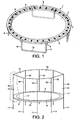
- a trampoline 1 comprising a trampoline sheet or mat 2 stretched within a frame 3 forming part of a support structure 4 for the trampoline sheet.
- the sheet or mat 2 here circular, has a reinforced edge 5 formed with a plurality of eyelets 6 into each of which is fitted one end of a respective helical spring 7.
- the other end of spring 7 is fitted into a respective opening in the frame 3.
- the openings for the springs are here provided on the radially inner side of the frame 3, but may, instead, be provided on the vertically upper side of the frame.
- another form of spring coupling could be used such as an elastic cord interlacing the eyelets 6 with openings in the frame.
- the frame 3 is here of a generally circular ring form, but it will be understood that the sheet/mat may have other shapes, with a correspondingly shaped frame.
- Frame 3 comprises a plurality of tubular members 8, coupled together by couplings 9.
- the frame is here shown with a generally square tubular cross-section it may equally well be formed of circular sectioned tubes.
- the frame is supported by a plurality of leg structures 10. In this embodiment adjacent legs 11 are connected by a bight portion 12 in a generally U-form leg structure 10.
- Fig. 4 overcomes this problem by bringing the net inwardly to the inner edge of the pad, but at the expense of reducing the useful area of the trampoline.
- a plurality of spaced ties 19 connect the sheath to the netting.
- each sheath 16 may be connected to a web 20, the net being stitched to inner edges 21 of the respective webs.
- the reduction in the enclosed area is significant. For example, if the net is reduced to the inner periphery of pad 13 in the embodiment of Fig. 2 , the reduction in enclosed area would be over 20%. As a result, users feel cramped and threatened by the enclosing net in such arrangements.
- Fig. 6 shows a trampoline embodying the teachings of the present invention, in which injury by contact with the pad 13 and the underlying springs therebeneath may be largely avoided without reducing the useful area of the trampoline.
- Net 14 is stitched to sheath 16 over the greater part of its height above the trampoline sheet/mat, so that the position of the net generally corresponds to the periphery of the support structure.
- a lower portion 22 of the net 14 is stitched to a member 23 generally in the form of a right triangle 24, one edge 25 of which member is stitched to sheath 16, while another edge 26 at right angles to edge 25 overlies pad 13.
- Lower portion 22 of the net is stitched to hypotenuse edge 27, which may be curved slightly, as shown in Fig.
- Member 23 is suitably formed of plastics sheet, as may be sheath 16. Although still possessing some flexibility, the sheath 16 and member 23 will be significantly more rigid than the net 14.
- Apex 28 between edge 26 and hypotenuse edge 27 is suitably provided with an eyelet 29 allowing an elastic cord 30 to connect that apex to an opening 31 in reinforced edge 5, the opening also being employed for spring 7.
- elastic cord 30 may simply be stitched to apex 28.
- the elastic cord 30 is preferably fastened to opening 31 via a carabiner 32, and serves to hold member 23 taut.
- the member 23 serves a useful purpose in that it may readily be held taut, ensuring that the edge of the lower portion of the net is located at the inner edge of the pad, and thereby s preventing a user from injuring themselves by contact with the pad and underlying springs, without stretching the netting.
Landscapes
- Health & Medical Sciences (AREA)
- General Health & Medical Sciences (AREA)
- Physical Education & Sports Medicine (AREA)
- Woven Fabrics (AREA)
- Professional, Industrial, Or Sporting Protective Garments (AREA)
- Laminated Bodies (AREA)
Description
- This disclosure relates to trampolines.
- A typical trampoline comprises a sheet (also termed: a mat), usually, though not invariably, circular, supported around its periphery within a frame like support structure by spring couplings (usually a plurality of helical springs or an elastic cord) under tension which link apertures around the edge of the sheet to openings in the frame. The frame will generally have a configuration that matches that of the trampoline sheet or mat. Thus, when the trampoline sheet is circular, the frame will usually take the form of a generally circular ring with a diameter larger than that of the sheet in order that the sheet is stretched. When the trampoline sheet is rectangular in shape, the frame will usually comprise a ring of generally rectangular form that is similarly larger than the sheet in order that the sheet may be supported by helical springs under tension. The frame must be supported above the ground or floor. A typical trampoline support structure comprises a plurality of tubular members adapted to fit together to form the particular configuration of frame. At least some of the tubular members have a stub pipe welded thereto, which is adapted to interfit with an upper end of a respective leg, the several legs together supporting the frame and the trampoline sheet above the ground or floor. Alternatively couplings are used to interconnect the tubes of the frame with legs. The respective legs are suitably tubular and pairs of legs will typically be formed from a single tube bent into a generally U- or W-shape in which the uprights of the U or W form the legs proper, the lower ends of which are interconnected by the bight portion of the U or the central portion of the W. In the case of a U-shaped structure, the bight portion of the U provides support from the floor or ground, whereas in a W-shaped structure the lower angular corners of the "W" serve the same purpose.
- A pad, annular when the trampoline sheet or mat is circular, generally covers the helical springs or cord so that a user does not hurt themselves as they climb on to the trampoline or step off it.
- Users are warned only to bounce in the centre of the sheet or mat. Users are also warned that only one person at a time should use the trampoline. Unfortunately children pay little heed even to explicit warnings. Net enclosures have been provided to give at least a measure of protection and a feeling of security to a user against inadvertently falling off the trampoline on to the ground. The net enclosure is mounted on a plurality of generally upright poles that extend above the frame and are commonly attached to the legs. The net obviously requires an entrance/exit between two such poles so that users can climb on and off the trampoline.
- Commonly the net is sewn to a plurality of sheaths, each of which simply slides over a respective pole so that the net generally corresponds with the outer periphery of the frame. The annular pad lies within this periphery. Thus, even though the enclosure may offer some protection against a child falling off the trampoline, they may still fall on to the pad or tread heavily on the pad and be hurt as a result by the unyielding helical springs beneath the pad.
- To overcome this problem, smaller net enclosures have been provided in which the position of the net generally corresponds with the inner periphery of the pad, the net being mounted from the poles either by respective ties which may be individually fastenable or be sewn both to the net and to respective sheaths that slide over the poles. An example of such an arrangement is disclosed in
US 6607468 Nichols, Jr. et al. In either event, this construction is both not a strong as the prior arrangement in which the net is sewn directly to each sheath along its length, and also significantly reduces the generally usable area of the trampoline sheet, as an active user will come into contact with the net in this arrangement as they bounce near the edge of the sheet, and gives users a cramped enclosed feeling. - Until the present disclosure, there has been no satisfactory solution to these problems. Users requiring a net enclosure had to opt either for an outer periphery net enclosure with a risk of falling or stepping on the pad, or a weaker inner periphery net enclosure that prevented pad injuries but had other drawbacks.
- In accordance with a first aspect of the present disclosure, a trampoline comprises a trampoline sheet or mat supported around its periphery from a circumextending support structure by spring couplings, preferably a plurality of helical springs under tension, optionally covered by an annular pad, and being provided with a net enclosure in which a generally circumextending net is mounted from a plurality of poles coupled to the support structure and extending generally upright therefrom, with a lower edge of the net coupled to the periphery of the sheet or mat in board of the support structure, thereby at least largely preventing a user from falling or treading upon the spring couplings or on an annular pad overlying said couplings, if present, characterised in that the position of the net, for the greater part of its height apart from a region about its said lower edge, corresponds generally to the periphery of the support structure, the net being mounted to the poles by respective sheaths.
- The terms "circumextending" and "annular", as used herein, are not intended to have the effect of limiting the trampoline only to circular configurations. These terms are intended equally well to apply to trampolines with other configurations such as an hexagonal configuration trampoline or a generally rectangular configuration trampoline in which the pad will take a generally frame-like configuration rather than a ring-like form.
- It will be understood that the net must necessarily include a (preferably closable) opening to allow users to enter and exit the enclosure. The support structure suitably comprises a tubular frame mounted above the ground or floor by a plurality of legs. The poles are suitably attached to respective legs by clamps or screw fixings, and may extend for the full height of the trampoline from the ground to the top of the net. They may be formed in sections that may be coupled together or be telescopic.
- In a preferred structure, the said region of the net about its lower edge is coupled to the sheaths by respective members generally in the form of a right triangle, each said member having a first edge attached to a said sheath, a second edge extending towards the centre of the sheet and overlying the pad, and a third edge, preferably curved, extending between the first and second edges and attached to a lower region of the net.
- In preferred arrangements, the apex between the second and third edges is elastically coupled to the periphery of the sheet or mat, for example to rings for inner ends of the helical springs by a flexible elastic member and a carabiner; and the third edge is curved. The member may be formed of a plastics sheet with an eyelet for the elastic member. Alternatively, the elastic member may be sewn to the said apex.
- Referring now to the accompanying drawings, in which:
-
Fig. 1 shows a trampoline with parts omitted to illustrate the structure; -
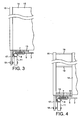
Fig. 2 is highly schematic view of a prior trampoline provided with a net enclosure; -
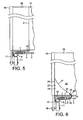
Fig. 3 is a scrap, part sectional, view of the portion ringed inFig. 2 ; -
Figs. 4 and5 are views similar toFig. 3 for other prior embodiments of trampoline; and -
Fig. 6 is another similar view for an example of a trampoline constructed according to the present disclosure. - Referring first to
Fig. 1 , there is shown a trampoline 1 comprising a trampoline sheet ormat 2 stretched within aframe 3 forming part of a support structure 4 for the trampoline sheet. The sheet ormat 2, here circular, has areinforced edge 5 formed with a plurality of eyelets 6 into each of which is fitted one end of a respectivehelical spring 7. The other end ofspring 7 is fitted into a respective opening in theframe 3. The openings for the springs are here provided on the radially inner side of theframe 3, but may, instead, be provided on the vertically upper side of the frame. As an alternative to a plurality of helical springs, another form of spring coupling could be used such as an elastic cord interlacing the eyelets 6 with openings in the frame. - As the sheet/mat is circular, the
frame 3 is here of a generally circular ring form, but it will be understood that the sheet/mat may have other shapes, with a correspondingly shaped frame.Frame 3 comprises a plurality oftubular members 8, coupled together bycouplings 9. Although the frame is here shown with a generally square tubular cross-section it may equally well be formed of circular sectioned tubes. The frame is supported by a plurality ofleg structures 10. In this embodimentadjacent legs 11 are connected by abight portion 12 in a generallyU-form leg structure 10. - Although omitted from
Fig. 1 so that thesprings 7 may be seen, thereinforced edge 5 of the sheet/mat 2, thesprings 7 and theframe 3 will all be covered by an annular pad (identified 13 in each ofFigs 2 to 6 ) enabling a user to climb on to or off the trampoline without hurting themselves. -
Fig. 2 schematically illustrates how a circumextending net enclosure may be provided in a prior trampoline. Net 14 surrounds the space abovesheet 2 with the intention, in effect, of substantially containing a user, especially an inexperienced user such as a child, and is formed from a plurality ofnetting panels 15 supported betweenrespective sheaths 16 mounted overpoles 17 that extend upwardly from the support structure 4. At least one of thenetting panels 15 must be openable to allow users to enter or leave the enclosure. -
Fig. 2 suggests that the upstanding poles may form extensions oflegs 11.
Alternatively as shown inFig. 3 , thepoles 17 may be attached by screw fittings 18 (alternatively by clamps) to the outerside oflegs 11 belowframe 3. As can be seen fromFigs. 2 and3 , while this arrangement may serve substantially to contain a user, the user may still fall on or inadvertently step on thepad 13, and so hurt themselves on thesprings 7 beneath the pad. - The prior structure shown in
Fig. 4 overcomes this problem by bringing the net inwardly to the inner edge of the pad, but at the expense of reducing the useful area of the trampoline. As shown a plurality of spacedties 19 connect the sheath to the netting. Alternatively, as shown inFig. 5 , eachsheath 16 may be connected to aweb 20, the net being stitched toinner edges 21 of the respective webs. In either case, the reduction in the enclosed area is significant. For example, if the net is reduced to the inner periphery ofpad 13 in the embodiment ofFig. 2 , the reduction in enclosed area would be over 20%. As a result, users feel cramped and threatened by the enclosing net in such arrangements. -
Fig. 6 shows a trampoline embodying the teachings of the present invention, in which injury by contact with thepad 13 and the underlying springs therebeneath may be largely avoided without reducing the useful area of the trampoline.Net 14 is stitched tosheath 16 over the greater part of its height above the trampoline sheet/mat, so that the position of the net generally corresponds to the periphery of the support structure. However, alower portion 22 of the net 14 is stitched to a member 23 generally in the form of aright triangle 24, oneedge 25 of which member is stitched tosheath 16, while anotheredge 26 at right angles to edge 25 overliespad 13.Lower portion 22 of the net is stitched tohypotenuse edge 27, which may be curved slightly, as shown inFig. 6 . Member 23 is suitably formed of plastics sheet, as may besheath 16. Although still possessing some flexibility, thesheath 16 and member 23 will be significantly more rigid than the net 14.Apex 28 betweenedge 26 andhypotenuse edge 27 is suitably provided with aneyelet 29 allowing anelastic cord 30 to connect that apex to anopening 31 in reinforcededge 5, the opening also being employed forspring 7. Alternatively,elastic cord 30 may simply be stitched toapex 28. Theelastic cord 30 is preferably fastened to opening 31 via acarabiner 32, and serves to hold member 23 taut. We have found that the member 23 serves a useful purpose in that it may readily be held taut, ensuring that the edge of the lower portion of the net is located at the inner edge of the pad, and thereby s preventing a user from injuring themselves by contact with the pad and underlying springs, without stretching the netting. - The arrangement of
Fig. 6 thus neatly achieves the divergent respective advantages of the structure ofFigs 2 and3 and of the structure of eitherFigs. 4 or5 , without, at the same time, incurring the disadvantages inherent in either.
Claims (10)
- A trampoline comprising a trampoline sheet or mat (2) supported around its periphery from a circumextending support structure (3) by spring couplings (7), preferably a plurality of helical springs under tension, optionally covered by an annular pad (13), and being provided with a net enclosure (14, 15, 16, 17) in which a generally circumextending net (14) is mounted from a plurality of poles (17) coupled to the support structure (3) and extending generally upright therefrom, with a lower edge of the net (14, 15) coupled to the periphery (5) of the sheet or mat (2) in board of the support structure (3), thereby at least largely preventing a user from falling or treading upon the spring couplings (7) or on an annular pad (13) overlying said couplings, if present, characterised in that the position of the net, for the greater part of its height apart from a region (22) about its said lower edge, corresponds generally to the periphery of the support structure, the net being mounted to the poles (17) by respective sheaths (16).
- A trampoline according to Claim 1, further characterised in that the support structure (3) comprises a tubular frame (8, 9) mounted above a surface on which the trampoline stands by a plurality of legs (10, 11, 12); and wherein the said poles (17) are attached to respective legs (10, 11) by clamps or screw fixings (18).
- A trampoline according to Claim 2, further characterised in that the poles (17) extend substantially for the full height of the trampoline from the surface on which it stands to the top of the net.
- A trampoline according to Claim 1, wherein the poles (17) are formed in sections that may be coupled together.
- A trampoline according to Claim 1, wherein each pole (17) is telescopic.
- A trampoline according to any preceding Claim, further characterised in that the said region of the net about its lower edge is coupled to the sheaths (16) by respective members (23) generally in the form of a right triangle (24), each said member (23) having a first edge (25) attached to a said sheath (16), a second edge (26) extending towards the centre of the sheet (2) and overlying the pad (13), and a third edge (27), preferably curved, extending between the first and second edges and attached to a lower region (22) of the net.
- A trampoline according to Claim 6, further characterised in that the apex (28) between the second (26) and third (27) edges is elastically coupled to the periphery (5) of the sheet or mat.
- A trampoline according to Claim 7, further characterised in that said apex (28) is so elastically coupled by a flexible elastic member (30) and a carabiner (32) to a ring (31) for an inner end of a said helical spring (7).
- A trampoline according to Claim 8, further characterised in that each said member (23) is formed of a plastics sheet with an eyelet (29) for the elastic member (30).
- A trampoline according to Claim 8, further characterised in that the elastic member (30) is sewn to the said apex (28).
Applications Claiming Priority (2)
| Application Number | Priority Date | Filing Date | Title |
|---|---|---|---|
| GB0800506A GB2454029B (en) | 2008-01-12 | 2008-01-12 | Trampoline |
| PCT/GB2009/000066 WO2009087397A1 (en) | 2008-01-12 | 2009-01-09 | Trampoline |
Publications (3)
| Publication Number | Publication Date |
|---|---|
| EP2234678A1 EP2234678A1 (en) | 2010-10-06 |
| EP2234678B1 true EP2234678B1 (en) | 2013-11-06 |
| EP2234678B8 EP2234678B8 (en) | 2014-01-08 |
Family
ID=39144798
Family Applications (1)
| Application Number | Title | Priority Date | Filing Date |
|---|---|---|---|
| EP09701186.0A Not-in-force EP2234678B8 (en) | 2008-01-12 | 2009-01-09 | Trampoline |
Country Status (7)
| Country | Link |
|---|---|
| US (2) | US8790221B2 (en) |
| EP (1) | EP2234678B8 (en) |
| CN (1) | CN101918086A (en) |
| AU (2) | AU2009203614C1 (en) |
| CA (1) | CA2711896C (en) |
| GB (1) | GB2454029B (en) |
| WO (1) | WO2009087397A1 (en) |
Families Citing this family (36)
| Publication number | Priority date | Publication date | Assignee | Title |
|---|---|---|---|---|
| US8371991B2 (en) * | 2010-09-29 | 2013-02-12 | Samuel Chen | Balloon inflating trampoline |
| EP2734272A4 (en) * | 2011-07-21 | 2015-03-25 | Board & Batten Int Inc | Trampoline accessory attachment system |
| CN204073222U (en) | 2014-07-30 | 2015-01-07 | 杨伟 | A kind of framework for trampoline and trampoline |
| USD777280S1 (en) * | 2014-10-02 | 2017-01-24 | Bellicon Ag | Trampoline with suspension members |
| US20160096055A1 (en) * | 2014-10-06 | 2016-04-07 | Dennis Robert Smock | Dual Sided Safety-Enhancing and Tensioned Parallel-Strap Strengthened Mesh Panel Arrays, For One or More Arrays and/or Series of Trampolines |
| US10124198B2 (en) * | 2014-10-19 | 2018-11-13 | Kristofer Haggerty | System for relocating the elastic force on a trampoline |
| WO2016077871A1 (en) * | 2014-11-21 | 2016-05-26 | Vuly Property Pty Ltd | Trampoline |
| USD758515S1 (en) * | 2015-01-07 | 2016-06-07 | Guang'an Zeng | Trampoline |
| WO2016141515A1 (en) * | 2015-03-06 | 2016-09-15 | 凯灿贸易(深圳)有限公司 | Trampoline and installation tool thereof |
| US9855453B2 (en) * | 2015-04-09 | 2018-01-02 | Jason William Day | Exercise device and method |
| USD791260S1 (en) * | 2015-11-09 | 2017-07-04 | Wei-Teh Ho | Trampoline |
| USD788241S1 (en) * | 2016-01-05 | 2017-05-30 | Wei-Teh Ho | Trampoline |
| GB201608611D0 (en) * | 2016-05-16 | 2016-06-29 | Plum Products Holdings Pty Ltd | Safety enclosure for trampoline users |
| USD788243S1 (en) * | 2016-06-20 | 2017-05-30 | Angehrn Ag Umformtechnik | Trampoline with folding legs |
| USD788868S1 (en) * | 2016-06-20 | 2017-06-06 | Angehrn Ag Umformtechnik | Trampoline with fixed legs |
| AU201616952S (en) | 2016-12-09 | 2017-06-13 | Action Sports Equipment Pty Ltd | Trampoline |
| CN208785659U (en) | 2017-06-21 | 2019-04-26 | 陈申 | trampoline |
| USD843535S1 (en) | 2017-07-31 | 2019-03-19 | Bellicon Ag | Trampoline with a skirt |
| USD842956S1 (en) | 2017-07-31 | 2019-03-12 | Bellicon Ag | Trampoline with a skirt and a ribbon |
| USD843536S1 (en) | 2017-07-31 | 2019-03-19 | Bellicon Ag | Trampoline with a skirt and ribbon |
| USD850553S1 (en) | 2017-07-31 | 2019-06-04 | Bellicon Ag | Handle for a trampoline |
| US10780334B2 (en) | 2018-06-30 | 2020-09-22 | Avero Ab | Zippered safety layer in a trampoline |
| GB2579286B (en) | 2018-11-26 | 2022-10-19 | Plum Products Holdings Pty Ltd | Trampoline |
| US11273356B2 (en) | 2019-01-26 | 2022-03-15 | Avero Ab | High-tension safety net in a trampoline |
| RU190104U1 (en) * | 2019-01-29 | 2019-06-18 | Николай Трофимович Ворожищев | TRACE COMPLEX |
| US11504563B2 (en) | 2020-02-06 | 2022-11-22 | Pure Global Brands, Inc. | Mini-trampoline |
| USD975224S1 (en) * | 2020-05-07 | 2023-01-10 | Berg Toys Beheer B.V. | Trampoline leg |
| USD966450S1 (en) | 2020-06-10 | 2022-10-11 | Pure Global Brands, Inc. | Trampoline |
| USD966451S1 (en) | 2020-06-10 | 2022-10-11 | Pure Global Brands, Inc. | Trampoline |
| CN217287020U (en) * | 2022-01-19 | 2022-08-26 | 扬州海圻运动器材有限公司 | Safe trampoline |
| USD1038240S1 (en) * | 2022-08-26 | 2024-08-06 | Kankakee Spikeball, Inc. | Roundnet game |
| CN115400388B (en) * | 2022-09-16 | 2023-11-07 | 苏州科技大学 | Spliced trampoline protection pad and installation method thereof |
| CN115999106A (en) * | 2022-11-26 | 2023-04-25 | 江苏美翔体育用品有限公司 | A trampoline with segmented protection |
| CN219896911U (en) * | 2023-03-27 | 2023-10-27 | 浙江嘉立德运动科技有限公司 | Trampoline structure convenient to equipment |
| USD1038239S1 (en) * | 2023-04-06 | 2024-08-06 | Kankakee Spikeball, Inc. | Roundnet frame |
| USD1019837S1 (en) * | 2023-08-22 | 2024-03-26 | Ninghaichen Double Mold Plastic Factory | LED practice net |
Family Cites Families (20)
| Publication number | Priority date | Publication date | Assignee | Title |
|---|---|---|---|---|
| US3501141A (en) * | 1962-07-18 | 1970-03-17 | Nissen Corp | Trampoline and backstops |
| US3201126A (en) * | 1964-01-30 | 1965-08-17 | Nissen Corp | Game apparatus with target and trampoline |
| US8430795B2 (en) * | 1997-06-20 | 2013-04-30 | Jumpsport, Inc. | Trampoline or the like with enclosure |
| WO1998058706A1 (en) * | 1997-06-20 | 1998-12-30 | Publicover Mark W | Trampoline or the like with enclosure |
| US6071213A (en) * | 1998-04-06 | 2000-06-06 | Midwest Air Technologies, Inc. | Trampoline convertible for use as swimming pool |
| US5941798A (en) * | 1998-10-08 | 1999-08-24 | Coan; Rory | Safety net for trampolines |
| US6135922A (en) * | 1999-06-30 | 2000-10-24 | Nissen; George | Trampoline attachment |
| US6607468B1 (en) * | 1999-07-21 | 2003-08-19 | Albert G. Nichols, Jr. | Trampoline enclosure system |
| US6607498B2 (en) * | 2001-01-03 | 2003-08-19 | Uitra Shape, Inc. | Method and apparatus for non-invasive body contouring by lysing adipose tissue |
| US7611443B2 (en) * | 2002-08-09 | 2009-11-03 | Jumpsport, Inc. | Trampoline system |
| US7762927B1 (en) * | 2003-01-14 | 2010-07-27 | Gordon Donald W | Game apparatus |
| US7708667B2 (en) * | 2003-06-09 | 2010-05-04 | Board & Batten International Inc. | Trampoline and enclosure system |
| WO2005058428A1 (en) | 2003-12-19 | 2005-06-30 | Board & Batten International Inc. | A trampoline and enclosure system |
| US7354381B2 (en) * | 2004-09-15 | 2008-04-08 | Jon Greiner | Weather and protective cover for a trampoline |
| US7641594B2 (en) * | 2005-02-25 | 2010-01-05 | Charles Joseph Hickey | Apparatus for cooling trampolines |
| US7481740B2 (en) * | 2005-05-24 | 2009-01-27 | Skywalker Holdings, Llc | Trampoline accessories |
| US7758471B2 (en) * | 2005-05-24 | 2010-07-20 | Skywalker Holdings, Llc | Trampoline enclosure attachment to trampoline mat |
| US7883446B2 (en) * | 2007-04-25 | 2011-02-08 | Bravo Sports | Trampoline enclosure with access door |
| US7794360B2 (en) * | 2007-04-26 | 2010-09-14 | Publicover Mark W | Trampoline and the like with enclosure |
| US20090062078A1 (en) * | 2007-08-31 | 2009-03-05 | Vanelverdinghe Jeffry L | Flexible Enclosure For A Recreational Structure |
-
2008
- 2008-01-12 GB GB0800506A patent/GB2454029B/en not_active Expired - Fee Related
-
2009
- 2009-01-09 CA CA2711896A patent/CA2711896C/en active Active
- 2009-01-09 CN CN2009801019962A patent/CN101918086A/en active Pending
- 2009-01-09 WO PCT/GB2009/000066 patent/WO2009087397A1/en not_active Ceased
- 2009-01-09 AU AU2009203614A patent/AU2009203614C1/en not_active Ceased
- 2009-01-09 EP EP09701186.0A patent/EP2234678B8/en not_active Not-in-force
- 2009-01-09 US US12/812,562 patent/US8790221B2/en active Active
- 2009-12-23 AU AU2009101320A patent/AU2009101320B4/en not_active Ceased
-
2014
- 2014-07-14 US US14/330,093 patent/US9180328B2/en active Active
Also Published As
| Publication number | Publication date |
|---|---|
| US8790221B2 (en) | 2014-07-29 |
| GB2454029B (en) | 2010-03-17 |
| US9180328B2 (en) | 2015-11-10 |
| AU2009101320A4 (en) | 2010-01-28 |
| GB2454029A (en) | 2009-04-29 |
| GB0800506D0 (en) | 2008-02-20 |
| EP2234678A1 (en) | 2010-10-06 |
| WO2009087397A8 (en) | 2010-10-07 |
| CN101918086A (en) | 2010-12-15 |
| AU2009203614C1 (en) | 2015-02-19 |
| WO2009087397A1 (en) | 2009-07-16 |
| CA2711896C (en) | 2013-05-28 |
| US20140323272A1 (en) | 2014-10-30 |
| AU2009203614B2 (en) | 2013-03-21 |
| AU2009203614A1 (en) | 2009-07-16 |
| CA2711896A1 (en) | 2009-07-16 |
| EP2234678B8 (en) | 2014-01-08 |
| AU2009101320B4 (en) | 2010-02-11 |
| US20110021322A1 (en) | 2011-01-27 |
Similar Documents
| Publication | Publication Date | Title |
|---|---|---|
| CA2711896C (en) | Trampoline | |
| US10232208B2 (en) | Trampoline enclosure system | |
| US10434350B2 (en) | Trampoline enclosure system | |
| EP0919258B1 (en) | Trampoline with elastic frame attachment system | |
| US8764610B2 (en) | Trampoline equipped with a protective circular net | |
| US20050148433A1 (en) | Water trampoline | |
| US20150157889A1 (en) | Trampoline Accessory Attachment System | |
| EP2377581A2 (en) | Improved trampoline | |
| US20140371031A1 (en) | Trampoline System Having Jumping Surfaces On Multiple Planes | |
| US20150045188A1 (en) | Trampoline System Having Arcuated Jumping Surfaces | |
| CN205683466U (en) | Safety net and trampoline for trampoline | |
| WO2015009173A1 (en) | Trampoline | |
| CN210644965U (en) | Trampoline | |
| AU2013206387A1 (en) | Trampoline | |
| EP3417916B1 (en) | Trampoline enclosure system | |
| AU2017200402A1 (en) | Trampolines, trampoline mats and safety barriers | |
| AU2012100239B4 (en) | Trampoline | |
| EP3746189B1 (en) | Safety net for a trampoline and a trampoline having a safety net | |
| AU2019387146B2 (en) | Trampoline | |
| AU2013101326B4 (en) | Trampolines, trampoline mats and safety barriers |
Legal Events
| Date | Code | Title | Description |
|---|---|---|---|
| PUAI | Public reference made under article 153(3) epc to a published international application that has entered the european phase |
Free format text: ORIGINAL CODE: 0009012 |
|
| 17P | Request for examination filed |
Effective date: 20100804 |
|
| AK | Designated contracting states |
Kind code of ref document: A1 Designated state(s): AT BE BG CH CY CZ DE DK EE ES FI FR GB GR HR HU IE IS IT LI LT LU LV MC MK MT NL NO PL PT RO SE SI SK TR |
|
| AX | Request for extension of the european patent |
Extension state: AL BA RS |
|
| RIN1 | Information on inventor provided before grant (corrected) |
Inventor name: SCHAFFER, JONATHAN, MICHAEL Inventor name: NEALE, CHRISTOPHER, J. |
|
| DAX | Request for extension of the european patent (deleted) | ||
| 17Q | First examination report despatched |
Effective date: 20110401 |
|
| GRAP | Despatch of communication of intention to grant a patent |
Free format text: ORIGINAL CODE: EPIDOSNIGR1 |
|
| GRAP | Despatch of communication of intention to grant a patent |
Free format text: ORIGINAL CODE: EPIDOSNIGR1 |
|
| INTG | Intention to grant announced |
Effective date: 20130626 |
|
| GRAS | Grant fee paid |
Free format text: ORIGINAL CODE: EPIDOSNIGR3 |
|
| GRAA | (expected) grant |
Free format text: ORIGINAL CODE: 0009210 |
|
| AK | Designated contracting states |
Kind code of ref document: B1 Designated state(s): AT BE BG CH CY CZ DE DK EE ES FI FR GR HR HU IE IS IT LI LT LU LV MC MK MT NL NO PL PT RO SE SI SK TR |
|
| RAP1 | Party data changed (applicant data changed or rights of an application transferred) |
Owner name: PLUM PRODUCTS LTD |
|
| RBV | Designated contracting states (corrected) |
Designated state(s): AT BE BG CH CY CZ DE DK EE ES FI FR GR HR HU IE IS IT LI LT LU LV MC MK MT NL NO PL PT RO SE SI SK TR |
|
| RIN1 | Information on inventor provided before grant (corrected) |
Inventor name: SCHAFFER, JONATHAN, MICHAEL Inventor name: NEALE, CHRISTOPHER, J. |
|
| REG | Reference to a national code |
Ref country code: CH Ref legal event code: EP |
|
| RAP2 | Party data changed (patent owner data changed or rights of a patent transferred) |
Owner name: PLUM PRODUCTS HOLDINGS PTY LTD. |
|
| REG | Reference to a national code |
Ref country code: AT Ref legal event code: REF Ref document number: 639024 Country of ref document: AT Kind code of ref document: T Effective date: 20131215 |
|
| REG | Reference to a national code |
Ref country code: IE Ref legal event code: FG4D |
|
| REG | Reference to a national code |
Ref country code: DE Ref legal event code: R096 Ref document number: 602009019881 Country of ref document: DE Effective date: 20140102 |
|
| REG | Reference to a national code |
Ref country code: DE Ref legal event code: R081 Ref document number: 602009019881 Country of ref document: DE Owner name: PLUM PRODUCTS HOLDINGS PTY LTD., AU Free format text: FORMER OWNER: PLUM PRODUCTS LTD., INGHAM, GB Effective date: 20131129 Ref country code: DE Ref legal event code: R081 Ref document number: 602009019881 Country of ref document: DE Owner name: PLUM PRODUCTS HOLDINGS PTY LTD., NEUTRAL BAY, AU Free format text: FORMER OWNER: PLUM PRODUCTS LTD., INGHAM, LINCOLNSHIRE, GB Effective date: 20131129 |
|
| REG | Reference to a national code |
Ref country code: NL Ref legal event code: VDEP Effective date: 20131106 |
|
| REG | Reference to a national code |
Ref country code: AT Ref legal event code: MK05 Ref document number: 639024 Country of ref document: AT Kind code of ref document: T Effective date: 20131106 |
|
| REG | Reference to a national code |
Ref country code: LT Ref legal event code: MG4D |
|
| PG25 | Lapsed in a contracting state [announced via postgrant information from national office to epo] |
Ref country code: IS Free format text: LAPSE BECAUSE OF FAILURE TO SUBMIT A TRANSLATION OF THE DESCRIPTION OR TO PAY THE FEE WITHIN THE PRESCRIBED TIME-LIMIT Effective date: 20140306 Ref country code: NO Free format text: LAPSE BECAUSE OF FAILURE TO SUBMIT A TRANSLATION OF THE DESCRIPTION OR TO PAY THE FEE WITHIN THE PRESCRIBED TIME-LIMIT Effective date: 20140206 Ref country code: SE Free format text: LAPSE BECAUSE OF FAILURE TO SUBMIT A TRANSLATION OF THE DESCRIPTION OR TO PAY THE FEE WITHIN THE PRESCRIBED TIME-LIMIT Effective date: 20131106 Ref country code: LT Free format text: LAPSE BECAUSE OF FAILURE TO SUBMIT A TRANSLATION OF THE DESCRIPTION OR TO PAY THE FEE WITHIN THE PRESCRIBED TIME-LIMIT Effective date: 20131106 Ref country code: NL Free format text: LAPSE BECAUSE OF FAILURE TO SUBMIT A TRANSLATION OF THE DESCRIPTION OR TO PAY THE FEE WITHIN THE PRESCRIBED TIME-LIMIT Effective date: 20131106 Ref country code: HR Free format text: LAPSE BECAUSE OF FAILURE TO SUBMIT A TRANSLATION OF THE DESCRIPTION OR TO PAY THE FEE WITHIN THE PRESCRIBED TIME-LIMIT Effective date: 20131106 Ref country code: FI Free format text: LAPSE BECAUSE OF FAILURE TO SUBMIT A TRANSLATION OF THE DESCRIPTION OR TO PAY THE FEE WITHIN THE PRESCRIBED TIME-LIMIT Effective date: 20131106 |
|
| PG25 | Lapsed in a contracting state [announced via postgrant information from national office to epo] |
Ref country code: BE Free format text: LAPSE BECAUSE OF FAILURE TO SUBMIT A TRANSLATION OF THE DESCRIPTION OR TO PAY THE FEE WITHIN THE PRESCRIBED TIME-LIMIT Effective date: 20131106 Ref country code: ES Free format text: LAPSE BECAUSE OF FAILURE TO SUBMIT A TRANSLATION OF THE DESCRIPTION OR TO PAY THE FEE WITHIN THE PRESCRIBED TIME-LIMIT Effective date: 20131106 Ref country code: AT Free format text: LAPSE BECAUSE OF FAILURE TO SUBMIT A TRANSLATION OF THE DESCRIPTION OR TO PAY THE FEE WITHIN THE PRESCRIBED TIME-LIMIT Effective date: 20131106 Ref country code: LV Free format text: LAPSE BECAUSE OF FAILURE TO SUBMIT A TRANSLATION OF THE DESCRIPTION OR TO PAY THE FEE WITHIN THE PRESCRIBED TIME-LIMIT Effective date: 20131106 |
|
| PG25 | Lapsed in a contracting state [announced via postgrant information from national office to epo] |
Ref country code: PT Free format text: LAPSE BECAUSE OF FAILURE TO SUBMIT A TRANSLATION OF THE DESCRIPTION OR TO PAY THE FEE WITHIN THE PRESCRIBED TIME-LIMIT Effective date: 20140306 |
|
| PG25 | Lapsed in a contracting state [announced via postgrant information from national office to epo] |
Ref country code: EE Free format text: LAPSE BECAUSE OF FAILURE TO SUBMIT A TRANSLATION OF THE DESCRIPTION OR TO PAY THE FEE WITHIN THE PRESCRIBED TIME-LIMIT Effective date: 20131106 |
|
| REG | Reference to a national code |
Ref country code: DE Ref legal event code: R097 Ref document number: 602009019881 Country of ref document: DE |
|
| PG25 | Lapsed in a contracting state [announced via postgrant information from national office to epo] |
Ref country code: MC Free format text: LAPSE BECAUSE OF FAILURE TO SUBMIT A TRANSLATION OF THE DESCRIPTION OR TO PAY THE FEE WITHIN THE PRESCRIBED TIME-LIMIT Effective date: 20131106 Ref country code: LU Free format text: LAPSE BECAUSE OF FAILURE TO SUBMIT A TRANSLATION OF THE DESCRIPTION OR TO PAY THE FEE WITHIN THE PRESCRIBED TIME-LIMIT Effective date: 20140109 Ref country code: IT Free format text: LAPSE BECAUSE OF FAILURE TO SUBMIT A TRANSLATION OF THE DESCRIPTION OR TO PAY THE FEE WITHIN THE PRESCRIBED TIME-LIMIT Effective date: 20131106 Ref country code: SK Free format text: LAPSE BECAUSE OF FAILURE TO SUBMIT A TRANSLATION OF THE DESCRIPTION OR TO PAY THE FEE WITHIN THE PRESCRIBED TIME-LIMIT Effective date: 20131106 Ref country code: CZ Free format text: LAPSE BECAUSE OF FAILURE TO SUBMIT A TRANSLATION OF THE DESCRIPTION OR TO PAY THE FEE WITHIN THE PRESCRIBED TIME-LIMIT Effective date: 20131106 Ref country code: PL Free format text: LAPSE BECAUSE OF FAILURE TO SUBMIT A TRANSLATION OF THE DESCRIPTION OR TO PAY THE FEE WITHIN THE PRESCRIBED TIME-LIMIT Effective date: 20131106 Ref country code: RO Free format text: LAPSE BECAUSE OF FAILURE TO SUBMIT A TRANSLATION OF THE DESCRIPTION OR TO PAY THE FEE WITHIN THE PRESCRIBED TIME-LIMIT Effective date: 20131106 |
|
| REG | Reference to a national code |
Ref country code: CH Ref legal event code: PL |
|
| PLBE | No opposition filed within time limit |
Free format text: ORIGINAL CODE: 0009261 |
|
| STAA | Information on the status of an ep patent application or granted ep patent |
Free format text: STATUS: NO OPPOSITION FILED WITHIN TIME LIMIT |
|
| PG25 | Lapsed in a contracting state [announced via postgrant information from national office to epo] |
Ref country code: DK Free format text: LAPSE BECAUSE OF FAILURE TO SUBMIT A TRANSLATION OF THE DESCRIPTION OR TO PAY THE FEE WITHIN THE PRESCRIBED TIME-LIMIT Effective date: 20131106 |
|
| 26N | No opposition filed |
Effective date: 20140807 |
|
| PG25 | Lapsed in a contracting state [announced via postgrant information from national office to epo] |
Ref country code: CH Free format text: LAPSE BECAUSE OF NON-PAYMENT OF DUE FEES Effective date: 20140131 Ref country code: LI Free format text: LAPSE BECAUSE OF NON-PAYMENT OF DUE FEES Effective date: 20140131 |
|
| REG | Reference to a national code |
Ref country code: DE Ref legal event code: R097 Ref document number: 602009019881 Country of ref document: DE Effective date: 20140807 |
|
| PG25 | Lapsed in a contracting state [announced via postgrant information from national office to epo] |
Ref country code: SI Free format text: LAPSE BECAUSE OF FAILURE TO SUBMIT A TRANSLATION OF THE DESCRIPTION OR TO PAY THE FEE WITHIN THE PRESCRIBED TIME-LIMIT Effective date: 20131106 |
|
| REG | Reference to a national code |
Ref country code: FR Ref legal event code: PLFP Year of fee payment: 8 |
|
| PG25 | Lapsed in a contracting state [announced via postgrant information from national office to epo] |
Ref country code: MT Free format text: LAPSE BECAUSE OF FAILURE TO SUBMIT A TRANSLATION OF THE DESCRIPTION OR TO PAY THE FEE WITHIN THE PRESCRIBED TIME-LIMIT Effective date: 20131106 |
|
| PG25 | Lapsed in a contracting state [announced via postgrant information from national office to epo] |
Ref country code: BG Free format text: LAPSE BECAUSE OF FAILURE TO SUBMIT A TRANSLATION OF THE DESCRIPTION OR TO PAY THE FEE WITHIN THE PRESCRIBED TIME-LIMIT Effective date: 20131106 |
|
| PG25 | Lapsed in a contracting state [announced via postgrant information from national office to epo] |
Ref country code: CY Free format text: LAPSE BECAUSE OF FAILURE TO SUBMIT A TRANSLATION OF THE DESCRIPTION OR TO PAY THE FEE WITHIN THE PRESCRIBED TIME-LIMIT Effective date: 20131106 Ref country code: GR Free format text: LAPSE BECAUSE OF FAILURE TO SUBMIT A TRANSLATION OF THE DESCRIPTION OR TO PAY THE FEE WITHIN THE PRESCRIBED TIME-LIMIT Effective date: 20140207 |
|
| PG25 | Lapsed in a contracting state [announced via postgrant information from national office to epo] |
Ref country code: TR Free format text: LAPSE BECAUSE OF FAILURE TO SUBMIT A TRANSLATION OF THE DESCRIPTION OR TO PAY THE FEE WITHIN THE PRESCRIBED TIME-LIMIT Effective date: 20131106 Ref country code: HU Free format text: LAPSE BECAUSE OF FAILURE TO SUBMIT A TRANSLATION OF THE DESCRIPTION OR TO PAY THE FEE WITHIN THE PRESCRIBED TIME-LIMIT; INVALID AB INITIO Effective date: 20090109 |
|
| REG | Reference to a national code |
Ref country code: FR Ref legal event code: PLFP Year of fee payment: 9 |
|
| REG | Reference to a national code |
Ref country code: FR Ref legal event code: PLFP Year of fee payment: 10 |
|
| PGFP | Annual fee paid to national office [announced via postgrant information from national office to epo] |
Ref country code: IE Payment date: 20180109 Year of fee payment: 10 |
|
| PG25 | Lapsed in a contracting state [announced via postgrant information from national office to epo] |
Ref country code: MK Free format text: LAPSE BECAUSE OF FAILURE TO SUBMIT A TRANSLATION OF THE DESCRIPTION OR TO PAY THE FEE WITHIN THE PRESCRIBED TIME-LIMIT Effective date: 20131106 |
|
| REG | Reference to a national code |
Ref country code: IE Ref legal event code: MM4A |
|
| PG25 | Lapsed in a contracting state [announced via postgrant information from national office to epo] |
Ref country code: IE Free format text: LAPSE BECAUSE OF NON-PAYMENT OF DUE FEES Effective date: 20190109 |
|
| PGFP | Annual fee paid to national office [announced via postgrant information from national office to epo] |
Ref country code: FR Payment date: 20230127 Year of fee payment: 15 |
|
| PGFP | Annual fee paid to national office [announced via postgrant information from national office to epo] |
Ref country code: DE Payment date: 20230118 Year of fee payment: 15 |
|
| REG | Reference to a national code |
Ref country code: DE Ref legal event code: R119 Ref document number: 602009019881 Country of ref document: DE |
|
| PG25 | Lapsed in a contracting state [announced via postgrant information from national office to epo] |
Ref country code: DE Free format text: LAPSE BECAUSE OF NON-PAYMENT OF DUE FEES Effective date: 20240801 |
|
| PG25 | Lapsed in a contracting state [announced via postgrant information from national office to epo] |
Ref country code: FR Free format text: LAPSE BECAUSE OF NON-PAYMENT OF DUE FEES Effective date: 20240131 |
|
| PG25 | Lapsed in a contracting state [announced via postgrant information from national office to epo] |
Ref country code: FR Free format text: LAPSE BECAUSE OF NON-PAYMENT OF DUE FEES Effective date: 20240131 Ref country code: DE Free format text: LAPSE BECAUSE OF NON-PAYMENT OF DUE FEES Effective date: 20240801 |