EP2231151B1 - Antifolate compounds for the treatment of melanoma - Google Patents
Antifolate compounds for the treatment of melanoma Download PDFInfo
- Publication number
- EP2231151B1 EP2231151B1 EP08864531.2A EP08864531A EP2231151B1 EP 2231151 B1 EP2231151 B1 EP 2231151B1 EP 08864531 A EP08864531 A EP 08864531A EP 2231151 B1 EP2231151 B1 EP 2231151B1
- Authority
- EP
- European Patent Office
- Prior art keywords
- compound
- tmecg
- cells
- melanoma
- formula
- Prior art date
- Legal status (The legal status is an assumption and is not a legal conclusion. Google has not performed a legal analysis and makes no representation as to the accuracy of the status listed.)
- Not-in-force
Links
- 150000001875 compounds Chemical class 0.000 title claims description 223
- 201000001441 melanoma Diseases 0.000 title claims description 121
- 238000011282 treatment Methods 0.000 title claims description 85
- 230000003432 anti-folate effect Effects 0.000 title description 33
- 229940127074 antifolate Drugs 0.000 title description 33
- 239000004052 folic acid antagonist Substances 0.000 title description 33
- OIRDTQYFTABQOQ-KQYNXXCUSA-N adenosine Chemical compound C1=NC=2C(N)=NC=NC=2N1[C@@H]1O[C@H](CO)[C@@H](O)[C@H]1O OIRDTQYFTABQOQ-KQYNXXCUSA-N 0.000 claims description 36
- FFEARJCKVFRZRR-BYPYZUCNSA-N L-methionine Chemical compound CSCC[C@H](N)C(O)=O FFEARJCKVFRZRR-BYPYZUCNSA-N 0.000 claims description 35
- 229930182817 methionine Natural products 0.000 claims description 35
- 108010022394 Threonine synthase Proteins 0.000 claims description 32
- 239000003112 inhibitor Substances 0.000 claims description 27
- MEFKEPWMEQBLKI-AIRLBKTGSA-N S-adenosyl-L-methioninate Chemical compound O[C@@H]1[C@H](O)[C@@H](C[S+](CC[C@H](N)C([O-])=O)C)O[C@H]1N1C2=NC=NC(N)=C2N=C1 MEFKEPWMEQBLKI-AIRLBKTGSA-N 0.000 claims description 24
- 229960001570 ademetionine Drugs 0.000 claims description 24
- 229940002612 prodrug Drugs 0.000 claims description 23
- 239000000651 prodrug Substances 0.000 claims description 23
- 125000002496 methyl group Chemical group [H]C([H])([H])* 0.000 claims description 19
- 239000002126 C01EB10 - Adenosine Substances 0.000 claims description 18
- 229960005305 adenosine Drugs 0.000 claims description 18
- 125000001309 chloro group Chemical group Cl* 0.000 claims description 18
- 150000003839 salts Chemical class 0.000 claims description 16
- 125000002887 hydroxy group Chemical group [H]O* 0.000 claims description 15
- 125000000956 methoxy group Chemical group [H]C([H])([H])O* 0.000 claims description 11
- 239000003446 ligand Substances 0.000 claims description 10
- 239000012453 solvate Substances 0.000 claims description 10
- 231100000433 cytotoxic Toxicity 0.000 claims description 9
- 230000001472 cytotoxic effect Effects 0.000 claims description 9
- 125000001495 ethyl group Chemical group [H]C([H])([H])C([H])([H])* 0.000 claims description 9
- 102000005497 Thymidylate Synthase Human genes 0.000 claims description 8
- MKXKFYHWDHIYRV-UHFFFAOYSA-N flutamide Chemical compound CC(C)C(=O)NC1=CC=C([N+]([O-])=O)C(C(F)(F)F)=C1 MKXKFYHWDHIYRV-UHFFFAOYSA-N 0.000 claims description 8
- 229960002074 flutamide Drugs 0.000 claims description 8
- 230000002280 anti-androgenic effect Effects 0.000 claims description 6
- 239000000051 antiandrogen Substances 0.000 claims description 6
- 125000001153 fluoro group Chemical group F* 0.000 claims description 6
- GHASVSINZRGABV-UHFFFAOYSA-N Fluorouracil Chemical compound FC1=CNC(=O)NC1=O GHASVSINZRGABV-UHFFFAOYSA-N 0.000 claims description 5
- 229960002949 fluorouracil Drugs 0.000 claims description 5
- 230000007935 neutral effect Effects 0.000 claims description 4
- DJBPYPCKXOFYII-USZFVNFHSA-N (2r)-2-[[(4s)-4-carboxy-4-[[4-[[(6s)-2-methyl-4-oxo-1,6,7,8-tetrahydrocyclopenta[g]quinazolin-6-yl]-prop-2-ynylamino]benzoyl]amino]butanoyl]amino]pentanedioic acid Chemical compound C#CCN([C@@H]1C2=CC3=C(O)N=C(N=C3C=C2CC1)C)C1=CC=C(C(=O)N[C@@H](CCC(=O)N[C@H](CCC(O)=O)C(O)=O)C(O)=O)C=C1 DJBPYPCKXOFYII-USZFVNFHSA-N 0.000 claims description 3
- NVHRBQOZEMFKLD-CUYJMHBOSA-N BGC 945 Chemical compound C#CCN([C@@H]1C=2C=C3C(=O)N=C(NC3=CC=2CC1)CO)C1=CC=C(C(=O)N[C@@H](CCC(=O)N[C@H](CCC(O)=O)C(O)=O)C(O)=O)C=C1 NVHRBQOZEMFKLD-CUYJMHBOSA-N 0.000 claims description 3
- 229960005556 ONX-0801 Drugs 0.000 claims description 3
- VLCYCQAOQCDTCN-UHFFFAOYSA-N eflornithine Chemical compound NCCCC(N)(C(F)F)C(O)=O VLCYCQAOQCDTCN-UHFFFAOYSA-N 0.000 claims description 3
- ODKNJVUHOIMIIZ-RRKCRQDMSA-N floxuridine Chemical compound C1[C@H](O)[C@@H](CO)O[C@H]1N1C(=O)NC(=O)C(F)=C1 ODKNJVUHOIMIIZ-RRKCRQDMSA-N 0.000 claims description 3
- LKJPYSCBVHEWIU-KRWDZBQOSA-N (R)-bicalutamide Chemical compound C([C@@](O)(C)C(=O)NC=1C=C(C(C#N)=CC=1)C(F)(F)F)S(=O)(=O)C1=CC=C(F)C=C1 LKJPYSCBVHEWIU-KRWDZBQOSA-N 0.000 claims description 2
- WUUGFSXJNOTRMR-IOSLPCCCSA-N 5'-S-methyl-5'-thioadenosine Chemical compound O[C@@H]1[C@H](O)[C@@H](CSC)O[C@H]1N1C2=NC=NC(N)=C2N=C1 WUUGFSXJNOTRMR-IOSLPCCCSA-N 0.000 claims description 2
- NMUSYJAQQFHJEW-UHFFFAOYSA-N 5-Azacytidine Natural products O=C1N=C(N)N=CN1C1C(O)C(O)C(CO)O1 NMUSYJAQQFHJEW-UHFFFAOYSA-N 0.000 claims description 2
- XAUDJQYHKZQPEU-KVQBGUIXSA-N 5-aza-2'-deoxycytidine Chemical compound O=C1N=C(N)N=CN1[C@@H]1O[C@H](CO)[C@@H](O)C1 XAUDJQYHKZQPEU-KVQBGUIXSA-N 0.000 claims description 2
- NMUSYJAQQFHJEW-KVTDHHQDSA-N 5-azacytidine Chemical compound O=C1N=C(N)N=CN1[C@H]1[C@H](O)[C@H](O)[C@@H](CO)O1 NMUSYJAQQFHJEW-KVTDHHQDSA-N 0.000 claims description 2
- IVTVGDXNLFLDRM-HNNXBMFYSA-N Tomudex Chemical compound C=1C=C2NC(C)=NC(=O)C2=CC=1CN(C)C1=CC=C(C(=O)N[C@@H](CCC(O)=O)C(O)=O)S1 IVTVGDXNLFLDRM-HNNXBMFYSA-N 0.000 claims description 2
- 229960002756 azacitidine Drugs 0.000 claims description 2
- 125000003236 benzoyl group Chemical group [H]C1=C([H])C([H])=C(C([H])=C1[H])C(*)=O 0.000 claims description 2
- 229960000997 bicalutamide Drugs 0.000 claims description 2
- JWJOTENAMICLJG-QWBYCMEYSA-N dutasteride Chemical compound O=C([C@H]1CC[C@H]2[C@H]3[C@@H]([C@]4(C=CC(=O)N[C@@H]4CC3)C)CC[C@@]21C)NC1=CC(C(F)(F)F)=CC=C1C(F)(F)F JWJOTENAMICLJG-QWBYCMEYSA-N 0.000 claims description 2
- 229960004199 dutasteride Drugs 0.000 claims description 2
- DBEPLOCGEIEOCV-WSBQPABSSA-N finasteride Chemical compound N([C@@H]1CC2)C(=O)C=C[C@]1(C)[C@@H]1[C@@H]2[C@@H]2CC[C@H](C(=O)NC(C)(C)C)[C@@]2(C)CC1 DBEPLOCGEIEOCV-WSBQPABSSA-N 0.000 claims description 2
- 229960004039 finasteride Drugs 0.000 claims description 2
- WHUUTDBJXJRKMK-UHFFFAOYSA-N glutamic acid Chemical compound OC(=O)C(N)CCC(O)=O WHUUTDBJXJRKMK-UHFFFAOYSA-N 0.000 claims description 2
- XWXYUMMDTVBTOU-UHFFFAOYSA-N nilutamide Chemical compound O=C1C(C)(C)NC(=O)N1C1=CC=C([N+]([O-])=O)C(C(F)(F)F)=C1 XWXYUMMDTVBTOU-UHFFFAOYSA-N 0.000 claims description 2
- 229960002653 nilutamide Drugs 0.000 claims description 2
- XHWRWCSCBDLOLM-UHFFFAOYSA-N nolatrexed Chemical compound CC1=CC=C2NC(N)=NC(=O)C2=C1SC1=CC=NC=C1 XHWRWCSCBDLOLM-UHFFFAOYSA-N 0.000 claims description 2
- 229950000891 nolatrexed Drugs 0.000 claims description 2
- 229960004432 raltitrexed Drugs 0.000 claims description 2
- 125000000876 trifluoromethoxy group Chemical group FC(F)(F)O* 0.000 claims description 2
- 210000004027 cell Anatomy 0.000 description 212
- 230000000694 effects Effects 0.000 description 75
- 206010028980 Neoplasm Diseases 0.000 description 73
- 102100035139 Folate receptor alpha Human genes 0.000 description 64
- 108020004999 messenger RNA Proteins 0.000 description 52
- 239000000203 mixture Substances 0.000 description 47
- 241000699670 Mus sp. Species 0.000 description 44
- 230000014509 gene expression Effects 0.000 description 40
- -1 keto- Chemical class 0.000 description 40
- 238000000034 method Methods 0.000 description 31
- 102000004190 Enzymes Human genes 0.000 description 28
- 108090000790 Enzymes Proteins 0.000 description 28
- 241001465754 Metazoa Species 0.000 description 27
- 230000012010 growth Effects 0.000 description 27
- 238000002474 experimental method Methods 0.000 description 26
- 238000009472 formulation Methods 0.000 description 26
- ROFVEXUMMXZLPA-UHFFFAOYSA-N Bipyridyl Chemical compound N1=CC=CC=C1C1=CC=CC=N1 ROFVEXUMMXZLPA-UHFFFAOYSA-N 0.000 description 25
- 206010027476 Metastases Diseases 0.000 description 25
- 238000006243 chemical reaction Methods 0.000 description 25
- FBOZXECLQNJBKD-ZDUSSCGKSA-N L-methotrexate Chemical compound C=1N=C2N=C(N)N=C(N)C2=NC=1CN(C)C1=CC=C(C(=O)N[C@@H](CCC(O)=O)C(O)=O)C=C1 FBOZXECLQNJBKD-ZDUSSCGKSA-N 0.000 description 24
- 230000015572 biosynthetic process Effects 0.000 description 24
- 102000004419 dihydrofolate reductase Human genes 0.000 description 24
- 229960000485 methotrexate Drugs 0.000 description 24
- 210000004072 lung Anatomy 0.000 description 22
- 230000009401 metastasis Effects 0.000 description 22
- 101000947881 Homo sapiens S-adenosylmethionine synthase isoform type-2 Proteins 0.000 description 21
- 102000003425 Tyrosinase Human genes 0.000 description 21
- 108060008724 Tyrosinase Proteins 0.000 description 21
- 125000001797 benzyl group Chemical group [H]C1=C([H])C([H])=C(C([H])=C1[H])C([H])([H])* 0.000 description 21
- 210000002752 melanocyte Anatomy 0.000 description 21
- 229920001184 polypeptide Polymers 0.000 description 21
- 102000004196 processed proteins & peptides Human genes 0.000 description 21
- 108090000765 processed proteins & peptides Proteins 0.000 description 21
- 102000002114 Reduced Folate Carrier Human genes 0.000 description 20
- 108050009454 Reduced Folate Carrier Proteins 0.000 description 20
- 102100035947 S-adenosylmethionine synthase isoform type-2 Human genes 0.000 description 20
- 238000003786 synthesis reaction Methods 0.000 description 19
- 235000001014 amino acid Nutrition 0.000 description 18
- 150000001413 amino acids Chemical class 0.000 description 18
- 201000011510 cancer Diseases 0.000 description 18
- 239000000047 product Substances 0.000 description 18
- 210000001519 tissue Anatomy 0.000 description 18
- ADRVNXBAWSRFAJ-UHFFFAOYSA-N catechin Natural products OC1Cc2cc(O)cc(O)c2OC1c3ccc(O)c(O)c3 ADRVNXBAWSRFAJ-UHFFFAOYSA-N 0.000 description 17
- 235000005487 catechin Nutrition 0.000 description 17
- 230000002829 reductive effect Effects 0.000 description 17
- 239000003814 drug Substances 0.000 description 16
- 235000019152 folic acid Nutrition 0.000 description 16
- 108090000623 proteins and genes Proteins 0.000 description 16
- 239000000243 solution Substances 0.000 description 16
- 102100026115 S-adenosylmethionine synthase isoform type-1 Human genes 0.000 description 15
- 230000027455 binding Effects 0.000 description 15
- 229940014144 folate Drugs 0.000 description 15
- OVBPIULPVIDEAO-LBPRGKRZSA-N folic acid Chemical compound C=1N=C2NC(N)=NC(=O)C2=NC=1CNC1=CC=C(C(=O)N[C@@H](CCC(O)=O)C(O)=O)C=C1 OVBPIULPVIDEAO-LBPRGKRZSA-N 0.000 description 15
- 239000011724 folic acid Substances 0.000 description 15
- IAZDPXIOMUYVGZ-UHFFFAOYSA-N Dimethylsulphoxide Chemical compound CS(C)=O IAZDPXIOMUYVGZ-UHFFFAOYSA-N 0.000 description 14
- 229940079593 drug Drugs 0.000 description 14
- 230000005764 inhibitory process Effects 0.000 description 14
- 230000002441 reversible effect Effects 0.000 description 14
- 230000004083 survival effect Effects 0.000 description 14
- 102000003952 Caspase 3 Human genes 0.000 description 13
- 108090000397 Caspase 3 Proteins 0.000 description 13
- 238000003556 assay Methods 0.000 description 13
- 239000012528 membrane Substances 0.000 description 13
- 210000004379 membrane Anatomy 0.000 description 13
- 230000003647 oxidation Effects 0.000 description 13
- 238000007254 oxidation reaction Methods 0.000 description 13
- 238000002560 therapeutic procedure Methods 0.000 description 13
- OKKJLVBELUTLKV-UHFFFAOYSA-N Methanol Chemical compound OC OKKJLVBELUTLKV-UHFFFAOYSA-N 0.000 description 12
- ZMANZCXQSJIPKH-UHFFFAOYSA-N Triethylamine Chemical compound CCN(CC)CC ZMANZCXQSJIPKH-UHFFFAOYSA-N 0.000 description 12
- 230000001028 anti-proliverative effect Effects 0.000 description 12
- RWSXRVCMGQZWBV-WDSKDSINSA-N glutathione Chemical compound OC(=O)[C@@H](N)CCC(=O)N[C@@H](CS)C(=O)NCC(O)=O RWSXRVCMGQZWBV-WDSKDSINSA-N 0.000 description 12
- 230000001965 increasing effect Effects 0.000 description 12
- 210000003491 skin Anatomy 0.000 description 12
- 101001055594 Homo sapiens S-adenosylmethionine synthase isoform type-1 Proteins 0.000 description 11
- 235000018102 proteins Nutrition 0.000 description 11
- 102000004169 proteins and genes Human genes 0.000 description 11
- AZQWKYJCGOJGHM-UHFFFAOYSA-N 1,4-benzoquinone Chemical compound O=C1C=CC(=O)C=C1 AZQWKYJCGOJGHM-UHFFFAOYSA-N 0.000 description 10
- VVIAGPKUTFNRDU-UHFFFAOYSA-N 6S-folinic acid Natural products C1NC=2NC(N)=NC(=O)C=2N(C=O)C1CNC1=CC=C(C(=O)NC(CCC(O)=O)C(O)=O)C=C1 VVIAGPKUTFNRDU-UHFFFAOYSA-N 0.000 description 10
- 102100022900 Actin, cytoplasmic 1 Human genes 0.000 description 10
- 108010085238 Actins Proteins 0.000 description 10
- YMWUJEATGCHHMB-UHFFFAOYSA-N Dichloromethane Chemical compound ClCCl YMWUJEATGCHHMB-UHFFFAOYSA-N 0.000 description 10
- XJLXINKUBYWONI-DQQFMEOOSA-N [[(2r,3r,4r,5r)-5-(6-aminopurin-9-yl)-3-hydroxy-4-phosphonooxyoxolan-2-yl]methoxy-hydroxyphosphoryl] [(2s,3r,4s,5s)-5-(3-carbamoylpyridin-1-ium-1-yl)-3,4-dihydroxyoxolan-2-yl]methyl phosphate Chemical compound NC(=O)C1=CC=C[N+]([C@@H]2[C@H]([C@@H](O)[C@H](COP([O-])(=O)OP(O)(=O)OC[C@@H]3[C@H]([C@@H](OP(O)(O)=O)[C@@H](O3)N3C4=NC=NC(N)=C4N=C3)O)O2)O)=C1 XJLXINKUBYWONI-DQQFMEOOSA-N 0.000 description 10
- 230000001413 cellular effect Effects 0.000 description 10
- 239000003153 chemical reaction reagent Substances 0.000 description 10
- 239000006071 cream Substances 0.000 description 10
- NKLCNNUWBJBICK-UHFFFAOYSA-N dess–martin periodinane Chemical compound C1=CC=C2I(OC(=O)C)(OC(C)=O)(OC(C)=O)OC(=O)C2=C1 NKLCNNUWBJBICK-UHFFFAOYSA-N 0.000 description 10
- IZEKFCXSFNUWAM-UHFFFAOYSA-N dipyridamole Chemical compound C=12N=C(N(CCO)CCO)N=C(N3CCCCC3)C2=NC(N(CCO)CCO)=NC=1N1CCCCC1 IZEKFCXSFNUWAM-UHFFFAOYSA-N 0.000 description 10
- 229960002768 dipyridamole Drugs 0.000 description 10
- 150000002148 esters Chemical class 0.000 description 10
- 239000007924 injection Substances 0.000 description 10
- 238000002347 injection Methods 0.000 description 10
- 239000007788 liquid Substances 0.000 description 10
- 229930027945 nicotinamide-adenine dinucleotide Natural products 0.000 description 10
- 239000003921 oil Substances 0.000 description 10
- 230000032258 transport Effects 0.000 description 10
- 208000001382 Experimental Melanoma Diseases 0.000 description 9
- 230000009471 action Effects 0.000 description 9
- 230000004913 activation Effects 0.000 description 9
- 230000006907 apoptotic process Effects 0.000 description 9
- KVUAALJSMIVURS-ZEDZUCNESA-L calcium folinate Chemical compound [Ca+2].C1NC=2NC(N)=NC(=O)C=2N(C=O)C1CNC1=CC=C(C(=O)N[C@@H](CCC([O-])=O)C([O-])=O)C=C1 KVUAALJSMIVURS-ZEDZUCNESA-L 0.000 description 9
- 150000001765 catechin Chemical class 0.000 description 9
- 229950001002 cianidanol Drugs 0.000 description 9
- 235000008191 folinic acid Nutrition 0.000 description 9
- 239000011672 folinic acid Substances 0.000 description 9
- 229960001691 leucovorin Drugs 0.000 description 9
- 238000003753 real-time PCR Methods 0.000 description 9
- 239000002904 solvent Substances 0.000 description 9
- PFTAWBLQPZVEMU-DZGCQCFKSA-N (+)-catechin Chemical compound C1([C@H]2OC3=CC(O)=CC(O)=C3C[C@@H]2O)=CC=C(O)C(O)=C1 PFTAWBLQPZVEMU-DZGCQCFKSA-N 0.000 description 8
- NVKAWKQGWWIWPM-ABEVXSGRSA-N 17-β-hydroxy-5-α-Androstan-3-one Chemical compound C1C(=O)CC[C@]2(C)[C@H]3CC[C@](C)([C@H](CC4)O)[C@@H]4[C@@H]3CC[C@H]21 NVKAWKQGWWIWPM-ABEVXSGRSA-N 0.000 description 8
- CIWBSHSKHKDKBQ-JLAZNSOCSA-N Ascorbic acid Chemical compound OC[C@H](O)[C@H]1OC(=O)C(O)=C1O CIWBSHSKHKDKBQ-JLAZNSOCSA-N 0.000 description 8
- 108010009540 DNA (Cytosine-5-)-Methyltransferase 1 Proteins 0.000 description 8
- 102100036279 DNA (cytosine-5)-methyltransferase 1 Human genes 0.000 description 8
- 108010081687 Glutamate-cysteine ligase Proteins 0.000 description 8
- 102100039696 Glutamate-cysteine ligase catalytic subunit Human genes 0.000 description 8
- 230000037396 body weight Effects 0.000 description 8
- 230000000875 corresponding effect Effects 0.000 description 8
- OZRNSSUDZOLUSN-LBPRGKRZSA-N dihydrofolic acid Chemical compound N=1C=2C(=O)NC(N)=NC=2NCC=1CNC1=CC=C(C(=O)N[C@@H](CCC(O)=O)C(O)=O)C=C1 OZRNSSUDZOLUSN-LBPRGKRZSA-N 0.000 description 8
- 210000004185 liver Anatomy 0.000 description 8
- 239000002609 medium Substances 0.000 description 8
- 239000002773 nucleotide Substances 0.000 description 8
- 125000003729 nucleotide group Chemical group 0.000 description 8
- 239000000523 sample Substances 0.000 description 8
- 230000004614 tumor growth Effects 0.000 description 8
- 108020002739 Catechol O-methyltransferase Proteins 0.000 description 7
- 239000002253 acid Substances 0.000 description 7
- 239000000872 buffer Substances 0.000 description 7
- 239000002299 complementary DNA Substances 0.000 description 7
- 238000005859 coupling reaction Methods 0.000 description 7
- 108020004707 nucleic acids Proteins 0.000 description 7
- 102000039446 nucleic acids Human genes 0.000 description 7
- 150000007523 nucleic acids Chemical class 0.000 description 7
- 239000000843 powder Substances 0.000 description 7
- 230000009467 reduction Effects 0.000 description 7
- 238000006722 reduction reaction Methods 0.000 description 7
- 239000000758 substrate Substances 0.000 description 7
- 239000003826 tablet Substances 0.000 description 7
- SJSOFNCYXJUNBT-UHFFFAOYSA-N 3,4,5-trimethoxybenzoic acid Chemical compound COC1=CC(C(O)=O)=CC(OC)=C1OC SJSOFNCYXJUNBT-UHFFFAOYSA-N 0.000 description 6
- BUHYMJLFRZAFBF-UHFFFAOYSA-N 3,4,5-trimethoxybenzoyl chloride Chemical compound COC1=CC(C(Cl)=O)=CC(OC)=C1OC BUHYMJLFRZAFBF-UHFFFAOYSA-N 0.000 description 6
- 102000005234 Adenosylhomocysteinase Human genes 0.000 description 6
- 108020002202 Adenosylhomocysteinase Proteins 0.000 description 6
- CURLTUGMZLYLDI-UHFFFAOYSA-N Carbon dioxide Chemical compound O=C=O CURLTUGMZLYLDI-UHFFFAOYSA-N 0.000 description 6
- 102100040999 Catechol O-methyltransferase Human genes 0.000 description 6
- 108020004414 DNA Proteins 0.000 description 6
- 108010024636 Glutathione Proteins 0.000 description 6
- 101000908713 Homo sapiens Dihydrofolate reductase Proteins 0.000 description 6
- 101000606090 Homo sapiens Tyrosinase Proteins 0.000 description 6
- UETNIIAIRMUTSM-UHFFFAOYSA-N Jacareubin Natural products CC1(C)OC2=CC3Oc4c(O)c(O)ccc4C(=O)C3C(=C2C=C1)O UETNIIAIRMUTSM-UHFFFAOYSA-N 0.000 description 6
- 230000003321 amplification Effects 0.000 description 6
- 239000002585 base Substances 0.000 description 6
- 230000010261 cell growth Effects 0.000 description 6
- 239000003795 chemical substances by application Substances 0.000 description 6
- 239000000839 emulsion Substances 0.000 description 6
- 229960003180 glutathione Drugs 0.000 description 6
- 238000001727 in vivo Methods 0.000 description 6
- 230000003834 intracellular effect Effects 0.000 description 6
- 239000000463 material Substances 0.000 description 6
- 230000007246 mechanism Effects 0.000 description 6
- 210000002780 melanosome Anatomy 0.000 description 6
- 230000011987 methylation Effects 0.000 description 6
- 238000007069 methylation reaction Methods 0.000 description 6
- 238000003199 nucleic acid amplification method Methods 0.000 description 6
- 102000005962 receptors Human genes 0.000 description 6
- 108020003175 receptors Proteins 0.000 description 6
- 239000003381 stabilizer Substances 0.000 description 6
- NCEXYHBECQHGNR-QZQOTICOSA-N sulfasalazine Chemical compound C1=C(O)C(C(=O)O)=CC(\N=N\C=2C=CC(=CC=2)S(=O)(=O)NC=2N=CC=CC=2)=C1 NCEXYHBECQHGNR-QZQOTICOSA-N 0.000 description 6
- 229960001940 sulfasalazine Drugs 0.000 description 6
- NCEXYHBECQHGNR-UHFFFAOYSA-N sulfasalazine Natural products C1=C(O)C(C(=O)O)=CC(N=NC=2C=CC(=CC=2)S(=O)(=O)NC=2N=CC=CC=2)=C1 NCEXYHBECQHGNR-UHFFFAOYSA-N 0.000 description 6
- 230000001225 therapeutic effect Effects 0.000 description 6
- 210000004881 tumor cell Anatomy 0.000 description 6
- XLYOFNOQVPJJNP-UHFFFAOYSA-N water Substances O XLYOFNOQVPJJNP-UHFFFAOYSA-N 0.000 description 6
- AZKSAVLVSZKNRD-UHFFFAOYSA-M 3-(4,5-dimethylthiazol-2-yl)-2,5-diphenyltetrazolium bromide Chemical compound [Br-].S1C(C)=C(C)N=C1[N+]1=NC(C=2C=CC=CC=2)=NN1C1=CC=CC=C1 AZKSAVLVSZKNRD-UHFFFAOYSA-M 0.000 description 5
- 108091003079 Bovine Serum Albumin Proteins 0.000 description 5
- XEKOWRVHYACXOJ-UHFFFAOYSA-N Ethyl acetate Chemical compound CCOC(C)=O XEKOWRVHYACXOJ-UHFFFAOYSA-N 0.000 description 5
- PEDCQBHIVMGVHV-UHFFFAOYSA-N Glycerine Chemical compound OCC(O)CO PEDCQBHIVMGVHV-UHFFFAOYSA-N 0.000 description 5
- DNIAPMSPPWPWGF-UHFFFAOYSA-N Propylene glycol Chemical group CC(O)CO DNIAPMSPPWPWGF-UHFFFAOYSA-N 0.000 description 5
- UIIMBOGNXHQVGW-UHFFFAOYSA-M Sodium bicarbonate Chemical compound [Na+].OC([O-])=O UIIMBOGNXHQVGW-UHFFFAOYSA-M 0.000 description 5
- CZMRCDWAGMRECN-UGDNZRGBSA-N Sucrose Chemical compound O[C@H]1[C@H](O)[C@@H](CO)O[C@@]1(CO)O[C@@H]1[C@H](O)[C@@H](O)[C@H](O)[C@@H](CO)O1 CZMRCDWAGMRECN-UGDNZRGBSA-N 0.000 description 5
- 229930006000 Sucrose Natural products 0.000 description 5
- 239000000443 aerosol Substances 0.000 description 5
- 229960003473 androstanolone Drugs 0.000 description 5
- 125000000129 anionic group Chemical group 0.000 description 5
- 229940030495 antiandrogen sex hormone and modulator of the genital system Drugs 0.000 description 5
- 239000002246 antineoplastic agent Substances 0.000 description 5
- 230000008901 benefit Effects 0.000 description 5
- 210000004556 brain Anatomy 0.000 description 5
- 230000004700 cellular uptake Effects 0.000 description 5
- 239000003638 chemical reducing agent Substances 0.000 description 5
- 230000002113 chemopreventative effect Effects 0.000 description 5
- 239000000356 contaminant Substances 0.000 description 5
- 230000008878 coupling Effects 0.000 description 5
- 238000010168 coupling process Methods 0.000 description 5
- 239000003995 emulsifying agent Substances 0.000 description 5
- 239000003925 fat Substances 0.000 description 5
- 235000019197 fats Nutrition 0.000 description 5
- 125000000524 functional group Chemical group 0.000 description 5
- LGRLWUINFJPLSH-UHFFFAOYSA-N methanide Chemical compound [CH3-] LGRLWUINFJPLSH-UHFFFAOYSA-N 0.000 description 5
- 238000000302 molecular modelling Methods 0.000 description 5
- 210000000056 organ Anatomy 0.000 description 5
- RGSFGYAAUTVSQA-UHFFFAOYSA-N pentamethylene Natural products C1CCCC1 RGSFGYAAUTVSQA-UHFFFAOYSA-N 0.000 description 5
- 230000004108 pentose phosphate pathway Effects 0.000 description 5
- 239000000546 pharmaceutical excipient Substances 0.000 description 5
- 125000006239 protecting group Chemical group 0.000 description 5
- 230000001105 regulatory effect Effects 0.000 description 5
- 230000008261 resistance mechanism Effects 0.000 description 5
- 239000007787 solid Substances 0.000 description 5
- 239000005720 sucrose Substances 0.000 description 5
- 239000000725 suspension Substances 0.000 description 5
- 238000001262 western blot Methods 0.000 description 5
- WFDIJRYMOXRFFG-UHFFFAOYSA-N Acetic anhydride Chemical compound CC(=O)OC(C)=O WFDIJRYMOXRFFG-UHFFFAOYSA-N 0.000 description 4
- IJGRMHOSHXDMSA-UHFFFAOYSA-N Atomic nitrogen Chemical compound N#N IJGRMHOSHXDMSA-UHFFFAOYSA-N 0.000 description 4
- RTZKZFJDLAIYFH-UHFFFAOYSA-N Diethyl ether Chemical compound CCOCC RTZKZFJDLAIYFH-UHFFFAOYSA-N 0.000 description 4
- 108700024394 Exon Proteins 0.000 description 4
- 102000010451 Folate receptor alpha Human genes 0.000 description 4
- 108050001931 Folate receptor alpha Proteins 0.000 description 4
- 102000037909 Folate transporters Human genes 0.000 description 4
- 108091006783 Folate transporters Proteins 0.000 description 4
- 108010052285 Membrane Proteins Proteins 0.000 description 4
- 241000699666 Mus <mouse, genus> Species 0.000 description 4
- JGFZNNIVVJXRND-UHFFFAOYSA-N N,N-Diisopropylethylamine (DIPEA) Chemical compound CCN(C(C)C)C(C)C JGFZNNIVVJXRND-UHFFFAOYSA-N 0.000 description 4
- ZMXDDKWLCZADIW-UHFFFAOYSA-N N,N-Dimethylformamide Chemical compound CN(C)C=O ZMXDDKWLCZADIW-UHFFFAOYSA-N 0.000 description 4
- VYPSYNLAJGMNEJ-UHFFFAOYSA-N Silicium dioxide Chemical compound O=[Si]=O VYPSYNLAJGMNEJ-UHFFFAOYSA-N 0.000 description 4
- FAPWRFPIFSIZLT-UHFFFAOYSA-M Sodium chloride Chemical compound [Na+].[Cl-] FAPWRFPIFSIZLT-UHFFFAOYSA-M 0.000 description 4
- HEDRZPFGACZZDS-MICDWDOJSA-N Trichloro(2H)methane Chemical compound [2H]C(Cl)(Cl)Cl HEDRZPFGACZZDS-MICDWDOJSA-N 0.000 description 4
- 238000002835 absorbance Methods 0.000 description 4
- 238000007792 addition Methods 0.000 description 4
- 238000004458 analytical method Methods 0.000 description 4
- 235000010323 ascorbic acid Nutrition 0.000 description 4
- 229960005070 ascorbic acid Drugs 0.000 description 4
- 239000011668 ascorbic acid Substances 0.000 description 4
- 239000000969 carrier Substances 0.000 description 4
- 239000003085 diluting agent Substances 0.000 description 4
- 238000010494 dissociation reaction Methods 0.000 description 4
- 230000005593 dissociations Effects 0.000 description 4
- 238000009826 distribution Methods 0.000 description 4
- 238000001506 fluorescence spectroscopy Methods 0.000 description 4
- 239000008187 granular material Substances 0.000 description 4
- 239000001257 hydrogen Substances 0.000 description 4
- 229910052739 hydrogen Inorganic materials 0.000 description 4
- 230000002401 inhibitory effect Effects 0.000 description 4
- 230000002427 irreversible effect Effects 0.000 description 4
- 230000000155 isotopic effect Effects 0.000 description 4
- 208000017972 multifocal atrial tachycardia Diseases 0.000 description 4
- 239000002674 ointment Substances 0.000 description 4
- CTSLXHKWHWQRSH-UHFFFAOYSA-N oxalyl chloride Chemical compound ClC(=O)C(Cl)=O CTSLXHKWHWQRSH-UHFFFAOYSA-N 0.000 description 4
- 239000008194 pharmaceutical composition Substances 0.000 description 4
- UHZYTMXLRWXGPK-UHFFFAOYSA-N phosphorus pentachloride Chemical compound ClP(Cl)(Cl)(Cl)Cl UHZYTMXLRWXGPK-UHFFFAOYSA-N 0.000 description 4
- BWHMMNNQKKPAPP-UHFFFAOYSA-L potassium carbonate Chemical compound [K+].[K+].[O-]C([O-])=O BWHMMNNQKKPAPP-UHFFFAOYSA-L 0.000 description 4
- 230000003389 potentiating effect Effects 0.000 description 4
- 239000011541 reaction mixture Substances 0.000 description 4
- 239000007921 spray Substances 0.000 description 4
- 239000003734 thymidylate synthase inhibitor Substances 0.000 description 4
- RWQNBRDOKXIBIV-UHFFFAOYSA-N thymine Chemical compound CC1=CNC(=O)NC1=O RWQNBRDOKXIBIV-UHFFFAOYSA-N 0.000 description 4
- 238000011200 topical administration Methods 0.000 description 4
- 239000003981 vehicle Substances 0.000 description 4
- WMBWREPUVVBILR-WIYYLYMNSA-N (-)-Epigallocatechin-3-o-gallate Chemical compound O([C@@H]1CC2=C(O)C=C(C=C2O[C@@H]1C=1C=C(O)C(O)=C(O)C=1)O)C(=O)C1=CC(O)=C(O)C(O)=C1 WMBWREPUVVBILR-WIYYLYMNSA-N 0.000 description 3
- IWPZKOJSYQZABD-UHFFFAOYSA-N 3,4,5-trimethoxybenzoic acid Natural products COC1=CC(OC)=CC(C(O)=O)=C1 IWPZKOJSYQZABD-UHFFFAOYSA-N 0.000 description 3
- JVVRCYWZTJLJSG-UHFFFAOYSA-N 4-dimethylaminophenol Chemical compound CN(C)C1=CC=C(O)C=C1 JVVRCYWZTJLJSG-UHFFFAOYSA-N 0.000 description 3
- 229960000549 4-dimethylaminophenol Drugs 0.000 description 3
- VHYFNPMBLIVWCW-UHFFFAOYSA-N 4-dimethylaminopyridine Substances CN(C)C1=CC=NC=C1 VHYFNPMBLIVWCW-UHFFFAOYSA-N 0.000 description 3
- HBAQYPYDRFILMT-UHFFFAOYSA-N 8-[3-(1-cyclopropylpyrazol-4-yl)-1H-pyrazolo[4,3-d]pyrimidin-5-yl]-3-methyl-3,8-diazabicyclo[3.2.1]octan-2-one Chemical class C1(CC1)N1N=CC(=C1)C1=NNC2=C1N=C(N=C2)N1C2C(N(CC1CC2)C)=O HBAQYPYDRFILMT-UHFFFAOYSA-N 0.000 description 3
- 102000055025 Adenosine deaminases Human genes 0.000 description 3
- 235000001674 Agaricus brunnescens Nutrition 0.000 description 3
- 206010006187 Breast cancer Diseases 0.000 description 3
- 208000026310 Breast neoplasm Diseases 0.000 description 3
- 230000007067 DNA methylation Effects 0.000 description 3
- 241000283073 Equus caballus Species 0.000 description 3
- WMBWREPUVVBILR-UHFFFAOYSA-N GCG Natural products C=1C(O)=C(O)C(O)=CC=1C1OC2=CC(O)=CC(O)=C2CC1OC(=O)C1=CC(O)=C(O)C(O)=C1 WMBWREPUVVBILR-UHFFFAOYSA-N 0.000 description 3
- FFFHZYDWPBMWHY-VKHMYHEASA-N L-homocysteine Chemical compound OC(=O)[C@@H](N)CCS FFFHZYDWPBMWHY-VKHMYHEASA-N 0.000 description 3
- 235000010643 Leucaena leucocephala Nutrition 0.000 description 3
- 240000007472 Leucaena leucocephala Species 0.000 description 3
- KDLHZDBZIXYQEI-UHFFFAOYSA-N Palladium on carbon Substances [Pd] KDLHZDBZIXYQEI-UHFFFAOYSA-N 0.000 description 3
- 108020004459 Small interfering RNA Proteins 0.000 description 3
- HEMHJVSKTPXQMS-UHFFFAOYSA-M Sodium hydroxide Chemical compound [OH-].[Na+] HEMHJVSKTPXQMS-UHFFFAOYSA-M 0.000 description 3
- DBMJMQXJHONAFJ-UHFFFAOYSA-M Sodium laurylsulphate Chemical compound [Na+].CCCCCCCCCCCCOS([O-])(=O)=O DBMJMQXJHONAFJ-UHFFFAOYSA-M 0.000 description 3
- 244000269722 Thea sinensis Species 0.000 description 3
- 229940122149 Thymidylate synthase inhibitor Drugs 0.000 description 3
- YXFVVABEGXRONW-UHFFFAOYSA-N Toluene Chemical compound CC1=CC=CC=C1 YXFVVABEGXRONW-UHFFFAOYSA-N 0.000 description 3
- 125000000217 alkyl group Chemical group 0.000 description 3
- 125000004429 atom Chemical group 0.000 description 3
- 229910002092 carbon dioxide Inorganic materials 0.000 description 3
- 150000001732 carboxylic acid derivatives Chemical class 0.000 description 3
- 150000001768 cations Chemical class 0.000 description 3
- 210000000170 cell membrane Anatomy 0.000 description 3
- 238000001516 cell proliferation assay Methods 0.000 description 3
- 238000002512 chemotherapy Methods 0.000 description 3
- 238000007398 colorimetric assay Methods 0.000 description 3
- 238000002648 combination therapy Methods 0.000 description 3
- 229940127089 cytotoxic agent Drugs 0.000 description 3
- 231100000135 cytotoxicity Toxicity 0.000 description 3
- 230000003013 cytotoxicity Effects 0.000 description 3
- 230000007423 decrease Effects 0.000 description 3
- 230000001419 dependent effect Effects 0.000 description 3
- 230000003828 downregulation Effects 0.000 description 3
- 210000002919 epithelial cell Anatomy 0.000 description 3
- 239000012894 fetal calf serum Substances 0.000 description 3
- 239000012634 fragment Substances 0.000 description 3
- 239000000499 gel Substances 0.000 description 3
- 238000000338 in vitro Methods 0.000 description 3
- 230000001939 inductive effect Effects 0.000 description 3
- 239000004615 ingredient Substances 0.000 description 3
- 230000003993 interaction Effects 0.000 description 3
- 125000000468 ketone group Chemical group 0.000 description 3
- 230000001404 mediated effect Effects 0.000 description 3
- 230000036564 melanin content Effects 0.000 description 3
- 230000004898 mitochondrial function Effects 0.000 description 3
- 230000037311 normal skin Effects 0.000 description 3
- RNUAEUWXRHCGKX-UHFFFAOYSA-N oxythiamine chloride Chemical compound [Cl-].CC1=C(CCO)SC=[N+]1CC1=CN=C(C)NC1=O RNUAEUWXRHCGKX-UHFFFAOYSA-N 0.000 description 3
- 239000006072 paste Substances 0.000 description 3
- 230000001884 polyglutamylation Effects 0.000 description 3
- 238000002360 preparation method Methods 0.000 description 3
- 239000003755 preservative agent Substances 0.000 description 3
- 230000002265 prevention Effects 0.000 description 3
- 238000011084 recovery Methods 0.000 description 3
- 238000010992 reflux Methods 0.000 description 3
- 230000004044 response Effects 0.000 description 3
- 238000003757 reverse transcription PCR Methods 0.000 description 3
- 238000000926 separation method Methods 0.000 description 3
- 239000012279 sodium borohydride Substances 0.000 description 3
- 229910000033 sodium borohydride Inorganic materials 0.000 description 3
- 235000019333 sodium laurylsulphate Nutrition 0.000 description 3
- 241000894007 species Species 0.000 description 3
- 238000006467 substitution reaction Methods 0.000 description 3
- 230000002195 synergetic effect Effects 0.000 description 3
- NHGXDBSUJJNIRV-UHFFFAOYSA-M tetrabutylammonium chloride Chemical compound [Cl-].CCCC[N+](CCCC)(CCCC)CCCC NHGXDBSUJJNIRV-UHFFFAOYSA-M 0.000 description 3
- 238000004448 titration Methods 0.000 description 3
- 230000000699 topical effect Effects 0.000 description 3
- LENZDBCJOHFCAS-UHFFFAOYSA-N tris Chemical compound OCC(N)(CO)CO LENZDBCJOHFCAS-UHFFFAOYSA-N 0.000 description 3
- 230000002087 whitening effect Effects 0.000 description 3
- XMOCLSLCDHWDHP-SWLSCSKDSA-N (+)-Epigallocatechin Natural products C1([C@H]2OC3=CC(O)=CC(O)=C3C[C@@H]2O)=CC(O)=C(O)C(O)=C1 XMOCLSLCDHWDHP-SWLSCSKDSA-N 0.000 description 2
- PUPZLCDOIYMWBV-UHFFFAOYSA-N (+/-)-1,3-Butanediol Chemical compound CC(O)CCO PUPZLCDOIYMWBV-UHFFFAOYSA-N 0.000 description 2
- FDKXTQMXEQVLRF-ZHACJKMWSA-N (E)-dacarbazine Chemical compound CN(C)\N=N\c1[nH]cnc1C(N)=O FDKXTQMXEQVLRF-ZHACJKMWSA-N 0.000 description 2
- WOAHJDHKFWSLKE-UHFFFAOYSA-N 1,2-benzoquinone Chemical compound O=C1C=CC=CC1=O WOAHJDHKFWSLKE-UHFFFAOYSA-N 0.000 description 2
- VBICKXHEKHSIBG-UHFFFAOYSA-N 1-monostearoylglycerol Chemical compound CCCCCCCCCCCCCCCCCC(=O)OCC(O)CO VBICKXHEKHSIBG-UHFFFAOYSA-N 0.000 description 2
- 238000001644 13C nuclear magnetic resonance spectroscopy Methods 0.000 description 2
- 238000005160 1H NMR spectroscopy Methods 0.000 description 2
- HZAXFHJVJLSVMW-UHFFFAOYSA-N 2-Aminoethan-1-ol Chemical compound NCCO HZAXFHJVJLSVMW-UHFFFAOYSA-N 0.000 description 2
- FPQQSJJWHUJYPU-UHFFFAOYSA-N 3-(dimethylamino)propyliminomethylidene-ethylazanium;chloride Chemical compound Cl.CCN=C=NCCCN(C)C FPQQSJJWHUJYPU-UHFFFAOYSA-N 0.000 description 2
- 108020003589 5' Untranslated Regions Proteins 0.000 description 2
- 101710169336 5'-deoxyadenosine deaminase Proteins 0.000 description 2
- 108010075604 5-Methyltetrahydrofolate-Homocysteine S-Methyltransferase Proteins 0.000 description 2
- 102000011848 5-Methyltetrahydrofolate-Homocysteine S-Methyltransferase Human genes 0.000 description 2
- QGZKDVFQNNGYKY-UHFFFAOYSA-O Ammonium Chemical compound [NH4+] QGZKDVFQNNGYKY-UHFFFAOYSA-O 0.000 description 2
- 241000416162 Astragalus gummifer Species 0.000 description 2
- 241000282693 Cercopithecidae Species 0.000 description 2
- 206010009944 Colon cancer Diseases 0.000 description 2
- FBPFZTCFMRRESA-FSIIMWSLSA-N D-Glucitol Natural products OC[C@H](O)[C@H](O)[C@@H](O)[C@H](O)CO FBPFZTCFMRRESA-FSIIMWSLSA-N 0.000 description 2
- FBPFZTCFMRRESA-JGWLITMVSA-N D-glucitol Chemical compound OC[C@H](O)[C@@H](O)[C@H](O)[C@H](O)CO FBPFZTCFMRRESA-JGWLITMVSA-N 0.000 description 2
- RGHNJXZEOKUKBD-SQOUGZDYSA-N D-gluconic acid Chemical compound OC[C@@H](O)[C@@H](O)[C@H](O)[C@@H](O)C(O)=O RGHNJXZEOKUKBD-SQOUGZDYSA-N 0.000 description 2
- KCXVZYZYPLLWCC-UHFFFAOYSA-N EDTA Chemical compound OC(=O)CN(CC(O)=O)CCN(CC(O)=O)CC(O)=O KCXVZYZYPLLWCC-UHFFFAOYSA-N 0.000 description 2
- 238000002965 ELISA Methods 0.000 description 2
- QUSNBJAOOMFDIB-UHFFFAOYSA-N Ethylamine Chemical compound CCN QUSNBJAOOMFDIB-UHFFFAOYSA-N 0.000 description 2
- WSFSSNUMVMOOMR-UHFFFAOYSA-N Formaldehyde Chemical compound O=C WSFSSNUMVMOOMR-UHFFFAOYSA-N 0.000 description 2
- 108010010803 Gelatin Proteins 0.000 description 2
- WZUVPPKBWHMQCE-UHFFFAOYSA-N Haematoxylin Chemical compound C12=CC(O)=C(O)C=C2CC2(O)C1C1=CC=C(O)C(O)=C1OC2 WZUVPPKBWHMQCE-UHFFFAOYSA-N 0.000 description 2
- 229930010555 Inosine Natural products 0.000 description 2
- UGQMRVRMYYASKQ-KQYNXXCUSA-N Inosine Chemical compound O[C@@H]1[C@H](O)[C@@H](CO)O[C@H]1N1C2=NC=NC(O)=C2N=C1 UGQMRVRMYYASKQ-KQYNXXCUSA-N 0.000 description 2
- XMOCLSLCDHWDHP-UHFFFAOYSA-N L-Epigallocatechin Natural products OC1CC2=C(O)C=C(O)C=C2OC1C1=CC(O)=C(O)C(O)=C1 XMOCLSLCDHWDHP-UHFFFAOYSA-N 0.000 description 2
- CSNNHWWHGAXBCP-UHFFFAOYSA-L Magnesium sulfate Chemical compound [Mg+2].[O-][S+2]([O-])([O-])[O-] CSNNHWWHGAXBCP-UHFFFAOYSA-L 0.000 description 2
- 241000124008 Mammalia Species 0.000 description 2
- XUMBMVFBXHLACL-UHFFFAOYSA-N Melanin Chemical compound O=C1C(=O)C(C2=CNC3=C(C(C(=O)C4=C32)=O)C)=C2C4=CNC2=C1C XUMBMVFBXHLACL-UHFFFAOYSA-N 0.000 description 2
- 206010027480 Metastatic malignant melanoma Diseases 0.000 description 2
- 102000016397 Methyltransferase Human genes 0.000 description 2
- 108060004795 Methyltransferase Proteins 0.000 description 2
- WHNWPMSKXPGLAX-UHFFFAOYSA-N N-Vinyl-2-pyrrolidone Chemical compound C=CN1CCCC1=O WHNWPMSKXPGLAX-UHFFFAOYSA-N 0.000 description 2
- 238000012408 PCR amplification Methods 0.000 description 2
- 102000003992 Peroxidases Human genes 0.000 description 2
- GLUUGHFHXGJENI-UHFFFAOYSA-N Piperazine Chemical compound C1CNCCN1 GLUUGHFHXGJENI-UHFFFAOYSA-N 0.000 description 2
- 101001039269 Rattus norvegicus Glycine N-methyltransferase Proteins 0.000 description 2
- MUMGGOZAMZWBJJ-DYKIIFRCSA-N Testostosterone Chemical compound O=C1CC[C@]2(C)[C@H]3CC[C@](C)([C@H](CC4)O)[C@@H]4[C@@H]3CCC2=C1 MUMGGOZAMZWBJJ-DYKIIFRCSA-N 0.000 description 2
- 229920001615 Tragacanth Polymers 0.000 description 2
- CSCPPACGZOOCGX-WFGJKAKNSA-N acetone d6 Chemical compound [2H]C([2H])([2H])C(=O)C([2H])([2H])[2H] CSCPPACGZOOCGX-WFGJKAKNSA-N 0.000 description 2
- 150000007513 acids Chemical class 0.000 description 2
- 150000001266 acyl halides Chemical class 0.000 description 2
- 238000011374 additional therapy Methods 0.000 description 2
- 239000000654 additive Substances 0.000 description 2
- 239000002671 adjuvant Substances 0.000 description 2
- 150000001299 aldehydes Chemical class 0.000 description 2
- 239000012670 alkaline solution Substances 0.000 description 2
- 230000004075 alteration Effects 0.000 description 2
- 150000001409 amidines Chemical class 0.000 description 2
- 150000001412 amines Chemical class 0.000 description 2
- 102000001307 androgen receptors Human genes 0.000 description 2
- 108010080146 androgen receptors Proteins 0.000 description 2
- 150000001450 anions Chemical class 0.000 description 2
- 239000005557 antagonist Substances 0.000 description 2
- 239000003242 anti bacterial agent Substances 0.000 description 2
- 230000001093 anti-cancer Effects 0.000 description 2
- 229940088710 antibiotic agent Drugs 0.000 description 2
- QVGXLLKOCUKJST-UHFFFAOYSA-N atomic oxygen Chemical compound [O] QVGXLLKOCUKJST-UHFFFAOYSA-N 0.000 description 2
- AGEZXYOZHKGVCM-UHFFFAOYSA-N benzyl bromide Chemical compound BrCC1=CC=CC=C1 AGEZXYOZHKGVCM-UHFFFAOYSA-N 0.000 description 2
- WGQKYBSKWIADBV-UHFFFAOYSA-N benzylamine Chemical compound NCC1=CC=CC=C1 WGQKYBSKWIADBV-UHFFFAOYSA-N 0.000 description 2
- 230000000903 blocking effect Effects 0.000 description 2
- 239000012503 blood component Substances 0.000 description 2
- 210000000481 breast Anatomy 0.000 description 2
- HQABUPZFAYXKJW-UHFFFAOYSA-N butan-1-amine Chemical compound CCCCN HQABUPZFAYXKJW-UHFFFAOYSA-N 0.000 description 2
- 239000002775 capsule Substances 0.000 description 2
- 125000002915 carbonyl group Chemical group [*:2]C([*:1])=O 0.000 description 2
- 125000003178 carboxy group Chemical group [H]OC(*)=O 0.000 description 2
- 125000002091 cationic group Chemical group 0.000 description 2
- 230000005779 cell damage Effects 0.000 description 2
- 208000037887 cell injury Diseases 0.000 description 2
- 230000036755 cellular response Effects 0.000 description 2
- 238000011278 co-treatment Methods 0.000 description 2
- 239000005515 coenzyme Substances 0.000 description 2
- 210000001072 colon Anatomy 0.000 description 2
- 238000004624 confocal microscopy Methods 0.000 description 2
- 239000002537 cosmetic Substances 0.000 description 2
- 208000035250 cutaneous malignant susceptibility to 1 melanoma Diseases 0.000 description 2
- 210000000805 cytoplasm Anatomy 0.000 description 2
- 210000000172 cytosol Anatomy 0.000 description 2
- 230000034994 death Effects 0.000 description 2
- 230000003247 decreasing effect Effects 0.000 description 2
- 230000002939 deleterious effect Effects 0.000 description 2
- 238000012217 deletion Methods 0.000 description 2
- 230000037430 deletion Effects 0.000 description 2
- 238000004925 denaturation Methods 0.000 description 2
- 230000036425 denaturation Effects 0.000 description 2
- 238000010511 deprotection reaction Methods 0.000 description 2
- 238000001514 detection method Methods 0.000 description 2
- 239000002552 dosage form Substances 0.000 description 2
- 239000003937 drug carrier Substances 0.000 description 2
- 230000002708 enhancing effect Effects 0.000 description 2
- 125000002587 enol group Chemical group 0.000 description 2
- XMOCLSLCDHWDHP-IUODEOHRSA-N epi-Gallocatechin Chemical compound C1([C@H]2OC3=CC(O)=CC(O)=C3C[C@H]2O)=CC(O)=C(O)C(O)=C1 XMOCLSLCDHWDHP-IUODEOHRSA-N 0.000 description 2
- DZYNKLUGCOSVKS-UHFFFAOYSA-N epigallocatechin Natural products OC1Cc2cc(O)cc(O)c2OC1c3cc(O)c(O)c(O)c3 DZYNKLUGCOSVKS-UHFFFAOYSA-N 0.000 description 2
- 238000000605 extraction Methods 0.000 description 2
- 239000012091 fetal bovine serum Substances 0.000 description 2
- 239000000945 filler Substances 0.000 description 2
- GNBHRKFJIUUOQI-UHFFFAOYSA-N fluorescein Chemical compound O1C(=O)C2=CC=CC=C2C21C1=CC=C(O)C=C1OC1=CC(O)=CC=C21 GNBHRKFJIUUOQI-UHFFFAOYSA-N 0.000 description 2
- 239000006260 foam Substances 0.000 description 2
- 230000037406 food intake Effects 0.000 description 2
- 238000013467 fragmentation Methods 0.000 description 2
- 238000006062 fragmentation reaction Methods 0.000 description 2
- 229920000159 gelatin Polymers 0.000 description 2
- 239000008273 gelatin Substances 0.000 description 2
- 235000019322 gelatine Nutrition 0.000 description 2
- 235000011852 gelatine desserts Nutrition 0.000 description 2
- 230000030279 gene silencing Effects 0.000 description 2
- 235000011187 glycerol Nutrition 0.000 description 2
- KWIUHFFTVRNATP-UHFFFAOYSA-N glycine betaine Chemical compound C[N+](C)(C)CC([O-])=O KWIUHFFTVRNATP-UHFFFAOYSA-N 0.000 description 2
- 230000009036 growth inhibition Effects 0.000 description 2
- 230000009931 harmful effect Effects 0.000 description 2
- 238000004128 high performance liquid chromatography Methods 0.000 description 2
- 238000010562 histological examination Methods 0.000 description 2
- 210000005260 human cell Anatomy 0.000 description 2
- 230000007062 hydrolysis Effects 0.000 description 2
- 238000006460 hydrolysis reaction Methods 0.000 description 2
- 239000001866 hydroxypropyl methyl cellulose Substances 0.000 description 2
- 235000010979 hydroxypropyl methyl cellulose Nutrition 0.000 description 2
- 229920003088 hydroxypropyl methyl cellulose Polymers 0.000 description 2
- UFVKGYZPFZQRLF-UHFFFAOYSA-N hydroxypropyl methyl cellulose Chemical compound OC1C(O)C(OC)OC(CO)C1OC1C(O)C(O)C(OC2C(C(O)C(OC3C(C(O)C(O)C(CO)O3)O)C(CO)O2)O)C(CO)O1 UFVKGYZPFZQRLF-UHFFFAOYSA-N 0.000 description 2
- 238000003018 immunoassay Methods 0.000 description 2
- 238000000126 in silico method Methods 0.000 description 2
- 238000011534 incubation Methods 0.000 description 2
- 108091006086 inhibitor proteins Proteins 0.000 description 2
- 229960003786 inosine Drugs 0.000 description 2
- 238000003780 insertion Methods 0.000 description 2
- 230000037431 insertion Effects 0.000 description 2
- 230000037041 intracellular level Effects 0.000 description 2
- 238000007918 intramuscular administration Methods 0.000 description 2
- 238000007912 intraperitoneal administration Methods 0.000 description 2
- 238000001990 intravenous administration Methods 0.000 description 2
- 238000011835 investigation Methods 0.000 description 2
- 150000002500 ions Chemical class 0.000 description 2
- 230000003902 lesion Effects 0.000 description 2
- 239000002502 liposome Substances 0.000 description 2
- AMXOYNBUYSYVKV-UHFFFAOYSA-M lithium bromide Chemical compound [Li+].[Br-] AMXOYNBUYSYVKV-UHFFFAOYSA-M 0.000 description 2
- 239000006210 lotion Substances 0.000 description 2
- 239000000314 lubricant Substances 0.000 description 2
- HQKMJHAJHXVSDF-UHFFFAOYSA-L magnesium stearate Chemical compound [Mg+2].CCCCCCCCCCCCCCCCCC([O-])=O.CCCCCCCCCCCCCCCCCC([O-])=O HQKMJHAJHXVSDF-UHFFFAOYSA-L 0.000 description 2
- 238000004519 manufacturing process Methods 0.000 description 2
- 238000002483 medication Methods 0.000 description 2
- 230000008099 melanin synthesis Effects 0.000 description 2
- 230000002503 metabolic effect Effects 0.000 description 2
- 230000004060 metabolic process Effects 0.000 description 2
- 230000001394 metastastic effect Effects 0.000 description 2
- 208000021039 metastatic melanoma Diseases 0.000 description 2
- 206010061289 metastatic neoplasm Diseases 0.000 description 2
- GRVDJDISBSALJP-UHFFFAOYSA-N methyloxidanyl Chemical compound [O]C GRVDJDISBSALJP-UHFFFAOYSA-N 0.000 description 2
- 238000000465 moulding Methods 0.000 description 2
- 239000013642 negative control Substances 0.000 description 2
- 229910052757 nitrogen Inorganic materials 0.000 description 2
- 239000003883 ointment base Substances 0.000 description 2
- 230000002018 overexpression Effects 0.000 description 2
- 239000001301 oxygen Substances 0.000 description 2
- 229910052760 oxygen Inorganic materials 0.000 description 2
- NXJCBFBQEVOTOW-UHFFFAOYSA-L palladium(2+);dihydroxide Chemical compound O[Pd]O NXJCBFBQEVOTOW-UHFFFAOYSA-L 0.000 description 2
- 239000012188 paraffin wax Substances 0.000 description 2
- 108040007629 peroxidase activity proteins Proteins 0.000 description 2
- 239000012071 phase Substances 0.000 description 2
- ISWSIDIOOBJBQZ-UHFFFAOYSA-N phenol group Chemical group C1(=CC=CC=C1)O ISWSIDIOOBJBQZ-UHFFFAOYSA-N 0.000 description 2
- 235000013855 polyvinylpyrrolidone Nutrition 0.000 description 2
- 229920000036 polyvinylpyrrolidone Polymers 0.000 description 2
- 238000011886 postmortem examination Methods 0.000 description 2
- 229910000027 potassium carbonate Inorganic materials 0.000 description 2
- 229940069328 povidone Drugs 0.000 description 2
- 238000011533 pre-incubation Methods 0.000 description 2
- 230000035755 proliferation Effects 0.000 description 2
- 230000000069 prophylactic effect Effects 0.000 description 2
- 238000011321 prophylaxis Methods 0.000 description 2
- 238000000746 purification Methods 0.000 description 2
- 238000010791 quenching Methods 0.000 description 2
- 230000000171 quenching effect Effects 0.000 description 2
- 210000004927 skin cell Anatomy 0.000 description 2
- 235000017557 sodium bicarbonate Nutrition 0.000 description 2
- 229910000030 sodium bicarbonate Inorganic materials 0.000 description 2
- 239000011780 sodium chloride Substances 0.000 description 2
- DAEPDZWVDSPTHF-UHFFFAOYSA-M sodium pyruvate Chemical compound [Na+].CC(=O)C([O-])=O DAEPDZWVDSPTHF-UHFFFAOYSA-M 0.000 description 2
- 239000000600 sorbitol Substances 0.000 description 2
- 235000010356 sorbitol Nutrition 0.000 description 2
- 230000009870 specific binding Effects 0.000 description 2
- 238000010561 standard procedure Methods 0.000 description 2
- 238000007920 subcutaneous administration Methods 0.000 description 2
- 239000006228 supernatant Substances 0.000 description 2
- 239000000829 suppository Substances 0.000 description 2
- HLZKNKRTKFSKGZ-UHFFFAOYSA-N tetradecan-1-ol Chemical compound CCCCCCCCCCCCCCO HLZKNKRTKFSKGZ-UHFFFAOYSA-N 0.000 description 2
- 229940124597 therapeutic agent Drugs 0.000 description 2
- 229940113082 thymine Drugs 0.000 description 2
- 230000001988 toxicity Effects 0.000 description 2
- 231100000419 toxicity Toxicity 0.000 description 2
- 239000000196 tragacanth Substances 0.000 description 2
- 235000010487 tragacanth Nutrition 0.000 description 2
- 229940116362 tragacanth Drugs 0.000 description 2
- QAEDZJGFFMLHHQ-UHFFFAOYSA-N trifluoroacetic anhydride Chemical group FC(F)(F)C(=O)OC(=O)C(F)(F)F QAEDZJGFFMLHHQ-UHFFFAOYSA-N 0.000 description 2
- PFTAWBLQPZVEMU-ZFWWWQNUSA-N (+)-epicatechin Natural products C1([C@@H]2OC3=CC(O)=CC(O)=C3C[C@@H]2O)=CC=C(O)C(O)=C1 PFTAWBLQPZVEMU-ZFWWWQNUSA-N 0.000 description 1
- PFTAWBLQPZVEMU-UKRRQHHQSA-N (-)-epicatechin Chemical compound C1([C@H]2OC3=CC(O)=CC(O)=C3C[C@H]2O)=CC=C(O)C(O)=C1 PFTAWBLQPZVEMU-UKRRQHHQSA-N 0.000 description 1
- LSHVYAFMTMFKBA-TZIWHRDSSA-N (-)-epicatechin-3-O-gallate Chemical class O([C@@H]1CC2=C(O)C=C(C=C2O[C@@H]1C=1C=C(O)C(O)=CC=1)O)C(=O)C1=CC(O)=C(O)C(O)=C1 LSHVYAFMTMFKBA-TZIWHRDSSA-N 0.000 description 1
- KUXLVFFUSZCVHJ-YWDSYVAPSA-N (2s)-2-[[(2s)-2-[[(2s)-2-[[(2s)-2-acetamido-3-carboxypropanoyl]amino]-4-carboxybutanoyl]amino]-3-methylbutanoyl]amino]butanedioic acid Chemical compound OC(=O)C[C@@H](C(O)=O)NC(=O)[C@H](C(C)C)NC(=O)[C@H](CCC(O)=O)NC(=O)[C@H](CC(O)=O)NC(C)=O KUXLVFFUSZCVHJ-YWDSYVAPSA-N 0.000 description 1
- MSTNYGQPCMXVAQ-RYUDHWBXSA-N (6S)-5,6,7,8-tetrahydrofolic acid Chemical compound C([C@H]1CNC=2N=C(NC(=O)C=2N1)N)NC1=CC=C(C(=O)N[C@@H](CCC(O)=O)C(O)=O)C=C1 MSTNYGQPCMXVAQ-RYUDHWBXSA-N 0.000 description 1
- LKRXQZIHVMYTOZ-LLVKDONJSA-N (6r)-6-[(3,4,5-trimethoxy-n-methylanilino)methyl]-5,6,7,8-tetrahydroquinazoline-2,4-diamine Chemical compound COC1=C(OC)C(OC)=CC(N(C)C[C@H]2CC3=C(N)N=C(N)N=C3CC2)=C1 LKRXQZIHVMYTOZ-LLVKDONJSA-N 0.000 description 1
- 0 *C(*)(C([C@@](c(cc1O*)ccc1O*)Oc1cc(O*)c2)OC(c3cc(*)c(*)c(*)c3)=O)c1c2O* Chemical compound *C(*)(C([C@@](c(cc1O*)ccc1O*)Oc1cc(O*)c2)OC(c3cc(*)c(*)c(*)c3)=O)c1c2O* 0.000 description 1
- PKORYTIUMAOPED-UHFFFAOYSA-N 1,2,3,4-tetrahydroquinazoline Chemical compound C1=CC=C2NCNCC2=C1 PKORYTIUMAOPED-UHFFFAOYSA-N 0.000 description 1
- QMMJWQMCMRUYTG-UHFFFAOYSA-N 1,2,4,5-tetrachloro-3-(trifluoromethyl)benzene Chemical compound FC(F)(F)C1=C(Cl)C(Cl)=CC(Cl)=C1Cl QMMJWQMCMRUYTG-UHFFFAOYSA-N 0.000 description 1
- TUSDEZXZIZRFGC-UHFFFAOYSA-N 1-O-galloyl-3,6-(R)-HHDP-beta-D-glucose Natural products OC1C(O2)COC(=O)C3=CC(O)=C(O)C(O)=C3C3=C(O)C(O)=C(O)C=C3C(=O)OC1C(O)C2OC(=O)C1=CC(O)=C(O)C(O)=C1 TUSDEZXZIZRFGC-UHFFFAOYSA-N 0.000 description 1
- KJWHJDGMOQJLGF-UHFFFAOYSA-N 1-methylsulfanyldodecane Chemical group CCCCCCCCCCCCSC KJWHJDGMOQJLGF-UHFFFAOYSA-N 0.000 description 1
- LGEZTMRIZWCDLW-UHFFFAOYSA-N 14-methylpentadecyl octadecanoate Chemical compound CCCCCCCCCCCCCCCCCC(=O)OCCCCCCCCCCCCCC(C)C LGEZTMRIZWCDLW-UHFFFAOYSA-N 0.000 description 1
- GAZNVVBKELWTBC-UHFFFAOYSA-N 2,3,4-trimethoxybenzoyl chloride Chemical compound COC1=CC=C(C(Cl)=O)C(OC)=C1OC GAZNVVBKELWTBC-UHFFFAOYSA-N 0.000 description 1
- SXGZJKUKBWWHRA-UHFFFAOYSA-N 2-(N-morpholiniumyl)ethanesulfonate Chemical compound [O-]S(=O)(=O)CC[NH+]1CCOCC1 SXGZJKUKBWWHRA-UHFFFAOYSA-N 0.000 description 1
- JKMHFZQWWAIEOD-UHFFFAOYSA-N 2-[4-(2-hydroxyethyl)piperazin-1-yl]ethanesulfonic acid Chemical compound OCC[NH+]1CCN(CCS([O-])(=O)=O)CC1 JKMHFZQWWAIEOD-UHFFFAOYSA-N 0.000 description 1
- QKNYBSVHEMOAJP-UHFFFAOYSA-N 2-amino-2-(hydroxymethyl)propane-1,3-diol;hydron;chloride Chemical compound Cl.OCC(N)(CO)CO QKNYBSVHEMOAJP-UHFFFAOYSA-N 0.000 description 1
- 125000000022 2-aminoethyl group Chemical group [H]C([*])([H])C([H])([H])N([H])[H] 0.000 description 1
- 125000004182 2-chlorophenyl group Chemical group [H]C1=C([H])C(Cl)=C(*)C([H])=C1[H] 0.000 description 1
- SFAAOBGYWOUHLU-UHFFFAOYSA-N 2-ethylhexyl hexadecanoate Chemical compound CCCCCCCCCCCCCCCC(=O)OCC(CC)CCCC SFAAOBGYWOUHLU-UHFFFAOYSA-N 0.000 description 1
- 108020005345 3' Untranslated Regions Proteins 0.000 description 1
- 125000004179 3-chlorophenyl group Chemical group [H]C1=C([H])C(*)=C([H])C(Cl)=C1[H] 0.000 description 1
- SFYDWLYPIXHPML-UHFFFAOYSA-N 3-nitro-1-(2,4,6-trimethylphenyl)sulfonyl-1,2,4-triazole Chemical compound CC1=CC(C)=CC(C)=C1S(=O)(=O)N1N=C([N+]([O-])=O)N=C1 SFYDWLYPIXHPML-UHFFFAOYSA-N 0.000 description 1
- 108010029908 3-oxo-5-alpha-steroid 4-dehydrogenase Proteins 0.000 description 1
- 102000001779 3-oxo-5-alpha-steroid 4-dehydrogenase Human genes 0.000 description 1
- FWMNVWWHGCHHJJ-SKKKGAJSSA-N 4-amino-1-[(2r)-6-amino-2-[[(2r)-2-[[(2r)-2-[[(2r)-2-amino-3-phenylpropanoyl]amino]-3-phenylpropanoyl]amino]-4-methylpentanoyl]amino]hexanoyl]piperidine-4-carboxylic acid Chemical compound C([C@H](C(=O)N[C@H](CC(C)C)C(=O)N[C@H](CCCCN)C(=O)N1CCC(N)(CC1)C(O)=O)NC(=O)[C@H](N)CC=1C=CC=CC=1)C1=CC=CC=C1 FWMNVWWHGCHHJJ-SKKKGAJSSA-N 0.000 description 1
- HIQIXEFWDLTDED-UHFFFAOYSA-N 4-hydroxy-1-piperidin-4-ylpyrrolidin-2-one Chemical compound O=C1CC(O)CN1C1CCNCC1 HIQIXEFWDLTDED-UHFFFAOYSA-N 0.000 description 1
- 125000004172 4-methoxyphenyl group Chemical group [H]C1=C([H])C(OC([H])([H])[H])=C([H])C([H])=C1* 0.000 description 1
- 101710188260 5,10-methylenetetrahydrofolate reductase Proteins 0.000 description 1
- UMBVAPCONCILTL-MRHIQRDNSA-N Ac-Asp-Glu-Val-Asp-H Chemical compound OC(=O)C[C@@H](C=O)NC(=O)[C@H](C(C)C)NC(=O)[C@H](CCC(O)=O)NC(=O)[C@H](CC(O)=O)NC(C)=O UMBVAPCONCILTL-MRHIQRDNSA-N 0.000 description 1
- 239000012099 Alexa Fluor family Substances 0.000 description 1
- 229940123407 Androgen receptor antagonist Drugs 0.000 description 1
- 239000004475 Arginine Substances 0.000 description 1
- 108010088623 Betaine-Homocysteine S-Methyltransferase Proteins 0.000 description 1
- 102000009015 Betaine-homocysteine S-methyltransferase Human genes 0.000 description 1
- COVZYZSDYWQREU-UHFFFAOYSA-N Busulfan Chemical compound CS(=O)(=O)OCCCCOS(C)(=O)=O COVZYZSDYWQREU-UHFFFAOYSA-N 0.000 description 1
- 239000004358 Butane-1, 3-diol Substances 0.000 description 1
- 241000282465 Canis Species 0.000 description 1
- 229920002134 Carboxymethyl cellulose Polymers 0.000 description 1
- 208000005623 Carcinogenesis Diseases 0.000 description 1
- 108010078791 Carrier Proteins Proteins 0.000 description 1
- 229940124101 Caspase 3 inhibitor Drugs 0.000 description 1
- 102000006378 Catechol O-methyltransferase Human genes 0.000 description 1
- 241000700199 Cavia porcellus Species 0.000 description 1
- 229910004664 Cerium(III) chloride Inorganic materials 0.000 description 1
- 244000060011 Cocos nucifera Species 0.000 description 1
- 235000013162 Cocos nucifera Nutrition 0.000 description 1
- 208000001333 Colorectal Neoplasms Diseases 0.000 description 1
- 108091029523 CpG island Proteins 0.000 description 1
- 241000699800 Cricetinae Species 0.000 description 1
- 229920002785 Croscarmellose sodium Polymers 0.000 description 1
- FBPFZTCFMRRESA-KVTDHHQDSA-N D-Mannitol Chemical compound OC[C@@H](O)[C@@H](O)[C@H](O)[C@H](O)CO FBPFZTCFMRRESA-KVTDHHQDSA-N 0.000 description 1
- RGHNJXZEOKUKBD-UHFFFAOYSA-N D-gluconic acid Natural products OCC(O)C(O)C(O)C(O)C(O)=O RGHNJXZEOKUKBD-UHFFFAOYSA-N 0.000 description 1
- 230000004543 DNA replication Effects 0.000 description 1
- 230000006820 DNA synthesis Effects 0.000 description 1
- 239000004338 Dichlorodifluoromethane Substances 0.000 description 1
- XBPCUCUWBYBCDP-UHFFFAOYSA-N Dicyclohexylamine Chemical compound C1CCCCC1NC1CCCCC1 XBPCUCUWBYBCDP-UHFFFAOYSA-N 0.000 description 1
- 101000877447 Enterobacteria phage T4 Endonuclease V Proteins 0.000 description 1
- 102000018428 Equilibrative nucleoside transporters Human genes 0.000 description 1
- 108050007554 Equilibrative nucleoside transporters Proteins 0.000 description 1
- 108700039887 Essential Genes Proteins 0.000 description 1
- OTMSDBZUPAUEDD-UHFFFAOYSA-N Ethane Chemical compound CC OTMSDBZUPAUEDD-UHFFFAOYSA-N 0.000 description 1
- LFQSCWFLJHTTHZ-UHFFFAOYSA-N Ethanol Chemical compound CCO LFQSCWFLJHTTHZ-UHFFFAOYSA-N 0.000 description 1
- PIICEJLVQHRZGT-UHFFFAOYSA-N Ethylenediamine Chemical compound NCCN PIICEJLVQHRZGT-UHFFFAOYSA-N 0.000 description 1
- 239000001263 FEMA 3042 Substances 0.000 description 1
- 241000282324 Felis Species 0.000 description 1
- 241000282326 Felis catus Species 0.000 description 1
- 241000282575 Gorilla Species 0.000 description 1
- 239000007821 HATU Substances 0.000 description 1
- 239000007995 HEPES buffer Substances 0.000 description 1
- 101000748940 Homo sapiens Catechol O-methyltransferase Proteins 0.000 description 1
- 101000587058 Homo sapiens Methylenetetrahydrofolate reductase Proteins 0.000 description 1
- 108010001336 Horseradish Peroxidase Proteins 0.000 description 1
- 208000029966 Hutchinson Melanotic Freckle Diseases 0.000 description 1
- UFHFLCQGNIYNRP-UHFFFAOYSA-N Hydrogen Chemical compound [H][H] UFHFLCQGNIYNRP-UHFFFAOYSA-N 0.000 description 1
- 241000282620 Hylobates sp. Species 0.000 description 1
- 102000008394 Immunoglobulin Fragments Human genes 0.000 description 1
- 108010021625 Immunoglobulin Fragments Proteins 0.000 description 1
- 108010002350 Interleukin-2 Proteins 0.000 description 1
- 229930194542 Keto Natural products 0.000 description 1
- WTDRDQBEARUVNC-LURJTMIESA-N L-DOPA Chemical compound OC(=O)[C@@H](N)CC1=CC=C(O)C(O)=C1 WTDRDQBEARUVNC-LURJTMIESA-N 0.000 description 1
- WTDRDQBEARUVNC-UHFFFAOYSA-N L-Dopa Natural products OC(=O)C(N)CC1=CC=C(O)C(O)=C1 WTDRDQBEARUVNC-UHFFFAOYSA-N 0.000 description 1
- QIVBCDIJIAJPQS-VIFPVBQESA-N L-tryptophane Chemical compound C1=CC=C2C(C[C@H](N)C(O)=O)=CNC2=C1 QIVBCDIJIAJPQS-VIFPVBQESA-N 0.000 description 1
- GUBGYTABKSRVRQ-QKKXKWKRSA-N Lactose Natural products OC[C@H]1O[C@@H](O[C@H]2[C@H](O)[C@@H](O)C(O)O[C@@H]2CO)[C@H](O)[C@@H](O)[C@H]1O GUBGYTABKSRVRQ-QKKXKWKRSA-N 0.000 description 1
- 101100237293 Leishmania infantum METK gene Proteins 0.000 description 1
- 206010024218 Lentigo maligna Diseases 0.000 description 1
- 229910010084 LiAlH4 Inorganic materials 0.000 description 1
- KDXKERNSBIXSRK-UHFFFAOYSA-N Lysine Natural products NCCCCC(N)C(O)=O KDXKERNSBIXSRK-UHFFFAOYSA-N 0.000 description 1
- 239000004472 Lysine Substances 0.000 description 1
- 101150108651 MAT2 gene Proteins 0.000 description 1
- 101150022373 MAT2A gene Proteins 0.000 description 1
- 229930195725 Mannitol Natural products 0.000 description 1
- 108091027974 Mature messenger RNA Proteins 0.000 description 1
- 102000018697 Membrane Proteins Human genes 0.000 description 1
- 108010007784 Methionine adenosyltransferase Proteins 0.000 description 1
- 102000007357 Methionine adenosyltransferase Human genes 0.000 description 1
- 102100029684 Methylenetetrahydrofolate reductase Human genes 0.000 description 1
- 229920000168 Microcrystalline cellulose Polymers 0.000 description 1
- 241001529936 Murinae Species 0.000 description 1
- MBBZMMPHUWSWHV-BDVNFPICSA-N N-methylglucamine Chemical compound CNC[C@H](O)[C@@H](O)[C@H](O)[C@H](O)CO MBBZMMPHUWSWHV-BDVNFPICSA-N 0.000 description 1
- 238000005481 NMR spectroscopy Methods 0.000 description 1
- 208000007256 Nevus Diseases 0.000 description 1
- 239000000020 Nitrocellulose Substances 0.000 description 1
- 206010029488 Nodular melanoma Diseases 0.000 description 1
- 238000000636 Northern blotting Methods 0.000 description 1
- 108700026244 Open Reading Frames Proteins 0.000 description 1
- 229910019142 PO4 Inorganic materials 0.000 description 1
- 241000282577 Pan troglodytes Species 0.000 description 1
- 241001504519 Papio ursinus Species 0.000 description 1
- LRBQNJMCXXYXIU-PPKXGCFTSA-N Penta-digallate-beta-D-glucose Natural products OC1=C(O)C(O)=CC(C(=O)OC=2C(=C(O)C=C(C=2)C(=O)OC[C@@H]2[C@H]([C@H](OC(=O)C=3C=C(OC(=O)C=4C=C(O)C(O)=C(O)C=4)C(O)=C(O)C=3)[C@@H](OC(=O)C=3C=C(OC(=O)C=4C=C(O)C(O)=C(O)C=4)C(O)=C(O)C=3)[C@H](OC(=O)C=3C=C(OC(=O)C=4C=C(O)C(O)=C(O)C=4)C(O)=C(O)C=3)O2)OC(=O)C=2C=C(OC(=O)C=3C=C(O)C(O)=C(O)C=3)C(O)=C(O)C=2)O)=C1 LRBQNJMCXXYXIU-PPKXGCFTSA-N 0.000 description 1
- 208000012641 Pigmentation disease Diseases 0.000 description 1
- 239000002202 Polyethylene glycol Substances 0.000 description 1
- 229920001214 Polysorbate 60 Polymers 0.000 description 1
- 241000282405 Pongo abelii Species 0.000 description 1
- 241000288906 Primates Species 0.000 description 1
- 108010029485 Protein Isoforms Proteins 0.000 description 1
- 102000001708 Protein Isoforms Human genes 0.000 description 1
- 239000012980 RPMI-1640 medium Substances 0.000 description 1
- 238000011529 RT qPCR Methods 0.000 description 1
- 238000010240 RT-PCR analysis Methods 0.000 description 1
- 239000008156 Ringer's lactate solution Substances 0.000 description 1
- 241000283984 Rodentia Species 0.000 description 1
- ZJUKTBDSGOFHSH-WFMPWKQPSA-N S-Adenosylhomocysteine Chemical compound O[C@@H]1[C@H](O)[C@@H](CSCC[C@H](N)C(O)=O)O[C@H]1N1C2=NC=NC(N)=C2N=C1 ZJUKTBDSGOFHSH-WFMPWKQPSA-N 0.000 description 1
- 206010040047 Sepsis Diseases 0.000 description 1
- 208000000453 Skin Neoplasms Diseases 0.000 description 1
- VMHLLURERBWHNL-UHFFFAOYSA-M Sodium acetate Chemical compound [Na+].CC([O-])=O VMHLLURERBWHNL-UHFFFAOYSA-M 0.000 description 1
- 239000004141 Sodium laurylsulphate Substances 0.000 description 1
- NWGKJDSIEKMTRX-AAZCQSIUSA-N Sorbitan monooleate Chemical compound CCCCCCCC\C=C/CCCCCCCC(=O)OC[C@@H](O)[C@H]1OC[C@H](O)[C@H]1O NWGKJDSIEKMTRX-AAZCQSIUSA-N 0.000 description 1
- 206010042553 Superficial spreading melanoma stage unspecified Diseases 0.000 description 1
- 239000012317 TBTU Substances 0.000 description 1
- 108010006785 Taq Polymerase Proteins 0.000 description 1
- 239000007983 Tris buffer Substances 0.000 description 1
- 229920004890 Triton X-100 Polymers 0.000 description 1
- 239000013504 Triton X-100 Substances 0.000 description 1
- 102000004142 Trypsin Human genes 0.000 description 1
- 108090000631 Trypsin Proteins 0.000 description 1
- QIVBCDIJIAJPQS-UHFFFAOYSA-N Tryptophan Natural products C1=CC=C2C(CC(N)C(O)=O)=CNC2=C1 QIVBCDIJIAJPQS-UHFFFAOYSA-N 0.000 description 1
- COQLPRJCUIATTQ-UHFFFAOYSA-N Uranyl acetate Chemical compound O.O.O=[U]=O.CC(O)=O.CC(O)=O COQLPRJCUIATTQ-UHFFFAOYSA-N 0.000 description 1
- CLZISMQKJZCZDN-UHFFFAOYSA-N [benzotriazol-1-yloxy(dimethylamino)methylidene]-dimethylazanium Chemical compound C1=CC=C2N(OC(N(C)C)=[N+](C)C)N=NC2=C1 CLZISMQKJZCZDN-UHFFFAOYSA-N 0.000 description 1
- 230000001594 aberrant effect Effects 0.000 description 1
- 238000010521 absorption reaction Methods 0.000 description 1
- 238000000862 absorption spectrum Methods 0.000 description 1
- 238000009825 accumulation Methods 0.000 description 1
- DHKHKXVYLBGOIT-UHFFFAOYSA-N acetaldehyde Diethyl Acetal Natural products CCOC(C)OCC DHKHKXVYLBGOIT-UHFFFAOYSA-N 0.000 description 1
- 150000001241 acetals Chemical class 0.000 description 1
- 108010066665 acetyl-aspartyl-glutamyl-valyl-aspartal Proteins 0.000 description 1
- 230000002378 acidificating effect Effects 0.000 description 1
- 206010000583 acral lentiginous melanoma Diseases 0.000 description 1
- 125000005042 acyloxymethyl group Chemical group 0.000 description 1
- 230000000996 additive effect Effects 0.000 description 1
- 239000000853 adhesive Substances 0.000 description 1
- 230000001070 adhesive effect Effects 0.000 description 1
- 239000011543 agarose gel Substances 0.000 description 1
- 238000007818 agglutination assay Methods 0.000 description 1
- 150000001298 alcohols Chemical class 0.000 description 1
- 229910052783 alkali metal Inorganic materials 0.000 description 1
- 229910001413 alkali metal ion Inorganic materials 0.000 description 1
- 150000001340 alkali metals Chemical class 0.000 description 1
- 229910052784 alkaline earth metal Inorganic materials 0.000 description 1
- 150000001342 alkaline earth metals Chemical class 0.000 description 1
- 125000005907 alkyl ester group Chemical group 0.000 description 1
- 208000026935 allergic disease Diseases 0.000 description 1
- 150000001408 amides Chemical class 0.000 description 1
- 125000004103 aminoalkyl group Chemical group 0.000 description 1
- 239000003936 androgen receptor antagonist Substances 0.000 description 1
- 230000033115 angiogenesis Effects 0.000 description 1
- 238000010171 animal model Methods 0.000 description 1
- 150000001449 anionic compounds Chemical class 0.000 description 1
- 239000003963 antioxidant agent Substances 0.000 description 1
- 235000006708 antioxidants Nutrition 0.000 description 1
- 238000013459 approach Methods 0.000 description 1
- 239000008346 aqueous phase Substances 0.000 description 1
- 239000003125 aqueous solvent Substances 0.000 description 1
- ODKSFYDXXFIFQN-UHFFFAOYSA-N arginine Natural products OC(=O)C(N)CCCNC(N)=N ODKSFYDXXFIFQN-UHFFFAOYSA-N 0.000 description 1
- 239000012131 assay buffer Substances 0.000 description 1
- 238000003149 assay kit Methods 0.000 description 1
- 238000011914 asymmetric synthesis Methods 0.000 description 1
- 239000012298 atmosphere Substances 0.000 description 1
- 230000003416 augmentation Effects 0.000 description 1
- 238000011888 autopsy Methods 0.000 description 1
- WPYMKLBDIGXBTP-UHFFFAOYSA-N benzoic acid group Chemical group C(C1=CC=CC=C1)(=O)O WPYMKLBDIGXBTP-UHFFFAOYSA-N 0.000 description 1
- 229960003237 betaine Drugs 0.000 description 1
- 239000011230 binding agent Substances 0.000 description 1
- 238000001574 biopsy Methods 0.000 description 1
- 230000006696 biosynthetic metabolic pathway Effects 0.000 description 1
- HOQPTLCRWVZIQZ-UHFFFAOYSA-H bis[[2-(5-hydroxy-4,7-dioxo-1,3,2$l^{2}-dioxaplumbepan-5-yl)acetyl]oxy]lead Chemical compound [Pb+2].[Pb+2].[Pb+2].[O-]C(=O)CC(O)(CC([O-])=O)C([O-])=O.[O-]C(=O)CC(O)(CC([O-])=O)C([O-])=O HOQPTLCRWVZIQZ-UHFFFAOYSA-H 0.000 description 1
- 210000004369 blood Anatomy 0.000 description 1
- 239000008280 blood Substances 0.000 description 1
- 210000003123 bronchiole Anatomy 0.000 description 1
- 235000019437 butane-1,3-diol Nutrition 0.000 description 1
- 125000000484 butyl group Chemical group [H]C([*])([H])C([H])([H])C([H])([H])C([H])([H])[H] 0.000 description 1
- 239000006227 byproduct Substances 0.000 description 1
- 239000007978 cacodylate buffer Substances 0.000 description 1
- FUFJGUQYACFECW-UHFFFAOYSA-L calcium hydrogenphosphate Chemical compound [Ca+2].OP([O-])([O-])=O FUFJGUQYACFECW-UHFFFAOYSA-L 0.000 description 1
- BPKIGYQJPYCAOW-FFJTTWKXSA-I calcium;potassium;disodium;(2s)-2-hydroxypropanoate;dichloride;dihydroxide;hydrate Chemical compound O.[OH-].[OH-].[Na+].[Na+].[Cl-].[Cl-].[K+].[Ca+2].C[C@H](O)C([O-])=O BPKIGYQJPYCAOW-FFJTTWKXSA-I 0.000 description 1
- 238000011088 calibration curve Methods 0.000 description 1
- 230000009702 cancer cell proliferation Effects 0.000 description 1
- 230000036952 cancer formation Effects 0.000 description 1
- 239000001569 carbon dioxide Substances 0.000 description 1
- 150000004649 carbonic acid derivatives Chemical class 0.000 description 1
- SKOLWUPSYHWYAM-UHFFFAOYSA-N carbonodithioic O,S-acid Chemical compound SC(S)=O SKOLWUPSYHWYAM-UHFFFAOYSA-N 0.000 description 1
- 239000001768 carboxy methyl cellulose Substances 0.000 description 1
- 235000010948 carboxy methyl cellulose Nutrition 0.000 description 1
- 125000002843 carboxylic acid group Chemical group 0.000 description 1
- 239000008112 carboxymethyl-cellulose Substances 0.000 description 1
- 231100000504 carcinogenesis Toxicity 0.000 description 1
- 238000006555 catalytic reaction Methods 0.000 description 1
- YCIMNLLNPGFGHC-UHFFFAOYSA-N catechol Chemical group OC1=CC=CC=C1O YCIMNLLNPGFGHC-UHFFFAOYSA-N 0.000 description 1
- 150000001767 cationic compounds Chemical class 0.000 description 1
- 238000004113 cell culture Methods 0.000 description 1
- 230000030833 cell death Effects 0.000 description 1
- 230000003915 cell function Effects 0.000 description 1
- 239000013592 cell lysate Substances 0.000 description 1
- 239000008004 cell lysis buffer Substances 0.000 description 1
- 238000005119 centrifugation Methods 0.000 description 1
- VYLVYHXQOHJDJL-UHFFFAOYSA-K cerium trichloride Chemical compound Cl[Ce](Cl)Cl VYLVYHXQOHJDJL-UHFFFAOYSA-K 0.000 description 1
- 229940082500 cetostearyl alcohol Drugs 0.000 description 1
- 239000013043 chemical agent Substances 0.000 description 1
- 239000007795 chemical reaction product Substances 0.000 description 1
- 239000012627 chemopreventive agent Substances 0.000 description 1
- 229940124443 chemopreventive agent Drugs 0.000 description 1
- OEYIOHPDSNJKLS-UHFFFAOYSA-N choline Chemical compound C[N+](C)(C)CCO OEYIOHPDSNJKLS-UHFFFAOYSA-N 0.000 description 1
- 229960001231 choline Drugs 0.000 description 1
- 125000003016 chromanyl group Chemical group O1C(CCC2=CC=CC=C12)* 0.000 description 1
- 238000004587 chromatography analysis Methods 0.000 description 1
- 229940110456 cocoa butter Drugs 0.000 description 1
- 235000019868 cocoa butter Nutrition 0.000 description 1
- 208000029742 colonic neoplasm Diseases 0.000 description 1
- 238000011284 combination treatment Methods 0.000 description 1
- 239000000306 component Substances 0.000 description 1
- 239000002131 composite material Substances 0.000 description 1
- 239000007891 compressed tablet Substances 0.000 description 1
- 238000007906 compression Methods 0.000 description 1
- 230000006835 compression Effects 0.000 description 1
- 238000009833 condensation Methods 0.000 description 1
- 230000005494 condensation Effects 0.000 description 1
- 230000001143 conditioned effect Effects 0.000 description 1
- 238000012790 confirmation Methods 0.000 description 1
- 238000013270 controlled release Methods 0.000 description 1
- 230000002596 correlated effect Effects 0.000 description 1
- 239000007822 coupling agent Substances 0.000 description 1
- 239000001767 crosslinked sodium carboxy methyl cellulose Substances 0.000 description 1
- 235000010947 crosslinked sodium carboxy methyl cellulose Nutrition 0.000 description 1
- 238000002425 crystallisation Methods 0.000 description 1
- 229960003901 dacarbazine Drugs 0.000 description 1
- 230000002498 deadly effect Effects 0.000 description 1
- SASYSVUEVMOWPL-NXVVXOECSA-N decyl oleate Chemical compound CCCCCCCCCCOC(=O)CCCCCCC\C=C/CCCCCCCC SASYSVUEVMOWPL-NXVVXOECSA-N 0.000 description 1
- 230000006735 deficit Effects 0.000 description 1
- 229960003964 deoxycholic acid Drugs 0.000 description 1
- 230000000779 depleting effect Effects 0.000 description 1
- 230000008021 deposition Effects 0.000 description 1
- 231100000223 dermal penetration Toxicity 0.000 description 1
- 239000003599 detergent Substances 0.000 description 1
- 238000011161 development Methods 0.000 description 1
- AQEFLFZSWDEAIP-UHFFFAOYSA-N di-tert-butyl ether Chemical compound CC(C)(C)OC(C)(C)C AQEFLFZSWDEAIP-UHFFFAOYSA-N 0.000 description 1
- 238000003745 diagnosis Methods 0.000 description 1
- 238000011917 diastereoselective reduction Methods 0.000 description 1
- 235000019700 dicalcium phosphate Nutrition 0.000 description 1
- PXBRQCKWGAHEHS-UHFFFAOYSA-N dichlorodifluoromethane Chemical compound FC(F)(Cl)Cl PXBRQCKWGAHEHS-UHFFFAOYSA-N 0.000 description 1
- 235000019404 dichlorodifluoromethane Nutrition 0.000 description 1
- 235000005911 diet Nutrition 0.000 description 1
- 230000000378 dietary effect Effects 0.000 description 1
- 235000014113 dietary fatty acids Nutrition 0.000 description 1
- ZBCBWPMODOFKDW-UHFFFAOYSA-N diethanolamine Chemical compound OCCNCCO ZBCBWPMODOFKDW-UHFFFAOYSA-N 0.000 description 1
- HPNMFZURTQLUMO-UHFFFAOYSA-N diethylamine Chemical compound CCNCC HPNMFZURTQLUMO-UHFFFAOYSA-N 0.000 description 1
- 238000009792 diffusion process Methods 0.000 description 1
- 230000029087 digestion Effects 0.000 description 1
- 239000000539 dimer Substances 0.000 description 1
- ZZVUWRFHKOJYTH-UHFFFAOYSA-N diphenhydramine Chemical group C=1C=CC=CC=1C(OCCN(C)C)C1=CC=CC=C1 ZZVUWRFHKOJYTH-UHFFFAOYSA-N 0.000 description 1
- 125000005982 diphenylmethyl group Chemical group [H]C1=C([H])C([H])=C(C([H])=C1[H])C([H])(*)C1=C([H])C([H])=C([H])C([H])=C1[H] 0.000 description 1
- 239000007884 disintegrant Substances 0.000 description 1
- 239000002270 dispersing agent Substances 0.000 description 1
- 238000004821 distillation Methods 0.000 description 1
- 231100000673 dose–response relationship Toxicity 0.000 description 1
- 239000006196 drop Substances 0.000 description 1
- 230000002900 effect on cell Effects 0.000 description 1
- 238000001493 electron microscopy Methods 0.000 description 1
- 238000001962 electrophoresis Methods 0.000 description 1
- 238000010828 elution Methods 0.000 description 1
- 238000000295 emission spectrum Methods 0.000 description 1
- 230000001804 emulsifying effect Effects 0.000 description 1
- 239000008387 emulsifying waxe Substances 0.000 description 1
- 150000002081 enamines Chemical class 0.000 description 1
- 230000012202 endocytosis Effects 0.000 description 1
- 239000003623 enhancer Substances 0.000 description 1
- 150000002085 enols Chemical class 0.000 description 1
- 239000002702 enteric coating Substances 0.000 description 1
- 238000009505 enteric coating Methods 0.000 description 1
- YQGOJNYOYNNSMM-UHFFFAOYSA-N eosin Chemical compound [Na+].OC(=O)C1=CC=CC=C1C1=C2C=C(Br)C(=O)C(Br)=C2OC2=C(Br)C(O)=C(Br)C=C21 YQGOJNYOYNNSMM-UHFFFAOYSA-N 0.000 description 1
- LPTRNLNOHUVQMS-UHFFFAOYSA-N epicatechin Natural products Cc1cc(O)cc2OC(C(O)Cc12)c1ccc(O)c(O)c1 LPTRNLNOHUVQMS-UHFFFAOYSA-N 0.000 description 1
- 235000012734 epicatechin Nutrition 0.000 description 1
- 210000000039 epithelial melanocyte Anatomy 0.000 description 1
- 239000003822 epoxy resin Substances 0.000 description 1
- 125000004185 ester group Chemical group 0.000 description 1
- 230000032050 esterification Effects 0.000 description 1
- 238000005886 esterification reaction Methods 0.000 description 1
- BEFDCLMNVWHSGT-UHFFFAOYSA-N ethenylcyclopentane Chemical compound C=CC1CCCC1 BEFDCLMNVWHSGT-UHFFFAOYSA-N 0.000 description 1
- ZMMJGEGLRURXTF-UHFFFAOYSA-N ethidium bromide Chemical compound [Br-].C12=CC(N)=CC=C2C2=CC=C(N)C=C2[N+](CC)=C1C1=CC=CC=C1 ZMMJGEGLRURXTF-UHFFFAOYSA-N 0.000 description 1
- 229960005542 ethidium bromide Drugs 0.000 description 1
- 238000011156 evaluation Methods 0.000 description 1
- 230000003203 everyday effect Effects 0.000 description 1
- 230000005284 excitation Effects 0.000 description 1
- 230000007717 exclusion Effects 0.000 description 1
- 230000029142 excretion Effects 0.000 description 1
- 230000001747 exhibiting effect Effects 0.000 description 1
- 239000003889 eye drop Substances 0.000 description 1
- 229940012356 eye drops Drugs 0.000 description 1
- 239000000194 fatty acid Substances 0.000 description 1
- 229930195729 fatty acid Natural products 0.000 description 1
- 150000004665 fatty acids Chemical class 0.000 description 1
- 239000012467 final product Substances 0.000 description 1
- 239000000834 fixative Substances 0.000 description 1
- 238000003818 flash chromatography Methods 0.000 description 1
- 238000000684 flow cytometry Methods 0.000 description 1
- YLQWCDOCJODRMT-UHFFFAOYSA-N fluoren-9-one Chemical compound C1=CC=C2C(=O)C3=CC=CC=C3C2=C1 YLQWCDOCJODRMT-UHFFFAOYSA-N 0.000 description 1
- 238000002189 fluorescence spectrum Methods 0.000 description 1
- 150000002224 folic acids Chemical class 0.000 description 1
- 238000001640 fractional crystallisation Methods 0.000 description 1
- 230000006870 function Effects 0.000 description 1
- LNTHITQWFMADLM-UHFFFAOYSA-M gallate Chemical group OC1=CC(C([O-])=O)=CC(O)=C1O LNTHITQWFMADLM-UHFFFAOYSA-M 0.000 description 1
- 239000007789 gas Substances 0.000 description 1
- 210000001035 gastrointestinal tract Anatomy 0.000 description 1
- 238000001502 gel electrophoresis Methods 0.000 description 1
- 239000011521 glass Substances 0.000 description 1
- 239000000174 gluconic acid Substances 0.000 description 1
- 235000012208 gluconic acid Nutrition 0.000 description 1
- 229940075507 glyceryl monostearate Drugs 0.000 description 1
- 229930182470 glycoside Natural products 0.000 description 1
- 150000002338 glycosides Chemical class 0.000 description 1
- 230000013595 glycosylation Effects 0.000 description 1
- 238000006206 glycosylation reaction Methods 0.000 description 1
- 238000004442 gravimetric analysis Methods 0.000 description 1
- 229940093915 gynecological organic acid Drugs 0.000 description 1
- 150000004820 halides Chemical class 0.000 description 1
- 230000036541 health Effects 0.000 description 1
- 206010073071 hepatocellular carcinoma Diseases 0.000 description 1
- UBHWBODXJBSFLH-UHFFFAOYSA-N hexadecan-1-ol;octadecan-1-ol Chemical compound CCCCCCCCCCCCCCCCO.CCCCCCCCCCCCCCCCCCO UBHWBODXJBSFLH-UHFFFAOYSA-N 0.000 description 1
- 102000052100 human COMT Human genes 0.000 description 1
- BHEPBYXIRTUNPN-UHFFFAOYSA-N hydridophosphorus(.) (triplet) Chemical compound [PH] BHEPBYXIRTUNPN-UHFFFAOYSA-N 0.000 description 1
- 238000005984 hydrogenation reaction Methods 0.000 description 1
- 239000008309 hydrophilic cream Substances 0.000 description 1
- 230000002209 hydrophobic effect Effects 0.000 description 1
- 150000004679 hydroxides Chemical class 0.000 description 1
- RCBVKBFIWMOMHF-UHFFFAOYSA-L hydroxy-(hydroxy(dioxo)chromio)oxy-dioxochromium;pyridine Chemical compound C1=CC=NC=C1.C1=CC=NC=C1.O[Cr](=O)(=O)O[Cr](O)(=O)=O RCBVKBFIWMOMHF-UHFFFAOYSA-L 0.000 description 1
- NPZTUJOABDZTLV-UHFFFAOYSA-N hydroxybenzotriazole Substances O=C1C=CC=C2NNN=C12 NPZTUJOABDZTLV-UHFFFAOYSA-N 0.000 description 1
- UWYVPFMHMJIBHE-OWOJBTEDSA-N hydroxymaleic acid group Chemical group O/C(/C(=O)O)=C/C(=O)O UWYVPFMHMJIBHE-OWOJBTEDSA-N 0.000 description 1
- 125000004029 hydroxymethyl group Chemical group [H]OC([H])([H])* 0.000 description 1
- 230000006607 hypermethylation Effects 0.000 description 1
- 150000002466 imines Chemical class 0.000 description 1
- 238000003119 immunoblot Methods 0.000 description 1
- 238000003364 immunohistochemistry Methods 0.000 description 1
- 239000002955 immunomodulating agent Substances 0.000 description 1
- 229940121354 immunomodulator Drugs 0.000 description 1
- 238000009169 immunotherapy Methods 0.000 description 1
- 239000007943 implant Substances 0.000 description 1
- 238000002513 implantation Methods 0.000 description 1
- 238000010348 incorporation Methods 0.000 description 1
- 230000006882 induction of apoptosis Effects 0.000 description 1
- 208000015181 infectious disease Diseases 0.000 description 1
- 238000013383 initial experiment Methods 0.000 description 1
- 238000011081 inoculation Methods 0.000 description 1
- 229910001412 inorganic anion Inorganic materials 0.000 description 1
- 150000007529 inorganic bases Chemical class 0.000 description 1
- 229910001411 inorganic cation Inorganic materials 0.000 description 1
- 238000001361 intraarterial administration Methods 0.000 description 1
- 239000007928 intraperitoneal injection Substances 0.000 description 1
- 238000007913 intrathecal administration Methods 0.000 description 1
- 239000013038 irreversible inhibitor Substances 0.000 description 1
- 230000007794 irritation Effects 0.000 description 1
- 125000000959 isobutyl group Chemical group [H]C([H])([H])C([H])(C([H])([H])[H])C([H])([H])* 0.000 description 1
- 229940078545 isocetyl stearate Drugs 0.000 description 1
- 238000002955 isolation Methods 0.000 description 1
- 125000001449 isopropyl group Chemical group [H]C([H])([H])C([H])(*)C([H])([H])[H] 0.000 description 1
- XUGNVMKQXJXZCD-UHFFFAOYSA-N isopropyl palmitate Chemical compound CCCCCCCCCCCCCCCC(=O)OC(C)C XUGNVMKQXJXZCD-UHFFFAOYSA-N 0.000 description 1
- 150000002576 ketones Chemical class 0.000 description 1
- 239000008101 lactose Substances 0.000 description 1
- 230000000670 limiting effect Effects 0.000 description 1
- 150000002632 lipids Chemical class 0.000 description 1
- 238000004895 liquid chromatography mass spectrometry Methods 0.000 description 1
- 229940057995 liquid paraffin Drugs 0.000 description 1
- 239000012280 lithium aluminium hydride Substances 0.000 description 1
- 201000007270 liver cancer Diseases 0.000 description 1
- 210000005229 liver cell Anatomy 0.000 description 1
- 208000014018 liver neoplasm Diseases 0.000 description 1
- 231100000053 low toxicity Toxicity 0.000 description 1
- 208000020816 lung neoplasm Diseases 0.000 description 1
- 208000037841 lung tumor Diseases 0.000 description 1
- 235000019359 magnesium stearate Nutrition 0.000 description 1
- 229910052943 magnesium sulfate Inorganic materials 0.000 description 1
- 235000019341 magnesium sulphate Nutrition 0.000 description 1
- 238000012423 maintenance Methods 0.000 description 1
- 230000014759 maintenance of location Effects 0.000 description 1
- 230000036210 malignancy Effects 0.000 description 1
- 230000003211 malignant effect Effects 0.000 description 1
- 210000004962 mammalian cell Anatomy 0.000 description 1
- 239000000594 mannitol Substances 0.000 description 1
- 235000010355 mannitol Nutrition 0.000 description 1
- 241001515942 marmosets Species 0.000 description 1
- 230000000873 masking effect Effects 0.000 description 1
- 238000005259 measurement Methods 0.000 description 1
- 229960003194 meglumine Drugs 0.000 description 1
- 230000008101 melanin synthesis pathway Effects 0.000 description 1
- 230000008018 melting Effects 0.000 description 1
- 238000002844 melting Methods 0.000 description 1
- 238000011880 melting curve analysis Methods 0.000 description 1
- 239000002207 metabolite Substances 0.000 description 1
- 239000004292 methyl p-hydroxybenzoate Substances 0.000 description 1
- 235000010270 methyl p-hydroxybenzoate Nutrition 0.000 description 1
- LXCFILQKKLGQFO-UHFFFAOYSA-N methylparaben Chemical compound COC(=O)C1=CC=C(O)C=C1 LXCFILQKKLGQFO-UHFFFAOYSA-N 0.000 description 1
- 244000005700 microbiome Species 0.000 description 1
- 229940016286 microcrystalline cellulose Drugs 0.000 description 1
- 235000019813 microcrystalline cellulose Nutrition 0.000 description 1
- 239000008108 microcrystalline cellulose Substances 0.000 description 1
- 238000000386 microscopy Methods 0.000 description 1
- 239000002480 mineral oil Substances 0.000 description 1
- 150000007522 mineralic acids Chemical class 0.000 description 1
- 239000003607 modifier Substances 0.000 description 1
- 239000003068 molecular probe Substances 0.000 description 1
- 239000001788 mono and diglycerides of fatty acids Substances 0.000 description 1
- 150000004682 monohydrates Chemical class 0.000 description 1
- 230000004660 morphological change Effects 0.000 description 1
- 239000002324 mouth wash Substances 0.000 description 1
- 229940043348 myristyl alcohol Drugs 0.000 description 1
- GTWJETSWSUWSEJ-UHFFFAOYSA-N n-benzylaniline Chemical compound C=1C=CC=CC=1CNC1=CC=CC=C1 GTWJETSWSUWSEJ-UHFFFAOYSA-N 0.000 description 1
- 125000004108 n-butyl group Chemical group [H]C([H])([H])C([H])([H])C([H])([H])C([H])([H])* 0.000 description 1
- 125000004123 n-propyl group Chemical group [H]C([H])([H])C([H])([H])C([H])([H])* 0.000 description 1
- 239000007923 nasal drop Substances 0.000 description 1
- 229940100662 nasal drops Drugs 0.000 description 1
- 229940097496 nasal spray Drugs 0.000 description 1
- 239000007922 nasal spray Substances 0.000 description 1
- 230000017074 necrotic cell death Effects 0.000 description 1
- 125000000449 nitro group Chemical group [O-][N+](*)=O 0.000 description 1
- 229920001220 nitrocellulos Polymers 0.000 description 1
- 125000000018 nitroso group Chemical group N(=O)* 0.000 description 1
- GQPLMRYTRLFLPF-UHFFFAOYSA-N nitrous oxide Inorganic materials [O-][N+]#N GQPLMRYTRLFLPF-UHFFFAOYSA-N 0.000 description 1
- 201000000032 nodular malignant melanoma Diseases 0.000 description 1
- 229940021182 non-steroidal anti-inflammatory drug Drugs 0.000 description 1
- 210000000633 nuclear envelope Anatomy 0.000 description 1
- 210000004940 nucleus Anatomy 0.000 description 1
- 235000015097 nutrients Nutrition 0.000 description 1
- HEGSGKPQLMEBJL-RKQHYHRCSA-N octyl beta-D-glucopyranoside Chemical compound CCCCCCCCO[C@@H]1O[C@H](CO)[C@@H](O)[C@H](O)[C@H]1O HEGSGKPQLMEBJL-RKQHYHRCSA-N 0.000 description 1
- 230000003287 optical effect Effects 0.000 description 1
- 210000003463 organelle Anatomy 0.000 description 1
- 150000007524 organic acids Chemical class 0.000 description 1
- 235000005985 organic acids Nutrition 0.000 description 1
- 150000002891 organic anions Chemical class 0.000 description 1
- 150000007530 organic bases Chemical class 0.000 description 1
- 150000002892 organic cations Chemical class 0.000 description 1
- 239000012044 organic layer Substances 0.000 description 1
- 239000002818 ornithine decarboxylase inhibitor Substances 0.000 description 1
- 210000001672 ovary Anatomy 0.000 description 1
- 230000001590 oxidative effect Effects 0.000 description 1
- 150000002923 oximes Chemical class 0.000 description 1
- NWVVVBRKAWDGAB-UHFFFAOYSA-N p-methoxyphenol Chemical compound COC1=CC=C(O)C=C1 NWVVVBRKAWDGAB-UHFFFAOYSA-N 0.000 description 1
- 238000007427 paired t-test Methods 0.000 description 1
- 229910052763 palladium Inorganic materials 0.000 description 1
- IPCSVZSSVZVIGE-UHFFFAOYSA-N palmitic acid group Chemical group C(CCCCCCCCCCCCCCC)(=O)O IPCSVZSSVZVIGE-UHFFFAOYSA-N 0.000 description 1
- 210000000496 pancreas Anatomy 0.000 description 1
- 206010033675 panniculitis Diseases 0.000 description 1
- RUVINXPYWBROJD-UHFFFAOYSA-N para-methoxyphenyl Natural products COC1=CC=C(C=CC)C=C1 RUVINXPYWBROJD-UHFFFAOYSA-N 0.000 description 1
- 238000007911 parenteral administration Methods 0.000 description 1
- 239000002245 particle Substances 0.000 description 1
- 235000010603 pastilles Nutrition 0.000 description 1
- 230000001575 pathological effect Effects 0.000 description 1
- 230000007170 pathology Effects 0.000 description 1
- 230000037361 pathway Effects 0.000 description 1
- 229960005079 pemetrexed Drugs 0.000 description 1
- WBXPDJSOTKVWSJ-ZDUSSCGKSA-L pemetrexed(2-) Chemical compound C=1NC=2NC(N)=NC(=O)C=2C=1CCC1=CC=C(C(=O)N[C@@H](CCC([O-])=O)C([O-])=O)C=C1 WBXPDJSOTKVWSJ-ZDUSSCGKSA-L 0.000 description 1
- 230000035515 penetration Effects 0.000 description 1
- 239000008251 pharmaceutical emulsion Substances 0.000 description 1
- 230000000144 pharmacologic effect Effects 0.000 description 1
- 150000002989 phenols Chemical class 0.000 description 1
- WLJVXDMOQOGPHL-UHFFFAOYSA-N phenylacetic acid Chemical compound OC(=O)CC1=CC=CC=C1 WLJVXDMOQOGPHL-UHFFFAOYSA-N 0.000 description 1
- 239000010452 phosphate Substances 0.000 description 1
- 239000000049 pigment Substances 0.000 description 1
- 230000019612 pigmentation Effects 0.000 description 1
- 239000006187 pill Substances 0.000 description 1
- 239000011505 plaster Substances 0.000 description 1
- 210000004224 pleura Anatomy 0.000 description 1
- 238000002264 polyacrylamide gel electrophoresis Methods 0.000 description 1
- 229920000768 polyamine Polymers 0.000 description 1
- 229920000647 polyepoxide Polymers 0.000 description 1
- 229920001223 polyethylene glycol Polymers 0.000 description 1
- 150000008442 polyphenolic compounds Chemical class 0.000 description 1
- 235000013824 polyphenols Nutrition 0.000 description 1
- 238000010837 poor prognosis Methods 0.000 description 1
- 238000002953 preparative HPLC Methods 0.000 description 1
- 238000012746 preparative thin layer chromatography Methods 0.000 description 1
- 150000003138 primary alcohols Chemical class 0.000 description 1
- 125000002924 primary amino group Chemical group [H]N([H])* 0.000 description 1
- 230000001737 promoting effect Effects 0.000 description 1
- 239000003380 propellant Substances 0.000 description 1
- 125000006308 propyl amino group Chemical group 0.000 description 1
- 239000004405 propyl p-hydroxybenzoate Substances 0.000 description 1
- 235000010232 propyl p-hydroxybenzoate Nutrition 0.000 description 1
- 235000013772 propylene glycol Nutrition 0.000 description 1
- QELSKZZBTMNZEB-UHFFFAOYSA-N propylparaben Chemical compound CCCOC(=O)C1=CC=C(O)C=C1 QELSKZZBTMNZEB-UHFFFAOYSA-N 0.000 description 1
- 238000000159 protein binding assay Methods 0.000 description 1
- 239000003531 protein hydrolysate Substances 0.000 description 1
- 230000005180 public health Effects 0.000 description 1
- 230000002685 pulmonary effect Effects 0.000 description 1
- 230000006825 purine synthesis Effects 0.000 description 1
- 150000003212 purines Chemical class 0.000 description 1
- 150000003230 pyrimidines Chemical class 0.000 description 1
- 125000001453 quaternary ammonium group Chemical group 0.000 description 1
- 238000001959 radiotherapy Methods 0.000 description 1
- 239000012429 reaction media Substances 0.000 description 1
- 238000000611 regression analysis Methods 0.000 description 1
- 230000033458 reproduction Effects 0.000 description 1
- 238000011160 research Methods 0.000 description 1
- 108091008146 restriction endonucleases Proteins 0.000 description 1
- 101150012103 rfc gene Proteins 0.000 description 1
- 210000003935 rough endoplasmic reticulum Anatomy 0.000 description 1
- YGSDEFSMJLZEOE-UHFFFAOYSA-M salicylate Chemical compound OC1=CC=CC=C1C([O-])=O YGSDEFSMJLZEOE-UHFFFAOYSA-M 0.000 description 1
- 229960001860 salicylate Drugs 0.000 description 1
- 125000002914 sec-butyl group Chemical group [H]C([H])([H])C([H])([H])C([H])(*)C([H])([H])[H] 0.000 description 1
- 230000035945 sensitivity Effects 0.000 description 1
- 230000001235 sensitizing effect Effects 0.000 description 1
- 238000012163 sequencing technique Methods 0.000 description 1
- 238000013207 serial dilution Methods 0.000 description 1
- 238000007493 shaping process Methods 0.000 description 1
- 239000000741 silica gel Substances 0.000 description 1
- 229910002027 silica gel Inorganic materials 0.000 description 1
- 239000000377 silicon dioxide Substances 0.000 description 1
- 201000000849 skin cancer Diseases 0.000 description 1
- 210000004511 skin melanocyte Anatomy 0.000 description 1
- 230000036555 skin type Effects 0.000 description 1
- 210000000813 small intestine Anatomy 0.000 description 1
- 239000001632 sodium acetate Substances 0.000 description 1
- 235000017281 sodium acetate Nutrition 0.000 description 1
- 239000007974 sodium acetate buffer Substances 0.000 description 1
- 239000008354 sodium chloride injection Substances 0.000 description 1
- FHHPUSMSKHSNKW-SMOYURAASA-M sodium deoxycholate Chemical compound [Na+].C([C@H]1CC2)[C@H](O)CC[C@]1(C)[C@@H]1[C@@H]2[C@@H]2CC[C@H]([C@@H](CCC([O-])=O)C)[C@@]2(C)[C@@H](O)C1 FHHPUSMSKHSNKW-SMOYURAASA-M 0.000 description 1
- IHQKEDIOMGYHEB-UHFFFAOYSA-M sodium dimethylarsinate Chemical compound [Na+].C[As](C)([O-])=O IHQKEDIOMGYHEB-UHFFFAOYSA-M 0.000 description 1
- 238000002415 sodium dodecyl sulfate polyacrylamide gel electrophoresis Methods 0.000 description 1
- 235000011121 sodium hydroxide Nutrition 0.000 description 1
- 229940054269 sodium pyruvate Drugs 0.000 description 1
- 239000008109 sodium starch glycolate Substances 0.000 description 1
- 229940079832 sodium starch glycolate Drugs 0.000 description 1
- 229920003109 sodium starch glycolate Polymers 0.000 description 1
- 238000002764 solid phase assay Methods 0.000 description 1
- 230000007928 solubilization Effects 0.000 description 1
- 238000005063 solubilization Methods 0.000 description 1
- 239000004334 sorbic acid Substances 0.000 description 1
- 235000010199 sorbic acid Nutrition 0.000 description 1
- 229940075582 sorbic acid Drugs 0.000 description 1
- 238000012306 spectroscopic technique Methods 0.000 description 1
- 238000004611 spectroscopical analysis Methods 0.000 description 1
- 210000000952 spleen Anatomy 0.000 description 1
- 238000010186 staining Methods 0.000 description 1
- 239000007858 starting material Substances 0.000 description 1
- 210000002784 stomach Anatomy 0.000 description 1
- 239000004575 stone Substances 0.000 description 1
- 210000004304 subcutaneous tissue Anatomy 0.000 description 1
- 150000005846 sugar alcohols Polymers 0.000 description 1
- 230000036561 sun exposure Effects 0.000 description 1
- 230000000475 sunscreen effect Effects 0.000 description 1
- 239000000516 sunscreening agent Substances 0.000 description 1
- 208000030457 superficial spreading melanoma Diseases 0.000 description 1
- 239000013589 supplement Substances 0.000 description 1
- 230000009469 supplementation Effects 0.000 description 1
- 230000001502 supplementing effect Effects 0.000 description 1
- 230000001629 suppression Effects 0.000 description 1
- 238000011477 surgical intervention Methods 0.000 description 1
- 238000001356 surgical procedure Methods 0.000 description 1
- 239000000375 suspending agent Substances 0.000 description 1
- 239000006188 syrup Substances 0.000 description 1
- 235000020357 syrup Nutrition 0.000 description 1
- 239000000454 talc Substances 0.000 description 1
- 229910052623 talc Inorganic materials 0.000 description 1
- 235000015523 tannic acid Nutrition 0.000 description 1
- LRBQNJMCXXYXIU-NRMVVENXSA-N tannic acid Chemical compound OC1=C(O)C(O)=CC(C(=O)OC=2C(=C(O)C=C(C=2)C(=O)OC[C@@H]2[C@H]([C@H](OC(=O)C=3C=C(OC(=O)C=4C=C(O)C(O)=C(O)C=4)C(O)=C(O)C=3)[C@@H](OC(=O)C=3C=C(OC(=O)C=4C=C(O)C(O)=C(O)C=4)C(O)=C(O)C=3)[C@@H](OC(=O)C=3C=C(OC(=O)C=4C=C(O)C(O)=C(O)C=4)C(O)=C(O)C=3)O2)OC(=O)C=2C=C(OC(=O)C=3C=C(O)C(O)=C(O)C=3)C(O)=C(O)C=2)O)=C1 LRBQNJMCXXYXIU-NRMVVENXSA-N 0.000 description 1
- 229920002258 tannic acid Polymers 0.000 description 1
- 229940033123 tannic acid Drugs 0.000 description 1
- 230000008685 targeting Effects 0.000 description 1
- 125000000999 tert-butyl group Chemical group [H]C([H])([H])C(*)(C([H])([H])[H])C([H])([H])[H] 0.000 description 1
- FGTJJHCZWOVVNH-UHFFFAOYSA-N tert-butyl-[tert-butyl(dimethyl)silyl]oxy-dimethylsilane Chemical compound CC(C)(C)[Si](C)(C)O[Si](C)(C)C(C)(C)C FGTJJHCZWOVVNH-UHFFFAOYSA-N 0.000 description 1
- 229960003604 testosterone Drugs 0.000 description 1
- 239000005460 tetrahydrofolate Substances 0.000 description 1
- OULAJFUGPPVRBK-UHFFFAOYSA-N tetratriacontyl alcohol Natural products CCCCCCCCCCCCCCCCCCCCCCCCCCCCCCCCCCO OULAJFUGPPVRBK-UHFFFAOYSA-N 0.000 description 1
- 239000002562 thickening agent Substances 0.000 description 1
- 238000004809 thin layer chromatography Methods 0.000 description 1
- 230000005919 time-dependent effect Effects 0.000 description 1
- RKFCDGOVCBYSEW-AUUKWEANSA-N tmeg Chemical compound COC=1C(OC)=CC(C(OC(C=2OC)=C34)=O)=C3C=1OC(=O)C4=CC=2O[C@@H]1O[C@H](CO)[C@@H](O)[C@H](O)[C@H]1O RKFCDGOVCBYSEW-AUUKWEANSA-N 0.000 description 1
- 239000012049 topical pharmaceutical composition Substances 0.000 description 1
- 231100000331 toxic Toxicity 0.000 description 1
- 230000002588 toxic effect Effects 0.000 description 1
- 231100000041 toxicology testing Toxicity 0.000 description 1
- 238000001890 transfection Methods 0.000 description 1
- 238000012546 transfer Methods 0.000 description 1
- 230000009466 transformation Effects 0.000 description 1
- 230000007704 transition Effects 0.000 description 1
- CYRMSUTZVYGINF-UHFFFAOYSA-N trichlorofluoromethane Chemical compound FC(Cl)(Cl)Cl CYRMSUTZVYGINF-UHFFFAOYSA-N 0.000 description 1
- 229940029284 trichlorofluoromethane Drugs 0.000 description 1
- 150000004684 trihydrates Chemical class 0.000 description 1
- 125000000026 trimethylsilyl group Chemical group [H]C([H])([H])[Si]([*])(C([H])([H])[H])C([H])([H])[H] 0.000 description 1
- 229960000281 trometamol Drugs 0.000 description 1
- 239000012588 trypsin Substances 0.000 description 1
- 125000001493 tyrosinyl group Chemical group [H]OC1=C([H])C([H])=C(C([H])=C1[H])C([H])([H])C([H])(N([H])[H])C(*)=O 0.000 description 1
- 230000003827 upregulation Effects 0.000 description 1
- 210000004291 uterus Anatomy 0.000 description 1
- 210000003462 vein Anatomy 0.000 description 1
- 230000035899 viability Effects 0.000 description 1
- 230000009278 visceral effect Effects 0.000 description 1
- 229940088594 vitamin Drugs 0.000 description 1
- 235000013343 vitamin Nutrition 0.000 description 1
- 239000011782 vitamin Substances 0.000 description 1
- 229930003231 vitamin Natural products 0.000 description 1
- 150000003722 vitamin derivatives Chemical class 0.000 description 1
- 239000008215 water for injection Substances 0.000 description 1
- 239000001993 wax Substances 0.000 description 1
- 239000000080 wetting agent Substances 0.000 description 1
- 239000011592 zinc chloride Substances 0.000 description 1
- JIAARYAFYJHUJI-UHFFFAOYSA-L zinc dichloride Chemical compound [Cl-].[Cl-].[Zn+2] JIAARYAFYJHUJI-UHFFFAOYSA-L 0.000 description 1
Images

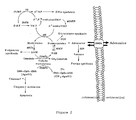
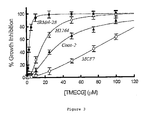


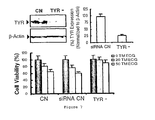


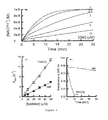
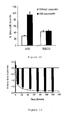


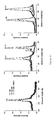


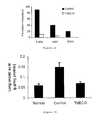
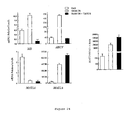


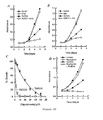


Classifications
-
- A—HUMAN NECESSITIES
- A61—MEDICAL OR VETERINARY SCIENCE; HYGIENE
- A61K—PREPARATIONS FOR MEDICAL, DENTAL OR TOILETRY PURPOSES
- A61K31/00—Medicinal preparations containing organic active ingredients
- A61K31/33—Heterocyclic compounds
- A61K31/335—Heterocyclic compounds having oxygen as the only ring hetero atom, e.g. fungichromin
- A61K31/35—Heterocyclic compounds having oxygen as the only ring hetero atom, e.g. fungichromin having six-membered rings with one oxygen as the only ring hetero atom
- A61K31/352—Heterocyclic compounds having oxygen as the only ring hetero atom, e.g. fungichromin having six-membered rings with one oxygen as the only ring hetero atom condensed with carbocyclic rings, e.g. methantheline
- A61K31/353—3,4-Dihydrobenzopyrans, e.g. chroman, catechin
-
- A—HUMAN NECESSITIES
- A61—MEDICAL OR VETERINARY SCIENCE; HYGIENE
- A61P—SPECIFIC THERAPEUTIC ACTIVITY OF CHEMICAL COMPOUNDS OR MEDICINAL PREPARATIONS
- A61P35/00—Antineoplastic agents
-
- A—HUMAN NECESSITIES
- A61—MEDICAL OR VETERINARY SCIENCE; HYGIENE
- A61P—SPECIFIC THERAPEUTIC ACTIVITY OF CHEMICAL COMPOUNDS OR MEDICINAL PREPARATIONS
- A61P35/00—Antineoplastic agents
- A61P35/04—Antineoplastic agents specific for metastasis
Definitions
- This invention relates to anti-folate compounds for use in the treatment of melanoma.
- Melanoma a malignant neoplasm of melanocytes, is the most deadly form of skin cancer (Chudnovsky et al., 2005). The incidence of melanoma continues to increase despite public health initiatives to promote protection against sun's harmful effects. In Europe, approximately 26,100 males and 33,300 females are diagnosed each year with melanoma, and around 8,300 males and 7,600 females die of it. It is the eighth most commonly diagnosed cancer in females and seventeenth in males. Light skin type, large numbers of nevi and excessive sun exposure, mainly in childhood, are the major modifiers of melanoma risk (Houghon and Polsky, 2002).
- chemoprevention which has been used to reduce the incidence of other cancers.
- medications would be inexpensive, easily administered, and have minimal side effects. Such agents would be especially valuable for high risk patients.
- chemoprevention interventions would best be measured by their ability to reduce melanoma incidence and melanoma mortality.
- chemoprevention is the ideal strategy, primary melanoma, once formed, should be surgically removed and chemotherapy focuses in metastasis control.
- limited therapeutic options exist for patients with metastatic melanoma, and all standard combinations used in metastasis therapy have a low efficacy and poor response rates (Koon and Atkins, 2006).
- MTX methotrexate
- the present inventors have produced derivatives of epicatechin-3-gallate and catechin-3-galate which display unexpectedly high anti-proliferative activity against melanoma and other cancers.
- the derivatives may have the structure of formula (X) or of formula (XI) as described herein.
- aspects of the invention provide methods of treatment of melanoma which comprise administering to an individual in need thereof a therapeutically effective amount of the compound of formula (X) or formula (XI).
- a cytoxic folate receptor alpha (FR ⁇ ) ligand and/or a methionine cycle inhibitor such as s-adenosylmethionine, adenosine or dipyridamole may be administered to the individual in combination with the compound of formula (X) or formula (XI).
- the compound of formula (XI) is 3,4,5-trimethoxy-epicatechin-3-gallate.
- the present invention provides a compound of formula (X) or a compound of formula (XI) for use in the treatment of melanoma.
- the compound of formula (XI) is 3,4,5-trimethoxy-epicatechin-3-gallate.
- the compound of formula (XI) is 3,4,5-trimethoxy-catechin-3-gallate:
- the compound is a compound of formula (X) or an isomer thereof.
- -R 1 , -R 2 and -R 3 are the same.
- -R 1 and -R 3 are the same.
- each of -R 2 , -R 3 and -R 4 is independently selected from -H, -F, -Cl, -Br, -I, and -OR A1 .
- each -Q 1 is independently selected from: -F, -Cl, -R A , and -OR A .
- each of -R 1 , -R 2 and -R 3 is independently selected from -OR A .
- each -R A is independently methyl, which may be substituted by one or more fluoro or chloro groups.
- each -R A is unsubstituted methyl.
- one of -R 4 and -R 5 is -H.
- both of -R 4 and -R 5 is -H.
- one of -R 4 and -R 5 is -R B .
- a compound of formula (XI) is also suitable for use in the methods described herein: wherein -R 1 , -R 2 , -R 3 , -R 4 and -R 5 are defined according to the compound of formula (X) or an isomer, salt, solvate or prodrug thereof.
- the compounds are of formula (XIa):
- the compounds are of formula (XIb):
- the compound is a compound of formula (XI) or an isomer thereof.
- prodrugs of compound (XI) wherein one or more of the hydroxy groups is esterfied to an -O-C( O)-R c group, where R c is selected from methyl and ethyl.
- R c is methyl
- a reference to a compound of formula (X) also includes reference to the canonical forms of the structure shown.
- reference to the compound of formula (II) includes reference to the compound of formula (III):
- the compounds are optionally as defined herein, but without any of the provisos.
- the present invention a compound of formula (X) or of formula (XI) for use in the treatment of melanoma or other cancer,
- references to a compound herein also include isomeric, ionic, salt, solvate, and protected forms of the compound.
- a reference to a hydroxyl group also includes the anionic form (-O - ), a salt or solvate thereof, as well as conventional protected forms of a hydroxyl group. Ionic forms, salts, solvates, and protected forms of any particular compound are readily apparent to the skilled person.
- Certain compounds may exist in one or more particular geometric, optical, enantiomeric, diasteriomeric, epimeric, stereoisomeric, tautomeric, conformational, or anomeric forms, including but not limited to, cis- and trans-forms; E- and Z-forms; c-, t-, and r-forms; endo- and exo-forms; R-, S-, and meso-forms; D- and L-forms; d- and 1-forms; (+) and (-) forms; keto-, enol-, and enolate-forms; syn- and anti-forms; synclinal- and anticlinal-forms; ⁇ - and ⁇ -forms; axial and equatorial forms; boat-, chair-, twist-, envelope-, and half chair-forms; and combinations thereof, hereinafter collectively referred to as "isomers” (or "isomeric forms").
- isomers are structural (or constitutional) isomers (i.e. isomers which differ in the connections between atoms rather than merely by the position of atoms in space).
- a reference to a methoxy group, -OCH 3 is not to be construed as a reference to its structural isomer, a hydroxymethyl group, -CH 2 OH.
- a reference to ortho-chlorophenyl is not to be construed as a reference to its structural isomer, meta-chlorophenyl.
- a reference to a class of structures may well include structurally isomeric forms falling within that class (e.g., C 1-7 alkyl includes n-propyl and iso-propyl; butyl includes n-, iso-, sec-, and tert-butyl; methoxyphenyl includes ortho-, meta-, and para-methoxyphenyl).
- C 1-7 alkyl includes n-propyl and iso-propyl
- butyl includes n-, iso-, sec-, and tert-butyl
- methoxyphenyl includes ortho-, meta-, and para-methoxyphenyl
- keto/enol (illustrated below), imine/enamine, amide/imino alcohol, amidine/amidine, nitroso/oxime, thioketone/enethiol, N-nitroso/hyroxyazo, and nitro/aci-nitro.
- H may be in any isotopic form, including 1 H, 2 H (D), and 3 H (T) ; C may be in any isotopic form, including 12 C, 13 C, and 14 C; O may be in any isotopic form, including 16 O and 18 O; and the like.
- a reference to a particular compound includes all such isomeric forms, including (wholly or partially) racemic and other mixtures thereof.
- Methods for the preparation (e.g. asymmetric synthesis) and separation (e.g., fractional crystallisation and chromatographic means) of such isomeric forms are either known in the art or are readily obtained by adapting the methods taught herein, or known methods, in a known manner.
- a corresponding salt of the active compound for example, a pharmaceutically-acceptable salt.
- a pharmaceutically-acceptable salt examples of pharmaceutically acceptable salts are discussed in Berge et al., 1977, "Pharmaceutically Acceptable Salts", J. Pharm. Sci., Vol. 66, pp. 1-19 .
- the compounds of formula (X) may be ionic, typically anionic. Where the compound is ionic, there may be a pharmaceutically acceptable counter ion. Where such a counter ion is present, the compounds of formula (X) may be referred to as pharmaceutically acceptable salts.
- the compounds for use in the invention may also be zwitterionic.
- a salt may be formed with a suitable cation.
- suitable inorganic cations include, but are not limited to, alkali metal ions such as Na + and K + , alkaline earth cations such as Ca 2+ and Mg 2+ , and other cations such as Al 3+ .
- Suitable organic cations include, but are not limited to, ammonium ion (i.e., NH 4 + ) and substituted ammonium ions (e.g., NH 3 R + , NH 2 R 2 + , NHR 3 + , NR 4 + ).
- suitable substituted ammonium ions are those derived from: ethylamine, diethylamine, dicyclohexylamine, triethylamine, butylamine, ethylenediamine, ethanolamine, diethanolamine, piperazine, benzylamine, phenylbenzylamine, choline, meglumine, and tromethamine, as well as amino acids, such as lysine and arginine.
- An example of a common quaternary ammonium ion is N(CH 3 ) 4 + .
- a salt may be formed with a suitable anion.
- suitable inorganic anions include, but are not limited to, those derived from the following inorganic acids: hydrochloric, hydrobromic, hydroiodic, sulphuric, sulphurous, nitric, nitrous, phosphoric, and phosphorous.
- Suitable organic anions include, but are not limited to, those derived from the following organic acids: acetic, propionic, succinic, glycolic, stearic, palmitic, lactic, malic, pamoic, tartaric, citric, gluconic, ascorbic, maleic, hydroxymaleic, phenylacetic, glutamic, aspartic, benzoic, cinnamic, pyruvic, salicyclic, sulfanilic, 2-acetyoxybenzoic, fumaric, phenylsulfonic, toluenesulfonic, methanesulfonic, ethanesulfonic, ethane disulfonic, oxalic, pantothenic, isethionic, valeric, lactobionic, and gluconic.
- suitable polymeric anions include, but are not limited to, those derived from the following polymeric acids: tannic acid, carboxymethyl cellulose.
- solvate is used herein in the conventional sense to refer to a complex of solute (e.g. active compound, salt of active compound) and solvent. If the solvent is water, the solvate may be conveniently referred to as a hydrate, for example, a mono-hydrate, a di-hydrate, a trihydrate, etc.
- chemically protected form pertains to a compound in which one or more reactive functional groups are protected from undesirable chemical reactions, that is, are in the form of a protected or protecting group (also known as a masked or masking group or a blocked or blocking group).
- a protected or protecting group also known as a masked or masking group or a blocked or blocking group.
- the aldehyde or ketone group is readily regenerated by hydrolysis using a large excess of water in the presence of acid.
- prodrug refers to a compound which, when metabolised (e.g. in vivo ), yields the desired active compound.
- the prodrug is inactive, or less active than the active compound, but may provide advantageous handling, administration, or metabolic properties.
- some prodrugs are esters of the active compound (e.g. a physiologically acceptable metabolically labile ester).
- Examples of such metabolically labile esters include those wherein R is C 1-7 alkyl (e.g. -Me, -Et) ; C 1-7 aminoalkyl (e.g.
- acyloxy-C 1-7 alkyl e.g. acyloxymethyl; acyloxyethyl; e.g.
- pivaloyloxymethyl acetoxymethyl; 1-acetoxyethyl; 1-(1-methoxy-1-methyl)ethyl-carbonxyloxyethyl; 1-(benzoyloxy)ethyl; isopropoxy-carbonyloxymethyl; 1-isopropoxy-carbonyloxyethyl; cyclohexyl-carbonyloxymethyl; 1-cyclohexyl-carbonyloxyethyl; cyclohexyloxy-carbonyloxymethyl; 1-cyclohexyloxy-carbonyloxyethyl; (4-tetrahydropyranyloxy) carbonyloxymethyl; 1-(4-tetrahydropyranyloxy)carbonyloxyethyl; (4-tetrahydropyranyl)carbonyloxymethyl; and 1-(4-tetrahydropyranyl)carbonyloxyethyl).
- prodrugs are activated enzymatically to yield the active compound, or a compound which, upon further chemical reaction, yields the active compound.
- the prodrug may be a sugar derivative or other glycoside conjugate, or may be an amino acid ester derivative.
- a prodrug of a compound of formula (X) may include a compound of formula (XI).
- the compound of formula (XI) may be activated by hydrolysis of the chromane ring.
- the activation may be mediated by an enzyme, for example a peroxidase or a tyrosinase.
- the enzyme is preferably tyrosinase.
- a prodrug of a compound of formula (II) or (III) may include 3,4,5-trimethoxy-epicatechin-3-gallate.
- Compounds, as described herein, may be in substantially purified form and/or in a form substantially free from contaminants. Each compound described herein may be isolated from a reaction mixture. Isolation refers to the separation of the product from unreacted starting material, other reaction products, reagents and, optionally, solvent.
- the substantially purified form is at least 50% by weight, e.g., at least 60% by weight, e.g., at least 70% by weight, e.g., at least 80% by weight, e.g., at least 90% by weight, e.g., at least 95% by weight, e.g., at least 97% by weight, e.g., at least 98% by weight, e.g., at least 99% by weight.
- the substantially purified form refers to the compound in any stereoisomeric or enantiomeric form.
- the substantially purified form refers to a mixture of stereoisomers, i.e., purified with respect to other compounds.
- the substantially purified form refers to one stereoisomer, e.g., optically pure stereoisomer.
- the substantially purified form refers to a mixture of enantiomers, for example the substantially purified form may refer to an equimolar mixture of enantiomers (i.e., a racemic mixture, a racemate).
- the substantially purified form refers to one enantiomer, e.g. optically pure enantiomer.
- the contaminants represent no more than 50% by weight, e.g., no more than 40% by weight, e.g., no more than 30% by weight, e.g., no more than 20% by weight, e.g., no more than 10% by weight, e.g., no more than 5% by weight, e.g., no more than 3% by weight, e.g., no more than 2% by weight, e.g., no more than 1% by weight.
- the purity may be established by one or more of analytical and spectroscopic techniques including NMR (e.g. 13 C or 1 H), LC-MS, HPLC, TLC, UV, IR and gravimetric analysis.
- analytical and spectroscopic techniques including NMR (e.g. 13 C or 1 H), LC-MS, HPLC, TLC, UV, IR and gravimetric analysis.
- the contaminants refer to other compounds, that is, other than stereoisomers or enantiomers. In some embodiments, the contaminants refer to other compounds and other stereoisomers. In some embodiments, the contaminants refer to other compounds and the other enantiomer.
- the substantially purified form may be at least 60% optically pure (i.e., 60% of the compound, on a molar basis, is the desired stereoisomer or enantiomer, and 40% is the undesired stereoisomer or enantiomer), e.g., at least 70% optically pure, e.g., at least 80% optically pure, e.g., at least 90% optically pure, e.g., at least 95% optically pure, e.g., at least 97% optically pure, e.g., at least 98% optically pure, e.g., at least 99% optically pure.
- 60% optically pure i.e., 60% of the compound, on a molar basis, is the desired stereoisomer or enantiomer, and 40% is the undesired stereoisomer or enantiomer
- at least 70% optically pure e.g., at least 80% optically pure, e.g., at least 90% optically pure,
- Techniques for the separation of the compounds include, where appropriate, chromatography, including flash column chromatography, preparative HPLC and preparative TLC, crystallisation, distillation, and aqueous-organic extraction amongst others.
- a compound of formula (XVI) may be isolated from byproducts, including compounds of formula (XVII).
- compounds of formula (XVII) may be isolated, and can be recycled in a reaction to generate more compound of formula (XVI) .
- An individual suitable for treatment as described herein may be a mammal, such as a rodent (e.g. a guinea pig, a hamster, a rat, a mouse), murine (e.g. a mouse), canine (e.g. a dog), feline (e.g. a cat), equine (e.g. a horse), a primate, simian (e.g. a monkey or ape), a monkey (e.g. marmoset, baboon), an ape (e.g. gorilla, chimpanzee, orang-utan, gibbon), or a human.
- the individual may be human or equine.
- An ECG derivative as described herein may be the sole therapeutic agent which is administered to the individual or the ECG derivative may be administered in combination with one or more additional active compounds.
- the data set out herein shows that the ECG derivatives described above increase the amount of folate receptor alpha (FR ⁇ ) (GeneID: 2348; nucleic acid database entry NM_000802.2 GI: 12056965; amino acid database entry; NP_000793.1 GI: 4758400) in the cell membrane of melanoma cells.
- FR ⁇ folate receptor alpha
- the compounds may therefore be useful in sensitising melanoma cells to cytotoxic FR ⁇ ligands.
- a cytotoxic FR ⁇ ligand is a compound which is imported into cells via the FR ⁇ receptor and which exerts a toxic effect on the cells, for example by suppressing cell function, reproduction or growth or promoting or inducing cell death.
- cytotoxic FR ⁇ ligands include antifolate chemotherapeutic agents such as pemetrexed (2-[4-[2-(4-amino-2-oxo-3,5,7-triazabicyclo[4.3.0] nona-3,8,10-trien-9-yl)ethyl] benzoyl] aminopentanedioic acid) BGC945 and BGC638 and analogues and derivatives thereof.
- BGC945 and BGC638 are antifolates which are efficiently taken up into cells solely via FR ⁇ but not through the RFC and which have been shown to be selective and highly cytotoxic to ⁇ -FR over-expressing tumour cell lines in vitro ( A.L. Jackman, et al, Br. J. Cancer 88 (2003), p. S21 ).
- the data set out herein shows that the anti-proliferative effect of the ECG derivatives described above on melanoma cells is increased or potentiated by compounds which inhibit the methionine cycle.
- the substrates and enzymes of the methionine cycle are shown in figure 2 .
- Methionine cycle inhibitors may therefore be useful in potentiating the effect of the ECG derivatives described herein.
- a methionine cycle inhibitor is a compound which directly or indirectly inhibits or reduces the interconversion of methionine and homocysteine in cells.
- a methionine cycle inhibitor may, for example, reduce intracellular levels of methionine and/or homocysteine in a cell and/or reduce the activity and/or expression of one or more enzymes in the methionine cycle, such as methionine synthase (MS; nucleotide; NM_000254.1 GI:4557764; GeneID: 4548; amino acid NP_000245.1 GI:4557765), methionine adenosyltransferase 1A (MAT1A; GeneID: 4143; nucleotide NM_000429.2 GI:67906818; amino acid NP_000420.1 GI:4557737), methionine adenosyltransferase 2A (MAT2A: GeneID: 41441; nucleotide; NM
- Suitable methionine cycle inhibitors may include MAT2A inhibitors, such as s-adenosylmethionine, 5'-methylthioadenosine, 5-azacytidine and 5-aza-2'-deoxycytidine, agents which increase intracellular adenosine levels, such as adenosine and pirydamole, and ornithine decarboxylase inhibitors, such as difluoromethylornithine.
- MAT2A inhibitors such as s-adenosylmethionine, 5'-methylthioadenosine, 5-azacytidine and 5-aza-2'-deoxycytidine
- agents which increase intracellular adenosine levels such as adenosine and pirydamole
- ornithine decarboxylase inhibitors such as difluoromethylornithine.
- the data set out herein shows that the anti-proliferative effect of the ECG derivatives described above on melanoma cells is increased or potentiated by compounds which reduce or inhibit the level of dihydrotestosterone (DHT) in cells.
- DHT dihydrotestosterone
- Anti-androgens and other compounds which reduce or inhibit the level of dihydrotestosterone (DHT) may therefore be useful in potentiating the effect of the ECG derivatives described herein, in particular in male patients.
- Anti-androgens may be antagonists of the androgen receptors, such as flutamide (EulexinTM), nilutamide (AnandronTM, NilandronTM) and bicalutamide (CasodexTM), or inhibitors of the testosterone 5 ⁇ -reductase, such as finasteride (ProscarTM, PropeciaTM) and dutasteride (AvodartTM), which prevent the conversion of testosterone into dihydrotestosterone (DHT).
- flutamide EulexinTM
- nilutamide AnandronTM, NilandronTM
- CasodexTM bicalutamide
- inhibitors of the testosterone 5 ⁇ -reductase such as finasteride (ProscarTM, PropeciaTM) and dutasteride (AvodartTM
- DHEA dehydroepiabdrosterone
- Thymidylate synthase inhibitors may also be useful in potentiating the effect of the ECG derivatives described herein, in particular in male patients.
- Suitable thymidylate synthase (TS) inhibitors include 5-fluorouracil (5-FU), fluorodeoxyuridine (FdUrd), raltitrexed, or nolatrexed.
- the methods described herein may be the sole therapy which is administered to the individual or may be administered in combination with one or more additional therapies.
- the methods described herein may be administered as an adjunct to surgical interventions such as surgical removal of the tumor; chemotherapy, for example with dacarbazine (also termed DTIC); immunotherapy, for example with IL-2 or IFN,, or radiation therapy.
- chemotherapy for example with dacarbazine (also termed DTIC); immunotherapy, for example with IL-2 or IFN,, or radiation therapy.
- immunotherapy for example with IL-2 or IFN, or radiation therapy.
- the compounds or combinations of compounds described herein may be administered to the individual before, simultaneous with and/or after treatment with the one or more additional therapies.
- ECG derivatives for use in treating melanoma as described herein inhibit the activity of dihydrofolate reductase (DHFR) i.e. they possess anti-folate activity.
- the ECG derivatives may possess intrinsic activity (drugs) or may be prodrugs of active compounds which may themselves exhibit little or no intrinsic activity. Suitable assays to determine the inhibition of dihydrofolate reductase (DHFR) by a compound are well-known in the art.
- the effect of a compound on the proliferation of melanoma cells may be determined by contacting melanoma cells with the compound, preferably in the form of a pharmaceutically acceptable composition, and determining the growth of the melanoma cells.
- a reduction in the growth of melanoma cells treated with the compound relative to untreated melanoma cells is indicative that the compound has an anti-proliferative effect on the melanoma cells.
- Suitable methods may be practised in vitro or in vivo.
- treatment in the context of treating a condition, pertains generally to treatment and therapy, whether of a human or an animal (e.g. in veterinary applications), in which some desired therapeutic effect is achieved, for example, the inhibition or delay of the progress of the condition, and includes a reduction in the rate of progress, a halt in the rate of progress, amelioration of the condition, and cure of the condition.
- Treatment as a prophylactic measure i.e. prophylaxis
- an individual susceptible to or at risk of the occurrence or re-occurrence of melanoma may be treated as described herein. Such treatment may prevent or delay the occurrence or re-occurrence of melanoma in the individual.
- terapéuticaally-effective amount refers to that amount of an active compound, or a material, composition or dosage from comprising an active compound, which is effective for producing some desired therapeutic effect, commensurate with a reasonable benefit/risk ratio.
- Melanoma is a malignant neoplasm of melanocytes in the skin.
- Melanoma which may be treated as described herein may include primary melanoma, for example, superficial spreading melanoma, nodular melanoma, acral lentiginous melanoma or lentigo maligna (melanoma); and metastatic melanoma, for example melanoma displaying local or distant metastases.
- the melanoma may be at any stage.
- the melanoma may be stage 0, I, II, III or IV melanoma as described in Balch C et al (2001). J Clin Oncol 19 (16): 3635-48 .
- the ECG derivative While it is possible for the ECG derivative to be administered alone, it is preferable to present it as a pharmaceutical composition (e.g. formulation) comprising an ECG derivative as defined above and, optionally a compound which reduce or inhibit the level of dihydrotestosterone, a pentose phosphate pathway inhibitor, methionine cycle inhibitor, thymidylate synthase inhibitor and/or cytoxic FR ⁇ ligand, as described above, together with one or more pharmaceutically acceptable carriers, adjuvants, excipients, diluents, fillers, buffers, stabilisers, preservatives, lubricants, or other materials well known to those skilled in the art.
- other therapeutic or prophylactic agents may be included.
- compositions suitable for use in the present invention are pharmaceutical compositions, as defined above, and methods of making a pharmaceutical composition include admixing an ECG derivative and, optionally a compound which reduce or inhibit the level of dihydrotestosterone, a pentose phosphate pathway inhibitor, methionine cycle inhibitor, thymidylate synthase inhibitor and/or cytoxic FR ⁇ ligand, as described above, together with one or more pharmaceutically acceptable carriers, excipients, buffers, adjuvants, stabilisers, or other materials, as described herein.
- pharmaceutically acceptable refers to compounds, materials, compositions, and/or dosage forms which are, within the scope of sound medical judgement, suitable for use in contact with the tissues of a subject (e.g. human) without excessive toxicity, irritation, allergic response, or other problem or complication, commensurate with a reasonable benefit/risk ratio.
- a subject e.g. human
- Each carrier, excipient, etc. must also be “acceptable” in the sense of being compatible with the other ingredients of the formulation.
- Suitable carriers, excipients, etc. can be found in standard pharmaceutical texts, for example, Remington's Pharmaceutical Sciences, 18th edition, Mack Publishing Company, Easton, Pa., 1990 .
- the formulations may conveniently be presented in unit dosage form and may be prepared by any methods well known in the art of pharmacy. Such methods include the step of bringing into association the active compound with the carrier which constitutes one or more accessory ingredients. In general, the formulations are prepared by uniformly and intimately bringing into association the active compound with liquid carriers or finely divided solid carriers or both, and then if necessary shaping the product.
- Formulations may be in the form of liquids, solutions, suspensions, emulsions, elixirs, syrups, tablets, losenges, granules, powders, capsules, cachets, pills, ampoules, suppositories, pessaries, ointments, gels, pastes, creams, sprays, mists, foams, lotions, oils, boluses, electuaries, or aerosols.
- the active compound or pharmaceutical composition comprising the active compound may be administered to a subject by any convenient route of administration, whether systemically/ peripherally or at the site of desired action, including but not limited to, oral (e.g. by ingestion); topical (including e.g. transdermal, intranasal, ocular, buccal, and sublingual); pulmonary (e.g. by inhalation or insufflation therapy using, e.g. an aerosol, e.g.
- vaginal parenteral, for example, by injection, including subcutaneous, intradermal, intramuscular, intravenous, intraarterial, intracardiac, intrathecal, intraspinal, intracapsular, subcapsular, intraorbital, intraperitoneal, intratracheal, subcuticular, intraarticular, subarachnoid, and intrasternal; by implant of a depot, for example, subcutaneously or intramuscularly.
- Formulations suitable for oral administration may be presented as discrete units such as capsules, cachets or tablets, each containing a predetermined amount of the active compound; as a powder or granules; as a solution or suspension in an aqueous or non-aqueous liquid; or as an oil-in-water liquid emulsion or a water-in-oil liquid emulsion; as a bolus; as an electuary; or as a paste.
- a tablet may be made by conventional means, e.g., compression or moulding, optionally with one or more accessory ingredients.
- Compressed tablets may be prepared by compressing in a suitable machine the active compound in a free-flowing form such as a powder or granules, optionally mixed with one or more binders (e.g. povidone, gelatin, acacia, sorbitol, tragacanth, hydroxypropylmethyl cellulose); fillers or diluents (e.g. lactose, microcrystalline cellulose, calcium hydrogen phosphate); lubricants (e.g. magnesium stearate, talc, silica); disintegrants (e.g.
- Moulded tablets may be made by moulding in a suitable machine a mixture of the powdered compound moistened with an inert liquid diluent.
- the tablets may optionally be coated or scored and may be formulated so as to provide slow or controlled release of the active compound therein using, for example, hydroxypropylmethyl cellulose in varying proportions to provide the desired release profile. Tablets may optionally be provided with an enteric coating, to provide release in parts of the gut other than the stomach.
- Formulations suitable for topical administration may be formulated as an ointment, cream, suspension, lotion, powder, solution, past, gel, spray, aerosol, or oil.
- a formulation may comprise a patch or a dressing such as a bandage or adhesive plaster impregnated with active compounds and optionally one or more excipients or diluents.
- Formulations suitable for topical administration in the mouth include losenges comprising the active compound in a flavoured basis, usually sucrose and acacia or tragacanth; pastilles comprising the active compound in an inert basis such as gelatin and glycerin, or sucrose and acacia; and mouthwashes comprising the active compound in a suitable liquid carrier.
- Formulations suitable for topical administration to the eye also include eye drops wherein the active compound is dissolved or suspended in a suitable carrier, especially an aqueous solvent for the active compound.
- Formulations suitable for nasal administration wherein the carrier is a solid, include a coarse powder having a particle size, for example, in the range of about 20 to about 500 microns which is administered in the manner in which snuff is taken, i.e. by rapid inhalation through the nasal passage from a container of the powder held close up to the nose.
- Suitable formulations wherein the carrier is a liquid for administration as, for example, nasal spray, nasal drops, or by aerosol administration by nebuliser include aqueous or oily solutions of the active compound.
- Formulations suitable for administration by inhalation include those presented as an aerosol spray from a pressurised pack, with the use of a suitable propellant, such as dichlorodifluoromethane, trichlorofluoromethane, dichoro-tetrafluoroethane, carbon dioxide, or other suitable gases.
- a suitable propellant such as dichlorodifluoromethane, trichlorofluoromethane, dichoro-tetrafluoroethane, carbon dioxide, or other suitable gases.
- Formulations suitable for topical administration via the skin include ointments, creams, and emulsions.
- the active compound When formulated in an ointment, the active compound may optionally be employed with either a paraffinic or a water-miscible ointment base.
- the active compounds may be formulated in a cream with an oil-in-water cream base.
- the aqueous phase of the cream base may include, for example, at least about 30% w/w of a polyhydric alcohol, i.e., an alcohol having two or more hydroxyl groups such as propylene glycol, butane-1, 3-diol, mannitol, sorbitol, glycerol and polyethylene glycol and mixtures thereof.
- the topical formulations may desirably include a compound which enhances absorption or penetration of the active compound through the skin or other affected areas. Examples of such dermal penetration enhancers include dimethylsulfoxide and related analogues.
- the oily phase may optionally comprise merely an emulsifier (otherwise known as an emulgent), or it may comprises a mixture of at least one emulsifier with a fat or an oil or with both a fat and an oil.
- an emulsifier otherwise known as an emulgent
- a hydrophilic emulsifier is included together with a lipophilic emulsifier which acts as a stabiliser. It is also preferred to include both an oil and a fat.
- the emulsifier(s) with or without stabiliser(s) make up the so-called emulsifying wax
- the wax together with the oil and/or fat make up the so-called emulsifying ointment base which forms the oily dispersed phase of the cream formulations.
- Suitable emulgents and emulsion stabilisers include Tween 60, Span 80, cetostearyl alcohol, myristyl alcohol, glyceryl monostearate and sodium lauryl sulphate.
- the choice of suitable oils or fats for the formulation is based on achieving the desired cosmetic properties, since the solubility of the active compound in most oils likely to be used in pharmaceutical emulsion formulations may be very low.
- the cream should preferably be a non-greasy, non-staining and washable product with suitable consistency to avoid leakage from tubes or other containers.
- Straight or branched chain, mono- or dibasic alkyl esters such as di-isoadipate, isocetyl stearate, propylene glycol diester of coconut fatty acids, isopropyl myristate, decyl oleate, isopropyl palmitate, butyl stearate, 2-ethylhexyl palmitate or a blend of branched chain esters known as Crodamol CAP may be used, the last three being preferred esters. These may be used alone or in combination depending on the properties required.
- mono-isoadipate such as di-isoadipate, isocetyl stearate, propylene glycol diester of coconut fatty acids, isopropyl myristate, decyl oleate, isopropyl palmitate, butyl stearate, 2-ethylhexyl palmitate or a blend of branched chain esters known as Crodamol CAP may be used, the
- high melting point lipids such as white soft paraffin and/or liquid paraffin or other mineral oils can be used.
- Formulations suitable for rectal administration may be presented as a suppository with a suitable base comprising, for example, cocoa butter or a salicylate.
- Formulations suitable for vaginal administration may be presented as pessaries, tampons, creams, gels, pastes, foams or spray formulations containing in addition to the active compound, such carriers as are known in the art to be appropriate.
- Formulations suitable for parenteral administration include aqueous and non-aqueous isotonic, pyrogen-free, sterile injection solutions which may contain anti-oxidants, buffers, preservatives, stabilisers, bacteriostats, and solutes which render the formulation isotonic with the blood of the intended recipient; and aqueous and non-aqueous sterile suspensions which may include suspending agents and thickening agents, and liposomes or other microparticulate systems which are designed to target the compound to blood components or one or more organs.
- Suitable isotonic vehicles for use in such formulations include Sodium Chloride Injection, Ringer's Solution, or Lactated Ringer's Injection.
- concentration of the active compound in the solution is from about 1 ng/ml to about 10 ⁇ g/ml, for example from about 10 ng/ml to about 1 ⁇ g/ml.
- the formulations may be presented in unit-dose or multidose sealed containers, for example, ampoules and vials, and may be stored in a freeze-dried (lyophilised) condition requiring only the addition of the sterile liquid carrier, for example water for injections, immediately prior to use.
- Extemporaneous injection solutions and suspensions may be prepared from sterile powders, granules, and tablets.
- Formulations may be in the form of liposomes or other microparticulate systems which are designed to target the active compound to blood components or one or more organs.
- appropriate dosages of the active compounds, and compositions comprising the active compounds can vary from patient to patient. Determining the optimal dosage will generally involve the balancing of the level of therapeutic benefit against any risk or deleterious side effects of the treatments of the present invention.
- the selected dosage level will depend on a variety of factors including, but not limited to, the activity of the particular compound, the route of administration, the time of administration, the rate of excretion of the compound, the duration of the treatment, other drugs, compounds, and/or materials used in combination, and the age, sex, weight, condition, general health, and prior medical history of the patient.
- the amount of compound and route of administration will ultimately be at the discretion of the physician, although generally the dosage will be to achieve local concentrations at the site of action which achieve the desired effect without causing substantial harmful or deleterious side-effects.
- Administration in vivo can be effected in one dose, continuously or intermittently (e.g. in divided doses at appropriate intervals) throughout the course of treatment. Methods of determining the most effective means and dosage of administration are well known to those of skill in the art and will vary with the formulation used for therapy, the purpose of the therapy, the target cell being treated, and the subject being treated. Single or multiple administrations can be carried out with the dose level and pattern being selected by the treating physician.
- a suitable dose of the active compound is in the range of about 100 ⁇ g to about 250 mg per kilogram body weight of the subject per day.
- the active compound is a salt, an ester, prodrug, or the like
- the amount administered is calculated on the basis of the parent compound and so the actual weight to be used is increased proportionately.
- a compound of formula (XI) may be synthesised by deprotecting a compound of formula (XV) : wherein each of R 6 , R 7 , R 8 and R 9 are hydroxy protecting groups, as are well known in the art.
- a compound of formula (XV) may be synthesised by coupling a compound of formula (XIV) : with a compound of formula (XIII) : wherein R 10 is independently selected from -OH, -F, -Cl, -Br, and -I.
- the compound of formula (XI) is of formula (XIa) then the compound of formula (XIIIa) : may be synthesised from a compound of formula (XIIIb) by inverting the stereochemistry of the compound of formula (XIIIb) at the C-3 position:
- -R 6 , -R 7 , -R 8 , and -R 9 are the same, for example benzyl.
- -R 10 is -OH.
- -R 10 is -F, -Cl, -Br, and -I.
- -R 10 is -Cl.
- (XIV) is 3,4,5-trimethoxybenzoyl chloride.
- the compound of formula (XIV) may be used in the reaction as a carboxylic acid (R 10 is -OH) or as an acyl halide (R 10 is -F, -Cl, -Br, or -I).
- the acyl halide may be generated from the carboxylic acid form.
- 3,4,5-trimethoxybenzoic acid may be converted to 3,4,5-trimethoxybenzoyl chloride in the presence of a halide source such as PCl 5 .
- Coupling (or condensation) reagents such as DMAP may be used to facilitate the coupling reaction between (XIII) and (XIV).
- Other coupling reagents include HOBt, water soluble carbodiimide (WSC), MSNT, BOP, PyBOP, TBTU, HBTU, HATU, and CDI.
- An organic or inorganic base may be used along with the coupling agent.
- the compound of formula (XIII) encompasses the active ester formed when the carboxylic acid is treated with a coupling mixture comprising one or more of the coupling reagents listed above.
- the method may include the preliminary step of preparing a compound of formula (XIII), wherein catchecin or gallocatechin, where appropriate, is converted to a compound of formula (XIII).
- the catechin or gallocatechin, where appropriate, may be reacted with X-R OPROT , where -X is selected from -F, -Cl, -Br, and -I, and -R OPROT is the hydroxy protecting group as defined for the compounds of formula (XI).
- the step of inverting the stereochemistry of the compound of formula (XIIIb) at the C-3 position comprises the step of oxidising the compound of formula (XIIIb) to produce a compound of formula (XVI) then reducing the compound of formula (XVI) to give a compound of formula (XIIIa), wherein -R 4 , -R 5 , -R 6 , -R 7 , -R 8 , and -R 9 are defined according to the compounds of formula (XIII).
- the compound of formula (XIIIb) may be oxidised in the presence of Dess-Martin periodinane, TPAP-NMO, Oppenauuer reagents (fluorenone, KOCMe 3 ), DMSO/Ac 2 O, pyridinium dichromate or Swern reagents.
- the compound of formula (XIIIb) may be oxidised in the presence of Dess-Martin periodinane, Oppenauuer reagents or DMSO/Ac 2 O.
- the compound of formula (XIIIb) may be oxidised in the presence of Dess-Martin periodinane.
- Swern reagents include oxalyl chloride, DMSO and an amine base.
- the amine base may be selected from triethylamine (TEA), and diisopropylethylamine (DIPEA). Triethylamine is most preferred.
- DMSO may be replaced with dodecyl methyl sulfide.
- Oxalyl chloride may be replaced with trifluoroacetic anhydride. Other variations may be used, such as those described in Tidwell, Synthesis 1990, 857-870 .
- the compound of formula (XVI) may be reduced in the presence of L-Selectride ® (Lithium tri-sec-butylborohydride), DIBALH, sodium borohydride (NaBH 4 ), LiBHEt 3 and LiAlH 4 .
- the compound of formula (XVI) may be reduced in the presence of L-Selectride ® , DIBALH, sodium borohydride and LiBHEt 3 .
- the compound of formula (XVI) may be reduced in the presence of L-Selectride ® .
- the compound of formula (XVI) may be reduced in the presence of one or more reducing agent additives. Each additive may selected from ZnCl 2 , CeCl 3 , LiBr and n -Bu 4 NCl.
- the reducing agent may be an agent that is capable of diastereoselective reduction. That is, the reducing agent allows the production of a product that is at least 70% optically pure, at least 80% optically pure, at least 90% optically pure, at least 95% optically pure, at least 97% optically pure, at least 98% optically pure, or at least 99% optically pure.
- the product may be at least 90% optically pure.
- the deprotection step may be carried out using the appropriate agents to remove the hydroxyl protecting groups. For example, if the hydroxyl protecting group is benzyl, then these may be removed by a hydrogenation reaction.
- Described herein is a method of producing 3,4,5-trimethoxy-epicatechin-3-gallate comprising the steps:
- the step of inverting the stereochemistry of the compound of formula (IV) comprises oxidising the compound of formula (IV) to produce a compound of formula (V), then reducing the ketone at the C-3 position to produce a compound of formula (VI).
- Compounds (IV), (V) and (VI) may be obtained using the experimental procedures described in JASC 1999, 121, 12073-12081 .
- Suitable conditions for step i) include the presence of K 2 CO 3 in DMF at -15°C to room temp.
- Suitable conditions for the oxidation described as an embodiment step ii) include the presence of Dess-Martin periodinane, moist CH 2 Cl 2 , at room temp.
- Suitable conditions for step the reduction described as an embodiment in step ii) include the presence of L-Selectride ® , n-Bu 4 NCl, THF, at -78°C.
- Suitable conditions for step iii) include the presence of 3,4,5-trimethoxybenzoyl chloride, CH 2 Cl 2 , DMAP, at -15°C to room temp.
- Suitable conditions for step iv) include the presence of H 2 , 20% Pd(OH) 2 /C, THF/MeOH, at room temp.
- Trimethoxybenzoyl chloride may be conveniently produced, for example by refluxing 3,4,5-trimethoxybenzoic acid in the presence of PCl 5 and C 7 H 8 .
- Described herein is a method of producing a compound of formula (X) from a compound of formula (XI).
- the step of converting the compound of formula (XI) to the compound of formula (X) comprises the step of treating the compound of formula (XI) with a suitable oxidative enzyme.
- the enzyme may be a tyrosinase or a peroxidase.
- the enzyme may be a po l yphenoloxidase.
- the treatment may occur in Here an acidic environment.
- the product of the treatment step is then exposed to a neutral or alkaline environment. Any or all of these steps may be performed in vivo or in vitro.
- the step of converting the compound of formula (XI) to the compound of formula (X) comprises the step of treating the compound of formula (XI) with aqueous alkaline solution.
- aqueous alkaline solution may be used.
- solutions prepared using hydroxides or carbonates of alkali metals or alkaline earth metals are preferred.
- Solutions prepared from sodium hydroxide, sodium hydrogen carbonate and sodium bicarbonate are most preferred.
- the compound of formula (XI) may be converted to the compound of formula (X) by the irradiation of the compound of formula (XI) with light.
- light typically ultraviolet (UV) light may be used.
- the method of producing a compound of formula (X) may comprise the steps of the methods described above for the production of a compound of formula (XI).
- Suitable for use together with the invention is a method of identifying a melanoma cell comprising; determining the presence or absence of a soluble folate receptor alpha (FR ⁇ ) polypeptide in a candidate cell, wherein the presence of the soluble FR ⁇ polypeptide is indicative that the candidate cell is a melanoma cell.
- FR ⁇ soluble folate receptor alpha
- the candidate cell may be comprised in a sample of cells obtained from the individual, for example a cell or tissue sample or biopsy.
- the present methods may be useful, for example, in determining the presence of a melanoma cell in a sample obtained from an individual. The presence of a melanoma cell is indicative that the individual is suffering from melanoma.
- the individual may be healthy or may be suspected of or at risk of suffering from melanoma.
- the cell may be suspected of being a cancer cell or a melanoma cell, or may be present in a sample of tissue which is suspected to be cancer tissue or melanoma tissue.
- a soluble FR ⁇ polypeptide may have the sequence of SEQ ID NO: 1 or may be an allelic variant thereof.
- the soluble FR ⁇ polypeptide may be encoded by an alternatively spliced mRNA having the nucleotide sequence of SEQ ID NO: 2
- An amino acid or nucleotide sequence which is an allelic variant of a soluble FR ⁇ polypeptide set out herein may comprise a sequence which shares greater than about 90% sequence identity with the reference sequence, greater than about 95%, greater than about 98%, or greater than about 99%.
- a soluble FR ⁇ polypeptide may have a sequence with one or more of addition, insertion, deletion or substitution of one or more amino acids from the corresponding sequence in SEQ ID NO: 1. For example, up to about 5, 10, 15, 20, 30 or 40 amino acids may be altered. Such alterations may be caused by one or more of addition, insertion, deletion or substitution of one or more nucleotides in the encoding nucleic acid.
- GAP Genetics Computer Group, Madison, WI.
- Use of GAP may be preferred but other algorithms may be used, e.g. BLAST (which uses the method of Altschul et al. (1990) J. Mol. Biol. 215: 405-410 ), FASTA (which uses the method of Pearson and Lipman (1988) PNAS USA 85: 2444-2448 ), or the Smith-Waterman algorithm ( Smith and Waterman (1981) J. Mol Biol.
- Sequence comparisons are preferably made over at least 30 amino acids, at least 50 amino acids, at least 75 amino acids, at least 100 amino acids, at least 125 amino acids, at least 140 amino acids, at least 150 amino acids, or over the full-length of the relevant sequence described herein
- the soluble FR ⁇ polypeptide may have a molecular weight of about 16kDa in its mature glycosylated form.
- the presence of the soluble FR ⁇ polypeptide may be determined by any convenient technique.
- the soluble FR ⁇ polypeptide may be detected at the amino acid level.
- a binding member such as an antibody, or an antibody fragment or derivative
- Numerous techniques and formats for determining the presence or amount of a target polypeptide using a binding member, such as an antibody, or an antibody fragment or derivative, are well-known in the art, including, for example, Western blot analysis, immunohistochemistry ( Angin S et al (2000) Clin. Cancer Res. 6, 3536-3544 ) and immunoassays such as ELISA, lateral flow assays such as immunochromatographic strips, flow-through assays, agglutination assays or solid-phase assays such as dipstick or dipstick comb assays.
- Antibodies to the soluble FR ⁇ polypeptide suitable for use in such methods may be produced using standard techniques.
- antibodies bind to the soluble FR ⁇ polypeptide preferentially over the full-length FR ⁇ polypeptide.
- a suitable antibody may bind to the soluble FR ⁇ polypeptide and show little or no binding to the full-length FR ⁇ polypeptide.
- the presence or amount of soluble FR ⁇ polypeptide in a cell may be determined by contacting a sample comprising one or more cells from an individual with a specific binding member directed against the soluble FR ⁇ polypeptide, and determining binding of the specific binding member to the sample.
- soluble FR ⁇ polypeptide may be detected at the nucleotide level.
- a method of identifying a melanoma cell may comprise; determining the level or amount of nucleic acid, for example mRNA, encoding a soluble FR ⁇ polypeptide in a candidate cell, the presence of said nucleic acid being indicative that the candidate cell is a melanoma cell.
- the level or amount of encoding nucleic acid in a cancer cell may be determined, for example by detecting the amount of transcribed encoding nucleic acid in the cell. This may be performed using standard techniques such as Northern blotting or RT-PCR.
- the level of soluble FR ⁇ polypeptide, the amount of a nucleic acid encoding such soluble FR ⁇ polypeptide may be determined relative to normal (i.e. non-cancer) cells, preferably from the same tissue.
- the presence of a melanoma cell identified as described above in a sample obtained from an individual is indicative that the individual has melanoma.
- the individual may then undergo treatment, for example treatment with an ECG compound as described above.
- Epicatechin (EC; >98%), ECG (>98%), NADPH, MTX and leucovorin (5-formyl-THF) were from Sigma Chemical Co.
- DHF (90%) was obtained from Aldrich Chemical Co.
- Recombinant human DHFR (rHDHFR) was purchased from Sigma and its concentration was determined by MTX titration of enzyme fluorescence (Smith et al., 1979).
- TMECG was successfully synthesized (70% recovery) from catechin with the subsequent inversion of the stereochemistry at C-3 (Tuckmantel et al., 1999) and by reaction of with 3,4,5-trimethoxybenzoylchloride.
- the reaction sequence is outline in Scheme 1. This method yielded a 70% of recovery.
- Mushroom tyrosinase Sigma was used to synthesize its quinone methide (QM) related product.
- HeM Human epidermal melanocytes
- Cell injury was evaluated by a colorimetric assay for mitochondrial function using the 3-(4,5-dimethylthiazolyl-2)-2,5-diphenyltetrazolium bromide (MTT) cell proliferation assay.
- MTT 3-(4,5-dimethylthiazolyl-2)-2,5-diphenyltetrazolium bromide
- cells were plated in a 96-well plate at a density of 1000 cells/well and grown until they reached 30% confluence.
- Co-treatments of SkMel-28 cells with TMECG and other reagents were carried out by supplementing medium cultures with S-adenosylmethionine (SAM), adenosine or dipyridamole (all from Sigma).
- SAM S-adenosylmethionine
- the dissociation constant for the binding of inhibitors to free rHDHFR was determined at 25°C by fluorescence titration in an automatic-scanning Perkin-Elmer LS50B spectrofluorimeter. Fluorescence emission spectra were recorded when rHDHFR fluorescence was excited at 290 nm. Stopped-flow fluorescence experiments were carried out using an Applied Photophysics Ltd. Pi-Star 180 spectrometer with a stopped-flow unit at 25°C.
- PolyA+ mRNA from human adult skin was purchased from Invitrogen. SkMel-28 and HEM polyA+ mRNA was extracted from 5 ⁇ 106 cells using the Illustra Quick Prep Micro mRNA purification kit (GE Healthcare). mRNA (200 ng) was used to synthesize cDNA using Superscript First-Strand Synthesis System (Invitrogen). PCR amplification of 2 ⁇ L of the cDNA strand generated was carried out in a total volume of 50 ⁇ L using an Eppendorf Mastercycler Thermal Cycler. Samples were amplified by 40 cycles at 95°C (1 min), 62°C (1 min) and 72°C (1 min). The amplified PCR products were subjected to electrophoresis in 3% agarose gel and stained with ethidium bromide.
- FR1 forward: 5'-GGAGGCTCAGA-CAAGGATTG-3'
- FR2 reverse: 5'-AGGTGTCCTGGATGAAATGC-3'
- FR3 forward: 5'-AGGAAGAATGCCTGCTGTTC-3'
- FR4 reverse: 5'-GGTGTAGGAGGTGC-GACAAT-3'
- FR5 forward: 5'-GTGAGCAATGGTGGGAAGAT-3'
- FR6 reverse: 5'-TCATGGCTGCAGCATAGAAC-3'.
- cDNA samples (1 ⁇ L) were used for real-time PCR in a total volume of 20 ⁇ L using SYBR Green Reagent (Applied Biosystems) and specific primers on a 7500 Real Time PCR System of Applied Biosystems.
- the PCR amplification cycles included denaturation 95°C, 15 min; to activate HotStar Taq DNA polymerase and to minimize primer-dimer contribution), and amplification [over 40-50 cycles including denaturation (94°C; 30 s), anneling (55°C; 30s), and extension (72°C; 1 min)]. All PCR reactions were performed in triplicate and from at least two independent experiments. Non-RT control and negative control samples (without template) were processed in the same manner.
- the specificity of the amplification was verified by melting curve analysis for all samples, and occasionally by agarosa gel electrophoresis. Amplification of target gene sequences were compared against serial dilutions of know quantities of their purified cDNA fragments, and normalized to the abundance of the house-keeping gene ⁇ -actin.
- Caspase-3 activity in the SkMel-28 cells was measured using the caspase-3 colorimetric activity assay kit (Sigma). Briefly, the cells were washed with cold PBS and lysed with cell lysis buffer included in the kit. The cell lysates were centrifuged (10,000g for 5 min at 4°C), and the supernatants were collected. Equal amounts of protein (100 ⁇ g), 30 ⁇ g of colorimetric caspase-3 substrate (acetyl-Asp-Glu-Val-Asp p-Nitroanilide; Ac-DVED-pNA) and assay buffer were added to each reaction mix, which were then incubated for 4 h at 37°C.
- colorimetric caspase-3 substrate acetyl-Asp-Glu-Val-Asp p-Nitroanilide; Ac-DVED-pNA
- Caspase-3 activity was determined by measuring the absorbance at 405 nm. One unit of caspase-3 activity was expressed as 1 pmol of pNA formed per hour, and its specific activity was that unit divided by micrograms of protein. Caspase-3 inhibitor (Ac-DVED-CHO) was used as negative control.
- Protein lysates were prepared from specified cells, separated by SDS-polyacrylamide gel electrophoresis (PAGE), transferred to nitrocellulose membranes, and analyzed by immunoblotting. Membranes were probed with the following antibodies: anti-DHFR (Sigma), anti-RFC (Santa Cruz Biotechnology) and anti-FR ⁇ (Santa Cruz Biotechnology). The membranes were then washed with blocking solution and incubated with secondary antibodies conjugated with horseradish peroxidase. Bound antibodies were detected by chemiluminiscence (ECL Plus, GE Healthcare). Soluble and weakly-bound membrane proteins were extracted with PBS, pH 7.4, containing 1% NP-40, 0.5% sodium deoxycholate and 0.1% SDS.
- PAGE SDS-polyacrylamide gel electrophoresis
- SkMel-28 cells were cultured over 35 mm glass bottom microwell dishes. At zero time the cells were treated with 2 ⁇ M MTX-fluorescein (Molecular Probes, Invitrogen) in the absence or the presence of 0.1 mM leucovorin. Preparations were visualized at different times in a Leica TCS 4D confocal scanning laser fluorescence inverted microscope at 750-fold magnification. After 60 min cells were extensively washed with PBS and the internal fluorescence content was visualized. For FR ⁇ .
- 2 ⁇ M MTX-fluorescein Molecular Probes, Invitrogen
- Confluent monolayers of SkMel-28 were harvested with a mixture of 0.05% trypsin, 0.53 mmol/L EDTA and washed once in 0.25 mol/L sucrose by centrifugation at 700 xg for 5 min at 4°C. They were then homogenized on ice using 20 strokes of an ice-cold Dounce homogenizer and centrifuged at 700 xg for 10 min at 4°C. The resultant postnuclear supernatant was centrifuged at 17,000 ⁇ g for 15 min at 4°C to yield a melanosome-enriched granular fraction (17).
- This fraction was resuspended in 0.5-2 ml of ice-cold 0.25 mol/L sucrose, 10 mmol/L HEPES, pH 7.0 and fixed for 1 h at room temperature in 2% glutaraldehide, 2% paraformaldehide in 0.1 mol/L sodium cacodylate buffer, pH 7.3. The fixative was then removed and the samples stored in PBS containing 4% sucrose at 4°C. Samples were subsequently dehydrated with graded alcohols and embedded in epoxy resin. This section were stained with uranyl acetate and lead citrate and examined with a Zeiss EM10 electron microscope.
- mice 6-8 weeks old were obtained from the Animal Research Service (University of Murcia, Spain) and were housed in our animal facilities. All animal work was performed in accordance with the government guidelines.
- the B16 melanoma cell line (ATCC) was culture in RPMI 1640 medium under standard tissue culture conditions. Mice were shaved on the back using a long-hair cutter and 7.5 ⁇ 105 B16 melanoma cells resuspended in 25 ⁇ l sterile PBS were injected intradermally on the back. Animals with tumors more than 8 mm in diameter on day 8 or nonvisible tumor growth by day 12 were excluded. Groups consisting of 20 mice per group were differently treated starting at day 8 after tumor cell injection.
- TMECG treatments this compound was uniformly mixed in a cosmetic base cream (Thae, Murcia, Spain). Topical treatment of TMECG was given every day at a dose of ⁇ 1 mg/cm2 skin area. Control mice (non-TMECG treated) were topically treated with the some amount of cream alone. Tumor growth and body weight were monitored every second day. A postmortem with histological examination of the lung, liver and brain was performed in all animals. Tissues were fixed in 10% formaldehide, dehydrated and embedded in paraffin wax. Sections (4 ⁇ m) were stained with eosin and hematoxylin. Analyses of gluconic acid content in lungs were carried out as described elsewhere (Pradeep and Kuttan, 2002).
- TMECG antiproliferative activity of TMECG on different human cells was studied using cancer lines from breast (MCF7), lung (H1264), colon (Caco-2) and melanoma (SkMel-28).
- MCF7 breast
- SkMel-28 colon
- SkMel-28 melanoma
- the effectiveness of TMEG on these cells followed the order SkMel-28 > H1264 > Caco-2 > MCF7 ( Figure 3 ), with calculated IC 50 -values (at 6 days) of 2.9, 18, 33 and 80 ⁇ M, respectively.
- a linear relationship was observed between the IC 50 of TMEGC and the doubling time for three of the studied cells; however, TMECG was more active against SkMel-28, which showed the slowest doubling time ( Figure 4 ).
- TMECG is Activated by Tyrosinase
- Folate was conjugated to mushroom TYR using EDC chemistry, and the complex FOL-TYR was used to deliver the enzyme into Caco-2 cells.
- the efficient uptake of FOL-TYR into Caco-2 cells was confirmed by confocal microscopy and flow cytometry, which compared the internal fluorescence of Caco-2 cells incubated with either fluorescein-labeled FOL-TYR or fluorescein-labeled TYR.
- the uptake of folate-conjugated TYR was found to be 4.2-fold greater than that of free TYR, providing indication that enhanced endocytosis of FOL-TYR is partially responsible for its greater transport efficacy.
- the proposed structure for this compound is depicted in Figure 9E and was identified as a quinone methide (QM) with an open structure.
- the pH transition might represent the equilibrium between the protonated form (QMH) and the deprotonated form (QM - ), a species which is stabilized by resonance and
- Figure 9E represents the possible abundance of QM species in different melanocyte compartments.
- the anionic nature of this product may also be deduced from its limited degree of cell membrane diffusion ( Figure 5 ).
- QM is an Irreversible Inhibitor of Human DHFR
- Mushroom tyrosinase was used to synthesize the QM and its affinity by rHDHFR at pH 7.4 was assayed employing fluorescence quenching ( Figure 10 ).
- fluorescence quenching Figure 10
- rHDHFR fluorescence is excited at 290 nm its emission spectrum shows a maximum at 340-350 nm.
- QM Compared with other inhibitors of rHDHFR, QM showed intermediate affinity between MTX and catechins; thus, QM bound more than two-order of magnitude more strongly than EGCG, ECG or TMECG but forty-times less than MTX (Table 1).
- the activity was continuously assayed after addition of the enzyme to assay mixtures containing QM and enzyme substrates (NADPH and DHF), the resulting progress curves were representative of irreversible inhibition ( Figure 10 ) (Navarro-Martinez et al., 2007).
- the binding of TMECG and QM to free enzyme was investigated at pH 7.4 using stopped-flow fluorescence kinetics.
- leucovorin does not affect the TMECG treatment.
- TMECG highly down-regulated the RFC and, therefore, leucovorin cannot enter into the cells during TMECG treatment and can not, therefore, restore the reduced folate levels in the cells.
- leucovorin can also reverse the action of MTX through competition with RFC.
- FR ⁇ expression is highly dependent on the type of tissue/cell and treatment ( Figure 15 ).
- two primers were synthesized to amplify an internal region (109 bp) of FR ⁇ exon 5, and the level of expression of this receptor was studied by real-time PCR ( Figure 16 ). It is well-known that FR ⁇ expression is limited to normal differentiated epithelial cells (Weitman et al., 1992) and by using polyA + mRNA from human adult skin, we detected, as expected, an amplified band after RT-PCR amplification.
- DHFR is overexpressed in SkMel-28 cells.
- the level of DHFR polyA + mRNA in this cancer cell line was estimated as 400-500-fold higher than in the normal melanocyte line HeM, an increase which results in an increased content of DHFR protein.
- Treatment of SkMel-28 with TMECG rapidly reduced DHFR mRNA and protein to normal levels ( Figure 19 ).
- the efficient down-regulation of DHFR by TMECG supports its antifolate activity and provides indication that a deficit in folate coenzymes is responsible for the in vivo activity of this compound.
- TMEGC Inhibits Growth and Metastasis of Induced Melanoma Tumors in Mice
- TMECG TMECG treated animals survived with bigger tumors, indicating that treatment could reduce the metastasis of primary tumors.
- a third group was inoculated with B16 melanoma cells and treated with TMECG for 21 days (median survival of the control group). After this time the animals were sacrificed and a postmortem examination was performed, comparing the findings with those for untreated controls. Liver, lung and brain were searched for metastatic lesions semi-quantitively.
- methionine is catalyzed mainly by MS or by betaine homocysteine methyltransferase ( Figure 2 ). Whereas MS occurs in all mammalian tissues, betaine enzyme is mainly present in the liver.
- the levels of expression of MS mRNA in non-pathological human epithelial melanocytes (HeM) and in the melanoma SkMel-28 cell line were analyzed by real time PCR ( Figure 24 ). SkMel-28 showed a much higher content of MS mRNA ( Figure 24 ).
- Other genes of the methionine cycle including MAT2A and AHYC were also found highly over-expressed in melanoma when compared with normal melanocytes ( Figure 24 ).
- MAT1A which was detected in skin cells, showed an opposite behavior being highly down-regulated in SkMel-28 cells.
- the mRNA ratio MAT2A / MAT1A was found highly increased in melanoma cells when compared with normal melanocytes ( Figure 24 ).
- MAT is an essential cellular enzyme that catalyzes the formation of SAM, the principal biological methyl donor and the ultimate source of the propylamine moiety used in polyamine biosynthesis (Mato et al., 1997).
- MAT is the product of two different genes, MAT1A and MAT2A, which code for two different enzymes, MATI/III and MATII respectively, with distinct kinetic and regulatory properties and that display a tissue-specific pattern of expression (Garcia-Trevijano et al., 2000).
- MAT1A is expressed mostly in liver, whereas MAT2A shows a wider distribution and is believe to be the responsible for SAM synthesis in extrahepatic tissues.
- MAT2A was predominant gene expressed in skin cells, the detection of significant mRNA levels of MAT1A in normal melanocytes was, therefore, an unexpected finding. More important was the higher levels of MAT2A with respect to MAT2A in cancerous cells.
- a switch in gene expression from MAT1A to MAT2A has been reported in various human-derived liver cancer cells and hepatoma tissues resected from patients (Cai et al., 1996), and it has been proposed that such altered gene expression might provide a growth advantage to cancerous liver cells (Cai et al., 1998). In any case, the results obtained of the study of methionine cycle gene expression indicated that this cycle is highly active in melanoma cells when compared with normal melanocytes.
- COMT is an enzyme which catalyzes the transfer of a methyl group from the methyl donor SAM to the hydroxyl moiety of the catechol ring of a substrate (Mannisto and Kaakkola, 1999).
- Human COMT protein exists in two different forms. The soluble form (S-COMT) resides in the cytoplasm and possibly also in nuclei, whereas membrane-bound form (MB-COMT) is an integral membrane protein of the rough endoplasmic reticulum (Tenhunen et al., 1999). Due to the importance of this enzyme for melanocyte survival, we decided to analyze the levels and distribution of COMT mRNAs in human melanoma cells and compared with normal melanocytes.
- a first set of primer was designed from the carboxy terminal region to amplify both the soluble and membrane-bound forms, (S+MB)-COMT.
- the second set of primers is specific for the amino terminal portion to provide a measurement of only the membrane bound form, MB-COMT.
- Figure 25 shows that the relative abundance of mRNAs for both COMT isoforms was similar in HeM cells. However, the higher abundance of (S+MB)-COMT compared to MB-COMT mRNA in SkMel-28 provides indication that most of the COMT are of soluble forms in these tumor cells. The high over-expression of S-COMT respect to MB-COMT in melanoma cells could be related to their different mechanisms of regulating their expression.
- DNMT1 has a preference for hemimethylated DNA as a substrate and is considered a maintenance methylase that restores methylation pattern after DNA replication (Li et al., 1992).
- DNMT1 overexpression is implicated in the overall level of DNA methylation, we study the susceptibility of genomic DNA from SkMel-28 cells to the methylation-sensitive restriction endonuclease Hpa II. The methylation-insensitive isoschizomer Msp I was used as a control. DNA from DNMT1-overexpressing cells (SkMel-28) was highly resistant to digestion with Hpa II, suggesting that DNMT1 mediates aberrant methylation of multiple genes in these tumor cells.
- TMECG is an antifolate that efficiently block the methionine cycle in melanoma cells
- TMECG methionine cycle gene expression was studied. After five days of treatment with 50 ⁇ M TMECG the growth of SkMel-28 was significantly inhibited (more than 60%). Cells at this time were collected and the mRNA levels for MS, MAT1A, MAT2A and AHYC were evaluated ( Figure 24 ). As can be observed the mRNA levels for MS and AHYC were similar to that observed in normal melanocytes and significantly lower than those detected in untreated SkMel-28 cells. However, the level of MAT2A showed a slightly but significant increase with respect to those in SkMel-28, while the level of MAT1A was essentially the some.
- TMECG induces apoptosis in SkMel-28.
- TMECG activates glutathione synthesis in melanoma cells
- the data presented here provides indication that accumulated homocysteine, as a consequence of methionine cycle disruption by TMECG, may serve as a substrate for glutathione synthesis in TMECG-treated cells. This increase of glutathione inhibits melanin synthesis resulting in profound cell whitening. Associated effects of glutathione increase after TMECG treatment are being investigated in our laboratory.
- MAT2A MAT2A enzyme
- SAM product of its reaction
- Adenosine has limited utility as a therapeutic agent as it is rapidly metabolized to inosine and AMP. Therefore, we used other strategies to accumulate adenosine in melanoma cells. Dipyridamole inhibits the cellular reuptake of adenosine by inhibiting ENTs.
- mice developed larger tumors than females, being this difference significant (p ⁇ 0.05). This was the first observed gender difference but not the only one. Males and females also differed in the response to the TMECG/DIPY combined therapy.
- TMECG/DIPY As predicted in culture cells experiments, the combination TMECG/DIPY was highly effective in reducing the growth of tumor cells in females, and the synergy between both compounds was also evident.
- Single treatments with TMECG (2.5 mg/Kg/d) reduced tumor mass in a 27% of the observed in control untreated animals, while treatment with DIPY (10 mg/Kg/d) alone had not visible effects on tumor growth ( Figure 30 ).
- combination of TMECG/DIPY (2.5/10 mg/Kg/d) reduced tumor masses in more that a 65%, and more efficiency in the treatment was found when the concentration of TMECG was increased in this combination (90% and 95% of tumor mass reduction after treatment with 5/10 and 10/10 mg/Kg/d of TMECG/DIPY, respectively).
- mice showed high resistance to the treatments: single treatments with TMECG or DIPY were not effective and the higher tested doses of the combination TMECG/DIPY (10/10 mg/Kg/d) only reduced the tumor mass by a 43% ( Figure 30 ).
- DHFR dihydrofolate reductase
- TMECG thymidylate synthase
- 5-fluorouracil 5-fluorouracil
- mice were killed when they became moribund. Results are shown in Figure 34 .
- mice were found to be effectively safe for animals. After 21 days, mice had a normal appearance with normal body weight and the level of survival was of 100%.
- TMECG/DIPY was injected intradermally on the back, while flutamide (FLU) was intraperitoneally injected the day after of tumour injection. Tumour growth was determined every other day and metastasis at day 31.
- TMECG/DIPY/FLU triple combination
- TMECG TMECG with OT did not show synergistic activity on melanoma cells.
- OT a strong synergy was observed between TMECG and DHEA. This indicated that depletion of NADPH by DHEA affected TMECG in a positive manner.
- TMECG or TMECG/DIPY with DHEA may be useful for melanoma treatment.
- B16 melanoma cells were injected into the tail vein, allowing microtumours to develop (1 week), then, the animal were treated for 21 days with TMECG (20 mg/Kg/d) plus Dipyridamol (10 mg/Kg/d) by intraperitoneal injection. The animals were sacrifice and lungs and liver analyzed for tumor growth.
- the 4T1 mice breast cancer cell line (ATCC) was used for tumour implantation. This cell line is highly metastatic and after its injection on the back of the Balb/c mice it expanded to the lungs forming metastasis in this organ. Initial experiments were designed for injection in the back to follow tumour growth and lung metastasis.
- mice were treated intraperitoneally with TMCG (40 mg/Kg/d) and compared with 6 untreated (control) mice. When the growth of the tumour was followed with time, we observed a slower growth of metastases in the treated animals, as shown in figure 32 .
- TMECG methylated derivative of ECG
- tyrosinase on TMECG would not only explain why this catechin is activated but also why melanoma cells are essentially resistant to other tea polyphenols such as ECG.
- ECG is also effectively oxidized by tyrosinase, the enzymatically generated product can suffer multiple coupled reactions as a result of the presence of multiple phenolic groups in the ester bonded gallate moiety. These reactions may facilitate its incorporation in melanins, as demonstrated by the stronger pigmentation of the cells treated with ECG, thus preventing the action of ECG.
- TMECG does not use the RFC for uptake.
- This lipophilic drug may passively diffuse across the plasmatic membrane in a manner driven solely by the concentration gradient. Subsequent transport to the melanosome by a concentration gradient would facilitate its tyrosinase-catalyzed oxidation and transformation to the corresponding QM. Because of the low pH of this organelle the predominant form is QMH, which due to its high stability and the absence of formal charge would leave the melanosome and enter the cytosol.
- the slightly basic pH of the cytosol makes the QM - the predominant form, which is trapped in this compartment due to its formal negative charge. Its concentration increases in this cellular compartment, where it binds to DHFR. As a consequence of DHFR inhibition, intracellular levels of THF coenzymes decrease, resulting in inhibition of TS and consequently DNA biosynthesis, as well as purine synthesis.
- TMECG may, therefore, be considered as an anticancer prodrug activated by specific enzyme-catalysis (Rooseboom et al., 2004).
- the use of a prodrug is a potential strategy to overcome the limitations of chemotherapeutic agents.
- Prodrugs are compounds that need to be transformed before exhibiting their pharmacological action and are often divided into two groups: (1) those designed to increase the bioavailability to improve the pharmacokinetics of antitumor agents and (2) those designed to deliver antitumor agents locally. The data presented here indicate that TMECG showed both of these characteristics.
- TMECG is a mild inhibitor of DHFR but highly available to human cells; however, its more active form, QM, is not available at plasma pH.
- TMECG intracellular activation of TMECG makes this compound specific for tyrosinase-containing cells.
- Therapies with TMECG would increase its bioavailability and would archive a high local concentration of the drug.
- chemoprevention is an ideal strategy for fighting melanoma.
- Many chemopreventive agents act through the induction of apoptosis as a mechanism for the suppression of carcinogenesis by eliminating genetically damaged cells, initiated cells or cells that have progressed to malignancy.
- the soft antifolate character of the prodrug (TMECG) its specific activation on melanoma cells and the fact that antifolates are more active on fast-dividing cancer cells make this compound ideal for the prevention and treatment of this skin pathology.
- FR ⁇ in melanoma cells was an unexpected finding, especially as it has been found to be overexpressed in many malignant tissues of epithelial origin, including the uterus, ovary, breast, and colon (Anthony, 1996). This was the first unexpected finding but not the only one.
- the alternative splicing of FR ⁇ pre-mRNA was observed to maintain two intronic regions in SkMel-28 cells.
- TMECG a synthetic derivative of ECG
- TMECG maintains the ability to inhibit DHFR but shows significant and important differences from other classical and non-classical antifolates.
- TMECG combines the advantages of an anticancer prodrug with the possibility of avoid natural cell resistance mechanisms against antifolates. This compound was seen to be active not only on melanoma cells cultures but was also efficient in animal models, where it inhibited growth and metastasis of preformed tumours.
- SEQ ID NO:1 Soluble FR alpha amino acid sequence: sequence identical to membrane bound form is underlined and in italics is represented the amino-terminal sequence eliminated in the mature FR ⁇ protein (Lacey et al., 1989)
Landscapes
- Health & Medical Sciences (AREA)
- Public Health (AREA)
- Animal Behavior & Ethology (AREA)
- Veterinary Medicine (AREA)
- General Health & Medical Sciences (AREA)
- Medicinal Chemistry (AREA)
- Pharmacology & Pharmacy (AREA)
- Chemical & Material Sciences (AREA)
- Life Sciences & Earth Sciences (AREA)
- Epidemiology (AREA)
- Organic Chemistry (AREA)
- Nuclear Medicine, Radiotherapy & Molecular Imaging (AREA)
- General Chemical & Material Sciences (AREA)
- Chemical Kinetics & Catalysis (AREA)
- Oncology (AREA)
- Pharmaceuticals Containing Other Organic And Inorganic Compounds (AREA)
- Acyclic And Carbocyclic Compounds In Medicinal Compositions (AREA)
Description
- This invention relates to anti-folate compounds for use in the treatment of melanoma.
- Melanoma, a malignant neoplasm of melanocytes, is the most deadly form of skin cancer (Chudnovsky et al., 2005). The incidence of melanoma continues to increase despite public health initiatives to promote protection against sun's harmful effects. In Europe, approximately 26,100 males and 33,300 females are diagnosed each year with melanoma, and around 8,300 males and 7,600 females die of it. It is the eighth most commonly diagnosed cancer in females and seventeenth in males. Light skin type, large numbers of nevi and excessive sun exposure, mainly in childhood, are the major modifiers of melanoma risk (Houghon and Polsky, 2002). When melanoma is detected in its early stages it is curable, but once advanced it is very difficult to treat. The primary lesions are located in limbs (22%), trunk (40%), head and neck (15%), and 16% in unknown sites (Capizzi and Donohue, 1994). The most common sites of metastases found in the autopsy are skin and subcutaneous tissue (75%), lung (70%), liver (68%), small intestine (58%), pancreas (53%), heart (49%), brain (39%) and spleen (36%). With visceral metastasis, the 5-year survival drops to approximately 6%, and the median survival from time of diagnosis is 7.5 months (Barth et al., 1995).
- The increasing incidence of melanoma and its poor prognosis in advanced stages justify the investigation into novel approaches of prevention, such as chemoprevention, which has been used to reduce the incidence of other cancers. Ideally, medications would be inexpensive, easily administered, and have minimal side effects. Such agents would be especially valuable for high risk patients. In the evaluation of effectiveness, chemoprevention interventions would best be measured by their ability to reduce melanoma incidence and melanoma mortality. Investigation into a possible role in melanoma chemoprevention continues for multiple agents, including sunscreen, lipid-lowering medications, non-steroidal anti-inflammatory drugs, dietary nutrients, immunomodulators, and other drugs, including retinoids, difluoromethylornithine, and T4 endonuclease V (Francis et al., 2006). Although chemoprevention is the ideal strategy, primary melanoma, once formed, should be surgically removed and chemotherapy focuses in metastasis control. At present, limited therapeutic options exist for patients with metastatic melanoma, and all standard combinations used in metastasis therapy have a low efficacy and poor response rates (Koon and Atkins, 2006).
- One example of the complications involved in melanoma chemotherapy is the limited use of antifolates. Although methotrexate (MTX), the most frequently used antifolate, is an efficient drug for several types of cancer it is not active against melanoma (Kufe et al. 1980). It is, therefore, of great interest to develop a second generation of antifolate drugs to overcome these problems and which should present low toxicity for the prophylaxis and treatment of melanoma.
- The present inventors have produced derivatives of epicatechin-3-gallate and catechin-3-galate which display unexpectedly high anti-proliferative activity against melanoma and other cancers. The derivatives may have the structure of formula (X) or of formula (XI) as described herein.
- Aspects of the invention provide methods of treatment of melanoma which comprise administering to an individual in need thereof a therapeutically effective amount of the compound of formula (X) or formula (XI).
- In some embodiments, a cytoxic folate receptor alpha (FRα) ligand and/or a methionine cycle inhibitor such as s-adenosylmethionine, adenosine or dipyridamole, may be administered to the individual in combination with the compound of formula (X) or formula (XI).
- In some embodiments, the compound of formula (XI) is 3,4,5-trimethoxy-epicatechin-3-gallate.
-
-
Figure 1 shows the reaction scheme.for the synthesis of 3,4,5-trimethoxy-epicatechin-3-gallate. Reaction conditions were as follows; a: BnBr, K2CO3, DMF, -15°C to rt. b: Dess-Martin periodinane, moist CH2Cl2, rt. c: L-Selectride®, n-Bu4NCl, THF,-78°C.d: 3,4,5-Trimethoxybenzoic acid, PCl5, C7H8, reflux, e: 3,4,5-trimethoxybenzoyl chloride, CH2Cl2, DMAP, -15°C to rt. f: H2, 20% Pd(OH)2/C, THF/MeOH, rt. -
Figure 2 shows the methionine cycle and its connections with several metabolic and survival cell pathways. Abbreviations: ADA, adenosine deaminase; AHCY, S-adenosylhomocysteine hydrolase; Apaf-1, Apoptosis protease-activating factor-1; DHF, dihydrofolate; DNMT, COMT, catechol-O-methyltransferase; DHFR, dihydrofolate reductase; DNA methyltransferase; ENT, equilibrative nucleoside transporter; GCS, γ-glutamylcysteine synthetase; MAT, methionine adenosyltransferase; MS, methionine synthase; MTHFR, 5,10-methylenetetrahydrofolate reductase; SAH, S-adenosylhomocysteine; SAM, S-adenosylmethionine; THF, tetrahydrofolate; TS, thymine synthase. -
Figure 3 shows the dose-dependent effect of TMECG on the growth of MCF7, Caco-2, H1264 and SkMel-28 cells after 6 days of treatment compared with untreated cells. The values presented are the mean percentage determined from three independent experiments ± SD. -
Figure 4 shows the dependence of TMECG half maximal inhibitory concentration (IC50) on cell doubling time. -
Figure 5 shows the uptake of ECG, TMECG and QM by Caco-2 and SkMel-28 cells. Cellular uptake was determined by the difference between the initial concentration of catechin and the calculated at specific times in the cellular medium, and expressed as a percentage of catechin at zero time. The values presented are the mean percentage determined from five independent experiments ± SD. -
Figure 6 shows the effect of natural and synthetic catechins on Caco-2 and SkMel-28 growth. -
Figure 7 shows TYR silencing and siRNA prevention of the anti-proliferative action of TMECG (20 and 50 µM) on SkMel-28 cells. Western blot was performed 72 h after siRNA transfection and the percentage of TYR expression was calculated with respect to TYR expression in siRNA-untreated control cells (CN). -
Figure 8 shows that folate-conjugated TYR efficiently activates TMECG in Caco-2 cells. As demonstrated by the appropriate controls, only the combination of FOL-TYR/TMECG reduced viability (top panel) and induced apoptosis (lower panel) in Caco-2 cells. Significance of the results was determined via the paired t-test between the TMECG-treated cells in the absence of TYR and in the presence of the folate-conjugated enzyme. -
Figure 9 shows the tyrosinase-catalyzed oxidation of TMECG.Figure 9A shows spectrophotometric recordings for the oxidation of TMECG (200 µM) in the presence of human tyrosinase (0.5 µg/mL) at pH 5.5. The arrow represents the absorbance direction and the time between recordings was 1 min.Figure 9B shows a plot of TMECG concentration versus human tyrosinase (0.5 µg/mL) initial rate at pH 5.5. Data was fitted to the Michaelis-Menten equation using non-lineal regression analysis.Figure 9C shows a representation of the absorbance at 470 nm vs pH.Figure 9D shows visible absorption spectra of the QM product at pH 5.5 (continuous line) and 8.0 (dashed line).Figure 9E shows reactions sequence indicating the oxidation of TMECG by tyrosinase and the formation of quinone methide species. -
Figure 10 shows titration fluorescence experiments for the binding of QM to rHDHFR. The experiments were carried out in a buffer containing 2-(N-morpholino)ethanesulfonic acid (Mes, 0.025 M), sodium acetate (0.025 M), tris-(hydroxymethyl)aminomethane (Tris 0.05 M), and NaCl (0.1 M) at pH 7.4 and 25 °C in the presence of QM and rHDHFR (0.5 µM). The inset shows a comparison of the rHDHFR fluorescence quenching by MTX and TMECG in the same assays conditions. -
Figure 11 shows rHDHFR Binding and Inhibition Studies. Top panel shows progress curves for the irreversible inhibition of rHDHFR by QM. The experiments were carried out in the same buffer as fluorescence experiments in the presence of NADPH (100 µM), DHF (10 µM), and rHDHFR (1.5 nM). LH panel shows dependence of the pseudo-first-order rate constant (kobs ) for the binding of TMECG and QM to rHDHFR on inhibitor concentration. Stopped-flow fluorescence experiments were carried out at pH 7.4 and 25°C using an enzyme concentration of 0.25 µM. The reaction of rHDHFR with inhibitors was observed under pseudo-first order conditions by fluorescence at 340 nm (excitation at 290 nm). The data points s are the means of at least 3 (normally 5) repeat observations ± SD. RH panel shows progress curves for the recovery of the rHDHFR activity after preincubation with TMECG or QM. rHDHFR (75 nM) was preincubated for 30 min at 25°C in the buffer medium containing 10 µM inhibitors. Aliquots (20 µl) of the incubation mixture was then diluted 50-fold into a reaction mixture containing the buffer, NADPH (100 µM), and DHF (10 µM) to give a final enzyme concentration of 1.5 nM. -
Figure 12 shows the effect of leucovorin (0.1 mM) on the growth inhibition of SkMel-28 melanoma cells by MTX (1 µM) and TMECG (50 µM) after 3 days of treatment, assuming 100% growth for the untreated control. Bars represent the average for three individual experiments ± SD. -
Figure 13 shows time dependence expression of RFC in SkMel-28 cells treated with 50 µM TMECG. Data were obtained by real time PCR and compared with the relative expression of RFC in normal human skin (zero relative gene expression). Zero time represents the level of RFC in untreated SkMel-28 cells. Differences between different times were statistically significant (P < 0.001) -
Figure 14 shows the effect of sulfasalazine (0.5 mM) on the growth inhibition of SkMel-28 melanoma cells by MTX (0.2 µM) and TMECG (10 µM) after 3 days of treatment, assuming 100% growth for the untreated control. Bars represent the average for three individual experiments ± SD. -
Figure 15 shows the ratio of FRα versus RFC mRNA levels in different cells and tissues. -
Figure 16 shows the time dependence expression of FRα in SkMel-28 cells treated with 50 µM TMECG. Data were obtained by real time PCR and compared with the relative expression of FRα in human adult skin (zero relative gene expression). Zero time represents the level of FRα in untreated SkMel-28 cells. -
Figure 17 shows RT-PCR analysis of native and alternative spliced FRα in normal human skin (circles), SkMel-28 (square) and SkMel-28 treated with 50 µM TMECG during 3 days (triangle). The observed PCR products of 254, 273 and 285 represent the native, while the 425 and 434 represent the alternative splicing. -
Figure 18 shows a schematic representation for the alternative splicing of FRα in human melanocytic cells. FRα gene is composed of 7 exons;exons 1 through 4 encode the 5' UTR andexons 4 through 7 encode the open reading frame. The scheme also represents the mature mRNA detected in human normal skin and the alternatively spliced mRNA presented in SkMel-28. Normal mature FRα protein and that deduced from the alternative splicing are also shown. Tryptophan and tyrosine residues important for folate binding (Maziarz et al., 1999) and N-liked glycosylation sites (*) are also represented. -
Figure 19 shows time dependence expression of DHFR in SkMel-28 cells treated with 50 µM TMECG. Data were obtained by real time PCR and compared with the relative expression of DHFR in HeM cells (zero relative gene expression). Zero time represents the level of DHFR in untreated SkMel-28 cells. Differences between different times were statistically significant (P < 0.025). -
Figure 20 shows the median survival time of C57/B16 mice bearing the B16 melanoma. -
Figure 21 shows mean tumor size in C57/B16 mice bearing the B16 melanoma. Analysis was stopped when the number of survivors dropped below five per group. The difference atday 21 was significant (P < 0.02). -
Figure 22 shows the rate of metastasis in post-mortem and histological examination of lung, liver, and brain of C57/B16 mice bearing the B16 melanoma. -
Figure 23 shows the effect of TMECG on the lung uronic acid levels of tumor-bearing animals. Animals were sacrificed on the 21st day and their lungs were excised. Normal lung was from animals not bearing B16 melanoma. The results are expressed as the mean ± SD of three separate experiments. The data are representative of duplicate activity determinations. *P < 0.001, significantly different from normal group and **P < 0.005, significantly different from untreated group. -
Figure 24 shows a semi quantitative determination of MS, AHCY and MATs mRNAs. Histograms compare the estimated relative levels of the mRNA with respect to that of β-actin. Values represent the number of copies of mRNA per each 1 x 10⁶ copies of β-actin. -
Figure 25 shows a semi quantitative determination of (A) COMTs and (B) DNMT1 mRNAs. Histograms compare the estimated relative levels of the mRNA with respect to that of β-actin. Values represent the number of copies of mRNA per each 1 x 10⁶ copies of β-actin. -
Figure 26 shows the effect of TMECG on Caspase-3 mRNA expression. Histograms compare the estimated relative levels of the mRNA with respect to that of β-actin. Values represent the number of copies of mRNA per each 1 x 10 copies of β-actin. -
Figure 27 shows the effect of TMECG on Caspase-3 activity. Cells were treated for 7 days with 50 µM TMECG. Caspase-3 activity was determined in the absence or the presence of Ac-DEVD-CHO. The results are expressed as the mean ± SD of three cultures. The data are representative of duplicate activity determinations. *P < 0.05, significantly different from non-treated group. -
Figure 28 shows semi-quantitative determination of GCS mRNA before and after TMECG treatment. Histograms compare the estimated relative levels of the mRNA with respect to that of β-actin. Values represent the number of copies of mRNA per each 1 x 10 copies of β-actin. -
Figure 29 shows the effects of combinational treatments with TMECG on the growth of SkMel-28 cells. Cell growth was evaluated by a colorimetric assay for mitochondrial function using the MTT cell proliferation assay. For the assay cells were plated in a 96-well plate at a density of 1000 cells/well and grown until they reached 30% confluence. (A) Effect of SAM on cell growth. Cells were treated with vehicle only (control), with SAM (20 µM), with TMECG (50 µM) or with a combination of the same concentration of both SAM plus TMECG. Treatments were done in triplicate and each experiment was done at least twice. (B) Effect of adenosine on cell growth. Cells were treated with vehicle only (control), with adenosine (50 µM), with TMECG (50 µM) or with a combination of the same concentration of both adenosine plus TMECG. (C) Effect of different pirydamole concentrations on SkMel-28 cell growth after 5 days of treatment in the absence (- TMECG series) or the presence (+ TMECG series) of 50 µM TMECG. The data was expressed assuming 100% of growth for untreated cells for the series - TMECG or for cells treated with 50 µM TMECG in the series + TMECG. (D) Effect of pirydamole on cell growth. Cells were treated with vehicle only (control), with pirydamole (5 µM), with TMECG (50 µM) or with a combination of the same concentration of both pirydamole + TMECG. Treatments were done five times and each experiment was done at least twice. -
Figure 30 shows the effect of TMECG/DIPY on the volume of B16/F10 melanoma cell tumours in male and female C57/B16 mice. -
Figure 31 shows the effect of TMECG/DIPY on the lung metastasis of B16/F10 melanoma cell tumours in male and female C57/B16 mice. -
Figure 32 shows the effect of TMCG (40 mg/Kg/d) on lung tumor volume in Balb/c female mice injected with 4T1 mice breast cancer cell line (ATCC) . -
Figure 33 shows the effect of TMECG/DIPY and MTX on mice body weight. Free tumor female mice (n = 10) were subjected to treatments with TMECG/DIPY (10/10 mg/kg/day) or MTX (10 mg/kg/day). At the eleventh day of the treatments, differences in body weight of MTX-treated versus untreated or TMECG-treated groups were statistically significant (p<0.05) and, to avoid unnecessary suffering of the animals, the survivors of the MTX-treated group were sacrificed at this time. Differences between untreated and TMECG-treated groups were not significant during the whole experiment. The graph represents the median of the mice body weight ± SD during the treatment. -
Figure 34 shows the % survival of tumor free female mice subjected to treatments with TMECG/DIPY (10/10 mg/kg/day) or MTX (10 mg/kg/day) after administration of the drugs. In these experiments to assess survival, mice were killed when they became moribund. -
Figure 35 shows tumor area in mice (n = 14) bearing melanoma B16 tumors treated with a combined therapy using TMECG (10 mg/kg/day), DIPY (10 mg/kg/day) and the androgen receptor antagonist flutamide (10 mg/kg/day) - The present invention provides a compound of formula (X) or a compound of formula (XI) for use in the treatment of melanoma.
- In some embodiments, the compound of formula (XI) is 3,4,5-trimethoxy-epicatechin-3-gallate.
- 3, 4, 5-trimethoxy-epicatechin-3-gallate has the formula (I) below. The atom numbering is shown.

- The results set out herein show that 3,4,5-trimethoxy-epicatechin-3-gallate is activated within melanoma cells to a quinone methide (QM) metabolite having a deprotonated form at neutral pH which is shown in formulae (II) and (III) below.

- In other embodiments, the compound of formula (XI) is 3,4,5-trimethoxy-catechin-3-gallate:

- For use in the methods described herein, there is provided a compound of formula (X) :

- each -R1, -R2 and -R3 is independently -Q1, -OH or -H, where at least one of -R1, -R2 and -R3 is not -H or -OH;
- each -R4 and -R5 is independently -Q2 or -H;
- each -Q1 is independently selected from:
- F, -Cl,
- RA
- ORA,
- SH, -SRA,
- each -Q2 is selected from:
- F, -Cl,
- RB,
- ORB,
- SH, -SRB,
- In some embodiments, the compound is a compound of formula (X) or an isomer thereof.
- In some embodiments, when -R4, -R5 are each -H, the following provisos apply:
- (i) R1, -R2, and -R3 are not all -OMe;
- (ii) R1, -R2, and -R3 are not all -F;
- (ii) R2 is not -OCF3, where each of -R1 and -R3 is -H; and
- (iv) R2 is not -H, where each of -R1 and -R3 is -F.
- In some embodiments, -R1, -R2 and -R3 are the same.
- In some embodiments -R1 and -R3 are the same.
- In some embodiments, each of -R2, -R3 and -R4 is independently selected from -H, -F, -Cl, -Br, -I, and -ORA1.
- In some embodiments, each -Q1 is independently selected from: -F, -Cl, -RA, and -ORA.
- In some embodiments, each of -R1, -R2 and -R3 is independently selected from -ORA.
- In some embodiments, each -RA is independently methyl, which may be substituted by one or more fluoro or chloro groups.
- In some embodiments, each -RA is unsubstituted methyl.
- In some embodiments, one of -R4 and -R5 is -H.
- In some embodiments, both of -R4 and -R5 is -H.
- In some embodiments, one of -R4 and -R5 is -RB.
- Also suitable for use in the methods described herein is a compound of formula (XI) :

- In some embodiments, the compounds are of formula (XIa):

- In other embodiments, the compounds are of formula (XIb):

- Preferably, the compound is a compound of formula (XI) or an isomer thereof.
- Particularly suitable are prodrugs of compound (XI) wherein one or more of the hydroxy groups is esterfied to an -O-C(=O)-Rc group, where Rc is selected from methyl and ethyl.
- In some embodiments, Rc is methyl.
- In some embodiments, R2 is a hydroxy group and is the only hydroxy esterified to an -O-C(=O)-Me group. In other embodiments, R2 is a hydroxy group and all the hydroxy groups are esterified to an -O-C(=O)-Me group.
- Of particular relevance are the prodrug compounds:

- Also of interest are the following compounds of formula (X):

- A reference to a compound of formula (X) also includes reference to the canonical forms of the structure shown. For example, reference to the compound of formula (II) includes reference to the compound of formula (III):


- Suitable methods for the synthesis of the compounds of formula (X) and (XI) are described in detail below. Particularly, suitable methods for the synthesis of the
compounds - In one or more aspects of the present invention (e.g., compounds for use in the treatment of melanoma ), the compounds are optionally as defined herein, but without any of the provisos.
- The present invention a compound of formula (X) or of formula (XI) for use in the treatment of melanoma or other cancer,
- Unless otherwise specified, references to a compound herein also include isomeric, ionic, salt, solvate, and protected forms of the compound. For example, a reference to a hydroxyl group also includes the anionic form (-O-), a salt or solvate thereof, as well as conventional protected forms of a hydroxyl group. Ionic forms, salts, solvates, and protected forms of any particular compound are readily apparent to the skilled person.
- Certain compounds may exist in one or more particular geometric, optical, enantiomeric, diasteriomeric, epimeric, stereoisomeric, tautomeric, conformational, or anomeric forms, including but not limited to, cis- and trans-forms; E- and Z-forms; c-, t-, and r-forms; endo- and exo-forms; R-, S-, and meso-forms; D- and L-forms; d- and 1-forms; (+) and (-) forms; keto-, enol-, and enolate-forms; syn- and anti-forms; synclinal- and anticlinal-forms; α- and β-forms; axial and equatorial forms; boat-, chair-, twist-, envelope-, and half chair-forms; and combinations thereof, hereinafter collectively referred to as "isomers" (or "isomeric forms").
- Note that, except as discussed below for tautomeric forms, specifically excluded from the term "isomers", as used herein, are structural (or constitutional) isomers (i.e. isomers which differ in the connections between atoms rather than merely by the position of atoms in space). For example, a reference to a methoxy group, -OCH3, is not to be construed as a reference to its structural isomer, a hydroxymethyl group, -CH2OH. Similarly, a reference to ortho-chlorophenyl is not to be construed as a reference to its structural isomer, meta-chlorophenyl. However, a reference to a class of structures may well include structurally isomeric forms falling within that class (e.g., C1-7 alkyl includes n-propyl and iso-propyl; butyl includes n-, iso-, sec-, and tert-butyl; methoxyphenyl includes ortho-, meta-, and para-methoxyphenyl).
- The above exclusion does not pertain to tautomeric forms, for example, keto-, enol-, and enolate-forms, as in, for example, the following tautomeric pairs: keto/enol (illustrated below), imine/enamine, amide/imino alcohol, amidine/amidine, nitroso/oxime, thioketone/enethiol, N-nitroso/hyroxyazo, and nitro/aci-nitro.

- Note that specifically included in the term "isomer" are compounds with one or more isotopic substitutions. For example, H may be in any isotopic form, including 1H, 2H (D), and 3H (T) ; C may be in any isotopic form, including 12C, 13C, and 14C; O may be in any isotopic form, including 16O and 18O; and the like.
- Unless otherwise specified, a reference to a particular compound includes all such isomeric forms, including (wholly or partially) racemic and other mixtures thereof. Methods for the preparation (e.g. asymmetric synthesis) and separation (e.g., fractional crystallisation and chromatographic means) of such isomeric forms are either known in the art or are readily obtained by adapting the methods taught herein, or known methods, in a known manner.
- It may be convenient or desirable to prepare, purify, and/or handle a corresponding salt of the active compound, for example, a pharmaceutically-acceptable salt. Examples of pharmaceutically acceptable salts are discussed in Berge et al., 1977, "Pharmaceutically Acceptable Salts", J. Pharm. Sci., Vol. 66, pp. 1-19.
- The compounds of formula (X) may be ionic, typically anionic. Where the compound is ionic, there may be a pharmaceutically acceptable counter ion. Where such a counter ion is present, the compounds of formula (X) may be referred to as pharmaceutically acceptable salts.
- The compounds for use in the invention may also be zwitterionic.
- For example, if the compound is anionic, or has a functional group which may be anionic (e.g., -COOH may be -COO-), then a salt may be formed with a suitable cation. Examples of suitable inorganic cations include, but are not limited to, alkali metal ions such as Na+ and K+, alkaline earth cations such as Ca2+ and Mg2+, and other cations such as Al3+. Examples of suitable organic cations include, but are not limited to, ammonium ion (i.e., NH4 +) and substituted ammonium ions (e.g., NH3R+, NH2R2 +, NHR3 +, NR4 +). Examples of some suitable substituted ammonium ions are those derived from: ethylamine, diethylamine, dicyclohexylamine, triethylamine, butylamine, ethylenediamine, ethanolamine, diethanolamine, piperazine, benzylamine, phenylbenzylamine, choline, meglumine, and tromethamine, as well as amino acids, such as lysine and arginine. An example of a common quaternary ammonium ion is N(CH3)4 +.
- If the compound is cationic, or has a functional group which may be cationic (e.g., -NH2 may be -NH3 +), then a salt may be formed with a suitable anion. Examples of suitable inorganic anions include, but are not limited to, those derived from the following inorganic acids: hydrochloric, hydrobromic, hydroiodic, sulphuric, sulphurous, nitric, nitrous, phosphoric, and phosphorous. Examples of suitable organic anions include, but are not limited to, those derived from the following organic acids: acetic, propionic, succinic, glycolic, stearic, palmitic, lactic, malic, pamoic, tartaric, citric, gluconic, ascorbic, maleic, hydroxymaleic, phenylacetic, glutamic, aspartic, benzoic, cinnamic, pyruvic, salicyclic, sulfanilic, 2-acetyoxybenzoic, fumaric, phenylsulfonic, toluenesulfonic, methanesulfonic, ethanesulfonic, ethane disulfonic, oxalic, pantothenic, isethionic, valeric, lactobionic, and gluconic., Examples of suitable polymeric anions include, but are not limited to, those derived from the following polymeric acids: tannic acid, carboxymethyl cellulose.
- It may be convenient or desirable to prepare, purify, and/or handle a corresponding solvate of the active compound. The term "solvate" is used herein in the conventional sense to refer to a complex of solute (e.g. active compound, salt of active compound) and solvent. If the solvent is water, the solvate may be conveniently referred to as a hydrate, for example, a mono-hydrate, a di-hydrate, a trihydrate, etc.
- It may be convenient or desirable to prepare, purify, and/or handle the active compound in a chemically protected form. The term "chemically protected form", as used herein, pertains to a compound in which one or more reactive functional groups are protected from undesirable chemical reactions, that is, are in the form of a protected or protecting group (also known as a masked or masking group or a blocked or blocking group). By protecting a reactive functional group, reactions involving other unprotected reactive functional groups can be performed, without affecting the protected group; the protecting group may be removed, usually in a subsequent step, without substantially affecting the remainder of the molecule. See, for example, Protective Groups in Organic Synthesis (T. Green and P. Wuts, Wiley, 1999).
- For example, a hydroxy group may be protected as an ether (-OR) or an ester (-OC(=O)R), for example, as: a t-butyl ether; a benzyl, benzhydryl (diphenylmethyl), or trityl (triphenylmethyl) ether; a trimethylsilyl or t-butyldimethylsilyl ether; or an acetyl ester (-OC (=O) CH3, -OAc).
- For example, an aldehyde or ketone group may be protected as an acetal or ketal, respectively, in which the carbonyl group (>C=O) is converted to a diether (>C(OR)2), by reaction with, for example, a primary alcohol. The aldehyde or ketone group is readily regenerated by hydrolysis using a large excess of water in the presence of acid.
- It may be convenient or desirable to prepare, purify, and/or handle the active compound in the form of a prodrug. The term "prodrug", as used herein, pertains to a compound which, when metabolised (e.g. in vivo), yields the desired active compound. Typically, the prodrug is inactive, or less active than the active compound, but may provide advantageous handling, administration, or metabolic properties.
- For example, some prodrugs are esters of the active compound (e.g. a physiologically acceptable metabolically labile ester). During metabolism, the ester group (-C(=O)OR) is cleaved to yield the active drug. Such esters may be formed by esterification, for example, of any of the carboxylic acid groups (-C(=O)OH) in the parent compound, with, where appropriate, prior protection of any other reactive groups present in the parent compound, followed by deprotection if required. Examples of such metabolically labile esters include those wherein R is C1-7 alkyl (e.g. -Me, -Et) ; C1-7 aminoalkyl (e.g. aminoethyl; 2-(N,N-diethylamino)ethyl; 2-(4-morpholino)ethyl); and acyloxy-C1-7 alkyl (e.g. acyloxymethyl; acyloxyethyl; e.g. pivaloyloxymethyl; acetoxymethyl; 1-acetoxyethyl; 1-(1-methoxy-1-methyl)ethyl-carbonxyloxyethyl; 1-(benzoyloxy)ethyl; isopropoxy-carbonyloxymethyl; 1-isopropoxy-carbonyloxyethyl; cyclohexyl-carbonyloxymethyl; 1-cyclohexyl-carbonyloxyethyl; cyclohexyloxy-carbonyloxymethyl; 1-cyclohexyloxy-carbonyloxyethyl; (4-tetrahydropyranyloxy) carbonyloxymethyl; 1-(4-tetrahydropyranyloxy)carbonyloxyethyl; (4-tetrahydropyranyl)carbonyloxymethyl; and 1-(4-tetrahydropyranyl)carbonyloxyethyl).
- Also, some prodrugs are activated enzymatically to yield the active compound, or a compound which, upon further chemical reaction, yields the active compound. For example, the prodrug may be a sugar derivative or other glycoside conjugate, or may be an amino acid ester derivative.
- A prodrug of a compound of formula (X) may include a compound of formula (XI). In this embodiment, the compound of formula (XI) may be activated by hydrolysis of the chromane ring. The activation may be mediated by an enzyme, for example a peroxidase or a tyrosinase. The enzyme is preferably tyrosinase.
- A prodrug of a compound of formula (II) or (III) may include 3,4,5-trimethoxy-epicatechin-3-gallate.
- Compounds, as described herein, may be in substantially purified form and/or in a form substantially free from contaminants. Each compound described herein may be isolated from a reaction mixture. Isolation refers to the separation of the product from unreacted starting material, other reaction products, reagents and, optionally, solvent.
- The substantially purified form is at least 50% by weight, e.g., at least 60% by weight, e.g., at least 70% by weight, e.g., at least 80% by weight, e.g., at least 90% by weight, e.g., at least 95% by weight, e.g., at least 97% by weight, e.g., at least 98% by weight, e.g., at least 99% by weight.
- Unless specified, the substantially purified form refers to the compound in any stereoisomeric or enantiomeric form. For example, in some embodiments, the substantially purified form refers to a mixture of stereoisomers, i.e., purified with respect to other compounds. In other embodiments, the substantially purified form refers to one stereoisomer, e.g., optically pure stereoisomer. In some embodiments, the substantially purified form refers to a mixture of enantiomers, for example the substantially purified form may refer to an equimolar mixture of enantiomers (i.e., a racemic mixture, a racemate). In other embodiments, the substantially purified form refers to one enantiomer, e.g. optically pure enantiomer.
- In some embodiments, the contaminants represent no more than 50% by weight, e.g., no more than 40% by weight, e.g., no more than 30% by weight, e.g., no more than 20% by weight, e.g., no more than 10% by weight, e.g., no more than 5% by weight, e.g., no more than 3% by weight, e.g., no more than 2% by weight, e.g., no more than 1% by weight.
- The purity may be established by one or more of analytical and spectroscopic techniques including NMR (e.g. 13C or 1H), LC-MS, HPLC, TLC, UV, IR and gravimetric analysis.
- Unless specified, the contaminants refer to other compounds, that is, other than stereoisomers or enantiomers. In some embodiments, the contaminants refer to other compounds and other stereoisomers. In some embodiments, the contaminants refer to other compounds and the other enantiomer.
- The substantially purified form may be at least 60% optically pure (i.e., 60% of the compound, on a molar basis, is the desired stereoisomer or enantiomer, and 40% is the undesired stereoisomer or enantiomer), e.g., at least 70% optically pure, e.g., at least 80% optically pure, e.g., at least 90% optically pure, e.g., at least 95% optically pure, e.g., at least 97% optically pure, e.g., at least 98% optically pure, e.g., at least 99% optically pure.
- Techniques for the separation of the compounds include, where appropriate, chromatography, including flash column chromatography, preparative HPLC and preparative TLC, crystallisation, distillation, and aqueous-organic extraction amongst others.
- Where a compound of formula (XVI) is isolated, it may be isolated from byproducts, including compounds of formula (XVII). Advantageously, compounds of formula (XVII) may be isolated, and can be recycled in a reaction to generate more compound of formula (XVI) .
- An individual suitable for treatment as described herein may be a mammal, such as a rodent (e.g. a guinea pig, a hamster, a rat, a mouse), murine (e.g. a mouse), canine (e.g. a dog), feline (e.g. a cat), equine (e.g. a horse), a primate, simian (e.g. a monkey or ape), a monkey (e.g. marmoset, baboon), an ape (e.g. gorilla, chimpanzee, orang-utan, gibbon), or a human. In some preferred embodiments, the individual may be human or equine.
- An ECG derivative as described herein may be the sole therapeutic agent which is administered to the individual or the ECG derivative may be administered in combination with one or more additional active compounds.
- For example, the data set out herein shows that the ECG derivatives described above increase the amount of folate receptor alpha (FRα) (GeneID: 2348; nucleic acid database entry NM_000802.2 GI: 12056965; amino acid database entry; NP_000793.1 GI: 4758400) in the cell membrane of melanoma cells. The compounds may therefore be useful in sensitising melanoma cells to cytotoxic FRα ligands.
- Further aspects of the invention provide a combination of an ECG derivative described above and a cytotoxic FRα ligand for use in the treatment of melanoma.
- A cytotoxic FRα ligand is a compound which is imported into cells via the FRα receptor and which exerts a toxic effect on the cells, for example by suppressing cell function, reproduction or growth or promoting or inducing cell death. Examples of cytotoxic FRα ligands include antifolate chemotherapeutic agents such as pemetrexed (2-[4-[2-(4-amino-2-oxo-3,5,7-triazabicyclo[4.3.0] nona-3,8,10-trien-9-yl)ethyl] benzoyl] aminopentanedioic acid) BGC945 and BGC638 and analogues and derivatives thereof.
- BGC945 and BGC638 are antifolates which are efficiently taken up into cells solely via FRα but not through the RFC and which have been shown to be selective and highly cytotoxic to α-FR over-expressing tumour cell lines in vitro (A.L. Jackman, et al, Br. J. Cancer 88 (2003), p. S21).
- The data set out herein shows that the anti-proliferative effect of the ECG derivatives described above on melanoma cells is increased or potentiated by compounds which inhibit the methionine cycle. The substrates and enzymes of the methionine cycle are shown in
figure 2 . Methionine cycle inhibitors may therefore be useful in potentiating the effect of the ECG derivatives described herein. - Further aspects of the invention provide a combination of an ECG derivative described above and a methionine cycle inhibitor for use in the treatment of melanoma .
- A methionine cycle inhibitor is a compound which directly or indirectly inhibits or reduces the interconversion of methionine and homocysteine in cells. A methionine cycle inhibitor may, for example, reduce intracellular levels of methionine and/or homocysteine in a cell and/or reduce the activity and/or expression of one or more enzymes in the methionine cycle, such as methionine synthase (MS; nucleotide; NM_000254.1 GI:4557764; GeneID: 4548; amino acid NP_000245.1 GI:4557765), methionine adenosyltransferase 1A (MAT1A; GeneID: 4143; nucleotide NM_000429.2 GI:67906818; amino acid NP_000420.1 GI:4557737), methionine adenosyltransferase 2A (MAT2A: GeneID: 41441; nucleotide; NM_005911.4 GI:46852159, amino acid; NP_005902.1 GI:5174529) and S-adenosylhomocysteine hydrolase (AHCY; GeneID: 191; nucleotide; NM_000687.1 GI:9951914 amino acid NP_000678.1 GI:9951915).
- Suitable methionine cycle inhibitors may include MAT2A inhibitors, such as s-adenosylmethionine, 5'-methylthioadenosine, 5-azacytidine and 5-aza-2'-deoxycytidine, agents which increase intracellular adenosine levels, such as adenosine and pirydamole, and ornithine decarboxylase inhibitors, such as difluoromethylornithine.
- The data set out herein shows that the anti-proliferative effect of the ECG derivatives described above on melanoma cells is increased or potentiated by compounds which reduce or inhibit the level of dihydrotestosterone (DHT) in cells. Anti-androgens and other compounds which reduce or inhibit the level of dihydrotestosterone (DHT) may therefore be useful in potentiating the effect of the ECG derivatives described herein, in particular in male patients.
- Further aspects of the invention provide a combination of an ECG derivative described above and a compound which reduces or inhibits the level of dihydrotestosterone for use in the treatment of melanoma.
- Compounds which reduce or inhibit the level of dihydrotestosterone include anti-androgens. Anti-androgens may be antagonists of the androgen receptors, such as flutamide (Eulexin™), nilutamide (Anandron™, Nilandron™) and bicalutamide (Casodex™), or inhibitors of the testosterone 5α-reductase, such as finasteride (Proscar™, Propecia™) and dutasteride (Avodart™), which prevent the conversion of testosterone into dihydrotestosterone (DHT).
- Further aspects of the invention provide a combination of an ECG derivative described above and a compound which reduces or inhibits the pentose phosphate pathway for use in the treatment of melanoma.
- Compounds which reduce or inhibit the pentose phosphate pathway include dehydroepiabdrosterone (DHEA).
- Thymidylate synthase inhibitors may also be useful in potentiating the effect of the ECG derivatives described herein, in particular in male patients.
- Further aspects of the invention provide a combination of an ECG derivative described above and a thymidylate synthase inhibitor for use in the treatment of melanoma or other cancer.
- Suitable thymidylate synthase (TS) inhibitors include 5-fluorouracil (5-FU), fluorodeoxyuridine (FdUrd), raltitrexed, or nolatrexed.
- The methods described herein may be the sole therapy which is administered to the individual or may be administered in combination with one or more additional therapies. For example, the methods described herein may be administered as an adjunct to surgical interventions such as surgical removal of the tumor; chemotherapy, for example with dacarbazine (also termed DTIC); immunotherapy, for example with IL-2 or IFN,, or radiation therapy. The use of such therapies in the treatment of melanoma is well-known in the art. The compounds or combinations of compounds described herein may be administered to the individual before, simultaneous with and/or after treatment with the one or more additional therapies.
- ECG derivatives for use in treating melanoma as described herein inhibit the activity of dihydrofolate reductase (DHFR) i.e. they possess anti-folate activity. The ECG derivatives may possess intrinsic activity (drugs) or may be prodrugs of active compounds which may themselves exhibit little or no intrinsic activity. Suitable assays to determine the inhibition of dihydrofolate reductase (DHFR) by a compound are well-known in the art.
- Methods of measuring the effect of a compound on the proliferation of melanoma cells are well-known in the art and are exemplified herein. For example, the effect of a compound on the proliferation of melanoma cells may be determined by contacting melanoma cells with the compound, preferably in the form of a pharmaceutically acceptable composition, and determining the growth of the melanoma cells. A reduction in the growth of melanoma cells treated with the compound relative to untreated melanoma cells is indicative that the compound has an anti-proliferative effect on the melanoma cells. Suitable methods may be practised in vitro or in vivo.
- The term "treatment" as used herein in the context of treating a condition, pertains generally to treatment and therapy, whether of a human or an animal (e.g. in veterinary applications), in which some desired therapeutic effect is achieved, for example, the inhibition or delay of the progress of the condition, and includes a reduction in the rate of progress, a halt in the rate of progress, amelioration of the condition, and cure of the condition. Treatment as a prophylactic measure (i.e. prophylaxis) is also included. For example, an individual susceptible to or at risk of the occurrence or re-occurrence of melanoma may be treated as described herein. Such treatment may prevent or delay the occurrence or re-occurrence of melanoma in the individual.
- The term "therapeutically-effective amount" as used herein, pertains to that amount of an active compound, or a material, composition or dosage from comprising an active compound, which is effective for producing some desired therapeutic effect, commensurate with a reasonable benefit/risk ratio.
- Melanoma is a malignant neoplasm of melanocytes in the skin. Melanoma which may be treated as described herein may include primary melanoma, for example, superficial spreading melanoma, nodular melanoma, acral lentiginous melanoma or lentigo maligna (melanoma); and metastatic melanoma, for example melanoma displaying local or distant metastases. The melanoma may be at any stage. For example, the melanoma may be
stage 0, I, II, III or IV melanoma as described in Balch C et al (2001). J Clin Oncol 19 (16): 3635-48. - While it is possible for the ECG derivative to be administered alone, it is preferable to present it as a pharmaceutical composition (e.g. formulation) comprising an ECG derivative as defined above and, optionally a compound which reduce or inhibit the level of dihydrotestosterone, a pentose phosphate pathway inhibitor, methionine cycle inhibitor, thymidylate synthase inhibitor and/or cytoxic FRα ligand, as described above, together with one or more pharmaceutically acceptable carriers, adjuvants, excipients, diluents, fillers, buffers, stabilisers, preservatives, lubricants, or other materials well known to those skilled in the art. Optionally, other therapeutic or prophylactic agents may be included.
- Suitable for use in the present invention are pharmaceutical compositions, as defined above, and methods of making a pharmaceutical composition include admixing an ECG derivative and, optionally a compound which reduce or inhibit the level of dihydrotestosterone, a pentose phosphate pathway inhibitor, methionine cycle inhibitor, thymidylate synthase inhibitor and/or cytoxic FRα ligand, as described above, together with one or more pharmaceutically acceptable carriers, excipients, buffers, adjuvants, stabilisers, or other materials, as described herein.
- The term "pharmaceutically acceptable" as used herein pertains to compounds, materials, compositions, and/or dosage forms which are, within the scope of sound medical judgement, suitable for use in contact with the tissues of a subject (e.g. human) without excessive toxicity, irritation, allergic response, or other problem or complication, commensurate with a reasonable benefit/risk ratio. Each carrier, excipient, etc. must also be "acceptable" in the sense of being compatible with the other ingredients of the formulation.
- Suitable carriers, excipients, etc. can be found in standard pharmaceutical texts, for example, Remington's Pharmaceutical Sciences, 18th edition, Mack Publishing Company, Easton, Pa., 1990.
- The formulations may conveniently be presented in unit dosage form and may be prepared by any methods well known in the art of pharmacy. Such methods include the step of bringing into association the active compound with the carrier which constitutes one or more accessory ingredients. In general, the formulations are prepared by uniformly and intimately bringing into association the active compound with liquid carriers or finely divided solid carriers or both, and then if necessary shaping the product.
- Formulations may be in the form of liquids, solutions, suspensions, emulsions, elixirs, syrups, tablets, losenges, granules, powders, capsules, cachets, pills, ampoules, suppositories, pessaries, ointments, gels, pastes, creams, sprays, mists, foams, lotions, oils, boluses, electuaries, or aerosols.
- The active compound or pharmaceutical composition comprising the active compound may be administered to a subject by any convenient route of administration, whether systemically/ peripherally or at the site of desired action, including but not limited to, oral (e.g. by ingestion); topical (including e.g. transdermal, intranasal, ocular, buccal, and sublingual); pulmonary (e.g. by inhalation or insufflation therapy using, e.g. an aerosol, e.g. through mouth or nose); rectal; vaginal; parenteral, for example, by injection, including subcutaneous, intradermal, intramuscular, intravenous, intraarterial, intracardiac, intrathecal, intraspinal, intracapsular, subcapsular, intraorbital, intraperitoneal, intratracheal, subcuticular, intraarticular, subarachnoid, and intrasternal; by implant of a depot, for example, subcutaneously or intramuscularly.
- Formulations suitable for oral administration (e.g. by ingestion) may be presented as discrete units such as capsules, cachets or tablets, each containing a predetermined amount of the active compound; as a powder or granules; as a solution or suspension in an aqueous or non-aqueous liquid; or as an oil-in-water liquid emulsion or a water-in-oil liquid emulsion; as a bolus; as an electuary; or as a paste.
- A tablet may be made by conventional means, e.g., compression or moulding, optionally with one or more accessory ingredients. Compressed tablets may be prepared by compressing in a suitable machine the active compound in a free-flowing form such as a powder or granules, optionally mixed with one or more binders (e.g. povidone, gelatin, acacia, sorbitol, tragacanth, hydroxypropylmethyl cellulose); fillers or diluents (e.g. lactose, microcrystalline cellulose, calcium hydrogen phosphate); lubricants (e.g. magnesium stearate, talc, silica); disintegrants (e.g. sodium starch glycolate, cross-linked povidone, cross-linked sodium carboxymethyl cellulose); surface-active or dispersing or wetting agents (e.g. sodium lauryl sulfate); and preservatives (e.g. methyl p-hydroxybenzoate, propyl p-hydroxybenzoate, sorbic acid). Moulded tablets may be made by moulding in a suitable machine a mixture of the powdered compound moistened with an inert liquid diluent. The tablets may optionally be coated or scored and may be formulated so as to provide slow or controlled release of the active compound therein using, for example, hydroxypropylmethyl cellulose in varying proportions to provide the desired release profile. Tablets may optionally be provided with an enteric coating, to provide release in parts of the gut other than the stomach.
- Formulations suitable for topical administration (e.g. transdermal, intranasal, ocular, buccal, and sublingual) may be formulated as an ointment, cream, suspension, lotion, powder, solution, past, gel, spray, aerosol, or oil. Alternatively, a formulation may comprise a patch or a dressing such as a bandage or adhesive plaster impregnated with active compounds and optionally one or more excipients or diluents.
- Formulations suitable for topical administration in the mouth include losenges comprising the active compound in a flavoured basis, usually sucrose and acacia or tragacanth; pastilles comprising the active compound in an inert basis such as gelatin and glycerin, or sucrose and acacia; and mouthwashes comprising the active compound in a suitable liquid carrier.
- Formulations suitable for topical administration to the eye also include eye drops wherein the active compound is dissolved or suspended in a suitable carrier, especially an aqueous solvent for the active compound.
- Formulations suitable for nasal administration, wherein the carrier is a solid, include a coarse powder having a particle size, for example, in the range of about 20 to about 500 microns which is administered in the manner in which snuff is taken, i.e. by rapid inhalation through the nasal passage from a container of the powder held close up to the nose. Suitable formulations wherein the carrier is a liquid for administration as, for example, nasal spray, nasal drops, or by aerosol administration by nebuliser, include aqueous or oily solutions of the active compound.
- Formulations suitable for administration by inhalation include those presented as an aerosol spray from a pressurised pack, with the use of a suitable propellant, such as dichlorodifluoromethane, trichlorofluoromethane, dichoro-tetrafluoroethane, carbon dioxide, or other suitable gases.
- Formulations suitable for topical administration via the skin include ointments, creams, and emulsions. When formulated in an ointment, the active compound may optionally be employed with either a paraffinic or a water-miscible ointment base. Alternatively, the active compounds may be formulated in a cream with an oil-in-water cream base. If desired, the aqueous phase of the cream base may include, for example, at least about 30% w/w of a polyhydric alcohol, i.e., an alcohol having two or more hydroxyl groups such as propylene glycol, butane-1, 3-diol, mannitol, sorbitol, glycerol and polyethylene glycol and mixtures thereof. The topical formulations may desirably include a compound which enhances absorption or penetration of the active compound through the skin or other affected areas. Examples of such dermal penetration enhancers include dimethylsulfoxide and related analogues.
- When formulated as a topical emulsion, the oily phase may optionally comprise merely an emulsifier (otherwise known as an emulgent), or it may comprises a mixture of at least one emulsifier with a fat or an oil or with both a fat and an oil. Preferably, a hydrophilic emulsifier is included together with a lipophilic emulsifier which acts as a stabiliser. It is also preferred to include both an oil and a fat. Together, the emulsifier(s) with or without stabiliser(s) make up the so-called emulsifying wax, and the wax together with the oil and/or fat make up the so-called emulsifying ointment base which forms the oily dispersed phase of the cream formulations.
- Suitable emulgents and emulsion stabilisers include
Tween 60,Span 80, cetostearyl alcohol, myristyl alcohol, glyceryl monostearate and sodium lauryl sulphate. The choice of suitable oils or fats for the formulation is based on achieving the desired cosmetic properties, since the solubility of the active compound in most oils likely to be used in pharmaceutical emulsion formulations may be very low. Thus the cream should preferably be a non-greasy, non-staining and washable product with suitable consistency to avoid leakage from tubes or other containers. Straight or branched chain, mono- or dibasic alkyl esters such as di-isoadipate, isocetyl stearate, propylene glycol diester of coconut fatty acids, isopropyl myristate, decyl oleate, isopropyl palmitate, butyl stearate, 2-ethylhexyl palmitate or a blend of branched chain esters known as Crodamol CAP may be used, the last three being preferred esters. These may be used alone or in combination depending on the properties required. - Alternatively, high melting point lipids such as white soft paraffin and/or liquid paraffin or other mineral oils can be used.
- Formulations suitable for rectal administration may be presented as a suppository with a suitable base comprising, for example, cocoa butter or a salicylate.
- Formulations suitable for vaginal administration may be presented as pessaries, tampons, creams, gels, pastes, foams or spray formulations containing in addition to the active compound, such carriers as are known in the art to be appropriate.
- Formulations suitable for parenteral administration (e.g. by injection, including cutaneous, subcutaneous, intramuscular, intravenous and intradermal), include aqueous and non-aqueous isotonic, pyrogen-free, sterile injection solutions which may contain anti-oxidants, buffers, preservatives, stabilisers, bacteriostats, and solutes which render the formulation isotonic with the blood of the intended recipient; and aqueous and non-aqueous sterile suspensions which may include suspending agents and thickening agents, and liposomes or other microparticulate systems which are designed to target the compound to blood components or one or more organs. Examples of suitable isotonic vehicles for use in such formulations include Sodium Chloride Injection, Ringer's Solution, or Lactated Ringer's Injection. Typically, the concentration of the active compound in the solution is from about 1 ng/ml to about 10 µg/ml, for example from about 10 ng/ml to about 1 µg/ml. The formulations may be presented in unit-dose or multidose sealed containers, for example, ampoules and vials, and may be stored in a freeze-dried (lyophilised) condition requiring only the addition of the sterile liquid carrier, for example water for injections, immediately prior to use. Extemporaneous injection solutions and suspensions may be prepared from sterile powders, granules, and tablets. Formulations may be in the form of liposomes or other microparticulate systems which are designed to target the active compound to blood components or one or more organs.
- It will be appreciated that appropriate dosages of the active compounds, and compositions comprising the active compounds, can vary from patient to patient. Determining the optimal dosage will generally involve the balancing of the level of therapeutic benefit against any risk or deleterious side effects of the treatments of the present invention. The selected dosage level will depend on a variety of factors including, but not limited to, the activity of the particular compound, the route of administration, the time of administration, the rate of excretion of the compound, the duration of the treatment, other drugs, compounds, and/or materials used in combination, and the age, sex, weight, condition, general health, and prior medical history of the patient. The amount of compound and route of administration will ultimately be at the discretion of the physician, although generally the dosage will be to achieve local concentrations at the site of action which achieve the desired effect without causing substantial harmful or deleterious side-effects.
- Administration in vivo can be effected in one dose, continuously or intermittently (e.g. in divided doses at appropriate intervals) throughout the course of treatment. Methods of determining the most effective means and dosage of administration are well known to those of skill in the art and will vary with the formulation used for therapy, the purpose of the therapy, the target cell being treated, and the subject being treated. Single or multiple administrations can be carried out with the dose level and pattern being selected by the treating physician.
- In general, a suitable dose of the active compound is in the range of about 100 µg to about 250 mg per kilogram body weight of the subject per day. Where the active compound is a salt, an ester, prodrug, or the like, the amount administered is calculated on the basis of the parent compound and so the actual weight to be used is increased proportionately.
- A compound of formula (XI) may be synthesised by deprotecting a compound of formula (XV) :

- A compound of formula (XV) may be synthesised by coupling a compound of formula (XIV) :


- If the compound of formula (XI) is of formula (XIa) then the compound of formula (XIIIa) :


- The preferences for the compounds of formula (X) are also applicable to the compounds of formulas (XII), (XIII), (XIV), and (XV), where appropriate.
- In some embodiments, -R6, -R7, -R8, and -R9 are the same, for example benzyl.
- In some embodiments, -R10 is -OH.
- In some embodiments, -R10 is -F, -Cl, -Br, and -I.
- In some embodiments, -R10 is -Cl.
- In some embodiments, (XIV) is 3,4,5-trimethoxybenzoyl chloride.
- The compound of formula (XIV) may be used in the reaction as a carboxylic acid (R10 is -OH) or as an acyl halide (R10 is -F, -Cl, -Br, or -I). The acyl halide may be generated from the carboxylic acid form. For example, 3,4,5-trimethoxybenzoic acid may be converted to 3,4,5-trimethoxybenzoyl chloride in the presence of a halide source such as PCl5.
- Coupling (or condensation) reagents, such as DMAP, may be used to facilitate the coupling reaction between (XIII) and (XIV). Other coupling reagents include HOBt, water soluble carbodiimide (WSC), MSNT, BOP, PyBOP, TBTU, HBTU, HATU, and CDI. An organic or inorganic base may be used along with the coupling agent.
- The compound of formula (XIII) encompasses the active ester formed when the carboxylic acid is treated with a coupling mixture comprising one or more of the coupling reagents listed above.
- The method may include the preliminary step of preparing a compound of formula (XIII), wherein catchecin or gallocatechin, where appropriate, is converted to a compound of formula (XIII). The catechin or gallocatechin, where appropriate, may be reacted with X-ROPROT, where -X is selected from -F, -Cl, -Br, and -I, and -ROPROT is the hydroxy protecting group as defined for the compounds of formula (XI).
- The step of inverting the stereochemistry of the compound of formula (XIIIb) at the C-3 position comprises the step of oxidising the compound of formula (XIIIb) to produce a compound of formula (XVI)

wherein -R4, -R5, -R6, -R7, -R8, and -R9 are defined according to the compounds of formula (XIII). - The compound of formula (XIIIb) may be oxidised in the presence of Dess-Martin periodinane, TPAP-NMO, Oppenauuer reagents (fluorenone, KOCMe3), DMSO/Ac2O, pyridinium dichromate or Swern reagents.
- The compound of formula (XIIIb) may be oxidised in the presence of Dess-Martin periodinane, Oppenauuer reagents or DMSO/Ac2O.
- The compound of formula (XIIIb) may be oxidised in the presence of Dess-Martin periodinane.
- Swern reagents include oxalyl chloride, DMSO and an amine base. The amine base may be selected from triethylamine (TEA), and diisopropylethylamine (DIPEA). Triethylamine is most preferred. DMSO may be replaced with dodecyl methyl sulfide. Oxalyl chloride may be replaced with trifluoroacetic anhydride. Other variations may be used, such as those described in Tidwell, Synthesis 1990, 857-870.
- The compound of formula (XVI) may be reduced in the presence of L-Selectride® (Lithium tri-sec-butylborohydride), DIBALH, sodium borohydride (NaBH4), LiBHEt3 and LiAlH4. The compound of formula (XVI) may be reduced in the presence of L-Selectride®, DIBALH, sodium borohydride and LiBHEt3. The compound of formula (XVI) may be reduced in the presence of L-Selectride®. The compound of formula (XVI) may be reduced in the presence of one or more reducing agent additives. Each additive may selected from ZnCl2, CeCl3, LiBr and n-Bu4NCl.
- The reducing agent may be an agent that is capable of diastereoselective reduction. That is, the reducing agent allows the production of a product that is at least 70% optically pure, at least 80% optically pure, at least 90% optically pure, at least 95% optically pure, at least 97% optically pure, at least 98% optically pure, or at least 99% optically pure. The product may be at least 90% optically pure.
- The deprotection step may be carried out using the appropriate agents to remove the hydroxyl protecting groups. For example, if the hydroxyl protecting group is benzyl, then these may be removed by a hydrogenation reaction.
- Described herein is a method of producing 3,4,5-trimethoxy-epicatechin-3-gallate comprising the steps:
- i) reacting catechin with benzyl bromide to produce a compound of formula (IV),

- ii) inverting the stereochemistry of the compound of formula (IV) at the C-3 position to produce a compound of formula (VI)

- iii) reacting the compound of formula (VI) with 3,4,5-trimethoxybenzoyl chloride to produce a compound of formula (VII),

- iv) deprotecting the compound of formula (VII) to produce 3,4,5-trimethoxy-epicatechin-3-gallate.
- The step of inverting the stereochemistry of the compound of formula (IV) comprises oxidising the compound of formula (IV) to produce a compound of formula (V),

Compounds (IV), (V) and (VI) may be obtained using the experimental procedures described in JASC 1999, 121, 12073-12081. - Suitable conditions for step i) include the presence of K2CO3 in DMF at -15°C to room temp.
- Suitable conditions for the oxidation described as an embodiment step ii) include the presence of Dess-Martin periodinane, moist CH2Cl2, at room temp.
- Suitable conditions for step the reduction described as an embodiment in step ii) include the presence of L-Selectride®, n-Bu4NCl, THF, at -78°C.
- Suitable conditions for step iii) include the presence of 3,4,5-trimethoxybenzoyl chloride, CH2Cl2, DMAP, at -15°C to room temp.
- Suitable conditions for step iv) include the presence of H2, 20% Pd(OH)2/C, THF/MeOH, at room temp.
- Trimethoxybenzoyl chloride may be conveniently produced, for example by refluxing 3,4,5-trimethoxybenzoic acid in the presence of PCl5 and C7H8.
- Described herein is a method of producing a compound of formula (X) from a compound of formula (XI).
- In some embodiments, the step of converting the compound of formula (XI) to the compound of formula (X) comprises the step of treating the compound of formula (XI) with a suitable oxidative enzyme. The enzyme may be a tyrosinase or a peroxidase. The enzyme may be a polyphenoloxidase. Here, the treatment may occur in Here an acidic environment. Preferably, the product of the treatment step is then exposed to a neutral or alkaline environment. Any or all of these steps may be performed in vivo or in vitro.
- The step of converting the compound of formula (XI) to the compound of formula (X) comprises the step of treating the compound of formula (XI) with aqueous alkaline solution. In principle, any aqueous alkaline solution may be used. However, solutions prepared using hydroxides or carbonates of alkali metals or alkaline earth metals are preferred. Solutions prepared from sodium hydroxide, sodium hydrogen carbonate and sodium bicarbonate are most preferred.
- Additionally or alternatively, the compound of formula (XI) may be converted to the compound of formula (X) by the irradiation of the compound of formula (XI) with light. Typically, ultraviolet (UV) light may be used.
- The method of producing a compound of formula (X) may comprise the steps of the methods described above for the production of a compound of formula (XI).
- The results set out herein show that a soluble truncated form of the FRα receptor is present in melanoma cells but not in normal melanocytes.
- Suitable for use together with the invention is a method of identifying a melanoma cell comprising;
determining the presence or absence of a soluble folate receptor alpha (FRα) polypeptide in a candidate cell,
wherein the presence of the soluble FRα polypeptide is indicative that the candidate cell is a melanoma cell. - The candidate cell may be comprised in a sample of cells obtained from the individual, for example a cell or tissue sample or biopsy. The present methods may be useful, for example, in determining the presence of a melanoma cell in a sample obtained from an individual. The presence of a melanoma cell is indicative that the individual is suffering from melanoma.
- The individual may be healthy or may be suspected of or at risk of suffering from melanoma. In some embodiments, the cell may be suspected of being a cancer cell or a melanoma cell, or may be present in a sample of tissue which is suspected to be cancer tissue or melanoma tissue.
- A soluble FRα polypeptide may have the sequence of SEQ ID NO: 1 or may be an allelic variant thereof.
- The soluble FRα polypeptide may be encoded by an alternatively spliced mRNA having the nucleotide sequence of SEQ ID NO: 2 An amino acid or nucleotide sequence which is an allelic variant of a soluble FRα polypeptide set out herein may comprise a sequence which shares greater than about 90% sequence identity with the reference sequence, greater than about 95%, greater than about 98%, or greater than about 99%.
- For example, a soluble FRα polypeptide may have a sequence with one or more of addition, insertion, deletion or substitution of one or more amino acids from the corresponding sequence in SEQ ID NO: 1. For example, up to about 5, 10, 15, 20, 30 or 40 amino acids may be altered. Such alterations may be caused by one or more of addition, insertion, deletion or substitution of one or more nucleotides in the encoding nucleic acid.
- Sequence identity is commonly defined with reference to the algorithm GAP (Genetics Computer Group, Madison, WI). GAP uses the Needleman and Wunsch algorithm to align two complete sequences that maximizes the number of matches and minimizes the number of gaps. Generally, default parameters are used, with a gap creation penalty = 12 and gap extension penalty = 4. Use of GAP may be preferred but other algorithms may be used, e.g. BLAST (which uses the method of Altschul et al. (1990) J. Mol. Biol. 215: 405-410), FASTA (which uses the method of Pearson and Lipman (1988) PNAS USA 85: 2444-2448), or the Smith-Waterman algorithm (Smith and Waterman (1981) J. Mol Biol. 147: 195-197), or the TBLASTN program, of Altschul et al. (1990) supra, generally employing default parameters. In particular, the psi-Blast algorithm (Nucl. Acids Res. (1997) 25 3389-3402) may be used. Sequence identity may also be determined using GenomequestTM software (Gene-IT, Worcester MA USA).
- Sequence comparisons are preferably made over at least 30 amino acids, at least 50 amino acids, at least 75 amino acids, at least 100 amino acids, at least 125 amino acids, at least 140 amino acids, at least 150 amino acids, or over the full-length of the relevant sequence described herein
- The soluble FRα polypeptide may have a molecular weight of about 16kDa in its mature glycosylated form.
- The presence of the soluble FRα polypeptide may be determined by any convenient technique. In some embodiments, the soluble FRα polypeptide may be detected at the amino acid level. Numerous techniques and formats for determining the presence or amount of a target polypeptide using a binding member, such as an antibody, or an antibody fragment or derivative, are well-known in the art, including, for example, Western blot analysis, immunohistochemistry (Angèle S et al (2000) Clin. Cancer Res. 6, 3536-3544) and immunoassays such as ELISA, lateral flow assays such as immunochromatographic strips, flow-through assays, agglutination assays or solid-phase assays such as dipstick or dipstick comb assays. (Butch AW et al (2004) ; A Practical Guide to ELISA by D M Kemeny, Pergamon Press 1991; Principles and Practice of Immunoassay, 2nd edition, C P Price & D J Newman, 1997, Stockton Press/Macmillan Reference). Antibodies to the soluble FRα polypeptide suitable for use in such methods may be produced using standard techniques. Preferably, antibodies bind to the soluble FRα polypeptide preferentially over the full-length FRα polypeptide. For example, a suitable antibody may bind to the soluble FRα polypeptide and show little or no binding to the full-length FRα polypeptide.
- The presence or amount of soluble FRα polypeptide in a cell may be determined by contacting a sample comprising one or more cells from an individual with a specific binding member directed against the soluble FRα polypeptide, and determining binding of the specific binding member to the sample.
- The presence of soluble FRα polypeptide may be detected at the nucleotide level.
- A method of identifying a melanoma cell may comprise;
determining the level or amount of nucleic acid, for example mRNA, encoding a soluble FRα polypeptide in a candidate cell,
the presence of said nucleic acid being indicative that the candidate cell is a melanoma cell. - The level or amount of encoding nucleic acid in a cancer cell may be determined, for example by detecting the amount of transcribed encoding nucleic acid in the cell. This may be performed using standard techniques such as Northern blotting or RT-PCR.
- The level of soluble FRα polypeptide, the amount of a nucleic acid encoding such soluble FRα polypeptide may be determined relative to normal (i.e. non-cancer) cells, preferably from the same tissue.
- The presence of a melanoma cell identified as described above in a sample obtained from an individual is indicative that the individual has melanoma. The individual may then undergo treatment, for example treatment with an ECG compound as described above.
- Various further aspects and embodiments of the present invention will be apparent to those skilled in the art in view of the present disclosure. All documents mentioned in this specification are incorporated herein by reference in their entirety.
"and/or" where used herein is to be taken as specific disclosure of each of the two specified features or components with or without the other. For example "A and/or B" is to be taken as specific disclosure of each of (i) A, (ii) B and (iii) A and B, just as if each is set out individually herein. - Unless context dictates otherwise, the descriptions and definitions of the features set out above are not limited to any particular aspect or embodiment of the invention and apply equally to all aspects and embodiments which are described.
- Certain aspects and embodiments of the invention will now be illustrated by way of example and with reference to the figures described.
- Epicatechin (EC; >98%), ECG (>98%), NADPH, MTX and leucovorin (5-formyl-THF) were from Sigma Chemical Co. DHF (90%) was obtained from Aldrich Chemical Co. Recombinant human DHFR (rHDHFR) was purchased from Sigma and its concentration was determined by MTX titration of enzyme fluorescence (Smith et al., 1979).
- TMECG was successfully synthesized (70% recovery) from catechin with the subsequent inversion of the stereochemistry at C-3 (Tuckmantel et al., 1999) and by reaction of with 3,4,5-trimethoxybenzoylchloride. The reaction sequence is outline in
Scheme 1. This method yielded a 70% of recovery. Mushroom tyrosinase (Sigma) was used to synthesize its quinone methide (QM) related product. -
Compounds - A mixture of 3,4,5-trimetoxibezoyl acid (3.0 g, 14.14 mmol) and phosphorous pentachloride (3.53 g, 16.95 mmol) in dry toluene (50 ml) was stirred at reflux temperature and under nitrogen for 3 h. The reaction is allowed to reach room temperature and the solvent was removed under vacuum. The product was obtained pure enough to be used in the next step without further purification.
- To a solution of 3 (0.547 g, 0.84 mmol) in dry CH2Cl2 (50 ml) a solution of 4 (0.386 g, 1.68 mmol) in the same solvent was added dropwise under nitrogen. The reaction mixture was stirred at room temperature for 24 hours and then a solution of saturated sodium bicarbonate (30 ml) and ethyl acetate (50 ml) were added. Afterwards, the mixture was extracted twice with water (2x100 ml). The organic layers were dried with anhydrous magnesium sulphate and the solvent removed under vacuum. The resulting red oil was chromatographed on a silica gel column using n-Hex/AcOEt (6:4, v:v) as solvent (rf = 0.64). The solvent was removed under reduced pressure and the solid was recrystallized from Et2O/n-Hex to obtain a white solid (yield = 71%). MS (FAB+) m/z (%) 845 (M++1, 10). 1H NMR (CDCl3, 400 MHz) δ 7.30-7.43 (m, 20H, Ph), 7.17 (s, 2H, H2" y H6"), 7.13 (d, 1H, 4J = 1.9 Hz, H2'), 7.07 (dd, 1H, 3J = 8.4 Hz, 4J = 1.9 Hz, H6'), 6.89 (d, 1H, 3J = 8.4 Hz, H5'), 6.30 (d, 1H, 4J = 2.2 Hz, H6), 6.28 (d, 1H, 4J = 2.2 Hz, H8), 5.11 (s, 4H, 2xCH2O), 5.03 (s, 2H, CH2O), 5.02 (s, 2H, CH2O), 4.97 (d, 1H, 3J = 11.7 Hz, H2), 4.87 (d, 1H, 3J = 11.7 Hz, H3), 3.83 (s, 3H, OCH3), 3.80 (s, 6H, OCH3), 3.10 (m, 2H, H4). 13C NMR (CDCl3, 100 MHz) δ 164.9 (q, -COO), 158.4 (q, Ar-O), 157.6 (q, Ar-O), 155.2 (q, Ar-O), 152.5 (2xq, Ar-O), 148.6 (q, Ar-O), 142.0 (q, Ar-O), 136.8 (q, PhCH2), 136.7 (q, PhCH2), 136.5 (q, PhCH2), 136.4 (q, PhCH2), 130.8 (q, C1'), 128.2 (CH, PhCH2), 128.1 (CH, PhCH2), 128.0 (CH, PhCH2), 127.6 (CH, PhCH2), 127.5 (CH, PhCH2), 127.4 (2xCH, PhCH2), 127.1 (CH, PhCH2), 127.0 (CH, PhCH2), 126.9 (CH, PhCH2), 126.8 (CH, PhCH2), 124.7 (q, C1"), 119.6 (CH, C6'), 114.4 (CH, C6), 113.6 (CH, C2'), 106.7 (CH, C2" y C6"), 100.5 (q, C4a), 94.2 (CH, C6), 93.5 (CH, C8), 71.2 (CH2, CH2Ph), 70.9 (CH2, CH2Ph), 69.8 (CH2, CH2Ph), 69.6 (CH2, CH2Ph), 68.5 (CH, C3), 60.5 (CH3, OCH3), 55.8 (CH3, OCH3), 25.5 (CH2, C4). Anal. Calc. for C53H48O10 (844.3): C 75.34 H 5.73 Found: C: 75.57 H 5.94.

- Under normal pressure, a solution of 5 (0.600 g, 0.71 mmol) and 10% Pd/C (0.06 g of palladium, 0.56 mmol) in THF/MeOH (1:1,40 ml) was treated with molecular hydrogen. The solution was stirred for 18 h at room temperature and then filtered on a celite pad which, afterwards, was washed with methanol (300 ml). The solvent was removed under vacuum and the resulting solid was recrystllized from Et2O (yield = 62 %). MS (FAB+) m/z (%) 485 (M++1, 28). 1H NMR (Acetone-d6, 400 MHz) δ 8.31 (bs, 1H, OH), 8.10 (bs, 1H, OH), 7.94 (bs, 1H, OH), 7.80 (bs, 1H, OH), 7.14 (s, 2H, H2" y H6"), 7.11 (d, 1H, 4J = 2.0 Hz, H2'), 6.90 (dd, 1H, 3J = 8.2 Hz, 4J = 2 Hz, H6'), 6.79 (d, 1H, 3J = 8.2 Hz, H5'), 6.03 (d, 1H, 4J = 2.2 Hz, H6), 6.02 (d, 1H, 4J = 2.2 Hz, H8), 5.48 (m, 1H, H3), 5.19 (bs, 1H, H2), 3.80 (s, 6H, OCH3), 3.73 (s, 3H, OCH3), 3.10 (m, 1H, Hgem, H4), 3.05 (m, 1H, Hgem, H4). 13C NMR (Acetone-d6, 100 MHz) δ 165.9 (q, -COO), 157.9 (q, Ar-O), 157.4 (q, Ar-O), 156.8 (q, Ar-O), 154.0 (q, Ar-O), 145.7 (q, Ar-O), 145.4 (q, Ar-O), 143.3 (q, Ar-O), 131.4 (q, C1'), (126.2 (q, C1"), 118.7 (CH, C6'), 115.6 (CH, C5'), 114.6 (CH, C2'), 107.6 (CH, C2" y C6"), 98.5 (q, C4a), 96.4 (CH, C7), 95.5 (CH, C9), 77.7 (CH, C2), 70.7 (CH, C3), 60.6 (CH3, CH3O), 56.4 (CH3, CH3O), 26.0 (CH2, C4) . Anal. Calc. for C25H24O10 (484.1): C 61.98 H 4.99 Found: C: 61.69 H 5.24.

- Four human cancer cells lines (SkMel-28, MCF7, H1264 and Caco-2) were obtained from the American Type Tissue Culture Collection (ATCC) and were maintained in appropriate culture mediums supplemented with 10% fetal calf serum (FCS) and antibiotics, under standard tissue culture conditions (e.g. modified Eagle's medium (MEM) containing 1 mM sodium pyruvate and 10% fetal bovine serum (FBS) under 5% CO2/95% air atmosphere.). Cell injury was evaluated by a colorimetric assay for mitochondrial function using the 3-(4,5-dimethylthiazolyl-2)-2,5-diphenyltetrazolium bromide (MTT) cell proliferation assay. For this assay cells were plated in a 96-well plate at a density of 1000 cells/well and grown until they reached 50-60% confluence. Human epidermal melanocytes (HeM) were supplied by Gentaur and were cultured in HAM-F10 medium supplemented with 10% FCS, antibiotics and the human melanocyte growth supplement (Gentaur).
- Cell injury was evaluated by a colorimetric assay for mitochondrial function using the 3-(4,5-dimethylthiazolyl-2)-2,5-diphenyltetrazolium bromide (MTT) cell proliferation assay. For this assay cells were plated in a 96-well plate at a density of 1000 cells/well and grown until they reached 30% confluence. Co-treatments of SkMel-28 cells with TMECG and other reagents were carried out by supplementing medium cultures with S-adenosylmethionine (SAM), adenosine or dipyridamole (all from Sigma).
- For cellular uptake experiments Caco-2 and SkMel-28 cells were grown until reaching 90% confluence. Then, 20 ml of cellular medium containing 50 µM catechins and 0.2 mM ascorbic acid was added and incubated for 60 h in a CO2 incubator. At
specified times 1 ml-aliquots were taken and frozen in liquid N2 until the catechin concentrations were determined by HPLC. Catechins were identified by their characteristic elution times and their concentration calculated with respect to calibration curves of known concentrations of catechins. - Human tyrosinase was purified to homogeneity from SkMel-28 (1 × 10⁸ cells) following the protocol designed by Yurkow and Laskin (1989). TMECG oxidation catalyzed by human tyrosinase was followed using a Perkin-Elmer Lambda-35 spectrophotometer. Steady-state kinetic constants were obtained by measuring the initial rates of TMECG oxidation at 412 nm in 30 mM sodium acetate buffer, pH 5.5 and 25°C.
- The activity of rHDHFR was determined at 25°C by following the decrease in the absorbance of NADPH and DHF at 340 nm (ε = 11800 M-lcm-1) (Stone and Morrison, 1986). Progress curves were obtained under ordered conditions ([NADPH] >> [DHF]). rHDHFR inhibition constants were calculated as described by Navarro-Perán et al., 2005b. The dissociation constant for the binding of inhibitors to free rHDHFR was determined at 25°C by fluorescence titration in an automatic-scanning Perkin-Elmer LS50B spectrofluorimeter. Fluorescence emission spectra were recorded when rHDHFR fluorescence was excited at 290 nm. Stopped-flow fluorescence experiments were carried out using an Applied Photophysics Ltd. Pi-Star 180 spectrometer with a stopped-flow unit at 25°C.
- Molecular modeling was carried out using the CAChe software package for molecular modeling v. 7.5 (Fujitsu). On searching the available ligand-bound human DHFR structures in the Protein Data Bank (PDB) (Berman et al., 2000), we identified a 1.8 Å structure (PDB accession code 1S3V (Cody et al., 2004) containing a tetrahydroquinazoline antifolate ligand ((R)-6-{[methyl-(3,4,5-trimethoxyphenyl)amino]methyl}-5,6,7,8-tetrahydroquinazoline-2,4-diamine; TQD) as the best available structural match for TMECG or QM. Using the position of TQD as a guide, compounds were docked into this protein structure and the inhibitor-protein composite was then energy minimized.
- PolyA+ mRNA from human adult skin was purchased from Invitrogen. SkMel-28 and HEM polyA+ mRNA was extracted from 5 × 10⁶ cells using the Illustra Quick Prep Micro mRNA purification kit (GE Healthcare). mRNA (200 ng) was used to synthesize cDNA using Superscript First-Strand Synthesis System (Invitrogen). PCR amplification of 2 µL of the cDNA strand generated was carried out in a total volume of 50 µL using an Eppendorf Mastercycler Thermal Cycler. Samples were amplified by 40 cycles at 95°C (1 min), 62°C (1 min) and 72°C (1 min). The amplified PCR products were subjected to electrophoresis in 3% agarose gel and stained with ethidium bromide.
- Primers were designer using Primer Express version 2.0 software (Applied Biosystems, Foster City, CA) and synthesized by Invitrogen. The sequence of the primers are as follow: MS (forward: 5'-GAGAACCACTCT-ACATTGGA-3'; reverse: 5'-GGAAGA-CCTGCATTGGGATA-3'); AHCY (forward: 5'-TGGACATTGCTGAGAACGAG-3'; reverse: 5'-CTCCACGGTCATGTGCAG-3'); MAT1A (forward: 5'-GTGTGACCACT-CTCTAAGTG; reverse: 5'-TGCCGGTCTTGCACACTGTCT-3'); MAT2A (forward: 5'-CCACGAGGCGTTCATCGAGG-3'; reverse: 5'-CAGCAGCTCTGGATGTAATT-T-3'); (S+Mb)-COMT (forward: 5'- GAACGAGTCATCCTGCAGCCCATC-3'; reverse: 5'-CTGCTCGCAGTAGGTGTCAA-3'); (Mb)-COMT (forward: 5'-GTCGCG-GGAGAGAAATAACA-3'; reverse: 5'-CTGCTCGCAGTAGGTGTCAA-3'); DNMT1 (forward: 5'-CCCCTGAGCCCTACC-GAAT-3'; reverse: 5'-CTCGCTGGAGTGGAC-TTGTG-3'); GCS (forward: 5'-GGCGATGAGGTGGAATACAT-3'; reverse: TGTCC-TTTCCCCCTTCTCTT-3'); Apaf-1 (forward: 5'-GCTCTCCAAATTGAAAGGTG-AAC-3'; reverse: 5'-ACTGAAACCCAATGCACTCC-3'); and Caspase-3 (forward: 5'-TGGAATTGATGCGTGATGTT-3'; reverse: 5'-GGCAGGCCTGAATAATGAAA-3'). The primers designed to amplify FRα cDNA were: FR1 (forward: 5'-GGAGGCTCAGA-CAAGGATTG-3'); FR2 (reverse: 5'-AGGTGTCCTGGATGAAATGC-3'); FR3 (forward: 5'-AGGAAGAATGCCTGCTGTTC-3'); FR4 (reverse: 5'-GGTGTAGGAGGTGC-GACAAT-3'); FR5 (forward: 5'-GTGAGCAATGGTGGGAAGAT-3') and FR6 (reverse: 5'-TCATGGCTGCAGCATAGAAC-3').
- cDNA samples (1 µL) were used for real-time PCR in a total volume of 20 µL using SYBR Green Reagent (Applied Biosystems) and specific primers on a 7500 Real Time PCR System of Applied Biosystems. The PCR amplification cycles included denaturation 95°C, 15 min; to activate HotStar Taq DNA polymerase and to minimize primer-dimer contribution), and amplification [over 40-50 cycles including denaturation (94°C; 30 s), anneling (55°C; 30s), and extension (72°C; 1 min)]. All PCR reactions were performed in triplicate and from at least two independent experiments. Non-RT control and negative control samples (without template) were processed in the same manner. The specificity of the amplification was verified by melting curve analysis for all samples, and occasionally by agarosa gel electrophoresis. Amplification of target gene sequences were compared against serial dilutions of know quantities of their purified cDNA fragments, and normalized to the abundance of the house-keeping gene β-actin.
- Caspase-3 activity in the SkMel-28 cells was measured using the caspase-3 colorimetric activity assay kit (Sigma). Briefly, the cells were washed with cold PBS and lysed with cell lysis buffer included in the kit. The cell lysates were centrifuged (10,000g for 5 min at 4°C), and the supernatants were collected. Equal amounts of protein (100 µg), 30 µg of colorimetric caspase-3 substrate (acetyl-Asp-Glu-Val-Asp p-Nitroanilide; Ac-DVED-pNA) and assay buffer were added to each reaction mix, which were then incubated for 4 h at 37°C. Caspase-3 activity was determined by measuring the absorbance at 405 nm. One unit of caspase-3 activity was expressed as 1 pmol of pNA formed per hour, and its specific activity was that unit divided by micrograms of protein. Caspase-3 inhibitor (Ac-DVED-CHO) was used as negative control.
- Protein lysates were prepared from specified cells, separated by SDS-polyacrylamide gel electrophoresis (PAGE), transferred to nitrocellulose membranes, and analyzed by immunoblotting. Membranes were probed with the following antibodies: anti-DHFR (Sigma), anti-RFC (Santa Cruz Biotechnology) and anti-FRα (Santa Cruz Biotechnology). The membranes were then washed with blocking solution and incubated with secondary antibodies conjugated with horseradish peroxidase. Bound antibodies were detected by chemiluminiscence (ECL Plus, GE Healthcare). Soluble and weakly-bound membrane proteins were extracted with PBS, pH 7.4, containing 1% NP-40, 0.5% sodium deoxycholate and 0.1% SDS. Highly-bound membrane proteins were extracted with 10 mM Tris-HCl, pH 8.0, containing 150 mM NaCl, 2.5 mM EDTA, 60 mM N-octylglucoside and 1% Triton X-100.
- SkMel-28 cells were cultured over 35 mm glass bottom microwell dishes. At zero time the cells were treated with 2 µM MTX-fluorescein (Molecular Probes, Invitrogen) in the absence or the presence of 0.1 mM leucovorin. Preparations were visualized at different times in a Leica TCS 4D confocal scanning laser fluorescence inverted microscope at 750-fold magnification. After 60 min cells were extensively washed with PBS and the internal fluorescence content was visualized. For FRα. detection, cells were treated as described elsewhere (Doucette and Stevens, 2004) and incubated with PBS containing primary FRα antibodies (1:25) followed by incubation (1 h) with PBS containing secondary antibodies (Alexa Fluor Dyes, Invitrogen).
- Confluent monolayers of SkMel-28 were harvested with a mixture of 0.05% trypsin, 0.53 mmol/L EDTA and washed once in 0.25 mol/L sucrose by centrifugation at 700 xg for 5 min at 4°C. They were then homogenized on ice using 20 strokes of an ice-cold Dounce homogenizer and centrifuged at 700 xg for 10 min at 4°C. The resultant postnuclear supernatant was centrifuged at 17,000 ×g for 15 min at 4°C to yield a melanosome-enriched granular fraction (17). This fraction was resuspended in 0.5-2 ml of ice-cold 0.25 mol/L sucrose, 10 mmol/L HEPES, pH 7.0 and fixed for 1 h at room temperature in 2% glutaraldehide, 2% paraformaldehide in 0.1 mol/L sodium cacodylate buffer, pH 7.3. The fixative was then removed and the samples stored in PBS containing 4% sucrose at 4°C. Samples were subsequently dehydrated with graded alcohols and embedded in epoxy resin. This section were stained with uranyl acetate and lead citrate and examined with a Zeiss EM10 electron microscope.
- Female C57/B16 mice 6-8 weeks old were obtained from the Animal Research Service (University of Murcia, Spain) and were housed in our animal facilities. All animal work was performed in accordance with the government guidelines. The B16 melanoma cell line (ATCC) was culture in RPMI 1640 medium under standard tissue culture conditions. Mice were shaved on the back using a long-hair cutter and 7.5 × 10⁵ B16 melanoma cells resuspended in 25 µl sterile PBS were injected intradermally on the back. Animals with tumors more than 8 mm in diameter on
day 8 or nonvisible tumor growth byday 12 were excluded. Groups consisting of 20 mice per group were differently treated starting atday 8 after tumor cell injection. For TMECG treatments this compound was uniformly mixed in a cosmetic base cream (Thae, Murcia, Spain). Topical treatment of TMECG was given every day at a dose of ≈ 1 mg/cm2 skin area. Control mice (non-TMECG treated) were topically treated with the some amount of cream alone. Tumor growth and body weight were monitored every second day. A postmortem with histological examination of the lung, liver and brain was performed in all animals. Tissues were fixed in 10% formaldehide, dehydrated and embedded in paraffin wax. Sections (4 µm) were stained with eosin and hematoxylin. Analyses of gluconic acid content in lungs were carried out as described elsewhere (Pradeep and Kuttan, 2002). - The antiproliferative activity of TMECG on different human cells was studied using cancer lines from breast (MCF7), lung (H1264), colon (Caco-2) and melanoma (SkMel-28). The effectiveness of TMEG on these cells followed the order SkMel-28 > H1264 > Caco-2 > MCF7 (
Figure 3 ), with calculated IC50-values (at 6 days) of 2.9, 18, 33 and 80 µM, respectively. A linear relationship was observed between the IC50 of TMEGC and the doubling time for three of the studied cells; however, TMECG was more active against SkMel-28, which showed the slowest doubling time (Figure 4 ). To understand the different degrees of activity of TMECG on these cell systems, we searched for differences in its cellular uptake. Although in all the cell lines tested the transport of TMECG was greater than the uptake of its related natural catechin, ECG, no significant differences were observed in TMECG transport through the membrane of these epithelial cells. A comparison of the transport of TMEGC and ECG into Caco-2 and SkMel-28 cells can be visualized inFigure 5 . - Next, we compared the activity of TMECG with the activity of two natural tea catechins (EC and ECG) using SkMel-28 and Caco-2 cells. EC showed no detectable activity against either cellular systems, while the cell response to ECG and TMECG was different. Caco-2 showed similar sensitivity to both compounds. However, the growth of SkMel-28 was highly inhibited by TMECG but not by ECG (
Figure 6 ). Many damaged cells were observed after seven days of treatment with 50 µM TMECG. Morphological changes included cell shrinkage, loss of cell-cell contact and the fragmentation of plasmatic and nuclear membranes. However, the only appreciable difference after treatment with 50 µM ECG was the presence of a greater amount of black pigment inside the cells, probably associated with higher melanin content. - A comparison of the results obtained for melanoma and colon cancer cells provided indication that melanoma cells activate TMECG but deactivate ECG. As one of the most appreciable differences between these two cell systems is the presence of tyrosinase in melanoma cells, we further studied whether TMECG cytotoxicity against melanoma cells might be mediated by tyrosinase activation.
- The role of cellular TYR activation in TMECG cytotoxicity against melanoma was investigated.
- First, we silenced TYR expression using siRNA and observed that the anti-proliferative action of TMECG on SkMel-28 cells was mitigated after TYR silencing (
Figure 7 ). - Second, we delivered TYR into Caco-2 colorectal cancer cells and investigated the ability of this enzyme to enhance the antiproliferative effect of TMECG on this cell line.
- Caco-2 cells constitutively express FRα. Folate was conjugated to mushroom TYR using EDC chemistry, and the complex FOL-TYR was used to deliver the enzyme into Caco-2 cells. The efficient uptake of FOL-TYR into Caco-2 cells was confirmed by confocal microscopy and flow cytometry, which compared the internal fluorescence of Caco-2 cells incubated with either fluorescein-labeled FOL-TYR or fluorescein-labeled TYR. The uptake of folate-conjugated TYR was found to be 4.2-fold greater than that of free TYR, providing indication that enhanced endocytosis of FOL-TYR is partially responsible for its greater transport efficacy.
- The presence of TYR in the cytoplasm of Caco-2 cells strongly enhanced the activity of TMECG, inducing cell growth inhibition (
Figure 8 top panel) and apoptosis (Figure 8 bottom panel). Together the results indicate that TMECG activation by TYR might explain its greater effects on melanoma cells. - We studied the oxidation of TMECG by tyrosinase at pH 5.5. As can be observed in
Figure 9A , TMECG was efficiently oxidized by human tyrosinase. The Michaelis-Menten constant (Km) for TMECG of the enzyme was 0.12 ± 0.02 mM (Figure 9B ), which was similar to the value reported for L-dopa (0.36 mM) using recombinant human tyrosinase (Kong et al., 2000). It is well known that the primary products obtained from the oxidation of o-diphenols by oxygen catalyzed by tyrosinase are the corresponding o-quinones (Fenoll et al., 2000). The oxidation of TMECG in the presence of oxygen and tyrosinase at pH 5.5 produced an o-quinone (o-Q), which was detected a few seconds after the reaction started. This intermediate (λmax = 400 nm) quickly evolved to a yellowish intermediate with a λmax at 412 nm. The initial formation of o-Q was confirmed by including reducing agents such as ascorbic acid or NADPH in the reaction medium. The oxidation of TMEGC by tyrosinase in the presence of ascorbic acid or NADPH involved a lag period proportional to the concentration of reductant, indicating that the o-Q was effectively reduced by these two chemical agents. The final product of the tyrosinase reaction, in contrast, was highly stable and, was not reduced by ascorbic acid or NADPH. The presence of an ionisable group with a pKa of 6.9 ± 0.1 (Figure 9C ) helped us to identify its structure. At basic pH values, its colour changed from yellow to orange with an intense visible band at 470 nm (Figure 9D ). The proposed structure for this compound is depicted inFigure 9E and was identified as a quinone methide (QM) with an open structure. The pH transition might represent the equilibrium between the protonated form (QMH) and the deprotonated form (QM-), a species which is stabilized by resonance andFigure 9E represents the possible abundance of QM species in different melanocyte compartments. The anionic nature of this product may also be deduced from its limited degree of cell membrane diffusion (Figure 5 ). - The synthetic catechin, TMECG, inhibited rHDHFR with an effective inhibition constant (K* I) of 0.11 µM (Table 1). Mushroom tyrosinase was used to synthesize the QM and its affinity by rHDHFR at pH 7.4 was assayed employing fluorescence quenching (
Figure 10 ). When rHDHFR fluorescence is excited at 290 nm its emission spectrum shows a maximum at 340-350 nm. The binding of QM quenched this fluorescence and the data showed a dissociation constant (KI) of 8.2 ± 0.11 nM. Compared with other inhibitors of rHDHFR, QM showed intermediate affinity between MTX and catechins; thus, QM bound more than two-order of magnitude more strongly than EGCG, ECG or TMECG but forty-times less than MTX (Table 1). When the activity was continuously assayed after addition of the enzyme to assay mixtures containing QM and enzyme substrates (NADPH and DHF), the resulting progress curves were representative of irreversible inhibition (Figure 10 ) (Navarro-Martinez et al., 2007). The binding of TMECG and QM to free enzyme was investigated at pH 7.4 using stopped-flow fluorescence kinetics. Under pseudo first-order conditions the apparent rate of reaction increased linearly with inhibitor concentration and showed no evidence of saturation at higher concentrations (Figure 10 ). Assuming a simple association step the observed rate (kobs ) can be approximated by the relationship, kobs = kon [I]+ koff , where kon and koff are the rate constants for the association and dissociation, respectively. Thus, a plot of kobs against [I] gave a straight line of slope kon and intercept koff (Figure 11 LH panel). Following this scheme, the second-order rate constants for the reaction of rHDHFR with TMECG or QM were obtained (Table 1). In each of these experiments, the intercept value of koff was too small to be measured, although it could be calculated from the KI expression (KI = koff / kon ) (Table 1) . As can be observed in this table, the association constants of rHDHFR for TMECG and QM are in the some order but the first-order rate constant for the dissociation of QM to the free enzyme is around 3-order of magnitude lower than for TMECG, which makes the binding of QM to rHDHFR essentially irreversible. Further evidence for this irreversibility was obtained by comparing the results of adding aliquots of preincubation mixtures of rHDHFR with QM or TMECG to assay mixtures containing substrates (Figure 11 RH panel). This high irreversibility in the binding of QM to rHDHFR also conditioned its action mechanism, which differed from the other assayed compound. MTX and tea catechins act as slow-binding inhibitors of rHDHFR (Appleman et al., 1998; Navarro-Perán et al., 2005a) and so the overall inhibition constant (K* I) is decreased by further EI-complex reactions (Table 1). - We performed in silico molecular modelling experiments to explain the high irreversibility on the binding of QM to rHDHFR. TMECG bound to human DHFR in a similar way to that described for EGCG (Navarro-Perán et al., 2005a), with specific hydrogen bonding interactions, most notably involving Glu-30. However, the open structure of the QM increases its molecular flexibility and adopts a different conformation in the active site of human DHFR. QM maintained the hydrogen bond with Glu-30 sidechain (O···O distance 1.99 Å), but three new interactions were detected. Thus, the other phenolic group of the ring A of QH forms a hydrogen bond with Ile-7, whereas the other two hydrogen bonds were formed between two oxygens of the methoxy groups of ring D and Ser-59 and Ile-60. This strong interaction between QM and different residues of the protein explains the high irreversibility of the inhibitor-protein complex.
- Further experiments were performed to show the antifolate activity of QM in culture systems. Antifolates block the de novo biosynthesis of thymine, purines and pyrimidines by inhibiting the synthesis of THF, an essential cofactor in these biosynthetic pathways. Administration of exogenous reduced folates, such as leucovorin, effectively prevents antifolate cytotoxicity in mammalian cells. When SkMel-28 cells were treated with 1 µM MTX for 3-days, their growth was inhibited by 70% and co-treatment with 100 µM leucovorin effectively reversed this inhibition (
Figure 12 ). However, leucovorin did not "rescue" SkMel-28 cells from TMECG-induced death (Figure 12 ). - To understand the different response of SkNlel-28 to leucovorin-combined treatments and to prove the in vivo antifolate activity of TMECG, the status of folate transporters in this cell line was analyzed. Reduced folate carrier (RFC) mRNA expression was slightly but significantly higher in SkMel-28 than in human adult skin or HeM cells (3.2- and 6.5-fold higher, respectively). Treating SkMel-28 with 50 µM TMECG for 72 h strongly down-regulated RFC gene expression. The level of down-regulation of RFC mRNA ranged from 1200 to 2100-fold the mean of non-treated SkMel-28 cells. Protein levels of this transporter correlated with gene expression. The time-dependent effect of TMECG on SkMel-28 was studied using real-time PCR (
Figure 13 ), and the data indicated that cells responded quickly to TMECG treatment with a more than 80% reduction in RFC expression after 24 h of treatment. - Although TMECG efficiently binds to DHFR, we hypothesized that this hydrophobic compound crosses the cell membrane by a gradient of concentration without needing bind to folate transporters. To demonstrate this, SkMel-28 was incubated with MTX or TMECG in the presence of different concentrations of sulfasalazine, a potent inhibitor of the RFC (Jansen et al., 2004). As can be observed in
Figure 14 , sulfasalazine differentially modulated the action of MTX and TMECG. Sulfasalazine inhibited the antiproliferative action of MTX, indicating that both compounds competed for the RFC. However, in the presence of TMECG, sulfasalazine showed an opposite effect, enhancing TMECG antiproliferative activity. This finding explains why leucovorin does not affect the TMECG treatment. As demonstrated above, TMECG highly down-regulated the RFC and, therefore, leucovorin cannot enter into the cells during TMECG treatment and can not, therefore, restore the reduced folate levels in the cells. We also demonstrated that in addition to restoring the folate pool in the cells, leucovorin can also reverse the action of MTX through competition with RFC. - Although the mRNA level of the folate receptor-α (FRα) with respect to RFC was highly dependent on the type of tissue/cell and treatment (
Figure 15 ), a complex situation was observed when FRα expression was studied. First, two primers were synthesized to amplify an internal region (109 bp) ofFRα exon 5, and the level of expression of this receptor was studied by real-time PCR (Figure 16 ). It is well-known that FRα expression is limited to normal differentiated epithelial cells (Weitman et al., 1992) and by using polyA+ mRNA from human adult skin, we detected, as expected, an amplified band after RT-PCR amplification. However, the levels of expression of FRα were much lower in SkMel-28 cells and no apparent effect on its expression was observed after 5 days of treatment with TMECG (Figure 16 ). These data did not correlate with Western blot experiments designed to detect protein levels in these cells (see above). To understand the situation of this receptor in SkMel-28 cells, we designed 3 pairs of primers (FR1 to FR6), which amplify most of the open reading region of FRα mRNA and which included the complete intron sequences betweenexons 4/5, 5/6 and 6/7 of its pre-mRNA. Amplification of normal skin cDNA with these primers produced the expected fragments of 254, 273 and 285 bp (Figure 17 ), corresponding to mature FRα mRNA. Amplification of SkMel-28 cDNA with primers FR1/FR2 produced the expected band at 254 bp, while higher bands at 425 and 434 bp were observed when the pairs FR3/FR4 and FR5/FR6, respectively, were used for the PCR reaction (Figure 18 ). Sequencing of the 425 and 434 bp fragments showed 100% concordance with the corresponding pre-mRNA amplified regions of FRα. The data provide indication of an alternative splicing of FRα in SkMel-28 cells (Scheme 2). Treatment of this melanoma cell line with TMECG for 3 days partially restored the levels of mature FRα mRNA to the cells. As a consequence of the alternative splicing of FRα mRNA in SkMel-28 we were able to observe an alteration in the cellular distribution of this receptor. After extraction of soluble and tightly membrane bond proteins, samples were analyzed by Western blot analysis. Soluble FRα was detected in SkMel-28 but not in normal skin melanocytes. In contrast, solubilization of highly bond membrane proteins with appropriate detergents yielded a elevate membrane FRα fraction in normal melanocytes, which was absent in SkMel-28 cells. Soluble and membrane bound proteins differed in their respective molecular weigh. Treatment of SkMel-28 with TMECG produced an intermediate situation in which the soluble form is decreases and the membrane bound form increases with respect to untreated cells. Confocal studies also revealed that FRα is maintained intracellularly in SkMel-28, while a vast part of the receptor is associated to the plasmatic membrane in SkMel-28 after treatment with TMEGC, as was observed in normal melanocyte cells. The results obtained here concerning folate transport could also be of importance for understanding the poorly understand function of FRα (Kelemen, 2006) and the strong resistance of melanoma cells to classical antifolates (Kufe et al., 1980). - As described for several melanoma tumors and cell lines (Kufe et al., 1980), DHFR is overexpressed in SkMel-28 cells. The level of DHFR polyA+ mRNA in this cancer cell line was estimated as 400-500-fold higher than in the normal melanocyte line HeM, an increase which results in an increased content of DHFR protein. Treatment of SkMel-28 with TMECG rapidly reduced DHFR mRNA and protein to normal levels (
Figure 19 ). The efficient down-regulation of DHFR by TMECG supports its antifolate activity and provides indication that a deficit in folate coenzymes is responsible for the in vivo activity of this compound. - The effectiveness of TMECG in induced melanoma tumors in mice was determined. The group receiving TMECG therapy showed longer survival time with the difference between the mean survival times of the treated group and control being significant (
Figure 20 ). Tumor growth was significantly reduced by the treatment with TMECG (Figure 21 ). TMECG treated animals survived with bigger tumors, indicating that treatment could reduce the metastasis of primary tumors. To confirm this, a third group was inoculated with B16 melanoma cells and treated with TMECG for 21 days (median survival of the control group). After this time the animals were sacrificed and a postmortem examination was performed, comparing the findings with those for untreated controls. Liver, lung and brain were searched for metastatic lesions semi-quantitively. As can be observed fromFigure 22 , secondary metastasis was more frequent in the lung of control mice but treatment with TMECG drastically reduced lung metastasis. The appearance of representative lungs and histological sections from control and treated animals was observed. The lungs of the control animals showed prominent tumor nodules around the terminal bronchiole. These tumor nodules were composed of polygonal tumor cells with a prominent nucleolus. Intracellular melanin deposition and a clear area of necrosis were also present. The lungs of the TMECG-treated tumor-bearing animals showed no significant tumor mass. The alveoli and pleura were tumor free, and the alveolar passage was lined with healthy ciliated columnar epithelial cells. - Evident liver and brain metastasis was observed in only 30% and 5%, respectively, of the control mice, whereas no metastasis in these organs was detected in mice receiving TMECG therapy. Finally to demonstrate, from a molecular point of view, the reduction of secondary metastasis in the lungs of treated animals, the uronic acid content of lung (Pradeep and Kuttan, 2002) was compared with its content in untreated mice and those not receiving B16 melanoma injection (
Figure 23 ). The results indicated that uronic acid in treated mice was similar to that observed in non-inoculated mice but much lower that the content found in the untreated controls. - The synthesis of methionine is catalyzed mainly by MS or by betaine homocysteine methyltransferase (
Figure 2 ). Whereas MS occurs in all mammalian tissues, betaine enzyme is mainly present in the liver. The levels of expression of MS mRNA in non-pathological human epithelial melanocytes (HeM) and in the melanoma SkMel-28 cell line were analyzed by real time PCR (Figure 24 ). SkMel-28 showed a much higher content of MS mRNA (Figure 24 ). Other genes of the methionine cycle including MAT2A and AHYC were also found highly over-expressed in melanoma when compared with normal melanocytes (Figure 24 ). However, MAT1A, which was detected in skin cells, showed an opposite behavior being highly down-regulated in SkMel-28 cells. The mRNA ratio MAT2A/MAT1A was found highly increased in melanoma cells when compared with normal melanocytes (Figure 24 ). - MAT is an essential cellular enzyme that catalyzes the formation of SAM, the principal biological methyl donor and the ultimate source of the propylamine moiety used in polyamine biosynthesis (Mato et al., 1997). MAT is the product of two different genes, MAT1A and MAT2A, which code for two different enzymes, MATI/III and MATII respectively, with distinct kinetic and regulatory properties and that display a tissue-specific pattern of expression (Garcia-Trevijano et al., 2000). MAT1A is expressed mostly in liver, whereas MAT2A shows a wider distribution and is believe to be the responsible for SAM synthesis in extrahepatic tissues. Although MAT2A was predominant gene expressed in skin cells, the detection of significant mRNA levels of MAT1A in normal melanocytes was, therefore, an unexpected finding. More important was the higher levels of MAT2A with respect to MAT2A in cancerous cells. A switch in gene expression from MAT1A to MAT2A has been reported in various human-derived liver cancer cells and hepatoma tissues resected from patients (Cai et al., 1996), and it has been proposed that such altered gene expression might provide a growth advantage to cancerous liver cells (Cai et al., 1998). In any case, the results obtained of the study of methionine cycle gene expression indicated that this cycle is highly active in melanoma cells when compared with normal melanocytes.
- COMT is an enzyme which catalyzes the transfer of a methyl group from the methyl donor SAM to the hydroxyl moiety of the catechol ring of a substrate (Mannisto and Kaakkola, 1999). Human COMT protein exists in two different forms. The soluble form (S-COMT) resides in the cytoplasm and possibly also in nuclei, whereas membrane-bound form (MB-COMT) is an integral membrane protein of the rough endoplasmic reticulum (Tenhunen et al., 1999). Due to the importance of this enzyme for melanocyte survival, we decided to analyze the levels and distribution of COMT mRNAs in human melanoma cells and compared with normal melanocytes. Because S-COMT has no unique sequences compared with MB-COMT mRNA a first set of primer was designed from the carboxy terminal region to amplify both the soluble and membrane-bound forms, (S+MB)-COMT. The second set of primers is specific for the amino terminal portion to provide a measurement of only the membrane bound form, MB-COMT.
-
Figure 25 shows that the relative abundance of mRNAs for both COMT isoforms was similar in HeM cells. However, the higher abundance of (S+MB)-COMT compared to MB-COMT mRNA in SkMel-28 provides indication that most of the COMT are of soluble forms in these tumor cells. The high over-expression of S-COMT respect to MB-COMT in melanoma cells could be related to their different mechanisms of regulating their expression. - An indication of the high methylase activity of SkMel-28 was indicated by the high levels of expression of DNMT1 mRNA in these cells, which ranged from 350 to 500-fold higher than in normal melanocytes (
Figure 25 ). DNA methylation patterns are frequently altered in human cancer, and include genome-wide hypomethylation as well as regional hypermethylation at CpG islands (Jones & Laird, 1999; Widschwendter & Jones, 2002). In mammals, methylation of CpG dinucleotides is mediated by three DNA methyltransferases: DNMT1, DNMT3a, and DNMT3b (Bestor, 2000). DNMT1 has a preference for hemimethylated DNA as a substrate and is considered a maintenance methylase that restores methylation pattern after DNA replication (Li et al., 1992). To investigate whether DNMT1 overexpression is implicated in the overall level of DNA methylation, we study the susceptibility of genomic DNA from SkMel-28 cells to the methylation-sensitive restriction endonuclease Hpa II. The methylation-insensitive isoschizomer Msp I was used as a control. DNA from DNMT1-overexpressing cells (SkMel-28) was highly resistant to digestion with Hpa II, suggesting that DNMT1 mediates aberrant methylation of multiple genes in these tumor cells. - The effect of TMECG on methionine cycle gene expression was studied. After five days of treatment with 50 µM TMECG the growth of SkMel-28 was significantly inhibited (more than 60%). Cells at this time were collected and the mRNA levels for MS, MAT1A, MAT2A and AHYC were evaluated (
Figure 24 ). As can be observed the mRNA levels for MS and AHYC were similar to that observed in normal melanocytes and significantly lower than those detected in untreated SkMel-28 cells. However, the level of MAT2A showed a slightly but significant increase with respect to those in SkMel-28, while the level of MAT1A was essentially the some. The data indicated that TMECG-treatment had efficiently blocked the methionine cycle in SkMel-28 cells. In addition to the effects on the methionine cycle the TMECG treatment produced a great effect on the expression of methylases (Figure 25 ). DNMT1 recovered normal levels in treated cells and, as a consequence, the overall DNA methylation of the TMECG-treated cells is reduced. TMECG treatment also re-established MB-COMT mRNA levels (figure 25 ), which could be related to unmethylation of its MB promoter (Sasaki et al. 2003). - To investigate whether treatment with TMECG induced apoptosis in SkMel-28, cells were treated with 50 µM TMECG for 7 days. DNA fragmentation, which is typical of apoptosis, was visible after treatment. The levels of expression of caspase-3 mRNA and its protein activation, features that indicated apoptotic cell death, were evaluated by real time PCR and activity assays, respectively. Caspase-3 mRNA was estimated around 30-times higher in SkMel-28 TMECG-treated cells than in HeM or untreated Skmel-28 (
Figure 26 ). - In addition, the cells treated with TMECG showed significantly higher caspase-3 activity, which was specifically inhibited by Ac-DVED-CHO (
Figure 27 ). - All results together indicated the importance of methylation to avoid melanoma cell apoptosis (
Figure 25 ). - Additional confirmation of methionine cycle disruption by TMECG was obtained from an unexpected finding. We noted that SkMel-28 subjected to TMECG treatment experimented and significant cell whitening. To confirm that such effect was associated with the antifolate activity of TMECG, the experiment was carried out in the presence of MTX instead TMECG. MTX produced the same effect on cell whitening. A microscopy study revealed important differences in melanosome melanin content. Untreated SkMel-28 cells showed melaninfull melanosomes, but in cells treated with TMECG or MTX the melanosomes showed a much less melanin content. By analyzing the scheme of
Figure 2 , the connection between the folate cycle and the melanin synthesis pathway could be established though the methionine cycle and the synthesis of glutathione. To evaluate the effect of TMECG on glutathione synthesis, we analyzed the levels of γ-glutamylcysteine synthetase (GCS), the rate-limiting enzyme in the biosynthesis of this compound, in Skmel-28 cells. The GCS mRNA ranged from 2600 to 4200 copies per million of copies of β-actin mRNA in untreated SkMel-28 (Figure 28 ). Treatment of these cells with TMECG elevated the number of copies of GCS mRNA to a mean value of 26300 (Figure 28 ). - The data presented here provides indication that accumulated homocysteine, as a consequence of methionine cycle disruption by TMECG, may serve as a substrate for glutathione synthesis in TMECG-treated cells. This increase of glutathione inhibits melanin synthesis resulting in profound cell whitening. Associated effects of glutathione increase after TMECG treatment are being investigated in our laboratory.
- Having in mind the effectiveness of TMECG in disrupt the methionine cycle we designed several strategies to block it completely. The first strategy was to inhibit MAT2A enzyme. As described above the expression of MAT2A gene is increased after treatment with TMECG. This observed augmentation could represent a mechanism of cells to escape from TMECG treatment. MAT2A shows a very low Km for methionine (4-10 µM) and in tissues that predominantly express MAT2A the rate of SAM synthesis is near maximal and relatively unaffected by fluctuations in methionine concentration and, therefore, MAT2A can work even a very low concentration of methionine. Another kinetic characteristic of MAT2 is that this enzyme is strongly inhibited by the product of its reaction, SAM, with an IC50 of 60 µM (Sullivan and Hoffman, 1983).
- We hypothesized that increasing intracellular SAM concentration in the presence of TMECG would block two consecutive steps in the methionine cycle, the synthesis the methionine and the synthesis of SAM (
Figure 2 ). The effect of adding SAM alone on the growth of SkMel-28 can be visualized inFigure 29 . Only high amount of SAM (up to 100 µM) affected SkMel-28 growth in accordance with its calculated IC50 parameter with MAT2A. However, in the presence of TMECG lower concentrations of SAM showed a synergistic behaviour with this antifolate compound. Thus, thecombination 20 µM of SAM and 50 µM of TMECG completely inhibited the growth of SkMel-28 (Figure 29 ). The results indicated that when MAT2A is working at limiting concentrations of methionine in the presence of TMECG, it is highly susceptible to inhibition by lower SAM concentrations. - We hypothesized that accumulation of adenosine in the presence of TMECG may block the methionine cycle at three levels: the synthesis of methionine, the methylase reaction and the synthesis of SAM (
Figure 2 ). - We increased the extracellular concentration of adenosine. Adenosine alone had not any detectable effect on SkMel-28 growth at the studied concentrations (up to 500 µM). However, in the presence of TMECG adenosine treatment showed a significant synergistic effect, enhancing the antiproliferative action of this antifolate compound. A combination of 50 µM of Adenosine and 50 µM of TMECG completely inhibit the growth of SkMel-28 (
Figure 29 ). - Adenosine has limited utility as a therapeutic agent as it is rapidly metabolized to inosine and AMP. Therefore, we used other strategies to accumulate adenosine in melanoma cells. Dipyridamole inhibits the cellular reuptake of adenosine by inhibiting ENTs.
- Moreover, it also inhibits the enzyme ADA which normally breaks down adenosine into inosine. The effect of dipyridamole alone or in combination with TMECG on the growth of SkMel-28 cells is shown in
Figure 29 . Dipyridamole alone inhibited SkMel-28 growth with a calculated IC50 (at 5 days) of 20 µM. However, in the presence of 50 µM TMECG the IC50-value dropped to less than 1 µM. The effect ofcombine 5 µM dipyridamole and 50 µM TMECG can be observed inFigure 29C . The results indicated the efficacy of this combination treatment against malignant melanoma. - As previously observed in SkMel-28 human melanoma cells, the combination of the antifolate, TMECG, with DIPY was highly active on mouse B16/F10 melanoma cells. TMECG and DIPY, at very low concentration, act synergically inducing apoptosis in this cell line. Translational therapy was then designed to probe the efficacy of this combination on mice induced melanoma tumor. Injection of 5 × 10⁵ B16/F10 melanoma cells in the back of C57/B16 mice formed a blackish tumor mass, which in untreated control mice reached to a tumor area of 3.7 ± 0.7 and 9.3 ± 1.1 cm2 in female and male, respectively, after 21 days of cells inoculation.
- Male mice developed larger tumors than females, being this difference significant (p<0.05). This was the first observed gender difference but not the only one. Males and females also differed in the response to the TMECG/DIPY combined therapy.
- As predicted in culture cells experiments, the combination TMECG/DIPY was highly effective in reducing the growth of tumor cells in females, and the synergy between both compounds was also evident. Single treatments with TMECG (2.5 mg/Kg/d) reduced tumor mass in a 27% of the observed in control untreated animals, while treatment with DIPY (10 mg/Kg/d) alone had not visible effects on tumor growth (
Figure 30 ). However, combination of TMECG/DIPY (2.5/10 mg/Kg/d) reduced tumor masses in more that a 65%, and more efficiency in the treatment was found when the concentration of TMECG was increased in this combination (90% and 95% of tumor mass reduction after treatment with 5/10 and 10/10 mg/Kg/d of TMECG/DIPY, respectively). - In contrast, male mice showed high resistance to the treatments: single treatments with TMECG or DIPY were not effective and the higher tested doses of the combination TMECG/DIPY (10/10 mg/Kg/d) only reduced the tumor mass by a 43% (
Figure 30 ). - We observed that dihydrotestosterone highly upregulated dihydrofolate reductase (DHFR) expression in melanoma cells and this may be the reason for the resistance to TMECG/DIPY therapy in melanoma cells and also the reason for a higher development of the tumours in males. This upregulation could have important implications for melanoma therapy and provides indication that TMECG may be effective in combination with anti-androgens, especially in male patients.
- We have also observed synergy between TMECG and the thymidylate synthase (TS) inhibitor 5-fluorouracil (5-FU) during treatment of melanoma cells.
- To explore the toxicity of TMECG/DIPY combination and MTX, these drugs (all at 10 mg/kg/day) were individually administrated intradermally on the back of non-tumor inoculated mice (n = 10), and the body weight was monitored every other day. The results are shown in
Figure 33 . - Differences between untreated and TMECG/DIPY-treated groups were not found to be significant.
- In a further experiment we determined the survival of the animals after administration of the drugs. In these experiments to assess survival, mice were killed when they became moribund. Results are shown in
Figure 34 . - TMECG/DIPY treatments were found to be effectively safe for animals. After 21 days, mice had a normal appearance with normal body weight and the level of survival was of 100%.
- A combined therapy using TMECG (10 mg/kg/day), DIPY (10 mg/kg/day) and the antagonists of the androgen receptors flutamide (10 mg/kg/day) was provided to mice (n = 14) bearing melanoma B16 tumors injected intradermally in the back.
- The combination TMECG/DIPY was injected intradermally on the back, while flutamide (FLU) was intraperitoneally injected the day after of tumour injection. Tumour growth was determined every other day and metastasis at
day 31. -
Figure 35 shows the evolution of the tumors during the treatments. Control group develops prominent tumours with small differences between individuals. The tumors were observed as black-bloody masses with a soft appearance. However, tumors in the treated groups showed a different behaviour from untreated groups. Atday 12, the tumors in treated mice were similar to the tumors of untreated mice, but after this day, the tumors became dry and lost the bloody appearance. On the other hand, a great difference was observed between individuals with mice (n = 4) developing bigger tumors and the most (n = 10) having smaller tumors. The metastasis was evaluated at day 31: 88.8% of untreated animals (eight of 9 survivors at this day) showed visible lung metastasis; however only 16.6% (one of 6 survivors at this day) showed metastasis in treated animals. - Although the triple combination (TMECG/DIPY/FLU) was found to be safe in non-inoculated tumors (the body weight and the general aspect were similar to the found in TMECG/DIPY combinations), seven mice of the treated group became moribund by
days - These results indicated that the combination TMECG/DIPY/FLU is efficient on mice with melanoma tumors, stopping the growth of the tumors and inhibiting their vascularisation or angiogenesis.
- We have studied the effects of combinations of TMECG with two inhibitors of the pentose phosphate cycle, dehydroepiabdrosterone (DHEA) and oxythiamine (OT).
- The combination of TMECG with OT did not show synergistic activity on melanoma cells. However, a strong synergy was observed between TMECG and DHEA. This indicated that depletion of NADPH by DHEA affected TMECG in a positive manner.
- These results indicate that the combination of TMECG or TMECG/DIPY with DHEA may be useful for melanoma treatment.
- B16 melanoma cells were injected into the tail vein, allowing microtumours to develop (1 week), then, the animal were treated for 21 days with TMECG (20 mg/Kg/d) plus Dipyridamol (10 mg/Kg/d) by intraperitoneal injection. The animals were sacrifice and lungs and liver analyzed for tumor growth.
- We have now increased the number of treated and control animals (treated 21 female mice compared with 21 control (untreated) females) and the time of treatment (30 days). The results showed a reduction on lung metastasis after intraperitoneal administration of TMECG (
Figure 31 ). - The 4T1 mice breast cancer cell line (ATCC) was used for tumour implantation. This cell line is highly metastatic and after its injection on the back of the Balb/c mice it expanded to the lungs forming metastasis in this organ. Initial experiments were designed for injection in the back to follow tumour growth and lung metastasis.
- We treated 6 Balb/c female mice were treated intraperitoneally with TMCG (40 mg/Kg/d) and compared with 6 untreated (control) mice. When the growth of the tumour was followed with time, we observed a slower growth of metastases in the treated animals, as shown in
figure 32 . - It has been extensively reported that some catechins such as ECG or EGCG inhibit cancer cell proliferation (Jung and Ellis, 2001). To avoid therapeutic problems associated with their poor stability and low cellular uptake, we synthesized a methylated derivative of ECG (TMECG). TMECG was found to be more efficient against melanoma cells. The observation that its effectiveness was directly related with the doubling time in H1264, Caco-2 and MCF7 cells indicated that TMECG may affect their growth by depleting cellular stores of molecules essential for cell survival, particularly in cells that have a faster metabolism, whereas another aspect should be considered when this compound acts on melanoma cells. The expression of tyrosinase, the enzyme responsible for melanin biosynthesis (Rodríguez-López et al., 1992; 1993), is restricted to melanocytes.
- Therefore, we studied the oxidation of TMECG by this enzyme as a possible explanation of its intracellular activation. Kinetics and spectroscopic data indicated that tyrosinase oxidized TMECG to its corresponding o-quinone, which quickly evolved through a series of chemical reactions to a quinone methide (QM), which showed high stability over a wide pH range. Thus, the data indicated that this highly stable product may be responsible for the observed high activity of TMECG on melanoma cells. Importantly for this work, a series of phenolic compounds, with 4-hydroxyanisole as a representative example, which generated highly stable o-quinones upon oxidation by tyrosinase were identified as potential pro-drugs for the treatment of malignant melanoma (Moridani, 2006).
- The action of tyrosinase on TMECG would not only explain why this catechin is activated but also why melanoma cells are essentially resistant to other tea polyphenols such as ECG. Although ECG is also effectively oxidized by tyrosinase, the enzymatically generated product can suffer multiple coupled reactions as a result of the presence of multiple phenolic groups in the ester bonded gallate moiety. These reactions may facilitate its incorporation in melanins, as demonstrated by the stronger pigmentation of the cells treated with ECG, thus preventing the action of ECG.
- A mechanism for the activation, cellular distribution and action of TMECG and its products can be now proposed. Competition experiments with sulfasalazine indicated that TMECG does not use the RFC for uptake. This lipophilic drug may passively diffuse across the plasmatic membrane in a manner driven solely by the concentration gradient. Subsequent transport to the melanosome by a concentration gradient would facilitate its tyrosinase-catalyzed oxidation and transformation to the corresponding QM. Because of the low pH of this organelle the predominant form is QMH, which due to its high stability and the absence of formal charge would leave the melanosome and enter the cytosol. The slightly basic pH of the cytosol makes the QM- the predominant form, which is trapped in this compartment due to its formal negative charge. Its concentration increases in this cellular compartment, where it binds to DHFR. As a consequence of DHFR inhibition, intracellular levels of THF coenzymes decrease, resulting in inhibition of TS and consequently DNA biosynthesis, as well as purine synthesis.
- TMECG may, therefore, be considered as an anticancer prodrug activated by specific enzyme-catalysis (Rooseboom et al., 2004). The use of a prodrug is a potential strategy to overcome the limitations of chemotherapeutic agents. Prodrugs are compounds that need to be transformed before exhibiting their pharmacological action and are often divided into two groups: (1) those designed to increase the bioavailability to improve the pharmacokinetics of antitumor agents and (2) those designed to deliver antitumor agents locally. The data presented here indicate that TMECG showed both of these characteristics. TMECG is a mild inhibitor of DHFR but highly available to human cells; however, its more active form, QM, is not available at plasma pH. Moreover, intracellular activation of TMECG makes this compound specific for tyrosinase-containing cells. Therapies with TMECG would increase its bioavailability and would archive a high local concentration of the drug. As was indicated in the introductory section, chemoprevention is an ideal strategy for fighting melanoma. Many chemopreventive agents act through the induction of apoptosis as a mechanism for the suppression of carcinogenesis by eliminating genetically damaged cells, initiated cells or cells that have progressed to malignancy. The soft antifolate character of the prodrug (TMECG), its specific activation on melanoma cells and the fact that antifolates are more active on fast-dividing cancer cells make this compound ideal for the prevention and treatment of this skin pathology.
- The normal melanocytes used in this study (HeM) co-expressed both FRα and RFC receptors but the abundance of mRNA was substantially greater in the case of FRα than RFC. Assuming this as a normal situation for melanocytes growing in a suitable folate medium, SkMel-28 strongly modifies the expression of its folate transporters, the ratio between FRα and RFC falling from 258 to 7.5. An increase of RFC mRNA and protein levels in SkMel-28 was an expected result for rapidly growing cells that require continuous supplementation of this vitamin. However, the downregulation of FRα in melanoma cells (more than 10-times with respect to normal cells) was an unexpected finding, especially as it has been found to be overexpressed in many malignant tissues of epithelial origin, including the uterus, ovary, breast, and colon (Anthony, 1996). This was the first unexpected finding but not the only one. The alternative splicing of FRα pre-mRNA was observed to maintain two intronic regions in SkMel-28 cells.
- Although the existence of several transcript variants for the FRα gene has been extensively reported (Roberts et al., 1997), all these variants differ in the lengths of 5' and 3' UTR, but encode an identical amino acid sequence. Therefore, to our knowledge, this is the first indication of the presence of a transcript encoding for a different size of FRα protein. A schematic representation of the predicted sequence for this folate binding protein (FBP) is depicted in
Figure 18 . - Human melanomas pose a significant clinical problem since they are resistant to treatment with most chemotherapeutic agents (Kufe et al., 1980). The observation that FRα is not available for folate transport in SkMel-28, together with the rapid cell response in decreasing RFC after folate depletion could explain, in part, the high resistance of melanoma to antifolates. The lack of receptors on the cell surfaces could impede antifolate transport. TMECG does not use folate transporters and may avoid this type of resistance mechanism. The second resistance mechanism is related with antifolate retention. Lack of antifolate polyglutamylation in melanoma cells would maintain a low steady-state concentration of antifolates. In contrast, we obtained no evidence that the active form of TMECG, QM-, needs polyglutamylation. QM- is trapped in cells due to its negative charge and therefore, the effective concentration of inhibitor should be greater that for antifolates which are dependent on polyglutamylation. Finally, it is now well established that an increase in DHFR activity is a common cause of antifolate resistance. TMECG efficiently down-regulates this enzyme and, therefore, can also escape this resistance mechanism.
- In conclusion, we have demonstrated that a synthetic derivative of ECG, TMECG, might be considered as a drug for the treatment of melanoma. TMECG maintains the ability to inhibit DHFR but shows significant and important differences from other classical and non-classical antifolates. TMECG combines the advantages of an anticancer prodrug with the possibility of avoid natural cell resistance mechanisms against antifolates. This compound was seen to be active not only on melanoma cells cultures but was also efficient in animal models, where it inhibited growth and metastasis of preformed tumours.
-
- Anderson, M.E. (1998) Chem. Biol. Interact., 111-112, 1-14.
- Ancans, J. et al. (2001) Exp. Cell Res. 268, 26-35.
- Antony, A.C. (1996) Annu. Rev. Nutr. 16, 501-521.
- Appleman, J.R. et al. (1988). J. Biol. Chem. 263, 10304-10313.
- Barth, A. et al. (1995). J. Am. Coll. Surg. 181, 193-201.
- Berman, H.M. et al. (2000) Nucleic Acids Res. 28, 235-242.
- Bertocci, B. et al. (1991) PNAS USA, 88, 1416-1420.
- Bestor, T.H. (2000) Hum. Mol. Genet., 9, 2395-2402.
- Bosson, G. (2003) Br. J. Biomed. Sci. 60, 117-129.
- Cai,J. et al. (1996). Hepatology, 24, 1090-1097.
- Cai,J. et al. (1998) Cancer Res., 58, 1444-1450.
- Capizzi, P.J. et al. (1994). Compr. Ther. 20, 20-23.
- Cellarier,E. et al. (2003) Cancer. Treat. Rev., 29, 489-499.
- Chattopadhyay, S. et al. (2007). Mol. Cancer Ther. 6, 404-417.
- Chattopadhyay, S. et al. (2006) Mol. Cancer Ther. 5, 438-449.
- Chen, Z.S. et al. (2002) Cancer Res. 62, 3144-3150.
- Chudnovsky, Y. et al. (2005) J. Clin. Invest. 115, 813-824.
- Cody, V. et al (2004) Acta Crystallogr. D Biol. Crystallogr. 60, 646-655.
- Fenoll, L.G. et al. (2000) Eur. J. Biochem. 267, 5865-5878.
- Francis, S.O. et al. (2006) J. Am. Acad. Dermatol. 55, 849-861.
- Furukawa, Y. et al. (2005) Mol. Cancer Res., 3, 325-334.
- Garcia-Trevijano, E.R. et al.(2000) FASEB J., 14, 2511-2518.
- Gaukroger, J. et al. (1983) Br. J. Cancer 47, 671-679.
- Hong, J. et al. (2002) Cancer Res. 62, 7241-7246.
- Houghon, A.N., and Polsky, D. (2002). .
- Jansen, G. et al. (2004) Arthritis Rheum. 50, 2130-2139.
- Jones PA et al. (1999). Nat. Genet., 21, 163-167.
- Jung, Y.D. et al. (2001) Int. J. Exp. Path. 82, 309-316.
- Kamen, B.A. et al. (2004) Adv. Drug Deliv. Rev. 56, 1085-1097.
- Kelemen, L.E. (2006) Int. J. Cancer 119, 243-250.
- Kong, K.H. et al. (2000) Comp. Biochem. Physiol. 125, 563-569.
- Koon, H. et al. (2006) N. Engl. J. Med. 354, 758-760.
- Kufe, D.W. et al. (1980). J. Invest. Dermatol. 75, 357-359.
- Lacey, S.W. et al. (1989) J. Clin. Invest. 84, 715-720.
- Li,E. et al. (1992) Cell, 69, 915-926.
- Lundstrom, K. et al. (1995) Biochim. Biophys. Acta, 1251:1-10.
- del Marmol, V. et al. (1993) J. Invest. Dermatol., 101, 871-874.
- Mannisto, P.T. et al. (1999) Pharmacol. Rev., 51, 593-628.
- Matherly, L.H. et al. (2003) Vitam. Horm. 66, 403-456.
- Mato,J.M. et al. (1997) Pharmacol. Ther., 73, 265-280.
- Maziarz, K.M. et al. (1999) J. Biol. Chem. 274, 11086-11091.
- Mena,S. et al. (2007) Clin. Cancer Res., 13, 2658-2666.
- Moridani, M.Y. (2006) Cancer Lett. 243, 235-245.
- Navarro-Martinez, M.D. et al. (2007) J. Enz. Inhibit. Med. Chem. En prensa.
- Navarro-Perán, E., et al. (2005a) Cancer Res. 65, 2059-2064.
- Navarro-Perán, E et al. (2005b) .
- Navarro-Peran, E. et al. (2007). Int. J. Biochem. Cell Biol., 39, 2215-2225.
- Obrador, E. et al. (2002) Hepatology, 35, 74-81.
- Pappo, A. et al. (1990) J. Natl. Cancer Inst. 82, 1641-1642.
- Park, K.D. et al. (2004) Bioorg. Med. Chem. Lett. 14, 5189-5192.
- Pradeep, C.R. et al. (2002) Clin. Exp. .
- Roberts, S.J. et al. (1997) Biochem. J. 326, 439-447.
- Roberts, S.J. et al. (1998) Arch. Biochem. Biophys. 351, 227-235.
- Rodríguez López, J.N. et al. (1993) Biochem. J. 293, 859-866.
- Rodriguez López, J.N. et al. (1992) J. Biol. Chem. 267, 3801-3810.
- Rooseboom, M. et al. (2004) Pharmacol. Rev. 56, 53-102.
- Saikawa, Y. et al. (1993) J. Biol. Chem. 268, 5293-5301.
- Sasaki,M. et al. (2003) Cancer Res., 63, 3101-3106.
- Smit,N. et al. (1994) Pigment Cell Res., 7, 403-408.
- Smith, S.L. et al. (1979) J. Biol. Chem. 254, 11475-11484.
- Soengas, M.S. et al.(2001) Nature, 409, 207-211.
- Stark, M. et al. (2003) Mol. Pharmacol. 64, 220-227.
- Stone, S.R., and Morrison, J.F. (1986) Biochim. Biophys. Acta 869, 275-285.
- Sullivan, D.M. et al. (1983) Biochemistry, 22, 1636-1641.
- Tabrizchi,R. et al. (2001) Pharmacol. Ther., 91, 133-147.
- Tenhunen, J. et al.(1999) Cancer Lett., 144, 75-84.
- Theti, D.S. et al. (2004) Clin. Cancer Res. 10, 1080-1089.
- Thomas, T. et al. (2001) Cell Mol. Life Sci., 58, 244-258.
- Timbola, A.K. et al. (2006) J. Braz. Chem. Soc. 17, 139-148.
- Tse, A. et al. (1998) J. Biol. Chem. 273, 25944-25952.
- Tückmantel, W. et al. (1999) J. Am. Chem. Soc. 121, 12073-12081.
- Ulmanen, I. et al. (1991) Eur. J. Biochem., 202, 1013-1020.
- Wang, X. et al. (1992) Biochem. Pharmacol. 44, 1898-1901.
- Weitman, S.D. et al. (1992) Cancer Res. 52, 3396-3401.
- Whetstine, J.R. et al. (2002) Biochem. J. 367, 629-640.
- Widschwendter,M. et al.(2002) Oncogene, 21, 5462-5482.
- Yurkow, E.J. et al. (1989) Arch. Biochem. Biophys. 275, 122-129.
- Zhao, R. et al (2003) Oncogene 22, 7431-7457.
-

- SEQ ID NO:1 (Soluble FR alpha amino acid sequence: sequence identical to membrane bound form is underlined and in italics is represented the amino-terminal sequence eliminated in the mature FRα protein (Lacey et al., 1989)

- Seq ID NO: 2(Soluble FR alpha nucleotide sequence)
Table 1. Inhibition constants for rHDHFR Inhibitor KI kon koff Decrease by further EI reactions K* I (nM) (M-1s-1) (s-1) (-fold) (nM) EGCG 920 1.3 × 10⁵ 0.12 28 33 ECG 1780 1.7 × 10⁵ 0.30 19 92 TMECG 2100 1.4 × 10⁵ 0.29 19 110 MTXa 0.21 4.0 × 10⁵ 0.021 60 0.0035 QM 8.2 5.8 × 10⁴ 4.8 × 10⁻⁴ 0 8.2 3Data obtained from Appleman et al., 1998
Claims (14)
- A compound of formula (X) at neutral pH;

 each -R1, -R2 and -R3 is independently -Q1, -OH or -H, where at least one of -R1, -R2 and -R3 is not -H or -OH;each -R4 and -R6 is independently -Q2 or -H;each -Q1 is independently selected from:- F. -Cl,- RA,- ORA,- SH, -SRA,where each -RA is independently selected from methyl and ethyl, which may substituted by one or more fluoro or chloro groups;each -Q2 is selected from:- F, -Cl,- RB,- ORB,- SH, -SRB,where each -RB is independently selected from methyl and ethyl, which may substituted by one or more fluoro or chloro groups.
 - The compound for use according to claim 1 wherein, when -R4, -R6 are each -H, the following provisos apply:(i) -R1, -R2, and -R3 are not all -OMe;(ii) -R1, -R2, and -R3 are not all -F;(ii) -R2 is not -OCF3, where each of -R1 and -R3 is -H; and(iv) -R2 is not -H, where each of -R1 and -R3 is -F.
- The compound for use according to claim 1 or claim 2 wherein -R1, -R2 and -R3 are the same.
- The compound for use according to any one of claims 1 to 3 wherein -R1 and -R3 are the same.
- The compound for use according to any one of claims 1 to 4 wherein, each of -R2, -R3 and -R4 is independently selected from -H, -F, -Cl, -Br, -I, and -ORA1.
- The compound for use according to any one of claims 1 to 5 wherein each of -R1,-R2 and -R3 is independently selected from -ORA.
- The compound for use according to any one of claims 1 to 5 wherein each -RA is independently methyl, optionally substituted by one or more fluoro or chloro groups.
- The compound for use according to any one of claims 1 to 7 wherein the compound is of formula (XIa):


- The compound for use according to claim 8 wherein one or more of the hydroxy groups is esterfed to an -O-C(=O)-RC group, where RC is selected from methyl and ethyl.
- The compound for use according to claim 9 wherein RC is methyl.
- The compound for use according to claim 1 wherein the compound of formula (XI) is one of:


- The compound for use according to claim 1, wherein the compound of formula (X) is a compound of formula (II):

- The compound for use according to claim 1 wherein the prodrug is 3,4,5-trimethoxy-epicatechin-3-gallate, or an isomer, salt, solvate, chemically protected form thereof.
- The compound for use according to any one of claims 1 to 13 wherein the compound is administered in combination with:(i) a cytotoxic FRα ligand selected from the group consisting of 2-[4-[2-(4-amino-2-oxo-3,5,7-triazabicyclo[4.3.0] nona-3,8,10-trien-9-yl)ethyl] benzoyl] aminopentanedioic acid, BGC945 and BGC638;(ii) an anti-androgen selected from flutamide, nilutamide, bicalutamide, finasteride and dutasteride;(iii) a methionine cycle inhibitor selected from the group consisting of s-adenosylmethionine, 5'-methylthioadenosine, 5-azacytidine and 5-aza-2'-deoxycytidine, adenosine, dipirydamole, pirydamole and difluoromethylornithine; or(iv) a thymidylate synthase (TS) inhibitor selected from the group consisting of 5-fluorouracil, fluorodeoxyuridine, raltitrexed, and nolatrexed.
Applications Claiming Priority (2)
| Application Number | Priority Date | Filing Date | Title |
|---|---|---|---|
| GBGB0725077.2A GB0725077D0 (en) | 2007-12-21 | 2007-12-21 | Antifolate com[ounds for the treatment of melanoma |
| PCT/IB2008/003727 WO2009081275A2 (en) | 2007-12-21 | 2008-12-18 | Antifolate compounds for the treatment of melanoma |
Publications (2)
| Publication Number | Publication Date |
|---|---|
| EP2231151A2 EP2231151A2 (en) | 2010-09-29 |
| EP2231151B1 true EP2231151B1 (en) | 2013-08-28 |
Family
ID=39048633
Family Applications (1)
| Application Number | Title | Priority Date | Filing Date |
|---|---|---|---|
| EP08864531.2A Not-in-force EP2231151B1 (en) | 2007-12-21 | 2008-12-18 | Antifolate compounds for the treatment of melanoma |
Country Status (4)
| Country | Link |
|---|---|
| US (1) | US9060997B2 (en) |
| EP (1) | EP2231151B1 (en) |
| GB (1) | GB0725077D0 (en) |
| WO (1) | WO2009081275A2 (en) |
Families Citing this family (3)
| Publication number | Priority date | Publication date | Assignee | Title |
|---|---|---|---|---|
| EP1716179A2 (en) | 2004-02-12 | 2006-11-02 | Morphotek, Inc. | Monoclonal antibodies that specifically bind to folate receptor alpha |
| JP2009521206A (en) | 2005-04-22 | 2009-06-04 | モルフォテック、インク. | Antibodies internalized into folate receptor alpha positive cells with immune effector activity |
| GB201214877D0 (en) | 2012-08-21 | 2012-10-03 | Univ Murcia | Compounds for treatments of tumors |
Family Cites Families (3)
| Publication number | Priority date | Publication date | Assignee | Title |
|---|---|---|---|---|
| US5804567A (en) * | 1996-07-18 | 1998-09-08 | Cancer Institute (Hospital), Chinese Academy Of Medical Sciences | Method of increasing the effectiveness of anti-metabolites |
| MXPA04006717A (en) * | 2002-01-11 | 2004-11-10 | Matthias Rath | A nutrient pharmaceutical formulation comprising polyphenols and use in treatment of cancer. |
| EP1653943B3 (en) * | 2003-06-25 | 2008-07-30 | The Burnham Institute | Catechol derivatives for the treatment of cancer |
-
2007
- 2007-12-21 GB GBGB0725077.2A patent/GB0725077D0/en not_active Ceased
-
2008
- 2008-12-18 US US12/809,713 patent/US9060997B2/en not_active Expired - Fee Related
- 2008-12-18 EP EP08864531.2A patent/EP2231151B1/en not_active Not-in-force
- 2008-12-18 WO PCT/IB2008/003727 patent/WO2009081275A2/en not_active Ceased
Also Published As
| Publication number | Publication date |
|---|---|
| US9060997B2 (en) | 2015-06-23 |
| GB0725077D0 (en) | 2008-01-30 |
| EP2231151A2 (en) | 2010-09-29 |
| US20100279971A1 (en) | 2010-11-04 |
| WO2009081275A2 (en) | 2009-07-02 |
| WO2009081275A3 (en) | 2009-09-11 |
Similar Documents
| Publication | Publication Date | Title |
|---|---|---|
| Hofmann et al. | Enhancement of the antiproliferative effect of cis‐diamminedichloroplatinum (II) and nitrogen mustard by inhibitors of protein kinase C | |
| WO2006063111A3 (en) | Pharmaceutical formulations cytidine analogs and derivatives | |
| Mascaraque et al. | Intestinal anti-inflammatory activity of apigenin K in two rat colitis models induced by trinitrobenzenesulfonic acid and dextran sulphate sodium | |
| Navarro-Perán et al. | Effects of folate cycle disruption by the green tea polyphenol epigallocatechin-3-gallate | |
| EP2137147B1 (en) | Novel derivatives of psammaplin a, a method for their synthesis and their use for the prevention or treatment of cancer | |
| JP2006513997A (en) | Aminated isoflavonoid derivatives and uses thereof | |
| CA2700207A1 (en) | Azacytidine analogues and uses thereof | |
| JP2006504705A (en) | Combination chemotherapy compositions and methods | |
| BRPI0511967A (en) | uses of 5-amino-2,4,7-trioxo-3,4,7,8-tetrahydro-2h-pyrido [2,3-d] pyrimidine derivatives and related compounds for the treatment of cancer, its pharmaceutical compositions, commercial packaging and its kit | |
| SI1819227T1 (en) | Pharmaceutical formulation of decitabine | |
| CN102088969A (en) | Combinations of sapatitabine or CNDAC with DNA methyltransferase inhibitors such as decitabine and procaine | |
| US20140148400A1 (en) | Carbonic anhydrase inhibitors with antimetastatic activity | |
| WO2018081863A1 (en) | 6-SUBSTITUTED DERIVATIVES OF HEXAMETHYLENE AMILORIDE AS INHIBITORS OF uPA AND USES THEREOF | |
| US9060997B2 (en) | Antifolate compounds for the treatment of melanoma | |
| EP1994044A2 (en) | DERIVATIVES OF 18ß-GLYCYRRHETINIC ACID | |
| CA2478392A1 (en) | Therapeutic methods and compositions involving isoflav-3-ene and isoflavan structures | |
| Das et al. | Cytotoxic 5-aryl-1-(4-nitrophenyl)-3-oxo-1, 4-pentadienes mounted on alicyclic scaffolds | |
| Bai et al. | Development of novel celastrol-ligustrazine hybrids as potent peroxiredoxin 1 inhibitors against lung cancer | |
| CA2780633A1 (en) | Diazeniumdiolated compounds, pharmaceutical compositions, and method of treating cancer | |
| KR20170005116A (en) | Skin cancer treatment | |
| Barrachina et al. | Citicoline increases glutathione redox ratio and reduces caspase-3 activation and cell death in staurosporine-treated SH-SY5Y human neuroblastoma cells | |
| US11459295B2 (en) | 2-beta-naphthyl-acetic acid analogs as AKR1C3 inhibitors and methods of using same | |
| US20150231109A1 (en) | Combinations (catechins and methotrexate) for use in the treatment of melanomas | |
| JP2011521986A (en) | 4,6-Diphenylpyrid-2-one for cancer | |
| Auvray et al. | MR 20492 and MR 20494: two indolizinone derivatives that strongly inhibit human aromatase |
Legal Events
| Date | Code | Title | Description |
|---|---|---|---|
| PUAI | Public reference made under article 153(3) epc to a published international application that has entered the european phase |
Free format text: ORIGINAL CODE: 0009012 |
|
| 17P | Request for examination filed |
Effective date: 20100714 |
|
| AK | Designated contracting states |
Kind code of ref document: A2 Designated state(s): AT BE BG CH CY CZ DE DK EE ES FI FR GB GR HR HU IE IS IT LI LT LU LV MC MT NL NO PL PT RO SE SI SK TR |
|
| AX | Request for extension of the european patent |
Extension state: AL BA MK RS |
|
| DAX | Request for extension of the european patent (deleted) | ||
| 17Q | First examination report despatched |
Effective date: 20111209 |
|
| GRAP | Despatch of communication of intention to grant a patent |
Free format text: ORIGINAL CODE: EPIDOSNIGR1 |
|
| GRAS | Grant fee paid |
Free format text: ORIGINAL CODE: EPIDOSNIGR3 |
|
| GRAA | (expected) grant |
Free format text: ORIGINAL CODE: 0009210 |
|
| AK | Designated contracting states |
Kind code of ref document: B1 Designated state(s): AT BE BG CH CY CZ DE DK EE ES FI FR GB GR HR HU IE IS IT LI LT LU LV MC MT NL NO PL PT RO SE SI SK TR |
|
| REG | Reference to a national code |
Ref country code: GB Ref legal event code: FG4D |
|
| REG | Reference to a national code |
Ref country code: CH Ref legal event code: EP |
|
| REG | Reference to a national code |
Ref country code: AT Ref legal event code: REF Ref document number: 628879 Country of ref document: AT Kind code of ref document: T Effective date: 20130915 |
|
| REG | Reference to a national code |
Ref country code: IE Ref legal event code: FG4D |
|
| REG | Reference to a national code |
Ref country code: DE Ref legal event code: R096 Ref document number: 602008027214 Country of ref document: DE Effective date: 20131024 |
|
| REG | Reference to a national code |
Ref country code: SE Ref legal event code: TRGR |
|
| REG | Reference to a national code |
Ref country code: NL Ref legal event code: T3 |
|
| REG | Reference to a national code |
Ref country code: AT Ref legal event code: MK05 Ref document number: 628879 Country of ref document: AT Kind code of ref document: T Effective date: 20130828 |
|
| REG | Reference to a national code |
Ref country code: LT Ref legal event code: MG4D |
|
| PG25 | Lapsed in a contracting state [announced via postgrant information from national office to epo] |
Ref country code: AT Free format text: LAPSE BECAUSE OF FAILURE TO SUBMIT A TRANSLATION OF THE DESCRIPTION OR TO PAY THE FEE WITHIN THE PRESCRIBED TIME-LIMIT Effective date: 20130828 Ref country code: PT Free format text: LAPSE BECAUSE OF FAILURE TO SUBMIT A TRANSLATION OF THE DESCRIPTION OR TO PAY THE FEE WITHIN THE PRESCRIBED TIME-LIMIT Effective date: 20131230 Ref country code: LT Free format text: LAPSE BECAUSE OF FAILURE TO SUBMIT A TRANSLATION OF THE DESCRIPTION OR TO PAY THE FEE WITHIN THE PRESCRIBED TIME-LIMIT Effective date: 20130828 Ref country code: NO Free format text: LAPSE BECAUSE OF FAILURE TO SUBMIT A TRANSLATION OF THE DESCRIPTION OR TO PAY THE FEE WITHIN THE PRESCRIBED TIME-LIMIT Effective date: 20131128 Ref country code: IS Free format text: LAPSE BECAUSE OF FAILURE TO SUBMIT A TRANSLATION OF THE DESCRIPTION OR TO PAY THE FEE WITHIN THE PRESCRIBED TIME-LIMIT Effective date: 20131228 Ref country code: CY Free format text: LAPSE BECAUSE OF FAILURE TO SUBMIT A TRANSLATION OF THE DESCRIPTION OR TO PAY THE FEE WITHIN THE PRESCRIBED TIME-LIMIT Effective date: 20130904 Ref country code: HR Free format text: LAPSE BECAUSE OF FAILURE TO SUBMIT A TRANSLATION OF THE DESCRIPTION OR TO PAY THE FEE WITHIN THE PRESCRIBED TIME-LIMIT Effective date: 20130828 |
|
| PG25 | Lapsed in a contracting state [announced via postgrant information from national office to epo] |
Ref country code: GR Free format text: LAPSE BECAUSE OF FAILURE TO SUBMIT A TRANSLATION OF THE DESCRIPTION OR TO PAY THE FEE WITHIN THE PRESCRIBED TIME-LIMIT Effective date: 20131129 Ref country code: PL Free format text: LAPSE BECAUSE OF FAILURE TO SUBMIT A TRANSLATION OF THE DESCRIPTION OR TO PAY THE FEE WITHIN THE PRESCRIBED TIME-LIMIT Effective date: 20130828 Ref country code: SI Free format text: LAPSE BECAUSE OF FAILURE TO SUBMIT A TRANSLATION OF THE DESCRIPTION OR TO PAY THE FEE WITHIN THE PRESCRIBED TIME-LIMIT Effective date: 20130828 Ref country code: LV Free format text: LAPSE BECAUSE OF FAILURE TO SUBMIT A TRANSLATION OF THE DESCRIPTION OR TO PAY THE FEE WITHIN THE PRESCRIBED TIME-LIMIT Effective date: 20130828 Ref country code: BE Free format text: LAPSE BECAUSE OF FAILURE TO SUBMIT A TRANSLATION OF THE DESCRIPTION OR TO PAY THE FEE WITHIN THE PRESCRIBED TIME-LIMIT Effective date: 20130828 Ref country code: FI Free format text: LAPSE BECAUSE OF FAILURE TO SUBMIT A TRANSLATION OF THE DESCRIPTION OR TO PAY THE FEE WITHIN THE PRESCRIBED TIME-LIMIT Effective date: 20130828 |
|
| PG25 | Lapsed in a contracting state [announced via postgrant information from national office to epo] |
Ref country code: CY Free format text: LAPSE BECAUSE OF FAILURE TO SUBMIT A TRANSLATION OF THE DESCRIPTION OR TO PAY THE FEE WITHIN THE PRESCRIBED TIME-LIMIT Effective date: 20130828 |
|
| PG25 | Lapsed in a contracting state [announced via postgrant information from national office to epo] |
Ref country code: RO Free format text: LAPSE BECAUSE OF FAILURE TO SUBMIT A TRANSLATION OF THE DESCRIPTION OR TO PAY THE FEE WITHIN THE PRESCRIBED TIME-LIMIT Effective date: 20130828 Ref country code: DK Free format text: LAPSE BECAUSE OF FAILURE TO SUBMIT A TRANSLATION OF THE DESCRIPTION OR TO PAY THE FEE WITHIN THE PRESCRIBED TIME-LIMIT Effective date: 20130828 Ref country code: SK Free format text: LAPSE BECAUSE OF FAILURE TO SUBMIT A TRANSLATION OF THE DESCRIPTION OR TO PAY THE FEE WITHIN THE PRESCRIBED TIME-LIMIT Effective date: 20130828 Ref country code: CZ Free format text: LAPSE BECAUSE OF FAILURE TO SUBMIT A TRANSLATION OF THE DESCRIPTION OR TO PAY THE FEE WITHIN THE PRESCRIBED TIME-LIMIT Effective date: 20130828 Ref country code: EE Free format text: LAPSE BECAUSE OF FAILURE TO SUBMIT A TRANSLATION OF THE DESCRIPTION OR TO PAY THE FEE WITHIN THE PRESCRIBED TIME-LIMIT Effective date: 20130828 |
|
| PG25 | Lapsed in a contracting state [announced via postgrant information from national office to epo] |
Ref country code: IT Free format text: LAPSE BECAUSE OF FAILURE TO SUBMIT A TRANSLATION OF THE DESCRIPTION OR TO PAY THE FEE WITHIN THE PRESCRIBED TIME-LIMIT Effective date: 20130828 Ref country code: ES Free format text: LAPSE BECAUSE OF FAILURE TO SUBMIT A TRANSLATION OF THE DESCRIPTION OR TO PAY THE FEE WITHIN THE PRESCRIBED TIME-LIMIT Effective date: 20130828 |
|
| REG | Reference to a national code |
Ref country code: DE Ref legal event code: R097 Ref document number: 602008027214 Country of ref document: DE |
|
| PLBE | No opposition filed within time limit |
Free format text: ORIGINAL CODE: 0009261 |
|
| STAA | Information on the status of an ep patent application or granted ep patent |
Free format text: STATUS: NO OPPOSITION FILED WITHIN TIME LIMIT |
|
| 26N | No opposition filed |
Effective date: 20140530 |
|
| PG25 | Lapsed in a contracting state [announced via postgrant information from national office to epo] |
Ref country code: MC Free format text: LAPSE BECAUSE OF FAILURE TO SUBMIT A TRANSLATION OF THE DESCRIPTION OR TO PAY THE FEE WITHIN THE PRESCRIBED TIME-LIMIT Effective date: 20130828 Ref country code: LU Free format text: LAPSE BECAUSE OF FAILURE TO SUBMIT A TRANSLATION OF THE DESCRIPTION OR TO PAY THE FEE WITHIN THE PRESCRIBED TIME-LIMIT Effective date: 20131218 |
|
| REG | Reference to a national code |
Ref country code: DE Ref legal event code: R097 Ref document number: 602008027214 Country of ref document: DE Effective date: 20140530 |
|
| PGFP | Annual fee paid to national office [announced via postgrant information from national office to epo] |
Ref country code: SE Payment date: 20141028 Year of fee payment: 7 Ref country code: IE Payment date: 20141030 Year of fee payment: 7 |
|
| PG25 | Lapsed in a contracting state [announced via postgrant information from national office to epo] |
Ref country code: TR Free format text: LAPSE BECAUSE OF FAILURE TO SUBMIT A TRANSLATION OF THE DESCRIPTION OR TO PAY THE FEE WITHIN THE PRESCRIBED TIME-LIMIT Effective date: 20130828 |
|
| PG25 | Lapsed in a contracting state [announced via postgrant information from national office to epo] |
Ref country code: HU Free format text: LAPSE BECAUSE OF FAILURE TO SUBMIT A TRANSLATION OF THE DESCRIPTION OR TO PAY THE FEE WITHIN THE PRESCRIBED TIME-LIMIT; INVALID AB INITIO Effective date: 20081218 Ref country code: BG Free format text: LAPSE BECAUSE OF FAILURE TO SUBMIT A TRANSLATION OF THE DESCRIPTION OR TO PAY THE FEE WITHIN THE PRESCRIBED TIME-LIMIT Effective date: 20130828 |
|
| PG25 | Lapsed in a contracting state [announced via postgrant information from national office to epo] |
Ref country code: MT Free format text: LAPSE BECAUSE OF FAILURE TO SUBMIT A TRANSLATION OF THE DESCRIPTION OR TO PAY THE FEE WITHIN THE PRESCRIBED TIME-LIMIT Effective date: 20130828 |
|
| REG | Reference to a national code |
Ref country code: FR Ref legal event code: PLFP Year of fee payment: 8 |
|
| PGFP | Annual fee paid to national office [announced via postgrant information from national office to epo] |
Ref country code: DE Payment date: 20151126 Year of fee payment: 8 Ref country code: GB Payment date: 20151118 Year of fee payment: 8 Ref country code: CH Payment date: 20151126 Year of fee payment: 8 |
|
| PGFP | Annual fee paid to national office [announced via postgrant information from national office to epo] |
Ref country code: NL Payment date: 20151126 Year of fee payment: 8 Ref country code: FR Payment date: 20151126 Year of fee payment: 8 |
|
| REG | Reference to a national code |
Ref country code: SE Ref legal event code: EUG |
|
| PG25 | Lapsed in a contracting state [announced via postgrant information from national office to epo] |
Ref country code: SE Free format text: LAPSE BECAUSE OF NON-PAYMENT OF DUE FEES Effective date: 20151219 |
|
| REG | Reference to a national code |
Ref country code: IE Ref legal event code: MM4A |
|
| PG25 | Lapsed in a contracting state [announced via postgrant information from national office to epo] |
Ref country code: IE Free format text: LAPSE BECAUSE OF NON-PAYMENT OF DUE FEES Effective date: 20151218 |
|
| REG | Reference to a national code |
Ref country code: DE Ref legal event code: R119 Ref document number: 602008027214 Country of ref document: DE |
|
| REG | Reference to a national code |
Ref country code: CH Ref legal event code: PL |
|
| REG | Reference to a national code |
Ref country code: NL Ref legal event code: MM Effective date: 20170101 |
|
| GBPC | Gb: european patent ceased through non-payment of renewal fee |
Effective date: 20161218 |
|
| PG25 | Lapsed in a contracting state [announced via postgrant information from national office to epo] |
Ref country code: NL Free format text: LAPSE BECAUSE OF NON-PAYMENT OF DUE FEES Effective date: 20170101 |
|
| REG | Reference to a national code |
Ref country code: FR Ref legal event code: ST Effective date: 20170831 |
|
| PG25 | Lapsed in a contracting state [announced via postgrant information from national office to epo] |
Ref country code: FR Free format text: LAPSE BECAUSE OF NON-PAYMENT OF DUE FEES Effective date: 20170102 Ref country code: LI Free format text: LAPSE BECAUSE OF NON-PAYMENT OF DUE FEES Effective date: 20161231 Ref country code: CH Free format text: LAPSE BECAUSE OF NON-PAYMENT OF DUE FEES Effective date: 20161231 |
|
| PG25 | Lapsed in a contracting state [announced via postgrant information from national office to epo] |
Ref country code: GB Free format text: LAPSE BECAUSE OF NON-PAYMENT OF DUE FEES Effective date: 20161218 Ref country code: DE Free format text: LAPSE BECAUSE OF NON-PAYMENT OF DUE FEES Effective date: 20170701 |