EP2214166B1 - Fixed code book searching method and searcher - Google Patents
Fixed code book searching method and searcher Download PDFInfo
- Publication number
- EP2214166B1 EP2214166B1 EP08857528.7A EP08857528A EP2214166B1 EP 2214166 B1 EP2214166 B1 EP 2214166B1 EP 08857528 A EP08857528 A EP 08857528A EP 2214166 B1 EP2214166 B1 EP 2214166B1
- Authority
- EP
- European Patent Office
- Prior art keywords
- value
- counter
- search
- pulses
- pulse
- Prior art date
- Legal status (The legal status is an assumption and is not a legal conclusion. Google has not performed a legal analysis and makes no representation as to the accuracy of the status listed.)
- Active
Links
Images




Classifications
-
- G—PHYSICS
- G10—MUSICAL INSTRUMENTS; ACOUSTICS
- G10L—SPEECH ANALYSIS TECHNIQUES OR SPEECH SYNTHESIS; SPEECH RECOGNITION; SPEECH OR VOICE PROCESSING TECHNIQUES; SPEECH OR AUDIO CODING OR DECODING
- G10L19/00—Speech or audio signals analysis-synthesis techniques for redundancy reduction, e.g. in vocoders; Coding or decoding of speech or audio signals, using source filter models or psychoacoustic analysis
- G10L19/04—Speech or audio signals analysis-synthesis techniques for redundancy reduction, e.g. in vocoders; Coding or decoding of speech or audio signals, using source filter models or psychoacoustic analysis using predictive techniques
- G10L19/08—Determination or coding of the excitation function; Determination or coding of the long-term prediction parameters
- G10L19/10—Determination or coding of the excitation function; Determination or coding of the long-term prediction parameters the excitation function being a multipulse excitation
-
- G—PHYSICS
- G10—MUSICAL INSTRUMENTS; ACOUSTICS
- G10L—SPEECH ANALYSIS TECHNIQUES OR SPEECH SYNTHESIS; SPEECH RECOGNITION; SPEECH OR VOICE PROCESSING TECHNIQUES; SPEECH OR AUDIO CODING OR DECODING
- G10L19/00—Speech or audio signals analysis-synthesis techniques for redundancy reduction, e.g. in vocoders; Coding or decoding of speech or audio signals, using source filter models or psychoacoustic analysis
- G10L19/04—Speech or audio signals analysis-synthesis techniques for redundancy reduction, e.g. in vocoders; Coding or decoding of speech or audio signals, using source filter models or psychoacoustic analysis using predictive techniques
- G10L19/08—Determination or coding of the excitation function; Determination or coding of the long-term prediction parameters
- G10L19/10—Determination or coding of the excitation function; Determination or coding of the long-term prediction parameters the excitation function being a multipulse excitation
- G10L19/107—Sparse pulse excitation, e.g. by using algebraic codebook
Definitions
- the present invention relates to information technologies, and in particular, to a fixed codebook search method and a searcher.
- the voice coder based on the Code Excited Linear Prediction (CELP) model is the most widely applicable.
- CELP-based voice coder accomplishes high voice quality in the case of very low code rates, and still shows excellent performance in the case of high code rates.
- the CELP-based voice coder uses codebook as an excitation source, and is characterized by low rates, high quality of synthesized voice, high resistance to noise, and high performance of multiple audio transfer operations.
- the adaptive codebooks and fixed codebooks serving as excitation signals play a very important role in the CELP coder.
- the function of an adaptive filter is to remove the Long Range Dependence (LRD) from the residual voice signals.
- LPD Long Range Dependence
- the residual voice signals are similar to white noise (quasi-white noise), which is not suitable for precise quantization.
- the target signals of fixed codebooks are generally quantized effectively through (1) random codebook method; (2) regular pulse method; (3) auto-correlation algorithm; (4) transform domain algorithm; or (5) algebraic codebook method. These methods have their own characteristics, and fully use the features of fixed codebooks to quantize the signals, but have their defects in terms of quality of voice synthesis, quantity of occupied bits, and complexity of computation.
- the method widely applied at present is the algebraic codebook method, which has many merits unavailable from other methods.
- the algebraic codebook method cares about the pulse position of a fixed codebook for the target signal and regards the pulse amplitude as 1 by default.
- the foregoing search method in the prior art involves very low complexity of computation, allows for the correlation between pulses, and provides high performance.
- the count of cyclic searches is fixed, which leads to a low computation efficiency of searching.
- Another fixed codebook search method is provided in the prior art. This method has the following features: (1) providing similar performance as the standard method in the case of a small search count; and (2) being applicable to coders of any ACELP fixed codebook structure, and imposing no special requirements on the pulse position and the track structure.
- This search method includes: (a) calculating the absolute value of the likelihood function of the pulse position, to obtain the information about the position where a pulse may exist; (b) obtaining a codebook vector temporarily as a initial codebook; and (c) replacing a pulse in the initial codebook, and calculating the cost function Qk; (d) judging whether the Qk value of the codebook increases after the replacement; (e) if the Qk value increases, using the new pulse to replace the old pulse from the initial codebook to obtain a new codebook; and (f) if the Qk value decreases, still using the existing codebook.
- This search method is also characterized by a fixed count of cyclic searches, and also provides a low efficiency of computation.
- An efficient fixed codebook search method and a fixed codebook searcher are provided in various embodiments of the present invention to reduce the search times and to improve the search efficiency.
- a fixed codebook search method is provided in an embodiment of the present invention according to claim 1.
- Another fixed codebook search method is provided in an embodiment of the present invention according to claim 9.
- a fixed codebook searcher is provided in an embodiment of the present invention according to claim 14.
- Another fixed codebook searcher is provided in an embodiment of the present invention according to claim 15.
- the counter or the identifying unit records the count of searches in which Qk increases or does not increase. Therefore, the search iteration stops when the preset conditions are fulfilled, thus reducing the search count and improving the search efficiency.
- Table 1 shows the codebook structure: Table 1 Codebook structure Tack (Tx) Pulse Positions 1(T0) P0 0, 4, 8, 12, 16, 20, 24, 28, 32 36, 40, 44, 48, 52, 56, 60 2(T1) P1 1, 5, 9, 13, 17, 21, 25, 29, 33, 37, 41, 45, 49, 53, 57, 61 3(T2) P2 2, 6, 10, 14, 18, 22, 26, 30, 34, 38, 42, 46, 50, 54, 58, 62 4(T3) P3 3, 7, 11, 15, 19, 23, 27, 31, 35, 39, 43, 47, 51, 55, 59, 63
- This embodiment does not limit the method of obtaining the initial codebook.
- the initial codebook may be obtained through the "maximum likelihood function of pulse position". A2.
- the counter is used to record the count of continuous searches when pulse replacements don't happen.
- the pulse replacement is: When the Qk value increases, the original pulse combination is replaced with the pulse combination that makes the Qk value increase.
- A3. Search for pulses and calculate the Qk value. Specifically, determine a pulse combination, replace the pulses with the pulse combination on the corresponding track, and calculate the corresponding Qk value.
- This embodiment does not limit the pulse search method. For example, the pulses may be searched out in the following way:
- the counter may be initialized before the external iteration search.
- FIG. 3 Another fixed codebook search method embodiment is provided. As shown in FIG. 3 , this embodiment differs from the first embodiment in that: two internal loops (for example, internal loop 1 and internal loop 2) are nested in an external loop. Multiple internal loops may be nested.
- the specific process of this embodiment are as follows:
- a further example of another fixed codebook search method is provided. As shown in FIG 4 , this example differs from the first embodiment in that: a judgment is made about whether the internal loop is ended after a judgment is made about whether the value of the counter "cnt" is greater than the threshold value.
- a further example of another fixed codebook search method is provided. As shown in FIG 5 , this example differs from the previous example in that: Two internal loops (namely, internal loop 1 and internal loop 2) are nested in an external loop; and a judgment is made about whether the value of the counter "cnt" is greater than the threshold value before end of each internal loop. Multiple internal loops may be nested. Optionally, a judgment is made about whether the value of the counter "cnt" is greater than the threshold value after end of the internal loop.
- a flag is set to indicate whether a better pulse combination appears in a loop; if a better pulse combination appears, the flag is set to 0; otherwise, the flag value is still -1.
- a judgment is made about whether the flag value is 0; if the flag value is 0, it indicates that a better pulse combination appears in a cyclic replacement process, and the flag value is reset to -1 and a new replacement loop begins. The foregoing process is repeated.
- the fixed codebook searcher includes: a pulse searching unit, configured to search for pulses; a counter, configured to be initialized if the value of Qk increases, and increase the value of the counter if the value of Qk does not increase; and a judging unit, configured to end the whole search process when the value of the counter is greater than a threshold value.
- the fixed codebook searcher includes: a pulse searching unit, configured to search for pulses; an identifying unit, configured to identify the initial state, and set the state flag to a non-initial state when the Qk value increases; and a judging unit, configured to judge whether the identifying unit indicates the initial state, and end the whole search process if determining that the identifying unit indicates the initial state.
- the counter or the identifying unit records the count of searches in which Qk increases or does not increase. Therefore, the search iteration stops when the preset conditions are fulfilled, thus reducing the search count and improving the search efficiency.
Landscapes
- Engineering & Computer Science (AREA)
- Physics & Mathematics (AREA)
- Computational Linguistics (AREA)
- Multimedia (AREA)
- Acoustics & Sound (AREA)
- Human Computer Interaction (AREA)
- Audiology, Speech & Language Pathology (AREA)
- Health & Medical Sciences (AREA)
- Signal Processing (AREA)
- Mathematical Analysis (AREA)
- Theoretical Computer Science (AREA)
- Pure & Applied Mathematics (AREA)
- Mathematical Physics (AREA)
- Mathematical Optimization (AREA)
- General Physics & Mathematics (AREA)
- Algebra (AREA)
- Compression, Expansion, Code Conversion, And Decoders (AREA)
Description
- The present invention relates to information technologies, and in particular, to a fixed codebook search method and a searcher.
- In the voice coding field, the voice coder based on the Code Excited Linear Prediction (CELP) model is the most widely applicable. As against other voice coders such as a waveform coder and a parameter coder, the CELP-based voice coder accomplishes high voice quality in the case of very low code rates, and still shows excellent performance in the case of high code rates. The CELP-based voice coder uses codebook as an excitation source, and is characterized by low rates, high quality of synthesized voice, high resistance to noise, and high performance of multiple audio transfer operations. The adaptive codebooks and fixed codebooks serving as excitation signals play a very important role in the CELP coder. The function of an adaptive filter is to remove the Long Range Dependence (LRD) from the residual voice signals. After the LRD is removed, the residual voice signals are similar to white noise (quasi-white noise), which is not suitable for precise quantization. Currently, the target signals of fixed codebooks are generally quantized effectively through (1) random codebook method; (2) regular pulse method; (3) auto-correlation algorithm; (4) transform domain algorithm; or (5) algebraic codebook method. These methods have their own characteristics, and fully use the features of fixed codebooks to quantize the signals, but have their defects in terms of quality of voice synthesis, quantity of occupied bits, and complexity of computation. The method widely applied at present is the algebraic codebook method, which has many merits unavailable from other methods. The algebraic codebook method cares about the pulse position of a fixed codebook for the target signal and regards the pulse amplitude as 1 by default. In this way, massive multiplication computation is converted into addition and subtraction computation, and the computation complexity is reduced drastically. Moreover, only the symbol and position of the pulse need to be quantized; the bits required for quantization are reduced; and high voice quality is ensured. However, at the time of searching for the best position of the pulse, a huge computation load is involved in the full search, and real-time search is impossible when there are many pulses. Therefore, a suboptimal search algorithm is required. The quality of the finally synthesized voice depends on the quality of the suboptimal search algorithm directly. Therefore, the search algorithm is vital to calculating the codebook.
- A fixed codebook search method in the prior art includes the following steps:
- (1) Obtain the initial codebook for pulse search .
- (2) The fixed codebook searcher determines the pulse group (supposing that the group includes n pulses), and the pulse group includes at least one initial codebook pulse.
- (3) Select m tracks among several tracks randomly, replace the positions of the pulses in the pulse group selected above with other positions in the m tracks, and calculate the value of the cost function Qk.
- (4) Select tracks randomly for several times, and substitute the pulse group position that increases the Qk value maximally in the selected tracks for the positions of the corresponding pulses in the initial codebook.
- (5) After the pulses in a pulse group are replaced, fix the pulse position of this pulse group, and substitute the pulses on other tracks for the remaining pulses in the initial codebook through step (3) and step (4).
- (6) This process can be repeated.
- The foregoing search method in the prior art involves very low complexity of computation, allows for the correlation between pulses, and provides high performance. However, the count of cyclic searches is fixed, which leads to a low computation efficiency of searching.
- Another fixed codebook search method is provided in the prior art. This method has the following features: (1) providing similar performance as the standard method in the case of a small search count; and (2) being applicable to coders of any ACELP fixed codebook structure, and imposing no special requirements on the pulse position and the track structure. This search method includes: (a) calculating the absolute value of the likelihood function of the pulse position, to obtain the information about the position where a pulse may exist; (b) obtaining a codebook vector temporarily as a initial codebook; and (c) replacing a pulse in the initial codebook, and calculating the cost function Qk; (d) judging whether the Qk value of the codebook increases after the replacement; (e) if the Qk value increases, using the new pulse to replace the old pulse from the initial codebook to obtain a new codebook; and (f) if the Qk value decreases, still using the existing codebook.
- This search method is also characterized by a fixed count of cyclic searches, and also provides a low efficiency of computation.
- A further example of a fixed codebook search method is disclosed in the
patent document US 2007/067164 A1 (CHANAVEERAGOUDA V GOUDAR). - An efficient fixed codebook search method and a fixed codebook searcher are provided in various embodiments of the present invention to reduce the search times and to improve the search efficiency.
- A fixed codebook search method is provided in an embodiment of the present invention according to
claim 1. - Another fixed codebook search method is provided in an embodiment of the present invention according to claim 9.
- A fixed codebook searcher is provided in an embodiment of the present invention according to claim 14.
- Another fixed codebook searcher is provided in an embodiment of the present invention according to claim 15.
- In the technical solution under the present invention, the counter or the identifying unit records the count of searches in which Qk increases or does not increase. Therefore, the search iteration stops when the preset conditions are fulfilled, thus reducing the search count and improving the search efficiency.
-
-
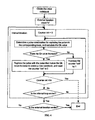
FIG. 1 is a flowchart of a fixed codebook search method in the prior art; -
FIG. 2 is a flowchart of a fixed codebook search method according to embodiment One of the present invention; -
FIG. 3 is a flowchart of a fixed codebook search method according to embodiment Two of the present invention; -
FIG. 4 is a flowchart of a fixed codebook search method according to embodiment Three of the present invention; -
FIG. 5 is a flowchart of a fixed codebook search method according to embodiment Four of the present invention; -
FIG. 6 is a flowchart of a fixed codebook search method according to embodiment Five of the present invention; -
FIG. 7 shows a structure of a fixed codebook searcher according to embodiment Six of the present invention; and -
FIG. 8 shows a structure of a fixed codebook searcher according to embodiment Seven of the present invention. - As shown in
FIG. 2 , the fixed codebook search method in this embodiment includes the following steps:
A1. Obtain the initial codebook, and set the external iteration count "n".
For ease of understanding, assume that only one pulse exists on each track, and the pulses are: P0, P1, P2, and P3. Assume that the initial codebook is {i0,i1,i2,i3}= {20,33,42,7}. The enclosed numerals indicate the pulse position. Table 1 shows the codebook structure:Table 1 Codebook structure Tack (Tx) Pulse Positions 1(T0) P0 0, 4, 8, 12, 16, 20, 24, 28, 32 36, 40, 44, 48, 52, 56, 60 2(T1) P1 1, 5, 9, 13, 17, 21, 25, 29, 33, 37, 41, 45, 49, 53, 57, 61 3(T2) P2 2, 6, 10, 14, 18, 22, 26, 30, 34, 38, 42, 46, 50, 54, 58, 62 4(T3) P3 3, 7, 11, 15, 19, 23, 27, 31, 35, 39, 43, 47, 51, 55, 59, 63
This embodiment does not limit the method of obtaining the initial codebook. In one embodiment, the initial codebook may be obtained through the "maximum likelihood function of pulse position".
A2. Initialize the counter to 0 or -1, or another fixed value. The counter is used to record the count of continuous searches when pulse replacements don't happen. The pulse replacement is: When the Qk value increases, the original pulse combination is replaced with the pulse combination that makes the Qk value increase.
A3. Search for pulses and calculate the Qk value. Specifically, determine a pulse combination, replace the pulses with the pulse combination on the corresponding track, and calculate the corresponding Qk value. This embodiment does not limit the pulse search method. For example, the pulses may be searched out in the following way: - Taking the global pulse replacement as an example, the pulse search method is as follows:
- Keep the i1, i2, i3 positions in the initial codebook unchanged; replace the initial value 20 of i0 with value of other position from track T0 {0, 4, 8, 12, 16, 24, 28, 32 36, 40, 44, 48, 52, 56, 60} one by one, to obtain new codebook {0,33,42,7}. {4,33,42,7} ... {60,33,42,7}; and calculate the cost of the new codebook Qk. The process of pulse search of different pulse positions on the selected track is an internal iteration search.
- Alternatively, the counter may be initialized before the external iteration search.
- If the counter value "cnt" exceeds the threshold value "thr", it indicates that no pulse replacement occurs within the threshold count, that is, no better pulse combination is found. In this case, it is deemed that the best pulse has been found, and the whole search process is ended.
- Another fixed codebook search method embodiment is provided. As shown in
FIG. 3 , this embodiment differs from the first embodiment in that: two internal loops (for example,internal loop 1 and internal loop 2) are nested in an external loop. Multiple internal loops may be nested. The specific process of this embodiment are as follows: - B1. Obtain the initial codebook, and set the external iteration count "n".
- B2. Initialize the counter value "cnt".
The counter may be initialized before the external iteration search, or before the internal iteration search. - B3. Search for pulses in the
internal loop 1, and calculate Qk value.Replace the pulses with a new pulse combination on the corresponding track, and calculate the corresponding Qk value. - B4. Judge the Qk value. Judge whether the Qk value increases. If the Qk value increases, proceed to step B5; otherwise, go to step B6.
- B5. Replace the original pulses with the pulses that make the Qk value increase to obtain a new codebook, and initialize the counter "cnt".
- B6. Increment the counter value "cnt". Specifically, the counter value "cnt" may be increased by 1.
- B7. Judge whether the
internal loop 1 search is ended. If theinternal loop 1 search is not ended, return to step B3; if theinternal loop 1 is ended, proceed to step B8. - B8. Search for pulses in the
internal loop 2, and calculate the corresponding Qk value. Replace the pulses with a new pulse combination on the corresponding track, and calculate the Qk value. - B9. Judge the Qk value. Judge whether the Qk value increases. If the Qk increases, proceed to step B10; otherwise, go to step B11.
- B10. Replace the original pulses with the pulses that make the Qk value increase to obtain a new codebook, and reset the counter to the initial value.
- B11. Increment the counter value "cnt". Specifically, the counter value "cnt" may be increased by 1.
- B12. Judge whether the
internal loop 2 search is ended. If theinternal loop 2 search is not ended, return to step B8; if theinternal loop 2 search is ended, proceed to step B13. - B13. Judge whether the counter value "cnt" is greater than the threshold value. If the counter value "cnt" is greater than the threshold value, proceed to step B14; otherwise, continue the search process. If the external loop is not ended, return to step B2.
- B14. End the whole search process.
- A further example of another fixed codebook search method is provided. As shown in
FIG 4 , this example differs from the first embodiment in that: a judgment is made about whether the internal loop is ended after a judgment is made about whether the value of the counter "cnt" is greater than the threshold value. - The specific steps of this example are as follows:
- C1. Obtain the initial codebook, and set the external loop count "n".
- C2. Initialize the counter "cnt".
- C3. Search for pulses, and calculate the Qk value. Determine a pulse combination, replace the pulses with the pulse combination on the corresponding track, and calculate the Qk value.
- C4. Judge the Qk value. Judge whether the Qk value increases. If the Qk value increases, proceed to step C5; otherwise, go to step C6.
- C5. Replace the original pulses with the pulses that make the Qk value increase to obtain a new codebook, and reset the counter to the initial value.
- C6. Increment the counter "cnt". Specifically, the counter "cnt" may be increased by 1.
- C7. Judge whether the value of the counter "cnt" is greater than the threshold value. If the value of the counter "cnt" is greater than the threshold value, go to step C9; otherwise, proceed to step C8.
- C8. Judge whether the internal iteration search is ended. If the internal iteration search is not ended, return to step C3; if the internal iteration search is ended, proceed to step C9.
- C9. Judge whether the external iteration search is ended. If the external iteration search is not ended, return to step C2; if the external iteration search is ended, proceed to step C10.
- C10. End the whole search process.
- A further example of another fixed codebook search method is provided. As shown in
FIG 5 , this example differs from the previous example in that: Two internal loops (namely,internal loop 1 and internal loop 2) are nested in an external loop; and a judgment is made about whether the value of the counter "cnt" is greater than the threshold value before end of each internal loop. Multiple internal loops may be nested. Optionally, a judgment is made about whether the value of the counter "cnt" is greater than the threshold value after end of the internal loop. - The specific steps of this example are as follows:
- D1. Determine the initial codebook, and set the external iteration count "n".
- D2. Initialize the counter value "cnt".
- D3. Search for pulses in the
internal loop 1, and calculate the Qk value. Replace the pulses with a new pulse combination on the corresponding track, and calculate the Qk value. - D4. Judge the Qk value. Judge whether the Qk value increases. If the Qk value increases, proceed to step D5; otherwise, go to step D6.
- D5. Replace the original pulses with the pulses that make the Qk value increase to obtain a new codebook, and initialize the counter "cnt".
- D6. Increment the counter value "cnt". Specifically, the counter valuw "cnt" may be increased by 1.
- D7. Judge whether the value of the counter "cnt" is greater than the threshold value. If the value of the counter "cnt" is greater than the threshold value, go to step D17; otherwise, proceed to step D8.
- D8. Judge whether the
internal loop 1 is ended. If theinternal loop 1 is not ended, return to step D3; if theinternal loop 1 is ended, proceed to step D9. - D9. Search for pulses in the
internal loop 2, and calculate the Qk value. Replace the pulses with the new pulse combination on the corresponding track, and calculate the Qk value. - D10. Judge the Qk value. Judge whether the Qk value increases. If the Qk value increases, proceed to step D11; otherwise, go to step D12.
- D11. Replace the original pulses with the pulses that make the Qk value increase to obtain a new codebook, and reset the counter "cnt" to 0.
- D12. Increment the counter value "cnt". Specifically, the counter value "cnt" may be increased by 1.
- D13. Judge whether the value of the counter "cnt" is greater than the threshold value. If the value of the counter "cnt" is greater than the threshold value, proceed to step D13; otherwise, proceed to step D14.
- D14. Judge whether the
internal loop 2 is ended. If theinternal loop 2 is not ended, return to step D9; if theinternal loop 2 is ended, proceed to step D15. - D15. Judge whether the value of the counter "cnt" is greater than the threshold value. If the value of the counter "cnt" is greater than the threshold value, go to step D17; otherwise, proceed to step D16.
- D16. Judge whether the external iteration is ended. If the external iteration is not ended, return to step D2; if the external iteration is ended, proceed to step D17.
- D17. End the whole search process.
- Another fixed codebook search method is provided in this embodiment. As shown in
FIG 6 , a flag is set to indicate whether a better pulse combination appears in a loop; if a better pulse combination appears, the flag is set to 0; otherwise, the flag value is still -1. Before end of a loop, a judgment is made about whether the flag value is 0; if the flag value is 0, it indicates that a better pulse combination appears in a cyclic replacement process, and the flag value is reset to -1 and a new replacement loop begins. The foregoing process is repeated. - The specific steps of this embodiment are as follows:
- E1. Determine the initial codebook, and set the external iteration count "n".
- E2. Initialize the state flag. Set an initial state value, such as -1, 0, or 1.
- E3. Search for pulses in the internal iteration, and calculate the Qk value. Replace the pulse with a new pulse combination on the corresponding track, and calculate the Qk value.
- E4. Judge the Qk value. Judge whether the Qk value increases. If the Qk value increases, proceed to step E5.
- E5. Replace the pulse with the pulse combination that makes the Qk value increase to obtain a new codebook. Modify the state flag to a non-initial state which is different from the initial state value.
- E6. Judge whether the internal iteration is ended. If the internal iteration is not ended, return to step E3; if the internal iteration is ended, proceed to step E7.
- E7. Judge whether the state flag indicates the initial state. If the state flag does not indicate the initial state, proceed to step E8; and, if the state flag indicates the initial state, go to step E9.
- E8. Judge whether the external iteration is ended. If the external iteration is ended, return to step E3.
- E9. End the whole search process.
- A fixed codebook searcher is provided in this embodiment. As shown in
FIG. 7 , the fixed codebook searcher includes: a pulse searching unit, configured to search for pulses; a counter, configured to be initialized if the value of Qk increases, and increase the value of the counter if the value of Qk does not increase; and a judging unit, configured to end the whole search process when the value of the counter is greater than a threshold value. - Another fixed codebook searcher is provided in this embodiment. As shown in
FIG. 8 , the fixed codebook searcher includes: a pulse searching unit, configured to search for pulses; an identifying unit, configured to identify the initial state, and set the state flag to a non-initial state when the Qk value increases; and a judging unit, configured to judge whether the identifying unit indicates the initial state, and end the whole search process if determining that the identifying unit indicates the initial state. - Through the foregoing method or apparatus, the counter or the identifying unit records the count of searches in which Qk increases or does not increase. Therefore, the search iteration stops when the preset conditions are fulfilled, thus reducing the search count and improving the search efficiency.
- Detailed above are a fixed codebook search method and a fixed codebook searcher under the present invention. Although the invention is described through some exemplary embodiments, the invention is not limited to such embodiments. It is apparent that those skilled in the art can make modifications and variations to the invention. The invention is intended to cover the modifications and variations provided that they fall in the scope of protection defined by the following claims.
A4. Judge the Qk value. Judge whether the Qk value increases. If the Qk value increases, proceed to step A5; otherwise, go to step A6.
A5. Replace the original pulses with the pulses that make the Qk value increase to obtain a new codebook, and reset the counter to the initial value.
If the new Qk value is greater than the Qk value of the initial codebook, replace the initial codebook with the new codebook, and use the new codebook as an initial codebook. Assume that the Qk corresponding to {4,33,42,7} is the maximum Qk in the replacement process described above. Store the Qk value "Y0" and the corresponding new codebook {4,33,42,7}.
A6. Increment the counter value "cnt". Specifically, the counter value "cnt" may be increased by 1.
A7. Judge whether the internal iteration search is ended. If the internal iteration search is not ended, return to step A3; if the internal iteration search is ended, proceed to step A8.
A8. Judge whether the counter value is greater than the threshold value. If the counter value is greater than the threshold value, proceed to step A9; if the counter value is not greater than the threshold value, continue the search process. If the external iteration search is not ended, return to step A2. Search the next track, that is, repeat steps A2, A3, A4, and A5 until all the four tracks T0-T3 are searched completely, whereupon the whole process is ended. Selecting different tracks for searching, as described above, is called "external iteration search". The foregoing threshold value may be set as required. If the internal iteration count is a, the threshold value may be a multiple of a, or a-1, or a+1, and so on.
A9. End the whole search process.
Claims (15)
- A fixed codebook search method for searching a fixed codebook used as an excitation source in a CELP-based voice coder, comprising:initializing a counter to an initial value;searching for pulses and calculating the value of a cost function Qk;resetting the counter to the initial value and replace the original pulses with the pulses that make the Qk value increase if the value of Qk increases in comparison to the Qk value of the original pulses; and increment the value of the counter if the value of Qk does not increase;performing the searching for pulses in an external loop comprising at least one internal loop; andending the external loop search process when the value of the counter is greater than a threshold value.
- The method of claim 1, wherein the initialization is to reset the value to 0 or -1.
- The method of claim 1, wherein the incrementing of the value of the counter is: adding 1 to the counter.
- The method of claim 1, wherein the counter is initialized before the external loop search.
- The method of claim 1, wherein the counter is initialized before the internal loop search.
- The method of claim 1, wherein a judgment is made about whether the value of the counter is greater than the threshold value whenever the pulse searching in the internal loop is completed.
- The method of claim 1, wherein a judgment is made about whether the value of the counter is greater than the threshold value after completion of the internal loop.
- The method of claim 1, wherein the search is continued if the value of the counter is less than or equal to the threshold value.
- A fixed codebook search method for searching a fixed codebook used as an excitation source in a CELP-based voice coder, comprising:setting a state flag to an initial state;searching for pulses and calculating a value of a cost function Qk;modifying the state flag to a non-initial state and replacing the original pulse with the pulse which makes the Qk value increase to obtain a new codebook if the value of Qk increases in comparison to the Qk value of the original pulses;performing the searching for pulses in an external loop comprising at least one internal loop; andending the external loop search process if the state flag indicates the initial state.
- The method of claim 9, further comprising:initializing the state flag if the state flag indicates a non-initial state after completion of the internal loop; andexecuting a next internal loop search..
- The method of claim 9, wherein a judgment is made about whether the state flag indicates the initial state after completion of an internal loop, and the external loop search process is ended if the state flag indicates the initial state.
- The method of claim 11, further comprising:if the state flag indicates a non-initial state after completion of the internal loop, determining whether the external loop ended; andending the search method if the external loop is ended or executing the next internal loop search if the external loop is not ended.
- The method of claim 9, wherein initializing the state flag comprises initializing the state flag to -1, and wherein modifying the state flag to a non-initial state comprises modifying the state flag to 0.
- A fixed codebook searcher for searching a fixed codebook used as an excitation source in a CELP-based voice coder, comprising:a pulse searching unit, configured to search for pulses in an external loop comprising at least one internal loop;a counter, configured to be reset to an initial value and replace the original pulses with the pulses that make the Qk value increase if a value of Qk increases to the Qk value of the original pulses, Qk is a cost function, and increase a value of the counter if the value of the Qk does not increase; anda judging unit, configured to judge whether the value of the counter is greater than a threshold value;wherein the pulse searching unit ends the external loop search process if the judging unit determines that the value of the counter is greater than the threshold value.
- A fixed codebook searcher for searching a fixed codebook used as an excitation source in a CELP-based voice coder, comprising:a pulse searching unit, configured to search for pulses in an external loop comprising at least one internal loop;an identifying unit, configured to set an initial state flag and update the state flag to a non-initial state and replace the original pulse with the pulse which makes the Qk value increase to obtain a new codebook when a Qk value increases in comparison to the Qk value of the original pulses; anda judging unit, configured to judge whether the identifying unit indicates an initial state;wherein the pulse searching unit ends the external loop search process if the judging unit determines that the identifying unit indicates the initial state.
Applications Claiming Priority (2)
| Application Number | Priority Date | Filing Date | Title |
|---|---|---|---|
| CN200710124503A CN100578620C (en) | 2007-11-12 | 2007-11-12 | Fixed codebook search method and searcher |
| PCT/CN2008/072920 WO2009071018A1 (en) | 2007-11-12 | 2008-11-04 | Fixed code book searching method and searcher |
Publications (3)
| Publication Number | Publication Date |
|---|---|
| EP2214166A1 EP2214166A1 (en) | 2010-08-04 |
| EP2214166A4 EP2214166A4 (en) | 2011-03-02 |
| EP2214166B1 true EP2214166B1 (en) | 2015-09-30 |
Family
ID=40113737
Family Applications (1)
| Application Number | Title | Priority Date | Filing Date |
|---|---|---|---|
| EP08857528.7A Active EP2214166B1 (en) | 2007-11-12 | 2008-11-04 | Fixed code book searching method and searcher |
Country Status (4)
| Country | Link |
|---|---|
| US (2) | US7941314B2 (en) |
| EP (1) | EP2214166B1 (en) |
| CN (1) | CN100578620C (en) |
| WO (1) | WO2009071018A1 (en) |
Families Citing this family (4)
| Publication number | Priority date | Publication date | Assignee | Title |
|---|---|---|---|---|
| CN101931414B (en) * | 2009-06-19 | 2013-04-24 | 华为技术有限公司 | Pulse coding method and device, and pulse decoding method and device |
| CN101795181B (en) * | 2010-03-17 | 2012-08-29 | 北京邮电大学 | Selecting method of code books used in wireless communication system |
| JP5981909B2 (en) * | 2011-06-15 | 2016-08-31 | パナソニック インテレクチュアル プロパティ コーポレーション オブ アメリカPanasonic Intellectual Property Corporation of America | Pulse position search device, codebook search device, and methods thereof |
| FR3013496A1 (en) * | 2013-11-15 | 2015-05-22 | Orange | TRANSITION FROM TRANSFORMED CODING / DECODING TO PREDICTIVE CODING / DECODING |
Family Cites Families (19)
| Publication number | Priority date | Publication date | Assignee | Title |
|---|---|---|---|---|
| GB9512284D0 (en) * | 1995-06-16 | 1995-08-16 | Nokia Mobile Phones Ltd | Speech Synthesiser |
| KR100341398B1 (en) | 2000-01-27 | 2002-06-22 | 오길록 | Codebook searching method for CELP type vocoder |
| US7206739B2 (en) * | 2001-05-23 | 2007-04-17 | Samsung Electronics Co., Ltd. | Excitation codebook search method in a speech coding system |
| JP2002366199A (en) | 2001-06-11 | 2002-12-20 | Matsushita Electric Ind Co Ltd | CELP speech encoder |
| CN1245028C (en) | 2003-03-03 | 2006-03-08 | 清华大学 | Non-uniform multilayer hexaploid lattice full pixel kinematic search method |
| KR100556831B1 (en) * | 2003-03-25 | 2006-03-10 | 한국전자통신연구원 | How to retrieve fixed codebooks with global pulse replacement |
| US20050256702A1 (en) * | 2004-05-13 | 2005-11-17 | Ittiam Systems (P) Ltd. | Algebraic codebook search implementation on processors with multiple data paths |
| US7860710B2 (en) * | 2004-09-22 | 2010-12-28 | Texas Instruments Incorporated | Methods, devices and systems for improved codebook search for voice codecs |
| SG123639A1 (en) * | 2004-12-31 | 2006-07-26 | St Microelectronics Asia | A system and method for supporting dual speech codecs |
| CN100412948C (en) | 2005-01-27 | 2008-08-20 | 广达电脑股份有限公司 | System and method for searching coding vector of voice signal in voice coder |
| KR100813260B1 (en) * | 2005-07-13 | 2008-03-13 | 삼성전자주식회사 | Method and apparatus for searching codebook |
| US7571094B2 (en) * | 2005-09-21 | 2009-08-04 | Texas Instruments Incorporated | Circuits, processes, devices and systems for codebook search reduction in speech coders |
| CN100498934C (en) * | 2005-10-31 | 2009-06-10 | 连展科技(天津)有限公司 | Novel rapid fixed codebook searching method |
| CN100416652C (en) * | 2005-10-31 | 2008-09-03 | 连展科技(天津)有限公司 | Fast Fixed Codebook Search Method for Enhanced AMR Encoder |
| KR100795727B1 (en) * | 2005-12-08 | 2008-01-21 | 한국전자통신연구원 | Apparatus and Method for Fixed Codebook Retrieval in CPL based Voice Coder |
| WO2008044817A1 (en) | 2006-10-13 | 2008-04-17 | Electronics And Telecommunications Research Institute | Fixed codebook search method through iteration-free global pulse replacement and speech coder using the same method |
| WO2007129726A1 (en) * | 2006-05-10 | 2007-11-15 | Panasonic Corporation | Voice encoding device, and voice encoding method |
| WO2008001866A1 (en) * | 2006-06-29 | 2008-01-03 | Panasonic Corporation | Voice encoding device and voice encoding method |
| CN100530357C (en) * | 2007-07-11 | 2009-08-19 | 华为技术有限公司 | Method for searching fixed code book and searcher |
-
2007
- 2007-11-12 CN CN200710124503A patent/CN100578620C/en active Active
-
2008
- 2008-11-04 WO PCT/CN2008/072920 patent/WO2009071018A1/en not_active Ceased
- 2008-11-04 EP EP08857528.7A patent/EP2214166B1/en active Active
-
2010
- 2010-05-11 US US12/777,875 patent/US7941314B2/en active Active
- 2010-07-16 US US12/838,229 patent/US7908136B2/en active Active
Also Published As
| Publication number | Publication date |
|---|---|
| EP2214166A4 (en) | 2011-03-02 |
| CN101303859A (en) | 2008-11-12 |
| CN100578620C (en) | 2010-01-06 |
| EP2214166A1 (en) | 2010-08-04 |
| US7908136B2 (en) | 2011-03-15 |
| US20100235173A1 (en) | 2010-09-16 |
| US20100274559A1 (en) | 2010-10-28 |
| WO2009071018A1 (en) | 2009-06-11 |
| US7941314B2 (en) | 2011-05-10 |
Similar Documents
| Publication | Publication Date | Title |
|---|---|---|
| CA2666546C (en) | Method and device for coding transition frames in speech signals | |
| US5806024A (en) | Coding of a speech or music signal with quantization of harmonics components specifically and then residue components | |
| KR100464369B1 (en) | Excitation codebook search method in a speech coding system | |
| JP5627144B2 (en) | Encoding method, decoding method, encoding device, decoding device, program, and recording medium | |
| JP5532304B2 (en) | Encoding method, encoder, and computer-readable medium | |
| AU733052B2 (en) | A method and apparatus for speech encoding, speech decoding, and speech coding/decoding | |
| JP2023072050A (en) | Apparatus and method for improved concealment of adaptive codebook in acelp-like concealment employing improved pitch lag estimation | |
| US7908136B2 (en) | Fixed codebook search method and searcher | |
| KR20040042903A (en) | Generalized analysis-by-synthesis speech coding method, and coder implementing such method | |
| KR20040083903A (en) | Fixed Codebook Searching Method by full Pulse Replacement | |
| KR100463417B1 (en) | The pitch estimation algorithm by using the ratio of the maximum peak to candidates for the maximum of the autocorrelation function | |
| KR20020075592A (en) | LSF quantization for wideband speech coder | |
| KR102808307B1 (en) | Improved frame loss correction with voice information | |
| Hwang | Computational improvement for G. 729 standard | |
| JP3435310B2 (en) | Voice coding method and apparatus | |
| US8160869B2 (en) | Method and apparatus for encoding continuation sinusoid signal information of audio signal and method and apparatus for decoding same | |
| CN101506873B (en) | Open loop pitch tracking smoothing | |
| CN100412948C (en) | System and method for searching coding vector of voice signal in voice coder | |
| JPH07271397A (en) | Speech coding device | |
| KR100554165B1 (en) | CLP-based speech encoder capable of eliminating the effects of multiples of the pitch delay value and method of eliminating the effects of multiples of the pitch delay value | |
| Lee et al. | An Efficient Segment-Based Speech Compression Technique for Hand-Held TTS Systems | |
| Jamrozik et al. | Enhanced quality modified multiband excitation model at 2400 bps | |
| HK1132324B (en) | Method and device for coding transition frames in speech signals | |
| HK1222943A1 (en) | Selection of one of a first encoding algorithm and a second encoding algorithm using harmonics reduction |
Legal Events
| Date | Code | Title | Description |
|---|---|---|---|
| PUAI | Public reference made under article 153(3) epc to a published international application that has entered the european phase |
Free format text: ORIGINAL CODE: 0009012 |
|
| 17P | Request for examination filed |
Effective date: 20100519 |
|
| AK | Designated contracting states |
Kind code of ref document: A1 Designated state(s): AT BE BG CH CY CZ DE DK EE ES FI FR GB GR HR HU IE IS IT LI LT LU LV MC MT NL NO PL PT RO SE SI SK TR |
|
| AX | Request for extension of the european patent |
Extension state: AL BA MK RS |
|
| DAX | Request for extension of the european patent (deleted) | ||
| A4 | Supplementary search report drawn up and despatched |
Effective date: 20110128 |
|
| 17Q | First examination report despatched |
Effective date: 20111012 |
|
| REG | Reference to a national code |
Ref country code: DE Ref legal event code: R079 Ref document number: 602008040456 Country of ref document: DE Free format text: PREVIOUS MAIN CLASS: G10L0019140000 Ipc: G10L0019107000 |
|
| GRAP | Despatch of communication of intention to grant a patent |
Free format text: ORIGINAL CODE: EPIDOSNIGR1 |
|
| RIC1 | Information provided on ipc code assigned before grant |
Ipc: G10L 19/107 20130101AFI20150402BHEP Ipc: G10L 19/10 20130101ALI20150402BHEP |
|
| INTG | Intention to grant announced |
Effective date: 20150430 |
|
| GRAS | Grant fee paid |
Free format text: ORIGINAL CODE: EPIDOSNIGR3 |
|
| GRAA | (expected) grant |
Free format text: ORIGINAL CODE: 0009210 |
|
| AK | Designated contracting states |
Kind code of ref document: B1 Designated state(s): AT BE BG CH CY CZ DE DK EE ES FI FR GB GR HR HU IE IS IT LI LT LU LV MC MT NL NO PL PT RO SE SI SK TR |
|
| REG | Reference to a national code |
Ref country code: CH Ref legal event code: EP Ref country code: GB Ref legal event code: FG4D |
|
| REG | Reference to a national code |
Ref country code: FR Ref legal event code: PLFP Year of fee payment: 8 |
|
| REG | Reference to a national code |
Ref country code: AT Ref legal event code: REF Ref document number: 752838 Country of ref document: AT Kind code of ref document: T Effective date: 20151015 |
|
| REG | Reference to a national code |
Ref country code: IE Ref legal event code: FG4D |
|
| REG | Reference to a national code |
Ref country code: DE Ref legal event code: R096 Ref document number: 602008040456 Country of ref document: DE |
|
| PG25 | Lapsed in a contracting state [announced via postgrant information from national office to epo] |
Ref country code: FI Free format text: LAPSE BECAUSE OF FAILURE TO SUBMIT A TRANSLATION OF THE DESCRIPTION OR TO PAY THE FEE WITHIN THE PRESCRIBED TIME-LIMIT Effective date: 20150930 Ref country code: LT Free format text: LAPSE BECAUSE OF FAILURE TO SUBMIT A TRANSLATION OF THE DESCRIPTION OR TO PAY THE FEE WITHIN THE PRESCRIBED TIME-LIMIT Effective date: 20150930 Ref country code: LV Free format text: LAPSE BECAUSE OF FAILURE TO SUBMIT A TRANSLATION OF THE DESCRIPTION OR TO PAY THE FEE WITHIN THE PRESCRIBED TIME-LIMIT Effective date: 20150930 Ref country code: GR Free format text: LAPSE BECAUSE OF FAILURE TO SUBMIT A TRANSLATION OF THE DESCRIPTION OR TO PAY THE FEE WITHIN THE PRESCRIBED TIME-LIMIT Effective date: 20151231 Ref country code: NO Free format text: LAPSE BECAUSE OF FAILURE TO SUBMIT A TRANSLATION OF THE DESCRIPTION OR TO PAY THE FEE WITHIN THE PRESCRIBED TIME-LIMIT Effective date: 20151230 |
|
| REG | Reference to a national code |
Ref country code: NL Ref legal event code: MP Effective date: 20150930 |
|
| REG | Reference to a national code |
Ref country code: LT Ref legal event code: MG4D |
|
| REG | Reference to a national code |
Ref country code: AT Ref legal event code: MK05 Ref document number: 752838 Country of ref document: AT Kind code of ref document: T Effective date: 20150930 |
|
| PG25 | Lapsed in a contracting state [announced via postgrant information from national office to epo] |
Ref country code: HR Free format text: LAPSE BECAUSE OF FAILURE TO SUBMIT A TRANSLATION OF THE DESCRIPTION OR TO PAY THE FEE WITHIN THE PRESCRIBED TIME-LIMIT Effective date: 20150930 Ref country code: SE Free format text: LAPSE BECAUSE OF FAILURE TO SUBMIT A TRANSLATION OF THE DESCRIPTION OR TO PAY THE FEE WITHIN THE PRESCRIBED TIME-LIMIT Effective date: 20150930 |
|
| PG25 | Lapsed in a contracting state [announced via postgrant information from national office to epo] |
Ref country code: IT Free format text: LAPSE BECAUSE OF FAILURE TO SUBMIT A TRANSLATION OF THE DESCRIPTION OR TO PAY THE FEE WITHIN THE PRESCRIBED TIME-LIMIT Effective date: 20150930 Ref country code: EE Free format text: LAPSE BECAUSE OF FAILURE TO SUBMIT A TRANSLATION OF THE DESCRIPTION OR TO PAY THE FEE WITHIN THE PRESCRIBED TIME-LIMIT Effective date: 20150930 Ref country code: SK Free format text: LAPSE BECAUSE OF FAILURE TO SUBMIT A TRANSLATION OF THE DESCRIPTION OR TO PAY THE FEE WITHIN THE PRESCRIBED TIME-LIMIT Effective date: 20150930 Ref country code: ES Free format text: LAPSE BECAUSE OF FAILURE TO SUBMIT A TRANSLATION OF THE DESCRIPTION OR TO PAY THE FEE WITHIN THE PRESCRIBED TIME-LIMIT Effective date: 20150930 Ref country code: CZ Free format text: LAPSE BECAUSE OF FAILURE TO SUBMIT A TRANSLATION OF THE DESCRIPTION OR TO PAY THE FEE WITHIN THE PRESCRIBED TIME-LIMIT Effective date: 20150930 Ref country code: NL Free format text: LAPSE BECAUSE OF FAILURE TO SUBMIT A TRANSLATION OF THE DESCRIPTION OR TO PAY THE FEE WITHIN THE PRESCRIBED TIME-LIMIT Effective date: 20150930 Ref country code: IS Free format text: LAPSE BECAUSE OF FAILURE TO SUBMIT A TRANSLATION OF THE DESCRIPTION OR TO PAY THE FEE WITHIN THE PRESCRIBED TIME-LIMIT Effective date: 20160130 |
|
| PG25 | Lapsed in a contracting state [announced via postgrant information from national office to epo] |
Ref country code: AT Free format text: LAPSE BECAUSE OF FAILURE TO SUBMIT A TRANSLATION OF THE DESCRIPTION OR TO PAY THE FEE WITHIN THE PRESCRIBED TIME-LIMIT Effective date: 20150930 Ref country code: PT Free format text: LAPSE BECAUSE OF FAILURE TO SUBMIT A TRANSLATION OF THE DESCRIPTION OR TO PAY THE FEE WITHIN THE PRESCRIBED TIME-LIMIT Effective date: 20160201 Ref country code: RO Free format text: LAPSE BECAUSE OF FAILURE TO SUBMIT A TRANSLATION OF THE DESCRIPTION OR TO PAY THE FEE WITHIN THE PRESCRIBED TIME-LIMIT Effective date: 20150930 Ref country code: PL Free format text: LAPSE BECAUSE OF FAILURE TO SUBMIT A TRANSLATION OF THE DESCRIPTION OR TO PAY THE FEE WITHIN THE PRESCRIBED TIME-LIMIT Effective date: 20150930 |
|
| PG25 | Lapsed in a contracting state [announced via postgrant information from national office to epo] |
Ref country code: MC Free format text: LAPSE BECAUSE OF FAILURE TO SUBMIT A TRANSLATION OF THE DESCRIPTION OR TO PAY THE FEE WITHIN THE PRESCRIBED TIME-LIMIT Effective date: 20150930 Ref country code: LU Free format text: LAPSE BECAUSE OF FAILURE TO SUBMIT A TRANSLATION OF THE DESCRIPTION OR TO PAY THE FEE WITHIN THE PRESCRIBED TIME-LIMIT Effective date: 20151104 |
|
| REG | Reference to a national code |
Ref country code: CH Ref legal event code: PL |
|
| REG | Reference to a national code |
Ref country code: DE Ref legal event code: R097 Ref document number: 602008040456 Country of ref document: DE |
|
| PG25 | Lapsed in a contracting state [announced via postgrant information from national office to epo] |
Ref country code: CH Free format text: LAPSE BECAUSE OF NON-PAYMENT OF DUE FEES Effective date: 20151130 Ref country code: LI Free format text: LAPSE BECAUSE OF NON-PAYMENT OF DUE FEES Effective date: 20151130 |
|
| PLBE | No opposition filed within time limit |
Free format text: ORIGINAL CODE: 0009261 |
|
| STAA | Information on the status of an ep patent application or granted ep patent |
Free format text: STATUS: NO OPPOSITION FILED WITHIN TIME LIMIT |
|
| REG | Reference to a national code |
Ref country code: IE Ref legal event code: MM4A |
|
| PG25 | Lapsed in a contracting state [announced via postgrant information from national office to epo] |
Ref country code: DK Free format text: LAPSE BECAUSE OF FAILURE TO SUBMIT A TRANSLATION OF THE DESCRIPTION OR TO PAY THE FEE WITHIN THE PRESCRIBED TIME-LIMIT Effective date: 20150930 |
|
| 26N | No opposition filed |
Effective date: 20160701 |
|
| REG | Reference to a national code |
Ref country code: FR Ref legal event code: PLFP Year of fee payment: 9 |
|
| PG25 | Lapsed in a contracting state [announced via postgrant information from national office to epo] |
Ref country code: IE Free format text: LAPSE BECAUSE OF NON-PAYMENT OF DUE FEES Effective date: 20151104 |
|
| PG25 | Lapsed in a contracting state [announced via postgrant information from national office to epo] |
Ref country code: SI Free format text: LAPSE BECAUSE OF FAILURE TO SUBMIT A TRANSLATION OF THE DESCRIPTION OR TO PAY THE FEE WITHIN THE PRESCRIBED TIME-LIMIT Effective date: 20150930 |
|
| PG25 | Lapsed in a contracting state [announced via postgrant information from national office to epo] |
Ref country code: BE Free format text: LAPSE BECAUSE OF FAILURE TO SUBMIT A TRANSLATION OF THE DESCRIPTION OR TO PAY THE FEE WITHIN THE PRESCRIBED TIME-LIMIT Effective date: 20150930 |
|
| PG25 | Lapsed in a contracting state [announced via postgrant information from national office to epo] |
Ref country code: HU Free format text: LAPSE BECAUSE OF FAILURE TO SUBMIT A TRANSLATION OF THE DESCRIPTION OR TO PAY THE FEE WITHIN THE PRESCRIBED TIME-LIMIT; INVALID AB INITIO Effective date: 20081104 Ref country code: BG Free format text: LAPSE BECAUSE OF FAILURE TO SUBMIT A TRANSLATION OF THE DESCRIPTION OR TO PAY THE FEE WITHIN THE PRESCRIBED TIME-LIMIT Effective date: 20150930 |
|
| PG25 | Lapsed in a contracting state [announced via postgrant information from national office to epo] |
Ref country code: CY Free format text: LAPSE BECAUSE OF FAILURE TO SUBMIT A TRANSLATION OF THE DESCRIPTION OR TO PAY THE FEE WITHIN THE PRESCRIBED TIME-LIMIT Effective date: 20150930 |
|
| PG25 | Lapsed in a contracting state [announced via postgrant information from national office to epo] |
Ref country code: MT Free format text: LAPSE BECAUSE OF FAILURE TO SUBMIT A TRANSLATION OF THE DESCRIPTION OR TO PAY THE FEE WITHIN THE PRESCRIBED TIME-LIMIT Effective date: 20150930 Ref country code: TR Free format text: LAPSE BECAUSE OF FAILURE TO SUBMIT A TRANSLATION OF THE DESCRIPTION OR TO PAY THE FEE WITHIN THE PRESCRIBED TIME-LIMIT Effective date: 20150930 |
|
| REG | Reference to a national code |
Ref country code: FR Ref legal event code: PLFP Year of fee payment: 10 |
|
| REG | Reference to a national code |
Ref country code: FR Ref legal event code: PLFP Year of fee payment: 11 |
|
| P01 | Opt-out of the competence of the unified patent court (upc) registered |
Effective date: 20230524 |
|
| PGFP | Annual fee paid to national office [announced via postgrant information from national office to epo] |
Ref country code: GB Payment date: 20250930 Year of fee payment: 18 |
|
| PGFP | Annual fee paid to national office [announced via postgrant information from national office to epo] |
Ref country code: FR Payment date: 20250930 Year of fee payment: 18 |
|
| PGFP | Annual fee paid to national office [announced via postgrant information from national office to epo] |
Ref country code: DE Payment date: 20250930 Year of fee payment: 18 |