EP2212255B1 - The method of reducing excessive growth of filamentous bacteria in activated sludge, the process of reducing the bulking of activated sludge and use of naturally occurring organisms in the activated sludge to prevent its bulking - Google Patents
The method of reducing excessive growth of filamentous bacteria in activated sludge, the process of reducing the bulking of activated sludge and use of naturally occurring organisms in the activated sludge to prevent its bulking Download PDFInfo
- Publication number
- EP2212255B1 EP2212255B1 EP20080848179 EP08848179A EP2212255B1 EP 2212255 B1 EP2212255 B1 EP 2212255B1 EP 20080848179 EP20080848179 EP 20080848179 EP 08848179 A EP08848179 A EP 08848179A EP 2212255 B1 EP2212255 B1 EP 2212255B1
- Authority
- EP
- European Patent Office
- Prior art keywords
- activated sludge
- rotifers
- sludge
- filamentous bacteria
- bulking
- Prior art date
- Legal status (The legal status is an assumption and is not a legal conclusion. Google has not performed a legal analysis and makes no representation as to the accuracy of the status listed.)
- Not-in-force
Links
Images



Classifications
-
- C—CHEMISTRY; METALLURGY
- C02—TREATMENT OF WATER, WASTE WATER, SEWAGE, OR SLUDGE
- C02F—TREATMENT OF WATER, WASTE WATER, SEWAGE, OR SLUDGE
- C02F3/00—Biological treatment of water, waste water, or sewage
- C02F3/34—Biological treatment of water, waste water, or sewage characterised by the microorganisms used
-
- C—CHEMISTRY; METALLURGY
- C02—TREATMENT OF WATER, WASTE WATER, SEWAGE, OR SLUDGE
- C02F—TREATMENT OF WATER, WASTE WATER, SEWAGE, OR SLUDGE
- C02F11/00—Treatment of sludge; Devices therefor
- C02F11/02—Biological treatment
-
- C—CHEMISTRY; METALLURGY
- C02—TREATMENT OF WATER, WASTE WATER, SEWAGE, OR SLUDGE
- C02F—TREATMENT OF WATER, WASTE WATER, SEWAGE, OR SLUDGE
- C02F3/00—Biological treatment of water, waste water, or sewage
- C02F3/02—Aerobic processes
- C02F3/12—Activated sludge processes
- C02F3/1205—Particular type of activated sludge processes
- C02F3/1221—Particular type of activated sludge processes comprising treatment of the recirculated sludge
-
- C—CHEMISTRY; METALLURGY
- C02—TREATMENT OF WATER, WASTE WATER, SEWAGE, OR SLUDGE
- C02F—TREATMENT OF WATER, WASTE WATER, SEWAGE, OR SLUDGE
- C02F3/00—Biological treatment of water, waste water, or sewage
- C02F3/02—Aerobic processes
- C02F3/12—Activated sludge processes
-
- Y—GENERAL TAGGING OF NEW TECHNOLOGICAL DEVELOPMENTS; GENERAL TAGGING OF CROSS-SECTIONAL TECHNOLOGIES SPANNING OVER SEVERAL SECTIONS OF THE IPC; TECHNICAL SUBJECTS COVERED BY FORMER USPC CROSS-REFERENCE ART COLLECTIONS [XRACs] AND DIGESTS
- Y02—TECHNOLOGIES OR APPLICATIONS FOR MITIGATION OR ADAPTATION AGAINST CLIMATE CHANGE
- Y02W—CLIMATE CHANGE MITIGATION TECHNOLOGIES RELATED TO WASTEWATER TREATMENT OR WASTE MANAGEMENT
- Y02W10/00—Technologies for wastewater treatment
- Y02W10/10—Biological treatment of water, waste water, or sewage
-
- Y—GENERAL TAGGING OF NEW TECHNOLOGICAL DEVELOPMENTS; GENERAL TAGGING OF CROSS-SECTIONAL TECHNOLOGIES SPANNING OVER SEVERAL SECTIONS OF THE IPC; TECHNICAL SUBJECTS COVERED BY FORMER USPC CROSS-REFERENCE ART COLLECTIONS [XRACs] AND DIGESTS
- Y02—TECHNOLOGIES OR APPLICATIONS FOR MITIGATION OR ADAPTATION AGAINST CLIMATE CHANGE
- Y02W—CLIMATE CHANGE MITIGATION TECHNOLOGIES RELATED TO WASTEWATER TREATMENT OR WASTE MANAGEMENT
- Y02W10/00—Technologies for wastewater treatment
- Y02W10/20—Sludge processing
Definitions
- the subject of the invention is a method of reducing excessive growth of filamentous bacteria in activated sludge, the process of reducing the bulking of activated sludge and use of naturally occurring organisms in the activated sludge to prevent its bulking.
- the invention concerns the biological method of reducing the overgrowth of filamentous bacteria causing operating problems in sewage treatment plants, by using organisms - rotifers - naturally occurring in activated sludge.
- the activated sludge is primarily made up of bacteria, protozoa and metazoa representatives. The most significant role in removal of contamination is played by bacteria, especially heterotrophic, nitrifying and denitrifying, poly-P and those accumulating glycogen.
- activated sludge has been applied for many years in sewage treatment and the method is applied on the global scale, foaming and bulking caused by excessive growth of filamentous bacteria still remains a problem.
- EP1483211 (publ. 2004-12-08) a biological method of sewage treatment has been described.
- the solution refers to oxygen decomposition of liquid sewage, in which part of these discards and/or mixture subjected to decomposition is ground in order to reduce the mean dimension of biomass particles and other solid particles in the mixture to dimensions smaller than 10 micrometers, for example by applying destructive cavitation with a pressure drop between 2 and 7.5 bar. Grinding leads to formation of particles, preferentially fed on by predacious organisms present in the sewage decomposition phase, so that bacteria and biomass particles become nutriment for them and in this way they reduce the amount of biomass and solid particles produced during decomposition.
- biological sewage treatment includes the following stages: aeration of sewage in an aeration tank, containing a liquid mixture of the activated sludge with dissolved oxygen at a 0.4-0.8 mg/l concentration; storage in a second intermediate tank in order to separate the sludge from water, draining of the supernatant, recirculating of a part of the sludge to the aeration tank in a quantity of 85-105% and draining of excessive sludge, and stagnation of remaining activated sludge in the second catch basin for not less than two and a half hours, at an 800-3000 mg/l activated sludge concentration, or not less than four hours, if the activated sludge concentration is equal to 3000-7000 mg/l.
- This solution allows utilisation of filamentous bacteria in order to increase efficiency of the
- JP8309382 (publ. 1996-11-26) a method of bulking process control has been described.
- Protease of microbe origin was tested, acting in a neutral or basic environment.
- Protease is added to the activated sludge tank in order to perform selective bacteriolysis without interfering with the cultivation process of useful organisms present in sewage, bulking control and improvement of activated sludge sedimentation.
- protease is used in sewage at an exemplary concentration of 100 ppm - 1000 ppm, in order to control the bulking process.
- Protease can be applied during bacteriolysis in relation to bacteria from the spherocillus group.
- the protease addition process can be applied as: direct addition to activated sludge, mixing with recirculated sludge or raw sewage, etc.
- a cationic or amphoteric surfactant with primary to quaternary amine groups, is added during the process of activated sludge treatment, in order to prevent processes such as swellling.
- the sewage bulking process is controlled in this way due to a phenomenon in which filamentous bacteria in the activated sludge shrink in the capsule or they fall out and decompose.
- a method for inhibiting the adverse effects on settling and compaction in aqueous systems such as biological waste treatments systems comprises adding to the aqueous system a treatment comprised of a combination of a biologically active surfactant and a divalent metal active species.
- the preferred biologically active surfactants are alkyl ethoxylates.
- the preferred divalent active species are calcium and/or magnesium control agents such as polyepoxysuccinic acid, hydroxyethylidine diiphosphonic acid, and ethylene di tetraacetic acid.
- This solution includes two sieve layers - upper and lower, allowing filtration in order to remove sediments, oxygen-free treatment is performed in an oxygen-free basin and requires addition and cultivation of filamentous and photosynthesising bacteria in order to decompose organic matter in water.
- the aeration process proceeds in an aeration basin and requires dosage and cultivation of zooglea and photosynthesising bacteria, the aerating head is placed in water in order to deliver oxygen, the gas essential for decomposition of organic matter.
- subtilisines are added of bacteriolytic activity on filamentous bacteria in the activated sludge tank.
- Subtilisine is added in the activated sludge tank, in quantities of 10 ppm to 10000 ppm, advantageously 100 ppm to 1000 ppm.
- Subtilisine is added directly to the activated sludge tank or during mixing with recirculated sewage or during inflow of sewage to the tank.
- JP6114391 (publ. 1994-04-26) a method of sewage treatment has been presented, in which the sediment state is automatically analysed at intervals from 10 minutes to one hour by application of a microscope immersed in the aeration tank and processing of the image, developed by a graphical processor and an operating device.
- Image processing allows determination of parameters relating to filamentous and agglutinating bacteria found in the group of bacteria in the sediment, the length of filamentous bacteria is measured, as well as the area, brightness, transfer area and transfer brightness, whilst the measured parameters are input to the device, which performs analysis on the basis of this information.
- On the basis of obtained measurements parameters are controlled, characterising filamentous and agglutinating bacteria, by a change in settings of the quantity of inflowing water and the aeration degree and stabilisation of sewage also is possible.
- JP5208197 (publ. 1993-08-20) a method has been presented of preventing bulking of activated sludge. If sewage and activated sludge are introduced into an aeration tank and in the case of biological treatment of organic substances, 20-50% of sea water are mixed with sewage. As the efficiency of microorganisms in organic sewage is not deteriorated, with the exception of filamentous bacteria, the quality of water and thickening agent becomes determined and a stable process can be conducted.
- JP4261105 (publ. 1992-09-17) a germicide has been presented for filamentous bacteria and the method of inhibiting the process of bulking of activated sludge.
- the germicide contains an active substance, the product of a cationic reaction obtained as the result of a reaction of an imidazole compound with epihalohydrin and is capable of killing filamentous bacteria.
- JP3012293 (publ. 1991-01-21) application has been described of a 20-70% aqueous solution of monoalkylamine or, depending on circumstances, monoalkylamine and dialkylamine, in a hermetically closed container, when it is filled with gas nitrogen.
- Next epihalohydrin is added, whilst controlling the temperature maintained between 30-100°C, and the reaction occurs between the mentioned amine so that a polymer is received, soluble in water.
- An aqueous solution is prepared containing 1-10 wt.% of this polymer soluble in water and the inflowing sewage is mixed with an aqueous solution, so that it is introduced to the aerating tank. In this way bulking of sludge is reduced, caused by bacteria such as type 021N.
- JP2004008896A (publ. 2004-01-15) has been described the method of suppressing the multiplication of the filamentous microorganism, which is performed by adding a bacteriophage having a property of being infected with the filamentous microorganism causing the bulking of activated sludge and carrying out bacteriolysis.
- the aim of this invention is supply of means, which could be used for biological reducing of excessive growth of filamentous bacteria, causing operating problems in sewage treatment plants, by using organisms - rotifers - naturally occurring in the activated sludge.
- Application of biological methods of filamentous bacteria control especially M. parvicella, may lead to significant limiting the control costs of the sludge bulking phenomenon in sewage treatment plants.
- the subject of this invention is a process of reducing excessive growth of filamentous bacteria in activated sludge, characterised in that Lecane inermis rotifers are introduced into the activated sludge containing filamentous bacteria Microthrix parvicella, N. limicola and type 021 N, and they eat said filamentous bacteria and decrease their density in activated sludge, wherein the volume ratio of rotifer inoculum to activated sludge is in the 1:20 to 1:80 range, at a rotifer density in the inoculum of 500 - 3000/ml.
- the first stage includes multiplication of rotifers in aerated tanks
- the second stage includes analysis of rotifer effectiveness in relation to given sludges, where the activated sludge in the tested sewage treatment plant is mixed with rotifer inoculum in a laboratory experimental system with several repetitions, whilst the sludge without addition of rotifers is treated as a control sample, so that analysis of rotifer density changes in time and comparison of filamentous bacteria concentration in the experimental and control sample allows statement of effectiveness of the method for a given sludge, and next in the third stage inoculum is introduced to chambers of reduced capacity immersed in the activated sludge chamber, where multiplication of rotifers takes place.
- rotifers are multiplied directly in activated sludge chambers.
- rotifers are multiplied outside activated sludge chambers.
- the FI index of filamentous bacteria decreases with time, and the density of rotifers increases.
- the next subject of the invention is the use Lecane inermis rotifers in the process of preventing bulking of activated sludge for eating away filamentous bacteria, wherein said activated sludge contains filamentous bacteria Microthrix parvicella, N. limicola and type 021N.
- the volume ratio of rotifer inoculum to activated sludge is in the 1:20 to 1:80 range, at a rotifer density in the inoculum of 500 - 3000/ml.
- Lecane inermis rotifers were used in experiments. Their clones were derived earlier from single organisms, taken from one of the sewage samples and cultivated on Petri dishes in Zywiec mineral water. They fed on bacteria cultivated on rice seeds (sterilised earlier with boiling water) added to the culture medium. Cultures were maintained at a light intensity of 70 ⁇ m photon m -2 s -1 , whilst maintaining the pattern 12 hours of light: 12 hours of darkness, at a temperature of 20°C.
- Activated sludge used for experiments was obtained from two sewage treatment plants tested earlier (further designated as CZ and WW) and one plant not tested earlier, but continuously having problems with sludge bulking (further designated as SU).
- FI index of filamentous bacteria
- Graphs 3 a-c show results of experiments conducted in the laboratory scale, in which rotifers have been added to sludge samples from three different sewage treatment plants: CZ, WW and SU.
- CZ Fig. 3a
- WW Fig. 3b
- significant differences have been shown in the density of filamentous bacteria between the treatment and control samples.
- Each beaker contained 1 litre of activated sludge.
- 50 ml of rolifer suspension were added to each of the four beakers, in which the rolifer density was equal to approx. 3200 specimen per ml. This gave a density of approx. 150 specimen per ml in the mixture with activated sludge.
- 50 ml of ⁇ ywiec mineral water were added to four control beakers. The sludge in beakers was aerated with the use of aquarium pumps and maintained at a temperature of 20°C. Using the method described above, the DF index value was calculated 24 hours and 7 days after introducing rotifers to the system.
- Fig. 6 differences have been presented in the sludge volume after 30 minutes from transferring to measuring cylinders after uniform mixing in beakers.
- the sludge volume is significantly lower in cylinders with sludge with rotifer admixture (cylinders 5-8) than in control cylinders (1-4).
- cylinders 5-8 sludge with rotifer admixture
- control cylinders 1-4
- the sludge volume reached values in the 14 to 18 ml range, while in the control cylinders in the 21 to 44 ml range.
Landscapes
- Life Sciences & Earth Sciences (AREA)
- Water Supply & Treatment (AREA)
- Hydrology & Water Resources (AREA)
- Engineering & Computer Science (AREA)
- Environmental & Geological Engineering (AREA)
- Chemical & Material Sciences (AREA)
- Organic Chemistry (AREA)
- Microbiology (AREA)
- Biodiversity & Conservation Biology (AREA)
- Molecular Biology (AREA)
- Health & Medical Sciences (AREA)
- Activated Sludge Processes (AREA)
- Purification Treatments By Anaerobic Or Anaerobic And Aerobic Bacteria Or Animals (AREA)
Description
- The subject of the invention is a method of reducing excessive growth of filamentous bacteria in activated sludge, the process of reducing the bulking of activated sludge and use of naturally occurring organisms in the activated sludge to prevent its bulking. In more detail the invention concerns the biological method of reducing the overgrowth of filamentous bacteria causing operating problems in sewage treatment plants, by using organisms - rotifers - naturally occurring in activated sludge.
- Bulking of sludge is one of the most prevailing, and simultaneously the most serious, operating problems in sewage treatment plants worldwide. Up till now, methods of filamentous bacteria control have been based primarily on dosage of chemical agents, this being not only expensive, but also presumably having a disadvantageous effect on the natural environment. At present, the greatest problems in most Polish and European sewage treatment plants are connected with excessive growth of filamentous bacteria Microthrix parvicella.
- The activated sludge is primarily made up of bacteria, protozoa and metazoa representatives. The most significant role in removal of contamination is played by bacteria, especially heterotrophic, nitrifying and denitrifying, poly-P and those accumulating glycogen. In spite of the fact that activated sludge has been applied for many years in sewage treatment and the method is applied on the global scale, foaming and bulking caused by excessive growth of filamentous bacteria still remains a problem.
- Research conducted by Eikelboom (1975, 1981) in the seventies of the XX century has shown that approximately 30 types of filamentous organisms can be found in municipal sewage. Further research conducted globally has shown that 10 types of filamentous bacteria can be responsible for bulking of activated sludge. It has been stated that Microthrix parvicella is the most frequently occurring bacteria causing bulking of sludge in Europe, South Africa and Australia (Blackbeard et al. 1986, Kristensen et al. 1994, Seviour et al. 1994, Eikelboom et al. 1998, Wanner et al. 1998), while in the United States bacteria types 1701 and 021N are most frequently observed (Seviour & Blackall 1999).
- Various methods have been developed to resolve the problems connected with bulking and foaming. Some of these methods are non-specific and are aimed at improving sedimentation properties of the sludge, but they do not eliminate the cause of the problem. Most frequently applied methods include addition of synthetic organic polymers, inorganic coagulants and flocculants, such as aluminium and iron salts, talc, chlorine and hydrogen peroxide. However, all these methods are burdened with some shortcomings such as high costs, increase of sludge mass, disadvantageous influence on the nitrification process (Jenkins et al. 2004) and are not always effective. Seka and co-authors (2001) have shown that 021N type bacteria, from two different sewage plants, identified by fluorescence hybridization in situ, exhibit different susceptibility towards the same chemical compounds - chlorine. In one case the 021N type had been shown to be susceptible to action of chlorine, in the second case it was resistant to it. Application of various types of selectors (Tandoi et al. 2006) is another method of limiting problems connected with bulking of sludges. In many cases, introduced selectors solve problems of sludge bulking, but not in all cases, especially when one has to deal with Microthrix parvicella (Jenkins et al. 2004). Relatively little attention has been paid to problems concerning elimination of filamentous bacteria with the use of their natural enemies occurring in activated sludge. Inamori and co-authors (1991) have shown that two species of ciliates, with a cytopharyngeal basket, are capable of feeding on filamentous bacteria type 021N and Sphaerotilus natans. The authors suggest that bulking can be eliminated quite quickly if the concentration of ciliates is sufficiently high. Also Drzewicki and Hul (1997), in experiments conducted in a sewage treatment plant, have shown that ciliate Trithigmostoma cucullus, if present in high concentrations, are capable of significantly limiting the density of type 021N bacteria.
-
- In patent description
EP1483211 (publ. 2004-12-08) a biological method of sewage treatment has been described. The solution refers to oxygen decomposition of liquid sewage, in which part of these discards and/or mixture subjected to decomposition is ground in order to reduce the mean dimension of biomass particles and other solid particles in the mixture to dimensions smaller than 10 micrometers, for example by applying destructive cavitation with a pressure drop between 2 and 7.5 bar. Grinding leads to formation of particles, preferentially fed on by predacious organisms present in the sewage decomposition phase, so that bacteria and biomass particles become nutriment for them and in this way they reduce the amount of biomass and solid particles produced during decomposition. - In patent description
CH621751 - In patent application
CN1587126 (publ. 2005-03-02) an energy-saving method has been presented of sewage treatment, in which development of bacteria is observed, at a low dissolved oxygen concentration. In this solution biological sewage treatment includes the following stages: aeration of sewage in an aeration tank, containing a liquid mixture of the activated sludge with dissolved oxygen at a 0.4-0.8 mg/l concentration; storage in a second intermediate tank in order to separate the sludge from water, draining of the supernatant, recirculating of a part of the sludge to the aeration tank in a quantity of 85-105% and draining of excessive sludge, and stagnation of remaining activated sludge in the second catch basin for not less than two and a half hours, at an 800-3000 mg/l activated sludge concentration, or not less than four hours, if the activated sludge concentration is equal to 3000-7000 mg/l. This solution allows utilisation of filamentous bacteria in order to increase efficiency of the purification process. - In patent application
JP2006289368 - In patent application
JP2006272258 - In patent application
JP2003112195 - In patent description
JP11047783 - In patent description
JP8309382 - In patent description
JP7116687 - In patent description
JP2157097 - In patent application
WO02102719 - In patent description
JP1155995 CN1433975 (publ. 2003-08-06) a process of sewage and sewage water treatment has been described. This process includes a procedure of sediment removal from sewage, oxygen-free treatment, aeration and sedimentation. This solution includes two sieve layers - upper and lower, allowing filtration in order to remove sediments, oxygen-free treatment is performed in an oxygen-free basin and requires addition and cultivation of filamentous and photosynthesising bacteria in order to decompose organic matter in water. The aeration process proceeds in an aeration basin and requires dosage and cultivation of zooglea and photosynthesising bacteria, the aerating head is placed in water in order to deliver oxygen, the gas essential for decomposition of organic matter. - In patent description
JP7328681 - In patent description
JP6114391 - In patent description
JP6063580 - In patent description
JP6047391 - In patent description
JP5208197 - In patent description
JP4261105 - In patent description
JP4131193 - In patent description
JP3012293 - Natuscka M. Lee and Thomas Welander in article entitled "Reducing sludge production in aerobic wastewater treatment through manipulation of the ecosystem" published in Water Reasearch vol. 30, no. 8, 1996 disclose that the combinantion of certain protozoa and metazoan can decrease sludge production in aerobic wastewater treatment.
- In patent application
JP2004008896A - In spite of many research described above devoted to searching solutions, which would limit problems of activated sludge bulking and foaming, technologists still cannot indicate a reliable remedy in a situation where chemical means used for controlling filamentous bacteria fail, and sewage treatment plants have no possibility of introducing significant technological changes. In a response to requirements for an effective, inexpensive and safe method of preventing bulking of sludge, it is necessary to find new, biological methods improving sedimentation properties of sludge, hence reducing the bulking process.
- The aim of this invention is supply of means, which could be used for biological reducing of excessive growth of filamentous bacteria, causing operating problems in sewage treatment plants, by using organisms - rotifers - naturally occurring in the activated sludge. Application of biological methods of filamentous bacteria control , especially M. parvicella, may lead to significant limiting the control costs of the sludge bulking phenomenon in sewage treatment plants.
- Realisation of such an aim and solving of problems (described in the state of art, connected with bulking and foaming of activated sludge, and creation of an effective, inexpensive and safe method of preventing sludge bulking, based on biological methods improving sludge sedimentation properties, simultaneously characterised by a positive effect on sludge sedimentation properties and interacting with the natural environment in a lesser degree, have been achieved in this invention.
- The subject of this invention is a process of reducing excessive growth of filamentous bacteria in activated sludge, characterised in that Lecane inermis rotifers are introduced into the activated sludge containing filamentous bacteria Microthrix parvicella, N. limicola and type 021 N, and they eat said filamentous bacteria and decrease their density in activated sludge, wherein the volume ratio of rotifer inoculum to activated sludge is in the 1:20 to 1:80 range, at a rotifer density in the inoculum of 500 - 3000/ml.
- Preferably, the first stage includes multiplication of rotifers in aerated tanks, the second stage includes analysis of rotifer effectiveness in relation to given sludges, where the activated sludge in the tested sewage treatment plant is mixed with rotifer inoculum in a laboratory experimental system with several repetitions, whilst the sludge without addition of rotifers is treated as a control sample, so that analysis of rotifer density changes in time and comparison of filamentous bacteria concentration in the experimental and control sample allows statement of effectiveness of the method for a given sludge, and next in the third stage inoculum is introduced to chambers of reduced capacity immersed in the activated sludge chamber, where multiplication of rotifers takes place.
- Preferably, rotifers are multiplied directly in activated sludge chambers.
- Preferably, rotifers are multiplied outside activated sludge chambers.
- Preferably, the FI index of filamentous bacteria decreases with time, and the density of rotifers increases.
- The next subject of the invention is the use Lecane inermis rotifers in the process of preventing bulking of activated sludge for eating away filamentous bacteria, wherein said activated sludge contains filamentous bacteria Microthrix parvicella, N. limicola and type 021N.
- Preferably, the volume ratio of rotifer inoculum to activated sludge, is in the 1:20 to 1:80 range, at a rotifer density in the inoculum of 500 - 3000/ml.
- The enclosed figures allow better explaining of the essence of the invention.
-
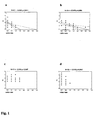
Figure 1 presents the correlation between the rotifer density (rotifer index) and the filamentous bacteria index (FI) in sewage treatment plants: PK (a), ZPM (b), CZ (c) and WW (d), where
1a) r = -0.4968, p=0.001, 1b) r = -0.5476, p=0.0056, 1c) p > 0.5, 1d) r =0.313, p=0.08. -
Figure 2 presents the correlation between the testate amoeba density (testate amoeba index) and the filamentous index (FI) in the CZ treatment plant, where r=-0.41, p= 0.01. -
Figure 3 presents the mean filamentous density index (DF) 7 days after introducing rotifers into the sludge in the CZ treatment plant (a), WW (b) and SU (c). -
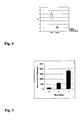
Figure 4 presents the mean filamentous density index (DF) 7 days after introducing rotifers into the sludge in the WW treatment plant in a laboratory experiment conducted in beakers. -
Figure 5 presents the mean number of rotifers/ml in beakers at the start, on the 5th and on the 7th day of the experiment. -
Figure 6 presents the volume of the sludge after 30 minutes from the moment of uniform mixing in a graduated cylinder in the control sample (1-4) and the experiment (5-8). - Below, examples of realisation have been presented of the invention defined above.
- During microscopic research of activated sludge conducted by us, we noticed that at least two organisms - rotifers and testate amoeba - digest filamentous bacteria. Hence, we decided to check, among numerous data gathered by us, if there are interactions, and if so, what kind of interactions, between rotifers and/or amoeba and filamentous bacteria. Also, we performed numerous experiments with the aim of determination if rotifers transferred from cultures to the activated sludge from various sewage treatment plants would be able to survive, proliferate and eliminate filamentous microorganisms. The main aim of the second experiment was checking if rotifers eliminating filamentous bacteria could have an effect on sedimentation properties of sewage.
- For three years data were collected from 4 sewage treatment plants in southern Poland. Samples approx. 200 ml in volume were taken from aeration chambers and sent to the laboratory. In order to avoid oxygen deficit in transported samples, containers were filled up to half of the maximum volume. Samples were always analysed during 24 hours from sampling. Samples were analysed in accordance with the estimation method of Eikelboom (Eikelboom, 2000), which does not require precise counting of organisms in the sample and is based on estimation of their density. The density of filamentous bacteria is assessed according to a 0 to 5 scale, while in the case of protozoa and higher organisms (rotifers, nematodes, Oligachaeta) in the 0 to 3 scale. In the research half values have been introduced in order to perform more precise assessment of microorganisms density.
- Next analysis was performed of the correlation between the density of filamentous bacteria and other organisms occurring in activated sludge - 133 collected samples have been analysed. The correlation has been analysed between ciliates, flagellates, naked amoebae, testate amoebae, rotifers and nematodes.
It has been found that the only organisms, the number of which negatively correlates with filamentous bacteria density, are testate amoebae and rotifers. - Due to the fact that during microscopic observations rotifers were frequently seen eating filamentous bacteria, a series of laboratory experiments had been conducted, in order to check if rotifers could indeed significantly decrease filamentous bacteria density in the sludge. Lecane inermis rotifers were used in experiments. Their clones were derived earlier from single organisms, taken from one of the sewage samples and cultivated on Petri dishes in Zywiec mineral water. They fed on bacteria cultivated on rice seeds (sterilised earlier with boiling water) added to the culture medium. Cultures were maintained at a light intensity of 70 µm photon m-2 s-1, whilst maintaining the pattern 12 hours of light: 12 hours of darkness, at a temperature of 20°C.
- Activated sludge used for experiments was obtained from two sewage treatment plants tested earlier (further designated as CZ and WW) and one plant not tested earlier, but continuously having problems with sludge bulking (further designated as SU).
- Before starting experiments, the filamentous bacteria morphotypes was determined and the density was estimated in each sewage treatment plant.
Sludge from the sewage treatment plant Filamentous index FI Bacteria CZ 3.5 Microthrix parvicella - decidedly dominating WW 4.5 Microthrix parvicella - the only occurring bacteria SU 4.0 Microthrix parvicella and Actinomycetes - occurring in equal proportions - Experiments were conducted in 24-wells plates for tissue cultures. 1 ml of activated sludge was measured into 16 wells. Eight wells were used for control, while into the remaining 100 rotifers each were introduced. During hauling of rotifers approx. 100 µl of Żywiec mineral water entered experimental wells. In order to maintain identical chemical parameters of the activated sludge, the same amount of mineral water was poured into control wells. The plates were placed in culture chambers in the dark at a temperature of 20°C. Such a prepared experimental system was repeated for each sludge separately.
- After a week from each wells ten 25 µl volume subsamples were taken and were mixed with 10 µl of acridine orange on a microscope slide. Acridine orange allowed all live filamentous bacteria to be distinctly visible under a fluorescence microscope. Subsamples were covered with a cover glass of 22 x 22 mm dimensions, and next under the microscope photos were taken of ten fields of view chosen at random from each sample. Each image was analysed by the LUCIA Image Analysis System. The software lays a frame of 28 x 28 µm dimensions on the image. The number of intersections of filamentous bacteria with the frame was counted, the value obtained in this way was defined as the DF (density factor). For each experiment and control sample the mean value of the DF index was next calculated. The Nikon Eclipse 80i fluorescence microscope with a B-2A filter was used (450-490 nm excitation) at full 1000x magnification.
- Analysis of data collected during three years from four tested sewage treatment plants has shown that the index of filamentous bacteria (FI) negatively correlates with the rotifer (r = -0.3182, p<0.001) and testate amoeba density (r = -0.3805, p<0.001). FI correlations with densities of other groups of organisms such as: ciliates, Flagellata, amoebina and nematodes have been found to be statistically insignificant. Analysis of data performed independently for each sewage treatment plant has shown that correlations:
Sludge from the sewage treatment plant rolifer density versus filamentous bacteria index correlation between testate amoeba and FI PK r = - 0.4968, p = 0.001 insignificant ZPM r = -0.5476, p = 0.0056 r = 0.3817, p = 0.06 CZ Insignificant, p>0.5 r = -0.41, p = 0.01 WW r = 0.313, p = 0.08 insignificant - rotifer density versus filamentous bacteria index were negative and statistically significant for the PK sewage treatment plant (
Fig. 1a ., r= - 0.4968, p=0.001) and ZPM (Fig. 1b ., r= -0.5476, p=0.0056); - in the CZ sewage treatment plant the correlation was found to be insignificant (
Fig. 1c , p>0.5); - in the WW sewage treatment plant it was weakly significant (
Fig. 1d , r = 0.313, p = 0.08). - However, in the case of the CZ sewage treatment plant it has been shown that a statistically significant negative correlation exists between testate amoeba and FI (
Fig. 2 , r = -0.41, p = 0.01). In ZPM the correlation was weakly significant (r = 0.3817, p=0.06), while in the case of WW and PK insignificant. -
Graphs 3 a-c show results of experiments conducted in the laboratory scale, in which rotifers have been added to sludge samples from three different sewage treatment plants: CZ, WW and SU. In two cases: CZ (Fig. 3a ) and WW (Fig. 3b ) significant differences have been shown in the density of filamentous bacteria between the treatment and control samples. The t test for independent data confirmed that rotifers effectively decrease the density of filamentous bacteria in activated sludge from the CZ (t = -3.411, df = 158, p<0.001) and WW plant (t = -5.484, df= 158, p<0.001), and this effect was less distinct in the case of sludge from the CZ plant. On the other hand, statistically significant differences have been shown between the treatment and control samples in the experiment with the use of sludge samples from the SU plant (Fig. 3c ).Sludge from the sewage treatment plant t Test df CZ -3.411, p<0.001 158 WW -5.484, p<0.001 158 SU No statistically significant differences between the treatment and control samples - Results of experiments conducted in a greater scale, in two litre beakers, confirmed the ability of Lecane genus rotifers to reduce the number of filamentous bacteria in the sludge. At the beginning of the experiment the mean density of filamentous bacteria was similar in control and experimental vessels. After a week, the density of filamentous bacteria in vessels with rotifers significantly decreased (t = 3.392, df = 157, p<0.001), while in the control sample it was maintained at the same level. At the end of the experiment the difference between the density index of filamentous bacteria (DF) in experimental and control vessels was very significant (
Fig. 4 , t = -5.9437, df = 157, p<0.001). - The density of rotifers during the experiment significantly increased (
Fig. 5 ). The density increase was lower at the beginning - the number of rotifers increased by four times during five days, while during the last two days of the experiment by 3.5 times. As the exponential increase is described by formula Nt = n 0 ert , the increase coefficient has been calculated as:
- During the first 5 days the increase coefficient oscillated in the 0.2-0.3 limits, while during the last two days it reached a value of 0.5-0.8.
- In
Fig. 6 differences have been presented in the sludge volume after 30 minutes from transferring to measuring cylinders after uniform mixing in beakers. The sludge volume is significantly lower in cylinders with sludge with rotifer admixture (cylinders 5-8) than in control cylinders (1-4). In experimental cylinders the sludge volume reached values in the 14 to 18 ml range, while in the control cylinders in the 21 to 44 ml range.
Claims (7)
- Process of reducing excessive growth of filamentous bacteria in activated sludge, characterised in that Lecane inermis rotifers are introduced into the activated sludge containing filamentous bacteria Microthrix parvicella, N. limicola and type 021 N, and they eat said filamentous bacteria and decrease their density in activated sludge, wherein the volume ratio of rotifer inoculum to activated sludge is in the 1:20 to 1:80 range, at a rotifer density in the inoculum of 500 - 3000/ml.
- Process according to claim 1, characterised in that the first stage includes multiplication of rotifers in aerated tanks, the second stage includes analysis of rotifer effectiveness in relation to given sludges, where the activated sludge in the tested sewage treatment plant is mixed with rotifer inoculum in a laboratory experimental system with several repetitions, whilst the sludge without addition of rotifers is treated as a control sample, so that analysis of rotifer density changes in time and comparison of filamentous bacteria concentration in the experimental and control sample allows statement of effectiveness of the method for a given sludge, and next in the third stage inoculum is introduced to chambers of reduced capacity immersed in the activated sludge chamber, where multiplication of rotifers takes place.
- Process according to claim 2, characterised in that rotifers are multiplied directly in activated sludge chambers.
- Process according to claim 2, characterised in that rotifers are multiplied outside activated sludge chambers.
- Process according to claim 2, characterised in that the FI index of filamentous bacteria decreases with time, and the density of rotifers increases.
- Use of Lecane inermis rotifers in the process of preventing bulking of activated sludge for eating away filamentous bacteria, wherein said activated sludge contains filamentous bacteria Microthrix parvicella, N. limicola and type 021 N.
- Use according to the claim 6, characterised in that the volume ratio of used rotifers inoculum to activated sludge, is in the 1 :20 to 1 :80 range, at a rotifer density in the inoculum of 500-3000/ml.
Applications Claiming Priority (2)
| Application Number | Priority Date | Filing Date | Title |
|---|---|---|---|
| PL383707A PL217732B1 (en) | 2007-11-06 | 2007-11-06 | The manner of limiting of development of filamentous bacteria in active sediment, process of limiting of swelling of active sediment and application of organisms appearing naturally in active sediment in prevention of its swelling |
| PCT/PL2008/000075 WO2009061224A1 (en) | 2007-11-06 | 2008-10-28 | The method of reducing excessive growth of filamentous bacteria in activated sludge, the process of reducing the bulking of activated sludge and use of naturally occurring organisms in the activated sludge to prevent its bulking |
Publications (2)
| Publication Number | Publication Date |
|---|---|
| EP2212255A1 EP2212255A1 (en) | 2010-08-04 |
| EP2212255B1 true EP2212255B1 (en) | 2014-09-03 |
Family
ID=40340601
Family Applications (1)
| Application Number | Title | Priority Date | Filing Date |
|---|---|---|---|
| EP20080848179 Not-in-force EP2212255B1 (en) | 2007-11-06 | 2008-10-28 | The method of reducing excessive growth of filamentous bacteria in activated sludge, the process of reducing the bulking of activated sludge and use of naturally occurring organisms in the activated sludge to prevent its bulking |
Country Status (3)
| Country | Link |
|---|---|
| EP (1) | EP2212255B1 (en) |
| PL (1) | PL217732B1 (en) |
| WO (1) | WO2009061224A1 (en) |
Families Citing this family (4)
| Publication number | Priority date | Publication date | Assignee | Title |
|---|---|---|---|---|
| US8361952B2 (en) | 2010-07-28 | 2013-01-29 | Ecolab Usa Inc. | Stability enhancement agent for solid detergent compositions |
| PL227366B1 (en) | 2013-05-11 | 2017-11-30 | Univ Jagiellonski | Method for mass rearing of rotifers of the genus Lecane, potentially used in reducing the swelling of activated sludge in sewage treatment plants |
| WO2017007892A1 (en) * | 2015-07-07 | 2017-01-12 | Nch Corporation | System and method for treating water with a biological based biocide |
| PL449877A1 (en) | 2024-09-23 | 2026-03-30 | Uniwersytet Jagielloński | Lecane rotifer protection against the effects of predatory fungi Zoophagus or Lecophages |
Family Cites Families (5)
| Publication number | Priority date | Publication date | Assignee | Title |
|---|---|---|---|---|
| CH621751A5 (en) * | 1976-09-24 | 1981-02-27 | Attisholz Cellulose | Process for the biochemical purification of waste water containing organic constituents which favour the undesirable development of filamentous bacteria and/or the formation of bulking sludge |
| JPH0312293A (en) | 1989-06-07 | 1991-01-21 | Mitsubishi Monsanto Chem Co | Activated sludge abnormal phenomenon prevention agent and activated sludge abnormal phenomenon prevention method |
| JP3822843B2 (en) | 2002-06-05 | 2006-09-20 | 新日本製鐵株式会社 | Method for inhibiting the growth of filamentous microorganisms using bacteriophage |
| KR101215912B1 (en) * | 2004-02-02 | 2012-12-31 | 쿠리타 고교 가부시키가이샤 | Process for biological treatment of organic waste water and apparatus therefor |
| US7361268B2 (en) * | 2004-10-22 | 2008-04-22 | Earth Works Institute | Waste treatment systems |
-
2007
- 2007-11-06 PL PL383707A patent/PL217732B1/en unknown
-
2008
- 2008-10-28 EP EP20080848179 patent/EP2212255B1/en not_active Not-in-force
- 2008-10-28 WO PCT/PL2008/000075 patent/WO2009061224A1/en not_active Ceased
Also Published As
| Publication number | Publication date |
|---|---|
| PL383707A1 (en) | 2009-05-11 |
| PL217732B1 (en) | 2014-08-29 |
| EP2212255A1 (en) | 2010-08-04 |
| WO2009061224A1 (en) | 2009-05-14 |
Similar Documents
| Publication | Publication Date | Title |
|---|---|---|
| Decamp et al. | The role of ciliated protozoa in subsurface flow wetlands and their potential as bioindicators | |
| Aslan et al. | Biological denitrification of drinking water in a slow sand filter | |
| Benito et al. | Seeking the reuse of effluents and sludge from conventional wastewater treatment plants: Analysis of the presence of intestinal protozoa and nematode eggs | |
| Rouse et al. | Swim-bed technology as an innovative attached-growth process for high-rate wastewater treatment | |
| Strade et al. | Cost effective method for toxicity screening of pharmaceutical wastewater containing inorganic salts and harmful organic compounds | |
| Kasmuri et al. | Application of water hyacinth in phytoremediation of wastewater | |
| Ellouze et al. | Assessment of the impact of excessive chemical additions to municipal wastewaters and comparison of three technologies in the removal performance of pathogens and toxicity | |
| Carraro et al. | Impact of a wastewater treatment plant on Cryptosporidium oocysts and Giardia cysts occurring in a surface water | |
| WO2009061224A1 (en) | The method of reducing excessive growth of filamentous bacteria in activated sludge, the process of reducing the bulking of activated sludge and use of naturally occurring organisms in the activated sludge to prevent its bulking | |
| Sidat et al. | Laboratory-scale investigation of biological phosphate removal from municipal wastewater | |
| Kelechi et al. | Assessment of Microbial Load in Water and Sediments of Rivers Otamiri and Nworie in Owerri, South Eastern Nigeria | |
| Pankivskyi et al. | Innovative wastewater treatment using activated sludge and flotation clarifications under cold weather conditions | |
| Zhang et al. | Nitrite accumulation in an attapulgas clay biofilm reactor by fulvic acids | |
| Ezechi et al. | A comparative evaluation of an integrated hybrid bioreactor treating industrial wastewater | |
| Jahan et al. | Activated sludge and other aerobic suspended culture processes | |
| Sian-oon et al. | Performance Assessment of the Onsite Wastewater Treatment System at High-rise Condominium in Bangkok: A Case Study | |
| Jumaah | Impact of saline wastewater on the behaviour of aerobic granular sludge (AGS) | |
| Rajeb et al. | Physicochemical and microbial Caracteristics Performency in wastewater treated under aerobic reactor | |
| TWI304796B (en) | Treating method for biological waste | |
| Islam et al. | Biological fixed film | |
| Tandoi et al. | Bulking and foaming control methods in | |
| Babko et al. | Some effects of drilling fluids on communities of selected eukaryotic organisms in activated sludge from sequencing batch reactors | |
| Orth et al. | Wastewater treatment for industrial estates in southeast Asia using water hyacinths | |
| Boni et al. | The trophic potential of sewage effluent resulting from various levels of treatment | |
| Hamaidi et al. | Efficiency of indicator bacteria removal in a wastewater treatment plant (Algiers, Algeria) |
Legal Events
| Date | Code | Title | Description |
|---|---|---|---|
| PUAI | Public reference made under article 153(3) epc to a published international application that has entered the european phase |
Free format text: ORIGINAL CODE: 0009012 |
|
| 17P | Request for examination filed |
Effective date: 20100607 |
|
| AK | Designated contracting states |
Kind code of ref document: A1 Designated state(s): AT BE BG CH CY CZ DE DK EE ES FI FR GB GR HR HU IE IS IT LI LT LU LV MC MT NL NO PL PT RO SE SI SK TR |
|
| AX | Request for extension of the european patent |
Extension state: AL BA MK RS |
|
| DAX | Request for extension of the european patent (deleted) | ||
| 17Q | First examination report despatched |
Effective date: 20110330 |
|
| GRAP | Despatch of communication of intention to grant a patent |
Free format text: ORIGINAL CODE: EPIDOSNIGR1 |
|
| INTG | Intention to grant announced |
Effective date: 20140327 |
|
| GRAS | Grant fee paid |
Free format text: ORIGINAL CODE: EPIDOSNIGR3 |
|
| GRAA | (expected) grant |
Free format text: ORIGINAL CODE: 0009210 |
|
| AK | Designated contracting states |
Kind code of ref document: B1 Designated state(s): AT BE BG CH CY CZ DE DK EE ES FI FR GB GR HR HU IE IS IT LI LT LU LV MC MT NL NO PL PT RO SE SI SK TR |
|
| REG | Reference to a national code |
Ref country code: GB Ref legal event code: FG4D |
|
| REG | Reference to a national code |
Ref country code: CH Ref legal event code: EP Ref country code: AT Ref legal event code: REF Ref document number: 685486 Country of ref document: AT Kind code of ref document: T Effective date: 20140915 |
|
| REG | Reference to a national code |
Ref country code: IE Ref legal event code: FG4D |
|
| REG | Reference to a national code |
Ref country code: DE Ref legal event code: R096 Ref document number: 602008034266 Country of ref document: DE Effective date: 20141009 |
|
| REG | Reference to a national code |
Ref country code: NL Ref legal event code: T3 |
|
| REG | Reference to a national code |
Ref country code: AT Ref legal event code: MK05 Ref document number: 685486 Country of ref document: AT Kind code of ref document: T Effective date: 20140903 |
|
| PG25 | Lapsed in a contracting state [announced via postgrant information from national office to epo] |
Ref country code: FI Free format text: LAPSE BECAUSE OF FAILURE TO SUBMIT A TRANSLATION OF THE DESCRIPTION OR TO PAY THE FEE WITHIN THE PRESCRIBED TIME-LIMIT Effective date: 20140903 Ref country code: ES Free format text: LAPSE BECAUSE OF FAILURE TO SUBMIT A TRANSLATION OF THE DESCRIPTION OR TO PAY THE FEE WITHIN THE PRESCRIBED TIME-LIMIT Effective date: 20140903 Ref country code: SE Free format text: LAPSE BECAUSE OF FAILURE TO SUBMIT A TRANSLATION OF THE DESCRIPTION OR TO PAY THE FEE WITHIN THE PRESCRIBED TIME-LIMIT Effective date: 20140903 Ref country code: LT Free format text: LAPSE BECAUSE OF FAILURE TO SUBMIT A TRANSLATION OF THE DESCRIPTION OR TO PAY THE FEE WITHIN THE PRESCRIBED TIME-LIMIT Effective date: 20140903 Ref country code: NO Free format text: LAPSE BECAUSE OF FAILURE TO SUBMIT A TRANSLATION OF THE DESCRIPTION OR TO PAY THE FEE WITHIN THE PRESCRIBED TIME-LIMIT Effective date: 20141203 Ref country code: GR Free format text: LAPSE BECAUSE OF FAILURE TO SUBMIT A TRANSLATION OF THE DESCRIPTION OR TO PAY THE FEE WITHIN THE PRESCRIBED TIME-LIMIT Effective date: 20141204 |
|
| REG | Reference to a national code |
Ref country code: LT Ref legal event code: MG4D |
|
| PG25 | Lapsed in a contracting state [announced via postgrant information from national office to epo] |
Ref country code: LV Free format text: LAPSE BECAUSE OF FAILURE TO SUBMIT A TRANSLATION OF THE DESCRIPTION OR TO PAY THE FEE WITHIN THE PRESCRIBED TIME-LIMIT Effective date: 20140903 Ref country code: CY Free format text: LAPSE BECAUSE OF FAILURE TO SUBMIT A TRANSLATION OF THE DESCRIPTION OR TO PAY THE FEE WITHIN THE PRESCRIBED TIME-LIMIT Effective date: 20140903 Ref country code: AT Free format text: LAPSE BECAUSE OF FAILURE TO SUBMIT A TRANSLATION OF THE DESCRIPTION OR TO PAY THE FEE WITHIN THE PRESCRIBED TIME-LIMIT Effective date: 20140903 Ref country code: HR Free format text: LAPSE BECAUSE OF FAILURE TO SUBMIT A TRANSLATION OF THE DESCRIPTION OR TO PAY THE FEE WITHIN THE PRESCRIBED TIME-LIMIT Effective date: 20140903 |
|
| PG25 | Lapsed in a contracting state [announced via postgrant information from national office to epo] |
Ref country code: CZ Free format text: LAPSE BECAUSE OF FAILURE TO SUBMIT A TRANSLATION OF THE DESCRIPTION OR TO PAY THE FEE WITHIN THE PRESCRIBED TIME-LIMIT Effective date: 20140903 Ref country code: PT Free format text: LAPSE BECAUSE OF FAILURE TO SUBMIT A TRANSLATION OF THE DESCRIPTION OR TO PAY THE FEE WITHIN THE PRESCRIBED TIME-LIMIT Effective date: 20150105 Ref country code: SK Free format text: LAPSE BECAUSE OF FAILURE TO SUBMIT A TRANSLATION OF THE DESCRIPTION OR TO PAY THE FEE WITHIN THE PRESCRIBED TIME-LIMIT Effective date: 20140903 Ref country code: EE Free format text: LAPSE BECAUSE OF FAILURE TO SUBMIT A TRANSLATION OF THE DESCRIPTION OR TO PAY THE FEE WITHIN THE PRESCRIBED TIME-LIMIT Effective date: 20140903 Ref country code: IS Free format text: LAPSE BECAUSE OF FAILURE TO SUBMIT A TRANSLATION OF THE DESCRIPTION OR TO PAY THE FEE WITHIN THE PRESCRIBED TIME-LIMIT Effective date: 20150103 Ref country code: RO Free format text: LAPSE BECAUSE OF FAILURE TO SUBMIT A TRANSLATION OF THE DESCRIPTION OR TO PAY THE FEE WITHIN THE PRESCRIBED TIME-LIMIT Effective date: 20140903 |
|
| PG25 | Lapsed in a contracting state [announced via postgrant information from national office to epo] |
Ref country code: PL Free format text: LAPSE BECAUSE OF FAILURE TO SUBMIT A TRANSLATION OF THE DESCRIPTION OR TO PAY THE FEE WITHIN THE PRESCRIBED TIME-LIMIT Effective date: 20140903 |
|
| REG | Reference to a national code |
Ref country code: CH Ref legal event code: PL |
|
| REG | Reference to a national code |
Ref country code: DE Ref legal event code: R097 Ref document number: 602008034266 Country of ref document: DE |
|
| PG25 | Lapsed in a contracting state [announced via postgrant information from national office to epo] |
Ref country code: BE Free format text: LAPSE BECAUSE OF NON-PAYMENT OF DUE FEES Effective date: 20141031 Ref country code: MC Free format text: LAPSE BECAUSE OF FAILURE TO SUBMIT A TRANSLATION OF THE DESCRIPTION OR TO PAY THE FEE WITHIN THE PRESCRIBED TIME-LIMIT Effective date: 20140903 |
|
| PLBE | No opposition filed within time limit |
Free format text: ORIGINAL CODE: 0009261 |
|
| STAA | Information on the status of an ep patent application or granted ep patent |
Free format text: STATUS: NO OPPOSITION FILED WITHIN TIME LIMIT |
|
| REG | Reference to a national code |
Ref country code: IE Ref legal event code: MM4A |
|
| PG25 | Lapsed in a contracting state [announced via postgrant information from national office to epo] |
Ref country code: DK Free format text: LAPSE BECAUSE OF FAILURE TO SUBMIT A TRANSLATION OF THE DESCRIPTION OR TO PAY THE FEE WITHIN THE PRESCRIBED TIME-LIMIT Effective date: 20140903 Ref country code: CH Free format text: LAPSE BECAUSE OF NON-PAYMENT OF DUE FEES Effective date: 20141031 Ref country code: LI Free format text: LAPSE BECAUSE OF NON-PAYMENT OF DUE FEES Effective date: 20141031 |
|
| 26N | No opposition filed |
Effective date: 20150604 |
|
| PG25 | Lapsed in a contracting state [announced via postgrant information from national office to epo] |
Ref country code: IT Free format text: LAPSE BECAUSE OF FAILURE TO SUBMIT A TRANSLATION OF THE DESCRIPTION OR TO PAY THE FEE WITHIN THE PRESCRIBED TIME-LIMIT Effective date: 20140903 |
|
| PG25 | Lapsed in a contracting state [announced via postgrant information from national office to epo] |
Ref country code: IE Free format text: LAPSE BECAUSE OF NON-PAYMENT OF DUE FEES Effective date: 20141028 |
|
| PG25 | Lapsed in a contracting state [announced via postgrant information from national office to epo] |
Ref country code: SI Free format text: LAPSE BECAUSE OF FAILURE TO SUBMIT A TRANSLATION OF THE DESCRIPTION OR TO PAY THE FEE WITHIN THE PRESCRIBED TIME-LIMIT Effective date: 20140903 |
|
| PG25 | Lapsed in a contracting state [announced via postgrant information from national office to epo] |
Ref country code: BG Free format text: LAPSE BECAUSE OF FAILURE TO SUBMIT A TRANSLATION OF THE DESCRIPTION OR TO PAY THE FEE WITHIN THE PRESCRIBED TIME-LIMIT Effective date: 20140903 |
|
| PG25 | Lapsed in a contracting state [announced via postgrant information from national office to epo] |
Ref country code: MT Free format text: LAPSE BECAUSE OF FAILURE TO SUBMIT A TRANSLATION OF THE DESCRIPTION OR TO PAY THE FEE WITHIN THE PRESCRIBED TIME-LIMIT Effective date: 20140903 Ref country code: LU Free format text: LAPSE BECAUSE OF NON-PAYMENT OF DUE FEES Effective date: 20141028 Ref country code: HU Free format text: LAPSE BECAUSE OF FAILURE TO SUBMIT A TRANSLATION OF THE DESCRIPTION OR TO PAY THE FEE WITHIN THE PRESCRIBED TIME-LIMIT; INVALID AB INITIO Effective date: 20081028 Ref country code: BE Free format text: LAPSE BECAUSE OF FAILURE TO SUBMIT A TRANSLATION OF THE DESCRIPTION OR TO PAY THE FEE WITHIN THE PRESCRIBED TIME-LIMIT Effective date: 20140903 Ref country code: TR Free format text: LAPSE BECAUSE OF FAILURE TO SUBMIT A TRANSLATION OF THE DESCRIPTION OR TO PAY THE FEE WITHIN THE PRESCRIBED TIME-LIMIT Effective date: 20140903 |
|
| REG | Reference to a national code |
Ref country code: FR Ref legal event code: PLFP Year of fee payment: 9 |
|
| REG | Reference to a national code |
Ref country code: FR Ref legal event code: PLFP Year of fee payment: 10 |
|
| PGFP | Annual fee paid to national office [announced via postgrant information from national office to epo] |
Ref country code: FR Payment date: 20170927 Year of fee payment: 10 |
|
| PGFP | Annual fee paid to national office [announced via postgrant information from national office to epo] |
Ref country code: NL Payment date: 20171030 Year of fee payment: 10 |
|
| REG | Reference to a national code |
Ref country code: NL Ref legal event code: MM Effective date: 20181101 |
|
| PG25 | Lapsed in a contracting state [announced via postgrant information from national office to epo] |
Ref country code: NL Free format text: LAPSE BECAUSE OF NON-PAYMENT OF DUE FEES Effective date: 20181101 |
|
| PG25 | Lapsed in a contracting state [announced via postgrant information from national office to epo] |
Ref country code: FR Free format text: LAPSE BECAUSE OF NON-PAYMENT OF DUE FEES Effective date: 20181031 |
|
| PGFP | Annual fee paid to national office [announced via postgrant information from national office to epo] |
Ref country code: DE Payment date: 20191011 Year of fee payment: 12 |
|
| PGFP | Annual fee paid to national office [announced via postgrant information from national office to epo] |
Ref country code: GB Payment date: 20191007 Year of fee payment: 12 |
|
| REG | Reference to a national code |
Ref country code: DE Ref legal event code: R119 Ref document number: 602008034266 Country of ref document: DE |
|
| GBPC | Gb: european patent ceased through non-payment of renewal fee |
Effective date: 20201028 |
|
| PG25 | Lapsed in a contracting state [announced via postgrant information from national office to epo] |
Ref country code: DE Free format text: LAPSE BECAUSE OF NON-PAYMENT OF DUE FEES Effective date: 20210501 |
|
| PG25 | Lapsed in a contracting state [announced via postgrant information from national office to epo] |
Ref country code: GB Free format text: LAPSE BECAUSE OF NON-PAYMENT OF DUE FEES Effective date: 20201028 |