EP2210611A1 - Use of the sequence encoding the carboxyl-terminal domain of the heavy chain of tetanus toxin as a drug - Google Patents
Use of the sequence encoding the carboxyl-terminal domain of the heavy chain of tetanus toxin as a drug Download PDFInfo
- Publication number
- EP2210611A1 EP2210611A1 EP08836703A EP08836703A EP2210611A1 EP 2210611 A1 EP2210611 A1 EP 2210611A1 EP 08836703 A EP08836703 A EP 08836703A EP 08836703 A EP08836703 A EP 08836703A EP 2210611 A1 EP2210611 A1 EP 2210611A1
- Authority
- EP
- European Patent Office
- Prior art keywords
- hctetx
- mice
- treatment
- terminal domain
- als
- Prior art date
- Legal status (The legal status is an assumption and is not a legal conclusion. Google has not performed a legal analysis and makes no representation as to the accuracy of the status listed.)
- Granted
Links
Images



Classifications
-
- C—CHEMISTRY; METALLURGY
- C07—ORGANIC CHEMISTRY
- C07K—PEPTIDES
- C07K14/00—Peptides having more than 20 amino acids; Gastrins; Somatostatins; Melanotropins; Derivatives thereof
- C07K14/195—Peptides having more than 20 amino acids; Gastrins; Somatostatins; Melanotropins; Derivatives thereof from bacteria
- C07K14/33—Peptides having more than 20 amino acids; Gastrins; Somatostatins; Melanotropins; Derivatives thereof from bacteria from Clostridium (G)
-
- A—HUMAN NECESSITIES
- A61—MEDICAL OR VETERINARY SCIENCE; HYGIENE
- A61K—PREPARATIONS FOR MEDICAL, DENTAL OR TOILETRY PURPOSES
- A61K38/00—Medicinal preparations containing peptides
- A61K38/04—Peptides having up to 20 amino acids in a fully defined sequence; Derivatives thereof
- A61K38/08—Peptides having 5 to 11 amino acids
-
- A—HUMAN NECESSITIES
- A61—MEDICAL OR VETERINARY SCIENCE; HYGIENE
- A61K—PREPARATIONS FOR MEDICAL, DENTAL OR TOILETRY PURPOSES
- A61K38/00—Medicinal preparations containing peptides
- A61K38/16—Peptides having more than 20 amino acids; Gastrins; Somatostatins; Melanotropins; Derivatives thereof
- A61K38/164—Peptides having more than 20 amino acids; Gastrins; Somatostatins; Melanotropins; Derivatives thereof from bacteria
-
- A—HUMAN NECESSITIES
- A61—MEDICAL OR VETERINARY SCIENCE; HYGIENE
- A61K—PREPARATIONS FOR MEDICAL, DENTAL OR TOILETRY PURPOSES
- A61K38/00—Medicinal preparations containing peptides
- A61K38/16—Peptides having more than 20 amino acids; Gastrins; Somatostatins; Melanotropins; Derivatives thereof
- A61K38/43—Enzymes; Proenzymes; Derivatives thereof
- A61K38/46—Hydrolases (3)
- A61K38/48—Hydrolases (3) acting on peptide bonds (3.4)
- A61K38/4886—Metalloendopeptidases (3.4.24), e.g. collagenase
-
- A—HUMAN NECESSITIES
- A61—MEDICAL OR VETERINARY SCIENCE; HYGIENE
- A61K—PREPARATIONS FOR MEDICAL, DENTAL OR TOILETRY PURPOSES
- A61K45/00—Medicinal preparations containing active ingredients not provided for in groups A61K31/00 - A61K41/00
- A61K45/06—Mixtures of active ingredients without chemical characterisation, e.g. antiphlogistics and cardiaca
-
- A—HUMAN NECESSITIES
- A61—MEDICAL OR VETERINARY SCIENCE; HYGIENE
- A61P—SPECIFIC THERAPEUTIC ACTIVITY OF CHEMICAL COMPOUNDS OR MEDICINAL PREPARATIONS
- A61P21/00—Drugs for disorders of the muscular or neuromuscular system
-
- A—HUMAN NECESSITIES
- A61—MEDICAL OR VETERINARY SCIENCE; HYGIENE
- A61P—SPECIFIC THERAPEUTIC ACTIVITY OF CHEMICAL COMPOUNDS OR MEDICINAL PREPARATIONS
- A61P25/00—Drugs for disorders of the nervous system
-
- A—HUMAN NECESSITIES
- A61—MEDICAL OR VETERINARY SCIENCE; HYGIENE
- A61P—SPECIFIC THERAPEUTIC ACTIVITY OF CHEMICAL COMPOUNDS OR MEDICINAL PREPARATIONS
- A61P25/00—Drugs for disorders of the nervous system
- A61P25/28—Drugs for disorders of the nervous system for treating neurodegenerative disorders of the central nervous system, e.g. nootropic agents, cognition enhancers, drugs for treating Alzheimer's disease or other forms of dementia
-
- C—CHEMISTRY; METALLURGY
- C12—BIOCHEMISTRY; BEER; SPIRITS; WINE; VINEGAR; MICROBIOLOGY; ENZYMOLOGY; MUTATION OR GENETIC ENGINEERING
- C12N—MICROORGANISMS OR ENZYMES; COMPOSITIONS THEREOF; PROPAGATING, PRESERVING, OR MAINTAINING MICROORGANISMS; MUTATION OR GENETIC ENGINEERING; CULTURE MEDIA
- C12N7/00—Viruses; Bacteriophages; Compositions thereof; Preparation or purification thereof
-
- C—CHEMISTRY; METALLURGY
- C12—BIOCHEMISTRY; BEER; SPIRITS; WINE; VINEGAR; MICROBIOLOGY; ENZYMOLOGY; MUTATION OR GENETIC ENGINEERING
- C12N—MICROORGANISMS OR ENZYMES; COMPOSITIONS THEREOF; PROPAGATING, PRESERVING, OR MAINTAINING MICROORGANISMS; MUTATION OR GENETIC ENGINEERING; CULTURE MEDIA
- C12N2710/00—MICROORGANISMS OR ENZYMES; COMPOSITIONS THEREOF; PROPAGATING, PRESERVING, OR MAINTAINING MICROORGANISMS; MUTATION OR GENETIC ENGINEERING; CULTURE MEDIA dsDNA viruses
- C12N2710/00011—Details
- C12N2710/10011—Adenoviridae
- C12N2710/10041—Use of virus, viral particle or viral elements as a vector
- C12N2710/10043—Use of virus, viral particle or viral elements as a vector viral genome or elements thereof as genetic vector
-
- C—CHEMISTRY; METALLURGY
- C12—BIOCHEMISTRY; BEER; SPIRITS; WINE; VINEGAR; MICROBIOLOGY; ENZYMOLOGY; MUTATION OR GENETIC ENGINEERING
- C12N—MICROORGANISMS OR ENZYMES; COMPOSITIONS THEREOF; PROPAGATING, PRESERVING, OR MAINTAINING MICROORGANISMS; MUTATION OR GENETIC ENGINEERING; CULTURE MEDIA
- C12N2710/00—MICROORGANISMS OR ENZYMES; COMPOSITIONS THEREOF; PROPAGATING, PRESERVING, OR MAINTAINING MICROORGANISMS; MUTATION OR GENETIC ENGINEERING; CULTURE MEDIA dsDNA viruses
- C12N2710/00011—Details
- C12N2710/10011—Adenoviridae
- C12N2710/10071—Demonstrated in vivo effect
-
- C—CHEMISTRY; METALLURGY
- C12—BIOCHEMISTRY; BEER; SPIRITS; WINE; VINEGAR; MICROBIOLOGY; ENZYMOLOGY; MUTATION OR GENETIC ENGINEERING
- C12N—MICROORGANISMS OR ENZYMES; COMPOSITIONS THEREOF; PROPAGATING, PRESERVING, OR MAINTAINING MICROORGANISMS; MUTATION OR GENETIC ENGINEERING; CULTURE MEDIA
- C12N2710/00—MICROORGANISMS OR ENZYMES; COMPOSITIONS THEREOF; PROPAGATING, PRESERVING, OR MAINTAINING MICROORGANISMS; MUTATION OR GENETIC ENGINEERING; CULTURE MEDIA dsDNA viruses
- C12N2710/00011—Details
- C12N2710/16011—Herpesviridae
- C12N2710/16111—Cytomegalovirus, e.g. human herpesvirus 5
- C12N2710/16141—Use of virus, viral particle or viral elements as a vector
- C12N2710/16143—Use of virus, viral particle or viral elements as a vector viral genome or elements thereof as genetic vector
-
- C—CHEMISTRY; METALLURGY
- C12—BIOCHEMISTRY; BEER; SPIRITS; WINE; VINEGAR; MICROBIOLOGY; ENZYMOLOGY; MUTATION OR GENETIC ENGINEERING
- C12N—MICROORGANISMS OR ENZYMES; COMPOSITIONS THEREOF; PROPAGATING, PRESERVING, OR MAINTAINING MICROORGANISMS; MUTATION OR GENETIC ENGINEERING; CULTURE MEDIA
- C12N2710/00—MICROORGANISMS OR ENZYMES; COMPOSITIONS THEREOF; PROPAGATING, PRESERVING, OR MAINTAINING MICROORGANISMS; MUTATION OR GENETIC ENGINEERING; CULTURE MEDIA dsDNA viruses
- C12N2710/00011—Details
- C12N2710/16011—Herpesviridae
- C12N2710/16111—Cytomegalovirus, e.g. human herpesvirus 5
- C12N2710/16171—Demonstrated in vivo effect
-
- C—CHEMISTRY; METALLURGY
- C12—BIOCHEMISTRY; BEER; SPIRITS; WINE; VINEGAR; MICROBIOLOGY; ENZYMOLOGY; MUTATION OR GENETIC ENGINEERING
- C12N—MICROORGANISMS OR ENZYMES; COMPOSITIONS THEREOF; PROPAGATING, PRESERVING, OR MAINTAINING MICROORGANISMS; MUTATION OR GENETIC ENGINEERING; CULTURE MEDIA
- C12N2740/00—Reverse transcribing RNA viruses
- C12N2740/00011—Details
- C12N2740/00041—Use of virus, viral particle or viral elements as a vector
- C12N2740/00043—Use of virus, viral particle or viral elements as a vector viral genome or elements thereof as genetic vector
-
- C—CHEMISTRY; METALLURGY
- C12—BIOCHEMISTRY; BEER; SPIRITS; WINE; VINEGAR; MICROBIOLOGY; ENZYMOLOGY; MUTATION OR GENETIC ENGINEERING
- C12N—MICROORGANISMS OR ENZYMES; COMPOSITIONS THEREOF; PROPAGATING, PRESERVING, OR MAINTAINING MICROORGANISMS; MUTATION OR GENETIC ENGINEERING; CULTURE MEDIA
- C12N2740/00—Reverse transcribing RNA viruses
- C12N2740/00011—Details
- C12N2740/00071—Demonstrated in vivo effect
Definitions
- This invention concerns the use of the sequence encoding of the carboxyl-terminal domain of the heavy chain of the tetanus toxin as a drug, preferably in the treatment of Amyotrophic Lateral Sclerosis (ALS), as well as the polypeptide encoded by said sequence for the treatment of the aforementioned disease.
- ALS Amyotrophic Lateral Sclerosis
- Amyotrophic Lateral Sclerosis (Lou Gehrig's or Charcot's Disease) is a progressive, incurable, and fatal disease that progresses to the degeneration of the motor neurons at the medullar, bulbar, and motor cortex level. In the case of Spain, the illness presents an incidence of 2/100,000 and a prevalence of 1/10,000, which indicates that approximately 40,000 Vietnamese University of Wisconsin.
- adenoviral vectors that express various neurotrophic factors (GDNF, CNTF, NI-4, IGF-1), which have offered hopeful results.
- adenoviral injections have presented the disadvantage of having to be applied to neonatal animals due to the great immune response that they create. Therefore, although the results have been hopeful, developing new vectors which are less immunogenic is imperative in order to make an effective treatment for ALS possible.
- neurotrophic factors administered in a systemic way present problems with toxicity when acting upon other tissues.
- the therapeutic possibilities of neurotrophic factors continue to be researched due to their promising results in the preclinical phase.
- the latest clinical trial taking place at the Rochester Medical Center is once again based on the administration of a neurotrophic factor, IGF-1.
- HcTeTx non-toxic carboxyl terminal domain of the heavy chain of the tetanus toxin
- a first aspect of the invention relates to the use of a polynucleotide that includes the encoding sequence of isolated HcTeTx, its allelic variations, or function fragments of same for the creation of a drug, preferably for the treatment of ALS.
- the encoding sequence of HcTeTx encompasses the encoding triplet of the amino acid V (Valine) of the amino terminal end of HcTeTx to the triplet that encodes the amino acid D (Aspartate), preferably from the amino acid V (854) to D (1315) of the sequence with access number (NCBI.: P04958).
- the encoding sequence of HcTeTx is SEQ ID NO: 1 and the HcTeTx fragment is SEQ ID NO: 5.
- this polynucleotide shall be called the "polynucleotide of the invention”.
- the polynucleotide of the invention may be a mutation (deletion, insertion, inversion, point mutation, etc.) where said mutations do not affect its capacity to act as a drug, specifically for the treatment of ALS.
- Maintenance of the therapeutic effect of the mutated polynucleotide of the invention may be tested through the reproduction of any of the examples I and II. Throughout the description these mutated polynucleotides shall be also considered as allelic variations.
- the polynucleotide of the invention may also include promoting, termination, silencing sequences; sequences that facilitate their integration into chromosomes or any type of organizational structure of genetic material, etc.
- a second aspect of the invention refers to the use of a vector that includes the polynucleotide of the invention for the creation of a drug, preferably for the treatment of ALS, where said vector is selected from the group including (with no type of limitation), plasmids, phages, cosmids, phagemids, artificial yeast chromosomes (YAC), artificial bacterial chromosomes (BAC), artificial human chromosomes (HAC), viral vectors, such as adenovirus, retroviruses, or any other type of DNA or RNA molecule capable of replicating itself inside a prokaryote or eukaryote cell.
- this vector shall be called "vector of the invention”.
- a third aspect of the invention refers to the use of a transgenic cell for the creation of a drug, preferably for the treatment of ALS, in which said cell includes the polynucleotide of the invention or the vector of the invention.
- a fourth aspect of the invention relates to the use of an isolated polynucleotide that includes the encoding sequence of isolated HcTeTx, its allelic variations, or its function fragments of same for the creation of a drug for the treatment of ALS.
- the HcTeTx sequence encompasses from the amino acid V(854) to D(1315) of the sequence with the access number (NCBL: P04958).
- the sequence of HcTeTx is SEQ ID NO: 2 and the HcTeTx fragment is SEQ ID NO: 6.
- this polynucleotide shall be called the " polynucleotide of the invention".
- the polypeptide of the invention is mutated (deletion, insertion, inversion, point substitutions of amino acids, etc.), even though said mutations do not affect their capacity to act as a drug for the treatment of ALS. Maintenance of the therapeutic effect of the mutated polynucleotide of the invention may be tested through the reproduction of the examples 1 and 2.
- the polynucleotide, the vectors, the transgenic cells, or the polypeptide of the invention will be formulated in a pharmaceutical form suitable for its administration using the chosen route of administration.
- said pharmaceutical compound shall include the vehicles and excipients which are pharmaceutically acceptable and necessary to create the selected pharmaceutical form of administration.
- Information on excipients or vehicles that may be used in the creation of said pharmaceutical compounds, as well as on pharmaceutical forms of administration of the active ingredients, in general, can be found in the book, " Treatise of the Galenic Pharmacy", by C. Faul ⁇ i Trillo, 1st Edition, 1993, Luzan 5, S.A. de Ediils .
- Said pharmaceutical composition includes, at least, any of the elements from the group including: the polynucleotide, vectors, transgenic cells, or the polypeptide of the invention should be found in an therapeutically effective amount.
- therapeutically effective amount refers to the amount of the element selected calculated to produce the effect desired and, in general, will be determined by the characteristics of the polypeptide element itself, among other causes, and the therapeutic effect to be obtained, the characteristics of the individual to be treated, the severity of the illness suffered by said individual, etc.
- this pharmaceutical compound shall be said “pharmaceutical compound or drug of the invention”.
- the pharmaceutical compound of the invention may be administered by any suitable route of administration, for example, by oral, parenteral, nasal (mucosa) route, etc., typically, by parenteral route, advantageously, through its intramuscular or subcutaneous administration.
- said pharmaceutical compound may present any form of presentation suitable for its administration, for example, in solid form (tablets, capsules, granules, etc.), liquid (solutions, suspensions, emulsions, etc.), etc., for its administration via the route of administration selected.
- said pharmaceutical compound is formulated in a pharmaceutical form for an appropriate unit dosage.
- the pharmaceutical compound may be in a pharmaceutical form to be administered by oral route, either in solid form, preferably liquid, more preferably ready for its administration via intramuscular route.
- oral route either in solid form, preferably liquid, more preferably ready for its administration via intramuscular route.
- pharmaceutical forms of administration by oral route including tablets, capsules, granules, solutions, suspensions, etc., and may contain conventional excipients, such as agglutinates, diluents, disintegrants, lubricants, humectants, etc., and may be prepared by conventional methods.
- the pharmaceutical compounds may also be adapted for parenteral administration, in form of, for example, solutions, suspensions, or lyophilized, sterile products, in suitable dosage form; in this case, said pharmaceutical compounds will include suitable excipients, such as buffers, surfactants, etc. In any case, the excipients shall be selected in the context of the pharmaceutical form of administration selected.
- suitable excipients such as buffers, surfactants, etc.
- the excipients shall be selected in the context of the pharmaceutical form of administration selected.
- the pharmaceutical compound may include other polypeptides, polynucleotides, vectors, or cells that offer a greater efficiency and to the compound.
- polynucleotide refers to a polymeric form of nucleotides of any length, and may be deoxyribonucleotides or ribonucleotides. This term refers exclusively to the primary structure of the molecule. Thus, this term includes DNA bi- and mono-catenary, as well as RNA bi- and mono-catenary.
- isolated throughout the description when it is used in association with HcTeTx or its encoding sequence, not only refers to the fact that these are found isolated from the human body, but also that they do not form part of the fusion proteins or enzymes that will carry out a therapeutic function.
- allelic variant throughout the description refers to a polypeptide that is very homologous and functionally equivalent to the C-terminal domain of the heavy chain of the tetanus toxin.
- a peptide is "very homologous" to said domain when its sequence of amino acids have a grade of identity regarding the sequence of amino acids of said domain of, at least, 60%, 70%, 85% and, more preferably of, at least, 95%.
- the amino acid sequence of said domain is SEQ ID NO: 2.
- This term is also referred to in the description as a polynucleotide capable of encoding a very homologous polypeptide that is functionally equivalent to HcTeTx.
- the polynucleotide may have a homology of at least 40%, 50%, 60%, 70%, 85% or 95% with the encoding polynucleotide of HcTeTx, the nucleotide sequence of which is preferably the SEQ ID NO: 1.
- polypeptide or the polypeptide [SIC] maintains its capacity to act as a drug, more specifically for the treatment of ALS, when maintenance of its therapeutic capacity may be tested through the reproduction of example I or II.
- HcTeTx via intramuscular injection of naked DNA slows the onset of symptoms and prolongs the survival in SOD1G93A mice.
- transgenic animals that overexpress the gene for human superoxide dismutase-1 (SOD-1) with different mutations has provided animal models for the study of the disease ALS. These animals present clinical and pathological characteristics such as those suffering from ALS.
- SOD1G93A transgenic mice that present a mutation substituting glycine amino acid with alanine in position 93 on the gene for the SOD-1 enzyme.
- This model animal has been successfully tested using various therapeutic compounds. However this has not translated into an effective therapy in human clinical trials, either due to an inadequate route of administration and/or due to the limited bioavailability of therapeutic molecules to reach the target cells.
- Some gene therapy strategies include the use of the adeno-associated virus, (AAV), which is transported in a retrograde manner to motor neurons via intramuscular injection.
- AAV adeno-associated virus
- naked DNA is a more secure and appropriate alternative strategy for delivering a specific gene therapy to patients.
- HcTeTx C-terminal domain of the heavy chain of the tetanus toxin -SEQ ID NO: 2 of 462 amino acids-
- pcDNA3.1 eukaryote plasmid expression pcDNA3.1 (Invitrogen), under control of the cytomegalovirus (CMV) promoter.
- CMV cytomegalovirus
- the vectors were produced in the chemically competent bacteria Escherichia coli (DH5a) and were purified using the Sigma-Aldrich maxiprep GenElute kit.
- Transgenic mice that overexpress human SOD1 with the G93A mutation were obtained from the Jackson Laboratory (Bar Harbor, ME). Hemizygote mutants were used in all of the experiments (a mutant male mated to a non-transgenic female).
- the transgenic mice were identified by PCR amplification of the DNA extracted from the tail, as described in Gurney et al. ( Gurney et al., 1994. Motor neuron degeneration in mice that express a human Cu, Zn superoxide dismutase mutation. Science, 264 (5166): 1772-5 ).
- Gurney et al. Gurney et al., 1994. Motor neuron degeneration in mice that express a human Cu, Zn superoxide dismutase mutation. Science, 264 (5166): 1772-5 ).
- the animals were preserved in a Mixed Research Unit at the University of Zaragoza. They were given water and food ad libitum. All the experiments performed on and the care given to the animals were developed in accordance with the standards
- mice were injected intramuscularly with 300 ⁇ g of pCMV-HcTeTx in the cuadriceps muscle (two injections of 50 ⁇ g per muscle) and in the triceps muscle (one single injection of 50 ⁇ g per muscle).
- the control group of mice was injected with the same amounts of an empty plasmid.
- Ten days after the intramuscular plasmid injections, the inoculated muscles were extracted that were pre-frozen in liquid nitrogen and later stored at -70 °C.
- the tissues were frozen in liquid nitrogen and were ground to a powder thereafter in a cold mortar.
- the total muscle RNA was extracted in accordance with the TRlzol Reagent (Invitrogen) Protocol.
- the SuperScriptTM First-Strand Synthesis System (Invitrogen) kit was used, beginning with 1 ⁇ g of RNA in a final volume of 20 ⁇ L.
- the PCR reactions were carried out in a final volume of 20 ⁇ L, with 150nM
- the grid test was used to determine the muscular strength and the onset of the ALS symptoms.
- the animals performed this test once a week from the age of 8 weeks.
- Each mouse was placed on a grid that was used as a lid for conventional cages.
- the grid was then turned 180° and maintained at a distance of approximately 60 cm. from a soft surface to avoid any injuries.
- the latency of each mouse falling was timed.
- Each of the mice was given up to three tries to hold on to the inverted grid for a maximum of 180s and the longest time was recorded.
- the rotarod test was used to evaluate motor coordination, strength, and balance.
- the animals were placed on the rotating rod on the equipment (ROTA-ROD/RS, LE8200, LSI-LETICA Scientific Instruments).
- the time was recorded during which an animal was able to remain on said rod at a constant velocity of 14 rpm.
- Each mouse had three chances and the longest time the animals were able to remain without falling from the rod was recorded, with an arbitrary time limit of 180s.
- mice The final point in the life of the mice was considered to be when the animals were placed in a supine position and were not able to turn themselves over.
- Intramuscular treatment with naked DNA encoding HcTeTx produced a delay in the onset of symptoms, improved motor activity and postponed the final point of the disease in the ALS model mouse, which contains the G93A mutation and the human SOD1 gene.
- the manifestation of the symptoms was recorded as well as the first day on which the mice could not remain on the inverted grid for three minutes.
- the onset of the symptoms was significantly reduced in approximately 8 days in the group of animals injected with HcTeTx, as compared to the control group ( Figure 2 , and Table 1.).
- Figure 3 and in Table 1, maximum survival was detected in the mice from the group treated with HcTeTx, that achieved and average of 136 days; 16 days longer than the control group.
- HcTeTx C-terminal domain of the heavy chain of the tetanus toxin -SEQ ID NO: 1
- pcDNA3.1 eukaryote plasmid expression pcDNA3.1
- CMV cytomegalovirus
- the vectors were produced in the chemically competent bacteria Escherichia coli (DH5a) and were purified using the Sigma-Aldrich Genelute maxiprep kit.
- Transgenic mice that overexpress human SOD1 with the G93A mutation were obtained from the Jackson Laboratory (Bar Harbor, ME). Hemizygote mutants were used in all of the experiments (a mutant male mated to a non-transgenic female).
- the transgenic mice were identified by PCR amplification of the DNA extracted from the tail, as described in Gurney et al. ( Gurney et al., 1994. Motor neuron degeneration in mice that express a human Cu, Zn superoxide dismutase mutation. Science, 264 (5166): 1772-5 ). The animals were preserved in a Mixed Research Unit at the University of Zaragoza.
- mice were injected intramuscularly with 300 ⁇ g of pCMV-HcTeTx in the cuadriceps muscle (two injections of 50 ⁇ g per muscle) and in the triceps muscle (one single injection of 50 ⁇ g per muscle).
- the control group of mice was injected with the same amounts of an empty plasmid.
- the spinal cords were extracted that were pre-frozen in liquid nitrogen and later stored at -70 °C.
- the tissues were frozen in liquid nitrogen and were ground to a powder thereafter in a cold mortar. Half of the sample was used to extract RNA and the other half was used for protein extraction.
- RNA from the spinal cords was extracted in accordance with the RNeasy® Lipid Tissue Mini Kit (Qiagen) Protocol.
- the SuperScriptTM First-Strand Synthesis System (Invitrogen) kit was used, beginning with 1 ⁇ g of RNA in a final volume of 20 ⁇ L.
- PCR reactions in real time were carried out on a final volume of 10 ⁇ L. with 1X of TaqMan® Universal PCR Master Mix, No AmpErase® UNG (Applied Biosystems), 1X of the unmarked initiator mix and TaqMan® MGB (Applied Biosystems) probes for each gene studied and 1 ⁇ L per cDNA reaction diluted 10 times.
- 3 endogenous genes (18s rRNA, GAPDH and ⁇ -actin) were used.
- the references to the mixture of initiator and probes used to amplify each gene studied were the following: caspasa-3 (Mm00438023_m1), caspasa-1 (Mm00438023_m1), NCS-1 (Mm00490552_m1), Rrad (Mm00451053_m1), 18s rRNA (Hs99999901), GAPDH (4352932E) and ⁇ -actin (4352933E). All the PCR reactions were carried out in an ABI Prism 7000 Sequence Detection System thermal cycler (Applied Biosystems). The thermal cycle parameters were as follows: incubation at 94°C for 10 min and 40 cycles at 94°C for 15s and 60°C for 1s. The expression relative to caspase-3, caspase-1, NCS-1 and Rrad were standardized applying the geometric average of the three endogenous genes.
- the membranes were washed with TTBS and they were incubated with the secondary antibody for 1 hour at room temperature. Finally, they were developed using chemical luminescence (Western Blotting Luminol Reagent, sc-2048 Santa Cruz). The films were scanned and analyzed using AlphaEase FC (Bonsai Technologies) software. The statistical analysis was carried out using the ANOVA test and the Student-Neuman-Keuls test.
- HcTeTx One HcTeTx method of action is the phosphorilation of Akt ( Gil et al., 2003. Biochem J. 373:613-620 ), a kinase protein that is activated by various growth factors involved in blocking pathways mediated by phosphatidylinositol 3-kinase.
- the equimolar load of proteins was confirmed by detection using anti-tubulin antibodies.
- HcTeTx corresponds to the C-Terminal Domain of the heavy chain of the tetanus toxin and includes the sequence of 451 amino acids (SEQ ID NO: 1) of the SEQ ID NO: 2, and has been obtained following the protocol described by Gil et al..( Gil et al., 2003. Blochem.J. 373,613-620 ).
- Transgenic mice that overexpress human SOD1 with the G93A mutation were obtained from the Jackson Laboratory (Bar Harbor, ME). Hemizygote mutants were used in all of the experiments (a mutant male mated to a non-transgenic female).
- the transgenic mice were identified by PCR amplification of the DNA extracted from the tail, as described in Gurney et al. ( Gurney et al., 1994. Science, 264 (5166): 1772-5 ).
- Gurney et al. Gurney et al., 1994. Science, 264 (5166): 1772-5 .
- the animals were preserved in a Mixed Research Unit at the University of Zaragoza. They were given water and food ad libitum. All the experiments performed on and the care given to the animals were developed in accordance with the standards of the University of Zaragoza and the international guide for the use of laboratory animals.
- the SOD1G93A transgenic mice were injected intraperitoneally with 250 ⁇ l at a concentration of 0.5 ⁇ M of the polypeptide that includes the C-Terminal Domain of the tetanus toxin (HcTeTx). The injection was repeated weekly throughout their entire lives.
- mice The final point in the life of the mice was considered when the animal was placed in a supine position and was not able to turn themselves over.
- HcTeTx causes changes in the expression of genes related to calcium in the spinal cords of the SOD1G93A mice.
- NCS1 has been shown to regulate neurosecretion in a calcium dependent manner ( McFerran et al., 1998. J. Biol. Chem. 273: 22768-22772 ) and also has been linked to the modulation of the calcium/calmodulin dependent enzymes involved in the neuronal signal transduction ( Schaad et al., 1996. PNAS. 93: 9253-9258 ).
- the expression of the NCS1 gene was found to be repressed (P ⁇ 0.05) in transgenic mice with late onset symptomatology with regard to the wild-type mice of the same age. Moreover, mice receiving the intramuscular HcTeTx treatment had higher levels of NCS1 (P ⁇ 0.05), approaching those of the wild-type mice.
- the levels of messenger RNA were analyzed in the gen related to Ras and associated with the diabetes gene (Rrad). In this example the Rrad levels were increased almost two times in the spinal cord of the control transgenic mice, when they were compared with wild-type mice of a comparable age.
- the treatment with HcTeTx in SOD1G93A mice perceptibly reduced the expression Rrad (P ⁇ 0.05), reaching values similar to those obtained in the wild-type mice ( Figure 11 ).
Landscapes
- Health & Medical Sciences (AREA)
- Chemical & Material Sciences (AREA)
- Life Sciences & Earth Sciences (AREA)
- General Health & Medical Sciences (AREA)
- Medicinal Chemistry (AREA)
- Organic Chemistry (AREA)
- Bioinformatics & Cheminformatics (AREA)
- Engineering & Computer Science (AREA)
- Veterinary Medicine (AREA)
- Animal Behavior & Ethology (AREA)
- Public Health (AREA)
- Pharmacology & Pharmacy (AREA)
- Proteomics, Peptides & Aminoacids (AREA)
- Gastroenterology & Hepatology (AREA)
- Genetics & Genomics (AREA)
- Epidemiology (AREA)
- Immunology (AREA)
- Biochemistry (AREA)
- Biomedical Technology (AREA)
- Neurology (AREA)
- Biophysics (AREA)
- Molecular Biology (AREA)
- General Chemical & Material Sciences (AREA)
- Chemical Kinetics & Catalysis (AREA)
- Nuclear Medicine, Radiotherapy & Molecular Imaging (AREA)
- Neurosurgery (AREA)
- Wood Science & Technology (AREA)
- Zoology (AREA)
- General Engineering & Computer Science (AREA)
- Virology (AREA)
- Biotechnology (AREA)
- Microbiology (AREA)
- Hospice & Palliative Care (AREA)
- Physical Education & Sports Medicine (AREA)
- Orthopedic Medicine & Surgery (AREA)
- Psychiatry (AREA)
- Medicines That Contain Protein Lipid Enzymes And Other Medicines (AREA)
- Peptides Or Proteins (AREA)
- Micro-Organisms Or Cultivation Processes Thereof (AREA)
- Medicinal Preparation (AREA)
Abstract
Description
- This invention concerns the use of the sequence encoding of the carboxyl-terminal domain of the heavy chain of the tetanus toxin as a drug, preferably in the treatment of Amyotrophic Lateral Sclerosis (ALS), as well as the polypeptide encoded by said sequence for the treatment of the aforementioned disease.
- Amyotrophic Lateral Sclerosis (Lou Gehrig's or Charcot's Disease) is a progressive, incurable, and fatal disease that progresses to the degeneration of the motor neurons at the medullar, bulbar, and motor cortex level. In the case of Spain, the illness presents an incidence of 2/100,000 and a prevalence of 1/10,000, which indicates that approximately 40,000 Spaniards will develop the disease at some time during their lifetime (source: Spanish Amyotrophic Lateral Sclerosis Association -ADELA-).
- Despite having been a recognized disease for a long time, it is still not precisely known what causes it and, even though there are genetic forms of this disease, cases are also known which appear to have no hereditary origin. Therefore, it is estimated that 10% of cases are of genetic origin, the familiar forms, of which 15-20% correspond to mutations in the Superoxide Dismutase enzyme (SOD-1.) and mutations in this enzyme have even been observed in sporadic forms of the illness (Brown, R.H. Jr. (1997). Arch. Neurol. 54(10) 1246-1250). Mutations in the NFH, the gene that encodes the neurofilament heavy chain, have also been found in an exceptional form in some sufferers of Amyotrophic Lateral Sclerosis.
- Consequently, research into genetic inheritance of this disease is of great interest.
- In recent years, the creation of animal models of the illness has become one of the most relevant tools in experimental treatment studies, which have helped clear up some questions about its causes, although the causes are still greatly misunderstood. Neither knockout mice for the SOD-1 enzyme, nor transgenic animals for different mutations in the human SOD-1 enzyme have been able to reproduce a clinical pattern similar to the disease in humans. The animal that most closely approximates the development of the illness is a transgenic that presents several copies of mutant superoxide dismutase in its 93 position, is the so called SOD1G93A (Tu, P.H., et al. (1996.) Proc. Nati. Acad. Sci. USA. 93(7): 3155-3160.) which is supplied by the Jackson Laboratory.
- In spite of numerous studies carried out in order to understand its cause as well as its mechanism, at the moment, no classic effective treatments exist. Currently, three lines of research are under development based on the application of glutamate antagonists, neurotrophic factors and antioxidants, even though to date none of these have lead to an effective treatment.
- For several years now the capacity of neurotrophic factors has been known to rescue motor neurons from degeneration. Great interest has resulted from experiences with genetic therapies performed in animal models, using adenoviral vectors that express various neurotrophic factors (GDNF, CNTF, NI-4, IGF-1), which have offered hopeful results. Nevertheless, adenoviral injections have presented the disadvantage of having to be applied to neonatal animals due to the great immune response that they create. Therefore, although the results have been hopeful, developing new vectors which are less immunogenic is imperative in order to make an effective treatment for ALS possible.
- In regard to the clinical tests carried out to date, at the beginning of 1996 by Dr. Schuelp, satisfactory results were not obtained (http://www.wiley.co.uk/genetherapy), with possible causes of this failure: the nature of the neurotrophic factor used in the testing (CNTF) and/or its lack of accessibility to the Central Nervous System. In 1999, Dr. Axel Kahn's group proved that the administration route for said neurotrophic factor in animal models is in fact an important factor in its therapeutic effect (Haase et al. (1999) Ann. Neurol. 45(3) 296-304). This lack of specificity has also been proposed as the probable cause of the failure in the administration of BDNF in humans in subcutaneous form.
- Moreover, neurotrophic factors administered in a systemic way present problems with toxicity when acting upon other tissues. In spite of all these disadvantages, the therapeutic possibilities of neurotrophic factors continue to be researched due to their promising results in the preclinical phase. Specifically, the latest clinical trial taking place at the Rochester Medical Center (Minnesota) is once again based on the administration of a neurotrophic factor, IGF-1.
- The authors of this invention have described that the non-toxic carboxyl terminal domain of the heavy chain of the tetanus toxin (HcTeTx), (that to date has only been used in the treatment of ALS as a vehicle for various neurotrophic factors, as well as the SOD-1 enzyme, through the creation of fusion proteins) is by itself capable of prolonging the survival of animal models of the disease.
- Thus, a first aspect of the invention relates to the use of a polynucleotide that includes the encoding sequence of isolated HcTeTx, its allelic variations, or function fragments of same for the creation of a drug, preferably for the treatment of ALS. In one preferred embodiment of the invention, the encoding sequence of HcTeTx encompasses the encoding triplet of the amino acid V (Valine) of the amino terminal end of HcTeTx to the triplet that encodes the amino acid D (Aspartate), preferably from the amino acid V (854) to D (1315) of the sequence with access number (NCBI.: P04958). In an even more preferred embodiment of this aspect of the invention, the encoding sequence of HcTeTx is SEQ ID NO: 1 and the HcTeTx fragment is SEQ ID NO: 5. Hereinafter, this polynucleotide shall be called the "polynucleotide of the invention".
- In another preferred embodiment, the polynucleotide of the invention may be a mutation (deletion, insertion, inversion, point mutation, etc.) where said mutations do not affect its capacity to act as a drug, specifically for the treatment of ALS. Maintenance of the therapeutic effect of the mutated polynucleotide of the invention may be tested through the reproduction of any of the examples I and II. Throughout the description these mutated polynucleotides shall be also considered as allelic variations.
- In an also preferred embodiment, the polynucleotide of the invention may also include promoting, termination, silencing sequences; sequences that facilitate their integration into chromosomes or any type of organizational structure of genetic material, etc.
- A second aspect of the invention refers to the use of a vector that includes the polynucleotide of the invention for the creation of a drug, preferably for the treatment of ALS, where said vector is selected from the group including (with no type of limitation), plasmids, phages, cosmids, phagemids, artificial yeast chromosomes (YAC), artificial bacterial chromosomes (BAC), artificial human chromosomes (HAC), viral vectors, such as adenovirus, retroviruses, or any other type of DNA or RNA molecule capable of replicating itself inside a prokaryote or eukaryote cell. Hereinafter this vector shall be called "vector of the invention".
- A third aspect of the invention refers to the use of a transgenic cell for the creation of a drug, preferably for the treatment of ALS, in which said cell includes the polynucleotide of the invention or the vector of the invention.
- A fourth aspect of the invention relates to the use of an isolated polynucleotide that includes the encoding sequence of isolated HcTeTx, its allelic variations, or its function fragments of same for the creation of a drug for the treatment of ALS. In a preferred embodiment of the invention, the HcTeTx sequence encompasses from the amino acid V(854) to D(1315) of the sequence with the access number (NCBL: P04958). In an even more preferred embodiment of this aspect of the invention, the sequence of HcTeTx is SEQ ID NO: 2 and the HcTeTx fragment is SEQ ID NO: 6. Hereinafter, this polynucleotide shall be called the "polynucleotide of the invention".
- In another preferred embodiment, the polypeptide of the invention is mutated (deletion, insertion, inversion, point substitutions of amino acids, etc.), even though said mutations do not affect their capacity to act as a drug for the treatment of ALS. Maintenance of the therapeutic effect of the mutated polynucleotide of the invention may be tested through the reproduction of the examples 1 and 2.
- For administration of the drug or the pharmaceutical compound, the polynucleotide, the vectors, the transgenic cells, or the polypeptide of the invention will be formulated in a pharmaceutical form suitable for its administration using the chosen route of administration. For this, said pharmaceutical compound shall include the vehicles and excipients which are pharmaceutically acceptable and necessary to create the selected pharmaceutical form of administration. Information on excipients or vehicles that may be used in the creation of said pharmaceutical compounds, as well as on pharmaceutical forms of administration of the active ingredients, in general, can be found in the book, "Treatise of the Galenic Pharmacy", by C. Faulí i Trillo, 1st Edition, 1993, Luzan 5, S.A. de Ediciones.
- Said pharmaceutical composition includes, at least, any of the elements from the group including: the polynucleotide, vectors, transgenic cells, or the polypeptide of the invention should be found in an therapeutically effective amount. In the sense used in this description, the expression "therapeutically effective amount" refers to the amount of the element selected calculated to produce the effect desired and, in general, will be determined by the characteristics of the polypeptide element itself, among other causes, and the therapeutic effect to be obtained, the characteristics of the individual to be treated, the severity of the illness suffered by said individual, etc. Hereinafter this pharmaceutical compound shall be said "pharmaceutical compound or drug of the invention".
- The pharmaceutical compound of the invention may be administered by any suitable route of administration, for example, by oral, parenteral, nasal (mucosa) route, etc., typically, by parenteral route, advantageously, through its intramuscular or subcutaneous administration. Also, said pharmaceutical compound may present any form of presentation suitable for its administration, for example, in solid form (tablets, capsules, granules, etc.), liquid (solutions, suspensions, emulsions, etc.), etc., for its administration via the route of administration selected. In one embodiment preferred, said pharmaceutical compound is formulated in a pharmaceutical form for an appropriate unit dosage.
- In a preferred embodiment, the pharmaceutical compound may be in a pharmaceutical form to be administered by oral route, either in solid form, preferably liquid, more preferably ready for its administration via intramuscular route. Illustrative examples of pharmaceutical forms of administration by oral route including tablets, capsules, granules, solutions, suspensions, etc., and may contain conventional excipients, such as agglutinates, diluents, disintegrants, lubricants, humectants, etc., and may be prepared by conventional methods. In another preferred embodiment, the pharmaceutical compounds may also be adapted for parenteral administration, in form of, for example, solutions, suspensions, or lyophilized, sterile products, in suitable dosage form; in this case, said pharmaceutical compounds will include suitable excipients, such as buffers, surfactants, etc. In any case, the excipients shall be selected in the context of the pharmaceutical form of administration selected. A review of the various pharmaceutical forms of administration of drugs and their preparation may be found in the book, "Treatise of the Galenic Pharmacy", by C. Faulí i Trillo, 10th Edition, 1993, , cited above. Also, the pharmaceutical compound may include other polypeptides, polynucleotides, vectors, or cells that offer a greater efficiency and to the compound.
- The term "polynucleotide", as used in this document, refers to a polymeric form of nucleotides of any length, and may be deoxyribonucleotides or ribonucleotides. This term refers exclusively to the primary structure of the molecule. Thus, this term includes DNA bi- and mono-catenary, as well as RNA bi- and mono-catenary.
- The term "isolated" throughout the description when it is used in association with HcTeTx or its encoding sequence, not only refers to the fact that these are found isolated from the human body, but also that they do not form part of the fusion proteins or enzymes that will carry out a therapeutic function.
- The expression "functional fragment of HcTeTx, allelic variants of same, or the sequences that encode them" is referring throughout the description to a peptide or a polynucleotide that includes a portion of HcTeTx, its allelic variants or its encoding sequences, that maintains their capacity to act as a drug, more specifically for the treatment of ALS, where the maintenance of their therapeutic capacity may be tested through the reproduction of the examples 1 - 3.
- The term "allelic variant" throughout the description refers to a polypeptide that is very homologous and functionally equivalent to the C-terminal domain of the heavy chain of the tetanus toxin. As is used here, a peptide is "very homologous" to said domain when its sequence of amino acids have a grade of identity regarding the sequence of amino acids of said domain of, at least, 60%, 70%, 85% and, more preferably of, at least, 95%. Preferably the amino acid sequence of said domain is SEQ ID NO: 2. This term is also referred to in the description as a polynucleotide capable of encoding a very homologous polypeptide that is functionally equivalent to HcTeTx. In this way, the polynucleotide may have a homology of at least 40%, 50%, 60%, 70%, 85% or 95% with the encoding polynucleotide of HcTeTx, the nucleotide sequence of which is preferably the SEQ ID NO: 1.
- The expression "functionally equivalent" as is used throughout the description, means that the polypeptide or the polypeptide [SIC] maintains its capacity to act as a drug, more specifically for the treatment of ALS, when maintenance of its therapeutic capacity may be tested through the reproduction of example I or II.
- For experts in the material, other objects, advantages, and characteristics of the invention are broken down in part of the description and in part of the practice of the invention. The following examples provide a mode of illustration, and they should not be considered as limiting this invention.
-
-
Figure 1 . PCR amplification for the detection of the HcTeTx expression. Ten days after the intramuscular injection of the plasmid pCMV-HcTeTx (n=2,lanes 1 and 2) and of the empty plasmid pCMV (n=2,lanes 3 and 4) RNA was extracted from the muscle and retro-transcription was carried out. The cDNA obtained was amplified by PCR for the gene HcTeTx.Lane 5 shows the positive control (plasmid pCMV-HcTeTx) and inlane 6 the target of the reaction is loaded. In lane M thesize marker 100 pb is found. -
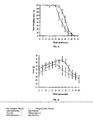
Figure 2 . Effects of the treatment with naked DNA encoding HcTeTx at the onset of symptoms in model mice for the ALS SOD1 G93A disease. The manifestation of the symptoms was significantly delayed in the group treated with HcTeTx (n=10) in comparison with the control group (n=10). The accumulated probabilities were calculated using the Kaplan-Meier Survival Analysis (SPSS 13.0). -
Figure 3 . Effects of the treatment with naked DNA encoding HcTeTx upon survival in model mice for the ALS SOD1G93A disease. Survival increased significantly in the group treated with HcTeTx (n=10) in comparison with the control group (n=10). The accumulated probabilities were calculated using the Kaplan-Meier Survival Analysis (SPSS 13.0). -
Figure 4 . Effects of the treatment with naked DNA encoding HcTeTx. The motor activity was determined through the rotarod at a constant velocity of 14 rpm, with a maximum time of development of 180s. Greater motor activity was observed in the group treated with HcTeTx (n=10) in comparison with the control group (n=10). -
Figure 5 . Effect of the intramuscular injection of naked DNA encoding HcTeTx in SOD1-G93A mice. The motor force and function in the mice were tested using the hanging wire test. 10 mice were used in each group (n=10). -
Figure 6 . Effect of the intramuscular injection of naked DNA encoding HcTeTx in SOD1-G93A mice. Measurements of the weight of the transgenic mice treated with HcTeTx. 10 mice were used in each group (n=10). -
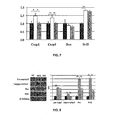
Figure 7 . Analysis of the gene expression involved in the apoptosis signaling pathway in the spinal cord of the symptomatic SOD1G93A mice that were 110 days old. Representation of the average messenger RNA values in the Caspl, Casp3, Bax and Bcl2 genes and the control (target) and the mice treated with HcTeTx (gray). The previous mice groups were compared with wild-type mice (black) (n=5 mice per group). -
Figure 8 . Analysis of the proteins involved in the apoptosis signaling pathway in the spinal cord of the symptomatic SOD1G93A mice that were 110 days old. Western-Blot analysis of the pro-Casp3, active Casp3, Bax and Bcl2 in proteins used in the spinal cord of mice treated with HcTeTx (gray lines) and control mice (black lines) compared with wild-type mice (black) (n=5 mice per group). -
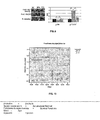
Figure 9 . Western-Blot analysis of the phosphorilation of the Akt andErk 1/2 proteins. Samples of 5 mice per group were analyzed. IDV (Intensity Densify Value). The amounts analyzed by Western-Blot are shown as the ratio relative to p-tubulin regarding the values of the wild-type mice. (*P<0.05, **P<0.01; error bars indicate the SEM). The bars represent the same groups that have been described in the previous caption. -
Figure 10 . Effects of the intraperitoneal treatment with the polypeptide that contains the C-terminal domain of the heavy chain of the tetanus toxin (HcTeTx) on the survival in model mice for the ALS SOD1 G93A Survival increased significantly in the group treated with HcTeTx (n=3) in comparison with the control group (n=3, continuous line). The accumulated probabilities were calculated using the Kaplan-Meier Survival Analysis (SPSS 13.0). -
Figure 11 . Intramuscular treatment of mice injected with HcTeTx affects the expression of genes related to homeostasis of calcium in the spinal cord of SOD1G93A transgenic mice. The levels of expression in genes Ncs1 and Rrad in transgenic mice treated with HcTeTx (gray) or the empty plasmid (white) were determined. Changes in the levels of messenger RNA in the prior groups of mice were compared with the wild-type mice (black). (*P<0.05, **P<0.01; error bars indicate the SEM; n=5 mice per group). - Below the invention is illustrated through tests carried out by the inventors, which demonstrate the efficiency of HcTeTx, as well as their encoding sequence, for its use as a drug, and more preferably for the treatment of ALS.
- The administration of HcTeTx via intramuscular injection of naked DNA slows the onset of symptoms and prolongs the survival in SOD1G93A mice.
- The generation of transgenic animals that overexpress the gene for human superoxide dismutase-1 (SOD-1) with different mutations has provided animal models for the study of the disease ALS. These animals present clinical and pathological characteristics such as those suffering from ALS. One of the models most studied and characterized is the SOD1G93A transgenic mice, that present a mutation substituting glycine amino acid with alanine in position 93 on the gene for the SOD-1 enzyme. This model animal has been successfully tested using various therapeutic compounds. However this has not translated into an effective therapy in human clinical trials, either due to an inadequate route of administration and/or due to the limited bioavailability of therapeutic molecules to reach the target cells. Some gene therapy strategies include the use of the adeno-associated virus, (AAV), which is transported in a retrograde manner to motor neurons via intramuscular injection. However the possibility of using viral vectors still exists, which may cause additional damage to sufferers treated. The use of naked DNA is a more secure and appropriate alternative strategy for delivering a specific gene therapy to patients.
- The gene encoding HcTeTx (C-terminal domain of the heavy chain of the tetanus toxin -SEQ ID NO: 2 of 462 amino acids-) were cloned in the eukaryote plasmid expression pcDNA3.1 (Invitrogen), under control of the cytomegalovirus (CMV) promoter. The vectors were produced in the chemically competent bacteria Escherichia coli (DH5a) and were purified using the Sigma-Aldrich maxiprep GenElute kit.
- Transgenic mice that overexpress human SOD1 with the G93A mutation (B6SJL-TgN[SOD1-G93A]1Gur) were obtained from the Jackson Laboratory (Bar Harbor, ME). Hemizygote mutants were used in all of the experiments (a mutant male mated to a non-transgenic female). The transgenic mice were identified by PCR amplification of the DNA extracted from the tail, as described in Gurney et al. (Gurney et al., 1994. Motor neuron degeneration in mice that express a human Cu, Zn superoxide dismutase mutation. Science, 264 (5166): 1772-5). The animals were preserved in a Mixed Research Unit at the University of Zaragoza. They were given water and food ad libitum. All the experiments performed on and the care given to the animals were developed in accordance with the standards of the University of Zaragoza and the international guide for the use of laboratory animals.
- At the age of 8 weeks the SOD1G93A transgenic mice were injected intramuscularly with 300 µg of pCMV-HcTeTx in the cuadriceps muscle (two injections of 50 µg per muscle) and in the triceps muscle (one single injection of 50 µg per muscle). The control group of mice was injected with the same amounts of an empty plasmid. Ten days after the intramuscular plasmid injections, the inoculated muscles were extracted that were pre-frozen in liquid nitrogen and later stored at -70 °C.
- The tissues were frozen in liquid nitrogen and were ground to a powder thereafter in a cold mortar. The total muscle RNA was extracted in accordance with the TRlzol Reagent (Invitrogen) Protocol. For cDNA synthesis, the SuperScriptTM First-Strand Synthesis System (Invitrogen) kit was used, beginning with 1 µg of RNA in a final volume of 20µL. The PCR reactions were carried out in a final volume of 20µL, with 150nM
- in each initiator, 150µM of dNTPs, 2mM de MgCl2, 1 × buffer, 0.2U Taq pol and 2µL per cDNA reaction diluted 10 times for the amplification of a HcTeTx gene fragment. All the PCR reactions were carried out in en GeneAmp® Thermal Cycler 2720 (Applied Biosystems, Foster City, CA, USA). The thermal cycle parameters were as follows: incubation at 94°C for 3 min and 35 cycles at 94°C for 30s, 61 °C for 30s and 72°C for 30s. The presence of the amplification of the HcTeTx gene was observed in an agar gel tinted with 2% Ethidium Bromide. The direct and reverse initiator sequence used were SEQ ID NO: 3 and SEQ ID NO: 4, respectively. The amplicon size was 355 pb.
- The grid test was used to determine the muscular strength and the onset of the ALS symptoms. The animals performed this test once a week from the age of 8 weeks. Each mouse was placed on a grid that was used as a lid for conventional cages. The grid was then turned 180° and maintained at a distance of approximately 60 cm. from a soft surface to avoid any injuries. The latency of each mouse falling was timed. Each of the mice was given up to three tries to hold on to the inverted grid for a maximum of 180s and the longest time was recorded.
- The rotarod test was used to evaluate motor coordination, strength, and balance. The animals were placed on the rotating rod on the equipment (ROTA-ROD/RS, LE8200, LSI-LETICA Scientific Instruments). The time was recorded during which an animal was able to remain on said rod at a constant velocity of 14 rpm. Each mouse had three chances and the longest time the animals were able to remain without falling from the rod was recorded, with an arbitrary time limit of 180s.
- The final point in the life of the mice was considered to be when the animals were placed in a supine position and were not able to turn themselves over.
- Initially the capacity of the constructed pCMV-HcTeTx to express the encoding gene in the muscle cells of the SOD1 G93A transgenic mice was confirmed. Due to there being no existence of the endogenous expression of the HcTeTx gene in these mice, the PCR amplification of a fragment of this gene was applied to the muscles by injection in order to detect the mRNA expression of said molecule. As shown in
Figure 1 ., the expression of the gene HcTeTx was not observed in the control group injected with empty plasmid. However PCR revealed the presence of the amplification of the HcTeTx gene in the muscle inoculated with the encoding vector for same, indication that the vector successfully reached the muscle cells and that the process of transcription of said gene took place. - Intramuscular treatment with naked DNA encoding HcTeTx produced a delay in the onset of symptoms, improved motor activity and postponed the final point of the disease in the ALS model mouse, which contains the G93A mutation and the human SOD1 gene. The manifestation of the symptoms was recorded as well as the first day on which the mice could not remain on the inverted grid for three minutes. The onset of the symptoms was significantly reduced in approximately 8 days in the group of animals injected with HcTeTx, as compared to the control group (
Figure 2 , and Table 1.). As can be seen inFigure 3 , and in Table 1, maximum survival was detected in the mice from the group treated with HcTeTx, that achieved and average of 136 days; 16 days longer than the control group. Betweenweeks 12 and 13 a significant decrease was seen in the development of activity on the rotarod in the control group, while these deficiencies were not observed in the group of treated animals until week 16 (Figure 4 ).Table 1. Table where the data concerning manifestation of symptoms and survival are gathered, in the control group as well as the group treated with HcTeTx, as well as the P Value (Log Rank, Mantel-Cox). Control
(n=10)HcTeTx
(n=10)P Value Onset of symptoms (days) 102.4 ± 2.4 110.9 ± 2.0 0.0295 Mortality (days) 120.5 ± 3.9 136.0 ± 3. 0.0093 Difference in onset-mortality (days) 18.1 25.1 - The treatment was also evaluated in mice beginning at the age of 8 weeks using the "hanging wire" test (
Figure 5 ). At 14 weeks of age, the SOD1G93A mice showed the first signs of weakness, while the group of mice treated with HcTeTx were show to be stronger between weeks 14-16. Also, the control group mice began to lose weight at 14 weeks of age which was associated with the disease. However, treatment with HcTeTx significantly reversed the weight loss, showing a maximum weight at 15 weeks (Figure 6 ). - The gene encoding HcTeTx (C-terminal domain of the heavy chain of the tetanus toxin -SEQ ID NO: 1) were cloned in the eukaryote plasmid expression pcDNA3.1 (Invitrogen), under control of the cytomegalovirus (CMV) promoter. The vectors were produced in the chemically competent bacteria Escherichia coli (DH5a) and were purified using the Sigma-Aldrich Genelute maxiprep kit.
- Transgenic mice that overexpress human SOD1 with the G93A mutation (B6SJL-TgN[SOD1-G93A]1Gur) were obtained from the Jackson Laboratory (Bar Harbor, ME). Hemizygote mutants were used in all of the experiments (a mutant male mated to a non-transgenic female). The transgenic mice were identified by PCR amplification of the DNA extracted from the tail, as described in Gurney et al. (Gurney et al., 1994. Motor neuron degeneration in mice that express a human Cu, Zn superoxide dismutase mutation. Science, 264 (5166): 1772-5). The animals were preserved in a Mixed Research Unit at the University of Zaragoza. They were given water and food ad libitum. All the experiments performed on and the care given to the animals were developed in accordance with the standards of the University of Zaragoza and the international guide for the use of laboratory animals. A total of 12 animals were used: wild-type (n=5), SOD1G93A mice injected with pcDNA3.1 (control, n=5) and SOD1G93A mice treated with HcTeTx (n=5).
- At the age of 8 weeks the SOD1 G93A transgenic mice were injected intramuscularly with 300 µg of pCMV-HcTeTx in the cuadriceps muscle (two injections of 50 µg per muscle) and in the triceps muscle (one single injection of 50 µg per muscle). The control group of mice was injected with the same amounts of an empty plasmid.
- 110 days after the intramuscular plasmid injections, the spinal cords were extracted that were pre-frozen in liquid nitrogen and later stored at -70 °C. The tissues were frozen in liquid nitrogen and were ground to a powder thereafter in a cold mortar. Half of the sample was used to extract RNA and the other half was used for protein extraction.
- The total RNA from the spinal cords was extracted in accordance with the RNeasy® Lipid Tissue Mini Kit (Qiagen) Protocol. For cDNA synthesis, the SuperScriptTM First-Strand Synthesis System (Invitrogen) kit was used, beginning with 1 µg of RNA in a final volume of 20µL.
- PCR reactions in real time were carried out on a final volume of 10µL. with 1X of TaqMan® Universal PCR Master Mix, No AmpErase® UNG (Applied Biosystems), 1X of the unmarked initiator mix and TaqMan® MGB (Applied Biosystems) probes for each gene studied and 1µL per cDNA reaction diluted 10 times. For
standardization 3 endogenous genes (18s rRNA, GAPDH and β-actin) were used. The references to the mixture of initiator and probes used to amplify each gene studied were the following: caspasa-3 (Mm00438023_m1), caspasa-1 (Mm00438023_m1), NCS-1 (Mm00490552_m1), Rrad (Mm00451053_m1), 18s rRNA (Hs99999901), GAPDH (4352932E) and β-actin (4352933E). All the PCR reactions were carried out in an ABI Prism 7000 Sequence Detection System thermal cycler (Applied Biosystems). The thermal cycle parameters were as follows: incubation at 94°C for 10 min and 40 cycles at 94°C for 15s and 60°C for 1s. The expression relative to caspase-3, caspase-1, NCS-1 and Rrad were standardized applying the geometric average of the three endogenous genes. - The samples of the wild-type mice's spinal cords and the SOD1G93A mice treated with HcTeTx were homogenized in liquid nitrogen with the extraction buffer having the following composition: 150mM NaCl, 50mM Tris-HCl pH=7,5, 1% desoxicolate, 0,1% SDS, 1% Triton X-100, 1mM NaOVa, 1 mM PMSF, 10µg/mL leupeptin y aprotinin and 1 µg/mL pepstatin. It was centrifuged at 4 °C for 10 minutes at 3000 g. Once the protein concentration of the supernatant from each sample was quantified using the BCA (9643 Sigma) method, 25µg of the protein was loaded into a 10% acrylamide gel. PVDF membranes were used for the transfer process, which were blocked with a TTBS solution of 5% skim milk (20mM Tris base, 0.15M NaCl, pH=7.5, 0.1% Tween) for one hour. Later they were incubated with the primary antibody all night at 4°C (anti-p-Akt (sc-7985R, Santa Cruz)). GAPDH (
glyceraldehydes 3 phosphate dehydrogenase) was used to standardize the medium obtained with Akt (anti-GAPDH (sc-25778, Santa Cruz)). After incubating the primary antibody, the membranes were washed with TTBS and they were incubated with the secondary antibody for 1 hour at room temperature. Finally, they were developed using chemical luminescence (Western Blotting Luminol Reagent, sc-2048 Santa Cruz). The films were scanned and analyzed using AlphaEase FC (Bonsai Technologies) software. The statistical analysis was carried out using the ANOVA test and the Student-Neuman-Keuls test. - In this study, results are presented from the application of HcTeTx in SOD1 G93AALS disease model mice, where a degeneration of motor neurons is present. The transcriptional study of the spinal cords of these mice in symptomatic stage is shown in
Figure 7 . Comparing the transcriptional regulation of the caspase-1, caspase-3, Bax and Bcl2 genes involved in apoptosis in the late onset symptomatic stage (110 days of age) in the spinal cord of wild-type mice and SOD1G93A mice. The results showed a significant induction of caspase-1 (P<0.05), caspase-3 (P<0.05) and Bcl2 (P<0.01) genes, but there was no significant difference in the profile of the Bax (P>0.05) gene in the SOD1 G93A control mice when they were compared with the wild-type (Figure 7 ). In the group of mice that received the HcTeTx treatment, the levels of caspase-1 and caspase-3 expression were maintained in the wild-type and significant differences were only found when compared with the untreated mice (P<0.05 and P<0.01, respectively). However, the expression of the Bax and Bcl2 genes was not affected by the hct treatment (P>0.05) in the spinal cords of these transgenic mice (Figure 7 ). - To evaluate the effects of HcTeTx on the mechanisms that revert the apoptosis that may induce cellular death in the spinal cords of the SOD1G93A mice, a protein study was also carried out. The data revealed that activation of the caspase-3 (P<0.05) gene decreased perceptibly in the mice treated with HcTeTx in comparison with the control group, reaching levels similar to the wild-type mice, while the levels of the pro-caspase-3 protein in the transgenic animals was not affected. In contrast with the results obtained from the expression analysis, in the Western-Blot test, it was observed that the amount of Bax and Bcl2 proteins were lower than in the mice treated with HcTeTx (
Figure 8 ). - One HcTeTx method of action is the phosphorilation of Akt (Gil et al., 2003. Biochem J. 373:613-620), a kinase protein that is activated by various growth factors involved in blocking pathways mediated by phosphatidylinositol 3-kinase. The densiometric quantification indicated that the animals treated with HcTeTx had more than two time the levels of phosphorilated Akt in Ser473 when compared to the empty vector control (P<0.05), according to that determined by Western-Blot analysis using phosphor-specific antibodies (
Figure 9 ). The equimolar load of proteins was confirmed by detection using anti-tubulin antibodies. The phosphorilation of ERK1/2 by HcTeTx has been disclosed previously in cultivated cortical neurons (Gil et al., 2003. Biochem J. 373:613-620). To confirm the involvement of HcTeTx in the MAP kinase pathway, Western-Blot analyses of the spinal cord extracts from the SOD1G93A treated and untreated mice at 110 days of age were performed. The result showed a growing activation of ERK1/2 in the control mice when they were compared with a group treated with HcTeTx (Figure 9 ), but the level of expression was similar to that of the wild-type mice. - Survival increase in SOD1 G93A model mice for amyotrophic lateral sclerosis after administration of an intraperitoneal injection of a polypeptide that included the C-Terminal Domain of the heavy chain of the tetanus toxin (HcTeTx).
- The polypeptide used (called HcTeTx) corresponds to the C-Terminal Domain of the heavy chain of the tetanus toxin and includes the sequence of 451 amino acids (SEQ ID NO: 1) of the SEQ ID NO: 2, and has been obtained following the protocol described by Gil et al..(Gil et al., 2003. Blochem.J. 373,613-620).
- Transgenic mice that overexpress human SOD1 with the G93A mutation (B6SJL-TgN[SOD1-G93A]1Gur) were obtained from the Jackson Laboratory (Bar Harbor, ME). Hemizygote mutants were used in all of the experiments (a mutant male mated to a non-transgenic female). The transgenic mice were identified by PCR amplification of the DNA extracted from the tail, as described in Gurney et al. (Gurney et al., 1994. Science, 264 (5166): 1772-5). The animals were preserved in a Mixed Research Unit at the University of Zaragoza. They were given water and food ad libitum. All the experiments performed on and the care given to the animals were developed in accordance with the standards of the University of Zaragoza and the international guide for the use of laboratory animals.
- At the age of 12 weeks, the SOD1G93A transgenic mice were injected intraperitoneally with 250 µl at a concentration of 0.5 µM of the polypeptide that includes the C-Terminal Domain of the tetanus toxin (HcTeTx). The injection was repeated weekly throughout their entire lives.
- The final point in the life of the mice was considered when the animal was placed in a supine position and was not able to turn themselves over.
- As can be seen in
Figure 10 , and in Table 2, maximum survival was detected in the mice from the group treated with HcTeTx, which reached an average of 135 days; 9 days longer than the control group.Table 2 Shows survival data, in the control group as well as in the group treated with HcTeTx, as well as the P Value. Control
(n=3)HcTeTx
(n=3)P Value Mortality 126 ± 4 135 ± 2 0,021 - The administration of HcTeTx causes changes in the expression of genes related to calcium in the spinal cords of the SOD1G93A mice.
- There is evidence of abnormal intracellular calcium homeostasis related to Amyotrophic Lateral Sclerosis (ALS). The Neuron protein NCS1 has been shown to regulate neurosecretion in a calcium dependent manner (McFerran et al., 1998. J. Biol. Chem. 273: 22768-22772) and also has been linked to the modulation of the calcium/calmodulin dependent enzymes involved in the neuronal signal transduction (Schaad et al., 1996. PNAS. 93: 9253-9258). The NCS1 expression in the spinal cords of the SOD1 G93A mice was tested 50 after treatment with HcTeTx. In the R-PCR experiments, the expression of the NCS1 gene was found to be repressed (P<0.05) in transgenic mice with late onset symptomatology with regard to the wild-type mice of the same age. Moreover, mice receiving the intramuscular HcTeTx treatment had higher levels of NCS1 (P<0.05), approaching those of the wild-type mice. With the same samples, the levels of messenger RNA were analyzed in the gen related to Ras and associated with the diabetes gene (Rrad). In this example the Rrad levels were increased almost two times in the spinal cord of the control transgenic mice, when they were compared with wild-type mice of a comparable age. However, in comparison with the controls, the treatment with HcTeTx in SOD1G93A mice perceptibly reduced the expression Rrad (P<0.05), reaching values similar to those obtained in the wild-type mice (
Figure 11 ).
Claims (10)
- Use of an isolated polynucleotide comprising the encoding sequence of the carboxy-terminal domain of the heavy subunit of the titanic toxin (HcTeTx), its allelic variants or functional fragments thereof for the manufacture of a medicament.
- Use according to any of the preceding claims wherein the HcTeTx is encoded by SEO ID NO: 1.
- Use according to clam 1 wherein the fragment of the encoding sequence of the carboxy-terminal domain of the heavy subunit of the tetanic toxin has SEQ ID NO: 6.
- Use of a vector that comprises any of the polynucleotides of the preceding claims for the manufacture of a medicament.
- Use of a transgenic cell that comprises any of the polynucleotides of claims 1 two 3 for the manufacture of a medicament.
- Use according to any of the preceding claims wherein the medicament is for the treatment of Amyotrophic Lateral Sclerosis (ALS),
- Use of an isolated polypeptide comprising the carboxy-terminal domain of the heavy subunit of the tetanic toxin (HcTeTx, its allelic variants or functional fragments thereof for the manufacture of a medicament for the treatment of ALS.
- Use according to the preceding claim wherein the HcTeTx has SEQ ID NO: 2
- Use according to claim 6 wherein the functional fragment of HcTeTx has SEQ ID NO: 5
- Use according to any of the preceding claims wherein the medicament is intended for oral, intravenous, intramuscular or nasal administration.
Applications Claiming Priority (2)
| Application Number | Priority Date | Filing Date | Title |
|---|---|---|---|
| ES200702621A ES2332628B1 (en) | 2007-10-05 | 2007-10-05 | USE OF THE CODING SEQUENCE OF THE CARBOXYL TERMINAL OF THE HEAVY CHAIN OF THE TETANIC TOXIN AS A MEDICINAL PRODUCT. |
| PCT/ES2008/070186 WO2009043963A1 (en) | 2007-10-05 | 2008-10-03 | Use of the sequence encoding the carboxyl-terminal domain of the heavy chain of tetanus toxin as a drug |
Related Child Applications (1)
| Application Number | Title | Priority Date | Filing Date |
|---|---|---|---|
| EP13181260 Division-Into | 2013-08-21 |
Publications (3)
| Publication Number | Publication Date |
|---|---|
| EP2210611A1 true EP2210611A1 (en) | 2010-07-28 |
| EP2210611A4 EP2210611A4 (en) | 2010-12-15 |
| EP2210611B1 EP2210611B1 (en) | 2014-02-26 |
Family
ID=40525852
Family Applications (1)
| Application Number | Title | Priority Date | Filing Date |
|---|---|---|---|
| EP08836703.2A Active EP2210611B1 (en) | 2007-10-05 | 2008-10-03 | Use of the sequence encoding the carboxyl-terminal domain of the heavy chain of tetanus toxin as a drug |
Country Status (10)
| Country | Link |
|---|---|
| US (2) | US8945586B2 (en) |
| EP (1) | EP2210611B1 (en) |
| JP (1) | JP5325224B2 (en) |
| CN (1) | CN101873865B (en) |
| BR (1) | BRPI0817792A2 (en) |
| CA (1) | CA2701521C (en) |
| ES (2) | ES2332628B1 (en) |
| MX (1) | MX2010003695A (en) |
| RU (1) | RU2495676C2 (en) |
| WO (1) | WO2009043963A1 (en) |
Cited By (1)
| Publication number | Priority date | Publication date | Assignee | Title |
|---|---|---|---|---|
| WO2016001762A1 (en) * | 2014-07-02 | 2016-01-07 | Spherium Biomed S.L. | Methods of increasing muscle mass using non-toxic tetanus toxin c fragment (ttc) |
Families Citing this family (1)
| Publication number | Priority date | Publication date | Assignee | Title |
|---|---|---|---|---|
| ES2332628B1 (en) | 2007-10-05 | 2011-01-24 | Universidad De Zaragoza | USE OF THE CODING SEQUENCE OF THE CARBOXYL TERMINAL OF THE HEAVY CHAIN OF THE TETANIC TOXIN AS A MEDICINAL PRODUCT. |
Family Cites Families (8)
| Publication number | Priority date | Publication date | Assignee | Title |
|---|---|---|---|---|
| FR2498192A2 (en) | 1981-01-22 | 1982-07-23 | Pasteur Institut | NOVEL POLYPEPTIDE THIOLE COMPOUND FROM A FRAGMENT OF TETANIC TOXIN, PROCESS FOR OBTAINING SAME AND APPLICATIONS THEREOF |
| US7923216B2 (en) * | 1997-08-14 | 2011-04-12 | Institut Pasteur | In vivo modulation of neuronal transport |
| DE69836982T2 (en) * | 1997-08-14 | 2007-10-31 | Institut Pasteur | Hybrid tetanus toxin proteins migrating retrograde and trans-synaptically into the CNS |
| JP2004521067A (en) * | 2000-06-28 | 2004-07-15 | サンダース,イラ | Use of tetanus toxin for useful use in animals (mammals) |
| US20060246036A1 (en) * | 2002-09-06 | 2006-11-02 | The General Hospital Corporation | Delivery of therapeutics to the brain and spinal cord |
| ES2281278B1 (en) * | 2006-01-20 | 2008-10-16 | Universidad Autonoma De Barcelona | USE OF A POLYPEPTIDE THAT INCLUDES THE C-TERMINAL DOMAIN OF THE HEAVY CHAIN OF THE TETANIC TOXIN IN THE TREATMENT OF PARKINSONISM. |
| WO2008094583A2 (en) * | 2007-01-30 | 2008-08-07 | The General Hospital Corporation | Methods and devices for mri-based measurement of axonal transport in vivo and delivery of therapeutic substances to the cns |
| ES2332628B1 (en) | 2007-10-05 | 2011-01-24 | Universidad De Zaragoza | USE OF THE CODING SEQUENCE OF THE CARBOXYL TERMINAL OF THE HEAVY CHAIN OF THE TETANIC TOXIN AS A MEDICINAL PRODUCT. |
-
2007
- 2007-10-05 ES ES200702621A patent/ES2332628B1/en active Active
-
2008
- 2008-10-03 BR BRPI0817792 patent/BRPI0817792A2/en not_active IP Right Cessation
- 2008-10-03 RU RU2010115135/15A patent/RU2495676C2/en not_active IP Right Cessation
- 2008-10-03 JP JP2010527478A patent/JP5325224B2/en not_active Expired - Fee Related
- 2008-10-03 MX MX2010003695A patent/MX2010003695A/en active IP Right Grant
- 2008-10-03 ES ES08836703.2T patent/ES2463770T3/en active Active
- 2008-10-03 WO PCT/ES2008/070186 patent/WO2009043963A1/en not_active Ceased
- 2008-10-03 CA CA2701521A patent/CA2701521C/en not_active Expired - Fee Related
- 2008-10-03 EP EP08836703.2A patent/EP2210611B1/en active Active
- 2008-10-03 CN CN2008801173975A patent/CN101873865B/en not_active Expired - Fee Related
-
2010
- 2010-04-05 US US12/754,552 patent/US8945586B2/en not_active Expired - Fee Related
-
2014
- 2014-12-15 US US14/570,976 patent/US20160017008A1/en not_active Abandoned
Cited By (1)
| Publication number | Priority date | Publication date | Assignee | Title |
|---|---|---|---|---|
| WO2016001762A1 (en) * | 2014-07-02 | 2016-01-07 | Spherium Biomed S.L. | Methods of increasing muscle mass using non-toxic tetanus toxin c fragment (ttc) |
Also Published As
| Publication number | Publication date |
|---|---|
| ES2332628B1 (en) | 2011-01-24 |
| US20100261656A1 (en) | 2010-10-14 |
| JP5325224B2 (en) | 2013-10-23 |
| US20160017008A1 (en) | 2016-01-21 |
| MX2010003695A (en) | 2010-09-14 |
| CA2701521A1 (en) | 2009-04-09 |
| CA2701521C (en) | 2015-12-01 |
| BRPI0817792A2 (en) | 2015-03-24 |
| ES2463770T3 (en) | 2014-05-29 |
| EP2210611A4 (en) | 2010-12-15 |
| JP2010540599A (en) | 2010-12-24 |
| CN101873865A (en) | 2010-10-27 |
| CN101873865B (en) | 2013-06-05 |
| ES2332628A1 (en) | 2010-02-09 |
| US8945586B2 (en) | 2015-02-03 |
| RU2495676C2 (en) | 2013-10-20 |
| WO2009043963A1 (en) | 2009-04-09 |
| EP2210611B1 (en) | 2014-02-26 |
| RU2010115135A (en) | 2011-11-10 |
Similar Documents
| Publication | Publication Date | Title |
|---|---|---|
| AU2021202600B2 (en) | Compositions and methods for the treatment of type 1 diabetes | |
| US8133483B2 (en) | Method of treating or preventing a disease or condition mediated by pathogenic IgG antibodies | |
| CN1918298B (en) | Pharmaceutical composition and method for treating human malignant tumors by arginine deprivation | |
| AU2017319707B2 (en) | Genetically modified bacteria stably expressing IL-10 and insulin | |
| CN101678085A (en) | Use of alkaline phosphatase for treating reduced renal function | |
| JP2010505448A (en) | Compositions and methods using chondroitinase ABCI variants | |
| EP1049487B1 (en) | Treatment of acute intermittent porphyria (aip) and other porphyric diseases | |
| EP2210611B1 (en) | Use of the sequence encoding the carboxyl-terminal domain of the heavy chain of tetanus toxin as a drug | |
| JP2009509532A (en) | Composition using chondroitinase ABCI mutant and method of using the same | |
| US20210261983A1 (en) | Methods of treating phenylketonuria | |
| Clarke et al. | Extraction of genomic DNA from Pseudomonas aeruginosa: a comparison of three methods | |
| WO2023150705A2 (en) | Upregulation of ferritin heavy chain 1 expression | |
| US20020156043A1 (en) | Methods of identifying optimal drug combinations and compositions thereof | |
| JP2001523114A (en) | 3-hydroxyacyl-COA dehydrogenase from Staphylococcus aureus | |
| WO2024216263A1 (en) | Lactobacillus compositions for treating type 2 diabetes | |
| IL294627A (en) | Methods of treating phenylketonuria | |
| Brown et al. | Retroviruses and DNA: gene therapy for brain tumours | |
| JP2007169223A (en) | Apoptosis promoter and pharmaceutical preparation using the same |
Legal Events
| Date | Code | Title | Description |
|---|---|---|---|
| PUAI | Public reference made under article 153(3) epc to a published international application that has entered the european phase |
Free format text: ORIGINAL CODE: 0009012 |
|
| 17P | Request for examination filed |
Effective date: 20100505 |
|
| AK | Designated contracting states |
Kind code of ref document: A1 Designated state(s): AT BE BG CH CY CZ DE DK EE ES FI FR GB GR HR HU IE IS IT LI LT LU LV MC MT NL NO PL PT RO SE SI SK TR |
|
| AX | Request for extension of the european patent |
Extension state: AL BA MK RS |
|
| A4 | Supplementary search report drawn up and despatched |
Effective date: 20101112 |
|
| RIC1 | Information provided on ipc code assigned before grant |
Ipc: A61P 25/28 20060101ALI20101105BHEP Ipc: A61K 38/08 20060101AFI20090428BHEP Ipc: C07K 14/33 20060101ALI20101105BHEP |
|
| DAX | Request for extension of the european patent (deleted) | ||
| 17Q | First examination report despatched |
Effective date: 20110812 |
|
| GRAP | Despatch of communication of intention to grant a patent |
Free format text: ORIGINAL CODE: EPIDOSNIGR1 |
|
| INTG | Intention to grant announced |
Effective date: 20130924 |
|
| GRAS | Grant fee paid |
Free format text: ORIGINAL CODE: EPIDOSNIGR3 |
|
| GRAA | (expected) grant |
Free format text: ORIGINAL CODE: 0009210 |
|
| AK | Designated contracting states |
Kind code of ref document: B1 Designated state(s): AT BE BG CH CY CZ DE DK EE ES FI FR GB GR HR HU IE IS IT LI LT LU LV MC MT NL NO PL PT RO SE SI SK TR |
|
| REG | Reference to a national code |
Ref country code: GB Ref legal event code: FG4D |
|
| REG | Reference to a national code |
Ref country code: CH Ref legal event code: EP |
|
| REG | Reference to a national code |
Ref country code: AT Ref legal event code: REF Ref document number: 653155 Country of ref document: AT Kind code of ref document: T Effective date: 20140315 |
|
| REG | Reference to a national code |
Ref country code: IE Ref legal event code: FG4D |
|
| REG | Reference to a national code |
Ref country code: DE Ref legal event code: R096 Ref document number: 602008030489 Country of ref document: DE Effective date: 20140410 |
|
| REG | Reference to a national code |
Ref country code: CH Ref legal event code: NV Representative=s name: FIAMMENGHI-FIAMMENGHI, CH |
|
| REG | Reference to a national code |
Ref country code: NL Ref legal event code: T3 |
|
| REG | Reference to a national code |
Ref country code: ES Ref legal event code: FG2A Ref document number: 2463770 Country of ref document: ES Kind code of ref document: T3 Effective date: 20140529 |
|
| REG | Reference to a national code |
Ref country code: AT Ref legal event code: MK05 Ref document number: 653155 Country of ref document: AT Kind code of ref document: T Effective date: 20140226 |
|
| REG | Reference to a national code |
Ref country code: LT Ref legal event code: MG4D |
|
| PG25 | Lapsed in a contracting state [announced via postgrant information from national office to epo] |
Ref country code: IS Free format text: LAPSE BECAUSE OF FAILURE TO SUBMIT A TRANSLATION OF THE DESCRIPTION OR TO PAY THE FEE WITHIN THE PRESCRIBED TIME-LIMIT Effective date: 20140626 Ref country code: NO Free format text: LAPSE BECAUSE OF FAILURE TO SUBMIT A TRANSLATION OF THE DESCRIPTION OR TO PAY THE FEE WITHIN THE PRESCRIBED TIME-LIMIT Effective date: 20140526 Ref country code: LT Free format text: LAPSE BECAUSE OF FAILURE TO SUBMIT A TRANSLATION OF THE DESCRIPTION OR TO PAY THE FEE WITHIN THE PRESCRIBED TIME-LIMIT Effective date: 20140226 |
|
| PG25 | Lapsed in a contracting state [announced via postgrant information from national office to epo] |
Ref country code: FI Free format text: LAPSE BECAUSE OF FAILURE TO SUBMIT A TRANSLATION OF THE DESCRIPTION OR TO PAY THE FEE WITHIN THE PRESCRIBED TIME-LIMIT Effective date: 20140226 Ref country code: PT Free format text: LAPSE BECAUSE OF FAILURE TO SUBMIT A TRANSLATION OF THE DESCRIPTION OR TO PAY THE FEE WITHIN THE PRESCRIBED TIME-LIMIT Effective date: 20140626 Ref country code: SE Free format text: LAPSE BECAUSE OF FAILURE TO SUBMIT A TRANSLATION OF THE DESCRIPTION OR TO PAY THE FEE WITHIN THE PRESCRIBED TIME-LIMIT Effective date: 20140226 Ref country code: CY Free format text: LAPSE BECAUSE OF FAILURE TO SUBMIT A TRANSLATION OF THE DESCRIPTION OR TO PAY THE FEE WITHIN THE PRESCRIBED TIME-LIMIT Effective date: 20140226 Ref country code: AT Free format text: LAPSE BECAUSE OF FAILURE TO SUBMIT A TRANSLATION OF THE DESCRIPTION OR TO PAY THE FEE WITHIN THE PRESCRIBED TIME-LIMIT Effective date: 20140226 |
|
| PG25 | Lapsed in a contracting state [announced via postgrant information from national office to epo] |
Ref country code: LV Free format text: LAPSE BECAUSE OF FAILURE TO SUBMIT A TRANSLATION OF THE DESCRIPTION OR TO PAY THE FEE WITHIN THE PRESCRIBED TIME-LIMIT Effective date: 20140226 Ref country code: HR Free format text: LAPSE BECAUSE OF FAILURE TO SUBMIT A TRANSLATION OF THE DESCRIPTION OR TO PAY THE FEE WITHIN THE PRESCRIBED TIME-LIMIT Effective date: 20140226 |
|
| PG25 | Lapsed in a contracting state [announced via postgrant information from national office to epo] |
Ref country code: CZ Free format text: LAPSE BECAUSE OF FAILURE TO SUBMIT A TRANSLATION OF THE DESCRIPTION OR TO PAY THE FEE WITHIN THE PRESCRIBED TIME-LIMIT Effective date: 20140226 Ref country code: RO Free format text: LAPSE BECAUSE OF FAILURE TO SUBMIT A TRANSLATION OF THE DESCRIPTION OR TO PAY THE FEE WITHIN THE PRESCRIBED TIME-LIMIT Effective date: 20140226 Ref country code: DK Free format text: LAPSE BECAUSE OF FAILURE TO SUBMIT A TRANSLATION OF THE DESCRIPTION OR TO PAY THE FEE WITHIN THE PRESCRIBED TIME-LIMIT Effective date: 20140226 Ref country code: EE Free format text: LAPSE BECAUSE OF FAILURE TO SUBMIT A TRANSLATION OF THE DESCRIPTION OR TO PAY THE FEE WITHIN THE PRESCRIBED TIME-LIMIT Effective date: 20140226 |
|
| REG | Reference to a national code |
Ref country code: DE Ref legal event code: R097 Ref document number: 602008030489 Country of ref document: DE |
|
| PG25 | Lapsed in a contracting state [announced via postgrant information from national office to epo] |
Ref country code: PL Free format text: LAPSE BECAUSE OF FAILURE TO SUBMIT A TRANSLATION OF THE DESCRIPTION OR TO PAY THE FEE WITHIN THE PRESCRIBED TIME-LIMIT Effective date: 20140226 Ref country code: SK Free format text: LAPSE BECAUSE OF FAILURE TO SUBMIT A TRANSLATION OF THE DESCRIPTION OR TO PAY THE FEE WITHIN THE PRESCRIBED TIME-LIMIT Effective date: 20140226 |
|
| PLBE | No opposition filed within time limit |
Free format text: ORIGINAL CODE: 0009261 |
|
| STAA | Information on the status of an ep patent application or granted ep patent |
Free format text: STATUS: NO OPPOSITION FILED WITHIN TIME LIMIT |
|
| 26N | No opposition filed |
Effective date: 20141127 |
|
| REG | Reference to a national code |
Ref country code: DE Ref legal event code: R097 Ref document number: 602008030489 Country of ref document: DE Effective date: 20141127 |
|
| PG25 | Lapsed in a contracting state [announced via postgrant information from national office to epo] |
Ref country code: LU Free format text: LAPSE BECAUSE OF FAILURE TO SUBMIT A TRANSLATION OF THE DESCRIPTION OR TO PAY THE FEE WITHIN THE PRESCRIBED TIME-LIMIT Effective date: 20141003 Ref country code: MC Free format text: LAPSE BECAUSE OF FAILURE TO SUBMIT A TRANSLATION OF THE DESCRIPTION OR TO PAY THE FEE WITHIN THE PRESCRIBED TIME-LIMIT Effective date: 20140226 Ref country code: SI Free format text: LAPSE BECAUSE OF FAILURE TO SUBMIT A TRANSLATION OF THE DESCRIPTION OR TO PAY THE FEE WITHIN THE PRESCRIBED TIME-LIMIT Effective date: 20140226 |
|
| REG | Reference to a national code |
Ref country code: IE Ref legal event code: MM4A |
|
| REG | Reference to a national code |
Ref country code: FR Ref legal event code: PLFP Year of fee payment: 8 |
|
| PG25 | Lapsed in a contracting state [announced via postgrant information from national office to epo] |
Ref country code: IE Free format text: LAPSE BECAUSE OF NON-PAYMENT OF DUE FEES Effective date: 20141003 |
|
| PGFP | Annual fee paid to national office [announced via postgrant information from national office to epo] |
Ref country code: CH Payment date: 20151027 Year of fee payment: 8 Ref country code: GB Payment date: 20151027 Year of fee payment: 8 Ref country code: IT Payment date: 20151026 Year of fee payment: 8 Ref country code: DE Payment date: 20151028 Year of fee payment: 8 |
|
| PGFP | Annual fee paid to national office [announced via postgrant information from national office to epo] |
Ref country code: FR Payment date: 20151019 Year of fee payment: 8 Ref country code: BE Payment date: 20151027 Year of fee payment: 8 Ref country code: NL Payment date: 20151026 Year of fee payment: 8 |
|
| PG25 | Lapsed in a contracting state [announced via postgrant information from national office to epo] |
Ref country code: BG Free format text: LAPSE BECAUSE OF FAILURE TO SUBMIT A TRANSLATION OF THE DESCRIPTION OR TO PAY THE FEE WITHIN THE PRESCRIBED TIME-LIMIT Effective date: 20140226 |
|
| PG25 | Lapsed in a contracting state [announced via postgrant information from national office to epo] |
Ref country code: GR Free format text: LAPSE BECAUSE OF FAILURE TO SUBMIT A TRANSLATION OF THE DESCRIPTION OR TO PAY THE FEE WITHIN THE PRESCRIBED TIME-LIMIT Effective date: 20140527 |
|
| PG25 | Lapsed in a contracting state [announced via postgrant information from national office to epo] |
Ref country code: HU Free format text: LAPSE BECAUSE OF FAILURE TO SUBMIT A TRANSLATION OF THE DESCRIPTION OR TO PAY THE FEE WITHIN THE PRESCRIBED TIME-LIMIT; INVALID AB INITIO Effective date: 20081003 Ref country code: TR Free format text: LAPSE BECAUSE OF FAILURE TO SUBMIT A TRANSLATION OF THE DESCRIPTION OR TO PAY THE FEE WITHIN THE PRESCRIBED TIME-LIMIT Effective date: 20140226 Ref country code: MT Free format text: LAPSE BECAUSE OF FAILURE TO SUBMIT A TRANSLATION OF THE DESCRIPTION OR TO PAY THE FEE WITHIN THE PRESCRIBED TIME-LIMIT Effective date: 20140226 |
|
| PG25 | Lapsed in a contracting state [announced via postgrant information from national office to epo] |
Ref country code: BE Free format text: LAPSE BECAUSE OF NON-PAYMENT OF DUE FEES Effective date: 20161031 |
|
| REG | Reference to a national code |
Ref country code: DE Ref legal event code: R119 Ref document number: 602008030489 Country of ref document: DE |
|
| REG | Reference to a national code |
Ref country code: CH Ref legal event code: PL |
|
| REG | Reference to a national code |
Ref country code: NL Ref legal event code: MM Effective date: 20161101 |
|
| GBPC | Gb: european patent ceased through non-payment of renewal fee |
Effective date: 20161003 |
|
| REG | Reference to a national code |
Ref country code: FR Ref legal event code: ST Effective date: 20170630 |
|
| PG25 | Lapsed in a contracting state [announced via postgrant information from national office to epo] |
Ref country code: DE Free format text: LAPSE BECAUSE OF NON-PAYMENT OF DUE FEES Effective date: 20170503 Ref country code: CH Free format text: LAPSE BECAUSE OF NON-PAYMENT OF DUE FEES Effective date: 20161031 Ref country code: GB Free format text: LAPSE BECAUSE OF NON-PAYMENT OF DUE FEES Effective date: 20161003 Ref country code: LI Free format text: LAPSE BECAUSE OF NON-PAYMENT OF DUE FEES Effective date: 20161031 Ref country code: FR Free format text: LAPSE BECAUSE OF NON-PAYMENT OF DUE FEES Effective date: 20161102 |
|
| PG25 | Lapsed in a contracting state [announced via postgrant information from national office to epo] |
Ref country code: NL Free format text: LAPSE BECAUSE OF NON-PAYMENT OF DUE FEES Effective date: 20161101 |
|
| PG25 | Lapsed in a contracting state [announced via postgrant information from national office to epo] |
Ref country code: IT Free format text: LAPSE BECAUSE OF NON-PAYMENT OF DUE FEES Effective date: 20161003 |
|
| REG | Reference to a national code |
Ref country code: BE Ref legal event code: MM Effective date: 20161031 |
|
| PGFP | Annual fee paid to national office [announced via postgrant information from national office to epo] |
Ref country code: ES Payment date: 20251031 Year of fee payment: 18 |