EP2208788A1 - MANIPULATION OF THE FUNCTION OF AtDBP1 IN ORDER TO GENERATE POTYVIRUS RESISTANCE - Google Patents
MANIPULATION OF THE FUNCTION OF AtDBP1 IN ORDER TO GENERATE POTYVIRUS RESISTANCE Download PDFInfo
- Publication number
- EP2208788A1 EP2208788A1 EP08832492A EP08832492A EP2208788A1 EP 2208788 A1 EP2208788 A1 EP 2208788A1 EP 08832492 A EP08832492 A EP 08832492A EP 08832492 A EP08832492 A EP 08832492A EP 2208788 A1 EP2208788 A1 EP 2208788A1
- Authority
- EP
- European Patent Office
- Prior art keywords
- potyvirus
- atdbp1
- gene
- plant
- plants
- Prior art date
- Legal status (The legal status is an assumption and is not a legal conclusion. Google has not performed a legal analysis and makes no representation as to the accuracy of the status listed.)
- Withdrawn
Links
- 241000710078 Potyvirus Species 0.000 title claims abstract description 125
- 241000196324 Embryophyta Species 0.000 claims abstract description 171
- 108090000623 proteins and genes Proteins 0.000 claims abstract description 126
- 208000015181 infectious disease Diseases 0.000 claims abstract description 27
- 230000035772 mutation Effects 0.000 claims abstract description 14
- 230000014509 gene expression Effects 0.000 claims description 36
- 238000009825 accumulation Methods 0.000 claims description 19
- 241000723784 Plum pox virus Species 0.000 claims description 18
- 230000009261 transgenic effect Effects 0.000 claims description 14
- 241000723838 Turnip mosaic virus Species 0.000 claims description 12
- 241000894007 species Species 0.000 claims description 9
- 230000001965 increasing effect Effects 0.000 claims description 8
- 230000004044 response Effects 0.000 claims description 8
- 235000013311 vegetables Nutrition 0.000 claims description 6
- 230000005764 inhibitory process Effects 0.000 claims description 5
- 230000033228 biological regulation Effects 0.000 claims description 4
- 241000700605 Viruses Species 0.000 abstract description 50
- 241000219194 Arabidopsis Species 0.000 abstract description 7
- 102000004169 proteins and genes Human genes 0.000 description 35
- 235000018102 proteins Nutrition 0.000 description 34
- 230000003993 interaction Effects 0.000 description 25
- 101710190212 Eukaryotic translation initiation factor isoform 4E Proteins 0.000 description 22
- 102100023388 ATP-dependent RNA helicase DHX15 Human genes 0.000 description 19
- 101000907886 Homo sapiens ATP-dependent RNA helicase DHX15 Proteins 0.000 description 19
- 102000005233 Eukaryotic Initiation Factor-4E Human genes 0.000 description 18
- 108060002636 Eukaryotic Initiation Factor-4E Proteins 0.000 description 18
- 230000003612 virological effect Effects 0.000 description 18
- 244000052769 pathogen Species 0.000 description 17
- 239000005090 green fluorescent protein Substances 0.000 description 15
- 230000007246 mechanism Effects 0.000 description 15
- 238000000034 method Methods 0.000 description 14
- 238000003780 insertion Methods 0.000 description 13
- 230000037431 insertion Effects 0.000 description 13
- 108020004999 messenger RNA Proteins 0.000 description 13
- 108091032973 (ribonucleotides)n+m Proteins 0.000 description 12
- 241000219195 Arabidopsis thaliana Species 0.000 description 12
- 238000004458 analytical method Methods 0.000 description 11
- 210000004027 cell Anatomy 0.000 description 10
- 230000006870 function Effects 0.000 description 10
- 210000001519 tissue Anatomy 0.000 description 10
- 208000036142 Viral infection Diseases 0.000 description 9
- 230000014621 translational initiation Effects 0.000 description 9
- 230000009385 viral infection Effects 0.000 description 9
- 102000004899 14-3-3 Proteins Human genes 0.000 description 8
- 244000061176 Nicotiana tabacum Species 0.000 description 8
- 235000002637 Nicotiana tabacum Nutrition 0.000 description 8
- 102000005877 Peptide Initiation Factors Human genes 0.000 description 8
- 108010044843 Peptide Initiation Factors Proteins 0.000 description 8
- 201000010099 disease Diseases 0.000 description 8
- 208000037265 diseases, disorders, signs and symptoms Diseases 0.000 description 8
- 230000033001 locomotion Effects 0.000 description 8
- 239000003550 marker Substances 0.000 description 8
- 230000001717 pathogenic effect Effects 0.000 description 8
- 238000003757 reverse transcription PCR Methods 0.000 description 8
- 238000001262 western blot Methods 0.000 description 8
- 230000004568 DNA-binding Effects 0.000 description 7
- 101000723543 Homo sapiens 14-3-3 protein theta Proteins 0.000 description 7
- 108010029485 Protein Isoforms Proteins 0.000 description 7
- 102000001708 Protein Isoforms Human genes 0.000 description 7
- 241000723873 Tobacco mosaic virus Species 0.000 description 7
- 230000000694 effects Effects 0.000 description 7
- 238000011081 inoculation Methods 0.000 description 7
- 239000000047 product Substances 0.000 description 7
- 238000013518 transcription Methods 0.000 description 7
- 230000035897 transcription Effects 0.000 description 7
- 240000004808 Saccharomyces cerevisiae Species 0.000 description 6
- 108091023040 Transcription factor Proteins 0.000 description 6
- 102000040945 Transcription factor Human genes 0.000 description 6
- 108020000999 Viral RNA Proteins 0.000 description 6
- 230000030279 gene silencing Effects 0.000 description 6
- 230000009885 systemic effect Effects 0.000 description 6
- 108020004414 DNA Proteins 0.000 description 5
- 101150009006 HIS3 gene Proteins 0.000 description 5
- 101100394989 Rhodopseudomonas palustris (strain ATCC BAA-98 / CGA009) hisI gene Proteins 0.000 description 5
- 230000003321 amplification Effects 0.000 description 5
- 230000027455 binding Effects 0.000 description 5
- 238000003199 nucleic acid amplification method Methods 0.000 description 5
- 230000026731 phosphorylation Effects 0.000 description 5
- 238000006366 phosphorylation reaction Methods 0.000 description 5
- 230000002441 reversible effect Effects 0.000 description 5
- 208000024891 symptom Diseases 0.000 description 5
- 101100296073 Arabidopsis thaliana At2g25620 gene Proteins 0.000 description 4
- 241000894006 Bacteria Species 0.000 description 4
- 241000208296 Datura Species 0.000 description 4
- 241000233866 Fungi Species 0.000 description 4
- 108091005804 Peptidases Proteins 0.000 description 4
- 102000045595 Phosphoprotein Phosphatases Human genes 0.000 description 4
- 239000004365 Protease Substances 0.000 description 4
- 102100037486 Reverse transcriptase/ribonuclease H Human genes 0.000 description 4
- 230000004913 activation Effects 0.000 description 4
- 238000000246 agarose gel electrophoresis Methods 0.000 description 4
- 230000009368 gene silencing by RNA Effects 0.000 description 4
- 230000002068 genetic effect Effects 0.000 description 4
- 230000006698 induction Effects 0.000 description 4
- 230000001404 mediated effect Effects 0.000 description 4
- 210000004897 n-terminal region Anatomy 0.000 description 4
- 230000017074 necrotic cell death Effects 0.000 description 4
- 102000039446 nucleic acids Human genes 0.000 description 4
- 108020004707 nucleic acids Proteins 0.000 description 4
- 150000007523 nucleic acids Chemical class 0.000 description 4
- 239000002773 nucleotide Substances 0.000 description 4
- 125000003729 nucleotide group Chemical group 0.000 description 4
- 230000001124 posttranscriptional effect Effects 0.000 description 4
- 235000019419 proteases Nutrition 0.000 description 4
- 230000009467 reduction Effects 0.000 description 4
- 230000010076 replication Effects 0.000 description 4
- 238000013519 translation Methods 0.000 description 4
- 235000002566 Capsicum Nutrition 0.000 description 3
- 241000724252 Cucumber mosaic virus Species 0.000 description 3
- 101710091919 Eukaryotic translation initiation factor 4G Proteins 0.000 description 3
- 108700024394 Exon Proteins 0.000 description 3
- 102100039556 Galectin-4 Human genes 0.000 description 3
- 101000608765 Homo sapiens Galectin-4 Proteins 0.000 description 3
- 108091092195 Intron Proteins 0.000 description 3
- 108700011259 MicroRNAs Proteins 0.000 description 3
- 108700019535 Phosphoprotein Phosphatases Proteins 0.000 description 3
- 235000009827 Prunus armeniaca Nutrition 0.000 description 3
- 244000018633 Prunus armeniaca Species 0.000 description 3
- 108020004459 Small interfering RNA Proteins 0.000 description 3
- 241000723792 Tobacco etch virus Species 0.000 description 3
- 241000723848 Tobamovirus Species 0.000 description 3
- 241000219977 Vigna Species 0.000 description 3
- 239000012190 activator Substances 0.000 description 3
- 230000015556 catabolic process Effects 0.000 description 3
- 238000012512 characterization method Methods 0.000 description 3
- 239000002299 complementary DNA Substances 0.000 description 3
- 241001493065 dsRNA viruses Species 0.000 description 3
- 239000000284 extract Substances 0.000 description 3
- 230000004927 fusion Effects 0.000 description 3
- 230000012010 growth Effects 0.000 description 3
- 238000001727 in vivo Methods 0.000 description 3
- 230000000977 initiatory effect Effects 0.000 description 3
- 230000037361 pathway Effects 0.000 description 3
- 230000008569 process Effects 0.000 description 3
- 238000003753 real-time PCR Methods 0.000 description 3
- 230000002829 reductive effect Effects 0.000 description 3
- 230000022532 regulation of transcription, DNA-dependent Effects 0.000 description 3
- 230000001718 repressive effect Effects 0.000 description 3
- 230000002792 vascular Effects 0.000 description 3
- 238000001086 yeast two-hybrid system Methods 0.000 description 3
- 102000040650 (ribonucleotides)n+m Human genes 0.000 description 2
- KLSJWNVTNUYHDU-UHFFFAOYSA-N Amitrole Chemical compound NC1=NC=NN1 KLSJWNVTNUYHDU-UHFFFAOYSA-N 0.000 description 2
- 244000105624 Arachis hypogaea Species 0.000 description 2
- 235000010777 Arachis hypogaea Nutrition 0.000 description 2
- 241000701489 Cauliflower mosaic virus Species 0.000 description 2
- 235000010523 Cicer arietinum Nutrition 0.000 description 2
- 244000045195 Cicer arietinum Species 0.000 description 2
- 244000241235 Citrullus lanatus Species 0.000 description 2
- 235000012828 Citrullus lanatus var citroides Nutrition 0.000 description 2
- 102000053602 DNA Human genes 0.000 description 2
- 102000052510 DNA-Binding Proteins Human genes 0.000 description 2
- 101000678286 Danio rerio Eukaryotic translation initiation factor 4E-binding protein 3-like Proteins 0.000 description 2
- 101000800913 Dictyostelium discoideum Eukaryotic translation initiation factor 4E-1A-binding protein homolog Proteins 0.000 description 2
- 208000035240 Disease Resistance Diseases 0.000 description 2
- 101000800906 Drosophila melanogaster Eukaryotic translation initiation factor 4E-binding protein Proteins 0.000 description 2
- 102000004190 Enzymes Human genes 0.000 description 2
- 108090000790 Enzymes Proteins 0.000 description 2
- 101710154606 Hemagglutinin Proteins 0.000 description 2
- 244000017020 Ipomoea batatas Species 0.000 description 2
- 235000002678 Ipomoea batatas Nutrition 0.000 description 2
- 235000003228 Lactuca sativa Nutrition 0.000 description 2
- 240000008415 Lactuca sativa Species 0.000 description 2
- 101710138460 Leaf protein Proteins 0.000 description 2
- 241000167946 Onion yellow dwarf virus Species 0.000 description 2
- 101710093908 Outer capsid protein VP4 Proteins 0.000 description 2
- 101710135467 Outer capsid protein sigma-1 Proteins 0.000 description 2
- 241000218996 Passiflora Species 0.000 description 2
- 239000006002 Pepper Substances 0.000 description 2
- 108090000608 Phosphoric Monoester Hydrolases Proteins 0.000 description 2
- 102000004160 Phosphoric Monoester Hydrolases Human genes 0.000 description 2
- 235000016761 Piper aduncum Nutrition 0.000 description 2
- 235000017804 Piper guineense Nutrition 0.000 description 2
- 240000003889 Piper guineense Species 0.000 description 2
- 235000008184 Piper nigrum Nutrition 0.000 description 2
- 240000002505 Pogostemon cablin Species 0.000 description 2
- 235000011751 Pogostemon cablin Nutrition 0.000 description 2
- 108010076039 Polyproteins Proteins 0.000 description 2
- 241000723762 Potato virus Y Species 0.000 description 2
- 101710176177 Protein A56 Proteins 0.000 description 2
- 238000002123 RNA extraction Methods 0.000 description 2
- 241000208241 Tropaeolum Species 0.000 description 2
- 241000722921 Tulipa gesneriana Species 0.000 description 2
- 241000714211 Turnip crinkle virus Species 0.000 description 2
- 235000010726 Vigna sinensis Nutrition 0.000 description 2
- OJOBTAOGJIWAGB-UHFFFAOYSA-N acetosyringone Chemical compound COC1=CC(C(C)=O)=CC(OC)=C1O OJOBTAOGJIWAGB-UHFFFAOYSA-N 0.000 description 2
- 230000000692 anti-sense effect Effects 0.000 description 2
- 230000000840 anti-viral effect Effects 0.000 description 2
- 230000015572 biosynthetic process Effects 0.000 description 2
- 238000006243 chemical reaction Methods 0.000 description 2
- 238000010367 cloning Methods 0.000 description 2
- 238000000749 co-immunoprecipitation Methods 0.000 description 2
- 230000006378 damage Effects 0.000 description 2
- 230000003247 decreasing effect Effects 0.000 description 2
- 230000007123 defense Effects 0.000 description 2
- 238000006731 degradation reaction Methods 0.000 description 2
- 230000001419 dependent effect Effects 0.000 description 2
- 230000030609 dephosphorylation Effects 0.000 description 2
- 238000006209 dephosphorylation reaction Methods 0.000 description 2
- 238000011161 development Methods 0.000 description 2
- 239000006185 dispersion Substances 0.000 description 2
- 235000013399 edible fruits Nutrition 0.000 description 2
- 238000000799 fluorescence microscopy Methods 0.000 description 2
- 239000012634 fragment Substances 0.000 description 2
- 108020001507 fusion proteins Proteins 0.000 description 2
- 102000037865 fusion proteins Human genes 0.000 description 2
- 239000000185 hemagglutinin Substances 0.000 description 2
- 208000006278 hypochromic anemia Diseases 0.000 description 2
- 230000006872 improvement Effects 0.000 description 2
- 230000001939 inductive effect Effects 0.000 description 2
- 230000002458 infectious effect Effects 0.000 description 2
- 239000003112 inhibitor Substances 0.000 description 2
- 239000002054 inoculum Substances 0.000 description 2
- 108010026228 mRNA guanylyltransferase Proteins 0.000 description 2
- 238000013507 mapping Methods 0.000 description 2
- 230000005012 migration Effects 0.000 description 2
- 238000013508 migration Methods 0.000 description 2
- 230000007170 pathology Effects 0.000 description 2
- 230000032361 posttranscriptional gene silencing Effects 0.000 description 2
- 238000011002 quantification Methods 0.000 description 2
- 230000001172 regenerating effect Effects 0.000 description 2
- 230000008261 resistance mechanism Effects 0.000 description 2
- 230000019491 signal transduction Effects 0.000 description 2
- 239000000758 substrate Substances 0.000 description 2
- 230000001629 suppression Effects 0.000 description 2
- 230000005026 transcription initiation Effects 0.000 description 2
- 230000002103 transcriptional effect Effects 0.000 description 2
- 230000001131 transforming effect Effects 0.000 description 2
- 239000013598 vector Substances 0.000 description 2
- 210000003462 vein Anatomy 0.000 description 2
- 108700026215 vpr Genes Proteins 0.000 description 2
- MTCFGRXMJLQNBG-REOHCLBHSA-N (2S)-2-Amino-3-hydroxypropansäure Chemical compound OC[C@H](N)C(O)=O MTCFGRXMJLQNBG-REOHCLBHSA-N 0.000 description 1
- 101150084750 1 gene Proteins 0.000 description 1
- 101710112812 14-3-3 protein Proteins 0.000 description 1
- 101150028074 2 gene Proteins 0.000 description 1
- 241000238876 Acari Species 0.000 description 1
- 102000007469 Actins Human genes 0.000 description 1
- 108010085238 Actins Proteins 0.000 description 1
- 241000589155 Agrobacterium tumefaciens Species 0.000 description 1
- 235000008553 Allium fistulosum Nutrition 0.000 description 1
- 244000257727 Allium fistulosum Species 0.000 description 1
- 241000020192 Alstroemeria mosaic virus Species 0.000 description 1
- 241000219318 Amaranthus Species 0.000 description 1
- 235000003276 Apios tuberosa Nutrition 0.000 description 1
- 240000007087 Apium graveolens Species 0.000 description 1
- 235000015849 Apium graveolens Dulce Group Nutrition 0.000 description 1
- 235000010591 Appio Nutrition 0.000 description 1
- 101100425793 Arabidopsis thaliana TOM2A gene Proteins 0.000 description 1
- 235000017060 Arachis glabrata Nutrition 0.000 description 1
- 235000018262 Arachis monticola Nutrition 0.000 description 1
- 235000010744 Arachis villosulicarpa Nutrition 0.000 description 1
- 241000893865 Araujia Species 0.000 description 1
- 241000082175 Arracacia xanthorrhiza Species 0.000 description 1
- 241000201267 Artichoke latent virus Species 0.000 description 1
- 241000424137 Asparagus virus 1 Species 0.000 description 1
- 241001253169 Asystasia gangetica Species 0.000 description 1
- 108091032955 Bacterial small RNA Proteins 0.000 description 1
- 241000192993 Banana bract mosaic virus Species 0.000 description 1
- 241000168276 Bean common mosaic necrosis virus Species 0.000 description 1
- 241000710076 Bean common mosaic virus Species 0.000 description 1
- 241000710073 Bean yellow mosaic virus Species 0.000 description 1
- 241000196477 Beet mosaic virus Species 0.000 description 1
- 241000143476 Bidens Species 0.000 description 1
- 241000043078 Bidens mottle virus Species 0.000 description 1
- 101710117545 C protein Proteins 0.000 description 1
- 101000611262 Caenorhabditis elegans Probable protein phosphatase 2C T23F11.1 Proteins 0.000 description 1
- 240000001432 Calendula officinalis Species 0.000 description 1
- 235000005881 Calendula officinalis Nutrition 0.000 description 1
- 102100029968 Calreticulin Human genes 0.000 description 1
- 108090000549 Calreticulin Proteins 0.000 description 1
- 235000010520 Canavalia ensiformis Nutrition 0.000 description 1
- 235000010518 Canavalia gladiata Nutrition 0.000 description 1
- 108090000565 Capsid Proteins Proteins 0.000 description 1
- 241001635862 Carnation vein mottle virus Species 0.000 description 1
- 102000014914 Carrier Proteins Human genes 0.000 description 1
- 241000196475 Carrot thin leaf virus Species 0.000 description 1
- 241000173842 Celery mosaic virus Species 0.000 description 1
- 102100023321 Ceruloplasmin Human genes 0.000 description 1
- 235000007836 Chlorogalum pomeridianum Nutrition 0.000 description 1
- 240000006740 Cichorium endivia Species 0.000 description 1
- 244000037364 Cinnamomum aromaticum Species 0.000 description 1
- 235000014489 Cinnamomum aromaticum Nutrition 0.000 description 1
- 241000710070 Clover yellow vein virus Species 0.000 description 1
- 241000306271 Colombian datura virus Species 0.000 description 1
- 241000233838 Commelina Species 0.000 description 1
- 241001394717 Commelina diffusa Species 0.000 description 1
- 241000710086 Cowpea aphid-borne mosaic virus Species 0.000 description 1
- 241000755719 Crinum Species 0.000 description 1
- 244000303965 Cyamopsis psoralioides Species 0.000 description 1
- 235000000298 Cyphomandra crassifolia Nutrition 0.000 description 1
- 244000193629 Cyphomandra crassifolia Species 0.000 description 1
- 101150037288 DBP1 gene Proteins 0.000 description 1
- 241000450599 DNA viruses Species 0.000 description 1
- 108700020911 DNA-Binding Proteins Proteins 0.000 description 1
- 101710096438 DNA-binding protein Proteins 0.000 description 1
- 241001147458 Dasheen mosaic virus Species 0.000 description 1
- 241001529914 Dendrobium mosaic virus Species 0.000 description 1
- 241000522190 Desmodium Species 0.000 description 1
- 235000005903 Dioscorea Nutrition 0.000 description 1
- 240000005717 Dioscorea alata Species 0.000 description 1
- 235000002723 Dioscorea alata Nutrition 0.000 description 1
- 244000281702 Dioscorea villosa Species 0.000 description 1
- 235000000504 Dioscorea villosa Nutrition 0.000 description 1
- 240000002943 Elettaria cardamomum Species 0.000 description 1
- 240000001723 Entada phaseoloides Species 0.000 description 1
- 241000221079 Euphorbia <genus> Species 0.000 description 1
- 241001310821 Freesia mosaic virus Species 0.000 description 1
- 108010043121 Green Fluorescent Proteins Proteins 0.000 description 1
- 102000004144 Green Fluorescent Proteins Human genes 0.000 description 1
- HVLSXIKZNLPZJJ-TXZCQADKSA-N HA peptide Chemical compound C([C@@H](C(=O)N[C@@H](CC(O)=O)C(=O)N[C@@H](C(C)C)C(=O)N1[C@@H](CCC1)C(=O)N[C@@H](CC(O)=O)C(=O)N[C@@H](CC=1C=CC(O)=CC=1)C(=O)N[C@@H](C)C(O)=O)NC(=O)[C@H]1N(CCC1)C(=O)[C@@H](N)CC=1C=CC(O)=CC=1)C1=CC=C(O)C=C1 HVLSXIKZNLPZJJ-TXZCQADKSA-N 0.000 description 1
- 241000521915 Helenium Species 0.000 description 1
- 235000009417 Helenium Nutrition 0.000 description 1
- 241001505704 Henbane mosaic virus Species 0.000 description 1
- 241000238631 Hexapoda Species 0.000 description 1
- 241001310824 Hippeastrum mosaic virus Species 0.000 description 1
- 101000798942 Homo sapiens Target of Myb protein 1 Proteins 0.000 description 1
- 241001310822 Hyacinth mosaic virus Species 0.000 description 1
- 206010020751 Hypersensitivity Diseases 0.000 description 1
- 241000332141 Iris fulva Species 0.000 description 1
- 241001212077 Iris mild mosaic virus Species 0.000 description 1
- 241001455593 Iris severe mosaic virus Species 0.000 description 1
- 241001429318 Johnsongrass mosaic virus Species 0.000 description 1
- 241001091572 Kalanchoe Species 0.000 description 1
- 229920002752 Konjac Polymers 0.000 description 1
- QNAYBMKLOCPYGJ-REOHCLBHSA-N L-alanine Chemical compound C[C@H](N)C(O)=O QNAYBMKLOCPYGJ-REOHCLBHSA-N 0.000 description 1
- 241000156303 Leek yellow stripe virus Species 0.000 description 1
- 101000688229 Leishmania chagasi Protein phosphatase 2C Proteins 0.000 description 1
- 241000724005 Lettuce mosaic virus Species 0.000 description 1
- 241000234435 Lilium Species 0.000 description 1
- 240000001585 Limonium sinuatum Species 0.000 description 1
- 235000007688 Lycopersicon esculentum Nutrition 0.000 description 1
- 102100026299 MAP kinase-interacting serine/threonine-protein kinase 1 Human genes 0.000 description 1
- 101710139011 MAP kinase-interacting serine/threonine-protein kinase 1 Proteins 0.000 description 1
- 239000007987 MES buffer Substances 0.000 description 1
- 241000723994 Maize dwarf mosaic virus Species 0.000 description 1
- 235000013939 Malva Nutrition 0.000 description 1
- 240000000982 Malva neglecta Species 0.000 description 1
- 235000000060 Malva neglecta Nutrition 0.000 description 1
- 241000124008 Mammalia Species 0.000 description 1
- 240000003183 Manihot esculenta Species 0.000 description 1
- 235000016735 Manihot esculenta subsp esculenta Nutrition 0.000 description 1
- 235000010624 Medicago sativa Nutrition 0.000 description 1
- 240000007298 Megathyrsus maximus Species 0.000 description 1
- 102000029749 Microtubule Human genes 0.000 description 1
- 108091022875 Microtubule Proteins 0.000 description 1
- 102000003505 Myosin Human genes 0.000 description 1
- 108060008487 Myosin Proteins 0.000 description 1
- 241000321938 Narcissus yellow stripe virus Species 0.000 description 1
- 241000244206 Nematoda Species 0.000 description 1
- 241000605508 Nerine Species 0.000 description 1
- 108700005873 Nicotiana glutinosa N Proteins 0.000 description 1
- 239000000020 Nitrocellulose Substances 0.000 description 1
- 108091028043 Nucleic acid sequence Proteins 0.000 description 1
- 108091034117 Oligonucleotide Proteins 0.000 description 1
- 241000233654 Oomycetes Species 0.000 description 1
- 241000723992 Ornithogalum mosaic virus Species 0.000 description 1
- 241000293001 Oxytropis besseyi Species 0.000 description 1
- 241000723990 Papaya ringspot virus Species 0.000 description 1
- 241001429221 Passion fruit woodiness virus Species 0.000 description 1
- 240000004370 Pastinaca sativa Species 0.000 description 1
- 235000017769 Pastinaca sativa subsp sativa Nutrition 0.000 description 1
- 206010034133 Pathogen resistance Diseases 0.000 description 1
- 241000723997 Pea seed-borne mosaic virus Species 0.000 description 1
- 241001467036 Peanut mottle virus Species 0.000 description 1
- 241000723996 Pepper mottle virus Species 0.000 description 1
- 241001378207 Pepper veinal mottle virus Species 0.000 description 1
- 108091000080 Phosphotransferase Proteins 0.000 description 1
- 241000758706 Piperaceae Species 0.000 description 1
- 108700001094 Plant Genes Proteins 0.000 description 1
- 241001626586 Pokeweed mosaic virus Species 0.000 description 1
- 235000016067 Polianthes tuberosa Nutrition 0.000 description 1
- 244000014047 Polianthes tuberosa Species 0.000 description 1
- 102100026090 Polyadenylate-binding protein 1 Human genes 0.000 description 1
- 101710103012 Polyadenylate-binding protein, cytoplasmic and nuclear Proteins 0.000 description 1
- KQHKSGRIBYJYFX-UHFFFAOYSA-J Ponceau S Chemical compound [Na+].[Na+].[Na+].[Na+].Oc1c(cc2cc(ccc2c1N=Nc1ccc(cc1S([O-])(=O)=O)N=Nc1ccc(cc1)S([O-])(=O)=O)S([O-])(=O)=O)S([O-])(=O)=O KQHKSGRIBYJYFX-UHFFFAOYSA-J 0.000 description 1
- 241000723764 Potato virus A Species 0.000 description 1
- 241000124132 Potato virus V Species 0.000 description 1
- 241001533393 Potyviridae Species 0.000 description 1
- 235000000497 Primula Nutrition 0.000 description 1
- 241000245063 Primula Species 0.000 description 1
- 101710150114 Protein rep Proteins 0.000 description 1
- 108010026552 Proteome Proteins 0.000 description 1
- 238000010240 RT-PCR analysis Methods 0.000 description 1
- 241000218206 Ranunculus Species 0.000 description 1
- 101710152114 Replication protein Proteins 0.000 description 1
- 108700008625 Reporter Genes Proteins 0.000 description 1
- 238000010818 SYBR green PCR Master Mix Methods 0.000 description 1
- MTCFGRXMJLQNBG-UHFFFAOYSA-N Serine Natural products OCC(N)C(O)=O MTCFGRXMJLQNBG-UHFFFAOYSA-N 0.000 description 1
- 244000033854 Solanum fendleri Species 0.000 description 1
- 235000014289 Solanum fendleri Nutrition 0.000 description 1
- 235000009865 Solanum jamesii Nutrition 0.000 description 1
- 240000003768 Solanum lycopersicum Species 0.000 description 1
- 235000002597 Solanum melongena Nutrition 0.000 description 1
- 244000061458 Solanum melongena Species 0.000 description 1
- 241001455595 Sorghum mosaic virus Species 0.000 description 1
- 241000723811 Soybean mosaic virus Species 0.000 description 1
- 241000723806 Sugarcane mosaic virus Species 0.000 description 1
- 241000725680 Sweet potato feathery mottle virus Species 0.000 description 1
- 102100034024 Target of Myb protein 1 Human genes 0.000 description 1
- 235000012764 Telfairia Nutrition 0.000 description 1
- 241000100912 Telfairia Species 0.000 description 1
- 241000723790 Tobacco vein mottling virus Species 0.000 description 1
- 240000000324 Tradescantia zebrina Species 0.000 description 1
- 240000001260 Tropaeolum majus Species 0.000 description 1
- 235000004424 Tropaeolum majus Nutrition 0.000 description 1
- 102000004142 Trypsin Human genes 0.000 description 1
- 108090000631 Trypsin Proteins 0.000 description 1
- 241000723798 Tulip breaking virus Species 0.000 description 1
- 241001545529 Ullucus Species 0.000 description 1
- 235000003548 Ullucus Nutrition 0.000 description 1
- 241000009233 Vallota mosaic virus Species 0.000 description 1
- 244000290333 Vanilla fragrans Species 0.000 description 1
- 235000009499 Vanilla fragrans Nutrition 0.000 description 1
- 241001114556 Vanilla mosaic virus Species 0.000 description 1
- 235000012036 Vanilla tahitensis Nutrition 0.000 description 1
- 108700005077 Viral Genes Proteins 0.000 description 1
- 108700022715 Viral Proteases Proteins 0.000 description 1
- 108010067390 Viral Proteins Proteins 0.000 description 1
- 235000009392 Vitis Nutrition 0.000 description 1
- 241000219095 Vitis Species 0.000 description 1
- 235000009754 Vitis X bourquina Nutrition 0.000 description 1
- 235000012333 Vitis X labruscana Nutrition 0.000 description 1
- 240000006365 Vitis vinifera Species 0.000 description 1
- 235000014787 Vitis vinifera Nutrition 0.000 description 1
- 241001156280 Wisteria vein mosaic virus Species 0.000 description 1
- 206010052428 Wound Diseases 0.000 description 1
- 208000027418 Wounds and injury Diseases 0.000 description 1
- 241000132050 Yam mosaic virus Species 0.000 description 1
- 241000831752 Zucchini yellow fleck virus Species 0.000 description 1
- 241000723854 Zucchini yellow mosaic virus Species 0.000 description 1
- JLCPHMBAVCMARE-UHFFFAOYSA-N [3-[[3-[[3-[[3-[[3-[[3-[[3-[[3-[[3-[[3-[[3-[[5-(2-amino-6-oxo-1H-purin-9-yl)-3-[[3-[[3-[[3-[[3-[[3-[[5-(2-amino-6-oxo-1H-purin-9-yl)-3-[[5-(2-amino-6-oxo-1H-purin-9-yl)-3-hydroxyoxolan-2-yl]methoxy-hydroxyphosphoryl]oxyoxolan-2-yl]methoxy-hydroxyphosphoryl]oxy-5-(5-methyl-2,4-dioxopyrimidin-1-yl)oxolan-2-yl]methoxy-hydroxyphosphoryl]oxy-5-(6-aminopurin-9-yl)oxolan-2-yl]methoxy-hydroxyphosphoryl]oxy-5-(6-aminopurin-9-yl)oxolan-2-yl]methoxy-hydroxyphosphoryl]oxy-5-(6-aminopurin-9-yl)oxolan-2-yl]methoxy-hydroxyphosphoryl]oxy-5-(6-aminopurin-9-yl)oxolan-2-yl]methoxy-hydroxyphosphoryl]oxyoxolan-2-yl]methoxy-hydroxyphosphoryl]oxy-5-(5-methyl-2,4-dioxopyrimidin-1-yl)oxolan-2-yl]methoxy-hydroxyphosphoryl]oxy-5-(4-amino-2-oxopyrimidin-1-yl)oxolan-2-yl]methoxy-hydroxyphosphoryl]oxy-5-(5-methyl-2,4-dioxopyrimidin-1-yl)oxolan-2-yl]methoxy-hydroxyphosphoryl]oxy-5-(5-methyl-2,4-dioxopyrimidin-1-yl)oxolan-2-yl]methoxy-hydroxyphosphoryl]oxy-5-(6-aminopurin-9-yl)oxolan-2-yl]methoxy-hydroxyphosphoryl]oxy-5-(6-aminopurin-9-yl)oxolan-2-yl]methoxy-hydroxyphosphoryl]oxy-5-(4-amino-2-oxopyrimidin-1-yl)oxolan-2-yl]methoxy-hydroxyphosphoryl]oxy-5-(4-amino-2-oxopyrimidin-1-yl)oxolan-2-yl]methoxy-hydroxyphosphoryl]oxy-5-(4-amino-2-oxopyrimidin-1-yl)oxolan-2-yl]methoxy-hydroxyphosphoryl]oxy-5-(6-aminopurin-9-yl)oxolan-2-yl]methoxy-hydroxyphosphoryl]oxy-5-(4-amino-2-oxopyrimidin-1-yl)oxolan-2-yl]methyl [5-(6-aminopurin-9-yl)-2-(hydroxymethyl)oxolan-3-yl] hydrogen phosphate Polymers Cc1cn(C2CC(OP(O)(=O)OCC3OC(CC3OP(O)(=O)OCC3OC(CC3O)n3cnc4c3nc(N)[nH]c4=O)n3cnc4c3nc(N)[nH]c4=O)C(COP(O)(=O)OC3CC(OC3COP(O)(=O)OC3CC(OC3COP(O)(=O)OC3CC(OC3COP(O)(=O)OC3CC(OC3COP(O)(=O)OC3CC(OC3COP(O)(=O)OC3CC(OC3COP(O)(=O)OC3CC(OC3COP(O)(=O)OC3CC(OC3COP(O)(=O)OC3CC(OC3COP(O)(=O)OC3CC(OC3COP(O)(=O)OC3CC(OC3COP(O)(=O)OC3CC(OC3COP(O)(=O)OC3CC(OC3COP(O)(=O)OC3CC(OC3COP(O)(=O)OC3CC(OC3COP(O)(=O)OC3CC(OC3COP(O)(=O)OC3CC(OC3CO)n3cnc4c(N)ncnc34)n3ccc(N)nc3=O)n3cnc4c(N)ncnc34)n3ccc(N)nc3=O)n3ccc(N)nc3=O)n3ccc(N)nc3=O)n3cnc4c(N)ncnc34)n3cnc4c(N)ncnc34)n3cc(C)c(=O)[nH]c3=O)n3cc(C)c(=O)[nH]c3=O)n3ccc(N)nc3=O)n3cc(C)c(=O)[nH]c3=O)n3cnc4c3nc(N)[nH]c4=O)n3cnc4c(N)ncnc34)n3cnc4c(N)ncnc34)n3cnc4c(N)ncnc34)n3cnc4c(N)ncnc34)O2)c(=O)[nH]c1=O JLCPHMBAVCMARE-UHFFFAOYSA-N 0.000 description 1
- 230000009471 action Effects 0.000 description 1
- 235000004279 alanine Nutrition 0.000 description 1
- 230000004075 alteration Effects 0.000 description 1
- 235000001014 amino acid Nutrition 0.000 description 1
- 150000001413 amino acids Chemical class 0.000 description 1
- 238000013459 approach Methods 0.000 description 1
- 230000002238 attenuated effect Effects 0.000 description 1
- 230000000680 avirulence Effects 0.000 description 1
- 230000001580 bacterial effect Effects 0.000 description 1
- 108091008324 binding proteins Proteins 0.000 description 1
- 210000004899 c-terminal region Anatomy 0.000 description 1
- 238000010805 cDNA synthesis kit Methods 0.000 description 1
- 235000005300 cardamomo Nutrition 0.000 description 1
- 230000030833 cell death Effects 0.000 description 1
- 235000003733 chicria Nutrition 0.000 description 1
- 238000010835 comparative analysis Methods 0.000 description 1
- 230000002860 competitive effect Effects 0.000 description 1
- 230000000295 complement effect Effects 0.000 description 1
- 230000009918 complex formation Effects 0.000 description 1
- 230000001276 controlling effect Effects 0.000 description 1
- 210000000805 cytoplasm Anatomy 0.000 description 1
- 230000001086 cytosolic effect Effects 0.000 description 1
- 230000034994 death Effects 0.000 description 1
- 238000012217 deletion Methods 0.000 description 1
- 230000037430 deletion Effects 0.000 description 1
- 238000013461 design Methods 0.000 description 1
- 230000001066 destructive effect Effects 0.000 description 1
- 238000001514 detection method Methods 0.000 description 1
- 230000029087 digestion Effects 0.000 description 1
- 235000004879 dioscorea Nutrition 0.000 description 1
- 238000005516 engineering process Methods 0.000 description 1
- 230000002708 enhancing effect Effects 0.000 description 1
- 230000007613 environmental effect Effects 0.000 description 1
- 238000002474 experimental method Methods 0.000 description 1
- 239000000499 gel Substances 0.000 description 1
- 238000012226 gene silencing method Methods 0.000 description 1
- HNDVDQJCIGZPNO-UHFFFAOYSA-N histidine Natural products OC(=O)C(N)CC1=CN=CN1 HNDVDQJCIGZPNO-UHFFFAOYSA-N 0.000 description 1
- 238000005213 imbibition Methods 0.000 description 1
- 239000012133 immunoprecipitate Substances 0.000 description 1
- 238000000338 in vitro Methods 0.000 description 1
- 230000009545 invasion Effects 0.000 description 1
- 235000010485 konjac Nutrition 0.000 description 1
- 238000004949 mass spectrometry Methods 0.000 description 1
- 239000012528 membrane Substances 0.000 description 1
- 230000011987 methylation Effects 0.000 description 1
- 238000007069 methylation reaction Methods 0.000 description 1
- 244000000010 microbial pathogen Species 0.000 description 1
- 210000004688 microtubule Anatomy 0.000 description 1
- 230000001338 necrotic effect Effects 0.000 description 1
- GPLGAQQQNWMVMM-FCGWIEHOSA-N nerine Chemical compound C1C=C2CC(N(C)C)CC[C@]2(C)C2C1C1CCC3C(C)N(C)C[C@@]31CC2 GPLGAQQQNWMVMM-FCGWIEHOSA-N 0.000 description 1
- 229920001220 nitrocellulos Polymers 0.000 description 1
- 230000006849 nucleocytoplasmic transport Effects 0.000 description 1
- 230000003287 optical effect Effects 0.000 description 1
- 230000002018 overexpression Effects 0.000 description 1
- 235000020232 peanut Nutrition 0.000 description 1
- 230000008447 perception Effects 0.000 description 1
- 230000002085 persistent effect Effects 0.000 description 1
- 102000020233 phosphotransferase Human genes 0.000 description 1
- 239000000419 plant extract Substances 0.000 description 1
- 230000037039 plant physiology Effects 0.000 description 1
- 229920001184 polypeptide Polymers 0.000 description 1
- 230000023603 positive regulation of transcription initiation, DNA-dependent Effects 0.000 description 1
- 230000004481 post-translational protein modification Effects 0.000 description 1
- 102000004196 processed proteins & peptides Human genes 0.000 description 1
- 108090000765 processed proteins & peptides Proteins 0.000 description 1
- 230000001737 promoting effect Effects 0.000 description 1
- 210000001938 protoplast Anatomy 0.000 description 1
- 238000000746 purification Methods 0.000 description 1
- 230000001105 regulatory effect Effects 0.000 description 1
- 230000009711 regulatory function Effects 0.000 description 1
- 238000010839 reverse transcription Methods 0.000 description 1
- 230000003584 silencer Effects 0.000 description 1
- 239000002689 soil Substances 0.000 description 1
- 230000009870 specific binding Effects 0.000 description 1
- 238000002798 spectrophotometry method Methods 0.000 description 1
- 238000010186 staining Methods 0.000 description 1
- 230000006354 stress signaling Effects 0.000 description 1
- 239000000725 suspension Substances 0.000 description 1
- 238000012360 testing method Methods 0.000 description 1
- 125000000341 threoninyl group Chemical group [H]OC([H])(C([H])([H])[H])C([H])(N([H])[H])C(*)=O 0.000 description 1
- 108091008023 transcriptional regulators Proteins 0.000 description 1
- 238000012546 transfer Methods 0.000 description 1
- 230000005945 translocation Effects 0.000 description 1
- 102000035160 transmembrane proteins Human genes 0.000 description 1
- 108091005703 transmembrane proteins Proteins 0.000 description 1
- 239000012588 trypsin Substances 0.000 description 1
- 238000000539 two dimensional gel electrophoresis Methods 0.000 description 1
- 238000003160 two-hybrid assay Methods 0.000 description 1
- 239000005418 vegetable material Substances 0.000 description 1
- 230000029812 viral genome replication Effects 0.000 description 1
- 244000052613 viral pathogen Species 0.000 description 1
- 230000000007 visual effect Effects 0.000 description 1
- 210000005253 yeast cell Anatomy 0.000 description 1
Images



Classifications
-
- C—CHEMISTRY; METALLURGY
- C12—BIOCHEMISTRY; BEER; SPIRITS; WINE; VINEGAR; MICROBIOLOGY; ENZYMOLOGY; MUTATION OR GENETIC ENGINEERING
- C12N—MICROORGANISMS OR ENZYMES; COMPOSITIONS THEREOF; PROPAGATING, PRESERVING, OR MAINTAINING MICROORGANISMS; MUTATION OR GENETIC ENGINEERING; CULTURE MEDIA
- C12N15/00—Mutation or genetic engineering; DNA or RNA concerning genetic engineering, vectors, e.g. plasmids, or their isolation, preparation or purification; Use of hosts therefor
- C12N15/09—Recombinant DNA-technology
- C12N15/63—Introduction of foreign genetic material using vectors; Vectors; Use of hosts therefor; Regulation of expression
- C12N15/79—Vectors or expression systems specially adapted for eukaryotic hosts
- C12N15/82—Vectors or expression systems specially adapted for eukaryotic hosts for plant cells, e.g. plant artificial chromosomes (PACs)
- C12N15/8241—Phenotypically and genetically modified plants via recombinant DNA technology
- C12N15/8261—Phenotypically and genetically modified plants via recombinant DNA technology with agronomic (input) traits, e.g. crop yield
- C12N15/8271—Phenotypically and genetically modified plants via recombinant DNA technology with agronomic (input) traits, e.g. crop yield for stress resistance, e.g. heavy metal resistance
- C12N15/8279—Phenotypically and genetically modified plants via recombinant DNA technology with agronomic (input) traits, e.g. crop yield for stress resistance, e.g. heavy metal resistance for biotic stress resistance, pathogen resistance, disease resistance
- C12N15/8283—Phenotypically and genetically modified plants via recombinant DNA technology with agronomic (input) traits, e.g. crop yield for stress resistance, e.g. heavy metal resistance for biotic stress resistance, pathogen resistance, disease resistance for virus resistance
-
- A—HUMAN NECESSITIES
- A01—AGRICULTURE; FORESTRY; ANIMAL HUSBANDRY; HUNTING; TRAPPING; FISHING
- A01H—NEW PLANTS OR NON-TRANSGENIC PROCESSES FOR OBTAINING THEM; PLANT REPRODUCTION BY TISSUE CULTURE TECHNIQUES
- A01H5/00—Angiosperms, i.e. flowering plants, characterised by their plant parts; Angiosperms characterised otherwise than by their botanic taxonomy
-
- C—CHEMISTRY; METALLURGY
- C07—ORGANIC CHEMISTRY
- C07K—PEPTIDES
- C07K14/00—Peptides having more than 20 amino acids; Gastrins; Somatostatins; Melanotropins; Derivatives thereof
- C07K14/415—Peptides having more than 20 amino acids; Gastrins; Somatostatins; Melanotropins; Derivatives thereof from plants
-
- C—CHEMISTRY; METALLURGY
- C12—BIOCHEMISTRY; BEER; SPIRITS; WINE; VINEGAR; MICROBIOLOGY; ENZYMOLOGY; MUTATION OR GENETIC ENGINEERING
- C12N—MICROORGANISMS OR ENZYMES; COMPOSITIONS THEREOF; PROPAGATING, PRESERVING, OR MAINTAINING MICROORGANISMS; MUTATION OR GENETIC ENGINEERING; CULTURE MEDIA
- C12N15/00—Mutation or genetic engineering; DNA or RNA concerning genetic engineering, vectors, e.g. plasmids, or their isolation, preparation or purification; Use of hosts therefor
- C12N15/09—Recombinant DNA-technology
- C12N15/11—DNA or RNA fragments; Modified forms thereof; Non-coding nucleic acids having a biological activity
Definitions
- This invention relates to the use of a mutation in order to generate virus-resistant mutant plants, specifically, the use of the 8.1 mutation of the AtDBP1 gene of Arabidopsis thaliana as a regulator of plant resistance to potyviruses in order to modify the plant phenotype, as well as to the genetically-modified plants obtained, which exhibit a higher resistance to potyvirus infection than unmodified plants.
- the diseases produced by viruses in plants may damage the leaves, the stems, the roots, the fruits, the seeds or the flowers, and are responsible for a significant percentage of the economic losses caused by a reduction in the yield of crops and in the quality thereof ( Agrios, 1988. Plant Pathology, 3rd Ed., San Diego, CA, Academic Press, p. 655 ). For this reason, plant viruses are considered to be the greatest threat for modern agriculture, since they lead to reductions in productivity and imperfect or low-quality products in many crops and ornamental plants throughout the world. Given the generalised, persistent character of the diseases caused by these pathogens, it is necessary to establish adequate control methods designed to prevent infections, protect the crops and thereby minimise agricultural losses.
- Plant viruses are classified into RNA viruses and DNA viruses, on the basis of the nature of the genetic material thereof, the most frequent being single-stranded RNA viruses of positive polarity ( Hull, 2002. Matthews' Plant Virology, Academic Press ). Infection is produced through wounds caused by physical damages due to the environment or the action of vectors such as insects, mites, nematodes and certain fungi that live on the soil. In the cytoplasm, the RNA virus is disassembled, replicates, translates its messengers into proteins and is locally and systemically mobilised ( Stange, Cien. Inv. Agr. Vol. 33, pp. 1-18, 2006 ). In order to reproduce, the virus uses energy and proteins from the host cell.
- RNA silencing pathways In vegetable organisms, at least three RNA silencing pathways are known: cytoplasmic silencing by small interfering RNAs (siRNAs), silencing of endogenous mRNAs by microRNAs (miRNAs) and silencing associated with the methylation of DNA and the suppression of transcription. All these pathways involve the breakdown of double-stranded RNA molecules (dsRNAs) into small RNAs, such as siRNAs and miRNAs ( Baulcombe, Nature. Vol. 431, pp. 356-363, 2004 ).
- dsRNAs double-stranded RNA molecules
- siRNAs and miRNAs Baulcombe, Nature. Vol. 431, pp. 356-363, 2004 .
- the limitations presented by technologies based on RNA silencing include the requirement of a high sequence specificity for RNA degradation ( Ritzenthaler, Curr. Opin. Biotechnol. Vol. 16, pp.
- viruses have developed the capacity to encode suppressors of this innate antiviral defence mechanism.
- suppressor proteins the HCPro (helper component protease) protein encoded by potyviruses (and Vaucheret, Science. Vol. 292, pp. 2277-2280, 2001 ) has been one of the most widely studied. For all these reasons, the application of these strategies could be limited and not very effective to generate resistance against a wide range of viruses.
- R genes plant resistance genes
- These genes are responsible for the recognition of the invader by means of direct or indirect interaction of the product of the expression thereof with avirulence factors (Avr) of the pathogen. Said recognition triggers a cell death programme at the infection site or a hypersensitive reaction which blocks dispersion of the pathogen and leads to the activation of the defensive response.
- Resistance genes to certain viruses have been identified in different vegetable species, such as the tobacco N gene ( Nicotiana tabacum ), which confers resistance to the tobacco mosaic virus (TMV), being a classic model in the study of plant-virus interactions ( Whitham et al., Cell. Vol. 78, pp. 1101-1115, 1994 ; and Proc. Natl. Acad.
- TOM1 and TOM2A are required for an efficient multiplication of the tobacco mosaic virus in Arabidopsis protoplasts.
- These are host transmembrane proteins that interact with one another and with viral replication proteins encoded by the virus, being essential to form the tobamovirus replication complex ( Hagiwara et al., EMBO J. Vol 22, pp. 344-353, 2003 ; Ishikawa et al., J. Virol. Vol. 67, pp. 5328-5338, 1991 ; Mol. Gen. Genet. Vol. 230, pp.
- the cum1-1 and cum2-1 mutants have the eIF4E and eIF4G genes altered, respectively ( Yoshii et al., J. Virol. Vol. 78, pp. 6102, 2004 ). Most cases of recessive resistance have been described in cultivated species, but genes involved therein have only been identified in peppers and lettuce, in both cases being translation initiation factor eIF4E, and against potyvirus ( Nicaise et al., Plant Physiol. Vol. 132, pp. 1272-1282, 2003 ; Ruffel et al., Plant J. Vol. 32, pp. 1067-1075, 2002 ). Therefore, although there is scant information available about the mechanisms responsible for this, there seems to be a close link between translation initiation factors and resistance to viruses ( Robaglia and Caranta, Trends Plant Sci. Vol. 11, pp. 40-45, 2006 ).
- Patent application WO 01/34823 A2 titled: "Method for enhancing resistance in plants”
- Said method for the protection of plants against pathogens comprises: a) transforming a plant cell with a functional gene or other gene silencer suppressors, b) identifying the plant's transformed cells, and c) regenerating a transformed plant from the transformed cell.
- Patent application WO 94/16097 A1 titled "Plantes transgéniquesnocantes aux virus cellaux et opia d'obtention", describes and claims a potyvirus-resistant plant that contains, in its genome, one or more DNA fragments that express the transcripts corresponding to a protein or part of a protein from a donour virus, except for a capsid protein and the entire Nla protease of TMV (Tobacco Mosaic Virus), said plant being obtained by the introduction of vectors obtained from the donour virus.
- TMV tobacco Mosaic Virus
- Granted patent document ES 2 166 361 T3 titled “Producities de plantas resistentes a los virus a través de la introducities de RNA viral intraducible de sentido positivo", describes and claims a method of producing a plant with reduced susceptibility to viral infection, which comprises: a) transforming plant cells with a DNA molecule that encodes untranslatable positive-sense viral RNA molecules, wherein said RNA molecule is derived from the nucleotide sequence of a plant virus gene, and b) regenerating a plant that comprises the transformed plant cell.
- the untranslatable positive-sense viral RNA molecule may be derived from a potyvirus; and it may also contain at least one mutation that makes the RNA molecule untranslatable, and the expression of said RNA molecule inside the plant reduces the plant's susceptibility to viral infection.
- Patent application WO 2004/057941 A2 titled: "Recessive plant viral resistance results from mutations in translation initiation factor eIF4E"
- WO 2004/057941 A2 titled: "Recessive plant viral resistance results from mutations in translation initiation factor eIF4E”
- the method involves the silencing of the gene that encodes the plant's transcription initiation factor eIF4E, under effective conditions to confer virus resistance to the plant.
- This silencing comprises: supplying a transgenic plant or plant seed transformed with heterologous nucleic acid molecules which silence the gene that encodes eIF4E in the plant and, subsequently, growing the transgenic plant or the transgenic plant grown from the transformed seed under effective conditions to confer virus resistance to said transgenic plant.
- Said heterologous molecules may be anti-sense or sense oligonucleotides that are complementary (different degrees of complementarity being admitted in the sequence) to the mRNA that encodes factor eIF4E.
- Said nucleic acid may also be iRNA (interference RNA). Both the transgenic plant and the plant seed transformed with the heterologous molecules may be selected from a broad group that includes Arabidopsis thaliana.
- Another aspect of this method comprises the overexpression of a nucleic acid molecule that encodes a heterologous transcription initiation factor, eIF4E, as well as an expression system that contains the gene construct and the host cell transformed with the gene construct.
- a nucleic acid molecule that encodes a heterologous transcription initiation factor, eIF4E
- an expression system that contains the gene construct and the host cell transformed with the gene construct.
- the document describes and claims the gene constructs, the expression system that comprises the gene constructs, the transformed host cell, the transformed plants, etc., which participate in the achievement of potyvirus resistance.
- the invention describes 228 genes identified as useful to confer resistance to more than one pathogen (bacteria, oomycetes and viruses). It also identifies genes that are overexpressed or the expression whereof is reduced in response to viral infections.
- the invention provides both transgenic plants the genome whereof is increased by a nucleic acid molecule of the invention and transgenic plants the corresponding gene whereof is interrupted in the genome, leading to the loss, reduction or alteration of the function of the product encoded by said gene (as compared to the wild plant), these plants acquiring resistance or tolerance capacity toward certain viruses or other pathogens.
- the pathogens may be bacteria, fungi or viruses. Amongst the possible viruses, different types of potyviruses are cited.
- transgenic tobacco plants are constructed which present an anti-sense DBP1 construct wherein the expression level of the DBP1 gene is severely reduced.
- CEVI1 which suggests the repressive role of this new regulator in the transcriptional control of target genes.
- PP2Cs negative modulators of stress signalling pathways in plants (amongst others). Furthermore, they show CEVI1 to be a defence-related gene, which may be induced as a consequence of viral infection and the transcription whereof may be regulated by DBP1.
- CEVI1 and its role in controlling susceptibility to diseases in plants, but they do not mention the possibility of using the repression of the expression of DBP1 as a mechanism to confer potyvirus resistance to plants, nor a potential relationship between DBP1 and eIF(iso)4E.
- AtDBP1 that is, to DBP1 from Arabidopsis thaliana ) nor possible isoforms of DBP1.
- the article shows that 5 genes have been identified in Arabidopsis which encode proteins related to DBP1. Amongst them, that which shows the greatest similarity to DBP1 is AtDBP1 (At2g25620; GenBank, accession number: NM_128120[GenBank]).
- This article presents the interaction of both DBP1 and AtDBP1 with their corresponding 14-3-3 isoforms, an interaction that positively regulates the induction of the CEVI1 gene.
- DBP1 and 14-3-3 construct deleted mutants in DBP1: 1 (which maintains the N-terminus and therefore interacts with 14-3-3) and 2 (deleted at the N-terminus and which does not bind to 14-3-3). In order to determine the exact position, several deletions are made.
- the object of this invention relates to the use of the 8.1 mutation of the AtDBP1 gene of Arabidopsis thaliana (Gen At2g25620; Gen Bank, accession number NM_128120) to modify the plant phenotype in such a way that the resulting plant exhibits increased resistance to potyvirus infection as compared to the wild-type plant.
- Another object of this invention relates to the use of the AtDBP1 gene in species of agricultural and industrial interest as a regulator of the response to potyviruses in plants.
- Such use entails the loss of function of the AtDBP1 gene, leading to a lower accumulation of eIF(iso)4E, which would lead to resistance or decreased susceptibility to potyviruses.
- a regulator is understood to be the gene and, therefore, the protein encoded thereby, which regulates the mechanism or part of the mechanism that underlies and is used by the viruses in question in this study to penetrate into, multiply and infect the plant.
- AtDBP1 gene In the description of the invention, studies are performed of the involvement of the AtDBP1 gene in the resistance or decreased susceptibility to potyviruses.
- the experiments are performed with the 8.1 mutant line of Arabidopsis thaliana, wherein the AtDBP1 gene is interrupted by the insertion of T-DNA in the second exon of its encoding sequence, interrupting the N-terminal region of the protein at the DNC motif, such that the accumulation of its mRNA is inhibited. That is, a loss of function characterised by non-expression of mRNA.
- the mutant plants are exposed to two different types of potyviruses, and it is verified that in fact their resistance or lack of susceptibility to said potyviruses increases.
- Another object of the invention is the use of the 8.1 mutation of the AtDBP1 gene of Arabidopsis thaliana to generate plants that present higher resistance to the Plum Pox Potyvirus (PPV) than the wild-type plant. Said resistance is detected by means of RT-PCR analysis.
- Another object of the invention is the use of the 8.1 mutation of the AtDBP1 gene of Arabidopsis thaliana to generate plants that exhibit attenuated symptoms following infection with the Turnip Mosaic Potyvirus (TuMV), which does not occur in the wild-type plant.
- TuMV Turnip Mosaic Potyvirus
- potyvirus family represents a large number of plant viral pathogens that collectively may infect most cultivated species. Infection by potyvirus may induce a variety of symptoms, including foliar mottling, the distortion of seeds and fruits, and may thus severely compromise the yield and/or quality of the crop.
- the potyvirus family includes the following definitive species: Alstroemeria mosaic potyvirus, Amaranthus leaf mottle potyvirus, Araujia mosaic potyvirus, Arracacha Y potyvirus, Artichoke latent potyvirus, Asparagus 1 potyvirus, Banana bract mosaic potyvirus, Bean common mosaic necrosis potyvirus, Bean common mosaic potyvirus, Bean yellow mosaic potyvirus, Beet mosaic potyvirus, Bidens mosaic potyvirus, Bidens mottle potyvirus, Cardamom mosaic potyvirus, Carnation vein mottle potyvirus, Carrot thin leaf potyvirus, Cassava brown streak potyvirus, Cassia yellow spot potyvirus, Celery mosaic potyvirus, Chickpea bushy dwarf potyvirus, Chickpea distortion mosaic potyvirus, Clover yellow vein potyvirus, Commelina diffusa potyvirus, Commelina mosaic potyvirus, Cowpea green vein-banding potyvirus, Cowpeaixie aphid
- the viral genome of potyviruses is composed of a simple RNA molecule of positive polarity that encodes a large polyprotein, which is post-translationally processed in at least 10 mature proteins by three viral proteases.
- This viral RNA is polyadenylated at the 3'-end; and, unlike mRNAs, it does not present a CAP structure at the 5'-end, but, instead, it is substituted by a protein encoded by the virus called VPg ("virus protein linked to the genome"), which covalently binds to the 5'-end ( Murphy et al., Virology. Vol. 178, pp. 285-288, 1990 ).
- AtDBP1 may be exerting a control on the translation initiation factor.
- eIF4E In mammals, three mechanisms for the regulation of the activity of eIF4E are known. Significant amongst these is the regulation of the transcription level of this gene; in this case, the MYC proto-oncogene binds to the promoter of this factor, thereby inducing the expression levels thereof. There is also a post-translational modification via phosphorylation through two kinases (Mnk1 and 2). This phosphorylation of eIF4E seems to increase the translation, but the phosphorylated form has a lower affinity for the CAP structure; consequently, we propose that the phosphorylation could take place following the formation of the 43S pre-initiation complex, thereby promoting the release of eIF4E and the subsequent "scanning" of the ribosome.
- the main mechanism for the regulation of the activity of eIF4E is through the interaction thereof with a family of repressive proteins called 4E-BPs (4E-binding proteins).
- 4E-BPs 4E-binding proteins
- the binding of these proteins to eIF4E does not alter the binding to the CAP structure, but prevents the interaction of eIF4E with eIF4G, thereby suppressing the formation of the eIF4F complex.
- the interaction of 4E-BPs with eIF4E is controlled by the specific phosphorylation of serine and threonine residues in 4E-BP.
- This invention establishes the functional involvement of AtDBP1, a transcriptional regulator with protein phosphatase activity from the DBP family, in plant-potyvirus interactions as a factor required by the virus for the efficient replication and/or propagation thereof in the plant, and its use as a modulator of the defensive response.
- AtDBP1 a transcriptional regulator with protein phosphatase activity from the DBP family
- AtDBP1 plants were generated with a loss of function of the AtDBP1 gene (Seq. Id. No. 9).
- homozygotic plants were selected from a line with T-DNA inserted in the AtDBP1 structural gene (SALK_005240; Seq. Id. No. 10), which carries an insertion in the AtDBP1 gene that interrupts its encoding sequence and, consequently, must eliminate the expression thereof.
- SALK_005240 Seq. Id. No. 10
- This homozygotic line was called 8.1 line.
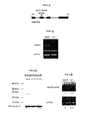
- the T-DNA insertion is located on the second exon of the sequence that encodes AtDBP1 ( Fig. 1A ), interrupting the N-terminal region of the protein at the DNC motif, which is involved in the specific binding to DNA.
- the resulting protein would not be functional, since it would lack the phosphatase domain and the DNA-binding capacity.
- the accumulation of the corresponding mRNA was analysed by means of RT-PCR in both Col-0 control plants and plants from the 8.1 line. The result of said analyses shows the absence of mRNA corresponding to the AtDBP1 gene in the 8.1 line ( Fig. 1 B) . Therefore, these results confirm that the expression of AtDBP1 in 8.1 plants is inhibited as compared to the expression levels observed for the AtDBP1 gene in wild Col-0 plants.
- AtDBP1 The inhibition of the expression of AtDBP1 triggers a lower accumulation of the eIF(iso)4E protein in the plant.
- Factors 4E and iso4E are a part of the 4F and iso4F complexes, respectively, the latter being exclusive of plants ( Browning, Plant Mol. Biol. Vol. 32, pp. 107-144, 1996 ). These complexes, formed by factors 4A, 4G, 4E/iso4E, and factors PABP, are required, jointly with other initiation factors, for the initiation of the translation of proteins, allowing for the binding of mRNA to the pre-initiation complex. Specifically, translation initiation factor 4E is responsible for recognising and binding to the CAP structures present at the 5'-end of mRNAs.
- the low representation of factor eIF(iso)4E in the 8.1 mutant seems to indicate that AtDBP1 positively contributes to the accumulation of eIF(iso)4E.
- the expression of eIF(iso)4E was analysed at the mRNA level by means of RT-PCR and, at the protein level, by means of Western-blot, using a specific polyclonal antibody. The results obtained indicate a lower accumulation of the eIF(iso)4E protein in the 8.1 mutant line as compared to Col-0 plants ( Fig.
- AtDBP1 must affect the expression of eIF(iso)4E at the post-transcriptional level, which suggests a possible direct interaction between both proteins.
- AtDBP1 and eIF(iso)4E interact in vivo
- AtDBP1 In order to verify whether AtDBP1 is capable of interacting with eIF(iso)4E, a two-hybrid assay was performed using translational fusions of both proteins to the DNA-binding and transcription activation domains, respectively, of the yeast activator GAL4.
- AtDBP1 The inhibition of the expression of AtDBP1 leads to a loss of susceptibility or increased resistance to potyvirus infection
- Col-0 plants and plants from the 8.1 line were inoculated with an infectious clone of the Plum Pox Virus or sharka virus (PPV), a member of the potyvirus family.
- the viral clone used was a carrier of the GFP reporter gene, which allowed for an in vivo follow-up of the degree of the colonisation of the viral infection.
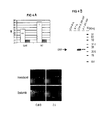
- the accumulation of viral RNA in non-inoculated systemic tissue was analysed by means of quantitative RT-PCR, using specific primers for the GFP marker gene. As shown in figure 4A , fifteen days after inoculation (dpi), a marked decrease in the accumulation of GFP mRNA is observed in 8.1 plants as compared to Col-0 plants.
- TuMV Turnip Mosaic Virus
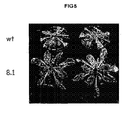
- the symptomatology shown in figure 5 could be specified by means of visual analysis only in the leaves, since an induction of chlorosis and subsequent necrosis, which leads to the collapse of foliar tissue due to infection of the tissue by the virus, is generated in the wild plant, but not in the 8.1 plant, given its special resistance.
- said chlorosis and necrosis in the case of severe infections or high titres of viruses, extends to the entire foliar tissue and eventually leads to general plant collapse; this collapse and death of the plant are characteristic of pathogenic infections as severe as those studied in this case. Therefore, the manipulation of the function of AtDBP1 seems to trigger an increase in resistance or a loss of susceptibility to several members of the potyvirus family.
- the vegetable materials used were Arabidopsis thaliana (L.) Heynh plants of the Col-0 ecotype and the 8.1 mutant line, also in a Col-0 genetic background, which corresponds to the SALK_005240 T-DNA insertion line from the SALK Institute (La Jolla, USA).
- the seeds from these plants were stratified for 3 days at 4oC following imbibition. Subsequently, the plants were grown in Jiffy-7 compacted substrate (Clause-Tezier Ibérica, Valencia, Spain) at 23oC, with a photoperiod of 10 hours of light and 14 hours in the dark.
- the inoculum used consisted of a suspension of Agrobacterium tumefaciens carrying an infectious clone of the PPV virus (Plum Pox Virus or sharka virus) with the GFP marker gene.
- the bacterial culture was resuspended in 10 mM MES buffer, pH 5.6, 10 mM Mg 2 Cl, 150 ⁇ M acetosyringone, at an optical density of 0.5 at 600 nm, and kept at ambient temperature for several hours.
- Five-week-old plants were inoculated with 20 ⁇ l of said inoculum, by infiltrating the distal half of one leaf per plant through the back part of the leaf. Subsequently, the inoculated plants were kept under the same light and temperature conditions in order to follow up the viral infection at different times.
- RNA extractions TriZol (Invitrogen) was used, following the manufacturer's recommendations. The quality and integrity of the extracted RNA was analysed by means of spectrophotometry and agarose gel electrophoresis.
- the semi-quantitative RT-PCR technique was used.
- the corresponding cDNA was obtained from the total RNA by reverse transcription with oligodT, using the "Revertaid H Minus First Strand cDNA Synthesis Kit” (Fermentas).
- the cDNA obtained was used as a template in PCR reactions with specific primers for the gene of interest in a PTC-100 Peltier Thermal Cycler.
- the final products were separated by means of agarose gel electrophoresis.
- the primers used (Seq. Id. Nos. 1 to 6) are shown in Table 1: TABLE 1 Gene Primer sequence Number of cycles Seq. Id. No.
- AtDBP1 Direct 5'-GTCTGAGTTTGTTCCTGCTACG-3' 27 1 Reverse: 5'-TACTGCTCATGGGTTTGTGGTC-3' 2 eIF(iso)4E Direct: 5'-CGTCTCAGAAGAAAACTCAACTGC-3' 24 3 Reverse: 5'-CATCTTCCTCTGGCTTCACACTC-3' 4 eEF1 ⁇ Direct: 5'-GCACAGTCATTGATGCCCCA-3' 18 5 Reverse: 5'-CCTCAAGAAGAGTTGGTCCCT-3' 6
- the yeast two-hybrid system was used. To this end, translational fusions were generated, of AtDBP1 to the DNA-binding domain of the yeast activator GAL4 and of eIF(iso)4E to the transactivation domain of the same activator.
- the two fusion proteins were expressed in the PJ69-4A yeast strain and the expression of the HIS3 marker gene was analysed, by evaluating the growth of the yeast strain transformed with both constructs in histidine-free medium supplemented with 3-amino-triazole, a competitive inhibitor of the HIS3 enzyme, as compared to control strains.
Landscapes
- Life Sciences & Earth Sciences (AREA)
- Health & Medical Sciences (AREA)
- Genetics & Genomics (AREA)
- Chemical & Material Sciences (AREA)
- Engineering & Computer Science (AREA)
- Organic Chemistry (AREA)
- Molecular Biology (AREA)
- Biomedical Technology (AREA)
- Biotechnology (AREA)
- General Engineering & Computer Science (AREA)
- Bioinformatics & Cheminformatics (AREA)
- Zoology (AREA)
- Wood Science & Technology (AREA)
- Biochemistry (AREA)
- Biophysics (AREA)
- General Health & Medical Sciences (AREA)
- Microbiology (AREA)
- Plant Pathology (AREA)
- Physics & Mathematics (AREA)
- Botany (AREA)
- Cell Biology (AREA)
- Virology (AREA)
- Gastroenterology & Hepatology (AREA)
- Medicinal Chemistry (AREA)
- Proteomics, Peptides & Aminoacids (AREA)
- Physiology (AREA)
- Developmental Biology & Embryology (AREA)
- Environmental Sciences (AREA)
- Breeding Of Plants And Reproduction By Means Of Culturing (AREA)
Abstract
Description
- This invention relates to the use of a mutation in order to generate virus-resistant mutant plants, specifically, the use of the 8.1 mutation of the AtDBP1 gene of Arabidopsis thaliana as a regulator of plant resistance to potyviruses in order to modify the plant phenotype, as well as to the genetically-modified plants obtained, which exhibit a higher resistance to potyvirus infection than unmodified plants.
- In nature, all living organisms must constantly defend against their interaction with others in order to survive. Plants co-exist with numerous pathogenic microorganisms, such as bacteria, viruses, fungi, etc.; however, in the vegetable world, disease is an exception, due to plants' numerous defence mechanisms against these pathogens. Some of these mechanisms are constitutive, being established in the plant prior to the arrival of the pathogen, whereas others are induced following the perception thereof and confer protection not only at the infection site, but systemically throughout the entire plant (Dempsey et al., Crit. Rev. Plan Sci. Vol. 18, pp. 547-575, 1999). Knowledge about the signalling pathways involved in the defensive response and the processes that underlie the interaction between the plant and the pathogen has unquestionable interest, both basic and applied. This would facilitate the design of strategies aimed at obtaining vegetable varieties with a higher resistance against pathogens, as well as the control of diseases in croppable species in order to increase the yield, the quality and the safety of the crops, since it is estimated that yield losses caused by pathogens represent about 10%-20% (Kreps et al., Plant Physiol. Vol. 130, pp. 2129-2141, 2002).
- The diseases produced by viruses in plants may damage the leaves, the stems, the roots, the fruits, the seeds or the flowers, and are responsible for a significant percentage of the economic losses caused by a reduction in the yield of crops and in the quality thereof (Agrios, 1988. Plant Pathology, 3rd Ed., San Diego, CA, Academic Press, p. 655). For this reason, plant viruses are considered to be the greatest threat for modern agriculture, since they lead to reductions in productivity and imperfect or low-quality products in many crops and ornamental plants throughout the world. Given the generalised, persistent character of the diseases caused by these pathogens, it is necessary to establish adequate control methods designed to prevent infections, protect the crops and thereby minimise agricultural losses.
- Plant viruses are classified into RNA viruses and DNA viruses, on the basis of the nature of the genetic material thereof, the most frequent being single-stranded RNA viruses of positive polarity (Hull, 2002. Matthews' Plant Virology, Academic Press). Infection is produced through wounds caused by physical damages due to the environment or the action of vectors such as insects, mites, nematodes and certain fungi that live on the soil. In the cytoplasm, the RNA virus is disassembled, replicates, translates its messengers into proteins and is locally and systemically mobilised (Stange, Cien. Inv. Agr. Vol. 33, pp. 1-18, 2006). In order to reproduce, the virus uses energy and proteins from the host cell. During each stage of the viral cycle, complex interactions are generated between the host plant and the virus, which have been the subject of intense study in recent years. For example, certain components of the host plant, such as microtubules, actin/myosin filaments and calreticulin, facilitate infection and the movement of the virus in the plant (Boevnik and Oparka, Plant Physiol. Vol. 138, pp. 1815-1821, 2005; Chen et al., Plant Physiol. Vol. 138, pp. 1866-1876, 2005). However, the identity of all the factors inherent to the host that are involved in the viral cycle is still unknown. Without a doubt, this knowledge is one of the greatest challenges in the field of virology in order to generate resistance to viral infections in crops of economic and environmental interest.
- In order to overcome the slowness and complexity of classic genetic improvement programmes, biotechnological strategies have been developed based on obtaining transgenic plants in order to generate resistance to viral infections. In this regard, the concept that has been most successfully used is the concept of virus-derived resistance proposed by Sanford and Johnston (J. Theor. Biol. Vol. 115, pp. 395-405, 1985), which is based on the expression of viral genes in plants. This could interfere with the viral cycle or activate gene-silencing mechanisms. Post-transcriptional gene silencing (PTGS), also known as RNA silencing, is an essential antiviral defence mechanism in plants. It is a process that controls gene expression at the post-transcriptional level and leads to the suppression of foreign genetic elements, such as viruses and transposons, through a specific RNA degradation mechanism (Baulcombe, Nature. Vol. 431, pp. 356-363, 2004; and Trends Biochem. Sci. Vol. 30, pp. 290-293, 2005).
- In vegetable organisms, at least three RNA silencing pathways are known: cytoplasmic silencing by small interfering RNAs (siRNAs), silencing of endogenous mRNAs by microRNAs (miRNAs) and silencing associated with the methylation of DNA and the suppression of transcription. All these pathways involve the breakdown of double-stranded RNA molecules (dsRNAs) into small RNAs, such as siRNAs and miRNAs (Baulcombe, Nature. Vol. 431, pp. 356-363, 2004). The limitations presented by technologies based on RNA silencing include the requirement of a high sequence specificity for RNA degradation (Ritzenthaler, Curr. Opin. Biotechnol. Vol. 16, pp. 118-122, 2005). Moreover, viruses have developed the capacity to encode suppressors of this innate antiviral defence mechanism. Amongst suppressor proteins, the HCPro (helper component protease) protein encoded by potyviruses (and Vaucheret, Science. Vol. 292, pp. 2277-2280, 2001) has been one of the most widely studied. For all these reasons, the application of these strategies could be limited and not very effective to generate resistance against a wide range of viruses.
- In other cases, the expression of plant resistance genes, or R genes, has been used. These genes are responsible for the recognition of the invader by means of direct or indirect interaction of the product of the expression thereof with avirulence factors (Avr) of the pathogen. Said recognition triggers a cell death programme at the infection site or a hypersensitive reaction which blocks dispersion of the pathogen and leads to the activation of the defensive response. Resistance genes to certain viruses have been identified in different vegetable species, such as the tobacco N gene (Nicotiana tabacum), which confers resistance to the tobacco mosaic virus (TMV), being a classic model in the study of plant-virus interactions (Whitham et al., Cell. Vol. 78, pp. 1101-1115, 1994; and Proc. Natl. Acad. Sci. USA. Vol. 93, pp. 8776-8781, 1996; Dineshkumar et al., Proc. Natl. Acad. Sci. USA. Vol 92, pp. 4175-4180, 1995). Genes with structural similarity, called resistance gene analogues (RGA), have also been identified in species of agricultural interest (Shen et al., Mol. Plant Microbe Interact. Vol. 11, pp. 815-823, 1998; Deng et al., Theor. Appl. Genet. Vol. 101, pp. 814-822, 2000; Di Gaspero and Cipriani, Theor. Appl. Genet. Vol. 106, pp. 163-172, 2002; Baldi et al., Theor. Appl. Genet. Vol. 109, pp. 231-239, 2004; Dondini et al., J. Horticul. Science and Biotech. Vol. 79, pp. 729-734, 2004; Soriano et al., Theor. Appl. Genet. Vol. 110, pp. 980-989, 2005). However, since, in general, resistance genes specifically recognise certain pathogen strains, their general applicability is very limited. On the other hand, the rapid evolution of viral strains capable of avoiding the plant's resistance mechanisms requires new concepts in the development of pathogen-resistant vegetable varieties.
- By contrast with the dominant resistance mediated by R genes and RNA silencing, there are alternative resistance mechanisms that, due to their special characteristics, are called recessive-nature mechanisms. Recessive resistance would be the result of a passive mechanism that makes a plant resistant due to the lack of a host-specific factor required by the virus to complete its cycle, or due to the presence of a mutated version of this factor (Fraser, Annu. Rev. Phytopathol. Vol. 28, pp. 179-20, 1990; and Academic Press, pp. 1300-1307. San Diego, CA, 1999). Potyviruses represent approximately 30% of all the known plant viruses and, as a group, are very destructive in agriculture (Ward et al., 1991).
- There is a less information available, and it is more disperse, about incompatible interactions between viruses and plants controlled by recessive resistance genes in the host (Díaz-Pendón et al., 2004. Mol. Plant Pathol. Vol. 5, pp. 223-233, 2004). Viruses are dependent on the host's biochemical machinery to complete their biological cycle. Thus, successful infection of a plant requires a number of compatible interactions between host factors and viral factors throughout a complex process that includes the expression and replication of the viral genome, cell-to-cell movement and long-distance translocation through the plant's vascular system (Carrington et al., Plant Cell. Vol. 8, pp. 1669-1681, 1996; Maule et al., Curr. Opin. Plant Biol. Vol. 5, pp. 279-284, 2002).
- Some of these host factors required for gene expression or replication of the virus have been identified by analysing mutagenised populations. Thus, it has been demonstrated that, in Arabidopsis thaliana, TOM1 and TOM2A are required for an efficient multiplication of the tobacco mosaic virus in Arabidopsis protoplasts. These are host transmembrane proteins that interact with one another and with viral replication proteins encoded by the virus, being essential to form the tobamovirus replication complex (Hagiwara et al., EMBO J. Vol 22, pp. 344-353, 2003; Ishikawa et al., J. Virol. Vol. 67, pp. 5328-5338, 1991; Mol. Gen. Genet. Vol. 230, pp. 33-38, 1993; Ohshima et al., Virology Vol. 243, pp. 472-481, 1998; Tsujimoto et al., EMBO J. Vol. 22, pp. 335-343, 2003; Yamanaka et al., Proc. Natl. Acad. Sci. USA. Vol. 97, pp. 10107-10112, 2000; and J. Virol. Vol. 76, pp. 2491-2497, 2002). With a similar approach, it has also been demonstrated that one of the isoforms of eukaryotic translation initiation factor eIF(iso)4E is necessary for the multiplication of the Turnip mosaic potyvirus (TuMV) and the Tobacco etch virus (TEV) (Duprat et al., Plant J. Vol. 32, pp. 927-934, 2002; Lellis et al., Curr. Biol. Vol. 12, pp. 1046-1051, 2002; Whitham et al., Proc. Natl. Acad. Sci. USA. Vol. 96, pp. 772-777, 1999). Moreover, several Arabidopsis mutants have been identified wherein viral movement is restricted, such as cum1-1 and cum2-1, where the propagation of the Cucumber mosaic virus (CMV) (Yoshii et al., Plant J. Vol. 13, pp. 211-219, 1998a), and that of CMV and the Turnip crinkle virus (TCV) are affected (Yoshii et al., J. Virol. Vol. 72, pp. 8731-8737, 1998b), respectively; and vsm1, wherein the systemic movement of a tobamovirus is specifically affected (Larley et al., Mol. Plant-Microbe Interact. Vol. 11, pp. 706-709, 1998). The cum1-1 and cum2-1 mutants have the eIF4E and eIF4G genes altered, respectively (Yoshii et al., J. Virol. Vol. 78, pp. 6102, 2004). Most cases of recessive resistance have been described in cultivated species, but genes involved therein have only been identified in peppers and lettuce, in both cases being translation initiation factor eIF4E, and against potyvirus (Nicaise et al., Plant Physiol. Vol. 132, pp. 1272-1282, 2003; Ruffel et al., Plant J. Vol. 32, pp. 1067-1075, 2002). Therefore, although there is scant information available about the mechanisms responsible for this, there seems to be a close link between translation initiation factors and resistance to viruses (Robaglia and Caranta, Trends Plant Sci. Vol. 11, pp. 40-45, 2006).
- Patent application
WO 01/34823 A2 - Document
US 5,986,175 , titled "Virus resistant plants", describes and claims a method of conferring resistance to plants by means of the expression in the plant of an isolated DNA sequence that comprises nucleotides which encode a potyvirus replicase, and cites a large number of potyviruses. The same authors, in patent documentUS 5,589,612 , confer potyvirus resistance to plants using a potyvirus protease in the method. - Document
WO 95/04825 A1 - Patent application
WO 94/16097 A1 - Granted
patent document ES 2 166 361 T3 - Patent application
WO 2004/057941 A2 , titled: "Recessive plant viral resistance results from mutations in translation initiation factor eIF4E", relates to a method of conferring virus resistance to plants, primarily potyvirus resistance. The method involves the silencing of the gene that encodes the plant's transcription initiation factor eIF4E, under effective conditions to confer virus resistance to the plant. - This silencing comprises: supplying a transgenic plant or plant seed transformed with heterologous nucleic acid molecules which silence the gene that encodes eIF4E in the plant and, subsequently, growing the transgenic plant or the transgenic plant grown from the transformed seed under effective conditions to confer virus resistance to said transgenic plant. Said heterologous molecules may be anti-sense or sense oligonucleotides that are complementary (different degrees of complementarity being admitted in the sequence) to the mRNA that encodes factor eIF4E. Said nucleic acid may also be iRNA (interference RNA). Both the transgenic plant and the plant seed transformed with the heterologous molecules may be selected from a broad group that includes Arabidopsis thaliana.
- Another aspect of this method comprises the overexpression of a nucleic acid molecule that encodes a heterologous transcription initiation factor, eIF4E, as well as an expression system that contains the gene construct and the host cell transformed with the gene construct.
- The document describes and claims the gene constructs, the expression system that comprises the gene constructs, the transformed host cell, the transformed plants, etc., which participate in the achievement of potyvirus resistance.
- In sum, the document describes and claims the obtainment of recessive potyvirus resistance in plants thanks to mutations in translation initiation factor eIF4E.
- Document
WO 03/000898 A1 - The invention describes 228 genes identified as useful to confer resistance to more than one pathogen (bacteria, oomycetes and viruses). It also identifies genes that are overexpressed or the expression whereof is reduced in response to viral infections.
- Therefore, the invention provides both transgenic plants the genome whereof is increased by a nucleic acid molecule of the invention and transgenic plants the corresponding gene whereof is interrupted in the genome, leading to the loss, reduction or alteration of the function of the product encoded by said gene (as compared to the wild plant), these plants acquiring resistance or tolerance capacity toward certain viruses or other pathogens.
- The pathogens may be bacteria, fungi or viruses. Amongst the possible viruses, different types of potyviruses are cited.
- The document presents the possibility to repress Arabidopsis genes as well as genes that encode DNA-binding proteins and phosphatases. However, none of the genes presented correspond to AtDBPI.
- In the article "A novel transcription factor involved in plant defense endowed with protein phosphatase activity" (Carrasco et al., The EMBO Journal. Vol. 22, No. 13, pp. 3376-3384, 2003), the same authors of this application describe the DBP1 protein of tobacco plants for the first time.
- This article focuses on the repressive effect of transcription factor DBP1 on the transcription of the CEVI1 gene (which encodes a protein that is expressed in the response toward compatible plant-virus interactions). In said document, by means of in vitro studies, they have shown that DBP1 specifically binds to sequences of the CEVI1 gene promoter.
- Moreover, in order to demonstrate the relationship between DBP1 and the transcriptional regulation of CEVI1, transgenic tobacco plants are constructed which present an anti-sense DBP1 construct wherein the expression level of the DBP1 gene is severely reduced. In these plants, it is shown that, in the absence of DBP1, there is an accumulation of CEVI1 (which suggests the repressive role of this new regulator in the transcriptional control of target genes).
- In the work developed, they refer to PP2Cs as negative modulators of stress signalling pathways in plants (amongst others). Furthermore, they show CEVI1 to be a defence-related gene, which may be induced as a consequence of viral infection and the transcription whereof may be regulated by DBP1.
- Special attention is given to CEVI1 and its role in controlling susceptibility to diseases in plants, but they do not mention the possibility of using the repression of the expression of DBP1 as a mechanism to confer potyvirus resistance to plants, nor a potential relationship between DBP1 and eIF(iso)4E.
- This article makes no reference to AtDBP1 (that is, to DBP1 from Arabidopsis thaliana) nor possible isoforms of DBP1.
- In the article "A novel DNA-Binding Motif, Hallmark of a New Family of Plant Transcription Factors" (Carrasco et al., Plant Physiology. Vol. 137, pp. 602-606, 2005), the authors of this application describe a new family of plant-specific transcription factors, the DBP1 family of transcription factors, which includes AtDBP1. They indicate the conservation of the DNA-binding domain of these transcription factors as the basis for future studies of the regulatory functions of said factors. During the study, they create two mutated versions of DBP1 from tobacco: mut1 and mut2, wherein they substitute certain amino acids from the conserved N-terminal region by alanine, giving rise to proteins that lose their DNA-binding capacity.
- The article shows that 5 genes have been identified in Arabidopsis which encode proteins related to DBP1. Amongst them, that which shows the greatest similarity to DBP1 is AtDBP1 (At2g25620; GenBank, accession number: NM_128120[GenBank]).
- Finally, in the article "14-3-3 Mediates Transcriptional Regulation by Modulating Nucleocytoplasmic Shuttling of Tobacco DNA-binding Protein Phosphatase-1" (Carrasco et al., J. Biol. Chem. Vol. 281, ), the authors of this patent application identify the G isoform of the tobacco 14-3-3 protein as the first protein that interacts with the DBP factor. They use said protein to understand the mechanism that underlies this family of transcriptional regulators.
- This article presents the interaction of both DBP1 and AtDBP1 with their corresponding 14-3-3 isoforms, an interaction that positively regulates the induction of the CEVI1 gene. In order to locate the binding area between DBP1 and 14-3-3, they construct deleted mutants in DBP1: 1 (which maintains the N-terminus and therefore interacts with 14-3-3) and 2 (deleted at the N-terminus and which does not bind to 14-3-3). In order to determine the exact position, several deletions are made.
- Thus, they perform tests with 14-3-3 λ from Arabidopsis (functional ortologue of 14-3-3G from tobacco). They compare the interaction of AtDBP1 with 14-3-3 λ and show that both proteins interact through the N-terminal region. These results reinforce the biological significance of the DBP1-14-3-3G interaction.
- In sum, they conclude that the 14-3-3G isoform positively regulates the induction of the tobacco CEVI1 gene by direct interaction with DBP1.
- The object of this invention relates to the use of the 8.1 mutation of the AtDBP1 gene of Arabidopsis thaliana (Gen At2g25620; Gen Bank, accession number NM_128120) to modify the plant phenotype in such a way that the resulting plant exhibits increased resistance to potyvirus infection as compared to the wild-type plant.
- Another object of this invention relates to the use of the AtDBP1 gene in species of agricultural and industrial interest as a regulator of the response to potyviruses in plants. Such use entails the loss of function of the AtDBP1 gene, leading to a lower accumulation of eIF(iso)4E, which would lead to resistance or decreased susceptibility to potyviruses.
- A regulator is understood to be the gene and, therefore, the protein encoded thereby, which regulates the mechanism or part of the mechanism that underlies and is used by the viruses in question in this study to penetrate into, multiply and infect the plant.
- In the description of the invention, studies are performed of the involvement of the AtDBP1 gene in the resistance or decreased susceptibility to potyviruses. The experiments are performed with the 8.1 mutant line of Arabidopsis thaliana, wherein the AtDBP1 gene is interrupted by the insertion of T-DNA in the second exon of its encoding sequence, interrupting the N-terminal region of the protein at the DNC motif, such that the accumulation of its mRNA is inhibited. That is, a loss of function characterised by non-expression of mRNA. The mutant plants are exposed to two different types of potyviruses, and it is verified that in fact their resistance or lack of susceptibility to said potyviruses increases.
- Another object of the invention is the use of the 8.1 mutation of the AtDBP1 gene of Arabidopsis thaliana to generate plants that present higher resistance to the Plum Pox Potyvirus (PPV) than the wild-type plant. Said resistance is detected by means of RT-PCR analysis.
- Finally, another object of the invention is the use of the 8.1 mutation of the AtDBP1 gene of Arabidopsis thaliana to generate plants that exhibit attenuated symptoms following infection with the Turnip Mosaic Potyvirus (TuMV), which does not occur in the wild-type plant.
-
-
Figure 1 . Characterisation of the 8.1 insertion mutant, which carries a T-DNA insertion in the AtDBP1 gene. A) Structure of the AtDBP1 gene. The AtDBP1 gene has 4 exons (which are indicated with black rectangles) separated by 3 introns. The 8.1 line (SALK_005240) has a T-DNA insertion that interrupts the sequence that encodes the AtDBP1 gene at the second exon. B) Analysis of the expression of the AtDBP1 gene in the 8.1 insertion line. Agarose gel electrophoresis of the amplification products obtained by RT-PCR using specific primers for the AtDBP1 gene as compared to Col-0 wild plants. -
Figure 2 . Analysis of the expression of AteIF(iso)4E in the AtDBP1 8.1 insertion line. A) Western-blot of protein extracts obtained from Col-0 wild plant leaves and two different batches of plants from the 8.1 mutant line, 8.1(1) and 8.1(2). On the left, the migration of the marker proteins used is shown, as a function of their molecular size. As a load control, a detail of the staining of the nitrocellulose membrane with Ponceau-S following the transfer is shown. B) Analysis of the accumulation of messenger RNA of AteIF(iso)4E in Col-0 wild plants and in the 8.1 insertion line by RT-PCR. Agarose gel electrophoresis of the amplification products obtained using specific primers for the AteIF(iso)4E gene (top) and the AteEFla gene, which is included as a control (bottom), as compared to Col-0 wild plants. Under the gel detail, the relative quantification of each amplification product is shown as compared to that obtained from Col-0 plants. -
Figure 3 . Analysis of the interaction between AtDBP1 and AteIF(iso)4E. A) Yeast two-hybrid system: growth in the presence (left) and absence (right) of histidine of yeast strains that express different regions of the AtDBP1 protein fused to the DNA-binding domain of GAL4 and a fusion of AteIF(iso)4E to the transcription activation domain of the same factor. The yeast cells' capacity to grow in a histidine-free medium is dependent on the interaction between the 2 fusion proteins and the subsequent activation of the transcription of the HIS3 marker gene. The histidine-free medium was supplemented with 3-amino-triazole, an inhibitor of the HIS3 enzyme, in order to increase the selective pressure. B) Co-immunoprecipitation of AtDBP1 and AteIF(iso)4E: Western-blot of the fractions immunoprecipitated with antibodies against the hemagglutinin (HA) epitope from leaf protein extracts obtained from Col-0 plants (1) and transgenic plants that express AtDBP1 fused to said epitope (2). The Western-blot was developed using anti-AteIF(iso)4E antibodies. -
Figure 4 . Analysis of the viral accumulation and distribution in 8.1 mutant line plants and Col-0 wild plants following inoculation with the sharka virus (Plum Pox Virus or PPV) fused to the GFP reporter. A) Accumulation of viral RNA: quantitative PCR amplification of cDNA obtained from non-inoculated leaves of Col-0 control plants and 8.1 insertion line plants infected with a version of the virus that includes the sequence which encodes the GFP green fluorescent protein (PPV-GFP), 20 days after inoculation. The white bars represent the amplification of the viral RNA using specific primers for GFP. As a control, the ACTINA8 gene is included (black bars). The numbers over the bars indicate the quantification of the difference observed between Col-0 and 8.1 after normalising the results obtained with those of the respective control. B) Accumulation of viral protein: Western-blot of leaf protein extracts obtained before inoculating Col-0 and 8.1 plants with PPV-GFP (to) and 20 days after the inoculation (t20), immunodecorated with anti-GFP polyclonal antibody. On the right, the migration of the molecular weight marker used is indicated. C) Analysis of the distribution of the virus in inoculated (upper panels) and non-inoculated or systemic (lower panels) leaves from Col-0 (left) and 8.1 (right) plants, by means of fluorescence microscopy for the detection of GFP. -
Figure 5 . Infection with the Turnip Mosaic Virus (or TuMV). Symptoms observed in Col-0 (upper portion) and 8.1 (lower portion) plants following infection with TMV. -
Figure 6 . Nucleotide sequence of the AtDBP1 gene (At2g25620). The exons are indicated in bold, upper-case letters, and the introns and the untranslated 5'- and 3'-regions are indicated in lower-case letters. -
Figures 7 . Nucleotide sequence of the AtDBP1 gene (At2g25620) in the 8.1 mutant (SALK_005240). The exons are indicated in bold, upper-case letters, the introns and the untranslated 5'- and 3'-regions are indicated in lower-case letters, and the sequence that would correspond to the T-DNA is underlined. - The potyvirus family represents a large number of plant viral pathogens that collectively may infect most cultivated species. Infection by potyvirus may induce a variety of symptoms, including foliar mottling, the distortion of seeds and fruits, and may thus severely compromise the yield and/or quality of the crop. The potyvirus family, or Potyviridae, includes the following definitive species: Alstroemeria mosaic potyvirus, Amaranthus leaf mottle potyvirus, Araujia mosaic potyvirus, Arracacha Y potyvirus, Artichoke latent potyvirus, Asparagus 1 potyvirus, Banana bract mosaic potyvirus, Bean common mosaic necrosis potyvirus, Bean common mosaic potyvirus, Bean yellow mosaic potyvirus, Beet mosaic potyvirus, Bidens mosaic potyvirus, Bidens mottle potyvirus, Cardamom mosaic potyvirus, Carnation vein mottle potyvirus, Carrot thin leaf potyvirus, Cassava brown streak potyvirus, Cassia yellow spot potyvirus, Celery mosaic potyvirus, Chickpea bushy dwarf potyvirus, Chickpea distortion mosaic potyvirus, Clover yellow vein potyvirus, Commelina diffusa potyvirus, Commelina mosaic potyvirus, Cowpea green vein-banding potyvirus, Cowpea Moroccan aphid-borne mosaic potyvirus, Cowpea rugose mosaic potyvirus, Crinum mosaic potyvirus, Daphne Y potyvirus, Dasheen mosaic potyvirus, Datura Colombian potyvirus, Datura distortion mosaic potyvirus, Datura necrosis potyvirus, Datura shoestring potyvirus, Dendrobium mosaic potyvirus, Desmodium mosaic potyvirus, Dioscorea alata potyvirus, Dioscorea green banding mosaic potyvirus, Eggplant green mosaic potyvirus, Euphorbia ringspot potyvirus, Freesia mosaic potyvirus, Groundnut eyespot potyvirus, Guar symptomless potyvirus, Guinea grass mosaic potyvirus, Helenium Y potyvirus, Henbane mosaic potyvirus, Hippeastrum mosaic potyvirus, Hyacinth mosaic potyvirus, Iris fulva mosaic potyvirus, Iris mild mosaic potyvirus, Iris severe mosaic potyvirus, Johnsongrass mosaic potyvirus, Kennedya Y potyvirus, Leek yellow stripe potyvirus, Lettuce mosaic potyvirus, Lily mottle potyvirus, Maize dwarf mosaic potyvirus, Malva vein clearing potyvirus, Marigold mottle potyvirus, Narcissus yellow stripe potyvirus, Nerine potyvirus, Onion yellow dwarf potyvirus, Ornithogalum mosaic potyvirus, Papaya ringspot potyvirus, Parsnip mosaic potyvirus, Passiflora ringspot potyvirus, Passiflora South African potyvirus, Passionfruit woodiness potyvirus, Patchouli mosaic potyvirus, Pea mosaic potyvirus, Pea seed-borne mosaic potyvirus, Peanut green mosaic potyvirus, Peanut mottle potyvirus, Pepper Indian mottle potyvirus, Pepper mottle potyvirus, Pepper severe mosaic potyvirus, Pepper veinal mottle potyvirus, Plum pox potyvirus, Pokeweed mosaic potyvirus, Potato A potyvirus, Potato V potyvirus, Potato Y potyvirus, Primula mosaic potyvirus, Ranunculus mottle potyvirus, Sorghum mosaic potyvirus, Soybean mosaic potyvirus, Statice Y potyvirus, Sugarcane mosaic potyvirus, Sweet potato feathery mottle potyvirus, Sweet potato G potyvirus, Swordbean distortion mosaic potyvirus, Tamarillo mosaic potyvirus, Telfairia mosaic potyvirus, Tobacco etch potyvirus, Tobacco vein-banding mosaic potyvirus, Tobacco vein mottling potyvirus, Tobacco wilt potyvirus, Tomato Peru potyvirus, Tradescantia-Zebrina potyvirus, Tropaeolum 1 potyvirus, Tropaeolum 2 potyvirus, Tuberose potyvirus, Tulip band-breaking potyvirus, Tulip breaking potyvirus, Tulip chlorotic blotch potyvirus, Turnip mosaic potyvirus, Ullucus mosaic potyvirus, Vallota mosaic potyvirus, Vanilla mosaic potyvirus, Vanilla necrosis potyvirus, Voandzeia distortion mosaic potyvirus, Watermelon mosaic 1 potyvirus, Watermelon mosaic 2 potyvirus, Wild potato mosaic potyvirus, Wisteria vein mosaic potyvirus, Yam mosaic potyvirus, Zucchini yellow fleck potyvirus, Zucchini yellow mosaic potyvirus, and the following provisional species: Asystasia gangetica mottle (?) potyvirus, Celery latent (?) potyvirus, Datura mosaic (?) potyvirus, Endive necrotic mosaic (?) potyvirus, Kalanchoe mosaic (?) potyvirus, Konjak mosaic (?) potyvirus, Nasturtium mosaic (?) potyvirus, Patchouli mottle (?) potyvirus, Shallot yellow stripe (?) potyvirus, Sweet potato vein mosaic (?) potyvirus, Welsh onion yellow stripe (?) potyvirus.
- The viral genome of potyviruses is composed of a simple RNA molecule of positive polarity that encodes a large polyprotein, which is post-translationally processed in at least 10 mature proteins by three viral proteases. This viral RNA is polyadenylated at the 3'-end; and, unlike mRNAs, it does not present a CAP structure at the 5'-end, but, instead, it is substituted by a protein encoded by the virus called VPg ("virus protein linked to the genome"), which covalently binds to the 5'-end (Murphy et al., Virology. Vol. 178, pp. 285-288, 1990).
- The fact that the lack of AtDBP1 translates into a reduction in the accumulation of said factor at the post-transcriptional level seems to indicate that AtDBP1 may be exerting a control on the translation initiation factor. To this end, we decided to verify whether both proteins were capable of physically interacting. In this invention, said interaction is demonstrated; therefore, it is very likely that this factor appears as a potential candidate for the AtDBP1-mediated dephosphorylation, thanks to the type-"C protein phosphatase activity associated therewith.
- In mammals, three mechanisms for the regulation of the activity of eIF4E are known. Significant amongst these is the regulation of the transcription level of this gene; in this case, the MYC proto-oncogene binds to the promoter of this factor, thereby inducing the expression levels thereof. There is also a post-translational modification via phosphorylation through two kinases (Mnk1 and 2). This phosphorylation of eIF4E seems to increase the translation, but the phosphorylated form has a lower affinity for the CAP structure; consequently, we propose that the phosphorylation could take place following the formation of the 43S pre-initiation complex, thereby promoting the release of eIF4E and the subsequent "scanning" of the ribosome. Finally, the main mechanism for the regulation of the activity of eIF4E is through the interaction thereof with a family of repressive proteins called 4E-BPs (4E-binding proteins). The binding of these proteins to eIF4E does not alter the binding to the CAP structure, but prevents the interaction of eIF4E with eIF4G, thereby suppressing the formation of the eIF4F complex. The interaction of 4E-BPs with eIF4E is controlled by the specific phosphorylation of serine and threonine residues in 4E-BP. The net effect of this phosphorylation of 4E-BP is the release of eIF4E, which makes it possible for eIF4E to actively bind to eIF4G in order to form the eIF4F complex and for the translation to proceed in a normal manner.
- This invention establishes the functional involvement of AtDBP1, a transcriptional regulator with protein phosphatase activity from the DBP family, in plant-potyvirus interactions as a factor required by the virus for the efficient replication and/or propagation thereof in the plant, and its use as a modulator of the defensive response. On the basis thereof, we show that the inhibition or absence of the expression of the AtDBP1 gene (Seq. Id. No. 9) and, therefore, the absence of the AtDBP1 factor or protein makes it possible to obtain plants with a higher resistance to potyvirus infections.
- In order to determine the function of AtDBP1, plants were generated with a loss of function of the AtDBP1 gene (Seq. Id. No. 9). To this end, homozygotic plants were selected from a line with T-DNA inserted in the AtDBP1 structural gene (SALK_005240; Seq. Id. No. 10), which carries an insertion in the AtDBP1 gene that interrupts its encoding sequence and, consequently, must eliminate the expression thereof. This homozygotic line was called 8.1 line. The T-DNA insertion is located on the second exon of the sequence that encodes AtDBP1 (
Fig. 1A ), interrupting the N-terminal region of the protein at the DNC motif, which is involved in the specific binding to DNA. Consequently, in the event that there is expression of the AtDBP1 gene in the 8.1 plants, the resulting protein would not be functional, since it would lack the phosphatase domain and the DNA-binding capacity. In order to verify to what extent the T-DNA insertion affected the expression of the AtDBP1 gene, the accumulation of the corresponding mRNA was analysed by means of RT-PCR in both Col-0 control plants and plants from the 8.1 line. The result of said analyses shows the absence of mRNA corresponding to the AtDBP1 gene in the 8.1 line (Fig. 1 B) . Therefore, these results confirm that the expression of AtDBP1 in 8.1 plants is inhibited as compared to the expression levels observed for the AtDBP1 gene in wild Col-0 plants. - As a part of the functional, molecular and genetic characterisation of the functional homologue of DBP1 in Arabidopsis thaliana, and in order to identify the target genes of AtDBP1, a comparative analysis was performed between the proteome of the seedlings of the 8.1 mutant line and the seedlings of the wild Col-0 line by means of two-dimensional electrophoresis. According to this analysis, amongst the differential spots observed between both genotypes, a polypeptide was identified which, following a mass-spectroscopy analysis of the fragments thereof by digestion with trypsin, was found to correspond to one of the isoforms of
translation initiation factor 4E (eIF(iso)4E), which exhibited a low accumulation of the 8.1 mutant line in the seedlings. -
Factors 4E and iso4E are a part of the 4F and iso4F complexes, respectively, the latter being exclusive of plants (Browning, Plant Mol. Biol. Vol. 32, pp. 107-144, 1996). These complexes, formed byfactors 4A, 4G, 4E/iso4E, and factors PABP, are required, jointly with other initiation factors, for the initiation of the translation of proteins, allowing for the binding of mRNA to the pre-initiation complex. Specifically,translation initiation factor 4E is responsible for recognising and binding to the CAP structures present at the 5'-end of mRNAs. - The low representation of factor eIF(iso)4E in the 8.1 mutant seems to indicate that AtDBP1 positively contributes to the accumulation of eIF(iso)4E. In order to verify whether the control exerted by AtDBP1 on said factor is at the transcriptional or the post-transcriptional level, the expression of eIF(iso)4E was analysed at the mRNA level by means of RT-PCR and, at the protein level, by means of Western-blot, using a specific polyclonal antibody. The results obtained indicate a lower accumulation of the eIF(iso)4E protein in the 8.1 mutant line as compared to Col-0 plants (
Fig. 2A ), whereas the level of mRNA, analysed by RT-PCR, is similar in both genotypes (Fig. 2B ). Therefore, AtDBP1 must affect the expression of eIF(iso)4E at the post-transcriptional level, which suggests a possible direct interaction between both proteins. - In order to verify whether AtDBP1 is capable of interacting with eIF(iso)4E, a two-hybrid assay was performed using translational fusions of both proteins to the DNA-binding and transcription activation domains, respectively, of the yeast activator GAL4. The expression of AtDBP1, jointly with eIF(iso)4E in yeast, was capable of inducing the expression of the HIS3 marker gene, thereby confirming the specific interaction between both proteins (
Fig. 3A ). A point mutation in the C-terminal domain of AtDBP1 that reduces the protein phosphatase activity thereof significantly weakened the interaction, which suggests that the isoform oftranslation initiation factor 4E could be a substrate susceptible to AtDBP1-mediated dephosphorylation. - The interaction observed between AtDBP1 and eIF(iso)4E was confirmed by means of co-immunoprecipitation. Using a specific antibody against eIF(iso)4E, the presence of said factor was detected by means of Western blot in the immunoprecipitate obtained with anti-HA monoclonal antibodies from transgenic plant extracts that expressed AtDBP1 fused to the HA epitope under the control of the cauliflower mosaic virus (CaMV) 35S promoter, which is constitutively expressed (
Fig. 3B ). This shows that both proteins are capable of interacting in the plant in vivo. - We attempted to determine whether the 8.1 mutants show specific recessive resistance to potyviruses. Western-blot analyses revealed that these mutants present lower levels of eIF(iso)4E; from this, we may conclude that the loss of function of this factor confers potyvirus resistance. Although a total absence of the eIF(iso)4E protein was not observed in the 8.1 T-DNA insertion line, the lower accumulation of eIF(iso)4E in these plants, as compared to Col-0 plants, suggests the possibility that the absence of AtDBP1 (or loss of function) produces a phenotype with potyvirus resistance. For this reason, Col-0 plants and plants from the 8.1 line were inoculated with an infectious clone of the Plum Pox Virus or sharka virus (PPV), a member of the potyvirus family. Moreover, the viral clone used was a carrier of the GFP reporter gene, which allowed for an in vivo follow-up of the degree of the colonisation of the viral infection. Initially, the accumulation of viral RNA in non-inoculated systemic tissue was analysed by means of quantitative RT-PCR, using specific primers for the GFP marker gene. As shown in
figure 4A , fifteen days after inoculation (dpi), a marked decrease in the accumulation of GFP mRNA is observed in 8.1 plants as compared to Col-0 plants. This result correlates with the level of GFP protein detected by means of Western-blot in systemic tissue from both genotypes, where a lower accumulation of the protein is also observed in 8.1 plants as compared to Col-0 plants at 15 dpi (Fig. 4B ). In turn, the GFP marker gene makes it possible to perform a follow-up of the movement and distribution of the virus by means of fluorescence microscopy. This demonstrated a significant delay in viral movement in 8.1 plants as compared to Col-0 plants, where both the viral accumulation in the vascular tissue and the movement of the virus through the petiole toward distal tissues takes place earlier on (Fig. 4C). Furthermore, for each of the times analysed following inoculation, it is observed that the non-inoculated systemic tissue analysed in Col-0 plants exhibits a greater viral invasion, which reaches almost the entire leaf, whereas in the equivalent tissue of 8.1 plants the dispersion of the virus predominantly affected the vascular tissue. Therefore, the loss of expression and, consequently, the loss of function of AtDBP1 exhibited by the 8.1 mutant slow down and attenuate the viral infection. - Due to the absence of symptoms in infections by PPV, the response of 8.1 plants to another member of the potyvirus family that causes symptoms in Arabidopsis, the Turnip Mosaic Virus (TuMV), was also analysed. This would make it possible to determine whether the loss of susceptibility observed for PPV could be extended to other members of the family. As shown in
figure 5 , inoculation with TuMV caused a much less severe symptomatology in 8.1 plants than in control Col-0 plants. The symptomatology shown infigure 5 could be specified by means of visual analysis only in the leaves, since an induction of chlorosis and subsequent necrosis, which leads to the collapse of foliar tissue due to infection of the tissue by the virus, is generated in the wild plant, but not in the 8.1 plant, given its special resistance. Ultimately, said chlorosis and necrosis, in the case of severe infections or high titres of viruses, extends to the entire foliar tissue and eventually leads to general plant collapse; this collapse and death of the plant are characteristic of pathogenic infections as severe as those studied in this case. Therefore, the manipulation of the function of AtDBP1 seems to trigger an increase in resistance or a loss of susceptibility to several members of the potyvirus family. - The vegetable materials used were Arabidopsis thaliana (L.) Heynh plants of the Col-0 ecotype and the 8.1 mutant line, also in a Col-0 genetic background, which corresponds to the SALK_005240 T-DNA insertion line from the SALK Institute (La Jolla, USA). The seeds from these plants were stratified for 3 days at 4ºC following imbibition. Subsequently, the plants were grown in Jiffy-7 compacted substrate (Clause-Tezier Ibérica, Valencia, Spain) at 23ºC, with a photoperiod of 10 hours of light and 14 hours in the dark. The inoculum used consisted of a suspension of Agrobacterium tumefaciens carrying an infectious clone of the PPV virus (Plum Pox Virus or sharka virus) with the GFP marker gene. The bacterial culture was resuspended in 10 mM MES buffer, pH 5.6, 10 mM Mg2Cl, 150 µM acetosyringone, at an optical density of 0.5 at 600 nm, and kept at ambient temperature for several hours. Five-week-old plants were inoculated with 20 µl of said inoculum, by infiltrating the distal half of one leaf per plant through the back part of the leaf. Subsequently, the inoculated plants were kept under the same light and temperature conditions in order to follow up the viral infection at different times.
- For the RNA extractions, TriZol (Invitrogen) was used, following the manufacturer's recommendations. The quality and integrity of the extracted RNA was analysed by means of spectrophotometry and agarose gel electrophoresis.
- In order to evaluate the degree of expression of certain genes, the semi-quantitative RT-PCR technique was used. The corresponding cDNA was obtained from the total RNA by reverse transcription with oligodT, using the "Revertaid H Minus First Strand cDNA Synthesis Kit" (Fermentas). The cDNA obtained was used as a template in PCR reactions with specific primers for the gene of interest in a PTC-100 Peltier Thermal Cycler. The final products were separated by means of agarose gel electrophoresis. The primers used (Seq. Id. Nos. 1 to 6) are shown in Table 1:
TABLE 1 Gene Primer sequence Number of cycles Seq. Id. No. AtDBP1 Direct: 5'-GTCTGAGTTTGTTCCTGCTACG-3' 27 1 Reverse: 5'-TACTGCTCATGGGTTTGTGGTC-3' 2 eIF(iso)4E Direct: 5'-CGTCTCAGAAGAAAACTCAACTGC-3' 24 3 Reverse: 5'-CATCTTCCTCTGGCTTCACACTC-3' 4 eEF1□ Direct: 5'-GCACAGTCATTGATGCCCCA-3' 18 5 Reverse: 5'-CCTCAAGAAGAGTTGGTCCCT-3' 6 - The samples were analysed in triplicate and the real-time PCR reactions were performed using Sybr Green PCR Master Mix (Applied Biosystems) in an ABI PRISM 7000 sequence detector. The direct and reverse primers were designed using the Primer Express computer package. The sequences of the primers used (Seq. Id. Nos. 7 and 8) are shown in Table 2:
TABLE 2 Gene Primer sequence Seq. Id. No. GFP Direct: 5'-ACGTAAACGGCCACAAGTTC-3' 7 Reverse: 5'-AAGTCGTGCTGCTTCATGTG-3' 8 - In order to determine whether factor eIF(iso)4E is capable of specifically interacting with AtDBP1, the yeast two-hybrid system was used. To this end, translational fusions were generated, of AtDBP1 to the DNA-binding domain of the yeast activator GAL4 and of eIF(iso)4E to the transactivation domain of the same activator. The two fusion proteins were expressed in the PJ69-4A yeast strain and the expression of the HIS3 marker gene was analysed, by evaluating the growth of the yeast strain transformed with both constructs in histidine-free medium supplemented with 3-amino-triazole, a competitive inhibitor of the HIS3 enzyme, as compared to control strains.
-
- Agrios, "Chapter 14: Plant diseases caused by viruses" (1988), Plant Pathology, 3rd Ed., San Diego, CA, Academic Press, p. 655.
- Baldi, P., Patocchi, A., Zini, E., Toller, C., Velasco, R., and Komjanc, M. (2004). Cloning and linkage mapping of resistance gene homologues in apple. Theor. Appl. Genet. 109, 231-239.
- Baulcombe, D. (2005). RNA silencing. Trends Biochem. Sci. 30, 290-293.
- Baulcombe, D. (2004). RNA silencing in plants. Nature 431, 356-363.
- Boevnik, P., and Oparka, K.J. (2005). Virus-host interactions during movement processes. Plant Physiol. 138, 1815-1821.
- Browning, K.S. (1996). The plant translational apparatus. Plant Mol. Biol. 32, 107-144.
- Carrasco, J.L., Ancillo, G., Mayda, E., and Vera, P. (2003). A novel transcription factor involved in plant defense endowed with protein phosphatase activity. EMBO J. 22, 3376-3384.
- Carrasco, J.L., Ancillo, G., Castelló, M.J., and Vera, P. (2005). A novel DNA-binding motif, hallmark of a new family of plant transcription factors. Plant Physiol. 137, 602-606.
- Carrasco, J.L., Castelló, M.J., and Vera, P. (2006). 14-3-3 mediates transcriptional regulation by modulating nucleocytoplasmic shuttling of tobacco DNA-binding protein-phosphatase-1. J. Biol. Chem. 281, 22875-22881.
- Carrington, J.C, Kasschau, K.D., Mahajan, S.K., and Schaad, M.C. (1996). Cell- to-cell and long distance transport of viruses in plants. Plant Cell 8, 1669-1681.
- Chen, M.-H., Tian, G.-W., Gafni, Y., and Citovsky, V. (2005). Effects of calreticulin on viral cell-to-cell movement. Plant Physiol. 138, 1866-1876.
- Dempsey, D.A., Shah, J., and Klessig, D.F. (1999). Salicylic acid and disease resistance in plants. Crit. Rev. Plant Sci. 18, 547-575.
- Duprat, A., Caranta, C., Revers, F., Menand, B., Browning, K.S., and Robaglia, C. (2002). The Arabidopsis eukaryotic initiation factor (iso) 4E is dispensable for plant growth but required for susceptibility to potyviruses. Plant J. 32, 927-934.
- Deng, Z., Huang, S., Ling, P., Chen, C., Yu, C., Weber, C.A., Moore, G.A., and Gmitter, F.G. (2000). Cloning and characterization of NBS-LRR class resistance-gene candidate sequences in citrus. Theor. Appl. Genet. 101, 814-822.
- Di Gaspero, G., and Cipriani, G. (2002). Resistance gene analogs are candidate markers for disease-resistance genes in grape (Vitis spp.). Theor. Appl. Genet. 106, 163-172.
- Díaz-Pendón, J.A., Truniger, V., Nieto, C., García-Mas, J., Bendahmane, A., and Aranda, M. (2004). Advances in understanding recessive resistance to plant virases. Mol. Plant Pathol. 5, 223-233.
- Dineshkumar, S.P., Whitham, S., Choi, D., Hehl, R., Corr, C., and Baker, B. (1995). Transposon tagging of tobacco mosaic virus resistance gene N: its possible role in the TMV-N-mediated signal transduction pathway. Proc. Natl. Acad. Sci. USA 92, 4175-4180.
- Dondini, L., Costa, F., Tataranni, G., Tartarini, S., and Sansavini, S. (2004). Cloning of apricot RGAs (Resistance Gene Analogs) and development of molecular markers associated with sharka (PPV) resistance. J. Horticul. Science and Biotech. 79, 729-734.
- Fraser, R.S.S. (1990). The genetics of resistance to plant viruses. Annu. Rev. Phytopathol. 28, 179-200.
- Fraser, R.S.S. (1999). Plant resistance to viruses. In: Encyclopedia of Virology (Granoff, A., and Webster, R.G., eds). Academic Press, pp. 1300-1307. San Diego, CA.
- Hagiwara, Y., Komoda, K., Yamanaka, T., Tamai, A., Meshi, T, Funada, R., Tsuchiya, T., Naito, S., and Ishikawa, M. (2003). Subcellular localization of host and viral proteins associated with tobamovirus RNA replication. EMBO J. 22, 344-353.
- Hull, R. (2002). Matthews' Plant Virology. Academic Press.
- Ishikawa, M., Naito, S., and Ohno, T. (1993) Effects of the tom1 mutation of Arabidopsis thaliana on the multiplication of Tobacco mosaic virus RNA in protoplasts. J. Virol. 67, 5328-5338.
- Ishikawa, M., Obata, F., Kumagai, T., and Ohno, T. (1991). Isolation of mutants of Arabidopsis thaliana in which accumulation of Tobacco mosaic virus coat protein is reduced to low levels. Mol. Gen. Genet. 230, 33-38.
- Kreps, J.A., Yajun, W., Chang, H.-S., Zhu, T., Wang, X., and Harper, J.F. (2002). Transcriptome changes for Arabidopsis in response to salt, osmotic, and cold stress. Plant Physiol. 130, 2129-2141.
- Lartey, R., Ghoshroy, S., and Citovsky, V. (1998). Identification of an Arabidopsis thaliana mutation (vsm1) that restricts systemic movement of tobamoviruses. Mol. Plant-Microbe Interact. 11, 706-709.
- Lellis, A.D., Kasschau, K.D., Whitham, S.A., and Carrington, J.C. (2002). Loss-of-susceptibility mutants of Arabidopsis thaliana reveal an essential role for eIF(iso)4E during potyvirus infection. Curr. Biol. 12, 1046-1051.
- Maule, A.J., Leh, V., and Lederer, C. (2002). The dialogue between viruses and hosts in compatible interactions. Curr. Opin. Plant Biol. 5, 279-284.
- Mayda, E., Marqués, C., Conejero, V., and Vera, P. (2000). Expression of a pathogen-induced gene can be mimicked by auxin insensitivity. Mol. Plant Microbe Interact. 13, 23-31.
- Murphy, J.F., Rhoads, R.E., Hunt, A.G., and Shaw, J.G. (1990). The VPg of tobacco etch virus RNA is the 49-kDa proteinase or the N-terminal 24-kDa part of the proteinase. Virology 178, 285-288.
- Nicaise, V., German-Retana, S., Sanjuan, R., Dubrana, M.P., Mazier, M., Maisonneuve, B., Candrese, T., Caranta, C., and LeGall, O. (2003). The eukaryotic .
- Ohshima, K., Taniyama, T., Yamanaka, T., Ishikawa, M., and Naito, S. (1998). Isolation of a mutant of Arabidopsis thaliana carrying two simultaneous mutations affecting Tobacco mosaic virus multiplication within a single cell. Virology 243, 472-481.
- Revers, F., Le Gall, O., Candresse, T., and Maule, A.J. (1999). New advances in understanding the molecular biology of plant/potyvirus interactions. Mol. Plant Microbe Interact. 12, 367-376.
- Ritzenthaler, C. (2005). Resistance to plant viruses: old issue, new answers? Curr. Opin. Biotechnol. 16, 118-122.
- Robaglia, C., and Caranta, C. (2006). Translation initiation factors: a weak link in plant RNA virus infection. Trends Plant Sci. 11, 40-45.
- Ruffel, S., Dussault, M.H., Palloix, A., Moury, B., Bendahmane, A., Robaglia, C., and Caranta, C. (2002). A natural recessive resistance gene against Potato virus Y in pepper corresponds to the .
- Sanford, J.C., and Johnston, S.A. (1985). The concept of parasite-derived resistance: driving resistance genes from the parasites own genome. J. Theor. Biol. 115, 395-405.
- Shen, K.A., Meyers, B.C., Islam-Faridi, M.N., Chin, D.B., Stelly, D.M., and Michelmore, R.W. (1998). Resistance gene candidates identified using PCR wiíh degenerate primers map to resistance genes clusters in lettuce. Mol. Plant Microbe Interact. 11, 815-823.
- Simón, L., Plante, D., Wittmann, S., Daigneault, N., Fortín, M.G., and Laliberté, J.-F. (2000). Complex formation between potyvirus VPg and translation .
- Soriano, J.M., Vilanova, S., Romero, C., Yacer, G., and Badenes, M.L. (2005). Characterization and mapping of NBS-LRR resistance gene analogs in apricot (Prunus armeniaca L.). Theor. Appl. Genet. 110, 980-989.
- Stange, C. (2006). Plant-virus interactions during the infective process. Cien. Inv. Agr. 33, 1-18.
- Tsujimoto, Y., Numaga, T., Ohshima, K., Yano, M., Ohsawa, R., Goto, D., Naito, S., and Ishikawa, M. (2003). Arabidopsis tobamovirus multiplication (TOM) 2 locus encodes a transmembrane protein that interacts with TOM1. EMBO J. 22, 335-343.
- Vance, V., and Vaucheret, H. (2001). RNA silencing in plants-defense and counterdefense. Science 292, 2277-2280.
- Whitham, S., Dinesh-Kumar, S.P., Choi, D., Hehl, R., Corr, C., and Baker, B. (1994). The product of the tobacco mosaic virus resistance gene N: similarity to TOLL and the Interleukin-1 receptor. Cell 78, 1101-1115.
- Whitham, S., McCormick, S., and Baker, B. (1996). The N gene of tobacco confers resistance to tobacco mosaic virus in transgenic tomato. Proc. Natl. Acad. Sci. USA 93, 8776-8781.
- Whitham, S., Yamamoto, M., and Carrington, J. (1999). Selectable viruses and altered susceptibility mutants in Arabidopsis thaliana. Proc. Natl. Acad. Sci. USA 96, 772-777.
- Wittmann, S., Chatel, H., Fortín, M.G., and Laliberté, J.F. (1997). Interaction of the viral protein genome linked of turnip mosaic potyvirus with the translational eukaryotic initiation factor (iso) 4E of Arabidopsis thaliana using the yeast two-hybrid system. Virology 234, 84-92.
- Yamanaka, T., Imai, T., Satoh, R., Kawashima, A., Takahashi, M., Tomita, K., Kubota, K., Meshi, T., Naito, S., and Ishikawa, M. (2002). Complete inhibition of tobamovirus multiplication by simultaneous mutations in two homologous host genes. J. Virol. 76, 2491-2497.
- Yamanaka, T., Ohta, T., Takahashi, M., Meshi, T., Schmidt, R., Dean, C., Naito, S., and Ishikawa, M. (2000). TOM1, an Arabidopsis gene required for efficient multiplication of a tobamovirus, encodes a putative transmembrane protein. Proc. Natl. Acad. Sci. USA 97, 10107-10112.
- Yoshii, M., Nishikiori, M., Tomita, K., Yoshioka, N., Kozuka, R., Naito, S., Ishikawa, M. (2004). The .
- Yoshii, M., Yoshioka, N., Ishikawa, M., and Naito, S. (1998a). Isolation of an Arabidopsis thaliana mutant in which accumulation of Cucumber mosaic virus coat protein is delayed. Plant J. 13, 211-219.
- Yoshii, M., Yoshioka, N., Ishikawa, M., and Naito, S. (1998b). Isolation of an Arabidopsis thaliana mutant in which the multiplication of both Cucumber mosaic virus and Turnip crinkle virus is affected. J. Virol. 72, 8731-8737.


Claims (11)
- Use of the AtDBP1 gene in vegetable species as a regulator of plants' response to potyvirus infection.
- Use of the AtDBP1 gene as claimed in claim 1, characterised in that said regulation consists of conferring resistance or increased resistance to potyvirus infection as compared to wild-type plants.
- Use of the AtDBP1 gene as claimed in claims 1-2, characterised in that the resistance or increased resistance to potyvirus infection is produced by the loss of function of the AtDBP1 gene.
- Use of the AtDBP1 gene as claimed in claims 1-3, characterised in that the loss of function is due to the inhibition of the expression thereof.
- Use of the AtDBP1 gene as claimed in claims 1-4, characterised in that the inhibition of the expression thereof is produced by the 8.1 mutation.
- Use of the AtDBP1 gene as claimed in claims 1-5, characterised in that it produces a lower accumulation of eIF(iso)4e.
- Use of the AtDBP1 gene as claimed in claims 1-6, characterised in that the potyvirus is the Plum Pox Virus (PPV).
- Use of the AtDBP1 gene as claimed in claims 1-6, characterised in that the potyvirus is the Turnip Mosaic Virus (TuMV).
- Use of the AtDBP1 gene as claimed in claims 1-8, to obtain transgenic plants that are resistant or exhibit higher resistance to potyvirus infection.
- Transgenic plants that are resistant or exhibit higher resistance to potyvirus infection, obtained as claimed in claim 9, characterised by the loss of function of the AtDBP1 gene.
- Genetically-modified plant as claimed in claim 10, characterised in that the loss of function of the AtDBP1 gene is produced by the 8.1 mutation.
Applications Claiming Priority (2)
| Application Number | Priority Date | Filing Date | Title |
|---|---|---|---|
| ES200702498A ES2316298B1 (en) | 2007-09-21 | 2007-09-21 | HANDLING IN THE FUNCTION OF ATDBP1 TO GENERATE RESISTANCE AGAINST POTYVIRUS. |
| PCT/ES2008/000595 WO2009037369A1 (en) | 2007-09-21 | 2008-09-19 | MANIPULATION OF THE FUNCTION OF AtDBP1 IN ORDER TO GENERATE POTYVIRUS RESISTANCE |
Publications (2)
| Publication Number | Publication Date |
|---|---|
| EP2208788A1 true EP2208788A1 (en) | 2010-07-21 |
| EP2208788A4 EP2208788A4 (en) | 2011-04-27 |
Family
ID=40434721
Family Applications (1)
| Application Number | Title | Priority Date | Filing Date |
|---|---|---|---|
| EP08832492A Withdrawn EP2208788A4 (en) | 2007-09-21 | 2008-09-19 | HANDLING OF ATDBP1 GENE FUNCTION TO GENERATE POTYVIRUS RESISTANCE |
Country Status (4)
| Country | Link |
|---|---|
| US (1) | US20100242133A1 (en) |
| EP (1) | EP2208788A4 (en) |
| ES (1) | ES2316298B1 (en) |
| WO (1) | WO2009037369A1 (en) |
Cited By (3)
| Publication number | Priority date | Publication date | Assignee | Title |
|---|---|---|---|---|
| EP3162195A4 (en) * | 2014-06-27 | 2017-12-20 | Japan Tobacco, Inc. | Virus-resistant tobacco and method for creating same |
| CN111321155A (en) * | 2020-03-24 | 2020-06-23 | 吉林省农业科学院 | Methods of Proliferating Functional Potato Y Viruses in Prokaryotic Cells |
| US11659807B2 (en) | 2016-08-26 | 2023-05-30 | Japan Tobacco Inc. | Virus-resistant tobacco and breeding method therefor |
Family Cites Families (9)
| Publication number | Priority date | Publication date | Assignee | Title |
|---|---|---|---|---|
| EP0626998B1 (en) | 1992-02-19 | 2001-10-31 | The State Of Oregon Acting By And Through The Oregon Stateboard Of Higher Education On Behalf Of The University Of Oregon | Production of viral resistant plants via introduction of untranslatable plus sense viral rna |
| US5589612A (en) * | 1992-07-09 | 1996-12-31 | Monsanto Company | Virus resistant plants transformed with a PVY protease gene |
| EP0578627A1 (en) | 1992-07-09 | 1994-01-12 | Monsanto Company | Virus resistant plants |
| IT1261158B (en) | 1993-01-04 | 1996-05-09 | ANTIBIOGRAM AND DIAGNOSTIC KIT FOR ITS REALIZATION. | |
| GB9316384D0 (en) | 1993-08-06 | 1993-09-22 | Unilever Plc | Improvements in or relating to disease-resistance of plants |
| AU1602301A (en) | 1999-11-12 | 2001-06-06 | University Of South Carolina | Method for enhancing resistance in plants |
| EP1402037A1 (en) | 2001-06-22 | 2004-03-31 | Syngenta Participations AG | Plant genes involved in defense against pathogens |
| FR2835698B1 (en) * | 2002-02-08 | 2004-08-06 | Genoplante Valor | METHOD FOR SELECTING OR OBTAINING PLANTS RESISTANT TO POTYVIRUSES AND SEQUENCES MARKING OR CODING THIS RESISTANCE |
| US7772462B2 (en) | 2002-12-17 | 2010-08-10 | Cornell Research Foundation, Inc. | Recessive plant viral resistance results from mutations in translation initiation factor eIF4E |
-
2007
- 2007-09-21 ES ES200702498A patent/ES2316298B1/en not_active Expired - Fee Related
-
2008
- 2008-09-19 WO PCT/ES2008/000595 patent/WO2009037369A1/en not_active Ceased
- 2008-09-19 EP EP08832492A patent/EP2208788A4/en not_active Withdrawn
- 2008-09-19 US US12/679,360 patent/US20100242133A1/en not_active Abandoned
Non-Patent Citations (4)
| Title |
|---|
| ANDREW J MAULE ET AL: "Sources of natural resistance to plant viruses: status and prospects", MOLECULAR PLANT PATHOLOGY, WILEY-BLACKWELL PUBLISHING LTD, GB, vol. 8, no. 2, 1 January 2007 (2007-01-01) , pages 223-231, XP007916091, ISSN: 1464-6722, DOI: DOI:10.1111/J.1364-3703.2007.00386.X [retrieved on 2007-02-09] * |
| CARRASCO JOSE L ET AL: "A novel DNA-binding motif, hallmark of a new family of plant transcription factors", PLANT PHYSIOLOGY (ROCKVILLE), vol. 137, no. 2, February 2005 (2005-02), pages 602-606, XP002627973, ISSN: 0032-0889 * |
| ROBAGLIA C ET AL: "Translation initiation factors: a weak link in plant RNA virus infection", TRENDS IN PLANT SCIENCE, ELSEVIER SCIENCE, OXFORD, GB, vol. 11, no. 1, 1 January 2006 (2006-01-01), pages 40-45, XP025153816, ISSN: 1360-1385, DOI: DOI:10.1016/J.TPLANTS.2005.11.004 [retrieved on 2006-01-01] * |
| See also references of WO2009037369A1 * |
Cited By (5)
| Publication number | Priority date | Publication date | Assignee | Title |
|---|---|---|---|---|
| EP3162195A4 (en) * | 2014-06-27 | 2017-12-20 | Japan Tobacco, Inc. | Virus-resistant tobacco and method for creating same |
| US10400251B2 (en) | 2014-06-27 | 2019-09-03 | Japan Tobacco Inc. | Virus-resistant tobacco and method for creating same |
| US11659807B2 (en) | 2016-08-26 | 2023-05-30 | Japan Tobacco Inc. | Virus-resistant tobacco and breeding method therefor |
| CN111321155A (en) * | 2020-03-24 | 2020-06-23 | 吉林省农业科学院 | Methods of Proliferating Functional Potato Y Viruses in Prokaryotic Cells |
| CN111321155B (en) * | 2020-03-24 | 2022-08-02 | 吉林省农业科学院 | Methods of Proliferating Functional Potato Y Viruses in Prokaryotic Cells |
Also Published As
| Publication number | Publication date |
|---|---|
| EP2208788A4 (en) | 2011-04-27 |
| ES2316298A1 (en) | 2009-04-01 |
| WO2009037369A1 (en) | 2009-03-26 |
| ES2316298B1 (en) | 2010-02-16 |
| US20100242133A1 (en) | 2010-09-23 |
Similar Documents
| Publication | Publication Date | Title |
|---|---|---|
| Zhang et al. | Expression of artificial microRNAs in tomato confers efficient and stable virus resistance in a cell-autonomous manner | |
| Igarashi et al. | Apple latent spherical virus vectors for reliable and effective virus-induced gene silencing among a broad range of plants including tobacco, tomato, Arabidopsis thaliana, cucurbits, and legumes | |
| Yoshii et al. | Disruption of a novel gene for a NAC‐domain protein in rice confers resistance to Rice dwarf virus | |
| US7772462B2 (en) | Recessive plant viral resistance results from mutations in translation initiation factor eIF4E | |
| JP2007527717A (en) | Graft plants resistant to viral diseases and methods for producing them | |
| Zhong et al. | PAMP-responsive ATL gene StRFP1 and its orthologue NbATL60 positively regulate Phytophthora infestans resistance in potato and Nicotiana benthamiana | |
| Tzean et al. | Engineering plant resistance to tomato yellow leaf curl Thailand virus using a phloem-specific promoter expressing hairpin RNA | |
| US20230047498A1 (en) | Method and compositions for engineering grapevine red blotch virus-resistant grapevine | |
| US20100242133A1 (en) | MANIPULATION OF THE FUNCTION OF AtDBP1 IN ORDER TO GENERATE POTYVIRUS RESISTANCE | |
| Gupta et al. | RNA silencing suppression mechanisms of Triticum mosaic virus P1: dsRNA binding property and mapping functional motifs | |
| CN101092634B (en) | A method of cultivating anti-cucumber mosaic virus plants | |
| Pang et al. | Transgenic rice plants overexpressing BBTI4 confer partial but broad-spectrum bacterial blight resistance | |
| Zhong et al. | NbPIRIN promotes the protease activity of papain-like cysteine protease NbRD21 to inhibit Chinese wheat mosaic virus infection | |
| WO2018234191A1 (en) | INCREASED STRENGTH IN DROUGHT IN PLANTS | |
| US9238680B2 (en) | Engineering heat-stable disease resistance in plants | |
| Makiyama | Viral counter defense X antiviral immunity in plants: mechanisms for survival | |
| Atsumi et al. | Heterologous expression of viral suppressors of RNA silencing complements virulence of the HC-Pro mutant of clover yellow vein virus in pea | |
| Koropacka | Molecular contest between potato and the potato cyst nematode Globodera pallida: modulation of Gpa2-mediated resistance | |
| JP7440190B2 (en) | geminivirus resistant plants | |
| KR101251615B1 (en) | CaLecRK1 gene from hot pepper concerned in defense response of plants and use thereof | |
| Li et al. | Characterization of the psoRPM1 gene for resistance to root-knot nematodes in wild myrobalan plum (Prunus sogdiana) | |
| van Grinsven | Mind the gap: analysis of Tsw resistance against tospoviruses | |
| Pazhouhandeh | The mechanism of action of polerovirus P0 in RNA silencing suppression | |
| 최유미 | Isolation and Characterization of Pepper Genes Interacting with CMV-P1 Helicase Domain | |
| Soosaar | Cloning of RCY1 and characterization of its role in cucumber mosaic virus resistance in Arabidopsis thaliana |
Legal Events
| Date | Code | Title | Description |
|---|---|---|---|
| PUAI | Public reference made under article 153(3) epc to a published international application that has entered the european phase |
Free format text: ORIGINAL CODE: 0009012 |
|
| 17P | Request for examination filed |
Effective date: 20100427 |
|
| AK | Designated contracting states |
Kind code of ref document: A1 Designated state(s): AT BE BG CH CY CZ DE DK EE ES FI FR GB GR HR HU IE IS IT LI LT LU LV MC MT NL NO PL PT RO SE SI SK TR |
|
| AX | Request for extension of the european patent |
Extension state: AL BA MK RS |
|
| DAX | Request for extension of the european patent (deleted) | ||
| A4 | Supplementary search report drawn up and despatched |
Effective date: 20110328 |
|
| 17Q | First examination report despatched |
Effective date: 20120228 |
|
| STAA | Information on the status of an ep patent application or granted ep patent |
Free format text: STATUS: THE APPLICATION IS DEEMED TO BE WITHDRAWN |
|
| 18D | Application deemed to be withdrawn |
Effective date: 20130925 |