EP2204449A2 - Nucleotide sequences encoding enzymes in biosynthesis of dihydroartemisinic acid - Google Patents
Nucleotide sequences encoding enzymes in biosynthesis of dihydroartemisinic acid Download PDFInfo
- Publication number
- EP2204449A2 EP2204449A2 EP09176132A EP09176132A EP2204449A2 EP 2204449 A2 EP2204449 A2 EP 2204449A2 EP 09176132 A EP09176132 A EP 09176132A EP 09176132 A EP09176132 A EP 09176132A EP 2204449 A2 EP2204449 A2 EP 2204449A2
- Authority
- EP
- European Patent Office
- Prior art keywords
- dihydroartemisinic
- artemisinic
- aldehyde
- artemisinin
- acid
- Prior art date
- Legal status (The legal status is an assumption and is not a legal conclusion. Google has not performed a legal analysis and makes no representation as to the accuracy of the status listed.)
- Withdrawn
Links
Images



Classifications
-
- C—CHEMISTRY; METALLURGY
- C12—BIOCHEMISTRY; BEER; SPIRITS; WINE; VINEGAR; MICROBIOLOGY; ENZYMOLOGY; MUTATION OR GENETIC ENGINEERING
- C12N—MICROORGANISMS OR ENZYMES; COMPOSITIONS THEREOF; PROPAGATING, PRESERVING, OR MAINTAINING MICROORGANISMS; MUTATION OR GENETIC ENGINEERING; CULTURE MEDIA
- C12N15/00—Mutation or genetic engineering; DNA or RNA concerning genetic engineering, vectors, e.g. plasmids, or their isolation, preparation or purification; Use of hosts therefor
- C12N15/09—Recombinant DNA-technology
- C12N15/63—Introduction of foreign genetic material using vectors; Vectors; Use of hosts therefor; Regulation of expression
- C12N15/79—Vectors or expression systems specially adapted for eukaryotic hosts
- C12N15/82—Vectors or expression systems specially adapted for eukaryotic hosts for plant cells, e.g. plant artificial chromosomes (PACs)
- C12N15/8241—Phenotypically and genetically modified plants via recombinant DNA technology
- C12N15/8242—Phenotypically and genetically modified plants via recombinant DNA technology with non-agronomic quality (output) traits, e.g. for industrial processing; Value added, non-agronomic traits
- C12N15/8257—Phenotypically and genetically modified plants via recombinant DNA technology with non-agronomic quality (output) traits, e.g. for industrial processing; Value added, non-agronomic traits for the production of primary gene products, e.g. pharmaceutical products, interferon
-
- C—CHEMISTRY; METALLURGY
- C12—BIOCHEMISTRY; BEER; SPIRITS; WINE; VINEGAR; MICROBIOLOGY; ENZYMOLOGY; MUTATION OR GENETIC ENGINEERING
- C12N—MICROORGANISMS OR ENZYMES; COMPOSITIONS THEREOF; PROPAGATING, PRESERVING, OR MAINTAINING MICROORGANISMS; MUTATION OR GENETIC ENGINEERING; CULTURE MEDIA
- C12N15/00—Mutation or genetic engineering; DNA or RNA concerning genetic engineering, vectors, e.g. plasmids, or their isolation, preparation or purification; Use of hosts therefor
- C12N15/09—Recombinant DNA-technology
- C12N15/63—Introduction of foreign genetic material using vectors; Vectors; Use of hosts therefor; Regulation of expression
- C12N15/79—Vectors or expression systems specially adapted for eukaryotic hosts
- C12N15/82—Vectors or expression systems specially adapted for eukaryotic hosts for plant cells, e.g. plant artificial chromosomes (PACs)
- C12N15/8241—Phenotypically and genetically modified plants via recombinant DNA technology
- C12N15/8242—Phenotypically and genetically modified plants via recombinant DNA technology with non-agronomic quality (output) traits, e.g. for industrial processing; Value added, non-agronomic traits
- C12N15/8243—Phenotypically and genetically modified plants via recombinant DNA technology with non-agronomic quality (output) traits, e.g. for industrial processing; Value added, non-agronomic traits involving biosynthetic or metabolic pathways, i.e. metabolic engineering, e.g. nicotine, caffeine
-
- C—CHEMISTRY; METALLURGY
- C12—BIOCHEMISTRY; BEER; SPIRITS; WINE; VINEGAR; MICROBIOLOGY; ENZYMOLOGY; MUTATION OR GENETIC ENGINEERING
- C12N—MICROORGANISMS OR ENZYMES; COMPOSITIONS THEREOF; PROPAGATING, PRESERVING, OR MAINTAINING MICROORGANISMS; MUTATION OR GENETIC ENGINEERING; CULTURE MEDIA
- C12N9/00—Enzymes; Proenzymes; Compositions thereof; Processes for preparing, activating, inhibiting, separating or purifying enzymes
- C12N9/0004—Oxidoreductases (1.)
- C12N9/0006—Oxidoreductases (1.) acting on CH-OH groups as donors (1.1)
-
- C—CHEMISTRY; METALLURGY
- C12—BIOCHEMISTRY; BEER; SPIRITS; WINE; VINEGAR; MICROBIOLOGY; ENZYMOLOGY; MUTATION OR GENETIC ENGINEERING
- C12N—MICROORGANISMS OR ENZYMES; COMPOSITIONS THEREOF; PROPAGATING, PRESERVING, OR MAINTAINING MICROORGANISMS; MUTATION OR GENETIC ENGINEERING; CULTURE MEDIA
- C12N9/00—Enzymes; Proenzymes; Compositions thereof; Processes for preparing, activating, inhibiting, separating or purifying enzymes
- C12N9/0004—Oxidoreductases (1.)
- C12N9/0008—Oxidoreductases (1.) acting on the aldehyde or oxo group of donors (1.2)
-
- C—CHEMISTRY; METALLURGY
- C12—BIOCHEMISTRY; BEER; SPIRITS; WINE; VINEGAR; MICROBIOLOGY; ENZYMOLOGY; MUTATION OR GENETIC ENGINEERING
- C12P—FERMENTATION OR ENZYME-USING PROCESSES TO SYNTHESISE A DESIRED CHEMICAL COMPOUND OR COMPOSITION OR TO SEPARATE OPTICAL ISOMERS FROM A RACEMIC MIXTURE
- C12P7/00—Preparation of oxygen-containing organic compounds
- C12P7/24—Preparation of oxygen-containing organic compounds containing a carbonyl group
-
- C—CHEMISTRY; METALLURGY
- C12—BIOCHEMISTRY; BEER; SPIRITS; WINE; VINEGAR; MICROBIOLOGY; ENZYMOLOGY; MUTATION OR GENETIC ENGINEERING
- C12P—FERMENTATION OR ENZYME-USING PROCESSES TO SYNTHESISE A DESIRED CHEMICAL COMPOUND OR COMPOSITION OR TO SEPARATE OPTICAL ISOMERS FROM A RACEMIC MIXTURE
- C12P7/00—Preparation of oxygen-containing organic compounds
- C12P7/40—Preparation of oxygen-containing organic compounds containing a carboxyl group including Peroxycarboxylic acids
-
- C—CHEMISTRY; METALLURGY
- C12—BIOCHEMISTRY; BEER; SPIRITS; WINE; VINEGAR; MICROBIOLOGY; ENZYMOLOGY; MUTATION OR GENETIC ENGINEERING
- C12P—FERMENTATION OR ENZYME-USING PROCESSES TO SYNTHESISE A DESIRED CHEMICAL COMPOUND OR COMPOSITION OR TO SEPARATE OPTICAL ISOMERS FROM A RACEMIC MIXTURE
- C12P7/00—Preparation of oxygen-containing organic compounds
- C12P7/40—Preparation of oxygen-containing organic compounds containing a carboxyl group including Peroxycarboxylic acids
- C12P7/42—Hydroxy-carboxylic acids
Definitions
- the present invention relates to production of plant-derived compounds of health and commercial interest. More particularly, the present invention relates to nucleotide sequences encoding enzymes, to enzymes encoded by the nucleotide sequences and to processes for producing ( 11S )-dihydroartemisinic aldehyde, ( 11R )-dihydroartemisinic acid and/or artemisinic acid therewith.
- Plants in general, contain a myriad of secondary metabolites often synthesized by unique biochemical processes operating only in exotic species.
- plant-derived products such as drugs
- the 1997 worldwide sales were US$ 10 billion (Rotheim 2002).
- the supply of the relevant plant material for these drugs is limited or variable.
- One approach to developing methods for producing these drugs is to apply the methods of biochemistry, molecular biology and genomics to elucidate the biosynthesis and relevant biosynthetic genes for compounds of value for human health.
- expressed sequence tag (EST) analysis provides a powerful means of identifying their corresponding genes (Cahoon et al. 1999, Gang et al. 2001, Lange et al. 2000 and van de Loo et al. 1995)
- Anthemideae is a tribe of 109 genera which includes daisies, chrysanthemums, tarragon, chamomile, yarrow and sagebrushes (Watson et al. 2000). These plants are aromatic in nature resulting from high concentrations of mono- and sesqui- terpenes. Many of the species in this tribe are valued for the health benefits or insecticidal properties.
- Artemisinin is produced in relatively small amounts of 0.01 to 1.0% dry weight, making it and its derivatives relatively expensive (Gupta et al. 2002).
- Several studies describe the chemical synthesis of the sesquiterpene, but none are an economical alternative for isolation of artemisinin from the plant (Yadav et al. 2003). Therefore a higher concentration in the plant or production in an alternative host is desirable to make artemisinin available as economically as possible, especially for use in the Third World.
- Knowledge of the biosynthetic pathway and the genes involved should enable engineering of improved production of artemisinin.
- there is also the possibility of producing intermediates in the pathway to artemisinin which are of commercial value. For example, a compound 15 times more potent in vitro than artemisinin against Plasmodium falciparum has been synthesized from artemisinic alcohol (Jung et al. 2001).
- compounds discovered in plants and found to be useful are produced commercially by i) chemical synthesis, where possible and economical, ii) extraction of cultivated or wild plants, or iii) cell or tissue culture (this is rarely economical).
- chemical synthesis is not economical, it makes sense to learn as much as possible about the biosynthesis of a natural product, such that it can be produced most efficiently in plants or cell/tissue culture.
- artemisinin chemical synthesis is not commercially feasible. Since the compound is produced in small quantities in Artemisia, the drugs derived from artemisinin are relatively expensive, particularly for the Third World countries in which they are used.
- amorpha-4,11-diene as a biosynthetic intermediate was established, based on the presence of trace of amorpha-4,11-diene in Artemisia extracts and the cloning and expression of cDNAs representing amorpha-4,11-diene synthase, a terpene cyclase (Bouwmeester et al. 1999 and Wallaart et al. 2001).
- a cytochrome P450 gene designated cyp71av1 was recently cloned and characterized (Teoh et al. 2006).
- the cyp71av1 gene encodes a hydroxylase that catalyzes the conversion of amorpha-4,11-diene to artemisinic alcohol.
- CYP71AV1 expressed in yeast is also capable of oxidizing artemisinic alcohol to artemisinic aldehyde and artemisinic aldehyde to artemisinic acid.
- the invention described herein addresses the production of artemisinin and artemisinin-related compounds, including precursors, of pharmaceutical and commercial interest.
- nucleic acid molecule comprising a nucleotide sequence having at least 70% nucleotide sequence identity to SEQ ID No.: 3 and encoding an artemisinic aldehyde double bond reductase.
- nucleic acid molecule comprising a nucleotide sequence having at least 70% nucleotide sequence identity to SEQ ID No.: 7 and encoding an artemisinic/dihydroartemisinic aldehyde dehydrogenase.
- nucleic acid molecule comprising a nucleotide sequence encoding an artemisinic aldehyde double bond reductase having an amino acid sequence with at least 70% amino acid sequence identity to SEQ ID No.: 2.
- nucleic acid molecule comprising a nucleotide sequence encoding an artemisinic/dihydroartemisinic aldehyde dehydrogenase having an amino acid sequence with at least 70% amino acid sequence identity to SEQ ID No.: 6.
- the isolated nucleic acid molecules are preferably derived from A. annua.
- Overexpression of one or more of the nucleic acid molecules or overproduction of the artemisinic aldehyde double bond reductase and/or artemisinic/dihydroartemisinic aldehyde dehydrogenase may be done in A. annua.
- Expression of one or more of the nucleic acid molecules or expression of the artemisinic aldehyde double bond reductase and/or artemisinic/dihydroartemisinic aldehyde dehydrogenase may be done in other hosts, for example plants, yeasts or bacteria.
- Overexpression or expression of one or more of the isolated nucleic acid molecules of the present invention may be done in combination with overexpression or expression of one or more other nucleic acid molecules involved in the biosynthesis of artemisinin, for example amorpha-4,11-diene synthase and/or amorpha-4,11-diene hydroxylase.
- genes involved in artemisinin biosynthesis can be used to enhance production by overexpression in the native plant ( A. annua ), a different plant, or in micro-organisms such as bacteria or yeast.
- A. annua native plant
- micro-organisms such as bacteria or yeast.
- An example of this is the expression of the amorphadiene synthase gene in E. coli to produce the artemisinin precursor amorphadiene (Martin et al. 2003) and the production of artemisinic acid in yeast (Ro et al. 2006).
- the resulting ( 11R )-dihydroartemisinic acid could then be chemically converted to artemisinin or related compounds of commercial value.
- Dihydroartemisinic acid is the presumed immediate precursor of artemisinin, and its transformation to artemisinin has been shown to occur spontaneously through photo-oxidation, requiring no enzyme intervention (Sy et al. 2002 and Wallaart et al. 1999). Consequently, using ( 11R )-dihydroartemisinic acid instead of artemisinic acid as the starting material for semi-synthesis of artemisinin reduces the number of steps required for artemisinin production thus, simplifying the production process. This may lead to shorter artemisinin production time and lower production cost.
- ( 11S )-dihydroartemsinic acid could be chemically converted to ( 11S )-artemisinin which is expected to have antimalarial activity.
- the genes (nucleic acid molecules) of the present invention may be derived, for example cloned, from Artemisia annua. Cloned nucleic acid molecules were sequenced and characterized by expression in E. coli. One of the cloned nucleic acid molecules encodes a double-bond reductase which reduces the C11-C13 double bond of artemisinic aldehyde to form ( 11S )-dihydroartemisinic aldehyde as the major product. Another of the cloned nucleic acid molecules encodes an aldehyde dehydrogenase for the conversion of dihydroartemisinic aldehyde to dihydroartemisinic acid. The aldehyde dehydrogenase is further capable of dehydrogenating artemisinic aldehyde to artemisinic acid.
- Nucleic acid molecules of the present invention may also be used in the development of DNA markers and in targeted mutagenesis techniques (e.g. TILLING (Targeting Induced Local Lesions IN Genomes)).
- TILLING Targeting Induced Local Lesions IN Genomes
- a genetic marker is a segment of DNA with an identifiable physical location on a chromosome and associated with a particular gene or trait and whose inheritance can be followed.
- a marker can be a gene, or it can be some section of DNA with no known function. Because DNA segments that lie near each other on a chromosome tend to be inherited together, markers are often used as indirect ways of tracking the inheritance pattern of a gene that has not yet been identified, but whose approximate location is known. Thus, markers can assist breeders in developing populations of organism having a particular trait of interest. Gene-specific markers can be used to detect genetic variation among individuals which is more likely to affect phenotypes relating to the function of a specific gene.
- a DNA marker for AaALDH1 could be developed by sequencing the polymerase chain reaction amplified AaALDH1 gene from a number of individual plants of Artemisia annua. Such sequencing would provide information about sequence polymorphisms within the gene. A range of methods available to those skilled in the art could be used to detect such polymorphisms, including cleaved amplified polymorphic sequences (CAPs) (Konieczy et al. 1993).
- CAPs cleaved amplified polymorphic sequences
- the presence of such gene-specific polymorphisms could be correlated with levels of artemisinin or related compounds and used in a breeding program to select and/or develop lines of Artemisia annua with enhanced levels of artemisinin or related compounds. That is, the variation in genetic structure may be detected in other plants, and the plants with the variation selectively bred to produce a population of plants having increased levels of dihydroartemisinic aldehyde, dihydroartemisinic acid, artemisinic acid and/or artemisinin compared to a population of control plants produced under similar conditions. Genetic markers are discussed in more detail in Bagge et al. 2007, Pfaff et al. 2003, Sandal et al. 2002 and Stone et al. 2002.
- TILLING involves treating seeds or individual cells with a mutagen to cause point mutations that are then discovered in genes of interest using a sensitive method for single-nucleotide mutation detection. Detection of desired mutations (e.g. mutations resulting in a change in expression of the gene product of interest) may be accomplished, for example, by PCR methods.
- oligonucleotide primers derived from the gene (nucleic acid molecule) of interest may be prepared and PCR may be used to amplify regions of the gene of interest from plants in the mutagenized population.
- Amplified mutant genes may be annealed to wild-type genes to find mismatches between the mutant genes and wild-type genes. Detected differences may be traced back to the plants which had the mutant gene thereby revealing which mutagenized plants will have the desired expression. These plants may then be selectively bred to produce a population having the desired expression.
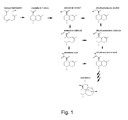
- Fig. 1 depicts the proposed biosynthetic pathway for artemisinin biosynthesis.
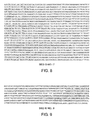
- Fig. 2 depicts the nucleotide sequence (SEQ ID No.: 1) of the cDNA insert of pKT104 encoding Artemisia annua AaDBR1.
- Fig. 3 depicts the predicted amino acid sequence (SEQ ID No.: 2) of the protein encoded by Artemisia annua gene AaDBR1.
- Fig. 4 depicts the nucleotide sequence (SEQ ID No.: 3) of the open reading frame of the DNA insert in pKT032.
- Fig. 5 depicts the predicted amino acid sequence (SEQ ID No.: 4) of the product of the AaDBR1 insert in pKT032 in frame with an N-terminal His tag sequence.
- Fig. 6 depicts the nucleotide sequence (SEQ ID No.: 5) of the cDNA insert of pKT150 encoding Artemisia annua AaALDH1.
- Fig. 7 depicts the predicted amino acid sequence (SEQ ID No.: 6) of the protein encoded by the Artemisia annua gene AaALDH1.
- Fig. 8 depicts the nucleotide sequence (SEQ ID No.: 7) of the open reading frame of the DNA insert in pKT041.
- Fig. 9 depicts the predicted amino acid sequence (SEQ ID No.: 8) of the product of the AaALDH1 insert in pKT041 in frame with an N-terminal His tag sequence.
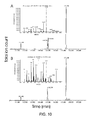
- Fig. 10 depicts a GC/MS of E. coli cell free extracts expressing AaDBR1 tested with artemisinic aldehyde with (a) and without (b) added NADPH.
- the retention time and mass spectrum of the peaks at 14.94 and 15.03 min are equivalent to the standard artemisinic aldehyde (M r + 218) and ( 11S )-dihydroartemisinic aldehyde (M r + 220), respectively.
- Fig. 11 depicts a GC/MS of E. coli cell free extracts expressing AaALDH1 tested with ( 11R )-dihydroartemisinic aldehyde with (a) and without (b) added NADP. Diethyl ether extracts were analyzed as diazomethane derivatives. The retention time and mass spectrum of the peak at 15.8 min is equivalent to the standard diazomethane derivative of ( 11R )-dihydroartemisinic acid (M + 250).
- Artemisinic acid was isolated from dichloromethane extracts of A. annua flower buds and leaves and was used to synthesize artemisinic aldehyde according to the method described by Chang et al. 2000, the disclosure of which is incorporated herein by reference.
- Dihydroartemisinic acid was isolated and purified from A. annua leaf material obtained from a "line 2/39" containing relatively high levels of the dihydroartemisinic acid using the method described for artemisinic acid in Teoh et al. 2006, the disclosure of which is incorporated herein by reference.
- Dihydroartemisinic aldehyde was synthesized from the isolated dihydroartemisinic acid.
- the acid was converted to methyl dihydroartemisinate with excess diazomethane in diethyl ether at 0°C for 5 minutes.
- the ether and diazomethane were removed under a stream of nitrogen and the methyl ester was reduced to ( 11R )-dihydroartemisinic alcohol with excess 1.5 M diisobutyl aluminum hydride in toluene at room temperature for 10 min under nitrogen.
- the ORF of AaDBR1 was cloned in frame with the 6X His-tag (SEQ ID No.: 13) at the N-terminal of AaDBR1.
- the open reading frame (ORF) of an aldehyde dehydrogenase designated AaALDH1, encoded by the EST clone pKT150 was obtained through PCR using gene-specific primers 5'-CACCATGAGCTCAGGAGCTAAT-3' (SEQ ID No.:11) and 5'-TTAAAGCCACGGGGAATCATAT-3' (SEQ ID No. 12) and Vent polymerase (New England BioLabs, Cambridge, MA, USA).
- the resulting PCR product was cloned via the Gateway entry vector pENTR/D/TOPO (Invitrogen) into a Gateway destination vector, pDEST17 (Invitrogen) to generate a bacterial expression clone pKT041.
- the ORF of AaALDH1 was cloned in frame with the 6X His-tag (SEQ ID No.: 13) at the N-terminal of AaALDH1.
- the plasmid pKT032 or pKT041 was introduced into E. coli strain BL21(DE3) (Novagen) using heat shock at 42°C.
- the GUS gene (Invitrogen) was cloned into pDEST17 to replace the ccdB gene and the construct pDEST-GUS introduced into the E. coli strain BL21(DE3) was used as a control.
- Transformants were grown on Luria Broth (LB) and selected on ampicillin (100 ⁇ /mL) at 37°C for 24 hours.
- a single colony containing pKT032 or pKT041 was used to inoculate 5 mL of LB liquid medium with ampicillin (LBA) and grown at 37°C overnight with shaking.
- the overnight culture was used to inoculate 250 mL of LBA liquid medium and grown at 37°C with shaking to an OD 600 of 0.6 per mL followed by induction with 1 mM IPTG and grown at 30°C overnight with shaking.
- Cells were pelleted at 2,000g at 4°C for 10 minutes.
- the pelleted cells were resuspended in 6 mL of lysis buffer consisting of 50 mM sodium phosphate, pH 8.0, 0.1 M NaCl, 20 mM imidazole and 1 mM phenylmethylsufonyl fluoride (PMSF).
- lysozyme 0.2 mg/mL of cells
- sonication on ice with 30s pulse
- Protein concentration was determined by Bradford assay (Bio-Rad).
- the AaDBR1 protein was detected by silver stain on SDS gel and confirmed by Western Blot using Anti-His antibody (Invitrogen).
- the AaALDH1 protein was detected by Rapid Stain (Bioscience, St. Louis, MO) on SDS gel.
- Cell-free extract of recombinant AaALDH1 was prepared as described above.
- the cell-free extract was centrifuged at 20,000 g at 4°C for 15 minutes to remove any remaining insoluble materials before loading onto a His-Trap FF column (Amersham Bioscience, NJ) equilibrated with binding buffer (20 mM sodium phosphate buffer containing 500 mM NaCl and 20 mM imidazole at pH 7.5).
- binding buffer (20 mM sodium phosphate buffer containing 500 mM NaCl and 20 mM imidazole at pH 7.5).
- the column was washed with 5 column volume of binding buffer and the recombinant AaALDH1 eluted with elution buffer (20 mM sodium phosphate, 500 mM NaCl, pH 7.5) containing increasing concentration of imidazole in a step-wise fashion.
- the eluted fractions were concentrated and desalted in centrifugal filter devices (Amicon Ultra - 15) (Millipore, MA) following manufacturer's protocol.
- the purity of the recombinant AaALDH1 was checked with SDS gel stained with Rapid Stain (Biosciences, St. Louis, MO).
- Cell-free extracts of recombinant His-tagged AaDBR1 protein were assayed with artemisinic aldehyde, followed by analysis by gas chromatography/mass spectrometry. Enzyme reactions were initiated by adding the substrate (5 ⁇ g) to 500 ⁇ L sodium phosphate buffer (50 mM, pH 7.5) containing 10% sorbitol, 1 mM NADPH, 2 mM DTT and 0.8 ⁇ g of enzyme. Negative controls were carried out with boiled proteins, without NADPH and with extracts from E. coli into which the construct pDEST17-GUS had been introduced.
- Cell-free extract of recombinant His-tagged AaALDH1 protein were assayed with dihydroartemisinic aldehyde and other substrates, followed by analysis by gas chromatography/mass spectrometry. Enzyme reactions were initiated by adding the substrate (5 ⁇ g) to 500 ⁇ L Tris-HCl buffer (50 mM, pH 8.5) containing, 1 mM NADP, and 1.0 ⁇ g of enzyme. Negative controls were carried out with boiled proteins, without NADP and with extracts from E. coli into which the construct pDEST17-GUS had been introduced. Reactions were allowed to proceed for 30 minutes at 30°C with shaking and immediately stopped by extracting twice with 700 ⁇ L diethyl ether. The ether extracts were pooled, derivatized with diazomethane, evaporated and taken up in 20 ⁇ L dichloromethane (Sigma) followed by GC-MS analysis.
- the linearity of the assay with respect to time and protein concentration was first established and the operational saturation of substrate and cofactor determined.
- the pH optimum was determined by the standard assay in 50 mM buffer (sodium phosphate, Tris-HCl and CHES) from pH 6.0 to 10.0 at 0.5 unit interval containing 1 mM NADP and 1.5 micrograms of the purified recombinant AaALDH1.
- Kinetic parameters were determined in 50 mM Tris-HCl buffer, pH 8.5 by varying the concentration of the substrates.
- Kinetic constants were determined by non-linear regression analysis using GraphPad software (GraphPad Software Inc. San Diego, CA) and the results presented are the means of three independent experiments.
- Substrates specificity was determined at optimum reaction conditions with substrates concentration at 10 times the estimated Km value.
- Substrates tested include artemisinic aldehyde, ( 11R )-dihydroartemisinic aldehyde, artemisinic alcohol, dihydroartemisinic alcohol, octanal, nonanal, 2-phenyl propionaldehyde, 3-cyclohexyl propionaldehyde, 2-hexen-1-al, syringaldehyde.
- Expressed sequence tags (sequences of randomly picked cDNA clones) were generated from developing trichomes and flower buds of Artemisia annua and analyzed.
- AaDBR1 The consensus nucleotide sequence of the AaDBR1 mRNA is shown in Fig. 2 (SEQ ID No.: 1). The corresponding amino acid sequence is shown in Fig. 3 (SEQ ID No.: 2).
- AaALDH1 The consensus nucleotide sequence of the AaALDH1 mRNA is shown in Fig. 6 (SEQ ID No.: 5). The corresponding amino acid sequence is shown in Fig. 7 (SEQ ID No.: 6).
- telomere sequence For initial functional studies of AaDBR1, an RT-PCR product was prepared and cloned into E. coli expression vector pDEST17 to give the clone pKT032.
- the nucleotide sequence of the open reading frame of the DNA insert of pKT032 is given in Fig. 4 (SEQ ID No.: 3) and the corresponding protein product including the N-terminal His tag fusion is given in Fig. 5 (SEQ ID No.: 4).
- the plasmid pKT032 was introduced into the E. coli (DE3) strain (Novagen) and cell-free extracts was assayed with various isoprenoid substrates followed by analysis by gas chromatography/mass spectrometry.
- a PCR product was prepared and cloned into E. coli expression vector pDEST17 to give the clone pKT041.
- the nucleotide sequence of the open reading frame of the DNA insert of pKT041 is given in Fig. 8 (SEQ ID No.: 7) and the corresponding protein product including the N-terminal His tag fusion is given in Fig. 9 (SEQ ID No.: 8).
- the plasmid pKT041 was introduced into the E. coli (DE3) strain (Novagen) and cell-free extracts was assayed with ( 11R )-dihydroartemisinic aldehyde followed by analysis by gas chromatography/mass spectrometry.
- the recombinant AaALDH1 protein was purified from the cell-free extract and its kinetic parameters were determined.
- the purified recombinant AaALDH1 protein functions best at pH 8.5.
- the recombinant protein was tested with different substrates (see Materials and Methods) at the optimum assay conditions.
- Artemisinic aldehyde besides ( 11R )-dihydroartemisinic aldehyde was found to be a substrate for the recombinant AaALDH1.
- Fig. 11 shows the results of the analysis for ( 11R )-dihydroartemisinic aldehyde indicating the NADP-dependent formation of dihydroartemisinic acid.
- extracts from E. coli into which pKT041 had not been introduced did not support the production of dihydroartemisinic acid in the presence of NADP. It is predicted that the wild type product of AaALDH1 will have similar artemisinic/dihydroartemisinic aldehyde dehydrogenase activity as the His-tag fusion protein product of pKT041.
Landscapes
- Life Sciences & Earth Sciences (AREA)
- Health & Medical Sciences (AREA)
- Chemical & Material Sciences (AREA)
- Genetics & Genomics (AREA)
- Engineering & Computer Science (AREA)
- Organic Chemistry (AREA)
- Zoology (AREA)
- Wood Science & Technology (AREA)
- Bioinformatics & Cheminformatics (AREA)
- Biotechnology (AREA)
- General Engineering & Computer Science (AREA)
- Molecular Biology (AREA)
- Microbiology (AREA)
- General Health & Medical Sciences (AREA)
- Biochemistry (AREA)
- Biomedical Technology (AREA)
- Medicinal Chemistry (AREA)
- Chemical Kinetics & Catalysis (AREA)
- General Chemical & Material Sciences (AREA)
- Cell Biology (AREA)
- Plant Pathology (AREA)
- Biophysics (AREA)
- Physics & Mathematics (AREA)
- Pharmacology & Pharmacy (AREA)
- Nutrition Science (AREA)
- Heterocyclic Carbon Compounds Containing A Hetero Ring Having Oxygen Or Sulfur (AREA)
- Medicines Containing Plant Substances (AREA)
- Measuring Or Testing Involving Enzymes Or Micro-Organisms (AREA)
- Preparation Of Compounds By Using Micro-Organisms (AREA)
Abstract
Description
- This application claims the benefit of United States Provisional
Patent Applications USSN 60/789,138 filed April 5, 2006 USSN 60/857,503 filed November 8, 2006 - The present invention relates to production of plant-derived compounds of health and commercial interest. More particularly, the present invention relates to nucleotide sequences encoding enzymes, to enzymes encoded by the nucleotide sequences and to processes for producing (11S)-dihydroartemisinic aldehyde, (11R)-dihydroartemisinic acid and/or artemisinic acid therewith.
- Plants, in general, contain a myriad of secondary metabolites often synthesized by unique biochemical processes operating only in exotic species. For plant-derived products such as drugs, the 1997 worldwide sales were US$ 10 billion (Rotheim 2002). In many cases the supply of the relevant plant material for these drugs is limited or variable. One approach to developing methods for producing these drugs is to apply the methods of biochemistry, molecular biology and genomics to elucidate the biosynthesis and relevant biosynthetic genes for compounds of value for human health.
- With the realization that many of the enzymes involved in natural product biosynthesis represent variations within known classes of enzymes, expressed sequence tag (EST) analysis (combined with heterologous expression) provides a powerful means of identifying their corresponding genes (Cahoon et al. 1999, Gang et al. 2001, Lange et al. 2000 and van de Loo et al. 1995)
- One area of interest is bioactive compounds of the tribe Anthemideae in the family Asteraceae (Compositae) (Torrell et al. 1999 and Watson et al. 2000). Anthemideae (Asteraceae, subfamily Asteroideae) is a tribe of 109 genera which includes daisies, chrysanthemums, tarragon, chamomile, yarrow and sagebrushes (Watson et al. 2000). These plants are aromatic in nature resulting from high concentrations of mono- and sesqui- terpenes. Many of the species in this tribe are valued for the health benefits or insecticidal properties.
- Of particular interest is artemisinin from Artemisia annua or sweet wormwood. In 1972, Chinese scientists isolated the sesquiterpene lactone containing an endoperoxide group (see
Fig. 1 ) from Artemisia and called it qinghaosu (van Agtmael et al. 1999b). Prior to this sweet wormwood or qinghao had been used in traditional Chinese medicine for centuries. Artemisinin has become very important for the treatment of malaria in Southeast Asia and elsewhere, particularly for multi-drug-resistant falciparum forms of the disease (O'Neill 2005, Rathore et al. 2005, Robert et al. 2002, Wilairatana et al. 2002 and Wu 2002). Since the discovery of artemisinin, a number of semi-synthetic derivatives have been developed for specific applications in malaria treatment. - Malaria remains a serious health problem which affects over 400 million people, especially in Africa and Southeast Asia, causing the deaths in excess of 2 million each year. Increasing resistance of the malaria parasite, Plasmodium falciparum, towards current antimalarial drugs is a cause for concern. The future value of antimalarial drugs based on the artemisinin structure is illustrated by the development by Bayer AG of Artemisone, an artemisinin derivative reported to be 10-30 fold more active than artesunate, for which clinical trials are currently under way. Also, researchers at the Walter Reed Army Institute of Research (USA) are currently developing artelinic acid for intravenous treatment of severe malaria.
- Artemisinin is produced in relatively small amounts of 0.01 to 1.0% dry weight, making it and its derivatives relatively expensive (Gupta et al. 2002). Several studies describe the chemical synthesis of the sesquiterpene, but none are an economical alternative for isolation of artemisinin from the plant (Yadav et al. 2003). Therefore a higher concentration in the plant or production in an alternative host is desirable to make artemisinin available as economically as possible, especially for use in the Third World. Knowledge of the biosynthetic pathway and the genes involved should enable engineering of improved production of artemisinin. Alternatively, there is also the possibility of producing intermediates in the pathway to artemisinin which are of commercial value. For example, a compound 15 times more potent in vitro than artemisinin against Plasmodium falciparum has been synthesized from artemisinic alcohol (Jung et al. 2001).
- There is evidence that artemisinin is localized to glandular trichomes on the surfaces of certain tissues of the plant (Duke et al. 1994 and Duke et al. 1993). The number and even existence of these trichomes and the amount of artemisinin varies widely among biotypes.
- Typically, compounds discovered in plants and found to be useful are produced commercially by i) chemical synthesis, where possible and economical, ii) extraction of cultivated or wild plants, or iii) cell or tissue culture (this is rarely economical). In those cases in which chemical synthesis is not economical, it makes sense to learn as much as possible about the biosynthesis of a natural product, such that it can be produced most efficiently in plants or cell/tissue culture. In the case of artemisinin, chemical synthesis is not commercially feasible. Since the compound is produced in small quantities in Artemisia, the drugs derived from artemisinin are relatively expensive, particularly for the Third World countries in which they are used. While the antimalarial drugs, chloroquine and sulfadoxine-pyrimethamine, cost as little as 20 cents for an adult treatment, artemisinin-derived compounds, by contrast, can be 100 times as expensive. Chloroquine resistance is prevalent and sulfadoxine-pyrimethamine resistance is increasing. The World Health Organization recently added the artemisinin-derived drug, artemether to their Model List of Essential Medicines, which are recommended to be available at all times in adequate amounts and in the appropriate dosage forms, and at a price that individuals and the community can afford. Consequently, it would be useful to be able to supply artemisinin-derived drugs more economically.
- There are numerous patents relating to artemisinin and artemisinin derived drugs. These cover drug synthesis and formulation, Artemisia cultivation (Kumar 2002) and tissue culture and artemisinin extraction (Elferaly 1990). Commonly owned United States
patent application 60/729,210 filed October 24, 2005 Fig. 1 ). - In the past five years a reasonably clear picture of artemisinin biosynthesis has emerged as illustrated in
Fig. 1 (Bertea et al. 2005). The identity of amorpha-4,11-diene as a biosynthetic intermediate was established, based on the presence of trace of amorpha-4,11-diene in Artemisia extracts and the cloning and expression of cDNAs representing amorpha-4,11-diene synthase, a terpene cyclase (Bouwmeester et al. 1999 and Wallaart et al. 2001). A cytochrome P450 gene designated cyp71av1 was recently cloned and characterized (Teoh et al. 2006). The cyp71av1 gene encodes a hydroxylase that catalyzes the conversion of amorpha-4,11-diene to artemisinic alcohol. CYP71AV1 expressed in yeast is also capable of oxidizing artemisinic alcohol to artemisinic aldehyde and artemisinic aldehyde to artemisinic acid. - The invention described herein addresses the production of artemisinin and artemisinin-related compounds, including precursors, of pharmaceutical and commercial interest.
- There is provided an isolated nucleic acid molecule comprising a nucleotide sequence having at least 70% nucleotide sequence identity to SEQ ID No.: 3 and encoding an artemisinic aldehyde double bond reductase.
- There is provided an isolated nucleic acid molecule comprising a nucleotide sequence having at least 70% nucleotide sequence identity to SEQ ID No.: 7 and encoding an artemisinic/dihydroartemisinic aldehyde dehydrogenase.
- There is provided an isolated nucleic acid molecule comprising a nucleotide sequence encoding an artemisinic aldehyde double bond reductase having an amino acid sequence with at least 70% amino acid sequence identity to SEQ ID No.: 2.
- There is provided an isolated nucleic acid molecule comprising a nucleotide sequence encoding an artemisinic/dihydroartemisinic aldehyde dehydrogenase having an amino acid sequence with at least 70% amino acid sequence identity to SEQ ID No.: 6.
- There is provided a purified artemisinic aldehyde double bond reductase having an amino acid sequence with at least 70% amino acid sequence identity to SEQ ID No.: 2.
- There is provided a purified artemisinic aldehyde double bond reductase having an amino acid sequence with at least 70% amino acid sequence identity to SEQ ID No.: 6.
- There is provided a use of one or more isolated nucleic acid molecules of the present invention in the production of (11S)-dihydroartemisinic aldehyde, (11R)-dihydroartemisinic acid and/or artemisinic acid.
- There is provided a use of one or more of a purified artemisinic aldehyde double bond reductase or artemisinic/dihydroartemisinic aldehyde dehydrogenase encoded by one or more isolated nucleic acid molecules of the present invention in the production of (11S)-dihydroartemisinic aldehyde, (11R)-dihydroartemisinic acid and/or artemisinic acid.
- There is provided a process for producing (11S)-dihydroartemisinic aldehyde, (11R)-dihydroartemisinic acid and/or artemisinic acid comprising expressing or overexpressing one or more isolated nucleic acid molecules of the present invention in a host cell.
- There is provided a process for producing (11S)-dihydroartemisinic aldehyde, (11R)-dihydroartemisinic acid and/or artemisinic acid comprising producing or overproducing an artemisinic aldehyde double bond reductase and/or artemisinic/dihydroartemisinic aldehyde dehydrogenase of the present invention in a host cell.
- The isolated nucleic acid molecules are preferably derived from A. annua.
- Overexpression of one or more of the nucleic acid molecules or overproduction of the artemisinic aldehyde double bond reductase and/or artemisinic/dihydroartemisinic aldehyde dehydrogenase may be done in A. annua. Expression of one or more of the nucleic acid molecules or expression of the artemisinic aldehyde double bond reductase and/or artemisinic/dihydroartemisinic aldehyde dehydrogenase may be done in other hosts, for example plants, yeasts or bacteria. Overexpression or expression of one or more of the isolated nucleic acid molecules of the present invention may be done in combination with overexpression or expression of one or more other nucleic acid molecules involved in the biosynthesis of artemisinin, for example amorpha-4,11-diene synthase and/or amorpha-4,11-diene hydroxylase.
- Part of the solution to the problem of producing artemisinin in an economical and timely fashion is the isolation and exploitation of genes involved in artemisinin biosynthesis. As in other examples of metabolic engineering, such genes can be used to enhance production by overexpression in the native plant (A. annua), a different plant, or in micro-organisms such as bacteria or yeast. An example of this is the expression of the amorphadiene synthase gene in E. coli to produce the artemisinin precursor amorphadiene (Martin et al. 2003) and the production of artemisinic acid in yeast (Ro et al. 2006). Two important steps in the pathway to artemsinin per se, are the reduction of artemisinic aldehyde to (11R)-dihydroartenisinic aldehyde and the oxidation of (11R-dihydroartemisinic aldehyde to (11R)-dihydroartemisinic acid. Consequently, the genes involved in these steps may be used to produce (11R)-dihydroartemisinic acid in a host, alone or in combination with each other and/or with one or more of amorphadiene synthase and amorphadiene hydroxylase.
- The resulting (11R)-dihydroartemisinic acid could then be chemically converted to artemisinin or related compounds of commercial value. Dihydroartemisinic acid is the presumed immediate precursor of artemisinin, and its transformation to artemisinin has been shown to occur spontaneously through photo-oxidation, requiring no enzyme intervention (Sy et al. 2002 and Wallaart et al. 1999). Consequently, using (11R)-dihydroartemisinic acid instead of artemisinic acid as the starting material for semi-synthesis of artemisinin reduces the number of steps required for artemisinin production thus, simplifying the production process. This may lead to shorter artemisinin production time and lower production cost. The eventual outcome will be cheaper artemisinin and artemisinin-related drugs. Alternatively, (11S)-dihydroartemsinic acid could be chemically converted to (11S)-artemisinin which is expected to have antimalarial activity.
- The genes (nucleic acid molecules) of the present invention may be derived, for example cloned, from Artemisia annua. Cloned nucleic acid molecules were sequenced and characterized by expression in E. coli. One of the cloned nucleic acid molecules encodes a double-bond reductase which reduces the C11-C13 double bond of artemisinic aldehyde to form (11S)-dihydroartemisinic aldehyde as the major product. Another of the cloned nucleic acid molecules encodes an aldehyde dehydrogenase for the conversion of dihydroartemisinic aldehyde to dihydroartemisinic acid. The aldehyde dehydrogenase is further capable of dehydrogenating artemisinic aldehyde to artemisinic acid.
- Nucleic acid molecules of the present invention may also be used in the development of DNA markers and in targeted mutagenesis techniques (e.g. TILLING (Targeting Induced Local Lesions IN Genomes)).
- A genetic marker (DNA marker) is a segment of DNA with an identifiable physical location on a chromosome and associated with a particular gene or trait and whose inheritance can be followed. A marker can be a gene, or it can be some section of DNA with no known function. Because DNA segments that lie near each other on a chromosome tend to be inherited together, markers are often used as indirect ways of tracking the inheritance pattern of a gene that has not yet been identified, but whose approximate location is known. Thus, markers can assist breeders in developing populations of organism having a particular trait of interest. Gene-specific markers can be used to detect genetic variation among individuals which is more likely to affect phenotypes relating to the function of a specific gene. For example, variation in a gene-specific marker based on AaALDH1, rather than variation in an anonymous DNA marker, would be more likely linked to variation in content of artemisinin or related compounds, by virtue of its association with the relevant biosynthetic pathway. In one embodiment, a DNA marker for AaALDH1 could be developed by sequencing the polymerase chain reaction amplified AaALDH1 gene from a number of individual plants of Artemisia annua. Such sequencing would provide information about sequence polymorphisms within the gene. A range of methods available to those skilled in the art could be used to detect such polymorphisms, including cleaved amplified polymorphic sequences (CAPs) (Konieczy et al. 1993).
- The presence of such gene-specific polymorphisms could be correlated with levels of artemisinin or related compounds and used in a breeding program to select and/or develop lines of Artemisia annua with enhanced levels of artemisinin or related compounds. That is, the variation in genetic structure may be detected in other plants, and the plants with the variation selectively bred to produce a population of plants having increased levels of dihydroartemisinic aldehyde, dihydroartemisinic acid, artemisinic acid and/or artemisinin compared to a population of control plants produced under similar conditions. Genetic markers are discussed in more detail in Bagge et al. 2007, Pfaff et al. 2003, Sandal et al. 2002 and Stone et al. 2002.
- TILLING (Bagge et al. 2007, Comai et al. 2006, Henikoff, et al. 2004 and Slade et al. 2005) involves treating seeds or individual cells with a mutagen to cause point mutations that are then discovered in genes of interest using a sensitive method for single-nucleotide mutation detection. Detection of desired mutations (e.g. mutations resulting in a change in expression of the gene product of interest) may be accomplished, for example, by PCR methods. For example, oligonucleotide primers derived from the gene (nucleic acid molecule) of interest, such as the nucleic acid molecules of the present invention, may be prepared and PCR may be used to amplify regions of the gene of interest from plants in the mutagenized population. Amplified mutant genes may be annealed to wild-type genes to find mismatches between the mutant genes and wild-type genes. Detected differences may be traced back to the plants which had the mutant gene thereby revealing which mutagenized plants will have the desired expression. These plants may then be selectively bred to produce a population having the desired expression.
- Further features of the invention will be described or will become apparent in the course of the following detailed description.
- In order that the invention may be more clearly understood, embodiments thereof will now be described in detail by way of example, with reference to the accompanying drawings, in which:
-
Fig. 1 depicts the proposed biosynthetic pathway for artemisinin biosynthesis. -
Fig. 2 depicts the nucleotide sequence (SEQ ID No.: 1) of the cDNA insert of pKT104 encoding Artemisia annua AaDBR1. -
Fig. 3 depicts the predicted amino acid sequence (SEQ ID No.: 2) of the protein encoded by Artemisia annua gene AaDBR1. -
Fig. 4 depicts the nucleotide sequence (SEQ ID No.: 3) of the open reading frame of the DNA insert in pKT032. -
Fig. 5 depicts the predicted amino acid sequence (SEQ ID No.: 4) of the product of the AaDBR1 insert in pKT032 in frame with an N-terminal His tag sequence. -
Fig. 6 depicts the nucleotide sequence (SEQ ID No.: 5) of the cDNA insert of pKT150 encoding Artemisia annua AaALDH1. -
Fig. 7 depicts the predicted amino acid sequence (SEQ ID No.: 6) of the protein encoded by the Artemisia annua gene AaALDH1. -
Fig. 8 depicts the nucleotide sequence (SEQ ID No.: 7) of the open reading frame of the DNA insert in pKT041. -
Fig. 9 depicts the predicted amino acid sequence (SEQ ID No.: 8) of the product of the AaALDH1 insert in pKT041 in frame with an N-terminal His tag sequence. -
Fig. 10 depicts a GC/MS of E. coli cell free extracts expressing AaDBR1 tested with artemisinic aldehyde with (a) and without (b) added NADPH. The retention time and mass spectrum of the peaks at 14.94 and 15.03 min are equivalent to the standard artemisinic aldehyde (Mr + 218) and (11S)-dihydroartemisinic aldehyde (Mr + 220), respectively. -
Fig. 11 depicts a GC/MS of E. coli cell free extracts expressing AaALDH1 tested with (11R)-dihydroartemisinic aldehyde with (a) and without (b) added NADP. Diethyl ether extracts were analyzed as diazomethane derivatives. The retention time and mass spectrum of the peak at 15.8 min is equivalent to the standard diazomethane derivative of (11R)-dihydroartemisinic acid (M+ 250). - Artemisinic acid was isolated from dichloromethane extracts of A. annua flower buds and leaves and was used to synthesize artemisinic aldehyde according to the method described by Chang et al. 2000, the disclosure of which is incorporated herein by reference.
- Dihydroartemisinic acid was isolated and purified from A. annua leaf material obtained from a "
line 2/39" containing relatively high levels of the dihydroartemisinic acid using the method described for artemisinic acid in Teoh et al. 2006, the disclosure of which is incorporated herein by reference. - Dihydroartemisinic aldehyde was synthesized from the isolated dihydroartemisinic acid. The acid was converted to methyl dihydroartemisinate with excess diazomethane in diethyl ether at 0°C for 5 minutes. The ether and diazomethane were removed under a stream of nitrogen and the methyl ester was reduced to (11R)-dihydroartemisinic alcohol with excess 1.5 M diisobutyl aluminum hydride in toluene at room temperature for 10 min under nitrogen. With subsequent extraction, oxidation to the aldehyde with pyridinium chlorochromate (Corey & Suggs 1975) and purification by HPLC the (11R)-dihydroartemisinic aldehyde was produced at an overall yield of 48% with >99% purity according to GC analysis.
- Artemisia annua L. seeds were obtained from Elixir Farm Botanicals, Brixey, Missouri, USA and from Pedro Melillo de Magalhães, State University of Campinas, Brazil (
line 2/39). Seeds were germinated and grown in soil in a controlled environment chamber with 16 hour/25°C days and 8 hour/20°C nights. Plants that had reached the height of approximately 1.2 m (about 3 months) were transferred to flowering chamber with 12 hour/25°C days and 12 hour/20°C nights. Flower buds that developed after 19-21 days in the flowering chamber were harvested for total RNA isolation. - Total RNA was extracted and isolated from glandular trichomes and flower buds using a modified method described by Logeman, et al. 1987. cDNA synthesis from 1.5 micrograms of total RNA and construction of the trichome and flower bud cDNA library were carried out with Creator™ SMART™ cDNA Library Construction Kit (Clontech). A total of 6,239 clones and 2,208 clones for trichome and flower bud libraries, respectively were randomly picked and their DNA sequences determined. Sequencing was performed on an AB13700 DNA sequencer using BigDye Terminator Cycle Sequencing Kit (Applied Biosystems) and the M13 reverse primer. DNA sequence traces were interpreted and vector and low quality sequences were eliminated using PHRED (Ewing et al. 1998) and LUCY (Chou & Holmes 2001). Clustering of the resulting EST dataset was done using STACKPACK (Miller et al. 1999) and sequence similarity was identified by BLAST (Altschul et al. 1990).
- The open reading frame (ORF) of a double bond reductase designated AaDBR1, encoded by the EST clone pKT104, was obtained through PCR using gene-specific primers 5'-CACCATGGAACAGCAACAAGAAG-3' (SEQ ID No.: 9) and 5'-TCATTCATGCGCAACCACCACCA-3' (SEQ ID No.: 10) and Vent polymerase (New England BioLabs, Cambridge, MA, USA). The resulting PCR product was cloned via the Gateway entry vector pENTR/D/TOPO (Invitrogen) into a Gateway destination vector, pDEST17 (Invitrogen) to generate a bacteria expression clone pKT032. The ORF of AaDBR1 was cloned in frame with the 6X His-tag (SEQ ID No.: 13) at the N-terminal of AaDBR1.
- The open reading frame (ORF) of an aldehyde dehydrogenase designated AaALDH1, encoded by the EST clone pKT150, was obtained through PCR using gene-specific primers 5'-CACCATGAGCTCAGGAGCTAAT-3' (SEQ ID No.:11) and 5'-TTAAAGCCACGGGGAATCATAT-3' (SEQ ID No. 12) and Vent polymerase (New England BioLabs, Cambridge, MA, USA). The resulting PCR product was cloned via the Gateway entry vector pENTR/D/TOPO (Invitrogen) into a Gateway destination vector, pDEST17 (Invitrogen) to generate a bacterial expression clone pKT041. The ORF of AaALDH1 was cloned in frame with the 6X His-tag (SEQ ID No.: 13) at the N-terminal of AaALDH1.
- The plasmid pKT032 or pKT041 was introduced into E. coli strain BL21(DE3) (Novagen) using heat shock at 42°C. The GUS gene (Invitrogen) was cloned into pDEST17 to replace the ccdB gene and the construct pDEST-GUS introduced into the E. coli strain BL21(DE3) was used as a control. Transformants were grown on Luria Broth (LB) and selected on ampicillin (100 µ/mL) at 37°C for 24 hours. A single colony containing pKT032 or pKT041 was used to inoculate 5 mL of LB liquid medium with ampicillin (LBA) and grown at 37°C overnight with shaking. The overnight culture was used to inoculate 250 mL of LBA liquid medium and grown at 37°C with shaking to an OD600 of 0.6 per mL followed by induction with 1 mM IPTG and grown at 30°C overnight with shaking. Cells were pelleted at 2,000g at 4°C for 10 minutes. The pelleted cells were resuspended in 6 mL of lysis buffer consisting of 50 mM sodium phosphate, pH 8.0, 0.1 M NaCl, 20 mM imidazole and 1 mM phenylmethylsufonyl fluoride (PMSF). Cells were lysed with lysozyme (0.2 mg/mL of cells) on ice for 30 minutes followed by sonication on ice with 30s pulse (5X). Protein concentration was determined by Bradford assay (Bio-Rad). The AaDBR1 protein was detected by silver stain on SDS gel and confirmed by Western Blot using Anti-His antibody (Invitrogen). The AaALDH1 protein was detected by Rapid Stain (Bioscience, St. Louis, MO) on SDS gel.
- Cell-free extract of recombinant AaALDH1 was prepared as described above. The cell-free extract was centrifuged at 20,000 g at 4°C for 15 minutes to remove any remaining insoluble materials before loading onto a His-Trap FF column (Amersham Bioscience, NJ) equilibrated with binding buffer (20 mM sodium phosphate buffer containing 500 mM NaCl and 20 mM imidazole at pH 7.5). The column was washed with 5 column volume of binding buffer and the recombinant AaALDH1 eluted with elution buffer (20 mM sodium phosphate, 500 mM NaCl, pH 7.5) containing increasing concentration of imidazole in a step-wise fashion. The eluted fractions were concentrated and desalted in centrifugal filter devices (Amicon Ultra - 15) (Millipore, MA) following manufacturer's protocol. The purity of the recombinant AaALDH1 was checked with SDS gel stained with Rapid Stain (Biosciences, St. Louis, MO).
- Cell-free extracts of recombinant His-tagged AaDBR1 protein were assayed with artemisinic aldehyde, followed by analysis by gas chromatography/mass spectrometry. Enzyme reactions were initiated by adding the substrate (5 µg) to 500 µL sodium phosphate buffer (50 mM, pH 7.5) containing 10% sorbitol, 1 mM NADPH, 2 mM DTT and 0.8 µg of enzyme. Negative controls were carried out with boiled proteins, without NADPH and with extracts from E. coli into which the construct pDEST17-GUS had been introduced. Reactions were allowed to proceed for 30 minutes at 30°C with shaking and immediately stopped by extracting twice with 700 µL diethyl ether. The ether extracts were pooled, evaporated and taken up in 20 µL ethyl acetate (Sigma) followed by GC-MS analysis.
- Cell-free extract of recombinant His-tagged AaALDH1 protein were assayed with dihydroartemisinic aldehyde and other substrates, followed by analysis by gas chromatography/mass spectrometry. Enzyme reactions were initiated by adding the substrate (5 µg) to 500 µL Tris-HCl buffer (50 mM, pH 8.5) containing, 1 mM NADP, and 1.0 µg of enzyme. Negative controls were carried out with boiled proteins, without NADP and with extracts from E. coli into which the construct pDEST17-GUS had been introduced. Reactions were allowed to proceed for 30 minutes at 30°C with shaking and immediately stopped by extracting twice with 700 µL diethyl ether. The ether extracts were pooled, derivatized with diazomethane, evaporated and taken up in 20 µL dichloromethane (Sigma) followed by GC-MS analysis.
- The linearity of the assay with respect to time and protein concentration was first established and the operational saturation of substrate and cofactor determined. The pH optimum was determined by the standard assay in 50 mM buffer (sodium phosphate, Tris-HCl and CHES) from pH 6.0 to 10.0 at 0.5 unit interval containing 1 mM NADP and 1.5 micrograms of the purified recombinant AaALDH1. Kinetic parameters were determined in 50 mM Tris-HCl buffer, pH 8.5 by varying the concentration of the substrates. Kinetic constants were determined by non-linear regression analysis using GraphPad software (GraphPad Software Inc. San Diego, CA) and the results presented are the means of three independent experiments. Substrates specificity was determined at optimum reaction conditions with substrates concentration at 10 times the estimated Km value. Substrates tested include artemisinic aldehyde, (11R)-dihydroartemisinic aldehyde, artemisinic alcohol, dihydroartemisinic alcohol, octanal, nonanal, 2-phenyl propionaldehyde, 3-cyclohexyl propionaldehyde, 2-hexen-1-al, syringaldehyde.
- Results:
- Expressed sequence tags (sequences of randomly picked cDNA clones) were generated from developing trichomes and flower buds of Artemisia annua and analyzed.
- cDNA clones with sequences similar to monoterpene double-bond reductases were resequenced and these sequences were assembled. These were deemed to be derived from a single Artemisia annua gene which was called AaDBR1. The consensus nucleotide sequence of the AaDBR1 mRNA is shown in
Fig. 2 (SEQ ID No.: 1). The corresponding amino acid sequence is shown inFig. 3 (SEQ ID No.: 2). - cDNA clones with sequences similar to aldehyde dehydrogenase were resequenced and these sequences were assembled. These were deemed to be derived from a single Artemisia annua gene which was called AaALDH1. The consensus nucleotide sequence of the AaALDH1 mRNA is shown in
Fig. 6 (SEQ ID No.: 5). The corresponding amino acid sequence is shown inFig. 7 (SEQ ID No.: 6). - For initial functional studies of AaDBR1, an RT-PCR product was prepared and cloned into E. coli expression vector pDEST17 to give the clone pKT032. The nucleotide sequence of the open reading frame of the DNA insert of pKT032 is given in
Fig. 4 (SEQ ID No.: 3) and the corresponding protein product including the N-terminal His tag fusion is given inFig. 5 (SEQ ID No.: 4). The plasmid pKT032 was introduced into the E. coli (DE3) strain (Novagen) and cell-free extracts was assayed with various isoprenoid substrates followed by analysis by gas chromatography/mass spectrometry.Fig. 10 shows the results of this analysis indicating the NADPH-dependent formation of (11S)-dihydroartemisinic aldehyde as the major product. In a separate experiment, extracts from E. coli into which pKT032 had not been introduced did not support the production of dihydroartemisinic aldehyde in the presence of NADPH. It is predicted that the wild type product of AaDBR1 will have similar artemisinic aldehyde double bond reductase activity as the His tag fusion protein product of pKT032. - For initial functional studies of AaALDH1, a PCR product was prepared and cloned into E. coli expression vector pDEST17 to give the clone pKT041. The nucleotide sequence of the open reading frame of the DNA insert of pKT041 is given in
Fig. 8 (SEQ ID No.: 7) and the corresponding protein product including the N-terminal His tag fusion is given inFig. 9 (SEQ ID No.: 8). The plasmid pKT041 was introduced into the E. coli (DE3) strain (Novagen) and cell-free extracts was assayed with (11R)-dihydroartemisinic aldehyde followed by analysis by gas chromatography/mass spectrometry. The recombinant AaALDH1 protein was purified from the cell-free extract and its kinetic parameters were determined. The purified recombinant AaALDH1 protein functions best at pH 8.5. The recombinant protein was tested with different substrates (see Materials and Methods) at the optimum assay conditions. Artemisinic aldehyde besides (11R)-dihydroartemisinic aldehyde was found to be a substrate for the recombinant AaALDH1. The Km and Vmax values determined for dihydroartemisinic acid were 8.79 µM and 143.8 pkat/µg protein, respectively and for artemisinic aldehyde the Km and Vmax were 2.62 µM and 28.6 pkat/µg protein, respectively.Fig. 11 shows the results of the analysis for (11R)-dihydroartemisinic aldehyde indicating the NADP-dependent formation of dihydroartemisinic acid. In separate experiment, extracts from E. coli into which pKT041 had not been introduced did not support the production of dihydroartemisinic acid in the presence of NADP. It is predicted that the wild type product of AaALDH1 will have similar artemisinic/dihydroartemisinic aldehyde dehydrogenase activity as the His-tag fusion protein product of pKT041. - References: The disclosures of the following references are incorporated herein by reference in their entirety.
- Altschul, S. F., Gish, W., Miller, W., Myers, E., & Lipman, D. J. 1990, "Basic local alignment search tool", Journal of Molecular Biology, vol. 215, pp. 403-410.
- Bagge, M., Xia, X., & Lubberstedt, T. 2007, "Functional markers in wheat", Curr.Opin.Plant Biol., vol. 10, no. 2, pp. 211-216.
- Bertea, C. M., Freije, J. R., van der, W. H., Verstappen, F. W., Perk, L., Marquez, V., de Kraker, J. W., Posthumus, M. A., Jansen, B. J., de Groot, A., Franssen, M. C., & Bouwmeester, H. J. 2005, "Identification of intermediates and enzymes involved in the early steps of artemisinin biosynthesis in Artemisia annua", Planta Med., vol. 71, no. 1, pp. 40-47.
- Bouwmeester, H. J., Wallaart, E. T., Janssen, M. H., van Loo, B., Jansen, B. J. M., Posthumus, M. A., Schmidt, C. O., De Kraker, J.-W., Konig, W. A., & Franssen, M. C. R. 1999, "Amorpha-4,11-diene synthase catalyses the first probable step in artemisinin biosynthesis", Phytochemistry, vol. 52, pp. 843-854.
- Cahoon, E. B., Carlson, T. J., Ripp, K. G., Schweiger, B. J., Cook, G. A., Hall, S. E., & Kinney, A. J. 1999, "Biosynthetic origin of conjugated double bonds: production of fatty acid components of high-value drying oils in transgenic soybean embryos", Proceedings of the National Academy of Sciences (U.S.A.), vol. 96, pp. 12935-12940.
- Chang, Y. J., Song, S. H., Park, S. H., & Kim, S. U. 2000, "Amorpha-4,11-diene synthase of Artemisia annua: cDNA isolation and bacterial expression of a terpene synthase involved in artemisinin biosynthesis", Archives of Biochemistry and Biophysics, vol. 383, no. 2, pp. 178-184.
- Chou, H.-H. & Holmes, M. H. 2001, "DNA sequence quality trimming and vector removal", Bioinformatics, vol. 17, pp. 1093-1104.
- Comai, L. & Henikoff, S. 2006, "TILLING: practical single-nucleotide mutation discovery", Plant J., vol. 45, no. 4, pp. 684-694.
- Corey, E.J., & Suggs, J.W. 1975, "Pyridinium Chlorochromate: An efficient reagent for oxidation of primary and secondary alcohols to carbonyl compounds", Tetrehedron Lett. vol. 31, pp. 2647-2650.
- Duke, S. O. & Paul, R. N. 1993, "Development and fine structure of the glandular trichomes of Artemisia annua L.", Int.J.Plant Sci., vol. 154, pp. 107-118.
- Duke, M. V., Paul, R. N., Elsohly, H. N., Sturtz, G., & Duke, S. O. 1994, "Localization of artemisinin and artemisitene in foliar tisuues of glanded and glandless biotypes of artemisia annua", Int.J.Plant Sci., vol. 155, pp. 365-372.
- Elferaly, F. S. 1990, Method for the isolation of artemisinin from Artemisia annua,
4952603 - Ewing, B., Hillier, L., Wendl, M. C., & Green, P. 1998, "Base-calling of automated sequencer traces using phred I. Accuracy assessment", Genome Res., vol. 8, pp. 175-185.
- Gang, D. R., Wang, J., Dudareva, N., Nam, K. H., Simon, J. E., Lewinsohn, E., & Pichersky, E. 2001, "An investigation of the storage and biosynthesis of phenylpropenes in sweet basil", Plant Physiol, vol. 125, no. 2, pp. 539-555.
- Gupta, S. K., Singh, P., Bajpai, P., Ram, G., Singh, D., Gupta, M. M., Jain, D. C., Khanuja, S. P., & Kumar, S. 2002, "Morphogenetic variation for artemisinin and volatile oil in Atemisia annua", Ind Crops Products, vol. 16, pp. 217-224.
- Henikoff S, Till BJ, Comai L (2004). "TILLING. Traditional mutagenesis meets functional genomics", Plant Physiol 135:630-6.
- Jung, M., Lee, K., & Jung, H. 2001, "First synthesis of (+)-deoxyartemisitene and its novel C-11 derivatives", Tetrahedron Lett, vol. 42, pp. 3997-4000.
- Keasling et al., 2007, Biosynthesis of isopentenyl pyrophosphate,
US patent 7,172,886 issued February 6, 2007 . - Konieczny, A., Ausubel, F.M. 1993, "A procedure for mapping Arabidopsis mutations using co-dominant ecotype-specific PCR-based markers", The Plant Journal 4 (2), 403-410.
- Kumar, S. 2002, Method for maximization of artemisinin production by plant artemisisa annua,
US patent 6,393,763 issued May 28, 2002 . - Lange, B. M., Wildung, M. R., Stauber, E. J., Sanchez, C., Pouchnik, D., & Croteau, R. 2000, "Probing essential oil biosynthesis and secretion by functional evaluation of expressed sequence tags from mint glandular trichomes", Proc.Natl.Acad.Sci.U.S.A. vol. 97, no. 6, pp. 2934-2939.
- Logemann, J., Schell, J., & Willmitzer, L. 1987, "Improved method for the isolation of RNA from plant tissues", Analytical Biochemistry, vol. 163, pp. 16-20.
- Martin, V. J., Pitera, D. J., Withers, S. T., Newman, J. D., & Keasling, J. D. 2003, "Engineering a mevalonate pathway in Escherichia coli for production of terpenoids". Nat.Biotechnol., vol. 21, no. 7, pp. 796-802.
- Miller, R. T., Christoffels, A. G., Gopalakrishnan, C., Burke, J., Ptitsyn, A. A., Broveak, T. R., & Hide, W. A. 1999, "A comprehensive approach to clustering of expressed human gene sequence: the sequence tag alignment and consensus knowledge base", Genome Res., vol. 9, no. 11, pp. 1143-1155.
- O'Neill, P. M. 2005, "The therapeutic potential of semi-synthetic artemisinin and synthetic endoperoxide antimalarial agents", Expert.Opin.lnvestig.Drugs, vol. 14, no. 9, pp. 1117-1128.
- Pfaff, T. & Kahl, G. 2003, "Mapping of gene-specific markers on the genetic map of chickpea (Cicer arietinum L.)", Mol.Genet.Genomics, vol. 269, no. 2, pp. 243-251.
- Rathore, D., McCutchan, T. F., Sullivan, M., & Kumar, S. 2005, "Antimalarial drugs: current status and new developments", Expert.Opin.Investig.Drugs, vol. 14, no. 7, pp. 871-883.
- Ringer, K. L., McConkey, M. E., Davis, E. M., Rushing, G. W., & Croteau, R. 2003, "Monoterpene double-bond reductases of the (-)-menthol biosynthetic pathway: isolation and characterization of cDNAs encoding (-)-isopiperitenone reductase and (+)-pulegone reductase of peppermint", Arch.Biochem.Biophys., vol. 418, pp. 80-92.
- Ro, D. K., Paradise, E. M., Ouellet, M., Fisher, K. J., Newman, K. L., Ndungu, J. M., Ho, K. A., Eachus, R. A., Ham, T. S., Kirby, J., Chang, M. C., Withers, S. T., Shiba, Y., Sarpong, R., & Keasling, J. D. 2006, "Production of the antimalarial drug precursor artemisinic acid in engineered yeast", Nature, vol. 440, no. 7086, pp. 940-943.
- Robert, A., Coppel, Y., & Meunier, B. 2002, "Alkylation of heme by the antimalarial drug artemisinin". Chem.Commun.(Camb.) no. 5, pp. 414-415.
- Rotheim, P. 2002, Plant-Derived Drugs: Products, Technologies and Applications, Business Communications Co., Norwalk, B-121.
- Sandal, N., Krusell, L., Radutoiu, S., Olbryt, M., Pedrosa, A., Stracke, S., Sato, S., Kato, T., Tabata, S., Parniske, M., Bachmair, A., Ketelsen, T., & Stougaard, J. 2002, "A genetic linkage map of the model legume Lotus japonicus and strategies for fast mapping of new loci", Genetics, vol. 161, no. 4, pp. 1673-1683.
- Schwikkard, S. & van Heerden, F. R. 2002, "Antimalarial activity of plant metabolites", Natural Product Reports, vol. 19, no. 6, pp. 675-692.
- Slade, A. J. & Knauf, V. C. 2005, "TILLING moves beyond functional genomics into crop improvement", Transgenic Res., vol. 14, no. 2, pp. 109-115.
- Stone, R. T., Grosse, W. M., Casas, E., Smith, T. P., Keele, J. W., & Bennett, G. L. 2002, "Use of bovine EST data and human genomic sequences to map 100 gene-specific bovine markers", Mammalian Genome, vol. 13, no. 4, pp. 211-215.
- Sy, L.-K. & Brown, G. D. 2002, "The mechanism of the spontaneous autoxidation of dihydroartemisinic acid", Tetrahedron, vol. 58, pp. 897-908.
- Teoh, K. H., Polichuk, D. R., Reed, D. W., Nowak, G., & Covello, P. S. 2006, "Artemisia annua L. (Asteraceae) trichome-specific cDNAs reveal CYP71AV1, a cytochrome P450 with a key role in the biosynthesis of the antimalarial sesquiterpene lactone artemisinin", FEBS Letters, vol. 580, no. 5, pp. 1411-1416.
- Torrell, M., Garcia-Jacas, N., Susanna, A., & Valles, J. 1999, "Phylogeny in Artemisia (Asteraceae, Anthemideae) inferred from nuclear ribosomeal DNA (ITS) sequences", Taxon, vol. 48, p. 721.
- van Agtmael, M. A., Eggelte, T. A., & van Boxtel, C. J. 1999b, "Artemisinin drugs in the treatment of malaria: from medicinal herb to registered medication", Trends Pharmacol.Sci., vol. 20, no. 5, pp. 199-205.
- van Agtmael, M. A., Eggelte, T. A., & van Boxtel, C. J. 1999a, "Artemisinin drugs in the treatment of malaria: from medicinal herb to registered medication", Trends Pharmacol.Sci., vol. 20, no. 5, pp. 199-205.
- van de Loo, F. J., Turner, S., & Somerville, C. 1995, "Expressed sequence tags from developing castor seeds". Plant Physiology, vol. 108, pp. 1141-1150.
- Wallaart et al., 2006, Transgenic amorpha-4,11-diene synthesis,
US patent 7,091,027 issued August 15, 2006 . - Wallaart, T. E., Bouwmeester, H. J., Hille, J., Poppinga, L., & Maijers, N. C. A. 2001, "Amorpha-4,11-diene synthase: cloning and functional expression of a key enzyme in the biosynthetic pathway of the novel antimalarial drug artemisinin", Planta, vol. 212, pp. 460-465.
- Wallaart, T. E., Van Uden, W., Lubberink, H. G. M., Woerdenbag, H. J., Pras, N., & Quax, W. J. 1999, "Isolation and identification of dihydroartemisinic acid from Artemisia annua and its possible role in the biosynthesisi of artemisinin.", J Nat Prod, vol. 62, pp. 430-433.
- Watson, L. E., Evans, T. M., & Boluarte, T. 2000, "Molecular phylogeny and biogeography of tribe Anthemideae (Asteraceae), based on chloroplast ndhF", Mol.Phylogen.Evol., vol. 15, pp. 59-69.
- Wilairatana, P., Krudsood, S., Treeprasertsuk, S., Chalermrut, K., & Looareesuwan. S. 2002, "The future outlook of antimalarial drugs and recent work on the treatment of malaria", Arch.Med.Res., vol. 33, no. 4, pp. 416-421.
- Wu, Y. 2002, "How might qinghaosu (artemisinin) and related compounds kill the intraerythrocytic malaria parasite? A chemist's view", Acc.Chem.Res., vol. 35, no. 5, pp. 255-259.
- Yadav, J. S., Babu, R. S., & Sabitha, G. 2003, "Stereoselective total synthesis of (+)-artemisinin", Tetrahedron Lett, vol. 44, pp. 387-389.
- Other advantages that are inherent to the structure are obvious to one skilled in the art. The embodiments are described herein illustratively and are not meant to limit the scope of the invention as claimed. Variations of the foregoing embodiments will be evident to a person of ordinary skill and are intended by the inventor to be encompassed by the following claims.


Claims (11)
- Isolated nucleic acid molecule comprising a nucleotide sequence having at least 70% nucleotide sequence identity to SEQ ID No.: 7 and encoding an artemisinic/dihydroartemisinic aldehyde dehydrogenase.
- Isolated nucleic acid molecule comprising a nucleotide sequence encoding an artemisinic/dihydroartemisinic aldehyde dehydrogenase having an amino acid sequence with at least 70% amino acid sequence identity to SEQ ID No.: 6.
- The isolated nucleic acid molecule of claim 1 or 2 having a nucleotide sequence of SEQ ID No.: 5.
- The isolated nucleic acid molecule of any one of claims 1 to 3 derived from Artemisia annua.
- Purified artemisinic/dihydroartemisinic aldehyde dehydrogenase having an amino acid sequence with at least 70% amino acid sequence identity to SEQ ID No.: 6.
- The dehydrogenase of claim 5 having a nucleotide sequence of SEQ ID No.: 6.
- Use of one or more isolated nucleic acid molecules of any one of claims 1 to 4 in the production of dihydroartemisinic acid and/or artemisinic acid.
- Process for producing dihydroartemisinic acid and/or artemisinic acid comprising expressing or overexpressing one or more isolated nucleic acid molecules of any one of claims 1 to 4 in a host cell.
- The process of claim 8, further comprising expressing or overexpressing in the host cell one or more nucleic acid molecules encoding amorpha-4,11-diene synthase and/or amorpha-4,11-diene hydroxylase.
- Process for producing dihydroartemisinic acid and/or artemisinic acid comprising producing or overproducing a protein having an amino acid sequence with at least 70% amino acid sequence identity to SEQ ID No.: 6 in a host cell.
- The process of any one of claims 8 to 10, wherein the host cell is a plant cell, a yeast cell or a bacterial cell.
Applications Claiming Priority (3)
| Application Number | Priority Date | Filing Date | Title |
|---|---|---|---|
| US78913806P | 2006-04-05 | 2006-04-05 | |
| US85750306P | 2006-11-08 | 2006-11-08 | |
| EP07719541A EP2004824A4 (en) | 2006-04-05 | 2007-04-04 | NUCLEOTIDE SEQUENCES ENCODING ENZYMES IN BIOSYNTHESIS OF DIHYDROARTEMISINIC ACID |
Related Parent Applications (2)
| Application Number | Title | Priority Date | Filing Date |
|---|---|---|---|
| WOPCT/CA2007/000614 Previously-Filed-Application | 2007-04-04 | ||
| EP07719541.0 Division | 2007-04-04 |
Publications (2)
| Publication Number | Publication Date |
|---|---|
| EP2204449A2 true EP2204449A2 (en) | 2010-07-07 |
| EP2204449A3 EP2204449A3 (en) | 2010-09-08 |
Family
ID=38563065
Family Applications (2)
| Application Number | Title | Priority Date | Filing Date |
|---|---|---|---|
| EP07719541A Withdrawn EP2004824A4 (en) | 2006-04-05 | 2007-04-04 | NUCLEOTIDE SEQUENCES ENCODING ENZYMES IN BIOSYNTHESIS OF DIHYDROARTEMISINIC ACID |
| EP09176132A Withdrawn EP2204449A3 (en) | 2006-04-05 | 2007-04-04 | Nucleotide sequences encoding enzymes in biosynthesis of dihydroartemisinic acid |
Family Applications Before (1)
| Application Number | Title | Priority Date | Filing Date |
|---|---|---|---|
| EP07719541A Withdrawn EP2004824A4 (en) | 2006-04-05 | 2007-04-04 | NUCLEOTIDE SEQUENCES ENCODING ENZYMES IN BIOSYNTHESIS OF DIHYDROARTEMISINIC ACID |
Country Status (5)
| Country | Link |
|---|---|
| US (1) | US8207402B2 (en) |
| EP (2) | EP2004824A4 (en) |
| CN (1) | CN101454453B (en) |
| CA (1) | CA2648135A1 (en) |
| WO (1) | WO2007112596A1 (en) |
Cited By (1)
| Publication number | Priority date | Publication date | Assignee | Title |
|---|---|---|---|---|
| WO2012156976A1 (en) | 2011-05-16 | 2012-11-22 | Yissum Research Development Company Of The Hebrew University Of Jerusalem Ltd. | Methods of producing artemisinin in non-host plants and vectors for use in same |
Families Citing this family (9)
| Publication number | Priority date | Publication date | Assignee | Title |
|---|---|---|---|---|
| WO2011109449A1 (en) * | 2010-03-01 | 2011-09-09 | Frazier Scott R | Rotary compressor-expander systems and associated methods of use and manufacture |
| WO2013003654A2 (en) | 2011-06-28 | 2013-01-03 | Bright Energy Storage Technologies, Llp | Semi-isothermal compression engines with separate combustors and expanders, and associated system and methods |
| CN104611347B (en) * | 2015-01-15 | 2015-11-04 | 湖南农业大学 | Artemisia annua borneol dehydrogenase gene AaBDH1 and its encoded protein and application |
| CN107142287B (en) * | 2017-05-12 | 2020-12-08 | 南京林业大学 | Application of artemisinaldehyde double bond reductase DBR1 and its recombinant bacteria in the preparation of dihydro-β-ionone |
| WO2022046994A1 (en) * | 2020-08-28 | 2022-03-03 | Manus Bio, Inc. | Microbial production of artemisinic acid and derivatives |
| CN114107368B (en) * | 2021-11-29 | 2023-05-26 | 重庆大学 | Combined expression vector for expressing trans-chrysanthemic acid and application thereof in regulation and control of synthesis of trans-chrysanthemic acid by tomato VI glandular wool |
| CN117070572B (en) * | 2023-07-04 | 2025-04-08 | 南京林业大学 | Method for biosynthesis of dihydro-beta-ionone |
| CN117210417B (en) * | 2023-08-31 | 2024-02-23 | 暨南大学 | Dihydroarteannuic acid dehydrogenase and application thereof |
| CN118006696B (en) * | 2024-03-22 | 2025-06-17 | 南京林业大学 | A method for preparing dihydro-β-ionone by biocatalytic conversion of β-ionol |
Citations (4)
| Publication number | Priority date | Publication date | Assignee | Title |
|---|---|---|---|---|
| US4952603A (en) | 1988-06-20 | 1990-08-28 | Elferaly Farouk S | Method for the isolation of artemisinin from Artemisia annua |
| US6393763B1 (en) | 2000-03-29 | 2002-05-28 | Council Of Scientific And Industrial Research | Method for maximization of artemisinin production by the plant artemisia annua |
| US7091027B1 (en) | 1998-08-27 | 2006-08-15 | Genoclipp Biotechnology B.V. | Transgenic amorpha-4,11-diene synthesis |
| US7172886B2 (en) | 2001-12-06 | 2007-02-06 | The Regents Of The University Of California | Biosynthesis of isopentenyl pyrophosphate |
Family Cites Families (4)
| Publication number | Priority date | Publication date | Assignee | Title |
|---|---|---|---|---|
| WO1998031902A1 (en) | 1997-01-21 | 1998-07-23 | Koninklijke Philips Electronics N.V. | Access control system for controlling the access to at least one space, and product including an access control system |
| US20050108791A1 (en) * | 2001-12-04 | 2005-05-19 | Edgerton Michael D. | Transgenic plants with improved phenotypes |
| WO2004101755A2 (en) | 2003-05-07 | 2004-11-25 | Purdue Research Foundation | Ref1 modified plants and plant seeds |
| US20060041961A1 (en) * | 2004-03-25 | 2006-02-23 | Abad Mark S | Genes and uses for pant improvement |
-
2007
- 2007-04-04 CA CA002648135A patent/CA2648135A1/en not_active Abandoned
- 2007-04-04 WO PCT/CA2007/000614 patent/WO2007112596A1/en not_active Ceased
- 2007-04-04 US US12/225,556 patent/US8207402B2/en not_active Expired - Fee Related
- 2007-04-04 CN CN2007800196119A patent/CN101454453B/en not_active Expired - Fee Related
- 2007-04-04 EP EP07719541A patent/EP2004824A4/en not_active Withdrawn
- 2007-04-04 EP EP09176132A patent/EP2204449A3/en not_active Withdrawn
Patent Citations (4)
| Publication number | Priority date | Publication date | Assignee | Title |
|---|---|---|---|---|
| US4952603A (en) | 1988-06-20 | 1990-08-28 | Elferaly Farouk S | Method for the isolation of artemisinin from Artemisia annua |
| US7091027B1 (en) | 1998-08-27 | 2006-08-15 | Genoclipp Biotechnology B.V. | Transgenic amorpha-4,11-diene synthesis |
| US6393763B1 (en) | 2000-03-29 | 2002-05-28 | Council Of Scientific And Industrial Research | Method for maximization of artemisinin production by the plant artemisia annua |
| US7172886B2 (en) | 2001-12-06 | 2007-02-06 | The Regents Of The University Of California | Biosynthesis of isopentenyl pyrophosphate |
Non-Patent Citations (43)
| Title |
|---|
| ALTSCHUL, S. F.; GISH, W.; MILLER, W.; MYERS, E.; LIPMAN, D. J.: "Basic local alignment search tool", JOURNAL OF MOLECULAR BIOLOGY, vol. 215, 1990, pages 403 - 410 |
| BAGGE, M.; XIA, X.; LUBBERSTEDT, T.: "Functional markers in wheat", CURR. OPIN.PLANT BIOL., vol. 10, no. 2, 2007, pages 211 - 216 |
| BERTEA, C. M.; FREIJE, J. R.; VAN DER, W. H.; VERSTAPPEN, F. W.; PERK, L.; MARQUEZ, V.; KRAKER, J. W.; POSTHUMUS, M. A.; JANSEN, B: "Identification of intermediates and enzymes involved in the early steps of artemisinin biosynthesis in Artemisia annua", PLANTA MED., vol. 71, no. 1, 2005, pages 40 - 47 |
| BOUWMEESTER, H. J.; WALLAART, E. T.; JANSSEN, M. H.; VAN LOO, B.; JANSEN, B. J. M.; POSTHUMUS, M. A.; SCHMIDT, C. 0.; DE KRAKER, J: "Amorpha-4,11-diene synthase catalyses the first probable step in artemisinin biosynthesis", PHYTOCHEMISTRY, vol. 52, 1999, pages 843 - 854 |
| CAHOON, E. B.; CARLSON, T. J.; RIPP, K. G.; SCHWEIGER, B. J.; COOK, G. A.; HALL, S: E.; KINNEY, A. J.: "Biosynthetic origin of conjugated double bonds: production of fatty acid components of high-value drying oils in transgenic soybean embryos", PROCEEDINGS OF THE NATIONAL ACADEMY OF SCIENCES (U.S.A.), vol. 96, 1999, pages 12935 - 12940 |
| CHANG, Y. J.; SONG, S. H.; PARK, S. H.; KIM, S. U.: "Amorpha-4,11-diene synthase of Artemisia annua: cDNA isolation and bacterial expression of a terpene synthase involved in artemisinin biosynthesis", ARCHIVES OF BIOCHEMISTRY AND BIOPHYSICS, vol. 383, no. 2, 2000, pages 178 - 184 |
| CHOU, H.-H.; HOLMES, M. H.: "DNA sequence quality trimming and vector removal", BIOINFORMATICS, vol. 17, 2001, pages 1093 - 1104 |
| COMAI, L.; HENIKOFF, S.: "TILLING: practical single-nucleotide mutation discovery", PLANT J., vol. 45, no. 4, 2006, pages 684 - 694 |
| COREY, E.J.; SUGGS, J.W.: "Pyridinium Chlorochromate: An efficient reagent for oxidation of primary and secondary alcohols to carbonyl compounds", TETREHEDRON LETT., vol. 31, 1975, pages 2647 - 2650 |
| DUKE, M. V.; PAUL, R. N.; ELSOHLY, H. N.; STURTZ, G.; DUKE, S. O.: "Localization of artemisinin and artemisitene in foliar tisuues of glanded and glandless biotypes of artemisia annua", INT.J.PLANT SCI., vol. 155, 1994, pages 365 - 372 |
| DUKE, S. O.; PAUL, R. N.: "Development and fine structure of the glandular trichomes of Artemisia annua L", INT.J.PLANT SCI., vol. 154, 1993, pages 107 - 118 |
| EWING, B.; HILLIER, L.; WENDL, M. C.; GREEN, P.: "Base-calling of automated sequencer traces using phred I. Accuracy assessment", GENOME RES., vol. 8, 1998, pages 175 - 185 |
| GANG, D. R.; WANG, J.; DUDAREVA, N.; NAM, K. H.; SIMON, J. E.; LEWINSOHN, E.; PICHERSKY, E.: "An investigation of the storage and biosynthesis of phenylpropenes in sweet basil", PLANT PHYSIOL, vol. 125, no. 2, 2001, pages 539 - 555 |
| GUPTA, S. K.; SINGH, P.; BAJPAI, P.; RAM, G.; SINGH, D.; GUPTA, M. M.; JAIN, D. C.; KHANUJA, S. P.; KUMAR, S.: "Morphogenetic variation for artemisinin and volatile oil in Atemisia annua", IND CROPS PRODUCTS, vol. 16, 2002, pages 217 - 224 |
| HENIKOFF S; TILL BJ; COMAI L: "TILLING. Traditional mutagenesis meets functional genomics", PLANT PHYSIOL, vol. 135, 2004, pages 630 - 636 |
| JUNG, M.; LEE, K.; JUNG, H.: "First synthesis of (+)-deoxyartemisitene and its novel C-11 derivatives", TETRAHEDRON LETT, vol. 42, 2001, pages 3997 - 4000 |
| KONIECZNY, A.; AUSUBEL, F.M.: "A procedure for mapping Arabidopsis mutations using co-dominant ecotype-specific PCR-based markers", THE PLANT JOURNAL, vol. 4, no. 2, 1993, pages 403 - 410 |
| LANGE, B. M.; WILDUNG, M. R.; STAUBER, E. J.; SANCHEZ, C.; POUCHNIK, D.; CROTEAU, R.: "Probing essential oil biosynthesis and secretion by functional evaluation of expressed sequence tags from mint glandular trichomes", PROC.NATLACAD.SCI.U S.A, vol. 97, no. 6, 2000, pages 2934 - 2939 |
| LOGEMANN, J.; SCHELL, J.; WILLMITZER, L.: "Improved method for the isolation of RNA from plant tissues", ANALYTICAL BIOCHEMISTRY, vol. 163, 1987, pages 16 - 20 |
| MARTIN, V. J.; PITERA, D. J.; WITHERS, S. T.; NEWMAN, J. D.; KEASLING, J. D.: "Engineering a mevalonate pathway in Escherichia coli for production of terpenoids", NAT.BIOTECHNOL., vol. 21, no. 7, 2003, pages 796 - 802 |
| MILLER, R. T.; CHRISTOFFELS, A. G.; GOPALAKRISHNAN, C.; BURKE, J.; PTITSYN, A. A.; BROVEAK, T. R.; HIDE, W. A.: "A comprehensive approach to clustering of expressed human gene sequence: the sequence tag alignment and consensus knowledge base", GENOME RES., vol. 9, no. 11, 1999, pages 1143 - 1155 |
| O'NEILL, P. M.: "The therapeutic potential of semi-synthetic artemisinin and synthetic endoperoxide antimalarial agents", EXPERT.OPIN.INVESTIG.DRUGS, vol. 14, no. 9, 2005, pages 1117 - 1128 |
| PFAFF, T.; KAHL, G.: "Mapping of gene-specific markers on the genetic map of chickpea (Cicer arietinum L.)", MOL.GENET.GENOMICS, vol. 269, no. 2, 2003, pages 243 - 251 |
| RATHORE, D.; MCCUTCHAN, T. F.; SULLIVAN, M.; KUMAR, S.: "Antimalarial drugs: current status and new developments", EXPERT. OPIN. INVESTIG. DRUGS, vol. 14, no. 7, 2005, pages 871 - 883 |
| RINGER, K. L.; MCCONKEY, M. E.; DAVIS, E. M.; RUSHING, G. W.; CROTEAU, R.: "Monoterpene double-bond reductases of the (-)-menthol biosynthetic pathway: isolation and characterization of cDNAs encoding (-)-isopiperitenone reductase and (+)_pulegone reductase of peppermint", ARCH.BIOCHEM.BIOPHYS., vol. 418, 2003, pages 80 - 92 |
| RO, D. K.; PARADISE, E. M.; OUELLET, M.; FISHER, K. J.; NEWMAN, K. L.; NDUNGU, J. M.; HO, K. A.; EACHUS, R. A.; HAM, T. S.; KIRBY,: "Production of the antimalarial drug precursor artemisinic acid in engineered yeast", NATURE, vol. 440, no. 7086, 2006, pages 940 - 943 |
| ROBERT, A.; COPPEL, Y.; MEUNIER, B.: "Alkylation of heme by the antimalarial drug artemisinin", CHEM.COMMUN.(CAMB.), 2002, pages 414 - 415 |
| ROTHEIM, P.: "Plant-Derived Drugs: Products, Technologies and Applications", 2002, BUSINESS COMMUNICATIONS CO. |
| SANDAL, N.; KRUSELL, L.; RADUTOIU, S.; OLBRYT, M.; PEDROSA, A.; STRACKE, S.; SATO, S.; KATO, T.; TABATA, S.; PARNISKE, M.: "A genetic linkage map of the model legume Lotus japonicus and strategies for fast mapping of new loci", GENETICS, vol. 161, no. 4, 2002, pages 1673 - 1683 |
| SCHWIKKARD, S.; VAN HEERDEN, F. R.: "Antimalarial activity of plant metabolites", NATURAL PRODUCT REPORTS, vol. 19, no. 6, 2002, pages 675 - 692 |
| SLADE, A. J.; KNAUF, V. C.: "TILLING moves beyond functional genomics into crop improvement", TRANSGENIC RES., vol. 14, no. 2, 2005, pages 109 - 115 |
| STONE, R. T.; GROSSE, W. M.; CASAS, E.; SMITH, T. P.; KEELE, J. W.; BENNETT, G. L.: "Use of bovine EST data and human genomic sequences to map 100 gene-specific bovine markers", MAMMALIAN GENOME, vol. 13, no. 4, 2002, pages 211 - 215 |
| SY, L.-K.; BROWN, G. D.: "The mechanism of the spontaneous autoxidation of dihydroartemisinic acid", TETRAHEDRON, vol. 58, 2002, pages 897 - 908 |
| TEOH, K. H.; POLICHUK, D. R.; REED, D. W.; NOWAK, G.; COVELLO, P. S.: "Artemisia annua L. (Asteraceae) trichome-specific cDNAs reveal CYP71AV1, a cytochrome P450 with a key role in the biosynthesis of the antimalarial sesquiterpene lactone artemisinin", FEBS LETTERS, vol. 580, no. 5, 2006, pages 1411 - 1416 |
| TORRELL, M.; GARCIA-JACAS, N.; SUSANNA, A.; VALLES, J.: "Phylogeny in Artemisia (Asteraceae, Anthemideae) inferred from nuclear ribosomeal DNA (ITS) sequences", TAXON, vol. 48, 1999, pages 721 |
| VAN AGTMAEL, M. A.; EGGELTE, T. A.; VAN BOXTEL, C. J.: "Artemisinin drugs in the treatment of malaria: from medicinal herb to registered medication", TRENDS PHARMACOL.SCI., vol. 20, no. 5, 1999, pages 199 - 205 |
| VAN DE LOO, F. J.; TURNER, S.; SOMERVILLE, C.: "Expressed sequence tags from developing castor seeds", PLANT PHYSIOLOGY, vol. 108, 1995, pages 1141 - 1150 |
| WALLAART, T. E.; BOUWMEESTER, H. J.; HILLE, J.; POPPINGA, L.; MAIJERS, N. C. A.: "Amorpha-4,11-diene synthase: cloning and functional expression of a key enzyme in the biosynthetic pathway of the novel antimalarial drug artemisinin", PLANTA, vol. 212, 2001, pages 460 - 465 |
| WALLAART, T. E.; VAN UDEN, W.; LUBBERINK, H. G. M.; WOERDENBAG, H. J.; PRAS, N.; QUAX, W. J.: "Isolation and identification of dihydroartemisinic acid from Artemisia annua and its possible role in the biosynthesisi of artemisinin.", J NAT PROD, vol. 62, 1999, pages 430 - 433 |
| WATSON, L. E.; EVANS, T. M.; BOLUARTE, T.: "Molecular phylogeny and biogeography of tribe Anthemideae (Asteraceae), based on chloroplast ndhf", MOL PHYLOGEN.EVOL, vol. 15, 2000, pages 59 - 69 |
| WILAIRATANA, P.; KRUDSOOD, S.; TREEPRASERTSUK, S.; CHALERMRUT, K.; & LOOAREESUWAN, S.: "The future outlook of antimalarial drugs and recent work on the treatment of malaria", ARCH.MEDRES., vol. 33, no. 4, 2002, pages 416 - 421 |
| WU, Y.: "How might qinghaosu (artemisinin) and related compounds kill the intraerythrocytic malaria parasite? A chemist's view", ACC.CHEM.RES., vol. 35, no. 5, 2002, pages 255 - 259 |
| YADAV, J. S.; BABU, R. S.; SABITHA, G.: "Stereoselective total synthesis of (+r artemisinin", TETRAHEDRON LETT, vol. 44, 2003, pages 387 - 389 |
Cited By (1)
| Publication number | Priority date | Publication date | Assignee | Title |
|---|---|---|---|---|
| WO2012156976A1 (en) | 2011-05-16 | 2012-11-22 | Yissum Research Development Company Of The Hebrew University Of Jerusalem Ltd. | Methods of producing artemisinin in non-host plants and vectors for use in same |
Also Published As
| Publication number | Publication date |
|---|---|
| US20090265804A1 (en) | 2009-10-22 |
| EP2004824A1 (en) | 2008-12-24 |
| CN101454453A (en) | 2009-06-10 |
| US8207402B2 (en) | 2012-06-26 |
| CN101454453B (en) | 2012-12-19 |
| EP2204449A3 (en) | 2010-09-08 |
| EP2004824A4 (en) | 2009-09-30 |
| WO2007112596A1 (en) | 2007-10-11 |
| CA2648135A1 (en) | 2007-10-11 |
Similar Documents
| Publication | Publication Date | Title |
|---|---|---|
| US8207402B2 (en) | Nucleotide sequences encoding enzymes in biosynthesis of dihydroartemisinic acid | |
| Teoh et al. | Artemisia annua L.(Asteraceae) trichome‐specific cDNAs reveal CYP71AV1, a cytochrome P450 with a key role in the biosynthesis of the antimalarial sesquiterpene lactone artemisinin | |
| Covello et al. | Functional genomics and the biosynthesis of artemisinin | |
| Pang et al. | Early steps in proanthocyanidin biosynthesis in the model legume Medicago truncatula | |
| Matsuba et al. | Biosynthesis of the diterpenoid lycosantalonol via nerylneryl diphosphate in Solanum lycopersicum | |
| Shen et al. | Overexpression of the cytochrome P450 monooxygenase (cyp71av1) and cytochrome P450 reductase (cpr) genes increased artemisinin content in Artemisia annua (Asteraceae) | |
| Moummou et al. | Functional characterization of SlscADH1, a fruit-ripening-associated short-chain alcohol dehydrogenase of tomato | |
| Rydén et al. | The molecular cloning of dihydroartemisinic aldehyde reductase and its implication in artemisinin biosynthesis in Artemisia annua | |
| US7091027B1 (en) | Transgenic amorpha-4,11-diene synthesis | |
| Shen et al. | The transcription factor Aabzip9 positively regulates the biosynthesis of artemisinin in Artemisia annua | |
| US20150059018A1 (en) | Methods and compositions for producing drimenol | |
| US20100299778A1 (en) | Nucleotide sequence encoding artemisinic aldehyde double bond reductase, artemisinic aldehyde double bond reductase and uses thereof | |
| WO2009028903A1 (en) | Fusion polynucleotide for biosynthesis of beta-carotene using bicistronic gene expression and method for producing beta-carotene using the same | |
| EP2324116B1 (en) | Nucleotide sequence encoding an alcohol dehydrogenase from artemisia annua and uses thereof | |
| CN117230030A (en) | A method, biomaterials and applications for total biosynthesis of paclitaxel precursor baccatine III | |
| CA2353306A1 (en) | Nucleic acid sequences encoding isoflavone synthase | |
| JP2007525966A (en) | High level production of arbutin in green plants and microorganisms | |
| Zang et al. | Metabolic engineering of indole glucosinolates in Chinese cabbage hairy roots expressing Arabidopsis CYP79B2, CYP79B3, and CYP83B1 | |
| US7364901B2 (en) | Recombinant Stokesia epoxygenase gene | |
| CA2362440C (en) | Genetic manipulation of isoflavonoids | |
| US7038113B1 (en) | Genetic manipulation of isoflavonoids | |
| EP1816193A1 (en) | Lignan glycosidase and utilization of the same | |
| Ohta et al. | Redundancy or flexibility: molecular diversity of the electron transfer components for P450 monooxygenases in higher plants | |
| WO2007048235A1 (en) | A novel gene encoding amorphadiene hydroxylase and a process to produce artemisinic alcohol therewith | |
| WO2000050575A2 (en) | Nucleic acid sequence of a cucumber (cucumis sativus) fatty acid 9-hydroperoxide lyase |
Legal Events
| Date | Code | Title | Description |
|---|---|---|---|
| PUAI | Public reference made under article 153(3) epc to a published international application that has entered the european phase |
Free format text: ORIGINAL CODE: 0009012 |
|
| AC | Divisional application: reference to earlier application |
Ref document number: 2004824 Country of ref document: EP Kind code of ref document: P |
|
| AK | Designated contracting states |
Kind code of ref document: A2 Designated state(s): AT BE BG CH CY CZ DE DK EE ES FI FR GB GR HU IE IS IT LI LT LU LV MC MT NL PL PT RO SE SI SK TR |
|
| PUAL | Search report despatched |
Free format text: ORIGINAL CODE: 0009013 |
|
| RIC1 | Information provided on ipc code assigned before grant |
Ipc: C12N 9/88 20060101ALI20100726BHEP Ipc: C12N 15/29 20060101ALI20100726BHEP Ipc: C12N 15/60 20060101ALI20100726BHEP Ipc: C12Q 1/68 20060101ALI20100726BHEP Ipc: C12P 7/40 20060101ALI20100726BHEP Ipc: C12P 7/24 20060101ALI20100726BHEP Ipc: C12N 9/04 20060101ALI20100726BHEP Ipc: C12N 9/02 20060101ALI20100726BHEP Ipc: A01H 1/04 20060101ALI20100726BHEP Ipc: C12N 15/53 20060101AFI20100601BHEP |
|
| AK | Designated contracting states |
Kind code of ref document: A3 Designated state(s): AT BE BG CH CY CZ DE DK EE ES FI FR GB GR HU IE IS IT LI LT LU LV MC MT NL PL PT RO SE SI SK TR |
|
| 17P | Request for examination filed |
Effective date: 20110308 |
|
| 17Q | First examination report despatched |
Effective date: 20120709 |
|
| STAA | Information on the status of an ep patent application or granted ep patent |
Free format text: STATUS: THE APPLICATION IS DEEMED TO BE WITHDRAWN |
|
| 18D | Application deemed to be withdrawn |
Effective date: 20131101 |