EP2204186B1 - Immunogenic complexes and methods relating thereto - Google Patents
Immunogenic complexes and methods relating thereto Download PDFInfo
- Publication number
- EP2204186B1 EP2204186B1 EP10003539.3A EP10003539A EP2204186B1 EP 2204186 B1 EP2204186 B1 EP 2204186B1 EP 10003539 A EP10003539 A EP 10003539A EP 2204186 B1 EP2204186 B1 EP 2204186B1
- Authority
- EP
- European Patent Office
- Prior art keywords
- iscomatrix
- antigen
- complex
- protein
- organic complex
- Prior art date
- Legal status (The legal status is an assumption and is not a legal conclusion. Google has not performed a legal analysis and makes no representation as to the accuracy of the status listed.)
- Expired - Lifetime
Links
- 230000002163 immunogen Effects 0.000 title claims abstract description 31
- 238000000034 method Methods 0.000 title claims description 43
- 239000000427 antigen Substances 0.000 claims abstract description 105
- 102000036639 antigens Human genes 0.000 claims abstract description 105
- 108091007433 antigens Proteins 0.000 claims abstract description 105
- 210000001151 cytotoxic T lymphocyte Anatomy 0.000 claims abstract description 39
- 230000004044 response Effects 0.000 claims abstract description 39
- 102000004169 proteins and genes Human genes 0.000 claims description 98
- 108090000623 proteins and genes Proteins 0.000 claims description 98
- 239000000203 mixture Substances 0.000 claims description 65
- HVYWMOMLDIMFJA-DPAQBDIFSA-N cholesterol Chemical compound C1C=C2C[C@@H](O)CC[C@]2(C)[C@@H]2[C@@H]1[C@@H]1CC[C@H]([C@H](C)CCCC(C)C)[C@@]1(C)CC2 HVYWMOMLDIMFJA-DPAQBDIFSA-N 0.000 claims description 27
- 108090000765 processed proteins & peptides Proteins 0.000 claims description 21
- 229930182490 saponin Natural products 0.000 claims description 18
- 150000007949 saponins Chemical class 0.000 claims description 18
- 239000001397 quillaja saponaria molina bark Substances 0.000 claims description 17
- 230000001965 increasing effect Effects 0.000 claims description 12
- 241000124008 Mammalia Species 0.000 claims description 9
- 235000012000 cholesterol Nutrition 0.000 claims description 9
- 238000004519 manufacturing process Methods 0.000 claims description 9
- 229960005486 vaccine Drugs 0.000 claims description 9
- 230000002209 hydrophobic effect Effects 0.000 claims description 8
- 230000009881 electrostatic interaction Effects 0.000 claims description 6
- GZQKNULLWNGMCW-PWQABINMSA-N lipid A (E. coli) Chemical compound O1[C@H](CO)[C@@H](OP(O)(O)=O)[C@H](OC(=O)C[C@@H](CCCCCCCCCCC)OC(=O)CCCCCCCCCCCCC)[C@@H](NC(=O)C[C@@H](CCCCCCCCCCC)OC(=O)CCCCCCCCCCC)[C@@H]1OC[C@@H]1[C@@H](O)[C@H](OC(=O)C[C@H](O)CCCCCCCCCCC)[C@@H](NC(=O)C[C@H](O)CCCCCCCCCCC)[C@@H](OP(O)(O)=O)O1 GZQKNULLWNGMCW-PWQABINMSA-N 0.000 claims description 6
- 150000003904 phospholipids Chemical class 0.000 claims description 5
- 108010039918 Polylysine Proteins 0.000 claims description 4
- ZGSPNIOCEDOHGS-UHFFFAOYSA-L disodium [3-[2,3-di(octadeca-9,12-dienoyloxy)propoxy-oxidophosphoryl]oxy-2-hydroxypropyl] 2,3-di(octadeca-9,12-dienoyloxy)propyl phosphate Chemical compound [Na+].[Na+].CCCCCC=CCC=CCCCCCCCC(=O)OCC(OC(=O)CCCCCCCC=CCC=CCCCCC)COP([O-])(=O)OCC(O)COP([O-])(=O)OCC(OC(=O)CCCCCCCC=CCC=CCCCCC)COC(=O)CCCCCCCC=CCC=CCCCCC ZGSPNIOCEDOHGS-UHFFFAOYSA-L 0.000 claims description 4
- 229920000656 polylysine Polymers 0.000 claims description 4
- 239000004475 Arginine Substances 0.000 claims description 3
- ODKSFYDXXFIFQN-UHFFFAOYSA-N arginine Natural products OC(=O)C(N)CCCNC(N)=N ODKSFYDXXFIFQN-UHFFFAOYSA-N 0.000 claims description 3
- 239000003085 diluting agent Substances 0.000 claims description 3
- 239000003937 drug carrier Substances 0.000 claims description 3
- 229940035032 monophosphoryl lipid a Drugs 0.000 claims description 3
- PORPENFLTBBHSG-MGBGTMOVSA-N 1,2-dihexadecanoyl-sn-glycerol-3-phosphate Chemical compound CCCCCCCCCCCCCCCC(=O)OC[C@H](COP(O)(O)=O)OC(=O)CCCCCCCCCCCCCCC PORPENFLTBBHSG-MGBGTMOVSA-N 0.000 claims description 2
- ATBOMIWRCZXYSZ-XZBBILGWSA-N [1-[2,3-dihydroxypropoxy(hydroxy)phosphoryl]oxy-3-hexadecanoyloxypropan-2-yl] (9e,12e)-octadeca-9,12-dienoate Chemical compound CCCCCCCCCCCCCCCC(=O)OCC(COP(O)(=O)OCC(O)CO)OC(=O)CCCCCCC\C=C\C\C=C\CCCCC ATBOMIWRCZXYSZ-XZBBILGWSA-N 0.000 claims description 2
- AWUCVROLDVIAJX-UHFFFAOYSA-N alpha-glycerophosphate Natural products OCC(O)COP(O)(O)=O AWUCVROLDVIAJX-UHFFFAOYSA-N 0.000 claims description 2
- 150000003905 phosphatidylinositols Chemical class 0.000 claims description 2
- 150000002327 glycerophospholipids Chemical class 0.000 claims 1
- 230000006698 induction Effects 0.000 abstract description 12
- 239000003795 chemical substances by application Substances 0.000 abstract description 7
- 230000001225 therapeutic effect Effects 0.000 abstract description 4
- 230000000069 prophylactic effect Effects 0.000 abstract description 2
- 235000018102 proteins Nutrition 0.000 description 97
- KILNVBDSWZSGLL-KXQOOQHDSA-N 1,2-dihexadecanoyl-sn-glycero-3-phosphocholine Chemical compound CCCCCCCCCCCCCCCC(=O)OC[C@H](COP([O-])(=O)OCC[N+](C)(C)C)OC(=O)CCCCCCCCCCCCCCC KILNVBDSWZSGLL-KXQOOQHDSA-N 0.000 description 53
- 238000009472 formulation Methods 0.000 description 50
- 229930006000 Sucrose Natural products 0.000 description 28
- CZMRCDWAGMRECN-UGDNZRGBSA-N Sucrose Chemical compound O[C@H]1[C@H](O)[C@@H](CO)O[C@@]1(CO)O[C@@H]1[C@H](O)[C@@H](O)[C@H](O)[C@@H](CO)O1 CZMRCDWAGMRECN-UGDNZRGBSA-N 0.000 description 28
- 239000005720 sucrose Substances 0.000 description 28
- 238000002360 preparation method Methods 0.000 description 27
- 241000699670 Mus sp. Species 0.000 description 23
- 210000004027 cell Anatomy 0.000 description 21
- IPCSVZSSVZVIGE-UHFFFAOYSA-N hexadecanoic acid Chemical compound CCCCCCCCCCCCCCCC(O)=O IPCSVZSSVZVIGE-UHFFFAOYSA-N 0.000 description 20
- 239000002671 adjuvant Substances 0.000 description 18
- 239000000243 solution Substances 0.000 description 18
- 150000001413 amino acids Chemical group 0.000 description 17
- 150000002632 lipids Chemical class 0.000 description 17
- 239000002502 liposome Substances 0.000 description 17
- FAPWRFPIFSIZLT-UHFFFAOYSA-M Sodium chloride Chemical compound [Na+].[Cl-] FAPWRFPIFSIZLT-UHFFFAOYSA-M 0.000 description 16
- 238000002156 mixing Methods 0.000 description 16
- 238000007792 addition Methods 0.000 description 15
- 235000017709 saponins Nutrition 0.000 description 15
- 108010001336 Horseradish Peroxidase Proteins 0.000 description 14
- 238000004458 analytical method Methods 0.000 description 14
- 102000004196 processed proteins & peptides Human genes 0.000 description 14
- 230000028993 immune response Effects 0.000 description 13
- XSQUKJJJFZCRTK-UHFFFAOYSA-N Urea Chemical compound NC(N)=O XSQUKJJJFZCRTK-UHFFFAOYSA-N 0.000 description 12
- 235000001014 amino acid Nutrition 0.000 description 11
- 229940024606 amino acid Drugs 0.000 description 11
- 235000021314 Palmitic acid Nutrition 0.000 description 10
- WQEPLUUGTLDZJY-UHFFFAOYSA-N n-Pentadecanoic acid Natural products CCCCCCCCCCCCCCC(O)=O WQEPLUUGTLDZJY-UHFFFAOYSA-N 0.000 description 10
- BOBLSBAZCVBABY-WPWUJOAOSA-N 1,6-diphenylhexatriene Chemical compound C=1C=CC=CC=1\C=C\C=C\C=C\C1=CC=CC=C1 BOBLSBAZCVBABY-WPWUJOAOSA-N 0.000 description 9
- WEVYAHXRMPXWCK-UHFFFAOYSA-N Acetonitrile Chemical compound CC#N WEVYAHXRMPXWCK-UHFFFAOYSA-N 0.000 description 9
- BIABMEZBCHDPBV-UHFFFAOYSA-N dipalmitoyl phosphatidylglycerol Chemical compound CCCCCCCCCCCCCCCC(=O)OCC(COP(O)(=O)OCC(O)CO)OC(=O)CCCCCCCCCCCCCCC BIABMEZBCHDPBV-UHFFFAOYSA-N 0.000 description 9
- 201000010099 disease Diseases 0.000 description 9
- 208000037265 diseases, disorders, signs and symptoms Diseases 0.000 description 9
- 238000003556 assay Methods 0.000 description 8
- 239000012636 effector Substances 0.000 description 8
- 238000010348 incorporation Methods 0.000 description 8
- 239000011780 sodium chloride Substances 0.000 description 8
- 210000004899 c-terminal region Anatomy 0.000 description 7
- 230000004048 modification Effects 0.000 description 7
- 238000012986 modification Methods 0.000 description 7
- 241001465754 Metazoa Species 0.000 description 6
- 239000004202 carbamide Substances 0.000 description 6
- 238000001514 detection method Methods 0.000 description 6
- 239000003599 detergent Substances 0.000 description 6
- ZDXPYRJPNDTMRX-UHFFFAOYSA-N glutamine Natural products OC(=O)C(N)CCC(N)=O ZDXPYRJPNDTMRX-UHFFFAOYSA-N 0.000 description 6
- 239000006146 Roswell Park Memorial Institute medium Substances 0.000 description 5
- 210000000612 antigen-presenting cell Anatomy 0.000 description 5
- 230000015572 biosynthetic process Effects 0.000 description 5
- 150000001875 compounds Chemical class 0.000 description 5
- 238000002649 immunization Methods 0.000 description 5
- 239000002609 medium Substances 0.000 description 5
- 238000000746 purification Methods 0.000 description 5
- 210000004988 splenocyte Anatomy 0.000 description 5
- PXHVJJICTQNCMI-UHFFFAOYSA-N Nickel Chemical compound [Ni] PXHVJJICTQNCMI-UHFFFAOYSA-N 0.000 description 4
- 239000007983 Tris buffer Substances 0.000 description 4
- 230000005875 antibody response Effects 0.000 description 4
- 239000000872 buffer Substances 0.000 description 4
- 238000000502 dialysis Methods 0.000 description 4
- 239000006185 dispersion Substances 0.000 description 4
- 238000001493 electron microscopy Methods 0.000 description 4
- 238000005516 engineering process Methods 0.000 description 4
- 210000000987 immune system Anatomy 0.000 description 4
- 238000003780 insertion Methods 0.000 description 4
- 230000037431 insertion Effects 0.000 description 4
- 230000000670 limiting effect Effects 0.000 description 4
- UMWKZHPREXJQGR-UHFFFAOYSA-N n-methyl-n-(2,3,4,5,6-pentahydroxyhexyl)decanamide Chemical compound CCCCCCCCCC(=O)N(C)CC(O)C(O)C(O)C(O)CO UMWKZHPREXJQGR-UHFFFAOYSA-N 0.000 description 4
- 230000007935 neutral effect Effects 0.000 description 4
- 229920001184 polypeptide Polymers 0.000 description 4
- 210000000952 spleen Anatomy 0.000 description 4
- 239000000126 substance Substances 0.000 description 4
- LENZDBCJOHFCAS-UHFFFAOYSA-N tris Chemical compound OCC(N)(CO)CO LENZDBCJOHFCAS-UHFFFAOYSA-N 0.000 description 4
- -1 zwitterions Chemical compound 0.000 description 4
- DGVVWUTYPXICAM-UHFFFAOYSA-N β‐Mercaptoethanol Chemical compound OCCS DGVVWUTYPXICAM-UHFFFAOYSA-N 0.000 description 4
- CSCPPACGZOOCGX-UHFFFAOYSA-N Acetone Chemical compound CC(C)=O CSCPPACGZOOCGX-UHFFFAOYSA-N 0.000 description 3
- 238000011725 BALB/c mouse Methods 0.000 description 3
- 108090000695 Cytokines Proteins 0.000 description 3
- 102000004127 Cytokines Human genes 0.000 description 3
- LFQSCWFLJHTTHZ-UHFFFAOYSA-N Ethanol Chemical compound CCO LFQSCWFLJHTTHZ-UHFFFAOYSA-N 0.000 description 3
- WHUUTDBJXJRKMK-UHFFFAOYSA-N Glutamic acid Natural products OC(=O)C(N)CCC(O)=O WHUUTDBJXJRKMK-UHFFFAOYSA-N 0.000 description 3
- PEDCQBHIVMGVHV-UHFFFAOYSA-N Glycerine Chemical compound OCC(O)CO PEDCQBHIVMGVHV-UHFFFAOYSA-N 0.000 description 3
- DHMQDGOQFOQNFH-UHFFFAOYSA-N Glycine Chemical compound NCC(O)=O DHMQDGOQFOQNFH-UHFFFAOYSA-N 0.000 description 3
- OKKJLVBELUTLKV-UHFFFAOYSA-N Methanol Chemical compound OC OKKJLVBELUTLKV-UHFFFAOYSA-N 0.000 description 3
- 241000699666 Mus <mouse, genus> Species 0.000 description 3
- 229910019145 PO4.2H2O Inorganic materials 0.000 description 3
- DNIAPMSPPWPWGF-UHFFFAOYSA-N Propylene glycol Chemical compound CC(O)CO DNIAPMSPPWPWGF-UHFFFAOYSA-N 0.000 description 3
- 102000007056 Recombinant Fusion Proteins Human genes 0.000 description 3
- 108010008281 Recombinant Fusion Proteins Proteins 0.000 description 3
- UZQJVUCHXGYFLQ-AYDHOLPZSA-N [(2s,3r,4s,5r,6r)-4-[(2s,3r,4s,5r,6r)-4-[(2r,3r,4s,5r,6r)-4-[(2s,3r,4s,5r,6r)-3,5-dihydroxy-6-(hydroxymethyl)-4-[(2s,3r,4s,5s,6r)-3,4,5-trihydroxy-6-(hydroxymethyl)oxan-2-yl]oxyoxan-2-yl]oxy-3,5-dihydroxy-6-(hydroxymethyl)oxan-2-yl]oxy-3,5-dihydroxy-6-(hy Chemical compound O([C@H]1[C@H](O)[C@@H](CO)O[C@H]([C@@H]1O)O[C@H]1[C@H](O)[C@@H](CO)O[C@H]([C@@H]1O)O[C@H]1CC[C@]2(C)[C@H]3CC=C4[C@@]([C@@]3(CC[C@H]2[C@@]1(C=O)C)C)(C)CC(O)[C@]1(CCC(CC14)(C)C)C(=O)O[C@H]1[C@@H]([C@@H](O[C@H]2[C@@H]([C@@H](O[C@H]3[C@@H]([C@@H](O[C@H]4[C@@H]([C@@H](O[C@H]5[C@@H]([C@@H](O)[C@H](O)[C@@H](CO)O5)O)[C@H](O)[C@@H](CO)O4)O)[C@H](O)[C@@H](CO)O3)O)[C@H](O)[C@@H](CO)O2)O)[C@H](O)[C@@H](CO)O1)O)[C@@H]1O[C@H](CO)[C@@H](O)[C@H](O)[C@H]1O UZQJVUCHXGYFLQ-AYDHOLPZSA-N 0.000 description 3
- 230000009471 action Effects 0.000 description 3
- 239000003242 anti bacterial agent Substances 0.000 description 3
- 244000309466 calf Species 0.000 description 3
- 238000006243 chemical reaction Methods 0.000 description 3
- 239000011651 chromium Substances 0.000 description 3
- 230000009918 complex formation Effects 0.000 description 3
- 230000003308 immunostimulating effect Effects 0.000 description 3
- 230000001939 inductive effect Effects 0.000 description 3
- 239000004615 ingredient Substances 0.000 description 3
- 238000002955 isolation Methods 0.000 description 3
- 239000002245 particle Substances 0.000 description 3
- 239000000843 powder Substances 0.000 description 3
- 238000001556 precipitation Methods 0.000 description 3
- 239000000047 product Substances 0.000 description 3
- 210000002966 serum Anatomy 0.000 description 3
- 239000002904 solvent Substances 0.000 description 3
- 230000000638 stimulation Effects 0.000 description 3
- XLYOFNOQVPJJNP-UHFFFAOYSA-N water Substances O XLYOFNOQVPJJNP-UHFFFAOYSA-N 0.000 description 3
- UAIUNKRWKOVEES-UHFFFAOYSA-N 3,3',5,5'-tetramethylbenzidine Chemical compound CC1=C(N)C(C)=CC(C=2C=C(C)C(N)=C(C)C=2)=C1 UAIUNKRWKOVEES-UHFFFAOYSA-N 0.000 description 2
- 238000011740 C57BL/6 mouse Methods 0.000 description 2
- MWNLTKCQHFZFHN-UHFFFAOYSA-N CBQCA reagent Chemical compound C1=CC(C(=O)O)=CC=C1C(=O)C1=CC2=CC=CC=C2N=C1C=O MWNLTKCQHFZFHN-UHFFFAOYSA-N 0.000 description 2
- 241000283707 Capra Species 0.000 description 2
- HEDRZPFGACZZDS-UHFFFAOYSA-N Chloroform Chemical compound ClC(Cl)Cl HEDRZPFGACZZDS-UHFFFAOYSA-N 0.000 description 2
- VYZAMTAEIAYCRO-UHFFFAOYSA-N Chromium Chemical compound [Cr] VYZAMTAEIAYCRO-UHFFFAOYSA-N 0.000 description 2
- RTZKZFJDLAIYFH-UHFFFAOYSA-N Diethyl ether Chemical compound CCOCC RTZKZFJDLAIYFH-UHFFFAOYSA-N 0.000 description 2
- KCXVZYZYPLLWCC-UHFFFAOYSA-N EDTA Chemical compound OC(=O)CN(CC(O)=O)CCN(CC(O)=O)CC(O)=O KCXVZYZYPLLWCC-UHFFFAOYSA-N 0.000 description 2
- 241000588724 Escherichia coli Species 0.000 description 2
- ZRALSGWEFCBTJO-UHFFFAOYSA-N Guanidine Chemical compound NC(N)=N ZRALSGWEFCBTJO-UHFFFAOYSA-N 0.000 description 2
- DCXYFEDJOCDNAF-REOHCLBHSA-N L-asparagine Chemical compound OC(=O)[C@@H](N)CC(N)=O DCXYFEDJOCDNAF-REOHCLBHSA-N 0.000 description 2
- KDXKERNSBIXSRK-UHFFFAOYSA-N Lysine Natural products NCCCCC(N)C(O)=O KDXKERNSBIXSRK-UHFFFAOYSA-N 0.000 description 2
- 241001529936 Murinae Species 0.000 description 2
- 238000012408 PCR amplification Methods 0.000 description 2
- ISWSIDIOOBJBQZ-UHFFFAOYSA-N Phenol Chemical compound OC1=CC=CC=C1 ISWSIDIOOBJBQZ-UHFFFAOYSA-N 0.000 description 2
- 239000012980 RPMI-1640 medium Substances 0.000 description 2
- QAOWNCQODCNURD-UHFFFAOYSA-N Sulfuric acid Chemical compound OS(O)(=O)=O QAOWNCQODCNURD-UHFFFAOYSA-N 0.000 description 2
- 238000010521 absorption reaction Methods 0.000 description 2
- 239000004480 active ingredient Substances 0.000 description 2
- 238000001042 affinity chromatography Methods 0.000 description 2
- 229910021502 aluminium hydroxide Inorganic materials 0.000 description 2
- WNROFYMDJYEPJX-UHFFFAOYSA-K aluminium hydroxide Chemical compound [OH-].[OH-].[OH-].[Al+3] WNROFYMDJYEPJX-UHFFFAOYSA-K 0.000 description 2
- 229940088710 antibiotic agent Drugs 0.000 description 2
- 150000001540 azides Chemical class 0.000 description 2
- 230000001580 bacterial effect Effects 0.000 description 2
- OWMVSZAMULFTJU-UHFFFAOYSA-N bis-tris Chemical compound OCCN(CCO)C(CO)(CO)CO OWMVSZAMULFTJU-UHFFFAOYSA-N 0.000 description 2
- 150000001720 carbohydrates Chemical class 0.000 description 2
- 235000014633 carbohydrates Nutrition 0.000 description 2
- 239000005018 casein Substances 0.000 description 2
- BECPQYXYKAMYBN-UHFFFAOYSA-N casein, tech. Chemical compound NCCCCC(C(O)=O)N=C(O)C(CC(O)=O)N=C(O)C(CCC(O)=N)N=C(O)C(CC(C)C)N=C(O)C(CCC(O)=O)N=C(O)C(CC(O)=O)N=C(O)C(CCC(O)=O)N=C(O)C(C(C)O)N=C(O)C(CCC(O)=N)N=C(O)C(CCC(O)=N)N=C(O)C(CCC(O)=N)N=C(O)C(CCC(O)=O)N=C(O)C(CCC(O)=O)N=C(O)C(COP(O)(O)=O)N=C(O)C(CCC(O)=N)N=C(O)C(N)CC1=CC=CC=C1 BECPQYXYKAMYBN-UHFFFAOYSA-N 0.000 description 2
- 235000021240 caseins Nutrition 0.000 description 2
- 238000007385 chemical modification Methods 0.000 description 2
- 239000003153 chemical reaction reagent Substances 0.000 description 2
- OSASVXMJTNOKOY-UHFFFAOYSA-N chlorobutanol Chemical compound CC(C)(O)C(Cl)(Cl)Cl OSASVXMJTNOKOY-UHFFFAOYSA-N 0.000 description 2
- 229910052804 chromium Inorganic materials 0.000 description 2
- 230000000536 complexating effect Effects 0.000 description 2
- 235000018417 cysteine Nutrition 0.000 description 2
- XUJNEKJLAYXESH-UHFFFAOYSA-N cysteine Natural products SCC(N)C(O)=O XUJNEKJLAYXESH-UHFFFAOYSA-N 0.000 description 2
- 231100000433 cytotoxic Toxicity 0.000 description 2
- 230000001472 cytotoxic effect Effects 0.000 description 2
- KXGVEGMKQFWNSR-UHFFFAOYSA-N deoxycholic acid Natural products C1CC2CC(O)CCC2(C)C2C1C1CCC(C(CCC(O)=O)C)C1(C)C(O)C2 KXGVEGMKQFWNSR-UHFFFAOYSA-N 0.000 description 2
- 238000010790 dilution Methods 0.000 description 2
- 239000012895 dilution Substances 0.000 description 2
- 239000002612 dispersion medium Substances 0.000 description 2
- VHJLVAABSRFDPM-QWWZWVQMSA-N dithiothreitol Chemical compound SC[C@@H](O)[C@H](O)CS VHJLVAABSRFDPM-QWWZWVQMSA-N 0.000 description 2
- 229960001484 edetic acid Drugs 0.000 description 2
- 239000000839 emulsion Substances 0.000 description 2
- 239000013604 expression vector Substances 0.000 description 2
- 239000012737 fresh medium Substances 0.000 description 2
- 230000004927 fusion Effects 0.000 description 2
- 229910001679 gibbsite Inorganic materials 0.000 description 2
- 235000013922 glutamic acid Nutrition 0.000 description 2
- 239000004220 glutamic acid Substances 0.000 description 2
- 238000000338 in vitro Methods 0.000 description 2
- 230000002401 inhibitory effect Effects 0.000 description 2
- 230000015788 innate immune response Effects 0.000 description 2
- BPHPUYQFMNQIOC-NXRLNHOXSA-N isopropyl beta-D-thiogalactopyranoside Chemical compound CC(C)S[C@@H]1O[C@H](CO)[C@H](O)[C@H](O)[C@H]1O BPHPUYQFMNQIOC-NXRLNHOXSA-N 0.000 description 2
- 238000009533 lab test Methods 0.000 description 2
- 230000003211 malignant effect Effects 0.000 description 2
- 229910052751 metal Inorganic materials 0.000 description 2
- 239000002184 metal Substances 0.000 description 2
- 244000005700 microbiome Species 0.000 description 2
- 229910052759 nickel Inorganic materials 0.000 description 2
- 238000011321 prophylaxis Methods 0.000 description 2
- 238000011160 research Methods 0.000 description 2
- 238000012216 screening Methods 0.000 description 2
- UCSJYZPVAKXKNQ-HZYVHMACSA-N streptomycin Chemical compound CN[C@H]1[C@H](O)[C@@H](O)[C@H](CO)O[C@H]1O[C@@H]1[C@](C=O)(O)[C@H](C)O[C@H]1O[C@@H]1[C@@H](NC(N)=N)[C@H](O)[C@@H](NC(N)=N)[C@H](O)[C@H]1O UCSJYZPVAKXKNQ-HZYVHMACSA-N 0.000 description 2
- BHQCQFFYRZLCQQ-UHFFFAOYSA-N (3alpha,5alpha,7alpha,12alpha)-3,7,12-trihydroxy-cholan-24-oic acid Natural products OC1CC2CC(O)CCC2(C)C2C1C1CCC(C(CCC(O)=O)C)C1(C)C(O)C2 BHQCQFFYRZLCQQ-UHFFFAOYSA-N 0.000 description 1
- 125000003088 (fluoren-9-ylmethoxy)carbonyl group Chemical group 0.000 description 1
- RBFSPQDASPEAID-HXUWFJFHSA-N 1,2-diheptanoyl-sn-glycero-3-phosphocholine Chemical compound CCCCCCC(=O)OC[C@H](COP([O-])(=O)OCC[N+](C)(C)C)OC(=O)CCCCCC RBFSPQDASPEAID-HXUWFJFHSA-N 0.000 description 1
- TZCPCKNHXULUIY-RGULYWFUSA-N 1,2-distearoyl-sn-glycero-3-phosphoserine Chemical compound CCCCCCCCCCCCCCCCCC(=O)OC[C@H](COP(O)(=O)OC[C@H](N)C(O)=O)OC(=O)CCCCCCCCCCCCCCCCC TZCPCKNHXULUIY-RGULYWFUSA-N 0.000 description 1
- IIZPXYDJLKNOIY-JXPKJXOSSA-N 1-palmitoyl-2-arachidonoyl-sn-glycero-3-phosphocholine Chemical compound CCCCCCCCCCCCCCCC(=O)OC[C@H](COP([O-])(=O)OCC[N+](C)(C)C)OC(=O)CCC\C=C/C\C=C/C\C=C/C\C=C/CCCCC IIZPXYDJLKNOIY-JXPKJXOSSA-N 0.000 description 1
- NHBKXEKEPDILRR-UHFFFAOYSA-N 2,3-bis(butanoylsulfanyl)propyl butanoate Chemical compound CCCC(=O)OCC(SC(=O)CCC)CSC(=O)CCC NHBKXEKEPDILRR-UHFFFAOYSA-N 0.000 description 1
- UMCMPZBLKLEWAF-BCTGSCMUSA-N 3-[(3-cholamidopropyl)dimethylammonio]propane-1-sulfonate Chemical compound C([C@H]1C[C@H]2O)[C@H](O)CC[C@]1(C)[C@@H]1[C@@H]2[C@@H]2CC[C@H]([C@@H](CCC(=O)NCCC[N+](C)(C)CCCS([O-])(=O)=O)C)[C@@]2(C)[C@@H](O)C1 UMCMPZBLKLEWAF-BCTGSCMUSA-N 0.000 description 1
- GUQQBLRVXOUDTN-XOHPMCGNSA-N 3-[dimethyl-[3-[[(4r)-4-[(3r,5s,7r,8r,9s,10s,12s,13r,14s,17r)-3,7,12-trihydroxy-10,13-dimethyl-2,3,4,5,6,7,8,9,11,12,14,15,16,17-tetradecahydro-1h-cyclopenta[a]phenanthren-17-yl]pentanoyl]amino]propyl]azaniumyl]-2-hydroxypropane-1-sulfonate Chemical compound C([C@H]1C[C@H]2O)[C@H](O)CC[C@]1(C)[C@@H]1[C@@H]2[C@@H]2CC[C@H]([C@@H](CCC(=O)NCCC[N+](C)(C)CC(O)CS([O-])(=O)=O)C)[C@@]2(C)[C@@H](O)C1 GUQQBLRVXOUDTN-XOHPMCGNSA-N 0.000 description 1
- DCXYFEDJOCDNAF-UHFFFAOYSA-N Asparagine Natural products OC(=O)C(N)CC(N)=O DCXYFEDJOCDNAF-UHFFFAOYSA-N 0.000 description 1
- 241000894006 Bacteria Species 0.000 description 1
- 241000283690 Bos taurus Species 0.000 description 1
- 206010006187 Breast cancer Diseases 0.000 description 1
- 208000026310 Breast neoplasm Diseases 0.000 description 1
- 101710117545 C protein Proteins 0.000 description 1
- 102100025570 Cancer/testis antigen 1 Human genes 0.000 description 1
- 241000282421 Canidae Species 0.000 description 1
- 241000282472 Canis lupus familiaris Species 0.000 description 1
- 101710132601 Capsid protein Proteins 0.000 description 1
- OKTJSMMVPCPJKN-UHFFFAOYSA-N Carbon Chemical compound [C] OKTJSMMVPCPJKN-UHFFFAOYSA-N 0.000 description 1
- BVKZGUZCCUSVTD-UHFFFAOYSA-L Carbonate Chemical compound [O-]C([O-])=O BVKZGUZCCUSVTD-UHFFFAOYSA-L 0.000 description 1
- 241000700198 Cavia Species 0.000 description 1
- 241000282994 Cervidae Species 0.000 description 1
- 206010008342 Cervix carcinoma Diseases 0.000 description 1
- 241001227713 Chiron Species 0.000 description 1
- 239000004380 Cholic acid Substances 0.000 description 1
- 229910021592 Copper(II) chloride Inorganic materials 0.000 description 1
- IAZDPXIOMUYVGZ-UHFFFAOYSA-N Dimethylsulphoxide Chemical compound CS(C)=O IAZDPXIOMUYVGZ-UHFFFAOYSA-N 0.000 description 1
- 101710204837 Envelope small membrane protein Proteins 0.000 description 1
- 241000283086 Equidae Species 0.000 description 1
- 241000283074 Equus asinus Species 0.000 description 1
- 241000282326 Felis catus Species 0.000 description 1
- 241000233866 Fungi Species 0.000 description 1
- 108010010803 Gelatin Proteins 0.000 description 1
- 229930182566 Gentamicin Natural products 0.000 description 1
- CEAZRRDELHUEMR-URQXQFDESA-N Gentamicin Chemical compound O1[C@H](C(C)NC)CC[C@@H](N)[C@H]1O[C@H]1[C@H](O)[C@@H](O[C@@H]2[C@@H]([C@@H](NC)[C@@](C)(O)CO2)O)[C@H](N)C[C@@H]1N CEAZRRDELHUEMR-URQXQFDESA-N 0.000 description 1
- ZWZWYGMENQVNFU-UHFFFAOYSA-N Glycerophosphorylserin Natural products OC(=O)C(N)COP(O)(=O)OCC(O)CO ZWZWYGMENQVNFU-UHFFFAOYSA-N 0.000 description 1
- 239000004471 Glycine Substances 0.000 description 1
- 208000005176 Hepatitis C Diseases 0.000 description 1
- 108010093488 His-His-His-His-His-His Proteins 0.000 description 1
- 241000282412 Homo Species 0.000 description 1
- 101000856237 Homo sapiens Cancer/testis antigen 1 Proteins 0.000 description 1
- 101001002657 Homo sapiens Interleukin-2 Proteins 0.000 description 1
- 206010061218 Inflammation Diseases 0.000 description 1
- QNAYBMKLOCPYGJ-REOHCLBHSA-N L-alanine Chemical compound C[C@H](N)C(O)=O QNAYBMKLOCPYGJ-REOHCLBHSA-N 0.000 description 1
- CKLJMWTZIZZHCS-REOHCLBHSA-N L-aspartic acid Chemical compound OC(=O)[C@@H](N)CC(O)=O CKLJMWTZIZZHCS-REOHCLBHSA-N 0.000 description 1
- AGPKZVBTJJNPAG-WHFBIAKZSA-N L-isoleucine Chemical compound CC[C@H](C)[C@H](N)C(O)=O AGPKZVBTJJNPAG-WHFBIAKZSA-N 0.000 description 1
- ROHFNLRQFUQHCH-YFKPBYRVSA-N L-leucine Chemical compound CC(C)C[C@H](N)C(O)=O ROHFNLRQFUQHCH-YFKPBYRVSA-N 0.000 description 1
- FFEARJCKVFRZRR-BYPYZUCNSA-N L-methionine Chemical compound CSCC[C@H](N)C(O)=O FFEARJCKVFRZRR-BYPYZUCNSA-N 0.000 description 1
- COLNVLDHVKWLRT-QMMMGPOBSA-N L-phenylalanine Chemical compound OC(=O)[C@@H](N)CC1=CC=CC=C1 COLNVLDHVKWLRT-QMMMGPOBSA-N 0.000 description 1
- OUYCCCASQSFEME-QMMMGPOBSA-N L-tyrosine Chemical compound OC(=O)[C@@H](N)CC1=CC=C(O)C=C1 OUYCCCASQSFEME-QMMMGPOBSA-N 0.000 description 1
- ROHFNLRQFUQHCH-UHFFFAOYSA-N Leucine Natural products CC(C)CC(N)C(O)=O ROHFNLRQFUQHCH-UHFFFAOYSA-N 0.000 description 1
- 239000004472 Lysine Substances 0.000 description 1
- 101710145006 Lysis protein Proteins 0.000 description 1
- 241000289619 Macropodidae Species 0.000 description 1
- CHJJGSNFBQVOTG-UHFFFAOYSA-N N-methyl-guanidine Natural products CNC(N)=N CHJJGSNFBQVOTG-UHFFFAOYSA-N 0.000 description 1
- 206010028980 Neoplasm Diseases 0.000 description 1
- 102000011931 Nucleoproteins Human genes 0.000 description 1
- 108010061100 Nucleoproteins Proteins 0.000 description 1
- 241000283973 Oryctolagus cuniculus Species 0.000 description 1
- 241001494479 Pecora Species 0.000 description 1
- 239000002202 Polyethylene glycol Substances 0.000 description 1
- 241000288906 Primates Species 0.000 description 1
- ONIBWKKTOPOVIA-UHFFFAOYSA-N Proline Natural products OC(=O)C1CCCN1 ONIBWKKTOPOVIA-UHFFFAOYSA-N 0.000 description 1
- 206010060862 Prostate cancer Diseases 0.000 description 1
- 208000000236 Prostatic Neoplasms Diseases 0.000 description 1
- 241000700159 Rattus Species 0.000 description 1
- MTCFGRXMJLQNBG-UHFFFAOYSA-N Serine Natural products OCC(N)C(O)=O MTCFGRXMJLQNBG-UHFFFAOYSA-N 0.000 description 1
- 241000282887 Suidae Species 0.000 description 1
- 230000024932 T cell mediated immunity Effects 0.000 description 1
- 230000005867 T cell response Effects 0.000 description 1
- 210000001744 T-lymphocyte Anatomy 0.000 description 1
- WBWWGRHZICKQGZ-UHFFFAOYSA-N Taurocholic acid Natural products OC1CC2CC(O)CCC2(C)C2C1C1CCC(C(CCC(=O)NCCS(O)(=O)=O)C)C1(C)C(O)C2 WBWWGRHZICKQGZ-UHFFFAOYSA-N 0.000 description 1
- AYFVYJQAPQTCCC-UHFFFAOYSA-N Threonine Natural products CC(O)C(N)C(O)=O AYFVYJQAPQTCCC-UHFFFAOYSA-N 0.000 description 1
- 239000004473 Threonine Substances 0.000 description 1
- DTQVDTLACAAQTR-UHFFFAOYSA-N Trifluoroacetic acid Chemical compound OC(=O)C(F)(F)F DTQVDTLACAAQTR-UHFFFAOYSA-N 0.000 description 1
- 239000013504 Triton X-100 Substances 0.000 description 1
- 229920004890 Triton X-100 Polymers 0.000 description 1
- QIVBCDIJIAJPQS-UHFFFAOYSA-N Tryptophan Natural products C1=CC=C2C(CC(N)C(O)=O)=CNC2=C1 QIVBCDIJIAJPQS-UHFFFAOYSA-N 0.000 description 1
- 208000006105 Uterine Cervical Neoplasms Diseases 0.000 description 1
- 108010067390 Viral Proteins Proteins 0.000 description 1
- 241000700605 Viruses Species 0.000 description 1
- 230000021736 acetylation Effects 0.000 description 1
- 238000006640 acetylation reaction Methods 0.000 description 1
- 230000002776 aggregation Effects 0.000 description 1
- 238000004220 aggregation Methods 0.000 description 1
- 235000004279 alanine Nutrition 0.000 description 1
- 230000029936 alkylation Effects 0.000 description 1
- 238000005804 alkylation reaction Methods 0.000 description 1
- 125000000539 amino acid group Chemical group 0.000 description 1
- 244000000054 animal parasite Species 0.000 description 1
- 239000003945 anionic surfactant Substances 0.000 description 1
- 230000000844 anti-bacterial effect Effects 0.000 description 1
- 239000003429 antifungal agent Substances 0.000 description 1
- 229940121375 antifungal agent Drugs 0.000 description 1
- 239000007864 aqueous solution Substances 0.000 description 1
- 235000009582 asparagine Nutrition 0.000 description 1
- 229960001230 asparagine Drugs 0.000 description 1
- 235000003704 aspartic acid Nutrition 0.000 description 1
- 210000003719 b-lymphocyte Anatomy 0.000 description 1
- OQFSQFPPLPISGP-UHFFFAOYSA-N beta-carboxyaspartic acid Natural products OC(=O)C(N)C(C(O)=O)C(O)=O OQFSQFPPLPISGP-UHFFFAOYSA-N 0.000 description 1
- 201000011510 cancer Diseases 0.000 description 1
- 229910052799 carbon Inorganic materials 0.000 description 1
- 239000000969 carrier Substances 0.000 description 1
- 230000036755 cellular response Effects 0.000 description 1
- 238000005119 centrifugation Methods 0.000 description 1
- 201000010881 cervical cancer Diseases 0.000 description 1
- 230000008859 change Effects 0.000 description 1
- 239000002738 chelating agent Substances 0.000 description 1
- 239000003638 chemical reducing agent Substances 0.000 description 1
- 229960004926 chlorobutanol Drugs 0.000 description 1
- 235000019416 cholic acid Nutrition 0.000 description 1
- BHQCQFFYRZLCQQ-OELDTZBJSA-N cholic acid Chemical compound C([C@H]1C[C@H]2O)[C@H](O)CC[C@]1(C)[C@@H]1[C@@H]2[C@@H]2CC[C@H]([C@@H](CCC(O)=O)C)[C@@]2(C)[C@@H](O)C1 BHQCQFFYRZLCQQ-OELDTZBJSA-N 0.000 description 1
- 229960002471 cholic acid Drugs 0.000 description 1
- 238000003776 cleavage reaction Methods 0.000 description 1
- 239000011248 coating agent Substances 0.000 description 1
- 238000000576 coating method Methods 0.000 description 1
- ORTQZVOHEJQUHG-UHFFFAOYSA-L copper(II) chloride Chemical compound Cl[Cu]Cl ORTQZVOHEJQUHG-UHFFFAOYSA-L 0.000 description 1
- 239000006071 cream Substances 0.000 description 1
- 230000001934 delay Effects 0.000 description 1
- 238000012217 deletion Methods 0.000 description 1
- 230000037430 deletion Effects 0.000 description 1
- 238000004925 denaturation Methods 0.000 description 1
- 230000036425 denaturation Effects 0.000 description 1
- KXGVEGMKQFWNSR-LLQZFEROSA-N deoxycholic acid Chemical compound C([C@H]1CC2)[C@H](O)CC[C@]1(C)[C@@H]1[C@@H]2[C@@H]2CC[C@H]([C@@H](CCC(O)=O)C)[C@@]2(C)[C@@H](O)C1 KXGVEGMKQFWNSR-LLQZFEROSA-N 0.000 description 1
- 229960003964 deoxycholic acid Drugs 0.000 description 1
- 238000010511 deprotection reaction Methods 0.000 description 1
- 238000013461 design Methods 0.000 description 1
- 238000011161 development Methods 0.000 description 1
- UGMCXQCYOVCMTB-UHFFFAOYSA-K dihydroxy(stearato)aluminium Chemical compound CCCCCCCCCCCCCCCCCC(=O)O[Al](O)O UGMCXQCYOVCMTB-UHFFFAOYSA-K 0.000 description 1
- SWSQBOPZIKWTGO-UHFFFAOYSA-N dimethylaminoamidine Natural products CN(C)C(N)=N SWSQBOPZIKWTGO-UHFFFAOYSA-N 0.000 description 1
- 239000003814 drug Substances 0.000 description 1
- 238000010828 elution Methods 0.000 description 1
- BEFDCLMNVWHSGT-UHFFFAOYSA-N ethenylcyclopentane Chemical compound C=CC1CCCC1 BEFDCLMNVWHSGT-UHFFFAOYSA-N 0.000 description 1
- 230000005284 excitation Effects 0.000 description 1
- 230000007717 exclusion Effects 0.000 description 1
- 210000003918 fraction a Anatomy 0.000 description 1
- 210000000540 fraction c Anatomy 0.000 description 1
- 239000012634 fragment Substances 0.000 description 1
- 238000004108 freeze drying Methods 0.000 description 1
- 230000006870 function Effects 0.000 description 1
- 229920000159 gelatin Polymers 0.000 description 1
- 239000008273 gelatin Substances 0.000 description 1
- 235000019322 gelatine Nutrition 0.000 description 1
- 235000011852 gelatine desserts Nutrition 0.000 description 1
- 229960002518 gentamicin Drugs 0.000 description 1
- 230000036541 health Effects 0.000 description 1
- 210000002443 helper t lymphocyte Anatomy 0.000 description 1
- 208000002672 hepatitis B Diseases 0.000 description 1
- HNDVDQJCIGZPNO-UHFFFAOYSA-N histidine Natural products OC(=O)C(N)CC1=CN=CN1 HNDVDQJCIGZPNO-UHFFFAOYSA-N 0.000 description 1
- 125000000487 histidyl group Chemical group [H]N([H])C(C(=O)O*)C([H])([H])C1=C([H])N([H])C([H])=N1 0.000 description 1
- 230000008348 humoral response Effects 0.000 description 1
- 230000002519 immonomodulatory effect Effects 0.000 description 1
- 238000011534 incubation Methods 0.000 description 1
- 208000015181 infectious disease Diseases 0.000 description 1
- 230000004054 inflammatory process Effects 0.000 description 1
- 239000007972 injectable composition Substances 0.000 description 1
- 230000002452 interceptive effect Effects 0.000 description 1
- 239000000543 intermediate Substances 0.000 description 1
- 238000001038 ionspray mass spectrometry Methods 0.000 description 1
- AGPKZVBTJJNPAG-UHFFFAOYSA-N isoleucine Natural products CCC(C)C(N)C(O)=O AGPKZVBTJJNPAG-UHFFFAOYSA-N 0.000 description 1
- 229960000310 isoleucine Drugs 0.000 description 1
- 239000007951 isotonicity adjuster Substances 0.000 description 1
- 239000000787 lecithin Substances 0.000 description 1
- 235000010445 lecithin Nutrition 0.000 description 1
- 229940067606 lecithin Drugs 0.000 description 1
- 239000007788 liquid Substances 0.000 description 1
- 244000144972 livestock Species 0.000 description 1
- 230000004807 localization Effects 0.000 description 1
- 210000004698 lymphocyte Anatomy 0.000 description 1
- 238000012423 maintenance Methods 0.000 description 1
- 239000000463 material Substances 0.000 description 1
- 230000007246 mechanism Effects 0.000 description 1
- 201000001441 melanoma Diseases 0.000 description 1
- 229930182817 methionine Natural products 0.000 description 1
- 230000000813 microbial effect Effects 0.000 description 1
- 230000003278 mimic effect Effects 0.000 description 1
- 239000003068 molecular probe Substances 0.000 description 1
- 229930014626 natural product Natural products 0.000 description 1
- 238000006386 neutralization reaction Methods 0.000 description 1
- 239000007764 o/w emulsion Substances 0.000 description 1
- 239000003921 oil Substances 0.000 description 1
- 235000019198 oils Nutrition 0.000 description 1
- 244000045947 parasite Species 0.000 description 1
- 230000003071 parasitic effect Effects 0.000 description 1
- 229960003742 phenol Drugs 0.000 description 1
- COLNVLDHVKWLRT-UHFFFAOYSA-N phenylalanine Natural products OC(=O)C(N)CC1=CC=CC=C1 COLNVLDHVKWLRT-UHFFFAOYSA-N 0.000 description 1
- 229920001223 polyethylene glycol Polymers 0.000 description 1
- 229920005862 polyol Polymers 0.000 description 1
- 150000003077 polyols Chemical class 0.000 description 1
- 239000002244 precipitate Substances 0.000 description 1
- 230000002265 prevention Effects 0.000 description 1
- 125000002924 primary amino group Chemical group [H]N([H])* 0.000 description 1
- 230000002035 prolonged effect Effects 0.000 description 1
- 239000002516 radical scavenger Substances 0.000 description 1
- 238000004007 reversed phase HPLC Methods 0.000 description 1
- 239000000523 sample Substances 0.000 description 1
- 230000007017 scission Effects 0.000 description 1
- 238000000935 solvent evaporation Methods 0.000 description 1
- 229940075582 sorbic acid Drugs 0.000 description 1
- 235000010199 sorbic acid Nutrition 0.000 description 1
- 239000004334 sorbic acid Substances 0.000 description 1
- 241000894007 species Species 0.000 description 1
- 238000010561 standard procedure Methods 0.000 description 1
- 238000004659 sterilization and disinfection Methods 0.000 description 1
- 238000003860 storage Methods 0.000 description 1
- 229960005322 streptomycin Drugs 0.000 description 1
- 238000006467 substitution reaction Methods 0.000 description 1
- 235000000346 sugar Nutrition 0.000 description 1
- 150000008163 sugars Chemical class 0.000 description 1
- 239000006228 supernatant Substances 0.000 description 1
- 239000004094 surface-active agent Substances 0.000 description 1
- 238000003786 synthesis reaction Methods 0.000 description 1
- WBWWGRHZICKQGZ-GIHLXUJPSA-N taurocholic acid Chemical compound C([C@@H]1C[C@H]2O)[C@@H](O)CC[C@]1(C)[C@@H]1[C@@H]2[C@@H]2CC[C@@H]([C@@H](CCC(=O)NCCS(O)(=O)=O)C)[C@@]2(C)[C@H](O)C1 WBWWGRHZICKQGZ-GIHLXUJPSA-N 0.000 description 1
- AWDRATDZQPNJFN-VAYUFCLWSA-N taurodeoxycholic acid Chemical compound C([C@H]1CC2)[C@H](O)CC[C@]1(C)[C@@H]1[C@@H]2[C@@H]2CC[C@H]([C@@H](CCC(=O)NCCS(O)(=O)=O)C)[C@@]2(C)[C@@H](O)C1 AWDRATDZQPNJFN-VAYUFCLWSA-N 0.000 description 1
- 229940021747 therapeutic vaccine Drugs 0.000 description 1
- RTKIYNMVFMVABJ-UHFFFAOYSA-L thimerosal Chemical compound [Na+].CC[Hg]SC1=CC=CC=C1C([O-])=O RTKIYNMVFMVABJ-UHFFFAOYSA-L 0.000 description 1
- 229940033663 thimerosal Drugs 0.000 description 1
- 210000001519 tissue Anatomy 0.000 description 1
- 230000000699 topical effect Effects 0.000 description 1
- 230000009261 transgenic effect Effects 0.000 description 1
- 238000011282 treatment Methods 0.000 description 1
- 201000008827 tuberculosis Diseases 0.000 description 1
- OUYCCCASQSFEME-UHFFFAOYSA-N tyrosine Natural products OC(=O)C(N)CC1=CC=C(O)C=C1 OUYCCCASQSFEME-UHFFFAOYSA-N 0.000 description 1
- 238000001291 vacuum drying Methods 0.000 description 1
- 239000013598 vector Substances 0.000 description 1
- 235000015112 vegetable and seed oil Nutrition 0.000 description 1
- 239000008158 vegetable oil Substances 0.000 description 1
- 239000003981 vehicle Substances 0.000 description 1
Images





















Classifications
-
- A—HUMAN NECESSITIES
- A61—MEDICAL OR VETERINARY SCIENCE; HYGIENE
- A61K—PREPARATIONS FOR MEDICAL, DENTAL OR TOILETRY PURPOSES
- A61K39/00—Medicinal preparations containing antigens or antibodies
- A61K39/39—Medicinal preparations containing antigens or antibodies characterised by the immunostimulating additives, e.g. chemical adjuvants
-
- A—HUMAN NECESSITIES
- A61—MEDICAL OR VETERINARY SCIENCE; HYGIENE
- A61P—SPECIFIC THERAPEUTIC ACTIVITY OF CHEMICAL COMPOUNDS OR MEDICINAL PREPARATIONS
- A61P31/00—Antiinfectives, i.e. antibiotics, antiseptics, chemotherapeutics
-
- A—HUMAN NECESSITIES
- A61—MEDICAL OR VETERINARY SCIENCE; HYGIENE
- A61P—SPECIFIC THERAPEUTIC ACTIVITY OF CHEMICAL COMPOUNDS OR MEDICINAL PREPARATIONS
- A61P31/00—Antiinfectives, i.e. antibiotics, antiseptics, chemotherapeutics
- A61P31/04—Antibacterial agents
- A61P31/06—Antibacterial agents for tuberculosis
-
- A—HUMAN NECESSITIES
- A61—MEDICAL OR VETERINARY SCIENCE; HYGIENE
- A61P—SPECIFIC THERAPEUTIC ACTIVITY OF CHEMICAL COMPOUNDS OR MEDICINAL PREPARATIONS
- A61P31/00—Antiinfectives, i.e. antibiotics, antiseptics, chemotherapeutics
- A61P31/12—Antivirals
- A61P31/14—Antivirals for RNA viruses
-
- A—HUMAN NECESSITIES
- A61—MEDICAL OR VETERINARY SCIENCE; HYGIENE
- A61P—SPECIFIC THERAPEUTIC ACTIVITY OF CHEMICAL COMPOUNDS OR MEDICINAL PREPARATIONS
- A61P31/00—Antiinfectives, i.e. antibiotics, antiseptics, chemotherapeutics
- A61P31/12—Antivirals
- A61P31/14—Antivirals for RNA viruses
- A61P31/18—Antivirals for RNA viruses for HIV
-
- A—HUMAN NECESSITIES
- A61—MEDICAL OR VETERINARY SCIENCE; HYGIENE
- A61P—SPECIFIC THERAPEUTIC ACTIVITY OF CHEMICAL COMPOUNDS OR MEDICINAL PREPARATIONS
- A61P31/00—Antiinfectives, i.e. antibiotics, antiseptics, chemotherapeutics
- A61P31/12—Antivirals
- A61P31/20—Antivirals for DNA viruses
-
- A—HUMAN NECESSITIES
- A61—MEDICAL OR VETERINARY SCIENCE; HYGIENE
- A61P—SPECIFIC THERAPEUTIC ACTIVITY OF CHEMICAL COMPOUNDS OR MEDICINAL PREPARATIONS
- A61P33/00—Antiparasitic agents
-
- A—HUMAN NECESSITIES
- A61—MEDICAL OR VETERINARY SCIENCE; HYGIENE
- A61P—SPECIFIC THERAPEUTIC ACTIVITY OF CHEMICAL COMPOUNDS OR MEDICINAL PREPARATIONS
- A61P35/00—Antineoplastic agents
-
- A—HUMAN NECESSITIES
- A61—MEDICAL OR VETERINARY SCIENCE; HYGIENE
- A61P—SPECIFIC THERAPEUTIC ACTIVITY OF CHEMICAL COMPOUNDS OR MEDICINAL PREPARATIONS
- A61P37/00—Drugs for immunological or allergic disorders
-
- A—HUMAN NECESSITIES
- A61—MEDICAL OR VETERINARY SCIENCE; HYGIENE
- A61P—SPECIFIC THERAPEUTIC ACTIVITY OF CHEMICAL COMPOUNDS OR MEDICINAL PREPARATIONS
- A61P37/00—Drugs for immunological or allergic disorders
- A61P37/02—Immunomodulators
- A61P37/04—Immunostimulants
-
- A—HUMAN NECESSITIES
- A61—MEDICAL OR VETERINARY SCIENCE; HYGIENE
- A61K—PREPARATIONS FOR MEDICAL, DENTAL OR TOILETRY PURPOSES
- A61K39/00—Medicinal preparations containing antigens or antibodies
- A61K2039/555—Medicinal preparations containing antigens or antibodies characterised by a specific combination antigen/adjuvant
- A61K2039/55511—Organic adjuvants
-
- A—HUMAN NECESSITIES
- A61—MEDICAL OR VETERINARY SCIENCE; HYGIENE
- A61K—PREPARATIONS FOR MEDICAL, DENTAL OR TOILETRY PURPOSES
- A61K39/00—Medicinal preparations containing antigens or antibodies
- A61K2039/555—Medicinal preparations containing antigens or antibodies characterised by a specific combination antigen/adjuvant
- A61K2039/55511—Organic adjuvants
- A61K2039/55561—CpG containing adjuvants; Oligonucleotide containing adjuvants
-
- A—HUMAN NECESSITIES
- A61—MEDICAL OR VETERINARY SCIENCE; HYGIENE
- A61K—PREPARATIONS FOR MEDICAL, DENTAL OR TOILETRY PURPOSES
- A61K39/00—Medicinal preparations containing antigens or antibodies
- A61K2039/555—Medicinal preparations containing antigens or antibodies characterised by a specific combination antigen/adjuvant
- A61K2039/55511—Organic adjuvants
- A61K2039/55572—Lipopolysaccharides; Lipid A; Monophosphoryl lipid A
-
- A—HUMAN NECESSITIES
- A61—MEDICAL OR VETERINARY SCIENCE; HYGIENE
- A61K—PREPARATIONS FOR MEDICAL, DENTAL OR TOILETRY PURPOSES
- A61K39/00—Medicinal preparations containing antigens or antibodies
- A61K2039/555—Medicinal preparations containing antigens or antibodies characterised by a specific combination antigen/adjuvant
- A61K2039/55511—Organic adjuvants
- A61K2039/55577—Saponins; Quil A; QS21; ISCOMS
-
- A—HUMAN NECESSITIES
- A61—MEDICAL OR VETERINARY SCIENCE; HYGIENE
- A61K—PREPARATIONS FOR MEDICAL, DENTAL OR TOILETRY PURPOSES
- A61K39/00—Medicinal preparations containing antigens or antibodies
- A61K2039/57—Medicinal preparations containing antigens or antibodies characterised by the type of response, e.g. Th1, Th2
Definitions
- the present invention relates generally to an immunogenic complex comprising a charged organic carrier and a charged antigen and, more particularly, a negatively charged organic carrier and a positively charged antigen.
- the complexes of the present invention are useful, inter alia, as therapeutic and/or prophylactic agents for facilitating the induction of a cytotoxic T-lymphocyte response to an antigen.
- an immunogenic complex based on the electrostatic association of an antigen and an organic carrier, such as an adjuvant.
- This electrostatic association permits co-delivery of the antigen and the organic carrier to the immune system. Accordingly, by establishing an electrostatic association, antigens of interest (irrespective of their hydrophobicity) can be co-delivered with an organic carrier, for the purpose, for example, of inducing a cytotoxic T-lymphocyte response to the antigen.
- the subject specification contains amino acid sequence information prepared using the programme PatentIn Version 2.0, presented herein after the bibliography.
- Each amino acid sequence is identified in the sequence listing by the numeric indicator ⁇ 210 > followed by the sequence identifier (e.g. ⁇ 210> 1, ⁇ 210>2, etc.).
- the length, type of sequence (protein (PRT), etc) and source organism for each amino acid sequence are indicated by information provided in the numeric indicator fields ⁇ 211>, ⁇ 212> and ⁇ 213>, respectively.
- Amino acid sequences referred to in the specification are defined by the information provided in numeric indicator field ⁇ 400> followed by the sequence identifier (e. g. ⁇ 400>1, ⁇ 400>2, etc).
- One aspect of the present invention relates to a method of making an electrostatically-associated immunogenic complex comprising a negatively-charged organic complex and a positively-charged antigen, consisting essentially of admixing:
- Still another aspect of the present invention provides a method of making an electrostatically-associated immunogenic complex comprising a negatively charged organic complex and a positively charged protein.
- Yet still another aspect of the present invention provides a method of making an electrostatically-associated immunogenic complex comprising a negatively charged organic complex and a positively charged protein, wherein said negatively charged organic complex is modified to increase the degree of its negative charge.
- Still another aspect of the present invention provides a method of making an electrostatically-associated immunogenic complex comprising a negatively charged organic complex and a positively charged protein, wherein said positively charged protein is modified to increase the degree of its positive charge.
- Still yet another aspect of the present invention provides a method of making an electrostatically-associated immunogenic complex comprising a negatively charged organic complex and a positively charged protein, wherein said negatively charged organic complex is modified to increase the degree of its negative charge and said positively charged protein is modified to increase the degree of its positive charge.
- a further aspect of the present invention relates to a vaccine composition
- a vaccine composition comprising as the active component a negatively charged organic carrier comprising saponin and a positively charged antigen, which carrier and antigen are electrostatically associated, together with one or more pharmaceutically acceptable carriers and/or diluents.
- Another further aspect of the present invention relates to a method of forming an immunogenic complex comprising a negatively-charged organic complex and a positively charged antigen, the method comprising selecting an organic complex, modifying the organic complex to increase its negative charge and reacting the antigen with an organic complex which further comprises a saponin.
- the present invention is predicated, in part, on the development of an immunogenic complex formulation which utilises electrostatic interactions to associate an antigen and a carrier thereby facilitating, inter alia, the co-delivery of these molecules to the immune system.
- the immunogenic complexes are particularly suitable for use in facilitating the stimulation of cytotoxic T-lymphocyte responses to immunogens which do not comprise hydrophobic regions.
- references to a "charged" organic carrier or antigen should be understood as a reference to an organic carrier or antigen which exhibits an overall positive electrical charge or an overall negative electrical charge.
- all is meant the summation of the individual positive and negative charges which a given molecule comprises. Where the summation of the individual positive and negative charges results in overall electrical neutrality, the molecule is not regarded as “charged” within the context of the present invention.
- the antigen comprises an overall positive charge and the organic carrier comprises an overall negative charge.
- electrostatic interaction is a reference to the organic complex and the antigen being linked, bound or otherwise associated by means which include electrostatic interaction. Accordingly, it should be understood that in some instances the electrostatic interaction will be the only attractive force which results in complexing of the antigen and the organic carrier. However, in other instances the formation of the electrostatic interaction may also lead to, or be associated with, the formation of other interactive forces.
- antigen should be understood as a reference to any molecule against which it is sought to induce an immune response, and in particular, a cytotoxic T-lymphocyte response.
- the antigen may be either a proteinaceous or a non-proteinaceous molecule, which molecule may or may not be immunogenic if it were administered in isolation.
- the antigen may be naturally derived or it may be recombinantly or synthetically produced. Following its isolation or synthesis the antigen may require further modification (for example, structural or sequence modification to improve its antigenicity) prior to use in the present invention.
- Antigens suitable for use in the present invention include, but are not limited to, core proteins or nucleoproteins isolated from viruses, non-core viral proteins such as virus-like particles (VLPs), antigens of malignant and non-malignant cells, bacterial antigens, parasite antigens and synthetic and recombinant polytopes.
- VLPs virus-like particles
- the antigen is a protein.
- protein should be understood to encompass reference to proteins, polypeptides and peptides and derivatives and equivalents thereof.
- the protein may be glycosylated or unglycosylated, phosphorylated or dephosphorylated to various degrees and/or may contain a range of other molecules fused, linked, bound or otherwise associated to the protein such as amino acids, lipids, carbohydrates or other peptides, polypeptides or proteins.
- Reference hereinafter to a "protein” includes a protein comprising a sequence of amino acids as well as a protein associated with other molecules such as amino acids, lipids, carbohydrates or other peptides, polypeptides or proteins.
- the antigen may also be a polytope.
- the subject polytope may be produced by synthetic or recombinant means (for example refer International Patent Publication No. WO 96/03144 ).
- the antigen may be, in its initial or natural form, positively charged, negatively charged or of neutral charge. Where an antigen is positively charged, it may nevertheless be weakly positively charged and may therefore require modification to increase its degree of positive charge such that complex formation with the negatively charged organic carrier is better facilitated.
- increasing the degree of its positive charge may be achieved by any one of a number of methods known to those skilled in the art including, but not limited to, chemically adding further positive charge to the antigen or recombinantly adding positive charge such as by adding polylysine to the antigen. This is of particular use where the antigen is a protein.
- an antigen's positive charge examples include, but are not limited to, pH modification, chemical modifications or neutralisation of an antigen's negative charges with positively charged molecules such as arginine.
- an antigen is neutral or negatively charged, its overall charge can be converted to an overall positive charge by utilising such methodology. Conversion of a negatively charged antigen to express an overall positive charge may be of particular importance where the antigen is a protein, since most proteins are naturally negatively charged.
- antigen solubility may be maintained by disrupting the forces that cause antigen aggregation.
- Disruption of these forces can be achieved, for example, by incorporating into the antigen solution chaotrophic agents such as urea and guanidine, solvents such as DMSO (dimethyl sulfoxide) and acetonitrile, intermediates such as zwitterions, detergents such as Triton X-100 and CHAPS (3-[(3-cholamidopropyl)-dimethylammonio]-2-hydroxy-1-propanesulfonate), reducing agents such as DTT (dithiothreitol) and cysteine and chelating agents such as EDTA (ethylene diaminetetraacetic acid).
- chaotrophic agents such as urea and guanidine
- solvents such as DMSO (dimethyl sulfoxide) and acetonitrile
- intermediates such as zwitterions
- detergents such as Triton X-100 and CHAPS (3-[(3-cholamidopropyl)-di
- Solubility can also be maintained by altering the pH of the antigen solution or by chemical modification of the antigen to introduce polar or ionic molecules such as by alkylation or acetylation.
- a gradual or phased removal of these solubilising agents when the antigen has been brought into contact with the "organic carrier” or mild denaturation of the antigen can lead to a controlled precipitation of antigen with concomitant increased association with the organic carrier.
- organic carrier should be understood as a reference to any molecule, aggregate or complex of molecules, compound or other entity which, when an antigen is associated with it, facilitates the induction of an immune response, and in particular a cytotoxic T-lymphocyte response, to the antigen.
- the subject carrier is "organic” and, in this regard, “organic” should be understood as a compound of carbon whether naturally, recombinantly or synthetically obtained or derived.
- the organic carrier is an adjuvant.
- adjuvant is meant any organic molecule, aggregate or complex of organic molecules, compound or other entity which functions to stimulate, enhance or otherwise up-regulate any one or more aspects of the immune response.
- the adjuvant may induce inflammation thereby attracting immune response cells to the site of antigen localisation.
- the adjuvant may slowly release the antigen thereby providing on-going stimulation of the immune system.
- adjuvants suitable for use in the present invention include, but are not limited to, saponin, saponin complexes, any one or more components of the immunostimulating complex of saponin, cholesterol and lipid known as ISCOMATRIXTM (for example the saponin component and/or the phospholipid component), liposomes or oil-in-water emulsions.
- ISCOMATRIXTM for example the saponin component and/or the phospholipid component
- adjuvants include, but are not limited to, those detailed in the publication of Cox and Coulter, 1992, 1997 and 1999. It should be understood that the subject organic carrier may be naturally occurring or it may be synthetically or recombinantly derived.
- the present invention still more preferably provides a method of making an electrostatically-associated immunogenic complex comprising a negatively charged organic complex and a positively charged protein.
- said organic complex comprises saponin or a saponin complex. More preferably, said saponin complex is ISCOMATRIXTM.
- the organic complex of the method of the present invention may also be, in its initial or natural form, negatively charged, positively charged or neutral.
- Increasing the degree of negative charge (for example, where the organic complex is only weakly negatively charged) or converting a neutral or positively charged organic carrier to a negatively charged organic complex may also be achieved by any suitable method known to those skilled in the art.
- the organic carrier is an oil-in-water emulsion
- incorporation of any anionic surfactant with a nonpolar tail will impart an overall negative charge to the emulsion due to insertion of the tail of the surfactant into the oil droplet which thereby leaves the negatively charged head group exposed.
- the negative charge of a saponin complex adjuvant may be increased, for example, by the addition of negatively charged lipid during complex formation.
- Examples of detergents which can increase the negative charge of a carrier include, but are not limited to cholic acid, deoxycholic acid, taurocholic acid and taurodeoxycholic acid.
- Examples of lipids which can increase the negative charge of a carrier include, but are not limited to, phospholipids (preferably phosphatidyl inositol, phosphatidyl serine, phosphatidyl glycerol and phosphatidic acid and most preferably cardiolipin) and bacterial lipids (preferably monophosphoryl lipid A(MPL) and most preferably diphosphoryl lipid A such as OM174 as described in International Patent Publication No. WO 95/14026 ).
- the inventors have determined that where the subject charged organic carrier and charged antigen are naturally negatively and positively charged, respectively, the object of the invention can be achieved.
- a still more effective immunogenic complex is achieved if the subject naturally negatively charged organic carrier is rendered more negatively charged (preferably by addition of cardiolipin or diphosphory lipid A) and/or the subject naturally positively charged antigen is rendered more positively charged (preferably by addition of a polylysine tail).
- both the naturally negatively charged organic carrier is rendered more negatively charged and the naturally positively charged antigen is rendered more positively charged.
- references to an adjuvant or protein being "naturally" negatively or positively charged, respectively, should be understood as a reference to the charge which the molecule bears upon its creation - whether that be by natural, recombinant or synthetic means. Modification to increase the degree of charge can be achieved by any suitable technique as hereinbefore discussed.
- the subject protein is rendered more positively charged via the addition of a polylysine tail and the subject adjuvant is rendered more negative via the addition of cardiolipin or diphosphoryl lipid A.
- derivatives may be derived from insertion, deletion or substitution of amino acids.
- Amino acid insertional derivatives include amino and/or carboxylic terminal fusions as well as intrasequence insertions of single or multiple amino acids.
- Insertional amino acid sequence variants are those in which one or more amino acid residues are introduced into a predetermined site in the protein although random insertion is also possible with suitable screening of the resulting product. Deletional variants are characterised by the removal of one or more amino acids from the sequence.
- Substitutional amino acid variants are those in which one residue in the sequence has been removed and a different residue inserted in its place. Additions to amino acid sequences include fusions with other peptides, polypeptides or proteins. "Equivalents" can act as a functional analog of the subject carrier or antigen. Chemical equivalents may not necessarily be derived from the subject carrier of antigen but may share certain conformational similarities. Alternatively, chemical equivalents may be designed to mimic certain physiochemical properties of the subject carrier or antigen. Equivalents may be chemically synthesized or may be detected following, for example, natural product screening. Homologs contemplated herein include, but are not limited to, molecules derived from different species.
- the present invention is predicated, in part, on the formation of immunogenic complexes via the electrostatic association, preferably, of a negatively charged organic complex with a positively charged antigen.
- the administration of such a complex to a subject facilitates the induction of a significantly better immune response than would be achieved were the organic complex and antigen administered simultaneously but in a non-associated form.
- the administration of an antigen associated with an organic complex facilitates the induction of a cytotoxic T-lymphocyte response to the antigen.
- humoral and other cellular responses can also be enhanced.
- the complexing of the organic complex with the antigen facilitates co-delivery of the adjuvant and the antigen to the same antigen presenting cell thereby facilitating the induction of immune responses which either would not occur or would not occur as effectively were these molecules not co-delivered.
- the induction of some CD8+ cytotoxic T-lymphyocyte responses are thought to occur where the adjuvant induces endosomal escape of the antigen in the antigen presenting cell. This necessarily requires co-delivery of the antigen and the adjuvant to the antigen presenting cell.
- another aspect of the present invention relates to a vaccine composition
- a vaccine composition comprising as the active component an immunogenic complex comprising a negatively charged organic carrier comprising saponin and a positively charged antigen which carrier and antigen are electrostatically associated, together with one or more pharmaceutically acceptable carriers and/or diluents.
- said antigen is a protein.
- the pharmaceutical forms suitable for injectable use include sterile aqueous solutions (where water soluble) or dispersions and sterile powders for the extemporaneous preparation of sterile injectable solutions or dispersion or may be in the form of a cream or other form suitable for topical application. It must be stable under the conditions of manufacture and storage and must be preserved against the contaminating action of microorganisms such as bacteria and fungi.
- the organic carrier can be a solvent or dispersion medium containing, for example, water, ethanol, polyol (for example, glycerol, propylene glycol and liquid polyethylene glycol, and the like), suitable mixtures thereof, and vegetable oils.
- the proper fluidity can be maintained, for example, by the use of a coating such as lecithin, by the maintenance of the required particle size in the case of dispersion and by the use of superfactants.
- the prevention of the action of microorganisms can be brought about by various antibacterial and antifungal agents, for example, parabens, chlorobutanol, phenol, sorbic acid, thimerosal and the like. In many cases, it will be preferable to include isotonic agents, for example, sugars or sodium chloride.
- Prolonged absorption of the injectable compositions can be brought about by the use in the compositions of agents delaying absorption, for example, aluminium monostearate and gelatin.
- Sterile injectable solutions are prepared by incorporating the active compounds in the required amount in the appropriate solvent with various of the other ingredients enumerated above, as required, followed by filter sterilisation.
- dispersions are prepared by incorporating the various sterilised active ingredients into a sterile vehicle which contains the basic dispersion medium and the required other ingredients from those enumerated above.
- the preferred methods of preparation are vacuum drying and the freeze-drying technique which yield a powder of the active ingredient plus any additional desired ingredient from previously sterile-filtered solution thereof.
- the co-delivery of the immunogenic complex of the method of the present invention is particularly useful for inducing an immune response and, in particular, a cytotoxic T-lymphocyte response to an antigen said immune response may be a specific (T cell and/or B cell) and/or non-specific immune response.
- Still another aspect of the present disclosure relates to a method of eliciting, inducing or otherwise facilitating, in a mammal, an immune response to an antigen said method comprising administering to said mammal an effective amount of an immunogenic complex or a vaccine composition as hereinbefore described.
- said immune response is a cytotoxic T-lymphocyte response.
- cytotoxic lymphocyte response may occur either in isolation or together with a helper T cell response, a humoral response or other specific or non-specific immune response.
- a further aspect of the present disclosure relates to the use of the immunogenic complex in relation to the therapeutic and/or prophylactic treatment of disease conditions.
- disease conditions include, but are not limited to, any disease condition which results from a microbial infection or a cancer.
- examples include HIV, Hepatitis B, Hepatitis C, melanoma, prostate cancer, breast cancer, tuberculosis and parasitic conditions.
- yet another aspect of the present disclosure relates to a method of treating a disease condition in a mammal said method comprising administering to said mammal an effective amount of an immunogenic complex or a vaccine composition as hereinbefore described wherein administering said composition elicits, induces or otherwise facilitates an immune response which inhibits, halts, delays or prevents the onset or progression of the disease condition.
- an “effective amount” means an amount necessary at least partly to attain the desired immune response, or to delay the onset or inhibit progression or halt altogether, the onset or progression of a particular condition being treated. This amount varies depending upon the health and physical condition of the individual to be treated, the taxonomic group of individual to be treated, the capacity of the individual's immune system to synthesize antibodies, the degree of protection desired, the formulation of the vaccine, the assessment of the medical situation, and other relevant factors. It is expected that the amount will fall in a relatively broad range that can be determined through routine trials.
- mammal includes humans, primates, livestock animals (eg. horses, cattle, sheep, pigs, donkeys), laboratory test animals (eg. mice, rats, rabbits, guinea pigs), companion animals (eg. dogs, cats) and captive wild animals (eg. kangaroos, deer, foxes).
- livestock animals eg. horses, cattle, sheep, pigs, donkeys
- laboratory test animals eg. mice, rats, rabbits, guinea pigs
- companion animals eg. dogs, cats
- captive wild animals eg. kangaroos, deer, foxes
- the mammal undergoing treatment may be human or an animal in need of therapeutic or prophylactic treatment of a disease condition or a potential disease condition.
- the present disclosure relates to the use an immunogenic complex or vaccine composition as hereinbefore described in the manufacture of a medicament for inhibiting, halting, delaying or preventing the onset or progression of a disease condition.
- Yet another aspect of the present disclosure relates to an agent for use in inhibiting, halting, delaying or preventing the onset or progression of a disease condition.
- Said agent comprising an immunogenic complex or vaccine composition as hereinbefore described.
- ISCOPREPTM 703 should be understood as a reference to a saponin preparation comprising from 50-90 % by weight of Fraction A of Quil A and 50 % to 10 % by weight of Fraction C of Quil A. Fractions A and C are prepared from the lipophilic fraction of Quil A. Fractions "A” and “C”, their method of preparation and the method of preparing 703 are detailed in International Patent Publication No. WO96/11711 .
- ISCOMATRIXTM (Immunostimulating complex without antigen) was prepared essentially by the method of Morein et al. (1989). Briefly, to 1.76 ml PBS pH 7.2 was added 0.16 ml of a solution containing 10 mg/ml tritiated ( 3 H) cholesterol and 10 mg/ml lipid in 20% MEGA-10 detergent (w/v) then 0.08 ml of a solution containing 100 mg/ml ISCOPREPTM 703 in PBS. The solution was held at 25°C for 1 hour with gentle mixing. During subsequent dialysis against PBS/azide, ISCOMATRIXTM containing cholesterol, DPPC and ISCOPREPTM was formed. All the ISCOMATRIXTM formulations were of typical appearance by electron microscopy.
- the HpE protein has a pI of 9.24 making it a postively charged protein at pH8. Solubility of the HpE was maintained using 0.5M Tris, 0.5M NaCl, 0.1% 1,2-Diheptanoyl-sn-Glycero-3-phosphocholine (DHPC) pH8.
- the HpE associated ISCOMATRIXTM formulations were prepared by mixing at a 1:5 ratio of protein to ISCOPREPTM as ISCOMATRIXTM for 60 minutes at 20-25°C.
- the ISCOMATRIXTM formulations used were DPPC, CDL, DPL and DPPG.
- HpE was detected by adsorbing fractions diluted 1 in 10 in PBS to wells of an EIA plate then detecting with a Horse radish peroxidase (HRP) conjugated monoclonal antibody to HpE. Association was determined by EIA using a monoclonal antibody to HpE to capture and a HRP conjugated monoclonal antibody to ISCOPREPTM to detect. ISCOMATRIXTM was determined by detecting 3 H cholesterol.
- HRP Horse radish peroxidase
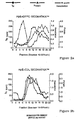
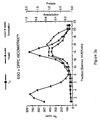
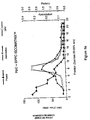
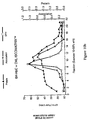
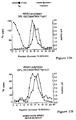
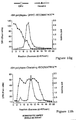
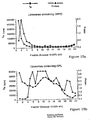
- the HpE When mixed with DPPC ISCOMATRIXTM the HpE was found predominantly in fractions 2-8 but some was found in fractions 12-20 coinciding with the ISCOMATRIXTM and association peaks which indicates that association occurred ( Figure 2A ).
- the HpE When mixed with CDL or DPL ISCOMATRIXTM the HpE was found predominantly in fractions 7-16 coinciding with the ISCOMATRIXTM and association peaks which indicates that almost complete association occurred ( Figure 2B&C ). There was very little, if any, free HpE found in fractions 2-8.
- the results were similar to the DPPC ISCOMATRIXTM ( Figure 2D ).
- the ESO protein has a pI of 9.1 making it a positively charged protein at pH7. Solubility of the ESO was maintained using 8M Urea, 50mM Tris, 50mM NaH 2 PO 4 .2H 2 O, 0.15M NaCl pH7.
- the ESO associated ISCOMATRIXTM formulations were prepared by mixing at a 1:5 ratio of protein to ISCOPREPTM as ISCOMATRIXTM for 60 minutes at 20-25°C.
- the ISCOMATRIXTM formulations used were DPPC and DPL.
- ESO was detected by adsorbing fractions diluted 1 in 10 in PBS to wells of a EIA plate then detecting with a HRP conjugated monoclonal antibody to ESO. Association was determined by EIA using a monoclonal antibody to ESO to capture and a HRP conjugated monoclonal antibody to ISCOPREPTM to detect. ISCOMATRIXTM was determined by detecting 3 H cholesterol.
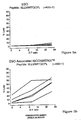
- mice Ten BALB/c mice were immunised, on days 0 and 28, subcutaneously in the scruff of the neck with 0.1ml of ESO containing 5 ⁇ g protein or ESO associated ISCOMATRIXTM containing 5 ⁇ g protein and 5 ⁇ g ISCOPREPTM. The mice were bled on day 35 and the sera analysed for antibodies to ESO by indirect EIA. Briefly, ESO was adsorbed to a microtitre plate in PBS pH7.2 then the plate blocked with a 0.1 % casein solution and dried. Dilutions of sera were incubated for 1 hour at 20-25°C then the plates washed.
- HRP conjugated goat anti mouse IgG, IgG, or IgG 2a was added and plates incubated for 1 hour at 20-25°C then washed.
- TMB substrate was added and incubated for 10 mins at 20-25°C followed by addition of 0.5M H 2 SO 4 to stop the reaction. Plates were read at OD450nm and end point titres calculated.
- CTL Cytotoxic T Lymphocyte
- HLA A2 transgenic HHD mice Five HLA A2 transgenic HHD mice were immunised subcutaneously at the base of the tail with 0.1ml of ESO containing 5 ⁇ g protein or ESO associated ISCOMATRIXTM containing 5 ⁇ g protein and 5 ⁇ g ISCOPREPTM. After 14 days splenocytes were harvested and 5X10 6 cells restimulated in 24-well plates with EL4HHD cells sensitised with ESO peptide (10 ⁇ g/ml for 1 hour 37°C), irradiated and washed twice.
- Cells were cultured in RPMI media supplemented with 10% foetal calf serum, 2mM glutamine, 5X10 -5 M ⁇ -mercaptoethanol, 100 ⁇ g/ml strepomycin and 100IU/ml pencillin and incubated at 37°C for 6 days in 5%CO 2 . On day 4 1ml of medium was added containing 5U/ml recombinant human IL-2. On day 6 the cultures were used as effectors in standard 6 hour 51 Cr release assays against EL4HHD cells sensitised as for restimulation.
- the E6E7 protein has a pI of 5.9 making it a negatively charged protein at pH6.9. Solubility of the E6E7 was maintained using 8M Urea, 50mM Tris, 50mM NaH 2 PO 4 .2H 2 O, 150mM NaCl pH6.9.
- the E6E7 associated ISCOMATRIXTM formulations were prepared by mixing at a 1:5 ratio of protein to ISCOPREPTM as ISCOMATRIXTM for 60 minutes at 20-25°C.
- the ISCOMATRIXTM formulations used were DPPC, CDL, DPL, MPL, DPA and DPPG.
- E6E7 was detected by EIA using two non-competing monoclonal antibodies to E7. Association was determined by EIA using a monoclonal antibody to E7 to capture and a HRP conjugated monoclonal antibody to ISCOPREPTM 703 to detect. ISCOMATRIXTM was determined by detection of 3 H cholesterol.
- mice Three C57BL/6 mice were immunised, on day 0 and day 21, subcutaneously with 0.1ml of E6E7 associated ISCOMATRIXTM containing 10 ⁇ g protein and 6 ⁇ g ISCOPREPTM. After 7 days splenocytes were harvested and 20X10 6 cells restimulated in 8mL in a T25 tissue culture flask with E7 transfected EL4 cells (C2) mytomycin-C treated and washed three times.
- E6E7 associated ISCOMATRIXTM 10 ⁇ g protein and 6 ⁇ g ISCOPREPTM.
- splenocytes were harvested and 20X10 6 cells restimulated in 8mL in a T25 tissue culture flask with E7 transfected EL4 cells (C2) mytomycin-C treated and washed three times.
- C2 E7 transfected EL4 cells
- Cells were cultured in RPMI media supplemented with 10% foetal calf serum, 2mM glutamine, 5.5X10 -5 M ⁇ -mercaptoethanol, 50 ⁇ g/ml gentamicin and incubated at 37°C for 5 days in 5%CO 2 . On day 6 the cultures were used as effectors in a standard 4 hour 5I Cr release assays against C2 cells.
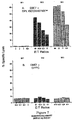
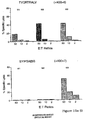
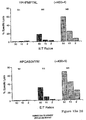
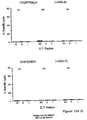
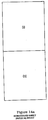
- the E6E7 associated DPL ISCOMATRIXTM induced a CTL response in 2 out of 3 mice ( Figure 7A ).
- the E6E7 associated with standard DPPC ISCOMATRIXTM failed to induce a CTL response in any mice ( Figure 7B ).
- the negative mouse in the DPL ISCOMATRIXTM group had insufficient cells for optimal readout and would not comply with criteria for a valid response. All other mice fulfilled criteria for valid responses.
- H.pylori family C protein H.pylori family C protein
- the HpC protein has a pI of 5.05 making it negatively charged at pH7.2.
- the protein was soluble in PBS pH7.2.
- the HpC associated ISCOMATRIXTM formulations were prepared by mixing at a 1:5 ratio of protein to ISCOPREPTM as ISCOMATRIXTM for 60 minutes at 20-25°C.
- the ISCOMATRIXTM formulations used were DPPC and DPL.
- HpC was detected by adsorbing fractions diluted 1 in 10 in PBS to wells of an EIA plate then detecting with a HRP conjugated monoclonal antibody to HpC. Association was determined by EIA using a monoclonal antibody to HpC to capture and a HRP conjugated monoclonal antibody to ISCOPREPTM to detect.
- ISCOMATRIXTM was determined by either detection of 3 H cholesterol or DPH as described in example 1.
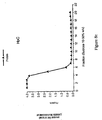
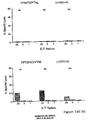
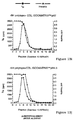
- HpC alone was found in fractions 1-5 and when mixed with standard DPPC ISCOMATRIXTM the HpC was found predominantly in fractions 1-5 and not associated.
- DPL ISCOMATRIXTM When mixed with DPL ISCOMATRIXTM a significant proportion of the HpC was found in fractions 11-17 coinciding with the ISCOMATRIXTM and association peaks indicating association.
- the E6E7 protein has a pI of 5.9 making it a negatively charged protein at pH7.2. It contains a hexa histidine sequence at the N terminus which will be positively charged at pH6. Solubility of the E6E7 was maintained using 8M urea, 50mM Bis Tris, 0.15M NaCl pH6.
- the E6E7 associated ISCOMATRIXTM formulation was prepared by mixing equal mass of E6E7 with ISCOPREPTM as ISCOMATRIXTM for 60 minutes at 20-25°C, dialysing against 50mM Bis Tris, 0.15M NaCl pH6 to remove the urea then centrifugation at 10,000 g for 5 mins to remove any precipitate.
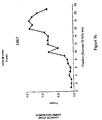
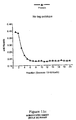
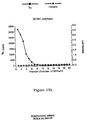
- preparations were purified on a sucrose gradient (50 to 10% sucrose w/v) and fractions analysed for protein, association between E6E7 and ISCOMATRIXTM and ISCOMATRIXTM ( Figure 9 ). Protein was detected using a sandwich EIA for E7. Association was determined by EIA using a monoclonal antibody to E7 to capture and a HRP conjugated monoclonal antibody to ISCOPREPTM to detect. ISCOMATRIXTM was determined by detection of 3 H cholesterol or DPH as described in example 1.
- mice Six C57BL/6 mice were immunized, on days 0 and 21, subcutaneously in the scruff of the neck with 0.1 ml of E6E7 associated ISCOMATRIXTM containing 6 ⁇ g ISCOPREPTM and 6 ⁇ g E6E7.
- mice were bled on day 26 and sera analysed for antibodies to E7 by indirect EIA.
- Purified GSTE7 was adsorbed to a microtitre plate in 0.1M Carbonate pH9.6 then the plate blocked with a 0.1 % casein solution and dried. Dilutions of sera were incubated for 1 hour at 20-25°C then the plates washed.
- HRP conjugated goat anti mouse IgG was added and plates incubated for 1 hour at 20-25°C then washed.
- TMB substrate was added and incubated for 10 mins at 20-25°C followed by addition of 0.5M H 2 SO 4 to stop the reaction. Plates were read at OD450nm and end point titres calculated.
- the E6E7 associated ISCOMATRIXTM group had a GMT of 949. Typically E6E7 with Al(OH) 3 gives GMT of approximately 100.
- splenocytes from each of 3 mice were harvested and pooled and 2.5X10 6 cells restimulated in 48-well plates with GSTE7 at 1 and 5 ⁇ g with ConA and RPMI as controls.
- Cells were cultured in RPMI media supplemented with 10% foetal calf serum, 2mM glutamine, 5X10 -5 M ⁇ -mercaptoethanol, 100 ⁇ g/ml streptomycin and 100IU/ml pencillin and incubated at 37°C for 2 days in 5%CO 2 .
- the supernatant was harvested and ⁇ IFN and IL5 detected by EIA using reagents from Endogen.
- E6E7 associated ISCOMATRIXTM induced up to 7.4 ng/ml ⁇ IFN and 140 pg/ml IL5 (Table 2).
- E6E7 with Al(OH) 3 induces no detectable ⁇ IFN ( ⁇ 30 pg/ml) or IL5 ( ⁇ 4 pg/ml).
- CHL ISCOMATRIXTM was prepared by the method of Macfarlan and Malliaros, (1998) International Patent Publication No. WO 98/36772 ). Briefly, to 1.6 ml 50mM Tris, 150mM NaCl, 0.6mM CuCl 2 pH 7.2 (Buffer A) was added 0.2 ml of a solution containing 10 mg/ml cholesterol, 9 mg/ml DPPC, 1.074 mg/ml dipalmitoyl-rac-glycerol-3(8-(3,6-dioxy) octyl-1-amino-N,N-diacetic acid) (DPIDA) in 20% MEGA-10 detergent (w/v) then 0.2 ml of a solution containing 50 mg/ml ISCOPREPTM 703 in Buffer A.
- the solution was held at 25°C for 90 mins with gentle mixing. Dialysis was then performed firstly against Buffer A overnight with 2 changes of buffer then against 50mMTris, 50mM NaH 2 PO 4 .2H 2 O, 150mM NaCl pH6.9 for 2 days with two changes of buffer. During dialysis CHL ISCOMATRIXTM containing cholesterol, DPPC, DPIDA and ISCOPREPTM was formed. The CHL ISCOMATRIXTM formulation was of typical appearance by electron microscopy.
- the HpC protein has a pI of 5.05 making it negatively charged at pH7.2. Addition of 6K would change the pI to 7.68 and give a positively charged tail.
- Two clones were constructed to give HpC plus 6H, for purification, and with and without 6K.
- CSL 694 DNA (HpC13 with a C-terminal 6H in the vector pGexStop as described in Edwards et al. 1998) was used as the template for PCR amplification to generate a C-terminal 6K. The PCR product was cloned into the EcoRI-BglII sites of the expression vector pGexStopIV, creating tandem C-terminal 6K followed by 6H tags. This was generated in the E. coli strain ER1793 and designated CSL 1424.
- the HpC protein with 6H has a pI of 5.85 making it negatively charged at pH7.2. Addition of a 6K to this protein gives a pI of 7.68 making it positively charged at pH7.2. Both forms of the protein were soluble in PBS pH7.2.
- the HpC associated ISCOMATRIXTM formulations were prepared by mixing at a 1:5 ratio of protein to ISCOPREPTM as ISCOMATRIXTM for 60 minutes at 20-25°C.
- the ISCOMATRIXTM formulations used were DPPC and CHL. CHL ISCOMATRIXTM technology was used as a standard method for associating 6H proteins with ISCOMATRIXTM.
- HpC was detected by adsorbing fractions diluted 1 in 10 in PBS to wells of an EIA plate then detecting with a HRP conjugated monoclonal antibody to HpC. Association was determined by EIA using a monoclonal antibody to HpC to capture and a HRP conjugated monoclonal antibody to ISCOPREPTM to detect.
- ISCOMATRIXTM was determined by detection of DPH as described in example 1.
- the polytopes were synthesised and purifed by Chiron Technologies on Multipin (TM) crowns, as described by Valerio et al., using the Fmoc alpha-amino protection scheme for the amino acids. After sidechain deprotection and cleavage in a trifluoracetic acid/scavenger solution, peptides were precipitated with ether and dried. The redissolved peptide was purified by preparative reverse phase HPLC using elution with a gradient of acetonitrile. Fractions containing material of the correct molecular mass, as determined by ion spray mass spectrometry, were pooled and dried.
- TM Chiron Technologies on Multipin
- the polytope was as follows:
- PAL polytope association was achieved by incorporation into ISCOMTM (Immunostimulating complex) according to the method of Morein et al. (1989). Briefly, to 4 mg of polytope solubilised in 1.76 ml 10 % MEGA-10 detergent (w/v), 50% Acetonitrile in PBS was added 0.16 ml of a solution containing 10 mg/ml cholesterol and 10 mg/ml DPPC in 20% MEGA-10 detergent (w/v) then 0.08 ml of a solution containing 100 mg/ml ISCOPREPTM 703 in PBS. The solution was held at 25°C for 1 hour with gentle mixing. During subsequent dialysis against PBS/azide ISCOMsTM containing palmityfied polytope, cholesterol, DPPC and ISCOPREPTM were formed. These ISCOMsTM were of typical appearance by electron microscopy.
- the 6H polytope was solubilised in 8M urea then mixed with CHL ISCOMATRIXTM and the 6K and no tag polytopes were solubilised in PBS then mixed with standard DPPC ISCOMATRIXTM. All formulations were prepared at a ratio of 1:8 protein to ISCOPREPTM as ISCOMATRIXTM and incubated for 60 mins at 20-25°C.
- the preparations were purified on a sucrose gradient (10 to 50% sucrose w/v) and fractions analysed for protein and ISCOMATRIXTM. Protein was detected using CBQCA ( ⁇ 400> 8) from Molecular Probes according to the manufacturers instructions or by Coomassie according to the method of Bradford (1976). Briefly 100 ⁇ l of each fraction was added to a microplate followed by addition of 100 ⁇ l Coomassie reagent then the plate read at 595nm. ISCOMATRIXTM was detected by DPH as described in example 1.
- the polytope alone was found in fractions 1-5 ( Figure 11E ).
- the protein, as detected by CBQCA ( ⁇ 400>8), in the PAL polytope ISCOMTM was found predominantly in fractions 11-13 coinciding with the ISCOMATRIXTM peak indicating incorporation ( Figure 11A ).
- the protein, as detected by Coomassie, in the 6K polytope associated ISCOMATRIXTM was found predominantly in fractions 1-5 and was probably not associated with ISCOMATRIXTM ( Figure 11C ).
- a significant proportion of polytope was found in fractions 12-14 coinciding with the ISCOMATRIXTM peak indicating association.
- mice Three BALB/c mice were immunized subcutaneously at the base of the tail with 0.1 ml of polytope ISCOMTM or associated ISCOMATRIXTM containing 6 ⁇ g ISCOPREPTM and between 3.5 ⁇ g and 5 ⁇ g protien.
- CTL assays were performed according to the method of Elliott et al. (1999). Briefly, splenocytes from each spleen were removed on day 14 and cultured in 1 ml medium at 5X10 6 cell/ml, in a 24 well plate, together with 1 ⁇ g/ml of the individual peptides (4 peptides/spleen) in a humidified incubator at 37°C.
- the PAL polytope ISCOMTM induced CTL responses against all 4 epitopes with 3/3 mice for TYQ, 1/3 for SYI, 2/3 for YPH and 2/3 for RPQ ( Figure 12A ).
- the 6H polytope associated CHL ISCOMATRIXTM induced CTL responses against 3/3 mice for all 4 epitopes ( Figure 12B ).
- the 6K polytope associated DPPC ISCOMATRIXTM induced CTL responses against all 4 epitopes with 3/3 for TYQ, YPH and RPQ and 2/3 for SYI ( Figure 12C ).
- Pstmpdv DNA(supplied by QIMR) was used as the template for PCR amplification of the murine polytope, YPHFMPTNLTSSGPSNTPPEIFAPGNYPALSYIPSAEKIEEGAIVGEI RPQASGVYM ( ⁇ 400 > 9), to enable generation with and without a C-terminal 6K (CSL 1430 and 1426 respectively).
- PCR products were cloned into the BamHI-XhoI sites of the expression vector pET24b (Novagen) generating an N-terminal T7-tag (for identification) and tandem C-terminal 6K followed by 6H (for purification).
- the murine polytope with 6H has a pI of 5.85 making it negatively charged at pH7.2. Addition of a 6K to this gives a pI of 7.68 making it positively charged at pH7.2. Both forms of the protein were soluble in PBS pH7.2.
- the polytope associated ISCOMATRIXTM formulations were prepared by mixing at a 1:5 ratio of protein to ISCOPREPTM as ISCOMATRIXTM for 60 minutes at 20-25°C.
- the ISCOMATRIXTM formulations used were DPPC, CDL, DPL and CHL. Formulation at pH4.3 to be below the pI of glutamic acid (E) was investigated as there were a number of E's in the sequence which could potentially interfere with association.
- preparations were purified on a sucrose gradient (10 to 50% sucrose w/v) and fractions analysed for protein and ISCOMATRIXTM ( Figure 13 ). Protein was detected by adsorbing fractions diluted 1 in 10 in PBS to wells of an EIA plate then detecting with a HRP conjugated monoclonal antibody to 6H. ISCOMATRIXTM was determined by of detection 3 H cholesterol or DPH as described in example 1.
- the protein in the r6H6K polytope alone was found in fractions 1-6 ( Figure 13K ).
- the protein in the r6K6H polytope mixed with standard DPPC ISCOMATRIXTM at pH7 was found predominantly in fractions 1-9 with little evidence of association ( Figure 13 A) .
- the protein in the r6K6H polytope mixed with CDL and DPL ISCOMATRIXTM at pH 7 was found predominantly in fractions coinciding with ISCOMATRIXTM indicating association ( Figure 13 C, E ). There was a significant proportion of protein found in fractions 1-3 and 1-6, for CDL and DPL respectively, and probably not associated.
- the protein in the r6K6H polytope mixed with standard DPPC ISCOMATRIXTM at pH4.3 was found predominantly in fractions 1-9 with some evidence of association in the coinciding ISCOMATRIXTM peak in fractions 10-12 ( Figure 13 B ).
- the protein in the r6K6H polytope mixed with CDL and DPL ISCOMATRIXTM at pH4.3 was almost all found in fractions coinciding with ISCOMATRIXTM indicating almost complete association ( Figure 13 D, F ).
- the r6H polytope mixed with DPPC ISCOMATRIXTM was found predominanlty in fractions 1-7 with little evidence of association.
- the r6H polytope mixed with CHL ISCOMATRIXTM showed similar patterns of association for standard DPPC and CDL ISCOMATRIXTM at both pH7 and pH4.3.
- the protein was found in about equal amounts in fractions 1-4 non-associated and 5-10 coinciding with the ISCOMATRIXTM peak indicating association ( Figure 13 H, I, J ).
- mice Three BALB/c mice were immunized subcutaneously at the base of the tail with 0.1 ml of associated ISCOMATRIXTM containing 6 ⁇ g ISCOPREPTM 703 and between 3.5 ⁇ g and 5 ⁇ g protein.
- CTL assays were performed according to the method of Elliott et al. (1999). Briefly, splenocytes from each spleen were removed on day 14 and cultured in 1 ml medium at 5X10 6 cell/ml, in a24 well plate, together with 1 ⁇ g/ml of the individual peptides (4 peptides/spleen) in a humidifed incubator at 37°C.
- the r6K6H polytope associated CDL ISCOMATRIXTM pH4.3 induced CTL responses in 3/3 mice for the SYI, YPH and RPQ epitopes and in 1/3 for the TYQ epitope ( Figure 14A ).
- Liposomes were prepared according to the method of Talsma and Crommelin (1992). Briefly, 3 H cholesterol was dissolved in methanol, chloroform then lipid added and liposomes allowed to form by solvent evaporation in a rotaflask with gentle swirling. The lipids used were the standard DPPC and the negatively charged DPL. E6E7 was then added to the liposomes and the mixture sonicated then extruded through a 26G needle. The liposomes were of typical appearance by electron microscopy.
- preparations were purified on a sucrose gradient (10 to 50% sucrose w/v) and fractions analysed for protein and ISCOMATRIXTM ( Figure 15 ). Protein was detected by sandwich EIA for E7 using monoclonal antibodies. ISCOMATRIXTM was determined by detection 3 H cholesterol.
- the E6E7 in the DPPC liposomes was found predominanlty in fractions 1-3 but very little was present on the gradient which indicated the protein had precipitated ( Figure 15A ). The protein that was present was probably not associated with the liposome which was found in fractions 2-4. The E6E7 in the DPL Liposome was found throughout the gradient coinciding with the liposome which was also found throughtout the gradient ( Figure 15B ). The spread of the formulation throughout the gradient was probably indicative of a range of sizes of liposomes but almost all of the protein seems to be associated with the liposomes.
Landscapes
- Health & Medical Sciences (AREA)
- Life Sciences & Earth Sciences (AREA)
- Chemical & Material Sciences (AREA)
- Veterinary Medicine (AREA)
- General Health & Medical Sciences (AREA)
- Public Health (AREA)
- Chemical Kinetics & Catalysis (AREA)
- General Chemical & Material Sciences (AREA)
- Medicinal Chemistry (AREA)
- Pharmacology & Pharmacy (AREA)
- Animal Behavior & Ethology (AREA)
- Nuclear Medicine, Radiotherapy & Molecular Imaging (AREA)
- Organic Chemistry (AREA)
- Immunology (AREA)
- Virology (AREA)
- Communicable Diseases (AREA)
- Oncology (AREA)
- Engineering & Computer Science (AREA)
- Molecular Biology (AREA)
- Microbiology (AREA)
- Mycology (AREA)
- Tropical Medicine & Parasitology (AREA)
- Epidemiology (AREA)
- Bioinformatics & Cheminformatics (AREA)
- Biotechnology (AREA)
- AIDS & HIV (AREA)
- Pulmonology (AREA)
- Medicines Containing Antibodies Or Antigens For Use As Internal Diagnostic Agents (AREA)
- Medicines Containing Material From Animals Or Micro-Organisms (AREA)
- Steroid Compounds (AREA)
- Peptides Or Proteins (AREA)
- Medicinal Preparation (AREA)
- Medicines That Contain Protein Lipid Enzymes And Other Medicines (AREA)
Abstract
Description
- The present invention relates generally to an immunogenic complex comprising a charged organic carrier and a charged antigen and, more particularly, a negatively charged organic carrier and a positively charged antigen. The complexes of the present invention are useful, inter alia, as therapeutic and/or prophylactic agents for facilitating the induction of a cytotoxic T-lymphocyte response to an antigen.
- Bibliographic details of the publications referred to by author in this specification are collected at the end of the description.
- There is an increasing belief that co-delivery of antigen and adjuvant to the same antigen-presenting-cell (APC) is preferable and sometimes essential for induction of appropriate immune responses. For example, the ability of saponin-based adjuvants to induce CD8 + CTL responses is attributed to their ability to cause endosomal escape of antigen, a mechanism which requires co-delivery. Particle formation which comprises a stable complex of adjuvant and antigen is the simplest way to achieve co-delivery. The usefulness of ISCOM™ technology derives partly from the immunomodulatory activity of saponins and partly from their ability to form complexes with hydrophobic or amphipathic immunogens. However, many molecules lack hydrophobic regions and in fact such molecules are preferred as recombinant proteins because of their easier expression and purification.
- Accordingly, there is a need to develop immunogenic complexes which facilitate the co-delivery of antigens and carriers which otherwise do not usually form sufficiently stable complexes. For example, complexes comprising antigens which lack hydrophobic regions together with adjuvant.
- In work leading up to the present invention, the inventors have developed an immunogenic complex based on the electrostatic association of an antigen and an organic carrier, such as an adjuvant. This electrostatic association permits co-delivery of the antigen and the organic carrier to the immune system. Accordingly, by establishing an electrostatic association, antigens of interest (irrespective of their hydrophobicity) can be co-delivered with an organic carrier, for the purpose, for example, of inducing a cytotoxic T-lymphocyte response to the antigen.
- Throughout this specification and the claims which follow, unless the context requires otherwise, the word "comprise", and variations such as "comprises" and "comprising", will be understood to imply the inclusion of a stated integer or step or group of integers or steps but not the exclusion of any other integer or step or group of integers or steps.
- The subject specification contains amino acid sequence information prepared using the programme PatentIn Version 2.0, presented herein after the bibliography. Each amino acid sequence is identified in the sequence listing by the numeric indicator < 210 > followed by the sequence identifier (e.g. <210> 1, <210>2, etc.). The length, type of sequence (protein (PRT), etc) and source organism for each amino acid sequence are indicated by information provided in the numeric indicator fields <211>, <212> and <213>, respectively. Amino acid sequences referred to in the specification are defined by the information provided in numeric indicator field <400> followed by the sequence identifier (e. g. <400>1, <400>2, etc).
- One aspect of the present invention relates to a method of making an electrostatically-associated immunogenic complex comprising a negatively-charged organic complex and a positively-charged antigen, consisting essentially of admixing:
- (A) a pre-formed, negatively charged organic complex that comprises a saponin and
- (B) an isolated, positively charged antigen,
- Still another aspect of the present invention provides a method of making an electrostatically-associated immunogenic complex comprising a negatively charged organic complex and a positively charged protein.
- Yet still another aspect of the present invention provides a method of making an electrostatically-associated immunogenic complex comprising a negatively charged organic complex and a positively charged protein, wherein said negatively charged organic complex is modified to increase the degree of its negative charge.
- Still another aspect of the present invention provides a method of making an electrostatically-associated immunogenic complex comprising a negatively charged organic complex and a positively charged protein, wherein said positively charged protein is modified to increase the degree of its positive charge.
- Still yet another aspect of the present invention provides a method of making an electrostatically-associated immunogenic complex comprising a negatively charged organic complex and a positively charged protein, wherein said negatively charged organic complex is modified to increase the degree of its negative charge and said positively charged protein is modified to increase the degree of its positive charge.
- A further aspect of the present invention relates to a vaccine composition comprising as the active component a negatively charged organic carrier comprising saponin and a positively charged antigen, which carrier and antigen are electrostatically associated, together with one or more pharmaceutically acceptable carriers and/or diluents.
- Another further aspect of the present invention relates to a method of forming an immunogenic complex comprising a negatively-charged organic complex and a positively charged antigen, the method comprising selecting an organic complex, modifying the organic complex to increase its negative charge and reacting the antigen with an organic complex which further comprises a saponin.
- Single and three letter abbreviations used throughout the specification are defined in Table 1.
TABLE 1 Single and three letter amino acid abbreviations Amino Acid Three-letter Abbreviation One-letter Symbol Alanine Ala A Arginine Arg R Asparagine Asn N Aspartic acid Asp D Cysteine Cys C Glutamine Gln Q Glutamic acid Glu E Glycine Gly G Histidine His H Isoleucine Ile I Leucine Leu L Lysine Lys K Methionine Met M Phenylalanine Phe F Proline Pro P Serine Ser S Threonine Thr T Tryptophan Trp W Tyrosine Tyr Y Valine Val V Any residue Xaa X -
-
Figure 1 is a graphical representation of the sucrose gradient analysis of ISCOMATRIX™ formulated with DPPC (Figure 1A ), CDL (Figure 1B ), DPL (Figure 1C ), MPL (Figure 1D ), DPA (Figure IE) and DPPG (Figure IF). In each case it can be seen that lipid and 3H overlap indicating incorporation of each lipid into the ISCOMATRIX™ structure. -
Figure 2 is a graphical representation of the sucrose gradient analysis of four of the ISCOMATRIX™ formulations of Example 1 after mixing with HpE. It can be seen that most of the HpE is with CDL and DPL ISCOMATRIX™ but only part is associated with DPPC and DPPG ISCOMATRIX™. -
Figure 3 is a graphical representation of the sucrose gradient analysis of two of the ISCOMATRIX™ formulations of Example 1 after mixing with ESO. It can be seen that most of the ESO is associated with DPL ISCOMATRIX™ but only part is associated with DPPC ISCOMATRIX™. -
Figure 4 is a graphical representation of antibody responses to ESO formulations. It can be seen that ESO associated ISCOMATRIX™ incudes higher antibody responses than ESO alone especially in the Th1 subtype IgG2a. -
Figure 5 is a graphical representation of CTL analysis of mice immunised with ESO (Figures 5A, 5C ) and ESO associated ISCOMATRIX™ (Figures 5B, 5D ) using SLLMWITQCFL (<400>1)(Figure 5A, 5B ) and SLLMWITQC (<400>2) (Figure 5C, 5D ) peptides for stimulation and targets. It can be seen that ESO associated ISCOMATRIX™ induces a CTL response but ESO alone does not. -
Figure 6 is a graphical representation of the sucrose gradient analysis of six of the ISCOMATRIX™ formulations of Example 1 after mixing with E6E7. It can be seen that most of the E6E7 is associated with CDL, DPL and DPA ISCOMATRIX™, less associated with the MPL and DPPG ISCOMATRIX™ and even less again with the DPPC ISCOMATRIX™. -
Figure 7 is a graphical representation of CTL analysis in mice immunised with E6E7 DPL ISCOMATRIX™ (Figure 7A ) and E6E7 DPPC ISCOMATRIX™ (Figure 7B ). It can be seen that E6E7 DPL ISCOMATRIX™ induces CTL responses but E6E7 DPPC ISCOMATRIX™ does not -
Figure 8 is a graphical representation of the sucrose gradient analysis of two of the ISCOMATRIX™ formulations from Example 1 after mixing with HpC. It can be seen that more HpC is associated with DPL ISCOMATRIX™ than with DPPC ISCOMATRIX™ where there is very little association. -
Figure 9 is a graphical representation of the sucrose gradient analysis of two DPPC ISCOMATRIX™ formulations after mixing with E6E7 at pH6 (Figure 6A ) and pH7.2 (Figure 6B ). It can be seen that more E6E7 associates with DPPC ISCOMATRIX™ at pH6 than at pH7.2. -
Figure 10 is a graphical representation of the sucrose gradient analysis of ISCOMATRIX™ formulations after mixing with modified HpC from Example 11. It can be seen that addition of 6K to HpC increases the association with DPPC ISCOMATRIX™ to a level comparable to that with the 6H and CHL ISCOMATRIX™ formulation. -
Figure 11 is a graphical representation of the sucrose gradient analysis of four polytope ISCOM™ and ISCOMATRIX™ formulations from Example 13. It can be seen that there is some association of the 6K polytope with ISCOMATRIX™ but there is no association if the 6K are not present. The 6K polytope association with ISCOMATRIX™ was comparable to hydrophobic incorporation of the PAL polytope into ISCOMs™ but less than association between 6H polytope and CHL ISCOMATRIX™. -
Figure 12 is a graphical representation of the CTL analysis of four synthetic polytope ISCOMATRIX™ formulations from Example 13. It can be seen that 6K polytope ISCOMATRIX™ induced CTL responses against all 4 epitopes in the polytope (Figure 12C ) but the polytope ISCOMATRIX™ formulation without a tag only induced a low CTL response to one of the epitopes (Figure 12D ). The CTL responses for the 6K polytope ISCOMATRIX™ were comparable to those induced with the PAL polytope ISCOM™ (Figure 12A ) and the 6H polytope CHL ISCOMATRIX™ (Figure 12B ). -
Figure 13 is a graphical representation of the sucrose gradient analysis of ten recombinant ISCOMATRIX™ formulations from Example 16. It can be seen that the combination of adding a 6K tag with CDL or DPL ISCOMATRIX™ gives increased association over 6K with DPPC ISCOMATRIX™ and to then combine these with low pH increase the capacity to associate even further. The association achieved with the combination of 6K, CDL ISCOMATRIX™ and low pH gave almost complete association of the polytope with ISCOMATRIX™ and the association was greater than could be achieved with 6H polytope CHL ISCOMATRIX™. -
Figure 14 is a graphical representation of the CTL analysis of the 6K polytope CDL ISCOMATRIX™ pH4.3 (Figure 14A ) and 6H polytope CHL ISCOMATRIX™ (Figure 14B ) formulations. It can be seen that CTL responses were induced to all 4 epitopes in the polytope for both the formulations but the responses were very low to the TYQ epitope. -
Figure 15 is a graphical representation of the liposomes mixed with E6E7 from Example 18. It can be seen that most of the E6E7 was associated with the DPL liposomes but very little E6E7 was associated with the DPPC liposomes. - The present invention is predicated, in part, on the development of an immunogenic complex formulation which utilises electrostatic interactions to associate an antigen and a carrier thereby facilitating, inter alia, the co-delivery of these molecules to the immune system. The immunogenic complexes are particularly suitable for use in facilitating the stimulation of cytotoxic T-lymphocyte responses to immunogens which do not comprise hydrophobic regions.
- Reference to a "complex" should be understood as describing an entity of two or more different interacting chemical components.
- Reference to a "charged" organic carrier or antigen should be understood as a reference to an organic carrier or antigen which exhibits an overall positive electrical charge or an overall negative electrical charge. By "overall" is meant the summation of the individual positive and negative charges which a given molecule comprises. Where the summation of the individual positive and negative charges results in overall electrical neutrality, the molecule is not regarded as "charged" within the context of the present invention. Preferably, the antigen comprises an overall positive charge and the organic carrier comprises an overall negative charge.
- Reference to "electrostatically associated" is a reference to the organic complex and the antigen being linked, bound or otherwise associated by means which include electrostatic interaction. Accordingly, it should be understood that in some instances the electrostatic interaction will be the only attractive force which results in complexing of the antigen and the organic carrier. However, in other instances the formation of the electrostatic interaction may also lead to, or be associated with, the formation of other interactive forces.
- Reference to "antigen" should be understood as a reference to any molecule against which it is sought to induce an immune response, and in particular, a cytotoxic T-lymphocyte response. The antigen may be either a proteinaceous or a non-proteinaceous molecule, which molecule may or may not be immunogenic if it were administered in isolation. The antigen may be naturally derived or it may be recombinantly or synthetically produced. Following its isolation or synthesis the antigen may require further modification (for example, structural or sequence modification to improve its antigenicity) prior to use in the present invention. Antigens suitable for use in the present invention include, but are not limited to, core proteins or nucleoproteins isolated from viruses, non-core viral proteins such as virus-like particles (VLPs), antigens of malignant and non-malignant cells, bacterial antigens, parasite antigens and synthetic and recombinant polytopes.
- Preferably, the antigen is a protein. The term "protein" should be understood to encompass reference to proteins, polypeptides and peptides and derivatives and equivalents thereof. The protein may be glycosylated or unglycosylated, phosphorylated or dephosphorylated to various degrees and/or may contain a range of other molecules fused, linked, bound or otherwise associated to the protein such as amino acids, lipids, carbohydrates or other peptides, polypeptides or proteins. Reference hereinafter to a "protein" includes a protein comprising a sequence of amino acids as well as a protein associated with other molecules such as amino acids, lipids, carbohydrates or other peptides, polypeptides or proteins.
- As hereinbefore defined, the antigen may also be a polytope. The subject polytope may be produced by synthetic or recombinant means (for example refer International Patent Publication No.
WO 96/03144 - In this regard, the antigen may be, in its initial or natural form, positively charged, negatively charged or of neutral charge. Where an antigen is positively charged, it may nevertheless be weakly positively charged and may therefore require modification to increase its degree of positive charge such that complex formation with the negatively charged organic carrier is better facilitated. For example, wherein an antigen is weakly positively charged, increasing the degree of its positive charge may be achieved by any one of a number of methods known to those skilled in the art including, but not limited to, chemically adding further positive charge to the antigen or recombinantly adding positive charge such as by adding polylysine to the antigen. This is of particular use where the antigen is a protein. Other methods which may be utilised to increase the degree of an antigen's positive charge include, but are not limited to, pH modification, chemical modifications or neutralisation of an antigen's negative charges with positively charged molecules such as arginine. Similarly, where an antigen is neutral or negatively charged, its overall charge can be converted to an overall positive charge by utilising such methodology. Conversion of a negatively charged antigen to express an overall positive charge may be of particular importance where the antigen is a protein, since most proteins are naturally negatively charged.
- Once the charge of the antigen of interest is sufficiently positive, it becomes necessary to ensure that precipitation of the positively charged antigen does not occur prior to complex formation with the organic carrier. In this regard, any suitable method for preventing antigen precipitation may be utilised. For example, antigen solubility may be maintained by disrupting the forces that cause antigen aggregation. Disruption of these forces can be achieved, for example, by incorporating into the antigen solution chaotrophic agents such as urea and guanidine, solvents such as DMSO (dimethyl sulfoxide) and acetonitrile, intermediates such as zwitterions, detergents such as Triton X-100 and CHAPS (3-[(3-cholamidopropyl)-dimethylammonio]-2-hydroxy-1-propanesulfonate), reducing agents such as DTT (dithiothreitol) and cysteine and chelating agents such as EDTA (ethylene diaminetetraacetic acid). Solubility can also be maintained by altering the pH of the antigen solution or by chemical modification of the antigen to introduce polar or ionic molecules such as by alkylation or acetylation. A gradual or phased removal of these solubilising agents when the antigen has been brought into contact with the "organic carrier" or mild denaturation of the antigen can lead to a controlled precipitation of antigen with concomitant increased association with the organic carrier.
- Reference to "organic carrier" should be understood as a reference to any molecule, aggregate or complex of molecules, compound or other entity which, when an antigen is associated with it, facilitates the induction of an immune response, and in particular a cytotoxic T-lymphocyte response, to the antigen. The subject carrier is "organic" and, in this regard, "organic" should be understood as a compound of carbon whether naturally, recombinantly or synthetically obtained or derived. In a particularly preferred embodiment the organic carrier is an adjuvant. By "adjuvant" is meant any organic molecule, aggregate or complex of organic molecules, compound or other entity which functions to stimulate, enhance or otherwise up-regulate any one or more aspects of the immune response. For example, the adjuvant may induce inflammation thereby attracting immune response cells to the site of antigen localisation. Alternatively, the adjuvant may slowly release the antigen thereby providing on-going stimulation of the immune system. Examples of adjuvants suitable for use in the present invention include, but are not limited to, saponin, saponin complexes, any one or more components of the immunostimulating complex of saponin, cholesterol and lipid known as ISCOMATRIX™ (for example the saponin component and/or the phospholipid component), liposomes or oil-in-water emulsions. [The composition and preparation of ISCOMATRIX™ is described in detail in Australian Patent Numbers
558258 632067 0 180 564 .] - Further examples of adjuvants include, but are not limited to, those detailed in the publication of Cox and Coulter, 1992, 1997 and 1999. It should be understood that the subject organic carrier may be naturally occurring or it may be synthetically or recombinantly derived.
- Accordingly, the present invention still more preferably provides a method of making an electrostatically-associated immunogenic complex comprising a negatively charged organic complex and a positively charged protein.
- Preferably, said organic complex comprises saponin or a saponin complex. More preferably, said saponin complex is ISCOMATRIX™.
- The organic complex of the method of the present invention may also be, in its initial or natural form, negatively charged, positively charged or neutral. Increasing the degree of negative charge (for example, where the organic complex is only weakly negatively charged) or converting a neutral or positively charged organic carrier to a negatively charged organic complex may also be achieved by any suitable method known to those skilled in the art. For example, where the organic carrier is an oil-in-water emulsion, incorporation of any anionic surfactant with a nonpolar tail will impart an overall negative charge to the emulsion due to insertion of the tail of the surfactant into the oil droplet which thereby leaves the negatively charged head group exposed. The negative charge of a saponin complex adjuvant may be increased, for example, by the addition of negatively charged lipid during complex formation.
- Examples of detergents which can increase the negative charge of a carrier include, but are not limited to cholic acid, deoxycholic acid, taurocholic acid and taurodeoxycholic acid. Examples of lipids which can increase the negative charge of a carrier include, but are not limited to, phospholipids (preferably phosphatidyl inositol, phosphatidyl serine, phosphatidyl glycerol and phosphatidic acid and most preferably cardiolipin) and bacterial lipids (preferably monophosphoryl lipid A(MPL) and most preferably diphosphoryl lipid A such as OM174 as described in International Patent Publication No.
WO 95/14026 - Without limiting the present invention in any way, the inventors have determined that where the subject charged organic carrier and charged antigen are naturally negatively and positively charged, respectively, the object of the invention can be achieved. However, a still more effective immunogenic complex is achieved if the subject naturally negatively charged organic carrier is rendered more negatively charged (preferably by addition of cardiolipin or diphosphory lipid A) and/or the subject naturally positively charged antigen is rendered more positively charged (preferably by addition of a polylysine tail). Preferably, both the naturally negatively charged organic carrier is rendered more negatively charged and the naturally positively charged antigen is rendered more positively charged.
- Reference to an adjuvant or protein being "naturally" negatively or positively charged, respectively, should be understood as a reference to the charge which the molecule bears upon its creation - whether that be by natural, recombinant or synthetic means. Modification to increase the degree of charge can be achieved by any suitable technique as hereinbefore discussed. Preferably, the subject protein is rendered more positively charged via the addition of a polylysine tail and the subject adjuvant is rendered more negative via the addition of cardiolipin or diphosphoryl lipid A.
- Reference to "derivative and equivalents" should be understood as a reference to fragments, parts, portions, chemical equivalents, mutants, homo logs and analogs from natural, synthetic or recombinant sources. Where the subject antigen or carrier is a protein, derivatives may be derived from insertion, deletion or substitution of amino acids. Amino acid insertional derivatives include amino and/or carboxylic terminal fusions as well as intrasequence insertions of single or multiple amino acids. Insertional amino acid sequence variants are those in which one or more amino acid residues are introduced into a predetermined site in the protein although random insertion is also possible with suitable screening of the resulting product. Deletional variants are characterised by the removal of one or more amino acids from the sequence. Substitutional amino acid variants are those in which one residue in the sequence has been removed and a different residue inserted in its place. Additions to amino acid sequences include fusions with other peptides, polypeptides or proteins. "Equivalents" can act as a functional analog of the subject carrier or antigen. Chemical equivalents may not necessarily be derived from the subject carrier of antigen but may share certain conformational similarities. Alternatively, chemical equivalents may be designed to mimic certain physiochemical properties of the subject carrier or antigen. Equivalents may be chemically synthesized or may be detected following, for example, natural product screening. Homologs contemplated herein include, but are not limited to, molecules derived from different species.
- The present invention is predicated, in part, on the formation of immunogenic complexes via the electrostatic association, preferably, of a negatively charged organic complex with a positively charged antigen. The administration of such a complex to a subject facilitates the induction of a significantly better immune response than would be achieved were the organic complex and antigen administered simultaneously but in a non-associated form. In particular, the administration of an antigen associated with an organic complex, according to the method of the present invention, facilitates the induction of a cytotoxic T-lymphocyte response to the antigen. However, humoral and other cellular responses can also be enhanced.
- Without limiting the method of the present invention to any one theory or mode of action, it is thought that the complexing of the organic complex with the antigen facilitates co-delivery of the adjuvant and the antigen to the same antigen presenting cell thereby facilitating the induction of immune responses which either would not occur or would not occur as effectively were these molecules not co-delivered. For example, the induction of some CD8+ cytotoxic T-lymphyocyte responses are thought to occur where the adjuvant induces endosomal escape of the antigen in the antigen presenting cell. This necessarily requires co-delivery of the antigen and the adjuvant to the antigen presenting cell.
- Accordingly, another aspect of the present invention relates to a vaccine composition comprising as the active component an immunogenic complex comprising a negatively charged organic carrier comprising saponin and a positively charged antigen which carrier and antigen are electrostatically associated, together with one or more pharmaceutically acceptable carriers and/or diluents.
- Preferably, said antigen is a protein.
- The pharmaceutical forms suitable for injectable use include sterile aqueous solutions (where water soluble) or dispersions and sterile powders for the extemporaneous preparation of sterile injectable solutions or dispersion or may be in the form of a cream or other form suitable for topical application. It must be stable under the conditions of manufacture and storage and must be preserved against the contaminating action of microorganisms such as bacteria and fungi. The organic carrier can be a solvent or dispersion medium containing, for example, water, ethanol, polyol (for example, glycerol, propylene glycol and liquid polyethylene glycol, and the like), suitable mixtures thereof, and vegetable oils. The proper fluidity can be maintained, for example, by the use of a coating such as lecithin, by the maintenance of the required particle size in the case of dispersion and by the use of superfactants. The prevention of the action of microorganisms can be brought about by various antibacterial and antifungal agents, for example, parabens, chlorobutanol, phenol, sorbic acid, thimerosal and the like. In many cases, it will be preferable to include isotonic agents, for example, sugars or sodium chloride. Prolonged absorption of the injectable compositions can be brought about by the use in the compositions of agents delaying absorption, for example, aluminium monostearate and gelatin.
- Sterile injectable solutions are prepared by incorporating the active compounds in the required amount in the appropriate solvent with various of the other ingredients enumerated above, as required, followed by filter sterilisation. Generally, dispersions are prepared by incorporating the various sterilised active ingredients into a sterile vehicle which contains the basic dispersion medium and the required other ingredients from those enumerated above. In the case of sterile powders for the preparation of sterile injectable solutions, the preferred methods of preparation are vacuum drying and the freeze-drying technique which yield a powder of the active ingredient plus any additional desired ingredient from previously sterile-filtered solution thereof.
- Without limiting the operation of the present invention in any way, the co-delivery of the immunogenic complex of the method of the present invention is particularly useful for inducing an immune response and, in particular, a cytotoxic T-lymphocyte response to an antigen said immune response may be a specific (T cell and/or B cell) and/or non-specific immune response.
- Accordingly, still another aspect of the present disclosure relates to a method of eliciting, inducing or otherwise facilitating, in a mammal, an immune response to an antigen said method comprising administering to said mammal an effective amount of an immunogenic complex or a vaccine composition as hereinbefore described.
- Preferably said immune response is a cytotoxic T-lymphocyte response.
- It should be understood that the subject cytotoxic lymphocyte response may occur either in isolation or together with a helper T cell response, a humoral response or other specific or non-specific immune response.
- A further aspect of the present disclosure relates to the use of the immunogenic complex in relation to the therapeutic and/or prophylactic treatment of disease conditions. Examples of disease conditions include, but are not limited to, any disease condition which results from a microbial infection or a cancer. Examples include HIV, Hepatitis B, Hepatitis C, melanoma, prostate cancer, breast cancer, tuberculosis and parasitic conditions.
- Accordingly, yet another aspect of the present disclosure relates to a method of treating a disease condition in a mammal said method comprising administering to said mammal an effective amount of an immunogenic complex or a vaccine composition as hereinbefore described wherein administering said composition elicits, induces or otherwise facilitates an immune response which inhibits, halts, delays or prevents the onset or progression of the disease condition.
- An "effective amount" means an amount necessary at least partly to attain the desired immune response, or to delay the onset or inhibit progression or halt altogether, the onset or progression of a particular condition being treated. This amount varies depending upon the health and physical condition of the individual to be treated, the taxonomic group of individual to be treated, the capacity of the individual's immune system to synthesize antibodies, the degree of protection desired, the formulation of the vaccine, the assessment of the medical situation, and other relevant factors. It is expected that the amount will fall in a relatively broad range that can be determined through routine trials.
- The term "mammal" includes humans, primates, livestock animals (eg. horses, cattle, sheep, pigs, donkeys), laboratory test animals (eg. mice, rats, rabbits, guinea pigs), companion animals (eg. dogs, cats) and captive wild animals (eg. kangaroos, deer, foxes). Preferably, the mammal is a human or laboratory test animal. Even more preferably, the mammal is a human.
- The mammal undergoing treatment may be human or an animal in need of therapeutic or prophylactic treatment of a disease condition or a potential disease condition.
- In yet another aspect the present disclosure relates to the use an immunogenic complex or vaccine composition as hereinbefore described in the manufacture of a medicament for inhibiting, halting, delaying or preventing the onset or progression of a disease condition.
- Yet another aspect of the present disclosure relates to an agent for use in inhibiting, halting, delaying or preventing the onset or progression of a disease condition. Said agent comprising an immunogenic complex or vaccine composition as hereinbefore described.
- Further features of the method of the present invention are more fully described in the following non-limiting Examples.
- Reference to "ISCOPREP™ 703" should be understood as a reference to a saponin preparation comprising from 50-90 % by weight of Fraction A of Quil A and 50 % to 10 % by weight of Fraction C of Quil A. Fractions A and C are prepared from the lipophilic fraction of Quil A. Fractions "A" and "C", their method of preparation and the method of preparing 703 are detailed in International Patent Publication No.
WO96/11711 - ISCOMATRIX™ (Immunostimulating complex without antigen) was prepared essentially by the method of Morein et al. (1989). Briefly, to 1.76 ml PBS pH 7.2 was added 0.16 ml of a solution containing 10 mg/ml tritiated (3H) cholesterol and 10 mg/ml lipid in 20% MEGA-10 detergent (w/v) then 0.08 ml of a solution containing 100 mg/ml ISCOPREP™ 703 in PBS. The solution was held at 25°C for 1 hour with gentle mixing. During subsequent dialysis against PBS/azide, ISCOMATRIX™ containing cholesterol, DPPC and ISCOPREP™ was formed. All the ISCOMATRIX™ formulations were of typical appearance by electron microscopy.
-
Standard DPPC dipalmitoylphosphatidylcho line CDL modified cardiolipin DPL modified diphosphoryl lipid A MPL modified monophosphoryl lipid A DPA modified phosphatidic acid DPPG modified dipalmitoylphosphatidyl glycerol - After formulation, preparations were purified on a sucrose gradient (10 to 50% w/v) and fractions analysed for lipid and cholesterol. Cholesterol was detected by 3H cpm of 100µl sample in 1ml scintillant and lipid was detected using diphenylhexatriene (DPH) which fluoresces when associated with lipid. Briefly, DPH was dissolved at 1mg/ml in acetone then diluted 1 in 50 in PBS pH7.2. then 50µl mixed with 50µl of each fraction in a microtitre plate. Following incubation for 150 mins at 20-25°C the plate was read in a fluorometer using excitation 355nm and emission 460nm. The DPH and 3H peaks coincided for all formulations and the gradient profiles of the modified formulations were similar to the standard formulation indicating incorporation of the lipid into the ISCOMATRIX™ (
Figure 1 ). - The HpE protein has a pI of 9.24 making it a postively charged protein at pH8. Solubility of the HpE was maintained using 0.5M Tris, 0.5M NaCl, 0.1% 1,2-Diheptanoyl-sn-Glycero-3-phosphocholine (DHPC) pH8. The HpE associated ISCOMATRIX™ formulations were prepared by mixing at a 1:5 ratio of protein to ISCOPREP™ as ISCOMATRIX™ for 60 minutes at 20-25°C. The ISCOMATRIX™ formulations used were DPPC, CDL, DPL and DPPG.
- After formulation, preparations were purified on a sucrose gradient (10 to 50% sucrose w/v) and fractions analysed for HpE, association between HpE and ISCOMATRIX™ and ISCOMATRIX™ (
Figure 2 ). HpE was detected by adsorbing fractions diluted 1 in 10 in PBS to wells of an EIA plate then detecting with a Horse radish peroxidase (HRP) conjugated monoclonal antibody to HpE. Association was determined by EIA using a monoclonal antibody to HpE to capture and a HRP conjugated monoclonal antibody to ISCOPREP™ to detect. ISCOMATRIX™ was determined by detecting 3H cholesterol. - The HpE protein, when not mixed with ISCOMATRIX™, was found in fractions 3-10 by EIA. (
Figure 2E ). When mixed with DPPC ISCOMATRIX™ the HpE was found predominantly in fractions 2-8 but some was found in fractions 12-20 coinciding with the ISCOMATRIX™ and association peaks which indicates that association occurred (Figure 2A ). When mixed with CDL or DPL ISCOMATRIX™ the HpE was found predominantly in fractions 7-16 coinciding with the ISCOMATRIX™ and association peaks which indicates that almost complete association occurred (Figure 2B&C ). There was very little, if any, free HpE found in fractions 2-8. When mixed with DPPG ISCOMATRIX™ the results were similar to the DPPC ISCOMATRIX™ (Figure 2D ). - These results indicate that DPPG and standard DPPC ISCOMATRIX™ can associate weakly with antigens that are positively charged and the capacity to associate can be substantially increased by using CDL or DPL ISCOMATRIX™.
- The ESO protein has a pI of 9.1 making it a positively charged protein at pH7. Solubility of the ESO was maintained using 8M Urea, 50mM Tris, 50mM NaH2PO4.2H2O, 0.15M NaCl pH7. The ESO associated ISCOMATRIX™ formulations were prepared by mixing at a 1:5 ratio of protein to ISCOPREP™ as ISCOMATRIX™ for 60 minutes at 20-25°C. The ISCOMATRIX™ formulations used were DPPC and DPL.
- After formulation, preparations were purified on a sucrose gradient (10 to 50% sucrose w/v) and fractions analysed for ESO, association between ESO and ISCOMATRIX™ and ISCOMATRIX™ (
Figure 3 ). ESO was detected by adsorbing fractions diluted 1 in 10 in PBS to wells of a EIA plate then detecting with a HRP conjugated monoclonal antibody to ESO. Association was determined by EIA using a monoclonal antibody to ESO to capture and a HRP conjugated monoclonal antibody to ISCOPREP™ to detect. ISCOMATRIX™ was determined by detecting 3H cholesterol. - The ESO protein, when not mixed with ISCOMATRIX™, was found in fractions 1-6 by EIA. (
Figure 3C ). When mixed with standard DPPC ISCOMATRIX™ ESO was found in fractions 1-6 and 12-16 (Figure 3A ). The presence in fractions 12-16 coincided with the ISCOMATRIX™ and association peaks indicating there was association but a large proportion of the ESO was not associated as indicated by the presence in fractions 1-6. When mixed with DPL ISCOMATRIX™ the ESO was found predominantly infractions 12 to 16 coinciding with the ISCOMATRIX™ and association peaks which indicates that association occurred (Figure 3B ). - These results show there was some association of a positively charged protein with standard DPPC ISCOMATRIX™ but the capacity to associate was substantially increased by use of DPL ISCOMATRIX™.
- Ten BALB/c mice were immunised, on
days 0 and 28, subcutaneously in the scruff of the neck with 0.1ml of ESO containing 5µg protein or ESO associated ISCOMATRIX™ containing 5µg protein and 5µg ISCOPREP™. The mice were bled on day 35 and the sera analysed for antibodies to ESO by indirect EIA. Briefly, ESO was adsorbed to a microtitre plate in PBS pH7.2 then the plate blocked with a 0.1 % casein solution and dried. Dilutions of sera were incubated for 1 hour at 20-25°C then the plates washed. HRP conjugated goat anti mouse IgG, IgG, or IgG2a was added and plates incubated for 1 hour at 20-25°C then washed. TMB substrate was added and incubated for 10 mins at 20-25°C followed by addition of 0.5M H2SO4 to stop the reaction. Plates were read at OD450nm and end point titres calculated. - There was a greater than 20 fold increase in the IgG and IgG1 responses to ESO when associated with ISCOMATRIX™ and a thousand fold increase in IgG2a titre (
Figure 4 ). - Five HLA A2 transgenic HHD mice were immunised subcutaneously at the base of the tail with 0.1ml of ESO containing 5µg protein or ESO associated ISCOMATRIX™ containing 5µg protein and 5µg ISCOPREP™. After 14 days splenocytes were harvested and 5X10⁶ cells restimulated in 24-well plates with EL4HHD cells sensitised with ESO peptide (10µg/ml for 1 hour 37°C), irradiated and washed twice. Cells were cultured in RPMI media supplemented with 10% foetal calf serum, 2mM glutamine, 5X10⁻⁵ Mβ-mercaptoethanol, 100µg/ml strepomycin and 100IU/ml pencillin and incubated at 37°C for 6 days in 5%CO2. On
day 4 1ml of medium was added containing 5U/ml recombinant human IL-2. Onday 6 the cultures were used as effectors in standard 6 hour 51Cr release assays against EL4HHD cells sensitised as for restimulation. - CTL were not detected in mice immunised with ESO alone but when associated with ISCOMATRIX™, CTL was detected in all mice (
Figure 5 ). - These results indicate that association is required for optimal induction of cellular immune responses.
- The E6E7 protein has a pI of 5.9 making it a negatively charged protein at pH6.9. Solubility of the E6E7 was maintained using 8M Urea, 50mM Tris, 50mM NaH2PO4.2H2O, 150mM NaCl pH6.9. The E6E7 associated ISCOMATRIX™ formulations were prepared by mixing at a 1:5 ratio of protein to ISCOPREP™ as ISCOMATRIX™ for 60 minutes at 20-25°C. The ISCOMATRIX™ formulations used were DPPC, CDL, DPL, MPL, DPA and DPPG.
- After formulation, preparations were purified on a sucrose gradient (10 to 50% sucrose w/v) and fractions analysed for E6E7, association between E6E7 and ISCOMATRIX™ and ISCOMATRIX™ (
Figure 8 ). E6E7 was detected by EIA using two non-competing monoclonal antibodies to E7. Association was determined by EIA using a monoclonal antibody to E7 to capture and a HRP conjugated monoclonal antibody to ISCOPREP™ 703 to detect. ISCOMATRIX™ was determined by detection of 3H cholesterol. - The E6E7 protein alone was found in fractions 10-22 by EIA (
Figure 6G ). When mixed with standard DPPC ISCOMATRIX™ most of the E6E7 found was in fractions 14-20 with little association detected (Figure 6A ). When mixed with CDL, DPL and DPA ISCOMATRIX™ the E6E7 was found predominantly in fractions which coincided with the association and the ISCOMATRIX™ peaks which indicated that almost complete association occurred (Figure 6B,C, E ). When mixed with MPL and DPPG ISCOMATRIX™ the protein was found in fractions 9-14 coinciding with the association and ISCOMATRIX™ peaks indicating association but a significant amount found not associated in fractions 17-22 (Figure 6D,F ). - These results indicate that a negatively charged protein binds poorly to standard DPPC ISCOMATRIX™ and the capacity to associate increases by using CDL, DPL, MPL, DPA or DPPG to varying degrees.
- Three C57BL/6 mice were immunised, on
day 0 and day 21, subcutaneously with 0.1ml of E6E7 associated ISCOMATRIX™ containing 10µg protein and 6µg ISCOPREP™. After 7 days splenocytes were harvested and 20X106 cells restimulated in 8mL in a T25 tissue culture flask with E7 transfected EL4 cells (C2) mytomycin-C treated and washed three times. Cells were cultured in RPMI media supplemented with 10% foetal calf serum, 2mM glutamine, 5.5X10⁻⁵ Mβ-mercaptoethanol, 50µg/ml gentamicin and incubated at 37°C for 5 days in 5%CO2. Onday 6 the cultures were used as effectors in a standard 4 hour 5ICr release assays against C2 cells. - The E6E7 associated DPL ISCOMATRIX™ induced a CTL response in 2 out of 3 mice (
Figure 7A ). The E6E7 associated with standard DPPC ISCOMATRIX™ failed to induce a CTL response in any mice (Figure 7B ). The negative mouse in the DPL ISCOMATRIX™ group had insufficient cells for optimal readout and would not comply with criteria for a valid response. All other mice fulfilled criteria for valid responses. - These results show that the greater the association the better the CTL response.
- The HpC protein has a pI of 5.05 making it negatively charged at pH7.2. The protein was soluble in PBS pH7.2. The HpC associated ISCOMATRIX™ formulations were prepared by mixing at a 1:5 ratio of protein to ISCOPREP™ as ISCOMATRIX™ for 60 minutes at 20-25°C. The ISCOMATRIX™ formulations used were DPPC and DPL.
- After formulation, preparations were purified on a sucrose gradient (10 to 50% sucrose w/v) and fractions analysed for HpC, association between HpC and ISCOMATRIX™ and ISCOMATRIX™ (
Figure 8 ). HpC was detected by adsorbing fractions diluted 1 in 10 in PBS to wells of an EIA plate then detecting with a HRP conjugated monoclonal antibody to HpC. Association was determined by EIA using a monoclonal antibody to HpC to capture and a HRP conjugated monoclonal antibody to ISCOPREP™ to detect. - ISCOMATRIX™ was determined by either detection of 3H cholesterol or DPH as described in example 1.
- HpC alone was found in fractions 1-5 and when mixed with standard DPPC ISCOMATRIX™ the HpC was found predominantly in fractions 1-5 and not associated. When mixed with DPL ISCOMATRIX™ a significant proportion of the HpC was found in fractions 11-17 coinciding with the ISCOMATRIX™ and association peaks indicating association.
- These results indicate that a negatively charged protein binds poorly to standard DPPC ISCOMATRIX™ and the capacity to associate increases by using DPL ISCOMATRIX™.
- The E6E7 protein has a pI of 5.9 making it a negatively charged protein at pH7.2. It contains a hexa histidine sequence at the N terminus which will be positively charged at pH6. Solubility of the E6E7 was maintained using 8M urea, 50mM Bis Tris, 0.15M NaCl pH6. The E6E7 associated ISCOMATRIX™ formulation was prepared by mixing equal mass of E6E7 with ISCOPREP™ as ISCOMATRIX™ for 60 minutes at 20-25°C, dialysing against 50mM Bis Tris, 0.15M NaCl pH6 to remove the urea then centrifugation at 10,000 g for 5 mins to remove any precipitate.
- After formulation, preparations were purified on a sucrose gradient (50 to 10% sucrose w/v) and fractions analysed for protein, association between E6E7 and ISCOMATRIX™ and ISCOMATRIX™ (
Figure 9 ). Protein was detected using a sandwich EIA for E7. Association was determined by EIA using a monoclonal antibody to E7 to capture and a HRP conjugated monoclonal antibody to ISCOPREP™ to detect. ISCOMATRIX™ was determined by detection of 3H cholesterol or DPH as described in example 1. - E6E7 was found in fractions 10-22 when run alone (
Figure 9C ). When mixed with DPPC ISCOMATRIX™ at pH7.2 the E6E7 was predominantly found in fractions 16-22 with little evidence of association (Figure 9B ). When mixed with standard DPPC ISCOMATRIX™ at pH6 the E6E7 was predominantly found in fractions 12-16 coinciding with the ISCOMATRIX™ and association peaks which indicates association(Figure 9A ). - These results show that pH can be used to increase the capacity of standard DPPC ISCOMATRIX™ to associate with naturally negatively charged proteins.
- Six C57BL/6 mice were immunized, on
days 0 and 21, subcutaneously in the scruff of the neck with 0.1 ml of E6E7 associated ISCOMATRIX™ containing 6µg ISCOPREP™ and 6µg E6E7. - Mice were bled on
day 26 and sera analysed for antibodies to E7 by indirect EIA. Purified GSTE7 was adsorbed to a microtitre plate in 0.1M Carbonate pH9.6 then the plate blocked with a 0.1 % casein solution and dried. Dilutions of sera were incubated for 1 hour at 20-25°C then the plates washed. HRP conjugated goat anti mouse IgG was added and plates incubated for 1 hour at 20-25°C then washed. TMB substrate was added and incubated for 10 mins at 20-25°C followed by addition of 0.5M H2SO4 to stop the reaction. Plates were read at OD450nm and end point titres calculated. - The E6E7 associated ISCOMATRIX™ group had a GMT of 949. Typically E6E7 with Al(OH)3 gives GMT of approximately 100.
- On day 27 splenocytes from each of 3 mice were harvested and pooled and 2.5X10⁶ cells restimulated in 48-well plates with GSTE7 at 1 and 5 µg with ConA and RPMI as controls. Cells were cultured in RPMI media supplemented with 10% foetal calf serum, 2mM glutamine, 5X10⁻⁵ Mβ-mercaptoethanol, 100µg/ml streptomycin and 100IU/ml pencillin and incubated at 37°C for 2 days in 5%CO2. The supernatant was harvested and γIFN and IL5 detected by EIA using reagents from Endogen.
- The E6E7 associated ISCOMATRIX™ induced up to 7.4 ng/ml γIFN and 140 pg/ml IL5 (Table 2). Typically E6E7 with Al(OH)3 induces no detectable γIFN (<30 pg/ml) or IL5 (<4 pg/ml).
- These results show that pH modified E6E7 associated ISCOMATRIX™ were immunogenic in mice and induced a Th1 type response.
- CHL ISCOMATRIX™ was prepared by the method of Macfarlan and Malliaros, (1998) International Patent Publication No.
WO 98/36772 - The HpC protein has a pI of 5.05 making it negatively charged at pH7.2. Addition of 6K would change the pI to 7.68 and give a positively charged tail. Two clones were constructed to give HpC plus 6H, for purification, and with and without 6K. CSL 694 DNA (HpC13 with a C-terminal 6H in the vector pGexStop as described in Edwards et al. 1998) was used as the template for PCR amplification to generate a C-terminal 6K. The PCR product was cloned into the EcoRI-BglII sites of the expression vector pGexStopIV, creating tandem C-terminal 6K followed by 6H tags. This was generated in the E. coli strain ER1793 and designated CSL 1424.
- One litre cultures were induced at A600=2 with 0.5mM IPTG and harvested 5 hours post induction. Soluble recombinant protein was purified utilising the C-terminal 6H tag for metal (nickel) affinity chromatography. Eluted protein was dialysed against PBS.
- The HpC protein with 6H has a pI of 5.85 making it negatively charged at pH7.2. Addition of a 6K to this protein gives a pI of 7.68 making it positively charged at pH7.2. Both forms of the protein were soluble in PBS pH7.2. The HpC associated ISCOMATRIX™ formulations were prepared by mixing at a 1:5 ratio of protein to ISCOPREP™ as ISCOMATRIX™ for 60 minutes at 20-25°C. The ISCOMATRIX™ formulations used were DPPC and CHL. CHL ISCOMATRIX™ technology was used as a standard method for associating 6H proteins with ISCOMATRIX™.
- After formulation, preparations were purified on a sucrose gradient (10 to 50% sucrose w/v) and fractions analysed for HpC, association between HpC and ISCOMATRIX™ and ISCOMATRIX™ (
Figure 10 ). HpC was detected by adsorbing fractions diluted 1 in 10 in PBS to wells of an EIA plate then detecting with a HRP conjugated monoclonal antibody to HpC. Association was determined by EIA using a monoclonal antibody to HpC to capture and a HRP conjugated monoclonal antibody to ISCOPREP™ to detect. ISCOMATRIX™ was determined by detection of DPH as described in example 1. - When mixed with standard DPPC ISCOMATRIX™ the 6H-HpC was found in fractions 1-6 and with little evidence of association (
Figure 10C ). When 6K6H-HpC was mixed with DPPC ISCOMATRIX™ a significant amount of HpC was in fractions 7-11 coinciding with the association and ISCOMATRIX™ peaks indicating association (Figure 10A ). When 6H-HpC was mixed with CHL ISCOMATRIX™ most of the HpC was in fractions 7-14 coinciding with the ISCOMATRIX™ and association peaks indicating association (Figure 10B ). - These results show that addition of a 6K to a negatively charged protein increased its capacity to associate with standard DPPC ISCOMATRIX™ and the association achieved was comparable to that using 6H with CHL ISCOMATRIX™.
- The polytopes were synthesised and purifed by Chiron Technologies on Multipin (TM) crowns, as described by Valerio et al., using the Fmoc alpha-amino protection scheme for the amino acids. After sidechain deprotection and cleavage in a trifluoracetic acid/scavenger solution, peptides were precipitated with ether and dried. The redissolved peptide was purified by preparative reverse phase HPLC using elution with a gradient of acetonitrile. Fractions containing material of the correct molecular mass, as determined by ion spray mass spectrometry, were pooled and dried.
- The polytope was as follows:
- Tag-YPHFMPTNLRPQASGVYMTYQRTRALVSYIPSAEKI-OH (<400>3) containing four known BALB/c restricted epitopes, YPHFMPTNL (<400>4), RPQASGVYM (<400> 5), TYQRTRALV (< 400 > 6) and SYIPSAEKI (< 400 > 7). The tags used were PAL, 6H, 6K or H (No tag).
- For the PAL polytope association was achieved by incorporation into ISCOM™ (Immunostimulating complex) according to the method of Morein et al. (1989). Briefly, to 4 mg of polytope solubilised in 1.76
ml 10 % MEGA-10 detergent (w/v), 50% Acetonitrile in PBS was added 0.16 ml of a solution containing 10 mg/ml cholesterol and 10 mg/ml DPPC in 20% MEGA-10 detergent (w/v) then 0.08 ml of a solution containing 100 mg/ml ISCOPREP™ 703 in PBS. The solution was held at 25°C for 1 hour with gentle mixing. During subsequent dialysis against PBS/azide ISCOMs™ containing palmityfied polytope, cholesterol, DPPC and ISCOPREP™ were formed. These ISCOMs™ were of typical appearance by electron microscopy. - The 6H polytope was solubilised in 8M urea then mixed with CHL ISCOMATRIX™ and the 6K and no tag polytopes were solubilised in PBS then mixed with standard DPPC ISCOMATRIX™. All formulations were prepared at a ratio of 1:8 protein to ISCOPREP™ as ISCOMATRIX™ and incubated for 60 mins at 20-25°C.
- The preparations were purified on a sucrose gradient (10 to 50% sucrose w/v) and fractions analysed for protein and ISCOMATRIX™. Protein was detected using CBQCA (<400> 8) from Molecular Probes according to the manufacturers instructions or by Coomassie according to the method of Bradford (1976). Briefly 100µl of each fraction was added to a microplate followed by addition of 100µl Coomassie reagent then the plate read at 595nm. ISCOMATRIX™ was detected by DPH as described in example 1.
- The polytope alone was found in fractions 1-5 (
Figure 11E ). The protein, as detected by CBQCA (<400>8), in the PAL polytope ISCOM™ was found predominantly in fractions 11-13 coinciding with the ISCOMATRIX™ peak indicating incorporation (Figure 11A ). The protein, as detected by Coomassie, in the 6K polytope associated ISCOMATRIX™ was found predominantly in fractions 1-5 and was probably not associated with ISCOMATRIX™ (Figure 11C ). A significant proportion of polytope was found in fractions 12-14 coinciding with the ISCOMATRIX™ peak indicating association. The protein, as detected by Coomassie, in the 6H polytope associated CHL ISCOMATRIX™ was found predominantly in fractions 4-10 coinciding with the ISCOMATRIX™ peak indicating association (Figure 11B ). There was a significant proportion of 6H polytope found in fractions 1-3 which was probably not associated. The protein, as detected by Coomassie, in the no tag associated ISCOMATRIX™ was almost all found in fractions 1-5 and probably not associated with ISCOMATRIX™. - These results show that a tag was required for association of the polytope tested with ISCOMATRIX™ and that 6Kpolytope association with standard DPPC ISCOMATRIX™ was comparable to incorporation of hydrophobic PAL polytope into ISCOMs™ but not as good as 6H polytope association with CHL ISCOMATRIX™.
- Three BALB/c mice were immunized subcutaneously at the base of the tail with 0.1 ml of polytope ISCOM™ or associated ISCOMATRIX™ containing 6µg ISCOPREP™ and between 3.5µg and 5µg protien.
- CTL assays were performed according to the method of Elliott et al. (1999). Briefly, splenocytes from each spleen were removed on
day 14 and cultured in 1 ml medium at 5X10⁶ cell/ml, in a 24 well plate, together with 1 µg/ml of the individual peptides (4 peptides/spleen) in a humidified incubator at 37°C. Onday 3, 1 ml of fresh media was added and then further in vitro restimulation performed onday 7 by adding irradiated (800 rad) peptide sensitised (10 µg/ml, 1 hr 37°C, 2 washes) P815 cells at a responder to stimulator ratio of 20:1 to 2X10⁶ effectors/well. The procedure was repeated twice more at 7 day intervals and the bulk cultures were used aseffectors 6 days later in a standard 6 hr chromium release assay. Medium contained RPMI 1640 supplemented with 10% FCS (QIMR), 5X10⁻⁵ M 2-mercaptoethanol, 2mM glutamine and pen/strep antibiotics. Target cells were 51Cr labelled peptide sensitised and unsensitised (control) P815 cells. The ratio of effector:target was 50, 10 and 2 to 1. The assays were performed in 96 well round bottom plates in duplicate. - The PAL polytope ISCOM™ induced CTL responses against all 4 epitopes with 3/3 mice for TYQ, 1/3 for SYI, 2/3 for YPH and 2/3 for RPQ (
Figure 12A ). The 6H polytope associated CHL ISCOMATRIX™ induced CTL responses against 3/3 mice for all 4 epitopes (Figure 12B ). The 6K polytope associated DPPC ISCOMATRIX™ induced CTL responses against all 4 epitopes with 3/3 for TYQ, YPH and RPQ and 2/3 for SYI (Figure 12C ). The no tag polytope associated DPPC ISCOMATRIX™ induced a weak CTL response in 2/3 mice for RPQ but there was no CTL response detected to any of the other epitopes (Figure 12D ). The SYI sequence is known to be a weak epitope and this was the case for all formulations. - These results show that association of polytope with the ISCOM™ or ISCOMATRIX™ was required for optimal CTL induction and that association using 6K was as effective as 6H with CHL ISCOMATRIX™ or classical incorporation of hydrophobic proteins (PAL polytope ISCOM™).
- Pstmpdv DNA(supplied by QIMR) was used as the template for PCR amplification of the murine polytope, YPHFMPTNLTSSGPSNTPPEIFAPGNYPALSYIPSAEKIEEGAIVGEI RPQASGVYM (<400 > 9), to enable generation with and without a C-terminal 6K (CSL 1430 and 1426 respectively). PCR products were cloned into the BamHI-XhoI sites of the expression vector pET24b (Novagen) generating an N-terminal T7-tag (for identification) and tandem C-terminal 6K followed by 6H (for purification).
- Clones were generated in the E. coli strain ER1793 and subsequently transformed into the expression strain BL21(DE3). One litre cultures were induced at A600=2 with 0.5mM IPTG and harvested 4 hours post induction. Soluble recombinant protein was purified utilising the C-terminal 6H tag for metal (nickel) affinity chromatography. Eluted protein was dialysed against PBS.
- The murine polytope with 6H has a pI of 5.85 making it negatively charged at pH7.2. Addition of a 6K to this gives a pI of 7.68 making it positively charged at pH7.2. Both forms of the protein were soluble in PBS pH7.2. The polytope associated ISCOMATRIX™ formulations were prepared by mixing at a 1:5 ratio of protein to ISCOPREP™ as ISCOMATRIX™ for 60 minutes at 20-25°C. The ISCOMATRIX™ formulations used were DPPC, CDL, DPL and CHL. Formulation at pH4.3 to be below the pI of glutamic acid (E) was investigated as there were a number of E's in the sequence which could potentially interfere with association.
- After formulation, preparations were purified on a sucrose gradient (10 to 50% sucrose w/v) and fractions analysed for protein and ISCOMATRIX™ (
Figure 13 ). Protein was detected by adsorbing fractions diluted 1 in 10 in PBS to wells of an EIA plate then detecting with a HRP conjugated monoclonal antibody to 6H. ISCOMATRIX™ was determined by of detection 3H cholesterol or DPH as described in example 1. - The protein in the r6H6K polytope alone was found in fractions 1-6 (
Figure 13K ). The protein in the r6K6H polytope mixed with standard DPPC ISCOMATRIX™ at pH7 was found predominantly in fractions 1-9 with little evidence of association (Figure 13 A) . The protein in the r6K6H polytope mixed with CDL and DPL ISCOMATRIX™ atpH 7 was found predominantly in fractions coinciding with ISCOMATRIX™ indicating association (Figure 13 C, E ). There was a significant proportion of protein found in fractions 1-3 and 1-6, for CDL and DPL respectively, and probably not associated. The protein in the r6K6H polytope mixed with standard DPPC ISCOMATRIX™ at pH4.3 was found predominantly in fractions 1-9 with some evidence of association in the coinciding ISCOMATRIX™ peak in fractions 10-12 (Figure 13 B ). The protein in the r6K6H polytope mixed with CDL and DPL ISCOMATRIX™ at pH4.3 was almost all found in fractions coinciding with ISCOMATRIX™ indicating almost complete association (Figure 13 D, F ). The r6H polytope mixed with DPPC ISCOMATRIX™ was found predominanlty in fractions 1-7 with little evidence of association. The r6H polytope mixed with CHL ISCOMATRIX™ showed similar patterns of association for standard DPPC and CDL ISCOMATRIX™ at both pH7 and pH4.3. The protein was found in about equal amounts in fractions 1-4 non-associated and 5-10 coinciding with the ISCOMATRIX™ peak indicating association (Figure 13 H, I, J ). - These results show that the rpolytope used here would not associate with standard ISCOMATRIX™ even with the addition of 6K. Association could be achieved using modified ISCOMATRIX™ and the capacity to associate with these formulations was increased by utilising low pH. The combination of modified ISCOMATRIX™ and low pH resulted in as good as, or better, association than with 6H CHL ISCOMATRIX™ which was not increased by use of modified ISCOMATRIX™ or low pH.
- Three BALB/c mice were immunized subcutaneously at the base of the tail with 0.1 ml of associated ISCOMATRIX™ containing 6µg ISCOPREP™ 703 and between 3.5µg and 5µg protein.
- CTL assays were performed according to the method of Elliott et al. (1999). Briefly, splenocytes from each spleen were removed on
day 14 and cultured in 1 ml medium at 5X10⁶ cell/ml, in a24 well plate, together with 1µg/ml of the individual peptides (4 peptides/spleen) in a humidifed incubator at 37°C. Onday 3, 1 ml of fresh media was added and then further in vitro restimulation performed onday 7 by adding irradiated (800 rad) peptide sensitised (10µg/ml, 1 hr 37°C, 2 washes) P815 cells at a responder to stimulator ratio of 20:1 to 2X10⁶ effectors/well. The procedure was repeated twice more at 7 day intervals and the bulk cultures were used aseffectors 6 days later in a standard 6 hr chromium release assay. Medium contained RPMI 1640 supplemented with 10% FCS (QIMR), 5X10⁻⁵ M 2-mercaptoethanol, 2mM glutamine and pen/strep antibiotics. Target cells were 51Cr labelled peptide sensitised and unsensitised (control) P815 cells. The ratio of effector:target was 50, 10 and 2 to 1. The assays were performed in 96 well round bottom plates in duplicate. - The r6K6H polytope associated CDL ISCOMATRIX™ pH4.3 induced CTL responses in 3/3 mice for the SYI, YPH and RPQ epitopes and in 1/3 for the TYQ epitope (
Figure 14A ). The r6H associated CHL ISCOMATRIX™ pH7 induced CTL responses in 3/3 mice for the SYI, YPH and RPQ epitopes and in 2/3 for the TYQ epitope (Figure 14B ). Both formulations induced very low responses to the TYQ epitope. - These results show that CTL responses can be induced using r6K6H polytope associated CDL ISCOMATRIX™ pH4.3 and are comparable to responses with r6H associated CHL ISCOMATRIX™ pH7.
- Liposomes were prepared according to the method of Talsma and Crommelin (1992). Briefly, 3H cholesterol was dissolved in methanol, chloroform then lipid added and liposomes allowed to form by solvent evaporation in a rotaflask with gentle swirling. The lipids used were the standard DPPC and the negatively charged DPL. E6E7 was then added to the liposomes and the mixture sonicated then extruded through a 26G needle. The liposomes were of typical appearance by electron microscopy.
- After formulation, preparations were purified on a sucrose gradient (10 to 50% sucrose w/v) and fractions analysed for protein and ISCOMATRIX™ (
Figure 15 ). Protein was detected by sandwich EIA for E7 using monoclonal antibodies. ISCOMATRIX™ was determined by detection 3H cholesterol. - The E6E7 in the DPPC liposomes was found predominanlty in fractions 1-3 but very little was present on the gradient which indicated the protein had precipitated (
Figure 15A ). The protein that was present was probably not associated with the liposome which was found in fractions 2-4. The E6E7 in the DPL Liposome was found throughout the gradient coinciding with the liposome which was also found throughtout the gradient (Figure 15B ). The spread of the formulation throughout the gradient was probably indicative of a range of sizes of liposomes but almost all of the protein seems to be associated with the liposomes. - These results show that negatively charged lipids can be used in liposomes to allow association with a negatively charged protein which would not associate with standard liposomes.
- Those skilled in the art will appreciate that the invention described herein is susceptible to variations and modifications other than those specifically described. It is to be understood that the invention includes all such variations and modifications. The invention also includes all of the steps, features, compositions and compounds referred to or indicated in this specification, individually or collectively, and any and all combinations of any two or more of said steps or features.
Table 2 Cytokine Analysis of E6E7 Associated ISCOMATRIX™ Stimulated with Concentration µg Cytokine pg/ml αIFN IL5 GSTE7 5 7400 140 GSTE7 1 1050 85 ConA 0.4 2130 74 RPMI - <30 4 -
- Bradford, M.M. (1976) Anal. Biochem. 36:207-212 .
- Cox, J.C. and Coulter, A.R. Advances in Adjuvant Technology and Application in Animal Parasite Control Utilising Biotechnology. .
- Cox, J.C. and Coulter, A.R. (1997) Vaccine 15(3):248-256.
- Cox, J.C. and Coulter, A.R. (1999) BioDrugs 12(6):439-453.
- Edwards, S.J., Margetts, M.B., Hocking, D.M., Moloney, M.B.H., Rothel, L.J. and Webb, E.A. (1998). Design of a candidate recombinant therapeutic vaccine or cervical cancer. In: Recent Research Developmens in Biotechnology & Bioengineering. Editor S.G. Pandalai, Research Signpost, India, 343-356.
- Elliot, S.L., Pye, S., Le, T., Mateo, L., Cox, J., Macdonald, L., Scalzo, A.A., Forbes, C.A. and Suhrbier, A. (1999) Vaccine 17:2009-2019.
- Morein, B., Lövgren, K. and Hoglund, S., (1989), Immunostimulating complex (ISCOM). In "Vaccines: Recent Trends and Progress." G. Gregoriadis, A.C. Allison and G. Poster (Eds), Plenium Press, New York, p153.
- Talsma, H. and Crommelin, D.J.A. (1992) BioPharm, October, 36-47.
- Valerio, R.M., Bray, A.M. and Maeji, N.J., Int. J. Pept. Prof. Res. 44:158-165 (1994).
-
- <110> CSL LIMITED
- <120> Immunogenic Complexes and Methods Relatng Thereto
- <130> 2257451/TDO
- <140> International
<141> 2000-02-17 - <150> PP8735/99
<151> 1999-02-17 - <150> PQ1861/99
<151> 1999-02-17 - <160> 9
- <170> PatentIn Ver. 2.0
- <210> 1
<211> 11 -
<212> PRT
<213> mammalian - <400> 1

- <210> 2
<211> 9
<212> PRT
<213> mammalian - <400> 2

- <210> 3
<211> 9
<212> PRT
<213> synthetic construct - <400> 3

- <210> 4
<211> 36
<212> PRT
<213> synthetic construct - <400> 4

- <210> 5
<211> 9
<212> PRT
<213> synthetic construct - <400> 5

- <210> 6
<211> 9
<212> PRT
<213> synthetic construct - <400> 6

- <210> 7
<211> 9
<212> PRT
<213> synthetic construct - <400> 7

- <210> 8
<211> 5
<212> PRT
<213> synthetic construct - <400> 8

- <210> 9
<211> 57
<212> PRT
<213> synthetic construct - <400> 9

Claims (13)
- A method of making an electrostatically-associated immunogenic complex comprising a negatively-charged organic complex and a positively-charged antigen, consisting essentially of admixing:(A) a pre-formed, negatively charged organic complex that comprises a saponin and(B) an isolated, positively charged antigen,
thereby forming an immunogenic complex wherein said organic complex and antigen are associated by electrostatic interaction. - The method according to claim 1 wherein said antigen is a protein or comprises a peptide region.
- The method according to claim 1 or claim 2 wherein the pre-formed organic complex further comprises a phospholipid.
- The method according to claim 3 wherein said phospholipid is a phosphoglyceride, optionally selected from the group consisting of phosphatidyl inositol, phosphatidyl glycerol, phosphatidic acid and cardiolipin.
- The method according to claim 3 wherein said phospholipid is lipid A, optionally selected from the group consisting of diphosphoryl lipid A and monophosphoryl lipid A.
- The method according to any one of claims 1 to 5 wherein:(a) said immunogenic complex induces a cytotoxic T-lymphocyte response when administered to a mammal;(b) said antigen is modified to increase the degree of its positive charge; and/or(c) said pre-formed organic complex is modified to increase the degree of its negative charge.
- The method according to claim 6, wherein said antigen is modified by the addition of polylysine and/or arginine.
- The method according to any one of claims 1 to 7 wherein said pre-formed organic complex is a negatively charged complex which is modified to increase the degree of its negative charge.
- The method according to any one of claims 1 to 9 wherein said antigen does not comprise a hydrophobic region.
- The method according to any one of claims 1 to 9 wherein the pre-formed organic complex further comprises cholesterol.
- A vaccine composition comprising as the active component a negatively charged organic carrier comprising saponin and a positively charged antigen, which carrier and antigen are electrostatically associated, together with one or more pharmaceutically acceptable carriers and/or diluents.
- A method of forming an immunogenic complex comprising a negatively-charged organic complex and a positively charged antigen, the method comprising selecting an organic complex, modifying the organic complex to increase its negative charge and reacting the antigen with an organic complex which comprises a saponin.
- A method according to claim 12 further comprising the step of increasing the positive charge of the antigen prior to reacting the antigen with the organic complex.
Applications Claiming Priority (3)
| Application Number | Priority Date | Filing Date | Title |
|---|---|---|---|
| AUPP8735A AUPP873599A0 (en) | 1999-02-17 | 1999-02-17 | Immunogenic compositions and methods relating thereto |
| AUPQ1861A AUPQ186199A0 (en) | 1999-07-27 | 1999-07-27 | Immunogenic complexes and methods relating thereto-ii |
| EP00904734A EP1150710B1 (en) | 1999-02-17 | 2000-02-17 | Immunogenic complexes and methods relating thereto |
Related Parent Applications (2)
| Application Number | Title | Priority Date | Filing Date |
|---|---|---|---|
| EP00904734A Division EP1150710B1 (en) | 1999-02-17 | 2000-02-17 | Immunogenic complexes and methods relating thereto |
| EP00904734.1 Division | 2000-02-17 |
Publications (2)
| Publication Number | Publication Date |
|---|---|
| EP2204186A1 EP2204186A1 (en) | 2010-07-07 |
| EP2204186B1 true EP2204186B1 (en) | 2016-04-06 |
Family
ID=25645995
Family Applications (2)
| Application Number | Title | Priority Date | Filing Date |
|---|---|---|---|
| EP10003539.3A Expired - Lifetime EP2204186B1 (en) | 1999-02-17 | 2000-02-17 | Immunogenic complexes and methods relating thereto |
| EP00904734A Expired - Lifetime EP1150710B1 (en) | 1999-02-17 | 2000-02-17 | Immunogenic complexes and methods relating thereto |
Family Applications After (1)
| Application Number | Title | Priority Date | Filing Date |
|---|---|---|---|
| EP00904734A Expired - Lifetime EP1150710B1 (en) | 1999-02-17 | 2000-02-17 | Immunogenic complexes and methods relating thereto |
Country Status (12)
| Country | Link |
|---|---|
| US (2) | US7776343B1 (en) |
| EP (2) | EP2204186B1 (en) |
| JP (1) | JP5084984B2 (en) |
| AT (1) | ATE464907T1 (en) |
| AU (1) | AU783344B2 (en) |
| CA (1) | CA2362204C (en) |
| DE (1) | DE60044236D1 (en) |
| DK (1) | DK2204186T3 (en) |
| ES (1) | ES2572834T3 (en) |
| HK (1) | HK1039895B (en) |
| NZ (1) | NZ513935A (en) |
| WO (1) | WO2000048630A1 (en) |
Families Citing this family (62)
| Publication number | Priority date | Publication date | Assignee | Title |
|---|---|---|---|---|
| ES2572834T3 (en) * | 1999-02-17 | 2016-06-02 | Csl Limited | Immunogenic complexes and related methods |
| ES2311478T3 (en) * | 1999-11-19 | 2009-02-16 | Csl Limited | VACCINE COMPOSITIONS AGAINST HCV. |
| GB0008877D0 (en) * | 2000-04-12 | 2000-05-31 | Astrazeneca Ab | Polypeptide delivery system |
| GB0008879D0 (en) * | 2000-04-12 | 2000-05-31 | Astrazeneca Ab | Polypeptide delivery system |
| US7713942B2 (en) | 2001-04-04 | 2010-05-11 | Nordic Vaccine Technology A/S | Cage-like microparticle complexes comprising sterols and saponins for delivery of polynucleotides |
| US20060210555A1 (en) * | 2001-12-21 | 2006-09-21 | Antigenics, Inc. | Compositions comprising immunoreactive reagents and saponins, and methods of use thereof |
| CA2572427A1 (en) * | 2004-07-18 | 2006-01-18 | Heather L. Davis | Immuno stimulating complex and oligonucleotide formulations for inducing enhanced interferon-gamma responses |
| US20100129385A1 (en) * | 2005-02-08 | 2010-05-27 | Jackson David C | Immunogenic molecules |
| JP2011500514A (en) * | 2007-10-12 | 2011-01-06 | シーエスエル、リミテッド | Methods for raising an immune response against pandemic influenza virus |
| MX337723B (en) | 2008-12-09 | 2016-03-15 | Pfizer Vaccines Llc | IgE CH3 PEPTIDE VACCINE. |
| WO2010125480A1 (en) | 2009-04-30 | 2010-11-04 | Coley Pharmaceutical Group, Inc. | Pneumococcal vaccine and uses thereof |
| CA2768346A1 (en) | 2009-07-30 | 2011-02-03 | Pfizer Vaccines Llc | Antigenic tau peptides and uses thereof |
| DK2473605T3 (en) | 2009-09-03 | 2018-05-28 | Pfizer Vaccines Llc | PCSK9-VACCINE |
| SG181628A1 (en) | 2009-12-22 | 2012-07-30 | Celldex Therapeutics Inc | Vaccine compositions |
| EP2942061A3 (en) | 2010-06-07 | 2016-01-13 | Pfizer Vaccines LLC | Ige ch3 peptide vaccine |
| US8895017B2 (en) | 2010-06-07 | 2014-11-25 | Pfizer Inc. | HER-2 peptides and vaccines |
| WO2012131504A1 (en) | 2011-03-02 | 2012-10-04 | Pfizer Inc. | Pcsk9 vaccine |
| BR112014004162A2 (en) | 2011-08-22 | 2018-04-24 | Cangene Corp | antibodies to clostridium difficile |
| KR101951365B1 (en) | 2012-02-08 | 2019-04-26 | 삼성디스플레이 주식회사 | Liquid crystal display device |
| EP2659908A1 (en) | 2012-05-01 | 2013-11-06 | Affiris AG | Compositions |
| EP2659907A1 (en) | 2012-05-01 | 2013-11-06 | Affiris AG | Compositions |
| EP2659906A1 (en) | 2012-05-01 | 2013-11-06 | Affiris AG | Compositions |
| WO2014065229A1 (en) * | 2012-10-22 | 2014-05-01 | 国立大学法人大阪大学 | Adjuvant and vaccine including same |
| RU2666141C2 (en) | 2013-09-17 | 2018-09-06 | Оби Фарма, Инк. | Compositions of carbohydrate vaccine for inducing immune responses and uses thereof in cancer treatment |
| PT3096785T (en) | 2014-01-21 | 2020-10-13 | Pfizer | IMMUNOGENIC COMPOSITIONS THAT UNDERSTAND CONJUGATED CAPSULAR SACRID ANTIGENS AND USES OF THE SAME |
| US11160855B2 (en) | 2014-01-21 | 2021-11-02 | Pfizer Inc. | Immunogenic compositions comprising conjugated capsular saccharide antigens and uses thereof |
| WO2015123291A1 (en) | 2014-02-11 | 2015-08-20 | The Usa, As Represented By The Secretary, Dept. Of Health And Human Services | Pcsk9 vaccine and methods of using the same |
| EP3107567A4 (en) | 2014-02-19 | 2017-10-25 | Cangene Corporation | Methods of modulating an immune response |
| CA3104268A1 (en) | 2014-04-10 | 2015-10-15 | Obi Pharma Inc. | Antibodies, pharmaceutical compositions and uses thereof |
| EP3244917B1 (en) | 2015-01-15 | 2023-04-19 | Pfizer Inc. | Immunogenic compositions for use in pneumococcal vaccines |
| US10576131B2 (en) | 2015-06-03 | 2020-03-03 | Affiris Ag | IL-23-p19 vaccines |
| EP3319988A1 (en) | 2015-07-07 | 2018-05-16 | Affiris AG | Vaccines for the treatment and prevention of ige mediated diseases |
| KR102225282B1 (en) | 2015-07-21 | 2021-03-10 | 화이자 인코포레이티드 | Immunogenic composition comprising conjugated capsular saccharide antigen, kit comprising same, and use thereof |
| IL257800B2 (en) | 2015-09-03 | 2023-11-01 | Novavax Inc | Vaccine compositions having improved stability and immunogenicity |
| JP2018532990A (en) | 2015-09-04 | 2018-11-08 | オービーアイ ファーマ,インコーポレイテッド | Glycan arrays and methods of use |
| HUE056769T2 (en) | 2015-09-04 | 2022-03-28 | Primatope Therapeutics Inc | Humanized anti-cd40 antibodies and uses thereof |
| CA3005524C (en) | 2015-11-20 | 2023-10-10 | Pfizer Inc. | Immunogenic compositions for use in pneumococcal vaccines |
| US10980894B2 (en) | 2016-03-29 | 2021-04-20 | Obi Pharma, Inc. | Antibodies, pharmaceutical compositions and methods |
| US11041017B2 (en) | 2016-03-29 | 2021-06-22 | Obi Pharma, Inc. | Antibodies, pharmaceutical compositions and methods |
| KR20250048399A (en) | 2016-04-22 | 2025-04-08 | 오비아이 파머 인코퍼레이티드 | Cancer immunotherapy by immune activation or immune modulation via globo series antigens |
| WO2018022933A1 (en) | 2016-07-27 | 2018-02-01 | Obi Pharma, Inc. | Immunogenic/therapeutic glycan compositions and uses thereof |
| EP3491026A4 (en) | 2016-07-29 | 2020-07-29 | OBI Pharma, Inc. | HUMAN ANTIBODIES, PHARMACEUTICAL COMPOSITIONS AND METHODS |
| JP2019535731A (en) | 2016-11-21 | 2019-12-12 | オービーアイ ファーマ,インコーポレイテッド | Conjugated biological molecules, pharmaceutical compositions and methods |
| MX392525B (en) | 2017-01-20 | 2025-03-12 | Pfizer | Immunogenic compositions for use in pneumococcal vaccines |
| US12083228B2 (en) | 2017-07-24 | 2024-09-10 | Novavax, Inc. | Methods and compositions for treating respiratory disease |
| US11633471B2 (en) | 2018-03-06 | 2023-04-25 | Unm Rainforest Innovations | Compositions and methods for reducing serum triglycerides |
| US11203645B2 (en) | 2018-06-27 | 2021-12-21 | Obi Pharma, Inc. | Glycosynthase variants for glycoprotein engineering and methods of use |
| US11260119B2 (en) | 2018-08-24 | 2022-03-01 | Pfizer Inc. | Escherichia coli compositions and methods thereof |
| JP7585203B2 (en) | 2018-12-12 | 2024-11-18 | ファイザー・インク | Immunogenic multi-heteroantigenic polysaccharide-protein conjugates and uses thereof |
| CA3136278A1 (en) | 2019-04-10 | 2020-10-15 | Pfizer Inc. | Immunogenic compositions comprising conjugated capsular saccharide antigens, kits comprising the same and uses thereof |
| MX2022005252A (en) | 2019-11-01 | 2022-06-08 | Pfizer | COMPOSITIONS OF ESCHERICHIA COLI AND METHODS THEREOF. |
| US10953089B1 (en) | 2020-01-27 | 2021-03-23 | Novavax, Inc. | Coronavirus vaccine formulations |
| MX2022010350A (en) | 2020-02-23 | 2022-09-19 | Pfizer | Compositions and methods thereof. |
| US12138302B2 (en) | 2020-10-27 | 2024-11-12 | Pfizer Inc. | Escherichia coli compositions and methods thereof |
| EP4237428A2 (en) | 2020-10-27 | 2023-09-06 | Pfizer Inc. | Escherichia coli compositions and methods thereof |
| CA3200602A1 (en) | 2020-11-04 | 2022-05-12 | Pfizer Inc. | Immunogenic compositions for use in pneumococcal vaccines |
| US12357681B2 (en) | 2020-12-23 | 2025-07-15 | Pfizer Inc. | E. coli FimH mutants and uses thereof |
| US20240299510A1 (en) | 2020-12-31 | 2024-09-12 | The United States Of America,As Represented By The Secretary,Department Of Health And Human Services | Antibody-guided pcsk9-mimicking immunogens lacking 9-residue sequence overlap with human proteins |
| US11786592B2 (en) * | 2021-05-19 | 2023-10-17 | The University Of Hong Kong | Compositions of cardiolipin adjuvants and methods of use thereof |
| US20250085282A1 (en) | 2023-09-11 | 2025-03-13 | Novavax, Inc. | Method for detecting anti-sars-cov-2 spike (s) immunoglobulins |
| WO2025101668A1 (en) | 2023-11-06 | 2025-05-15 | Novavax, Inc. | Intranasal immunogenic compositions |
| TW202602467A (en) | 2024-03-11 | 2026-01-16 | 美商輝瑞股份有限公司 | Immunogenic compositions comprising conjugated escherichia coli saccharides and uses thereof |
Family Cites Families (161)
| Publication number | Priority date | Publication date | Assignee | Title |
|---|---|---|---|---|
| US4469863A (en) | 1980-11-12 | 1984-09-04 | Ts O Paul O P | Nonionic nucleic acid alkyl and aryl phosphonates and processes for manufacture and use thereof |
| US5023243A (en) | 1981-10-23 | 1991-06-11 | Molecular Biosystems, Inc. | Oligonucleotide therapeutic agent and method of making same |
| WO1983001451A1 (en) | 1981-10-23 | 1983-04-28 | Molecular Biosystems Inc | Oligonucleotide therapeutic agent and methods of making same |
| SE8205892D0 (en) | 1982-10-18 | 1982-10-18 | Bror Morein | IMMUNOGENT MEMBRANE PROTEIN COMPLEX, SET FOR PREPARATION AND USE THEREOF |
| US5897873A (en) * | 1984-04-12 | 1999-04-27 | The Liposome Company, Inc. | Affinity associated vaccine |
| SE8405493D0 (en) * | 1984-11-01 | 1984-11-01 | Bror Morein | IMMUNOGENT COMPLEX AND KITCHEN FOR PREPARING IT AND USING IT AS IMMUNOSTIMENTING AGENTS |
| ATE71303T1 (en) | 1986-01-14 | 1992-01-15 | Nederlanden Staat | PROCESS FOR THE PREPARATION OF IMMUNOLOGICAL COMPLEXES AND PHARMACEUTICAL COMPOSITION CONTAINING THEM. |
| US5057540A (en) | 1987-05-29 | 1991-10-15 | Cambridge Biotech Corporation | Saponin adjuvant |
| US5583112A (en) | 1987-05-29 | 1996-12-10 | Cambridge Biotech Corporation | Saponin-antigen conjugates and the use thereof |
| JPH03501209A (en) | 1988-05-17 | 1991-03-22 | フェロン、ソルダノ | Anti-idiotype antibody against anti-human high molecular weight melanoma-associated antigen |
| WO1990001948A1 (en) * | 1988-08-25 | 1990-03-08 | The Liposome Company, Inc. | Influenza vaccine and novel adjuvants |
| NZ230747A (en) | 1988-09-30 | 1992-05-26 | Bror Morein | Immunomodulating matrix comprising a complex of at least one lipid and at least one saponin; certain glycosylated triterpenoid saponins derived from quillaja saponaria molina |
| US5190870A (en) * | 1989-05-16 | 1993-03-02 | Amoco Corporation | Method for oxidizing hydrocarbons with a hydroxylase from a methane monooxygenase |
| US5178880A (en) * | 1989-07-25 | 1993-01-12 | Norwich Eaton Pharmaceuticals, Inc. | Liquid suspensions of nitrofurantoin |
| US5178860A (en) | 1989-09-01 | 1993-01-12 | Coopers Animal Health Limited | Adjuvant complexes and vaccine made therefrom |
| US4981684A (en) | 1989-10-24 | 1991-01-01 | Coopers Animal Health Limited | Formation of adjuvant complexes |
| US5177198A (en) | 1989-11-30 | 1993-01-05 | University Of N.C. At Chapel Hill | Process for preparing oligoribonucleoside and oligodeoxyribonucleoside boranophosphates |
| EP0468520A3 (en) | 1990-07-27 | 1992-07-01 | Mitsui Toatsu Chemicals, Inc. | Immunostimulatory remedies containing palindromic dna sequences |
| NZ241954A (en) | 1991-03-15 | 1994-01-26 | Amgen Inc | Compositions of g-csf for pulmonary administration. |
| US5273965A (en) | 1992-07-02 | 1993-12-28 | Cambridge Biotech Corporation | Methods for enhancing drug delivery with modified saponins |
| US5650398A (en) | 1992-07-02 | 1997-07-22 | Cambridge Biotech Corporation | Drug delivery enhancement via modified saponins |
| US5443534A (en) | 1992-07-21 | 1995-08-22 | Vlt Corporation | Providing electronic components for circuity assembly |
| AU677977B2 (en) | 1992-10-30 | 1997-05-15 | Seed Capital Investments (Sci) B.V. | Cultured cells of Quillaja sp. |
| ES2231773T3 (en) | 1993-05-05 | 2005-05-16 | Common Services Agency | VIRUSES OF HEPATITIS C TYPE 4, 5 AND 6. |
| DE4321946A1 (en) | 1993-07-01 | 1995-01-12 | Hoechst Ag | Methylphosphonic acid esters, process for their preparation and their use |
| US5859231A (en) | 1993-09-03 | 1999-01-12 | Duke University | Synthesis of oligonucleotides with boranophosphonate linkages |
| WO1995009179A1 (en) | 1993-09-30 | 1995-04-06 | Seed Capital Investments (Sci) B.V. | Compounds with adjuvant activity |
| JP3967769B2 (en) | 1993-11-17 | 2007-08-29 | オーエム・ファルマ | Glucosamine disaccharides, process for their production, pharmaceutical compositions containing them and their use |
| WO1995026204A1 (en) | 1994-03-25 | 1995-10-05 | Isis Pharmaceuticals, Inc. | Immune stimulation by phosphorothioate oligonucleotide analogs |
| US6727230B1 (en) | 1994-03-25 | 2004-04-27 | Coley Pharmaceutical Group, Inc. | Immune stimulation by phosphorothioate oligonucleotide analogs |
| US5451569A (en) | 1994-04-19 | 1995-09-19 | Hong Kong University Of Science And Technology R & D Corporation Limited | Pulmonary drug delivery system |
| US7935675B1 (en) | 1994-07-15 | 2011-05-03 | University Of Iowa Research Foundation | Immunostimulatory nucleic acid molecules |
| WO1996002555A1 (en) | 1994-07-15 | 1996-02-01 | The University Of Iowa Research Foundation | Immunomodulatory oligonucleotides |
| US20030050263A1 (en) | 1994-07-15 | 2003-03-13 | The University Of Iowa Research Foundation | Methods and products for treating HIV infection |
| US6207646B1 (en) | 1994-07-15 | 2001-03-27 | University Of Iowa Research Foundation | Immunostimulatory nucleic acid molecules |
| US20030026782A1 (en) | 1995-02-07 | 2003-02-06 | Arthur M. Krieg | Immunomodulatory oligonucleotides |
| US6429199B1 (en) | 1994-07-15 | 2002-08-06 | University Of Iowa Research Foundation | Immunostimulatory nucleic acid molecules for activating dendritic cells |
| US6239116B1 (en) | 1994-07-15 | 2001-05-29 | University Of Iowa Research Foundation | Immunostimulatory nucleic acid molecules |
| AUPM873294A0 (en) | 1994-10-12 | 1994-11-03 | Csl Limited | Saponin preparations and use thereof in iscoms |
| US5612030A (en) | 1995-01-17 | 1997-03-18 | University Of Kentucky Research Foundation | Anti-idiotype monoclonal antibody 1A7 and use for the treatment of melanoma and small cell carcinoma |
| UA56132C2 (en) * | 1995-04-25 | 2003-05-15 | Смітклайн Бічем Байолоджікалс С.А. | Vaccine composition (variants), method for stabilizing qs21 providing resistance against hydrolysis (variants), method for manufacturing vaccine |
| US6190870B1 (en) | 1995-08-28 | 2001-02-20 | Amcell Corporation | Efficient enrichment and detection of disseminated tumor cells |
| US6160109A (en) | 1995-10-20 | 2000-12-12 | Isis Pharmaceuticals, Inc. | Preparation of phosphorothioate and boranophosphate oligomers |
| US5780448A (en) | 1995-11-07 | 1998-07-14 | Ottawa Civic Hospital Loeb Research | DNA-based vaccination of fish |
| US5795582A (en) * | 1996-02-07 | 1998-08-18 | Novavax, Inc. | Adjuvant properties of poly (amidoamine) dendrimers |
| SE9600648D0 (en) | 1996-02-21 | 1996-02-21 | Bror Morein | Receptor binding unit |
| CO4600681A1 (en) * | 1996-02-24 | 1998-05-08 | Boehringer Ingelheim Pharma | PHARMACEUTICAL COMPOSITION FOR IMMUNITY MODULATION |
| US6251603B1 (en) | 1996-10-03 | 2001-06-26 | Ludwig Institute For Cancer Research | Method for determining status of a cancerous condition by determining antibodies to NY-ESO-1 in a patient sample |
| JP4111403B2 (en) | 1996-10-11 | 2008-07-02 | ザ リージェンツ オブ ザ ユニバーシティー オブ カリフォルニア | Immunostimulatory polynucleotide / immunomodulatory molecule complex |
| JPH10139685A (en) * | 1996-11-11 | 1998-05-26 | Fukuoka Pref Gov | Adjuvant comprising synthetic bilayer membrane and its use |
| SE9604296D0 (en) * | 1996-11-22 | 1996-11-22 | Astra Ab | New pharmaceutical formulation of polypeptides |
| US6231859B1 (en) | 1996-12-02 | 2001-05-15 | Aquila Biopharmaceuticals, Inc. | Saponin adjuvant compositions |
| EP0855184A1 (en) | 1997-01-23 | 1998-07-29 | Grayson B. Dr. Lipford | Pharmaceutical composition comprising a polynucleotide and an antigen especially for vaccination |
| AUPO517897A0 (en) * | 1997-02-19 | 1997-04-11 | Csl Limited | Chelating immunostimulating complexes |
| WO1998037919A1 (en) | 1997-02-28 | 1998-09-03 | University Of Iowa Research Foundation | USE OF NUCLEIC ACIDS CONTAINING UNMETHYLATED CpG DINUCLEOTIDE IN THE TREATMENT OF LPS-ASSOCIATED DISORDERS |
| US6406705B1 (en) | 1997-03-10 | 2002-06-18 | University Of Iowa Research Foundation | Use of nucleic acids containing unmethylated CpG dinucleotide as an adjuvant |
| US6835395B1 (en) | 1997-05-14 | 2004-12-28 | The University Of British Columbia | Composition containing small multilamellar oligodeoxynucleotide-containing lipid vesicles |
| DE69825395T2 (en) * | 1997-05-16 | 2005-01-13 | Toray Industries, Inc. | MEDICAMENT, TREATMENT METHOD, PROPHYLACTIC ACID AND PROPHYLAXIS AGAINST IMMUNOLOGICAL DISEASES OF DOGS AND CATS |
| AU7690898A (en) | 1997-05-20 | 1998-12-11 | Ottawa Civic Hospital Loeb Research Institute | Vectors and methods for immunization or therapeutic protocols |
| US6080725A (en) | 1997-05-20 | 2000-06-27 | Galenica Pharmaceuticals, Inc. | Immunostimulating and vaccine compositions employing saponin analog adjuvants and uses thereof |
| WO1998052573A1 (en) | 1997-05-20 | 1998-11-26 | Galenica Pharmaceuticals, Inc. | Triterpene saponin analogs having adjuvant and immunostimulatory activity |
| US6221882B1 (en) | 1997-07-03 | 2001-04-24 | University Of Iowa Research Foundation | Methods for inhibiting immunostimulatory DNA associated responses |
| US6355244B1 (en) | 1997-11-17 | 2002-03-12 | University Of Kentucky Research Foundation | Methods and compositions for the treatment of psoriasis |
| US20050031638A1 (en) | 1997-12-24 | 2005-02-10 | Smithkline Beecham Biologicals S.A. | Vaccine |
| US6218371B1 (en) | 1998-04-03 | 2001-04-17 | University Of Iowa Research Foundation | Methods and products for stimulating the immune system using immunotherapeutic oligonucleotides and cytokines |
| CA2328602A1 (en) | 1998-05-06 | 1999-11-11 | University Of Iowa Research Foundation | Methods for the prevention and treatment of parasitic infections and related diseases using cpg oligonucleotides |
| WO1999058118A2 (en) | 1998-05-14 | 1999-11-18 | Cpg Immunopharmaceuticals Gmbh | METHODS FOR REGULATING HEMATOPOIESIS USING CpG-OLIGONUCLEOTIDES |
| IL139307A0 (en) | 1998-05-19 | 2001-11-25 | Res Dev Foundation | Triterpene compositions and methods for use thereof |
| DK1733735T3 (en) | 1998-05-22 | 2017-06-19 | Ottawa Hospital Res Inst | Methods and products for the induction of mucosal immunity |
| WO1999066576A1 (en) * | 1998-06-16 | 1999-12-23 | Tanaka Kikinzoku Kogyo K.K. | Catalyst for polymer solid electrolyte type fuel-cell and method for producing catalyst for polymer solid electrolyte type fuel-cell |
| US20040247662A1 (en) | 1998-06-25 | 2004-12-09 | Dow Steven W. | Systemic immune activation method using nucleic acid-lipid complexes |
| WO2000006588A1 (en) | 1998-07-27 | 2000-02-10 | University Of Iowa Research Foundation | STEREOISOMERS OF CpG OLIGONUCLEOTIDES AND RELATED METHODS |
| EP1104306B1 (en) | 1998-08-10 | 2006-01-11 | Antigenics Inc. | Compositions of cpg and saponin adjuvants and methods of use thereof |
| EP1108017A2 (en) | 1998-09-03 | 2001-06-20 | Coley Pharmaceutical GmbH | G-motif oligonucleotides and uses thereof |
| US20020065236A1 (en) | 1998-09-09 | 2002-05-30 | Yew Nelson S. | CpG reduced plasmids and viral vectors |
| FR2783170B1 (en) | 1998-09-11 | 2004-07-16 | Pasteur Merieux Serums Vacc | IMMUNOSTIMULATING EMULSION |
| AUPP807399A0 (en) | 1999-01-08 | 1999-02-04 | Csl Limited | Improved immunogenic lhrh composition and methods relating thereto |
| ES2572834T3 (en) * | 1999-02-17 | 2016-06-02 | Csl Limited | Immunogenic complexes and related methods |
| WO2000054803A2 (en) | 1999-03-16 | 2000-09-21 | Panacea Pharmaceuticals, Llc | Immunostimulatory nucleic acids and antigens |
| FR2790955B1 (en) | 1999-03-19 | 2003-01-17 | Assist Publ Hopitaux De Paris | USE OF STABILIZED OLIGONUCLEOTIDES AS ANTI-TUMOR ACTIVE INGREDIENT |
| US6558670B1 (en) | 1999-04-19 | 2003-05-06 | Smithkline Beechman Biologicals S.A. | Vaccine adjuvants |
| CN1227030C (en) | 1999-04-19 | 2005-11-16 | 史密丝克莱恩比彻姆生物有限公司 | Adjuvant compositions comprising saponins and immunostimulatory oligonucleotides |
| AU4992900A (en) | 1999-05-06 | 2000-11-21 | Immune Response Corporation, The | Hiv immunogenic compositions and methods |
| UA81216C2 (en) | 1999-06-01 | 2007-12-25 | Prevention and treatment of amyloid disease | |
| AU776268B2 (en) | 1999-06-08 | 2004-09-02 | Aventis Pasteur | Immunostimulant oligonucleotide |
| EP1377554A1 (en) | 1999-06-16 | 2004-01-07 | University Of Iowa Research Foundation | Antagonism of immunostimulatory cpg-oligonucleotides by 4-aminoquinolines and other weak bases |
| US7496632B2 (en) * | 1999-06-28 | 2009-02-24 | Lockheed Martin Corporation | Method and system for distributing a public information release authorization (PIRA) form over an intranet |
| US6299622B1 (en) * | 1999-08-19 | 2001-10-09 | Fox Hollow Technologies, Inc. | Atherectomy catheter with aligned imager |
| WO2001015727A2 (en) | 1999-09-02 | 2001-03-08 | Antigenics Inc. | Compositions of immunostimulatory polymers and saponin adjuvants and uses thereof |
| IL148843A0 (en) | 1999-09-25 | 2002-09-12 | Univ Iowa Res Found | Immunostimulatory nucleic acids |
| US6949520B1 (en) | 1999-09-27 | 2005-09-27 | Coley Pharmaceutical Group, Inc. | Methods related to immunostimulatory nucleic acid-induced interferon |
| NZ517928A (en) | 1999-09-27 | 2004-09-24 | Coley Pharm Gmbh | Methods related to immunostimulatory nucleic acid-induced interferon |
| US7223398B1 (en) | 1999-11-15 | 2007-05-29 | Dynavax Technologies Corporation | Immunomodulatory compositions containing an immunostimulatory sequence linked to antigen and methods of use thereof |
| ES2311478T3 (en) * | 1999-11-19 | 2009-02-16 | Csl Limited | VACCINE COMPOSITIONS AGAINST HCV. |
| JP4659937B2 (en) | 1999-11-19 | 2011-03-30 | ナノキャリア株式会社 | Core-shell structure polyion complex micelle |
| AU2593701A (en) | 1999-12-21 | 2001-07-03 | Regents Of The University Of California, The | Method for preventing an anaphylactic reaction |
| WO2001051083A2 (en) | 2000-01-13 | 2001-07-19 | Antigenics Inc. | Innate immunity-stimulating compositions of cpg and saponin and methods thereof |
| US20010044416A1 (en) | 2000-01-20 | 2001-11-22 | Mccluskie Michael J. | Immunostimulatory nucleic acids for inducing a Th2 immune response |
| US7585847B2 (en) | 2000-02-03 | 2009-09-08 | Coley Pharmaceutical Group, Inc. | Immunostimulatory nucleic acids for the treatment of asthma and allergy |
| FR2805265B1 (en) | 2000-02-18 | 2002-04-12 | Aventis Pasteur | IMMUNOSTIMULATING OLIGONUCLEOTIDES |
| US20020156033A1 (en) | 2000-03-03 | 2002-10-24 | Bratzler Robert L. | Immunostimulatory nucleic acids and cancer medicament combination therapy for the treatment of cancer |
| US20040131628A1 (en) | 2000-03-08 | 2004-07-08 | Bratzler Robert L. | Nucleic acids for the treatment of disorders associated with microorganisms |
| US6339630B1 (en) * | 2000-05-18 | 2002-01-15 | The United States Of America As Represented By The United States Department Of Energy | Sealed drive screw operator |
| AU2001268427B2 (en) | 2000-06-16 | 2007-03-29 | Glaxosmithkline Intellectual Property Limited | Antibodies that immunospecifically bind to blys |
| WO2001097843A2 (en) | 2000-06-22 | 2001-12-27 | University Of Iowa Research Foundation | Methods for enhancing antibody-induced cell lysis and treating cancer |
| US20020091097A1 (en) | 2000-09-07 | 2002-07-11 | Bratzler Robert L. | Nucleic acids for the prevention and treatment of sexually transmitted diseases |
| JP2005500806A (en) | 2000-09-15 | 2005-01-13 | コーリー ファーマシューティカル ゲーエムベーハー | Process for high-throughput screening of immune agonist / immunoantagonists based on CpG |
| FR2814958B1 (en) | 2000-10-06 | 2003-03-07 | Aventis Pasteur | VACCINE COMPOSITION |
| HU229642B1 (en) | 2000-10-18 | 2014-03-28 | Glaxosmithkline Beecham Biolog S A | Vaccines against cancers |
| GB0025577D0 (en) | 2000-10-18 | 2000-12-06 | Smithkline Beecham Biolog | Vaccine |
| ES2307568T3 (en) | 2000-12-08 | 2008-12-01 | Coley Pharmaceutical Gmbh | CPG TYPE NUCLEIC ACIDS AND SAME USE METHODS. |
| US20030050268A1 (en) | 2001-03-29 | 2003-03-13 | Krieg Arthur M. | Immunostimulatory nucleic acid for treatment of non-allergic inflammatory diseases |
| US7713942B2 (en) | 2001-04-04 | 2010-05-11 | Nordic Vaccine Technology A/S | Cage-like microparticle complexes comprising sterols and saponins for delivery of polynucleotides |
| US7581103B2 (en) * | 2001-06-13 | 2009-08-25 | Intertrust Technologies Corporation | Software self-checking systems and methods |
| AU2002318944A1 (en) | 2001-08-01 | 2003-02-17 | Coley Pharmaceutical Gmbh | Methods and compositions relating to plasmacytoid dendritic cells |
| NZ581474A (en) | 2001-08-03 | 2011-04-29 | Glycart Biotechnology Ag | Antibody glycosylation variants having increased antibody-dependent cellular cytotoxicity |
| ES2314099T3 (en) | 2001-08-17 | 2009-03-16 | Coley Pharmaceutical Gmbh | IMMUNO STIMULANT OLIGONUCLEOTIDES WITH REASONS COMBINED WITH IMPROVED ACTIVITY. |
| EP1478371A4 (en) | 2001-10-12 | 2007-11-07 | Univ Iowa Res Found | METHODS AND PRODUCTS FOR ENHANCING IMMUNE RESPONSES USING IMIDAZOQUINOLINE COMPOUND |
| FR2830940B1 (en) | 2001-10-17 | 2007-06-15 | Commissariat Energie Atomique | METHOD FOR SELECTING HLA-DP4 LIGANDS AND ITS APPLICATIONS |
| US6639814B2 (en) | 2001-12-03 | 2003-10-28 | Delta Electronics, Inc. | Constant voltage reset circuit for forward converter |
| US20060210555A1 (en) | 2001-12-21 | 2006-09-21 | Antigenics, Inc. | Compositions comprising immunoreactive reagents and saponins, and methods of use thereof |
| CA2480775C (en) | 2002-04-04 | 2016-05-31 | Coley Pharmaceutical Gmbh | Immunostimulatory g,u-containing oligoribonucleotides |
| US20040009949A1 (en) | 2002-06-05 | 2004-01-15 | Coley Pharmaceutical Group, Inc. | Method for treating autoimmune or inflammatory diseases with combinations of inhibitory oligonucleotides and small molecule antagonists of immunostimulatory CpG nucleic acids |
| US7569553B2 (en) | 2002-07-03 | 2009-08-04 | Coley Pharmaceutical Group, Inc. | Nucleic acid compositions for stimulating immune responses |
| US7807803B2 (en) | 2002-07-03 | 2010-10-05 | Coley Pharmaceutical Group, Inc. | Nucleic acid compositions for stimulating immune responses |
| US7576066B2 (en) | 2002-07-03 | 2009-08-18 | Coley Pharmaceutical Group, Inc. | Nucleic acid compositions for stimulating immune responses |
| US20040053880A1 (en) | 2002-07-03 | 2004-03-18 | Coley Pharmaceutical Group, Inc. | Nucleic acid compositions for stimulating immune responses |
| US7605138B2 (en) | 2002-07-03 | 2009-10-20 | Coley Pharmaceutical Group, Inc. | Nucleic acid compositions for stimulating immune responses |
| AU2003255969A1 (en) | 2002-07-17 | 2004-02-02 | Coley Pharmaceutical Gmbh | Use of cpg nucleic acids in prion-disease |
| AR040996A1 (en) | 2002-08-19 | 2005-04-27 | Coley Pharm Group Inc | IMMUNE STIMULATING NUCLEIC ACIDS |
| AU2003278845A1 (en) | 2002-09-19 | 2004-04-08 | Coley Pharmaceutical Gmbh | Toll-like receptor 9 (tlr9) from various mammalian species |
| WO2004039950A2 (en) | 2002-10-25 | 2004-05-13 | Chiron Corporation | Activation of hcv-specific cells |
| CA2503693A1 (en) | 2002-10-29 | 2004-05-13 | Coley Pharmaceutical Group, Ltd. | Use of cpg oligonucleotides in the treatment of hepatitis c virus infection |
| JP2006512927A (en) | 2002-12-11 | 2006-04-20 | コーリー ファーマシューティカル グループ,インコーポレイテッド | 5 'CPG nucleic acids and methods of use thereof |
| JP3931139B2 (en) * | 2002-12-27 | 2007-06-13 | 興和株式会社 | Ophthalmic imaging equipment |
| EP1608403A2 (en) | 2003-04-02 | 2005-12-28 | Coley Pharmaceutical Group, Ltd. | Immunostimulatory nucleic acid oil-in-water formulations for topical application |
| WO2004094671A2 (en) | 2003-04-22 | 2004-11-04 | Coley Pharmaceutical Gmbh | Methods and products for identification and assessment of tlr ligands |
| US7506109B2 (en) * | 2003-05-09 | 2009-03-17 | Lg Electronics Inc. | Recording medium having data structure for managing at least a data area of the recording medium and recording and reproducing methods and apparatuses |
| DK1635863T3 (en) | 2003-06-17 | 2010-11-22 | Mannkind Corp | Compositions for triggering, enhancing and maintaining immune responses to MHC class-I restricted epitopes for prophylactic or therapeutic purposes |
| JP2007524615A (en) | 2003-06-20 | 2007-08-30 | コーリー ファーマシューティカル ゲーエムベーハー | Low molecular weight Toll-like receptor (TLR) antagonist |
| CA2530062A1 (en) | 2003-07-11 | 2005-01-20 | Intercell Ag | Hcv vaccines |
| US20050013812A1 (en) | 2003-07-14 | 2005-01-20 | Dow Steven W. | Vaccines using pattern recognition receptor-ligand:lipid complexes |
| US20050017047A1 (en) * | 2003-07-22 | 2005-01-27 | Bentley Fastening Tools Co., Ltd. | Nail-guiding grooves of the nail cartridge of a nailing gun |
| AU2004273034A1 (en) | 2003-09-05 | 2005-03-24 | Sanofi Pasteur Limited | Multi-antigen vectors for melanoma |
| AU2004275876B2 (en) | 2003-09-25 | 2011-03-31 | Coley Pharmaceutical Gmbh | Nucleic acid-lipophilic conjugates |
| WO2005033278A2 (en) | 2003-09-30 | 2005-04-14 | Ludwig Institute For Cancer Research | In vivo efficacy of ny-eso-1 plus iscom |
| US20050215501A1 (en) | 2003-10-24 | 2005-09-29 | Coley Pharmaceutical Group, Inc. | Methods and products for enhancing epitope spreading |
| CN101454451A (en) | 2003-10-30 | 2009-06-10 | 科勒制药有限公司 | C-class oligonucleotide analogs with enhanced immunostimulatory potency |
| US20050239733A1 (en) | 2003-10-31 | 2005-10-27 | Coley Pharmaceutical Gmbh | Sequence requirements for inhibitory oligonucleotides |
| US20050100983A1 (en) | 2003-11-06 | 2005-05-12 | Coley Pharmaceutical Gmbh | Cell-free methods for identifying compounds that affect toll-like receptor 9 (TLR9) signaling |
| US20050181035A1 (en) | 2004-02-17 | 2005-08-18 | Dow Steven W. | Systemic immune activation method using non CpG nucleic acids |
| EP1720568A2 (en) | 2004-02-19 | 2006-11-15 | Coley Pharmaceutical Group, Inc. | Immunostimulatory viral rna oligonucleotides |
| WO2005081847A2 (en) | 2004-02-20 | 2005-09-09 | Hybridon, Inc. | Potent mucosal immune response induced by modified immunomodulatory oligonucleotides |
| AU2005243250A1 (en) | 2004-04-02 | 2005-11-24 | Coley Pharmaceutical Gmbh | Immunostimulatory nucleic acids for inducing IL-10 responses |
| AU2005333126A1 (en) | 2004-07-18 | 2006-12-21 | Csl Limited | Methods and compositions for inducing innate immune responses |
| CA2572427A1 (en) | 2004-07-18 | 2006-01-18 | Heather L. Davis | Immuno stimulating complex and oligonucleotide formulations for inducing enhanced interferon-gamma responses |
| US20070190072A1 (en) | 2004-09-30 | 2007-08-16 | Csl Limited Ludwig Institute For Cancer Research | In vivo efficacy of ny-eso-1 plus adjuvant |
| MY159370A (en) | 2004-10-20 | 2016-12-30 | Coley Pharm Group Inc | Semi-soft-class immunostimulatory oligonucleotides |
| AU2006216493A1 (en) | 2005-02-24 | 2006-08-31 | Coley Pharmaceutical Gmbh | Immunostimulatory oligonucleotides |
| EP1874325A2 (en) | 2005-04-08 | 2008-01-09 | Coley Pharmaceutical Group, Inc. | Methods for treating infectious disease exacerbated asthma |
| EP1899467A2 (en) | 2005-04-26 | 2008-03-19 | Coley Pharmaceutical GmbH | Modified oligoribonucleotide analogs with enhances immunostimulatory activity |
-
2000
- 2000-02-17 ES ES10003539.3T patent/ES2572834T3/en not_active Expired - Lifetime
- 2000-02-17 WO PCT/AU2000/000110 patent/WO2000048630A1/en not_active Ceased
- 2000-02-17 EP EP10003539.3A patent/EP2204186B1/en not_active Expired - Lifetime
- 2000-02-17 AT AT00904734T patent/ATE464907T1/en active
- 2000-02-17 DE DE60044236T patent/DE60044236D1/en not_active Expired - Lifetime
- 2000-02-17 HK HK02101178.0A patent/HK1039895B/en unknown
- 2000-02-17 EP EP00904734A patent/EP1150710B1/en not_active Expired - Lifetime
- 2000-02-17 NZ NZ513935A patent/NZ513935A/en not_active IP Right Cessation
- 2000-02-17 JP JP2000599420A patent/JP5084984B2/en not_active Expired - Fee Related
- 2000-02-17 AU AU26515/00A patent/AU783344B2/en not_active Expired
- 2000-02-17 US US09/506,011 patent/US7776343B1/en not_active Expired - Fee Related
- 2000-02-17 DK DK10003539.3T patent/DK2204186T3/en active
- 2000-02-17 CA CA2362204A patent/CA2362204C/en not_active Expired - Lifetime
-
2009
- 2009-07-01 US US12/458,116 patent/US8173141B2/en not_active Expired - Fee Related
Also Published As
| Publication number | Publication date |
|---|---|
| US20100010193A1 (en) | 2010-01-14 |
| CA2362204A1 (en) | 2000-08-24 |
| ES2572834T3 (en) | 2016-06-02 |
| EP1150710B1 (en) | 2010-04-21 |
| US7776343B1 (en) | 2010-08-17 |
| ATE464907T1 (en) | 2010-05-15 |
| AU2651500A (en) | 2000-09-04 |
| EP1150710A4 (en) | 2003-09-03 |
| WO2000048630A1 (en) | 2000-08-24 |
| JP2002537271A (en) | 2002-11-05 |
| JP5084984B2 (en) | 2012-11-28 |
| AU783344B2 (en) | 2005-10-20 |
| CA2362204C (en) | 2011-11-08 |
| EP1150710A1 (en) | 2001-11-07 |
| DK2204186T3 (en) | 2016-07-18 |
| NZ513935A (en) | 2004-02-27 |
| EP2204186A1 (en) | 2010-07-07 |
| DE60044236D1 (en) | 2010-06-02 |
| HK1039895B (en) | 2010-12-03 |
| US8173141B2 (en) | 2012-05-08 |
| HK1039895A1 (en) | 2002-05-17 |
Similar Documents
| Publication | Publication Date | Title |
|---|---|---|
| DK2204186T3 (en) | Immunogenic complexes, and related methods | |
| US10988500B2 (en) | Lipid A mimics, methods of preparation, and uses thereof | |
| CA2359111C (en) | Improved saponin adjuvant compositions and methods relating thereto | |
| JP7115803B2 (en) | Peptide vaccine formulation | |
| CN104367997B (en) | Adjunvant composition comprising nonionic isotonic agent | |
| Kensil et al. | Current vaccine adjuvants: an overview of a diverse class | |
| TWI589298B (en) | Cationic lipid vaccine composition and method of use thereof | |
| WO2011020604A1 (en) | Multiepitope vaccine for her2/neu-associated cancers | |
| Křupka et al. | Enhancement of immune response towards non-lipidized Borrelia burgdorferi recombinant OspC antigen by binding onto the surface of metallochelating nanoliposomes with entrapped lipophilic derivatives of norAbuMDP | |
| CN114939159A (en) | Construction and application of virus antigen and adjuvant-loaded multistage targeting vector | |
| JP7332592B2 (en) | Nanoparticles Containing Synthetic Variants of GM3 Ganglioside as Vaccine Adjuvants | |
| US20110123611A1 (en) | Peptidyl diacylglycerides | |
| Johansson et al. | Identification of adjuvants that enhance the therapeutic antibody response to host IgE | |
| ES2347421T3 (en) | LIPOSOMES PREPARED FROM MYCOBACTERIUM REMOVABLE LIPIDS. | |
| HK1145977A (en) | Immunogenic complexes and methods relating thereto | |
| JP2003506314A (en) | Use of the enteric bacterial protein OMPA in combination with an antigen to elicit an antiviral, antiparasitic or antitumor cytotoxic response | |
| ZA200106521B (en) | Immunogenic complexes and methods relating thereto. | |
| KR20110081824A (en) | Vaccine Supplements | |
| EP2987502B1 (en) | Peptide adjuvants | |
| Hook et al. | Immune stimulating complexes (ISCOMs) and Quil-A containing particulate formulations as vaccine delivery systems | |
| Read Kensil | QS-21 adjuvant | |
| Deigin et al. | Peptide ILE-GLU-TRP (Stemokin) Potential Adjuvant Stimulating a Balanced Immune Response | |
| CA2293439A1 (en) | Ganglioside immunostimulating complexes and uses thereof | |
| TW201348264A (en) | Composition | |
| JP2021506911A (en) | Vaccines against Hendra virus and Nipah virus infections |
Legal Events
| Date | Code | Title | Description |
|---|---|---|---|
| PUAI | Public reference made under article 153(3) epc to a published international application that has entered the european phase |
Free format text: ORIGINAL CODE: 0009012 |
|
| AC | Divisional application: reference to earlier application |
Ref document number: 1150710 Country of ref document: EP Kind code of ref document: P |
|
| AK | Designated contracting states |
Kind code of ref document: A1 Designated state(s): AT BE CH CY DE DK ES FI FR GB GR IE IT LI LU MC NL PT SE |
|
| 17P | Request for examination filed |
Effective date: 20101215 |
|
| RIN1 | Information on inventor provided before grant (corrected) |
Inventor name: SUHRBIER, ANDREAS Inventor name: COX, JOHN, COOPER Inventor name: DRANE, DEBBIE, PAULINE |
|
| REG | Reference to a national code |
Ref country code: HK Ref legal event code: DE Ref document number: 1145977 Country of ref document: HK |
|
| 17Q | First examination report despatched |
Effective date: 20130822 |
|
| GRAP | Despatch of communication of intention to grant a patent |
Free format text: ORIGINAL CODE: EPIDOSNIGR1 |
|
| INTG | Intention to grant announced |
Effective date: 20150918 |
|
| GRAS | Grant fee paid |
Free format text: ORIGINAL CODE: EPIDOSNIGR3 |
|
| GRAA | (expected) grant |
Free format text: ORIGINAL CODE: 0009210 |
|
| AC | Divisional application: reference to earlier application |
Ref document number: 1150710 Country of ref document: EP Kind code of ref document: P |
|
| AK | Designated contracting states |
Kind code of ref document: B1 Designated state(s): AT BE CH CY DE DK ES FI FR GB GR IE IT LI LU MC NL PT SE |
|
| REG | Reference to a national code |
Ref country code: GB Ref legal event code: FG4D |
|
| REG | Reference to a national code |
Ref country code: AT Ref legal event code: REF Ref document number: 787009 Country of ref document: AT Kind code of ref document: T Effective date: 20160415 Ref country code: CH Ref legal event code: EP |
|
| REG | Reference to a national code |
Ref country code: IE Ref legal event code: FG4D |
|
| REG | Reference to a national code |
Ref country code: DE Ref legal event code: R096 Ref document number: 60049282 Country of ref document: DE |
|
| REG | Reference to a national code |
Ref country code: CH Ref legal event code: NV Representative=s name: OFFICE ERNEST T. FREYLINGER S.A., CH |
|
| REG | Reference to a national code |
Ref country code: NL Ref legal event code: FP |
|
| REG | Reference to a national code |
Ref country code: ES Ref legal event code: FG2A Ref document number: 2572834 Country of ref document: ES Kind code of ref document: T3 Effective date: 20160602 |
|
| REG | Reference to a national code |
Ref country code: DK Ref legal event code: T3 Effective date: 20160712 |
|
| REG | Reference to a national code |
Ref country code: SE Ref legal event code: TRGR |
|
| REG | Reference to a national code |
Ref country code: AT Ref legal event code: MK05 Ref document number: 787009 Country of ref document: AT Kind code of ref document: T Effective date: 20160406 |
|
| PG25 | Lapsed in a contracting state [announced via postgrant information from national office to epo] |
Ref country code: FI Free format text: LAPSE BECAUSE OF FAILURE TO SUBMIT A TRANSLATION OF THE DESCRIPTION OR TO PAY THE FEE WITHIN THE PRESCRIBED TIME-LIMIT Effective date: 20160406 |
|
| PG25 | Lapsed in a contracting state [announced via postgrant information from national office to epo] |
Ref country code: GR Free format text: LAPSE BECAUSE OF FAILURE TO SUBMIT A TRANSLATION OF THE DESCRIPTION OR TO PAY THE FEE WITHIN THE PRESCRIBED TIME-LIMIT Effective date: 20160707 Ref country code: PT Free format text: LAPSE BECAUSE OF FAILURE TO SUBMIT A TRANSLATION OF THE DESCRIPTION OR TO PAY THE FEE WITHIN THE PRESCRIBED TIME-LIMIT Effective date: 20160808 Ref country code: AT Free format text: LAPSE BECAUSE OF FAILURE TO SUBMIT A TRANSLATION OF THE DESCRIPTION OR TO PAY THE FEE WITHIN THE PRESCRIBED TIME-LIMIT Effective date: 20160406 |
|
| PG25 | Lapsed in a contracting state [announced via postgrant information from national office to epo] |
Ref country code: BE Free format text: LAPSE BECAUSE OF FAILURE TO SUBMIT A TRANSLATION OF THE DESCRIPTION OR TO PAY THE FEE WITHIN THE PRESCRIBED TIME-LIMIT Effective date: 20160406 |
|
| REG | Reference to a national code |
Ref country code: DE Ref legal event code: R097 Ref document number: 60049282 Country of ref document: DE |
|
| PLBE | No opposition filed within time limit |
Free format text: ORIGINAL CODE: 0009261 |
|
| STAA | Information on the status of an ep patent application or granted ep patent |
Free format text: STATUS: NO OPPOSITION FILED WITHIN TIME LIMIT |
|
| REG | Reference to a national code |
Ref country code: FR Ref legal event code: PLFP Year of fee payment: 18 |
|
| 26N | No opposition filed |
Effective date: 20170110 |
|
| REG | Reference to a national code |
Ref country code: HK Ref legal event code: WD Ref document number: 1145977 Country of ref document: HK |
|
| PG25 | Lapsed in a contracting state [announced via postgrant information from national office to epo] |
Ref country code: MC Free format text: LAPSE BECAUSE OF FAILURE TO SUBMIT A TRANSLATION OF THE DESCRIPTION OR TO PAY THE FEE WITHIN THE PRESCRIBED TIME-LIMIT Effective date: 20160406 |
|
| PG25 | Lapsed in a contracting state [announced via postgrant information from national office to epo] |
Ref country code: LU Free format text: LAPSE BECAUSE OF NON-PAYMENT OF DUE FEES Effective date: 20170217 |
|
| REG | Reference to a national code |
Ref country code: FR Ref legal event code: PLFP Year of fee payment: 19 |
|
| PGFP | Annual fee paid to national office [announced via postgrant information from national office to epo] |
Ref country code: NL Payment date: 20190218 Year of fee payment: 20 |
|
| PGFP | Annual fee paid to national office [announced via postgrant information from national office to epo] |
Ref country code: DE Payment date: 20190219 Year of fee payment: 20 Ref country code: ES Payment date: 20190301 Year of fee payment: 20 Ref country code: CH Payment date: 20190218 Year of fee payment: 20 Ref country code: GB Payment date: 20190218 Year of fee payment: 20 Ref country code: IT Payment date: 20190219 Year of fee payment: 20 Ref country code: IE Payment date: 20190211 Year of fee payment: 20 |
|
| PGFP | Annual fee paid to national office [announced via postgrant information from national office to epo] |
Ref country code: DK Payment date: 20190219 Year of fee payment: 20 Ref country code: SE Payment date: 20190219 Year of fee payment: 20 Ref country code: FR Payment date: 20190215 Year of fee payment: 20 |
|
| PG25 | Lapsed in a contracting state [announced via postgrant information from national office to epo] |
Ref country code: CY Free format text: LAPSE BECAUSE OF NON-PAYMENT OF DUE FEES Effective date: 20160406 |
|
| REG | Reference to a national code |
Ref country code: DE Ref legal event code: R071 Ref document number: 60049282 Country of ref document: DE |
|
| REG | Reference to a national code |
Ref country code: NL Ref legal event code: MK Effective date: 20200216 |
|
| REG | Reference to a national code |
Ref country code: DK Ref legal event code: EUP Expiry date: 20200217 |
|
| REG | Reference to a national code |
Ref country code: CH Ref legal event code: PL |
|
| REG | Reference to a national code |
Ref country code: GB Ref legal event code: PE20 Expiry date: 20200216 |
|
| REG | Reference to a national code |
Ref country code: IE Ref legal event code: MK9A |
|
| REG | Reference to a national code |
Ref country code: SE Ref legal event code: EUG |
|
| PG25 | Lapsed in a contracting state [announced via postgrant information from national office to epo] |
Ref country code: GB Free format text: LAPSE BECAUSE OF EXPIRATION OF PROTECTION Effective date: 20200216 Ref country code: IE Free format text: LAPSE BECAUSE OF EXPIRATION OF PROTECTION Effective date: 20200217 |
|
| REG | Reference to a national code |
Ref country code: ES Ref legal event code: FD2A Effective date: 20200902 |
|
| PG25 | Lapsed in a contracting state [announced via postgrant information from national office to epo] |
Ref country code: ES Free format text: LAPSE BECAUSE OF EXPIRATION OF PROTECTION Effective date: 20200218 |