EP2202230A1 - Competitive inhibitors of type ii dehydroquinase enzyme - Google Patents
Competitive inhibitors of type ii dehydroquinase enzyme Download PDFInfo
- Publication number
- EP2202230A1 EP2202230A1 EP08382085A EP08382085A EP2202230A1 EP 2202230 A1 EP2202230 A1 EP 2202230A1 EP 08382085 A EP08382085 A EP 08382085A EP 08382085 A EP08382085 A EP 08382085A EP 2202230 A1 EP2202230 A1 EP 2202230A1
- Authority
- EP
- European Patent Office
- Prior art keywords
- substituted
- formula
- thiophen
- compound
- unsubstituted
- Prior art date
- Legal status (The legal status is an assumption and is not a legal conclusion. Google has not performed a legal analysis and makes no representation as to the accuracy of the status listed.)
- Withdrawn
Links
- 108010038550 3-dehydroquinate dehydratase Proteins 0.000 title abstract description 16
- 239000003112 inhibitor Substances 0.000 title abstract description 7
- 230000002860 competitive effect Effects 0.000 title abstract description 5
- 150000001875 compounds Chemical class 0.000 claims abstract description 160
- 238000000034 method Methods 0.000 claims abstract description 36
- 150000003839 salts Chemical class 0.000 claims abstract description 22
- 239000012453 solvate Substances 0.000 claims abstract description 18
- HBAQYPYDRFILMT-UHFFFAOYSA-N 8-[3-(1-cyclopropylpyrazol-4-yl)-1H-pyrazolo[4,3-d]pyrimidin-5-yl]-3-methyl-3,8-diazabicyclo[3.2.1]octan-2-one Chemical class C1(CC1)N1N=CC(=C1)C1=NNC2=C1N=C(N=C2)N1C2C(N(CC1CC2)C)=O HBAQYPYDRFILMT-UHFFFAOYSA-N 0.000 claims abstract description 16
- 150000002596 lactones Chemical class 0.000 claims description 42
- 125000000217 alkyl group Chemical group 0.000 claims description 24
- 125000003342 alkenyl group Chemical group 0.000 claims description 20
- 239000011734 sodium Substances 0.000 claims description 20
- 125000000623 heterocyclic group Chemical group 0.000 claims description 19
- 229910052739 hydrogen Inorganic materials 0.000 claims description 19
- 239000001257 hydrogen Substances 0.000 claims description 19
- 125000003118 aryl group Chemical group 0.000 claims description 17
- 125000004415 heterocyclylalkyl group Chemical group 0.000 claims description 14
- 125000000304 alkynyl group Chemical group 0.000 claims description 13
- 125000004435 hydrogen atom Chemical group [H]* 0.000 claims description 13
- 125000003710 aryl alkyl group Chemical group 0.000 claims description 11
- 230000002378 acidificating effect Effects 0.000 claims description 10
- 229910052757 nitrogen Inorganic materials 0.000 claims description 9
- 229910052760 oxygen Inorganic materials 0.000 claims description 9
- 238000011282 treatment Methods 0.000 claims description 9
- 238000002360 preparation method Methods 0.000 claims description 8
- 230000008569 process Effects 0.000 claims description 8
- DGAQECJNVWCQMB-PUAWFVPOSA-M Ilexoside XXIX Chemical compound C[C@@H]1CC[C@@]2(CC[C@@]3(C(=CC[C@H]4[C@]3(CC[C@@H]5[C@@]4(CC[C@@H](C5(C)C)OS(=O)(=O)[O-])C)C)[C@@H]2[C@]1(C)O)C)C(=O)O[C@H]6[C@@H]([C@H]([C@@H]([C@H](O6)CO)O)O)O.[Na+] DGAQECJNVWCQMB-PUAWFVPOSA-M 0.000 claims description 7
- 238000007126 N-alkylation reaction Methods 0.000 claims description 7
- 239000003242 anti bacterial agent Substances 0.000 claims description 7
- 229910052708 sodium Inorganic materials 0.000 claims description 7
- 201000008827 tuberculosis Diseases 0.000 claims description 7
- ZGKGERUMGXJOHU-UHIISALHSA-N (4r,6r,7s)-2-(2-cyclopropylethyl)-4,6,7-trihydroxy-6,7-dihydro-5h-1-benzothiophene-4-carboxylic acid Chemical compound C=1([C@@](O)(C(O)=O)C[C@H]([C@@H](C=1S1)O)O)C=C1CCC1CC1 ZGKGERUMGXJOHU-UHIISALHSA-N 0.000 claims description 6
- 239000003814 drug Substances 0.000 claims description 6
- 239000008194 pharmaceutical composition Substances 0.000 claims description 6
- 238000007142 ring opening reaction Methods 0.000 claims description 6
- 230000003115 biocidal effect Effects 0.000 claims description 5
- 208000037265 diseases, disorders, signs and symptoms Diseases 0.000 claims description 5
- 125000001495 ethyl group Chemical group [H]C([H])([H])C([H])([H])* 0.000 claims description 5
- DANBJVULHWQWEO-SCDOXDKZSA-M sodium;(1r,4s,5r)-1,4,5-trihydroxy-3-[(5-methyl-1-benzothiophen-2-yl)methoxy]-2-[(5-methyl-1-benzothiophen-2-yl)methyl]cyclohex-2-ene-1-carboxylate Chemical compound [Na+].CC1=CC=C2SC(CC3=C([C@H]([C@H](O)C[C@]3(O)C([O-])=O)O)OCC=3SC4=CC=C(C=C4C=3)C)=CC2=C1 DANBJVULHWQWEO-SCDOXDKZSA-M 0.000 claims description 5
- 229910052717 sulfur Inorganic materials 0.000 claims description 5
- LMBFAGIMSUYTBN-MPZNNTNKSA-N teixobactin Chemical compound C([C@H](C(=O)N[C@@H]([C@@H](C)CC)C(=O)N[C@@H](CO)C(=O)N[C@H](CCC(N)=O)C(=O)N[C@H]([C@@H](C)CC)C(=O)N[C@@H]([C@@H](C)CC)C(=O)N[C@@H](CO)C(=O)N[C@H]1C(N[C@@H](C)C(=O)N[C@@H](C[C@@H]2NC(=N)NC2)C(=O)N[C@H](C(=O)O[C@H]1C)[C@@H](C)CC)=O)NC)C1=CC=CC=C1 LMBFAGIMSUYTBN-MPZNNTNKSA-N 0.000 claims description 5
- LJLNGAPXHYOOJV-VHSKPIJISA-N (4r,6r,7s)-2-ethenyl-4,6,7-trihydroxy-6,7-dihydro-5h-1-benzothiophene-4-carboxylic acid Chemical compound O[C@H]1[C@H](O)C[C@](O)(C(O)=O)C2=C1SC(C=C)=C2 LJLNGAPXHYOOJV-VHSKPIJISA-N 0.000 claims description 4
- JAEHMCLFNLZMIR-VHSKPIJISA-N (4r,6r,7s)-2-ethyl-4,6,7-trihydroxy-6,7-dihydro-5h-1-benzothiophene-4-carboxylic acid Chemical compound C1([C@@](C[C@@H](O)[C@@H]2O)(O)C(O)=O)=C2SC(CC)=C1 JAEHMCLFNLZMIR-VHSKPIJISA-N 0.000 claims description 4
- XBFFFFBWIVSOII-PJMUFDJCSA-N (4r,6r,7s)-4,6,7-trihydroxy-2-[(e)-prop-1-enyl]-6,7-dihydro-5h-1-benzothiophene-4-carboxylic acid Chemical compound C1([C@@](C[C@@H](O)[C@@H]2O)(O)C(O)=O)=C2SC(/C=C/C)=C1 XBFFFFBWIVSOII-PJMUFDJCSA-N 0.000 claims description 4
- OWDRFEWPMOOSBU-MATHAZKKSA-N (4r,6r,7s)-4,6,7-trihydroxy-2-methyl-6,7-dihydro-5h-1-benzothiophene-4-carboxylic acid Chemical compound C1([C@@](C[C@@H](O)[C@@H]2O)(O)C(O)=O)=C2SC(C)=C1 OWDRFEWPMOOSBU-MATHAZKKSA-N 0.000 claims description 4
- CGVPPTBVCYVFMZ-IFUGULHKSA-N (4r,6r,7s)-4,6,7-trihydroxy-2-phenyl-6,7-dihydro-5h-1-benzothiophene-4-carboxylic acid Chemical compound C=1([C@@](O)(C(O)=O)C[C@H]([C@@H](C=1S1)O)O)C=C1C1=CC=CC=C1 CGVPPTBVCYVFMZ-IFUGULHKSA-N 0.000 claims description 4
- LNLPKIPJIQNPTG-QIOHGKGESA-N (4r,6r,7s)-4,6,7-trihydroxy-6,7-dihydro-5h-1-benzothiophene-4-carboxylic acid Chemical compound O[C@H]1[C@H](O)C[C@](O)(C(O)=O)C2=C1SC=C2 LNLPKIPJIQNPTG-QIOHGKGESA-N 0.000 claims description 4
- 230000000845 anti-microbial effect Effects 0.000 claims description 4
- 201000010099 disease Diseases 0.000 claims description 4
- 229910052736 halogen Inorganic materials 0.000 claims description 4
- 150000002367 halogens Chemical class 0.000 claims description 4
- 125000004433 nitrogen atom Chemical group N* 0.000 claims description 4
- 229910052698 phosphorus Inorganic materials 0.000 claims description 4
- SCPQJEKIXMPJLO-YMOADCPFSA-M sodium;(1r,4s,5r)-3-(1-benzothiophen-2-ylmethoxy)-1,4,5-trihydroxycyclohex-2-ene-1-carboxylate Chemical compound [Na+].O[C@H]1[C@H](O)C[C@](O)(C([O-])=O)C=C1OCC1=CC2=CC=CC=C2S1 SCPQJEKIXMPJLO-YMOADCPFSA-M 0.000 claims description 4
- KPINEEHHACYCHQ-VFWDIBGWSA-N (4r,6r,7s)-4,6,7-trihydroxy-2-propan-2-yl-6,7-dihydro-5h-1-benzothiophene-4-carboxylic acid Chemical compound C1([C@@](C[C@@H](O)[C@@H]2O)(O)C(O)=O)=C2SC(C(C)C)=C1 KPINEEHHACYCHQ-VFWDIBGWSA-N 0.000 claims description 3
- 208000007882 Gastritis Diseases 0.000 claims description 3
- 208000005718 Stomach Neoplasms Diseases 0.000 claims description 3
- 208000007107 Stomach Ulcer Diseases 0.000 claims description 3
- 208000000718 duodenal ulcer Diseases 0.000 claims description 3
- 201000006549 dyspepsia Diseases 0.000 claims description 3
- 206010017758 gastric cancer Diseases 0.000 claims description 3
- 208000024798 heartburn Diseases 0.000 claims description 3
- 125000001181 organosilyl group Chemical group [SiH3]* 0.000 claims description 3
- 201000011549 stomach cancer Diseases 0.000 claims description 3
- 238000011321 prophylaxis Methods 0.000 claims description 2
- HHEURLRNPYUJGT-DCTXAINWSA-M sodium;(1r,4s,5r)-3-(1-benzothiophen-2-ylmethoxy)-2-(1-benzothiophen-2-ylmethyl)-1,4,5-trihydroxycyclohex-2-ene-1-carboxylate Chemical compound [Na+].C1=CC=C2SC(COC3=C(CC=4SC5=CC=CC=C5C=4)[C@@](O)(C([O-])=O)C[C@H]([C@@H]3O)O)=CC2=C1 HHEURLRNPYUJGT-DCTXAINWSA-M 0.000 claims description 2
- 150000002431 hydrogen Chemical group 0.000 claims 3
- QDNKFBLMZXFZAX-AIIRPDDMSA-M O[C@]1(C=C([C@H](C(C1)O)O)OCC1=CC2=C(S1)C=CC(=C2)C)C(=O)[O-].[Na+] Chemical compound O[C@]1(C=C([C@H](C(C1)O)O)OCC1=CC2=C(S1)C=CC(=C2)C)C(=O)[O-].[Na+] QDNKFBLMZXFZAX-AIIRPDDMSA-M 0.000 claims 1
- 230000037361 pathway Effects 0.000 abstract description 10
- JXOHGGNKMLTUBP-HSUXUTPPSA-N shikimic acid Chemical compound O[C@@H]1CC(C(O)=O)=C[C@@H](O)[C@H]1O JXOHGGNKMLTUBP-HSUXUTPPSA-N 0.000 abstract description 10
- JXOHGGNKMLTUBP-JKUQZMGJSA-N shikimic acid Natural products O[C@@H]1CC(C(O)=O)=C[C@H](O)[C@@H]1O JXOHGGNKMLTUBP-JKUQZMGJSA-N 0.000 abstract description 10
- 239000000543 intermediate Substances 0.000 abstract description 9
- 108090000790 Enzymes Proteins 0.000 abstract description 6
- 102000004190 Enzymes Human genes 0.000 abstract description 6
- HEDRZPFGACZZDS-MICDWDOJSA-N Trichloro(2H)methane Chemical compound [2H]C(Cl)(Cl)Cl HEDRZPFGACZZDS-MICDWDOJSA-N 0.000 description 110
- OKKJLVBELUTLKV-UHFFFAOYSA-N Methanol Chemical compound OC OKKJLVBELUTLKV-UHFFFAOYSA-N 0.000 description 86
- WYURNTSHIVDZCO-UHFFFAOYSA-N Tetrahydrofuran Chemical compound C1CCOC1 WYURNTSHIVDZCO-UHFFFAOYSA-N 0.000 description 82
- 238000001644 13C nuclear magnetic resonance spectroscopy Methods 0.000 description 65
- 238000005160 1H NMR spectroscopy Methods 0.000 description 65
- 125000000999 tert-butyl group Chemical group [H]C([H])([H])C(*)(C([H])([H])[H])C([H])([H])[H] 0.000 description 63
- OKKJLVBELUTLKV-MZCSYVLQSA-N Deuterated methanol Chemical compound [2H]OC([2H])([2H])[2H] OKKJLVBELUTLKV-MZCSYVLQSA-N 0.000 description 62
- RTZKZFJDLAIYFH-UHFFFAOYSA-N Diethyl ether Chemical compound CCOCC RTZKZFJDLAIYFH-UHFFFAOYSA-N 0.000 description 53
- HEDRZPFGACZZDS-UHFFFAOYSA-N Chloroform Chemical compound ClC(Cl)Cl HEDRZPFGACZZDS-UHFFFAOYSA-N 0.000 description 52
- KPUWHANPEXNPJT-UHFFFAOYSA-N disiloxane Chemical compound [SiH3]O[SiH3] KPUWHANPEXNPJT-UHFFFAOYSA-N 0.000 description 43
- KDLHZDBZIXYQEI-UHFFFAOYSA-N Palladium Chemical compound [Pd] KDLHZDBZIXYQEI-UHFFFAOYSA-N 0.000 description 40
- 238000006243 chemical reaction Methods 0.000 description 39
- VLKZOEOYAKHREP-UHFFFAOYSA-N n-Hexane Chemical compound CCCCCC VLKZOEOYAKHREP-UHFFFAOYSA-N 0.000 description 38
- 239000007787 solid Substances 0.000 description 36
- 238000002474 experimental method Methods 0.000 description 34
- 239000000243 solution Substances 0.000 description 34
- XEKOWRVHYACXOJ-UHFFFAOYSA-N Ethyl acetate Chemical compound CCOC(C)=O XEKOWRVHYACXOJ-UHFFFAOYSA-N 0.000 description 33
- XLYOFNOQVPJJNP-UHFFFAOYSA-N water Substances O XLYOFNOQVPJJNP-UHFFFAOYSA-N 0.000 description 30
- 229910001868 water Inorganic materials 0.000 description 30
- -1 aromatic amino acids Chemical class 0.000 description 28
- 239000000203 mixture Substances 0.000 description 26
- VYPSYNLAJGMNEJ-UHFFFAOYSA-N Silicium dioxide Chemical compound O=[Si]=O VYPSYNLAJGMNEJ-UHFFFAOYSA-N 0.000 description 25
- XKRFYHLGVUSROY-UHFFFAOYSA-N Argon Chemical compound [Ar] XKRFYHLGVUSROY-UHFFFAOYSA-N 0.000 description 24
- FPGGTKZVZWFYPV-UHFFFAOYSA-M tetrabutylammonium fluoride Chemical compound [F-].CCCC[N+](CCCC)(CCCC)CCCC FPGGTKZVZWFYPV-UHFFFAOYSA-M 0.000 description 23
- BWHMMNNQKKPAPP-UHFFFAOYSA-L potassium carbonate Chemical compound [K+].[K+].[O-]C([O-])=O BWHMMNNQKKPAPP-UHFFFAOYSA-L 0.000 description 22
- YXFVVABEGXRONW-UHFFFAOYSA-N Toluene Chemical compound CC1=CC=CC=C1 YXFVVABEGXRONW-UHFFFAOYSA-N 0.000 description 21
- 230000015572 biosynthetic process Effects 0.000 description 21
- 239000011541 reaction mixture Substances 0.000 description 21
- 239000007858 starting material Substances 0.000 description 21
- 238000003786 synthesis reaction Methods 0.000 description 21
- 239000003921 oil Substances 0.000 description 20
- YMWUJEATGCHHMB-UHFFFAOYSA-N Dichloromethane Chemical compound ClCCl YMWUJEATGCHHMB-UHFFFAOYSA-N 0.000 description 19
- ZMXDDKWLCZADIW-UHFFFAOYSA-N N,N-Dimethylformamide Chemical compound CN(C)C=O ZMXDDKWLCZADIW-UHFFFAOYSA-N 0.000 description 19
- 238000005804 alkylation reaction Methods 0.000 description 19
- XMBWDFGMSWQBCA-UHFFFAOYSA-N hydrogen iodide Chemical compound I XMBWDFGMSWQBCA-UHFFFAOYSA-N 0.000 description 19
- HEMHJVSKTPXQMS-UHFFFAOYSA-M Sodium hydroxide Chemical compound [OH-].[Na+] HEMHJVSKTPXQMS-UHFFFAOYSA-M 0.000 description 18
- 230000002829 reductive effect Effects 0.000 description 18
- RIOQSEWOXXDEQQ-UHFFFAOYSA-N triphenylphosphine Chemical compound C1=CC=CC=C1P(C=1C=CC=CC=1)C1=CC=CC=C1 RIOQSEWOXXDEQQ-UHFFFAOYSA-N 0.000 description 18
- 238000005406 washing Methods 0.000 description 18
- 230000029936 alkylation Effects 0.000 description 15
- 239000002585 base Substances 0.000 description 15
- ZKQFHRVKCYFVCN-UHFFFAOYSA-N ethoxyethane;hexane Chemical class CCOCC.CCCCCC ZKQFHRVKCYFVCN-UHFFFAOYSA-N 0.000 description 15
- WMFOQBRAJBCJND-UHFFFAOYSA-M Lithium hydroxide Chemical compound [Li+].[OH-] WMFOQBRAJBCJND-UHFFFAOYSA-M 0.000 description 14
- YTPLMLYBLZKORZ-UHFFFAOYSA-N Thiophene Chemical compound C=1C=CSC=1 YTPLMLYBLZKORZ-UHFFFAOYSA-N 0.000 description 14
- 238000006880 cross-coupling reaction Methods 0.000 description 14
- 239000000706 filtrate Substances 0.000 description 14
- 238000004587 chromatography analysis Methods 0.000 description 13
- 238000001816 cooling Methods 0.000 description 13
- 238000003818 flash chromatography Methods 0.000 description 13
- 239000002904 solvent Substances 0.000 description 13
- DTQVDTLACAAQTR-UHFFFAOYSA-N Trifluoroacetic acid Chemical compound OC(=O)C(F)(F)F DTQVDTLACAAQTR-UHFFFAOYSA-N 0.000 description 12
- 239000008346 aqueous phase Substances 0.000 description 12
- 229910052786 argon Inorganic materials 0.000 description 12
- 239000000284 extract Substances 0.000 description 12
- 238000000746 purification Methods 0.000 description 12
- OKTJSMMVPCPJKN-UHFFFAOYSA-N Carbon Chemical compound [C] OKTJSMMVPCPJKN-UHFFFAOYSA-N 0.000 description 11
- NFHFRUOZVGFOOS-UHFFFAOYSA-N Pd(PPh3)4 Substances [Pd].C1=CC=CC=C1P(C=1C=CC=CC=1)C1=CC=CC=C1.C1=CC=CC=C1P(C=1C=CC=CC=1)C1=CC=CC=C1.C1=CC=CC=C1P(C=1C=CC=CC=1)C1=CC=CC=C1.C1=CC=CC=C1P(C=1C=CC=CC=1)C1=CC=CC=C1 NFHFRUOZVGFOOS-UHFFFAOYSA-N 0.000 description 11
- 229910000027 potassium carbonate Inorganic materials 0.000 description 11
- 239000000741 silica gel Substances 0.000 description 11
- 229910002027 silica gel Inorganic materials 0.000 description 11
- 239000007832 Na2SO4 Substances 0.000 description 10
- CDBYLPFSWZWCQE-UHFFFAOYSA-L Sodium Carbonate Chemical compound [Na+].[Na+].[O-]C([O-])=O CDBYLPFSWZWCQE-UHFFFAOYSA-L 0.000 description 10
- PMZURENOXWZQFD-UHFFFAOYSA-L Sodium Sulfate Chemical compound [Na+].[Na+].[O-]S([O-])(=O)=O PMZURENOXWZQFD-UHFFFAOYSA-L 0.000 description 10
- 229910052938 sodium sulfate Inorganic materials 0.000 description 10
- 239000000725 suspension Substances 0.000 description 10
- 125000003903 2-propenyl group Chemical group [H]C([*])([H])C([H])=C([H])[H] 0.000 description 9
- QTBSBXVTEAMEQO-UHFFFAOYSA-N Acetic acid Chemical compound CC(O)=O QTBSBXVTEAMEQO-UHFFFAOYSA-N 0.000 description 9
- WEVYAHXRMPXWCK-UHFFFAOYSA-N Acetonitrile Chemical compound CC#N WEVYAHXRMPXWCK-UHFFFAOYSA-N 0.000 description 9
- SJRJJKPEHAURKC-UHFFFAOYSA-N N-Methylmorpholine Chemical compound CN1CCOCC1 SJRJJKPEHAURKC-UHFFFAOYSA-N 0.000 description 9
- 125000003545 alkoxy group Chemical group 0.000 description 9
- 239000003054 catalyst Substances 0.000 description 9
- IJGRMHOSHXDMSA-UHFFFAOYSA-N nitrogen Substances N#N IJGRMHOSHXDMSA-UHFFFAOYSA-N 0.000 description 9
- ITMCEJHCFYSIIV-UHFFFAOYSA-M triflate Chemical compound [O-]S(=O)(=O)C(F)(F)F ITMCEJHCFYSIIV-UHFFFAOYSA-M 0.000 description 9
- ZMANZCXQSJIPKH-UHFFFAOYSA-N Triethylamine Chemical compound CCN(CC)CC ZMANZCXQSJIPKH-UHFFFAOYSA-N 0.000 description 8
- 239000012298 atmosphere Substances 0.000 description 8
- 239000003480 eluent Substances 0.000 description 8
- OAYLNYINCPYISS-UHFFFAOYSA-N ethyl acetate;hexane Chemical class CCCCCC.CCOC(C)=O OAYLNYINCPYISS-UHFFFAOYSA-N 0.000 description 8
- YNESATAKKCNGOF-UHFFFAOYSA-N lithium bis(trimethylsilyl)amide Chemical compound [Li+].C[Si](C)(C)[N-][Si](C)(C)C YNESATAKKCNGOF-UHFFFAOYSA-N 0.000 description 8
- ZCSHNCUQKCANBX-UHFFFAOYSA-N lithium diisopropylamide Chemical compound [Li+].CC(C)[N-]C(C)C ZCSHNCUQKCANBX-UHFFFAOYSA-N 0.000 description 8
- 229910052763 palladium Inorganic materials 0.000 description 8
- 125000005309 thioalkoxy group Chemical group 0.000 description 8
- 229930192474 thiophene Natural products 0.000 description 8
- 241000187432 Streptomyces coelicolor Species 0.000 description 7
- 239000002244 precipitate Substances 0.000 description 7
- RYHBNJHYFVUHQT-UHFFFAOYSA-N 1,4-Dioxane Chemical compound C1COCCO1 RYHBNJHYFVUHQT-UHFFFAOYSA-N 0.000 description 6
- LFQSCWFLJHTTHZ-UHFFFAOYSA-N Ethanol Chemical compound CCO LFQSCWFLJHTTHZ-UHFFFAOYSA-N 0.000 description 6
- UFHFLCQGNIYNRP-UHFFFAOYSA-N Hydrogen Chemical compound [H][H] UFHFLCQGNIYNRP-UHFFFAOYSA-N 0.000 description 6
- UIIMBOGNXHQVGW-UHFFFAOYSA-M Sodium bicarbonate Chemical compound [Na+].OC([O-])=O UIIMBOGNXHQVGW-UHFFFAOYSA-M 0.000 description 6
- 239000002253 acid Substances 0.000 description 6
- FJDQFPXHSGXQBY-UHFFFAOYSA-L caesium carbonate Chemical compound [Cs+].[Cs+].[O-]C([O-])=O FJDQFPXHSGXQBY-UHFFFAOYSA-L 0.000 description 6
- 229910052799 carbon Inorganic materials 0.000 description 6
- 230000003197 catalytic effect Effects 0.000 description 6
- 238000010511 deprotection reaction Methods 0.000 description 6
- 150000004820 halides Chemical class 0.000 description 6
- 230000005764 inhibitory process Effects 0.000 description 6
- 230000007246 mechanism Effects 0.000 description 6
- 239000012044 organic layer Substances 0.000 description 6
- 125000001424 substituent group Chemical group 0.000 description 6
- LXIXURRKZNFMPN-YDKINWPYSA-N (1R,4S)-3-(1-benzothiophen-2-ylmethoxy)-1,4-bis[[tert-butyl(dimethyl)silyl]oxy]-6-oxabicyclo[3.2.1]oct-2-en-7-one Chemical compound S1C2=C(C=C1COC1=C[C@@]3(CC([C@@H]1O[Si](C)(C)C(C)(C)C)OC3=O)O[Si](C)(C)C(C)(C)C)C=CC=C2 LXIXURRKZNFMPN-YDKINWPYSA-N 0.000 description 5
- FFOYFXDUTFZGGA-SPYBWZPUSA-N (1r,2s,5s)-2,5-bis[[tert-butyl(dimethyl)silyl]oxy]-7-oxabicyclo[3.2.1]octane-3,6-dione Chemical compound C1[C@]2(O[Si](C)(C)C(C)(C)C)CC(=O)[C@@H](O[Si](C)(C)C(C)(C)C)[C@]1([H])OC2=O FFOYFXDUTFZGGA-SPYBWZPUSA-N 0.000 description 5
- 125000004178 (C1-C4) alkyl group Chemical group 0.000 description 5
- AIVCQENGMBYWNA-UHFFFAOYSA-N 2,6-dimethylhepta-1,6-dien-4-one Chemical compound CC(=C)CC(=O)CC(C)=C AIVCQENGMBYWNA-UHFFFAOYSA-N 0.000 description 5
- 241000894006 Bacteria Species 0.000 description 5
- CPELXLSAUQHCOX-UHFFFAOYSA-M Bromide Chemical compound [Br-] CPELXLSAUQHCOX-UHFFFAOYSA-M 0.000 description 5
- VEXZGXHMUGYJMC-UHFFFAOYSA-N Hydrochloric acid Chemical compound Cl VEXZGXHMUGYJMC-UHFFFAOYSA-N 0.000 description 5
- 229940088710 antibiotic agent Drugs 0.000 description 5
- RBFQJDQYXXHULB-UHFFFAOYSA-N arsane Chemical class [AsH3] RBFQJDQYXXHULB-UHFFFAOYSA-N 0.000 description 5
- 125000004432 carbon atom Chemical group C* 0.000 description 5
- 125000004093 cyano group Chemical group *C#N 0.000 description 5
- 125000005843 halogen group Chemical group 0.000 description 5
- 238000004128 high performance liquid chromatography Methods 0.000 description 5
- YMWUQUCSXBOUTD-UHFFFAOYSA-N n,n-diethylethanamine;hexane Chemical class CCCCCC.CCN(CC)CC YMWUQUCSXBOUTD-UHFFFAOYSA-N 0.000 description 5
- 125000000449 nitro group Chemical group [O-][N+](*)=O 0.000 description 5
- YJVFFLUZDVXJQI-UHFFFAOYSA-L palladium(ii) acetate Chemical compound [Pd+2].CC([O-])=O.CC([O-])=O YJVFFLUZDVXJQI-UHFFFAOYSA-L 0.000 description 5
- 150000003003 phosphines Chemical class 0.000 description 5
- IUBQJLUDMLPAGT-UHFFFAOYSA-N potassium bis(trimethylsilyl)amide Chemical compound C[Si](C)(C)N([K])[Si](C)(C)C IUBQJLUDMLPAGT-UHFFFAOYSA-N 0.000 description 5
- 239000000047 product Substances 0.000 description 5
- 229910000029 sodium carbonate Inorganic materials 0.000 description 5
- WLPUWLXVBWGYMZ-UHFFFAOYSA-N tricyclohexylphosphine Chemical compound C1CCCCC1P(C1CCCCC1)C1CCCCC1 WLPUWLXVBWGYMZ-UHFFFAOYSA-N 0.000 description 5
- JDYUJERMYBGRST-JUMFHWHPSA-N (1r,2s,5r)-2,5-bis[[tert-butyl(dimethyl)silyl]oxy]-3-[(5-methyl-1-benzothiophen-2-yl)methoxy]-7-oxabicyclo[3.2.1]oct-3-en-6-one Chemical compound CC1=CC=C2SC(COC3=C[C@@]4(C[C@]([C@@H]3O[Si](C)(C)C(C)(C)C)(OC4=O)[H])O[Si](C)(C)C(C)(C)C)=CC2=C1 JDYUJERMYBGRST-JUMFHWHPSA-N 0.000 description 4
- OZAIFHULBGXAKX-UHFFFAOYSA-N 2-(2-cyanopropan-2-yldiazenyl)-2-methylpropanenitrile Chemical compound N#CC(C)(C)N=NC(C)(C)C#N OZAIFHULBGXAKX-UHFFFAOYSA-N 0.000 description 4
- VEXZGXHMUGYJMC-UHFFFAOYSA-M Chloride anion Chemical compound [Cl-] VEXZGXHMUGYJMC-UHFFFAOYSA-M 0.000 description 4
- YLQBMQCUIZJEEH-UHFFFAOYSA-N Furan Chemical compound C=1C=COC=1 YLQBMQCUIZJEEH-UHFFFAOYSA-N 0.000 description 4
- CSNNHWWHGAXBCP-UHFFFAOYSA-L Magnesium sulfate Chemical compound [Mg+2].[O-][S+2]([O-])([O-])[O-] CSNNHWWHGAXBCP-UHFFFAOYSA-L 0.000 description 4
- AFVFQIVMOAPDHO-UHFFFAOYSA-N Methanesulfonic acid Chemical compound CS(O)(=O)=O AFVFQIVMOAPDHO-UHFFFAOYSA-N 0.000 description 4
- 241000187479 Mycobacterium tuberculosis Species 0.000 description 4
- LQZMLBORDGWNPD-UHFFFAOYSA-N N-iodosuccinimide Chemical compound IN1C(=O)CCC1=O LQZMLBORDGWNPD-UHFFFAOYSA-N 0.000 description 4
- CBENFWSGALASAD-UHFFFAOYSA-N Ozone Chemical compound [O-][O+]=O CBENFWSGALASAD-UHFFFAOYSA-N 0.000 description 4
- 229910002666 PdCl2 Inorganic materials 0.000 description 4
- CSCPPACGZOOCGX-WFGJKAKNSA-N acetone d6 Chemical compound [2H]C([2H])([2H])C(=O)C([2H])([2H])[2H] CSCPPACGZOOCGX-WFGJKAKNSA-N 0.000 description 4
- QVGXLLKOCUKJST-UHFFFAOYSA-N atomic oxygen Chemical group [O] QVGXLLKOCUKJST-UHFFFAOYSA-N 0.000 description 4
- 125000001797 benzyl group Chemical group [H]C1=C([H])C([H])=C(C([H])=C1[H])C([H])([H])* 0.000 description 4
- 239000012043 crude product Substances 0.000 description 4
- 125000004122 cyclic group Chemical group 0.000 description 4
- 238000007327 hydrogenolysis reaction Methods 0.000 description 4
- CFHGBZLNZZVTAY-UHFFFAOYSA-N lawesson's reagent Chemical compound C1=CC(OC)=CC=C1P1(=S)SP(=S)(C=2C=CC(OC)=CC=2)S1 CFHGBZLNZZVTAY-UHFFFAOYSA-N 0.000 description 4
- 239000010410 layer Substances 0.000 description 4
- 229910052751 metal Inorganic materials 0.000 description 4
- 239000002184 metal Substances 0.000 description 4
- VNWKTOKETHGBQD-UHFFFAOYSA-N methane Natural products C VNWKTOKETHGBQD-UHFFFAOYSA-N 0.000 description 4
- 239000012074 organic phase Substances 0.000 description 4
- 239000001301 oxygen Chemical group 0.000 description 4
- 238000005949 ozonolysis reaction Methods 0.000 description 4
- PIBWKRNGBLPSSY-UHFFFAOYSA-L palladium(II) chloride Chemical compound Cl[Pd]Cl PIBWKRNGBLPSSY-UHFFFAOYSA-L 0.000 description 4
- HXITXNWTGFUOAU-UHFFFAOYSA-N phenylboronic acid Chemical compound OB(O)C1=CC=CC=C1 HXITXNWTGFUOAU-UHFFFAOYSA-N 0.000 description 4
- WRIKHQLVHPKCJU-UHFFFAOYSA-N sodium bis(trimethylsilyl)amide Chemical compound C[Si](C)(C)N([Na])[Si](C)(C)C WRIKHQLVHPKCJU-UHFFFAOYSA-N 0.000 description 4
- JOXIMZWYDAKGHI-UHFFFAOYSA-N toluene-4-sulfonic acid Chemical compound CC1=CC=C(S(O)(=O)=O)C=C1 JOXIMZWYDAKGHI-UHFFFAOYSA-N 0.000 description 4
- 230000009466 transformation Effects 0.000 description 4
- 238000000844 transformation Methods 0.000 description 4
- BPLUKJNHPBNVQL-UHFFFAOYSA-N triphenylarsine Chemical compound C1=CC=CC=C1[As](C=1C=CC=CC=1)C1=CC=CC=C1 BPLUKJNHPBNVQL-UHFFFAOYSA-N 0.000 description 4
- BWHDROKFUHTORW-UHFFFAOYSA-N tritert-butylphosphane Chemical compound CC(C)(C)P(C(C)(C)C)C(C)(C)C BWHDROKFUHTORW-UHFFFAOYSA-N 0.000 description 4
- BJHSGJDRFOPVOH-PJMUFDJCSA-N (1R,7S,8R)-1,7-dihydroxy-4-[(E)-prop-1-enyl]-9-oxa-5-thiatricyclo[6.2.1.02,6]undeca-2(6),3-dien-10-one Chemical compound C1[C@]2(O)C(=O)O[C@@]1([H])[C@H](O)C1=C2C=C(\C=C\C)S1 BJHSGJDRFOPVOH-PJMUFDJCSA-N 0.000 description 3
- GIIMEKKVJGVSGO-GPINWOSQSA-N (1r,2r,3r,5s)-2,5-bis[[tert-butyl(dimethyl)silyl]oxy]-3-hydroxy-7-oxabicyclo[3.2.1]octan-6-one Chemical compound C1[C@@]2(O[Si](C)(C)C(C)(C)C)C[C@@H](O)[C@@H](O[Si](C)(C)C(C)(C)C)[C@]1([H])OC2=O GIIMEKKVJGVSGO-GPINWOSQSA-N 0.000 description 3
- ORNUPNRNNSVZTC-UHFFFAOYSA-N 2-vinylthiophene Chemical compound C=CC1=CC=CS1 ORNUPNRNNSVZTC-UHFFFAOYSA-N 0.000 description 3
- WVMWZWGZRAXUBK-SYTVJDICSA-N 3-dehydroquinic acid Chemical compound O[C@@H]1C[C@](O)(C(O)=O)CC(=O)[C@H]1O WVMWZWGZRAXUBK-SYTVJDICSA-N 0.000 description 3
- WVMWZWGZRAXUBK-UHFFFAOYSA-N 3-dehydroquinic acid Natural products OC1CC(O)(C(O)=O)CC(=O)C1O WVMWZWGZRAXUBK-UHFFFAOYSA-N 0.000 description 3
- CSCPPACGZOOCGX-UHFFFAOYSA-N Acetone Chemical compound CC(C)=O CSCPPACGZOOCGX-UHFFFAOYSA-N 0.000 description 3
- 239000004215 Carbon black (E152) Substances 0.000 description 3
- 241000590002 Helicobacter pylori Species 0.000 description 3
- PXHVJJICTQNCMI-UHFFFAOYSA-N Nickel Chemical compound [Ni] PXHVJJICTQNCMI-UHFFFAOYSA-N 0.000 description 3
- KWYUFKZDYYNOTN-UHFFFAOYSA-M Potassium hydroxide Chemical compound [OH-].[K+] KWYUFKZDYYNOTN-UHFFFAOYSA-M 0.000 description 3
- VMHLLURERBWHNL-UHFFFAOYSA-M Sodium acetate Chemical compound [Na+].CC([O-])=O VMHLLURERBWHNL-UHFFFAOYSA-M 0.000 description 3
- 229960000583 acetic acid Drugs 0.000 description 3
- PBCJIPOGFJYBJE-UHFFFAOYSA-N acetonitrile;hydrate Chemical compound O.CC#N PBCJIPOGFJYBJE-UHFFFAOYSA-N 0.000 description 3
- 150000001412 amines Chemical class 0.000 description 3
- 125000005605 benzo group Chemical group 0.000 description 3
- 229910000024 caesium carbonate Inorganic materials 0.000 description 3
- 239000011203 carbon fibre reinforced carbon Substances 0.000 description 3
- NXQGGXCHGDYOHB-UHFFFAOYSA-L cyclopenta-1,4-dien-1-yl(diphenyl)phosphane;dichloropalladium;iron(2+) Chemical compound [Fe+2].Cl[Pd]Cl.[CH-]1C=CC(P(C=2C=CC=CC=2)C=2C=CC=CC=2)=C1.[CH-]1C=CC(P(C=2C=CC=CC=2)C=2C=CC=CC=2)=C1 NXQGGXCHGDYOHB-UHFFFAOYSA-L 0.000 description 3
- 239000003937 drug carrier Substances 0.000 description 3
- 230000000694 effects Effects 0.000 description 3
- 238000006345 epimerization reaction Methods 0.000 description 3
- 229940037467 helicobacter pylori Drugs 0.000 description 3
- 125000005842 heteroatom Chemical group 0.000 description 3
- 229930195733 hydrocarbon Natural products 0.000 description 3
- RAXXELZNTBOGNW-UHFFFAOYSA-N imidazole Natural products C1=CNC=N1 RAXXELZNTBOGNW-UHFFFAOYSA-N 0.000 description 3
- BASFCYQUMIYNBI-UHFFFAOYSA-N platinum Chemical compound [Pt] BASFCYQUMIYNBI-UHFFFAOYSA-N 0.000 description 3
- 230000003389 potentiating effect Effects 0.000 description 3
- 125000006239 protecting group Chemical group 0.000 description 3
- 229910000030 sodium bicarbonate Inorganic materials 0.000 description 3
- 235000017557 sodium bicarbonate Nutrition 0.000 description 3
- QDNKFBLMZXFZAX-NQLNPJAESA-M sodium;(1r,4s,5r)-1,4,5-trihydroxy-3-[(5-methyl-1-benzothiophen-2-yl)methoxy]cyclohex-2-ene-1-carboxylate Chemical compound [Na+].C=1C2=CC(C)=CC=C2SC=1COC1=C[C@@](O)(C([O-])=O)C[C@@H](O)[C@@H]1O QDNKFBLMZXFZAX-NQLNPJAESA-M 0.000 description 3
- KXCAEQNNTZANTK-UHFFFAOYSA-N stannane Chemical compound [SnH4] KXCAEQNNTZANTK-UHFFFAOYSA-N 0.000 description 3
- 229910000080 stannane Inorganic materials 0.000 description 3
- 239000003826 tablet Substances 0.000 description 3
- LWIHDJKSTIGBAC-UHFFFAOYSA-K tripotassium phosphate Chemical compound [K+].[K+].[K+].[O-]P([O-])([O-])=O LWIHDJKSTIGBAC-UHFFFAOYSA-K 0.000 description 3
- 229910000404 tripotassium phosphate Inorganic materials 0.000 description 3
- SRISCJKBXQZITD-ZXDNMGRFSA-N (1R,7R,8R)-5-benzyl-1,7-bis[[tert-butyl(dimethyl)silyl]oxy]-9-oxa-5-azatricyclo[6.2.1.02,6]undeca-2(6),3-dien-10-one Chemical compound C=1([C@]2(O[Si](C)(C)C(C)(C)C)C[C@@](OC2=O)([C@@H](C=11)O[Si](C)(C)C(C)(C)C)[H])C=CN1CC1=CC=CC=C1 SRISCJKBXQZITD-ZXDNMGRFSA-N 0.000 description 2
- SXRZYOZVKQAUPD-IVMMDQJWSA-N (1R,7R,8R)-5-benzyl-1,7-dihydroxy-9-oxa-5-azatricyclo[6.2.1.02,6]undeca-2(6),3-dien-10-one Chemical compound C=1([C@]2(O)C[C@@](OC2=O)([C@@H](C=11)O)[H])C=CN1CC1=CC=CC=C1 SXRZYOZVKQAUPD-IVMMDQJWSA-N 0.000 description 2
- GHPMBCDGPQCJHI-YZIHRLCOSA-N (1R,7S,8R)-1,7-bis[[tert-butyl(dimethyl)silyl]oxy]-4-(2-cyclopropylethyl)-9-oxa-5-thiatricyclo[6.2.1.02,6]undeca-2(6),3-dien-10-one Chemical compound C=1([C@]2(O[Si](C)(C)C(C)(C)C)C[C@@](OC2=O)([C@@H](C=1S1)O[Si](C)(C)C(C)(C)C)[H])C=C1CCC1CC1 GHPMBCDGPQCJHI-YZIHRLCOSA-N 0.000 description 2
- RPOOZESSUMCLGR-HYFFOGBASA-N (1R,7S,8R)-1,7-bis[[tert-butyl(dimethyl)silyl]oxy]-4-methyl-9-oxa-5-thiatricyclo[6.2.1.02,6]undeca-2(6),3-dien-10-one Chemical compound C1[C@]2(O[Si](C)(C)C(C)(C)C)C(=O)O[C@@]1([H])[C@H](O[Si](C)(C)C(C)(C)C)C1=C2C=C(C)S1 RPOOZESSUMCLGR-HYFFOGBASA-N 0.000 description 2
- PEPQUJRKLLDVGQ-SBQVMTCPSA-N (1R,7S,8R)-1,7-bis[[tert-butyl(dimethyl)silyl]oxy]-4-phenyl-9-oxa-5-thiatricyclo[6.2.1.02,6]undeca-2(6),3-dien-10-one Chemical compound C=1([C@]2(O[Si](C)(C)C(C)(C)C)C[C@@](OC2=O)([C@@H](C=1S1)O[Si](C)(C)C(C)(C)C)[H])C=C1C1=CC=CC=C1 PEPQUJRKLLDVGQ-SBQVMTCPSA-N 0.000 description 2
- NCYUDWJTWIRZHF-VWKPWSFCSA-N (1R,7S,8R)-1,7-bis[[tert-butyl(dimethyl)silyl]oxy]-9-oxa-5-thiatricyclo[6.2.1.02,6]undeca-2(6),3-dien-10-one Chemical compound C1[C@]2(O[Si](C)(C)C(C)(C)C)C(=O)O[C@@]1([H])[C@H](O[Si](C)(C)C(C)(C)C)C1=C2C=CS1 NCYUDWJTWIRZHF-VWKPWSFCSA-N 0.000 description 2
- MKEUXISJFLQLKM-MATHAZKKSA-N (1R,7S,8R)-1,7-dihydroxy-4-methyl-9-oxa-5-thiatricyclo[6.2.1.02,6]undeca-2(6),3-dien-10-one Chemical compound C1[C@]2(O)C(=O)O[C@@]1([H])[C@H](O)C1=C2C=C(C)S1 MKEUXISJFLQLKM-MATHAZKKSA-N 0.000 description 2
- AJIHEGLZUGOXTA-IFUGULHKSA-N (1R,7S,8R)-1,7-dihydroxy-4-phenyl-9-oxa-5-thiatricyclo[6.2.1.02,6]undeca-2(6),3-dien-10-one Chemical compound C=1([C@]2(O)C[C@@](OC2=O)([C@@H](C=1S1)O)[H])C=C1C1=CC=CC=C1 AJIHEGLZUGOXTA-IFUGULHKSA-N 0.000 description 2
- OIGMZTKKWPYLQR-QIOHGKGESA-N (1R,7S,8R)-1,7-dihydroxy-9-oxa-5-thiatricyclo[6.2.1.02,6]undeca-2(6),3-dien-10-one Chemical compound C1[C@]2(O)C(=O)O[C@@]1([H])[C@H](O)C1=C2C=CS1 OIGMZTKKWPYLQR-QIOHGKGESA-N 0.000 description 2
- NFTVYMZKSLPUTN-UHIISALHSA-N (1R,7S,8R)-4-(2-cyclopropylethyl)-1,7-dihydroxy-9-oxa-5-thiatricyclo[6.2.1.02,6]undeca-2(6),3-dien-10-one Chemical compound C=1([C@]2(O)C[C@@](OC2=O)([C@@H](C=1S1)O)[H])C=C1CCC1CC1 NFTVYMZKSLPUTN-UHIISALHSA-N 0.000 description 2
- KURCGBSICVEGSB-VHSKPIJISA-N (1R,7S,8R)-4-ethenyl-1,7-dihydroxy-9-oxa-5-thiatricyclo[6.2.1.02,6]undeca-2(6),3-dien-10-one Chemical compound C1[C@]2(O)C(=O)O[C@@]1([H])[C@H](O)C1=C2C=C(C=C)S1 KURCGBSICVEGSB-VHSKPIJISA-N 0.000 description 2
- FFOYFXDUTFZGGA-CLCXKQKWSA-N (1r,2s,5r)-2,5-bis[[tert-butyl(dimethyl)silyl]oxy]-7-oxabicyclo[3.2.1]octane-3,6-dione Chemical compound C1[C@@]2(O[Si](C)(C)C(C)(C)C)CC(=O)[C@@H](O[Si](C)(C)C(C)(C)C)[C@]1([H])OC2=O FFOYFXDUTFZGGA-CLCXKQKWSA-N 0.000 description 2
- JPEAMURTLAQSFZ-SSEPRJSISA-N (1r,2s,5r)-2,5-dihydroxy-3-[(5-methyl-1-benzothiophen-2-yl)methoxy]-4-[(5-methyl-1-benzothiophen-2-yl)methyl]-7-oxabicyclo[3.2.1]oct-3-en-6-one Chemical compound CC1=CC=C2SC(COC3=C(CC=4SC5=CC=C(C)C=C5C=4)[C@]4(O)C[C@@](OC4=O)([C@@H]3O)[H])=CC2=C1 JPEAMURTLAQSFZ-SSEPRJSISA-N 0.000 description 2
- UYRHFOOTRFGNPV-UNEWFSDZSA-N (1r,2s,5r)-2,5-dihydroxy-3-[(5-methyl-1-benzothiophen-2-yl)methoxy]-7-oxabicyclo[3.2.1]oct-3-en-6-one Chemical compound CC1=CC=C2SC(COC3=C[C@@]4(C[C@]([C@@H]3O)(OC4=O)[H])O)=CC2=C1 UYRHFOOTRFGNPV-UNEWFSDZSA-N 0.000 description 2
- WLPOJNWPCPEVLK-XPKDYRNWSA-N (1r,2s,5r)-3-(1-benzothiophen-2-ylmethoxy)-2,5-dihydroxy-7-oxabicyclo[3.2.1]oct-3-en-6-one Chemical compound C1=CC=C2SC(COC3=C[C@@]4(C[C@]([C@@H]3O)(OC4=O)[H])O)=CC2=C1 WLPOJNWPCPEVLK-XPKDYRNWSA-N 0.000 description 2
- MESNMWJRYLMTSR-MQUNAXSRSA-N (1r,2s,5r)-3-(1-benzothiophen-2-ylmethoxy)-4-(1-benzothiophen-2-ylmethyl)-2,5-bis[[tert-butyl(dimethyl)silyl]oxy]-7-oxabicyclo[3.2.1]oct-3-en-6-one Chemical compound C1=CC=C2SC(COC3=C(CC=4SC5=CC=CC=C5C=4)[C@]4(O[Si](C)(C)C(C)(C)C)C[C@@](OC4=O)([C@@H]3O[Si](C)(C)C(C)(C)C)[H])=CC2=C1 MESNMWJRYLMTSR-MQUNAXSRSA-N 0.000 description 2
- CFJDVEBOFNDZDX-RZTXVSJASA-N (1r,2s,5r)-3-(1-benzothiophen-2-ylmethoxy)-4-(1-benzothiophen-2-ylmethyl)-2,5-dihydroxy-7-oxabicyclo[3.2.1]oct-3-en-6-one Chemical compound C1=CC=C2SC(COC3=C(CC=4SC5=CC=CC=C5C=4)[C@]4(O)C[C@@](OC4=O)([C@@H]3O)[H])=CC2=C1 CFJDVEBOFNDZDX-RZTXVSJASA-N 0.000 description 2
- AAWZDTNXLSGCEK-LNVDRNJUSA-N (3r,5r)-1,3,4,5-tetrahydroxycyclohexane-1-carboxylic acid Chemical group O[C@@H]1CC(O)(C(O)=O)C[C@@H](O)C1O AAWZDTNXLSGCEK-LNVDRNJUSA-N 0.000 description 2
- NHBXLOXPSSPZBZ-IVZHQMGZSA-N (4r, 6r, 7s)-4,7-di(tert-butyldimethylsilyloxy)-2-iodo-4,5,6,7-tetrahydrobenzo[b]thiophen-4,6-carbolactone Chemical compound C1[C@]2(O[Si](C)(C)C(C)(C)C)C(=O)O[C@@]1([H])[C@H](O[Si](C)(C)C(C)(C)C)C1=C2C=C(I)S1 NHBXLOXPSSPZBZ-IVZHQMGZSA-N 0.000 description 2
- KMPFUGBYOFRMBC-IEGUWTFLSA-N (4r, 6r, 7s)-4,7-di(tert-butyldimethylsilyloxy)-2-vinyl-4,5,6,7-tetrahydrobenzo[b]thiophen-4,6-carbolactone Chemical compound C1[C@]2(O[Si](C)(C)C(C)(C)C)C(=O)O[C@@]1([H])[C@H](O[Si](C)(C)C(C)(C)C)C1=C2C=C(C=C)S1 KMPFUGBYOFRMBC-IEGUWTFLSA-N 0.000 description 2
- FCEHBMOGCRZNNI-UHFFFAOYSA-N 1-benzothiophene Chemical compound C1=CC=C2SC=CC2=C1 FCEHBMOGCRZNNI-UHFFFAOYSA-N 0.000 description 2
- HCKNRHBSGZMOOF-UHFFFAOYSA-N 1-methoxy-2-methylperoxyethane Chemical compound COCCOOC HCKNRHBSGZMOOF-UHFFFAOYSA-N 0.000 description 2
- XQQZRZQVBFHBHL-UHFFFAOYSA-N 12-crown-4 Chemical compound C1COCCOCCOCCO1 XQQZRZQVBFHBHL-UHFFFAOYSA-N 0.000 description 2
- 238000004293 19F NMR spectroscopy Methods 0.000 description 2
- HGPATVJUCMLGIY-UHFFFAOYSA-N 2-(bromomethyl)-1-benzothiophene Chemical compound C1=CC=C2SC(CBr)=CC2=C1 HGPATVJUCMLGIY-UHFFFAOYSA-N 0.000 description 2
- HZAXFHJVJLSVMW-UHFFFAOYSA-N 2-Aminoethan-1-ol Chemical compound NCCO HZAXFHJVJLSVMW-UHFFFAOYSA-N 0.000 description 2
- FCWYPDPDAZGFRJ-BQYQJAHWSA-N 2-[(e)-2-cyclopropylethenyl]-4,4,5,5-tetramethyl-1,3,2-dioxaborolane Chemical compound O1C(C)(C)C(C)(C)OB1\C=C\C1CC1 FCWYPDPDAZGFRJ-BQYQJAHWSA-N 0.000 description 2
- OZAIFHULBGXAKX-VAWYXSNFSA-N AIBN Substances N#CC(C)(C)\N=N\C(C)(C)C#N OZAIFHULBGXAKX-VAWYXSNFSA-N 0.000 description 2
- NLXLAEXVIDQMFP-UHFFFAOYSA-N Ammonia chloride Chemical compound [NH4+].[Cl-] NLXLAEXVIDQMFP-UHFFFAOYSA-N 0.000 description 2
- DBKPCVUQTGEHKJ-PKXPLFRESA-N CC(C)(C)[Si](C)(C)O[C@@H]([C@@H](C1)OC2=O)C(OCC3=CC(C=C(C)C=C4)=C4S3)=C(CC3=CC(C=CC=C4)=C4[S+]3C)[C@]12O[Si](C)(C)C(C)(C)C Chemical compound CC(C)(C)[Si](C)(C)O[C@@H]([C@@H](C1)OC2=O)C(OCC3=CC(C=C(C)C=C4)=C4S3)=C(CC3=CC(C=CC=C4)=C4[S+]3C)[C@]12O[Si](C)(C)C(C)(C)C DBKPCVUQTGEHKJ-PKXPLFRESA-N 0.000 description 2
- CURLTUGMZLYLDI-UHFFFAOYSA-N Carbon dioxide Chemical compound O=C=O CURLTUGMZLYLDI-UHFFFAOYSA-N 0.000 description 2
- 241001227713 Chiron Species 0.000 description 2
- FBPFZTCFMRRESA-FSIIMWSLSA-N D-Glucitol Natural products OC[C@H](O)[C@H](O)[C@@H](O)[C@H](O)CO FBPFZTCFMRRESA-FSIIMWSLSA-N 0.000 description 2
- SIKJAQJRHWYJAI-UHFFFAOYSA-N Indole Chemical compound C1=CC=C2NC=CC2=C1 SIKJAQJRHWYJAI-UHFFFAOYSA-N 0.000 description 2
- KFZMGEQAYNKOFK-UHFFFAOYSA-N Isopropanol Chemical compound CC(C)O KFZMGEQAYNKOFK-UHFFFAOYSA-N 0.000 description 2
- JGFZNNIVVJXRND-UHFFFAOYSA-N N,N-Diisopropylethylamine (DIPEA) Chemical compound CCN(C(C)C)C(C)C JGFZNNIVVJXRND-UHFFFAOYSA-N 0.000 description 2
- PCLIMKBDDGJMGD-UHFFFAOYSA-N N-bromosuccinimide Chemical compound BrN1C(=O)CCC1=O PCLIMKBDDGJMGD-UHFFFAOYSA-N 0.000 description 2
- KFSLWBXXFJQRDL-UHFFFAOYSA-N Peracetic acid Chemical compound CC(=O)OO KFSLWBXXFJQRDL-UHFFFAOYSA-N 0.000 description 2
- NQRYJNQNLNOLGT-UHFFFAOYSA-N Piperidine Chemical compound C1CCNCC1 NQRYJNQNLNOLGT-UHFFFAOYSA-N 0.000 description 2
- JUJWROOIHBZHMG-UHFFFAOYSA-N Pyridine Chemical compound C1=CC=NC=C1 JUJWROOIHBZHMG-UHFFFAOYSA-N 0.000 description 2
- KAESVJOAVNADME-UHFFFAOYSA-N Pyrrole Chemical compound C=1C=CNC=1 KAESVJOAVNADME-UHFFFAOYSA-N 0.000 description 2
- QEVHRUUCFGRFIF-SFWBKIHZSA-N Reserpine Natural products O=C(OC)[C@@H]1[C@H](OC)[C@H](OC(=O)c2cc(OC)c(OC)c(OC)c2)C[C@H]2[C@@H]1C[C@H]1N(C2)CCc2c3c([nH]c12)cc(OC)cc3 QEVHRUUCFGRFIF-SFWBKIHZSA-N 0.000 description 2
- FAPWRFPIFSIZLT-UHFFFAOYSA-M Sodium chloride Chemical compound [Na+].[Cl-] FAPWRFPIFSIZLT-UHFFFAOYSA-M 0.000 description 2
- NINIDFKCEFEMDL-UHFFFAOYSA-N Sulfur Chemical group [S] NINIDFKCEFEMDL-UHFFFAOYSA-N 0.000 description 2
- DKGAVHZHDRPRBM-UHFFFAOYSA-N Tert-Butanol Chemical compound CC(C)(C)O DKGAVHZHDRPRBM-UHFFFAOYSA-N 0.000 description 2
- XLOMVQKBTHCTTD-UHFFFAOYSA-N Zinc monoxide Chemical compound [Zn]=O XLOMVQKBTHCTTD-UHFFFAOYSA-N 0.000 description 2
- CBMCZKMIOZYAHS-NSCUHMNNSA-N [(e)-prop-1-enyl]boronic acid Chemical compound C\C=C\B(O)O CBMCZKMIOZYAHS-NSCUHMNNSA-N 0.000 description 2
- 239000002168 alkylating agent Substances 0.000 description 2
- 229940100198 alkylating agent Drugs 0.000 description 2
- 238000013459 approach Methods 0.000 description 2
- 239000007864 aqueous solution Substances 0.000 description 2
- 230000001580 bacterial effect Effects 0.000 description 2
- RQPZNWPYLFFXCP-UHFFFAOYSA-L barium dihydroxide Chemical compound [OH-].[OH-].[Ba+2] RQPZNWPYLFFXCP-UHFFFAOYSA-L 0.000 description 2
- WGQKYBSKWIADBV-UHFFFAOYSA-N benzylamine Chemical compound NCC1=CC=CC=C1 WGQKYBSKWIADBV-UHFFFAOYSA-N 0.000 description 2
- ZADPBFCGQRWHPN-UHFFFAOYSA-N boronic acid Chemical compound OBO ZADPBFCGQRWHPN-UHFFFAOYSA-N 0.000 description 2
- 239000012267 brine Substances 0.000 description 2
- 230000005587 bubbling Effects 0.000 description 2
- 239000002775 capsule Substances 0.000 description 2
- CREMABGTGYGIQB-UHFFFAOYSA-N carbon carbon Chemical compound C.C CREMABGTGYGIQB-UHFFFAOYSA-N 0.000 description 2
- 235000011089 carbon dioxide Nutrition 0.000 description 2
- SKOLWUPSYHWYAM-UHFFFAOYSA-N carbonodithioic O,S-acid Chemical compound SC(S)=O SKOLWUPSYHWYAM-UHFFFAOYSA-N 0.000 description 2
- 150000001768 cations Chemical class 0.000 description 2
- 239000003153 chemical reaction reagent Substances 0.000 description 2
- 239000007810 chemical reaction solvent Substances 0.000 description 2
- 125000001559 cyclopropyl group Chemical group [H]C1([H])C([H])([H])C1([H])* 0.000 description 2
- 125000004177 diethyl group Chemical group [H]C([H])([H])C([H])([H])* 0.000 description 2
- 229940079593 drug Drugs 0.000 description 2
- 150000002148 esters Chemical class 0.000 description 2
- PSLIMVZEAPALCD-UHFFFAOYSA-N ethanol;ethoxyethane Chemical compound CCO.CCOCC PSLIMVZEAPALCD-UHFFFAOYSA-N 0.000 description 2
- 239000000945 filler Substances 0.000 description 2
- 239000006260 foam Substances 0.000 description 2
- 125000001072 heteroaryl group Chemical group 0.000 description 2
- 150000002466 imines Chemical class 0.000 description 2
- 239000003999 initiator Substances 0.000 description 2
- 238000001990 intravenous administration Methods 0.000 description 2
- 125000001449 isopropyl group Chemical group [H]C([H])([H])C([H])(*)C([H])([H])[H] 0.000 description 2
- 150000002576 ketones Chemical class 0.000 description 2
- KWGKDLIKAYFUFQ-UHFFFAOYSA-M lithium chloride Chemical compound [Li+].[Cl-] KWGKDLIKAYFUFQ-UHFFFAOYSA-M 0.000 description 2
- HQKMJHAJHXVSDF-UHFFFAOYSA-L magnesium stearate Chemical compound [Mg+2].CCCCCCCCCCCCCCCCCC([O-])=O.CCCCCCCCCCCCCCCCCC([O-])=O HQKMJHAJHXVSDF-UHFFFAOYSA-L 0.000 description 2
- 229910052943 magnesium sulfate Inorganic materials 0.000 description 2
- 125000002496 methyl group Chemical group [H]C([H])([H])* 0.000 description 2
- 238000002156 mixing Methods 0.000 description 2
- 239000002808 molecular sieve Substances 0.000 description 2
- 239000006225 natural substrate Substances 0.000 description 2
- KFBKRCXOTTUAFS-UHFFFAOYSA-N nickel;triphenylphosphane Chemical compound [Ni].C1=CC=CC=C1P(C=1C=CC=CC=1)C1=CC=CC=C1.C1=CC=CC=C1P(C=1C=CC=CC=1)C1=CC=CC=C1.C1=CC=CC=C1P(C=1C=CC=CC=1)C1=CC=CC=C1.C1=CC=CC=C1P(C=1C=CC=CC=1)C1=CC=CC=C1 KFBKRCXOTTUAFS-UHFFFAOYSA-N 0.000 description 2
- 150000007524 organic acids Chemical class 0.000 description 2
- NXJCBFBQEVOTOW-UHFFFAOYSA-L palladium(2+);dihydroxide Chemical compound O[Pd]O NXJCBFBQEVOTOW-UHFFFAOYSA-L 0.000 description 2
- 238000007911 parenteral administration Methods 0.000 description 2
- 239000000546 pharmaceutical excipient Substances 0.000 description 2
- 125000001997 phenyl group Chemical group [H]C1=C([H])C([H])=C(*)C([H])=C1[H] 0.000 description 2
- 239000001267 polyvinylpyrrolidone Substances 0.000 description 2
- 229920000036 polyvinylpyrrolidone Polymers 0.000 description 2
- 235000013855 polyvinylpyrrolidone Nutrition 0.000 description 2
- LPNYRYFBWFDTMA-UHFFFAOYSA-N potassium tert-butoxide Chemical compound [K+].CC(C)(C)[O-] LPNYRYFBWFDTMA-UHFFFAOYSA-N 0.000 description 2
- 239000000843 powder Substances 0.000 description 2
- WLHPCEJPGLYEJZ-UHFFFAOYSA-N prop-2-enyltin Chemical class [Sn]CC=C WLHPCEJPGLYEJZ-UHFFFAOYSA-N 0.000 description 2
- QEVHRUUCFGRFIF-MDEJGZGSSA-N reserpine Chemical compound O([C@H]1[C@@H]([C@H]([C@H]2C[C@@H]3C4=C(C5=CC=C(OC)C=C5N4)CCN3C[C@H]2C1)C(=O)OC)OC)C(=O)C1=CC(OC)=C(OC)C(OC)=C1 QEVHRUUCFGRFIF-MDEJGZGSSA-N 0.000 description 2
- 238000012552 review Methods 0.000 description 2
- 238000007363 ring formation reaction Methods 0.000 description 2
- URGAHOPLAPQHLN-UHFFFAOYSA-N sodium aluminosilicate Chemical compound [Na+].[Al+3].[O-][Si]([O-])=O.[O-][Si]([O-])=O URGAHOPLAPQHLN-UHFFFAOYSA-N 0.000 description 2
- QDRKDTQENPPHOJ-UHFFFAOYSA-N sodium ethoxide Chemical compound [Na+].CC[O-] QDRKDTQENPPHOJ-UHFFFAOYSA-N 0.000 description 2
- MFRIHAYPQRLWNB-UHFFFAOYSA-N sodium tert-butoxide Chemical compound [Na+].CC(C)(C)[O-] MFRIHAYPQRLWNB-UHFFFAOYSA-N 0.000 description 2
- HPALAKNZSZLMCH-UHFFFAOYSA-M sodium;chloride;hydrate Chemical compound O.[Na+].[Cl-] HPALAKNZSZLMCH-UHFFFAOYSA-M 0.000 description 2
- 239000000600 sorbitol Substances 0.000 description 2
- 235000010356 sorbitol Nutrition 0.000 description 2
- 238000003756 stirring Methods 0.000 description 2
- 125000005017 substituted alkenyl group Chemical group 0.000 description 2
- 125000000547 substituted alkyl group Chemical group 0.000 description 2
- CIHOLLKRGTVIJN-UHFFFAOYSA-N tert‐butyl hydroperoxide Chemical compound CC(C)(C)OO CIHOLLKRGTVIJN-UHFFFAOYSA-N 0.000 description 2
- 238000006257 total synthesis reaction Methods 0.000 description 2
- VZCYOOQTPOCHFL-UHFFFAOYSA-N trans-butenedioic acid Natural products OC(=O)C=CC(O)=O VZCYOOQTPOCHFL-UHFFFAOYSA-N 0.000 description 2
- CYIUFVYZGOCGEV-UHFFFAOYSA-N tributyl(2-methylprop-2-enyl)stannane Chemical compound CCCC[Sn](CCCC)(CCCC)CC(C)=C CYIUFVYZGOCGEV-UHFFFAOYSA-N 0.000 description 2
- YLGRTLMDMVAFNI-UHFFFAOYSA-N tributyl(prop-2-enyl)stannane Chemical compound CCCC[Sn](CCCC)(CCCC)CC=C YLGRTLMDMVAFNI-UHFFFAOYSA-N 0.000 description 2
- WTFXTQVDAKGDEY-UHFFFAOYSA-N (-)-chorismic acid Natural products OC1C=CC(C(O)=O)=CC1OC(=C)C(O)=O WTFXTQVDAKGDEY-UHFFFAOYSA-N 0.000 description 1
- AAWZDTNXLSGCEK-WYWMIBKRSA-N (-)-quinic acid Chemical compound O[C@@H]1C[C@](O)(C(O)=O)C[C@@H](O)[C@H]1O AAWZDTNXLSGCEK-WYWMIBKRSA-N 0.000 description 1
- RUCJBKWUCUBABQ-CTYUOQFJSA-N (1r,2s,4r,5s)-4-bromo-2,5-bis[[tert-butyl(dimethyl)silyl]oxy]-7-oxabicyclo[3.2.1]octane-3,6-dione Chemical compound C1[C@@]2(O[Si](C)(C)C(C)(C)C)[C@@H](Br)C(=O)[C@@H](O[Si](C)(C)C(C)(C)C)[C@]1([H])OC2=O RUCJBKWUCUBABQ-CTYUOQFJSA-N 0.000 description 1
- 125000000229 (C1-C4)alkoxy group Chemical group 0.000 description 1
- 125000005913 (C3-C6) cycloalkyl group Chemical group 0.000 description 1
- MIOPJNTWMNEORI-GMSGAONNSA-N (S)-camphorsulfonic acid Chemical compound C1C[C@@]2(CS(O)(=O)=O)C(=O)C[C@@H]1C2(C)C MIOPJNTWMNEORI-GMSGAONNSA-N 0.000 description 1
- NWUYHJFMYQTDRP-UHFFFAOYSA-N 1,2-bis(ethenyl)benzene;1-ethenyl-2-ethylbenzene;styrene Chemical compound C=CC1=CC=CC=C1.CCC1=CC=CC=C1C=C.C=CC1=CC=CC=C1C=C NWUYHJFMYQTDRP-UHFFFAOYSA-N 0.000 description 1
- DTLTUUJDCNTTSN-UHFFFAOYSA-N 1,4-dioxane;molecular bromine Chemical compound BrBr.C1COCCO1 DTLTUUJDCNTTSN-UHFFFAOYSA-N 0.000 description 1
- IANQTJSKSUMEQM-UHFFFAOYSA-N 1-benzofuran Chemical compound C1=CC=C2OC=CC2=C1 IANQTJSKSUMEQM-UHFFFAOYSA-N 0.000 description 1
- 125000004973 1-butenyl group Chemical group C(=CCC)* 0.000 description 1
- 125000006023 1-pentenyl group Chemical group 0.000 description 1
- HYZJCKYKOHLVJF-UHFFFAOYSA-N 1H-benzimidazole Chemical compound C1=CC=C2NC=NC2=C1 HYZJCKYKOHLVJF-UHFFFAOYSA-N 0.000 description 1
- VJAFXWSYMNJXKK-UHFFFAOYSA-N 2-(bromomethyl)-5-methyl-1-benzothiophene Chemical compound CC1=CC=C2SC(CBr)=CC2=C1 VJAFXWSYMNJXKK-UHFFFAOYSA-N 0.000 description 1
- QKNYBSVHEMOAJP-UHFFFAOYSA-N 2-amino-2-(hydroxymethyl)propane-1,3-diol;hydron;chloride Chemical compound Cl.OCC(N)(CO)CO QKNYBSVHEMOAJP-UHFFFAOYSA-N 0.000 description 1
- 125000004974 2-butenyl group Chemical group C(C=CC)* 0.000 description 1
- DPGSPRJLAZGUBQ-UHFFFAOYSA-N 2-ethenyl-4,4,5,5-tetramethyl-1,3,2-dioxaborolane Chemical compound CC1(C)OB(C=C)OC1(C)C DPGSPRJLAZGUBQ-UHFFFAOYSA-N 0.000 description 1
- 125000006024 2-pentenyl group Chemical group 0.000 description 1
- LXCUAFVVTHZALS-UHFFFAOYSA-N 3-(3-methoxyphenyl)piperidine Chemical compound COC1=CC=CC(C2CNCCC2)=C1 LXCUAFVVTHZALS-UHFFFAOYSA-N 0.000 description 1
- YNJSNEKCXVFDKW-UHFFFAOYSA-N 3-(5-amino-1h-indol-3-yl)-2-azaniumylpropanoate Chemical compound C1=C(N)C=C2C(CC(N)C(O)=O)=CNC2=C1 YNJSNEKCXVFDKW-UHFFFAOYSA-N 0.000 description 1
- 125000004975 3-butenyl group Chemical group C(CC=C)* 0.000 description 1
- SLWWJZMPHJJOPH-PHDIDXHHSA-N 3-dehydroshikimic acid Chemical compound O[C@@H]1CC(C(O)=O)=CC(=O)[C@H]1O SLWWJZMPHJJOPH-PHDIDXHHSA-N 0.000 description 1
- 125000006163 5-membered heteroaryl group Chemical group 0.000 description 1
- AMKGKYQBASDDJB-UHFFFAOYSA-N 9$l^{2}-borabicyclo[3.3.1]nonane Chemical compound C1CCC2CCCC1[B]2 AMKGKYQBASDDJB-UHFFFAOYSA-N 0.000 description 1
- FEJUGLKDZJDVFY-UHFFFAOYSA-N 9-borabicyclo[3.3.1]nonane Substances C1CCC2CCCC1B2 FEJUGLKDZJDVFY-UHFFFAOYSA-N 0.000 description 1
- 208000030507 AIDS Diseases 0.000 description 1
- QTBSBXVTEAMEQO-UHFFFAOYSA-M Acetate Chemical compound CC([O-])=O QTBSBXVTEAMEQO-UHFFFAOYSA-M 0.000 description 1
- QGZKDVFQNNGYKY-UHFFFAOYSA-O Ammonium Chemical compound [NH4+] QGZKDVFQNNGYKY-UHFFFAOYSA-O 0.000 description 1
- 241000224482 Apicomplexa Species 0.000 description 1
- 241000351920 Aspergillus nidulans Species 0.000 description 1
- 241000416162 Astragalus gummifer Species 0.000 description 1
- WKBOTKDWSSQWDR-UHFFFAOYSA-N Bromine atom Chemical compound [Br] WKBOTKDWSSQWDR-UHFFFAOYSA-N 0.000 description 1
- FJSLEGDCPMDXEZ-KMMRNIFNSA-N COc1ccc(CC([C@H](CC([C@@H]2O)O)C(O)=O)C2=O)cc1 Chemical compound COc1ccc(CC([C@H](CC([C@@H]2O)O)C(O)=O)C2=O)cc1 FJSLEGDCPMDXEZ-KMMRNIFNSA-N 0.000 description 1
- OYPRJOBELJOOCE-UHFFFAOYSA-N Calcium Chemical compound [Ca] OYPRJOBELJOOCE-UHFFFAOYSA-N 0.000 description 1
- WTFXTQVDAKGDEY-HTQZYQBOSA-N Chorismic acid Natural products O[C@@H]1C=CC(C(O)=O)=C[C@H]1OC(=C)C(O)=O WTFXTQVDAKGDEY-HTQZYQBOSA-N 0.000 description 1
- KRKNYBCHXYNGOX-UHFFFAOYSA-K Citrate Chemical compound [O-]C(=O)CC(O)(CC([O-])=O)C([O-])=O KRKNYBCHXYNGOX-UHFFFAOYSA-K 0.000 description 1
- 229910021591 Copper(I) chloride Inorganic materials 0.000 description 1
- AAWZDTNXLSGCEK-UHFFFAOYSA-N Cordycepinsaeure Natural products OC1CC(O)(C(O)=O)CC(O)C1O AAWZDTNXLSGCEK-UHFFFAOYSA-N 0.000 description 1
- 229920002261 Corn starch Polymers 0.000 description 1
- 241000223936 Cryptosporidium parvum Species 0.000 description 1
- VMQMZMRVKUZKQL-UHFFFAOYSA-N Cu+ Chemical compound [Cu+] VMQMZMRVKUZKQL-UHFFFAOYSA-N 0.000 description 1
- FBPFZTCFMRRESA-JGWLITMVSA-N D-glucitol Chemical compound OC[C@H](O)[C@@H](O)[C@H](O)[C@H](O)CO FBPFZTCFMRRESA-JGWLITMVSA-N 0.000 description 1
- SLWWJZMPHJJOPH-UHFFFAOYSA-N DHS Natural products OC1CC(C(O)=O)=CC(=O)C1O SLWWJZMPHJJOPH-UHFFFAOYSA-N 0.000 description 1
- YZCKVEUIGOORGS-OUBTZVSYSA-N Deuterium Chemical compound [2H] YZCKVEUIGOORGS-OUBTZVSYSA-N 0.000 description 1
- FEWJPZIEWOKRBE-JCYAYHJZSA-N Dextrotartaric acid Chemical compound OC(=O)[C@H](O)[C@@H](O)C(O)=O FEWJPZIEWOKRBE-JCYAYHJZSA-N 0.000 description 1
- 241001459693 Dipterocarpus zeylanicus Species 0.000 description 1
- 241000196324 Embryophyta Species 0.000 description 1
- PIICEJLVQHRZGT-UHFFFAOYSA-N Ethylenediamine Chemical compound NCCN PIICEJLVQHRZGT-UHFFFAOYSA-N 0.000 description 1
- VZCYOOQTPOCHFL-OWOJBTEDSA-N Fumaric acid Chemical compound OC(=O)\C=C\C(O)=O VZCYOOQTPOCHFL-OWOJBTEDSA-N 0.000 description 1
- 241000233866 Fungi Species 0.000 description 1
- 108010010803 Gelatin Proteins 0.000 description 1
- DHMQDGOQFOQNFH-UHFFFAOYSA-N Glycine Chemical compound NCC(O)=O DHMQDGOQFOQNFH-UHFFFAOYSA-N 0.000 description 1
- 229910004373 HOAc Inorganic materials 0.000 description 1
- CPELXLSAUQHCOX-UHFFFAOYSA-N Hydrogen bromide Chemical compound Br CPELXLSAUQHCOX-UHFFFAOYSA-N 0.000 description 1
- GUBGYTABKSRVRQ-QKKXKWKRSA-N Lactose Natural products OC[C@H]1O[C@@H](O[C@H]2[C@H](O)[C@@H](O)C(O)O[C@@H]2CO)[C@H](O)[C@@H](O)[C@H]1O GUBGYTABKSRVRQ-QKKXKWKRSA-N 0.000 description 1
- 235000010643 Leucaena leucocephala Nutrition 0.000 description 1
- 240000007472 Leucaena leucocephala Species 0.000 description 1
- 239000002841 Lewis acid Substances 0.000 description 1
- FYYHWMGAXLPEAU-UHFFFAOYSA-N Magnesium Chemical compound [Mg] FYYHWMGAXLPEAU-UHFFFAOYSA-N 0.000 description 1
- 235000019759 Maize starch Nutrition 0.000 description 1
- 241001465754 Metazoa Species 0.000 description 1
- AFVFQIVMOAPDHO-UHFFFAOYSA-M Methanesulfonate Chemical compound CS([O-])(=O)=O AFVFQIVMOAPDHO-UHFFFAOYSA-M 0.000 description 1
- 229920000168 Microcrystalline cellulose Polymers 0.000 description 1
- 229910002651 NO3 Inorganic materials 0.000 description 1
- NHNBFGGVMKEFGY-UHFFFAOYSA-N Nitrate Chemical compound [O-][N+]([O-])=O NHNBFGGVMKEFGY-UHFFFAOYSA-N 0.000 description 1
- MUBZPKHOEPUJKR-UHFFFAOYSA-N Oxalic acid Chemical compound OC(=O)C(O)=O MUBZPKHOEPUJKR-UHFFFAOYSA-N 0.000 description 1
- 229910019142 PO4 Inorganic materials 0.000 description 1
- ZLMJMSJWJFRBEC-UHFFFAOYSA-N Potassium Chemical compound [K] ZLMJMSJWJFRBEC-UHFFFAOYSA-N 0.000 description 1
- AAWZDTNXLSGCEK-ZHQZDSKASA-N Quinic acid Natural products O[C@H]1CC(O)(C(O)=O)C[C@H](O)C1O AAWZDTNXLSGCEK-ZHQZDSKASA-N 0.000 description 1
- 239000007868 Raney catalyst Substances 0.000 description 1
- 229910000564 Raney nickel Inorganic materials 0.000 description 1
- KJTLSVCANCCWHF-UHFFFAOYSA-N Ruthenium Chemical compound [Ru] KJTLSVCANCCWHF-UHFFFAOYSA-N 0.000 description 1
- DBMJMQXJHONAFJ-UHFFFAOYSA-M Sodium laurylsulphate Chemical compound [Na+].CCCCCCCCCCCCOS([O-])(=O)=O DBMJMQXJHONAFJ-UHFFFAOYSA-M 0.000 description 1
- WQDUMFSSJAZKTM-UHFFFAOYSA-N Sodium methoxide Chemical compound [Na+].[O-]C WQDUMFSSJAZKTM-UHFFFAOYSA-N 0.000 description 1
- 229920002472 Starch Polymers 0.000 description 1
- QAOWNCQODCNURD-UHFFFAOYSA-L Sulfate Chemical compound [O-]S([O-])(=O)=O QAOWNCQODCNURD-UHFFFAOYSA-L 0.000 description 1
- 239000005864 Sulphur Chemical group 0.000 description 1
- 238000006069 Suzuki reaction reaction Methods 0.000 description 1
- 229920001615 Tragacanth Polymers 0.000 description 1
- GSEJCLTVZPLZKY-UHFFFAOYSA-N Triethanolamine Chemical compound OCCN(CCO)CCO GSEJCLTVZPLZKY-UHFFFAOYSA-N 0.000 description 1
- 239000007983 Tris buffer Substances 0.000 description 1
- YZCKVEUIGOORGS-NJFSPNSNSA-N Tritium Chemical compound [3H] YZCKVEUIGOORGS-NJFSPNSNSA-N 0.000 description 1
- LXEKPEMOWBOYRF-UHFFFAOYSA-N [2-[(1-azaniumyl-1-imino-2-methylpropan-2-yl)diazenyl]-2-methylpropanimidoyl]azanium;dichloride Chemical compound Cl.Cl.NC(=N)C(C)(C)N=NC(C)(C)C(N)=N LXEKPEMOWBOYRF-UHFFFAOYSA-N 0.000 description 1
- COERJHDMQUPDCV-UHFFFAOYSA-N [K].FB(F)F Chemical compound [K].FB(F)F COERJHDMQUPDCV-UHFFFAOYSA-N 0.000 description 1
- 125000002777 acetyl group Chemical group [H]C([H])([H])C(*)=O 0.000 description 1
- 230000009471 action Effects 0.000 description 1
- 239000013543 active substance Substances 0.000 description 1
- YKIOKAURTKXMSB-UHFFFAOYSA-N adams's catalyst Chemical compound O=[Pt]=O YKIOKAURTKXMSB-UHFFFAOYSA-N 0.000 description 1
- 239000003513 alkali Substances 0.000 description 1
- 150000001447 alkali salts Chemical class 0.000 description 1
- 229930013930 alkaloid Natural products 0.000 description 1
- 150000001336 alkenes Chemical class 0.000 description 1
- 150000001345 alkine derivatives Chemical group 0.000 description 1
- 125000004453 alkoxycarbonyl group Chemical group 0.000 description 1
- 125000004448 alkyl carbonyl group Chemical group 0.000 description 1
- 230000000172 allergic effect Effects 0.000 description 1
- 238000005937 allylation reaction Methods 0.000 description 1
- 239000004411 aluminium Substances 0.000 description 1
- 229910052782 aluminium Inorganic materials 0.000 description 1
- XAGFODPZIPBFFR-UHFFFAOYSA-N aluminium Chemical compound [Al] XAGFODPZIPBFFR-UHFFFAOYSA-N 0.000 description 1
- 235000001014 amino acid Nutrition 0.000 description 1
- 235000019270 ammonium chloride Nutrition 0.000 description 1
- 150000001450 anions Chemical class 0.000 description 1
- 239000004599 antimicrobial Substances 0.000 description 1
- 239000002246 antineoplastic agent Substances 0.000 description 1
- 239000006286 aqueous extract Substances 0.000 description 1
- 150000001491 aromatic compounds Chemical class 0.000 description 1
- 150000004945 aromatic hydrocarbons Chemical class 0.000 description 1
- 238000003556 assay Methods 0.000 description 1
- 125000004429 atom Chemical group 0.000 description 1
- 208000010668 atopic eczema Diseases 0.000 description 1
- 125000002619 bicyclic group Chemical group 0.000 description 1
- 239000011230 binding agent Substances 0.000 description 1
- 230000004071 biological effect Effects 0.000 description 1
- 230000001851 biosynthetic effect Effects 0.000 description 1
- 230000006696 biosynthetic metabolic pathway Effects 0.000 description 1
- 125000005620 boronic acid group Chemical group 0.000 description 1
- GDTBXPJZTBHREO-UHFFFAOYSA-N bromine Substances BrBr GDTBXPJZTBHREO-UHFFFAOYSA-N 0.000 description 1
- GSQACUNMFGRAKY-UHFFFAOYSA-N bromine;1,4-dioxane Chemical compound [Br].C1COCCO1 GSQACUNMFGRAKY-UHFFFAOYSA-N 0.000 description 1
- 229910052794 bromium Inorganic materials 0.000 description 1
- 239000006172 buffering agent Substances 0.000 description 1
- 239000004067 bulking agent Substances 0.000 description 1
- 125000004369 butenyl group Chemical group C(=CCC)* 0.000 description 1
- XJHCXCQVJFPJIK-UHFFFAOYSA-M caesium fluoride Inorganic materials [F-].[Cs+] XJHCXCQVJFPJIK-UHFFFAOYSA-M 0.000 description 1
- 239000011575 calcium Substances 0.000 description 1
- 229910052791 calcium Inorganic materials 0.000 description 1
- 239000001506 calcium phosphate Substances 0.000 description 1
- 229910000389 calcium phosphate Inorganic materials 0.000 description 1
- 235000011010 calcium phosphates Nutrition 0.000 description 1
- 125000003917 carbamoyl group Chemical group [H]N([H])C(*)=O 0.000 description 1
- 125000002837 carbocyclic group Chemical class 0.000 description 1
- 150000001721 carbon Chemical group 0.000 description 1
- 229920001429 chelating resin Polymers 0.000 description 1
- 239000003795 chemical substances by application Substances 0.000 description 1
- 230000001684 chronic effect Effects 0.000 description 1
- 235000017471 coenzyme Q10 Nutrition 0.000 description 1
- 238000002648 combination therapy Methods 0.000 description 1
- 230000001010 compromised effect Effects 0.000 description 1
- 238000010276 construction Methods 0.000 description 1
- 238000007796 conventional method Methods 0.000 description 1
- OXBLHERUFWYNTN-UHFFFAOYSA-M copper(I) chloride Chemical compound [Cu]Cl OXBLHERUFWYNTN-UHFFFAOYSA-M 0.000 description 1
- 150000003983 crown ethers Chemical class 0.000 description 1
- 238000011461 current therapy Methods 0.000 description 1
- 229940127089 cytotoxic agent Drugs 0.000 description 1
- 230000034994 death Effects 0.000 description 1
- 231100000517 death Toxicity 0.000 description 1
- 230000018044 dehydration Effects 0.000 description 1
- 238000006297 dehydration reaction Methods 0.000 description 1
- 229910052805 deuterium Inorganic materials 0.000 description 1
- LSXWFXONGKSEMY-UHFFFAOYSA-N di-tert-butyl peroxide Chemical compound CC(C)(C)OOC(C)(C)C LSXWFXONGKSEMY-UHFFFAOYSA-N 0.000 description 1
- 125000005265 dialkylamine group Chemical group 0.000 description 1
- 150000002009 diols Chemical class 0.000 description 1
- 239000007884 disintegrant Substances 0.000 description 1
- 208000035475 disorder Diseases 0.000 description 1
- 208000002173 dizziness Diseases 0.000 description 1
- 239000002552 dosage form Substances 0.000 description 1
- 238000007908 dry granulation Methods 0.000 description 1
- 230000008030 elimination Effects 0.000 description 1
- 238000003379 elimination reaction Methods 0.000 description 1
- 239000000839 emulsion Substances 0.000 description 1
- 150000002085 enols Chemical class 0.000 description 1
- 239000002702 enteric coating Substances 0.000 description 1
- 238000009505 enteric coating Methods 0.000 description 1
- 239000003797 essential amino acid Substances 0.000 description 1
- 235000020776 essential amino acid Nutrition 0.000 description 1
- 238000011049 filling Methods 0.000 description 1
- 235000019152 folic acid Nutrition 0.000 description 1
- 150000002224 folic acids Chemical class 0.000 description 1
- 238000009472 formulation Methods 0.000 description 1
- 125000000524 functional group Chemical group 0.000 description 1
- 230000002496 gastric effect Effects 0.000 description 1
- 239000008273 gelatin Substances 0.000 description 1
- 229920000159 gelatin Polymers 0.000 description 1
- 235000019322 gelatine Nutrition 0.000 description 1
- 235000011852 gelatine desserts Nutrition 0.000 description 1
- 239000012362 glacial acetic acid Substances 0.000 description 1
- 239000008187 granular material Substances 0.000 description 1
- 230000026030 halogenation Effects 0.000 description 1
- 238000005658 halogenation reaction Methods 0.000 description 1
- PBZROIMXDZTJDF-UHFFFAOYSA-N hepta-1,6-dien-4-one Chemical compound C=CCC(=O)CC=C PBZROIMXDZTJDF-UHFFFAOYSA-N 0.000 description 1
- 125000004446 heteroarylalkyl group Chemical group 0.000 description 1
- 150000002391 heterocyclic compounds Chemical class 0.000 description 1
- GNOIPBMMFNIUFM-UHFFFAOYSA-N hexamethylphosphoric triamide Chemical compound CN(C)P(=O)(N(C)C)N(C)C GNOIPBMMFNIUFM-UHFFFAOYSA-N 0.000 description 1
- 150000004677 hydrates Chemical class 0.000 description 1
- 230000007062 hydrolysis Effects 0.000 description 1
- 238000006460 hydrolysis reaction Methods 0.000 description 1
- RCBVKBFIWMOMHF-UHFFFAOYSA-L hydroxy-(hydroxy(dioxo)chromio)oxy-dioxochromium;pyridine Chemical compound C1=CC=NC=C1.C1=CC=NC=C1.O[Cr](=O)(=O)O[Cr](O)(=O)=O RCBVKBFIWMOMHF-UHFFFAOYSA-L 0.000 description 1
- 210000000987 immune system Anatomy 0.000 description 1
- 238000001802 infusion Methods 0.000 description 1
- 230000002401 inhibitory effect Effects 0.000 description 1
- 150000007529 inorganic bases Chemical class 0.000 description 1
- 229910052500 inorganic mineral Inorganic materials 0.000 description 1
- 238000003402 intramolecular cyclocondensation reaction Methods 0.000 description 1
- 238000007912 intraperitoneal administration Methods 0.000 description 1
- 239000003456 ion exchange resin Substances 0.000 description 1
- 229920003303 ion-exchange polymer Polymers 0.000 description 1
- ZLTPDFXIESTBQG-UHFFFAOYSA-N isothiazole Chemical compound C=1C=NSC=1 ZLTPDFXIESTBQG-UHFFFAOYSA-N 0.000 description 1
- 239000008101 lactose Substances 0.000 description 1
- 150000007517 lewis acids Chemical class 0.000 description 1
- 150000002632 lipids Chemical class 0.000 description 1
- 239000007788 liquid Substances 0.000 description 1
- 229910003002 lithium salt Inorganic materials 0.000 description 1
- 159000000002 lithium salts Chemical class 0.000 description 1
- YOTUXHIWBVZAJQ-VCDUNCIKSA-N lycoctonine Chemical class CO[C@@H]1[C@H]2[C@@H]3[C@@]4([C@@H]5[C@@H]6OC)[C@@H](OC)CC[C@@]5(CO)CN(CC)[C@@H]4[C@]6(O)[C@@]2(O)C[C@H](OC)[C@H]1C3 YOTUXHIWBVZAJQ-VCDUNCIKSA-N 0.000 description 1
- FLCYLPQGSMGINE-UHFFFAOYSA-N lycoctonine Natural products CCC1C2C3(CO)CCC(OC)C24C5CC6C(CC(O)(C5C6OC)C1(O)C4N(CC)C3)OC FLCYLPQGSMGINE-UHFFFAOYSA-N 0.000 description 1
- 239000011777 magnesium Substances 0.000 description 1
- 229910052749 magnesium Inorganic materials 0.000 description 1
- 235000019359 magnesium stearate Nutrition 0.000 description 1
- 229940049920 malate Drugs 0.000 description 1
- VZCYOOQTPOCHFL-UPHRSURJSA-N maleic acid Chemical compound OC(=O)\C=C/C(O)=O VZCYOOQTPOCHFL-UPHRSURJSA-N 0.000 description 1
- BJEPYKJPYRNKOW-UHFFFAOYSA-N malic acid Chemical compound OC(=O)C(O)CC(O)=O BJEPYKJPYRNKOW-UHFFFAOYSA-N 0.000 description 1
- IWYDHOAUDWTVEP-UHFFFAOYSA-M mandelate Chemical compound [O-]C(=O)C(O)C1=CC=CC=C1 IWYDHOAUDWTVEP-UHFFFAOYSA-M 0.000 description 1
- 230000002503 metabolic effect Effects 0.000 description 1
- 235000019813 microcrystalline cellulose Nutrition 0.000 description 1
- 239000008108 microcrystalline cellulose Substances 0.000 description 1
- 229940016286 microcrystalline cellulose Drugs 0.000 description 1
- 235000010755 mineral Nutrition 0.000 description 1
- 239000011707 mineral Substances 0.000 description 1
- VDCLSGXZVUDARN-UHFFFAOYSA-N molecular bromine;pyridine;hydrobromide Chemical compound Br.BrBr.C1=CC=NC=C1 VDCLSGXZVUDARN-UHFFFAOYSA-N 0.000 description 1
- 125000002950 monocyclic group Chemical group 0.000 description 1
- 125000004108 n-butyl group Chemical group [H]C([H])([H])C([H])([H])C([H])([H])C([H])([H])* 0.000 description 1
- 125000000740 n-pentyl group Chemical group [H]C([H])([H])C([H])([H])C([H])([H])C([H])([H])C([H])([H])* 0.000 description 1
- 125000004123 n-propyl group Chemical group [H]C([H])([H])C([H])([H])C([H])([H])* 0.000 description 1
- 125000001624 naphthyl group Chemical group 0.000 description 1
- 229930014626 natural product Natural products 0.000 description 1
- 229910052759 nickel Inorganic materials 0.000 description 1
- QJGQUHMNIGDVPM-UHFFFAOYSA-N nitrogen group Chemical group [N] QJGQUHMNIGDVPM-UHFFFAOYSA-N 0.000 description 1
- 239000012454 non-polar solvent Substances 0.000 description 1
- 150000007530 organic bases Chemical class 0.000 description 1
- 239000003960 organic solvent Substances 0.000 description 1
- WURFKUQACINBSI-UHFFFAOYSA-M ozonide Chemical compound [O]O[O-] WURFKUQACINBSI-UHFFFAOYSA-M 0.000 description 1
- 244000045947 parasite Species 0.000 description 1
- 125000002255 pentenyl group Chemical group C(=CCCC)* 0.000 description 1
- 230000000737 periodic effect Effects 0.000 description 1
- NBIIXXVUZAFLBC-UHFFFAOYSA-K phosphate Chemical compound [O-]P([O-])([O-])=O NBIIXXVUZAFLBC-UHFFFAOYSA-K 0.000 description 1
- 239000010452 phosphate Substances 0.000 description 1
- AQSJGOWTSHOLKH-UHFFFAOYSA-N phosphite(3-) Chemical class [O-]P([O-])[O-] AQSJGOWTSHOLKH-UHFFFAOYSA-N 0.000 description 1
- 239000006187 pill Substances 0.000 description 1
- 229910052697 platinum Inorganic materials 0.000 description 1
- 239000003880 polar aprotic solvent Substances 0.000 description 1
- 229910052700 potassium Inorganic materials 0.000 description 1
- 239000011591 potassium Substances 0.000 description 1
- 239000002243 precursor Substances 0.000 description 1
- 150000003141 primary amines Chemical class 0.000 description 1
- 125000002924 primary amino group Chemical group [H]N([H])* 0.000 description 1
- 125000001436 propyl group Chemical group [H]C([*])([H])C([H])([H])C([H])([H])[H] 0.000 description 1
- 108090000623 proteins and genes Proteins 0.000 description 1
- 102000004169 proteins and genes Human genes 0.000 description 1
- 239000003586 protic polar solvent Substances 0.000 description 1
- UMJSCPRVCHMLSP-UHFFFAOYSA-N pyridine Natural products COC1=CC=CN=C1 UMJSCPRVCHMLSP-UHFFFAOYSA-N 0.000 description 1
- HNJBEVLQSNELDL-UHFFFAOYSA-N pyrrolidin-2-one Chemical compound O=C1CCCN1 HNJBEVLQSNELDL-UHFFFAOYSA-N 0.000 description 1
- 230000001105 regulatory effect Effects 0.000 description 1
- 238000011160 research Methods 0.000 description 1
- 229920005989 resin Polymers 0.000 description 1
- 239000011347 resin Substances 0.000 description 1
- 230000002441 reversible effect Effects 0.000 description 1
- 229910052702 rhenium Inorganic materials 0.000 description 1
- 229910052707 ruthenium Inorganic materials 0.000 description 1
- UAWABSHMGXMCRK-UHFFFAOYSA-L samarium(ii) iodide Chemical compound I[Sm]I UAWABSHMGXMCRK-UHFFFAOYSA-L 0.000 description 1
- 229920006395 saturated elastomer Polymers 0.000 description 1
- KSIWZCYBCSQXTA-UHFFFAOYSA-N scyphostatin Natural products C1=CC(=O)C(CC(CO)NC(=O)C=CC=CC=CC(C)CC(C)CC(C)=CC(C)CC)(O)C2OC21 KSIWZCYBCSQXTA-UHFFFAOYSA-N 0.000 description 1
- 150000003335 secondary amines Chemical class 0.000 description 1
- WBHQBSYUUJJSRZ-UHFFFAOYSA-M sodium bisulfate Chemical compound [Na+].OS([O-])(=O)=O WBHQBSYUUJJSRZ-UHFFFAOYSA-M 0.000 description 1
- 229910000342 sodium bisulfate Inorganic materials 0.000 description 1
- 239000011780 sodium chloride Substances 0.000 description 1
- 235000019333 sodium laurylsulphate Nutrition 0.000 description 1
- 229940080313 sodium starch Drugs 0.000 description 1
- 238000007614 solvation Methods 0.000 description 1
- 241000894007 species Species 0.000 description 1
- 238000004611 spectroscopical analysis Methods 0.000 description 1
- 238000010561 standard procedure Methods 0.000 description 1
- 239000008107 starch Substances 0.000 description 1
- 229940032147 starch Drugs 0.000 description 1
- 235000019698 starch Nutrition 0.000 description 1
- 230000000707 stereoselective effect Effects 0.000 description 1
- 239000008174 sterile solution Substances 0.000 description 1
- 239000000126 substance Substances 0.000 description 1
- 125000004426 substituted alkynyl group Chemical group 0.000 description 1
- 125000003107 substituted aryl group Chemical group 0.000 description 1
- KDYFGRWQOYBRFD-UHFFFAOYSA-L succinate(2-) Chemical compound [O-]C(=O)CCC([O-])=O KDYFGRWQOYBRFD-UHFFFAOYSA-L 0.000 description 1
- 235000000346 sugar Nutrition 0.000 description 1
- 229910021653 sulphate ion Inorganic materials 0.000 description 1
- 239000004094 surface-active agent Substances 0.000 description 1
- OENTVFFHLKZTAK-UHFFFAOYSA-N swatinine Natural products COC1C2C3(O)CC(OC)C1CC2(O)C12C(OC)CCC4(CO)CN(CC)C1C3(O)C(OC)C42 OENTVFFHLKZTAK-UHFFFAOYSA-N 0.000 description 1
- 235000020357 syrup Nutrition 0.000 description 1
- 239000006188 syrup Substances 0.000 description 1
- 239000002278 tabletting lubricant Substances 0.000 description 1
- 229940095064 tartrate Drugs 0.000 description 1
- GJBRNHKUVLOCEB-UHFFFAOYSA-N tert-butyl benzenecarboperoxoate Chemical compound CC(C)(C)OOC(=O)C1=CC=CC=C1 GJBRNHKUVLOCEB-UHFFFAOYSA-N 0.000 description 1
- 125000001981 tert-butyldimethylsilyl group Chemical group [H]C([H])([H])[Si]([H])(C([H])([H])[H])[*]C(C([H])([H])[H])(C([H])([H])[H])C([H])([H])[H] 0.000 description 1
- JOXIMZWYDAKGHI-UHFFFAOYSA-M toluene-4-sulfonate Chemical compound CC1=CC=C(S([O-])(=O)=O)C=C1 JOXIMZWYDAKGHI-UHFFFAOYSA-M 0.000 description 1
- 238000011200 topical administration Methods 0.000 description 1
- 230000000699 topical effect Effects 0.000 description 1
- 125000005490 tosylate group Chemical group 0.000 description 1
- 239000000196 tragacanth Substances 0.000 description 1
- 235000010487 tragacanth Nutrition 0.000 description 1
- 229940116362 tragacanth Drugs 0.000 description 1
- 125000004665 trialkylsilyl group Chemical group 0.000 description 1
- 150000003852 triazoles Chemical class 0.000 description 1
- QORWJWZARLRLPR-UHFFFAOYSA-H tricalcium bis(phosphate) Chemical compound [Ca+2].[Ca+2].[Ca+2].[O-]P([O-])([O-])=O.[O-]P([O-])([O-])=O QORWJWZARLRLPR-UHFFFAOYSA-H 0.000 description 1
- LALRXNPLTWZJIJ-UHFFFAOYSA-N triethylborane Chemical compound CCB(CC)CC LALRXNPLTWZJIJ-UHFFFAOYSA-N 0.000 description 1
- PRXNKYBFWAWBNZ-UHFFFAOYSA-N trimethylphenylammonium tribromide Chemical compound Br[Br-]Br.C[N+](C)(C)C1=CC=CC=C1 PRXNKYBFWAWBNZ-UHFFFAOYSA-N 0.000 description 1
- LENZDBCJOHFCAS-UHFFFAOYSA-N tris Chemical compound OCC(N)(CO)CO LENZDBCJOHFCAS-UHFFFAOYSA-N 0.000 description 1
- 229910052722 tritium Inorganic materials 0.000 description 1
- 150000003669 ubiquinones Chemical class 0.000 description 1
- 125000000391 vinyl group Chemical group [H]C([*])=C([H])[H] 0.000 description 1
- 229920002554 vinyl polymer Polymers 0.000 description 1
- 235000013343 vitamin Nutrition 0.000 description 1
- 229930003231 vitamin Natural products 0.000 description 1
- 239000011782 vitamin Substances 0.000 description 1
- 229940088594 vitamin Drugs 0.000 description 1
- 238000010792 warming Methods 0.000 description 1
- 238000005550 wet granulation Methods 0.000 description 1
- 239000000080 wetting agent Substances 0.000 description 1
- 229910052727 yttrium Inorganic materials 0.000 description 1
- 239000011592 zinc chloride Substances 0.000 description 1
- JIAARYAFYJHUJI-UHFFFAOYSA-L zinc dichloride Chemical compound [Cl-].[Cl-].[Zn+2] JIAARYAFYJHUJI-UHFFFAOYSA-L 0.000 description 1
- 239000011787 zinc oxide Substances 0.000 description 1
Classifications
-
- C—CHEMISTRY; METALLURGY
- C07—ORGANIC CHEMISTRY
- C07D—HETEROCYCLIC COMPOUNDS
- C07D333/00—Heterocyclic compounds containing five-membered rings having one sulfur atom as the only ring hetero atom
- C07D333/50—Heterocyclic compounds containing five-membered rings having one sulfur atom as the only ring hetero atom condensed with carbocyclic rings or ring systems
- C07D333/52—Benzo[b]thiophenes; Hydrogenated benzo[b]thiophenes
- C07D333/54—Benzo[b]thiophenes; Hydrogenated benzo[b]thiophenes with only hydrogen atoms, hydrocarbon or substituted hydrocarbon radicals, directly attached to carbon atoms of the hetero ring
-
- A—HUMAN NECESSITIES
- A61—MEDICAL OR VETERINARY SCIENCE; HYGIENE
- A61P—SPECIFIC THERAPEUTIC ACTIVITY OF CHEMICAL COMPOUNDS OR MEDICINAL PREPARATIONS
- A61P31/00—Antiinfectives, i.e. antibiotics, antiseptics, chemotherapeutics
-
- C—CHEMISTRY; METALLURGY
- C07—ORGANIC CHEMISTRY
- C07C—ACYCLIC OR CARBOCYCLIC COMPOUNDS
- C07C51/00—Preparation of carboxylic acids or their salts, halides or anhydrides
- C07C51/09—Preparation of carboxylic acids or their salts, halides or anhydrides from carboxylic acid esters or lactones
-
- C—CHEMISTRY; METALLURGY
- C07—ORGANIC CHEMISTRY
- C07C—ACYCLIC OR CARBOCYCLIC COMPOUNDS
- C07C62/00—Compounds having carboxyl groups bound to carbon atoms of rings other than six—membered aromatic rings and containing any of the groups OH, O—metal, —CHO, keto, ether, groups, groups, or groups
- C07C62/18—Saturated compounds containing keto groups
- C07C62/26—Saturated compounds containing keto groups containing singly bound oxygen-containing groups
-
- C—CHEMISTRY; METALLURGY
- C07—ORGANIC CHEMISTRY
- C07C—ACYCLIC OR CARBOCYCLIC COMPOUNDS
- C07C62/00—Compounds having carboxyl groups bound to carbon atoms of rings other than six—membered aromatic rings and containing any of the groups OH, O—metal, —CHO, keto, ether, groups, groups, or groups
- C07C62/30—Unsaturated compounds
- C07C62/38—Unsaturated compounds containing keto groups
-
- C—CHEMISTRY; METALLURGY
- C07—ORGANIC CHEMISTRY
- C07D—HETEROCYCLIC COMPOUNDS
- C07D333/00—Heterocyclic compounds containing five-membered rings having one sulfur atom as the only ring hetero atom
- C07D333/50—Heterocyclic compounds containing five-membered rings having one sulfur atom as the only ring hetero atom condensed with carbocyclic rings or ring systems
- C07D333/52—Benzo[b]thiophenes; Hydrogenated benzo[b]thiophenes
- C07D333/54—Benzo[b]thiophenes; Hydrogenated benzo[b]thiophenes with only hydrogen atoms, hydrocarbon or substituted hydrocarbon radicals, directly attached to carbon atoms of the hetero ring
- C07D333/56—Radicals substituted by oxygen atoms
-
- C—CHEMISTRY; METALLURGY
- C07—ORGANIC CHEMISTRY
- C07B—GENERAL METHODS OF ORGANIC CHEMISTRY; APPARATUS THEREFOR
- C07B2200/00—Indexing scheme relating to specific properties of organic compounds
- C07B2200/07—Optical isomers
-
- C—CHEMISTRY; METALLURGY
- C07—ORGANIC CHEMISTRY
- C07C—ACYCLIC OR CARBOCYCLIC COMPOUNDS
- C07C2601/00—Systems containing only non-condensed rings
- C07C2601/12—Systems containing only non-condensed rings with a six-membered ring
- C07C2601/14—The ring being saturated
Definitions
- the present invention relates to compounds of general formula I, to procedures of obtaining the same, to intermediates thereof, and use as competitive inhibitors of the third enzyme of the shikimic acid pathway, the type II dehydroquinase.
- selectivity can sometimes be achieved by using compounds that inhibit one of the biosynthetic pathways present in bacteria.
- antibiotics that interfere in the protein, lipids or catetenoids biosynthesis, etc.
- bacteria there is a metabolic route, known as the shikimic acid pathway ( Haslam, E. The shikimate pathway. New York: Wiley; 1974 ), through which chorismic acid is biosynthesized.
- the later compound is the precursor in the synthesis of aromatic compounds such as the aromatic amino acids, folates, ubiquinones and certain vitamins ( Abell, C. Enzymology and molecular biology of the shikimate pathway. In: Sankawa U, editor. Comprehensive Natural Products Chemistry. Oxford: Pergamon, Elsevier Science Ltd.; 1998.
- the shikimic acid pathway is present in bacteria, fungi, higher plants and has recently been discovered in apicomplexan parasites, such as Cryptosporidium parvum ( Roberts, F.; et all Nature 1998, 393, 801 ; Roberts, C. W. et all J. Infect. Dis. 2002, 185 (suppl 1), S25 ; McConkey, G. A.; Pinney, J. W.; Westhead, D. R.; Plueckhahn, K.; Fitzpatrick, T. B.; Macheroux, P.; Kappes, B. Trends in Parasitology 2004, 20, 60 ).
- Cryptosporidium parvum Roberts, F.; et all Nature 1998, 393, 801 ; Roberts, C. W. et all J. Infect. Dis. 2002, 185 (suppl 1), S25 ; McConkey, G. A.; Pinney, J. W.; Westhead, D. R.; Plueckhahn, K.
- the enzyme dehydroquinase (3-dehydroquinate dehydratase, EC 4.2.1.10) catalyzes the reversible dehydration of 3-dehydroquinic acid to form 3-dehydroshikimic acid (Scheme 1).
- type I and type II which possess different biochemical and biophysical properties and do not show sequence similarity
- Hawkins, A. R. Curr. Genet. 1987, 11, 491 These two enzymes catalyse the same reaction, but they utilize completely different mechanisms and opposite stereochemistry ( Kleanthous, C.; Davis, K.; Kelly, S. M.; Cooper, A.; Harding, S. E.; Price, N.
- González-Bello, C. et al ChemMedChem, 2008, 3, 756-770 discloses derivative of formula having a K i of 0.54 to more than 400 micro molar with H. pylori Type II Dehydroquinase.
- Patent application WO 2005/009330 discloses derivatives of formula
- the present invention relates to compounds with antibiotic and/or antimicrobial activity activity, whose action is based on the effective and selective inhibition of the essential amino acids biosynthesis, particularly, by inhibition of the dehydroquinase, the third enzyme of the shikimic acid pathway.
- the present invention provides compounds based on the quinic acid structure, which are effective competitive inhibitors of type II dehydroquinase, the third enzyme of the shikimic acid pathway. These compounds are significantly more potent than the described compounds of similar structure (in some cases with a Ki more than a thousand times higher).
- the present invention also provides procedures of obtaining of these compounds, as well as their use as antibiotics and/or antimicrobials.
- a first aspect of the present invention is directed to a compound of formula I, its diastereoisomers, its enantiomers or its pharmaceutically acceptable salts or solvates wherein,
- a further aspect of the present invention is a pharmaceutical composition
- a pharmaceutical composition comprising said compound of formula I and a pharmaceutically acceptable carrier.
- a further aspect of the present invention is a compound of formula I as defined above, for use as a medicament.
- a further aspect of the present invention is a compound of formula I as defined above, for use as an antibiotic and/or antimicrobial.
- Alkyl refers to a straight or branched, cyclic or acyclic hydrocarbon radical consisting of carbon and hydrogen atoms, containing no unsaturation, having 1-12, preferably one to eight, more preferably one to four carbon atoms, and which is attached to the rest of the molecule by a single bond, optionally substituted by one or more substituents selected from the group consisting of an halogen atom, an alkoxy group, a cyano group, a nitro group, a thioalkoxy group, an heterocyclylalkyl group, an heterocyclyl group or CF 3 , for example, methyl, ethyl, n-propyl, i-propyl, n-butyl, t-butyl, n-pentyl, cyclopropyl, etc.
- Alkenyl refers to a straight or branched, cyclic or acyclic hydrocarbon radical consisting of carbon and hydrogen atoms, containing at least one unsaturation, conjugated or not, having 2 to 12, preferably two to eight, more preferably two to four carbon atoms, and which is attached to the rest of the molecule by a single bond.
- Alkenyl radicals may be optionally substituted by one or more substituents such as a halogen atom, an alkoxy group, a cyano group, a nitro group, a thioalkoxy group, an heterocyclylalkyl group, an heterocyclyl group or CF 3 , such as vinyl, allyl, butenyl (e.g. 1-butenyl, 2-butenyl, 3-butenyl), or pentenyl (e.g. 1-pentenyl, 2-pentenyl, 3-pentenyl, 4-pentenyl).
- alkynyl refers to a straight or branched, cyclic or acyclic hydrocarbon radical consisting of carbon and hydrogen atoms, containing at least one carbon-carbon triple bond, conjugated of not, having two to twelve, preferably two to eight, more preferably two to four carbon atoms, and which is attached to the rest of the molecule by a single bond, such as -CCH, -CH 2 CCH, -CCCH 3 , -CH 2 CCCH 3 .
- Alkynyl radicals may be optionally substituted by one or more substituents such as a halogen atom, an alkoxy group, a cyano group, a nitro group, a thioalkoxy group, an heterocyclylalkyl group, an heterocyclyl group or CF 3 .
- substituents such as a halogen atom, an alkoxy group, a cyano group, a nitro group, a thioalkoxy group, an heterocyclylalkyl group, an heterocyclyl group or CF 3 .
- Aryl refers to an aromatic hydrocarbon with 6 to 10 carbon atoms, such as phenyl or naphtyl, optionally substituted by one or more substituents selected from the group consisting of a halogen atom, an alkoxy group, a cyano group, a nitro group, an thioalkoxy group, an alkyl group or CF 3 .
- “Silyl” refers to trialkylsilyl species which are commonly used in organic chemistry as protecting groups, such as those disclosed in Greene, T. W.; Wuts, P. G. M. "Protective Groups in Organic Synthesis", 3° Ed., Wiley-Interscience, New York, 1999 .
- a radical of formula -SiR d R e R f wherein R d , R e and R f are independently selected from a substituted or unsubstituted alkyl group or a substituted or unsubstituted aryl group, for example, methyl, ethyl, t-butyl, i-propyl, phenyl, etc.
- arylalkyl refers to a one or various aryl groups bonded to the rest of the molecule by an alkyl radical, for example, benzyl, 3-(phenyl)-propyl, etc.
- Heterocyclyl refers to a stable 3 to 15 membered-ring constituted by carbon atoms and 1 to 5 heteroatoms selected from nitrogen, oxygen and sulphur, preferably a 4 to 8 membered-ring constituted by one or more heteroatoms, and more preferably a 5 to 6 membered-ring with one or more heretoatoms.
- heterocyclyl groups can be a monocyclic, bicyclic or tricyclic systems, that can include fused rings; and the nitrogen or sulphur atom in the heterocyclic ring can be optionally oxidized; the nitrogen atom can be optionally quatemarized; and the heterocyclyl radical can be partially or totally saturated or can be aromatic.
- the heterocyclic ring can be substituted by one or more substituents selected from the group consisting of a halogen atom, an alkoxy group, an alkyl group, a thioalkoxy group, a cyano group, a nitro group or CF 3 .
- substituents selected from the group consisting of a halogen atom, an alkoxy group, an alkyl group, a thioalkoxy group, a cyano group, a nitro group or CF 3 .
- heterocycles include, for example, furan, thiophene, pyrrole, imidazole, triazole, isothiazole, benzothiophene, benzofurane, indol, benzoimidazole, tetrahydrofuran.
- Heteroaryl refers to a heterocyclyl group wherein at least one of the rings is aromatic.
- Alkoxy refers to a radical of formula -O-alkyl, for example, methoxy, ethoxy, propoxy, etc.
- Thioalkoxy refers to a radical of formula -S-alkyl, for example, thiomethoxy, thioethoxy, thiopropoxy, etc.
- Amino refers to a radical of formula -NR b R c wherein k b and R c are as previously defined.
- Heterocyclylalkyl refers to a one or various heterocyclyl groups bonded to the rest of the molecule by an alkyl radical, for example, 2-(thienyl)ethyl, benzothiophenylmethyl, etc.
- “Quinic acid” refers to (1 S ,3 R ,4 S ,5 R )-1,3,4,5-tetrahydroxycyclohexanecarboxylic acid.
- the compounds of the invention are also meant to include compounds which differ only in the presence of one or more isotopically enriched atoms.
- compounds having the present structures except for the replacement of a hydrogen by a deuterium or tritium, or the replacement of a carbon by a 13 C- or 14 C-enriched carbon or 15 N-enriched nitrogen are within the scope of this invention.
- the term “pharmaceutically acceptable” refers to molecular entities and compositions that are physiologically tolerable and do not typically produce an allergic or similar untoward reaction, such as gastric upset, dizziness and the like, when administered to a human.
- pharmaceutically acceptable means approved by a regulatory agency of the Federal or a state government or listed in the U.S. Pharmacopeia or other generally recognized pharmacopeia for use in animals, and more particularly in humans.
- salts of compounds provided herein are synthesized from the parent compound which contains a basic or acidic moiety by conventional chemical methods.
- such salts are, for example, prepared by reacting the free acid or base forms of these compounds with a stoichiometric amount of the appropriate base or acid in water or in an organic solvent or in a mixture of the two.
- ethyl ether, ethyl acetate, ethanol, isopropanol or acetonitrile are used as solvents.
- acid addition salts include mineral acid addition salts such as, for example, hydrochloride, hydrobromide, hydroiodide, sulphate, nitrate, phosphate, and organic acid addition salts such as, for example, acetate, maleate, fumarate, citrate, oxalate, succinate, tartrate, malate, mandelate, methanesulphonate and p-toluenesulphonate.
- mineral acid addition salts such as, for example, hydrochloride, hydrobromide, hydroiodide, sulphate, nitrate, phosphate
- organic acid addition salts such as, for example, acetate, maleate, fumarate, citrate, oxalate, succinate, tartrate, malate, mandelate, methanesulphonate and p-toluenesulphonate.
- alkali addition salts include inorganic salts such as, for example, sodium, potassium, calcium, ammonium, magnesium, aluminium and lithium salts, and organic alkali salts such as, for example, ethylenediamine, ethanolamine, N,N-dialkylenethanolamine, triethanolamine, glucamine and basic amino acids salts.
- the compounds of the invention may be in crystalline form either as free compounds or as solvates (e.g. hydrates) and it is intended that both forms are within the scope of the present invention.
- Methods of solvation are generally known within the art. Suitable solvates are pharmaceutically acceptable solvates. In a particular embodiment the solvate is a hydrate.
- the compounds of the present invention may include diastereoisomers and/or enantiomers depending on the presence of chiral centres or isomers depending on the presence of multiple bonds (e.g. Z, E).
- the single isomers, diastereoisomers, enantiomers and mixtures thereof fall within the scope of the present invention.
- the compound of formula I is a compound of formula Ib , its diastereoisomers, its enantiomers or its pharmaceutically acceptable salts or solvates wherein,
- the compound of formula I is a compound of formula Ic , its diastereoisomers, its enantiomers or its pharmaceutically acceptable salts or solvates wherein,
- Ia , Ib or Ic is - CO 2 H or -CO 2 M, wherein M is a metal cation, preferably a metal cation of Group I of the Periodic Table, more preferably, of sodium.
- R 1 in a compound of formula I, Ia or Ib is an alkyl or an alkenyl group, preferably a C 1-4 alkyl group or a C 1-4 alkenyl group.
- R 1 in a compound of formula I, Ia or Ib is an alkyl group, preferably a C 1-4 alkyl group, substituted with an aryl or heteroaryl group.
- R 1 in a compound of formula I, Ia or Ib is a radical of formula VIII wherein
- R 1 in a compound of formula I, Ia or Ib is a radical of formula IX wherein
- R 3 is hydrogen or alkyl, preferably C 1-4 alkyl.
- Y is S or O, preferably S.
- R 1 in a compound of formula I, Ia or Ib is substituted or unsubstituted benzyl group, preferably a radical of formula X wherein
- R 4 is selected from the group consisting of halogen, alkyl and alkoxy.
- m is 5 and R 4 is fluor.
- m is 1 or 2
- R 4 is a C 1-4 alkyl group or a C 1-4 alkoxy group.
- R 1 is H in a compound of formula Ib.
- R 1 is alkenyl in a compound of formula Ib, preferably, C 1-4 alkenyl, more preferably allyl.
- R 2 in a compound of formula Ib is selected from the group consisting of -OR a , -SR a and -NR b R c , wherein each of R a , R b and R c is independently selected from the group consisting of substituted or unsubstituted alkyl, substituted or unsubstituted alkenyl, substituted or unsubstituted alkynyl, substituted or unsubstituted aryl, substituted or unsubstituted heterocyclyl, substituted or unsubstituted arylalkyl and substituted or unsubstituted heterocyclylalkyl; or R b and R c together form a 5 or 6 membered heterocyclyc ring together with the nitrogen atom to which they are attached.
- R 2 in a compound of formula Ib is -OR a or - SR a , wherein R a is preferably a heterocyclylalkyl group, preferably a heteroarylalkyl, more preferably a radical of formula VIII or IX as defined above, preferably a radical of formula VIII or IX wherein R 3 is selected from the group consisting of alkyl, preferably C 1-4 alkyl and/or wherein Y is S or O, preferably S.
- R 1 and R 2 together form a 5-membered heteroaryl ring.
- At least one of P 1 , P 2 and P 3 is hydrogen, preferably P 1 , P 2 and P 3 are all hydrogen.
- R in a compound of formula Ic is selected from the group consisting of substituted or unsubstituted alkyl, substituted or unsubstituted alkenyl, substituted or unsubstituted alkynyl and substituted or unsubstituted aryl.
- R in a compound of formula Ic is selected from the group consisting of substituted or unsubstituted alkyl, substituted or unsubstituted, preferably branched, alkenyl and unsubstituted aryl
- R is selected from the group consisting of substituted alkyl, substituted alkenyl, substituted alkynyl and substituted aryl, preferably a substituted alkyl or substituted alkenyl, wherein the substituent is a C 3-6 cycloalkyl group, preferably cyclopropyl.
- said group R is in position two of the ring.
- Z is S.
- the present invention relates to compounds of formula I preferably selected from:
- Another aspect of the invention relates to a procedure of obtaining compounds of formula Ia , that comprises the ring opening of lactones of formula III in acidic medium, wherein, W, P 1 , P 3 and R 1a are as defined above.
- the new compounds of formula III are useful intermediates for the synthesis of compounds of formula Ia.
- the compounds of formula III are also a further aspect of the invention.
- a further aspect of the invention relates to the preparation of compounds of formula III, comprising the C -alkylation of a compound of formula II, wherein W, P 1 and P 3 are as defined above.
- the alkylation is carried out in the presence of a base and of a compound R 1 L, wherein L is a leaving group.
- the base is preferably selected from an anion of a dialkyl amine (amidure), such as lithium diisopropylamide, lithium hexamethyldisilazide, sodium hexamethyldisilazide or potassium hexamethyldisilazide.
- the leaving group is selected from iodide, bromide, chloride, tosylate, triflate or mesylate.
- R 1 is an allyl chain.
- R 1 is an allyl chain in a compound of formula III, which is preferably obtained by bromation of a compound of formula II , followed by an allylation reaction with a commercially available allyl tin derivative, in the presence of a catalytic amount of a radical initiator. Examples of conditions for these reactions can be found in " Bridgehead radicals in organic chemistry. An efficient construction of the ABDE ring system of the lycoctonine alkaloids", Kraus, G. A.; Andersh, B.; Su, Q.; Shi, J.
- bromation is preferably carried out with a brominating agent selected from the group consisting of bromine, N -bromosuccinimide, trimethylphenylammonium tribromide, pyridinium bromide-perbromide, pyrrolidone hydrotribromide and bromine-dioxane complex.
- a brominating agent selected from the group consisting of bromine, N -bromosuccinimide, trimethylphenylammonium tribromide, pyridinium bromide-perbromide, pyrrolidone hydrotribromide and bromine-dioxane complex.
- the radical initiator is preferably selected from the group consisting of tert -butyl hydroperoxide, tert -butyl perbenzoate, di( tert- butyl)peroxide, perbenzoic acid, peroxyacetic acid, 9-BBN, ZnCl 2 , SmI 2 , Et 3 B, 2,2'-azobisisobutyronitrile or 2,2'-azobis(2-methylpropionamidine) dihydrochloride.
- the allyl tin derivative is selected from the group consisting of allyltributylstannane, tributyl(2-methylallyl)stannane, tributyl(2-phenylallyl)stannane, and tributyl(2-butylallyl)stannane.
- the scope of the present invention also includes other transformations, usually functional group transformations, which transform a compound of a given formula into a different compound of the same formula. All such transformations are within the scope of the present invention.
- a compound of formula III wherein R 1a is an alkenyl group may be transformed into compound of formula I wherein R 1 is an alkyl group, by first opening a lactone of formula III in acidic medium and then performing a catalytic hydrogenolysis over the resulting compound of formula I .
- the order of the reactions can be reversed by first performing the catalytic hydrogenolysis over a compound of formula III wherein R 1a is alkenyl, and then opening the lactone ring, to obtain a compound of formula I wherein R 1 is an alkyl group.
- Catalytic hydrogenolysis can be carried out following known procedures ( March, J. "Advanced Organic Chemistry; Reactions Mechanism and Structure", Wiley-Interscience, fourth ed. p. 750 and 771-780 ), e.g. in the presence of catalyst such as palladium on carbon, palladium hydroxide, Raney Nickel, platinum, ruthenium, platinium oxide or zinc oxide.
- catalyst such as palladium on carbon, palladium hydroxide, Raney Nickel, platinum, ruthenium, platinium oxide or zinc oxide.
- a compound of formula Ia or III the stereochemistry of the carbon atom supporting the R 1 or R 1a , respectively (position 2), can be inverted by treatment with a base (for example, see Carey, F. A.; Sundberg, R. J. "Advanced Organic Chemistry. Part B: Reaction and Synthesis", second ed. P. 1-41 ).
- R configuration at position 2 is the mayor product when allylating a compound of formula II.
- the present invention also provides an epimerization reaction to obtain compounds with S configuration at position 2.
- This epimerization reaction can be preferably carried out by treatment of compounds of formula III with a base, preferably selected from the group consisting of lithium diisopropylamide, lithium hexamethyldisilazide, sodium hexamethyldisilazide and potassium hexamethyldisilazide.
- a base preferably selected from the group consisting of lithium diisopropylamide, lithium hexamethyldisilazide, sodium hexamethyldisilazide and potassium hexamethyldisilazide.
- a further aspect of the invention relates to a procedure of obtaining compounds of formula Ib, that comprises the ring opening of lactones of formula IV in acidic or basic medium, wherein, P 1 , P 3 , R 1 and R 2 are as defined above.
- the new compounds of formula IV are useful intermediates for the synthesis of compounds of formula Ib.
- the compounds of formula IV are also a further aspect of the invention.
- a further aspect of the invention relates to the preparation of compounds of formula IV, comprising: a) an O -, S - or N -alkylation reaction of compounds of formula III or of formula II ; or b) a dialkylation reaction of compounds of formula II.
- the O -, S - or N -alkylation reaction can be carried out by generation of the enol-type intermediate of a ketone, thioketone or imine of a compound of formula III in the presence of a base followed by treatment with compounds of formula R 2 L wherein L is a leaving group.
- the base is preferably selected from lithium diisopropylamide, lithium hexamethyldisilazide, sodium hexamethyldisilazide or potassium hexamethyldisilazide and the leaving group is preferably selected from iodide, bromide, chloride, tosylate, triflate or mesylate.
- the dialkylation reaction can be carried out by generation of the enol intermediate of a ketone, thioketone or imine of a compound of formula III in the presence of a base followed by treatment with compounds of formula R 1 L wherein L is a leaving group.
- the base is an amine preferably selected from lithium diisopropylamide, lithium hexamethyldisilazide, sodium hexamethyldisilazide or potassium hexamethyldisilazide and the leaving group is preferably selected from iodide, bromide, chloride, tosylate, triflate or mesylate.
- O -, S - or N -alkylation reaction is favored by carring out the reaction in polar aprotic solvents such as DMF, HMPA, etc.
- higher O -, S - or N -alkylation ratio is obtained by using alkylating agents containing hard leaving groups, particularly oxygen-containing leaving groups, such as tosylate, mesylate or triflate or soft halides such as chloride or bromide.
- the C -alkylation ratio is favored by using apolar or protic solvents such as Et 2 O, THF, dioxane, t-BuOH, and by employing alkylating agents containing soft leaving groups such as iodide.
- apolar or protic solvents such as Et 2 O, THF, dioxane, t-BuOH
- alkylating agents containing soft leaving groups such as iodide.
- the O -, S - or N -alkylation reaction is favored by using bromide as leaving group and N,N-dimethylformamide as reaction solvent.
- the C- alkylation reaction is favored by using iodide as leaving group, tetrahydrofuran as reaction solvent and in the presence of a suitable crown ether.
- reaction may provide a mixture of the O -, S - or N -alkylated product and the dialkylated product, which can be separated using standard purification techniques.
- a further aspect of the invention relates to a procedure of obtaining compounds of formula Ic , that comprises the ring opening of lactones of formula V in acidic or basic medium, wherein, P 1 , P 3 , R and Z are as defined above.
- the new compounds of formula V are useful intermediates for the synthesis of compounds of formula Ic.
- the compounds of formula V are also a further aspect of the invention.
- a further aspect of the invention relates to a process for the preparation of compounds of formula V, comprising the ozonolysis of a compound of formula III, wherein R 1 is a substituted or unsubstituted allyl group, and intramolecular cyclization, in the presence of amines, phosphites or Lawesson reagent.
- the process comprises the ozonolysis of a compound of formula IIIa wherein, P 1 , P 3 and R are as defined above.
- the resulting compound of formula Ic may undergo further transformations.
- the group R is hydrogen in the compound of formula IIIa
- the resulting compound of formula Ic can be further functionalized.
- R is different from hydrogen, said R group may be transformed.
- the compound of formula Ic may be optionally halogenated, and then submitted to a carbon-carbon cross-coupling reaction in order to introduce the R group.
- This cross-coupling reaction is typically performed in the presence of a metal catalyst, a cross-coupling reagent and a base.
- the metal catalyst is selected from the group consisting of Pd(PPh 3 ) 4 , Pd(PPh 3 ) 2 Cl 2 , Pd(OAc) 2 , Pd(dppf) 2 Cl 2 •CH 2 Cl 2 , Pd 2 (dba) 3 , PdCl 2 , Ni(PPh 3 ) 4 and Pd 2 (dba) 3 •CHCl 3 .
- the base is selected from the group consisting of KO t Bu, NaOAc, NaO t Bu, Ba(OH) 2 , N -methylmorpholine, piperidine, ( i Pr) 2 EtN, Na 2 CO 3 , K 2 CO 3 , Cs 2 CO 3 , K 3 PO 4 , Et 3 N and mixtures thereof.
- said cross-coupling reagent is a boronic acid or an stannane.
- the carbon-carbon cross-coupling reaction is selected from the group consisting of Suzuki-type reaction, a Heck-type reaction, a Sonogashira-type reaction, a Negishi-type reaction or a Stille-type reaction.
- a Suzuki-type reaction is the cross-coupling reaction catalyzed by a palladium(O) complex between a halide or a triflate and an boronic acid or its corresponding ester, or a potassium trifluoroborate.
- the palladium catalysts usually employed are Pd(PPh 3 ) 4 , Pd(PPh 3 ) 2 Cl 2 , Pd(OAc) 2 , Pd 2 (dba) 3 o Pd 2 (dba) 3 •CHCl 3 , optionally in the presence of phosphines or arsines, typically selected from PPh 3 , P t Bu 3 , PCy 3 or AsPh 3 .
- the base is usually selected from KO t Bu, NaO t Bu, NaOAc, Ba(OH) 2 , Na 2 CO 3 , K 2 CO 3 , Cs 2 CO 3 , K 3 PO 4 , Et 3 N, N- methylmorpholine or mixtures of them.
- This type of reactions are known to the skilled person, who can choose between a wide range of conditions (e.g., " Metal-catalyzed cross-coupling reactions", 2nd Ed., Armin de Meijere &Institut Diederich, Wiley-VCH, pp 1-31 and pp 41-109 )
- a Heck-type reaction is the reaction between an halide or a triflate with an alkene catalyzed by palladium(O).
- the palladium catalysts usually employed are Pd(OAc) 2 , PdCl 2 , Pd(PPh 3 ) 4 o Pd 2 (dba) 3 optionally in the presence of phosphines or arsines, typically selected between PPh 3 , P t Bu 3 , PCy 3 or AsPh 3 .
- the base is usually selected from Na 2 CO 3 , K 2 CO 3 , NaOAc, N- methylmorpholine, K 3 PO 4 , Et 3 N or mixtures of them.
- Heck-type reaction conditions examples include “Met-catalyzed cross-coupling reactions", 2nd Ed., Armin de Meijere &Institut Diederich, Wiley-VCH, pp 1-31 and pp 217-296 ).
- a Stille-type reaction is the cross-coupling reaction catalyzed by a palladium(0) complex between an halide or a triflate and an organotin compound.
- the palladium catalysts usually employed are Pd(dppf) 2 Cl 2 •CH 2 Cl 2 , PdCl 2 , Pd(OAc) 2 , Pd 2 (dba) 3 or Pd(PPh 3 ) 4 , optionally in the presence of phosphines or arsines, typically selected between PPh 3 , P t B U3 , PCy 3 or AsPh 3 and in the presence of salts, such as LiCl, CsF, CuCl or Cul.
- Heck-type reaction conditions examples include “Met-catalyzed cross-coupling reactions", 2nd Ed., Armin de Meijere &Institut Diederich, Wiley-VCH, pp 1-31 and pp 125-155 .
- a Sonogashira-type reaction is the cross-coupling reaction catalyzed by a palladium(O) complex and cocatalyzed by Cu(I) between an halide or a triflate and a terminal alkyne.
- the typical catalysts are Pd(PPh 3 ) 4 , PdCl 2 , Pd(OAc) 2 or Pd(PPh 3 ) 2 Cl 2 optionally in the presence of phosphines or arsines, typically selected between PPh 3 , P t Bu 3 , PCy 3 or AsPh 3 .
- the base is usually selected from Na 2 CO 3 , K 2 CO 3 , Cs 2 CO 3 , Et 3 N, ( i Pr) 2 EtN or mixtures of them.
- Examples of suitable Heck-type reaction conditions may be found, for example, in " Metal-catalyzed cross-coupling reactions", 2nd Ed., Armin de Meijere &Institut Diederich, Wiley-VCH, pp 1-31 and pp 317-386 .
- a Negishi-type reaction is the cross-coupling catalyzed by a palladium(O) or nickel(O) complex between an halide or a triflate and an organozinc compound.
- the typical catalysts are Ni(PPh 3 ) 4 , Pd(dppf) 2 Cl 2 •CH 2 Cl 2 , Pd(PPh 3 ) 2 Cl 2 or Pd 2 (dba) 3 optionally in the presence of phosphines or arsines, typically selected between PPh 3 , P t Bu 3 or PCy 3 .
- Heck-type reaction conditions examples include “Met-catalyzed cross-coupling reactions", 2nd Ed., Armin de Meijere &Institut Diederich, Wiley-VCH, pp 1-31 and pp 815-882 .
- the halogenation comprises a iodation with N- Iodosuccinimide, followed by Suzuki-typecoupling between a boronic acid or its corresponding ester, for example, phenylboronic acid, ( E )-prop-1-enylboronic acid, ( E )-2-(cyclopropyl)vinyl-4,4,5,5-tetramethyl-1,3,2-dioxaborolane, in the presence of a palladium catalysts, for example, Pd(PPh 3 ) 4 , Pd 2 (dba) 3 •CHCl 3 or Pd 2 (dba) 3 .
- a palladium catalysts for example, Pd(PPh 3 ) 4 , Pd 2 (dba) 3 •CHCl 3 or Pd 2 (dba) 3 .
- compounds of formula I can be obtained by opening of lactones of formula III, IV or V.
- This opening reaction can be carried out either in acidic medium, for example, in the presence of an organic acid, such as trifluoroacetic acid, p -toluensulfonic acid, camphorsulfonic acid, acetic acid, acidic ion-exchange resin; a Lewis acid or mixtures thereof.
- the reaction can also be carried our in basic medium, for example, in the presence of an inorganic base, such as K 2 CO 3 , Na 2 CO 3 , LiOH, NaOH, or KOH; an organic base, such as a primary amine, a secondary amine, MeONa or EtONa.
- any of the compounds of formula I, Ia , Ib, Ic, III, IIIa , IV or V may undergo protection-deprotection reactions using well-known procedures ( Greene, T. W.; Wuts, P. G. M. "Protective Groups in Organic Synthesis", 3° Ed., Wiley-Interscience, New York, 1999 ).
- P 1 , P 2 and/or P 3 is/are a TBS group
- the deprotection will be preferably carried out by treatment with tetrabutylamonium fluoride.
- P 1 , P 2 and/or P 3 is/are a benzyl group
- the deprotection will be preferably performed by catalytic hydrogenolysis.
- P 1 , P 2 and/or P 3 is/are an acetyl group
- the deprotection will be preferably carried out by treatment with K 2 CO 3 in combination with methanol.
- P 1 , P 2 and/or P 3 is/are methoxyethoxymethyl ether (MEM)
- the deprotection will be preferably preformed by treatment with trifluoroacetic acid.
- the compounds of formula I are potent competitive inhibitors of type II dehydroquinases from various bacterial sources. This enzyme acts in an essential biosynthetic route in bacteria, the shikimic acid pathway. These compounds have, in many cases, inhibition constants in the low nanomolar range and to even picomolar, which makes them, the most potent known inhibitors against any dehydroquinase.
- a further aspect of the invention is a pharmaceutical composition
- a pharmaceutical composition comprising a compound of formula I as defined above and a pharmaceutically acceptable carrier.
- a further aspect of the invention is a compound of formula I as defined above for use as a medicament.
- a further aspect of the invention is the use of a compound of formula I for the preparation of a medicament to treat tuberculosis, stomach cancer, gastritis, stomach ulcers, duodenal ulcers, or heartburn. That is, a compound of formula I for use in the treatment or prophylaxis of a disease selected from the group consisting of tuberculosis, stomach cancer, gastritis, stomach ulcers, and duodenal ulcers heartburn.
- compositions include any solid (tablets, pills, capsules, granules etc.) or liquid (solutions, suspensions or emulsions) compositions.
- Typical administration routes are oral, topical or parenteral administration.
- the pharmaceutical compositions are in oral form.
- Suitable dose forms for oral administration may be tablets and capsules and may contain conventional excipients known in the art such as binding agents, for example syrup, acacia, gelatin, sorbitol, tragacanth, or polyvinylpyrrolidone; fillers, for example lactose, sugar, maize starch, calcium phosphate, sorbitol or glycine; tabletting lubricants, for example magnesium stearate; disintegrants, for example starch, polyvinylpyrrolidone, sodium starch glycollate or microcrystalline cellulose; or pharmaceutically acceptable wetting agents such as sodium lauryl sulfate.
- binding agents for example syrup, acacia, gelatin, sorbitol, tragacanth, or polyvinylpyrrolidone
- fillers for example lactose, sugar, maize starch, calcium phosphate, sorbitol or glycine
- tabletting lubricants for example magnesium stearate
- disintegrants
- Suitable pharmaceutical carriers are described in "Remington's Pharmaceutical Sciences” by E.W. Martin
- the solid oral compositions may be prepared by conventional methods of blending, filling or tabletting. Repeated blending operations may be used to distribute the active agent throughout those compositions employing large quantities of fillers. Such operations are conventional in the art.
- the tablets may for example be prepared by wet or dry granulation and optionally coated according to methods well known in normal pharmaceutical practice, in particular with an enteric coating.
- compositions may also be adapted for parenteral administration, such as sterile solutions, suspensions or lyophilized products in the appropriate unit dosage form.
- Adequate excipients can be used, such as bulking agents, buffering agents or surfactants.
- Administration of the compounds or compositions of the present invention may be by any suitable method, such as intravenous infusion, oral preparations, and intraperitoneal and intravenous administration. Oral administration is preferred because of the convenience for the patient and the chronic character of many of the diseases to be treated.
- an effective administered amount of a compound of the invention will depend on the relative efficacy of the compound chosen, the severity of the disorder being treated and the weight of the sufferer.
- active compounds will typically be administered once or more times a day for example 1, 2, 3 or 4 times daily, with typical total daily doses in the range of from 0.1 to 1000 mg/kg/day.
- the compounds and compositions of this invention may be used with other drugs to provide a combination therapy.
- the other drugs may form part of the same composition, or be provided as a separate composition for administration at the same time or at different time.
- Example 1 (1S, 2R, 4S, 5R)-2-bromo-1,4-di(tert-butyldimethylsilyloxy)-3-oxocyclohexan-1,5-carbolactone ( VI ).
- Example 1 The starting material of Example 1 (1S, 4S, 5R )-1,4-di( tert -butyldimethylsilyloxy)-3-oxocyclohexan-1,5-carbolactone was obtained from (1 S , 3 R , 4 R , 5 R )-3-benciloxy-1,4-dihydroxycyclohexan-1,5-carbolactone following the three steps shown below:
- Step 1 (1 S , 3 R , 4 R , 5 R )-3-benciloxy-1,4-di(tert-butyldimethylsilyloxy)cyclohexan-1,5-carbolactone.
- (1 S , 3 R , 4 R , 5 R )-3-benciloxy-1,4-dihydroxicyclohexan-1,5-carbolactone (1.00 g, 3.79 mmol), obtained according to Hanessian, S.; Pan, J.; Carnell, A.; Bouchard, H.; Lesage, L. Total Synthesis of (-)-Reserpine Using the Chiron Approach J. Org. Chem.
- Step 2 (1 S , 3 R , 4 R , 5 R )-1,4-di( tert -butyldimethylsilyloxy)-3-hydroxycyclohexan-1,5-carbolactone.
- cursiva A suspension of (1 S , 3 R , 4 R , 5 R )-3-benciloxy-1,4-di(tert-butyldimethylsilyloxy)cyclohexan-1,5-carbolactone (270 mg, 0.55 mmol) and 20% palladium hydroxide-on-carbon (50 mg) in methanol (15 ml) was shaken under hydrogen atmosphere at room temperature for 48 h. The mixture was filtered over Celite and the residue was washed with methanol.
- Step 3 (1 S , 4 S , 5 R )-1,4-di( tert -butyldimethylsilyloxy)-3-oxocyclohexan-1,5-carbolactone.
- (1 S , 3 R , 4 R , 5 R )-1,4-di( tert- butyldimethylsilyloxy)-3-hydroxycyclohexan-1,5-carbolactone (1.24 g, 3.09 mmol) and activated powder molecular sieves 4 ⁇ (1.24 g) in dry DCM (31 ml) was added pyridinium dichromate (1.40 g, 3.71 mmol).
- the resultant suspension was stirred vigorously at room temperature. After 3 h more activated powder molecular sieves 4 ⁇ (750 mg) were added and the resultant suspension was stirred for additional 2 h.
- the reaction mixture was filtered over a plug of Celite and silica gel and the residue was washed with diethyl ether. The filtrate and the washings were concentrated under reduced pressure. The brown solid obtained was redisolved in hot hexane and treated with activated carbon.
- Example 2 (1R, 2R, 4S, 5R)-2-allyl-1,4-di(tert-butyldimethylsilyloxy)-3-oxocyclohexan-1,5-carbolactone ( III-1 ).
- a solution of the ⁇ -bromo ketone VI (285 mg, 0.60 mmol) in dry toluene (17 mL), under inert atmosphere, was treated allyltributyltin (0.26 mL, 0.84 mmol) and AIBN (15 mg, 0.09 mmol).
- the resultant reaction mixture was deoxygenated by bubbling argon through it for 30 min. and then heated at 80 °C for 14 h.
- Example 3 (2R)-2-allyl-3-dehydroquinic acid [ (2R)-Ia-1 ].
- a solution of the silyl ether III-1 (250 mg, 0.57 mmol) in aqueous trifluoroacetic acid (5.7 mL, 50%) was heated at 90 °C for 3 h. After cooling at room temperature, the solvents were removed under reduced pressure. The crude residue was dissolved in water and washed with ethyl acetate (2x).
- the aqueous phase was lypholised and the crude product was purified by HPLC using a semipreparative column Merck LiChroCART RP-18 (10 ⁇ m, 250x10 mm) with a gradient 0-50% B (35 min) at a flow rate of 5 ml min -1 .
- the eluents for this column were: (A) water with 0.1 % TFA and (B) acetonitrile with 0.1 % TFA. Allyl derivative (2 R )-Ia-1 (60 mg, 46%) was obtained as a white solid.
- Mp 144-148 °C. ⁇ D 20 -30.3° ( c 1.0, in H 2 O).
- Example 4 (2R)-2-propyl-3-dehydroquinic acid [ (2R)-Ia-2 ].
- a suspension of the allyl derivative (2 R )-Ia-1 (15.4 mg, 0.067 mmol) and 10% palladium-on-carbon (2 mg) in methanol (0.7 mL) was stirred under hydrogen atmosphere at room temperature for 3 h.
- the mixture was filtered over Celite and the residue was washed with methanol.
- the filtrate and washings were evaporated, redissolved in water and lypholised to yield propyl derivative (2 R )-Ia-2 (15.5 mg, 99%) as a light yellow solid.
- Example 5 (epimerization) : (1R, 2S, 4S, 5R)-2-allyl-1,4-di(tert-butyldimethylsilyloxy)-3-oxocyclohexan-1,5-carbolactone ( III2 ).
- Example 6 (2S)-2-allyl-3-dehydroquinic acid [ (2S)-Ia-I ].
- the reaction mixture was diluted successively with diethyl ether and ammonium chloride (sat.).
- the organic phase was separated and the aqueous layer was extracted three times with diethyl ether. All combined organic extracts were dried (anh. Na 2 SO 4 ), filtered and evaporated under reduced pressure.
- the obtained residue was purified by flash chromatography eluting with diethyl ether-hexanes (10:90) to afford the corresponding compound of formula III as a mixture of diastereoisomers.
- the obtained alkyl ketones III were dissolved in 50% aqueous trifluoroacetic acid (0.1 M) and then were heated at 70 °C for 2-3 h. After cooling at room temperature, the solvents were removed under reduced pressure.
- Example 17 (1R, 4S, SR)-3-(benzo[b]thiophen-2-yl)methoxy-1,4-di(tert-butyldimethylsilyloxy)cyclohex-2-en-1,5-carbolactone (IV-1) and (1R, 4S, 5R)-3-(benzo[b]thiophen-2-yl)methoxy-2-(benzo[b]thiophen-2-yl)methyl-1,4-di(tert-butyldimethylsilyloxy)cyclohex-2-en-1,5-carbolactone (IV-2).
- Example 18 (1R, 4S, 5R)-3-(benzo[b]thiophen-2-yl)methoxy-1,4-dihydroxycyclohex-2-en-1,5-carbolactone (IV-3).
- silylether IV-1 42 mg, 0.077 mmol
- tetrabutylammonium fluoride 0.20 mL, 0.20 mmol, ca 1.0 M in THF.
- the aqueous phase was acidified with dilute HCl and the organic layer was separated.
- the aqueous phase was extracted with ethyl acetate (x2). Al the combined organic extracts were dried (anh. Na 2 SO 4 ), filtered and concentrated under reduced pressure.
- the obtained residue was purified by flash chromatography eluting with (60:40) diethyl ether-hexanes to yield diol IV-3 (24 mg, 99%) as a colourless oil.
- Example 19 Sodium (1R, 4S, 5R)-3-(benzo[b]thiophen-2-yl)methoxy-1,4,5-trihydroxycyclohex-2-en-1-carboxylate (Ib-1).
- a solution of lactone IV-3 (28 mg, 0.088 mmol) in THF (0.8 mL) and aqueous NaOH (176 ⁇ L, 0.088 mmol, 0.5M) was stirred at room temperature for 15 min. Water was added and THF was evaporated under reduced pressure. The aqueous solution was washed with diethyl ether (x2) and liophilisated to afford O -alkyl derivative Ib-1 (31 mg, 98%) as beige solid.
- Example 20 (1R, 4S, 5R)-3-(benzo[b]thiophen-2-yl)methoxy-2-(benzo[b]thiophen-2-yl)methyl-1,4-dihydroxycyclohex-2-en-1,5-carbolactone (IV-4).
- the same experimental procedure as used for compound IV-3 (example 18), was applied to silyl ether IV-2 (75 mg, 0.11 mmol) in 1.6 mL of THF and 0.29 mL of tetrabutylammonium fluoride (0.29 mmol). Yield 50 mg (98%). Light yellow oil. ⁇ D 20 -228.5° ( c 1.0, in acetone).
- Example 21 Sodium (1R, 4S, 5R)-3-(benzo[b]thiophen-2-yl)methoxy-2-(benzo[b]thiophen-2-yl)methyl-1,4-dihydroxycyclohex-2-en-1-carboxylate (Ib-2).
- silyl ether IV-4 52 mg, 0.11 mmol
- Yield 54 mg (97%).
- Example 22 (1R, 4S, 5R)-1,4-di(tert-butyldimethylsilyloxy)-3-(5-methylbenzo[b] thiophen-2-yl)methoxycyclohex-2-en-1,5-carbolactone (IV-5) and (1R, 4S, 5R)-1,4-di(tert-butyldimethylsilyloxy)-2-(S-methylbenzo[b]thiophen-2-yl)methyl-3-(5-methylbenzo[b]thiophen-2-yl)methoxycyclohex-2-en-1,5-carbolactone (IV-6).
- the experimental procedure used was the same as for compounds IV-1 and IV-2 (exmple 17) using the following: First, 200 mg of (1R, 4S, 5R )-1,4-di( tert -butyldimethylsilyloxy)-3-oxocyclohexan-1,5-carbolactone (0.50 mmol) in 13.3 mL of DMF and 1.0 mL of LHMDS (1.00 mmol) was used for the enolate generation. In the alkylation step, 180 mg of 2-(bromomethyl)-5-methylbenzo[b]thiophen (0.75 mmol) in 1.3 mL of DMF was used.
- Example 23 (1R, 4S, 5R)-1,4-dihydroxy-3-(5-methylbenzo[b]thiophen-2-yl)methoxycyclohex-2-en-1,5-carbolactone (IV-7).
- Example 24 Sodium (1R, 4S, 5R)-1,4,5-trihydroxy-3-(5-methylbenzo[b]thiophen-2-yl)methoxycyclohex-2-en-1-carboxylate (Ib-3).
- Example 25 (1R, 4S, 5R)-1,4-dihydroxy-3- (5-methylbenzo[b]thiophen-2-yl)methoxy-2-(5-methylbenzo[b]thiophen-2-yl)methylcyclohex-2-en-1,5-carbolactone (IV-8).
- Example 26 Sodium (1R, 4S, 5R)-1,4,5-trihydroxy-3-(5-methylbenzo[b]thiophen-2-yl)methoxy-2-(5-methylbenzo[b]thiophen-2-yl)methylcyclohex-2-en-1-carboxylate (Ib-4 ).
- Example 28 (1R, 4S, 5R)-2-allyl-1,4-dihydroxy-3-(benzo[b]thiophen-2-yl)methoxycyclohex-2-en-1,5-carbolactone (IV-10)
- Example 29 Sodium (1R, 4S, 5R)-2-allyl-3-(benzo[b]thiophen-2-yl)methoxy-1,4,5-trihydroxycyclohex-2-en-1-carboxylate (Ib-5).
- Example 30 (1R, 2R, 4S, 5R)-1,4-di(tert-butyldimethylsilyloxy)-2-(2-methyl)allyl-3-oxocyclohexan-1,5-carbolactone (III-3).
- a solution of the ⁇ -bromo ketone VI 500 mg, 1.04 mmol) in dry toluene (21 mL), under inert atmosphere, was treated 2-methylallyltributyltin (504 mg, 1.46 mmol) and AIBN (26 mg, 0.16 mmol).
- the resultant reaction mixture was deoxygenated by bubbling argon through it for 30 min. and then heated at 80 °C for 14 h.
- Example 31 (4R, 6R, 7S)-4,7-di(tert-butyldimethylsilyloxy)-4,5,6,7-tetrahydrobenzo[b]thiophen-4,6-carbolactone (V-1).
- a solution of allylketone III-1 (1.6 g, 3.64 mmol) in dicloromethane (125 mL) was placed into a gas-washing bottle and cooled down to -78 °C in a dry ice bath. The mixture was then flushed with argon for 5 min, oxygen for 5 min and then with ozone for 12 min. The end of the reaction was indicated by the orange coloration of the aqueous KI (5%), which is located at the exit.
- reaction mixture was flushed for 10 min with nitrogen to remove excess ozone.
- the gas-washing bottle was taken from the cooling bath and the content was slowly warmed to room temperature.
- the solvent was evaporated under reduced pressure to afford an oil, which it was used without further purification in the subsequent cyclization reaction.
- the obtained residue was dissolved in dry toluene (30 mL), under argon, was treated with Lawesson's reagent (1.4 g, 3.46 mmol) and heated at 100 °C for 5 hours. After cooling to room temperature, the reaction mixture was poured into cool hexane. The obtained precipitate was filtered and washed with more hexane. The filtrate and the washings were treated with activated carbon and filtered.
- Example 32 (4R, 6R, 7S)-4,7-dihydroxy-4,5,6,7-tetrahydrobenzo[b]thiophen-4,6-carbolactone (V-2).
- V-1 silylether
- THF dry THF
- tetrabutylammonium fluoride 0.41 mL, 0.41 mmol, ca 1.0 M en THF
- Example 33 (4R, 6R, 7S)-4,6,7-trihydroxy-4,5,6,7-tetrahydrobenzo[b]thiophen-4-carboxylic acid (Ic-1).
- a solution of the lactone V-2 (25 mg, 0.12 mmol) in THF (0.6 mL) and aqueous LiOH (0.6 mL, 0.30 mmol, 0.5M) was stirred at room temperature for 10 min. Water was added and THF was removed under reduced pressure. The resultant aqueous solution was washed with diethyl ether (x2) and the aqueous extract was treated with Amberlite IR-120 until pH 6. The resin was filtered and washed with miliQ water.
- Example 34 (4R, 6R, 7S)-4,7-di(tert-butyldimethylsilyloxy)-2-methyl-4,5,6,7-tetrahydrobenzo[b]thiophen-4,6-carbolactone (V-3).
- a solution of 2-methylallyl ketone III-3 (0.47 g, 1.03 mmol) in dicloromethane (30 mL) was placed into a gas-washing bottle and cooled down to -78 °C in a dry ice bath. The mixture was then flushed with argon for 5 min, oxygen for 5 min and then with ozone for 12 min. The end of the reaction was indicated by the orange coloration of the aqueous KI (5%), which is located at the exit.
- reaction mixture was flushed for 10 min with nitrogen to remove excess ozone.
- gas-washing bottle was taken from the cooling bath and the content was slowly warming up to room temperature.
- the solvent was evaporated under reduced pressure to afford an oil which was used without further purification in the subsequent cyclization reaction.
- a small amount was purified by flash chromatography eluting with ethyl acetate-hexanes (5:95) and characterized as the ozonide intermediate. ⁇ D 20 +9.7° ( c 1.2, en CHCl 3 ).
- the obtained residue from the ozonolysis reaction was dissolved in dry toluene (30 mL) and under argon.
- the resultant solution was treated with Lawesson's reagent (0.33 g, 0.81 mmol) and heated at 90 °C for 3 hours. After cooling to room temperature, the reaction mixture was poured into cool hexane. The obtained precipitate was filtered and washed with more hexane. The filtrate and the washings were treated with activated carbon and filtered.
- Example 35 (4R, 6R, 7S)-4,7-dihydroxy-2-methyl-4,5,6,7-tetrahydrobenzo[b]thiophen-4,6-carbolactone (V-4).
- Example 36 (4R, 6R, 7S)-4,6,7-trihydroxy-2-methyl-4,5,6,7-tetrahydrobenzo[b]thiophen-4-carboxylic acid (Ic-2).
- Example 37 (4R, 6R, 7S)-4,7-di(tert-butyldimethylsilyloxy)-2-iodo-4,5,6,7-tetrahydrobenzo[b]thiophen-4,6-carbolactone (VII).
- Example 38 (4R, 6R, 7S)-4,7-di(tert-butyldimethylsilyloxy)-2-vinyl-4,5,6,7-tetrahydrobenzo[b]thiophen-4,6-carbolactone (V-5) .
- a Shlenck tube was charged with iodide VII (150 mg, 0.26 mmol), Pd(PPh 3 ) 4 (31 mg, 0.03 mmol) and dry dioxane (3 mL).
- Example 39 (4R, 6R, 7S)-4,7-dihydroxy-2-vinyl-4,5,6,7-tetrahydrobenzo[b]thiophen-4,6-carbolactone (V-6) .
- Example 40 (4R, 6R, 7S)-4,6,7-trihydroxy-2-vinyl-4,5,6,7-tetrahydrobenzo[b]thiophen-4-carboxylic acid (Ic-3).
- Example 41 (4R, 6R, 7S)-4,7-di(tert-butyldimethylsilyloxy)-2-[(E)-prop-1-enyl)]-4,5,6,7-tetrahydrobenzo[b]thiophen-4,6-carbolactone (V-8) .
- a Shlenck tube was charged with iodide VII (100 mg, 0.18 mmol), Pd(PPh 3 ) 4 (20 mg, 0.02 mmol) and dry dioxane (1.8 mL).
- Example 42 (4R, 6R, 7S)-4,7-dihydroxy-2-[(E)-prop-1-enyl]-4,5,6,7-tetrahydrobenzo[b]thiophen-4,6-carbolactone (V-8) .
- Mp 150-154 °C. ⁇ D 20 -45.6° (c1.1, in CH 3 OH).
- Example 43 (4R, 6R, 7S)-4, 6, 7-trihydroxy-2-[(E)-prop-1-enyl]-4,5,6,7-tetrahydrobenzo[b]thiophen-4-carboxylic acid (Ic-4).
- Example 44 (4R, 6R, 7S)-4,7-di(tert-butyldimethylsilyloxy)-2-(2-methyl)vinyl-4,5,6,7-tetrahydrobenzo[b]thiophen-4,6-carbolactone (V-9) .
- a Shlenck tube was charged with iodide VII (150 mg, 0.26 mmol), Pd(PPh 3 ) 4 (31 mg, 0.03 mmol) and dry dioxane (2.6 mL).
- Example 45 (4R, 6R, 7S)-4,7-dihydroxy-2-(2-methyl)vinyl-4,5,6,7-tetrahydrobenzo[b]thiophen-4,6-carbolactone (V-10) .
- Example 46 (4R, 6R, 7S)-4,6,7-trihydroxy-2-(2-methyl)vinyl-4,5,6,7-tetrahydrobenzo[b]thiophen-4-carboxylic acid (Ic-5).
- the experimental procedure used was the same as for compound Ic-1 (example 33), but using lactone V-10 as starting material (40 mg, 0.16 mmol) in 1.5 mL of THF and 0.8 mL ofLiOH (aq.).
- Purification by HPLC using a semipreparative columm Merck ZORBAX ODS (212x25 mm), eluting with (20:80) acetonitrile-water and at a flow of 7 mL min -1 . Yield 42 mg (98%).
- Example 47 (4R, 6R, 7S)-4,7-di(tert-butyldimethylsilyloxy)-2-[(E)-2-cyclopropyl]vinyl-4,5,6,7-tetrahydrobenzo[b]thiophen-4,6-carbolactone (V-11) .
- a Shlenck tube was charged with iodide VII (100 mg, 0.18 mmol), Pd(PPh 3 ) 4 (20 mg, 0.02 mmol) and dry dioxane (1.8 mL).
- Example 48 (4R, 6R, 7S)-2-[(E)-2-cyclopropil]vinyl-4,7-dihydroxy-4,5,6,7-tetrahydrobenzo[b]thiophen-4,6-carbolactone (V-12) .
- Example 49 (4R, 6R, 7S)-2-[(E)-2-cyclopropyl]vinyl-4,6,7-trihydroxy-4,5,6,7-tetrahydrobenzo[b]thiophen-4-carboxylic acid (Ic-6).
- the experimental procedure used was the same as for compound Ic-1 (example 33), but using lactone V-12 as starting material (28 mg, 0.10 mmol) in 0.9 mL of THF and 0.5 mL ofLiOH (aq.).
- Example 50 (4R, 6R, 7S)-4,7-di(tert-butyldimethylsilyloxy)-2-phenyl-4,5,6,7-tetrahydrobenzo[b]thiophen-4,6-carbolactone (V-13) .
- a Shlenck tube was charged with iodide VII (130 mg, 0.23 mmol), Pd(PPh 3 ) 4 (26 mg, 0.02 mmol) and dry dioxane (2.5 mL).
- Example 51 (4R, 6R, 7S)-4,6,7-trihydroxy-2-phenyl-4,5,6,7-tetrahydrobenzo[b]thiophen-4-carboxylic acid (Ic-7) .
- silyl ether V-13 80 mg, 0.16 mmol
- dry THF 2.2 mL
- tetrabutylammonium fluoride 0.41 mL, 0.41 mmol, ca 1.0 M en THF
- the solvent was concentrated and the obtained residue was disolved in ethyl acetate and water.
- the mixture was acidified with dilute HCl until pH 1.
- the organic layer was separated and the aqueous phase was extracted with ethyl acetate (x2).
- the combined organic extracts were dried (anh. Na 2 SO 4 ), filtered and concentrated under reduced pressure.
- Example 52 (4R, 6R, 7S)-4,7-di(tert-butyldimethylsilyloxy)-2-(2-cyclopropyl)ethyl-4,5,6,7-tetrahydrobenzo[b]thiophen-4,6-carbolactone (V-15) .
- a suspension of thiophene V-11 (78 mg, 0.15 mmol) and 10% palladium-on-carbon (16 mg) in methanol (1.5 mL) was stirred under hydrogen atmosphere at room temperature for 48 h. The mixture was filtered over Celite and the residue was washed with methanol. The filtrate and washings were evaporated to yield thiophene V-15 (75 mg, 96%) as a colourless oil.
- Example 53 (4R, 6R, 7S)-2-(2-cyclopropyl)ethyl-4,7-dihydroxy-4,5,6,7-tetrahydrobenzo[b]thiophen-4,6-carbolactone (V-16) .
- Example 54 (4R, 6R, 7S)-2-(2-cyclopropyl)ethyl-4,6,7-trihydroxy-4,5,6,7-tetrahydrobenzo[b]thiophen-4-carboxylic acid (Ic-8).
- Example 55 (4R, 6R, 7R)-1-benzyl-4,7-di(tert-butyldimethylsilyloxy)-4,5,6,7-tetrahydro-1H-indol-4,6-carbolactone (V-17) .
- the reaction mixture was diluted with diethyl ether and sodium bicarbonate (sat.).
- the organic layer was separated and the aqueous phase was extracted with diethyl ether (2x).
- Example 57 (4R, 6R, 7R)-1-benzyl-4,7-dihydroxy-4,5,6,7-tetrahydro-1H-indol-4,6-carbolactone (V-18) .
- Example 58 (4R, 6R, 7S)-4,6,7-trihydroxy-2-isopropyl-4,5,6,7-tetrahydrobenzo[b]thiophen-4-carboxylic acid (Ic-8).
- a suspension of thiophene Ic-5 (20 mg, 0.074 mmol) and 10% palladium-on-carbon (4 mg) in methanol (0.7 mL) was stirred under hydrogen atmosphere at room temperature for 48 h. The mixture was filtered over Celite and the residue was washed with methanol. The filtrate and washings were concentrated under reduced pressure.
- Example 59 (4R, 6R, 7S)-2-ethyl-4,6,7-trihydroxy-4,5,6,7-tetrahydrobenzo[b]thiophen-4-carboxylic acid (Ic-9).
- Example 60 Ethyl (1R, 4S, 5R)-2-allyl-3-(benzo[b]thiophen-2-yl)methoxy-1,4,5-trihydroxycyclohex-2-en-1-carboxylate (Ib-9).
- a solution of lactone IV-10 (16 mg, 0.04 mmol) and sodium ethoxide (4 mg, 0.06 mmol) in ethanol (0.4 mL) was stirred at room temperature for 1 hora. Ethyl acetate and water was then added. The organic layer was separated and the aqueous phase was extracted with ethyl acetate (x2). All the combined organic extracts were dried (anh. MgSO 4 ), filtered and concentrated under reduced pressure.
- Example 61 Effect of compounds of formula I of the invention on the catalytic activity of the type II dehydroquinase from various sources.
- the inhibitory potency of compounds I of the invention against type II dehydroquinases from Mycobacterium tuberculosis, Streptomyces coelicolor and Helicobacter pylori were assayed as it is described in the following articles: 1) Sánchez-Sixto, C.; Prazeres, V. F. V.; Castedo, L.; Lamb, H.; Hawkins, A. R.; González-Bello, C. J. Med. Chem. 2005, 48, 4871 ; 2) Prazeres, V. F.
- K i The inhibition data ( K i ) are summarized in Table 1.
- Table 1 Inhibition constants K i ( ⁇ M) of compounds I against type II dehydroquinases from Mycobacterium tuberculosis , Helicobacter pylori and Streptomyces coelicolor. a Compound M. tuberculosis H. pylori S.
- the present invention provides inhibitors with inhibition constants as low as 3.2 nanomolar (Ib-1) or 25 nanomolar ((2R)-Ia-5) against Mycobacterium tuberculosis , the bacteria which causes tuberculosis.
- K m 40 ⁇ M
- K i 2 ⁇ M
- H. pylori affinities are as good as 70 nM (Ib-4).
Landscapes
- Chemical & Material Sciences (AREA)
- Organic Chemistry (AREA)
- Health & Medical Sciences (AREA)
- General Chemical & Material Sciences (AREA)
- Nuclear Medicine, Radiotherapy & Molecular Imaging (AREA)
- Communicable Diseases (AREA)
- Oncology (AREA)
- Chemical Kinetics & Catalysis (AREA)
- Engineering & Computer Science (AREA)
- Medicinal Chemistry (AREA)
- Oil, Petroleum & Natural Gas (AREA)
- Pharmacology & Pharmacy (AREA)
- Life Sciences & Earth Sciences (AREA)
- Animal Behavior & Ethology (AREA)
- General Health & Medical Sciences (AREA)
- Public Health (AREA)
- Veterinary Medicine (AREA)
- Pharmaceuticals Containing Other Organic And Inorganic Compounds (AREA)
Abstract
Description
- The present invention relates to compounds of general formula I, to procedures of obtaining the same, to intermediates thereof, and use as competitive inhibitors of the third enzyme of the shikimic acid pathway, the type II dehydroquinase.
- Although nowadays enormous effective chemotherapeutic agents have been developed, the number of deaths among hospitalized patients infected with resistant bacterial strains has increased dramatically. This fact is especially remarkable for important diseases such as tuberculosis, where the current therapies become less efficient. Their effects are particularly strong in people with a compromised immune system such as HIV patients. The synergy between the AIDS epidemic and increasing surge of multidrug-resistant isolates to antibiotics leads to the alarming conclusion that antibiotics are loosing their effectiveness. It is therefore necessary to discover new, safe, selective and more efficient antibiotics to face this problem.
- For example, selectivity can sometimes be achieved by using compounds that inhibit one of the biosynthetic pathways present in bacteria. Thus, there are antibiotics that interfere in the protein, lipids or catetenoids biosynthesis, etc. In bacteria, there is a metabolic route, known as the shikimic acid pathway (Haslam, E. The shikimate pathway. New York: Wiley; 1974), through which chorismic acid is biosynthesized. The later compound is the precursor in the synthesis of aromatic compounds such as the aromatic amino acids, folates, ubiquinones and certain vitamins (Abell, C. Enzymology and molecular biology of the shikimate pathway. In: Sankawa U, editor. Comprehensive Natural Products Chemistry. Oxford: Pergamon, Elsevier Science Ltd.; 1998. p 573). The shikimic acid pathway is present in bacteria, fungi, higher plants and has recently been discovered in apicomplexan parasites, such as Cryptosporidium parvum (Roberts, F.; et all Nature 1998, 393, 801; Roberts, C. W. et all J. Infect. Dis. 2002, 185 (suppl 1), S25; McConkey, G. A.; Pinney, J. W.; Westhead, D. R.; Plueckhahn, K.; Fitzpatrick, T. B.; Macheroux, P.; Kappes, B. Trends in Parasitology 2004, 20, 60).
- The enzyme dehydroquinase (3-dehydroquinate dehydratase, EC 4.2.1.10) catalyzes the reversible dehydration of 3-dehydroquinic acid to form 3-dehydroshikimic acid (Scheme 1). There are two different dehydroquinases, known as type I and type II, which possess different biochemical and biophysical properties and do not show sequence similarity (Hawkins, A. R. Curr. Genet. 1987, 11, 491). These two enzymes catalyse the same reaction, but they utilize completely different mechanisms and opposite stereochemistry (Kleanthous, C.; Davis, K.; Kelly, S. M.; Cooper, A.; Harding, S. E.; Price, N. C.; Hawkins, A. R.; Coggins, J. R. Biochem. J. 1992, 282, 687).

- A number of compounds with antibiotic properties have been tested in recent years, some of which are believed to inhibit the dehydroquinase of the shikimic acid pathway. For example, González-Bello, C. et al Org. Biomol. Chem., 1, 2003, p. 2075-2083 or González-Bello, C. et al Medicinal Research Reviews, Vol. 27(2), 2007, p. 177-208 discloses derivative of formula

- González-Bello, C. et al Org. Biomol. Chem., 1, 2003, p. 2075-2083 discloses 3-substituted derivatives of 1,4,5-Trihydroxycyclohexanecarboxylic acid, having the formula
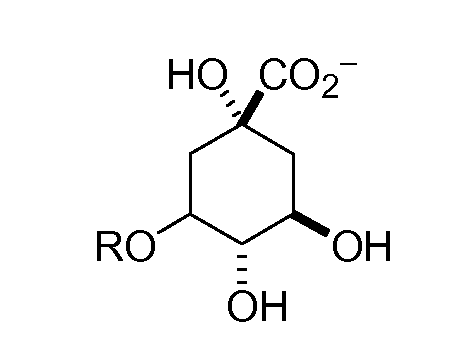
- González-Bello, C. et al ChemMedChem, 2008, 3, 756-770 discloses derivative of formula

- Patent application
WO 2005/009330 discloses derivatives of formula
- Mainly those wherein R3 and/or R7 are substituted benzyl groups.
- Thus, there is a need to provide further compounds with antibiotic and/or antimicrobial activity.
- The present invention relates to compounds with antibiotic and/or antimicrobial activity activity, whose action is based on the effective and selective inhibition of the essential amino acids biosynthesis, particularly, by inhibition of the dehydroquinase, the third enzyme of the shikimic acid pathway.
- The present invention provides compounds based on the quinic acid structure, which are effective competitive inhibitors of type II dehydroquinase, the third enzyme of the shikimic acid pathway. These compounds are significantly more potent than the described compounds of similar structure (in some cases with a Ki more than a thousand times higher). The present invention also provides procedures of obtaining of these compounds, as well as their use as antibiotics and/or antimicrobials.
- Accordingly, a first aspect of the present invention is directed to a compound of formula I, its diastereoisomers, its enantiomers or its pharmaceutically acceptable salts or solvates

- A represents a single or double bond;
- X is selected from the group consisting of -(C=O)ORa and -(C=O)NRbRc, wherein each of Ra, Rb and Rc is independently selected from the group consisting of hydrogen, substituted or unsubstituted alkyl, substituted or unsubstituted alkenyl, substituted or unsubstituted alkynyl, substituted or unsubstituted aryl, substituted or unsubstituted heterocyclyl, substituted or unsubstituted arylalkyl and substituted or unsubstituted heterocyclylalkyl; or Rb and Rc together form a 5 or 6 membered heterocyclyc ring together with the nitrogen atom to which they are attached;
- each of P1, P2 and P3 is independently selected from the group consisting of hydrogen, substituted or unsubstituted alkyl, substituted or unsubstituted alkenyl, substituted or unsubstituted alkynyl, substituted or unsubstituted silyl, substituted or unsubstituted arylalkyl and -(C=O)Ra, wherein Ra is as defined above; and wherein
- if A is a double bond,
then R2 is selected from the group consisting of -ORa, -SRa and - NRbRc, wherein Ra, Rb and Rc are as defined above; and R1 is hydrogen or R1a, wherein R1a is selected from the group consisting of substituted or unsubstituted alkyl, substituted or unsubstituted alkenyl, substituted or unsubstituted alkynyl, substituted or unsubstituted aryl, substituted or unsubstituted heterocyclyl, substituted or unsubstituted arylalkyl and substituted or unsubstituted heterocyclylalkyl, or R1 and R2 together form a 5-membered ring; and - if A is a single bond,
then R2 is =O, =S or =NRb, wherein Rb is as defined above; and R1 is R1a, wherein R1a is a defined above. - Further aspects of the present invention are methods for the synthesis of said compounds of formula I, and intermediates thereof.
- A further aspect of the present invention is a pharmaceutical composition comprising said compound of formula I and a pharmaceutically acceptable carrier.
- A further aspect of the present invention is a compound of formula I as defined above, for use as a medicament.
- A further aspect of the present invention is a compound of formula I as defined above, for use as an antibiotic and/or antimicrobial.
- "Alkyl" refers to a straight or branched, cyclic or acyclic hydrocarbon radical consisting of carbon and hydrogen atoms, containing no unsaturation, having 1-12, preferably one to eight, more preferably one to four carbon atoms, and which is attached to the rest of the molecule by a single bond, optionally substituted by one or more substituents selected from the group consisting of an halogen atom, an alkoxy group, a cyano group, a nitro group, a thioalkoxy group, an heterocyclylalkyl group, an heterocyclyl group or CF3, for example, methyl, ethyl, n-propyl, i-propyl, n-butyl, t-butyl, n-pentyl, cyclopropyl, etc.
- "Alkenyl" refers to a straight or branched, cyclic or acyclic hydrocarbon radical consisting of carbon and hydrogen atoms, containing at least one unsaturation, conjugated or not, having 2 to 12, preferably two to eight, more preferably two to four carbon atoms, and which is attached to the rest of the molecule by a single bond. Alkenyl radicals may be optionally substituted by one or more substituents such as a halogen atom, an alkoxy group, a cyano group, a nitro group, a thioalkoxy group, an heterocyclylalkyl group, an heterocyclyl group or CF3, such as vinyl, allyl, butenyl (e.g. 1-butenyl, 2-butenyl, 3-butenyl), or pentenyl (e.g. 1-pentenyl, 2-pentenyl, 3-pentenyl, 4-pentenyl).
- "alkynyl" refers to a straight or branched, cyclic or acyclic hydrocarbon radical consisting of carbon and hydrogen atoms, containing at least one carbon-carbon triple bond, conjugated of not, having two to twelve, preferably two to eight, more preferably two to four carbon atoms, and which is attached to the rest of the molecule by a single bond, such as -CCH, -CH2CCH, -CCCH3, -CH2CCCH3. Alkynyl radicals may be optionally substituted by one or more substituents such as a halogen atom, an alkoxy group, a cyano group, a nitro group, a thioalkoxy group, an heterocyclylalkyl group, an heterocyclyl group or CF3.
- "Aryl" refers to an aromatic hydrocarbon with 6 to 10 carbon atoms, such as phenyl or naphtyl, optionally substituted by one or more substituents selected from the group consisting of a halogen atom, an alkoxy group, a cyano group, a nitro group, an thioalkoxy group, an alkyl group or CF3.
- "Silyl" refers to trialkylsilyl species which are commonly used in organic chemistry as protecting groups, such as those disclosed in Greene, T. W.; Wuts, P. G. M. "Protective Groups in Organic Synthesis", 3° Ed., Wiley-Interscience, New York, 1999. According to a particular embodiment, a radical of formula -SiRdReRf wherein Rd, Re and Rf are independently selected from a substituted or unsubstituted alkyl group or a substituted or unsubstituted aryl group, for example, methyl, ethyl, t-butyl, i-propyl, phenyl, etc.
- arylalkyl refers to a one or various aryl groups bonded to the rest of the molecule by an alkyl radical, for example, benzyl, 3-(phenyl)-propyl, etc.
- "Heterocyclyl" refers to a stable 3 to 15 membered-ring constituted by carbon atoms and 1 to 5 heteroatoms selected from nitrogen, oxygen and sulphur, preferably a 4 to 8 membered-ring constituted by one or more heteroatoms, and more preferably a 5 to 6 membered-ring with one or more heretoatoms. For the purposes of this invention, heterocyclyl groups can be a monocyclic, bicyclic or tricyclic systems, that can include fused rings; and the nitrogen or sulphur atom in the heterocyclic ring can be optionally oxidized; the nitrogen atom can be optionally quatemarized; and the heterocyclyl radical can be partially or totally saturated or can be aromatic. The heterocyclic ring can be substituted by one or more substituents selected from the group consisting of a halogen atom, an alkoxy group, an alkyl group, a thioalkoxy group, a cyano group, a nitro group or CF3. Examples of such heterocycles include, for example, furan, thiophene, pyrrole, imidazole, triazole, isothiazole, benzothiophene, benzofurane, indol, benzoimidazole, tetrahydrofuran.
- "Heteroaryl" refers to a heterocyclyl group wherein at least one of the rings is aromatic.
- "Alkoxy" refers to a radical of formula -O-alkyl, for example, methoxy, ethoxy, propoxy, etc.
- "Thioalkoxy" refers to a radical of formula -S-alkyl, for example, thiomethoxy, thioethoxy, thiopropoxy, etc.
- "Amino" refers to a radical of formula -NRbRc wherein kb and Rc are as previously defined.
- "Alkoxycarbonyl" refers to a radical of formula -C(=O)-O-alkyl.
- "Aminocarbonyl" refers to a radical of formula -C(=O)-NRbRc, wherein kb and Rc are as defined above.
- "Alkylcarbonyl" refers to a radical of formula -C(=O)-alkyl.
- "Heterocyclylalkyl" refers to a one or various heterocyclyl groups bonded to the rest of the molecule by an alkyl radical, for example, 2-(thienyl)ethyl, benzothiophenylmethyl, etc.
- "Quinic acid" refers to (1S,3R,4S,5R)-1,3,4,5-tetrahydroxycyclohexanecarboxylic acid. Unless otherwise stated, the compounds of the invention are also meant to include compounds which differ only in the presence of one or more isotopically enriched atoms. For example, compounds having the present structures except for the replacement of a hydrogen by a deuterium or tritium, or the replacement of a carbon by a 13C- or 14C-enriched carbon or 15N-enriched nitrogen are within the scope of this invention.
- Further, the term "pharmaceutically acceptable" refers to molecular entities and compositions that are physiologically tolerable and do not typically produce an allergic or similar untoward reaction, such as gastric upset, dizziness and the like, when administered to a human. Preferably, as used herein, the term "pharmaceutically acceptable" means approved by a regulatory agency of the Federal or a state government or listed in the U.S. Pharmacopeia or other generally recognized pharmacopeia for use in animals, and more particularly in humans.
- For instance, pharmaceutically acceptable salts of compounds provided herein are synthesized from the parent compound which contains a basic or acidic moiety by conventional chemical methods. Generally, such salts are, for example, prepared by reacting the free acid or base forms of these compounds with a stoichiometric amount of the appropriate base or acid in water or in an organic solvent or in a mixture of the two. According to a particular embodiment ethyl ether, ethyl acetate, ethanol, isopropanol or acetonitrile are used as solvents. Examples of the acid addition salts include mineral acid addition salts such as, for example, hydrochloride, hydrobromide, hydroiodide, sulphate, nitrate, phosphate, and organic acid addition salts such as, for example, acetate, maleate, fumarate, citrate, oxalate, succinate, tartrate, malate, mandelate, methanesulphonate and p-toluenesulphonate. Examples of the alkali addition salts include inorganic salts such as, for example, sodium, potassium, calcium, ammonium, magnesium, aluminium and lithium salts, and organic alkali salts such as, for example, ethylenediamine, ethanolamine, N,N-dialkylenethanolamine, triethanolamine, glucamine and basic amino acids salts.
- The compounds of the invention may be in crystalline form either as free compounds or as solvates (e.g. hydrates) and it is intended that both forms are within the scope of the present invention. Methods of solvation are generally known within the art. Suitable solvates are pharmaceutically acceptable solvates. In a particular embodiment the solvate is a hydrate.
- The compounds of the present invention may include diastereoisomers and/or enantiomers depending on the presence of chiral centres or isomers depending on the presence of multiple bonds (e.g. Z, E). The single isomers, diastereoisomers, enantiomers and mixtures thereof fall within the scope of the present invention.
- According to a particular embodiment, the compound of formula I is a compound of formula Ia, its diastereoisomers, its enantiomers or its pharmaceutically acceptable salts or solvates

- According to a particular embodiment, the compound of formula I is a compound of formula Ib, its diastereoisomers, its enantiomers or its pharmaceutically acceptable salts or solvates

- X, P1, P2, P3 and R1 are as defined above; and
- R2 is selected from the group consisting of -ORa, -SRa and -NRbRc, wherein Ra,
- Rb and Rc are as defined above.
- According to a particular embodiment, the compound of formula I is a compound of formula Ic, its diastereoisomers, its enantiomers or its pharmaceutically acceptable salts or solvates

- X, P1, P2 and P3 are as defined above;
- Z is selected from the group consisting of O, S, NRb and ⊕ NRbRc, wherein kb and Rc are as defined above; and
- R is selected from the group consisting of a hydrogen, halogen, substituted or unsubstituted alkyl, substituted or unsubstituted alkenyl, substituted or unsubstituted alkynyl, substituted or unsubstituted aryl, substituted or unsubstituted heterocyclyl, substituted or unsubstituted arylalkyl and substituted or unsubstituted heterocyclylalkyl.
- According to particular embodiment X in a compound of formula I, Ia, Ib or Ic is - CO2H or -CO2M, wherein M is a metal cation, preferably a metal cation of Group I of the Periodic Table, more preferably, of sodium.
- According to a particular embodiment, R1 in a compound of formula I, Ia or Ib is an alkyl or an alkenyl group, preferably a C1-4 alkyl group or a C1-4 alkenyl group.
- According to a particular embodiment, R1 in a compound of formula I, Ia or Ib is an alkyl group, preferably a C1-4 alkyl group, substituted with an aryl or heteroaryl group.
- According to a particular embodiment, R1 in a compound of formula I, Ia or Ib is a radical of formula VIII

- n is 1, 2, 3 or 4, preferably 1;
- p is 1, 2, or 3, preferably 1;
- R3 is selected from the group consisting of hydrogen, substituted or unsubstituted alkyl, substituted or unsubstituted alkenyl, substituted or unsubstituted alkynyl, substituted or unsubstituted alkoxy, substituted or unsubstituted thioalkoxy, substituted or unsubstituted aryl, substituted or unsubstituted heterocyclyl, substituted or unsubstituted arylalkyl and substituted or unsubstituted heterocyclylalkyl; and
- Y is selected from the group consisting of O, S, NRb and ⊕NRbRc, wherein Rb and Rc are as defined above,
- According to a particular embodiment, R1 in a compound of formula I, Ia or Ib is a radical of formula IX

- n, Y and R3 are as defined above; and
- q is 1, 2, or 3, preferably 1.
- According to a particular embodiment, R3 is hydrogen or alkyl, preferably C1-4 alkyl.
- According to a particular embodiment, Y is S or O, preferably S.
- According to a particular embodiment, R1 in a compound of formula I, Ia or Ib is substituted or unsubstituted benzyl group, preferably a radical of formula X

- m is 0, 1, 2, 3, 4 or 5, preferably 1; and
- R4 is selected from the group consisting of halogen, substituted or unsubstituted alkyl, substituted or unsubstituted alkenyl, substituted or unsubstituted alkynyl, substituted or unsubstituted alkoxy, substituted or unsubstituted thioalkoxy, substituted or unsubstituted aryl, substituted or unsubstituted heterocyclyl, substituted or unsubstituted arylalkyl and substituted or unsubstituted heterocyclylalkyl.
- According to a particular embodiment, R4 is selected from the group consisting of halogen, alkyl and alkoxy. According to a further particular embodiment m is 5 and R4 is fluor. According to a further particular embodiment, m is 1 or 2, and R4 is a C1-4 alkyl group or a C1-4 alkoxy group.
- According to a particular embodiment, R1 is H in a compound of formula Ib.
- According to a particular embodiment, R1 is alkenyl in a compound of formula Ib, preferably, C1-4 alkenyl, more preferably allyl.
- According to a particular embodiment, R2 in a compound of formula Ib is selected from the group consisting of -ORa, -SRa and -NRbRc, wherein each of Ra, Rb and Rc is independently selected from the group consisting of substituted or unsubstituted alkyl, substituted or unsubstituted alkenyl, substituted or unsubstituted alkynyl, substituted or unsubstituted aryl, substituted or unsubstituted heterocyclyl, substituted or unsubstituted arylalkyl and substituted or unsubstituted heterocyclylalkyl; or Rb and Rc together form a 5 or 6 membered heterocyclyc ring together with the nitrogen atom to which they are attached.
- According to a particular embodiment, R2 in a compound of formula Ib is -ORa or - SRa, wherein Ra is preferably a heterocyclylalkyl group, preferably a heteroarylalkyl, more preferably a radical of formula VIII or IX as defined above, preferably a radical of formula VIII or IX wherein R3 is selected from the group consisting of alkyl, preferably C1-4 alkyl and/or wherein Y is S or O, preferably S.
- According to a further embodiment, R1 and R2 together form a 5-membered heteroaryl ring.
- According to a particular embodiment, in a compound of formula I, Ia, Ib or Ic, at least one of P1, P2 and P3 is hydrogen, preferably P1, P2 and P3 are all hydrogen.
- According to a particular embodiment, R in a compound of formula Ic is selected from the group consisting of substituted or unsubstituted alkyl, substituted or unsubstituted alkenyl, substituted or unsubstituted alkynyl and substituted or unsubstituted aryl.
- According to a further particular embodiment, R in a compound of formula Ic is selected from the group consisting of substituted or unsubstituted alkyl, substituted or unsubstituted, preferably branched, alkenyl and unsubstituted aryl According to a particular embodiment, R is selected from the group consisting of substituted alkyl, substituted alkenyl, substituted alkynyl and substituted aryl, preferably a substituted alkyl or substituted alkenyl, wherein the substituent is a C3-6 cycloalkyl group, preferably cyclopropyl. According to a particular embodiment, said group R is in position two of the ring.
- According to a particular embodiment, Z is S.
- According to a particular embodiment, W is =S or =O, preferably =O.
- In another more particular embodiment, the present invention relates to compounds of formula I preferably selected from:
- [1] (2R)-2-allyl-3-dehydroquinic acid,
- [2] (2S)-2-allyl-3-dehydroquinic acid,
- [3] (2R)-2-propyl-3-dehydroquinic acid,
- [4] (2R)-2-benzyl-3-dehydroquinic acid,
- [5] (2S)-2-benzyl-3-dehydroquinic acid,
- [6] (2R)-2-(4-methyl)benzyl-3-dehydroquinic acid,
- [7] (2S)-2-(4-methyl)benzyl-3-dehydroquinic acid,
- [8] (2R)-2-(4-methoxy)benzyl-3-dehydroquinic acid,
- [9] (2S)-2-(4-methoxy)benzyl-3-dehydroquinic acid,
- [10] (2R)-2-perfluorobenzyl-3-dehydroquinic acid,
- [11] (2S)-2-perfluorobenzyl-3-dehydroquinic acid,
- [12] (2R)-2-(benzo[b]thiophen-5-yl)methyl-3-dehydroquinic acid,
- [13] (2S)- 2-(benzo[b]thiophen-5-yl)methyl-3-dehydroquinic acid,
- [14] Sodium (1R, 4S, 5R)-3-(benzo[b]thiophen-2-yl)methoxy-1,4,5-trihydroxycyclohex-2-en-1-carboxylate,
- [15] Sodium (1R, 4S, 5R)-3-(benzo[b]thiophen-2-yl)methoxy-2-(benzo[b]thiophen-2-yl)methyl-1,4,5-trihydroxycyclohex-2-en-1-carboxylate,
- [16] Sodium (1R, 4S, 5R)-1,4,5-trihydroxy-3-(5-methylbenzo[b]thiophen-2-yl)methoxycyclohex-2-en-1-carboxylate,
- [17] Sodium (1R, 4S, 5R)-1,4,5-trihydroxy-3-(5-methylbenzo[b]thiophen-2-yl)methoxy-2-(5-methylbenzo[b]thiophen-2-yl)methylcyclohex-2-en-1-carboxylate,
- [18] Sodium (1R, 4S, 5R)-1,4,5-trihydroxy-3-(5-methylbenzo[b]thiophen-2-yl)methoxy-2-(5-methylbenzo[b]thiophen-2-yl)methylcyclohex-2-en-1-carboxylate,
- [19] Sodium (1R, 4S, 5R)-2-allyl-3-(benzo[b]thiophen-2-yl)methoxy-1,4,5-trihydroxycylohex-2-en-1-carboxylate,
- [20] (4R, 6R, 7S)-4,6,7-trihydroxy-4,5,6,7-tetrahydrobenzo[b]thiophen-4-carboxylic acid,
- [21] (4R, 6R, 7S)-4,6,7-trihydroxy-2-methyl-4,5,6,7-tetrahydrobenzo[b]thiophen-4-carboxylic acid,
- [22] (4R, 6R, 7S)-4,6,7-trihydroxy-2-vinyl-4,5,6,7-tetrahydrobenzo[b]thiophen-4- carboxylic acid,
- [23] (4R, 6R, 7S)-4,6,7-trihydroxy-2-[(E)-prop-1-enyl]-4,5,6,7-tetrahydrobenzo[b]thiophen-4-carboxylic acid,
- [24] (4R, 6R, 7S)-4,6,7-trihydroxy-2-(1-methyl)vinyl-4,5,6,7-tetrahydrobenzo[b]thiophen-4-carboxylic acid,
- [25] (4R, 6R, 7S)-2-[(E)-2-cyclopropyl]vinyl-4,6,7-trihydroxy-4,5,6,7-tetrahydrobenzo[b]thiophen-4-carboxylic acid,
- [26] (4R, 6R, 7S)-4,6,7-trihydroxy-2-phenyl-4,5,6,7-tetrahydrobenzo[b]thiophen-4- carboxylic acid,
- [27] (4R, 6R, 7S)-2-(2-cyclopropyl)ethyl-4,6,7-trihydroxy-4,5,6,7-tetrahydrobenzo[b]thiophen-4-carboxylic acid,
- [28] (4R, 6R, 7S)-4,6,7-trihydroxy-2-isopropyl-4,5,6,7-tetrahydrobenzo[b]thiophen-4-carboxylic acid,
- [29] (4R, 6R, 7S)-2-ethyl-4,6,7-trihydroxy-4,5,6,7-tetrahydrobenzo[b]thiophen-4-carboxylic acid,
- [30] Ethyl (1R, 4S, 5R)-2-allyl-3-(benzo[b]thiophen-2-yl)methoxy-1,4,5-trihydroxycyclohex-2-en-1-carboxylate;
- Another aspect of the invention relates to a procedure of obtaining compounds of formula Ia, that comprises the ring opening of lactones of formula III in acidic medium,

- The new compounds of formula III are useful intermediates for the synthesis of compounds of formula Ia. Thus, the compounds of formula III are also a further aspect of the invention. Accordingly, a further aspect of the invention relates to the preparation of compounds of formula III, comprising the C-alkylation of a compound of formula II,

- The skilled person can choose different alkylation conditions. For example, in March, J. "Advanced Organic Chemistry; Reactions Mechanism and Structure", Wiley-Interscience, fourth ed. p. 464-473 different alkylation conditions are described. According to a particular embodiment, the alkylation is carried out in the presence of a base and of a compound R1L, wherein L is a leaving group. The base is preferably selected from an anion of a dialkyl amine (amidure), such as lithium diisopropylamide, lithium hexamethyldisilazide, sodium hexamethyldisilazide or potassium hexamethyldisilazide. According to a particular embodiment, the leaving group is selected from iodide, bromide, chloride, tosylate, triflate or mesylate.
- Compounds of formula II wherein W is =O can be obtained by a procedure described in the article: Sánchez-Sixto, C.; Prazeres, V. F. V.; Castedo, L.; Lamb, H.; Hawkins, A. R.; González-Bello, C. J. Med. Chem. 2005, 48, 4871; and Hanessian, S.; Pan, J.; Carnell, A.; Bouchard, H.; Lesage, L. Total Synthesis of (-)-Reserpine Using the Chiron Approach J. Org. Chem. 1997, 62, 465, which are hereby entirely included by reference.
- Either of the compounds of formula II, of formula III, or of formula Ia, obtained by the process described above, and wherein W is =O, can be transformed into further compounds of formula II, of formula III, or of formula Ia, respectively, wherein W is =S or =NRb by methods known in the art. For example, a compound wherein W is =O can be transformed into a compound wherein W is =S, by reaction with Lawesson's reagent (other commonly known methods are described in books, such as in March, J. "Advanced Organic Chemistry; Reactions Mechanism and Structure", Wiley-Interscience, fourth ed. p. 893-895). A compound wherein W is =O can be transformed into a compound wherein W is =NRb, for example, by reaction with an amine of formula H2NRb and removal of water (other commonly known methods are described in books, such as in March, J. "Advanced Organic Chemistry; Reactions Mechanism and Structure", Wiley-Interscience, fourth ed. p. 896-898).
- According to a particular embodiment, R1 is an allyl chain. According to a further particular embodiment, R1 is an allyl chain in a compound of formula III, which is preferably obtained by bromation of a compound of formula II, followed by an allylation reaction with a commercially available allyl tin derivative, in the presence of a catalytic amount of a radical initiator. Examples of conditions for these reactions can be found in "Bridgehead radicals in organic chemistry. An efficient construction of the ABDE ring system of the lycoctonine alkaloids", Kraus, G. A.; Andersh, B.; Su, Q.; Shi, J. Tetrahedron Letters (1993), 34(11), 1741-4; or in "Stereoselective Reactions of a (-)-Quinic Acid-Derived Enone: Application to the Synthesis of the Core of Scyphostatin", Murray, L. M.; O'Brien, P.; Taylor, R. J. K Organic Letters (2003), 5(11), 1943-1946. According to this embodiment, bromation is preferably carried out with a brominating agent selected from the group consisting of bromine, N-bromosuccinimide, trimethylphenylammonium tribromide, pyridinium bromide-perbromide, pyrrolidone hydrotribromide and bromine-dioxane complex. The radical initiator is preferably selected from the group consisting of tert-butyl hydroperoxide, tert-butyl perbenzoate, di(tert-butyl)peroxide, perbenzoic acid, peroxyacetic acid, 9-BBN, ZnCl2, SmI2, Et3B, 2,2'-azobisisobutyronitrile or 2,2'-azobis(2-methylpropionamidine) dihydrochloride. According to a particular embodiment, the allyl tin derivative is selected from the group consisting of allyltributylstannane, tributyl(2-methylallyl)stannane, tributyl(2-phenylallyl)stannane, and tributyl(2-butylallyl)stannane.
- The scope of the present invention also includes other transformations, usually functional group transformations, which transform a compound of a given formula into a different compound of the same formula. All such transformations are within the scope of the present invention.
- For example, a compound of formula III wherein R1a is an alkenyl group, may be transformed into compound of formula I wherein R1 is an alkyl group, by first opening a lactone of formula III in acidic medium and then performing a catalytic hydrogenolysis over the resulting compound of formula I. Alternatively, the order of the reactions can be reversed by first performing the catalytic hydrogenolysis over a compound of formula III wherein R1a is alkenyl, and then opening the lactone ring, to obtain a compound of formula I wherein R1 is an alkyl group.
- Catalytic hydrogenolysis can be carried out following known procedures (March, J. "Advanced Organic Chemistry; Reactions Mechanism and Structure", Wiley-Interscience, fourth ed. p. 750 and 771-780), e.g. in the presence of catalyst such as palladium on carbon, palladium hydroxide, Raney Nickel, platinum, ruthenium, platinium oxide or zinc oxide.
- Also, in a compound of formula Ia or III the stereochemistry of the carbon atom supporting the R1 or R1a, respectively (position 2), can be inverted by treatment with a base (for example, see Carey, F. A.; Sundberg, R. J. "Advanced Organic Chemistry. Part B: Reaction and Synthesis", second ed. P. 1-41). For example, when R1 or R1a is allyl, R configuration at position 2 is the mayor product when allylating a compound of formula II. The present invention also provides an epimerization reaction to obtain compounds with S configuration at position 2. This epimerization reaction can be preferably carried out by treatment of compounds of formula III with a base, preferably selected from the group consisting of lithium diisopropylamide, lithium hexamethyldisilazide, sodium hexamethyldisilazide and potassium hexamethyldisilazide.
- A further aspect of the invention relates to a procedure of obtaining compounds of formula Ib, that comprises the ring opening of lactones of formula IV in acidic or basic medium,

- The new compounds of formula IV are useful intermediates for the synthesis of compounds of formula Ib. Thus, the compounds of formula IV are also a further aspect of the invention. Accordingly, a further aspect of the invention relates to the preparation of compounds of formula IV, comprising: a) an O-, S- or N-alkylation reaction of compounds of formula III or of formula II; or b) a dialkylation reaction of compounds of formula II.
- According to a particular embodiment, the O-, S- or N-alkylation reaction can be carried out by generation of the enol-type intermediate of a ketone, thioketone or imine of a compound of formula III in the presence of a base followed by treatment with compounds of formula R2L wherein L is a leaving group. The base is preferably selected from lithium diisopropylamide, lithium hexamethyldisilazide, sodium hexamethyldisilazide or potassium hexamethyldisilazide and the leaving group is preferably selected from iodide, bromide, chloride, tosylate, triflate or mesylate.
- According to a particular embodiment, the dialkylation reaction can be carried out by generation of the enol intermediate of a ketone, thioketone or imine of a compound of formula III in the presence of a base followed by treatment with compounds of formula R1L wherein L is a leaving group. The base is an amine preferably selected from lithium diisopropylamide, lithium hexamethyldisilazide, sodium hexamethyldisilazide or potassium hexamethyldisilazide and the leaving group is preferably selected from iodide, bromide, chloride, tosylate, triflate or mesylate.
- The O-, S- or N-alkylation reaction is favored by carring out the reaction in polar aprotic solvents such as DMF, HMPA, etc. In addition, higher O-, S- or N-alkylation ratio is obtained by using alkylating agents containing hard leaving groups, particularly oxygen-containing leaving groups, such as tosylate, mesylate or triflate or soft halides such as chloride or bromide.
- On the contrary, the C-alkylation ratio is favored by using apolar or protic solvents such as Et2O, THF, dioxane, t-BuOH, and by employing alkylating agents containing soft leaving groups such as iodide. The O-, S- or N-alkylation reaction is favored by using bromide as leaving group and N,N-dimethylformamide as reaction solvent. The C-alkylation reaction is favored by using iodide as leaving group, tetrahydrofuran as reaction solvent and in the presence of a suitable crown ether.
- The skilled person can choose between O-, S- or N-alkylation and C-alkylation as mayor products through routine experimentation by introducing variations in the above mentioned factors (see pages 365-368 and 464-465 of March, J. "Advanced Organic Chemistry; Reactions Mechanism and Structure", Wiley-Interscience, fourth ed.). Also, the reaction may provide a mixture of the O-, S- or N-alkylated product and the dialkylated product, which can be separated using standard purification techniques.
- A further aspect of the invention relates to a procedure of obtaining compounds of formula Ic, that comprises the ring opening of lactones of formula V in acidic or basic medium,

- The new compounds of formula V are useful intermediates for the synthesis of compounds of formula Ic. Thus, the compounds of formula V are also a further aspect of the invention. Accordingly, a further aspect of the invention relates to a process for the preparation of compounds of formula V, comprising the ozonolysis of a compound of formula III, wherein R1 is a substituted or unsubstituted allyl group, and intramolecular cyclization, in the presence of amines, phosphites or Lawesson reagent. Conditions under which these type of reactions can be performed, may be found, for example in "COMPREHENSIVE HETEROCYCLIC CHEMISTRY II, A review of the literature 1982-1995, The Structure, Reactions, Synthesis, and Uses of Heterocyclic Compounds", Editors-in-chief Alan R. Katritzky, FRS Charles W. Rees, CBE, FRS F. V. Scriven, Volume Editor Clive W. Bird, Volume 2, "Five-membered Rings with One Heteroatom and Fused Carbocyclic Derivatives", PERGAMON. For example, Chapter 2.03 - Pyrroles and their Benzo Derivatives: Synthesis, R.J. Sundberg, University of Virginia, Charlotlesville, VA, USA, pp. 119-206, describes conditions for the synthesis of compounds of formula V wherein Z is NRb or ⊕ NRbRc. For example, Chapter 2.07 - Furans and their Benzo Derivates: Synthesis, W. Friedrichsen, Universität Kiel, Germany. pp. 351-394, describes conditions for the synthesis of compounds of formula V wherein Z is O. For example, Chapter 2.11 - Thiophenes and their Benzo Derivates: Synthesis, J. Nakayama, Saitama University, Japan. pp. 607-678, describes conditions for the synthesis of compounds of formula V wherein Z is S.
According to a particular embodiment, the process comprises the ozonolysis of a compound of formula IIIa
- Prior to or once the cycle is formed, the resulting compound of formula Ic may undergo further transformations. Thus, if the group R is hydrogen in the compound of formula IIIa, the resulting compound of formula Ic can be further functionalized. Also, if R is different from hydrogen, said R group may be transformed.
- For example, the compound of formula Ic may be optionally halogenated, and then submitted to a carbon-carbon cross-coupling reaction in order to introduce the R group. This cross-coupling reaction is typically performed in the presence of a metal catalyst, a cross-coupling reagent and a base. Preferably, the metal catalyst is selected from the group consisting of Pd(PPh3)4, Pd(PPh3)2Cl2, Pd(OAc)2, Pd(dppf)2Cl2•CH2Cl2, Pd2(dba)3, PdCl2, Ni(PPh3)4 and Pd2(dba)3•CHCl3. According to a particular embodiment, the base is selected from the group consisting of KOtBu, NaOAc, NaOtBu, Ba(OH)2, N-methylmorpholine, piperidine, (iPr)2EtN, Na2CO3, K2CO3, Cs2CO3, K3PO4, Et3N and mixtures thereof. According to a particular embodiment, said cross-coupling reagent is a boronic acid or an stannane.
- Preferably, the carbon-carbon cross-coupling reaction is selected from the group consisting of Suzuki-type reaction, a Heck-type reaction, a Sonogashira-type reaction, a Negishi-type reaction or a Stille-type reaction.
- For the purposes of the present invention it is understood that a Suzuki-type reaction is the cross-coupling reaction catalyzed by a palladium(O) complex between a halide or a triflate and an boronic acid or its corresponding ester, or a potassium trifluoroborate. The palladium catalysts usually employed are Pd(PPh3)4, Pd(PPh3)2Cl2, Pd(OAc)2, Pd2(dba)3 o Pd2(dba)3•CHCl3, optionally in the presence of phosphines or arsines, typically selected from PPh3, PtBu3, PCy3 or AsPh3. The base is usually selected from KOtBu, NaOtBu, NaOAc, Ba(OH)2, Na2CO3, K2CO3, Cs2CO3, K3PO4, Et3N, N-methylmorpholine or mixtures of them. This type of reactions are known to the skilled person, who can choose between a wide range of conditions (e.g., "Metal-catalyzed cross-coupling reactions", 2nd Ed., Armin de Meijere &François Diederich, Wiley-VCH, pp 1-31 and pp 41-109)
- For the purposes of the present invention it is understood that a Heck-type reaction is the reaction between an halide or a triflate with an alkene catalyzed by palladium(O). The palladium catalysts usually employed are Pd(OAc)2, PdCl2, Pd(PPh3)4 o Pd2(dba)3 optionally in the presence of phosphines or arsines, typically selected between PPh3, PtBu3, PCy3 or AsPh3. The base is usually selected from Na2CO3, K2CO3, NaOAc, N-methylmorpholine, K3PO4, Et3N or mixtures of them. Examples of suitable Heck-type reaction conditions may be found, for example, in "Metal-catalyzed cross-coupling reactions", 2nd Ed., Armin de Meijere &François Diederich, Wiley-VCH, pp 1-31 and pp 217-296).
- For the purposes of the present invention it is understood that a Stille-type reaction is the cross-coupling reaction catalyzed by a palladium(0) complex between an halide or a triflate and an organotin compound. The palladium catalysts usually employed are Pd(dppf)2Cl2•CH2Cl2, PdCl2, Pd(OAc)2, Pd2(dba)3 or Pd(PPh3)4, optionally in the presence of phosphines or arsines, typically selected between PPh3, PtBU3, PCy3 or AsPh3 and in the presence of salts, such as LiCl, CsF, CuCl or Cul. Examples of suitable Heck-type reaction conditions may be found, for example, in "Metal-catalyzed cross-coupling reactions", 2nd Ed., Armin de Meijere &François Diederich, Wiley-VCH, pp 1-31 and pp 125-155.
- For the purposes of the present invention it is understood that a Sonogashira-type reaction is the cross-coupling reaction catalyzed by a palladium(O) complex and cocatalyzed by Cu(I) between an halide or a triflate and a terminal alkyne. The typical catalysts are Pd(PPh3)4, PdCl2, Pd(OAc)2 or Pd(PPh3)2Cl2 optionally in the presence of phosphines or arsines, typically selected between PPh3, PtBu3, PCy3 or AsPh3. The base is usually selected from Na2CO3, K2CO3, Cs2CO3, Et3N, (iPr)2EtN or mixtures of them. Examples of suitable Heck-type reaction conditions may be found, for example, in "Metal-catalyzed cross-coupling reactions", 2nd Ed., Armin de Meijere &François Diederich, Wiley-VCH, pp 1-31 and pp 317-386.
- For the purposes of the present invention it is understood that a Negishi-type reaction is the cross-coupling catalyzed by a palladium(O) or nickel(O) complex between an halide or a triflate and an organozinc compound. The typical catalysts are Ni(PPh3)4, Pd(dppf)2Cl2•CH2Cl2, Pd(PPh3)2Cl2 or Pd2(dba)3 optionally in the presence of phosphines or arsines, typically selected between PPh3, PtBu3 or PCy3. Examples of suitable Heck-type reaction conditions may be found, for example, in "Metal-catalyzed cross-coupling reactions", 2nd Ed., Armin de Meijere &François Diederich, Wiley-VCH, pp 1-31 and pp 815-882.
- According to particular embodiment, the halogenation comprises a iodation with N-Iodosuccinimide, followed by Suzuki-typecoupling between a boronic acid or its corresponding ester, for example, phenylboronic acid, (E)-prop-1-enylboronic acid, (E)-2-(cyclopropyl)vinyl-4,4,5,5-tetramethyl-1,3,2-dioxaborolane, in the presence of a palladium catalysts, for example, Pd(PPh3)4, Pd2(dba)3•CHCl3 or Pd2(dba)3.
- In summary, compounds of formula I can be obtained by opening of lactones of formula III, IV or V. This opening reaction can be carried out either in acidic medium, for example, in the presence of an organic acid, such as trifluoroacetic acid, p-toluensulfonic acid, camphorsulfonic acid, acetic acid, acidic ion-exchange resin; a Lewis acid or mixtures thereof. The reaction can also be carried our in basic medium, for example, in the presence of an inorganic base, such as K2CO3, Na2CO3, LiOH, NaOH, or KOH; an organic base, such as a primary amine, a secondary amine, MeONa or EtONa.
- Also, any of the compounds of formula I, Ia, Ib, Ic, III, IIIa, IV or V may undergo protection-deprotection reactions using well-known procedures (Greene, T. W.; Wuts, P. G. M. "Protective Groups in Organic Synthesis", 3° Ed., Wiley-Interscience, New York, 1999). For example, if P1, P2 and/or P3 is/are a TBS group, the deprotection will be preferably carried out by treatment with tetrabutylamonium fluoride. If P1, P2 and/or P3 is/are a benzyl group, the deprotection will be preferably performed by catalytic hydrogenolysis. If P1, P2 and/or P3 is/are an acetyl group, the deprotection will be preferably carried out by treatment with K2CO3 in combination with methanol. If P1, P2 and/or P3 is/are methoxyethoxymethyl ether (MEM), the deprotection will be preferably preformed by treatment with trifluoroacetic acid.
- The compounds of formula I are potent competitive inhibitors of type II dehydroquinases from various bacterial sources. This enzyme acts in an essential biosynthetic route in bacteria, the shikimic acid pathway. These compounds have, in many cases, inhibition constants in the low nanomolar range and to even picomolar, which makes them, the most potent known inhibitors against any dehydroquinase.
- Thus a further aspect of the invention is a pharmaceutical composition comprising a compound of formula I as defined above and a pharmaceutically acceptable carrier.
- A further aspect of the invention is a compound of formula I as defined above for use as a medicament.
- A further aspect of the invention is the use of a compound of formula I for the preparation of a medicament to treat tuberculosis, stomach cancer, gastritis, stomach ulcers, duodenal ulcers, or heartburn. That is, a compound of formula I for use in the treatment or prophylaxis of a disease selected from the group consisting of tuberculosis, stomach cancer, gastritis, stomach ulcers, and duodenal ulcers heartburn.
- Examples of pharmaceutical compositions include any solid (tablets, pills, capsules, granules etc.) or liquid (solutions, suspensions or emulsions) compositions. Typical administration routes are oral, topical or parenteral administration. In a particular embodiment the pharmaceutical compositions are in oral form. Suitable dose forms for oral administration may be tablets and capsules and may contain conventional excipients known in the art such as binding agents, for example syrup, acacia, gelatin, sorbitol, tragacanth, or polyvinylpyrrolidone; fillers, for example lactose, sugar, maize starch, calcium phosphate, sorbitol or glycine; tabletting lubricants, for example magnesium stearate; disintegrants, for example starch, polyvinylpyrrolidone, sodium starch glycollate or microcrystalline cellulose; or pharmaceutically acceptable wetting agents such as sodium lauryl sulfate.
- Suitable pharmaceutical carriers are described in "Remington's Pharmaceutical Sciences" by E.W. Martin
- The solid oral compositions may be prepared by conventional methods of blending, filling or tabletting. Repeated blending operations may be used to distribute the active agent throughout those compositions employing large quantities of fillers. Such operations are conventional in the art. The tablets may for example be prepared by wet or dry granulation and optionally coated according to methods well known in normal pharmaceutical practice, in particular with an enteric coating.
- The pharmaceutical compositions may also be adapted for parenteral administration, such as sterile solutions, suspensions or lyophilized products in the appropriate unit dosage form. Adequate excipients can be used, such as bulking agents, buffering agents or surfactants.
- The mentioned formulations will be prepared using standard methods such as those described or referred to in the Spanish and US Pharmacopoeias and similar reference texts.
- Administration of the compounds or compositions of the present invention may be by any suitable method, such as intravenous infusion, oral preparations, and intraperitoneal and intravenous administration. Oral administration is preferred because of the convenience for the patient and the chronic character of many of the diseases to be treated.
- Generally an effective administered amount of a compound of the invention will depend on the relative efficacy of the compound chosen, the severity of the disorder being treated and the weight of the sufferer. However, active compounds will typically be administered once or more times a day for example 1, 2, 3 or 4 times daily, with typical total daily doses in the range of from 0.1 to 1000 mg/kg/day.
- The compounds and compositions of this invention may be used with other drugs to provide a combination therapy. The other drugs may form part of the same composition, or be provided as a separate composition for administration at the same time or at different time.
- The Examples, which are detailed next, will have to be considered to better understanding of the present invention, which should not be interpreted as a limitation.
- Example 1: (1S, 2R, 4S, 5R)-2-bromo-1,4-di(tert-butyldimethylsilyloxy)-3-oxocyclohexan-1,5-carbolactone (VI). A solution of (1S, 4S, 5R)-1,4-di(tert-butyldimethylsilyloxy)-3-oxocyclohexan-1,5-carbolactone (300 mg, 0.75 mmol), under inert atmosphere and at room temperature, in dry diethyl ether (20 mL) was treated with freshly made dioxane dibromide (223 mg, 0.90 mmol). The red reaction mixture was stirred at room temperature until decoloration (1.5 h), diluted with diethyl ether and washed successively with aqueous sodium bisulfate (sat.), sodium bicarbonate (sat.) and water. The organic extract was dried with Na2SO4 (anh.), filtered and concentrated under reduced pressure to afford α-bromo ketone VI as a white solid (356 mg, 99%). Mp: 97-100 °C.

- The starting material of Example 1 (1S, 4S, 5R)-1,4-di(tert-butyldimethylsilyloxy)-3-oxocyclohexan-1,5-carbolactone was obtained from (1S, 3R, 4R, 5R)-3-benciloxy-1,4-dihydroxycyclohexan-1,5-carbolactone following the three steps shown below:
- Step 1: (1S, 3R, 4R, 5R)-3-benciloxy-1,4-di(tert-butyldimethylsilyloxy)cyclohexan-1,5-carbolactone. To a stirred solution of (1S, 3R, 4R, 5R)-3-benciloxy-1,4-dihydroxicyclohexan-1,5-carbolactone (1.00 g, 3.79 mmol), obtained according to Hanessian, S.; Pan, J.; Carnell, A.; Bouchard, H.; Lesage, L. Total Synthesis of (-)-Reserpine Using the Chiron Approach J. Org. Chem. 1997, 62, 465, in dry DCM (13 ml) and pyridine (1.1 mL, 13.27 mmol), under inert atmosphere at 0 °C, was added tertbutyldimethylsilyl trifluorosulfonate (2.6 ml, 11.37 mmol). The resultant solution was stirred at room temperature for 12 h and then diluted with DCM and water. The aqueous layer was acidified with HCl (10%) and the organic phase was separated. The aqueous phase was extracted twice with DCM. All the combined organic extracts were dried (anh. Na2SO4), filtered and evaporated. The obtained residue was purified by flash chromatography eluting with 10% ethyl acetate-hexanes to yield (1S, 3R, 4R, 5R)-3-benciloxy-1,4-di(tert-butyldimethylsilyloxy)cyclohexan-1,5-carbolactone (1.81 g, 97%) as a colourless oil. [α]20 D -14° (c1.4, in CHCl3); 1H NMR (250 MHz, CDCl3) δ 7.31 (m, 5H), 4.45 (t, 1H, J 5.6), 4.42 (s, 2H), 4.11 (t, 1H, J 4.6), 3.42 (ddd, 1H, J 11.7, 6.2 and 4.1), 2.43 (d, 1H, J 11.4), 2.13-1.98 (m, 2H), 1.76 (t, 1H, J 11.9), 0.70 (s, 9H), 0.69 (s, 9H), -0.07 (s, 3H), -0.09 (s, 3H), -0.15 (s, 3H) and -0.16 (s, 3H) ppm. 13C NMR (63 MHz, CDCl3) δ 176.3, 137.8, 128.3 (2x), 127.7, 127.6 (2x), 75.9, 74.1, 73.7, 71.1, 65.7, 38.1, 37.5, 25.7 (3x), 25.6 (3x), 18.1, 18.0, -2.9 (2x), -4.5 and -5.0 ppm.
- Step 2: (1S, 3R, 4R, 5R)-1,4-di(tert-butyldimethylsilyloxy)-3-hydroxycyclohexan-1,5-carbolactone.cursiva A suspension of (1S, 3R, 4R, 5R)-3-benciloxy-1,4-di(tert-butyldimethylsilyloxy)cyclohexan-1,5-carbolactone (270 mg, 0.55 mmol) and 20% palladium hydroxide-on-carbon (50 mg) in methanol (15 ml) was shaken under hydrogen atmosphere at room temperature for 48 h. The mixture was filtered over Celite and the residue was washed with methanol. The filtrate and washings were evaporated under reduced pressure to yield a white solid which was purified by flash chromatography eluting with 10% ethyl acetate-hexanes to yield (1S, 3R, 4R, 5R)-1,4-di(tert-butyldimethylsilyloxy)-3-hydroxycyclohexan-1,5-carbolactone (218 mg, 99%) as white needless. Mp 107-108 °C; [α]20 D -1° (c1.1, in CHCl3); 1H NMR (250 MHz, CDCl3) δ 4.49 (t, 1H, J 5.5), 3.95 (t, 1H, J 4.8),3.75-3.61 (m, 1H), 2.24 (d, 1H, J 11.4), 2.08 (m, 2H), 1.87 (d, 1H, J 11.6), 1.53 (t, 1H, J 12.6), 0.73 (s, 9H), 0.67 (s, 9H), -0.06 (s, 3H), -0.08 (s, 3H), -0.10 (s, 3H) and -0.11 (s, 3H) ppm; 13C NMR (63 MHz, CDCl3) δ 175.9, 75.6, 73.6, 67.0, 66.1, 41.4, 37.8, 25.7 (3x), 25.5 (3x), 18.0 (2x), -2.9 (2x), -4.6 and -4.9 ppm.
- Step 3: (1S, 4S, 5R)-1,4-di(tert-butyldimethylsilyloxy)-3-oxocyclohexan-1,5-carbolactone. To a stirred suspension of (1S, 3R, 4R, 5R)-1,4-di(tert-butyldimethylsilyloxy)-3-hydroxycyclohexan-1,5-carbolactone (1.24 g, 3.09 mmol) and activated powder molecular sieves 4Å (1.24 g) in dry DCM (31 ml) was added pyridinium dichromate (1.40 g, 3.71 mmol). The resultant suspension was stirred vigorously at room temperature. After 3 h more activated powder molecular sieves 4Å (750 mg) were added and the resultant suspension was stirred for additional 2 h. The reaction mixture was filtered over a plug of Celite and silica gel and the residue was washed with diethyl ether. The filtrate and the washings were concentrated under reduced pressure. The brown solid obtained was redisolved in hot hexane and treated with activated carbon.
- The black suspension was filtered over Celite and the residue was washed with hot hexane. The filtrate and the washings were concentrated and recrystallised to afford (1S, 4S, 5R)-1,4-di(tert-butyldimethylsilyloxy)-3-oxocyclohexan-1,5-carbolactone (1.17 g, 95%) as white needless. Mp 50-51 °C (hexanes); [α]20 D -24° (c1.1, in CHCl3); 1H NMR (250 MHz, CDCl3) δ 4.51 (dd, 1H, J 5.9 and 4.1), 3.81 (br d, 1H, J 4.1), 2.74 (d, 1H, J 17.6), 2.60 (ddd, 1H, J 17.6, 2.7 and 0.9), 2.50 (d, 1H, J 12.3), 2.44-2.35 (ddd, 1H, J 12.3, 5.9 and 0.9), 0.67 (s, 9H), 0.66 (s, 9H), -0.04 (s, 3H), -0.09 (s, 3H), -0.11(s, 3H), and -0.15 (s, 3H) ppm; 13C NMR (63 MHz, CDCl3) δ 203.2, 175.2, 74.1, 73.1, 71.0, 50.9, 37.0, 25.5 (3x), 25.5 (3x), 18.0, 17.9, -3.1, -3.4, -4.9 and -5.3 ppm.
- Example 2: (1R, 2R, 4S, 5R)-2-allyl-1,4-di(tert-butyldimethylsilyloxy)-3-oxocyclohexan-1,5-carbolactone (III-1). A solution of the α-bromo ketone VI (285 mg, 0.60 mmol) in dry toluene (17 mL), under inert atmosphere, was treated allyltributyltin (0.26 mL, 0.84 mmol) and AIBN (15 mg, 0.09 mmol). The resultant reaction mixture was deoxygenated by bubbling argon through it for 30 min. and then heated at 80 °C for 14 h. After cooling at room temperature, the solvent was evaporated and the crude product was purified by flash chromatography eluting with ethyl acetate-hexane (5:95) to yield the α-allyl ketone III-1 (265 mg, 99%) as beige solid. Mp: 91-94 °C.

- Example 3: (2R)-2-allyl-3-dehydroquinic acid [(2R)-Ia-1]. A solution of the silyl ether III-1 (250 mg, 0.57 mmol) in aqueous trifluoroacetic acid (5.7 mL, 50%) was heated at 90 °C for 3 h. After cooling at room temperature, the solvents were removed under reduced pressure. The crude residue was dissolved in water and washed with ethyl acetate (2x). The aqueous phase was lypholised and the crude product was purified by HPLC using a semipreparative column Merck LiChroCART RP-18 (10 µm, 250x10 mm) with a gradient 0-50% B (35 min) at a flow rate of 5 ml min-1. The eluents for this column were: (A) water with 0.1 % TFA and (B) acetonitrile with 0.1 % TFA. Allyl derivative (2R)-Ia-1 (60 mg, 46%) was obtained as a white solid. Mp: 144-148 °C.

- Example 4: (2R)-2-propyl-3-dehydroquinic acid [(2R)-Ia-2]. A suspension of the allyl derivative (2R)-Ia-1 (15.4 mg, 0.067 mmol) and 10% palladium-on-carbon (2 mg) in methanol (0.7 mL) was stirred under hydrogen atmosphere at room temperature for 3 h. The mixture was filtered over Celite and the residue was washed with methanol. The filtrate and washings were evaporated, redissolved in water and lypholised to yield propyl derivative (2R)-Ia-2 (15.5 mg, 99%) as a light yellow solid.

- Example 5 (epimerization) : (1R, 2S, 4S, 5R)-2-allyl-1,4-di(tert-butyldimethylsilyloxy)-3-oxocyclohexan-1,5-carbolactone (III2). A stirred solution of the (2R)-2-allyl ketone III-1 (100 mg, 0.23 mmol) in dry THF (6.1 mL), under argon and at room temperature, was treated with a solution of LHMDS (345 µL, 0.35 mmol, 1.0 M in THF) and 12-crown-4 ether (4 µL, 0.023 mmol). The reaction mixture was stirred for 30 min and then diluted successively with diethyl ether and water. The organic layer was separated and the aqueous phase was extracted with diethyl ether (3x). All the combined organic extracts were dried (anh. Na2SO4), filtered and evaporated in vacuo. The obtained residue was purified by flash chromatography eluting with ethyl acetate-hexanes (10:90) to yield (2S)-2-allyl ketone III-2 as a light yellow oil (75 mg, 74%).

- Example 6: (2S)-2-allyl-3-dehydroquinic acid [(2S)-Ia-I]. The same experimental procedure was used as in the synthesis of acid (2R)-Ia-1 (Example 3), but using III-2 as starting material (71 mg, 0.16 mmol). Yield = 25 mg (68%). Mp: 127-130 °C.

- General alkylation and hydrolysis/ deprotection method for Examples 7-16. A flame-dried round bottom flask was charged with (1S, 4S, 5R)-1,4-di(tert-butyldimethylsilyloxy)-3-oxocyclohexan-1,5-carbolactone (1 equivalent) and then dissolved in dry THF (0.04 M). The resultant solution was treated with 1.5 equivalents of LHMDS solution (1.0 M in THF) and 0.1 equivalents of 12-crown-4 ether. After being stirred for 20 min, a solution of the corresponding iodide (1.5 equivalents) in dry THF (0.6 M) was added. After 4 h, the reaction mixture was diluted successively with diethyl ether and ammonium chloride (sat.). The organic phase was separated and the aqueous layer was extracted three times with diethyl ether. All combined organic extracts were dried (anh. Na2SO4), filtered and evaporated under reduced pressure. The obtained residue was purified by flash chromatography eluting with diethyl ether-hexanes (10:90) to afford the corresponding compound of formula III as a mixture of diastereoisomers. The obtained alkyl ketones III were dissolved in 50% aqueous trifluoroacetic acid (0.1 M) and then were heated at 70 °C for 2-3 h. After cooling at room temperature, the solvents were removed under reduced pressure. The crude residue was dissolved in water and washed with ethyl acetate (2x). The aqueous phase was lypholised and the crude product was purified by HPLC using a semipreparative column Merck LiChroCART RP-18 (10 µm, 250x10 mm) with a gradient 0-50% B (35 min) at a flow rate of 5 ml min-1. The eluents for this column were: (A) water with 0.1% TFA and (B) acetonitrile with 0.1% TFA. (2R)-Ia-(3-7) and (2S)-Ia-(3-7) were obtained. The spectroscopic data of the synthesized compounds using this method is indicated above:
- Example 7: (2R)-2-benzyl-3-dehydroquinic acid [(2R)-Ia-3]. Experimental procedure using general alkylation method. Overall yield = 5%. White solid. Mp: 146-148 °C. 1H NMR (400 MHz, D2O) δ 7.39-7.24 (m, 5H), 4.34 (dd, 1H, J = 9.6 and 1.2 Hz), 3.90 (ddd, 1H, J = 9.6, 11.6 and 5.2 Hz), 3.54 (ddd, 1H, J = 8.8, 3.6 and 1.2 Hz), 3.21 (dd, 1H, J = 14.4 and 8.8 Hz), 2.52 (dd, 1H, J = 14.4 and 3.6 Hz), 2.43 (dd, 1H, J = 14.0 and 11.6 Hz) and 2.34 (dd, 1H, J = 14.0 and 5.2 Hz) ppm. 13C NMR (75 MHz, D2O) δ 208.4 (C), 177.1 (C), 140.2 (C), 129.6 (2xCH), 129.0 (2xCH), 127.0 (CH), 81.5 (CH), 78.2 (C), 72.4 (CH), 56.3 (CH), 41.3 (CH2) and 29.7 (CH2) ppm. IR (KBr): 3435 (O-H) and 1728 (C=O) cm-1. MS (ESI) mlz (%) 303 (MNa+). HRMS calcd for C14H16O6Na (MH+): 303.0839; found, 303.0838.
- Example 8: (2S)-2-benzyl-3-dehydroquinic acid ácido [(2S)-Ia-3]. Experimental procedure using general alkylation method. Overall yield = 20%. White solid. Mp: 131-134 °C. 1H NMR (400 MHz, D2O) δ 7.39 (m, 2H), 7.33 (m, 1H), 7.25 (m, 2H), 4.61 (d, 1H,J = 9.2 Hz), 3.93 (ddd, 1H, J = 9.2, 11.6 and 5.2 Hz), 3.01 (m, 3H), 2.64 (dd, 1H, J = 14.4 and 11.6 Hz) and 2.44 (dd, 1H, J = 14.4 and 5.2 Hz) ppm. 13C NMR (75 MHz, D2O) δ 210.1 (C), 175.0 (C), 136.7 (C), 128.8 (2xCH), 128.6 (2xCH), 127.0 (CH), 78.4 (CH), 76.3 (C), 70.9 (CH), 60.2 (CH), 35.1 (CH2) and 34.6 (CH2) ppm. IR (KBr): 3520 (O-H), 3475 (O-H), 3256 (O-H), 1719 (C=O) and 1706 (C=O) cm-1. MS (ESI) m/z (%) 303 (MNa+). HRMS calcd for C14H16O6Na (MH+): 303.0839; found, 303.0836.
- Example 9: (2R)-2-(4-methyl)benzyl-3-dehydroquinic acid [(2R)-Ia-4]. Experimental procedure using general alkylation method. Overall yield = 5%. White solid. Mp: 105-108 °C.

- Example 10: (2S)-2-(4-methyl)benzyl-3-dehydroquinic acid [(2S)-Ia-4]. Experimental procedure using general alkylation method. Overall yield = 23%. White solid. Mp: 134-138 °C.

- Example 11: (2R)-2-(4-methoxy)benzyl-3-dehydroquinic acid [(2R)-Ia-5]. Experimental procedure using general alkylation method. Overall yield = 4%. White solid. 1H NMR (250 MHz, D2O) δ 7.16 (d, 2H, J = 8.8 Hz), 6.87 (d, 2H, J = 8.8 Hz), 4.26 (d, 1H, J = 9.5 Hz), 3.84 (m, 1H), 3.76 (s, 3H), 3.43 (dd, 1H, J = 8.3 and 4.3 Hz), 3.10 (dd, 1H, J = 14.5 and 8.5 Hz) and 2.45-2.19 (m, 3H) ppm. 13C NMR (75 MHz, D2O) δ 208.7 (C), 177.6 (C), 157.8 (C), 132.9 (C), 130.8 (2xCH), 114.5 (2xCH), 81.6 (CH), 78.5 (C), 72.6 (CH), 56.6 (CH), 55.9 (CH3), 41.4 (CH2) and 28.9 (CH2) ppm. IR (KBr): 3390 (O-H) and 1736 (C=O) cm-1. MS (ESI) mlz (%) 333 (MNa+). HRMS calcd. for C15H18O7Na (MNa+): 333.0945; found, 333.0946.
- Example 12: (2S)-2-(4-Methoxy)benzyl-3-dehydroquinic acid [(2S)-Ia-5]. Experimental procedure using general alkylation method. Overall yield = 16%. White solid. Mp: 138-143 °C.
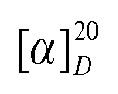
- Example 13: (2R)-2-perfluorobenzyl-3-dehydroquinic acid [(2R)-Ia-6]. Experimental procedure using general alkylation method. Overall yield = 2%. White solid. 1H NMR (400 MHz, D2O) δ 4.37 (d, 1H, J = 9.6 Hz), 3.90 (ddd, 1H, J = 11.6, 9.6 and 5.2 Hz), 3.64 (t, 1H, J = 6.6 Hz), 3.22 (dd, 1H, J = 14.8 and 7.2 Hz), 2.76 (dd, 1H, J = 14.8 and 6.4 Hz), 2.38 (dd, 1H, J = 11.6 and 13.6 Hz) and 2.31 (dd, 1H, J = 13.6 and 5.6 Hz) ppm. 13C NMR (75 MHz, D2O) 8207.9 (C), 177.0 (C), 147.8-135.9 (5xC, m), 112.6 (C, m), 81.3 (CH), 77.3 (C), 72.2 (CH), 53.1 (CH), 41.6 (CH2) and 17.4 (CH2) ppm. 19F NMR (282 MHz, D2O) δ -140.3 (dd, 2F, J = 21.8 and 6.1 Hz), -155.9 (t, 2F, J = 21.8 Hz) and -160.1 (td, 1F, J = 21.8 and 6.1 Hz) ppm. IR (KBr): 3435 (O-H) and 1730 (C=O) cm-1. MS (ESI) mlz (%) 393 (MNa+). HRMS calcd for C14H11O6F5Na (MNa+): 393.0368; found, 393.0366.
- Example 14: (2S)-2-perfluorobenzyl-3-dehydroquinic acid [(2S)-Ia-6]. Experimental procedure using general alkylation method. Overall yield = 9%. White solid. Mp: 123-125 °C.

- Example 15: (2R)-2-(benzo[b]thiophen-5-yl)methyl-3-dehydroquinic acid [(2R)-Ia-7]. Experimental procedure using general alkylation method. Overall yield = 5%.

- Example 16: (2S)-2-(benzo[b]thiophen-5-yl)methyl-3-dehydroquinic acid [(2S)-Ia-7]. Experimental procedure using general alkylation method. Overall yield = 19%. White solid. Mp: 152-155 °C.

- Example 17: (1R, 4S, SR)-3-(benzo[b]thiophen-2-yl)methoxy-1,4-di(tert-butyldimethylsilyloxy)cyclohex-2-en-1,5-carbolactone (IV-1) and (1R, 4S, 5R)-3-(benzo[b]thiophen-2-yl)methoxy-2-(benzo[b]thiophen-2-yl)methyl-1,4-di(tert-butyldimethylsilyloxy)cyclohex-2-en-1,5-carbolactone (IV-2). A flame-dried round bottom flask was charged with (1R, 4S, 5R)-1,4-di(tert-butyldimethylsilyloxy)-3-oxocyclohexan-1,5-carbolactone (250 mg, 0.63 mmol) and then dissolved in dry DMF (17 mL). The resultant solution was treated with LHMDS (1.3 mL, 1.26 mmol, 1.0 M in THF) and was stirred at room temperature for 20 min. Then, a solution of 2-(bromomethyl)benzo[b]thiophene (215 mg, 0.95 mmol) in dry DMF (1.6 mL) was added. After 30 min., the reaction mixture was diluted succesively with diethyl ether and water. The organic phase was separated and the aqueous layer was extracted three times with diethyl ether. All combined organic extracts were dried (anh. Na2SO4), filtered and evaporated under reduced pressure. The obtained residue was purified by flash chromatography eluting with diethyl ether-hexanes (5:95) to afford O-alkyl derivative IV-1 (63 mg, 18%) and dialkyl derivative IV-2 (128 mg, 29%), both as light yellow oils.
- Data for IV-1:

- Data for IV-2:

- Example 18: (1R, 4S, 5R)-3-(benzo[b]thiophen-2-yl)methoxy-1,4-dihydroxycyclohex-2-en-1,5-carbolactone (IV-3). To a stirred solution of silylether IV-1 (42 mg, 0.077 mmol) in dry THF (1.1 mL), under argon at 0 °C, was added tetrabutylammonium fluoride (0.20 mL, 0.20 mmol, ca 1.0 M in THF). After 1 h, the ice-bath was removed and the reaction mixture was stirred for another hour. The solvent was evaporated and the obtained residue was dissolved in a mixture of ethyl acetate and water. The aqueous phase was acidified with dilute HCl and the organic layer was separated. The aqueous phase was extracted with ethyl acetate (x2). Al the combined organic extracts were dried (anh. Na2SO4), filtered and concentrated under reduced pressure. The obtained residue was purified by flash chromatography eluting with (60:40) diethyl ether-hexanes to yield diol IV-3 (24 mg, 99%) as a colourless oil.

- Example 19: Sodium (1R, 4S, 5R)-3-(benzo[b]thiophen-2-yl)methoxy-1,4,5-trihydroxycyclohex-2-en-1-carboxylate (Ib-1). A solution of lactone IV-3 (28 mg, 0.088 mmol) in THF (0.8 mL) and aqueous NaOH (176 µL, 0.088 mmol, 0.5M) was stirred at room temperature for 15 min. Water was added and THF was evaporated under reduced pressure. The aqueous solution was washed with diethyl ether (x2) and liophilisated to afford O-alkyl derivative Ib-1 (31 mg, 98%) as beige solid.

- Example 20: (1R, 4S, 5R)-3-(benzo[b]thiophen-2-yl)methoxy-2-(benzo[b]thiophen-2-yl)methyl-1,4-dihydroxycyclohex-2-en-1,5-carbolactone (IV-4). The same experimental procedure as used for compound IV-3 (example 18), was applied to silyl ether IV-2 (75 mg, 0.11 mmol) in 1.6 mL of THF and 0.29 mL of tetrabutylammonium fluoride (0.29 mmol). Yield = 50 mg (98%). Light yellow oil.

- Example 21: Sodium (1R, 4S, 5R)-3-(benzo[b]thiophen-2-yl)methoxy-2-(benzo[b]thiophen-2-yl)methyl-1,4-dihydroxycyclohex-2-en-1-carboxylate (Ib-2). The same experimental procedure as used for the synthsis of compound Ib-1 (example 19), was applied to silyl ether IV-4 (52 mg, 0.11 mmol) in 1 mL of THF and 220 µL of NaOH (aq.). Yield = 54 mg (97%). Beige solid.

- Example 22: (1R, 4S, 5R)-1,4-di(tert-butyldimethylsilyloxy)-3-(5-methylbenzo[b] thiophen-2-yl)methoxycyclohex-2-en-1,5-carbolactone (IV-5) and (1R, 4S, 5R)-1,4-di(tert-butyldimethylsilyloxy)-2-(S-methylbenzo[b]thiophen-2-yl)methyl-3-(5-methylbenzo[b]thiophen-2-yl)methoxycyclohex-2-en-1,5-carbolactone (IV-6). The experimental procedure used was the same as for compounds IV-1 and IV-2 (exmple 17) using the following: First, 200 mg of (1R, 4S, 5R)-1,4-di(tert-butyldimethylsilyloxy)-3-oxocyclohexan-1,5-carbolactone (0.50 mmol) in 13.3 mL of DMF and 1.0 mL of LHMDS (1.00 mmol) was used for the enolate generation. In the alkylation step, 180 mg of 2-(bromomethyl)-5-methylbenzo[b]thiophen (0.75 mmol) in 1.3 mL of DMF was used. Yield = 62 mg (22%) of IV-5 and 99 mg (28%) of IV-6, both as light yellow oils. Data for IV-5:


- Example 23: (1R, 4S, 5R)-1,4-dihydroxy-3-(5-methylbenzo[b]thiophen-2-yl)methoxycyclohex-2-en-1,5-carbolactone (IV-7). The experimental procedure used was the same as for compound IV-3 (example 18), but using silyl ether IV-5 as starting material (72 mg, 0.13 mmol) in 1.9 mL of THF and 0.34 mL de tetrabutylammonium fluoride (0.34 mmol). Yield = 34 mg (79%). Beige solid.

- Example 24: Sodium (1R, 4S, 5R)-1,4,5-trihydroxy-3-(5-methylbenzo[b]thiophen-2-yl)methoxycyclohex-2-en-1-carboxylate (Ib-3). The experimental procedure used was the same as for compound Ib-1 (example 19), but using carbolactone IV-7 as starting material (21 mg, 0.063 mmol) in 0.6 mL of THF and 126 µL of NaOH (aq.). Yield = 22 mg (95%). Beige solid.

- Example 25: (1R, 4S, 5R)-1,4-dihydroxy-3- (5-methylbenzo[b]thiophen-2-yl)methoxy-2-(5-methylbenzo[b]thiophen-2-yl)methylcyclohex-2-en-1,5-carbolactone (IV-8). The experimental procedure used was the same as for compound IV-3 (example 18), but using silyl ether IV-6 as starting material (119 mg, 0.17 mmol) in 2.4 mL of THF and 0.44 mL de tetrabutylammonium fluoride(0.44 mmol). Yield = 70 mg (84%). Beige solid.

- Example 26: Sodium (1R, 4S, 5R)-1,4,5-trihydroxy-3-(5-methylbenzo[b]thiophen-2-yl)methoxy-2-(5-methylbenzo[b]thiophen-2-yl)methylcyclohex-2-en-1-carboxylate (Ib-4). The experimental procedure used was the same as for compound Ib-1 (example 19), but using carbolactone IV-8 as starting material (35 mg, 0.071 mmol) in 0.65 mL of THF and 142 µL of NaOH (aq.). Yield = 22 mg (95%). Beige solid.

- Example 27: (1R, 4S, 5R)-2-allyl-1,4-di(tert-butyldimethylsilyloxy)-3-(benzo[b]thiophen-2-yl)methoxycyclohex-2-en-1,5-carbolactone (IV-9). To a solution of KHMDS (1.8 mL, 0.91 mmol, 0.5 M in toluene) in dry DMF (3 mL), under argon and at -78 °C, a solution of (2S)-2-allyl ketone III-1 (200 mg, 0.45 mmol) in DMF (3 mL) and toluene (1.9 mL), both dry, was added. The resultant solution was stirred at this temperatura for 30 min. A solution of 2-(bromomethyl)benzo[b]thiophene (206 mg, 0.91 mmol) in DMF (1.8 mL) and toluene (1.2 mL), both dry, was then added. After 1 h, water and brine were added. The aqueous phase was extracted with diethyl ether (3 x 2 mL). All the combined organic extracts were dried (anh. MgSO4), filtered and concentrated. The obtained residue was purified by flash chromatography over silica gel eluting with diethyl ether/hexanes [1°) (0:100), 2°) (20:80)] to afford 118 mg (45%) of ether IV-9. Light yellow oil.

- Example 28: (1R, 4S, 5R)-2-allyl-1,4-dihydroxy-3-(benzo[b]thiophen-2-yl)methoxycyclohex-2-en-1,5-carbolactone (IV-10) The experimental procedure used was the same as for compound IV-3 (example 18), but using silyl ether IV-9 as starting material (78 mg, 0.13 mmol) in 0.9 mL of THF and 0.29 mL of tetrabutylammonium fluoride (0.29 mmol). Yield = 38 mg (83%). Beige solid. Mp: 122-125 °C.

- Example 29: Sodium (1R, 4S, 5R)-2-allyl-3-(benzo[b]thiophen-2-yl)methoxy-1,4,5-trihydroxycyclohex-2-en-1-carboxylate (Ib-5). The experimental procedure used was the same as for compound Ib-1 (example 19), but using carbolactone IV-10 as starting material (30 mg, 0.084 mmol) in 0.75 mL of THF and 160 µL of NaOH (aq.). Yield = 33 mg (99%). Beige solid.

- Example 30: (1R, 2R, 4S, 5R)-1,4-di(tert-butyldimethylsilyloxy)-2-(2-methyl)allyl-3-oxocyclohexan-1,5-carbolactone (III-3). A solution of the α-bromo ketone VI (500 mg, 1.04 mmol) in dry toluene (21 mL), under inert atmosphere, was treated 2-methylallyltributyltin (504 mg, 1.46 mmol) and AIBN (26 mg, 0.16 mmol). The resultant reaction mixture was deoxygenated by bubbling argon through it for 30 min. and then heated at 80 °C for 14 h. After cooling at room temperature, the solvent was evaporated and the crude product was purified by flash chromatography eluting with ethyl acetate-hexane (5:95) affording 2-methylallyl ketone III-3 (457 mg, 96%) as white solid. Mp: 93-95 °C.

- Example 31: (4R, 6R, 7S)-4,7-di(tert-butyldimethylsilyloxy)-4,5,6,7-tetrahydrobenzo[b]thiophen-4,6-carbolactone (V-1). A solution of allylketone III-1 (1.6 g, 3.64 mmol) in dicloromethane (125 mL) was placed into a gas-washing bottle and cooled down to -78 °C in a dry ice bath. The mixture was then flushed with argon for 5 min, oxygen for 5 min and then with ozone for 12 min. The end of the reaction was indicated by the orange coloration of the aqueous KI (5%), which is located at the exit. Afterwards, the reaction mixture was flushed for 10 min with nitrogen to remove excess ozone. The gas-washing bottle was taken from the cooling bath and the content was slowly warmed to room temperature. The solvent was evaporated under reduced pressure to afford an oil, which it was used without further purification in the subsequent cyclization reaction. The obtained residue was dissolved in dry toluene (30 mL), under argon, was treated with Lawesson's reagent (1.4 g, 3.46 mmol) and heated at 100 °C for 5 hours. After cooling to room temperature, the reaction mixture was poured into cool hexane. The obtained precipitate was filtered and washed with more hexane. The filtrate and the washings were treated with activated carbon and filtered. The solvent were concentrated and the obtained residue was crystallized from (99: 1) ethanol-diethyl ether to afford tiophene V-1 (922 mg, 58%) as white needles. Mp: 133-137 °C (EtOH-Et2O).
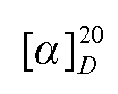
- Example 32: (4R, 6R, 7S)-4,7-dihydroxy-4,5,6,7-tetrahydrobenzo[b]thiophen-4,6-carbolactone (V-2). To a stirred solution of the silylether V-1 (70 mg, 0.16 mmol) in dry THF (2.3 mL), under argon at 0 °C, was added tetrabutylammonium fluoride (0.41 mL, 0.41 mmol, ca 1.0 M en THF). After stirring for 15 min at 0 °C, the ice bath was removed and the reaction mixture was stirred for 1 h. The solvent was concentrated and the obtained residue was disolved in ethyl acetate and water. The aqueous phase was acidified with HCl (10%). The organic phase was separated and the aqueous phase was extracted with ethyl acetate (x2). The combined organic extracts were dried (anh. Na2SO4), filtered and concentrated under reduced pressure to yield V-2 (29 mg, 85%) as a colourless oil.

- Example 33: (4R, 6R, 7S)-4,6,7-trihydroxy-4,5,6,7-tetrahydrobenzo[b]thiophen-4-carboxylic acid (Ic-1). A solution of the lactone V-2 (25 mg, 0.12 mmol) in THF (0.6 mL) and aqueous LiOH (0.6 mL, 0.30 mmol, 0.5M) was stirred at room temperature for 10 min. Water was added and THF was removed under reduced pressure. The resultant aqueous solution was washed with diethyl ether (x2) and the aqueous extract was treated with Amberlite IR-120 until pH 6. The resin was filtered and washed with miliQ water. The filtrate and the washings were lyophilised to afford acid Ic-1 (25 mg, 92%) as beige solid. Mp: 128-131 °C.

- Example 34: (4R, 6R, 7S)-4,7-di(tert-butyldimethylsilyloxy)-2-methyl-4,5,6,7-tetrahydrobenzo[b]thiophen-4,6-carbolactone (V-3). A solution of 2-methylallyl ketone III-3 (0.47 g, 1.03 mmol) in dicloromethane (30 mL) was placed into a gas-washing bottle and cooled down to -78 °C in a dry ice bath. The mixture was then flushed with argon for 5 min, oxygen for 5 min and then with ozone for 12 min. The end of the reaction was indicated by the orange coloration of the aqueous KI (5%), which is located at the exit. Afterwards, the reaction mixture was flushed for 10 min with nitrogen to remove excess ozone. The gas-washing bottle was taken from the cooling bath and the content was slowly warming up to room temperature. The solvent was evaporated under reduced pressure to afford an oil which was used without further purification in the subsequent cyclization reaction. A small amount was purified by flash chromatography eluting with ethyl acetate-hexanes (5:95) and characterized as the ozonide intermediate.

- The obtained residue from the ozonolysis reaction was dissolved in dry toluene (30 mL) and under argon. The resultant solution was treated with Lawesson's reagent (0.33 g, 0.81 mmol) and heated at 90 °C for 3 hours. After cooling to room temperature, the reaction mixture was poured into cool hexane. The obtained precipitate was filtered and washed with more hexane. The filtrate and the washings were treated with activated carbon and filtered. The solvent were concentrated and the obtained residue was purified by flash chromatography over silica gel eluting with diethyl ether-hexanes (10:90) to afford tiophene V-3 (293 mg, 62% from III-3) as a colourless oil.

- Example 35: (4R, 6R, 7S)-4,7-dihydroxy-2-methyl-4,5,6,7-tetrahydrobenzo[b]thiophen-4,6-carbolactone (V-4). The experimental procedure used was the same as for compound V-2 (example 32), but using V-3 using as starting material (175 mg, 0.38 mmol) in 5.5 mL of THF and 1 mL of tetrabutylammonium fluoride. Purification by columm chromatography eluting with diethyl ether-hexanes (70:30). Yield = 61 mg (70%). Colourless oil.

- Example 36: (4R, 6R, 7S)-4,6,7-trihydroxy-2-methyl-4,5,6,7-tetrahydrobenzo[b]thiophen-4-carboxylic acid (Ic-2). The experimental procedure used was the same as for compound Ic-1 (example 33), but using lactone V-4 as starting material (58 mg, 0.26 mmol) in 1.3 mL of THF and 0.64 mL of LiOH (aq.). Yield = 50 mg (79%). Beige solid. Mp: 92-95 °C.

- Example 37: (4R, 6R, 7S)-4,7-di(tert-butyldimethylsilyloxy)-2-iodo-4,5,6,7-tetrahydrobenzo[b]thiophen-4,6-carbolactone (VII). A stirred solution of thiophene V-1 (475 mg, 1.08 mmol) in dry dichloromethane (10 mL) and under argon was treated with glacial acetic acid (0.37 mL, 6.48 mmol) and N-iodosuccinimide (364 mg, 1.62 mmol). The reaction mixture was stirred at room temperature for 24 h. The solvents were removed under reduced pressure and the obtained residue was portioned in diethyl ether and 10% sodium tiosulfate. The aqueous layer was separated and the organic layer was washed with aqueous sodium bicarbonate and brine. The organic extract was dried (anh. Na2SO4), filtered and concentrated to afford iodide VII (569 mg, 93%) as white solid. Mp: 52-55 °C.

- Example 38: (4R, 6R, 7S)-4,7-di(tert-butyldimethylsilyloxy)-2-vinyl-4,5,6,7-tetrahydrobenzo[b]thiophen-4,6-carbolactone (V-5). A Shlenck tube was charged with iodide VII (150 mg, 0.26 mmol), Pd(PPh3)4 (31 mg, 0.03 mmol) and dry dioxane (3 mL). Anhydrous K2CO3 (0.72 mL, 0.79 mmol, 1.1 M) and vinyl-4,4,5,5-tetramethyl-1,3,2-dioxaborolane (61 µL, 0.40 mmol) was then added and the resultant solution was deoxygenated and heated at 100 °C for 2 h. After cooling to room temperature, the reaction mixture was filtered through a plug of Celite and the precipitate was washed with hexane. The filtrate and the washings were concentrated and the obtained residue was purified by columm chromatography over silica gel, previously neutralized with triethylamine-hexanes (5:95), using diethyl ether-hexanes (5:95) as eluent. It was obtained 83 mg oftiophene V-5 (69%) as colourless oil.

- Example 39: (4R, 6R, 7S)-4,7-dihydroxy-2-vinyl-4,5,6,7-tetrahydrobenzo[b]thiophen-4,6-carbolactone (V-6). The experimental procedure used was the same as for compound V-2 (example 32), but using silyl ether V-5 as starting material (50 mg, 0.11 mmol) in 1.5 mL of THF and 0.3 mL of TBAF. Purification by columm chromatography eluting with diethyl ether-hexanes (70:30). Yield = 17 mg (68%). Colourless oil.

- Example 40: (4R, 6R, 7S)-4,6,7-trihydroxy-2-vinyl-4,5,6,7-tetrahydrobenzo[b]thiophen-4-carboxylic acid (Ic-3). The experimental procedure used was the same as for compound Ic-1 (example 33), but using lactone V-6 as starting material (30 mg, 0.13 mmol) in 0.7 mL of THF and 0.3 mL of LiOH (aq.). Yield = 32 mg (99%). Beige solid. 1H NMR (250 MHz, CDCl3) δ 6.81-6.70 (m, 2H), 5.49 (d, 1H, J = 17.5 Hz), 5.46 (d, 1H, J = 10.8 Hz), 4.53 (d, 1H, J = 8.0 Hz), 4.03 (m, 1H), 2.39 (dd, 1H, J = 13.3 and 12.0 Hz) and 2.16 (dd, 1H, J = 13.3 and 3.5 Hz) ppm. 13C NMR (63 MHz, CDCl3) δ 177.4 (C), 144.6 (C), 143.4 (C), 137.8 (C), 131.4 (CH), 125.1 (CH), 113.5 (CH2), 74.1 (CH), 74.0 (C), 71.6 (CH) and 42.7 (CH2) ppm. IR (KBr): 3400 (O-H) and 1718 (C=O) cm-1. MS (ESI) mlz (%) 279 (MNa+). HRMS calcd for C11H12O5SNa (MNa+): 279.0298; found, 279.0290.
- Example 41: (4R, 6R, 7S)-4,7-di(tert-butyldimethylsilyloxy)-2-[(E)-prop-1-enyl)]-4,5,6,7-tetrahydrobenzo[b]thiophen-4,6-carbolactone (V-8). A Shlenck tube was charged with iodide VII (100 mg, 0.18 mmol), Pd(PPh3)4 (20 mg, 0.02 mmol) and dry dioxane (1.8 mL). Anhydrous K2CO3 (0.48 mL, 0.53 mmol, 1.1 M) and (E)-prop-1-enylboronic acid (23 mg, 0.26 mmol) was then added and the resultant solution was deoxygenated and heated at 100 °C for 2 h. After cooling to room temperature, the reaction mixture was filtered through a plug of Celite and the precipitate was washed with hexane. The filtrate and the washings were concentrated and the obtained residue was purified by columm chromatography over silica gel, previously neutralized with triethylamine-hexanes (5:95), using diethyl ether-hexanes (5:95) as eluent. It was obtained 78 mg of tiophene V-8 (92%) as colourless oil.

- Example 42: (4R, 6R, 7S)-4,7-dihydroxy-2-[(E)-prop-1-enyl]-4,5,6,7-tetrahydrobenzo[b]thiophen-4,6-carbolactone (V-8). The experimental procedure used was the same as for compound V-2 (example 32), but using silyl ether V-7 as starting material (85 mg, 0.18 mmol) in 2.5 mL of THF and 0.44 mL of TBAF. Purification by columm chromatography using diethyl ether-hexano (70:30). Yield = 39 mg (87%). Mp: 150-154 °C.

- Example 43: (4R, 6R, 7S)-4, 6, 7-trihydroxy-2-[(E)-prop-1-enyl]-4,5,6,7-tetrahydrobenzo[b]thiophen-4-carboxylic acid (Ic-4). The experimental procedure used was the same as for compound Ic-1 (example 33), but using lactone V-8 as starting material (30 mg, 0.12 mmol) in 0.6 mL of THF and 0.29 mL of LiOH (aq.). Yield = 31 mg (96%). White solid.

- Example 44: (4R, 6R, 7S)-4,7-di(tert-butyldimethylsilyloxy)-2-(2-methyl)vinyl-4,5,6,7-tetrahydrobenzo[b]thiophen-4,6-carbolactone (V-9). A Shlenck tube was charged with iodide VII (150 mg, 0.26 mmol), Pd(PPh3)4 (31 mg, 0.03 mmol) and dry dioxane (2.6 mL). Anhydrous K2CO3 (0.7 mL, 0.79 mmol, 1.1 M) and 4,4,5,5-tetramethyl-2-(2-methyl)vinyl-1,3,2-dioxaborolane (75 µL, 0.40 mmol) was then added and the resultant solution was deoxygenated and heated at 100 °C for 1.5 h. After cooling to room temperature, the reaction mixture was filtered through a plug of Celite and the precipitate was washed with hexane. The filtrate and the washings were concentrated and the obtained residue was purified by columm chromatography over silica gel, previously neutralized with triethylamine-hexanes (5:95), using diethyl ether-hexanes (10:90) as eluent. It was obtained 80 mg oftiophene V-9 (63%) as colourless oil.

- Example 45: (4R, 6R, 7S)-4,7-dihydroxy-2-(2-methyl)vinyl-4,5,6,7-tetrahydrobenzo[b]thiophen-4,6-carbolactone (V-10). The experimental procedure used was the same as for compound V-2 (example 32), but using silyl ether V-9 as starting material (110 mg, 0.23 mmol) in 3.2 mL of THF and 0.5 mL of TBAF. Purification by columm chromatography over silica gel eluting with diethyl ether-hexanes [1) 75:25, 2) 100:0]. Yield = 41 mg (71%). White foam.

- Example 46: (4R, 6R, 7S)-4,6,7-trihydroxy-2-(2-methyl)vinyl-4,5,6,7-tetrahydrobenzo[b]thiophen-4-carboxylic acid (Ic-5). The experimental procedure used was the same as for compound Ic-1 (example 33), but using lactone V-10 as starting material (40 mg, 0.16 mmol) in 1.5 mL of THF and 0.8 mL ofLiOH (aq.). Purification by HPLC using a semipreparative columm Merck ZORBAX ODS (212x25 mm), eluting with (20:80) acetonitrile-water and at a flow of 7 mL min-1. Yield = 42 mg (98%). Beige solid.

- Example 47: (4R, 6R, 7S)-4,7-di(tert-butyldimethylsilyloxy)-2-[(E)-2-cyclopropyl]vinyl-4,5,6,7-tetrahydrobenzo[b]thiophen-4,6-carbolactone (V-11). A Shlenck tube was charged with iodide VII (100 mg, 0.18 mmol), Pd(PPh3)4 (20 mg, 0.02 mmol) and dry dioxane (1.8 mL). Anhydrous K2CO3 (0.5 mL, 0.53 mmol, 1.1 M) and (E)-2-(2-cyclopropyl)vinyl-4,4,5,5-tetramethyl-1,3,2-dioxaborolane (55 µL, 0.26 mmol) was then added and the resultant solution was deoxygenated and heated at 95 °C for 4 h. After cooling to room temperature, the reaction mixture was filtered through a plug of Celite and the precipitate was washed with hexane. The filtrate and the washings were concentrated and the obtained residue was was purified by columm chromatography, previously neutralized with 5% triethylamine-hexanes, eluting with diethyl ether-hexanes (5:95) to yield tiophene IXf (80 mg, 89%) as a light yellow oil.

- Example 48: (4R, 6R, 7S)-2-[(E)-2-cyclopropil]vinyl-4,7-dihydroxy-4,5,6,7-tetrahydrobenzo[b]thiophen-4,6-carbolactone (V-12). The experimental procedure used was the same as for compound V-2 (example 32), but using silyl ether V-11 as starting material (70 mg, 0.14 mmol) in 2 mL of THF and 0.36 mL of TBAF. Purification by columm chromatography over silica gel eluting with diethyl ether-hexanes (70:30). Yield = 35 mg (92%). White solid. Mp: 154-156 °C.

- Example 49: (4R, 6R, 7S)-2-[(E)-2-cyclopropyl]vinyl-4,6,7-trihydroxy-4,5,6,7-tetrahydrobenzo[b]thiophen-4-carboxylic acid (Ic-6). The experimental procedure used was the same as for compound Ic-1 (example 33), but using lactone V-12 as starting material (28 mg, 0.10 mmol) in 0.9 mL of THF and 0.5 mL ofLiOH (aq.). Purification by HPLC using a semipreparative columm Merck ZORBAX ODS (212x25 mm), eluting with (30:70) acetonitrile-water and at a flow of 7 mL min-1. Yield = 29 mg (97%). Mp: 103-105 °C.

- Example 50: (4R, 6R, 7S)-4,7-di(tert-butyldimethylsilyloxy)-2-phenyl-4,5,6,7-tetrahydrobenzo[b]thiophen-4,6-carbolactone (V-13). A Shlenck tube was charged with iodide VII (130 mg, 0.23 mmol), Pd(PPh3)4 (26 mg, 0.02 mmol) and dry dioxane (2.5 mL). Anhydrous K2CO3 (0.63 mL, 0.69 mmol, 1.1 M) and phenylboronic acid (35 mg, 0.28 mmol) was then added and the resultant solution was deoxygenated and heated at 100 °C for 2 h. After cooling to room temperature, the reaction mixture was filtered through a plug of Celite and the precipitate was washed with hexane. The filtrate and the washings were concentrated and the obtained residue was purified by columm chromatography over silica gel, previously neutralized with triethylamine-hexanes (5:95), using diethyl ether-hexanes (5:95) as eluent. It was obtained 89 mg (75%) of thiophene V-13 as white foam. Mp: 58-61 °C.

- Example 51: (4R, 6R, 7S)-4,6,7-trihydroxy-2-phenyl-4,5,6,7-tetrahydrobenzo[b]thiophen-4-carboxylic acid (Ic-7). To a stirred solution of the silyl ether V-13 (81 mg, 0.16 mmol) in dry THF (2.2 mL), under argon at 0 °C, was added tetrabutylammonium fluoride (0.41 mL, 0.41 mmol, ca 1.0 M en THF). After stirring for 15 min at 0 °C the ice bath was removed and the reaction mixture was stirred for 1 h. The solvent was concentrated and the obtained residue was disolved in ethyl acetate and water. The mixture was acidified with dilute HCl until pH 1. The organic layer was separated and the aqueous phase was extracted with ethyl acetate (x2). The combined organic extracts were dried (anh. Na2SO4), filtered and concentrated under reduced pressure. The obtained residue was purified by flash chromatography over silica gel eluting with diethyl ether-hexanes (70:30) to yield (4R, 6R, 7S)-4,7-dihydroxy-2-phenyl-4,5,6,7-tetrahydrobenzo[b]thiophen-4,6-carbolactone (V-14, 40 mg, 89%) as an colourless oil. Carbolactone V-14 (40 mg, 0.14 mmol) was hydrolized as for compound Ic-1 using 0.55 mL of LiOH (aq.) and 0.7 mL of THF. Yield = 38 mg (89%). White solid. Mp: 168-173 °C.

- Example 52: (4R, 6R, 7S)-4,7-di(tert-butyldimethylsilyloxy)-2-(2-cyclopropyl)ethyl-4,5,6,7-tetrahydrobenzo[b]thiophen-4,6-carbolactone (V-15). A suspension of thiophene V-11 (78 mg, 0.15 mmol) and 10% palladium-on-carbon (16 mg) in methanol (1.5 mL) was stirred under hydrogen atmosphere at room temperature for 48 h. The mixture was filtered over Celite and the residue was washed with methanol. The filtrate and washings were evaporated to yield thiophene V-15 (75 mg, 96%) as a colourless oil.

- Example 53: (4R, 6R, 7S)-2-(2-cyclopropyl)ethyl-4,7-dihydroxy-4,5,6,7-tetrahydrobenzo[b]thiophen-4,6-carbolactone (V-16). The experimental procedure used was the same as for compound V-2 (example 32), but using silyl ether V-15 as starting material (38 mg, 0.075 mmol) in 1.1 mL of THF and 0.19 mL of TBAF. Purification by columm chromatography using diethyl ether-hexanes (70:30) as eluent. Yield = 16.2 mg (77%).

- Example 54: (4R, 6R, 7S)-2-(2-cyclopropyl)ethyl-4,6,7-trihydroxy-4,5,6,7-tetrahydrobenzo[b]thiophen-4-carboxylic acid (Ic-8). The experimental procedure used was the same as for compound Ic-1 (example 33), but using lactone V-16 as starting material (16 mg, 0.057 mmol) in 1 mL of THF and 0.17 mL of LiOH (aq.). Yield = 10.4 mg (61%).
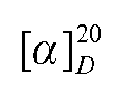
- Example 55: (4R, 6R, 7R)-1-benzyl-4,7-di(tert-butyldimethylsilyloxy)-4,5,6,7-tetrahydro-1H-indol-4,6-carbolactone (V-17). A solution of the obtained residue (100 mg) by ozonolysis of allyl derivative III-1 in acetic acid (1 mL), was treated with benzylamine (27 µL, 0.25 mmol) and was stirred at room temperature for 30 min. The reaction mixture was diluted with diethyl ether and sodium bicarbonate (sat.). The organic layer was separated and the aqueous phase was extracted with diethyl ether (2x). All the combined organic extracts were dried (anh. Na2SO4), filtered and concentrated under reduced pressure. The obtained residue was purified by columm chromatography eluting with diethyl ether-hexanes (10:90) to give indol V-17 (64 mg, 55%) as colourless oil.

- Example 57: (4R, 6R, 7R)-1-benzyl-4,7-dihydroxy-4,5,6,7-tetrahydro-1H-indol-4,6-carbolactone (V-18). The experimental procedure used was the same as for compound V-2 (example 32), but using silyl ether V-17 as starting material (80 mg, 0.16 mmol) in 1.5 mL of THF and 0.41 mL of TBAF. Purification by columm chromatography using ethyl acetate-hexanes (60:40) as eluent. Yield = 40 mg (91%).

- Example 58: (4R, 6R, 7S)-4,6,7-trihydroxy-2-isopropyl-4,5,6,7-tetrahydrobenzo[b]thiophen-4-carboxylic acid (Ic-8). A suspension of thiophene Ic-5 (20 mg, 0.074 mmol) and 10% palladium-on-carbon (4 mg) in methanol (0.7 mL) was stirred under hydrogen atmosphere at room temperature for 48 h. The mixture was filtered over Celite and the residue was washed with methanol. The filtrate and washings were concentrated under reduced pressure. The obtainded residue was purified by HPLC using a semipreparative columm Merck ZORBAX ODS (212x25 mm), eluting with (20:80) acetonitrile-water and at a flow of 7 mL min-1 to afford thiophene Ic-8 (15 mg, 74%) as a white solid.
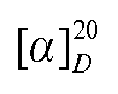
- Example 59: (4R, 6R, 7S)-2-ethyl-4,6,7-trihydroxy-4,5,6,7-tetrahydrobenzo[b]thiophen-4-carboxylic acid (Ic-9). The experimental procedure used was the same as for compound Ic-8 using vinyl thiophene Ic-3 (18 mg, 0.070 mmol) and 10% palladium-on-carbon (4 mg) in metanol (0.7 mL). Yield = 13.9 mg (77%).

- Example 60: Ethyl (1R, 4S, 5R)-2-allyl-3-(benzo[b]thiophen-2-yl)methoxy-1,4,5-trihydroxycyclohex-2-en-1-carboxylate (Ib-9). A solution of lactone IV-10 (16 mg, 0.04 mmol) and sodium ethoxide (4 mg, 0.06 mmol) in ethanol (0.4 mL) was stirred at room temperature for 1 hora. Ethyl acetate and water was then added. The organic layer was separated and the aqueous phase was extracted with ethyl acetate (x2). All the combined organic extracts were dried (anh. MgSO4), filtered and concentrated under reduced pressure. The obtained residue was purified by flash chromatography over silica gel eluting with ethyl acetate-hexanes (50:50). 9 mg (50%) of esther Ib-9 were obtained as white solid. 1H NMR (400 MHz, CDCl3) δ 7.78 (dd, 1H, J = 6.8 and 1.6 Hz), 7.70 (dd, 1H, J = 7.6 and 1.6 Hz), 7.32 (m, 2H), 7.23 (s, 1H), 5.72-5.62 (m, 1H), 5.27 (dd, 1H, J = 12.4 and 0.8 Hz), 5.11 (d, 1H, J = 12.4 Hz), 4.98 (dd, 1H, J = 17.2 and 2.0 Hz), 4.89 (dd, 1H, J = 10.0 and 1.6 Hz), 4.28 (d, 1H, J = 7.2 Hz), 4.17-4.00 (m, 3H), 3.79 (br s, 1H), 2.91 (dd, 1H, J = 14.8 and 6.8 Hz), 2.65 (ddd, 1H, J = 14.8, 6.4 and 1.2 Hz), 2.08 (dd, 1H, J = 13.2 and 11.6 Hz), 2.00 (dd, 1H, J = 13.2 and 4.0 Hz) and 1.12 (t, 3H, J = 6.8 Hz) ppm. 13C NMR (100 MHz, CDCl3) δ 175.1 (C), 150.6 (C), 140.3 (C), 140.2 (C), 139.2 (C), 136.3 (CH), 124.5 (CH), 124.3 (CH), 123.7 (CH), 123.5 (CH), 122.3 (CH), 120.5 (C), 115.5 (CH2), 75.4 (C), 72.0 (CH), 70.4 (CH), 67.0 (CH2), 62.4 (CH2), 39.6 (CH2), 31.2 (CH2) and 13.8 (CH3) ppm.
- Example 61: Effect of compounds of formula I of the invention on the catalytic activity of the type II dehydroquinase from various sources. The inhibitory potency of compounds I of the invention against type II dehydroquinases from Mycobacterium tuberculosis, Streptomyces coelicolor and Helicobacter pylori were assayed as it is described in the following articles: 1) Sánchez-Sixto, C.; Prazeres, V. F. V.; Castedo, L.; Lamb, H.; Hawkins, A. R.; González-Bello, C. J. Med. Chem. 2005, 48, 4871; 2) Prazeres, V. F. V.; Sánchez-Sixto, C.; Castedo, L.; Lamb, H.; Hawkins, A. R.; Riboldi-Tunnicliffe; Coggins, J. R.; Lapthorn, A. J.; González-Bello, C. ChemMedChem 2007, 2, 194; and 3) Sánchez-Sixto, C.; Prazeres, V. F. V.; Castedo, L.; S. W. Suh, Lamb, H.; Hawkins, A. R.; Cañada, F. J.; Jiménez-Barbero, J.; González-Bello, C. ChemMedChem 2008, 3, 756. The inhibition data (Ki ) are summarized in Table 1.
Table 1. Inhibition constants Ki (µM) of compounds I against type II dehydroquinases from Mycobacterium tuberculosis, Helicobacter pylori and Streptomyces coelicolor.a Compound M. tuberculosis H. pylori S. coelicolor 
(2R)-Ia-1 0.76 9.4 10.2 
(2S)-Ia-1 1.85 21.5 6.7 
(2R)-Ia-2 1.70 20 76 
(2R)-Ia-3 0.10 1.40 1.55 
(2S)-Ia-3 0.09 1.18 1.05 
(2R)-Ia-4 0.089 0.25 0.022 
(2S)-Ia-4 0.09 0.97 0.15 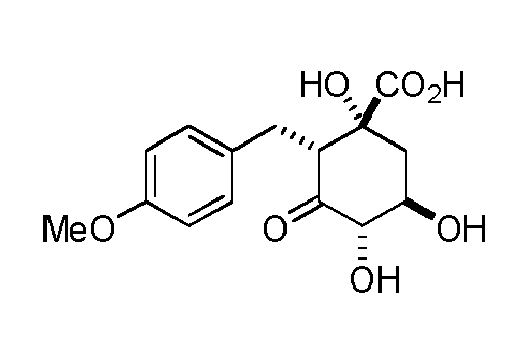
(2R)-Ia-5 0.025 0.17 0.034 
(2S)-Ia-5 0.10 1.40 0.34 
(2R)-Ia-6 0.047 2.6 0.242 
(2S)-Ia-6 0.074 0.97 0.0065 
(2R)-Ia-7 0.029 0.16 0.004 
(2S)-Ia-7 0.055 0.90 0.038 
Ib-1 0.0032 0.16 0.00048 
Ib-2 0.00425 0.14 0.0028 
Ib-3 0.040 0.097 0.0024 
Ib-4 0.19 0.07 0.013 
Ib-5 1.24 1.10 0.015 
Ic-1 3.0 34 9.7 
Ic-2 0.40 1.60 3.15 
Ic-3 0.052 1.25 0.81 
Ic-4 0.097 0.35 0.093 
Ic-5 0.86 38 1.88 
Ic-6 0.11 1.08 0.0003 
Ic-7 0.097 >150 0.085 
Ic-8 0.090 0.60 0.00085 
Ic-9 0.185 3.4 0.80 a Assay conditions: pH = 7.0, 25 °C, 50 mM Tris.HCl (H. pylori and S. coelicolor) or 50 mM Tris.HOAc (M. tuberculosis). - As shown in Table 1, the present invention provides inhibitors with inhibition constants as low as 3.2 nanomolar (Ib-1) or 25 nanomolar ((2R)-Ia-5) against Mycobacterium tuberculosis, the bacteria which causes tuberculosis. This represents 1600 times more affinity with respect of the natural substrate (Km = 40 µM), and 8000 times more effective than 2,3-dehydroquinic acid (Ki = 200 µM). In the case of H. pylori affinities are as good as 70 nM (Ib-4). This represents about 6300 times more affinity with respect of the natural substrate (Km = 444 µM), and 4850 times more effective than the 2,3-dehydroquinic acid (Ki = 340 µM). In the case of S. coelicolor affinities are as good as 0.3 nanomolar (Ic-6) or 0.85 nanomolar (Ic-8).
Claims (15)
- A compound of formula I, its diastereoisomers, its enantiomers or its pharmaceutically acceptable salts or solvates
 A represents a single or double bond;X is selected from the group consisting of -(C=O)ORa and -(C=O)NRbRc, wherein each of Ra, Rb and Rc is independently selected from the group consisting of hydrogen, substituted or unsubstituted alkyl, substituted or unsubstituted alkenyl, substituted or unsubstituted alkynyl, substituted or unsubstituted aryl, substituted or unsubstituted heterocyclyl, substituted or unsubstituted arylalkyl and substituted or unsubstituted heterocyclylalkyl; or Rb and Rc together form a 5 or 6 membered heterocyclyc ring together with the nitrogen atom to which they are attached;each P1, P2 and P3 is independently selected from the group consisting of hydrogen, substituted or unsubstituted alkyl, substituted or unsubstituted alkenyl, substituted or unsubstituted alkynyl, substituted or unsubstituted silyl, substituted or unsubstituted arylalkyl and -(C=O)Ra, wherein Ra is as defined above; and whereinif A is a double bond,
then R2 is selected from the group consisting of -ORa, -SRa and - NRbRc, wherein Ra, Rb and Rc are as defined above; and R1 is hydrogen or R1a, wherein R1a is selected from the group consisting of substituted or unsubstituted alkyl, substituted or unsubstituted alkenyl, substituted or unsubstituted alkynyl, substituted or unsubstituted aryl, substituted or unsubstituted heterocyclyl, substituted or unsubstituted arylalkyl and substituted or unsubstituted heterocyclylalkyl, or R1 and R2 together form a 5-membered ring; andif A is a single bond,
then R2 is =O, =S or =NRb, wherein kb is as defined above; and R1 is R1a, wherein R1a is a defined above. - A compound of formula Ic according to claim 1, its diastereoisomers, its enantiomers or its pharmaceutically acceptable salts or solvates

X, P1, P2 and P3 are as defined in claim 1;
Z is selected from the group consisting of O, S, NRb and ⊕ NRbRc, wherein Rb and Rc are asdefined in claim 1; and
R is selected from the group consisting of a hydrogen, halogen, substituted or unsubstituted alkyl, substituted or unsubstituted alkenyl, substituted or unsubstituted alkynyl, substituted or unsubstituted aryl, substituted or unsubstituted heterocyclyl, substituted or unsubstituted aryalkyl and substituted or unsubstituted heterocyclylalkyl;
or
a compound of formula Ia, its diastereoisomers, its enantiomers or its pharmaceutically acceptable salts or solvates
- A compound of formula Ib according to claim 1, its diastereoisomers, its enantiomers or its pharmaceutically acceptable salts or solvates

X, P1, P2, P3 and R1 are as defined in claim 1; and
R2 is selected from the group consisting of -ORa, -SRa and -NRbRc, wherein Ra,
Rb and Rc are as defined in claim 1. - A compound of formula I according to claim 1, selected from the group consisting of:[1] (2R)-2-allyl-3-dehydroquinic acid,[2] (2S)-2-allyl-3-dehydroquinic acid,[3] (2R)-2-propyl-3-dehydroquinic acid,[4] (2R)-2-benzyl-3-dehydroquinic acid,[5] (2S)-2-benzyl-3-dehydroquinic acid,[6] (2R)-2-(4-methyl)benzyl-3-dehydroquinic acid,[7] (2S)-2-(4-methyl)benzyl-3-dehydroquinic acid,[8] (2R)-2-(4-methoxy)benzyl-3-dehydroquinic acid,[9] (2S)-2-(4-methoxy)benzyl-3-dehydroquinic acid,[10] (2R)-2-perfluorobenzyl-3-dehydroquinic acid,[11] (2S)-2-perfluorobenzyl-3-dehydroquinic acid,[12] (2R)-2-(benzo[b]thiophen-5-yl)methyl-3-dehydroquinic acid,[13] (2S)-2-(benzo[b]thiophen-5-yl)methyl-3-dehydroquinic acid,[14] Sodium (1R, 4S, 5R)-3-(benzo[b]thiophen-2-yl)methoxy-1,4,5-trihydroxycyclohex-2-en-1-carboxylate,[15] Sodium (1R, 4S, 5R)-3-(benzo[b]thiophen-2-yl)methoxy-2-(benzo[b]thiophen-2-yl)methyl-1,4,5-trihydroxycyclohex-2-en-1-carboxylate,[16] Sodium (1R, 4S, SR)-1,4,5-trihydroxy-3-(5-methylbenzo[b]thiophen-2-yl)methoxycyclohex-2-en-1-carboxylate,[17] Sodium (1R, 4S, 5R)-1,4,5-trihydroxy-3-(5-methylbenzo[b]thiophen-2-yl)methoxy-2-(5-methylbenzo[b]thiophen-2-yl)methylcyclohex-2-en-1-carboxylate,[18] Sodium (1R, 4S, 5R)-1,4,5-trihydroxy-3-(5-methylbenzo[b]thiophen-2-yl)methoxy-2-(5-methylbenzo [b]thiophen-2-yl)methylcyclohex-2-en-1-carboxylate,[19] Sodium (1R, 4S, 5R)-2-allyl-3-(benzo[b]thiophen-2-yl)methoxy-1,4,5-trihydroxycylohex-2-en-1-carboxylate,[20] (4R, 6R, 7S)-4,6,7-trihydroxy-4,5,6,7-tetrahydrobenzo[b]thiophen-4-carboxylic acid,[21] (4R, 6R, 7S)-4,6,7-trihydroxy-2-methyl-4,5,6,7-tetrahydrobenzo[b]thiophen-4-carboxylic acid,[22] (4R, 6R, 7S)-4,6,7-trihydroxy-2-vinyl-4,5,6,7-tetrahydrobenzo[b]thiophen-4-carboxylic acid,[23] (4R, 6R, 7S)-4,6,7-trihydroxy-2-[(E)-prop-1-enyl]-4,5,6,7-tetrahydrobenzo[b]thiophen-4-carboxylic acid,[24] (4R, 6R, 7S)-4,6,7-trihydroxy-2-(1-methyl)vinyl-4,5,6,7-tetrahydrobenzo[b]thiophen-4-carboxylic acid,[25] (4R, 6R, 7S)-2-[(E)-2-cyclopropyl]vinyl-4,6,7-trihydroxy-4,5,6,7-tetrahydrobenzo[b]thiophen-4-carboxylic acid,[26] (4R, 6R, 7S)-4,6,7-trihydroxy-2-phenyl-4,5,6,7-tetrahydrobenzo[b]thiophen-4-carboxylic acid,[27] (4R, 6R, 7S)-2-(2-cyclopropyl)ethyl-4,6,7-trihydroxy-4,5,6,7-tetrahydrobenzo[b]thiophen-4-carboxylic acid,[28] (4R, 6R, 7S)-4,6,7-trihydroxy-2-isopropyl-4,5,6,7-tetrahydrobenzo[b]thiophen-4-carboxylic acid,[29] (4R, 6R, 7S)-2-ethyl-4,6,7-trihydroxy-4,5,6,7-tetrahydrobenzo[b]thiophen-4-carboxylic acid,[30] Ethyl (1R, 4S, 5R)-2-allyl-3-(benzo[b]thiophen-2-yl)methoxy-1,4,5-trihydroxycyclohex-2-en-1-carboxylate,or its enantiomers or its pharmaceutically acceptable salts or solvates.
- Process for the preparation of compounds of formula Ia as defined in claim 2, comprising the ring opening of a lactone of formula III in acidic medium,

- Process for the preparation of a compound of formula Ib as defined in claim 3, comprising the ring opening of a lactone of formula IV in acidic or basic medium

- Process according to claim 6, wherein the compound of formula IV is prepared by a process comprising an O-, S- or N-alkylation of a compound of formula III or of a compound of formula II, or a dialkylation of a compound of formula II, wherein P1, P3, R1 and R2 are as defined in claim 6, and W and R1a is as defined in claim 5

- Process for the preparation of a compound of formula Ic, as defined in claim 2, comprising the ring opening of a lactone of formula V in acidic or basic medium,


- A compound of formula III, its diastereoisomers, its enantiomers or its pharmaceutically acceptable salts or solvates

- A compound of formula IV, its diastereoisomers, its enantiomers or its pharmaceutically acceptable salts or solvates

- A compound of formula V, its diastereoisomers, its enantiomers or its pharmaceutically acceptable salts or solvates

- A pharmaceutical composition comprising a compound of formula I as defined in any of claims 1 to 4 and a pharmaceutically acceptable carier.
- A compound of formula I as defined in anyone of claims 1 to 4, for use as a medicament.
- A compound of formula I as defined in anyone of claims 1 to 4, for use as an antibiotic and/or antimicrobial.
- Compound according to claim 14 for use in the treatment or prophylaxis of a disease selected from the group consisting of tuberculosis, stomach cancer, gastritis, stomach ulcers, and duodenal ulcers heartburn.
Priority Applications (4)
| Application Number | Priority Date | Filing Date | Title |
|---|---|---|---|
| EP08382085A EP2202230A1 (en) | 2008-12-23 | 2008-12-23 | Competitive inhibitors of type ii dehydroquinase enzyme |
| US13/141,614 US20110313032A1 (en) | 2008-12-23 | 2009-12-23 | Competitive inhibitors of type ii dehydroquinase enzyme |
| EP09796010A EP2382200A1 (en) | 2008-12-23 | 2009-12-23 | Competitive inhibitors of type ii dehydroquinase enzyme |
| PCT/EP2009/067858 WO2010072813A1 (en) | 2008-12-23 | 2009-12-23 | Competitive inhibitors of type ii dehydroquinase enzyme |
Applications Claiming Priority (1)
| Application Number | Priority Date | Filing Date | Title |
|---|---|---|---|
| EP08382085A EP2202230A1 (en) | 2008-12-23 | 2008-12-23 | Competitive inhibitors of type ii dehydroquinase enzyme |
Publications (1)
| Publication Number | Publication Date |
|---|---|
| EP2202230A1 true EP2202230A1 (en) | 2010-06-30 |
Family
ID=40591493
Family Applications (1)
| Application Number | Title | Priority Date | Filing Date |
|---|---|---|---|
| EP08382085A Withdrawn EP2202230A1 (en) | 2008-12-23 | 2008-12-23 | Competitive inhibitors of type ii dehydroquinase enzyme |
Country Status (1)
| Country | Link |
|---|---|
| EP (1) | EP2202230A1 (en) |
Citations (1)
| Publication number | Priority date | Publication date | Assignee | Title |
|---|---|---|---|---|
| WO2005009330A2 (en) | 2003-07-21 | 2005-02-03 | Universidade De Santiago De Compostela | Method of obtaining inhibitors of type ii dehydroquinase enzyme and precursors thereof |
-
2008
- 2008-12-23 EP EP08382085A patent/EP2202230A1/en not_active Withdrawn
Patent Citations (2)
| Publication number | Priority date | Publication date | Assignee | Title |
|---|---|---|---|---|
| WO2005009330A2 (en) | 2003-07-21 | 2005-02-03 | Universidade De Santiago De Compostela | Method of obtaining inhibitors of type ii dehydroquinase enzyme and precursors thereof |
| EP1647544A2 (en) * | 2003-07-21 | 2006-04-19 | Universidade De Santiago De Compostela | Method of obtaining inhibitors of type ii dehydroquinase enzyme and precursors thereof |
Non-Patent Citations (38)
| Title |
|---|
| "COMPREHENSIVE HETEROCYCLIC CHEMISTRY II", vol. 2, PERGAMON |
| "Pyrroles and their Benzo Derivatives: Synthesis", pages: 119 - 206 |
| ARMIN DE MEIJERE; FRANÇOIS DIEDERICH: "Metal-catalyzed cross-coupling reactions", WILEY-VCH |
| ARMIN DE MEIJERE; FRANÇOIS DIEDERICH: "Metal-catalyzed cross-coupling reactions", WILEY-VCH, pages: 1 - 31 |
| ARMIN DE MEIJERE; FRANQOIS DIEDERICH: "Metal-catalyzed cross-coupling reactions", WILEY-VCH, pages: 1 - 31 |
| BALTAS, MICHEL ET AL: "Addition of amines to methyl 3-dehydroquinate and 3-dehydroshikimate", BIOORGANIC & MEDICINAL CHEMISTRY LETTERS, vol. 3, no. 7, 1993, pages 1447 - 1452, XP002527334, ISSN: 0960-894X * |
| BARTLETT, PAUL A. ET AL: "Divergence between the enzyme-catalyzed and noncatalyzed synthesis of 3-dehydroquinate", JOURNAL OF ORGANIC CHEMISTRY, vol. 59, no. 8, 1994, pages 2082 - 2085, XP002527335, ISSN: 0022-3263 * |
| CAREY, F. A.; SUNDBERG, R. J.: "Advanced Organic Chemistry. Part B: Reaction and Synthesis", pages: 1 - 41 |
| GONZALEZ-BELLO, C. ET AL., CHEMMEDCHEM, vol. 2, 2007, pages 194 - 207 |
| GONZALEZ-BELLO, C. ET AL., CHEMMEDCHEM, vol. 3, 2008, pages 756 - 770 |
| GONZALEZ-BELLO, C. ET AL., MEDICINAL RESEARCH REVIEWS, vol. 27, no. 2, 2007, pages 177 - 208 |
| GONZALEZ-BELLO, C. ET AL., ORG. BIOMOL. CHEM., vol. 1, 2003, pages 2075 - 2083 |
| GOURLEY, D. G. ET AL., J. MOL. BIOL., vol. 241, 1994, pages 488 |
| GREENE, T. W.; WUTS, P. G. M.: "Protective Groups in Organic Synthesis", 1999, WILEY-INTERSCIENCE |
| GREENE, T. W.; WUTS, P. G. M: "Protective Groups in Organic Synthesis", 1999, WILEY-INTERSCIENCE |
| HANESSIAN, S. ET AL.: "Total Synthesis of (-)-Reserpine Using the Chiron Approach J.", ORG. CHEM., vol. 62, 1997, pages 465 |
| HASLAM, E.: "The shikimate pathway", 1974, WILEY |
| HASLAM, EDWIN ET AL: "Shikimate pathway. I. Preparation of stereospecifically labeled 2-deuterio derivatives of 3-dehydroquinic acid", JOURNAL OF THE CHEMICAL SOCIETY, SECTION C: ORGANIC, 1971, pages 1489 - 1495, XP008106187, ISSN: 0022-4952 * |
| HAWKINS, A. R., CURR. GENET., vol. 11, 1987, pages 491 |
| J. NAKAYAMA, SYNTHESIS, pages 607 - 678 |
| KLEANTHOUS, C. ET AL., BIOCHEM. J., vol. 282, 1992, pages 687 |
| KRAUS, G. A. ET AL., TETRAHEDRON LETTERS, vol. 34, no. 11, 1993, pages 1741 - 4 |
| KRELL, T.; PITT, A. R.; COGGINS, J. R., FEBS LETT., vol. 360, 1995, pages 93 |
| MARCH, J.: "Advanced Organic Chemistry; Reactions Mechanism and Structure", WILEY-INTERSCIENCE, pages: 365 - 368 |
| MARCH, J.: "Advanced Organic Chemistry; Reactions Mechanism and Structure", WILEY-INTERSCIENCE, pages: 464 - 473 |
| MARCH, J.: "Advanced Organic Chemistry; Reactions Mechanism and Structure", WILEY-INTERSCIENCE, pages: 750 |
| MARCH, J.: "Advanced Organic Chemistry; Reactions Mechanism and Structure", WILEY-INTERSCIENCE, pages: 893 - 895 |
| MARCH, J.: "Advanced Organic Chemistry; Reactions Mechanism and Structure", WILEY-INTERSCIENCE, pages: 896 - 898 |
| MURRAY, L. M.; O'BRIEN, P.; TAYLOR, R. J. K, ORGANIC LETTERS, vol. 5, no. 11, 2003, pages 1943 - 1946 |
| PRAZERES, V. F. V. ET AL., CHEMMEDCHEM, vol. 2, 2007 |
| ROBERTS, C. W., J. INFECT. DIS., vol. 185, no. 1, 2002, pages 25 |
| ROBERTS, F., NATURE, vol. 393, 1998, pages 801 |
| SANCHEZ-SIXTO C ET AL: "Structure-based design, synthesis, and biological evaluation of inhibitors of Mycobacterium tuberculosis type II dehydroquinase", JOURNAL OF MEDICINAL CHEMISTRY 20050728 US, vol. 48, no. 15, 28 July 2005 (2005-07-28), pages 4871 - 4881, XP002527352, ISSN: 0022-2623 * |
| SÁNCHEZ-SIXTO, C. ET AL., CHEMMEDCHEM, vol. 3, 2008, pages 756 |
| SANCHEZ-SIXTO, C. ET AL., J. MED. CHEM., vol. 48, 2005, pages 4871 |
| SÁNCHEZ-SIXTO, C. ET AL., J. MED. CHEM., vol. 48, 2005, pages 4871 |
| SANKAWA U: "Comprehensive Natural Products Chemistry", 1998, PERGAMON, ELSEVIER SCIENCE LTD., pages: 573 |
| TOSCANO, MIGUEL D. ET AL: "Nanomolar inhibition of type II dehydroquinase based on the enolate reaction mechanism", CHEMMEDCHEM, vol. 2, no. 1, 2007, pages 101 - 112, XP002527333, ISSN: 1860-7179 * |
Similar Documents
| Publication | Publication Date | Title |
|---|---|---|
| CN109843872B (en) | Polycyclic compounds as IDO inhibitors and/or IDO-HDAC dual inhibitors | |
| AU2017294231B2 (en) | Aromatic acetylene or aromatic ethylene compound, intermediate, preparation method, pharmaceutical composition and use thereof | |
| RS55555B1 (en) | PROCEDURES FOR PREPARING SGLT2 INHIBITOR | |
| CN115772159A (en) | KIF18A inhibitors | |
| EP2436669A2 (en) | Novel preparation of anticancer-active tricyclic compounds via alkyne coupling reaction | |
| IL179257A (en) | Cyclopenta[b]benzofuran derivatives and the utilization thereof | |
| EP4043457A1 (en) | Aromatic heterocyclic compound having tricyclic structure, and preparation method therefor and application thereof | |
| CN102212067B (en) | Garcinia derivative, method for preparing same and pharmaceutical application thereof | |
| WO2016138882A1 (en) | Seven-element-ring berberine analogue, pharmaceutical composition thereof, preparation method and usage | |
| US4243668A (en) | Octahydro-1H-benzo[4,5]furo[3,2-e]-isoquinoline analgesic and narcotic antagonistic compounds | |
| AU2004312284B2 (en) | Non-nucleotide reverse transcriptase inhibitors | |
| JP7840959B2 (en) | Cyclopentenone derivatives and their use as antibiotics | |
| US20110313032A1 (en) | Competitive inhibitors of type ii dehydroquinase enzyme | |
| WO2000075127A1 (en) | Tricyclic fused heterocycle compounds, process for preparing the same and use thereof | |
| WO2017202295A1 (en) | Salinomycin oxime ether derivative, preparation method therefor, and antitumor use thereof | |
| JPH08506817A (en) | Spiro (2H-1-benzopyran-2,4'-piperidine) class III antiarrhythmic drug | |
| Tan et al. | A simple BF3• Et2O-mediated cycloaddition reaction to the formation of cyclic monoterpenoid pyrano [3, 2-a] carbazole alkaloids | |
| WO2017132912A1 (en) | Alkylamine with benzoalicyclic substituent and application thereof | |
| DE69706321T2 (en) | cephem | |
| KR102620959B1 (en) | Novel indenone derivatives and their use | |
| US4260761A (en) | Intermediates for the preparation of octahydro-1H-benzo[4,5]furo[3,2,-e]-isoquinoline analgesic and narcotic antagonistic compounds | |
| KR100386226B1 (en) | Process for Preparing 2-Phenyl-3-Aminopyridine, Substituted Phenyl Derivatives Thereof, and Salts Thereof | |
| CN1926108B (en) | Non-Nucleotide Reverse Transcriptase Inhibitors | |
| EP2266947A1 (en) | Ester derivatives as competitive inhibitors of type II dehydroquinase enzyme | |
| KR0150742B1 (en) | Novel quinoline carboxylic acid derivatives and preparation method thereof |
Legal Events
| Date | Code | Title | Description |
|---|---|---|---|
| PUAI | Public reference made under article 153(3) epc to a published international application that has entered the european phase |
Free format text: ORIGINAL CODE: 0009012 |
|
| AK | Designated contracting states |
Kind code of ref document: A1 Designated state(s): AT BE BG CH CY CZ DE DK EE ES FI FR GB GR HR HU IE IS IT LI LT LU LV MC MT NL NO PL PT RO SE SI SK TR |
|
| AX | Request for extension of the european patent |
Extension state: AL BA MK RS |
|
| 17P | Request for examination filed |
Effective date: 20101230 |
|
| AKX | Designation fees paid |
Designated state(s): AT BE BG CH CY CZ DE DK EE ES FI FR GB GR HR HU IE IS IT LI LT LU LV MC MT NL NO PL PT RO SE SI SK TR |
|
| AXX | Extension fees paid |
Extension state: RS Payment date: 20101230 Extension state: MK Payment date: 20101230 Extension state: BA Payment date: 20101230 Extension state: AL Payment date: 20101230 |
|
| STAA | Information on the status of an ep patent application or granted ep patent |
Free format text: STATUS: THE APPLICATION IS DEEMED TO BE WITHDRAWN |
|
| 18D | Application deemed to be withdrawn |
Effective date: 20101231 |