EP2189449A1 - Aminopyrazole amide derivative - Google Patents
Aminopyrazole amide derivative Download PDFInfo
- Publication number
- EP2189449A1 EP2189449A1 EP08826977A EP08826977A EP2189449A1 EP 2189449 A1 EP2189449 A1 EP 2189449A1 EP 08826977 A EP08826977 A EP 08826977A EP 08826977 A EP08826977 A EP 08826977A EP 2189449 A1 EP2189449 A1 EP 2189449A1
- Authority
- EP
- European Patent Office
- Prior art keywords
- optionally substituted
- compound
- pharmaceutically acceptable
- acceptable salt
- alkyl
- Prior art date
- Legal status (The legal status is an assumption and is not a legal conclusion. Google has not performed a legal analysis and makes no representation as to the accuracy of the status listed.)
- Withdrawn
Links
- 0 CC1C2=CC(*)(C3)CC1CC3C2 Chemical compound CC1C2=CC(*)(C3)CC1CC3C2 0.000 description 21
- LYHALKPDXBYGLK-UHFFFAOYSA-N CC(NCc1cc(Cl)ccc1)=O Chemical compound CC(NCc1cc(Cl)ccc1)=O LYHALKPDXBYGLK-UHFFFAOYSA-N 0.000 description 3
- XDZRBPCZRHRSAE-UHFFFAOYSA-N CC(Nc(cc(cc1)F)c1F)=O Chemical compound CC(Nc(cc(cc1)F)c1F)=O XDZRBPCZRHRSAE-UHFFFAOYSA-N 0.000 description 3
- NAUKVLRFGMDIAN-UHFFFAOYSA-N CC(c1cnc(C(F)(F)F)cc1)=O Chemical compound CC(c1cnc(C(F)(F)F)cc1)=O NAUKVLRFGMDIAN-UHFFFAOYSA-N 0.000 description 3
- XSOMETQWJVCDNN-UHFFFAOYSA-N CS(Cc(cc1)ccc1F)(=O)=O Chemical compound CS(Cc(cc1)ccc1F)(=O)=O XSOMETQWJVCDNN-UHFFFAOYSA-N 0.000 description 3
- NXARIPVZOXXAAG-UHFFFAOYSA-N CS(c1ccccc1Cl)(=O)=O Chemical compound CS(c1ccccc1Cl)(=O)=O NXARIPVZOXXAAG-UHFFFAOYSA-N 0.000 description 3
- HALCBPJUGWBVBU-UHFFFAOYSA-N Cc1ccc(C(F)(F)F)nc1 Chemical compound Cc1ccc(C(F)(F)F)nc1 HALCBPJUGWBVBU-UHFFFAOYSA-N 0.000 description 3
- SBWJLHPCEHEABR-UHFFFAOYSA-N Cc1nccc(C#N)c1 Chemical compound Cc1nccc(C#N)c1 SBWJLHPCEHEABR-UHFFFAOYSA-N 0.000 description 3
- UMRZSTCPUPJPOJ-UHFFFAOYSA-N C(C1)C2CC1CC2 Chemical compound C(C1)C2CC1CC2 UMRZSTCPUPJPOJ-UHFFFAOYSA-N 0.000 description 2
- UWCPYXSRCQVABG-UHFFFAOYSA-N CC(Cc1cccc(F)c1)=O Chemical compound CC(Cc1cccc(F)c1)=O UWCPYXSRCQVABG-UHFFFAOYSA-N 0.000 description 2
- VSKJCTSEACBXRC-UHFFFAOYSA-N CC(NCc1ccc(C)cc1)=O Chemical compound CC(NCc1ccc(C)cc1)=O VSKJCTSEACBXRC-UHFFFAOYSA-N 0.000 description 2
- UFKRTEWFEYWIHD-UHFFFAOYSA-N CC(Nc(cc1)ccc1C#N)=O Chemical compound CC(Nc(cc1)ccc1C#N)=O UFKRTEWFEYWIHD-UHFFFAOYSA-N 0.000 description 2
- GGUOCFNAWIODMF-UHFFFAOYSA-N CC(Nc(cc1)ccc1Cl)=O Chemical compound CC(Nc(cc1)ccc1Cl)=O GGUOCFNAWIODMF-UHFFFAOYSA-N 0.000 description 2
- MCCVKQDZALWIQD-UHFFFAOYSA-N CC(Nc(cc1)ncc1Cl)=O Chemical compound CC(Nc(cc1)ncc1Cl)=O MCCVKQDZALWIQD-UHFFFAOYSA-N 0.000 description 2
- NLPHXWGWBKZSJC-UHFFFAOYSA-N CC(c(cc1)ccc1C#N)=O Chemical compound CC(c(cc1)ccc1C#N)=O NLPHXWGWBKZSJC-UHFFFAOYSA-N 0.000 description 2
- HCEKGPAHZCYRBZ-UHFFFAOYSA-N CC(c1cc(F)ccc1)=O Chemical compound CC(c1cc(F)ccc1)=O HCEKGPAHZCYRBZ-UHFFFAOYSA-N 0.000 description 2
- WYRKSIGKZKKJAY-UHFFFAOYSA-N CC(c1ncc(C(F)(F)F)cc1)=O Chemical compound CC(c1ncc(C(F)(F)F)cc1)=O WYRKSIGKZKKJAY-UHFFFAOYSA-N 0.000 description 2
- YMYKXUBZPNRRQD-UHFFFAOYSA-N COc1cc(S(C)(=O)=O)ccc1 Chemical compound COc1cc(S(C)(=O)=O)ccc1 YMYKXUBZPNRRQD-UHFFFAOYSA-N 0.000 description 2
- WMBJGJXMKCOHGG-UHFFFAOYSA-N CS(c(cc1)cc(F)c1F)(=O)=O Chemical compound CS(c(cc1)cc(F)c1F)(=O)=O WMBJGJXMKCOHGG-UHFFFAOYSA-N 0.000 description 2
- LIEQVZZZYLHNRH-UHFFFAOYSA-N Cc1ccc(C#N)nc1 Chemical compound Cc1ccc(C#N)nc1 LIEQVZZZYLHNRH-UHFFFAOYSA-N 0.000 description 2
- CAWHJQAVHZEVTJ-UHFFFAOYSA-N Cc1nccnc1 Chemical compound Cc1nccnc1 CAWHJQAVHZEVTJ-UHFFFAOYSA-N 0.000 description 2
- GLSSIKBHAZTLHY-UHFFFAOYSA-N CC(C(C(C=C1)F)C=C1F)=O Chemical compound CC(C(C(C=C1)F)C=C1F)=O GLSSIKBHAZTLHY-UHFFFAOYSA-N 0.000 description 1
- WLHPCHKQYDMVLX-UHFFFAOYSA-N CC(C(C=C1)=CCC1OC)=O Chemical compound CC(C(C=C1)=CCC1OC)=O WLHPCHKQYDMVLX-UHFFFAOYSA-N 0.000 description 1
- HDTQHPZFGLTPIS-OMNKOJBGSA-N CC(C1=CC2C=CC(F)=C[C@@H]12)=O Chemical compound CC(C1=CC2C=CC(F)=C[C@@H]12)=O HDTQHPZFGLTPIS-OMNKOJBGSA-N 0.000 description 1
- HIMGBVOSBCGNHX-UHFFFAOYSA-N CC(C1SC(Cl)=CC1)=O Chemical compound CC(C1SC(Cl)=CC1)=O HIMGBVOSBCGNHX-UHFFFAOYSA-N 0.000 description 1
- SCIXJRCAPLFBDS-UHFFFAOYSA-N CC(CS(C)(=O)=O)(F)F Chemical compound CC(CS(C)(=O)=O)(F)F SCIXJRCAPLFBDS-UHFFFAOYSA-N 0.000 description 1
- MBPJGOUSBPAUNX-UHFFFAOYSA-N CC(Cc(cc1)ccc1C#N)=O Chemical compound CC(Cc(cc1)ccc1C#N)=O MBPJGOUSBPAUNX-UHFFFAOYSA-N 0.000 description 1
- WFWKNGZODAOLEO-UHFFFAOYSA-N CC(Cc(cc1)ccc1OC)=O Chemical compound CC(Cc(cc1)ccc1OC)=O WFWKNGZODAOLEO-UHFFFAOYSA-N 0.000 description 1
- UIPDPUXNQIWJLF-UHFFFAOYSA-N CC(Cc1ccc(C(F)(F)F)cc1)=O Chemical compound CC(Cc1ccc(C(F)(F)F)cc1)=O UIPDPUXNQIWJLF-UHFFFAOYSA-N 0.000 description 1
- KCERLXDYTLPXSQ-UHFFFAOYSA-N CC(Cc1ccc(C(F)(F)F)cc1C)=O Chemical compound CC(Cc1ccc(C(F)(F)F)cc1C)=O KCERLXDYTLPXSQ-UHFFFAOYSA-N 0.000 description 1
- WKBSEJMYQYVFJQ-UHFFFAOYSA-N CC(NCc(cc1)ccc1Cl)=O Chemical compound CC(NCc(cc1)ccc1Cl)=O WKBSEJMYQYVFJQ-UHFFFAOYSA-N 0.000 description 1
- UKDWIXWBWBKHRG-UHFFFAOYSA-N CC(NCc(cccc1)c1OC)=O Chemical compound CC(NCc(cccc1)c1OC)=O UKDWIXWBWBKHRG-UHFFFAOYSA-N 0.000 description 1
- YKIRGYAJMYYVQT-UHFFFAOYSA-N CC(NCc1cc(C)ccc1)=O Chemical compound CC(NCc1cc(C)ccc1)=O YKIRGYAJMYYVQT-UHFFFAOYSA-N 0.000 description 1
- TZBRNIWZOAPBHV-UHFFFAOYSA-N CC(NCc1ccccc1Cl)=O Chemical compound CC(NCc1ccccc1Cl)=O TZBRNIWZOAPBHV-UHFFFAOYSA-N 0.000 description 1
- UYYOZJRQAVYLAK-UHFFFAOYSA-N CC(NCc1ccccc1OC)=C Chemical compound CC(NCc1ccccc1OC)=C UYYOZJRQAVYLAK-UHFFFAOYSA-N 0.000 description 1
- RYRGZSSCJBLGCF-UHFFFAOYSA-N CC(Nc(cc(c(F)c1)F)c1F)=O Chemical compound CC(Nc(cc(c(F)c1)F)c1F)=O RYRGZSSCJBLGCF-UHFFFAOYSA-N 0.000 description 1
- WOHLPEUHFSHZAN-UHFFFAOYSA-N CC(Nc(ccc(F)c1)c1F)=O Chemical compound CC(Nc(ccc(F)c1)c1F)=O WOHLPEUHFSHZAN-UHFFFAOYSA-N 0.000 description 1
- KNVQTRVKSOEHPU-UHFFFAOYSA-N CC(Nc(cccc1)c1Cl)=O Chemical compound CC(Nc(cccc1)c1Cl)=O KNVQTRVKSOEHPU-UHFFFAOYSA-N 0.000 description 1
- MUUQHCOAOLLHIL-UHFFFAOYSA-N CC(Nc1cc(Cl)ccc1)=O Chemical compound CC(Nc1cc(Cl)ccc1)=O MUUQHCOAOLLHIL-UHFFFAOYSA-N 0.000 description 1
- QSDAHNDUHQQQDY-UHFFFAOYSA-N CC(Nc1ccc(C)nc1)=O Chemical compound CC(Nc1ccc(C)nc1)=O QSDAHNDUHQQQDY-UHFFFAOYSA-N 0.000 description 1
- QROKOTBWFZITJZ-UHFFFAOYSA-N CC(Nc1ccccn1)=O Chemical compound CC(Nc1ccccn1)=O QROKOTBWFZITJZ-UHFFFAOYSA-N 0.000 description 1
- HTZGPEHWQCRXGZ-UHFFFAOYSA-N CC(c([s]1)ccc1Cl)=O Chemical compound CC(c([s]1)ccc1Cl)=O HTZGPEHWQCRXGZ-UHFFFAOYSA-N 0.000 description 1
- BUZYGTVTZYSBCU-UHFFFAOYSA-N CC(c(cc1)ccc1Cl)=O Chemical compound CC(c(cc1)ccc1Cl)=O BUZYGTVTZYSBCU-UHFFFAOYSA-N 0.000 description 1
- ZDPAWHACYDRYIW-UHFFFAOYSA-N CC(c(cc1)ccc1F)=O Chemical compound CC(c(cc1)ccc1F)=O ZDPAWHACYDRYIW-UHFFFAOYSA-N 0.000 description 1
- RYOQZXOVBJIUSX-UHFFFAOYSA-N CC(c(cc1)cnc1OC)=O Chemical compound CC(c(cc1)cnc1OC)=O RYOQZXOVBJIUSX-UHFFFAOYSA-N 0.000 description 1
- BNADQXUDZMIHMM-UHFFFAOYSA-N CC(c(cc1F)ccc1NC(C)=O)=C Chemical compound CC(c(cc1F)ccc1NC(C)=O)=C BNADQXUDZMIHMM-UHFFFAOYSA-N 0.000 description 1
- VVYMEQBXUFPILB-UHFFFAOYSA-N CC(c(nc1)ccc1Cl)=O Chemical compound CC(c(nc1)ccc1Cl)=O VVYMEQBXUFPILB-UHFFFAOYSA-N 0.000 description 1
- FYDUUODXZQITBF-UHFFFAOYSA-N CC(c1c(C(F)(F)F)cccc1)=O Chemical compound CC(c1c(C(F)(F)F)cccc1)=O FYDUUODXZQITBF-UHFFFAOYSA-N 0.000 description 1
- NNBYTRDSKTZTGA-UHFFFAOYSA-N CC(c1c(C)nccc1)=O Chemical compound CC(c1c(C)nccc1)=O NNBYTRDSKTZTGA-UHFFFAOYSA-N 0.000 description 1
- RNIDWJDZNNVFDY-UHFFFAOYSA-N CC(c1c[s]cc1)=O Chemical compound CC(c1c[s]cc1)=O RNIDWJDZNNVFDY-UHFFFAOYSA-N 0.000 description 1
- UUWJBXKHMMQDED-UHFFFAOYSA-N CC(c1cc(Cl)ccc1)=O Chemical compound CC(c1cc(Cl)ccc1)=O UUWJBXKHMMQDED-UHFFFAOYSA-N 0.000 description 1
- QMATYTFXDIWACW-UHFFFAOYSA-N CC(c1ccccc1F)=O Chemical compound CC(c1ccccc1F)=O QMATYTFXDIWACW-UHFFFAOYSA-N 0.000 description 1
- AJKVQEKCUACUMD-UHFFFAOYSA-N CC(c1ncccc1)=O Chemical compound CC(c1ncccc1)=O AJKVQEKCUACUMD-UHFFFAOYSA-N 0.000 description 1
- RVJQTLJFWZMEMJ-FAKDDCQYSA-N CCN(CC)c1cc(C(N[C@H]2C(CC[C@]3(C4C3)C(N)=O)CC4C=CC2C)=O)n[n]1C Chemical compound CCN(CC)c1cc(C(N[C@H]2C(CC[C@]3(C4C3)C(N)=O)CC4C=CC2C)=O)n[n]1C RVJQTLJFWZMEMJ-FAKDDCQYSA-N 0.000 description 1
- FUXCCEDMMZBTRW-UHFFFAOYSA-N CCc(cc1)ccc1S(C)(=O)=O Chemical compound CCc(cc1)ccc1S(C)(=O)=O FUXCCEDMMZBTRW-UHFFFAOYSA-N 0.000 description 1
- XCEYKKJMLOFDSS-UHFFFAOYSA-N CNc(cc1)ccc1Cl Chemical compound CNc(cc1)ccc1Cl XCEYKKJMLOFDSS-UHFFFAOYSA-N 0.000 description 1
- WGNNILPYHCKCFF-UHFFFAOYSA-N CNc(cccc1)c1Cl Chemical compound CNc(cccc1)c1Cl WGNNILPYHCKCFF-UHFFFAOYSA-N 0.000 description 1
- NFHUBIHKMYTCMG-UHFFFAOYSA-N COC(C=CC1)=CC1S(C)(=O)=O Chemical compound COC(C=CC1)=CC1S(C)(=O)=O NFHUBIHKMYTCMG-UHFFFAOYSA-N 0.000 description 1
- INUVWNBQXOAVLU-UHFFFAOYSA-N COCCCNC1CC1 Chemical compound COCCCNC1CC1 INUVWNBQXOAVLU-UHFFFAOYSA-N 0.000 description 1
- AHGSCEAMRLCPCC-UHFFFAOYSA-N COc(c(Cl)c1)cc(OCC=C)c1Cl Chemical compound COc(c(Cl)c1)cc(OCC=C)c1Cl AHGSCEAMRLCPCC-UHFFFAOYSA-N 0.000 description 1
- SXEVZVMJNXOXIJ-UHFFFAOYSA-N COc(cc1)ccc1NC=O Chemical compound COc(cc1)ccc1NC=O SXEVZVMJNXOXIJ-UHFFFAOYSA-N 0.000 description 1
- NLAHSDOLKYATFI-UHFFFAOYSA-N CS(Cc(cc1)ccc1Cl)(=O)=O Chemical compound CS(Cc(cc1)ccc1Cl)(=O)=O NLAHSDOLKYATFI-UHFFFAOYSA-N 0.000 description 1
- QERFJRMBVQTJAP-UHFFFAOYSA-N CS(c(ccc(F)c1)c1F)(=O)=O Chemical compound CS(c(ccc(F)c1)c1F)(=O)=O QERFJRMBVQTJAP-UHFFFAOYSA-N 0.000 description 1
- DVHRWZMPFYOREG-UHFFFAOYSA-N CS(c1c(C(F)(F)F)cccc1)(=O)=O Chemical compound CS(c1c(C(F)(F)F)cccc1)(=O)=O DVHRWZMPFYOREG-UHFFFAOYSA-N 0.000 description 1
- VWPJXEYDYJQMBC-UHFFFAOYSA-N CS(c1cc(C#N)ccc1)(=O)=O Chemical compound CS(c1cc(C#N)ccc1)(=O)=O VWPJXEYDYJQMBC-UHFFFAOYSA-N 0.000 description 1
- HZAKKFYECJMAQI-UHFFFAOYSA-N CS(c1cc(C#N)ccc1)(=O)=[Cs] Chemical compound CS(c1cc(C#N)ccc1)(=O)=[Cs] HZAKKFYECJMAQI-UHFFFAOYSA-N 0.000 description 1
- FLUUWBSOLRFAKL-UHFFFAOYSA-N CS(c1cc(C(F)(F)F)ccc1)(=O)=O Chemical compound CS(c1cc(C(F)(F)F)ccc1)(=O)=O FLUUWBSOLRFAKL-UHFFFAOYSA-N 0.000 description 1
- BWPZAUWSFKCBNG-UHFFFAOYSA-N CS(c1cc(Cl)ccc1)(=O)=O Chemical compound CS(c1cc(Cl)ccc1)(=O)=O BWPZAUWSFKCBNG-UHFFFAOYSA-N 0.000 description 1
- JTKXOVHBLURUOP-UHFFFAOYSA-N CS(c1cccc(F)c1)(=O)=O Chemical compound CS(c1cccc(F)c1)(=O)=O JTKXOVHBLURUOP-UHFFFAOYSA-N 0.000 description 1
- SLNZDFDPYBTIHA-UHFFFAOYSA-N CS(c1ccccc1C#N)(=O)=O Chemical compound CS(c1ccccc1C#N)(=O)=O SLNZDFDPYBTIHA-UHFFFAOYSA-N 0.000 description 1
- DRQGZMZPKOYPKW-UHFFFAOYSA-N CS(c1ccccc1F)(=O)=O Chemical compound CS(c1ccccc1F)(=O)=O DRQGZMZPKOYPKW-UHFFFAOYSA-N 0.000 description 1
- UIJQMXJEQMJBJV-DUMYDUKQSA-N C[n]1nc(C(N[C@@H]2C3C[C@]45OC4CC54C2CC4C3)=O)c(Cl)c1NC[C@@H]1CNCCC1 Chemical compound C[n]1nc(C(N[C@@H]2C3C[C@]45OC4CC54C2CC4C3)=O)c(Cl)c1NC[C@@H]1CNCCC1 UIJQMXJEQMJBJV-DUMYDUKQSA-N 0.000 description 1
- PBLOYQAQGYUPCM-UHFFFAOYSA-N Cc(cc1)ncc1C#N Chemical compound Cc(cc1)ncc1C#N PBLOYQAQGYUPCM-UHFFFAOYSA-N 0.000 description 1
- LXAHHHIGZXPRKQ-UHFFFAOYSA-N Cc(nc1)ccc1F Chemical compound Cc(nc1)ccc1F LXAHHHIGZXPRKQ-UHFFFAOYSA-N 0.000 description 1
- HYTYPAQYQLIQSY-UHFFFAOYSA-N Cc(nn1)ccc1OC Chemical compound Cc(nn1)ccc1OC HYTYPAQYQLIQSY-UHFFFAOYSA-N 0.000 description 1
- VAWGXUBCGWYGEQ-UHFFFAOYSA-N Cc1cc(C(F)(F)F)ccn1 Chemical compound Cc1cc(C(F)(F)F)ccn1 VAWGXUBCGWYGEQ-UHFFFAOYSA-N 0.000 description 1
- OCNWLIIDVTZUKJ-UHFFFAOYSA-N Cc1ccnc(C(F)(F)F)c1 Chemical compound Cc1ccnc(C(F)(F)F)c1 OCNWLIIDVTZUKJ-UHFFFAOYSA-N 0.000 description 1
- ZBCOTWQYKCHKQK-UHFFFAOYSA-N Cc1ncc(C(F)(F)F)cc1 Chemical compound Cc1ncc(C(F)(F)F)cc1 ZBCOTWQYKCHKQK-UHFFFAOYSA-N 0.000 description 1
- HSCJOLWJPZNDGT-UHFFFAOYSA-N O=CNCc(cccc1)c1F Chemical compound O=CNCc(cccc1)c1F HSCJOLWJPZNDGT-UHFFFAOYSA-N 0.000 description 1
Classifications
-
- C—CHEMISTRY; METALLURGY
- C07—ORGANIC CHEMISTRY
- C07D—HETEROCYCLIC COMPOUNDS
- C07D401/00—Heterocyclic compounds containing two or more hetero rings, having nitrogen atoms as the only ring hetero atoms, at least one ring being a six-membered ring with only one nitrogen atom
- C07D401/14—Heterocyclic compounds containing two or more hetero rings, having nitrogen atoms as the only ring hetero atoms, at least one ring being a six-membered ring with only one nitrogen atom containing three or more hetero rings
-
- A—HUMAN NECESSITIES
- A61—MEDICAL OR VETERINARY SCIENCE; HYGIENE
- A61P—SPECIFIC THERAPEUTIC ACTIVITY OF CHEMICAL COMPOUNDS OR MEDICINAL PREPARATIONS
- A61P25/00—Drugs for disorders of the nervous system
- A61P25/24—Antidepressants
-
- A—HUMAN NECESSITIES
- A61—MEDICAL OR VETERINARY SCIENCE; HYGIENE
- A61P—SPECIFIC THERAPEUTIC ACTIVITY OF CHEMICAL COMPOUNDS OR MEDICINAL PREPARATIONS
- A61P25/00—Drugs for disorders of the nervous system
- A61P25/28—Drugs for disorders of the nervous system for treating neurodegenerative disorders of the central nervous system, e.g. nootropic agents, cognition enhancers, drugs for treating Alzheimer's disease or other forms of dementia
-
- A—HUMAN NECESSITIES
- A61—MEDICAL OR VETERINARY SCIENCE; HYGIENE
- A61P—SPECIFIC THERAPEUTIC ACTIVITY OF CHEMICAL COMPOUNDS OR MEDICINAL PREPARATIONS
- A61P3/00—Drugs for disorders of the metabolism
-
- A—HUMAN NECESSITIES
- A61—MEDICAL OR VETERINARY SCIENCE; HYGIENE
- A61P—SPECIFIC THERAPEUTIC ACTIVITY OF CHEMICAL COMPOUNDS OR MEDICINAL PREPARATIONS
- A61P3/00—Drugs for disorders of the metabolism
- A61P3/04—Anorexiants; Antiobesity agents
-
- A—HUMAN NECESSITIES
- A61—MEDICAL OR VETERINARY SCIENCE; HYGIENE
- A61P—SPECIFIC THERAPEUTIC ACTIVITY OF CHEMICAL COMPOUNDS OR MEDICINAL PREPARATIONS
- A61P3/00—Drugs for disorders of the metabolism
- A61P3/06—Antihyperlipidemics
-
- A—HUMAN NECESSITIES
- A61—MEDICAL OR VETERINARY SCIENCE; HYGIENE
- A61P—SPECIFIC THERAPEUTIC ACTIVITY OF CHEMICAL COMPOUNDS OR MEDICINAL PREPARATIONS
- A61P3/00—Drugs for disorders of the metabolism
- A61P3/08—Drugs for disorders of the metabolism for glucose homeostasis
- A61P3/10—Drugs for disorders of the metabolism for glucose homeostasis for hyperglycaemia, e.g. antidiabetics
-
- A—HUMAN NECESSITIES
- A61—MEDICAL OR VETERINARY SCIENCE; HYGIENE
- A61P—SPECIFIC THERAPEUTIC ACTIVITY OF CHEMICAL COMPOUNDS OR MEDICINAL PREPARATIONS
- A61P9/00—Drugs for disorders of the cardiovascular system
- A61P9/10—Drugs for disorders of the cardiovascular system for treating ischaemic or atherosclerotic diseases, e.g. antianginal drugs, coronary vasodilators, drugs for myocardial infarction, retinopathy, cerebrovascula insufficiency, renal arteriosclerosis
-
- A—HUMAN NECESSITIES
- A61—MEDICAL OR VETERINARY SCIENCE; HYGIENE
- A61P—SPECIFIC THERAPEUTIC ACTIVITY OF CHEMICAL COMPOUNDS OR MEDICINAL PREPARATIONS
- A61P9/00—Drugs for disorders of the cardiovascular system
- A61P9/12—Antihypertensives
-
- C—CHEMISTRY; METALLURGY
- C07—ORGANIC CHEMISTRY
- C07D—HETEROCYCLIC COMPOUNDS
- C07D231/00—Heterocyclic compounds containing 1,2-diazole or hydrogenated 1,2-diazole rings
- C07D231/02—Heterocyclic compounds containing 1,2-diazole or hydrogenated 1,2-diazole rings not condensed with other rings
- C07D231/10—Heterocyclic compounds containing 1,2-diazole or hydrogenated 1,2-diazole rings not condensed with other rings having two or three double bonds between ring members or between ring members and non-ring members
- C07D231/14—Heterocyclic compounds containing 1,2-diazole or hydrogenated 1,2-diazole rings not condensed with other rings having two or three double bonds between ring members or between ring members and non-ring members with hetero atoms or with carbon atoms having three bonds to hetero atoms with at the most one bond to halogen, e.g. ester or nitrile radicals, directly attached to ring carbon atoms
- C07D231/38—Nitrogen atoms
-
- C—CHEMISTRY; METALLURGY
- C07—ORGANIC CHEMISTRY
- C07D—HETEROCYCLIC COMPOUNDS
- C07D401/00—Heterocyclic compounds containing two or more hetero rings, having nitrogen atoms as the only ring hetero atoms, at least one ring being a six-membered ring with only one nitrogen atom
- C07D401/02—Heterocyclic compounds containing two or more hetero rings, having nitrogen atoms as the only ring hetero atoms, at least one ring being a six-membered ring with only one nitrogen atom containing two hetero rings
- C07D401/12—Heterocyclic compounds containing two or more hetero rings, having nitrogen atoms as the only ring hetero atoms, at least one ring being a six-membered ring with only one nitrogen atom containing two hetero rings linked by a chain containing hetero atoms as chain links
-
- C—CHEMISTRY; METALLURGY
- C07—ORGANIC CHEMISTRY
- C07D—HETEROCYCLIC COMPOUNDS
- C07D403/00—Heterocyclic compounds containing two or more hetero rings, having nitrogen atoms as the only ring hetero atoms, not provided for by group C07D401/00
- C07D403/02—Heterocyclic compounds containing two or more hetero rings, having nitrogen atoms as the only ring hetero atoms, not provided for by group C07D401/00 containing two hetero rings
- C07D403/12—Heterocyclic compounds containing two or more hetero rings, having nitrogen atoms as the only ring hetero atoms, not provided for by group C07D401/00 containing two hetero rings linked by a chain containing hetero atoms as chain links
-
- C—CHEMISTRY; METALLURGY
- C07—ORGANIC CHEMISTRY
- C07D—HETEROCYCLIC COMPOUNDS
- C07D405/00—Heterocyclic compounds containing both one or more hetero rings having oxygen atoms as the only ring hetero atoms, and one or more rings having nitrogen as the only ring hetero atom
- C07D405/02—Heterocyclic compounds containing both one or more hetero rings having oxygen atoms as the only ring hetero atoms, and one or more rings having nitrogen as the only ring hetero atom containing two hetero rings
- C07D405/12—Heterocyclic compounds containing both one or more hetero rings having oxygen atoms as the only ring hetero atoms, and one or more rings having nitrogen as the only ring hetero atom containing two hetero rings linked by a chain containing hetero atoms as chain links
-
- C—CHEMISTRY; METALLURGY
- C07—ORGANIC CHEMISTRY
- C07D—HETEROCYCLIC COMPOUNDS
- C07D409/00—Heterocyclic compounds containing two or more hetero rings, at least one ring having sulfur atoms as the only ring hetero atoms
- C07D409/14—Heterocyclic compounds containing two or more hetero rings, at least one ring having sulfur atoms as the only ring hetero atoms containing three or more hetero rings
-
- C—CHEMISTRY; METALLURGY
- C07—ORGANIC CHEMISTRY
- C07D—HETEROCYCLIC COMPOUNDS
- C07D413/00—Heterocyclic compounds containing two or more hetero rings, at least one ring having nitrogen and oxygen atoms as the only ring hetero atoms
- C07D413/14—Heterocyclic compounds containing two or more hetero rings, at least one ring having nitrogen and oxygen atoms as the only ring hetero atoms containing three or more hetero rings
Definitions
- the invention relates to a pyrazole amide compound useful as a medicament. More specifically, the invention relates to a therapeutic or preventive agent for conditions related to glucocorticoid, or a pyrazole amide compound which is effective as an 11 ⁇ hydroxysteroid dehydrogenase type 1 enzyme (referred to as 11 ⁇ HSD hereinafter) inhibitor or 11 ⁇ HSD modulator.
- the invention further relates to a therapeutic agent for diabetes that the active ingredient is a pyrazole amide compound which is effective as an 11 ⁇ HSD1 inhibitor or 11 ⁇ HSD1 modulator.
- Glucocorticoid regulates peripheral glucose metabolism and amino acid metabolism.
- glucocorticoid is produced in adrenal gland and is metabolized in peripheral tissues including adipose tissue or liver.
- 11 ⁇ HSD1 is an enzyme converting inactive cortisone into activated cortisol and is mainly expressed in adipose tissue or liver
- 11 ⁇ HSD1 is believed to be related to glucocorticoid activation in adipose tissue or liver.
- Cortisol shows promoting activities for fat accumulation in adipocyte or gluconeogenesis in liver, and hence, 11 ⁇ HSD1 is believed to contribute to the maintenance of systemic homeostasis by adjusting glucose and/or lipid metabolism in periphery.
- 11 ⁇ HSD1 in adipose tissues was significantly increased in the activity, and the 11 ⁇ HSD1 activity in visceral fat is remarkably higher than that in subcutaneous fat.
- 11 ⁇ HSD1 gene defect mice development of visceral fat accumulation, glucose and/or lipid metabolism abnormality is suppressed on high-fat food feeding, and mice overexpressing adipocyte-specific 11 ⁇ HSD1 show remarkable visceral fat-type obesity, or glucose and/or lipid metabolism abnormality. This indicates that an overactivation of 11 ⁇ HSD1 is intimately related to development of visceral fat accumulation and/or metabolic syndrome in both human and mice.
- advantageous effects including suppression of gluconeogenesis in liver and fat accumulation in adipocyte as well as improvement of systemic glucose and/or lipid metabolism are expected by inhibiting the enzyme activity.
- the 11 ⁇ HSD1 activity in pancreatic ⁇ cells could relate to the suppression of insulin secretion and the 11 ⁇ HSD1 activity could be involved in the suppression of glucose uptake in human muscle cells.
- an 11 ⁇ HSD1 inhibitor has potential to improve hyperglycemia directly.
- 11 ⁇ HSD1 has been shown to function in nerve cells or immunocytes, and the 11 ⁇ HSD1 inhibitor is also expected to have therapeutic effects on diseases caused by the above abnormalities.
- 11 ⁇ HSD1 inhibitors have been reported. For example, it is reported that derivatives with pyrazole ring in Patent Document 1, and amide derivatives in Patent Document 2 are effective as 11 ⁇ HSD1 inhibitor.
- a development of a pharmaceutically satisfiable compound which shows 11 ⁇ HSD1 inhibitory effect as a therapeutic agent for preventing and/or treating diseases including type II diabetes, abnormal glucose tolerance, hyperglycemia, insulin resistance, hypo-HDL-emia, hyper-LDL-emia, dyslipidemia, hyperlipidemia, hypertriglyceridemia, hypercholesterolemia, hypertension, arteriosclerosis, angiostenosis, atherosclerosis, obesity, cognitive disorder, glaucoma, retinopathy, dementia, Alzheimer disease, osteoporosis, immune disorder, syndrome X, depression, cardiovascular disease, neurodegenerative disease, has now been desired.
- diseases including type II diabetes, abnormal glucose tolerance, hyperglycemia, insulin resistance, hypo-HDL-emia, hyper-LDL-emia, dyslipidemia, hyperlipidemia, hypertriglyceridemia, hypercholesterolemia, hypertension, arteriosclerosis, angiostenosis, atherosclerosis, obesity, cognitive disorder, glaucoma, retinopathy, dementia
- pyrazole-3-carboxylic acid amide derivatives of formula (1) or pharmaceutically acceptable salts thereof if needed which are referred to as inventive compounds hereinafter, have an excellent 11 ⁇ HSD1 inhibitory activity, and have achieved this invention.
- the invention relates to the following embodiments:
- R F is a group of the following formula (2):
- a 1 is COOR 1 , CONR 1 R 2 , SO 2 NR 1 R 2 , COOR 1 -substituted alkyl, CONR 1 R 2 -substituted alkyl, or SO 2 NR 1 R 2 -substituted alkyl
- R 1 and R 2 are each independently hydrogen atom or optionally substituted alkyl, or R 1 and R 2 may combine each other together with the adjacent nitrogen atom to form optionally substituted saturated heterocycle
- the group X is optionally substituted alkyl, optionally substituted piperidinyl, optionally substituted pyrrolidinyl, optionally substituted arylalkyl, optionally substituted heteroarylalkyl, optionally substituted piperidinylalkyl or optionally substituted pyrrolidinylalkyl, wherein the substituent is hydroxyl, oxo, halogen atom, cyano, nitro, alkyl, alkoxy, amino which may be optionally substituted by alky
- B 1 is a single bond, carbonyl or sulfonyl
- B 2 is optionally substituted alkyl, optionally substituted cycloalkyl, optionally substituted heterocycloalkyl, optionally substituted aryl, optionally substituted heteroaryl, optionally substituted alkylamino, optionally substituted dialkylamino, optionally substituted cycloalkylamino, optionally substituted heterocycloalkylamino, optionally substituted arylamino or optionally substituted heteroarylamino, provided that B 1 is a single bond, then B 2 is optionally substituted aryl or optionally substituted heteroaryl, or a pharmaceutically acceptable salt thereof;
- R F is a group of the following formula (2):
- a 1 is COOR 1 , CONR 1 R 2 , SO 2 NR 1 R 2 , COOR 1 -substituted alkyl, CONR 1 R 2 -substituted alkyl, or SO 2 NR 1 R 2 -substituted alkyl
- R 1 and R 2 are each independently hydrogen atom or optionally substituted alkyl, or R 1 and R 2 may combine each other together with the adjacent nitrogen atom to form an optionally substituted saturated heterocycle
- the group X is optionally substituted alkyl, optionally substituted piperidinyl, optionally substituted pyrrolidinyl, optionally substituted arylalkyl, optionally substituted heteroarylalkyl, optionally substituted piperidinylalkyl or optionally substituted pyrrolidinylalkyl, wherein the substituent is hydroxyl, oxo, halogen atom, cyano, nitro, alkyl, alkoxy, amino which may be optionally substituted by al
- the compound of the invention is useful as a therapeutic and/or preventive agent for diseases including type II diabetes, abnormal glucose tolerance, hyperglycemia, insulin resistance, hypo-HDL-emia, hyper-LDL-emia, dyslipidemia, hyperlipidemia, hypertriglyceridemia, hypercholesterolemia, hypertension, arteriosclerosis, angiostenosis, atherosclerosis, obesity, cognitive disorder, glaucoma, retinopathy, dementia, Alzheimer disease, osteoporosis, immune disorder, syndrome X, depression, cardiovascular disease, neurodegenerative disease, etc.
- diseases including type II diabetes, abnormal glucose tolerance, hyperglycemia, insulin resistance, hypo-HDL-emia, hyper-LDL-emia, dyslipidemia, hyperlipidemia, hypertriglyceridemia, hypercholesterolemia, hypertension, arteriosclerosis, angiostenosis, atherosclerosis, obesity, cognitive disorder, glaucoma, retinopathy, dementia, Alzheimer disease, osteoporosis, immune disorder, syndrome X, depression, cardiovascular disease
- halogen atom includes fluorine atom, chlorine atom, bromine atom and iodine atom, preferably fluorine atom or chlorine atom.
- alkyl includes C 1 -C 5 straight- and branched-chain alkyl, specifically methyl, ethyl, propyl, 1-methylethyl, butyl, 1-methylpropyl, 2-methylpropyl, 1,1-dimethylethyl, pentyl, 2,2-dimethylpropyl, etc..
- the alkyl moiety of cycloalkylalkyl, arylalkyl, heteroarylalkyl, alkylsulfonyl, etc. includes the same as defined in the above alkyl.
- alkoxy includes C 1 -C 5 alkoxy, specifically methoxy, ethoxy, propoxy, 1-methylethoxy, butoxy, 1-methylpropoxy, 2-methylpropoxy, 1,1-dimethylethoxy, pentyloxy, 2,2-dimethylpropoxy, etc..
- alkoxy moiety of alkoxyalkyl, etc. includes the same as defined in the above alkoxy,
- trihalomethyl includes methyl substituted by three halogen atoms.
- trimthoxy includes methoxy substituted by three halogen atoms.
- haloalkyl includes alkyl substituted by halogen atom.
- haloalkoxy includes alkoxy substituted by halogen atom.
- alkylene includes C 1 -C 5 straight- and branched-chain alkylene, specifically methylene, ethylene, trimethylene, tetramethylene, etc..
- cycloalkyl includes C 3 -C 8 cycloalkyl, specifically cyclopropyl, cyclobutyl, cyclopentyl, cyclohexyl, cycloheptyl or cyclooctyl.
- the cycloalkyl may have any double bonds in any substituent positions.
- the cycloalkyl moiety of cycloalkyloxy, cycloalkylalkyl, etc. includes the same as defined in the above cycloalkyl.
- the cycloalkyl includes any groups which are allowed to be fused with aryl or heteroaryl, for example any groups of the following formulae (B1):
- cycloalkylene includes C 3 -C 8 cycloalkane, or any groups of the above formulae (B1) wherein two hydrogen atoms of non-aromatic ring moieties are replaced with bonds.
- the C 3 -C 8 cycloalkane specifically includes cyclopropane, cyclobutane, cyclopentane, cyclohexane, cycloheptane or cyclooctane.
- aryl includes C 6 -C 10 aryl, specifically phenyl, 1-naphthyl, 2-naphthyl or indenyl.
- a preferable aryl includes phenyl.
- heteroaryl includes 5 to 10-membered mono and multi-cyclic group containing one or more (e.g., 1 to 4) heteroatoms selected from nitrogen atom, sulfur atom or oxygen atom. Specifically, it includes furyl, thienyl, pyrrolyl, azepinyl, pyrazolyl, imidazolyl, oxazolyl, isoxazolyl, thiazolyl, isothiazolyl, 1,2,4-thiadiazolyl, 1,2,4-oxadiazolyl, 1,3,4-oxadiazolyl, 1,2,4-triazolyl, 1,2,3-triazolyl, pyranyl, pyridyl, pyridazinyl, pyrimidyl, pyrazinyl, indolyl, benzothienyl, benzofuryl, quinolyl, isoquinolyl, quinazolyl, quinoxalinyl, benzoxazolyl
- 5 to 6-membered cyclic group containing 1 to 3 heteroatoms selected from nitrogen atom, sulfur atom or oxygen atom is preferable, specifically pyridyl, pyrazinyl, thienyl, oxazolyl, 1,2,4-oxadiazolyl or pyridazinyl.
- the aryl moiety of aryloxy, etc. includes the same as defined in the above aryl.
- the heteroaryl moiety of heteroaryloxy includes the same as defined in the above aryl.
- heterocycloalkyl includes 5 to 6-membered ring heterocycloalkyl containing one or more (e.g., 1 to 3) heteroatoms selected from nitrogen atom, sulfur atom or oxygen atom, specifically pyrrolidinyl, imidazolidinyl, piperidinyl, morpholinyl, thiomorpholinyl, dioxothiomorpholinyl, hexamethyleneiminyl, oxazolidinyl, thiazolidinyl, imidazolidinyl, oxoimidazolidinyl, dioxoimidazolidinyl, oxooxazolidinyl, dioxooxazolidinyl, dioxothiazolidinyl, tetrahydropyridinyl, tetrahydrofuranyl or tetrahydropyranyl.
- heterocycloalkyl includes 5 to 6-membered ring heterocycloalkyl containing one or
- heterocycloalkyl also includes any groups wherein any hydrogen atom of thiomorpholin-1-oxide, morpholin-3-one, thiomorpholin-3-one, piperidin-4-one, piperidin-3-one, piperazine-2,6-dione, morpholin-2-one, piperazine, piperazin-2-one, piperazine-2,3-dione, piperazine-2,5-dione, tetrahydropyrimidin-2(1H)-one, 1,3-oxazinan-2-one, 1,3-oxazolidine, 1,3-thiazolidine, imidazolidin-2-one, 1,3-oxazolidin-2-one, 2,5-dihydro-1H-pyrrole, imidazolidine-2,4-dione, imidazolidin-4-one, 1,4-diazepane, 1,4-oxazepan, tetrahydro-2H-pyrane, tetrahydro
- heterocycloalkyl includes pyrrolidyl, piperidyl, morpholinyl, thiomorpholinyl, dioxothiomorpholinyl, oxazolidinyl, more preferably pyrrolidyl or piperidyl.
- heterocycloalkyl also includes any groups fused with aryl or heteroaryl, for example any groups wherein any hydrogen atoms of non-aromatic cyclic moieties of the following formulae (B2) or (B3) are replaced with bonds.
- nitrogen-containing saturated heterocycle includes 5 to 6-membered nitrogen-containing saturated heterocycle, etc. which contain 1 to 2 nitrogen atoms and may contain oxygen atoms or sulfur atoms, specifically pyrrolidinyl, imidazolidinyl, piperidinyl, morpholinyl, thiomorpholinyl, dioxothiomorpholinyl, hexamethyleneiminyl, oxazolidinyl, thiazolidinyl, imidazolidinyl, oxoimidazolidinyl, dioxoimidazolidinyl, oxooxazolidinyl, dioxooxazolidinyl, dioxothiazolidinyl or tetrahydropyridinyl.
- a preferable one includes pyrrolidinyl, piperidinyl, thiomorpholinyl, dioxothiomorpholinyl, morpholinyl.
- aralkyl includes C 7 -C 12 aralkyl wherein alkyl is substituted by aryl, specifically benzyl, 2-phenylethyl or 1-naphthylmethyl.
- aryl specifically benzyl, 2-phenylethyl or 1-naphthylmethyl.
- the aralkyl moiety of aralkyloxy includes the same as defined in the above aralkyl.
- substituents of "substituted alkyl", “substituted alkoxy” and “substituted cycloalkyl” include halogen atom, hydroxyl, nitro, cyano, -OR 10 , -OCOR 10 , -COR 10 , -COOR 10 , C 3 -C 6 cycloalkyl, amino, carboxy, carbamoyl, -NHR 10 , -NR 10 R 11 , -NR 12 COR 10 , -CONR 10 R 11 , -NR 12 CONR 10 R 11 , - NR 12 SO 2 R 10 or -SO 2 R 10 (wherein R 10 and R 11 are each independently cycloalkyl, C 1 -C 4 alkyl, C 6 -C 10 aryl, heteroaryl or C 7 -C 12 aralkyl, which may further substituted by hydroxyl, halogen atom, C 1 -C 4 alkoxy, cycloalkoxy,
- substituted cycloalkyl also includes alkyl which may be optionally substituted by aryl, alkoxy or halogen atom.
- the substituent of the substituted cycloalkyl also includes optionally substituted aryl and optionally substituted heteroaryl.
- substituents of "substituted aryl” and “substituted heteroaryl” include halogen atom, hydroxyl, nitro, cyano, nitrogen-containing saturated heterocycle, cycloalkyl, cycloalkyloxy, C 1 -C 4 alkyl (wherein alkyl may be substituted by halogen atom, hydroxyl, amino, cycloalkyloxy, haloalkoxy, alkoxyalkoxy, cycloalkyl, alkoxy, alkylsulfonyl, cycloalkylsulfonyl, hydroxyalkoxy, etc.), C 1 -C 4 alkoxy (wherein alkoxy may be substituted by halogen atom, hydroxyl, alkoxy, etc.), -COR 10 , -OCOR 10 , - COOR 10 , carboxy, amino, -NHR 10 , -NR 10 R 11 , -NHCOR 10 , -CONH 2
- a preferable substituent includes nitrogen-containing saturated heterocycle, alkylsulfonyl, halogen atom, hydroxyl, alkyl (which may be optionally substituted by alkoxy or halogen atom), or alkoxy (which may be optionally substituted by alkoxy or halogen atom), etc. More preferable one includes halogen atom, alkylsulfonyl, alkyl (which may be optionally substituted by alkoxy or halogen atom), or alkoxy (which may be optionally substituted by halogen atom).
- the substituent of the substituted aryl also includes C 1 -C 3 alkylenedioxy such as methylenedioxy or ethylenedioxy.
- substituted aryl includes any groups fused with cycloalkyl and cycloheteroalkyl, for example any groups of the above formulae (B1) and the following formulae (B2):
- substituted heteroaryl includes any groups fused with cycloalkyl and cycloheteroalkyl, for example any groups of the following formula (B3):
- substituents of aryl and heteroaryl moieties of "substituted aralkyl” and “substituted heteroarylalkyl” include any groups listed as the substituents of "substituted aryl” and “substituted heteroaryl”.
- the substituent of alkyl moiety of "substituted aralkyl” includes any groups listed as the substituents of "substituted alkyl”.
- the substituent of "substituted heterocycloalkyl” or “substituted nitrogen-containing saturated heterocycle” includes C 1 -C 4 alkyl (which may be optionally substituted by aryl, alkoxy or halogen atom), optionally substituted aryl, optionally substituted heteroaryl, -OR 10 , -OCOR 10 , -COR 10 , -COOR 1 , C 3 -C 6 cycloalkyl, amino carboxy, carbamoyl, -NHR 10 , -NR 10 R 11 , -NR 12 COR 10 , -CONR 10 R 11 , NR 12 CONR 10 R 11 , -NR 12 SO 2 R 10 or -SO 2 R 10 (wherein R 10 and R 11 are each independently cycloalkyl, C 1 -C 4 alkyl, C 6 -C 10 aryl, heteroaryl or C 7 -C 12 aralkyl, which may be further optionally substituted by hydroxyl
- a preferable substituent of alkyl of R 5 or R 6 includes halogen atom, hydroxyl or alkoxy.
- a preferable substituent of cycloalkyl, aryl, heteroaryl and heterocycloalkyl of R 5 or R 6 includes halogen atom, hydroxyl, alkyl (which may be optionally substituted by hydroxyl, alkoxy or halogen atom), and alkoxy (which may be optionally substituted by hydroxyl, alkoxy or halogen atom).
- a preferable substituent of R 1 or R 2 includes halogen atom, hydroxyl, alkoxy, arylsulfonyl or pyridyl.
- Alkylamino means amino group substituted by alkyl group.
- Dialkylamino means amino group substituted by the same or different two alkyl groups.
- Cycloalkylamino means amino group substituted by cycloalkyl group as well as cyclic amino group including pyrrolidino or piperidino.
- Heterocycloalkylamino means amino group substituted by heterocycloalkyl group and also includes cyclic amino group including morpholino or thiomorpholino.
- Arylamino is amino substituted by aryl group.
- Heteroarylamino is amino substituted by heteroaryl group.
- substituted alkylamino includes any groups listed as the substituents of "substituted alkyl", “substituted diallyl”, “substituted cycloalkyl”, “substituted heterocycloalkyl", “substituted aryl” or “substituted heteroaryl”.
- a group selected from (G2) preferably includes adamantyl.
- Adamantyl may be optionally substituted, and a preferable substituent position includes a position where A is bonded in the following formula:
- a group, wherein the substituent A and nitrogen atom, on which the adamantyl group is substituted, are arranged in E -configuration is more preferable.
- the "pharmaceutically acceptable salt” includes alkali metal salt such as potassium salt or sodium salt, alkaline earth metal salt such as calcium salt or magnesium salt, ammonium salt, a watersoluble amine addition salt such as ammonium salt or N-methylglucamine (meglumine), or a lower alkanolammonium salt of an organic amine; and, for example, hydrochloride, hydrobromide, hydroiodide, nitrate, sulfate, hydrogen sulfate, phosphate, acetate, lactate, citrate, tartrate, hydrogen tartrate, succinate, maleate, fumarate, gluconate, saccharate, benzoate, methanesulfonate, ethanesulfonate, benzenesulfonate, para-toluenesulfonate, or pamoate [1,1'-methylene-bis-2-hydroxy-3-naphthoate)], etc.
- a resultant salt form of the inventive compound may be directly purified to give a salt of the inventive compound, or a free form of the inventive compound may be dissolved or suspended in an appropriate organic solvent to form a salt thereof by the addition of an acid or a base in a conventional manner.
- the inventive compound and a pharmaceutically acceptable salt thereof may exist in the form of adducts with water or various solvents which are included in the invention.
- the invention includes all tautomers, all possible stereoisomers and all crystalline forms of the inventive compound.
- inventive compound or a pharmaceutically acceptable salt thereof may be orally or parenterally administered (e.g., intravenous, subcutaneous, or drops, intramuscular injection, subcutaneous injection, internal nasal formulation, eye-drop, suppository, transdermal administration formulation including ointment, cream or lotion, etc.) for medical use.
- a dosage form for oral administration includes tablet, capsule, pill, granule, powder, solution, syrup and suspension, etc. and a dosage form for parenteral administration includes aqueous or oil preparation for injection, ointment, cream, lotion, aerosol, suppository, patch, etc..
- the preparation may be formulated by using conventional known techniques and comprise a conventionally acceptable carrier, excipient, binder, stabilizer, lubricant, disintegrant, etc..
- the preparation for injection may further comprise an acceptable buffer, solubilizing agent, isotonic agent, etc..
- the preparation may also optionally comprise flavoring agent.
- the excipient may include an organic excipient including sugar derivative such as lactose, sucrose, glucose, mannitol, sorbitol; starch derivative such as corn starch, potato starch, alpha-starch, dextrin, carboxymethyl starch; cellulose derivative such as crystalline cellulose, low-substituted hydroxypropyl cellulose, hydroxypropyl methylcellulose, carboxymethylcellulose, carboxymethylcellulose calcium, internally-crosslinked carboxymethylcellulose sodium; gum arabic; dextran; pullulan; and an inorganic excipient including silicate derivative such as light anhydrous silicic acid, synthetic aluminum silicate, magnesium aluminometasilicate; phosphate such as calcium phosphate; carbonate such as calcium carbonate; sulfate such as calcium sulfate.
- sugar derivative such as lactose, sucrose, glucose, mannitol, sorbitol
- starch derivative such as corn starch, potato starch, alpha-starch
- the lubricant may include stearic acid, metal stearate such as calcium stearate, magnesium stearate; talc; colloid silica; wax such as VEEGUM®, spermaceti; boric acid; adipic acid; sulfate such as sodium sulfate; glycol; fumaric acid; sodium benzoate; DL-leucine; fatty acid sodium salt; lauryl sulfate such as sodium lauryl sulfate, magnesium lauryl sulfate; silicic acid such as anhydrous silicic acid, silicic acid hydrate; and the above starch derivative, etc.
- the binder may include polyvinylpyrrolidone, macrogol, and the above substances listed as the excipient.
- the disintegrant may include the above substances listed as the excipient and chemically modified starch-cellulose such as croscarmellose sodium, sodium carboxymethyl starch or cross-linked polyvinylpyrrolidone.
- the stabilizer may include paraoxybenzoic acid ester such as methylparaben, propylparaben; alcohol such as chlorobutanol, benzyl alcohol, phenylethyl alcohol; benzalkonium chloride; phenols such as phenol, cresol; thimerosal; dehydroacetic acid; and sorbic acid.
- the flavoring agent may include conventionally-used sweetener, acidulant, perfume, etc..
- a tablet for oral administration may comprise an excipient together with various disintegrants as well as granulating binders.
- a lubricant is often very useful for tablet formulation.
- the similar type of the solid composition may be used as a bulking agent of a gelatin capsule which may be combined by any ingredients, preferably lactose or milk sugar, or high-molecular-weight polyethyleneglycol.
- the active ingredient of aqueous suspension and/or elixir for oral administration may be combined with a diluent together with various sweetening agents, flavoring agents, coloring agents or dyes, or if desired, emulsifiers and/or suspending agents.
- the diluent includes water, ethanol, propylene glycol, glycerin and a mixture thereof.
- a solution of the active ingredient for sterile injection may be usually prepared for parenteral administration (intramuscular, intraperitoneal, subcutaneous and intravenous use).
- a solution of the inventive compound in sesame oil or peanut oil or aqueous propylene glycol may be used.
- the aqueous solution should be appropriately adjusted and buffered preferably in more than 8 of pH, if needed, to firstly prepare an isotonic solution of a liquid diluent.
- the aqueous solution is suitable for intravenous injection.
- the oil solution is suitable for intra-articular, intramuscular and subcutaneous injections. All solutions may be easily prepared under sterile conditions by using typical formulation techniques known to those skilled in the art.
- the inventive compound or a pharmaceutically acceptable salt thereof for the intranasal or inhalation administration may be provided in the solution or suspension form squeezed out or released by a patient from a pump spray vessel, or as an aerosol spray from a pressurized vessel or a nebulizer with using an appropriate propellant including dichlorodifluoromethane, trichlorofluoromethane, dichlorotetrafluoroethane or carbon dioxide or using other appropriate gas.
- a dosage unit in the pressurized aerosol may be determined by a bulb which provides a certain measured amount of the active ingredient.
- a solution or suspension of the active compound may be contained in the pressurized vessel or nebulizer.
- a capsule and cartridge for an inhaler or insufflator may be formulated to contain the inventive compound and a powder composition of appropriate powder bases including lactose or starch.
- the inventive compound or a pharmaceutically acceptable salt thereof may be also formulated in a composition for the anus such as a suppository or retension enema comprising conventional suppository bases including cacao butter or other glycerides.
- a usage of the inventive compound or a pharmaceutically acceptable salt thereof depends on conditions, ages, administration methods, etc., and for example, it is 0.01 mg, preferably 1 mg, as a lower limit and 5000 mg, preferably 500 mg, as a upper limit per day at one time or in several divided doses for adults for oral administration, preferably depending on conditions. It is expected to be effective in 0.01 mg, preferably 0.1 mg, as a lower limit and 1000 mg, preferably 30 mg, as an upper limit per day at one time or in several divided doses for adults for intravenous administration depending on conditions.
- the inventive compound may be used in combination with a drug, referred to as a combination drug hereinafter, including a therapeutic agent for diabetes or diabetic complication, anti-hyperlipidemia, antihypertensive, anti-obesity agent, diuretic, etc. for the purpose of enhancement of efficacy.
- the inventive compound may be administered to a subject simultaneously with a combination drug or at intervals without limitation.
- the inventive compound may be formulated with a combination drug to prepare a drug combination.
- a dosage of a combination drug may be optionally selected on the basis of clinically acceptable doses.
- a compounding ratio of the inventive compound and a combination drug may be optionally selected depending on administration subjects, administration routes, intended diseases, conditions and a combination thereof. For example, 0.01-100 parts of a combination drug to 1 part of the inventive compound by weight may be administered for human.
- the therapeutic agent for diabetes includes insulin formulations (e.g., animal insulin formulations extracted from bovine or swine pancreas; human insulin formulations genetically engineered by using E. coli or yeast cells, etc.), insulin resistance improving agents (e.g., pioglitazone or a hydrochloride salt thereof, troglitazone, rosiglitazone or a maleate salt thereof, GI-262570, JTT-501.
- insulin formulations e.g., animal insulin formulations extracted from bovine or swine pancreas; human insulin formulations genetically engineered by using E. coli or yeast cells, etc.
- insulin resistance improving agents e.g., pioglitazone or a hydrochloride salt thereof, troglitazone, rosiglitazone or a maleate salt thereof, GI-262570, JTT-501.
- alpha-glucosidase inhibitors e.g., voglibose, acarbose, miglitol, emiglitate, etc.
- biguanides e.g., metformin, etc.
- insulin secretion stimulators e.g., sulfonylurea agents such as tolbutamide, glibenclamide, gliclazide, chlorpropamide, tolazamide, acetohexamide, glyclopyramide, glimepiride: repaglinide, senaglinide, nateglinide, mitiglinide, etc.
- dipeptidyl peptidase-IV (DPP-IV) inhibitors e.g., sitagliptin or a phosphate salt thereof, vildagliptin, alogliptin or a benzoate salt thereof, denagliptin or a
- the therapeutic agent for diabetic complication includes aldose reductase inhibitors (e.g., tolrestat, epalrestat, zenarestat zopolrestat, minalrestat, fidarestat, ranirestat, SK-860, CT-112, etc.), neurotrophic factors (e.g., NGF, NT-3, BDNF, etc.), PKC inhibitors (e.g., LY-333531, etc.), AGE inhibitors (e.g., ALT946, pimagedine, piratoxatin, N-phenacylthiazolium bromide (ALT766), etc.), active oxygen removers (e.g., thioctic acid, etc.), cerebral blood-vessel dilators (e.g., tiapride, mexiletine, etc.).
- aldose reductase inhibitors e.g., tolrestat, epalrestat, zenarestat zopolrestat, min
- the anti-hyperlipidemia includes HMG-CoA reductase inhibitors (e.g., pravastatin, simvastatin, lovastatin, atorvastatin, fluvastatin, pitavastatin or a sodium salt thereof, etc.), squalene synthetase inhibitors, ACAT inhibitors, etc..
- HMG-CoA reductase inhibitors e.g., pravastatin, simvastatin, lovastatin, atorvastatin, fluvastatin, pitavastatin or a sodium salt thereof, etc.
- squalene synthetase inhibitors e.g., pravastatin, simvastatin, lovastatin, atorvastatin, fluvastatin, pitavastatin or a sodium salt thereof, etc.
- squalene synthetase inhibitors e.g., pravastatin, simvastatin, lovastatin
- the antihypertensive includes angiotensin-converting enzyme inhibitors (e.g., captopril, enalapril, alacepril, delapril, lisinopril, imidapril, benazepril, cilazapril, temocapril, trandolapril, etc.), angiotensin II antagonists (e.g., olmesartan, medoxomil, candesartan, cilexetil, losartan, eprosartan, valsartan, telmisartan, irbesartan, tasosartan, etc.), calcium antagonists (e.g., nicardipine hydrochloride, manidipine hydrochloride, nisoldipine, nitrendipine, nilvadipine, amlodipine, etc.), etc..
- angiotensin-converting enzyme inhibitors e.
- the anti-obesity agent includes central anti-obesity agents (e.g., phentermine, sibutramine, amfepramone, dexamphetamine, mazindol, SR-141716A, etc.), pancreatic lipase inhibitors (e.g., orlistat, etc.), peptidic anorexiants (e.g., leptin, CNTF (ciliary neurotrophic factor), etc.), cholecystokinin agonists (e.g., lintitript, FPL-15849, etc.), etc..
- central anti-obesity agents e.g., phentermine, sibutramine, amfepramone, dexamphetamine, mazindol, SR-141716A, etc.
- pancreatic lipase inhibitors e.g., orlistat, etc.
- peptidic anorexiants e.g., leptin
- the diuretic includes xanthin derivative (e.g., sodium salicylate and theobromine, calcium salicylate and theobromine, etc.), thiazide preparations (e.g., ethiazide, cyclopenthiazide, trichlormethiazide, hydrochlorothiazide, hydroflumethiazide, bentyl hydrochlorothiazide, penflutizide, polythiazide, methyclothiazide, etc.), anti-aldosterone preparations (e.g., spironolactone, triamterene, etc.), carbonic anhydrase inhibitors (e.g., acetazolamide, etc.), chlorobenzenesulfonamide preparations (e.g., chlortalidone, mefruside, indapamide, etc.), azosemide, isosorbide, ethacrynic acid, piretanide, bu
- the combination drug preferably includes GLP-1, GLP-1 analogs, alpha-glucosidase inhibitors, biguanides, insulin secretagogues, insulin resistance improving agents, DPP-IV inhibitors.
- the two or more combination drugs may be combined in any proportions.
- the inventive compound may be combined with a combination drug to reduce dosages thereof within safe limits in terms of side effects of drugs.
- biguanides may be reduced in lower doses than usual ones.
- side effects caused by the drugs may be safely prevented.
- dosages of a therapeutic agent for diabetic complication, anti-hyperlipidemia, antihypertensive, etc. may be reduced, and hence, side effects caused by the drugs may be effectively prevented.
- inventive compound of the general formula (1) may include the following compounds.
- a preparation method of the inventive compound of formula (1) is illustrated by an example as follows, but the invention is not limited thereto.
- a compound of formula (1) may be synthesized by the following methods.
- a compound of formula (A-8) or a salt thereof may be prepared by the following methods.
- R A , R B , R C , R D , R E and R F are the same as defined above.
- R is methyl, ethyl or benzyl, etc..
- X is halogen atom, etc.. Provided that R D is not halogen atom.
- R A R B NH (A-1) gives thiosemicarbazide (A-2) in the step.
- Amine (A-1) may be reacted with 1,1'-thlocarbonyldiimidazole or thiophosgene in an inert solvent usually at -10°C to 50°C for 0.5 to 48 hours, and then, further reacted with hydrazine or hydrazine monohydrate usually at -10°C to reflux temperature for 0.5 to 8 hours to give thiosemicarbazide (A-2).
- the inert solvent includes ether type solvents such as tetrahydrofuran, diethylether, dioxane or 1,2-dimethoxyethane, hydrocarbon solvents such as toluene or benzene, polar organic solvents such as N,N-dimethylformamide, NN-dimethylacetamide, N-methyl-2-pyrrolidinone, 1,3-dimethyl-2-imidazolidinone or dimethylsulfoxide, halogenated hydrocarbon solvents such as dichloromethane, chloroform or 1.2-dichloroethane, or a mixed solvent thereof.
- ether type solvents such as tetrahydrofuran, diethylether, dioxane or 1,2-dimethoxyethane
- hydrocarbon solvents such as toluene or benzene
- polar organic solvents such as N,N-dimethylformamide, NN-dimethylacetamide, N-methyl-2-pyrrolidin
- amine (A-1) is reacted with aryl halothioformate in an inert solvent usually at - 40°C to 50°C for 0.5 to 24 hours in the presence of a base.
- the obtained thiocarbamate may be reacted with hydrazine or hydrazine monohydrate in an inert solvent usually at -10°C to reflux temperature for 0.5 to 24 hours to give thiosemicarbazide (A-2).
- the inert solvent includes ether type solvents such as tetrahydrofuran, diethylether, dioxane or 1,2-dimethoxyethane, hydrocarbon solvents such as toluene or benzene, halogenated hydrocarbon solvents such as dichloromethane, chloroform or 1,2-dichloroethane, polar organic solvents such as N,N-dimethylformamide, N,N-dimethylacetamide, N-methyl-2-pyrrolidinone, 1,3-dimethyl-2-imidazolidinone or dimethylsulfoxide, water, or a mixed solvent thereof.
- ether type solvents such as tetrahydrofuran, diethylether, dioxane or 1,2-dimethoxyethane
- hydrocarbon solvents such as toluene or benzene
- halogenated hydrocarbon solvents such as dichloromethane, chloroform or 1,2-dichloroethane
- the base may be optionally selected from nitrogen-containing organic bases such as triethylamine, diisopropylethylamine, tributylamine, 1,5-diazabicyclo[4.3,0]non-5-ene (DBN), 1,4-diazabicyclo[2.2.2]octane (DABCO), 1,8-diazabicyclo[5.4.0]undec-7-ene (DBU), pyridine, dimethylaminopyridine, picoline or N-methylmorpholine (NMM), etc., or inorganic bases such as sodium bicarbonate, potassium bicarbonate, sodium carbonate, potassium carbonate, sodium hydroxide or potassium hydroxide, etc..
- nitrogen-containing organic bases such as triethylamine, diisopropylethylamine, tributylamine, 1,5-diazabicyclo[4.3,0]non-5-ene (DBN), 1,4-diazabicyclo[2.2.2]octane (DA
- Thiosemicarbazide (A-2) may be reacted with alpha-halo ketoester (A-3) in an inert solvent usually at -10°C to reflux temperature for 0.5 to 48 hours to give Compound (A-4).
- nitrogen-containing organic bases such as triethylamine, diisopropylethylamine, tributylamine, 1,5-diazabicyclo[4.3.0]non-5-ene (DBN), 1,4-diazabicyclo[2.2.2]octane (DABCO), 1,8-diazabicyclo[5.4.0]undec-7-ene (DBU), pyridine, dimethylaminopyridine, picoline or N-methylmorpholine (NMM), or inorganic bases such as sodium bicarbonate, potassium bicarbonate, sodium carbonate, potassium carbonate, sodium hydroxide or potassium hydroxide may be optionally added to the reaction mixture.
- the inert solvent includes ether type solvents such as tetrahydrofuran, diethylether, dioxane or 1,2-dimethoxyethane, hydrocarbon solvents such as toluene or benzene, polar organic solvents such as dimethylsulfoxide, alcoholic solvents such as methanol, ethanol or 2-propanol, halogenated hydrocarbon solvents such as dichloromethane, chloroform or 1,2-dichloroethane, water, or a mixed solvent thereof, etc.
- ether type solvents such as tetrahydrofuran, diethylether, dioxane or 1,2-dimethoxyethane
- hydrocarbon solvents such as toluene or benzene
- polar organic solvents such as dimethylsulfoxide
- alcoholic solvents such as methanol, ethanol or 2-propanol
- halogenated hydrocarbon solvents such as dichloromethane, chloroform or 1,2-dichlor
- Compound (A-4) may be treated with an organic acid such as propionic acid, acetic acid, formic acid, methanesulfonic acid, toluenesulfonic acid or trifluoroacetic acid, or a mineral acid such as hydrogen chloride, sulfuric acid or hydrogen bromide, etc. in an inert solvent or in neat usually at -10°C to reflux temperature for 0.5 to 48 hours to give pyrazole (A-5).
- organic acid such as propionic acid, acetic acid, formic acid, methanesulfonic acid, toluenesulfonic acid or trifluoroacetic acid
- a mineral acid such as hydrogen chloride, sulfuric acid or hydrogen bromide, etc.
- the inert solvent includes ether type solvents such as tetrahydrofuran, diethylether, dioxane or 1,2-dimethoxyethane, hydrocarbon solvents such as toluene or benzene, polar organic solvents such as dimethylsulfoxide, alcoholic solvents such as methanol, ethanol or 2-propanol, water, or a mixed solvent thereof, and any stable solvents under the reaction condition may be used among them.
- ether type solvents such as tetrahydrofuran, diethylether, dioxane or 1,2-dimethoxyethane
- hydrocarbon solvents such as toluene or benzene
- polar organic solvents such as dimethylsulfoxide
- alcoholic solvents such as methanol, ethanol or 2-propanol
- water or a mixed solvent thereof
- Compound (A-2) gives pyrazole (A-5) in the step without isolating or purifying Compound (A-4).
- the reaction system of Step 2 or a concentration residue thereof may be treated with the acid listed in Step 3 at -10°C to reflux temperature for 0.5-48 hours to give pyrazole (A-5).
- the reaction may be also carried out with removing a solvent from the reaction system to give pyrazole (A-5) in the step.
- the solvent in an addition of acid may be selected from ether type solvents such as tetrahydrofuran, diethylether, dioxane or 1,2-dimethoxyethane, hydrocarbon solvents such as toluene or benzene, polar organic solvents such as dimethylsulfoxide, alcoholic solvents such as methanol, ethanol or 2-propanol, water, or a mixed solvent thereof, which may be stable under the reaction condition.
- ether type solvents such as tetrahydrofuran, diethylether, dioxane or 1,2-dimethoxyethane
- hydrocarbon solvents such as toluene or benzene
- polar organic solvents such as dimethylsulfoxide
- alcoholic solvents such as methanol, ethanol or 2-propanol
- water or a mixed solvent thereof, which may be stable under the reaction condition.
- Compound (A-5) is treated with a base, followed by treating with an alkylating agent such as dialkyl sulfate or alkyl halide at -78°C to reflux temperature to give a compound of formula (A-6) in the step.
- an alkylating agent such as dialkyl sulfate or alkyl halide at -78°C to reflux temperature
- the base includes inorganic bases such as potassium carbonate, sodium carbonate, potassium bicarbonate, sodium bicarbonate, lithium carbonate, sodium hydroxide or potassium hydroxide, metal hydrides such as sodium hydride, lithium hydride or potassium hydride, metal alkoxides such as sodium methoxide, potassium methoxide, sodium ethoxide, potassium ethoxide, sodium tertiary-butoxide or potassium tertiary-butoxide, potassium hexamethyldisilazide, sodium hexamethyldisilazide, lithium hexamethyldisilazide, or lithium diisopropylamide.
- inorganic bases such as potassium carbonate, sodium carbonate, potassium bicarbonate, sodium bicarbonate, lithium carbonate, sodium hydroxide or potassium hydroxide
- metal hydrides such as sodium hydride, lithium hydride or potassium hydride
- metal alkoxides such as sodium methoxide, potassium methoxide, sodium eth
- the solvent includes ether type solvents such as diethylether, diisopropylether, tetrahydrofuran or 1,4-dioxane, N,N-dimethylformamide, N,N-dimethylacetamide, N-methyl-2-pyrrolidinone, 1,3-dimethyl-2-imidazolidinone, or dimethylsulfoxide.
- ether type solvents such as diethylether, diisopropylether, tetrahydrofuran or 1,4-dioxane, N,N-dimethylformamide, N,N-dimethylacetamide, N-methyl-2-pyrrolidinone, 1,3-dimethyl-2-imidazolidinone, or dimethylsulfoxide.
- An ester group of Compound (A-6) is deprotected to give a carboxylic acid compound (A-7) in the step.
- the step may be carried out according to methods described in Greene's Protective Groups in Organic Synthesis, John Wiley & Sons Inc., 1981 . Specifically, the following methods are carried out in the step.
- Carboxyl group of Compound (A-7) is activated, followed by reacting with amine R E R F NH or a salt thereof to give Compound (A-8) in the step.
- the activation method of carboxy group includes a method wherein carboxy group is converted to acid anhydride, mixed acid anhydride, acid halide, activated ester or acid azide, or a method wherein a condensing agent is used.
- a halogenating agent such as oxalyl chloride, thionyl chloride, phosphorus oxychloride or phosphorus pentachloride to give an acid halide, followed by reacting with amine R E R F NH or a salt thereof in the presence of a base to give Compound (X-8).
- the base includes organic bases such as triethylamine, diisopropylethylamine, tributylamine, 1,5-diazabicyclo[4.3.0]non-5-ene (DBN), 1,4-diazabicyclo[2.2.2]octane (DABCO), 1,8-diazabicyclo[5.4.0]undec-7-ene (DBU), pyridine, dimethylaminopyridine, picoline or N-methylmorpholine (NMM), or inorganic bases such as sodium bicarbonate, potassium bicarbonate, sodium carbonate, potassium carbonate, sodium hydroxide or potassium hydroxide, without any limitation. Any solvents which may be stable under the reaction condition may be used in the step.
- organic bases such as triethylamine, diisopropylethylamine, tributylamine, 1,5-diazabicyclo[4.3.0]non-5-ene (DBN), 1,4-diazabicyclo[2.2.2]oc
- solvents include halogenated hydrocarbon solvents such as dichloromethane, chloroform, 1,2-dichloroethane or carbon tetrachloride, ether type solvents such as diethylether, diisopropylether, tetrahydrofuran or 1,4-dioxane, aromatic hydrocarbon solvents such as benzene, toluene or xylene, ester type solvents such as ethyl acetate or methyl acetate, water, or a mixture thereof.
- the reaction temperature is in the range of -80°C to reflux temperature, usually at -20°C to ice-cooling temperature.
- the reaction time is in the range of 10 minutes to 48 hours.
- Compound (A-7) may be reacted with an acid halide in the presence of a base to give a mixed acid anhydride, followed by reacting with amine R E R F NH or a salt thereof to give Compound (A-8).
- the acid halide includes methoxycarbonyl chloride, ethoxycarbonyl chloride, isopropyloxycarbonyl chloride, isobutyloxycarbonyl chloride, paranitrophenoxy carbonyl chloride or t-butylcarbonyl chloride.
- the base includes organic bases such as triethylamine, diisopropylethylamine, tributylamine, 1.5-diazabicyclo[4.3.0]non-5-ene (DBN), 1,4-diazabicyclo[2.2.2]octane (DABCO), 1.8-diazabicyclo[5.4.0]undec-7-ene (DBU), pyridine, dimethylaminopyridine, picoline or N-methylmorpholine (NMM), or inorganic bases such as sodium bicarbonate, potassium bicarbonate, sodium carbonate or potassium carbonate, without any limitation. Any solvents which may be stable under the reaction condition may be used in the step.
- organic bases such as triethylamine, diisopropylethylamine, tributylamine, 1.5-diazabicyclo[4.3.0]non-5-ene (DBN), 1,4-diazabicyclo[2.2.2]octane (DABCO), 1.8
- solvents include halogenated hydrocarbon solvents such as dichloromethane, chloroform, 1,2-dichloroethane or carbon tetrachloride, ether type solvents such as diethylether, diisopropylether, tetrahydrofuran or 1.4-dioxane, aromatic hydrocarbon solvents such as benzene, toluene or xylene, ester type solvents such as ethyl acetate or methyl acetate, water, or a mixture thereof.
- the reaction temperature is in the range of -80°C to reflux temperature, usually at -20°C to ice-cooling temperature.
- the reaction time is in the range of 30 minutes to 48 hours.
- Compound (A-7) may be reacted with amine R E R F NH or a salt thereof using a condensing agent in the presence or absence of a base to give Compound (A-8).
- the condensing agent includes substances listed in The Experimental Chemistry (Jikken Kagaku Koza), edited by The Chemical Society of Japan, Maruzen, Vol.
- phosphoric acid esters such as diethyl cyanophosphate or diphenyl phosphoryl azide
- carbodiimides such as 1-ethyl-3-(3-dimethylaminopropyl)-carbodiimide hydrochloride or dicyclohexylcarbodiimide
- combinations of disulfides such as 2,2'-dipyridyl disulfide with phosphines such as triphenylphosphine
- phosphorus halides such as N,N'-bis(2-oxo-3-oxazolidinyl)phosphinic chloride
- combinations of azodicarboxylic acid diesters such as diethyl azodicarboxylate with phosphines such as triphenylphosphine
- 2-halo-1-lower alkylpyridinium halides such as 2-chloro-1-methylpyridinium iodide, 1,1'-carbonyldiimidazo
- any solvents which may be stable under the reaction condition may be used in the step without any limitation.
- the same solvents used in the acid-halide method, or aprotic polar solvents such as N,N-dimethylformamide, N,N-dimethylacetamide, N-methyl-2-pyrrolidinone, 1,3-dimethyl-2-imidazolidinone or dimethylsulfoxide, water, or a mixed solvent thereof may be used.
- the base includes organic bases such as triethylamine, diisopropylethylamine, tributylamine, l,5-diazabicyclo[4.3.0]non-5-ene (DBN), 1,4-diazabicyclo[2.2.2]octane (DABCO), 1,8-diazabicyclo[5.4.0]undec-7-ene (DBU), pyridine, dimethylaminopyridine, picoline or N-methylmorpholine (NMM) without any limitation.
- the reaction is usually carried out at -10°C to reflux temperature.
- the reaction time is usually 0.5 to 48 hours depending mainly on reaction temperatures, starting materials and solvents.
- a compound of formula (A-12) or a salt thereof among a compound of formula (I) is, for example, prepared according to the following methods.
- R A , R E , R C , R E and R F are the same as defined above.
- R is methyl, ethyl, benzyl, etc..
- X is halogen atom, etc..
- Halogen (X) is introduced at 4-position of pyrazole ring in Compound (A-9) to give Compound (A-10) in the step.
- Halogen atom may be introduced at 4-position in Compound (A-9) by adding a halogenating agent such as N-chlorosuccinimide, N-bromosuccinimide, chlorine, bromine, iodine, iodine chloride, sulfuryl chloride, SELECTFLUOR®, 1-fluoro-4-hydroxy-1,4-diazoniabicyclo[2.2.2]octane bis(tetrafluoroborate), N-fluorobenzenesulfonimide, N-fluoro-o-benzenedisulfonimide, 1-fluoropyridinium triflate or 1-fluoro-2,6-dichloropyridinium tetrafluoroborate in the presence or absence of an acid.
- a halogenating agent such as N-chlorosuccinimide, N-bromosuccinimide, chlorine, bromine, iodine, iodine chloride, sulfuryl chloride, SEL
- the acid includes hydrogen halides such as hydrogen chloride or hydrogen bromide, or organic acids such as acetic acid or propionic acid.
- the reaction may be also carried out using a base instead of an acid.
- the base includes inorganic bases such as sodium bicarbonate, potassium bicarbonate, sodium carbonate or potassium carbonate.
- any solvents which may be inert under the reaction condition may be used in the step, e.g., ester type solvents such as ethyl acetate or methyl acetate, halogenated hydrocarbon solvents such as dichloromethane, chloroform, 1,2-dichloroethane or carbon tetrachloride, aprotic polar solvents such as N,N-dimethylformamide, N,N-dimethylacetamide, N-methyl-2-pyrrolidinone or 1,3-dimethyl-2-imidazolidinone, water, or a mixed solvent thereof,
- ester type solvents such as ethyl acetate or methyl acetate
- halogenated hydrocarbon solvents such as dichloromethane, chloroform, 1,2-dichloroethane or carbon tetrachloride
- aprotic polar solvents such as N,N-dimethylformamide, N,N-dimethylacetamide, N-methyl-2-
- Compound (A-10) may be treated by Steps 9-10 of the similar method to Preparation 1 to give Compound (A-12).
- Compound (A-9) may be treated by Steps 11-12 of the similar method to Preparation 1 to give Compound (A-14).
- Compound (A-14) may be treated by the similar method to Step 8 to give Compound (A-12).
- a compound of formula (A-17) or a salt thereof among a compound of formula (1) is prepared according to the following method.
- R B , R C , R D , R E , R F and p are the same as defined above.
- Pro is a protective group of nitrogen atom.
- B 3 is acyl or sulfonyl.
- Compound (A-15) wherein Pro is benzyloxycarbonyl may be treated in the following manner to give Compound (A-16).
- Compound (A-15) may be treated with hydrogen in an inert solvent usually at ambient temperature to 50°C for 0.5 to 24 hours in the presence of palladium/carbon to give Compound (A-16).
- Hydrogen may be used at normal pressure or with pressurized.
- the inert solvent includes halogenated hydrocarbon solvents such as dichloromethane, chloroform, 1,2-dichloroethane or carbon tetrachloride, ether type solvents such as diethylether, dissopropylether, tetrahydrofuran or 1,4-dioxane, aromatic hydrocarbon solvents such as benzene, toluene or xylene, ester type solvents such as ethyl acetate or methyl acetate, water, or a mixed solvent thereof.
- Ammonium formate may be used instead of hydrogen.
- the acylation may be carried out in the similar manner to Step 7 of Preparation 1 by using acid halide or carboxylic acid compound to give Compound (A-17) as an amide derivative.
- the sulfonylation may be carried out in the similar manner to the acid-halide method of Step 7 of Preparation 1 by using sulfonyl halide such as arylsulfonyl halide to give Compound (A-17) as a sulfoneamide derivative.
- a compound of formula (A-18) or a salt thereof among a compound of formula (1) is prepared by the following method.
- R B , R C , R D , R E , R F and p are the same as defined above.
- R G and R H are each hydrogen atom, optionally substituted alkyl, optionally substituted aryl, optionally substituted heteroaryl, optionally substituted cycloalkyl or optionally substituted heterocycloalkyl. Alternatively; R G and R H may combine each other together with the adjacent nitrogen atom to form an optionally substituted saturated heterocycle.
- Compound (A-16) is treated with amine R G R H NH or a salt thereof to give Compound (A-18) in the step.
- Amine R G R H NH is reacted with 1,1'-carbonyldiimidazole, triphosgene, diphosgene or phosgene in an inert solvent usually at -10°C to 30°C for 0.5 to 6 hours, followed by reacting with Compound (A-16) at -10°C to reflux temperature for 0.5 to 8 hours.
- Compound (A-16) may be also treated earlier than amine R G R H NH. Consequently, Compound (A-18) may be prepared in this manner.
- Amine R G R H NH may be also reacted with para-nitrophenyl chloroformate or trichloromethyl chloroformate in the presence of a base in an inert solvent usually at -10°C to 30°C, followed by reacting with Compound (A-16) usually at -10°C to reflux temperature to give Compound (A-18).
- Compound (A-16) may be also treated earlier than amine R G R H NH.
- the base includes nitrogen-containing organic bases such as triethylamine, diisopropylethylamine, tributylamine, 1,5-diazabicyclo[4.3.0]non-5-ene (DBN), 1,4-diazabicyclo[2.2.2]octane (DABCO), 1,8-diazabicyclo[5.4.0]undec-7-ene (DBU), pyridine, dimethylaminopyridine, picoline or N-methylmorpholine (NMM), or inorganic bases such as potassium carbonate, sodium carbonate or sodium bicarbonate.
- organic bases such as triethylamine, diisopropylethylamine, tributylamine, 1,5-diazabicyclo[4.3.0]non-5-ene (DBN), 1,4-diazabicyclo[2.2.2]octane (DABCO), 1,8-diazabicyclo[5.4.0]undec-7-ene (DBU), pyr
- the inert solvent includes ether type solvents such as tetrahydrofuran, diethylether, dioxane or 1,2-dimethoxyethane, hydrocarbons such as toluene or benzene, halogenated hydrocarbon solvents such as dichloromethane, chloroform or 1,2-dichloroethane, aprotic polar solvents such as dimethylsulfoxide, N,N-dimethylformamide, N,N-dimethylacetamide, N-methyl-2-pyrrolidinone or 1,3-dimethyl-2-imidazolidinone, a mixed solvent thereof, or a mixed solvent of these solvents with water.
- ether type solvents such as tetrahydrofuran, diethylether, dioxane or 1,2-dimethoxyethane
- hydrocarbons such as toluene or benzene
- halogenated hydrocarbon solvents such as dichloromethane, chloroform or 1,2-dich
- Compound (A-16) may be also treated with isocyanate R G NCO, wherein R G is not hydrogen atom, to give Compound (A-18).
- Compound (A-16) may be treated with isocyanate R G NCO usually at -10°C to reflux temperature in an inert solvent or neat in the presence or absence of a base to give Compound (A-18).
- the base includes nitrogen-containing organic bases such as triethylamine, diisopropylethylamine, tributylamine, 1,5-diazabicyclo[4.3.0]non-5-ene (DBN), 1,4-diazabicyclo[2.22]octane (DABCO), 1,8-diazabicyclo[5.4.0]undec-7-ene (DBU), pyridine, dimethylaminopyridine, picoline or N-methylmorpholine (NMM), or inorganic bases such as potassium carbonate, sodium carbonate or sodium bicarbonate.
- organic bases such as triethylamine, diisopropylethylamine, tributylamine, 1,5-diazabicyclo[4.3.0]non-5-ene (DBN), 1,4-diazabicyclo[2.22]octane (DABCO), 1,8-diazabicyclo[5.4.0]undec-7-ene (DBU), pyr
- the inert solvent includes ether type solvents such as tetrahydrofuran, diethylether, dioxane or 1,2-dimethoxyethane, hydrocarbons such as toluene or benzene, halogenated hydrocarbon solvents such as dichloromethane, chloroform or 1,2-dichloroethane, aprotic polar solvents such as dimethylsulfoxide, N,N-dimethylformamide, N,N-dimethylacetamide, N-methyl-2-pyrrolidinone or 1,3-dimethyl-2-imidazolidinone, a mixed solvent thereof, or a mixed solvent of these solvents with water.
- ether type solvents such as tetrahydrofuran, diethylether, dioxane or 1,2-dimethoxyethane
- hydrocarbons such as toluene or benzene
- halogenated hydrocarbon solvents such as dichloromethane, chloroform or 1,2-dich
- R B , R C , R D , R E , R F and p are the same as defined above.
- B 4 is aryl or heteroaryl.
- Compound (A-16) may be treated with halogenated aryl or halogenated heteroaryl (B 4 -Br, B 4 -I, B 4 -Cl, etc.) or aryl metal compound or heteroaryl metal compound (B 4 -Mtl) to give Compound (A-19), in which -Mt1 is a boronic acid group -B(OH) 2 , -B(OMe) 2 as a boronic acid ester group, -ZnCl as a zinc halide group, etc.
- Compound (A-16) may be treated with halogenated aryl, halogenated heteroaryl, aryl metal compound or heteroaryl metal compound usually at room temperature to reflux temperature in the presence or absence of a palladium, copper or nickel metal catalyst such as tetrakis(triphenylphosphine)paliadium, dichiorodi(tris-o-tolylphosphine)palladium, tris(dibenzylideneacetone)dipalladium, copper acetate, copper iodide, nickel di(cyclooctadienyl) or nickel-carbon in the presence of a base such as sodium tertiary-butoxide, potassium carbonate, sodium bicarbonate or lithium hexamethyldisilazide, or a phosphorus ligand such as 2,2'-bis(diphenylphosphino)-1,1'-binaphthyl or triphenylphosphine, if needed, in an inert solvent
- the solvent includes ether type solvents such as diethylether, diisopropylether, 1,2-dimethoxyethane, tetrahydrofuran or 1,4-dioxane, aromatic hydrocarbon solvents such as benzene, toluene or xylene, aprotic polar solvents such as dimethylsulfoxide, N,N-dimethylformamide, N,N-dimethylacetamide, N-methyl-2-pyrrolidinone or 1,3-dimethyl-2-imidazolidinone, water, or a mixture thereof.
- the reaction time is usually in the range of 30 minutes to 48 hours.
- the protective group includes conventional protective groups described in the Protective Groups in Organic Synthesis as mentioned above, and specifically, the protective group for amine includes ethoxycarbonyl, t-butoxycarbonyl, acetyl or benzyl, and that of hydroxyl includes tri-lower alkyl silyl, acetyl or benzyl.
- An introduction or deprotection of a protective group may be carried out according to a conventional method in the organic synthetic chemistry (see, for example, the Protective Groups in Organic Synthesis), or with some modification thereof.
- Any functional groups of any intermediates or final products may be also optionally modified to give other compounds encompassed in the invention in the above Preparations.
- the modification of functional groups may be carried out by a conventional method (see, for example, R.C. Larock, Comprehensive Organic Transformations, 1989 ).
- Each intermediate and the desired compound may be isolated and/or purified by a conventional purification method in the organic synthetic chemistry, e.g. neutralization, filtration, extraction, washing, drying, concentration, recrystallization, various chromatography, etc., in each Preparation.
- Each intermediate may be also used in the next reaction without purification.
- Any optical isomers may be isolated in any steps in the above Preparations by a conventional isolating method including a method using an optically-active column or a fractionated crystallization. Any optically-active starting materials may be also used in the Preparations.
- the invention encompasses any possible isomers including optical isomers, stereoisomers, tautomers such as ketoenol, and/or geometrical isomers, and a mixture thereof.
- Any starting materials and intermediates may be known compounds, or be synthesized therefrom by a conventional method in the Preparations.
- a configuration of two substituents on adamantane group in the inventive compound is defined as Z or E relative configuration according to C. D. Jones, M. Kaselj, et al. J. Org. Chem. 63: 2758-2760, 1998 .
- a reverse-phase preparative purification was carried out as below.
- a purification was carried out by using Gilson HPLC System.
- YMC CombiPrep ODS-A column (5 ⁇ m, 50x20 min I.D.) was used, and a mixed solvent system of CH 3 CN (containing 0.035% TFA) with water (containing 0.05% TFA) was used.
- UV was detected in each wavelength of 210 nm, 220 nm and 254 nm. Elution conditions were as follows.
- Compound II was dissolved in a mixed solvent of ethanol (100 mL) and THF (200 mL), and thereto were added sodium bicarbonate (16.2 g) and ethyl bromopyruvate (38.4 g). The mixture was stirred at 60°C for 3 hours. Then, thereto was added 4N hydrochloric acid-dioxane (50 mL), and the mixture was stirred at 70°C for 3 hours. The mixture was concentrated in vacuo , and then thereto was added saturated sodium bicarbonate water. The mixture was extracted with ethyl acetate. The organic layer was dried over sodium sulfate and concentrated in vacuo to give Compound III (21.0 g).
- 1,1'-Thiocarbonyl diimidazole (2.0 g) was dissolved in THF (70 mL), and thereto was added Compound IV (1.8 g) and the mixture was stirred at room temperature for 1 hour. Then, thereto was added hydrazine monohydrate (10 mL) and the mixture was stirred under reflux for 1 hour. The mixture was concentrated in vacuo , and thereto was added water and the mixture was extractd with ethyl acetate. The organic layer was dried over sodium sulfate and concentrated in vacuo to give the titled Compound V (1.8 g).
- Step (ii) Compound III obtained in Step (ii) was dissolved in dioxane (25 mL), and thereto was added 4N hydrochloric acid-dioxane solution (25 mL) and the mixture was stirred at room temperature for 4 hours. The mixture was concentrated in vacuo , and the residue was washed with dioxane and hexane to give the titled Compound IV (4.3 g).
- the titled compound was synthesized by using 1-bromo-2-methoxyethane in the similar manner to Reference Example 9.
- Lithium aluminum hydride (3.8 g) was suspended in THF (120 mL), and thereto was added dropwise a solution of Compound II in THF (5 mL) at room temperature. After completion of dropping, the reaction solution was heated at reflux for 5 hours. Thereto were added water (4 mL), aqueous sodium hydroxide solution (15%, 4 mL) and water (12 mL) under ice cooling, and the resulting precipitate was filtered off. The organic layer was concentrated in vacuo . To the residue was added water, and the mixture was extracted with methyl acetate. The organic layer was washed with brine, dried over sodium sulfate and concentrated in vacua .
- the titled compound was prepared in the similar manner to Reference Example 16.
- the titled compound was prepared in the similar manner to Reference Example 16.
- the titled compound was prepared in the similar manner to Reference Example 16.
- Example No. B 2 Example No. B 2 150 156 151 157 152 158 153 159 154 160 155
- Example No. B 2 Example No. B 2 168 175 169 176 170 177 171 178 172 179 173 180 174 181
- Example Compounds, Examples A1-AX9 were prepared in the similar manner to that used in the above Examples.
Landscapes
- Chemical & Material Sciences (AREA)
- Organic Chemistry (AREA)
- Health & Medical Sciences (AREA)
- Engineering & Computer Science (AREA)
- Bioinformatics & Cheminformatics (AREA)
- Public Health (AREA)
- Chemical Kinetics & Catalysis (AREA)
- General Chemical & Material Sciences (AREA)
- Medicinal Chemistry (AREA)
- Nuclear Medicine, Radiotherapy & Molecular Imaging (AREA)
- Pharmacology & Pharmacy (AREA)
- Life Sciences & Earth Sciences (AREA)
- Animal Behavior & Ethology (AREA)
- General Health & Medical Sciences (AREA)
- Veterinary Medicine (AREA)
- Diabetes (AREA)
- Obesity (AREA)
- Hematology (AREA)
- Biomedical Technology (AREA)
- Neurology (AREA)
- Neurosurgery (AREA)
- Cardiology (AREA)
- Heart & Thoracic Surgery (AREA)
- Psychiatry (AREA)
- Emergency Medicine (AREA)
- Hospice & Palliative Care (AREA)
- Urology & Nephrology (AREA)
- Endocrinology (AREA)
- Vascular Medicine (AREA)
- Child & Adolescent Psychology (AREA)
- Pain & Pain Management (AREA)
- Pharmaceuticals Containing Other Organic And Inorganic Compounds (AREA)
- Plural Heterocyclic Compounds (AREA)
Abstract

Description
- The invention relates to a pyrazole amide compound useful as a medicament. More specifically, the invention relates to a therapeutic or preventive agent for conditions related to glucocorticoid, or a pyrazole amide compound which is effective as an 11β hydroxysteroid dehydrogenase type 1 enzyme (referred to as 11βHSD hereinafter) inhibitor or 11βHSD modulator. The invention further relates to a therapeutic agent for diabetes that the active ingredient is a pyrazole amide compound which is effective as an 11βHSD1 inhibitor or 11βHSD1 modulator.
- Glucocorticoid regulates peripheral glucose metabolism and amino acid metabolism. In human being, glucocorticoid is produced in adrenal gland and is metabolized in peripheral tissues including adipose tissue or liver. Since 11βHSD1 is an enzyme converting inactive cortisone into activated cortisol and is mainly expressed in adipose tissue or liver, 11βHSD1 is believed to be related to glucocorticoid activation in adipose tissue or liver. Cortisol shows promoting activities for fat accumulation in adipocyte or gluconeogenesis in liver, and hence, 11βHSD1 is believed to contribute to the maintenance of systemic homeostasis by adjusting glucose and/or lipid metabolism in periphery. On the other hand, in human insulin resistance patients, 11βHSD1 in adipose tissues was significantly increased in the activity, and the 11βHSD1 activity in visceral fat is remarkably higher than that in subcutaneous fat. In 11βHSD1 gene defect mice, development of visceral fat accumulation, glucose and/or lipid metabolism abnormality is suppressed on high-fat food feeding, and mice overexpressing adipocyte-specific 11βHSD1 show remarkable visceral fat-type obesity, or glucose and/or lipid metabolism abnormality. This indicates that an overactivation of 11βHSD1 is intimately related to development of visceral fat accumulation and/or metabolic syndrome in both human and mice. Specifically, advantageous effects including suppression of gluconeogenesis in liver and fat accumulation in adipocyte as well as improvement of systemic glucose and/or lipid metabolism are expected by inhibiting the enzyme activity.
As far the improvement of glucose metabolism, it has been reported that the 11βHSD1 activity in pancreatic β cells could relate to the suppression of insulin secretion and the 11βHSD1 activity could be involved in the suppression of glucose uptake in human muscle cells. Thus, an 11βHSD1 inhibitor has potential to improve hyperglycemia directly.
Additionally, 11βHSD1 has been shown to function in nerve cells or immunocytes, and the 11βHSD1 inhibitor is also expected to have therapeutic effects on diseases caused by the above abnormalities. - Various 11βHSD1 inhibitors have been reported. For example, it is reported that derivatives with pyrazole ring in Patent Document 1, and amide derivatives in Patent Document 2 are effective as 11βHSD1 inhibitor.
- [Patent Document 1]
WO2005/016877 pamphlet - [Patent Document 2]
WO2004/089470 pamphlet - A development of a pharmaceutically satisfiable compound which shows 11βHSD1 inhibitory effect as a therapeutic agent for preventing and/or treating diseases, including type II diabetes, abnormal glucose tolerance, hyperglycemia, insulin resistance, hypo-HDL-emia, hyper-LDL-emia, dyslipidemia, hyperlipidemia, hypertriglyceridemia, hypercholesterolemia, hypertension, arteriosclerosis, angiostenosis, atherosclerosis, obesity, cognitive disorder, glaucoma, retinopathy, dementia, Alzheimer disease, osteoporosis, immune disorder, syndrome X, depression, cardiovascular disease, neurodegenerative disease, has now been desired.
- Until now, the following [1] pyrazole-3-carboxylic acid amide derivatives of formula (1) has not been prepared for 11βHSD1 inhibitor, and the inhibitory activity thereof has been completely unknown. As a result of extensive studies of the derivatives in order to achieve the subject, the inventors have found that pyrazole-3-carboxylic acid amide derivatives of formula (1), which are substituted with alkyl etc. at 1-position and dialkylamino etc. at 5-position, have high 11βHSD1 inhibitory activity.
The inventors have found that pyrazole-3-carboxylic acid amide derivatives of formula (1) or pharmaceutically acceptable salts thereof if needed, which are referred to as inventive compounds hereinafter, have an excellent 11βHSD1 inhibitory activity, and have achieved this invention. - Specifically, the invention relates to the following embodiments:
-

- RA and RB are each independently optionally substituted alkyl, optionally substituted cycloalkyl, optionally substituted heterocycloalkyl, or a group of formula: -Rw-Rx-Ry-Rz;
- Rw is, independently when it exists more than one, optionally substituted alkylene or optionally substituted cycloalkylene;
- Rx is, independently when it exists more than one, a single bond, oxygen atom, or a group of formula: -S(O)n-, -C(O)-, -NR3-, -OC(O)-, -C(O)O-, -CONR3-, -NR3CO-, -SO2N3-, -NR3SO2- or - NR3CONR4-;
- Ry is, independently when it exists more than one, a single bond or optionally substituted alkylene;
- Rz is, independently when it exists more than one, optionally substituted alkyl, optionally substituted cycloalkyl, optionally substituted aryl, optionally substituted heteroaryl or optionally substituted heterocycloalkyl;
- R3 and R4 are each independently hydrogen atom or optionally substituted alkyl;
- n is 0, 1 or 2;
- RC is optionally substituted alkyl, optionally substituted cycloalkyl or optionally substituted cycloalkylalkyl;
- RD is hydrogen atom, halogen atom, cyano or optionally substituted alkyl;
- RE is hydrogen atom or optionally substituted alkyl;
- RF is a group selected from the following formulae (G1):
-
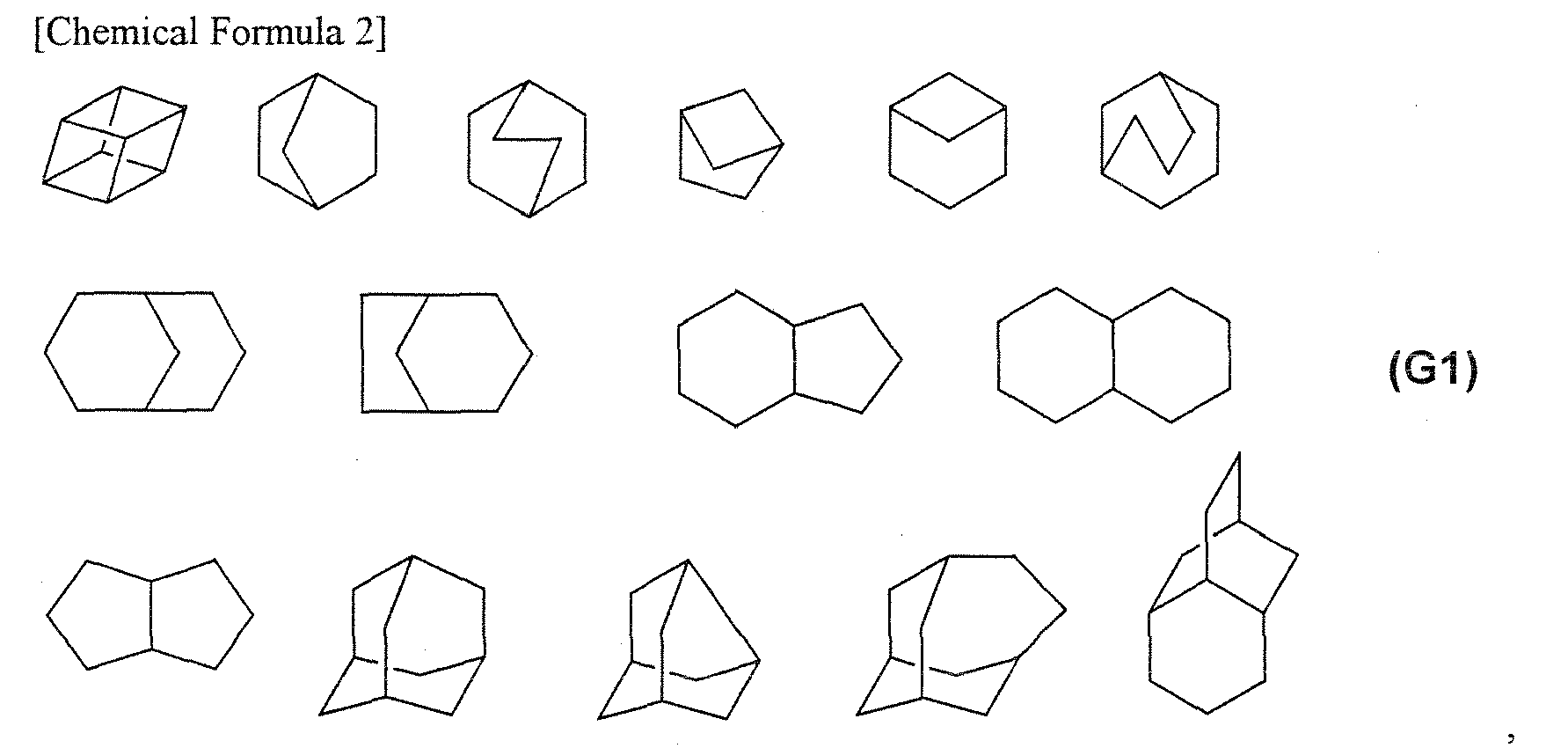
provided that if both RA and RB are selected from the following group X, then RF is a group of the following formula (2): -

the group X is optionally substituted alkyl, optionally substituted piperidinyl, optionally substituted pyrrolidinyl, optionally substituted arylalkyl, optionally substituted heteroarylalkyl, optionally substituted piperidinylalkyl or optionally substituted pyrrolidinylalkyl, wherein the substituent is hydroxyl, oxo, halogen atom, cyano, nitro, alkyl, alkoxy, amino which may be optionally substituted by alkyl or arylalkyl, methylenedioxy, trihalomethyl, or trihalomethoxy; or a pharmaceutically acceptable salt thereof; - [2] The compound of [1] of formula (3):
-

- RA and RB are each independently optionally substituted alkyl, optionally substituted cycloalkyl, optionally substituted heterocycloalkyl, or a group of formula: -Rw-Rx-Ry-Rz;
- Rw is, independently when it exists more than one, optionally substituted alkylene or optionally substituted cycloalkylene;
- Rx is, independently when it exists more than one, a single bond, oxygen atom, or a group of formula: -S(O)n-, -C(O)-, -NR3-, -OC(O)-, -C(O)O-, -CONR3-, -NR3CO-, -SO2NR3-, -NR3SO2- or - NR3CONR4-;
- Ry is, independently when it exists more than one, a single bond or optionally substituted alkylene;
- Rz is, independently when it exists more than one, optionally substituted alkyl, optionally substituted cycloalkyl, optionally substituted aryl, optionally substituted heteroaryl or optionally substituted heterocycloalkyl;
- R3 and R4 are each independently hydrogen atom or optionally substituted alkyl;
- n is 0, 1 or 2;
- RC is optionally substituted alkyl, optionally substituted cycloalkyl or optionally substituted cycloalkylalkyl;
- RD is hydrogen atom, halogen atom, cyano or optionally substituted alkyl;
- RE is hydrogen atom or optionally substituted alkyl;
- A is hydrogen atom, halogen atom, hydroxyl, cyano, or a group of formula: COOR1, CONR1R2, SO2NR1R2, COOR1-substituted alkyl, CONR1R2-substituted alkyl, or SO2NR1R2-substituted alkyl, R1 and R2 are each independently hydrogen atom or optionally substituted alkyl, or R1 and R2 may combine each other together with the adjacent nitrogen atom to form optionally substituted saturated heterocycle;
- provided that if both RA and RB are selected from the following group X, then A is COOR1, CONR1R2, SO2NR1R2, COOR1-substituted alkyl, CONR1R2-substituted alkyl, or SO2NR1R2-substituted alkyl;
- the group X is optionally substituted alkyl, optionally substituted piperidinyl, optionally substituted pyrrolidinyl, optionally substituted arylalkyl, optionally substituted heteroarylalkyl, optionally substituted piperidinylalkyl, or optionally substituted pyrrolidinylalkyl, wherein the substituent is hydroxyl, oxo, halogen atom, cyano, nitro, alkyl, alkoxy, amino which may be optionally substituted by alkyl or arylalkyl, methylenedioxy, trihalomethyl, or trihalomethoxy; or a pharmaceutically acceptable salt thereof;
-
- [3] The compound of [2], wherein RC is optionally substituted alkyl, RD is hydrogen atom, halogen atom or optionally substituted alkyl, RE is hydrogen atom, A is halogen atom, hydroxyl, cyano, or a group of formula: COOR1, CONR1R2, SO2NR1R2, COOR1-substituted alkyl, CONR1R2-substituted alkyl or SO2NR1R2-substituted alkyl, R1 and R2 are each independently hydrogen atom or optionally substituted alkyl, or R1 and R2 may combine each other together with the adjacent nitrogen atom to form optionally substituted saturated heterocycle, or a pharmaceutically acceptable salt thereof;
- [4] The compound of either [2] or [3], wherein RA and RB are each independently optionally substituted alkyl, optionally substituted cycloalkyl, optionally substituted cycloalkylalkyl or optionally substituted heterocycloalkyl, A is a group of formula: COOR1, CONR1R2 or SO2NR1R2, R1 and R2 are each independently hydrogen atom or optionally substituted alkyl, RA is optionally substituted cycloalkyl or optionally substituted cycloalkylalkyl, RB is optionally substituted alkyl, optionally substituted cycloalkyl, optionally substituted heterocycloalkyl, or a group of formula: -Rw-Rx-Ry-Rz wherein Rw, Rx, Ry and Rz are the same as defined in [2]; or RA is optionally substituted alkyl, RB is a group of formula: -Rw-Rx-Ry-Rz wherein Rw, Rx, Ry and Rz are the same as defined in [2], or a pharmaceutically acceptable salt thereof;
- [5] The compound of any one of [2] to [4], wherein RA and RB are each independently optionally substituted alkyl, optionally substituted cycloalkyl or optionally substituted cycloalkylalkyl, A is a group of formula: COOR1, CONR1R2 or SO2NR1R2, R1 and R2 are each independently hydrogen atom or optionally substituted alkyl, or a pharmaceutically acceptable salt thereof;
- [6] The compound of either [4] or [5], wherein A is a group of formula: CONR1R2, R1 and R2 are each independently hydrogen atom or alkyl which may be optionally substituted by hydroxyl, alkoxy, benzenesulfonyl or pyridyl, or a pharmaceutically acceptable salt thereof;
- [7] The compound of [6], wherein A and nitrogen atom on which adamantyl group is substituted are arranged in E-configuration, or a pharmaceutically acceptable salt thereof;
-
- [8] The compound of any one of [2] to [4], wherein RA is optionally substituted cycloalkyl or optionally substituted cycloalkylalkyl, RB is optionally substituted alkyl, optionally substituted cycloalkyl, optionally substituted heterocycloalkyl, or a group of formula: -Rw-Rx-Ry-Rz wherein Rw, Rx, Ry and Rz are the same as defined in [2], or a pharmaceutically acceptable salt thereof;
- [9] The compound of [8], wherein RB is optionally substituted alkyl, optionally substituted heterocycloalkyl, or a group of formula: -Rw-Rx-Ry-Rz wherein Rw is optionally substituted alkylene, Rx is a single bond, oxygen atom, or a group of formula: -S(O)n-, Ry is a single bond, Rz is optionally substituted aryl or optionally substituted heterocycloalkyl, or a pharmaceutically acceptable salt thereof;
-
- [10] The compound of any one of [2] to [4], wherein RA is optionally substituted alkyl, RB is a group of formula: -Rw-Rx-Ry-Rz wherein Rw, Rx, Ry and Rz are the same as defined in [2], or a pharmaceutically acceptable salt thereof;
- [11] The compound of [10], wherein Rx is a group of formula: -S(O)n-, -C(O)-, -NR3-, OC(O)-, -C(O)O-, -CONR3-, -NR3CO-, -SO2NR3-, -NR3SO2- or -NR3CONR4-, R3 and R4 are each independently hydrogen atom or optionally substituted alkyl, n is 0, 1 or 2, or a pharmaceutically acceptable salt thereof;
- [12] The compound of [11], wherein Rw is optionally substituted alkylene, Rx is a group of formula: -S(O)n, Ry is a single bond, Rz is optionally substituted alkyl, or a pharmaceutically acceptable salt thereof;
- [13] The compound of [10], wherein Rx is oxygen atom, Rz is optionally substituted cycloalkyl, optionally substituted aryl, optionally substituted heteroaryl or optionally substituted heterocycloalkyl, or a pharmaceutically acceptable salt thereof;
- [14] The compound of [13], wherein Rw is optionally substituted alkylene, Ry is a single bond, Rz is optionally substituted aryl or optionally substituted heterocycloalkyl, or a pharmaceutically acceptable salt thereof;
- [15] The compound of [10], wherein Rx is a single bond, Rz is optionally substituted cycloalkyl or optionally substituted heterocycloalkyl, or a pharmaceutically acceptable salt thereof;
- [16] The compound of [15], wherein Rw is optionally substituted alkylene, Ry is a single bond, Rz is optionally substituted cycloalkyl or optionally substituted heterocycloalkyl, or a pharmaceutically acceptable salt thereof;
-
- [17] The compound of [10], wherein Rx is a single bond, Rz is substituted aryl, substituted heteroaryl or substituted heterocycloalkyl, in which the substituent is -COR5, -S(O)nR5, -NR7aCOR5,-SO2NR7aR7b, -NR7aCONR7bR5, -OR6 or -(CH2)mR6, R5 is alkyl, cycloalkyl, aryl, heteroaryl or heterocycloalkyl, R6 is cycloalkyl, aryl, heteroaryl or heterocycloalkyl, the alkyl, cycloalkyl, aryl, heteroaryl and heterocycloalkyl groups in R5 and R6 may be further optionally substituted by halogen atom, haloalkyl, haloalkoxy, alkyl, hydroxyl, alkoxy, -NR8aR8b, alkylsulfonyl, cyano, cycloalkyl, cycloalkylsulfonyl, alkoxyalkoxy, hydroxyalkoxy, cycloalkyloxyalkyl, cycloalkyloxy, haloalkoxyalkyl, hydroxyalkyl, alkoxyalkyl, NR8aR8b-substituted alkyl, alkylsulfonylalkyl, cyanoalkyl, cycloalkylalkyl, cycloalkylsulfonylalkyl, alkoxyalkoxyalkyl, hydroxyalkoxyalkyl or nitrogen-containing saturated heterocycle, R7a, R7b, R8a and R8b are each independently hydrogen atom or alkyl, n and m are each independently 0, 1 or 2, or a pharmaceutically acceptable salt thereof;
- [18] The compound of [17], wherein Rw is optionally substituted alkylene, Ry is a single bond, Rz is substituted aryl or substituted heterocycloalkyl, in which the substituent is -COR5 or - S(O)nR5, or a pharmaceutically acceptable salt thereof;
- [19] The compound of [10], wherein Rw is optionally substituted cycloalkylene, Rx is a single bond, Ry is a single bond, Rz is optionally substituted aryl, or a pharmaceutically acceptable salt thereof;
- [20] The compound of [2], wherein RA is tetrahydropyranyl, RB is alkyl or cycloalkyl, or a pharmaceutically acceptable salt thereof;
- [21] The compound of [2] of formula (4):
-

- [22] The compound of [21], wherein B1 is a single bond, B2 is optionally substituted aryl or optionally substituted heteroaryl, or a pharmaceutically acceptable salt thereof;
- [23] The compound of [22], wherein B2 is optionally substituted aryl, or a pharmaceutically acceptable salt thereof;
- [24] The compound of [22], wherein B2 is optionally substituted heteroaryl, or a pharmaceutically acceptable salt thereof;
- [25] The compound of [24], wherein B2 is optionally substituted pyridyl, or a pharmaceutically acceptable salt thereof;
- [26] The compound of [21], wherein B1 is carbonyl, B2 is optionally substituted aryl, optionally substituted alkyl, optionally substituted cycloalkyl or optionally substituted heteroaryl, or a pharmaceutically acceptable salt thereof;
- [27] The compound of [26], wherein the optionally substituted alkyl group in B2 is optionally substituted benzyl, or a pharmaceutically acceptable salt thereof;
- [28] The compound of [26], wherein the optionally substituted cycloalkyl group in B2 is cyclopropyl or cyclobutyl substituted by optionally substituted aryl, or a pharmaceutically acceptable salt thereof;
- [29] The compound of [26], wherein B2 is optionally substituted aryl, or a pharmaceutically acceptable salt thereof;
- [30] The compound of [26], wherein B2 is optionally substituted heteroaryl, or a pharmaceutically acceptable salt thereof;
- [31] The compound of [26], wherein the optionally substituted heteroaryl group in B2 is optionally substituted pyridyl, or a pharmaceutically acceptable salt thereof;
- [32] The compound of [26], wherein B2 is fluorine-substituted alkyl, or a pharmaceutically acceptable salt thereof;
- [33] The compound of [21], wherein B1 is sulfonyl, B2 is optionally substituted alkyl, optionally substituted cycloalkyl, optionally substituted heterocycloalkyl, optionally substituted aryl or optionally substituted heteroaryl, or a pharmaceutically acceptable salt thereof;
- [34] The compound of [33], wherein B2 is optionally substituted aryl, or a pharmaceutically acceptable salt thereof;
- [35] The compound of [33], wherein the optionally substituted alkyl group in B2 is fluorine-substituted alkyl, or a pharmaceutically acceptable salt thereof;
- [36] The compound of [33], wherein the optionally substituted heteroaryl group in B2 is optionally substituted pyridyl, or a pharmaceutically acceptable salt thereof;
- [37] The compound of [33], wherein the optionally substituted alkyl group in B2 is optionally substituted benzyl, or a pharmaceutically acceptable salt thereof;
- [38] The compound of [21], wherein B1 is carbonyl, B2 is optionally substituted alkylamino, optionally substituted dialkylamino, optionally substituted cycloalkylamino, optionally substituted heterocycloalkylamino, optionally substituted arylamino or optionally substituted heteroarylamino, or a pharmaceutically acceptable salt thereof;
- [39] The compound of [38], wherein B2 is optionally substituted arylamino or optionally substituted heteroarylamino, or a pharmaceutically acceptable salt thereof;
- [40] The compound of [38], wherein B2 is optionally substituted arylamino, or a pharmaceutically acceptable salt thereof;
- [41] The compound of [38], wherein the optionally substituted heteroarylamino group in B2 is optionally substituted pyridylamino, or a pharmaceutically acceptable salt thereof;
- [42] The compound of [38], wherein the optionally substituted alkylamino group in B2 is optionally substituted benzylamino, or a pharmaceutically acceptable salt thereof;
- [43] The compound of any one of [21] to [42], wherein p is 0 and q is 1, or a pharmaceutically acceptable salt thereof;
- [44] The compound of any one of [21] to [42] of formula (5):
-

- [45] The compound of any one of [21] to [42] of formula (6):
-

- [46] The compound of any one of [21] to [42], wherein p is 1 and q is 2, or a pharmaceutically acceptable salt thereof;
- [47] The compound of any one of [21] to [42], wherein p is 2 and q is 2, or a pharmaceutically acceptable salt thereof;
- [48] The compound of any one of [21] to [42], wherein p is 0 and q is 2, or a pharmaceutically acceptable salt thereof;
- [49] The compound of any one of [21] to [42] of formula (7):
-

- [50] The compound of any one of [21] to [42] of formula (8):
-

- [51] The compound of any one of [21] to [50], wherein RB is methyl or ethyl, or a pharmaceutically acceptable salt thereof;
- [52] The compound of any one of [8] to [51], wherein A is hydroxyl, or a pharmaceutically acceptable salt thereof;
- [53] The compound of any one of [8] to [51], wherein A is carbamoyl, or a pharmaceutically acceptable salt thereof;
- [54] The compound of any one of [4] to [53], wherein RD is chlorine atom, fluorine atom or methyl, or a pharmaceutically acceptable salt thereof;
- [55] The compound of [54], wherein RC is alkyl, or a pharmaceutically acceptable salt thereof;
- [56] The compound of [54], wherein RC is methyl or ethyl, or a pharmaceutically acceptable salt thereof;
- [57] The compound of [56], wherein RE is hydrogen atom, or a pharmaceutically acceptable salt thereof;
- [58] The compound of any one of [4] to [57], wherein A and nitrogen atom on which adamantyl group is substituted are arranged in E-configuration, or a pharmaceutically acceptable salt thereof;
- [59] A medicament, comprising as the active ingredient the compound of any one of [1] to [58] or a pharmaceutically acceptable salt thereof;
- [60] A therapeutic agent for type II diabetes, abnormal glucose tolerance, hyperglycemia, insulin resistance, dyslipidemia, hypertension, arteriosclerosis, angiostenosis, obesity, cognitive disorder, dementia, Alzheimer disease, syndrome X, depression, cardiovascular disease or atherosclerosis, comprising as the active ingredient the compound of any one of [1] to [58] or a pharmaceutically acceptable salt thereof;
- [61] A therapeutic agent for diabetes, insulin resistance or type II diabetes, comprising as the active ingredient the compound of any one of [1] to [58] or a pharmaceutically acceptable salt thereof;
- [62] A therapeutic agent for arteriosclerosis or atherosclerosis, comprising as the active ingredient the compound of any one of [1] to [58] or a pharmaceutically acceptable salt thereof;
- [63] A therapeutic agent for syndrome X, comprising as the active ingredient the compound of any one of [1] to [58] or a pharmaceutically acceptable salt thereof;
- [64] A therapeutic agent for obesity, comprising as the active ingredient the compound of any one of [1] to [58] or a pharmaceutically acceptable salt thereof;
- [65] A therapeutic agent for cognitive disorder, dementia, Alzheimer disease or depression, comprising as the active ingredient the compound of any one of [1] to [58] or a pharmaceutically acceptable salt thereof;
- [66] A therapeutic agent for dyslipidemia, comprising as the active ingredient the compound of any one of [1] to [58] or a pharmaceutically acceptable salt thereof; or
- [67] A therapeutic agent for hypertension, comprising as the active ingredient the compound of any one of [1] to [58] or a pharmaceutically acceptable salt thereof.
- The invention also relates to the following embodiments:
- [68] A compound of formula (1):
-

- RA and RB are each independently optionally substituted alkyl, optionally substituted cycloalkyl, optionally substituted heterocycloalkyl, or a group of formula: -Rw-Rx-Ry-Rz;
- Rw is, independently when it exists more than one, optionally substituted alkylene;
- Rx is, independently when it exists more than one, a single bond, oxygen atom, or a group of formula: -S(O)n-, -C(O)-, -NR3-, -OC(O)-, -C(O)O-, -CONR3-, -NR3CO-, -SO2NR3-, -NR3SO2- or - NR3CONR4-;
- Ry is, independently when it exists more than one, a single bond or optionally substituted alkylene;
- Rz is, independently when it exists more than one, optionally substituted alkyl, optionally substituted cycloalkyl, optionally substituted aryl, optionally substituted heteroaryl or optionally substituted heterocycloalkyl;
- R3 and R4 are each independently hydrogen atom or optionally substituted alkyl;
- n is 0, 1 or 2;
- RC is optionally substituted alkyl, optionally substituted cycloalkyl or optionally substituted cycloalkylalkyl;
- RD is hydrogen atom, halogen atom, cyano, optionally substituted alkyl or optionally substituted cycloalkyl;
- RE is hydrogen atom or optionally substituted alkyl;
- RF is a group selected from the following formulae (G1):
-

provided that if both RA and RB are selected from the following group X, then RF is a group of the following formula (2): -

the group X is optionally substituted alkyl, optionally substituted piperidinyl, optionally substituted pyrrolidinyl, optionally substituted arylalkyl, optionally substituted heteroarylalkyl, optionally substituted piperidinylalkyl or optionally substituted pyrrolidinylalkyl, wherein the substituent is hydroxyl, oxo, halogen atom, cyano, nitro, alkyl, alkoxy, amino which may be optionally substituted by alkyl or arylalkyl, methylenedioxy, trihalomethyl, or trihalomethoxy; or a pharmaceutically acceptable salt thereof; - [69] The compound of [68] of formula (3):
-

- wherein RA and RB are each independently optionally substituted alkyl, optionally substituted cycloalkyl, or a group of formula: -Rw-Rx-Ry-Rz;
- Rw is, independently when it exists more than one, optionally substituted alkylene;
- Rx is, independently when it exists more than one, a single bond, oxygen atom, or a group of formula: -S(O)n-, -C(O)-, -NR3-, -OC(O)-, -C(O)O-, -CONR3-, -NR3CO-, -SO2NR3-, -NR3SO2- or - NR3CONR4-;
- Ry is, independently when it exists more than one, a single bond or optionally substituted alkylene;
- Rz is, independently when it exists more than one, optionally substituted alkyl, optionally substituted cycloalkyl, optionally substituted aryl, optionally substituted heteroaryl or optionally substituted heterocycloalkyl;
- R3 and R4 are each independently hydrogen atom or optionally substituted alkyl;
- n is 0, 1 or 2;
- RC is optionally substituted alkyl, optionally substituted cycloalkyl or optionally substituted cycloalkylalkyl;
- RD is hydrogen atom, halogen atom, cyano, optionally substituted alkyl or optionally substituted cycloalkyl;
- RE is hydrogen atom or optionally substituted alkyl;
- A is hydrogen atom, halogen atom, hydroxyl, cyano, or a group of formula: COOR1, CONR1R2, SO2NR1R2, COOR1-substituted alkyl, CONR1R2-substituted alkyl, or SO2NR1R2-substituted alkyl, R1 and R2 are each independently hydrogen atom or optionally substituted alkyl, or R1 and R2 may combine each other together with the adjacent nitrogen atom to form optionally substituted saturated heterocycle;
- provided that if both RA and RB are selected from the following group X, then A is COOR1, CONR1R2, SO2NR1R2, COOR1-substituted alkyl, CONR1R2-substituted alkyl, or SONR1R2-substituted alkyl;
- the group X is optionally substituted alkyl, optionally substituted piperidinyl, optionally substituted pyrrolidinyl, optionally substituted arylalkyl, optionally substituted heteroarylalkyl, optionally substituted piperidinylalkyl, or optionally substituted pyrrolidinylalkyl, wherein the substituent is hydroxyl, oxo, halogen atom, cyano, nitro, alkyl, alkoxy, amino which may be optionally substituted by alkyl or arylalkyl, methylenedioxy, trihalomethyl, or trihalomethoxy; or a pharmaceutically acceptable salt thereof;
-
- [70] The compound of [69], wherein RC is optionally substituted alkyl, RD is hydrogen atom, halogen atom or optionally substituted alkyl, RE is hydrogen atom, A is halogen atom, hydroxyl, cyano, or a group of formula: COOR1, CONR1R2, SO2NR1R2, COOR1-substituted alkyl, CONR1R2-substituted alkyl or SO2NR1R2-substituted alkyl, R1 and R2 are each independently hydrogen atom or optionally substituted alkyl, or R1 and R2 may combine each other together with the adjacent nitrogen atom to form an optionally substituted saturated heterocycle, or a pharmaceutically acceptable salt thereof;
- [71] The compound of either [69] or [70], wherein RA and RB are each independently optionally substituted alkyl, optionally substituted cycloalkyl or optionally substituted cycloalkylalkyl, A is a group of formula: COOR1, CONR1R2 or SO2NR1R2, R1 and R2 are each independently hydrogen atom or optionally substituted alkyl, or a pharmaceutically acceptable salt thereof;
- [72] The compound of [71], wherein A is a group of formula: CONR1R2, R1 and R2 are each independently hydrogen atom, or a pharmaceutically acceptable salt thereof;
- [73] The compound of [72], wherein A and nitrogen atom on which adamantyl group is substituted are arranged in E-configuration, or a pharmaceutically acceptable salt thereof;
- [74] The compound of either [69] or [70], wherein RA is optionally substituted cycloalkyl or optionally substituted cycloalkylalkyl, RB is optionally substituted alkyl, optionally substituted cycloalkyl, or a group of formula: -Rw-Rx-Ry-Rz wherein Rw, Rx, Ry and Rz are the same as defined in [69], or a pharmaceutically acceptable salt thereof;
- [75] The compound of either [69] or [70], wherein RA is optionally substituted alkyl, RB is a group of formula: -Rw-Rx-Ry-Rz wherein Rw, Rx, Ry and Rz are the same as defined in [69], or a pharmaceutically acceptable salt thereof;
- [76] The compound of [75], wherein Rx is a group of formula: -S(O)n-, -C(O)-, -NR3-, - OC(O)-, -C(O)O-, -CONR3-, -NR3CO-, -SO2NR3-, -NR3SO2- or -NR3CONR4-, R3 and R4 are each independently hydrogen atom or optionally substituted alkyl, n is 0, 1 or 2, or a pharmaceutically acceptable salt thereof;
- [77] The compound of [75], wherein Rx is oxygen atom, Rz is optionally substituted cycloalkyl, optionally substituted aryl, optionally substituted heteroaryl or optionally substituted heterocycloalkyl, or a pharmaceutically acceptable salt thereof;
- [78] The compound of [75], wherein Rx is a bond, Rz is optionally substituted cycloalkyl or optionally substituted heterocycloalkyl, or a pharmaceutically acceptable salt thereof;
- [79] The compound of [75], wherein Rx is a bond, Rz is substituted aryl, substituted heteroaryl or substituted heterocycloalkyl, in which the substituent is -COR5, -S(O)nR5, -NR7aCOR5, - SO2NR7aR7b, -NR7aCONR7bR5, -OR6 or -(CH2)mR6, R5 is alkyl, cycloalkyl, aryl, heteroaryl or heterocycloalkyl, R6 is cycloalkyl, aryl, heteroaryl or heterocycloalkyl, the alkyl, cycloalkyl, aryl, heteroaryl and heterocycloalkyl groups in R5 and R6 may be further optionally substituted by halogen atom, haloalkyl, haloalkoxy, alkyl, hydroxyl, alkoxy, -NR8aR8b, alkylsulfonyl, cyano, cycloalkyl, cycloalkylsulfonyl, alkoxyalkoxy, hydroxyalkoxy, cycloalkyloxyalkyl, cycloalkyloxy, haloalkoxyalkyl, hydroxyalkyl, alkoxyalkyl, NR8aR8b-substituted alkyl, alkylsulfonylalkyl, cyanoalkyl, cycloalkylalkyl, cycloalkylsulfonylalkyl, alkoxyalkoxyalkyl, hydroxyalkoxyalkyl or nitrogen-containing saturated heterocycle, R7a, R7b, R8a and R8b are each independently hydrogen atom or alkyl, n and m are each independently 0, 1 or 2, or a pharmaceutically acceptable salt thereof;
- [80] The compound of any one of [74] to [79], wherein A is hydroxyl, or a pharmaceutically acceptable salt thereof;
- [81] The compound of any one of [74] to [79], wherein A is carbamoyl, or a pharmaceutically acceptable salt thereof;
- [82] The compound of either [80] or [81], wherein RD is chlorine atom, or a pharmaceutically acceptable salt thereof;
- [83] The compound of [82], wherein RC is alkyl, or a pharmaceutically acceptable salt thereof;
- [84] The compound of [82], wherein RC is methyl or ethyl, or a pharmaceutically acceptable salt thereof;
- [85] The compound of any one of [80] to [84], wherein A and nitrogen atom on which adamantyl group is substituted are arranged in E-configuration, or a pharmaceutically acceptable salt thereof;
- [86] A medicament, comprising as the active ingredient the compound of any one of [68] to [85] or a pharmaceutically acceptable salt thereof;
- [87] A therapeutic agent for type II diabetes, abnormal glucose tolerance, hyperglycemia, insulin resistance, dyslipidemia, hypertension, arteriosclerosis, angiostenosis, obesity, cognitive disorder, dementia, Alzheimer disease, syndrome X, depression, cardiovascular disease or atherosclerosis, comprising as the active ingredient the compound of any one of [68] to [85] or a pharmaceutically acceptable salt thereof;
- [88] A therapeutic agent for diabetes, insulin resistance or type II diabetes, comprising as the active ingredient the compound of any one of [68] to [85] or a pharmaceutically acceptable salt thereof;
- [89] A therapeutic agent for arteriosclerosis or atherosclerosis, comprising as the active ingredient the compound of any one of [68] to [85] or a pharmaceutically acceptable salt thereof;
- [90] A therapeutic agent for syndrome X, comprising as the active ingredient the compound of any one of [68] to [85] or a pharmaceutically acceptable salt thereof;
- [91] A therapeutic agent for obesity, comprising as the active ingredient the compound of any one of [68] to [85] or a pharmaceutically acceptable salt thereof;
- [92] A therapeutic agent for cognitive disorder, dementia, Alzheimer disease or depression, comprising as the active ingredient the compound of any one of [68] to [85] or a pharmaceutically acceptable salt thereof;
- [93] A therapeutic agent for dyslipidemia, comprising as the active ingredient the compound of any one of [68] to [85] or a pharmaceutically acceptable salt thereof; or
- [94] A therapeutic agent for hypertension, comprising as the active ingredient the compound of any one of [68] to [85] or a pharmaceutically acceptable salt thereof.
- The compound of the invention is useful as a therapeutic and/or preventive agent for diseases including type II diabetes, abnormal glucose tolerance, hyperglycemia, insulin resistance, hypo-HDL-emia, hyper-LDL-emia, dyslipidemia, hyperlipidemia, hypertriglyceridemia, hypercholesterolemia, hypertension, arteriosclerosis, angiostenosis, atherosclerosis, obesity, cognitive disorder, glaucoma, retinopathy, dementia, Alzheimer disease, osteoporosis, immune disorder, syndrome X, depression, cardiovascular disease, neurodegenerative disease, etc..
- The invention is illustrated in more detail as below.
The number of substituents of "optionally substituted" or "substituted" groups herein is one or more without limitation if substitution is acceptable. Each definition of each group is applied to any groups which constitute a part of other groups or a substituent thereof, unless it is specified. - The term "halogen atom" includes fluorine atom, chlorine atom, bromine atom and iodine atom, preferably fluorine atom or chlorine atom.
The term "alkyl" includes C1-C5 straight- and branched-chain alkyl, specifically methyl, ethyl, propyl, 1-methylethyl, butyl, 1-methylpropyl, 2-methylpropyl, 1,1-dimethylethyl, pentyl, 2,2-dimethylpropyl, etc..
The alkyl moiety of cycloalkylalkyl, arylalkyl, heteroarylalkyl, alkylsulfonyl, etc. includes the same as defined in the above alkyl.
The term "alkoxy" includes C1-C5 alkoxy, specifically methoxy, ethoxy, propoxy, 1-methylethoxy, butoxy, 1-methylpropoxy, 2-methylpropoxy, 1,1-dimethylethoxy, pentyloxy, 2,2-dimethylpropoxy, etc..
The alkoxy moiety of alkoxyalkyl, etc. includes the same as defined in the above alkoxy, - The term "trihalomethyl" includes methyl substituted by three halogen atoms.
The term "trihalomethoxy" includes methoxy substituted by three halogen atoms.
The term "haloalkyl" includes alkyl substituted by halogen atom.
The term "haloalkoxy" includes alkoxy substituted by halogen atom.
The term "alkylene" includes C1-C5 straight- and branched-chain alkylene, specifically methylene, ethylene, trimethylene, tetramethylene, etc.. - The term "cycloalkyl" includes C3-C8 cycloalkyl, specifically cyclopropyl, cyclobutyl, cyclopentyl, cyclohexyl, cycloheptyl or cyclooctyl.
The cycloalkyl may have any double bonds in any substituent positions.
The cycloalkyl moiety of cycloalkyloxy, cycloalkylalkyl, etc. includes the same as defined in the above cycloalkyl.
The cycloalkyl includes any groups which are allowed to be fused with aryl or heteroaryl, for example any groups of the following formulae (B1): -

The term "cycloalkylene" includes C3-C8 cycloalkane, or any groups of the above formulae (B1) wherein two hydrogen atoms of non-aromatic ring moieties are replaced with bonds. The C3-C8 cycloalkane specifically includes cyclopropane, cyclobutane, cyclopentane, cyclohexane, cycloheptane or cyclooctane. - The term "aryl" includes C6-C10 aryl, specifically phenyl, 1-naphthyl, 2-naphthyl or indenyl. A preferable aryl includes phenyl.
- The term "heteroaryl" includes 5 to 10-membered mono and multi-cyclic group containing one or more (e.g., 1 to 4) heteroatoms selected from nitrogen atom, sulfur atom or oxygen atom. Specifically, it includes furyl, thienyl, pyrrolyl, azepinyl, pyrazolyl, imidazolyl, oxazolyl, isoxazolyl, thiazolyl, isothiazolyl, 1,2,4-thiadiazolyl, 1,2,4-oxadiazolyl, 1,3,4-oxadiazolyl, 1,2,4-triazolyl, 1,2,3-triazolyl, pyranyl, pyridyl, pyridazinyl, pyrimidyl, pyrazinyl, indolyl, benzothienyl, benzofuryl, quinolyl, isoquinolyl, quinazolyl, quinoxalinyl, benzoxazolyl, benzothiazolyl, pyrazyl, triazinyl, tetrazolyl, imidazo[1,2-a]pyridyl, dibenzofuranyl, benzimidazolyl, cinnolyl, indazolyl, naphthyridyl, quinolonyl or isoquinolonyl. 5 to 6-membered cyclic group containing 1 to 3 heteroatoms selected from nitrogen atom, sulfur atom or oxygen atom is preferable, specifically pyridyl, pyrazinyl, thienyl, oxazolyl, 1,2,4-oxadiazolyl or pyridazinyl.
- The aryl moiety of aryloxy, etc. includes the same as defined in the above aryl. The heteroaryl moiety of heteroaryloxy includes the same as defined in the above aryl.
- The term "heterocycloalkyl" includes 5 to 6-membered ring heterocycloalkyl containing one or more (e.g., 1 to 3) heteroatoms selected from nitrogen atom, sulfur atom or oxygen atom, specifically pyrrolidinyl, imidazolidinyl, piperidinyl, morpholinyl, thiomorpholinyl, dioxothiomorpholinyl, hexamethyleneiminyl, oxazolidinyl, thiazolidinyl, imidazolidinyl, oxoimidazolidinyl, dioxoimidazolidinyl, oxooxazolidinyl, dioxooxazolidinyl, dioxothiazolidinyl, tetrahydropyridinyl, tetrahydrofuranyl or tetrahydropyranyl.
- The term "heterocycloalkyl" also includes any groups wherein any hydrogen atom of thiomorpholin-1-oxide, morpholin-3-one, thiomorpholin-3-one, piperidin-4-one, piperidin-3-one, piperazine-2,6-dione, morpholin-2-one, piperazine, piperazin-2-one, piperazine-2,3-dione, piperazine-2,5-dione, tetrahydropyrimidin-2(1H)-one, 1,3-oxazinan-2-one, 1,3-oxazolidine, 1,3-thiazolidine, imidazolidin-2-one, 1,3-oxazolidin-2-one, 2,5-dihydro-1H-pyrrole, imidazolidine-2,4-dione, imidazolidin-4-one, 1,4-diazepane, 1,4-oxazepan, tetrahydro-2H-pyrane, tetrahydro-2H-thiopyrane, tetrahydro-2H-thiopyrane-1-oxide, tetrahydro-2H-thiopyrane-1,1-dioxide, 1,4-diazepan-3-one, 1,4-oxazepan-3-one, aziridine, azetidine, azetidine, pyrrolidine, azepane, azocane, pyrrolidin-2-one, piperidin-2-one, azepan-2-one, azocan-2-one, 1,5-dihydro-2H-pyrrol-2-one, 5,6-dihydropyridin-2(1H)-one, 1,5,6,7-tetrahydro-2H-azepin-2-one, 1,5,6,7-tetrahydro-2H-azepin-2-one, 5,6,7,8-tetrahydroazocin-2(1H)-one, 1,2,3,4-tetrahydropyridine, 1,2,3,6-tetrahydropyridine, 2,3,4,7-tetrahydro-1H-azepine, 1,2,3,4,5,8-hexahydroazocine, tetrahydrofuran, tetrahydrothiophene, 1,2-oxathiolane, etc. are replaced with bonds.
A preferable heterocycloalkyl includes pyrrolidyl, piperidyl, morpholinyl, thiomorpholinyl, dioxothiomorpholinyl, oxazolidinyl, more preferably pyrrolidyl or piperidyl.
The term "heterocycloalkyl" also includes any groups fused with aryl or heteroaryl, for example any groups wherein any hydrogen atoms of non-aromatic cyclic moieties of the following formulae (B2) or (B3) are replaced with bonds. - The term "nitrogen-containing saturated heterocycle" includes 5 to 6-membered nitrogen-containing saturated heterocycle, etc. which contain 1 to 2 nitrogen atoms and may contain oxygen atoms or sulfur atoms, specifically pyrrolidinyl, imidazolidinyl, piperidinyl, morpholinyl, thiomorpholinyl, dioxothiomorpholinyl, hexamethyleneiminyl, oxazolidinyl, thiazolidinyl, imidazolidinyl, oxoimidazolidinyl, dioxoimidazolidinyl, oxooxazolidinyl, dioxooxazolidinyl, dioxothiazolidinyl or tetrahydropyridinyl. A preferable one includes pyrrolidinyl, piperidinyl, thiomorpholinyl, dioxothiomorpholinyl, morpholinyl.
- The term "aralkyl" includes C7-C12 aralkyl wherein alkyl is substituted by aryl, specifically benzyl, 2-phenylethyl or 1-naphthylmethyl.
The aralkyl moiety of aralkyloxy includes the same as defined in the above aralkyl. - The substituents of "substituted alkyl", "substituted alkoxy" and "substituted cycloalkyl" include halogen atom, hydroxyl, nitro, cyano, -OR10, -OCOR10, -COR10, -COOR10, C3-C6 cycloalkyl, amino, carboxy, carbamoyl, -NHR10, -NR10R11, -NR12COR10, -CONR10R11, -NR12CONR10R11, - NR12SO2R10 or -SO2R10 (wherein R10 and R11 are each independently cycloalkyl, C1-C4 alkyl, C6-C10 aryl, heteroaryl or C7-C12 aralkyl, which may further substituted by hydroxyl, halogen atom, C1-C4 alkoxy, cycloalkoxy, C1-C4 alkyl, cycloalkyl, haloalkyl, haloalkoxy, amino, C1-C4 alkylamino or C1-C4 dialkylamino, or R10 and R11 may combine each other together with the adjacent nitrogen atom to form an optionally substituted saturated heterocycle; R12 is hydrogen atom or alkyl). A preferable one includes halogen atom, hydroxyl, alkyl, haloalkoxy, alkylsulfonyl and alkoxy. More preferable one includes halogen atom and alkoxy.
- The substituent of "substituted cycloalkyl" also includes alkyl which may be optionally substituted by aryl, alkoxy or halogen atom.
The substituent of the substituted cycloalkyl also includes optionally substituted aryl and optionally substituted heteroaryl. - The substituents of "substituted aryl" and "substituted heteroaryl" include halogen atom, hydroxyl, nitro, cyano, nitrogen-containing saturated heterocycle, cycloalkyl, cycloalkyloxy, C1-C4 alkyl (wherein alkyl may be substituted by halogen atom, hydroxyl, amino, cycloalkyloxy, haloalkoxy, alkoxyalkoxy, cycloalkyl, alkoxy, alkylsulfonyl, cycloalkylsulfonyl, hydroxyalkoxy, etc.), C1-C4 alkoxy (wherein alkoxy may be substituted by halogen atom, hydroxyl, alkoxy, etc.), -COR10, -OCOR10, - COOR10, carboxy, amino, -NHR10, -NR10R11, -NHCOR10, -CONH2, -CONHR10, -CONR10R11, -SO2NH2, -SO2NHR10, SONR10R11, C6-C10 aryl, C6-C10 aryloxy, C7-C12 aralkyloxy (wherein aryl, aryloxy or aralkyloxy may be substituted by hydroxyl, halogen atom, C1-C4 alkoxy, etc.), -SO2R10, cycloalkylsulfonyl (wherein R10 and R11 are the same as defined above), etc.
A preferable substituent includes nitrogen-containing saturated heterocycle, alkylsulfonyl, halogen atom, hydroxyl, alkyl (which may be optionally substituted by alkoxy or halogen atom), or alkoxy (which may be optionally substituted by alkoxy or halogen atom), etc. More preferable one includes halogen atom, alkylsulfonyl, alkyl (which may be optionally substituted by alkoxy or halogen atom), or alkoxy (which may be optionally substituted by halogen atom).
The substituent of the substituted aryl also includes C1-C3 alkylenedioxy such as methylenedioxy or ethylenedioxy. - The term "substituted aryl" includes any groups fused with cycloalkyl and cycloheteroalkyl, for example any groups of the above formulae (B1) and the following formulae (B2):
-


- The term "substituted heteroaryl" includes any groups fused with cycloalkyl and cycloheteroalkyl, for example any groups of the following formula (B3):
-

- The substituents of aryl and heteroaryl moieties of "substituted aralkyl" and "substituted heteroarylalkyl" include any groups listed as the substituents of "substituted aryl" and "substituted heteroaryl".
The substituent of alkyl moiety of "substituted aralkyl" includes any groups listed as the substituents of "substituted alkyl". - The substituent of "substituted heterocycloalkyl" or "substituted nitrogen-containing saturated heterocycle" includes C1-C4 alkyl (which may be optionally substituted by aryl, alkoxy or halogen atom), optionally substituted aryl, optionally substituted heteroaryl, -OR10, -OCOR10, -COR10, -COOR1, C3-C6 cycloalkyl, amino carboxy, carbamoyl, -NHR10, -NR10R11, -NR12COR10, -CONR10R11, NR12CONR10R11, -NR12SO2R10 or -SO2R10 (wherein R10 and R11 are each independently cycloalkyl, C1-C4 alkyl, C6-C10 aryl, heteroaryl or C7-C12 aralkyl, which may be further optionally substituted by hydroxyl, halogen atom, C1-C4 alkoxy, cycloalkoxy, C1-C4 alkyl, cycloalkyl, haloalkyl, haloalkoxy, aryl, heteroaryl, amino, C1-C4 alkylamino or C1-C4 dialkylamino, or R10 and R11 may combine each other together with the adjacent nitrogen atom to form an optionally substituted saturated heterocycle; R12 is hydrogen atom or alkyl). A preferable substituent includes alkyl, C6-C10 aryl, heteroaryl, -COR10, - CONR10R11 or -SO2R10.
- A preferable substituent of alkyl of R5 or R6 includes halogen atom, hydroxyl or alkoxy.
A preferable substituent of cycloalkyl, aryl, heteroaryl and heterocycloalkyl of R5 or R6 includes halogen atom, hydroxyl, alkyl (which may be optionally substituted by hydroxyl, alkoxy or halogen atom), and alkoxy (which may be optionally substituted by hydroxyl, alkoxy or halogen atom).
A preferable substituent of R1 or R2 includes halogen atom, hydroxyl, alkoxy, arylsulfonyl or pyridyl.
Alkylamino means amino group substituted by alkyl group.
Dialkylamino means amino group substituted by the same or different two alkyl groups.
Cycloalkylamino means amino group substituted by cycloalkyl group as well as cyclic amino group including pyrrolidino or piperidino.
Heterocycloalkylamino means amino group substituted by heterocycloalkyl group and also includes cyclic amino group including morpholino or thiomorpholino.
Arylamino is amino substituted by aryl group.
Heteroarylamino is amino substituted by heteroaryl group.
The substituent of "substituted alkylamino", "substituted dialkylamino", "substituted cycloalkylamino", "substituted heterocycloamino", "substituted arylamino" or "substituted heteroarylamino" includes any groups listed as the substituents of "substituted alkyl", "substituted diallyl", "substituted cycloalkyl", "substituted heterocycloalkyl", "substituted aryl" or "substituted heteroaryl". - A group selected from (G2) preferably includes adamantyl.
Adamantyl may be optionally substituted, and a preferable substituent position includes a position where A is bonded in the following formula: -


-
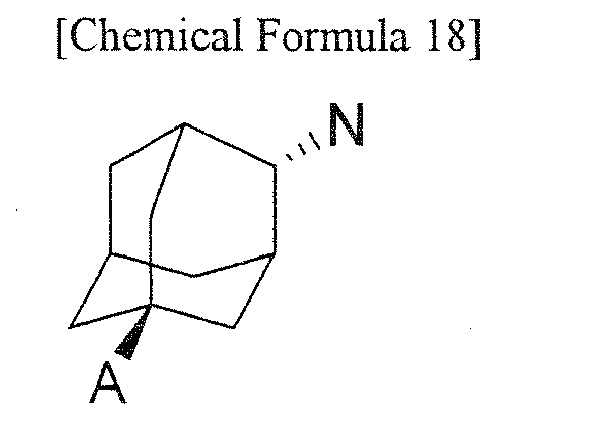
- The "pharmaceutically acceptable salt" includes alkali metal salt such as potassium salt or sodium salt, alkaline earth metal salt such as calcium salt or magnesium salt, ammonium salt, a watersoluble amine addition salt such as ammonium salt or N-methylglucamine (meglumine), or a lower alkanolammonium salt of an organic amine; and, for example, hydrochloride, hydrobromide, hydroiodide, nitrate, sulfate, hydrogen sulfate, phosphate, acetate, lactate, citrate, tartrate, hydrogen tartrate, succinate, maleate, fumarate, gluconate, saccharate, benzoate, methanesulfonate, ethanesulfonate, benzenesulfonate, para-toluenesulfonate, or pamoate [1,1'-methylene-bis-2-hydroxy-3-naphthoate)], etc..
A resultant salt form of the inventive compound may be directly purified to give a salt of the inventive compound, or a free form of the inventive compound may be dissolved or suspended in an appropriate organic solvent to form a salt thereof by the addition of an acid or a base in a conventional manner.
The inventive compound and a pharmaceutically acceptable salt thereof may exist in the form of adducts with water or various solvents which are included in the invention. The invention includes all tautomers, all possible stereoisomers and all crystalline forms of the inventive compound. - The inventive compound or a pharmaceutically acceptable salt thereof may be orally or parenterally administered (e.g., intravenous, subcutaneous, or drops, intramuscular injection, subcutaneous injection, internal nasal formulation, eye-drop, suppository, transdermal administration formulation including ointment, cream or lotion, etc.) for medical use. A dosage form for oral administration includes tablet, capsule, pill, granule, powder, solution, syrup and suspension, etc. and a dosage form for parenteral administration includes aqueous or oil preparation for injection, ointment, cream, lotion, aerosol, suppository, patch, etc..
The preparation may be formulated by using conventional known techniques and comprise a conventionally acceptable carrier, excipient, binder, stabilizer, lubricant, disintegrant, etc.. The preparation for injection may further comprise an acceptable buffer, solubilizing agent, isotonic agent, etc.. The preparation may also optionally comprise flavoring agent. - The excipient may include an organic excipient including sugar derivative such as lactose, sucrose, glucose, mannitol, sorbitol; starch derivative such as corn starch, potato starch, alpha-starch, dextrin, carboxymethyl starch; cellulose derivative such as crystalline cellulose, low-substituted hydroxypropyl cellulose, hydroxypropyl methylcellulose, carboxymethylcellulose, carboxymethylcellulose calcium, internally-crosslinked carboxymethylcellulose sodium; gum arabic; dextran; pullulan; and an inorganic excipient including silicate derivative such as light anhydrous silicic acid, synthetic aluminum silicate, magnesium aluminometasilicate; phosphate such as calcium phosphate; carbonate such as calcium carbonate; sulfate such as calcium sulfate.
The lubricant may include stearic acid, metal stearate such as calcium stearate, magnesium stearate; talc; colloid silica; wax such as VEEGUM®, spermaceti; boric acid; adipic acid; sulfate such as sodium sulfate; glycol; fumaric acid; sodium benzoate; DL-leucine; fatty acid sodium salt; lauryl sulfate such as sodium lauryl sulfate, magnesium lauryl sulfate; silicic acid such as anhydrous silicic acid, silicic acid hydrate; and the above starch derivative, etc..
The binder may include polyvinylpyrrolidone, macrogol, and the above substances listed as the excipient.
The disintegrant may include the above substances listed as the excipient and chemically modified starch-cellulose such as croscarmellose sodium, sodium carboxymethyl starch or cross-linked polyvinylpyrrolidone.
The stabilizer may include paraoxybenzoic acid ester such as methylparaben, propylparaben; alcohol such as chlorobutanol, benzyl alcohol, phenylethyl alcohol; benzalkonium chloride; phenols such as phenol, cresol; thimerosal; dehydroacetic acid; and sorbic acid.
The flavoring agent may include conventionally-used sweetener, acidulant, perfume, etc.. - A tablet for oral administration may comprise an excipient together with various disintegrants as well as granulating binders. A lubricant is often very useful for tablet formulation. The similar type of the solid composition may be used as a bulking agent of a gelatin capsule which may be combined by any ingredients, preferably lactose or milk sugar, or high-molecular-weight polyethyleneglycol.
The active ingredient of aqueous suspension and/or elixir for oral administration may be combined with a diluent together with various sweetening agents, flavoring agents, coloring agents or dyes, or if desired, emulsifiers and/or suspending agents. The diluent includes water, ethanol, propylene glycol, glycerin and a mixture thereof. It is conveniently included in feed or drinking water for animal in a concentration of 5-5000 ppm, preferably 25-5000 ppm.
A solution of the active ingredient for sterile injection may be usually prepared for parenteral administration (intramuscular, intraperitoneal, subcutaneous and intravenous use). A solution of the inventive compound in sesame oil or peanut oil or aqueous propylene glycol may be used. The aqueous solution should be appropriately adjusted and buffered preferably in more than 8 of pH, if needed, to firstly prepare an isotonic solution of a liquid diluent. The aqueous solution is suitable for intravenous injection. The oil solution is suitable for intra-articular, intramuscular and subcutaneous injections. All solutions may be easily prepared under sterile conditions by using typical formulation techniques known to those skilled in the art. - The inventive compound or a pharmaceutically acceptable salt thereof for the intranasal or inhalation administration may be provided in the solution or suspension form squeezed out or released by a patient from a pump spray vessel, or as an aerosol spray from a pressurized vessel or a nebulizer with using an appropriate propellant including dichlorodifluoromethane, trichlorofluoromethane, dichlorotetrafluoroethane or carbon dioxide or using other appropriate gas. A dosage unit in the pressurized aerosol may be determined by a bulb which provides a certain measured amount of the active ingredient. A solution or suspension of the active compound may be contained in the pressurized vessel or nebulizer.
A capsule and cartridge for an inhaler or insufflator (e.g., prepared from gelatin) may be formulated to contain the inventive compound and a powder composition of appropriate powder bases including lactose or starch.
The inventive compound or a pharmaceutically acceptable salt thereof may be also formulated in a composition for the anus such as a suppository or retension enema comprising conventional suppository bases including cacao butter or other glycerides.
A usage of the inventive compound or a pharmaceutically acceptable salt thereof depends on conditions, ages, administration methods, etc., and for example, it is 0.01 mg, preferably 1 mg, as a lower limit and 5000 mg, preferably 500 mg, as a upper limit per day at one time or in several divided doses for adults for oral administration, preferably depending on conditions. It is expected to be effective in 0.01 mg, preferably 0.1 mg, as a lower limit and 1000 mg, preferably 30 mg, as an upper limit per day at one time or in several divided doses for adults for intravenous administration depending on conditions. - The inventive compound may be used in combination with a drug, referred to as a combination drug hereinafter, including a therapeutic agent for diabetes or diabetic complication, anti-hyperlipidemia, antihypertensive, anti-obesity agent, diuretic, etc. for the purpose of enhancement of efficacy. The inventive compound may be administered to a subject simultaneously with a combination drug or at intervals without limitation. The inventive compound may be formulated with a combination drug to prepare a drug combination. A dosage of a combination drug may be optionally selected on the basis of clinically acceptable doses. A compounding ratio of the inventive compound and a combination drug may be optionally selected depending on administration subjects, administration routes, intended diseases, conditions and a combination thereof. For example, 0.01-100 parts of a combination drug to 1 part of the inventive compound by weight may be administered for human.
- The therapeutic agent for diabetes includes insulin formulations (e.g., animal insulin formulations extracted from bovine or swine pancreas; human insulin formulations genetically engineered by using E. coli or yeast cells, etc.), insulin resistance improving agents (e.g., pioglitazone or a hydrochloride salt thereof, troglitazone, rosiglitazone or a maleate salt thereof, GI-262570, JTT-501. MCC-555, YM-440, KRP-297, CS-011, etc.), alpha-glucosidase inhibitors (e.g., voglibose, acarbose, miglitol, emiglitate, etc.), biguanides (e.g., metformin, etc.), insulin secretion stimulators (e.g., sulfonylurea agents such as tolbutamide, glibenclamide, gliclazide, chlorpropamide, tolazamide, acetohexamide, glyclopyramide, glimepiride: repaglinide, senaglinide, nateglinide, mitiglinide, etc.), dipeptidyl peptidase-IV (DPP-IV) inhibitors (e.g., sitagliptin or a phosphate salt thereof, vildagliptin, alogliptin or a benzoate salt thereof, denagliptin or a tosylate salt thereof, etc.), GLP-1, GLP-1 analogs (exenatide, liraglutide, SUN-E7001, AVE010, BIM-51077, CJC1131, etc.), protein tyrosine phosphatase inhibitors (e.g., vanadic acid, etc.), β3 agonists (e.g., GW-427353B, N-5984, etc.).
- The therapeutic agent for diabetic complication includes aldose reductase inhibitors (e.g., tolrestat, epalrestat, zenarestat zopolrestat, minalrestat, fidarestat, ranirestat, SK-860, CT-112, etc.), neurotrophic factors (e.g., NGF, NT-3, BDNF, etc.), PKC inhibitors (e.g., LY-333531, etc.), AGE inhibitors (e.g., ALT946, pimagedine, piratoxatin, N-phenacylthiazolium bromide (ALT766), etc.), active oxygen removers (e.g., thioctic acid, etc.), cerebral blood-vessel dilators (e.g., tiapride, mexiletine, etc.). The anti-hyperlipidemia includes HMG-CoA reductase inhibitors (e.g., pravastatin, simvastatin, lovastatin, atorvastatin, fluvastatin, pitavastatin or a sodium salt thereof, etc.), squalene synthetase inhibitors, ACAT inhibitors, etc.. The antihypertensive includes angiotensin-converting enzyme inhibitors (e.g., captopril, enalapril, alacepril, delapril, lisinopril, imidapril, benazepril, cilazapril, temocapril, trandolapril, etc.), angiotensin II antagonists (e.g., olmesartan, medoxomil, candesartan, cilexetil, losartan, eprosartan, valsartan, telmisartan, irbesartan, tasosartan, etc.), calcium antagonists (e.g., nicardipine hydrochloride, manidipine hydrochloride, nisoldipine, nitrendipine, nilvadipine, amlodipine, etc.), etc..
- The anti-obesity agent includes central anti-obesity agents (e.g., phentermine, sibutramine, amfepramone, dexamphetamine, mazindol, SR-141716A, etc.), pancreatic lipase inhibitors (e.g., orlistat, etc.), peptidic anorexiants (e.g., leptin, CNTF (ciliary neurotrophic factor), etc.), cholecystokinin agonists (e.g., lintitript, FPL-15849, etc.), etc.. The diuretic includes xanthin derivative (e.g., sodium salicylate and theobromine, calcium salicylate and theobromine, etc.), thiazide preparations (e.g., ethiazide, cyclopenthiazide, trichlormethiazide, hydrochlorothiazide, hydroflumethiazide, bentyl hydrochlorothiazide, penflutizide, polythiazide, methyclothiazide, etc.), anti-aldosterone preparations (e.g., spironolactone, triamterene, etc.), carbonic anhydrase inhibitors (e.g., acetazolamide, etc.), chlorobenzenesulfonamide preparations (e.g., chlortalidone, mefruside, indapamide, etc.), azosemide, isosorbide, ethacrynic acid, piretanide, bumetanide, flosemide, etc..
- The combination drug preferably includes GLP-1, GLP-1 analogs, alpha-glucosidase inhibitors, biguanides, insulin secretagogues, insulin resistance improving agents, DPP-IV inhibitors. The two or more combination drugs may be combined in any proportions.
- The inventive compound may be combined with a combination drug to reduce dosages thereof within safe limits in terms of side effects of drugs. For example, biguanides may be reduced in lower doses than usual ones. Thus, side effects caused by the drugs may be safely prevented. In addition, dosages of a therapeutic agent for diabetic complication, anti-hyperlipidemia, antihypertensive, etc. may be reduced, and hence, side effects caused by the drugs may be effectively prevented.
- Specific examples of the inventive compound of the general formula (1) may include the following compounds.
-


A RC RD -NRARB CONH2 Et H 
CONH2 Et Cl 
CONH2 Me Me 
CONH2 Me Cl 
CONH2 Me Cl 
CONH2 Me Cl 
CONH2 Me Cl 
OH Me Cl 
CONH2 Me Cl 
-

A RC RD -NRARB OH Me Cl 
CONH2 Me Cl 
OH Me Cl 
CONH2 Me Cl 
OH Me Cl 
OH Me Cl 
CONH2 Me Cl 
CONH2 Me Cl 
OH Me Cl 
-

A RC RD -NRARB OH Me Cl 
CONH2 Me H 
CONH2 Me Cl 
CONH2 Me H 
OH Me H 
CONH2 Me H 
OH Me Cl 
- A preparation method of the inventive compound of formula (1) is illustrated by an example as follows, but the invention is not limited thereto.
- A compound of formula (1) may be synthesized by the following methods.
- Among a compound of formula (1), a compound of formula (A-8) or a salt thereof may be prepared by the following methods.
-

- RARBNH (A-1) gives thiosemicarbazide (A-2) in the step.
Amine (A-1) may be reacted with 1,1'-thlocarbonyldiimidazole or thiophosgene in an inert solvent usually at -10°C to 50°C for 0.5 to 48 hours, and then, further reacted with hydrazine or hydrazine monohydrate usually at -10°C to reflux temperature for 0.5 to 8 hours to give thiosemicarbazide (A-2). The inert solvent includes ether type solvents such as tetrahydrofuran, diethylether, dioxane or 1,2-dimethoxyethane, hydrocarbon solvents such as toluene or benzene, polar organic solvents such as N,N-dimethylformamide, NN-dimethylacetamide, N-methyl-2-pyrrolidinone, 1,3-dimethyl-2-imidazolidinone or dimethylsulfoxide, halogenated hydrocarbon solvents such as dichloromethane, chloroform or 1.2-dichloroethane, or a mixed solvent thereof.
Alternatively, amine (A-1) is reacted with aryl halothioformate in an inert solvent usually at - 40°C to 50°C for 0.5 to 24 hours in the presence of a base. The obtained thiocarbamate may be reacted with hydrazine or hydrazine monohydrate in an inert solvent usually at -10°C to reflux temperature for 0.5 to 24 hours to give thiosemicarbazide (A-2). The inert solvent includes ether type solvents such as tetrahydrofuran, diethylether, dioxane or 1,2-dimethoxyethane, hydrocarbon solvents such as toluene or benzene, halogenated hydrocarbon solvents such as dichloromethane, chloroform or 1,2-dichloroethane, polar organic solvents such as N,N-dimethylformamide, N,N-dimethylacetamide, N-methyl-2-pyrrolidinone, 1,3-dimethyl-2-imidazolidinone or dimethylsulfoxide, water, or a mixed solvent thereof. The base may be optionally selected from nitrogen-containing organic bases such as triethylamine, diisopropylethylamine, tributylamine, 1,5-diazabicyclo[4.3,0]non-5-ene (DBN), 1,4-diazabicyclo[2.2.2]octane (DABCO), 1,8-diazabicyclo[5.4.0]undec-7-ene (DBU), pyridine, dimethylaminopyridine, picoline or N-methylmorpholine (NMM), etc., or inorganic bases such as sodium bicarbonate, potassium bicarbonate, sodium carbonate, potassium carbonate, sodium hydroxide or potassium hydroxide, etc.. - Thiosemicarbazide (A-2) may be reacted with alpha-halo ketoester (A-3) in an inert solvent usually at -10°C to reflux temperature for 0.5 to 48 hours to give Compound (A-4). In the reaction, nitrogen-containing organic bases such as triethylamine, diisopropylethylamine, tributylamine, 1,5-diazabicyclo[4.3.0]non-5-ene (DBN), 1,4-diazabicyclo[2.2.2]octane (DABCO), 1,8-diazabicyclo[5.4.0]undec-7-ene (DBU), pyridine, dimethylaminopyridine, picoline or N-methylmorpholine (NMM), or inorganic bases such as sodium bicarbonate, potassium bicarbonate, sodium carbonate, potassium carbonate, sodium hydroxide or potassium hydroxide may be optionally added to the reaction mixture. The inert solvent includes ether type solvents such as tetrahydrofuran, diethylether, dioxane or 1,2-dimethoxyethane, hydrocarbon solvents such as toluene or benzene, polar organic solvents such as dimethylsulfoxide, alcoholic solvents such as methanol, ethanol or 2-propanol, halogenated hydrocarbon solvents such as dichloromethane, chloroform or 1,2-dichloroethane, water, or a mixed solvent thereof, etc..
- Compound (A-4) may be treated with an organic acid such as propionic acid, acetic acid, formic acid, methanesulfonic acid, toluenesulfonic acid or trifluoroacetic acid, or a mineral acid such as hydrogen chloride, sulfuric acid or hydrogen bromide, etc. in an inert solvent or in neat usually at -10°C to reflux temperature for 0.5 to 48 hours to give pyrazole (A-5). The inert solvent includes ether type solvents such as tetrahydrofuran, diethylether, dioxane or 1,2-dimethoxyethane, hydrocarbon solvents such as toluene or benzene, polar organic solvents such as dimethylsulfoxide, alcoholic solvents such as methanol, ethanol or 2-propanol, water, or a mixed solvent thereof, and any stable solvents under the reaction condition may be used among them.
- The reaction system of Step 2 or a concentration residue thereof may be treated with the acid listed in Step 3 at -10°C to reflux temperature for 0.5-48 hours to give pyrazole (A-5). The reaction may be also carried out with removing a solvent from the reaction system to give pyrazole (A-5) in the step. The solvent in an addition of acid may be selected from ether type solvents such as tetrahydrofuran, diethylether, dioxane or 1,2-dimethoxyethane, hydrocarbon solvents such as toluene or benzene, polar organic solvents such as dimethylsulfoxide, alcoholic solvents such as methanol, ethanol or 2-propanol, water, or a mixed solvent thereof, which may be stable under the reaction condition.
- The base includes inorganic bases such as potassium carbonate, sodium carbonate, potassium bicarbonate, sodium bicarbonate, lithium carbonate, sodium hydroxide or potassium hydroxide, metal hydrides such as sodium hydride, lithium hydride or potassium hydride, metal alkoxides such as sodium methoxide, potassium methoxide, sodium ethoxide, potassium ethoxide, sodium tertiary-butoxide or potassium tertiary-butoxide, potassium hexamethyldisilazide, sodium hexamethyldisilazide, lithium hexamethyldisilazide, or lithium diisopropylamide. The solvent includes ether type solvents such as diethylether, diisopropylether, tetrahydrofuran or 1,4-dioxane, N,N-dimethylformamide, N,N-dimethylacetamide, N-methyl-2-pyrrolidinone, 1,3-dimethyl-2-imidazolidinone, or dimethylsulfoxide.
- An ester group of Compound (A-6) is deprotected to give a carboxylic acid compound (A-7) in the step. The step may be carried out according to methods described in Greene's Protective Groups in Organic Synthesis, John Wiley & Sons Inc., 1981.
Specifically, the following methods are carried out in the step. - (A) Compound (A-6) wherein R is methyl, ethyl, etc. may be converted to a corresponding carboxylic acid by alkali hydrolysis or acid hydrolysis. Specifically, Compound (A-6) may be treated in the presence of a hydroxide of alkali metal or alkaline-earth metal such as sodium hydroxide, potassium hydroxide, lithium hydroxide or magnesium hydroxide in water, or water and alcoholic solvents such as methanol, ethanol, 2-propanol or butanol, ether type solvents such as diethylether, diisopropylether, tetrahydrofuran or 1,4-dioxane, aromatic hydrocarbon solvents such as benzene, toluene or xylene, or a mixed solvent thereof usually at room temperature to reflux temperature for 0.5 to 48 hours to give Compound (A-7).
- (B) Compound (A-6) wherein R is benzyl may be reacted in the presence of a metal catalyst such as palladium/carbon, palladium hydroxide, platinum, platinum oxide or nickel, etc. with the addition of hydrogen chloride, ammonium formate, if needed, under hydrogen gas to give Compound (A-7). The solvent includes alcoholic solvents such as methanol, ethanol, 2-propanol or butanol, ether type solvents such as diethylether, diisopropylether, tetrahydrofuran or 1,4-dioxane, aromatic hydrocarbon solvents such as benzene, toluene or xylene, ester type solvents such as ethyl acetate or methyl acetate, organic acids such as acetic acid, or a mixed solvent thereof.
- The activation method of carboxy group includes a method wherein carboxy group is converted to acid anhydride, mixed acid anhydride, acid halide, activated ester or acid azide, or a method wherein a condensing agent is used.
Using the acid halide method, Compound (A-7) may be reacted with a halogenating agent such as oxalyl chloride, thionyl chloride, phosphorus oxychloride or phosphorus pentachloride to give an acid halide, followed by reacting with amine RERFNH or a salt thereof in the presence of a base to give Compound (X-8). The base includes organic bases such as triethylamine, diisopropylethylamine, tributylamine, 1,5-diazabicyclo[4.3.0]non-5-ene (DBN), 1,4-diazabicyclo[2.2.2]octane (DABCO), 1,8-diazabicyclo[5.4.0]undec-7-ene (DBU), pyridine, dimethylaminopyridine, picoline or N-methylmorpholine (NMM), or inorganic bases such as sodium bicarbonate, potassium bicarbonate, sodium carbonate, potassium carbonate, sodium hydroxide or potassium hydroxide, without any limitation. Any solvents which may be stable under the reaction condition may be used in the step. For example, such solvents include halogenated hydrocarbon solvents such as dichloromethane, chloroform, 1,2-dichloroethane or carbon tetrachloride, ether type solvents such as diethylether, diisopropylether, tetrahydrofuran or 1,4-dioxane, aromatic hydrocarbon solvents such as benzene, toluene or xylene, ester type solvents such as ethyl acetate or methyl acetate, water, or a mixture thereof. The reaction temperature is in the range of -80°C to reflux temperature, usually at -20°C to ice-cooling temperature. The reaction time is in the range of 10 minutes to 48 hours.
Using the mixed acid anhydride method, Compound (A-7) may be reacted with an acid halide in the presence of a base to give a mixed acid anhydride, followed by reacting with amine RERFNH or a salt thereof to give Compound (A-8). The acid halide includes methoxycarbonyl chloride, ethoxycarbonyl chloride, isopropyloxycarbonyl chloride, isobutyloxycarbonyl chloride, paranitrophenoxy carbonyl chloride or t-butylcarbonyl chloride. The base includes organic bases such as triethylamine, diisopropylethylamine, tributylamine, 1.5-diazabicyclo[4.3.0]non-5-ene (DBN), 1,4-diazabicyclo[2.2.2]octane (DABCO), 1.8-diazabicyclo[5.4.0]undec-7-ene (DBU), pyridine, dimethylaminopyridine, picoline or N-methylmorpholine (NMM), or inorganic bases such as sodium bicarbonate, potassium bicarbonate, sodium carbonate or potassium carbonate, without any limitation. Any solvents which may be stable under the reaction condition may be used in the step. For example, such solvents include halogenated hydrocarbon solvents such as dichloromethane, chloroform, 1,2-dichloroethane or carbon tetrachloride, ether type solvents such as diethylether, diisopropylether, tetrahydrofuran or 1.4-dioxane, aromatic hydrocarbon solvents such as benzene, toluene or xylene, ester type solvents such as ethyl acetate or methyl acetate, water, or a mixture thereof. The reaction temperature is in the range of -80°C to reflux temperature, usually at -20°C to ice-cooling temperature. The reaction time is in the range of 30 minutes to 48 hours. - Compound (A-7) may be reacted with amine RERFNH or a salt thereof using a condensing agent in the presence or absence of a base to give Compound (A-8). The condensing agent includes substances listed in The Experimental Chemistry (Jikken Kagaku Koza), edited by The Chemical Society of Japan, Maruzen, Vol. 22, e.g., phosphoric acid esters such as diethyl cyanophosphate or diphenyl phosphoryl azide, carbodiimides such as 1-ethyl-3-(3-dimethylaminopropyl)-carbodiimide hydrochloride or dicyclohexylcarbodiimide, combinations of disulfides such as 2,2'-dipyridyl disulfide with phosphines such as triphenylphosphine, phosphorus halides such as N,N'-bis(2-oxo-3-oxazolidinyl)phosphinic chloride, combinations of azodicarboxylic acid diesters such as diethyl azodicarboxylate with phosphines such as triphenylphosphine, 2-halo-1-lower alkylpyridinium halides such as 2-chloro-1-methylpyridinium iodide, 1,1'-carbonyldiimidazole, diphenyl phosphoryl azide (DPPA), diethylphosphoryl cyanide (DEPC), dicyclohexylcarbodiimide (DCC), carbonyldiimidazole (CDI), 1-ethyl-3-(3-dimethylaminopropyl)carbodiimide hydrochloride (EDC•HCl), O-(1H-benzotriazol-1-yl)-1,1,3,3-tetramethyl-uronium tetrahydroborate (TBTU), O-(1H-benzothazol-1-yl)-N,N,N',N'-tetramethyl-uronium hexafluorophosphate (HBTU), or (benzotriazol-1-yloxy)tris(dimethylamino)phosphonium hexafluorophosphate. Any solvents which may be stable under the reaction condition may be used in the step without any limitation. Specifically, the same solvents used in the acid-halide method, or aprotic polar solvents such as N,N-dimethylformamide, N,N-dimethylacetamide, N-methyl-2-pyrrolidinone, 1,3-dimethyl-2-imidazolidinone or dimethylsulfoxide, water, or a mixed solvent thereof may be used. The base includes organic bases such as triethylamine, diisopropylethylamine, tributylamine, l,5-diazabicyclo[4.3.0]non-5-ene (DBN), 1,4-diazabicyclo[2.2.2]octane (DABCO), 1,8-diazabicyclo[5.4.0]undec-7-ene (DBU), pyridine, dimethylaminopyridine, picoline or N-methylmorpholine (NMM) without any limitation. The reaction is usually carried out at -10°C to reflux temperature. The reaction time is usually 0.5 to 48 hours depending mainly on reaction temperatures, starting materials and solvents.
-
- [PC1] A process for preparing pyrazole (A-5), wherein a reaction system with a base is applied before the addition of an acid in the step in which thiosemicarbazide (A-2) is treated with alpha-halo ketoester (A-3) to give pyrazole (A-5) with or without isolating Compound (A-4).
- [PC2] The process for preparing of [PC1], wherein the base added in the reaction is an inorganic base.
- [PC3] The process for preparing of [PC1], wherein the inorganic base added in the reaction is one or more combinations selected from sodium bicarbonate, potassium bicarbonate, lithium bicarbonate, sodium carbonate, potassium carbonate or lithium carbonate.
- [PC4] A process for preparing pyrazole (A-5), wherein the reaction system contains water before the addition of an acid in the step in which thiosemicarbazide (A-2) is treated with alpha-halo ketoester (A-3) to give pyrazole (A-5) with or without isolating Compound (A-4).
- [PC5] A process for preparing pyrazole (A-5), wherein the reaction system is concentrated before the addition of an acid in the step in which thiosemicarbazide (A-2) is treated with alpha-halo ketoester (A-3) to give pyrazole (A-5) with or without isolating Compound (A-4).
- [PC6] A process for preparing pyrazole (A-5), wherein the reaction is carried out with removing solvents from the reaction system after the addition of an acid in the steps in which thiosemicarbazide (A-2) is treated with alpha-halo ketoester (A-3) to give pyrazole (A-5).
- [PC7] A process for preparing pyrazole (A-5), wherein the reaction is carried out with evaporating solvents from the reaction system after the addition of an acid in the steps in which thiosemicarbazide (A-2) is treated with alpha-halo ketoester (A-3) to give pyrazole (A-5).
- [PC8] A process for preparing pyrazole (A-5), wherein the added acid is an organic acid or inorganic acid in the step in which thiosemicarbazide (A-2) is treated with alpha-halo ketoester (A-3) to give pyrazole (A-5) with or without isolating Compound (A-4).
- [PC9] The process for preparing of [PC8], wherein the added acid is one or more combinations selected from hydrochloric acid, hydrobromic acid, sulfuric acid, propionic acid, acetic acid, formic acid, methanesulfonic acid, toluenesulfonic acid or trifluoroacetic acid.
- [PC 10] The process for preparing of [A8], wherein the added acid is acetic acid.
- [PC11] A process for preparing pyrazole (A-5), comprising one to four combinations selected from [PC1] to [PC3], [PC4], [PC5] to [PC7], [PC8] to [PC10] in the step in which thiosemicarbazide (A-2) is treated with alpha-halo ketoester (A-3) to give pyrazole (A-5) with or without isolating Compound (A-4).
- [PC12] A process for preparing pyrazole (A-5), comprising a combination selected from [PC3], [PC4], [PC5] or [PC7], and [PC10] in the steps in which thiosemicarbazide (A-2) is treated with alpha-halo ketoester (A-3) to give pyrazole (A-5) with or without isolating Compound (A-4).
- [PC13] A process for preparing pyrazole (A-5) of [PC11] or [PC12], wherein RA and/or RB of thiosemicarbazide (A-2) contain the same or different one or more groups selected from Cbz, Boc, tetrahydrofuranyl, tetrahydropyranyl, cyclopropyl, cyclobutyl, optionally substituted benzyloxy or optionally substituted benzylamino as a partial structure.
- A compound of formula (A-12) or a salt thereof among a compound of formula (I) is, for example, prepared according to the following methods.
-


- Halogen atom may be introduced at 4-position in Compound (A-9) by adding a halogenating agent such as N-chlorosuccinimide, N-bromosuccinimide, chlorine, bromine, iodine, iodine chloride, sulfuryl chloride, SELECTFLUOR®, 1-fluoro-4-hydroxy-1,4-diazoniabicyclo[2.2.2]octane bis(tetrafluoroborate), N-fluorobenzenesulfonimide, N-fluoro-o-benzenedisulfonimide, 1-fluoropyridinium triflate or 1-fluoro-2,6-dichloropyridinium tetrafluoroborate in the presence or absence of an acid. The acid includes hydrogen halides such as hydrogen chloride or hydrogen bromide, or organic acids such as acetic acid or propionic acid. The reaction may be also carried out using a base instead of an acid. The base includes inorganic bases such as sodium bicarbonate, potassium bicarbonate, sodium carbonate or potassium carbonate. Any solvents which may be inert under the reaction condition may be used in the step, e.g., ester type solvents such as ethyl acetate or methyl acetate, halogenated hydrocarbon solvents such as dichloromethane, chloroform, 1,2-dichloroethane or carbon tetrachloride, aprotic polar solvents such as N,N-dimethylformamide, N,N-dimethylacetamide, N-methyl-2-pyrrolidinone or 1,3-dimethyl-2-imidazolidinone, water, or a mixed solvent thereof, The reaction temperature is usually in the range of -10°C to reflux temperature. The reaction time is usually in the range of 0.5 to 48 hours.
- Compound (A-10) may be treated by Steps 9-10 of the similar method to Preparation 1 to give Compound (A-12).
- Compound (A-9) may be treated by Steps 11-12 of the similar method to Preparation 1 to give Compound (A-14).
- A compound of formula (A-17) or a salt thereof among a compound of formula (1) is prepared according to the following method.
-

- Compound (A-15) wherein Pro is benzyloxycarbonyl may be treated in the following manner to give Compound (A-16). Compound (A-15) may be treated with hydrogen in an inert solvent usually at ambient temperature to 50°C for 0.5 to 24 hours in the presence of palladium/carbon to give Compound (A-16). Hydrogen may be used at normal pressure or with pressurized. The inert solvent includes halogenated hydrocarbon solvents such as dichloromethane, chloroform, 1,2-dichloroethane or carbon tetrachloride, ether type solvents such as diethylether, dissopropylether, tetrahydrofuran or 1,4-dioxane, aromatic hydrocarbon solvents such as benzene, toluene or xylene, ester type solvents such as ethyl acetate or methyl acetate, water, or a mixed solvent thereof. Ammonium formate may be used instead of hydrogen.
- Step 15:
- The acylation may be carried out in the similar manner to Step 7 of Preparation 1 by using acid halide or carboxylic acid compound to give Compound (A-17) as an amide derivative.
The sulfonylation may be carried out in the similar manner to the acid-halide method of Step 7 of Preparation 1 by using sulfonyl halide such as arylsulfonyl halide to give Compound (A-17) as a sulfoneamide derivative. - A compound of formula (A-18) or a salt thereof among a compound of formula (1) is prepared by the following method.
-

- Compound (A-16) is treated with amine RGRHNH or a salt thereof to give Compound (A-18) in the step. Amine RGRHNH is reacted with 1,1'-carbonyldiimidazole, triphosgene, diphosgene or phosgene in an inert solvent usually at -10°C to 30°C for 0.5 to 6 hours, followed by reacting with Compound (A-16) at -10°C to reflux temperature for 0.5 to 8 hours. Compound (A-16) may be also treated earlier than amine RGRHNH. Consequently, Compound (A-18) may be prepared in this manner.
Amine RGRHNH may be also reacted with para-nitrophenyl chloroformate or trichloromethyl chloroformate in the presence of a base in an inert solvent usually at -10°C to 30°C, followed by reacting with Compound (A-16) usually at -10°C to reflux temperature to give Compound (A-18). Compound (A-16) may be also treated earlier than amine RGRHNH. The base includes nitrogen-containing organic bases such as triethylamine, diisopropylethylamine, tributylamine, 1,5-diazabicyclo[4.3.0]non-5-ene (DBN), 1,4-diazabicyclo[2.2.2]octane (DABCO), 1,8-diazabicyclo[5.4.0]undec-7-ene (DBU), pyridine, dimethylaminopyridine, picoline or N-methylmorpholine (NMM), or inorganic bases such as potassium carbonate, sodium carbonate or sodium bicarbonate.
The inert solvent includes ether type solvents such as tetrahydrofuran, diethylether, dioxane or 1,2-dimethoxyethane, hydrocarbons such as toluene or benzene, halogenated hydrocarbon solvents such as dichloromethane, chloroform or 1,2-dichloroethane, aprotic polar solvents such as dimethylsulfoxide, N,N-dimethylformamide, N,N-dimethylacetamide, N-methyl-2-pyrrolidinone or 1,3-dimethyl-2-imidazolidinone, a mixed solvent thereof, or a mixed solvent of these solvents with water.
Compound (A-16) may be also treated with isocyanate RGNCO, wherein RG is not hydrogen atom, to give Compound (A-18).
Compound (A-16) may be treated with isocyanate RGNCO usually at -10°C to reflux temperature in an inert solvent or neat in the presence or absence of a base to give Compound (A-18). The base includes nitrogen-containing organic bases such as triethylamine, diisopropylethylamine, tributylamine, 1,5-diazabicyclo[4.3.0]non-5-ene (DBN), 1,4-diazabicyclo[2.22]octane (DABCO), 1,8-diazabicyclo[5.4.0]undec-7-ene (DBU), pyridine, dimethylaminopyridine, picoline or N-methylmorpholine (NMM), or inorganic bases such as potassium carbonate, sodium carbonate or sodium bicarbonate. The inert solvent includes ether type solvents such as tetrahydrofuran, diethylether, dioxane or 1,2-dimethoxyethane, hydrocarbons such as toluene or benzene, halogenated hydrocarbon solvents such as dichloromethane, chloroform or 1,2-dichloroethane, aprotic polar solvents such as dimethylsulfoxide, N,N-dimethylformamide, N,N-dimethylacetamide, N-methyl-2-pyrrolidinone or 1,3-dimethyl-2-imidazolidinone, a mixed solvent thereof, or a mixed solvent of these solvents with water. -
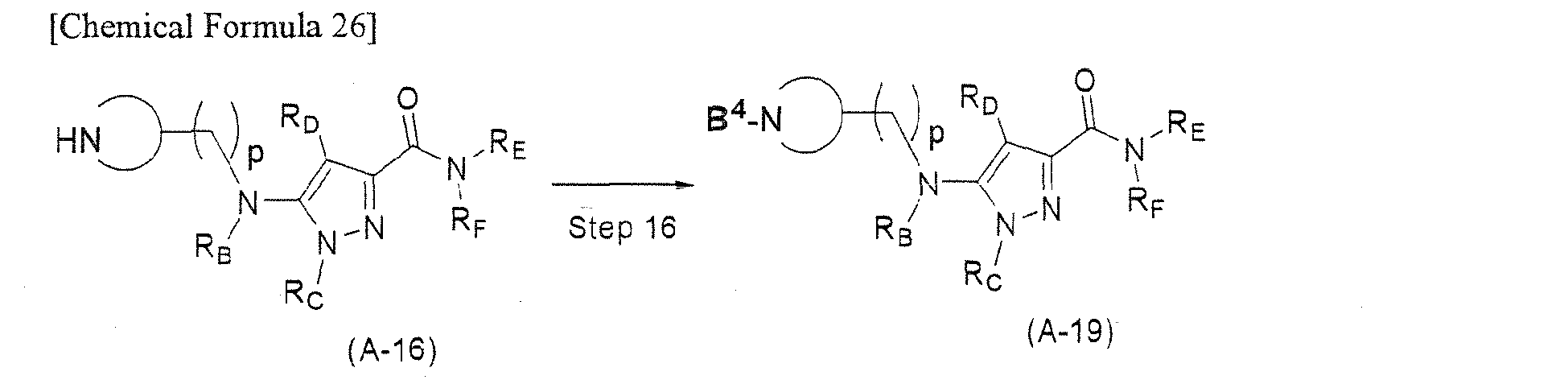
- Compound (A-16) may be treated with halogenated aryl or halogenated heteroaryl (B4-Br, B4-I, B4-Cl, etc.) or aryl metal compound or heteroaryl metal compound (B4-Mtl) to give Compound (A-19), in which -Mt1 is a boronic acid group -B(OH)2, -B(OMe)2 as a boronic acid ester group, -ZnCl as a zinc halide group, etc..
Compound (A-16) may be treated with halogenated aryl, halogenated heteroaryl, aryl metal compound or heteroaryl metal compound usually at room temperature to reflux temperature in the presence or absence of a palladium, copper or nickel metal catalyst such as tetrakis(triphenylphosphine)paliadium, dichiorodi(tris-o-tolylphosphine)palladium, tris(dibenzylideneacetone)dipalladium, copper acetate, copper iodide, nickel di(cyclooctadienyl) or nickel-carbon in the presence of a base such as sodium tertiary-butoxide, potassium carbonate, sodium bicarbonate or lithium hexamethyldisilazide, or a phosphorus ligand such as 2,2'-bis(diphenylphosphino)-1,1'-binaphthyl or triphenylphosphine, if needed, in an inert solvent or neat to give Compound (A-19). The solvent includes ether type solvents such as diethylether, diisopropylether, 1,2-dimethoxyethane, tetrahydrofuran or 1,4-dioxane, aromatic hydrocarbon solvents such as benzene, toluene or xylene, aprotic polar solvents such as dimethylsulfoxide, N,N-dimethylformamide, N,N-dimethylacetamide, N-methyl-2-pyrrolidinone or 1,3-dimethyl-2-imidazolidinone, water, or a mixture thereof. The reaction time is usually in the range of 30 minutes to 48 hours. - If any functional groups except for the intended reaction sites may be affected under the reaction conditions or be inappropriate to carry out the reactions in the above Preparations, such groups except for the intended reaction sites may be protected to carry out the reactions, followed by deprotecting to give the desired compounds. The protective group includes conventional protective groups described in the Protective Groups in Organic Synthesis as mentioned above, and specifically, the protective group for amine includes ethoxycarbonyl, t-butoxycarbonyl, acetyl or benzyl, and that of hydroxyl includes tri-lower alkyl silyl, acetyl or benzyl.
An introduction or deprotection of a protective group may be carried out according to a conventional method in the organic synthetic chemistry (see, for example, the Protective Groups in Organic Synthesis), or with some modification thereof.
Any functional groups of any intermediates or final products may be also optionally modified to give other compounds encompassed in the invention in the above Preparations. The modification of functional groups may be carried out by a conventional method (see, for example, R.C. Larock, Comprehensive Organic Transformations, 1989).
Each intermediate and the desired compound may be isolated and/or purified by a conventional purification method in the organic synthetic chemistry, e.g. neutralization, filtration, extraction, washing, drying, concentration, recrystallization, various chromatography, etc., in each Preparation. Each intermediate may be also used in the next reaction without purification.
Any optical isomers may be isolated in any steps in the above Preparations by a conventional isolating method including a method using an optically-active column or a fractionated crystallization. Any optically-active starting materials may be also used in the Preparations. - The invention encompasses any possible isomers including optical isomers, stereoisomers, tautomers such as ketoenol, and/or geometrical isomers, and a mixture thereof.
Any starting materials and intermediates may be known compounds, or be synthesized therefrom by a conventional method in the Preparations. - A configuration of two substituents on adamantane group in the inventive compound is defined as Z or E relative configuration according to C. D. Jones, M. Kaselj, et al. J. Org. Chem. 63: 2758-2760, 1998.
- The invention is illustrated by the following Reference Examples, Examples and Test Examples in more detail, but is not limited thereto. Compound names do not necessarily follow IUPAC nomenclature in the following Reference Examples and Examples.
- The following abbreviations may be used in the Reference Examples and Examples.
- THF: tetrahydrofuran
- NaBH(OAc)3: sodium triacetoxyborohydride
- (Boc)2O: di-tert-butyldicarbonate
- Pd(OH)2: palladium hydroxide
- DMF: N,N-dimethylformamide
- WSCI•HCl: 1-(3-dimethylaminopropyl)-3-ethylcarbodiimide hydrochloride
- HOBt•H2O: 1-hydroxybenzotriazole monohydrate
- NMP: 1-methyl-2-pyrrolidinone
- Me: methyl
- Et: ethyl
- Boc: tert-butoxycarbonyl
- Cbz: benzyloxycarbonyl
- N: normal (e.g., 2N HCl is 2-normal hydrochloric acid.)
- M: molar concentration (mol/L) (e.g., 2M methylamine is 2 mol/L methylamine solution.)
- tR: retention time
- A reverse-phase preparative purification was carried out as below.
A purification was carried out by using Gilson HPLC System. YMC CombiPrep ODS-A column (5 µm, 50x20 min I.D.) was used, and a mixed solvent system of CH3CN (containing 0.035% TFA) with water (containing 0.05% TFA) was used. UV was detected in each wavelength of 210 nm, 220 nm and 254 nm.
Elution conditions were as follows. - Preparative instrument: Gilson HPLC System
- Column: YMC CombiPrep ODS-A 50x20 min I.D.
- Solvent: CH3CN (containing 0.035% TFA), water (containing 0.05% TFA)
- Flow rate: 35 mL/min
- Gradient: linear gradient from 1:99 (v/v) CH3CN/water to 95:5 (v/v) CH3CN/water within 13 min at 35 mL/min
- obsMS [M+1]: observed protonated molecules
- min: minute
- LC/MS analytic conditions for identifying compounds in reverse-phase preparative purifications were as follows.
Measurement method SA: - Detection device: Detector Perkin-Elmer Sciex API150EX Mass spectrometer (40 eV)
- HPLC: Shimadzu LC 10ATVP
- Column: Shiseido CAPCELL PAK C18 ACR (S-5 um, 4.6x50 mm)
- Solvent: Solution A: 0.35%TFA/CH3CN, Solution B: 0.05%TFA/H2O
- Gradient condition: 0.0-0.5 min A 10%, 0.5-4.8 min Linear gradient from A 10% to 99%, 4.8-5.0 min A 99%
- Flow rate: 3.5 mL/min
- UV:254 nm
- Detection device: Agilent 1100 series for API series, manufactured by Applied Biosystems
- HPLC: API150EX LC/MS system, manufactured by Applied Biosystems
- Column: YMC CombiScreen ODS-A (S-5 µm, 12 nm, 4.6x50 mm)
- Solvent: Solution A: 0.05% TFA/H2O, Solution B: 0.035% TFA/MeCN
- Gradient condition: 0.0-0.5 min A 90%, 0.5-4.2 min Linear gradient from A 90% to 1%, 4.2-4.4 min
- Linear gradient from A 1% to 99%
- Flow rate: 3.5 mL/min
- UV: 220 nm
-


- To a solution of Compound I (40.0 g) (see The Journal of Organic Chemistry, 1983, Vol. 48, page 1099) in methanol (500 mL) was added thionyl chloride (22.7 mL). The mixture was heated to reflux and stirred for 3 hours. Then, the mixture was concentrated in vacuo, and then extracted with saturated sodium bicarbonate water and ethyl acetate. The organic layer was dried over sodium sulfate and concentrated in vacuo to give Compound II (44.0 g).
- Compound II (55.4 g) was dissolved in dichloromethane (1.25 L), and thereto were added (R)-(+)-1-phenetylarnine (32.2 g), NaBH(OAc)3 (82.0 g) and acetic acid (10 mL). The mixture was stirred at room temperature overnight. The mixture was treated with 6N hydrochloric acid, and then basified by 2N sodium hydroxide solution and extracted with chloroform. The organic layer was dried over sodium sulfate and concentrated in vacuo. The residue was purified by silica gel column chromatography (eluent: chloroform/methanol = 100/0 to 98/2) to give Compound III (73.6 g).
- To a solution of Compound III (12.6 g) in acetic acid (200 mL) was added palladium hydroxide (6.0 g), and the mixture was stirred under hydrogen (3 atm) for 9 hours. The palladium was filtered off, and then the filtrate was concentrated in vacuo. The residue was dissolved in saturated sodium bicarbonate water and THF, and thereto was added (Boc)2O (9.65 g). The mixture was stirred at room temperature for 1.5 hours. The reaction solution was extracted with ethyl acetate and saturated sodium bicarbonate water. The organic layer was dried over sodium sulfate and concentrated in vacuo. The residue was purified by silica gel column chromatography (eluent: chloroform/methanol = 19/1), and dissolved in chloroform (150 mL). Then, thereto was added 4N hydrochloric acid-dioxane (50 mL), and the mixture was stirred at room temperature overnight. The mixture was concentrated in vacuo, and the resulting white solid was filtered and concentrated in vacuo to give the titled Compound IV (7.0 g).
1H-NMR (DMSO-d6) δ 1.50 (m, 1H), 1.70-1.80 (m, 4H), 1.87-2.06 (m, 6H), 2.06-2.10 (m, 3H), 3.31 (s, 3H), 8.17 (bs, 3H) -

- To a solution of Compound I (20.0 g) in THF (400 mL) was added dropwise 2N dimethylamine-THF solution (56 mL), and the mixture was stirred at room temperature for 2 hours. Then, thereto was added dropwise hydrazine monohydrate (24 mL), and the mixture was stirred under reflux for 3 hours. The mixture was concentrated in vacuo, and then thereto was added saturated sodium bicarbonate water. The mixture was extracted with ethyl acetate, and the organic layer was dried over sodium sulfate and concentrated in vacuo to give Compound II (21.0 g).
- Compound II was dissolved in a mixed solvent of ethanol (100 mL) and THF (200 mL), and thereto were added sodium bicarbonate (16.2 g) and ethyl bromopyruvate (38.4 g). The mixture was stirred at 60°C for 3 hours. Then, thereto was added 4N hydrochloric acid-dioxane (50 mL), and the mixture was stirred at 70°C for 3 hours. The mixture was concentrated in vacuo, and then thereto was added saturated sodium bicarbonate water. The mixture was extracted with ethyl acetate. The organic layer was dried over sodium sulfate and concentrated in vacuo to give Compound III (21.0 g).
- Compound III (21.0 g) was dissolved in THF (1 L), and thereto was added sodium hydride (5.8 g) at 0°C. The mixture was stirred at 0°C to room temperature for 1 hour. Then, thereto was added methyl iodide (8.2 mL) at 0°C, and the mixture was stirred at room temperature overnight. Thereto was added water, and then the mixture was concentrated in vacuo. Thereto was added saturated sodium bicarbonate water, and the mixture was extracted with ethyl acetate. The organic layer was dried over sodium sulfate and concentrated in vacuo. The residue was purified by silica gel chromatography (eluent: hexane/ethyl acetate = 1/1) to give Compound IV (6.5 g).
- Compound IV (6.5 g) was dissolved in methanol (300 mL), and thereto was added 2N sodium hydroxide solution (30 mL) and the mixture was stirred at room temperature overnight. The reaction solution was concentrated in vacuo, and then acidified by 1N hydrochloric acid and extracted with ethyl acetate. The organic layer was dried over sodium sulfate and concentrated in vacuo to give Compound V (4.4 g) as a yellow oil.
1H-NMR (DMSO-d6) δ 2.62 (s, 6H), 3.69 (s, 3H), 6.21 (s, 1H), 12.4 (bs, 1H) -

- To a solution of 5-hydroxy-2-adamantanone (10.0 g) in dichloromethane (200 mL) were added (S)-(-)-1-phenetylamine (7.2 g), NaBH(OAc)3 (19 g) and acetic acid (2 mL), and the mixture was stirred at room temperature for 4 hours. Thereto was added 1N hydrochloric acid, and the mixture was washed with chloroform, and then the aqueous layer was basified by 2N sodium hydroxide solution. The mixture was extracted with chloroform, dried over sodium sulfate, and concentrated in vacuo. The residue was purified by silica gel chromatography (eluent: chloroform/methanol = 10/1) to give Compound II (5.9 g) as a low-polar ingredient and Compound III (4.2 g) as a high-polar one.
- Compound II (5.9 g) was dissolved in acetic acid (80 mL), and thereto was added palladium hydroxide (3.0 g) and the mixture was stirred under hydrogen (3 atm) for 8.5 hours. The resulting solid was filtered through Celite®, and then the filtrate was concentrated. The residue was dissolved in THF (100 mL) and saturated sodium bicarbonate water (50 mL), and thereto was added (Boc)2O (4.7 g) and the mixture was stirred at room temperature for 4 hours. The reaction solution was extracted with ethyl acetate. The organic layer was dried over sodium sulfate and concentrated in vacuo. The residue was purified by silica gel chromatography (eluent: hexane/ethyl acetate = 1/1) and dissolved in chloroform (100 mL), and thereto was added 4N hydrochloric acid-dioxane (20 mL) and the mixture was stirred at room temperature for 3 hours. The mixture was concentrated in vacuo and azeotroped with toluene to give Compound IV (4.9 g) as a white solid.
1H-NMR (DMSO-d6) δ 1.35-1.39 (m, 2H), 1.59-1.69 (m, 7H), 1.86-1.90 (m, 2H), 2.01 (m, 1H), 2.06-2.12 (m, 2H), 4.50 (bs, 1H), 8.07 (bs, 3H) -

1H-NMR (CDCl3) δ 0.36-0.41 (m, 2H), 0.43-0.47 (m, 2H), 2.17 (m, 1H), 3.82 (s, 3H), 3.83 (s, 2H), 6.80 (m, 1H), 6.87-6.92 (m, 2H), 7.24 (m, 1H) -

- To a solution of Compound I (2.8 g) in THF (150 mL) was added dropwise N-(3-methoxybenzyl)cyclopropaneamine (2.8 g), and the mixture was stirred at room temperature for 5 hours. Then, thereto was added dropwise hydrazine monohydrate (8 mL), and the mixture was stirred under reflux for 6 hours. The mixture was concentrated in vacuo, and then thereto was added saturated sodium bicarbonate water and the mixture was extracted with ethyl acetate. The organic layer was dried over sodium sulfate and concentrated in vacuo. The resulting white solid was filtered, washed with water and dried in vacuo to give Compound II (3.5 g).
- Compound II (1.3 g) was dissolved in ethanol (10 mL) and THF (10 mL), and thereto were added sodium bicarbonate (0.54 g) and ethyl bromopyruvate (1.5 g) and the mixture was stirred at 70°C for 3 hours. Then, thereto was added acetic acid (1.2 mL) and the mixture was stirred at 60°C for 4.5 hours. The mixture was concentrated in vacuo, and thereto was added saturated sodium bicarbonate water and the mixture was extracted with ethyl acetate. The organic layer was dried over sodium sulfate and concentrated in vacuo to give Compound III (62 mg).
- Compound III (62 mg) was dissolved in THF (5 mL), and thereto was added sodium hydride (9.4 mg) at 0°C. The mixture was stirred at 0°C to room temperature for 1 hour. Then, thereto was added methyl iodide (13 µL) at 0°C and the mixture was stirred at room temperature for 3 hours. Thereto was added water, then saturated sodium bicarbonate water, and the mixture was extracted with ethyl acetate. The organic layer was dried over sodium sulfate and concentrated in vacuo. The residue was purified by preparative TLC (eluent: hexane/ethyl acetate = 1/1) to give Compound IV (24 mg).
1H-NMR (CDCl3) δ 0.71-0.74 (m, 2H), 0.76-0.80 (m, 2H), 1.38 (t, J=7.12Hz, 3H), 2.54 (m, 1H), 3.58 (s, 3H), 3.78 (s, 3H), 4.36 (q, J=7.12Hz, 2H), 4.53 (s, 2H), 6.43 (s, 1H), 6.76-6.85 (m, 3H), 7.20 (m, 1H) -
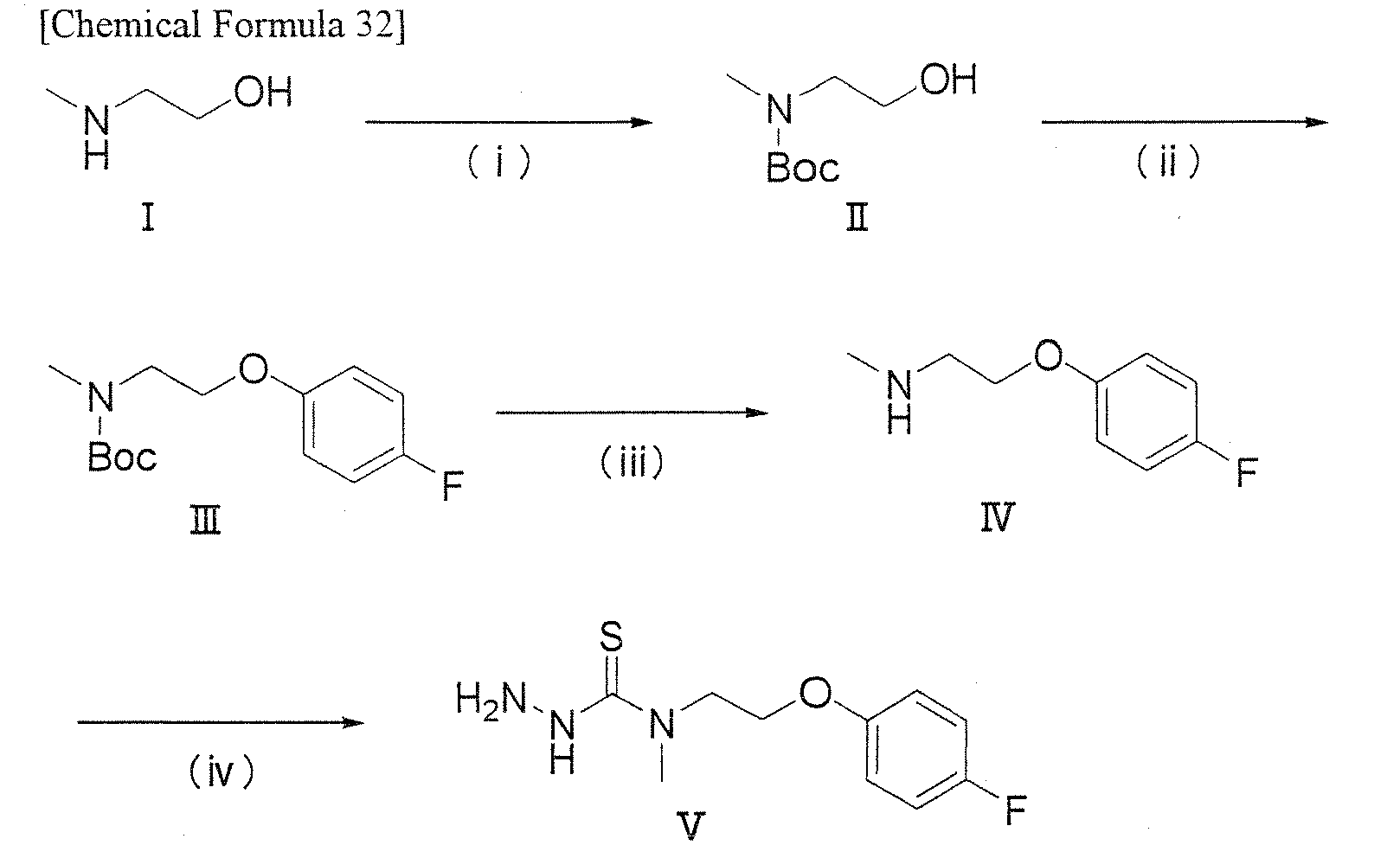
- Compound I (41.3 g) was dissolved in THF (100 mL), and thereto were added saturated sodium bicarbonate water (100 mL) and (Boc)2O (120 g) and the mixture was stirred at room temperature overnight. Thereto was added water, and the mixture was extracted with ethyl acetate. The organic layer was dried over sodium sulfate and then concentrated in vacuo to give Compound II (94.4 g).
- Compound II (5.0 g) was dissolved in THF (200 mL), and thereto were added 4-fluorophenol (3.2 g) and triphenylphosphine (7.5 g), then added dropwise diisopropyl azodicarboxylate (5.5 g). The mixture was stirred at room temperature overnight and the reaction solvent was concentrated in vacuo. The residue was purified by silica gel chromatography (eluent: hexane/ethyl acetate = 3/1) to give Compound III (2.3 g).
- Compound III (2.3 g) was dissolved in chloroform (100 mL), and thereto was added 4N hydrochloric acid-dioxane solution (30 mL) and the mixture was stirred at room temperature for 6 hours. The reaction solvent was concentrated in vacuo, and thereto was added 2N sodium hydroxide solution and the mixture was extracted with chloroform. The organic layer was dried over sodium sulfate and then concentrated in vacuo to give Compound IV (1.8 g).
- 1,1'-Thiocarbonyl diimidazole (2.0 g) was dissolved in THF (70 mL), and thereto was added Compound IV (1.8 g) and the mixture was stirred at room temperature for 1 hour. Then, thereto was added hydrazine monohydrate (10 mL) and the mixture was stirred under reflux for 1 hour. The mixture was concentrated in vacuo, and thereto was added water and the mixture was extractd with ethyl acetate. The organic layer was dried over sodium sulfate and concentrated in vacuo to give the titled Compound V (1.8 g).
1H-NMR (CDCl3) δ 1.24 (t, J=8.0Hz, 2H), 2.03 (s, 3H), 4.10 (q, J=8.0Hz, 2H), 4.20 (m, 1H), 6.56-6.66 (m, 4H), 7.12-7.14 (m, 2H) -

- Cyclobutylamine (7.1 g) was dissolved in dichloromethane (400 mL), and thereto was added anhydrous trifluoroacetic acid (17 mL) and the mixture was stirred at room temperature overnight. The mixture was concentrated in vacuo to give Compound II (10.5 g).
- To a solution of borane-dimethyl sulfide complex (21.5 g) in THF (300 mL) was added dropwise a solution of Compound II (10.5 g) in THF (50 mL) at 50°C, and the mixture was stirred at 50°C overnight. Thereto was added methanol (150 mL) at 0°C, and the mixture was stirred at room temperature for 1 hour. Then, thereto was added 4N hydrochloric acid-ethanol solution (100 mL) and the mixture was stirred at room temperature for 1 hour. The reaction solution was concentrated in vacuo, and the residue was washed with ethyl acetate-hexane. The resulting white solid was filtered and dried in vacuo to give Compound III (10.9 g).
- Compound III (1.9 g) was dissolved in THF (20 mL), and thereto was added saturated sodium bicarbonate water (10 mL) and the mixture was stirred at room temperature for 30 minutes. Thereto was added dropwise a solution of 4-chlorophenyl chlorothioformate (2.3 g) in THF (5 mL) at 0°C, and the mixture was stirred at room temperature for 4 hours. Thereto was added brine, and the mixture was extracted with ethyl acetate. The organic layer was dried over sodium sulfate, concentrated in vacuo and dissolved in NMP (12 mL), and thereto was added hydrazine monohydrate (1.5 mL) and the mixture was stirred at room temperature for 1 hour. Thereto was added water, and then the mixture was extracted with ethyl acetate. The organic layer was washed with brine, and then dried over sodium sulfate and concentrated in vacuo. The residue was purified by silica gel chromatography (eluent: hexane/ethyl acetate = 1/1) to give Compound IV (2.0 g).
- Compound IV (2.0 g) was dissolved in a mixed solvent of ethanol (20 mL) with THF (20 mL), and thereto were added sodium bicarbonate (765 mg) and ethyl bromopyruvate (1.8 g) and the mixture was stirred at 80°C for 3 hours. Thereto was added 4N hydrochloric acid-ethanol solution (3 mL), and the mixture was stirred at 60°C for 12 hours. The mixture was concentrated in vacuo, and then thereto was added saturated sodium bicarbonate water and the mixture was extracted with ethyl acetate. The organic layer was dried over sodium sulfate and concentrated in vacuo. The residue was purified by silica gel chromatography (eluent; hexane/ethyl acetate = 1/1) to give Compound V (780 mg).
- To a solution of sodium hydride (140 mg) in THF (10 mL) was added dropwise a solution of Compound V (778 mg) in THF (5 mL) at 0°C, and the mixture was stirred at room temperature for 1 hour. Then, thereto was slowly added methyl iodide (200 µL) at 0°C, and the mixture was stirred at room temperature overnight. Thereto was added water, and then the mixture was concentrated in vacuo. Thereto was added brine, and the mixture was extracted with ethyl acetate. The organic layer was dried over sodium sulfate and concentrated in vacuo. The residue was purified by silica gel chromatography (eluent: hexane/ethyl acetate = 1/1) to give Compound VI (590 mg).
- Compound VI (340 mg) was dissolved in DMF (4.5 mL), and thereto was added N-chlorosuccinimide (178 mg) and the mixture was stirred at 60°C for 4 hours. Thereto was added water, and then the mixture was extracted with ethyl acetate. The organic layer was washed with brine. The organic layer was dried over sodium sulfate and concentrated in vacuo. The residue was purified by silica gel chromatography (eluent: hexane/ethyl acetate = 3/1) to give Compound VII (324 mg).
- Compound VII (320 mg) was dissolved in ethanol (4 mL), and thereto was added 5N sodium hydroxide solution (560 µL) and the mixture was stirred at room temperature overnight. The reaction solution was concentrated in vacuo, and then acidified by 1N hydrochloric acid and extracted with ethyl acetate. The organic layer was dried over sodium sulfate and concentrated in vacuo to give the titled Compound VIII (287 mg) as a white solid.
1H-NMR (CDCl3) δ 1.51-1.69 (m, 2H), 1.75-1.88 (m, 2H), 2.05-2.20 (m, 2H), 3.52-3.80 (m, 2H), 3.83 (s, 3H), 3.84-3.95 (m, 2H) -

- To a solution of borane-dimethyl sulfide complex (23.9 g) in THF (300 mL) was added dropwise a solution of Compound I (10.0 g) in THF (50 mL) at 50°C and the mixture was stirred at 50°C overnight. Thereto was added methanol (150 mL) at 0°C, and the mixture was stirred at room temperature for 1 hour. Then, thereto was added 4N hydrochloric acid-ethanol solution (100 mL) and the mixture was stirred at room temperature for 1 hour. The reaction solution was concentrated in vacuo, and the residue was washed with ethyl acetate-hexane. The resulting white solid was filtered and dried in vacuo to give Compound II (10.0 g).
- Compound II (5.5 g) was dissolved in THF (40 mL), and thereto was added triethylamine (5.1 mL) and the mixture was stirred at room temperature for 30 minutes. The mixture was added to a solution of 1,1'-thiocarbonyl diimidazole (7.6 g) in THF (40 mL) and stirred at room temperature for 1 hour. Then, thereto was added hydrazine monohydrate (5.4 mL) and the mixture was stirred at room temperature for 1 hour. The mixture was concentrated in vacuo, and thereto was added brine and the mixture was extracted with ethyl acetate. The organic layer was dried over sodium sulfate and then concentrated in vacuo to give Compound III (6.1 g).
- Compound III (1.4 g) was dissolved in a mixed solvent of ethanol (20 mL) with THF (20 mL), and thereto were added sodium bicarbonate (670 mg) and ethyl 3-bromo ketobutanoate (2.2 g), and the resulting mixture was stirred at 70°C for 3 hours. The reaction solution was concentrated in vacuo, and then thereto was added 4N hydrochloric acid-ethanol solution (5 mL) and the mixture was stirred at 90°C overnight. The mixture was concentrated in vacuo, and then thereto was added saturated sodium bicarbonate water and the mixture was extracted with ethyl acetate. The organic layer was dried over sodium sulfate and concentrated in vacuo. The residue was purified by silica gel chromatography (eluent: hexane/ethyl acetate = 2/1) to give Compound IV (1.1 g) as a white solid.
- To a solution of sodium hydride (155 mg) in THF (12 mL) was added dropwise a solution of Compound IV (854 mg) in THF (8 mL) at 0°C and the mixture was stirred at room temperature for 1 hour. Then, thereto was slowly added methyl iodide (240 µL) at 0°C and the mixture was stirred at room temperature for 3 hours. Thereto was added water, and then the mixture was concentrated in vacuo. Thereto was added brine, and the mixture was extracted with ethyl acetate. The organic layer was dried over sodium sulfate and concentrated in vacuo. The residue was purified by silica gel chromatography (eluent: hexane/ethyl acetate = 2/1) to give the titled Compound V (445 mg).
1H-NMR (CDCl3) δ 1.40 (t, J=8.0Hz, 3H), 2.24 (s, 3H), 2.93 (s, 3H), 3.52-3.61 (m, 2H), 3.80 (s, 3H), 4.39 (q, J=8.0Hz, 2H) -

- To an ice-cooled mixed solution of cyclopropylamine (5.0 g), saturated sodium bicarbonate water (20 mL) and THF (200 mL) was added (Boc)2O (19.1 g), and the mixture was stirred at room temperature overnight. The organic layer was separated and the aqueous layer was extracted with ethyl acetate. The organic layer was dried over sodium sulfate and concentrated in vacuo to give Compound II (13.0 g).
- To an ice-cooled mixed solution of sodium hydride (1.7 g) and DMF (70 mL) was added dropwise a solution of Compound II (5.0 g) in DMF (5 mL). The mixture was stirred at room temperature for 1 hour and cooled to 0°C again. Thereto was added dropwise 1-bromo-3-methoxypropane (7.3 g), and then the mixture was stirred at room temperature overnight. Thereto was added water, and the mixture was extracted with ethyl acetate. The organic layer was dried over sodium sulfate and concentrated in vacuo to give Compound III.
- Compound III obtained in Step (ii) was dissolved in dioxane (25 mL), and thereto was added 4N hydrochloric acid-dioxane solution (25 mL) and the mixture was stirred at room temperature for 4 hours. The mixture was concentrated in vacuo, and the residue was washed with dioxane and hexane to give the titled Compound IV (4.3 g).
1H-NMR (CDCl3) δ 0.67-0.74 (m, 2H), 0.82-0.86 (m, 2H), 1.82-1.88 (m, 2H), 2.64-2.69 (m, 1H), 2.97-3.05 (m, 2H), 3.23 (s, 3H), 3.33-3.39 (m, 2H), 8.92 (bs, 2H) - The titled compound was synthesized by using 1-bromo-2-methoxyethane in the similar manner to Reference Example 9.
-

-


- To a solution of cyclopropylamine (3.0 g) and benzaldehyde (5.6 g) in ethylene chloride (200 mL) was added NaBH(OAc)3 (12.3 g), and the mixture was stirred at room temperature overnight. Thereto was added water, and the aqueous layer was extracted with chloroform. The organic layer was washed with brine, dried over sodium sulfate and concentrated in vacuo. The residue was dissoved in butyl formate (100 mL) and stirred at 150°C overnight. The mixture was concentrated in vacuo, and the residue was purified by silica gel chromatography (eluent: hexane/ethyl acetate = 3/2) to give Compound II (4.4 g).
- To a solution of ethylmagnesium bromide (0.96M solution in THF, 60 mL) in THF (170 mL) at -70°C was added dropwise a solution of titanium tetraisopropoxide (9.3 g) in THF (20 mL) over 3 minutes, and the mixture was stirred for 2 minutes. Then, thereto was added dropwise a solution of Compound II (4.4 g) in THF (10 mL) over 3 minutes, and the mixture was stirred for 5 minutes. The mixture was warmed up to room temperature and stirred overnight. To the reaction solution were added saturated aqueous ammonium chloride solution (150 mL) and water (50 mL), and the mixture was stirred at room temperature for 3 hours. The white precipitate was filtered, and the filtrate was adjusted to pH 10 with 2M aqueous sodium hydroxide solution and extracted with ethyl acetate. The organic layer was washed with brine, dried over sodium sulfate and concentrated in vacuo. The residue was purified by silica gel chromatography (eluent: hexane/ethyl acetate = 100/1) to give Compound III (2.7 g).
- A mixed solution of Compound III (2.7 g), methanol (60 mL), 4N hydrochloric acid-dioxane (7.5 mL) and 10% palladium-carbon (300 mg) was stirred at room temperature under hydrogen (3 atm) for 4.5 hours. The reaction solution was filtered through Celite®, and then the filtrate was concentrated to give the titled Compound IV (2.0 g).
1H-NMR (CDCl3) δ 0.71-0.78 (m, 4H), 0.80-0.91 (m, 4H), 2.73 (bs, 2H), 9.35 (bs, 2H) -

- To a mixed solvent of toluene (135 mL) and water (10 mL) were added benzyl cyanide (5.9 g), potassium hydroxide (26.4 g), 1,3-dibromopropane (10.1 g) and tetrabutylammonium bromide (0.16 g), and the mixture was heated with stirring at 100°C. After dissolving potassium hydroxide, the reaction vessel was soaked in a water bath and vigorously stirred for 10 minutes. Then, the mixture was heated with stirring at 110°C for 5 hours. Thereto was added water, and the aqueous layer was extracted with ethyl acetate. The organic layer was washed with brine, dried over sodium sulfate and concentrated in vacuo. The residue was purified by silica gel chromatography (eluent: hexane/ethyl acetate = 20/1) to give Compound II (4.1 g).
- Lithium aluminum hydride (3.8 g) was suspended in THF (120 mL), and thereto was added dropwise a solution of Compound II in THF (5 mL) at room temperature. After completion of dropping, the reaction solution was heated at reflux for 5 hours. Thereto were added water (4 mL), aqueous sodium hydroxide solution (15%, 4 mL) and water (12 mL) under ice cooling, and the resulting precipitate was filtered off. The organic layer was concentrated in vacuo. To the residue was added water, and the mixture was extracted with methyl acetate. The organic layer was washed with brine, dried over sodium sulfate and concentrated in vacua. The residue was dissolved in ethyl formate (50 mL) and stirred at 100°C overnight. The mixture was concentrated in vacuo, and then the residue was dissolved in THF (20 mL) and the solution was added dropwise to a suspension of lithium aluminum hydride (3.8 g) in THF (120 mL) at room temperature. After completion of dropping, the mixture was heated at reflux for 1 hour and stirred at room temperature overnight. Thereto was added sodium sulfate decahydrate until ceasing of gas generation, and then thereto was added anhydrous sodium sulfate. The precipitate was filtered off and the filtrate was concentrated in vacua to give Compound III (4.7 g).
1H-NMR (CDCl3) δ 1.72-1.82 (m, 1H), 2.01-2.13 (m, 1H), 2.26-2.40 (m, 4H), 2.43-2.45 (m, 3H), 3.28-3.31 (m, 2H), 7.22-7.30 (m, 3H), 7.36-7.39 (m, 2H), 8.23 (bs, 2H) -

- To a solution of Compound I (7.1 g) in dichloromethane (400 mL) was added a solution of methylamine in THF (110 mL, 2M). After ice-cooling, thereto was added acetic acid (43 mL), then NaBH(OAc)3 (35.3 g) in small portions. The mixture was stirred at room temperature overnight, and thereto were added water (200 mL) and potassium carbonate. After the completion of gas generation, the organic layer was separated. The aqueous layer was extracted with dichloromethane. The organic layer was combined to be dried over sodium sulfate and concentrated in vacuo to give Compound II (quantitative).
- To an ice-cooled mixture of Compound II obtained in Step (i), THF (200 mL), water (100 mL) and sodium bicarbonate (19.8 g) was added dropwise a solution of 4-chlorophenyl chlorothioformate (17.6 mL) in THF (100 mL), and the mixture was stirred at room temperature for 4 hours. The organic layer was separated, and then the aqueous layer was extracted with ethyl acetate. The organic layer was combined to be dried over sodium sulfate and concentrated in vacuo. To the residue was added DMF (200 mL) with ice cooling, and then thereto was added hydrazine monohydrate (12.6 mL) and the mixture was stirred at room temperature for 2 hours. Thereto was added brine, and then the mixture was extracted with ethyl acetate. The organic layer was washed with brine, and then dried over sodium sulfate and concentrated in vacua. The residue was purified by silica gel chromatography (eluent: hexane/ethyl acetate = 1/1 to chloroform/methanol = 10/1) to give Compound III (23.75 g).
- To an ice-cooled mixture of Compound III (23.75 g), sodium bicarbonate (12.37 g), 95% ethanol (250 mL) and THF (100 mL) was added ethyl bromopyruvate (11.6 mL). The mixture was stirred at room temperature for 30 minutes and then stirred at 90°C. After 2 hours, thereto was added acetic acid (150 mL) and the mixture was stirred at 125°C while removing solvents with a Dean-Stark apparatus. The mixture was stirred overnight, and then cooled to room temperature and concentrated in vacuo. To the residue was added saturated sodium bicarbonate water, and the mixture was extracted with ethyl acetate. The organic layer was dried over sodium sulfate and concentrated in vacua, The residue was purified by silica gel chromatography (eluent: hexane/ethyl acetate = 1/1 to chloroform/methanol = 10/1) to give Compound III (14.8 g).
1H-NMR (CDCl3) δ 1.38 (t, J=4Hz, 3H), 1.60-1.80 (m, 4H), 2.74 (s, 3H), 2.87 (m, 2H), 3.80 (m, 1H), 4.20-4.41 (m, 4H), 5.14 (s, 2H), 6.16 (s, 1H), 7.31-7.40 (m, 5H), 9.76 (br, 1H) -

- A solution of Compound I (5 g) in ethyl formate (8 mL) was stirred under reflux for 16 hours. The solution was concentrated in vacuo to give Compound II (quantitative). Repetitions of Step (i) gave enough amounts of Compound II for Step (ii).
- To an ice-cooled solution of Compound II (49.1 g) in THF (500 mL) was added dropwise borane-dimethyl sulfide complex (171 mL). After the completion of dropwise, the mixture was stirred at room temperature. After ceasing of gas generation, the mixture was stirred at 50°C for 3 hours, and then stirred at room temperature overnight. To the ice-cooled reaction solution was added dropwise methanol (200 mL), and then the mixture was stirred at room temperature for 30 minutes and concentrated in vacuo. Then, to the residue was added water (100 mL), and the mixture was acidified with hydrochloric acid. The mixture was stirred for 2 hours, and then the resulting solid was filtered off. The filtrate was extracted with toluene twice. To the aqueous layer was added sodium hydroxide, and the mixture was adjusted to pH>12 and extracted with dichloromethane three times. The organic layer was washed with brine, and then dried over sodium sulfate and concentrated in vacuo to give Compound III (40.94 g).
- To an ice-cooled mixture of Compound III (40.94 g), sodium bicarbonate (42.17 g), ethyl acetate (200 mL) and water (200 mL) was added dropwise a solution of Boc2O (73.1 g) in ethyl acetate (200 mL). After 4 hours, the organic layer was separated. The aqueous layer was extracted with ethyl acetate. The combined organic layer was washed with brine, and then dried over sodium sulfate and concentrated in vacuo. The residue was purified by silica gel chromatography (eluent: hexane/ethyl acetate = 1/1 to 1/2) to give Compound IV.
- To Compound IV obtained in Step (iii) were added acetic acid (200 mL) and platinum oxide (PtO2, 5 g), and the mixture was stirred under 3-4 kgf/cm2 of hydrogen atmosphere overnight. The reaction mixture was filtered through Celite® and washed with methanol. The filtrate was concentrated in vacuo, and then the residue was extracted with sodium hydroxide solution and dichloromethane. The organic layer was dried over sodium sulfate and concentrated in vacuo to give Compound V (66.93 g).
- To an ice-cooled mixture of Compound V (66.93 g), sodium carbonate (62.1 g), toluene (200 mL) and water (300 mL) was added dropwise a solution of benzyloxycarbonyl chloride (55 g) in toluene (200 mL). The mixture was stirred overnight, and then a toluene layer was separated. The aqueous layer was extracted with ethyl acetate. The combined organic layer was dried over sodium sulfate and concentrated in vacuo. To the residue was added 4N hydrochloric acid-dioxane (80 mL), and the mixture was stirred at room temperature and concentrated in vacuo. Then, thereto were added diisopropylether and hexane, and the mixture was allowed to stand overnight at room temperature. The resulting solid was filtered and washed with diisopropylether and hexane, and then dried in vacuo to give Compound VI (68.56 g).
- To Compound VI (25 g) was added sodium hydroxide solution, and the mixture was stirred and then extracted with dichloromethane. The organic layer was dried over sodium sulfate and concentrated in vacuo. After obtaining the free form of Compound VI, thereto was added THF (100 mL). The solution was added dropwise to an ice-cooled solution of 1,1'-thiocarbonyl diimidazole (17.3 g) in THF (300 mL). After completion of dropping, the mixture was stirred at room temperature for 1.5 hours. The reaction solution was ice-cooled, and thereto was added hydrazine monohydrate (12.6 mL) and the mixture was stirred at room temperature overnight and concentrated in vacuo. Then, the residue was extracted with ethyl acetate and brine. The organic layer was washed with brine, and then dried over sodium sulfate and concentrated in vacuo. To the residue were added diisopropylether and hexane, and the mixture was stirred for 30 minutes, and then filtered and dried in vacuo to give Compound VII (27.43 g).
- To an ice-cooled mixed solution of Compound VII (27.43 g), sodium bicarbonate (13.7 g), 95% ethanol (400 mL) and THF (250 m) was added ethyl bromopyruvate (12.8 mL). The mixture was stirred for 20 minutes and then stirred at 90°C. After 1 hour, thereto was added acetic acid (250 mL), and the mixture was stirred at 125°C while removing solvents with a Dean-Stark apparatus. The mixture was stirred overnight, and then cooled to room temperature and concentrated in vacuo. To the residue was added saturated sodium bicarbonate water, and the mixture was extracted with ethyl acetate. The organic layer was dried over sodium sulfate and concentrated in vacuo. The residue was purified by silica gel chromatography (eluent: hexane/ethyl acetate = 1/1) to give the titled Compound VIII (19.07 g).
1H-NMR (CDCl3) δ 1.19 (m, 2H), 1.40 (t, J=8Hz, 3H), 1.72 (m, 2H), 1.92 (m, 1H), 2.78 (m, 2H), 2.94 (s, 3H), 3.13 (d, J=12Hz, 2H), 4.22 (m, 2H), 4.37 (q, J=8Hz, 2H), 5.14 (s, 2H), 6.09 (s, 1H), 7.32-7.42 (m, 5H), 9.80 (br, 1H) - 4-(2-Aminoethyl)pyridine was treated in the similar manner to Reference Example 14 to give the following compounds.
-

-

- To an ice-cooled mixed solution of Compound I (25.6 g), toluene (200 mL), sodium carbonate (32.0 g) and water (300 mL) was added dropwise a solution of benzyloxycarbonyl chloride (25.8 g) in toluene (100 mL). The mixture was stirred overnight, and then thereto was added ethyl acetate and the mixture was stirred. Then, the reaction solution was filtered and the organic layer of the filtrate was separated. The aqueous layer was extracted with ethyl acetate. The combined organic layer was washed with water, and then dried over sodium sulfate and concentrated in vacuo. To the residue were added diisopropylether and hexane, and the mixture was stirred for 20 minutes and then the resulting solid was filtered and dried in vacuo to give Compound II (41.48 g).
- To an ice-cooled solution of Compound II (41.48 g) in DMF (300 mL) was added sodium hydride (5.7 g) in small portions. The mixture was stirred for 1.5 hours at room temperature, and then the reaction solution was ice-cooled. Thereto was added dropwise methyl iodide (9.8 mL), and then the mixture was stirred at room temperature overnight. The reaction solution was poured into citric acid solution, and the mixture was extracted with ethyl acetate. The organic layer was washed with brine, and then dried over sodium sulfate and concentrated in vacuo. The residue was purified by silica gel chromatography (eluent: hexane/ethyl acetate = 1/1). Thereto was added 15% hydrochloric acid-ethanol (100 mL), and the mixture was allowed to stand for 3 days at room temperature. The mixture was concentrated in vacuo, and then thereto was added hydrochloric acid solution and the mixture was extracted with toluene. The toluene layer was extracted with 1N hydrochloric acid. The combined acidic aqueous layer was adjusted to pH>14 with sodium hydroxide. The alkaline aqueous layer was extracted with dichloromethane, and the organic layer was dried over sodium sulfate and concentrated in vacuo to give Compound III (28.45 g).
- To an ice-cooled mixed solution of Compound III obtained in Step (ii), sodium bicarbonate (22.4 g), THF (100 mL) and water (100 mL) was added dropwise a solution of 4-chlorophenyl chlorothioformate (20 mL) in THF (100 mL), and the mixture was stirred at room temperature overnight. The organic layer was separated, and then the aqueous layer was extracted with ethyl acetate. The organic layer was combined, dried over sodium sulfate and concentrated in vacuo. Thereto was added DMF (200 mL), and the mixture was ice-cooled. Then, thereto was added hydrazine monohydrate (14.2 mL), and the mixture was stirred at room temperature for 2 hours. Thereto was added brine, and then the mixture was extracted with ethyl acetate. The organic layer was washed with brine, and then dried over sodium sulfate and concentrated in vacuo. The residue was purified by silica gel chromatography (eluent: hexane/ethyl acetate = 1/1 to chloroform/methanol = 10/1) to give Compound IV (34.74 g).
- To an ice-cooled mixed solution of Compound IV (34.74 g), sodium bicarbonate (18.9 g) and 95% ethanol (300 mL) was added ethyl bromopyruvate (17.7 mL). The mixture was stirred at room temperature for 20 minutes, and then stirred at 90°C. After 1.5 hours, thereto was added acetic acid (200 mL), and the mixture was stirred at 125°C while removing solvents with a Dean-Stark apparatus. The mixture was stirred overnight, and then the mixture was cooled back to room temperature and concentrated in vacuo. To the residue was added saturated sodium bicarbonate water, and the mixture was extracted with ethyl acetate. The organic layer was dried over sodium sulfate and concentrated in vacua. The residue was purified by silica gel chromatography (eluent: hexane/ethyl acetate = 1/1 to chloroform/methanol = 10/1) to give the titled Compound V (20.9 g) (49.8% yields).
1H-NMR (CDCl3) δ 1.39 (t, J=8Hz, 3H), 2.09 (m, 2H), 2.82 (s, 3H), 3.34-3.48 (m, 2H), 3.56-3.75 (m, 2H), 4.37 (q, J=8Hz, 2H), 4.45 (m, 1H), 5.15 (s, 2H), 6.20 (s, 1H), 7.31-7.41 (m, 5H), 9.85 (br, 1H) - The titled compound was prepared in the similar manner to Reference Example 16.
-

- The titled compound was prepared in the similar manner to Reference Example 16.
-

- The titled compound was prepared in the similar manner to Reference Example 16.
-


-

- Compound I (153 mg) was dissolved in DMF (5 mL), and then thereto were added methyl 4-aminoadamantane-1-carboxylate hydrochloride (200 mg), WSCI•HCl (217 mg), HOBt•H2O (146 mg) and triethylamine (158 µL), and the mixture was stirred at room temperature for 6 hours. Thereto was added water, and the mixture was extracted with ethyl acetate. The organic layer was dried over sodium sulfate and concentrated in vacua. The residue was purified by preparative TLC (eluent: chloroform/methanol = 10/1) to give Compound II (82 mg).
- Compound II (72 mg) was dissolved in methanol (3 ml), and then thereto was added 2N sodium hydroxide solution (1 mL) and the mixture was stirred at room temperature overnight and concentrated in vacuo. Then, the mixture was acidified by diluted hydrochloric acid, and then extracted with ethyl acetate. The organic layer was dried over sodium sulfate and concentrated in vacuo. The residue was dissolved in DMF (5 ml), and thereto were added ammonium chloride (13 mg), WSCI•HCl (45 mg), HOBt•H2O (32 mg) and triethylamine (55 µL) and the mixture was stirred at room temperature overnight. Thereto was added water, and then the mixture was extracted with ethyl acetate. The organic layer was dried over sodium sulfate and concentrated in vacuo. The residue was purified by preparative TLC (eluent: chloroform/methanol = 10/1) to give Compound III (16 mg) as a high-polar ingredient and Compound IV (4.9 mg) as a low-polar one. The structures were determined by X-ray crystallographic analysis.
N-[(E)-5-(Aminocarbonyl)-2-adamantyl]-5-(dimethylamino)-1-methyl-1H-pyrazole-3-carboxamide A high-polar ingredient
1H-NMR (CDCl3) δ 1.63-1.68 (m, 3H), 1.93-1.97 (m, 4H), 2.00-2.08 (m, 4H), 2.08-2.16 (m, 2H), 2.69 (s, 6H), 3.75 (s, 3H), 4.19-4.21 (m, 1H), 5.27 (s, 1H), 5.62 (s, 1H), 6.31 (s, 1H), 7.17 (m, 1H) N-[(Z)-5-(Aminocarbonyl)-2-adamantyl]-5-(dimethylamino)-1-methyl-1H-pyrazole-3-carboxamide
A low-polar ingredient
1H-NMR (CDCl3) δ 1.55-1.68 (m, 4H), 1.77-1.84 (m, 3H), 1.93-1.97 (m, 3H), 2.08-2.10 (m, 2H), 2.20 (m, 1H), 2.70 (s, 6H), 3.75 (s, 3H), 4.15 (m, 1H), 5.24 (s, 1H), 5.65 (s, 1H), 6.32 (m, 1H), 7.13 (m, 1H) -

- Compound I (24 mg) was dissolved in methanol (5 mL), and then thereto was added 2N sodium hydroxide solution (500 µL) and the mixture was stirred at room temperature overnight. The reaction solution was concentrated in vacuo, and then acidified by 1N hydrochloric acid and extracted with ethyl acetate. The organic layer was dried over sodium sulfate and concentrated in vacuo to give Compound II (14 mg).
- Compound II (14 mg) was dissolved in DMF (2 mL), and then thereto were added (E)-4-aminoadamantan-1-ol hydrochloride (14 mg), WSCI•HCl (86 mg), HOBt•H2O (60 mg) and triethylamine (19 µL), and the mixture was stirred at room temperature overnight. Thereto was added water, and then the mixture was extracted with ethyl acetate. The organic layer was dried over sodium sulfate and concentrated in vacua. The residue was purified by preparative TLC (eluent: chloroform/methanol = 10/1) to give Compound III (21 mg).
1H-NMR (CDCl3) δ 0.44-0.46 (m, 2H), 0.56-0.57 (m, 2H), 1.52-1.55 (m, 2H), 1.64 (m, 1H), 1.78-1.80 (m, 4H), 1.85-1.95 (m, 4H), 2.19-2.22 (m, 3H), 2.44 (m, 1H), 3.55 (s, 3H), 3.75 (s, 3H), 4.10 (s, 2H), 4.17 (m, 1H), 6.67 (s, 1H), 6.76 (m, 1H), 6.80 (m, 1H), 7.10 (m, 1H), 7.19 (m, 1H) - The following compounds were synthesized in the similar manner to Example 2.
-
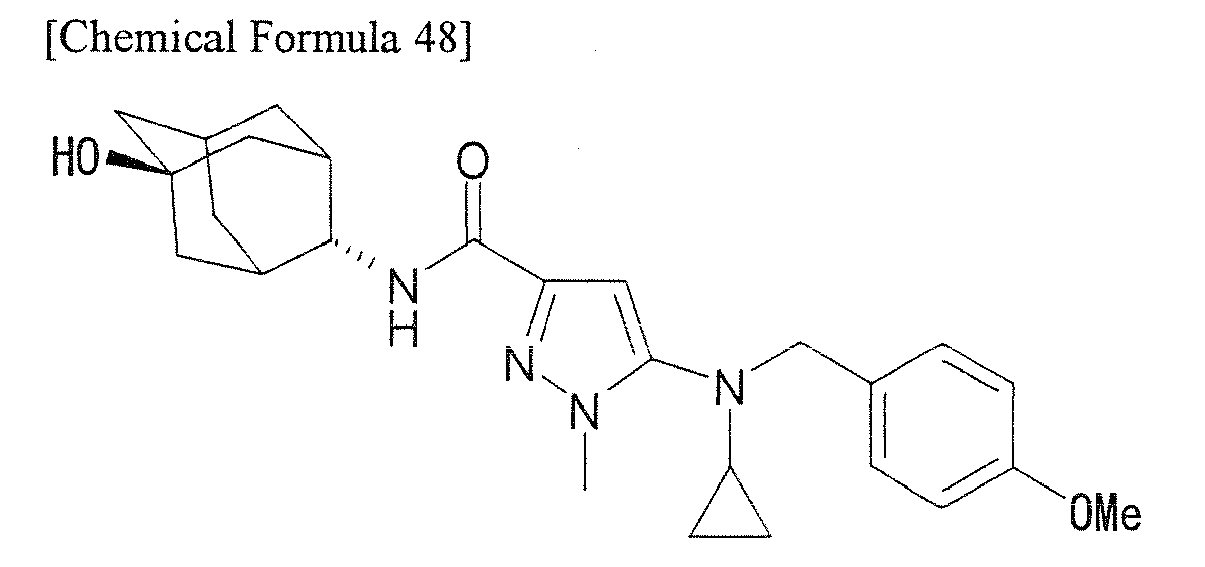
-

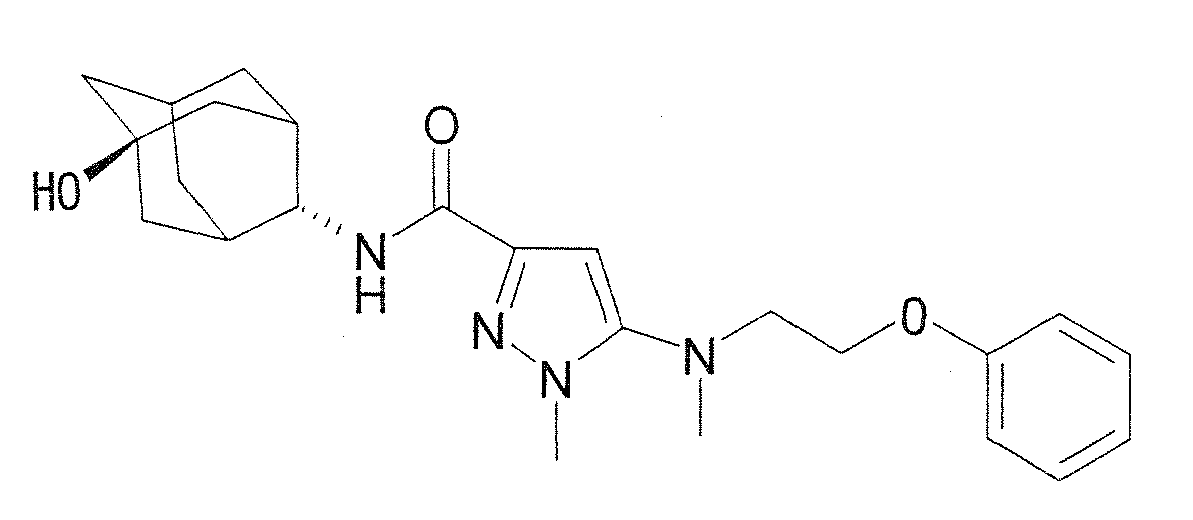
-
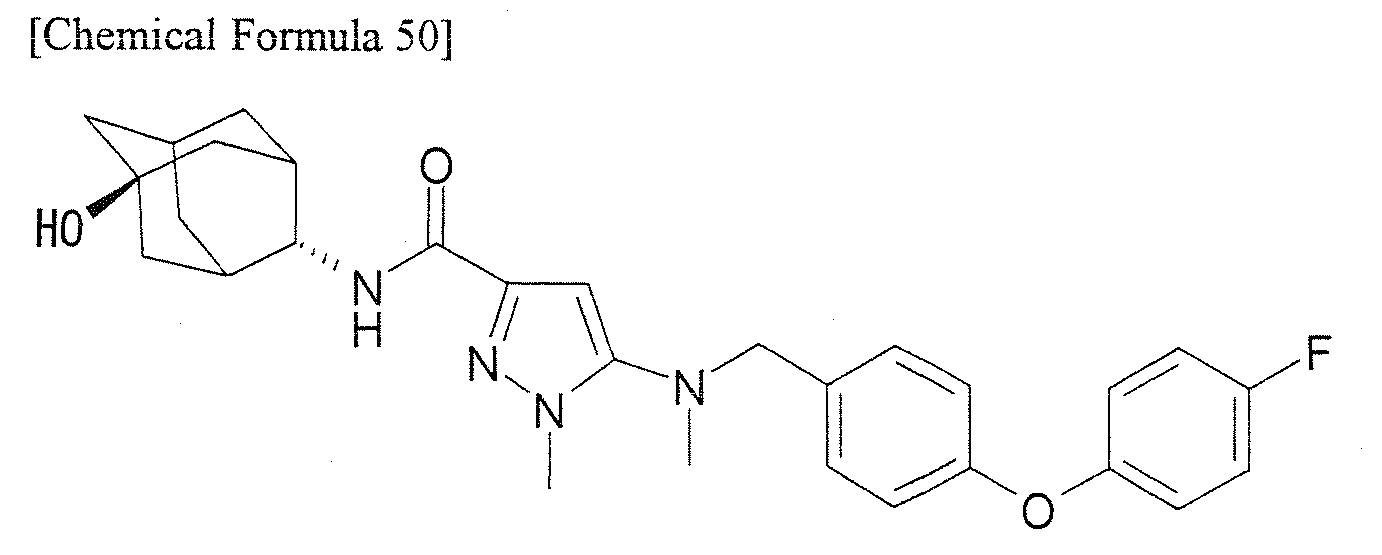
-

-

-
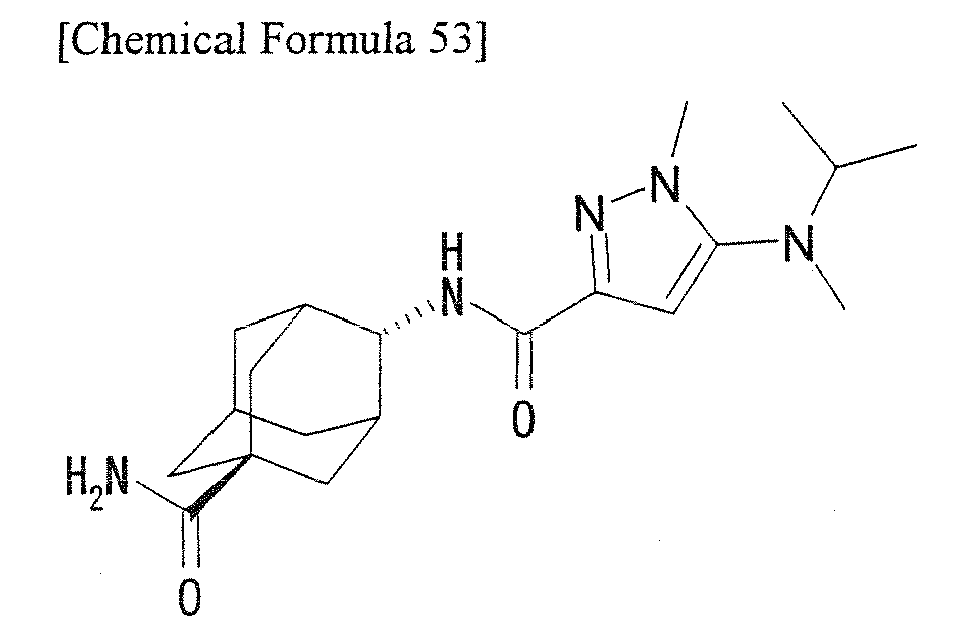
-


-

-


-

-

-

-
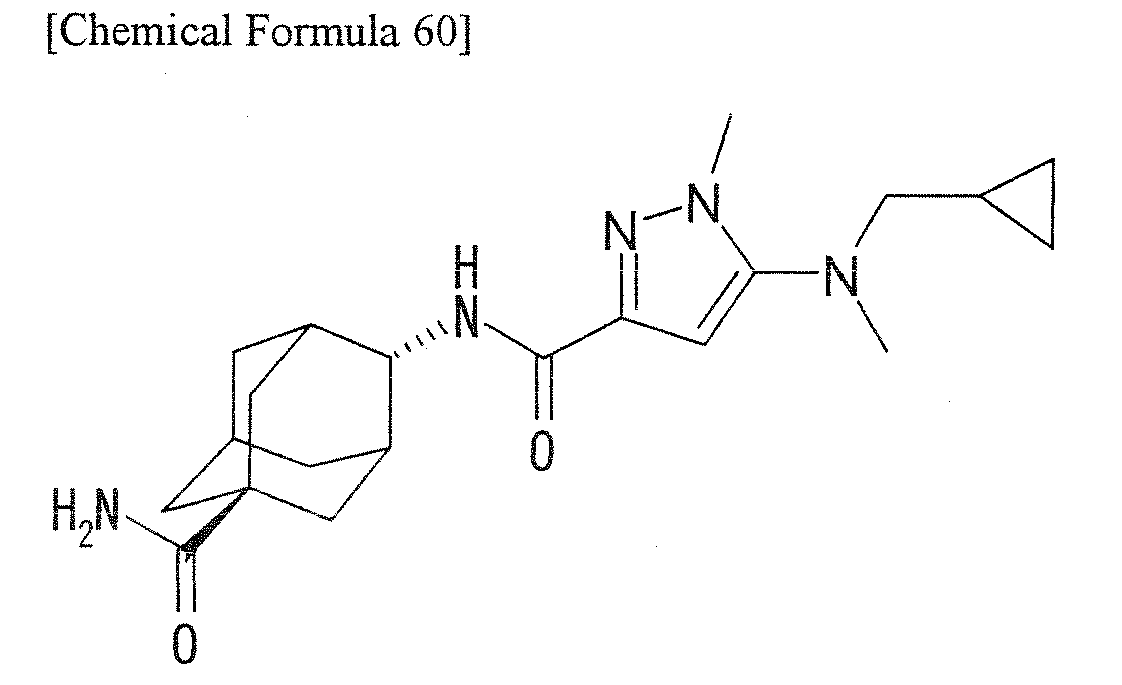
-

- Compound I (50 mg) was dissolved in dichloromethane (1 mL), and then thereto were added 3,3,3-trifluoro propionaldehyde (23 mg) and acetic acid (100 µL). The mixture was stirred at room temperature for 1.5 hours, and then thereto was added NaBH(OAc)3 (60 mg) and the mixture was stirred at room temperature overnight. Thereto was added water, and the mixture was extracted with chloroform. The organic layer was washed with saturated sodium bicarbonate water. The organic layer was dried over sodium sulfate and concentrated in vacuo. The residue was purified by preparative TLC (eluent: chloroform/methanol = 10/1) to give the titled Compound II (48 mg).
1H-NMR (CDCl3) δ 0.35-0.44 (m, 2H), 0.53-0.61 (m, 2H), 1.13-1.28 (m, 2H), 1.46-1.98 (m, 16H), 2.16-2.35 (m, 5H), 2.45 (m, 1H), 2.52-2.59 (m, 2H), 2.81-2.92 (m, 4H), 3.68 (s, 3H), 4.13-4.20 (m, 1H), 6.43 (s, 1H), 7.09-7.14 (m, 1H) -


-

-

-

-

-


- 1-(4-Methoxyphenyl)-cyclopropanecarboxylic acid (5.0 g) was dissolved in toluene (80 mL), and then thereto were added triethylamine (3. mL) and diphenyl phosphoryl azide (5.9 mL), and the mixture was stirred at 100°C for 5 hours. The reaction solvent was concentrated in vacuo, and then dissolved in THE (80 ml). Then, thereto was added 2N sodium hydroxide solution (30 any the mixture was stirred at room temperature for 2 hours. The mixture was concentrated in vacuo, and then thereto was added 1N hydrochloric acid and the mixture was extracted with ethyl acetate. The aqueous layer was basified by sodium hydroxide solution and extracted with chloroform. The organic layer was dried over sodium sulfate and concentrated in vacuo to give Compound II (2.9 g).
- Compound II (2.9 g) was dissolved in ethyl formate (30 mL) and stirred in a sealed tube at 90°C for 3 days, and the reaction solvent was concentrated in vacuo. The residue was dissolved in THF (10 mL) and added dropwise to a solution of lithium aluminum hydride (2.7 g) in THF (80 mL). The mixture was stirred at 80°C for 3 hours, and then thereto were added water (3 mL), 15% sodium hydroxide solution (3 mL) and water (9 mL) at 0°C in sequence. The reaction solution was filtered through Elite®. The filtrate was concentrated in vacuo to give Compound III (2.5 g).
- 4-Chlorophenyl chlorothioformate (2.9 g) was dissolved in THF (30 mL), and thereto were added triethylamine (2.1 mL) and Compound III (2.5 g) at 0°C and the mixture was stirred at room temperature for 2 hours. The reaction solution was concentrated in vacuo, and then thereto was added water and the mixture was extracted with ethyl acetate. The organic layer was washed with brine, dried over sodium sulfate, and then concentrated in vacuo. The residue was dissolved in NMP (30 mL), and then thereto was added hydrazine monohydrate (3.4 mL) and the mixture was stirred at 70°C for 6 hours. Thereto was added water, and the mixture was extracted with ethyl acetate. The organic layer was washed with brine, and then dried over sodium sulfate and concentrated in vacuo. The residue was purified by silica gel chromatography (eluent: hexane/ethyl acetate = 7/3) to give Compound IV (2.1 g).
- Compound IV (2.1 g) was dissolved in a mixed solvent of ethanol (25 mL) and THE (25 mL), and thereto were added sodium bicarbonate (690 mg) and ethyl bromopyruvate (1.2 mL) and the mixture was stirred at 70°C for 4 hours. The reaction solution was concentrated in vacuo, and then thereto was added acetic acid (50 mL) and the mixture was stirred at 80°C for 5 hours and concentrated in vacuo. Then, thereto was added saturated sodium bicarbonate water, and the mixture was extracted with ethyl acetate. The organic layer was dried over sodium sulfate and concentrated in vacuo. The residue was purified by silica gel chromatography (eluent: hexane/ethyl acetate = 2/1) to give Compound V (1.6 g).
- To a solution of sodium hydride (250 mg) in THF (20 mL) was added dropwise a solution of Compound V (1.6 g) in THF (5 mL) at 0°C, and the mixture was stirred at room temperature for 1 hour. Then, thereto was slowly added methyl iodide (380 µL) at 0°C, and the mixture was stirred at room temperature overnight. Then, thereto was added water, and then the mixture was concentrated in vacuo. Thereto was added saturated sodium bicarbonate water, and the mixture was extracted with chloroform. The organic layer was dried over sodium sulfate and concentrated in vacuo. The residue was purified by silica gel chromatography (eluent: hexane/ethyl acetate = 2/1) to give Compound VI (1.2 g).
- Compound VI (599 mg) was dissolved in DMF (10 mL), and then thereto was added N-chlorosuccinimide (267 mg) in small portions, and the mixture was stirred at room temperature overnight. Then, thereto was added water, and then the mixture was extracted with ethyl acetate. The organic layer was sequentially washed with saturated sodium bicarbonate water and brine. The organic layer was dried over sodium sulfate and concentrated in vacuo. The residue was purified by silica gel chromatography (eluent: hexane/ethyl acetate = 3/1) to give Compound VII (530 mg).
- Compound VII (530 mg) was dissolved in ethanol (15 mL), and then thereto was added 2N lithium hydroxide solution (2.2 mL), and the mixture was stirred at room temperature overnight. The reaction solution was concentrated in vacuo, and then acidified by 1N hydrochloric acid and extracted with chloroform. The organic layer was dried over sodium sulfate and concentrated in vacuo to give Compound VIII (490 mg).
- Compound VIII (80 mg) was dissolved in DMF (1.5 mL), and then thereto were added methyl (E)-4-aminoadamantane-1-carboxylate (50 mg), WSCI•HCl (69 mg), HOBt•H2O (49 mg) and triethylamine (100 µL), and the mixture was stirred at room temperature overnight. Then, thereto was added water, and then the mixture was extracted with ethyl acetate. The organic layer was sequentially washed with saturated sodium bicarbonate water, 1N hydrochloric acid and brine. The organic layer was dried over sodium sulfate and concentrated in vacuo. The residue was dissolved in methanol (1.5 mL), and then thereto was added 2N lithium hydroxide solution (400 µL) and the mixture was stirred at room temperature overnight. The reaction solution was concentrated in vacuo, and then acidified by 1N hydrochloric acid and extracted with ethyl acetate. The organic layer was dried over sodium sulfate and concentrated in vacuo. The residue was dissolved in DMF (1.5 mL), and then thereto were added ammonium chloride (134 mg), WSCI•HCl (69 mg), HOBt•H2O (49 mg) and triethylamine (460 µL) and the mixture was stirred at room temperature overnight. Then, thereto was added water, and then the mixture was extracted with ethyl acetate. The organic layer was sequentially washed with saturated sodium bicarbonate water, 1N hydrochloric acid and brine. The organic layer was dried over sodium sulfate and concentrated in vacuo. The residue was purified by preparative TLC (eluent: chloroform/methanol = 10/1) to give the titled Compound IX (101 mg) as a white solid.
1H-NMR (CDCl3) δ 0.98-1.01 (m, 2H), 1.10-1.13 (m, 2H), 1.63-1.66 (m, 2H), 1.89-2.19 (m, 11H), 2.96 (s, 3H), 3.61 (s, 3H), 3.81 (s, 3H), 4.23-4.25 (m, 1H), 6.11 (bs,1H), 6.64 (bs,1H), 6.85-6.90 (m, 2H), 7.13-7.15 (m, 1H), 7.22-7.25 (m, 2H) - The following compounds were obtained in the similar manner.
-

- 1H-NMR (CDCh) δ 1.03-1,11 (m, 4H), 1.61-2.18 (m, 13H), 2.82 (s, 3H), 3.71 (s, 3H), 3.81 (s, 3H), 4.19-4.21 (m, 1H), 5.24 (bs,1H), 5.61 (bs,1H), 6.24 (s, 1H), 6.87-6.91 (m, 2H), 7.17-7.20 (m, 2H), 7.45-7.47 (m, 1H)
- 1H-NMR (CDCl3) δ 0.98-1.01 (m, 2H), 1.11-1.14 (m, 2H), 1.52-1.55 (m, 2H), 1.77-1.85 (m, 7H). 1.91-1.94 (m, 2H), 2.18-222 (m, 3H), 2.97 (s, 3H), 3.59 (s, 3H), 3.81 (s, 3H), 4.18-4.20 (m, 1H), 6.87-6.90 (m, 2H), 7.05-7.06 (m, 1H), 7.23-7.25 (m, 2H)
- 1H-NMR (CDCl3) δ 0.97-1.04 (m, 4H), 1.61-1.64 (m, 3H), 1.69-1.81 (m, 6H), 1.93-1.96 (m, 2H), 2.15-2.16 (m, 1H), 2.27 (bs,2H), 2.75 (s, 3H), 3.65 (s, 3H), 3.81 (s, 3H), 4.08-4.10 (m, 1H), 6.21 (s, 1H), 6.87-6.91 (m, 2H), 7.18-7.25 (m, 3H)
-

- To a solution of Compound I (200 mg) in DMF (15 mL) was added saturated sodium bicarbonate water (3 mL), and then thereto was added 1-chloromethyl-4-fluoro-1,4-diazoniabicyclo[2.2.2.]octane bis(tetrafluoroborate) (638 mg) in small portions and the mixture was stirred at room temperature for 3 hours. Then, thereto was added water, and then the mixture was extracted with ethyl acetate. The organic layer was dried over sodium sulfate and concentrated in vacuo. The residue was purified by silica gel chromatography (eluent: hexane/ethyl acetate = 3/1) to give Compound II (64 mg).
- Compound II (65 mg) was dissolved in ethanol (1.5 mL), and then thereto was added 2N lithium hydroxide solution (380 µL) and the mixture was stirred at room temperature overnight. The reaction solution was concentrated in vacuo, and then acidified by 1N hydrochloric acid and extracted with ethyl acetate. The organic layer was dried over sodium sulfate and concentrated in vacuo to give Compound III (45 mg).
- Compound III (23 mg) was dissolved in DMF (0.5 mL), and then thereto were added methyl (E)-4-aminoadamantane-1-carboxylate (31 mg), WSCI•HCl (29 mg), HOBt•H2O (20 mg) and triethylamine (40 µL), and the mixture was stirred at room temperature overnight. Then, thereto was added water, and then the mixture was extracted with ethyl acetate. The organic layer was sequentially washed with saturated sodium bicarbonate water, 1N hydrochloric acid and brine. The organic layer was dried over sodium sulfate and concentrated in vacuo. The residue was dissolved in methanol (0.5 mL), and then thereto was added 2N lithium hydroxide solution (140 µL) and the mixture was stirred at room temperature overnight. The reaction solution was concentrated in vacuo, and then acidified by 1N hydrochloric acid and extracted with ethyl acetate. The organic layer was dried over sodium sulfate and concentrated in vacuo. The residue was dissolved in DMF (0.5 mL), and then thereto were added ammonium chloride (53 mg), WSCI•HCl (28 mg), HOBt•H2O (20 mg) and triethylamine (130 µL) and the mixture was stirred at room temperature overnight. Then, thereto was added water, and then the mixture was extracted with ethyl acetate. The organic layer was sequentially washed with saturated sodium bicarbonate water, 1N hydrochloric acid and brine. The organic layer was dried over sodium sulfate and concentrated in vacuo. The residue was purified by preparative TLC (eluent: chloroform/methanol = 10/1) to give the titled Compound IV (22 mg) as a white solid.
1H-NMR (CDCl3) δ 1.10-1.12 (m, 6H), 1.63-1.66 (m, 2H), 1.89-2.18 (m, 11H), 2.74 (s, 3H), 3.18-3.27 (m, 1H), 3.71 (s, 3H), 4.20-4.25 (m, 1H), 6.00 (bs, 1H), 6.41 (bs, 1H), 6.93-6.95 (m, 1H) -


- Compound I (6.2 g) was dissolved in dichloromethane (70 mL), and then thereto were added 2M methylamine-THF solution (40 mL) and acetic acid (2 mL), and the mixture was stirred at room temperature for 1 hour. Then, thereto was added NaBH(OAc)3 (8.0 g) and the mixture was stirred at room temperature overnight. Then, thereto was added water, and then the mixture was concentrated in vacuo. Then, thereto was added saturated sodium bicarbonate water, and the mixture was extracted with chloroform. The organic layer was dried over sodium sulfate and concentrated in vacuo. The residue was purified by silica gel chromatography (eluent: chloroform/methanol = 10/1) to give Compound II (2.3 g).
- To a solution of 1,1'-thiocarbonyldiimidazole (1.1 g) in THF (25 mL) was added a solution of Compound II (2.3 g) in THF (5 mL), and the mixture was stirred at room temperature overnight. Then, thereto was added hydrazine monohydrate (1.7 mL), and the mixture was stirred at 70°C for 6 hours and concentrated in vacuo. Then, thereto was added brine, and the mixture was extracted with chloroform. The organic layer was dried over sodium sulfate, and then concentrated in vacuo. The residue was purified by silica gel chromatography (eluent: chloroform/methanol = 5/1) to give Compound III (2.5 g).
- Compound III (2.5 g) was dissolved in a mixed solvent of ethanol (25 mL) and THF (25 mL), and then thereto were added sodium bicarbonate (680 mg) and ethyl bromopyruvate (1.1 mL) and the mixture was stirred at 80°C for 4 hours. Then, thereto was added acetic acid (25 mL), and the mixture was stirred at 70°C for 3 hours and concentrated in vacuo. Then, thereto was added saturated sodium bicarbonate water, and the mixture was extracted with ethyl acetate. The organic layer was dried over sodium sulfate and concentrated in vacuo. The residue was purified by silica gel chromatography (eluent: hexane/ethyl acetate = 1/1) to give Compound IV (1.3 g).
- To a solution of sodium hydride (160 mg) in THF (10 mL) was added dropwise a solution of Compound IV (1.3 g) in THF (6 mL) at 0°C, and the mixture was stirred at room temperature for 1 four. Then, thereto was slowly added methyl iodide (310 µL) at 0°C, and the mixture was stirred at room temperature overnight. Then, thereto was added water, and the mixture was extracted with ethyl acetate. The organic layer was dried over sodium sulfate and concentrated in vacuo. The residue was purified by silica gel chromatography (eluent: hexane/ethyl acetate = 2/1) to give Compound V (851 mg).
- Compound V (845 mg) was dissolved in ethanol (7 mL), and then thereto was added 6N lithium hydroxide solution (1 mL) and the mixture was stirred at 40°C for 3 hours. The reaction solution was concentrated in vacuo, and then acidified by 1N hydrochloric acid and extracted with chloroform. The organic layer was dried over sodium sulfate and concentrated in vacuo to give Compound VI (750 mg).
- Compound VI (390 mg) was dissolved in DMF (5 mL), and then thereto were added (E)-4-aminoadamantan-1-ol hydrochloride (305 mg), WSCI•HCl (382 mg), HOBt•H2O (270 mg) and triethylamine (340 µL), and the mixture was stirred at room temperature overnight. Then, thereto was added saturated sodium bicarbonate water, and then the mixture was extracted with ethyl acetate and the organic layer was washed with brine. The organic layer was dried over sodium sulfate and concentrated in vacuo. The residue was purified by preparative TLC (eluent: chloroform/methanol = 10/1) to give Compound VII (450 mg).
- Compound VII (450 mg) was dissolved in methanol (4 mL), and then thereto was added palladium-carbon (50 mg) and the mixture was stirred under hydrogen atmosphere (3 atm) for 4.5 hours. The resulting solid was filtered through Celite®, and then the filtrate was concentrated to give Compound VIII (340 mg).
- Compound VIII (80 mg) was dissolved in dichloromethane (1 mL), and then thereto were added triethylamine (86 µL) and acetyl chloride (30 µL) and the mixture was stirred at room temperature for 3 hours. Then, thereto was added 2N sodium hydroxide solution, and the mixture was extracted with chloroform. The organic layer was dried over sodium sulfate and concentrated in vacuo. The residue was purified by preparative TLC (eluent: chlorofiorm/methanol = 10/1) to give the titled Compound IX (38 mg).
1H-NMR (CDCl3) δ 1.05-1.18 (m, 2H), 1.45-1.96 (m, 14H), 2.07 (s, 3H), 2.16-2.21 (m, 3H), 2.42-2.52 (m, 1H), 2.63 (s, 3H), 2.68-2.78 (m, 2H), 2.92-3.05 (m, 1H), 3.72 (s, 3H), 3.73-3.83 (m, 1H), 4.10-4.19 (m, 1H), 4.55-4.65 (m, 1H), 6.38 (s, 1H), 7.08-7.14 (m, 1H) -

- Compound (16 mg) of Example 27 was dissolved in DMF (200 µL), and then thereto was added N-chlorosuccinimide (6 mg) and the mixture was stirred at 65°C for 3 hours. Then, thereto was added water, and then the mixture was extracted with ethyl acetate. The organic layer was washed with brine, dried over sodium sulfate and concentrated in vacuo. The residue was purified by preparative TLC (eluent: chloroform/methanol = 10/1) to give the titled Compound X (7 mg) as a white solid.
1H-NMR (CDCl3) δ 1.05-1.18 (m, 2H), 1.44-1.60 (m, 3H), 1.72-1.97 (m, 9H), 2.08 (s, 3H), 2.15-2.26 (m, 3H), 2.45-2.56 (m, 1H), 2.72-2.85 (m, 5H), 2.91-3.12 (m, 3H), 3.73 (s, 3H), 3.75-3.85 (m, 1H), 4.15-4.25 (m, 1H), 4.55-4.68 (m, 1H), 6.96-7.08 (m, 1H), -

- Compound (100 mg) of Reference Example 7 was dissolved in DMF (1.5 mL), and then thereto were added (E)-4-aminoadamantan-1-ol hydrochloride (78 mg), WSCI•HCl (122 mg), HOBt•H2O (86 mg) and triethylamine (150 µL), and the mixture was stirred at room temperature overnight. Then, thereto was added water, and then the mixture was extracted with ethyl acetate. The organic layer was washed with brine. The organic layer was dried over sodium sulfate and concentrated in vacuo. The residue was purified by preparative TLC (eluent: chloroform/methanol = 10/1) to give the titled Compound (128 mg) as a white solid.
1H-NMR (CDCl3) δ 1.42-1.68 (m, 5H), 1.71-2.00 (m, 10H), 2.02-2.29 (m, 5H), 3.45-3.80 (m, 5H), 3.80-3.95 (m, 1H), 4.16-4.25 (m, 1H), 6.99-7.09 (m, 1H) - Compounds of Examples 30-131 were prepared in the similar manner.
-


Example No. RA RB RC RD 30 CH3 CH2CH3 CH3 Cl 31 CH3 
CH3 Cl 32 CH3 
CH3 Cl 33 CH3 
CH2CH3 H 34 CH3 
CH2CH3 Cl 35 CH3 CH3 CH2CH3 Cl 36 CH2CH3 
CH3 Cl 37 CH2CH3 CH2CH3 CH3 Cl 38 CH2CH3 
CH3 H 39 CH3 
CH3 Cl 40 CH3 
CH3 Cl 41 CH3 CH2-CF3 CH3 Cl 42 CH3 CH2-CF3 CH3 H 43 CH3 
CH3 H - 1H-NMR (CDCl3) δ 1.02 (t, J=8.0Hz, 3H), 1.61-1.63 (m, 4H), 1.88-1.90 (m, 2H), 1.97-2.04 (m, 4H), 2.12-2.16 (m, 2H), 2.30 (m, 1H), 2.80 (s, 3H), 3.10 (q, J=8.0Hz, 2H), 3.70 (s, 3H), 4.18 (m, 1H), 5.21 (bs, 1H), 5.59 (bs, 1H), 7.08 (m, 1H)
- 1H-NMR (CDCl3) δ 1.08 (d, J=4.0Hz, 6H), 1.86-1.88 (m, 4H), 1.97-2.04 (m, 6H), 2.15-2.17 (m, 3H), 2.77 (s, 3H), 3.38 (m, 1H), 3.70 (s, 3H), 4.20 (m, 1H), 5.25 (bs, 1H), 5.60 (bs, 1H), 7.10 (m, 1H)
- 1H-NMR (CDCl3) δ 0.89 (t, J=8.0Hz, 3H), 1.39 (q, J=8.0Hz, 2H), 1.61-1.65 (m, 2H), 1.89-1.92 (m, 3H), 1.97-2.06 (m, 4H), 2.15-2.17 (m, 2H), 2.80 (s, 3H), 3.06 (t, J=8.0Hz, 3H), 3.72 (s, 3H), 4.02 (m, 1H), 4.22 (m, 1H), 5.34 (bs, 1H); 5.66 (bs, 1H), 7.08 (m, 1H)
- 1H-NMR (CDCl3) δ 1.10 (d, J=8.0Hz, 6H), 1.40-1.47 (m, 3H), 1.50-1.67 (m, 2H), 1.88-1.95 (m, 2H), 1.98-2.12 (m, 6H), 2.17-2.23 (m, 2H), 2.60 (s, 3H), 3.13-3.18 (m, 2H), 4.07-4.14 (m, 2H), 4.21 (m, 1H), 5.35 (bs, 1H), 5.64 (bs, 1H), 6.45 (s, 1H), 7.34 (m, 1H)
- 1H-NMR (CDCl3) δ 1.10 (d, J=8.0Hz, 6H), 1.38-1.43 (m, 3H), 1.62-1.69 (m, 2H), 1.89-1.96 (m, 4H), 2.00-2.13 (m, 5H), 2.16-2.23 (m, 2H), 2.79 (s, 3H), 3.39 (m, 1H), 4.11-4.15 (m, 2H), 4.24 (m, 1H), 6.01 (bs, 1H), 6.50 (bs, 1H), 7.18 (m, 1H)
- 1H-NMR (CDCl3) δ 1.40 (t, J=8.0Hz, 3H), 1.59-1.68 (m, 2H), 1.89-1.93 (m, 4H), 1.99-2.06 (m, 5H), 2.19-2.23 (m, 2H), 2.84 (s, 6H), 4.09 (q, J=8.0Hz, 2H), 4.20 (m, 1H), 5.21 (bs, 1H), 5.60 (bs, 1H); 7.10
- 1H-NMR (CDCl3) δ 0.90-0.93 (m, 3H), 1.08-1.09 (m, 6H), 1.62-1.65 (m, 2H), 1.92-1.94 (m, 4H), 1.99-2.07 (m, 5H), 2.19 (bs,2H), 3.17-3.19 (m, 2H), 3.39-3.45 (m, 1H), 3.72 (s, 3H), 4.21-4.23 (m, 1H), 5.44 (bs,1H), 5.65 (bs,1H), 7.12-7.14 (m, 1H)
- 1H-NMR (CDCl3) δ 0.98-1.01 (m, 6H), 1.60-1.66 (m, 2H), 1.91-1.93 (m, 4H), 1.99-2.09 (m, 5H), 2.19 (bs,2H), 3.13-3.19 (m, 4H), 3.74 (s, 3H), 4.21-4.23 (m, 1H), 5.34 (bs, 1H), 5.70 (bs, 1H), 7.11-7.13 (m, 1H)
- 1H-NMR (CDCl3) δ 0.88-0.92 (m, 4H), 1.04-1.05 (m, 6H), 1.61-1.65 (m, 2H), 1.93-2.08 (m, 9H), 2.18 (bs, 1H), 2.88-2.94 (m, 2H), 3.11-3.18 (m, 1H), 3.73 (s, 3H), 4.20-4.22 (m, 1H), 5.33 (bs, 1H), 5.61 (bs, 1H), 6.49 (s, 1H), 7.21-7.23 (m, 1H)
- 1H-NMR (CDCl3) δ 1.59-1.66 (m, 2H), 1.85-2.09 (m, 9H), 2.15-2.24 (m, 2H), 2.88 (s, 3H), 3.26-3.33 (m, 5H), 3.35-3.41 (m, 2H), 3.75 (s, 3H), 4.15-4.24 (m, 1H), 5.62 (bs, 1H), 5.78 (bs, 1H), 7.06-7.14 (m, 1H)
- 1H-NMR (CDCl3) δ 0.89-0.93 (m, 6H), 1.59-1.78 (m, 3H), 1.85-2.09 (m, 9H), 2.15-2.21 (m. 2H), 2.77 (s, 3H), 2.88-2.93 (m, 2H), 3.74 (s, 3H), 4.17-4.25 (m, 1H), 5.45 (bs, 1H), 5.71 (bs, 1H), 7.07-7.14 (m, 1H)
- 1H-NMR (CDCl3) δ 1.58-1.70 (m, 2H), 1.86-2.10 (m, 9H), 2.15-2.22 (m, 2H), 2.95 (s, 3H), 3.59-3.71 (m, 2H), 3.78 (s, 3H), 4.18-4.25 (m, 1H), 5.58 (bs, 1H), 5.73 (bs, 1H), 7.07-7.13 (m, 1H)
- 1H-NMR (CDCl3) δ 1.58-1.70 (m, 2H), 1.88-2.12 (m, 9H), 2.14-2.21 (m, 2H), 2.86 (s, 3H), 3.42-3.51 (m, 2H), 3.78 (s, 3H), 4.15-4.23 (m, 1H), 5.34 (bs, 1H), 5.63 (bs, 1H), 6.48 (s, 1H), 7.13-7.23 (m, 1H)
- 1H-NMR (CDCl3) δ C1.95-1.04 (m, 3H), 1.58-1.69 (m, 2H), 1.88-2.12 (m, 9H), 2.13-2.22 (m, 2H), 2.95-3.04 (m, 2H), 3.05-3.13 (m, 2H), 3.30 (s, 3H), 3.32-3.40 (m, 2H), 3.75 (s, 3H), 4.17-4.24 (m, 1H), 5.38 (bs, 1H), 5.65 (bs, 1H), 6.47 (s, 1H), 7.15-7.24 (m, 1H)
-

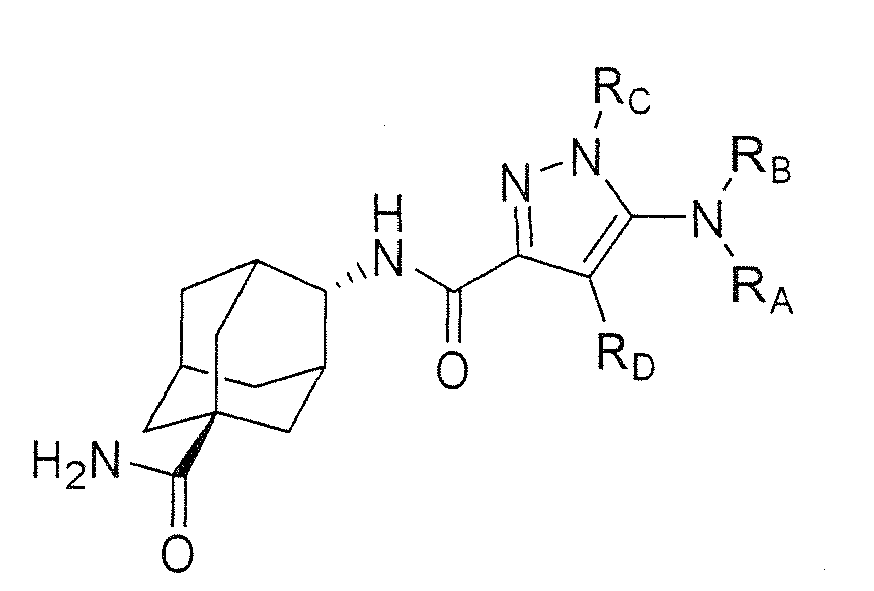
Example No. RA RB RC RD 44 
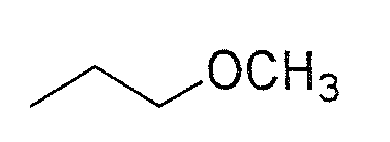
CH3 H 45 CH2CH3 
CH3 Cl 46 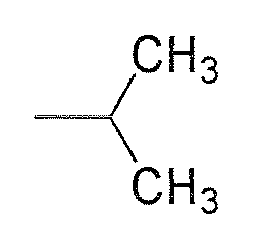

CH3 Cl 47 CH3 CH2-CF3 CH2CH3 H 48 CH3 CH2-CF3 CH3 CH3 49 CH3 CH2-CF3 CH2CH3 Cl 50 CH2-CF3 
CH3 Cl 51 CH2-CF3 
CH3 Cl 52 CH2-CF3 
CH3 H 53 GH2-GF3 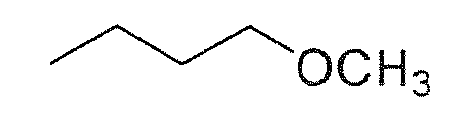
CH3 H 54 CH3 CH2-CF3 CH2CH3 Cl 55 CH2-CF3 
CH3 H 56 CH2-CF3 
CH3 Cl - 1H-NMR (CDCl3) δ 1.00-1.12 (m, 6H), 1.58-1.69 (m, 2H), 1.89-2.12 (m, 9H), 2.13-2.23 (m, 2H), 3.02-3.12 (m, 2H), 3.13-3.31 (m, 6H), 3.75 (s, 3H), 4.18-4.25 (m, 1H), 5.35 (bs, 1H), 5.64 (bs, 1H), 6.52 (s, 1H), 7.18-7.27 (m, 1H)
- 1H-NMR (CDCl3) δ 0.95-1.04 (m, 3H), 1.58-1.69 (m, 2H), 1.85-2.10 (m, 9H), 2.15-2.22 (m, 2H), 3.15-3.22 (m, 2H), 3.28-3.37 (m, 7H), 3.75 (s, 3H), 4.18-4.25 (m, 1H), 5.30 (bs, 1H), 5.64 (bs, 1H), 7.15-7.27 (m, 1H)
- 1H-NMR (CDCl3) δ 1.05-1.16 (m, 6H), 1.58-1.68 (m, 2H), 1.88-2.10 (m, 9H), 2.18-2.24 (m, 2H), 3.22-3.28 (m, 5H), 3.29-3.48 (m, 3H), 3.75 (s, 3H), 4.18-4.25 (m, 1H), 5.32 (bs, 1H), 5.65 (bs, 1H), 7.05-7.16(m, 1H)
- 1H-NMR (CDCl3) δ 1.38-1.48 (m, 3H), 1.59-1.70 (m, 2H), 1.88-2.11 (m, 9H), 2.14-2.21 (m, 2H), 2.84 (s, 3H), 3.40-3.52 (m, 2H), 4.07-4.24 (m, 3H), 5.32 (bs, 1H), 5.63 (bs, 1H), 6.50 (s, 1H), 7.18-7.25 (m, 1H)
- 1H-NMR (CDCl3) δ 1.56-1.75 (m, 2H), 1.89-2.10 (m, 9H), 2.13-2.19 (m, 2H), 2.28 (s, 3H), 2.92 (s, 3H), 3.50-3.62 (m, 2H), 3.74 (s, 3H), 4.14-4.22 (m, 1H), 5.32 (bs, 1H), 5.62 (bs, 1H), 7.18-7.29 (m, 1H)
- 1H-NMR (CDCl3) δ 1.38-1.50 (m, 3H), 1.58-1.72 (m, 2H), 1.86-2.11 (m, 9H), 2.15-2.25 (m, 2H), 2.95 (s, 3H), 3.60-3.72 (m, 2H), 4.08-4.26 (m, 3H), 5.33 (bs, 1H), 5.64 (bs, 1H), 7.05-7.14 (m, 1H)
- 1H-NMR (CDCl3) δ 1.62-1.69 (m, 2H), 1.88-2.11 (m, 9H), 2.15-2.24 (m, 2H), 3.27-3.45 (m, 7H), 3.72-3.87 (m, 5H), 4.16-4.27 (m, 1H), 5.32 (bs, 1H), 5.64 (bs, 1H), 7.06-7.14 (m, 1H)
- 1H-NMR (CDCl3) δ 1.58-1.72 (m, 4H), 1.85-2.12 (m, 9H), 2.13-2.22 (m, 2H), 3.23-3.36 (m, 5H), 3.36-3.46 (m, 2H), 3.63-3.72 (m, 2H), 3.77 (s, 3H), 4.16-4.25 (m, 1H), 5.29 (bs, 1H), 5.62 (bs, 1H), 7.05-7.14(m, 1H)
- 1H-NMR (CDCl3) δ 1.59-1.70 (m, 2H), 1.88-2.11 (m, 9H), 2.14-2.21 (m, 2H), 3.18-3.25 (m, 2H), 3.32 (s, 3H), 3.36-3.43 (m, 2H), 3.61-3.72 (m, 2H), 3.77 (s, 3H), 4.17-4.23 (m, 1H), 5.33 (bs, 1H), 5.63 (bs, 1H), 6.55 (s, 1H), 7.16-7.25 (m, 1H)
- 1H-NMR (CDCl3) δ 1.59-1.72 (m, 4H), 1.89-2.11 (m, 9H), 2.12-2.22 (m, 2H), 3.09-3.11 (m, 2H), 3.30 (s, 3H), 3.33-3.41 (m, 2H), 3.45-3.66 (m, 2H), 3.77 (s, 3H), 4.16-4.25 (m, 1H), 5.35 (bs, 1H), 5.63 (bs, 1H), 6.54 (s, 1H), 7.16-7.23 (m, 1H)
- 1H-NMR (CDCl3) δ 1.39-1.46 (m, 3H), 1.59-1.68 (m, 2H), 1.85-2.20 (m, 12H), 2.95 (s, 3H), 3.61-3.71 (m, 2H), 4.08-4.17 (m, 2H), 4.18-4.25 (m, 1H), 7.08-7.14 (m, 1H)
- 1H-NMR (CDCl3) δ 1.05-1.14 (m, 6H), 1.61-1.68 (m, 2H), 1.90-2.10 (m, 9H), 2.15-2.21 (m, 2H), 3.18-3.28 (m, 1H), 3.41-3.52 (m, 2H), 3.77 (s, 3H), 4.17-4.24 (m, 1H), 5.31 (bs. 1H), 5.62 (bs, 1H), 6.54 (s, 1H), 7.15-7.27 (m, 1H)
- 1H-NMR (CDCl3) δ 1.08-1.21 (m, 6H), 1.60-1.68 (m, 2H), 1.83-2.10 (m, 9H), 2.18-2.22 (m, 2H), 3.38-3.48 (m, 1H), 3.50-3.82 (m, 5H), 4.18-4.24 (m, 1H), 5.30 (bs, 1H), 5.63 (bs, 1H), 7.08-7.17 (m. 1H)
-

Example No. RB RD R1 R2 57 CH3 Cl H 
58 CH3 Cl H 
59 
Cl H 
60 
Cl H 
61 
Cl H 
62 CH2-CF3 CH3 CH2CH3 CH2CH3 - 1H-NMR (CDCl3) δ 1.62-1.65 (m, 2H), 1.75 (m, 1H), 1.89-1.95 (m, 4H), 2.05-2.10 (m, 4H), 2.15-2.28 (m, 2H), 2.84 (s, 6H), 3.71 (s, 3H), 4.21 (m, 1H), 4.45 (d, J=4.0Hz, 2H), 6.24 (m, 1H), 7.07 (m, 1H), 7.14 (d, J=8.0Hz, 2H), 8.53 (d, J=8.0Hz, 2H)
- 1H-NMR (CDCl3) δ 1.60-1.63 (m, 2H), 1.80-1.87 (m, 5H), 2.01-2.05 (m, 4H), 2.13-2.15 (m, 2H), 2.84 (s, 6H), 3.71 (s, 3H), 4.18 (m, 1H), 4.45 (d, J=4.0Hz, 2H), 6.21 (m, 1H), 7.07 (d, J=8.0Hz, 1H), 7.25 (d, J=8.0Hz, 1H), 7.59 (d, J=8.0Hz, 1H), 8.49-8.51 (m, 2H)
- 1H-NMR (CDCl3) δ 0.90 (t, J=8.0Hz, 3H), 1.46 (q, J=8.0Hz, 2H), 1.62-1.65 (m, 2H), 1.88-1.91 (m, 5H), 2.01-2.07 (m, 5H), 2.15-2.17 (m, 2H), 2.81 (s, 3H), 3.04 (t, J=8.0Hz, 2H), 3.46-3.50 (m, 2H), 3.73 (s, 3H), 3.76-3.80 (m, 2H), 4.20 (m, 1H), 6.34 (m, 1H), 7.17 (m, 1H)
- 1H-NMR (CDCl3) δ 0.90 (t, J=8.0Hz, 3H), 1.44 (q, J=8.0Hz, 2H), 1.62-1.65 (m, 2H), 1.86-1.93 (m, 4H), 1.98-2.08 (m, 4H), 2.15-2.20 (m, 3H), 2.81 (s, 3H), 3.04 (t, J=8.0Hz, 2H), 3.37 (s, 3H), 3.42-3.50 (m, 4H), 3.72 (s, 3H), 4.21 (m, 1H), 6.12 (m, 1H), 7.15 (m, 1H)
- 1H-NMR (CDCl3) δ 1.10 (d, J=4.0Hz, 6H), 1.60-1.63 (m, 2H), 1.86-1.95 (m, 8H), 2.05 (m, 1H), 2.13-2.16 (m, 2H), 2.79 (s, 3H), 3.28-3.31 (m, 2H), 3.38 (m, 1H), 3.68-3.72 (m, 5H), 4.18 (m, 1H), 6.51 (m, 1H), 7.10 (m, 1H), 7.57-7.62 (m, 2H), 7.70 (m, 1H), 7.90-7.92 (m, 2H)
- 1H-NMR (CDCl3) δ 1.08-1.17 (m, 6H), 1.58-1.70 (m, 2H), 1.86-1.95 (m, 2H), 2.01-2.25 (m, 9H), 2.28 (s, 3H), 2.92 (s, 3H), 3.36-3.50 (m, 4H), 3.52-3.61 (m, 2H), 3.74 (s, 3H), 4.18-4.25 (m, 1H), 7.22-7.29 (m, 1H)
-

Example No. RA RB RD A 63 
CH3 H CONH2 64 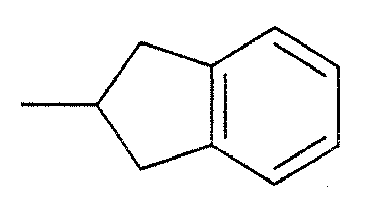
CH3 Cl OH 65 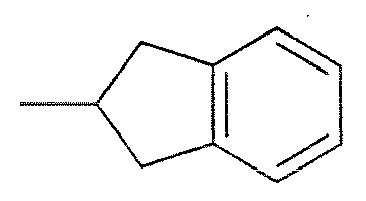
CH3 Cl CONH2 66 
CH3 Cl CONH2 67 
CH2-CF3 Cl OH 68 

H CONH2 69 
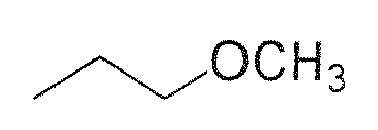
H CONH2 70 

Cl OH 71 

Cl OH - 1H-NMR (CDCl3) δ 1.62-1.66 (m, 2H), 1.93-2.08 (m, 9H), 2.15-2.18 (m, 2H), 2.61 (s, 3H), 2.87-2.92 (m, 2H), 3.07-3.12 (m, 2H), 3.75 (s, 3H), 3.90 (m, 1H), 4.22 (m, 1H), 5.17 (bs, 1H), 5.58 (bs, 1H), 6.51 (s, 1H), 7.13-7.19 (m, 5H)
- 1H-NMR (CDCl3) δ 1.53-1.62 (m, 4H), 1.78-1.95 (m, 7H), 2.17-2.23 (m, 3H), 2.77-2.79 (m, 2H), 2.84 (s, 3H), 3.06-3.12 (m, 2H), 3.64 (s, 3H), 4.19 (m, 1H), 4.30 (m, 1H), 7.04 (m, 1H), 7.15-7.20 (m, 4H)
- 1H-NMR (CDCl3) δ 1.63-1.69 (m, 2H), 1.89-1.95 (m, 4H), 2.02-2.07 (m, 5H), 2.15-2.19 (m, 2H), 2.77-2.82 (m, 2H), 2.84 (s, 3H), 3.06-3.11 (m, 2H), 3.64 (s, 3H), 4.23 (m, 1H), 4.32 (m, 1H), 5.36 (bs, 1H), 5.66 (bs, 1H), 7.11-7.15 (m, 5H)
- 1H-NMR (CDCl3) δ 0.05-0.10 (m, 2H), 0.39-0.48 (m, 2H), 0.79-0.90 (m, 1H), 1.58-1.68 (m, 2H), 1.88-2.09 (m, 9H), 2.16-2.23 (m, 2H), 2.86 (s, 3H), 2.86-2.93 (m, 2H), 3.75 (s, 3H), 4.17-4.23 (m, 1H), 5.46 (bs, 1H), 5.71 (bs, 1H), 7.07-7.14 (m, 1H)
- 1H-NMR (CDCl3) δ 0.52-0.68 (m, 4H), 1.42-1.49 (m, 1H), 1.51-1.60 (m, 2H), 1.73-1.98 (m, 8H), 2.15-2.27 (m, 3H), 3.00-3.08 (m, 1H), 3.68-3.82 (m, 5H), 4.16-4.25 (m, 1H), 7.00-7.08 (m, 1H)
- 1H-NMR (CDCl3) δ 0.44-0.45 (m, 2H), 0.63-0.64 (m, 2H), 1.61-1.66 (m, 2H), 1.75-1.82 (m, 2H), 1.89-2.18 (m, 11H), 2.49-2.54 (m, 1H), 3.14-3.18 (m, 2H), 3.28 (s, 3H), 3.34-3.37 (m, 2H), 3.75-3.76 (m, 3H), 4.20-4.21 (m, 1H), 5.27-5.29 (m, 1H), 5.61-5.66 (m, 1H), 6.48 (s, 1H), 7.44-7.52 (m, 1H)
- 1H-NMR (CDCl3) δ 0.45-0.46 (m, 2H), 0.60-0.63 (m, 2H), 1.61-1.64 (m, 2H), 1.89-2.07 (m, 8H), 2.18 (bs, 3H), 2.58-2.59 (m, 1H), 3.22-3.26 (m, 2H), 3.29 (s, 3H), 3.44-3.47 (m, 2H), 3.74 (s, 3H), 4.20-4.22 (m, 1H), 5.28 (bs, 1H), 5.63 (bs, 1H), 6.51 (s, 1H), 7.40-7.42 (m, 1H)
- 1H-NMR (CDCl3) δ 0.38-0.41 (m, 2H), 0.54-0.58 (m, 2H), 1.68-1.82 (m, 10H), 1.91-1.94 (m, 2H), 2.14-2.23 (m, 4H), 2.90-2.95 (m, 1H), 3.23-3.27 (m, 2H), 3.30 (s, 3H), 3.36-3.39 (m, 2H), 3.65 (s, 3H), 4.19-4.21 (m, 1H), 7.03-7.05 (m, 1H)
- 1H-NMR (CDCl3) δ 0.41-0.44 (m, 2H), 0.54-0.58 (m, 2H), 1.50-1.61 (m, 2H), 1.73-1.86 (m, 7H), 1.89-1.94 (m, 2H), 2.17-2.25 (m, 3H), 2.95-3.00 (m, 1H), 3.28 (s, 3H), 3.35-3.39 (m, 4H), 3.69 (s, 3H), 4.17-4.22 (m, 1H), 7.05-7.08 (m, 1H)
-


Example No. RA RB RD A 72 

H CONH2 73 
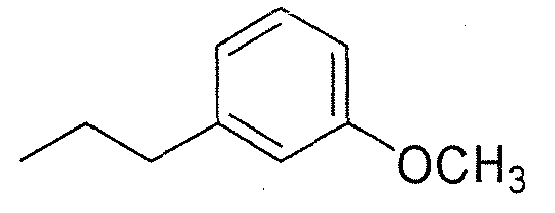
Cl OH 74 

Cl CONH2 75 

H CONH2 76 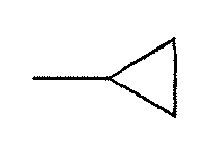
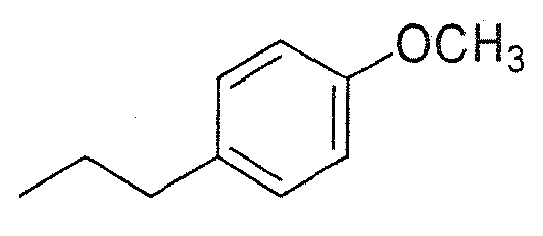
Cl OH 77 

Cl CONH2 78 

H CONH2 - 1H-NMR (CDCl3) δ 1.57-1.66 (m, 2H), 1.71-1.81 (m, 3H), 1.91-2.17 (m, 14H), 2.54-2.58 (m, 2H), 3.05-3.09 (m, 2H), 3.63-3.69 (m, 4H), 3.78 (s, 3H), 4.22-4.24 (m, 1H), 5.43 (bs, 1H), 5.67 (bs, 1H), 6.53 (s, 1H), 6.78-6.81 (m, 2H), 6.97-7.00 (m, 2H), 7.32-7.35 (m, 1H)
- 1H-NMR (CDCl3) δ 0.39-0.43 (m, 2H), 0.55-0.59 (m, 2H), 1.52-1.56 (m, 2H), 1.78-1.94 (m, 9H), 2.19-2.23 (m, 3H), 2.71-2.75 (m, 2H), 2.92-2.96 (m, 1H), 3.43-3.48 (m, 5H), 3.78 (s, 3H), 4.19-4.21 (m. 1H), 6.65-6.66 (m, 1H), 6.70-6.75 (m, 2H), 7.04-7.06 (m, 1H), 7.16-7.20 (m, 1H)
- 1H-NMR (CDCl3) δ 0.40-0.44 (m, 2H), 0.55-0.60 (m, 2H), 1.64-1.67 (m, 2H), 1.82-2.20 (m, 11H), 2.72-2.76 (m, 2H), 2.91-2.96 (m, 1H), 3.44-3.47 (m, 2H), 3.50 (s, 3H), 3.78 (s, 3H), 4.24-4.26 (m, 1H), 6.07 (bs,1H), 6.55 (bs, 1H), 6.66-6.68 (m, 1H), 6.71-6.75 (m, 2H), 7.14-7.23 (m, 2H)
- 1H-NMR (CDCl3) δ 0.42-0.46 (m, 2H), 0.56-0.63 (m, 2H), 1.62-1.65 (m, 2H), 1.93-2.18 (m, 11H), 2.51-2.57 (m, 1H), 2.73-2.77 (m, 2H), 3.25-3.29 (m, 2H), 3.61 (s, 3H), 3.78 (s, 3H), 4.20-4.22 (m, 1H), 5.33 (bs, 1H), 5.65 (bs, 1H), 6.52 (s, 1H), 6.65-6.66 (m, 1H), 6.70-6.75 (m, 2H), 7.17-7.21 (m, 1H), 7.28-7.30 (m, 1H)Example 76
- 1H-NMR (CDCl3) δ 0.39-0.42 (m, 2H), 0.54-0.59 (m, 2H), 1.52-1.56 (m, 2H), 1.74-1.95 (m, 9H), 2.19-2.24 (m, 3H), 2.67-2.71 (m, 2H), 2.91-2.96 (m, 1H), 3.40-3.44 (m, 2H), 3.48 (s, 3H), 3.78 (s, 3H), 4.19-4.21 (m, 1H), 6.79-6.86 (m, 2H), 7.02-7.06 (m, 3H)
- 1H-NMR (CDCl3) δ 0.39-0.43 (m, 2H), 0.55-0.59 (m, 2H), 1.64-1.67 (m, 2H), 1.89-2.20 (m, 11H), 2.67-2.71 (m, 2H), 2.90-2.95 (m, 1H), 3.40-3.44 (m, 2H), 3.50 (s, 3H), 3.78 (s, 3H), 4.24-4.25 (m, 1H), 5.88 (bs, 1H), 6.34 (bs, 1H), 6.79-6.83 (m, 2H), 7.02-7.05 (m, 2H), 7.13-7.15 (m, 1H)
- 1H-NMR (CDCl3) δ 0.42-0.45 (m, 2H), 0.59-0.62 (m, 2H), 1.62-1.65 (m, 2H), 1.93-2.19 (m, 11H), 2.51-2.55 (m, 1H), 2.67-2.74 (m, 2H), 3.23-3.27 (m, 2H), 3.62 (s, 3H), 3.78 (s, 3H), 4.21-4.23 (m, 1H), 5.30 (bs, 1H), 5.63 (bs, 1H), 6.50 (s, 1H), 6.79-6.83 (m, 2H), 7.01-7.05 (m, 2H), 7.33-7.35 (m, 1H)
-


Example No. RB RD A 79 
Cl CONH2 80 
Cl OH 81 
H CONH2 82 
Cl OH 83 
Cl CONH2 84 
H OH 85 
H CONH2 86 
H CONH2 - 1H-NMR (CDCl3) δ 0.43-0.46 (m, 2H), 0.58-0.61 (m, 2H), 1.62-1.65 (m, 2H), 1.88-1.93 (m, 3H), 1.99-2.10 (m, 5H), 2.17-2.18 (m, 3H), 2.96-3.01 (m, 1H), 3.28 (s, 3H), 3.77 (s, 3H), 4.23 (m, 3H), 5.89 (bs, 1H), 6.35 (bs, 1H), 6.75-6.79 (m, 2H), 7.03-7.05 (m, 2H), 7.08-7.10 (m, 1H)
- 1H-NMR (CDCl3) δ 0.43-0.46 (m, 2H), 0.56-0.61 (m, 2H), 1.51-1.54 (m, 2H), 1.72-1.83 (m, 7H), 1.91-1.94 (m, 2H), 2.17-2.22 (m, 3H), 2.97-3.02 (m, 1H), 3.26 (s, 3H), 3.76 (s, 3H), 4.17-4.19 (m, 1H), 4.23 (s, 2H), 6.74-6.78 (m, 2H), 6.99-7.01 (m, 1H), 7.02-7.06 (m, 2H)
- 1H-NMR (CDCl3) δ 0.43-0.47 (m, 2H), 0.56-0.61 (m, 2H), 1.61-1.64 (m, 2H), 1.88-1.92 (m, 3H), 1.99-2.08 (m, 5H), 2.17-2.18 (m, 3H), 2.39-2.44 (m, 1H), 3.58 (s, 3H), 3.78 (s, 3H), 4.09 (s, 2H), 4.19-4.21 (m, 1H), 5.31 (bs, 1H), 5.64 (bs, 1H), 6.45 (s, 1H), 6.77-6.81 (m, 2H), 7.00-7.05 (m, 2H), 7.34-7.36 (m, 1H)
- 1H-NMR (CDCl3) δ 0.47-0.51 (m, 2H), 0.60-0.65 (m, 2H), 1.52-1.56 (m, 3H), 1.73-1.83 (m, 6H), 1.91-1.94 (m, 2H), 2.18-2.22 (m, 3H), 2.97-3.02 (m, 1H), 3.04 (s, 3H), 3.35 (s, 3H), 4.16-4.18 (m, 1H), 4.40 (s, 2H), 6.99-7.00 (m, 1H), 7.38-7.39 (m, 2H), 7.84-7.86 (m, 2H)
- 1H-NMR (CDCl3) δ 0.49-0.54 (m, 2H), 0.62-0.64 (m, 2H), 1.65-2.18 (m, 13H), 2.99-3.01 (m, 1H), 3.04 (s, 3H), 3.36 (s, 3H), 4.19-4.21 (m, 1H), 4.40 (s, 2H), 5.35 (bs, 1H), 5.69 (bs, 1H), 7.06-7.08 (m, 1H), 7.38-7.40 (m, 2H), 7.84-7.86 (m, 2H)
- 1H-NMR (CDCl3) δ 0.46-0.50 (m, 2H), 0.58-0.62 (m, 2H), 1.52-1.55 (m, 2H), 1.78-1.94 (m, 9H), 2.19-2.21 (m, 3H), 2.42-2.45 (m, 1H), 3.05 (s, 3H), 3.58 (s, 3H), 4.15-4.17 (m, 1H), 4.21 (s, 2H), 6.45 (s, 1H), 7.09-7.11 (m, 1H), 7.34-7.36 (m, 2H), 7.84-7.86 (m, 2H)
- 1H-NMR (CDCl3) δ 0.48-0.50 (m, 2H), 0.58-0.61 (m, 2H), 1.62-1.65 (m, 2H), 1.92-2.07 (m, 9H), 2.17 (bs, 2H), 2.43-2.46 (m, 1H), 3.05 (s, 3H), 3.59 (s, 3H), 4.18-4.20 (m, 1H), 4.22 (s, 2H), 5.66 (bs, 2H), 6.45 (s, 1H), 7.19-7.21 (m, 1H), 7.34-7.36 (m, 2H), 7.84-7.87 (m, 2H)
- 1H-NMR (CDCl3) δ 0.40-0.44 (m, 2H), 0.56-0.61 (m, 2H), 1.62-1.65 (m, 2H), 1.93-2.18 (m, 11H), 2.48-2.53 (m, 1H), 2.71-2.75 (m, 2H), 3.21-3.26 (m, 2H), 3.58 (s, 3H), 4.20-4.22 (m, 1H), 5.44 (bs, 1H), 5.67 (bs, 1H), 6.51 (s, 1H), 7.03-7.05 (m, 2H), 7.22-7.24 (m, 3H)
-


Example No. RB A 87 
CONH2 88 
CONH2 89 
OH 90 
OH 91 
OH 92 
OH 93 
CONH2 94 
CONH2 - 1H-NMR (CDCl3) δ 1.62-1.66 (m, 2H), 1.89-1.93 (m, 4H), 2.03-2.09 (m, 5H), 2.15-2.18 (m, 2H), 2.96 (s, 3H), 3.57-3.59 (m, 2H), 3.75 (s, 3H), 3.91 (s, 3H), 4.02-4.04 (m, 2H), 4.20 (m, 1H), 5.78 (bs, 1H), 6.20 (bs, 1H), 6.44 (s, 1H), 7.12 (m, 1H), 7.35 (s, 1H)
- 1H-NMR (CDCl3) δ 1.62-1.66 (m, 2H), 1.89-1.93 (m, 4H), 2.03-2.10 (m, 5H), 2.17-2.19 (m, 2H), 2.93 (s, 3H), 3.47-3.50 (m, 2H), 3.73 (s, 3H), 3.76 (s, 3H), 3.91-3.93 (m, 2H), 4.21 (m, 1H), 5.94 (bs, 1H), 6.35 (bs, 1H), 6.76-6.83 (m, 4H), 7.13 (m, 1H)
- 1H-NMR (CDCl3) δ 1.52-1.60 (m, 4H), 1.77-1.84 (m, 5H), 1.91-1.94 (m, 2H), 2.18-2.22 (m, 3H), 2.92 (s, 3H), 3.47-3.50 (m, 2H), 3.73 (s, 3H), 3.76 (s, 3H), 3.90-3.92 (m, 2H), 4.18 (m, 1H), 6.75-6.83 (m, 4H), 7.01 (m, 1H)
- 1H-NMR (CDCl3) δ 1.51-1.54 (m, 2H), 1.77-1.84 (m, 6H), 1.90-1.93 (m, 2H), 2.17-2.22 (m, 4H), 2.92 (s, 3H), 3.52-3.55 (m, 2H), 3.76 (s, 3H), 4.01-4.04 (m, 2H), 4.18 (m, 1H), 6.87-6.92 (m, 2H), 7.02-7.09 (m, 3H)
- 1H-NMR (CDCl3) δ 1.53-1.56 (m, 2H), 1.78-1.83 (m, 5H), 1.91-1.94 (m, 2H), 2.18-2.23 (m, 2H), 2.33-2.36 (m, 3H), 2.92 (s, 3H), 3.50-3.52 (m, 2H), 3.72 (s, 3H), 3.94-3.97 (m, 2H), 4.18 (m, 1H), 6.53-6.66 (m, 3H), 7.06 (m, 1H), 7.22 (m, 1H)
- 1H-NMR (CDCl3) δ 1.52-1.55 (m, 2H), 1.77-1.84 (m, 7H), 1.91-1.94 (m, 2H), 2.18-2.22 (m, 3H), 2.92 (s, 3H), 3.48-3.51 (m, 2H), 3.72 (s, 3H), 3.91-3.95 (m, 2H), 4.39 (m, 1H), 6.75-6.78 (m, 2H), 6.93-6.98 (m, 3H)
- 1H-NMR (CDCl3) δ 1.61-1.64 (m, 2H), 1.88-1.92 (m, 4H), 1.98-2.10 (m, 5H), 2.13-2.17 (m, 2H), 2.92 (s, 3H), 3.52-3.54 (m, 2H), 3.75 (s, 3H), 4.02-4.04 (m, 2H), 4.20 (m, 1H), 5.76 (bs, 1H), 6.12 (bs, 1H), 6.87-6.92 (m, 2H), 7.01-7.11 (m, 3H)
- 1H-NMR (CDCl3) δ 1.62-1.66 (m, 2H), 1.85-1.93 (m, 4H), 2.02-2.10 (m, 5H), 2.15-2.18 (m, 2H), 2.93 (s, 3H), 3.47-3.51 (m, 2H), 3.78 (s, 3H), 3.92-3.98 (m, 2H), 4.21 (m, 1H), 5.87 (bs, 1H), 6.30 (bs, 1H), 6.75-6.78 (m, 2H), 6.93-6.98 (m, 2H), 7.12 (m, 1H).
-


Example No. RB RD A 95 
H CONH2 96 
Cl OH 97 
Cl CONH2 98 
Cl OH 99 
H CONH2 100 
H CONH2 101 
Cl CONH2 - 1H-NMR (CDCl3) δ 1.61-1.64 (m, 2H), 1.92-2.07 (m, 9H), 2.15-2.18 (m, 2H), 2.79 (s, 3H), 3.30 (t, J=4.0Hz, 2H), 3.77 (s, 3H), 4.01 (t, J=4.0Hz, 2H), 4.20 (m, 1H), 5.53 (bs, 1H), 5.77 (bs, 1H), 6.44 (s, 1H), 6.76-6.79 (m, 2H), 7.21-7.24 (m, 2H), 7.28 (m, 1H)
- 1H-NMR (CDCl3) δ 1.46-1.56 (m, 2H), 1.60-1.71 (m, 2H), 1.75-1.89 (m, 6H), 1.91-1.95 (m, 2H), 2.15-2.26 (m, 2H), 2.92 (s, 3H), 3.49-3.51 (t, J=4.OHz, 2H), 3.71 (s, 3H), 3.92-3.94 (t, J=4.0Hz, 2H), 4.20 (m, 1H), 6.75 (d, J=8.0Hz, 2H), 7.02 (m, 1H), 7.21 (d, J=8.0Hz, 2H)
- 1H-NMR (CDCl3) δ 1.62-1.65 (m, 2H), 1.89-1.99 (m, 4H), 2.02-2.07 (m, 5H), 2,15-2.18 (m, 2H), 2.92 (s, 3H), 3.47-3.52 (m, 2H), 3.71 (s, 3H), 3.92-3.95 (m, 2H), 4.20 (m, 1H), 5.57 (bs, 1H), 5.93 (bs, 1H), 6.74-6.76 (m, 2H), 7.09 (m, 1H), 7.20-7.23 (m, 2H)
- 1H-NMR (CDCl3) δ 1.48-1.96 (m, 11H), 2.16-2.28 (m, 3H), 2.85 (s, 3H), 3.06 (s, 3H), 3.65 (s, 3H), 4.15-4.22 (m, 1H), 4.37 (s, 2H), 6.95-7.03 (m, 1H), 7.48-7.56 (m, 2H), 7.88-7.94 (m, 2H)
- 1H-NMR (CDCl3) δ 1.21-1.29 (m, 3H), 1.59-1.68 (m, 2H), 1.90-2.11 (m, 9H), 2.16-2.22 (m, 2H), 2.49-2.58 (m, 2H), 2.60-2.68 (m, 2H), 2.70 (s, 3H), 3.05-3.14 (m, 2H), 3.77 (s, 3H), 4.15-4.24 (m, 1H), 5.34 (bs, 1H), 5.63 (bs, 1H), 6.39 (s, 1H), 7.15-7.23 (m, 1H)
- 1H-NMR (CDCl3) δ 1.60-1.64 (m, 2H), 1.90-2.11 (m, 11H), 2.15-2.20 (m, 2H), 2.67 (s, 3H), 2.90 (s, 3H), 3.02-3.11 (m, 4H), 3.75 (s, 3H), 4.15-4.24 (m, 1H), 5.31 (bs, 1H), 5.62 (bs, 1H), 6.40 (s, 1H), 7.15-7.22 (m, 1H)
- 1H-NMR (CDCl3) δ 1.58-1.68 (m, 2H), 1.85-2.11 (m, 11H), 2.15-2.22 (m, 2H), 2.83 (s, 3H), 2.91 (s, 3H), 3.02-3.11 (m, 2H), 3.26-3.35 (m, 2H), 3.75 (s, 3H), 4.16-4.25 (m, 1H), 5.27 (bs, 1H), 5.62 (bs, 1H), 7.05-7.14 (m, 1H)
-

-


Example No. RA RB RC RD 103 

CH3 Cl 104 

CH2 Cl 105 

CH3 H 106 
CH3 Cl 107 

CH3 F 108 

CH3 Cl 109 

CH3 Cl 110 CH3 CH2CH3 CH3 F 111 CH3 CH2-CH2-CF3 CH3 Cl 112 CH3 CH2-CH2-CF3 CH3 F -


Example No. RA RB RC RD 113 CH3 CH2-CF2-CF3 CH3 F 114 CH3 
CH3 H 115 CH3 
CH3 F 116 CH3 
CH3 F 117 CH3 CH2-CF3 CH3 F 118 

CH3 F 119 CH3 CH2-CH2-CH3 CH2 F 120 CH3 CH2-CHF2 CH3 F 121 

CH3 F 122 CH2CH3 
CH3 F -


Example No. RA RB RC RD 123 CH3 CH2-CHF2 CH3 Cl 124 CH3 
CH3 F - 1H-NMR (CDCl3) δ 0.36-0.39 (m, 2H), 0.52-0.56 (m, 2H), 1.60-1.63 (m, 2H), 1.66-1.73 (m, 2H), 1.88-2.16 (m, 11H), 2.87-2.92 (m, 1H), 3.21-3.25 (m, 2H), 3.28 (s, 3H), 3.35-3.38 (m, 2H), 3.64 (s, 3H), 4.18-4.20 (m, 1H), 5.94-6.02 (m, 2H), 7.09-7.11 (m, 1H)
- 1H-NMR (CDCl3) δ 0.39-0.43 (m, 2H), 0.52-0.57 (m, 2H), 1.89-2.16 (m, 12H), 2.93-2.98 (m, 1H), 3.26 (s, 3H), 3.33-3.38 (m, 4H), 3.67 (s, 3H), 4.19-4.21 (m, 2H), 5.76-5.97 (m, 2H), 7.10-7.12 (m, 1H)
- 1H-NMR (CDCl3) δ 0.42-0.46 (m, 4H), 0.55-0.60 (m, 4H), 1.61-1.64 (m, 2H), 1.92-2.16 (m, 11H), 2.53-2.58 (m, 2H), 3.68 (s, 3H), 4.18-4.20 (m, 1H), 5.44-5.68 (m, 2H), 6.42 (s, 1H), 7.24-7.28 (m, 1H)
- 1H-NMR (CDCl3) δ 0.36-0.53 (m, 8H), 1.63-1.67 (m, 2H), 1.90-1.94 (m, 2H), 2.00-2.19 (m, 9H), 2.88-2.93 (m, 2H), 3.64 (s, 3H), 4.24-4.26 (m, 1H), 6.18 (bs, 1H), 6.74 (bs, 1H), 7.15-7.17 (m, 1H)
- 1H-NMR (CDCl3) δ 0.39-0.43 (m, 2H), 0.55-0.59 (m, 2H), 1.63-1.66 (m, 2H), 1.71-2.11 (m, 10H), 2.14-2.18 (m, 3H), 2.73-2.75 (m, 1H), 3.14-3.18 (m, 2H), 3.30 (s, 3H), 3.37-3.40 (m, 2H), 3.63 (s, 3H), 4.21-4.25 (m, 1H), 5.67-5.74 (m, 1H), 6.13-6.18 (m, 1H), 6.92-6.94 (m, 1H)
- 1H-NMR (CDCl3) δ 0.15-0.24 (m, 1H), 0.41-0.56 (m, 2H), 0.61-0.70 (m, 1H), 1.31-2.20 (m, 21H), 2.82-2.87 (m, 1H), 3.67 (s, 3H), 3.74-3.80 (m, 1H), 4.25-4.26 (m, 1H), 6.13-6.27 (m, 1H), 6.68-6.86 (m, 1H), 7.16-7.18 (m, 1H).
- 1H-NMR (CDCl3) δ 0.13-0.20 (m, 1H), 0.45-0.55 (m, 2H), 0.67-0.75 (m, 1H), 1.51-1.71 (m, 6H), 1.73-2.20 (m, 11H), 2.84-2.89 (m, 1H), 3.32-3.45 (m, 3H), 3.68 (s, 3H), 3.92-4.03 (m, 2H), 4.23-4.25 (m, 1H), 6.11-6.27 (m, 1H), 6.57-6.70 (m, 1H), 7.15-7.17 (m, 1H)
- 1H-NMR (CDCl3) δ 1.05-1.09 (m, 3H), 1.62-1.65 (m, 2H), 1.83-2.07 (m, 9H), 2.18 (brs, 2H), 2.78 (s, 3H), 3.00-3.05 (m, 2H), 3.69 (m, 3H), 4.19-4.23 (m, 1H), 5.23 (s, 1H), 5.62 (s, 1H), 6.90-6.93 (m, 1H)
- 1H-NMR (CDCl3) δ 1.58-1.70 (m, 2H), 1.85-2.22 (m, 9H), 2.16-2.22 (m, 2H), 2.22-2.34 (m, 2H), 2.84 (s, 3H), 3.39-3.43 (m, 2H), 4.19-4.23 (m, 1H), 5.29 (s, 1H), 5.62 (s, 1H), 7.07-7.11 (m, 1H)
- 1H-NMR (CDCl3) δ 1.55-1.67 (m, 2H), 1.83-2.10 (m, 12H), 2.11-2.19 (m, 2H), 2.20-2.36 (m, 2H), 2.77 (s, 3H), 3.24-3.29 (m, 2H), 3.67 (s, 3H), 4.16-4.23 (m, 1H), 5.42 (s, 1H), 5.80 (s, 1H), 6.87-6.95 (m, 1H)
- 1H-NMR (CDCl3) δ 1.57-1.70 (m, 2H), 1.73-2.10 (m, 10H), 2.11-2.29 (m, 2H), 2.91 (s, 3H), 3.60-3.78 (m, 2H), 3.72 (s, 3H), 4.15-4.23 (m, 1H), 5.43 (s, 1H), 5.82 (s, 1H), 6.87-6.97 (m, 1H)
- 1H-NMR (CDCl3) δ 1.55-1.78 (m, 6H), 1.93-2.07 (m, 9H), 2.17-2.18 (m, 2H), 2.62 (s, 3H), 2.87-2.95 (m, 1H), 3.31-3.37 (m, 2H), 3.75 (s, 3H), 3.97-4.00 (m, 2H), 4.20-4.21 (m, 1H), 5.26 (bs, 1H), 5.62 (bs, 1H), 6.48 (s, 1H), 7.22-7.24 (m, 1H)
- 1H-NMR (DMSO-d6) δ 0.84-0.85 (m, 6H), 1.27-1.32 (m, 2H), 1.46-1.49 (m, 2H), 1.53-1.60 (m, 1H), 1.75-1.98 (m, 11H), 2.71 (s, 3H), 2.94-2.98 (m, 2H), 3.65 (s, 3H), 3.92-3.94 (m, 1H), 6.74 (s, 1H), 7.01 (s, 1H), 7.28-7.30 (m, 1H)
- 1H-NMR (CDCl3) δ 1.62-1.66 (m, 2H), 1.89-2.08 (m, 10H), 2.18 (s, 2H), 2.84 (s, 3H), 3.17-3.19 (m, 2H), 3.33 (s, 3H), 3.42-3.44 (m, 2H), 3.72 (s, 3H), 4.21-4.25 (m, 1H), 5.43 (s, 1H), 5.75 (s, 1H), 6.92-6.94 (m, 1H)
- 1H-NMR (CDCl3) δ 1.63-1.66 (m, 2H), 1.80-1.96 (m, 4H), 1.99-2.08 (m, 5H), 2.17-2.18 (m, 2H), 2.94 (s, 3H), 3.54-3.61 (m, 2H), 3.74 (s, 3H), 4.20-4.22 (m, 1H), 5.47 (bs, 1H), 5.85 (bs, 1H), 6.92-6.94 (m, 1H)
- 1H-NMR (CDCl3) δ 0.41-0.45 (m, 2H), 0.54-0.59 (m, 2H), 1.62-1.66 (m, 2H), 1.90-1.93 (m, 4H), 1.99-2.07 (m, 5H), 2.18-2.19 (m, 2H), 2.79-2.83 (m, 1H), 3.25-3.28 (m, 2H), 3.29 (s, 3H), 3.40-3.43 (m, 2H), 3.64 (s, 3H), 4.22-4.24 (m, 1H), 5.23 (bs, 1H), 5.62 (bs, 1H), 6.92-6.94 (m, 1H)
- 1H-NMR (CDCl3) δ 0.88-0.92 (m, 3H), 1.44-1.53 (m, 2H), 1.62-1.65 (m, 2H), 1.89-1.92 (m, 4H), 1.98-2.07 (m, 5H), 2.17-2.18 (m, 2H), 2.76 (s, 3H), 2.92-2.95 (m, 2H), 3.69 (s, 3H), 4.21-4.23 (m, 1H), 5.23 (bs, 1H), 5.62 (bs, 1H), 6.90-6.92 (m, 1H)
- 1H-NMR (CDCl3) δ 1.62-1.66 (m, 2H), 1.88-1.92 (m, 4H), 1.98-2.07 (m, 5H), 2.17-2.18 (m, 2H), 2.89 (s, 3H), 3.33-3.47 (m, 2H), 3.73 (s, 3H), 4.20-4.22 (m, 1H), 5.19 (bs, 1H), 5.59 (bs, 1H), 5.69-5.99 (m, 1H), 6.91-6.93 (m, 1H)
- 1H-NMR (CDCl3) δ 1.09-1.10 (m, 6H), 1.63-1.66 (m, 2H), 1.91-1.93 (m, 4H), 1.99-2.07 (m, 5H), 2.19 (bs, 2H), 3.21-3.28 (m, 8H), 3.71 (s, 3H), 4.22-4.24 (m, 1H), 5.23 (bs, 1H), 5.63 (bs, 1H), 6.94-6.96 (m, 1H)
- 1H-NMR (CDCl3) δ 1.01-1.05 (m, 3H), 1.63-1.65 (m, 2H), 1.90-1.93 (m, 4H), 1.99-2.07 (m, 5H), 2.18 (bs, 2H), 3.07-3.13 (m, 2H), 3.19-3.23 (m, 2H), 3.29 (s, 3H), 3.35-3.38 (m, 2H), 3.71 (s, 3H), 4.22-4.23 (m, 1H), 5.32 (bs, 1H), 5.68 (bs, 1H), 6.93-6.95 (m, 1H)
- 1H-NMR (CDCl3) δ 1.63-1.66 (m, 2H), 1.86-1.95 (m, 4H), 1.99-2.07 (m, 5H), 2.18 (bs, 2H), 2.92 (s, 3H), 3.43-3.50 (m, 2H), 3.77 (s, 3H), 4.20-4.22 (m, 1H), 5.22 (bs, 1H), 5.60 (bs, 1H), 5.67-5.97 (m, 1H), 7.08-7.10 (m, 1H)
- 1H-NMR (CDCl3) δ 0.07-0.11 (m, 2H), 0.45-0.50 (m, 2H), 0.84-0.89 (m, 1H), 1.62-1.66 (m, 2H), 1.89-1.93 (m, 4H), 1.99-2.07 (m, 5H), 2.18 (bs, 2H), 2.81-2.83 (m, 5H), 3.72 (s, 3H), 4.22-4.23 (m, 1H), 5.24 (bs, 1H), 5.63 (bs, 1H), 6.91-6.93 (m, 1H)
-


Example No. RA RB RC RD 125 

CH3 Cl 126 

CH3 F 127 CH3 
CH3 Cl 128 CH3 
CH3 F 129 CH3 
CH3 Cl 130 CH3 
CH3 F 131 CH3 
CH3 F - 1H-NMR (CDCl3) δ 1.00-1.12 (m, 6H), 1.58-1.69 (m, 2H), 1.89-2.12 (m, 9H), 2.13-2.23 (m, 2H), 3.02-3.12 (m, 2H), 3.13-3.31 (m, 6H), 3.75 (s, 3H), 4.18-4.25 (m, 1H), 5.35 (bs, 1H), 5.64 (bs, 1H), 6.52 (s, 1H), 7.18-7.27 (m, 1H)
- 1H-NMR (CDCl3) δ 0.39-0.42 (m, 2H), 0.54-0.58 (m, 2H), 1.52-1.55 (m, 2H), 1.71-1.84 (m, 9H), 1.92-1.95 (m, 2H), 2.18-2.22 (m, 3H), 2.72-2.75 (m, 1H), 3.14-3.18 (m, 2H), 3.33 (s, 3H), 3.36-3.39 (m, 2H), 3.61 (s, 3H), 4.18-4.20 (m, 1H), 6.84-6.86 (m, 1H)
- 1H-NMR (DMSO-d6) δ 1.36-1.39 (m, 2H), 1.60-1.78 (m, 9H), 1.93-2.00 (m, 4H), 2.10-2.16 (m, 2H), 2.22-2.29 (m, 2H), 2.40 (s, 3H), 3.33 (s, 3H), 3.48 (s, 2H), 3.84-3.86 (m, 1H), 4.45 (s, 1H), 7.13-7.16 (m, 1H), 7.21-7.31 (m, 5H)
- 1H-NMR (DMSO-d6) δ 1.36-1.40 (m, 2H), 1.60-1.63 (m, 4H), 1.68-1.79 (m, 5H), 1.92-2.00 (m, 4H), 2.11-2.17 (m, 2H), 2.20-2.27 (m, 2H), 2.43 (s, 3H), 3.34 (s, 3H), 3.39 (s, 2H), 3.84-3.86 (m, 1H), 4.44 (bs, 1H), 7.04-7.06 (m, 1H), 7.09-7.13 (m, 1H), 7.16-7.18 (m, 2H), 7.24-7.28 (m, 2H)
- 1H-NMR (CDCl3) δ 1.25-1.57 (m, 5H), 1.74-1.84 (m, 8H), 1.91-1.94 (m, 2H), 2.18-2.22 (m, 3H), 2.80 (s, 3H), 3.28-3.40 (m, 3H), 3.73 (s, 3H), 3.96-3.98 (m, 2H), 4.18-4.19 (m, 1H), 7.01-7.03 (m, 1H)
- 1H-NMR (CDCl3) δ 1.53-1.56 (m, 4H), 1.78-1.84 (m, 9H), 1.92-1.95 (m, 2H), 2.18-2.22 (m, 3H), 2.75 (s, 3H), 3.04-.311 (m, 1H), 3.34-3.40 (m, 2H), 3.69 (s, 3H), 3.97-4.00 (m, 2H), 4.18-4.20 (m, 1H), 6.85-6.87 (m, 1H)
- 1H-NMR (CDCl3) δ 0.07-0.11 (m, 2H), 0.44-0.49 (m, 2H), 0.83-0.90 (m, 1H), 1.39(bs,1H), 1.52-1.55 (m, 2H), 1.77-1.84 (m, 6H), 1.92-1.94 (m, 2H), 2.18-2.22 (m, 3H), 2.81-2.86 (m, 5H), 3.71 (s, 3H), 4.18-4.20 (m, 1H), 6.83-6.85 (m, 1H)
-


- To an ice-cooled solution of Compound (14.6 g) in THF (180 mL) was added sodium tertiary-butoxide (3.82 g), and the mixture was stirred for 1 hour. Then, thereto was slowly added methyl iodide (2.59 mL) at 0°C, and the mixture was stirred for 6 hours. Then, thereto was added saturated aqueous ammonium chloride solution, and then the mixture was extracted with ethyl acetate. The organic layer was washed with brine, and then dried over magnesium sulfate and concentrated in vacuo. The residue was purified by silica gel chromatography (eluent: hexane/ethyl acetate = 1/1) to give Compound II (8.11 g).
- To a solution of Compound II (4.00 g) in DMF (30.0 mL) was added N-chlorosuccinimide (1.47 g), and the mixture was stirred at 60°C for 3 hours. Then, thereto was added water, and then the mixture was extracted with ethyl acetate. The organic layer was washed with water and brine, and then dried over magnesium sulfate and concentrated in vacuo. The residue was purified by silica gel chromatography (eluent: hexane/ethyl acetate = 1/1) to give Compound III (4.19 g).
- To a solution of Compound III (4.19 g) in ethanol (48.0 mL) was added 2N lithium hydroxide solution (14.4 mL), and the mixture was stirred at 50°C for 2 hours. The reaction solution was concentrated in vacuo, and was adjusted to weak acidity by 1N hydrochloric acid and extracted with ethyl acetate. The organic layer was washed with brine, and then dried over magnesium sulfate and concentrated in vacuo to give Compound IV (3.61 g).
- To a solution of Compound IV (3.45 g) in DMF (80.0 mL) were added (E)-4-aminoadamantan-1-ol (1.70 g), WSCI•HCl (2.43 g), HOBt•H2O (1.72 g) and triethylamine (3.54 mL) at room temperature, and the mixture was stirred overnight. Then, thereto was added saturated aqueous ammonium chloride solution, and then the mixture was extracted with ethyl acetate. The organic layer was washed with water and brine, and then dried over magnesium sulfate and concentrated in vacuo. The residue was purified by silica gel chromatography (eluent: chloroform/methanol = 20/1) to give Compound V (3.81 g).
- To a solution of Compound V (3.80 g) in methanol (35.0 mL) was added 10% palladium-carbon (380 mg), and the mixture was stirred at ambient temperature and normal pressure under hydrogen atmosphere for 6 hours. The reaction solution was filtered, and then the filtrate was concentrated in vacuo to give the titled Compound VI (3.00 g) as a white solid.
1H-NMR (CDCl3) δ 1.22-1.36 (m, 1H), 1.43-1.58 (m, 1H), 1.49-1.59 (m, 2H), 1.66-1.88 (m, 7H), 1.88-1.98 (m, 3H), 2.14-2.27 (m, 3H), 2.46-2.58 (m, 2H), 2.81 (s, 3H), 2.94-3.03 (m, 1H), 3.13-3.27 (m, 2H), 3.74 (s, 3H), 4.16-4.22 (m, 1H), 7.03 (d, J=7Hz, 1H) - Compounds of Examples 133-138 were prepared in the similar manner to Example 132.
-

- 4-Chloro-N-[(E)-5-hydroxy-2-adamantyl]-1-methyl-5-[methyl(piperidin-4-ylmethyl)amino]-1H-pyrazole-3-carboxamide
-

-

-


-

-

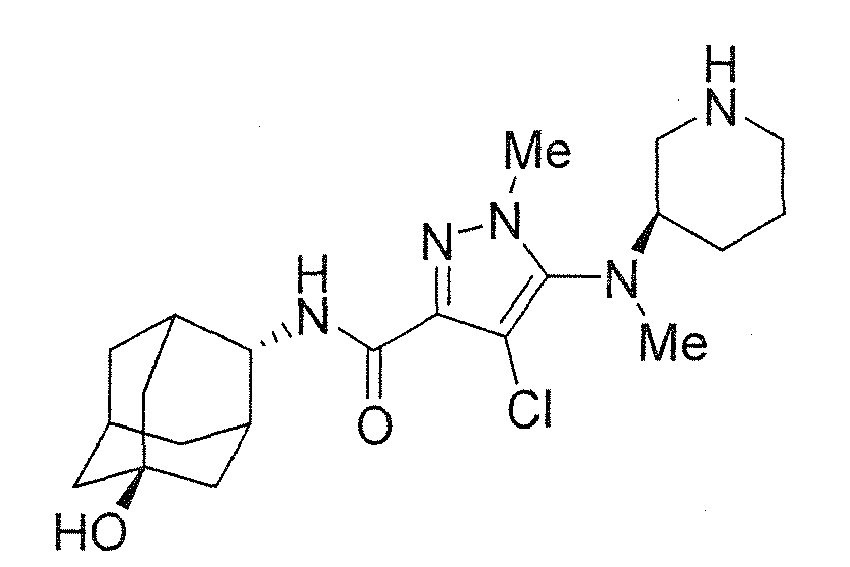
-


- To an ice-cooled solution of Compound I (4.14 g) in DMF (35.0 mL) was added dropwise an aqueous solution (35.0 mL) of 1-chloromethyl-4-fluoro-1,4-diazoniabicyclo[2.2.2.]octane-bis(tetrafluoroborate) (5.76 g), and the mixture was stirred at room temperature for 15 hours. Then, thereto was added water, and then the mixture was extracted with ethyl acetate. The organic layer was washed with water and brine, and then dried over magnesium sulfate and concentrated in vacuo. The residue was purified by silica gel chromatography (eluent: hexane/ethyl acetate = 1/1) to give Compound II (2.28 g).
- A mixed solution of Compound II (2.28 g), ethanol (27.3 mL) and 2N lithium hydroxide solution (8.15 mL) was stirred at 50°C for 2 hours. The reaction solution was concentrated in vacuo, and was adjusted to weak acidity by 1N hydrochloric acid and extracted with ethyl acetate. The organic layer was washed with brine, and then dried over magnesium sulfate and concentrated in vacuo to give Compound III (2.00 g).
- A mixed solution of Compound III (2.00 g), (E)-4-aminoadamantan-1-ol (1.03 g), WSCI•HCl (1.47 g), HOBt•H2O (1.04 g), triethylamine (2.14 mL) and DMF (45.0 mL) was stirred at room temperature overnight. Then, thereto was added saturated aqueous ammonium chloride solution, and then the mixture was extracted with ethyl acetate. The organic layer was washed with water and brine, and then dried over magnesium sulfate and concentrated in vacuo. The residue was purified by silica gel chromatography (eluent: chloroform/methanol = 20/1) to give Compound IV (2.10 g).
- Compound IV (2.10 g) was dissolved in methanol (30.0 mL), and then thereto was added 10% palladium-carbon (210 mg) and the mixture was stirred under hydrogen atmosphere for 3 hours. The reaction solution was filtered, and then the filtrate was concentrated in vacuo to give the titled Compound V (1.54 g) as a white solid.
1H-NMR (CDCl3) δ 1.24-1.35 (m, 1H), 1.42-1.55 (m, 1H), 1.50-1.58 (m, 2H), 1.70-1.86 (m, 7H), 1.90-2.00 (m, 3H), 2.18-2.22 (m, 3H), 2.42-2.53 (m, 2H), 2.76 (s, 3H), 2.92-3.02 (m, 2H), 3.20-3.26 (m, 1H), 3.68 (s, 3H), 4.15-4.25 (m, 1H), 6.85 (d, J=8Hz, 1H) - Compounds of Examples 140-146 were prepared in the similar manner to Example 139.
-

-


-

-

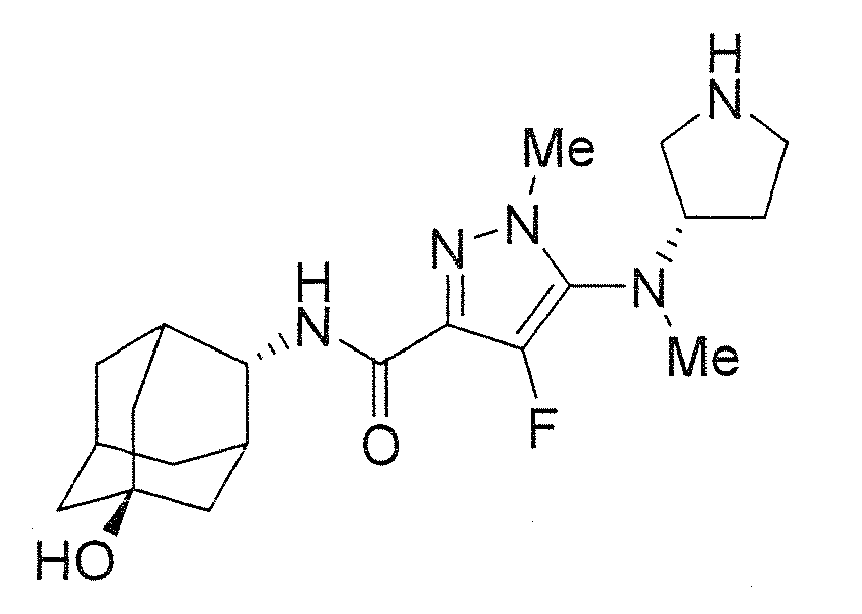
-

-


-

-


- To a solution of Compound I (20 mg) and triethylamine (20 µL) in THF (1 mL) was added 4-chlorobenzoyl chloride (10 mg), and the mixture was stirred at room temperature overnight. The reaction was quenched by methanol, and then filtered. The filtrate was concentrated in vacuo, and the residue was purified by a reverse phase HPLC (gradient condition 10%-) to give the titled Compound II (18.3 mg).
1H-NMR (CDCl3) δ 1.36-1.42 (m, 2H), 1.52-1.54 (m, 3H), 1.78-1.84 (m, 7H), 1.92-1.94 (m, 3H), 2.19-2.24 (m, 3H), 2.64-3.03 (m, 4H), 3.25-3.29 (m, 1H), 3.62-3.75 (m, 6H), 4.18-4.20 (m, 1H), 7.00-7.01 (m, 1H), 7.29-7.39 (m, 4H) -

1H-NMR (CDCl3) δ 1.27-1.38 (m, 2H), 1.52-1.53 (m, 2H), 1.67-1.85 (m, 9H), 1.91-1.94 (m, 2H), 2.18-2.23 (m, 3H), 2.62-2.72 (m, 2H), 2.82 (s, 3H), 3.28-3.55 (m, 3H), 3.75 (s, 3H), 4.17-4.19 (m, 1H), 7.03-7.05 (m, 1H), 7.28-7.34 (m, 1H), 7.45-7.47 (m, 1H), 7.52-7.57 (m, 2H) -

1H-NMR (CDCl3) δ 1.17-1.60 (m, 5H), 1.66-1.96 (m, 11H), 2.08-2.20 (m, 3H), 2.75 (s, 3H), 2.83-2.91 (m, 2H), 3.20-3.28 (m, 1H), 3.65 (s, 3H), 3.81 (s, 3H), 3.94-4.20 (m, 3H), 6.80-6.95 (m, 4H), 8.00-8.10 (m, 1H) - Compounds of Examples 150-160 were prepared in the similar manner.
-


Example No. B2 Example No. B2 150 
156 
151 
157 
152 
158 
153 
159 
154 
160 
155 
- 1H-NMR (CDCl3) δ 1.05-1.18 (m, 3H), 1.25-1.45 (m, 3H), 1.45-1.60 (m, 3H), 1.70-1.96 (m, 12H), 2.72-2.80 (m, 5H), 3.17-3.28 (m, 3H), 3.68 (s, 3H), 3.87-3.91 (s, 2H), 4.15-4.17 (m, 1H), 4.38 (s, 1H), 6.99-7.02 (m, 1H)
- 1H-NMR (CDCl3) δ 0.86-0.91 (m, 3H), 1.27-1.58 (m, 5H), 1.60-2.08 (m, 12H), 2.10-2.30 (m, 3H), 2.72-2.85 (m, 5H), 3.10-3.28 (m, 3H), 3.68 (s, 3H), 3.87-3.91 (s, 2H), 4.15-4.18 (m, 1H), 4.46 (s, 1H), 6.99-7.02 (m, 1H)
- 1H-NMR (CDCl3) δ 1.00-1.20 (m, 6H), 1.25-1.45 (m, 2H), 1.45-1.96 (m, 13H), 2.10-2.27 (m, 3H), 2.78-2.90 (m, 5H), 3.12-3.27 (m, 1H), 3.68 (s, 3H), 3.80-4.28 (m, 3H), 4.10-4.28 (m, 1H), 6.99-7.02 (m, 1H)
- 1H-NMR (CDCl3) δ 1.35-1.64 (m, 5H), 1.78-1.93 (m, 10H), 2.19-2.23 (m, 3H), 2.82 (s, 3H), 2.87-3.00 (m, 2H), 3.25-3.36 (m, 1H), 3.73 (s, 3H), 4.04-4.07 (m, 2H), 4.15-4.23 (m, 1H), 6.37 (s, 1H), 6.96-7.05 (m, 3H), 7.28-7.34 (m, 2H)
- 1H-NMR (CDCl3) δ 1.17-1.60 (m, 5H), 1.70-2.10 (m, 11H), 2.14-2.30 (m, 3H), 2.80 (s, 3H), 2.86-3.10 (m, 2H), 3.25-3.40 (m, 1H), 3.71 (s, 3H), 3.78 (s, 3H), 3.92-4.11 (m, 2H), 4.12-4.22 (m, 1H), 6.50-6.70 (m, 1H), 6.77-6.85 (m, 1H), 6.98-7.08 (m, 1H), 7.10-7.20 (m, 2H)
- 1H-NMR (CDCl3) δ 1.40-1.58 (m, 5H), 1.72-1.95 (m, 11H), 2.14-2.27 (m, 3H), 2.82 (s, 3H), 2.88-2.94 (m, 2H), 3.25-3.35 (m, 1H), 3.72 (s, 3H), 3.78 (s, 3H), 4.03-4.06 (m, 2H), 4.15-4.22 (m, 1H), 6.83-6.85 (m, 2H), 7.02-7.04 (m, 1H), 7.22-7.24 (m, 2H)
- 1H-NMR (CDCl3) δ 1.40-1.60 (m, 5H), 1.70-1.84 (m, 7H), 1.85-2.00 (m, 4H), 2.12-2.23 (m, 3H), 2.81 (s, 3H), 2.93-3.00 (m, 2H), 3.29-3.38 (m, 1H), 3.71 (s, 3H), 4.06-4.09 (m, 2H), 4.13-4.20 (m, 1H), 6.91-6.96 (m, 1H), 6.98-7.05 (m, 1H), 7.21-7.27 (m, 1H), 7.30-7.32 (m, 1H), 8.14-8.16 (m, 1H)
- 1H-NMR (CDCl3) δ 1.35-1.58 (m, 5H), 1.70-1.98 (m, 10H), 2.15-2.27 (m, 3H), 2.82 (s, 3H), 2.88-2.96 (m, 2H), 3.25-3.36 (m, 1H), 3.72 (s, 3H), 4.02-4.09 (m, 2H), 4.15-4.22 (m, 1H), 6.38 (s, 1H), 7.00-7.09 (m, 1H), 7.20-7.35 (m, 4H)
- 1H-NMR (CDCl3) δ 1.30-1.60 (m, 5H), 1.65-2.00 (m, 10H), 2.09-2.23 (m, 3H), 2.75 (s, 3H), 2.85-2.93 (m, 2H), 3.23-3.30 (m, 1H), 3.66 (s, 3H), 3.98-4.13 (m, 3H), 6.54-6.56 (m, 1H), 6.86-7.05 (m, 4H), 7.96-8.02 (m, 1H)
- 1H-NMR (CDCl3) δ 1.34-1.69 (m, 5H), 1.70-2.05 (m, 10H), 2.11-2.28 (m, 3H), 2.80 (s, 3H), 2.88-2.96 (m, 2H), 3.25-3.38 (m, 1H), 3.70 (s, 3H), 4.01-4.20 (m, 3H), 6.43-6.49 (m, 1H), 6.68-6.75 (m, 1H), 6.95-7.03 (m, 2H), 7.15-7.35 (m, 1H)
- 1H-NMR (CDCl3) δ 1.27-1.69 (m, 5H), 1.72-1.97 (m, 10H), 2.15-2.25 (m, 3H), 2.83 (s, 3H), 2.92-3.02 (m, 2H), 3.30-3.38 (m, 1H), 3.73 (s, 3H), 4.03-4.20 (m, 3H), 7.00-7.05 (m, 1H), 7.29-7.32 (m, 1H), 7.35-7.39 (m, 1H), 7.52-7.57 (m, 1H), 7.73-7.76 (m, 1H)
-


1H-NMR (CDCl3) δ 1.287-1.45 (m, 2H), 1.46-1.58 (m, 2H), 1.72-1.97 (m, 10H), 2.10-2.35 (m, 3H), 2.78-2.98 (m, 5H), 3.20-3.33 (m, 1H), 3.69 (s, 3H), 3.83-4.05 (m, 4H), 4.11-4.22 (m, 1H), 4.85-4.89 (m, 1H), 7.00-7.03 (m, 1H) - Compounds of Examples 162-164 were prepared in the similar manner.
-

Example No. B2 **1 
**2 
**3 
- 1H-NMR (CDCl3) δ 1.00-1.18 (m, 6H), 1.35-1.70 (m, 2H), 1.72-2.02 (m, 10H), 2.15-2.30 (m, 3H), 2.68-2.90 (m, 6H), 3.00-3.10 (m, 1H), 3.11-3.30 (m, 6H), 3.53-3.70 (m, 2H), 3.72 (s, 3H), 4.15-4.25 (m, 1H), 7.01-7.05 (m, 1H)
- 1H-NMR (CDCl3) δ 1.40-1.63 (m, 6H), 1.78-1.97 (m, 9H), 2.15-2.27 (m, 3H), 2.83 (s, 3H), 2.90-3.03 (m, 2H), 3.27-3.38 (m, 1H), 3.73 (s, 3H), 4.09-4.18 (m, 3H), 6.66 (s, 1H), 7.04-7.06 (m, 1H), 7.22-7.25 (m, 1H), 7.96-7.99 (m, 1H), 8.25-8.30 (m, 1H), 8.41-8.46 (m, 1H)
- 1H-NMR (CDCl3) δ 1.25-1.43 (m, 2H), 1.48-1.53 (m, 2H), 1.65-2.00 (m, 12H), 2.10-2.22 (m, 3H), 2.70-2.85 (m, 5H), 3.14-3.28 (m, 1H), 3.32 (s, 3H), 3.34-3.48 (m, 3H), 3.67 (s, 3H), 3.88-3.92 (m, 2H), 4.11-4.19 (m, 1H), 6.99-7.02 (m, 1H)
- 4-Chloro-5-[[1-(5-cyanopyridin-2-yl)piperidin-4-yl](methyl)amino]-N-[(E)-5-hydroxy-2-adamantyl]-1-methyl-1H-pyrazole-3-carboxamide
-

1H-NMR (CDCl3) δ 1.34-1.54 (m, 4H), 1.72-2.00 (m, 11H), 2.10-2.30 (m, 3H), 2.79 (s, 3H), 2.90-3.07 (m, 2H), 3.31-3.48 (m, 1H), 3.68 (s, 3H), 4.13-4.17 (m, 1H), 4.36-4.40 (m, 2H), 6.56-6.59 (m, 1H), 7.00-7.03 (m, 1H), 7.55-7.58 (m, 1H), 8.30-8.45 (m, 1H) -
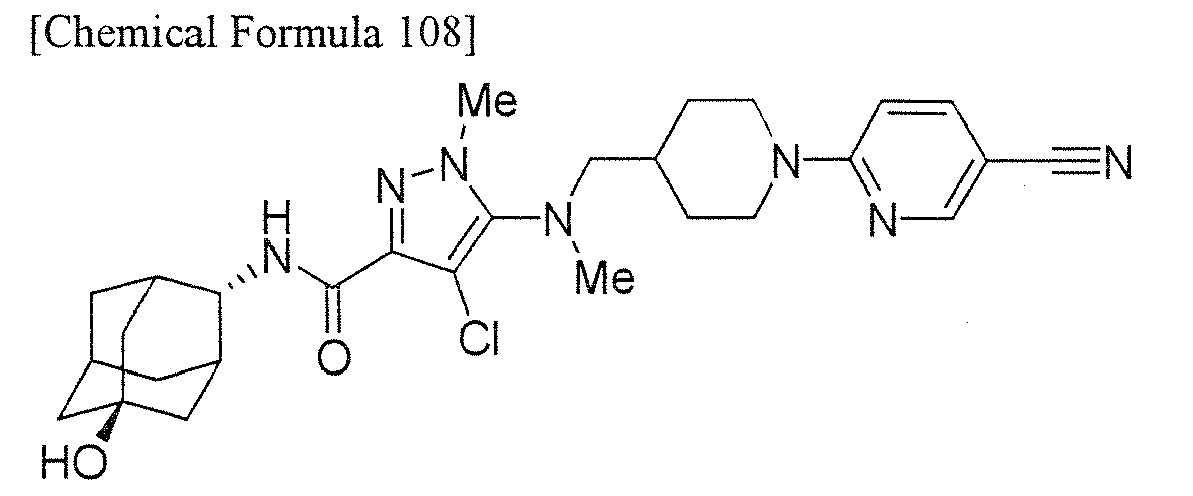
-

1H-NMR (CDCl3) δ 1.50-1.68 (m, 4H), 1.76-1.86 (m, 6H), 1.90-2.00 (m, 4H), 2.16-2.25 (m, 3H), 2.75-2.85 (m, 2H), 2.84 (s, 3H), 3.22-3.32 (m, 1H), 3.62-3.70 (m, 2H), 3.73 (s, 3H), 4.16-4.22 (m, 1H), 7.02 (d, J=8Hz, 1H), 7.12-7.19 (m, 2H), 8.08 (dd, J=2,4Hz, 1H), 8.29 (d, J=2Hz, 1H) - Compounds of Examples 168-180 were prepared in the similar manner to Example 167.
-

Example No. B2 Example No. B2 168 
175 
169 
176 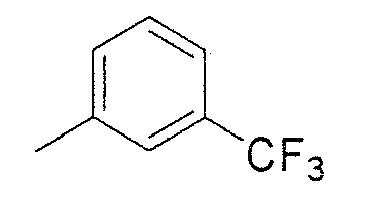
170 
177 
171 
178 
172 
179 
173 
180 
174 
181 
- 1H-NMR (CDCl3) δ 1.45-1.60 (m, 4H), 1.70-1.84 (m, 6H), 1.85-2.10 (m, 5H), 2.10-2.27 (m, 3H), 2.74-2.93 (m, 5H), 3.25-3.35 (m, 1H), 3.65-3.78 (m, 5H), 4.13-4.22 (m, 1H), 7.00-7.03 (m, 1H), 7.29 (s, 1H), 8.27 (s, 1H), 8.41 (s, 1H)
- 1H-NMR (CDCl3) δ 1.45-1.62 (m, 4H), 1.62-1.85 (m, 7H), 1.89-2.00 (m, 4H), 2.11-2.25 (m, 3H), 2.81 (s, 3H), 2.83-2.98 (m, 2H), 3.26-3.38 (m, 1H), 3.70 (s, 3H), 3.74-3.79 (m, 2H), 4.13-4.24 (m, 1H), 7.00-7.03 (m, 1H), 7.15-7.18 (m, 1H), 7.46-7.49 (m, 1H), 8.28-8.32 (m, 1H)
- 1H-NMR (CDCl3) δ 1.35-1.58 (m, 4H), 1.72-2.00 (m, 11H), 2.11-2.27 (m, 3H), 2.80 (s, 3H), 2.84-2.93 (m, 2H), 3.26-3.38 (m, 1H), 3.69 (s, 3H), 4.12-4.21 (m, 1H), 4.29-4.34 (m, 2H), 6.74-6.77 (m, 1H), 6.88-6.90 (m, 1H), 7.00-7.03 (m, 1H), 7.50-7.56 (m, 1H)
- 1H-NMR (CDCl3) δ 1.35-1.70 (m, 5H), 1.70-1.97 (m, 10H), 2.11-2.25 (m, 3H), 2.72-2.90 (m, 5H), 3.20-3.34 (m, 1H), 3.65-3.80 (m, 5H), 4.13-4.21 (m, 1H), 6.89-6.92 (m, 2H), 7.01-7.03 (m, 1H), 7.43-7.46 (m, 2H)
- 1H-NMR (CDCl3) δ 1.36-1.57 (m, 5H), 1.70-2.00 (m, 10H), 2.11-2.25 (m, 3H), 2.80 (s, 3H), 2.89-2.97 (m, 2H), 3.30-3.43 (m, 1H), 3.69 (s, 3H), 4.11-4.22 (m, 1H), 4.34-4.38 (m, 2H), 6.61-6.64 (m, 1H), 7.00-7.03 (m, 1H), 7.57-7.61 (m, 1H), 8.35 (s, 1H)
- 1H-NMR (CDCl3) δ 1.47-1.70 (m, 5H), 1.75-1.96 (m, 10H), 2.11-2.26 (m, 3H), 2.82 (s, 3H), 2.87-2.95 (m, 2H), 3.17-3.31 (m, 1H), 3.53-3.65 (m, 2H), 4.14-4.22 (m, 1H), 7.00-7.03 (m, 1H), 6.94-7.03 (m, 2H), 7.81-7.86 (m, 1H), 8.38-8.41 (m, 1H)
- 1H-NMR (CDCl3) δ 1.39-1.59 (m, 5H), 1.75-2.00 (m, 10H), 2.11-2.25 (m, 3H), 2.75-2.90 (m, 5H), 3.22-3.33 (m, 1H), 3.69 (s, 3H), 4.08-4.22 (m, 3H), 6.58-6.62 (m, 1H), 7.00-7.03 (m, 1H), 7.19-7.25 (m, 1H), 8.00-8.10 (m, 1H)
- 1H-NMR (CDCl3) δ 1.49-1.69 (m, 5H), 1.75-1.93 (m, 10H), 2.11-2.25 (m, 3H), 2.68-2.75 (m, 2H), 2.82 (s, 3H), 3.00-3.10 (m, 2H), 3.11-3.25 (m, 1H), 3.74 (s, 3H), 4.13-4.21 (m, 1H), 7.02-7.04 (m, 1H), 7.16-7.21 (m, 1H), 7.28-7.31 (m, 1H), 7.45-7.50 (m, 1H), 7.57-7.60 (m, 1H)
- 1H-NMR (CDCl3) δ 1.47-1.69 (m, 5H), 1.72-2.00 (m, 10H), 2.11-2.27 (m, 3H), 2.70-2.90 (m, 5H), 3.20-3.32 (m, 1H), 3.64-3.68 (m, 2H), 3.71 (s, 3H), 4.13-4.21 (m, 1H), 7.01-7.09 (m, 3H), 7.29-7.34 (m, 1H)
- 1H-NMR (CDCl3) δ 1.41-1.69 (m, 5H), 1.70-1.98 (m, 10H), 2.10-2.27 (m, 3H), 2.75-2.92 (m, 5H), 3.20-3.35 (m, 1H), 3.62-3.80 (m, 5H), 4.13-4.22 (m, 1H), 6.90-6.92 (m, 2H), 7.01-7.03 (m, 1H), 7.43-7.46 (m, 2H)
- 1H-NMR (CDCl3) δ 1.35-1.70 (m, 5H), 1.75-2.02 (m, 10H), 2.12-2.29 (m, 3H), 2.59-2.78 (m, 2H), 2.82 (s, 3H), 3.13-3.28 (m, 1H), 3.38-3.50 (m, 2H), 3.73 (s, 3H), 4.14-4.25 (m, 1H), 6.82-7.14 (m, 5H)
- 1H-NMR (CDCl3) δ 1.39-1.69 (m, 5H), 1.70-2.02 (m, 10H), 2.12-2.27 (m, 3H), 2.68-2.90 (m, 5H), 3.17-3.30 (m, 1H), 3.57-3.68 (m, 2H), 3.71 (s, 3H), 4.13-4.25 (m, 1H), 6.50-6.66 (m, 3H), 7.00-7.03 (m, 1H), 7.11-7.19 (m, 1H)
- 1H-NMR (CDCl3) δ 1.31-1.62 (m, 5H), 1.70-2.07 (m, 10H), 2.12-2.27 (m, 3H), 2.54-2.80 (m, 2H), 2.82 (s, 3H), 3.11-3.30 (m, 1H), 3.44-3.56 (m, 2H), 3.72 (s, 3H), 4.12-4.24 (m, 1H), 6.70-7.12 (m, 4H)
- 1H-NMR (CDCl3) δ 1.35-1.56 (m, 5H), 1.70-1.97 (m, 10H), 2.10-2.27 (m, 3H), 2.80 (s, 3H), 2.86-2.97 (m, 2H), 3.30-3.40 (m, 1H), 3.69 (s, 3H), 4.16-4.18 (m, 1H), 4.29-4.32 (m, 2H), 6.72-6.74 (m, 1H), 6.77 (s, 1H), 7.00-7.31 (m, 1H), 8.24-8.27 (m, 1H)
- The following Example Compounds, Examples A1-AX9 were prepared in the similar manner to that used in the above Examples.
-

-
[Table 1] Ex. No. - B obs MS [M+1] tR (min) Measurement Method A1 
544.4 3.56 SA A2 
560.5 3.63 SA A3 
556.4 3.5 SA A4 
594.4 3.76 SA A5 
544.5 3.6 SA A6 
560.5 3.76 SA A7 
556.5 3.57 SA A8 
594.4 3.87 SA -
[Table 2] Ex. No. - B obs MS [M+1] tR (min) Measurement Method A9 
551.5 3.47 SA A10 
544.6 3.58 SA A11 
556.4 3.54 SA A12 
551.7 3.46 SA A13 
574.6 3.8 SA A14 
570.4 3.56 SA A15 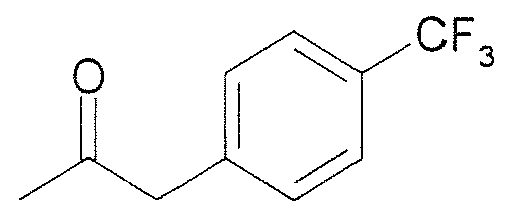
608.5 3.93 SA A16 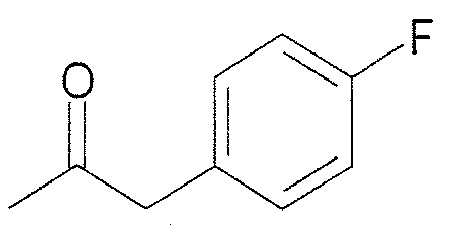
558.5 3.64 SA -
[Table 3] Ex. No. - B obs MS [M+1] tR (min) Measurement Method A17 
570.5 3.57 SA A18 
554.6 3.72 SA A19 
527.6 3.1 SA A20 
527.7 2.82 SA A21 
527.6 2.78 SA A22 
532.6 3.52 SA A23 
517.5 3.27 SA A24 
464.4 3.04 SA -
[Table 4] Ex. No. -B obs MS [M+1] tR (min) Measurement Method A25 
478.4 3.22 SA A26 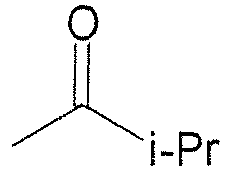
492.7 3.37 SA A27 
490.6 3.3 SA A28 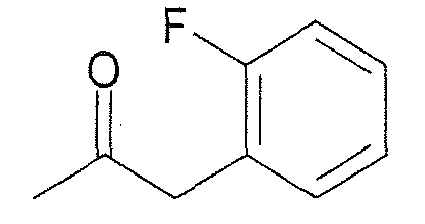
558.5 3.66 SA A29 
574.6 3.79 SA A30 
558.5 3.64 SA A31 
574.5 3.79 SA A32 
570.4 3.63 SA -
[Table 5] Ex. No. -B obs MS [M+1] tR (min) Measurement Method A33 
608.5 3.9 SA A34 
565.5 3.51 SA A35 
608.3 3.92 SA A36 
565.5 3.5 SA A37 
566.4 3.75 SA A38 
596.4 3.71 SA A39 
584.4 3.79 SA A40 
534.6 3.13 SA -
[Table 6] Ex. No. - B obs MS [M+1] tR (min) Measurement Method A41 
561.5 3.48 SA A42 
561.5 3.28 SA A43 
541.3 3.1 SA A44 
557.4 3.49 SA A45 
541.4 3.06 SA A46 
557.3 3.37 SA A47 
541.5 2.78 SA -
[Table 7] Ex. No. -B obs MS [M+1] tR (min) Measurement Method A49 
541.7 2.78 SA A50 
541.3 2.77 SA A51 
532.4 3.45 SA A52 
528 3.09 SA A53 
529.5 3.51 SA A54 
594.4 3.9 SA A55 
560.5 3.78 SA -
[Table 8] Ex. No. -B obs MS [M+1] tR (min) Measurement Method B1 
580.4 3.89 SA B2 
596.4 3.99 SA B3 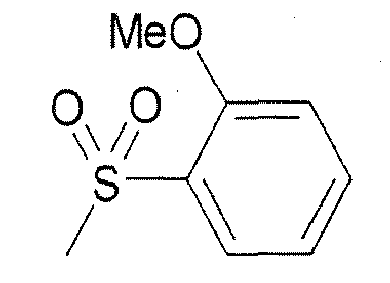
592.4 3.77 SA B4 
630.5 4.1 SA B5 
587.5 3.76 SA B6 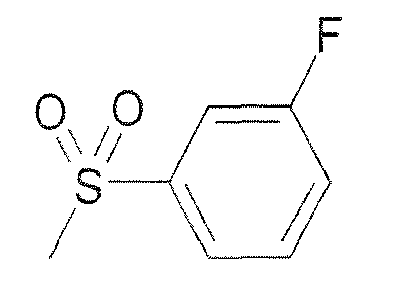
580.4 3.94 SA B7 
596.4 4.11 SA -
[Table 9] Ex. No. - B obs MS [M+1] tR (min) Measurement Method B9 
630.3 4.21 SA B10 
587.5 3.82 SA B11 
580.4 3.92 SA B12 
596.4 4.11 SA B13 
592.4 3.88 SA B14 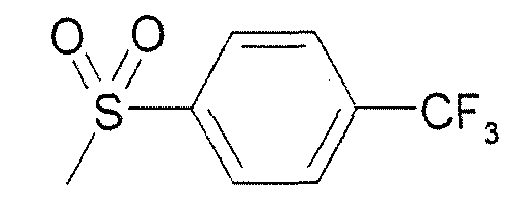
630.5 4.23 SA B15 
587.5 3.85 SA B16 
563.6 3.52 SA -
[Table 10] Ex. No. -B obs MS [M+1] tR (min) Measurement Method B17 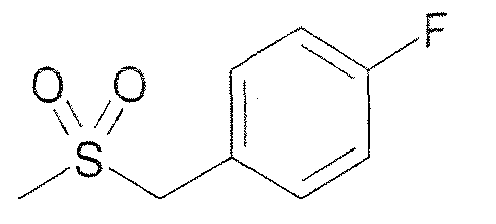
594.4 3.89 SA B18 
610.3 4.05 SA B19 
563.6 3.47 SA B20 
500.5 3.3 SA B21 
514.5 3.42 SA B22 
528.5 3.6 SA B23 
568.5 3.77 SA B24 
526.3 3.5 SA -
[Table 11] Ex. No. -B obs MS [M+1] tR (min) Measurement Method B25 
528.6 3.57 SA -
[Table 12] Ex. No. - B obs MS [M+1] tR (min) Measurement Method C1 
575.4 3.51 SA C2 
493.6 3.29 SA C3 
535.5 3.2 SA C4 
479.5 3.03 SA C5 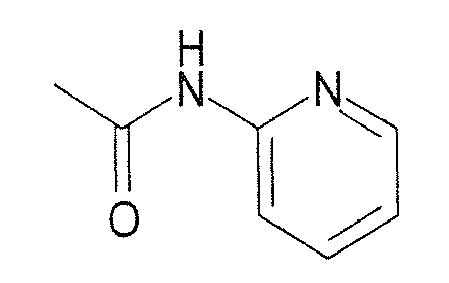
542.4 2.85 SA C6 
542.4 2.82 SA C7 
505.6 3.17 SA C8 
566.5 3.47 SA -
[Table 13] Ex. No. - B obs MS [M+1] tR (min) Measurement Method C9 
577.5 3.62 SA C10 
577.6 3.75 SA C11 
577.6 3.91 SA C12 
577.6 3.81 SA C13 
577.5 3.49 SA C14 
566.7 3.61 SA C15 
560.5 3.2 SA -
[Table 14] Ex. No. -B obs MS [M+1] tR (min) Measurement Method C17 
569.8 3.88 SB C18 
569.8 3.92 SB C19 
573.7 3.8 SB C20 
573.7 3.76 SB C21 
589.7 3.92 SB C22 
585.7 3.8 SB C23 
585.7 3.72 SB C24 
573.4 3.21 SB -
[Table 15] Ex. No. -B obs MS [M+1] tR (min) Measurement Method C25 
589.4 3.3 SB C26 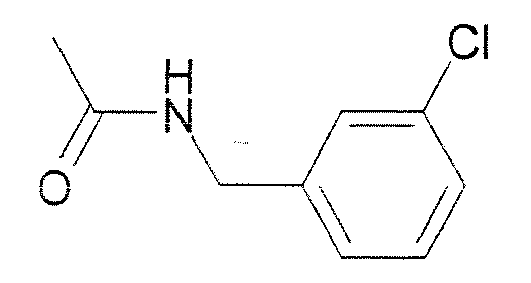
589.4 3.34 SB C27 
585.2 3.15 SB C28 
556.3 2.51 SB C29 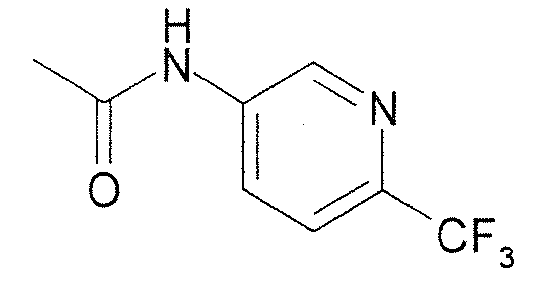
610.4 3.32 SB C30 
572.3 2.82 SB C31 
560.2 2.99 SB C32 
576.2 3.13 SB -
[Table 16] Ex. No. - B obs MS [M+1] tR (min) Measurement Method C33 
556.3 2.53 SB C34 
595.5 3.37 SB C35 
569.5 3.26 SB -
[Table 17] Ex. No. - B obs MS [M+1] tR (min) Measurement Method D1 
524.5 4.03 SA D2 
534.6 4.42 SA D3 
534.6 3.97 SA D4 
534.7 4.44 SA D5 
517.5 3.10 SA D6 
567.5 3.16 SA D7 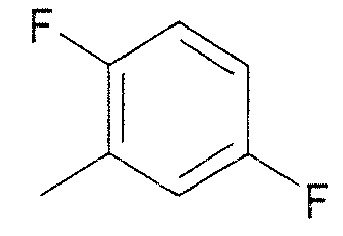
534.5 4.40 SA D8 
500.5 3.36 SA -
[Table 18] Ex. No. -B obs MS [M+1] tR (min) Measurement Method D9 
530.5 2.82 SA D10 
499.6 2.82 SA -

-
[Table 19] Ex. No. -B obs MS [M+1] tR (min) Measurement Method E1 
544.5 3.72 SA E2 
528.6 3.55 SA E3 
540.5 3.49 SA E4 
592.5 3.89 SA E5 
542.3 3.57 SA E6 
558.5 3.73 SA E7 
554.6 3.51 SA E8 
554.6 3.5 SA -
[Table 20] Ex. No. - B obs MS [M+1] tR (min) Measurement Method E9 
580.5 3.68 SA E10 
568.6 3.73 SA E11 
584.4 3.91 SA E12 
541.4 3.32 SA E13 
579.6 3.59 SA E14 
545.6 3.44 SA E15 
579.6 3.61 SA E16 
550.4 3.73 SA -
[Table 21] Ex. No. - B obs MS [M+1] tR (min) Measurement Method E17 
516.5 3.39 SA -
[Table 22] Ex. No. - B obs MS [M+1] tR (min) Measurement Method F1 
580.4 4.01 SA F2 
580.4 4.02 SA F3 
564.5 3.79 SA F4 
564.4 3.86 SA F5 
564.4 3.84 SA F6 
576.6 3.97 SA F7 
576.7 3.79 SA F8 
614.5 4.1 SA -
[Table 23] Ex. No. -B obs MS [M+1] tR (min) Measurement Method F9 
614.5 4.15 SA F10 
571.4 3.73 SA F11 
582.4 3.89 SA F12 
582.1 3.53 SB F13 
582.1 3.44 SB F14 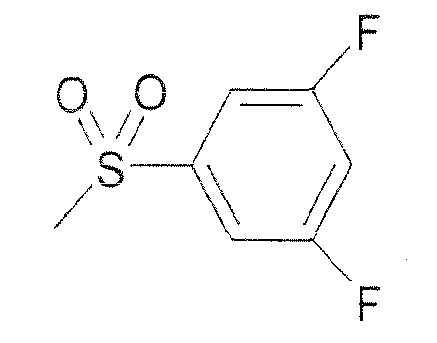
582.3 3.94 SA F15 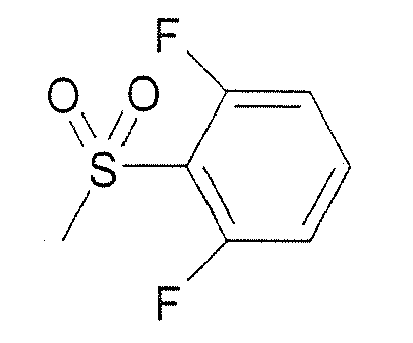
582.6 3.79 SA F16 
578.5 3.81 SA -
[Table 24] Ex. No. -B obs MS [M+1] tR (min) Measurement Method F17 
594.4 3.96 SA F18 
552.1 3.28 SB -
[Table 25] Ex. No. - B obs MS [M+1] tR (min) Measurement Method G1 
559.4 3.24 SB G2 
559.4 3.36 SB G3 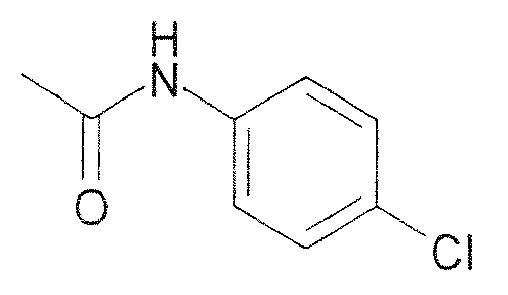
559.4 3.34 SB G4 
543.4 3.13 SB G5 
543.4 3.21 SB G6 
543.4 3.15 SB G7 
555.2 3.19 SB G8 
555.5 3.13 SB -
[Table 26] Ex. No. - B obs MS [M+1] tR (min) Measurement Method G9 
555.2 3.05 SB G10 
561.4 3.21 SB G11 
561.4 3.32 SB G12 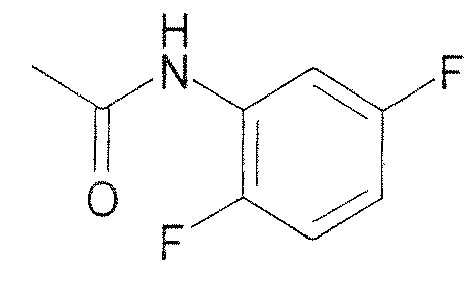
561.4 3.24 SB G13 
561.4 3.38 SB G14 
561.4 3.01 SB G15 
550.4 2.99 SB -
[Table 27] Ex. No. - B obs MS [M+1] tR (min) Measurement Method G17 
550.4 3.13 SB G18 
557.4 3.11 SB G19 
557.2 3.11 SB G20 
557.4 3.11 SB G21 
573.4 3.21 SB G22 
573.4 3.26 SB G23 
573.4 3.26 SB G24 
553.2 3.19 SB -
[Table 28] Ex. No. - B obs MS [M+1] tR (min) Measurement Method G25 
553.2 3.21 SB G26 
569.5 3.11 SB G27 
569.8 3.67 SB G28 
569.5 3.07 SB G29 
540.4 2.4 SB G30 
594.4 3.21 SB G31 
556.3 2.71 SB G32 
544.3 2.82 SB -
[Table 29] Ex. No. -B obs MS [M+1] tR (min) Measurement Method G33 
560.2 3.03 SB G34 
540.4 2.51 SB G35 
579.3 3.26 SB G36 
553.2 3.17 SB G37 
526.4 2.4 SB -
[Table 30] Ex. No. - B obs MS [M+1] tR (min) Measurement Method H1 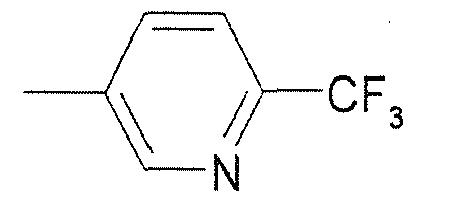
551.3 3.53 SB H2 
508.4 3.19 SB H3 
551.3 3.86 SB H4 
508.4 3.49 SB H5 
551.3 3.19 SB H6 
508.4 3.11 SB H7 
551.3 3.38 SB H8 
508.4 3.26 SB -
[Table 31] Ex. No. - B obs MS [M+1] tR (min) Measurement Method H9 
501.4 2.71 SB H10 
514.3 2.36 SB H11 
484.6 2.84 SB -

-
[Table 32] Ex. No. - B obs MS [M+1] tR (min) Measurement Method I1 
558.5 3.67 SA I2 
574.6 3.76 SA I3 
570.5 3.61 SA I4 
608.5 3.87 SA I5 
558.5 3.72 SA I6 
574.6 3.88 SA I7 
570.5 3.7 SA I8 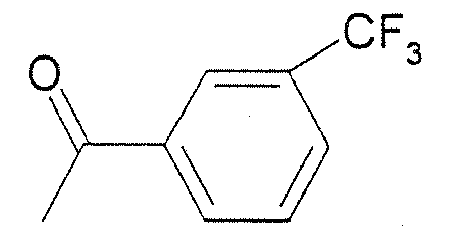
608.5 4 SA -
[Table 33] Ex. No. -B obs MS [M+1] tR (min) Measurement Method I9 
565.6 3.59 SA I10 
558.5 3.72 SA I11 
574.6 3.91 SA I12 
570.5 3.67 SA I13 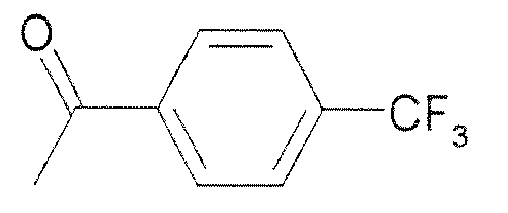
608.5 4.03 SA I14 
565.5 3.61 SA I15 
588.4 3.93 SA I16 
584.4 3.69 SA -
[Table 34] Ex. No. - B obs MS [M+1] tR (min) Measurement Method I17 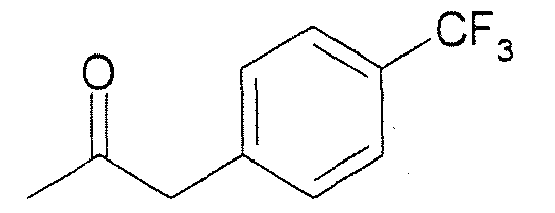
622.4 4.04 SA I18 
572.5 3.75 SA I19 
584.5 3.71 SA I20 
568.6 3.85 SA I21 
541.5 3.21 SA I22 
541.5 2.93 SA I23 
492.5 3.35 SA I24 
506.5 3.5 SA -
[Table 35] Ex. No. - B obs MS [M+1] tR (min) Measurement Method I25 
504.6 3.43 SA I26 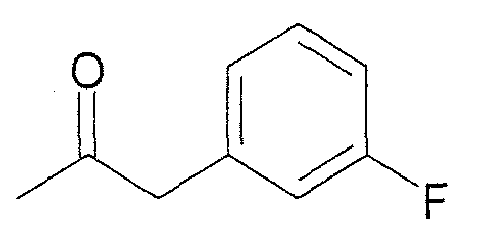
572.5 3.76 SA I27 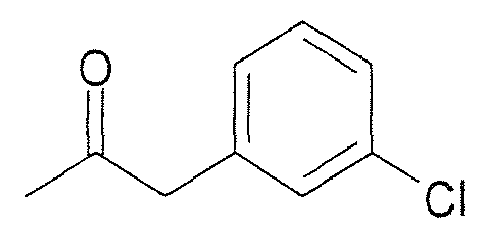
588.5 3.92 SA I28 
564.4 3.6 SA I29 
572.6 3.79 SA I30 
588.5 3.9 SA I31 
584.4 3.75 SA I32 
579.6 3.62 SA -
[Table 36] Ex. No. -B obs MS [M+1] tR (min) Measurement Method I33 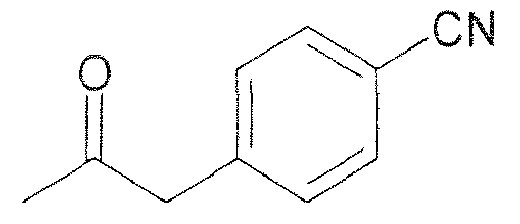
579.6 3.61 SA -
[Table 37] Ex. No. -B obs MS [M+1] tR (min) Measurement Method J1 
594.5 4.02 SA J2 
610.4 4.13 SA J3 
606.6 3.89 SA J4 
644.5 4.22 SA J5 
601.5 3.89 SA J6 
594.4 4.08 SA J7 
610.3 4.24 SA -
[Table 38] Ex. No. -B obs MS [M+1] tR (min) Measurement Method J9 
644.4 4.31 SA J10 
601.5 3.94 SA J11 
594.4 4.05 SA J12 
612.4 4.12 SA J13 
606.4 4 SA J14 
644.4 4.35 SA J15 
601.5 3.95 SA J16 
608.5 4.01 SA -
[Table 39] Ex. No. - B obs MS [M+1] tR (min) Measurement Method J17 
624.4 4.18 SA J18 
577.4 3.57 SA J19 
514.6 3.42 SA J20 
528.5 3.56 SA J21 
542.3 3.75 SA J22 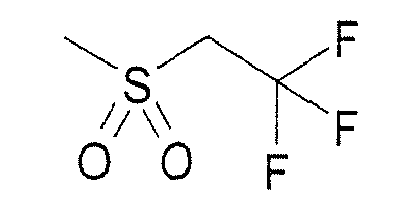
582.3 3.9 SA J23 
540.6 3.65 SA J24 
542.4 3.71 SA -
[Table 40] Ex. No. -B obs MS [M+1] tR (min) Measurement Method K1 
573.6 3.73 SA K2 
573.5 3.86 SA K3 
573.4 3.78 SA K4 
589.5 3.93 SA K5 
589.5 4.02 SA K6 
585.3 3.84 SA K7 
585.4 3.74 SA K8 
585.4 3.65 SA -
[Table 41] Ex. No. - B obs MS [M+1] tR (min) Measurement Method K9 
580.4 3.73 SA K10 
580.5 3.72 SA K11 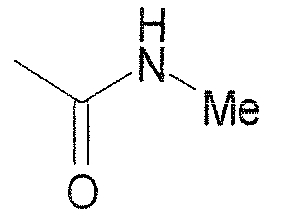
493.6 3.14 SA K12 
561.6 3.5 SA K13 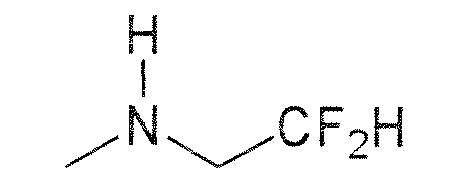
543.6 3.39 SA K14 
580.5 3.59 SA K15 
591.5 3.75 SA K16 
591.5 3.88 SA -
[Table 42] Ex. No. - B obs MS [M+1] tR (min) Measurement Method K17 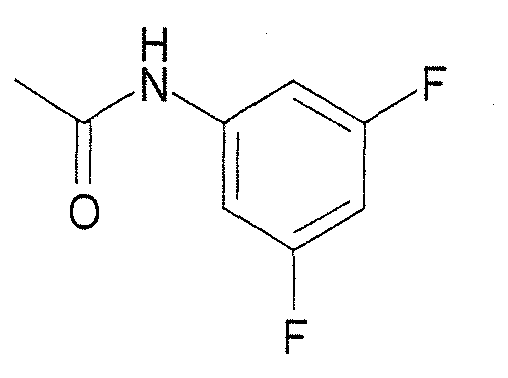
591.4 4.01 SA K18 
591.5 3.91 SA K19 
591.5 3.6 SA K20 
589.4 3.84 SA K21 
603.4 3.38 SB K22 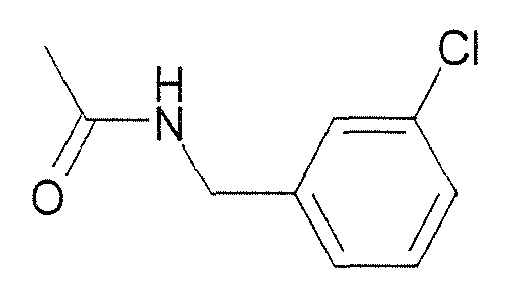
603.4 3.44 SB K23 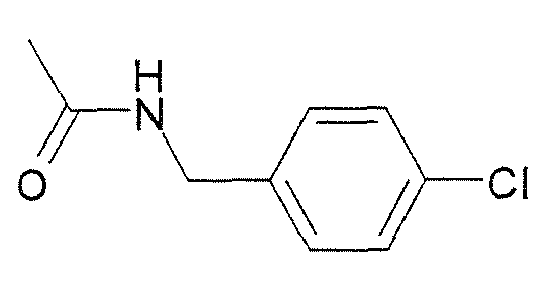
603.4 3.44 SB -
[Table 43] Ex. No. -B obs MS [M+1] tR (min) Measurement Method K25 
624.4 3.4 SB K26 
586.3 2.92 SB K27 
574.3 2.99 SB K28 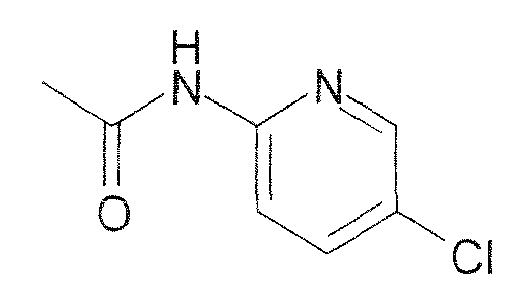
590.5 3.17 SB K29 
570.6 2.61 SB K30 
609.3 3.51 SB K31 
556.3 2.53 SB -
[Table 44] Ex. No. -B obs MS [M+1] tR (min) Measurement Method L1 
581.3 3.78 SB L2 
581.3 3.26 SB L3 
581.3 3.47 SB L4 
581.3 4.13 SB L5 
531.1 2.82 SB L6 
538.4 3.74 SB L7 
538.4 3.42 SB L8 
544.3 2.51 SB -
[Table 45] Ex. No. -B obs MS [M+1] tR (min) Measurement Method L9 
514.3 3.05 SB -

-
[Table 46] Ex. No. - B obs MS [M+1] tR (min) Measurement Method M1 
542.5 3.62 SA M2 
542.3 3.66 SA M3 
542.5 3.66 SA M4 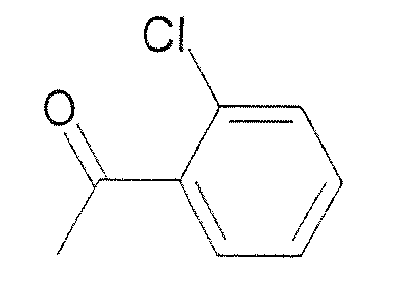
558.5 3.8 SA M5 
558.6 3.82 SA M6 
558.6 3.83 SA M7 
554.6 3.56 SA M8 
554.6 3.62 SA -
[Table 47] Ex. No. - B obs MS [M+1] tR (min) Measurement Method M9 
554.6 3.65 SA M10 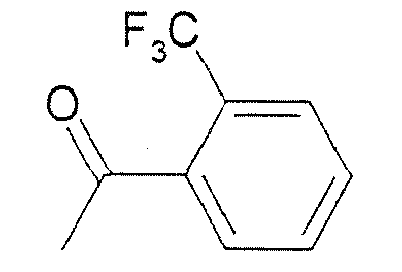
592.5 3.81 SA M11 
592.3 3.94 SA M12 
592.3 3.96 SA M13 
549.6 3.53 SA M14 
549.6 3.53 SA M15 
560.6 3.7 SA M16 
563.7 3.59 SA -
[Table 48] Ex. No. - B obs MS [M+1] tR (min) Measurement Method M17 
560.5 3.74 SA M18 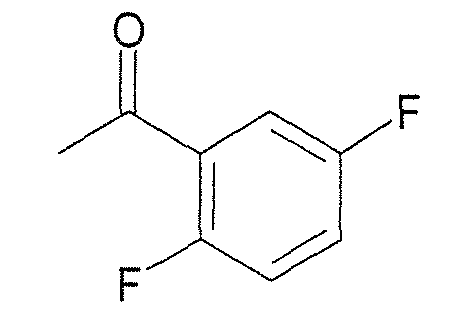
560.6 3.7 SA M19 
606.2 3.99 SA M20 
606.5 3.99 SA M21 
606.3 3.99 SA M22 
556.7 3.74 SA M23 
556.5 3.72 SA M24 
556.4 3.7 SA -
[Table 49] Ex. No. -B obs MS [M+1] tR (min) Measurement Method M25 
572.5 3.87 SA M26 
572.5 3.85 SA M27 
572.5 3.87 SA M28 
563.7 3.57 SA M29 
568.6 3.72 SA M30 
568.6 3.64 SA M31 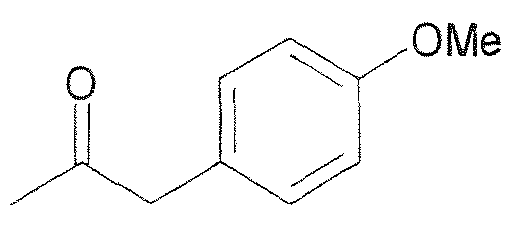
568.7 3.63 SA M32 
462.3 3.11 SA -
[Table 50] Ex. No. - B obs MS [M+1] tR (min) Measurement Method M33 
476.3 3.29 SA M34 
490.6 3.44 SA M35 
488.6 3.37 SA M36 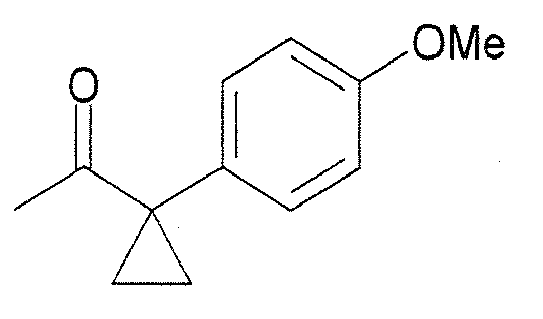
594.5 3.8 SA M37 
582.3 3.88 SA M38 
598.7 4.04 SA M39 
539.7 2.82 SA M40 
555.6 3.43 SA -
[Table 51] Ex. No. -B obs MS [M+1] tR (min) Measurement Method M41 
593.6 3.7 SA M42 
559.5 3.56 SA M43 
593.5 3.71 SA M44 
564.5 3.94 SA M45 
530.5 3.51 SA -
[Table 52] Ex. No. - B obs MS [M+1] tR (min) Measurement Method N1 
594.5 4.04 SA N2 
594.4 4.16 SA N3 
594.4 4.16 SA N4 
578.3 3.93 SA N5 
578.5 4.01 SA N6 
578.5 3.97 SA N7 
590.4 3.71 SA -
[Table 53] Ex. No. -B obs MS [M+1] tR (min) Measurement Method N9 
590.5 3.84 SA N10 
628.5 4.13 SA N11 
628.6 4.24 SA N12 
628.5 4.26 SA N13 
585.6 3.81 SA N14 
585.4 3.86 SA N15 
585.4 3.9 SA N16 
596.3 4.02 SA -
[Table 54] Ex. No. - B obs MS [M+1] tR (min) Measurement Method N17 
596.4 4.12 SA N18 
596.4 4.03 SA N19 
596.4 4.11 SA N20 
596.4 3.93 SA N21 
592.3 3.93 SA N22 
608.5 4.09 SA N23 
566.4 3.8 SA -
[Table 55] Ex. No. - B obs MS [M+1] tR (min) Measurement Method O1 
557.7 3.8 SB O2 
557.7 3.92 SB O3 
557.4 3.88 SB O4 
573.7 3.97 SB O5 
573.7 4.03 SB O6 
573.7 4.03 SB O7 
569.8 3.9 SB O8 
569.8 3.78 SB -
[Table 56] Ex. No. - B obs MS [M+1] tR (min) Measurement Method 09 
569.8 3.74 SB O10 
564.7 3.67 SB O11 
564.7 3.8 SB O12 
564.7 3.8 SB O13 
575.7 3.82 SB O14 
575.7 3.95 SB O15 
575.7 3.69 SB O16 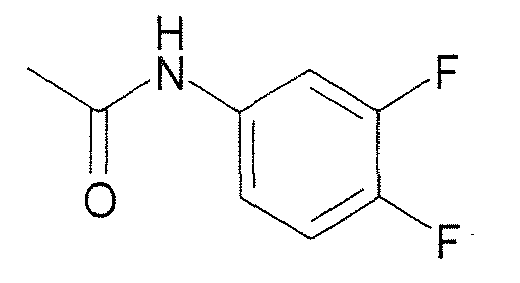
575.7 3.99 SB -
[Table 57] Ex. No. - B obs MS [M+1] tR (min) Measurement Method O17 
575.7 4.05 SB O18 
587.4 3.32 SB O19 
587.4 3.4 SB O20 
587.4 3.36 SB O21 
557.4 3.34 SB O22 
593.6 3.38 SB O23 
540.4 2.48 SB -
[Table 58] Ex. No. -B obs MS [M+1] tR (min) Measurement Method P1 
565.6 3.67 SB P2 
565.6 3.15 SB P3 
565.6 3.36 SB P4 
565.6 4.07 SB P5 
515.4 2.71 SB P6 
522.2 3.63 SB P7 
522.2 3.40 SB P8 
528.3 2.44 SB -
[Table 59] Ex. No. -B obs MS [M+1] tR (min) Measurement Method P9 
498.3 2.94 SB P10 
522.4 3.36 SB -

-
[Table 60] Ex. No. - B obs MS [M+1] tR (min) Measurement Method Q1 
572.6 3.87 SA Q2 
588.6 4.11 SA Q3 
584.5 3.8 SA Q4 
572.6 3.9 SA Q5 
588.6 4.07 SA Q6 
584.5 3.85 SA Q7 
572.5 3.88 SA Q8 
588.6 4.06 SA -
[Table 61] Ex. No. -B obs MS [M+1] tR (min) Measurement Method Q9 
584.5 3.82 SA Q10 
602.6 4.08 SA Q11 
598.6 3.83 SA Q12 
586.6 3.91 SA Q13 
598.7 3.84 SA Q14 
555.5 3.35 SA Q15 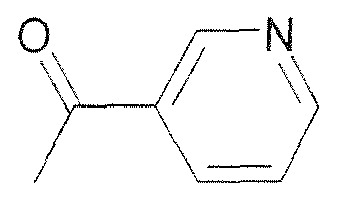
555.5 3.06 SA Q16 
555.5 3 SA -
[Table 62] Ex. No. -B obs MS [M+1] tR (min) Measurement Method Q17 
492.7 3.34 SA Q18 
506.7 3.52 SA Q19 
520.7 3.68 SA Q20 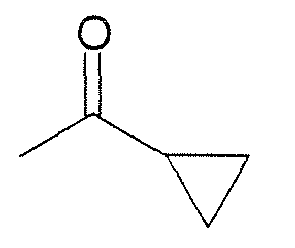
518.7 3.61 SA -
[Table 63] Ex. No. -B obs MS [M+1] tR (min) Measurement Method R1 
608.3 4.17 SA R2 
620.4 4.04 SA R3 
608.4 4.23 SA R4 
624.4 4.4 SA R5 
620.5 4.19 SA R6 
608.3 4.21 SA R7 
624.5 4.41 SA R8 
622.6 4.15 SA -
[Table 64] Ex. No. - B obs MS [M+1] tR (min) Measurement Method R9 
638.4 4.31 SA R10 
591.4 3.72 SA R11 
528.6 3.61 SA R12 
542.5 3.74 SA R13 
556.5 3.94 SA R14 
554.4 3.77 SA R15 
624.4 4.29 SA R16 
620.5 4.15 SA -
[Table 65] Ex. No. - B obs MS [M+1] tR (min) Measurement Method R17 
556.5 3.83 SA -
[Table 66] Ex. No. -B obs MS [M+1] tR (min) Measurement Method S1 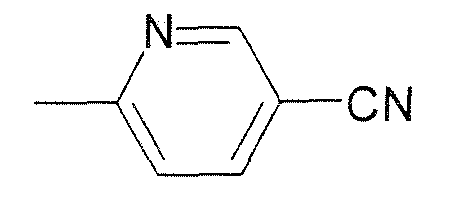
552.4 3.74 SB S2 
595.5 3.97 SB S3 
595.5 3.69 SB S4 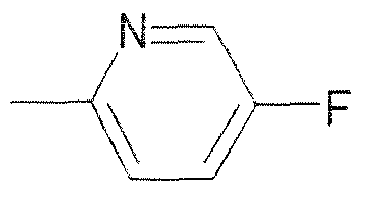
545.4 2.90 SB S5 
552.4 3.34 SB S6 
552.4 3.57 SB S7 
558.3 2.61 SB -
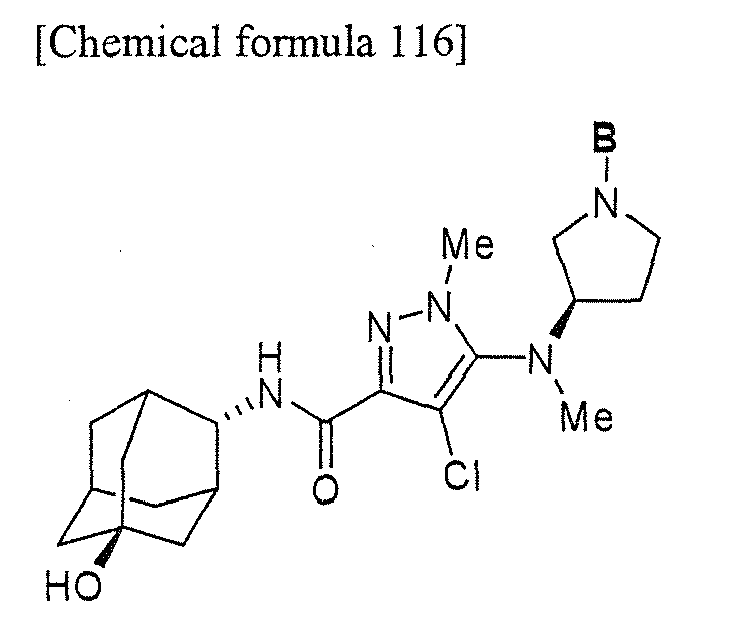
-
[Table 67] Ex. No. - B obs MS [M+1] tR (min) Measurement Method U1 
530.5 3.43 SA U2 
546.5 3.56 SA U3 
542.5 3.39 SA U4 
580.4 3.72 SA U5 
537.6 3.31 SA U6 
530.5 3.41 SA U7 
546.6 3.58 SA U8 
542.6 3.37 SA -
[Table 68] Ex. No. -B obs MS [M+1] tR (min) Measurement Method U9 
580.4 3.73 SA U10 
537.6 3.31 SA U11 
560.6 3.64 SA U12 
556.7 3.46 SA U13 
594.5 3.82 SA U14 
544.6 3.48 SA U15 
556.7 3.46 SA U16 
540.6 3.6 SA -
[Table 69] Ex. No. - B obs MS [M+1] tR (min) Measurement Method U17 
513.7 3.07 SA U18 
513.7 2.73 SA U19 
513.7 2.68 SA U20 
518.6 3.35 SA U21 
450.5 2.92 SA U22 
464.5 3.08 SA U23 
478.5 3.21 SA U24 
476.3 3.16 SA -
[Table 70] Ex. No. - B obs MS [M+1] tR (min) Measurement Method U25 
518.6 3.3 SA U26 
530.5 3.42 SA U27 
582.5 3.62 SA U28 
570.6 3.68 SA U29 
586.5 3.91 SA U30 
527.7 2.7 SA U31 
543.7 3.24 SA U32 
581.5 3.51 SA -
[Table 71] Ex. No. - B obs MS [M+1] tR (min) Measurement Method U33 
547.7 3.49 SA U34 
581.5 3.65 SA U35 
552.4 3.73 SA U36 
518.7 3.33 SA -
[Table 72] Ex. No. -B obs MS [M+1] tR (min) Measurement Method V1 
566.4 3.72 SA V2 
582.3 3.85 SA V3 
578.4 3.61 SA V4 
573.6 3.62 SA V5 
566.5 3.78 SA V6 
582.1 3.92 SA V7 
578.5 3.74 SA -
[Table 73] Ex. No. -B obs MS [M+1] tR (min) Measurement Method V9 
566.4 3.76 SA V10 
582.3 3.94 SA V11 
578.5 3.7 SA V12 
573.5 3.68 SA V13 
580.4 3.66 SA V14 
596.3 3.9 SA V15 
549.5 3.31 SA V16 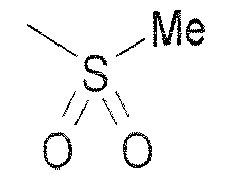
486.5 3.13 SA -
[Table 74] Ex. No. -B obs MS [M+1] tR (min) Measurement Method V17 
514.5 3.45 SA V18 
554.5 3.64 SA V19 
512.4 3.33 SA V20 
514.5 3.41 SA V21 
584.4 3.89 SA V22 
584.4 3.87 SA V23 
584.4 3.72 SA -
[Table 75] Ex. No. - B obs MS [M+1] tR (min) Measurement Method W1 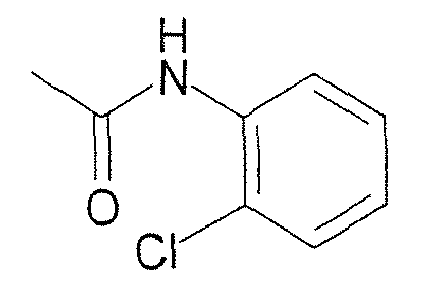
561.7 3.84 SB W2 
561.7 3.9 SB W3 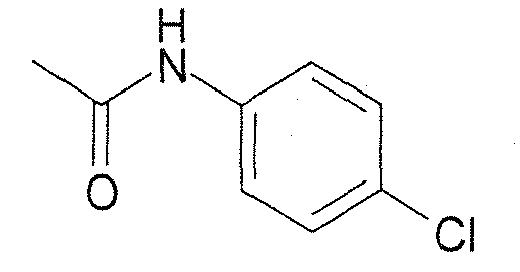
561.7 3.86 SB W4 
545.7 3.65 SB W5 
545.7 3.76 SB W6 
545.4 3.18 SB W7 
557.4 3.17 SB W8 
557.4 3.07 SB -
[Table 76] Ex. No. - B obs MS [M+1] tR (min) Measurement Method W9 
557.4 3.01 SB W10 
563.3 3.11 SB W11 
563.3 3.26 SB W12 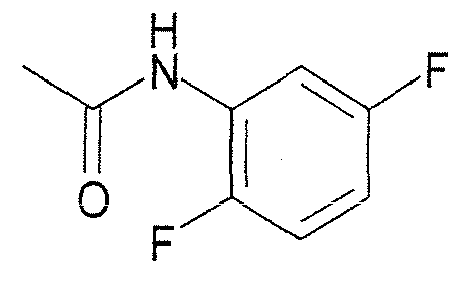
563.3 3.19 SB W13 
563.3 2.96 SB W14 
552.1 2.96 SB W15 
552.1 3.19 SB W16 
552.1 3.11 SB -
[Table 77] Ex. No. - B obs MS [M+1] tR (min) Measurement Method W17 
559.4 3.09 SB W18 
559.4 3.07 SB W19 
559.4 3.15 SB W20 
575.4 3.18 SB W21 
575.4 3.26 SB W22 
575.4 3.24 SB W23 
555.2 3.17 SB W24 
555.2 3.19 SB -
[Table 78] Ex. No. - B obs MS [M+1] tR (min) Measurement Method W25 
571.5 3.11 SB W26 
571.5 3.07 SB W27 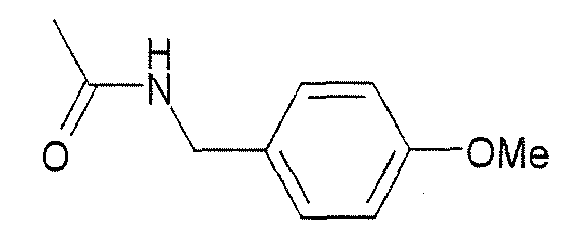
571.5 3.03 SB W28 
542.3 2.38 SB W29 
596.4 3.17 SB W30 
558.3 2.69 SB W31 
546.2 2.8 SB W32 
562.2 2.99 SB -
[Table 79] Ex. No. -B obs MS [M+1] tR (min) Measurement Method W33 
563.3 3.34 SB W34 
581.3 3.24 SB W35 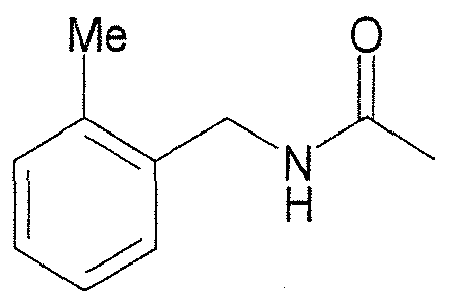
555.2 3.13 SB W37 
528.3 2.38 SB -
[Table 80] Ex. No. - B obs MS [M+1] tR (min) Measurement Method X1 
553.2 3.63 SB X2 
553.2 2.84 SB X3 
553.2 2.99 SB X4 
553.2 3.86 SB X5 
503.4 2.44 SB X6 
510.4 3.42 SB X7 
510.4 2.78 SB X8 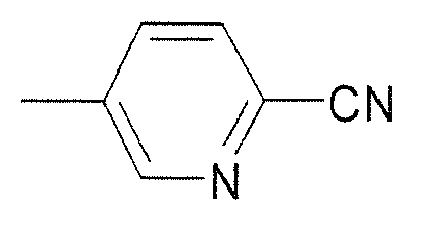
510.4 3.19 SB -
[Table 81] Ex. No. -B obs MS [M+1] tR (min) Measurement Method X9 
516.6 2.34 SB X10 
486.6 2.71 SB X11 
510.4 3.05 SB -

-
[Table 82] Ex. No. - B obs MS [M+1] tR (min) Measurement Method Y1 
530.5 3.4 SA Y2 
530.5 3.42 SA Y3 
546.6 3.58 SA Y4 
542.5 3.38 SA Y5 
537.5 3.31 SA Y6 
530.5 3.41 SA Y7 
546.7 3.58 SA Y8 
580.4 3.72 SA -
[Table 83] Ex. No. -B obs MS [M+1] tR (min) Measurement Method Y9 
537.5 3.32 SA Y10 
560.7 3.67 SA Y11 
556.4 3.45 SA Y12 
580.4 3.7 SA Y13 
542.6 3.37 SA Y14 
556.5 3.47 SA Y15 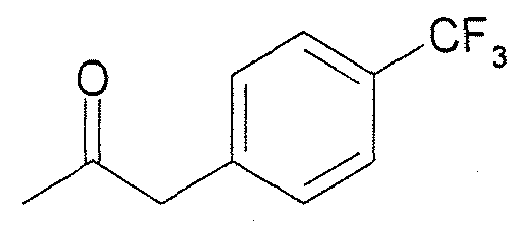
594.5 3.82 SA Y16 
544.6 3.5 SA -
[Table 84] Ex. No. -B obs MS [M+1] tR (min) Measurement Method Y17 
476.5 3.16 SA Y18 
582.5 3.6 SA Y19 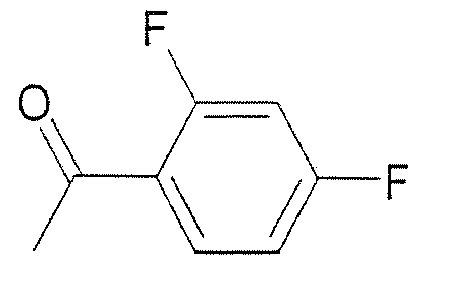
548.6 3.49 SA Y20 
548.5 3.53 SA Y21 
548.6 3.54 SA Y22 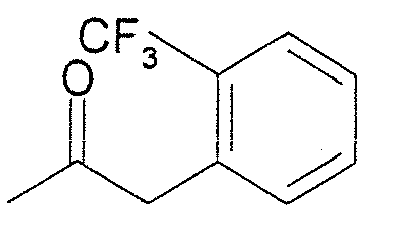
594.4 3.78 SA Y23 
594.4 3.82 SA -
[Table 85] Ex. No. -B obs MS [M+1] tR (min) Measurement Method Y25 
544.5 3.59 SA Y26 
560.6 3.64 SA Y27 
560.6 3.67 SA Y28 
551.7 3.39 SA Y29 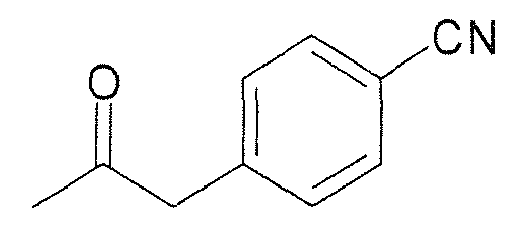
551.5 3.38 SA Y30 
556.5 3.52 SA Y31 
570.4 3.64 SA Y32 
527.7 2.69 SA -
[Table 86] Ex. No. - B obs MS [M+1] tR (min) Measurement Method Y33 
543.6 3.2 SA Y34 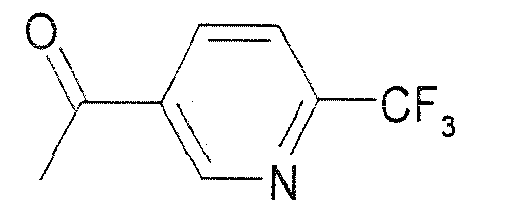
581.5 3.48 SA Y35 
547.6 3.45 SA Y36 
581.5 3.64 SA Y37 
552.4 3.72 SA Y38 
518.6 3.32 SA -
[Table 87] Ex. No. -B obs MS [M+1] tR (min) Measurement Method Z1 
566.5 3.72 SA Z2 
582.3 3.85 SA Z3 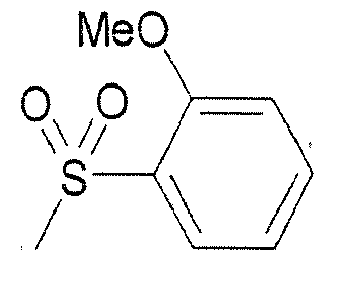
578.3 3.62 SA Z4 
573.5 3.63 SA Z5 
566.5 3.79 SA Z6 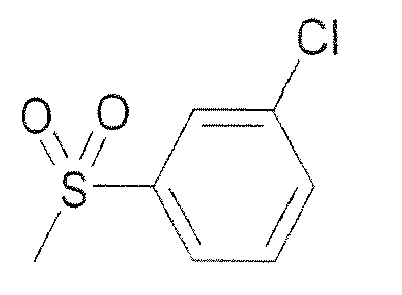
582.4 3.93 SA Z7 
578.5 3.76 SA -
[Table 88] Ex. No. - B obs MS [M+1] tR (min) Measurement Method Z9 
566.4 3.76 SA Z10 
582.3 3.94 SA Z11 
578.5 3.7 SA Z12 
573.6 3.69 SA Z13 
580.4 3.75 SA Z14 
596.4 3.9 SA Z15 
549.5 3.3 SA Z16 
486.5 3.13 SA -
[Table 89] Ex. No. - B obs MS [M+1] tR (min) Measurement Method Z17 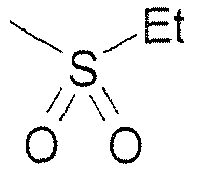
500.5 3.27 SA Z18 
514.5 3.46 SA Z19 
554.5 3.64 SA Z20 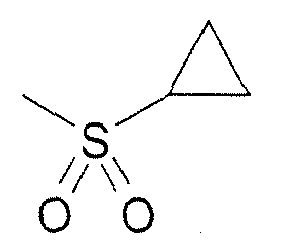
512.5 3.34 SA Z21 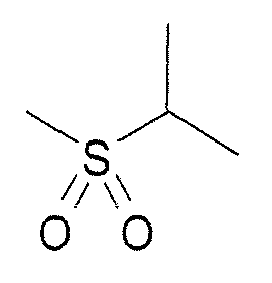
514.5 3.43 SA Z22 
584.4 3.9 SA Z23 
584.4 3.88 SA Z24 
584.4 3.71 SA -
[Table 90] Ex. No. - B obs MS [M+1] tR (min) Measurement Method Z25 
584.4 3.82 SA -
[Table 91] Ex. No. -B obs MS [M+1] tR (min) Measurement Method AA1 
561.6 3.74 SA AA2 
557.2 3.17 SB AA3 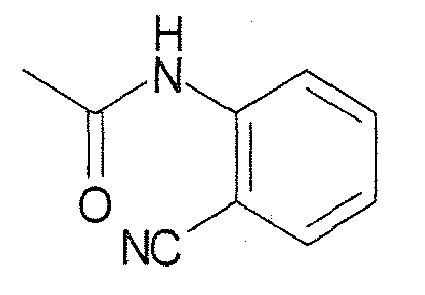
552.1 2.96 SB AA4 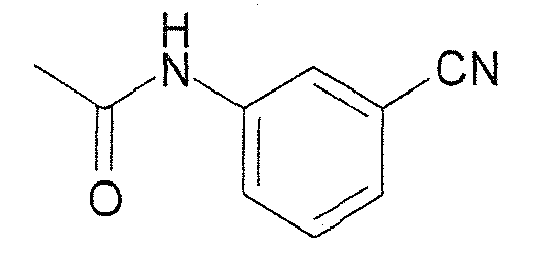
552.1 3.09 SB AA5 
552.1 3.09 SB AA6 
563.6 3.51 SA AA7 
563.3 3.32 SB AA8 
563.3 2.96 SB -
[Table 92] Ex. No. -B obs MS [M+1] tR (min) Measurement Method AA9 
563.6 3.77 SA AA10 
563.3 3.26 SB AA11 
555.2 3.17 SB AA12 
559.4 3.09 SB AA13 
575.4 3.21 SB AA14 
571.5 3.09 SB AA15 
571.5 3.09 SB AA16 
559.4 3.09 SB -
[Table 93] Ex. No. - B obs MS [M+1] tR (min) Measurement Method AA17 
575.4 3.17 SB AA18 
575.4 3.21 SB AA19 
571.5 3.03 SB AA20 
542.3 2.36 SB AA21 
596.4 3.17 SB AA22 
558.3 2.71 SB -
[Table 94] Ex. No. -B obs MS [M+1] tR (min) Measurement Method AB1 
553.2 3.59 SB AB2 
553.2 2.86 SB AB3 
553.2 2.99 SB AB4 
553.2 3.84 SB AB5 
503.4 2.44 SB AB6 
516.3 2.34 SB AB7 
486.3 2.69 SB AB8 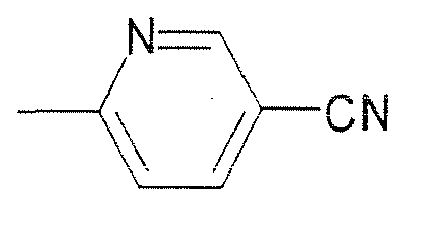
510.4 3.05 SB -
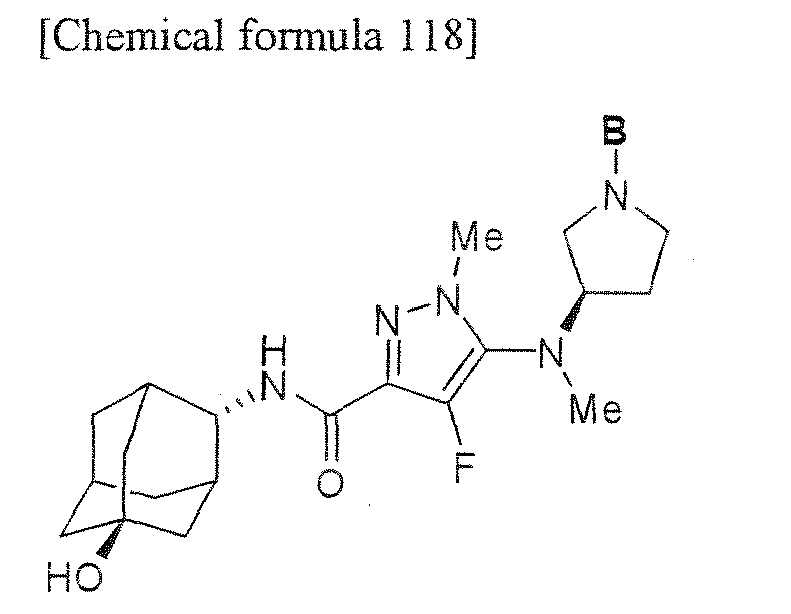
-
[Table 95] Ex. No. -B obs MS [M+1] tR (min) Measurement Method AC1 
514.5 3.47 SA AC2 
540.6 3.38 SA AC3 
530.5 3.52 SA AC4 
526.7 3.32 SA AC5 
564.6 3.65 SA AC6 
521.7 3.24 SA AC7 
514.5 3.34 SA AC8 
530.5 3.51 SA -
[Table 96] Ex. No. - B obs MS [M+1] tR (min) Measurement Method AC9 
526.7 3.3 SA AC10 
564.5 3.66 SA AC11 
521.7 3.24 SA AC12 
544.5 3.59 SA AC13 
540.6 3.34 SA AC14 
578.5 3.74 SA AC15 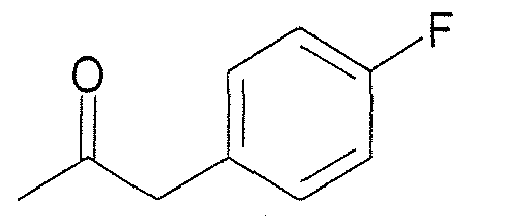
528.6 3.43 SA AC16 
434.6 2.85 SA -
[Table 97] Ex. No. - B obs MS [M+1] tR (min) Measurement Method AC17 
448.6 3 SA AC18 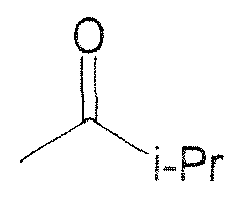
462.5 3.13 SA AC19 
460.5 3.09 SA AC20 
514.6 3.33 SA AC21 
532.6 3.47 SA AC22 
532.6 3.45 SA AC23 
532.5 3.41 SA AC24 
578.5 3.67 SA -
[Table 98] Ex. No. -B obs MS [M+1] tR (min) Measurement Method AC25 
578.5 3.74 SA AC26 
528.6 3.46 SA AC27 
528.5 3.45 SA AC28 
544.5 3.54 SA AC29 
544.5 3.58 SA AC30 
535.7 3.31 SA AC31 
535.6 3.3 SA AC32 
540.4 3.45 SA -
[Table 99] Ex. No. - B obs MS [M+1] tR (min) Measurement Method AC33 
566.4 3.49 SA AC34 
554.4 3.55 SA AC35 
570.5 3.73 SA AC36 
511.5 2.62 SA AC37 
527.3 3.16 SA AC38 
565.4 3.42 SA AC39 
531.4 3.35 SA AC40 
565.4 3.61 SA -
[Table 100] Ex. No. - B obs MS [M+1] tR (min) Measurement Method AC41 
536.5 3.62 SA AC42 
502.5 3.23 SA -
[Table 101] Ex. No. - B obs MS [M+1] tR (min) Measurement Method AD1 
550.4 3.66 SA AD2 
566.4 3.83 SA AD3 
562.6 3.55 SA AD4 
557.5 3.55 SA AD5 
550.6 3.71 SA AD6 
566.5 3.85 SA AD7 
562.5 3.67 SA -
[Table 102] Ex. No. -B obs MS [M+1] tR (min) Measurement Method AD9 
550.5 3.68 SA AD10 
566.5 3.85 SA AD11 
562.6 3.63 SA AD 12 
557.5 3.61 SA AD13 
564.5 3.67 SA AD14 
580.5 3.84 SA AD15 
533.7 3.34 SA AD16 
470.5 3.05 SA -
[Table 103] Ex. No. -B obs MS [M+1] tR (min) Measurement Method AD17 
484.5 3.21 SA AD18 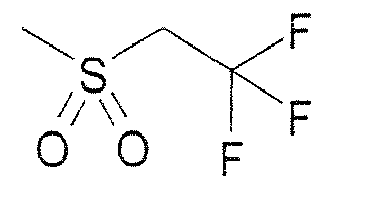
538.7 3.55 SA A19 
568.6 3.84 SA AD20 
568.5 3.8 SA AD21 
568.5 3.63 SA AD22 
568.6 3.73 SA AD23 
600.6 3.87 SA -
[Table 104] Ex. No. -B obs MS [M+1] tR (min) Measurement Method AD25 
600.5 4 SA AD26 
568.6 3.75 SA -
[Table 105] Ex. No. - B obs MS [M+1] tR (min) Measurement Method AE1 
529.4 2.99 SB AE2 
529.2 3.11 SB AE3 
529.2 3.03 SB AE4 
545.4 3.15 SB AE5 
545.4 3.24 SB AE6 
545.4 3.21 SB AE7 
541.5 3.09 SB AE8 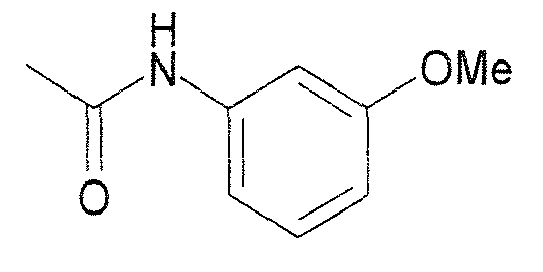
541.5 3.01 SB -
[Table 106] Ex. No. - B obs MS [M+1] tR (min) Measurement Method AE9 
536.4 2.88 SB AE10 
536.4 3.03 SB AE11 
536.4 3.01 SB AE12 
536.4 3.01 SB AE13 
547.6 3.69 SB AE14 
547.6 3.47 SB AE15 
547.6 3.76 SB -
[Table 107] Ex. No. -B obs MS [M+1] tR (min) Measurement Method AE17 
539.8 3.69 SB AE18 
539.8 3.69 SB AE19 
543.7 3.63 SB AE20 
543.7 3.67 SB AE21 
559.7 4.01 SB AE22 
555.8 3.61 SB AE23 
555.8 3.57 SB AE24 
543.4 3.01 SB -
[Table 108] Ex. No. -B obs MS [M+1] tR (min) Measurement Method AE25 
559.4 3.11 SB AE26 
559.4 3.15 SB AE27 
555.2 2.94 SB AE28 
565.6 3.14 SB AE29 
539.5 3.07 SB AE30 
512.4 2.3 SB AE31 
526.4 2.32 SB AE32 
580.4 3.11 SB -
[Table 109] Ex. No. - B obs MS [M+1] tR (min) Measurement Method AE33 
542.6 2.63 SB AE34 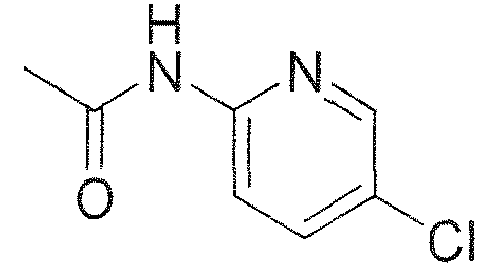
546.2 2.9 SB -
[Table 110] Ex. No. - B obs MS [M+1] tR (min) Measurement Method AF1 
537.6 3.47 SB AF2 
537.6 2.73 SB AF3 
537.6 2.94 SB AF4 
537.6 3.74 SB AF5 
487.4 2.38 SB AF6 
494.4 2.67 SB AF7 
494.4 3.09 SB AF8 
500.3 2.30 SB -
[Table 111] Ex. No. -B obs MS [M+1] tR (min) Measurement Method AF9 
470.3 2.61 SB AF10 
494.4 2.94 SB -


-
[Table 112] Ex. No. -B obs MS [M+1] tR (min) Measurement Method AG1 
529.4 3.05 SB AG2 
529.4 3.13 SB AG3 
529.4 3.05 SB AG4 
545.4 3.15 SB AG5 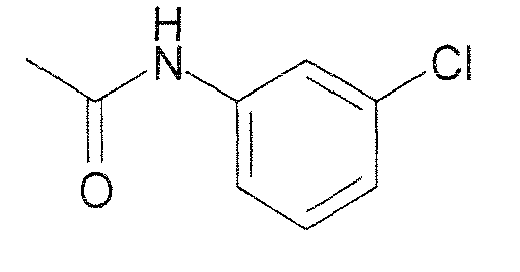
545.4 3.24 SB AG6 
545.4 3.21 SB AG7 
541.5 3.07 SB AG8 
541.5 3.01 SB -
[Table 113] Ex. No. - B obs MS [M+1] tR (min) Measurement Method AG9 
541.5 2.94 SB AG10 
536.4 2.9 SB AG11 
536.4 3.03 SB AG12 
536.4 3.03 SB AG13 
547.4 3.01 SB AG14 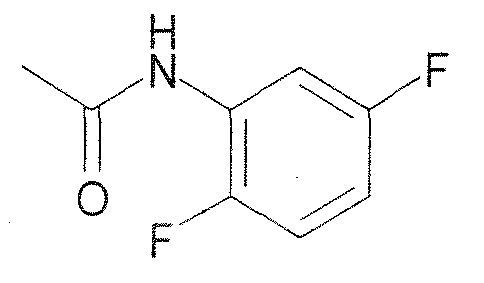
547.4 3.11 SB AG15 
547.4 2.88 SB AG16 
547.4 3.17 SB -
[Table 114] Ex. No. - B obs MS [M+1] tR (min) Measurement Method AG17 
547.4 3.26 SB AG18 
539.5 3.11 SB AG19 
539.5 3.09 SB AG20 
543.4 3.01 SB AG21 
543.4 3.01 SB AG22 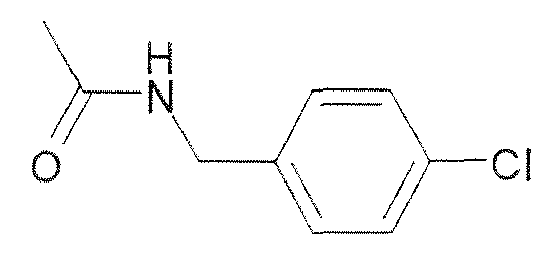
559.4 3.15 SB AG23 
555.2 3.03 SB AG24 
555.2 2.96 SB -
[Table 115] Ex. No. -B obs MS [M+1] tR (min) Measurement Method AH1 
537.6 3.47 SB AH2 
537.6 2.73 SB AH3 
537.6 2.88 SB AH4 
537.6 3.74 SB AH5 
487.4 2.42 SB AH6 
494.4 3.34 SB AH7 
494.4 2.67 SB AH8 
494.4 3.09 SB -
[Table 116] Ex. No. -B obs MS [M+1] tR (min) Measurement Method AH9 
500.3 2.28 SB AH10 
470.3 2.61 SB AH11 
494.4 2.94 SB -

-
[Table 117] Ex. No. -B obs MS [M+1] tR (min) Measurement Method AI1 
560.6 3.64 SA AI2 
560.5 3.72 SA AI3 
560.5 3.72 SA AI4 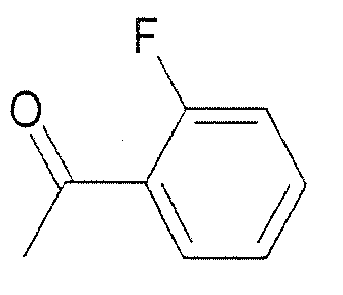
544.6 3.6 SA AI5 
544.6 3.6 SA AI6 
544.5 3.58 SA AI7 
556.5 3.7 SA AI8 
556.5 3.57 SA -
[Table 118] Ex. No. -B obs MS [M+1] tR (min) Measurement Method AI9 
556.5 3.56 SA AI10 
594.5 3.78 SA AI11 
594.4 3.89 SA AI12 
594.4 3.91 SA AI13 
562.5 3.66 SA AI14 
562.6 3.68 SA AI15 
562.5 3.67 SA AI16 
608.5 3.98 SA -
[Table 119] Ex. No. - B obs MS [M+1] tR (min) Measurement Method AI17 
558.6 3.68 SA AI18 
574.5 3.79 SA AI19 
570.6 3.63 SA AI20 
570.6 3.58 SA AI21 
464.4 3.13 SA AI22 
478.5 3.31 SA AI23 
492.6 3.42 SA AI24 
596.5 3.7 SA -
[Table 120] Ex. No. - B obs MS [M+1] tR (min) Measurement Method AI25 
584.6 3.8 SA AI26 
600.5 3.96 SA AI27 
541.6 2.84 SA AI28 
557.6 3.4 SA AI29 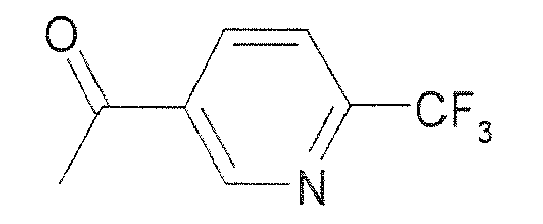
595.5 3.66 SA AI30 
561.7 3.52 SA AI31 
595.4 3.71 SA AI32 
566.5 4 SA -
[Table 121] Ex. No. -B obs MS [M+1] tR (min) Measurement Method AI33 
532.6 3.54 SA AI34 
532.6 3.54 SA -
[Table 122] Ex. No. - B obs MS [M+1] tR (min) Measurement Method AJ1 
596.4 4.01 SA AJ2 
596.4 4.12 SA AJ3 
596.5 4.14 SA AJ4 
580.4 3.93 SA AJ5 
580.4 3.97 SA AJ6 
592.4 3.83 SA AJ7 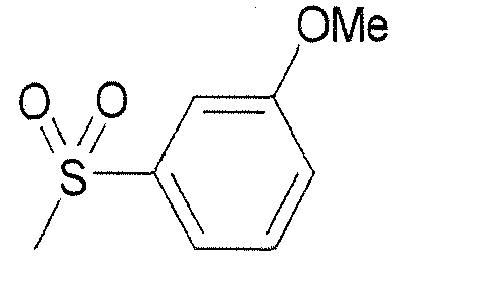
592.3 3.97 SA AJ8 
592.5 3.93 SA -
[Table 123] Ex. No. - B obs MS [M+1] tR (min) Measurement Method AJ9 
630.5 4.11 SA AJ10 
630.5 4.21 SA AJ11 
630.5 4.27 SA AJ12 
598.6 4.02 SA AJ13 
598.6 4.06 SA AJ14 
598.5 4 SA AJ15 
598.6 4.09 SA AJ16 
598.6 3.91 SA -
[Table 124] Ex. No. -B obs MS [M+1] tR (min) Measurement Method AJ17 
594.4 3.89 SA AJ18 
610.3 4.05 SA AJ19 
500.5 3.33 SA AJ20 
514.5 3.47 SA AJ21 
528.5 3.58 SA AJ22 
526.5 3.54 SA AJ23 
568.3 3.76 SA AJ24 
563.6 3.46 SA -
[Table 125] Ex. No. -B obs MS [M+1] tR (min) Measurement Method AJ25 
528.6 3.67 SA -
[Table 126] Ex. No. - B obs MS [M+1] tR (min) Measurement Method AK1 
559.7 3.78 SB AK2 
559.7 3.86 SB AK3 
575.7 3.95 SB AK4 
575.7 0.69 SB AK5 
575.4 3.38 SB AK6 
571.7 3.9 SB AK7 
571.7 3.78 SB AK8 
571.7 3.72 SB -
[Table 127] Ex. No. - B obs MS [M+1] tR (min) Measurement Method AK9 
566.7 3.65 SB AK10 
566.7 3.8 SB AK11 
566.7 3.76 SB AK12 
577.9 3.8 SB AK13 
577.9 3.84 SB AK14 
577.9 0.65 SB AK15 
577.9 0.65 SB -
[Table 128] Ex. No. -B obs MS [M+1] tR (min) Measurement Method AK17 
569.5 3.32 SB AK18 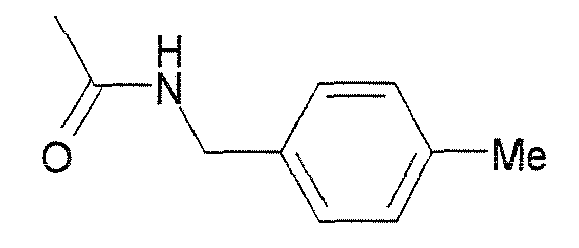
569.5 3.3 SB AK19 
573.4 3.19 SB AK20 
573.4 3.21 SB AK21 
589.4 3.36 SB AK22 
585.2 3.21 SB AK23 
585.2 3.17 SB AK24 
573.4 3.24 SB -
[Table 129] Ex. No. -B obs MS [M+1] tR (min) Measurement Method AK25 
589.4 3.32 SB AK26 
589.4 3.36 SB AK27 
585.2 3.17 SB AK28 
556.3 2.44 SB AK29 
610.4 3.3 SB AK30 
572.3 2.82 SB AK31 
560.2 2.9 SB AK32 
576.2 3.11 SB -
[Table 130] Ex. No. - B obs MS [M+1] tR (min) Measurement Method AK33 
556.3 2.51 SB AK34 
595.3 3.35 SB AK35 
542.3 2.44 SB -
[Table 131] Ex. No. -B obs MS [M+1] tR (min) Measurement Method AL1 
567.3 3.69 SB AL2 
567.3 3.42 SB AL3 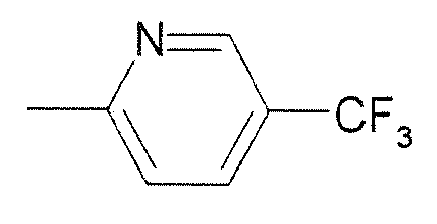
567.3 3.65 SB AL4 
567.5 3.97 SB AL5 
517.4 2.94 SB AL6 
524.4 3.57 SB AL7 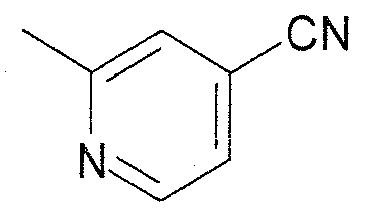
524.4 3.32 SB AL8 
524.4 3.28 SB -
[Table 132] Ex. No. - B obs MS [M+1] tR (min) Measurement Method AL9 
530.3 2.40 SB AL10 
500.3 2.99 SB AL11 
524.4 3.40 SB -


-
[Table 133] Ex. No. -B obs MS [M+1] tR (min) Measurement Method AM1 
560.6 3.84 SA AM2 
560.5 3.74 SA AM3 
544.5 3.56 SA AM4 
544.5 3.58 SA AM5 
544.5 3.56 SA AM6 
556.5 3.5 SA AM7 
556.5 3.56 SA AM8 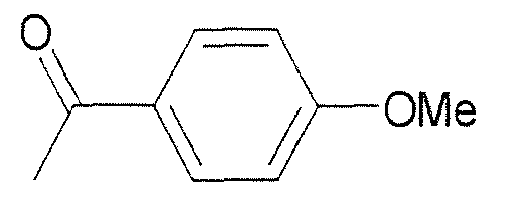
556.5 3.54 SA -
[Table 134] Ex. No. -B obs MS [M+1] tR (min) Measurement Method AM9 
594.4 3.77 SA AM10 
594.4 3.87 SA AM11 
594.4 3.88 SA AM12 
551.5 3.46 SA AM13 
551.6 3.48 SA AM14 
608.5 3.92 SA AM15 
608.5 3.97 SA AM16 
608.5 3.95 SA -
[Table 135] Ex. No. - B obs MS [M+1] tR (min) Measurement Method AM17 
558.6 3.68 SA AM18 
558.5 3.66 SA AM19 
558.6 3.64 SA AM20 
574.6 3.8 SA AM21 
574.6 3.82 SA AM22 
574.6 3.79 SA AM23 
565.5 3.55 SA AM24 
565.5 3.52 SA -
[Table 136] Ex. No. - B obs MS [M+1] tR (min) Measurement Method AM25 
570.6 3.67 SA AM26 
570.6 3.6 SA AM27 
570.6 3.58 SA AM28 
464.5 3.1 SA AM29 
478.5 3.27 SA AM30 
492.5 3.42 SA AM31 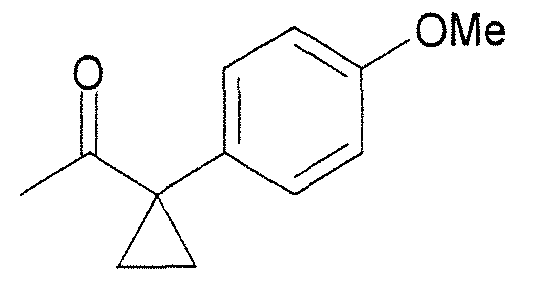
596.5 3.73 SA AM32 
541.5 2.91 SA -
[Table 137] Ex. No. -B obs MS [M+1] tR (min) Measurement Method AM33 
557.5 3.38 SA AM34 
595.4 3.62 SA AM35 
561.6 3.49 SA AM36 
595.5 3.68 SA AM37 
566.4 3.83 SA AM38 
532.6 3.51 SA AM39 
554.6 3.78 SA -
[Table 138] Ex. No. - B obs MS [M+1] tR (min) Measurement Method AN1 
596.5 4.01 SA AN2 
596.5 4.13 SA AN3 
596.4 4.14 SA AN4 
580.4 3.91 SA AN5 
580.4 3.97 SA AN6 
592.4 3.81 SA AN7 
592.4 3.95 SA AN8 
592.6 3.92 SA -
[Table 139] Ex. No. - B obs MS [M+1] tR (min) Measurement Method AN9 
630.5 4.1 SA AN10 
630.5 4.21 SA AN11 
630.3 4.25 SA AN 12 
587.6 3.76 SA AN13 
587.6 3.82 SA AN14 
587.4 3.84 SA AN15 
598.6 3.99 SA AN16 
598.6 4.06 SA -
[Table 140] Ex. No. -B obs MS [M+1] tR (min) Measurement Method AN17 
598.3 3.99 SA AN18 
598.5 4.08 SA AN19 
598.6 3.9 SA AN20 
594.4 3.9 SA AN21 
610.3 4.06 SA AN22 
500.6 3.32 SA AN23 
514.6 3.45 SA AN24 
528.5 3.6 SA -
[Table 141] Ex. No. -B obs MS [M+1] tR (min) Measurement Method AN25 
526.6 3.53 SA AN26 
568.6 3.76 SA AN27 
563.5 3.47 SA AN28 
528.5 3.64 SA -
[Table 142] Ex. No. - B obs MS [M+1] tR (min) Measurement Method AO1 
559.4 3.23 SA AO2 
559.6 3.78 SA AO3 
559.6 3.69 SA AO4 
575.5 3.81 SA AO5 
575.5 3.88 SA AO6 
575.6 3.86 SA AO7 
571.5 3.79 SA AO8 
571.5 3.66 SA -
[Table 143] Ex. No. - B obs MS [M+1] tR (min) Measurement Method AO9 
571.5 3.58 SA AO10 
566.5 3.52 SA AO11 
566.7 3.66 SA AO12 
566.5 3.61 SA AO13 
577.6 3.65 SA AO14 
577.6 3.81 SA AO1 
577.9 3.69 SB AO16 
577.5 3.8 SA -
[Table 144] Ex. No. -B obs MS [M+1] tR (min) Measurement Method AO17 
577.9 4.01 SB AO18 
569.8 3.9 SB AO19 
569.8 3.95 SB AO20 
573.7 3.8 SB AO21 
573.7 3.82 SB AO22 
589.4 4.01 SB AO23 
585.7 3.86 SB AO24 
585.5 3.17 SB -
[Table 145] Ex. No. - B obs MS [M+1] tR (min) Measurement Method AO25 
573.4 3.24 SB AO26 
589.4 3.32 SB AO27 
589.4 3.36 SB AO28 
585.7 3.76 SB A029 
556.3 2.42 SB AO30 
610.4 3.28 SB AO31 
572.3 2.82 SB AO32 
560.5 2.9 SB -
[Table 146] Ex. No. -B obs MS [M+1] tR (min) Measurement Method A033 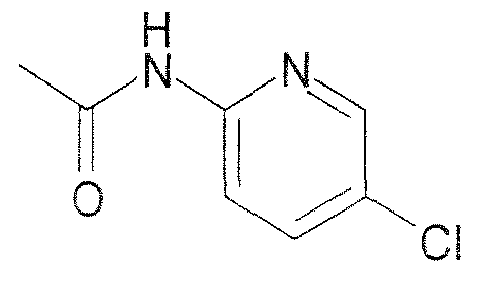
576.2 3.11 SB AO34 
556.3 2.51 SB AO35 
569.5 3.29 SB AO36 
595.3 3.36 SB AO37 
542.3 2.46 SB -
[Table 147] Ex. No. - B obs MS [M+1] tR (min) Measurement Method AP1 
567.3 3.63 SB AP2 
567.3 3.42 SB AP3 
567.3 3.65 SB AP4 
567.3 3.97 SB AP5 
517.4 2.92 SB AP6 
524.4 3.32 SB AP7 
524.4 3.36 SB AP8 
500.3 2.99 SB -
[Table 148] Ex. No. - B obs MS [M+1] tR (min) Measurement Method AP9 
524.4 3.40 SB -

-
[Table 149] Ex. No. -B obs MS [M+1] tR (min) Measurement Method AQ1 
544.5 3.58 SA AQ2 
544.5 3.68 SA AQ3 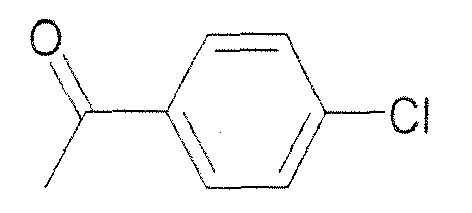
544.5 3.65 SA AQ4 
528.6 3.48 SA AQ5 
528.6 3.51 SA AQ6 
528.6 3.5 SA AQ7 
540.6 3.43 SA AQ8 
540.6 3.48 SA -
[Table 150] Ex. No. -B obs MS [M+1] tR (min) Measurement Method AQ9 
540.6 3.47 SA AQ10 
578.5 3.72 SA AQ11 
578.5 3.81 SA AQ12 
578.6 3.83 SA AQ13 
535.7 3.39 SA AQ14 
535.5 3.39 SA AQ15 
546.7 3.6 SA AQ16 
546.7 3.57 SA -
[Table 151] Ex. No. - B obs MS [M+1] tR (min) Measurement Method AQ17 
592.5 3.85 SA AQ18 
592.5 3.92 SA AQ19 
592.4 3.9 SA AQ20 
542.4 3.61 SA AQ21 
542.5 3.6 SA AQ22 
542.5 3.6 SA AQ23 
558.6 3.7 SA AQ24 
558.6 3.77 SA -
[Table 152] Ex. No. - B obs MS [M+1] tR (min) Measurement Method AQ25 
558.6 3.76 SA AQ26 
549.5 3.49 SA AQ27 
549.6 3.46 SA AQ28 
554.6 3.6 SA AQ29 
554.6 3.54 SA AQ30 
554.6 3.53 SA AQ31 
448.6 3.03 SA AQ32 
462.4 3.2 SA -
[Table 153] Ex. No. - B obs MS [M+1] tR (min) Measurement Method AQ33 
476.4 3.49 SA AQ34 
474.6 3.28 SA AQ35 
580.5 3.61 SA AQ36 
568.6 3.74 SA AQ37 
584.5 3.9 SA AQ38 
525.6 2.75 SA AQ39 
541.7 3.3 SA AQ40 
579.6 3.59 SA -
[Table 154] Ex. No. -B obs MS [M+1] tR (min) Measurement Method AQ41 
545.6 3.43 SA AQ42 
579.6 3.62 SA AQ43 
550.4 3.76 SA AQ44 
516.7 3.43 SA -
[Table 155] Ex. No. -B obs MS [M+1] tR (min) Measurement Method AR1 
580.4 3.93 SA AR2 
580.4 4.05 SA AR3 
580.4 4.04 SA AR4 
564.5 3.83 SA AR5 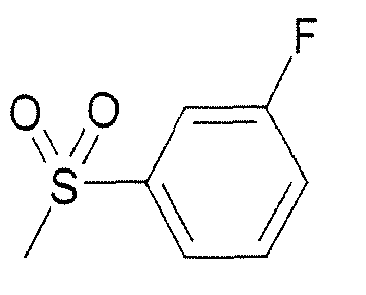
564.6 3.88 SA AR6 
564.5 3.88 SA AR7 
576.4 3.73 SA AR8 
576.4 3.87 SA -
[Table 156] Ex. No. - B obs MS [M+1] tR (min) Measurement Method AR9 
576.5 3.84 SA AR10 
614.3 4.02 SA AR11 
614.4 4.14 SA AR12 
614.4 4.17 SA AR13 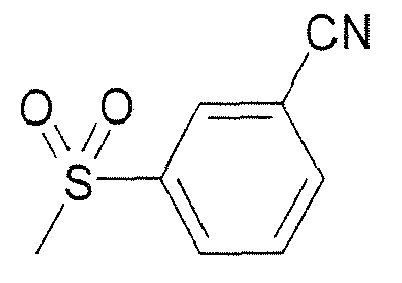
571.5 3.76 SA AR14 
571.5 3.79 SA AR15 
582.5 3.92 SA AR16 
582.5 3.97 SA -
[Table 157] Ex. No. -B obs MS [M+1] tR (min) Measurement Method AR17 
582.2 3.92 SA AR18 
582.4 3.99 SA AR19 
582.4 3.82 SA AR20 
578.5 3.82 SA AR21 
594.4 3.98 SA AR22 
484.4 3.23 SA AR23 
498.6 3.37 SA AR24 
512.7 3.52 SA -
[Table 158] Ex. No. -B obs MS [M+1] tR (min) Measurement Method AR25 
510.7 3.44 SA AR26 
552.6 3.69 SA AR27 
547.6 3.4 SA -
[Table 159] Ex. No. -B obs MS [M+1] tR (min) Measurement Method AS1 
543.4 3.11 SB AS2 
543.4 3.24 SB AS3 
543.4 3.17 SB AS4 
559.4 3.27 SB AS5 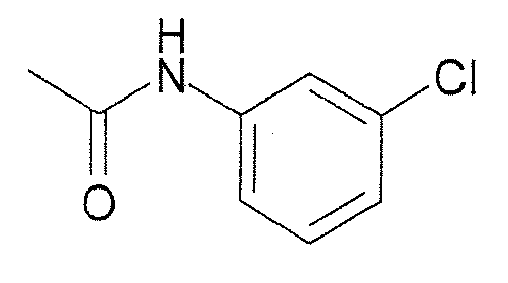
559.4 3.38 SB AS6 
559.4 3.34 SB AS7 
555.5 3.27 SB -
[Table 160] Ex. No. - B obs MS [M+1] tR (min) Measurement Method AS9 
555.2 3.07 SB AS10 
550.4 3.02 SB AS11 
550.4 3.15 SB AS12 
550.4 3.13 SB AS13 
561.4 3.15 SB AS14 
561.4 3.25 SB A15 
561.4 3.03 SB -
[Table 161] Ex. No. - B obs MS [M+1] tR (min) Measurement Method AS17 
561.4 3.38 SB AS18 
553.2 3.24 SB AS19 
553.5 3.24 SB AS20 
557.4 3.15 SB AS21 
557.4 3.15 SB AS22 
573.4 3.3 SB AS23 
569.5 3.21 SB -
[Table 162] Ex. No. -B obs MS [M+1] tR (min) Measurement Method AS25 
557.4 3.15 SB AS26 
573.4 3.27 SB AS27 
573.4 3.28 SB AS28 
569.5 3.17 SB AS29 
540.4 3.5 SB AS30 
556.3 2.78 SB AS31 
544.3 2.85 SB AS32 
560.5 3.14 SB -
[Table 163] Ex. No. - B obs MS [M+1] tR (min) Measurement Method AS33 
540.4 3.47 SB AS34 
553.2 3.19 SB AS35 
579.3 3.29 SB AS36 
526.4 2.4 SB -
[Table 164] Ex. No. -B obs MS [M+1] tR (min) Measurement Method AT1 
551.3 3.55 SB AT2 
508.4 3.19 SB AT3 
551.3 3.86 SB AT4 
508.4 2.92 SB AT5 
551.3 3.30 SB AT6 
508.4 3.21 SB AT7 
551.3 3.21 SB AT8 
508.4 3.32 SB -
[Table 165] Ex. No. -B obs MS [M+1] tR (min) Measurement Method AT9 
501.4 2.82 SB AT10 
514.6 2.36 SB AT11 
484.6 2.90 SB -

-
[Table 166] Ex. No. -B obs MS [M+1] tR (min) Measurement Method AU1 
544.4 3.58 SA AU2 
544.6 3.68 SA AU3 
544.5 3.67 SA AU4 
528.6 3.5 SA AU5 
528.6 3.53 SA AU6 
528.6 3.51 SA AU7 
540.6 3.44 SA AU8 
540.6 3.49 SA -
[Table 167] Ex. No. -B obs MS [M+1] tR (min) Measurement Method AU9 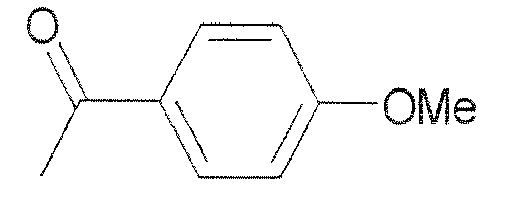
540.6 3.48 SA AU10 
578.5 3.72 SA AU11 
578.5 3.82 SA AU12 
578.5 3.83 SA AU13 
535.7 3.4 SA AU14 
535.6 3.39 SA AU15 
546.7 3.58 SA AU16 
546.7 3.76 SA -
[Table 168] Ex. No. -B obs MS [M+1] tR (min) Measurement Method AU17 
546.7 3.59 SA AU18 
592.5 3.85 SA AU19 
592.5 3.91 SA AU20 
592.5 3.87 SA AU21 
542.5 3.61 SA AU22 
542.5 3.62 SA AU23 
542.5 3.6 SA AU24 
558.6 3.88 SA -
[Table 169] Ex. No. -B obs MS [M+1] tR (min) Measurement Method AU25 
558.6 3.77 SA AU26 
558.5 3.76 SA AU27 
549.7 3.47 SA AU28 
549.6 3.45 SA AU29 
554.6 3.61 SA AU30 
554.6 3.55 SA AU31 
554.6 3.53 SA AU32 
448.6 3.05 SA -
[Table 170] Ex. No. -B obs MS [M+1] tR (min) Measurement Method AU33 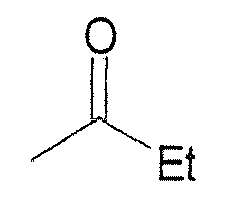
462.5 3.21 SA AU34 
476.4 3.37 SA AU35 
474.4 3.28 SA AU36 
580.5 3.61 SA AU37 
584.5 3.9 SA AU38 
525.7 2.76 SA AU39 
541.5 3.3 SA AU40 
579.6 3.55 SA -
[Table 171] Ex. No. -B obs MS [M+1] tR (min) Measurement Method AU41 
545.6 3.43 SA AU42 
579.6 3.63 SA AU43 
550.5 3.75 SA AU44 
516.7 3.42 SA -
[Table 172] Ex. No. -B obs MS [M+1] tR (min) Measurement Method AV1 
580.4 3.94 SA AV2 
580.4 4.07 SA AV3 
580.4 4.06 SA AV4 
564.4 3.83 SA AV5 
564.4 3.9 SA AV6 
564.6 3.88 SA AV7 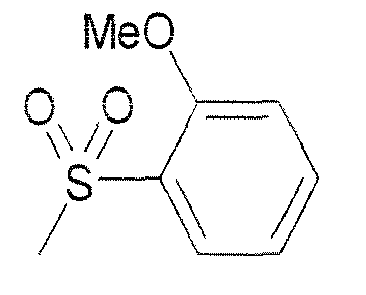
576.5 3.74 SA AV8 
576.5 3.88 SA -
[Table 173] Ex. No. -B obs MS [M+1] tR (min) Measurement Method AV9 
576.5 3.84 SA AV10 
614.4 4.03 SA AV11 
614.3 4.14 SA AV12 
614.4 4.17 SA AV13 
571.5 3.71 SA AV14 
571.5 3.76 SA AV15 
571.5 3.79 SA AV16 
582.3 3.92 SA -
[Table 174] Ex. No. - B obs MS [M+1] tR (min) Measurement Method AV17 
582.3 3.98 SA AV18 
582.3 3.93 SA AV19 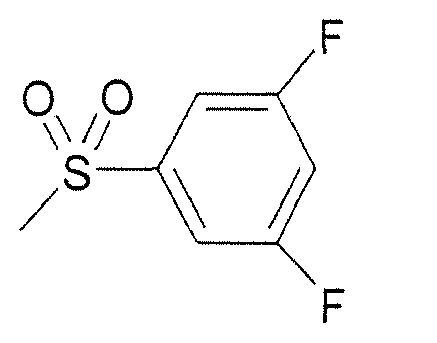
582.4 4.01 SA AV20 
582.3 3.97 SA AV21 
578.5 3.83 SA AV22 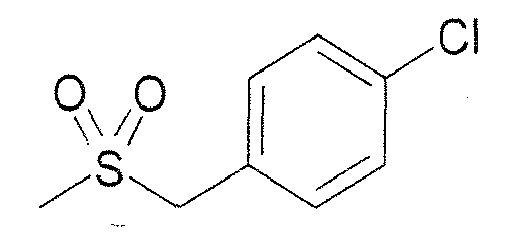
594.4 4 SA AV23 
484.5 3.4 SA AV24 
498.6 3.37 SA -
[Table 175] Ex. No. - B obs MS [M+1] tR (min) Measurement Method AV25 
512.7 3.51 SA AV26 
510.5 3.46 SA AV27 
552.4 3.7 SA AV28 
547.6 3.4 SA -
[Table 176] Ex. No. - B obs MS [M+1] tR (min) Measurement Method AW1 
543.4 3.11 SB AW2 
343.4 3.24 SB AW3 
543.4 3.15 SB AW4 
559.6 3.74 SA AW5 
559.5 3.81 SA AW6 
559.5 3.79 SA AW7 
555.2 3.21 SB -
[Table 177] Ex. No. -B obs MS [M+1] tR (min) Measurement Method AW9 
555.5 3.07 SB AW10 
550.7 3.08 SA AW11 
550.7 3.18 SA AW12 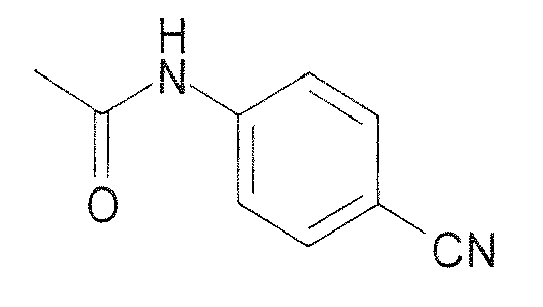
550.7 3.69 SA AW13 
561.7 3.58 SA AW14 
561.4 3.32 SA AW15 
561.4 3.13 SB -
[Table 178] Ex. No. - B obs MS [M+1] tR (min) Measurement Method AW17 
561.7 3.96 SB AW18 
553.8 3.9 SB AW19 
553.5 3.86 SB AW20 
557.7 3.72 SB AW21 
557.7 3.76 SB AW22 
573.4 3.28 SB AW23 
569.5 3.15 SB -
[Table 179] Ex. No. - B obs MS [M+1] tR (min) Measurement Method AW25 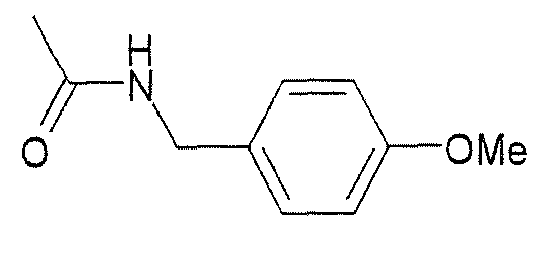
569.5 3.1 SB AW26 
557.4 3.23 SB AW27 
573.4 3.26 SB AW28 
573.4 3.29 SB AW29 
540.4 2.4 SB AW30 
594.4 3.21 SB AW31 
556.3 2.73 SB AW32 
544.6 2.86 SB -
[Table 180] Ex. No. -B obs MS [M+1] tR (min) Measurement Method AW33 
560.5 3.05 SB AW34 
540.4 2.44 SB AW35 
579.3 3.34 SB AW36 
526.4 2.38 SB AW37 
553.2 3.21 SB -
[Table 181] Ex. No. - B obs MS [M+1] tR (min) Measurement Method AX1 
551.3 3.55 SB AX2 
551.3 3.30 SB AX3 
551.3 3.54 SB AX4 
551.3 3.84 SB AX5 
501.4 2.82 SB AX6 
508.4 3.19 SB AX7 
508.4 3.20 SB AX8 
484.6 2.90 SB -
[Table 182] Ex. No. -B obs MS [M+1] tR (min) Measurement Method AX9 
508.4 3.30 SB -

- To a solution of Compound I (6.91 g) in 99.5% ethanol (100 mL) was added sodium bicarbonate (3.31 g), and then thereto was added ethyl bromopyruvate (3.0 mL) and then the mixture was stirred at 80°C. After 4 hours, thereto was added acetic acid (50 mL), and the mixture was stirred at 120°C. The mixture was stirred overnight, and then cooled to room temperature and concentrated in vacuo. To the residue was added saturated sodium bicarbonate water, and the mixture was extracted with ethyl acetate. The organic layer was dried over sodium sulfate and concentrated in vacuo. The residue was purified by silica gel chromatography (eluent: hexane/ethyl acetate = 1/1 to chloroform/methanol = 10/1) to give the titled Compound II (2.48 g) (30.4% yields).
-

- To a solution of Compound I (6.91 g) in 99.5% ethanol (100 mL) was added sodium bicarbonate (3.31 g). Then, thereto was added ethyl bromopyruvate (3.0 mL), and then the mixture was stirred at 80°C. After 4 hours, thereto was added acetic acid (50 mL), and the mixture was stirred at 120°C. The mixture was stirred overnight, and then cooled to room temperature and concentrated in vacuo. To the residue was added saturated sodium bicarbonate water, and the mixture was extracted with ethyl acetate. The organic layer was dried over sodium sulfate and concentrated in vacuo. The residue was purified by silica gel chromatography (eluent: hexane/ethyl acetate = 1/1 to chloroform/methanol = 10/1) to give the titled Compound II (2.48 g) (30.4% yields).
-


- To an ice-cooled mixed solution of Compound I (24.9 g), sodium bicarbonate (9.66 g) and 95% ethanol (350 mL) was added ethyl bromopyruvate (11.9 mL). The mixture was stirred at 80°C for 4 hours, and the reaction solution was evaporated to concentrate in vacuo. To the residue was added acetic acid (150 mL), and the mixture was stirred at 130°C for 18 hours and then concentrated in vacuo. To the residue was added saturated sodium bicarbonate water, and the mixture was extracted with ethyl acetate. The organic layer was dried over sodium sulfate and concentrated in vacuo. The residue was purified by silica gel chromatography (eluent: hexane/ethyl acetate = 1/1) to give the titled Compound II (14.6 g) (49% yields).
-

- To an ice-cooled solution of Compound I (16.44 g) in 99.5% ethanol (125 mL) was added ethyl bromopyruvate (7.83 mL), and then the mixture was stirred at 80°C. After 4 hours, the reaction solution was evaporated to concentrate in vacuo. To the residue was added acetic acid (150 mL), and the mixture was stirred at 130°C for 18 hours and then concentrated in vacuo. To the residue was added saturated sodium bicarbonate water, and the mixture was extracted with ethyl acetate. The organic layer was dried over sodium sulfate and concentrated in vacuo. The residue was purified by silica gel chromatography (eluent: hexane/ethyl acetate = 1/1) to give the titled Compound II (1.43 g) (7% yields).
- A sequence containing ORF of human 11βHSD1 gene (GenBank Accession No. BC012593) was amplified according to PCR technique which was one of conventional methods, and digested by a restriction enzyme BamHI/XhoI. 2kb of DNA fragments obtained from agarose gels were inserted into pCMV-Tag 2B plasmids (Stratagene) according to a conventional method. The plasmids prepared in Escherichia coli in large amounts were transformed into CHO-K1 cells, and then cells stably expressing human 11βHSD1 genes were selected by medium containing 400 µg/ml G-418 solutions (GIBCO, Inc.) containing media. The resulting stably expressing cells were incubated up to -90% confluent in F-12 medium (Nacalai Tesque, Inc.) containing 10% charcoal-dextran treated fetal bovine serum (Hyclone), 1% penicillin-streptomycin (Nacalai Tesque, Inc.) and 400 µg/ml G-418. The resultant cells were treated by tripsin, and the obtained cells were suspended in the above media (1 L) and seeded in cell stack 10 chamber (Corning) in total amounts. The mixture was incubated in CO2 incubator (5% CO2, 37°C) for 4-5 days, and then treated by tripsin. Total amounts of the obtained cells were washed with PBS buffer (GIBCO, Inc.), and stored at -80°C. The cells were suspended in 8 ml of buffer (50 mM HEPES pH7.3, 5% glycerol, 1 mM EDTA, protease inhibitor cocktail (Roche)), and then disrupted. The resulting solution was centrifuged at 1,500 rpm for 10 minutes, and then the supernatant was ultracentrifuged at 100,000 g for 1 hour. The precipitate after the ultracentrifugation was collected and suspended in buffer (50 mM HEPES pH7.3, 5% glycerol, 1 mM EDTA), and then dispensed to store at -80°C. The resulting enzyme fractions were used as human 11βHSD1 enzyme fractions in the following Experiments.
- A test compound and cortisone (Sigma) was diluted with buffer (50 mM HEPES pH7.3, 150 mM NaCl, 1 mM EDTA) to prepare a substrate solution containing a test compound (50 mM HEPES pH7.3, 150 mM NaCl, 1 mM EDTA, 1 mM NADPH, 20 nM cortisone) (2% DMSO solution), and the solution was added to 384-well low-volume plate (manufactured by Greiner, No. 3782086) in 4 µl/well. Then, human 11βHSD1 enzyme fractions obtained in Experiment 1 were diluted with buffer (50 mM HEPES pH7.3, 150 mM NaCl, 1 mM EDTA, 5% glycerol) to be 60-100 µg/ml of post-assay concentrations. Human 11βHSD1 enzyme fractions after the dilution was added to each well in 4 µl/well and gently stirred, and then spun down to react at 37°C for 2 hours. After the enzyme reaction, the produced cortisol was detected by Homogeneous time-resolved fluorescence (HTRF) to deteremine enzyme inhibitory activities. Then, thereto were added XL-665 labeled cortisol (or d2-labeled cortisol) containing 400 µM carbenoxolone (Sigma) and cryptate-labeled cortisol antibody (Cisbio International) in 4 µl/well each, and the mixture was gently stirred, and then spun down to store at room temperature for 2 or more hours. A fluorescence intensity was determined by 2120 EnVision® Multilabel counter (PerkinElmer) to calculate enzyme inhibitory activities from 2 wavelengths of fluorescence intensity ratios (665 nm/620 nm).
Each inhibitory activity (%) of each test compound was calculated from the avarage value (%) of inhibitory activities of 4 wells under the same condition. An inhibition rate in a well wherein DMSO was added instead of a test compound was 0% and an inhibition rate in a well without human 11βHSD1 enzyme fractions was 100%. A concentration (IC50 value) of a test compound required to inhibit 50% of human 11βHSD1 was calculated.
The result was shown in Table 1. -
[Table 183] Example No. IC50 (nM) 1 11 32 2 15 39 3 19 25 - Normal human proadipocytes (HPrAD-vis, Cambrex) were inoculated on 48 well plate, and differentiated according to a protocol attached to a kit. Media for cells on 9-11th day of differentiation were changed to 0.2 ml of D-MEM media (GIBCO, Inc.) containing 100 nM [1,2-3H] cortisone (1 µCi/well, Muromati Yakuhin), 0.5% DMSO, test compound (DMSO only for test compound-addition districts and test compound additive-free districts). After incubation at 37°C for 3 hours, all media were collected. As background districts, cell additive-free media were used. Media were mixed with ethyl acetate (0.1 ml) in Eppendorf tube. The mixture was vortexed, and then centrifuged at 5,000 rpm x 1 minute at room temperature to separate ethyl acetate (upper layer). Ethyl acetate (10 µl) was spotted on aluminum plate for thin-layer chromatography (silica gel 60 angstrom, Merck, referred to as TLC plate hereinafter). To a sealed vessel was added chloroform/methanol (90:10, v/v) as an eluent, and TLC plate was developed and then dried at room temperature. To the dried TLC plate was exposed an imaging plate (TR-2040, FUJIFILM) over 16 or more hours. After exposure, the imaging plate was analyzed by Bioimage analyzer (BAS2500, FUJIFILM), and [3H] radioactivity of the spot corresponding to cortisol on TLC plate was determined. Inhibitory activities of cortisone reducing activities of test compounds were calculated as below.

IC50 values were calculated by a linear regression of logarithmic values of analyte concentrations and inhibitory activity values using 2-point data wherein inhibitory activities indicated values around 50%. IC50 values for human adipocyte cortisone reducing activities of the inventive compound usually exist within the range of 0.01-1000 nM. IC50 values for human adipocyte cortisone reducing activities of the following inventive compounds were determined. -
[Table 184] Example No. IC50 (nM) 1 8 8.7 2 22 1.8 3 65 9.1 4 66 0.3 5 70 39 6 82 43 7 129 3.5 8 153 22 9 160 5.6 10 166 6.4 11 K16 11 12 I26 3.1 13 V18 21 14 AN2 6.7 - According to the experiment of Table 2, the inventive compound group is expected to inhibit an 11βHSD1 activity and cortisol production in the target organ human adipocyte.
- Adipose tissues (referred to as visceral fat tissues hereinafter) adhered around mesenteries and testicles of 10 of 9-11 week-old ICR male mice (Japan SLC, Inc.) were soaked in phosphate buffer (0.20 g/L KCl, 0.20 g/L KH2PO4, 8.00 g/L NaCl, 2.16 g/L Na2HPO4·7H2O, 100 unit/ml penicillin (GIBCO, Inc.), 100 µg/ml streptomycin (GIBCO, Inc.), 250 ng/ml amphotericin (GIBCO, Inc.)) (about 100 ml) and washed at room temperature.
The visceral fat tissues removed as above were cut out in about 5 x 5 mm by scissors in Dulbecco's Modified Eagle Media (containing 4.5 g/L D-glucose and 584 mg/L L-glutamine, GIBCO, Inc.) (about 50 ml) wherein collagenase (type II, Sigma), penicillin (GIBCO, Inc.), streptomycin (GIBCO, Inc.) and amphotericin (GIBCO, Inc.) were added until the final concentration of 1 mg/ml, 100 unit/ml, 100 µg/ml and 250 ng/ml each. Then, the tissues were shaken at 37°C for 30 minutes (about 170 rpm) and filtered through nylon mesh (80S [250 µm mesh], SANSHIN INDUSTRIAL CO., LTD.) to give a filtrate (cell suspension). The filtrate was centrifuged at room temperature at 1800 rpm for 5 minutes, and then the liquid layer was gently removed by decantation to give a precipitate. The precipitate was suspended in Dulbecco's Modified Eagle Media (containing 4.5 g/L D-glucose and 584 mg/L L-glutamine, GIBCO, Inc., also referred to as FBS-containing media hereinafter) (30 ml) wherein fetal bovine serum (referred to as FBS hereinafter) (GIBCO, Inc.), ascorbic acid (Wako Pure Chemical Industries, Ltd.), penicillin (GIBCO, Inc.), streptomycin (GIBCO, Inc.) and amphotericin (GIBCO, Inc.) were added until the final concentration of 10%, 200 µM, 100 unit/ml, 100 µg/ml and 250 ng/ml each, and the suspension was filtered through nylon mesh (420S [25 µm mesh], SANSHIN INDUSTRIAL CO., LTD.). The filtrate was collected and centrifuged at room temperature at 1800 rpm for 5 minutes, and then the liquid layer was gently removed by decantation and the precipitate was suspended again in FBS-containing media (30 ml). The similar treatment of centrifugation, removal of liquid layer and suspension in FBS-containing media was further carried out twice for the resulting suspension to prepare the suspension (90 ml). The suspension was dispensed in flasks for cell incubation (T150 for adhered cells, IWAKI GLASS) by 30 ml each, and incubated at 37°C in the presence of 5% CO2. 5-6 hours after starting incubation, media were removed and flask walls were washed with the phosphate buffer (15 ml). The washing was removed and the washing operation was carried out again. Then, the phosphate buffer was removed, and FBS-containing media (30 ml) was added to flasks and incubated at 37°C in the presence of 5% CO2. 1 or 2 days after starting incubation, media were removed and flask walls were washed with the phosphate buffer (15 ml) once. Then, to the flask was added tripsin-ethylene diamine tetracetic acid (referred to as tripsin-EDTA hereinafter) solution (0.05% tripsin, 0.53 mM EDTA·4Na, GIBCO, Inc.) so that cells were soaked, and the mixture was incubated at 37°C for 5 minutes. Then, thereto were added FBS-containing media in about tenfold amounts of tripsin-EDTA solution, and the cell suspension was obtained.
The cell suspension was diluted by the addition of FBS-containing media so that the number of cells in the cell suspension was determined by a counting chamber to be 1.4 x 10⁵ cells/ml. The resulting diluent was dispensed in 48 well plate (for incubation of adherent cells, IWAKI GLASS) by 300 µl/well each, and incubated at 37°C for 1-2 days in the presence of 5% CO2. Media were removed from each well of 48 well plate, and FBS-containing media (300 µl) containing 10 µg/ml insulin (Sigma), 0.25 µM dexamethazone (Wako Pure Chemical Industries, Ltd.), 0.5 mM 3-isobutyl-1-methyl-xanthin (Sigma) and 5 µM 15-deoxy-Δ12,14-prostaglandin J2 (Cayman) were added to each well and incubated at 37°C for 3 days in the presence of 5% CO2. Then, media in each well were removed, and FBS-containing media (300 µl) containing 10 µg/ml insulin and 5 µM 15-deoxy-Δ12,14-prostaglandin J2 were added to each well and incubated for 2 days. Further, media in each well were removed, and FBS-containing media (300 µl) containing 10 µg/ml insulin and 5 µM 15-deoxy-Δ12,14-prostaglandin J2 were added to each well and incubated for 2 days.
Media for adipocyte as differentiated above were changed to 0.2 ml of D-MEM media (GIBCO, Inc.) containing 100 nM [1,2-3H] cortisone (1 µCi/well, Muromati Yakuhin), 0.5% DMSO, test compound (DMSO only for test compound-addition districts and test compound additive-free districts). After incubation at 37°C for 3 hours, all media were removed. As background districts, cell additive-free media were used. Media were combined with ethyl acetate (0.1 ml) in Eppendorf tube. The mixture was vortexed, and then centrifuged at 5,000 rpm x 1 minute at room temperature to separate ethyl acetate (upper layer). Ethyl acetate (10 µl) was spotted on aluminum plate for thin-layer chromatography (silica gel 60 angstrom, Merck, referred to as TLC plate hereinafter). To a sealed vessel was added chloroform/methanol (90:10, v/v) as an eluent, and TLC plate was developed and then dried at room temperature. To the dried TLC plate was exposured an imaging plate (TR-2040, FUJIFILM) over 16 or more hours. After exposure, the imaging plate was analyzed by Bioimage analyzer (BAS2500, FUJIFILM), and [3H] radioactivity of the spot corresponding to cortisol on TLC plate was determined. Inhibitory activities of cortisone reducing activities of test compounds were calculated as below.
IC50 values were calculated by a linear regression of logarithmic values of analyte concentrations and inhibitory activity values using 2-point data wherein inhibitory activities indicated values around 50%. IC50 values for mouse adipocyte cortisone reducing activities of the inventive compound usually exist within the range of 0.01-1000 nM. IC50 values for mouse adipocyte cortisone reducing activities of the following inventive compounds were determined. The results are shown below. -
[Table 185] Example No. IC50 (nM) 1 51 5.6 2 62 47 3 64 2.4 4 66 0.6 5 74 4.0 6 93 1.5 7 96 55 8 169 4 9 A41 <10 10 Y9 4.2 - The inventive compound has good properties as a medicinal product. The properties include solubility which may be measured according to methods of Experiments 5-1 and 5-2 or other known methods.
- 1.75% aqueous disodium hydrogen phosphate solution was mixed with 5.53% aqueous citric acid solution with monitoring by pH indicator to prepare isotonic buffer solutions of pH = 7.4 and 6.0. A buffer of pH = 1.2 (Pharmacopeia Solution 1) was prepared according to Pharmacopeia. Then, a standard solution was prepared. A test compound (about 1 mg) was precisely weighed in 10 ml measuring flask and dissolved in HPLC carrier (0.1% TFA water/acetonitrile = 1/1) to prepare 100 µg/ml standard solution. An elution condition for a test compound was set by the standard solution in ODS column (ChemcoPack Quicksorb: 4.6 mmϕ x 150 mm, 5 µm) at 5-10 min. Detection was carried out by UV at both 254 and 230 nm of wavelengths. Quantification was carried out on the basis of the former detected data, and in case of a low sensitibity, the latter detected data was adopted. Dissolution and analysis were carried out as follows. A test compound (about 1 mg) was weighed in 1 ml glass sample tube, and thereto was added each pH of isotonic buffer solution (0.4 ml) by PIPETMAN® and the mixture was shaken at room temperature for 1.5 hours (Conditions: RECIPRO SHAKER SR-1N manufactured by TAITEC, Speed = 8). Then, the solution was transferred to 1.5 ml Eppendorf tube, and centrifuged by a compact high-speed centrifuge at 15.000 rpm for 5 minutes to separate an insoluble. The supernatant was analyzed by HPLC without any purification to calculate a concentration (solubility) by area ratios with a standard solution.
- 1.75% aqueous disodium hydrogen phosphate solution was mixed with 5.53% aqueous citric acid solution with monitoring by pH indicator to prepare each isotonic buffer solution of pH = 7.4. A buffer of pH = 1.2 (Pharmacopeia Solution 1) was prepared according to Pharmacopeia. Then, a standard solution was prepared. A test compound (2 µL, 10 mM DMSO solution) was dispensed in 96 well plate and diluted with 50% acetonitrile (198 µL). A HPLC analysis condition was determined by the standard solution. The analysis was carried out under UPLC (Column: ACQUITY UPLC BEH® C18 1.7 µm 2.1 mm x 50 mm, Guard column: VanGuard® Pre-column 2.1 x 5 mm, Mobile phase: solution A; 0.1% TFA aqueous solution, solution B; 0.1% TFA acetonitrile solution, Gradient: 0.00 min-solution B: 5%, 2.00 min-solution B: 100%, 2.71 min-solution B: 5%, 3.50 min-stop, Column temperature: 40°C, flow rate: 0.4 mL/min, Detection wavelength: 254 or 230 nm, Sample injection: 5 µL), and a measurement wavelength and injection amounts of analysis were determined by the result. Dissolution and analysis were carried out as follows. Samples (10 mM DMSO solution) were dispensed in four Utube on 96 well rack by 15 µL, and evaporate to dryness by centrifugal evaporation at 40°C for 90 minutes. Thereto was added DMSO (3 µL) to dissolve again, and then buffers of pH7.4 and 1.2 were added to 2 wells each in 300 µL each. After shaking at 25°C at 110 rpm for 90 minutes, the mixture let stand for 16-20 hours and centrifuged at 2000 g for 15 minutes to separate an insoluble and collect a supernatant (100 µL) in 96 well plate. A test compound (2 µL, 10 mM DMSO solution) was dispensed in separate 96 well plate and diluted with 50% acetonitrile (198 µL) to prepare 100 µM standard solution. Additionally, 100 µM standard solution was tenfold diluted with 50% acetonitrile to prepare 10 µM standard solution. The sample for measuring solubility and two standard solutions were analyzed under the measurement condition determined in pre-investigation to calculate solubilities by area ratios with a standard solution.
- The inventive compound is useful as a preventive and/or therapeutic agent for a disease including type II diabetes, abnormal glucose tolerance, hyperglycemia, insulin resistance, hypo-HDL-emia, hyper-LDL-emia, dyslipidemia, hyperlipidemia, hypertriglyceridemia, hypercholesterolemia, hypertension, arteriosclerosis, angiostenosis, atherosclerosis, obesity, cognitive disorder, glaucoma, retinopathy, dementia, Alzheimer disease, osteoporosis, immune disorder, syndrome X, depression, cardiovascular disease, neurodegenerative disease, etc..
Claims (67)
- A compound of formula (1):
 wherein RA and RB are each independently optionally substituted alkyl, optionally substituted cycloalkyl, optionally substituted heterocycloalkyl, or a group of formula: -Rw-Rx-Ry-Rz;Rw is, independently when it exists more than one, optionally substituted alkylene or optionally substituted cycloalkylene;Rx is, independently when it exists more than one, a single bond, oxygen atom, or a group of formula: -S(O)n-, -C(O)-, -NR3-, -OC(O)-, -C(O)O-, -CONR3-, -NR3CO-, -SO2NR3-, -NR2SO2- or - NR3CONR4-;Ry is, independently when it exists more than one, a single bond or optionally substituted alkylene;Rz is, independently when it exists more than one, optionally substituted alkyl, optionally substituted cycloalkyl, optionally substituted aryl, optionally substituted heteroaryl or optionally substituted heterocycloalkyl;R3 and R4 are each independently hydrogen atom or optionally substituted alkyl;n is 0, 1 or 2;RC is optionally substituted alkyl, optionally substituted cycloalkyl or optionally substituted cycloalkylalkyl;RD is hydrogen atom, halogen atom, cyano or optionally substituted alkyl;RE is hydrogen atom or optionally substituted alkyl;RF is a group selected from the following formulae (G1):
 wherein one of hydrogen atoms is a bond, which may be optionally substituted;provided that if both RA and RB are selected from the following group X, then RF is a group of the following formula (2):
 A1 is COOR1, CONR1R2, SO2NR1R 2, COOR1-substituted alkyl, CONR1R2-substituted alkyl, or SO2NR1R2-substituted alkyl, R1 and R2 are each independently hydrogen atom or optionally substituted alkyl, and R1 and R2 may combine each other and together with the adjacent nitrogen atom, to which they are bonded, to form optionally substituted saturated heterocycle;the group X is optionally substituted alkyl, optionally substituted piperidinyl, optionally substituted pyrrolidinyl, optionally substituted arylalkyl, optionally substituted heteroarylalkyl, optionally substituted piperidinylalkyl or optionally substituted pyrrolidinylalkyl, wherein the substituent is hydroxyl, oxo, halogen atom, cyano, nitro, alkyl, alkoxy, amino which may be optionally substituted by alkyl or arylalkyl, methylenedioxy, trihalomethyl, or trihalomethoxy; or a pharmaceutically acceptable salt thereof.
 - The compound as claimed in claim 1, which is represented by formula (3):
 wherein RA and RB are each independently optionally substituted alkyl, optionally substituted cycloalkyl, optionally substituted heterocycloalkyl, or a group of formula: -Rw-Rx-Ry-Rz;Rw is, independently when it exists more than one, optionally substituted alkylene or optionally substituted cycloalkylene;Rx is, independently when it exists more than one, a single bond, oxygen atom, or a group of formula: -S(O)n-, -C(O)-, -NR3-, -OC(O)-, -C(O)O-, -CONR3-, -NR3CO-, -SO2NR3-, -NR3SO2- or - NR3CONR4-;Ry is, independently when it exists more than one, a single bond or optionally substituted alkylene;Rz is, independently when it exists more than one, optionally substituted alkyl, optionally substituted cycloalkyl, optionally substituted aryl, optionally substituted heteroaryl or optionally substituted heterocycloalkyl;R3 and R4 are each independently hydrogen atom or optionally substituted alkyl;n is 0, 1 or 2;RC is optionally substituted alkyl, optionally substituted cycloalkyl or optionally substituted cycloalkylalkyl;RD is hydrogen atom, halogen atom, cyano or optionally substituted alkyl;RE is hydrogen atom or optionally substituted alkyl;A is hydrogen atom, halogen atom, hydroxyl, cyano, or a group of formula: COOR1, CONR1R2, SO2NR1R2, COOR1-substituted alkyl, CONR1R2-substituted alkyl, or SO2NR1R2-substituted alkyl, R1 and R2 are each independently hydrogen atom or optionally substituted alkyl, or R1 and R2 may combine each other and together with the adjacent nitrogen atom, to which they are bonded, to form optionally substituted saturated heterocycle;provided that if both RA and RB are selected from the following group X, then A is COOR1, CONR1R2, SO2NR1R2, COOR1-substituted alkyl, CONR1R2-substituted alkyl, or SO2NR1R2-substituted alkyl;the group X is optionally substituted alkyl, optionally substituted piperidinyl, optionally substituted pyrrolidinyl, optionally substituted arylalkyl, optionally substituted heteroarylalkyl, optionally substituted piperidinylalkyl, or optionally substituted pyrrolidinylalkyl, wherein the substituent is hydroxyl, oxo, halogen atom, cyano, nitro, alkyl, alkoxy, amino which may be optionally substituted by alkyl or arylalkyl, methylenedioxy, trihalomethyl, or trihalomethoxy; or a pharmaceutically acceptable salt thereof.
 - The compound as claimed in claim 2, wherein RC is optionally substituted alkyl, RD is hydrogen atom, halogen atom or optionally substituted alkyl, RE is hydrogen atom, A is halogen atom, hydroxyl, cyano, or a group of formula: COOR1, CONR1R2, SO2NR1R2, COOR1-substituted alkyl, CONR1R2-substituted alkyl or SO2NR1R2-substituted alkyl, R1 and R2 are each independently hydrogen atom or optionally substituted alkyl, or R1 and R2 may combine each other and together with the adjacent nitrogen atom, to which they are bonded, to form optionally substituted saturated heterocycle, or a pharmaceutically acceptable salt thereof.
- The compound as claimed in any one of claim 2 or 3, wherein RA and RB are each independently optionally substituted alkyl, optionally substituted cycloalkyl, optionally substituted cycloalkylalkyl or optionally substituted heterocycloalkyl, A is a group of formula: COOR1, CONR1R2 or SO2-NR1R2, R1 and R2 are each independently hydrogen atom or optionally substituted alkyl, RA is optionally substituted cycloalkyl or optionally substituted cycloalkylalkyl, RB is optionally substituted alkyl, optionally substituted cycloalkyl, optionally substituted heterocycloalkyl, or a group of formula: - Rw-Rx-Ry-Rz wherein Rw, Rx, Ry and Rz are the same as defined in claim 2; or RA is optionally substituted alkyl, RB is a group of formula: -Rw-Rx-Ry-Rz wherein Rw, Rx, Ry and Rz are the same as defined in claim 2, or a pharmaceutically acceptable salt thereof.
- The compound as claimed in any one of claims 2 to 4, wherein RA and RB are each independently optionally substituted alkyl, optionally substituted cycloalkyl or optionally substituted cycloalkylalkyl, A is a group of formula: COOR1, CONR1R2 or SO2NR1R2, R1 and R2 are each independently hydrogen atom or optionally substituted alkyl, or a pharmaceutically acceptable salt thereof.
- The compound as claimed in any one of claim 4 or 5, wherein A is a group of formula: CONR1R2, R1 and R2 are each independently hydrogen atom or alkyl which may be optionally substituted by hydroxyl, alkoxy, benzenesulfonyl or pyridyl, or a pharmaceutically acceptable salt thereof.
- The compound as claimed in claim 6, wherein A and nitrogen atom on which adamantyl group is substituted are arranged in E-configuration, or a pharmaceutically acceptable salt thereof.
- The compound as claimed in any one of claims 2 to 4, wherein RA is optionally substituted cycloalkyl or optionally substituted cycloalkylalkyl, RB is optionally substituted alkyl, optionally substituted cycloalkyl, optionally substituted heterocycloalkyl, or a group of formula: -Rw-Rx-Ry-Rz wherein Rw, Rx, Ry and Rz are the same as defined in claim 2, or a pharmaceutically acceptable salt thereof.
- The compound as claimed in claim 8, wherein RB is optionally substituted alkyl, optionally substituted heterocycloalkyl, or a group of formula: -Rw-Rx-Ry-Rz wherein Rw is optionally substituted alkylene, Rx is a single bond, oxygen atom, or a group of formula: -S(O)n-, Ry is a single bond, Rz is optionally substituted aryl or optionally substituted heterocycloalkyl, or a pharmaceutically acceptable salt thereof.
- The compound as claimed in any one of claims 2 to 4, wherein RA is optionally substituted alkyl, RB is a group of formula: -Rw-Rx-Ry-Rz wherein Rw, Rx, Ry and Rz are the same as defined in claim 2, or a pharmaceutically acceptable salt thereof.
- The compound as claimed in claim 10, wherein Rx is a group of formula: -S(O)n-, -C(O)-, - NR3-, -OC(O)-, -C(O)O-, -CONR3-, -NR3CO-, -SO2NR3-, -NR3SO2- or -NR3CONR4-, R3 and R4 are each independently hydrogen atom or optionally substituted alkyl, n is 0, 1 or 2, or a pharmaceutically acceptable salt thereof.
- The compound as claimed in claim 11, wherein Rw is optionally substituted alkylene, Rx is a group of formula: -S(O)n-, Ry is a single bond, Rz is optionally substituted alkyl, or a pharmaceutically acceptable salt thereof.
- The compound as claimed in claim 10, wherein Rx is oxygen atom, Rz is optionally substituted cycloalkyl, optionally substituted aryl, optionally substituted heteroaryl or optionally substituted heterocycloalkyl, or a pharmaceutically acceptable salt thereof.
- The compound as claimed in claim 13, wherein Rw is optionally substituted alkylene, Ry is a single bond, Rz is optionally substituted aryl or optionally substituted heterocycloalkyl, or a pharmaceutically acceptable salt thereof.
- The compound as claimed in claim 10, wherein Rx is a single bond, Rz is optionally substituted cycloalkyl or optionally substituted heterocycloalkyl, or a pharmaceutically acceptable salt thereof.
- The compound as claimed in claim 15, wherein Rw is optionally substituted alkylene, Ry is a single bond, Rz is optionally substituted cycloalkyl or optionally substituted heterocycloalkyl, or a pharmaceutically acceptable salt thereof.
- The compound as claimed in claim 10, wherein Rx is a single bond, Rz is substituted aryl, substituted heteroaryl or substituted heterocycloalkyl, in which the substituent is -COR5, -S(O)nR5, - NR7aCOR5, -SO2NR7aR7b, -NR7aCONR7bR5, -OR6 or -(CH2)mR6, R5 is alkyl, cycloalkyl, aryl, heteroaryl or heterocycloalkyl, R6 is cycloalkyl, aryl, heteroaryl or heterocycloalkyl, the alkyl, cycloalkyl, aryl, heteroaryl and heterocycloalkyl groups in R5 and R6 may be further optionally substituted by halogen atom, haloalkyl, haloalkoxy, alkyl, hydroxyl, alkoxy, -NR8aR8b, alkylsulfonyl, cyano, cycloalkyl, cycloalkylsulfonyl, alkoxyalkoxy, hydroxyalkoxy, cycloalkyloxyalkyl, cycloalkyloxy, haloalkoxyalkyl, hydroxyalkyl, alkoxyalkyl, NR8aR8b-substituted alkyl, alkylsulfonylalkyl, cyanoalkyl, cycloalkylalkyl, cycloalkylsulfonylalkyl, alkoxyalkoxyalkyl, hydroxyalkoxyalkyl or nitrogen-containing saturated heterocycle, R7a, R7b, R8a and R8b are each independently hydrogen atom or alkyl, n and m are each independently 0, 1 or 2, or a pharmaceutically acceptable salt thereof.
- The compound as claimed in claim 17, wherein Rw is optionally substituted alkylene, Ry is a single bond, Rz is substituted aryl or substituted heterocycloalkyl, in which the substituent is -COR5 or - S(O)nR5, or a pharmaceutically acceptable salt thereof.
- The compound as claimed in claim 10, wherein Rw is optionally substituted cycloalkylene, Rx is a single bond, Ry is a single bond, Rz is optionally substituted aryl, or a pharmaceutically acceptable salt thereof.
- The compound as claimed in claim 2, wherein RA is tetrahydropyranyl, RB is alkyl or cycloalkyl, or a pharmaceutically acceptable salt thereof.
- The compound as claimed in claim 2, which is represented by formula (4):

- The compound as claimed in claim 21, wherein B1 is a single bond, B2 is optionally substituted aryl or optionally substituted heteroaryl, or a pharmaceutically acceptable salt thereof.
- The compound as claimed in claim 22, wherein B2 is optionally substituted aryl, or a pharmaceutically acceptable salt thereof.
- The compound as claimed in claim 22, wherein B2 is optionally substituted heteroaryl, or a pharmaceutically acceptable salt thereof.
- The compound as claimed in claim 24, wherein B2 is optionally substituted pyridyl, or a pharmaceutically acceptable salt thereof.
- The compound as claimed in claim 21, wherein B1 is carbonyl, B2 is optionally substituted aryl, optionally substituted alkyl, optionally substituted cycloalkyl or optionally substituted heteroaryl, or a pharmaceutically acceptable salt thereof.
- The compound as claimed in claim 26, wherein the optionally substituted alkyl group in B2 is optionally substituted benzyl, or a pharmaceutically acceptable salt thereof.
- The compound as claimed in claim 26, wherein the optionally substituted cycloalkyl group in B2 is cyclopropyl or cyclobutyl, and substituted by optionally substituted aryl, or a pharmaceutically acceptable salt thereof.
- The compound as claimed in claim 26, wherein B2 is optionally substituted aryl, or a pharmaceutically acceptable salt thereof.
- The compound as claimed in claim 26, wherein B2 is optionally substituted heteroaryl, or a pharmaceutically acceptable salt thereof.
- The compound as claimed in claim 26, wherein the optionally substituted heteroaryl group in B2 is optionally substituted pyridyl, or a pharmaceutically acceptable salt thereof.
- The compound as claimed in claim 26, wherein B2 is fluorine-substituted alkyl, or a pharmaceutically acceptable salt thereof.
- The compound as claimed in claim 21, wherein B1 is sulfonyl, B2 is optionally substituted alkyl, optionally substituted cycloalkyl, optionally substituted heterocycloalkyl, optionally substituted aryl or optionally substituted heteroaryl, or a pharmaceutically acceptable salt thereof.
- The compound as claimed in claim 33, wherein B2 is optionally substituted aryl, or a pharmaceutically acceptable salt thereof.
- The compound as claimed in claim 33, wherein the optionally substituted alkyl group in B2 is fluorine-substituted alkyl, or a pharmaceutically acceptable salt thereof.
- The compound as claimed in claim 33, wherein the optionally substituted heteroaryl group in B2 is optionally substituted pyridyl, or a pharmaceutically acceptable salt thereof.
- The compound as claimed in claim 33, wherein the optionally substituted alkyl group in B2 is optionally substituted benzyl, or a pharmaceutically acceptable salt thereof.
- The compound as claimed in claim 21, wherein B1 is carbonyl, B2 is optionally substituted alkylamino, optionally substituted dialkylamino, optionally substituted cycloalkylamino, optionally substituted heterocycloalkylamino, optionally substituted arylamino or optionally substituted heteroarylamino, or a pharmaceutically acceptable salt thereof.
- The compound as claimed in claim 38, wherein B2 is optionally substituted arylamino or optionally substituted heteroarylamino, or a pharmaceutically acceptable salt thereof.
- The compound as claimed in claim 38, wherein B2 is optionally substituted arylamino, or a pharmaceutically acceptable salt thereof.
- The compound as claimed in claim 38, wherein the optionally substituted heteroarylamino group in B2 is optionally substituted pyridylamino, or a pharmaceutically acceptable salt thereof.
- The compound as claimed in claim 38, wherein the optionally substituted alkylamino group in B2 is optionally substituted benzylamino, or a pharmaceutically acceptable salt thereof.
- The compound as claimed in any one of claims 21 to 42, wherein p is 0 and q is 1, or a pharmaceutically acceptable salt thereof.
- The compound as claimed in any one of claims 21 to 42, represented by formula (5):

- The compound as claimed in any one of claims 21 to 42, represented by formula (6):

- The compound as claimed in any one of claims 21 to 42, wherein p is 1 and q is 2, or a pharmaceutically acceptable salt thereof.
- The compound as claimed in any one of claims 21 to 42, wherein p is 2 and q is 2, or a pharmaceutically acceptable salt thereof.
- The compound as claimed in any one of claims 21 to 42, wherein p is 0 and q is 2, or a pharmaceutically acceptable salt thereof.
- The compound as claimed in any one of claims 21 to 42, represented by formula (7):

- The compound as claimed in any one of claims 21 to 42, represented by formula (8):

- The compound as claimed in any one of claims 21 to 50, wherein RB is methyl or ethyl, or a pharmaceutically acceptable salt thereof.
- The compound as claimed in any one of claims 8 to 51, wherein A is hydroxyl, or a pharmaceutically acceptable salt thereof.
- The compound as claimed in any one of claims 8 to 51, wherein A is carbamoyl, or a pharmaceutically acceptable salt thereof.
- The compound as claimed in any one of claims 4 to 53, wherein RD is chlorine atom, fluorine atom or methyl, or a pharmaceutically acceptable salt thereof.
- The compound as claimed in claim 54, wherein RC is alkyl, or a pharmaceutically acceptable salt thereof
- The compound as claimed in claim 54, wherein RC is methyl or ethyl, or a pharmaceutically acceptable salt thereof.
- The compound as claimed in claim 56, wherein RE is hydrogen atom, or a pharmaceutically acceptable salt thereof.
- The compound as claimed in any one of claims 4 to 57, wherein A and nitrogen atom on which adamantyl group is substituted are arranged in E-configuration, or a pharmaceutically acceptable salt thereof.
- A medicament, comprising as the active ingredient the compound as claimed in any one of claims 1 to 58 as an active ingredient, or a pharmaceutically acceptable salt thereof.
- A therapeutic agent for type II diabetes, abnormal glucose tolerance, hyperglycemia, insulin resistance, dyslipidemia, hypertension, arteriosclerosis, angiostenosis, obesity, cognitive disorder, dementia, Alzheimer disease, syndrome X, depression, cardiovascular disease or atherosclerosis, comprising the compound as claimed in any one of claims 1 to 58 as an active ingredient, or a pharmaceutically acceptable salt thereof.
- A therapeutic agent for diabetes, insulin resistance or type II diabetes, comprising the compound as claimed in any one of claims 1 to 58 as an active ingredient, or a pharmaceutically acceptable salt thereof.
- A therapeutic agent for arteriosclerosis or atherosclerosis, comprising the compound as claimed in any one of claims 1 to 58 as an active ingredient, or a pharmaceutically acceptable salt thereof.
- A therapeutic agent for syndrome X, comprising the compound as claimed in any one of claims 1 to 58 as an active ingredient, or a pharmaceutically acceptable salt thereof.
- A therapeutic agent for obesity, comprising the compound as claimed in any one of claims 1 to 58 as an active ingredient, or a pharmaceutically acceptable salt thereof.
- A therapeutic agent for cognitive disorder, dementia, Alzheimer disease or depression, comprising the compound as claimed in any one of claims 1 to 58 as an active ingredient, or a pharmaceutically acceptable salt thereof.
- A therapeutic agent for dyslipidemia, comprising the compound as claimed in any one of claims 1 to 58 as an active ingredient, or a pharmaceutically acceptable salt thereof
- A therapeutic agent for hypertension, comprising the compound as claimed in any one of claims 1 to 58 as an active ingredient, or a pharmaceutically acceptable salt thereof.
Applications Claiming Priority (3)
| Application Number | Priority Date | Filing Date | Title |
|---|---|---|---|
| JP2007204739 | 2007-08-06 | ||
| JP2008074895 | 2008-03-24 | ||
| PCT/JP2008/064085 WO2009020137A1 (en) | 2007-08-06 | 2008-08-06 | Aminopyrazole amide derivative |
Publications (2)
| Publication Number | Publication Date |
|---|---|
| EP2189449A1 true EP2189449A1 (en) | 2010-05-26 |
| EP2189449A4 EP2189449A4 (en) | 2011-10-19 |
Family
ID=40341369
Family Applications (1)
| Application Number | Title | Priority Date | Filing Date |
|---|---|---|---|
| EP08826977A Withdrawn EP2189449A4 (en) | 2007-08-06 | 2008-08-06 | AMINOPYRAZOLE AMIDE DERIVATIVE |
Country Status (11)
| Country | Link |
|---|---|
| US (1) | US20110071289A1 (en) |
| EP (1) | EP2189449A4 (en) |
| JP (1) | JPWO2009020137A1 (en) |
| KR (1) | KR20100044829A (en) |
| CN (1) | CN101827820A (en) |
| AU (1) | AU2008284746A1 (en) |
| BR (1) | BRPI0815112A2 (en) |
| CA (1) | CA2695437A1 (en) |
| MX (1) | MX2010001566A (en) |
| RU (1) | RU2010108325A (en) |
| WO (1) | WO2009020137A1 (en) |
Cited By (1)
| Publication number | Priority date | Publication date | Assignee | Title |
|---|---|---|---|---|
| WO2014191737A1 (en) * | 2013-05-28 | 2014-12-04 | Redx Pharma Limited | Heterocyclic compounds as hedgehog signaling pathway inhibitors |
Families Citing this family (9)
| Publication number | Priority date | Publication date | Assignee | Title |
|---|---|---|---|---|
| JP6155187B2 (en) | 2010-03-30 | 2017-06-28 | ヴァーセオン コーポレイション | Polysubstituted aromatic compounds as inhibitors of thrombin |
| CN102633659B (en) * | 2012-02-23 | 2013-12-04 | 浙江普洛康裕制药有限公司 | Method for synthesizing trans-4-amino-1-hydroxy adamantane hydrochloride |
| JP2015129094A (en) * | 2012-04-16 | 2015-07-16 | 大日本住友製薬株式会社 | Arylaminopyrazole derivatives |
| WO2014145986A1 (en) | 2013-03-15 | 2014-09-18 | Verseon, Inc. | Multisubstituted aromatic compounds as serine protease inhibitors |
| ES2791749T3 (en) * | 2013-03-15 | 2020-11-05 | Verseon Corp | Halogenopyrazoles as thrombin inhibitors |
| JP2017001954A (en) * | 2013-11-08 | 2017-01-05 | 石原産業株式会社 | Nitrogen-containing saturated heterocyclic compound |
| KR20170048410A (en) | 2014-09-17 | 2017-05-08 | 베르선 코포레이션 | Pyrazolyl-substituted pyridone compounds as serine protease inhibitors |
| AU2016224974B2 (en) | 2015-02-27 | 2019-09-26 | Verseon Corporation | Substituted pyrazole compounds as serine protease inhibitors |
| CN111548317A (en) * | 2020-04-28 | 2020-08-18 | 苏州纪元康生物科技有限公司 | Efavirenz synthesis method and method for preparing intermediate thereof |
Family Cites Families (8)
| Publication number | Priority date | Publication date | Assignee | Title |
|---|---|---|---|---|
| US8084467B2 (en) * | 1999-10-18 | 2011-12-27 | University Of Connecticut | Pyrazole derivatives as cannabinoid receptor antagonists |
| US7393842B2 (en) * | 2001-08-31 | 2008-07-01 | University Of Connecticut | Pyrazole analogs acting on cannabinoid receptors |
| AU2001234958A1 (en) * | 2000-02-11 | 2001-08-20 | Bristol-Myers Squibb Company | Cannabinoid receptor modulators, their processes of preparation, and use of cannabinoid receptor modulators for treating respiratory and non-respiratory diseases |
| ATE482747T1 (en) | 2003-04-11 | 2010-10-15 | High Point Pharmaceuticals Llc | NEW AMIDE DERIVATIVES AND THEIR PHARMACEUTICAL USES |
| CN1832741A (en) * | 2003-08-07 | 2006-09-13 | 默克公司 | Pyrazole carboxamides as inhibitors of 11-beta-hydroxysteroid dehydrogenase-1 |
| US7354938B2 (en) * | 2004-03-23 | 2008-04-08 | Amgen Inc. | Pyrazole compounds and uses related thereto |
| US7880001B2 (en) * | 2004-04-29 | 2011-02-01 | Abbott Laboratories | Inhibitors of the 11-beta-hydroxysteroid dehydrogenase Type 1 enzyme |
| BRPI0515121A (en) * | 2004-08-30 | 2008-07-08 | Janssen Pharmaceutica Nv | n-2 adamantyl-2-phenoxy acetamide derivatives as 11-beta hydroxysteroid dehydrogenase inhibitors |
-
2008
- 2008-08-06 JP JP2009526467A patent/JPWO2009020137A1/en active Pending
- 2008-08-06 CN CN200880110520A patent/CN101827820A/en active Pending
- 2008-08-06 MX MX2010001566A patent/MX2010001566A/en not_active Application Discontinuation
- 2008-08-06 AU AU2008284746A patent/AU2008284746A1/en not_active Abandoned
- 2008-08-06 KR KR1020107002725A patent/KR20100044829A/en not_active Withdrawn
- 2008-08-06 BR BRPI0815112-1A patent/BRPI0815112A2/en not_active IP Right Cessation
- 2008-08-06 US US12/672,236 patent/US20110071289A1/en not_active Abandoned
- 2008-08-06 EP EP08826977A patent/EP2189449A4/en not_active Withdrawn
- 2008-08-06 WO PCT/JP2008/064085 patent/WO2009020137A1/en not_active Ceased
- 2008-08-06 RU RU2010108325/04A patent/RU2010108325A/en not_active Application Discontinuation
- 2008-08-06 CA CA2695437A patent/CA2695437A1/en not_active Abandoned
Cited By (2)
| Publication number | Priority date | Publication date | Assignee | Title |
|---|---|---|---|---|
| WO2014191737A1 (en) * | 2013-05-28 | 2014-12-04 | Redx Pharma Limited | Heterocyclic compounds as hedgehog signaling pathway inhibitors |
| US9579319B2 (en) | 2013-05-28 | 2017-02-28 | Redx Pharma Plc | Heterocyclic compounds as hedgehog signaling pathway inhibitors |
Also Published As
| Publication number | Publication date |
|---|---|
| KR20100044829A (en) | 2010-04-30 |
| US20110071289A1 (en) | 2011-03-24 |
| JPWO2009020137A1 (en) | 2010-11-04 |
| CN101827820A (en) | 2010-09-08 |
| RU2010108325A (en) | 2011-09-20 |
| MX2010001566A (en) | 2010-03-15 |
| CA2695437A1 (en) | 2009-02-12 |
| BRPI0815112A2 (en) | 2015-08-25 |
| AU2008284746A1 (en) | 2009-02-12 |
| WO2009020137A1 (en) | 2009-02-12 |
| EP2189449A4 (en) | 2011-10-19 |
Similar Documents
| Publication | Publication Date | Title |
|---|---|---|
| US20110071289A1 (en) | Aminopyrazole amide derivative | |
| CA3183740A1 (en) | Anti-viral compounds for treating coronavirus, picornavirus, and norovirus infections | |
| EP3157917B1 (en) | Compounds, compositions and methods of increasing cftr activity | |
| CA2987019C (en) | Pyrido[3,4-d]pyrimidine derivative and pharmaceutically acceptable salt thereof | |
| JP6577479B2 (en) | Heterocyclic compounds and their use as NAV channel inhibitors | |
| JP6118340B2 (en) | Cyclic amide derivatives and their use as 11-β-hydroxysteroid dehydrogenase inhibitors | |
| EP3237411A2 (en) | Compounds, compositions, and methods for increasing cftr activity | |
| AU2006239929A1 (en) | Dipeptidyl peptidase-IV inhibitors | |
| WO2000066551A1 (en) | Cyclic amide compounds, process for the preparation of the same and uses thereof | |
| CA2844982A1 (en) | Lysophosphatidic acid receptor antagonists | |
| NZ547165A (en) | Derivatives of N-[heteroaryl(piperidine-2-yl)methyl]benzamide, preparation method thereof and application of same in therapeutics | |
| WO2016115090A1 (en) | Compounds, compositions and methods for increasing cftr activity | |
| RS57658B1 (en) | Novel benzimidazole derivatives as kinase inhibitors | |
| WO2016028971A1 (en) | Tied-back benzamide derivatives as potent rock inhibitors | |
| WO2017019589A1 (en) | Compounds, compositions and methods of increasing cftr activity | |
| EP3724188B1 (en) | Progranulin modulators and methods of using the same | |
| JPWO2009151069A1 (en) | Imidazothiazole derivatives having 4,7-diazaspiro [2.5] octane ring structure | |
| JP2004500355A (en) | Compounds, compositions and methods for stimulating neuron growth and elongation | |
| AU2012302723A1 (en) | Pyrazole compound and use thereof for medical purposes | |
| WO2005021550A1 (en) | Bicyclic pyrazole derivative | |
| CA3097784A1 (en) | Dihydropyrimidine derivatives and uses thereof in the treatment of hbv infection or of hbv-induced diseases | |
| WO2021201036A1 (en) | Hydroxypyrrolidine derivative and medicinal application thereof | |
| US20100113549A1 (en) | Pyrrolidine compounds | |
| HK1141789A (en) | Aminopyrazole amide derivative | |
| TWI570119B (en) | Crystalline (2s)-3-[(3s,4s)-3-[(1r)-1-hydroxyethyl]-4-(4-methoxy-3-[1-(5-methylpyridin-2-yl)azetidin-3-yl]oxy}phenyl)-3-methylpyrrolidin-1-yl]-3-oxopropane-1,2-diol and uses thereof |
Legal Events
| Date | Code | Title | Description |
|---|---|---|---|
| PUAI | Public reference made under article 153(3) epc to a published international application that has entered the european phase |
Free format text: ORIGINAL CODE: 0009012 |
|
| 17P | Request for examination filed |
Effective date: 20100226 |
|
| AK | Designated contracting states |
Kind code of ref document: A1 Designated state(s): AT BE BG CH CY CZ DE DK EE ES FI FR GB GR HR HU IE IS IT LI LT LU LV MC MT NL NO PL PT RO SE SI SK TR |
|
| AX | Request for extension of the european patent |
Extension state: AL BA MK RS |
|
| DAX | Request for extension of the european patent (deleted) | ||
| REG | Reference to a national code |
Ref country code: HK Ref legal event code: DE Ref document number: 1141789 Country of ref document: HK |
|
| A4 | Supplementary search report drawn up and despatched |
Effective date: 20110915 |
|
| RIC1 | Information provided on ipc code assigned before grant |
Ipc: A61K 31/415 20060101ALI20110909BHEP Ipc: C07D 413/14 20060101ALI20110909BHEP Ipc: A61P 9/10 20060101ALI20110909BHEP Ipc: A61P 9/12 20060101ALI20110909BHEP Ipc: A61P 3/04 20060101ALI20110909BHEP Ipc: A61K 31/4155 20060101ALI20110909BHEP Ipc: A61P 3/10 20060101ALI20110909BHEP Ipc: C07D 405/12 20060101ALI20110909BHEP Ipc: C07D 231/38 20060101AFI20110909BHEP Ipc: A61K 31/445 20060101ALI20110909BHEP Ipc: A61P 25/24 20060101ALI20110909BHEP Ipc: A61P 25/28 20060101ALI20110909BHEP Ipc: C07D 401/12 20060101ALI20110909BHEP Ipc: C07D 401/14 20060101ALI20110909BHEP Ipc: A61P 3/00 20060101ALI20110909BHEP Ipc: C07D 403/12 20060101ALI20110909BHEP Ipc: C07D 409/14 20060101ALI20110909BHEP Ipc: A61K 31/501 20060101ALI20110909BHEP Ipc: A61P 3/06 20060101ALI20110909BHEP |
|
| STAA | Information on the status of an ep patent application or granted ep patent |
Free format text: STATUS: THE APPLICATION HAS BEEN WITHDRAWN |
|
| 18W | Application withdrawn |
Effective date: 20120413 |
|
| REG | Reference to a national code |
Ref country code: HK Ref legal event code: WD Ref document number: 1141789 Country of ref document: HK |