EP2187932B1 - Protein formulations comprising gdf-5 in aqueous acidic solution - Google Patents
Protein formulations comprising gdf-5 in aqueous acidic solution Download PDFInfo
- Publication number
- EP2187932B1 EP2187932B1 EP08781884.5A EP08781884A EP2187932B1 EP 2187932 B1 EP2187932 B1 EP 2187932B1 EP 08781884 A EP08781884 A EP 08781884A EP 2187932 B1 EP2187932 B1 EP 2187932B1
- Authority
- EP
- European Patent Office
- Prior art keywords
- gdf
- protein
- hcl
- solution
- acetic acid
- Prior art date
- Legal status (The legal status is an assumption and is not a legal conclusion. Google has not performed a legal analysis and makes no representation as to the accuracy of the status listed.)
- Not-in-force
Links
- 239000000203 mixture Substances 0.000 title claims description 23
- 239000003929 acidic solution Substances 0.000 title claims description 4
- 102000004169 proteins and genes Human genes 0.000 title description 34
- 108090000623 proteins and genes Proteins 0.000 title description 34
- 238000009472 formulation Methods 0.000 title description 6
- 101100175316 Mus musculus Gdf5 gene Proteins 0.000 title 1
- 108010090254 Growth Differentiation Factor 5 Proteins 0.000 claims description 131
- QTBSBXVTEAMEQO-UHFFFAOYSA-N Acetic acid Chemical compound CC(O)=O QTBSBXVTEAMEQO-UHFFFAOYSA-N 0.000 claims description 93
- 239000000243 solution Substances 0.000 claims description 31
- 238000000034 method Methods 0.000 claims description 10
- 239000002253 acid Substances 0.000 claims description 6
- 102000012966 Growth Differentiation Factor 5 Human genes 0.000 claims 4
- 238000001816 cooling Methods 0.000 claims 1
- 230000000087 stabilizing effect Effects 0.000 claims 1
- VEXZGXHMUGYJMC-UHFFFAOYSA-N Hydrochloric acid Chemical compound Cl VEXZGXHMUGYJMC-UHFFFAOYSA-N 0.000 description 140
- 102100035379 Growth/differentiation factor 5 Human genes 0.000 description 132
- DTQVDTLACAAQTR-UHFFFAOYSA-N Trifluoroacetic acid Chemical compound OC(=O)C(F)(F)F DTQVDTLACAAQTR-UHFFFAOYSA-N 0.000 description 48
- 239000002904 solvent Substances 0.000 description 46
- 235000018102 proteins Nutrition 0.000 description 32
- 238000004128 high performance liquid chromatography Methods 0.000 description 20
- 238000003860 storage Methods 0.000 description 20
- NBIIXXVUZAFLBC-UHFFFAOYSA-N Phosphoric acid Chemical compound OP(O)(O)=O NBIIXXVUZAFLBC-UHFFFAOYSA-N 0.000 description 18
- 238000004458 analytical method Methods 0.000 description 16
- 230000015556 catabolic process Effects 0.000 description 11
- 238000006731 degradation reaction Methods 0.000 description 11
- 238000000113 differential scanning calorimetry Methods 0.000 description 11
- 238000002983 circular dichroism Methods 0.000 description 10
- 239000000499 gel Substances 0.000 description 10
- 230000007704 transition Effects 0.000 description 10
- 108010007726 Bone Morphogenetic Proteins Proteins 0.000 description 9
- 102000007350 Bone Morphogenetic Proteins Human genes 0.000 description 9
- 229910000147 aluminium phosphate Inorganic materials 0.000 description 9
- 229940112869 bone morphogenetic protein Drugs 0.000 description 9
- 239000012460 protein solution Substances 0.000 description 9
- 238000001228 spectrum Methods 0.000 description 9
- 239000012634 fragment Substances 0.000 description 8
- 239000000178 monomer Substances 0.000 description 8
- 239000000523 sample Substances 0.000 description 8
- 238000001840 matrix-assisted laser desorption--ionisation time-of-flight mass spectrometry Methods 0.000 description 7
- 239000000539 dimer Substances 0.000 description 6
- 241000894007 species Species 0.000 description 6
- 238000012360 testing method Methods 0.000 description 6
- XLYOFNOQVPJJNP-UHFFFAOYSA-N water Substances O XLYOFNOQVPJJNP-UHFFFAOYSA-N 0.000 description 6
- 230000008859 change Effects 0.000 description 5
- 238000003776 cleavage reaction Methods 0.000 description 5
- 230000002035 prolonged effect Effects 0.000 description 5
- 230000007017 scission Effects 0.000 description 5
- 238000002415 sodium dodecyl sulfate polyacrylamide gel electrophoresis Methods 0.000 description 5
- 101001023988 Homo sapiens Growth/differentiation factor 5 Proteins 0.000 description 4
- 239000000872 buffer Substances 0.000 description 4
- 238000002474 experimental method Methods 0.000 description 4
- 102200162389 rs121909144 Human genes 0.000 description 4
- 238000000870 ultraviolet spectroscopy Methods 0.000 description 4
- WEVYAHXRMPXWCK-UHFFFAOYSA-N Acetonitrile Chemical compound CC#N WEVYAHXRMPXWCK-UHFFFAOYSA-N 0.000 description 3
- 241000894006 Bacteria Species 0.000 description 3
- OKKJLVBELUTLKV-UHFFFAOYSA-N Methanol Chemical compound OC OKKJLVBELUTLKV-UHFFFAOYSA-N 0.000 description 3
- 101100472152 Trypanosoma brucei brucei (strain 927/4 GUTat10.1) REL1 gene Proteins 0.000 description 3
- 210000000988 bone and bone Anatomy 0.000 description 3
- 238000000502 dialysis Methods 0.000 description 3
- 239000007788 liquid Substances 0.000 description 3
- 238000004519 manufacturing process Methods 0.000 description 3
- 230000002138 osteoinductive effect Effects 0.000 description 3
- 238000002360 preparation method Methods 0.000 description 3
- 235000019624 protein content Nutrition 0.000 description 3
- 239000010979 ruby Substances 0.000 description 3
- 229910001750 ruby Inorganic materials 0.000 description 3
- 108010049931 Bone Morphogenetic Protein 2 Proteins 0.000 description 2
- 102100024506 Bone morphogenetic protein 2 Human genes 0.000 description 2
- BWGNESOTFCXPMA-UHFFFAOYSA-N Dihydrogen disulfide Chemical compound SS BWGNESOTFCXPMA-UHFFFAOYSA-N 0.000 description 2
- KFZMGEQAYNKOFK-UHFFFAOYSA-N Isopropanol Chemical compound CC(C)O KFZMGEQAYNKOFK-UHFFFAOYSA-N 0.000 description 2
- FAPWRFPIFSIZLT-UHFFFAOYSA-M Sodium chloride Chemical compound [Na+].[Cl-] FAPWRFPIFSIZLT-UHFFFAOYSA-M 0.000 description 2
- 102000004142 Trypsin Human genes 0.000 description 2
- 108090000631 Trypsin Proteins 0.000 description 2
- 230000002378 acidificating effect Effects 0.000 description 2
- 235000001014 amino acid Nutrition 0.000 description 2
- 230000008033 biological extinction Effects 0.000 description 2
- 210000004027 cell Anatomy 0.000 description 2
- 238000001142 circular dichroism spectrum Methods 0.000 description 2
- 125000000151 cysteine group Chemical group N[C@@H](CS)C(=O)* 0.000 description 2
- 230000029087 digestion Effects 0.000 description 2
- 238000010790 dilution Methods 0.000 description 2
- 239000012895 dilution Substances 0.000 description 2
- VHJLVAABSRFDPM-QWWZWVQMSA-N dithiothreitol Chemical compound SC[C@@H](O)[C@H](O)CS VHJLVAABSRFDPM-QWWZWVQMSA-N 0.000 description 2
- 238000001727 in vivo Methods 0.000 description 2
- 230000003993 interaction Effects 0.000 description 2
- 238000002955 isolation Methods 0.000 description 2
- 230000007774 longterm Effects 0.000 description 2
- 239000013627 low molecular weight specie Substances 0.000 description 2
- 238000004949 mass spectrometry Methods 0.000 description 2
- 238000000816 matrix-assisted laser desorption--ionisation Methods 0.000 description 2
- 230000005012 migration Effects 0.000 description 2
- 238000013508 migration Methods 0.000 description 2
- 238000010606 normalization Methods 0.000 description 2
- 230000000278 osteoconductive effect Effects 0.000 description 2
- 239000008194 pharmaceutical composition Substances 0.000 description 2
- 239000000546 pharmaceutical excipient Substances 0.000 description 2
- 238000000746 purification Methods 0.000 description 2
- 229950010297 radotermin Drugs 0.000 description 2
- PCMORTLOPMLEFB-ONEGZZNKSA-N sinapic acid Chemical compound COC1=CC(\C=C\C(O)=O)=CC(OC)=C1O PCMORTLOPMLEFB-ONEGZZNKSA-N 0.000 description 2
- PCMORTLOPMLEFB-UHFFFAOYSA-N sinapinic acid Natural products COC1=CC(C=CC(O)=O)=CC(OC)=C1O PCMORTLOPMLEFB-UHFFFAOYSA-N 0.000 description 2
- 239000003381 stabilizer Substances 0.000 description 2
- 229910001220 stainless steel Inorganic materials 0.000 description 2
- 239000010935 stainless steel Substances 0.000 description 2
- 230000010512 thermal transition Effects 0.000 description 2
- 238000012546 transfer Methods 0.000 description 2
- 239000012588 trypsin Substances 0.000 description 2
- HDTRYLNUVZCQOY-UHFFFAOYSA-N α-D-glucopyranosyl-α-D-glucopyranoside Natural products OC1C(O)C(O)C(CO)OC1OC1C(O)C(O)C(O)C(CO)O1 HDTRYLNUVZCQOY-UHFFFAOYSA-N 0.000 description 1
- 241000588724 Escherichia coli Species 0.000 description 1
- 101710204282 Growth/differentiation factor 5 Proteins 0.000 description 1
- 108010011593 Healos Proteins 0.000 description 1
- HTTJABKRGRZYRN-UHFFFAOYSA-N Heparin Chemical compound OC1C(NC(=O)C)C(O)OC(COS(O)(=O)=O)C1OC1C(OS(O)(=O)=O)C(O)C(OC2C(C(OS(O)(=O)=O)C(OC3C(C(O)C(O)C(O3)C(O)=O)OS(O)(=O)=O)C(CO)O2)NS(O)(=O)=O)C(C(O)=O)O1 HTTJABKRGRZYRN-UHFFFAOYSA-N 0.000 description 1
- 108010033276 Peptide Fragments Proteins 0.000 description 1
- 102000007079 Peptide Fragments Human genes 0.000 description 1
- 239000011542 SDS running buffer Substances 0.000 description 1
- 102000004887 Transforming Growth Factor beta Human genes 0.000 description 1
- 108090001012 Transforming Growth Factor beta Proteins 0.000 description 1
- HDTRYLNUVZCQOY-WSWWMNSNSA-N Trehalose Natural products O[C@@H]1[C@@H](O)[C@@H](O)[C@@H](CO)O[C@@H]1O[C@@H]1[C@H](O)[C@@H](O)[C@@H](O)[C@@H](CO)O1 HDTRYLNUVZCQOY-WSWWMNSNSA-N 0.000 description 1
- 238000002835 absorbance Methods 0.000 description 1
- 230000002411 adverse Effects 0.000 description 1
- 230000002776 aggregation Effects 0.000 description 1
- 238000004220 aggregation Methods 0.000 description 1
- 235000004279 alanine Nutrition 0.000 description 1
- 125000003295 alanine group Chemical group N[C@@H](C)C(=O)* 0.000 description 1
- 125000003275 alpha amino acid group Chemical group 0.000 description 1
- HDTRYLNUVZCQOY-LIZSDCNHSA-N alpha,alpha-trehalose Chemical compound O[C@@H]1[C@@H](O)[C@H](O)[C@@H](CO)O[C@@H]1O[C@@H]1[C@H](O)[C@@H](O)[C@H](O)[C@@H](CO)O1 HDTRYLNUVZCQOY-LIZSDCNHSA-N 0.000 description 1
- 150000001413 amino acids Chemical class 0.000 description 1
- 230000003416 augmentation Effects 0.000 description 1
- 230000000975 bioactive effect Effects 0.000 description 1
- 230000015572 biosynthetic process Effects 0.000 description 1
- 239000008364 bulk solution Substances 0.000 description 1
- 239000001506 calcium phosphate Substances 0.000 description 1
- 229910000389 calcium phosphate Inorganic materials 0.000 description 1
- 235000011010 calcium phosphates Nutrition 0.000 description 1
- 125000003178 carboxy group Chemical group [H]OC(*)=O 0.000 description 1
- 238000000576 coating method Methods 0.000 description 1
- 239000000515 collagen sponge Substances 0.000 description 1
- 230000007547 defect Effects 0.000 description 1
- 230000003412 degenerative effect Effects 0.000 description 1
- 239000007857 degradation product Substances 0.000 description 1
- 230000023753 dehiscence Effects 0.000 description 1
- 230000001419 dependent effect Effects 0.000 description 1
- 238000011161 development Methods 0.000 description 1
- 239000000385 dialysis solution Substances 0.000 description 1
- 239000012470 diluted sample Substances 0.000 description 1
- 201000010099 disease Diseases 0.000 description 1
- 208000037265 diseases, disorders, signs and symptoms Diseases 0.000 description 1
- 238000009826 distribution Methods 0.000 description 1
- 238000001962 electrophoresis Methods 0.000 description 1
- 239000000284 extract Substances 0.000 description 1
- 238000004108 freeze drying Methods 0.000 description 1
- 239000011521 glass Substances 0.000 description 1
- 230000013595 glycosylation Effects 0.000 description 1
- 238000006206 glycosylation reaction Methods 0.000 description 1
- 239000011544 gradient gel Substances 0.000 description 1
- 230000036541 health Effects 0.000 description 1
- 238000010438 heat treatment Methods 0.000 description 1
- 229960002897 heparin Drugs 0.000 description 1
- 229920000669 heparin Polymers 0.000 description 1
- 239000000833 heterodimer Substances 0.000 description 1
- 239000000710 homodimer Substances 0.000 description 1
- 230000006872 improvement Effects 0.000 description 1
- 210000003000 inclusion body Anatomy 0.000 description 1
- 239000002050 international nonproprietary name Substances 0.000 description 1
- 238000011068 loading method Methods 0.000 description 1
- 239000000463 material Substances 0.000 description 1
- 239000011159 matrix material Substances 0.000 description 1
- 239000012528 membrane Substances 0.000 description 1
- 230000035772 mutation Effects 0.000 description 1
- 239000003960 organic solvent Substances 0.000 description 1
- 230000008520 organization Effects 0.000 description 1
- 230000003647 oxidation Effects 0.000 description 1
- 238000007254 oxidation reaction Methods 0.000 description 1
- 239000002245 particle Substances 0.000 description 1
- 239000013612 plasmid Substances 0.000 description 1
- 239000013600 plasmid vector Substances 0.000 description 1
- 230000017854 proteolysis Effects 0.000 description 1
- 238000011084 recovery Methods 0.000 description 1
- 230000009467 reduction Effects 0.000 description 1
- 238000012552 review Methods 0.000 description 1
- 239000012723 sample buffer Substances 0.000 description 1
- 238000000926 separation method Methods 0.000 description 1
- 238000013207 serial dilution Methods 0.000 description 1
- 239000011780 sodium chloride Substances 0.000 description 1
- 238000003756 stirring Methods 0.000 description 1
- 239000011550 stock solution Substances 0.000 description 1
- 238000006467 substitution reaction Methods 0.000 description 1
- 239000004094 surface-active agent Substances 0.000 description 1
- 239000012085 test solution Substances 0.000 description 1
- ZRKFYGHZFMAOKI-QMGMOQQFSA-N tgfbeta Chemical compound C([C@H](NC(=O)[C@H](C(C)C)NC(=O)CNC(=O)[C@H](CCC(O)=O)NC(=O)[C@H](CCCNC(N)=N)NC(=O)[C@H](CC(N)=O)NC(=O)[C@H](CC(C)C)NC(=O)[C@H]([C@@H](C)O)NC(=O)[C@H](CCC(O)=O)NC(=O)[C@H]([C@@H](C)O)NC(=O)[C@H](CC(C)C)NC(=O)CNC(=O)[C@H](C)NC(=O)[C@H](CO)NC(=O)[C@H](CCC(N)=O)NC(=O)[C@@H](NC(=O)[C@H](C)NC(=O)[C@H](C)NC(=O)[C@@H](NC(=O)[C@H](CC(C)C)NC(=O)[C@@H](N)CCSC)C(C)C)[C@@H](C)CC)C(=O)N[C@@H]([C@@H](C)O)C(=O)N[C@@H](C(C)C)C(=O)N[C@@H](CC=1C=CC=CC=1)C(=O)N[C@@H](C)C(=O)N1[C@@H](CCC1)C(=O)N[C@@H]([C@@H](C)O)C(=O)N[C@@H](CC(N)=O)C(=O)N[C@@H](CCC(O)=O)C(=O)N[C@@H](C)C(=O)N[C@@H](CC=1C=CC=CC=1)C(=O)N[C@@H](CCCNC(N)=N)C(=O)N[C@@H](C)C(=O)N[C@@H](CC(C)C)C(=O)N1[C@@H](CCC1)C(=O)N1[C@@H](CCC1)C(=O)N[C@@H](CCCNC(N)=N)C(=O)N[C@@H](CCC(O)=O)C(=O)N[C@@H](CCCNC(N)=N)C(=O)N[C@@H](CO)C(=O)N[C@@H](CCCNC(N)=N)C(=O)N[C@@H](CC(C)C)C(=O)N[C@@H](CC(C)C)C(O)=O)C1=CC=C(O)C=C1 ZRKFYGHZFMAOKI-QMGMOQQFSA-N 0.000 description 1
- 230000000472 traumatic effect Effects 0.000 description 1
- QORWJWZARLRLPR-UHFFFAOYSA-H tricalcium bis(phosphate) Chemical compound [Ca+2].[Ca+2].[Ca+2].[O-]P([O-])([O-])=O.[O-]P([O-])([O-])=O QORWJWZARLRLPR-UHFFFAOYSA-H 0.000 description 1
- 230000000007 visual effect Effects 0.000 description 1
Images







Classifications
-
- A—HUMAN NECESSITIES
- A61—MEDICAL OR VETERINARY SCIENCE; HYGIENE
- A61K—PREPARATIONS FOR MEDICAL, DENTAL OR TOILETRY PURPOSES
- A61K38/00—Medicinal preparations containing peptides
- A61K38/16—Peptides having more than 20 amino acids; Gastrins; Somatostatins; Melanotropins; Derivatives thereof
- A61K38/17—Peptides having more than 20 amino acids; Gastrins; Somatostatins; Melanotropins; Derivatives thereof from animals; from humans
- A61K38/18—Growth factors; Growth regulators
- A61K38/1875—Bone morphogenic factor; Osteogenins; Osteogenic factor; Bone-inducing factor
-
- A—HUMAN NECESSITIES
- A61—MEDICAL OR VETERINARY SCIENCE; HYGIENE
- A61K—PREPARATIONS FOR MEDICAL, DENTAL OR TOILETRY PURPOSES
- A61K47/00—Medicinal preparations characterised by the non-active ingredients used, e.g. carriers or inert additives; Targeting or modifying agents chemically bound to the active ingredient
- A61K47/02—Inorganic compounds
-
- A—HUMAN NECESSITIES
- A61—MEDICAL OR VETERINARY SCIENCE; HYGIENE
- A61K—PREPARATIONS FOR MEDICAL, DENTAL OR TOILETRY PURPOSES
- A61K47/00—Medicinal preparations characterised by the non-active ingredients used, e.g. carriers or inert additives; Targeting or modifying agents chemically bound to the active ingredient
- A61K47/06—Organic compounds, e.g. natural or synthetic hydrocarbons, polyolefins, mineral oil, petrolatum or ozokerite
- A61K47/08—Organic compounds, e.g. natural or synthetic hydrocarbons, polyolefins, mineral oil, petrolatum or ozokerite containing oxygen, e.g. ethers, acetals, ketones, quinones, aldehydes, peroxides
- A61K47/12—Carboxylic acids; Salts or anhydrides thereof
-
- A—HUMAN NECESSITIES
- A61—MEDICAL OR VETERINARY SCIENCE; HYGIENE
- A61P—SPECIFIC THERAPEUTIC ACTIVITY OF CHEMICAL COMPOUNDS OR MEDICINAL PREPARATIONS
- A61P19/00—Drugs for skeletal disorders
-
- A—HUMAN NECESSITIES
- A61—MEDICAL OR VETERINARY SCIENCE; HYGIENE
- A61P—SPECIFIC THERAPEUTIC ACTIVITY OF CHEMICAL COMPOUNDS OR MEDICINAL PREPARATIONS
- A61P43/00—Drugs for specific purposes, not provided for in groups A61P1/00-A61P41/00
-
- A—HUMAN NECESSITIES
- A61—MEDICAL OR VETERINARY SCIENCE; HYGIENE
- A61K—PREPARATIONS FOR MEDICAL, DENTAL OR TOILETRY PURPOSES
- A61K9/00—Medicinal preparations characterised by special physical form
- A61K9/0012—Galenical forms characterised by the site of application
- A61K9/0019—Injectable compositions; Intramuscular, intravenous, arterial, subcutaneous administration; Compositions to be administered through the skin in an invasive manner
Definitions
- the invention relates to liquid compositions of bone morphogenetic proteins for improved stability during handling and prolonged storage at reduced temperatures. More specifically, the invention relates to biocompatible liquid compositions comprising GDF-5 in an acidic solution having a pH of from about 3.0 to about 3.6, having improved protein stability during handling and prolonged storage at reduced temperatures.
- GDF-5 is a member of the Bone Morphogenetic Proteins (BMP), which is a subclass of the TGF-ß superfamily of proteins. GDF-5 includes several variants and mutants, including mGDF-5 first isolated from the mouse by Lee (US Pat No 5,801,014 ). Other variants include MP52, which is the patented name ( WO 95/04819 ) for the human form of GDF-5, which is also known as hGDF-5 and also as LAP-4 ( Triantfilou, et al.
- BMP Bone Morphogenetic Proteins
- GDF-5 an allelic protein variant of hGDF-5 ( WO 96/14335 ); also rhGDF-5, the recombinant human form manufactured in bacteria ( EP 0955313 ); also rhGDF-5-Ala83, a monomeric variant of rhGDF-5; also BMP-14, a collective term for hGDF-5/CDMP-1 like proteins; also Radotermin, the international non-proprietary name designated by the World Health Organization; also HMW MP52's, high molecular weight protein variants of MP52; also C465A, a monomeric version wherein the cysteine residue responsible for the intermolecular crosslink is substituted with alanine; also other active monomers and single amino acid substitution mutants including N445T, L441P, R438L, and R438K.
- GDF-5" is meant to include all variants and mutants of the GDF
- All members of the BMP family share common structural features including a carboxy terminal active domain and share a highly conserved pattern of cysteine residues that create three intramolecular disulfide bonds and one intermolecular disulfide bond.
- the active term can be either a disulfide-bonded homodimer of a single family member or a heterodimer of two different members (see Massague, et al. Annual Review of Cell Biology 6:957 (1990 ); Sampath, et al. Journal of Biological Chemistry 265:13198 (1990 ); Celeste et al. PNAS 87:9843-47 (1990 ); U.S. Pat. No, 5,011,691 , and U.S. Pat. No. 5,266,683 ).
- the proper folding of the GDF-5 protein and formation of these disulfide bonds are essential to biological functioning, and misfolding leads to inactive aggregates and cleaved fragments.
- BMP's from generically modified bacteria, and of GDF-5 in particular utilizes plasmid vectors to transform E. coli to produce monomer GDF-5 protein in high yield (see for example Hotten US 6,764,994 and Makishima US 7,235,527 ).
- the monomer is obtained from inclusion bodies, purified, and refolded into homodimers of GDF-5 protein to produce the biologically active dimer of the GDF-5 protein.
- the steps leading to the dimer utilize various pharmaceutically unacceptable materials to modify the solubility in order to enable the separation and purification of the GDF-5 protein.
- WO-A-2003/043673 discloses a device having osteoinductive and osteoconductive properties in vivo comprising a carrier containing calcium phosphate and an osteoinductive protein, wherein said carrier is homogenously coated with said protein.
- the present invention relates to a method for the production of a device having osteoinductive and osteoconductive properties in vivo.
- the invention encompasses a pharmaceutical composition comprising the device of the invention or a device which is obtainable by the method of the invention and relates to the use of said device for the preparation of a pharmaceutical composition to be used for bone augmentation, for treating bone defects, for treating degenerative and traumatic disc disease, for treating bone dehiscence or to be used for sinus floor elevation.
- WO-A-2006/138099 discloses protein formulations that can be lyophilized and are stable in organic solvents.
- the formulations contain bone morphogenetic proteins, lyoprotectants, and oxidation/reduction stabilizers.
- the formulations may also contain solvent environment stabilizers.
- the protein formulations can be incorporated into a polymeric matrix to make medical devices for delivering the protein, and coatings for medical devices.
- EP-A-1932519 which can be cited for novelty only, discloses lyophilized formulations and compositions containing bone morphogenetic protein which has been stabilized by lyophilisation can contain primarily trehalose as an excipient for lyophilized compositions and their subsequent storage and reconstitution, and can also optionally include other excipients, including buffers and surfactants.
- BMP-2 is readily soluble at concentrations greater than 1 mg/ml when the pH is below 6, and above pH 6 the solubility can be increased by the addition of 1 M NaCl, 30% isopropanol, or 0.1 mM heparin ( Ruppert, et al. Eur J Biochem 237, 295-302 (1996 ).
- GDF-5 is nearly insoluble in physiological pH ranges and buffers and is only soluble in water at extreme pH ( Honda, et al. Journal of Bioscience and Bioengineering 89(6), 582-589 (2000 )).
- GDF-5 is soluble at an alkaline pH of about 9.5 to 12.0, however proteins degrade quickly under these conditions and thus acidic conditions are used for the preparation of GDF-5 protein.
- Biocompatible compositions of the GDF-5 protein present great challenges to obtain reasonable solubility and concurrent stability of the protein.
- the current method of storage for GDF-5 protein utilizes 10 mM HCl at pH 2 and -80°C for long-term storage, but even these conditions provide for some degradation of the protein, particularly with repeated freeze-thaw cycles.
- MALDI-TOF matrix assisted laser desorption ionization - time of flight mass spectrometry
- the present invention provides compositions for the handling and long-term storage of GDF-5 solutions at reduced temperatures that provide for improved stability of the GDF-5 protein.
- Suitable solvent systems include, but are not limited to hydrochloric acid (HCl), acetic acid, trifluoroacetic acid (TFA), and phosphoric acid, in amounts to provide a pH of from about 3.0 to about 3.6.
- GDF-5 has been stored in a 10 mM HCl solvent system at -80°C to preserve the protein structure.
- GDF-5 is less soluble than other BMP's, including BMP-2, for which the bulk of the scientific literature is directed to. There are few reports, if any, available on the solubility and stability of GDF-5.
- GDF-5" is meant to include all synonyms, variants and mutations of the GDF-5 protein molecule, including, but not limited to GDF-5, mGDF-5, hGDF-5, MP-52, LAP-4, radotermin, CDMP-1, C465A, and rhGDF-5, wherein rhGDF-5 is the exemplary member of the group.
- GDF-5" is also understood to include monomeric GDF-5 proteins, which have also been shown to be biologically active.
- room temperature herein abbreviated as "RT” or "R.T.”, is understood to mean the ambient temperature of an ordinary office or laboratory, being from about 18 to about 25°C.
- bulk as used herein when referring to "bulk protein” or “bulk solution” is understood to mean a solution of GDF-5 in 10 mM HCl and stored at -80°C after isolation and purification from the production process, and is equivalent with the terms "stock”, “stock protein”, and “stock solution”.
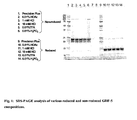
- Figure 1 shows the SDS-PAGE analysis of reduced and non-reduced GDF-5 in the five different solvent environments (10 mM HCl, 1 mM HCl, 0.01% (v/v) TFA, 0.01% (v/v) acetic acid, and 0.01% (v/v) phosphoric acid).
- solvent environments 10 mM HCl, 1 mM HCl, 0.01% (v/v) TFA, 0.01% (v/v) acetic acid, and 0.01% (v/v) phosphoric acid.
- the non-reduced gel a small amount of aggregate was observed, while in the reduced gel there was clear indication of the presence of low molecular weight species, probably resulting from acid cleavage. No significant difference was noted between the migration profiles of GDF-5 reconstituted in the five different solvent environments.
- FIG. 4a through 4e show the DSC thermal data of the samples after instrument baseline and solvent subtraction and concentration normalization.
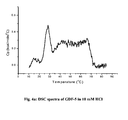
- Bulk GDF-5 in 10 mM HCl shows a weak thermal transition with T m ⁇ 30°C and also a broad weak transition near 65°C. The heat transfer was significantly poor.
- FIG. 5a shows an rp-HPLC chromatogram of a reference standard of bulk GDF-5, showing good purity and very little additional peaks.
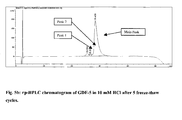
- Figure 5b shows an rp-HPLC chromatogram of bulk GDF-5 after 5 freeze-thaw cycles, showing an increase in the fragments appearing as additional peaks (peak 1 & peak 2).
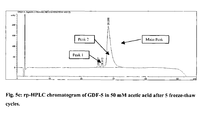
- Figure 5c shows an rp-HPLC chromatogram of GDF-5 in 50 mM acetic acid after 5 freeze-thaw cycles, showing little, if any, increase in the fragments appearing as additional peaks (peak 1 & peak 2).
- Figure 5d shows an rp-HPLC chromatogram of GDF-5 in 0.01% (v/v) TFA after 5 freeze-thaw cycles, showing little, if any, increase in the fragments appearing as additional peaks (peak 1 & peak 2).
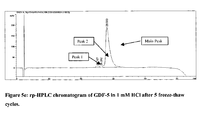
- Figure 5e shows an rp-HPLC chromatogram of GDF-5 in 1 mM HCl after 5 freeze-thaw cycles, showing little, if any, increase in the fragments appearing as additional peaks (peak 1 & peak 2).
- Figure 6 shows a plot directly comparing only the changes in peak 1, and shows approximately a 30% increase in the peak 1 of the GDF-5 protein in 10 mM HCl sample after only 2 freeze-thaw cycles, whereas the other solvent systems show minimal changes to peak 1 after 5 freeze-thaw cycles. After 5 freeze-thaw cycles the percent change in peak 1 for the bulk 10 mM HCl solution was approximately 75%, whereas the other solvent systems showed very little change in peak 1.
- the GDF-5 protein was stable for at least 30 days in 50 mM acetic acid or 0.01% (v/v) TFA solution, and stable for at least 6 days in 1.3 mM HCl.
- the GDF-5 protein was degraded in 5 mM HCl and 12 mM HCl solutions at 2-8°C, and formed degradation species after 2 days as evidenced by rp-HPLC (see figure 9 ).
- the concentration of the dialysates was determined from the absorbance value at 280 nm using an extinction coefficient of 1.16 for a 1 mg/ml solution and a pathlength of 1 cm.
- the GDF-5 protein solutions were then analyzed by SDS-PAGE, Circular Dichroism (CD), Differential Scanning Calorimetry (DSC), and MALDI-TOF.
- the GDF-5 protein samples were diluted in Bio-Rad 8-16% gradient gel appropriate sample buffer (provided by the manufacturer) either with (reduced) or without (non-reduced) 50 mM dithiothreitol (DTT).
- the samples were denatured by heating at 90°C for 5 min and then centrifuged briefly at 5000 rpm. Electrophoresis was carried out at 200 volts constant for 1 hour on an 8-16% Bio-Rad criterion gel with 1x tris-glycine-SDS running buffer. Gels were incubated in 100 mL 10% methanol, 7% acetic acid (Ruby fix / destain solution) for 1 hour on an orbital shaker at 45 rpm.
- the fix solution was decanted and 80 mL Sypro-Ruby (Bio-Rad) was added. Gels were incubated overnight in the dark on an orbital shaker at 45 rpm. The Sypro-Ruby was decanted and 100 mL destain solution was added. Gels were incubated for 3 hours on an orbital shaker at 45 rpm. Finally, gels were imaged on a Bio-Rad Gel Doc imager.
- Figures 4a through 4e show DSC thermal data for the GDF-5 protein in the five different solvent environments, after instrument baseline and solvent subtraction and concentration normalization.
- the samples were stored at -80 °C; thawed and degassed under vacuum with stirring for 8 minutes at room temperature prior to loading in the DSC cell and scanned in duplicate at 60 °C/hr from 5-100 °C on a MicroCal VP-DSC.
- the protein concentration was 0.51 mg/mL for all samples.
- Bulk GDF-5 in 10 mM HCl shows a weak thermal transition with T m ⁇ 30°C and a broad weak transition near 65°C. The heat transfer was significantly poor.
- MALDI-TOF analysis of intact protein in five different solvent environments was done at the Mass Spectrometry Core Facility, Dana-Farber Cancer Institute in Boston, MA. Samples were mixed with sinapinic acid, spotted and allowed to dry on a stainless steel plate, and then analyzed on a Voyager DE-STR mass spectrometer in linear mode (manufactured by Applied Biosystems, Framingham, MA). No significant difference was noted in the weight average molecular weight of the major dimer as well as the other higher oligomer species in any of these solvents. All five spectra had their 27 kDa peak normalized to 100% relative intensity.
- the percentage aggregate estimated by peak height analysis was found to be about 23.5% in 10 mM HCl as opposed to 8-12% in the remaining four solvents. In this estimation, we assumed any mass > 27 kDa to be an aggregate. It should be noted that MALDI is not a quantitative technique, so the absolute percentage of aggregates in each solvent is only an approximation. Nevertheless, the data clearly indicate that there is a greater proportion of aggregates in 10 mM HCl than in the other four solvents.
- GDF-5 protein The stability of GDF-5 protein was evaluated through five freeze/thaw cycles in different storage solvents, including 1 mM HCl, 10 mM HCl, 0.01% (v/v) TFA, and 50 mM acetic acid. Bulk GDF-5 in 10 mM HCl was removed from -80°C and thawed at 2-8°C. The GDF-5 protein solution was then dialyzed with the selected solvents at 2-8°C overnight (dialysis cassettes: Pierce, Cat # 66380, 10000 MWCO). The dialyzed samples were transferred into small vials at about 1 mL/vial and placed at -80°C.
- test samples were frozen at -80°C for at least 19 hours and thawed at room temperature for at least 5 hours.
- one vial of each solvent sample was removed and stored at -80°C prior to analysis so that all the samples were analyzed at same time for visual appearance, rp-HPLC, UV spectroscopy, and pH.
- test samples in glass vials were checked for clarity and particles.
- the sample vials were inspected using a vertical light against a black background.
- the clarity of the test samples was compared with a pure water sample. All samples appeared clear and transparent; the GDF-5 protein was still soluble at the concentration of 3.6 mg/mL after the five-freeze/thaw cycles.
- a non-reduced rp-HPLC method was used to monitor GDF-5 protein contents and degradation species. Briefly, the test samples were diluted with 1 mM HCl to 0.1 mg GDF-5/mL and the diluted sample (50 ⁇ l) was directly injected onto the HPLC column (Vydac 218TP52, C18 column) which was eluted with 0.15% (v/v) TFA in water and 0.15% (v/v) TFA in acetonitrile as the mobile phase. The eluted peaks were monitored at 214 nm. The peak areas were compared to reference standard areas to determine the GDF-5 protein content. The percentage of each peak area was calculated to monitor the changes of the main peak and minor peaks (degradation peaks).
- FIG. 5a-e Representative chromatograms are shown in figures 5a-e .
- the main peak of GDF-5 and other degradation peaks are indicated in the figures. No significant changes in protein concentration were observed in the samples under all storage conditions.
- the GDF-5 protein was stable with 100% main peak recovery after five freeze/thaw cycles in 1 mM HCl, 50 mM acetic acid, and 0.01% (v/v) TFA solution.
- GDF-5 was less stable in the 10 mM HCl solution, as peak 1 increased dramatically after the second freeze/thaw cycle (see figure 6 ).
- the protein content was also determined by UV spectroscopy.
- the test samples were diluted with an appropriate solvent prior to analysis.
- the concentration of GDF-5 was calculated using an extinction coefficient of 1.16 mL/mg*cm at 280 nm. UV results indicate that there was no significant change in protein concentration in all samples during the course of study.
- the protein concentrations as determined by UV spectroscopy and HPLC were similar.
- the pH of the samples was measured directly using a calibrated pH meter without dilution. The pH of all samples was stable and the storage conditions did not shift the pH.
- GDF-5 protein stability was evaluated in various acidic solvents including 1.3 mM HCl, 5 mM HCl, 12 mM HCl, 0.01% (v/v) TFA, and 50 mM acetic acid for prolonged exposure to temperatures of 2-8°C and also at room temperature (approximately 25°C).
- Bulk GDF-5 in 10 mM HCl was removed from -80°C and thawed at 2-8°C.
- the GDF-5 protein solution was then dialyzed with the selected solvents at 2-8°C overnight (dialysis cassettes: Pierce, Cat # 66380, 10000 MWCO).
- the dialyzed samples were transferred as aliquots into small vials at about 1 mL/vial and placed accordingly at 2-8°C or room temperature. At each designated time point, one vial from each set was removed and stored at -80°C until the analysis was performed using rp-HPLC, UV spectroscopy, and pH meter.
- GDF-5 was stable in both 50 mM acetic acid (pH 3.3) and 0.01% (v/v) TFA (pH 3.3) solutions at room temperature for three days and in 1.3 mM HCl (pH 3.3) for 2 days, while it was not stable at room temperature in either 5 mM HCl (pH 2.5) or 12 mM HCl (pH 2.1).
- GDF-5 protein was stable for at least 30 days in 50 mM acetic acid or 0.01% (v/v) TFA solution, and stable for at least 6 days in 1.3 mM HCl.
- GDF-5 was rapidly degraded in 5 mM HCl as well as in 12 mM HCl solutions at 2-8°C, forming degradation species within 6 days as evidenced on HPLC (see figure 9 ).
- the studies using HCl were terminated at 6 days.
Landscapes
- Health & Medical Sciences (AREA)
- Chemical & Material Sciences (AREA)
- Life Sciences & Earth Sciences (AREA)
- General Health & Medical Sciences (AREA)
- Veterinary Medicine (AREA)
- Public Health (AREA)
- Medicinal Chemistry (AREA)
- Animal Behavior & Ethology (AREA)
- Pharmacology & Pharmacy (AREA)
- Engineering & Computer Science (AREA)
- Epidemiology (AREA)
- General Chemical & Material Sciences (AREA)
- Chemical Kinetics & Catalysis (AREA)
- Bioinformatics & Cheminformatics (AREA)
- Gastroenterology & Hepatology (AREA)
- Inorganic Chemistry (AREA)
- Organic Chemistry (AREA)
- Oil, Petroleum & Natural Gas (AREA)
- Orthopedic Medicine & Surgery (AREA)
- Zoology (AREA)
- Nuclear Medicine, Radiotherapy & Molecular Imaging (AREA)
- Immunology (AREA)
- Proteomics, Peptides & Aminoacids (AREA)
- Physical Education & Sports Medicine (AREA)
- Peptides Or Proteins (AREA)
- Medicines That Contain Protein Lipid Enzymes And Other Medicines (AREA)
- Medicinal Preparation (AREA)
Description
- The invention relates to liquid compositions of bone morphogenetic proteins for improved stability during handling and prolonged storage at reduced temperatures. More specifically, the invention relates to biocompatible liquid compositions comprising GDF-5 in an acidic solution having a pH of from about 3.0 to about 3.6, having improved protein stability during handling and prolonged storage at reduced temperatures.
- GDF-5 is a member of the Bone Morphogenetic Proteins (BMP), which is a subclass of the TGF-ß superfamily of proteins. GDF-5 includes several variants and mutants, including mGDF-5 first isolated from the mouse by
Lee (US Pat No 5,801,014 ). Other variants include MP52, which is the patented name (WO 95/04819 WO 96/14335 EP 0955313 ); also rhGDF-5-Ala83, a monomeric variant of rhGDF-5; also BMP-14, a collective term for hGDF-5/CDMP-1 like proteins; also Radotermin, the international non-proprietary name designated by the World Health Organization; also HMW MP52's, high molecular weight protein variants of MP52; also C465A, a monomeric version wherein the cysteine residue responsible for the intermolecular crosslink is substituted with alanine; also other active monomers and single amino acid substitution mutants including N445T, L441P, R438L, and R438K. For the purposes of this applciation the term "GDF-5" is meant to include all variants and mutants of the GDF-5 protein, wherein rhGDF-5 is the exemplary member having 119 amino acids. - All members of the BMP family share common structural features including a carboxy terminal active domain and share a highly conserved pattern of cysteine residues that create three intramolecular disulfide bonds and one intermolecular disulfide bond. The active term can be either a disulfide-bonded homodimer of a single family member or a heterodimer of two different members (see Massague, et al. Annual Review of Cell Biology 6:957 (1990); Sampath, et al. Journal of Biological Chemistry 265:13198 (1990); Celeste et al. PNAS 87:9843-47 (1990);
U.S. Pat. No, 5,011,691 , andU.S. Pat. No. 5,266,683 ). The proper folding of the GDF-5 protein and formation of these disulfide bonds are essential to biological functioning, and misfolding leads to inactive aggregates and cleaved fragments. - The production of BMP's from generically modified bacteria, and of GDF-5 in particular, utilizes plasmid vectors to transform E. coli to produce monomer GDF-5 protein in high yield (see for example
Hotten US 6,764,994 andMakishima US 7,235,527 ). The monomer is obtained from inclusion bodies, purified, and refolded into homodimers of GDF-5 protein to produce the biologically active dimer of the GDF-5 protein. The steps leading to the dimer utilize various pharmaceutically unacceptable materials to modify the solubility in order to enable the separation and purification of the GDF-5 protein. - The degradation of proteins in general has been well described in the literature, but the storage and solubility of bone morphogenetic proteins, particularly GDF-5 has not been well described.
-
WO-A-2003/043673 discloses a device having osteoinductive and osteoconductive properties in vivo comprising a carrier containing calcium phosphate and an osteoinductive protein, wherein said carrier is homogenously coated with said protein. Moreover, the present invention relates to a method for the production of a device having osteoinductive and osteoconductive properties in vivo. The invention encompasses a pharmaceutical composition comprising the device of the invention or a device which is obtainable by the method of the invention and relates to the use of said device for the preparation of a pharmaceutical composition to be used for bone augmentation, for treating bone defects, for treating degenerative and traumatic disc disease, for treating bone dehiscence or to be used for sinus floor elevation. -
WO-A-2006/138099 discloses protein formulations that can be lyophilized and are stable in organic solvents. The formulations contain bone morphogenetic proteins, lyoprotectants, and oxidation/reduction stabilizers. Optionally, the formulations may also contain solvent environment stabilizers. The protein formulations can be incorporated into a polymeric matrix to make medical devices for delivering the protein, and coatings for medical devices. -
EP-A-1932519 , which can be cited for novelty only, discloses lyophilized formulations and compositions containing bone morphogenetic protein which has been stabilized by lyophilisation can contain primarily trehalose as an excipient for lyophilized compositions and their subsequent storage and reconstitution, and can also optionally include other excipients, including buffers and surfactants. - BMP-2 is readily soluble at concentrations greater than 1 mg/ml when the pH is below 6, and above
pH 6 the solubility can be increased by the addition of 1 M NaCl, 30% isopropanol, or 0.1 mM heparin (Ruppert, et al. Eur J Biochem 237, 295-302 (1996). GDF-5 is nearly insoluble in physiological pH ranges and buffers and is only soluble in water at extreme pH (Honda, et al. Journal of Bioscience and Bioengineering 89(6), 582-589 (2000)). GDF-5 is soluble at an alkaline pH of about 9.5 to 12.0, however proteins degrade quickly under these conditions and thus acidic conditions are used for the preparation of GDF-5 protein. - Biocompatible compositions of the GDF-5 protein present great challenges to obtain reasonable solubility and concurrent stability of the protein. The current method of storage for GDF-5 protein utilizes 10 mM HCl at
pH 2 and -80°C for long-term storage, but even these conditions provide for some degradation of the protein, particularly with repeated freeze-thaw cycles. We performed a trypsin digestion of late eluting species of the GDF-5 protein and found non-tryptic peptide fragments using MALDI-TOF (matrix assisted laser desorption ionization - time of flight mass spectrometry) analysis, indicating acid-catalyzed cleavage of the protein during storage and subsequent aggregation of the fragments. We also separately performed sequential freeze-thaw cycles and prolonged exposure to elevated temperatures of GDF-5 protein solutions. Both of these tests showed degradation of the protein in the current 10 mM HCl storage solvent. Thus there is a need for improved compositions for the handling and storage of GDF-5 protein solutions. - The present invention provides compositions for the handling and long-term storage of GDF-5 solutions at reduced temperatures that provide for improved stability of the GDF-5 protein. By increasing the pH of the storage solution from 2 to about 3, a significant improvement in the stability of the GDF-5 protein is realized, without adversely affecting the solubility of the protein. Suitable solvent systems include, but are not limited to hydrochloric acid (HCl), acetic acid, trifluoroacetic acid (TFA), and phosphoric acid, in amounts to provide a pH of from about 3.0 to about 3.6.
-
-
Figure 1 shows SDS-PAGE analysis of various reduced and non-reduced GDF-5 compositions. -
Figure 2 shows circular dichroism analysis of various GDF-5 compositions. -
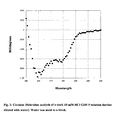
Figure 3 shows circular dichroism analysis of astock 10 mM HCl GDF-5 solution further diluted with water. -
Figure 4a shows the DSC spectra of GDF-5 in 10 mM HCl. -
Figure 4b shows the DSC spectra of GDF-5 in 1 mM HCl. -
Figure 4c shows the DSC spectra of GDF-5 in 0.01% (v/v) TFA. -
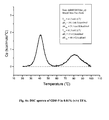
Figure 4d shows the DSC spectra of GDF-5 in 0.01% (v/v) phosphoric acid. -
Figure 4e shows the DSC spectra of GDF-5 in 0.01% (v/v) acetic acid. -
Figure 5a shows an rp-HPLC chromatogram of a GDF-5 reference standard in 10 mM HCl. -
Figure 5b shows an rp-HPLC chromatogram of GDF-5 in 10 mM HCl after 5 freeze-thaw cycles. -
Figure 5c shows an rp-HPLC chromatogram of GDF-5 in 50 mM acetic acid after 5 freeze-thaw cycles. -
Figure 5d shows an rp-HPLC chromatogram of GDF-5 in 0.01% (v/v) TFA after 5 freeze-thaw cycles. -
Figure 5e shows an rp-HPLC chromatogram of GDF-5 in 1 mM HCl after 5 freeze-thaw cycles. -
Figure 6 shows the percentage change inpeak 1 of the various samples shown infigures 5b-e . -
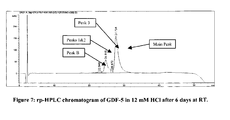
Figure 7 shows an rp-HPLC chromatogram of GDF-5 in 12 mM HCl after 6 days at RT. -
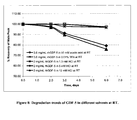
Figure 8 shows degradation trends of GDF-5 in different solvents at RT. -
Figure 9 shows degradation trends of GDF-5 in different solvents at 2-8°C. - We investigated the use of a number of different solvent systems in order to improve the stability of GDF-5 protein solutions during handling and storage, and herein describe useful compositions for working with this protein. Since it's discovery and the subsequent development of recombinant human forms, GDF-5 has been stored in a 10 mM HCl solvent system at -80°C to preserve the protein structure. Partly because of its lack of glycosylation, GDF-5 is less soluble than other BMP's, including BMP-2, for which the bulk of the scientific literature is directed to. There are few reports, if any, available on the solubility and stability of GDF-5. The preparation and isolation of the GDF-5 monomer from plasmid transformed bacteria and the subsequent refolding into dimer presents a different set of issues and problems than the handling and storage of the bioactive dimer. On the other hand, working with the mature dimer GDF-5 protein in biocompatible compositions presents a different set of problems, and the literature yields very little physicochemical information regarding the solubility and stability of the GDF-5 protein.
- It is an object of the present invention to provide a composition of GDF-5 protein in a solvent system that provides for improved protein stability during handling and storage. It is another object of the present invention to provide a biocompatible solution of GDF-5 protein that is stable during prolonged storage at reduced temperatures. It is another object of the present invention to provide a biocompatible solution of GDF-5 protein that is stable during handling at room temperature. It is another object of the present invention to provide a method of preserving a solution of GDF-5 protein by providing a solvent system having a pH of from about 3.0 to about 3.6, wherein the GDF-5 protein is stabilized and has reduced susceptibility to acid catalyzed cleavage while still maintaining a useful solubility.
- For the purposes of this application definitions of the following terms will be useful. The term "GDF-5" is meant to include all synonyms, variants and mutations of the GDF-5 protein molecule, including, but not limited to GDF-5, mGDF-5, hGDF-5, MP-52, LAP-4, radotermin, CDMP-1, C465A, and rhGDF-5, wherein rhGDF-5 is the exemplary member of the group. The term "GDF-5" is also understood to include monomeric GDF-5 proteins, which have also been shown to be biologically active. The term "room temperature", herein abbreviated as "RT" or "R.T.", is understood to mean the ambient temperature of an ordinary office or laboratory, being from about 18 to about 25°C. The term "bulk", as used herein when referring to "bulk protein" or "bulk solution" is understood to mean a solution of GDF-5 in 10 mM HCl and stored at -80°C after isolation and purification from the production process, and is equivalent with the terms "stock", "stock protein", and "stock solution".
- We undertook several studies of bulk GDF-5 solution to determine the extent of protein degradation and the need for improved solvent systems and conditions for the handling and storage of the GDF-5 protein. We performed MALDI-TOF analysis after performing a trypsin digestion of the late eluting peak (aggregates) from extracts of GDF-5 protein isolated from HEALOS ™ mineralized collagen sponges, which were loaded with the GDF-5
protein 10 mM HCl solution and subsequently lyophilized. We observed non-tryptic fragments, indicative of acid-catalyzed cleavage of the GDF-5 protein. - In efforts to discover improved compositions for the handling and storage of GDF-5 we examined the physicochemical properties of the protein in five different solvent environments: 10 mM HCl (the current solvent system for bulk protein), 1 mM HCl, 0.01% (v/v) acetic acid, 0.01% (v/v) TFA, and 0.01% (v/v) phosphoric acid. MALDI-TOF analysis of the GDF-5 protein was done at the Mass Spectrometry Core Facility, Dana-Farber Cancer Institute in Boston, MA. Samples were mixed with sinapinic acid, spotted and allowed to dry on a stainless steel plate, and then analyzed on a Voyager DE-STR mass spectrometer in linear mode (manufactured by Applied Biosystems, Framingham, MA). The percentage aggregate estimated by peak height analysis was found to be about 23.5% in 10 mM HCl as opposed to 8-12% in the remaining four solvents. In this estimation, we assumed any mass greater than 27 kDa to be an aggregate. It should be noted that MALDI is not a quantitative technique, so the absolute percentage of aggregates in each solvent is only an approximation. Nevertheless, the data clearly indicated that there was a greater proportion of aggregates in 10 mM HCl than in the other four solvents.
- We performed SDS-PAGE analysis of GDF-5 in the same set of solvent systems.
Figure 1 shows the SDS-PAGE analysis of reduced and non-reduced GDF-5 in the five different solvent environments (10 mM HCl, 1 mM HCl, 0.01% (v/v) TFA, 0.01% (v/v) acetic acid, and 0.01% (v/v) phosphoric acid). In the non-reduced gel, a small amount of aggregate was observed, while in the reduced gel there was clear indication of the presence of low molecular weight species, probably resulting from acid cleavage. No significant difference was noted between the migration profiles of GDF-5 reconstituted in the five different solvent environments. - We also performed far UV circular dichroism (CD) of GDF-5 protein in the same five solvent environments (10 mM HCl, 1 mM HCl, 0.01% (v/v) TFA, 0.01% (v/v) acetic acid, and 0.01% (v/v) phosphoric acid). The results are shown in
figure 2 as an overlay plot, and demonstrate a unique CD spectrum for GDF-5 in 10 mM HCl, distinctly different from the spectra in the other solvents. No significant difference in the secondary structural distribution of GDF-5 was noted when the remaining four solvent environments were compared to each other. In another experiment, bulk GDF-5 solution (3.8 mg/mL in 10 mM HCl) was diluted with water to achieve a desired protein concentration of 0.2 mg/mL while increasing the pH (through dilution), and then the CD analysis was done using water as a blank. The spectrum is shown inFigure 3 and clearly demonstrates a subtle pH-dependent structural change in GDF-5. AtpH 3, the GDF-5 protein becomes relatively more structured, with less random and more Beta contribution, than the spectrum at lower pH. - We performed Differential Scanning Calorimetry (DSC) on GDF-5 protein in the same five solvent environments (10 mM HCl, 1 mM HCl, 0.01% (v/v) acetic acid, 0.01% (v/v) TFA, and 0.01% (v/v) phosphoric acid).
Figures 4a through 4e show the DSC thermal data of the samples after instrument baseline and solvent subtraction and concentration normalization. Bulk GDF-5 in 10 mM HCl (figure 4a ) shows a weak thermal transition with Tm < 30°C and also a broad weak transition near 65°C. The heat transfer was significantly poor. In contrast, GDF-5 protein dialyzed against 1 mM HCl (figure 4b ), 0.01% (v/v) TFA (figure 4c ), and 0.01% (v/v) phosphoric acid (figure 4d ), showed a large transition near 40°C and a smaller endothermic transition near 85°C. In 0.01% (v/v) acetic acid (figure 4e ), the results showed a significant increase in both transitions: TM1∼ 60°C and TM2∼ 94°C. The thermodynamic parameters, namely ΔH and ΔS values were also significantly higher in 0.01% (v/v) acetic acid. This result suggests that the GDF-5 protein's thermal stability is much greater in an acetic acid environment or at a higher pH. In an earlier study, we noted that the C465A monomer, which cannot form an intermolecular disulfide bridge, did not exhibit the first endotherm near 40°C, suggesting that this transition represents disulfide interaction between the two monomer units. - In another set of experiments we have shown that even as few as two freeze-thaw cycles of GDF-5 in 10 mM HCl can lead to a substantial increase in fragments and degradation products, as shown by rp-HPLC.
Figure 5a shows an rp-HPLC chromatogram of a reference standard of bulk GDF-5, showing good purity and very little additional peaks.Figure 5b shows an rp-HPLC chromatogram of bulk GDF-5 after 5 freeze-thaw cycles, showing an increase in the fragments appearing as additional peaks (peak 1 & peak 2).Figure 5c shows an rp-HPLC chromatogram of GDF-5 in 50 mM acetic acid after 5 freeze-thaw cycles, showing little, if any, increase in the fragments appearing as additional peaks (peak 1 & peak 2).Figure 5d shows an rp-HPLC chromatogram of GDF-5 in 0.01% (v/v) TFA after 5 freeze-thaw cycles, showing little, if any, increase in the fragments appearing as additional peaks (peak 1 & peak 2).Figure 5e shows an rp-HPLC chromatogram of GDF-5 in 1 mM HCl after 5 freeze-thaw cycles, showing little, if any, increase in the fragments appearing as additional peaks (peak 1 & peak 2). -
Figure 6 shows a plot directly comparing only the changes inpeak 1, and shows approximately a 30% increase in thepeak 1 of the GDF-5 protein in 10 mM HCl sample after only 2 freeze-thaw cycles, whereas the other solvent systems show minimal changes to peak 1 after 5 freeze-thaw cycles. After 5 freeze-thaw cycles the percent change inpeak 1 for the bulk 10 mM HCl solution was approximately 75%, whereas the other solvent systems showed very little change inpeak 1. - In another group of experiments we investigated the potential of various solvent systems to provide improved stability to liquid GDF-5 protein solutions at temperatures of 2-8°C and at room temperature (RT, approximately 25°C). In these experiments the stability of GDF-5 protein was evaluated by rp-HPLC in the following solvent systems: 1.3 mM HCl, 5 mM HCl, 12 mM HCl, 0.01% (v/v) TFA, and 50 mM acetic acid. Samples of the GDF-5 protein solutions were prepared by dialysis with the selected solvents at 2-8°C overnight and transferred as aliquots into small vials at about 1 mL/vial and placed accordingly at 2-8°C or at room temperature. At each designated time point, one vial from each set was removed and stored at -80°C until the analysis was performed. The results show that GDF-5 was stable in both 50 mM acetic acid (pH 3.3) and 0.01% (v/v) TFA (pH 3.3) solutions at room temperature after three days and in 1.3 mM HCl (pH 3.3) after 2 days, while it was not stable at room temperature in either 5 mM HCl (pH 2.5) or 12 mM HCl (pH 2.1) after 2 days (see
figures 7 and8 ). - At 2-8°C, the GDF-5 protein was stable for at least 30 days in 50 mM acetic acid or 0.01% (v/v) TFA solution, and stable for at least 6 days in 1.3 mM HCl. In contrast, the GDF-5 protein was degraded in 5 mM HCl and 12 mM HCl solutions at 2-8°C, and formed degradation species after 2 days as evidenced by rp-HPLC (see
figure 9 ). - The following examples are meant only to be illustrative in nature of the present invention, and not to be limiting in scope. One skilled in the art would easily conceive of other embodiments that would be considered within the scope of the present invention.
- Four different solvent systems, 1 mM HCl, 0.01 % (v/v) acetic acid, 0.01 % (v/v) TFA, and 0.01% (v/v) phosphoric acid, were tested for their ability to provide improved GDF-5 protein stability over the standard 10 mM HCl solvent system currently used. Approximately 1-2 ml of bulk GDF-5 protein (3.8 mg/ml) in 10 mM HCl was taken from a freshly thawed sample and dialyzed for 24 hours at 2-8°C with 3 changes each of 1 liter of test solution to produce a GDF-5 protein solution in each of the four different solvent systems. The concentration of the dialysates was determined from the absorbance value at 280 nm using an extinction coefficient of 1.16 for a 1 mg/ml solution and a pathlength of 1 cm. The GDF-5 protein solutions were then analyzed by SDS-PAGE, Circular Dichroism (CD), Differential Scanning Calorimetry (DSC), and MALDI-TOF.
- The GDF-5 protein samples were diluted in Bio-Rad 8-16% gradient gel appropriate sample buffer (provided by the manufacturer) either with (reduced) or without (non-reduced) 50 mM dithiothreitol (DTT). The samples were denatured by heating at 90°C for 5 min and then centrifuged briefly at 5000 rpm. Electrophoresis was carried out at 200 volts constant for 1 hour on an 8-16% Bio-Rad criterion gel with 1x tris-glycine-SDS running buffer. Gels were incubated in 100
mL 10% methanol, 7% acetic acid (Ruby fix / destain solution) for 1 hour on an orbital shaker at 45 rpm. The fix solution was decanted and 80 mL Sypro-Ruby (Bio-Rad) was added. Gels were incubated overnight in the dark on an orbital shaker at 45 rpm. The Sypro-Ruby was decanted and 100 mL destain solution was added. Gels were incubated for 3 hours on an orbital shaker at 45 rpm. Finally, gels were imaged on a Bio-Rad Gel Doc imager. - In the non-reduced gels, a small amount of aggregate was observed, while in the reduced gels there was clear indication of the presence of low molecular weight species, probably resulting from acid cleavage. No significant difference was noted between the migration profiles of GDF-5 reconstituted in the five different solvent environments.
- Circular Dichroism was carried out on an AVIV Model 60DS Circular Dichroism Spectropolarimeter. For each sample, scans were taken between 190 and 250 nm. For each scan, data were collected at 1 nm intervals for 2 sec at each interval. The scan temperature was 23°C. The final protein concentration was 0.2 mg/mL. Data represented the average of three scans. A buffer blank was also recorded under identical conditions and the CD spectrum of the buffer blank was subtracted from that of the sample. All runs were made using 0.01% TFA as a blank. Cuvettes had a path length of 1 mm. The scans were normalized using Mean residue weight (a value of 115) and inserting it into the equation:

- The value of [θ] was calculated at each wavelength to give mean residue ellipticities. Finally, an estimate of secondary structure was determined using the program PROSEC v.2.1 (copyright 1987 by AVIV Associates).
-
Figures 4a through 4e show DSC thermal data for the GDF-5 protein in the five different solvent environments, after instrument baseline and solvent subtraction and concentration normalization. The samples were stored at -80 °C; thawed and degassed under vacuum with stirring for 8 minutes at room temperature prior to loading in the DSC cell and scanned in duplicate at 60 °C/hr from 5-100 °C on a MicroCal VP-DSC. The protein concentration was 0.51 mg/mL for all samples. Bulk GDF-5 in 10 mM HCl shows a weak thermal transition with Tm < 30°C and a broad weak transition near 65°C. The heat transfer was significantly poor. In contrast, protein dialyzed against 1 mM HCl, 0.01 % TFA and 0.01% phosphoric acid showed a large transition near 40°C and a smaller endothermic transition near 85°C. In 0.01% acetic acid, the results showed a significant increase in both transitions: TM1∼ 60°C and TM2∼ 94°C. The thermodynamic parameters, namely ΔH and ΔS values were also significantly higher in the 0.01% acetic acid sample. This result suggests that the protein's thermal stability is much greater in an acetic acid environment or at a higher pH. We noted in an earlier study that the C465A monomer, which cannot form an intermolecular disulfide bridge, did not exhibit the first endotherm near 40°C, suggesting that this transition represents disulfide interaction between the two monomer units. - MALDI-TOF analysis of intact protein in five different solvent environments was done at the Mass Spectrometry Core Facility, Dana-Farber Cancer Institute in Boston, MA. Samples were mixed with sinapinic acid, spotted and allowed to dry on a stainless steel plate, and then analyzed on a Voyager DE-STR mass spectrometer in linear mode (manufactured by Applied Biosystems, Framingham, MA). No significant difference was noted in the weight average molecular weight of the major dimer as well as the other higher oligomer species in any of these solvents. All five spectra had their 27 kDa peak normalized to 100% relative intensity. The percentage aggregate estimated by peak height analysis was found to be about 23.5% in 10 mM HCl as opposed to 8-12% in the remaining four solvents. In this estimation, we assumed any mass > 27 kDa to be an aggregate. It should be noted that MALDI is not a quantitative technique, so the absolute percentage of aggregates in each solvent is only an approximation. Nevertheless, the data clearly indicate that there is a greater proportion of aggregates in 10 mM HCl than in the other four solvents.
- Overall, the combined results showed that in each of the four different solvent systems tested GDF-5 protein had good linearity in serial dilution and exhibited improved stability over the 10 mM HCl composition.
- An attempt was made to assess solubility of GDF-5 in 20 mM acetic acid. Stock GDF-5 in 10 mM HCl (3.8 mg/mL) was dialyzed against 20 mM acetic acid with a 3,500 MW cut off membrane, then lyophilized, and finally, the dried mass was reconstituted in 20 mM acetic acid. The OD at 280 nm was determined. It was noted that a clear solution was readily obtained with ∼6.5 mg/mL GDF-5 in 20 mM acetic acid. In a separate attempt the GDF-5 protein in 20 mM acetic acid was lyophilized and then reconstituted in 1 mM HCl. Again, the OD at 280 nm was determined and the results indicated that a clear solution could be readily obtained with a GDF-5 protein concentration of ∼6.5 mg/mL.
- The stability of GDF-5 protein was evaluated through five freeze/thaw cycles in different storage solvents, including 1 mM HCl, 10 mM HCl, 0.01% (v/v) TFA, and 50 mM acetic acid. Bulk GDF-5 in 10 mM HCl was removed from -80°C and thawed at 2-8°C. The GDF-5 protein solution was then dialyzed with the selected solvents at 2-8°C overnight (dialysis cassettes: Pierce, Cat # 66380, 10000 MWCO). The dialyzed samples were transferred into small vials at about 1 mL/vial and placed at -80°C. In each freeze/thaw cycle, the test samples were frozen at -80°C for at least 19 hours and thawed at room temperature for at least 5 hours. At the end of each cycle one vial of each solvent sample was removed and stored at -80°C prior to analysis so that all the samples were analyzed at same time for visual appearance, rp-HPLC, UV spectroscopy, and pH.
- The test samples in glass vials were checked for clarity and particles. The sample vials were inspected using a vertical light against a black background. The clarity of the test samples was compared with a pure water sample. All samples appeared clear and transparent; the GDF-5 protein was still soluble at the concentration of 3.6 mg/mL after the five-freeze/thaw cycles.
- A non-reduced rp-HPLC method was used to monitor GDF-5 protein contents and degradation species. Briefly, the test samples were diluted with 1 mM HCl to 0.1 mg GDF-5/mL and the diluted sample (50µl) was directly injected onto the HPLC column (Vydac 218TP52, C18 column) which was eluted with 0.15% (v/v) TFA in water and 0.15% (v/v) TFA in acetonitrile as the mobile phase. The eluted peaks were monitored at 214 nm. The peak areas were compared to reference standard areas to determine the GDF-5 protein content. The percentage of each peak area was calculated to monitor the changes of the main peak and minor peaks (degradation peaks).
- Representative chromatograms are shown in
figures 5a-e . The main peak of GDF-5 and other degradation peaks are indicated in the figures. No significant changes in protein concentration were observed in the samples under all storage conditions. The GDF-5 protein was stable with 100% main peak recovery after five freeze/thaw cycles in 1 mM HCl, 50 mM acetic acid, and 0.01% (v/v) TFA solution. However, GDF-5 was less stable in the 10 mM HCl solution, aspeak 1 increased dramatically after the second freeze/thaw cycle (seefigure 6 ). - The protein content was also determined by UV spectroscopy. The test samples were diluted with an appropriate solvent prior to analysis. The concentration of GDF-5 was calculated using an extinction coefficient of 1.16 mL/mg*cm at 280 nm. UV results indicate that there was no significant change in protein concentration in all samples during the course of study. The protein concentrations as determined by UV spectroscopy and HPLC were similar. The pH of the samples was measured directly using a calibrated pH meter without dilution. The pH of all samples was stable and the storage conditions did not shift the pH.
- The results show that GDF-5 was stable after 5 freeze/thaw cycles in 1 mM HCl, 50 mM acetic acid, and 0.01% (v/v) TFA solutions. In contrast, GDF-5 was less stable in 10 mM HCl solution and degradation species started forming after the second freeze/thaw cycle.
- In this example the stability of GDF-5 protein was evaluated in various acidic solvents including 1.3 mM HCl, 5 mM HCl, 12 mM HCl, 0.01% (v/v) TFA, and 50 mM acetic acid for prolonged exposure to temperatures of 2-8°C and also at room temperature (approximately 25°C). Bulk GDF-5 in 10 mM HCl was removed from -80°C and thawed at 2-8°C. The GDF-5 protein solution was then dialyzed with the selected solvents at 2-8°C overnight (dialysis cassettes: Pierce, Cat # 66380, 10000 MWCO). The dialyzed samples were transferred as aliquots into small vials at about 1 mL/vial and placed accordingly at 2-8°C or room temperature. At each designated time point, one vial from each set was removed and stored at -80°C until the analysis was performed using rp-HPLC, UV spectroscopy, and pH meter.
- The results show that GDF-5 was stable in both 50 mM acetic acid (pH 3.3) and 0.01% (v/v) TFA (pH 3.3) solutions at room temperature for three days and in 1.3 mM HCl (pH 3.3) for 2 days, while it was not stable at room temperature in either 5 mM HCl (pH 2.5) or 12 mM HCl (pH 2.1). At 2-8°C, GDF-5 protein was stable for at least 30 days in 50 mM acetic acid or 0.01% (v/v) TFA solution, and stable for at least 6 days in 1.3 mM HCl. In contrast, GDF-5 was rapidly degraded in 5 mM HCl as well as in 12 mM HCl solutions at 2-8°C, forming degradation species within 6 days as evidenced on HPLC (see
figure 9 ). The studies using HCl were terminated at 6 days.
Claims (6)
- A composition consisting of GDF-5 and a biocompatible acid in an aqueous acidic solution having a pH of from about 3.0 to about 3.6, wherein the biocompatible acid is acetic acid present in an amount of about 20 to about 50 mM.
- The composition of claim 1 wherein the pH is from about 3.2 to about 3.4.
- A method of stabilizing a solution of GDF-5 protein comprising the steps of:a. Providing a sample of GDF-5 and a biocompatible acid in an aqueous acidic solution having a pH of from about 3.0 to about 3.6, andb. Cooling said solution of GDF-5 to a temperature of about 2° to about 8°C.
- The method of claim 3, wherein the solution is further cooled to about -20°C.
- The method of claim 3, wherein the solution is further cooled to about -80°C.
- The composition of claim 1 wherein the ODF-5 is rhGDF-5.
Applications Claiming Priority (2)
| Application Number | Priority Date | Filing Date | Title |
|---|---|---|---|
| US95441307P | 2007-08-07 | 2007-08-07 | |
| PCT/US2008/070137 WO2009020744A1 (en) | 2007-08-07 | 2008-07-16 | Protein formulations comprising gdf-5 in aqueous acidic solution |
Publications (2)
| Publication Number | Publication Date |
|---|---|
| EP2187932A1 EP2187932A1 (en) | 2010-05-26 |
| EP2187932B1 true EP2187932B1 (en) | 2015-01-28 |
Family
ID=39765213
Family Applications (1)
| Application Number | Title | Priority Date | Filing Date |
|---|---|---|---|
| EP08781884.5A Not-in-force EP2187932B1 (en) | 2007-08-07 | 2008-07-16 | Protein formulations comprising gdf-5 in aqueous acidic solution |
Country Status (6)
| Country | Link |
|---|---|
| US (1) | US8058237B2 (en) |
| EP (1) | EP2187932B1 (en) |
| JP (1) | JP5323832B2 (en) |
| CN (1) | CN101801405A (en) |
| CA (1) | CA2695697A1 (en) |
| WO (1) | WO2009020744A1 (en) |
Families Citing this family (4)
| Publication number | Priority date | Publication date | Assignee | Title |
|---|---|---|---|---|
| AU2007234612B2 (en) | 2006-12-14 | 2013-06-27 | Johnson & Johnson Regenerative Therapeutics, Llc | Protein stabilization formulations |
| US7678764B2 (en) | 2007-06-29 | 2010-03-16 | Johnson & Johnson Regenerative Therapeutics, Llc | Protein formulations for use at elevated temperatures |
| WO2009020744A1 (en) | 2007-08-07 | 2009-02-12 | Johnson & Johnson Regenerative Therapeutics, Llc | Protein formulations comprising gdf-5 in aqueous acidic solution |
| BRPI0911048A2 (en) * | 2008-04-14 | 2015-12-29 | Atrm Llc | gdf-5 buffered liquid formulations |
Family Cites Families (147)
| Publication number | Priority date | Publication date | Assignee | Title |
|---|---|---|---|---|
| US2931802A (en) | 1958-04-30 | 1960-04-05 | Eastman Kodak Co | Mixed esters of glucose and sucrose |
| US4120810A (en) | 1974-10-07 | 1978-10-17 | Palmer David A | Paint remover with improved safety characteristics |
| ATE68524T1 (en) | 1985-07-09 | 1991-11-15 | Quadrant Bioresources Ltd | PROTECTION OF PROTEINS AND THE LIKE. |
| IL83003A (en) | 1986-07-01 | 1995-07-31 | Genetics Inst | Osteoinductive factors |
| US5013649A (en) | 1986-07-01 | 1991-05-07 | Genetics Institute, Inc. | DNA sequences encoding osteoinductive products |
| US5266683A (en) | 1988-04-08 | 1993-11-30 | Stryker Corporation | Osteogenic proteins |
| US5011691A (en) | 1988-08-15 | 1991-04-30 | Stryker Corporation | Osteogenic devices |
| US5202311A (en) | 1988-08-19 | 1993-04-13 | Children's Medical Center Corporation | Stabilized fgf composition |
| US5284756A (en) | 1988-10-11 | 1994-02-08 | Lynn Grinna | Heterodimeric osteogenic factor |
| USRE38385E1 (en) | 1989-02-16 | 2004-01-13 | Nektar Therapeutics | Storage of materials |
| ES2113857T3 (en) | 1989-03-28 | 1998-05-16 | Genetics Inst | OSTEOINDUCTIVE COMPOSITIONS. |
| DE69132823T2 (en) | 1990-05-16 | 2002-07-18 | Genetics Institute, Inc. | BONE AND Cartilage Formation Proton Proteins |
| DE69131580T2 (en) | 1990-06-15 | 2000-01-13 | Carnegie Institution Of Washington, Washington | GDF-1 and UOG1 proteins |
| US5231169A (en) | 1990-10-17 | 1993-07-27 | Norian Corporation | Mineralized collagen |
| US5318898A (en) | 1991-04-02 | 1994-06-07 | Genetics Institute, Inc. | Production of recombinant bone-inducing proteins |
| US6287816B1 (en) | 1991-06-25 | 2001-09-11 | Genetics Institute, Inc. | BMP-9 compositions |
| DE69233022T2 (en) | 1991-11-04 | 2004-02-12 | Genetics Institute, LLC, Cambridge | RECOMBINANT BONE MORPHOGENETIC PROTEIN HETERODIMERS, COMPOSITIONS AND METHODS OF USE |
| US6171584B1 (en) | 1992-02-12 | 2001-01-09 | Biopharm Gesellschaft Zur Biotechnologischen Entwicklung Von Pharmaka Mbh | Method of treatment with growth/differentiation factors of the TGF-β family |
| HU218845B (en) | 1992-02-12 | 2000-12-28 | Biopharm Gesellschaft Zur Biotechnologischen Entwicklung Von Pharmaka Mbh. | Dna sequences encoding novel growth/differentiation factors, pharmaceutical preparations containing said factors, dna molecules, mosts, antibodies and diagnostic methods |
| EP0672064A1 (en) | 1992-11-03 | 1995-09-20 | Creative Biomolecules, Inc. | Op-3-induced morphogenesis |
| CA2153653C (en) | 1993-01-12 | 2010-12-07 | Se-Jin Lee | Growth differentiation factor-9 |
| EP1475440A3 (en) | 1993-01-12 | 2004-11-17 | The Johns Hopkins University School Of Medicine | Growth differentiation factor-3 |
| EP0690871A4 (en) | 1993-01-12 | 1999-10-20 | Univ Johns Hopkins Med | GROWTH AND DIFFERENTIATION FACTOR-5 |
| JP3698721B2 (en) | 1993-02-23 | 2005-09-21 | ジェネンテク・インコーポレイテッド | Excipient stabilization of polypeptides treated with organic solvents |
| ES2201076T3 (en) | 1993-03-19 | 2004-03-16 | The Johns Hopkins University School Of Medicine | GROWTH DIFFERENTIATION FACTOR-8. |
| DK0698094T3 (en) | 1993-05-12 | 2004-05-03 | Inst Genetics Llc | BMP-11 compositions |
| DE69433742T2 (en) | 1993-05-12 | 2005-07-07 | Genetics Institute, LLC, Cambridge | BMP-10 COMPOSITIONS |
| CA2165776A1 (en) | 1993-07-09 | 1995-01-19 | The Johns Hopkins University School Of Medicine | Growth differentiation factor-6 |
| IL110589A0 (en) | 1993-08-10 | 1994-11-11 | Bioph Biotech Entw Pharm Gmbh | Growth/differentiation factor of the TGF- beta family |
| US6764994B1 (en) | 1993-08-10 | 2004-07-20 | Biopharm Gesellschaft Zur Biotechnologischen Entwicklung Von Pharmaka Mbh | Growth/differential factor of the TGF-B family |
| US5385887A (en) | 1993-09-10 | 1995-01-31 | Genetics Institute, Inc. | Formulations for delivery of osteogenic proteins |
| CA2171546A1 (en) | 1993-10-08 | 1995-04-20 | The Johns Hopkins University School Of Medicine | Growth differentiation factor-10 |
| DE4334646C1 (en) | 1993-10-12 | 1994-09-29 | Quinting Friedhelm | Transparent analogue watch (timepiece) |
| DE69434651T2 (en) | 1993-12-07 | 2007-03-08 | Genetics Institute, Inc., Cambridge | BMP-12, BMP-13 AND THESE INCLUDING SEWNE-INDUCTIVE COMPOSITIONS |
| US5955448A (en) | 1994-08-19 | 1999-09-21 | Quadrant Holdings Cambridge Limited | Method for stabilization of biological substances during drying and subsequent storage and compositions thereof |
| IL114397A0 (en) | 1994-07-01 | 1995-10-31 | Bioph Biotech Entw Pharm Gmbh | Growth/differentiation factor of the TGF-beta-family |
| WO1996001845A1 (en) | 1994-07-08 | 1996-01-25 | The Johns Hopkins University School Of Medicine | Growth differentiation factor-11 |
| WO1996014335A1 (en) | 1994-11-07 | 1996-05-17 | The Government Of The United States Of America, Asrepresented By The Secretary, Department Of Health And Human Services | Cartilage-derived morphogenetic proteins |
| US6165981A (en) | 1995-03-07 | 2000-12-26 | Dade Behring Inc. | Stabilizing solutions for proteins and peptides |
| US7235527B2 (en) | 1995-04-19 | 2007-06-26 | Biopharm Gesellschaft Zur Biotechnologieschen Entwicklung Von Pharmaka Mbh | Protein and process for producing the same |
| GB9508691D0 (en) | 1995-04-28 | 1995-06-14 | Pafra Ltd | Stable compositions |
| US5635372A (en) | 1995-05-18 | 1997-06-03 | Genetics Institute, Inc. | BMP-15 compositions |
| DE69629294T2 (en) | 1995-06-05 | 2004-04-29 | Genetics Institute, LLC, Cambridge | USE OF BONE MORPHOGENESIS PROTEINS FOR HEALING AND REPAIR OF FASTENING TISSUE |
| US7833543B2 (en) | 1995-06-07 | 2010-11-16 | Durect Corporation | High viscosity liquid controlled delivery system and medical or surgical device |
| US5747058A (en) | 1995-06-07 | 1998-05-05 | Southern Biosystems, Inc. | High viscosity liquid controlled delivery system |
| US5968542A (en) | 1995-06-07 | 1999-10-19 | Southern Biosystems, Inc. | High viscosity liquid controlled delivery system as a device |
| US6685940B2 (en) | 1995-07-27 | 2004-02-03 | Genentech, Inc. | Protein formulation |
| US5776193A (en) | 1995-10-16 | 1998-07-07 | Orquest, Inc. | Bone grafting matrix |
| US5770700A (en) | 1996-01-25 | 1998-06-23 | Genetics Institute, Inc. | Liquid factor IX formulations |
| AU2063197A (en) | 1996-03-04 | 1997-09-22 | Massachusetts Institute Of Technology | Materials and methods for enhancing cellular internalization |
| DE69723429T3 (en) | 1996-03-22 | 2007-09-20 | Curis, Inc., Cambridge | Method for improved functional recovery of motor coordination, speech or sensory perception after trauma or ischemia of the CNS |
| ZA9711580B (en) | 1996-12-25 | 1999-09-23 | Hoechst Marion Roussel Ltd | Process for the production of purified dimeric bone morphogenetic factors. |
| US5866165A (en) | 1997-01-15 | 1999-02-02 | Orquest, Inc. | Collagen-polysaccharide matrix for bone and cartilage repair |
| US20040132653A1 (en) | 1997-01-30 | 2004-07-08 | Biopharm Gmbh | Lyophilized composition of bone morphogenetic factor human MP52 |
| EP1350525A3 (en) | 1997-02-07 | 2003-12-10 | Stryker Corporation | Matrix-free osteogenic devices, implants and methods thereof |
| US7041641B2 (en) | 1997-03-20 | 2006-05-09 | Stryker Corporation | Osteogenic devices and methods of use thereof for repair of endochondral bone and osteochondral defects |
| US6051558A (en) | 1997-05-28 | 2000-04-18 | Southern Biosystems, Inc. | Compositions suitable for controlled release of the hormone GnRH and its analogs |
| US6171586B1 (en) | 1997-06-13 | 2001-01-09 | Genentech, Inc. | Antibody formulation |
| US6991790B1 (en) | 1997-06-13 | 2006-01-31 | Genentech, Inc. | Antibody formulation |
| US6936582B1 (en) | 1997-09-09 | 2005-08-30 | Curis, Inc. | Synergistic effects of OP/BMP morphogens and GDNF/NGF neurotrophic factors |
| US6541606B2 (en) | 1997-12-31 | 2003-04-01 | Altus Biologics Inc. | Stabilized protein crystals formulations containing them and methods of making them |
| JP4221078B2 (en) | 1998-07-09 | 2009-02-12 | 株式会社林原生物化学研究所 | Trehalose dihydrate crystal, its production method and use |
| US6207718B1 (en) | 1998-08-07 | 2001-03-27 | Ontogeny, Inc. | Pharmaceutical compositions containing hedgehog protein |
| US7572440B2 (en) | 1999-07-30 | 2009-08-11 | Stryker Corporation | Method for repairing a defect in an intervertebral disc |
| US6958149B2 (en) | 1998-10-06 | 2005-10-25 | Stryker Corporation | Repair of larynx, trachea, and other fibrocartilaginous tissues |
| US6727224B1 (en) | 1999-02-01 | 2004-04-27 | Genetics Institute, Llc. | Methods and compositions for healing and repair of articular cartilage |
| US6340369B1 (en) | 1999-08-13 | 2002-01-22 | Bret A. Ferree | Treating degenerative disc disease with harvested disc cells and analogues of the extracellular matrix |
| US6969404B2 (en) | 1999-10-08 | 2005-11-29 | Ferree Bret A | Annulus fibrosis augmentation methods and apparatus |
| US6419702B1 (en) | 1999-08-13 | 2002-07-16 | Bret A. Ferree | Treating degenerative disc disease through transplantation of the nucleus pulposis |
| US6288043B1 (en) | 1999-06-18 | 2001-09-11 | Orquest, Inc. | Injectable hyaluronate-sulfated polysaccharide conjugates |
| US6344058B1 (en) | 1999-08-13 | 2002-02-05 | Bret A. Ferree | Treating degenerative disc disease through transplantation of allograft disc and vertebral endplates |
| US7435260B2 (en) | 1999-08-13 | 2008-10-14 | Ferree Bret A | Use of morphogenetic proteins to treat human disc disease |
| US6648918B2 (en) | 1999-08-13 | 2003-11-18 | Bret A. Ferree | Treating degenerative disc disease through the transplantation of dehydrated tissue |
| US6793677B2 (en) | 1999-08-13 | 2004-09-21 | Bret A. Ferree | Method of providing cells and other biologic materials for transplantation |
| US6755863B2 (en) | 1999-10-08 | 2004-06-29 | Bret A. Ferree | Rotator cuff repair using engineered tissues |
| US6685695B2 (en) | 1999-08-13 | 2004-02-03 | Bret A. Ferree | Method and apparatus for providing nutrition to intervertebral disc tissue |
| US6352557B1 (en) | 1999-08-13 | 2002-03-05 | Bret A. Ferree | Treating degenerative disc disease through transplantion of extracellular nucleus pulposus matrix and autograft nucleus pulposus cells |
| US6454804B1 (en) | 1999-10-08 | 2002-09-24 | Bret A. Ferree | Engineered tissue annulus fibrosis augmentation methods and apparatus |
| US6648920B2 (en) | 1999-10-08 | 2003-11-18 | Bret A. Ferree | Natural and synthetic supplements to engineered annulus and disc tissues |
| US20030026788A1 (en) | 1999-10-08 | 2003-02-06 | Ferree Bret A. | Use of extracellular matrix tissue to preserve cultured cell phenotype |
| US6645247B2 (en) | 1999-10-08 | 2003-11-11 | Bret A. Ferree | Supplementing engineered annulus tissues with autograft of allograft tendons |
| US6648919B2 (en) | 1999-10-14 | 2003-11-18 | Bret A. Ferree | Transplantation of engineered meniscus tissue to the intervertebral disc |
| JP4672947B2 (en) | 1999-12-06 | 2011-04-20 | ウォーソー・オーソペディック・インコーポレーテッド | Intervertebral disc treatment apparatus and method |
| ATE309822T1 (en) | 2000-04-19 | 2005-12-15 | Genentech Inc | SUSTAINED RELEASE FORMULATIONS CONTAINING GROWTH HORMONE |
| US6656492B2 (en) | 2000-06-30 | 2003-12-02 | Yamanouchi Pharmaceutical Co., Ltd. | Quick disintegrating tablet in buccal cavity and manufacturing method thereof |
| US20020032155A1 (en) | 2000-06-30 | 2002-03-14 | Ferree Bret A. | Method of treating disc herniation and disc degeneration with concentrated growth and differentiation factors |
| US20030185812A1 (en) | 2000-06-30 | 2003-10-02 | Ferree Bret A. | Method of treating dural leaks with platelet-rich plasma (PRP) |
| US20020173770A1 (en) | 2001-05-16 | 2002-11-21 | Flory Alan R. | Adhesive delivery system |
| AU2002320122B2 (en) | 2001-06-21 | 2007-07-26 | Genentech, Inc. | Sustained release formulation |
| EP1450838A4 (en) | 2001-10-05 | 2005-09-28 | Intermune Inc | METHOD OF TREATING HEPATITIS VIRUS INFECTION USING A MULTIPHASIC INTERFERON DIFFUSION PROFILE |
| US20060024346A1 (en) | 2004-07-29 | 2006-02-02 | Brody Richard S | Stabilization of biologically active proteins with mixtures of polysaccharides and amino acid based compounds |
| SI1448246T2 (en) | 2001-11-19 | 2015-12-31 | Scil Technology Gmbh | Homogeneously coated device having osteoinductive and osteoconductive properties |
| TWI265654B (en) | 2001-11-21 | 2006-11-01 | Polyfuel Inc | Catalyst agglomerates for membrane electrode assemblies |
| WO2003066120A1 (en) | 2002-02-04 | 2003-08-14 | Ferree Bret A | Treating degenerative disc disease through transplantation of allograft disc |
| NZ535008A (en) | 2002-02-08 | 2005-09-30 | Alkermes Inc | Polymer-based compositions for sustained release |
| US6780324B2 (en) | 2002-03-18 | 2004-08-24 | Labopharm, Inc. | Preparation of sterile stabilized nanodispersions |
| US20030192554A1 (en) | 2002-04-11 | 2003-10-16 | Ferree Bret A. | Methods and apparatus for adhering musculoskeletal tissues |
| US6981991B2 (en) | 2002-06-27 | 2006-01-03 | Ferree Bret A | Arthroplasty devices configured to reduce shear stress |
| US20040022771A1 (en) | 2002-07-30 | 2004-02-05 | Ferree Bret A. | Transfer of cells, tissue, and other substances to bone |
| US7744651B2 (en) | 2002-09-18 | 2010-06-29 | Warsaw Orthopedic, Inc | Compositions and methods for treating intervertebral discs with collagen-based materials |
| WO2004037265A1 (en) | 2002-10-25 | 2004-05-06 | Akzo Nobel N.V. | Prolonged release pharmaceutical composition |
| EP1462126A1 (en) | 2003-03-28 | 2004-09-29 | BIOPHARM GESELLSCHAFT ZUR BIOTECHNOLOGISCHEN ENTWICKLUNG VON PHARMAKA mbH | Improved Osteoinductive Materials |
| AU2004229335C1 (en) | 2003-04-04 | 2010-06-17 | Genentech, Inc. | High concentration antibody and protein formulations |
| DE10333835A1 (en) | 2003-07-24 | 2005-03-10 | Gruenenthal Gmbh | Sustained-release drug containing 6-dimethylaminomethyl-1- (3-methoxy-phenyl) -cyclohexane-1,3-diol |
| US7375077B2 (en) | 2003-09-19 | 2008-05-20 | The Board Of Trustees Of The University Of Illinois | In vivo synthesis of connective tissues |
| US7879102B2 (en) | 2003-09-30 | 2011-02-01 | Depuy Acromed, Inc. | Method for treatment of defects in the intervertebral disc |
| WO2005065079A2 (en) | 2003-11-10 | 2005-07-21 | Angiotech International Ag | Medical implants and fibrosis-inducing agents |
| SI21639A (en) | 2003-12-23 | 2005-06-30 | LEK farmacevtska dru�ba d.d. | Pharmaceutical preparation containing non-micellar sulphobetains |
| KR20070010046A (en) | 2004-04-06 | 2007-01-19 | 제넨테크, 인크. | Dr5 antibody and uses thereof |
| US20070269477A1 (en) | 2004-05-05 | 2007-11-22 | Igo Stephen R | Heart Treatment Method |
| ES2369629T3 (en) | 2004-05-25 | 2011-12-02 | Stryker Corporation | USE OF OP-1 TO TREAT CARTRIDGE DEFECTS. |
| EP1604693A1 (en) | 2004-06-09 | 2005-12-14 | Scil Technology GmbH | In situ forming scaffold, its manufacturing and use |
| FR2871457B1 (en) | 2004-06-10 | 2006-08-11 | Giat Ind Sa | PYROTECHNIC COMPOSITION HAVING IMPROVED MECHANICAL STRENGTH |
| US8105983B2 (en) | 2005-03-29 | 2012-01-31 | The Regents Of The University Of California | High-throughput method for optimum solubility screening for homogeneity and crystallization of proteins |
| WO2006138181A2 (en) | 2005-06-14 | 2006-12-28 | Amgen Inc. | Self-buffering protein formulations |
| US20060287676A1 (en) | 2005-06-15 | 2006-12-21 | Rita Prajapati | Method of intra-operative coating therapeutic agents onto sutures, composite sutures and methods of use |
| US20060286289A1 (en) | 2005-06-15 | 2006-12-21 | Rita Prajapati | Method of intraoperative coating therapeutic agents onto sutures |
| US20060286171A1 (en) | 2005-06-17 | 2006-12-21 | Tianhong Zhou | Bone morphogenetic protein formulations |
| AU2006295340B2 (en) | 2005-08-05 | 2010-11-11 | Amgen Inc. | Stable aqueous protein or antibody pharmaceutical formulations and their preparation |
| US8932633B2 (en) | 2005-08-29 | 2015-01-13 | Biopharm Solutions Inc. | Polysaccharide microparticles containing biological agents: their preparation and applications |
| EP1954344B1 (en) | 2005-08-31 | 2017-05-31 | Cochlear Limited | Elongate implantable carrier member having a stiffener |
| CN101365499A (en) | 2005-11-01 | 2009-02-11 | 骨骼技术股份有限公司 | Bone matrix compositions and methods |
| JP5405122B2 (en) | 2005-12-21 | 2014-02-05 | ワイス・エルエルシー | Low viscosity protein formulations and uses thereof |
| US20070178159A1 (en) | 2006-01-30 | 2007-08-02 | Alza Corporation | In-Situ Forming Porous Scaffold |
| EP1880731A1 (en) | 2006-07-18 | 2008-01-23 | BIOPHARM GESELLSCHAFT ZUR BIOTECHNOLOGISCHEN ENTWICKLUNG VON PHARMAKA mbH | Human growth and differentiation factor GDF-5 |
| US20080098614A1 (en) | 2006-10-03 | 2008-05-01 | Wyeth | Lyophilization methods and apparatuses |
| ES2432395T3 (en) | 2006-10-12 | 2013-12-03 | Ethicon, Inc. | Kidney-derived cells and method of use in tissue repair and regeneration |
| EP1915986A1 (en) | 2006-10-23 | 2008-04-30 | BIOPHARM GESELLSCHAFT ZUR BIOTECHNOLOGISCHEN ENTWICKLUNG VON PHARMAKA mbH | Lipid growth factor formulations |
| AU2007234612B2 (en) | 2006-12-14 | 2013-06-27 | Johnson & Johnson Regenerative Therapeutics, Llc | Protein stabilization formulations |
| US8048857B2 (en) | 2006-12-19 | 2011-11-01 | Warsaw Orthopedic, Inc. | Flowable carrier compositions and methods of use |
| US20100184659A1 (en) | 2006-12-21 | 2010-07-22 | Warren Jaworowicz | Sustained-Release Formulations Comprising Crystals, Macromolecular Gels, and Particulate Suspensions of Biologic Agents |
| GB2446653A (en) | 2007-02-16 | 2008-08-20 | Inion Ltd | Osteogenic compounds |
| GB2446652A (en) | 2007-02-16 | 2008-08-20 | Inion Ltd | Osteogenic compounds |
| US20080234727A1 (en) | 2007-03-22 | 2008-09-25 | Venkat Garigapati | Novel Carriers For Coating Growth Factors Onto Sutures |
| US8198237B2 (en) | 2007-05-15 | 2012-06-12 | Stryker Corporation | Concentrated protein preparations of bone morphogenetic proteins and methods of use thereof |
| US7883664B2 (en) | 2007-06-27 | 2011-02-08 | University Of North Carolina At Charlotte | Microwave drying process for vitrification of biologics |
| DE602008004351D1 (en) | 2007-06-29 | 2011-02-17 | Atrm Llc | LIQUID PROTEIN FORMULATIONS WITH GDF-5 FOR USE AT INCREASED TEMPERATURES |
| WO2009006301A2 (en) | 2007-06-29 | 2009-01-08 | Battelle Memorial Institute | Protein stabilization |
| US7678764B2 (en) | 2007-06-29 | 2010-03-16 | Johnson & Johnson Regenerative Therapeutics, Llc | Protein formulations for use at elevated temperatures |
| FR2919188B1 (en) | 2007-07-27 | 2010-02-26 | Proteins & Peptides Man | COMPLEXES BETWEEN AN AMPHIPHILIC POLYMER AND A OSTEOGENIC PROTEIN BELONGING TO THE BMPS FAMILY |
| EP2019117A1 (en) | 2007-07-27 | 2009-01-28 | BIOPHARM GESELLSCHAFT ZUR BIOTECHNOLOGISCHEN ENTWICKLUNG VON PHARMAKA mbH | Optimized purification process of recombinant growth factor protein |
| GB2451451A (en) | 2007-07-30 | 2009-02-04 | Inion Ltd | Osteogenic compounds |
| WO2009020744A1 (en) | 2007-08-07 | 2009-02-12 | Johnson & Johnson Regenerative Therapeutics, Llc | Protein formulations comprising gdf-5 in aqueous acidic solution |
| KR20210049186A (en) | 2007-11-30 | 2021-05-04 | 애브비 바이오테크놀로지 리미티드 | Protein formulations and methods of making same |
| BRPI0911048A2 (en) | 2008-04-14 | 2015-12-29 | Atrm Llc | gdf-5 buffered liquid formulations |
| WO2009140162A1 (en) | 2008-05-15 | 2009-11-19 | Baxter International Inc. | Stable pharmaceutical formulations |
| ES2968301T3 (en) | 2008-08-05 | 2024-05-08 | Wyeth Llc | Above-collapse freeze-drying |
-
2008
- 2008-07-16 WO PCT/US2008/070137 patent/WO2009020744A1/en not_active Ceased
- 2008-07-16 CA CA2695697A patent/CA2695697A1/en not_active Abandoned
- 2008-07-16 CN CN200880101944A patent/CN101801405A/en active Pending
- 2008-07-16 US US12/174,168 patent/US8058237B2/en not_active Expired - Fee Related
- 2008-07-16 JP JP2010520058A patent/JP5323832B2/en not_active Expired - Fee Related
- 2008-07-16 EP EP08781884.5A patent/EP2187932B1/en not_active Not-in-force
Also Published As
| Publication number | Publication date |
|---|---|
| CA2695697A1 (en) | 2009-02-12 |
| US20090043078A1 (en) | 2009-02-12 |
| EP2187932A1 (en) | 2010-05-26 |
| JP5323832B2 (en) | 2013-10-23 |
| US8058237B2 (en) | 2011-11-15 |
| CN101801405A (en) | 2010-08-11 |
| JP2010535780A (en) | 2010-11-25 |
| WO2009020744A1 (en) | 2009-02-12 |
Similar Documents
| Publication | Publication Date | Title |
|---|---|---|
| AU2009236459B2 (en) | Liquid buffered GDF-5 formulations | |
| EP1932519B1 (en) | Protein stabilization formulations | |
| DK1417972T4 (en) | Stabilized teriparatide solutions | |
| KR20110086583A (en) | Factor 8 Formulations | |
| JP3829991B2 (en) | HGH-containing pharmaceutical composition | |
| US8058237B2 (en) | Stable composition of GDF-5 and method of storage | |
| EP1069912B1 (en) | Injectable igf-formulations containing succinate as buffering agent | |
| US7754686B2 (en) | Stabilized FGF formulations containing reducing agents | |
| JPH05331199A (en) | Lyophilized acidic fibroblast growth factor | |
| JP4283776B2 (en) | HGH-containing pharmaceutical composition | |
| MXPA00005655A (en) | Stabilized teriparatide solutions |
Legal Events
| Date | Code | Title | Description |
|---|---|---|---|
| PUAI | Public reference made under article 153(3) epc to a published international application that has entered the european phase |
Free format text: ORIGINAL CODE: 0009012 |
|
| 17P | Request for examination filed |
Effective date: 20100305 |
|
| AK | Designated contracting states |
Kind code of ref document: A1 Designated state(s): AT BE BG CH CY CZ DE DK EE ES FI FR GB GR HR HU IE IS IT LI LT LU LV MC MT NL NO PL PT RO SE SI SK TR |
|
| AX | Request for extension of the european patent |
Extension state: AL BA MK RS |
|
| RIN1 | Information on inventor provided before grant (corrected) |
Inventor name: SEN, ASOK C. Inventor name: SU, DONGLING Inventor name: DANIEL, PETER |
|
| 17Q | First examination report despatched |
Effective date: 20101011 |
|
| DAX | Request for extension of the european patent (deleted) | ||
| GRAP | Despatch of communication of intention to grant a patent |
Free format text: ORIGINAL CODE: EPIDOSNIGR1 |
|
| INTG | Intention to grant announced |
Effective date: 20140723 |
|
| GRAS | Grant fee paid |
Free format text: ORIGINAL CODE: EPIDOSNIGR3 |
|
| GRAA | (expected) grant |
Free format text: ORIGINAL CODE: 0009210 |
|
| AK | Designated contracting states |
Kind code of ref document: B1 Designated state(s): AT BE BG CH CY CZ DE DK EE ES FI FR GB GR HR HU IE IS IT LI LT LU LV MC MT NL NO PL PT RO SE SI SK TR |
|
| RAP1 | Party data changed (applicant data changed or rights of an application transferred) |
Owner name: DEPUY SYNTHES PRODUCTS, LLC |
|
| REG | Reference to a national code |
Ref country code: GB Ref legal event code: FG4D |
|
| REG | Reference to a national code |
Ref country code: CH Ref legal event code: EP |
|
| REG | Reference to a national code |
Ref country code: IE Ref legal event code: FG4D |
|
| REG | Reference to a national code |
Ref country code: DE Ref legal event code: R096 Ref document number: 602008036561 Country of ref document: DE Effective date: 20150312 |
|
| REG | Reference to a national code |
Ref country code: AT Ref legal event code: REF Ref document number: 707945 Country of ref document: AT Kind code of ref document: T Effective date: 20150315 |
|
| REG | Reference to a national code |
Ref country code: AT Ref legal event code: MK05 Ref document number: 707945 Country of ref document: AT Kind code of ref document: T Effective date: 20150128 |
|
| REG | Reference to a national code |
Ref country code: NL Ref legal event code: VDEP Effective date: 20150128 |
|
| REG | Reference to a national code |
Ref country code: LT Ref legal event code: MG4D |
|
| PG25 | Lapsed in a contracting state [announced via postgrant information from national office to epo] |
Ref country code: SE Free format text: LAPSE BECAUSE OF FAILURE TO SUBMIT A TRANSLATION OF THE DESCRIPTION OR TO PAY THE FEE WITHIN THE PRESCRIBED TIME-LIMIT Effective date: 20150128 Ref country code: LT Free format text: LAPSE BECAUSE OF FAILURE TO SUBMIT A TRANSLATION OF THE DESCRIPTION OR TO PAY THE FEE WITHIN THE PRESCRIBED TIME-LIMIT Effective date: 20150128 Ref country code: NO Free format text: LAPSE BECAUSE OF FAILURE TO SUBMIT A TRANSLATION OF THE DESCRIPTION OR TO PAY THE FEE WITHIN THE PRESCRIBED TIME-LIMIT Effective date: 20150428 Ref country code: ES Free format text: LAPSE BECAUSE OF FAILURE TO SUBMIT A TRANSLATION OF THE DESCRIPTION OR TO PAY THE FEE WITHIN THE PRESCRIBED TIME-LIMIT Effective date: 20150128 Ref country code: BG Free format text: LAPSE BECAUSE OF FAILURE TO SUBMIT A TRANSLATION OF THE DESCRIPTION OR TO PAY THE FEE WITHIN THE PRESCRIBED TIME-LIMIT Effective date: 20150428 Ref country code: FI Free format text: LAPSE BECAUSE OF FAILURE TO SUBMIT A TRANSLATION OF THE DESCRIPTION OR TO PAY THE FEE WITHIN THE PRESCRIBED TIME-LIMIT Effective date: 20150128 Ref country code: HR Free format text: LAPSE BECAUSE OF FAILURE TO SUBMIT A TRANSLATION OF THE DESCRIPTION OR TO PAY THE FEE WITHIN THE PRESCRIBED TIME-LIMIT Effective date: 20150128 |
|
| PG25 | Lapsed in a contracting state [announced via postgrant information from national office to epo] |
Ref country code: NL Free format text: LAPSE BECAUSE OF FAILURE TO SUBMIT A TRANSLATION OF THE DESCRIPTION OR TO PAY THE FEE WITHIN THE PRESCRIBED TIME-LIMIT Effective date: 20150128 Ref country code: LV Free format text: LAPSE BECAUSE OF FAILURE TO SUBMIT A TRANSLATION OF THE DESCRIPTION OR TO PAY THE FEE WITHIN THE PRESCRIBED TIME-LIMIT Effective date: 20150128 Ref country code: AT Free format text: LAPSE BECAUSE OF FAILURE TO SUBMIT A TRANSLATION OF THE DESCRIPTION OR TO PAY THE FEE WITHIN THE PRESCRIBED TIME-LIMIT Effective date: 20150128 Ref country code: PL Free format text: LAPSE BECAUSE OF FAILURE TO SUBMIT A TRANSLATION OF THE DESCRIPTION OR TO PAY THE FEE WITHIN THE PRESCRIBED TIME-LIMIT Effective date: 20150128 Ref country code: GR Free format text: LAPSE BECAUSE OF FAILURE TO SUBMIT A TRANSLATION OF THE DESCRIPTION OR TO PAY THE FEE WITHIN THE PRESCRIBED TIME-LIMIT Effective date: 20150429 Ref country code: IS Free format text: LAPSE BECAUSE OF FAILURE TO SUBMIT A TRANSLATION OF THE DESCRIPTION OR TO PAY THE FEE WITHIN THE PRESCRIBED TIME-LIMIT Effective date: 20150528 |
|
| REG | Reference to a national code |
Ref country code: DE Ref legal event code: R097 Ref document number: 602008036561 Country of ref document: DE |
|
| PG25 | Lapsed in a contracting state [announced via postgrant information from national office to epo] |
Ref country code: EE Free format text: LAPSE BECAUSE OF FAILURE TO SUBMIT A TRANSLATION OF THE DESCRIPTION OR TO PAY THE FEE WITHIN THE PRESCRIBED TIME-LIMIT Effective date: 20150128 Ref country code: SK Free format text: LAPSE BECAUSE OF FAILURE TO SUBMIT A TRANSLATION OF THE DESCRIPTION OR TO PAY THE FEE WITHIN THE PRESCRIBED TIME-LIMIT Effective date: 20150128 Ref country code: RO Free format text: LAPSE BECAUSE OF FAILURE TO SUBMIT A TRANSLATION OF THE DESCRIPTION OR TO PAY THE FEE WITHIN THE PRESCRIBED TIME-LIMIT Effective date: 20150128 Ref country code: CZ Free format text: LAPSE BECAUSE OF FAILURE TO SUBMIT A TRANSLATION OF THE DESCRIPTION OR TO PAY THE FEE WITHIN THE PRESCRIBED TIME-LIMIT Effective date: 20150128 Ref country code: DK Free format text: LAPSE BECAUSE OF FAILURE TO SUBMIT A TRANSLATION OF THE DESCRIPTION OR TO PAY THE FEE WITHIN THE PRESCRIBED TIME-LIMIT Effective date: 20150128 |
|
| PLBE | No opposition filed within time limit |
Free format text: ORIGINAL CODE: 0009261 |
|
| STAA | Information on the status of an ep patent application or granted ep patent |
Free format text: STATUS: NO OPPOSITION FILED WITHIN TIME LIMIT |
|
| PG25 | Lapsed in a contracting state [announced via postgrant information from national office to epo] |
Ref country code: IT Free format text: LAPSE BECAUSE OF FAILURE TO SUBMIT A TRANSLATION OF THE DESCRIPTION OR TO PAY THE FEE WITHIN THE PRESCRIBED TIME-LIMIT Effective date: 20150128 |
|
| 26N | No opposition filed |
Effective date: 20151029 |
|
| REG | Reference to a national code |
Ref country code: DE Ref legal event code: R119 Ref document number: 602008036561 Country of ref document: DE |
|
| PG25 | Lapsed in a contracting state [announced via postgrant information from national office to epo] |
Ref country code: MC Free format text: LAPSE BECAUSE OF FAILURE TO SUBMIT A TRANSLATION OF THE DESCRIPTION OR TO PAY THE FEE WITHIN THE PRESCRIBED TIME-LIMIT Effective date: 20150128 Ref country code: SI Free format text: LAPSE BECAUSE OF FAILURE TO SUBMIT A TRANSLATION OF THE DESCRIPTION OR TO PAY THE FEE WITHIN THE PRESCRIBED TIME-LIMIT Effective date: 20150128 |
|
| REG | Reference to a national code |
Ref country code: CH Ref legal event code: PL |
|
| GBPC | Gb: european patent ceased through non-payment of renewal fee |
Effective date: 20150716 |
|
| PG25 | Lapsed in a contracting state [announced via postgrant information from national office to epo] |
Ref country code: LU Free format text: LAPSE BECAUSE OF FAILURE TO SUBMIT A TRANSLATION OF THE DESCRIPTION OR TO PAY THE FEE WITHIN THE PRESCRIBED TIME-LIMIT Effective date: 20150716 |
|
| REG | Reference to a national code |
Ref country code: IE Ref legal event code: MM4A |
|
| PG25 | Lapsed in a contracting state [announced via postgrant information from national office to epo] |
Ref country code: CH Free format text: LAPSE BECAUSE OF NON-PAYMENT OF DUE FEES Effective date: 20150731 Ref country code: GB Free format text: LAPSE BECAUSE OF NON-PAYMENT OF DUE FEES Effective date: 20150716 Ref country code: LI Free format text: LAPSE BECAUSE OF NON-PAYMENT OF DUE FEES Effective date: 20150731 Ref country code: DE Free format text: LAPSE BECAUSE OF NON-PAYMENT OF DUE FEES Effective date: 20160202 |
|
| REG | Reference to a national code |
Ref country code: FR Ref legal event code: ST Effective date: 20160331 |
|
| PG25 | Lapsed in a contracting state [announced via postgrant information from national office to epo] |
Ref country code: BE Free format text: LAPSE BECAUSE OF FAILURE TO SUBMIT A TRANSLATION OF THE DESCRIPTION OR TO PAY THE FEE WITHIN THE PRESCRIBED TIME-LIMIT Effective date: 20150128 Ref country code: FR Free format text: LAPSE BECAUSE OF NON-PAYMENT OF DUE FEES Effective date: 20150731 |
|
| PG25 | Lapsed in a contracting state [announced via postgrant information from national office to epo] |
Ref country code: IE Free format text: LAPSE BECAUSE OF NON-PAYMENT OF DUE FEES Effective date: 20150716 |
|
| PG25 | Lapsed in a contracting state [announced via postgrant information from national office to epo] |
Ref country code: MT Free format text: LAPSE BECAUSE OF FAILURE TO SUBMIT A TRANSLATION OF THE DESCRIPTION OR TO PAY THE FEE WITHIN THE PRESCRIBED TIME-LIMIT Effective date: 20150128 |
|
| PG25 | Lapsed in a contracting state [announced via postgrant information from national office to epo] |
Ref country code: HU Free format text: LAPSE BECAUSE OF FAILURE TO SUBMIT A TRANSLATION OF THE DESCRIPTION OR TO PAY THE FEE WITHIN THE PRESCRIBED TIME-LIMIT; INVALID AB INITIO Effective date: 20080716 |
|
| PG25 | Lapsed in a contracting state [announced via postgrant information from national office to epo] |
Ref country code: CY Free format text: LAPSE BECAUSE OF FAILURE TO SUBMIT A TRANSLATION OF THE DESCRIPTION OR TO PAY THE FEE WITHIN THE PRESCRIBED TIME-LIMIT Effective date: 20150128 |
|
| PG25 | Lapsed in a contracting state [announced via postgrant information from national office to epo] |
Ref country code: TR Free format text: LAPSE BECAUSE OF FAILURE TO SUBMIT A TRANSLATION OF THE DESCRIPTION OR TO PAY THE FEE WITHIN THE PRESCRIBED TIME-LIMIT Effective date: 20150128 |
|
| PG25 | Lapsed in a contracting state [announced via postgrant information from national office to epo] |
Ref country code: PT Free format text: LAPSE BECAUSE OF FAILURE TO SUBMIT A TRANSLATION OF THE DESCRIPTION OR TO PAY THE FEE WITHIN THE PRESCRIBED TIME-LIMIT Effective date: 20150128 |