EP2178507B1 - Pharmaceutical composition comprising solifenacin or a pharmaceutically acceptable salt thereof - Google Patents
Pharmaceutical composition comprising solifenacin or a pharmaceutically acceptable salt thereof Download PDFInfo
- Publication number
- EP2178507B1 EP2178507B1 EP08785000.4A EP08785000A EP2178507B1 EP 2178507 B1 EP2178507 B1 EP 2178507B1 EP 08785000 A EP08785000 A EP 08785000A EP 2178507 B1 EP2178507 B1 EP 2178507B1
- Authority
- EP
- European Patent Office
- Prior art keywords
- solifenacin
- pharmaceutical composition
- pharmaceutically acceptable
- acceptable salt
- stabilizer
- Prior art date
- Legal status (The legal status is an assumption and is not a legal conclusion. Google has not performed a legal analysis and makes no representation as to the accuracy of the status listed.)
- Active
Links
Images
Classifications
-
- A—HUMAN NECESSITIES
- A61—MEDICAL OR VETERINARY SCIENCE; HYGIENE
- A61K—PREPARATIONS FOR MEDICAL, DENTAL OR TOILETRY PURPOSES
- A61K31/00—Medicinal preparations containing organic active ingredients
- A61K31/33—Heterocyclic compounds
- A61K31/395—Heterocyclic compounds having nitrogen as a ring hetero atom, e.g. guanethidine or rifamycins
- A61K31/435—Heterocyclic compounds having nitrogen as a ring hetero atom, e.g. guanethidine or rifamycins having six-membered rings with one nitrogen as the only ring hetero atom
- A61K31/439—Heterocyclic compounds having nitrogen as a ring hetero atom, e.g. guanethidine or rifamycins having six-membered rings with one nitrogen as the only ring hetero atom the ring forming part of a bridged ring system, e.g. quinuclidine
Definitions
- the present invention relates to a pharmaceutical composition
- a pharmaceutical composition comprising solifenacin or a pharmaceutically acceptable salt thereof and a process for the preparation of said pharmaceutical composition.
- Solifenacin having the chemical name (1S,3'R)-3'-quinuclidinyl 1-phenyl-1,2,3,4-tetrahydro-2-isoquinoline carboxylate, is represented by the formula (I) below:
- Solifenacin or salts thereof are reported to have an excellent selective antagonistic action against muscarine M 3 receptors and are useful as prophylactic or therapeutic agents of urinary diseases such as nervous pollakiuria, neurogenic bladder, nocturnal enuresis, unstable bladder, bladder contracture, and chronic cystitis as well as respiratory diseases such as chronic occlusive lung diseases, chronic bronchitis, asthma and rhinitis.
- urinary diseases such as nervous pollakiuria, neurogenic bladder, nocturnal enuresis, unstable bladder, bladder contracture, and chronic cystitis as well as respiratory diseases such as chronic occlusive lung diseases, chronic bronchitis, asthma and rhinitis.
- EP 1 728 791 discloses compositions of solifenacin or a salt thereof for the use in solid formulation, whereby the composition contains the crystal form of solifenacin or a salt thereof and an amorphous content within a range with no influence on the stability of the resulting product, as well as a pharmaceutical composition containing solifenacin or a salt thereof and an inhibitor of amorphous preparation.
- EP 1 728 791 it was known in the art that amorphous solifenacin succinate generated during a manufacturing process of said drug product caused destabilization of the active pharmaceutical ingredient over time, such as degradation of the active pharmaceutical ingredient. Therefore, it was suggested in EP 1 728 791 to keep the ratio of amorphous solifenacin to crystalline solifenacin at a given value or lower, e.g. by addition of appropriate inhibitors preventing amorphization.
- EP 1 832 288 discloses a stable granular pharmaceutical composition which contains solifenacin or a salt thereof and a binding agent which has a stabilizing action on the solifenacin or salt thereof, and which has in particular the effect of inhibiting retention of the amorphous state of the solifenacin.
- a pharmaceutical composition comprising crystalline solifenacin which stays in crystalline form, a solution of the solifenacin and a binder is sprayed onto nuclei. Per 10 parts of solifenacin succinate only 3.4 parts of binder are used.
- compositions obtained by wet granulation are unstable, if they are not stabilized by an appropriate excipient acting as stabilizer.
- Amorphous solifenacin exhibits a glass transition temperature range of 40°C to 60°C. Further, it is known that pure amorphous solifenacin is typically difficult if not impossible to handle as it is extremely sticky. The crystalline form of solifenacin which is used instead, however, shows the above described conversion into amorphous form. This conversion also seems to favor chemical degradation of the drug. The amorphous form on the other hand would be very desirable due to a higher bioavailability.
- a problem of the present invention is to provide a stable pharmaceutical composition comprising solifenacin wherein the solifenacin is in amorphous form.
- solifenacin or pharmaceutically acceptable salts thereof can be obtained in an amorphous, powdery form which can also be excellently handled when the amorphous form is appropriately stabilized, in particular if it is produced by spray drying, melt extrusion, grinding or lyophilizing the solifenacin or the pharmaceutically acceptable salt thereof with a suitable excipient.
- the present invention therefore relates to a pharmaceutical composition
- a pharmaceutical composition comprising solifenacin or a pharmaceutically acceptable salt thereof, characterized in that more than 92 wt % of the solifenacin or a pharmaceutically acceptable salt thereof, based on the total weight of the solifenacin or its pharmaceutically acceptable salt, is present in the composition in amorphous form, the composition comprises a stabilizer selected from hydroxypropyl methyl cellulose and methyl cellulose and the ratio of the stabilizer to amorphous solifenacin or a pharmaceutically acceptable salt thereof based on parts per weight is at least 5:1.
- the pharmaceutical composition of the present invention generally comprises solifenacin or a pharmaceutically acceptable salt thereof.
- the salts of solifenacin which can be used in the compositions of the present invention include the acid adduct salts with mineral acids such as hydrobromic acid, hydroiodic acid, sulfuric acid, nitric acid and phosphoric acid or organic acids such as formic acid, butyric acid, propionic acid, oxalic acid, malonic acid, fumaric acid, maleic acid, lactic acid, malic acid, citric acid, tartaric acid, carbonic acid, picric acid, metansulfonic acid, glutamic acid, and succinic acid, the latter being preferred.
- the solifenacin is present in the pharmaceutical compositions of the present invention substantially in amorphous form, i.e. more than 92 wt %, preferably more than about 95 wt %, more preferred more than about 99 wt %, in particular about 100 wt % of the solifenacin is present in amorphous form, based on the total weight of the solifenacin or its pharmaceutically acceptable salt. Therefore, most preferably no crystalline solifenacin or the pharmaceutically acceptable salt thereof can be detected within the pharmaceutical composition by any detection method known in the art, such as infrared spectroscopy, raman spectroscopy, differential scanning calorimetry (DSC) or measurement of the powder X-ray diffraction pattern, the latter being preferred.
- any detection method known in the art such as infrared spectroscopy, raman spectroscopy, differential scanning calorimetry (DSC) or measurement of the powder X-ray diffraction pattern, the latter being preferred.
- amorphous describes a solid devoid of long-range crystalline order.
- such amorphous form of a solid can be identified by the lack of discrete peaks within an X-ray powder diffraction pattern of said solid and/or observation of a glass transition point within a DSC diagram.
- solifenacin as used herein also comprises pharmaceutically acceptable salts of solifenacin.
- the ratio of the stabilizer to amorphous solifenacin or the pharmaceutically acceptable salt thereof based on parts per weight is at least 5:1 or higher, more preferably about 10:1 or higher, in particular about 20:1 or higher. More preferably the ratio of the stabilizer to amorphous solifenacin or a pharmaceutically acceptable salt thereof based on parts per weight is 5:1 to 10:1.
- a stabilization of the amorphous solifenacin can be achieved, in particular such stabilization that the amorphous solifenacin stays substantially in amorphous form.
- the amorphous solifenacin within the pharmaceutical composition of the present application is therefore preferably stabilized by a stabilizer, i.e. a stabilized amorphous form, in particular to keep the amorphous solifenacin in a powdery form which is easy to handle and which stabilization maintains the amorphous form stable against crystallization particularly as long as kept dry.
- the solifenacin is stabilized within the pharmaceutical composition of the present invention by covering the solifenacin with the stabilizer, and therefore the pharmaceutical composition preferably comprises solifenacin, which is covered by the stabilizer.
- the term "covered” is used within the present application to indicate that the amorphous solifenacin particles are at least partially, preferably totally coated or surrounded with the stabilizer, whereby the solifenacin or a pharmaceutically acceptable salt thereof and the stabilizer are in intense contact with each other.
- An intense contact is preferably so intense that the glass transition temperature of the solifenacin or a pharmaceutically acceptable salt thereof is increased compared to the untreated solifenacin or a pharmaceutically acceptable salt thereof, whereby the increase is dependent on the kind of stabilizer used.
- the amorphous solifenacin particles are covered by the stabilizer in such extend that at least about 50 %, more preferred at least about 80 %, in particular at least about 95 %, e.g. about 100 % of the surface of the particles of amorphous solifenacin are covered by the stabilizer.
- a mixture is for example different to a known mixture, where the carrier and the active ingredient are coprecipitated, e.g. in roughly equal amount, and therefore also separate particles of carrier and active ingredient can be found.
- the ratio of stabilizer to amorphous solifenacin or a pharmaceutically acceptable salt thereof based on parts per weight has to be increased, i.e. to at least 5:1, to provide enough stabilizer material, preferably to at least partially, more preferably totally cover the amorphous solifenacin particles.
- the stabilized solifenacin which is more preferably solifenacin covered by the stabilizer, is characterized by showing an increase in the glass transition temperature of about 30°C to about 60°C.
- the amorphous solifenacin which is preferably stabilized by a stabilizer, more preferably covered by a stabilizer, is preferably obtained by spray drying, in particular of a solution or dispersion of solifenacin and a stabilizer, or by melt extrusion, in particular of a mixture of solifenacin and a stabilizer, or by grinding, in particular of a mixture of solifenacin and a stabilizer, or by lyophilization, in particular of a mixture of solifenacin and a stabilizer, more preferably by melt extrusion, in particular of a mixture of solifenacin and a stabilizer, or by spray-drying, in particular of a mixture of solifenacin and a stabilizer, and most preferred by spray-drying, in particular of a mixture of solifenacin and a stabilizer.
- Stabilization in the sense of the present invention means stabilizing the amorphous state of the solifenacin. Therefore it is necessary to achieve an amorphic state which is free of crystalline phases. This is preferably ensured through the addition of a crystallization inhibitor or stabilizer. Crystallization processes caused through storage conditions are omitted and the quality of the tablet in the sense of dissolution or disintegration is maintained.
- MC methyl cellulose
- the stabilized amorphous solifenacin or a pharmaceutically acceptable salt thereof is preferably not obtained by spray drying, in particular spray drying of the solifenacin or the pharmaceutically acceptable salt thereof using HPMC as stabilizer.
- the solifenacin or the pharmaceutically acceptable salt thereof and the stabilizer are solved or dispersed in a suitable solvent, preferably an aqueous solvent, in particular water and the resulting solution or dispersion is sprayed into a hot stream of gas, in particular air, preferably within an appropriate device, such as a spray tower and thereby very fine solution drops are obtained and the solvent is evaporated, resulting in a coprecipitate, which can be collected by an appropriate device, such as a cyclone.
- a suitable solvent preferably an aqueous solvent, in particular water
- the resulting solution or dispersion is sprayed into a hot stream of gas, in particular air, preferably within an appropriate device, such as a spray tower and thereby very fine solution drops are obtained and the solvent is evaporated, resulting in a coprecipitate, which can be collected by an appropriate device, such as a cyclone.
- the solution is pumped by a peristaltic pump in an amount of 2 - 20 g/min, preferably 3 - 10 g/min, such as 5 - 7 g/min into the spray dryer, e.g. a Buchi B-191, preferably at an air temperature of about 130°C and a resulting exhaust air temperature of 65 - 75°C and an amount of drying air of about 700 l/h.
- a peristaltic pump in an amount of 2 - 20 g/min, preferably 3 - 10 g/min, such as 5 - 7 g/min into the spray dryer, e.g. a Buchi B-191, preferably at an air temperature of about 130°C and a resulting exhaust air temperature of 65 - 75°C and an amount of drying air of about 700 l/h.
- melt extrusion is used as method to obtain the stabilized amorphous solifenacin
- the stabilizer and the solifenacin are mixed in a ratio as described above, preferably 5:1 parts per weight to 10:1 parts per weight, or higher, in a suitable mixer, such as a drum mixer, followed by dosing the mixture into a suitable extruder, such as a screw extruder, preferably a double screw extruder, preferably at a rate of about 1 kg/hour.
- a suitable extruder such as a screw extruder, preferably a double screw extruder, preferably at a rate of about 1 kg/hour.
- the suitable extruder preferably consists of individually heatable cylinders, which are set to a temperature depending on the stabilizer used. As maximum temperature typically the melting point of the active ingredient is used, which is in the present case at about 150°C to about 160°C for solifenacin succinate.
- the screws in the extruder transport the material through the different zones which also comprise mixing elements, kneading elements especially for mechanical addition of energy as well as elements for applying pressure.
- the speed of the screws and the optimal pressure at the nozzle is optimized in accordance with the stabilizer used, e.g. the rotation speed of the screws can be set to about 150 rpm.
- the melted mass is pressed through small holes, e.g. those having a diameter of about 1 mm.
- strings of the extrudate can be obtained, which solidify and cool when exiting the holes.
- the strings of extrudate are preferably broken up afterwards, e.g. by grinding.
- the above described ratios of stabilizer to solifenacin or the pharmaceutically acceptable salt thereof are preferably used, in particular about 6 to about 8 parts of the stabilizer, which is preferably MC to about 1 part per weight of solifenacin.
- the stabilizer and solifenacin or the pharmaceutically acceptable salt thereof are mixed together and placed into a suitable high energy mill, such as a high energy planetary mill, preferably at ambient temperature and under inert gas, such as dry nitrogen atmosphere.
- a high energy planetary mill typically grinding balls, such as ZrO 2 balls, having a diameter of e.g. 15 mm, are added and the mixture is intensively grinded, such as for a time of about 10 hours at 4,000 rpm.
- the amorphous solifenacin or the pharmaceutically acceptable salt thereof which is preferably stabilized solifenacin and which is more preferably covered by a stabilizer, is contained in the pharmaceutical composition of the present application in the form of particles having a particle size of about 10 ⁇ m to about 200 ⁇ m, more preferably of about 10 ⁇ m to about 100 ⁇ m.
- the pharmaceutical composition of the present application comprises solifenacin or a pharmaceutically acceptable salt thereof which is preferably in stabilized form, more preferably covered by a stabilizer, preferably in an amount up to about 30 wt %, more preferably up to about 20 wt %, even more preferably in a range of about 2 to about 15 wt %, in particular in a range of about 5 to about 10 wt %, such as about 8 wt %, based on the total weight of the composition.
- the pharmaceutical composition of the present application comprises stabilizer in the amounts that the ratio of stabilizer to solifenacin is such as described above, based on parts by weight and on the total weight of the composition.
- the pharmaceutical composition of the present application may further comprise suitable pharmaceutically acceptable excipients and adjuvants, such as diluents, disintegrants, binders, glidants, lubricants, as well as coloring and sweetening agents.
- suitable pharmaceutically acceptable excipients and adjuvants such as diluents, disintegrants, binders, glidants, lubricants, as well as coloring and sweetening agents.
- diluents for the pharmaceutical composition of the present application sugars like mannitol, lactose, preferably lactose monohydrate, starch and its derivatives, and celluloses and its derivatives, in particular microcrystalline cellulose, low-substituted hydroxypropylcellulose (L-HPC) can be exemplified.
- the pharmaceutical composition of the present application can contain about 0 to about 80 wt % of a diluent, preferably about 10 to about 60 wt % of a diluent, in particular about 20 to about 45 wt % of a diluent, such as about 30 to about 42 wt % of a diluent, based on the total weight of the composition.
- starches modified starches such as sodium starch glycolate, corn starch, pregelatinized starch, celluloses such as microcrystalline celluloses, carboxymethylcelluloses such as modified sodium carboxymethylcellulose, e.g. croscarmellose, crospovidone, alginate, formaldehyde-modified casein, soy polysaccharide, dextran (cross-linked), silicate, sodium bicarbonate and mixtures thereof can be exemplified.
- modified starches such as sodium starch glycolate, corn starch, pregelatinized starch
- celluloses such as microcrystalline celluloses
- carboxymethylcelluloses such as modified sodium carboxymethylcellulose, e.g. croscarmellose, crospovidone, alginate, formaldehyde-modified casein, soy polysaccharide, dextran (cross-linked), silicate, sodium bicarbonate and mixtures thereof
- croscarmellose e.g. croscarmellose, crospovidone
- the pharmaceutical composition of the present invention preferably can contain about 0 to about 20 wt % of a disintegrant, more preferably about 2 to about 15 wt % of a disintegrant, in particular about 3 to about 10 wt % of a disintegrant, such as about 4 to about 5 wt % of a disintegrant, based on the total weight of the composition.
- the pharmaceutical composition of the present invention may further comprise one or more suitable binders, for example povidone and/or lactose and its derivatives, such as lactose monohydrate.
- suitable binders for example povidone and/or lactose and its derivatives, such as lactose monohydrate.
- These binders are preferably present in an amount of about 0 to about 10 wt %, about 0.1 to about 5 wt %, in particular about 0.5 to about 2.5 wt %, based on the total weight of the composition.
- the pharmaceutical composition of the present invention may further comprise one or more lubricants.
- Suitable lubricants are for example stearic acid and derivatives thereof, such as calcium stearate, sodium stearyl fumarate or magnesium stearate, which is preferred, as well as glycerol mono-, di- and tristearate, and saturated plant oil.
- the lubricant may be present in the pharmaceutical composition of the present invention in an amount of about 0 to about 2 wt %, preferably about 0.1 to about 1.5 wt %, such as about 1 wt %, based on the total weight of the composition.
- talc and colloidal silicon dioxide can be exemplified.
- the pharmaceutical composition of the present invention preferably contains about 0 to about 2 wt % of a glidant, more preferably about 0.1 to about 1 wt % of a glidant, in particular about 0.3 wt % of a glidant, based on the total weight of the composition.
- the pharmaceutical composition of the present invention contains solifenacin, stabilizer, about 0 to about 80 wt %, in particular about 10 to about 50 wt % of a diluent, about 0 to about 20 wt %, in particular about 5 to about 15 wt % of a disintegrant, about 0 to about 10 wt % of a binder, about 0 to about 2 wt % of a glidant, and about 0 to about 2 wt % of a lubricant, each based on the total weight of the composition.
- the amounts of the ingredients of the pharmaceutical composition have to sum up to 100 wt %.
- the pharmaceutical composition of the present invention may further comprise various other conventional excipients and adjuvants as known to the person skilled in the art, such as coloring agents or sweeteners.
- the pharmaceutical composition of the present invention only contains the above mentioned excipients and adjuvants.
- the present invention further relates to a solid pharmaceutical composition preferably obtainable by using the above described pharmaceutical composition and bringing it into a solid form.
- the solid pharmaceutical composition is preferably a tablet, in particular a tablet which is obtained by direct compression.
- the tablet is an oral dispersible tablet, i.e. a tablet which disintegrates in the buccal cavity in the presence of saliva preferably within 2 minutes or less.
- the present invention further relates to a process for the preparation of a pharmaceutical composition as described above comprising stabilized amorphous solifenacin or a pharmaceutically acceptable salt thereof, wherein the stabilized amorphous solifenacin is obtained by
- step f) is preferably carried out by direct compression.
- the solid pharmaceutical composition of the present application which are in particular tablets, have a weight of about 100 to about 600 mg and contain about 20 to about 300 mg of the amorphous solifenacin per tablet.
- the present invention further relates to the use of stabilizers as defined above for the stabilization of amorphous solifenacin in a pharmaceutical composition as described above.
- Preparation of stabilized amorphous solifenacin by spray drying 30 g of Collidon 64 (PVP-VA) are solved in 665 g of demineralized water under rigorous stirring, followed by addition of 5 g of solifenacin succinate.
- the obtained solution is pumped by a peristaltic pump with 5 - 7 g/min into a spray dryer (Buchi B-191), and the obtained coprecipitate is separated by a cyclone.
- Parameters used delivery air ventilator 90 %, delivery air temperature 130°C, exhaust air temperature 65 - 75°C, amount of air 0.7 liters/hour.
- Preparation of stabilized amorphous solifenacin by spray drying 100 g of hydroxypropylmethylcellulose and 20 g of solifenacin succiante were dissolved in 1800 g of deminerlized water under stirring. The obtained solution is pumped by a peristaltic pump with 6 g/min into a spray dryer (Buchi B-191), and the obtained coprecipitate is separated by a cyclone. Parameters used: delivery air ventilator 96 %, delivery air temperature 130°C, exhaust air temperature 70°C.
- Preparation of stabilized amorphous solifenacin by melt extrusion The stabilizer (PVP-VA, polymethacrylate, mannitol, maltitol, Eudragit E, Kollidon VA 64 or Isomalt) and solifenacin were mixed in a ratio of 5 parts : 1 part by weight in a drum mixer (300 g stabilizer + 50 g solifenacin succinate), and the resulting mixture was dosed into a double screw extruder (dosing rate: about 1 kg/hour).
- PVP-VA polymethacrylate, mannitol, maltitol, Eudragit E, Kollidon VA 64 or Isomalt
- the extruder consists of seven individually heatable cylinders, which are heated depending on the other parameters, such as materials used and dosing rate.
- the maximum temperature was set to slightly above the melting point of the active ingredient, i.e. solifenacin succinate, at 150 - 160°C.
- the screws of the double screw extruder transported the material through the different zones and comprised mixing elements, kneading elements or addition of mechanical energy as well as elements for applying pressure. The speed of the screws was about 150 rpm.
- the exit (nozzle) of the extruder the melted material was pressed through eight holes with a diameter of 1 mm.
- the resulting extruded strings solidified and cooled after discharge and were converted into small particles afterwards in a grinder.
- Preparation of stabilized amorphous solifenacin by grinding 5 - 8 parts per weight of stabilizer (MC) and one part by weight of solifenacin succinate were mixed together and placed into a jar of a high energy planetary mill at ambient temperature and under dry nitrogen atmosphere (jar volume: 45 cm 3 ). 6 - 10 ZrO 2 balls (diameter: 15 mm) were added, and the mixture was grinded for at least 10 hours at 4,000 rpm.
- the obtained powder showed a halo picture like XDR and the glass transition point shifted of about 40°C with respect to unstabilized solifenacin (DSC measurement), indicating amorphous stabilized solifenacin.
- Preparation of stabilized amorphous solifenacin by lyophilization with polymer 5 g of hydroxypropylmethylcellulose (stabilizer) and 1 g of solifenacin succinate were dissolved in 50 g of demineralized water under stirring. The solution was lyophilized in a freeze dryer Christ epsilon 2-4. The solution was frozen under -30°C and than the water was sublimated under vacuum pressure between 1-0,001 mbar and a temperature between -30°C to +20°C.
- coprecipitate obtained by spray drying as described in example 2 or 3 is mixed with 43.5 mg of lactose monohydrate (diluent), 30 mg of corn starch (disintegrant) and 1.5 mg of magnesium stearate (lubricant), followed by direct compression of said mixture into tablets.
- coprecipitate obtained by spray drying as described in example 2 or 3 is mixed with 1.2 mg talcum in a free fall mixer (Turbula). 90 mg of sodium bicarbonate was added and mixed for 15 minutes, followed by roller compaction, milling and sieving. 1.5 mg magnesium stearate was mixed with the other milled excipients for 3 minutes. Tablets were compressed with a single rotary tablet machine (Fette 102i).
- coprecipitate obtained by spray drying as described in example 2 or 3 is mixed with 3 mg talcum in a free fall mixer (Turbula). 86 mg of sodium bicarbonate was added and mixed for 15 minutes, followed by roller compaction. After compaction, the granules were milled and sieved and 1 mg stearyl fumarate was sieved and added to the other excipients, followed by 3 additional minutes of mixing before compressing the tablets with a single rotary tablet machine (Fette 102i).
- lyophilisate obtained by lyophilization of 10 mg of solifenacin succinate with 50 mg of hydroxypropylmethylcellulose as described in example 6, were mixed with 43 mg of L-HPC (low-substituted hydroxypropylcellulose; binder/diluent/disintegrant), 30 mg of lactose monohydrate (diluent/binder), 0.5 mg of colloidal silicium dioxide (glidant) and 1.5 mg of sodium stearyl fumarate (lubricant), followed by direct compression of said mixture into tablets.
- L-HPC low-substituted hydroxypropylcellulose; binder/diluent/disintegrant
- lactose monohydrate lactose monohydrate
- glidant colloidal silicium dioxide
- lubricant sodium stearyl fumarate
- coprecipitate obtained by spray drying of 10 mg of solifenacin succinate with 50 mg of MC were mixed with 64.5 mg of lactose monohydrate (binder/diluent), 2.5 mg of povidone (binder), 6.0 mg of crospovidone (disintegrant), 0.5 mg of colloidal silicium dioxide (glidant) and 1.5 mg of magnesium stearate (lubricant), followed by direct compression of said mixture into tablets.
Landscapes
- Health & Medical Sciences (AREA)
- Chemical & Material Sciences (AREA)
- Medicinal Chemistry (AREA)
- Pharmacology & Pharmacy (AREA)
- Epidemiology (AREA)
- Life Sciences & Earth Sciences (AREA)
- Animal Behavior & Ethology (AREA)
- General Health & Medical Sciences (AREA)
- Public Health (AREA)
- Veterinary Medicine (AREA)
- Pharmaceuticals Containing Other Organic And Inorganic Compounds (AREA)
- Medicinal Preparation (AREA)
- Nitrogen Condensed Heterocyclic Rings (AREA)
Description
- The present invention relates to a pharmaceutical composition comprising solifenacin or a pharmaceutically acceptable salt thereof and a process for the preparation of said pharmaceutical composition.
- Solifenacin, having the chemical name (1S,3'R)-3'-quinuclidinyl 1-phenyl-1,2,3,4-tetrahydro-2-isoquinoline carboxylate, is represented by the formula (I) below:

- Solifenacin or salts thereof are reported to have an excellent selective antagonistic action against muscarine M3 receptors and are useful as prophylactic or therapeutic agents of urinary diseases such as nervous pollakiuria, neurogenic bladder, nocturnal enuresis, unstable bladder, bladder contracture, and chronic cystitis as well as respiratory diseases such as chronic occlusive lung diseases, chronic bronchitis, asthma and rhinitis. Synthesis of a series of quinuclidine derivatives including solifenacin or salts thereof is disclosed in
EP 801 067 -
EP 1 728 791 discloses compositions of solifenacin or a salt thereof for the use in solid formulation, whereby the composition contains the crystal form of solifenacin or a salt thereof and an amorphous content within a range with no influence on the stability of the resulting product, as well as a pharmaceutical composition containing solifenacin or a salt thereof and an inhibitor of amorphous preparation. - As it is also disclosed in
EP 1 728 791 , it was known in the art that amorphous solifenacin succinate generated during a manufacturing process of said drug product caused destabilization of the active pharmaceutical ingredient over time, such as degradation of the active pharmaceutical ingredient. Therefore, it was suggested inEP 1 728 791 to keep the ratio of amorphous solifenacin to crystalline solifenacin at a given value or lower, e.g. by addition of appropriate inhibitors preventing amorphization. -
EP 1 832 288 discloses a stable granular pharmaceutical composition which contains solifenacin or a salt thereof and a binding agent which has a stabilizing action on the solifenacin or salt thereof, and which has in particular the effect of inhibiting retention of the amorphous state of the solifenacin. To obtain a pharmaceutical composition comprising crystalline solifenacin which stays in crystalline form, a solution of the solifenacin and a binder is sprayed onto nuclei. Per 10 parts of solifenacin succinate only 3.4 parts of binder are used. - Therefore, it is known in the art that the higher the content of amorphous solifenacin is in a pharmaceutical composition comprising solifenacin as active ingredient, the more instable the composition becomes. Further, in particular compositions obtained by wet granulation are unstable, if they are not stabilized by an appropriate excipient acting as stabilizer.
- Amorphous solifenacin exhibits a glass transition temperature range of 40°C to 60°C. Further, it is known that pure amorphous solifenacin is typically difficult if not impossible to handle as it is extremely sticky. The crystalline form of solifenacin which is used instead, however, shows the above described conversion into amorphous form. This conversion also seems to favor chemical degradation of the drug. The amorphous form on the other hand would be very desirable due to a higher bioavailability.
- Therefore, a problem of the present invention is to provide a stable pharmaceutical composition comprising solifenacin wherein the solifenacin is in amorphous form.
- It has now surprisingly been found that solifenacin or pharmaceutically acceptable salts thereof can be obtained in an amorphous, powdery form which can also be excellently handled when the amorphous form is appropriately stabilized, in particular if it is produced by spray drying, melt extrusion, grinding or lyophilizing the solifenacin or the pharmaceutically acceptable salt thereof with a suitable excipient.
- The present invention therefore relates to a pharmaceutical composition comprising solifenacin or a pharmaceutically acceptable salt thereof, characterized in that more than 92 wt % of the solifenacin or a pharmaceutically acceptable salt thereof, based on the total weight of the solifenacin or its pharmaceutically acceptable salt, is present in the composition in amorphous form, the composition comprises a stabilizer selected from hydroxypropyl methyl cellulose and methyl cellulose and the ratio of the stabilizer to amorphous solifenacin or a pharmaceutically acceptable salt thereof based on parts per weight is at least 5:1.
- The pharmaceutical composition of the present invention generally comprises solifenacin or a pharmaceutically acceptable salt thereof. The salts of solifenacin which can be used in the compositions of the present invention include the acid adduct salts with mineral acids such as hydrobromic acid, hydroiodic acid, sulfuric acid, nitric acid and phosphoric acid or organic acids such as formic acid, butyric acid, propionic acid, oxalic acid, malonic acid, fumaric acid, maleic acid, lactic acid, malic acid, citric acid, tartaric acid, carbonic acid, picric acid, metansulfonic acid, glutamic acid, and succinic acid, the latter being preferred.
- The solifenacin is present in the pharmaceutical compositions of the present invention substantially in amorphous form, i.e. more than 92 wt %, preferably more than about 95 wt %, more preferred more than about 99 wt %, in particular about 100 wt % of the solifenacin is present in amorphous form, based on the total weight of the solifenacin or its pharmaceutically acceptable salt. Therefore, most preferably no crystalline solifenacin or the pharmaceutically acceptable salt thereof can be detected within the pharmaceutical composition by any detection method known in the art, such as infrared spectroscopy, raman spectroscopy, differential scanning calorimetry (DSC) or measurement of the powder X-ray diffraction pattern, the latter being preferred. Thus, as used herein, the term "amorphous" describes a solid devoid of long-range crystalline order. In particular, such amorphous form of a solid can be identified by the lack of discrete peaks within an X-ray powder diffraction pattern of said solid and/or observation of a glass transition point within a DSC diagram.
- The term "solifenacin" as used herein also comprises pharmaceutically acceptable salts of solifenacin.
- In the pharmaceutical composition of the present invention the ratio of the stabilizer to amorphous solifenacin or the pharmaceutically acceptable salt thereof based on parts per weight is at least 5:1 or higher, more preferably about 10:1 or higher, in particular about 20:1 or higher. More preferably the ratio of the stabilizer to amorphous solifenacin or a pharmaceutically acceptable salt thereof based on parts per weight is 5:1 to 10:1.
- In particular, it has been found that by increasing the ratio of the stabilizer to the amorphous solifenacin in a pharmaceutical composition, a stabilization of the amorphous solifenacin can be achieved, in particular such stabilization that the amorphous solifenacin stays substantially in amorphous form. The amorphous solifenacin within the pharmaceutical composition of the present application is therefore preferably stabilized by a stabilizer, i.e. a stabilized amorphous form, in particular to keep the amorphous solifenacin in a powdery form which is easy to handle and which stabilization maintains the amorphous form stable against crystallization particularly as long as kept dry.
- Preferably the solifenacin is stabilized within the pharmaceutical composition of the present invention by covering the solifenacin with the stabilizer, and therefore the pharmaceutical composition preferably comprises solifenacin, which is covered by the stabilizer. The term "covered" is used within the present application to indicate that the amorphous solifenacin particles are at least partially, preferably totally coated or surrounded with the stabilizer, whereby the solifenacin or a pharmaceutically acceptable salt thereof and the stabilizer are in intense contact with each other. An intense contact is preferably so intense that the glass transition temperature of the solifenacin or a pharmaceutically acceptable salt thereof is increased compared to the untreated solifenacin or a pharmaceutically acceptable salt thereof, whereby the increase is dependent on the kind of stabilizer used. Preferably, the amorphous solifenacin particles are covered by the stabilizer in such extend that at least about 50 %, more preferred at least about 80 %, in particular at least about 95 %, e.g. about 100 % of the surface of the particles of amorphous solifenacin are covered by the stabilizer. Such a mixture is for example different to a known mixture, where the carrier and the active ingredient are coprecipitated, e.g. in roughly equal amount, and therefore also separate particles of carrier and active ingredient can be found. Therefore, to obtain the mixture of the amorphous solifenacin or the pharmaceutically acceptable salt thereof and the stabilizer wherein the amorphous solifenacin or a pharmaceutically acceptable salt thereof is preferably at least partially covered by the stabilizer, the ratio of stabilizer to amorphous solifenacin or a pharmaceutically acceptable salt thereof based on parts per weight has to be increased, i.e. to at least 5:1, to provide enough stabilizer material, preferably to at least partially, more preferably totally cover the amorphous solifenacin particles.
- Preferably the stabilized solifenacin, which is more preferably solifenacin covered by the stabilizer, is characterized by showing an increase in the glass transition temperature of about 30°C to about 60°C.
- The amorphous solifenacin, which is preferably stabilized by a stabilizer, more preferably covered by a stabilizer, is preferably obtained by spray drying, in particular of a solution or dispersion of solifenacin and a stabilizer, or by melt extrusion, in particular of a mixture of solifenacin and a stabilizer, or by grinding, in particular of a mixture of solifenacin and a stabilizer, or by lyophilization, in particular of a mixture of solifenacin and a stabilizer, more preferably by melt extrusion, in particular of a mixture of solifenacin and a stabilizer, or by spray-drying, in particular of a mixture of solifenacin and a stabilizer, and most preferred by spray-drying, in particular of a mixture of solifenacin and a stabilizer.
- Stabilization in the sense of the present invention means stabilizing the amorphous state of the solifenacin. Therefore it is necessary to achieve an amorphic state which is free of crystalline phases. This is preferably ensured through the addition of a crystallization inhibitor or stabilizer. Crystallization processes caused through storage conditions are omitted and the quality of the tablet in the sense of dissolution or disintegration is maintained.
- When grinding is used to obtain the stabilized amorphous solifenacin or the pharmaceutically acceptable salt thereof, MC (methyl cellulose)is preferably used as stabilizer.
- In one embodiment of the present application, the stabilized amorphous solifenacin or a pharmaceutically acceptable salt thereof is preferably not obtained by spray drying, in particular spray drying of the solifenacin or the pharmaceutically acceptable salt thereof using HPMC as stabilizer.
- To obtain the stabilized amorphous solifenacin or the pharmaceutically acceptable salt thereof by spray drying, the solifenacin or the pharmaceutically acceptable salt thereof and the stabilizer are solved or dispersed in a suitable solvent, preferably an aqueous solvent, in particular water and the resulting solution or dispersion is sprayed into a hot stream of gas, in particular air, preferably within an appropriate device, such as a spray tower and thereby very fine solution drops are obtained and the solvent is evaporated, resulting in a coprecipitate, which can be collected by an appropriate device, such as a cyclone. Preferably, the solution is pumped by a peristaltic pump in an amount of 2 - 20 g/min, preferably 3 - 10 g/min, such as 5 - 7 g/min into the spray dryer, e.g. a Buchi B-191, preferably at an air temperature of about 130°C and a resulting exhaust air temperature of 65 - 75°C and an amount of drying air of about 700 l/h.
- If melt extrusion is used as method to obtain the stabilized amorphous solifenacin, the stabilizer and the solifenacin are mixed in a ratio as described above, preferably 5:1 parts per weight to 10:1 parts per weight, or higher, in a suitable mixer, such as a drum mixer, followed by dosing the mixture into a suitable extruder, such as a screw extruder, preferably a double screw extruder, preferably at a rate of about 1 kg/hour. The suitable extruder preferably consists of individually heatable cylinders, which are set to a temperature depending on the stabilizer used. As maximum temperature typically the melting point of the active ingredient is used, which is in the present case at about 150°C to about 160°C for solifenacin succinate. The screws in the extruder transport the material through the different zones which also comprise mixing elements, kneading elements especially for mechanical addition of energy as well as elements for applying pressure. The speed of the screws and the optimal pressure at the nozzle is optimized in accordance with the stabilizer used, e.g. the rotation speed of the screws can be set to about 150 rpm. At the exit (nozzle) of the extruder, the melted mass is pressed through small holes, e.g. those having a diameter of about 1 mm. Thereby, strings of the extrudate can be obtained, which solidify and cool when exiting the holes. The strings of extrudate are preferably broken up afterwards, e.g. by grinding.
- If grinding is used as method to obtain the stabilized amorphous solifenacin or the pharmaceutically acceptable salt thereof, the above described ratios of stabilizer to solifenacin or the pharmaceutically acceptable salt thereof are preferably used, in particular about 6 to about 8 parts of the stabilizer, which is preferably MC to about 1 part per weight of solifenacin. The stabilizer and solifenacin or the pharmaceutically acceptable salt thereof are mixed together and placed into a suitable high energy mill, such as a high energy planetary mill, preferably at ambient temperature and under inert gas, such as dry nitrogen atmosphere. Within a high energy planetary mill typically grinding balls, such as ZrO2 balls, having a diameter of e.g. 15 mm, are added and the mixture is intensively grinded, such as for a time of about 10 hours at 4,000 rpm.
- If lyophilization is used as a method to stabilizes amorphous solifenacin or the pharmaceutically acceptable salt thereof, the above described ratios of stabilizer to solifenacin or the pharmaceutically acceptable salt thereof are preferably used, in particular about 10 to about 5 parts of the stabilizer, which is preferably HPMC, to about 1 part per weight of solifenacin. The stabilizer and solifenacin or the pharmaceutically acceptable salt thereof are for example mixed together and dissolved in water. The solution can be cooled down to -40°C and frozen. Subsequently the frozen mass is dried through sublimation of the solvens.
- The stabilized amorphous solifenacin or the pharmaceutically acceptable salt thereof obtained by the above described methods of spray drying, melt extruding, grinding or lyophilization typically shows a halo picture in the XRD, indicating that only amorphous solifenacin is present, and the glass transition point increased by about 30°C to about 60°C to result in a glass transition temperature of about 60°C to about 120°C with respect to unstabilized solifenacin (DSC measurement). This indicates that the amorphous solifenacin is stabilized by covering with the stabilizer.
- In one preferred embodiment of the present application, the amorphous solifenacin or the pharmaceutically acceptable salt thereof, which is preferably stabilized solifenacin and which is more preferably covered by a stabilizer, is contained in the pharmaceutical composition of the present application in the form of particles having a particle size of about 10 µm to about 200 µm, more preferably of about 10 µm to about 100 µm.
- The pharmaceutical composition of the present application comprises solifenacin or a pharmaceutically acceptable salt thereof which is preferably in stabilized form, more preferably covered by a stabilizer, preferably in an amount up to about 30 wt %, more preferably up to about 20 wt %, even more preferably in a range of about 2 to about 15 wt %, in particular in a range of about 5 to about 10 wt %, such as about 8 wt %, based on the total weight of the composition. Correspondingly, the pharmaceutical composition of the present application comprises stabilizer in the amounts that the ratio of stabilizer to solifenacin is such as described above, based on parts by weight and on the total weight of the composition.
- The pharmaceutical composition of the present application may further comprise suitable pharmaceutically acceptable excipients and adjuvants, such as diluents, disintegrants, binders, glidants, lubricants, as well as coloring and sweetening agents. If the pharmaceutical composition of the present application is intended to be subjected to direct compression to obtain a solid pharmaceutical composition of the present application, the excipients and adjuvants have to be chosen such that these are suitable for direct compression. Which excipients and adjuvants are suitable for direct compression can be determined by standard methods and is known to the person skilled in the art.
- As diluents for the pharmaceutical composition of the present application, sugars like mannitol, lactose, preferably lactose monohydrate, starch and its derivatives, and celluloses and its derivatives, in particular microcrystalline cellulose, low-substituted hydroxypropylcellulose (L-HPC) can be exemplified. The pharmaceutical composition of the present application can contain about 0 to about 80 wt % of a diluent, preferably about 10 to about 60 wt % of a diluent, in particular about 20 to about 45 wt % of a diluent, such as about 30 to about 42 wt % of a diluent, based on the total weight of the composition.
- As disintegrant suitable for the pharmaceutical composition of the present application, starches, modified starches such as sodium starch glycolate, corn starch, pregelatinized starch, celluloses such as microcrystalline celluloses, carboxymethylcelluloses such as modified sodium carboxymethylcellulose, e.g. croscarmellose, crospovidone, alginate, formaldehyde-modified casein, soy polysaccharide, dextran (cross-linked), silicate, sodium bicarbonate and mixtures thereof can be exemplified. The pharmaceutical composition of the present invention preferably can contain about 0 to about 20 wt % of a disintegrant, more preferably about 2 to about 15 wt % of a disintegrant, in particular about 3 to about 10 wt % of a disintegrant, such as about 4 to about 5 wt % of a disintegrant, based on the total weight of the composition.
- The pharmaceutical composition of the present invention may further comprise one or more suitable binders, for example povidone and/or lactose and its derivatives, such as lactose monohydrate. These binders are preferably present in an amount of about 0 to about 10 wt %, about 0.1 to about 5 wt %, in particular about 0.5 to about 2.5 wt %, based on the total weight of the composition.
- The pharmaceutical composition of the present invention may further comprise one or more lubricants. Suitable lubricants are for example stearic acid and derivatives thereof, such as calcium stearate, sodium stearyl fumarate or magnesium stearate, which is preferred, as well as glycerol mono-, di- and tristearate, and saturated plant oil. The lubricant may be present in the pharmaceutical composition of the present invention in an amount of about 0 to about 2 wt %, preferably about 0.1 to about 1.5 wt %, such as about 1 wt %, based on the total weight of the composition.
- As glidants to be used in the pharmaceutical composition of the present invention, talc and colloidal silicon dioxide can be exemplified. The pharmaceutical composition of the present invention preferably contains about 0 to about 2 wt % of a glidant, more preferably about 0.1 to about 1 wt % of a glidant, in particular about 0.3 wt % of a glidant, based on the total weight of the composition.
- Preferably, the pharmaceutical composition of the present invention contains solifenacin, stabilizer, about 0 to about 80 wt %, in particular about 10 to about 50 wt % of a diluent, about 0 to about 20 wt %, in particular about 5 to about 15 wt % of a disintegrant, about 0 to about 10 wt % of a binder, about 0 to about 2 wt % of a glidant, and about 0 to about 2 wt % of a lubricant, each based on the total weight of the composition. The amounts of the ingredients of the pharmaceutical composition have to sum up to 100 wt %.
- Besides the above compounds, the pharmaceutical composition of the present invention may further comprise various other conventional excipients and adjuvants as known to the person skilled in the art, such as coloring agents or sweeteners. However, preferably, the pharmaceutical composition of the present invention only contains the above mentioned excipients and adjuvants.
- The present invention further relates to a solid pharmaceutical composition preferably obtainable by using the above described pharmaceutical composition and bringing it into a solid form. The solid pharmaceutical composition is preferably a tablet, in particular a tablet which is obtained by direct compression. In one embodiment the tablet is an oral dispersible tablet, i.e. a tablet which disintegrates in the buccal cavity in the presence of saliva preferably within 2 minutes or less.
- The present invention further relates to a process for the preparation of a pharmaceutical composition as described above comprising stabilized amorphous solifenacin or a pharmaceutically acceptable salt thereof, wherein the stabilized amorphous solifenacin is obtained by
- a) spray drying of a solution or dispersion of the solifenacin or the pharmaceutically acceptable salt thereof and a stabilizer as defined above, or
- b) melt extruding of a mixture of solifenacin or the pharmaceutically acceptable salt thereof and a stabilizer as defined above, or
- c) grinding of a mixture of solifenacin or the pharmaceutically acceptable salt thereof and a stabilizer as defined above, or
- d) lyophilizing of a mixture of solifenacin or the pharmaceutically acceptable salt thereof and a stabilizer as defined above, and
- e) optionally adding excipients and/or adjuvants to the stabilized amorphous solifenacin obtained in steps a), b), c), or d) and
- f) optionally using the mixture obtained in steps a), b), c), d) or e) for the preparation of a solid pharmaceutical composition, preferably pressing the mixture obtained in steps a), b), c), d) or e) into a solid pharmaceutical composition, in particular a tablet;
wherein the stabilizer is selected from hydroxypropyl methyl cellulose and methyl cellulose and the ratio of the stabilizer to solifenacin or a pharmaceutically acceptable salt thereof based on parts per weight is at least 5:1. - Above step f) is preferably carried out by direct compression.
- As the stabilized amorphous solifenacin is in particular stable as long as it is kept dry, steps wherein the stabilized amorphous solifenacin or the pharmaceutically acceptable salt thereof come into contact to an aqueous solvent, e.g. water, have to be avoided. Therefore, the pharmaceutical compositions of the present application comprising stabilized amorphous solifenacin or a pharmaceutically acceptable salt thereof are preferably subjected to direct compression, thereby avoiding steps like wet granulation, whereby a solid pharmaceutical composition of the present application is obtained, which is preferred. Devices and conditions how to conduct compression, in particular direct compression of a pharmaceutical composition is known to the person skilled in the art.
- Preferably, the solid pharmaceutical composition of the present application, which are in particular tablets, have a weight of about 100 to about 600 mg and contain about 20 to about 300 mg of the amorphous solifenacin per tablet.
- The present invention further relates to the use of stabilizers as defined above for the stabilization of amorphous solifenacin in a pharmaceutical composition as described above.
-
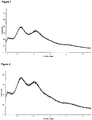
Figure 1 shows the XR powder diffractogram of solifenacin stabilized as described in Example 1. -
Figure 2 shows the XR powder diffractogram of solifenacin stabilized as described in Example 1 after 4 weeks closed storage at 40°C and 75% relative humidity. - The following examples are merely intended to illustrate the invention and should not be construed as limiting.
- Preparation of stabilized amorphous solifenacin by spray drying:
30 g of Collidon 64 (PVP-VA) are solved in 665 g of demineralized water under rigorous stirring, followed by addition of 5 g of solifenacin succinate. The obtained solution is pumped by a peristaltic pump with 5 - 7 g/min into a spray dryer (Buchi B-191), and the obtained coprecipitate is separated by a cyclone. Parameters used: delivery air ventilator 90 %, delivery air temperature 130°C, exhaust air temperature 65 - 75°C, amount of air 0.7 liters/hour. - Preparation of stabilized amorphous solifenacin by spray drying:
The stabilized amorphous solifenacin was obtained as described in Reference Example 1, except that 30 g of methylcellulose (MC) was used instead of collidon. - Preparation of stabilized amorphous solifenacin by spray drying:
100 g of hydroxypropylmethylcellulose and 20 g of solifenacin succiante were dissolved in 1800 g of deminerlized water under stirring. The obtained solution is pumped by a peristaltic pump with 6 g/min into a spray dryer (Buchi B-191), and the obtained coprecipitate is separated by a cyclone. Parameters used: delivery air ventilator 96 %, delivery air temperature 130°C, exhaust air temperature 70°C. - Preparation of stabilized amorphous solifenacin by melt extrusion:
The stabilizer (PVP-VA, polymethacrylate, mannitol, maltitol, Eudragit E, Kollidon VA 64 or Isomalt) and solifenacin were mixed in a ratio of 5 parts : 1 part by weight in a drum mixer (300 g stabilizer + 50 g solifenacin succinate), and the resulting mixture was dosed into a double screw extruder (dosing rate: about 1 kg/hour). - The extruder consists of seven individually heatable cylinders, which are heated depending on the other parameters, such as materials used and dosing rate. The maximum temperature was set to slightly above the melting point of the active ingredient, i.e. solifenacin succinate, at 150 - 160°C. The screws of the double screw extruder transported the material through the different zones and comprised mixing elements, kneading elements or addition of mechanical energy as well as elements for applying pressure. The speed of the screws was about 150 rpm. At the exit (nozzle) of the extruder the melted material was pressed through eight holes with a diameter of 1 mm. The resulting extruded strings solidified and cooled after discharge and were converted into small particles afterwards in a grinder.
- Preparation of stabilized amorphous solifenacin by grinding:
5 - 8 parts per weight of stabilizer (MC) and one part by weight of solifenacin succinate were mixed together and placed into a jar of a high energy planetary mill at ambient temperature and under dry nitrogen atmosphere (jar volume: 45 cm3). 6 - 10 ZrO2 balls (diameter: 15 mm) were added, and the mixture was grinded for at least 10 hours at 4,000 rpm. - The obtained powder showed a halo picture like XDR and the glass transition point shifted of about 40°C with respect to unstabilized solifenacin (DSC measurement), indicating amorphous stabilized solifenacin.
- Preparation of stabilized amorphous solifenacin by lyophilization with polymer:
5 g of hydroxypropylmethylcellulose (stabilizer) and 1 g of solifenacin succinate were dissolved in 50 g of demineralized water under stirring. The solution was lyophilized in a freeze dryer Christ epsilon 2-4. The solution was frozen under -30°C and than the water was sublimated under vacuum pressure between 1-0,001 mbar and a temperature between -30°C to +20°C. - 60 mg of coprecipitate, obtained by spray drying as described in example 2 or 3 is mixed with 43.5 mg of lactose monohydrate (diluent), 30 mg of corn starch (disintegrant) and 1.5 mg of magnesium stearate (lubricant), followed by direct compression of said mixture into tablets.
- 60 mg of coprecipitate, obtained by spray drying as described in example 2 or 3 is mixed with 1.2 mg talcum in a free fall mixer (Turbula). 90 mg of sodium bicarbonate was added and mixed for 15 minutes, followed by roller compaction, milling and sieving. 1.5 mg magnesium stearate was mixed with the other milled excipients for 3 minutes. Tablets were compressed with a single rotary tablet machine (Fette 102i).
- 60 mg of coprecipitate, obtained by spray drying as described in example 2 or 3 is mixed with 3 mg talcum in a free fall mixer (Turbula). 86 mg of sodium bicarbonate was added and mixed for 15 minutes, followed by roller compaction. After compaction, the granules were milled and sieved and 1 mg stearyl fumarate was sieved and added to the other excipients, followed by 3 additional minutes of mixing before compressing the tablets with a single rotary tablet machine (Fette 102i).
- 60 mg of lyophilisate, obtained by lyophilization of 10 mg of solifenacin succinate with 50 mg of hydroxypropylmethylcellulose as described in example 6, were mixed with 43 mg of L-HPC (low-substituted hydroxypropylcellulose; binder/diluent/disintegrant), 30 mg of lactose monohydrate (diluent/binder), 0.5 mg of colloidal silicium dioxide (glidant) and 1.5 mg of sodium stearyl fumarate (lubricant), followed by direct compression of said mixture into tablets.
- 60 mg of coprecipitate, obtained by spray drying of 10 mg of solifenacin succinate with 50 mg of MC were mixed with 64.5 mg of lactose monohydrate (binder/diluent), 2.5 mg of povidone (binder), 6.0 mg of crospovidone (disintegrant), 0.5 mg of colloidal silicium dioxide (glidant) and 1.5 mg of magnesium stearate (lubricant), followed by direct compression of said mixture into tablets.
Table I Stability data of stabilized solifenacin as obtained in Example 2 Storage conditions 40°C, 75% relative humidity, closed glass bottlesinitial 4 weeks 8 weeks 12 weeks water by Karl-Fischer 1.5 2.2 n.a. 2.6 Assay by HPLC % from target 100 98.2 98.8 97.4 related substances by HPLC Total % 0.10 0.16 0.18 0.22 optical purity by HPLC % 100 100 n.a. 100 n.a.: not analyzed
Claims (13)
- Pharmaceutical composition comprising solifenacin or a pharmaceutically acceptable salt thereof, characterized in that more than 92 wt % of the solifenacin or a pharmaceutically acceptable salt thereof, based on the total weight of the solifenacin or its pharmaceutically acceptable salt, is present in the composition in amorphous form, the composition comprises a stabilizer selected from hydroxypropyl methyl cellulose and methyl cellulose and the ratio of the stabilizer to amorphous solifenacin or a pharmaceutically acceptable salt thereof based on parts per weight is at least 5:1.
- Pharmaceutical composition according to claim 1, wherein the amorphous solifenacin or a pharmaceutically acceptable salt thereof is stabilized by the stabilizer.
- Pharmaceutical composition according to claims 1 or 2, wherein the solifenacin or a pharmaceutically acceptable salt thereof is at least partially coated by the stabilizer.
- Pharmaceutical composition according to any of the preceding claims, wherein the stabilized solifenacin is characterized by an increase in glass transition temperature of 30°C to 60°C.
- Pharmaceutical composition according to any of the preceding claims, wherein the ratio of the stabilizer to amorphous solifenacin or the pharmaceutically acceptable salt thereof based on parts per weight is 5:1 to 10:1.
- Pharmaceutical composition according to any of the preceding claims, wherein the amorphous solifenacin or a pharmaceutically acceptable salt thereof is present in form of particles having a particle size of 10 µm to 200 µm.
- Pharmaceutical composition according to any of the preceding claims, characterized in that the composition comprises one or more excipients or adjuvants, selected from the group consisting of diluents, disintegrants, binders, glidants and lubricants.
- Pharmaceutical composition according to any of the preceding claims, characterized in that it further comprises
0 to 80 wt % of a diluent,
0 to 20 wt % of a disintegrant,
0 to 10 wt % of a binder,
0 to 2 wt % of a glidant and
0 to 2 wt % of a lubricant,
each based on the total weight of the composition. - Pharmaceutical composition according to any of the preceding claims, which is in form of a solid pharmaceutical composition, in particular a tablet.
- Solid pharmaceutical composition according to claim 9, obtainable by direct compression.
- Tablet according to claim 9 or 10 which is an oral dispersible tablet.
- Process for the preparation of a pharmaceutical composition as defined in any of the preceding claims comprisinga) spray drying of a solution or dispersion of the solifenacin or a pharmaceutically acceptable salt thereof and a stabilizer, orb) melt extruding of a mixture of solifenacin or a pharmaceutically acceptable salt thereof and a stabilizer, orc) grinding of a mixture of solifenacin or a pharmaceutically acceptable salt thereof and a stabilizer, ord) lyophilizing of a mixture of solifenacin or a pharmaceutically acceptable salt thereof and a stabilizer, ande) optionally adding excipients and/or adjuvants to the stabilized amorphous solifenacin obtained in steps a), b), c), or d) andf) optionally using the mixture obtained in steps a), b), c), d) or e) for the preparation of a solid pharmaceutical composition, preferably pressing the mixture obtained in steps a), b), c), d) or e) into a solid pharmaceutical composition, in particular a tablet;
wherein the stabilizer is selected from hydroxypropyl methyl cellulose and methyl cellulose and the ratio of the stabilizer to solifenacin or a pharmaceutically acceptable salt thereof based on parts per weight is at least 5:1. - Process according to claim 12, wherein the solid pharmaceutical composition of step f) is a tablet.
Priority Applications (1)
| Application Number | Priority Date | Filing Date | Title |
|---|---|---|---|
| EP08785000.4A EP2178507B1 (en) | 2007-07-24 | 2008-07-23 | Pharmaceutical composition comprising solifenacin or a pharmaceutically acceptable salt thereof |
Applications Claiming Priority (3)
| Application Number | Priority Date | Filing Date | Title |
|---|---|---|---|
| EP07014500A EP2018850A1 (en) | 2007-07-24 | 2007-07-24 | Pharmaceutical composition comprising solifenacin or a pharmaceutically acceptable salt thereof |
| EP08785000.4A EP2178507B1 (en) | 2007-07-24 | 2008-07-23 | Pharmaceutical composition comprising solifenacin or a pharmaceutically acceptable salt thereof |
| PCT/EP2008/006047 WO2009012987A1 (en) | 2007-07-24 | 2008-07-23 | Pharmaceutical composition comprising solifenacin or a pharmaceutically acceptable salt thereof |
Publications (2)
| Publication Number | Publication Date |
|---|---|
| EP2178507A1 EP2178507A1 (en) | 2010-04-28 |
| EP2178507B1 true EP2178507B1 (en) | 2019-05-15 |
Family
ID=38837818
Family Applications (2)
| Application Number | Title | Priority Date | Filing Date |
|---|---|---|---|
| EP07014500A Withdrawn EP2018850A1 (en) | 2007-07-24 | 2007-07-24 | Pharmaceutical composition comprising solifenacin or a pharmaceutically acceptable salt thereof |
| EP08785000.4A Active EP2178507B1 (en) | 2007-07-24 | 2008-07-23 | Pharmaceutical composition comprising solifenacin or a pharmaceutically acceptable salt thereof |
Family Applications Before (1)
| Application Number | Title | Priority Date | Filing Date |
|---|---|---|---|
| EP07014500A Withdrawn EP2018850A1 (en) | 2007-07-24 | 2007-07-24 | Pharmaceutical composition comprising solifenacin or a pharmaceutically acceptable salt thereof |
Country Status (5)
| Country | Link |
|---|---|
| EP (2) | EP2018850A1 (en) |
| CA (1) | CA2693179A1 (en) |
| EA (1) | EA020333B1 (en) |
| ES (1) | ES2740674T3 (en) |
| WO (1) | WO2009012987A1 (en) |
Families Citing this family (10)
| Publication number | Priority date | Publication date | Assignee | Title |
|---|---|---|---|---|
| SG173528A1 (en) | 2009-02-04 | 2011-09-29 | Astellas Pharma Inc | Pharmaceutical composition for oral administration |
| ES2609061T3 (en) | 2009-02-27 | 2017-04-18 | Krka, D.D., Novo Mesto | Procedure for forming solid oral pharmaceutical forms of solifenacin and its pharmaceutically acceptable salts |
| WO2010113840A1 (en) * | 2009-03-30 | 2010-10-07 | アステラス製薬株式会社 | Solid pharmaceutical composition containing amorphous body of solifenacin |
| WO2011137877A2 (en) * | 2010-05-07 | 2011-11-10 | Zentiva K.S. | A pharmaceutical composition containing solifenacin and a method of its manufacture |
| EP2500013B1 (en) | 2011-03-15 | 2019-10-02 | Alfred E. Tiefenbacher (GmbH & Co. KG) | Pharmaceutical composition comprising solifenacin |
| EP2778167A1 (en) | 2013-03-11 | 2014-09-17 | Abdi Ibrahim Ilac Sanayi Ve Ticaret Anonim Sirketi | Stable pharmaceutical composition comprising amorphous solifenacin or its pharmaceutically acceptable salt |
| KR20150092385A (en) | 2014-02-03 | 2015-08-13 | 씨제이헬스케어 주식회사 | Stable pharmaceutical composition comprising solifenacin, and method for preparing the same |
| WO2015170237A1 (en) * | 2014-05-05 | 2015-11-12 | Torrent Pharmaceuticals Limited | Stable solifenacin composition |
| KR101977890B1 (en) * | 2018-05-08 | 2019-05-13 | 씨제이헬스케어 주식회사 | Stable pharmaceutical composition comprising solifenacin, and method for preparing the same |
| WO2022117594A1 (en) | 2020-12-01 | 2022-06-09 | Adamed Pharma S.A. | Orally-administered preparation containing solifenacin and tamsulosin |
Family Cites Families (3)
| Publication number | Priority date | Publication date | Assignee | Title |
|---|---|---|---|---|
| NO2005012I1 (en) * | 1994-12-28 | 2005-06-06 | Debio Rech Pharma Sa | Triptorelin and pharmaceutically acceptable salts thereof |
| MXPA06010908A (en) * | 2004-03-25 | 2006-12-15 | Astellas Pharma Inc | Composition for solid pharmaceutical preparation of solifenacin or salt thereof. |
| AU2005320672B2 (en) * | 2004-12-27 | 2011-01-06 | Astellas Pharma Inc. | Stable particulate pharmaceutical composition of solifenacin or salt thereof |
-
2007
- 2007-07-24 EP EP07014500A patent/EP2018850A1/en not_active Withdrawn
-
2008
- 2008-07-23 CA CA2693179A patent/CA2693179A1/en not_active Abandoned
- 2008-07-23 EA EA201000039A patent/EA020333B1/en not_active IP Right Cessation
- 2008-07-23 WO PCT/EP2008/006047 patent/WO2009012987A1/en not_active Ceased
- 2008-07-23 ES ES08785000T patent/ES2740674T3/en active Active
- 2008-07-23 EP EP08785000.4A patent/EP2178507B1/en active Active
Non-Patent Citations (1)
| Title |
|---|
| HAJIME KONNO ET AL.: "ability of different polymers to inhibit the crystallization of amorphous felodipine in the presence of moisture", PHARMACEUTICAL RESEARCH, vol. 25, no. 4, 23 May 2007 (2007-05-23), pages 969 - 978, XP019613023 * |
Also Published As
| Publication number | Publication date |
|---|---|
| EA201000039A1 (en) | 2010-08-30 |
| CA2693179A1 (en) | 2009-01-29 |
| EP2178507A1 (en) | 2010-04-28 |
| WO2009012987A1 (en) | 2009-01-29 |
| EP2018850A1 (en) | 2009-01-28 |
| ES2740674T3 (en) | 2020-02-06 |
| EA020333B1 (en) | 2014-10-30 |
Similar Documents
| Publication | Publication Date | Title |
|---|---|---|
| EP2178507A1 (en) | Pharmaceutical composition comprising solifenacin or a pharmaceutically acceptable salt thereof | |
| KR100981905B1 (en) | Solid Forms Containing Single Crystalline Forms | |
| AU2010297357B2 (en) | (Z)-2-cyano-3-hydroxy-but-2-enoic acid-(4'-trifluormethylphenyl)-amide tablet formulations with improved stability | |
| EP2554169B1 (en) | Pharmaceutical preparation comprising phenylalanine derivative | |
| JP2010501525A (en) | Preparation method of pramipexole dihydrochloride tablets | |
| WO2016062860A1 (en) | Amorphous vortioxetine hydrobromide | |
| SI21223A (en) | Pharmaceutical composition with stabilised amorphous donepezil,chloride | |
| JP6399115B2 (en) | Solid pharmaceutical composition containing a compound having angiotensin II antagonistic activity | |
| EP3860606B1 (en) | Pharmaceutical composition comprising lenvatinib esylate or tosylate | |
| EP2508172A1 (en) | Stable and uniform formulations of entecavir and preparation method thereof | |
| US20070166372A1 (en) | Preparation of solid coprecipitates of amorphous valsartan | |
| WO2008122638A2 (en) | Process for preparing pramipexole dihydrochloride tablets | |
| WO2021220295A1 (en) | Immediate release pharmaceutical compositions comprising palbociclib | |
| WO2020032885A2 (en) | Capsule-in-capsule compositions of dabigatran etexilate | |
| WO2019004980A2 (en) | Solid oral pharmaceutical compositions of dabigatran etexilate | |
| WO2018079570A1 (en) | Stable pharmaceutical composition | |
| CN1934109B (en) | Composition of solifenacin or salt thereof for solid preparation | |
| US20080254118A1 (en) | Process for preparing pramipexole dihydrochloride tablets | |
| AU2018293361B2 (en) | Solid oral pharmaceutical compositions of dabigatran etexilate | |
| KR20130014787A (en) | A manufacturing process of composition comprising solifenacin | |
| EP4393474A1 (en) | A formulation comprising selexipag | |
| EP4393475A1 (en) | Formulations comprising selexipag | |
| WO2015150944A1 (en) | Solid oral pharmaceutical compositions comprising cinacalcet or a salt thereof | |
| WO2016063542A1 (en) | Solid pharmaceutical composition | |
| KR20230048032A (en) | Oral solid preparation containing carbamate compound and preparation method thereof |
Legal Events
| Date | Code | Title | Description |
|---|---|---|---|
| PUAI | Public reference made under article 153(3) epc to a published international application that has entered the european phase |
Free format text: ORIGINAL CODE: 0009012 |
|
| 17P | Request for examination filed |
Effective date: 20091209 |
|
| AK | Designated contracting states |
Kind code of ref document: A1 Designated state(s): AT BE BG CH CY CZ DE DK EE ES FI FR GB GR HR HU IE IS IT LI LT LU LV MC MT NL NO PL PT RO SE SI SK TR |
|
| AX | Request for extension of the european patent |
Extension state: AL BA MK RS |
|
| RIN1 | Information on inventor provided before grant (corrected) |
Inventor name: PAETZ, JANA Inventor name: BRUECK, SANDRA Inventor name: MUSKULUS, FRANK Inventor name: RIMKUS, KATRIN Inventor name: KOELLNER, GERTRAUD Inventor name: KOTSCHENREUTHER, DUNJA Inventor name: ALLES, RAINER |
|
| 17Q | First examination report despatched |
Effective date: 20100712 |
|
| DAX | Request for extension of the european patent (deleted) | ||
| RAP1 | Party data changed (applicant data changed or rights of an application transferred) |
Owner name: RATIOPHARM GMBH |
|
| STAA | Information on the status of an ep patent application or granted ep patent |
Free format text: STATUS: EXAMINATION IS IN PROGRESS |
|
| GRAP | Despatch of communication of intention to grant a patent |
Free format text: ORIGINAL CODE: EPIDOSNIGR1 |
|
| STAA | Information on the status of an ep patent application or granted ep patent |
Free format text: STATUS: GRANT OF PATENT IS INTENDED |
|
| INTG | Intention to grant announced |
Effective date: 20181220 |
|
| GRAS | Grant fee paid |
Free format text: ORIGINAL CODE: EPIDOSNIGR3 |
|
| GRAA | (expected) grant |
Free format text: ORIGINAL CODE: 0009210 |
|
| STAA | Information on the status of an ep patent application or granted ep patent |
Free format text: STATUS: THE PATENT HAS BEEN GRANTED |
|
| AK | Designated contracting states |
Kind code of ref document: B1 Designated state(s): AT BE BG CH CY CZ DE DK EE ES FI FR GB GR HR HU IE IS IT LI LT LU LV MC MT NL NO PL PT RO SE SI SK TR |
|
| REG | Reference to a national code |
Ref country code: GB Ref legal event code: FG4D Ref country code: CH Ref legal event code: EP |
|
| REG | Reference to a national code |
Ref country code: DE Ref legal event code: R096 Ref document number: 602008060099 Country of ref document: DE |
|
| REG | Reference to a national code |
Ref country code: IE Ref legal event code: FG4D |
|
| REG | Reference to a national code |
Ref country code: NL Ref legal event code: FP |
|
| REG | Reference to a national code |
Ref country code: LT Ref legal event code: MG4D |
|
| PG25 | Lapsed in a contracting state [announced via postgrant information from national office to epo] |
Ref country code: NO Free format text: LAPSE BECAUSE OF FAILURE TO SUBMIT A TRANSLATION OF THE DESCRIPTION OR TO PAY THE FEE WITHIN THE PRESCRIBED TIME-LIMIT Effective date: 20190815 Ref country code: FI Free format text: LAPSE BECAUSE OF FAILURE TO SUBMIT A TRANSLATION OF THE DESCRIPTION OR TO PAY THE FEE WITHIN THE PRESCRIBED TIME-LIMIT Effective date: 20190515 Ref country code: HR Free format text: LAPSE BECAUSE OF FAILURE TO SUBMIT A TRANSLATION OF THE DESCRIPTION OR TO PAY THE FEE WITHIN THE PRESCRIBED TIME-LIMIT Effective date: 20190515 Ref country code: LT Free format text: LAPSE BECAUSE OF FAILURE TO SUBMIT A TRANSLATION OF THE DESCRIPTION OR TO PAY THE FEE WITHIN THE PRESCRIBED TIME-LIMIT Effective date: 20190515 Ref country code: SE Free format text: LAPSE BECAUSE OF FAILURE TO SUBMIT A TRANSLATION OF THE DESCRIPTION OR TO PAY THE FEE WITHIN THE PRESCRIBED TIME-LIMIT Effective date: 20190515 Ref country code: PT Free format text: LAPSE BECAUSE OF FAILURE TO SUBMIT A TRANSLATION OF THE DESCRIPTION OR TO PAY THE FEE WITHIN THE PRESCRIBED TIME-LIMIT Effective date: 20190915 |
|
| PG25 | Lapsed in a contracting state [announced via postgrant information from national office to epo] |
Ref country code: LV Free format text: LAPSE BECAUSE OF FAILURE TO SUBMIT A TRANSLATION OF THE DESCRIPTION OR TO PAY THE FEE WITHIN THE PRESCRIBED TIME-LIMIT Effective date: 20190515 Ref country code: BG Free format text: LAPSE BECAUSE OF FAILURE TO SUBMIT A TRANSLATION OF THE DESCRIPTION OR TO PAY THE FEE WITHIN THE PRESCRIBED TIME-LIMIT Effective date: 20190815 Ref country code: GR Free format text: LAPSE BECAUSE OF FAILURE TO SUBMIT A TRANSLATION OF THE DESCRIPTION OR TO PAY THE FEE WITHIN THE PRESCRIBED TIME-LIMIT Effective date: 20190816 |
|
| REG | Reference to a national code |
Ref country code: AT Ref legal event code: MK05 Ref document number: 1132610 Country of ref document: AT Kind code of ref document: T Effective date: 20190515 |
|
| PG25 | Lapsed in a contracting state [announced via postgrant information from national office to epo] |
Ref country code: EE Free format text: LAPSE BECAUSE OF FAILURE TO SUBMIT A TRANSLATION OF THE DESCRIPTION OR TO PAY THE FEE WITHIN THE PRESCRIBED TIME-LIMIT Effective date: 20190515 Ref country code: SK Free format text: LAPSE BECAUSE OF FAILURE TO SUBMIT A TRANSLATION OF THE DESCRIPTION OR TO PAY THE FEE WITHIN THE PRESCRIBED TIME-LIMIT Effective date: 20190515 Ref country code: RO Free format text: LAPSE BECAUSE OF FAILURE TO SUBMIT A TRANSLATION OF THE DESCRIPTION OR TO PAY THE FEE WITHIN THE PRESCRIBED TIME-LIMIT Effective date: 20190515 Ref country code: CZ Free format text: LAPSE BECAUSE OF FAILURE TO SUBMIT A TRANSLATION OF THE DESCRIPTION OR TO PAY THE FEE WITHIN THE PRESCRIBED TIME-LIMIT Effective date: 20190515 Ref country code: DK Free format text: LAPSE BECAUSE OF FAILURE TO SUBMIT A TRANSLATION OF THE DESCRIPTION OR TO PAY THE FEE WITHIN THE PRESCRIBED TIME-LIMIT Effective date: 20190515 Ref country code: AT Free format text: LAPSE BECAUSE OF FAILURE TO SUBMIT A TRANSLATION OF THE DESCRIPTION OR TO PAY THE FEE WITHIN THE PRESCRIBED TIME-LIMIT Effective date: 20190515 |
|
| REG | Reference to a national code |
Ref country code: ES Ref legal event code: FG2A Ref document number: 2740674 Country of ref document: ES Kind code of ref document: T3 Effective date: 20200206 |
|
| REG | Reference to a national code |
Ref country code: DE Ref legal event code: R097 Ref document number: 602008060099 Country of ref document: DE |
|
| PG25 | Lapsed in a contracting state [announced via postgrant information from national office to epo] |
Ref country code: MC Free format text: LAPSE BECAUSE OF FAILURE TO SUBMIT A TRANSLATION OF THE DESCRIPTION OR TO PAY THE FEE WITHIN THE PRESCRIBED TIME-LIMIT Effective date: 20190515 |
|
| REG | Reference to a national code |
Ref country code: CH Ref legal event code: PL |
|
| PLBE | No opposition filed within time limit |
Free format text: ORIGINAL CODE: 0009261 |
|
| STAA | Information on the status of an ep patent application or granted ep patent |
Free format text: STATUS: NO OPPOSITION FILED WITHIN TIME LIMIT |
|
| PG25 | Lapsed in a contracting state [announced via postgrant information from national office to epo] |
Ref country code: TR Free format text: LAPSE BECAUSE OF FAILURE TO SUBMIT A TRANSLATION OF THE DESCRIPTION OR TO PAY THE FEE WITHIN THE PRESCRIBED TIME-LIMIT Effective date: 20190515 |
|
| REG | Reference to a national code |
Ref country code: BE Ref legal event code: MM Effective date: 20190731 |
|
| 26N | No opposition filed |
Effective date: 20200218 |
|
| PG25 | Lapsed in a contracting state [announced via postgrant information from national office to epo] |
Ref country code: PL Free format text: LAPSE BECAUSE OF FAILURE TO SUBMIT A TRANSLATION OF THE DESCRIPTION OR TO PAY THE FEE WITHIN THE PRESCRIBED TIME-LIMIT Effective date: 20190515 |
|
| PG25 | Lapsed in a contracting state [announced via postgrant information from national office to epo] |
Ref country code: LU Free format text: LAPSE BECAUSE OF NON-PAYMENT OF DUE FEES Effective date: 20190723 Ref country code: SI Free format text: LAPSE BECAUSE OF FAILURE TO SUBMIT A TRANSLATION OF THE DESCRIPTION OR TO PAY THE FEE WITHIN THE PRESCRIBED TIME-LIMIT Effective date: 20190515 Ref country code: CH Free format text: LAPSE BECAUSE OF NON-PAYMENT OF DUE FEES Effective date: 20190731 Ref country code: BE Free format text: LAPSE BECAUSE OF NON-PAYMENT OF DUE FEES Effective date: 20190731 Ref country code: LI Free format text: LAPSE BECAUSE OF NON-PAYMENT OF DUE FEES Effective date: 20190731 |
|
| PG25 | Lapsed in a contracting state [announced via postgrant information from national office to epo] |
Ref country code: IE Free format text: LAPSE BECAUSE OF NON-PAYMENT OF DUE FEES Effective date: 20190723 |
|
| PG25 | Lapsed in a contracting state [announced via postgrant information from national office to epo] |
Ref country code: CY Free format text: LAPSE BECAUSE OF FAILURE TO SUBMIT A TRANSLATION OF THE DESCRIPTION OR TO PAY THE FEE WITHIN THE PRESCRIBED TIME-LIMIT Effective date: 20190515 |
|
| PG25 | Lapsed in a contracting state [announced via postgrant information from national office to epo] |
Ref country code: IS Free format text: LAPSE BECAUSE OF FAILURE TO SUBMIT A TRANSLATION OF THE DESCRIPTION OR TO PAY THE FEE WITHIN THE PRESCRIBED TIME-LIMIT Effective date: 20190915 |
|
| PG25 | Lapsed in a contracting state [announced via postgrant information from national office to epo] |
Ref country code: MT Free format text: LAPSE BECAUSE OF FAILURE TO SUBMIT A TRANSLATION OF THE DESCRIPTION OR TO PAY THE FEE WITHIN THE PRESCRIBED TIME-LIMIT Effective date: 20190515 Ref country code: HU Free format text: LAPSE BECAUSE OF FAILURE TO SUBMIT A TRANSLATION OF THE DESCRIPTION OR TO PAY THE FEE WITHIN THE PRESCRIBED TIME-LIMIT; INVALID AB INITIO Effective date: 20080723 |
|
| P01 | Opt-out of the competence of the unified patent court (upc) registered |
Effective date: 20230518 |
|
| REG | Reference to a national code |
Ref country code: DE Ref legal event code: R082 Ref document number: 602008060099 Country of ref document: DE Representative=s name: KRAUS & LEDERER PARTGMBB, DE |
|
| PGFP | Annual fee paid to national office [announced via postgrant information from national office to epo] |
Ref country code: GB Payment date: 20250619 Year of fee payment: 18 |
|
| PGFP | Annual fee paid to national office [announced via postgrant information from national office to epo] |
Ref country code: NL Payment date: 20250620 Year of fee payment: 18 |
|
| PGFP | Annual fee paid to national office [announced via postgrant information from national office to epo] |
Ref country code: FR Payment date: 20250620 Year of fee payment: 18 |
|
| PGFP | Annual fee paid to national office [announced via postgrant information from national office to epo] |
Ref country code: ES Payment date: 20250801 Year of fee payment: 18 |
|
| PGFP | Annual fee paid to national office [announced via postgrant information from national office to epo] |
Ref country code: DE Payment date: 20250620 Year of fee payment: 18 |
|
| PGFP | Annual fee paid to national office [announced via postgrant information from national office to epo] |
Ref country code: IT Payment date: 20250619 Year of fee payment: 18 |