EP2174666B1 - Medicinal agent for treatment of amyloid beta-induced cerebral circulation or cerebral blood flow disorders - Google Patents
Medicinal agent for treatment of amyloid beta-induced cerebral circulation or cerebral blood flow disorders Download PDFInfo
- Publication number
- EP2174666B1 EP2174666B1 EP08765314.3A EP08765314A EP2174666B1 EP 2174666 B1 EP2174666 B1 EP 2174666B1 EP 08765314 A EP08765314 A EP 08765314A EP 2174666 B1 EP2174666 B1 EP 2174666B1
- Authority
- EP
- European Patent Office
- Prior art keywords
- phenyl
- day
- disease
- test
- olmesartan
- Prior art date
- Legal status (The legal status is an assumption and is not a legal conclusion. Google has not performed a legal analysis and makes no representation as to the accuracy of the status listed.)
- Active
Links
Images






Classifications
-
- A—HUMAN NECESSITIES
- A61—MEDICAL OR VETERINARY SCIENCE; HYGIENE
- A61K—PREPARATIONS FOR MEDICAL, DENTAL OR TOILETRY PURPOSES
- A61K31/00—Medicinal preparations containing organic active ingredients
- A61K31/33—Heterocyclic compounds
- A61K31/395—Heterocyclic compounds having nitrogen as a ring hetero atom, e.g. guanethidine or rifamycins
- A61K31/41—Heterocyclic compounds having nitrogen as a ring hetero atom, e.g. guanethidine or rifamycins having five-membered rings with two or more ring hetero atoms, at least one of which being nitrogen, e.g. tetrazole
-
- A—HUMAN NECESSITIES
- A61—MEDICAL OR VETERINARY SCIENCE; HYGIENE
- A61K—PREPARATIONS FOR MEDICAL, DENTAL OR TOILETRY PURPOSES
- A61K31/00—Medicinal preparations containing organic active ingredients
- A61K31/33—Heterocyclic compounds
- A61K31/395—Heterocyclic compounds having nitrogen as a ring hetero atom, e.g. guanethidine or rifamycins
- A61K31/41—Heterocyclic compounds having nitrogen as a ring hetero atom, e.g. guanethidine or rifamycins having five-membered rings with two or more ring hetero atoms, at least one of which being nitrogen, e.g. tetrazole
- A61K31/4164—1,3-Diazoles
- A61K31/4178—1,3-Diazoles not condensed 1,3-diazoles and containing further heterocyclic rings, e.g. pilocarpine, nitrofurantoin
-
- A—HUMAN NECESSITIES
- A61—MEDICAL OR VETERINARY SCIENCE; HYGIENE
- A61K—PREPARATIONS FOR MEDICAL, DENTAL OR TOILETRY PURPOSES
- A61K31/00—Medicinal preparations containing organic active ingredients
- A61K31/33—Heterocyclic compounds
- A61K31/395—Heterocyclic compounds having nitrogen as a ring hetero atom, e.g. guanethidine or rifamycins
- A61K31/41—Heterocyclic compounds having nitrogen as a ring hetero atom, e.g. guanethidine or rifamycins having five-membered rings with two or more ring hetero atoms, at least one of which being nitrogen, e.g. tetrazole
- A61K31/4164—1,3-Diazoles
- A61K31/4184—1,3-Diazoles condensed with carbocyclic rings, e.g. benzimidazoles
-
- A—HUMAN NECESSITIES
- A61—MEDICAL OR VETERINARY SCIENCE; HYGIENE
- A61K—PREPARATIONS FOR MEDICAL, DENTAL OR TOILETRY PURPOSES
- A61K31/00—Medicinal preparations containing organic active ingredients
- A61K31/33—Heterocyclic compounds
- A61K31/395—Heterocyclic compounds having nitrogen as a ring hetero atom, e.g. guanethidine or rifamycins
- A61K31/435—Heterocyclic compounds having nitrogen as a ring hetero atom, e.g. guanethidine or rifamycins having six-membered rings with one nitrogen as the only ring hetero atom
- A61K31/44—Non condensed pyridines; Hydrogenated derivatives thereof
- A61K31/445—Non condensed piperidines, e.g. piperocaine
- A61K31/4523—Non condensed piperidines, e.g. piperocaine containing further heterocyclic ring systems
- A61K31/454—Non condensed piperidines, e.g. piperocaine containing further heterocyclic ring systems containing a five-membered ring with nitrogen as a ring hetero atom, e.g. pimozide, domperidone
-
- A—HUMAN NECESSITIES
- A61—MEDICAL OR VETERINARY SCIENCE; HYGIENE
- A61P—SPECIFIC THERAPEUTIC ACTIVITY OF CHEMICAL COMPOUNDS OR MEDICINAL PREPARATIONS
- A61P25/00—Drugs for disorders of the nervous system
- A61P25/28—Drugs for disorders of the nervous system for treating neurodegenerative disorders of the central nervous system, e.g. nootropic agents, cognition enhancers, drugs for treating Alzheimer's disease or other forms of dementia
-
- A—HUMAN NECESSITIES
- A61—MEDICAL OR VETERINARY SCIENCE; HYGIENE
- A61P—SPECIFIC THERAPEUTIC ACTIVITY OF CHEMICAL COMPOUNDS OR MEDICINAL PREPARATIONS
- A61P43/00—Drugs for specific purposes, not provided for in groups A61P1/00-A61P41/00
-
- A—HUMAN NECESSITIES
- A61—MEDICAL OR VETERINARY SCIENCE; HYGIENE
- A61P—SPECIFIC THERAPEUTIC ACTIVITY OF CHEMICAL COMPOUNDS OR MEDICINAL PREPARATIONS
- A61P7/00—Drugs for disorders of the blood or the extracellular fluid
Definitions
- the present invention relates to a medicament for treating, amyloid ⁇ -induced cerebral circulation or cerebral blood flow disorders comprising an angiotensin II receptor blocker as an active ingredient.
- Non-Patent Document 1 Launer LJ et al., Neurology 52:78, 1999
- Non-Patent Document 2 Forette F et al., Lancet 352:1347, 1998
- WO 2007/112288 published 4 October 2007 discloses olmesartan medoxomil for use in reducing A ⁇ 1-40 and A ⁇ 1-42 generation.
- the present inventors examined the therapeutic effect of orally administered olmesartan using a mouse model called "A ⁇ injection model" which initiates cognitive impairment upon acute administration of amyloid ⁇ (a probable causative agent of Alzheimer's disease) to the lateral ventricle ( Fig. 1 ).
- a ⁇ injection model which initiates cognitive impairment upon acute administration of amyloid ⁇ (a probable causative agent of Alzheimer's disease) to the lateral ventricle ( Fig. 1 ).
- “Morris water maze test” which evaluates spatial reference memory was used.
- the cognitive impairment seen in this model was ameliorated ( Figs. 3 to 6 ). It was suggested that this effect is especially great at the dose level of olmesartan 1 mg/kg/day or less at which no excessive lowering in blood pressure occurs ( Figs. 3 to 6 ).
- amyloid ⁇ -impaired cerebrovascular activity was improved (probably because of the antioxidative effect, etc. of olmesartan) and that improved cerebral circulation enhanced the excretion of amyloid ⁇ from the brain ( Figs. 19 to 21 ).
- the present invention may be summarized as follows.
- olmesartan a type of angiotensin II receptor blocker
- this drug olmesartan
- this drug has been used clinically as an antihypertensive drug, it is remarkably characteristic that Alzheimer's disease patients will have little problem in terms of safety in receiving oral administration of this drug.
- the angiotensin II receptor blocker is olmesartan medoxomil.
- olmesartan medoxomil may be prepared easily according to the method disclosed, for example, in Japanese Patent No. 2082519 (United States Patent No. 5,616,599 ).
- Table 1 Compound No. R 1 R 2 R 3 R 4 R 5 R 6 29 Pr Me Me H H Tz 37 Pr Me Me H Mod Tz Abbreviations used in the above Table indicate the following groups.
- Me methyl group Mod: (5-methyl-2-oxo-1,3-dioxolen-4-yl)methyl group
- Pr propyl group
- Tz tetrazol-5-yl group
- Illustrated compound No. 29 4-(1-hydroxy-1-methylethyl)-2-propyl-1-[4-[2-(tetrazol-5-yl)phenyl]phenyl]methylimidazole-5-carboxylic acid (Japanese designation: olmesartan), and
- Illustrated compound No. 37 (5-methyl-2-oxo-1,3-dioxolen-4-yl)methyl 4-(1-hydroxy-1-methylethyl)-2-propyl-1-[4-[2-(tetrazol-5-yl)phenyl]phenyl]methyl-imidazole-5-c arboxylate (Japanese designation: olmesartan medoxomil).
- Olmesartan medoxomil is a prodrug of olmesartan (illustrated compound No. 29), in which the carboxylic acid at position 5 of the imidazole ring is medoxomil ester. Upon oral administration, this prodrug is hydrolyzed by esterase, mainly in the small intestinal epithelium, and thus converted to the active form olmesartan.
- the compound (I) which is the active ingredient of the present invention, pharmacologically acceptable salts thereof and pharmacologically acceptable esters thereof are known (see, for example, Japanese Unexamined Patent Publication No. Hei 5-78328 ) or they may be prepared by known methods (see, for example, Japanese Unexamined Patent Publication No. Hei 5-78328 ).
- the medicament of the present invention is used to improve amyloid ⁇ -induced cerebral circulation or cerebral blood flow disorder. Further, the medicament of the present invention may be used in the treatment of amyloid ⁇ -induced brain dysfunction including Alzheimer is disease.
- Alzheimer's disease is a neurodegenerative disease.
- a characteristic pathological finding called senile plaques is observed in autopsy brain specimen from patients with Alzheimer's disease. It is known that the major component of these senile plaques is a protein called amyloid ⁇ (A ⁇ ), and it is presumed that A ⁇ is a causative agent for Alzheimer's disease.
- a ⁇ amyloid ⁇
- epidemiologic studies have shown that the presence of hypertension in middle-aged people is an independent risk factor for Alzheimer's disease, and large-scale clinical tests revealed that antihypertensive therapy reduces the risk of developing Alzheimer's disease. Thus, a possibility has been suggested that hypertension is deeply involved in the background pathology of Alzheimer's disease.
- the medicament of the present invention is capable of improving the dysfunction/impairment which amyloid ⁇ induces, e.g., impairment of spatial memory and cerebrovascular disorders such as cerebral circulation/cerebral blood flow disorders. Further, the dysfunction/impairment-improving effect of the medicament of the present invention is not limited to its action on amyloid ⁇ -induced dysfunction/impairment.
- the administration route of the medicament of the present invention is not limited to oral administration. It may also be administered parenterally, such as intravenously, intrarectally, percutaneously, transmucosally or subcutaneously.
- dosage forms suitable for oral administration include, but are not limited to, powder, granules, tablets and capsules.
- pharmacologically acceptable additives for formulation such as excipients, lubricants, binders, disintegrants, emulsifiers, stabilizers, correctives or diluents may be used appropriately.
- excipients examples include: organic excipients including sugar derivatives such as lactose, sucrose, glucose, mannitol or sorbitol; starch derivatives such as corn starch, potato starch, ⁇ -starch or dextrin; cellulose derivatives such as microcrystalline cellulose; gum arabic; dextran; and pullulan; and inorganic excipients including silicate derivatives such as light silicic acid anhydride, synthetic aluminium silicate, calcium silicate or magnesium aluminometasilicate; phosphates such as calcium hydrogenphosphate; carbonates such as calcium carbonate; and sulfates such as calcium sulfate.
- sugar derivatives such as lactose, sucrose, glucose, mannitol or sorbitol
- starch derivatives such as corn starch, potato starch, ⁇ -starch or dextrin
- cellulose derivatives such as microcrystalline cellulose
- gum arabic such as dextran
- pullulan and inorganic
- lubricants examples include: stearic acid; metal salts of stearic acid such as calcium stearate and magnesium stearate; talc; colloidal silica; waxes such as beeswax and spermaceti; boric acid; adipic acid; sulfates such as sodium sulfate; glycol; fumaric acid; sodium benzoate; DL-leucine; lauryl sulfates such as sodium lauryl sulfate or magnesium lauryl sulfate; silicates such as silicic anhydride and silicic hydrate; and the starch derivatives described above.
- binder examples include: hydroxypropylcellulose, hydroxypropylmethylcellulose, polyvinylpyrrolidone, macrogol, and compounds similar to the above-described excipients.
- disintegrants examples include: cellulose derivatives such as low-substituted hydroxypropylcellulose, carboxymethylcellulose, carboxymethylcellulose calcium or internally crosslinked sodium carboxymethylcellulose; crosslinked polyvinylpyrrolidone; and chemically modified starch/cellulose derivatives such as carboxymethylstarch or carboxymethylstarch sodium.
- emulsifiers examples include: colloidal clay such as bentonite or veegum; metal hydroxides such as magnesium hydroxide or aluminium hydroxide; anionic surfactants such as sodium lauryl sulfate or calcium stearate; cationic surfactants such as benzalkonium chloride; and nonionic surfactants such as polyoxyethylenealkylether, polyoxyethylene sorbitan fatty acid ester or sucrose esters of fatty acids.
- colloidal clay such as bentonite or veegum
- metal hydroxides such as magnesium hydroxide or aluminium hydroxide
- anionic surfactants such as sodium lauryl sulfate or calcium stearate
- cationic surfactants such as benzalkonium chloride
- nonionic surfactants such as polyoxyethylenealkylether, polyoxyethylene sorbitan fatty acid ester or sucrose esters of fatty acids.
- stabilizers examples include: p-hydroxybenzoate esters such as methylparaben or propylparaben; alcohols such as chlorobutanol, benzyl alcohol or phenylethyl alcohol; benzalkonium chloride; phenols such as phenol or cresol; thimerosal; dehydroacetic acid; and sorbic acid.
- correctives examples include: sweeteners such as saccharin sodium or aspartame; acidifiers such as citric acid, malic acid or tartaric acid; and flavors such as menthol, lemon or orange.
- diluents examples include conventionally used diluents, such as, lactose, mannitol, glucose, sucrose, calcium sulfate, calcium phosphate, hydroxypropylcellulose, microcrystalline cellulose, water, ethanol, polyethylene glycol, propylene glycol, glycerol, starch, polyvinylpyrrolidone, magnesium aluminometasilicate, and mixtures of these compounds.
- Doses of the medicament of the present invention may be appropriately selected depending on various factors such as the administration route, the type of the active ingredient, the age, body weight or symptoms of the patient, the purpose of administration, etc.
- the medicament of the present invention is administered at a level within a range from the lower limit of 0.08 mg/kg (preferably 0.33 mg/kg, more preferably 0.50 mg/kg) per day to the upper limit of 1.13 mg/kg (preferably 1.0 mg/kg) per day. This dose may be administered once or 2 to 6 times a day depending on the symptoms.
- the medicament of the present invention may be used in combination with other preparations that are effective against the target disease (e.g., Alzheimer's disease).
- other preparations that are effective against the target disease e.g., Alzheimer's disease
- donepezil hydrochloride effective for Alzheimer's disease may be used jointly.
- Amyloid ⁇ (A ⁇ ) 1-40 and A ⁇ 40-1 (Peptide Institute, Inc.) * A ⁇ 40-1 has a sequence reverse to that of A ⁇ 1-40. This was used as a control peptide.
- ddY mouse (CLEA Japan, Inc.)
- Olmesartan medoxomil (Daiichi Sankyo Company, Limited)
- mice Prior to the experiment, 8-week old male ddY mice were administered olmesartan medoxomil (0.5 mg/kg/day, 1 mg/kg/day, 3 mg/kg/day or 6 mg/kg/day) or distilled water orally for four weeks (day -28 to -1). Then, A ⁇ 1-40 was administered to the mice intracerebroventricularly (day 0).
- Visible platform test Mice are released into the water under such conditions that they can see the platform. The time it takes them to reach the platform is measured. Probe test: The platform is removed, and mice are released and allowed to swim freely. Those mice with good learning/memory swim in the quadrant where the platform was located searching for the platform. The time they spent in that quadrant is measured. Annnulus crossing: The number of times mice crossed the platform in the probe test is counted.
- Open field test A cubic box (30 x 30 x 30 cm) is used. On each X and Y bank of the open-field area, two infrared beams are attached 2 cm above the floor at a 10 cm interval. The number of successive interceptions by the subject of the two adjoining beams on each bank is counted as locomotion score.
- mice are released into the water and the time it takes them to reach the platform is measured.
- Working memory task The platform is transferred and fixed at a new place. Mice are given four consecutive trials at intervals of as short as 20 seconds, and the time it takes them to reach the platform is measured. The average of the escape latency values for the 2nd to 4th trial was taken as an indicator of working memory task.
- swimming speed The time it takes the mice to reach the platform is affected by the swimming speed of each mouse. In order to eliminate this influence, swimming speed is measured.
- the present inventors found a possibility that the spatial memory impairment and learning disability evoked by intracerebroventricular administration of A ⁇ 1-40 may be improved by oral administration of a low dose of olmesartan medoxomil (Test Example 1). Further, by performing a similar experiment using hydralazine as a control drug, the inventors confirmed that this effect was not produced by lowered blood pressure per se (Test Example 2). The effect was not observed in olmesartan medoxomil high dose groups (3-6 mg/kg/day), probably because the cerebral blood flow was reduced by excessive lowering of blood pressure (i.e. somatic blood pressure dropped below the lower limit of cerebrovascular autoregulation).
- a single slice was then transferred to a recording chamber and submerged beneath a continuously perfusing medium saturated with 95% O 2 and 5% CO 2 .
- the medium was composed of 119 mM NaCl, 2.5 mM KCl, 1.3 mM MgSO 4 , 2.5 mM CaCl 2 , 1.0 mM NaH 2 PO 4 , 26.2 mM NaHCO 3 and 11 mM glucose. All of the perfusing solutions contained 100 ⁇ M picrotoxin in order to block GABA A receptor-mediated inhibitory synaptic responses.
- the field potential recordings were made with a glass electrode (3 M NaCl) placed in the stratum radiatum.
- the whole-cell pipette solution contained 122.5 mM Cs gluconate, 17.5 mM CsCl, 10 mM HEPES, 0.2 mM EGTA, 8 mM NaCl, 2 mM Mg-ATP and 0.3 mM Na 3 -GTP, pH 7.2; 290-300 mM mOsm.
- a bipolar tungsten stimulating electrode was placed in the stratum radiatum, and Schaffer collateral/commissural fibers were stimulated at 0.1 Hz. The stimulus strength was adjusted so that it gave rise to AMPA receptor-mediated EPSPs of the slope values between 0.10 and 0.15 mV/ms.
- Cerebral blood flow was continuously monitored at the site of perfusion with a laser-Doppler probe positioned stereotaxically on the cortical surface and connected to a computerized data acquisition system. CBF values were expressed as percent increase relative to the resting level. Zero values for CBF were obtained after the heart was stopped by an overdose of isoflurane at the end of the experiment. Effect of topical application of A ⁇ 40 on functional hyperemia: The cranial window was first perfused with Ringer's solution, and CBF responses to whisker stimulation were recorded. The whiskers were gently stroked for 60 sec with a cotton-tipped applicator.
- Cerebrovascular autoregulation Techniques used for studying cerebrovascular autoregulation in rodents were similar to those previously described ( Ishitsuka T, Iadecola C, Underwood MD, Reis DJ: Lesions of nucleus tractus solitarii globally impair cerebrovascular autoregulation. Am J Physiol 1986; 251:H269-281 ). Mice were anesthetized in preparation for CBF measurement by LDF.
- MAP was elevated or decreased in 10-mmHg steps, either by intravenous infusion of phenylephrine (1-2 ⁇ g ⁇ kg -1 ⁇ min -1 ) or via controlled exsanguination (100-400 ⁇ l of arterial blood), ( Ishitsuka T, Iadecola C, Underwood MD, Reis DJ: Lesions of nucleus tractus solitarii globally impair cerebrovascular autoregulation. Am J Physiol 1986; 251:H269-281 ). The range of MAP studied was 20-160 mmHg. CBF values were recorded 5 min after MAP was changed.
- LTP Long-term potentiation
- Fig. 18-1 Long-term potentiation in the hippocampus
- ARB olmesartan improved A ⁇ -induced impairment in spatial memory associated with recovery of LTP ( Figs. 18-2 and 18-3 ).
- the inventors measured the cerebral blood flow induced by neuronal activity of A ⁇ -injected mice (with or without ARB olmesartan treatment). Neuronal activity was evoked in somatosensory-cortex by whisker stimulation ( Fig. 19-1 ). ARB olmesartan improved A ⁇ -induced impairment in neurovascular coupling ( Fig. 19-2 ).
- Cerebrovascular autoregulation i.e., the ability of the cerebral circulation to maintain flow in the face of changes in mean arterial pressure (MAP) is known to be impaired by A ⁇ .
- ARB olmesartan recovered A ⁇ -induced impairment of spatial memory associated with recovery of neurovascular coupling ( Fig. 21 ).
- the above-listed powders are mixed and passed through a 60 mesh screen.
- the resultant mixed powder is filled in 250 mg No. 3 gelatin capsules.
- Olmesartan medoxomil 20.0 mg Lactose 154.0 mg Corn starch 25.0 mg Magnesium stearate 1.0 mg Total 200.0 mg
- the above-listed powders are mixed and pressed on a tabletting machine into tablets each weighing 200 mg.
- the thus obtained tablets may be coated with sugar, if necessary.
- the medicament of the present invention comprising a specific angiotensin II receptor blocker (such as olmesartan medoxomil) as an active ingredient is useful in treating amyloid ⁇ -induce cerebral circulation or cerebral blood flow disorders.
- a specific angiotensin II receptor blocker such as olmesartan medoxomil
- This medicament is preferably for use in warm-blooded animals, more preferably for use in human.
- vascular dementia Representative causative diseases for dementia are Alzheimer's disease and vascular dementia, but actually a great number of patients with Alzheimer's disease also suffer from cerebrovascular disorder (AD with CVD) ( Fig. 17 ).
- AD with CVD cerebrovascular disorder
- Fig. 17 Recent large-scale epidemiological studies have been elucidating that vascular risk factors typified by hypertension are of independent risk factors of Alzheimer's disease.
- Hypertension may be a direct modifier of the pathology of Alzheimer's disease.
- hypertension enhances the risk of further decreasing the cognitive function of patients with Alzheimer's disease by causing cerebrovascular disorders. Treatment of hypertension is a crucial element not only in the primary prevention of vascular dementia but also in the management of Alzheimer's disease.
- olmesartan is effective in directly improving the pathology of Alzheimer's disease.
- management of hypertension is further added as an important value.
- MCI mild cognitive impairment
- olmesartan By administering olmesartan to patients with Alzheimer's disease or mild cognitive impairment (MCI) which is an early state of cognitive impairment including Alzheimer's disease and who also suffer from hypertension, it might be possible to inhibit progress of the cognitive impairment.
- MCI mild cognitive impairment
- hypotensive treatment with olmesartan on hypertensive patients it might be possible to reduce the risk of the onset of Alzheimer's disease in future. Since management of hypertension is also effective in the prevention of vascular dementia, it is believed that such management may contribute greatly to the overall medical care for dementia.
- a currently approved, conventional amount of olmesartan may be administered to hypertension-complicated Alzheimer's disease patients or hypertension-complicated MCI patients to thereby inhibit the progress of cognitive impairment.
Landscapes
- Health & Medical Sciences (AREA)
- General Health & Medical Sciences (AREA)
- Life Sciences & Earth Sciences (AREA)
- Chemical & Material Sciences (AREA)
- Public Health (AREA)
- Medicinal Chemistry (AREA)
- Animal Behavior & Ethology (AREA)
- Veterinary Medicine (AREA)
- Pharmacology & Pharmacy (AREA)
- Epidemiology (AREA)
- Engineering & Computer Science (AREA)
- Bioinformatics & Cheminformatics (AREA)
- General Chemical & Material Sciences (AREA)
- Organic Chemistry (AREA)
- Nuclear Medicine, Radiotherapy & Molecular Imaging (AREA)
- Chemical Kinetics & Catalysis (AREA)
- Biomedical Technology (AREA)
- Neurology (AREA)
- Neurosurgery (AREA)
- Diabetes (AREA)
- Hematology (AREA)
- Hospice & Palliative Care (AREA)
- Psychiatry (AREA)
- Pharmaceuticals Containing Other Organic And Inorganic Compounds (AREA)
- Medicines That Contain Protein Lipid Enzymes And Other Medicines (AREA)
Abstract
Description
- The present invention relates to a medicament for treating, amyloid β-induced cerebral circulation or cerebral blood flow disorders comprising an angiotensin II receptor blocker as an active ingredient.
- No fundamental treatment protocol for Alzheimer's disease has been developed yet. Only cholinesterase inhibitor and the like are used palliatively. Besides, medicaments which seem to be effective in preventing Alzheimer's disease have not been found yet.
- Recently, it has become clear that vascular risk factors are deeply involved in the background pathology of not only vascular dementia but also Alzheimer's disease; among all, hypertension is regarded as a crucial factor (Non-Patent Document 1). Some clinical tests have suggested that a part of calcium antagonist and angiotensin-converting enzyme inhibitor (both are antihypertensive drugs) may be capable of inhibiting the onset of Alzheimer's disease (Non-Patent Document 2). With respect to angiotensin II receptor blocker (ARB), no report of its efficacy for Alzheimer's disease has been made yet.
Non-Patent Document 1: Launer LJ et al., Neurology 52:78, 1999
Non-Patent Document 2: Forette F et al., Lancet 352:1347, 1998 - Tsukuda K et al., Japanese Journal of Geriatrics, vol.44,20 May 2007, 129 reported the effects of administering the ARB olmesartan to mice fed on a high-salt, high-fat diet, and concluded that olmesartan suppressed cognitive decline due to a high-salt, high-fat diet.
-
WO 2007/112288 published 4 October 2007 discloses olmesartan medoxomil for use in reducing Aβ1-40 and Aβ1-42 generation. - The present inventors examined the therapeutic effect of orally administered olmesartan using a mouse model called "Aβ injection model" which initiates cognitive impairment upon acute administration of amyloid β (a probable causative agent of Alzheimer's disease) to the lateral ventricle (
Fig. 1 ). For the assessment of cognitive function, "Morris water maze test" which evaluates spatial reference memory was used. In those mice which had received oral administration of olmesartan for four weeks in advance, the cognitive impairment seen in this model was ameliorated (Figs. 3 to 6 ). It was suggested that this effect is especially great at the dose level ofolmesartan 1 mg/kg/day or less at which no excessive lowering in blood pressure occurs (Figs. 3 to 6 ). As to the mechanism of this therapeutic effect, the inventors believe that amyloid β-impaired cerebrovascular activity was improved (probably because of the antioxidative effect, etc. of olmesartan) and that improved cerebral circulation enhanced the excretion of amyloid β from the brain (Figs. 19 to 21 ). - The present invention may be summarized as follows.
- (1) 4-(1-Hydroxy-1-methylethyl)-2-propyl-1-[4-[2-(tetrazol-5-yl)phenyl]phenyl]-methylimidazole-5-carboxylic acid or (5-methyl-2-oxo-1,3-dioxolen-4-yl)methyl 4-(1-hydroxy-1-methylethyl)-2-propyl-1-[4-[2-(tetrazol-5-yl)phenyl]phenyl]methylimidazole-5-carboxylate for use in the treatment of amyloid β-induced cerebral circulation or cerebral blood flow disorders.
- (2) A composition comprising 4-(1-hydroxy-1-methylethyl)-2-propyl-1-[4-[2-(tetrazol-5-yl)phenyl]phenyl]-methylimidazole-5-carboxylic acid or (5-methyl-2-oxo-1,3-dioxolen-4-yl)methyl 4-(1-hydroxy-1-methylethyl)-2-propyl-1-[4-[2-(tetrazol-5-yl)phenyl]phenyl]methyl-imidazole-5-carboxylate as an active ingredient, for use in the treatment of amyloid β-induced cerebral circulation or cerebral blood flow disorders.
- (3) Use of 4-(1-hydroxy-1-methylethyl)-2-propyl-1-[4-[2-(tetrazol-5-yl)phenyl]phenyl]-methylimidazole-5-carboxylic acid or (5-methyl-2-oxo-1,3-dioxolen-4-yl)methyl 4-(1-hydroxy-1-methylethyl)-2-propyl-1-[4-[2-(tetrazol-5-yl)phenyl]phenyl]methylimidazole-5-carboxylate for the manufacture of a medicament for the treatment of amyloid β-induce cerebral circulation or cerebral blood flow disorders.
- The present inventors have demonstrated a possibility that olmesartan, a type of angiotensin II receptor blocker, may improve the cognitive impairment of an Alzheimer's disease model mouse. Besides, since this drug (olmesartan) has been used clinically as an antihypertensive drug, it is remarkably characteristic that Alzheimer's disease patients will have little problem in terms of safety in receiving oral administration of this drug.
- According to the present invention, it becomes possible to provide a medicament useful in treating amyloid β-induced cerebral circulation or cerebral blood flow disorders.
-
-
Fig. 1 shows the experimental schedule of Test Example 1. -
Fig. 2 shows changes in blood pressure caused by administration of olmesartan in Test Example 1. -
Fig. 3 shows the results of hidden platform test in Test Example 1. -
Fig. 4 shows the results of visible platform test in Test Example 1. -
Fig. 5 shows the results of probe test in Test Example 1. -
Fig. 6 shows the results of annulus crossing in Test Example 1. -
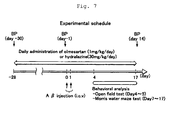
Fig. 7 shows the experimental schedule of Test Example 2. -
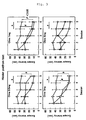
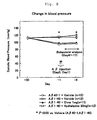
Fig. 8 shows changes in blood pressure caused by administration of olmesartan or hydralazine in Test Example 2. -
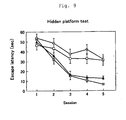
Fig. 9 shows the results of hidden platform test in Test Example 2. -
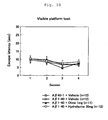
Fig. 10 shows the results of visible platform test in Test Example 2. -
Fig. 11 shows the results of probe test in Test Example 2. -
Fig. 12 shows the results of annulus crossing in Test Example 2. -
Fig. 13 shows the swimming speed of each group in Test Example 2. -
Fig. 14 shows the results of long-term retention in Test Example 2. -
Fig. 15 shows the results of working memory task in Test Example 2. -
Fig. 16 shows the results of open field test in Test Example 2. -
Fig. 17 is a pie graph showing the percentages of various causative diseases for dementia. -
Fig. 18-1 shows the response traces of field EPSP before and 60 min after tetanic stimulation in Test Example 3. -
Fig. 18-2 shows the averaged time course of field potential slope values in Test Example 3. -
Fig. 18-3 shows field potential slope values taken 50-60 min after tetanic stimulation in Test Example 3. -
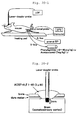
Fig. 19-1 is a schematic diagram showing that neuronal activity is evoked in the somatosensory-cortex by whisker stimulation performed in Test Example 3. -
Fig. 19-2 shows the CBF response to the whisker stimulation in Test Example 3. -
Fig. 20-1 is a schematic diagram showing the experimental method for the monitoring of cerebral blood flow in Test Example 3 (overall view). -
Fig. 20-2 is a schematic diagram showing the experimental method for the monitoring of cerebral blood flow in Test Example 3 (enlarged view of the brain). -
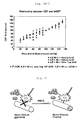
Fig. 20-3 shows the relation between CBF and MABP in Test Example 3. -
Fig. 21 shows the mechanism of action of olmesartan as presumed from the results of Test Example 3. - Preferably, the angiotensin II receptor blocker is olmesartan medoxomil. In particular, olmesartan medoxomil may be prepared easily according to the method disclosed, for example, in Japanese Patent No.
2082519 5,616,599 ).
Table 1 Compound No. R1 R2 R3 R4 R5 R6 29 Pr Me Me H H Tz 37 Pr Me Me H Mod Tz Abbreviations used in the above Table indicate the following groups.
Me: methyl group
Mod: (5-methyl-2-oxo-1,3-dioxolen-4-yl)methyl group
Pr: propyl group
Tz: tetrazol-5-yl group - Illustrated compound No. 29: 4-(1-hydroxy-1-methylethyl)-2-propyl-1-[4-[2-(tetrazol-5-yl)phenyl]phenyl]methylimidazole-5-carboxylic acid (Japanese designation: olmesartan), and
- Illustrated compound No. 37: (5-methyl-2-oxo-1,3-dioxolen-4-yl)methyl 4-(1-hydroxy-1-methylethyl)-2-propyl-1-[4-[2-(tetrazol-5-yl)phenyl]phenyl]methyl-imidazole-5-c arboxylate (Japanese designation: olmesartan medoxomil).
- Olmesartan medoxomil (illustrated compound No. 37) is a prodrug of olmesartan (illustrated compound No. 29), in which the carboxylic acid at
position 5 of the imidazole ring is medoxomil ester. Upon oral administration, this prodrug is hydrolyzed by esterase, mainly in the small intestinal epithelium, and thus converted to the active form olmesartan. - The compound (I) which is the active ingredient of the present invention, pharmacologically acceptable salts thereof and pharmacologically acceptable esters thereof are known (see, for example, Japanese Unexamined Patent Publication No.
Hei 5-78328 Hei 5-78328 - According to the present invention the medicament of the present invention is used to improve amyloid β-induced cerebral circulation or cerebral blood flow disorder. Further, the medicament of the present invention may be used in the treatment of amyloid β-induced brain dysfunction including Alzheimer is disease.
- Alzheimer's disease is a neurodegenerative disease. A characteristic pathological finding called senile plaques is observed in autopsy brain specimen from patients with Alzheimer's disease. It is known that the major component of these senile plaques is a protein called amyloid β (Aβ), and it is presumed that Aβ is a causative agent for Alzheimer's disease. Recently, epidemiologic studies have shown that the presence of hypertension in middle-aged people is an independent risk factor for Alzheimer's disease, and large-scale clinical tests revealed that antihypertensive therapy reduces the risk of developing Alzheimer's disease. Thus, a possibility has been suggested that hypertension is deeply involved in the background pathology of Alzheimer's disease.
- As shown in Examples described later, the medicament of the present invention is capable of improving the dysfunction/impairment which amyloid β induces, e.g., impairment of spatial memory and cerebrovascular disorders such as cerebral circulation/cerebral blood flow disorders. Further, the dysfunction/impairment-improving effect of the medicament of the present invention is not limited to its action on amyloid β-induced dysfunction/impairment.
- Since the above-described angiotensin II receptor blocker is generally administered orally, it is desirable to administer the medicament of the present invention orally. However, the administration route of the medicament of the present invention is not limited to oral administration. It may also be administered parenterally, such as intravenously, intrarectally, percutaneously, transmucosally or subcutaneously. Examples of dosage forms suitable for oral administration include, but are not limited to, powder, granules, tablets and capsules. In the preparation of unit dosage form, pharmacologically acceptable additives for formulation such as excipients, lubricants, binders, disintegrants, emulsifiers, stabilizers, correctives or diluents may be used appropriately.
- Examples of "excipients" that may be used include: organic excipients including sugar derivatives such as lactose, sucrose, glucose, mannitol or sorbitol; starch derivatives such as corn starch, potato starch, α-starch or dextrin; cellulose derivatives such as microcrystalline cellulose; gum arabic; dextran; and pullulan; and inorganic excipients including silicate derivatives such as light silicic acid anhydride, synthetic aluminium silicate, calcium silicate or magnesium aluminometasilicate; phosphates such as calcium hydrogenphosphate; carbonates such as calcium carbonate; and sulfates such as calcium sulfate.
- Examples of "lubricants" that may be used include: stearic acid; metal salts of stearic acid such as calcium stearate and magnesium stearate; talc; colloidal silica; waxes such as beeswax and spermaceti; boric acid; adipic acid; sulfates such as sodium sulfate; glycol; fumaric acid; sodium benzoate; DL-leucine; lauryl sulfates such as sodium lauryl sulfate or magnesium lauryl sulfate; silicates such as silicic anhydride and silicic hydrate; and the starch derivatives described above.
- Examples of "binders" that may be used include: hydroxypropylcellulose, hydroxypropylmethylcellulose, polyvinylpyrrolidone, macrogol, and compounds similar to the above-described excipients.
- Examples of "disintegrants" that may be used include: cellulose derivatives such as low-substituted hydroxypropylcellulose, carboxymethylcellulose, carboxymethylcellulose calcium or internally crosslinked sodium carboxymethylcellulose; crosslinked polyvinylpyrrolidone; and chemically modified starch/cellulose derivatives such as carboxymethylstarch or carboxymethylstarch sodium.
- Examples of "emulsifiers" that may be used include: colloidal clay such as bentonite or veegum; metal hydroxides such as magnesium hydroxide or aluminium hydroxide; anionic surfactants such as sodium lauryl sulfate or calcium stearate; cationic surfactants such as benzalkonium chloride; and nonionic surfactants such as polyoxyethylenealkylether, polyoxyethylene sorbitan fatty acid ester or sucrose esters of fatty acids.
- Examples of "stabilizers" that may be used include: p-hydroxybenzoate esters such as methylparaben or propylparaben; alcohols such as chlorobutanol, benzyl alcohol or phenylethyl alcohol; benzalkonium chloride; phenols such as phenol or cresol; thimerosal; dehydroacetic acid; and sorbic acid.
- Examples of "correctives" that may be used include: sweeteners such as saccharin sodium or aspartame; acidifiers such as citric acid, malic acid or tartaric acid; and flavors such as menthol, lemon or orange.
- Examples of "diluents" that may be used include conventionally used diluents, such as, lactose, mannitol, glucose, sucrose, calcium sulfate, calcium phosphate, hydroxypropylcellulose, microcrystalline cellulose, water, ethanol, polyethylene glycol, propylene glycol, glycerol, starch, polyvinylpyrrolidone, magnesium aluminometasilicate, and mixtures of these compounds.
- Doses of the medicament of the present invention may be appropriately selected depending on various factors such as the administration route, the type of the active ingredient, the age, body weight or symptoms of the patient, the purpose of administration, etc. Generally, the medicament of the present invention is administered at a level within a range from the lower limit of 0.08 mg/kg (preferably 0.33 mg/kg, more preferably 0.50 mg/kg) per day to the upper limit of 1.13 mg/kg (preferably 1.0 mg/kg) per day. This dose may be administered once or 2 to 6 times a day depending on the symptoms.
- The medicament of the present invention may be used in combination with other preparations that are effective against the target disease (e.g., Alzheimer's disease). For example, donepezil hydrochloride effective for Alzheimer's disease may be used jointly.
- Hereinbelow, the present invention will be described in more detail with reference to Test Examples and Preparation Examples. However, the scope of the present invention is not limited to these Examples.
- Amyloid β (Aβ) 1-40 and Aβ 40-1 (Peptide Institute, Inc.)
* Aβ 40-1 has a sequence reverse to that of Aβ 1-40. This was used as a control peptide. ddY mouse (CLEA Japan, Inc.) - Olmesartan medoxomil (Daiichi Sankyo Company, Limited)
- Hydralazine (Sigma)
- The therapeutic effect of olmesartan medoxomil in Aβ injection model and the dose dependency thereof were examined according to the following experimental schedule. [Experimental Schedule]: Prior to the experiment, 8-week old male ddY mice were administered olmesartan medoxomil (0.5 mg/kg/day, 1 mg/kg/day, 3 mg/kg/day or 6 mg/kg/day) or distilled water orally for four weeks (day -28 to -1). Then, Aβ 1-40 was administered to the mice intracerebroventricularly (day 0). (Although Aβ 1-40 was administered into one of the lateral ventricles in
WO 2006/059777 , Aβ 1-40 was administered in Test Example 1 to both lateral ventricles with an interval of one day between two administrations. Except for this point, Aβ 1-40 administration was performed in the same manner as inWO 2006/059777 .) From one week thereafter, a behavioral test to evaluate cognitive function (Morris water maze test; Morris R et al., ) was performed (day 7 to 12). As a negative control, mice which had received oral administration of distilled water for four weeks were administered Aβ 40-1 intracerebroventricularly. The administration of olmesartan medoxomil or distilled water was continued until the end of the behavioral test. Measurements were performed as described below. - Hidden platform test: A platform is placed below the water surface of a
water pool 150 cm in diameter filled with white water-colored. Mice are released into the water, and the time it takes them to reach the platform is measured. This trial is performed three times a day and for five consecutive days. As they learn, mice become able to reach the platform more quickly day by day. - Visible platform test: Mice are released into the water under such conditions that they can see the platform. The time it takes them to reach the platform is measured. Probe test: The platform is removed, and mice are released and allowed to swim freely. Those mice with good learning/memory swim in the quadrant where the platform was located searching for the platform. The time they spent in that quadrant is measured. Annnulus crossing: The number of times mice crossed the platform in the probe test is counted.
- Further, assessment of blood pressure was performed by the tail-cuff method (using a sphygmomanometer wound around the mouse tail) (Bunag RD, J Lab Clin Med. 1971, 78, 957-62) immediately before the start of administration of olmesartan medoxomil or distilled water (day -30), immediately before (day -1) and immediately after (day 2) the Aβ intracerebroventricular administration, and after completion of the behavioral test (day 14) (see
Fig. 1 ). -
- Blood pressure: No difference between groups was observed in the blood pressure before the start of administration of olmesartan medoxomil or distilled water (day -30). After 4-week administration (day -1), the blood pressures in olmesartan medoxomil administration groups were significantly lowered compared to the distilled water administration group. Even the group with the lowest dose of olmesartan medoxomil (0.5 mg/kg/day) showed a significant lowering in the blood pressure. A similar tendency was observed in the measurements performed immediately after Aβ administration (day 2) and after completion of the behavioral test (day 14) (see
Fig. 2 ). - Cognitive function: It was confirmed in the hidden platform test that the escape latency was significantly longer in Aβ 1-40 administration group (●) than in Aβ 40-1 administration group (■) on
day session 4 and 5) and that the former group had impairment in spatial memory and learning ability However, this dysfunction was improved significantly in olmesartan medoxomil 0.5 mg/kg/day administration group (Δ), 1.0 mg/kg/day administration group (A) and 3.0 mg/kg/day administration group (○) (seeFig. 3 ). In the visible platform test, no significant difference was observed in the escape latency between groups; thus, it was confirmed that there was no difference in confounding factors (seeFig. 4 ). In the probe test, the time the mice spent in the target quadrant was decreased significantly in Aβ 1-40 administration group (●) compared to Aβ 40-1 administration group (■). However, this was significantly improved in olmesartan medoxomil 0.5 mg/kg/day administration group (Δ) and 1.0 mg/kg/day administration group (▲) (seeFig. 5 ). The number of annulus crossings tended to be smaller in Aβ 1-40 administration group (●) than in the Aβ 40-1 administration group (■), but this was significantly improved in olmesartan medoxomil 1.0 mg/kg/day administration group (▲) (seeFig. 6 ). From these results, it was confirmed that in the Morris water maze test, the impairment in spatial memory and learning evoked by intracerebroventricular administration of Aβ 1-40 was significantly improved in olmesartan medoxomil administration groups. It can be said that this effect was observed in low olmesartan medoxomil dose groups (0.5- 1 mg/kg/day) but that it was not observed in high dose groups (3-6 mg/kg/day). - In order to examine whether the improvement effect on cognitive function achieved by oral administration of olmesartan medoxomil (Test Example 1) was caused by lowered blood pressure per se or not, a similar experiment was performed using hydralazine administration group as a hypotensive control (see
Fig. 7 ). The dose of olmesartan medoxomil was set at a low level of 1 mg/kg/day in view of the experimental results of Test Example 1. On the other hand, it was confirmed from the results of a pilot experiment that the dose of hydralazine which produces a comparable level of blood pressure lowering is 30 mg/kg/day. As behavioral tests to assess cognitive function, Morris water maze tests were performed as in Test Example 1 (hidden platform test, visible platform test and probe test) and, in addition, an open field test was also performed. Further, long-term retention, working memory task and swimming speed were also examined in the Morris water maze tests. Measurements were performed as described below. - Open field test: A cubic box (30 x 30 x 30 cm) is used. On each X and Y bank of the open-field area, two infrared beams are attached 2 cm above the floor at a 10 cm interval. The number of successive interceptions by the subject of the two adjoining beams on each bank is counted as locomotion score.
- Long-term retention: On
day 12 after the completion of the hidden platform test as a water maze test, mice are released into the water and the time it takes them to reach the platform is measured. - Working memory task: The platform is transferred and fixed at a new place. Mice are given four consecutive trials at intervals of as short as 20 seconds, and the time it takes them to reach the platform is measured. The average of the escape latency values for the 2nd to 4th trial was taken as an indicator of working memory task.
- Swimming speed: The time it takes the mice to reach the platform is affected by the swimming speed of each mouse. In order to eliminate this influence, swimming speed is measured.
-
- Blood pressure: No significant difference was observed in blood pressure between groups before the start of oral administration, but after 4-week administration (day -1), it was confirmed that the blood pressures in olmesartan medoxomil 1 mg/kg/day group and hydralazine 30 mg/kg/day group were lowered significantly and by almost equal levels compared to distilled water administration group (see
Fig. 8 ). - Cognitive function: In the hidden platform test, the time it took the mice to reach the platform was shortened through successive sessions in Aβ 40-1 administration group. However, the time was not shortened in Aβ 1-40 administration group. In Aβ 1-40 + olmesartan medoxomil administration group, the time it took the mice to reach the platform was shortened through successive sessions, as compared to Aβ 40-1 administration group. In Aβ 1-40 + hydralazine administration group, the time was not shortened (
Fig. 9 ). - Visible platform test: No significant difference was observed between groups (
Fig. 10 ). - Probe test: The time it took the mice to reach the platform was shortened through successive sessions in Aβ 40-1 administration group. However, the time was not shortened in Aβ 1-40 administration group. In Aβ 1-40 + olmesartan medoxomil administration group, the time it took the mice to reach the platform was shortened through successive sessions, as compared to Aβ 40-1 administration group. In Aβ 1-40 + hydralazine administration group, the time was not shortened (
Fig. 11 ). - Annulus crossings means the number of times that mice crossed the platform in the probe test. In Aβ 40-1 administration group, the time it took the mice to reach the plat form was shortened. However,, the number of platform crossings was smaller in Aβ 1-40 administration group than in Aβ 40-1 administration group. While the number of platform crossings increased in Aβ 1-40 + olmesartan medoxomil administration group compared to Aβ 1-40 administration group, there was increase in Aβ 1-40 + hydralazine administration group (
Fig. 12 ). - Swimming speed: No significant difference was observed between groups (
Fig. 13 ). - Long-term retention: On
day 17, the time it took the mice to reach the platform was longer in Aβ 1-40 administration group than in Aβ 40-1 administration group. The time it took the mice to reach the platform was shortened in Aβ 1-40 + olmesartan medoxomil administration group compared to Aβ 1-40 administration group. However, the time it took the mice to reach the platform was not shortened in Aβ 1-40 + hydralazine administration group (Fig. 15 ). - Working memory task: The time it took the mice to reach the platform was longer in Aβ 1-40 administration group than in Aβ 40-1 administration group. The time it took the mice to reach the platform was shortened in Aβ 1-40 + olmesartan medoxomil administration group compared to Aβ 1-40 administration group. However, the time it took the mice to reach the platform was not shortened in Aβ 1-40 + hydralazine administration group (
Fig. 15 ). - Open field test: No significant difference was observed between groups (
Fig. 16 ). - What has been stated so far may be summarized as follows. It was confirmed in the Morris water test that the spatial memory impairment and learning disability evoked by intracerebroventricular administration of Aβ 1-40 were significantly improved in olmesartan medoxomil 1 mg/kg/day group as in Test Example 1, but this effect was not observed in
hydralazine 30 mg/kg/day group. It was confirmed in the open field test and the like that there was no considerable difference in confounding factors such as the activity or swimming ability of mice. - Using an Aβ injection model, the present inventors found a possibility that the spatial memory impairment and learning disability evoked by intracerebroventricular administration of Aβ 1-40 may be improved by oral administration of a low dose of olmesartan medoxomil (Test Example 1). Further, by performing a similar experiment using hydralazine as a control drug, the inventors confirmed that this effect was not produced by lowered blood pressure per se (Test Example 2). The effect was not observed in olmesartan medoxomil high dose groups (3-6 mg/kg/day), probably because the cerebral blood flow was reduced by excessive lowering of blood pressure (i.e. somatic blood pressure dropped below the lower limit of cerebrovascular autoregulation).
- Electrophysiology: Long term potentiation was measured as previously reported (Niisato K, Fujikawa A, Komai S, Shintani T, Watanabe E, Sakaguchi G, Katsuura G, Manabe T, Noda M: Age-dependent enhancement of hippocampal long-term potentiation and impairment of spatial learning through the Rho-associated kinase pathway in protein tyrosine phosphatase receptor type Z-deficient mice. J Neurosci 2005; 25:1081-1088). Transverse hippocampal slices (400 µm thick) were prepared from 5- to 10-week-old mice or from 13- to 31-week-old mice and placed in an interface-type holding chamber for at least 1 hr. A single slice was then transferred to a recording chamber and submerged beneath a continuously perfusing medium saturated with 95% O2 and 5% CO2. The medium was composed of 119 mM NaCl, 2.5 mM KCl, 1.3 mM MgSO4, 2.5 mM CaCl2, 1.0 mM NaH2PO4, 26.2 mM NaHCO3 and 11 mM glucose. All of the perfusing solutions contained 100 µM picrotoxin in order to block GABAA receptor-mediated inhibitory synaptic responses. The field potential recordings were made with a glass electrode (3 M NaCl) placed in the stratum radiatum. The whole-cell pipette solution contained 122.5 mM Cs gluconate, 17.5 mM CsCl, 10 mM HEPES, 0.2 mM EGTA, 8 mM NaCl, 2 mM Mg-ATP and 0.3 mM Na3-GTP, pH 7.2; 290-300 mM mOsm. For evoking synaptic responses, a bipolar tungsten stimulating electrode was placed in the stratum radiatum, and Schaffer collateral/commissural fibers were stimulated at 0.1 Hz. The stimulus strength was adjusted so that it gave rise to AMPA receptor-mediated EPSPs of the slope values between 0.10 and 0.15 mV/ms. For the analysis of EPSPs, the inventors measured their early rising phase in order to avoid contamination by voltage-dependent components as much as possible. Each data point represents the averaged slope value for 1 min that was normalized to the baseline slope value. All experiments were performed at 25°C. The data are expressed as mean ± SEM. Student's t test or ANOVA was used to determine whether there was a significant difference (p < 0.05) in the mean. The majority of electrophysiological experiments were blind tests, and the results were essentially identical to those of the non-blind experiments; thus, all of the data were pooled. Picrotoxin was purchased from Wako (Osaka, Japan). Monitoring of cerebral blood flow: A small craniotomy (2 x 2 mm) was performed to expose the somatosensory cortex; the dura was removed; and the site was perfused with a modified Ringer's solution (37°C; pH 7.3-7.4) (Iadecola C, Zhang F, Niwa K, Eckman C, Turner SK, Fischer E, Younkin S, Borchelt DR, Hsiao KK, Carlson GA: SOD1 rescues cerebral endothelial dysfunction in mice overexpressing amyloid precursor protein. Nat Neurosci 1999; 2:157-161). Cerebral blood flow (CBF) was continuously monitored at the site of perfusion with a laser-Doppler probe positioned stereotaxically on the cortical surface and connected to a computerized data acquisition system. CBF values were expressed as percent increase relative to the resting level. Zero values for CBF were obtained after the heart was stopped by an overdose of isoflurane at the end of the experiment. Effect of topical application of Aβ40 on functional hyperemia: The cranial window was first perfused with Ringer's solution, and CBF responses to whisker stimulation were recorded. The whiskers were gently stroked for 60 sec with a cotton-tipped applicator. After testing CBF responses during Ringer's solution perfusion, the perfusion solution was changed to Ringer's solution containing Aβ40 (5 µM; Peptide Institute, Osaka, Japan). This concentration of Aβ40 was previously found to produce maximal cerebrovascular effects (Niwa K, Younkin L, Ebeling C, Turner SK, Westaway D, Younkin S, Ashe KH, Carlson GA, Iadecola C: Abeta 1-40-related reduction in functional hyperemia in mouse neocortex during somatosensory activation. Proc Natl Acad Sci U S A 2000; 97:9735-9740). Cerebrovascular autoregulation: Techniques used for studying cerebrovascular autoregulation in rodents were similar to those previously described (Ishitsuka T, Iadecola C, Underwood MD, Reis DJ: Lesions of nucleus tractus solitarii globally impair cerebrovascular autoregulation. Am J Physiol 1986; 251:H269-281). Mice were anesthetized in preparation for CBF measurement by LDF. After stabilization of MAP and blood gases, MAP was elevated or decreased in 10-mmHg steps, either by intravenous infusion of phenylephrine (1-2 µg · kg-1· min-1) or via controlled exsanguination (100-400 µl of arterial blood), (Ishitsuka T, Iadecola C, Underwood MD, Reis DJ: Lesions of nucleus tractus solitarii globally impair cerebrovascular autoregulation. Am J Physiol 1986; 251:H269-281). The range of MAP studied was 20-160 mmHg. CBF values were recorded 5 min after MAP was changed. In view of potential pathological effects of changes in MAP above or below the autoregulated range, the lower and upper limits of autoregulation were tested in separate animals (Ishitsuka T, Iadecola C, Underwood MD, Reis DJ: Lesions of nucleus tractus solitarii globally impair cerebrovascular autoregulation. Am J Physiol 1986; 251:H269-281).
- Long-term potentiation (LTP) in the hippocampus is believed to be a cellular basis for learning and memory. The inventors measured long-term potentiation (
Fig. 18-1 ) in the hippocampus of Aβ40-injected mice (with or without ARB olmesartan treatment). ARB olmesartan improved Aβ-induced impairment in spatial memory associated with recovery of LTP (Figs. 18-2 and18-3 ). - The inventors measured the cerebral blood flow induced by neuronal activity of Aβ-injected mice (with or without ARB olmesartan treatment). Neuronal activity was evoked in somatosensory-cortex by whisker stimulation (
Fig. 19-1 ). ARB olmesartan improved Aβ-induced impairment in neurovascular coupling (Fig. 19-2 ). - Cerebrovascular autoregulation, i.e., the ability of the cerebral circulation to maintain flow in the face of changes in mean arterial pressure (MAP) is known to be impaired by Aβ. The inventors found cerebrovascular autoregulation impaired by Aβ is recovered by ARB olmesartan (
Fig. 20-3 ). - In summary, it is possible to say that ARB olmesartan recovered Aβ-induced impairment of spatial memory associated with recovery of neurovascular coupling (
Fig. 21 ). -
Olmesartan medoxomil 20.0 mg Lactose 158.7 mg Corn starch 70.0 mg Magnesium stearate 1.3 mg Total 250.0 mg - The above-listed powders are mixed and passed through a 60 mesh screen. The resultant mixed powder is filled in 250 mg No. 3 gelatin capsules.
-
Olmesartan medoxomil 20.0 mg Lactose 154.0 mg Corn starch 25.0 mg Magnesium stearate 1.0 mg Total 200.0 mg - The above-listed powders are mixed and pressed on a tabletting machine into tablets each weighing 200 mg. The thus obtained tablets may be coated with sugar, if necessary.
- The medicament of the present invention comprising a specific angiotensin II receptor blocker (such as olmesartan medoxomil) as an active ingredient is useful in treating amyloid β-induce cerebral circulation or cerebral blood flow disorders. This medicament is preferably for use in warm-blooded animals, more preferably for use in human.
- Representative causative diseases for dementia are Alzheimer's disease and vascular dementia, but actually a great number of patients with Alzheimer's disease also suffer from cerebrovascular disorder (AD with CVD) (
Fig. 17 ). Recent large-scale epidemiological studies have been elucidating that vascular risk factors typified by hypertension are of independent risk factors of Alzheimer's disease. Hypertension may be a direct modifier of the pathology of Alzheimer's disease. Moreover, hypertension enhances the risk of further decreasing the cognitive function of patients with Alzheimer's disease by causing cerebrovascular disorders. Treatment of hypertension is a crucial element not only in the primary prevention of vascular dementia but also in the management of Alzheimer's disease. - The improvement of cognitive function in Alzheimer's disease model mouse that was achieved by the present invention has suggested that olmesartan is effective in directly improving the pathology of Alzheimer's disease. In actual clinical applications, management of hypertension is further added as an important value. By administering olmesartan to patients with Alzheimer's disease or mild cognitive impairment (MCI) which is an early state of cognitive impairment including Alzheimer's disease and who also suffer from hypertension, it might be possible to inhibit progress of the cognitive impairment. Moreover, by performing hypotensive treatment with olmesartan on hypertensive patients, it might be possible to reduce the risk of the onset of Alzheimer's disease in future. Since management of hypertension is also effective in the prevention of vascular dementia, it is believed that such management may contribute greatly to the overall medical care for dementia.
- Specifically, it is contemplated that a currently approved, conventional amount of olmesartan may be administered to hypertension-complicated Alzheimer's disease patients or hypertension-complicated MCI patients to thereby inhibit the progress of cognitive impairment.
Claims (3)
- 4-(1-Hydroxy-1-methylethyl)-2-propyl-1-[4-[2-(tetrazol-5-yl)phenyl]phenyl]-methylimidazole-5-carboxylic acid or (5-methyl-2-oxo-1,3-dioxolen-4-yl)methyl 4-(1-hydroxy-1-methylethyl)-2-propyl-1-[4-[2-(tetrazol-5-yl)phenyl]phenyl]methyl-imidazole-5-carboxylate for use in the treatment of amyloid β-induced cerebral circulation or cerebral blood flow disorders.
- A composition comprising 4-(1-hydroxy-1-methylethyl)-2-propyl-1-[4-[2-(tetrazol-5-yl)phenyl]phenyl]-methylimidazole-5-carboxylic acid or (5-methyl-2-oxo-1,3-dioxolen-4-yl)methyl 4-(1-hydroxy-1-methylethyl)-2-propyl-1-[4-[2-(tetrazol-5-yl)phenyl]phenyl]methyl-imidazole-5-carboxylate as an active ingredient, for use in the treatment of amyloid β-induced cerebral circulation or cerebral blood flow disorders.
- Use of 4-(1-hydroxy-1-methylethyl)-2-propyl-1-[4-[2-(tetrazol-5-yl)phenyl]phenyl]-methylimidazole-5-carboxylic acid or (5-methyl-2-oxo-1,3-dioxolen-4-yl)methyl 4-(1-hydroxy-1-methylethyl)-2-propyl-1-[4-[2-(tetrazol-5-yl)phenyl]phenyl]methylimidazole-5-carboxylate for the manufacture of a medicament for the treatment of amyloid β-induced cerebral circulation or cerebral blood flow disorders.
Applications Claiming Priority (2)
| Application Number | Priority Date | Filing Date | Title |
|---|---|---|---|
| JP2007165071 | 2007-06-22 | ||
| PCT/JP2008/060513 WO2009001661A1 (en) | 2007-06-22 | 2008-06-09 | Medicinal agent for prevention or treatment of alzheimer's disease |
Publications (3)
| Publication Number | Publication Date |
|---|---|
| EP2174666A1 EP2174666A1 (en) | 2010-04-14 |
| EP2174666A4 EP2174666A4 (en) | 2010-07-21 |
| EP2174666B1 true EP2174666B1 (en) | 2013-12-18 |
Family
ID=40185482
Family Applications (1)
| Application Number | Title | Priority Date | Filing Date |
|---|---|---|---|
| EP08765314.3A Active EP2174666B1 (en) | 2007-06-22 | 2008-06-09 | Medicinal agent for treatment of amyloid beta-induced cerebral circulation or cerebral blood flow disorders |
Country Status (6)
| Country | Link |
|---|---|
| US (2) | US20100130567A1 (en) |
| EP (1) | EP2174666B1 (en) |
| JP (1) | JP5311413B2 (en) |
| ES (1) | ES2446296T3 (en) |
| TW (1) | TWI441634B (en) |
| WO (1) | WO2009001661A1 (en) |
Families Citing this family (3)
| Publication number | Priority date | Publication date | Assignee | Title |
|---|---|---|---|---|
| KR101062907B1 (en) | 2009-10-20 | 2011-09-06 | 주식회사 씨티씨바이오 | Pharmaceutical composition for treating hypertension comprising olmesartan cilexetil |
| KR101062908B1 (en) | 2009-10-27 | 2011-09-06 | 주식회사 씨티씨바이오 | Pharmaceutical composition for the treatment of hypertension comprising olmesartan derivative |
| WO2020161719A1 (en) * | 2019-02-06 | 2020-08-13 | B. G. Negev Technologies And Applications Ltd., At Ben-Gurion University | Combination therapy for treatment of brain disorders |
Family Cites Families (3)
| Publication number | Priority date | Publication date | Assignee | Title |
|---|---|---|---|---|
| CA2229000C (en) * | 1991-02-21 | 2002-04-09 | Sankyo Company, Limited | 1-biphenylimidazole derivatives, their preparation and their therapeutic use |
| US5894078A (en) * | 1996-02-26 | 1999-04-13 | Advanced Bioconcept, Inc. | Transgenic mouse expressing C-100 app |
| US20100029654A1 (en) * | 2006-03-23 | 2010-02-04 | Mount Sinai School Of Medicine | Cardiovascular compositions and use of the same for the treatment of alzheimer's disease |
-
2008
- 2008-06-09 EP EP08765314.3A patent/EP2174666B1/en active Active
- 2008-06-09 JP JP2009520426A patent/JP5311413B2/en active Active
- 2008-06-09 US US12/452,198 patent/US20100130567A1/en not_active Abandoned
- 2008-06-09 ES ES08765314.3T patent/ES2446296T3/en active Active
- 2008-06-09 WO PCT/JP2008/060513 patent/WO2009001661A1/en not_active Ceased
- 2008-06-12 TW TW097121836A patent/TWI441634B/en active
-
2012
- 2012-06-06 US US13/489,580 patent/US20120302614A1/en not_active Abandoned
Also Published As
| Publication number | Publication date |
|---|---|
| JP5311413B2 (en) | 2013-10-09 |
| WO2009001661A1 (en) | 2008-12-31 |
| US20120302614A1 (en) | 2012-11-29 |
| US20100130567A1 (en) | 2010-05-27 |
| TWI441634B (en) | 2014-06-21 |
| ES2446296T3 (en) | 2014-03-07 |
| EP2174666A1 (en) | 2010-04-14 |
| JPWO2009001661A1 (en) | 2010-08-26 |
| TW200901984A (en) | 2009-01-16 |
| EP2174666A4 (en) | 2010-07-21 |
Similar Documents
| Publication | Publication Date | Title |
|---|---|---|
| US5962535A (en) | Composition for alzheimer's disease | |
| JP4095676B2 (en) | Use of cholinesterase inhibitors to treat attention disorders | |
| AU2017200543B2 (en) | Tropinol esters and related compounds to promote normal processing of app | |
| AU702106B2 (en) | Use of carbazole compounds for the treatment of congestive heart failure | |
| US7115631B2 (en) | Methods for treatment of cognitive and menopausal disorders with D-threo methylphenidate | |
| TWI489983B (en) | A medicament for treating alzheimer's disease | |
| TWI415605B (en) | Angiotensin II receptor antagonist for preventing or treating systemic diseases in cats | |
| JP2023169413A (en) | Methods and compositions for treating psychotic disorders | |
| WO2004067003A1 (en) | Medicine for prevention of and treatment for arteriosclerosis and hypertension | |
| JP2022539944A (en) | Novel pharmaceutical compositions and methods for treating psychiatric, behavioral and cognitive disorders | |
| KR20120050473A (en) | Use of 4-aminopyridine to improve neuro-cognitive and/or neuro-psychiatric impairment in patients with demyelinating and other nervous system conditions | |
| JP2020510675A (en) | Prevention of risks associated with drug-induced QT interval prolongation using specific inhibitors of the production of ROS of mitochondrial origin | |
| JP2025501646A (en) | Treatment of GM2 Gangliosidosis | |
| AU2025271046A1 (en) | New therapeutic combinations for the treatment of progressive fibrosing interstitial lung diseases | |
| JP7100866B2 (en) | Treatment of Meniere's disease | |
| US20080255217A1 (en) | Preventive or therapeutic agent for cardiac dysfunction or myocardial injury caused by ischemia or ischemia reperfusion | |
| ES2446296T3 (en) | Medicinal agent for the treatment of cerebral circulation or cerebral blood flow disorders induced by beta amyloid | |
| US20120122919A1 (en) | Pharmaceutical composition combining tenatoprazole and a histamine h2-receptor antagonist | |
| US6436937B1 (en) | Use of desoxypeganine in the treatment of Alzheimer's dementia | |
| JP2019516699A (en) | Combination of pure 5-HT6 receptor antagonist and acetylcholinesterase inhibitor | |
| WO1998031356A1 (en) | Idebenone containing combination agent for treating alzheimer's disease | |
| JP2003535897A (en) | Novel use of angiotensin II antagonists | |
| AU7716096A (en) | The use of cholinesterase inhibitors in the treatment of xerostomia | |
| JPH10259126A (en) | Treating and preventing agent for alzheimer's disease | |
| KR20180038003A (en) | Decrease in contraction force |
Legal Events
| Date | Code | Title | Description |
|---|---|---|---|
| PUAI | Public reference made under article 153(3) epc to a published international application that has entered the european phase |
Free format text: ORIGINAL CODE: 0009012 |
|
| 17P | Request for examination filed |
Effective date: 20100122 |
|
| AK | Designated contracting states |
Kind code of ref document: A1 Designated state(s): AT BE BG CH CY CZ DE DK EE ES FI FR GB GR HR HU IE IS IT LI LT LU LV MC MT NL NO PL PT RO SE SI SK TR |
|
| AX | Request for extension of the european patent |
Extension state: AL BA MK RS |
|
| A4 | Supplementary search report drawn up and despatched |
Effective date: 20100622 |
|
| RIC1 | Information provided on ipc code assigned before grant |
Ipc: A61K 31/41 20060101AFI20100616BHEP Ipc: A61K 31/4178 20060101ALI20100616BHEP Ipc: A61K 31/4184 20060101ALI20100616BHEP Ipc: A61K 31/454 20060101ALI20100616BHEP Ipc: A61P 25/28 20060101ALI20100616BHEP Ipc: A61P 43/00 20060101ALI20100616BHEP |
|
| DAX | Request for extension of the european patent (deleted) | ||
| 17Q | First examination report despatched |
Effective date: 20110202 |
|
| GRAP | Despatch of communication of intention to grant a patent |
Free format text: ORIGINAL CODE: EPIDOSNIGR1 |
|
| INTG | Intention to grant announced |
Effective date: 20130710 |
|
| GRAS | Grant fee paid |
Free format text: ORIGINAL CODE: EPIDOSNIGR3 |
|
| GRAA | (expected) grant |
Free format text: ORIGINAL CODE: 0009210 |
|
| AK | Designated contracting states |
Kind code of ref document: B1 Designated state(s): AT BE BG CH CY CZ DE DK EE ES FI FR GB GR HR HU IE IS IT LI LT LU LV MC MT NL NO PL PT RO SE SI SK TR |
|
| REG | Reference to a national code |
Ref country code: GB Ref legal event code: FG4D |
|
| REG | Reference to a national code |
Ref country code: CH Ref legal event code: EP |
|
| REG | Reference to a national code |
Ref country code: AT Ref legal event code: REF Ref document number: 645263 Country of ref document: AT Kind code of ref document: T Effective date: 20140115 |
|
| REG | Reference to a national code |
Ref country code: IE Ref legal event code: FG4D |
|
| REG | Reference to a national code |
Ref country code: DE Ref legal event code: R096 Ref document number: 602008029409 Country of ref document: DE Effective date: 20140213 |
|
| REG | Reference to a national code |
Ref country code: ES Ref legal event code: FG2A Ref document number: 2446296 Country of ref document: ES Kind code of ref document: T3 Effective date: 20140307 |
|
| REG | Reference to a national code |
Ref country code: NL Ref legal event code: VDEP Effective date: 20131218 |
|
| PG25 | Lapsed in a contracting state [announced via postgrant information from national office to epo] |
Ref country code: FI Free format text: LAPSE BECAUSE OF FAILURE TO SUBMIT A TRANSLATION OF THE DESCRIPTION OR TO PAY THE FEE WITHIN THE PRESCRIBED TIME-LIMIT Effective date: 20131218 Ref country code: LT Free format text: LAPSE BECAUSE OF FAILURE TO SUBMIT A TRANSLATION OF THE DESCRIPTION OR TO PAY THE FEE WITHIN THE PRESCRIBED TIME-LIMIT Effective date: 20131218 Ref country code: NO Free format text: LAPSE BECAUSE OF FAILURE TO SUBMIT A TRANSLATION OF THE DESCRIPTION OR TO PAY THE FEE WITHIN THE PRESCRIBED TIME-LIMIT Effective date: 20140318 Ref country code: SE Free format text: LAPSE BECAUSE OF FAILURE TO SUBMIT A TRANSLATION OF THE DESCRIPTION OR TO PAY THE FEE WITHIN THE PRESCRIBED TIME-LIMIT Effective date: 20131218 Ref country code: HR Free format text: LAPSE BECAUSE OF FAILURE TO SUBMIT A TRANSLATION OF THE DESCRIPTION OR TO PAY THE FEE WITHIN THE PRESCRIBED TIME-LIMIT Effective date: 20131218 |
|
| REG | Reference to a national code |
Ref country code: AT Ref legal event code: MK05 Ref document number: 645263 Country of ref document: AT Kind code of ref document: T Effective date: 20131218 |
|
| REG | Reference to a national code |
Ref country code: LT Ref legal event code: MG4D |
|
| PG25 | Lapsed in a contracting state [announced via postgrant information from national office to epo] |
Ref country code: LV Free format text: LAPSE BECAUSE OF FAILURE TO SUBMIT A TRANSLATION OF THE DESCRIPTION OR TO PAY THE FEE WITHIN THE PRESCRIBED TIME-LIMIT Effective date: 20131218 |
|
| PG25 | Lapsed in a contracting state [announced via postgrant information from national office to epo] |
Ref country code: IS Free format text: LAPSE BECAUSE OF FAILURE TO SUBMIT A TRANSLATION OF THE DESCRIPTION OR TO PAY THE FEE WITHIN THE PRESCRIBED TIME-LIMIT Effective date: 20140418 Ref country code: EE Free format text: LAPSE BECAUSE OF FAILURE TO SUBMIT A TRANSLATION OF THE DESCRIPTION OR TO PAY THE FEE WITHIN THE PRESCRIBED TIME-LIMIT Effective date: 20131218 Ref country code: BE Free format text: LAPSE BECAUSE OF FAILURE TO SUBMIT A TRANSLATION OF THE DESCRIPTION OR TO PAY THE FEE WITHIN THE PRESCRIBED TIME-LIMIT Effective date: 20131218 |
|
| PG25 | Lapsed in a contracting state [announced via postgrant information from national office to epo] |
Ref country code: AT Free format text: LAPSE BECAUSE OF FAILURE TO SUBMIT A TRANSLATION OF THE DESCRIPTION OR TO PAY THE FEE WITHIN THE PRESCRIBED TIME-LIMIT Effective date: 20131218 Ref country code: RO Free format text: LAPSE BECAUSE OF FAILURE TO SUBMIT A TRANSLATION OF THE DESCRIPTION OR TO PAY THE FEE WITHIN THE PRESCRIBED TIME-LIMIT Effective date: 20131218 Ref country code: PT Free format text: LAPSE BECAUSE OF FAILURE TO SUBMIT A TRANSLATION OF THE DESCRIPTION OR TO PAY THE FEE WITHIN THE PRESCRIBED TIME-LIMIT Effective date: 20140418 Ref country code: NL Free format text: LAPSE BECAUSE OF FAILURE TO SUBMIT A TRANSLATION OF THE DESCRIPTION OR TO PAY THE FEE WITHIN THE PRESCRIBED TIME-LIMIT Effective date: 20131218 Ref country code: SK Free format text: LAPSE BECAUSE OF FAILURE TO SUBMIT A TRANSLATION OF THE DESCRIPTION OR TO PAY THE FEE WITHIN THE PRESCRIBED TIME-LIMIT Effective date: 20131218 Ref country code: CZ Free format text: LAPSE BECAUSE OF FAILURE TO SUBMIT A TRANSLATION OF THE DESCRIPTION OR TO PAY THE FEE WITHIN THE PRESCRIBED TIME-LIMIT Effective date: 20131218 Ref country code: CY Free format text: LAPSE BECAUSE OF FAILURE TO SUBMIT A TRANSLATION OF THE DESCRIPTION OR TO PAY THE FEE WITHIN THE PRESCRIBED TIME-LIMIT Effective date: 20131218 Ref country code: PL Free format text: LAPSE BECAUSE OF FAILURE TO SUBMIT A TRANSLATION OF THE DESCRIPTION OR TO PAY THE FEE WITHIN THE PRESCRIBED TIME-LIMIT Effective date: 20131218 |
|
| REG | Reference to a national code |
Ref country code: DE Ref legal event code: R097 Ref document number: 602008029409 Country of ref document: DE |
|
| PLBE | No opposition filed within time limit |
Free format text: ORIGINAL CODE: 0009261 |
|
| STAA | Information on the status of an ep patent application or granted ep patent |
Free format text: STATUS: NO OPPOSITION FILED WITHIN TIME LIMIT |
|
| PG25 | Lapsed in a contracting state [announced via postgrant information from national office to epo] |
Ref country code: DK Free format text: LAPSE BECAUSE OF FAILURE TO SUBMIT A TRANSLATION OF THE DESCRIPTION OR TO PAY THE FEE WITHIN THE PRESCRIBED TIME-LIMIT Effective date: 20131218 |
|
| 26N | No opposition filed |
Effective date: 20140919 |
|
| REG | Reference to a national code |
Ref country code: DE Ref legal event code: R097 Ref document number: 602008029409 Country of ref document: DE Effective date: 20140919 |
|
| PG25 | Lapsed in a contracting state [announced via postgrant information from national office to epo] |
Ref country code: LU Free format text: LAPSE BECAUSE OF FAILURE TO SUBMIT A TRANSLATION OF THE DESCRIPTION OR TO PAY THE FEE WITHIN THE PRESCRIBED TIME-LIMIT Effective date: 20140609 Ref country code: MC Free format text: LAPSE BECAUSE OF FAILURE TO SUBMIT A TRANSLATION OF THE DESCRIPTION OR TO PAY THE FEE WITHIN THE PRESCRIBED TIME-LIMIT Effective date: 20131218 |
|
| REG | Reference to a national code |
Ref country code: CH Ref legal event code: PL |
|
| REG | Reference to a national code |
Ref country code: IE Ref legal event code: MM4A |
|
| PG25 | Lapsed in a contracting state [announced via postgrant information from national office to epo] |
Ref country code: LI Free format text: LAPSE BECAUSE OF NON-PAYMENT OF DUE FEES Effective date: 20140630 Ref country code: IE Free format text: LAPSE BECAUSE OF NON-PAYMENT OF DUE FEES Effective date: 20140609 Ref country code: CH Free format text: LAPSE BECAUSE OF NON-PAYMENT OF DUE FEES Effective date: 20140630 |
|
| PG25 | Lapsed in a contracting state [announced via postgrant information from national office to epo] |
Ref country code: SI Free format text: LAPSE BECAUSE OF FAILURE TO SUBMIT A TRANSLATION OF THE DESCRIPTION OR TO PAY THE FEE WITHIN THE PRESCRIBED TIME-LIMIT Effective date: 20131218 |
|
| PG25 | Lapsed in a contracting state [announced via postgrant information from national office to epo] |
Ref country code: MT Free format text: LAPSE BECAUSE OF FAILURE TO SUBMIT A TRANSLATION OF THE DESCRIPTION OR TO PAY THE FEE WITHIN THE PRESCRIBED TIME-LIMIT Effective date: 20131218 |
|
| REG | Reference to a national code |
Ref country code: FR Ref legal event code: PLFP Year of fee payment: 9 |
|
| PG25 | Lapsed in a contracting state [announced via postgrant information from national office to epo] |
Ref country code: BG Free format text: LAPSE BECAUSE OF FAILURE TO SUBMIT A TRANSLATION OF THE DESCRIPTION OR TO PAY THE FEE WITHIN THE PRESCRIBED TIME-LIMIT Effective date: 20131218 |
|
| PG25 | Lapsed in a contracting state [announced via postgrant information from national office to epo] |
Ref country code: GR Free format text: LAPSE BECAUSE OF FAILURE TO SUBMIT A TRANSLATION OF THE DESCRIPTION OR TO PAY THE FEE WITHIN THE PRESCRIBED TIME-LIMIT Effective date: 20140319 |
|
| PG25 | Lapsed in a contracting state [announced via postgrant information from national office to epo] |
Ref country code: HU Free format text: LAPSE BECAUSE OF FAILURE TO SUBMIT A TRANSLATION OF THE DESCRIPTION OR TO PAY THE FEE WITHIN THE PRESCRIBED TIME-LIMIT; INVALID AB INITIO Effective date: 20080609 Ref country code: TR Free format text: LAPSE BECAUSE OF FAILURE TO SUBMIT A TRANSLATION OF THE DESCRIPTION OR TO PAY THE FEE WITHIN THE PRESCRIBED TIME-LIMIT Effective date: 20131218 |
|
| REG | Reference to a national code |
Ref country code: FR Ref legal event code: PLFP Year of fee payment: 10 |
|
| REG | Reference to a national code |
Ref country code: FR Ref legal event code: PLFP Year of fee payment: 11 |
|
| REG | Reference to a national code |
Ref country code: FR Ref legal event code: PLFP Year of fee payment: 16 |
|
| PGFP | Annual fee paid to national office [announced via postgrant information from national office to epo] |
Ref country code: DE Payment date: 20250416 Year of fee payment: 18 |
|
| PGFP | Annual fee paid to national office [announced via postgrant information from national office to epo] |
Ref country code: GB Payment date: 20250417 Year of fee payment: 18 |
|
| PGFP | Annual fee paid to national office [announced via postgrant information from national office to epo] |
Ref country code: IT Payment date: 20250522 Year of fee payment: 18 |
|
| PGFP | Annual fee paid to national office [announced via postgrant information from national office to epo] |
Ref country code: FR Payment date: 20250409 Year of fee payment: 18 |
|
| PGFP | Annual fee paid to national office [announced via postgrant information from national office to epo] |
Ref country code: ES Payment date: 20250702 Year of fee payment: 18 |