EP2170327B1 - Use of dopamine stabilizers - Google Patents
Use of dopamine stabilizers Download PDFInfo
- Publication number
- EP2170327B1 EP2170327B1 EP08761161.2A EP08761161A EP2170327B1 EP 2170327 B1 EP2170327 B1 EP 2170327B1 EP 08761161 A EP08761161 A EP 08761161A EP 2170327 B1 EP2170327 B1 EP 2170327B1
- Authority
- EP
- European Patent Office
- Prior art keywords
- dopamine
- osu6162
- activity
- receptor
- acr16
- Prior art date
- Legal status (The legal status is an assumption and is not a legal conclusion. Google has not performed a legal analysis and makes no representation as to the accuracy of the status listed.)
- Not-in-force
Links
- 0 CC(*)(C1)C=CCC1*1(C)CCN(*)CC1 Chemical compound CC(*)(C1)C=CCC1*1(C)CCN(*)CC1 0.000 description 1
Images




Classifications
-
- A—HUMAN NECESSITIES
- A61—MEDICAL OR VETERINARY SCIENCE; HYGIENE
- A61K—PREPARATIONS FOR MEDICAL, DENTAL OR TOILETRY PURPOSES
- A61K31/00—Medicinal preparations containing organic active ingredients
- A61K31/33—Heterocyclic compounds
- A61K31/395—Heterocyclic compounds having nitrogen as a ring hetero atom, e.g. guanethidine or rifamycins
- A61K31/435—Heterocyclic compounds having nitrogen as a ring hetero atom, e.g. guanethidine or rifamycins having six-membered rings with one nitrogen as the only ring hetero atom
-
- A—HUMAN NECESSITIES
- A61—MEDICAL OR VETERINARY SCIENCE; HYGIENE
- A61P—SPECIFIC THERAPEUTIC ACTIVITY OF CHEMICAL COMPOUNDS OR MEDICINAL PREPARATIONS
- A61P1/00—Drugs for disorders of the alimentary tract or the digestive system
- A61P1/08—Drugs for disorders of the alimentary tract or the digestive system for nausea, cinetosis or vertigo; Antiemetics
-
- A—HUMAN NECESSITIES
- A61—MEDICAL OR VETERINARY SCIENCE; HYGIENE
- A61P—SPECIFIC THERAPEUTIC ACTIVITY OF CHEMICAL COMPOUNDS OR MEDICINAL PREPARATIONS
- A61P25/00—Drugs for disorders of the nervous system
- A61P25/08—Antiepileptics; Anticonvulsants
- A61P25/10—Antiepileptics; Anticonvulsants for petit-mal
-
- A—HUMAN NECESSITIES
- A61—MEDICAL OR VETERINARY SCIENCE; HYGIENE
- A61P—SPECIFIC THERAPEUTIC ACTIVITY OF CHEMICAL COMPOUNDS OR MEDICINAL PREPARATIONS
- A61P25/00—Drugs for disorders of the nervous system
- A61P25/14—Drugs for disorders of the nervous system for treating abnormal movements, e.g. chorea, dyskinesia
-
- A—HUMAN NECESSITIES
- A61—MEDICAL OR VETERINARY SCIENCE; HYGIENE
- A61P—SPECIFIC THERAPEUTIC ACTIVITY OF CHEMICAL COMPOUNDS OR MEDICINAL PREPARATIONS
- A61P25/00—Drugs for disorders of the nervous system
- A61P25/14—Drugs for disorders of the nervous system for treating abnormal movements, e.g. chorea, dyskinesia
- A61P25/16—Anti-Parkinson drugs
-
- A—HUMAN NECESSITIES
- A61—MEDICAL OR VETERINARY SCIENCE; HYGIENE
- A61P—SPECIFIC THERAPEUTIC ACTIVITY OF CHEMICAL COMPOUNDS OR MEDICINAL PREPARATIONS
- A61P25/00—Drugs for disorders of the nervous system
- A61P25/18—Antipsychotics, i.e. neuroleptics; Drugs for mania or schizophrenia
-
- A—HUMAN NECESSITIES
- A61—MEDICAL OR VETERINARY SCIENCE; HYGIENE
- A61P—SPECIFIC THERAPEUTIC ACTIVITY OF CHEMICAL COMPOUNDS OR MEDICINAL PREPARATIONS
- A61P25/00—Drugs for disorders of the nervous system
- A61P25/22—Anxiolytics
-
- A—HUMAN NECESSITIES
- A61—MEDICAL OR VETERINARY SCIENCE; HYGIENE
- A61P—SPECIFIC THERAPEUTIC ACTIVITY OF CHEMICAL COMPOUNDS OR MEDICINAL PREPARATIONS
- A61P25/00—Drugs for disorders of the nervous system
- A61P25/30—Drugs for disorders of the nervous system for treating abuse or dependence
Definitions
- Dopamine stabilizers is a class of compounds which have the ability to reverse both hypo as well as hyperdopaminergia in vivo. This class may be exemplified by the phenylpiperidines (-)-OSU6162 and ACR16.
- the compound (-)-OSU6162 (S-(-)-3-[3-methylsulfonylphenyl]-1-propylpiperidine) belongs to a group of phenylpiperidines developed in the Department of Pharmacology, University of Gothenburg, Sweden, in collaboration with The Upjohn Company, Kalamazoo, Michigan, USA (Sonesson et al. 1994). When characterized in animal in-vivo models this group of agents showed a profile similar to the partial dopamine D 2 /D 3 receptor agonist (-)-3-PPP (S-(-)-3-[3-hydroxyphenyl]-1-propylpiperidine).
- (-)-OSU6162 and its congeners did not show any signs of intrinsic activity on dopamine receptors in in-vivo or ex-vivo models (Sonesson et al 1994).
- These compounds like (-)-3-PPP, are phenylpiperidines, but they differ from this agent in having electron-drawing substituents in 3-position on the phenyl ring rather than the OH group of (-)-3-PPP.
- the OH group has been assumed to be important for the partial and nearly full dopamine D 2 /D 3 -receptor agonist properties of (-)-3-PPP and (+)-3PPP, respectively.
- the substance (-)-OSU6162, or S-(-)-3-[3-methylsulfonylphenyl]-1-propylpiperidine), has so far been used in clinical dosages of at least 25 mg per day, and often higher.
- One major disadvantage is that it has been found that such high dosages may be connected to QTc values higher than normal, cardiac arrhythmia, or heart rhythm abnormalities, such as torsades de pointes.
- the present invention is based on the finding of the stimulating and inhibitory effects of the dopamine "stabilizer” (-)-OSU6162 on dopamine D 2 receptor function in vitro.
- the present invention is defined in the features of the invention at the end of the description and in the appended claims.
- the inventors have found that low concentrations of a dopamine stabilizing compound such as (-)-OSU6162 enhances the stimulating action of dopamine, suggesting a weak partial agonism. However, this enhancing effect is reversed by higher concentrations of the dopamine stabilizing compound such (-)-OSU6162 in a complex biphasic manner.
- the dopamine-enhancing action is proposed to be mediated by binding to an allosteric site with high affinity and the inhibitory component by a low-affinity binding to the orthosteric site of the dopamine receptor.
- the present invention relates to the medicinal use of a dopamine stabilizing substance, also called dopaminergic stabilizer or dopamine stabilizer, in a low dose, such as 1-20 mg.
- a dopamine stabilizing substance also called dopaminergic stabilizer or dopamine stabilizer
- the compound of formula I is S-(-)-3-[3-methylsulfonylphenyl]-1-propylpiperidine).
- the discovery that the dopamine stabilizers described in the invention, can bind with high affinity to a putative allosteric site on the dopamine D2 receptor, leading to a stimulation of dopamine function opens up new possibilities for treatment of a variety of neurological and psychiatric disorders characterized by a hypofunction of the dopamine system.
- the dosage of the stabilizer should be kept low to match the approximately 50 nanomolar concentrations needed for an adequate response, as further shown below.
- the doses used so far which were intended to match the micromolar affinities of the stabilizers to the orthosteric site of the same receptor, are severalfold higher than those needed to stimulate dopamine function via binding to the allosteric site.
- the oral doses used so far have been in the order of 25 to 150 mg per day.
- the doses needed for a stimulation of the dopamine system by binding to the allosteric site might then be at least 10 times lower, that is 2.5 to 15 mg per day.
- a general appropriate oral dosage according to the invention is from 1 to 20 mg per day, given once daily or divided in two equal doses. Suitable subcutaneous or intramuscular doses are only slightly lower, whereas intravenous doses are approximately 10 times less than the oral dosage.
- disorders treatable according to the invention are:
- the present invention has important additional clinical implications.
- disorders which are characterized by a hypofunction of dopamine
- a large number of disorders rather seem to be due to a lack of stability of complex neural circuits controlled by dopamine neurons.
- a dopamine stabilizer appears to be able to restore the stability even in cases where the primary cause of instability is located outside the dopamine system.
- a typical example is Huntington's disease, which is primarily due to degeneration of gabaergic neurons in the basal ganglia.
- these stabilizers can improve both signs of overactivity, e g chorea, and underfunctions, e g cognitive failure and depression.
- Such a stabilizing action is assumed to be due to blockade of mutually antagonistic subpopulations of the dopamine D2 receptor, such as the autoreceptors and the postsynaptic heteroreceptor. It has been assumed that autoreceptor is more readily blocked by a dopamine stabilizer than the postsynaptic receptor, and there is some evidence for that.
- the present invention introduces a new player, that is the allosteric site, on which the stabilizers can act in much lower concentrations than in the case of the orthosteric sites to counterbalance the hypofunction caused by blockade of the postsynaptic heteroreceptor.
- this should lead to the existence of a therapeutic window, where the optimum dosage should lie between those needed for a functionally relevant degree of binding to the allosteric and orthosteric sites, respectively.
- the consequence should then be that the optimum dosage for stabilization should lie between those needed for binding to the two sites, and thus lower than those previously assumed, which were based only on the data obtained from studies of the orthosteric sites.
- a proposed average dose intended for stabilization could be 25 - 50 mg per day, given once or preferably divided in two equal doses.
- composition according to the invention used according to the invention or produced according to the invention may also comprise other substances, such as an inert vehicle, or pharmaceutical acceptable adjuvants, carriers, preservatives etc., which are well known to persons skilled in the art.
- (-)-OSU 6162 was obtained from Dr. Clas Sonesson (University of Gothenburg, Gothenburg, Sweden). Dopamine and GDP were purchased from Sigma Chemical Co. (St Louis MO). Unlabeled GTPgammaS was purchased from Roche (Indianapolis ,IN). All drugs were dissolved in deionized water and prepared daily. GTPgammaS 35 (1250 Ci/mmol) was purchased from NEN Life Science Products (Boston MA).
- CHO-hD 2l cells were grown to near confluence in T-150 flasks, and cells harvested, and membranes prepared as previously described (Lahti et al 1992). Membranes were stored at -80° C at a concentration of 1 mg protein/ml buffer.
- Dopamine-stimulated GTPgammaS 35 incorporation was determined using the following procedure: in a buffer containing 20 mM HEPES, 5 mM Mg Cl2, 100 mM NaCl, at pH 7.5, membranes (60 ⁇ g/ml) were incubated with vehicle, drugs and 3 ⁇ M GDP for 30 min at 30° C, total volume was 1.1 ml. Then were added 30 microliter of GTPgammaS 35 (160 pM) and the incubation continued for another 30 min as before. The reaction was stopped by filtering the samples with a Brandel harvester on Whatmann GF/B filters. Filters were placed in liquid scintillation vials containing 10 ml of BCS scintillation fluid and counted the next day. All samples were run in triplicate.
- Figure 1 presents an overview of the effect of various concentrations of dopamine and (-)-OSU6162 on the incorporation of GTPgammaS 35 . Following addition of dopamine alone a sigmoid-shaped curve is apparent, with a ceiling effect between 1,000 and 10,000 nM dopamine concentrations. A similar result was obtained in another experiment under the same experimental conditions.
- the stimulation induced by low (-)-OSU6162 concentrations could then be due to binding to an allosteric site, leading to an enhanced action of dopamine, and possibly to the weak stimulation of the receptor observed even in the absence of dopamine.
- the binding of this compound to an allosteric site might lead to a conformational change of the receptor molecule, and this in turn could have a number of different consequences: a) an increased affinity to dopamine, b) an increased responsiveness to dopamine by some other mechanism, c) an increased constitutive activity of the receptor, or d) any combination between these possibilities.
- Alternative explanations may need to be considered, involving for example, binding to some adjacent protein which in one way or another might influence the dopamine receptor.
- Dopaminergic stabilizers can be defined as drugs that stimulate or inhibit dopaminergic signalling depending on dopaminergic tone.
- (-)-OSU6162 and ACR16 appear to possess such a profile. They have been proposed to act as partial dopamine receptor agonists or as antagonists with preferential action on dopaminergic autoreceptors. Previous studies have shown either stimulation or inhibition of behaviour in response to OSU6162 and ACR16, which has been suggested to reflect their dual effects on dopaminergic signalling.
- the aims of the present work are to (1) examine the relation between behavioural response to these drugs and activity baseline, and (2) test the suggested mechanisms of action by means of close comparisons with the known partial D2-receptor agonists (-)-3-PPP and aripiprazole, and the D2 autoreceptor preferring antagonist amisulpride with respect to effects on behaviour. From the results of these experiments it can be concluded that: 1) The direction of the response to (-)-OSU6162 and ACR16 is dependent on activity baseline, which in turn, under physiological conditions, is determined primarily by test arena size of and degree of habituation to the environment.
- Dopaminergic stabilizers constitute a novel principle for treating schizophrenia and other disorders involving dopaminergic circuits of the brain.
- these drugs act normalizing on dopaminergic signalling depending on dopaminergic tone. In case of an elevated dopamine function, these drugs cause dopaminergic inhibition. In case of a low dopaminergic tone, they enhance dopaminergic signalling. Thus, these drugs constitute potential treatments for a variety of conditions involving dopaminergic pathways. Focusing on schizophrenia, an appropriate degree of dopaminergic inhibition may alleviate positive symptoms without inducing the extrapyramidal and mental side effects associated with excessive D2-receptor blockade. Any negative symptoms caused by low dopaminergic tone could also improve, owing to the stimulating effect of these drugs.
- dopaminergic stabilizers are the partial D2-receptor agonists and include compounds like aripiprazole (Jordan et al., 2002a; Jordan et al., 2002b) and (-)-3-PPP (Carlsson, 1983).
- a partial agonist is per definition stabilizing on transmission at the level of the receptor, acting towards a degree of activation lower than that of the endogenous agonist. It will stabilize the average receptor activity towards a level that reflects its intrinsic activity, i.e. the relative preference for the active and inactive states of the receptor (see Buxton, 2005).
- Aripiprazole is among the partial D2-receptor agonists with the lowest known intrinsic activity (Jordan et al., 2007; Jordan et al., 2006; Tadori et al., 2005).
- aripiprazole is on the market and is used in the treatment of psychosis and mania.
- dopaminergic stabilizers appear to be pure D2 receptor antagonists and include the structurally related molecules (-)-OSU6162 (OSU6162) (compound no. 16, Sonesson et al., 1994) and ACR16 (Pontén et al., 2002; Waters et al., 2002).
- OSU6162 and ACR16 have been suggested to be D2 receptor antagonists with preferential action on autoreceptors (Carlsson et al., 2004)(see Carlsson et al., 2004).
- OSU6162 was recently claimed to be a partial dopamine receptor agonist with minor intrinsic activity (Seeman and Guan, 2006).
- OSU6162 and ACR16 have been investigated in early clinical studies and have been found therapeutically active in schizophrenia, Parkinson's disease with L-dopa induced dyskinesias, and in Huntington's disease (Gefvert et al., 2000; Lundberg et al., 2002; Tedroff et al., 1999, unpublished data; Information from Neurosearch A/S, Denmark, published in an International Offering Circular September 22, 2006).
- the atypical antipsychotic amisulpride should be mentioned; it has been characterized as a preferential dopaminergic autoreceptor antagonist (Perrault et al., 1997; Schoemaker et al., 1997) but is usually not labelled a dopaminergic stabilizer.
- Behavioural inhibition was induced in rats with a high activity level; the high activity had been induced either by a new environment the rats found stimulating (Rung et al, 2005) or by treatment with dopaminergic enhancers, whereas activation was seen in inactive rats, previously habituated to a poorly stimulating environment (Sonesson et al, 1994; Natesan et al, 2006). Presumably, environmentally induced variations in motor activity level and in dopaminergic tone are closely interrelated. OSU6162 and ACR16 have been shown to reverse amphetamine-induced hyperactivity in rats (Natesan et al., 2006), indicating dopaminergic inhibition in a hyperdopaminergic state.
- the aims of the present study were to (1) examine the influence of activity baseline on the behavioural response to OSU6162 and ACR16 and (2) test the previously presented hypotheses regarding the mode of action of these drugs by close comparisons with the well characterized compounds aripiprazole, (-)-3PPP and amisulpride in different behavioural settings.
- mice Male Sprague-Dawley rats (Scanbur BK AB, Sollentuna, Sweden), weighing 255-340 g, were used in these experiments. Prior to testing, the rats were housed for approximately 1 week with free access to food and water, in groups of four or five in Macrolon type III cages in the animal facility of the Sahlgrenska Academy at Göteborg University. The experiments were approved by the animal ethics committee in Göteborg.
- OSU6162, ACR16, apomorphine and (-)-3-PPP were dissolved in 0.9 % saline.
- a few grains of ascorbic acid were added to apomorphine solutions to prevent oxidation of the drug.
- Haloperidol and amisulpride were dissolved in a minimum amount of acetic acid and diluted with 5.5% glucose. The solutions were adjusted to pH 5-7 with sodium bicarbonate.
- Aripiprazole was dissolved in a minimum amount of heated acetic acid, diluted in warm 5.5% glucose and adjusted to pH 4-5. All drugs were administered intraperitoneally (i.p.) or subcutaneously (s.c.) in volumes of 5 ml/kg. Control treatments consisted of the appropriate vehicle administered in accordance with the drug treatment at issue.
- This method was modified from a setting used previously for social interaction experiments (Rung et al., 2005b).
- the rats were housed in reverse daylight cycle and all handling of the animals was performed in dim light.
- Apomorphine was administered s.c. 5 minutes prior to testing, while all other drugs were injected i.p. or s.c. 30 minutes before testing.
- Single rats were introduced into rectangular arenas (l/w/h: 150 ⁇ 100 ⁇ 40 cm) illuminated indirectly by one infrared lamp (Neocom, South Korea).
- the rats' movements were recorded to digital (MPEG2) video files using an IR sensitive video camera (Panasonic WV-CPR480, lens: Panasonic LA-408C3) connected to a PC equipped with a MPEG-encoder (MVR1000 SX , Canopus Co.).
- the video files were then analyzed with the video tracking software EthoVision 3.1 Color Pro (Noldus Information Technology, Wageningen, The Netherlands) using a sample frequency of 12.5 samples per second.
- Behavioural variables were extracted from the tracks in MatLab (The MathWorks, Inc., USA) with functions developed in this laboratory. Mean velocity was used to measure motor activity. Prior to calculation of velocity the tracks were subjected to a running mean filter, i.e. each sample was replaced by the mean of fifteen consecutive samples.
- control rats had a high initial activity level, and activity decreased markedly, but did not level out, during the 30 minutes of behavioural testing.
- haloperidol When administered subcutaneously at a higher dose, haloperidol (0.8 ⁇ mol/kg, s.c.) inhibited motor activity to approximately 7 % of control level ( Figure 4c ).
- Amisulpride (4-270 ⁇ mol/kg, i.p.), an autoreceptor preferring D2/D3-receptor antagonist, inhibited motor activity slightly at the highest dose tested ( Figure 4d ).
- the rats were allowed to habituate in the boxes for 65 minutes before injections of test drugs. During the habituation period there was a steep decline in motor activity. After approximately 30 minutes, motor activity had reached a baseline that was close to zero. Following injection, the rats displayed a moderate but unmistakable motor activation. Control animals typically became stationary within 10 minutes after injections, and remained so until removed from the boxes.
- OSU6162 All doses of OSU6162 (25-200 ⁇ mol/kg, s.c.) induced a marked locomotor activation during the first 30 minutes following drug injection. During the final 30 minutes of registration, the three highest doses significantly stimulated locomotion ( Figure 5a ). ACR16 (25-200 ⁇ mol/kg, s.c.) also caused an activation, although smaller than that of OSU6162. During the first 30 minutes after injection this effect increased dose-dependently. During the final 30 minutes of observation, the effect appeared to peak at the dose 50 ⁇ mol/kg ( Figure 5b ). Although OSU6162 and ACR16 clearly stimulated activity of habituated rats, the resulting activity level was low compared the activity before habituation.
- Apomorphine had a dose dependent inhibiting effect on locomotor activity at the doses 0.04-0.16 ⁇ mol/kg (s.c.), when tested in the video tracking setting ( Figure 6a ).
- a higher dose-interval (0.16-64 ⁇ mol/kg) was tested it was apparent that motor activity began to return towards a level similar to that observed in controls ( Figure 6b ).
- Maximal inhibition of apomorphine occurred at the dose 0.16 ⁇ mol/kg, which also appears to be a standard dose for this type of experiments (e.g. St ⁇ hle and Ungerstedt, 1986; Svensson et al., 1986).
- test arena size and degree of habituation to the environment are most important in determining the behavioural responses to OSU6162 and ACR16.
- the surface area of the arenas was almost an order of magnitude larger in experiments by Rung et al, including the present study. It is reasonable to assume that the larger arenas are more stimulating.
- OSU6162 and haloperidol were selected to be administered s.c. in the video tracking setting.
- the outcome after s.c. administration corresponded well with the response to i.p. injections of the drugs.
- administration route does not seem to be of major importance for the behavioural response.
- partial dopamine agonists can be characterized as stabilizers, because they can serve as mixed agonists/antagonists.
- a partial agonist is more likely to behave as an agonist when the endogenous ligand is of low abundance, while the antagonist properties show up more easily when the endogenous agonist concentrations are high.
- a partial dopaminergic agonist affects dopaminergic transmission towards a level reflecting its intrinsic activity; this is influenced by the receptor responsiveness, which in turn is affected by the degree of previous long-term stimulation of the receptor (see Carlsson, 1983).
- OSU6162 and ACR16 have been shown to reverse the activating effect of amphetamine in rats (Natesan et al., 2006) and sub-human primates (Brandt-Christensen et al., 2006). It is reasonable to assume that the inhibitory effect seen in this study is due to a reversal of a physiologically induced increase in dopaminergic tone and due to blockade of postsynaptic receptors. Thus, it seems that OSU6162 and ACR16 act on at least two different targets with opposite effects on activity and dopaminergic signalling.
- the behavioural activity level of animals can be influenced by dopamine receptors in both directions: stimulation of autoreceptors and heteroreceptors leads to behavioural inhibition and activation, respectively, and blockade of either of these receptors has the opposite effect.
- OSU6162, ACR16 and their congeners are for all practical purposes to be looked upon as dopamine D2/D3 receptor antagonists, because in the in vivo situation we can disregard the minimal intrinsic activities that may show up in vitro (Lahti et al., 2007; Seeman and Guan, 2006; Sonesson et al., 1994).
- (-)-3-PPP has been found to be a partial agonist also on dopamine D3 receptors (Malmberg et al., 1998), and thus the argument put forward above against partial agonism underlying the behavioural activation by OSU6162 and it congeners would be equally valid also for D3 receptors.
- autoreceptor antagonism involving D3 receptors the same argument can be applied, because amisulpride has about the same affinity for D2 and D3 receptors, as observed in vitro (Schoemaker et al., 1997).
- mice weighting 25-30 g at the time of testing.
- the mice were pretreated with reserpine, 10 mg/kg i.p., 18 hours, and alpha-methyl-para-tyrosine HCl, 500 mg/kg i.p. 2 hours, respectively, before the experiment.
- This treatment has been found to induce virtually complete immobility and also to block the stimulating action of dopamine-releasing agents such as amphetamine.
- mice were placed in individual cages and video taped from above for 60 min. Various aspects of motility were analysed from the video tapes.
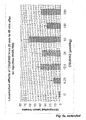
- OSU6162 a clearcut stimulating action in a classical animal Parkinson model (mice pretreated with reserpine and alpha-methyl-para-tyrosine).
Landscapes
- Health & Medical Sciences (AREA)
- Pharmacology & Pharmacy (AREA)
- Veterinary Medicine (AREA)
- Engineering & Computer Science (AREA)
- Bioinformatics & Cheminformatics (AREA)
- Public Health (AREA)
- General Health & Medical Sciences (AREA)
- Chemical & Material Sciences (AREA)
- Animal Behavior & Ethology (AREA)
- Life Sciences & Earth Sciences (AREA)
- Medicinal Chemistry (AREA)
- Neurosurgery (AREA)
- Organic Chemistry (AREA)
- Nuclear Medicine, Radiotherapy & Molecular Imaging (AREA)
- General Chemical & Material Sciences (AREA)
- Chemical Kinetics & Catalysis (AREA)
- Neurology (AREA)
- Biomedical Technology (AREA)
- Psychiatry (AREA)
- Psychology (AREA)
- Epidemiology (AREA)
- Addiction (AREA)
- Pain & Pain Management (AREA)
- Hospice & Palliative Care (AREA)
- Otolaryngology (AREA)
- Pharmaceuticals Containing Other Organic And Inorganic Compounds (AREA)
- Medicinal Preparation (AREA)
Description
- Dopamine stabilizers is a class of compounds which have the ability to reverse both hypo as well as hyperdopaminergia in vivo. This class may be exemplified by the phenylpiperidines (-)-OSU6162 and ACR16.
- The compound (-)-OSU6162 (S-(-)-3-[3-methylsulfonylphenyl]-1-propylpiperidine) belongs to a group of phenylpiperidines developed in the Department of Pharmacology, University of Gothenburg, Sweden, in collaboration with The Upjohn Company, Kalamazoo, Michigan, USA (Sonesson et al. 1994). When characterized in animal in-vivo models this group of agents showed a profile similar to the partial dopamine D2/D3 receptor agonist (-)-3-PPP (S-(-)-3-[3-hydroxyphenyl]-1-propylpiperidine). This was especially true in regard to behaviour, in that not only inhibitory but also weakly stimulatory actions could be demonstrated, depending on the baseline activity level. Clearly the tendency to immobility ("catalepsy") even after high doses is weak (Natesan et al 2006), and extrapyramidal side effects did not occur in clinical studies demonstrating an antipsychotic action (Gefvert et al 2000, L. Lindström, unpublished data, Carlsson and Carlsson 2006). In these respects these agents are similar to (-)-3-PPP. Moreover, they show albeit moderate affinity for dopamine D2 receptors, when studied in vitro, and their binding to these receptors is clearly documented in animal ex-vivo experiments. However, (-)-OSU6162 and its congeners did not show any signs of intrinsic activity on dopamine receptors in in-vivo or ex-vivo models (Sonesson et al 1994). These compounds, like (-)-3-PPP, are phenylpiperidines, but they differ from this agent in having electron-drawing substituents in 3-position on the phenyl ring rather than the OH group of (-)-3-PPP. The OH group has been assumed to be important for the partial and nearly full dopamine D2/D3-receptor agonist properties of (-)-3-PPP and (+)-3PPP, respectively.
- In the absence of partial agonism the somewhat similar behavioural profile of (-)-OSU6162 and its congeners to (-)-3-PPP calls for an explanation. So far, attempts to clarify this issue have been based on the assumption of heterogeneity of dopamine D2 receptors (see Carlsson et al 2004, Carlsson and Carlsson 2006).
- The substance (-)-OSU6162, or S-(-)-3-[3-methylsulfonylphenyl]-1-propylpiperidine), has so far been used in clinical dosages of at least 25 mg per day, and often higher. One major disadvantage is that it has been found that such high dosages may be connected to QTc values higher than normal, cardiac arrhythmia, or heart rhythm abnormalities, such as torsades de pointes.
- The present invention is based on the finding of the stimulating and inhibitory effects of the dopamine "stabilizer" (-)-OSU6162 on dopamine D2 receptor function in vitro. The present invention is defined in the features of the invention at the end of the description and in the appended claims.
-
-
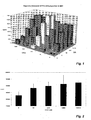
Figure 1 . Incorporation of GTPgammaS35 in CHO-hD2l membranes in the presence of various concentrations of dopamine and (-)-OSU 6162. Overview of the entire experiment. For statistics, see legends toFigures 2 and3 . -
Figure 2 . Incorporation of GTPgammaS35 in CHO-hD2l membranes following exposure to various concentrations of (-)-OSU 6162 in the absence of dopamine.
Data are means and SD, expressed as cpm (zero values N=6, other groups N=3). ANOVA shows significant differences among treatment groups (F(4,12)=4.76, P=0.0156). Zero values differ from 100 (P=0.0361), 1,000 (P=0.0067), and 10,000 nM (P=0.0032) concentrations of (-)-OSU 6162 . Differences between other groups are not significant. -
Figure 3 . Incorporation of GTPgammaS35 in CHO-hD2l membranes in the presence of two concentrations of dopamine (10 nM,Fig 3a , and 100 nM,Fig 3b ) and various concentrations of (-)-OSU 6162.
Data are means and SD of triplicates. They were obtained following subtraction from blank values, recorded in the absence of dopamine and (-)-OSU 6162. The blanks were 8,291±281 cpm (means±SD, n=6).
For either dopamine concentration (10 nM, inFig 3a ; 100 nM, inFig 3b ) ANOVA showed significant differences among the treatment groups, F(4,10)=4.36 and 16.05, respectively. In the 10 nMdopamine concentration series 10 nM (-)-OSU 6162 differed from zero (P=0.0246) and 10 nM (-)-OSU6162 differed from 1000 nM (p=0.0176 and 10000 nM (p=0.0033) (Fig 3a ). In the 100 nMdopamine concentration series 100 nM (-)-OSU 6162 yielded values significantly greater than all the 4 other treatment groups (P=<0.003 in each case) (Fig. 3b ), confirming a biphasic concentration-response curve. -
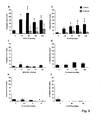
Figure 4 . Effects of (a) OSU6162 (i.p., N=5; s.c. N=5), (b) ACR16 (i.p., N=5), (c) haloperidol (i.p., N=5-21; s.c., N=4), (d) amisulpride (i.p., N=4-9), (e) aripiprazole (i.p., N=4-5) and (f) (-)-3-PPP (s.c., N=5-6) on motor activity of active rats. Activity was measured as velocity in the video tracking setting. Drugs were administered 30 minutes prior to the 30 minute tracking period. Statistical comparisons were made versus control with univariate general linear model, followed by Dunnet's post hoc test. * p<0.05; ** p<0.01; *** p<0.001 (i.p. injections). ### p<0.001 (s.c. injections). -
Figure 5 . Effects of test drugs on motor activity of habituated rats in activity boxes during t=0-30 minutes and t=30-60 minutes after s.c. injection. (a) OSU6162 (N=7-10), (b) ACR16 (N=9-10), (c) haloperidol (N=4-5), (d) amisulpride (N=6-14), (e) aripiprazole (N=5-6), (f) (-)-3-PPP (N=4-5). Activity was measured as accumulated unrepeated beam breaks. Rats were allowed to habituate for 65 minutes and then injected with test drugs. This was followed by 60 minutes of registration. Statistically significant effects were established with Kruskal-Wallis one-way analysis of variance by ranks, and comparisons versus control were performed as described by Siegel and Castellan (1988). * p<0.05; ** p<0.01; *** p<0.001 (t=0-30 min). # p<0.05, ## p<0.01, ### p<0.001 (t=30-60 min). -
Figure 6 . Effects of low doses of apomorphine (s.c.) on motor activity of active rats in the dose ranges (a) 0.04-0.16 µmol/kg (N=5) and (b) 0.16-0.64 µmol/kg (N=5). Motor activity was measured as velocity in the video tracking setting. Apomorphine was administered 5 minutes prior to registration and the rats were studied for 30 minutes. Statistical comparisons were made versus control with univariate general linear model, followed by Dunnet's post hoc test. ** p<0.01; *** p<0.001. -
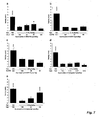
Figure 7 . Effects of (a) OSU6162 (i.p., N=5-15), (b) ACR16 (i.p., N=10), (c) ACR16 (i.p., N=5), (d) haloperidol (i.p., N=5-15) and (e) amisulpride (i.p., N=5) on apomorphine induced hypomotility in rats. Apomorphine was administered s.c. 5 minutes prior to registration at the doses 0.16 µmol/kg (a-b, d-e) or 0.08 µmol/kg (c). Test drugs were administered 30 minutes prior to registration. Motor activity was measured for 30 minutes as velocity in the video tracking setting. Statistical comparisons were made versus the apomorphine group with univariate general linear model, followed by Dunnet's post hoc test. * p<0.05; * p<0.01; *** p<0.001. -
Figure 8 . Effect of OSU6162 in a mouse model of Parkinsonism. Animals were pretreated with reserpine (10 mg/kg i.p.) and alpha-methyl-para-tyrosine (500 mg/kg i.p.) 18 and 4 hours before the experiment, respectively, and were then treated with various i.p. doses of OSU6162, expressed in µmol/kg, or saline ("ctr"). Immediately following injection the animals were placed in individual cages and video-taped from above for 60 min. Shown are the distances moved, means and S.E.M. N=5-6 per treatment group. Statistics: * P<0.05, **p<0.01, as compared with the controls. - As already explained above, attempts to clarify the somewhat similar behavioural profile of (-)-OSU6162 and its congeners to (-)-3-PPP in the absence of partial agonism have so far been based on the assumption of heterogeneity of dopamine D2 receptors. The inventors of the present invention have now found an additional, but not necessarily alternative, explanation. This is further explained below, i.a. by the in-vitro experiments on cloned dopamine D2 receptors.
- The inventors have found that low concentrations of a dopamine stabilizing compound such as (-)-OSU6162 enhances the stimulating action of dopamine, suggesting a weak partial agonism. However, this enhancing effect is reversed by higher concentrations of the dopamine stabilizing compound such (-)-OSU6162 in a complex biphasic manner. The dopamine-enhancing action is proposed to be mediated by binding to an allosteric site with high affinity and the inhibitory component by a low-affinity binding to the orthosteric site of the dopamine receptor.
- The present invention relates to the medicinal use of a dopamine stabilizing substance, also called dopaminergic stabilizer or dopamine stabilizer, in a low dose, such as 1-20 mg.
- The compound of formula I is S-(-)-3-[3-methylsulfonylphenyl]-1-propylpiperidine).
- The clinical implications of the invention are at least twofold.
- First, the discovery that the dopamine stabilizers described in the invention, can bind with high affinity to a putative allosteric site on the dopamine D2 receptor, leading to a stimulation of dopamine function, opens up new possibilities for treatment of a variety of neurological and psychiatric disorders characterized by a hypofunction of the dopamine system. In such cases the dosage of the stabilizer should be kept low to match the approximately 50 nanomolar concentrations needed for an adequate response, as further shown below. Although it is not possible to translate in-vitro data precisely to in-vivo dosages, it is reasonable to assume that the doses used so far, which were intended to match the micromolar affinities of the stabilizers to the orthosteric site of the same receptor, are severalfold higher than those needed to stimulate dopamine function via binding to the allosteric site. The oral doses used so far have been in the order of 25 to 150 mg per day. The doses needed for a stimulation of the dopamine system by binding to the allosteric site might then be at least 10 times lower, that is 2.5 to 15 mg per day. A general appropriate oral dosage according to the invention is from 1 to 20 mg per day, given once daily or divided in two equal doses. Suitable subcutaneous or intramuscular doses are only slightly lower, whereas intravenous doses are approximately 10 times less than the oral dosage.
- Examples of disorders treatable according to the invention are:
- Parkinson's disease in early stages, before introducing L-dopa or directly acting dopamine receptor agonists, or together with low doses of the same. Mental fatigue, associated with high age, stroke, postencephalitic and posttraumatic conditions.
- However, the present invention has important additional clinical implications. In addition to the above-mentioned disorders, which are characterized by a hypofunction of dopamine, a large number of disorders rather seem to be due to a lack of stability of complex neural circuits controlled by dopamine neurons. In such circuits a dopamine stabilizer appears to be able to restore the stability even in cases where the primary cause of instability is located outside the dopamine system. A typical example is Huntington's disease, which is primarily due to degeneration of gabaergic neurons in the basal ganglia. Nevertheless, as shown in clinical trials using both (-)-OSU6162 and ACR16, these stabilizers can improve both signs of overactivity, e g chorea, and underfunctions, e g cognitive failure and depression. Such a stabilizing action is assumed to be due to blockade of mutually antagonistic subpopulations of the dopamine D2 receptor, such as the autoreceptors and the postsynaptic heteroreceptor. It has been assumed that autoreceptor is more readily blocked by a dopamine stabilizer than the postsynaptic receptor, and there is some evidence for that. However, the present invention introduces a new player, that is the allosteric site, on which the stabilizers can act in much lower concentrations than in the case of the orthosteric sites to counterbalance the hypofunction caused by blockade of the postsynaptic heteroreceptor. Obviously this should lead to the existence of a therapeutic window, where the optimum dosage should lie between those needed for a functionally relevant degree of binding to the allosteric and orthosteric sites, respectively. The consequence should then be that the optimum dosage for stabilization should lie between those needed for binding to the two sites, and thus lower than those previously assumed, which were based only on the data obtained from studies of the orthosteric sites. Thus it does not seem unlikely that the doses tried so far have been to high in relation to the therapeutic window, and thus that the benefit of the treatment has been underestimated. Thus the invention leads to the conclusion that future clinical trials in disorders characterized by instability of neural circuits must avoid too high doses by taking into account the probable existence of a therapeutic window. A proposed average dose intended for stabilization could be 25 - 50 mg per day, given once or preferably divided in two equal doses.
- Examples of disorders, where an instability of neural circuits appear to be of crucial importance and where dopamine stabilizers in adequate dosage would be expected to be beneficial, are:
- Schizophrenia, with positive or negative/cognitive deficit symptoms, or both. Other psychoses and paranoid conditions. Manic-depressive disorder. Huntington's disease (both chorea and mental symptoms, e g cognitive deficits). Tics, Tourette's disease, hiccup. Dyskinesias induced by L-dopa and other dopamine-receptor agonists. Tardive dyskinesias, induced by long-term treatment with dopamine receptor antagonists. Drug abuse and addiction (central stimulants, central depressants, alcohol, cannabis, opiates, nicotine). Addiction to gambling, certain foodstuffs etc. Emotional disorders, aggressiveness, pathological impulsiveness. Emotional disturbances induced by severe pain(treatment combined with analgesics). Anxiety disorders, panic disorders, generalized anxiety disorder, obsessive-compulsive disorder. Combined treatment with antipsychotic drugs, serving to alleviate their adverse effects (extrapyramidal, executive, cognitive, emotional).
- One could consider a third category of disorders, which would be characterized by a pure hyperfunction of the dopamine system. However, the existence of such conditions may be questioned. Even if, for example, abuse of central stimulants initially leads to dopamine hyperfunction, addicts at the time of asking for medical help also suffer from instability and/or overt weakness of the dopamine system. As to spontaneous disorders, schizophrenia with pre-dominantly positive symptoms, indicating dopamine hyperfunction will also almost invariably be accompanied by signs of dopamine hypofunction (negative symptoms and cognitive deficits). The same thing is true of mania, and so forth.
- The pharmaceutical composition according to the invention, used according to the invention or produced according to the invention may also comprise other substances, such as an inert vehicle, or pharmaceutical acceptable adjuvants, carriers, preservatives etc., which are well known to persons skilled in the art.
- The effect of (-)-OSU6162 on the incorporation of GTPgammaS35 in the membranes of hD2l-transfected CHO cells was investigated. In the absence of dopamine the compound exerted a slight but significant stimulating action, suggesting a weak partial agonism. In the presence of dopamine, low concentrations (10 to 100 nM) enhanced the stimulating action of dopamine. This enhancing effect was reversed by higher concentrations of (-)-OSU6162 in a complex biphasic manner. The dopamine-enhancing action is proposed to be mediated by binding to an allosteric site with high affinity and the inhibitory component by a low-affinity binding to the orthosteric site of the dopamine receptor.
- Materials. (-)-OSU 6162 was obtained from Dr. Clas Sonesson (University of Gothenburg, Gothenburg, Sweden). Dopamine and GDP were purchased from Sigma Chemical Co. (St Louis MO). Unlabeled GTPgammaS was purchased from Roche (Indianapolis ,IN). All drugs were dissolved in deionized water and prepared daily. GTPgammaS35 (1250 Ci/mmol) was purchased from NEN Life Science Products (Boston MA).
- CHO-hD2l cells were grown to near confluence in T-150 flasks, and cells harvested, and membranes prepared as previously described (Lahti et al 1992). Membranes were stored at -80° C at a concentration of 1 mg protein/ml buffer.
- Dopamine-stimulated GTPgammaS35 incorporation was determined using the following procedure: in a buffer containing 20 mM HEPES, 5 mM Mg Cl2, 100 mM NaCl, at pH 7.5, membranes (60 µg/ml) were incubated with vehicle, drugs and 3 µM GDP for 30 min at 30° C, total volume was 1.1 ml. Then were added 30 microliter of GTPgammaS35 (160 pM) and the incubation continued for another 30 min as before. The reaction was stopped by filtering the samples with a Brandel harvester on Whatmann GF/B filters. Filters were placed in liquid scintillation vials containing 10 ml of BCS scintillation fluid and counted the next day. All samples were run in triplicate.
-
Figure 1 presents an overview of the effect of various concentrations of dopamine and (-)-OSU6162 on the incorporation of GTPgammaS35. Following addition of dopamine alone a sigmoid-shaped curve is apparent, with a ceiling effect between 1,000 and 10,000 nM dopamine concentrations. A similar result was obtained in another experiment under the same experimental conditions. - In the absence of dopamine, 100 to 10,000 nM concentrations of (-)-OSU6162 increased the incorporation of GTPgammaS35 by 8 to 11 percent (
Figure 2 , data extracted fromFigure 1 ). - When dopamine and (-)-OSU6162 concentrations were varied simultaneously, the two agents showed a complex interaction on GTPgammaS35 incorporation (
Figure 3 , data extracted fromFigure 1 ). At low concentrations of dopamine (10 to 100 nM), low concentrations of (-)-OSU6162 (10 to 100 nM) caused an increased incorporation of GTPgammaS35. However, this increase was no longer seen after higher concentrations of (-)-OSU6162 (1,000 to 10,000 nM). At higher dopamine concentrations (1,000 and 10,000 nM) variations in (-)-OSU6162 levels yielded similar, though flatter activity curves. - The data above demonstrate both stimulating and inhibitory effects of (-)-OSU6162 on the activity of dopamine D2 receptors, expressed as GTPgammaS35 incorporation. When given alone, (-)-OSU6162 was found to exert a weak stimulating effect on GTPgammaS35 incorporation, suggesting that this agent is a partial agonist on dopamine D2 receptors. In support of this hypothesis this compound is chemically closely related to 3PPP, whose enantiomers possess agonist properties on dopamine D2/D3 receptors. In addition (-)-OSU6162 has a behavioural profile fitting in with a weak partial agonism on dopamine D2 receptors. Seeman and Guan (2006) also showed the mild agonist effect of (-)-OSU6162 on GTPgammaS35 incorporation into cloned CHO cells with the D2long dopamine receptor, but failed to demonstrate the complex interaction of varied concentrations of (-)- OSU6162 on the agonist effects. So far, however, direct in-vivo testing of (-)-OSU6162 has failed to demonstrate any dopamine receptor agonism (Natesan et al. 2006). The most likely explanation of the available data appears to be that (-)-OSU6162 is an albeit weak partial agonist on dopamine D2 receptors. Probably such weak agonism is more easily detectable under in-vitro conditions, because a complete absence of dopamine can hardly be reached under in-vivo conditions.
- When various concentrations of dopamine and (-)-OSU6162 were studied in combination, (-)-OSU6162 was found to have a biphasic effect on dopamine D2 receptor activity. A stimulating action, enhancing the effect of dopamine, showed up after low concentrations of (-)-OSU6162, but this enhancing effect was reversed by higher concentrations, which thus seemed to antagonize the effect of dopamine.
- The following interpretation would probably best fit in with previous knowledge about (-)-OSU6162. Both in-vitro binding and in-vivo data support the view that (-)-OSU6162 is an antagonist on dopamine D2 receptors, albeit with a weak intrinsic activity, so far detectable only under in-vitro conditions. The antidopaminergic component induced by high concentrations of (-)-OSU6162 under the present conditions may be explained accordingly. This fits in with the fairly high Ki of the compound (in the micromolar region) in the previous in-vitro binding experiments (Sonesson et al. 1994).
- The stimulation induced by low (-)-OSU6162 concentrations could then be due to binding to an allosteric site, leading to an enhanced action of dopamine, and possibly to the weak stimulation of the receptor observed even in the absence of dopamine. The binding of this compound to an allosteric site might lead to a conformational change of the receptor molecule, and this in turn could have a number of different consequences: a) an increased affinity to dopamine, b) an increased responsiveness to dopamine by some other mechanism, c) an increased constitutive activity of the receptor, or d) any combination between these possibilities. Alternative explanations may need to be considered, involving for example, binding to some adjacent protein which in one way or another might influence the dopamine receptor.
- The complex mechanisms proposed above could perhaps be looked upon as a model for receptor stabilization: simultaneous occupancies by one and the same agent on allosteric and orthosteric sites, counterbalancing each other without necessarily disturbing the baseline receptor activity, should lead to a stabilizing action, because the amplitude of responses to endogenous dopamine release would be dampened, due to a reduced availability of binding sites. However, the extrapolation of data obtained in an artificial in-vitro system to in-vivo conditions must be regarded as tentative only.
- The present experiments were performed on the long splice variant of the human D2 receptor. It remains to be seen how the short variant will behave in this experimental model. There is a functional difference between the two variants at least in so far as auto- versus hetero-receptors are concerned: the former seem to belong predominantly to the short variant, whereas the latter are mixed (Khan et al 1998, Centonze et al 2002). The heteroreceptors are either synaptic or extrasynaptic. An attractive hypothesis would be that the short variant is predominantly extrasynaptic, regardless of whether it is an auto- or heteroreceptor, whereas the long variant would be primarily located to the synaptic cleft. The two variants would then be geared to different neurotransmitter concentrations. There is good evidence that the autoreceptors are more responsive to low transmitter concentrations than the heteroreceptor (Carlsson and Carlsson 2006). Moreover, postsynaptic dopamine receptors rendered extrasynaptic following degeneration of dopamine neurons become supersensitive. It would be interesting to compare the two splice variants in the present experimental model. In general, in-vitro binding experiments have so far shown them to behave equally, using a large number of antidopaminergic agents (Leysen et al 1993). However, one study has reported somewhat higher affinities of atypical antipsychotics to the short variant (Malmberg et al 1993).
- The possible existence of an endogenous ligand for the proposed allosteric site could be a matter for speculation. Such a ligand could be released along with dopamine as a co-transmitter or from an adjacent cell. It could either enhance or dampen the function of dopamine and thus serve as an amplifier or stabilizer. The simultaneous existence of both amplifying and stabilizing allosteric ligands may also be considered.
- Dopaminergic stabilizers can be defined as drugs that stimulate or inhibit dopaminergic signalling depending on dopaminergic tone. (-)-OSU6162 and ACR16 appear to possess such a profile. They have been proposed to act as partial dopamine receptor agonists or as antagonists with preferential action on dopaminergic autoreceptors. Previous studies have shown either stimulation or inhibition of behaviour in response to OSU6162 and ACR16, which has been suggested to reflect their dual effects on dopaminergic signalling. The aims of the present work are to (1) examine the relation between behavioural response to these drugs and activity baseline, and (2) test the suggested mechanisms of action by means of close comparisons with the known partial D2-receptor agonists (-)-3-PPP and aripiprazole, and the D2 autoreceptor preferring antagonist amisulpride with respect to effects on behaviour. From the results of these experiments it can be concluded that: 1) The direction of the response to (-)-OSU6162 and ACR16 is dependent on activity baseline, which in turn, under physiological conditions, is determined primarily by test arena size of and degree of habituation to the environment. 2) The effects of (-)-OSU6162 and ACR16 cannot be explained on the basis of either partial dopamine receptor agonism or preferential dopamine autoreceptor antagonism. Nevertheless, the current data suggests at least two different D2-receptor-associated targets which mediate opposite effects on activity. This result fit in with a mechanism proposed from a recent in vitro study, according to which (-)-OSU6162 has a dual action on dopamine D2 receptors, a) an allosteric effect causing an enhanced response to dopamine, and b) the previously proposed orthosteric effect antagonizing the action of dopamine. The dosage reqiured for inducing the former effect is distinctly lower than that required for the latter..
- Dopaminergic stabilizers constitute a novel principle for treating schizophrenia and other disorders involving dopaminergic circuits of the brain. Conceptually, these drugs act normalizing on dopaminergic signalling depending on dopaminergic tone. In case of an elevated dopamine function, these drugs cause dopaminergic inhibition. In case of a low dopaminergic tone, they enhance dopaminergic signalling. Thus, these drugs constitute potential treatments for a variety of conditions involving dopaminergic pathways. Focusing on schizophrenia, an appropriate degree of dopaminergic inhibition may alleviate positive symptoms without inducing the extrapyramidal and mental side effects associated with excessive D2-receptor blockade. Any negative symptoms caused by low dopaminergic tone could also improve, owing to the stimulating effect of these drugs.
- One type of dopaminergic stabilizers are the partial D2-receptor agonists and include compounds like aripiprazole (Jordan et al., 2002a; Jordan et al., 2002b) and (-)-3-PPP (Carlsson, 1983). A partial agonist is per definition stabilizing on transmission at the level of the receptor, acting towards a degree of activation lower than that of the endogenous agonist. It will stabilize the average receptor activity towards a level that reflects its intrinsic activity, i.e. the relative preference for the active and inactive states of the receptor (see Buxton, 2005). Aripiprazole is among the partial D2-receptor agonists with the lowest known intrinsic activity (Jordan et al., 2007; Jordan et al., 2006; Tadori et al., 2005). Among the established partial D2-receptor agonists, only aripiprazole is on the market and is used in the treatment of psychosis and mania.
- Another type of dopaminergic stabilizers appear to be pure D2 receptor antagonists and include the structurally related molecules (-)-OSU6162 (OSU6162) (compound no. 16, Sonesson et al., 1994) and ACR16 (Pontén et al., 2002; Waters et al., 2002). OSU6162 and ACR16 have been suggested to be D2 receptor antagonists with preferential action on autoreceptors (Carlsson et al., 2004)(see Carlsson et al., 2004). OSU6162, however, was recently claimed to be a partial dopamine receptor agonist with minor intrinsic activity (Seeman and Guan, 2006). OSU6162 and ACR16 have been investigated in early clinical studies and have been found therapeutically active in schizophrenia, Parkinson's disease with L-dopa induced dyskinesias, and in Huntington's disease (Gefvert et al., 2000; Lundberg et al., 2002; Tedroff et al., 1999, unpublished data; Information from Neurosearch A/S, Denmark, published in an International Offering Circular September 22, 2006). In this context the atypical antipsychotic amisulpride should be mentioned; it has been characterized as a preferential dopaminergic autoreceptor antagonist (Perrault et al., 1997; Schoemaker et al., 1997) but is usually not labelled a dopaminergic stabilizer.
- Previously, in a test for social interactions, we observed inhibition of motor activity in response to OSU6162 and ACR16 in MK-801 treated rats but also in previously untreated rats (Rung et al., 2005a). The latter result contrasts with other studies, in which OSU6162 and ACR16 caused little or no activation in drug naïve rats placed in a new environment, or a clear-cut activation in animals habituated to the same environment (Natesan et al., 2006; Sonesson et al., 1994). We hypothesize that the main cause for these different outcomes is a difference in baseline activity. Behavioural inhibition was induced in rats with a high activity level; the high activity had been induced either by a new environment the rats found stimulating (Rung et al, 2005) or by treatment with dopaminergic enhancers, whereas activation was seen in inactive rats, previously habituated to a poorly stimulating environment (Sonesson et al, 1994; Natesan et al, 2006). Presumably, environmentally induced variations in motor activity level and in dopaminergic tone are closely interrelated. OSU6162 and ACR16 have been shown to reverse amphetamine-induced hyperactivity in rats (Natesan et al., 2006), indicating dopaminergic inhibition in a hyperdopaminergic state.
- The aims of the present study were to (1) examine the influence of activity baseline on the behavioural response to OSU6162 and ACR16 and (2) test the previously presented hypotheses regarding the mode of action of these drugs by close comparisons with the well characterized compounds aripiprazole, (-)-3PPP and amisulpride in different behavioural settings.
- Male Sprague-Dawley rats (Scanbur BK AB, Sollentuna, Sweden), weighing 255-340 g, were used in these experiments. Prior to testing, the rats were housed for approximately 1 week with free access to food and water, in groups of four or five in Macrolon type III cages in the animal facility of the Sahlgrenska Academy at Göteborg University. The experiments were approved by the animal ethics committee in Göteborg.
- (-)-OSU6162 hydrochloride (MW=317.9), under the synonym PNU-96391A, was a gift from Pfizer Inc. (Groton, Connecticut, USA). Amisulpride (MW=369.5) was a gift from Sanofi-Aventis (Bagneux, France). ACR16 tartrate (MW=431.5) and aripiprazole (MW=448.4) were provided by Lilly Research Laboratories (Indianapolis, U.S.A). R-(-)-Apomorphine hydrochloride hemihydrate (MW=312.8), haloperidol (MW=375.9) and (-)-3-PPP hydrochloride (MW=255.8) were purchased from Sigma-Aldrich Sweden AB (Stockholm, Sweden).
- OSU6162, ACR16, apomorphine and (-)-3-PPP were dissolved in 0.9 % saline. A few grains of ascorbic acid were added to apomorphine solutions to prevent oxidation of the drug. Haloperidol and amisulpride were dissolved in a minimum amount of acetic acid and diluted with 5.5% glucose. The solutions were adjusted to pH 5-7 with sodium bicarbonate. Aripiprazole was dissolved in a minimum amount of heated acetic acid, diluted in warm 5.5% glucose and adjusted to pH 4-5. All drugs were administered intraperitoneally (i.p.) or subcutaneously (s.c.) in volumes of 5 ml/kg. Control treatments consisted of the appropriate vehicle administered in accordance with the drug treatment at issue.
- This method was modified from a setting used previously for social interaction experiments (Rung et al., 2005b). The rats were housed in reverse daylight cycle and all handling of the animals was performed in dim light. Apomorphine was administered s.c. 5 minutes prior to testing, while all other drugs were injected i.p. or s.c. 30 minutes before testing. Single rats were introduced into rectangular arenas (l/w/h: 150×100×40 cm) illuminated indirectly by one infrared lamp (Neocom, South Korea). The rats' movements were recorded to digital (MPEG2) video files using an IR sensitive video camera (Panasonic WV-CPR480, lens: Panasonic LA-408C3) connected to a PC equipped with a MPEG-encoder (MVR1000SX, Canopus Co.). The video files were then analyzed with the video tracking software EthoVision 3.1 Color Pro (Noldus Information Technology, Wageningen, The Netherlands) using a sample frequency of 12.5 samples per second. Behavioural variables were extracted from the tracks in MatLab (The MathWorks, Inc., USA) with functions developed in this laboratory. Mean velocity was used to measure motor activity. Prior to calculation of velocity the tracks were subjected to a running mean filter, i.e. each sample was replaced by the mean of fifteen consecutive samples.
- These experiments were designed to resemble those of Sonesson et al (1994). Rats were housed in a normal daylight cycle and testing was performed during daytime. Animals were introduced into sound attenuated, illuminated activity boxes (l/w/h: 40×40×20 cm) and were allowed to habituate in the new environment for 65 minutes. During the following 5 minutes test drugs were injected s.c., after which the rats were returned to the boxes for another 60 minutes. Five by five rows of photocell beams at floor level allowed a computer based-system to register horizontal activity. Motor activity is presented as accumulated number of unrepeated beam breaks, i.e. several consecutive breakings of one beam is counted as one beam break. The software was set to register behaviour from the rat's first introduction into the arena until it was finally removed from the box, i.e. for 130 minutes. Activity is presented separately for t=0-30 min and t=30-60 min after injection.
- In several cases data from two or more experiments have been pooled. Suspected outliers were evaluated one at the time with Grubbs' test for outliers (De Muth, 1999; Grubbs, 1969). Confirmed outlying values (N=0-3 per experiment) were excluded from statistical analyses and graphical presentations. Data from the video tracking setting was analyzed with univariate general linear model (GLM). Following GLM analysis, comparisons versus the appropriate control groups were performed with Dunnet's post hoc test. GLM analyses showed no statistically significant inter-experiment differences in pooled data with respect to drug effects on motor activity. "Experiment" was therefore not included as a factor in the GLM analyses. Data obtained from activity boxes was analyzed with Kruskal-Wallis one-way analysis of variance by ranks. Comparisons were made versus control as described by Siegel and Castellan (1988). All statistical tests were two sided and p<0.05 was considered statistically significant.
- In the video tracking setting, control rats had a high initial activity level, and activity decreased markedly, but did not level out, during the 30 minutes of behavioural testing.
- Both OSU6162 and ACR16 (30-120 µmol/kg, i.p.) caused a dose-dependent and statistically significant reduction of motor activity (
Figure 4a-b ). When administered subcutaneously OSU6162 (50-200 µmol, s.c.) induced a similar dose dependent behavioural inhibition (Figure 4a ). The classical neuroleptic haloperidol (0.067-0.53 µmol/kg) caused statistically significant inhibition at the highest dose (Figure 4c ). However, rats receiving the highest dose of haloperidol may be divided into one group (N=4) not responding to the treatment and one group (N=6) with a marked reduction in motor activity. This indicates that this dose may be on the threshold between response and no response with respect to activity. When administered subcutaneously at a higher dose, haloperidol (0.8 µmol/kg, s.c.) inhibited motor activity to approximately 7 % of control level (Figure 4c ). Amisulpride (4-270 µmol/kg, i.p.), an autoreceptor preferring D2/D3-receptor antagonist, inhibited motor activity slightly at the highest dose tested (Figure 4d ). The partial D2-receptor agonists aripiprazole (0.4-10 µmol/kg, i.p.) (Figure 4e ) and (-)-3-PPP (2.5 and 10 µmol/kg, s.c.) (Figure 4f ) induced marked and dose-dependent inhibition on motor activity, that was statistically significant at all doses tested. - The rats were allowed to habituate in the boxes for 65 minutes before injections of test drugs. During the habituation period there was a steep decline in motor activity. After approximately 30 minutes, motor activity had reached a baseline that was close to zero. Following injection, the rats displayed a moderate but unmistakable motor activation. Control animals typically became stationary within 10 minutes after injections, and remained so until removed from the boxes.
- All doses of OSU6162 (25-200 µmol/kg, s.c.) induced a marked locomotor activation during the first 30 minutes following drug injection. During the final 30 minutes of registration, the three highest doses significantly stimulated locomotion (
Figure 5a ). ACR16 (25-200 µmol/kg, s.c.) also caused an activation, although smaller than that of OSU6162. During the first 30 minutes after injection this effect increased dose-dependently. During the final 30 minutes of observation, the effect appeared to peak at thedose 50 µmol/kg (Figure 5b ). Although OSU6162 and ACR16 clearly stimulated activity of habituated rats, the resulting activity level was low compared the activity before habituation. Neither haloperidol (0.1-0.8 µmol/kg) nor amisulpride (33-300 µmol/kg) had any significant effects on motor activity (Figure 5c-d ). Aripiprazole (0.4-10 µmol/kg, s.c.) caused a dose-dependent inhibition during the first 30 minutes after injection, which was statistically significant at the highest dose, but did not affect locomotor activity during the final 30 minutes of registration (Figure 5e ). (-)-3-PPP did not have any statistically significant effects on motor activity in either time interval (Figure 5f ). - In a later experiment the data showed in
Figure 5a were extended to include two lower doses of OSU6162, i e 6.25 and 12.5 µmol/kg, s.c.(seeFigure 5a extended, showing data from all doses). A significant effect shows up already in a dose of 12.5 µmol/kg that is, a dose severalfold lower than that required for inducing behavioural inhibition (seeFig. 4a ). - Apomorphine had a dose dependent inhibiting effect on locomotor activity at the doses 0.04-0.16 µmol/kg (s.c.), when tested in the video tracking setting (
Figure 6a ). When a higher dose-interval (0.16-64 µmol/kg) was tested it was apparent that motor activity began to return towards a level similar to that observed in controls (Figure 6b ). Maximal inhibition of apomorphine occurred at the dose 0.16 µmol/kg, which also appears to be a standard dose for this type of experiments (e.g. Ståhle and Ungerstedt, 1986; Svensson et al., 1986). - Several drugs were tested regarding their effects on apomorphine (0.16 µmol/kg, s.c.) induced hypomotility. OSU6162 (30-120 µmol/kg, i.p.) caused a modest but apparently dose dependent reversal of apomorphine-induced hypomotility up to a dose of 60 µmol/kg. A higher dose (120 µmol/kg), however, seemed to cause a marked drop in motor activity (
Figure 7a ). ACR16 (30, 60 µmol/kg, i.p.) did not have any noticeable effect on apomorphine-induced hypoactivity (Figure 7b ). When tested with a lower dose of apomorphine (0.08 µmol/kg, s.c.), the higher dose of ACR16 tended to inhibit activity further (Figure 7c ). Haloperidol (0.13-0.53 µmol/kg, i.p.) had no statistically significant effects on motor activity when added to apomorphine (0.16 µmol/kg, s.c.) (Figure 7d ). Amisulpride (20-100 µmol/kg, i.p.) effectively counteracted apomorphine-induced hypoactivity (Figure 7e ). When tested at a higher dose (270 µmol/kg, s.c.), amisulpride induced a mere tendency towards reversal of apomorphine-induced hypoactivity (data not shown). - This study shows that the dopaminergic stabilizers OSU6162 and ACR16 inhibit motor activity in drug naïve rats with a high activity level but have the opposite effect in rats with a low activity level, i.e. there is a stabilization towards an intermediate level of behavioural activity. To our knowledge, this has not previously been shown within the same study.
- Already in an earlier study we observed behavioural inhibition in response to OSU6162 and ACR16 in drug naïve rats (Rung et al., 2005a). Inhibition in response to these drugs has also been observed in rats treated with amphetamine and apomorphine (unpublished data, Dept. of Pharmacology, Göteborg University, summary graph published in Carlsson, 2001; Natesan et al., 2006). In previous studies on drug naïve rats these drugs were reported to influence behaviour differently depending on baseline activity. In animals activated after being introduced into a new environment the effect was slight and variable (Sonesson et al., 1994), whereas it was clearly stimulating in animals with low activity following habituation to the environment (Natesan et al., 2006; Sonesson et al., 1994). The latter response was also observed in the current investigation using a similar setting.
- The question arises why an inhibitory effect was not seen in the earlier studies in drug naïve rats, apart from that by Rung et al (2005a). In this context many factors should be considered, e g area of the test arena, degree of habituation, drug pre-treatment time, drug administration route, day-light cycle and illumination. We have reached the conclusion that test arena size and degree of habituation to the environment are most important in determining the behavioural responses to OSU6162 and ACR16. The surface area of the arenas was almost an order of magnitude larger in experiments by Rung et al, including the present study. It is reasonable to assume that the larger arenas are more stimulating. In studies where OSU6162 and ACR16 fail to reduce activity, rats are studied in small activity boxes and injections are made immediately before the rats are introduced into the equipment. By observing the recordings from the habituation period in the current study, we find that the rats habituate almost fully to these small activity boxes within the first 15 minutes of registration. Thus, when the drugs are administered immediately before registration of behaviour, the rats will be partly habituated before the drugs have reached full effect. In a preliminary experiment ACR16 indeed caused marked reduction in motor activity in small activity boxes; in this experiment, we used a pre-treatment time of 30 minutes and the rats were studied during the dark hours, with the light inside the boxes turned off.
- The administration routes were often not the same in the different procedures and studies. Therefore, we performed two additional experiments to study the importance of administration route. OSU6162 and haloperidol were selected to be administered s.c. in the video tracking setting. The outcome after s.c. administration corresponded well with the response to i.p. injections of the drugs. Thus, at least for these two compounds, administration route does not seem to be of major importance for the behavioural response.
- As to the issues of illumination and daylight cycle, behavioural inhibition has been observed in ultraviolet (Rung et al., 2005b) or infrared light (current study) during the dark hours of the rats' diurnal rhythm. Based on how the light is perceived by humans, we presume that the ultraviolet and infrared light used in these studies is perceived by the rats as dim light and darkness respectively. In one preliminary experiment, rats studied during daytime in large illuminated arenas responded to OSU6162 with a behavioural inhibition similar to that observed in darkness. Preliminary data also showed that rats habituated to this environment did not respond with any change in activity following treatment with OSU6162.
- In summary, our observations show that whether OSU6162 and ACR16 will have stimulatory or inhibitory effects on behaviour is dependent on the rats' activity and arousal level. This, in turn, is under physiological conditions determined primarily by (1) the size of the arena and (2) the degree of habituation to the environment. These two are strongly interconnected since the habituation rate is greatly affected by arena size. Administration route, light conditions and daylight cycle generally seem to be factors of minor importance. Our observation that an inhibitory influence of OSU6162 and ACR16 on behaviour can be demonstrated without pre-treatment with any stimulants, i.e. under physiological conditions, is of course important and further underscores the stabilizing behavioural profile of these agents.
- The data reported in the present invention, where we have made close comparisons between OSU6162 and ACR16 on one hand and established dopamine partial agonists and a D2 autoreceptor selective antagonist on the other, permit certain conclusions to be drawn regarding the mechanisms underlying the stabilizing profile of the former drugs:
- As mentioned in the Introduction, partial dopamine agonists can be characterized as stabilizers, because they can serve as mixed agonists/antagonists. A partial agonist is more likely to behave as an agonist when the endogenous ligand is of low abundance, while the antagonist properties show up more easily when the endogenous agonist concentrations are high. At the receptor level, a partial dopaminergic agonist affects dopaminergic transmission towards a level reflecting its intrinsic activity; this is influenced by the receptor responsiveness, which in turn is affected by the degree of previous long-term stimulation of the receptor (see Carlsson, 1983). Recently it was reported that OSU6162 has a minor agonist effect at D2-receptors in vitro (Lahti et al., 2007; Seeman and Guan, 2006). According to another study, ACR16 does not seem to have this effect (Tadori et al., 2007). In spite of their higher intrinsic activity at D2-receptors, neither aripiprazole nor (-)-3-PPP induced activation in inactive rats. Thus, the present data show convincingly that the behaviourally stimulating action of OSU6162 and ACR16 cannot be explained by partial dopamine receptor agonism in the classical sense. Further compelling evidence for the lack of even partial agonism by OSU6162 or ACR16 in the classical sense under in-vivo conditions has been summarized by Natesan et al. (2006; see page 816).
- In the present study, rats with high activity level as a result of the introduction to a novel stimulating environment react to OSU6162 and ACR16 treatment with marked inhibition of behaviour. This is probably due to an elevated dopamine activity. In support of this assumption, it has been shown that, when rats are placed in a new environment, extracellular dopamine levels increase in the nucleus accumbens (Rebec, 1998). We are currently analysing brains from active and inactive rats for any biochemical dopamine-related differences. Preliminary data indicates that active rats, compared to inactive rats, have higher concentrations of homovanillic acid in the striatum, indicating a higher dopaminergic activity. Furthermore, OSU6162 and ACR16 have been shown to reverse the activating effect of amphetamine in rats (Natesan et al., 2006) and sub-human primates (Brandt-Christensen et al., 2006). It is reasonable to assume that the inhibitory effect seen in this study is due to a reversal of a physiologically induced increase in dopaminergic tone and due to blockade of postsynaptic receptors. Thus, it seems that OSU6162 and ACR16 act on at least two different targets with opposite effects on activity and dopaminergic signalling.
- The behavioural activity level of animals can be influenced by dopamine receptors in both directions: stimulation of autoreceptors and heteroreceptors leads to behavioural inhibition and activation, respectively, and blockade of either of these receptors has the opposite effect. As mentioned, OSU6162, ACR16 and their congeners are for all practical purposes to be looked upon as dopamine D2/D3 receptor antagonists, because in the in vivo situation we can disregard the minimal intrinsic activities that may show up in vitro (Lahti et al., 2007; Seeman and Guan, 2006; Sonesson et al., 1994). We have previously considered the possibility that the ability of these agents to stimulate or inhibit behaviour could be the result of shifting the balance between the two opposing actions, namely blockade of autoreceptors and heteroreceptors respectively. In other words, their stimulating action could be due to a preferential autoreceptor antagonism.
- For detecting autoreceptor preference of OSU6162 and ACR16 we tested these drugs for reversal of apomorphine-induced hypoactivity. We used the dose 0.16 µmol/kg (0.05 mg/kg) of apomorphine, since it was shown to be the most effective in inhibiting activity in this setting. OSU6162 induced a partial reversal of apomorphine-induced hypoactivity, which indicates a modest preference for D2 autoreceptors versus synaptic receptors. ACR16, however, had no such effect in this model. Since ACR16 has a lower affinity than OSU6162 for D2-receptors, it may be argued that this drug may not be capable of competing with apomorphine for the binding sites of D2 autoreceptors. Therefore, we also tested ACR16 along with a lower dose (0.08 µmol/kg) of apomorphine. Under these conditions ACR16 again did not counteract apomorphine-induced hypomotility but rather tended to further inhibit behaviour, an effect that was probably due to blockade of D2 heteroreceptors.
- Previously amisulpride has been convincingly characterized as a preferential dopamine autoreceptor antagonist (Perrault et al., 1997). We thus considered it of great interest to compare the behavioural action of this agent closely with OSU6162 and ACR16. The outcome of this comparison was very clear. The preferential action of amisulpride on dopaminergic autoreceptors could be readily confirmed by demonstrating its reversal of apomorphine-induced hypomotility. Despite the superiority of amisulpride over OSU6162 and ACR16 in this autoreceptor preference model, it turned out to be unable to stimulate the behaviour of habituated animals. Thus one can exclude the kind of preferential autoreceptor antagonistic action caused by amisulpride as the sole or even a major mechanism underlying behavioural activation induced by OSU6162 and ACR16. This would be true of both D2 and D3 autoreceptors, because amisulpride seems to act equally strongly on these two receptor subtypes (Schoemaker et al., 1997).
- The inability of amisulpride to inhibit behaviour in active rats over a large dose range, as shown in the present study (cf Perrault et al., 1997), is remarkable and may suggest a low ability of this compound to reach synaptic receptors. This would fit well with the observations that amisulpride shows poor penetration of biological membranes (Hartter et al., 2003). Amisulpride has previously been shown to reverse behavioural activation induced by amphetamine and apomorphine (Perrault et al., 1997), which indicates that heightened arousal in response to stimulating drugs is qualitatively different from that occurring under physiological conditions and may result from blockade of extrasynaptic receptors (see Carlsson et al, 2004). Since also the autoreceptors are extrasynaptic it would thus appear that amisulpride is a compound with selectivity for extrasynaptic receptors, possibly due to pharmacokinetic factors.
- To summarize, our present results have shown that neither partial dopamine receptor agonism nor preferential dopamine autoreceptor antagonism can be the main mechanism underlying the unique behavioural profiles of OSU6162 and ACR16 and, hence, we had to search for a third mechanism:
- In a recent study OSU6162 was found to possess both stimulating and inhibitory effects on D2-receptor activity in an in vitro assay measuring GTPγS incorporation in membranes from CHO-cells transfected with human D2l receptors. Low concentrations of OSU6162 potentiated the effect of dopamine while higher concentrations inhibited receptor activity, resulting in a biphasic concentration-response curve. In the absence of dopamine OSU6162 had a minor stimulating effect, suggesting that the compound has weak intrinsic activity. The interpretation of these data is that OSU6162 enhances D2-receptor activation via an allosteric site at the receptor whereas inhibition is attributed to blockade of the binding site for dopamine, i.e. the "orthosteric" site (Lahti et al., 2007, see above pp. 12-16). These mechanisms provide strong and welcome candidates for the two targets for OSU6162 and ACR16 suggested by the current data. The allosteric and orthosteric sites of the D2-receptor would then be responsible for behavioural activation and inhibition, respectively.
- The phenylpiperidine derivatives OSU6162 and ACR16 with dopamine-stabilizing properties discussed in this paper have in general a higher affinity to dopamine D3 than D2 receptors, judging by in-vitro data (Sonesson et al., 1994). The question arises whether the inhibiting effects of these drugs could be due to a preferential binding to D3 receptors. At one time the latter subtype was believed to be behaviourally inhibitory and thus antagonistic to the former subtype (Waters et al., 1994). More recently, however, the weight of evidence indicates that both D2 and D3 heteroreceptors (that is, postsynaptic receptors) are behaviourally activating (see Sokoloff et al., 2003). When considering partial agonists, (-)-3-PPP has been found to be a partial agonist also on dopamine D3 receptors (Malmberg et al., 1998), and thus the argument put forward above against partial agonism underlying the behavioural activation by OSU6162 and it congeners would be equally valid also for D3 receptors. In the case of autoreceptor antagonism involving D3 receptors the same argument can be applied, because amisulpride has about the same affinity for D2 and D3 receptors, as observed in vitro (Schoemaker et al., 1997).
- In this context it is interesting to mention the fairly strongly D3- versus D2-preferring compound U99194A, which led to the suggestion that postsynaptic D3 heteroreceptors had a behaviourally inhibitory function. This drug was shown to induce an unusually strong behavioural activation, but also to potentiate the stimulating effects of amphetamine and apomorphine on behaviour (Waters et al., 1994; Waters et al., 1993). These are effects that could be expected from a drug with a pronounced preference for the proposed allosteric site at the D2-receptor. In light of recent observations, and the results of the current investigation, the data presented in these papers would appear to fit in best with the hypothesis that this compound binds to both the allosteric and orthosteric sites of dopamine D2 receptors. This can be looked upon as an example of the necessity to revisit earlier pharmacological data in light of recent findings.
- In conclusion, this study has shown that the dopaminergic stabilizers OSU6162 and ACR16 inhibit motor activity in drug naïve rats with a high activity level but have the opposite effect in rats with a low activity level. This suggests that these drugs stabilize dopaminergic signalling even under physiological conditions. The effects of (-)-OSU6162 and ACR16 cannot be explained on the basis of either partial dopamine receptor agonism or preferential dopamine autoreceptor antagonism. Nevertheless, our results suggest that (-)-OSU6162 and ACR16 act via at least two D2-receptor associated targets which have opposing actions on dopaminergic transmission. This would fit in with a mechanism proposed from the in vitro study referred to above, according to which (-)-OSU6162 has a dual action on dopamine D2 receptors, a) an allosteric effect causing an enhanced response to dopamine, and b) the previously proposed orthosteric effect antagonizing the action of dopamine.
- The present study makes it possible, for the first time, to compare the dose requirements for the two mutually antagonistic actions of a dopamine stabilizer such as OSU6162. The dose required for inducing a stimulatory effect on behaviour was found to be distinclly lower than that required for inducing inhibition (compare
Figure 4a withFigure 5a , extended). - In these experiments we used male NMRI mice weighting 25-30 g at the time of testing. The mice were pretreated with reserpine, 10 mg/kg i.p., 18 hours, and alpha-methyl-para-tyrosine HCl, 500 mg/kg i.p. 2 hours, respectively, before the experiment. This treatment has been found to induce virtually complete immobility and also to block the stimulating action of dopamine-releasing agents such as amphetamine.
- The actual experiment was started by injecting either OSU6162 in doses of 5, 25 or 125 µmol/kg i.p.or placebo (a physiological saline solution). Each dosage group consisted of 5-6 mice. Immediately after injection the mice were placed in individual cages and video taped from above for 60 min. Various aspects of motility were analysed from the video tapes.
- As shown in
figure 8 , the controls as well as the animals treated with the lowest dose of OSU6162 (5 µmol /kg), showed only minimal signs of motility. The two higher doses showed a significant, dose dependent increase in motility, with a pattern hardly distinguishable from normal.
Statistical calculations were performed with the non parametric Mann-Whitney U-test, and asterisks in the graph indicate significant differences compared to control group (*p<0.05; **p<0.01). - It is surprising that this impressive, potentially "therapeutic" action of OSU6162 in an animal Parkinson model has not previously been detected. Similar data from rat experiments have been published (Sonesson et al. 1994), and they have generally been interpreted as indicating lack of activity. However, a closer examination of these data, in light of the present observations, call for some caution regarding the interpretation. Obviously more studies are needed in order to reach definite conclusions regarding the anti-Parkinson activity of OSU6162 in rat models.
- In the in-vitro experiments OSU6162, a prototypic dopamine stabilizer belonging to a class of phenylpiperidines, was found to exert a biphasic action on the activity of human D2l receptors, with a stimulating component in lower concentrations (10 to 100 nM) and an inhibitory component in higher concentrations.
- In the in-vivo experiments on rats OSU6162 and ACR16 were found to stimulate the low activity of animals with low wakefulness, induced by habituation to an environment in small cages. This stimulation occurred already in low dosage, a finding reported for the first time in the present invention. On the other hand, these drugs exerted an inhibitory effect on animals with a high wakefulness, induced by the novelty of a stimulating environment. This inhibition required distinctly higher doses than the stimulation of habituated animals.
- This pattern of behaviour was different from those found in the established partial dopamine-receptor agonists (-)-3PPP and aripiprazole, which proved unable to stimulate the behaviour of habituated animals. It also differed from the preferential dopamine autoreceptor antagonist amisulpride, which likewise proved unable to stimulate the behaviour of habituated animals.
- The in-vitro and in-vivo data summarized above argue for a unique mechanism of action of OSU6162, ACR 16 and its congeners, with a stimulating component in lower concentrations/doses and an inhibitory component after higher concentrations/doses. It is suggested that the mechanism involved is more complicated than that of typical partial dopamine receptor agonists, in that not only the orthosteric but, in addition, an allosteric site on the dopamine D2 receptor takes part in the effect.
- Finally, our studies revealed a previously unknown and surprising property of OSU6162, that is, a clearcut stimulating action in a classical animal Parkinson model (mice pretreated with reserpine and alpha-methyl-para-tyrosine).
- Taken together, these data indicate a unique stabilizer profile of the phenylpiperidines of the present invention, that is, an activating effect in both moderate and severe dopaminergic hypofunction, showing up already in low dosage, and at the same time an ability to dampen a physiological or inappropriate degree of dopaminergic hyperactivity. Such a profile shows great promise in a variety of neurological and psychiatric disorders, in which a stabilization of dopamine function towards a normal level may prove beneficial.
-
- 1. Use of a dopamine stabilizing substance selected from the group consisting of:
- compounds of formula I

- R1 and R2
- are independently selected from the group consisting of H (provided that not more than one of R1 and R2 is H), CONH2, OH, CN, CH2CN, OSO2CH3, OSO2CF3, SSO2CF3, COR, SOxCH3 (where x is 0-2), SOxCF3, O(CH2)xCF3, OSO2N(R)2, CH=NOR, COCOOR, CO-COON(R)2, C3-8 cycloalkyl, NRSO2CF3, phenyl at
position 2, 3 or 4, thienyl, furyl, pyrrolyl, oxazolyl, thiazolyl, N-pyrrolinyl, triazolyl, tetrazolyl of pyridinyl; - R3
- is hydrogen, CF3, CH2CF3, C1-C8 alkyl, C3-C8 cycloalkyl, C4-C9 cycloalkyl-methyl, C2-C8 alkenyl, C2-C8 alkynyl, 3,3,3-trifluoropropyl, 4,4,4-trifluorobutyl, or CH2SCH3,
- R4
- and R are independently selected from hydrogen, CF3CH2CF3, C1-C8 alkyl, C3-C8 cycloalkyl, C4-C9 cycloalkyl-methyl, C2-C8 alkenyl, C2-C8 alkynyl, 3,3,3-trifluoropropyl, 4,4,4-trifluorobutyl or -(CH2)m-R5 where m is 1-8;
- R5
- is phenyl, phenyl substituted with CN, CF3, CH2CF3, C1 -C8 alkyl, C3-C8 cycloalkyl, C4-C9 cycloalkyl-methyl, C2-C8 alkenyl or C2-C8 alkynyl substituent, 2-thiophenyl, 3-thiophenyl, -NR6CONR6R7 or -CONR6R7 ; and
- R6 and R7
- are independently H, C1-C8 alkyl, C3-C8 cycloalkyl, C4-C9 cycloalkyl-methyl, C2-C8 alkenyl or C2-C8 alkynyl;
- compounds of formula II

- R1
- is selected from the group consisting of OSO2CF3, OSO2CH3, SOR3, SO2R3, COCH3, and COCH2CH3, wherein R3 is as defined below;
- R2
- is selected from the group consisting of C2-C4 branched or unbranched alkyls, terminal allyl, CH2CH2OCH3, CH2CH2CH2F, CH2CF3, 3,3,3-trifluoropropyl, and 4,4,4-trifluorobutyl,
- R3
- is selected from the group consisting of C1-C3 alkyls, CF3, and N(CH3)2;.
to sigma receptors; and - compounds of formula III

- X
- is selected from the group consisting of N, CH, and C, however X may only be C when the compound comprises a double bond at the dotted line;
- R1
- is selected from the group consisting of OSO2CF3, OSO2CH3, SOR5, SO2R5, COR5, CN, NO2, CONHR5, CF3, 3-thiophene, 2-thiophene, 3-furane, 2-furane, F, Cl, Br, and I, wherein R5 is as defined below;
- R2
- is selected from the group consisting of C1-C4 alkyls, allyls, CH2SCH3, CH2CH2OCH3, CH2CH2CH2F, CH2CF3, 3,3,3-trifluoropropyl, 4,4,4-trifluorobutyl, and -(CH2)-R6, wherein R6 is as defined below;
- R3 and R4
- are independently selected from the group consisting of H and C1-C4 alkyls, however both R3 and R4 cannot be H at the same time;
- R5
- is selected from the group consisting of C1-C3 alkyls, CF3, and N(R2)2, wherein R2 is as defined above; and
- R6
- is selected from the group consisting of C3-C6 cycloalkyls, 2-tetrahydrofurane, and 3-tetra-hydrofurane
for the manufacture of a medicament or a pharmaceutical composition for treatment of a neurological or psychiatric disorder characterized by a hypofunction of the dopamine system, wherein said substance is to be administered in an oral, subcutaneous or intramuscular daily dose of 1-20 mg or in an intravenous daily dose of 0.1-2 mg. - compounds of formula I
- 2. Use according to
feature 1, wherein said neurological or psychiatric disorder characterized by a hypofunction of the dopamine system is selected from the group consisting of Parkinson's disease in early stages; restless legs; akathisia; dystonias; mental fatigue associated with high age, stroke, postencephalitic or posttraumatic conditions; attention-deficit disorders (ADHD); autism spectrum disorders; lapses of consciousness including narcolepsy, petit mal epilepsy and syncope; sleeping disorders including hypersomnia, sleep apnea, and attacks of sleep induced by dopamine receptor agonists; emesis and nausea; dopamine hypofuction induced by antipsychotic drugs. - 3. Use according to
feature - 4. Use of a dopamine stabilizing substance selected from the group consisting of:
- compounds of formula I

- R1 and R2
- are independently selected from the group consisting of H (provided that not more than one of R1 and R2 is H), CONH2, OH, CN, CH2CN, OSO2CH3, OSO2CF3, SSO2CF3, COR, SOxCH3 (where x is 0-2), SOxCF3, O(CH2)xCF3, OSO2N(R)2, CH=NOR, COCOOR, CO-COON(R)2, C3-8 cycloalkyl, NRSO2CF3, phenyl at
position 2, 3 or 4, thienyl, furyl, pyrrolyl, oxazolyl, thiazolyl, N-pyrrolinyl, triazolyl, tetrazolyl of pyridinyl; - R3
- is hydrogen, CF3, CH2CF3, C1-C8 alkyl, C3-C8 cycloalkyl, C4-C9 cycloalkyl-methyl, C2-C8 alkenyl, C2-C8 alkynyl, 3,3,3-trifluoropropyl, 4,4,4-trifluorobutyl, or CH2SCH3,
- R4 and R
- are independently selected from hydrogen, CF3CH2CF3, C1-C8 alkyl, C3-C8 cycloalkyl, C4-C9 cycloalkyl-methyl, C2-C8 alkenyl, C2-C8 alkynyl, 3,3,3-trifluoropropyl, 4,4,4-trifluorobutyl or -(CH2)m-R5 where m is 1-8;
- R5
- is phenyl, phenyl substituted with CN, CF3, CH2CF3, C1 -C8 alkyl, C3-C8 cycloalkyl, C4-C9 cycloalkyl-methyl, C2-C8 alkenyl or C2-C8 alkynyl substituent, 2-thiophenyl, 3-thiophenyl, -NR6CONR6R7 or -CONR6R7 ; and
- R6 and R7
- are independently H, C1-C8 alkyl, C3-C8 cycloalkyl, C4-C9 cycloalkyl-methyl, C2-C8 alkenyl or C2-C8 alkynyl;
- compounds of formula II

- R1
- is selected from the group consisting of OSO2CF3, OSO2CH3, SOR3, SO2R3, COCH3, and COCH2CH3, wherein R3 is as defined below;
- R2
- is selected from the group consisting of C2-C4 branched or unbranched alkyls, terminal allyl, CH2CH2OCH3, CH2CH2CH2F, CH2CF3, 3,3,3-trifluoropropyl, and 4,4,4-trifluorobutyl,
- R3
- is selected from the group consisting of C1-C3 alkyls, CF3, and N(CH3)2;.
- compounds of formula III

- X
- is selected from the group consisting of N, CH, and C, however X may only be C when the compound comprises a double bond at the dotted line;
- R1
- is selected from the group consisting of OSO2CF3, OSO2CH3, SOR5, SO2R5, COR5, CN, NO2, CONHR5, CF3, 3-thiophene, 2-thiophene, 3-furane, 2-furane, F, Cl, Br, and I, wherein R5 is as defined below;
- R2
- is selected from the group consisting of C1-C4 alkyls, allyls, CH2SCH3, CH2CH2OCH3, CH2CH2CH2F, CH2CF3, 3,3,3-trifluoropropyl, 4,4,4-trifluorobutyl, and -(CH2)-R6, wherein R6 is as defined below;
- R3 and R4
- are independently selected from the group consisting of H and C1-C4 alkyls, however both R3 and R4 cannot be H at the same time;
- R5
- is selected from the group consisting of C1-C3 alkyls, CF3, and N(R2)2, wherein R2 is as defined above; and
- R6
- is selected from the group consisting of C3-C6 cycloalkyls, 2-tetrahydrofurane, and 3-tetra-hydrofurane
for the manufacture of a medicament or a pharmaceutical composition for treatment of a disorder caused by instability of neural circuits, wherein said substance is to be administered in an oral, subcutaneous or intramuscular daily dose of 25-50 mg. - compounds of formula I
- 5. Use according to feature 4, wherein said disorder caused by instability of neural circuits is selected from the group consisting of schizophrenia; other psychoses and paranoid conditions; manic-depressive disorder; Huntington's disease; Tics; Tourette's disease; hiccup; dyskinesias induced by L-dopa and other dopamine-receptor agonists; tardive dyskinesias induced by long-term treatment with dopamine receptor antagonists; drug abuse and addiction; addiction to gambling; addiction to certain foodstuffs etc; emotional disorders including aggressiveness and pathological impulsiveness; emotional disturbances induced by severe pain; anxiety disorders including panic disorders, generalized anxiety disorder and obsessive-compulsive disorder; and adverse effects, including extrapyramidal, executive, cognitive and emotional caused by antipsychotic drugs.
- 6. Use according to any one of the preceding features, wherein a compound of formula I or a pharmaceutically acceptable salt thereof is used in the form of a pure enantiomer.
- 7. Use according to any one of the preceding features, wherein a compound of formula I or a pharmaceutically acceptable salt thereof is used, wherein R1 is CN, OSOCF3, or SO2CH3.
- 8. Use according to any one of the preceding features, wherein R2 is H and R3 is C1-8 alkyl.
- 9. Use according to any one of the preceding features, wherein R2 is H and R3 is n-propyl.
- 10. Use according to any one of the preceding features, wherein R4 is H.
- 11. Use according to any one of the preceding features, wherein a compound of formula I or a pharmaceutically acceptable salt thereof is used, wherein R1 is 3-OH, R2 is H, R3 is n-propyl and R4 is C2-8 alkyl.
- 12. Use according to any one of the preceding features, wherein said substance is S-(-)-3-[3-methylsulfonylphenyl]-1-propylpiperidine).
- 13. Use according to any one of features 1-5, wherein a compound of formula II or a pharmaceutically acceptable salt thereof is used, wherein R1 is selected from the group consisting of OSO2CF3, OSO2CH3, SO2CH3, SO2CF3, COCH3, and SO2N(CH3)2.
- 14. Use according to feature 13, wherein R1 is selected from the group consisting of SO2CF3, SO2CH3, and COCH3.
- 15. Use according to any one of features 1-5, 13 or 14, wherein a compound of formula II or a pharmaceutically acceptable salt thereof is used, wherein R2 is selected from the group consisting of n-propyl and ethyl.
- 16. Use according to any one of features 1-5 or 13-15, wherein a compound of formula II or a pharmaceutically acceptable salt thereof is used and said compound is 4-(3-methanesulfonylphenyl)-1-propyl-piperidine.
- 17. Use according to any one of features 1-5, wherein a compound of formula III or a pharmaceutically acceptable salt thereof is used, wherein X is CH or C.
- 18. Use according to feature any one of features 1-5 or 17, wherein a compound of formula III or a pharmaceutically acceptable salt thereof is used wherein R1 is selected from the group consisting of OSO2CF3, OSO2CH3, SO2Me, SO2CF3, COCH3, CN, CF3, CON(CH3)2 and SO2N(CH3)2.
- 19. Use according to any one of features 1-5, 17 or 18, wherein a compound of formula III or a pharmaceutically acceptable salt thereof is used, wherein R3 and R4 both are CH3.
- 20. Use according to any one of features 1-5 or 17-19, wherein a compound of formula III or a pharmaceutically acceptable salt thereof is used wherein R1 is selected from the group consisting of SO2CF3, SO2CH3, COCH3, CF3, and CN, and X is CH.
- 21. Use according to any one of features 1-5 or 17-20, wherein a compound of formula III or a pharmaceutically acceptable salt thereof is used wherein R2 is selected from the group consisting of n-propyl and ethyl.
- 22. Use according to any one of the preceding features, wherein the daily does is given as one dose a day.
- 23. Use according to any one of features 1-21, wherein the daily does is divided into two equal doses.
-
- Brandt-Christensen M, Andersen MB, Fink-Jensen A, Werge T, Gerlach J (2006) The substituted (S)-3-phenylpiperidine (-)-OSU6162 reduces apomorphine- and amphetamine-induced behaviour in Cebus apella monkeys. J Neural Transm 113(1): 11-19
- Buxton ILO (2005) Pharmacokinetics and pharmacodynamics: the dynamics of drug absorption, distribution, action, and elimination. In: Brunton LL, Lazo JS, Parker KL (eds) Goodman & Gilman's the pharmacological basis of therapeutics. McGraw-Hill, New York, pp 1-39
- Carlsson A (1983) Dopamine receptor agonists: intrinsic activity vs. state of receptor. J Neural Transm 57(4): 309-315
- Carlsson A (2001) A half-century of neurotransmitter research: impact on neurology and psychiatry (Nobel lecture). Chembiochem 2(7-8): 484-493
- Carlsson ML, Carlsson A, Nilsson M (2004) Schizophrenia: from dopamine to glutamate and back. Curr Med Chem 11 (3): 267-277
- Carlsson A, Carlsson ML (2006) A dopaminergic deficit hypothesis of schizophrenia: the path to discovery. Dialogues Clin Neurosci 8(1):137-42
- Centonze D, Usiello A, Gubellini P, Pisani A, Borrelli E, Bernardi G, Calabresi P (2002) Dopamine D2 receptor-mediated inhibition of dopaminergic neurons in mice lacking D2, receptors. Neuropsychopharmacology Nov;27(5):723-6
- De Muth JE (1999) Basic statistics and pharmaceutical statistical applications, 1 st Marcel Dekker, Inc., New York, Pages
- Gefvert O, Lindström LH, Dahlbäck O, Sonesson C, Waters N, Carlsson A, Tedroff J (2000) (-)-OSU6162 induces a rapid onset of antipsychotic effect after a single dose. A double-blind placebo-controlled pilot study. In: von Knorring L (ed) Scandinavian Society for Psychopharmacology, 41 st annual meeting. Nord J Psychiat, Copenhagen, Denmark, p 93-94
- Grubbs FE (1969) Procedures for detecting outlying observations in samples. Technometrics 11 (1): 1-21
- Hartter S, Huwel S, Lohmann T, Abou El Ela A, Langguth P, Hiemke C, Galla HJ (2003) How does the benzamide antipsychotic amisulpride get into the brain?--An in vitro approach comparing amisulpride with clozapine. Neuropsychopharmacology 28(11): 1916-1922
- Jordan S, Chen R, Johnson J, Regardie K, Tadori Y, Kikuchi T (2002a) Aripiprazole is a potent, partial agonist at cloned human D2L and native rat 5-HT1A receptors. European Neuropsychopharmacology 12(Suppl. 3): 293-294
- Jordan S, Johnson JL, Regardie K, Chen R, Koprivica V, Tadori Y, Kambayashi J, Kitagawa H, Kikuchi T (2007) Dopamine D2 receptor partial agonists display differential or contrasting characteristics in membrane and cell-based assays of dopamine D2 receptor signaling. Prog Neuropsychopharmacol Biol Psychiatry 31(2): 348-356
- Jordan S, Koprivica V, Chen R, Tottori K, Kikuchi T, Altar CA (2002b) The antipsychotic aripiprazole is a potent, partial agonist at the human 5-HT1A receptor. Eur J Pharmacol 441(3): 137-140
- Jordan S, Regardie K, Johnson JL, Chen R, Kambayashi J, McQuade R, Kitagawa H, Tadori Y, Kikuchi T (2006) In vitro functional characteristics of dopamine D2 receptor partial agonists in second and third messenger-based assays of cloned human dopamine D2Long receptor signalling. J Psycho-pharmacol
- Khan ZU, Mrzljak L, Gutierrez A, de la Calle A, Goldman-Rakic PS (1998) Prominence of the dopamine D2 short isoform in dopaminergic pathways. Proc Natl Acad Sci USA. Jun 23;95(13):7731-6
- Lahti RA, Figur LM, Piercey MF, Ruppel PL, Evans DL (1992) Intrinsic activity determinations at the dopamine D2 guanine nucleotide-binding protein-coupled receptor: utilization of receptor state binding affinities. Mol Pharmacol Sep;42(3):432-8
- Lahti RA, Tamminga CA, Carlsson A (2007) Stimulating and inhibitory effects of the dopamine "stabilizer" (-)-OSU6162 on dopamine D(2) receptor function in vitro. J Neural Transm
- Leysen JE, Gommeren W, Mertens J, Luyten WH, Pauwels PJ, Ewert M, Seeburg P (1993) Comparison of in vitro binding properties of a series of dopamine antagonists and agonists for cloned human dopamine D2S and D2L receptors and for D2 receptors in rat striatal and mesolimbic tissues, using [125l] 2'-iodospiperone. Psychopharmacology (Berl) 110(1-2):27-36
- Lundberg T, Tedroff J, Waters N, Sonesson C, Carlsson A, Hagström P, Lindström LH, Gefvert O (2002) Safety of early clinical experience with (-)-OSU6162, a dopaminergic stabilizer with antipsychotic properties
- Malmberg A, Jackson DM, Eriksson A, Mohell N (1993) Unique binding characteristics of antipsychotic agents interacting with human dopamine D2A, D2B, and D3 receptors. Mol Pharmacol May;43(5):749-54
- Malmberg, Mikaels, Mohell N (1998) Agonist and inverse agonist activity at the dopamine D3 receptor measured by guanosine 5'--gamma-thio-triphosphate--35S- binding. J Pharmacol Exp Ther 285(1): 119-126
- Natesan S, Svensson KA, Reckless GE, Nobrega JN, Barlow KB, Johansson AM, Kapur S (2006) The dopamine stabilizers (S)-(-)-(3-methanesulfonylphenyl)-1-propyl-piperidine [(-)-OSU6162] and 4-(3-methanesulfonylphenyl)-1-propyl-piperidine (ACR16) show high in vivo D2 receptor occupancy, antipsychotic-like efficacy, and low potential for motor side effects in the rat. J Pharmacol Exp Ther 318(2): 810-818
- Neu H, Hartvig P, Torstenson R, Fasth KJ, Sonesson C, Waters N, Carlsson A, Tedroff J, Langstrom B (1997) Synthesis of [11C-methyl]-(-)-OSU6162, its regional brain distribution and some pharmacological effects of (-)-OSU6162 on the dopaminergic system studied in the rhesus monkey by positron emission tomography. Nucl Med Biol Aug;24(6):507-11
- Perrault G, Depoortere R, Morel E, Sanger DJ, Scatton B (1997) Psychopharmacological profile of amisulpride: an antipsychotic drug with presynaptic D2/D3 dopamine receptor antagonist activity and limbic selectivity. J Pharmacol Exp Ther 280(1): 73-82
- Pontén H, Carlsson A, Kullingsjö J, Sonesson C, Waters ES, Waters N, Tedroff J (2002) The dopamine stabilizer ACR16 prevents L-DOPA induced sensitization in the 6-OHDA-lesioned rat. 32nd Annual Meeting, Society for neuroscience. Soc Neurosci, Orlando Program No. 787.6
- Rebec GV (1998) Real-time assessments of dopamine function during behavior: single-unit recording, iontophoresis, and fast-scan cyclic voltammetry in awake, unrestrained rats. Alcohol Clin Exp Res 22(1): 32-40
- Rung JP, Carlsson A, Rydén Markinhuhta K, Carlsson ML (2005a) The dopaminergic stabilizers (-)-OSU6162 and ACR16 reverse (+)-MK-801-induced social withdrawal in rats. Prog Neuropsychopharmacol Biol Psychiatry 29(5): 833-839
- Rung JP, Carlsson A, Rydén Markinhuhta K, Carlsson ML (2005b) (+)-MK-801 induced social withdrawal in rats; a model for negative symptoms of schizophrenia. Prog Neuropsychopharmacol Biol Psychiatry 29(5): 827-832 Schoemaker H, Claustre Y, Fage D, Rouquier L, Chergui K, Curet O, Oblin A, Gonon F, Carter C, Benavides J, Scatton B (1997) Neurochemical characteristics of amisulpride, an atypical dopamine D2/D3 receptor antagonist with both presynaptic and limbic selectivity. J Pharmacol Exp Ther 280(1): 83-97
- Seeman P, Guan HC (2006) Dopamine partial agonist action of (-)OSU6162 is consistent with dopamine hyperactivity in psychosis. Eur J Pharmacol
- Siegel S, Castellan NJ (1988) The Kruskal-Wallis one-way analysis of variance by ranks Nonparametric statistics for the behavioral sciences. McGraw-Hill, New York, pp 206-216
- Sokoloff P, Griffon N, Gullin O, Diaz J, Pilon C, Schwartz J-C (2003) The dopamine D3 receptor in the pathophysiology and treatment of neuropsychiatric disorders. In: Sidhu A, Laruelle M, Vernier P (eds) Dopamine receptors and transporters. Marcel Dekker, New York, pp 211-253
- Sonesson C, Lin CH, Hansson L, Waters N, Svensson K, Carlsson A, Smith MW, Wikstrom H (1994) Substituted (S)-phenylpiperidines and rigid congeners as preferential dopamine autoreceptor antagonists: synthesis and structure-activity relationships. J Med Chem 37(17): 2735-2753
- Ståhle L, Ungerstedt U (1986) Effects of neuroleptic drugs on the inhibition of exploratory behaviour induced by a low dose of apomorphine: implications for the identity of dopamine receptors. Pharmacol Biochem Behav 25(2): 473-480
- Svensson K, Johansson AM, Magnusson T, Carlsson A (1986) (+)-AJ 76 and (+)-UH 232: central stimulants acting as preferential dopamine autoreceptor antagonists. Naunyn Schmiedebergs Arch Pharmacol 334(3): 234-245
- Tadori Y, Kitagawa H, Forbes RA, McQuade RD, Stark A, Kikuchi T (2007) Differences in agonist/antagonist properties at human dopamine D(2) receptors between aripiprazole, bifeprunox and SDZ 208-912. Eur J Pharmacol Tadori Y, Miwa T, Tottori K, Burris KD, Stark A, Mori T, Kikuchi T (2005) Aripiprazole's low intrinsic activities at human dopamine D2L and D2S receptors render it a unique antipsychotic. Eur J Pharmacol 515(1-3): 10-19
- Tedroff J, Ekesbo A, Sonesson C, Waters N, Carlsson A (1999) Long-lasting improvement following (-)-OSU6162 in a patient with Huntington's disease. Neurology 53(7): 1605-1606
- Waters N, Carlsson A, Carlsson M, Martin P, Tedroff J, Kullingsjö J, Pettersson F, Sonesson C, Waters ES (2002) Pharmacology of ACR16, a dopamine stabilizer. 32nd Annual Meeting, Society for neuroscience. Soc Neurosci, Orlando Program No. 894.13
- Waters N, Lofberg L, Haadsma Svensson S, Svensson K, Sonesson C, Carlsson A (1994) Differential effects of dopamine D2 and D3 receptor antagonists in regard to dopamine release, in vivo receptor displacement and behaviour. J Neural Transm Gen Sect 98(1): 39-55
- Waters N, Svensson K, Haadsma Svensson SR, Smith MW, Carlsson A (1993) The dopamine D3-receptor: a postsynaptic receptor inhibitory on rat locomotor activity. J Neural Transm Gen Sect 94(1): 11-19
Claims (12)
- Use of S-(-)-3-[3-methylsulfonylphenyl]-1-propylpiperidine
or a pharmaceutically acceptable salt thereof
for the manufacture of a medicament or a pharmaceutical composition for treatment of Parkinson's disease in early stages or for treatment of mental fatigue associated with high age, stroke, postencephalitic or posttraumatic conditions, wherein S-(-)-3-[3-methylsulfonylphenyl]-1-propylpiperidine is to be administered in an oral, subcutaneous or intramuscular daily dose of 1-20 mg or in an intravenous daily dose of 0.1-2 mg. - Use according to claim 1, wherein said medicament or pharmaceutical composition is for treatment of Parkinson's disease in early stages.
- Use according to claim 1, wherein said medicament or pharmaceutical composition is for treatment of mental fatigue associated with high age, stroke, postencephalitic or posttraumatic conditions.
- Use according to any one of the claims 1-3, wherein the oral, subcutaneous or intramuscular daily dose is 2.5 to 15 mg.
- Use according to any one of claims 1-4, wherein the daily does is given as one dose a day.
- Use according to any one of claim 1-4, wherein the daily does is given in two equal doses.
- S-(-)-3-[3-methylsulfonylphenyl]-1-propylpiperidine or a pharmaceutically acceptable salt thereof for use in the treatment of Parkinson's disease in early stages or in the treatment of mental fatigue associated with high age, stroke, postencephalitic or posttraumatic conditions, wherein S-(-)-3-[3-methylsulfonylphenyl]-1-propylpiperidine is to be administered in an oral, subcutaneous or intramuscular daily dose of 1-20 mg or in an intravenous daily dose of 0.1-2 mg.
- S-(-)-3-[3-methylsulfonylphenyl]-1-propylpiperidine or a pharmaceutically acceptable salt thereof for use according to claim 7 for treatment of Parkinson's disease in early stages.
- S-(-)-3-[3-methylsulfonylphenyl]-1-propylpiperidine or a pharmaceutically acceptable salt thereof for use according to claim 7 for treatment of mental fatigue associated with high age, stroke, postencephalitic or posttraumatic conditions
- S-(-)-3-[3-methylsulfonylphenyl]-1-propylpiperidine or a pharmaceutically acceptable salt thereof for use according to any one of the claims 1-9, wherein the oral, subcutaneous or intramuscular daily dose is 2.5 to 15 mg.
- S-(-)-3-[3-methylsulfonylphenyl]-1-propylpiperidine or a pharmaceutically acceptable salt thereof for use according to any one of the claims 7-11, wherein the daily does is given as one dose a day.
- S-(-)-3-[3-methylsulfonylphenyl]-1-propylpiperidine or a pharmaceutically acceptable salt thereof for use according to any one of the claims 7-11, wherein the daily does is given in two equal doses.
Priority Applications (1)
| Application Number | Priority Date | Filing Date | Title |
|---|---|---|---|
| EP08761161.2A EP2170327B1 (en) | 2007-06-18 | 2008-06-18 | Use of dopamine stabilizers |
Applications Claiming Priority (4)
| Application Number | Priority Date | Filing Date | Title |
|---|---|---|---|
| EP07110478A EP2030619A1 (en) | 2007-06-18 | 2007-06-18 | Use of dopamine stabilizers |
| EP07120413 | 2007-11-09 | ||
| PCT/EP2008/057707 WO2008155357A2 (en) | 2007-06-18 | 2008-06-18 | Use of dopamine stabilizers |
| EP08761161.2A EP2170327B1 (en) | 2007-06-18 | 2008-06-18 | Use of dopamine stabilizers |
Publications (2)
| Publication Number | Publication Date |
|---|---|
| EP2170327A2 EP2170327A2 (en) | 2010-04-07 |
| EP2170327B1 true EP2170327B1 (en) | 2014-10-22 |
Family
ID=39768863
Family Applications (1)
| Application Number | Title | Priority Date | Filing Date |
|---|---|---|---|
| EP08761161.2A Not-in-force EP2170327B1 (en) | 2007-06-18 | 2008-06-18 | Use of dopamine stabilizers |
Country Status (5)
| Country | Link |
|---|---|
| US (1) | US20100197712A1 (en) |
| EP (1) | EP2170327B1 (en) |
| CN (1) | CN101765428A (en) |
| ES (1) | ES2528040T3 (en) |
| WO (1) | WO2008155357A2 (en) |
Families Citing this family (16)
| Publication number | Priority date | Publication date | Assignee | Title |
|---|---|---|---|---|
| USRE46117E1 (en) | 1999-12-22 | 2016-08-23 | Teva Pharmaceuticals International Gmbh | Modulators of dopamine neurotransmission |
| WO2011107583A1 (en) | 2010-03-04 | 2011-09-09 | Nsab, Filial Af Neurosearch Sweden Ab, Sverige | Substituted 4-phenyl-n-alkyl-piperidines for preventing onset or slowing progression of neurodegenerative disorders |
| WO2012028635A1 (en) | 2010-09-03 | 2012-03-08 | Nsab, Filial Af Neurosearch Sweden Ab, Sverige | Deuterated analogs of pridopidine useful as dopaminergic stabilizers |
| ES2579853T3 (en) * | 2010-09-20 | 2016-08-17 | A.Carlsson Research Ab | Phenylpiperidine compounds for the treatment of dementia |
| CN103958469B (en) | 2011-09-07 | 2016-04-20 | 梯瓦制药国际有限责任公司 | A kind of new Puli many determines hydrochloride polymorph form |
| AU2013243461A1 (en) * | 2012-04-04 | 2014-11-06 | Teva Pharmaceuticals International Gmbh | Pharmaceutical compositions for combination therapy |
| WO2014052933A1 (en) * | 2012-09-27 | 2014-04-03 | Teva Pharmaceutical Industries Ltd. | Laquinimod and pridopidine for treating neurodegenerative disorders |
| TW201613859A (en) * | 2014-06-30 | 2016-04-16 | Teva Pharma | Analogs of PRIDOPIDINE, their preparation and use |
| CA2970799A1 (en) * | 2014-12-22 | 2016-06-30 | Teva Pharmaceuticals International Gmbh | L-tartrate salt of pridopidine |
| US10702512B2 (en) * | 2015-05-13 | 2020-07-07 | A. Carlsson Research Ab | Treatment of debilitating fatigue |
| BR112019015000A2 (en) | 2017-01-20 | 2020-04-07 | Prilenia Neurotherapeutics Ltd. | use of pridopidine for the treatment of fragile x syndrome |
| US12036213B2 (en) | 2017-09-08 | 2024-07-16 | Prilenia Neurotherapeutics Ltd. | Pridopidine for treating drug induced dyskinesias |
| JP2020533296A (en) | 2017-09-08 | 2020-11-19 | プリレニア ニューロセラピューティクス リミテッド | Pridopidine for the treatment of drug-induced dyskinesia |
| WO2019113084A1 (en) | 2017-12-05 | 2019-06-13 | Sunovion Pharmaceuticals Inc. | Crystal forms and production methods thereof |
| CN118593482A (en) | 2017-12-05 | 2024-09-06 | 赛诺维信制药公司 | Non-racemic mixture and its use |
| MX2021014774A (en) | 2019-06-04 | 2022-02-03 | Sunovion Pharmaceuticals Inc | MODIFIED RELEASE FORMULATIONS AND USES THEREOF. |
Family Cites Families (5)
| Publication number | Priority date | Publication date | Assignee | Title |
|---|---|---|---|---|
| ATE201669T1 (en) * | 1991-04-17 | 2001-06-15 | Upjohn Co | SUBSTITUTED (S)-3-PHENYLPIPERIDINE DERIVATIVES, THEIR PREPARATION AND THEIR USE AS DOPAMINE AUTORECEPTOR ANTAGONISTS |
| SE9904724D0 (en) * | 1999-12-22 | 1999-12-22 | Carlsson A Research Ab | New modulators of dopamine neurotransmission I |
| WO2001096301A1 (en) * | 2000-06-14 | 2001-12-20 | Toray Industries, Inc. | Processes for producing racemic piperidine derivative and for producing optically active piperidine derivative |
| AU2002246490A1 (en) * | 2000-10-12 | 2002-07-30 | Pharmacia And Upjohn Company | Method of treating parkinson's disease |
| US6670378B2 (en) * | 2001-05-08 | 2003-12-30 | Pharmacia & Upjohn Company | Method of treating Parkinson's disease |
-
2008
- 2008-06-18 US US12/452,145 patent/US20100197712A1/en not_active Abandoned
- 2008-06-18 WO PCT/EP2008/057707 patent/WO2008155357A2/en not_active Ceased
- 2008-06-18 EP EP08761161.2A patent/EP2170327B1/en not_active Not-in-force
- 2008-06-18 CN CN200880020954A patent/CN101765428A/en active Pending
- 2008-06-18 ES ES08761161.2T patent/ES2528040T3/en active Active
Non-Patent Citations (1)
| Title |
|---|
| JOHANSSON ET AL: "Placebo controlled cross over study of the monoaminergic stabiliser (-)-OSU6162 in mental fatigue following stroke or traumatic brain injury", ACTA NEUROPSYCHIATRICA, 2012 * |
Also Published As
| Publication number | Publication date |
|---|---|
| ES2528040T3 (en) | 2015-02-03 |
| US20100197712A1 (en) | 2010-08-05 |
| WO2008155357A2 (en) | 2008-12-24 |
| WO2008155357A3 (en) | 2009-04-02 |
| CN101765428A (en) | 2010-06-30 |
| EP2170327A2 (en) | 2010-04-07 |
Similar Documents
| Publication | Publication Date | Title |
|---|---|---|
| US20100197712A1 (en) | Use of dopamine stabilizers | |
| Zolkowska et al. | Evidence for the involvement of dopamine transporters in behavioral stimulant effects of modafinil | |
| EP2618826B1 (en) | Phenylpiperidine compounds for the treatment of dementia | |
| Miyamoto | Pharmacology of ramelteon, a selective MT1/MT2 receptor agonist: a novel therapeutic drug for sleep disorders | |
| Natesan et al. | The dopamine stabilizers (S)-(-)-(3-methanesulfonyl-phenyl)-1-propyl-piperidine [(-)-OSU6162] and 4-(3-methanesulfonylphenyl)-1-propyl-piperidine (ACR16) show high in vivo D2 receptor occupancy, antipsychotic-like efficacy, and low potential for motor side effects in the rat | |
| Mahmood et al. | Serotonin and bipolar disorder | |
| Minns et al. | Toxicology and overdose of atypical antipsychotics | |
| KR20150074156A (en) | Prophylactic and/or therapeutic agent for behavioral and psychological symptoms associated with neurodegenerative disease or impulsive symptoms associated with mental disease containing brexpiprazole or salt thereof | |
| MX2013001166A (en) | COMBINATION OF INHIBITOR COMPOSITE OF THE GLYCINE CONVEYOR (GLYT1) WITH ANTIPSYCTICS. | |
| Tunstall et al. | Atypical dopamine transporter inhibitors attenuate compulsive-like methamphetamine self-administration in rats | |
| EP2814473B1 (en) | Pharmaceutical compositions for combination therapy | |
| Xu et al. | Pharmacological characterization of H05, a novel serotonin and noradrenaline reuptake inhibitor with moderate 5-HT2A antagonist activity for the treatment of depression | |
| KR101994596B1 (en) | Compositions and methods for treatment for neuropsychiatric disorders | |
| Morani et al. | The 2-methoxy methyl analogue of salvinorin A attenuates cocaine-induced drug seeking and sucrose reinforcements in rats | |
| Collins et al. | Proerectile effects of dopamine D2-like agonists are mediated by the D3 receptor in rats and mice | |
| EP2030619A1 (en) | Use of dopamine stabilizers | |
| Kimmel et al. | Withdrawal from repeated cocaine alters dopamine transporter protein turnover in the rat striatum | |
| Kuczenski et al. | Sensitization of amphetamine-induced stereotyped behaviors during the acute response: role of D1 and D2 dopamine receptors | |
| Walker | Pharmacokinetic-pharmacodynamic correlations of analgesics | |
| Tsubouchi et al. | The in vitro pharmacology and non-clinical cardiovascular safety studies of a novel 5-HT4 receptor agonist, DSP-6952 | |
| US20210401838A1 (en) | Identification of agents displaying functional activation of dopamine d2 and d4 receptors | |
| Grauer et al. | WAY-163909, a 5-HT2C agonist, enhances the preclinical potency of current antipsychotics | |
| Madras et al. | Dopamine transporter (DAT) inhibitors alleviate specific parkinsonian deficits in monkeys: association with DAT occupancy in vivo | |
| Hiranita et al. | Preclinical profile of CM699 as a medication candidate for stimulant use disorder | |
| US11730741B2 (en) | 6-chromanol derivatives for use as a medicament |
Legal Events
| Date | Code | Title | Description |
|---|---|---|---|
| PUAI | Public reference made under article 153(3) epc to a published international application that has entered the european phase |
Free format text: ORIGINAL CODE: 0009012 |
|
| 17P | Request for examination filed |
Effective date: 20091214 |
|
| AK | Designated contracting states |
Kind code of ref document: A2 Designated state(s): AT BE BG CH CY CZ DE DK EE ES FI FR GB GR HR HU IE IS IT LI LT LU LV MC MT NL NO PL PT RO SE SI SK TR |
|
| AX | Request for extension of the european patent |
Extension state: AL BA MK RS |
|
| 17Q | First examination report despatched |
Effective date: 20120206 |
|
| DAX | Request for extension of the european patent (deleted) | ||
| GRAP | Despatch of communication of intention to grant a patent |
Free format text: ORIGINAL CODE: EPIDOSNIGR1 |
|
| INTG | Intention to grant announced |
Effective date: 20140513 |
|
| GRAS | Grant fee paid |
Free format text: ORIGINAL CODE: EPIDOSNIGR3 |
|
| GRAA | (expected) grant |
Free format text: ORIGINAL CODE: 0009210 |
|
| AK | Designated contracting states |
Kind code of ref document: B1 Designated state(s): AT BE BG CH CY CZ DE DK EE ES FI FR GB GR HR HU IE IS IT LI LT LU LV MC MT NL NO PL PT RO SE SI SK TR |
|
| REG | Reference to a national code |
Ref country code: GB Ref legal event code: FG4D |
|
| REG | Reference to a national code |
Ref country code: CH Ref legal event code: EP |
|
| REG | Reference to a national code |
Ref country code: AT Ref legal event code: REF Ref document number: 692263 Country of ref document: AT Kind code of ref document: T Effective date: 20141115 |
|
| REG | Reference to a national code |
Ref country code: IE Ref legal event code: FG4D |
|
| REG | Reference to a national code |
Ref country code: DE Ref legal event code: R096 Ref document number: 602008035006 Country of ref document: DE Effective date: 20141204 |
|
| REG | Reference to a national code |
Ref country code: ES Ref legal event code: FG2A Ref document number: 2528040 Country of ref document: ES Kind code of ref document: T3 Effective date: 20150203 |
|
| REG | Reference to a national code |
Ref country code: NL Ref legal event code: VDEP Effective date: 20141022 |
|
| REG | Reference to a national code |
Ref country code: AT Ref legal event code: MK05 Ref document number: 692263 Country of ref document: AT Kind code of ref document: T Effective date: 20141022 |
|
| REG | Reference to a national code |
Ref country code: LT Ref legal event code: MG4D |
|
| PG25 | Lapsed in a contracting state [announced via postgrant information from national office to epo] |
Ref country code: IS Free format text: LAPSE BECAUSE OF FAILURE TO SUBMIT A TRANSLATION OF THE DESCRIPTION OR TO PAY THE FEE WITHIN THE PRESCRIBED TIME-LIMIT Effective date: 20150222 Ref country code: FI Free format text: LAPSE BECAUSE OF FAILURE TO SUBMIT A TRANSLATION OF THE DESCRIPTION OR TO PAY THE FEE WITHIN THE PRESCRIBED TIME-LIMIT Effective date: 20141022 Ref country code: PT Free format text: LAPSE BECAUSE OF FAILURE TO SUBMIT A TRANSLATION OF THE DESCRIPTION OR TO PAY THE FEE WITHIN THE PRESCRIBED TIME-LIMIT Effective date: 20150223 Ref country code: LT Free format text: LAPSE BECAUSE OF FAILURE TO SUBMIT A TRANSLATION OF THE DESCRIPTION OR TO PAY THE FEE WITHIN THE PRESCRIBED TIME-LIMIT Effective date: 20141022 Ref country code: NO Free format text: LAPSE BECAUSE OF FAILURE TO SUBMIT A TRANSLATION OF THE DESCRIPTION OR TO PAY THE FEE WITHIN THE PRESCRIBED TIME-LIMIT Effective date: 20150122 Ref country code: NL Free format text: LAPSE BECAUSE OF FAILURE TO SUBMIT A TRANSLATION OF THE DESCRIPTION OR TO PAY THE FEE WITHIN THE PRESCRIBED TIME-LIMIT Effective date: 20141022 |
|
| PG25 | Lapsed in a contracting state [announced via postgrant information from national office to epo] |
Ref country code: AT Free format text: LAPSE BECAUSE OF FAILURE TO SUBMIT A TRANSLATION OF THE DESCRIPTION OR TO PAY THE FEE WITHIN THE PRESCRIBED TIME-LIMIT Effective date: 20141022 Ref country code: HR Free format text: LAPSE BECAUSE OF FAILURE TO SUBMIT A TRANSLATION OF THE DESCRIPTION OR TO PAY THE FEE WITHIN THE PRESCRIBED TIME-LIMIT Effective date: 20141022 Ref country code: CY Free format text: LAPSE BECAUSE OF FAILURE TO SUBMIT A TRANSLATION OF THE DESCRIPTION OR TO PAY THE FEE WITHIN THE PRESCRIBED TIME-LIMIT Effective date: 20141022 Ref country code: LV Free format text: LAPSE BECAUSE OF FAILURE TO SUBMIT A TRANSLATION OF THE DESCRIPTION OR TO PAY THE FEE WITHIN THE PRESCRIBED TIME-LIMIT Effective date: 20141022 Ref country code: SE Free format text: LAPSE BECAUSE OF FAILURE TO SUBMIT A TRANSLATION OF THE DESCRIPTION OR TO PAY THE FEE WITHIN THE PRESCRIBED TIME-LIMIT Effective date: 20141022 Ref country code: GR Free format text: LAPSE BECAUSE OF FAILURE TO SUBMIT A TRANSLATION OF THE DESCRIPTION OR TO PAY THE FEE WITHIN THE PRESCRIBED TIME-LIMIT Effective date: 20150123 Ref country code: PL Free format text: LAPSE BECAUSE OF FAILURE TO SUBMIT A TRANSLATION OF THE DESCRIPTION OR TO PAY THE FEE WITHIN THE PRESCRIBED TIME-LIMIT Effective date: 20141022 |
|
| REG | Reference to a national code |
Ref country code: DE Ref legal event code: R097 Ref document number: 602008035006 Country of ref document: DE |
|
| PG25 | Lapsed in a contracting state [announced via postgrant information from national office to epo] |
Ref country code: CZ Free format text: LAPSE BECAUSE OF FAILURE TO SUBMIT A TRANSLATION OF THE DESCRIPTION OR TO PAY THE FEE WITHIN THE PRESCRIBED TIME-LIMIT Effective date: 20141022 Ref country code: DK Free format text: LAPSE BECAUSE OF FAILURE TO SUBMIT A TRANSLATION OF THE DESCRIPTION OR TO PAY THE FEE WITHIN THE PRESCRIBED TIME-LIMIT Effective date: 20141022 Ref country code: RO Free format text: LAPSE BECAUSE OF FAILURE TO SUBMIT A TRANSLATION OF THE DESCRIPTION OR TO PAY THE FEE WITHIN THE PRESCRIBED TIME-LIMIT Effective date: 20141022 Ref country code: EE Free format text: LAPSE BECAUSE OF FAILURE TO SUBMIT A TRANSLATION OF THE DESCRIPTION OR TO PAY THE FEE WITHIN THE PRESCRIBED TIME-LIMIT Effective date: 20141022 Ref country code: SK Free format text: LAPSE BECAUSE OF FAILURE TO SUBMIT A TRANSLATION OF THE DESCRIPTION OR TO PAY THE FEE WITHIN THE PRESCRIBED TIME-LIMIT Effective date: 20141022 |
|
| PLBE | No opposition filed within time limit |
Free format text: ORIGINAL CODE: 0009261 |
|
| STAA | Information on the status of an ep patent application or granted ep patent |
Free format text: STATUS: NO OPPOSITION FILED WITHIN TIME LIMIT |
|
| 26N | No opposition filed |
Effective date: 20150723 |
|
| PG25 | Lapsed in a contracting state [announced via postgrant information from national office to epo] |
Ref country code: MC Free format text: LAPSE BECAUSE OF FAILURE TO SUBMIT A TRANSLATION OF THE DESCRIPTION OR TO PAY THE FEE WITHIN THE PRESCRIBED TIME-LIMIT Effective date: 20141022 |
|
| REG | Reference to a national code |
Ref country code: CH Ref legal event code: PL |
|
| PG25 | Lapsed in a contracting state [announced via postgrant information from national office to epo] |
Ref country code: SI Free format text: LAPSE BECAUSE OF FAILURE TO SUBMIT A TRANSLATION OF THE DESCRIPTION OR TO PAY THE FEE WITHIN THE PRESCRIBED TIME-LIMIT Effective date: 20141022 Ref country code: LU Free format text: LAPSE BECAUSE OF FAILURE TO SUBMIT A TRANSLATION OF THE DESCRIPTION OR TO PAY THE FEE WITHIN THE PRESCRIBED TIME-LIMIT Effective date: 20150618 |
|
| REG | Reference to a national code |
Ref country code: IE Ref legal event code: MM4A |
|
| PG25 | Lapsed in a contracting state [announced via postgrant information from national office to epo] |
Ref country code: IE Free format text: LAPSE BECAUSE OF NON-PAYMENT OF DUE FEES Effective date: 20150618 Ref country code: CH Free format text: LAPSE BECAUSE OF NON-PAYMENT OF DUE FEES Effective date: 20150630 Ref country code: LI Free format text: LAPSE BECAUSE OF NON-PAYMENT OF DUE FEES Effective date: 20150630 |
|
| REG | Reference to a national code |
Ref country code: FR Ref legal event code: PLFP Year of fee payment: 9 |
|
| PG25 | Lapsed in a contracting state [announced via postgrant information from national office to epo] |
Ref country code: MT Free format text: LAPSE BECAUSE OF FAILURE TO SUBMIT A TRANSLATION OF THE DESCRIPTION OR TO PAY THE FEE WITHIN THE PRESCRIBED TIME-LIMIT Effective date: 20141022 |
|
| PG25 | Lapsed in a contracting state [announced via postgrant information from national office to epo] |
Ref country code: BG Free format text: LAPSE BECAUSE OF FAILURE TO SUBMIT A TRANSLATION OF THE DESCRIPTION OR TO PAY THE FEE WITHIN THE PRESCRIBED TIME-LIMIT Effective date: 20141022 Ref country code: HU Free format text: LAPSE BECAUSE OF FAILURE TO SUBMIT A TRANSLATION OF THE DESCRIPTION OR TO PAY THE FEE WITHIN THE PRESCRIBED TIME-LIMIT; INVALID AB INITIO Effective date: 20080618 |
|
| REG | Reference to a national code |
Ref country code: FR Ref legal event code: PLFP Year of fee payment: 10 |
|
| PG25 | Lapsed in a contracting state [announced via postgrant information from national office to epo] |
Ref country code: TR Free format text: LAPSE BECAUSE OF FAILURE TO SUBMIT A TRANSLATION OF THE DESCRIPTION OR TO PAY THE FEE WITHIN THE PRESCRIBED TIME-LIMIT Effective date: 20141022 |
|
| PG25 | Lapsed in a contracting state [announced via postgrant information from national office to epo] |
Ref country code: BE Free format text: LAPSE BECAUSE OF FAILURE TO SUBMIT A TRANSLATION OF THE DESCRIPTION OR TO PAY THE FEE WITHIN THE PRESCRIBED TIME-LIMIT Effective date: 20141022 |
|
| REG | Reference to a national code |
Ref country code: FR Ref legal event code: PLFP Year of fee payment: 11 |
|
| PGFP | Annual fee paid to national office [announced via postgrant information from national office to epo] |
Ref country code: DE Payment date: 20200601 Year of fee payment: 13 Ref country code: FR Payment date: 20200529 Year of fee payment: 13 |
|
| PGFP | Annual fee paid to national office [announced via postgrant information from national office to epo] |
Ref country code: GB Payment date: 20200529 Year of fee payment: 13 Ref country code: IT Payment date: 20200623 Year of fee payment: 13 |
|
| PGFP | Annual fee paid to national office [announced via postgrant information from national office to epo] |
Ref country code: ES Payment date: 20200701 Year of fee payment: 13 |
|
| REG | Reference to a national code |
Ref country code: DE Ref legal event code: R081 Ref document number: 602008035006 Country of ref document: DE Owner name: ARVID CARLSSON RESEARCH AB, SE Free format text: FORMER OWNER: A. CARLSSON RESEARCH AB, GOETEBORG, SE |
|
| REG | Reference to a national code |
Ref country code: GB Ref legal event code: 732E Free format text: REGISTERED BETWEEN 20210603 AND 20210609 |
|
| REG | Reference to a national code |
Ref country code: DE Ref legal event code: R119 Ref document number: 602008035006 Country of ref document: DE |
|
| GBPC | Gb: european patent ceased through non-payment of renewal fee |
Effective date: 20210618 |
|
| PG25 | Lapsed in a contracting state [announced via postgrant information from national office to epo] |
Ref country code: GB Free format text: LAPSE BECAUSE OF NON-PAYMENT OF DUE FEES Effective date: 20210618 Ref country code: DE Free format text: LAPSE BECAUSE OF NON-PAYMENT OF DUE FEES Effective date: 20220101 |
|
| PG25 | Lapsed in a contracting state [announced via postgrant information from national office to epo] |
Ref country code: FR Free format text: LAPSE BECAUSE OF NON-PAYMENT OF DUE FEES Effective date: 20210630 |
|
| PG25 | Lapsed in a contracting state [announced via postgrant information from national office to epo] |
Ref country code: IT Free format text: LAPSE BECAUSE OF NON-PAYMENT OF DUE FEES Effective date: 20210618 |
|
| REG | Reference to a national code |
Ref country code: ES Ref legal event code: FD2A Effective date: 20220826 |
|
| PG25 | Lapsed in a contracting state [announced via postgrant information from national office to epo] |
Ref country code: ES Free format text: LAPSE BECAUSE OF NON-PAYMENT OF DUE FEES Effective date: 20210619 |