EP2166811A2 - Method of performing data transmission corresponding to semi-persistent resources in wireless communications system and related device - Google Patents
Method of performing data transmission corresponding to semi-persistent resources in wireless communications system and related device Download PDFInfo
- Publication number
- EP2166811A2 EP2166811A2 EP09012041A EP09012041A EP2166811A2 EP 2166811 A2 EP2166811 A2 EP 2166811A2 EP 09012041 A EP09012041 A EP 09012041A EP 09012041 A EP09012041 A EP 09012041A EP 2166811 A2 EP2166811 A2 EP 2166811A2
- Authority
- EP
- European Patent Office
- Prior art keywords
- semi
- persistent
- grant
- communication device
- transmission opportunity
- Prior art date
- Legal status (The legal status is an assumption and is not a legal conclusion. Google has not performed a legal analysis and makes no representation as to the accuracy of the status listed.)
- Granted
Links
Images


Classifications
-
- H—ELECTRICITY
- H04—ELECTRIC COMMUNICATION TECHNIQUE
- H04W—WIRELESS COMMUNICATION NETWORKS
- H04W72/00—Local resource management
- H04W72/20—Control channels or signalling for resource management
- H04W72/23—Control channels or signalling for resource management in the downlink direction of a wireless link, i.e. towards a terminal
Definitions
- the present invention relates to a method and apparatus for performing data transmission corresponding to semi-persistent resources in a wireless communications system according to the pre-characterizing clauses of claims 1, 2, 17 and 18.
- an evolved universal terrestrial radio access network includes a plurality of evolved Node-Bs (eNBs) and communicates with a plurality of mobile stations, also referred as user equipments (UEs).
- eNBs evolved Node-Bs
- UEs user equipments
- the E-UTRAN and the eNBs are seen as part of the network side.
- SPS Semi-persistent scheduling
- PDCCH physical downlink control channel
- DSCH downlink shared channel
- the control information involved with SPS includes a C-RNTI (cell radio network temporary identifier) and an SPS C-RNTI.
- the C-RNTI provides the UE with a unique UE identification at the cell level identifying RRC (radio resource control) Connection and used for scheduling.
- the SPS C-RNTI is a UE specific identity assigned by RRC for activation or modification of semi-persistent resources.
- the related semi-persistent downlink scheduling operation of the UE is described below. (1) In the sub-frames where the UE has semi-persistent downlink resources, if the UE cannot find its C-RNTI on the PDCCH(s), a downlink transmission according to the semi-persistent allocation that the UE has been assigned in a TTI (Transmission Time Interval) is assumed. (2) Otherwise, in the sub-frames where the UE has the semi-persistent downlink resources, if the UE finds its C-RNTI on the PDCCH(s), the PDCCH allocation overrides the semi-persistent allocation for that TTI, and the UE does not decode the semi-persistent resources.
- TTI Transmission Time Interval
- the related semi-persistent uplink scheduling operation of the UE is described below.
- (3) In the sub-frames where the UE has semi-persistent uplink resources, if the UE cannot find its C-RNTI on the PDCCH(s), an uplink transmission according to the semi-persistent allocation that the UE has been assigned in the TTI can be made.
- the PDCCH allocation overrides the persistent allocation for that TTI, and the transmission of the UE follows the PDCCH allocation instead of the semi-persistent allocation.
- Retransmissions are either implicitly allocated in which case the UE uses the semi-persistent uplink allocation, or explicitly allocated via PDCCH(s) in which case the UE does not follow the semi-persistent allocation.
- the UE determines whether to use PDCCH allocation or semi-persistent allocation only according to the C-RNTI sent on PDCCH.
- the C-RNTI is unable to indicate the UE that an uplink or a downlink grant is accompanied.
- C-RNTI allocation without the related grant allocation can cause radio resource misusing in related subframes, thereby degrading system performance.
- SI-RNTI System Information RNTI
- a broadcast system information may be allocated and overlapped the C-RNTI. Therefore, the following issues are found according to the abovementioned downlink and uplink scheduling operations.
- Issue 1 is described in this paragraph.
- a sub-frame where a UE 1 has semi-persistent downlink resources if an eNB allocates this sub-frame to another UE (UE 2) for dynamic scheduling, the UE 1 cannot find its C-RNTI but still decodes this sub-frame with semi-persistent allocation. However, the UE 1 cannot decode it successfully according to (1) and thereby reports a NACK (negative acknowledgement) to the eNB. This makes interference to UE 2 transmission for ACKs (positive acknowledgements) or NACKs.
- Issue 3 is described in this paragraph.
- the UE finds its C-RNTI on PDCCH(s) for uplink resource assignment for dynamic scheduling, the UE does not decode the semi-persistent resources and try to decode the PDSCH with the PDCCH allocation according to (2).
- the PDCCH allocation is used for uplink dynamic scheduling resources.
- the present invention aims at providing a method and apparatus for performing data transmission corresponding to semi-persistent resources for a UE of a wireless communications system, so as to solve the abovementioned problems.
- the claimed method for performing data transmission corresponding to semi-persistent resources for a user equipment of a wireless communication system performing a data transmission process corresponding to a communications link according to a semi-persistent grant in a transmission opportunity of the semi-persistent grant when no non-semi-persistent grant is found on a physical channel for the transmission opportunity of the semi-persistent grant, where the semi-persistent grant and the non-semi-persistent grant correspond to the communications link.
- Fig. 1 illustrates a schematic diagram of a wireless communication system 10 according to an embodiment of the present invention.
- the wireless communication system 10 is an LTE (long-term evolution) system or other mobile communication systems, and is briefly composed of a network and a plurality of UEs.
- the network and the UEs are simply utilized for illustrating the structure of the wireless communication system 10.
- a EUTRAN evolved-UTAN
- eNBs evolved base stations
- the UEs can be devices such as mobile phones, computer systems, etc.
- two different communications links are defined between the network and the UE.
- One communications link is a downlink where the network and the UE act as a transmitter or a receiver respectively.
- the other communications link is an uplink where the UE and the network act as a transmitter or a receiver respectively.
- the communication device 20 includes a processor 200, a computer readable recording medium 210, a communication interfacing unit 220 and a control unit 230.
- the computer readable recording medium 210 is any data storage device that stores storage data 212 thereafter read and processed by the processor 200.
- the stores storage data 212 includes program code 214 corresponding to a process for performing data transmission corresponding to semi-persistent resources.
- Examples of the computer readable recording medium 210 include a subscriber identity module (SIM), read-only memory (ROM), random-access memory (RAM), CD-ROMs, magnetic tapes, hard disks, optical data storage devices, and carrier waves (such as data transmission through the Internet).
- the control unit 230 controls the communication interfacing unit 220 and related operations and states of the communication device 20 according to processing results of the processor 200.
- the communication interfacing unit 220 is preferably a radio transceiver for wirelessly communicating with other communication devices.
- the communication device 20 can be the UEs in Fig. 1 and supports a semi-persistent scheduling (SPS) function including use of a semi-persistent uplink grant or a semi-persistent downlink grant.
- the communication device 20 is capable of receiving a downlink grant, an uplink grant, a semi-persistent downlink grant, a semi-persistent uplink grant, a cell identifier, an SPS cell identifier, or a system information identifier from the network by monitoring a physical channel.
- the downlink and uplink grants are regarded as non-semi-persistent downlink and uplink grants respectively.
- the cell identifier provides the communication device 20 with a unique identification at a cell level.
- the system information identifier indicates the communication device 20 of existence of broadcast system information.
- the cell identifier may be a C-RNTI (cell radio network temporary identifier)
- the SPS cell identifier may be an SPS C-RNTI
- the system information identifier may be an SI-RNTI (system information radio network temporary identifier)
- the physical channel may be a physical downlink control channel (PDCCH).
- downlink/uplink grant is used to play a role as non-semi-persistent grants.
- the non-semi-persistent grants of the present invention embodiments are not limited to the above and can be resource allocation configured on the PDCCH or by an upper layer, such as a RRC (Radio Resource Control) layer.
- RRC Radio Resource Control
- FIG. 3 illustrates a flowchart of a process 30 according to an embodiment of the present invention.
- the process 30 is utilized for performing data transmission corresponding to semi-persistent resources for a UE of a wireless communication system.
- the process 30 can be compiled into the program code 214 of the storage data 212 and includes the following steps:
- the UE performs the data transmission process corresponding to the communications link (e.g. uplink or downlink) according to the semi-persistent grant in the transmission opportunity of the semi-persistent grant when the UE does not find any non-semi-persistent grant on the physical channel for the transmission opportunity. Therefore, the misuse of the semi-persistent function can be avoided.
- the communications link e.g. uplink or downlink
- the data transmission process, the semi-persistent grant, and the non-semi-persistent grant correspond to the same communications link, such as uplink or downlink.
- the physical channel may be the PDCCH; the non-semi-persistent grant is an uplink or downlink grant; the transmission opportunity may be a subframe or a TTI (Transmission Time Interval); the data transmission process related to downlink is receiving a data block; the data transmission process related to uplink is an uplink new transmission or a retransmission.
- TTI Transmission Time Interval
- the UE performs the data transmission process according to the semi-persistent grant in the transmission opportunity when none of a non-semi-persistent grant, a cell identifier (e.g. C-RNTI) of the UE, and a semi-persistent scheduling (SPS) cell identifier (e.g. SPS C-RNTI) of the UE is found on the physical channel for the transmission opportunity.
- the UE can further stop the data transmission process in the transmission opportunity when the non-semi-persistent grant whose frequency allocation collides with frequency allocation of the semi-persistent grant is found on the physical channel.
- the UE can detect the cell identifier of the UE and the SPS cell identifier of the UE on the physical channel for the transmission opportunity. In this situation, the UE stops the data transmission process in the transmission opportunity when the non-semi-persistent grant whose frequency allocation collides with frequency allocation of the semi-persistent grant is found on the physical channel and neither cell identifier nor SPS cell identifier is found on the physical channel for the transmission opportunity.
- the process 30 can resolve the problems of the issue 1 (downlink case) of the prior art.
- the UE 1 In the sub-frame where the UE 1 has a semi-persistent downlink grant, if the eNB allocates this sub-frame to the UE 2 for dynamic scheduling, the UE 1 checks and finds a downlink grant and a C-RNTI that is not allocated to the UE 1 on the PDCCH. When the found downlink grant collides with the semi-persistent downlink grant in frequency allocation, the UE 1 stops receiving a data block in the sub-frame. Thus, the unsuccessful decoding and the following NACK transmission are avoided.
- a similar way to the above can also solve the issue 4 (uplink case) of the prior art.
- the process 30 can resolve the problems of the issue 6 of the prior art.
- the UE 1 In the sub-frame where the UE 1 has a semi-persistent uplink grant for retransmission, when the eNB allocates this sub-frame to the UE 2 for dynamic scheduling, the UE 1 checks and finds an uplink grant and a C-RNTI that is not allocated to the UE 1. When the found uplink grant collides with the semi-persistent uplink grant in frequency allocation, the UE 1 stops any uplink retransmission in the sub-frame. Thus, the UE 2 data transmission is not interfered.
- FIG. 4 illustrates a flowchart of a process 40 according to an embodiment of the present invention.
- the process 40 utilized for performing data transmission corresponding to semi-persistent downlink resources for a UE of a wireless communication system.
- the process 40 can be compiled into the program code 214 of the storage data 212 and includes the following steps:
- the UE receives the data block according to the non-semi-persistent downlink grant (e.g. the downlink grant) in the transmission opportunity (e.g. a TTI or a subframe) of the semi-persistent downlink grant when the non-semi-persistent downlink grant, whose frequency allocation collides with the frequency allocation of the semi-persistent downlink grant, and a system information identifier (e.g. SI-RNTI) are found on the physical channel (e.g. PDCCH) for the transmission opportunity.
- the non-semi-persistent downlink grant e.g. the downlink grant
- the transmission opportunity e.g. a TTI or a subframe
- a system information identifier e.g. SI-RNTI
- the process 40 can resolve the problems of the issue 2 of the prior art.
- the UE finds a downlink grant and an SI-RNTI.
- the UE decodes this sub-frame according to the downlink grant.
- the system information can be decoded successfully.
- Fig. 5 illustrates a flowchart of a process 50 according to an embodiment of the present invention.
- the process 50 is utilized for performing data transmission corresponding to semi-persistent resources for a UE of a wireless communication system.
- the process 50 can be compiled into the program code 214 of the storage data 212 and includes the following steps:
- the data transmission process, the semi-persistent grant, and the non-semi-persistent grant correspond to the same communications link, such as uplink or downlink.
- the UE performs the data transmission process (e.g. reception of a data block for downlink or a new transmission for uplink) according to the non-semi-persistent grant (e.g. a downlink or uplink grant) in the transmission opportunity (e.g. a TTI or a subframe) of the semi-persistent grant (e.g. a semi-persistent downlink or uplink grant) when the non-semi-persistent grant and a cell identifier (e.g. C-RNTI) of the UE are found on the physical channel (e.g. PDCCH) for the transmission opportunity.
- the non-semi-persistent grant e.g. a downlink or uplink grant
- the transmission opportunity e.g. a TTI or a subframe
- the UE finds the C-RNTI of the UE and a downlink grant on the PDCCH for a TTI where the UE has a semi-persistent downlink grant
- the PDCCH allocation overrides the semi-persistent allocation for that TTI, and the UE receives a data block in the TTI according to the downlink grant.
- the downlink grant found on the PDCCH is addressed to an SPS hybrid automatic repeat request (HARQ) process
- HARQ hybrid automatic repeat request
- the UE determines that the data block is a new data block by clearing a soft buffer of the SPS HARQ process in advance of receiving the data block.
- HARQ SPS hybrid automatic repeat request
- the downlink grant can include a new data indicator (NDI) that is set to 0 or 1.
- NDI new data indicator
- An alternative to clear the soft buffer of the SPS HARQ process is that the UE performs soft combination of the received data block and data in the soft buffer of the SPS HARQ process to decode the data block when the received NDI is set to 1. In this situation, the UE considers the received data block as a retransmission.
- the transmission/retransmission of the UE in the TTI follows the uplink grant instead of the semi-persistent grant.
- the uplink grant can also include a NDI that is set to 0 or 1. In this situation, the UE can always transmit a new data block without considering the NDI value. An alternative is that the UE retransmits a data block according to the uplink grant when the received NDI is set to 1.
- Fig. 6 illustrates a flowchart of a process 60 according to an embodiment of the present invention.
- the process 60 is utilized for performing data transmission corresponding to semi-persistent resources for a UE of a wireless communication system.
- the process 60 can be compiled into the program code 214 of the storage data 212 and includes the following steps:
- the UE performs the data transmission process according to the semi-persistent grant in a transmission opportunity of the semi-persistent grant when the non-semi-persistent grant and the cell identifier of the UE are found on the physical channel for the transmission opportunity.
- the data transmission process and the semi-persistent grant correspond to the first communications link, whereas the non-semi-persistent grant corresponding to the second communications link.
- the process 60 controls the UE to perform the data transmission process according to the semi-persistent grant when the communications link of the found non-semi-persistent grant is different from that of the semi-persistent grant.
- the UE receives a data block in a TTI, where the UE has a semi-persistent downlink grant, according to the semi-persistent downlink grant when the UE finds the C-RNTI of the UE and an uplink grant on the PDCCH for the TTI.
- the first and second communications links are an uplink and a downlink respectively.
- the process 60 can resolve the problems of the issues 3 and 5 of the prior art.
- the UE finds its C-RNTI on the PDCCH for uplink resource assignment for dynamic scheduling, the UE decodes the semi-persistent resources instead of decoding the PDSCH with the PDCCH allocation in a sub-frame where the UE has semi-persistent downlink resources.
- PDCCH allocation for uplink is not misused for downlink.
- the UE in the embodiments of the present invention makes use of a semi-persistent grant or a non-semi-persistent grant to perform related data transmission according to the cell identifier, the system information identifier, the non-semi-persistent grant, or the communication link of the non-semi-persistent grant.
- the embodiments of the present invention can prevent the semi-persistent function from being misused in a wrong transmission opportunity or a wrong communications link.
Landscapes
- Engineering & Computer Science (AREA)
- Computer Networks & Wireless Communication (AREA)
- Signal Processing (AREA)
- Mobile Radio Communication Systems (AREA)
Abstract
Description
- The present invention relates to a method and apparatus for performing data transmission corresponding to semi-persistent resources in a wireless communications system according to the pre-characterizing clauses of claims 1, 2, 17 and 18.
- A long-term evolution (LTE) system, initiated by the third generation partnership project (3GPP), is now being regarded as a new radio interface and radio network architecture that provides a high data rate, low latency, packet optimization, and improved system capacity and coverage. In the LTE system, an evolved universal terrestrial radio access network (E-UTRAN) includes a plurality of evolved Node-Bs (eNBs) and communicates with a plurality of mobile stations, also referred as user equipments (UEs). The E-UTRAN and the eNBs are seen as part of the network side.
- Semi-persistent scheduling (SPS) is introduced to the LTE system for both uplink and downlink scheduling for reducing overhead of control information sent on a physical downlink control channel (PDCCH). Take downlink transmission for example. When semi-persistent downlink resources are configured, the UE is allowed to periodically receive data block sent on a downlink shared channel (DSCH) without the control information of the PDCCH that shall be sent by the network. The period is configured by a certain amount of subframes.
- The control information involved with SPS includes a C-RNTI (cell radio network temporary identifier) and an SPS C-RNTI. As well known, the C-RNTI provides the UE with a unique UE identification at the cell level identifying RRC (radio resource control) Connection and used for scheduling. The SPS C-RNTI is a UE specific identity assigned by RRC for activation or modification of semi-persistent resources. The E-UTRAN activates or modifies the semi-persistent resources by sending the SPS C-RNTI and a NDI (New Data Indicator) = 0 on the PDCCH. Resource assignment for retransmission is addressed by the SPS C-RNTI and the NDI = 1 on the PDCCH.
- The related semi-persistent downlink scheduling operation of the UE is described below. (1) In the sub-frames where the UE has semi-persistent downlink resources, if the UE cannot find its C-RNTI on the PDCCH(s), a downlink transmission according to the semi-persistent allocation that the UE has been assigned in a TTI (Transmission Time Interval) is assumed. (2) Otherwise, in the sub-frames where the UE has the semi-persistent downlink resources, if the UE finds its C-RNTI on the PDCCH(s), the PDCCH allocation overrides the semi-persistent allocation for that TTI, and the UE does not decode the semi-persistent resources.
- The related semi-persistent uplink scheduling operation of the UE is described below. (3) In the sub-frames where the UE has semi-persistent uplink resources, if the UE cannot find its C-RNTI on the PDCCH(s), an uplink transmission according to the semi-persistent allocation that the UE has been assigned in the TTI can be made. (4) Otherwise, in the sub-frames where the UE has semi-persistent uplink resource, if the UE finds its C-RNTI on the PDCCH(s), the PDCCH allocation overrides the persistent allocation for that TTI, and the transmission of the UE follows the PDCCH allocation instead of the semi-persistent allocation. (5) Retransmissions are either implicitly allocated in which case the UE uses the semi-persistent uplink allocation, or explicitly allocated via PDCCH(s) in which case the UE does not follow the semi-persistent allocation.
- For uplink and downlink, the UE determines whether to use PDCCH allocation or semi-persistent allocation only according to the C-RNTI sent on PDCCH. However, the C-RNTI is unable to indicate the UE that an uplink or a downlink grant is accompanied. C-RNTI allocation without the related grant allocation can cause radio resource misusing in related subframes, thereby degrading system performance.
- In addition, an SI-RNTI (System Information RNTI) indicating existence of broadcast system information may be allocated and overlapped the C-RNTI. Therefore, the following issues are found according to the abovementioned downlink and uplink scheduling operations.
- Issue 1 is described in this paragraph. In a sub-frame where a UE 1 has semi-persistent downlink resources, if an eNB allocates this sub-frame to another UE (UE 2) for dynamic scheduling, the UE 1 cannot find its C-RNTI but still decodes this sub-frame with semi-persistent allocation. However, the UE 1 cannot decode it successfully according to (1) and thereby reports a NACK (negative acknowledgement) to the eNB. This makes interference to UE 2 transmission for ACKs (positive acknowledgements) or NACKs.
- Issue 2 is described in this paragraph. In a sub-frame where a UE has semi-persistent downlink resources, if an eNB allocates this sub-frame to transmit system information, the UE cannot find its C-RNTI but finds an SI-RNTI. However, the UE still decodes this sub-frame with semi-persistent allocation according to (1). Therefore, the UE cannot decode the system information successfully.
- Issue 3 is described in this paragraph. In a sub-frame where a UE has semi-persistent downlink resources, if the UE finds its C-RNTI on PDCCH(s) for uplink resource assignment for dynamic scheduling, the UE does not decode the semi-persistent resources and try to decode the PDSCH with the PDCCH allocation according to (2). However, the PDCCH allocation is used for uplink dynamic scheduling resources.
- Issue 4 is described in this paragraph. In a sub-frame where a UE 1 has semi-persistent uplink resources, if an eNB allocates this sub-frame to another UE (UE 2) for dynamic scheduling, the UE 1 cannot find its C-RNTI but still transmits uplink data with the semi-persistent allocation according to (3). This makes interference to UE 2 data transmission.
- Issue 5 is described in this paragraph. In a sub-frame where a UE has semi-persistent uplink resources, if the UE finds its C-RNTI on PDCCH(s) for downlink resource assignment for dynamic scheduling, the UE transmission follows the PDCCH allocation according to (4). However, the PDCCH allocation is for downlink dynamic scheduling resources.
- Issue 6 is described in this paragraph. In a sub-frame where a UE 1 has semi-persistent uplink resources for retransmission, if an eNB allocates this sub-frame to a UE 2 for dynamic scheduling, the UE 1 cannot find its C-RNTI but still transmits uplink data with the semi-persistent allocation for retransmission according to (5). This makes interference to UE 2 data transmission.
- This in mind, the present invention aims at providing a method and apparatus for performing data transmission corresponding to semi-persistent resources for a UE of a wireless communications system, so as to solve the abovementioned problems.
- This is achieved by a method and apparatus for performing data transmission corresponding to semi-persistent resources for a user equipment of a wireless communication system according to claims 1, 2, 17 and 18. The dependent claims pertain to corresponding further developments and improvements.
- As will be seen more clearly from the detailed description following below, the claimed method for performing data transmission corresponding to semi-persistent resources for a user equipment of a wireless communication system performing a data transmission process corresponding to a communications link according to a semi-persistent grant in a transmission opportunity of the semi-persistent grant when no non-semi-persistent grant is found on a physical channel for the transmission opportunity of the semi-persistent grant, where the semi-persistent grant and the non-semi-persistent grant correspond to the communications link.
-
-
Fig. 1 is a schematic diagram of a wireless communication system. -
Fig. 2 is a schematic diagram of a communication device according to an embodiment of the present invention. -
Fig. 3 is a flowchart of a process according to an embodiment of the present invention. -
Fig. 4 is a flowchart of a process according to an embodiment of the present invention. -
Fig. 5 is a flowchart of a process according to an embodiment of the present invention. -
Fig. 6 is a flowchart of a process according to an embodiment of the present invention. - Please refer to
Fig. 1 , which illustrates a schematic diagram of awireless communication system 10 according to an embodiment of the present invention. Thewireless communication system 10 is an LTE (long-term evolution) system or other mobile communication systems, and is briefly composed of a network and a plurality of UEs. InFig. 1 , the network and the UEs are simply utilized for illustrating the structure of thewireless communication system 10. Practically, a EUTRAN (evolved-UTAN), part of a network, comprises a plurality of evolved base stations (eNBs). The UEs can be devices such as mobile phones, computer systems, etc. Besides, two different communications links are defined between the network and the UE. One communications link is a downlink where the network and the UE act as a transmitter or a receiver respectively. The other communications link is an uplink where the UE and the network act as a transmitter or a receiver respectively. - Please refer to
Fig. 2 , which illustrates a schematic diagram of acommunication device 20 according to embodiments of the present invention. Thecommunication device 20 includes aprocessor 200, a computerreadable recording medium 210, acommunication interfacing unit 220 and acontrol unit 230. The computerreadable recording medium 210 is any data storage device that storesstorage data 212 thereafter read and processed by theprocessor 200. Thestores storage data 212 includesprogram code 214 corresponding to a process for performing data transmission corresponding to semi-persistent resources. Examples of the computerreadable recording medium 210 include a subscriber identity module (SIM), read-only memory (ROM), random-access memory (RAM), CD-ROMs, magnetic tapes, hard disks, optical data storage devices, and carrier waves (such as data transmission through the Internet). Thecontrol unit 230 controls thecommunication interfacing unit 220 and related operations and states of thecommunication device 20 according to processing results of theprocessor 200. Thecommunication interfacing unit 220 is preferably a radio transceiver for wirelessly communicating with other communication devices. - The
communication device 20 can be the UEs inFig. 1 and supports a semi-persistent scheduling (SPS) function including use of a semi-persistent uplink grant or a semi-persistent downlink grant. Thecommunication device 20 is capable of receiving a downlink grant, an uplink grant, a semi-persistent downlink grant, a semi-persistent uplink grant, a cell identifier, an SPS cell identifier, or a system information identifier from the network by monitoring a physical channel. The downlink and uplink grants are regarded as non-semi-persistent downlink and uplink grants respectively. The cell identifier provides thecommunication device 20 with a unique identification at a cell level. The system information identifier indicates thecommunication device 20 of existence of broadcast system information. - When the
communication device 20 is used as the UE in the LTE system, the cell identifier may be a C-RNTI (cell radio network temporary identifier), the SPS cell identifier may be an SPS C-RNTI, the system information identifier may be an SI-RNTI (system information radio network temporary identifier), and the physical channel may be a physical downlink control channel (PDCCH). - Please note that downlink/uplink grant is used to play a role as non-semi-persistent grants. However, the non-semi-persistent grants of the present invention embodiments are not limited to the above and can be resource allocation configured on the PDCCH or by an upper layer, such as a RRC (Radio Resource Control) layer.
- In the abovementioned situation, processes for performing data transmission corresponding to semi-persistent resources are accordingly provided to avoid resource misuse or transmission interference.
- Please refer to
Fig. 3 , which illustrates a flowchart of aprocess 30 according to an embodiment of the present invention. Theprocess 30 is utilized for performing data transmission corresponding to semi-persistent resources for a UE of a wireless communication system. Theprocess 30 can be compiled into theprogram code 214 of thestorage data 212 and includes the following steps: - Step 300: Start.
- Step 302: Perform a data transmission process corresponding to a communications link according to a semi-persistent grant in a transmission opportunity of the semi-persistent grant when no non-semi-persistent grant is found on a physical channel for the transmission opportunity of the semi-persistent grant.
- Step 304: End.
- According to the
process 30, the UE performs the data transmission process corresponding to the communications link (e.g. uplink or downlink) according to the semi-persistent grant in the transmission opportunity of the semi-persistent grant when the UE does not find any non-semi-persistent grant on the physical channel for the transmission opportunity. Therefore, the misuse of the semi-persistent function can be avoided. - In the
process 30, the data transmission process, the semi-persistent grant, and the non-semi-persistent grant correspond to the same communications link, such as uplink or downlink. The physical channel may be the PDCCH; the non-semi-persistent grant is an uplink or downlink grant; the transmission opportunity may be a subframe or a TTI (Transmission Time Interval); the data transmission process related to downlink is receiving a data block; the data transmission process related to uplink is an uplink new transmission or a retransmission. - In this situation, when the UE cannot find the downlink grant on the PDCCH, a downlink transmission according to the semi-persistent allocation that the UE has been assigned in a TTI is assumed in the sub-frames where the UE has semi-persistent downlink resources. Similarly, when the UE cannot find the uplink grant on the PDCCH, an uplink transmission according to the semi-persistent allocation that the UE has been assigned in the TTI can be made in the sub-frames where the UE has semi-persistent uplink resources.
- In addition to
Step 302, the UE performs the data transmission process according to the semi-persistent grant in the transmission opportunity when none of a non-semi-persistent grant, a cell identifier (e.g. C-RNTI) of the UE, and a semi-persistent scheduling (SPS) cell identifier (e.g. SPS C-RNTI) of the UE is found on the physical channel for the transmission opportunity. The UE can further stop the data transmission process in the transmission opportunity when the non-semi-persistent grant whose frequency allocation collides with frequency allocation of the semi-persistent grant is found on the physical channel. Furthermore, the UE can detect the cell identifier of the UE and the SPS cell identifier of the UE on the physical channel for the transmission opportunity. In this situation, the UE stops the data transmission process in the transmission opportunity when the non-semi-persistent grant whose frequency allocation collides with frequency allocation of the semi-persistent grant is found on the physical channel and neither cell identifier nor SPS cell identifier is found on the physical channel for the transmission opportunity. - The
process 30 can resolve the problems of the issue 1 (downlink case) of the prior art. In the sub-frame where the UE 1 has a semi-persistent downlink grant, if the eNB allocates this sub-frame to the UE 2 for dynamic scheduling, the UE 1 checks and finds a downlink grant and a C-RNTI that is not allocated to the UE 1 on the PDCCH. When the found downlink grant collides with the semi-persistent downlink grant in frequency allocation, the UE 1 stops receiving a data block in the sub-frame. Thus, the unsuccessful decoding and the following NACK transmission are avoided. A similar way to the above can also solve the issue 4 (uplink case) of the prior art. - The
process 30 can resolve the problems of the issue 6 of the prior art. In the sub-frame where the UE 1 has a semi-persistent uplink grant for retransmission, when the eNB allocates this sub-frame to the UE 2 for dynamic scheduling, the UE 1 checks and finds an uplink grant and a C-RNTI that is not allocated to the UE 1. When the found uplink grant collides with the semi-persistent uplink grant in frequency allocation, the UE 1 stops any uplink retransmission in the sub-frame. Thus, the UE 2 data transmission is not interfered. - Please refer to
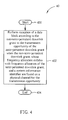
Fig. 4 , which illustrates a flowchart of aprocess 40 according to an embodiment of the present invention. Theprocess 40 utilized for performing data transmission corresponding to semi-persistent downlink resources for a UE of a wireless communication system. Theprocess 40 can be compiled into theprogram code 214 of thestorage data 212 and includes the following steps: - Step 400: Start.
- Step 402: Perform reception of a data block according to the non-semi-persistent downlink grant in the transmission opportunity of the semi-persistent downlink grant when the non-semi-persistent downlink grant, whose frequency allocation collides with frequency allocation of the semi-persistent downlink grant, and a system information identifier are found on a physical channel for the transmission opportunity.
- Step 404: End.
- According to the
process 40, the UE receives the data block according to the non-semi-persistent downlink grant (e.g. the downlink grant) in the transmission opportunity (e.g. a TTI or a subframe) of the semi-persistent downlink grant when the non-semi-persistent downlink grant, whose frequency allocation collides with the frequency allocation of the semi-persistent downlink grant, and a system information identifier (e.g. SI-RNTI) are found on the physical channel (e.g. PDCCH) for the transmission opportunity. - The
process 40 can resolve the problems of the issue 2 of the prior art. In the sub-frame where the UE has a semi-persistent downlink grant, when the eNB allocates this sub-frame to transmit the system information, the UE finds a downlink grant and an SI-RNTI. When the found downlink grant collides with the semi-persistent downlink resources in frequency allocation, the UE decodes this sub-frame according to the downlink grant. Thus, the system information can be decoded successfully. - Please refer to
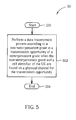
Fig. 5 , which illustrates a flowchart of aprocess 50 according to an embodiment of the present invention. Theprocess 50 is utilized for performing data transmission corresponding to semi-persistent resources for a UE of a wireless communication system. Theprocess 50 can be compiled into theprogram code 214 of thestorage data 212 and includes the following steps: - Step 500: Start.
- Step 502: Perform a data transmission process according to a non-semi-persistent grant in a transmission opportunity of a semi-persistent grant when the non-semi-persistent grant and a cell identifier of the UE are found on a physical channel for the transmission opportunity.
- Step 504: End.
- In the
process 50, the data transmission process, the semi-persistent grant, and the non-semi-persistent grant correspond to the same communications link, such as uplink or downlink. According to theprocess 50, the UE performs the data transmission process (e.g. reception of a data block for downlink or a new transmission for uplink) according to the non-semi-persistent grant (e.g. a downlink or uplink grant) in the transmission opportunity (e.g. a TTI or a subframe) of the semi-persistent grant (e.g. a semi-persistent downlink or uplink grant) when the non-semi-persistent grant and a cell identifier (e.g. C-RNTI) of the UE are found on the physical channel (e.g. PDCCH) for the transmission opportunity. - For the
process 50 applied to downlink transmission, when the UE finds the C-RNTI of the UE and a downlink grant on the PDCCH for a TTI where the UE has a semi-persistent downlink grant, the PDCCH allocation overrides the semi-persistent allocation for that TTI, and the UE receives a data block in the TTI according to the downlink grant. Furthermore, when the downlink grant found on the PDCCH is addressed to an SPS hybrid automatic repeat request (HARQ) process, the UE determines that the data block is a new data block by clearing a soft buffer of the SPS HARQ process in advance of receiving the data block. - The downlink grant can include a new data indicator (NDI) that is set to 0 or 1. An alternative to clear the soft buffer of the SPS HARQ process is that the UE performs soft combination of the received data block and data in the soft buffer of the SPS HARQ process to decode the data block when the received NDI is set to 1. In this situation, the UE considers the received data block as a retransmission.
- For the
process 50 applied to uplink transmission, when the UE finds the C-RNTI of the UE and an uplink grant on the PDCCH for a TTI where the UE has a semi-persistent uplink grant, the transmission/retransmission of the UE in the TTI follows the uplink grant instead of the semi-persistent grant. - The uplink grant can also include a NDI that is set to 0 or 1. In this situation, the UE can always transmit a new data block without considering the NDI value. An alternative is that the UE retransmits a data block according to the uplink grant when the received NDI is set to 1.
- Please refer to
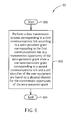
Fig. 6 , which illustrates a flowchart of aprocess 60 according to an embodiment of the present invention. Theprocess 60 is utilized for performing data transmission corresponding to semi-persistent resources for a UE of a wireless communication system. Theprocess 60 can be compiled into theprogram code 214 of thestorage data 212 and includes the following steps: - Step 600: Start.
- Step 602: Perform a data transmission process corresponding to a first communications link according to a semi-persistent grant corresponding to the first communications link in a transmission opportunity of the semi-persistent grant when a non-semi-persistent grant corresponding to a second communications link and a cell identifier of the user equipment are found on a physical channel for the transmission opportunity of the semi-persistent grant.
- Step 604: End.
- According to the
process 60, the UE performs the data transmission process according to the semi-persistent grant in a transmission opportunity of the semi-persistent grant when the non-semi-persistent grant and the cell identifier of the UE are found on the physical channel for the transmission opportunity. In theprocess 60, the data transmission process and the semi-persistent grant correspond to the first communications link, whereas the non-semi-persistent grant corresponding to the second communications link. In other words, theprocess 60 controls the UE to perform the data transmission process according to the semi-persistent grant when the communications link of the found non-semi-persistent grant is different from that of the semi-persistent grant. - In a scenario where the first and second communications links are a downlink and an uplink respectively, the UE receives a data block in a TTI, where the UE has a semi-persistent downlink grant, according to the semi-persistent downlink grant when the UE finds the C-RNTI of the UE and an uplink grant on the PDCCH for the TTI. A similar operation is applied to a scenario where the first and second communications links are an uplink and a downlink respectively.
- Thus, the
process 60 can resolve the problems of the issues 3 and 5 of the prior art. Taking the solution to the issue 3 for example, when the UE finds its C-RNTI on the PDCCH for uplink resource assignment for dynamic scheduling, the UE decodes the semi-persistent resources instead of decoding the PDSCH with the PDCCH allocation in a sub-frame where the UE has semi-persistent downlink resources. Thus, PDCCH allocation for uplink is not misused for downlink. - In conclusion, the UE in the embodiments of the present invention makes use of a semi-persistent grant or a non-semi-persistent grant to perform related data transmission according to the cell identifier, the system information identifier, the non-semi-persistent grant, or the communication link of the non-semi-persistent grant. Thus, the embodiments of the present invention can prevent the semi-persistent function from being misused in a wrong transmission opportunity or a wrong communications link.
Claims (17)
- A method of performing data transmission corresponding to semi-persistent resources for a user equipment of a wireless communication system (10),
characterized by the method comprising:performing a data transmission process corresponding to a communications link according to a semi-persistent grant in a transmission opportunity of the semi-persistent grant when no non-semi-persistent grant is found on a physical channel for the transmission opportunity of the semi-persistent grant (302);wherein the semi-persistent grant and the non-semi-persistent grant correspond to the communications link. - A communication device (20) of a wireless communication system (10) for accurately performing data transmission corresponding to semi-persistent resources, the communication device (20) comprising:a computer readable recording medium (210) for storing program code (214) corresponding to a process (30);a processor coupled to the computer readable recording medium (210), for processing the program code (214) to execute the process (30);wherein the process comprises:
characterized by
performing a data transmission process corresponding to a communications link according to a semi-persistent grant in a transmission opportunity of the semi-persistent grant when no non-semi-persistent grant is found on a physical channel for the transmission opportunity of the semi-persistent grant (302);
wherein the semi-persistent grant and the non-semi-persistent grant correspond to the communications link. - The method of claim 1 characterized by performing the data transmission process according to the semi-persistent grant in a transmission opportunity of the semi-persistent grant when none of a non-semi-persistent grant, a cell identifier of the user equipment, and a semi-persistent scheduling cell identifier of the user equipment is found on a physical channel for the transmission opportunity of the semi-persistent grant, or the communication device (20) of claim 2, characterized in that the process further comprises performing the data transmission process according to the semi-persistent grant in a transmission opportunity of the semi-persistent grant when none of a non-semi-persistent grant, a cell identifier of the communication device (20), and a semi-persistent scheduling cell identifier of the communication device (20) is found on a physical channel for the transmission opportunity of the semi-persistent grant.
- The method of claim 1 characterized by stopping the data transmission process in the transmission opportunity of the semi-persistent grant when a non-semi-persistent grant whose frequency allocation collides with frequency allocation of the semi-persistent grant is found on the physical channel, or the communication device (20) of claim 2, characterized in that the process further comprises stopping the data transmission process in the transmission opportunity of the semi-persistent grant when a non-semi-persistent grant whose frequency allocation collides with frequency allocation of the semi-persistent grant is found on the physical channel, and neither a cell identifier of the communication device (20) nor a semi-persistent scheduling cell identifier of the communication device (20) is found on the physical channel for the transmission opportunity of the semi-persistent downlink grant.
- The method of claim 4 characterized by detecting a cell identifier of the user equipment and a semi-persistent scheduling cell identifier of the user equipment on the physical channel for the transmission opportunity of the semi-persistent downlink grant, wherein neither cell identifier of the user equipment nor semi-persistent scheduling cell identifier of the user equipment is found on the physical channel for the transmission opportunity of the semi-persistent downlink grant, or the communication device (20) of claim 4, characterized in that the process further comprises detecting a cell identifier of the user equipment and a semi-persistent scheduling cell identifier of the user equipment on the physical channel for the transmission opportunity of the semi-persistent downlink grant, wherein neither cell identifier of the user equipment nor semi-persistent scheduling cell identifier of the user equipment is found on the physical channel for the transmission opportunity of the semi-persistent downlink grant.
- The method of claim 1 or the communication device (20) of claim 2, characterized in that the communications link is a downlink and the data transmission process is receiving a data block.
- The method of claim 6 characterized by performing reception of the data block according to the non-semi-persistent downlink grant in the transmission opportunity of the semi-persistent downlink grant when the non-semi-persistent downlink grant, whose frequency allocation collides with frequency allocation of the semi-persistent downlink grant, and a system information identifier are found on the physical channel for the transmission opportunity of the semi-persistent downlink grant, or the communication device (20) of claim 6, characterized in that the process further comprises performing reception of the data block according to the non-semi-persistent downlink grant in the transmission opportunity of the semi-persistent downlink grant when the non-semi-persistent downlink grant, whose frequency allocation collides with frequency allocation of the semi-persistent downlink grant, and a system information identifier are found on the physical channel for the transmission opportunity of the semi-persistent downlink grant.
- The method of claim 1 or the communication device (20) of claim 2, characterized in that the communications link is an uplink, and the data transmission process is an uplink new transmission or an uplink retransmission.
- The method of claim 1 characterized by performing the data transmission process according to the non-semi-persistent grant in the transmission opportunity of the semi-persistent grant when the non-semi-persistent grant and a cell identifier of the user equipment are found on the physical channel for the transmission opportunity of the semi-persistent grant, or the communication device (20) of claim 2, characterized in that the process further comprises performing the data transmission process according to the non-semi-persistent grant in the transmission opportunity of the semi-persistent grant when the non-semi-persistent grant and a cell identifier of the communication device (20) are found on the physical channel for the transmission opportunity of the semi-persistent grant.
- The method or the communication device (20) of claim 9, characterized in that the communications link is a downlink and the data transmission process is receiving a data block, in particularcharacterized by when the non-semi-persistent grant found on the physical channel is addressed to the SPS HARQ process, determining that the data block is a new data block, or the communication device (20) of claim 10, characterized in that the process further comprises when the non-semi-persistent grant found on the physical channel is addressed to the SPS HARQ process, determining that the data block is a new data block, in particularcharacterized in that determining that the data block is a new data block comprises clearing a soft buffer of a semi-persistent scheduling hybrid automatic repeat request, abbreviated to SPS HARQ, process in advance of receiving the data block, or the communication device (20) of claim 11, characterized in that determining that the data block is a new data block comprises clearing a soft buffer of a semi-persistent scheduling hybrid automatic repeat request, abbreviated to SPS HARQ, process in advance of receiving the data block.
- The method of claim 10 characterized by performing soft combination of the received data block and data in a soft buffer of an SPS HARQ process when the non-semi-persistent grant comprises a new data indicator that is set to 1, or the communication device (20) of claim 10, characterized in that the process further comprises performing soft combination of the received data block and data in a soft buffer of an SPS HARQ process when the non-semi-persistent grant comprises a new data indicator that is set to 1.
- The method or the communication device (20) of claim 9, characterized in that the communications link is an uplink and the data transmission process is transmitting a new data block, or
characterized in that the communications link is an uplink and the data transmission process is retransmitting a data block according to the non-semi-persistent grant when the non-semi-persistent grant comprises a new data indicator that is set to 1. - The method of claim 12 or the method or the communication device (20) of claim 10, characterized in that the non-semi-persistent grant comprises a new data indicator that is set to 0 or 1.
- A method of performing data transmission corresponding to semi-persistent resources for a user equipment of a wireless communication system (10),
characterized by the method comprising:performing a data transmission process corresponding to a first communications link according to a semi-persistent grant corresponding to the first communications link in a transmission opportunity of the semi-persistent grant when a non-semi-persistent grant corresponding to a second communications link and a cell identifier of the user equipment are found on a physical channel for the transmission opportunity of the semi-persistent grant (602). - A communication device (20) of a wireless communication system (10) for accurately performing data transmission corresponding to semi-persistent resources, the communication device (20) comprising:a computer readable recording medium (210) for storing program code (214) corresponding to a process (60);a processor coupled to the computer readable recording medium (210), for processing the program code (214) to execute the process;wherein the process (60) comprises:
characterized by
performing a data transmission process corresponding to a first communications link according to a semi-persistent grant corresponding to the first communications link in a transmission opportunity of the semi-persistent grant when a non-semi-persistent grant corresponding to a second communications link and a cell identifier of the communication device (20) are found on a physical channel for the transmission opportunity of the semi-persistent grant (602). - The method of claim 14 or the communication device (20) of claim 18,
characterized in that the first communications link is a downlink, the second communications link is an uplink, and the data transmission process is receiving a data block, or
characterized in that the first communications link is an uplink, the second communications link is a downlink, and the data transmission process is an uplink new transmission or an uplink retransmission. - The method of claim 16, the method of claim 1, the communication device (20) of claim 20 or the communication device (20) of claim 2, characterized in that the transmission opportunity is a transmission time interval or a sub-frame used in a physical layer of the wireless communication system (10).
Priority Applications (3)
| Application Number | Priority Date | Filing Date | Title |
|---|---|---|---|
| EP11007841.7A EP2403308B1 (en) | 2008-09-22 | 2009-09-22 | Method of performing data transmission corresponding to semi-persistent resources in wireless communications system |
| EP12005427A EP2519068A1 (en) | 2008-09-22 | 2009-09-22 | Method of performing data transmission corresponding to semi-persistent resources in wireless communications system and related device |
| EP10005596A EP2224778B1 (en) | 2008-09-22 | 2009-09-22 | Method of performing data transmission corresponding to semi-persistent resources in wireless communications system and related device |
Applications Claiming Priority (1)
| Application Number | Priority Date | Filing Date | Title |
|---|---|---|---|
| US9880008P | 2008-09-22 | 2008-09-22 |
Related Child Applications (4)
| Application Number | Title | Priority Date | Filing Date |
|---|---|---|---|
| EP11007841.7A Division EP2403308B1 (en) | 2008-09-22 | 2009-09-22 | Method of performing data transmission corresponding to semi-persistent resources in wireless communications system |
| EP10005596.1 Division-Into | 2010-05-28 | ||
| EP11007841.7 Division-Into | 2011-09-27 | ||
| EP12005427.5 Division-Into | 2012-07-25 |
Publications (3)
| Publication Number | Publication Date |
|---|---|
| EP2166811A2 true EP2166811A2 (en) | 2010-03-24 |
| EP2166811A3 EP2166811A3 (en) | 2010-07-07 |
| EP2166811B1 EP2166811B1 (en) | 2013-06-19 |
Family
ID=41508995
Family Applications (4)
| Application Number | Title | Priority Date | Filing Date |
|---|---|---|---|
| EP12005427A Withdrawn EP2519068A1 (en) | 2008-09-22 | 2009-09-22 | Method of performing data transmission corresponding to semi-persistent resources in wireless communications system and related device |
| EP11007841.7A Active EP2403308B1 (en) | 2008-09-22 | 2009-09-22 | Method of performing data transmission corresponding to semi-persistent resources in wireless communications system |
| EP10005596A Active EP2224778B1 (en) | 2008-09-22 | 2009-09-22 | Method of performing data transmission corresponding to semi-persistent resources in wireless communications system and related device |
| EP09012041.1A Active EP2166811B1 (en) | 2008-09-22 | 2009-09-22 | Method of performing data transmission corresponding to semi-persistent resources in wireless communications system and related device |
Family Applications Before (3)
| Application Number | Title | Priority Date | Filing Date |
|---|---|---|---|
| EP12005427A Withdrawn EP2519068A1 (en) | 2008-09-22 | 2009-09-22 | Method of performing data transmission corresponding to semi-persistent resources in wireless communications system and related device |
| EP11007841.7A Active EP2403308B1 (en) | 2008-09-22 | 2009-09-22 | Method of performing data transmission corresponding to semi-persistent resources in wireless communications system |
| EP10005596A Active EP2224778B1 (en) | 2008-09-22 | 2009-09-22 | Method of performing data transmission corresponding to semi-persistent resources in wireless communications system and related device |
Country Status (4)
| Country | Link |
|---|---|
| US (1) | US8509795B2 (en) |
| EP (4) | EP2519068A1 (en) |
| CN (1) | CN101686548B (en) |
| TW (1) | TWI389588B (en) |
Cited By (1)
| Publication number | Priority date | Publication date | Assignee | Title |
|---|---|---|---|---|
| EP2635080A3 (en) * | 2010-04-20 | 2014-08-13 | Qualcomm Incorporated | Semi-persistent scheduling grants in heterogeneous networks |
Families Citing this family (6)
| Publication number | Priority date | Publication date | Assignee | Title |
|---|---|---|---|---|
| KR101758272B1 (en) * | 2010-02-09 | 2017-07-17 | 엘지전자 주식회사 | Method and apparatus of transmitting and receiving system information in a wireless system |
| JP5551103B2 (en) | 2011-03-31 | 2014-07-16 | Kddi株式会社 | Base station apparatus and communication terminal |
| US9706567B2 (en) * | 2013-02-06 | 2017-07-11 | Lg Electronics Inc. | Method for transreceiving signal and apparatus for same |
| EP3582420B1 (en) | 2015-09-24 | 2025-03-19 | InterDigital Patent Holdings, Inc. | Methods for enhanced multiplexing in wireless systems |
| US10764920B2 (en) * | 2017-11-27 | 2020-09-01 | Qualcomm Incorporated | Semi-persistent scheduling for shared spectrum downlink |
| US11277844B2 (en) * | 2019-08-16 | 2022-03-15 | Qualcomm Incorporated | Coordination of semi-persistent scheduling downlink transmissions and dynamic downlink transmissions |
Family Cites Families (7)
| Publication number | Priority date | Publication date | Assignee | Title |
|---|---|---|---|---|
| US8848618B2 (en) | 2006-08-22 | 2014-09-30 | Qualcomm Incorporated | Semi-persistent scheduling for traffic spurts in wireless communication |
| UA93732C2 (en) | 2006-08-22 | 2011-03-10 | Квелкомм Инкорпорейтед | Semi-persistent scheduling for traffic spurts in wireless communication |
| CN101154987A (en) * | 2006-09-26 | 2008-04-02 | 大唐移动通信设备有限公司 | Control method and system for transmission collision |
| CN101193444B (en) * | 2006-11-30 | 2010-08-11 | 华为技术有限公司 | Resource assignment method, system and device thereof |
| US8031656B2 (en) * | 2007-06-14 | 2011-10-04 | Telefonaktiebolaget Lm Ericsson (Publ) | Semi-persistent resource allocation method for uplink transmission in wireless packet data systems |
| EP2413637B1 (en) * | 2007-09-14 | 2013-01-23 | Research In Motion Limited | System and Method for Discontinuous Reception Control Start Time |
| EP2255484B1 (en) * | 2008-03-20 | 2013-08-28 | Nokia Corporation | New data indicator for persistently allocated packets in a communication system |
-
2009
- 2009-09-15 US US12/559,511 patent/US8509795B2/en active Active
- 2009-09-22 EP EP12005427A patent/EP2519068A1/en not_active Withdrawn
- 2009-09-22 CN CN200910178660.8A patent/CN101686548B/en active Active
- 2009-09-22 TW TW098131899A patent/TWI389588B/en active
- 2009-09-22 EP EP11007841.7A patent/EP2403308B1/en active Active
- 2009-09-22 EP EP10005596A patent/EP2224778B1/en active Active
- 2009-09-22 EP EP09012041.1A patent/EP2166811B1/en active Active
Non-Patent Citations (2)
| Title |
|---|
| "Handling of Semi-Persistent Assignments and Grants", 3GPP RAN WG2, 11 August 2008 (2008-08-11) |
| "Semi-Persistent Scheduling", 3GPP RAN WG2, 18 August 2008 (2008-08-18) |
Cited By (2)
| Publication number | Priority date | Publication date | Assignee | Title |
|---|---|---|---|---|
| EP2635080A3 (en) * | 2010-04-20 | 2014-08-13 | Qualcomm Incorporated | Semi-persistent scheduling grants in heterogeneous networks |
| US9288004B2 (en) | 2010-04-20 | 2016-03-15 | Qualcomm Incorporated | Semi-persistent scheduling grants in heterogeneous networks |
Also Published As
| Publication number | Publication date |
|---|---|
| EP2224778A2 (en) | 2010-09-01 |
| EP2403308A1 (en) | 2012-01-04 |
| EP2224778B1 (en) | 2012-11-28 |
| EP2519068A1 (en) | 2012-10-31 |
| CN101686548B (en) | 2013-09-11 |
| US8509795B2 (en) | 2013-08-13 |
| EP2166811B1 (en) | 2013-06-19 |
| CN101686548A (en) | 2010-03-31 |
| TW201014427A (en) | 2010-04-01 |
| EP2224778A3 (en) | 2010-09-29 |
| US20100075690A1 (en) | 2010-03-25 |
| EP2403308B1 (en) | 2014-01-15 |
| TWI389588B (en) | 2013-03-11 |
| EP2166811A3 (en) | 2010-07-07 |
Similar Documents
| Publication | Publication Date | Title |
|---|---|---|
| KR101721015B1 (en) | Blind scheduiling apparatus in a mobile communication system and method thereof | |
| EP3078146B1 (en) | Methods for enhanced harq mechanism | |
| US9106418B2 (en) | Method of data transmission using HARQ | |
| US9451604B2 (en) | Signaling and channel designs for D2D communications | |
| US11984986B2 (en) | Uplink HARQ in cellular wireless communication networks | |
| WO2016165653A1 (en) | Methods and apparatus for enhancement for harq with channel repetitions | |
| EP2618619A2 (en) | Method and apparatus for signaling the release of a persistent resource | |
| US9510368B2 (en) | Method and arrangement for acknowledgement of contention-based uplink transmissions in a telecommunication system | |
| EP2207394A1 (en) | Method and apparatus for improving a semi-persistent scheduling resource release process in a wireless communication system | |
| EP3335354A1 (en) | Reiterated downlink grant design for multiple transmission time interval grant support in ecc | |
| EP2166811B1 (en) | Method of performing data transmission corresponding to semi-persistent resources in wireless communications system and related device | |
| WO2018031091A1 (en) | Uplink semi-persistent scheduling for low latency communications | |
| WO2018152032A1 (en) | Post-puncture indication for mobile broadband and low latency communication multiplexing | |
| US8675692B2 (en) | Method for acquiring processing time of wireless signal | |
| US20180310285A1 (en) | Method of error recovery in transmitting and receiving voice service in packet based mobile communication systems | |
| JP5647119B2 (en) | Communication method, primary station, secondary station and communication system |
Legal Events
| Date | Code | Title | Description |
|---|---|---|---|
| PUAI | Public reference made under article 153(3) epc to a published international application that has entered the european phase |
Free format text: ORIGINAL CODE: 0009012 |
|
| AK | Designated contracting states |
Kind code of ref document: A2 Designated state(s): AT BE BG CH CY CZ DE DK EE ES FI FR GB GR HR HU IE IS IT LI LT LU LV MC MK MT NL NO PL PT RO SE SI SK SM TR |
|
| AX | Request for extension of the european patent |
Extension state: AL BA RS |
|
| 17P | Request for examination filed |
Effective date: 20100219 |
|
| PUAL | Search report despatched |
Free format text: ORIGINAL CODE: 0009013 |
|
| AK | Designated contracting states |
Kind code of ref document: A3 Designated state(s): AT BE BG CH CY CZ DE DK EE ES FI FR GB GR HR HU IE IS IT LI LT LU LV MC MK MT NL NO PL PT RO SE SI SK SM TR |
|
| AX | Request for extension of the european patent |
Extension state: AL BA RS |
|
| 17Q | First examination report despatched |
Effective date: 20110307 |
|
| RIC1 | Information provided on ipc code assigned before grant |
Ipc: H04W 72/04 20090101AFI20120426BHEP Ipc: H04W 72/12 20090101ALN20120426BHEP |
|
| GRAP | Despatch of communication of intention to grant a patent |
Free format text: ORIGINAL CODE: EPIDOSNIGR1 |
|
| RIC1 | Information provided on ipc code assigned before grant |
Ipc: H04W 72/04 20090101AFI20120716BHEP Ipc: H04W 72/12 20090101ALN20120716BHEP |
|
| RAP1 | Party data changed (applicant data changed or rights of an application transferred) |
Owner name: HTC CORPORATION |
|
| GRAS | Grant fee paid |
Free format text: ORIGINAL CODE: EPIDOSNIGR3 |
|
| REG | Reference to a national code |
Ref country code: DE Ref legal event code: R079 Ref document number: 602009016460 Country of ref document: DE Free format text: PREVIOUS MAIN CLASS: H04W0072120000 Ipc: H04W0072040000 |
|
| GRAP | Despatch of communication of intention to grant a patent |
Free format text: ORIGINAL CODE: EPIDOSNIGR1 |
|
| RIC1 | Information provided on ipc code assigned before grant |
Ipc: H04W 72/12 20090101ALN20130315BHEP Ipc: H04W 72/04 20090101AFI20130315BHEP |
|
| RIC1 | Information provided on ipc code assigned before grant |
Ipc: H04W 72/12 20090101ALN20130404BHEP Ipc: H04W 72/04 20090101AFI20130404BHEP |
|
| INTG | Intention to grant announced |
Effective date: 20130415 |
|
| GRAA | (expected) grant |
Free format text: ORIGINAL CODE: 0009210 |
|
| AK | Designated contracting states |
Kind code of ref document: B1 Designated state(s): AT BE BG CH CY CZ DE DK EE ES FI FR GB GR HR HU IE IS IT LI LT LU LV MC MK MT NL NO PL PT RO SE SI SK SM TR |
|
| REG | Reference to a national code |
Ref country code: GB Ref legal event code: FG4D |
|
| REG | Reference to a national code |
Ref country code: CH Ref legal event code: EP |
|
| REG | Reference to a national code |
Ref country code: AT Ref legal event code: REF Ref document number: 618239 Country of ref document: AT Kind code of ref document: T Effective date: 20130715 |
|
| REG | Reference to a national code |
Ref country code: IE Ref legal event code: FG4D |
|
| REG | Reference to a national code |
Ref country code: DE Ref legal event code: R096 Ref document number: 602009016460 Country of ref document: DE Effective date: 20130814 |
|
| REG | Reference to a national code |
Ref country code: NL Ref legal event code: T3 |
|
| PG25 | Lapsed in a contracting state [announced via postgrant information from national office to epo] |
Ref country code: LT Free format text: LAPSE BECAUSE OF FAILURE TO SUBMIT A TRANSLATION OF THE DESCRIPTION OR TO PAY THE FEE WITHIN THE PRESCRIBED TIME-LIMIT Effective date: 20130619 Ref country code: FI Free format text: LAPSE BECAUSE OF FAILURE TO SUBMIT A TRANSLATION OF THE DESCRIPTION OR TO PAY THE FEE WITHIN THE PRESCRIBED TIME-LIMIT Effective date: 20130619 Ref country code: ES Free format text: LAPSE BECAUSE OF FAILURE TO SUBMIT A TRANSLATION OF THE DESCRIPTION OR TO PAY THE FEE WITHIN THE PRESCRIBED TIME-LIMIT Effective date: 20130930 Ref country code: NO Free format text: LAPSE BECAUSE OF FAILURE TO SUBMIT A TRANSLATION OF THE DESCRIPTION OR TO PAY THE FEE WITHIN THE PRESCRIBED TIME-LIMIT Effective date: 20130919 Ref country code: SI Free format text: LAPSE BECAUSE OF FAILURE TO SUBMIT A TRANSLATION OF THE DESCRIPTION OR TO PAY THE FEE WITHIN THE PRESCRIBED TIME-LIMIT Effective date: 20130619 Ref country code: SE Free format text: LAPSE BECAUSE OF FAILURE TO SUBMIT A TRANSLATION OF THE DESCRIPTION OR TO PAY THE FEE WITHIN THE PRESCRIBED TIME-LIMIT Effective date: 20130619 Ref country code: GR Free format text: LAPSE BECAUSE OF FAILURE TO SUBMIT A TRANSLATION OF THE DESCRIPTION OR TO PAY THE FEE WITHIN THE PRESCRIBED TIME-LIMIT Effective date: 20130920 |
|
| REG | Reference to a national code |
Ref country code: AT Ref legal event code: MK05 Ref document number: 618239 Country of ref document: AT Kind code of ref document: T Effective date: 20130619 |
|
| REG | Reference to a national code |
Ref country code: LT Ref legal event code: MG4D |
|
| PG25 | Lapsed in a contracting state [announced via postgrant information from national office to epo] |
Ref country code: BG Free format text: LAPSE BECAUSE OF FAILURE TO SUBMIT A TRANSLATION OF THE DESCRIPTION OR TO PAY THE FEE WITHIN THE PRESCRIBED TIME-LIMIT Effective date: 20130919 Ref country code: HR Free format text: LAPSE BECAUSE OF FAILURE TO SUBMIT A TRANSLATION OF THE DESCRIPTION OR TO PAY THE FEE WITHIN THE PRESCRIBED TIME-LIMIT Effective date: 20130619 |
|
| PG25 | Lapsed in a contracting state [announced via postgrant information from national office to epo] |
Ref country code: LV Free format text: LAPSE BECAUSE OF FAILURE TO SUBMIT A TRANSLATION OF THE DESCRIPTION OR TO PAY THE FEE WITHIN THE PRESCRIBED TIME-LIMIT Effective date: 20130619 |
|
| PG25 | Lapsed in a contracting state [announced via postgrant information from national office to epo] |
Ref country code: BE Free format text: LAPSE BECAUSE OF FAILURE TO SUBMIT A TRANSLATION OF THE DESCRIPTION OR TO PAY THE FEE WITHIN THE PRESCRIBED TIME-LIMIT Effective date: 20130619 Ref country code: EE Free format text: LAPSE BECAUSE OF FAILURE TO SUBMIT A TRANSLATION OF THE DESCRIPTION OR TO PAY THE FEE WITHIN THE PRESCRIBED TIME-LIMIT Effective date: 20130619 Ref country code: CZ Free format text: LAPSE BECAUSE OF FAILURE TO SUBMIT A TRANSLATION OF THE DESCRIPTION OR TO PAY THE FEE WITHIN THE PRESCRIBED TIME-LIMIT Effective date: 20130619 Ref country code: SK Free format text: LAPSE BECAUSE OF FAILURE TO SUBMIT A TRANSLATION OF THE DESCRIPTION OR TO PAY THE FEE WITHIN THE PRESCRIBED TIME-LIMIT Effective date: 20130619 Ref country code: IS Free format text: LAPSE BECAUSE OF FAILURE TO SUBMIT A TRANSLATION OF THE DESCRIPTION OR TO PAY THE FEE WITHIN THE PRESCRIBED TIME-LIMIT Effective date: 20131019 Ref country code: AT Free format text: LAPSE BECAUSE OF FAILURE TO SUBMIT A TRANSLATION OF THE DESCRIPTION OR TO PAY THE FEE WITHIN THE PRESCRIBED TIME-LIMIT Effective date: 20130619 Ref country code: PT Free format text: LAPSE BECAUSE OF FAILURE TO SUBMIT A TRANSLATION OF THE DESCRIPTION OR TO PAY THE FEE WITHIN THE PRESCRIBED TIME-LIMIT Effective date: 20131021 Ref country code: CY Free format text: LAPSE BECAUSE OF FAILURE TO SUBMIT A TRANSLATION OF THE DESCRIPTION OR TO PAY THE FEE WITHIN THE PRESCRIBED TIME-LIMIT Effective date: 20130821 |
|
| PG25 | Lapsed in a contracting state [announced via postgrant information from national office to epo] |
Ref country code: RO Free format text: LAPSE BECAUSE OF FAILURE TO SUBMIT A TRANSLATION OF THE DESCRIPTION OR TO PAY THE FEE WITHIN THE PRESCRIBED TIME-LIMIT Effective date: 20130619 Ref country code: PL Free format text: LAPSE BECAUSE OF FAILURE TO SUBMIT A TRANSLATION OF THE DESCRIPTION OR TO PAY THE FEE WITHIN THE PRESCRIBED TIME-LIMIT Effective date: 20130619 |
|
| PG25 | Lapsed in a contracting state [announced via postgrant information from national office to epo] |
Ref country code: CY Free format text: LAPSE BECAUSE OF FAILURE TO SUBMIT A TRANSLATION OF THE DESCRIPTION OR TO PAY THE FEE WITHIN THE PRESCRIBED TIME-LIMIT Effective date: 20130619 |
|
| PLBE | No opposition filed within time limit |
Free format text: ORIGINAL CODE: 0009261 |
|
| STAA | Information on the status of an ep patent application or granted ep patent |
Free format text: STATUS: NO OPPOSITION FILED WITHIN TIME LIMIT |
|
| PG25 | Lapsed in a contracting state [announced via postgrant information from national office to epo] |
Ref country code: MC Free format text: LAPSE BECAUSE OF FAILURE TO SUBMIT A TRANSLATION OF THE DESCRIPTION OR TO PAY THE FEE WITHIN THE PRESCRIBED TIME-LIMIT Effective date: 20130619 Ref country code: DK Free format text: LAPSE BECAUSE OF FAILURE TO SUBMIT A TRANSLATION OF THE DESCRIPTION OR TO PAY THE FEE WITHIN THE PRESCRIBED TIME-LIMIT Effective date: 20130619 |
|
| REG | Reference to a national code |
Ref country code: CH Ref legal event code: PL |
|
| 26N | No opposition filed |
Effective date: 20140320 |
|
| GBPC | Gb: european patent ceased through non-payment of renewal fee |
Effective date: 20130922 |
|
| PG25 | Lapsed in a contracting state [announced via postgrant information from national office to epo] |
Ref country code: IT Free format text: LAPSE BECAUSE OF FAILURE TO SUBMIT A TRANSLATION OF THE DESCRIPTION OR TO PAY THE FEE WITHIN THE PRESCRIBED TIME-LIMIT Effective date: 20130619 |
|
| REG | Reference to a national code |
Ref country code: DE Ref legal event code: R097 Ref document number: 602009016460 Country of ref document: DE Effective date: 20140320 |
|
| REG | Reference to a national code |
Ref country code: FR Ref legal event code: ST Effective date: 20140530 |
|
| REG | Reference to a national code |
Ref country code: IE Ref legal event code: MM4A |
|
| PG25 | Lapsed in a contracting state [announced via postgrant information from national office to epo] |
Ref country code: GB Free format text: LAPSE BECAUSE OF NON-PAYMENT OF DUE FEES Effective date: 20130922 Ref country code: IE Free format text: LAPSE BECAUSE OF NON-PAYMENT OF DUE FEES Effective date: 20130922 Ref country code: LI Free format text: LAPSE BECAUSE OF NON-PAYMENT OF DUE FEES Effective date: 20130930 Ref country code: CH Free format text: LAPSE BECAUSE OF NON-PAYMENT OF DUE FEES Effective date: 20130930 |
|
| PG25 | Lapsed in a contracting state [announced via postgrant information from national office to epo] |
Ref country code: FR Free format text: LAPSE BECAUSE OF NON-PAYMENT OF DUE FEES Effective date: 20130930 |
|
| PG25 | Lapsed in a contracting state [announced via postgrant information from national office to epo] |
Ref country code: SM Free format text: LAPSE BECAUSE OF FAILURE TO SUBMIT A TRANSLATION OF THE DESCRIPTION OR TO PAY THE FEE WITHIN THE PRESCRIBED TIME-LIMIT Effective date: 20130619 |
|
| PG25 | Lapsed in a contracting state [announced via postgrant information from national office to epo] |
Ref country code: TR Free format text: LAPSE BECAUSE OF FAILURE TO SUBMIT A TRANSLATION OF THE DESCRIPTION OR TO PAY THE FEE WITHIN THE PRESCRIBED TIME-LIMIT Effective date: 20130619 Ref country code: MT Free format text: LAPSE BECAUSE OF FAILURE TO SUBMIT A TRANSLATION OF THE DESCRIPTION OR TO PAY THE FEE WITHIN THE PRESCRIBED TIME-LIMIT Effective date: 20130619 |
|
| PG25 | Lapsed in a contracting state [announced via postgrant information from national office to epo] |
Ref country code: HU Free format text: LAPSE BECAUSE OF FAILURE TO SUBMIT A TRANSLATION OF THE DESCRIPTION OR TO PAY THE FEE WITHIN THE PRESCRIBED TIME-LIMIT; INVALID AB INITIO Effective date: 20090922 Ref country code: LU Free format text: LAPSE BECAUSE OF NON-PAYMENT OF DUE FEES Effective date: 20130922 Ref country code: MK Free format text: LAPSE BECAUSE OF FAILURE TO SUBMIT A TRANSLATION OF THE DESCRIPTION OR TO PAY THE FEE WITHIN THE PRESCRIBED TIME-LIMIT Effective date: 20130619 |
|
| P01 | Opt-out of the competence of the unified patent court (upc) registered |
Effective date: 20230602 |
|
| PGFP | Annual fee paid to national office [announced via postgrant information from national office to epo] |
Ref country code: NL Payment date: 20250704 Year of fee payment: 17 |
|
| PGFP | Annual fee paid to national office [announced via postgrant information from national office to epo] |
Ref country code: DE Payment date: 20250702 Year of fee payment: 17 |