EP2165712A1 - Phenolic extracts of almond peel containing procyanidins, propelargonidins and prodelphinidins, and method for preparation thereof - Google Patents
Phenolic extracts of almond peel containing procyanidins, propelargonidins and prodelphinidins, and method for preparation thereof Download PDFInfo
- Publication number
- EP2165712A1 EP2165712A1 EP08775443A EP08775443A EP2165712A1 EP 2165712 A1 EP2165712 A1 EP 2165712A1 EP 08775443 A EP08775443 A EP 08775443A EP 08775443 A EP08775443 A EP 08775443A EP 2165712 A1 EP2165712 A1 EP 2165712A1
- Authority
- EP
- European Patent Office
- Prior art keywords
- preparation
- extract
- type
- extracts
- proanthocyanidinins
- Prior art date
- Legal status (The legal status is an assumption and is not a legal conclusion. Google has not performed a legal analysis and makes no representation as to the accuracy of the status listed.)
- Withdrawn
Links
Images




Classifications
-
- A—HUMAN NECESSITIES
- A61—MEDICAL OR VETERINARY SCIENCE; HYGIENE
- A61K—PREPARATIONS FOR MEDICAL, DENTAL OR TOILETRY PURPOSES
- A61K36/00—Medicinal preparations of undetermined constitution containing material from algae, lichens, fungi or plants, or derivatives thereof, e.g. traditional herbal medicines
- A61K36/18—Magnoliophyta (angiosperms)
- A61K36/185—Magnoliopsida (dicotyledons)
- A61K36/73—Rosaceae (Rose family), e.g. strawberry, chokeberry, blackberry, pear or firethorn
- A61K36/736—Prunus, e.g. plum, cherry, peach, apricot or almond
-
- A—HUMAN NECESSITIES
- A23—FOODS OR FOODSTUFFS; TREATMENT THEREOF, NOT COVERED BY OTHER CLASSES
- A23L—FOODS, FOODSTUFFS OR NON-ALCOHOLIC BEVERAGES, NOT OTHERWISE PROVIDED FOR; PREPARATION OR TREATMENT THEREOF
- A23L33/00—Modifying nutritive qualities of foods; Dietetic products; Preparation or treatment thereof
- A23L33/10—Modifying nutritive qualities of foods; Dietetic products; Preparation or treatment thereof using additives
- A23L33/105—Plant extracts, their artificial duplicates or their derivatives
-
- A—HUMAN NECESSITIES
- A61—MEDICAL OR VETERINARY SCIENCE; HYGIENE
- A61K—PREPARATIONS FOR MEDICAL, DENTAL OR TOILETRY PURPOSES
- A61K31/00—Medicinal preparations containing organic active ingredients
- A61K31/33—Heterocyclic compounds
- A61K31/335—Heterocyclic compounds having oxygen as the only ring hetero atom, e.g. fungichromin
- A61K31/35—Heterocyclic compounds having oxygen as the only ring hetero atom, e.g. fungichromin having six-membered rings with one oxygen as the only ring hetero atom
- A61K31/352—Heterocyclic compounds having oxygen as the only ring hetero atom, e.g. fungichromin having six-membered rings with one oxygen as the only ring hetero atom condensed with carbocyclic rings, e.g. methantheline
- A61K31/353—3,4-Dihydrobenzopyrans, e.g. chroman, catechin
-
- A—HUMAN NECESSITIES
- A61—MEDICAL OR VETERINARY SCIENCE; HYGIENE
- A61K—PREPARATIONS FOR MEDICAL, DENTAL OR TOILETRY PURPOSES
- A61K8/00—Cosmetics or similar toiletry preparations
- A61K8/18—Cosmetics or similar toiletry preparations characterised by the composition
- A61K8/30—Cosmetics or similar toiletry preparations characterised by the composition containing organic compounds
- A61K8/49—Cosmetics or similar toiletry preparations characterised by the composition containing organic compounds containing heterocyclic compounds
- A61K8/4973—Cosmetics or similar toiletry preparations characterised by the composition containing organic compounds containing heterocyclic compounds with oxygen as the only hetero atom
- A61K8/498—Cosmetics or similar toiletry preparations characterised by the composition containing organic compounds containing heterocyclic compounds with oxygen as the only hetero atom having 6-membered rings or their condensed derivatives, e.g. coumarin
-
- A—HUMAN NECESSITIES
- A61—MEDICAL OR VETERINARY SCIENCE; HYGIENE
- A61K—PREPARATIONS FOR MEDICAL, DENTAL OR TOILETRY PURPOSES
- A61K8/00—Cosmetics or similar toiletry preparations
- A61K8/18—Cosmetics or similar toiletry preparations characterised by the composition
- A61K8/96—Cosmetics or similar toiletry preparations characterised by the composition containing materials, or derivatives thereof of undetermined constitution
- A61K8/97—Cosmetics or similar toiletry preparations characterised by the composition containing materials, or derivatives thereof of undetermined constitution from algae, fungi, lichens or plants; from derivatives thereof
- A61K8/9783—Angiosperms [Magnoliophyta]
- A61K8/9789—Magnoliopsida [dicotyledons]
-
- A—HUMAN NECESSITIES
- A61—MEDICAL OR VETERINARY SCIENCE; HYGIENE
- A61P—SPECIFIC THERAPEUTIC ACTIVITY OF CHEMICAL COMPOUNDS OR MEDICINAL PREPARATIONS
- A61P13/00—Drugs for disorders of the urinary system
-
- A—HUMAN NECESSITIES
- A61—MEDICAL OR VETERINARY SCIENCE; HYGIENE
- A61P—SPECIFIC THERAPEUTIC ACTIVITY OF CHEMICAL COMPOUNDS OR MEDICINAL PREPARATIONS
- A61P13/00—Drugs for disorders of the urinary system
- A61P13/02—Drugs for disorders of the urinary system of urine or of the urinary tract, e.g. urine acidifiers
-
- A—HUMAN NECESSITIES
- A61—MEDICAL OR VETERINARY SCIENCE; HYGIENE
- A61P—SPECIFIC THERAPEUTIC ACTIVITY OF CHEMICAL COMPOUNDS OR MEDICINAL PREPARATIONS
- A61P3/00—Drugs for disorders of the metabolism
- A61P3/08—Drugs for disorders of the metabolism for glucose homeostasis
- A61P3/10—Drugs for disorders of the metabolism for glucose homeostasis for hyperglycaemia, e.g. antidiabetics
-
- A—HUMAN NECESSITIES
- A61—MEDICAL OR VETERINARY SCIENCE; HYGIENE
- A61P—SPECIFIC THERAPEUTIC ACTIVITY OF CHEMICAL COMPOUNDS OR MEDICINAL PREPARATIONS
- A61P31/00—Antiinfectives, i.e. antibiotics, antiseptics, chemotherapeutics
-
- A—HUMAN NECESSITIES
- A61—MEDICAL OR VETERINARY SCIENCE; HYGIENE
- A61P—SPECIFIC THERAPEUTIC ACTIVITY OF CHEMICAL COMPOUNDS OR MEDICINAL PREPARATIONS
- A61P31/00—Antiinfectives, i.e. antibiotics, antiseptics, chemotherapeutics
- A61P31/04—Antibacterial agents
-
- A—HUMAN NECESSITIES
- A61—MEDICAL OR VETERINARY SCIENCE; HYGIENE
- A61P—SPECIFIC THERAPEUTIC ACTIVITY OF CHEMICAL COMPOUNDS OR MEDICINAL PREPARATIONS
- A61P39/00—General protective or antinoxious agents
- A61P39/06—Free radical scavengers or antioxidants
-
- A—HUMAN NECESSITIES
- A61—MEDICAL OR VETERINARY SCIENCE; HYGIENE
- A61Q—SPECIFIC USE OF COSMETICS OR SIMILAR TOILETRY PREPARATIONS
- A61Q19/00—Preparations for care of the skin
- A61Q19/08—Anti-ageing preparations
-
- A—HUMAN NECESSITIES
- A23—FOODS OR FOODSTUFFS; TREATMENT THEREOF, NOT COVERED BY OTHER CLASSES
- A23V—INDEXING SCHEME RELATING TO FOODS, FOODSTUFFS OR NON-ALCOHOLIC BEVERAGES AND LACTIC OR PROPIONIC ACID BACTERIA USED IN FOODSTUFFS OR FOOD PREPARATION
- A23V2002/00—Food compositions, function of food ingredients or processes for food or foodstuffs
-
- A—HUMAN NECESSITIES
- A61—MEDICAL OR VETERINARY SCIENCE; HYGIENE
- A61K—PREPARATIONS FOR MEDICAL, DENTAL OR TOILETRY PURPOSES
- A61K2800/00—Properties of cosmetic compositions or active ingredients thereof or formulation aids used therein and process related aspects
- A61K2800/40—Chemical, physico-chemical or functional or structural properties of particular ingredients
- A61K2800/52—Stabilizers
- A61K2800/522—Antioxidants; Radical scavengers
Definitions
- Bioactive phenolic extracts applicable in the food, dietary, cosmetic and pharmaceutical industry.
- Proanthocyanidinins or condensed tannins are oligomers and polymers of flavan-3-ol widely distributed in the plant kingdom.
- the most abundant units of flavan-3-ol are (+)-afzelechin, (+)-catechin and (+)-gallocatechin (forms 2 R :3 S ) and their diasteroisomer (-)-epiafzelechin, (-)-epicatechin and (-)-epigallocatechin (forms 2 R :3 R ), respectively.
- Proanthocyanidinins exclusively constituted by (epi)catechin are called procyanidins.
- Propelargonidins and prodelphinidins contain at least one unit of (epi)afzelechin and (epi)gallocatechin, respectively, together with units of (epi)catechin.
- the units of flavan-3-ol are bound by the C-4 carbon of the upper unit and the C-6 or C-8 carbon of the lower unit, C4-C8 isomers being more abundant than C4-C6.
- the A-type procyanidins have a bond of ether-type between the C-2 carbon of the upper unit and the hydroxyl group of the C-7 of the lower unit ( Porter L.J. (1988) Flavans and proanthocyanidins. In The flavonoids (Harborne J.B., Ed.) Chapman and Hall, New York, pp. 21-62 ).
- proanthocyanidinins Whilst B-type proanthocyanidinins are found in many plant species, there a few natural sources where A-type proanthocyanidinins have been identified (bilberry, peanut, avocado, plum, cinnamon and curry); likewise, procyanidins are the majority with respect to propelargonidins and prodelphinidins in the plant kingdom ( Prior R.L., Gu L. (2005) Occurrence and biological significance of proanthocyanidin in the American diet. Phytochemistry 66, 2264-2280 ).
- Flavan-3-ol R 1 R 2 C-2 C-3 (+)-Afzelechin H H R S (+)-Catechin H OH R S (+)-Gallocatechin OH OH R S (-)-Epiafzelechin H H R R (-)-Epicatechin H OH R R (-)-Epigallocatechin OH OH R R
- A-type proanthocyanidinins have properties/activities that are potentially beneficial for human health, such as reduction of the capacity of bacterial adhesion in the urinary tract -which reduces the risk of urinary infections- ( Foo L.Y., Lu Y.R., Howell A.B., Vorsa N. (2000) A-type proanthocyanidin trimers from cranberry that inhibit adherence of uropathogenic P-fimbriated Escherichia coli. J Nat. Prod.
- proanthocyanidinins i.e. procyanidins, propelargonidins and prodelphinidins-, especially with A-type bonds.
- This patent relates to the preparation of extracts of proanthocyanidinins from the Ericaceae, Rosaceae, Pinaceae and Vitaceae families, preferably Vaccinium macrocarpon.
- the extracts are used in the prevention and treatment of urinary tract infections caused by P-type Escherichia coli.
- the tegument or skin of the almond which is separated from the almond during the industrial processing thereof, is a by-product with little economic value, mainly used as cattle fodder.
- Various phenolic compounds have been identified in almond skin, both of non-flavanoid type and flavanoid type ( Sang, S.; Lapsley, K.; Jeong, W-S.; Lachance, P.A.; Ho, C-T; Rosen, R.T. (2002) Antioxidant phenolic compounds isolated from almond skins (Prunus amygdalus Batsch). J. Agric. Food Chem., 50, 2459-2463 ; Milbury P.E., Chen C.AND., Dolnikowski G.G., Blumberg J.B.
- the invention relates to phenolic extracts containing procyanidins, propelargonidins and prodelphinidins, and prepared from almond skin [ Prunus dulcis (Mill.) D.A. Webb, Prunus amygdalus (L.) Batsch., Amygdalus dulcis (Mill.), Amygdalus communis (L.) or Prunus communis (L.)].
- Prunus dulcis (Mill.) D.A. Webb Prunus amygdalus (L.) Batsch.
- Amygdalus dulcis Mill.
- Amygdalus communis L.
- Prunus communis L.
- the preparation method which is also protected, consists of a maceration of plant material with solvents, followed by a purification stage of the extract and, optionally, a final drying of the purified extract. It also protects the possible activities or properties of these extracts such as antioxidant activity and others, which determine their use as food or dietary ingredient and in the cosmetics and pharmaceutical industry.
- the present invention consists of phenolic extracts of almond skin (tegument) [ Prunus dulcis (Mill.) D.A. Webb, Prunus amygdalus (L.) Batsch., Amygdalus dulcis (Mill.), Amygdalus communis (L.) or Prunus communis (L.)] characterized in that they contain procyanidins, propelargonidins and prodelphinidins.
- Almond skin is a low-cost food by-product, which means that this extract preparation method would involve the reuse of said by-product since products of greater added value would be obtained.
- the skin could be used both wet and dry, separated from the fruit by a blanching process and later peeling, or by toasting.
- Procyanidins are polymers formed only by (+)-catechin and/or (-)-epicatechin.
- propelargonidins and prodelphinidins are polymers that contain units of (+)-afzelechin and/or (-)-epiafzelechin -case of propelargonidins- and of (+)-gallocatechin and/or (-)-galloepicatechin -case of prodelphinidins-, possibly also containing units of (+)-catechin and/or (-)-epicatechin.
- proanthocyanidinins that determines their physiological properties/activities is the type of bond (A or B) between the forming units.
- the present invention also relates to almond skin extracts characterized in that they contain A-type procyanidins, propelargonidins and prodelphinidins.
- the total phenolic content of the extract is determined by the colorimetric method of Singleton V.L., Rossi J.A. (1965) Colorimetry of total phenolics with phosphomolibdicphosphotungstic acid reagent.
- Am J Enol Vitic 16, 144-158 which is based on oxidation in base medium of the hydroxyl groups of phenols by Folin-Ciocalteu reagent.
- the results are expressed as gallic acid /g of extract. In this way, the extracts obtained following the processes which are detailed below have a total minimum phenolic content of 50 mg/g (5 %).
- the extracts contain the three types of proanthocyanidinins (procyanidins, propelargonidins and prodelphinidins) bound both by A or B-type bonds
- a mass spectrometry analysis is performed, specifically MALDI-TOF-MS ("matrix-assisted laser desorption/ionization time-of-flight mass spectrometry").
- MALDI-TOF-MS matrix-assisted laser desorption/ionization time-of-flight mass spectrometry
- the m/z signals are collected corresponding to procyanidins, propelargonidins [up to 2 units of (epi)afzelechin] and prodelphinidins [up to 2 units of (epi)gallocatechin] with B and A-type bonds.
- MALDI-TOF-MS signals [M+Na] + ( m / z ) Procyanidins Propelargonidins 1 (epi)afzelechin unit Propelargonidins 2 (epi)afzelechin units g B-type A-type 1 bond B-type A-type 1 bond B-type A-type 1 bond 2 601 599 585 583 569 567 3 889 887 873 871 857 855 4 1177 1175 1161 1159 1145 1143 5 1465 1463 1449 1447 1433 1431 6 1753 1751 1737 1735 1721 1719 7 2041 2039 2025 2023 2009 2007 8 2329 2327 2313 2311 2297 2295 9 2617 2615 2601 2599 2585 2583 10 2905 2903 2889 2887 2873 2871 MALDI-TOF-MS signals [M+Na] + ( m / z ) Prodelphinidins 1 (epi)gallocatechin unit Prode
- the extracts are analysed by high performance liquid chromatography coupled to mass spectrometry (HPLC/MS) to separate from one another the different isomers from the dimers and trimers of procyanidins, propelargonidins and prodelphinidins, both with B-type and A-type bonds. Since there are barely commercial standards for proanthocyanidinins, the identification of the chromatographic peaks is based on its mass spectrometry, which allows us to know the forming units (although without distinguishing between diasteroisomers).
- HPLC/MS mass spectrometry
- the m/z signals are included corresponding to dimers and trimers of procyanidins, propelargonidins, and prodelphinidins with B and A-type bonds.
- ESI-MS signals [M-H] - ( m / z ) Procyanidins
- the percentage of A-type proanthocyanidinins is calculated by dividing the contents of A-type dimers and trimers by the content of the A and B-type dimers and trimers. In this way, the extracts obtained have a minimum percentage of A-type proanthocyanidinins of 15%.
- the extraction can be carried out with pure methanol, ethanol and water or their mixtures; at a temperature between 25 oC and 100 oC, and preferably between 50 oC a 70 oC; acidulated or not with any acid of inorganic type such as, for example, HCl, H 2 SO 4 , H 3 PO 4 or any organic acid such as acetic acid, citric acid or any cationic resin in protonated form.
- Typical systems are used for the solid-liquid extractions (incubator, reflux, etc.), it also being possible to use an ultrasound bath.
- the extraction time can be comprised, according to the type of equipment used, between 2 hours and 24 hours. After this time, the liquid extract is separated from the solid residue by centrifugation or by pressing and/or filtration.
- the extraction vehicle can also be pure methanol, ethanol and water or their mixtures, and acidulated or not with the same aforementioned acids.
- a specific extractor apparatus is used which allows using liquids at high temperatures and pressures between 500 psi and 3000 psi and temperatures between 60 oC and 180 oC, preferably 100 oC to 140 oC.
- the extraction time with overheated liquids may be, according to the conditions used between 1 minute and 6 hours.
- one of the methods contemplated is extraction with organic solvents such as ethyl acetate, acetone, n-butanol, iso-propanol or their mixtures and acidulated with the same acids used in the extraction process.
- organic solvents such as ethyl acetate, acetone, n-butanol, iso-propanol or their mixtures and acidulated with the same acids used in the extraction process.
- Another alternative is purification by adsorption or ion exchange chromatography on Dowex or Amberlite type resins in gradient of methanol or ethanol-type alcohols between 20% and 80% alcohol.
- the extract can be dried in different ways, although it is characterized by working at temperatures lower than 40 oC. Lyophilisation, concentration and/or vacuum drying, air drying, and spraying are also included in the forms of drying.
- the extracts of almond skin object of this patent have antioxidant capacity, evaluated in vitro by the ORAC method (oxygen radical absorption capacity) using fluorescein as fluorescent substance.
- the antioxidants present in the extract neutralize the peroxyl radicals generated by the thermal decomposition of AAPH, thus avoiding its reaction with fluoroscein.
- the results are expressed as mmols of Trolox/g of extract, Trolox being a synthetic compound, water-soluble analogue of vitamin E.
- the ORAC method is one of those recommended for measuring the antioxidant properties of foods and dietary products, as well as quality control thereof ( Prior R.L., Wu X., Schaich K. (2005) Standardized methods for the determination of antioxidant capacity of phenolics in foods and dietary supplements. J. Agric. Food Chem. 53, 4290-4302 .).
- oxidative stress or oxidative overload is involved in a multitude of degenerative diseases, such as cancer, atherosclerosis, Alzheimer's disease or the aging process itself.
- degenerative diseases such as cancer, atherosclerosis, Alzheimer's disease or the aging process itself.
- oxidative stress as a cause of these diseases, a preventive strategy is considered to be a diet rich in antioxidant compounds, among them, phenolic compounds.
- an extract has good in vitro properties does not necessarily entail that it acts as an effective in vivo antioxidant.
- Other factors such as bioavailability, metabolism, interactions among nutrients, etc. may condition the activity of the physiological medium of the potentially bioactive compound(s) present in the extract.
- the ORAC methodology is a good experimental approximation for optimizing preparation processes, quality control and comparison between potentially active extracts.
- ORAC values for some commercial phenolic extracts.
- the differences in antioxidant capacity among products are not only due to the source used, which determines the active phenolic structures, but also the extract preparation process.
- the extracts object of this patent have an antioxidant capacity similar or superior to those found for many of the phenolic extracts marketed at present.
- these extracts can also have other activities/properties of interest for the food, dietary, cosmetic and pharmaceutical industry that will also be included in the invention.
- extracts containing A-type procyanidins, propelargonidins and prodelphinidins have activities described for isolated molecules such as the inhibitory capacity of bacterial adhesion in the urinary tract and certain pseudoinsulin activity.
- extracts could be used as ingredients in foods, for the preparation of dietary supplements and cosmetics and in drug manufacturing.
- Example 1 Extract of almond skin containing procyanidins, propelargonidins and prodelphinidins
- Samples of almond skin are used that are shed during toasting the fruit in an industrial scale oven.
- the skins are ground.
- the ground sample was defatted with hexane.
- the defatted sample was mixed with methanol/HCl (1000:1 v/v) and was maintained for 15 min in an ultrasound bath at 25 oC. It was left to rest for 15 min, repeating the operation twice in total. Later, the mixture was centrifuged. The supernatant was removed and the residue was extracted a further two times. The corresponding supernatants were combined and the mixture was dried at low pressure in a rotavap.
- the residue was redissolved in 40 mL of distilled water and it was extracted with ethyl acetate.
- the organic phases were combined. Later, the extract was dried in a rotavap at a temperature lower than 40 oC to obtain a dry extract.
- the polyphenol content of this extract #1 was 78.3 mg/g, the process yield being 2.1 %.
- the MALDI-TOF analysis was carried out of the extract using 2.5-dihydroxybenzoic acid (gentisic acid) as matrix. Thus, it was verified that the extract contained procyanidins, propelargonidins and prodelphinidins up to heptamers ( Figure 2 ). Likewise, it was verified that the procyanidins, propelargonidins and prodelphinidins found corresponded to both types, A and B ( Figure 2 , enlarged for tetramers). Below, the m/z signals are indicated corresponding to the sodium adducts [M+Na] + of the proanthocyanidinins detected:
- Procyanidins Propelargonidins 1 unit (epi)afzelechin Prodelphinidins 1 unit (epi)gallocatechin g B-type A-type 1 bond B-type A-type 1 bond B-type A-type 1 bond 2 601 599 585 583 617 615 3 889 887 873 905 903 4 1177 1175 1161 1159 1193 1191 5 1465 1463 1449 1481 1479 6 1753 1751 1737 1767 7 2040* 2024* g-Degree of polymerization. * Indicates overlapping of the signals corresponding to B and A-type proanthocyanidinins.
- MALDI-TOF analysis i.e. propelargonidins and prodelphinidins
- B3 [(+)-catechin-(4 ⁇ 8)-(+)-catechin], B1 [(-)-epicatechin-(4 ⁇ 8)-(+)-catechin], B2 [(-)-epicatechin-(4 ⁇ 8)-(-)-epicatechin], B7 [(-)-epicatechin-(4 ⁇ 6)-(+)-catechin], B5 [(-)-epicatechin-(4 ⁇ 6)-(-)-epicatechin] and C1 [(-)-epicatechin-(4 ⁇ 8)-(-)-epicatechin-(4 ⁇ 8)-(-)-epicatechin].
- B3 [(+)-catechin-(4 ⁇ 8)-(+)-catechin]
- B1 [(-)-epicatechin-(4 ⁇ 8)-(+)-catechin]
- B2 [(-)-epicatechin-(4 ⁇ 8)-(-)-epicatechin]
- B7 [(-)-epicatechin
- the total content of flavan-3-ol compounds was 18.25 mg/g, expressed as (-)-epicatechin. From these, 7.27 mg/g correspond to proanthocyanidin dimers and trimers. Of this total proanthocyanidinins, 1.39 mg/g correspond to A-type dimers, in other words 19.0 % of proanthocyanidinins identified have an A-type bond.
- This extract #1 has a good antioxidant capacity, its ORAC value being 3.0 mmols of Trolox/g.
- Example 2 Extract of almond skin containing procyanidins, propelargonidins and prodelphinidins
- the skin/acidulated ratio was 1/10.
- the mixture was pressed and the remains of the skin were separated from the extractive liquid by filtration on 0.2 mm fine mesh.
- the resulting liquid was dried in a vacuum at a temperature below 60oC.
- the insoluble dried residue was filtered with fine pore filter paper.
- the MALDI-TOF analysis was carried out of the extract using 2.5-dihydroxybenzoic acid (gentisic acid) as matrix.
- the extract #2 contained procyanidins, propelargonidins and prodelphinidins up to heptamers ( Figure 4 ).
- the procyanidins, propelargonidins and prodelphinidins found corresponded to both types, A and B ( Figure 4 , enlarged for tetramers).
- the m/z signals are indicated corresponding to the sodium adducts [M+Na] + of the proanthocyanidinins detected: MALDI-TOF-MS signals [M+Na] + ( m / z ) Procyanidins Propelargonidins 1 (epi)afzelechin unit Propelargonidins 2 (epi)afzelechin unit g B-type A-type 1 bond B-type A-type 1 bond B-type A-type 1 bond B-type A-type 1 bond 2 601 599 585 583 567 3 889 887 873 871 857 4 1177 1175 1161 1159 1145 1143 5 1465 1463 1449 1447 1433 1431 6 1753 1751 1737 1735 1721 1719 7 2040* 2024* 2008* 8 2028* 2312* 2296* MALDI-TOF-MS signals [M+Na] + ( m / z ) Prodelphinidins 1 (e
- EI electrospray ionization interface
- B3 [(+)-catechin-(4 ⁇ 8)-(+)-catechin], B1 [(-)-epicatechin-(4 ⁇ 8)-(+)-catechin], B2 [(-)-epicatechin-(4 ⁇ 8)-(-)-epicatechin], B7 [(-)-epicatechin-(4 ⁇ 6)-(+)-catechin], B5 [(-)-epicatechin-(4 ⁇ 6)-(-)-epicatechin] and C1 [(-)-epicatechin-(4 ⁇ 8)-(-)-epicatechin-(4 ⁇ 8)-(-)-epicatechin].
- B3 [(+)-catechin-(4 ⁇ 8)-(+)-catechin]
- B1 [(-)-epicatechin-(4 ⁇ 8)-(+)-catechin]
- B2 [(-)-epicatechin-(4 ⁇ 8)-(-)-epicatechin]
- B7 [(-)-epicatechin
- the total content of flavan-3-ol compounds was 114.02 mg/g, expressed as (-)-epicatechin. From these, 53.39 mg/g correspond to proanthocyanidin dimers and trimers. Of this total proanthocyanidinins, 11.40 mg/g correspond to A-type dimers, in other words, 21.4 % of proanthocyanidinins identified have an A-type bond.
- This extract #2 has a good antioxidant capacity, its ORAC value being 12.1 mmols of Trolox/g.
- Example 3 Extract of almond skin containing procyanidins, propelargonidins and prodelphinidins
- the same sample of almond skin was used as in example 2.
- the working conditions were 2000 psi pressure and 90 oC temperature, the extraction time being 30 min.
- the resulting liquid was subjected to vacuum drying at a temperature below 60oC. From this point, the same was done as in example 2 and the analysis for characterization of the extract and identification of its components were carried out in the same way, obtaining an extract substantially equivalent to that obtained in example 2.
Landscapes
- Health & Medical Sciences (AREA)
- Life Sciences & Earth Sciences (AREA)
- General Health & Medical Sciences (AREA)
- Veterinary Medicine (AREA)
- Public Health (AREA)
- Animal Behavior & Ethology (AREA)
- Chemical & Material Sciences (AREA)
- Natural Medicines & Medicinal Plants (AREA)
- Pharmacology & Pharmacy (AREA)
- Medicinal Chemistry (AREA)
- Epidemiology (AREA)
- Engineering & Computer Science (AREA)
- Mycology (AREA)
- Botany (AREA)
- General Chemical & Material Sciences (AREA)
- Nuclear Medicine, Radiotherapy & Molecular Imaging (AREA)
- Chemical Kinetics & Catalysis (AREA)
- Organic Chemistry (AREA)
- Biotechnology (AREA)
- Microbiology (AREA)
- Birds (AREA)
- Medical Informatics (AREA)
- Alternative & Traditional Medicine (AREA)
- Diabetes (AREA)
- Bioinformatics & Cheminformatics (AREA)
- Polymers & Plastics (AREA)
- Dermatology (AREA)
- Urology & Nephrology (AREA)
- Gerontology & Geriatric Medicine (AREA)
- Food Science & Technology (AREA)
- Nutrition Science (AREA)
- Oncology (AREA)
- Communicable Diseases (AREA)
- Hematology (AREA)
- Emergency Medicine (AREA)
- Biochemistry (AREA)
- Obesity (AREA)
- Endocrinology (AREA)
- Toxicology (AREA)
- Pharmaceuticals Containing Other Organic And Inorganic Compounds (AREA)
Abstract
Description
- Bioactive phenolic extracts applicable in the food, dietary, cosmetic and pharmaceutical industry.
- Proanthocyanidinins or condensed tannins are oligomers and polymers of flavan-3-ol widely distributed in the plant kingdom. The most abundant units of flavan-3-ol are (+)-afzelechin, (+)-catechin and (+)-gallocatechin (forms 2R:3S) and their diasteroisomer (-)-epiafzelechin, (-)-epicatechin and (-)-epigallocatechin (forms 2R:3R), respectively. Proanthocyanidinins exclusively constituted by (epi)catechin are called procyanidins. Propelargonidins and prodelphinidins contain at least one unit of (epi)afzelechin and (epi)gallocatechin, respectively, together with units of (epi)catechin. In the B-type procyanidins/propelargonidins/prodelphinidins, the units of flavan-3-ol are bound by the C-4 carbon of the upper unit and the C-6 or C-8 carbon of the lower unit, C4-C8 isomers being more abundant than C4-C6. In addition to this interflavonic C-C bond, the A-type procyanidins have a bond of ether-type between the C-2 carbon of the upper unit and the hydroxyl group of the C-7 of the lower unit (Porter L.J. (1988) Flavans and proanthocyanidins. In The flavonoids (Harborne J.B., Ed.) Chapman and Hall, New York, pp. 21-62). Whilst B-type proanthocyanidinins are found in many plant species, there a few natural sources where A-type proanthocyanidinins have been identified (bilberry, peanut, avocado, plum, cinnamon and curry); likewise, procyanidins are the majority with respect to propelargonidins and prodelphinidins in the plant kingdom (Prior R.L., Gu L. (2005) Occurrence and biological significance of proanthocyanidin in the American diet. Phytochemistry 66, 2264-2280).

Flavan-3-ol R1 R2 C-2 C-3 (+)-Afzelechin H H R S (+)-Catechin H OH R S (+)-Gallocatechin OH OH R S (-)-Epiafzelechin H H R R (-)-Epicatechin H OH R R (-)-Epigallocatechin OH OH R R - Products rich in proanthocyanidinins most widely marketed at present are currently obtained from sources such grape seeds, apple, cocoa, pine bark, etc., and mainly contain B-type procyanidins. A-type proanthocyanidinins have properties/activities that are potentially beneficial for human health, such as reduction of the capacity of bacterial adhesion in the urinary tract -which reduces the risk of urinary infections- (Foo L.Y., Lu Y.R., Howell A.B., Vorsa N. (2000) A-type proanthocyanidin trimers from cranberry that inhibit adherence of uropathogenic P-fimbriated Escherichia coli. J Nat. Prod. 63, 1225-1228; Foo L.Y., Lu Y.R., Howell A.B., Vorsa N. (2000) The structure of cranberry proanthocyanidins which inhibit adherence of uropathogenic P-fimbriated Escherichia coli in vitro. Phytochemistry 54, 173-181), and the pseudoinsulin activity- which improves glucose metabolism in patients with
type 2 diabetes- (Anderson R.A., Broadhurst C.L., Polansky M.M., Schmidt W.F., Khan A., Flanagan V.P., Shoene N.W., Graves D. J. (2004) Isolation and characterization of polyphenol A-type polymers from cinnamon with insulin-like biological activity. J. Agric. Food Chem. 52, 65-70). Antioxidant activities have also been demonstrated (Barreiros A.L.B.S., David J.P., de Queiroz L.P., David J.M. (2000) A-type proanthocyanidin antioxidant from Dioclea lasiophylla. Phytochemistry 55, 805-808) as have anti-inflammatory activity (Lin L.C., Kuo Y.C., Chou C.J. (2002) Immunomodulatory proanthocyanidins from Ecdysanthera utilis. J. Nat. Prod. 65, 505-508) for A-type proanthocyanidinins. - Having stated the above, the interest therefore arises for new products rich in the three types of proanthocyanidinins -i.e. procyanidins, propelargonidins and prodelphinidins-, especially with A-type bonds. Some earlier patents related to products containing proanthocyanidinins are the following:
-
WO2005/072726 : Compositions and methods of use of A-type procyanidins, Schmitz, H. H.; Kwik-Uribe, C.L.; Kelm, M.A.; Hammerstone, J. F. -
WO2004/112813 : Litchi sinensis extracts containing oligomeric proanthocyanidins, Rull, S.; Alaoui, I.; Fabry, B. -
US2004/156925 : Plant proanthocyanidin extract effective at inhibiting utility, Howell, A. B.; Vorsa, N. -
WO99/12541 - This patent relates to the preparation of extracts of proanthocyanidinins from the Ericaceae, Rosaceae, Pinaceae and Vitaceae families, preferably Vaccinium macrocarpon. The extracts are used in the prevention and treatment of urinary tract infections caused by P-type Escherichia coli.
-
US2002/028260 : Proanthocyanidin composition extracted from Vaccinium useful in pharmaceutical compositions for preventing or treating urogenital infection, Mickelsen, J. N.; Mickelsen, R. A.; Walker, E. B. -
US2002/0228260 : Plant proanthocyanidin extracts, Walter, E. B.; Mickelsen, R. A.; Mickelsen, J. N. -
ES2171142 - An important point in the invention and development of products rich in potentially active compounds is their cost, both of initial raw material and preparation method. In this sense, food industry by-products are attractive sources of bioactive compounds.
- The tegument or skin of the almond, which is separated from the almond during the industrial processing thereof, is a by-product with little economic value, mainly used as cattle fodder. Various phenolic compounds have been identified in almond skin, both of non-flavanoid type and flavanoid type (Sang, S.; Lapsley, K.; Jeong, W-S.; Lachance, P.A.; Ho, C-T; Rosen, R.T. (2002) Antioxidant phenolic compounds isolated from almond skins (Prunus amygdalus Batsch). J. Agric. Food Chem., 50, 2459-2463; Milbury P.E., Chen C.AND., Dolnikowski G.G., Blumberg J.B. (2006) Determination of flavonoids and phenolics and their distribution in almonds. J Agric Food Chem 54 , 5027-5033; Wijeratne SSK, Abou-Zaid MM, Shahidi F. (2006) Antioxidants polyphenols in almond and its coproducts. J Agric Food Chem, 54, 312-318). In relation to flavan-3-ols, Brieskon, C.H.; Betz, R. (1998) Procyanidin polymers crucial to the structure of the almond seed coat. Z. Lebensm. Unters. Forsch. 187, 347-353, identified the monomers (+)-catechin and (-)-epicatechin, as well as the dimmers of procyanidins B1, B3 and B4. Later, Lazarus, S.A., Adamson, G.E., Hammerstone, J.F., Schmitz, H.H. (1999) High performance liquid chromatography/mass spectrometry analysis of proanthocyanidins in food and beverages. J. Agric. Food Chem. 47, 3693-3701, confirms the presence of B-type procyanidins, also demonstrating the absence of A-type procyanidins in the extracts obtained from almond skin.
- The problem to resolve is the preparation of extracts containing proanthocyanidinins with properties/activities that are potentially beneficial for human health. Furthermore, low cost raw materials and simple and profitable production processes are sought.
- The invention relates to phenolic extracts containing procyanidins, propelargonidins and prodelphinidins, and prepared from almond skin [Prunus dulcis (Mill.) D.A. Webb, Prunus amygdalus (L.) Batsch., Amygdalus dulcis (Mill.), Amygdalus communis (L.) or Prunus communis (L.)]. In particular, it is desired to achieve proanthocyanidin-rich extracts with A-type bonds. It is expected that these extracts have different properties, if not improved, with respect to the products currently commercially marketed and which mainly contain B-type procyanidins.
- The preparation method, which is also protected, consists of a maceration of plant material with solvents, followed by a purification stage of the extract and, optionally, a final drying of the purified extract. It also protects the possible activities or properties of these extracts such as antioxidant activity and others, which determine their use as food or dietary ingredient and in the cosmetics and pharmaceutical industry.
-
-
Figure 1 : Examples of the chemical structures of the proanthocyanidinins which would be found in the extracts object of this patent. -
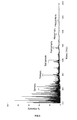
Figure 2 : MALDI-TOF analysis of the sample obtained in example 1, enlarging the area corresponding to the tetramers. The presence of procyanidins, propelargonidins and prodelphinidins from dimers to heptamers, containing both types of bonds, B and A, is verified. Next, the m/z signals corresponding to the sodium adducts [M+Na]+ of the proanthocyanidinins detected are indicated. -
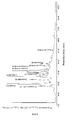
Figure 3 : HPLC analysis with reverse phase column of the sample obtained in example 1, with identification of chromatographic peaks corresponding to dimers and trimers of B-type procyanidins (m/z= 577 and 865, respectively) and dimers and trimers of A-type procyanidins (m/z= 575 and 863, respectively). -
Figure 4 : MALDI-TOF analysis of the sample obtained in example 2, enlarging the area corresponding to the tetramers. The presence of procyanidins, propelargonidins and prodelphinidins from dimers to heptamers, containing both types of bonds, B and A, is verified. Next, the m/z signals corresponding to the sodium adducts [M+Na]+ of the proanthocyanidinins detected are indicated. -
Figure 5 : HPLC analysis with reverse phase column of the sample obtained in example 2, with identification of chromatographic peaks corresponding to dimers and trimers of B-type procyanidins (m/z= 577 and 865, respectively), dimers and trimers of A-type procyanidins (m/z= 575 and 863, respectively), dimers and trimers of B-type propelargonidins (m/z= 561 and 849, respectively), dimers of A-type propelargonidins (m/z= 559), and dimers of A-type prodelphinidins (m/z= 591). - The present invention consists of phenolic extracts of almond skin (tegument) [Prunus dulcis (Mill.) D.A. Webb, Prunus amygdalus (L.) Batsch., Amygdalus dulcis (Mill.), Amygdalus communis (L.) or Prunus communis (L.)] characterized in that they contain procyanidins, propelargonidins and prodelphinidins. Almond skin is a low-cost food by-product, which means that this extract preparation method would involve the reuse of said by-product since products of greater added value would be obtained. The skin could be used both wet and dry, separated from the fruit by a blanching process and later peeling, or by toasting.
- Procyanidins are polymers formed only by (+)-catechin and/or (-)-epicatechin. On the other hand, propelargonidins and prodelphinidins are polymers that contain units of (+)-afzelechin and/or (-)-epiafzelechin -case of propelargonidins- and of (+)-gallocatechin and/or (-)-galloepicatechin -case of prodelphinidins-, possibly also containing units of (+)-catechin and/or (-)-epicatechin. The structural differences between (epi)catechin (dihydroxy-substitution in the B-ring) and (epi)afzelechin (monohydroxy-substitution in the B-ring) and (epi)gallocatechin (trihydroxy-substitution in the B-ring) would justify possible peculiarities in the physiological properties/activities of these three groups of proanthocyanidinins. It should, therefore, be expected that extracts containing combinations of these three types of proanthocyanidinins would have different properties, if not improved, with respect to the products currently marketed and which only contain procyanidins.
- Another structural characteristic of proanthocyanidinins that determines their physiological properties/activities is the type of bond (A or B) between the forming units. The present invention also relates to almond skin extracts characterized in that they contain A-type procyanidins, propelargonidins and prodelphinidins.
- The total phenolic content of the extract is determined by the colorimetric method of Singleton V.L., Rossi J.A. (1965) Colorimetry of total phenolics with phosphomolibdicphosphotungstic acid reagent. Am J Enol Vitic 16, 144-158, which is based on oxidation in base medium of the hydroxyl groups of phenols by Folin-Ciocalteu reagent. The results are expressed as gallic acid /g of extract. In this way, the extracts obtained following the processes which are detailed below have a total minimum phenolic content of 50 mg/g (5 %).
- To confirm that the extracts contain the three types of proanthocyanidinins (procyanidins, propelargonidins and prodelphinidins) bound both by A or B-type bonds, a mass spectrometry analysis is performed, specifically MALDI-TOF-MS ("matrix-assisted laser desorption/ionization time-of-flight mass spectrometry"). For this analysis, the extract is crystallized in a solid matrix whereon the laser hits, which produces ionization of the molecules contained in the extract. The ions formed migrate due to the effect of an electric field and do so in accordance with their mass/charge ratio (m/z), which allows determining the molecular mass of the substances contained in the extract. The low ionization energy and the high transmission efficacy make this technique one of the most resolvent for the study of proanthocyanidinins (Reed J.D., Krueger C.G., Vestling M.M. (2005) MALDI-TOF mass spectrometry of oligomeric food polyphenols. Phytochemistry 66, 2248-2263).
- The following table indicates the monoisotopic masses corresponding to the sodium adducts of B and A-type procyanidins, propelargonidins and prodelphinidins which would be found in the extracts object of this patent. The assignment of the structure to the mass observed [M+Na]+ (m/z) is performed bearing in mind the theoretical calculation: m/z = 290.08*(CAT) + 274.08*(AFZ) + 306.07*(GAL) - 2.02*(B) -4.04*(A) + 22.99, where CAT, AFZ and GAL correspond, respectively, to the number of units of (epi)catechin, (epi)afzelechin and (epi)gallocatechin which compose the proanthocyanidin molecule; B and A correspond, respectively, to the number of B and A-type bonds between the constitutive units. By way of example, the m/z signals are collected corresponding to procyanidins, propelargonidins [up to 2 units of (epi)afzelechin] and prodelphinidins [up to 2 units of (epi)gallocatechin] with B and A-type bonds.
MALDI-TOF-MS signals [M+Na]+ (m/z) Procyanidins Propelargonidins 1 (epi)afzelechin unit Propelargonidins 2 (epi)afzelechin units g B- type A-type 1 bond B- type A-type 1 bond B- type A-type 1 bond 2 601 599 585 583 569 567 3 889 887 873 871 857 855 4 1177 1175 1161 1159 1145 1143 5 1465 1463 1449 1447 1433 1431 6 1753 1751 1737 1735 1721 1719 7 2041 2039 2025 2023 2009 2007 8 2329 2327 2313 2311 2297 2295 9 2617 2615 2601 2599 2585 2583 10 2905 2903 2889 2887 2873 2871 MALDI-TOF-MS signals [M+Na]+ (m/z) Prodelphinidins 1 (epi)gallocatechin unit Prodelphinidins 2 (epi)gallocatechin units g Type B A-type 1 bond B- type A-type 1 bond 2 617 615 633 631 3 905 903 921 919 4 1193 1191 1209 1207 5 1481 1479 1497 1495 6 1769 1767 1785 1783 7 2057 2055 2073 2071 8 2345 2343 2361 2359 9 2633 2631 2649 2647 10 2921 2919 2937 2935 g-Degree of polymerization. - In addition to the MALDI-TOF analysis, the extracts are analysed by high performance liquid chromatography coupled to mass spectrometry (HPLC/MS) to separate from one another the different isomers from the dimers and trimers of procyanidins, propelargonidins and prodelphinidins, both with B-type and A-type bonds. Since there are barely commercial standards for proanthocyanidinins, the identification of the chromatographic peaks is based on its mass spectrometry, which allows us to know the forming units (although without distinguishing between diasteroisomers). The assignment of the structure to the mass observed [M-H]- (m/z) is made in accordance with the following expression: m/z = 290.08*(CAT) + 274.08*(AFZ) + 306.07*(GAL) - 2.02*(B) -4.04*(A) - 1.01, where CAT, AFZ and GAL correspond, respectively, to the number of units of (epi)catechin, (epi)afzelechin and (epi)gallocatechin which compose the proanthocyanidin molecule; B and A correspond, respectively, to B and A-type bonds between the constitutive units. By way of example, next, the m/z signals are included corresponding to dimers and trimers of procyanidins, propelargonidins, and prodelphinidins with B and A-type bonds.
ESI-MS signals [M-H]- (m/z) Procyanidins Propelargonidins 1 (epi)afzelechin unit Prodelphinidins 1 (epi)gallocatechin unit g B- type A-type 1 bond B- type A-type 1 bond B- type A-type 1 bond 2 577 575 561 559 593 591 3 865 863 849 847 881 879 g-Degree of polymerization. - Some examples of the chemical structures of proanthocyanidinins that would be found in the extracts object of this patent are included in
figure 1 . - To quantify the proanthocyanidinins identified a fluorescence detector is used operating in specific conditions for flavan-3-ols (λexcitation=280 nm, λemission=310 nm). The contents of each compound are expressed in mg of (-)-epicatechin /g of extract. In this way, the extracts obtained have a minimum content of monomers, dimers and trimers of proanthocyanidinins of 10 mg/g (1%).
- The percentage of A-type proanthocyanidinins is calculated by dividing the contents of A-type dimers and trimers by the content of the A and B-type dimers and trimers. In this way, the extracts obtained have a minimum percentage of A-type proanthocyanidinins of 15%.
- Another aspect of the invention is the preparation method of the extracts characterized in that some of the following steps are carried out:
- maceration of plant material with solvents
- purification of the extract
- drying of the purified extract.
- It starts with the wet or dry almond skin obtained after blanching and later peeling, or after toasting the almond. If the sample is dry, it can be ground to reduce the size. To avoid possible interferences of the fat the skin can be defatted using organic solvents (i.e. hexane).
- The extraction can be carried out with pure methanol, ethanol and water or their mixtures; at a temperature between 25 ºC and 100 ºC, and preferably between 50 ºC a 70 ºC; acidulated or not with any acid of inorganic type such as, for example, HCl, H2SO4, H3PO4 or any organic acid such as acetic acid, citric acid or any cationic resin in protonated form. Typical systems are used for the solid-liquid extractions (incubator, reflux, etc.), it also being possible to use an ultrasound bath. The extraction time can be comprised, according to the type of equipment used, between 2 hours and 24 hours. After this time, the liquid extract is separated from the solid residue by centrifugation or by pressing and/or filtration.
- An alternative that accelerates the previous process and reduces the extracting liquid volume, is extraction with overheated liquids. The extraction vehicle can also be pure methanol, ethanol and water or their mixtures, and acidulated or not with the same aforementioned acids. In this case, a specific extractor apparatus is used which allows using liquids at high temperatures and pressures between 500 psi and 3000 psi and temperatures between 60 ºC and 180 ºC, preferably 100 ºC to 140 ºC. The extraction time with overheated liquids may be, according to the conditions used between 1 minute and 6 hours.
As regards the purification stage of the extract, one of the methods contemplated is extraction with organic solvents such as ethyl acetate, acetone, n-butanol, iso-propanol or their mixtures and acidulated with the same acids used in the extraction process. - Another alternative is purification by adsorption or ion exchange chromatography on Dowex or Amberlite type resins in gradient of methanol or ethanol-type alcohols between 20% and 80% alcohol.
- The extract can be dried in different ways, although it is characterized by working at temperatures lower than 40 ºC. Lyophilisation, concentration and/or vacuum drying, air drying, and spraying are also included in the forms of drying.
- As regards its properties, the extracts of almond skin object of this patent have antioxidant capacity, evaluated in vitro by the ORAC method (oxygen radical absorption capacity) using fluorescein as fluorescent substance. The antioxidants present in the extract neutralize the peroxyl radicals generated by the thermal decomposition of AAPH, thus avoiding its reaction with fluoroscein. The results are expressed as mmols of Trolox/g of extract, Trolox being a synthetic compound, water-soluble analogue of vitamin E. The ORAC method is one of those recommended for measuring the antioxidant properties of foods and dietary products, as well as quality control thereof (Prior R.L., Wu X., Schaich K. (2005) Standardized methods for the determination of antioxidant capacity of phenolics in foods and dietary supplements. J. Agric. Food Chem. 53, 4290-4302.).
- At present, it is admitted that oxidative stress or oxidative overload is involved in a multitude of degenerative diseases, such as cancer, atherosclerosis, Alzheimer's disease or the aging process itself. However, the etiopathogenic mechanisms are not completely known. Against oxidative stress as a cause of these diseases, a preventive strategy is considered to be a diet rich in antioxidant compounds, among them, phenolic compounds. However, the fact that an extract has good in vitro properties does not necessarily entail that it acts as an effective in vivo antioxidant. Other factors such as bioavailability, metabolism, interactions among nutrients, etc. may condition the activity of the physiological medium of the potentially bioactive compound(s) present in the extract.
- In any case, the ORAC methodology is a good experimental approximation for optimizing preparation processes, quality control and comparison between potentially active extracts. By way of reference, we can mention the ORAC values for some commercial phenolic extracts. The differences in antioxidant capacity among products are not only due to the source used, which determines the active phenolic structures, but also the extract preparation process.
Source Antioxidant activity ORAC (mmol Trolox/g) Reference Grape seed (Vitis Vinifera L.) (n=16) 2.71 - 26.4 Monagas et al., 2005 Grape skin (Vitis Vinifera L.) (n=11) 2.23 - 6.32 Monagas et al., 2006 Piquette (Vitis Vinifera L.) (n=2) 13.3 - 21.4 Monagas et al., 2006 Vine leaves (Vitis Vinifera L.) (n=4) 1.52- 2.55 Monagas et al., 2006 Pine bark Pinus halepensis L.) (Pycnogenol®) 3.15 Garrido et al., 2007 Olive leaves (Olea europea L.) (Olixxol®) 4.20 (unpublished data) - Monagas M., Hernández-Ledesma B., Garrido I., Martin-Alvarez P.J., Gómez-Cordoves C., Bartolomé, B. (2005). Quality assessment of commercial dietary antioxidant products from Vitis Vinifera I. grape seeds. Nutr. Cancer, 53, 244-254.
- Monagas M., Hernández-Ledesma B., Gómez-Cordovés C., Bartolomé, B. (2006). Commercial dietary ingredients from Vitis vinifera L. leaves and grape skins: antioxidant and chemical characterization. J. Agric. Food Chem., 54, 319-327.
- Garrido I., Bartolomé B., Gómez-Cordovés C. (2007). Hydrophilic and lipophilic antioxidant capacities of commercial dietary antioxidant supplements. Ital. J. Food Sci., in press.
- The extracts object of this patent have an antioxidant capacity similar or superior to those found for many of the phenolic extracts marketed at present. In any case, these extracts can also have other activities/properties of interest for the food, dietary, cosmetic and pharmaceutical industry that will also be included in the invention. Thus, for example, it is expected that extracts containing A-type procyanidins, propelargonidins and prodelphinidins have activities described for isolated molecules such as the inhibitory capacity of bacterial adhesion in the urinary tract and certain pseudoinsulin activity.
- These extracts could be used as ingredients in foods, for the preparation of dietary supplements and cosmetics and in drug manufacturing.
- For a better understanding of the invention two examples are attached which are not limitating as regards its application.
- Samples of almond skin are used that are shed during toasting the fruit in an industrial scale oven. The skins are ground. The ground sample was defatted with hexane. The defatted sample was mixed with methanol/HCl (1000:1 v/v) and was maintained for 15 min in an ultrasound bath at 25 ºC. It was left to rest for 15 min, repeating the operation twice in total. Later, the mixture was centrifuged. The supernatant was removed and the residue was extracted a further two times. The corresponding supernatants were combined and the mixture was dried at low pressure in a rotavap. The residue was redissolved in 40 mL of distilled water and it was extracted with ethyl acetate. The organic phases were combined. Later, the extract was dried in a rotavap at a temperature lower than 40 ºC to obtain a dry extract. The polyphenol content of this
extract # 1 was 78.3 mg/g, the process yield being 2.1 %. - The MALDI-TOF analysis was carried out of the extract using 2.5-dihydroxybenzoic acid (gentisic acid) as matrix. Thus, it was verified that the extract contained procyanidins, propelargonidins and prodelphinidins up to heptamers (
Figure 2 ). Likewise, it was verified that the procyanidins, propelargonidins and prodelphinidins found corresponded to both types, A and B (Figure 2 , enlarged for tetramers). Below, the m/z signals are indicated corresponding to the sodium adducts [M+Na]+ of the proanthocyanidinins detected: -
Procyanidins Propelargonidins 1 unit (epi)afzelechin Prodelphinidins 1 unit (epi)gallocatechin g B- type A-type 1 bond B- type A-type 1 bond B- type A-type 1 bond 2 601 599 585 583 617 615 3 889 887 873 905 903 4 1177 1175 1161 1159 1193 1191 5 1465 1463 1449 1481 1479 6 1753 1751 1737 1767 7 2040* 2024* g-Degree of polymerization.
* Indicates overlapping of the signals corresponding to B and A-type proanthocyanidinins. - An HPLC analysis was also carried out using a Waters Nova-Pak® C18 reverse phase column [300 mm x 3.9 mm (internal diameter); particle size: 4µm] and applying an elution gradient composed of water/acetic acid (98:2, v/v) and water/acetonitrile/acetic acid, (73:25:2, v/v/v) with a flow of 1.0 mL/min. A sample volume was injected of 75 µL of a solution of the extract 21 mg/ml in methanol/water (50:50, v/v).
- On the one hand, a quadrupole mass detector was used coupled to an electrospray ionization interface (ESI) which allowed identifying some chromatographic peaks as dimers and trimers of B-type procyanidins (m/z= 577 and 865, respectively) and dimers and trimers of A-type procyanidins (m/z= 575 and 863, respectively) (
Figure 3 ). It was not possible to assign chromatographic peaks corresponding to other types of compounds detected by MALDI-TOF analysis (i.e. propelargonidins and prodelphinidins) possibly due to the low concentration thereof and/or coelution between them. - Since there were standards of dimers and trimers of B-type procyanidins previously isolated from other plants, it was possible to assign the chemical structure of the compounds: B3 [(+)-catechin-(4α→8)-(+)-catechin], B1 [(-)-epicatechin-(4β→8)-(+)-catechin], B2 [(-)-epicatechin-(4β→8)-(-)-epicatechin], B7 [(-)-epicatechin-(4β→6)-(+)-catechin], B5 [(-)-epicatechin-(4β→6)-(-)-epicatechin] and C1 [(-)-epicatechin-(4β→8)-(-)-epicatechin-(4β→8)-(-)-epicatechin]. However, it was not possible to assign structures to the rest of the chromatographic peaks due to lack of standards available.
- Furthermore, using a fluorescence detector, the chromatographic peak area corresponding to the compounds identified was determined and its content was calculated using the calibrated curve of (-)-epicatechin. Below, the content of the B and A-type proanthocyanidinins identified in almond skin extract is indicated:
-
Phenolic compound Concentration (mg/g) (+)-Catechin 6.50 (-)-Epicatechin 4.48 Procyanidins dimers B (B3+B1) 1.41 Procyanidin B dimer (B2) 1.41 Procyanidin B dimer (B7) 1.11 Procyanidin B dimer (B5) 0.70 Procyanidin B trimer (C1) 1.25 Procyanidin A dimer (tr=31.8 min) 0.52 Procyanidin A dimer (tr=32.9 min) 0.23 Procyanidin A dimer (tr=36.4 min) 0.31 Procyanidin A dimer (tr=50.6 min) 0.07 Procyanidin A trimer (tr=31.4 min) 0.26 TOTAL 18.25 - The total content of flavan-3-ol compounds was 18.25 mg/g, expressed as (-)-epicatechin. From these, 7.27 mg/g correspond to proanthocyanidin dimers and trimers. Of this total proanthocyanidinins, 1.39 mg/g correspond to A-type dimers, in other words 19.0 % of proanthocyanidinins identified have an A-type bond.
- It also determined the antioxidant capacity of the extract following the ORAC method which evaluates the oxygen radical absorption capacity. This
extract # 1 has a good antioxidant capacity, its ORAC value being 3.0 mmols of Trolox/g. - The wet almond skin wet shed from the industrial blanching of the fruit was extracted with ethanol acidulated with HCl, pH=3, maintaining a reflux during 4 hours at a temperature close to its boiling point. The skin/acidulated ratio was 1/10. The mixture was pressed and the remains of the skin were separated from the extractive liquid by filtration on 0.2 mm fine mesh. The resulting liquid was dried in a vacuum at a temperature below 60ºC.
- The dry extract was resuspended in water acidulated with HCl at pH=3, with an extract/water ratio of 1/10. The insoluble dried residue was filtered with fine pore filter paper. The solid residue deposited on the filter was washed with water (pH=3), and the filtered liquid was recovered, being added to the previous liquid.
- The extract of almond skin purified and dissolved in water was loaded in a column full of Amberlite XAD-7 resin, previously washed with 5 volumes of ethanol and 5 volumes of distilled water acidulated at pH=3. After the passage of all the extraction liquid the resin was washed with 2 volumes of 20% ethanol aqueous solution column and after checking that dry dissolved matter did not come out through the column, the material retained was eluded with 5 volumes of an ethanol/water solution (60/40). This last fraction was dried under vacuum at a temperature lower than 40ºC. The total polyphenol content of this
extract # 2 was 264.6 mg/g, the process yield being 3.3%. - The MALDI-TOF analysis was carried out of the extract using 2.5-dihydroxybenzoic acid (gentisic acid) as matrix. Thus, it was verified that the
extract # 2 contained procyanidins, propelargonidins and prodelphinidins up to heptamers (Figure 4 ). Likewise, it was verified that the procyanidins, propelargonidins and prodelphinidins found corresponded to both types, A and B (Figure 4 , enlarged for tetramers). Below, the m/z signals are indicated corresponding to the sodium adducts [M+Na]+ of the proanthocyanidinins detected:MALDI-TOF-MS signals [M+Na]+ (m/z) Procyanidins Propelargonidins 1 (epi)afzelechin unit Propelargonidins 2 (epi)afzelechin unit g B- type A-type 1 bond B- type A-type 1 bond B- type A-type 1 bond 2 601 599 585 583 567 3 889 887 873 871 857 4 1177 1175 1161 1159 1145 1143 5 1465 1463 1449 1447 1433 1431 6 1753 1751 1737 1735 1721 1719 7 2040* 2024* 2008* 8 2028* 2312* 2296* MALDI-TOF-MS signals [M+Na]+ (m/z) Prodelphinidins 1 (epi)gallocatechin unit Prodelphinidins 2 (epi)gallocatechin units g Type B A-type 1 bond B- type A-type 1 bond 2 617 615 633 631 3 905 903 919 4 1193 1191 5 1481 1479 6 1769 1767 7 2056* g-Degree of polymerization.
* Indicates overlapping of the signals corresponding to B and A-type proanthocyanidinins. - An HPLC analysis was also carried out using a Waters Nova-Pak® C18 reverse phase column [300 mm x 3.9 mm (internal diameter); particle size: 4µm] and applying an elution gradient composed of water/acetic acid (98:2, v/v) and water/acetonitrile/acetic acid, (73:25:2, v/v/v) with a flow of 1.0 mL/min. A sample volume was injected of 5 µL of a solution of the extract of 43 mg/ml in methanol/water (50:50, v/v).
- On the one hand, a quadrupole mass detector was used coupled to an electrospray ionization interface (ESI) which allowed identifying some chromatographic peaks as dimers and trimers of B-type procyanidins (m/z= 577 and 865, respectively), dimers and trimers of A-type procyadinins (m/z= 575 and 863, respectively), dimers and trimers of B-type propelargonidins (m/z= 561 and 849, respectively), dimers of A-type propelargonidins (m/z= 559) and dimers of A-type prodelphinidins (m/z= 591) (
Figure 5 ). It was not possible to assign chromatographic peaks corresponding to other types of compounds detected by MALDI-TOF analysis (i.e. propelargonidins and prodelphinidins) possibly due to the low concentration thereof and/or coelution between them. - Since there were standards of dimers and trimers of B-type procyanidins previously isolated from other plants, it was possible to assign the chemical structure of the compounds: B3 [(+)-catechin-(4α→8)-(+)-catechin], B1 [(-)-epicatechin-(4β→8)-(+)-catechin], B2 [(-)-epicatechin-(4β→8)-(-)-epicatechin], B7 [(-)-epicatechin-(4β→6)-(+)-catechin], B5 [(-)-epicatechin-(4β→6)-(-)-epicatechin] and C1 [(-)-epicatechin-(4β→8)-(-)-epicatechin-(4β→8)-(-)-epicatechin]. However, it was not possible to assign structures to the rest of the chromatographic peaks due to lack of standards available.
- Furthermore, using a fluorescence detector, the chromatographic peak area corresponding to the compounds identified was determined and its content was calculated using the calibrated curve of (-)-epicatechin. Below, the content of the B and A-type proanthocyanidinins identified in almond skin extract is indicated:
EXTRACT #2: composition Phenolic compound Concentration (mg/g) (+)-Catechin 40.82 (-)-Epicatechin 19.81 Procyanidin B dimers (B3+B1) 10.75 Procyanidin B dimer (B2) 11.42 Procyanidin B dimer (B7) 5.22 Procyanidin B dimer (B5) 2.22 Procyanidin B trimer (C1) 8.02 Procyanidin A dimer (tr=32.7 min) 2.95 Procyanidin A dimer (tr=33.7 min) 2.48 Procyanidin A dimer (tr=36.9 min) 1.74 Procyanidin A dimer (tr=50.1 min 1.47 Procyanidin A trimer (tr=32.0 min) 2.13 Propelargonidin B dimer (tr=22.5 min) 1.90 Propelargonidin B trimer (tr=22.9 min) 1.66 Propelargonidin A dimer (tr=23.6 min) 0.80 Prodelphinidin A dimer (tr=51.1 min) 0.63 TOTAL 114.02 - The total content of flavan-3-ol compounds was 114.02 mg/g, expressed as (-)-epicatechin. From these, 53.39 mg/g correspond to proanthocyanidin dimers and trimers. Of this total proanthocyanidinins, 11.40 mg/g correspond to A-type dimers, in other words, 21.4 % of proanthocyanidinins identified have an A-type bond.
- It also determined the antioxidant capacity of the extract following the ORAC method which evaluates the oxygen radical absorption capacity. This
extract # 2 has a good antioxidant capacity, its ORAC value being 12.1 mmols of Trolox/g. - The same sample of almond skin was used as in example 2. The same extracting liquid was also used (ethanol acidulated with HCl (pH=3)) but a specific extractor apparatus was used that made it possible to use liquids at high temperatures and pressures. The working conditions were 2000 psi pressure and 90 ºC temperature, the extraction time being 30 min. The resulting liquid was subjected to vacuum drying at a temperature below 60ºC. From this point, the same was done as in example 2 and the analysis for characterization of the extract and identification of its components were carried out in the same way, obtaining an extract substantially equivalent to that obtained in example 2.
Claims (21)
- Extract of almond skin [Prunus dulcis (Mill.) D.A. Webb, Prunus amygdalus (L.) Batsch., Amygdalus dulcis (Mill.), Amygdalus communis (L.) or Prunus communis (L.)] characterized in that it has a phenolic content > 50 mg/g (5 %), in that it contains procyanidins, propelargonidins and prodelphinidins and has antioxidant capacity.
- Extract of almond skin according to claim 1, characterized in that it contains dimers and trimers of A-type proanthocyanidinins in a percentage > 15 % referring to the total of dimers and trimers of A and B-type proanthocyanidinins.
- Preparation method of an extract according to any of claims 1-2, characterized in that it comprises the following steps:a) preparation of the plant material contained by the skin, whether wet or dry, separated from the fruit by a blanching process and later peeling, or by toasting, which can be ground in the case of being dry to reduce the size; as well as optionally to avoid possible interferences of the fat, the skin can be defatted using organic solvents such as hexane.b) extraction of the skin with organic solvents, either by maceration (incubator, reflux, ultrasound bath, etc.) at a temperature between 25 ºC and 100 ºC, or using extractors that use overheated liquids at a temperature between 60 ºC and 180 ºC, and pressures between 500 psi and 3000 psi;c) purification of the extract by extraction with solvents and/or adsorption or ion exchange chromatography,- and, optionallyd) drying of the purified extract.
- Preparation method of extracts according to claim 3, characterized in that solvents are used in the maceration stage such as pure methanol, ethanol and water or their mixtures, at a temperature between 25 ºC and 100 ºC, preferably between 50 ºC and 70 ºC, and extraction time between 2 hours and 24 hours, separating the liquid extract from the solid residue by centrifugation or by pressing and/or filtration.
- Preparation method of extracts according to claim 4, characterized in that solvents are used in the maceration stage acidulated with inorganic acids of the group of HCl, H2SO4, H3PO4, organic acids from the group of acetic acid, citric acid or any cationic resin in protonated form.
- Preparation method of extracts according to claim 3, characterized in that overheated liquids are used in the extraction stage as extraction vehicle, which may be pure water, methanol or ethanol or their mixtures, under pressure (500 psi to 3000 psi) and at a temperature from 60 ºC to 180 ºC, preferably between 100 ºC and 140 ºC, and extraction time between 1 minute and 6 hours.
- Preparation method of extracts according to claim 3, characterized in that an extraction is performed in the purification stage with organic solvents such as ethyl acetate, acetone, n-butanol, iso-propanol or their mixtures.
- Preparation method of extracts according to claim 7, characterized in that solvents are used in the maceration stage acidulated with inorganic acids from the group of HCl, H2SO4, H3PO4, organic acids from the group of the acetic acid, citric acid or any cationic resin in protonated form.
- Preparation method of extracts according to claim 3, characterized in that adsorption or ion exchange chromatography is used in the purification stage on Dowex or Amberlite-type resins by elution in alcohol gradient of methanol or ethanol-type between 20% and 80% in alcohol.
- Preparation method of extracts according to claim 3, characterized in that temperatures lower than 40 ºC are worked with in the drying stage.
- Preparation method of extracts according to claim 3, characterized in that lyophilisation, concentration and/or vacuum drying, air drying, or spraying are used.
- Preparation method of extracts according to claims 3 to 11, characterized in that the following steps are carried out in the preparation method:- maceration of plant material with methanol/HCl (1000:1, v/v)- purification of the extract by extraction with ethyl acetate- concentration to dry of the extract keeping the temperature below 40 ºC.
- Preparation method of extracts according to claims 3 to 11, characterized in that the following steps are carried out in the preparation method:- maceration of plant material with ethanol/HCl (pH=3)- purification of the extract by column chromatography- vacuum drying of the extract keeping the temperature below 40 ºC.
- Extract of almond skin characterized in that it is prepared according to the method indicated in claims 3 to 13 and in that it contains dimers and trimers of A-type proanthocyanidinins in a percentage > 15 % referring to the total of dimers and trimers of proanthocyanidinins, and by a phenolic content > 50 mg/g (5%).
- Functional additive, ingredient or food supplement characterized in that it comprises the extract of almond skin with antioxidant activity according to claims 1, 2 and 14.
- Functional food product or drink characterized in that it comprises the extract of almond skin with antioxidant activity according to claims 1, 2 and 14.
- Pharmaceutical composition characterized in that it comprises the extract of almond skin with antioxidant activity and/or favourable for preventing microbial infections, and/or antiglycaemic activity according to claims 1, 2 and 14.
- Use of functional additive, ingredient or food supplement according to claim 15, in the preparation of a functional food product with antioxidant activity.
- Use of additive, ingredient according to claim 15, in the preparation of a cosmetic product with antioxidant activity.
- Pharmaceutical composition according to claim 17, for its use in the preparation of a drug for the treatment of urinary infections by its inhibitory capacity of bacterial adhesion in the urinary tract.
- Pharmaceutical composition according to claim 17, for its use in the preparation of a drug for the treatment of diabetes due to its antiglycaemic activity as pseudoinsulin.
Applications Claiming Priority (2)
| Application Number | Priority Date | Filing Date | Title |
|---|---|---|---|
| ES200701616A ES2311403B1 (en) | 2007-06-12 | 2007-06-12 | PHENOLIC EXTRACTS OF ALMOND SKIN CONTAINING PROCIANIDINS, PROPELARGONIDINS AND PRODELFINIDINS, AND THEIR PROCEDURE FOR OBTAINING. |
| PCT/ES2008/070104 WO2008152173A1 (en) | 2007-06-12 | 2008-05-28 | Phenolic extracts of almond peel containing procyanidins, propelargonidins and prodelphinidins, and method for preparation thereof |
Publications (2)
| Publication Number | Publication Date |
|---|---|
| EP2165712A1 true EP2165712A1 (en) | 2010-03-24 |
| EP2165712A4 EP2165712A4 (en) | 2011-09-28 |
Family
ID=40129280
Family Applications (1)
| Application Number | Title | Priority Date | Filing Date |
|---|---|---|---|
| EP08775443A Withdrawn EP2165712A4 (en) | 2007-06-12 | 2008-05-28 | PROCYANIDINE, PROPELARGONIDINE AND PRODELPHINIDINE CONTAINING MENDELHAUT PHENOLEXTRACTS |
Country Status (6)
| Country | Link |
|---|---|
| US (1) | US8802165B2 (en) |
| EP (1) | EP2165712A4 (en) |
| AR (1) | AR066740A1 (en) |
| CL (1) | CL2008001685A1 (en) |
| ES (1) | ES2311403B1 (en) |
| WO (1) | WO2008152173A1 (en) |
Cited By (4)
| Publication number | Priority date | Publication date | Assignee | Title |
|---|---|---|---|---|
| EP2829277A1 (en) | 2013-07-26 | 2015-01-28 | Natac Biotech, S.L. | Use of a-type proanthocyanidins in treating a mineralocorticoid receptor related disease |
| WO2016146806A1 (en) * | 2015-03-19 | 2016-09-22 | Uropharma Lmited | Medicinal composition for treating urinary tract infection (uti) |
| EP3175717A1 (en) * | 2015-12-04 | 2017-06-07 | WhiteWave Services, Inc. | Almond-based food products with improved taste characteristics |
| CN107602521A (en) * | 2017-11-01 | 2018-01-19 | 天津农学院 | A kind of method and obtained OPC and purposes of pitaya peel extraction OPC |
Families Citing this family (3)
| Publication number | Priority date | Publication date | Assignee | Title |
|---|---|---|---|---|
| US8507018B2 (en) * | 1998-03-12 | 2013-08-13 | Mars, Incorporated | Products containing polyphenol(s) and L-arginine and methods of use thereof |
| ES2570433B1 (en) * | 2014-10-17 | 2016-11-21 | Universitat Rovira I Virgili | USE OF PROANTOCIANIDINS FOR THE SUPPRESSION OF THE APPETITE OR INDUCTION OF THE COMPANY |
| CN111665306A (en) * | 2020-06-19 | 2020-09-15 | 新疆农业大学 | Method for determining flavonoid compounds in wild apricot pulp |
Family Cites Families (8)
| Publication number | Priority date | Publication date | Assignee | Title |
|---|---|---|---|---|
| US6608102B1 (en) * | 1997-09-09 | 2003-08-19 | Rutgers, The State University Of New Jersey | Plant proanthocyanidin extract effective at inhibiting adherence of bacteria with P-type fimbriae to surfaces |
| JP2000032953A (en) * | 1998-07-15 | 2000-02-02 | Ezaki Glico Co Ltd | Food and drink containing almond seed coat or its extract formulated therein |
| US6210681B1 (en) * | 1999-09-07 | 2001-04-03 | Jlb, Inc. | Plant proanthocyanidin extracts |
| US6903134B2 (en) * | 2000-01-28 | 2005-06-07 | Merck Patent Gmbh | Formulation comprising benzofuranone derivatives for protection against oxidative stress |
| ES2171142B1 (en) | 2000-12-22 | 2003-12-16 | Consejo Superior Investigacion | CONJUGATES OF FLAVANOLES AND CISTEAMINE. |
| KR100531472B1 (en) * | 2002-08-09 | 2005-11-28 | 주식회사 이롬 | Cosmetic composition comprising extract of Rosa multiflora with antioxdative activity and preparation method of the extract |
| ES2292882T3 (en) | 2003-06-24 | 2008-03-16 | Cognis Ip Management Gmbh | LITCHI SINENSIS EXTRACT CONTAINING OLIGOMERIC PROANTOCIANIDINS. |
| AU2005209317B2 (en) | 2004-01-28 | 2011-07-07 | Mars, Incorporated | Compositions and methods of use of A-type procyanidins |
-
2007
- 2007-06-12 ES ES200701616A patent/ES2311403B1/en not_active Expired - Fee Related
-
2008
- 2008-05-28 EP EP08775443A patent/EP2165712A4/en not_active Withdrawn
- 2008-05-28 AR ARP080102233A patent/AR066740A1/en unknown
- 2008-05-28 WO PCT/ES2008/070104 patent/WO2008152173A1/en not_active Ceased
- 2008-05-28 US US12/664,350 patent/US8802165B2/en not_active Expired - Fee Related
- 2008-06-09 CL CL2008001685A patent/CL2008001685A1/en unknown
Cited By (6)
| Publication number | Priority date | Publication date | Assignee | Title |
|---|---|---|---|---|
| EP2829277A1 (en) | 2013-07-26 | 2015-01-28 | Natac Biotech, S.L. | Use of a-type proanthocyanidins in treating a mineralocorticoid receptor related disease |
| WO2016146806A1 (en) * | 2015-03-19 | 2016-09-22 | Uropharma Lmited | Medicinal composition for treating urinary tract infection (uti) |
| US10772901B2 (en) | 2015-03-19 | 2020-09-15 | Uropharma Limited | Medicinal composition for treating urinary tract infection (UTI) |
| AU2016232101B2 (en) * | 2015-03-19 | 2020-10-08 | Synesis Llc | Medicinal composition for treating urinary tract infection (UTI) |
| EP3175717A1 (en) * | 2015-12-04 | 2017-06-07 | WhiteWave Services, Inc. | Almond-based food products with improved taste characteristics |
| CN107602521A (en) * | 2017-11-01 | 2018-01-19 | 天津农学院 | A kind of method and obtained OPC and purposes of pitaya peel extraction OPC |
Also Published As
| Publication number | Publication date |
|---|---|
| WO2008152173A1 (en) | 2008-12-18 |
| CL2008001685A1 (en) | 2009-01-02 |
| ES2311403B1 (en) | 2010-01-12 |
| US8802165B2 (en) | 2014-08-12 |
| EP2165712A4 (en) | 2011-09-28 |
| AR066740A1 (en) | 2009-09-09 |
| ES2311403A1 (en) | 2009-02-01 |
| US20100184850A1 (en) | 2010-07-22 |
Similar Documents
| Publication | Publication Date | Title |
|---|---|---|
| Peixoto et al. | Grape pomace as a source of phenolic compounds and diverse bioactive properties | |
| Tsai et al. | In vitro antimicrobial activities against cariogenic streptococci and their antioxidant capacities: A comparative study of green tea versus different herbs | |
| KR100302514B1 (en) | Manufacturing method of polyphenol mixture of fruit | |
| Yu et al. | Peanut skin procyanidins: Composition and antioxidant activities as affected by processing | |
| US8802165B2 (en) | Phenolic extracts of almond peel containing procyanidins, propelargonidins, and prodelphinidins, and method for preparation thereof | |
| JP3521155B2 (en) | Method for producing fruit polyphenols | |
| EP1852430B1 (en) | Method of producing proanthocyanidin oligomer | |
| US7427418B2 (en) | Phloridzin-rich phenolic fraction and use thereof as a cosmetic, dietary or nutraceutical agent | |
| Choi et al. | Glycation inhibitory activity and the identification of an active compound in Plantago asiatica extract | |
| CA2302743C (en) | Plant proanthocyanidin extract effective at inhibiting adherence of bacteria with p-type fimbriae to surfaces | |
| KR100531472B1 (en) | Cosmetic composition comprising extract of Rosa multiflora with antioxdative activity and preparation method of the extract | |
| WO2007109804A2 (en) | Extracts and methods comprising cinnamon species | |
| WO2010073404A1 (en) | Proanthocyanidine of cashew apple, proanthocyanidine-containing composition and use of the same | |
| Zhang et al. | Characterization of polyphenolics in grape pomace extracts using ESI Q-TOF MS/MS | |
| Spanou et al. | Assessment of antioxidant activity of extracts from unique Greek varieties of Leguminosae plants using in vitro assays | |
| JP5751981B2 (en) | Novel phenylethanoid glycosides and skin cosmetics | |
| Xu et al. | An in vitro study on the dental caries preventing effect of oligomeric procyanidins in sorghum episperm | |
| Dzięcioł | Influence of extraction technique on yield and antioxidant activity of extracts from Moringa oleifera leaf | |
| Sharma et al. | Role of plant extract in the inhibition of dental caries | |
| You et al. | Antioxidant and tyrosinase inhibitory activities of different parts of guava (Psidium guajava L.) | |
| Sieniawska et al. | Procyanidins in food | |
| Duenas et al. | Phenolic composition and antioxidant activity of mocan seeds (Visnea mocanera Lf). | |
| KR100556187B1 (en) | Food composition containing brier extract with antioxidant activity | |
| KR101208566B1 (en) | Composition containing extracts of acer tegmentosum | |
| Sieniawska et al. | Procyanidins in food |
Legal Events
| Date | Code | Title | Description |
|---|---|---|---|
| PUAI | Public reference made under article 153(3) epc to a published international application that has entered the european phase |
Free format text: ORIGINAL CODE: 0009012 |
|
| 17P | Request for examination filed |
Effective date: 20091217 |
|
| AK | Designated contracting states |
Kind code of ref document: A1 Designated state(s): AT BE BG CH CY CZ DE DK EE ES FI FR GB GR HR HU IE IS IT LI LT LU LV MC MT NL NO PL PT RO SE SI SK TR |
|
| AX | Request for extension of the european patent |
Extension state: AL BA MK RS |
|
| DAX | Request for extension of the european patent (deleted) | ||
| A4 | Supplementary search report drawn up and despatched |
Effective date: 20110831 |
|
| RIC1 | Information provided on ipc code assigned before grant |
Ipc: A61Q 19/08 20060101ALI20110824BHEP Ipc: A61K 8/49 20060101ALI20110824BHEP Ipc: A61K 131/00 20060101ALI20110824BHEP Ipc: A61K 8/97 20060101ALI20110824BHEP Ipc: A23L 2/02 20060101ALI20110824BHEP Ipc: A23L 1/30 20060101ALI20110824BHEP Ipc: A61P 39/06 20060101ALI20110824BHEP Ipc: A61K 31/353 20060101ALI20110824BHEP Ipc: A61K 36/736 20060101AFI20110824BHEP |
|
| RAP1 | Party data changed (applicant data changed or rights of an application transferred) |
Owner name: BIOSEARCH S.A. Owner name: CONSEJO SUPERIOR DE INVESTIGACIONES CIENTIFICAS (6 |
|
| 17Q | First examination report despatched |
Effective date: 20130524 |
|
| STAA | Information on the status of an ep patent application or granted ep patent |
Free format text: STATUS: THE APPLICATION IS DEEMED TO BE WITHDRAWN |
|
| 18D | Application deemed to be withdrawn |
Effective date: 20151201 |