EP2165709B1 - Pharmaceutical compositions comprising a lysine based compound and an HIV antiviral or antiretroviral agent - Google Patents
Pharmaceutical compositions comprising a lysine based compound and an HIV antiviral or antiretroviral agent Download PDFInfo
- Publication number
- EP2165709B1 EP2165709B1 EP08021798.7A EP08021798A EP2165709B1 EP 2165709 B1 EP2165709 B1 EP 2165709B1 EP 08021798 A EP08021798 A EP 08021798A EP 2165709 B1 EP2165709 B1 EP 2165709B1
- Authority
- EP
- European Patent Office
- Prior art keywords
- group
- carbon atoms
- formula
- amino
- pharmaceutical composition
- Prior art date
- Legal status (The legal status is an assumption and is not a legal conclusion. Google has not performed a legal analysis and makes no representation as to the accuracy of the status listed.)
- Expired - Lifetime
Links
- 0 *[C@](**NC([C@](CCc(cccc1)c1-c1ccccc1)N*)=O)N(*)S(c1ccccc1)(=O)=O Chemical compound *[C@](**NC([C@](CCc(cccc1)c1-c1ccccc1)N*)=O)N(*)S(c1ccccc1)(=O)=O 0.000 description 4
- MFEIKQPHQINPRI-UHFFFAOYSA-N CCc1cccnc1 Chemical compound CCc1cccnc1 MFEIKQPHQINPRI-UHFFFAOYSA-N 0.000 description 1
- NRGGMCIBEHEAIL-UHFFFAOYSA-N CCc1ncccc1 Chemical compound CCc1ncccc1 NRGGMCIBEHEAIL-UHFFFAOYSA-N 0.000 description 1
- QDTSINVSGKAPBV-UHFFFAOYSA-N COCc1ccccn1 Chemical compound COCc1ccccn1 QDTSINVSGKAPBV-UHFFFAOYSA-N 0.000 description 1
- HJJVHNKOXFYNTJ-UHFFFAOYSA-N COCc1cccnc1 Chemical compound COCc1cccnc1 HJJVHNKOXFYNTJ-UHFFFAOYSA-N 0.000 description 1
- MBGSSZLPFNHEHX-UHFFFAOYSA-N COCc1ccncc1 Chemical compound COCc1ccncc1 MBGSSZLPFNHEHX-UHFFFAOYSA-N 0.000 description 1
- FKNQCJSGGFJEIZ-UHFFFAOYSA-N Cc1ccncc1 Chemical compound Cc1ccncc1 FKNQCJSGGFJEIZ-UHFFFAOYSA-N 0.000 description 1
- XLSZMDLNRCVEIJ-UHFFFAOYSA-N Cc1cnc[nH]1 Chemical compound Cc1cnc[nH]1 XLSZMDLNRCVEIJ-UHFFFAOYSA-N 0.000 description 1
Classifications
-
- C—CHEMISTRY; METALLURGY
- C07—ORGANIC CHEMISTRY
- C07C—ACYCLIC OR CARBOCYCLIC COMPOUNDS
- C07C311/00—Amides of sulfonic acids, i.e. compounds having singly-bound oxygen atoms of sulfo groups replaced by nitrogen atoms, not being part of nitro or nitroso groups
- C07C311/30—Sulfonamides, the carbon skeleton of the acid part being further substituted by singly-bound nitrogen atoms, not being part of nitro or nitroso groups
- C07C311/37—Sulfonamides, the carbon skeleton of the acid part being further substituted by singly-bound nitrogen atoms, not being part of nitro or nitroso groups having the sulfur atom of at least one of the sulfonamide groups bound to a carbon atom of a six-membered aromatic ring
- C07C311/38—Sulfonamides, the carbon skeleton of the acid part being further substituted by singly-bound nitrogen atoms, not being part of nitro or nitroso groups having the sulfur atom of at least one of the sulfonamide groups bound to a carbon atom of a six-membered aromatic ring having sulfur atoms of sulfonamide groups and amino groups bound to carbon atoms of six-membered rings of the same carbon skeleton
- C07C311/39—Sulfonamides, the carbon skeleton of the acid part being further substituted by singly-bound nitrogen atoms, not being part of nitro or nitroso groups having the sulfur atom of at least one of the sulfonamide groups bound to a carbon atom of a six-membered aromatic ring having sulfur atoms of sulfonamide groups and amino groups bound to carbon atoms of six-membered rings of the same carbon skeleton having the nitrogen atom of at least one of the sulfonamide groups bound to hydrogen atoms or to an acyclic carbon atom
- C07C311/41—Sulfonamides, the carbon skeleton of the acid part being further substituted by singly-bound nitrogen atoms, not being part of nitro or nitroso groups having the sulfur atom of at least one of the sulfonamide groups bound to a carbon atom of a six-membered aromatic ring having sulfur atoms of sulfonamide groups and amino groups bound to carbon atoms of six-membered rings of the same carbon skeleton having the nitrogen atom of at least one of the sulfonamide groups bound to hydrogen atoms or to an acyclic carbon atom to an acyclic carbon atom of a hydrocarbon radical substituted by nitrogen atoms, not being part of nitro or nitroso groups
-
- A—HUMAN NECESSITIES
- A61—MEDICAL OR VETERINARY SCIENCE; HYGIENE
- A61K—PREPARATIONS FOR MEDICAL, DENTAL OR TOILETRY PURPOSES
- A61K31/00—Medicinal preparations containing organic active ingredients
- A61K31/63—Compounds containing para-N-benzenesulfonyl-N-groups, e.g. sulfanilamide, p-nitrobenzenesulfonyl hydrazide
-
- A—HUMAN NECESSITIES
- A61—MEDICAL OR VETERINARY SCIENCE; HYGIENE
- A61K—PREPARATIONS FOR MEDICAL, DENTAL OR TOILETRY PURPOSES
- A61K31/00—Medicinal preparations containing organic active ingredients
- A61K31/63—Compounds containing para-N-benzenesulfonyl-N-groups, e.g. sulfanilamide, p-nitrobenzenesulfonyl hydrazide
- A61K31/635—Compounds containing para-N-benzenesulfonyl-N-groups, e.g. sulfanilamide, p-nitrobenzenesulfonyl hydrazide having a heterocyclic ring, e.g. sulfadiazine
-
- A—HUMAN NECESSITIES
- A61—MEDICAL OR VETERINARY SCIENCE; HYGIENE
- A61K—PREPARATIONS FOR MEDICAL, DENTAL OR TOILETRY PURPOSES
- A61K31/00—Medicinal preparations containing organic active ingredients
- A61K31/66—Phosphorus compounds
- A61K31/662—Phosphorus acids or esters thereof having P—C bonds, e.g. foscarnet, trichlorfon
-
- A—HUMAN NECESSITIES
- A61—MEDICAL OR VETERINARY SCIENCE; HYGIENE
- A61P—SPECIFIC THERAPEUTIC ACTIVITY OF CHEMICAL COMPOUNDS OR MEDICINAL PREPARATIONS
- A61P31/00—Antiinfectives, i.e. antibiotics, antiseptics, chemotherapeutics
- A61P31/12—Antivirals
- A61P31/14—Antivirals for RNA viruses
- A61P31/18—Antivirals for RNA viruses for HIV
-
- C—CHEMISTRY; METALLURGY
- C07—ORGANIC CHEMISTRY
- C07D—HETEROCYCLIC COMPOUNDS
- C07D295/00—Heterocyclic compounds containing polymethylene-imine rings with at least five ring members, 3-azabicyclo [3.2.2] nonane, piperazine, morpholine or thiomorpholine rings, having only hydrogen atoms directly attached to the ring carbon atoms
- C07D295/16—Heterocyclic compounds containing polymethylene-imine rings with at least five ring members, 3-azabicyclo [3.2.2] nonane, piperazine, morpholine or thiomorpholine rings, having only hydrogen atoms directly attached to the ring carbon atoms acylated on ring nitrogen atoms
- C07D295/20—Heterocyclic compounds containing polymethylene-imine rings with at least five ring members, 3-azabicyclo [3.2.2] nonane, piperazine, morpholine or thiomorpholine rings, having only hydrogen atoms directly attached to the ring carbon atoms acylated on ring nitrogen atoms by radicals derived from carbonic acid, or sulfur or nitrogen analogues thereof
- C07D295/215—Radicals derived from nitrogen analogues of carbonic acid
-
- C—CHEMISTRY; METALLURGY
- C07—ORGANIC CHEMISTRY
- C07F—ACYCLIC, CARBOCYCLIC OR HETEROCYCLIC COMPOUNDS CONTAINING ELEMENTS OTHER THAN CARBON, HYDROGEN, HALOGEN, OXYGEN, NITROGEN, SULFUR, SELENIUM OR TELLURIUM
- C07F9/00—Compounds containing elements of Groups 5 or 15 of the Periodic Table
- C07F9/02—Phosphorus compounds
- C07F9/06—Phosphorus compounds without P—C bonds
- C07F9/08—Esters of oxyacids of phosphorus
- C07F9/09—Esters of phosphoric acids
- C07F9/091—Esters of phosphoric acids with hydroxyalkyl compounds with further substituents on alkyl
-
- C—CHEMISTRY; METALLURGY
- C07—ORGANIC CHEMISTRY
- C07F—ACYCLIC, CARBOCYCLIC OR HETEROCYCLIC COMPOUNDS CONTAINING ELEMENTS OTHER THAN CARBON, HYDROGEN, HALOGEN, OXYGEN, NITROGEN, SULFUR, SELENIUM OR TELLURIUM
- C07F9/00—Compounds containing elements of Groups 5 or 15 of the Periodic Table
- C07F9/02—Phosphorus compounds
- C07F9/547—Heterocyclic compounds, e.g. containing phosphorus as a ring hetero atom
- C07F9/6527—Heterocyclic compounds, e.g. containing phosphorus as a ring hetero atom having nitrogen and oxygen atoms as the only ring hetero atoms
- C07F9/6533—Six-membered rings
Definitions
- This invention relates to pharmaceutical compositions containing an HIV antiviral or anti-retroviral agent that targets attachment to the cell receptor and cell entry, reverse transcription or viral DNA integration into cellular DNA and one or more lysine based compounds according to general Formula II which present good solubility and bioavailability and which have a physiologically cleavable unit, whereby upon cleavage of the unit the compound is able to release an HIV protease inhibitor.
- the pharmaceutical compositions of the present invention are particularly well suited for decreasing the pill burden and increasing patient compliance.
- Inhibitors of the HIV viral protease have been developed relatively recently and their use began only in 1996. Currently, they are considered the most effective drugs against HIV infection. Unfortunately, most current proteases inhibitors are relatively large hydrophobic molecules that possess rather low bioavailability. A high pill burden is therefore required to attain the therapeutic dose in a patient. This is a deterrent, which too often results in patient non-compliance and inadequate treatment results. This situation leads to sub-optimal therapeutic drug concentration that in turns leads to the development of HIV resistant strains. Consequently, there is an urgent need to improve the solubility and bioavailability of proteases inhibitors.
- This patent includes, more particularly, N ⁇ -synthetic amino acid substituted L-lysine derivatives possessing potent aspartyl protease inhibitory properties.
- active protease inhibitors specifically toward wild-type and resistant strains
- EP 1773763 B1 describes and claims, inter alia, compounds of Formula II wherein n is 3 or 4, wherein X and Y, the same or different, are selected from the group consisting of H, a straight alkyl group of 1 to 6 carbon atoms, a branched alkyl group of 3 to 6 carbon atoms, a cycloalkyl group of 3 to 6 carbon atoms, F, C1, Br, I, -CF 3 , -OCF 3 , -CN, -NO 2 , -NR 4 R 5 ,-NHCOR 4 , -OR 4 , -SR 4 , -COOR 4 , -COR 4 , and -CH 2 OH or X and Y together define an alkylenedioxy group selected from the group consisting of a methylenedioxy group of formula -OCH 2 O- and an ethylenedioxy group of formula -OCH 2 CH 2 O-, wherein R 6 is selected
- the compounds of Formula II originate from a class of derivatives that are potent aspartyl protease inhibitors. They may readily be cleaved in vivo to release the active ingredient.
- the active ingredient has an affinity for aspartyl proteases, in particular, HIV-1 aspartyl protease ( US patent no. 6,632,816 ).
- the active ingredients also present potent antiviral activity when tested on non-mutated HIV-1 viral strain (NL4.3 as the wild type virus) as well as several mutant strains. Therefore, the compounds Formula II are useful as a means to increase solubility and improve bioavailability of the active ingredient (protease inhibitor).
- the compounds of Formula II possess good solubility and bioavailability and may be orally administered as aqueous solution.
- the present invention provides a pharmaceutical composition
- a pharmaceutical composition comprising an HIV antiviral or anti-retroviral agent that targets attachment to the cell receptor and cell entry, reverse transcription or viral DNA integration into cellular DNA and a compound of Formula II or a pharmaceutically acceptable salt thereof.
- the compound of Formula II preferably has the Formula IIa, IIb or IIc wherein n, X, Y, X', Y', R 1 , R 3 and R 6 are as defined herein.
- the pharmaceutical compositions of the invention may comprise at least one compound of formula II, IIa, IIb or IIc, or a combination of compounds of formula II, IIa IIb or IIc.
- the pharmaceutical composition may comprise a pharmaceutically acceptable carrier.
- the pharmaceutical composition may comprise, for example, a pharmaceutically effective amount of such one or more compounds or as applicable, pharmaceutically acceptable ammonium salts thereof.
- composition of the present invention may comprise one or more of the following compounds;
- pharmaceutically effective amount refers to an amount effective in treating or preventing HIV infection in a patient or for reducing or eliminating symptoms of AIDS. It is also to be understood herein that a “pharmaceutically effective amount” may be construed as an amount giving a desired therapeutic effect, either taken into a single or multiple doses or in any dosage or route or taken alone or in combination with other therapeutic agents.
- a "pharmaceutically effective amount” may be understood as an amount having an inhibitory effect on HIV (HIV-1 and HIV-2 as well as related viruses (e.g., HTLV-I and HTLV-II, and simian immunodeficiency virus (SIV))) infection cycle (e.g., inhibition of replication, reinfection, maturation, budding and on any organism which rely on aspartyl proteases for its life cycle.
- An inhibitory effect is to be understood herein as an effect such as a reduction in the capacity of an organism (e.g. HIV) to reproduce itself (replicate), to re-infect surrounding cells, or even a complete inhibition (or elimination) of an organism.
- HIV protease and “HIV aspartyl protease” are used interchangeably and include the aspartyl protease encoded by the human immunodeficiency virus type 1 or 2.
- prophylactically effective amount refers to an amount effective in preventing HIV infection in a patient.
- patient refers to a mammal, including a human.
- pharmaceutically acceptable carrier refers to a non-toxic carrier or adjuvant that may be administered to a patient, as part of the pharmaceutical composition of the present invention, and which does not destroy the pharmacological activity thereof.
- a "straight alkyl group of 1 to 6 carbon atoms” includes methyl, ethyl, propyl, butyl, pentyl and hexyl.
- branched alkyl group of 3 to 6 carbon atoms includes iso -butyl, tert -butyl, 2-pentyl and 3-pentyl.
- a "cycloalkyl group having 3 to 6 carbon” includes cyclopropyl, cyclobutyl, cyclopentyl and cyclocyclohexyl (i.e., C 6 H 11 ).
- Pharmaceutically acceptable salts of the compounds of Formulae II, IIa, IIb and IIc include those derived from appropriate bases, including alkali metal (e.g., sodium), alkaline earth metal (e.g., magnesium), ammonium and N - (C 1-4 alkyl) 4 + salts.
- alkali metal e.g., sodium
- alkaline earth metal e.g., magnesium
- ammonium e.g., sodium
- N - (C 1-4 alkyl) 4 + salts e.g., sodium
- Pharmaceutically acceptable salts of the compounds of Formulae II, IIa, IIb and IIc also include those derived from pharmaceutically acceptable inorganic and organic acids and bases.
- acid salts include: acetate, adipate, alginate, aspartate, benzoate, benzenesulfonate, bisulfate, butyrate, citrate, camphorate, camphorsulfonate, cyclopentanepropionate, digluconate, dodecylhydrogensulfate, dodecylsulfate, ethanesulfonate, formate, fumarate, glucoheptanoate, glycerophosphate, glycollate, hemisulfate, heptanoate, hexanoate, hydrochloride, hydrobromide, hydroiodide, 2-hydroxyethanesulfonate, lactate, maleate, malonate, methanesulfonate, 2-naphthylsulf
- Scheme 1 illustrates a generic example for the preparation of the phosphate monoester III derived from a primary alcohol (see I ), a compound of HIV protease inhibitors (see example 1 (step G and H) in the experimental portion of this document for a specific example of this synthesis).
- phosphate monoester III may use a HIV aspartyl protease inhibitor ( I , see US patent no. 6,632,816 ) as the starting material.
- the diethyl phosphotriester II was obtained in good yield upon treatment with diethyl chlorophosphate and sodium hydride in a mixture of tetrahydrofuran and triethylphosphate. Then, addition of trimethysilyl bromide in dichloromethane (DCM) gave compound III in good to excellent yields.
- DCM dichloromethane
- Scheme 1A represents another generic example for the preparation of the phosphate monoester IIIA derived from a primary alcohol (see IA ), a compound of HIV protease inhibitors.
- Scheme 2 illustrates a generic example for the preparation of the phosphate monoester III , a compound of HIV protease inhibitors, with a different approach starting from (3 S )-3-isobutylamino-azepan-2-one ( IV ).
- the phosphate monoester derivative III was obtained from (3 S )-3-isobutylamino-azepan-2-one ( IV ) in a seven-step reaction sequence.
- (2 S )-3-isobutylamino-azepan-2-one ( IV ) was sulfonated with 4-acetamidobenzenesulfonyl chloride in the presence of triethylamine in dichloromethane to give compound V in excellent yields.
- the derivative VI was obtained quantitatively upon treatment of V with di- tert -butyl pyrocarbonate and DMAP in acetonitrile.
- the reductive ring opening with sodium borohydride in ethanol lead to key intermediates VII in good yield.
- the diethyl phosphotriester VIII was obtained in good yield upon treatment with diethyl chlorophosphate and sodium hydride in a mixture of tetrahydrofuran and triethylphosphate.
- the Boc protective groups were removed upon treatment with HC1 in ethanol to give compound IX quantitatively ( T.W. Greene and P. G. M. Wuts, Protective groups in Organic Synthesis, 3rd Edition, John Wiley & Sons, Inc. 1999 ).
- Scheme 3 presents the transformation of a diphenylmethyl derivative; (1 S ,5 S )-(1- ⁇ 5-[(4-amino-benzenesulfonyl)-isobutyl-amino]-6-hydroxy-hexylcarbamoyl ⁇ -2,2-diphenyl-ethyl)-carbamic acid methyl ester ( PL - 100 ) into its fluorinated phosphate monoester sodium salt analog XI .
- This reaction sequence may be used to produce any other similar compounds (compounds) made of unsubstituted (or substituted) diphenylmethyl, 1-naphthyl, 2-naphthyl, biphenyl and 9-anthryl groups described in this invention.
- Scheme 4 illustrates a generic example for the transformation of a phosphotriester II into its fluorinated analog XIII in a two-step reaction sequence.
- This generic example represents a second approach for the synthesis of fluorinated compounds of this invention.
- the fluorine atom is added to the phosphotriester II instead of the primary alcohol derivative of general formula I or, more specifically, PL-100 as shown on scheme 3.
- This alternate reaction sequence may be used to produce any other similar compounds made of unsubstituted (or substituted) diphenylmethyl, 1-naphthyl, 2-naphthyl, biphenyl and 9-anthryl groups described in this invention.
- Scheme 5 illustrates the synthesis of various ester compounds XVI in accordance with the invention.
- the ester compounds are known to be easily cleaved in vivo by esterase enzymes and, as a result, may release the active ingredient.
- R 2 is set as a diphenylmethyl group.
- this reaction sequence may be used to produce any other similar compounds made of unsubstituted (or substituted) diphenylmethyl, 1-naphthyl, 2-naphthyl, biphenyl and 9-anthryl groups described in this invention.
- the compounds XVI are generally obtained in a three-step reaction sequence in high yields.
- HABt 1-hydroxybenzotriazole
- EDAC 1-[3-(dimethylamino)propyl]-3-ethylcarbodiimide hydrochloride
- the acetyl ester was obtained quantitatively using acetic anhydride in the presence of N , N- dimethylaminopyridine (DMAP) in dichloromethane (DCM). Cleavage of the Boc protective group was achieved quantitatively u pon treatment with trifluoroacetic a cid (TFA) i n D CM.
- TFA trifluoroacetic a cid
- a second coupling with (2 S )-2-methoxycarbonylamino-3,3-diphenyl-propionic acid is performed on the primary amino group of intermediate XV with HOBt and EDAC to give the desired compounds XVI in good to excellent yields. If necessary, catalytic hydrogenation of a benzyloxycarbonyl group is performed using 10% palladium on carbon to give the final compound XVII .
- the compounds of Formula II, IIa, IIb, and IIc release the active ingredients that are excellent ligands for aspartyl proteases, for example, HIV-1 protease. Accordingly, these compounds are, by releasing the active ingredient, capable of targeting and inhibiting late stage events in the replication, i.e. the processing of the viral polyproteins by HIV encoded protease.
- Compounds according to Formula II, IIa, IIb, and IIc advantageously inhibit the ability of the HIV-1 virus to infect immortalized human T cells over a period of days, as determined by an assay measuring the amount of extracellular p24 antigen; a specific marker of viral replication (see, Meek et al., Nature, 343, pp. 90-92 (1990 )).
- the compounds according to Formula II, IIa, IIb, and IIc may also be used as inhibitory or interruptive agents for other viruses which use aspartyl proteases, similar to HIV or HTLV aspartyl proteases, in their life cycle.
- Such compounds inhibit the proteolytic processing of viral polyprotein precursors by inhibiting aspartyl protease.
- aspartyl protease is essential for the production of mature virions, inhibition of that processing effectively blocks the spread of virus by inhibiting the production and reproduction of infectious virions, particularly from acutely and chronically infected cells.
- the compounds of Formula II, IIa, IIb, and IIc advantageously inhibit aspartyl proteases, thus blocking the ability of aspartyl proteases to catalyze the hydrolysis of peptide bonds.
- the compounds of Formula II, IIa, IIb, and IIc may be used in vaccines and methods for protecting individuals against viral infection over an extended period of time.
- the compounds may be employed in such vaccines either alone or together with other compounds of this invention in a manner consistent with the conventional utilization of protease inhibitors or protease inhibitors derivatives in vaccines.
- a compound of Formula II, IIa, IIb, and IIc may be combined with pharmaceutically acceptable adjuvants, or delivery systems conventionally employed in vaccines and administered in prophylactically effective amounts to protect individuals over an extended period of time against viral infections, such as HIV infection.
- the compounds of Formula II, IIa, IIb, and IIc (upon cleavage of a physiologically cleavable unit) may be administered as agents for treating or preventing viral infections, including HIV infection, in a mammal.
- the compounds of Formula II, IIa, IIb, and IIc may be administered to a healthy or HIV-infected patient (before or after the onset of AIDS symptoms) either as a single agent or in combination with other antiviral agents which interfere with the replication cycle of HIV.
- the co-administered antiviral agent may be one which targets early events in the viral life cycle, such as attachment to the cell receptor and cell entry, reverse transcription and viral DNA integration into cellular DNA.
- Antiviral agents targeting such early life cycle events include among others polysulfated polysaccharides, sT4 (soluble CD4) and other compounds which block binding of virus to CD4 receptors on CD4 bearing T-lymphocytes and other CD4(+) cells, or inhibit fusion of the viral envelope with the cytoplasmic membrane, and didanosine (ddI), zalcitabine (ddC), stavudine (d4T), zidovudine (AZT) and lamivudine (3TC) which inhibit reverse transcription.
- ddI didanosine
- ddC zalcitabine
- d4T stavudine
- ZT zidovudine
- lamivudine 3TC
- another protease inhibitor may be used with compounds of Formula II, IIa, IIb, and IIc.
- anti-retroviral and antiviral drugs may also be co-administered with the compounds of this invention to provide therapeutic treatment for substantially reducing or eliminating viral infectivity and the symptoms associated therewith.
- antiviral agents include ganciclovir, dideoxycytidine, trisodium phosphonoformate, eflornithine, ribavirin, acyclovir, alpha interferon and trimenotrexate.
- other types of drugs may be used to potentiate the effect of the compounds of Formula II, IIa, IIb, and IIc, such as viral uncoating inhibitors, inhibitors of Tat or Rev trans-activating proteins, antisense molecules or inhibitors of the viral integrase.
- These compounds may also be co-administered with other inhibitors of HIV aspartyl protease. Furthermore, it may be found useful to administer compounds of Formula II, IIa, IIb, and IIc with any other drug (other anti-viral compounds, antibiotics, pain killer, etc.,).
- Combination therapies with pharmaceutical compositions according to this invention exert a synergistic effect in inhibiting HIV replication because each component agent of the combination acts on a different site of HIV replication.
- the use of such combinations also advantageously reduces the dosage of a given conventional anti-retroviral agent that would be required for a desired therapeutic or prophylactic effect as compared to when that agent is administered as a monotherapy.
- These combinations may reduce or eliminate the side effects of conventional single anti-retroviral agent therapies while not interfering with the anti-retroviral activity of those agents.
- These combinations reduce the potential of resistance to single agent therapies, while minimizing any associated toxicity.
- These combinations may also increase the efficacy of the conventional agent without increasing the associated toxicity.
- Combination therapies encompassed by the present invention include, for example, the administration of a compound of Formula II, IIa, IIb, and IIc with AZT, 3TC, ddI, ddC, d4T or other reverse transcriptase inhibitors.
- the compounds of Formula II, IIa, IIb, and IIc may also be co-administered with other HIV protease inhibitors such as Ro 31-8959 (Saquinavir; Roche), L-735,524 (Indinavir; Merck), AG-1343 (Nelfinavir; Agouron), A-84538 (Ritonavir; Abbott), ABT-378/r (Lopinavir; Abbott), and VX-478 (Amprenavir; Glaxo) to increase the effect of therapy or prophylaxis against various viral mutants or members of other HIV quasi species.
- HIV protease inhibitors such as Ro 31-8959 (Saquinavir; Roche), L-735,524 (Indinavir; Merck), AG-1343 (Nelfinavir; Agouron), A-84538 (Ritonavir; Abbott), ABT-378/r (Lopinavir; Abbott), and VX-478 (Amprenavir; Glaxo) to increase the effect of therapy
- Administration of compounds of Formula II, IIa, IIb, and IIc may be performed, for example, as single agents or in combination with retroviral reverse transcriptase inhibitors, or other HIV aspartyl protease inhibitors. Co-administration of the compounds of Formula II, IIa, IIb, and IIc with retroviral reverse transcriptase inhibitors or HIV aspartyl protease inhibitors may exert a substantial synergistic effect, thereby preventing, substantially reducing, or completely eliminating viral infectivity and its associated symptoms.
- the compounds of Formula II, IIa, IIb, and IIc may be administered in such a manner or form which may allow cleavage of the R 1 unit to release a protease inhibitor.
- the compounds of Formula II, IIa, IIb, and IIc may also be administered, for example, in combination with immunomodulators (e.g., bropirimine, anti-human alpha interferon antibody, IL-2, GM-CSF, methionine enkephalin, interferon alpha, diethyldithiocarbamate sodium, tumor necrosis factor, naltrexone and rEPO) antibiotics (e.g., pentamidine isethionate) or vaccines to prevent or combat infection and disease associated with HIV infection, such as AIDS and ARC.
- immunomodulators e.g., bropirimine, anti-human alpha interferon antibody, IL-2, GM-CSF, methionine enkephalin, interferon alpha, diethyld
- compositions comprising the compounds of Formula II, IIa, IIb, and IIc are administered in combination therapies with other agents, they may be administered sequentially or concurrently to the patient.
- pharmaceutical or prophylactic compositions according to this invention may be comprised of a combination of one or more compounds of this invention and another therapeutic or prophylactic agent.
- the compounds of this invention may also be used as inhibitory agents for other viruses that depend on similar aspartyl proteases for obligatory events in their life cycle. These viruses include retroviruses causing AIDS-like diseases such as simian immunodeficiency viruses, HIV-2, HTLV-I and HTLV-II.
- viruses include retroviruses causing AIDS-like diseases such as simian immunodeficiency viruses, HIV-2, HTLV-I and HTLV-II.
- the compounds of this invention may also be used to inhibit other aspartyl proteases and, in particular, other human aspartyl proteases including renin and aspartyl proteases that process endothelin precursors.
- compositions of this invention comprise any of the compounds of Formula II, IIa, IIb, and IIc, and pharmaceutically acceptable salts thereof, with any pharmaceutically acceptable carrier, adjuvant or vehicle.
- Pharmaceutically acceptable carriers, adjuvants and vehicles that may be used in the pharmaceutical compositions of this invention include ion exchangers, alumina, aluminum stearate, lecithin, serum proteins, such as human serum albumin, buffer substances such as phosphates, glycine, sorbic acid, potassium sorbate, partial glyceride mixtures of saturated vegetable fatty acids, water, salts or electrolytes, such as protamine sulfate, disodium hydrogen phosphate, potassium hydrogen phosphate, sodium chloride, zinc salts, colloidal silica, magnesium trisilicate, polyvinyl pyrrolidone, cellulose-based substances, polyethyleneglycol, sodium carboxymethylcellulose, polyacrylates, waxes, polyethylene-polyoxypropylene-block polymers, polyethylene glycol and wool fat
- compositions of this invention may be administered orally, parenterally by inhalation spray, topically, rectally, nasally, buccally, vaginally or via an implanted reservoir. It is therefore understood herein that oral administration or administration by injection are encompassed by the present invention.
- pharmaceutical compositions of the present invention may, for example, be orally administered in an aqueous solution.
- the pharmaceutical compositions of this invention may contain any conventional non-toxic pharmaceutically acceptable carriers, adjuvants or vehicles.
- parenteral as used herein includes subcutaneous, intracutaneous, intravenous, intramuscular, intra-articular, intrasynovial, intrasternal, intrathecal, intralesional and intracranial injection or infusion techniques.
- the pharmaceutical compositions may be in the form of a sterile injectable preparation, for example, as a sterile injectable aqueous or oleaginous suspension.
- This suspension may be formulated according to techniques known in the art using suitable dispersing or wetting agents (such as, for example, Tween 80) and suspending agents.
- the sterile injectable preparation may also be a sterile injectable solution or suspension in a non-toxic parenterally acceptable diluent or solvent, for example, as a solution in 1,3-butanediol.
- the acceptable vehicles and solvents that may be employed are amino acid, water, Ringer's solution and isotonic sodium chloride solution.
- sterile, fixed oils are conventionally employed as a solvent or suspending medium.
- any bland fixed oil may be employed including synthetic mono- or diglycerides.
- Fatty acids, such as oleic acid and its glyceride derivatives are useful in the preparation of injectables, as are natural pharmaceutically-acceptable oils, such as olive oil or castor oil, especially in their polyoxyethylated versions.
- These oil solutions or suspensions may also contain a long-chain alcohol diluent or dispersant, such as Ph. Helv. or a similar alcohol.
- compositions of this invention may be orally administered in any orally acceptable dosage form including capsules, tablets, and aqueous suspension and solutions.
- carriers that are commonly used include lactose and corn starch.
- Lubricating agents such as magnesium stearate, are also typically added.
- useful diluents include lactose and dried cornstarch.
- aqueous suspensions are administered orally, the active ingredient is combined with emulsifying and suspending agents. If desired, certain sweetening and/or flavoring and/or coloring agents may be added.
- compositions of this invention may also be administered in the form of suppositories for rectal administration.
- These compositions may be prepared by mixing a compound of this invention with a suitable non-irritating excipient which is solid at room temperature but liquid at the rectal temperature and therefore will melt in the rectum to release the active components.
- suitable non-irritating excipient include cocoa butter, beeswax, and polyethylene glycols.
- Topical administration of the pharmaceutical compositions of this invention is especially useful when the desired treatment involves areas or organs readily accessible by topical application.
- the pharmaceutical composition should be formulated with a suitable ointment containing the active components suspended or dissolved in a carrier.
- Carriers for topical administration of the compounds of this invention include, but are not limited to, mineral oil, liquid petroleum, white petroleum, propylene glycol, polyoxyethylene or polyoxypropylene compound, emulsifying wax and water.
- the pharmaceutical compositions may be formulated with a suitable lotion or cream containing the active compound suspended or dissolved in a carrier.
- Suitable carriers include, but are not limited to, mineral oil, sorbitan monostearate, polysorbate 60, cetyl esters wax cetearyl alcohol, 2-octyldodecanol, benzyl alcohol and water.
- the pharmaceutical compositions of this invention may also be topically applied to the lower intestinal tract by rectal suppository formulation or in a suitable neat formulation. Topically-transdermal patches are also included in this invention.
- compositions of this invention may be administered by nasal aerosol or inhalation.
- Such compositions are prepared according to techniques well-known in the art of pharmaceutical formulation and may be prepared as solutions in saline employing benzyl alcohol or other suitable preservatives, absorption promoters to enhance bioavailability, fluorocarbons, and/or other solubilizing or dispersing agents known in the art.
- Dosage levels of between 0.01 and 25 mg/kg body weight per day, for example from between 0.5 and 25 mg/kg body weight per day of the active ingredient compound are useful in the prevention and treatment of viral infection, including HIV infection.
- the pharmaceutical compositions of this invention will be administered from 1 to 5 times per day or alternatively, as a continuous infusion. Such administration may be used as a chronic or acute therapy.
- the amount of active ingredient that may be combined with the carrier materials to produce a single dosage form will vary depending upon the patient treated and the particular mode of administration.
- a typical preparation will contain from 5% to 95% active compound (w/w). For example, such preparations may contain from 20% to 80% active compound.
- a maintenance dose of a composition or combination of this invention may be administered if necessary. Subsequently, the dosage or frequency of administration, or both, may be reduced, as a function of the symptoms, to a level at which the improved condition is retained. When the symptoms have been alleviated to the desired level, treatment should cease. Patients may, however, require intermittent treatment on a long-term basis, upon any recurrence of disease symptoms.
- analytical plates may be treated with a 0.3% ninhydrin solution in ethanol containing 3% acetic acid and/or a CAM solution made of 20 g (NH 4 ) 6 Mo 7 O 24 and 8.3 g Ce(SO 4 ) 2 polyhydrate in water (750 mL) containing concentrated sulfuric acid (90 mL).
- Preparative HPLC were performed on a Gilson apparatus equipped with a C18 column, a 215 liquid handler module and 25 mL/min capacity head pumps.
- the HPLC is operated with a Gilson UniPoint System Software.
- Mass spectra were recorded on a Hewlett Packard LC/MSD 1100 system using APCI or electrospray sources either in negative mode or positive mode.
- NMR Nuclear magnetic resonance
- spectra were recorded on a Bruker AMX-II-500 equipped with a reversed or QNP probe.
- Samples were dissolved in deuterochloroform (CDCl 3 ), deuteroacetone (acetone-d 6 ), deuteromethanol (CD 3 OD) or deuterodimethylsulfoxide (DMSO-d 6 ) for data acquisition using tetramethylsilane as internal standard.
- Step B Preparation of N ⁇ -isobutyl- N ⁇ -(4-acetamidobenzenesulfonyl)-L- ⁇ -amino-,-caprolactam ( V )
- N ⁇ -isobutyl-L- ⁇ -amino-,-caprolactam ( IV ) (4.1 g free base) was dissolved in DCM (200 mL) and treated with 4.0 g triethylamine, followed by 4-acetamidobenzenesulfonyl chloride (5.2 g). A 0.1 g portion of dimethylaminopyridine was added and the mixture was stirred 5 h. The resulting thick slurry was poured into 500 mL 0.5 M HCl and shaken vigorously. The solid in the biphasic solution was filtered out and washed with cold acetone to give 7.3 g (87%) of clean product.
- Step C Preparation of (3 S )-3- ⁇ [4-(acetyl-tert-butoxycarbonyl-amino)-benzenesulfonyl]-isobutyl-amino ⁇ -2-oxo-azepane-1-carboxylic acid tert-butyl ester (Boc activation) ( VI )
- Step D Preparation of -(1 S )-4-amino- N -(5-amino-1-hydroxymethyl-pentyl)- N -isobutyl-benzenesulfonamide ( VII -deprotected ) (reductive ring opening and deprotection)
- Step E Preparation (2 S )-2-methoxycarbonylamino-3,3-diphenyl-propionic acid
- Step F Preparation of (1 S ,5 S )-(1- ⁇ 5-[(4-amino-benzenesulfonyl)-isobutyl-amino]-6-hydroxy-hexylcarbamoyl ⁇ -2,2-diphenyl-ethyl)-carbamic acid methyl ester (PL-100)
- step D The title compound was prepared from (1 S )-4-amino- N -(5-amino-1-hydroxymethyl-pentyl)- N -isobutyl-benzenesulfonamide ( VII -deprotected ) (step D) and (2 S )-2-methoxycarbonylamino-3,3-diphenyl-propionic acid (step E) using the coupling procedure with HOBt and EDAC described in example 3 (step D). The final product was obtained in 67% yield (121 mg).
- Step G Preparation of (1 S ,5 S )- ⁇ 1-[5-[(4-amino-benzenesulfonyl)-isobutyl-amino]-6-(diethoxy-phosphoryloxy)-hexylcarbamoyl]-2,2-diphenyl-ethyl ⁇ -carbamic acid methyl ester
- the PL-100 compound (product of step F, 203 mg, 0.325 mmol) was dissolved in dry tetrahydrofuran (3 mL) and 0.2 mL triethylphosphate under N 2 atmosphere. The mixture was stirred at this temperature for 15 min, followed by the addition of diethyl chlorophosphate (0.061 mL, 0.423 mmol). Sodium hydride (60% in mineral oil) (17 mg, 0.423 mmol) was added at 0 °C. The solution was stirred for 1 h at 0 °C and 12 h at room temperature. 20 mL of Amberlite XAD-2 was added to the solution and the beads were thoroughly mixed with the solvent.
- Step H Preparation of (1 S ,5 S )-(1- ⁇ 5-[(4-amino-benzenesulfonyl)-isobutyl-amino]-6-phosphonooxy-hexylcarbamoyl ⁇ -2,2-diphenyl-ethyl)-carbamic acid methyl ester (PL-461)
- step G The product of step G prepared above (152 mg) was dissolved in anhydrous dichloromethane (3.0 mL). Trimethylsilyl bromide (0.5 mL) was added at 0 °C. The mixture was stirred during 1h at this temperature and overnight at room temperature. The solvent was evaporated and 0.2 mL water was added to the residue. 3 mL EtOH was added mixed and evaporated. This step was repeated three times and the residue dried in vacuo. Yields 98 mg 70% of the title derivatives of this first example.
- Step A Preparation of (1 S )-(4- ⁇ [5-tert-butoxycarbonylamino-1-(diethoxyphosphoryloxymethyl)-pentyl]-isobutyl-sulfamoyl ⁇ -phenyl)-carbamic acid tert-butyl ester ( VIII )
- Step B Preparation of (2 S )-phosphoric acid 6-amino-2-[(4-amino-benzenesulfonyl)-isobutyl-amino]-hexyl ester diethyl ester ( IX )
- Step C Preparation of (2 S )-2-methoxycarbonylamino-3-naphthalen-2-yl-propionic acid (or L-Moc-2-naphthylalanine)
- Step D Preparation of (1 S ,5 S )-(1- ⁇ 5-[(4-amino-benzenesulfonyl)-isobutyl-amino]-6-phosphonooxy-hexylcarbamoyl ⁇ -2-naphthalen-2-yl-ethyl)-carbamic acid methyl ester (PL-507)
- step C 100 mg L-Moc-2-naphthylalanine (step C) was activated with 100 mg EDAC and 57 mg HOBt in 1.5 mL DMF for 30 minutes. Then, 100 mg of phosphoric acid 6-amino-2-[(4-amino-benzenesulfonyl)-isobutyl-amino]-hexyl ester diethyl ester (step B) was added and left to stir at room temperature for 1 h. 40 mL of 1M K 2 CO 3 was added to the DMF solution and left for 10 min. 50 mL of EtOAc was then added and the mixture was then agitated vigorously.
- Step A Preparation of (2 S )-2-[(morpholine-4-carbonyl)-amino]-3-naphthalen-1-yl-propionic acid
- Step B Preparation of (2 S, 2 S ) Phosphoric acid mono-(2-[(4-amino-benzenesulfonyl)-isobutyl-amino]-6- ⁇ 2-[(morpholine-4-carbonyl)-amino]-3-naphthalen-1-yl-propionylamino ⁇ -hexyl) ester (PL-498)
- Step B Preparation of (2 S ,2 S )-phosphoric acid mono- ⁇ 6-(2-acetylamino-3,3-diphenyl-propionylamino)-2-[(4-amino-benzenesulfonyl)-isobutyl-amino]-hexyl ⁇ ester (PL-504)
- Step A Preparation of (1- ⁇ 5-[(4-amino-3-fluoro-benzenesulfonyl)-isobutyl-amino]-6-hydroxy-hexylcarbamoyl ⁇ -2,2-diphenyl-ethyl)-carbamic acid methyl ester ( X ) (PL-337)
- step F (0.624 g, 1 mmol) is dissolved in 5 mL MeCN at 24 °C. SelectFluor 0.35 g (1 mmol) is added in one portion and stirred for 1h. 1 mL of water is added and the solution was injected directly into a preparative reverse-phase HPLC. The product was collected and lyophilized to give 250 mg (38%) yield of a white solid.
- LC-MS 643.3 (M+H) + , 99% pure.
- Step B Preparation of (1S,5 S )- ⁇ 1-[5-[(4-amino-3-fluoro-benzenesulfonyl)-isobutyl-amino]-6-(diethoxy-phosphoryloxy)-hexylcarbamoyl]-2,2-diphenyl-ethyl ⁇ -carbamic acid methyl ester
- step A The product of step A was phosphorylated with chlorodiethylphosphate following the procedure described in example 1, step G. Yields 157 mg, 68%.
- Step C Preparation of (1 S ,5 S )-(1- ⁇ 5-[(4-amino-3-fluoro-benzenesulfonyl)-isobutyl-amino]-6-phosphonooxy-hexylcarbamoyl ⁇ -2,2-diphenyl-ethyl)-carbamic acid methyl ester ( XI ) (PL-515)
- Second methodology The preparation of the title compound is based on scheme 4 of this invention.
- Step A Preparation (1 S ,5 S )-(1 - ⁇ 5-[(4-amino-benzenesulfonyl)-isobutyl-amino]-6-phosphonooxy-hexylcarbamoyl ⁇ -2,2-diphenyl-ethyl)-carbamic acid methyl ester (PL-461)
- (2 S )-2-methoxycarbonylamino-3,3-diphenyl-propionic acid ((example 1, step E) 0.9 g, 3 mmol) was activated in DMF (5 mL) with EDAC (1.7 g, 9 mmol) and HOBt (1.2 g, 9 mmol).
- EDAC 1.7 g, 9 mmol
- HOBt 1.2 g, 9 mmol
- To the solution was added 1.17 g of (2 S )-phosphoric acid 6-amino-2-[(4-amino-benzenesulfonyl)-isobutyl-amino]-hexyl ester diethyl ester ( IX ) (example 3, step B) and the mixture stirred for 3 h.
- Step B Preparation (1 S ,5 S )- ⁇ 1-[5-[(4-amino-3-fluoro-benzenesulfonyl)-isobutyl-amino]-6-(diethoxy-phosphoryloxy)-hexylcarbamoyl]-2,2-diphenyl-ethyl ⁇ -carbamic acid methyl ester ( XII )
- step A (1 S ,5 S )-(1- ⁇ 5-[(4-amino-benzenesulfonyl)-isobutyl-amino]-6-phosphonooxy hexylcarbamoyl ⁇ -2,2-diphenyl-ethyl)-carbamic acid methyl ester (0.555 g, 0.73 mmol) was dissolved in 5 mL MeCN. Selectfluor (0.26 g, 0.7 mmol) was added and the mixture stirred for 30 min. The mixture was purified by reverse phase preparative HPLC and lyophilized to yield 278 mg (48% yield) white solid. 1 H NMR identical as previous entry, see first methodology above.
- Step C Preparation (1 S ,5 S )-(1- ⁇ 5-[(4-amino-3-fluoro-benzenesulfonyl)-isobutyl-amino]-6-phosphonooxy-hexylcarbamoyl ⁇ -2,2-diphenyl-ethyl)-carbamic acid methyl ester ( XIII, in this specific case is compound XI ) (PL-515)
- This derivative was prepared from (2 S )-acetic acid 6-amino-2-[(4-amino-benzenesulfonyl)-isobutyl-amino]-hexyl ester (product of step B) as described in example 15, step B.
- the final product was purified by flash chromatography with a mixture of eluents hexane/ethyl acetate (2/8). A yellow solid was obtained in 70% yield (70 mg).
- step B (2 S )-nicotinic acid 6-amino-2-[(4-amino-benzenesulfonyl)-isobutyl-amino]-hexyl ester (100 mg, 0.22 mmol) was dissolved in anhydrous DMF (2 mL) and treated with 0.062 mL (0.45 mmol) of triethylamine followed by EDC (100 mg, 0.56 mmol), HOBt (75 mg, 0.56 mmol) and (2 S )-2-methoxycarbonylamino-3,3-diphenyl-propionic acid (56 mg, 0.19 mmol). The mixture was stirred overnight at room temperature.
- Step C Preparation of (2 S ,2 S )-dimethylamino-acetic acid 2-[(4-amino-benzenesulfonyl)-isobutyl-amino]-6-(2-methoxycarbonylamino-3,3-diphenyl-propionylamino)-hexyl ester (PL-534)
- This title compound was prepared from (2 S )-dimethylamino-acetic acid 6-amino-2-[(4-amino-benzenesulfonyl)-isobutyl-amino]-hexyl ester as described in example 15, step C.
- the crude product was purified by LC-preparative. The final compound was obtained in 10% yield (10 mg).
- Step C Preparation of (2 S ,2 S )-2-benzyloxycarbonylamino-3-methyl-butyric acid 2-[(4-amino-benzenesulfonyl)-isobutyl-amino]-6-(2-methoxycarbonylamino-3,3-diphenyl-propionylamino)-hexyl ester
- Step D Preparation of (2 S ,2 S )-2-amino-3-methyl-butyric acid 2-[(4-amino-benzenesulfonyl)-isobutyl-amino]-6-(2-methoxycarbonylamino-3,3-diphenyl-propionylamino)-hexyl ester (PL-530)
- PL-100, PL-462 (based on PL-100), PL-337 and PL-515 (based on PL-337) compounds were administered po (50 mg/kg) to male Sprague-Dawley rats and their plasma concentration measured at different time intervals post-administration.
- PL100 is an active ingredient (protease inhibitor) of the following formula
- PL-337 is an active ingredient (protease inhibitor) of the following formula
- the active ingredient has been shown to be efficient against an HIV-1 aspartyl protease ( US patent no. 6,632,816 ).
- the active ingredients also present potent antiviral activity when tested on non-mutated HIV-1 viral strain (NL4.3 as the wild type virus) as well as several mutant strains.
- Test articles were administered to male Sprague-Dawley rats at a single oral dose of 50 mg/kg. Each article was tested in three rats. Blood samples (0.2-0.3 mL) were collected at the post-dose time of 10, 20, 40, 60,120, 180 and 360 minutes. The harvested blood was centrifuged to isolate plasma. The resulting plasma was separated and stored at -70°C.
- Plasma samples together with standards and quality control samples were treated to precipitate proteins, then analyzed by HPLC-MS, for the presence of PL-462, PL-100, PL-515 and PL-337.
- Table 1 Compound PL-462 (Ex. No. 2) PL-100 (Ex. No. 1-F) PL-515 (Ex. No. 13) PL-337 (Ex. No.
- PL-462 and PL-515 compounds may be delivered orally in aqueous solutions. None of the PL-462 and PL-515 compounds, delivered as aqueous solutions, are detected in the blood samples, which suggests rapid metabolism to PL-100 and PL-337 the parent drugs.
- Aqueous dosing of PL-462 and PL-515 solutions showed equivalent to slightly superior delivery of PL-100 and PL-337 compared to non-aqueous formulations of PL-100 and PL-337.
- LogP Partition coefficient of selected compounds and the corresponding HIV protease inhibitors (drug) are as follow: Table 2. Compounds LogP Corresponding drugs LogP PL-461 (or PL-462) -1.2 PL-100 3.6 PL-515 -0.75 PL-337 3.8
- the LogP were measured in a standard fashion by dissolving 1 mg of compound in 0.8 mL of each octanol and phosphate buffer pH 7.4 (0.04 M KHPO 4 ). The concentration of the compounds in the phases was detected by LC-MS. This test demonstrates the solubility of the compounds at physiological pH. The LogP obtained show that the compounds are highly soluble as compare to the corresponding drugs.
Landscapes
- Health & Medical Sciences (AREA)
- Chemical & Material Sciences (AREA)
- Organic Chemistry (AREA)
- Life Sciences & Earth Sciences (AREA)
- General Health & Medical Sciences (AREA)
- Pharmacology & Pharmacy (AREA)
- Veterinary Medicine (AREA)
- Public Health (AREA)
- Medicinal Chemistry (AREA)
- Animal Behavior & Ethology (AREA)
- Molecular Biology (AREA)
- Epidemiology (AREA)
- Virology (AREA)
- Biochemistry (AREA)
- Communicable Diseases (AREA)
- Nuclear Medicine, Radiotherapy & Molecular Imaging (AREA)
- General Chemical & Material Sciences (AREA)
- Chemical Kinetics & Catalysis (AREA)
- Oncology (AREA)
- Tropical Medicine & Parasitology (AREA)
- AIDS & HIV (AREA)
- Pharmaceuticals Containing Other Organic And Inorganic Compounds (AREA)
- Acyclic And Carbocyclic Compounds In Medicinal Compositions (AREA)
- Organic Low-Molecular-Weight Compounds And Preparation Thereof (AREA)
- Medicines That Contain Protein Lipid Enzymes And Other Medicines (AREA)
- Peptides Or Proteins (AREA)
Abstract
Description
- This invention relates to pharmaceutical compositions containing an HIV antiviral or anti-retroviral agent that targets attachment to the cell receptor and cell entry, reverse transcription or viral DNA integration into cellular DNA and one or more lysine based compounds according to general Formula II which present good solubility and bioavailability and which have a physiologically cleavable unit, whereby upon cleavage of the unit the compound is able to release an HIV protease inhibitor. The pharmaceutical compositions of the present invention are particularly well suited for decreasing the pill burden and increasing patient compliance.
- Any subject-matter which is not encompassed by the scope of the claims does not form part of the claimed invention.
- Inhibitors of the HIV viral protease have been developed relatively recently and their use began only in 1996. Currently, they are considered the most effective drugs against HIV infection. Unfortunately, most current proteases inhibitors are relatively large hydrophobic molecules that possess rather low bioavailability. A high pill burden is therefore required to attain the therapeutic dose in a patient. This is a deterrent, which too often results in patient non-compliance and inadequate treatment results. This situation leads to sub-optimal therapeutic drug concentration that in turns leads to the development of HIV resistant strains. Consequently, there is an urgent need to improve the solubility and bioavailability of proteases inhibitors.
- Examples of improved compounds have been developed in the form of prodrugs of aspartyl protease inhibitors such as described, for example, in
US patent no. 6,436,989 to Hale et al. This patent shows a novel class of molecules characterized by favourable aqueous solubility, high oral bioavailability and facile in vivo generation of the active ingredient. However, it is well known that HIV has the ability to develop resistance to the currently available drugs. Thus, there is a need for alternative HIV protease inhibitors active towards wild-type and resistant viral strains. Thus, molecules derived from current HIV protease inhibitors showing enhanced solubility and bioavailability is desirable to fight resistant viral strains. - A unique class of aromatic derivatives which are inhibitors of aspartyl proteases is described in
US patent no. 6,632,816 to Stranix et al. - This patent includes, more particularly, Nε-synthetic amino acid substituted L-lysine derivatives possessing potent aspartyl protease inhibitory properties. However, it would be advantageous to improve these derivatives by enhancing aqueous solubility and bioavailability in order to reduce the pill burden and to favour patient's compliance. Since it is challenging to generate active protease inhibitors, specifically toward wild-type and resistant strains, the formation of derivatives of original HIV protease inhibitors such as inhibitors described in
US patent no. 6,632,816 to Stranix et al , known to be active toward resistant strains represents a viable route with considerable advantages. More particularly, generation of compounds with enhanced aqueous solubility, bioavailability, time of duration and formulation properties along with other advantages is desirable in the development of an effective drug. -
EP 1773763 B1 , from which this application is divided, describes and claims, inter alia, compounds of Formula II
wherein X and Y, the same or different, are selected from the group consisting of H, a straight alkyl group of 1 to 6 carbon atoms, a branched alkyl group of 3 to 6 carbon atoms, a cycloalkyl group of 3 to 6 carbon atoms, F, C1, Br, I, -CF3, -OCF3, -CN, -NO2, -NR4R5,-NHCOR4, -OR4, -SR4, -COOR4, -COR4, and -CH2OH or X and Y together define an alkylenedioxy group selected from the group consisting of a methylenedioxy group of formula -OCH2O- and an ethylenedioxy group of formula -OCH2CH2O-,
wherein R6 is selected from the group consisting of a straight alkyl group of 1 to 6 carbon atoms, a branched alkyl group of 3 to 6 carbon atoms and a cycloalkylalkyl group having 3 to 6 carbon atoms in the cycloalkyl part thereof and 1 to 3 carbon atoms in the alkyl part thereof,
wherein R3 is selected from the group consisting of H, a straight alkyl group of 1 to 6 carbon atoms, a branched alkyl group of 3 to 6 carbon atoms, a cycloalkyl group of 3 to 6 carbon atoms, and a group of formula R3A-CO-, R3A being selected from the group consisting of a straight or branched alkyl group of 1 to 6 carbon atoms, a cycloalkyl group having 3 to 6 carbon atoms, a cycloalkylalkyl group having 3 to 6 carbon atoms in the cycloalkyl part thereof and 1 to 3 carbon atoms in the alkyl part thereof, an alkyloxy group of 1 to 6 carbon atoms, tetrahydro-3-furanyloxy, -CH2OH, -CF3, -CH2CF3, -CH2CH2CF3, pyrrolidinyl, piperidinyl, 4-morpholinyl, CH3O2C-, CH3O2CCH2-, Acetyl-OCH2CH2-, HO2CCH2-, 3-hydroxyphenyl, 4-hydroxyphenyl, 4-CH3OC6H4CH2-, CH3NH-, (CH3)2N-, (CH3CH2)2N-, (CH3CH2CH2)2N-, HOCH2CH2NH-, CH3OCH2O-, CH3OCH2CH2O-, C6H5CH2O-, 2-pyrrolyl, 2-pyridyl, 3-pyridyl, 4-pyridyl-, 2-pyrazinyl, 2-quinolyl, 3-quinolyl, 4-quinolyl, 1-isoquinolyl, 3-isoquinolyl, 2-quinoxalinyl, a phenyl group of formula


wherein R4 and R5, the same or different, are selected from the group consisting of H, a straight alkyl group of 1 to 6 carbon atoms, a branched alkyl group of 3 to 6 carbon atoms, and a cycloalkyl group of 3 to 6 carbon atoms,
wherein R2 is selected from the group consisting of a diphenylmethyl group of formula IV,


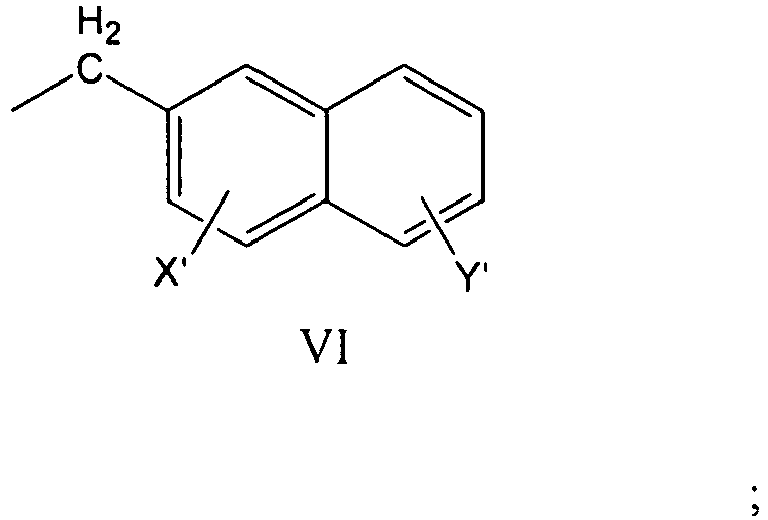


wherein R1A is selected from the group consisting of a straight or branched alkyl group of 1 to 6 carbon atoms, a cycloalkyl group having 3 to 6 carbon atoms, a cycloalkylalkyl group having 3 to 6 carbon atoms in the cycloalkyl part thereof and 1 to 3 carbon atoms in the alkyl part thereof, an alkyloxy group of 1 to 6 carbon atoms, -CH2OH, CH3O2C-, CH3O2CCH2-, Acetyl-OCH2CH2-, HO2CCH2-, 2-hydroxyphenyl, 3-hydroxyphenyl, 4-hydroxyphenyl, (CH3)2NCH2-, (CH3)2CHCH(NH2)-, HOCH2CH2NH-, CH3OCH2O-, CH3OCH2CH2O-, 2-pyrrolyl, 2-pyridyl, 3-pyridyl, 4-pyridyl, 1-methyl-1,4-dihydro-3-pyridyl, 2-pyrazinyl, 2-quinolyl, 3-quinolyl, 4-quinolyl, 1-isoquinolyl, 3-isoquinolyl, 2-quinoxalinyl, a phenyl group of formula


- The compounds of Formula II originate from a class of derivatives that are potent aspartyl protease inhibitors. They may readily be cleaved in vivo to release the active ingredient. The active ingredient has an affinity for aspartyl proteases, in particular, HIV-1 aspartyl protease (
US patent no. 6,632,816 ). The active ingredients also present potent antiviral activity when tested on non-mutated HIV-1 viral strain (NL4.3 as the wild type virus) as well as several mutant strains. Therefore, the compounds Formula II are useful as a means to increase solubility and improve bioavailability of the active ingredient (protease inhibitor). The compounds of Formula II possess good solubility and bioavailability and may be orally administered as aqueous solution. - The present invention provides a pharmaceutical composition comprising an HIV antiviral or anti-retroviral agent that targets attachment to the cell receptor and cell entry, reverse transcription or viral DNA integration into cellular DNA and a compound of Formula II or a pharmaceutically acceptable salt thereof.
- In the pharmaceutical composition of the invention, the compound of Formula II preferably has the Formula IIa, IIb or IIc


- The pharmaceutical compositions of the invention may comprise at least one compound of formula II, IIa, IIb or IIc, or a combination of compounds of formula II, IIa IIb or IIc. The pharmaceutical composition may comprise a pharmaceutically acceptable carrier. The pharmaceutical composition may comprise, for example, a pharmaceutically effective amount of such one or more compounds or as applicable, pharmaceutically acceptable ammonium salts thereof.
- For example, the pharmaceutical composition of the present invention may comprise one or more of the following compounds;
- a compound of formula IIa wherein n is 4, R1 is (HO)2P(O), X is 4-NH2, Y is H, X' is H, Y' is H, R6 is iso-butyl and R3 is CH3O-CO,
- a compound of formula IIa wherein n is 4, R1 is (NaO)2P(O), X is 4-NH2, Y is H, X' is H, Y' is H, R6 is iso-butyl and R3 is CH3O-CO,
- a compound of formula IIa wherein n is 4, R1 is (HO)2P(O), X is 4-NH2, Y is H, X' is H, Y' is H, R6 is iso-butyl and R3 is CH3CO,
- a compound of formula IIa wherein n is 4, R1 is (HO)2P(O), X is 4-NH2, Y is 3-F, X' is H, Y' is H, R6 is iso-butyl and R3 is CH3O-CO,
- a compound of formula IIa wherein n is 4, R1 is CH3CO, X is 4-NH2, Y is H, X' is H, Y' is H, R6 is iso-butyl and R3 is CH3O-CO,
- a compound of formula IIa wherein n is 4, R1 is 3-pyridyl-CO, X is 4-NH2, Y is H, X' is H, Y' is H, R6 is iso-butyl and R3 is CH3O-CO,
- a compound of formula IIa wherein n is 4, R1 is (CH3)2NCH2CO, X is 4-NH2, Y is H, X' is H, Y' is H, R6 is iso-butyl and R3 is CH3O-CO,
- a compound of formula IIa wherein n is 4, R1 is (CH3)2CHCH(NH2)CO, X is 4-NH2, Y is H, X' is H, Y' is H, R6 is iso-butyl and R3 is CH3O-CO,
- a compound of formula IIb wherein n is 4, R1 is (HO)2P(O), X is 4-NH2, Y is H, X' is H, Y' is H, R6 is iso-butyl and R3 is CH3O-CO and wherein the naphthyl group is a naphthyl-2-CH2 group,
- a compound of formula IIb wherein n is 4, R1 is (HO)2P(O), X is 4-NH2, Y is H, X' is H, Y' is H, R6 is iso-butyl and R3 is 4-morpholine-CO and wherein the naphthyl group is a naphthyl-1-CH2 group, or
- a combination of any of the above mentioned compounds.
- The term "pharmaceutically effective amount" refers to an amount effective in treating or preventing HIV infection in a patient or for reducing or eliminating symptoms of AIDS. It is also to be understood herein that a "pharmaceutically effective amount" may be construed as an amount giving a desired therapeutic effect, either taken into a single or multiple doses or in any dosage or route or taken alone or in combination with other therapeutic agents. In the case of the present invention, a "pharmaceutically effective amount" may be understood as an amount having an inhibitory effect on HIV (HIV-1 and HIV-2 as well as related viruses (e.g., HTLV-I and HTLV-II, and simian immunodeficiency virus (SIV))) infection cycle (e.g., inhibition of replication, reinfection, maturation, budding and on any organism which rely on aspartyl proteases for its life cycle. An inhibitory effect is to be understood herein as an effect such as a reduction in the capacity of an organism (e.g. HIV) to reproduce itself (replicate), to re-infect surrounding cells, or even a complete inhibition (or elimination) of an organism.
- The terms "HIV protease" and "HIV aspartyl protease" are used interchangeably and include the aspartyl protease encoded by the human immunodeficiency virus type 1 or 2.
- The term "prophylactically effective amount" refers to an amount effective in preventing HIV infection in a patient. As used herein, the term "patient" refers to a mammal, including a human.
- The terms "pharmaceutically acceptable carrier", "pharmaceutically acceptable adjuvant" and "physiologically acceptable vehicle" refer to a non-toxic carrier or adjuvant that may be administered to a patient, as part of the pharmaceutical composition of the present invention, and which does not destroy the pharmacological activity thereof.
- It is to be understood herein that a "straight alkyl group of 1 to 6 carbon atoms" includes methyl, ethyl, propyl, butyl, pentyl and hexyl.
- It is to be understood herein that a "branched alkyl group of 3 to 6 carbon atoms" includes iso-butyl, tert-butyl, 2-pentyl and 3-pentyl.
- It is to be understood herein that a "cycloalkyl group having 3 to 6 carbon" includes cyclopropyl, cyclobutyl, cyclopentyl and cyclocyclohexyl (i.e., C6H11).
- Pharmaceutically acceptable salts of the compounds of Formulae II, IIa, IIb and IIc include those derived from appropriate bases, including alkali metal (e.g., sodium), alkaline earth metal (e.g., magnesium), ammonium and N - (C1-4 alkyl)4 + salts.
- Pharmaceutically acceptable salts of the compounds of Formulae II, IIa, IIb and IIc also include those derived from pharmaceutically acceptable inorganic and organic acids and bases. Examples of such acid salts include: acetate, adipate, alginate, aspartate, benzoate, benzenesulfonate, bisulfate, butyrate, citrate, camphorate, camphorsulfonate, cyclopentanepropionate, digluconate, dodecylhydrogensulfate, dodecylsulfate, ethanesulfonate, formate, fumarate, glucoheptanoate, glycerophosphate, glycollate, hemisulfate, heptanoate, hexanoate, hydrochloride, hydrobromide, hydroiodide, 2-hydroxyethanesulfonate, lactate, maleate, malonate, methanesulfonate, 2-naphthylsulfonate, nicotinate, nitrate, oxalate, pamoate, pectinate, perchlorate, persulfate, 3-phenylpropionate, phosphate, picrate, pivalate, propionate, salicylate, succinate, sulfate, tartrate, thiocyanate, tosylate, and undecanoate.
- It is also to be understood herein that "g" or "gm" is a reference to the gram weight unit and "C", or "°C" is a reference to the Celsius temperature unit.
- The compounds disclosed herein may easily be prepared using conventional techniques from readily available starting materials. The detailed descriptions of these approaches are presented, for example, in schemes 1 to 5 discussed below.
- Scheme 1 illustrates a generic example for the preparation of the phosphate monoester III derived from a primary alcohol (see I ), a compound of HIV protease inhibitors (see example 1 (step G and H) in the experimental portion of this document for a specific example of this synthesis).
- Note:
- a) R2 and R3 are as defined herein.
- The synthesis of phosphate monoester III may use a HIV aspartyl protease inhibitor ( I, see
US patent no. 6,632,816 ) as the starting material. The diethyl phosphotriester II was obtained in good yield upon treatment with diethyl chlorophosphate and sodium hydride in a mixture of tetrahydrofuran and triethylphosphate. Then, addition of trimethysilyl bromide in dichloromethane (DCM) gave compound III in good to excellent yields.
- Scheme 1A represents another generic example for the preparation of the phosphate monoester IIIA derived from a primary alcohol (see IA), a compound of HIV protease inhibitors.
- Note:
- a) n, X, Y, R2, R3 and R6 are as defined herein.
- The synthesis of phosphate monoester IIIA is performed as described for the preparation of III (scheme 1).
- Scheme 2 illustrates a generic example for the preparation of the phosphate monoester III, a compound of HIV protease inhibitors, with a different approach starting from (3S)-3-isobutylamino-azepan-2-one ( IV ).
- Note:
- a) R2 and R3 are as defined herein.
- As shown in scheme 2, the phosphate monoester derivative III was obtained from (3S)-3-isobutylamino-azepan-2-one ( IV ) in a seven-step reaction sequence. Initially, (2S)-3-isobutylamino-azepan-2-one ( IV ) was sulfonated with 4-acetamidobenzenesulfonyl chloride in the presence of triethylamine in dichloromethane to give compound V in excellent yields. The derivative VI was obtained quantitatively upon treatment of V with di-tert-butyl pyrocarbonate and DMAP in acetonitrile. The reductive ring opening with sodium borohydride in ethanol lead to key intermediates VII in good yield. The diethyl phosphotriester VIII was obtained in good yield upon treatment with diethyl chlorophosphate and sodium hydride in a mixture of tetrahydrofuran and triethylphosphate. The Boc protective groups were removed upon treatment with HC1 in ethanol to give compound IX quantitatively (T.W. Greene and P. G. M. Wuts, Protective groups in Organic Synthesis, 3rd Edition, John Wiley & Sons, Inc. 1999). Then, coupling of the free amino group present on intermediate IX with a variety of synthetic amino acid in the presence of 1-hydroxybenzotriazole (HOBt) and 1-[3-(dimethylamino)propyl]-3-ethylcarbodiimide hydrochloride (EDAC) led to derivative II in good to excellent yields. Finally, addition of trimethysilyl bromide in dichloromethane (DCM) gave compound III in good to excellent yields.

- Scheme 3 presents the transformation of a diphenylmethyl derivative; (1S,5S)-(1-{5-[(4-amino-benzenesulfonyl)-isobutyl-amino]-6-hydroxy-hexylcarbamoyl}-2,2-diphenyl-ethyl)-carbamic acid methyl ester (PL-100) into its fluorinated phosphate monoester sodium salt analog XI. This reaction sequence may be used to produce any other similar compounds (compounds) made of unsubstituted (or substituted) diphenylmethyl, 1-naphthyl, 2-naphthyl, biphenyl and 9-anthryl groups described in this invention.
- Thus, the treatment of PL-100 with Selectfluor™ in acetonitrile gave derivative X in 38% yield. The introduction of the phosphate monoester group was performed as described previously in scheme 1 and 2. First, the diethyl phosphotriester intermediate was obtained in good yield upon treatment with diethyl chlorophosphate and sodium hydride in a mixture of tetrahydrofuran and triethylphosphate. Secondly, addition of trimethysilyl bromide in dichloromethane (DCM) gave the phosphate monoester compound in good to excellent yields. The final product XI was easily obtained upon treatment of the phosphate monoester with a solution of sodium hydroxide with good yields.

- Scheme 4 illustrates a generic example for the transformation of a phosphotriester II into its fluorinated analog XIII in a two-step reaction sequence. This generic example represents a second approach for the synthesis of fluorinated compounds of this invention. In this case, the fluorine atom is added to the phosphotriester II instead of the primary alcohol derivative of general formula I or, more specifically, PL-100 as shown on scheme 3. This alternate reaction sequence may be used to produce any other similar compounds made of unsubstituted (or substituted) diphenylmethyl, 1-naphthyl, 2-naphthyl, biphenyl and 9-anthryl groups described in this invention.
- Note:
- a) R2 and R3 are as defined herein.
- Briefly, treatment of derivative II with Selectfluor™ in acetonitrile gave derivative XII in good yields. Then, addition of trimethysilyl bromide in dichloromethane (DCM) gave the phosphate monoester compound XIII in good to excellent yields. If desired, the final product XIII may be easily transformed into the phosphate monoester sodium salt analog as described before in scheme 3.

- Scheme 5 illustrates the synthesis of various ester compounds XVI in accordance with the invention. The ester compounds are known to be easily cleaved in vivo by esterase enzymes and, as a result, may release the active ingredient. In this scheme R2 is set as a diphenylmethyl group. However, this reaction sequence may be used to produce any other similar compounds made of unsubstituted (or substituted) diphenylmethyl, 1-naphthyl, 2-naphthyl, biphenyl and 9-anthryl groups described in this invention.
- Note:
- a) R1A represents the "residue" of the acid molecule that is linked to the free primary alcohol group present on intermediate XV and is as defined herein.
- The compounds XVI are generally obtained in a three-step reaction sequence in high yields. Esterification of (1S)-{4-[(5-tert-butoxycarbonylamino-1-hydroxymethyl-pentyl)-isobutyl-sulfamoyl]-phenyl}-carbamic acid tert-butyl ester ( VII ) with a variety of acid in the presence of 1-hydroxybenzotriazole (HOBt) and 1-[3-(dimethylamino)propyl]-3-ethylcarbodiimide hydrochloride (EDAC) led to the desired esters XIV in excellent yields. The acetyl ester was obtained quantitatively using acetic anhydride in the presence of N,N-dimethylaminopyridine (DMAP) in dichloromethane (DCM). Cleavage of the Boc protective group was achieved quantitatively u pon treatment with trifluoroacetic a cid (TFA) i n D CM. A second coupling with (2S)-2-methoxycarbonylamino-3,3-diphenyl-propionic acid is performed on the primary amino group of intermediate XV with HOBt and EDAC to give the desired compounds XVI in good to excellent yields. If necessary, catalytic hydrogenation of a benzyloxycarbonyl group is performed using 10% palladium on carbon to give the final compound XVII.

- As it may be appreciated by the person skilled in the art, the above synthetic schemes are not intended to be a comprehensive list of all means by which the compound described and claimed in this application may be synthesized but only represent exemplification of synthesis methods among others.
- As discussed above, the compounds of Formula II, IIa, IIb, and IIc release the active ingredients that are excellent ligands for aspartyl proteases, for example, HIV-1 protease. Accordingly, these compounds are, by releasing the active ingredient, capable of targeting and inhibiting late stage events in the replication, i.e. the processing of the viral polyproteins by HIV encoded protease. Compounds according to Formula II, IIa, IIb, and IIc advantageously inhibit the ability of the HIV-1 virus to infect immortalized human T cells over a period of days, as determined by an assay measuring the amount of extracellular p24 antigen; a specific marker of viral replication (see, Meek et al., Nature, 343, pp. 90-92 (1990)).
- In addition to their use in the prophylaxis or treatment of HIV or HTLV infection, the compounds according to Formula II, IIa, IIb, and IIc may also be used as inhibitory or interruptive agents for other viruses which use aspartyl proteases, similar to HIV or HTLV aspartyl proteases, in their life cycle. Such compounds inhibit the proteolytic processing of viral polyprotein precursors by inhibiting aspartyl protease. Because aspartyl protease is essential for the production of mature virions, inhibition of that processing effectively blocks the spread of virus by inhibiting the production and reproduction of infectious virions, particularly from acutely and chronically infected cells. The compounds of Formula II, IIa, IIb, and IIc advantageously inhibit aspartyl proteases, thus blocking the ability of aspartyl proteases to catalyze the hydrolysis of peptide bonds.
- The compounds of Formula II, IIa, IIb, and IIc may be employed in a conventional manner for the treatment or prevention of HIV, HTLV, and other viral infections, which involve aspartyl proteases for their life (replication) cycle. Such methods of treatment, their dosage levels and requirements may be selected by those of ordinary skill in the art from available methods and techniques. For example, a compound of Formula II, IIa, IIb and IIc may be combined with a pharmaceutically acceptable adjuvant for administration to a virally infected patient in a pharmaceutically acceptable manner and in an amount effective to lessen the severity of the viral infection.
- Alternatively, the compounds of Formula II, IIa, IIb, and IIc may be used in vaccines and methods for protecting individuals against viral infection over an extended period of time. The compounds may be employed in such vaccines either alone or together with other compounds of this invention in a manner consistent with the conventional utilization of protease inhibitors or protease inhibitors derivatives in vaccines. For example, a compound of Formula II, IIa, IIb, and IIc may be combined with pharmaceutically acceptable adjuvants, or delivery systems conventionally employed in vaccines and administered in prophylactically effective amounts to protect individuals over an extended period of time against viral infections, such as HIV infection. As such, the compounds of Formula II, IIa, IIb, and IIc (upon cleavage of a physiologically cleavable unit) may be administered as agents for treating or preventing viral infections, including HIV infection, in a mammal.
- The compounds of Formula II, IIa, IIb, and IIc may be administered to a healthy or HIV-infected patient (before or after the onset of AIDS symptoms) either as a single agent or in combination with other antiviral agents which interfere with the replication cycle of HIV. By administering the compounds of this invention with other antiviral agents which target different events in the viral life cycle, the therapeutic effect of these compounds is potentiated. For instance, the co-administered antiviral agent may be one which targets early events in the viral life cycle, such as attachment to the cell receptor and cell entry, reverse transcription and viral DNA integration into cellular DNA. Antiviral agents targeting such early life cycle events include among others polysulfated polysaccharides, sT4 (soluble CD4) and other compounds which block binding of virus to CD4 receptors on CD4 bearing T-lymphocytes and other CD4(+) cells, or inhibit fusion of the viral envelope with the cytoplasmic membrane, and didanosine (ddI), zalcitabine (ddC), stavudine (d4T), zidovudine (AZT) and lamivudine (3TC) which inhibit reverse transcription. For example another protease inhibitor may be used with compounds of Formula II, IIa, IIb, and IIc. Other anti-retroviral and antiviral drugs may also be co-administered with the compounds of this invention to provide therapeutic treatment for substantially reducing or eliminating viral infectivity and the symptoms associated therewith. Examples of other antiviral agents include ganciclovir, dideoxycytidine, trisodium phosphonoformate, eflornithine, ribavirin, acyclovir, alpha interferon and trimenotrexate. Additionally, other types of drugs may be used to potentiate the effect of the compounds of Formula II, IIa, IIb, and IIc, such as viral uncoating inhibitors, inhibitors of Tat or Rev trans-activating proteins, antisense molecules or inhibitors of the viral integrase. These compounds may also be co-administered with other inhibitors of HIV aspartyl protease. Furthermore, it may be found useful to administer compounds of Formula II, IIa, IIb, and IIc with any other drug (other anti-viral compounds, antibiotics, pain killer, etc.,).
- Combination therapies with pharmaceutical compositions according to this invention exert a synergistic effect in inhibiting HIV replication because each component agent of the combination acts on a different site of HIV replication. The use of such combinations also advantageously reduces the dosage of a given conventional anti-retroviral agent that would be required for a desired therapeutic or prophylactic effect as compared to when that agent is administered as a monotherapy. These combinations may reduce or eliminate the side effects of conventional single anti-retroviral agent therapies while not interfering with the anti-retroviral activity of those agents. These combinations reduce the potential of resistance to single agent therapies, while minimizing any associated toxicity. These combinations may also increase the efficacy of the conventional agent without increasing the associated toxicity. Combination therapies encompassed by the present invention include, for example, the administration of a compound of Formula II, IIa, IIb, and IIc with AZT, 3TC, ddI, ddC, d4T or other reverse transcriptase inhibitors.
- Alternatively, the compounds of Formula II, IIa, IIb, and IIc may also be co-administered with other HIV protease inhibitors such as Ro 31-8959 (Saquinavir; Roche), L-735,524 (Indinavir; Merck), AG-1343 (Nelfinavir; Agouron), A-84538 (Ritonavir; Abbott), ABT-378/r (Lopinavir; Abbott), and VX-478 (Amprenavir; Glaxo) to increase the effect of therapy or prophylaxis against various viral mutants or members of other HIV quasi species.
- Administration of compounds of Formula II, IIa, IIb, and IIc may be performed, for example, as single agents or in combination with retroviral reverse transcriptase inhibitors, or other HIV aspartyl protease inhibitors. Co-administration of the compounds of Formula II, IIa, IIb, and IIc with retroviral reverse transcriptase inhibitors or HIV aspartyl protease inhibitors may exert a substantial synergistic effect, thereby preventing, substantially reducing, or completely eliminating viral infectivity and its associated symptoms.
- The compounds of Formula II, IIa, IIb, and IIc may be administered in such a manner or form which may allow cleavage of the R1 unit to release a protease inhibitor. The compounds of Formula II, IIa, IIb, and IIc may also be administered, for example, in combination with immunomodulators (e.g., bropirimine, anti-human alpha interferon antibody, IL-2, GM-CSF, methionine enkephalin, interferon alpha, diethyldithiocarbamate sodium, tumor necrosis factor, naltrexone and rEPO) antibiotics (e.g., pentamidine isethionate) or vaccines to prevent or combat infection and disease associated with HIV infection, such as AIDS and ARC.
- When the pharmaceutical compositions comprising the compounds of Formula II, IIa, IIb, and IIc are administered in combination therapies with other agents, they may be administered sequentially or concurrently to the patient. Alternatively, pharmaceutical or prophylactic compositions according to this invention may be comprised of a combination of one or more compounds of this invention and another therapeutic or prophylactic agent.
- Although this invention focuses on the use of the pharmaceutical compositions disclosed herein for preventing and treating HIV infection, the compounds of this invention may also be used as inhibitory agents for other viruses that depend on similar aspartyl proteases for obligatory events in their life cycle. These viruses include retroviruses causing AIDS-like diseases such as simian immunodeficiency viruses, HIV-2, HTLV-I and HTLV-II. In addition, the compounds of this invention may also be used to inhibit other aspartyl proteases and, in particular, other human aspartyl proteases including renin and aspartyl proteases that process endothelin precursors.
- Pharmaceutical compositions of this invention comprise any of the compounds of Formula II, IIa, IIb, and IIc, and pharmaceutically acceptable salts thereof, with any pharmaceutically acceptable carrier, adjuvant or vehicle. Pharmaceutically acceptable carriers, adjuvants and vehicles that may be used in the pharmaceutical compositions of this invention include ion exchangers, alumina, aluminum stearate, lecithin, serum proteins, such as human serum albumin, buffer substances such as phosphates, glycine, sorbic acid, potassium sorbate, partial glyceride mixtures of saturated vegetable fatty acids, water, salts or electrolytes, such as protamine sulfate, disodium hydrogen phosphate, potassium hydrogen phosphate, sodium chloride, zinc salts, colloidal silica, magnesium trisilicate, polyvinyl pyrrolidone, cellulose-based substances, polyethyleneglycol, sodium carboxymethylcellulose, polyacrylates, waxes, polyethylene-polyoxypropylene-block polymers, polyethylene glycol and wool fat.
- The pharmaceutical compositions of this invention may be administered orally, parenterally by inhalation spray, topically, rectally, nasally, buccally, vaginally or via an implanted reservoir. It is therefore understood herein that oral administration or administration by injection are encompassed by the present invention. For example, pharmaceutical compositions of the present invention, may, for example, be orally administered in an aqueous solution. The pharmaceutical compositions of this invention may contain any conventional non-toxic pharmaceutically acceptable carriers, adjuvants or vehicles. The term "parenteral" as used herein includes subcutaneous, intracutaneous, intravenous, intramuscular, intra-articular, intrasynovial, intrasternal, intrathecal, intralesional and intracranial injection or infusion techniques.
- The pharmaceutical compositions may be in the form of a sterile injectable preparation, for example, as a sterile injectable aqueous or oleaginous suspension. This suspension may be formulated according to techniques known in the art using suitable dispersing or wetting agents (such as, for example, Tween 80) and suspending agents. The sterile injectable preparation may also be a sterile injectable solution or suspension in a non-toxic parenterally acceptable diluent or solvent, for example, as a solution in 1,3-butanediol. Among the acceptable vehicles and solvents that may be employed are amino acid, water, Ringer's solution and isotonic sodium chloride solution. In addition, sterile, fixed oils are conventionally employed as a solvent or suspending medium. For this purpose, any bland fixed oil may be employed including synthetic mono- or diglycerides. Fatty acids, such as oleic acid and its glyceride derivatives are useful in the preparation of injectables, as are natural pharmaceutically-acceptable oils, such as olive oil or castor oil, especially in their polyoxyethylated versions. These oil solutions or suspensions may also contain a long-chain alcohol diluent or dispersant, such as Ph. Helv. or a similar alcohol.
- The pharmaceutical compositions of this invention may be orally administered in any orally acceptable dosage form including capsules, tablets, and aqueous suspension and solutions. In the case of tablets for oral use, carriers that are commonly used include lactose and corn starch. Lubricating agents, such as magnesium stearate, are also typically added. For oral administration in a capsule form, useful diluents include lactose and dried cornstarch. When aqueous suspensions are administered orally, the active ingredient is combined with emulsifying and suspending agents. If desired, certain sweetening and/or flavoring and/or coloring agents may be added.
- The pharmaceutical compositions of this invention may also be administered in the form of suppositories for rectal administration. These compositions may be prepared by mixing a compound of this invention with a suitable non-irritating excipient which is solid at room temperature but liquid at the rectal temperature and therefore will melt in the rectum to release the active components. Such materials include cocoa butter, beeswax, and polyethylene glycols.
- Topical administration of the pharmaceutical compositions of this invention is especially useful when the desired treatment involves areas or organs readily accessible by topical application. For application topically to the skin, the pharmaceutical composition should be formulated with a suitable ointment containing the active components suspended or dissolved in a carrier. Carriers for topical administration of the compounds of this invention include, but are not limited to, mineral oil, liquid petroleum, white petroleum, propylene glycol, polyoxyethylene or polyoxypropylene compound, emulsifying wax and water. Alternatively, the pharmaceutical compositions may be formulated with a suitable lotion or cream containing the active compound suspended or dissolved in a carrier. Suitable carriers include, but are not limited to, mineral oil, sorbitan monostearate, polysorbate 60, cetyl esters wax cetearyl alcohol, 2-octyldodecanol, benzyl alcohol and water. The pharmaceutical compositions of this invention may also be topically applied to the lower intestinal tract by rectal suppository formulation or in a suitable neat formulation. Topically-transdermal patches are also included in this invention.
- The pharmaceutical compositions of this invention may be administered by nasal aerosol or inhalation. Such compositions are prepared according to techniques well-known in the art of pharmaceutical formulation and may be prepared as solutions in saline employing benzyl alcohol or other suitable preservatives, absorption promoters to enhance bioavailability, fluorocarbons, and/or other solubilizing or dispersing agents known in the art.
- Dosage levels of between 0.01 and 25 mg/kg body weight per day, for example from between 0.5 and 25 mg/kg body weight per day of the active ingredient compound are useful in the prevention and treatment of viral infection, including HIV infection. Typically, the pharmaceutical compositions of this invention will be administered from 1 to 5 times per day or alternatively, as a continuous infusion. Such administration may be used as a chronic or acute therapy. The amount of active ingredient that may be combined with the carrier materials to produce a single dosage form will vary depending upon the patient treated and the particular mode of administration. A typical preparation will contain from 5% to 95% active compound (w/w). For example, such preparations may contain from 20% to 80% active compound.
- Upon improvement of a patient's condition, a maintenance dose of a composition or combination of this invention may be administered if necessary. Subsequently, the dosage or frequency of administration, or both, may be reduced, as a function of the symptoms, to a level at which the improved condition is retained. When the symptoms have been alleviated to the desired level, treatment should cease. Patients may, however, require intermittent treatment on a long-term basis, upon any recurrence of disease symptoms.
- As the person skilled in the art will appreciate, lower or higher doses than those recited above may be desired. Specific dosage and treatment regimen for any particular patient may depend upon a variety of factors, including the activity of the specific compound employed, the age, body weight, general health status, sex, diet, time of administration, rate of excretion, drug combination, the severity and course of the infection, the patient's disposition to the infection and the judgment of the treating physician.
- In the description herein, the following abbreviations are used:
Abbreviation Meaning Ac Acetyl AcOH Acetic acid APCI Atmospheric pressure chemical ionization AIDS Acquired Immunodeficiency Syndrome AZT 3-Azido-3-deoxythymine (Zidovudine) Boc Benzyloxycarbonyl t-Butyl tert-Butyl CAM Cerium ammonium molybdate DCM Dichloromethane DMAP N,N-dimethylaminopyridine DMSO Dimethylsulfoxide DMF Dimethylformamide DNA Deoxyribonucleic acid EDAC 1-[3-(dimethylamino)propyl]-3-ethylcarbodiimide hydrochloride EtOAc Ethyl acetate EtOH Ethyl alcohol g Gram h hour HIV-1, -2 Human immunodeficiency virus type 1, type 2 HOBt 1-Hydroxybenzotriazole HPLC High performance liquid chromatography HTLV-I, -II Human T-cell lymphotropic virus type I, type II IL-2 Interleukin-2 Kg Kilogram L Liter LC-MS Liquid chromatography-mass spectrometry M Molar MeOH Methyl alcohol mg Milligram mp Melting point min Minute Moc Methoxycarbonyl mol Mole mL Milliliter mmol Millimole nm Nanometer nM Nanomolar po Orally rEPO Recombinant erythropoietin TLC Thin layer chromatography 3TC 2',3'-Dideoxy-3-thiacytidine TFA Trifluoroacetic acid THF Tetrahydrofuran - This section describes the synthesis of lysine based compounds able to release an HIV aspartyl protease inhibitors as described herein. These examples are for the purpose of illustration only.
- Analytical thin layer chromatography (TLC) was carried out with 0.25 mm silica gel E. Merck 60 F254 plates and eluted with the indicated solvent systems. Preparative chromatography was performed by flash chromatography, using silica gel 60 (EM Science) with the indicated solvent systems and positive air pressure to allow proper rate of elution. Detection of the compounds was carried out by exposing eluted plates (analytical or preparative) to iodine, UV light and/or treating analytical plates with a 2% solution of p-anisaldehyde in ethanol containing 3% sulfuric acid and 1% acetic acid followed by heating. Alternatively, analytical plates may be treated with a 0.3% ninhydrin solution in ethanol containing 3% acetic acid and/or a CAM solution made of 20 g (NH4)6Mo7O24 and 8.3 g Ce(SO4)2 polyhydrate in water (750 mL) containing concentrated sulfuric acid (90 mL).
- Preparative HPLC were performed on a Gilson apparatus equipped with a C18 column, a 215 liquid handler module and 25 mL/min capacity head pumps. The HPLC is operated with a Gilson UniPoint System Software.
-
- HPLC system: 2 Gilson #305-25 mL pumps, Gilson #215 liquid handler for injection and collection and a Gilson #155 UV-Vis absorbance detector, all controlled from a Gilson Unipoint V1.91 software
- Column: Alltech (#96053) Hyperprep PEP, C-18, 100 Åα, 8 µm, 22 x 250 mm
- Flow: 15 mL/min
- Solvents: A: H2O; B: CH3CN
- Gradient: 25% to 80% of B over 40 min
- Detector: absorbance; λ: 210 & 265 nm
- The crude material dissolved in acetonitrile to a concentration of around 50 to 80 mg / 2 mL were injected in each run. Fractions were collected in amounts of 9 mL pertaining absorbance was detected at the UV detector.
- Unless otherwise indicated, all starting materials were purchased from a commercial source such as Aldrich Co. or Sigma Co.
- Melting points (mp) were determined on a Büchi 530 melting point apparatus in capillary tubes and were uncorrected.
- Mass spectra were recorded on a Hewlett Packard LC/MSD 1100 system using APCI or electrospray sources either in negative mode or positive mode.
- Nuclear magnetic resonance (NMR) spectra were recorded on a Bruker AMX-II-500 equipped with a reversed or QNP probe. Samples were dissolved in deuterochloroform (CDCl3), deuteroacetone (acetone-d6), deuteromethanol (CD3OD) or deuterodimethylsulfoxide (DMSO-d6) for data acquisition using tetramethylsilane as internal standard. Chemical shifts (*) are expressed in parts per million (ppm), the coupling constants (J) are expressed in hertz (Hz) whereas multiplicities are denoted as s for singlet, d for doublet, 2d for two doublets, dd for doublet of doublets, t for triplet, q for quartet, quint. for quintet, m for multiplet, and br s for broad singlet.
- The following compounds were prepared from L-lysine derivatives using the procedures summarized in schemes 1, 1A, 2, 3, 4 and 5 of this invention.
- The preparation of the title compound is based on schemes 1 and 2 of this invention.
- L-α-amino-,-caprolactam (22.0 g) was dissolved in cold dichloroethane (DCM, 200 mL). isobutyraldehyde (12.6 g) was added slowly and stirred until the heat evolved was dissipated (water forms at the surface). The cold solution was added to 46.5 g of powdered NaBH(OAc)3 in DCM (0.5 L). AcOH (70 mL) was added to the solution. The slightly turbid mixture was stirred at 20 °C for 4 h. A 500 mL solution of 2M NaOH was added slowly to the turbid mixture and the pH adjust to 11 using a concentrated NaOH solution; and then the mixture stirred for a further 20 min. After extraction, the DCM layer was dried with MgSO4, filtered and evaporated. The oil thus obtained crystallizes slowly on standing (27.8 g, 85%) and was used without further purification in the next step.
1H NMR (CDCl3): δ 0.93 (d, J = 6.5, 3H), 0.97 (d, J = 6.5, 3H), 1.39 (t, J = 9.8, 1H), 1.47 (m, 1H), 1.78-1.65 (m, 2H), 2.00-1.93 (m, 2H), 2.32-2.2 (m, 2H), 2.38 (t, J = 9.7, 1H), 3.16 (m, 3H), 6.62 (s, 1H (NH)). mp 52-54 °C (hexanes).
A small sample was converted to the S-methyl benzyl urea by adding the solid to a solution of S-methyl benzyl isocyanate in MeCN. NMR gives 98% ee - Nα-isobutyl-L-α-amino-,-caprolactam ( IV ) (4.1 g free base) was dissolved in DCM (200 mL) and treated with 4.0 g triethylamine, followed by 4-acetamidobenzenesulfonyl chloride (5.2 g). A 0.1 g portion of dimethylaminopyridine was added and the mixture was stirred 5 h. The resulting thick slurry was poured into 500 mL 0.5 M HCl and shaken vigorously. The solid in the biphasic solution was filtered out and washed with cold acetone to give 7.3 g (87%) of clean product.
1H NMR (DMSO-d 6): * 0.93 (d, J = 6.0, 3H), 0.96 (d, J = 6.0, 3H), 1.39 (t, J = 12.0, 1H), 1.85-1.65 (m, 3H), 2.08-2.18 (m and s, 6H), 2.90-2.97 (m, 1H), 3.00-3.06 (m, 2H), 3.35 (dd, J = 14.2, 8.5, 1H), 4.65 (d, J = 8.7,1H), 6.3 (s, 1H), 7.42 (d, J = 8.8, 2H), 7.6 (d, J = 8.8, 2H). mp 230-233 °C (EtOH). - 4.2 g of Nα-isobutyl-Nα-(4-acetamidobenzenesulfonyl)-L-α-amino-,-caprolactain ( V ) was suspended in 30 mL MeCN and briefly sonicated to break up any large chunks. To this white suspension was added 6.7 g (3 eq.) of di-tert-butyl pyrocarbonate in 10 mL MeCN. The suspension was stirred with a magnetic bar and a 120 mg portion of DMAP was added. The solution becomes a clear light yellow after a few minutes. TLC (EtOAc) reveals 1 product Rf 0.9 (starting material Rf at 0.4). The solution is poured in distilled water 20 mL and extracted with ether, dried with Na2SO4 and evaporated yielding 6.90 g. A sample was recrystallized from hexanes.
1H NMR (DMSO-d 6): * 0.68 (d, J = 6.0, 3H), 0.85 (d, J = 6.0, 3H), 1.39 (s, 10H), 1.47 (s, 9H), 1.85-1.65 (m, 3H), 2.15 (s, 3H), 2.80 (q, J= 4, 1H), 3.10-3.36 (m, 2H), 4.01 (d, J= 8.0, 1H), 4.85 (d, J= 8.7, 1H), 7.32 (d, J = 8.8, 2H), 7.87 (d, J= 8.8, 2H). mp 123-124 °C - A 3.0 g portion of (3S)-3-{[4-(acetyl-tert-butoxycarbonyl-amino)-benzenesulfonyl]-isobutyl-amino}-2-oxo-azepane-1-carboxylic acid tert-butyl ester ( VI, step C) is dissolved in 40 mL EtOH followed by 750 mg NaBH4. Brief heating with a heat gun gives a clear solution. TLC reveals one streaky spot after 20 min (EtOAc). The solution is concentrated to a paste, poured in 40 mL 1N NaOH and extracted with ethyl acetate, the organic phase dried with NaSO4 and evaporated to give 2.8 g of product intermediate ( VII ); (1S)-{4-[(5-tert-butoxycarbonylamino-1-hydroxymethyl-pentyl)-isobutyl-sulfamoyl]-phenyl}-carbamic acid tert-butyl ester ( VII ).
- The above product intermediate is dissolved in 5 mL EtOH and 5 mL 12 N HCl is added. Vigorous gas evolution is observed for a few minutes. After 2 h the solution is evaporated and rendered basic with concentrated KOH and extracted with EtOAc yielding 1.75 g of a white powder.
1H NMR (DMSO-d 6): * 0.82 (m, 6H), 0.97-1.12 (m, 2H), 1.15-1.30 (m, 3H), 1.57 (m, 1H), 1.84 (m, 1H), 2.40 (t, J = 7.8, 2H), 2.75 (m, 1H), 2.85 (m, 1H), 3.21 (m, 1H), 3.44 (d, J = 6.4, 2H), 5.92 (br s, 2H), 6.59 (d, J= 8.0, 2H), 7.39 (d, J = 8.0, 2H). - To a solution of L-diphenylalanine (241 mg, 1.0 mmol) (Peptech Corp.) in 5 mL 1N NaOH and 0.5 mL saturated Na2CO3 (resulting solution at pH 10) was added methoxycarbonyloxysuccinimide (carbonic acid 2,5-dioxo-pyrrolidin-1-yl ester methyl ester) (180 mg, 1.1 mmol) dissolved in 5 mL. Afterwards, the reaction mixture was stirred at room temperature for 2 h. The alkaline solution was extracted once with ether (10 mL) and the aqueous phase was acidified with 1N HCl. This was extracted twice with 20 mL EtOAc, and the combined organic phases were washed with 50 mL 1N HCl. The organic phase was dried over Na2SO4, filtered and evaporated to an oil, which solidifies to yields 250 mg (83%) of the desired material. This derivative was used as such in the next step.
- The title compound was prepared from (1S)-4-amino-N-(5-amino-1-hydroxymethyl-pentyl)-N-isobutyl-benzenesulfonamide ( VII-deprotected) (step D) and (2S)-2-methoxycarbonylamino-3,3-diphenyl-propionic acid (step E) using the coupling procedure with HOBt and EDAC described in example 3 (step D). The final product was obtained in 67% yield (121 mg).
LC-MS : 625.3 (M+H)+, 95% pure
1H NMR (CD3OD): δ 0.71-0.85 (m, 2H), 0.88 (d, J = 6.3, 5H), 0.91-0.96 (m, 2H), 1.29-1.34 (m, 1H), 1.41-1.52 (m, 1H) 1.82-1.92 (m, 1H), 2.61-2.68 (m, 1H), 2.81-2.85 (m, 2H), 2.94-3.05 (m, 2H), 3.38-3.40 (t, J = 5.0, 1H), 3.50-3.51 (m, 1H), 3.52 (s, 3H), 4.28 (d, J = 11.0 1H), 4.87 (d, J = 11.0, 1H), 6.69 (d, J = 8.0, 2H), 7.15-718 (m, 2H), 7.20-7.31 (m, 6H), 7.33 (d, J = 7.9, 2H), 7.47 (d, J = 7.5, 1H).
13C NMR (CD3OD): δ 20.0, 20.1, 23.3, 25.4, 28.1, 28.5, 28.9, 38.1, 40.0, 51.2, 51.6, 53.1, 57.2, 57.4, 59.5, 61.9, 62.4, 112.6, 125.7, 126.2, 126.3, 127.9, 128.1,128.15, 128.2, 128.4, 128.7, 141.3, 141.9, 152.4, 155.9, 169.9, 172.5. - The PL-100 compound (product of step F, 203 mg, 0.325 mmol) was dissolved in dry tetrahydrofuran (3 mL) and 0.2 mL triethylphosphate under N2 atmosphere. The mixture was stirred at this temperature for 15 min, followed by the addition of diethyl chlorophosphate (0.061 mL, 0.423 mmol). Sodium hydride (60% in mineral oil) (17 mg, 0.423 mmol) was added at 0 °C. The solution was stirred for 1 h at 0 °C and 12 h at room temperature. 20 mL of Amberlite XAD-2 was added to the solution and the beads were thoroughly mixed with the solvent. To the mixture was added ice water 2 mL, and the THF evaporated off. The beads were then washed with distilled water 6 times 100 mL then extracted three times with ethyl acetate (30 mL). The combined phase was evaporated and the residue was dried under high vacuum. The crude product was purified by flash chromatography using ethyl acetate/hexane (8/2), then EtOAc 100% as eluent. The yield of this reaction is 152 mg 61%.
LC-MS: 761.2 (M+H)+, 90% pure
1H NMR (CD3OD): δ 0.68-0.75 (m, 1H), 0.75-0.84 (m, 1H), 0.84-1.10 (m, 9H), 1.21-1.50 (m, 8H), 1.88 (m, 1H), 2.58-2.71 (m, 1H), 2.80-2.89 (m, 1H), 2.89-3.08 (m, 2H), 3.49-3.60 (s, 3H), 3.65-3.74 (m, 1H), 3.85-3.95 (m, 1H), 3.97-4.02 (m, 1H), 4.07-4.21 (m, 4H), 4.29 (d, J = 10.8, 1H), 6.71 (d, J = 8.0, 2H), 7.10-7.20 (m, 2H), 7.20-7.32 (m, 5H), 7.32-7.45 (m, 3H), 7.50 (d, J = 7.5, 2H), 7.86 (br s, 1H).
31P NMR (CD3OD): δ 1.62 - The product of step G prepared above (152 mg) was dissolved in anhydrous dichloromethane (3.0 mL). Trimethylsilyl bromide (0.5 mL) was added at 0 °C. The mixture was stirred during 1h at this temperature and overnight at room temperature. The solvent was evaporated and 0.2 mL water was added to the residue. 3 mL EtOH was added mixed and evaporated. This step was repeated three times and the residue dried in vacuo. Yields 98 mg 70% of the title derivatives of this first example.
LC-MS: 705.2 (M+H)+, 95% pure
1H NMR (CD3OD): δ 0.65-0.73 (m, 1H), 0.75-0.83 (m, 1H), 0.89 (d, J = 5.6, 8H), 1.27-1.38, (m, 1H), 1.42-4.55 (m, 1H), 1.82-1.94 (m, 1H), 2.57-2.68 (m, 1H), 2.78-2.90 (m, 1H), 2.91-3.09 (m, 2H), 3.54 (s, 3H), 3.60-3.72 (m, 1H), 3.87-4.05 (m, 1H), 4.00 (m, 1H), 4.29 (d, J = 11.3, 1H), 4.90 (d, J = 11.4, 1H), 6.73 (d, J = 8.0, 2H), 7.13-7.22 (m, 2H), 7.22-7.33 (m, 6H), 7.33-7.45 (m, 2H), 7.51 (d, J = 7.5, 2H).
31P NMR (CD3OD): δ 2.80 - 70.7 mg of the final product of example 1 is added to 1 mL 0.1 N NaOH and diluted with 1 mL of distilled water. The Solution is then frozen and lyophilized. Yields 67.2 mg (92%) of the desired material with 95% purity.
1H NMR (CD3OD): δ 0.72-0.83 (m, 1H), 0.90 (d, J = 5.8, 9H), 1.26-1.38 (m, 1H), 1.53-1.65 (m, 1H), 1.88-2.00 (m, 1H), 2.60-2.70 (m, 1H), 2.79-2.89 (m, 1H), 2.98-3.00 (m, 1H), 3.00-3.08 (m, 1H), 3.54 (s, 3H), 3.58-3.71 (m, 1H), 3.72-3.83 (m, 1H), 3.84-3.95 (m, 1H), 4.28 (d, J = 11.1, 1H), 4.91 (d, J = 11.0, 1H), 6.70 (d, J = 7.6, 2H), 7.12-7.22 (m, 2H), 7.22-7.32 (m, 6H), 7.33-7.40 (m, 2H), 7.50 (d, J = 7.7, 2H).
31P NMR (CD3OD): δ 3.13 - The preparation of the title compound is based on scheme 2 of this invention.
- 2.00 g (3.7 mmol) (1S)-{4-[(5-tert-butoxycarbonylamino-1-hydroxymethyl-pentyl)-isobutyl-sulfamoyl]-phenyl}-carbamic acid tert-butyl ester ( VII ) (example 1, step D) is dissolved in 0.63 mL triethylphosphate and 10 mL THF at 0 °C under inert argon atmosphere. 0.63 mL (4.44 mmol) diethylchlorophosphate is added and then 0.25 g (6.2 mmol), NaH 60% in oil is added in portionwise. The mixture is allowed to warm to room temperature and left to stir for 2 h (LC-MS showed completion after 1h). To the solution is added 20 mL of Amberlite XAD-2 resin and the slurry thoroughly mixed and added to 200 mL ice water. After stirring for 15 min. the resin suspension is filtered and the resin washed several times with distilled water (500 mL). The desired product is desorbed from the resin with acetone (5 X 50 mL), EtOAc (5 X 50 mL), the organic phase is then dried over Na2SO4. After evaporation of the solvent 2.66 g (89%) of clear oil is obtained. The crude product contains a fraction with two diethyl phosphates and is used as is in the next step.
1H NMR (CD3OD): δ 0.91 (d, J = 6.3, 6H), 1.11-1.21 (m,2H), 1.33 (t, J = 6.9, 10H), 1.43 (s, 9H), 1.53 (s, 10H), 1.90-1.97 (m, 1H), 2.88-2.96 (m, 3H), 2.96-3.04 (m, 1H), 3.81-3.90 (m, 1H), 3.91-3.99 (m, 1H), 4.01-4.14 (m, 4H), 7.61 (d, J = 8.3, 2H), 7.72 (d, J = 8.4, 2H).
31P NMR (CD3OD): δ 1.59 - The crude product obtained in the previous step ( VIII, 2.66 g) is dissolved in 12 mL EtOH. 4 mL of HClconc· is added and heated briefly to 70 °C then left at room temperature for 3h. The solvent is evacuated and the residue triturated with 50 mL ether. The thick residue is then dissolved in 3 mL ice water and the pH adjusted to 12 with 50% NaOH. The thick slurry obtained is extracted with EtOAc (3 X 50 mL) and the organic phase dried over Na2SO4. After filtration of the drying agent the organic phase is evacuated to yield 1.84 g (98%) of the desired product ( IX ).
LC-MS: 480.2 (M+H)+, 95% pure.
1H NMR (CD3OD): δ 0.91 (s, 6H), 1.11-1.26 (m, 3H), 1.28-1.43 (m, 8H), 1.45-1.51 (m, 1H), 1.52-1.61 (m, 1H), 1.89-1.96 (m, 1H), 2.56 (t, J = 6.7, 2H), 2.85-2.91 (m, 1H), 2.98-3.11 (m, 1H), 3.79-3.99 (m, 1H), 3.94 (d, J = 5.3, 1H), 4.09-4.11 (m, 4H), 6.69 (d, J = 7.9, 2H), 7.50 (d, J = 7.9, 2H).
31P NMR (CD3OD): δ 1.61 - To a solution of L-2-naphthylalanine (215 mg, 1 mmol) (Peptech Corp.) in 5 mL 1N NaOH and 0.5 mL saturated Na2CO3 (resulting solution at pH 10) was added methoxycarbonyloxysuccinimide (187 mg, 1.1 mmol) dissolved in 5 mL. Afterwards, the reaction mixture was stirred at room temperature for 2 h. The alkaline solution was extracted once with ether (10 mL) and the aqueous phase was acidified with 1N HCl. This was extracted twice with 20 mL EtOAc, and the combined organic phases were washed with 50 mL 1N HCl. The organic phase was dried over Na2SO4, filtered and evaporated to an oil, which solidifies to yields 200 mg (73%) of the desired material. This intermediate (referred as the N-substituted amino acid) was used without further purification in the next step.
- 100 mg L-Moc-2-naphthylalanine (step C) was activated with 100 mg EDAC and 57 mg HOBt in 1.5 mL DMF for 30 minutes. Then, 100 mg of phosphoric acid 6-amino-2-[(4-amino-benzenesulfonyl)-isobutyl-amino]-hexyl ester diethyl ester (step B) was added and left to stir at room temperature for 1 h. 40 mL of 1M K2CO3 was added to the DMF solution and left for 10 min. 50 mL of EtOAc was then added and the mixture was then agitated vigorously. Separation of the EtOAc phase was effected, followed by extraction with 5% citric acid (50 mL) once, then water (50 mL) 3 times and finally brine. The organic phase was the separated and evaporated. The residue was taken up in 50 mL DCM and re-evaporated. The residue was again taken up in 50 mL DCM and 0.5 mL of TMSBr was added. The solution was left overnight (16 h). The DCM was evacuated and a solution of ice cold MeOH: Water 1:1 was added, stirred briefly and evacuated. The residue was triturated with ether then dissolved in 1N NaOH. The clear solution was extracted with ether and the aqueous phase acidified with 6N HCl. The white precipitated was then collected by filtration and dried in vacuo overnight. Yields 88 mg of the title compound.
LC-MS: 679.8 (M+H)+, 95% pure.
1H NMR (CD3OD): δ 0.89-0.98 (m, 8H), 1.15 (m, 2H), 1.35 (m, 1H), 1.45 (m, 1H), 1.88 (m, 1H), 2.84 (m, 2H), 2.98 (m, 1H), 3.01 (m, 2H), 3.24 (m, 1H), 3.56 (s, 3H), 3.60 (m, 1H), 3.81 (m, 1H), 3.99 (m, 1H), 4.39 (t, J = 6.8, 1H), 6.91 (d, J = 8.0, 2H), 7.34 (d, J= 8.0, 1H), 7.45 (m, 2H), 7.58 (d, J = 8.0, 2H), 7.66 (s, 1H), 7.70-7.82 (m, 3H).
31P NMR (CD3OD): δ 2.56 - To a solution of L-1-naphthylalanine (215 mg, 1 mmol) (Peptech Corp.) in 5 mL 1N NaOH and 0.5 mL saturated Na2CO3 (resulting solution at pH 10) was added morpholine-4-carbonyl chloride (150 mg, 1.0 mmol) dissolved in 5 mL. Afterwards, the reaction mixture was stirred at room temperature for 2 h. The alkaline solution was extracted once with ether (10 mL) and the aqueous phase was acidified with 1N HCl. This was extracted twice with 20 mL EtOAc, and the combined organic phases were washed with 50 mL 1N HCl. The organic phase was dried over Na2SO4, filtered and evaporated to an oil, which solidifies to yields 125 mg (38%) of the desired material. This compound was used as such in the next step.
- This compound was made as for the preparation of the product of example 3 (step D) with 100 mg of (2S)-2-[(morpholine-4-carbonyl)-amino]-3-naphthalen-1-yl-propionic acid (step A of this example). The resulting precipitated residue was further purified by reverse phase preparative HPLC. Yields 41 mg of the final compound.
LC-MS: 734.8 (M+H)+, 95% pure.
1H NMR (CD3OD): δ 0.83-0.98 (m, 8H), 1.00-1.25 (m, 4H), 1.45-1.52 (m, 1H), 1.52-1.66 (m, 1H), 1.88-1.99 (m, 1H), 2.77-2.92 (m, 2H), 2.98-3.16 (m, 3H), 3.40-3.49 (m, 1H), 3.50-3.56 (m, 6H), 3.67-3.69 (m, 1H), 3.81-3.89 (m, 1H), 3.99-4.05 (m, 1H), 4.59 (t, J = 6.0, 1H), 6.75 (d, J = 8.0, 2H), 7.30-7.60 (m, 7H), 7.75 (d, J = 8.0, 1H), 7.90 (d, J= 7.8, 1H), 8.23 (d, J=7.8 2H).
31P NMR (CD3OD): δ 2.71 - To a solution of L-diphenylalanine (100 mg, 0.4 mmol) (Peptech Corp.) in 5 mL 1N NaOH and 0.5 mL saturated Na2CO3 (resulting solution at pH 10) was added acetyl chloride (0.5 mmol) dissolved in 5 mL. Afterwards, the reaction mixture was stirred at room temperature for 2 h. The alkaline solution was extracted once with ether (10 mL) and the aqueous phase was acidified with 1N HCl. This was extracted twice with 20 mL EtOAc, and the combined organic phases were washed with 50 mL 1N HCl. The organic phase was dried over Na2SO4, filtered and evaporated to an oil, which solidifies to yields 70 mg (60%) of the desired material. This crude intermediate was used as such in the next step.
- This compound was made as for the preparation of the product of example 3 (step D) with 100 mg of (2S)-2-acetylamino-3,3-diphenyl-propionic acid (this example step A). The final product was obtained in 30% yield (30 mg).
LC-MS: 689.3 (M+H)+, 95% pure.
1H NMR (CD3OD): δ 0.77-1.04 (m, 9H), 1.10-1.17 (m, 1H), 1.23-1.49 (m, 1H), 1.46-1.57 (m, 1H), 1.78 (s, 3H), 1.88-1.99 (m, 1H), 2.80-2.92 (m, 2H), 2.92-3.08 (m, 2H), 3.63-3.75 (m, 1H), 3.79-3.95 (m, 1H), 4.00 (m, 1H), 4.34 (d, J = 11.3, 1H), 5.19-5.28 (m, 1H), 6.77-6.85 (m, 2H), 7.10-7.20 (m, 2H), 7.27-7.33 (m, 6H), 7.32-7.41 (m, 2H), 7.49-7.62 (m, 2H).
31P NMR (CD3OD): δ 2.70 - First methodology: The preparation of the title compound is based on scheme 3 of this invention.
- The product of example 1, step F (0.624 g, 1 mmol) is dissolved in 5 mL MeCN at 24 °C. SelectFluor 0.35 g (1 mmol) is added in one portion and stirred for 1h. 1 mL of water is added and the solution was injected directly into a preparative reverse-phase HPLC. The product was collected and lyophilized to give 250 mg (38%) yield of a white solid.
LC-MS: 643.3 (M+H)+, 99% pure.
1H NMR (MeOD): δ 0.71-0.85 (m 2H), 0.88 (d, J = 6.3, 6H), 0.91-0.96 (m, 2H), 1.21-1.29 (m, 1H), 1.41-1.52 (m, 1H) 1.82-1.92 (m, 1H), 2.61-2.68 (m, 1H), 2.81-2.85 (m, 2H), 2.94-3.05 (m, 2H), 3.38-3.40 (t, J = 5, 1H), 3.49-3.52 (m, 5H), 4.28 (d, J = 10, 1H), 4.87 (d, J = 10, 1H) 6.90 (t, J = 8.3, 1H), 7.20 (m, 2H), 7.28 (m, 3H), 7.33 (m, 3H), 7.39 (m, 4H). - The product of step A was phosphorylated with chlorodiethylphosphate following the procedure described in example 1, step G. Yields 157 mg, 68%.
LC-MS: 779.3 (M+H)+, 95% pure.
1H NMR (CD3OD): δ 0.82 (m, 1H), 0.92 (d, J = 6.2, 8H), 0.96 (m, 3H), 1.36 (d, J = 3.7, 6H), 1.90 (m, 1H), 2.69 (m, 1H), 2.89 (m, 1H), 2.98 (m, 2H), 3.56 (s, 3H), 3.74 (m, 1H), 3.93 (m, 1H), 4.03 (m, 1H), 4.12 (q, J = 7.5 and 14.8, 4H), 4.32 (d, J = 11.4, 1H), 4.92 (d, J = 11.4, 1H), 6.90 (t, J = 8.3, 1H), 7.20 (m, 2H), 7.28 (m, 3H), 7.33 (m, 3H), 7.39 (m, 4H).
31P NMR (CD3OD): δ 1.65 - Deprotection was effected using the procedure described in example 1, step G. Yields 101 mg.
LC-MS: 723.2 (M+H)+, 95% pure.
1H NMR (CD3OD): δ 0.65-0.77 (m, 1H), 0.77-0.85 (m, 1H), 0.85-1.05 (m, 9H), 1.25-1.39 (m, 1H), 1.40-1.52 (m, 1H), 1.82-1.98 (m, 1H), 2.58-2.72 (m, 1H), 2.82-2.92 (m, 1H), 2.92-3.05 (m, 2H), 3.54 (s, 3H), 3.64-3.75 (m, 1H), 3.80-3.92 (m, 1H), 3.91-4.04 (m, 1H), 4.29 (d, J = 11.4, 1H), 7.19 (t, J = 6.6, 1H), 7.13-7.21 (m, 2H), 7.22-7.33 (m, 6H), 7.34-7.38 (m, 2H), 7.39-7.48 (m, 2H).
31P NMR (CD3OD): δ 2.74 - Second methodology: The preparation of the title compound is based on scheme 4 of this invention.
- (2S)-2-methoxycarbonylamino-3,3-diphenyl-propionic acid ((example 1, step E) 0.9 g, 3 mmol) was activated in DMF (5 mL) with EDAC (1.7 g, 9 mmol) and HOBt (1.2 g, 9 mmol). To the solution was added 1.17 g of (2S)-phosphoric acid 6-amino-2-[(4-amino-benzenesulfonyl)-isobutyl-amino]-hexyl ester diethyl ester (IX) (example 3, step B) and the mixture stirred for 3 h. 20 g of Amberlite XAD-2 resin was then added and the beads were left to soak for 10 min. The resin was transferred into a glass filter and washed thoroughly with distilled water (400 mL) and 200 mL of 1M NaHCO3. The beads were then washed with 4 X 50 ml portions of MeOH then EtOAc 200 mL. The organic phase was evaporated. The residue was adsorbed onto silica gel and passed through a short silica gel column (EtOAc) to yield 2.4 g (83%) of white solid after evaporation.
- NMR identical as in example 1, step H.
- The product of step A above, (1S,5S)-(1-{5-[(4-amino-benzenesulfonyl)-isobutyl-amino]-6-phosphonooxy hexylcarbamoyl}-2,2-diphenyl-ethyl)-carbamic acid methyl ester (0.555 g, 0.73 mmol) was dissolved in 5 mL MeCN. Selectfluor (0.26 g, 0.7 mmol) was added and the mixture stirred for 30 min. The mixture was purified by reverse phase preparative HPLC and lyophilized to yield 278 mg (48% yield) white solid.
1H NMR identical as previous entry, see first methodology above. - The procedure to make this derivative was as described in the deprotection step for the methodology above. Yields 139 mg 70% after reverse phase HPLC.
1H NMR identical as previous entry, see first methodology above. - The preparation of the title derivative is based on scheme 5 of this invention.
- To a stirred solution of (1S)-{4-[(5-tert-butoxycarbonylamino-1-hydroxymethyl-pentyl)-isobutyl-sulfamoyl]-phenyl}-carbamic acid tert-butyl ester (intermediate product ( VII ) of example 1, step D, 97 mg, 0.18 mmol) in anhydrous CH2Cl2 (3 mL) was added N,N-dimethylaminopyridine (22 mg, 0.18 mmol) and acetic anhydride (0.014 mL, 0.18 mmol). The mixture was stirred at room temperature for 1 hour. The solvent was evaporated. Ethyl acetate (50 mL) was added and the organic layer was washed with water (30 mL), then dried with Na2SO4 and concentrated. The residue was purified by flash chromatography eluting with ethyl acetate. The yield obtained was quantitative (100 mg).
LC-MS: 586.2 (M+H)+, 95% pure - This derivative was prepared from (2S)-acetic acid 6-tert-butoxycarbonylamino-2-[(4-tert-butoxycarbonylamino-benzenesulfonyl)-isobutyl-amino]-hexyl ester as described in example 15, step B. The yellow solid (66 mg) was used for the next reaction without purification.
LC-MS: 386.2 (M+H)+, 95% pure - This derivative was prepared from (2S)-acetic acid 6-amino-2-[(4-amino-benzenesulfonyl)-isobutyl-amino]-hexyl ester (product of step B) as described in example 15, step B. The final product was purified by flash chromatography with a mixture of eluents hexane/ethyl acetate (2/8). A yellow solid was obtained in 70% yield (70 mg).
LC-MS: 667.3 (M+H)+, 95% pure
1H NMR (acetone-d6): δ 0.85-0.97 (m, 12H), 1.21-1.41 (m, 2H), 1.88-2.00 (s, 3H), 2.59-2.69 (m, 1H), 2.83-2.90 (m, 1H), 2.90-3.01 (m, 1H), 3.01-3.10 (br s, 1H), 3.45-3.60 (s, 3H), 3.70-3.80 (m, 1H), 3.93-4.00 (m, 1H), 4.00-4.11 (m, 1H), 4.38-4.45 (d, J = 11.0, 1H), 4.89-4.98 (t, J = 10.0, 1H), 5.43-5.58 (br s, 1H), 6.28-6.48 (d, J = 8.9, 1H), 6.72-6.83 (d, J = 8.0, 2H), 6.85-6.93 (br s, 1H), 7.12-7.22 (t, J = 7.4, 1H), 7.21-7.31 (d, J = 7.0, 4H), 7.31-7.45 (m, 5H), 7.48-7.57 (d, J = 8.0, 2H). - (1S)-{4-[(5-tert-butoxycarbonylamino-1-hydroxymethyl-pentyl)-isobutyl-sulfamoyl]-phenyl}-carbamic acid tert-butyl ester (intermediate product ( VII ) of example 1, step D, 130 mg, 0.24 mmol) was dissolved in anhydrous DMF (1 mL) and treated with 0.066 mL (0.48 mmol) of triethylamine followed by EDC (120 mg, 0.65 mmol), HOBt (88 mg, 0.65 mmol) and nicotinic acid (27 mg, 0.22 mmol). The mixture was stirred overnight at room temperature. The product was extracted with ethyl acetate (40 mL) and water (40 mL). The organic phase was separated and dried with Na2SO4, then evaporated to give 200 mg of crude product. This compound was purified by flash chromatography with ethyl acetate as the eluent. A clear oil was obtained in 100% yield (150 mg).
LC-MS: 649.3 (M+H)+, 95% pure
1H NMR (acetone-d6): δ 0.90-1.14 (d, J = 5.9, 6H), 1.31-1.42 (m, 2H), 1.48 (s, 9H), 1.51-1.55 (m, 2H), 1.59 (s, 9H), 1.62-1.69 (m, 1H), 1.72-1.83 (m, 1H), 3.00-3.11 (m, 2H), 3.11-3.17 (m, 1H), 3.19-3.27 (m, 1H), 4.15-4.24 (m, 1H), 4.35-4.44 (t, J = 9.1, 1H), 4.50-4.58 (dd, J = 4.4 and 11.5, 1H), 5.89-5.99 (br s, 1H), 7.53-7.60 (m, 1H), 7.70-7.77 (d, J = 8.2, 2H), 7.80-7.87 (d, J = 8.2, 2H), 8.24-8.31 (d, J = 7.3, 1H), 8.75-8.82 (m, 1H), 8.82-8.88 (m, 1H), 9.12-9.18 (br s, 1H). - The product of step A, (2S)-nicotinic acid 6-tert-butoxycarbonylamino-2-[(4-tert-butoxycarbonylamino-benzenesulfonyl)-isobutyl-amino]-hexyl ester (150 mg, 0.23 mmol), was dissolved in CH2Cl2 (5 mL) and trifluoroacetic acid (1 mL) was added. The mixture was stirred during 2 hours at room temperature. The solvent was evaporated and the residue was extracted with ethyl acetate (40 mL) and NaOH 1M (40 mL) (pH = 10). The organic portion was separated, dried with Na2SO4 and evaporated. The residue (100 mg) was used for the next reaction without further purification. The yield was quantitative.
LC-MS: 449.2 (M+H)+, 95% pure - The product of step B, (2S)-nicotinic acid 6-amino-2-[(4-amino-benzenesulfonyl)-isobutyl-amino]-hexyl ester (100 mg, 0.22 mmol) was dissolved in anhydrous DMF (2 mL) and treated with 0.062 mL (0.45 mmol) of triethylamine followed by EDC (100 mg, 0.56 mmol), HOBt (75 mg, 0.56 mmol) and (2S)-2-methoxycarbonylamino-3,3-diphenyl-propionic acid (56 mg, 0.19 mmol). The mixture was stirred overnight at room temperature. The product was extracted with ethyl acetate (40 mL) and water (40 mL). The organic layer was separated and dried with Na2SO4, then evaporated to give 160 mg of crude oil. The residue was purified by flash chromatography with a mixture of eluents hexane/ethyl acetate (2/8). The title compound was obtained as a clear oil in 20% yield (25 mg).
LC-MS: 730.2 (M+H)+, 95% pure
1H NMR (acetone-d6): δ 0.80-0.97 (m, 9H), 0.97-1.13 (m, 2H), 1.26-1.40 (m, 1H), 1.40-1.57 (m, 1H), 2.61-2.73 (m, 1H), 2.86-2.98 (m, 2H), 3.00-3.17 (m, 2H), 3.45-3.59 (s, 3H), 3.91-4.00 (m, 1H), 4.24-4.34 (m, 1H), 4.34-4.47 (m, 2H), 4.90-4.99 (t, J = 9.7, 1H), 6.35-6.44 (m, 1H), 6.68-6.79 (d, J = 7.9, 1H), 6.91-7.00 (br s, 1H), 7.13-7.22 (m, 2H), 7.22-7.31 (m, 3H), 7.35-7.48 (m, 4H), 7.49-7.64 (m, 2H), 7.75-7.84 (m, 1H), 8.25-8.36 (m, 1H), 8.76-8.88 (br s, 1H), 9.12-9.26 (br s, 1H). - This title compound was obtained from (1S)-{4-[(5-tert-butoxycarbonylamino-1-hydroxymethyl-pentyl)-isobutyl-sulfamoyl]-phenyl}-carbamic acid tert-butyl ester (intermediate product (VII) of example 1, step D) as described example 15, step A using N,N-dimethylglycine. The clear oil was obtained in 100% yield (150 mg).
LC-MS: 629.3 (M+H)+, 95% pure
1H NMR (acetone-d6): δ 0.81-0.95 (d, J = 6.1, 6H), 1.18-1.30 (m, 2H), 1.32-1.43 (s, 9H), 1.43-1.52 (s, 8H), 1.52-1.62 (m, 1H), 1.93-2.00 (m, 1H), 2.19-2.29 (s, 4H), 2.69-2.80 (m, 4H), 2.90-3.05 (m, 6H), 3.60-3.65 (m, 1H), 3.85-3.97 (m, 1H), 3.98-4.08 (m, 1H), 4.08-4.14 (m, 1H), 5.78-5.88 (m, 1H), 7.68-7.80 (m, 3H), 8.80-8.88 (br s, 1H). - The title derivative was prepared from (2S)-dimethylamino-acetic acid 6-tert-butoxycarbonylamino-2-[(4-tert-butoxycarbonylamino-benzenesulfonyl)-isobutyl-amino]-hexyl ester as described in example 15, step B. The final product (100 mg) was used as such in the next step.
LC-MS: 429.3 (M+H)+, 90% pure - This title compound was prepared from (2S)-dimethylamino-acetic acid 6-amino-2-[(4-amino-benzenesulfonyl)-isobutyl-amino]-hexyl ester as described in example 15, step C. The crude product was purified by LC-preparative. The final compound was obtained in 10% yield (10 mg).
LC-MS: 710.3 (M+H)+, 92% pure
1H NMR (acetone-d6): δ 0.81-0.98 (m, 12H), 1.14-1.30 (m, 2H), 1.31-1.45 (m, 1H), 2.58-2.77 (m, 2H), 2.79-2.90 (m, 2H), 3.42-3.56 (s, 3H), 3.75-3.85 (m, 1H), 3.99-4.17 (m, 3H), 4.23-4.35 (m, 1H), 4.36-4.45 (m, 1H), 4.86-4.96 (m, 1H), 6.33-6.42 (m, 1H), 6.74-6.83 (m, 1H), 6.85-6.90 (m, 1H), 7.12-7.22 (m, 3H), 7.23-7.31 (m, 4H), 7.31-7.44 (m, 5H), 7.47-7.55 (m, 1H), 7.73-7.80 (m, 1H). - This title compound was obtained from (1S)-{4-[(5-tert-butoxycarbonylamino-1-hydroxymethyl-penty1l)-isobutyl-sulfamoyl]-phenyl}-carbamic acid tert-butyl ester (intermediate product ( VII ) of example 1, step D) as described in example 15, step A using (2S)-2-benzyloxycarbonylamino-3-methyl-butyric acid. The crude product was purified by flash chromatography eluting with a mixture of hexane/ethyl acetate (1/1). The yield obtained was 100% (150 mg).
LC-MS: 777.3 (M+H)+, 95% pure
1H NMR (acetone-d6): δ 0.80-1.00 (m, 14), 1.13-1.28 (s, 2H), 1.30-1.44 (s, 11H), 1.45-1.56 (s, 10), 1.58-1.67 (m, 1H), 2.87-3.04 (m, 4H), 3.84-3.97 (m, 1H), 3.97-4.12 (m, 2H), 4.12-4.21 (m, 1H), 4.99-5.14 (m, 2H), 5.78-5.89 (m, 1H), 6.38-6.52 (m, 1H), 7.24-7.34 (m, 1H), 7.34-7.41 (m, 2H), 7.65-7.83 (m, 4H), 8.77-8.86 (m, 1H). - This derivative was prepared from (2S)-2-benzyloxycarbonylamino-3-methyl-butyric acid 6-tert-butoxycarbonylamino-2-[(4-tert-butoxycarbonylamino-benzenesulfonyl)-isobutyl-amino]-hexyl ester (product of step A) as described in example 15, step B. The final compound was obtained in quantitative yield (110 mg) and used for the next step without purification.
LC-MS: 577.3 (M+H)+, 90% pure - The title compound was obtained from (2S)-benzyloxycarbonylamino-3-methyl-butyric acid 6-amino-2-[(4-amino-benzenesulfonyl)-isobutyl-amino]-hexyl ester (product of step B) as described in example 15, step C. The clear oil was obtained in 86% yield (120 mg).
LC-MS: 858.3 (M+H)+, 95% pure - To a stirred solution of (2S,2S)-2-benzyloxycarbonylamino-3-methyl-butyric acid 2-[(4-amino-benzenesulfonyl)-isobutyl-amino]-6-(2-methoxycarbonylamino-3,3-diphenyl-propionylamino)-hexyl ester (step C, 120 mg, 0.14 mmol) in anhydrous THF (8 mL), under nitrogen atmosphere, was added palladium 10% wt. on activated carbon (160 mg). The mixture was reacted under hydrogen atmosphere overnight, at room temperature. The solution was filtered and the palladium on carbon was washed with THF (50 mL). The solvent was evaporated and the residue (110 mg) was purified by flash chromatography using ethyl acetate as the eluent. The clear oil was obtained in 47% yield (47 mg).
LC-MS: 796.4 (M+H)+, 95% pure
1H NMR (acetone-d6): δ 0.84-0.97 (m, 12H), 0.97-1.08 (m, 2H), 1.27-1.43 (m, 3H), 1.49-1.62 (m, 4H), 1.80-1.93 (m, 1H), 1.94-2.00 (m, 1H), 2.36-2.46 (m, 1H), 2.58-2.74 (m, 2H), 2.86-2.96 (m, 3H), 2.99-3.10 (m, 2H), 3.46-3.52 (s, 3H), 3.52-3.60 (m, 2H), 3.75-3.87 (m, 2H), 3.95-4.04 (m, 1H), 4.10-4.18 (m, 1H), 4.37-4.44 (m, 1H), 4.89-4.97 (m, 1H), 5.40-5.48 (m, 1H), 6.30-6.40 (m, 1H), 6.76-6.83 (d, J = 8.2, 1H), 6.87-7.03 (m, 2H), 7.14-7.22 (m, 1H), 7.23-7.34 (m, 3H), 7.35-7.45 (m, 4H), 7.50-7.56 (m, 1H), 7.57-7.65 (m, 1H). - To assess the extent of in vivo cleavage of the phosphate group from the putative compounds, PL-100, PL-462 (based on PL-100), PL-337 and PL-515 (based on PL-337) compounds were administered po (50 mg/kg) to male Sprague-Dawley rats and their plasma concentration measured at different time intervals post-administration.
- PL100 is an active ingredient (protease inhibitor) of the following formula;
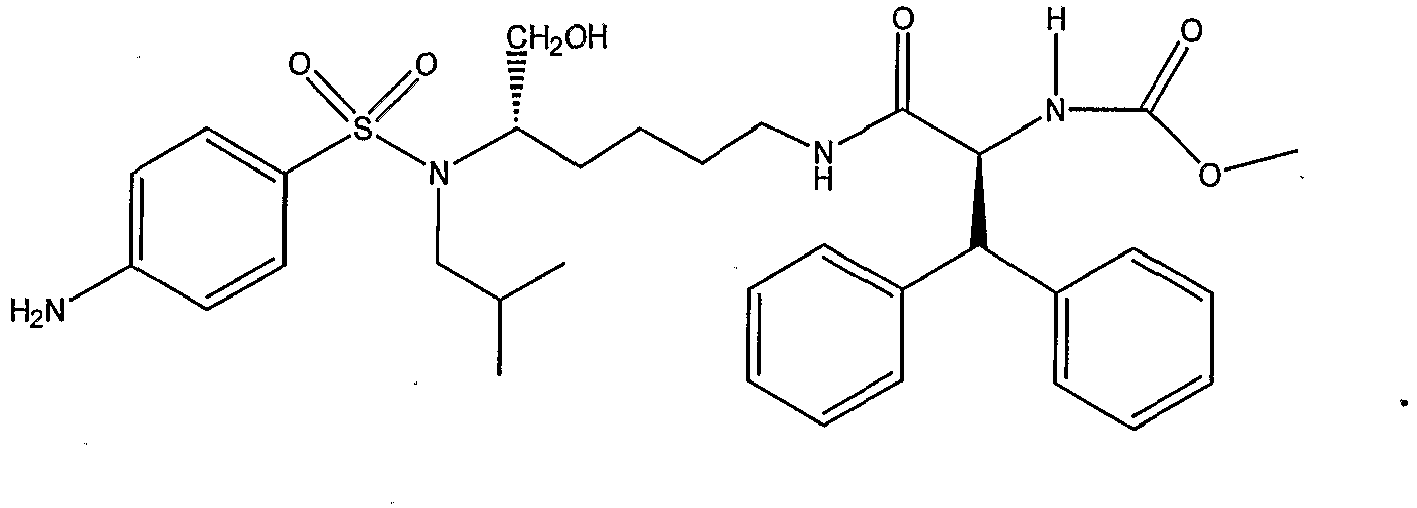
- PL-337 is an active ingredient (protease inhibitor) of the following formula;

- The active ingredient has been shown to be efficient against an HIV-1 aspartyl protease (
US patent no. 6,632,816 ). The active ingredients also present potent antiviral activity when tested on non-mutated HIV-1 viral strain (NL4.3 as the wild type virus) as well as several mutant strains. - All test articles (PL-100, PL-462, PL-337 and PL-515) were prepared in different vehicle at the final concentration of 25 mg/mL. The vehicle composition is as follows: (1) 20% ethanol; 50% propylene glycol; 0.05% w/v Tween 20 and water (Mix); (2) PBS buffer (PBS).
- Test articles were administered to male Sprague-Dawley rats at a single oral dose of 50 mg/kg. Each article was tested in three rats. Blood samples (0.2-0.3 mL) were collected at the post-dose time of 10, 20, 40, 60,120, 180 and 360 minutes. The harvested blood was centrifuged to isolate plasma. The resulting plasma was separated and stored at -70°C.
- Plasma samples together with standards and quality control samples were treated to precipitate proteins, then analyzed by HPLC-MS, for the presence of PL-462, PL-100, PL-515 and PL-337.
Table 1 Compound PL-462 (Ex. No. 2) PL-100 (Ex. No. 1-F) PL-515 (Ex. No. 13) PL-337 (Ex. No. 13-A) Vehicle PBS Mix PBS Mix Number of rats 3 3 3 3 Dose (mg/Kg) 50 po 50 po 50 po 50 po AUC (µg/hr*ml) 0.816 ± 0.295 (PL-100, detected) 0.675 ± 0.171 1.075 ± 0.625 (PL-337, detected) 1.180 ± 0.196 Cmax (nM) 330 ± 109 498 ± 203 545 ± 215 681 ± 131 Tmax (min) 93 ± 60 40 ± 16 87 ± 60 60 ± 15 50 mg/Kg PL-462 = 43 mg/Kg PL-100
50 mg/Kg PL-515 = 43 mg/Kg PL-337 - The results demonstrate that PL-462 and PL-515 compounds may be delivered orally in aqueous solutions. None of the PL-462 and PL-515 compounds, delivered as aqueous solutions, are detected in the blood samples, which suggests rapid metabolism to PL-100 and PL-337 the parent drugs.
- Aqueous dosing of PL-462 and PL-515 solutions showed equivalent to slightly superior delivery of PL-100 and PL-337 compared to non-aqueous formulations of PL-100 and PL-337.
- Based on these results, all the phosphorylated compounds described in the present invention will demonstrate similar pharmacokinetic properties.
- Partition coefficient (LogP) of selected compounds and the corresponding HIV protease inhibitors (drug) are as follow:
Table 2. Compounds LogP Corresponding drugs LogP PL-461 (or PL-462) -1.2 PL-100 3.6 PL-515 -0.75 PL-337 3.8 - The LogP were measured in a standard fashion by dissolving 1 mg of compound in 0.8 mL of each octanol and phosphate buffer pH 7.4 (0.04 M KHPO4). The concentration of the compounds in the phases was detected by LC-MS. This test demonstrates the solubility of the compounds at physiological pH. The LogP obtained show that the compounds are highly soluble as compare to the corresponding drugs.
- The compounds listed in Table 3 were prepared by following scheme 1, 1A, 2, 3, 4 or 5; and more particularly as described in each example listed above. The numbers of the compounds listed in Table 3 (Ex. No.) corresponds to the example numbers presented above.
Table 3: Structures of lysine based compounds in accordance with the present invention 
Ex. No (PL-#) X Y n R1 R2 R3 R6 X'/Y' D, L, DL R,S,RS 1 (PL-461) 4-NH2 H 4 (HO)2P(O) (C6H5)2CH CH3O-CO iso-butyl H/H S,S 2 (PL-462) 4-NH2 H 4 (NaO)2P(O) (C6H5)2CH CH3O-CO iso-butyl H/H S,S 3 (PL-507) 4-NH2 H 4 (HO)2P(O) Naphthyl-2-CH2 CH3O-CO iso-butyl H/H S,S 4 (PL-498) 4-NH2 H 4 (HO)2P(O) Naphthyl-1-CH2 4-morpholine-CO iso-butyl H/H S,S 5 (PL-504) 4-NH2 H 4 (HO)2P(O) (C6H5)2CH CH3CO iso-butyl H/H S,S 6 (PL-515) 4-NH2 3-F 4 (HO)2P(O) (C6H5)2CH CH3O-CO iso-butyl H/H S,S 7 (PL-521) 4-NH2 H 4 CH3CO (C6H5)2CH CH3O-CO iso-butyl H/H S,S 8 (PL-520) 4-NH2 H 4 3-Pyridyl-CO (C6H5)2CH CH3O-CO iso-butyl H/H S,S 9 (PL-534) 4-NH2 H 4 (CH3)2NCH2CO (C6H5)2CH CH3O-CO iso-butyl H/H S,S 10 (PL-530) 4-NH2 H 4 (CH3)2CHCH(NH2)CO (C6H5)2CH CH3O-CO iso-butyl H/H S,S

Claims (19)
- A pharmaceutical composition comprising an HIV antiviral or anti-retroviral agent that targets attachment to the cell receptor and cell entry, reverse transcription or viral DNA integration into cellular DNA and a compound of Formula II,

wherein n is 3 or 4,
wherein X and Y, the same or different, are selected from the group consisting of H, a straight alkyl group of 1 to 6 carbon atoms, a branched alkyl group of 3 to 6 carbon atoms, a cycloalkyl group of 3 to 6 carbon atoms, F, Cl, Br, I, -CF3, -OCF3, -CN, -NO2, -NR4R5,-NHCOR4, -OR4, -SR4, -COOR4, -COR4, and -CH2OH or X and Y together define an alkylenedioxy group selected from the group consisting of a methylenedioxy group of formula -OCH2O- and an ethylenedioxy group of formula -OCH2CH2O-,
wherein R6 is selected from the group consisting of a straight alkyl group of 1 to 6 carbon atoms, a branched alkyl group of 3 to 6 carbon atoms and a cycloalkylalkyl group having 3 to 6 carbon atoms in the cycloalkyl part thereof and 1 to 3 carbon atoms in the alkyl part thereof,
wherein R3 is selected from the group consisting of H, a straight alkyl group of 1 to 6 carbon atoms, a branched alkyl group of 3 to 6 carbon atoms, a cycloalkyl group of 3 to 6 carbon atoms, and a group of formula R3A-CO-, R3A being selected from the group consisting of a straight or branched alkyl group of 1 to 6 carbon atoms, a cycloalkyl group having 3 to 6 carbon atoms, a cycloalkylalkyl group having 3 to 6 carbon atoms in the cycloalkyl part thereof and 1 to 3 carbon atoms in the alkyl part thereof, an alkyloxy group of 1 to 6 carbon atoms, tetrahydro-3-furanyloxy, -CH2OH, -CF3, -CH2CF3, -CH2CH2CF3, pyrrolidinyl, piperidinyl, 4-morpholinyl, CH3O2C-, CH3O2CCH2-, Acetyl-OCH2CH2-, HO2CCH2-, 3-hydroxyphenyl, 4-hydroxyphenyl, 4-CH3OC6H4CH2-, CH3NH-, (CH3)2N-, (CH3CH2)2N-, (CH3CH2CH2)2N-, HOCH2CH2NH-, CH3OCH2O-, CH3OCH2CH2O-, C6H5CH2O-, 2-pyrrolyl, 2-pyridyl, 3-pyridyl, 4-pyridyl-, 2-pyrazinyl, 2-quinolyl, 3-quinolyl, 4-quinolyl, 1-isoquinolyl, 3-isoquinolyl, 2-quinoxalinyl, a phenyl group of formula


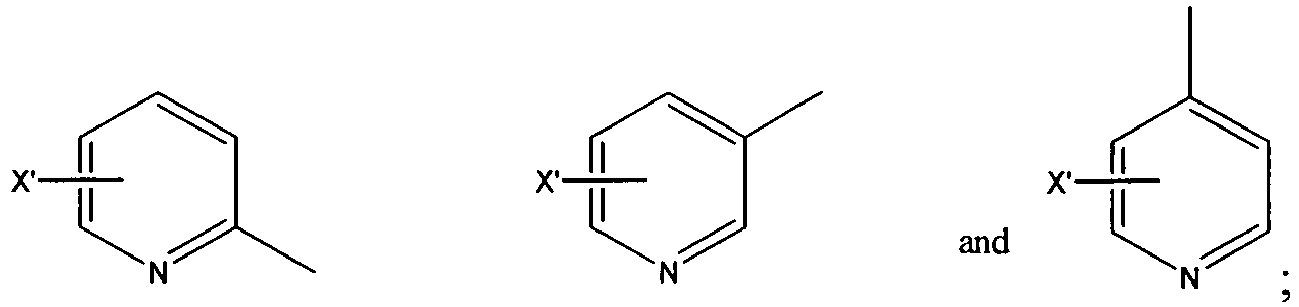

wherein R4 and R5, the same or different, are selected from the group consisting of H, a straight alkyl group of 1 to 6 carbon atoms, a branched alkyl group of 3 to 6 carbon atoms, and a cycloalkyl group of 3 to 6 carbon atoms,
wherein R2 is selected from the group consisting of a diphenylmethyl group of formula IV,


wherein R1A is selected from the group consisting of a straight or branched alkyl group of 1 to 6 carbon atoms, a cycloalkyl group having 3 to 6 carbon atoms, a cycloalkylalkyl group having 3 to 6 carbon atoms in the cycloalkyl part thereof and 1 to 3 carbon atoms in the alkyl part thereof, an alkyloxy group of 1 to 6 carbon atoms, -CH2OH, CH3O2C-, CH3O2CCH2-, Acetyl-OCH2CH2-, HO2CCH2-, 2-hydroxyphenyl, 3-hydroxyphenyl, 4-hydroxyphenyl, (CH3)2NCH2-, (CH3)2CHCH(NH2)-, HOCH2CH2NH-, CH3OCH2O-, CH3OCH2CH2O-, 2-pyrrolyl, 2-pyridyl, 3-pyridyl, 4-pyridyl, 1-methyl-1,4-dihydro-3-pyridyl, 2-pyrazinyl, 2-quinolyl, 3-quinolyl, 4-quinolyl, 1-isoquinolyl, 3-isoquinolyl, 2-quinoxalinyl, a phenyl group of formula


- A pharmaceutical composition according to claim 1, wherein the compound is of Formula IIa, or of Formula IIb, or of Formula IIc


- A pharmaceutical composition according to claim 2, wherein R6 is iso-butyl.
- A pharmaceutical composition according to claim 3, wherein n is 4.
- A pharmaceutical composition according to claim 4, wherein R1 is (HO)2P(O) or (NaO)2P(O).
- A pharmaceutical composition according to claim 2, wherein the compound is:(1S,5S)-(1-{5-[(4-amino-benzenesulfonyl)-isobutyl-amino]-6-phosphonooxy-hexacarbomoyl}-2,2-diphenyl-ethyl)-carbamic acid methyl ester or a pharmaceutically acceptable salt thereof; or(1S,5S)-(1-{5-[(4-amino-3-fluoro-benzenesulfonyl)-isobutyl-amino]-6-phosphonooxy-hexacarbomoyl}-2,2-diphenyl-ethyl)-carbamic acid methyl ester or a pharmaceutically acceptable salt thereof.
- A pharmaceutical composition according to claim 6, wherein the compound is (1S,5S)-(1-{5-[(4-amino-benzenesulfonyl)-isobutyl-amino]-6-phosphonooxy-hexacarbomoyl}-2,2-diphenylethyl)-carbamic acid methyl ester sodium salt.
- A pharmaceutical composition according to claim 6, wherein the compound is (1S,5S)-(1-{5-[(4-amino-3-fluoro-benzenesulfonyl)-isobutyl-amino]-6-phosphonooxy-hexacarbomoyl}-2,2-diphenyl-ethyl)-carbamic acid methyl ester sodium salt.
- A pharmaceutical composition according to claim 1, wherein said compound of formula II has a structure according to the following general formula:

wherein n is 4,
wherein X is 4-NH2 and Y is H or F,
wherein R1 is selected from the group consisting of (HO)2P(O), (NaO)2P(O), CH3CO, 3-pyridyl-CO, (CH3)2NCH2CO and (CH3)2CHCH(NH2)CO.
wherein R2 is selected from the group consisting of a diphenylmethyl group of formula IV,


wherein R4 and R5, the same or different, are selected from the group consisting of H, a straight alkyl group of 1 to 6 carbon atoms, a branched alkyl group of 3 to 6 carbon atoms, and a cycloalkyl group of 3 to 6 carbon atoms,
and
wherein R6 is isobutyl. - A pharmaceutical composition according to claim 9 wherein R1 is (HO)2P(O) or (NaO)2P(O).
- A pharmaceutical composition according to claim 9 wherein R1 is CH3CO, 3-pyridyl-CO, (CH3)2NCH2CO or (CH3)2CHCH(NH2)CO.
- A pharmaceutical composition according to any one of claims 1 to 11 further comprising a second compound of Formula II as defined in any one of claims 1 to 11, or a pharmaceutically acceptable salt thereof, or combination thereof, and a pharmaceutically acceptable carrier.
- The use of at least one pharmaceutical composition as defined in any one of claims 1 to 11 or a combination thereof in the manufacture of a medicament for the treatment or prevention of an HIV infection.
- The use of a pharmaceutical composition as defined in any one of claims 1 to 11, for the manufacture of a medicament for the treatment or prevention of AIDS-like diseases caused by a retrovirus that depends upon aspartyl proteases similar to those found in HIV for obligatory events in its lifecycle.
- The use of a pharmaceutical composition as defined in any one of claims 1 to 11 for the manufacture of a medicament for the treatment or prevention of a viral infection selected from the group consisting of simian immunodeficiency virus, HIV-2, HTLV-I and HTLV-II infections.
- A pharmaceutical composition as defined in any one of claims 1 to 11 for use in the treatment or prevention of AIDS-like diseases caused by a retrovirus that depends upon aspartyl proteases similar to those found in HIV for obligatory events in its lifecycle.
- A pharmaceutical composition as defined in any one of claims 1 to 11 for use in the treatment or prevention of an HIV infection.
- A pharmaceutical composition as defined in any one of claims 1 to 11 for use in the treatment or prevention of a viral infection selected from the group consisting of simian immunodeficiency virus, HIV-2, HTLV-I and HTLV-II infections.
- A pharmaceutical composition according to claim 1, wherein said HIV antiviral is selected from polysulfated polysaccharides, sT4 (soluble CD4) and other compounds which block binding of virus to CD4 receptors on CD4 bearing T-lymphocytes and other CD4(+) cells, or inhibit fusion of the viral envelope with the cytoplasmic membrane, didanosine (ddI), zalcitabine (ddC), stavudine (D4T), zidovudine (AZT), and lamivudine (3TC).
Priority Applications (1)
| Application Number | Priority Date | Filing Date | Title |
|---|---|---|---|
| EP08021798.7A EP2165709B1 (en) | 2004-08-02 | 2004-08-02 | Pharmaceutical compositions comprising a lysine based compound and an HIV antiviral or antiretroviral agent |
Applications Claiming Priority (3)
| Application Number | Priority Date | Filing Date | Title |
|---|---|---|---|
| EP04761606A EP1773763B1 (en) | 2004-08-02 | 2004-08-02 | Lysine based compounds |
| EP08021798.7A EP2165709B1 (en) | 2004-08-02 | 2004-08-02 | Pharmaceutical compositions comprising a lysine based compound and an HIV antiviral or antiretroviral agent |
| PCT/CA2004/001440 WO2006012725A1 (en) | 2004-08-02 | 2004-08-02 | Lysine based compounds |
Related Parent Applications (4)
| Application Number | Title | Priority Date | Filing Date |
|---|---|---|---|
| PCT/CA2004/001440 Previously-Filed-Application WO2006012725A1 (en) | 2004-08-02 | 2004-08-02 | Lysine based compounds |
| EP04761606A Division EP1773763B1 (en) | 2004-08-02 | 2004-08-02 | Lysine based compounds |
| WOPCT/CA2004/001440 Previously-Filed-Application | 2004-08-02 | ||
| EP04761606.5 Division | 2004-08-02 |
Publications (3)
| Publication Number | Publication Date |
|---|---|
| EP2165709A2 EP2165709A2 (en) | 2010-03-24 |
| EP2165709A3 EP2165709A3 (en) | 2010-06-23 |
| EP2165709B1 true EP2165709B1 (en) | 2016-03-16 |
Family
ID=35786842
Family Applications (2)
| Application Number | Title | Priority Date | Filing Date |
|---|---|---|---|
| EP08021798.7A Expired - Lifetime EP2165709B1 (en) | 2004-08-02 | 2004-08-02 | Pharmaceutical compositions comprising a lysine based compound and an HIV antiviral or antiretroviral agent |
| EP04761606A Expired - Lifetime EP1773763B1 (en) | 2004-08-02 | 2004-08-02 | Lysine based compounds |
Family Applications After (1)
| Application Number | Title | Priority Date | Filing Date |
|---|---|---|---|
| EP04761606A Expired - Lifetime EP1773763B1 (en) | 2004-08-02 | 2004-08-02 | Lysine based compounds |
Country Status (14)
| Country | Link |
|---|---|
| EP (2) | EP2165709B1 (en) |
| JP (1) | JP4579970B2 (en) |
| CN (1) | CN1942436B (en) |
| AT (1) | ATE417823T1 (en) |
| AU (2) | AU2004322123B2 (en) |
| BR (1) | BRPI0418651A (en) |
| CA (1) | CA2560071C (en) |
| DE (1) | DE602004018548D1 (en) |
| ES (2) | ES2319996T3 (en) |
| IL (1) | IL180958A0 (en) |
| MX (1) | MX2007001278A (en) |
| NO (1) | NO20071152L (en) |
| RU (1) | RU2009139259A (en) |
| WO (1) | WO2006012725A1 (en) |
Families Citing this family (10)
| Publication number | Priority date | Publication date | Assignee | Title |
|---|---|---|---|---|
| US7388008B2 (en) | 2004-08-02 | 2008-06-17 | Ambrilia Biopharma Inc. | Lysine based compounds |
| EP2165709B1 (en) | 2004-08-02 | 2016-03-16 | Ambrilia Biopharma Inc. | Pharmaceutical compositions comprising a lysine based compound and an HIV antiviral or antiretroviral agent |
| WO2007062526A1 (en) | 2005-11-30 | 2007-06-07 | Ambrilia Biopharma Inc. | Lysine-based prodrugs of aspartyl protease inhibitors and processes for their preparation |
| AU2007287353A1 (en) * | 2006-07-17 | 2008-02-28 | Ambrilia Biopharma Inc. | Method for improving pharmacokinetics |
| ES2628730T3 (en) | 2006-09-21 | 2017-08-03 | Taimed Biologics, Inc. | Protease inhibitors |
| WO2009148600A2 (en) * | 2008-06-06 | 2009-12-10 | Concert Pharmaceuticals, Inc. | Deuterated lysine-based compounds |
| CA2762582A1 (en) | 2009-05-27 | 2010-12-02 | Merck Sharp & Dohme Corp. | Hiv protease inhibitors |
| US9079834B2 (en) | 2010-10-28 | 2015-07-14 | Merck Canada Inc. | HIV protease inhibitors |
| US9187415B2 (en) | 2010-10-29 | 2015-11-17 | Merck Canada Inc. | Sulfonamides as HIV protease inhibitors |
| US9133157B2 (en) | 2011-10-26 | 2015-09-15 | Merck Canada Inc. | HIV protease inhibitors |
Family Cites Families (7)
| Publication number | Priority date | Publication date | Assignee | Title |
|---|---|---|---|---|
| US6436989B1 (en) * | 1997-12-24 | 2002-08-20 | Vertex Pharmaceuticals, Incorporated | Prodrugs of aspartyl protease inhibitors |
| WO2001076531A2 (en) * | 2000-04-07 | 2001-10-18 | University Of Maryland, Baltimore | Bile acid containing prodrugs with enhanced bioavailability |
| US6617310B2 (en) * | 2000-07-19 | 2003-09-09 | Bristol-Myers Squibb Pharma Company | Phosphate esters of bis-amino acid sulfonamides containing substituted benzyl amines |
| CA2418479C (en) * | 2000-08-18 | 2007-12-18 | The Board Of Trustees Of The University Of Illinois | Prodrugs of betulinic acid derivatives for the treatment of cancer |
| US6506786B2 (en) * | 2001-02-13 | 2003-01-14 | Pharmacor Inc. | HIV protease inhibitors based on amino acid derivatives |
| US6632816B1 (en) * | 2002-12-23 | 2003-10-14 | Pharmacor Inc. | Aromatic derivatives as HIV aspartyl protease inhibitors |
| EP2165709B1 (en) | 2004-08-02 | 2016-03-16 | Ambrilia Biopharma Inc. | Pharmaceutical compositions comprising a lysine based compound and an HIV antiviral or antiretroviral agent |
-
2004
- 2004-08-02 EP EP08021798.7A patent/EP2165709B1/en not_active Expired - Lifetime
- 2004-08-02 AU AU2004322123A patent/AU2004322123B2/en not_active Ceased
- 2004-08-02 ES ES04761606T patent/ES2319996T3/en not_active Expired - Lifetime
- 2004-08-02 JP JP2007501073A patent/JP4579970B2/en not_active Expired - Fee Related
- 2004-08-02 DE DE602004018548T patent/DE602004018548D1/en not_active Expired - Lifetime
- 2004-08-02 CA CA2560071A patent/CA2560071C/en not_active Expired - Fee Related
- 2004-08-02 MX MX2007001278A patent/MX2007001278A/en active IP Right Grant
- 2004-08-02 AT AT04761606T patent/ATE417823T1/en not_active IP Right Cessation
- 2004-08-02 EP EP04761606A patent/EP1773763B1/en not_active Expired - Lifetime
- 2004-08-02 WO PCT/CA2004/001440 patent/WO2006012725A1/en not_active Ceased
- 2004-08-02 CN CN2004800427980A patent/CN1942436B/en not_active Expired - Fee Related
- 2004-08-02 BR BRPI0418651-6A patent/BRPI0418651A/en not_active IP Right Cessation
- 2004-08-02 ES ES08021798.7T patent/ES2575871T3/en not_active Expired - Lifetime
-
2007
- 2007-01-25 IL IL180958A patent/IL180958A0/en unknown
- 2007-03-01 NO NO20071152A patent/NO20071152L/en not_active Application Discontinuation
-
2009
- 2009-10-23 RU RU2009139259/04A patent/RU2009139259A/en not_active Application Discontinuation
- 2009-10-28 AU AU2009230800A patent/AU2009230800A1/en not_active Abandoned
Also Published As
| Publication number | Publication date |
|---|---|
| DE602004018548D1 (en) | 2009-01-29 |
| RU2009139259A (en) | 2011-04-27 |
| EP2165709A2 (en) | 2010-03-24 |
| NO20071152L (en) | 2007-03-01 |
| HK1105406A1 (en) | 2008-02-15 |
| AU2009230800A1 (en) | 2009-11-19 |
| JP2007525527A (en) | 2007-09-06 |
| CN1942436A (en) | 2007-04-04 |
| CA2560071A1 (en) | 2006-02-09 |
| EP1773763B1 (en) | 2008-12-17 |
| ATE417823T1 (en) | 2009-01-15 |
| MX2007001278A (en) | 2007-09-14 |
| EP1773763A1 (en) | 2007-04-18 |
| ES2319996T3 (en) | 2009-05-18 |
| AU2004322123B2 (en) | 2009-08-13 |
| ES2575871T3 (en) | 2016-07-01 |
| AU2004322123A1 (en) | 2006-02-09 |
| JP4579970B2 (en) | 2010-11-10 |
| BRPI0418651A (en) | 2007-05-29 |
| CN1942436B (en) | 2011-03-23 |
| EP2165709A3 (en) | 2010-06-23 |
| EP1773763A4 (en) | 2007-08-08 |
| IL180958A0 (en) | 2007-07-04 |
| CA2560071C (en) | 2012-09-25 |
| WO2006012725A1 (en) | 2006-02-09 |
Similar Documents
| Publication | Publication Date | Title |
|---|---|---|
| US8008297B2 (en) | Lysine based compounds | |
| EP0933372B1 (en) | Sulphonamide derivatives as prodrugs of aspartyl protease inhibitors | |
| US20120053139A1 (en) | Method for improving pharmacokinetics of protease inhibitors and protease inhibitor precursors | |
| US8580995B2 (en) | Lysine-based prodrugs of aspartyl protease inhibitors and processes for their preparation | |
| AU2009230800A1 (en) | Lysine based compounds | |
| US6632816B1 (en) | Aromatic derivatives as HIV aspartyl protease inhibitors | |
| EP2109461A2 (en) | Method for improving pharmacokinetics | |
| RU2379312C2 (en) | Lysine compounds, pharmaceutical composition containing these compounds, application of said compounds for treatment or prevention of hiv-infection | |
| CN102093411A (en) | Lysine-based compounds | |
| NZ552853A (en) | Lysine based compounds | |
| HK1105406B (en) | Lysine based compounds | |
| ZA200607352B (en) | Lysine based compounds | |
| KR20070057815A (en) | Lysine compounds | |
| HK1124861B (en) | Lysme-based prodrugs of aspartyl protease inhibitors and processes for their preparation |
Legal Events
| Date | Code | Title | Description |
|---|---|---|---|
| PUAI | Public reference made under article 153(3) epc to a published international application that has entered the european phase |
Free format text: ORIGINAL CODE: 0009012 |
|
| AC | Divisional application: reference to earlier application |
Ref document number: 1773763 Country of ref document: EP Kind code of ref document: P |
|
| AK | Designated contracting states |
Kind code of ref document: A2 Designated state(s): AT BE BG CH CY CZ DE DK EE ES FI FR GB GR HU IE IT LI LU MC NL PL PT RO SE SI SK TR |
|
| AX | Request for extension of the european patent |
Extension state: AL LT LV MK |
|
| PUAL | Search report despatched |
Free format text: ORIGINAL CODE: 0009013 |
|
| AK | Designated contracting states |
Kind code of ref document: A3 Designated state(s): AT BE BG CH CY CZ DE DK EE ES FI FR GB GR HU IE IT LI LU MC NL PL PT RO SE SI SK TR |
|
| AX | Request for extension of the european patent |
Extension state: AL LT LV MK |
|
| RIC1 | Information provided on ipc code assigned before grant |
Ipc: C07D 241/44 20060101ALI20100518BHEP Ipc: C07D 401/12 20060101ALI20100518BHEP Ipc: C07C 311/37 20060101ALI20100518BHEP Ipc: C07D 233/88 20060101ALI20100518BHEP Ipc: C07D 207/44 20060101ALI20100518BHEP Ipc: C07D 213/72 20060101ALI20100518BHEP Ipc: C07D 215/38 20060101ALI20100518BHEP Ipc: C07D 405/12 20060101ALI20100518BHEP Ipc: C07D 265/30 20060101ALI20100518BHEP Ipc: C07D 217/22 20060101ALI20100518BHEP Ipc: A61K 31/63 20060101ALI20100518BHEP Ipc: A61K 45/06 20060101ALI20100518BHEP Ipc: A61K 31/635 20060101ALI20100518BHEP Ipc: A61K 31/662 20060101AFI20100204BHEP Ipc: C07D 403/12 20060101ALI20100518BHEP |
|
| 17P | Request for examination filed |
Effective date: 20101221 |
|
| AKX | Designation fees paid |
Designated state(s): AT BE BG CH CY CZ DE DK EE ES FI FR GB GR HU IE IT LI LU MC NL PL PT RO SE SI SK TR |
|
| 17Q | First examination report despatched |
Effective date: 20120813 |
|
| GRAP | Despatch of communication of intention to grant a patent |
Free format text: ORIGINAL CODE: EPIDOSNIGR1 |
|
| INTG | Intention to grant announced |
Effective date: 20150827 |
|
| RIC1 | Information provided on ipc code assigned before grant |
Ipc: A61K 31/662 20060101AFI20150814BHEP Ipc: C07D 241/44 20060101ALI20150814BHEP Ipc: C07C 311/41 20060101ALI20150814BHEP Ipc: A61K 31/63 20060101ALI20150814BHEP Ipc: C07F 9/6533 20060101ALI20150814BHEP Ipc: C07D 207/44 20060101ALI20150814BHEP Ipc: C07D 265/30 20060101ALI20150814BHEP Ipc: C07C 311/37 20060101ALI20150814BHEP Ipc: C07D 405/12 20060101ALI20150814BHEP Ipc: A61K 45/06 20060101ALI20150814BHEP Ipc: A61K 31/635 20060101ALI20150814BHEP Ipc: C07D 295/215 20060101ALI20150814BHEP Ipc: C07D 401/12 20060101ALI20150814BHEP Ipc: C07D 403/12 20060101ALI20150814BHEP Ipc: C07F 9/09 20060101ALI20150814BHEP Ipc: C07D 217/22 20060101ALI20150814BHEP Ipc: C07D 213/72 20060101ALI20150814BHEP Ipc: C07D 233/88 20060101ALI20150814BHEP Ipc: C07D 215/38 20060101ALI20150814BHEP |
|
| GRAP | Despatch of communication of intention to grant a patent |
Free format text: ORIGINAL CODE: EPIDOSNIGR1 |
|
| INTG | Intention to grant announced |
Effective date: 20151005 |
|
| GRAS | Grant fee paid |
Free format text: ORIGINAL CODE: EPIDOSNIGR3 |
|
| GRAA | (expected) grant |
Free format text: ORIGINAL CODE: 0009210 |
|
| AC | Divisional application: reference to earlier application |
Ref document number: 1773763 Country of ref document: EP Kind code of ref document: P |
|
| AK | Designated contracting states |
Kind code of ref document: B1 Designated state(s): AT BE BG CH CY CZ DE DK EE ES FI FR GB GR HU IE IT LI LU MC NL PL PT RO SE SI SK TR |
|
| REG | Reference to a national code |
Ref country code: GB Ref legal event code: FG4D |
|
| REG | Reference to a national code |
Ref country code: CH Ref legal event code: EP |
|
| REG | Reference to a national code |
Ref country code: IE Ref legal event code: FG4D |
|
| REG | Reference to a national code |
Ref country code: AT Ref legal event code: REF Ref document number: 780597 Country of ref document: AT Kind code of ref document: T Effective date: 20160415 |
|
| REG | Reference to a national code |
Ref country code: DE Ref legal event code: R096 Ref document number: 602004048844 Country of ref document: DE |
|
| REG | Reference to a national code |
Ref country code: DE Ref legal event code: R082 Ref document number: 602004048844 Country of ref document: DE Representative=s name: WUESTHOFF & WUESTHOFF, PATENTANWAELTE PARTG MB, DE Ref country code: DE Ref legal event code: R081 Ref document number: 602004048844 Country of ref document: DE Owner name: TAIMED BIOLOGICS, INC., TW Free format text: FORMER OWNER: AMBRILIA BIOPHARMA INC., VERDUN, QUEBEC, CA |
|
| REG | Reference to a national code |
Ref country code: ES Ref legal event code: FG2A Ref document number: 2575871 Country of ref document: ES Kind code of ref document: T3 Effective date: 20160701 |
|
| REG | Reference to a national code |
Ref country code: NL Ref legal event code: MP Effective date: 20160316 |
|
| PG25 | Lapsed in a contracting state [announced via postgrant information from national office to epo] |
Ref country code: GR Free format text: LAPSE BECAUSE OF FAILURE TO SUBMIT A TRANSLATION OF THE DESCRIPTION OR TO PAY THE FEE WITHIN THE PRESCRIBED TIME-LIMIT Effective date: 20160617 Ref country code: FI Free format text: LAPSE BECAUSE OF FAILURE TO SUBMIT A TRANSLATION OF THE DESCRIPTION OR TO PAY THE FEE WITHIN THE PRESCRIBED TIME-LIMIT Effective date: 20160316 |
|
| REG | Reference to a national code |
Ref country code: AT Ref legal event code: MK05 Ref document number: 780597 Country of ref document: AT Kind code of ref document: T Effective date: 20160316 |
|
| PG25 | Lapsed in a contracting state [announced via postgrant information from national office to epo] |
Ref country code: NL Free format text: LAPSE BECAUSE OF FAILURE TO SUBMIT A TRANSLATION OF THE DESCRIPTION OR TO PAY THE FEE WITHIN THE PRESCRIBED TIME-LIMIT Effective date: 20160316 Ref country code: SE Free format text: LAPSE BECAUSE OF FAILURE TO SUBMIT A TRANSLATION OF THE DESCRIPTION OR TO PAY THE FEE WITHIN THE PRESCRIBED TIME-LIMIT Effective date: 20160316 |
|
| PG25 | Lapsed in a contracting state [announced via postgrant information from national office to epo] |
Ref country code: PL Free format text: LAPSE BECAUSE OF FAILURE TO SUBMIT A TRANSLATION OF THE DESCRIPTION OR TO PAY THE FEE WITHIN THE PRESCRIBED TIME-LIMIT Effective date: 20160316 Ref country code: EE Free format text: LAPSE BECAUSE OF FAILURE TO SUBMIT A TRANSLATION OF THE DESCRIPTION OR TO PAY THE FEE WITHIN THE PRESCRIBED TIME-LIMIT Effective date: 20160316 |
|
| REG | Reference to a national code |
Ref country code: FR Ref legal event code: PLFP Year of fee payment: 13 |
|
| PG25 | Lapsed in a contracting state [announced via postgrant information from national office to epo] |
Ref country code: SK Free format text: LAPSE BECAUSE OF FAILURE TO SUBMIT A TRANSLATION OF THE DESCRIPTION OR TO PAY THE FEE WITHIN THE PRESCRIBED TIME-LIMIT Effective date: 20160316 Ref country code: PT Free format text: LAPSE BECAUSE OF FAILURE TO SUBMIT A TRANSLATION OF THE DESCRIPTION OR TO PAY THE FEE WITHIN THE PRESCRIBED TIME-LIMIT Effective date: 20160718 Ref country code: CZ Free format text: LAPSE BECAUSE OF FAILURE TO SUBMIT A TRANSLATION OF THE DESCRIPTION OR TO PAY THE FEE WITHIN THE PRESCRIBED TIME-LIMIT Effective date: 20160316 Ref country code: RO Free format text: LAPSE BECAUSE OF FAILURE TO SUBMIT A TRANSLATION OF THE DESCRIPTION OR TO PAY THE FEE WITHIN THE PRESCRIBED TIME-LIMIT Effective date: 20160316 Ref country code: AT Free format text: LAPSE BECAUSE OF FAILURE TO SUBMIT A TRANSLATION OF THE DESCRIPTION OR TO PAY THE FEE WITHIN THE PRESCRIBED TIME-LIMIT Effective date: 20160316 |
|
| REG | Reference to a national code |
Ref country code: DE Ref legal event code: R097 Ref document number: 602004048844 Country of ref document: DE |
|
| PG25 | Lapsed in a contracting state [announced via postgrant information from national office to epo] |
Ref country code: BE Free format text: LAPSE BECAUSE OF FAILURE TO SUBMIT A TRANSLATION OF THE DESCRIPTION OR TO PAY THE FEE WITHIN THE PRESCRIBED TIME-LIMIT Effective date: 20160316 |
|
| PLBE | No opposition filed within time limit |
Free format text: ORIGINAL CODE: 0009261 |
|
| STAA | Information on the status of an ep patent application or granted ep patent |
Free format text: STATUS: NO OPPOSITION FILED WITHIN TIME LIMIT |
|
| PG25 | Lapsed in a contracting state [announced via postgrant information from national office to epo] |
Ref country code: DK Free format text: LAPSE BECAUSE OF FAILURE TO SUBMIT A TRANSLATION OF THE DESCRIPTION OR TO PAY THE FEE WITHIN THE PRESCRIBED TIME-LIMIT Effective date: 20160316 |
|
| PLAA | Information modified related to event that no opposition was filed |
Free format text: ORIGINAL CODE: 0009299DELT |
|
| PLBE | No opposition filed within time limit |
Free format text: ORIGINAL CODE: 0009261 |
|
| 26N | No opposition filed |
Effective date: 20161219 |
|
| PG25 | Lapsed in a contracting state [announced via postgrant information from national office to epo] |
Ref country code: BG Free format text: LAPSE BECAUSE OF FAILURE TO SUBMIT A TRANSLATION OF THE DESCRIPTION OR TO PAY THE FEE WITHIN THE PRESCRIBED TIME-LIMIT Effective date: 20160616 |
|
| R26N | No opposition filed (corrected) |
Effective date: 20161219 |
|
| RAP2 | Party data changed (patent owner data changed or rights of a patent transferred) |
Owner name: TAIMED BIOLOGICS, INC. |
|
| PG25 | Lapsed in a contracting state [announced via postgrant information from national office to epo] |
Ref country code: MC Free format text: LAPSE BECAUSE OF FAILURE TO SUBMIT A TRANSLATION OF THE DESCRIPTION OR TO PAY THE FEE WITHIN THE PRESCRIBED TIME-LIMIT Effective date: 20160316 |
|
| REG | Reference to a national code |
Ref country code: CH Ref legal event code: PL |
|
| PG25 | Lapsed in a contracting state [announced via postgrant information from national office to epo] |
Ref country code: CH Free format text: LAPSE BECAUSE OF NON-PAYMENT OF DUE FEES Effective date: 20160831 Ref country code: LI Free format text: LAPSE BECAUSE OF NON-PAYMENT OF DUE FEES Effective date: 20160831 |
|
| REG | Reference to a national code |
Ref country code: GB Ref legal event code: 732E Free format text: REGISTERED BETWEEN 20170427 AND 20170503 |
|
| PG25 | Lapsed in a contracting state [announced via postgrant information from national office to epo] |
Ref country code: SI Free format text: LAPSE BECAUSE OF FAILURE TO SUBMIT A TRANSLATION OF THE DESCRIPTION OR TO PAY THE FEE WITHIN THE PRESCRIBED TIME-LIMIT Effective date: 20160316 |
|
| REG | Reference to a national code |
Ref country code: IE Ref legal event code: MM4A |
|
| REG | Reference to a national code |
Ref country code: FR Ref legal event code: TP Owner name: TAIMED BIOLOGICS, INC., TW Effective date: 20170626 Ref country code: FR Ref legal event code: PLFP Year of fee payment: 14 |
|
| PG25 | Lapsed in a contracting state [announced via postgrant information from national office to epo] |
Ref country code: IE Free format text: LAPSE BECAUSE OF NON-PAYMENT OF DUE FEES Effective date: 20160802 |
|
| PG25 | Lapsed in a contracting state [announced via postgrant information from national office to epo] |
Ref country code: LU Free format text: LAPSE BECAUSE OF NON-PAYMENT OF DUE FEES Effective date: 20160802 |
|
| REG | Reference to a national code |
Ref country code: ES Ref legal event code: PC2A Owner name: TAIMED BIOLOGICS, INC. Effective date: 20180216 |
|
| PG25 | Lapsed in a contracting state [announced via postgrant information from national office to epo] |
Ref country code: HU Free format text: LAPSE BECAUSE OF FAILURE TO SUBMIT A TRANSLATION OF THE DESCRIPTION OR TO PAY THE FEE WITHIN THE PRESCRIBED TIME-LIMIT; INVALID AB INITIO Effective date: 20040802 Ref country code: CY Free format text: LAPSE BECAUSE OF FAILURE TO SUBMIT A TRANSLATION OF THE DESCRIPTION OR TO PAY THE FEE WITHIN THE PRESCRIBED TIME-LIMIT Effective date: 20160316 |
|
| PG25 | Lapsed in a contracting state [announced via postgrant information from national office to epo] |
Ref country code: TR Free format text: LAPSE BECAUSE OF FAILURE TO SUBMIT A TRANSLATION OF THE DESCRIPTION OR TO PAY THE FEE WITHIN THE PRESCRIBED TIME-LIMIT Effective date: 20160316 |
|
| REG | Reference to a national code |
Ref country code: FR Ref legal event code: PLFP Year of fee payment: 15 |
|
| PGFP | Annual fee paid to national office [announced via postgrant information from national office to epo] |
Ref country code: ES Payment date: 20190902 Year of fee payment: 16 Ref country code: FR Payment date: 20190826 Year of fee payment: 16 Ref country code: DE Payment date: 20190828 Year of fee payment: 16 Ref country code: IT Payment date: 20190826 Year of fee payment: 16 |
|
| PGFP | Annual fee paid to national office [announced via postgrant information from national office to epo] |
Ref country code: GB Payment date: 20190827 Year of fee payment: 16 |
|
| REG | Reference to a national code |
Ref country code: DE Ref legal event code: R119 Ref document number: 602004048844 Country of ref document: DE |
|
| GBPC | Gb: european patent ceased through non-payment of renewal fee |
Effective date: 20200802 |
|
| PG25 | Lapsed in a contracting state [announced via postgrant information from national office to epo] |
Ref country code: IT Free format text: LAPSE BECAUSE OF NON-PAYMENT OF DUE FEES Effective date: 20200802 Ref country code: FR Free format text: LAPSE BECAUSE OF NON-PAYMENT OF DUE FEES Effective date: 20200831 Ref country code: DE Free format text: LAPSE BECAUSE OF NON-PAYMENT OF DUE FEES Effective date: 20210302 |
|
| PG25 | Lapsed in a contracting state [announced via postgrant information from national office to epo] |
Ref country code: GB Free format text: LAPSE BECAUSE OF NON-PAYMENT OF DUE FEES Effective date: 20200802 |
|
| REG | Reference to a national code |
Ref country code: ES Ref legal event code: FD2A Effective date: 20211227 |
|
| PG25 | Lapsed in a contracting state [announced via postgrant information from national office to epo] |
Ref country code: ES Free format text: LAPSE BECAUSE OF NON-PAYMENT OF DUE FEES Effective date: 20200803 |