EP2162149B1 - Vaccine for the prevention of breast cancer relapse - Google Patents
Vaccine for the prevention of breast cancer relapse Download PDFInfo
- Publication number
- EP2162149B1 EP2162149B1 EP08745615.8A EP08745615A EP2162149B1 EP 2162149 B1 EP2162149 B1 EP 2162149B1 EP 08745615 A EP08745615 A EP 08745615A EP 2162149 B1 EP2162149 B1 EP 2162149B1
- Authority
- EP
- European Patent Office
- Prior art keywords
- composition
- patients
- vaccine
- peptide
- her2
- Prior art date
- Legal status (The legal status is an assumption and is not a legal conclusion. Google has not performed a legal analysis and makes no representation as to the accuracy of the status listed.)
- Active
Links
Images






Classifications
-
- A—HUMAN NECESSITIES
- A61—MEDICAL OR VETERINARY SCIENCE; HYGIENE
- A61K—PREPARATIONS FOR MEDICAL, DENTAL OR TOILETRY PURPOSES
- A61K39/00—Medicinal preparations containing antigens or antibodies
- A61K39/38—Antigens from snakes
-
- A—HUMAN NECESSITIES
- A61—MEDICAL OR VETERINARY SCIENCE; HYGIENE
- A61K—PREPARATIONS FOR MEDICAL, DENTAL OR TOILETRY PURPOSES
- A61K38/00—Medicinal preparations containing peptides
- A61K38/16—Peptides having more than 20 amino acids; Gastrins; Somatostatins; Melanotropins; Derivatives thereof
- A61K38/17—Peptides having more than 20 amino acids; Gastrins; Somatostatins; Melanotropins; Derivatives thereof from animals; from humans
- A61K38/177—Receptors; Cell surface antigens; Cell surface determinants
- A61K38/179—Receptors; Cell surface antigens; Cell surface determinants for growth factors; for growth regulators
-
- A—HUMAN NECESSITIES
- A61—MEDICAL OR VETERINARY SCIENCE; HYGIENE
- A61K—PREPARATIONS FOR MEDICAL, DENTAL OR TOILETRY PURPOSES
- A61K38/00—Medicinal preparations containing peptides
- A61K38/16—Peptides having more than 20 amino acids; Gastrins; Somatostatins; Melanotropins; Derivatives thereof
- A61K38/17—Peptides having more than 20 amino acids; Gastrins; Somatostatins; Melanotropins; Derivatives thereof from animals; from humans
- A61K38/19—Cytokines; Lymphokines; Interferons
- A61K38/193—Colony stimulating factors [CSF]
-
- A—HUMAN NECESSITIES
- A61—MEDICAL OR VETERINARY SCIENCE; HYGIENE
- A61K—PREPARATIONS FOR MEDICAL, DENTAL OR TOILETRY PURPOSES
- A61K39/00—Medicinal preparations containing antigens or antibodies
-
- A—HUMAN NECESSITIES
- A61—MEDICAL OR VETERINARY SCIENCE; HYGIENE
- A61K—PREPARATIONS FOR MEDICAL, DENTAL OR TOILETRY PURPOSES
- A61K39/00—Medicinal preparations containing antigens or antibodies
- A61K39/0005—Vertebrate antigens
- A61K39/0011—Cancer antigens
- A61K39/001102—Receptors, cell surface antigens or cell surface determinants
- A61K39/001103—Receptors for growth factors
- A61K39/001106—Her-2/neu/ErbB2, Her-3/ErbB3 or Her 4/ErbB4
-
- A—HUMAN NECESSITIES
- A61—MEDICAL OR VETERINARY SCIENCE; HYGIENE
- A61K—PREPARATIONS FOR MEDICAL, DENTAL OR TOILETRY PURPOSES
- A61K39/00—Medicinal preparations containing antigens or antibodies
- A61K39/39—Medicinal preparations containing antigens or antibodies characterised by the immunostimulating additives, e.g. chemical adjuvants
-
- A—HUMAN NECESSITIES
- A61—MEDICAL OR VETERINARY SCIENCE; HYGIENE
- A61K—PREPARATIONS FOR MEDICAL, DENTAL OR TOILETRY PURPOSES
- A61K40/00—Cellular immunotherapy
- A61K40/10—Cellular immunotherapy characterised by the cell type used
- A61K40/11—T-cells, e.g. tumour infiltrating lymphocytes [TIL] or regulatory T [Treg] cells; Lymphokine-activated killer [LAK] cells
-
- A—HUMAN NECESSITIES
- A61—MEDICAL OR VETERINARY SCIENCE; HYGIENE
- A61K—PREPARATIONS FOR MEDICAL, DENTAL OR TOILETRY PURPOSES
- A61K40/00—Cellular immunotherapy
- A61K40/40—Cellular immunotherapy characterised by antigens that are targeted or presented by cells of the immune system
- A61K40/41—Vertebrate antigens
- A61K40/42—Cancer antigens
- A61K40/4202—Receptors, cell surface antigens or cell surface determinants
- A61K40/4203—Receptors for growth factors
- A61K40/4205—Her-2/neu/ErbB2, Her-3/ErbB3 or Her 4/ ErbB4
-
- A—HUMAN NECESSITIES
- A61—MEDICAL OR VETERINARY SCIENCE; HYGIENE
- A61K—PREPARATIONS FOR MEDICAL, DENTAL OR TOILETRY PURPOSES
- A61K9/00—Medicinal preparations characterised by special physical form
- A61K9/0012—Galenical forms characterised by the site of application
- A61K9/0019—Injectable compositions; Intramuscular, intravenous, arterial, subcutaneous administration; Compositions to be administered through the skin in an invasive manner
-
- A—HUMAN NECESSITIES
- A61—MEDICAL OR VETERINARY SCIENCE; HYGIENE
- A61P—SPECIFIC THERAPEUTIC ACTIVITY OF CHEMICAL COMPOUNDS OR MEDICINAL PREPARATIONS
- A61P15/00—Drugs for genital or sexual disorders; Contraceptives
-
- A—HUMAN NECESSITIES
- A61—MEDICAL OR VETERINARY SCIENCE; HYGIENE
- A61P—SPECIFIC THERAPEUTIC ACTIVITY OF CHEMICAL COMPOUNDS OR MEDICINAL PREPARATIONS
- A61P35/00—Antineoplastic agents
-
- A—HUMAN NECESSITIES
- A61—MEDICAL OR VETERINARY SCIENCE; HYGIENE
- A61P—SPECIFIC THERAPEUTIC ACTIVITY OF CHEMICAL COMPOUNDS OR MEDICINAL PREPARATIONS
- A61P37/00—Drugs for immunological or allergic disorders
- A61P37/02—Immunomodulators
- A61P37/04—Immunostimulants
-
- C—CHEMISTRY; METALLURGY
- C07—ORGANIC CHEMISTRY
- C07K—PEPTIDES
- C07K14/00—Peptides having more than 20 amino acids; Gastrins; Somatostatins; Melanotropins; Derivatives thereof
- C07K14/435—Peptides having more than 20 amino acids; Gastrins; Somatostatins; Melanotropins; Derivatives thereof from animals; from humans
- C07K14/705—Receptors; Cell surface antigens; Cell surface determinants
- C07K14/71—Receptors; Cell surface antigens; Cell surface determinants for growth factors; for growth regulators
-
- C—CHEMISTRY; METALLURGY
- C07—ORGANIC CHEMISTRY
- C07K—PEPTIDES
- C07K16/00—Immunoglobulins [IG], e.g. monoclonal or polyclonal antibodies
- C07K16/18—Immunoglobulins [IG], e.g. monoclonal or polyclonal antibodies against material from animals or humans
- C07K16/28—Immunoglobulins [IG], e.g. monoclonal or polyclonal antibodies against material from animals or humans against receptors, cell surface antigens or cell surface determinants
- C07K16/2863—Immunoglobulins [IG], e.g. monoclonal or polyclonal antibodies against material from animals or humans against receptors, cell surface antigens or cell surface determinants against receptors for growth factors, growth regulators
-
- A—HUMAN NECESSITIES
- A61—MEDICAL OR VETERINARY SCIENCE; HYGIENE
- A61K—PREPARATIONS FOR MEDICAL, DENTAL OR TOILETRY PURPOSES
- A61K39/00—Medicinal preparations containing antigens or antibodies
- A61K2039/54—Medicinal preparations containing antigens or antibodies characterised by the route of administration
-
- A—HUMAN NECESSITIES
- A61—MEDICAL OR VETERINARY SCIENCE; HYGIENE
- A61K—PREPARATIONS FOR MEDICAL, DENTAL OR TOILETRY PURPOSES
- A61K39/00—Medicinal preparations containing antigens or antibodies
- A61K2039/545—Medicinal preparations containing antigens or antibodies characterised by the dose, timing or administration schedule
-
- A—HUMAN NECESSITIES
- A61—MEDICAL OR VETERINARY SCIENCE; HYGIENE
- A61K—PREPARATIONS FOR MEDICAL, DENTAL OR TOILETRY PURPOSES
- A61K39/00—Medicinal preparations containing antigens or antibodies
- A61K2039/555—Medicinal preparations containing antigens or antibodies characterised by a specific combination antigen/adjuvant
- A61K2039/55511—Organic adjuvants
- A61K2039/55522—Cytokines; Lymphokines; Interferons
-
- A—HUMAN NECESSITIES
- A61—MEDICAL OR VETERINARY SCIENCE; HYGIENE
- A61K—PREPARATIONS FOR MEDICAL, DENTAL OR TOILETRY PURPOSES
- A61K39/00—Medicinal preparations containing antigens or antibodies
- A61K2039/80—Vaccine for a specifically defined cancer
- A61K2039/812—Breast
-
- A—HUMAN NECESSITIES
- A61—MEDICAL OR VETERINARY SCIENCE; HYGIENE
- A61K—PREPARATIONS FOR MEDICAL, DENTAL OR TOILETRY PURPOSES
- A61K2239/00—Indexing codes associated with cellular immunotherapy of group A61K40/00
- A61K2239/38—Indexing codes associated with cellular immunotherapy of group A61K40/00 characterised by the dose, timing or administration schedule
-
- A—HUMAN NECESSITIES
- A61—MEDICAL OR VETERINARY SCIENCE; HYGIENE
- A61K—PREPARATIONS FOR MEDICAL, DENTAL OR TOILETRY PURPOSES
- A61K2239/00—Indexing codes associated with cellular immunotherapy of group A61K40/00
- A61K2239/46—Indexing codes associated with cellular immunotherapy of group A61K40/00 characterised by the cancer treated
- A61K2239/49—Breast
Definitions
- the invention relates generally to the field of preventive and therapeutic vaccines. More specifically, the invention relates to peptide vaccines for the treatment of breast cancer and the prevention of relapse in patients in breast cancer remission.
- BCa Breast cancer
- DFS disease-free survival
- Vaccines are an attractive model for such treatments and preventions due to their ease of administration, and because of their high rate of success observed for infectious diseases.
- the basic concept of constructing a cancer vaccine is straightforward in theory.
- the development of effective cancer vaccines for solid tumors in practice, however, has met with limited success. For example, one group attempting to administer a peptide vaccine directed against metastatic melanoma observed an objective response rate of only 2.6% ( Rosenberg SA et al. (2004) Nat. Med. 10:909-15 ).
- Prototype breast cancer vaccines based on single antigens have been moderately successful in inducing a measurable immune response in animal experiments and in clinical tests with breast cancer patients.
- the observed immune response has not translated into a clinically-significant protective immunity against resurgence of disease put in remission by standard surgery and chemotherapy.
- novel vaccine approaches are needed to further improve recurrence rates and overall survival among BCa patients.
- Preferred vaccine epitopes are those that are expressed exclusively, or at least at increased levels by a neoplasm.
- HER2/neu is a proto-oncogene expressed in many epithelial malignancies ( Slamon DJ et al. (1989) Science 244:707-12 ).
- Gene amplification and overexpression of the HER2/neu protein is found in 20-25% of BCa, and its excess presence is an indicator of poor prognosis ( Pritchard KI et al. (2006) N. Engl. J. Med. 354:2103-11 ).
- HER2/neu has been studied fairly extensively, and several immunogenic peptides have been identified from this protein.
- One such peptide is termed E75, and corresponds to amino acids 369-377 of HER2/neu (SEQ ID NO:1) ( U.S. Pat. No. 6,514,942 ).
- E75 anti-cancer vaccine
- Zaks TZ et al. (1998) Cancer Res. 58:4902-8 ; Knutson KL et al. (2002) Clin. Cancer Res. 8:1014-8 ; and, Murray JL et al. (2002) Clin. Cancer Res. 8:3407-18 ); loaded on to autologous dendritic cells and reinfused ( Brossart P et al. (2000) Blood 96:3102-8 ; and, Kono K et al. (2002) Clin. Cancer Res.
- HER2/ neu is a member of the epidermal growth factor receptor family and encodes a 185-kd tyrosine kinase receptor involved in regulating cell growth and proliferation.
- HER2/ neu is a member of the epidermal growth factor receptor family and encodes a 185-kd tyrosine kinase receptor involved in regulating cell growth and proliferation.
- Mahen Y, Sliwkowski MX Untangling the ErbB signaling network. Nat Rev Mol Cell Bio 2001;2:127-137 .
- Over-expression and/or amplification of HER2/ neu is found in 25-30% of invasive breast cancers (BCa) and is associated with more aggressive tumors and a poorer clinical outcome.
- HER2/ neu status is performed predominately via two tests, immunohistochemistry (IHC) and fluorescence in situ hybridization (FISH).
- FISH detects amplification (excess copies) of the HER2/ neu gene and is expressed as a ratio of HER2/ neu gene copies to chromosome 17 gene copies and interpreted as "over-expression” if FISH is ⁇ 2.0 copies.
- Tz is a recombinant, humanized monoclonal antibody that binds the extracellular juxtamembrane domain of HER2/ neu protein.
- Tz is indicated for HER2/ neu over-expressing (IHC 3 + or FISH ⁇ 2.0) node-positive (NP) and metastatic BCa patients, ( Vogel CL, Cobleigh MA, Tripathy D, et al. Efficacy and safety of trastuzumab as a single agent in first-line treatment of HER2-overexpressing metastatic breast cancer. J Clin Oncol 2002;20:719-726 ; Piccart-Gebhart MJ, Procter M, Leyland-Jones B, et al. Trastuzumab after adjuvant chemotherapy in HER2-positive breast cancer.
- HER2/ neu is a source of several immunogenic peptides that can stimulate the immune system to recognize and kill HER2/ neu -expressing cancer cells.
- TAA tumor associated antigens
- Fisk B Blevins TL, Wharton JT, et al. Identification of immunodominant peptide of the HER2/neu proto-oncogene recognized by ovarian tumor-specific CTL lines. J Exp Med 1995;181:2109-2117 .
- E75 (KIFGSLAFL, HER2/neu, 369-377) is a peptide sequence in the HER2/ neu proto-oncogene family and is in use in clinical trials as an anti-cancer vaccine to stimulate cytotoxic T lymphocytes (CTL) to destroy cancer cells.
- CTL cytotoxic T lymphocytes
- Zaks, T. et.al. Immunization with a peptide epitope (369-377) from HER-2/neu leads to peptide specific cytotoxic T lymphocytes that fail to recognize HER-2/neu+ tumors. Cancer Research. 58 (21): 4902-8.
- Clin Cancer Res 8:3407-3418, 2002 Avigan D, Vasir B, Gong J, et al. Fusion cell vaccination of patients with metastatic breast and renal cell cancer induces immunological responses.
- J Clin Oncol 2002;20:2624-32 Disis ML, Grabstein KH, Sleath PR, et al. Generation of immunity to the HER-2/neu oncogenic protein in patients with breast and ovarian cancer using a peptide-based vaccine.
- Tz is a recombinant, humanized monoclonal antibody that binds the extracellular juxtamembrane domain of the HER2/neu protein.
- Tz is approved by regulatory authorities and indicated for treatment of HER2/neu over-expressing (IHC 3+ or FISH >2.0) tumors in metastatic breast cancer patients and in the adjuvant setting for node-positive breast cancer patients.
- Tz has undergone multiple clinical trials and is now routinely used in the treatment of metastatic patients and in the adjuvant treatment of high risk breast cancer patients with overexpression of HER2/neu.
- Tz shows limited activity in patients with low to intermediate HER2/neu expression. Therefore, based on the previous results seen with Tz, immunogenic peptide vaccines targeting HER2/ neu would not be expected to be effective in cancer patients with low and intermediate levels of HER2/neu tumor expression.
- the invention features compositions for use in methods of inducing and maintaining immunity against breast cancer relapse in patients in breast cancer clinical remission.
- the invention provides a composition comprising a pharmaceutically effective carrier and a peptide having the amino acid sequence SEQ ID NO: 2 for use in inducing protective or therapeutic immunity against breast cancer recurrence in a subject, wherein the subject has an immunochemistry (IHC) rating of 1+ or 2+ for HER2 / neu protein expression and a fluorescence in situ hybridization (FISH) rating of less than 2.0 ⁇ 20% for HER2 / neu gene expression.
- IHC immunochemistry
- FISH fluorescence in situ hybridization
- the administration can be accomplished by any means suitable in the art, such as inoculation or injection, and more particularly intradermal injection, which can occur with one or more separate doses.
- Such doses can comprise an equal concentration of the peptide and an immunoadjuvant, can be administered substantially concurrently, and can be administred at one inoculation site or spaced apart from each other on the surface of the skin.
- the composition can be administered approximately three to six times or more on a monthly basis until the protective immunity is established.
- the composition further comprises an adjuvant such as recombinant human granulocyte macrophage-colony stimulating factor (GM-CSF).
- GM-CSF granulocyte macrophage-colony stimulating factor
- the methods further comprise administering to the subject a booster vaccine dose, which comprises an effective amount of a composition comprising a pharmaceutically effective carrier and a peptide having SEQ ID NO:2.
- a booster vaccine dose which comprises an effective amount of a composition comprising a pharmaceutically effective carrier and a peptide having SEQ ID NO:2.
- the composition of the booster further comprises an adjuvant such as GM-CSF.
- the administration of a booster can be carried out by inoculation or injection, and can be can be administered every six or 12 months thereafter.
- the patient can be any mammal, and is preferably a human.
- the human is positive for major histocompatibility antigen blood-typed as human leukocyte antigen A2 or human leukocyte antigen A3.
- the human is positive for the expression of detectable levels of HER2/neu.
- the human is a low or intermediate HER2/neu-expressor and has a immunohistochemistry (IHC) rating of 1+ or 2+ and/or a fluorescence in situ hybridization (FISH) rating of less than 2.0.
- IHC immunohistochemistry
- FISH fluorescence in situ hybridization
- compositions comprise a pharmaceutically acceptable carrier, an effective amount of a peptide having the amino acid sequence SEQ ID NO:2, an adjuvant such as granulocyte macrophage-colony stimulating factor, and an optimized immunization schedule.
- the preferred concentrations and schedules of the vaccine composition include: (1) 1 mg/ml peptide and 0.25 mg/ml adjuvant, (2) 0.5 mg/ml peptide and 0.25 mg/ml adjuvant, (3) 0.1 mg/ml peptide and 0.25 mg/ml adjuvant, and (4) 0.5 mg/ml peptide and 0.125 mg/ml adjuvant, each with monthly inoculations for 6 consecutive months followed by annual booster inoculations for 3 or more years.
- Figure 1 shows the maximum local and systemic toxicity experienced by patients vaccinated with E75.
- Local toxicity (erythema and induration at injection site) is a desired effect showing a response to the vaccine.
- the most common grade 2 local toxicities were pruritis or discomfort requiring medication.
- Most common systemic toxicities were bone pain, flu-like symptoms and fatigue (commonly associated with GM-CSF) and lasted ⁇ 24 hours.
- the two grade 3 systemic toxicities were angioedema of the tongue (after sixth inoculation) and bony pain.
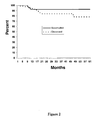
- Figure 2 shows Kaplan Meier disease-free survival curves at 20 months median follow-up.
- the disease-free survival rates in the vaccinated and control groups were 92.5% and 77%, respectively.
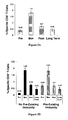
- Figures 3A and 3B show the vaccine-induced E75 CTL response.
- B Vaccine-induced E75-specific CTL based on pre-existing immunity.
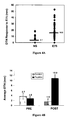
- Figures 4A to 4D show the results of delayed type hypersensitivity test.
- A DTH for all patients post-vaccination. Control 2.1 ⁇ 0.5 mm compared to peptide 14.0 ⁇ 1.4 mm, P ⁇ 0.0001.
- B Pre- and post-vaccine DTH for NN patients. There was no difference in saline control vs. peptide pre-vaccination. Post-vaccination, there was a significant increase in DTH response to E75 peptide as compared to post-vaccine control (P ⁇ 0.001) and compared to pre-vaccination E75 DTH (P ⁇ 0.001).
- C Post-vaccination DTH by trial. NP patients had significantly larger DTH responses as compared to NN patients (17.3 ⁇ 2.4 mm vs.
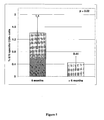
- Figure 5 shows the levels of CD8 + T-cells in booster patients. Patients receiving a booster 6 months after primary vaccination series had significantly higher levels of CD8 + T-cells than patients > 6 months from primary vaccination series. Among those patients > 6 months, they demonstrated a non-significant decline from 0.7% to 0.44% from their own levels at 6 months post-primary vaccination.
- Figure 6 shows graded local and systemic toxicity.
- Figure 7 shows the booster response in patients lacking SRI showed a trend towards an increasing number of antigen specific CD8 + T-cells.
- Figure 8 shows patients demonstrating increased IFN- ⁇ secreting cells detected by enzyme-linked immunoabsorbance. Overall, 91 % of patients showed increased antigen-specific (functional) T-cells as measured by ELISPOT, with 50% showing a definite increase (increased IFN- ⁇ secreting cells on ⁇ 50% of assays).
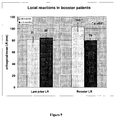
- Figure 9 shows local reactions in booster patients. Patients receiving the booster temporally closer to finishing their primary vaccination series ( ⁇ 9 months; light bars) had significantly larger LR than those patients >9 months from their primary vaccination series. The two groups had similar LR at the end of the primary series (left side). These data suggest an additive effect of the booster in patients receiving booster sooner and a maintenance effect for patients receiving the booster later.
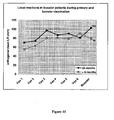
- Figure 10 shows the increasing LR over course of primary series, and illustrates that the two groups were the same in initial series and that the only difference is time from primary series.
- the vax 6 number is different from Last prior LR number shown in Figure 7 because some patients only received 4 inoculations.
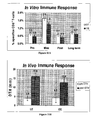
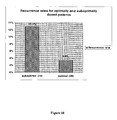
- Figures 11A to Figure 11D show immunologic (mean ⁇ SE) and clinical responses (absolute recurrence and mortality rates) of patients enrolled in E75 Phase II trial by HER2/neu LE vs. OE.
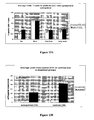
- Figures 12A to Figure 12D show immunologic (mean ⁇ SE) and clinical responses (absolute recurrence and mortality rates) of patients enrolled in E75 Phase II trial by HER2/neu IHC expression level (0, 1+, 2+, 3+).
- Figures 13A and 13B show Dimer Assay and DTH per ODG vs. SDG.
- prevent refers to any success or indicia of success in the forestalling of breast cancer recurrence/relapse in patients in clinical remission, as measured by any objective or subjective parameter, including the results of a radiological or physical examination.
- Effective amount or “therapeutically effective amount” are used interchangeably herein, and refer to an amount of a compound, material, or composition, as described herein effective to achieve a particular biological result such as, but not limited to, biological results disclosed, described, or exemplified herein. Such results can include, but are not limited to, the prevention of breast cancer, and more particularly, the prevention of recurrent breast cancer, e.g. , the prevention of relapse in a subject, as determined by any means suitable in the art.
- Optimal therapeutic amount refers to the dose, schedule and the use of boosters to achieve the best therapeutic outcome.
- “Pharmaceutically acceptable” refers to those properties and/or substances which are acceptable to the patient from a pharmacological/toxicological point of view and to the manufacturing pharmaceutical chemist from a physical/chemical point of view regarding composition, formulation, stability, patient acceptance and bioavailability.
- “Pharmaceutically acceptable carrier” refers to a medium that does not interfere with the effectiveness of the biological activity of the active ingredient(s) and is not toxic to the host to which it is administered.
- Protective immunity means that the subject mounts an active immune response to an immunogenic component of an antigen such as the breast cancer antigens described and exemplified herein, such that upon subsequent exposure to the antigen, the subject's immune system is able to target and destroy cells expressing the antigen, thereby decreasing the incidence of morbidity and mortality from recurrence of cancer in the subject.
- Protective immunity in the context of the present invention is preferably, but not exclusively, conferred by T lymphocytes.
- Polypeptide refers to any peptide comprising two or more amino acids joined to each other by peptide bonds or modified peptide bonds, i.e. , peptide isosteres.
- Polypeptide refers to both short chains, commonly referred to as peptides, oligopeptides or oligomers, and to longer chains, generally referred to as proteins.
- Polypeptides can contain amino acids other than the 20 gene-encoded amino acids.
- Polypeptides include amino acid sequences modified either by natural processes, such as post-translational processing, or by chemical modification techniques which are well known in the art. Such modifications are well described in basic texts and in more detailed monographs, as well as in a voluminous research literature.
- Modifications can occur anywhere in a polypeptide, including the peptide backbone, the amino acid side-chains and the amino or carboxyl termini. It will be appreciated that the same type of modification can be present in the same or varying degrees at several sites in a given polypeptide. Also, a given polypeptide can contain many types of modifications. Polypeptides can be branched as a result of ubiquitination, and they can be cyclic, with or without branching. Cyclic, branched and branched cyclic polypeptides can result from natural posttranslational processes or can be made by synthetic methods.
- Modifications include acetylation, acylation, ADP-ribosylation, amidation, covalent attachment of flavin, covalent attachment of a heme moiety, covalent attachment of a nucleotide or nucleotide derivative, covalent attachment of a lipid or lipid derivative, covalent attachment of phosphotidylinositol, cross-linking, cyclization, disulfide bond formation, demethylation, formation of covalent cross-links, formation of cystine, formation of pyroglutamate, formulation, gamma-carboxylation, glycosylation, GPI anchor formation, hydroxylation, iodination, methylation, myristoylation, oxidation, proteolytic processing, phosphorylation, prenylation, racemization, selenoylation, sulfation, transfer-RNA mediated addition of amino acids to proteins such as arginylation, and ubiquitination.
- Booster refers to a dose of an immunogen administered to a patient to enhance, prolong, or maintain protective immunity and to overcome the down-regulation of T-cell responses mediated by regulatory T-cells.
- remission or “clinical remission,” which are used synonymously, it is meant that the clinical signs, radiological signs, and symptoms of breast cancer have been significantly diminished or have disappeared entirely based on clinical diagnostics, although cancerous cells can still exist in the body. Thus, it is contemplated that remission encompasses partial and complete remission.
- the presence of residual cancer cells can be enumerated by assays such as CTC (Circulating Tumor Cells) and can be predictive of recurrence.
- Relapse or “recurrence” or “resurgence” are used interchangeably herein, and refer to the radiographic diagnosis of return, or signs and symptoms of return of breast cancer after a period of improvement or remission.
- the present invention features vaccine compositions for inducing protective immunity against breast cancer relapse.
- the invention also features these compositions for use in methods for inducing and for maintaining protective immunity against breast cancer, and more particularly against recurrent breast cancer.
- the methods comprise administering to a subject an effective amount of a composition comprising a pharmaceutically effective carrier and a polypeptide having the amino acid sequence SEQ ID NO:2.
- the subject can be any animal, and preferably is a mammal such as a human, mouse, rat, hamster, guinea pig, rabbit, cat, dog, monkey, cow, horse, pig, and the like. Humans are most preferred. In highly preferred aspects, the humans are positive for the HLA-A2 or HLA-A3 haplotypes. In other preferred aspects, the humans are positive for the expression of human HER2/ neu . The humans have low and/or intermediate HER2 / neu expressing tumors.
- the vaccine compositions can be formulated as freeze-dried or liquid preparations according to any means suitable in the art.
- liquid form preparations include solutions, suspensions, syrups, slurries, and emulsions.
- Suitable liquid carriers include any suitable organic or inorganic solvent, for example, water, alcohol, saline solution, buffered saline solution, physiological saline solution, dextrose solution, water propylene glycol solutions, and the like, preferably in sterile form.
- the vaccine compositions can be formulated in either neutral or salt forms.
- Pharmaceutically acceptable salts include the acid addition salts (formed with the free amino groups of the active polypeptides) and which are formed with inorganic acids such as, for example, hydrochloric or phosphoric acids, or organic acids such as acetic, oxalic, tartaric, mandelic, and the like. Salts formed from free carboxyl groups can also be derived from inorganic bases such as, for example, sodium, potassium, ammonium, calcium, or ferric hydroxides, and such organic bases as isopropylamine, trimethylamine, 2-ethylamino ethanol, histidine, procaine, and the like.
- the vaccine compositions are preferably formulated for inoculation or injection into the subject.
- the vaccine compositions of the invention can be formulated in aqueous solutions such as water or alcohol, or in physiologically compatible buffers such as Hanks's solution, Ringer's solution, or physiological saline buffer.
- the solution can contain formulatory agents such as suspending, preserving, stabilizing and/or dispersing agents.
- Injection formulations can also be prepared as solid form preparations which are intended to be converted, shortly before use, to liquid form preparations suitable for injection, for example, by constitution with a suitable vehicle, such as sterile water, saline solution, or alcohol, before use.
- the vaccine compositions can also be formulated in sustained release vehicles or depot preparations. Such long acting formulations can be administered by inoculation or implantation (for example subcutaneously or intramuscularly) or by injection.
- the vaccine compositions can be formulated with suitable polymeric or hydrophobic materials (for example, as an emulsion in an acceptable oil) or ion exchange resins, or as sparingly soluble derivatives, for example, as a sparingly soluble salt.
- suitable polymeric or hydrophobic materials for example, as an emulsion in an acceptable oil
- ion exchange resins for example, as sparingly soluble derivatives, for example, as a sparingly soluble salt.
- liposomes and emulsions are well-known examples of delivery vehicles suitable for use as carriers.
- the vaccine compositions can comprise agents that enhance the protective efficacy of the vaccine, such as adjuvants.
- adjuvants include any compound or compounds that act to increase a protective immune response to the E75 peptide antigen, thereby reducing the quantity of antigen necessary in the vaccine, and/or the frequency of administration necessary to generate a protective immune response.
- Adjuvants can include for example, emulsifiers, muramyl dipeptides, avridine, aqueous adjuvants such as aluminum hydroxide, chitosan-based adjuvants, and any of the various saponins, oils, and other substances known in the art, such as Amphigen, LPS, bacterial cell wall extracts, bacterial DNA, CpG sequences, synthetic oligonucleotides and combinations thereof (Schijns et al. (2000) Curr. Opin. Immunol. 12:456), Mycobacterialphlei ( M. phlei ) cell wall extract (MCWE) ( U.S. Patent No. 4,744,984 ), M.
- emulsifiers muramyl dipeptides, avridine
- aqueous adjuvants such as aluminum hydroxide, chitosan-based adjuvants, and any of the various saponins, oils, and other substances known in the art, such as
- phlei DNA M-DNA
- M-DNA-M. phlei cell wall complex MCC
- emulsifiers include natural and synthetic emulsifying agents, as well as anionic, cationic and nonionic compounds.
- anionic emulsifying agents include, for example, the potassium, sodium and ammonium salts of lauric and oleic acid, the calcium, magnesium and aluminum salts of fatty acids, and organic sulfonates such as sodium lauryl sulfate.
- Synthetic cationic agents include, for example, cetyltrhethylammonlum bromide, while synthetic nonionic agents are exemplified by glycerylesters (e.g. , glyceryl monostearate), polyoxyethylene glycol esters and ethers, and the sorbitan fatty acid esters ( e.g. , sorbitan monopalmitate) and their polyoxyethylene derivatives (e.g., polyoxyethylene sorbitan monopalmitate).
- Natural emulsifying agents include acacia, gelatin, lecithin and cholesterol.
- Suitable adjuvants can be formed with an oil component, such as a single oil, a mixture of oils, a water-in-oil emulsion, or an oil-in-water emulsion.
- the oil can be a mineral oil, a vegetable oil, or an animal oil.
- Mineral oils are liquid hydrocarbons obtained from petrolatum via a distillation technique, and are also referred to in the art as liquid paraffin, liquid petrolatum, or white mineral oil.
- Suitable animal oils include, for example, cod liver oil, halibut oil, menhaden oil, orange roughy oil and shark liver oil, all of which are available commercially.
- Suitable vegetable oils include, for example, canola oil, almond oil, cottonseed oil, corn oil, olive oil, peanut oil, safflower oil, sesame oil, soybean oil, and the like.
- FCA Freund's Complete Adjuvant
- FIA Freund's Incomplete Adjuvant
- FCA and FIA are water-in-mineral oil emulsions; however, FCA also contains a killed Mycobacterium sp.
- Immunomodulatory cytokines can also be used in the vaccine compositions to enhance vaccine efficacy, for example, as an adjuvant.
- Non-limiting examples of such cytokines include interferon alpha (IFN- ⁇ ), interleukin-2 (IL-2), and granulocyte macrophage-colony stimulating factor (GM-CSF), or combinations thereof.
- GM-CSF is highly preferred.
- Vaccine compositions comprising E75 peptide antigens and further comprising adjuvants can be prepared using techniques well known to those skilled in the art including, but not limited to, mixing, sonication and microfluidation.
- the adjuvant can comprise from about 10% to about 50% (v/v) of the vaccine composition, more preferably about 20% to about 40% (v/v), and more preferably about 20% to about 30% (v/v), or any integer within these ranges. About 25% (v/v) is highly preferred.
- Administration of the vaccine compositions can be by infusion or injection (e.g., intravenously, intramuscularly, intracutaneously, subcutaneously, intrathecal, intraduodenally, intraperitoneally, and the like).
- the vaccine compositions can also be administered intranasally, vaginally, rectally, orally, or transdermally.
- vaccine compositions can be administered by "needle-free" delivery systems.
- the compositions are administered by intradermal injection. Administration can be at the direction of a physician or physician assistant.
- the injections can be split into multiple injections, with such split inoculations administered preferably substantially concurrently.
- the dose of the immunogen is preferably, but not necessarily, proportioned equally in each separate injection.
- the dose of the adjuvant is preferably, but not necessarily, proportioned equally in each separate injection.
- the separate injections for the split inoculation are preferably administered substantially proximal to each other on the patient's body. In some preferred aspects, the injections are administered at least about 1 cm apart from each other on the body. In some preferred aspects, the injections are administered at least about 2.5 cm apart from each other on the body.
- the injections are administered at least about 5 cm apart from each other on the body. In some aspects, the injections are administered at least about 10 cm apart from each other on the body. In some aspects, the injections are administered more than 10 cm apart from each other on the body, for example, at least about 12.5. 15, 17.5, 20, or more cm apart from each other on the body.
- Primary immunization injections and booster injections can be administered as a split inoculation as described and exemplified herein.
- Non-limiting examples of such systems include liposomes and emulsions. Certain organic solvents such as dimethylsulfoxide also can be employed.
- the vaccine compositions can be delivered using a sustained-release system, such as semipermeable matrices of solid polymers containing the therapeutic agent.
- sustained-release materials available are well known by those skilled in the art. Sustained-release capsules can, depending on their chemical nature, release the vaccine compositions over a range of several days to several weeks to several months.
- a therapeutically effective amount of the vaccine composition is administered to the subject.
- a therapeutically effective amount will provide a clinically significant increase in the number of E75-specific cytotoxic T-lymphocytes (CD8 + ) in the patient, as well as a clinically significant increase in the cytotoxic T-lymphocyte response to the antigen, as measured by any means suitable in the art.
- a therapeutically effective amount of the vaccine composition will destroy residual microscopic disease and significantly reduce or eliminate the risk of recurrence of breast cancer in the patient.
- the effective amount of the vaccine composition can be dependent on any number of variables, including without limitation, the species, breed, size, height, weight, age, overall health of the patient, the type of formulation, the mode or manner or administration, or the presence or absence of risk factors that significantly increase the likelihood that the breast cancer will recur in the patient.
- risk factors include, but are not limited to the type of surgery, status of lymph nodes and the number positive, the size of the tumor, the histologic grade of the tumor, the presence/absence of hormone receptors (estrogen and progesterone receptors), HER2/neu expression, lymphovascular invasion, and genetic predisposition (BRCA 1 and 2).
- the effective amount is dependent on whether the patient is lymph node positive of lymph node negative, and if the patient is lymph node positive, the number and extent of the positive nodes. In all cases, the appropriate effective amount can be routinely determined by those of skill in the art using routine optimization techniques and the skilled and informed judgment of the practitioner and other factors evident to those skilled in the art. Preferably, a therapeutically effective dose of the vaccine compositions described herein will provide the therapeutic preventive benefit without causing substantial toxicity to the subject.
- Toxicity and therapeutic efficacy of the vaccine compositions can be determined by standard pharmaceutical procedures in cell cultures or experimental animals, e.g. , for determining the LD50 (the dose lethal to 50% of the population) and the ED50 (the dose therapeutically effective in 50% of the population).
- the dose ratio between toxic and therapeutic effects is the therapeutic index and it can be expressed as the ratio LD50/ED50.
- Vaccine compositions that exhibit large therapeutic indices are preferred.
- Data obtained from cell culture assays and animal studies can be used in formulating a range of dosage for use in patients.
- the dosage of such vaccine compositions lies preferably within a range of circulating concentrations that include the ED50 with little or no toxicity.
- the dosage can vary within this range depending upon the dosage form employed and the route of administration utilized.
- Toxicity information can be used to more accurately determine useful doses in a specified subject such as a human.
- the treating physician can terminate, interrupt, or adjust administration due to toxicity, or to organ dysfunctions, and can adjust treatment as necessary if the clinical response is not adequate, to improve the response.
- the magnitude of an administrated dose in the prevention of recurrent breast cancer will vary with the severity of the patient's condition, relative risk for recurrence, or the route of administration, among other factors.
- the severity of the patient's condition can, for example, be evaluated, in part, by standard prognostic evaluation methods.
- the vaccine compositions can be administered to a patient on any schedule appropriate to induce and/or sustain protective immunity against breast cancer relapse, and more specifically to induce and/or sustain a cytotoxic T lymphocyte response to E75 (SEQ ID NO:2).
- patients can be administered a vaccine composition as a primary immunization as described and exemplified herein, followed by administration of a booster to bolster and/or maintain the protective immunity.
- patients can be administered the vaccine compositions 1, 2 or more times per month. Once per month for six consecutive months is preferred to establish the protective immune response, particularly with respect to the primary immunization schedule.
- boosters can be administered at regular intervals such as every 6 or more months after completion of the primary immunization schedule. Administration of the booster is preferably every 6 months.
- Boosters can also be administered on an as-needed basis.
- the vaccine administration schedule can continue as long as needed for the patient, for example, over the course of several years, to over the lifetime of the patient.
- the vaccine schedule includes more frequent administration at the beginning of the vaccine regimen, and includes less frequent administration (e.g. , boosters) over time to maintain the protective immunity.
- the vaccine can be administered at lower doses at the beginning of the vaccine regimen, with higher doses administered over time.
- the vaccines can also be administered at higher doses at the beginning of the vaccine regimen, with lower doses administered over time.
- the frequency of primary vaccine and booster administration and dose of E75 administered can be tailored and/or adjusted to meet the particular needs of individual patients, as determined by the administering physician according to any means suitable in the art.
- the vaccine compositions comprising compositions for administration as a booster, comprise from about 0.1 mg to about 10 mg of E75 peptide. In some preferred aspects, the compositions comprise about 0.5 mg of E75. In some preferred aspects, the compositions comprise about 2 mg of E75. In some preferred aspects, the compositions comprise about 1 mg of E75.
- the vaccine compositions comprising E75 including compositions for administration as a booster, further comprise GM-CSF.
- Such compositions preferably comprise from about 0.01 mg to about 0.5 mg of GM-CSF.
- the compositions comprise about 0.125 mg of GM-CSF.
- the compositions comprise about 0.25 mg of GM-CSF.
- the vaccine compositions comprise 1 mg of E75 peptide and from 0.125 to 0.250 mg of GM-CSF in a total volume of 1 ml, and are administered monthly as a split inoculation of 0.5 ml each, administered by injections about 5 cm apart on the patient's body, and administered concurrently or admixed.
- the administration schedule is preferably monthly for six months. After a period of about 48 hours, the injection site can be assessed for local reaction of erythema and induration.
- the dose of GM-CSF can be reduced, for example, by half, though it is intended that the peptide dose remain the same. If the patient presents a robust reaction on subsequent doses, then further reduction of GM-CSF can occur, for example, reducing by half. If the patient does not present with a robust reaction, then the patient can continue with the higher GM-CSF dose.
- the administration schedule and dosing of the booster is similarly determined, with boosters beginning with administration of vaccine compositions comprising 1 mg of E75 and 0.25 mg GM-CSF, administered about every six months following the conclusion of the primary immunization vaccine schedule.
- NP and NN trials were approved by the local Institutional Review Boards and conducted at Walter Reed Army Medical Center, Washington, DC and the Joyce Murtha Breast Care Center, Windber, PA under an investigational new drug application (BB-IND#9187). All patients had histologically confirmed breast cancer (BCa), and completed a standard course of surgery, chemotherapy, and radiation therapy (as required) before enrollment. Patients on hormonal therapy were continued on their specific regimen. After proper counseling and consenting, BCa patients were enrolled to the appropriate trial (NP or NN) and then HLA typed, since E75 binds primarily HLA-A2 found in approximately 40-50% of the general population.
- HLA-A2 + patients were vaccinated, and HLA-A2 - patients were observed prospectively for clinical recurrence.
- HLA-A3 + patients were enrolled into a parallel trial with the A2 patients, and treated on the active dose schedule at the time of enrollment. Before vaccination, patients were skin tested with a panel of recall antigens (mumps, tetanus, and Candida ). Patients were considered immunocompetent if they reacted (>5 mm) to >2 antigens.
- the two groups were equivalent in most standard prognostic categories. However, more vaccinated patients were hormone-receptor negative, and, therefore, fewer patients in the vaccine group were on adjuvant hormonal therapy. In looking at the individual trials, more vaccinated patients in the NN trial compared to controls had HER2/neu over-expressing tumors (25.0% vs. 7.1 %, P ⁇ 0.05), and fewer received adjuvant radiotherapy (64.7% vs. 85.7%, P ⁇ 0.05).
- E75 could be used in HLA-A3 + patients based on binding affinity data obtained from two commonly used HLA-peptide binding algorithms: BIMAS (SEQ ID NO:3) and SYFPEITHI (SEQ ID NO:4). Additionally, pre-clinical evaluation demonstrated that E75-stimulated HLA-A3 + CTL could lyse HLA-A3 + HER2/neu-expressing cancer cells (not shown).
- the E75 peptide was commercially produced in good manufacturing practices grade by NeoMPS, Inc. (San Diego, CA). Peptide purity (>95%) was verified by high-performance liquid chromatography and mass spectrometry, and the amino acid content was determined by amino acid analysis. Sterility and general safety testing was carried out by the manufacturer. Lyophilized peptide was reconstituted in sterile saline at 100 ⁇ g, 500 ⁇ g, or 1000 ⁇ g in 0.5 ml. At the time of administration, the peptide was thawed and mixed with GM-CSF (Berlex, Seattle, WA) in 0.5ml, and the 1.0 ml inoculation was split and given intradermally at two sites 5 cm apart. All inoculations were given in the same extremity.
- Vaccination Series The NP trial was designed as a two stage safety trial with escalating doses of peptide in the initial stage and alterations of schedule in the latter stage. Details of the vaccine series have been previously published ( Peoples GE et al. (2005) J. Clin. Oncol. 23:7536-45 ). Briefly, 3-6 patients (HLA-A2 + or HLA-A3 + ) were each assigned to receive four or six monthly injections of 100 ⁇ g, 500 ⁇ g, or 1000 ⁇ g of E75 (100.6, 500.4, 500.6, 1000.4 and 1000.6, respectively) ( Table 2 ). Groups were ultimately expanded in order to determine and confirm optimal dosing in NP patients, accounting for the larger number of patients in the latter dose groups. Table 2.
- the NN trial was designed to further delineate optimal biologic dosing by varying the dose of GM-CSF and altering the inoculation schedule. Patients with non-HER2/neu-expressing tumors were allowed in this trial to determine the feasibility of vaccinating a presumably antigen-naive host. Ten patients were assigned to each dose group to receive three, four, or six monthly injections over five months ( Table 2 ) .
- PBMC Peripheral Blood Mononuclear Cell
- Toxicity Patients were observed one hour post-vaccination for immediate hypersensitivity and returned 48-72 hours later to have their injection sites measured and questioned about toxicities. Toxicities were graded by the NCI Common Terminology Criteria for Adverse Events, v3.0 and reported on a scale from 0-5. Progression from one dose group to the next occurred only if no significant toxicity occurred in the lower dose group. Patient-specific results were reported based on maximal local and systemic toxicity occurring during the series.
- Toxicity profiles were the same in A3 patients as their A2 counterparts: maximum local toxicity grade 1 (82%) and grade 2 (18%) for both groups.
- Maximum systemic toxicity (A3 vs. A2): grade 0 (0% vs. 15%), grade 1 (92% vs. 68%), grade 2 (8% vs. 14%) and grade 3 (0% vs. 2%; p 0.4).
- Local responses of A3 patients were identical to the A2 patients within the respective dose groups. Thus, there was no difference in the toxicity profile among the HLA-A3 + patients compared to the HLA-A2 + patients, and the local reactions were just as robust. Grade 2 local toxicity was 20% compared to 18%, respectively, suggesting similar in vivo immunogenicity.
- the recurrence rate was similar to the HLA-A2 + patients (9.1% vs. 8.2%).
- the presence of CD8 + E75-specific cells in freshly isolated PBMC from patients was directly assessed by using a dimer assay.
- the HLA-A2:immunoglobulin (Ig) dimer (PharMingen, San Diego, CA) was loaded with the E75 or control peptide (E37, folate binding protein (25-33) RIAWARTEL (SEQ ID NO:5)) by incubating 1 ⁇ g of dimer with an excess (5 ⁇ g) of peptide and 0.5 ⁇ g of ⁇ 2-microglobulin (Sigma , St. Louis, MO) at 37°C overnight then stored at 4°C until used.
- PBMC peripheral blood mononuclear cells
- PharMingen Stain Buffer PharMingen Stain Buffer
- 5x10 5 cells/100 ⁇ l/tube 5 ml round-bottom polystyrene tubes (Becton Dickinson, Mountain View, CA) and stained with the loaded dimers and antibodies.
- the level of CD8 + E75-specific cells was determined in response to each successive vaccination and all post-inoculation measurements were averaged for each patient and compared with their pre-inoculation levels.
- E75-specific CTL were assessed in fresh ex vivo PMBCs by the dimer assay before each vaccination and at one (post-vaccination) and six months (long-term).
- the dimer assay has been previously shown to correlate with functional immune assays (cytotoxicity and cytokine secretion) ( Peoples GE et al. (2005) J. Clin. Oncol. 23:7536-45 ).
- a pattern of increasing CD8 + E75-specific CTL was observed during the vaccine series, peaking and then receding to a plateau by completion.
- a DTH reaction was assessed with 100 ⁇ g of E75 in 0.5 ml of normal saline (without GM-CSF) and 0.5 ml normal saline as a volume control one month after completion of the vaccine series as described previously ( Peoples GE et al. (2005) J. Clin. Oncol. 23:7536-45 ).
- the DTH reaction was measured in two dimensions at 48-72 hours by using the sensitive ballpoint-pen method and reported as the orthogonal mean and compared to control.
- a DTH was also performed pre-vaccination.
- Pre-vaccination there was no difference in DTH between E75 and control.
- Post-vaccination the DTH response to E75 was statistically larger than control, and the E75 DTH was significantly different post-vaccine compared to pre-vaccine (10.9 ⁇ 1.5 mm vs. 2.8 ⁇ 0.8 mm, P ⁇ 0.0001).
- NP patients had a larger post-vaccination E75 DTH response than NN patients ( Figure 4C ); a difference likely due to the NN patients receiving much lower amounts of E75 overall.
- the HLA-A3 + patients had comparable post-vaccination DTH to the HLA-A2 + (10.5 ⁇ 2.7 mm vs. 15.1 ⁇ 1.9 mm, P 0.38).
- Vaccine response for HLA-A3 + patients was also assessed by E75-specific interferon- ⁇ ELISPOT.
- ELISPOT E75-specific interferon- ⁇ ELISPOT
- clinical recurrences were the same in both groups (A3, 9.1% vs A2, 8.2%) and compared to 14.8% in the control group.
- HLA-A2 + and HLA-A3 + patients were vaccinated with varying doses of E75 and GM-CSF and on varying schedules over a six month period, as set forth in the Examples above. Patients were offered an optional booster dose of E75 (1 mg) + GM-CSF (0.250 mg) if they were at least six months from completion of their primary vaccination series.
- Booster vaccine The E75 peptide was commercially produced in good manufacturing practices grade by NeoMPS (San Diego, CA). Peptide purity was verified by high-performance liquid chromatography and mass spectrometry, and the amino acid content was determined by amino acid analysis. The peptide was purified to more than 95%. Sterility and general safety testing was carried out by the manufacturer. Lyophilized peptide was reconstituted in sterile saline at a concentration of 1000 ⁇ g in 0.5 mL. The peptide was mixed with GM-CSF (Berlex, Seattle, WA) in 0.5 mL, and the 1.0 mL inoculation was split and given intradermally at two sites 5 cm apart. Booster vaccination was given in the same extremity as the primary series.
- Toxicity Patients were observed 1 hour post vaccination for immediate hypersensitivity reactions. Toxicities were graded by the NCI Common Toxicity Criteria for Adverse Events, v3.0 and reported on a scale from 0 to 5. Patients who had previously had significant (grade 2 or 3) local or systemic toxicity received a reduced dose of GM-CSF at 0.125 mg.
- the booster dose was very well tolerated ( Figure 6 ) with primarily grade 1 local toxicity (a desired effect). Over half of the patients had no systemic complaints. There were no grade 3 or 4 toxicities. Only 1 patient (4%) had a higher grade toxicity during the booster than during the primary series (grade 2 local inflammation).
- Peripheral Blood Mononuclear Cell Isolation and Cultures Blood was drawn before booster vaccination, and 3 to 4 weeks following booster administration to isolate peripheral blood mononuclear cells in Vacutainer CPT tubes, and used as a source of lymphocytes.
- HLA-A2:Immunoglobulin Dimer Assay The presence of CD8 + E75-specific cells in freshly isolated PBMCs from patients was directly assessed by using the dimer assay described in Example 3 above. Briefly, the HLA-A2:immunoglobulin (Ig) dimer (Pharmingen, San Diego, CA) was loaded with the E75 or control peptide (folate binding protein peptide-E37 (25-33) RIAWARTEL (SEQ ID NO:5)) by incubating 1 ⁇ g of dimer with an excess (5 ⁇ g) of peptide and 0.5 ⁇ g of ⁇ 2-microglobulin (Sigma Chemical Co, St Louis, MO) at 37°C overnight then stored at 4°C until used.
- PBMC peripheral blood mononuclear cells
- PharMingen Stain Buffer PharMingen Stain Buffer
- 5x10 5 cells/100 ⁇ l/tube 5 ml round-bottom polystyrene tubes (Becton Dickinson, Mountain View, CA) and stained with the loaded dimers and antibodies.
- the level of CD8 + E75-specific cells was determined before and after the vaccine booster.
- Antigen specific CD8 + T-cells were quantified before and 3-4 weeks after booster vaccination.
- SRI defined
- IFN- ⁇ producing cells were detected using the BD ELISPOT kit either immediately ( ex vivo ) or after 7-day incubation with peptides.
- Fresh PBMC were plated into the ELISPOT plate at a concentration of 5 x10 5 cells ( ex vivo ) or 1x10 5 (7-day) per well in medium containing IL-7 ( ex vivo ) or in medium with and without IL-7 (7-day). Cells were stimulated for 16 hours ( ex vivo ) or 7 days in the presence or absence of peptides (E37, FluM, E75, GP2, HER2/neu 1 ⁇ g or 5 ⁇ g).
- Additional incubations in the 7-day wells included combination of E75+HER2/neu 1 ⁇ g or 5 ⁇ g. A total of 16 assays were performed on each blood sample, provided enough cells were available. At the end of incubation, the plates were developed as per manufacturer's instructions. A biotinylated detection antibody was added, and the plates incubated overnight at 4°C. Following incubation, the plates were washed, Avidin-HRP solution was added for 1 hour, and spots developed using AEC substrate solution. Spots were counted using the Immunospot Series 2 analyzer and ImmunoSpot software.
- LR Local reactions. Local reactions were measured as an in vivo functional assessment of response. LR were measured 48-72 hours post-vaccination and measured in two directions and reported as an orthogonal mean ⁇ SE using the sensitive ball point method. LR were compared to the patient's own previous LR to assess response to booster.
- HLA:IgG dimer values are reported as medians and P values were calculated using the Wilcoxon test. For proportional comparisons, Fisher's exact test was used. Comparison of local reactions was made with paired or unpaired Student's t-test, as appropriate.
- IHC immunohistochemistry
- FISH fluorescence in situ hybridization
- FISH detects amplification (excess copies) of the HER2/neu gene and is expressed as a ratio of HER2/neu to chromosome 17 and interpreted as over-expression if FISH is >2.0 copies. Concurrence rate of IHC and FISH is approximately 90%.
- HLA-A2+ patients were vaccinated, and HLA-A2- patients were observed prospectively for clinical recurrence. Subsequently HLA-A3+ patients were vaccinated. Before vaccination, patients were skin tested with a panel of recall antigens (Mantoux test). Patients were considered immunocompetent if they reacted (>5 mm) to >2 antigens.
- Vaccine The E75 peptide was commercially produced in good manufacturing practices grade by NeoMPS, Inc. (San Diego, CA). Peptide purity (>95%) was verified by high-performance liquid chromatography and mass spectrometry. Sterility and general safety testing was carried out by the manufacturer. Lyophilized peptide was reconstituted in 0.5ml sterile saline at 100 mcg, 500 mcg, or 1000 mcg. The peptide was mixed with GM-CSF (Berlex, Seattle, WA) in 0.5 ml. The 1.0 ml inoculation was split and given intradermally at two sites 5cm apart in the same extremity.
- Vaccination Series The NP trial was designed as a two stage safety trial with escalating doses of peptide in the initial stage and alterations of schedule in the latter stage. Details of the vaccine series have been previously published. Briefly, 3-6 patients were each assigned to receive four or six monthly injections of 100 mcg, 500 mcg, or 1000 mcg of E75 peptide (100:6, 500:4, 500:6, 1000:4 and 1000:6, respectively). Groups were ultimately expanded in order to determine and confirm optimal dosing in NP patients, accounting for the larger number of patients in the latter dose groups.
- the NN trial was designed to further delineate optimal biologic dose by varying the dose of GM-CSF and altering the inoculation schedule. Twelve patients with HER2/neu IHC 0 tumors were allowed in this trial to determine the feasibility of vaccinating a presumably antigen-naive host. Ten patients were assigned to each dose group with constant E75 peptide of 500 mcg to receive three, four, or six monthly injections with varying GM-CSF doses (125 mcg or 250 mcg).
- Toxicity Patients were observed one hour post-vaccination for immediate hypersensitivity and returned 48-72 hours later to have their injection sites measured and questioned about toxicities. Toxicities were graded by the NCI Common Terminology Criteria for Adverse Events v3.0 (reported on 0-5 scale). Progression from one dose group to the next occurred only if no significant toxicity occurred in the lower dose group. Patient-specific results are reported based on maximal local and systemic toxicity occurring during the series.
- PBMC Peripheral Blood Mononuclear Cell
- HLA-A2:Immunoglobulin Dimer Assay The presence of CD8+ E75-specific cells in freshly isolated PBMCs from patients was directly assessed by using the dimer assay as previously described. Briefly, the HLA-A2:immunoglobulin (Ig) dimer (PharMingen, San Diego, CA) was loaded with the E75 or control peptide (E37, folate binding protein (25-33) RIAWARTEL (SEQ ID NO:5)) by incubating 1mcg of dimer with an excess (5 mcg) of peptide and 0.5 mcg of ⁇ 2-microglobulin (Sigma, St. Louis, MO) at 37°C overnight then stored at 4°C until used.
- Ig dimer the HLA-A2:immunoglobulin dimer dimer
- E37 folate binding protein
- RIAWARTEL SEQ ID NO:5
- PBMCs were washed and re-suspended in PharMingen Stain Buffer (PharMingen) and added at 5x10⁵ cells/100 ⁇ l/tube in 5 ml round-bottom polystyrene tubes (Becton Dickinson, Mountain View, CA) and stained with the loaded dimers and antibodies.
- PharMingen Stain Buffer PharMingen Stain Buffer
- 5x10⁵ cells/100 ⁇ l/tube 5 ml round-bottom polystyrene tubes (Becton Dickinson, Mountain View, CA) and stained with the loaded dimers and antibodies.
- the level of CD8+ E75-specific cells was determined in response to each successive vaccination, and average post-inoculation levels were compared to their pre-inoculation levels.
- Decayed Type Hypersensitivity In both trials, a DTH reaction was assessed with 100 mcg of E75 peptide in 0.5 ml of normal saline (without GM-CSF) and 0.5 ml normal saline as a volume control one month after completion of the vaccine series as described previously. The DTH reaction was measured in two dimensions at 48-72 hours by using the sensitive ballpoint-pen method and reported as the orthogonal mean and compared to control. In the NN trial, a DTH was also performed pre-vaccination as well.
- Clinical Recurrences All patients were observed for clinical recurrence per standard of care cancer screening as dictated by the patient's primary oncologist. A patient was considered recurrent if biopsy proven or if treated for recurrence by the primary oncology team.
- Demographics, prognostic factors, and treatment profiles of LE vs. OE patients are presented in Table 4 .
- no statistical differences were noted between C and V patients.
- Table 4 Demographics, prognostic factors, and treatment profiles of patients enrolled in E75 Phase II trial by LE vs. OE.
- Clinical Response per IHC Status Clinical response, evaluated by recurrence and mortality, is noted in Figures 12C and 12D .
- IHC 0 where no patients recurred
- C and V the numbers do not achieve statistical significance.
- SEQ ID NO:1 (HER2/neu amino acid sequence)
Landscapes
- Health & Medical Sciences (AREA)
- Life Sciences & Earth Sciences (AREA)
- Chemical & Material Sciences (AREA)
- General Health & Medical Sciences (AREA)
- Animal Behavior & Ethology (AREA)
- Public Health (AREA)
- Veterinary Medicine (AREA)
- Medicinal Chemistry (AREA)
- Epidemiology (AREA)
- Immunology (AREA)
- Pharmacology & Pharmacy (AREA)
- Organic Chemistry (AREA)
- Mycology (AREA)
- Microbiology (AREA)
- Proteomics, Peptides & Aminoacids (AREA)
- Cell Biology (AREA)
- Gastroenterology & Hepatology (AREA)
- Zoology (AREA)
- Engineering & Computer Science (AREA)
- Bioinformatics & Cheminformatics (AREA)
- Chemical Kinetics & Catalysis (AREA)
- General Chemical & Material Sciences (AREA)
- Nuclear Medicine, Radiotherapy & Molecular Imaging (AREA)
- Genetics & Genomics (AREA)
- Molecular Biology (AREA)
- Biophysics (AREA)
- Biochemistry (AREA)
- Oncology (AREA)
- Toxicology (AREA)
- Dermatology (AREA)
- Reproductive Health (AREA)
- Endocrinology (AREA)
- Medicines Containing Antibodies Or Antigens For Use As Internal Diagnostic Agents (AREA)
- Peptides Or Proteins (AREA)
- Medicines That Contain Protein Lipid Enzymes And Other Medicines (AREA)
- Preparation Of Compounds By Using Micro-Organisms (AREA)
Description
- This application claims the benefit of
U.S. Application No. 60/941,524 filed June 1, 2007 - The invention relates generally to the field of preventive and therapeutic vaccines. More specifically, the invention relates to peptide vaccines for the treatment of breast cancer and the prevention of relapse in patients in breast cancer remission.
- Breast cancer (BCa) is the most common cancer diagnosis in women and the second-leading cause of cancer-related death among women (Ries LAG, et al. (eds). SEER Cancer Statistics Review, 1975-2003, National Cancer Institute, Bethesda, MD). Major advances in breast cancer treatment over the last 20 years have led to significant improvement in the rate of disease-free survival (DFS). For example, therapies utilizing antibodies reactive against tumor-related antigens have been used to block specific cellular processes in order to slow disease progress or prevent disease recurrence. Despite the recent advances in breast cancer treatment, a significant number of patients will ultimately die from recurrent disease. Thus, there is a need for treatments that prevent or slow or prohibit the development of recurrent disease.
- Vaccines are an attractive model for such treatments and preventions due to their ease of administration, and because of their high rate of success observed for infectious diseases. The basic concept of constructing a cancer vaccine is straightforward in theory. The development of effective cancer vaccines for solid tumors in practice, however, has met with limited success. For example, one group attempting to administer a peptide vaccine directed against metastatic melanoma observed an objective response rate of only 2.6% (Rosenberg SA et al. (2004) Nat. Med. 10:909-15).
- There are many potential explanations for this low success rate (Campoli M et al. (2005) Cancer Treat. Res. 123:61-88). For example, even if an antigen is specifically associated with a particular type of tumor cell, the tumor cells can express only low levels of the antigen, or it can be located in a cryptic site or otherwise shielded from immune detection. In addition, tumors often change their antigenic profile by shedding antigens as they develop. Also contributing to the low success rate is the fact that tumor cells can express very low levels of MHC proteins and other co-stimulatory proteins necessary to generate an immune response.
- Additional problems facing attempts at vaccination against tumors arise in patients with advanced-stage cancers. Such patients tend to have larger primary and metastatic tumors, and the cells on the interior of the tumor can not be accessible due to poor blood flow. This is consistent with the observation that vaccine strategies have tended to be more successful for the treatment of hematologic malignancies (Radford KJ et al. (2005) Pathology37:534-50; and, Molldrem JJ (2006) Biol. Bone Marrow Transplant. 12:13-8). In addition, as tumors become metastatic, they can develop the ability to release immunosuppressive factors into their microenvironment (Campoli, 2005; and, Kortylewski M et al. (2005) Nature Med. 11:1314-21). Metastatic tumors have also been associated with a decrease in the number of peripheral blood lymphocytes, and dendritic cell dysfunction (Gillanders WE et al. (2006) Breast Diseases: A Year Book and Quarterly 17:26-8).
- While some or all of these factors can contribute to the difficulty in developing an effective preventative or therapeutic vaccine, the major underlying challenge is that most tumor antigens are self antigens or have a high degree of homology with self antigens, and are thus expected to be subject to stringent immune tolerance. Thus, it is clear that many peptide-based cancer vaccines, with or without immune-stimulating adjuncts, can be doomed to only limited success in clinical practice due to low immunogenicity and lack of specificity.
- Prototype breast cancer vaccines based on single antigens have been moderately successful in inducing a measurable immune response in animal experiments and in clinical tests with breast cancer patients. The observed immune response, however, has not translated into a clinically-significant protective immunity against resurgence of disease put in remission by standard surgery and chemotherapy. Thus, novel vaccine approaches are needed to further improve recurrence rates and overall survival among BCa patients.
- Preferred vaccine epitopes are those that are expressed exclusively, or at least at increased levels by a neoplasm. HER2/neu is a proto-oncogene expressed in many epithelial malignancies (Slamon DJ et al. (1989) Science 244:707-12). Gene amplification and overexpression of the HER2/neu protein is found in 20-25% of BCa, and its excess presence is an indicator of poor prognosis (Pritchard KI et al. (2006) N. Engl. J. Med. 354:2103-11). HER2/neu has been studied fairly extensively, and several immunogenic peptides have been identified from this protein. One such peptide is termed E75, and corresponds to amino acids 369-377 of HER2/neu (SEQ ID NO:1) (
U.S. Pat. No. 6,514,942 ). - Attempts have been made to utilize E75 as an anti-cancer vaccine, for example, as a single peptide vaccine combined with different immunoadjuvants (Zaks TZ et al. (1998) Cancer Res. 58:4902-8; Knutson KL et al. (2002) Clin. Cancer Res. 8:1014-8; and, Murray JL et al. (2002) Clin. Cancer Res. 8:3407-18); loaded on to autologous dendritic cells and reinfused (Brossart P et al. (2000) Blood 96:3102-8; and, Kono K et al. (2002) Clin. Cancer Res. 8:3394-3400); or embedded in longer peptides capable of binding HLA class II molecules in order to recruit CD4 helper T-cells (Disis ML et al. (1999) Clin. Cancer Res. 5:1289-97; and, Disis ML et al. (2002) J. Clin. Oncol. 20:2624-32). Each approach has stimulated an E75-specific cytotoxic T cell-mediated immune response, but has not demonstrated a clinically significant therapeutic or protective immunity in women with advanced stage breast cancer.
- HER2/neu is a member of the epidermal growth factor receptor family and encodes a 185-kd tyrosine kinase receptor involved in regulating cell growth and proliferation. (Popescu NC, King CR, Kraus MH. Localization of the human erbB-2 gene on normal and rearranged ; Yarden Y, Sliwkowski MX. Untangling the ErbB signaling network. Nat Rev Mol Cell Bio 2001;2:127-137.) Over-expression and/or amplification of HER2/neu is found in 25-30% of invasive breast cancers (BCa) and is associated with more aggressive tumors and a poorer clinical outcome. (Slamon DJ, Clark GM, Wong SG, et al. Human breast cancer: correlation of relapse and survival with amplification of the HER-2/neu oncogene. Science 1987;235:177-182; Slamon DJ, Godolphin W, Jones LA, et al. Studies of the HER-2/neu proto-oncogene in human breast and ovarian cancer. Science 1989;244:707-12; Toikkanen S, Helin H, Isola J, Joensuu H. Prognostic significance of HER-2 oncoprotein expression in breast cancer: A 30-year follow-up. J Clin Oncol 1992;10:1044-1048.)
- Determining HER2/neu status is performed predominately via two tests, immunohistochemistry (IHC) and fluorescence in situ hybridization (FISH). IHC detects over-expression of HER2/neu protein and is reported on a semi-quantitative scale of 0 to 3+ (0=negative, 1+=low expression, 2+=intermediate, and 3+=over-expression). FISH on the other hand detects amplification (excess copies) of the HER2/neu gene and is expressed as a ratio of HER2/neu gene copies to
chromosome 17 gene copies and interpreted as "over-expression" if FISH is ≥2.0 copies. (Hicks DG, Tubbs RR. Assessment of the HER2 status in breast cancer by fluorescence in situ hybridization: a technical review with interpretive guidelines. Hum Pathol 2005;36:250-261.) Concurrence rate of IHC and FISH is approximately 90%. (Jacobs TW, Gown AM, Yaziji H, et al. Specificity of HercepTest in determining HER-2/neu status of breast cancers using the United States Food and Drug Administration-approved scoring system. J Clin Oncol 1999;17:1533-1541.) FISH is considered the gold standard, as retrospective analysis reveals it is a better predictor of trastuzumab (Tz) response; it is more objective and reproducible. (Press MF, Slamon DJ, Flom KJ, et al. Evaluation of HER-2/neu Gene Amplification and Overexpression: Comparison of Frequently Used Assay Methods in a Molecularly Characterized Cohort of Breast Cancer Specimens. J Clin Oncol 2002;14:3095-3105; Bartlett J, Mallon E, Cooke T. The clinical evaluation of HER-2 status: which test to use? J Pathol 2003;199:411-417; Wolff AC, Hammond MEH, Schwartz JN, et al. American Society of Clinical Oncology / College of American Pathologists guideline recommendations for human epidermal .) - Identification and quantification of HER2/neu as a proto-oncogene has led to humoral or antibody-based passive immunotherapy, to include the use of Tz (Herceptin®). Tz is a recombinant, humanized monoclonal antibody that binds the extracellular juxtamembrane domain of HER2/neu protein. (Plosker GL, Keam SJ. Trastuzumab: A review of its use in the management of HER2-positive metastatic and early-stage breast cancer. Drugs 2006;66:449-475.) Tz is indicated for HER2/neu over-expressing (
IHC 3+ or FISH ≥2.0) node-positive (NP) and metastatic BCa patients, (Vogel CL, Cobleigh MA, Tripathy D, et al. Efficacy and safety of trastuzumab as a single agent in first-line treatment of HER2-overexpressing metastatic breast cancer. J Clin Oncol 2002;20:719-726; Piccart-Gebhart MJ, Procter M, Leyland-Jones B, et al. Trastuzumab after adjuvant chemotherapy in HER2-positive breast cancer. N Engl J Med 2005;353:1659-1672) and shows very limited activity in patients with low to intermediate HER2/neu expression. (Herceptin (Trastuzumab) prescription product insert. South San Francisco, CA: Genentech Inc; revised September 2000.) - Another form of immunotherapy being pursued is vaccination and active immunotherapy targeting a cellular immune response to epitopes on tumor associated antigens (TAA) such as HER2/neu. HER2/neu is a source of several immunogenic peptides that can stimulate the immune system to recognize and kill HER2/neu-expressing cancer cells. (Fisk B, Blevins TL, Wharton JT, et al. Identification of immunodominant peptide of the HER2/neu proto-oncogene recognized by ovarian tumor-specific CTL lines. J Exp Med 1995;181:2109-2117.)
- E75 (KIFGSLAFL, HER2/neu, 369-377) is a peptide sequence in the HER2/neu proto-oncogene family and is in use in clinical trials as an anti-cancer vaccine to stimulate cytotoxic T lymphocytes (CTL) to destroy cancer cells. (Zaks, T. et.al. Immunization with a peptide epitope (369-377) from HER-2/neu leads to peptide specific cytotoxic T lymphocytes that fail to recognize HER-2/neu+ tumors. Cancer Research. 58 (21): 4902-8. 1998; Knutson KL, Schiffman K, Cheever MA, et al: Immunization of cancer patients with HER-2/neu, HLA-A2 peptide, p369-377, results in short-lived peptide-specific immunity. Clin Cancer Res 8:1014-1018, 2002; Murray JL, Gillogly ME, Przepiorka D, et al: Toxicity, immunogenicity, and induction of E75-specific tumorlytic CTLs by HER-2 peptide E74 (369-377) combined with granulocyte macrophage colony-stimulating factor in HLA-A2+ patients with metastatic breast and ovarian cancer. Clin Cancer Res 8:3407-3418, 2002; Avigan D, Vasir B, Gong J, et al. Fusion cell vaccination of patients with metastatic breast and renal cell cancer induces immunological responses. Clin Cancer Res 2004: 10:4699-4708; Disis ML, Gooley TA, Rinn K, et al. Generation of T-cell immunity to the HER2/neu protein after active immunization with HER2/neu peptide-based vaccines. J Clin Oncol 2002;20:2624-32; Disis ML, Grabstein KH, Sleath PR, et al. Generation of immunity to the HER-2/neu oncogenic protein in patients with breast and ovarian cancer using a peptide-based vaccine. Clin Cancer Res 5:1289-1297, 1999.
- Targeted passive immunotherapy based on the HER2/neu proto-oncogene has primarily revolved around the use of Tz (Herceptin®). Tz is a recombinant, humanized monoclonal antibody that binds the extracellular juxtamembrane domain of the HER2/neu protein. Tz is approved by regulatory authorities and indicated for treatment of HER2/neu over-expressing (
IHC 3+ or FISH >2.0) tumors in metastatic breast cancer patients and in the adjuvant setting for node-positive breast cancer patients. Tz has undergone multiple clinical trials and is now routinely used in the treatment of metastatic patients and in the adjuvant treatment of high risk breast cancer patients with overexpression of HER2/neu. Tz, however, shows limited activity in patients with low to intermediate HER2/neu expression. Therefore, based on the previous results seen with Tz, immunogenic peptide vaccines targeting HER2/neu would not be expected to be effective in cancer patients with low and intermediate levels of HER2/neu tumor expression. - Thus, there is a need in the art to exploit the immunoprotective and therapeutic potential of E75 to produce vaccines that offer breast cancer patients in clinical remission reliable protection against recurrence of the disease.
- The invention features compositions for use in methods of inducing and maintaining immunity against breast cancer relapse in patients in breast cancer clinical remission. The invention provides a composition comprising a pharmaceutically effective carrier and a peptide having the amino acid sequence SEQ ID NO: 2 for use in inducing protective or therapeutic immunity against breast cancer recurrence in a subject, wherein the subject has an immunochemistry (IHC) rating of 1+ or 2+ for HER2/neu protein expression and a fluorescence in situ hybridization (FISH) rating of less than 2.0 ± 20% for HER2/neu gene expression. The administration can be accomplished by any means suitable in the art, such as inoculation or injection, and more particularly intradermal injection, which can occur with one or more separate doses. Such doses can comprise an equal concentration of the peptide and an immunoadjuvant, can be administered substantially concurrently, and can be administred at one inoculation site or spaced apart from each other on the surface of the skin. The composition can be administered approximately three to six times or more on a monthly basis until the protective immunity is established. In some aspects, the composition further comprises an adjuvant such as recombinant human granulocyte macrophage-colony stimulating factor (GM-CSF).
- In some aspects, the methods further comprise administering to the subject a booster vaccine dose, which comprises an effective amount of a composition comprising a pharmaceutically effective carrier and a peptide having SEQ ID NO:2. In some aspects, the composition of the booster further comprises an adjuvant such as GM-CSF. The administration of a booster can be carried out by inoculation or injection, and can be can be administered every six or 12 months thereafter.
- The patient can be any mammal, and is preferably a human. In certain aspects, the human is positive for major histocompatibility antigen blood-typed as human leukocyte antigen A2 or human leukocyte antigen A3. In other aspects, the human is positive for the expression of detectable levels of HER2/neu. The human is a low or intermediate HER2/neu-expressor and has a immunohistochemistry (IHC) rating of 1+ or 2+ and/or a fluorescence in situ hybridization (FISH) rating of less than 2.0.
- The compositions comprise a pharmaceutically acceptable carrier, an effective amount of a peptide having the amino acid sequence SEQ ID NO:2, an adjuvant such as granulocyte macrophage-colony stimulating factor, and an optimized immunization schedule. In some specific aspects, the preferred concentrations and schedules of the vaccine composition include: (1) 1 mg/ml peptide and 0.25 mg/ml adjuvant, (2) 0.5 mg/ml peptide and 0.25 mg/ml adjuvant, (3) 0.1 mg/ml peptide and 0.25 mg/ml adjuvant, and (4) 0.5 mg/ml peptide and 0.125 mg/ml adjuvant, each with monthly inoculations for 6 consecutive months followed by annual booster inoculations for 3 or more years.
- The accompanying drawings, which are included to provide a further understanding of the invention and are incorporated in and constitute a part of this specification, illustrate aspects of the invention and together with the description serve to explain the principles of the invention. In the drawings:
-
Figure 1 shows the maximum local and systemic toxicity experienced by patients vaccinated with E75. Local toxicity (erythema and induration at injection site) is a desired effect showing a response to the vaccine. The mostcommon grade 2 local toxicities were pruritis or discomfort requiring medication. Most common systemic toxicities were bone pain, flu-like symptoms and fatigue (commonly associated with GM-CSF) and lasted <24 hours. The twograde 3 systemic toxicities were angioedema of the tongue (after sixth inoculation) and bony pain. -
Figure 2 shows Kaplan Meier disease-free survival curves at 20 months median follow-up. For 171 enrolled patients, the recurrence rate in the vaccinated group was 5.6% compared to 14.2% in the observation group (P=0.04) at a median follow-up of 20 months. The disease-free survival rates in the vaccinated and control groups were 92.5% and 77%, respectively. -
Figures 3A and 3B show the vaccine-induced E75 CTL response. (A) Vaccine-induced E75-specific CTL for all patients. The median levels of CD8+E75-specific CTL were significantly increased from pre-vaccination levels (0.39%, range 0-3.28%) to a maximum level (1.8, range 0.4-12.2%, P<0.0001), and post-vaccination level (0.70%, range 0.06-2.91%, P=0.002). There was no difference between pre-vaccine levels and long-term (six month) levels of specific CD8+ T-cells. (B) Vaccine-induced E75-specific CTL based on pre-existing immunity. Patients with and without pre-existing immunity showed identical patterns in response to E75 vaccination with similar median maximum and post-vaccination levels achieved for both. However, in those patients without pre-existing immunity, there was a significant increase in dimer levels from pre-vaccine to six months post-vaccine (0.13% [range 0-0.28%] vs. 0.45% [0-2.68%], P<0.0001). -
Figures 4A to 4D show the results of delayed type hypersensitivity test. (A) DTH for all patients post-vaccination. Control 2.1±0.5 mm compared to peptide 14.0±1.4 mm, P<0.0001. (B) Pre- and post-vaccine DTH for NN patients. There was no difference in saline control vs. peptide pre-vaccination. Post-vaccination, there was a significant increase in DTH response to E75 peptide as compared to post-vaccine control (P<0.001) and compared to pre-vaccination E75 DTH (P<0.001). (C) Post-vaccination DTH by trial. NP patients had significantly larger DTH responses as compared to NN patients (17.3±2.4 mm vs. 10.9±1.5 mm, P=0.02). This can be due to a difference in the median total vaccine dose in the NN group (2000 µg vs. 4000 µg, P<0.0001). (D) Post-vaccination DTH by dose groups. Patients receiving <6000 µg E75 had significantly smaller DTH responses compared to patients receiving a total of 6000 µg. (13.3±1.9 mm vs. 25.1±4.0 mm, P=0.008). -
Figure 5 shows the levels of CD8+ T-cells in booster patients. Patients receiving abooster 6 months after primary vaccination series had significantly higher levels of CD8+ T-cells than patients > 6 months from primary vaccination series. Among those patients > 6 months, they demonstrated a non-significant decline from 0.7% to 0.44% from their own levels at 6 months post-primary vaccination. -
Figure 6 shows graded local and systemic toxicity. The majority of patients experiencedgrade 1 local toxicity with only 2patients experiencing grade 2 local toxicity. Over half of the patients had no systemic toxicity and there were nograde grade 1 systemic toxicity included (number of instances): fatigue (4), headache (4), myalgias (3), chills (2), fever (2), diarrhea (1), malaise (1), bone pain (1), and arthralgias (1). -
Figure 7 shows the booster response in patients lacking SRI showed a trend towards an increasing number of antigen specific CD8+ T-cells. -
Figure 8 shows patients demonstrating increased IFN-γ secreting cells detected by enzyme-linked immunoabsorbance. Overall, 91 % of patients showed increased antigen-specific (functional) T-cells as measured by ELISPOT, with 50% showing a definite increase (increased IFN-γ secreting cells on ≥ 50% of assays). -
Figure 9 shows local reactions in booster patients. Patients receiving the booster temporally closer to finishing their primary vaccination series (≤ 9 months; light bars) had significantly larger LR than those patients >9 months from their primary vaccination series. The two groups had similar LR at the end of the primary series (left side). These data suggest an additive effect of the booster in patients receiving booster sooner and a maintenance effect for patients receiving the booster later. -
Figure 10 shows the increasing LR over course of primary series, and illustrates that the two groups were the same in initial series and that the only difference is time from primary series. Thevax 6 number is different from Last prior LR number shown inFigure 7 because some patients only received 4 inoculations. The two groups were statistically identical at all points exceptvaccine 3 when the ≤9 month group was larger (97 vs. 80, p =0.04). -
Figures 11A to Figure 11D show immunologic (mean ±SE) and clinical responses (absolute recurrence and mortality rates) of patients enrolled in E75 Phase II trial by HER2/neu LE vs. OE. - A. In vitro immune response - all in vitro pre-max % specific CD8+ T-cells statistically increased (LE p<0.001, OE p<0.001) and LE patients had increased max response compared to OE patients (p=0.04).
- B. In vivo immune response - all in vivo pre-post DTHs statistically increased (LE p<0.001, OE p=0.02).
- C. Recurrence rates - recurrence rates were decreased in vaccinated LE and OE patients, albeit not statistically significant.
- D. Mortality rates - vaccinated LE patients had a trend towards decreased mortality rates (p=0.08).
-
Figures 12A to Figure 12D show immunologic (mean ±SE) and clinical responses (absolute recurrence and mortality rates) of patients enrolled in E75 Phase II trial by HER2/neu IHC expression level (0, 1+, 2+, 3+). - A. In vitro immune response - all in vitro pre-max % specific CD8+ T-cells statistically increased, whereas only HER2/
neu 1+ pre-long term trended towards significance (p=0.08). - B. In vivo immune response - all in vivo pre-post DTHs statistically increased (0 p=0.03, 1+ p=0.02, 2+ p=0.02, 3+ p=0.05).
- C. Recurrence rates - recurrence rates were decreased in all vaccinated IHC levels, albeit not statistically significant.
- D. Mortality rates - mortality rates decreased in all vaccinated IHC levels and was statistically significant in HER2/
neu IHC 1+ vaccine patients (p=0.04). -
Figures 13A and 13B show Dimer Assay and DTH per ODG vs. SDG. (A) A significant difference in the ODG vs. SDG was seen in the average pre-vaccine CD8 + E75-specific T cells levels (0.91+0.13% vs. 0.54+0.11%, p=0.03). No significant difference seen between the average maximum CD8 + E75-specific T cell levels. The optimal dose showed a trend toward an increase in the average of monthly post vaccination percent of CD8 + E75-specific T cells (0.87+0.10% vs. 0.67+0.05%, p=0.07). No difference seen in the average long term CD8 + E75-specific T cell levels between groups at 6 months. (B) Orthogonal mean DTH response (mm) between the ODG vs. SDG showed no difference to the control inoculum (3.0+1.1mm vs. 2.0+0.5mm). DTH response to the peptide was significantly elevated in the ODG vs. the SDG (21.5+2.5mm vs. 11.3+1.3mm, p=0.00021). -
Figure 14 shows comparison of the clinical recurrence rates between the SDG and ODG. Compared to the SDG, the ODG demonstrated a trend toward lower recurrence rates (p=0.27) but at a significantly shorter median follow-up. However, the ODG consisted of younger patients with significantly more aggressive disease. - Various terms relating to the methods and other aspects of the present invention are used throughout the specification and claims. Such terms are to be given their ordinary meaning in the art unless otherwise indicated. Other specifically defined terms are to be construed in a manner consistent with the definition provided herein.
- The term "prevent" refers to any success or indicia of success in the forestalling of breast cancer recurrence/relapse in patients in clinical remission, as measured by any objective or subjective parameter, including the results of a radiological or physical examination.
- "Effective amount" or "therapeutically effective amount" are used interchangeably herein, and refer to an amount of a compound, material, or composition, as described herein effective to achieve a particular biological result such as, but not limited to, biological results disclosed, described, or exemplified herein. Such results can include, but are not limited to, the prevention of breast cancer, and more particularly, the prevention of recurrent breast cancer, e.g., the prevention of relapse in a subject, as determined by any means suitable in the art. Optimal therapeutic amount refers to the dose, schedule and the use of boosters to achieve the best therapeutic outcome.
- "Pharmaceutically acceptable" refers to those properties and/or substances which are acceptable to the patient from a pharmacological/toxicological point of view and to the manufacturing pharmaceutical chemist from a physical/chemical point of view regarding composition, formulation, stability, patient acceptance and bioavailability. "Pharmaceutically acceptable carrier" refers to a medium that does not interfere with the effectiveness of the biological activity of the active ingredient(s) and is not toxic to the host to which it is administered.
- "Protective immunity" or "protective immune response," means that the subject mounts an active immune response to an immunogenic component of an antigen such as the breast cancer antigens described and exemplified herein, such that upon subsequent exposure to the antigen, the subject's immune system is able to target and destroy cells expressing the antigen, thereby decreasing the incidence of morbidity and mortality from recurrence of cancer in the subject. Protective immunity in the context of the present invention is preferably, but not exclusively, conferred by T lymphocytes.
- The term "about" as used herein when referring to a measurable value such as an amount, a temporal duration, and the like, is meant to encompass variations of ±20% or ±10%, more preferably ±5%, even more preferably ±1%, and still more preferably ±0.1% from the specified value, as such variations are appropriate to perform the disclosed methods.
- "Peptide" refers to any peptide comprising two or more amino acids joined to each other by peptide bonds or modified peptide bonds, i.e., peptide isosteres. Polypeptide refers to both short chains, commonly referred to as peptides, oligopeptides or oligomers, and to longer chains, generally referred to as proteins. Polypeptides can contain amino acids other than the 20 gene-encoded amino acids. Polypeptides include amino acid sequences modified either by natural processes, such as post-translational processing, or by chemical modification techniques which are well known in the art. Such modifications are well described in basic texts and in more detailed monographs, as well as in a voluminous research literature. Modifications can occur anywhere in a polypeptide, including the peptide backbone, the amino acid side-chains and the amino or carboxyl termini. It will be appreciated that the same type of modification can be present in the same or varying degrees at several sites in a given polypeptide. Also, a given polypeptide can contain many types of modifications. Polypeptides can be branched as a result of ubiquitination, and they can be cyclic, with or without branching. Cyclic, branched and branched cyclic polypeptides can result from natural posttranslational processes or can be made by synthetic methods. Modifications include acetylation, acylation, ADP-ribosylation, amidation, covalent attachment of flavin, covalent attachment of a heme moiety, covalent attachment of a nucleotide or nucleotide derivative, covalent attachment of a lipid or lipid derivative, covalent attachment of phosphotidylinositol, cross-linking, cyclization, disulfide bond formation, demethylation, formation of covalent cross-links, formation of cystine, formation of pyroglutamate, formulation, gamma-carboxylation, glycosylation, GPI anchor formation, hydroxylation, iodination, methylation, myristoylation, oxidation, proteolytic processing, phosphorylation, prenylation, racemization, selenoylation, sulfation, transfer-RNA mediated addition of amino acids to proteins such as arginylation, and ubiquitination.
- "Booster" refers to a dose of an immunogen administered to a patient to enhance, prolong, or maintain protective immunity and to overcome the down-regulation of T-cell responses mediated by regulatory T-cells.
- "Free of breast cancer" or "disease free" or NED (No Evidence of Disease) means that the patient is in clinical remission induced by treatment with the current standard of care therapies. By "remission" or "clinical remission," which are used synonymously, it is meant that the clinical signs, radiological signs, and symptoms of breast cancer have been significantly diminished or have disappeared entirely based on clinical diagnostics, although cancerous cells can still exist in the body. Thus, it is contemplated that remission encompasses partial and complete remission. The presence of residual cancer cells can be enumerated by assays such as CTC (Circulating Tumor Cells) and can be predictive of recurrence.
- "Relapse" or "recurrence" or "resurgence" are used interchangeably herein, and refer to the radiographic diagnosis of return, or signs and symptoms of return of breast cancer after a period of improvement or remission.
- Breast cancer is a major health concern for women worldwide. Breast cancer vaccines that have been attempted to date have been limited in efficacy, particularly with respect to preventing relapse in disease-free patients. In accordance with the present invention, it has been determined that recurrence of breast cancer in disease-free patients can be effectively prevented by administration to the patient of a peptide of the HER2/neu oncogene, E75 (SEQ ID NO:2) under certain conditions. It has also been unexpectedly determined that the E75 peptide is associated with MHC HLA-A2 and -A3, and thus can induce protective immunity in patients having the HLA-A2 and -A3 haplotype.
- Accordingly, the present invention features vaccine compositions for inducing protective immunity against breast cancer relapse. The invention also features these compositions for use in methods for inducing and for maintaining protective immunity against breast cancer, and more particularly against recurrent breast cancer. In some aspects, the methods comprise administering to a subject an effective amount of a composition comprising a pharmaceutically effective carrier and a polypeptide having the amino acid sequence SEQ ID NO:2.
- The subject can be any animal, and preferably is a mammal such as a human, mouse, rat, hamster, guinea pig, rabbit, cat, dog, monkey, cow, horse, pig, and the like. Humans are most preferred. In highly preferred aspects, the humans are positive for the HLA-A2 or HLA-A3 haplotypes. In other preferred aspects, the humans are positive for the expression of human HER2/neu. The humans have low and/or intermediate HER2/neu expressing tumors.
- The vaccine compositions can be formulated as freeze-dried or liquid preparations according to any means suitable in the art. Non-limiting examples of liquid form preparations include solutions, suspensions, syrups, slurries, and emulsions. Suitable liquid carriers include any suitable organic or inorganic solvent, for example, water, alcohol, saline solution, buffered saline solution, physiological saline solution, dextrose solution, water propylene glycol solutions, and the like, preferably in sterile form.
- The vaccine compositions can be formulated in either neutral or salt forms. Pharmaceutically acceptable salts include the acid addition salts (formed with the free amino groups of the active polypeptides) and which are formed with inorganic acids such as, for example, hydrochloric or phosphoric acids, or organic acids such as acetic, oxalic, tartaric, mandelic, and the like. Salts formed from free carboxyl groups can also be derived from inorganic bases such as, for example, sodium, potassium, ammonium, calcium, or ferric hydroxides, and such organic bases as isopropylamine, trimethylamine, 2-ethylamino ethanol, histidine, procaine, and the like.
- The vaccine compositions are preferably formulated for inoculation or injection into the subject. For injection, the vaccine compositions of the invention can be formulated in aqueous solutions such as water or alcohol, or in physiologically compatible buffers such as Hanks's solution, Ringer's solution, or physiological saline buffer. The solution can contain formulatory agents such as suspending, preserving, stabilizing and/or dispersing agents. Injection formulations can also be prepared as solid form preparations which are intended to be converted, shortly before use, to liquid form preparations suitable for injection, for example, by constitution with a suitable vehicle, such as sterile water, saline solution, or alcohol, before use.
- The vaccine compositions can also be formulated in sustained release vehicles or depot preparations. Such long acting formulations can be administered by inoculation or implantation (for example subcutaneously or intramuscularly) or by injection. Thus, for example, the vaccine compositions can be formulated with suitable polymeric or hydrophobic materials (for example, as an emulsion in an acceptable oil) or ion exchange resins, or as sparingly soluble derivatives, for example, as a sparingly soluble salt. Liposomes and emulsions are well-known examples of delivery vehicles suitable for use as carriers.
- The vaccine compositions can comprise agents that enhance the protective efficacy of the vaccine, such as adjuvants. Adjuvants include any compound or compounds that act to increase a protective immune response to the E75 peptide antigen, thereby reducing the quantity of antigen necessary in the vaccine, and/or the frequency of administration necessary to generate a protective immune response. Adjuvants can include for example, emulsifiers, muramyl dipeptides, avridine, aqueous adjuvants such as aluminum hydroxide, chitosan-based adjuvants, and any of the various saponins, oils, and other substances known in the art, such as Amphigen, LPS, bacterial cell wall extracts, bacterial DNA, CpG sequences, synthetic oligonucleotides and combinations thereof (Schijns et al. (2000) Curr. Opin. Immunol. 12:456), Mycobacterialphlei (M. phlei) cell wall extract (MCWE) (
U.S. Patent No. 4,744,984 ), M. phlei DNA (M-DNA), and M-DNA-M. phlei cell wall complex (MCC). Compounds which can serve as emulsifiers include natural and synthetic emulsifying agents, as well as anionic, cationic and nonionic compounds. Among the synthetic compounds, anionic emulsifying agents include, for example, the potassium, sodium and ammonium salts of lauric and oleic acid, the calcium, magnesium and aluminum salts of fatty acids, and organic sulfonates such as sodium lauryl sulfate. Synthetic cationic agents include, for example, cetyltrhethylammonlum bromide, while synthetic nonionic agents are exemplified by glycerylesters (e.g., glyceryl monostearate), polyoxyethylene glycol esters and ethers, and the sorbitan fatty acid esters (e.g., sorbitan monopalmitate) and their polyoxyethylene derivatives (e.g., polyoxyethylene sorbitan monopalmitate). Natural emulsifying agents include acacia, gelatin, lecithin and cholesterol. - Other suitable adjuvants can be formed with an oil component, such as a single oil, a mixture of oils, a water-in-oil emulsion, or an oil-in-water emulsion. The oil can be a mineral oil, a vegetable oil, or an animal oil. Mineral oils are liquid hydrocarbons obtained from petrolatum via a distillation technique, and are also referred to in the art as liquid paraffin, liquid petrolatum, or white mineral oil. Suitable animal oils include, for example, cod liver oil, halibut oil, menhaden oil, orange roughy oil and shark liver oil, all of which are available commercially. Suitable vegetable oils, include, for example, canola oil, almond oil, cottonseed oil, corn oil, olive oil, peanut oil, safflower oil, sesame oil, soybean oil, and the like. Freund's Complete Adjuvant (FCA) and Freund's Incomplete Adjuvant (FIA) are two common adjuvants that are commonly used in vaccine preparations, and are also suitable for use in the present invention. Both FCA and FIA are water-in-mineral oil emulsions; however, FCA also contains a killed Mycobacterium sp.
- Immunomodulatory cytokines can also be used in the vaccine compositions to enhance vaccine efficacy, for example, as an adjuvant. Non-limiting examples of such cytokines include interferon alpha (IFN-α), interleukin-2 (IL-2), and granulocyte macrophage-colony stimulating factor (GM-CSF), or combinations thereof. GM-CSF is highly preferred.
- Vaccine compositions comprising E75 peptide antigens and further comprising adjuvants can be prepared using techniques well known to those skilled in the art including, but not limited to, mixing, sonication and microfluidation. The adjuvant can comprise from about 10% to about 50% (v/v) of the vaccine composition, more preferably about 20% to about 40% (v/v), and more preferably about 20% to about 30% (v/v), or any integer within these ranges. About 25% (v/v) is highly preferred.
- Administration of the vaccine compositions can be by infusion or injection (e.g., intravenously, intramuscularly, intracutaneously, subcutaneously, intrathecal, intraduodenally, intraperitoneally, and the like). The vaccine compositions can also be administered intranasally, vaginally, rectally, orally, or transdermally. Additionally, vaccine compositions can be administered by "needle-free" delivery systems. Preferably, the compositions are administered by intradermal injection. Administration can be at the direction of a physician or physician assistant.
- The injections can be split into multiple injections, with such split inoculations administered preferably substantially concurrently. When administered as a split inoculation, the dose of the immunogen is preferably, but not necessarily, proportioned equally in each separate injection. If an adjuvant is present in the vaccine composition, the dose of the adjuvant is preferably, but not necessarily, proportioned equally in each separate injection. The separate injections for the split inoculation are preferably administered substantially proximal to each other on the patient's body. In some preferred aspects, the injections are administered at least about 1 cm apart from each other on the body. In some preferred aspects, the injections are administered at least about 2.5 cm apart from each other on the body. In highly preferred aspects, the injections are administered at least about 5 cm apart from each other on the body. In some aspects, the injections are administered at least about 10 cm apart from each other on the body. In some aspects, the injections are administered more than 10 cm apart from each other on the body, for example, at least about 12.5. 15, 17.5, 20, or more cm apart from each other on the body. Primary immunization injections and booster injections can be administered as a split inoculation as described and exemplified herein.
- Various alternative pharmaceutical delivery systems can be employed. Non-limiting examples of such systems include liposomes and emulsions. Certain organic solvents such as dimethylsulfoxide also can be employed. Additionally, the vaccine compositions can be delivered using a sustained-release system, such as semipermeable matrices of solid polymers containing the therapeutic agent. The various sustained-release materials available are well known by those skilled in the art. Sustained-release capsules can, depending on their chemical nature, release the vaccine compositions over a range of several days to several weeks to several months.
- To prevent breast cancer recurrence in a patient who is in breast cancer remission, a therapeutically effective amount of the vaccine composition is administered to the subject. A therapeutically effective amount will provide a clinically significant increase in the number of E75-specific cytotoxic T-lymphocytes (CD8+) in the patient, as well as a clinically significant increase in the cytotoxic T-lymphocyte response to the antigen, as measured by any means suitable in the art. In the patient on the whole, a therapeutically effective amount of the vaccine composition will destroy residual microscopic disease and significantly reduce or eliminate the risk of recurrence of breast cancer in the patient.
- The effective amount of the vaccine composition can be dependent on any number of variables, including without limitation, the species, breed, size, height, weight, age, overall health of the patient, the type of formulation, the mode or manner or administration, or the presence or absence of risk factors that significantly increase the likelihood that the breast cancer will recur in the patient. Such risk factors include, but are not limited to the type of surgery, status of lymph nodes and the number positive, the size of the tumor, the histologic grade of the tumor, the presence/absence of hormone receptors (estrogen and progesterone receptors), HER2/neu expression, lymphovascular invasion, and genetic predisposition (
BRCA 1 and 2). In some preferred aspects, the effective amount is dependent on whether the patient is lymph node positive of lymph node negative, and if the patient is lymph node positive, the number and extent of the positive nodes. In all cases, the appropriate effective amount can be routinely determined by those of skill in the art using routine optimization techniques and the skilled and informed judgment of the practitioner and other factors evident to those skilled in the art. Preferably, a therapeutically effective dose of the vaccine compositions described herein will provide the therapeutic preventive benefit without causing substantial toxicity to the subject. - Toxicity and therapeutic efficacy of the vaccine compositions can be determined by standard pharmaceutical procedures in cell cultures or experimental animals, e.g., for determining the LD50 (the dose lethal to 50% of the population) and the ED50 (the dose therapeutically effective in 50% of the population). The dose ratio between toxic and therapeutic effects is the therapeutic index and it can be expressed as the ratio LD50/ED50. Vaccine compositions that exhibit large therapeutic indices are preferred. Data obtained from cell culture assays and animal studies can be used in formulating a range of dosage for use in patients. The dosage of such vaccine compositions lies preferably within a range of circulating concentrations that include the ED50 with little or no toxicity. The dosage can vary within this range depending upon the dosage form employed and the route of administration utilized.
- Toxicity information can be used to more accurately determine useful doses in a specified subject such as a human. The treating physician can terminate, interrupt, or adjust administration due to toxicity, or to organ dysfunctions, and can adjust treatment as necessary if the clinical response is not adequate, to improve the response. The magnitude of an administrated dose in the prevention of recurrent breast cancer will vary with the severity of the patient's condition, relative risk for recurrence, or the route of administration, among other factors. The severity of the patient's condition can, for example, be evaluated, in part, by standard prognostic evaluation methods.
- The vaccine compositions can be administered to a patient on any schedule appropriate to induce and/or sustain protective immunity against breast cancer relapse, and more specifically to induce and/or sustain a cytotoxic T lymphocyte response to E75 (SEQ ID NO:2). For example, patients can be administered a vaccine composition as a primary immunization as described and exemplified herein, followed by administration of a booster to bolster and/or maintain the protective immunity.
- In some aspects, patients can be administered the
vaccine compositions - The vaccine administration schedule, including primary immunization and booster administration, can continue as long as needed for the patient, for example, over the course of several years, to over the lifetime of the patient. In some aspects, the vaccine schedule includes more frequent administration at the beginning of the vaccine regimen, and includes less frequent administration (e.g., boosters) over time to maintain the protective immunity.
- The vaccine can be administered at lower doses at the beginning of the vaccine regimen, with higher doses administered over time. The vaccines can also be administered at higher doses at the beginning of the vaccine regimen, with lower doses administered over time. The frequency of primary vaccine and booster administration and dose of E75 administered can be tailored and/or adjusted to meet the particular needs of individual patients, as determined by the administering physician according to any means suitable in the art.
- In some aspects, the vaccine compositions, including compositions for administration as a booster, comprise from about 0.1 mg to about 10 mg of E75 peptide. In some preferred aspects, the compositions comprise about 0.5 mg of E75. In some preferred aspects, the compositions comprise about 2 mg of E75. In some preferred aspects, the compositions comprise about 1 mg of E75.
- In some preferred aspects, the vaccine compositions comprising E75, including compositions for administration as a booster, further comprise GM-CSF. Such compositions preferably comprise from about 0.01 mg to about 0.5 mg of GM-CSF. In some preferred aspects, the compositions comprise about 0.125 mg of GM-CSF. In some preferred aspects, the compositions comprise about 0.25 mg of GM-CSF.
- In some particularly preferred aspects, the vaccine compositions comprise 1 mg of E75 peptide and from 0.125 to 0.250 mg of GM-CSF in a total volume of 1 ml, and are administered monthly as a split inoculation of 0.5 ml each, administered by injections about 5 cm apart on the patient's body, and administered concurrently or admixed. The administration schedule is preferably monthly for six months. After a period of about 48 hours, the injection site can be assessed for local reaction of erythema and induration. If the reactions at both sites are confluent and the area of total induration measures >100 mm (or the patient experiences any >
grade 2 systemic toxicity), then the dose of GM-CSF can be reduced, for example, by half, though it is intended that the peptide dose remain the same. If the patient presents a robust reaction on subsequent doses, then further reduction of GM-CSF can occur, for example, reducing by half. If the patient does not present with a robust reaction, then the patient can continue with the higher GM-CSF dose. In some aspects, the administration schedule and dosing of the booster is similarly determined, with boosters beginning with administration of vaccine compositions comprising 1 mg of E75 and 0.25 mg GM-CSF, administered about every six months following the conclusion of the primary immunization vaccine schedule. - The following Exemplary Aspects of specific examples for carrying out the present invention are offered for illustrative purposes only, and are not intended to limit the scope of the present invention in any way.
- The node-positive (NP) and node-negative (NN) trials were approved by the local Institutional Review Boards and conducted at Walter Reed Army Medical Center, Washington, DC and the Joyce Murtha Breast Care Center, Windber, PA under an investigational new drug application (BB-IND#9187). All patients had histologically confirmed breast cancer (BCa), and completed a standard course of surgery, chemotherapy, and radiation therapy (as required) before enrollment. Patients on hormonal therapy were continued on their specific regimen. After proper counseling and consenting, BCa patients were enrolled to the appropriate trial (NP or NN) and then HLA typed, since E75 binds primarily HLA-A2 found in approximately 40-50% of the general population. HLA-A2+ patients were vaccinated, and HLA-A2- patients were observed prospectively for clinical recurrence. HLA-A3+ patients were enrolled into a parallel trial with the A2 patients, and treated on the active dose schedule at the time of enrollment. Before vaccination, patients were skin tested with a panel of recall antigens (mumps, tetanus, and Candida). Patients were considered immunocompetent if they reacted (>5 mm) to >2 antigens.
- A total of 186 patients were enrolled in both E75 vaccine trials (NP=95, NN=91), who were disease-free after standard therapy, but at high risk for recurrence. After HLA-A2+, and later HLA-A3+, patients (n=101) were vaccinated (49 NP and 52 NN; 90 HLA-A2+ and 11 HLA-A3+). All other patients (n=85) were assigned to observation. Five vaccine and four observation patients withdrew from the study, though none due to toxicity. Therefore, 96 vaccinated patients and 81 observation patients were available for analysis. Demographics and prognostic factors for both groups are presented in Table 1 .
Table 1. Demographic and prognostic factors for vaccinated and observation patients. Vaccinated, HLA-A2+, A3+ (n=96)† Observed, HLA-A2-, A3- (n=81)‡ P Median age, years 58.9 55.1 Range, years 32-80 34-87 0.33 Race White, % 89.6 81.5 Other, % 10.4 18.5 0.12 Tumor size T1, % 69.8 60.5 0.20 T2-T4, % 30.2 39.5 0.20 Histological grade I-II, % 64.5 59.5 0.50 III, % 35.5 40.5 0.50 Node-positive, % 46.9 56.8 0.19 Median + nodes (NP only) 2.0 2.5 Range 1-25 1-15 0.17 HER2/ neu IHC 3+ or FISH +, %25.8 28.4 0.32 Hormone receptor negative, % 31.6 17.3 0.03 XRT, % 71.9 80.2 0.20 Chemoprevention, % 65.6 78.8 0.05 Adjuvant Herceptin, % 5.2 3.7 0.60 †101 patients enrolled to vaccine arm, 2 switched to observation, 1 withdrew for adjuvant trastuzumab, 1 due to an extended unrelated illness, and 1 patient for personal reasons.
‡85 patients enrolled to observation arm, 2 lost to follow-up and 4 withdrew for our MHC II peptide vaccine trial. Two patients were gained from the vaccine arm. - The two groups were equivalent in most standard prognostic categories. However, more vaccinated patients were hormone-receptor negative, and, therefore, fewer patients in the vaccine group were on adjuvant hormonal therapy. In looking at the individual trials, more vaccinated patients in the NN trial compared to controls had HER2/neu over-expressing tumors (25.0% vs. 7.1 %, P<0.05), and fewer received adjuvant radiotherapy (64.7% vs. 85.7%, P<0.05).
- During the trials, it was determined that E75 could be used in HLA-A3+ patients based on binding affinity data obtained from two commonly used HLA-peptide binding algorithms: BIMAS (SEQ ID NO:3) and SYFPEITHI (SEQ ID NO:4). Additionally, pre-clinical evaluation demonstrated that E75-stimulated HLA-A3+ CTL could lyse HLA-A3+ HER2/neu-expressing cancer cells (not shown).
- Although there was no difference in the nodal status of the HLA-A3 subset compared to the HLA-A2 subset (54.5% vs. 45.9%, P=0.59), they tended to have smaller tumors (90.9%T1 vs. 65.7%, P=0.08), were less likely to have hormonally insensitive tumors (18.2% vs. 29.6%, P=0.4), and had less HER2/neu overexpressing tumors (0% vs. 31.5%, P=0.028).
- The E75 peptide was commercially produced in good manufacturing practices grade by NeoMPS, Inc. (San Diego, CA). Peptide purity (>95%) was verified by high-performance liquid chromatography and mass spectrometry, and the amino acid content was determined by amino acid analysis. Sterility and general safety testing was carried out by the manufacturer. Lyophilized peptide was reconstituted in sterile saline at 100 µg, 500 µg, or 1000 µg in 0.5 ml. At the time of administration, the peptide was thawed and mixed with GM-CSF (Berlex, Seattle, WA) in 0.5ml, and the 1.0 ml inoculation was split and given intradermally at two
sites 5 cm apart. All inoculations were given in the same extremity. - Vaccination Series. The NP trial was designed as a two stage safety trial with escalating doses of peptide in the initial stage and alterations of schedule in the latter stage. Details of the vaccine series have been previously published (Peoples GE et al. (2005) J. Clin. Oncol. 23:7536-45). Briefly, 3-6 patients (HLA-A2+ or HLA-A3+) were each assigned to receive four or six monthly injections of 100 µg, 500 µg, or 1000 µg of E75 (100.6, 500.4, 500.6, 1000.4 and 1000.6, respectively) ( Table 2 ). Groups were ultimately expanded in order to determine and confirm optimal dosing in NP patients, accounting for the larger number of patients in the latter dose groups.
Table 2. NP and NN trial designs. Patient Group No. of patients HLA-A2+ (A3+) Peptide dose † (µg) GM-CSF dose† (µg) Months vaccinated‡ Node-positive 100.6 2* 100 250 0,1,2,3,4,5 500.4 6 500 250 0,1,2,5 500.6 6 500 250 0,1,2,3,4,5 1000.4 9 (2) 1000 250 0,1,2,5 1000.6 16 (4) 1000 250 0,1,2,3,4,5 Node-negative 500.125.3 10 500 125 0,1,5 500.125.4 10 500 125 0,1,2,5 500.250.4 10 (3) 500 250 0,1,2,5 500.250.6 10 (2) 1000 250 0,1,2,3,4,5 1000.250.6 6 1000 250 0,1,2,3,4,5 Total 85 (11) †Peptide was suspended in 0.5 ml sterile saline and combined with GM-CSF and sterile saline to final volume of 1.0 ml per inoculation.
‡Vaccines were administered every 3-4 weeks.
*One patient assigned to 100.6 group withdrew and no replacement at that dose group was designated. - The NN trial was designed to further delineate optimal biologic dosing by varying the dose of GM-CSF and altering the inoculation schedule. Patients with non-HER2/neu-expressing tumors were allowed in this trial to determine the feasibility of vaccinating a presumably antigen-naive host. Ten patients were assigned to each dose group to receive three, four, or six monthly injections over five months ( Table 2 ).
- Peripheral Blood Mononuclear Cell (PBMC) Isolation and Cultures. Blood was drawn before each vaccination and at one (post-vaccine) and six months (long-term) after vaccine series completion. 50 ml of blood was drawn and PBMCs were isolated. PBMCs were washed and re-suspended in culture medium and used as a source of lymphocytes.
- Toxicity. Patients were observed one hour post-vaccination for immediate hypersensitivity and returned 48-72 hours later to have their injection sites measured and questioned about toxicities. Toxicities were graded by the NCI Common Terminology Criteria for Adverse Events, v3.0 and reported on a scale from 0-5. Progression from one dose group to the next occurred only if no significant toxicity occurred in the lower dose group. Patient-specific results were reported based on maximal local and systemic toxicity occurring during the series.
- Local and systemic toxicities were mild, and all patients completed the vaccine series. Local toxicities were grade 1 (81%) and grade 2 (19%). Systemic toxicity was minimal: grade 0 (12%), grade 1 (71%), grade 2 (14%) and grade 3 (2%) (
Figure 1 ) with nograde - Toxicity profiles were the same in A3 patients as their A2 counterparts: maximum local toxicity grade 1 (82%) and grade 2 (18%) for both groups. Maximum systemic toxicity (A3 vs. A2): grade 0 (0% vs. 15%), grade 1 (92% vs. 68%), grade 2 (8% vs. 14%) and grade 3 (0% vs. 2%; p=0.4). Local responses of A3 patients were identical to the A2 patients within the respective dose groups. Thus, there was no difference in the toxicity profile among the HLA-A3+ patients compared to the HLA-A2+ patients, and the local reactions were just as robust.
Grade 2 local toxicity was 20% compared to 18%, respectively, suggesting similar in vivo immunogenicity. - Clinical Recurrences. All patients were observed for clinical recurrence per standard of care cancer screening as dictated by the patient's primary oncologist. A patient was considered recurrent if biopsy proven or if treated for recurrence by the primary oncology team.
- Per protocol design, primary analysis was initiated at 18 months median follow-up. At completion of this analysis, 171 patients had been enrolled, and the recurrence rate in the vaccinated group was 5.6% compared to 14.2% in the observation group (P=0.04) at a median follow-up of 20 months. The disease-free survival rates in the vaccinated and control groups were 92.5% and 77%, respectively (
Figure 2 ). There were four deaths in the observation group (overall survival [OS] 95.1 %) compared to only one death in the vaccinated group (OS 99%, P=0.1). - The follow-up of both trials was extended to five years despite waning immunity and lack of a booster inoculation in the protocol design. An updated analysis documented additional recurrences in both groups including a late recurrence in the vaccine group at 58 months. At a median follow-up of 26 months, there were 186 patients enrolled, and the recurrence rate was 8.3% in the vaccine group compared to 14.8% in the observation group (P=0.15). There was a different distribution of recurrences among these patients. Bone only recurrence accounted for 50% of the recurrences in the control patients (6/12) and 0% of the vaccinated recurrent patients (P=0.04).
- Among the HLA A3+ patients, the recurrence rate was similar to the HLA-A2+ patients (9.1% vs. 8.2%).
- Statistical Analysis. Recurrence rates were compared between groups using survival analysis by the Kaplan-Meier method, and the proportion of subjects who had recurrences compared using log-ranked analysis. P values for clinico-pathologic factors were calculated using Wilcoxon, Fisher's exact test or χ2 as appropriate. P values for comparing pre-vaccination and post-vaccination dimer levels were calculated using Wilcoxon and for DTH using Student's t-test.
- The presence of CD8+ E75-specific cells in freshly isolated PBMC from patients was directly assessed by using a dimer assay. In brief, the HLA-A2:immunoglobulin (Ig) dimer (PharMingen, San Diego, CA) was loaded with the E75 or control peptide (E37, folate binding protein (25-33) RIAWARTEL (SEQ ID NO:5)) by incubating 1µg of dimer with an excess (5µg) of peptide and 0.5 µg of β2-microglobulin (Sigma , St. Louis, MO) at 37°C overnight then stored at 4°C until used. PBMC were washed and re-suspended in PharMingen Stain Buffer (PharMingen) and added at 5x10⁵ cells/100µl/tube in 5 ml round-bottom polystyrene tubes (Becton Dickinson, Mountain View, CA) and stained with the loaded dimers and antibodies. In each patient the level of CD8+ E75-specific cells was determined in response to each successive vaccination and all post-inoculation measurements were averaged for each patient and compared with their pre-inoculation levels.
- E75-specific CTL were assessed in fresh ex vivo PMBCs by the dimer assay before each vaccination and at one (post-vaccination) and six months (long-term). The dimer assay has been previously shown to correlate with functional immune assays (cytotoxicity and cytokine secretion) (Peoples GE et al. (2005) J. Clin. Oncol. 23:7536-45). A pattern of increasing CD8+ E75-specific CTL was observed during the vaccine series, peaking and then receding to a plateau by completion.
- The cumulative dimer responses for all patients are shown in
Figure 3A . There was a statistically significant increase in the median CD8+ E75-specific cells from pre-vaccine to post-vaccination and to peak levels. Long-term levels were not different from the pre-vaccination levels. Only 48.3% of patients maintained significant residual immunity (defined as dimer >0.5) six months post-vaccination. - Pre-existing immunity to E75 (defined as dimer >0.3) was found in 42.7% of patients (
Figure 3B ). The same pattern of dimer response was seen regardless of initial dimer levels. However, patients who lacked pre-existing immunity had a significant increase in their long-term dimer levels. - In both trials, a DTH reaction was assessed with 100 µg of E75 in 0.5 ml of normal saline (without GM-CSF) and 0.5 ml normal saline as a volume control one month after completion of the vaccine series as described previously (Peoples GE et al. (2005) J. Clin. Oncol. 23:7536-45). The DTH reaction was measured in two dimensions at 48-72 hours by using the sensitive ballpoint-pen method and reported as the orthogonal mean and compared to control. In the NN trial, a DTH was also performed pre-vaccination.
- In Vivo Immune Response. To measure the vaccine's in vivo effectiveness, a post-vaccine DTH was measured one month after vaccine series completion with 100 µg of E75 injected intradermally with a saline volume control. Among all vaccinated patients, 74% had a positive post-vaccine DTH with an average induration to E75 of 14.0±1.4 mm compared to control 2.1±0.5 mm (P<0.0001) (
Figure 4A ). - NN patients had a pre-vaccine DTH as well as post-vaccine DTH (
Figure 4B ). Pre-vaccination, there was no difference in DTH between E75 and control. Post-vaccination, the DTH response to E75 was statistically larger than control, and the E75 DTH was significantly different post-vaccine compared to pre-vaccine (10.9±1.5 mm vs. 2.8±0.8 mm, P<0.0001). - NP patients had a larger post-vaccination E75 DTH response than NN patients (
Figure 4C ); a difference likely due to the NN patients receiving much lower amounts of E75 overall. Assessing DTH responses as a function of dose, those patients receiving 6000 µg of E75 had a significantly larger DTH reaction compared with those patients receiving <6000 µg of peptide (25.1±4.0 mm vs. 13.3±1.9 mm, P=0.008) (Figure 4D ). - The HLA-A3+ patients had comparable post-vaccination DTH to the HLA-A2+ (10.5±2.7 mm vs. 15.1±1.9 mm, P=0.38).
- Vaccine response for HLA-A3+ patients was also assessed by E75-specific interferon-γ ELISPOT. By ELISPOT, the A3 patients demonstrated a range of 0-30 spots/106 cells at baseline that increased to a range of 3-448 spots/106 cells post-vaccination, p=0.04. Most importantly, clinical recurrences were the same in both groups (A3, 9.1% vs A2, 8.2%) and compared to 14.8% in the control group.
- Patients. The NP and NN trials were approved at the local Institutional Review Boards and conducted at Walter Reed Army Medical Center (WRAMC), Washington DC and the Joyce Murtha Breast Care Center, Windber, PA. These clinical trials are being conducted under an investigational new drug application (BB-IND #9187) approved by the Food and Drug Administration. All patients had histologically confirmed breast cancer, had completed standard therapy, were disease-free and immunocompetent at time of initial enrollment. HLA-A2+ and HLA-A3+ patients were vaccinated with varying doses of E75 and GM-CSF and on varying schedules over a six month period, as set forth in the Examples above. Patients were offered an optional booster dose of E75 (1 mg) + GM-CSF (0.250 mg) if they were at least six months from completion of their primary vaccination series.
- 25 patients received a booster vaccination ( Table 3 ). Just over half (56%) had NP breast cancer. The median time from prior vaccination was 12 months (range 6-24 months). Patients were evaluated as either early booster (EB) patients if they received the
booster 6 months after primary series or late booster patients (LB) if they were >6 months from primary series.Table 3. Patient Demographics. Patients (n=25) Age, median (yrs) 56 (range 31-76) ≥ T2 28% Node positive 56 % Grade 3 32% ER-PR- 28% HER2/neu overexpression 20% Time from primary standard therapy (mos) 33 (9-200) Time from primary vaccine series (mos) 12 (6-24) - Residual E75-specific immunity declined over time as measured by HLA-A2:IgG dimer. The median level of CD8+ T-cells in EB group (n=6) was 1.4% (0.61-3.43% range) compared to the LB group (n=13) (0.44%, 0-2.67%, p=0.02). For the LB patients, their
median dimer level 6 months after the initial series was 0.70% (0.19%-1.55%). This was not statistically different from EB patients' 6 month dimer levels (Figure 5 ). - Booster vaccine. The E75 peptide was commercially produced in good manufacturing practices grade by NeoMPS (San Diego, CA). Peptide purity was verified by high-performance liquid chromatography and mass spectrometry, and the amino acid content was determined by amino acid analysis. The peptide was purified to more than 95%. Sterility and general safety testing was carried out by the manufacturer. Lyophilized peptide was reconstituted in sterile saline at a concentration of 1000 µg in 0.5 mL. The peptide was mixed with GM-CSF (Berlex, Seattle, WA) in 0.5 mL, and the 1.0 mL inoculation was split and given intradermally at two
sites 5 cm apart. Booster vaccination was given in the same extremity as the primary series. - Toxicity. Patients were observed 1 hour post vaccination for immediate hypersensitivity reactions. Toxicities were graded by the NCI Common Toxicity Criteria for Adverse Events, v3.0 and reported on a scale from 0 to 5. Patients who had previously had significant (
grade 2 or 3) local or systemic toxicity received a reduced dose of GM-CSF at 0.125 mg. - The booster dose was very well tolerated (
Figure 6 ) with primarilygrade 1 local toxicity (a desired effect). Over half of the patients had no systemic complaints. There were nograde grade 2 local inflammation). - Peripheral Blood Mononuclear Cell Isolation and Cultures. Blood was drawn before booster vaccination, and 3 to 4 weeks following booster administration to isolate peripheral blood mononuclear cells in Vacutainer CPT tubes, and used as a source of lymphocytes.
- HLA-A2:Immunoglobulin Dimer Assay. The presence of CD8+ E75-specific cells in freshly isolated PBMCs from patients was directly assessed by using the dimer assay described in Example 3 above. Briefly, the HLA-A2:immunoglobulin (Ig) dimer (Pharmingen, San Diego, CA) was loaded with the E75 or control peptide (folate binding protein peptide-E37 (25-33) RIAWARTEL (SEQ ID NO:5)) by incubating 1 µg of dimer with an excess (5 µg) of peptide and 0.5 µg of β2-microglobulin (Sigma Chemical Co, St Louis, MO) at 37°C overnight then stored at 4°C until used. PBMC were washed and re-suspended in PharMingen Stain Buffer (Pharmingen, San Diego, CA) and were added at 5x10⁵ cells/100 µl/tube in 5 ml round-bottom polystyrene tubes (Becton Dickinson, Mountain View, CA) and stained with the loaded dimers and antibodies. In each HLA-A2+ patient, the level of CD8+ E75-specific cells was determined before and after the vaccine booster.
- Antigen specific CD8+ T-cells were quantified before and 3-4 weeks after booster vaccination. Significant residual immunity (SRI, defined as antigen specific CD8+ T-cells ≥ 0.5%) was significantly different in the two groups at 100% (6/6) in the EB patients compared to 30.8% (4/13) of LB patients (p=0.01). Among those patients lacking SRI (n=8) there was a trend towards increased E75-specific CD8+ T-cells (
Figure 7 ) from 0.43% (0-0.49%) to 0.87% (0-2.3%; p=0.08). - Enzyme-linked immunospot assays. IFN-γ producing cells were detected using the BD ELISPOT kit either immediately (ex vivo) or after 7-day incubation with peptides. Fresh PBMC were plated into the ELISPOT plate at a concentration of 5 x10⁵ cells (ex vivo) or 1x10⁵ (7-day) per well in medium containing IL-7 (ex vivo) or in medium with and without IL-7 (7-day). Cells were stimulated for 16 hours (ex vivo) or 7 days in the presence or absence of peptides (E37, FluM, E75, GP2, HER2/
neu 1 µg or 5 µg). Additional incubations in the 7-day wells included combination of E75+HER2/neu 1 µg or 5 µg. A total of 16 assays were performed on each blood sample, provided enough cells were available. At the end of incubation, the plates were developed as per manufacturer's instructions. A biotinylated detection antibody was added, and the plates incubated overnight at 4°C. Following incubation, the plates were washed, Avidin-HRP solution was added for 1 hour, and spots developed using AEC substrate solution. Spots were counted using theImmunospot Series 2 analyzer and ImmunoSpot software. - All patients had IFN-γ producing cells quantified before and after booster vaccination in up to 16 different assays, depending on availability of PBMC from a single blood draw. Twenty two patients had at least one paired pre- and post-booster ELISPOT assay (median 10 assays per patient, range 1-14). Among these patients, there were 255 total assays pre-booster, of which 54.5% showed detectable IFN-γ producing. Among 194 paired assays (pre- and post-booster samples from same patient run with same peptide concentration), 78 (40.2%) showed increased IFN-γ producing cells with booster. In all, 20/22 (91 %) of patients showed increased IFN-γ producing cells in at least one assay and 11 (50%) showed increased IFN-γ producing cells in at least 50% of the assays. Results are shown in
Figure 8 . - Local reactions. Local reactions (LR) were measured as an in vivo functional assessment of response. LR were measured 48-72 hours post-vaccination and measured in two directions and reported as an orthogonal mean ±SE using the sensitive ball point method. LR were compared to the patient's own previous LR to assess response to booster.
- Patients who received the booster ≤9 months (n=12) from their primary series had significantly larger LR (103±7 mm) than patients >9 months (n=13) from primary series (79±4 mm, p =0.01). There was no difference in the two groups when comparing them at the end of the primary series (≤9
months 81±5 mm; >9months 85±8 mm, p=0.73). Results are shown inFigures 9 and10 . - Statistical analysis. HLA:IgG dimer values are reported as medians and P values were calculated using the Wilcoxon test. For proportional comparisons, Fisher's exact test was used. Comparison of local reactions was made with paired or unpaired Student's t-test, as appropriate.
- Clinical trials were conducted with the HER2/neu E75-peptide vaccine in node-positive and node-negative BCa patients. These patients consist of all levels of HER2/neu expression. Determining HER2/neu status is performed predominately via two tests, immunohistochemistry (IHC) and fluorescence in situ hybridization (FISH). IHC detects over-expression of HER2/neu protein and is reported on a semi-quantitative scale of 0 to 3+ (0=negative, 1+=low expression, 2+=intermediate, and 3+=over-expression). FISH on the other hand detects amplification (excess copies) of the HER2/neu gene and is expressed as a ratio of HER2/neu to
chromosome 17 and interpreted as over-expression if FISH is >2.0 copies. Concurrence rate of IHC and FISH is approximately 90%. - A subset analysis was performed of 163 BCa patients enrolled in our phase II E75 vaccine trials based on level of HER2/neu expression. Patients were assessed low-expressors (LE=
IHC 1+-2+ and FISH >0 but <2.0) vs. over-expressors (OE=IHC 3+ and/or FISH >2.0), and by IHC status (0, 1+, 2+, 3+). Analysis was performed of standard clinocopathlogic factors, immunologic response to the vaccine (in vivo DTH reactions and in vitro HLA-A2:IgG dimer assay), and clinical responses (absolute recurrence and mortality rates). - Patient Characteristics and Clinical Protocols: The E75 NP and NN trials were approved by the Institutional Review Boards and conducted at Walter Reed Army Medical Center, Washington, DC and the Joyce Murtha Breast Care Center, Windber, PA under investigational new drug application (BB-IND#9187). All patients had histologically confirmed BCa, and had completed a standard course of surgery, chemotherapy, and radiation (as required) before enrollment. Patients on hormonal therapy were continued on their regimen. After proper counseling and consenting, BCa patients were enrolled to the appropriate trial (NP or NN) and HLA typed since E75 binds primarily HLA-A2 found in approximately 40-50% of the general population. HLA-A2+ patients were vaccinated, and HLA-A2- patients were observed prospectively for clinical recurrence. Subsequently HLA-A3+ patients were vaccinated. Before vaccination, patients were skin tested with a panel of recall antigens (Mantoux test). Patients were considered immunocompetent if they reacted (>5 mm) to >2 antigens.
- Vaccine: The E75 peptide was commercially produced in good manufacturing practices grade by NeoMPS, Inc. (San Diego, CA). Peptide purity (>95%) was verified by high-performance liquid chromatography and mass spectrometry. Sterility and general safety testing was carried out by the manufacturer. Lyophilized peptide was reconstituted in 0.5ml sterile saline at 100 mcg, 500 mcg, or 1000 mcg. The peptide was mixed with GM-CSF (Berlex, Seattle, WA) in 0.5 ml. The 1.0 ml inoculation was split and given intradermally at two sites 5cm apart in the same extremity.
- Vaccination Series: The NP trial was designed as a two stage safety trial with escalating doses of peptide in the initial stage and alterations of schedule in the latter stage. Details of the vaccine series have been previously published. Briefly, 3-6 patients were each assigned to receive four or six monthly injections of 100 mcg, 500 mcg, or 1000 mcg of E75 peptide (100:6, 500:4, 500:6, 1000:4 and 1000:6, respectively). Groups were ultimately expanded in order to determine and confirm optimal dosing in NP patients, accounting for the larger number of patients in the latter dose groups.
- The NN trial was designed to further delineate optimal biologic dose by varying the dose of GM-CSF and altering the inoculation schedule. Twelve patients with HER2/
neu IHC 0 tumors were allowed in this trial to determine the feasibility of vaccinating a presumably antigen-naive host. Ten patients were assigned to each dose group with constant E75 peptide of 500 mcg to receive three, four, or six monthly injections with varying GM-CSF doses (125 mcg or 250 mcg). - Toxicity: Patients were observed one hour post-vaccination for immediate hypersensitivity and returned 48-72 hours later to have their injection sites measured and questioned about toxicities. Toxicities were graded by the NCI Common Terminology Criteria for Adverse Events v3.0 (reported on 0-5 scale). Progression from one dose group to the next occurred only if no significant toxicity occurred in the lower dose group. Patient-specific results are reported based on maximal local and systemic toxicity occurring during the series.
- Peripheral Blood Mononuclear Cell (PBMC) Isolation and Cultures: Blood was drawn before each vaccination and at one (post-vaccine) and six months (long-term) after vaccine series completion. 50ml of blood was drawn and PBMCs isolated. PBMCs were washed and re-suspended in culture medium and used as a source of lymphocytes as previously described.
- HLA-A2:Immunoglobulin Dimer Assay: The presence of CD8+ E75-specific cells in freshly isolated PBMCs from patients was directly assessed by using the dimer assay as previously described. Briefly, the HLA-A2:immunoglobulin (Ig) dimer (PharMingen, San Diego, CA) was loaded with the E75 or control peptide (E37, folate binding protein (25-33) RIAWARTEL (SEQ ID NO:5)) by incubating 1mcg of dimer with an excess (5 mcg) of peptide and 0.5 mcg of β2-microglobulin (Sigma, St. Louis, MO) at 37°C overnight then stored at 4°C until used. PBMCs were washed and re-suspended in PharMingen Stain Buffer (PharMingen) and added at 5x10⁵ cells/100µl/tube in 5 ml round-bottom polystyrene tubes (Becton Dickinson, Mountain View, CA) and stained with the loaded dimers and antibodies. In each patient the level of CD8+ E75-specific cells was determined in response to each successive vaccination, and average post-inoculation levels were compared to their pre-inoculation levels.
- Decayed Type Hypersensitivity (DTH): In both trials, a DTH reaction was assessed with 100 mcg of E75 peptide in 0.5 ml of normal saline (without GM-CSF) and 0.5 ml normal saline as a volume control one month after completion of the vaccine series as described previously. The DTH reaction was measured in two dimensions at 48-72 hours by using the sensitive ballpoint-pen method and reported as the orthogonal mean and compared to control. In the NN trial, a DTH was also performed pre-vaccination as well.
- Clinical Recurrences: All patients were observed for clinical recurrence per standard of care cancer screening as dictated by the patient's primary oncologist. A patient was considered recurrent if biopsy proven or if treated for recurrence by the primary oncology team.
- Statistical Analysis: Recurrence rates were compared between groups using survival analysis by the Kaplan-Meier method, and the proportion of subjects who had recurrences compared using log-ranked analysis. P values for clinico-pathologic factors were calculated using Wilcoxon, Fisher's exact test or χ2 as appropriate. P values for comparing pre- and post-vaccine dimer levels and DTH were calculated using paired or unpaired two-tailed Student t-test.
- LE (control=44, vaccine=56) vs. OE patients (control=22, vaccine=29) and IHC status control and vaccine groups (0 = 5 vs. 7, 1+ 15 vs. 25, 2+ 24 vs. 26, 3+ 13 vs. 19 respectively) were assessed. Both LE vs. OE and all IHC status vaccinated groups responded immunologically; however LE patients, and more specifically
IHC 1+ patients, had increased long-term in vitro immune response (p=0.04 and p=0.08 respectively). In addition, LE patients trended towards, andIHC 1+ patients had, decreased mortality compared to their control groups (p=0.08 and p=0.04 respectively). - Patients: 186 patients were enrolled in the E75 vaccine studies; 9 withdrew (4 control patients and 5 vaccinated patients - none withdrew due to toxicity) resulting in 177 completing the trials. All control (C) and vaccinated (V) patients in the NP trial (C=46, V=45, total=91 patients) had IHC, FISH, or both tests performed. In the NN trial (C=35, V=51, total=86 patients) 12 patients had HER2/
neu IHC 0 tumors (C=5, V=7). Also in the NN trial, 14 patient's (C=7, V=7) tumors did not undergo IHC or FISH - these 14 patients have been excluded from subset analysis; therefore 163 patients were available for analysis. - LE vs. OE Subset Analysis:
- Patients per Expression: Subset analysis was performed comparing LE (
IHC 1+-2+ or FISH >0 and <2.0) vs. OE (IHC 3+ or FISH >2.0). Sixty-six patients in the control group had IHC or FISH performed (LE=44, OE=22). A total of 85 patients in the E75 vaccine group had IHC or FISH performed (LE=56, OE=29). A comparable number of C and V patients were in the LE (67% vs. 66% respectively) and OE groups (33% vs. 34% respectively). - Demographics, prognostic factors, and treatment profiles of LE vs. OE patients are presented in Table 4. In regards to LE patients no statistical differences were noted between C and V patients. With OE patients, a statistically larger number of V patients were hormone receptor negative than in the C group (p=0.02) ( Table 4 ).
Table 4. Demographics, prognostic factors, and treatment profiles of patients enrolled in E75 Phase II trial by LE vs. OE. LE Control (n = 44) LE Vaccine (n = 56) P OE Control (n = 22) OE Vaccine (n = 29) P Median age, years 55 56 50 52 Range years 31-82 27-77 0.7 32-75 37-68 0.1 Race White, % 86.4% 89.3% 0.8 72.7% 86.2% 0.3 Other, % 13.6% 10.7% 0.8 27.3% 13.8% 0.3 Tumor size T2-T4, % 38.6% 33.9% 0.7 31.8% 34.5% 0.9 Histological grade Grade III, % 27.2% 30.4% 0.8 63.6% 62.1% 0.9 Node Positive (NP), % 54.5% 58.9% 0.7 90.1% 55.2% 0.06 Hormone receptor -, % 15.9% 19.6% 0.8 27.3% 62.1% 0.02* Chemotherapy, % 72.7% 75.0% 0.8 86.4% 96.6% 0.3 XRT, % 84.1% 75.0% 0.3 72.7% 75.9% NS Hormonal therapy, % 81.8% 76.8% 0.6 63.6% 41.4% 0.2 Herceptin, % 0.2% 0.2% NS 9.1% 24.1% 0.3 *Statistically significant difference. - Immunologic Response per Expression: The E75 vaccine was capable of eliciting an in vitro immune response in both the LE and OE patients. Significant increases from pre-vaccine to max E75-specific CD8+ T cells was noted in both groups (LE p<0.001, OE p<0.001). LE patients had statistically higher maximum immune response compared to OE patients (p=0.04) (
Figure 11A ). - Both LE and OE patients were able to elicit an in vivo immune response as measured via DTH pre and post-vaccine. Significant pre-post DTH increases were noted in both categories (LE p<0.001, OE p=0.02) (
Figure 11B ). Although the LE post-DTH is larger than OE post-DTH (15.9+1.9 mm vs. 12.8+2.0 mm, respectively), there is no statistical significance (p=0.5). Overall, the E75 vaccine appears more immunologically active in LE patients. - Clinical Response per Expression: Clinical response, evaluated by recurrence and mortality, is noted in
Figures 11C and 11D . All V patients (LE=10.7% vs. OE=13.8%) appeared to have decreased recurrence rates when compared to the C patients (LE & OE=18.2%), but these numbers were not statistically significant. More importantly, there was a trend towards decreased mortality in the V patients, most impressively seen in the LE patients (C=6.8% vs. V=0.0%; p=0.08). - IHC Status Subset Analysis:
- Patients per IHC Status: The C group had 57 patients' pathology specimens that underwent IHC (0=5, 1 += 15, 2+=24, 3+=13). The E75 V group had 77 patients' pathology that underwent IHC (0=7, 1+=25, 2+=26, 3+=19). A comparable percentage of C and V patients were in each IHC group (0 C=8.8% vs. V=9.1%; 1+ C=26.3% vs. V=32.5%, 2+ C=42.1% vs. V=33.8%, 3+ C=22.8% vs. V=24.7%).
- Demographics, prognostic factors, and treatment profiles per IHC status are presented in Table 5. There were two significant differences in prognostic factors for IHC status groups.
IHC 1+ patients had a larger percentage of T2-T4 tumors in the C group compared to the V group (66.7% vs. 30.8%, p=0.05).IHC 3+ C patients were all NP and 42.1% of V patients were NP (p=0.003).
- Immunologic Response per IHC Status: The E75 vaccine was capable of eliciting an in vitro immune response in all IHC categories. All IHC groups (0, 1+, 2+, 3+) responded to the vaccine as noted by significant increases from pre-vaccine to max E75-specific CD8+ T cells (0 p=0.007, 1+ p<0.001, 2+ p=0.004, 3+ p=0.002). Only
IHC 1+ patients trended towards significant pre to long-term increase in E75-specific CD8+ T cells (p=0.08) (Figure 12A ). - In addition all patients were able to elicit an in vivo immune response as measured via DTH pre- and post-vaccine. Significant pre-post DTH increases were noted in all IHC categories (0 p=0.03, 1+ p=0.02, 2+ p=0.02, 3+ p=0.05). Overall, regardless of HER2/neu expression as measured by IHC, the vaccine was immunologically effective but appears most effective in the
IHC 1+ patients (Figure 12B ). - Clinical Response per IHC Status: Clinical response, evaluated by recurrence and mortality, is noted in
Figures 12C and 12D . In all IHC categories (exceptIHC 0 where no patients recurred), there were decreased recurrence rates when comparing C and V patients, although the numbers do not achieve statistical significance. More importantly, there was a significant decrease in mortality inIHC 1+ patients, C=20% and V=0% mortality (p=0.04). - In a previous phase II trial, administration of the E75 vaccine resulted in decreased recurrence rates and a trend towards decreased mortality rates at 20 months, but these differences lost significance as immunity waned without the use of boosters. It was shown that patients having all levels of HER2/neu expression responded immunologically to the vaccine, but that the LE (and specifically
IHC 1+) patients had more robust immunologic responses, and derived the greatest clinical benefit with decreased mortality. It was also shown that antigen naive patients respond immunologically to the vaccine as well. - When ranges are used herein for physical properties, such as molecular weight, or chemical properties, such as chemical formulae, all combinations and subcombinations of ranges specific aspects therein are intended to be included.
- Although the foregoing invention has been described in some detail by way of illustration and example for purposes of clarity of understanding, it will be readily apparent to one of ordinary skill in the art in light of the teachings of this invention that certain changes and modifications can be made thereto without departing from the scope of the appended claims.
-

- KIFGSLAFL
- BIMAS
- SYFPEITHI
- RIAWARTEL
-
- <110> Henry M. Jackson Foundation for the Advancement of Military Medicine, Inc.
Peoples, George E.
Ponniah, Sathibalan - <120> VACCINE FOR THE PREVENTION OF BREAST CANCER RELAPSE
- <130> HMJF-0009
- <150>
US 60/941,524
<151> 2007-06-01 - <160> 5
- <170> PatentIn version 3.3
- <210> 1
<211> 1225
<212> PRT
<213> Artificial Sequence - <220>
<223> Synthetic construct - <400> 1


- <210> 2
<211> 9
<212> PRT
<213> Artificial Sequence - <220>
<223> Synthetic construct - <400> 2

- <210> 3
<211> 5
<212> PRT
<213> Artificial Sequence - <220>
<223> Synthetic construct - <400> 3

- <210> 4
<211> 9
<212> PRT
<213> Artificial Sequence - <220>
<223> Synthetic construct - <400> 4

- <210> 5
<211> 9
<212> PRT
<213> Artificial Sequence - <220>
<223> Synthetic construct - <400> 5

Claims (19)
- A composition comprising a pharmaceutically effective carrier and a peptide having the amino acid sequence SEQ ID NO: 2 for use in inducing protective or therapeutic immunity against breast cancer recurrence in a subject, wherein the subject has an immunochemistry (IHC) rating of 1+ or 2+ for HER2/neu protein expression and a fluorescence in situ hybridization (FISH) rating of less than 2.0 ± 20% for HER2/neu gene expression.
- The composition of claim 1, wherein the composition is formulated to be administered monthly by inoculation or injection, preferably by intradermal injection, until protective immunity is established.
- The composition of claim 2, wherein the composition is formulated to be administered as three to six monthly injections, and preferably as six monthly injections.
- The composition of any one of claims 1 to 3, wherein the composition is formulated to be administered with a vaccine booster composition, wherein the vaccine booster composition comprises a pharmaceutically effective carrier and a peptide having the amino acid sequence of SEQ ID NO:2.
- The composition of any one of claims 1 to 4, wherein the booster composition is formulated to be administered by inoculation or injection, preferably by intradermal injection.
- The composition of any one of claims 1 to 5, wherein the composition is formulated for inoculation or injection in one or more split doses and/or the booster composition is formulated for inoculation or injection in one or more separate doses.
- The composition of claim 6, wherein two doses of the composition and/or two doses of the booster composition contain equal concentrations of the peptide.
- The composition of claims 6 or 7, wherein the inoculation or injection sites on the body are located at least 5 cm apart from each other.
- The composition of any one of claims 4 to 8, wherein the booster composition is formulated to be administered every six to 12 months, preferably every six months, after the primary immunization schedule is completed.
- The composition of any one of claims 1 to 9, wherein the subject is a human.
- The composition of claim 10, wherein the human expresses human leukocyte antigen A2 or human leukocyte antigen A3.
- The composition of any one of claims 1 to 11, wherein the subject is in complete clinical remission after diagnosis of node positive or node negative breast cancer, or wherein the subject is in partial remission for breast cancer.
- The composition of any one of claims 1 to 12, wherein the composition further comprises an adjuvant, preferably wherein the adjuvant is recombinant human granulocyte macrophage-colony stimulating factor.
- The composition of any one of claims 4 to 13, wherein the vaccine booster composition further comprise an adjuvant, preferably wherein the adjuvant is recombinant human granulocyte macrophage-colony stimulating factor.
- The composition of any one of claims 1 to 14, wherein the composition induces a cytotoxic T lymphocyte response to the peptide having the amino acid sequence of SEQ ID NO:2.
- The composition of any one of claims 10 to 15, wherein the human had node positive breast cancer, or wherein the human had node negative breast cancer.
- The composition of any one of claims 1 to 16, wherein the composition comprises(i) 0.1 mg to 10 mg of the peptide, preferably 0.1, 0.5 or 1 mg of the peptide; and(ii) 0.01 to 0.5 mg of human granulocyte macrophage-colony stimulating factor (GM-CSF) as an adjuvant, preferably 0.25 or 0.125 mg of the GM-CSF.
- The composition of claim 1, for use in a human subject having an immunohistochemistry (IHC) rating of 1+ or 2+ for HER2/neu protein expression and a fluorescence in situ hybridization (FISH) rating of less than 2.0 ± 20% for HER2/neu gene expression, wherein the composition comprises,(i) a vaccine composition comprising 1 mg of the peptide having the amino acid sequence of SEQ ID.NO:2, and 0.125 or 0.250 mg of human granulocyte-macrophage colony stimulating factor (GM-CSF) as an adjuvant, wherein the vaccine composition is formulated for administration as three to six monthly injections, preferably as intradermal injections; and(ii) a vaccine booster composition comprising 1 mg of the peptide having the amino acid sequence of SEQ ID NO:2, and 0.125 or 0.250 mg of human granulocyte-macrophage colony stimulating factor (GM-CSF) as an adjuvant, wherein the vaccine booster composition is formulated for administration by injection, preferably intradermal injection, every six months after the primary immunization schedule is complete.
- The composition of any one of claims 1 to 18, wherein the subject has an immunohistochemistry (IHC) rating of 1+ for HER2/neu protein expression.
Priority Applications (4)
| Application Number | Priority Date | Filing Date | Title |
|---|---|---|---|
| SI200831143T SI2162149T1 (en) | 2007-06-01 | 2008-04-11 | Vaccine for the prevention of breast cancer relapse |
| EP13191663.7A EP2722336A1 (en) | 2007-06-01 | 2008-04-11 | Vaccine for the prevention of breast cancer relapse |
| PL08745615T PL2162149T3 (en) | 2007-06-01 | 2008-04-11 | A vaccine to prevent the recurrence of breast cancer |
| CY20141100076T CY1114912T1 (en) | 2007-06-01 | 2014-01-30 | VACCINE FOR PREVENTING BREAST CANCER COMMITTEE |
Applications Claiming Priority (2)
| Application Number | Priority Date | Filing Date | Title |
|---|---|---|---|
| US94152407P | 2007-06-01 | 2007-06-01 | |
| PCT/US2008/060044 WO2008150577A1 (en) | 2007-06-01 | 2008-04-11 | Vaccine for the prevention of breast cancer relapse |
Related Child Applications (1)
| Application Number | Title | Priority Date | Filing Date |
|---|---|---|---|
| EP13191663.7A Division EP2722336A1 (en) | 2007-06-01 | 2008-04-11 | Vaccine for the prevention of breast cancer relapse |
Publications (3)
| Publication Number | Publication Date |
|---|---|
| EP2162149A1 EP2162149A1 (en) | 2010-03-17 |
| EP2162149A4 EP2162149A4 (en) | 2012-07-25 |
| EP2162149B1 true EP2162149B1 (en) | 2013-11-06 |
Family
ID=40094045
Family Applications (2)
| Application Number | Title | Priority Date | Filing Date |
|---|---|---|---|
| EP13191663.7A Ceased EP2722336A1 (en) | 2007-06-01 | 2008-04-11 | Vaccine for the prevention of breast cancer relapse |
| EP08745615.8A Active EP2162149B1 (en) | 2007-06-01 | 2008-04-11 | Vaccine for the prevention of breast cancer relapse |
Family Applications Before (1)
| Application Number | Title | Priority Date | Filing Date |
|---|---|---|---|
| EP13191663.7A Ceased EP2722336A1 (en) | 2007-06-01 | 2008-04-11 | Vaccine for the prevention of breast cancer relapse |
Country Status (16)
| Country | Link |
|---|---|
| US (6) | US8222214B2 (en) |
| EP (2) | EP2722336A1 (en) |
| JP (6) | JP5635399B2 (en) |
| KR (5) | KR101572474B1 (en) |
| CN (2) | CN101678093A (en) |
| AU (1) | AU2008260399C1 (en) |
| CA (1) | CA2687368C (en) |
| CY (1) | CY1114912T1 (en) |
| DK (1) | DK2162149T3 (en) |
| ES (1) | ES2445399T3 (en) |
| HR (1) | HRP20140102T1 (en) |
| MX (1) | MX2009012858A (en) |
| PL (1) | PL2162149T3 (en) |
| PT (1) | PT2162149E (en) |
| SI (1) | SI2162149T1 (en) |
| WO (1) | WO2008150577A1 (en) |
Families Citing this family (18)
| Publication number | Priority date | Publication date | Assignee | Title |
|---|---|---|---|---|
| US8945573B2 (en) | 2005-09-08 | 2015-02-03 | The Henry M. Jackson Foundation For The Advancement Of Military Medicine, Inc. | Targeted identification of immunogenic peptides |
| CA2687368C (en) * | 2007-06-01 | 2018-10-30 | The Henry M. Jackson Foundation For The Advancement Of Military Medicine, Inc. | Vaccine for the prevention of breast cancer relapse |
| EP3238740A1 (en) | 2008-12-10 | 2017-11-01 | The Henry M. Jackson Foundation for the Advancement of Military Medicine, Inc. | Vaccine for the prevention of breast cancer recurrence |
| CA2864841C (en) | 2012-02-17 | 2020-07-07 | Mayo Foundation For Medical Education And Research | Methods and materials for generating cd8+ t cells having the ability to recognize cancer cells expressing a her2/neu polypeptide |
| US10028918B2 (en) | 2012-05-08 | 2018-07-24 | Albert Einstein College Of Medicine, Inc. | Nanoparticle delivery vehicle for S-nitroso-N-acetyl cysteine and uses thereof |
| AU2013267161A1 (en) | 2012-05-31 | 2014-11-20 | Sorrento Therapeutics, Inc. | Antigen binding proteins that bind PD-L1 |
| AR094403A1 (en) | 2013-01-11 | 2015-07-29 | Hoffmann La Roche | ANTI-HER3 ANTIBODY COMBINATION THERAPY |
| KR20140100418A (en) * | 2013-02-05 | 2014-08-14 | 닛토덴코 가부시키가이샤 | Vaccine composition for mucosal administration |
| EP2762158A1 (en) * | 2013-02-05 | 2014-08-06 | Nitto Denko Corporation | E75-vaccine composition for transdermal administration |
| EP2777711A1 (en) | 2013-03-11 | 2014-09-17 | Icon Genetics GmbH | Her2/Neu cancer vaccine |
| CN104513293A (en) * | 2013-09-26 | 2015-04-15 | 深圳信立泰药业股份有限公司 | Polypeptide vaccine salt, preparation method thereof, and medicinal product containing salt |
| US20160258951A1 (en) * | 2013-10-28 | 2016-09-08 | The Henry M. Jackson Foundation For The Advancement Of Military Medicine, Inc. | Methods of monitoring immune responses |
| WO2015127027A1 (en) * | 2014-02-20 | 2015-08-27 | Wayne State University | Her2 antigenic polypeptide compositions, and methods for their use in treatment and prevention of carcinomas |
| KR102927822B1 (en) | 2016-01-29 | 2026-02-13 | 주식회사유한양행 | antigen binding protein that binds to PD-L1 |
| MA45169A (en) | 2016-05-31 | 2019-04-10 | Sellas Life Sciences Group Inc | VACCINE THERAPY FOR THE TREATMENT OF ENDOMETRIC AND OVARIAN CANCER |
| CA3117145A1 (en) | 2018-10-21 | 2020-04-30 | Slsg Limited Llc | Combination immunotherapy for treatment of triple-negative breast cancer |
| CN117280219A (en) | 2021-05-04 | 2023-12-22 | 阿斯顿科学公司 | HER2 vaccine composition |
| KR20230017640A (en) | 2021-07-28 | 2023-02-06 | 주식회사 애스톤사이언스 | HER2 vaccine composition |
Family Cites Families (27)
| Publication number | Priority date | Publication date | Assignee | Title |
|---|---|---|---|---|
| US4744984A (en) | 1985-10-08 | 1988-05-17 | Vetrepharm Research, Inc. | Antiviral immunotherapeutic agent and preparation thereof |
| DK0474727T3 (en) * | 1989-05-19 | 1998-01-12 | Genentech Inc | HER2 extracellular domain |
| US7252829B1 (en) * | 1998-06-17 | 2007-08-07 | Idm Pharma, Inc. | HLA binding peptides and their uses |
| US5801005A (en) * | 1993-03-17 | 1998-09-01 | University Of Washington | Immune reactivity to HER-2/neu protein for diagnosis of malignancies in which the HER-2/neu oncogene is associated |
| EP0793501A4 (en) * | 1994-12-14 | 2000-05-03 | Scripps Research Inst | 'IN VIVO' ACTIVATION OF TUMOR-SPECIFIC-CYTOTOXIC T-CELLS |
| US6514942B1 (en) * | 1995-03-14 | 2003-02-04 | The Board Of Regents, The University Of Texas System | Methods and compositions for stimulating T-lymphocytes |
| US20030022820A1 (en) * | 1995-12-14 | 2003-01-30 | Linda A. Sherman | In vivo activation of tumor-specific cytotoxic t cells |
| US5891432A (en) * | 1997-07-29 | 1999-04-06 | The Immune Response Corporation | Membrane-bound cytokine compositions comprising GM=CSF and methods of modulating an immune response using same |
| JP4658423B2 (en) * | 1999-08-03 | 2011-03-23 | ザ オハイオ ステイト ユニバーシティ | Polypeptides and polynucleotides for enhancing immunoreactivity against HER-2 protein |
| WO2001023421A2 (en) * | 1999-09-30 | 2001-04-05 | Corixa Corporation | Stress protein compositions and methods for prevention and treatment of cancer and infectious disease |
| US20070098776A1 (en) * | 1999-12-13 | 2007-05-03 | Fikes John D | HLA class I A2 tumor associated antigen peptides and vaccine compositions |
| US6602510B1 (en) * | 2000-04-05 | 2003-08-05 | Epimmune Inc. | HLA class I A2 tumor associated antigen peptides and vaccine compositions |
| US20030224036A1 (en) * | 1999-12-13 | 2003-12-04 | Fikes John D | Hla class I a2 tumor associated antigen peptides and vaccine compositions |
| US20040121946A9 (en) * | 2000-12-11 | 2004-06-24 | John Fikes | Inducing cellular immune responses to her2/neu using peptide and nucleic acid compositions |
| US7037501B2 (en) * | 2001-01-04 | 2006-05-02 | Regents Of The University Of Minnesota | Myostatin immnoconjugate |
| WO2003004609A2 (en) * | 2001-07-03 | 2003-01-16 | Lexicon Genetics Incorporated | Novel human kielin-like proteins and polynucleotides encoding the same |
| CA2452382A1 (en) * | 2001-07-10 | 2003-01-23 | Corixa Corporation | Compositions and methods for delivery of proteins and adjuvants encapsulated in microspheres |
| US20030049253A1 (en) * | 2001-08-08 | 2003-03-13 | Li Frank Q. | Polymeric conjugates for delivery of MHC-recognized epitopes via peptide vaccines |
| AU2003230603A1 (en) | 2002-03-08 | 2003-09-22 | Board Of Regents, The University Of Texas System | Controlled modulation of amino acid side chain length of peptide antigens |
| KR100555211B1 (en) * | 2002-07-16 | 2006-03-03 | 주식회사 팬제노믹스 | Anti-cancer HHR--2 / neu DNA vaccine |
| US7223408B2 (en) * | 2002-10-03 | 2007-05-29 | Wyeth Holdings Corporation | Human papillomavirus polypeptides and immunogenic compositions |
| US20070135335A1 (en) * | 2003-02-10 | 2007-06-14 | Autogen Research Pty Ltd. | Therapeutic molecules |
| EP1635766A4 (en) * | 2003-06-06 | 2009-09-30 | Agennix Inc | LACTOFERRIN AS A VACCINE AGENT FOR CANCER |
| WO2005014634A1 (en) * | 2003-08-12 | 2005-02-17 | Agt Biosciences Limited | A gene and uses therefor |
| US20050215501A1 (en) * | 2003-10-24 | 2005-09-29 | Coley Pharmaceutical Group, Inc. | Methods and products for enhancing epitope spreading |
| US20060275777A1 (en) * | 2005-06-03 | 2006-12-07 | Waelti Ernst R | Novel strategies for protein vaccines |
| CA2687368C (en) * | 2007-06-01 | 2018-10-30 | The Henry M. Jackson Foundation For The Advancement Of Military Medicine, Inc. | Vaccine for the prevention of breast cancer relapse |
-
2008
- 2008-04-11 CA CA2687368A patent/CA2687368C/en active Active
- 2008-04-11 SI SI200831143T patent/SI2162149T1/en unknown
- 2008-04-11 DK DK08745615.8T patent/DK2162149T3/en active
- 2008-04-11 KR KR1020097027587A patent/KR101572474B1/en not_active Expired - Fee Related
- 2008-04-11 AU AU2008260399A patent/AU2008260399C1/en not_active Ceased
- 2008-04-11 KR KR1020217023573A patent/KR20210097209A/en not_active Abandoned
- 2008-04-11 PL PL08745615T patent/PL2162149T3/en unknown
- 2008-04-11 CN CN200880018401A patent/CN101678093A/en active Pending
- 2008-04-11 MX MX2009012858A patent/MX2009012858A/en active IP Right Grant
- 2008-04-11 WO PCT/US2008/060044 patent/WO2008150577A1/en not_active Ceased
- 2008-04-11 ES ES08745615.8T patent/ES2445399T3/en active Active
- 2008-04-11 EP EP13191663.7A patent/EP2722336A1/en not_active Ceased
- 2008-04-11 HR HRP20140102AT patent/HRP20140102T1/en unknown
- 2008-04-11 PT PT87456158T patent/PT2162149E/en unknown
- 2008-04-11 KR KR1020157007937A patent/KR101863534B1/en not_active Expired - Fee Related
- 2008-04-11 US US12/602,214 patent/US8222214B2/en not_active Expired - Fee Related
- 2008-04-11 KR KR1020207004398A patent/KR102283639B1/en not_active Expired - Fee Related
- 2008-04-11 JP JP2010510385A patent/JP5635399B2/en not_active Expired - Fee Related
- 2008-04-11 CN CN201610201242.6A patent/CN105816867A/en active Pending
- 2008-04-11 EP EP08745615.8A patent/EP2162149B1/en active Active
- 2008-04-11 KR KR1020187014920A patent/KR102079921B1/en not_active Expired - Fee Related
-
2012
- 2012-06-27 US US13/534,550 patent/US8796220B2/en active Active
-
2014
- 2014-01-30 CY CY20141100076T patent/CY1114912T1/en unknown
- 2014-07-04 JP JP2014138567A patent/JP6097724B2/en not_active Expired - Fee Related
- 2014-07-09 US US14/327,224 patent/US9370560B2/en not_active Expired - Fee Related
-
2016
- 2016-10-28 JP JP2016211150A patent/JP2017071607A/en active Pending
-
2018
- 2018-03-05 US US15/912,156 patent/US10842856B2/en not_active Expired - Fee Related
- 2018-08-16 JP JP2018153050A patent/JP7072467B2/en not_active Expired - Fee Related
-
2020
- 2020-09-25 JP JP2020161232A patent/JP2021001218A/en active Pending
- 2020-10-21 US US17/076,635 patent/US20220347281A1/en not_active Abandoned
-
2022
- 2022-01-12 US US17/574,178 patent/US20220241389A1/en not_active Abandoned
- 2022-04-18 JP JP2022068170A patent/JP2022095926A/en active Pending
Non-Patent Citations (4)
| Title |
|---|
| ALEXANDER STOJADINOVIC ET AL: "Quantification and Phenotypic Characterization of Circulating Tumor Cells for Monitoring Response to a Preventive HER2/neu Vaccine-Based Immunotherapy for Breast Cancer: A Pilot Study", ANNALS OF SURGICAL ONCOLOGY, SPRINGER-VERLAG, NE, vol. 14, no. 12, 29 September 2007 (2007-09-29), pages 3359 - 3368, XP019547521, ISSN: 1534-4681, DOI: 10.1245/S10434-007-9538-X * |
| BARRETT CIARA ET AL: "Amplification of the HER2 gene in breast cancers testing 2+ weak positive by HercepTest immunohistochemistry: false-positive or false-negative immunohistochemistry?", JOURNAL OF CLINICAL PATHOLOGY JUN 2007, vol. 60, no. 6, June 2007 (2007-06-01), pages 690 - 693, ISSN: 0021-9746 * |
| MENENDEZ J A ET AL: "Trastuzumab in combination with heregulin-activated Her-2 (erbB-2) triggers a receptor-enhanced chemosensitivity effect in the absence of Her-2 overexpression", JOURNAL OF CLINICAL ONCOLOGY, AMERICAN SOCIETY OF CLINICAL ONCOLOGY, US, vol. 24, no. 23, 10 August 2006 (2006-08-10), pages 3735 - 3746, XP002495702, ISSN: 0732-183X, DOI: 10.1200/JCO.2005.04.3489 * |
| TUBBS R R ET AL: "Discrepancies in clinical laboratory testing of eligibility for trastuzumab therapy: apparent immunohistochemical false-positives do not get the message", JOURNAL OF CLINICAL ONCOLOGY, AMERICAN SOCIETY OF CLINICAL ONCOLOGY, US, vol. 19, no. 10, 15 May 2001 (2001-05-15), pages 2714 - 2721, XP002600920, ISSN: 0732-183X * |
Also Published As
Similar Documents
| Publication | Publication Date | Title |
|---|---|---|
| US20220241389A1 (en) | Vaccine for the prevention of breast cancer relapse | |
| US9737596B2 (en) | Vaccine for the prevention of breast cancer recurrence | |
| AU2014201488B2 (en) | Vaccine for the Prevention of Breast Cancer Relapse | |
| HK1196970A (en) | Vaccine for the prevention of breast cancer relapse |
Legal Events
| Date | Code | Title | Description |
|---|---|---|---|
| PUAI | Public reference made under article 153(3) epc to a published international application that has entered the european phase |
Free format text: ORIGINAL CODE: 0009012 |
|
| 17P | Request for examination filed |
Effective date: 20091218 |
|
| AK | Designated contracting states |
Kind code of ref document: A1 Designated state(s): AT BE BG CH CY CZ DE DK EE ES FI FR GB GR HR HU IE IS IT LI LT LU LV MC MT NL NO PL PT RO SE SI SK TR |
|
| AX | Request for extension of the european patent |
Extension state: AL BA MK RS |
|
| DAX | Request for extension of the european patent (deleted) | ||
| RIC1 | Information provided on ipc code assigned before grant |
Ipc: A61K 39/00 20060101AFI20120614BHEP Ipc: C07K 17/00 20060101ALI20120614BHEP Ipc: A61K 39/38 20060101ALI20120614BHEP Ipc: C07K 16/00 20060101ALI20120614BHEP Ipc: A61K 38/00 20060101ALI20120614BHEP |
|
| A4 | Supplementary search report drawn up and despatched |
Effective date: 20120625 |
|
| 17Q | First examination report despatched |
Effective date: 20121204 |
|
| REG | Reference to a national code |
Ref country code: DE Ref legal event code: R079 Ref document number: 602008028565 Country of ref document: DE Free format text: PREVIOUS MAIN CLASS: A61K0039000000 Ipc: C07K0014710000 |
|
| RIC1 | Information provided on ipc code assigned before grant |
Ipc: C07K 14/71 20060101AFI20130701BHEP Ipc: A61K 39/00 20060101ALI20130701BHEP Ipc: A61K 38/18 20060101ALI20130701BHEP |
|
| GRAP | Despatch of communication of intention to grant a patent |
Free format text: ORIGINAL CODE: EPIDOSNIGR1 |
|
| INTG | Intention to grant announced |
Effective date: 20130809 |
|
| GRAS | Grant fee paid |
Free format text: ORIGINAL CODE: EPIDOSNIGR3 |
|
| GRAA | (expected) grant |
Free format text: ORIGINAL CODE: 0009210 |
|
| AK | Designated contracting states |
Kind code of ref document: B1 Designated state(s): AT BE BG CH CY CZ DE DK EE ES FI FR GB GR HR HU IE IS IT LI LT LU LV MC MT NL NO PL PT RO SE SI SK TR |
|
| REG | Reference to a national code |
Ref country code: GB Ref legal event code: FG4D |
|
| REG | Reference to a national code |
Ref country code: CH Ref legal event code: EP |
|
| REG | Reference to a national code |
Ref country code: AT Ref legal event code: REF Ref document number: 639443 Country of ref document: AT Kind code of ref document: T Effective date: 20131215 |
|
| REG | Reference to a national code |
Ref country code: IE Ref legal event code: FG4D |
|
| REG | Reference to a national code |
Ref country code: DE Ref legal event code: R096 Ref document number: 602008028565 Country of ref document: DE Effective date: 20140102 |
|
| REG | Reference to a national code |
Ref country code: CH Ref legal event code: PCOW Free format text: NEW ADDRESS: 6720-A ROCKLEDGE DRIVE, SUITE 100, BETHESDA, MD 20817 (US) |
|
| REG | Reference to a national code |
Ref country code: HR Ref legal event code: TUEP Ref document number: P20140102 Country of ref document: HR Ref country code: RO Ref legal event code: EPE |
|
| REG | Reference to a national code |
Ref country code: DK Ref legal event code: T3 Effective date: 20140203 |
|
| REG | Reference to a national code |
Ref country code: SE Ref legal event code: TRGR |
|
| REG | Reference to a national code |
Ref country code: NL Ref legal event code: T3 Ref country code: PT Ref legal event code: SC4A Free format text: AVAILABILITY OF NATIONAL TRANSLATION Effective date: 20140131 Ref country code: DE Ref legal event code: R082 Ref document number: 602008028565 Country of ref document: DE Representative=s name: MUELLER-BORE & PARTNER PATENTANWAELTE PARTG MB, DE |
|
| RAP2 | Party data changed (patent owner data changed or rights of a patent transferred) |
Owner name: THE HENRY M. JACKSON FOUNDATION FOR THE ADVANCEMEN |
|
| REG | Reference to a national code |
Ref country code: CH Ref legal event code: NV Representative=s name: E. BLUM AND CO. AG PATENT- UND MARKENANWAELTE , CH |
|
| REG | Reference to a national code |
Ref country code: ES Ref legal event code: FG2A Ref document number: 2445399 Country of ref document: ES Kind code of ref document: T3 Effective date: 20140303 |
|
| REG | Reference to a national code |
Ref country code: DE Ref legal event code: R082 Ref document number: 602008028565 Country of ref document: DE Representative=s name: MUELLER-BORE & PARTNER PATENTANWAELTE PARTG MB, DE Effective date: 20140212 Ref country code: DE Ref legal event code: R081 Ref document number: 602008028565 Country of ref document: DE Owner name: THE HENRY M. JACKSON FOUNDATION FOR THE ADVANC, US Free format text: FORMER OWNER: THE HENRY M. JACKSON FOUNDATION FOR THE ADVANCEMENT OF MILITARY MEDICINE, INC., BETHESDA, MD., US Effective date: 20140212 Ref country code: DE Ref legal event code: R081 Ref document number: 602008028565 Country of ref document: DE Owner name: THE HENRY M. JACKSON FOUNDATION FOR THE ADVANC, US Free format text: FORMER OWNER: THE HENRY M. JACKSON FOUNDATION FOR THE ADVANCEMENT OF MILITARY MEDICINE, INC., ROCKVILLE, MD., US Effective date: 20140212 Ref country code: DE Ref legal event code: R081 Ref document number: 602008028565 Country of ref document: DE Owner name: THE HENRY M. JACKSON FOUNDATION FOR THE ADVANC, US Free format text: FORMER OWNER: THE HENRY M. JACKSON FOUNDATION FOR THE ADVANCEMENT OF MILITARY MEDICINE, INC., ROCKVILLE, US Effective date: 20140212 |
|
| REG | Reference to a national code |
Ref country code: HR Ref legal event code: T1PR Ref document number: P20140102 Country of ref document: HR |
|
| REG | Reference to a national code |
Ref country code: NO Ref legal event code: T2 Effective date: 20131106 |
|
| REG | Reference to a national code |
Ref country code: GR Ref legal event code: EP Ref document number: 20140400213 Country of ref document: GR Effective date: 20140224 |
|
| REG | Reference to a national code |
Ref country code: EE Ref legal event code: FG4A Ref document number: E008953 Country of ref document: EE Effective date: 20140203 |
|
| REG | Reference to a national code |
Ref country code: PL Ref legal event code: T3 |
|
| REG | Reference to a national code |
Ref country code: SK Ref legal event code: T3 Ref document number: E 15990 Country of ref document: SK |
|
| REG | Reference to a national code |
Ref country code: DE Ref legal event code: R097 Ref document number: 602008028565 Country of ref document: DE |
|
| PLBE | No opposition filed within time limit |
Free format text: ORIGINAL CODE: 0009261 |
|
| STAA | Information on the status of an ep patent application or granted ep patent |
Free format text: STATUS: NO OPPOSITION FILED WITHIN TIME LIMIT |
|
| REG | Reference to a national code |
Ref country code: HU Ref legal event code: AG4A Ref document number: E020075 Country of ref document: HU |
|
| 26N | No opposition filed |
Effective date: 20140807 |
|
| REG | Reference to a national code |
Ref country code: DE Ref legal event code: R097 Ref document number: 602008028565 Country of ref document: DE Effective date: 20140807 |
|
| REG | Reference to a national code |
Ref country code: FR Ref legal event code: PLFP Year of fee payment: 9 |
|
| REG | Reference to a national code |
Ref country code: FR Ref legal event code: PLFP Year of fee payment: 10 |
|
| REG | Reference to a national code |
Ref country code: FR Ref legal event code: PLFP Year of fee payment: 11 |
|
| REG | Reference to a national code |
Ref country code: HR Ref legal event code: ODRP Ref document number: P20140102 Country of ref document: HR Payment date: 20190402 Year of fee payment: 12 |
|
| REG | Reference to a national code |
Ref country code: HR Ref legal event code: ODRP Ref document number: P20140102 Country of ref document: HR Payment date: 20200406 Year of fee payment: 13 |
|
| REG | Reference to a national code |
Ref country code: HR Ref legal event code: ODRP Ref document number: P20140102 Country of ref document: HR Payment date: 20210420 Year of fee payment: 14 |
|
| REG | Reference to a national code |
Ref country code: HR Ref legal event code: ODRP Ref document number: P20140102 Country of ref document: HR Payment date: 20220419 Year of fee payment: 15 |
|
| PGFP | Annual fee paid to national office [announced via postgrant information from national office to epo] |
Ref country code: NL Payment date: 20220426 Year of fee payment: 15 |
|
| PGFP | Annual fee paid to national office [announced via postgrant information from national office to epo] |
Ref country code: SK Payment date: 20220419 Year of fee payment: 15 Ref country code: SE Payment date: 20220427 Year of fee payment: 15 Ref country code: RO Payment date: 20220428 Year of fee payment: 15 Ref country code: PT Payment date: 20220421 Year of fee payment: 15 Ref country code: NO Payment date: 20220427 Year of fee payment: 15 Ref country code: MC Payment date: 20220422 Year of fee payment: 15 Ref country code: LU Payment date: 20220427 Year of fee payment: 15 Ref country code: LT Payment date: 20220419 Year of fee payment: 15 Ref country code: IT Payment date: 20220421 Year of fee payment: 15 Ref country code: IE Payment date: 20220427 Year of fee payment: 15 Ref country code: HU Payment date: 20220425 Year of fee payment: 15 Ref country code: HR Payment date: 20220419 Year of fee payment: 15 Ref country code: GB Payment date: 20220427 Year of fee payment: 15 Ref country code: FR Payment date: 20220425 Year of fee payment: 15 Ref country code: ES Payment date: 20220503 Year of fee payment: 15 Ref country code: EE Payment date: 20220420 Year of fee payment: 15 Ref country code: DK Payment date: 20220427 Year of fee payment: 15 Ref country code: DE Payment date: 20220427 Year of fee payment: 15 Ref country code: CZ Payment date: 20220420 Year of fee payment: 15 Ref country code: CY Payment date: 20220426 Year of fee payment: 15 Ref country code: BG Payment date: 20220428 Year of fee payment: 15 |
|
| PGFP | Annual fee paid to national office [announced via postgrant information from national office to epo] |
Ref country code: TR Payment date: 20220420 Year of fee payment: 15 Ref country code: SI Payment date: 20220421 Year of fee payment: 15 Ref country code: PL Payment date: 20220421 Year of fee payment: 15 Ref country code: LV Payment date: 20220419 Year of fee payment: 15 Ref country code: GR Payment date: 20220427 Year of fee payment: 15 Ref country code: FI Payment date: 20220427 Year of fee payment: 15 Ref country code: CH Payment date: 20220503 Year of fee payment: 15 Ref country code: BE Payment date: 20220427 Year of fee payment: 15 Ref country code: AT Payment date: 20220421 Year of fee payment: 15 |
|
| PGFP | Annual fee paid to national office [announced via postgrant information from national office to epo] |
Ref country code: MT Payment date: 20220419 Year of fee payment: 15 Ref country code: IS Payment date: 20220419 Year of fee payment: 15 |
|
| REG | Reference to a national code |
Ref country code: HR Ref legal event code: PBON Ref document number: P20140102 Country of ref document: HR Effective date: 20230411 |
|
| REG | Reference to a national code |
Ref country code: DE Ref legal event code: R119 Ref document number: 602008028565 Country of ref document: DE |
|
| REG | Reference to a national code |
Ref country code: LT Ref legal event code: MM4D Effective date: 20230411 |
|
| REG | Reference to a national code |
Ref country code: EE Ref legal event code: MM4A Ref document number: E008953 Country of ref document: EE Effective date: 20230430 |
|
| REG | Reference to a national code |
Ref country code: NO Ref legal event code: MMEP |
|
| REG | Reference to a national code |
Ref country code: SK Ref legal event code: MM4A Ref document number: E 15990 Country of ref document: SK Effective date: 20230411 |
|
| REG | Reference to a national code |
Ref country code: DK Ref legal event code: EBP Effective date: 20230430 |
|
| REG | Reference to a national code |
Ref country code: SE Ref legal event code: EUG |
|
| REG | Reference to a national code |
Ref country code: CH Ref legal event code: PL |
|
| REG | Reference to a national code |
Ref country code: NL Ref legal event code: MM Effective date: 20230501 |
|
| REG | Reference to a national code |
Ref country code: AT Ref legal event code: MM01 Ref document number: 639443 Country of ref document: AT Kind code of ref document: T Effective date: 20230411 |
|
| GBPC | Gb: european patent ceased through non-payment of renewal fee |
Effective date: 20230411 |
|
| PG25 | Lapsed in a contracting state [announced via postgrant information from national office to epo] |
Ref country code: LU Free format text: LAPSE BECAUSE OF NON-PAYMENT OF DUE FEES Effective date: 20230411 |
|
| REG | Reference to a national code |
Ref country code: BE Ref legal event code: MM Effective date: 20230430 |
|
| PG25 | Lapsed in a contracting state [announced via postgrant information from national office to epo] |
Ref country code: SK Free format text: LAPSE BECAUSE OF NON-PAYMENT OF DUE FEES Effective date: 20230411 |
|
| PG25 | Lapsed in a contracting state [announced via postgrant information from national office to epo] |
Ref country code: MC Free format text: LAPSE BECAUSE OF NON-PAYMENT OF DUE FEES Effective date: 20230502 |
|
| PG25 | Lapsed in a contracting state [announced via postgrant information from national office to epo] |
Ref country code: GR Free format text: LAPSE BECAUSE OF NON-PAYMENT OF DUE FEES Effective date: 20231110 Ref country code: GB Free format text: LAPSE BECAUSE OF NON-PAYMENT OF DUE FEES Effective date: 20230411 |
|
| PG25 | Lapsed in a contracting state [announced via postgrant information from national office to epo] |
Ref country code: SK Free format text: LAPSE BECAUSE OF NON-PAYMENT OF DUE FEES Effective date: 20230411 Ref country code: SI Free format text: LAPSE BECAUSE OF NON-PAYMENT OF DUE FEES Effective date: 20230412 Ref country code: SE Free format text: LAPSE BECAUSE OF NON-PAYMENT OF DUE FEES Effective date: 20230412 Ref country code: RO Free format text: LAPSE BECAUSE OF NON-PAYMENT OF DUE FEES Effective date: 20230411 Ref country code: PT Free format text: LAPSE BECAUSE OF NON-PAYMENT OF DUE FEES Effective date: 20231011 Ref country code: NO Free format text: LAPSE BECAUSE OF NON-PAYMENT OF DUE FEES Effective date: 20230430 Ref country code: NL Free format text: LAPSE BECAUSE OF NON-PAYMENT OF DUE FEES Effective date: 20230501 Ref country code: MC Free format text: LAPSE BECAUSE OF NON-PAYMENT OF DUE FEES Effective date: 20230502 Ref country code: LV Free format text: LAPSE BECAUSE OF NON-PAYMENT OF DUE FEES Effective date: 20230411 Ref country code: LT Free format text: LAPSE BECAUSE OF NON-PAYMENT OF DUE FEES Effective date: 20230411 Ref country code: LI Free format text: LAPSE BECAUSE OF NON-PAYMENT OF DUE FEES Effective date: 20230430 Ref country code: HU Free format text: LAPSE BECAUSE OF NON-PAYMENT OF DUE FEES Effective date: 20230412 Ref country code: HR Free format text: LAPSE BECAUSE OF NON-PAYMENT OF DUE FEES Effective date: 20230411 Ref country code: GR Free format text: LAPSE BECAUSE OF NON-PAYMENT OF DUE FEES Effective date: 20231110 Ref country code: GB Free format text: LAPSE BECAUSE OF NON-PAYMENT OF DUE FEES Effective date: 20230411 Ref country code: FR Free format text: LAPSE BECAUSE OF NON-PAYMENT OF DUE FEES Effective date: 20230430 Ref country code: FI Free format text: LAPSE BECAUSE OF NON-PAYMENT OF DUE FEES Effective date: 20230411 Ref country code: EE Free format text: LAPSE BECAUSE OF NON-PAYMENT OF DUE FEES Effective date: 20230430 Ref country code: DE Free format text: LAPSE BECAUSE OF NON-PAYMENT OF DUE FEES Effective date: 20231103 Ref country code: CZ Free format text: LAPSE BECAUSE OF NON-PAYMENT OF DUE FEES Effective date: 20230411 Ref country code: CY Free format text: LAPSE BECAUSE OF NON-PAYMENT OF DUE FEES Effective date: 20230411 Ref country code: CH Free format text: LAPSE BECAUSE OF NON-PAYMENT OF DUE FEES Effective date: 20230430 Ref country code: AT Free format text: LAPSE BECAUSE OF NON-PAYMENT OF DUE FEES Effective date: 20230411 |
|
| REG | Reference to a national code |
Ref country code: IE Ref legal event code: MM4A |
|
| PG25 | Lapsed in a contracting state [announced via postgrant information from national office to epo] |
Ref country code: BE Free format text: LAPSE BECAUSE OF NON-PAYMENT OF DUE FEES Effective date: 20230430 |
|
| REG | Reference to a national code |
Ref country code: SI Ref legal event code: KO00 Effective date: 20240112 |
|
| PG25 | Lapsed in a contracting state [announced via postgrant information from national office to epo] |
Ref country code: IE Free format text: LAPSE BECAUSE OF NON-PAYMENT OF DUE FEES Effective date: 20230411 |
|
| PG25 | Lapsed in a contracting state [announced via postgrant information from national office to epo] |
Ref country code: IT Free format text: LAPSE BECAUSE OF NON-PAYMENT OF DUE FEES Effective date: 20230411 Ref country code: IE Free format text: LAPSE BECAUSE OF NON-PAYMENT OF DUE FEES Effective date: 20230411 Ref country code: DK Free format text: LAPSE BECAUSE OF NON-PAYMENT OF DUE FEES Effective date: 20230430 |
|
| REG | Reference to a national code |
Ref country code: ES Ref legal event code: FD2A Effective date: 20240529 |
|
| PG25 | Lapsed in a contracting state [announced via postgrant information from national office to epo] |
Ref country code: ES Free format text: LAPSE BECAUSE OF NON-PAYMENT OF DUE FEES Effective date: 20230412 |
|
| PG25 | Lapsed in a contracting state [announced via postgrant information from national office to epo] |
Ref country code: ES Free format text: LAPSE BECAUSE OF NON-PAYMENT OF DUE FEES Effective date: 20230412 |
|
| PG25 | Lapsed in a contracting state [announced via postgrant information from national office to epo] |
Ref country code: PL Free format text: LAPSE BECAUSE OF NON-PAYMENT OF DUE FEES Effective date: 20230411 |
|
| PG25 | Lapsed in a contracting state [announced via postgrant information from national office to epo] |
Ref country code: PL Free format text: LAPSE BECAUSE OF NON-PAYMENT OF DUE FEES Effective date: 20230411 |
|
| PG25 | Lapsed in a contracting state [announced via postgrant information from national office to epo] |
Ref country code: BG Free format text: LAPSE BECAUSE OF NON-PAYMENT OF DUE FEES Effective date: 20230411 |
|
| PG25 | Lapsed in a contracting state [announced via postgrant information from national office to epo] |
Ref country code: BG Free format text: LAPSE BECAUSE OF NON-PAYMENT OF DUE FEES Effective date: 20230411 |
|
| PG25 | Lapsed in a contracting state [announced via postgrant information from national office to epo] |
Ref country code: IS Free format text: LAPSE BECAUSE OF NON-PAYMENT OF DUE FEES Effective date: 20231106 |