EP2158919A1 - Method for reducing postprandial glucose levels with a composition of whey protein and fiber - Google Patents
Method for reducing postprandial glucose levels with a composition of whey protein and fiber Download PDFInfo
- Publication number
- EP2158919A1 EP2158919A1 EP09168876A EP09168876A EP2158919A1 EP 2158919 A1 EP2158919 A1 EP 2158919A1 EP 09168876 A EP09168876 A EP 09168876A EP 09168876 A EP09168876 A EP 09168876A EP 2158919 A1 EP2158919 A1 EP 2158919A1
- Authority
- EP
- European Patent Office
- Prior art keywords
- whey protein
- meal
- gum
- fiber
- native whey
- Prior art date
- Legal status (The legal status is an assumption and is not a legal conclusion. Google has not performed a legal analysis and makes no representation as to the accuracy of the status listed.)
- Ceased
Links
- 239000000203 mixture Substances 0.000 title claims abstract description 75
- 108010046377 Whey Proteins Proteins 0.000 title claims abstract description 72
- 102000007544 Whey Proteins Human genes 0.000 title claims abstract description 66
- 235000021119 whey protein Nutrition 0.000 title claims abstract description 64
- 239000000835 fiber Substances 0.000 title claims abstract description 59
- 238000000034 method Methods 0.000 title claims abstract description 35
- WQZGKKKJIJFFOK-GASJEMHNSA-N Glucose Natural products OC[C@H]1OC(O)[C@H](O)[C@@H](O)[C@@H]1O WQZGKKKJIJFFOK-GASJEMHNSA-N 0.000 title claims abstract description 27
- 239000008103 glucose Substances 0.000 title claims abstract description 27
- 230000000291 postprandial effect Effects 0.000 title claims abstract description 19
- 235000012054 meals Nutrition 0.000 claims abstract description 34
- 239000008280 blood Substances 0.000 claims abstract description 29
- 210000004369 blood Anatomy 0.000 claims abstract description 29
- 235000013361 beverage Nutrition 0.000 claims abstract description 26
- 235000010979 hydroxypropyl methyl cellulose Nutrition 0.000 claims abstract description 20
- 229920003088 hydroxypropyl methyl cellulose Polymers 0.000 claims abstract description 20
- 239000001866 hydroxypropyl methyl cellulose Substances 0.000 claims abstract description 19
- UFVKGYZPFZQRLF-UHFFFAOYSA-N hydroxypropyl methyl cellulose Chemical group OC1C(O)C(OC)OC(CO)C1OC1C(O)C(O)C(OC2C(C(O)C(OC3C(C(O)C(O)C(CO)O3)O)C(CO)O2)O)C(CO)O1 UFVKGYZPFZQRLF-UHFFFAOYSA-N 0.000 claims abstract description 18
- 235000008429 bread Nutrition 0.000 claims abstract description 14
- 230000037406 food intake Effects 0.000 claims abstract description 4
- 235000012631 food intake Nutrition 0.000 claims abstract description 3
- 239000000047 product Substances 0.000 claims description 27
- 235000013305 food Nutrition 0.000 claims description 20
- 239000012141 concentrate Substances 0.000 claims description 11
- 244000215068 Acacia senegal Species 0.000 claims description 9
- 229920000084 Gum arabic Polymers 0.000 claims description 9
- 239000005862 Whey Substances 0.000 claims description 9
- 235000010489 acacia gum Nutrition 0.000 claims description 9
- 235000009508 confectionery Nutrition 0.000 claims description 8
- 235000021486 meal replacement product Nutrition 0.000 claims description 7
- XLYOFNOQVPJJNP-UHFFFAOYSA-N water Substances O XLYOFNOQVPJJNP-UHFFFAOYSA-N 0.000 claims description 7
- -1 arabinogalactins Polymers 0.000 claims description 6
- 235000013312 flour Nutrition 0.000 claims description 6
- 229920001277 pectin Polymers 0.000 claims description 6
- 239000001814 pectin Substances 0.000 claims description 6
- 235000010987 pectin Nutrition 0.000 claims description 6
- 244000247812 Amorphophallus rivieri Species 0.000 claims description 5
- 235000001206 Amorphophallus rivieri Nutrition 0.000 claims description 5
- 229920002907 Guar gum Polymers 0.000 claims description 5
- 229920002752 Konjac Polymers 0.000 claims description 5
- 244000134552 Plantago ovata Species 0.000 claims description 5
- 235000003421 Plantago ovata Nutrition 0.000 claims description 5
- 239000009223 Psyllium Substances 0.000 claims description 5
- 239000000205 acacia gum Substances 0.000 claims description 5
- 229920000615 alginic acid Polymers 0.000 claims description 5
- 235000010443 alginic acid Nutrition 0.000 claims description 5
- 239000001768 carboxy methyl cellulose Substances 0.000 claims description 5
- 235000010418 carrageenan Nutrition 0.000 claims description 5
- 239000000679 carrageenan Substances 0.000 claims description 5
- 229920001525 carrageenan Polymers 0.000 claims description 5
- 229940113118 carrageenan Drugs 0.000 claims description 5
- 235000010417 guar gum Nutrition 0.000 claims description 5
- 239000000665 guar gum Substances 0.000 claims description 5
- 229960002154 guar gum Drugs 0.000 claims description 5
- 239000000252 konjac Substances 0.000 claims description 5
- 235000010485 konjac Nutrition 0.000 claims description 5
- 229960000292 pectin Drugs 0.000 claims description 5
- 229940070687 psyllium Drugs 0.000 claims description 5
- 235000014347 soups Nutrition 0.000 claims description 5
- 229920001285 xanthan gum Polymers 0.000 claims description 5
- 235000010493 xanthan gum Nutrition 0.000 claims description 5
- 239000000230 xanthan gum Substances 0.000 claims description 5
- 229940082509 xanthan gum Drugs 0.000 claims description 5
- UHVMMEOXYDMDKI-JKYCWFKZSA-L zinc;1-(5-cyanopyridin-2-yl)-3-[(1s,2s)-2-(6-fluoro-2-hydroxy-3-propanoylphenyl)cyclopropyl]urea;diacetate Chemical compound [Zn+2].CC([O-])=O.CC([O-])=O.CCC(=O)C1=CC=C(F)C([C@H]2[C@H](C2)NC(=O)NC=2N=CC(=CC=2)C#N)=C1O UHVMMEOXYDMDKI-JKYCWFKZSA-L 0.000 claims description 5
- LUEWUZLMQUOBSB-FSKGGBMCSA-N (2s,3s,4s,5s,6r)-2-[(2r,3s,4r,5r,6s)-6-[(2r,3s,4r,5s,6s)-4,5-dihydroxy-2-(hydroxymethyl)-6-[(2r,4r,5s,6r)-4,5,6-trihydroxy-2-(hydroxymethyl)oxan-3-yl]oxyoxan-3-yl]oxy-4,5-dihydroxy-2-(hydroxymethyl)oxan-3-yl]oxy-6-(hydroxymethyl)oxane-3,4,5-triol Chemical compound O[C@H]1[C@@H](O)[C@H](O)[C@@H](CO)O[C@H]1O[C@@H]1[C@@H](CO)O[C@@H](O[C@@H]2[C@H](O[C@@H](OC3[C@H](O[C@@H](O)[C@@H](O)[C@H]3O)CO)[C@@H](O)[C@H]2O)CO)[C@H](O)[C@H]1O LUEWUZLMQUOBSB-FSKGGBMCSA-N 0.000 claims description 4
- PYMYPHUHKUWMLA-UHFFFAOYSA-N 2,3,4,5-tetrahydroxypentanal Chemical compound OCC(O)C(O)C(O)C=O PYMYPHUHKUWMLA-UHFFFAOYSA-N 0.000 claims description 4
- FHVDTGUDJYJELY-UHFFFAOYSA-N 6-{[2-carboxy-4,5-dihydroxy-6-(phosphanyloxy)oxan-3-yl]oxy}-4,5-dihydroxy-3-phosphanyloxane-2-carboxylic acid Chemical compound O1C(C(O)=O)C(P)C(O)C(O)C1OC1C(C(O)=O)OC(OP)C(O)C1O FHVDTGUDJYJELY-UHFFFAOYSA-N 0.000 claims description 4
- 235000006491 Acacia senegal Nutrition 0.000 claims description 4
- 229920002498 Beta-glucan Polymers 0.000 claims description 4
- 229920001661 Chitosan Polymers 0.000 claims description 4
- 229920002148 Gellan gum Polymers 0.000 claims description 4
- 229920002581 Glucomannan Polymers 0.000 claims description 4
- 229920000569 Gum karaya Polymers 0.000 claims description 4
- 229920000161 Locust bean gum Polymers 0.000 claims description 4
- 241000934878 Sterculia Species 0.000 claims description 4
- 229920001615 Tragacanth Polymers 0.000 claims description 4
- DPXJVFZANSGRMM-UHFFFAOYSA-N acetic acid;2,3,4,5,6-pentahydroxyhexanal;sodium Chemical compound [Na].CC(O)=O.OCC(O)C(O)C(O)C(O)C=O DPXJVFZANSGRMM-UHFFFAOYSA-N 0.000 claims description 4
- 229940072056 alginate Drugs 0.000 claims description 4
- 239000000305 astragalus gummifer gum Substances 0.000 claims description 4
- 235000013365 dairy product Nutrition 0.000 claims description 4
- 235000015872 dietary supplement Nutrition 0.000 claims description 4
- 235000010492 gellan gum Nutrition 0.000 claims description 4
- 239000000216 gellan gum Substances 0.000 claims description 4
- 229940046240 glucomannan Drugs 0.000 claims description 4
- 230000007062 hydrolysis Effects 0.000 claims description 4
- 238000006460 hydrolysis reaction Methods 0.000 claims description 4
- 235000010494 karaya gum Nutrition 0.000 claims description 4
- 239000000231 karaya gum Substances 0.000 claims description 4
- 229940039371 karaya gum Drugs 0.000 claims description 4
- 235000010420 locust bean gum Nutrition 0.000 claims description 4
- 239000000711 locust bean gum Substances 0.000 claims description 4
- 229920000609 methyl cellulose Polymers 0.000 claims description 4
- 235000010981 methylcellulose Nutrition 0.000 claims description 4
- 239000001923 methylcellulose Substances 0.000 claims description 4
- 235000015067 sauces Nutrition 0.000 claims description 4
- 235000019812 sodium carboxymethyl cellulose Nutrition 0.000 claims description 4
- 229920001027 sodium carboxymethylcellulose Polymers 0.000 claims description 4
- 235000010469 Glycine max Nutrition 0.000 claims description 3
- 239000002253 acid Substances 0.000 claims description 3
- 235000013339 cereals Nutrition 0.000 claims description 3
- 235000011850 desserts Nutrition 0.000 claims description 3
- 244000269722 Thea sinensis Species 0.000 claims description 2
- 235000015895 biscuits Nutrition 0.000 claims description 2
- 235000012970 cakes Nutrition 0.000 claims description 2
- 235000014171 carbonated beverage Nutrition 0.000 claims description 2
- 235000016213 coffee Nutrition 0.000 claims description 2
- 235000013353 coffee beverage Nutrition 0.000 claims description 2
- 235000014510 cooky Nutrition 0.000 claims description 2
- 235000013399 edible fruits Nutrition 0.000 claims description 2
- 239000000839 emulsion Substances 0.000 claims description 2
- 235000013410 fast food Nutrition 0.000 claims description 2
- 235000021554 flavoured beverage Nutrition 0.000 claims description 2
- 235000015203 fruit juice Nutrition 0.000 claims description 2
- 230000036541 health Effects 0.000 claims description 2
- 235000015243 ice cream Nutrition 0.000 claims description 2
- 229910052500 inorganic mineral Inorganic materials 0.000 claims description 2
- 239000011707 mineral Substances 0.000 claims description 2
- 235000010755 mineral Nutrition 0.000 claims description 2
- 235000017807 phytochemicals Nutrition 0.000 claims description 2
- 229930000223 plant secondary metabolite Natural products 0.000 claims description 2
- 235000013570 smoothie Nutrition 0.000 claims description 2
- 235000011888 snacks Nutrition 0.000 claims description 2
- 235000013616 tea Nutrition 0.000 claims description 2
- 235000013619 trace mineral Nutrition 0.000 claims description 2
- 239000011573 trace mineral Substances 0.000 claims description 2
- 239000011782 vitamin Substances 0.000 claims description 2
- 235000013343 vitamin Nutrition 0.000 claims description 2
- 229940088594 vitamin Drugs 0.000 claims description 2
- 229930003231 vitamin Natural products 0.000 claims description 2
- 238000009472 formulation Methods 0.000 abstract description 5
- WCJYTPVNMWIZCG-UHFFFAOYSA-N xylylcarb Chemical compound CNC(=O)OC1=CC=C(C)C(C)=C1 WCJYTPVNMWIZCG-UHFFFAOYSA-N 0.000 abstract 1
- 238000012360 testing method Methods 0.000 description 15
- 238000011282 treatment Methods 0.000 description 14
- 239000004615 ingredient Substances 0.000 description 10
- 235000005911 diet Nutrition 0.000 description 9
- 235000018102 proteins Nutrition 0.000 description 9
- 102000004169 proteins and genes Human genes 0.000 description 9
- 108090000623 proteins and genes Proteins 0.000 description 9
- 230000002641 glycemic effect Effects 0.000 description 8
- NOESYZHRGYRDHS-UHFFFAOYSA-N insulin Chemical compound N1C(=O)C(NC(=O)C(CCC(N)=O)NC(=O)C(CCC(O)=O)NC(=O)C(C(C)C)NC(=O)C(NC(=O)CN)C(C)CC)CSSCC(C(NC(CO)C(=O)NC(CC(C)C)C(=O)NC(CC=2C=CC(O)=CC=2)C(=O)NC(CCC(N)=O)C(=O)NC(CC(C)C)C(=O)NC(CCC(O)=O)C(=O)NC(CC(N)=O)C(=O)NC(CC=2C=CC(O)=CC=2)C(=O)NC(CSSCC(NC(=O)C(C(C)C)NC(=O)C(CC(C)C)NC(=O)C(CC=2C=CC(O)=CC=2)NC(=O)C(CC(C)C)NC(=O)C(C)NC(=O)C(CCC(O)=O)NC(=O)C(C(C)C)NC(=O)C(CC(C)C)NC(=O)C(CC=2NC=NC=2)NC(=O)C(CO)NC(=O)CNC2=O)C(=O)NCC(=O)NC(CCC(O)=O)C(=O)NC(CCCNC(N)=N)C(=O)NCC(=O)NC(CC=3C=CC=CC=3)C(=O)NC(CC=3C=CC=CC=3)C(=O)NC(CC=3C=CC(O)=CC=3)C(=O)NC(C(C)O)C(=O)N3C(CCC3)C(=O)NC(CCCCN)C(=O)NC(C)C(O)=O)C(=O)NC(CC(N)=O)C(O)=O)=O)NC(=O)C(C(C)CC)NC(=O)C(CO)NC(=O)C(C(C)O)NC(=O)C1CSSCC2NC(=O)C(CC(C)C)NC(=O)C(NC(=O)C(CCC(N)=O)NC(=O)C(CC(N)=O)NC(=O)C(NC(=O)C(N)CC=1C=CC=CC=1)C(C)C)CC1=CN=CN1 NOESYZHRGYRDHS-UHFFFAOYSA-N 0.000 description 6
- 230000000378 dietary effect Effects 0.000 description 5
- 239000000796 flavoring agent Substances 0.000 description 5
- 235000019634 flavors Nutrition 0.000 description 5
- 230000036316 preload Effects 0.000 description 5
- 239000013589 supplement Substances 0.000 description 5
- 150000001720 carbohydrates Chemical class 0.000 description 4
- 235000014633 carbohydrates Nutrition 0.000 description 4
- 230000037213 diet Effects 0.000 description 4
- 239000007788 liquid Substances 0.000 description 4
- 102000004877 Insulin Human genes 0.000 description 3
- 108090001061 Insulin Proteins 0.000 description 3
- 206010012601 diabetes mellitus Diseases 0.000 description 3
- 230000000694 effects Effects 0.000 description 3
- 229940125396 insulin Drugs 0.000 description 3
- 235000013336 milk Nutrition 0.000 description 3
- 239000008267 milk Substances 0.000 description 3
- 210000004080 milk Anatomy 0.000 description 3
- 229940068196 placebo Drugs 0.000 description 3
- 239000000902 placebo Substances 0.000 description 3
- 239000000843 powder Substances 0.000 description 3
- 206010018429 Glucose tolerance impaired Diseases 0.000 description 2
- 239000002518 antifoaming agent Substances 0.000 description 2
- WQZGKKKJIJFFOK-VFUOTHLCSA-N beta-D-glucose Chemical compound OC[C@H]1O[C@@H](O)[C@H](O)[C@@H](O)[C@@H]1O WQZGKKKJIJFFOK-VFUOTHLCSA-N 0.000 description 2
- 239000002775 capsule Substances 0.000 description 2
- 235000013351 cheese Nutrition 0.000 description 2
- 239000003795 chemical substances by application Substances 0.000 description 2
- 239000013078 crystal Substances 0.000 description 2
- 235000013325 dietary fiber Nutrition 0.000 description 2
- 235000019197 fats Nutrition 0.000 description 2
- 230000010030 glucose lowering effect Effects 0.000 description 2
- 201000001421 hyperglycemia Diseases 0.000 description 2
- 239000012263 liquid product Substances 0.000 description 2
- 235000015927 pasta Nutrition 0.000 description 2
- 239000003826 tablet Substances 0.000 description 2
- 102000009027 Albumins Human genes 0.000 description 1
- 108010088751 Albumins Proteins 0.000 description 1
- BCZXFFBUYPCTSJ-UHFFFAOYSA-L Calcium propionate Chemical compound [Ca+2].CCC([O-])=O.CCC([O-])=O BCZXFFBUYPCTSJ-UHFFFAOYSA-L 0.000 description 1
- 229920002134 Carboxymethyl cellulose Polymers 0.000 description 1
- 102000004190 Enzymes Human genes 0.000 description 1
- 108090000790 Enzymes Proteins 0.000 description 1
- 229920001503 Glucan Polymers 0.000 description 1
- 240000005979 Hordeum vulgare Species 0.000 description 1
- 235000007340 Hordeum vulgare Nutrition 0.000 description 1
- 108060003951 Immunoglobulin Proteins 0.000 description 1
- 102000010445 Lactoferrin Human genes 0.000 description 1
- 108010063045 Lactoferrin Proteins 0.000 description 1
- 102000008192 Lactoglobulins Human genes 0.000 description 1
- 108010060630 Lactoglobulins Proteins 0.000 description 1
- GUBGYTABKSRVRQ-QKKXKWKRSA-N Lactose Natural products OC[C@H]1O[C@@H](O[C@H]2[C@H](O)[C@@H](O)C(O)O[C@@H]2CO)[C@H](O)[C@@H](O)[C@H]1O GUBGYTABKSRVRQ-QKKXKWKRSA-N 0.000 description 1
- 240000007594 Oryza sativa Species 0.000 description 1
- 235000007164 Oryza sativa Nutrition 0.000 description 1
- 208000001280 Prediabetic State Diseases 0.000 description 1
- 240000004808 Saccharomyces cerevisiae Species 0.000 description 1
- 229920002472 Starch Polymers 0.000 description 1
- 229930006000 Sucrose Natural products 0.000 description 1
- CZMRCDWAGMRECN-UGDNZRGBSA-N Sucrose Chemical compound O[C@H]1[C@H](O)[C@@H](CO)O[C@@]1(CO)O[C@@H]1[C@H](O)[C@@H](O)[C@H](O)[C@@H](CO)O1 CZMRCDWAGMRECN-UGDNZRGBSA-N 0.000 description 1
- 230000009286 beneficial effect Effects 0.000 description 1
- 230000008901 benefit Effects 0.000 description 1
- 230000037396 body weight Effects 0.000 description 1
- 235000012180 bread and bread product Nutrition 0.000 description 1
- 235000010331 calcium propionate Nutrition 0.000 description 1
- 239000004330 calcium propionate Substances 0.000 description 1
- 235000019577 caloric intake Nutrition 0.000 description 1
- 235000010948 carboxy methyl cellulose Nutrition 0.000 description 1
- 239000008112 carboxymethyl-cellulose Substances 0.000 description 1
- 229940105329 carboxymethylcellulose Drugs 0.000 description 1
- 239000005018 casein Substances 0.000 description 1
- BECPQYXYKAMYBN-UHFFFAOYSA-N casein, tech. Chemical compound NCCCCC(C(O)=O)N=C(O)C(CC(O)=O)N=C(O)C(CCC(O)=N)N=C(O)C(CC(C)C)N=C(O)C(CCC(O)=O)N=C(O)C(CC(O)=O)N=C(O)C(CCC(O)=O)N=C(O)C(C(C)O)N=C(O)C(CCC(O)=N)N=C(O)C(CCC(O)=N)N=C(O)C(CCC(O)=N)N=C(O)C(CCC(O)=O)N=C(O)C(CCC(O)=O)N=C(O)C(COP(O)(O)=O)N=C(O)C(CCC(O)=N)N=C(O)C(N)CC1=CC=CC=C1 BECPQYXYKAMYBN-UHFFFAOYSA-N 0.000 description 1
- 235000021240 caseins Nutrition 0.000 description 1
- 235000012182 cereal bars Nutrition 0.000 description 1
- 230000001684 chronic effect Effects 0.000 description 1
- 235000011950 custard Nutrition 0.000 description 1
- 235000018823 dietary intake Nutrition 0.000 description 1
- 235000015071 dressings Nutrition 0.000 description 1
- 238000002651 drug therapy Methods 0.000 description 1
- 239000003995 emulsifying agent Substances 0.000 description 1
- 230000009969 flowable effect Effects 0.000 description 1
- 235000014105 formulated food Nutrition 0.000 description 1
- 230000014101 glucose homeostasis Effects 0.000 description 1
- 150000004676 glycans Chemical class 0.000 description 1
- 102000018358 immunoglobulin Human genes 0.000 description 1
- 229940072221 immunoglobulins Drugs 0.000 description 1
- 230000001939 inductive effect Effects 0.000 description 1
- 235000008960 ketchup Nutrition 0.000 description 1
- CSSYQJWUGATIHM-IKGCZBKSSA-N l-phenylalanyl-l-lysyl-l-cysteinyl-l-arginyl-l-arginyl-l-tryptophyl-l-glutaminyl-l-tryptophyl-l-arginyl-l-methionyl-l-lysyl-l-lysyl-l-leucylglycyl-l-alanyl-l-prolyl-l-seryl-l-isoleucyl-l-threonyl-l-cysteinyl-l-valyl-l-arginyl-l-arginyl-l-alanyl-l-phenylal Chemical compound C([C@H](N)C(=O)N[C@@H](CCCCN)C(=O)N[C@@H](CS)C(=O)N[C@@H](CCCNC(N)=N)C(=O)N[C@@H](CCCNC(N)=N)C(=O)N[C@@H](CC=1C2=CC=CC=C2NC=1)C(=O)N[C@@H](CCC(N)=O)C(=O)N[C@@H](CC=1C2=CC=CC=C2NC=1)C(=O)N[C@@H](CCCNC(N)=N)C(=O)N[C@@H](CCSC)C(=O)N[C@@H](CCCCN)C(=O)N[C@@H](CCCCN)C(=O)N[C@@H](CC(C)C)C(=O)NCC(=O)N[C@@H](C)C(=O)N1CCC[C@H]1C(=O)N[C@@H](CO)C(=O)N[C@@H]([C@@H](C)CC)C(=O)N[C@@H]([C@@H](C)O)C(=O)N[C@@H](CS)C(=O)N[C@@H](C(C)C)C(=O)N[C@@H](CCCNC(N)=N)C(=O)N[C@@H](CCCNC(N)=N)C(=O)N[C@@H](C)C(=O)N[C@@H](CC=1C=CC=CC=1)C(O)=O)C1=CC=CC=C1 CSSYQJWUGATIHM-IKGCZBKSSA-N 0.000 description 1
- 235000021242 lactoferrin Nutrition 0.000 description 1
- 229940078795 lactoferrin Drugs 0.000 description 1
- 239000008101 lactose Substances 0.000 description 1
- 239000007791 liquid phase Substances 0.000 description 1
- 238000004519 manufacturing process Methods 0.000 description 1
- 239000008268 mayonnaise Substances 0.000 description 1
- 235000010746 mayonnaise Nutrition 0.000 description 1
- 125000000956 methoxy group Chemical group [H]C([H])([H])O* 0.000 description 1
- 235000013615 non-nutritive sweetener Nutrition 0.000 description 1
- 235000012149 noodles Nutrition 0.000 description 1
- 235000016709 nutrition Nutrition 0.000 description 1
- 230000035764 nutrition Effects 0.000 description 1
- 229920001282 polysaccharide Polymers 0.000 description 1
- 239000005017 polysaccharide Substances 0.000 description 1
- 235000021395 porridge Nutrition 0.000 description 1
- 201000009104 prediabetes syndrome Diseases 0.000 description 1
- 238000012545 processing Methods 0.000 description 1
- 235000011962 puddings Nutrition 0.000 description 1
- 230000004044 response Effects 0.000 description 1
- 238000012552 review Methods 0.000 description 1
- 235000009566 rice Nutrition 0.000 description 1
- 150000003839 salts Chemical class 0.000 description 1
- 230000036186 satiety Effects 0.000 description 1
- 235000019627 satiety Nutrition 0.000 description 1
- 235000021309 simple sugar Nutrition 0.000 description 1
- 239000002002 slurry Substances 0.000 description 1
- 235000010956 sodium stearoyl-2-lactylate Nutrition 0.000 description 1
- KNYAZNABVSEZDS-UHFFFAOYSA-M sodium;2-octadecanoyloxypropanoate Chemical compound [Na+].CCCCCCCCCCCCCCCCCC(=O)OC(C)C([O-])=O KNYAZNABVSEZDS-UHFFFAOYSA-M 0.000 description 1
- 235000014214 soft drink Nutrition 0.000 description 1
- 239000012265 solid product Substances 0.000 description 1
- 235000012424 soybean oil Nutrition 0.000 description 1
- 239000003549 soybean oil Substances 0.000 description 1
- 238000010561 standard procedure Methods 0.000 description 1
- 239000008107 starch Substances 0.000 description 1
- 235000019698 starch Nutrition 0.000 description 1
- 239000005720 sucrose Substances 0.000 description 1
- 238000000108 ultra-filtration Methods 0.000 description 1
- 230000004580 weight loss Effects 0.000 description 1
- 235000012794 white bread Nutrition 0.000 description 1
- 235000013618 yogurt Nutrition 0.000 description 1
Images


Classifications
-
- A—HUMAN NECESSITIES
- A61—MEDICAL OR VETERINARY SCIENCE; HYGIENE
- A61K—PREPARATIONS FOR MEDICAL, DENTAL OR TOILETRY PURPOSES
- A61K35/00—Medicinal preparations containing materials or reaction products thereof with undetermined constitution
- A61K35/12—Materials from mammals; Compositions comprising non-specified tissues or cells; Compositions comprising non-embryonic stem cells; Genetically modified cells
- A61K35/20—Milk; Whey; Colostrum
-
- A—HUMAN NECESSITIES
- A23—FOODS OR FOODSTUFFS; TREATMENT THEREOF, NOT COVERED BY OTHER CLASSES
- A23L—FOODS, FOODSTUFFS OR NON-ALCOHOLIC BEVERAGES, NOT OTHERWISE PROVIDED FOR; PREPARATION OR TREATMENT THEREOF
- A23L33/00—Modifying nutritive qualities of foods; Dietetic products; Preparation or treatment thereof
- A23L33/10—Modifying nutritive qualities of foods; Dietetic products; Preparation or treatment thereof using additives
- A23L33/17—Amino acids, peptides or proteins
- A23L33/19—Dairy proteins
-
- A—HUMAN NECESSITIES
- A61—MEDICAL OR VETERINARY SCIENCE; HYGIENE
- A61K—PREPARATIONS FOR MEDICAL, DENTAL OR TOILETRY PURPOSES
- A61K38/00—Medicinal preparations containing peptides
- A61K38/01—Hydrolysed proteins; Derivatives thereof
- A61K38/012—Hydrolysed proteins; Derivatives thereof from animals
- A61K38/018—Hydrolysed proteins; Derivatives thereof from animals from milk
-
- A—HUMAN NECESSITIES
- A61—MEDICAL OR VETERINARY SCIENCE; HYGIENE
- A61P—SPECIFIC THERAPEUTIC ACTIVITY OF CHEMICAL COMPOUNDS OR MEDICINAL PREPARATIONS
- A61P3/00—Drugs for disorders of the metabolism
- A61P3/04—Anorexiants; Antiobesity agents
-
- A—HUMAN NECESSITIES
- A61—MEDICAL OR VETERINARY SCIENCE; HYGIENE
- A61P—SPECIFIC THERAPEUTIC ACTIVITY OF CHEMICAL COMPOUNDS OR MEDICINAL PREPARATIONS
- A61P3/00—Drugs for disorders of the metabolism
- A61P3/08—Drugs for disorders of the metabolism for glucose homeostasis
-
- A—HUMAN NECESSITIES
- A61—MEDICAL OR VETERINARY SCIENCE; HYGIENE
- A61P—SPECIFIC THERAPEUTIC ACTIVITY OF CHEMICAL COMPOUNDS OR MEDICINAL PREPARATIONS
- A61P3/00—Drugs for disorders of the metabolism
- A61P3/08—Drugs for disorders of the metabolism for glucose homeostasis
- A61P3/10—Drugs for disorders of the metabolism for glucose homeostasis for hyperglycaemia, e.g. antidiabetics
-
- A—HUMAN NECESSITIES
- A23—FOODS OR FOODSTUFFS; TREATMENT THEREOF, NOT COVERED BY OTHER CLASSES
- A23V—INDEXING SCHEME RELATING TO FOODS, FOODSTUFFS OR NON-ALCOHOLIC BEVERAGES AND LACTIC OR PROPIONIC ACID BACTERIA USED IN FOODSTUFFS OR FOOD PREPARATION
- A23V2002/00—Food compositions, function of food ingredients or processes for food or foodstuffs
Definitions
- the present invention relates to a method for reducing postprandial blood glucose levels. More particularly, the method includes administering a blend of native whey protein and viscosifying fiber to a subject in an amount and at a time prior to a meal or concurrently with a meal that is effective for reducing postprandial blood glucose levels.
- a method for controlling postprandial blood glucose levels by administration of specific amounts of a blend of whey protein and viscosifying fiber within a specific window of time prior to a meal or concurrently with a meal is provided.
- Ingestion of a blend of whey protein and viscosifying fiber at certain times before a meal (i.e., a whey protein/ viscosifying fiber pre-load) or concurrently with a meal significantly reduces postprandial (after a meal) blood glucose levels and the kinetics of glucose appearance in the blood.
- the method is effective for maintaining a more normal blood glucose homeostasis.
- a method for reducing postprandial blood glucose levels.
- the method includes administering a blend of native whey protein and viscosifying fiber to a subject.
- the blend includes from about 2 to about 50 grams, in another aspect about 2 to about 25 grams, in another aspect about 2 to about 10 grams, and in another aspect about 10 to about 25 grams of native whey protein.
- the blend further includes from about 0.5 to about 20 grams, in another aspect about 2 to about 20 grams, in another aspect about 0.5 to about 10 grams, and in another aspect about 2 to about 10 grams of viscosifying fiber.
- the blend includes a ratio of whey protein to viscosifying fiber of about 0.5 to 1 to about 12.5 to 1.
- native whey has a level of hydrolysis of about 2% or less.
- Native whey protein that may be utilized includes sweet whey, acid whey, individual whey proteins and mixture thereof.
- Viscosifying fiber that may be utilized include hydroxypropyl methylcellulose, gum arabic, sodium carboxymethylcellulose, methylcellulose, guar gum, gellan gum, locust bean gum, konjac flour, tragacanth gum, karaya gum, gum acacia, chitosan, arabinoglactins, glucomannan, xanthan gum, alginate, pectin, low and high methoxy pectin, beta-glucans, carrageenan, psyllium and mixtures thereof.
- the blend of native whey protein and viscosifying fiber is administered to a subject such that the amount of viscosifying fiber administered with the native whey protein is 20 grams or less.
- the blend of native whey protein and viscosifying fiber is administered to the subject at least about 5 to about 90 minutes, in another aspect about 20 to about 40 minutes, and preferably about 30 minutes prior to a meal.
- the method is effective for reducing postprandial blood glucose levels by at least about 5% as compared to the same subject not administered a blend of native whey protein and viscosifying fiber prior to a meal.
- a method for reducing postprandial blood glucose levels that includes administering an edible composition to a subject, where the edible composition includes a blend of whey protein and viscosifying fiber.
- the edible composition may include a beverage, a nutrition supplement, a food composition, a meal replacement product, and mixtures thereof.
- a food composition that includes 2 to 50 grams of native whey protein and 0.5 to 20 grams of viscosifying fiber may be administered at least about 5 to about 90 minutes prior to a meal or concurrently with a meal.
- the method is effective for reducing postprandial blood glucose levels by at least about 5% as compared to the same subject not administered a blend of native whey protein and viscosifying fiber prior to a meal or concurrently with a meal.
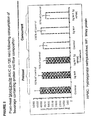
- Figure 1 illustrates post-meal blood glucose iAUC (0-120 min) following consumption of a beverage containing protein and viscosifying fiber composition.
- Figure 2 show post-meal blood insulin iAUC (0-120 min) following consumption of a beverage containing protein and viscosifying fiber composition.
- Figure 3 illustrates post-meal glycemic index following consumption of a beverage containing protein and viscosifying fiber composition.
- a method is provided that is effective for reducing postprandial blood glucose levels. Accordingly, the method may also promote satiety, which may lead to weight loss and lowering of blood glucose levels.
- a blend of native whey protein and viscosifying fiber is administered to a subject directly or as part of an edible composition. Administration of the blend of native whey protein and viscosifying fiber is effective for reducing postprandial blood glucose levels by at least about 5%, preferably at least about 10% and most preferably at least about 20% as compared to the same subject not administered a blend of native whey protein and viscosifying fiber.
- the method is effective for reducing caloric intake by at least about 5%, preferably at least about 10%, and most preferably at least about 20% as compared to the same subjected not administered a blend of native whey protein and viscosifying fiber.
- Native whey proteins that may be utilized include sweet whey, acid whey, individual whey proteins (i.e., ⁇ -lacalbumin, ⁇ -lactoglobulin, albumin, immunoglobulins, glycomaropeptide derived from casein, lactoferrin), and mixture thereof.
- Suitable commercial sources of native whey protein may be utilized.
- An example of a suitable commercial source of whey protein includes Alacen 392 whey protein concentrate (Fonterra) which is manufactured from fresh sweet cheese whey using an ultrafiltration process.
- native whey protein utilized has a very low level of hydrolysis.
- “native whey protein” refers to whey protein that has a degree of hydrolysis of less than about 2%, in another aspect less than about 1%, and in another aspect, less than about 0.4% (as determined by OPA methodology, Lee et al. Int. J. Biochem. 1978; 9(7):457-467 , which is incorporated herein by reference).
- Native whey protein may include whey protein concentrates, whey protein isolates, and hydrolysates of whey protein.
- viscosifying fiber refers to dietary viscosifying fiber defined as “viscous fiber” and “viscous polysaccharide” in Dikeman CL, Fahey GC. Viscosity as related to dietary fiber: a review. Crit Rev Food Sci Nutr. 2006;46(8):649-63 , which is incorporated herein by reference. Dietary viscosifying fiber is prepared in a form suitable for oral use according to any method known in the art for the manufacture of oral dietary viscosifying fiber compositions.
- dietary viscosifying fiber examples include hydroxypropyl methylcellulose, gum arabic, sodium carboxymethylcellulose, methylcellulose, guar gum, gellan gum, locust bean gum, konjac flour, tragacanth gum, karaya gum, gum acacia, chitosan, arabinogalactins, glucomannan, xanthan gum, alginate, pectin, low and high methoxy pectin, beta-glucans, carrageenan and psyllium.
- Numerous commercial sources of soluble dietary viscosifying fibers are readily available and known to one practicing the art.
- gum arabic, hydrolyzed carboxymethylcellulose, guar gum, xanthan gum, alginates, pectin and the low and high methoxy pectins are available from TIC Gums, Inc. of Belcamp, Md.
- the oat and barley glucans are available from Mountain Lake Specialty Ingredients, Inc. of Omaha, Nebr.
- Psyllium is available from the Meer Corporation of North Bergen, N.J. while the carrageenan and konjac flour are available from FMC Corporation of Philadelphia, Pa.
- the edible composition may be in the form of a nutritional supplement (such as a tablet, powder, capsule or liquid product), a food composition (product), a beverage, or a meal replacement product.
- a nutritional supplement such as a tablet, powder, capsule or liquid product
- a food composition such as a beverage, or a meal replacement product.
- a nutritional supplement as used herein refers to a composition or supplement which provides at least one beneficial agent such as vitamins, minerals, trace elements, phytochemicals, which is intended to supplement the amount of such agents obtained through normal dietary intake.
- beneficial agent such as vitamins, minerals, trace elements, phytochemicals
- These compositions or supplements do not generally contain a significant amount of calories, protein, carbohydrate or fat. They are not intended to be taken as a food but rather as a supplement to the daily diet.
- a food composition may be any food which can be formulated to include a blend of native whey protein and viscosifying fiber.
- Food compositions may include dairy based products (such as milk based products including hard and fresh cheese and yogurt), soy based products, breads and cereal based products (including pasta and cereal bars), cakes, cookies, biscuits, spreads, oil-in-water emulsions (such as dressings, ketchup and mayonnaise), ice creams, desserts, soups, powdered soup concentrates, sauces, powdered sauce concentrates, health bars, confectionery, snack foods, ready-to-eat meal products, pre-packed meal products, and dried meal products etc.
- dairy based products such as milk based products including hard and fresh cheese and yogurt
- soy based products such as milk based products including hard and fresh cheese and yogurt
- breads and cereal based products including pasta and cereal bars
- cakes cookies, biscuits, spreads
- oil-in-water emulsions such as dressings, ketchup and may
- a beverage may be any beverage which can be formulated to include a blend of native whey protein and viscosifying fiber.
- Beverages may include water, fruit juice, a low calorie fruit flavored beverage (for example, Kool-Aid, Crystal Light, powdered and ready to drink soft drinks, sport drinks), coffee, tea, smoothie, a dairy beverage, a carbonated beverage, and mixtures thereof.
- a meal replacement product as used herein refers to a product which is intended to replace one or more conventional meals a day; they are of a controlled calorie content and are generally eaten as a single product. However several such products may be eaten together.
- Examples of meal replacement products and products to be used as part of a meal replacement plan include; (ready-to-drink) liquid products such as milk or soy-based drinks, soluble powders used to prepare those drinks and drinks prepared therefrom, bars, soups, cereal or noodle or pasta-based products, desserts such as rice puddings, custards and the like and porridge and the like.
- Meal replacement products are generally used by consumers following a calorie controlled diet or wishing to control their body weight.
- the edible composition may be for example; a solid product, a powdered product, a tablet, a capsule, a liquid, a flowable, spoonable, pourable or spreadable product or a bar etc.
- the edible composition may be a powder which is mixed with a liquid, such as water or milk, to produce a liquid or slurry product such as a meal replacement product, or a product to be used as part of a meal replacement plan.
- the total amount of viscosifying fiber administered with the native whey protein is 20 grams or less.
- the total amount of viscosifying fiber administered in terms of a % of the edible composition will be less than about 50%, and in another aspect, less than about 20%, and in another aspect, less than about 2%.
- Beverage ingredients selected based on taste and functionality (Table 1). An instantized whey protein concentrate 80% (WPC) with a clean flavor profile was combined with the viscosifying fiber hydroxypropyl methylcellulose (HPMC) at the indicated ratio. Crystal Light TM drink mix was used as a base to give the beverage flavor and color. Because of the functionality of ingredients antifoam was added to keep the functional ingredients evenly distributed in the liquid phase. The product was dry blended to achieve an even distribution of all ingredients. The product was analytically tested prior to administration in order to assure homogeneity. Table 1: Beverage formulation (expressed as amount given to subjects).
- a randomized controlled crossover study was performed in human subjects to determine whether a glucose-lowering effect could be enhanced when whey protein is combined with hydroxypropyl methylcellulose (HPMC) viscosifying fiber. All treatments were served in liquid form (400 ml total) that included water, drink mix sweetened with nonnutritive sweetener for color and flavor, and the amounts of sweet whey protein indicated below (Example 1). Treatments were administered as preload (30 minutes prior to) or concurrent with the standard meal as described below. Treatment No.
- HPMC hydroxypropyl methylcellulose
- Table 2 Bread Dough Formulation (expressed as 2 kg batch) Ingredient Control (g) Test (g) Flour 1209 1046 Water 654 568 WPC 1 0 200 HPMC 2 0 64 Sucrose 36 31 Soybean oil 30 26 Yeast 24 21 Salt 15 13 Mono and diglycerides 12 10 Emulsifier 12 10 Sodium Stearoyl Lactate 4 4 Bread Flavor 3 3 Calcium Propionate 5 5 Enzyme 1 1 Total 2000.0 2000.0 1 Whey protein concentrate 80% 2 Hydroxypropyl methylcellulose
- a glycemic index test was performed in human subjects to determine whether a glucose-lowering effect could be enhanced when whey protein is combined with hydroxypropyl methylcellulose (HPMC) viscosifying fiber in a formulated food product. All treatments were served in the form of baked bread, with the amounts of sweet whey protein and viscosifying fiber indicated below (Example 3).
- Treatment subjects included 10 males and females between 46 and 59 years old with a BMI between 22 and 41.
Landscapes
- Health & Medical Sciences (AREA)
- Life Sciences & Earth Sciences (AREA)
- Chemical & Material Sciences (AREA)
- Engineering & Computer Science (AREA)
- Public Health (AREA)
- Animal Behavior & Ethology (AREA)
- Veterinary Medicine (AREA)
- Medicinal Chemistry (AREA)
- General Health & Medical Sciences (AREA)
- Pharmacology & Pharmacy (AREA)
- Diabetes (AREA)
- Bioinformatics & Cheminformatics (AREA)
- Immunology (AREA)
- Proteomics, Peptides & Aminoacids (AREA)
- Epidemiology (AREA)
- Zoology (AREA)
- General Chemical & Material Sciences (AREA)
- Organic Chemistry (AREA)
- Nuclear Medicine, Radiotherapy & Molecular Imaging (AREA)
- Chemical Kinetics & Catalysis (AREA)
- Hematology (AREA)
- Obesity (AREA)
- Biotechnology (AREA)
- Virology (AREA)
- Food Science & Technology (AREA)
- Polymers & Plastics (AREA)
- Biomedical Technology (AREA)
- Mycology (AREA)
- Cell Biology (AREA)
- Developmental Biology & Embryology (AREA)
- Emergency Medicine (AREA)
- Nutrition Science (AREA)
- Endocrinology (AREA)
- Child & Adolescent Psychology (AREA)
- Coloring Foods And Improving Nutritive Qualities (AREA)
- Medicines That Contain Protein Lipid Enzymes And Other Medicines (AREA)
- Medicines Containing Material From Animals Or Micro-Organisms (AREA)
- Confectionery (AREA)
- Dairy Products (AREA)
- Non-Alcoholic Beverages (AREA)
Abstract
Description
- This application claims the benefit of
U.S. Provisional Application No. 61/093,037, filed August 29, 2008 - The present invention relates to a method for reducing postprandial blood glucose levels. More particularly, the method includes administering a blend of native whey protein and viscosifying fiber to a subject in an amount and at a time prior to a meal or concurrently with a meal that is effective for reducing postprandial blood glucose levels.
- There is significant global growth of diabetes and pre-diabetes, the defining characteristic of which is chronic hyperglycemia. Following a meal, blood glucose levels in these individuals' and individuals at potential risk for diabetes increases beyond "normal" levels and remains high for a longer period of time. For diabetics, the previous solution has been the combination of drug therapy and a diet of low "glycemic" foods, that is, foods high in dietary fiber and low in fat and digestible carbohydrates (i.e., simple sugars and starch). For pre-diabetics and those who may be at risk for becoming diabetic by displaying postprandial hyperglycemia, the previous solution has been a diet of low glycemic foods.
- A method is provided for controlling postprandial blood glucose levels by administration of specific amounts of a blend of whey protein and viscosifying fiber within a specific window of time prior to a meal or concurrently with a meal. Ingestion of a blend of whey protein and viscosifying fiber at certain times before a meal (i.e., a whey protein/ viscosifying fiber pre-load) or concurrently with a meal significantly reduces postprandial (after a meal) blood glucose levels and the kinetics of glucose appearance in the blood. The method is effective for maintaining a more normal blood glucose homeostasis.
- More specifically, a method is provided for reducing postprandial blood glucose levels. The method includes administering a blend of native whey protein and viscosifying fiber to a subject. The blend includes from about 2 to about 50 grams, in another aspect about 2 to about 25 grams, in another aspect about 2 to about 10 grams, and in another aspect about 10 to about 25 grams of native whey protein. The blend further includes from about 0.5 to about 20 grams, in another aspect about 2 to about 20 grams, in another aspect about 0.5 to about 10 grams, and in another aspect about 2 to about 10 grams of viscosifying fiber. In this aspect, the blend includes a ratio of whey protein to viscosifying fiber of about 0.5 to 1 to about 12.5 to 1.
- In an important aspect of the invention, native whey has a level of hydrolysis of about 2% or less. Native whey protein that may be utilized includes sweet whey, acid whey, individual whey proteins and mixture thereof.
- Viscosifying fiber that may be utilized include hydroxypropyl methylcellulose, gum arabic, sodium carboxymethylcellulose, methylcellulose, guar gum, gellan gum, locust bean gum, konjac flour, tragacanth gum, karaya gum, gum acacia, chitosan, arabinoglactins, glucomannan, xanthan gum, alginate, pectin, low and high methoxy pectin, beta-glucans, carrageenan, psyllium and mixtures thereof. The blend of native whey protein and viscosifying fiber is administered to a subject such that the amount of viscosifying fiber administered with the native whey protein is 20 grams or less.
- In one aspect, the blend of native whey protein and viscosifying fiber is administered to the subject at least about 5 to about 90 minutes, in another aspect about 20 to about 40 minutes, and preferably about 30 minutes prior to a meal. The method is effective for reducing postprandial blood glucose levels by at least about 5% as compared to the same subject not administered a blend of native whey protein and viscosifying fiber prior to a meal.
- In another aspect, a method is provided for reducing postprandial blood glucose levels that includes administering an edible composition to a subject, where the edible composition includes a blend of whey protein and viscosifying fiber. The edible composition may include a beverage, a nutrition supplement, a food composition, a meal replacement product, and mixtures thereof. In this aspect, a food composition that includes 2 to 50 grams of native whey protein and 0.5 to 20 grams of viscosifying fiber may be administered at least about 5 to about 90 minutes prior to a meal or concurrently with a meal. The method is effective for reducing postprandial blood glucose levels by at least about 5% as compared to the same subject not administered a blend of native whey protein and viscosifying fiber prior to a meal or concurrently with a meal.
-
Figure 1 illustrates post-meal blood glucose iAUC (0-120 min) following consumption of a beverage containing protein and viscosifying fiber composition. -
Figure 2 show post-meal blood insulin iAUC (0-120 min) following consumption of a beverage containing protein and viscosifying fiber composition. -
Figure 3 illustrates post-meal glycemic index following consumption of a beverage containing protein and viscosifying fiber composition. - A method is provided that is effective for reducing postprandial blood glucose levels. Accordingly, the method may also promote satiety, which may lead to weight loss and lowering of blood glucose levels. In accordance with the method, a blend of native whey protein and viscosifying fiber is administered to a subject directly or as part of an edible composition. Administration of the blend of native whey protein and viscosifying fiber is effective for reducing postprandial blood glucose levels by at least about 5%, preferably at least about 10% and most preferably at least about 20% as compared to the same subject not administered a blend of native whey protein and viscosifying fiber. In another aspect, the method is effective for reducing caloric intake by at least about 5%, preferably at least about 10%, and most preferably at least about 20% as compared to the same subjected not administered a blend of native whey protein and viscosifying fiber.
- Native whey proteins that may be utilized include sweet whey, acid whey, individual whey proteins (i.e., α-lacalbumin, β-lactoglobulin, albumin, immunoglobulins, glycomaropeptide derived from casein, lactoferrin), and mixture thereof. Suitable commercial sources of native whey protein may be utilized. An example of a suitable commercial source of whey protein includes Alacen 392 whey protein concentrate (Fonterra) which is manufactured from fresh sweet cheese whey using an ultrafiltration process.
- The native whey protein utilized has a very low level of hydrolysis. As used herein, "native whey protein" refers to whey protein that has a degree of hydrolysis of less than about 2%, in another aspect less than about 1%, and in another aspect, less than about 0.4% (as determined by OPA methodology, Lee et al. Int. J. Biochem. 1978; 9(7):457-467, which is incorporated herein by reference). Native whey protein may include whey protein concentrates, whey protein isolates, and hydrolysates of whey protein.
- As used here herein, "viscosifying fiber" refers to dietary viscosifying fiber defined as "viscous fiber" and "viscous polysaccharide" in Dikeman CL, Fahey GC. Viscosity as related to dietary fiber: a review. Crit Rev Food Sci Nutr. 2006;46(8):649-63, which is incorporated herein by reference. Dietary viscosifying fiber is prepared in a form suitable for oral use according to any method known in the art for the manufacture of oral dietary viscosifying fiber compositions. Examples of dietary viscosifying fiber that may be used include hydroxypropyl methylcellulose, gum arabic, sodium carboxymethylcellulose, methylcellulose, guar gum, gellan gum, locust bean gum, konjac flour, tragacanth gum, karaya gum, gum acacia, chitosan, arabinogalactins, glucomannan, xanthan gum, alginate, pectin, low and high methoxy pectin, beta-glucans, carrageenan and psyllium. Numerous commercial sources of soluble dietary viscosifying fibers are readily available and known to one practicing the art. For example, gum arabic, hydrolyzed carboxymethylcellulose, guar gum, xanthan gum, alginates, pectin and the low and high methoxy pectins are available from TIC Gums, Inc. of Belcamp, Md. The oat and barley glucans are available from Mountain Lake Specialty Ingredients, Inc. of Omaha, Nebr. Psyllium is available from the Meer Corporation of North Bergen, N.J. while the carrageenan and konjac flour are available from FMC Corporation of Philadelphia, Pa.
- The edible composition may be in the form of a nutritional supplement (such as a tablet, powder, capsule or liquid product), a food composition (product), a beverage, or a meal replacement product.
- A nutritional supplement as used herein refers to a composition or supplement which provides at least one beneficial agent such as vitamins, minerals, trace elements, phytochemicals, which is intended to supplement the amount of such agents obtained through normal dietary intake. These compositions or supplements do not generally contain a significant amount of calories, protein, carbohydrate or fat. They are not intended to be taken as a food but rather as a supplement to the daily diet.
- A food composition may be any food which can be formulated to include a blend of native whey protein and viscosifying fiber. Food compositions may include dairy based products (such as milk based products including hard and fresh cheese and yogurt), soy based products, breads and cereal based products (including pasta and cereal bars), cakes, cookies, biscuits, spreads, oil-in-water emulsions (such as dressings, ketchup and mayonnaise), ice creams, desserts, soups, powdered soup concentrates, sauces, powdered sauce concentrates, health bars, confectionery, snack foods, ready-to-eat meal products, pre-packed meal products, and dried meal products etc.
- A beverage may be any beverage which can be formulated to include a blend of native whey protein and viscosifying fiber. Beverages may include water, fruit juice, a low calorie fruit flavored beverage (for example, Kool-Aid, Crystal Light, powdered and ready to drink soft drinks, sport drinks), coffee, tea, smoothie, a dairy beverage, a carbonated beverage, and mixtures thereof.
- A meal replacement product as used herein refers to a product which is intended to replace one or more conventional meals a day; they are of a controlled calorie content and are generally eaten as a single product. However several such products may be eaten together. Examples of meal replacement products and products to be used as part of a meal replacement plan include; (ready-to-drink) liquid products such as milk or soy-based drinks, soluble powders used to prepare those drinks and drinks prepared therefrom, bars, soups, cereal or noodle or pasta-based products, desserts such as rice puddings, custards and the like and porridge and the like. Meal replacement products are generally used by consumers following a calorie controlled diet or wishing to control their body weight.
- The edible composition may be for example; a solid product, a powdered product, a tablet, a capsule, a liquid, a flowable, spoonable, pourable or spreadable product or a bar etc. The edible composition may be a powder which is mixed with a liquid, such as water or milk, to produce a liquid or slurry product such as a meal replacement product, or a product to be used as part of a meal replacement plan.
- In another aspect, the total amount of viscosifying fiber administered with the native whey protein is 20 grams or less. The total amount of viscosifying fiber administered in terms of a % of the edible composition will be less than about 50%, and in another aspect, less than about 20%, and in another aspect, less than about 2%.
- Beverage ingredients selected based on taste and functionality (Table 1). An instantized whey protein concentrate 80% (WPC) with a clean flavor profile was combined with the viscosifying fiber hydroxypropyl methylcellulose (HPMC) at the indicated ratio. Crystal Light™ drink mix was used as a base to give the beverage flavor and color. Because of the functionality of ingredients antifoam was added to keep the functional ingredients evenly distributed in the liquid phase. The product was dry blended to achieve an even distribution of all ingredients. The product was analytically tested prior to administration in order to assure homogeneity.
Table 1: Beverage formulation (expressed as amount given to subjects). Ingredient 5g WP 1 5g WP+2g HPMC2 Placebo Whey protein concentrate 6.3 6.2 0.0 HPMC* 0.0 2.0 0.0 Crystal Light™ drink mix 1.6 1.6 1.6 Anti-foam 0.0 0.0 0.0 Lactose 0.4 0.4 0.8 Total 8.3 10.1 2.4 1WPC: Whey protein concentrate 80%
2HPMC: Hydroxypropyl methylcellulose - A randomized controlled crossover study was performed in human subjects to determine whether a glucose-lowering effect could be enhanced when whey protein is combined with hydroxypropyl methylcellulose (HPMC) viscosifying fiber. All treatments were served in liquid form (400 ml total) that included water, drink mix sweetened with nonnutritive sweetener for color and flavor, and the amounts of sweet whey protein indicated below (Example 1). Treatments were administered as preload (30 minutes prior to) or concurrent with the standard meal as described below.
Treatment No. Treatment 1 Test beverage with 5 grams whey protein as preload 2 Test beverage with 5 grams whey protein + 2 g HPMC viscosifying fiber as preload 3 Placebo beverage (including drink mix) as preload (control) 4 Test beverage with 5 grams whey protein as concurrent 5 Test beverage with 5 grams whey protein + 2 g HPMC viscosifying fiber as concurrent 6 Placebo beverage (including drink mix) as concurrent (control) - Treatment subjects randomly received the treatments after an overnight fast. Subjects were allowed 5 minutes to consume their assigned test beverage. Blood glucose and insulin by finger prick blood collection were measured immediately before and at 30 minutes after receiving the test beverage. Subjects then had 10 minutes to eat a standard meal providing 50 g of available carbohydrate. At the first bite of the standard meal a timer was started and additional finger-prick blood samples were taken at 15, 30, 45, 60, 90 and 120 min after the start of the meal. The effect of all treatments on food intake and blood glucose, and insulin are illustrated in
Figures 1 and2 . - Bread ingredients were selected based on taste and functionality (Table 2). An instantized whey protein concentrate 80% (WPC) with a clean flavor profile was combined with the viscosity inducing viscosifying fiber hydroxypropyl methylcellulose (HPMC) at the indicated ratio. The functional ingredients were added to a modified bread dough formula to accommodate the additional functionality of the indicated ingredients. The formula changes allowed for normal processing and resulted in a baked bread product similar to control.
Table 2: Bread Dough Formulation (expressed as 2 kg batch) Ingredient Control (g) Test (g) Flour 1209 1046 Water 654 568 WPC1 0 200 HPMC2 0 64 Sucrose 36 31 Soybean oil 30 26 Yeast 24 21 Salt 15 13 Mono and diglycerides 12 10 Emulsifier 12 10 Sodium Stearoyl Lactate 4 4 Bread Flavor 3 3 Calcium Propionate 5 5 Enzyme 1 1 Total 2000.0 2000.0 1Whey protein concentrate 80%
2Hydroxypropyl methylcellulose - A glycemic index test was performed in human subjects to determine whether a glucose-lowering effect could be enhanced when whey protein is combined with hydroxypropyl methylcellulose (HPMC) viscosifying fiber in a formulated food product. All treatments were served in the form of baked bread, with the amounts of sweet whey protein and viscosifying fiber indicated below (Example 3).
Treatment No. Treatment 1 Control bread 2 Test bread with 5 grams whey protein + 2 g HPMC viscosifying fiber - Glycemic index of the food products was determined following standard methods, and expressed relative to glucose. Subjects randomly received the treatments after an overnight fast. Subjects were allowed 10 minutes to consume their assigned test food, providing 25g of available carbohydrate (59.9g of control bread, 67.3g of test bread). At the first bite of the food a timer was started, and additional finger-prick blood samples were taken at 15, 30, 45, 60, 90 and 120 min after the start of the meal. A standardized white bread was used as a reference food (GI=71), and results of testing control and test products were expressed relative to glucose. The effect of treatments on glycemic index are illustrated in
Figure 3 .
Claims (14)
- A method for reducing postprandial blood glucose levels comprising:administering a blend of from 2 to 50 grams of native whey protein and 0.5 to 20 grams viscosifying fiber to a subject at least 5 to 90 minutes prior to a meal, the method effective for reducing postprandial blood glucose levels by at least about 5% as compared to the same subject not administered a blend of native whey protein and viscosifying fiber prior to a meal.
- The method of claim 1 wherein the native whey protein has a level of hydrolysis of 2% or less.
- The method of claim 1 or 2 wherein the viscosifying fiber is selected from the group consisting of hydroxypropyl methylcellulose, gum arabic, sodium carboxymethylcellulose methylcellulose, guar gum, gellan gum, locust bean gum, konjac flour, tragacanth gum, karaya gum, gum acacia, chitosan, arabinogalactins, glucomannan, xanthan gum, alginate, pectin, low and high methoxy pectin, beta glucans, carrageenan, psyllium and mixtures thereof.
- The method of any one of Claims 1 to 3 wherein the blend of native whey protein and viscosifying fiber is administered about 20 to about 40 minutes prior to a meal.
- A method for reducing postprandial blood glucose levels and/or food intake comprising:administering an edible composition that includes a blend of from 2 to 50 grams of native whey protein and 0.5 to 20 grams of viscosifying fiber to a subject at least 5 to 90 minutes prior to a meal, the method effective for reducing postprandial blood glucose levels by at least about 5 % as compared to a subject not administered a blend of native whey protein and viscosifying fiber prior to a meal.
- The method of Claim 5 wherein the viscosifying fiber is selected from the group consisting of hydroxypropyl methylcellulose, gum arabic, sodium carboxymethylcellulose, methylcellulose, guar gum, gellan gum, locust bean gum, konjac flour, tragacanth gum, karaya gum, gum acacia, chitosan, arabinoglactins, glucomannan, xanthan gum, alginate, pectin, low and high methoxy pectin, beta-glucans, carrageenan, psyllium and mixtures thereof.
- The method of Claims 5 or 6 wherein the edible composition is administered about 20 to about 40 minutes prior to a meal.
- A method for reducing postprandial blood glucose levels comprising:administering an edible composition that includes from 2 to 50 grams of native whey protein and 0.5 to 20 grams of viscosifying fiber, the method effective for reducing postprandial blood glucose levels by at least about 5 % as compared to a subject not administered a food composition that includes native whey protein and viscosifying fiber.
- The method of any one of Claims 5 to 8 wherein the edible composition that includes native whey protein is selected from the group consisting of a beverage, a nutritional supplement, a food composition, a meal replacement product, and mixtures thereof.
- The method of Claim 9 wherein the beverage is selected from the group consisting of water, fruit juice, a low calorie fruit flavored beverage, coffee, tea, smoothie, a dairy beverage, a carbonated beverage, and mixtures thereof.
- The method of Claim 9 wherein the nutritional supplement is selected from the group consisting of vitamins, minerals, trace elements, phytochemicals, and mixtures thereof.
- The method of Claim 9 wherein the food composition is selected from the group consisting of dairy based products, soy based products, breads and cereal based products, cakes, cookies, biscuits, spreads, oil-in-water emulsions, ice creams, desserts, soups, powdered soup concentrates, sauces, powdered sauce concentrates, health bars, confectionery, snack foods, ready-to-eat meal products, pre-packed meal products, dried meal products, and mixtures thereof.
- The method of any one of Claims 1 to 12 wherein the native whey protein is selected from the group consisting of sweet whey, acid whey, individual whey proteins, hydrolysates of native whey proteins, and mixture thereof.
- The method of any one of Claims 1 to 13 wherein the native whey protein is administered in an amount of 2 to 25 grams per subject and the viscosifying fiber is administered in an amount of 0.5 to 20 grams per subject.
Applications Claiming Priority (1)
| Application Number | Priority Date | Filing Date | Title |
|---|---|---|---|
| US9303708P | 2008-08-29 | 2008-08-29 |
Publications (1)
| Publication Number | Publication Date |
|---|---|
| EP2158919A1 true EP2158919A1 (en) | 2010-03-03 |
Family
ID=41609795
Family Applications (2)
| Application Number | Title | Priority Date | Filing Date |
|---|---|---|---|
| EP09168624A Withdrawn EP2158918A1 (en) | 2008-08-29 | 2009-08-25 | Method for reducing postprandial glucose levels with a composition of whey protein |
| EP09168876A Ceased EP2158919A1 (en) | 2008-08-29 | 2009-08-27 | Method for reducing postprandial glucose levels with a composition of whey protein and fiber |
Family Applications Before (1)
| Application Number | Title | Priority Date | Filing Date |
|---|---|---|---|
| EP09168624A Withdrawn EP2158918A1 (en) | 2008-08-29 | 2009-08-25 | Method for reducing postprandial glucose levels with a composition of whey protein |
Country Status (7)
| Country | Link |
|---|---|
| US (2) | US20100056450A1 (en) |
| EP (2) | EP2158918A1 (en) |
| CN (2) | CN101816778A (en) |
| AR (2) | AR073234A1 (en) |
| BR (2) | BRPI0903042A2 (en) |
| CA (2) | CA2676518A1 (en) |
| MX (2) | MX2009009264A (en) |
Cited By (1)
| Publication number | Priority date | Publication date | Assignee | Title |
|---|---|---|---|---|
| CN106307085A (en) * | 2016-05-30 | 2017-01-11 | 桂林澳妍科技有限公司 | Food composition capable of reducing blood sugar |
Families Citing this family (12)
| Publication number | Priority date | Publication date | Assignee | Title |
|---|---|---|---|---|
| WO2010033915A2 (en) * | 2008-09-19 | 2010-03-25 | Unicity International Inc. | Method of controlling blood sugar levels, insulin levels, cholesterol levels, body fat levels, and body weight by administering a nutrient fiber matrix |
| SG2014011233A (en) * | 2011-08-16 | 2014-06-27 | Abbott Lab | Nutritional compositions comprising a soluble viscous fiber and a polyphenol-containing plant extract |
| BR112014008692B1 (en) * | 2011-10-19 | 2022-01-18 | Nutrition & Biosciences Usa 1, Llc | FLOWABLE OR INGESBLE MEDICINE BY SPOON, FOOD, FOOD INGREDIENT OR FOOD SUPPLEMENT |
| AU2013204801B2 (en) | 2012-05-23 | 2014-11-06 | Omniblend Innovation Pty Ltd | Composition and method for management of diabetes or pre-diabetes |
| CA2930920A1 (en) * | 2013-11-19 | 2015-05-28 | Omniblend Innovation Pty Ltd | Regimen and method for treatment of type 2 diabetes |
| AU2014353872B2 (en) * | 2013-11-19 | 2020-05-14 | Omniblend Innovation Pty Ltd | Composition and method for control of post-prandial glucose |
| FI127641B (en) * | 2014-05-30 | 2018-11-15 | Valio Oy | Dairy mousse and method for producing it |
| CN107279454B (en) * | 2017-06-20 | 2021-04-27 | 上海交通大学 | A kind of new viscous food composition and preparation method thereof |
| CN112040841A (en) * | 2018-04-18 | 2020-12-04 | 赞思健康科技有限公司 | Metabolism monitoring system |
| US11191289B2 (en) | 2018-04-30 | 2021-12-07 | Kraft Foods Group Brands Llc | Spoonable smoothie and methods of production thereof |
| ES3017935T3 (en) | 2019-06-13 | 2025-05-14 | Nestle Sa | Use of whey protein micelles for controlling postprandial glucose response |
| CN113368130B (en) * | 2021-06-25 | 2023-02-28 | 陕西科技大学 | A kind of fibrous iron-carrying compound and preparation method thereof |
Citations (6)
| Publication number | Priority date | Publication date | Assignee | Title |
|---|---|---|---|---|
| EP0083327A1 (en) * | 1981-12-28 | 1983-07-06 | Arla, ekonomisk förening | Protein containing fruit drink and process for the manufacture thereof |
| US5104676A (en) | 1991-06-27 | 1992-04-14 | Abbott Laboratories | Weight control product |
| US6365176B1 (en) | 2000-08-08 | 2002-04-02 | Functional Foods, Inc. | Nutritional supplement for patients with type 2 diabetes mellitus for lipodystrophy |
| WO2004022074A1 (en) | 2002-09-06 | 2004-03-18 | Novartis Ag | Nutritional compositions comprising a non-glucose carbohydrate or pectin and soluble fiber |
| US20060159770A1 (en) * | 2003-06-30 | 2006-07-20 | Garcia-Rodenas Clara L | Composition for treating and/or preventing dysfunctions associated with type 2 diabetes mellitus |
| US20060171992A1 (en) * | 2002-12-20 | 2006-08-03 | Gerhardt Cinderella C | Blood glucose regulating composition |
Family Cites Families (16)
| Publication number | Priority date | Publication date | Assignee | Title |
|---|---|---|---|---|
| US5576306A (en) * | 1991-03-01 | 1996-11-19 | Dow Chemical Company | Pharmaceutical compositions and uses of water-soluble, high-viscosity grade cellulose ethers |
| DK171752B1 (en) * | 1992-07-06 | 1997-05-12 | Birgitte Stilling | Bread-like product with blood sugar lowering effect for diabetics and powdered mixture for use in the preparation thereof |
| US6207638B1 (en) * | 2000-02-23 | 2001-03-27 | Pacifichealth Laboratories, Inc. | Nutritional intervention composition for enhancing and extending satiety |
| US20020012733A1 (en) * | 2000-04-12 | 2002-01-31 | The Procter & Gamble Company | Compositions for reducing hypercholesterolemia and controlling of postprandial blood glucose and insulin levels |
| US7326404B2 (en) * | 2000-05-31 | 2008-02-05 | Vuksan Holdings Inc. | Konjac-mannan and ginseng compositions and methods and uses thereof |
| DK1395133T3 (en) * | 2001-05-31 | 2006-08-21 | Abbott Lab | Polymer controlled system of induced viscosity fibers and applications thereof |
| US8029818B2 (en) * | 2001-05-31 | 2011-10-04 | Abbott Laboratories | Method of blunting the postprandial glycemic response to a meal |
| MY135783A (en) * | 2001-09-07 | 2008-06-30 | Meiji Dairies Corp | Nutritional composition for controlling blood sugar level |
| US20050084578A1 (en) * | 2003-10-16 | 2005-04-21 | Onwulata Charles I. | Food products containing texturized milk proteins |
| DE10352822A1 (en) * | 2003-11-12 | 2005-06-23 | Bioghurt Biogarde Gmbh & Co. Kg | Use of an additionally fermented cereal sludge for the prevention and / or treatment of elevated blood sugar levels |
| PL1771191T3 (en) * | 2004-07-19 | 2014-08-29 | Nutricia Nv | Preparation for use of aspartate and vitamin b12 or biotin for regulating ketone bodies |
| US20060078593A1 (en) * | 2004-09-27 | 2006-04-13 | Strozier Deborah C | Nutritional compostions comprising a soluble viscous fiber in a solid crisp matrix |
| US8597709B2 (en) * | 2005-04-12 | 2013-12-03 | Inovobiologic Inc. | Dietary supplement and methods of use |
| US8062686B2 (en) * | 2005-04-12 | 2011-11-22 | InovoBiologics, Inc. | Dietary supplement, and methods of use |
| PL1983849T3 (en) * | 2006-01-20 | 2013-09-30 | Innova Food Ab | A food composition comprising amino acids |
| US20090123580A1 (en) * | 2007-10-17 | 2009-05-14 | Nutracea | Methods for treating obesity, insulin resistance and inducing satiety |
-
2009
- 2009-08-24 CA CA002676518A patent/CA2676518A1/en not_active Abandoned
- 2009-08-25 EP EP09168624A patent/EP2158918A1/en not_active Withdrawn
- 2009-08-26 CA CA002676955A patent/CA2676955A1/en not_active Abandoned
- 2009-08-27 EP EP09168876A patent/EP2158919A1/en not_active Ceased
- 2009-08-28 BR BRPI0903042-5A patent/BRPI0903042A2/en not_active IP Right Cessation
- 2009-08-28 CN CN200910221441A patent/CN101816778A/en active Pending
- 2009-08-28 CN CN200910205716A patent/CN101669645A/en active Pending
- 2009-08-28 AR ARP090103328A patent/AR073234A1/en unknown
- 2009-08-28 AR ARP090103329A patent/AR073235A1/en unknown
- 2009-08-28 MX MX2009009264A patent/MX2009009264A/en not_active Application Discontinuation
- 2009-08-28 US US12/550,107 patent/US20100056450A1/en not_active Abandoned
- 2009-08-28 MX MX2009009211A patent/MX2009009211A/en unknown
- 2009-08-28 US US12/550,091 patent/US20100056449A1/en not_active Abandoned
- 2009-08-28 BR BRPI0902783-1A patent/BRPI0902783A2/en not_active Application Discontinuation
Patent Citations (6)
| Publication number | Priority date | Publication date | Assignee | Title |
|---|---|---|---|---|
| EP0083327A1 (en) * | 1981-12-28 | 1983-07-06 | Arla, ekonomisk förening | Protein containing fruit drink and process for the manufacture thereof |
| US5104676A (en) | 1991-06-27 | 1992-04-14 | Abbott Laboratories | Weight control product |
| US6365176B1 (en) | 2000-08-08 | 2002-04-02 | Functional Foods, Inc. | Nutritional supplement for patients with type 2 diabetes mellitus for lipodystrophy |
| WO2004022074A1 (en) | 2002-09-06 | 2004-03-18 | Novartis Ag | Nutritional compositions comprising a non-glucose carbohydrate or pectin and soluble fiber |
| US20060171992A1 (en) * | 2002-12-20 | 2006-08-03 | Gerhardt Cinderella C | Blood glucose regulating composition |
| US20060159770A1 (en) * | 2003-06-30 | 2006-07-20 | Garcia-Rodenas Clara L | Composition for treating and/or preventing dysfunctions associated with type 2 diabetes mellitus |
Non-Patent Citations (5)
| Title |
|---|
| ANDERSON J.W. ET AL: "EFFECTS OF PSYLLIUM ON GLUCOSE AND SERUM LIPID RESPONSES IN MEN WITH TYPE 2 DIABETES AND HYPERCHOLESTEROLEMIA", THE AMERICAN JOURNAL OF CLINICAL NUTRITION, vol. 70, no. 4, 1 October 1999 (1999-10-01), AMERICAN SOCIETY FOR NUTRITION, US, pages 466 - 473, XP002260585 |
| CRIT REV FOOD SCI NUTR., vol. 46, no. 8, 2006, pages 649 - 63 |
| LEE ET AL., INT. J. BIOCHEM., vol. 9, no. 7, 1978, pages 457 - 467 |
| MA JING ET AL: "Effect of a protein preload on gastric emptying and glycemia in type 2 diabetes", GASTROENTEROLOGY, vol. 134, no. 4, Suppl. 1, April 2008 (2008-04-01), & DIGESTIVE DISEASE WEEK MEETING/109TH ANNUAL MEETING OF THE AMERICAN-GASTROENTEROLOGICAL-ASSOCIATION; SAN DIEGO, CA, USA; MAY 17 22, 2008, pages A247 - A248, XP002555329, ISSN: 0016-5085 * |
| MA JING ET AL: "Effects of a protein preload on gastric emptying, glycemia, and gut hormones after a carbohydrate meal in diet-controlled type 2 diabetes.", DIABETES CARE SEP 2009, vol. 32, no. 9, 18 June 2009 (2009-06-18), pages 1600 - 1602, XP009125746, ISSN: 1935-5548 * |
Cited By (1)
| Publication number | Priority date | Publication date | Assignee | Title |
|---|---|---|---|---|
| CN106307085A (en) * | 2016-05-30 | 2017-01-11 | 桂林澳妍科技有限公司 | Food composition capable of reducing blood sugar |
Also Published As
| Publication number | Publication date |
|---|---|
| CA2676518A1 (en) | 2010-02-28 |
| BRPI0903042A2 (en) | 2010-06-22 |
| CN101669645A (en) | 2010-03-17 |
| US20100056450A1 (en) | 2010-03-04 |
| AR073235A1 (en) | 2010-10-20 |
| MX2009009264A (en) | 2011-08-10 |
| CA2676955A1 (en) | 2010-02-28 |
| US20100056449A1 (en) | 2010-03-04 |
| AR073234A1 (en) | 2010-10-20 |
| EP2158918A1 (en) | 2010-03-03 |
| CN101816778A (en) | 2010-09-01 |
| BRPI0902783A2 (en) | 2010-05-25 |
| MX2009009211A (en) | 2010-03-25 |
Similar Documents
| Publication | Publication Date | Title |
|---|---|---|
| US20100056450A1 (en) | Method For Reducing Postprandial Blood Glucose Levels With A Whey Protein/Fiber Composition | |
| US20210227866A1 (en) | Dietary supplement compositions | |
| Harper et al. | Increased satiety after intake of a chocolate milk drink compared with a carbonated beverage, but no difference in subsequent ad libitum lunch intake | |
| El Khoury et al. | Increasing the protein to carbohydrate ratio in yogurts consumed as a snack reduces post-consumption glycemia independent of insulin | |
| EP3035949B1 (en) | Sugar cane derived extracts and uses | |
| KR20030087026A (en) | Beverage powder | |
| US9872871B2 (en) | Compositions for use in restoring muscle glycogen and/or muscle mass | |
| JP2006510367A (en) | Blood sugar regulating composition | |
| CN107660798A (en) | Dietary supplements | |
| EA012300B1 (en) | Composition for treating or preventing diabetes mellitus and use thereof | |
| KR20150045531A (en) | Isomaltulose for use in enhancing mental performance | |
| Dorchy | Dietary management for children and adolescents with diabetes mellitus: personal experience and recommendations | |
| EP2544557B1 (en) | Novel glucose tolerance test and composition for use | |
| CN108430580B (en) | Ways to induce satiety | |
| US20250222058A1 (en) | Dietary compositions | |
| Hu | Diet, nutrition, and obesity | |
| Aini et al. | Blood Sugar, Haemoglobin and Malondialdehyde Levels in Diabetic White Rats Fed a Diet of Corn Flour Cookies. Foods 2022, 11, 1819 | |
| Sholihah et al. | Soy milk induces higher postprandial satiety than cow’s milk: a cross-over experiment in healthy normal female adults | |
| Astina | Development of nutritionally complete oral nutritional supplement using tapioca maltodextrin as a carbohydrate source | |
| Sharma | A NON-GLYCAEMIC SNACK FOR DIABETICS | |
| Akhavan | The Effect of Whey Protein on Short-term Food Intake and Post-meal Glycemic Regulation in Young Adults |
Legal Events
| Date | Code | Title | Description |
|---|---|---|---|
| PUAI | Public reference made under article 153(3) epc to a published international application that has entered the european phase |
Free format text: ORIGINAL CODE: 0009012 |
|
| AK | Designated contracting states |
Kind code of ref document: A1 Designated state(s): AT BE BG CH CY CZ DE DK EE ES FI FR GB GR HR HU IE IS IT LI LT LU LV MC MK MT NL NO PL PT RO SE SI SK SM TR |
|
| AX | Request for extension of the european patent |
Extension state: AL BA RS |
|
| 17P | Request for examination filed |
Effective date: 20100721 |
|
| RIN1 | Information on inventor provided before grant (corrected) |
Inventor name: MCPHERSON, ANDREW EDWARD Inventor name: DESROCHERS, JULIA LEIGH Inventor name: KAMP, KYLE MAXWELL Inventor name: LAUDANO, RAYMOND J Inventor name: MATUSHESKI, NATHAN V Inventor name: BROWN, PETER HARRIS |
|
| 17Q | First examination report despatched |
Effective date: 20110726 |
|
| TPAC | Observations filed by third parties |
Free format text: ORIGINAL CODE: EPIDOSNTIPA |
|
| RAP1 | Party data changed (applicant data changed or rights of an application transferred) |
Owner name: INTERCONTINENTAL GREAT BRANDS LLC |
|
| STAA | Information on the status of an ep patent application or granted ep patent |
Free format text: STATUS: THE APPLICATION HAS BEEN REFUSED |
|
| 18R | Application refused |
Effective date: 20150112 |