EP2157525A1 - Verfahren zur Erkennung von Schadsoftware - Google Patents
Verfahren zur Erkennung von Schadsoftware Download PDFInfo
- Publication number
- EP2157525A1 EP2157525A1 EP08014865A EP08014865A EP2157525A1 EP 2157525 A1 EP2157525 A1 EP 2157525A1 EP 08014865 A EP08014865 A EP 08014865A EP 08014865 A EP08014865 A EP 08014865A EP 2157525 A1 EP2157525 A1 EP 2157525A1
- Authority
- EP
- European Patent Office
- Prior art keywords
- protocol
- data
- instructions
- malware
- application
- Prior art date
- Legal status (The legal status is an assumption and is not a legal conclusion. Google has not performed a legal analysis and makes no representation as to the accuracy of the status listed.)
- Granted
Links
Images

Classifications
-
- H—ELECTRICITY
- H04—ELECTRIC COMMUNICATION TECHNIQUE
- H04L—TRANSMISSION OF DIGITAL INFORMATION, e.g. TELEGRAPHIC COMMUNICATION
- H04L63/00—Network architectures or network communication protocols for network security
- H04L63/14—Network architectures or network communication protocols for network security for detecting or protecting against malicious traffic
- H04L63/1441—Countermeasures against malicious traffic
- H04L63/145—Countermeasures against malicious traffic the attack involving the propagation of malware through the network, e.g. viruses, trojans or worms
-
- G—PHYSICS
- G06—COMPUTING OR CALCULATING; COUNTING
- G06F—ELECTRIC DIGITAL DATA PROCESSING
- G06F21/00—Security arrangements for protecting computers, components thereof, programs or data against unauthorised activity
- G06F21/50—Monitoring users, programs or devices to maintain the integrity of platforms, e.g. of processors, firmware or operating systems
- G06F21/55—Detecting local intrusion or implementing counter-measures
- G06F21/56—Computer malware detection or handling, e.g. anti-virus arrangements
Definitions
- the invention relates to a method for detecting malicious software.
- malware refers to executable instructions that perform unwanted functions on a computer system or computer-aided system.
- the malicious software is usually camouflaged or runs unnoticed in the background.
- Malware is understood to mean, in particular, computer viruses or computer worms, as well as Trojan horses, spyware such as spyware. Key logger.
- virus scanners are known in the art, which allow detection and usually also a harmlessness of the malware.
- "Harmless” is understood to mean, in particular, deletion, quarantine of the malware and / or a hindrance to its execution.
- the identified malware uses possibilities of the execution environment, on which also the virus scanner runs.
- An example of an execution environment is in particular an operating system of a computer.
- current virus scanners also suffer from the disadvantage that they can only identify malware within the execution environment in which it is run itself.
- a solution of the problem is in terms of their method aspect by a method having the features of claim 1.
- a method for detecting malicious software in which packet-oriented data are received, which are formatted in a network protocol.
- the packet-oriented transmission method is formed by a multiplicity of data packets with a header data entry or "header” and one or more data entries or "body".
- the received data is to be understood as part of the body, as part of the header or even a combination of the two.
- the data are examined for instructions which at least partially act as malware in at least one application protocol.
- the analysis according to the invention thus comprises an analysis of the data with respect to their behavior in various application protocols which are not known to the network protocol.
- the method according to the invention simulates a treatment of the data in various application protocols or also execution environments in order to arrive at a judgment as to whether individual data or the entire data in an environment outside the network protocol at least partially acts as malware.
- a network protocol is an exact agreement according to which data is exchanged between computer systems or processes interconnected by a network.
- the agreement consists of a set of rules and formats, also called syntax, that determine the communication behavior of the communicating instances.
- a network protocol is to be understood as a protocol that is hierarchically hierarchical above a transmission protocol-in particular TCP / IP or UDP-and, on the other hand, is classified below an application protocol.
- a determination of the communication behavior is also called semantics.
- a well-known example of a network protocol is the Session Initiation Protocol, or SIP for short.
- the user data which are transported in the context of the network protocol, are examined.
- the payload may include, for example, scripting instructions that are not themselves part of the SIP protocol.
- Another object of the investigations are message header entries, which may also contain damaging instructions.
- a significant advantage of the method according to the invention can be seen in the analysis of the data transported in the network protocol, which is checked on the basis of various application protocols (or on the basis of at least one application protocol).
- Such a measure ensures that an analysis is not limited to identification of malicious software in the network protocol, but that an impact of the transported data in processing by other applications can be taken into account.
- a message is advantageously sent to the application processing the application protocol.
- Such a message would, for example, result in non-execution of the instructions and / or deletion of the instructions within the downstream application.
- deletion or quarantine can also be performed directly by the means analyzing the data.
- the instructions can be different in nature, as most network protocols do not transport any of the payload data Provide specifications. This applies in a limited way also for the message header entries, which offer certain liberties for entries in addition to a protocol-defined syntax definition.
- the instructions may be in the form of compiled code, in the form of scripting instructions such as Java script, in the form of macro statements, or in the form of a link to a remote ("remote") location.
- the data is examined for instructions which could act as malware in an execution environment which is not identical to a first execution environment on which the method according to the invention is used.
- Such an advantageous measure takes into account the fact that the data, in particular the payload data, can be processed in an application which is not operated in the current execution environment. The mentioned measure thus continues to contribute to a generalization of detection of malicious software.
- white list i. a list which classifies a series of statements, whereby the data to be examined can be limited to the instructions specified in the white list.
- the instructions are not necessarily limited to the instructions provided. In such a case, provision may be made for detailed instructions to be given to instructions not listed in the white list.
- a black list is used, the latter containing a definition of instructions which are at least partially classified as malware in a respective application protocol.
- this list contains a specification of syntactic elements that could cause potential harm to a particular application.
- each individual black list as well as each individual white list are advantageously specified for a particular, specific application protocol, since instructions which are harmless in a first application protocol can certainly prove detrimental in a second application protocol. If an instruction is identified with a statement on the black list, a defined reaction can be triggered in an advantageous manner, e.g. blocking the instruction, rejecting the instruction, or even deleting malicious instructions.
- the data are analyzed using syntactic search methods, semantic search methods and / or heuristic search methods.
- the latter search method takes into account the fact that the scope and variety of malicious software are constantly increasing and that countermeasures can no longer be developed to a specific and previously known type of malicious software.
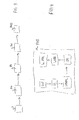
- FIG. 1 shows a data packet D, consisting of a message header HD, also called header, as well as a message body, consisting of a part of network protocol elements NWP containing portion and a user data PLD containing portion.
- a message header HD also called header
- a message body consisting of a part of network protocol elements NWP containing portion and a user data PLD containing portion.
- the data packet D is formatted in a SIP protocol.
- SIP data packet D is itself useful data component of a (not shown) data packet, which is formatted with a transport protocol, such as TCP / IP.
- transport protocol such as TCP / IP.
- SIP Session Initiation Protocol
- RFC 3261 June 2002, http://www.ietf.org.
- Multimedia sessions are understood to mean, for example, multimedia conferences, Internet Voice over IP and similar real-time communication links.
- SIP has the ability to locate a subscriber and thus a specific terminal, an address assign to the terminal as well as divert connections.
- the SIP data packet D contains a message header entry HD, also known as "header” in the art, which usually contains signaling data, for example for addressing a receiver and a sender of the data packet D.
- a message header entry HD also known as "header” in the art, which usually contains signaling data, for example for addressing a receiver and a sender of the data packet D.
- the body of the data packet comprising network protocol elements NWP and user data PLD will be considered in more detail.
- SIP SIP messages, which communicate with known network protocol elements NWP, such as e.g. INVITE, REFER, MESSAGE, NOTIFY and so on.
- NWP network protocol elements
- These network protocol elements have the function of triggering defined actions, e.g. a device of real-time communication (INVITE) for forwarding a communication session to another communication party (REFER) for invoking a software application on a computer system (MESSAGE) or even for performing a specific action (NOTIFY).
- triggering defined actions e.g. a device of real-time communication (INVITE) for forwarding a communication session to another communication party (REFER) for invoking a software application on a computer system (MESSAGE) or even for performing a specific action (NOTIFY).
- NWP such SIP instructions also contain other user data PLD, which are to be understood as arguments to the triggered by SIP messages function calls.
- the user data PLD are not evaluated by the network protocol SIP. However, this means that even with a syntactically correct SIP message potentially damaging code or potentially damaging instructions in the payload PLD may be included, which in the network protocol SIP itself have no meaning or damage potential, which, however, when passing to another application protocol or . can turn out to be an application other than malicious software and can develop a potential danger there.
- Such instructions may also contain undesirable effects in another execution environment.
- a SIP message with the SIP command MESSAGE result in a call for a software application which is started on a target computer receiving the data packet D, the payload portion PLD of the SIP message being processed by the software application.
- the processing of the user data portion PLD may now prove to be malicious code, while the harmful code in the network protocol SIP remained unevaluated or incomprehensible.
- header entries or data in the header of an INVITE message may be stored in a log file.
- the log file can be read in by a third software application.
- a SIP message can contain a script ("script") in a message header entry, whereby the following structure of the SIP message is selected:
- This script can have damaging effects in the context of the third software application. Again, this is an example in which data that was not originally or in another context is edited in a different, third execution environment.
- the SIP message header entry may contain a link to a network host or an entry on an HTML page. This link could in turn import malicious statements into the SIP message.
- the inventive method presented here has the goal to identify combinations of different elements which are capable of operating as malware and to correlate between different protocol elements of different application protocols or execution environments to identify instructions which at least partially act as malware.
- FIG. 2 shows a scan engine SE as an embodiment of the inventive method.
- the scan engine SE accepts user data PLD at an input and forwards modified user data PLD2 at an output.
- the modified user data PLD2 are, for example, user data PLD2, in which instructions are removed, which are to be qualified as malware when the inventive method is executed.
- the scan engine SE has the option of transferring instructions INS to an application (not shown), which is entrusted in a further step or simultaneously with a processing of the modified user data PLD2 or the unmodified user data PLD.
- the scan engine SE is in bidirectional communication with a plurality of execution environment units ENV1, ENV2 and with a plurality of application protocol units APP1, APP2.
- Said units ENV1, ENV2, APP1, APP2 either have the character of a file which, in cooperation with the executing Scan Engine SE, provides a set of rules for the definition of harmful instructions or else for the definition of harmless instructions.
- the units ENV1, ENV2, APP1, APP2 are executed, for example, as a database or as a simple text file.
- the said units ENV1, ENV2, APP1, APP2 in turn have resources which provide independent processing in cooperation with the scan engine.
- the execution environment units ENV1, ENV2 are implemented as a so-called "sand box", which permit risk-free simulation and evaluation of instructions in a secure separate execution environment, the risk-free execution being performed in a respective execution context predetermined by the execution environment unit.
- the application protocol units APP1, APP2 are preferably defined for a respective application protocol.
- the first application protocol unit APP1 is designed so that it can be used to evaluate instructions in the context of the HTML protocol.
- white lists or black lists are defined in the respective application protocol units APP1, APP2, these being present either separately as the respective application protocol unit, or together contained in a respective application protocol unit APP1, APP2.
- FIG. 3 shows a communication environment as part of a (partially shown) communication system.
- the communication system comprises a firewall FW, which for example delimits a single segment of the communication system from other network segments.
- the firewall FW is not Able to ward off an attack described here, since it does not investigate further in the presence of a SIP message in a common syntax, which is addressed to a standard SIP port.
- the firewall FW is connected to an Intrusion Detection System (IDS) which serves to detect attacks directed to the communication system.
- IDS Intrusion Detection System
- the IDS attack detection system complements security provided by the firewall FW by recording and / or analyzing incoming and outgoing data packets of the communication system to detect attack patterns in network traffic.
- Today's IDS attack detection systems predominantly evaluate instructions in the TCP / IP transmission protocol, which is today the predominant transport protocol used.
- attack detection systems provide, to a limited extent, an inspection of the network protocol, the limitations of which are described below.
- the intrusion detection system IDS (Intrusion Detection System, IPS) can detect network protocol violations, such as buffer overflow attacks or syntax violations.
- the attack detection system IDS is unable to identify potentially damaging instructions because it has no knowledge of the later execution environment nor of the application protocol handling the instructions.
- a switching unit SW or soft switch is connected to the attack detection system IDS and thus represents the central hub for switching real-time communication links within the communication system and with communication terminals outside the communication system.
- the switching unit SW is designed as a packet-oriented communicating server.
- an exemplary illustrated communication terminal PHO connected as a communication subscriber to the switching unit SW.
- FIG. 4 shows a schematic representation of an internal structure of a communication terminal PHO.
- the communication terminal PHO provides for support of the SIP protocol.
- a protocol stack processing unit SST is provided which processes incoming and outgoing data according to the SIP protocol.
- An in FIG. 4 symbolized by the arrow direction representation of a processing of incoming data packets, a data packet then passes through the virus scanner VS according to the invention and is supplied after a local corresponding processing of a SIP application SIPAPPL.
- the SIP application SIPAPPL accesses a database DB, which in turn is accessed by a web application WAPPL via a web server WSER.
- the method according to the invention provides for a correlation of different protocol elements of different application protocols and execution environments (execution environments) in order to determine in the analysis whether potentially damaging instructions are contained in the examined data.
- Such cross-application and cross-platform analysis can not be performed by traditional virus scanners.
- VoIP Voice over Internet Protocol
Landscapes
- Engineering & Computer Science (AREA)
- Computer Security & Cryptography (AREA)
- Computer Hardware Design (AREA)
- General Engineering & Computer Science (AREA)
- Software Systems (AREA)
- General Health & Medical Sciences (AREA)
- Virology (AREA)
- Theoretical Computer Science (AREA)
- Health & Medical Sciences (AREA)
- Computer Networks & Wireless Communication (AREA)
- Signal Processing (AREA)
- Physics & Mathematics (AREA)
- General Physics & Mathematics (AREA)
- Computing Systems (AREA)
- Computer And Data Communications (AREA)
- Data Exchanges In Wide-Area Networks (AREA)
Abstract
Description
- Die Erfindung betrifft ein Verfahren zur Erkennung von Schadsoftware.
- Unter dem Begriff Schadsoftware (»Malware«) werden ausführbare Anweisungen bezeichnet, welche unerwünschte Funktionen auf einem Rechnersystem oder rechnergestützten System ausführen. Die Schadsoftware ist gewöhnlich getarnt oder läuft unbemerkt im Hintergrund.
- Unter Schadsoftware werden insbesondere Computerviren oder Computerwürmer verstanden, ferner auch Trojanische Pferde, Spionagesoftware (»Spyware«) wie z.B. »Key Logger«.
- Zur Behandlung von Schadsoftware sind im Stand der Technik sogenannte Virenscanner bekannt, welche eine Erkennung und üblicherweise auch eine Unschädlichmachung der Schadsoftware ermöglichen. Unter Unschädlichmachung wird insbesondere ein Löschen, eine Quarantänisierung der Schadsoftware und/oder eine Hinderung an deren Ausführung verstanden.
- Die identifizierte Schadsoftware nutzt dabei Möglichkeiten der Ausführungsumgebung, auf dem auch der Virenscanner abläuft. Ein Beispiel für eine Ausführungsumgebung ist insbesondere ein Betriebssystem eines Rechners. Derzeitige Virenscanner sind jedoch auch mit dem Nachteil behaftet, dass sie lediglich Schadsoftware innerhalb der Ausführungsumgebung identifizieren können, in der sie selbst zum Ablauf gebracht wird.
- Es ist eine Aufgabe der Erfindung, ein universelleres Verfahren zur Erkennung von Schadsoftware bereitzustellen, welche die aus dem Stand der Technik bekannten Nachteile zugunsten einer universelleren Erkennung von Schadsoftware verbessert.
- Eine Lösung der Aufgabe erfolgt hinsichtlich ihres Verfahrensaspekts durch ein Verfahren mit den Merkmalen des Patentanspruchs 1.
- Erfindungsgemäß wird ein Verfahren zur Erkennung von Schadsoftware vorgeschlagen, bei dem paketorientierte Daten empfangen werden, welche in einem Netzwerkprotokoll formatiert sind. Dabei wird die paketorientierte Übertragungsweise durch eine Vielzahl von Datenpaketen mit einem Kopfdateneintrag bzw. »Header« sowie einem oder mehreren Dateneinträgen bzw. »Body« gebildet. Die empfangenen Daten sind dabei als Teil des Bodys, als Teil des Headers oder auch einer Kombination aus beiden zu verstehen. Die Daten werden auf Anweisungen untersucht, welche in mindestens einem Applikationsprotokoll zumindest teilweise als Schadsoftware wirken. Die erfindungsgemäße Analyse umfasst also eine Analyse der Daten bezüglich ihres Verhaltens in verschiedenen Applikationsprotokollen, welche dem Netzwerkprotokoll nicht bekannt sind. Mit anderen Worten wird durch das erfindungsgemäße Verfahren eine Behandlung der Daten in verschiedenen Applikationsprotokollen oder auch Ausführungsumgebungen simuliert, um im Rahmen der Analyse zu einem Urteil zu kommen, ob einzelne Daten oder die gesamten Daten in einer Umgebung außerhalb des Netzwerkprotokolls zumindest teilweise als Schadsoftware wirken.
- Ein Netzwerkprotokoll ist eine exakte Vereinbarung, gemäß der Daten zwischen Rechnersystemen oder Prozessen ausgetauscht werden, die durch ein Netzwerk miteinander verbunden sind. Die Vereinbarung besteht aus einem Satz von Regeln und Formaten, auch Syntax genannt, die das Kommunikationsverhalten der kommunizierenden Instanzen bestimmen. Gemäß der hier gewählten Terminologie ist unter einem Netzwerkprotokoll ein Protokoll zu verstehen, dass protokollhierarchisch oberhalb eines Übertragungsprotokolls - insbesondere TCP/IP oder UDP - liegt und andererseits unterhalb eines Applikationsprotokolls eingeordnet ist. Eine Bestimmung des Kommunikationsverhaltens wird auch als Semantik bezeichnet. Ein bekanntes Beispiel für ein Netzwerkprotokoll ist das »Session-Initiation-Protocol«, abgekürzt SIP.
- Untersucht werden dabei beispielsweise die Nutzdaten, welche im Rahmen des Netzwerkprotokolls transportiert werden. Im Beispiel von SIP können die Nutzdaten beispielsweise Skriptanweisungen enthalten, welche selbst nicht Teil des SIP-Protokolls sind.
- Ein weiterer Gegenstand der Untersuchungen sind Nachrichtenkopfeinträge, welche ebenfalls schädigende Anweisungen enthalten können.
- Ein wesentlicher Vorteil des erfindungsgemäßen Verfahrens ist in der Analyse der im Netzwerkprotokoll transportierten Daten zu sehen, welche anhand verschiedener Applikationsprotokolle (bzw. anhand zumindest eines Applikationsprotokolls) überprüft wird. Eine solche Maßnahme gewährleistet, dass eine Analyse nicht auf eine Identifizierung von Schadsoftware im Netzwerkprotokoll beschränkt bleibt, sondern dass eine Auswirkung der transportierten Daten in der Bearbeitung durch weitere Applikationen berücksichtigt werden kann.
- Weitere vorteilhafte Weiterbildungen der Erfindung sind Gegenstand der Unteransprüche.
- In vorteilhafter Weise wird bei Vorliegen von Anweisungen, welche in mindestens einem Applikationsprotokoll zumindest teilweise als Schadsoftware wirken, eine Meldung an die das Applikationsprotokoll bearbeitende Applikation gesendet. Eine solche Meldung würde beispielsweise eine Nichtausführung der Anweisungen und/oder eine Löschung der Anweisungen innerhalb der nachgelagerten Applikation zur Folge haben. Eine Löschung oder eine Quarantänisierung kann im Übrigen auch direkt durch die die Daten analysierenden Mittel vorgenommen werden.
- Die Anweisungen können verschiedener Natur sein, da die meisten Netzwerkprotokolle für die transportieren Nutzdaten keinerlei Vorgaben vorsehen. Dies gilt in eingeschränkter Weise auch für die Nachrichtenkopfeinträge, welche neben einer protokollgemäßen Syntaxdefinition gewisse Freiheiten für Einträge bieten. Beispielsweise können die Anweisungen in Form von kompiliertem Code, in Form von Skriptanweisungen wie z.B. Java-Skript, in Form von Makroanweisungen oder auch in Form einer Verknüpfung auf einen entfernten (»remote«) Speicherort vorliegen.
- Neben einer Analyse hinsichtlich verschiedener Applikationsprotokolle ist in einer vorteilhaften Ausführung der Erfindung vorgesehen, dass die Daten auf Anweisungen untersucht werden, welche in einer Ausführungsumgebung als Schadsoftware wirken könnte, die nicht mit einer ersten Ausführungsumgebung identisch ist, auf welcher das erfindungsgemäße Verfahren zum Einsatz kommt. Mit einer solchen vorteilhaften Maßnahme wird dem Umstand Rechnung getragen, dass die Daten, insbesondere die Nutzdaten in einer Applikation verarbeitet werden können, welche nicht in der aktuellen Ausführungsumgebung betrieben wird. Die genannte Maßnahme trägt somit weiterhin zu einer Generalisierung einer Erkennung von Schadsoftware bei.
- Vorteilhaft ist weiterhin der Einsatz einer sog. White-List, d.h. einer Liste, welche eine Reihe von Anweisungen klassifiziert, wobei die zu untersuchenden Daten auf die in der White-List spezifizierten Anweisungen beschränkt werden können. Alternativ werden die Anweisungen nicht unweigerlich auf die vorgesehenen Anweisungen beschränkt. In einem solchen Fall kann vorgesehen sein, nicht in der White-List verzeichnete Anweisungen einer detaillierten Überprüfung zuzuführen.
- In einer weiteren Ausführungsform der Erfindung wird alternativ oder zusätzlich zur White-List eine Black-List zum Einsatz gebracht, wobei letztere eine Definition von Anweisungen enthält, welche in einem jeweiligen Applikationsprotokoll zumindest teilweise als Schadsoftware klassifiziert sind. Mit anderen Worten enthält diese Liste eine Spezifikation von syntaktischen Elementen, welche für eine jeweilige Anwendung einen potentiellen Schaden verursachen könnte.
- Als vorteilhaft erweist sich ein Vorhalten mehrerer Black-Lists und mehrerer White-List. Jede einzelne Black-List als auch jede einzelne White-List sind in vorteilhafter Weise für ein jeweiliges, bestimmtes Applikationsprotokoll spezifiziert, da in einem ersten Applikationsprotokoll unschädliche Anweisungen sich in einem zweiten Applikationsprotokoll durchaus als schädlich erweisen können. Wird eine Anweisung mit einer auf der Black-List stehenden Anweisung identifiziert, kann in vorteilhafter Weise eine definierte Reaktion ausgelöst werden, also z.B. eine Blockierung der Anweisung, eine Zurückweisung der Anweisung oder sogar eine Auslöschung schädlicher Anweisungen.
- In vorteilhafter Weise erfolgt eine Analyse der Daten anhand syntaktischer Suchverfahren, semantischer Suchverfahren und/oder heuristischer Suchverfahren. Das letztgenannte Suchverfahren trägt dem Umstand Rechnung, dass Umfang und Vielfalt von Schadsoftware ständig im Steigen begriffen sind und dass Gegenmaßnahmen nicht mehr auf einen speziellen und vorbekannten Typ von Schadsoftware entwickelt werden können.
- Ein Ausführungsbeispiel.mit weiteren Vorteilen und Ausgestaltungen der Erfindung wird im Folgenden anhand der Zeichnung näher erläutert.
- Dabei zeigen:
- Figur 1:
- Eine schematische Darstellung einer Struktur eines paketorientierten Netzwerkprotokolls;
- Figur 2:
- Eine schematische Darstellung von Funktionskomponenten eines erfindungsgemäßen Virenscanners;
- Figur 3:
- Ein Strukturbild eines paketorientierten Kommunikationssystems; und;
- Figur 4:
- Eine schematische Darstellung von Funktionskomponenten eines Kommunikationsendgeräts.
-
Figur 1 zeigt ein Datenpaket D, bestehend aus einem Nachrichtenkopfeintrag HD, auch Header genannt, sowie einem Nachrichtenbody, bestehend aus einem aus Netzwerkprotokollelementen NWP enthaltenden Teilanteil und einem Nutzdaten PLD enthaltenden Teilanteil. - In der vereinfachten Darstellung von
Figur 1 wird angenommen, das die Nutzdaten PLD innerhalb eines einzigen Datenpakets D transportiert werden, was in der Praxis selbstverständlich nicht immer gewährleistet ist. Im Gegenteil kann sich eine organisatorisch zusammengehörende Menge an Nutzdaten PLD über mehrere Datenpakete D erstrecken, sodass die Nutzdaten PLD auf Empfängerseite aus mehreren Datenpaketen D zusammengesetzt werden müssen. Für eine vereinfachte Darstellung wird jedoch im Folgenden von einer Nutzdatengröße ausgegangen, welche mit einem einzigen Datenpaket D transportierbar ist. - Im Folgenden wird ohne Beschränkung der Allgemeingültigkeit davon ausgegangen, dass das Datenpaket D in einem SIP-Protokoll formatiert ist. Ein solches SIP-Datenpaket D ist selbst wieder Nutzdatenbestandteil eines (nicht dargestellten) Datenpakets, welches mit einem Transportprotokoll, beispielsweise TCP/IP formatiert ist. Das Transportprotokoll sowie weitere Schichten bleiben jedoch in den weiteren Ausführungen außer Betracht.
- Das Netzwerkprotokoll SIP ist bekannt aus »SIP: Session Initiation Protocol«, RFC 3261, Juni 2002, http://www.ietf.org. Unter Multimediasitzungen werden beispielsweise Multimedia-Konferenzen, Internet-Telefonverbindungen (Voice over IP) und ähnliche Echtzeitkommunikationsverbindungen verstanden. SIP verfügt unter anderem über die Fähigkeit, einen Teilnehmer und somit ein bestimmtes Endgerät zu lokalisieren, eine Adresse dem Endgerät zuzuordnen als auch Verbindungen umzuleiten.
- Das SIP-Datenpaket D enthält einen Nachrichtenkopfeintrag HD, in der Fachwelt auch als »Header« bekannt, welcher üblicherweise Signalisierungsdaten, beispielsweise zur Adressierung eines Empfängers und eines Senders des Datenpakets D enthält. Im Folgenden wird der aus Netzwerkprotokollelementen NWP und Nutzdaten PLD bestehende Body des Datenpakets näher betrachtet.
- Mit dem hier beschriebenen Netzwerkprotokoll SIP bestehen besagte werden SIP-Nachrichten, welche mit bekannten Netzwerkprotokollelementen NWP, wie z.B. INVITE, REFER, MESSAGE, NOTIFY usw. gebildet werden.
- Diese Netzwerkprotokollelemente haben die Funktion, definierte Aktionen auszulösen, wie z.B. einer Einrichtung einer Echtzeitkommunikation (INVITE) einer Weiterleitung einer Kommunikationssitzung an eine andere Kommunikationspartei (REFER) einem Aufruf einer Softwareapplikation auf einem Rechnersystem (MESSAGE) oder sogar einer Ausführung einer bestimmten Aktion (NOTIFY). Neben den Netzwerkprotokollelementen NWP enthalten derartige SIP-Anweisungen auch weitere Nutzdaten PLD, welche als Argumente zu den durch SIP-Nachrichten ausgelöste Funktionsausrufe zu verstehen sind.
- Die Nutzdaten PLD werden durch das Netzwerkprotokoll SIP nicht ausgewertet. Dies bedeutet allerdings, dass selbst bei einer syntaktisch korrekten SIP-Nachricht ein potentiell schädigender Code bzw. potentiell schädigende Anweisungen im Nutzdatenanteil PLD enthalten sein können, welche im Netzwerkprotokoll SIP selbst keinerlei Bedeutung oder Schädigungspotential haben, welche sich jedoch bei Weitergabe an ein anderes Applikationsprotokoll bzw. an eine andere Applikation als Schadsoftware herausstellen können und dort eine potentielle Gefahr entfalten können.
- Solche Anweisungen können also auch in einer anderen Ausführungsumgebung unerwünschte Effekte enthalten. Zum Beispiel kann eine SIP-Nachricht mit dem SIP-Befehl MESSAGE einen Aufruf einer Softwareapplikation zur Folge haben, welche auf einem das Datenpaket D empfangenden Zielrechner gestartet wird, wobei durch die Softwareapplikation der Nutzdatenanteil PLD der SIP-Nachricht bearbeitet wird. In Kontext dieser Softwareapplikation kann sich die Bearbeitung des Nutzdatenanteils PLD nun als schädlicher Code erweisen, während der schädliche Code im Netzwerkprotokoll SIP unbewertet bzw. unverständlich blieb.
- Ein weiteres Beispiel sind Nachrichtenkopfeinträge bzw. Daten im Header einer INVITE-Nachricht. Für diese Einträge kann eine Speicherung in einer Log-Datei vorgesehen sein. Die Log-Datei kann durch eine dritte Softwareapplikation eingelesen werden. Eine SIP-Nachricht kann in einem Nachrichtenkopfeintrag ein Skript (»Script«) enthalten, wobei folgender Aufbau der SIP-Nachricht gewählt wird:
- Dieses Skript kann im Kontext der dritten Softwareapplikation schädigende Wirkungen entfalten. Es handelt sich also erneut um ein Beispiel, bei dem ursprünglich nicht oder in einem anderen Kontext bewertete Daten in einer unterschiedlichen, dritten Ausführungsumgebung bearbeitet werden.
- Weiterhin kann der SIP-Nachrichtenkopfeintrag statt eines Benutzereintrags eine Verknüpfung bzw. Link auf einen Netzwerkhost bzw. einen Eintrag auf einer HTML-Seite enthalten. Diese Verknüpfung könnte ihrerseits schädigende Anweisungen in die SIP-Nachricht importieren.
- Wenngleich die genannten Beispiele am Beispiel des SIP-Protokolls dargestellt sind, ist dieses Problem nicht auf dieses Protokoll beschränkt. Weitere Beispiele, in denen die genannten Probleme in einem Netzwerkprotokoll auftreten können, entstehen beispielsweise auch mit einer Verwendung des SNMP-Protokolls, des uaCSTA-Protokolls, des Java-Script-Protokolls, des SOAP-Protokolls, des MGCP-Protokolls, des H.323-Protokolls usw.
- Das hier vorgestellte erfinderische Verfahren hat das Ziel, Kombinationen verschiedener Elemente, welche als Schadsoftware zu wirken geeignet sind, zu identifizieren und zwischen verschiedene Protokollelemente unterschiedlicher Applikationsprotokolle oder Ausführungsumgebungen zu korrelieren, um Anweisung zu identifizieren, welche zumindest teilweise als Schadsoftware wirken.
- Im Folgenden wird unter weiterer Bezugnahme auf die Funktionseinheiten der
Figur 1 ein Virenscanner mit Anwendung des erfindungsgemäßen Verfahrens in einer Scan Engine näher erläutert. -
Figur 2 zeigt eine Scan Engine SE als Ausführungsform des erfinderischen Verfahrens. Die Scan Engine SE nimmt Nutzdaten PLD an einem Eingang entgegen und gibt modifizierte Nutzdaten PLD2 an einem Ausgang weiter. - Bei den modifizierten Nutzdaten PLD2 handelt es sich beispielsweise um Nutzdaten PLD2, in welchem Anweisungen entfernt sind, welche unter Ausführung des erfinderischen Verfahrens als Schadsoftware zu qualifizieren sind. Optional oder zusätzlich verfügt die Scan Engine SE über die Möglichkeit, Anweisungen INS an eine (nicht dargestellte) Applikation zu übergeben, welche in einem weiteren Schritt oder gleichzeitig mit einer Bearbeitung der modifizierten Nutzdaten PLD2 oder der nichtmodifizierten Nutzdaten PLD betraut ist.
- Die Scan Engine SE ist in bidirektionaler Kommunikation mit einer Mehrzahl von Ausführungsumgebungseinheiten ENV1, ENV2 sowie mit einer Mehrzahl von Applikationsprotokolleinheiten APP1, APP2. Die genannten Einheiten ENV1, ENV2, APP1, APP2 weisen entweder den Charakter einer Datei auf, welche in Zusammenarbeit mit der ausführenden Scan Engine SE einen Regelsatz zur Definition schädlicher Anweisungen oder auch zur Definition unschädlicher Anweisungen zur Verfügung stellt. Hierzu sind die Einheiten ENV1, ENV2, APP1, APP2 beispielsweise als Datenbank oder auch als schlichte Textdatei ausgeführt. Alternativ oder zusätzlich verfügen die genannten Einheiten ENV1, ENV2, APP1, APP2 ihrerseits über Ressourcen, welche eine eigenständige Bearbeitung in Zusammenarbeit mit der Scan Engine zur Verfügung stellen.
- In einer alternativen Ausführungsform der Erfindung sind die Ausführungsumgebungseinheiten ENV1, ENV2 als sogenannte »Sand Box« ausgeführt, welche in einer abgesicherten separaten Ausführungsumgebung einen risikofreie Simulation und Bewertung von Anweisungen gestatten, wobei die risikofreie Ausführung in einem jeweiligen durch die Ausführungsumgebungseinheit vorgegebenen Ausführungskontext durchgeführt wird.
- Die Applikationsprotokolleinheiten APP1, APP2 sind vorzugsweise für ein jeweiliges Applikationsprotokoll definiert. In einer ersten Ausführungsform ist die erste Applikationsprotokolleinheit APP1 so gestaltet, das mit ihrer Hilfe eine Bewertung von Anweisungen in Kontext des HTML-Protokolls ermöglicht ist. Alternativ oder zusätzlich werden White-Lists oder Black-Lists in den jeweiligen Applikationsprotokolleinheiten APP1, APP2 definiert, wobei diese entweder separat als jeweilige Applikationsprotokolleinheit vorliegen, oder zusammen in einer jeweiligen Applikationsprotokolleinheit APP1, APP2 enthalten sind.
-
Figur 3 zeigt eine Kommunikationsumgebung als Teil eines (nur teilweise dargestellten) Kommunikationssystems. Das Kommunikationssystem umfasst eine Firewall FW, welche beispielsweise ein einzelnes Segment des Kommunikationssystems gegenüber anderen Netzwerksegmenten abgrenzt. Die Firewall FW ist nicht in der Lage, einen hier beschriebenen Angriff abzuwehren, da sie bei Vorliegen einer SIP-Nachricht in einer üblichen Syntax, welche an einen üblichen SIP-Port gerichtet wird, keine weiteren Untersuchungen vornimmt. - Die Firewall FW ist mit einem Angriffsdetektionssystem (Intrusion Detection System) IDS verbunden, welches einer Erkennung von Angriffen, die an das Kommunikationssystem gerichtet sind, dient. Das Angriffsdetektionssystem IDS ergänzt eine durch die Firewall FW gewährleistete Sicherheit dadurch, dass ein- und ausgehende Datenpakete des Kommunikationssystems aufgezeichnet und/oder analysiert werden, um im Netzwerkverkehr Angriffsmuster zu erkennen. Heutige Angriffsdetektionssysteme IDS bewerten dabei überwiegend Anweisungen im Übertragungsprotokoll TCP/IP, also dem heute überwiegenden eingesetzten Transportprotokoll. Darüber hinaus gewährleisten Angriffsdetektionssysteme in eingeschränktem Maße eine Inspektion des Netzwerkprotokolls, deren Grenzen im Folgenden näher beschrieben werden.
- Das Angriffsdetektionssystem IDS (Intrusion Detection System, IDS oder auch Intrusion Prevention System, IPS) kann zwar Regelverstöße im Netzwerkprotokoll detektieren, wie zum Beispiel Buffer-Overflow-Attacken oder Syntaxverstöße. Das Angriffsdetektionssystem IDS ist jedoch seinerseits nicht in der Lage, potentiell schädigende Anweisungen zu identifizieren, da es über weder Kenntnisse über die spätere Ausführungsumgebung noch über das Applikationsprotokoll, mit dem die Anweisungen bearbeitet werden, im Bilde ist.
- Eine Vermittlungseinheit SW bzw. Soft Switch ist mit dem Angriffsdetektionssystem IDS verbunden und stellt somit den zentralen Knotenpunkt für eine Vermittlung von Echtzeitkommunikationsverbindungen innerhalb des Kommunikationssystems sowie mit Kommunikationsendgeräten außerhalb des Kommunikationssystems dar. Die Vermittlungseinheit SW ist dabei als paketorientiert kommunizierender Server ausgebildet. Schließlich ist ein exemplarisch dargestelltes Kommunikationsendgerät PHO als Kommunikationsteilnehmer an die Vermittlungseinheit SW angeschlossen.
-
Figur 4 zeigt eine schematische Darstellung eines internen Aufbaus eines Kommunikationsendgeräts PHO. Zu exemplarischen Zwecken sei erneut unterstellt, dass das Kommunikationsendgerät PHO eine Unterstützung des SIP-Protokolls vorsieht. Hierzu ist eine Protokollstapelverarbeitungseinheit SST vorgesehen, welche eingehende und ausgehende Daten gemäß dem SIP-Protokoll bearbeitet. Eine inFigur 4 durch Pfeilrichtung symbolisierte Darstellung einer Bearbeitung von eingehenden Datenpaketen durchläuft ein Datenpaket anschließend den erfindungsgemäßen Virenscanner VS und wird nach einer dortigen entsprechenden Bearbeitung einer SIP-Applikation SIPAPPL zugeführt. Zur Bearbeitung eines eingehenden Datenpakets greift die SIP-Applikation SIPAPPL auf eine Datenbank DB zu, auf welche ihrerseits von einer Webapplikation WAPPL über einen Webserver WSER zugegriffen wird. - Das erfindungsgemäße Verfahren sieht eine Korrelation verschiedener Protokollelemente von verschiedenen Applikationsprotokollen und Ausführungsumgebungen (Execution Environments) vor, um im Rahmen der Analyse zu bestimmen, ob potentiell schädigende Anweisungen in den untersuchten Daten enthalten sind. Eine solche applikations- und plattform- übergreifende Analyse kann durch herkömmliche Virenscanner nicht durchgeführt werden.
- Es sind zwar Angriffe bekannt, welche im Zusammenhang mit Web-Applikationen, insbesondere Browser, als Cross-Site-Scripting bekannt sind und welche auf HTML- oder Java-Script-Ebene böswillige Anweisungen einschleusen. Diese sind jedoch mit fachmännischen Mitteln dadurch zu bekämpfen, dass der Code semantisch analysiert und entsprechende Teile ausgefiltert werden. Im Unterschied zum Problem, das der Erfindung zugrunde liegt, ist bei diesen Cross-Site-Scripting-Attacken das Applikationsprotokoll, z.B. HTML, von vorneherein bekannt.
- Im hier erläuterten Zusammenhang, insbesondere in einem VoIP-Umfeld (Voice over Internet Protocol) kann jedoch ein mitgeliefertes Nutzdatum von einer Vielzahl von Applikationsprotokollen bearbeitet bzw. auf einer Vielzahl von Ausführungsumgebungen zum Ablauf gebracht werden.
- Der erfindungsgemäße Virenscanner bzw. die das erfinderische Verfahren ausführende Mittel sind alternativ
- zwischen der Firewall FW und dem Angriffsdetektionssystem IDS und/oder,
- innerhalb des Angriffsdetektionssystem IDS und/oder,
- zwischen dem Angriffsdetektionssystem IDS und der Vermittlungseinheit SW und/oder,
- in der Vermittlungseinheit SW und/oder,
- zwischen der Vermittlungseinheit SW und der Protokollstapelverarbeitungseinheit SST und/oder,
- in der Protokollstapelverarbeitungseinheit SST, einsetzbar.
Claims (13)
- Verfahren zur Erkennung von Schadsoftware,
bei dem paketorientierte und in einem Netzwerkprotokoll formatierte Daten empfangen werden, bei dem die Daten einer Analyse unterzogen werden, in der die Daten auf Anweisungen untersucht werden, welche in mindestens einem Applikationsprotokoll zumindest teilweise als Schadsoftware wirken. - Verfahren nach Anspruch 1,
dadurch gekennzeichnet,
dass bei Vorliegen von Anweisungen, welche in mindestens einem Applikationsprotokoll zumindest teilweise als Schadsoftware wirken, eine Meldung an die das Applikationsprotokoll bearbeitenden Applikation gesendet wird, welche eine NichtAusführung der Anweisungen und/oder eine Löschung der Anweisungen zur Folge hat. - Verfahren nach einem der Ansprüche 1 bis 2,
dadurch gekennzeichnet,
dass die Anweisungen in Form von- kompilierten Code, oder,- Skriptanweisungen, oder,- Makroanweisungen
vorliegen. - Verfahren nach einem der vorhergehenden Ansprüche,
dadurch gekennzeichnet,
dass die empfangenen Daten in einer ersten Ausführungsumgebung verarbeitet werden,
dass die Daten auf Anweisungen untersucht werden, welche auf mindestens einer zweiten Ausführungsumgebung zumindest teilweise als Schadsoftware wirken. - Verfahren nach einem der vorhergehenden Ansprüche,
dadurch gekennzeichnet,
dass zur Analyse der Daten eine jeweilige White-List zur Definition von Anweisungen herangezogen wird, welche in einem jeweiligen Applikationsprotokoll als unschädlich klassifiziert sind. - Verfahren nach einem der vorhergehenden Ansprüche,
dadurch gekennzeichnet,
dass zur Analyse der Daten eine jeweilige Black-List zur Definition von Anweisungen herangezogen wird, welche in einem jeweiligen Applikationsprotokoll zumindest teilweise als Schadsoftware klassifiziert sind. - Verfahren nach einem der vorhergehenden Ansprüche,
dadurch gekennzeichnet,
dass zur Analyse der Daten syntaktische und/oder semantische und/oder heuristische Sucherverfahren angewandt werden. - Verfahren nach einem der vorhergehenden Ansprüche,
dadurch gekennzeichnet,
dass die paketorientierten Daten in einem SIP-Protokoll formatiert sind,
das aus den empfangenen Daten SIP-Nachrichtenelemente einerseits sowie Nutzdaten in einem SIP-Body extrahiert werden, bei dem sowohl die SIP-Nachrichtenelemente als auch die Nutzdaten der Analyse unterzogen werden. - Verfahren nach einem der Ansprüche 1 bis 7,
dadurch gekennzeichnet,
dass die paketorientierten Daten in einem
SNMP-Protokoll und/oder,
uaCSTA-Protokoll und/oder,
Java-Script-Protokoll und/oder,
SOAP-Protokoll und/oder,
H.323-Protokoll und/oder,
MGCP-Protokoll
formatiert sind. - Verfahren nach einem der vorhergehenden Ansprüche,
dadurch gekennzeichnet,
dass die paketorientierten Daten zur Steuerung und Durchführung einer paketorientierten Echtzeitkommunikation bestimmt sind. - Computerprogrammprodukt mit Mitteln zur Durchführung des Verfahrens nach einem der vorhergehenden Ansprüche, wenn das Computerprogrammprodukt in einem Virenscanner zur Ausführung gebracht wird.
- Computerprogrammprodukt mit Mitteln zur Durchführung des Verfahrens nach einem der vorhergehenden Ansprüche, wenn das Computerprogrammprodukt in einem Kommunikationsendgerät zur Ausführung gebracht wird.
- Virenscanner zur Erkennung von Schadsoftware,
mit Mitteln zum Empfang paketorientierter Daten, welche in einem Netzwerkprotokoll formatiert sind,
mit Mitteln zur Analyse der Daten, in welcher die Daten auf Anweisungen untersucht werden, welche in mindestens einem Applikationsprotokoll zumindest teilweise als Schadsoftware wirken.
Priority Applications (1)
| Application Number | Priority Date | Filing Date | Title |
|---|---|---|---|
| EP08014865.3A EP2157525B1 (de) | 2008-08-21 | 2008-08-21 | Verfahren zur Erkennung von Schadsoftware |
Applications Claiming Priority (1)
| Application Number | Priority Date | Filing Date | Title |
|---|---|---|---|
| EP08014865.3A EP2157525B1 (de) | 2008-08-21 | 2008-08-21 | Verfahren zur Erkennung von Schadsoftware |
Publications (2)
| Publication Number | Publication Date |
|---|---|
| EP2157525A1 true EP2157525A1 (de) | 2010-02-24 |
| EP2157525B1 EP2157525B1 (de) | 2018-01-10 |
Family
ID=40001426
Family Applications (1)
| Application Number | Title | Priority Date | Filing Date |
|---|---|---|---|
| EP08014865.3A Ceased EP2157525B1 (de) | 2008-08-21 | 2008-08-21 | Verfahren zur Erkennung von Schadsoftware |
Country Status (1)
| Country | Link |
|---|---|
| EP (1) | EP2157525B1 (de) |
Cited By (1)
| Publication number | Priority date | Publication date | Assignee | Title |
|---|---|---|---|---|
| CN109787820A (zh) * | 2019-01-02 | 2019-05-21 | 郑州云海信息技术有限公司 | 一种snmp协议检测方法、装置、终端及存储介质 |
Families Citing this family (2)
| Publication number | Priority date | Publication date | Assignee | Title |
|---|---|---|---|---|
| CN110727945B (zh) * | 2019-09-20 | 2021-10-22 | 上海连尚网络科技有限公司 | 病毒扫描方法、设备以及计算机可读介质 |
| US12353858B2 (en) | 2023-01-03 | 2025-07-08 | International Business Machines Corporation | Compiler suppression of invisible trojan source code |
Citations (18)
| Publication number | Priority date | Publication date | Assignee | Title |
|---|---|---|---|---|
| US5319776A (en) * | 1990-04-19 | 1994-06-07 | Hilgraeve Corporation | In transit detection of computer virus with safeguard |
| US5414833A (en) * | 1993-10-27 | 1995-05-09 | International Business Machines Corporation | Network security system and method using a parallel finite state machine adaptive active monitor and responder |
| WO1995033237A1 (en) * | 1994-06-01 | 1995-12-07 | Quantum Leap Innovations Inc. | Computer virus trap |
| US5960170A (en) * | 1997-03-18 | 1999-09-28 | Trend Micro, Inc. | Event triggered iterative virus detection |
| US6085224A (en) * | 1997-03-11 | 2000-07-04 | Intracept, Inc. | Method and system for responding to hidden data and programs in a datastream |
| US6092194A (en) * | 1996-11-08 | 2000-07-18 | Finjan Software, Ltd. | System and method for protecting a computer and a network from hostile downloadables |
| US6192512B1 (en) * | 1998-09-24 | 2001-02-20 | International Business Machines Corporation | Interpreter with virtualized interface |
| WO2002006928A2 (en) * | 2000-07-14 | 2002-01-24 | Vcis, Inc. | Computer immune system and method for detecting unwanted code in a computer system |
| US20030097378A1 (en) * | 2001-11-20 | 2003-05-22 | Khai Pham | Method and system for removing text-based viruses |
| US20030208687A1 (en) * | 2002-05-06 | 2003-11-06 | Trend Micro Incorporated | Antivirus stand-alone network or internet appliance and methods therefor |
| US20030212902A1 (en) * | 2002-05-13 | 2003-11-13 | Van Der Made Peter A.J. | Computer immune system and method for detecting unwanted code in a P-code or partially compiled native-code program executing within a virtual machine |
| US6697950B1 (en) * | 1999-12-22 | 2004-02-24 | Networks Associates Technology, Inc. | Method and apparatus for detecting a macro computer virus using static analysis |
| GB2400197A (en) * | 2003-04-03 | 2004-10-06 | Messagelabs Ltd | A method of detecting malware in macros and executable scripts |
| WO2005114414A1 (en) * | 2004-04-22 | 2005-12-01 | Computer Associates Think, Inc. | Methods and systems for computer security |
| WO2005114539A2 (en) * | 2004-05-20 | 2005-12-01 | Computer Associates Think, Inc. | Systems and methods for excluding user specified applications |
| US20050283827A1 (en) * | 2004-06-16 | 2005-12-22 | Nec Infrontia Corporation | Unauthorized access prevention method, unauthorized access prevention apparatus and unauthorized access prevention program |
| US7089591B1 (en) * | 1999-07-30 | 2006-08-08 | Symantec Corporation | Generic detection and elimination of marco viruses |
| WO2007095726A1 (en) * | 2006-02-21 | 2007-08-30 | Borderware Technologies Inc. | System and method for providing security for sip-based communications |
-
2008
- 2008-08-21 EP EP08014865.3A patent/EP2157525B1/de not_active Ceased
Patent Citations (18)
| Publication number | Priority date | Publication date | Assignee | Title |
|---|---|---|---|---|
| US5319776A (en) * | 1990-04-19 | 1994-06-07 | Hilgraeve Corporation | In transit detection of computer virus with safeguard |
| US5414833A (en) * | 1993-10-27 | 1995-05-09 | International Business Machines Corporation | Network security system and method using a parallel finite state machine adaptive active monitor and responder |
| WO1995033237A1 (en) * | 1994-06-01 | 1995-12-07 | Quantum Leap Innovations Inc. | Computer virus trap |
| US6092194A (en) * | 1996-11-08 | 2000-07-18 | Finjan Software, Ltd. | System and method for protecting a computer and a network from hostile downloadables |
| US6085224A (en) * | 1997-03-11 | 2000-07-04 | Intracept, Inc. | Method and system for responding to hidden data and programs in a datastream |
| US5960170A (en) * | 1997-03-18 | 1999-09-28 | Trend Micro, Inc. | Event triggered iterative virus detection |
| US6192512B1 (en) * | 1998-09-24 | 2001-02-20 | International Business Machines Corporation | Interpreter with virtualized interface |
| US7089591B1 (en) * | 1999-07-30 | 2006-08-08 | Symantec Corporation | Generic detection and elimination of marco viruses |
| US6697950B1 (en) * | 1999-12-22 | 2004-02-24 | Networks Associates Technology, Inc. | Method and apparatus for detecting a macro computer virus using static analysis |
| WO2002006928A2 (en) * | 2000-07-14 | 2002-01-24 | Vcis, Inc. | Computer immune system and method for detecting unwanted code in a computer system |
| US20030097378A1 (en) * | 2001-11-20 | 2003-05-22 | Khai Pham | Method and system for removing text-based viruses |
| US20030208687A1 (en) * | 2002-05-06 | 2003-11-06 | Trend Micro Incorporated | Antivirus stand-alone network or internet appliance and methods therefor |
| US20030212902A1 (en) * | 2002-05-13 | 2003-11-13 | Van Der Made Peter A.J. | Computer immune system and method for detecting unwanted code in a P-code or partially compiled native-code program executing within a virtual machine |
| GB2400197A (en) * | 2003-04-03 | 2004-10-06 | Messagelabs Ltd | A method of detecting malware in macros and executable scripts |
| WO2005114414A1 (en) * | 2004-04-22 | 2005-12-01 | Computer Associates Think, Inc. | Methods and systems for computer security |
| WO2005114539A2 (en) * | 2004-05-20 | 2005-12-01 | Computer Associates Think, Inc. | Systems and methods for excluding user specified applications |
| US20050283827A1 (en) * | 2004-06-16 | 2005-12-22 | Nec Infrontia Corporation | Unauthorized access prevention method, unauthorized access prevention apparatus and unauthorized access prevention program |
| WO2007095726A1 (en) * | 2006-02-21 | 2007-08-30 | Borderware Technologies Inc. | System and method for providing security for sip-based communications |
Cited By (1)
| Publication number | Priority date | Publication date | Assignee | Title |
|---|---|---|---|---|
| CN109787820A (zh) * | 2019-01-02 | 2019-05-21 | 郑州云海信息技术有限公司 | 一种snmp协议检测方法、装置、终端及存储介质 |
Also Published As
| Publication number | Publication date |
|---|---|
| EP2157525B1 (de) | 2018-01-10 |
Similar Documents
| Publication | Publication Date | Title |
|---|---|---|
| DE10297269B4 (de) | Kennzeichnung von Paketen mit einem Nachschlageschlüssel zur leichteren Verwendung eines gemeinsamen Paketweiterleitungs-Cache | |
| DE60115615T2 (de) | System, einrichtung und verfahren zur schnellen paketfilterung und -verarbeitung | |
| DE69912846T2 (de) | Verfahren und einrichtung zur durchführung ipsec verfahrensverwaltung mit filtercode | |
| DE60210408T2 (de) | Ueberwachung des Datenflusses zur Verbesserung des Netzwerksicherheitsschutzes | |
| DE60224177T2 (de) | Dynamisches pacetfilter mit sitzungsverfolgung | |
| DE10249428B4 (de) | Verfahren zum Definieren der Sicherheitsanfälligkeiten eines Computersystems | |
| DE60128227T2 (de) | Verfahren und system zur e-mailverarbeitung | |
| DE10394008B4 (de) | System und Verfahren zum Detektieren und Nachverfolgen von Denial of Service-Angriffen | |
| DE60122033T4 (de) | Schutz von Computernetzen gegen böswillige Inhalte | |
| DE69823368T2 (de) | Verfahren und system zur identifizierung und unterdrückung von ausführbaren objekten | |
| DE112011101831B4 (de) | Schutz vor websiteübergreifenden Scripting-Attacken | |
| DE202018006616U1 (de) | Beschleunigung des Arbeitsablaufs von Cyberanalysen | |
| DE69825801T2 (de) | Vorrichtung und Verfahren zur Ermöglichung gleichranginger Zugangskontrolle in einem Netz | |
| DE10249427A1 (de) | System und Verfahren zum Definieren des Sicherheitszustands eines Computersystems | |
| DE602004002198T2 (de) | Verfahren und Vorrichtung zur Verhinderung von Angriffen auf einen Call-Server | |
| DE102016222740A1 (de) | Verfahren für ein Kommunikationsnetzwerk und elektronische Kontrolleinheit | |
| DE602004005253T2 (de) | Verfahren und Einrichtung zur Handhabung von zusammenhängenden Verbindungen in einer Firewall | |
| EP2157525B1 (de) | Verfahren zur Erkennung von Schadsoftware | |
| EP1495611B1 (de) | Repräsentation bool'scher ausdrücke zur spezifikation von filtern mittels xml | |
| DE19838253A1 (de) | Datenverbindung zwischen zwei Rechnern und Verfahren zur Datenübertragung zwischen zwei Rechnern | |
| DE69709788T2 (de) | Isolierter ausführungsort | |
| DE102019210223A1 (de) | Vorrichtung und Verfahren für Angriffserkennung in einem Rechnernetzwerk | |
| DE102006004202A1 (de) | Verfahren zum Schutz von SIP basierten Anwendungen | |
| DE102004048167B4 (de) | Verfahren zur inhaltsbezogenen Handhabung eines Datenstroms | |
| EP3059926B1 (de) | Verfahren zum erkennen eines denial-of-service angriffs in einem kommunikationsnetzwerk |
Legal Events
| Date | Code | Title | Description |
|---|---|---|---|
| PUAI | Public reference made under article 153(3) epc to a published international application that has entered the european phase |
Free format text: ORIGINAL CODE: 0009012 |
|
| AK | Designated contracting states |
Kind code of ref document: A1 Designated state(s): AT BE BG CH CY CZ DE DK EE ES FI FR GB GR HR HU IE IS IT LI LT LU LV MC MT NL NO PL PT RO SE SI SK TR |
|
| AX | Request for extension of the european patent |
Extension state: AL BA MK RS |
|
| 17P | Request for examination filed |
Effective date: 20100806 |
|
| 17Q | First examination report despatched |
Effective date: 20100907 |
|
| AKX | Designation fees paid |
Designated state(s): DE FR GB IT SE |
|
| RAP1 | Party data changed (applicant data changed or rights of an application transferred) |
Owner name: UNIFY GMBH & CO. KG |
|
| RAP1 | Party data changed (applicant data changed or rights of an application transferred) |
Owner name: UNIFY GMBH & CO. KG |
|
| REG | Reference to a national code |
Ref country code: DE Ref legal event code: R079 Ref document number: 502008015844 Country of ref document: DE Free format text: PREVIOUS MAIN CLASS: G06F0021000000 Ipc: G06F0021560000 |
|
| GRAP | Despatch of communication of intention to grant a patent |
Free format text: ORIGINAL CODE: EPIDOSNIGR1 |
|
| RIC1 | Information provided on ipc code assigned before grant |
Ipc: G06F 21/56 20130101AFI20170724BHEP Ipc: H04L 29/06 20060101ALI20170724BHEP |
|
| INTG | Intention to grant announced |
Effective date: 20170808 |
|
| GRAS | Grant fee paid |
Free format text: ORIGINAL CODE: EPIDOSNIGR3 |
|
| GRAA | (expected) grant |
Free format text: ORIGINAL CODE: 0009210 |
|
| AK | Designated contracting states |
Kind code of ref document: B1 Designated state(s): DE FR GB IT SE |
|
| REG | Reference to a national code |
Ref country code: GB Ref legal event code: FG4D Free format text: NOT ENGLISH |
|
| REG | Reference to a national code |
Ref country code: DE Ref legal event code: R096 Ref document number: 502008015844 Country of ref document: DE |
|
| REG | Reference to a national code |
Ref country code: FR Ref legal event code: PLFP Year of fee payment: 11 |
|
| PG25 | Lapsed in a contracting state [announced via postgrant information from national office to epo] |
Ref country code: SE Free format text: LAPSE BECAUSE OF FAILURE TO SUBMIT A TRANSLATION OF THE DESCRIPTION OR TO PAY THE FEE WITHIN THE PRESCRIBED TIME-LIMIT Effective date: 20180110 |
|
| REG | Reference to a national code |
Ref country code: DE Ref legal event code: R097 Ref document number: 502008015844 Country of ref document: DE |
|
| PG25 | Lapsed in a contracting state [announced via postgrant information from national office to epo] |
Ref country code: IT Free format text: LAPSE BECAUSE OF FAILURE TO SUBMIT A TRANSLATION OF THE DESCRIPTION OR TO PAY THE FEE WITHIN THE PRESCRIBED TIME-LIMIT Effective date: 20180110 |
|
| PLBE | No opposition filed within time limit |
Free format text: ORIGINAL CODE: 0009261 |
|
| STAA | Information on the status of an ep patent application or granted ep patent |
Free format text: STATUS: NO OPPOSITION FILED WITHIN TIME LIMIT |
|
| 26N | No opposition filed |
Effective date: 20181011 |
|
| PGFP | Annual fee paid to national office [announced via postgrant information from national office to epo] |
Ref country code: FR Payment date: 20200825 Year of fee payment: 13 Ref country code: DE Payment date: 20200827 Year of fee payment: 13 |
|
| REG | Reference to a national code |
Ref country code: DE Ref legal event code: R082 Ref document number: 502008015844 Country of ref document: DE Representative=s name: FRITZSCHE PATENT, DE Ref country code: DE Ref legal event code: R081 Ref document number: 502008015844 Country of ref document: DE Owner name: UNIFY PATENTE GMBH & CO. KG, DE Free format text: FORMER OWNER: UNIFY GMBH & CO. KG, 80807 MUENCHEN, DE |
|
| REG | Reference to a national code |
Ref country code: DE Ref legal event code: R119 Ref document number: 502008015844 Country of ref document: DE |
|
| PG25 | Lapsed in a contracting state [announced via postgrant information from national office to epo] |
Ref country code: FR Free format text: LAPSE BECAUSE OF NON-PAYMENT OF DUE FEES Effective date: 20210831 Ref country code: DE Free format text: LAPSE BECAUSE OF NON-PAYMENT OF DUE FEES Effective date: 20220301 |
|
| PGFP | Annual fee paid to national office [announced via postgrant information from national office to epo] |
Ref country code: GB Payment date: 20220829 Year of fee payment: 15 |
|
| GBPC | Gb: european patent ceased through non-payment of renewal fee |
Effective date: 20230821 |
|
| PG25 | Lapsed in a contracting state [announced via postgrant information from national office to epo] |
Ref country code: GB Free format text: LAPSE BECAUSE OF NON-PAYMENT OF DUE FEES Effective date: 20230821 |
|
| PG25 | Lapsed in a contracting state [announced via postgrant information from national office to epo] |
Ref country code: GB Free format text: LAPSE BECAUSE OF NON-PAYMENT OF DUE FEES Effective date: 20230821 |