EP2153845A1 - Endoglin peptides, vaccines and methods for preparing the same - Google Patents
Endoglin peptides, vaccines and methods for preparing the same Download PDFInfo
- Publication number
- EP2153845A1 EP2153845A1 EP08014455A EP08014455A EP2153845A1 EP 2153845 A1 EP2153845 A1 EP 2153845A1 EP 08014455 A EP08014455 A EP 08014455A EP 08014455 A EP08014455 A EP 08014455A EP 2153845 A1 EP2153845 A1 EP 2153845A1
- Authority
- EP
- European Patent Office
- Prior art keywords
- peptide
- peptides
- polypeptide
- endoglin
- cancer
- Prior art date
- Legal status (The legal status is an assumption and is not a legal conclusion. Google has not performed a legal analysis and makes no representation as to the accuracy of the status listed.)
- Withdrawn
Links
- 108090000765 processed proteins & peptides Proteins 0.000 title claims abstract description 232
- 102000004196 processed proteins & peptides Human genes 0.000 title claims abstract description 116
- 229960005486 vaccine Drugs 0.000 title claims abstract description 22
- 108010036395 Endoglin Proteins 0.000 title claims abstract description 15
- 102000012085 Endoglin Human genes 0.000 title claims abstract description 15
- 238000000034 method Methods 0.000 title claims abstract description 9
- 206010028980 Neoplasm Diseases 0.000 claims abstract description 55
- 229920001184 polypeptide Polymers 0.000 claims abstract description 38
- 201000011510 cancer Diseases 0.000 claims abstract description 34
- 108020004707 nucleic acids Proteins 0.000 claims abstract description 32
- 102000039446 nucleic acids Human genes 0.000 claims abstract description 32
- 150000007523 nucleic acids Chemical class 0.000 claims abstract description 32
- 238000011282 treatment Methods 0.000 claims abstract description 24
- 229940079593 drug Drugs 0.000 claims abstract description 7
- 239000003814 drug Substances 0.000 claims abstract description 7
- 238000004519 manufacturing process Methods 0.000 claims abstract description 7
- 239000000126 substance Substances 0.000 claims abstract description 6
- 208000026278 immune system disease Diseases 0.000 claims abstract description 5
- 230000002265 prevention Effects 0.000 claims abstract description 5
- 101000881679 Homo sapiens Endoglin Proteins 0.000 claims description 60
- 239000000427 antigen Substances 0.000 claims description 30
- 108091007433 antigens Proteins 0.000 claims description 29
- 102000036639 antigens Human genes 0.000 claims description 29
- 230000027455 binding Effects 0.000 claims description 28
- ROHFNLRQFUQHCH-YFKPBYRVSA-N L-leucine Chemical compound CC(C)C[C@H](N)C(O)=O ROHFNLRQFUQHCH-YFKPBYRVSA-N 0.000 claims description 25
- ROHFNLRQFUQHCH-UHFFFAOYSA-N Leucine Natural products CC(C)CC(N)C(O)=O ROHFNLRQFUQHCH-UHFFFAOYSA-N 0.000 claims description 25
- 150000001413 amino acids Chemical group 0.000 claims description 24
- KZSNJWFQEVHDMF-UHFFFAOYSA-N Valine Natural products CC(C)C(N)C(O)=O KZSNJWFQEVHDMF-UHFFFAOYSA-N 0.000 claims description 18
- 239000004474 valine Substances 0.000 claims description 18
- KZSNJWFQEVHDMF-BYPYZUCNSA-N L-valine Chemical compound CC(C)[C@H](N)C(O)=O KZSNJWFQEVHDMF-BYPYZUCNSA-N 0.000 claims description 17
- FFEARJCKVFRZRR-BYPYZUCNSA-N L-methionine Chemical compound CSCC[C@H](N)C(O)=O FFEARJCKVFRZRR-BYPYZUCNSA-N 0.000 claims description 10
- 229930182817 methionine Natural products 0.000 claims description 10
- 238000012875 competitive assay Methods 0.000 claims description 9
- 210000000265 leukocyte Anatomy 0.000 claims description 8
- 239000002671 adjuvant Substances 0.000 claims description 7
- GNBHRKFJIUUOQI-UHFFFAOYSA-N fluorescein Chemical compound O1C(=O)C2=CC=CC=C2C21C1=CC=C(O)C=C1OC1=CC(O)=CC=C21 GNBHRKFJIUUOQI-UHFFFAOYSA-N 0.000 claims description 6
- 102000048896 human ENG Human genes 0.000 claims description 5
- 241000699670 Mus sp. Species 0.000 claims description 4
- 241000700199 Cavia porcellus Species 0.000 claims description 2
- 241000288906 Primates Species 0.000 claims description 2
- 101000881685 Sus scrofa Endoglin Proteins 0.000 claims description 2
- 108700041364 rat Eng Proteins 0.000 claims description 2
- 102100037241 Endoglin Human genes 0.000 description 55
- 210000004027 cell Anatomy 0.000 description 28
- 125000003275 alpha amino acid group Chemical group 0.000 description 17
- 102100037850 Interferon gamma Human genes 0.000 description 16
- 108010074328 Interferon-gamma Proteins 0.000 description 16
- 238000003114 enzyme-linked immunosorbent spot assay Methods 0.000 description 14
- 210000001744 T-lymphocyte Anatomy 0.000 description 12
- 201000001441 melanoma Diseases 0.000 description 12
- 210000005105 peripheral blood lymphocyte Anatomy 0.000 description 12
- 230000028993 immune response Effects 0.000 description 10
- 230000004044 response Effects 0.000 description 9
- 241001529936 Murinae Species 0.000 description 8
- 230000005847 immunogenicity Effects 0.000 description 8
- 238000009169 immunotherapy Methods 0.000 description 7
- 238000011830 transgenic mouse model Methods 0.000 description 7
- 239000013598 vector Substances 0.000 description 7
- 241000699660 Mus musculus Species 0.000 description 6
- 238000000338 in vitro Methods 0.000 description 6
- 238000011510 Elispot assay Methods 0.000 description 5
- 108010075704 HLA-A Antigens Proteins 0.000 description 5
- 102000011786 HLA-A Antigens Human genes 0.000 description 5
- 230000000694 effects Effects 0.000 description 5
- 230000003053 immunization Effects 0.000 description 5
- 238000002649 immunization Methods 0.000 description 5
- 108090000623 proteins and genes Proteins 0.000 description 5
- 230000033115 angiogenesis Effects 0.000 description 4
- 239000012636 effector Substances 0.000 description 4
- 210000002889 endothelial cell Anatomy 0.000 description 4
- 230000003511 endothelial effect Effects 0.000 description 4
- 230000003993 interaction Effects 0.000 description 4
- 210000005259 peripheral blood Anatomy 0.000 description 4
- 239000011886 peripheral blood Substances 0.000 description 4
- 230000000638 stimulation Effects 0.000 description 4
- 210000004881 tumor cell Anatomy 0.000 description 4
- 108700028369 Alleles Proteins 0.000 description 3
- 208000026310 Breast neoplasm Diseases 0.000 description 3
- IAZDPXIOMUYVGZ-UHFFFAOYSA-N Dimethylsulphoxide Chemical compound CS(C)=O IAZDPXIOMUYVGZ-UHFFFAOYSA-N 0.000 description 3
- 206010014733 Endometrial cancer Diseases 0.000 description 3
- 206010014759 Endometrial neoplasm Diseases 0.000 description 3
- 102000043129 MHC class I family Human genes 0.000 description 3
- 108091054437 MHC class I family Proteins 0.000 description 3
- 206010027476 Metastases Diseases 0.000 description 3
- 238000004458 analytical method Methods 0.000 description 3
- 238000003556 assay Methods 0.000 description 3
- 210000003719 b-lymphocyte Anatomy 0.000 description 3
- 230000001413 cellular effect Effects 0.000 description 3
- 210000001151 cytotoxic T lymphocyte Anatomy 0.000 description 3
- 201000010099 disease Diseases 0.000 description 3
- 208000037265 diseases, disorders, signs and symptoms Diseases 0.000 description 3
- 201000003914 endometrial carcinoma Diseases 0.000 description 3
- 210000003038 endothelium Anatomy 0.000 description 3
- 238000005516 engineering process Methods 0.000 description 3
- 210000002950 fibroblast Anatomy 0.000 description 3
- 210000000987 immune system Anatomy 0.000 description 3
- 230000004048 modification Effects 0.000 description 3
- 238000012986 modification Methods 0.000 description 3
- 230000010807 negative regulation of binding Effects 0.000 description 3
- 210000005170 neoplastic cell Anatomy 0.000 description 3
- 210000002307 prostate Anatomy 0.000 description 3
- 230000009257 reactivity Effects 0.000 description 3
- 108020003175 receptors Proteins 0.000 description 3
- 102000005962 receptors Human genes 0.000 description 3
- 229920002477 rna polymer Polymers 0.000 description 3
- 210000002966 serum Anatomy 0.000 description 3
- 210000004989 spleen cell Anatomy 0.000 description 3
- 210000002536 stromal cell Anatomy 0.000 description 3
- 230000001225 therapeutic effect Effects 0.000 description 3
- 102100027314 Beta-2-microglobulin Human genes 0.000 description 2
- 201000010717 Bruton-type agammaglobulinemia Diseases 0.000 description 2
- 208000001333 Colorectal Neoplasms Diseases 0.000 description 2
- LFQSCWFLJHTTHZ-UHFFFAOYSA-N Ethanol Chemical compound CCO LFQSCWFLJHTTHZ-UHFFFAOYSA-N 0.000 description 2
- 206010061968 Gastric neoplasm Diseases 0.000 description 2
- 102100036242 HLA class II histocompatibility antigen, DQ alpha 2 chain Human genes 0.000 description 2
- 101000930801 Homo sapiens HLA class II histocompatibility antigen, DQ alpha 2 chain Proteins 0.000 description 2
- 206010021143 Hypoxia Diseases 0.000 description 2
- 108010002350 Interleukin-2 Proteins 0.000 description 2
- 208000008839 Kidney Neoplasms Diseases 0.000 description 2
- NWIBSHFKIJFRCO-WUDYKRTCSA-N Mytomycin Chemical compound C1N2C(C(C(C)=C(N)C3=O)=O)=C3[C@@H](COC(N)=O)[C@@]2(OC)[C@@H]2[C@H]1N2 NWIBSHFKIJFRCO-WUDYKRTCSA-N 0.000 description 2
- 206010061309 Neoplasm progression Diseases 0.000 description 2
- 108091005804 Peptidases Proteins 0.000 description 2
- 102000035195 Peptidases Human genes 0.000 description 2
- 108091093037 Peptide nucleic acid Proteins 0.000 description 2
- 239000012980 RPMI-1640 medium Substances 0.000 description 2
- 102000011117 Transforming Growth Factor beta2 Human genes 0.000 description 2
- 102000009618 Transforming Growth Factors Human genes 0.000 description 2
- 108010009583 Transforming Growth Factors Proteins 0.000 description 2
- 101800000304 Transforming growth factor beta-2 Proteins 0.000 description 2
- 210000000612 antigen-presenting cell Anatomy 0.000 description 2
- 108010081355 beta 2-Microglobulin Proteins 0.000 description 2
- 210000004369 blood Anatomy 0.000 description 2
- 239000008280 blood Substances 0.000 description 2
- 210000000481 breast Anatomy 0.000 description 2
- DQLATGHUWYMOKM-UHFFFAOYSA-L cisplatin Chemical compound N[Pt](N)(Cl)Cl DQLATGHUWYMOKM-UHFFFAOYSA-L 0.000 description 2
- 229960004316 cisplatin Drugs 0.000 description 2
- 229940088598 enzyme Drugs 0.000 description 2
- 239000003797 essential amino acid Substances 0.000 description 2
- 235000020776 essential amino acid Nutrition 0.000 description 2
- 230000017188 evasion or tolerance of host immune response Effects 0.000 description 2
- 238000002474 experimental method Methods 0.000 description 2
- 238000000684 flow cytometry Methods 0.000 description 2
- 230000006870 function Effects 0.000 description 2
- -1 functional variants Chemical class 0.000 description 2
- 230000002496 gastric effect Effects 0.000 description 2
- 208000005017 glioblastoma Diseases 0.000 description 2
- 230000001900 immune effect Effects 0.000 description 2
- 230000008105 immune reaction Effects 0.000 description 2
- 230000002163 immunogen Effects 0.000 description 2
- 238000001727 in vivo Methods 0.000 description 2
- 238000011534 incubation Methods 0.000 description 2
- 230000003834 intracellular effect Effects 0.000 description 2
- 239000003550 marker Substances 0.000 description 2
- 239000002609 medium Substances 0.000 description 2
- 239000012528 membrane Substances 0.000 description 2
- 230000001613 neoplastic effect Effects 0.000 description 2
- 238000012545 processing Methods 0.000 description 2
- 208000023958 prostate neoplasm Diseases 0.000 description 2
- 229940024999 proteolytic enzymes for treatment of wounds and ulcers Drugs 0.000 description 2
- 230000009467 reduction Effects 0.000 description 2
- 230000002829 reductive effect Effects 0.000 description 2
- 230000009870 specific binding Effects 0.000 description 2
- 230000004083 survival effect Effects 0.000 description 2
- 230000008685 targeting Effects 0.000 description 2
- 238000002560 therapeutic procedure Methods 0.000 description 2
- 230000005751 tumor progression Effects 0.000 description 2
- 208000024719 uterine cervix neoplasm Diseases 0.000 description 2
- 238000002255 vaccination Methods 0.000 description 2
- 230000002792 vascular Effects 0.000 description 2
- QRXMUCSWCMTJGU-UHFFFAOYSA-N 5-bromo-4-chloro-3-indolyl phosphate Chemical compound C1=C(Br)C(Cl)=C2C(OP(O)(=O)O)=CNC2=C1 QRXMUCSWCMTJGU-UHFFFAOYSA-N 0.000 description 1
- 241001316595 Acris Species 0.000 description 1
- 241000193830 Bacillus <bacterium> Species 0.000 description 1
- 208000005623 Carcinogenesis Diseases 0.000 description 1
- 241001227713 Chiron Species 0.000 description 1
- 108091026890 Coding region Proteins 0.000 description 1
- 108090000695 Cytokines Proteins 0.000 description 1
- 102000004127 Cytokines Human genes 0.000 description 1
- 238000011238 DNA vaccination Methods 0.000 description 1
- 108090000790 Enzymes Proteins 0.000 description 1
- 102000004190 Enzymes Human genes 0.000 description 1
- 102000010834 Extracellular Matrix Proteins Human genes 0.000 description 1
- 108010037362 Extracellular Matrix Proteins Proteins 0.000 description 1
- 102000004457 Granulocyte-Macrophage Colony-Stimulating Factor Human genes 0.000 description 1
- 108010017213 Granulocyte-Macrophage Colony-Stimulating Factor Proteins 0.000 description 1
- 102000009465 Growth Factor Receptors Human genes 0.000 description 1
- 108010009202 Growth Factor Receptors Proteins 0.000 description 1
- 108010088729 HLA-A*02:01 antigen Proteins 0.000 description 1
- 108010074032 HLA-A2 Antigen Proteins 0.000 description 1
- 102000025850 HLA-A2 Antigen Human genes 0.000 description 1
- 102000008949 Histocompatibility Antigens Class I Human genes 0.000 description 1
- 108010088652 Histocompatibility Antigens Class I Proteins 0.000 description 1
- 241000282412 Homo Species 0.000 description 1
- 101000986086 Homo sapiens HLA class I histocompatibility antigen, A alpha chain Proteins 0.000 description 1
- 101000599940 Homo sapiens Interferon gamma Proteins 0.000 description 1
- 241000701044 Human gammaherpesvirus 4 Species 0.000 description 1
- 108060003951 Immunoglobulin Proteins 0.000 description 1
- 108700018351 Major Histocompatibility Complex Proteins 0.000 description 1
- 208000015914 Non-Hodgkin lymphomas Diseases 0.000 description 1
- 108091000080 Phosphotransferase Proteins 0.000 description 1
- 102100024616 Platelet endothelial cell adhesion molecule Human genes 0.000 description 1
- 229920001213 Polysorbate 20 Polymers 0.000 description 1
- 108010059712 Pronase Proteins 0.000 description 1
- 108010029485 Protein Isoforms Proteins 0.000 description 1
- 102000001708 Protein Isoforms Human genes 0.000 description 1
- 108010076504 Protein Sorting Signals Proteins 0.000 description 1
- 239000006146 Roswell Park Memorial Institute medium Substances 0.000 description 1
- 108091008874 T cell receptors Proteins 0.000 description 1
- 230000005867 T cell response Effects 0.000 description 1
- 102000016266 T-Cell Antigen Receptors Human genes 0.000 description 1
- 208000000389 T-cell leukemia Diseases 0.000 description 1
- 208000028530 T-cell lymphoblastic leukemia/lymphoma Diseases 0.000 description 1
- 102100024219 T-cell surface glycoprotein CD1a Human genes 0.000 description 1
- 102100028082 Tapasin Human genes 0.000 description 1
- 102000004887 Transforming Growth Factor beta Human genes 0.000 description 1
- 108090001012 Transforming Growth Factor beta Proteins 0.000 description 1
- 102000046299 Transforming Growth Factor beta1 Human genes 0.000 description 1
- 101800002279 Transforming growth factor beta-1 Proteins 0.000 description 1
- 108700019146 Transgenes Proteins 0.000 description 1
- 108091008605 VEGF receptors Proteins 0.000 description 1
- 102000009484 Vascular Endothelial Growth Factor Receptors Human genes 0.000 description 1
- 208000016349 X-linked agammaglobulinemia Diseases 0.000 description 1
- 239000002253 acid Substances 0.000 description 1
- 150000007513 acids Chemical class 0.000 description 1
- 230000033289 adaptive immune response Effects 0.000 description 1
- 108700025316 aldesleukin Proteins 0.000 description 1
- 239000002870 angiogenesis inducing agent Substances 0.000 description 1
- 230000002424 anti-apoptotic effect Effects 0.000 description 1
- 229940124650 anti-cancer therapies Drugs 0.000 description 1
- 230000000259 anti-tumor effect Effects 0.000 description 1
- 238000011319 anticancer therapy Methods 0.000 description 1
- 230000030741 antigen processing and presentation Effects 0.000 description 1
- 210000004507 artificial chromosome Anatomy 0.000 description 1
- 230000009286 beneficial effect Effects 0.000 description 1
- 230000008901 benefit Effects 0.000 description 1
- 239000011230 binding agent Substances 0.000 description 1
- 229960002685 biotin Drugs 0.000 description 1
- 239000011616 biotin Substances 0.000 description 1
- 210000004204 blood vessel Anatomy 0.000 description 1
- 210000004899 c-terminal region Anatomy 0.000 description 1
- 244000309466 calf Species 0.000 description 1
- 230000036952 cancer formation Effects 0.000 description 1
- 150000001720 carbohydrates Chemical class 0.000 description 1
- 235000014633 carbohydrates Nutrition 0.000 description 1
- 231100000504 carcinogenesis Toxicity 0.000 description 1
- 239000006143 cell culture medium Substances 0.000 description 1
- 210000003679 cervix uteri Anatomy 0.000 description 1
- 238000006243 chemical reaction Methods 0.000 description 1
- 238000010367 cloning Methods 0.000 description 1
- 239000011248 coating agent Substances 0.000 description 1
- 238000000576 coating method Methods 0.000 description 1
- 230000009137 competitive binding Effects 0.000 description 1
- 230000002860 competitive effect Effects 0.000 description 1
- 230000002596 correlated effect Effects 0.000 description 1
- 230000000875 corresponding effect Effects 0.000 description 1
- 210000004748 cultured cell Anatomy 0.000 description 1
- 208000035250 cutaneous malignant susceptibility to 1 melanoma Diseases 0.000 description 1
- 230000001086 cytosolic effect Effects 0.000 description 1
- 230000006378 damage Effects 0.000 description 1
- 230000007547 defect Effects 0.000 description 1
- 230000007812 deficiency Effects 0.000 description 1
- 230000002950 deficient Effects 0.000 description 1
- 238000012217 deletion Methods 0.000 description 1
- 230000037430 deletion Effects 0.000 description 1
- 210000004443 dendritic cell Anatomy 0.000 description 1
- 238000001514 detection method Methods 0.000 description 1
- 238000011161 development Methods 0.000 description 1
- 229960000633 dextran sulfate Drugs 0.000 description 1
- 238000010586 diagram Methods 0.000 description 1
- 230000003828 downregulation Effects 0.000 description 1
- 239000003937 drug carrier Substances 0.000 description 1
- 230000002255 enzymatic effect Effects 0.000 description 1
- 230000004076 epigenetic alteration Effects 0.000 description 1
- 210000003013 erythroid precursor cell Anatomy 0.000 description 1
- 230000000763 evoking effect Effects 0.000 description 1
- 239000013604 expression vector Substances 0.000 description 1
- 210000002744 extracellular matrix Anatomy 0.000 description 1
- 230000001605 fetal effect Effects 0.000 description 1
- 210000000285 follicular dendritic cell Anatomy 0.000 description 1
- 108020001507 fusion proteins Proteins 0.000 description 1
- 102000037865 fusion proteins Human genes 0.000 description 1
- 230000030279 gene silencing Effects 0.000 description 1
- 230000004077 genetic alteration Effects 0.000 description 1
- 230000013595 glycosylation Effects 0.000 description 1
- 238000006206 glycosylation reaction Methods 0.000 description 1
- 239000003102 growth factor Substances 0.000 description 1
- 210000002216 heart Anatomy 0.000 description 1
- 239000000710 homodimer Substances 0.000 description 1
- 230000007954 hypoxia Effects 0.000 description 1
- 230000001146 hypoxic effect Effects 0.000 description 1
- 239000012642 immune effector Substances 0.000 description 1
- 230000008073 immune recognition Effects 0.000 description 1
- 230000002998 immunogenetic effect Effects 0.000 description 1
- 102000018358 immunoglobulin Human genes 0.000 description 1
- 238000011532 immunohistochemical staining Methods 0.000 description 1
- 229940121354 immunomodulator Drugs 0.000 description 1
- 230000001771 impaired effect Effects 0.000 description 1
- 230000006698 induction Effects 0.000 description 1
- 230000002401 inhibitory effect Effects 0.000 description 1
- 230000005764 inhibitory process Effects 0.000 description 1
- 230000002601 intratumoral effect Effects 0.000 description 1
- 230000009545 invasion Effects 0.000 description 1
- 208000032839 leukemia Diseases 0.000 description 1
- 239000003446 ligand Substances 0.000 description 1
- 230000007774 longterm Effects 0.000 description 1
- 230000002101 lytic effect Effects 0.000 description 1
- 229920002521 macromolecule Polymers 0.000 description 1
- 210000002540 macrophage Anatomy 0.000 description 1
- 239000000463 material Substances 0.000 description 1
- 230000007246 mechanism Effects 0.000 description 1
- 210000002752 melanocyte Anatomy 0.000 description 1
- 230000009401 metastasis Effects 0.000 description 1
- 208000037819 metastatic cancer Diseases 0.000 description 1
- 208000011575 metastatic malignant neoplasm Diseases 0.000 description 1
- 229960004857 mitomycin Drugs 0.000 description 1
- 239000000203 mixture Substances 0.000 description 1
- 108091005601 modified peptides Proteins 0.000 description 1
- 210000001616 monocyte Anatomy 0.000 description 1
- 238000010172 mouse model Methods 0.000 description 1
- 201000006417 multiple sclerosis Diseases 0.000 description 1
- 230000035772 mutation Effects 0.000 description 1
- 206010028417 myasthenia gravis Diseases 0.000 description 1
- 230000017074 necrotic cell death Effects 0.000 description 1
- 208000025440 neoplasm of neck Diseases 0.000 description 1
- 239000002773 nucleotide Substances 0.000 description 1
- 125000003729 nucleotide group Chemical group 0.000 description 1
- 210000000056 organ Anatomy 0.000 description 1
- 230000000242 pagocytic effect Effects 0.000 description 1
- 239000012188 paraffin wax Substances 0.000 description 1
- 230000036961 partial effect Effects 0.000 description 1
- 239000002245 particle Substances 0.000 description 1
- 230000037361 pathway Effects 0.000 description 1
- 102000020233 phosphotransferase Human genes 0.000 description 1
- 239000013612 plasmid Substances 0.000 description 1
- 229920000642 polymer Polymers 0.000 description 1
- 235000010486 polyoxyethylene sorbitan monolaurate Nutrition 0.000 description 1
- 239000000256 polyoxyethylene sorbitan monolaurate Substances 0.000 description 1
- 238000010837 poor prognosis Methods 0.000 description 1
- 230000008569 process Effects 0.000 description 1
- 238000004393 prognosis Methods 0.000 description 1
- 229940087463 proleukin Drugs 0.000 description 1
- 230000035755 proliferation Effects 0.000 description 1
- 238000000159 protein binding assay Methods 0.000 description 1
- 102000004169 proteins and genes Human genes 0.000 description 1
- 230000007115 recruitment Effects 0.000 description 1
- 238000000611 regression analysis Methods 0.000 description 1
- 230000001105 regulatory effect Effects 0.000 description 1
- 230000002441 reversible effect Effects 0.000 description 1
- 201000000980 schizophrenia Diseases 0.000 description 1
- 230000028327 secretion Effects 0.000 description 1
- 230000035945 sensitivity Effects 0.000 description 1
- 238000000926 separation method Methods 0.000 description 1
- 230000011664 signaling Effects 0.000 description 1
- 210000000329 smooth muscle myocyte Anatomy 0.000 description 1
- YEENEYXBHNNNGV-XEHWZWQGSA-M sodium;3-acetamido-5-[acetyl(methyl)amino]-2,4,6-triiodobenzoate;(2r,3r,4s,5s,6r)-2-[(2r,3s,4s,5r)-3,4-dihydroxy-2,5-bis(hydroxymethyl)oxolan-2-yl]oxy-6-(hydroxymethyl)oxane-3,4,5-triol Chemical compound [Na+].CC(=O)N(C)C1=C(I)C(NC(C)=O)=C(I)C(C([O-])=O)=C1I.O[C@H]1[C@H](O)[C@@H](CO)O[C@]1(CO)O[C@@H]1[C@H](O)[C@@H](O)[C@H](O)[C@@H](CO)O1 YEENEYXBHNNNGV-XEHWZWQGSA-M 0.000 description 1
- 239000000243 solution Substances 0.000 description 1
- 230000002269 spontaneous effect Effects 0.000 description 1
- 150000003431 steroids Chemical class 0.000 description 1
- 239000000758 substrate Substances 0.000 description 1
- 230000002195 synergetic effect Effects 0.000 description 1
- 239000008399 tap water Substances 0.000 description 1
- 235000020679 tap water Nutrition 0.000 description 1
- 108010059434 tapasin Proteins 0.000 description 1
- ZRKFYGHZFMAOKI-QMGMOQQFSA-N tgfbeta Chemical compound C([C@H](NC(=O)[C@H](C(C)C)NC(=O)CNC(=O)[C@H](CCC(O)=O)NC(=O)[C@H](CCCNC(N)=N)NC(=O)[C@H](CC(N)=O)NC(=O)[C@H](CC(C)C)NC(=O)[C@H]([C@@H](C)O)NC(=O)[C@H](CCC(O)=O)NC(=O)[C@H]([C@@H](C)O)NC(=O)[C@H](CC(C)C)NC(=O)CNC(=O)[C@H](C)NC(=O)[C@H](CO)NC(=O)[C@H](CCC(N)=O)NC(=O)[C@@H](NC(=O)[C@H](C)NC(=O)[C@H](C)NC(=O)[C@@H](NC(=O)[C@H](CC(C)C)NC(=O)[C@@H](N)CCSC)C(C)C)[C@@H](C)CC)C(=O)N[C@@H]([C@@H](C)O)C(=O)N[C@@H](C(C)C)C(=O)N[C@@H](CC=1C=CC=CC=1)C(=O)N[C@@H](C)C(=O)N1[C@@H](CCC1)C(=O)N[C@@H]([C@@H](C)O)C(=O)N[C@@H](CC(N)=O)C(=O)N[C@@H](CCC(O)=O)C(=O)N[C@@H](C)C(=O)N[C@@H](CC=1C=CC=CC=1)C(=O)N[C@@H](CCCNC(N)=N)C(=O)N[C@@H](C)C(=O)N[C@@H](CC(C)C)C(=O)N1[C@@H](CCC1)C(=O)N1[C@@H](CCC1)C(=O)N[C@@H](CCCNC(N)=N)C(=O)N[C@@H](CCC(O)=O)C(=O)N[C@@H](CCCNC(N)=N)C(=O)N[C@@H](CO)C(=O)N[C@@H](CCCNC(N)=N)C(=O)N[C@@H](CC(C)C)C(=O)N[C@@H](CC(C)C)C(O)=O)C1=CC=C(O)C=C1 ZRKFYGHZFMAOKI-QMGMOQQFSA-N 0.000 description 1
- 238000013518 transcription Methods 0.000 description 1
- 230000035897 transcription Effects 0.000 description 1
- 230000009466 transformation Effects 0.000 description 1
- 230000001131 transforming effect Effects 0.000 description 1
- 238000002054 transplantation Methods 0.000 description 1
- 108010055094 transporter associated with antigen processing (TAP) Proteins 0.000 description 1
- 210000002993 trophoblast Anatomy 0.000 description 1
- 230000004614 tumor growth Effects 0.000 description 1
- 125000002987 valine group Chemical group [H]N([H])C([H])(C(*)=O)C([H])(C([H])([H])[H])C([H])([H])[H] 0.000 description 1
- 230000004862 vasculogenesis Effects 0.000 description 1
- 239000003981 vehicle Substances 0.000 description 1
- 239000013603 viral vector Substances 0.000 description 1
- 239000011534 wash buffer Substances 0.000 description 1
- 238000005406 washing Methods 0.000 description 1
- 230000003442 weekly effect Effects 0.000 description 1
Images


Classifications
-
- A—HUMAN NECESSITIES
- A61—MEDICAL OR VETERINARY SCIENCE; HYGIENE
- A61K—PREPARATIONS FOR MEDICAL, DENTAL OR TOILETRY PURPOSES
- A61K39/00—Medicinal preparations containing antigens or antibodies
- A61K39/0005—Vertebrate antigens
- A61K39/0011—Cancer antigens
-
- A—HUMAN NECESSITIES
- A61—MEDICAL OR VETERINARY SCIENCE; HYGIENE
- A61P—SPECIFIC THERAPEUTIC ACTIVITY OF CHEMICAL COMPOUNDS OR MEDICINAL PREPARATIONS
- A61P35/00—Antineoplastic agents
-
- C—CHEMISTRY; METALLURGY
- C07—ORGANIC CHEMISTRY
- C07K—PEPTIDES
- C07K14/00—Peptides having more than 20 amino acids; Gastrins; Somatostatins; Melanotropins; Derivatives thereof
- C07K14/435—Peptides having more than 20 amino acids; Gastrins; Somatostatins; Melanotropins; Derivatives thereof from animals; from humans
- C07K14/705—Receptors; Cell surface antigens; Cell surface determinants
- C07K14/70596—Molecules with a "CD"-designation not provided for elsewhere
-
- A—HUMAN NECESSITIES
- A61—MEDICAL OR VETERINARY SCIENCE; HYGIENE
- A61K—PREPARATIONS FOR MEDICAL, DENTAL OR TOILETRY PURPOSES
- A61K39/00—Medicinal preparations containing antigens or antibodies
- A61K2039/51—Medicinal preparations containing antigens or antibodies comprising whole cells, viruses or DNA/RNA
- A61K2039/53—DNA (RNA) vaccination
Definitions
- the present invention concerns the technical field of artificial peptides. Especially, the invention relates to polypeptides derived from endoglin (CD105) for the treatment of cancer, polypeptides comprising the artificial peptide, nucleic acids encoding the artificial peptide or polypeptide, antibodies against the artificial peptide and vaccines for the treatment of cancer.
- the present invention also concerns a method for preparing a vaccine and the use of a peptide, polypeptide, nucleic acid or antibody according to the invention for the manufacture of a drug and/or a vaccine for the treatment and/or prevention of cancer or an immunological disorder.
- TAAs tumor-associated antigens
- clinical efficacy of these immunotherapies is limited, because neoplastic cells may be subject of several immune evasion mechanisms, e.g. downregulation of antigen expression or presentation of the respective antigen.
- the presentation of TAA-derived peptides to cytotoxic T cells can be lost by mutation, deletion or silencing of the TAA gene itself or by defects in the antigen presentation pathway, e.g. loss of major histocompatibility complex class I heavy chains, ⁇ 2-microglobulin, TAP or tapasin expression. Therefore, antigens contributing to survival of tumor cells seem to be more suitable therapeutic targets than neoplastic antigens themselves. However, even such contributing antigens may be subject to immune evasion due to impaired processing and cell surface expression.
- Carcinogenesis is a process depending on genetic and epigenetic alterations accumulated in transforming cells. Nevertheless, many steps necessary for tumor progression, e.g. proliferation, invasion, angiogenesis, and metastasis are influenced by microenvironmental factors, such as growth factors, angiogenic factors, cytokines, and proteolytic enzymes. During transformation theses factors are provided by normal cells, i.e. fibroblasts, endothelial, and immunocompetent cells due to reciprocal interactions between neoplastic and adjacent normal cells.
- microenvironmental factors such as growth factors, angiogenic factors, cytokines, and proteolytic enzymes.
- normal cells i.e. fibroblasts, endothelial, and immunocompetent cells due to reciprocal interactions between neoplastic and adjacent normal cells.
- the microenvironment influences the stromal cells in such a way that they rather promote than inhibit tumor progression by allowing vasculogenesis and angiogenesis, recruitment of reactive stromal fibroblasts, lymphoid and phagocytic infiltrates, secretion of peptide mediators, and proteolytic enzymes, as well as production of a modified extracellular matrix.
- Tumor stromal cells may serve as targets for immune intervention, and several antigens have been identified, which are induced or upregulated on the tumor stroma.
- Endothelial cells are possible targets for immunotherapy.
- they are highly accessible to antibodies or lytic effector cells.
- the immunological destruction of tumor blood vessels should lead to a widespread necrosis in solid tumors, hence inflicting its effect upon tumor cells.
- growth factor receptors such as VEGF receptors
- cell surface antigens with enzymatic activity such as prostate-specific membrane antigens
- functionally uncharacterized antigens such as tumor endothelial markers. Therefore, there is a wide range of endothelial antigens that may be targets for immunotherapy.
- CD105 An endothelial marker scrutinized for its role in vascular targeting is CD105, also called endoglin (Hofmeister et al., 2008). CD105 is upregulated on activated endothelium by TGF- ⁇ 2 and hypoxia and has been reported to be expressed on tumor endothelial cells of a plethora of solid tumors. Expression of CD105 in these tumors is correlated with vascular density and most importantly, poor prognosis (Dales et al., 2004).
- CD105 provides a restricted binding affinity for leukocyte antigen and a restricted capacity to form stable peptide-major histocompatibility complex (MHC) interactions. However, these abilities are critical for immunogenicity and probability to induce production of cytotoxic T cell, which is again responsible for the success of immunotherapies by CD105.
- MHC stable peptide-major histocompatibility complex
- the peptide is derived from endoglin and comprises a nonapeptide, which inhibits 50 % of binding of a reference peptide to human leukocyte antigen A2 (HLA-A2) in a competitive binding assay at a concentration below 5 ⁇ M of the nonapeptide, wherein the nonapeptide has a leucine or methionine at amino acid position 2 and/or a valine or leucine at amino acid position 9.
- HLA-A2 human leukocyte antigen A2
- Another aspect of the invention is to provide an artificial peptide for the treatment of cancer, the peptide is derived from human endoglin and binds specifically to human leukocyte antigen A2 (HLA-A2), wherein the peptide is selected from the group consisting of SEQ ID NO: 1 to SEQ ID NO: 16.
- HLA-A2 human leukocyte antigen A2
- the present invention is directed to a polypeptide for the treatment of cancer, the polypeptide comprises an artificial peptide according to the invention.
- the invention concerns a nucleic acid for the treatment of cancer, the nucleic acid encodes at least one peptide or polypeptide according to the invention.
- the invention relates to an antibody against a peptide or a polypeptide according to the invention for the treatment of cancer.
- Another object of the present invention is to provide a vaccine comprising at least one substance selected from the group consisting of a peptide, a nucleic acid and an antibody according to the invention.
- the invention is also directed to a method for preparing a vaccine comprising the steps of:
- the invention relates also to the use of at least one peptide, polypeptide, nucleic acid or antibody according to the invention for the manufacture of a drug and/or a vaccine for the treatment and/or prevention of cancer or an immunological disorder.
- the peptide is derived from endoglin comprising a nonapeptide, which inhibits 50 % of binding of a reference peptide to human leukocyte antigen A2 in a competitive binding assay at a concentration below 5 ⁇ M of the nonapeptide, wherein the nonapeptide has a leucine or methionine at amino acid position 2 and/or a valine or leucine at amino acid position 9.
- peptide refers to an x-mer that comprises multiple amino acids linked by peptide bonds regardless of length and conformation. Therefore, the term “peptide” includes chains of several amino acids, oligomers, polymers as well as polypeptides. Non-amino acid units, like steroids or carbohydrates, linked to the polypeptide can also be included.
- nonapeptide refers to a nonamer including nine amino acids including functional variants, e.g. glycosylation, modification and additionally attached residues.
- artificial peptide refers to a peptide that is derived from a natural, parental peptide or polypeptide by e.g. modifying, selecting or isolating specific sequences; expression of a mutated nucleic acid; altering amino acid sequence; adding or removing residues; and exchanging, inserting and/or deleting peptide domains, multiple amino acids or single amino acids.
- Artificial peptides are based on CD105. Preferred modifications are exchanges of at least one sequence of SEQ ID NO: 1 to SEQ ID NO: 10 against SEQ ID NO: 11 to SEQ ID NO: 16. Other preferred modifications are exchanges of single amino acids at position 2 and/or 9 in the context of a nonapeptide.
- CD105 is a 95 kD cell surface polypeptide assembled as a homodimer, which is composed of a signal sequence, an extracellular domain, a transmembrane domain and a cytoplasmic domain. There exists two isoforms of endoglin, L-endoglin and S-endoglin, differing in their C-terminal intracellular domain.
- CD105 functions as an accessory receptor for kinase receptor complexes of the transforming growth factor (TGF)- ⁇ superfamily. Thereby, CD105 modulates TGF- ⁇ signaling, i.e. it antagonizes the inhibitory effects of TGF- ⁇ 1, and CD105 is upregulated on activated endothelium via TGF- ⁇ 2. In addition, CD105 has an anti-apoptotic effect under hypoxic conditions.
- TGF transforming growth factor
- CD105 is expressed as tumor stroma associated antigen. Its expression is not restricted to tumor endothelial cells (TEC). It is present on activated monocytes, differentiated macrophages, early B cells, erythroid precursor cells, fibroblasts, follicular dendritic cells, melanocytes, heart smooth muscle cells, and trophoblasts. However, only on TEC CD105 is expressed in significant amounts that are relevant for immune recognition. CD105 is not confined to one tumor type, but has been reported to be expressed on TEC for a broad spectrum of solid tumors, e.g. breast, prostate, gastric, colorectal, renal and cervical tumors, and endometrial carcinoma, as well as for melanoma, and glioblastoma. However, binding affinity of CD105 is limited. In contrast to CD105, peptide epitopes selectively isolated from CD105 show high affinity to HLA-A and are beneficial targets for therapeutic interventions.
- TEC tumor endothelial cells
- HLA-A2 human leukocyte antigen A2
- HLA-A human leukocyte antigen A2
- HLA-A belongs to the superfamily of immunglobulins with a domain like structure, i.e. it is an MHC class I receptor consisting of an HLA-A heavy chain and ⁇ 2-microglobulin. The heavy chain anchors the HLA complex in the membrane. HLA class I antigens are expressed on nearly all cells.
- HLA class I presents small allo-, auto- and inter-species antigens generated by cellular processing to the immune system, which surveys for non-self peptides.
- T-cell immune reactions are induced and regulated.
- MHC class I molecules are extremely variable in their primary structure, and HLA is ranked among the genes in humans with the fastest evolving coding sequence.
- Many diseases, like multiple sclerosis, schizophrenia or myasthenia gravis are associated with different HLA alleles.
- Binding affinity of peptides according to the invention was controlled by a competitive binding assay.
- This assay is based on binding of the peptide to be tested and a reference peptide, e.g. a fluorescein-labeled reference peptide, to empty, acid-stripped HLA-A2-antigens expressed on cells. Reduction of binding of the reference peptide by competitive binding of different concentrations of the tested peptide to the cells, e.g. HLA-A2 positive cells JY, was analyzed by flow cytometry.
- the IC 50 value specifies the peptide concentration sufficient for 50% inhibition of binding of the reference peptide, wherein IC 50 ⁇ 5 ⁇ M means high affinity, 5 ⁇ M ⁇ IC 50 ⁇ 15 ⁇ M means intermediate affinity, 15 ⁇ M ⁇ IC 50 ⁇ 100 ⁇ M means low affinity, and IC 50 > 100 ⁇ M means no binding.
- antigen presenting cells which possess a specific sequence motif of two or more essential amino acids, herein also called peptide anchor residues, in the context of a nonapeptide.
- essential amino acids of the specific sequence motif are leucine, methionine and valine.
- Amino acid exchanges in peptides improved binding to HLA-A2, when an amino acid at anchor position 2 was changed by leucine or methionine and/or an amino acid at anchor position 9 was changed by leucine or valine.
- the competitive binding assay indicates a binding affinity to HLA-A2 for CD105 derived peptides with leucine or methionine at amino acid position 2 and/or valine or leucine at amino acid position 9 by an IC 50 value below 5 ⁇ M ( Fig. 3 ).
- An important advantage is that the recognition of the peptides by T cells was not altered by these amino acid exchanges.
- the recognition of the amended/modified/altered nonamer peptides of the invention by T cells is the same as with wild type/parental/unmodified peptides Leucine or methionine at anchor position 2 and/or valine or leucine at anchor position 9 of a specific binding motif in the context of a nonapeptide not only show high binding affinity of the peptides to HLA-A2, but also high immunogenicity and induction of T cell responses demonstrated by IFN- ⁇ ELISPOT, which measures the ability of T cells to respond to a peptide.
- HLA-A2/k b transgenic mice were vaccinated with the peptides derived from CD105 having a specific binding motif at amino acid position 2 and/or 9.
- HLA-A2/k b transgenic mice express a chimeric MHC class I antigen comprising peptide binding domains ⁇ 1 and ⁇ 2 of the human HLA-A2 antigen together with transmembrane, intracellular and ⁇ 3 domains of the murine H-2k b antigen allowing optimal interaction with murine T cells.
- peptides with exchanged amino acids according to the invention optimize binding to HLA-A2 and enhance immunogenicity.
- peptides according to the invention are more suitable antigens for immunotherapy than antigens derived from tumor or neoplastic cells.
- the IC 50 is equal or below 3.5 ⁇ M.
- the peptide is selected from the group consisting of SEQ ID NO: 11 to SEQ ID NO: 16.
- Binding affinities of peptides including SEQ ID NO: 11 to SEQ ID NO: 16 are indicated by an IC 50 equal or below 3.5 ⁇ M ( Fig. 3 ), and specific responses to CD105 derived peptides in peripheral blood of melanoma patients were multiplied by using peptides of SEQ ID NO: 12, 15, and 16 in comparison to control experiments and in comparison to parental peptides selected from CD105 ( Fig. 5 ).
- enhanced immune responses were induced in melanoma patients' blood samples by peptides of SEQ ID NO: 12, 15, and 16 in comparison to control experiments and in comparison to parental epitopes in the mouse model ( Fig. 6 ).
- the peptide is derived from mammalian endoglin, mice endoglin, rat endoglin, guinea pig endoglin and/or primate endoglin, particularly human endoglin.
- human peptides SEQ ID NO: 15 and 16 are also included in the murine CD105 amino acid sequence ( Fig. 7 ), major side effects of immune responses induced by polypeptides comprising peptides SEQ ID NO: 15 and/or 16 are excluded in HLA-A2/k b transgenic mouse model.
- the reference peptide is a fluorescein labeled peptide.
- the fluorescein-labeled reference peptide is (FLPSDC(FI)FPSV (JPT Peptide Technologies GmbH, Berlin, Germany).
- competitive binding assay is performed with HLA-A2 positive cells, preferably JY cells.
- the peptide is derived from human endoglin and binds specifically to human leukocyte antigen A2, wherein the artificial peptide is selected from the group consisting of SEQ ID NO: 1 to SEQ ID NO: 16.
- CD105 In order to use CD105 as a target for tumor therapy distinct peptides have to be isolated that are immunogenic, function as epitopes and are presented on APC.
- CD105 is a large polypeptide of 658 (L-endoglin) or 625 (S-endoglin) amino acids, from which specific peptides have to be chosen that possess the desired immunogenicity and capability to be presented on APC.
- the present inventors have specifically selected peptides of SEQ ID NO: 1 to 10 from human CD105 that bind to the common MHC class I antigen HLA-A2.
- the selected peptides all bind to HLA, and binding affinity ranges between high affinity with an IC 50 value below 5 ⁇ M, intermediate affinity with an IC 50 equal or between 5 ⁇ M and 15 ⁇ M; and low affinity with an IC 50 between 15 ⁇ M and 100 ⁇ M or equal to 100 ⁇ M ( Fig. 2 ).
- Peptides of SEQ ID NO: 11 to 16 indicate an IC 50 value below or equal to 3.5 ⁇ M, wherein amino acids at anchor position 2 of the nonapeptides of SEQ ID NO: 1 to 10 selected from CD105 were exchanged against methionine and leucine and/or amino acids at anchor position 9 were exchanged against valine or leucine ( Fig. 3 ).
- peptides of SEQ ID NO: 3, 7, 8 and 11 to 16 show high binding affinity to HLA-A2.
- mice were vaccinated with these peptides, and immune responses to peptides of SEQ ID NO: 1 to 16 are analyzed. As shown in Fig. 6 immunization of mice induced CD105 specific immune responses. Especially, peptides of SEQ ID NO: 3, 7, 8, 10, 12, 15 and 16 evoked high T cell IFN- ⁇ responses.
- polypeptide for the treatment of cancer comprises an artificial peptide according to the invention.
- the invention is directed to a nucleic acid for the treatment of cancer, the nucleic acid encodes at least one peptide or polypeptide according to the invention.
- nucleic acid refers to a macromolecule composed of monomeric nucleotides, wherein nucleic acids include amongst other deoxynucleic acids (DNA); ribonucleic acids (RNA); artificial nucleic acids, like peptide nucleic acid (PNA) and glycolic nucleic acid (GNA); single stranded nucleic acids and double stranded nucleic acids.
- nucleic acid also comprises recombined nucleic acid as well as vectors carrying nucleic acids and/or recombined nucleic acids.
- vector refers to a vehicle for transferring genetic material into a cell, wherein plasmids, viral vectors, cloning vectors, expression vectors, transcription vectors, artificial particles and artificial chromosomes are included.
- the vector comprises double or single stranded nucleic acids as DNA or RNA and includes at least a transgene, a backbone and optionally a promoter and a marker.
- the nucleic acid comprises an expression system.
- the expression system the peptides and/or polypeptides encoded by the nucleic acid can be expressed in an organism to be treated.
- the nucleic acid can be expressed in a system to gain therapeutic peptides, polypeptide or antibodies.
- the invention also concerns an antibody against a peptide or polypeptide according to the invention for the treatment of cancer.
- antibody refers to an immunoglobulin used by the immune system to identify and neutralize foreign objects.
- antibody includes monoclonal and polyclonal antibodies; antibodies of all known isotypes; artificial antibodies; and a functional part of an antibody.
- the invention relates to a vaccine comprising at least one substance selected from the group consisting of a peptide, a nucleic acid and an antibody according to the invention.
- the vaccine is used for an active immunization. In another preferred embodiment the vaccine is used for a passive immunization. In a third embodiment the vaccine is used for DNA vaccination.
- the vaccine comprises an adjuvant.
- the adjuvant includes, but is not limited to pharmaceutically acceptable carriers; co-stimulatory substances; dendritic cells; Bacillus Calmette-Guéri; molecules expressed by Epstein-Barr virus immortalized B cells, like B7.1 (DC80) and B7.2 (CD 86); GM-CSF; incomplete Freund's adjuvant; and cisplatin. Active immunization combined with co-stimulatory substances, like cisplatin revealed a synergistic antitumor activity.
- the invention is directed to a method for preparing a vaccine comprising the steps of:
- the invention concerns the use of at least one peptide, polypeptide, nucleic acid or antibody according to the invention for the manufacture of a drug and/or a vaccine for the treatment and/or prevention of cancer or an immunological disorder.
- Manufactured vaccines and/or drugs according to the invention are employed to treat diseases, like cancer including non-Hodgkin's lymphoma; colorectal, head, neck, cervix, renal, breast, prostate, gastric and colorectal tumors; endometrial carcinoma; melanoma; and glioblastoma cancer.
- Immune deficiencies such as X-linked agammaglobulinemia and hypogammaglobulinemia resulting in partial or complete lack of antibodies can also be treated by a vaccine and/or a drug according to the invention.
- Human HLA-A*0201-positive cell lines T2, a transporter associated with antigen processing (TAP)-deficient T cell leukemia/B cell line hybrid and JY, a B-LCL were cultured in RPMI 1640 supplemented with 10% heat inactivated fetal calve serum (FCS).
- FCS heat inactivated fetal calve serum
- PBL peripheral blood lymphocytes
- PBL peripheral blood lymphocytes
- PBL peripheral blood lymphocytes
- PBL peripheral blood lymphocytes
- PBL were isolated using Lymphoprep separation (Axis-Shield PoC AS, Oslo, Norway) according to the manufacturer's instructions and used directly or frozen in FCS with 10% DMSO.
- PBL were cultured in RPMI/10% human AB serum.
- Paraffin sections were treated with pronase (Roche, Mannheim, Germany) for 20 minutes at 37°C and stained with the CD105-specific antibody SN6h (Acris Antibodies GmbH, Hiddenhausen, Germany) and the Vector VIP system (Vector Laboratories, Burlingame, USA) according to the manufacturer's instructions.
- Peptides derived from the full-length human CD105 polypeptide were selected using both BIMAS (Parker et al., 1994) and SYFPEITHI (Rammensee et al., 1999) peptide binding algorithms available via the internet (http://bimas.cit.nih.gov/molbio/hla_bind/) and (http://www.syfpeithi.de/). Residues 2 and 9 of some peptides were changed to optimize anchor amino acids.
- the binding affinity of the synthetic peptides (GeneScript Corporation, Piscataway, New Jersey, USA) to HLA-A2 molecules was measured in the competitive binding assay as described previously (Kessler et al., 2003).
- the assay is based on the binding of the competitive peptide to be tested and the fluorescein-labeled reference peptide (FLPSDC(FI)FPSV, JPT Peptide Technologies GmbH, Berlin, Germany) to the acid-stripped HLA-A2 positive cell line JY. Reduction of the binding of the reference peptide was analyzed by flow cytometry.
- the percentage of binding inhibition of the Fl-labeled reference peptide was calculated using the following formula: 1 - MF reference + competitor peptide - MF background / MF reference peptide - MF background ⁇ 100 %
- IC 50 The binding affinities of the competitor peptides are expressed as IC 50 values in the figures, specifying their concentration sufficient for 50% inhibition of binding of the reference peptide.
- IC 50 was calculated by nonlinear regression analysis with software CurveExpert 1.3. Peptides with an IC 50 ⁇ 5 ⁇ M were considered as high-affinity, with 5 ⁇ M ⁇ IC 50 ⁇ 15 ⁇ M as intermediate-affinity, with 15 ⁇ M ⁇ IC 50 ⁇ 100 ⁇ M as low-affinity, and with IC 50 > 100 ⁇ M as no binders.
- PBL were stimulated once in vitro before analysis (McCutcheon et al., 1997). At day 0, PBL were thawed or freshly isolated from peripheral blood and plated in a cell concentration of 1x10 6 /ml and 5 ml/well in 6-well plates (Greiner GmbH, Frickenhausen, Germany) in X-vivo medium (Cambrex Biosciences, Verviers, Belgium) with 10% heat inactivated human AB serum in the presence of 10 ⁇ M peptide (GeneScript Corporation, Piscataway, New Jersey, USA). On day 1 and 4 40 U IL-2/ml (Proleukin, Chiron GmbH, Kunststoff, Gemany) were added to the culture. The cultured cells were tested for reactivity in ELISPOT on day 7.
- the human IFN- ⁇ ELISPOT assay was used to quantify peptide epitope-specific IFN- ⁇ -releasing effector cells as described in Berke et al. 2000. Nitrocellulose-bottomed 96-well plates (MultiScreen MAIP N45, Millipore GmbH, Schwalbach, Germany) were activated with 35% ethanol, washed with PBS and coated with anti-IFN- ⁇ antibody (1-D1 K, Mabtech, Hamburg, Germany). The wells were washed and blocked by X-vivo medium before adding 1x10 4 stimulator T2 cells loaded with or without 10 ⁇ M peptide and 3x10 5 , 1x10 5 or 3x10 4 effector cells.
- the peptide-specific CTL frequency was calculated from the numbers of spot-forming cells. All assays were performed in duplicates. Responders were defined as having an average number of > 25 antigen-specific spots per 10 5 Cells (Spots with peptide - Spots without peptide ).
- HLA-A2/k b transgenic mice deposited by Linda A. Sherman at MMRCC, University of North Carolina, Chapel Hill, USA
- HLA-A2/k b transgenic mice were immunized with a mixture of 5-6 CD105 peptides (5 ⁇ g/peptide) and incomplete Freund's adjuvant 7 times once weekly.
- Spleen cells were analyzed in a murine IFN- ⁇ ELISPOT after in vitro stimulation.
- 3x10 5 , 1x10 5 , and 0.3x10 5 spleen cells were seeded with or without 10 ⁇ M peptide in RPMI 1640/10% FCS in duplicates in nitrocellulose-bottomed 96-well plates (MultiScreen MAIP N45, Millipore GmbH) coated with an IFN- ⁇ specific coating antibody (Mabtech) and blocked with cell culture medium and incubated overnight.
- hCD105 482-490 (483L, 490V) AA 483: leucine AA 490: valine 14.
Landscapes
- Health & Medical Sciences (AREA)
- Life Sciences & Earth Sciences (AREA)
- Chemical & Material Sciences (AREA)
- General Health & Medical Sciences (AREA)
- Medicinal Chemistry (AREA)
- Immunology (AREA)
- Organic Chemistry (AREA)
- Pharmacology & Pharmacy (AREA)
- Animal Behavior & Ethology (AREA)
- Public Health (AREA)
- Veterinary Medicine (AREA)
- Epidemiology (AREA)
- Mycology (AREA)
- Microbiology (AREA)
- Oncology (AREA)
- Zoology (AREA)
- Proteomics, Peptides & Aminoacids (AREA)
- Gastroenterology & Hepatology (AREA)
- Biochemistry (AREA)
- Biophysics (AREA)
- Genetics & Genomics (AREA)
- Molecular Biology (AREA)
- Toxicology (AREA)
- Chemical Kinetics & Catalysis (AREA)
- Cell Biology (AREA)
- General Chemical & Material Sciences (AREA)
- Nuclear Medicine, Radiotherapy & Molecular Imaging (AREA)
- Peptides Or Proteins (AREA)
- Medicines Containing Antibodies Or Antigens For Use As Internal Diagnostic Agents (AREA)
Abstract
The present invention concerns artificial peptides derived from endoglin (CD105) for the treatment of cancer. Furthermore, the invention relates to polypeptides comprising the artificial peptide, nucleic acids encoding the artificial peptide or polypeptide, antibodies against the artificial peptide and vaccines comprising at least one substance selected from the group consisting of a peptide, a nucleic acid and an antibody for the treatment of cancer. The present invention also concerns a method for preparing a vaccine and the use of a peptide, polypeptide, nucleic acid or antibody for the manufacture of a drug and/or a vaccine for the treatment and/or prevention of cancer or an immunological disorder.
Description
- The present invention concerns the technical field of artificial peptides. Especially, the invention relates to polypeptides derived from endoglin (CD105) for the treatment of cancer, polypeptides comprising the artificial peptide, nucleic acids encoding the artificial peptide or polypeptide, antibodies against the artificial peptide and vaccines for the treatment of cancer. The present invention also concerns a method for preparing a vaccine and the use of a peptide, polypeptide, nucleic acid or antibody according to the invention for the manufacture of a drug and/or a vaccine for the treatment and/or prevention of cancer or an immunological disorder.
- It is estimated that in the U.S. more than 1,400,000 and in Europe about 3,200,000 new cancer cases would be diagnosed each year, and more than half a million people in the U.S. and about 1,700,000 people in Europe would die from cancer each year. While early and localized diseases may effectively be treated by radical excision metastatic cancer is fatal in most cases. Nevertheless, some patients show spontaneous regression of both primary tumors and metastases. This event is largely attributed to adaptive immune responses, and the presence of cytotoxic T cells infiltrating the tumor is associated with a better clinical prognosis (Kondratiev et al., 2004). In addition, the increased tumor incidence in immune suppressed individuals indicates that cancer, at least in part, can be controlled by the immune system (Adami et al., 2003). Therefore, efforts are being made to stimulate patient's immune effector cells to recognize and destroy cancer cells.
- The majority of current vaccination strategies is based on tumor-associated antigens (TAAs). But clinical efficacy of these immunotherapies is limited, because neoplastic cells may be subject of several immune evasion mechanisms, e.g. downregulation of antigen expression or presentation of the respective antigen. The presentation of TAA-derived peptides to cytotoxic T cells can be lost by mutation, deletion or silencing of the TAA gene itself or by defects in the antigen presentation pathway, e.g. loss of major histocompatibility complex class I heavy chains, β2-microglobulin, TAP or tapasin expression. Therefore, antigens contributing to survival of tumor cells seem to be more suitable therapeutic targets than neoplastic antigens themselves. However, even such contributing antigens may be subject to immune evasion due to impaired processing and cell surface expression.
- Carcinogenesis is a process depending on genetic and epigenetic alterations accumulated in transforming cells. Nevertheless, many steps necessary for tumor progression, e.g. proliferation, invasion, angiogenesis, and metastasis are influenced by microenvironmental factors, such as growth factors, angiogenic factors, cytokines, and proteolytic enzymes. During transformation theses factors are provided by normal cells, i.e. fibroblasts, endothelial, and immunocompetent cells due to reciprocal interactions between neoplastic and adjacent normal cells. Indeed, the microenvironment influences the stromal cells in such a way that they rather promote than inhibit tumor progression by allowing vasculogenesis and angiogenesis, recruitment of reactive stromal fibroblasts, lymphoid and phagocytic infiltrates, secretion of peptide mediators, and proteolytic enzymes, as well as production of a modified extracellular matrix. Tumor stromal cells may serve as targets for immune intervention, and several antigens have been identified, which are induced or upregulated on the tumor stroma.
- Endothelial cells are possible targets for immunotherapy. Advantageously, they are highly accessible to antibodies or lytic effector cells. The immunological destruction of tumor blood vessels should lead to a widespread necrosis in solid tumors, hence inflicting its effect upon tumor cells. On tumor endothelial cells numerous molecules are expressed, like growth factor receptors, such as VEGF receptors, cell surface antigens with enzymatic activity, such as prostate-specific membrane antigens, and functionally uncharacterized antigens, such as tumor endothelial markers. Therefore, there is a wide range of endothelial antigens that may be targets for immunotherapy.
- An endothelial marker scrutinized for its role in vascular targeting is CD105, also called endoglin (Hofmeister et al., 2008). CD105 is upregulated on activated endothelium by TGF-β2 and hypoxia and has been reported to be expressed on tumor endothelial cells of a plethora of solid tumors. Expression of CD105 in these tumors is correlated with vascular density and most importantly, poor prognosis (Dales et al., 2004).
- CD105 provides a restricted binding affinity for leukocyte antigen and a restricted capacity to form stable peptide-major histocompatibility complex (MHC) interactions. However, these abilities are critical for immunogenicity and probability to induce production of cytotoxic T cell, which is again responsible for the success of immunotherapies by CD105.
- Therefore, there is a need for improved antigens that efficiently induce immune reactions, while undesired side effects and risk of therapy resistance are reduced.
- The solution to this problem is achieved by the embodiments of the present invention characterized by the claims, and described further below.
- It is an object of the present invention to provide an artificial peptide for the treatment of cancer, the peptide is derived from endoglin and comprises a nonapeptide, which inhibits 50 % of binding of a reference peptide to human leukocyte antigen A2 (HLA-A2) in a competitive binding assay at a concentration below 5 µM of the nonapeptide, wherein the nonapeptide has a leucine or methionine at amino acid position 2 and/or a valine or leucine at amino acid position 9.
- Another aspect of the invention is to provide an artificial peptide for the treatment of cancer, the peptide is derived from human endoglin and binds specifically to human leukocyte antigen A2 (HLA-A2), wherein the peptide is selected from the group consisting of SEQ ID NO: 1 to SEQ ID NO: 16.
- In addition, the present invention is directed to a polypeptide for the treatment of cancer, the polypeptide comprises an artificial peptide according to the invention.
- Furthermore, the invention concerns a nucleic acid for the treatment of cancer, the nucleic acid encodes at least one peptide or polypeptide according to the invention.
- Moreover, the invention relates to an antibody against a peptide or a polypeptide according to the invention for the treatment of cancer.
- Another object of the present invention is to provide a vaccine comprising at least one substance selected from the group consisting of a peptide, a nucleic acid and an antibody according to the invention.
- The invention is also directed to a method for preparing a vaccine comprising the steps of:
- a) providing the peptide, the polypeptide or the antibody according to the invention;
- b) admixing an adjuvant to the peptide, polypeptide or antibody.
- The invention relates also to the use of at least one peptide, polypeptide, nucleic acid or antibody according to the invention for the manufacture of a drug and/or a vaccine for the treatment and/or prevention of cancer or an immunological disorder.
-
-
Fig. 1 shows a selection of HLA-A2 restricted CD105 derived peptides. An amino acid sequence of the human CD105 L- and S-isoform is shown in single letter code. The positions of the peptides binding to HLA-A2 are underlined. -
Fig. 2 depicts binding of CD105 derived peptides to HLA-A2 tested by a competitive binding assay. IC50 value specifies the peptide concentration sufficient for 50% inhibition of binding of a reference peptide. -
Fig. 3 shows affinity optimized CD105 derived peptides. Anchor amino acids were exchanged to enhance affinity of nonamer peptides to HLA-A2, wherein leucine or methionine is localized at anchor amino acid position 2 and valine or leucine is localized at anchor amino acid position 9. - In the diagram of
Fig. 4 T cells specific for CD105 derived peptides are detected by IFN-γ ELISPOT. 3 x 10⁵, 1 x 10⁵ or 0.3 x 10⁵ peripheral blood lymphocytes of a melanoma patient were prestimulated in vitro by CD105 derived peptides, and reactivities to the respective peptides were analyzed by IFN-γ ELISPOT. Results are shown as specific spots:
-
Fig. 5 depicts responses of melanoma patients' peripheral blood lymphocytes to CD105 derived epitopes. IFN-γ responses of peripheral blood lymphocytes of melanoma patients upon stimulation with selected parental and modified CD105 peptides were measured in ELISPOT. An upward arrow means enhanced IFN-γ response, a downward arrow means reduced IFN-γ response, and a rhomb means unchanged IFN-γ response to modified peptides in comparison to parental peptides. -
Fig. 6 shows immunogenic effects of CD105 derived peptides in HLA-A2/kb transgenic mice. Vaccination of transgenic mice with or without (K) parental or modified CD105 peptides was followed by in vitro analysis of IFN-γ responses in ELISPOT. The legend is the same as inFig. 5 . - In
Fig. 7 murine CD105 is displayed. Amino acid positions that are homologue to human HLA-A2 restricted CD105 peptides are underlined. Amino acids identical to human CD105 peptides are depicted in bold. - In
Fig. 8 HLA-A2 restricted human CD105 derived parental peptides (left column) and affinity improved human CD105 derived peptides (right column) are shown. Amino acids identical to the amino acids in the corresponding position of the parental murine CD105 peptide are depicted in bold. - It is an object of the present invention to provide an artificial peptide for the treatment of cancer, the peptide is derived from endoglin comprising a nonapeptide, which inhibits 50 % of binding of a reference peptide to human leukocyte antigen A2 in a competitive binding assay at a concentration below 5 µM of the nonapeptide, wherein the nonapeptide has a leucine or methionine at amino acid position 2 and/or a valine or leucine at amino acid position 9.
- The term "peptide" as used herein refers to an x-mer that comprises multiple amino acids linked by peptide bonds regardless of length and conformation. Therefore, the term "peptide" includes chains of several amino acids, oligomers, polymers as well as polypeptides. Non-amino acid units, like steroids or carbohydrates, linked to the polypeptide can also be included.
- The term "nonapeptide" as used herein refers to a nonamer including nine amino acids including functional variants, e.g. glycosylation, modification and additionally attached residues.
- The term "artificial peptide" as used herein refers to a peptide that is derived from a natural, parental peptide or polypeptide by e.g. modifying, selecting or isolating specific sequences; expression of a mutated nucleic acid; altering amino acid sequence; adding or removing residues; and exchanging, inserting and/or deleting peptide domains, multiple amino acids or single amino acids. Artificial peptides are based on CD105. Preferred modifications are exchanges of at least one sequence of SEQ ID NO: 1 to SEQ ID NO: 10 against SEQ ID NO: 11 to SEQ ID NO: 16. Other preferred modifications are exchanges of single amino acids at position 2 and/or 9 in the context of a nonapeptide.
- The term "endoglin" as used herein refers to CD105, which is a 95 kD cell surface polypeptide assembled as a homodimer, which is composed of a signal sequence, an extracellular domain, a transmembrane domain and a cytoplasmic domain. There exists two isoforms of endoglin, L-endoglin and S-endoglin, differing in their C-terminal intracellular domain. CD105 functions as an accessory receptor for kinase receptor complexes of the transforming growth factor (TGF)-β superfamily. Thereby, CD105 modulates TGF-β signaling, i.e. it antagonizes the inhibitory effects of TGF-β1, and CD105 is upregulated on activated endothelium via TGF-β2. In addition, CD105 has an anti-apoptotic effect under hypoxic conditions.
- CD105 is expressed as tumor stroma associated antigen. Its expression is not restricted to tumor endothelial cells (TEC). It is present on activated monocytes, differentiated macrophages, early B cells, erythroid precursor cells, fibroblasts, follicular dendritic cells, melanocytes, heart smooth muscle cells, and trophoblasts. However, only on TEC CD105 is expressed in significant amounts that are relevant for immune recognition. CD105 is not confined to one tumor type, but has been reported to be expressed on TEC for a broad spectrum of solid tumors, e.g. breast, prostate, gastric, colorectal, renal and cervical tumors, and endometrial carcinoma, as well as for melanoma, and glioblastoma. However, binding affinity of CD105 is limited. In contrast to CD105, peptide epitopes selectively isolated from CD105 show high affinity to HLA-A and are beneficial targets for therapeutic interventions.
- The term "human leukocyte antigen A2" (HLA-A2) as used herein refers to an HLA-A serotype that identifies the gene products of many HLA-A2 alleles, including HLA-A*0201, *0202, *0203, *0206, and *0207 gene products. HLA-A belongs to the superfamily of immunglobulins with a domain like structure, i.e. it is an MHC class I receptor consisting of an HLA-A heavy chain and β2-microglobulin. The heavy chain anchors the HLA complex in the membrane. HLA class I antigens are expressed on nearly all cells. HLA class I presents small allo-, auto- and inter-species antigens generated by cellular processing to the immune system, which surveys for non-self peptides. By interaction of HLA-A with T-cell receptors T-cell immune reactions are induced and regulated. As in most mammalian populations, MHC class I molecules are extremely variable in their primary structure, and HLA is ranked among the genes in humans with the fastest evolving coding sequence. Many diseases, like multiple sclerosis, schizophrenia or myasthenia gravis are associated with different HLA alleles.
- Binding affinity of peptides according to the invention was controlled by a competitive binding assay. This assay is based on binding of the peptide to be tested and a reference peptide, e.g. a fluorescein-labeled reference peptide, to empty, acid-stripped HLA-A2-antigens expressed on cells. Reduction of binding of the reference peptide by competitive binding of different concentrations of the tested peptide to the cells, e.g. HLA-A2 positive cells JY, was analyzed by flow cytometry. The IC50 value specifies the peptide concentration sufficient for 50% inhibition of binding of the reference peptide, wherein IC50 < 5 µM means high affinity, 5 µM ≤ IC50 ≤ 15µM means intermediate affinity, 15 µM < IC50 ≤ 100 µM means low affinity, and IC50 > 100 µM means no binding.
- The present inventors surprisingly discovered that presentation of antigens by antigen presenting cells (APC) is enhanced for antigens, which possess a specific sequence motif of two or more essential amino acids, herein also called peptide anchor residues, in the context of a nonapeptide. Examples of essential amino acids of the specific sequence motif are leucine, methionine and valine. Amino acid exchanges in peptides improved binding to HLA-A2, when an amino acid at anchor position 2 was changed by leucine or methionine and/or an amino acid at anchor position 9 was changed by leucine or valine. The competitive binding assay indicates a binding affinity to HLA-A2 for CD105 derived peptides with leucine or methionine at amino acid position 2 and/or valine or leucine at amino acid position 9 by an IC50 value below 5 µM (
Fig. 3 ). An important advantage is that the recognition of the peptides by T cells was not altered by these amino acid exchanges. In other words, the recognition of the amended/modified/altered nonamer peptides of the invention by T cells is the same as with wild type/parental/unmodified peptides Leucine or methionine at anchor position 2 and/or valine or leucine at anchor position 9 of a specific binding motif in the context of a nonapeptide not only show high binding affinity of the peptides to HLA-A2, but also high immunogenicity and induction of T cell responses demonstrated by IFN-γ ELISPOT, which measures the ability of T cells to respond to a peptide. Specific responses to CD105 derived peptides in peripheral blood of melanoma patients were significantly increased by the exchange of amino acids at amino acid position 2 against leucine and/or amino acid position 9 against valine in comparison to unchanged peptides (Fig. 5 ). - To analyze the immunogenicity of the peptides according to the invention in vivo HLA-A2/kb transgenic mice were vaccinated with the peptides derived from CD105 having a specific binding motif at amino acid position 2 and/or 9. HLA-A2/kb transgenic mice express a chimeric MHC class I antigen comprising peptide binding domains α1 and α2 of the human HLA-A2 antigen together with transmembrane, intracellular and α3 domains of the murine H-2kb antigen allowing optimal interaction with murine T cells. In accordance to high affinity and high immune responses in melanoma patients' blood samples, high immune responses were induced by peptides with leucine at amino acid position 2 and/or valine at amino acid position 9 (
Fig. 6 ). In comparison to parental CD105 derived peptides, immune responses were enhanced by exchanges of amino acids against leucine or methionine at anchor position 2 and/or against valine or leucine at anchor position 9. - Therefore, peptides with exchanged amino acids according to the invention optimize binding to HLA-A2 and enhance immunogenicity.
- In contrast to tumor cells and adjacent neoplastic cells, tumor stromal cells are genetically stable. Therefore, peptides according to the invention are more suitable antigens for immunotherapy than antigens derived from tumor or neoplastic cells.
- In a preferred embodiment of the invention the IC50 is equal or below 3.5 µM.
- In another preferred embodiment of the invention the peptide is selected from the group consisting of SEQ ID NO: 11 to SEQ ID NO: 16.
- Binding affinities of peptides including SEQ ID NO: 11 to SEQ ID NO: 16 are indicated by an IC50 equal or below 3.5 µM (
Fig. 3 ), and specific responses to CD105 derived peptides in peripheral blood of melanoma patients were multiplied by using peptides of SEQ ID NO: 12, 15, and 16 in comparison to control experiments and in comparison to parental peptides selected from CD105 (Fig. 5 ). In accordance with improved affinity and immune response, enhanced immune responses were induced in melanoma patients' blood samples by peptides of SEQ ID NO: 12, 15, and 16 in comparison to control experiments and in comparison to parental epitopes in the mouse model (Fig. 6 ). - In another preferred embodiment of the invention the peptide is derived from mammalian endoglin, mice endoglin, rat endoglin, guinea pig endoglin and/or primate endoglin, particularly human endoglin.
- As the human peptides SEQ ID NO: 15 and 16 are also included in the murine CD105 amino acid sequence (
Fig. 7 ), major side effects of immune responses induced by polypeptides comprising peptides SEQ ID NO: 15 and/or 16 are excluded in HLA-A2/kb transgenic mouse model. - In a preferred embodiment of the invention the reference peptide is a fluorescein labeled peptide. In one possible embodiment the fluorescein-labeled reference peptide is (FLPSDC(FI)FPSV (JPT Peptide Technologies GmbH, Berlin, Germany). In a further preferred embodiment of the invention competitive binding assay is performed with HLA-A2 positive cells, preferably JY cells.
- It is also an object of the invention to provide an artificial peptide for the treatment of cancer, the peptide is derived from human endoglin and binds specifically to human leukocyte antigen A2, wherein the artificial peptide is selected from the group consisting of SEQ ID NO: 1 to SEQ ID NO: 16.
- In order to use CD105 as a target for tumor therapy distinct peptides have to be isolated that are immunogenic, function as epitopes and are presented on APC.
- CD105 is a large polypeptide of 658 (L-endoglin) or 625 (S-endoglin) amino acids, from which specific peptides have to be chosen that possess the desired immunogenicity and capability to be presented on APC. By reverse immunology the present inventors have specifically selected peptides of SEQ ID NO: 1 to 10 from human CD105 that bind to the common MHC class I antigen HLA-A2. The selected peptides all bind to HLA, and binding affinity ranges between high affinity with an IC50 value below 5 µM, intermediate affinity with an IC50 equal or between 5 µM and 15 µM; and low affinity with an IC50 between 15 µM and 100 µM or equal to 100 µM (
Fig. 2 ). The peptides selected from human CD105 were further improved in affinity to HLA-A2. Peptides of SEQ ID NO: 11 to 16 indicate an IC50 value below or equal to 3.5 µM, wherein amino acids at anchor position 2 of the nonapeptides of SEQ ID NO: 1 to 10 selected from CD105 were exchanged against methionine and leucine and/or amino acids at anchor position 9 were exchanged against valine or leucine (Fig. 3 ). Especially, peptides of SEQ ID NO: 3, 7, 8 and 11 to 16 show high binding affinity to HLA-A2. - Artificial peptides of SEQ ID NO: 1 to SEQ ID NO: 16 according to the invention not only bind specifically to HLA-A2, but also show high immunogenicity that was measured by detecting the ability of T cells to respond to a peptide according to the invention. Therefore, generation of functionally CD105 reactive T cells induced by peptides of SEQ ID NO: 1 to 16 was measured by IFN-γ ELISPOT assays. Different concentrations of peripheral blood lymphocytes of a melanoma patient were prestimulated in vitro with peptides of SEQ ID NO: 1 to 16 and their reactivities to the respective peptides were analyzed by IFN-γ ELISPOT. Specific immune responses to CD105 peptides in peripheral blood of melanoma patients were readily detectable for all peptides of SEQ ID NO: 1 to 16 (
Figs. 4 and5 ). Especially peptides of SEQ ID NO: 1, 3, 7, 8, 10, 12, 15 and 16 induce T cell activity in vitro very efficiently. - To analyze immunogenicity of peptides of SEQ ID NO: 1 to 16 in vivo HLAA2/kb transgenic mice were vaccinated with these peptides, and immune responses to peptides of SEQ ID NO: 1 to 16 are analyzed. As shown in
Fig. 6 immunization of mice induced CD105 specific immune responses. Especially, peptides of SEQ ID NO: 3, 7, 8, 10, 12, 15 and 16 evoked high T cell IFN-γ responses. - Another aspect of the invention concerns a polypeptide for the treatment of cancer, the polypeptide comprises an artificial peptide according to the invention.
- Furthermore, the invention is directed to a nucleic acid for the treatment of cancer, the nucleic acid encodes at least one peptide or polypeptide according to the invention.
- The term "nucleic acid" as used herein refers to a macromolecule composed of monomeric nucleotides, wherein nucleic acids include amongst other deoxynucleic acids (DNA); ribonucleic acids (RNA); artificial nucleic acids, like peptide nucleic acid (PNA) and glycolic nucleic acid (GNA); single stranded nucleic acids and double stranded nucleic acids. The term "nucleic acid" also comprises recombined nucleic acid as well as vectors carrying nucleic acids and/or recombined nucleic acids. The term "vector" refers to a vehicle for transferring genetic material into a cell, wherein plasmids, viral vectors, cloning vectors, expression vectors, transcription vectors, artificial particles and artificial chromosomes are included. The vector comprises double or single stranded nucleic acids as DNA or RNA and includes at least a transgene, a backbone and optionally a promoter and a marker.
- In a preferred embodiment of the invention the nucleic acid comprises an expression system. By means of the expression system the peptides and/or polypeptides encoded by the nucleic acid can be expressed in an organism to be treated. In addition, the nucleic acid can be expressed in a system to gain therapeutic peptides, polypeptide or antibodies.
- The invention also concerns an antibody against a peptide or polypeptide according to the invention for the treatment of cancer.
- The term "antibody" as used herein refers to an immunoglobulin used by the immune system to identify and neutralize foreign objects. The term "antibody" includes monoclonal and polyclonal antibodies; antibodies of all known isotypes; artificial antibodies; and a functional part of an antibody.
- Moreover, the invention relates to a vaccine comprising at least one substance selected from the group consisting of a peptide, a nucleic acid and an antibody according to the invention.
- The data of affinity to HLA-A2 and immunogenicity of artificial peptides according to the invention suggest that passive immunotherapy using antibodies specific for artificial peptides according to the invention either alone or conjugated with different effector molecules as well as active immunotherapy by peptides according to the invention inhibit angiogenesis, tumor growth, and metastases. Antibodies specific for parental CD105 react only weakly or not at all with quiescent endothelium and side effects were low (Hofmeister et al., 2008). This property can also be applied to the peptides according to the invention.
- In a preferred embodiment of the invention the vaccine is used for an active immunization. In another preferred embodiment the vaccine is used for a passive immunization. In a third embodiment the vaccine is used for DNA vaccination.
- In a further preferred embodiment of the invention the vaccine comprises an adjuvant. The adjuvant includes, but is not limited to pharmaceutically acceptable carriers; co-stimulatory substances; dendritic cells; Bacillus Calmette-Guéri; molecules expressed by Epstein-Barr virus immortalized B cells, like B7.1 (DC80) and B7.2 (CD 86); GM-CSF; incomplete Freund's adjuvant; and cisplatin. Active immunization combined with co-stimulatory substances, like cisplatin revealed a synergistic antitumor activity.
- In addition the invention is directed to a method for preparing a vaccine comprising the steps of:
- a) providing the peptide, the polypeptide or the antibody according to the invention;
- b) admixing an adjuvant to the peptide, polypeptide or antibody.
- Furthermore, the invention concerns the use of at least one peptide, polypeptide, nucleic acid or antibody according to the invention for the manufacture of a drug and/or a vaccine for the treatment and/or prevention of cancer or an immunological disorder.
- Manufactured vaccines and/or drugs according to the invention are employed to treat diseases, like cancer including non-Hodgkin's lymphoma; colorectal, head, neck, cervix, renal, breast, prostate, gastric and colorectal tumors; endometrial carcinoma; melanoma; and glioblastoma cancer. Immune deficiencies, such as X-linked agammaglobulinemia and hypogammaglobulinemia resulting in partial or complete lack of antibodies can also be treated by a vaccine and/or a drug according to the invention.
- Human HLA-A*0201-positive cell lines T2, a transporter associated with antigen processing (TAP)-deficient T cell leukemia/B cell line hybrid and JY, a B-LCL were cultured in RPMI 1640 supplemented with 10% heat inactivated fetal calve serum (FCS). After informed consent peripheral blood lymphocytes (PBL) were collected from HLA-A2-positive patients with advanced malignant melanoma. PBL from HLA-A2-positive healthy individuals were used as controls. PBL were isolated using Lymphoprep separation (Axis-Shield PoC AS, Oslo, Norway) according to the manufacturer's instructions and used directly or frozen in FCS with 10% DMSO. PBL were cultured in RPMI/10% human AB serum.
- Paraffin sections were treated with pronase (Roche, Mannheim, Germany) for 20 minutes at 37°C and stained with the CD105-specific antibody SN6h (Acris Antibodies GmbH, Hiddenhausen, Germany) and the Vector VIP system (Vector Laboratories, Burlingame, USA) according to the manufacturer's instructions.
- Peptides derived from the full-length human CD105 polypeptide were selected using both BIMAS (Parker et al., 1994) and SYFPEITHI (Rammensee et al., 1999) peptide binding algorithms available via the internet (http://bimas.cit.nih.gov/molbio/hla_bind/) and (http://www.syfpeithi.de/). Residues 2 and 9 of some peptides were changed to optimize anchor amino acids.
- The binding affinity of the synthetic peptides (GeneScript Corporation, Piscataway, New Jersey, USA) to HLA-A2 molecules was measured in the competitive binding assay as described previously (Kessler et al., 2003). The assay is based on the binding of the competitive peptide to be tested and the fluorescein-labeled reference peptide (FLPSDC(FI)FPSV, JPT Peptide Technologies GmbH, Berlin, Germany) to the acid-stripped HLA-A2 positive cell line JY. Reduction of the binding of the reference peptide was analyzed by flow cytometry. The percentage of binding inhibition of the Fl-labeled reference peptide was calculated using the following formula:

- The binding affinities of the competitor peptides are expressed as IC50 values in the figures, specifying their concentration sufficient for 50% inhibition of binding of the reference peptide. IC50 was calculated by nonlinear regression analysis with software CurveExpert 1.3. Peptides with an IC50 < 5 µM were considered as high-affinity, with 5 µM ≤ IC50 ≤ 15 µM as intermediate-affinity, with 15 µM < IC50 ≤ 100 µM as low-affinity, and with IC50 > 100 µM as no binders.
- To extend the sensitivity of the ELISPOT assay, PBL were stimulated once in vitro before analysis (McCutcheon et al., 1997). At
day 0, PBL were thawed or freshly isolated from peripheral blood and plated in a cell concentration of 1x10⁶/ml and 5 ml/well in 6-well plates (Greiner GmbH, Frickenhausen, Germany) in X-vivo medium (Cambrex Biosciences, Verviers, Belgium) with 10% heat inactivated human AB serum in the presence of 10 µM peptide (GeneScript Corporation, Piscataway, New Jersey, USA). On day 1 and 4 40 U IL-2/ml (Proleukin, Chiron GmbH, Munich, Gemany) were added to the culture. The cultured cells were tested for reactivity in ELISPOT on day 7. - The human IFN-γ ELISPOT assay was used to quantify peptide epitope-specific IFN-γ-releasing effector cells as described in Berke et al. 2000. Nitrocellulose-bottomed 96-well plates (MultiScreen MAIP N45, Millipore GmbH, Schwalbach, Germany) were activated with 35% ethanol, washed with PBS and coated with anti-IFN-γ antibody (1-D1 K, Mabtech, Hamburg, Germany). The wells were washed and blocked by X-vivo medium before adding 1x10⁴ stimulator T2 cells loaded with or without 10 µM peptide and 3x10⁵, 1x10⁵ or 3x10⁴ effector cells. After incubation overnight the wells were washed before addition of biotinylated secondary antibody (7-B6-1-Biotin, Mabtech, Hamburg, Germany). The plates were incubated for 2 h, washed, and streptavidine-enzyme conjugate (Streptavidin-ALP-PQ, Mabtech, Hamburg, Germany) was added. Incubation at room temperature for 1 h was followed by addition of enzyme substrate NBT/BCIP (Mabtech, Hamburg, Germany). The reaction was stopped by washing with tap water upon the appearance of dark purple spots. Spots were counted using the ImmunoSpot Series 2.0 Analyzer (CTL Cellular Technology Ltd., Schwäbisch Gmünd, Germany). The peptide-specific CTL frequency was calculated from the numbers of spot-forming cells. All assays were performed in duplicates. Responders were defined as having an average number of > 25 antigen-specific spots per 105 Cells (Spots with peptide - Spots without peptide).
- HLA-A2/kb transgenic mice (deposited by Linda A. Sherman at MMRCC, University of North Carolina, Chapel Hill, USA) were immunized with a mixture of 5-6 CD105 peptides (5 µg/peptide) and incomplete Freund's adjuvant 7 times once weekly. Spleen cells were analyzed in a murine IFN-γ ELISPOT after in vitro stimulation. Cells were stimulated for six days with 200 U IL-2/ml and 10 µM peptide loaded, mitomycin C treated LPS blasts, generated by stimulation of HLA-A2kb spleen cells with 25 µg/ml LPS (Sigma-Aldrich, Taufkirchen, Germany) and 7 µg/ml dextran sulfate for three days. Subsequently 3x10⁵, 1x10⁵, and 0.3x10⁵ spleen cells were seeded with or without 10 µM peptide in RPMI 1640/10% FCS in duplicates in nitrocellulose-bottomed 96-well plates (MultiScreen MAIP N45, Millipore GmbH) coated with an IFN-γ specific coating antibody (Mabtech) and blocked with cell culture medium and incubated overnight. The development of the murine IFN-γ ELISPOT was done as described for the human ELISPOT, with the exception that PBS/0.05
% Tween 20 was used as washing buffer and the biotinylated anti-mouse IFN-γ antibody (Mabtech, diluted in PBS/1% BSA) as detection antibody.Table 1: Sequence listing SEQ ID NO: Sequence name Additional remarks 1. hCD105 11-19 parental peptide; AA position 11-19 2. hCD105 61-69 parental peptide; AA position 61-69 3. hCD105 251-259 parental peptide; AA position 251-259 4. hCD105 298-306 parental peptide; AA position 298-306 5. hCD105 309-317 parental peptide; AA position 309-317 6. hCD105 419-427 parental peptide; AA position 419-427 7. hCD105 482-490 parental peptide; AA position 482-490 8. hCD105 533-541 parental peptide; AA position 533-541 9. hCD105 600-608 parental peptide; AA position 600-608 10. hCD105 605-613 parental peptide; AA position 605-613 11. hCD105 251-259 (252L) AA 252: leucine 12. hCD105 309-317 (310L, 317V) AA 310: leucine AA 317: valine 13. hCD105 482-490 (483L, 490V) AA 483: leucine AA 490: valine 14. hCD105 533-541 (541V) AA541: valine 15. hCD105 600-608 (608V) AA 608: valine 16. hCD105 605-613 (613V) AA 613: valine 17. hCD105 L-isoform parental 18. hCD105 S-isoform parental 19. murine CD1 05 parental AA = amino acid; L= leucine; V = valine -
- Adami et al. (2003) Cancer risk following organ transplantation: a nationwide cohort study in Sweden. Br J Cancer 89: 1221-1227.
- Berke et al. (2000) Peptides spanning the junctional region of both the abl/bcr and the bcr/abl fusion proteins bind common HLA class I molecules. Leukemia 14: 419-426.
- Dales et al. (2004) Prognostic significance of angiogenesis evaluated by CD105 expression compared to CD31 in 905 breast carcinomas: correlation with long-term patient outcome. Int J Oncol 24: 1197-1204.
- Hofmeister et al. (2008) Anti-cancer therapies targeting the tumor stroma. Cancer Immunol. Immunother. 57: 1-17.
- Kessler et al. (2003) Competition-based cellular peptide binding assays for 13 prevalent HLA class I alleles using fluorescein-labeled synthetic peptides. Human Immunology 64: 245-255.
- Kondratiev et al. (2004) Intratumoral CD8+ T Lymphocytes as a prognostic factor of survival in endometrial carcinoma. Clin Cancer Res 10: 4450-4456.
- McCutcheon et al. (1997) A sensitive ELISPOT assay to detect low-frequency human T lymphocytes. Journal of Immunological Methods 210: 149-166.
- Parker et al. (1994) Scheme for ranking potential HLA-A2 binding peptides based on independent binding of individual peptide side-chains. J Immunol 152: 163-175.
- Rammensee et al. (1999) SYFPEITHI: database for MHC ligands and peptide motifs. Immunogenetics 50: 213-219.


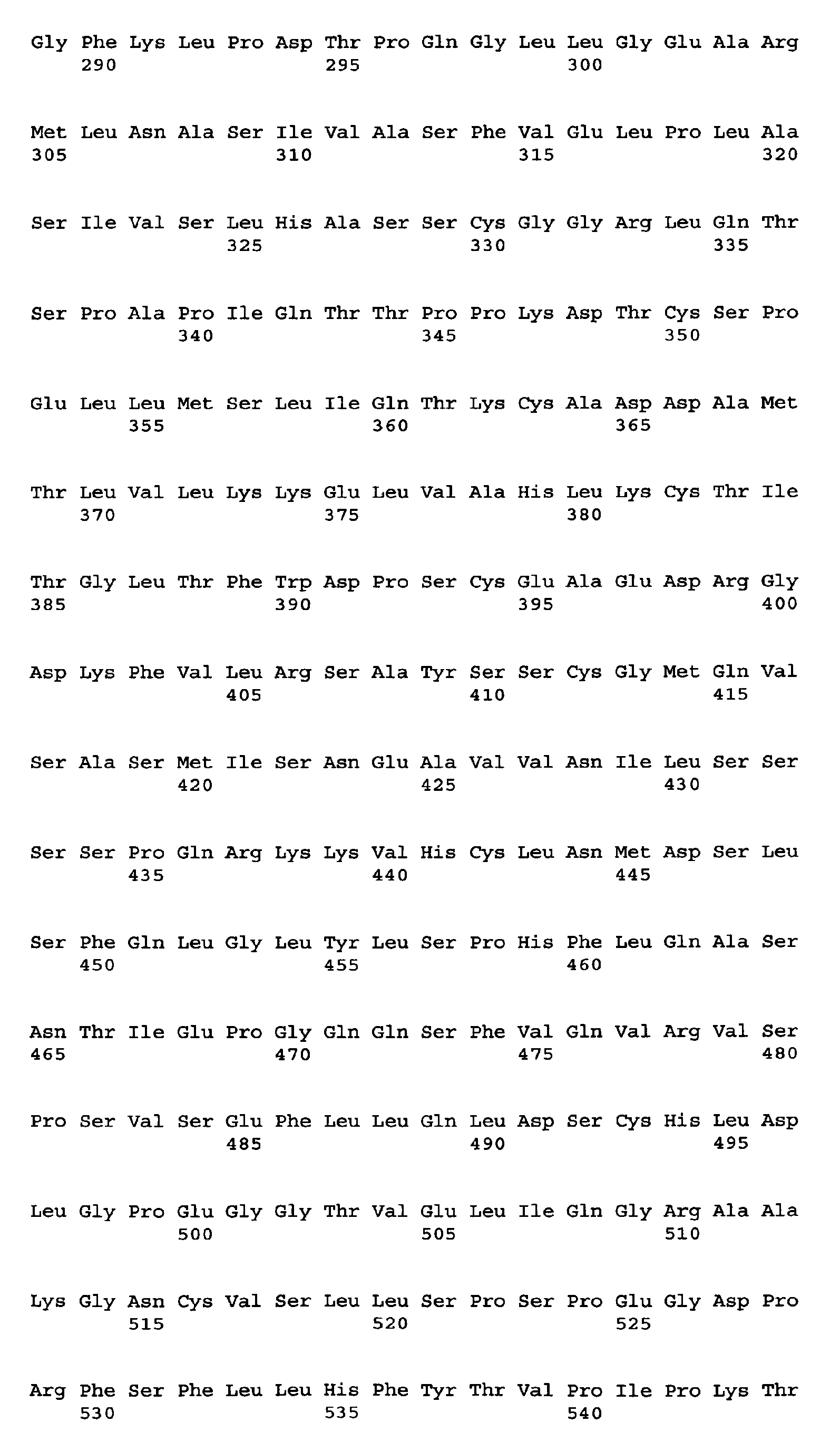


Claims (11)
- An artificial peptide for the treatment of cancer, the peptide is derived from endoglin and comprises a nonapeptide, which inhibits 50 % of binding of a reference peptide to human leukocyte antigen A2 in a competitive binding assay at a concentration below 5 µM of the nonapeptide, wherein the nonapeptide has a leucine or methionine at amino acid position 2 and/or a valine or leucine at amino acid position 9.
- The artificial peptide of claim 1, wherein the peptide is selected from the group consisting of SEQ ID NO: 11 to SEQ ID NO: 16.
- The artificial peptide of claim 1 or 2, wherein the peptide is derived from mammalian endoglin, mice endoglin, rat endoglin, guinea pig endoglin and/or primate endoglin, particularly human endoglin.
- The artificial peptide of any of the preceding claims, wherein the reference peptide is a fluorescein labeled peptide.
- An artificial peptide for the treatment of cancer, the peptide is derived from human endoglin and binds specifically to human leukocyte antigen A2, wherein the peptide is selected from the group consisting of SEQ ID NO: 1 to SEQ ID NO: 16.
- A polypeptide for the treatment of cancer, the polypeptide comprises the artificial peptide of any of the preceding claims.
- A nucleic acid for the treatment of cancer, the nucleic acid encodes at least one peptide of any of claims 1 to 5 or at least one polypeptide of claim 6.
- An antibody against at least one peptide of any of claims 1 to 5 or at least one polypeptide of claim 6 for the treatment of cancer.
- A vaccine comprising at least one substance selected from the group consisting of the peptide of any of claims 1 to 5, the polypeptide of claim 6, the nucleic acid of claim 7 and the antibody of claim 8.
- A method for preparing a vaccine comprising the steps of:a) providing the peptide of any of claims 1 to 5, the polypeptide of claim 6 or the antibody of claim 8;b) admixing an adjuvant to the peptide, polypeptide or antibody.
- Use of at least one peptide of any of claims 1 to 5, polypeptide of claim 6, nucleic acid of claim 7 or antibody of claim 8 for the manufacture of a drug and/or a vaccine for the treatment and/or prevention of cancer or an immunological disorder.
Priority Applications (2)
| Application Number | Priority Date | Filing Date | Title |
|---|---|---|---|
| EP08014455A EP2153845A1 (en) | 2008-08-13 | 2008-08-13 | Endoglin peptides, vaccines and methods for preparing the same |
| PCT/EP2009/060487 WO2010018207A1 (en) | 2008-08-13 | 2009-08-13 | Endoglin peptides, vaccines and methods for preparing the same |
Applications Claiming Priority (1)
| Application Number | Priority Date | Filing Date | Title |
|---|---|---|---|
| EP08014455A EP2153845A1 (en) | 2008-08-13 | 2008-08-13 | Endoglin peptides, vaccines and methods for preparing the same |
Publications (1)
| Publication Number | Publication Date |
|---|---|
| EP2153845A1 true EP2153845A1 (en) | 2010-02-17 |
Family
ID=40085427
Family Applications (1)
| Application Number | Title | Priority Date | Filing Date |
|---|---|---|---|
| EP08014455A Withdrawn EP2153845A1 (en) | 2008-08-13 | 2008-08-13 | Endoglin peptides, vaccines and methods for preparing the same |
Country Status (2)
| Country | Link |
|---|---|
| EP (1) | EP2153845A1 (en) |
| WO (1) | WO2010018207A1 (en) |
Families Citing this family (2)
| Publication number | Priority date | Publication date | Assignee | Title |
|---|---|---|---|---|
| ES2741649T3 (en) * | 2011-10-28 | 2020-02-11 | Regeneron Pharma | Mice with major genetically modified histocompatibility complex |
| ES2423382B1 (en) * | 2012-02-16 | 2014-07-15 | Consejo Superior De Investigaciones Científicas (Csic) | INHIBITOR OF SOLUBLE ENDOGLINE PRODUCTION AND ITS APPLICATION IN PATHOLOGIES WHERE SOLUBLE ENDOGLINE HAS A PATHOGENIC EFFECT |
Citations (1)
| Publication number | Priority date | Publication date | Assignee | Title |
|---|---|---|---|---|
| US6190660B1 (en) * | 1996-05-31 | 2001-02-20 | Health Research, Inc. | Anti-endoglin monoclonal antibodies and their use in antiangiogenic therapy |
-
2008
- 2008-08-13 EP EP08014455A patent/EP2153845A1/en not_active Withdrawn
-
2009
- 2009-08-13 WO PCT/EP2009/060487 patent/WO2010018207A1/en not_active Ceased
Patent Citations (1)
| Publication number | Priority date | Publication date | Assignee | Title |
|---|---|---|---|---|
| US6190660B1 (en) * | 1996-05-31 | 2001-02-20 | Health Research, Inc. | Anti-endoglin monoclonal antibodies and their use in antiangiogenic therapy |
Non-Patent Citations (14)
| Title |
|---|
| ADAMI ET AL.: "Cancer risk following organ transplantation: a nationwide cohort study in Sweden", BR J CANCER, vol. 89, 2003, pages 1221 - 1227 |
| BERKE ET AL.: "Peptides spanning the junctional region of both the abl/bcr and the bcr/abl fusion proteins bind common HLA class I molecules", LEUKEMIA, vol. 14, 2000, pages 419 - 426 |
| DALES ET AL.: "Prognostic significance of angiogenesis evaluated by CD105 expression compared to CD31 in 905 breast carcinomas: correlation with long-term patient outcome", INT J ONCOL, vol. 24, 2004, pages 1197 - 1204 |
| HOFMEISTER ET AL.: "Anti-cancer therapies targeting the tumor stroma", CANCER IMMUNOL. IMMUNOTHER., vol. 57, 2008, pages 1 - 17 |
| HOFMEISTER V ET AL: "Peptide Epitopes derived from tumor stroma-associated antigens CD105 and FAP alpha for cancer immunotherapy", JOURNAL OF INVESTIGATIVE DERMATOLOGY, vol. 125, no. 3, Suppl. S, September 2005 (2005-09-01), & 35TH ANNUAL MEETING OF THE EUROPEAN-SOCIETY-FOR-DERMATOLOGICAL-RESEA RCH; TUBINGEN, GERMANY; SEPTEMBER 22 -24, 2005, pages A70, XP008099590, ISSN: 0022-202X * |
| JIAO ET AL: "A plasmid DNA vaccine encoding the extracellular domain of porcine endoglin induces anti-tumour immune response against self-endoglin-related angiogenesis in two liver cancer models", DIGESTIVE AND LIVER DISEASE, W.B. SAUNDERS, vol. 38, no. 8, 1 August 2006 (2006-08-01), pages 578 - 587, XP005541415, ISSN: 1590-8658 * |
| KESSLER ET AL.: "Competition-based cellular peptide binding assays for 13 prevalent HLA class I alleles using fluorescein-labeled synthetic peptides", HUMAN IMMUNOLOGY, vol. 64, 2003, pages 245 - 255 |
| KONDRATIEV ET AL.: "Intratumoral CD8+ T Lymphocytes as a prognostic factor of survival in endometrial carcinoma", CLIN CANCER RES, vol. 10, 2004, pages 4450 - 4456 |
| MCCUTCHEON ET AL.: "A sensitive ELISPOT assay to detect low-frequency human T lymphocytes", JOURNAL OF IMMUNOLOGICAL METHODS, vol. 210, 1997, pages 149 - 166 |
| MIZUTANI N ET AL: "DNA vaccines suppress angiogenesis and protect against growth of breast cancer metastases.", BREAST DISEASE 2004, vol. 20, 2004, pages 81 - 91, XP008099602, ISSN: 0888-6008 * |
| PARKER ET AL.: "Scheme for ranking potential HLA-A2 binding peptides based on independent binding of individual peptide side-chains", J IMMUNOL, vol. 152, 1994, pages 163 - 175 |
| RAMMENSEE ET AL.: "SYFPEITHI: database for MHC ligands and peptide motifs", IMMUNOGENETICS, vol. 50, 1999, pages 213 - 219 |
| TAN GUANG-HONG ET AL: "Active immunotherapy of tumors with a recombinant xenogeneic endoglin as a model antigen", EUROPEAN JOURNAL OF IMMUNOLOGY, vol. 34, no. 7, July 2004 (2004-07-01), pages 2012 - 2021, XP002508237, ISSN: 0014-2980 * |
| TAN GUANG-HONG ET AL: "Combination of recombinant xenogeneic endoglin DNA and protein vaccination enhances anti-tumor effects", IMMUNOLOGICAL INVESTIGATIONS, vol. 36, no. 4, 2007, pages 423 - 440, XP008099601, ISSN: 0882-0139 * |
Also Published As
| Publication number | Publication date |
|---|---|
| WO2010018207A1 (en) | 2010-02-18 |
Similar Documents
| Publication | Publication Date | Title |
|---|---|---|
| CN114127091B (en) | Tumor neoantigen polypeptides and their uses | |
| KR102668219B1 (en) | Method for detecting novel immunogenic T cell epitopes and isolating novel antigen-specific T cell receptors using MHC cell libraries | |
| EP2359841B1 (en) | Survivin-derived peptides and use thereof | |
| JP6435286B2 (en) | Cancer vaccine composition | |
| US8053552B2 (en) | Neopeptides and methods useful for detection and treatment of cancer | |
| JP5729887B2 (en) | T cell receptor β chain gene and α chain gene | |
| CN112979783A (en) | Method for obtaining tumor specific T cell receptor | |
| CA2777821A1 (en) | Tumor-associated peptides that bind to mhc-molecules | |
| US10987413B2 (en) | MHC-independent tumor-associated antigens | |
| KR20230107206A (en) | RAS Neoantigens and Uses Thereof | |
| CN111032686A (en) | Treatment of hematologic malignancies | |
| EP3322718A1 (en) | Histone anti-cancer vaccines | |
| WO2010018207A1 (en) | Endoglin peptides, vaccines and methods for preparing the same | |
| EP1354895A1 (en) | Neopeptides useful for detection and treatment of cancer | |
| US20220409716A1 (en) | T-cell compositions and methods of making and using the same | |
| JPWO2005007694A1 (en) | HER2 / neu peptide and its therapeutic use | |
| JP2007097580A (en) | T CELL RECEPTOR beta CHAIN GENE | |
| EP2857035A1 (en) | Survivin-derived peptides and use thereof | |
| WO2024262558A1 (en) | Tumor antigen peptide encoded by human endogenous retrovirus gene | |
| HK1134030B (en) | Survivin-derived peptides and use thereof |
Legal Events
| Date | Code | Title | Description |
|---|---|---|---|
| PUAI | Public reference made under article 153(3) epc to a published international application that has entered the european phase |
Free format text: ORIGINAL CODE: 0009012 |
|
| AK | Designated contracting states |
Kind code of ref document: A1 Designated state(s): AT BE BG CH CY CZ DE DK EE ES FI FR GB GR HR HU IE IS IT LI LT LU LV MC MT NL NO PL PT RO SE SI SK TR |
|
| AX | Request for extension of the european patent |
Extension state: AL BA MK RS |
|
| AKY | No designation fees paid | ||
| STAA | Information on the status of an ep patent application or granted ep patent |
Free format text: STATUS: THE APPLICATION IS DEEMED TO BE WITHDRAWN |
|
| 18D | Application deemed to be withdrawn |
Effective date: 20100818 |
|
| REG | Reference to a national code |
Ref country code: DE Ref legal event code: 8566 |