EP2138033B1 - Controlling starch synthesis - Google Patents
Controlling starch synthesis Download PDFInfo
- Publication number
- EP2138033B1 EP2138033B1 EP09169666.6A EP09169666A EP2138033B1 EP 2138033 B1 EP2138033 B1 EP 2138033B1 EP 09169666 A EP09169666 A EP 09169666A EP 2138033 B1 EP2138033 B1 EP 2138033B1
- Authority
- EP
- European Patent Office
- Prior art keywords
- fruit
- starch
- adpgppase
- plants
- tomato
- Prior art date
- Legal status (The legal status is an assumption and is not a legal conclusion. Google has not performed a legal analysis and makes no representation as to the accuracy of the status listed.)
- Expired - Lifetime
Links
Images
Classifications
-
- C—CHEMISTRY; METALLURGY
- C12—BIOCHEMISTRY; BEER; SPIRITS; WINE; VINEGAR; MICROBIOLOGY; ENZYMOLOGY; MUTATION OR GENETIC ENGINEERING
- C12N—MICROORGANISMS OR ENZYMES; COMPOSITIONS THEREOF; PROPAGATING, PRESERVING, OR MAINTAINING MICROORGANISMS; MUTATION OR GENETIC ENGINEERING; CULTURE MEDIA
- C12N9/00—Enzymes; Proenzymes; Compositions thereof; Processes for preparing, activating, inhibiting, separating or purifying enzymes
- C12N9/10—Transferases (2.)
- C12N9/12—Transferases (2.) transferring phosphorus containing groups, e.g. kinases (2.7)
- C12N9/1241—Nucleotidyltransferases (2.7.7)
-
- A—HUMAN NECESSITIES
- A01—AGRICULTURE; FORESTRY; ANIMAL HUSBANDRY; HUNTING; TRAPPING; FISHING
- A01H—NEW PLANTS OR NON-TRANSGENIC PROCESSES FOR OBTAINING THEM; PLANT REPRODUCTION BY TISSUE CULTURE TECHNIQUES
- A01H1/00—Processes for modifying genotypes ; Plants characterised by associated natural traits
- A01H1/04—Processes of selection involving genotypic or phenotypic markers; Methods of using phenotypic markers for selection
-
- C—CHEMISTRY; METALLURGY
- C12—BIOCHEMISTRY; BEER; SPIRITS; WINE; VINEGAR; MICROBIOLOGY; ENZYMOLOGY; MUTATION OR GENETIC ENGINEERING
- C12N—MICROORGANISMS OR ENZYMES; COMPOSITIONS THEREOF; PROPAGATING, PRESERVING, OR MAINTAINING MICROORGANISMS; MUTATION OR GENETIC ENGINEERING; CULTURE MEDIA
- C12N15/00—Mutation or genetic engineering; DNA or RNA concerning genetic engineering, vectors, e.g. plasmids, or their isolation, preparation or purification; Use of hosts therefor
- C12N15/09—Recombinant DNA-technology
- C12N15/63—Introduction of foreign genetic material using vectors; Vectors; Use of hosts therefor; Regulation of expression
- C12N15/79—Vectors or expression systems specially adapted for eukaryotic hosts
- C12N15/82—Vectors or expression systems specially adapted for eukaryotic hosts for plant cells, e.g. plant artificial chromosomes (PACs)
- C12N15/8241—Phenotypically and genetically modified plants via recombinant DNA technology
- C12N15/8242—Phenotypically and genetically modified plants via recombinant DNA technology with non-agronomic quality (output) traits, e.g. for industrial processing; Value added, non-agronomic traits
- C12N15/8243—Phenotypically and genetically modified plants via recombinant DNA technology with non-agronomic quality (output) traits, e.g. for industrial processing; Value added, non-agronomic traits involving biosynthetic or metabolic pathways, i.e. metabolic engineering, e.g. nicotine, caffeine
- C12N15/8245—Phenotypically and genetically modified plants via recombinant DNA technology with non-agronomic quality (output) traits, e.g. for industrial processing; Value added, non-agronomic traits involving biosynthetic or metabolic pathways, i.e. metabolic engineering, e.g. nicotine, caffeine involving modified carbohydrate or sugar alcohol metabolism, e.g. starch biosynthesis
Definitions
- the present invention relates to a method of producing genetically transformed tomato plants with increased starch content in the young fruit and subsequently increased soluble solids content in the mature fruit. In addition, it relates to the use of genes that increase starch in the tomato.
- the solids content of ripe tomato fruit is a major determinant of its quality.
- Increasing the soluble solids (largely sugars and organic acids) content and thereby improving the value of industry tomatoes and the taste of fresh market tomatoes have been the goal of research projects for many years.
- Several approaches to improving solids levels have been taken, encompassing both agrotechnical and genetic manipulations.
- Soluble solids content of tomato fruit are primarily comprised of sugars, organic acids and salts. Collectively the soluble solids content is a major determinant of fruit quality, both for industry use and for fresh market consumption. Approximately half of the soluble solids content is contributed by the sugar fraction which, in all standard cultivars of Lycopersicon esculentum, consists of the monosaccharide reducing sugars glucose and fructose in approximately equimolar concentrations.
- the tomato plant translocates photosynthate to the fruit in the form of sucrose ( Walker L.J. and Ho L.C. 1977. Ann. Bot. 41:813-823 ) and therefore, the temporal accumulation of starch will presumably be determined by temporal changes in the activities of key enzymes involved in sucrose to starch metabolism.
- the enzymatic pathway of starch synthesis in young tomato fruit has been studied and described ( Schaffer, A.A. and Petreikov, M. 1997a. Plant Physiology 113:739-746 ; Schaffer, A.A. and Petreikov, M 1997b. Physiologia Plantarum 101:800-806 ).
- WO 94/22289 discloses a method for breeding tomato plants which produce tomatoes having superior taste characteristics. The method involves measuring of fructose levels.
- ADPGPPase ADP-glucose pyrophosphorylase
- ADPGPPase ADP-glucose pyrophosphorylase
- transgenic tomato plants and potato plants were developed with a bacterial mutant form of ADPGPPase ( E. coli, GlgC16, a glycogen overproducer).
- Transgenic tomatoes showed a higher starch content in the immature fruit and an increased sugar content in the mature fruit.
- Transgenic potato tubers with the same bacterial gene construct also showed an increase in starch content. Reciprocally, inhibition of ADPGPPase activity decreased the starch content of transgenic potato tubers, further indicating the importance of ADPGPPase in controlling starch accumulation.
- a gene for ADPGPPase of bacterial origin requires molecular genetic manipulations in order for the gene to function in eucaryotic plant tissue. For example, it requires that an artificial gene construct be developed that will encode a fusion polypeptide containing a specific amino terminal transit peptide, not present in the procaryotic gene, as well as other DNA sequence additions that will cause in plant cells transcriptional termination, and the addition of polyadenylated nucleotides to the 3' end of the RNA sequence. In comparison, the use of a plant gene for similar transformations does not require these manipulations.
- fructokinase two genes from tomato fruit have been identified, cloned and sequenced ( Kanayama, Y. et al 1997. Plant Physiology 113:1379-1384 ) One of these genes, FK2, is particularly involved in the metabolic pathway associated with starch synthesis ( Kanayama et al. 1998. Plant Physiology 117:85-90 ) Similarly, the gene for sucrose synthase from tomato fruit has been cloned and sequenced ( Wang, F., et al. Plant Physiology 103:1463-1464 ) and has been shown to be the gene for sucrose synthase of sink tissue ( Fu, H. and Park, W.D. Plant Cell 7:1369-1385 ).
- ADPGPPase the enzyme functions in higher plants as a heterotetramer, comprised of two large and two small subumts ( Preiss, J. and Sivak, M. In: Photoassimilate Distribution in Plants and Crops, Zamski, E. and Schaffer, A.A., eds., Marcel Dekker Publ, NYC, pp. 63-96, 1996 ) which are under independent genetic control.
- Three separate L . esculentum genes coding for the large subunits and one gene for the small subunit have recently been cloned and sequenced ( Chen, B.Y. and Janes, H., 1995, Plant Physiology 109:1498 ; Park, S.W. and Chung, W.I.
- ADPGPPase genes Much effort has been made in order to identify sources of ADPGPPase genes in plants that may contribute to improving starch content, as for example in corn ( Giroux, M.J. et al., Proc. Natl. Acad. Sci. USA 93:5824-5829 ), where site-specific mutation of the gene for the large subunit of ADPGPPase, using a transposable element Ds system, led to an insertion mutation of ADPGPPase which had decreased sensitivity to the ADPGPPase inhibitor, phosphate, as well as increased seed weight.
- the present invention seeks to provide selection strategies for tomatoes with high starch content in the young fruit and subsequent high soluble solids in the mature fruit.
- the Lycopersicon spp. includes a Lycopersicon spp. of green-fruited Eriopersicon subgenus.
- the Lycopersicon spp. includes Lycopersicon h irsutum.
- L. esculentum breeding line 1630 (a Volcani Institute male sterile breeding line, used to simplify the production of the interspecific hybrid) were pollinated with pollen of the wild species L. hirsutum (LA1777). Hybrid F1 plants were grown and allowed to self pollinate, generating F2 seed. F2 seed were sown and about 350 plants were grown in a screenhouse and allowed to self pollinate.
- Ripe fruit from each individual plant which produced fruit were individually analyzed for soluble solids (refractometrically). Only 25 of the interspecific F2 plants freely produced fruit. Pollen from one plant (F2-82) which was characterized by high soluble sugar level in the mature fruit (71 mg soluble sugar, composed of sucrose, glucose and fructose, per gram fresh weight of fruit) was used to pollinate a standard, industry type tomato (breeding line A701) for the production of the backcross-F1 (BC-F1) population. 100 BC-F1 plants were grown in the field and mature fruit of individual plants were analyzed for soluble solids, refractometrically, as well as soluble sugars, as above.
- a pedigree, single seed descent selection program was carried out, selecting the plants with highest total soluble solids and soluble sugar levels. Each generation consisted of at least 100 plants. This selection technique was carried out for six generations, until the BC-F7 generation, leading to breeding lines with higher solids levels than the standard industry type cultivars.
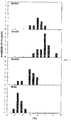
- Fig. 1 shows a series of histograms representing the BCF6 lines from which three BCF7 breeding lines were selected.
- the BCF6 95-929 had an average TSS value of 4.8 (11 plants, 5 fruits per plant)
- the BCF6 95-931 had an average TSS value of 5.7 (8 plants, 5 fruits per plant)
- the BCF6 95-935 had an average TSS value of 6.1 (15 plants, 5 fruits per plant), as compared to the standard cultivar, M-82 which had an average TSS value of 3.5 (10 plants, 5 fruits per plant).
- the individual plant selection 95-929-6 which led to the BCF7 line 900, had a TSS of 5.5 with a plant yield of 9.1 kg fruit.
- the individual plant selection 95-931-2 which led to the BCF7 line 901, had a TSS of 6.5 with a plant yield of 7.2 kg fruit.
- the individual plant selection 95-935-5 which led to the BCF7 line 904, had a TSS of 6.6 with a plant yield of 4.7 kg fruit.
- the average plant yield of M-82 was 6.1 kg, based on an average of 6 plants.
- breeding line 900 is characterized by significantly higher levels of activity of the enzymes ADPGPPase and fructokinase while lines 901 and 904 are characterized by significantly higher activities of the enzyme ADPGPPase alone.
- Line 904 is characterized by the highest levels of the enzyme. ADPGPPase among the lines we studied and was used for further study of the role of ADPGPPase in starch accumulation and TSS levels of tomato fruit.
- the high starch line 904 was further hybridized with eleven independent tomato breeding lines.
- M-82 the standard industry type tomato cultivar, M-82, was similarly hybridized with each of these eleven lines.
- the eleven lines used were from the L. pennellii introgression lines (ILS). These introgression lines are a set of purebred lines each containing a small chromosome segment of the wild green-fruited Lycopersicon pennellii in the background of the cultivated L. esculentum cv M-82 ( Eshed et al., 1992, Theor Appl. Genet., 83:1027- 1034 ). These lines were developed from an initial interspecific cross between L. pennellii and L. esculentum cv M-82.
- the resulting F1 individuals were backcrossed to L. esculentum cv M-82 and selfed for several generations.
- chromosome segments of L. pennellii were selected for using restriction fragment length polymorphism probes covering the entire tomato genome.
- the introgression lines therefore provide a set of nearly-isogenic lines for segments of the wild-species genome and enable the association of yield traits with specific wild-species chromosome segments ( Eshed Y. and Zamir D. 1994. Theor Appl. Genet., 88:891-897 ). Eleven such introgression lines were used for this study. The assumption was that crossing the 904 high starch line with this broad spectrum of genotypes, and crossing in parallel M-82 with the same identical genotypes would supply us with a broad spectrum of genetic background in which the genetic effect of 904 could be discerned.
- Starch levels of the immature fruit, as well as soluble solids levels of the mature fruit, from the average of the eleven hybrids with line 904 were significantly higher than starch levels of immature fruit and soluble solids levels from mature fruit from the parallel hybrids with M-82 (Table 2).
- a number of these immature fruit, representing the high starch hybrids with 904 and the low starch hybrids with M-82 were subjected to a detailed enzymatic analysis of the enzymes involved in sucrose to starch metabolism in the immature tomato fruit (as described above).
- Table 3 shows that of the ten enzymes assayed, only ADPGPPase activity was significantly higher in the hybrids with the high starch line (904), compared to the hybrids with the M-82 line.
- Table 1 Starch levels and enzyme activities of immature tomato fruit (approximately 15 DAA) for CV M-82 and three high starch breeding lines 900, 901 and 904.
- M-82 900 901 904 Starch (mg/gfw) 13.1 23.3 * 23.2 * 34.9 * Enzymes (nmol/gfw/min)
- ADPglu PPase 40 142 * 84 * 268 * * indicates statistical significance (P ⁇ 0.05) of each individual high starch line as compared to M-82.
- Table 2 Starch content of immature fruit (approx 15 days after anthesis) and °Brix (TSS) values of mature fruit of line 904, M-82, the hybrid between them, the mix of 11 hybrids between M-82 and 11 introgression lines (ILS) and the mix of 11 hybrids between 904 and the same 11 ILS.
- TSS °Brix
- Line 904 was shown to carry the L. hirsutum gene for large subunit 1 (LS1) while the other subunits of ADPGPPase in line 904 were shown to be derived from the L. esculentum.
- an F2 population of 64 plants of the cross between the high starch line 904 and the standard line M-82 was grown.
- the plants were genotypically typed at the first true leaf stage to determine whether they were homozygous for the L. hirsutum ADPGPPase LS1 allele (HH), homozygous for the L. esculentum allele (EE) or heterozygous (HE) containing both alleles.
- the 64 F2 plants segregated for the LS1 in a ratio of 16:31:17, as expected for a single locus.
- ADPGPPase activity and starch levels are the averages from 4 fruit (8-13 gr.) from individual F2 plants.
- TSS values are the average of a minimum of 5 fruit of each genotype.
- the RNA extraction was carried out using the TRIzol reagent system (GibcoBRL life technologies, Gaithersburg, MD, USA).
- the total RNA was used as template for first strand cDNA synthesis using the Superscript preamplification system (GibcoBRL life technologies, Gaithersburg, MD, USA).
- the cDNA prepared was used as template in a PCR reaction to amplify the gene encoding ADPGPPase large subunit (LS).
- the DNA fragments containing the ADPGPPase large subunit (LS) were excised from an agarose gel and purified using the GENECLEAN II kit (BIO 101 inc., La Jolla CA, USA). The PCR bands were then cloned into an pGEM-T Easy vector using the pGEM-T and pGEM-T Easy Vector Systems according to the manufacturer recommendations (Promega corporation, Madison, WI, USA). The DNA clones were sequenced using an automated sequencer (Applied Biosystems, Foster City, CA, USA).
- Table 6 is the nucleotide sequence of ADPGPPase LS1 (ADPGlucose pyrophosphorylase, large subunit 1) from L.hirsutum.
- Table 7 is the derived amino acid sequence for ADPGPPase LS1 (ADPGlucose pyrophosphorylase, large subunit 1) from L. hirsutum.
- Table 6 Nucleotide sequence of ADPGPPase LS1 (ADPGlucose pyrophosphorylase, large subunit 1) from L. hirsutum (SEQ ID NO: 9).
- Table 7 Derived amino acid sequence for ADPGPPase LS1 from L. hirsutum (SEQ ID NO: 10).
- the large subunit 1 of ADPGPPase was shown to increase starch level.
- the present invention can also be carried out by transferring the L. hirsutum genes for any of the other 3 subunits of the enzyme, using the specific PCR markers developed for each of these genes, as they may also increase starch.
- transfer of ADPGPPase genes from other wild tomato species, other than L. hirsutum may also increase starch in crosses with L. esculentum.
- transfer of genes for other enzymes of starch synthesis from wild species such as fructokinase and sucrose synthase for which the gene sequences from L. esculentum are known, may also increase starch levels.
- Plants that can genetically be transformed to have increased starch content include a large range of agriculturally important crops, such as but not limited to, potato, tomato, corn, wheat, cotton, banana, soybean, pea and rice.
- the plant transformation technology including methods of transformation, such as the use of Agrobacterium tumefaciens, and methods of developing constructs, including the use of tissue specific promoters is well established and has recently been reviewed by Christou, P. ("Transformation technology", Trends in Plant Science, 1:423-431 ).
- tissue specific promoters including the constitutive promoters (CaMV) 35S and the maize ubiquitin promoter.
- organ/tissue specific promoters for expression in seeds, tubers, immature fruit, mature fruit, pollen, roots and other organs.
Landscapes
- Health & Medical Sciences (AREA)
- Life Sciences & Earth Sciences (AREA)
- Genetics & Genomics (AREA)
- Engineering & Computer Science (AREA)
- Chemical & Material Sciences (AREA)
- Wood Science & Technology (AREA)
- Molecular Biology (AREA)
- Organic Chemistry (AREA)
- Biotechnology (AREA)
- Zoology (AREA)
- Bioinformatics & Cheminformatics (AREA)
- Biomedical Technology (AREA)
- General Engineering & Computer Science (AREA)
- General Health & Medical Sciences (AREA)
- Biochemistry (AREA)
- Nutrition Science (AREA)
- Microbiology (AREA)
- Plant Pathology (AREA)
- Medicinal Chemistry (AREA)
- Physics & Mathematics (AREA)
- Cell Biology (AREA)
- Environmental Sciences (AREA)
- Developmental Biology & Embryology (AREA)
- Botany (AREA)
- Biophysics (AREA)
- Breeding Of Plants And Reproduction By Means Of Culturing (AREA)
- Measuring Or Testing Involving Enzymes Or Micro-Organisms (AREA)
- Polysaccharides And Polysaccharide Derivatives (AREA)
- Enzymes And Modification Thereof (AREA)
- Micro-Organisms Or Cultivation Processes Thereof (AREA)
- Crystals, And After-Treatments Of Crystals (AREA)
- Catalysts (AREA)
Abstract
Description
- The present invention relates to a method of producing genetically transformed tomato plants with increased starch content in the young fruit and subsequently increased soluble solids content in the mature fruit. In addition, it relates to the use of genes that increase starch in the tomato.
- The solids content of ripe tomato fruit is a major determinant of its quality. Increasing the soluble solids (largely sugars and organic acids) content and thereby improving the value of industry tomatoes and the taste of fresh market tomatoes have been the goal of research projects for many years. Several approaches to improving solids levels have been taken, encompassing both agrotechnical and genetic manipulations.
- Soluble solids content of tomato fruit are primarily comprised of sugars, organic acids and salts. Collectively the soluble solids content is a major determinant of fruit quality, both for industry use and for fresh market consumption. Approximately half of the soluble solids content is contributed by the sugar fraction which, in all standard cultivars of Lycopersicon esculentum, consists of the monosaccharide reducing sugars glucose and fructose in approximately equimolar concentrations.
- Several strategies to increase sugar concentration in ripe tomato fruit have been explored. Genetic manipulations include the transfer of undefined traits of high soluble solids from wild species of Lycopersicon (Rick C.M. 1974. Hilgardia 42:493-510; and Hewitt J.D., Dinar M. and Stevens M.A. 1982. J. Am. Soc. Hort. Sci. 107:896-900) and more recently the transfer of the genetic trait of sucrose accumulation from the wild Lycopersicon chmielewskii (Yelle S., Hewitt J.D., Robinson N.L., Damon N.S. and Bennett A.B. 1988. Pl. Physiol. 87:737-740; and Yelle S., Chetelat R.T., Dorais M., Deverna J.W. and Bennett A.B. 1991. Pl. Physiol. 95:1026-1035) and L. hirsutum (Miron D. and Schaffer A.A. 1991. Pl. Physiol. 95:623-627), as well as the transfer of the genetic trait of high fructose to glucose ratio in the mature fruit, from L. hirsutum (
US Patent Application 08/530,216 ). The latter approach was made possible by the study of the components of carbohydrate metabolism in developing tomato fruit tissue with the purpose of identifying biochemical steps whose modification may lead to increased soluble carbohydrate content in the fruit (Yelle et al, 1988, 1991: Miron and Schaffer, 1991). Once identified, these biochemical processes could then be targeted for modification by classical genetic means, assisted by selection for the genotypic biochemical trait, or by molecular genetic strategies. The young, developing tomato fruit is characterized by a transient starch accumulation which can contribute over 25% of the dry weight of the fruit tissue Starch concentration begins to increase within days after anthesis and reaches peak concentrations before the mature green stage (Schaffer, A.A. and Petreikov, M. 1997a. Plant Physiology 113 739-746). At the mature stage this starch is practically absent in the tomato fruit tissue. It has been hypothesized that the transiently accumulated starch serves as a reservoir of carbohydrate for the later accumulation of soluble sugars in the mature fruit (Dinar M. and Stevens M.A. 1981 J. Am. Soc. Hort. Sci. 106: 415-418). Dinar and Stevens laid the groundwork for this hypothesis in their study comparing seven genotypes of tomato whose total soluble solids (TSS) values in the ripe fruit spanned the spectrum from 4.6 to 6.3°Brix. They found that TSS values in ripe fruit were positively correlated with starch content in young, immature fruit and proposed that the products of starch hydrolysis contribute to the accumulation of soluble sugars. - The tomato plant translocates photosynthate to the fruit in the form of sucrose (Walker L.J. and Ho L.C. 1977. Ann. Bot. 41:813-823) and therefore, the temporal accumulation of starch will presumably be determined by temporal changes in the activities of key enzymes involved in sucrose to starch metabolism. The enzymatic pathway of starch synthesis in young tomato fruit has been studied and described (Schaffer, A.A. and Petreikov, M. 1997a. Plant Physiology 113:739-746; Schaffer, A.A. and Petreikov, M 1997b. Physiologia Plantarum 101:800-806). Four enzymes were identified that potentially limit starch accumulation in these fruit, based on their absolute activities, as well as on the developmental changes in their activities which correlate temporally with the developmental changes in starch levels. These enzymes include those that catalyze the initial steps of sucrose metabolism in the young fruit (sucrose synthase, E.C. 2.4.1.13, and fructokinase, E.C. 2.7.1.4) as well as the latter steps of starch synthesis (ADP-glucose pyrophosphorylase, E.C. 2.7.7.27, and starch synthase, E.C. 2.4.1.21) In addition, Schaffer and Petreikov have shown that starch accumulation is tissue specific, localized primarily in the columella and inner pericarp tissues, and suggested that relative contributions of these tissues to fruit bulk could impact on fruit starch content.
-
WO 94/22289 - Research has clearly shown that one of the above mentioned enzymes, ADPGPPase (ADP-glucose pyrophosphorylase), may be limiting to starch synthesis in tomato fruit, as well as in other starch accumulating tissues, such as potato tubers. In Stark D.M., Barry G.F., and Kishore G.M. 1996. Ann. NY Cad. Sci. 792:26-36, transgenic tomato plants and potato plants were developed with a bacterial mutant form of ADPGPPase (E. coli, GlgC16, a glycogen overproducer). Transgenic tomatoes showed a higher starch content in the immature fruit and an increased sugar content in the mature fruit. Transgenic potato tubers with the same bacterial gene construct also showed an increase in starch content. Reciprocally, inhibition of ADPGPPase activity decreased the starch content of transgenic potato tubers, further indicating the importance of ADPGPPase in controlling starch accumulation.
- The use of a gene for ADPGPPase of bacterial origin requires molecular genetic manipulations in order for the gene to function in eucaryotic plant tissue. For example, it requires that an artificial gene construct be developed that will encode a fusion polypeptide containing a specific amino terminal transit peptide, not present in the procaryotic gene, as well as other DNA sequence additions that will cause in plant cells transcriptional termination, and the addition of polyadenylated nucleotides to the 3' end of the RNA sequence. In comparison, the use of a plant gene for similar transformations does not require these manipulations.
- In addition, the development of plants with increased or modified activity of these enzymes, based on the natural transfer through classical breeding techniques of naturally occurring alleles of these genes, can benefit from a number of advantages. For example, classical breeding techniques lead to the positioning of the desired allele in the natural position of the gene of interest, leading to genetic stability and obviating the unpredictable "position" effects characteristic of the development of transgenic organisms. In addition, with respect to consumer preferences, there are obvious advantages of a naturally derived commercial product such as a tomato fruit, compared to a transgenically derived tomato fruit.
- With respect to fructokinase, two genes from tomato fruit have been identified, cloned and sequenced (Kanayama, Y. et al 1997. Plant Physiology 113:1379-1384) One of these genes, FK2, is particularly involved in the metabolic pathway associated with starch synthesis (Kanayama et al. 1998. Plant Physiology 117:85-90) Similarly, the gene for sucrose synthase from tomato fruit has been cloned and sequenced (Wang, F., et al. Plant Physiology 103:1463-1464) and has been shown to be the gene for sucrose synthase of sink tissue (Fu, H. and Park, W.D. Plant Cell 7:1369-1385).
- With respect to ADPGPPase, the enzyme functions in higher plants as a heterotetramer, comprised of two large and two small subumts (Preiss, J. and Sivak, M. In: Photoassimilate Distribution in Plants and Crops, Zamski, E. and Schaffer, A.A., eds., Marcel Dekker Publ, NYC, pp. 63-96, 1996) which are under independent genetic control. Three separate L. esculentum genes coding for the large subunits and one gene for the small subunit have recently been cloned and sequenced (Chen, B.Y. and Janes, H., 1995, Plant Physiology 109:1498; Park, S.W. and Chung, W.I. 1998. Gene 206:215-221). Much effort has been made in order to identify sources of ADPGPPase genes in plants that may contribute to improving starch content, as for example in corn (Giroux, M.J. et al., Proc. Natl. Acad. Sci. USA 93:5824-5829), where site-specific mutation of the gene for the large subunit of ADPGPPase, using a transposable element Ds system, led to an insertion mutation of ADPGPPase which had decreased sensitivity to the ADPGPPase inhibitor, phosphate, as well as increased seed weight. As regards to the use of wild species of Lycopersicon for the modification of carbohydrate metabolism in tomatoes, as described in
US Patent Application 08/530,216 , although the fructose to glucose ratio in L. hirsutum is high, the actual amount of fructose and glucose is very low. Recombination of the genetic trait of fructose to glucose ratio, together with the trait of high glucose and fructose levels from L. esculentum yielded the unobvious and desirable trait of high levels of hexose, together with the high ratio of fructose to glucose. However, L. hirsutum fruit accumulate only low amounts of starch, as compared to the cultivated L. esculentum (Miron and Schaffer, 1991, Plant Physiology 95:623-627). Similarly, other wild species of Lycopersicon also accumulate little starch (i.e., L. chmieliewskii, Yelle et al. 1988. Plant Physiology 87:737-740). Thus, the prior art has never expected or considered the use of wild tomatoes as a possible source of genetic variability for the increase in starch accumulation. - The present invention seeks to provide selection strategies for tomatoes with high starch content in the young fruit and subsequent high soluble solids in the mature fruit.
- In accordance with the present invention the Lycopersicon spp. includes a Lycopersicon spp. of green-fruited Eriopersicon subgenus. Preferably the Lycopersicon spp. includes Lycopersicon hirsutum.
- Aspects of the invention are defined in the appended independent claims, to which reference is herewith made. Embodiments of the invention are defined in the appended dependent claims, to which reference is herewith also made.
- The present invention will be understood and appreciated more fully from the following detailed description, taken in conjunction with the drawing in which:
-
Figure 1 is a histogram of TSS (total soluble solids) values from individual plants of three BCF6 lines (95-929, 95-931 and 95-935), compared to a standard cultivar, M-82. Data from each plant is an average of TSS values from 5 individual fruit Single plant selections from 95-929, 95-931 and 95-935 led to the BCF7 high starch breeding lines 900, 901 and 904, respectively. - In addition, the following tables are presented:
- Table 1 shows the starch levels and activity of enzymes involved in the metabolism of sucrose to starch in young tomato fruit of the breeding lines 900, 901 and 904, compared to the standard cultivar, M-82. The * signifies statistical difference between each individual high starch line when compared to M-82 and does not indicate differences between the high starch lines. For the enzymes PGI (phosphoglucosisomerase), PGM (phosphoglucomutase) and UDPGPPase only one fruit was analyzed per line and since enzyme activity in all lines was relatively high and apparently in excess (as in Schaffer and Petreikov, 1997a) no significant differences were assumed. For the other assays, a minimum of 4 fruit from individual plants were assayed.
- Table 2 shows the TSS values of mature fruit, and the starch levels of immature fruit of M-82, 904, the hybrid between them, a mix of 11 hybrids between 904 and 11 introgression lines (described in text), and a mix of the 11 parallel hybrids between M-82 and the same 11 introgression lines. At least two fruit from each of the individual hybrids were measured and the average represents accordingly a minimum of 22 individual analyses. At least three fruit from each of M-82, 904 and the hybrid between them were assayed.
- Table 3 shows the enzyme activities of immature fruit pericarp of M-82, 904, the hybrid between them, a mix of 6 of the 11 hybrids between 904 and 11 introgression lines (described in text), and the parallel mix of 6 of the 11 hybrids between M-82 and the same introgression lines. For M-82, 904 and the hybrid between them, two fruit from individual plants were assayed.
- Table 4 shows the nucleotide sequences of the forward and reverse primers used in the PCR analysis of the 3 large and 1 small subunits of ADPGPPase and the restriction endonucleases used to digest the PCR product in order to obtain the L. hirsutum specific allele.
- Table 5 shows the activity levels of ADPGPPase of F2 plants from the cross of line 904 and M-82. The LS1 genotype of the plants was characterized at the seedling stage, as described further herein. ADPGPPase activity and starch levels are the averages from 4 fruit (8-13 gr.) from individual F2 plants. TSS values are the average of a minimum of 5 fruit of each genotype.
- Table 6 is the nucleotide sequence of ADPGPPase LS1 (ADPGlucose pyrophosphorylase, large subunit 1) from L. hirsutum.
- Table 7 is the derived amino acid sequence for ADPGPPase LS1 (ADPGlucose pyrophosphorylase, large subunit 1) from L. hirsutum.
- The following is one example of carrying out the present invention. Plants of the L. esculentum breeding line 1630 (a Volcani Institute male sterile breeding line, used to simplify the production of the interspecific hybrid) were pollinated with pollen of the wild species L. hirsutum (LA1777). Hybrid F1 plants were grown and allowed to self pollinate, generating F2 seed. F2 seed were sown and about 350 plants were grown in a screenhouse and allowed to self pollinate.
- Ripe fruit from each individual plant which produced fruit were individually analyzed for soluble solids (refractometrically). Only 25 of the interspecific F2 plants freely produced fruit. Pollen from one plant (F2-82) which was characterized by high soluble sugar level in the mature fruit (71 mg soluble sugar, composed of sucrose, glucose and fructose, per gram fresh weight of fruit) was used to pollinate a standard, industry type tomato (breeding line A701) for the production of the backcross-F1 (BC-F1) population. 100 BC-F1 plants were grown in the field and mature fruit of individual plants were analyzed for soluble solids, refractometrically, as well as soluble sugars, as above. A pedigree, single seed descent selection program was carried out, selecting the plants with highest total soluble solids and soluble sugar levels. Each generation consisted of at least 100 plants. This selection technique was carried out for six generations, until the BC-F7 generation, leading to breeding lines with higher solids levels than the standard industry type cultivars.
-
Fig. 1 shows a series of histograms representing the BCF6 lines from which three BCF7 breeding lines were selected. The BCF6 95-929 had an average TSS value of 4.8 (11 plants, 5 fruits per plant), the BCF6 95-931 had an average TSS value of 5.7 (8 plants, 5 fruits per plant) and the BCF6 95-935 had an average TSS value of 6.1 (15 plants, 5 fruits per plant), as compared to the standard cultivar, M-82 which had an average TSS value of 3.5 (10 plants, 5 fruits per plant). The individual plant selection 95-929-6, which led to the BCF7 line 900, had a TSS of 5.5 with a plant yield of 9.1 kg fruit. The individual plant selection 95-931-2, which led to the BCF7 line 901, had a TSS of 6.5 with a plant yield of 7.2 kg fruit. The individual plant selection 95-935-5, which led to the BCF7 line 904, had a TSS of 6.6 with a plant yield of 4.7 kg fruit. The average plant yield of M-82 was 6.1 kg, based on an average of 6 plants. - In the BC-F7 generation immature fruit (approx. 15 days after anthesis) were measured for starch levels, as described in Schaffer and Petreikov (1997a). Lines 900, 901 and 904 were characterized by immature starch levels significantly higher than that of a standard industry type tomato cultivar, M-82 (Table 1). A comparative survey of enzymatic activities involved in sucrose to starch metabolism, as described in Schaffer and Petreikov (1997a), was performed on immature fruit of the two breeding lines and the standard, M-82. Typical results are presented in Table 1 and show that breeding line 900 is characterized by significantly higher levels of activity of the enzymes ADPGPPase and fructokinase while lines 901 and 904 are characterized by significantly higher activities of the enzyme ADPGPPase alone. Line 904 is characterized by the highest levels of the enzyme. ADPGPPase among the lines we studied and was used for further study of the role of ADPGPPase in starch accumulation and TSS levels of tomato fruit.
- The high starch line 904 was further hybridized with eleven independent tomato breeding lines. In parallel, the standard industry type tomato cultivar, M-82, was similarly hybridized with each of these eleven lines. The eleven lines used were from the L. pennellii introgression lines (ILS). These introgression lines are a set of purebred lines each containing a small chromosome segment of the wild green-fruited Lycopersicon pennellii in the background of the cultivated L. esculentum cv M-82 (Eshed et al., 1992, Theor Appl. Genet., 83:1027- 1034). These lines were developed from an initial interspecific cross between L. pennellii and L. esculentum cv M-82. The resulting F1 individuals were backcrossed to L. esculentum cv M-82 and selfed for several generations. During the process, chromosome segments of L. pennellii were selected for using restriction fragment length polymorphism probes covering the entire tomato genome. The introgression lines therefore provide a set of nearly-isogenic lines for segments of the wild-species genome and enable the association of yield traits with specific wild-species chromosome segments (Eshed Y. and Zamir D. 1994. Theor Appl. Genet., 88:891-897). Eleven such introgression lines were used for this study. The assumption was that crossing the 904 high starch line with this broad spectrum of genotypes, and crossing in parallel M-82 with the same identical genotypes would supply us with a broad spectrum of genetic background in which the genetic effect of 904 could be discerned.
- Starch levels of the immature fruit, as well as soluble solids levels of the mature fruit, from the average of the eleven hybrids with line 904 were significantly higher than starch levels of immature fruit and soluble solids levels from mature fruit from the parallel hybrids with M-82 (Table 2). A number of these immature fruit, representing the high starch hybrids with 904 and the low starch hybrids with M-82 were subjected to a detailed enzymatic analysis of the enzymes involved in sucrose to starch metabolism in the immature tomato fruit (as described above). Table 3 shows that of the ten enzymes assayed, only ADPGPPase activity was significantly higher in the hybrids with the high starch line (904), compared to the hybrids with the M-82 line.
Table 1: Starch levels and enzyme activities of immature tomato fruit (approximately 15 DAA) for CV M-82 and three high starch breeding lines 900, 901 and 904. M-82 900 901 904 Starch (mg/gfw) 13.1 23.3 * 23.2 * 34.9 * Enzymes (nmol/gfw/min) Invertase 15480 14690 18980 17870 Sucrose synthase 29570 31970 33260 27570 fructokinase 91 150 * 92 137 phosphoglucomutase 5760 6650 7830 7490 phosphoglucosisomerase 1950 2000 2870 2060 UDPglu PPase 15080 16760 17250 14760 ADPglu PPase 40 142 * 84 * 268 * * indicates statistical significance (P < 0.05) of each individual high starch line as compared to M-82. Table 2: Starch content of immature fruit (approx 15 days after anthesis) and °Brix (TSS) values of mature fruit of line 904, M-82, the hybrid between them, the mix of 11 hybrids between M-82 and 11 introgression lines (ILS) and the mix of 11 hybrids between 904 and the same 11 ILS. Genotype Starch mg/gfw °Brix M-82 23 b 4.1 b 904 58 a 8.1 a M-82 x 904 46 a 7.1 a M-82 x ILS 25 b 5.3 b 904 x ILS 44 a 7.5 a Letters signify statistical significance at P < 0.05 Table 3: Activities of enzymes in the sucrose to starch metabolic pathway in immature tomato fruit. Activity (nmol/gfw/min) Enzyme 904 x ILS M-82 x ILS Ratio Invertase 520 620 0.83 Sucrose synthase 710 560 1.27 fructokinase 225 219 1.03 glucokinase 23 25 0.94 phosphoglucomutase 6900 5340 1.31 phosphoglucoisomerase 3160 2630 1.21 UDPglu PPase 8490 7130 1.19 ADPglu PPase 190 56 3.67* starch synthase, sol. 48 38 1.26 starch synthase, insol. 5 5 0.93 * statistical significance at P < 0.05 - To further study the genetic trait for high ADPGPPase activity in immature fruit, specific DNA primers for the genes for the four ADPGPPase subunits (Chen and Janes, 1997 and Park and Cheung, 1998) were devised which could distinguish between the L. hirsutum derived gene and the L. esculentum derived gene, as described in the following paragraph.
- Amplification reactions of the ADPGPPase subunits (25 µl final volume) contained 10 ng template DNA, 25 mM TAPS (pH=9.3 at 25°C), 50 mM KCl, 2.5 mM MgCl2, 1 mM (mercaptoethanol, 0.2 mM of each of the four deoxyribonucleotide triphosphates (dATP, dCTP, dGTP and dTTP), 10 ng of each of the 2 primers (forward and reverse primers, see Table 4), and 1 unit of thermostable Taq DNA polymerase (SuperNova Taq polymerase, Madi Ltd., Rishon LeZion, Israel). Reactions were carried out in an automated thermocycler (MJ Research Inc., Watertown, Massachusetts, USA). Initial incubation was at 94°C for 1 min, followed by 34 cycles of denaturation at 94°C for 1 min, annealing at 55°C for 1 min, and polymerization at 72°C for 1 min and 45 sec. Final polymerization at 72°C was carried out for 7 min after cycles were completed. 10 µl of the amplification products were digested with 15 units of the restriction endonuclease found to generate the L. hirsutum specific alleles (Table 4). Digestions were carried out according to the manufacturer recommendations (New England Biolabs Inc., Beverly, MA, USA). The digestion products were visualized by electrophoresis in 1.2% agarose gel and detected by staining with ethidum bromide.
- Line 904 was shown to carry the L. hirsutum gene for large subunit 1 (LS1) while the other subunits of ADPGPPase in line 904 were shown to be derived from the L. esculentum.
- In order to show that the L. hirsutum derived LS1 was correlated with increased ADPGPPase activity and increased starch level in the immature fruit, an F2 population of 64 plants of the cross between the high starch line 904 and the standard line M-82 was grown. The plants were genotypically typed at the first true leaf stage to determine whether they were homozygous for the L. hirsutum ADPGPPase LS1 allele (HH), homozygous for the L. esculentum allele (EE) or heterozygous (HE) containing both alleles. The 64 F2 plants segregated for the LS1 in a ratio of 16:31:17, as expected for a single locus. Immature fruit from a minimum of 4 of each of the determined F2 genotypes were assayed for starch levels and for ADPGPPase activity. Results are presented in Table 5 and clearly show that the L. hirsutum allele for ADPGPPase LS1, as characterized by the specific PCR primers described, is associated with increased ADPGPPase activity in the immature fruit. Furthermore, the TSS values of the mature fruit was similarly influenced by the genotype of the LS1 gene.
Table 4: Forward and reverse primers used in the PCR analysis of the 3 large and 1 small subunits of ADPGPPase and the restriction endonuclease used to digest the PCR product in order to obtain the L. Hirsutum specific allele. ADPGPPase Subunit Forward primer Reverse primer Restriction endonuclease Large (LS1) 

Hinf I Large (LS2) 

Hinf I Large (LS3) 

- Small 

RsaI Table 5: Effect of genotype of LS1 on ADPGPPase activity and starch levels in immature fruit and TSS in mature fruit. ADPGPPase activity and starch levels are the averages from 4 fruit (8-13 gr.) from individual F2 plants. TSS values are the average of a minimum of 5 fruit of each genotype. Genotype ADPGPPase Starch TSS EE 104 c 16.4 b 5.3 b EH 306 b 25.2 ab 5.9 ab HH 450 a 37.3 a 6.3 a Letters signify statistical difference at P < 0.05 - Total RNA was extracted from young fruits (3 grams in weight) of an individual plant homozygous for the ADPGPPase large subunit (LS1). The RNA extraction was carried out using the TRIzol reagent system (GibcoBRL life technologies, Gaithersburg, MD, USA). The total RNA was used as template for first strand cDNA synthesis using the Superscript preamplification system (GibcoBRL life technologies, Gaithersburg, MD, USA). The cDNA prepared was used as template in a PCR reaction to amplify the gene encoding ADPGPPase large subunit (LS). The DNA fragments containing the ADPGPPase large subunit (LS) were excised from an agarose gel and purified using the GENECLEAN II kit (BIO 101 inc., La Jolla CA, USA). The PCR bands were then cloned into an pGEM-T Easy vector using the pGEM-T and pGEM-T Easy Vector Systems according to the manufacturer recommendations (Promega corporation, Madison, WI, USA). The DNA clones were sequenced using an automated sequencer (Applied Biosystems, Foster City, CA, USA).
- Table 6 is the nucleotide sequence of ADPGPPase LS1 (ADPGlucose pyrophosphorylase, large subunit 1) from L.hirsutum. Table 7 is the derived amino acid sequence for ADPGPPase LS1 (ADPGlucose pyrophosphorylase, large subunit 1) from L. hirsutum.
Table 6: Nucleotide sequence of ADPGPPase LS1 (ADPGlucose pyrophosphorylase, large subunit 1) from L. hirsutum (SEQ ID NO: 9). Table 7: Derived amino acid sequence for ADPGPPase LS1 from L. hirsutum (SEQ ID NO: 10).

- In the foregoing example, the
large subunit 1 of ADPGPPase was shown to increase starch level. Although not specifically tested, it is reasonable to assume that the present invention can also be carried out by transferring the L. hirsutum genes for any of the other 3 subunits of the enzyme, using the specific PCR markers developed for each of these genes, as they may also increase starch. In addition, transfer of ADPGPPase genes from other wild tomato species, other than L. hirsutum, may also increase starch in crosses with L. esculentum. Additionally, transfer of genes for other enzymes of starch synthesis from wild species, such as fructokinase and sucrose synthase for which the gene sequences from L. esculentum are known, may also increase starch levels. - Those skilled in the art will recognize that the described gene can be used to genetically transform plants to increase starch content. Plants that can genetically be transformed to have increased starch content include a large range of agriculturally important crops, such as but not limited to, potato, tomato, corn, wheat, cotton, banana, soybean, pea and rice. The plant transformation technology, including methods of transformation, such as the use of Agrobacterium tumefaciens, and methods of developing constructs, including the use of tissue specific promoters is well established and has recently been reviewed by Christou, P. ("Transformation technology", Trends in Plant Science, 1:423-431). There are presently available numerous promoters, including the constitutive promoters (CaMV) 35S and the maize ubiquitin promoter. In addition, there are, for example, organ/tissue specific promoters, for expression in seeds, tubers, immature fruit, mature fruit, pollen, roots and other organs.
Claims (4)
- A method of producing genetically transformed tomato plants which have elevated starch content, comprising the steps of:a) inserting into the genome of a tomato cell a recombinant double-stranded DNA molecule comprising:(i) a promoter, selected from the group consisting of an immature fruit promoter, a tuber promoter, and a seed promoter;(ii) a structural DNA sequence that causes the production of an RNA sequence which encodes a wild Lycopersicon hirsutum ADPGPPase LS1 protein;b) obtaining transformed plant cells; andc) regenerating from the transformed plant cells genetically transformed tomato plants with elevated starch content,wherein the ADPGPPase LS1 protein has an amino acid sequence as follows:

- The method according to claim 1, wherein said step of regenerating comprises regenerating genetically transformed tomato plants with elevated starch content in an immature fruit.
- The method according to claim 1, wherein said step of regenerating comprises regenerating genetically transformed tomato plants with elevated starch content in a seed.
- The method according to claim 1, wherein said structural DNA sequence is the nucleotide sequence as follows:


Applications Claiming Priority (2)
| Application Number | Priority Date | Filing Date | Title |
|---|---|---|---|
| IL125425A IL125425A (en) | 1998-07-20 | 1998-07-20 | ADPGPPase CONTROL OF STARCH SYNTHESIS IN TOMATOES |
| EP99931439A EP1102857B1 (en) | 1998-07-20 | 1999-07-19 | Controlling starch synthesis |
Related Parent Applications (1)
| Application Number | Title | Priority Date | Filing Date |
|---|---|---|---|
| EP99931439A Division EP1102857B1 (en) | 1998-07-20 | 1999-07-19 | Controlling starch synthesis |
Publications (2)
| Publication Number | Publication Date |
|---|---|
| EP2138033A1 EP2138033A1 (en) | 2009-12-30 |
| EP2138033B1 true EP2138033B1 (en) | 2017-01-04 |
Family
ID=11071761
Family Applications (2)
| Application Number | Title | Priority Date | Filing Date |
|---|---|---|---|
| EP09169666.6A Expired - Lifetime EP2138033B1 (en) | 1998-07-20 | 1999-07-19 | Controlling starch synthesis |
| EP99931439A Revoked EP1102857B1 (en) | 1998-07-20 | 1999-07-19 | Controlling starch synthesis |
Family Applications After (1)
| Application Number | Title | Priority Date | Filing Date |
|---|---|---|---|
| EP99931439A Revoked EP1102857B1 (en) | 1998-07-20 | 1999-07-19 | Controlling starch synthesis |
Country Status (9)
| Country | Link |
|---|---|
| US (1) | US6720485B1 (en) |
| EP (2) | EP2138033B1 (en) |
| JP (1) | JP4391696B2 (en) |
| AT (1) | ATE442448T1 (en) |
| AU (1) | AU4796899A (en) |
| DE (1) | DE69941396D1 (en) |
| ES (1) | ES2331443T3 (en) |
| IL (1) | IL125425A (en) |
| WO (1) | WO2000005390A2 (en) |
Families Citing this family (3)
| Publication number | Priority date | Publication date | Assignee | Title |
|---|---|---|---|---|
| IL131509A (en) | 1999-08-19 | 2007-03-08 | Israel State | Method for breeding tomatoes having reduced water content |
| BRPI0412851A (en) | 2003-07-24 | 2006-10-03 | Warner Lambert Co | n-methyl-substituted benzamidazoles |
| IL164125A (en) | 2004-09-19 | 2014-06-30 | Arthur Schaffer | Gene controlling fissure development in tomato fruit cuticles |
Family Cites Families (6)
| Publication number | Priority date | Publication date | Assignee | Title |
|---|---|---|---|---|
| ATE212670T1 (en) * | 1990-06-18 | 2002-02-15 | Monsanto Technology Llc | INCREASED STARCH CONTENT IN PLANTS |
| US5498830A (en) | 1990-06-18 | 1996-03-12 | Monsanto Company | Decreased oil content in plant seeds |
| IL100908A0 (en) * | 1991-02-22 | 1992-11-15 | Salk Inst Biotech Ind | Invertase genes and their use |
| IL105243A (en) | 1993-03-31 | 2001-08-26 | Israel State | Method for breeding tomatoes with superior taste characteristics and product of the method |
| US5817913A (en) | 1993-03-31 | 1998-10-06 | Peri Devlopment Applications, Ltd. | Method for breeding tomatoes with superior taste characteristics and product of the method |
| US5716837A (en) | 1995-02-10 | 1998-02-10 | Monsanto Company | Expression of sucrose phosphorylase in plants |
-
1998
- 1998-07-20 IL IL125425A patent/IL125425A/en not_active IP Right Cessation
-
1999
- 1999-07-19 EP EP09169666.6A patent/EP2138033B1/en not_active Expired - Lifetime
- 1999-07-19 AU AU47968/99A patent/AU4796899A/en not_active Abandoned
- 1999-07-19 US US09/744,085 patent/US6720485B1/en not_active Expired - Lifetime
- 1999-07-19 ES ES99931439T patent/ES2331443T3/en not_active Expired - Lifetime
- 1999-07-19 EP EP99931439A patent/EP1102857B1/en not_active Revoked
- 1999-07-19 AT AT99931439T patent/ATE442448T1/en not_active IP Right Cessation
- 1999-07-19 DE DE69941396T patent/DE69941396D1/en not_active Expired - Lifetime
- 1999-07-19 JP JP2000561336A patent/JP4391696B2/en not_active Expired - Lifetime
- 1999-07-19 WO PCT/IL1999/000396 patent/WO2000005390A2/en not_active Ceased
Non-Patent Citations (1)
| Title |
|---|
| None * |
Also Published As
| Publication number | Publication date |
|---|---|
| IL125425A0 (en) | 1999-03-12 |
| ATE442448T1 (en) | 2009-09-15 |
| JP4391696B2 (en) | 2009-12-24 |
| EP1102857A2 (en) | 2001-05-30 |
| IL125425A (en) | 2008-12-29 |
| WO2000005390A3 (en) | 2000-08-24 |
| ES2331443T3 (en) | 2010-01-04 |
| US6720485B1 (en) | 2004-04-13 |
| WO2000005390A2 (en) | 2000-02-03 |
| EP1102857B1 (en) | 2009-09-09 |
| JP2002522025A (en) | 2002-07-23 |
| DE69941396D1 (en) | 2009-10-22 |
| EP2138033A1 (en) | 2009-12-30 |
| AU4796899A (en) | 2000-02-14 |
Similar Documents
| Publication | Publication Date | Title |
|---|---|---|
| CN112105722B (en) | Gene, construct and maize event DP-202216-6 | |
| JP6406805B2 (en) | Brassica Olerasea plants with improved nutritional value | |
| Schaffer et al. | ADPglucose pyrophosphorylase activity and starch accumulation in immature tomato fruit: the effect of a Lycopersicon hirsutum-derived introgression encoding for the large subunit | |
| US11032986B2 (en) | Methods of creating drought tolerant corn plants using markers linked to cold shock domain-containing proteins and compositions thereof | |
| CN110195062B (en) | KASP molecular marker of watermelon crack tolerance and its application | |
| EP2655657B1 (en) | QTLs ASSOCIATED WITH AND METHODS FOR IDENTIFYING WHOLE PLANT FIELD RESISTANCE TO SCLEROTINIA | |
| US12146198B2 (en) | Maize cytoplasmic male sterility (CMS) S-type restorer gene Rf3 | |
| UA128078C2 (en) | Genetic regions & genes associated with increased yield in plants | |
| Uttam et al. | Molecular mapping and candidate gene analysis of a new epicuticular wax locus in sorghum (Sorghum bicolor L. Moench) | |
| WO2024198249A1 (en) | Cloning method for and application of ahss1 gene for regulating soluble sugar content in peanut kernels | |
| CN106086036B (en) | Rice Seedling Leaf Albinism Gene Oscaac1 and Its Application | |
| EP2464215A1 (en) | Methods for enhancing the production and consumer traits of plants | |
| CN119978084B (en) | Protein that reduces maize plant height and leaf angle | |
| EP1102857B1 (en) | Controlling starch synthesis | |
| AU2004281325B2 (en) | Isolated nucleotide sequences responsible for the tomato high pigment-1 mutant phenotypes (HP-1 and HP-1W) and uses thereof | |
| CN116694799A (en) | Site of InDel related to rice essential amino acid accumulation in rice OsAUX5 gene and application | |
| JP7743966B2 (en) | Genes involved in the regulation of total dry matter production in Solanaceae plants and their utilization | |
| CN110819638A (en) | Rice FL1 Gene and Its Molecular Markers and Applications | |
| Raza et al. | Identification and Development of Functional Markers Associated with Triple Pistil Phenotype in Wheat | |
| KR102883200B1 (en) | Tomato plants producing fruit with altered sugar content | |
| CN112661822B (en) | Plant starch biosynthesis related protein OsSBP1, and coding gene and application thereof | |
| WO2025207940A1 (en) | Sorghum silage hybrids with enhanced protein digestibility | |
| CN117535340A (en) | Application of protein PCE1 in regulating sorghum plant height and grain weight | |
| CN119876177A (en) | Application of corn Zm00001d016228 gene or coded protein thereof in regulation and control of grain traits | |
| CN118291517A (en) | A method for genetic transformation of immature embryos induced by Agrobacterium infection |
Legal Events
| Date | Code | Title | Description |
|---|---|---|---|
| PUAI | Public reference made under article 153(3) epc to a published international application that has entered the european phase |
Free format text: ORIGINAL CODE: 0009012 |
|
| AC | Divisional application: reference to earlier application |
Ref document number: 1102857 Country of ref document: EP Kind code of ref document: P |
|
| AK | Designated contracting states |
Kind code of ref document: A1 Designated state(s): AT BE CH CY DE DK ES FI FR GB GR IE IT LI LU MC NL PT SE |
|
| 17P | Request for examination filed |
Effective date: 20100527 |
|
| 17Q | First examination report despatched |
Effective date: 20100629 |
|
| GRAP | Despatch of communication of intention to grant a patent |
Free format text: ORIGINAL CODE: EPIDOSNIGR1 |
|
| INTG | Intention to grant announced |
Effective date: 20160603 |
|
| GRAJ | Information related to disapproval of communication of intention to grant by the applicant or resumption of examination proceedings by the epo deleted |
Free format text: ORIGINAL CODE: EPIDOSDIGR1 |
|
| RAP1 | Party data changed (applicant data changed or rights of an application transferred) |
Owner name: STATE OF ISRAEL-MINISTRY OF AGRICULTURE |
|
| GRAS | Grant fee paid |
Free format text: ORIGINAL CODE: EPIDOSNIGR3 |
|
| STAA | Information on the status of an ep patent application or granted ep patent |
Free format text: STATUS: GRANT OF PATENT IS INTENDED |
|
| GRAP | Despatch of communication of intention to grant a patent |
Free format text: ORIGINAL CODE: EPIDOSNIGR1 |
|
| INTC | Intention to grant announced (deleted) | ||
| GRAA | (expected) grant |
Free format text: ORIGINAL CODE: 0009210 |
|
| STAA | Information on the status of an ep patent application or granted ep patent |
Free format text: STATUS: THE PATENT HAS BEEN GRANTED |
|
| INTG | Intention to grant announced |
Effective date: 20161117 |
|
| AC | Divisional application: reference to earlier application |
Ref document number: 1102857 Country of ref document: EP Kind code of ref document: P |
|
| AK | Designated contracting states |
Kind code of ref document: B1 Designated state(s): AT BE CH CY DE DK ES FI FR GB GR IE IT LI LU MC NL PT SE |
|
| REG | Reference to a national code |
Ref country code: GB Ref legal event code: FG4D |
|
| REG | Reference to a national code |
Ref country code: CH Ref legal event code: EP |
|
| REG | Reference to a national code |
Ref country code: AT Ref legal event code: REF Ref document number: 858289 Country of ref document: AT Kind code of ref document: T Effective date: 20170115 |
|
| REG | Reference to a national code |
Ref country code: IE Ref legal event code: FG4D |
|
| REG | Reference to a national code |
Ref country code: DE Ref legal event code: R096 Ref document number: 69945687 Country of ref document: DE |
|
| REG | Reference to a national code |
Ref country code: NL Ref legal event code: MP Effective date: 20170104 |
|
| REG | Reference to a national code |
Ref country code: AT Ref legal event code: MK05 Ref document number: 858289 Country of ref document: AT Kind code of ref document: T Effective date: 20170104 |
|
| PG25 | Lapsed in a contracting state [announced via postgrant information from national office to epo] |
Ref country code: NL Free format text: LAPSE BECAUSE OF FAILURE TO SUBMIT A TRANSLATION OF THE DESCRIPTION OR TO PAY THE FEE WITHIN THE PRESCRIBED TIME-LIMIT Effective date: 20170104 |
|
| PG25 | Lapsed in a contracting state [announced via postgrant information from national office to epo] |
Ref country code: GR Free format text: LAPSE BECAUSE OF FAILURE TO SUBMIT A TRANSLATION OF THE DESCRIPTION OR TO PAY THE FEE WITHIN THE PRESCRIBED TIME-LIMIT Effective date: 20170405 Ref country code: FI Free format text: LAPSE BECAUSE OF FAILURE TO SUBMIT A TRANSLATION OF THE DESCRIPTION OR TO PAY THE FEE WITHIN THE PRESCRIBED TIME-LIMIT Effective date: 20170104 |
|
| PG25 | Lapsed in a contracting state [announced via postgrant information from national office to epo] |
Ref country code: ES Free format text: LAPSE BECAUSE OF FAILURE TO SUBMIT A TRANSLATION OF THE DESCRIPTION OR TO PAY THE FEE WITHIN THE PRESCRIBED TIME-LIMIT Effective date: 20170104 Ref country code: SE Free format text: LAPSE BECAUSE OF FAILURE TO SUBMIT A TRANSLATION OF THE DESCRIPTION OR TO PAY THE FEE WITHIN THE PRESCRIBED TIME-LIMIT Effective date: 20170104 Ref country code: PT Free format text: LAPSE BECAUSE OF FAILURE TO SUBMIT A TRANSLATION OF THE DESCRIPTION OR TO PAY THE FEE WITHIN THE PRESCRIBED TIME-LIMIT Effective date: 20170504 Ref country code: AT Free format text: LAPSE BECAUSE OF FAILURE TO SUBMIT A TRANSLATION OF THE DESCRIPTION OR TO PAY THE FEE WITHIN THE PRESCRIBED TIME-LIMIT Effective date: 20170104 |
|
| REG | Reference to a national code |
Ref country code: DE Ref legal event code: R097 Ref document number: 69945687 Country of ref document: DE |
|
| PG25 | Lapsed in a contracting state [announced via postgrant information from national office to epo] |
Ref country code: IT Free format text: LAPSE BECAUSE OF FAILURE TO SUBMIT A TRANSLATION OF THE DESCRIPTION OR TO PAY THE FEE WITHIN THE PRESCRIBED TIME-LIMIT Effective date: 20170104 |
|
| PLBE | No opposition filed within time limit |
Free format text: ORIGINAL CODE: 0009261 |
|
| STAA | Information on the status of an ep patent application or granted ep patent |
Free format text: STATUS: NO OPPOSITION FILED WITHIN TIME LIMIT |
|
| PG25 | Lapsed in a contracting state [announced via postgrant information from national office to epo] |
Ref country code: DK Free format text: LAPSE BECAUSE OF FAILURE TO SUBMIT A TRANSLATION OF THE DESCRIPTION OR TO PAY THE FEE WITHIN THE PRESCRIBED TIME-LIMIT Effective date: 20170104 |
|
| 26N | No opposition filed |
Effective date: 20171005 |
|
| REG | Reference to a national code |
Ref country code: DE Ref legal event code: R119 Ref document number: 69945687 Country of ref document: DE |
|
| REG | Reference to a national code |
Ref country code: CH Ref legal event code: PL |
|
| GBPC | Gb: european patent ceased through non-payment of renewal fee |
Effective date: 20170719 |
|
| REG | Reference to a national code |
Ref country code: IE Ref legal event code: MM4A |
|
| REG | Reference to a national code |
Ref country code: FR Ref legal event code: ST Effective date: 20180330 |
|
| PG25 | Lapsed in a contracting state [announced via postgrant information from national office to epo] |
Ref country code: IE Free format text: LAPSE BECAUSE OF NON-PAYMENT OF DUE FEES Effective date: 20170719 Ref country code: GB Free format text: LAPSE BECAUSE OF NON-PAYMENT OF DUE FEES Effective date: 20170719 Ref country code: LI Free format text: LAPSE BECAUSE OF NON-PAYMENT OF DUE FEES Effective date: 20170731 Ref country code: CH Free format text: LAPSE BECAUSE OF NON-PAYMENT OF DUE FEES Effective date: 20170731 Ref country code: DE Free format text: LAPSE BECAUSE OF NON-PAYMENT OF DUE FEES Effective date: 20180201 |
|
| PG25 | Lapsed in a contracting state [announced via postgrant information from national office to epo] |
Ref country code: FR Free format text: LAPSE BECAUSE OF NON-PAYMENT OF DUE FEES Effective date: 20170731 |
|
| REG | Reference to a national code |
Ref country code: BE Ref legal event code: MM Effective date: 20170731 |
|
| PG25 | Lapsed in a contracting state [announced via postgrant information from national office to epo] |
Ref country code: LU Free format text: LAPSE BECAUSE OF NON-PAYMENT OF DUE FEES Effective date: 20170719 |
|
| PG25 | Lapsed in a contracting state [announced via postgrant information from national office to epo] |
Ref country code: BE Free format text: LAPSE BECAUSE OF NON-PAYMENT OF DUE FEES Effective date: 20170731 |
|
| PG25 | Lapsed in a contracting state [announced via postgrant information from national office to epo] |
Ref country code: MC Free format text: LAPSE BECAUSE OF FAILURE TO SUBMIT A TRANSLATION OF THE DESCRIPTION OR TO PAY THE FEE WITHIN THE PRESCRIBED TIME-LIMIT Effective date: 20170104 |
|
| PG25 | Lapsed in a contracting state [announced via postgrant information from national office to epo] |
Ref country code: CY Free format text: LAPSE BECAUSE OF NON-PAYMENT OF DUE FEES Effective date: 20170104 |