EP2135618B1 - SF6 for use in the treatment of diabetes and / or obesity, methods of screening for modulators and kit - Google Patents
SF6 for use in the treatment of diabetes and / or obesity, methods of screening for modulators and kit Download PDFInfo
- Publication number
- EP2135618B1 EP2135618B1 EP08016231.6A EP08016231A EP2135618B1 EP 2135618 B1 EP2135618 B1 EP 2135618B1 EP 08016231 A EP08016231 A EP 08016231A EP 2135618 B1 EP2135618 B1 EP 2135618B1
- Authority
- EP
- European Patent Office
- Prior art keywords
- nucleic acid
- polypeptide
- acid molecule
- protein
- fragment
- Prior art date
- Legal status (The legal status is an assumption and is not a legal conclusion. Google has not performed a legal analysis and makes no representation as to the accuracy of the status listed.)
- Expired - Lifetime
Links
- 238000000034 method Methods 0.000 title claims description 74
- 206010012601 diabetes mellitus Diseases 0.000 title claims description 59
- 238000011282 treatment Methods 0.000 title claims description 44
- 208000008589 Obesity Diseases 0.000 title claims description 37
- 235000020824 obesity Nutrition 0.000 title claims description 37
- 238000012216 screening Methods 0.000 title claims description 11
- 108090000623 proteins and genes Proteins 0.000 claims description 267
- 102000004169 proteins and genes Human genes 0.000 claims description 204
- 102000039446 nucleic acids Human genes 0.000 claims description 129
- 108020004707 nucleic acids Proteins 0.000 claims description 129
- 210000004027 cell Anatomy 0.000 claims description 126
- 150000007523 nucleic acids Chemical class 0.000 claims description 122
- 230000014509 gene expression Effects 0.000 claims description 112
- 108090000765 processed proteins & peptides Proteins 0.000 claims description 109
- 102000004196 processed proteins & peptides Human genes 0.000 claims description 95
- 229920001184 polypeptide Polymers 0.000 claims description 84
- 241000282414 Homo sapiens Species 0.000 claims description 59
- 239000012634 fragment Substances 0.000 claims description 54
- 239000000203 mixture Substances 0.000 claims description 49
- 239000003795 chemical substances by application Substances 0.000 claims description 45
- 230000000694 effects Effects 0.000 claims description 31
- -1 SF6 nucleic acid Chemical class 0.000 claims description 29
- 230000027455 binding Effects 0.000 claims description 29
- 239000012636 effector Substances 0.000 claims description 27
- 239000013598 vector Substances 0.000 claims description 22
- 230000000692 anti-sense effect Effects 0.000 claims description 21
- 208000024691 pancreas disease Diseases 0.000 claims description 21
- 208000016222 Pancreatic disease Diseases 0.000 claims description 20
- 230000002265 prevention Effects 0.000 claims description 18
- 239000008194 pharmaceutical composition Substances 0.000 claims description 14
- 108091034117 Oligonucleotide Proteins 0.000 claims description 13
- 230000000295 complement effect Effects 0.000 claims description 13
- 108090000994 Catalytic RNA Proteins 0.000 claims description 12
- 102000053642 Catalytic RNA Human genes 0.000 claims description 12
- 230000002068 genetic effect Effects 0.000 claims description 12
- 108091092562 ribozyme Proteins 0.000 claims description 12
- 239000008177 pharmaceutical agent Substances 0.000 claims description 11
- 108091023037 Aptamer Proteins 0.000 claims description 10
- 230000009892 regulation of energy homeostasis Effects 0.000 claims description 10
- 108010029485 Protein Isoforms Proteins 0.000 claims description 8
- 102000001708 Protein Isoforms Human genes 0.000 claims description 8
- 241000124008 Mammalia Species 0.000 claims description 7
- 239000003937 drug carrier Substances 0.000 claims description 7
- 230000003993 interaction Effects 0.000 claims description 7
- 108091030071 RNAI Proteins 0.000 claims description 5
- 230000009368 gene silencing by RNA Effects 0.000 claims description 5
- 239000000074 antisense oligonucleotide Substances 0.000 claims description 4
- 238000012230 antisense oligonucleotides Methods 0.000 claims description 4
- 239000003085 diluting agent Substances 0.000 claims description 4
- 230000004927 fusion Effects 0.000 claims description 4
- 239000000654 additive Substances 0.000 claims description 3
- 230000001747 exhibiting effect Effects 0.000 claims description 3
- 210000005260 human cell Anatomy 0.000 claims description 2
- 230000018406 regulation of metabolic process Effects 0.000 claims description 2
- 235000018102 proteins Nutrition 0.000 description 194
- 241000699666 Mus <mouse, genus> Species 0.000 description 112
- 241000699670 Mus sp. Species 0.000 description 98
- 210000001519 tissue Anatomy 0.000 description 89
- 102100024544 SURP and G-patch domain-containing protein 1 Human genes 0.000 description 50
- 238000004458 analytical method Methods 0.000 description 49
- 108020004414 DNA Proteins 0.000 description 44
- NOESYZHRGYRDHS-UHFFFAOYSA-N insulin Chemical compound N1C(=O)C(NC(=O)C(CCC(N)=O)NC(=O)C(CCC(O)=O)NC(=O)C(C(C)C)NC(=O)C(NC(=O)CN)C(C)CC)CSSCC(C(NC(CO)C(=O)NC(CC(C)C)C(=O)NC(CC=2C=CC(O)=CC=2)C(=O)NC(CCC(N)=O)C(=O)NC(CC(C)C)C(=O)NC(CCC(O)=O)C(=O)NC(CC(N)=O)C(=O)NC(CC=2C=CC(O)=CC=2)C(=O)NC(CSSCC(NC(=O)C(C(C)C)NC(=O)C(CC(C)C)NC(=O)C(CC=2C=CC(O)=CC=2)NC(=O)C(CC(C)C)NC(=O)C(C)NC(=O)C(CCC(O)=O)NC(=O)C(C(C)C)NC(=O)C(CC(C)C)NC(=O)C(CC=2NC=NC=2)NC(=O)C(CO)NC(=O)CNC2=O)C(=O)NCC(=O)NC(CCC(O)=O)C(=O)NC(CCCNC(N)=N)C(=O)NCC(=O)NC(CC=3C=CC=CC=3)C(=O)NC(CC=3C=CC=CC=3)C(=O)NC(CC=3C=CC(O)=CC=3)C(=O)NC(C(C)O)C(=O)N3C(CCC3)C(=O)NC(CCCCN)C(=O)NC(C)C(O)=O)C(=O)NC(CC(N)=O)C(O)=O)=O)NC(=O)C(C(C)CC)NC(=O)C(CO)NC(=O)C(C(C)O)NC(=O)C1CSSCC2NC(=O)C(CC(C)C)NC(=O)C(NC(=O)C(CCC(N)=O)NC(=O)C(CC(N)=O)NC(=O)C(NC(=O)C(N)CC=1C=CC=CC=1)C(C)C)CC1=CN=CN1 NOESYZHRGYRDHS-UHFFFAOYSA-N 0.000 description 42
- 210000000496 pancreas Anatomy 0.000 description 39
- 239000000523 sample Substances 0.000 description 39
- 210000000227 basophil cell of anterior lobe of hypophysis Anatomy 0.000 description 34
- 108091033319 polynucleotide Proteins 0.000 description 34
- 102000040430 polynucleotide Human genes 0.000 description 34
- 239000002157 polynucleotide Substances 0.000 description 34
- 239000013615 primer Substances 0.000 description 33
- 239000002987 primer (paints) Substances 0.000 description 33
- 208000001145 Metabolic Syndrome Diseases 0.000 description 31
- 201000000690 abdominal obesity-metabolic syndrome Diseases 0.000 description 31
- 208000037265 diseases, disorders, signs and symptoms Diseases 0.000 description 31
- 235000020940 control diet Nutrition 0.000 description 30
- 210000000593 adipose tissue white Anatomy 0.000 description 26
- 230000006870 function Effects 0.000 description 26
- 201000010099 disease Diseases 0.000 description 25
- 230000001105 regulatory effect Effects 0.000 description 25
- 241001465754 Metazoa Species 0.000 description 24
- 230000004069 differentiation Effects 0.000 description 22
- 102000004877 Insulin Human genes 0.000 description 21
- 108090001061 Insulin Proteins 0.000 description 21
- 229940125396 insulin Drugs 0.000 description 21
- 230000008929 regeneration Effects 0.000 description 21
- 238000011069 regeneration method Methods 0.000 description 21
- 150000001875 compounds Chemical class 0.000 description 20
- 210000001744 T-lymphocyte Anatomy 0.000 description 19
- 238000003556 assay Methods 0.000 description 19
- 235000009200 high fat diet Nutrition 0.000 description 19
- 108091028043 Nucleic acid sequence Proteins 0.000 description 18
- 210000002216 heart Anatomy 0.000 description 18
- 238000003753 real-time PCR Methods 0.000 description 18
- 239000003814 drug Substances 0.000 description 17
- 238000009396 hybridization Methods 0.000 description 17
- 230000002441 reversible effect Effects 0.000 description 17
- 230000001225 therapeutic effect Effects 0.000 description 17
- 210000004369 blood Anatomy 0.000 description 16
- 239000008280 blood Substances 0.000 description 16
- 210000003205 muscle Anatomy 0.000 description 16
- 108091032973 (ribonucleotides)n+m Proteins 0.000 description 15
- 210000001789 adipocyte Anatomy 0.000 description 15
- 230000018109 developmental process Effects 0.000 description 15
- 210000004185 liver Anatomy 0.000 description 15
- 239000002773 nucleotide Substances 0.000 description 15
- 125000003729 nucleotide group Chemical group 0.000 description 15
- 210000000813 small intestine Anatomy 0.000 description 15
- 230000033228 biological regulation Effects 0.000 description 14
- 238000004519 manufacturing process Methods 0.000 description 14
- 210000004556 brain Anatomy 0.000 description 13
- 238000011161 development Methods 0.000 description 13
- 230000004060 metabolic process Effects 0.000 description 13
- 208000001072 type 2 diabetes mellitus Diseases 0.000 description 13
- 239000013604 expression vector Substances 0.000 description 12
- 108020004999 messenger RNA Proteins 0.000 description 12
- 238000012360 testing method Methods 0.000 description 12
- 230000009261 transgenic effect Effects 0.000 description 12
- 230000015572 biosynthetic process Effects 0.000 description 11
- 210000003016 hypothalamus Anatomy 0.000 description 11
- 239000003018 immunosuppressive agent Substances 0.000 description 11
- 210000003734 kidney Anatomy 0.000 description 11
- 230000015031 pancreas development Effects 0.000 description 11
- 238000001727 in vivo Methods 0.000 description 10
- 239000003112 inhibitor Substances 0.000 description 10
- 210000004153 islets of langerhan Anatomy 0.000 description 10
- 238000002493 microarray Methods 0.000 description 10
- 238000010172 mouse model Methods 0.000 description 10
- 210000000056 organ Anatomy 0.000 description 10
- 238000013218 HFD mouse model Methods 0.000 description 9
- 241000282412 Homo Species 0.000 description 9
- 238000000338 in vitro Methods 0.000 description 9
- 239000003550 marker Substances 0.000 description 9
- 230000035772 mutation Effects 0.000 description 9
- 238000013116 obese mouse model Methods 0.000 description 9
- 238000002360 preparation method Methods 0.000 description 9
- COCMHKNAGZHBDZ-UHFFFAOYSA-N 4-carboxy-3-[3-(dimethylamino)-6-dimethylazaniumylidenexanthen-9-yl]benzoate Chemical compound C=12C=CC(=[N+](C)C)C=C2OC2=CC(N(C)C)=CC=C2C=1C1=CC(C([O-])=O)=CC=C1C(O)=O COCMHKNAGZHBDZ-UHFFFAOYSA-N 0.000 description 8
- WQZGKKKJIJFFOK-GASJEMHNSA-N Glucose Natural products OC[C@H]1OC(O)[C@H](O)[C@@H](O)[C@@H]1O WQZGKKKJIJFFOK-GASJEMHNSA-N 0.000 description 8
- 108091005461 Nucleic proteins Proteins 0.000 description 8
- JLCPHMBAVCMARE-UHFFFAOYSA-N [3-[[3-[[3-[[3-[[3-[[3-[[3-[[3-[[3-[[3-[[3-[[5-(2-amino-6-oxo-1H-purin-9-yl)-3-[[3-[[3-[[3-[[3-[[3-[[5-(2-amino-6-oxo-1H-purin-9-yl)-3-[[5-(2-amino-6-oxo-1H-purin-9-yl)-3-hydroxyoxolan-2-yl]methoxy-hydroxyphosphoryl]oxyoxolan-2-yl]methoxy-hydroxyphosphoryl]oxy-5-(5-methyl-2,4-dioxopyrimidin-1-yl)oxolan-2-yl]methoxy-hydroxyphosphoryl]oxy-5-(6-aminopurin-9-yl)oxolan-2-yl]methoxy-hydroxyphosphoryl]oxy-5-(6-aminopurin-9-yl)oxolan-2-yl]methoxy-hydroxyphosphoryl]oxy-5-(6-aminopurin-9-yl)oxolan-2-yl]methoxy-hydroxyphosphoryl]oxy-5-(6-aminopurin-9-yl)oxolan-2-yl]methoxy-hydroxyphosphoryl]oxyoxolan-2-yl]methoxy-hydroxyphosphoryl]oxy-5-(5-methyl-2,4-dioxopyrimidin-1-yl)oxolan-2-yl]methoxy-hydroxyphosphoryl]oxy-5-(4-amino-2-oxopyrimidin-1-yl)oxolan-2-yl]methoxy-hydroxyphosphoryl]oxy-5-(5-methyl-2,4-dioxopyrimidin-1-yl)oxolan-2-yl]methoxy-hydroxyphosphoryl]oxy-5-(5-methyl-2,4-dioxopyrimidin-1-yl)oxolan-2-yl]methoxy-hydroxyphosphoryl]oxy-5-(6-aminopurin-9-yl)oxolan-2-yl]methoxy-hydroxyphosphoryl]oxy-5-(6-aminopurin-9-yl)oxolan-2-yl]methoxy-hydroxyphosphoryl]oxy-5-(4-amino-2-oxopyrimidin-1-yl)oxolan-2-yl]methoxy-hydroxyphosphoryl]oxy-5-(4-amino-2-oxopyrimidin-1-yl)oxolan-2-yl]methoxy-hydroxyphosphoryl]oxy-5-(4-amino-2-oxopyrimidin-1-yl)oxolan-2-yl]methoxy-hydroxyphosphoryl]oxy-5-(6-aminopurin-9-yl)oxolan-2-yl]methoxy-hydroxyphosphoryl]oxy-5-(4-amino-2-oxopyrimidin-1-yl)oxolan-2-yl]methyl [5-(6-aminopurin-9-yl)-2-(hydroxymethyl)oxolan-3-yl] hydrogen phosphate Polymers Cc1cn(C2CC(OP(O)(=O)OCC3OC(CC3OP(O)(=O)OCC3OC(CC3O)n3cnc4c3nc(N)[nH]c4=O)n3cnc4c3nc(N)[nH]c4=O)C(COP(O)(=O)OC3CC(OC3COP(O)(=O)OC3CC(OC3COP(O)(=O)OC3CC(OC3COP(O)(=O)OC3CC(OC3COP(O)(=O)OC3CC(OC3COP(O)(=O)OC3CC(OC3COP(O)(=O)OC3CC(OC3COP(O)(=O)OC3CC(OC3COP(O)(=O)OC3CC(OC3COP(O)(=O)OC3CC(OC3COP(O)(=O)OC3CC(OC3COP(O)(=O)OC3CC(OC3COP(O)(=O)OC3CC(OC3COP(O)(=O)OC3CC(OC3COP(O)(=O)OC3CC(OC3COP(O)(=O)OC3CC(OC3COP(O)(=O)OC3CC(OC3CO)n3cnc4c(N)ncnc34)n3ccc(N)nc3=O)n3cnc4c(N)ncnc34)n3ccc(N)nc3=O)n3ccc(N)nc3=O)n3ccc(N)nc3=O)n3cnc4c(N)ncnc34)n3cnc4c(N)ncnc34)n3cc(C)c(=O)[nH]c3=O)n3cc(C)c(=O)[nH]c3=O)n3ccc(N)nc3=O)n3cc(C)c(=O)[nH]c3=O)n3cnc4c3nc(N)[nH]c4=O)n3cnc4c(N)ncnc34)n3cnc4c(N)ncnc34)n3cnc4c(N)ncnc34)n3cnc4c(N)ncnc34)O2)c(=O)[nH]c1=O JLCPHMBAVCMARE-UHFFFAOYSA-N 0.000 description 8
- WQZGKKKJIJFFOK-VFUOTHLCSA-N beta-D-glucose Chemical compound OC[C@H]1O[C@@H](O)[C@H](O)[C@@H](O)[C@@H]1O WQZGKKKJIJFFOK-VFUOTHLCSA-N 0.000 description 8
- 229960003444 immunosuppressant agent Drugs 0.000 description 8
- 230000001861 immunosuppressant effect Effects 0.000 description 8
- 238000011065 in-situ storage Methods 0.000 description 8
- 208000001921 latent autoimmune diabetes in adults Diseases 0.000 description 8
- 239000013612 plasmid Substances 0.000 description 8
- 102000016267 Leptin Human genes 0.000 description 7
- 108010092277 Leptin Proteins 0.000 description 7
- 235000001014 amino acid Nutrition 0.000 description 7
- 238000010171 animal model Methods 0.000 description 7
- 239000002299 complementary DNA Substances 0.000 description 7
- 238000012217 deletion Methods 0.000 description 7
- 230000037430 deletion Effects 0.000 description 7
- 238000002474 experimental method Methods 0.000 description 7
- 239000008103 glucose Substances 0.000 description 7
- 230000006801 homologous recombination Effects 0.000 description 7
- 238000002744 homologous recombination Methods 0.000 description 7
- 229940039781 leptin Drugs 0.000 description 7
- NRYBAZVQPHGZNS-ZSOCWYAHSA-N leptin Chemical compound O=C([C@H](CO)NC(=O)[C@H](CC(C)C)NC(=O)[C@H](CC(O)=O)NC(=O)[C@H](CC(C)C)NC(=O)[C@H](CCC(N)=O)NC(=O)[C@H](CC=1C2=CC=CC=C2NC=1)NC(=O)[C@H](CC(C)C)NC(=O)[C@@H](NC(=O)[C@H](CC(O)=O)NC(=O)[C@H](CCC(N)=O)NC(=O)[C@H](CC(C)C)NC(=O)[C@H](CO)NC(=O)CNC(=O)[C@H](CCC(N)=O)NC(=O)[C@@H](N)CC(C)C)CCSC)N1CCC[C@H]1C(=O)NCC(=O)N[C@@H](CS)C(O)=O NRYBAZVQPHGZNS-ZSOCWYAHSA-N 0.000 description 7
- 150000002632 lipids Chemical class 0.000 description 7
- 102000005962 receptors Human genes 0.000 description 7
- 108020003175 receptors Proteins 0.000 description 7
- 230000014493 regulation of gene expression Effects 0.000 description 7
- 239000000126 substance Substances 0.000 description 7
- 238000002560 therapeutic procedure Methods 0.000 description 7
- 208000023275 Autoimmune disease Diseases 0.000 description 6
- 241000700159 Rattus Species 0.000 description 6
- 206010067584 Type 1 diabetes mellitus Diseases 0.000 description 6
- 210000003486 adipose tissue brown Anatomy 0.000 description 6
- 230000001580 bacterial effect Effects 0.000 description 6
- 239000002771 cell marker Substances 0.000 description 6
- 230000008859 change Effects 0.000 description 6
- 238000003776 cleavage reaction Methods 0.000 description 6
- 238000003745 diagnosis Methods 0.000 description 6
- 208000035475 disorder Diseases 0.000 description 6
- 230000010354 integration Effects 0.000 description 6
- 208000030159 metabolic disease Diseases 0.000 description 6
- 230000004048 modification Effects 0.000 description 6
- 238000012986 modification Methods 0.000 description 6
- 230000007017 scission Effects 0.000 description 6
- 210000000952 spleen Anatomy 0.000 description 6
- 238000003786 synthesis reaction Methods 0.000 description 6
- 102000004190 Enzymes Human genes 0.000 description 5
- 108090000790 Enzymes Proteins 0.000 description 5
- 206010020772 Hypertension Diseases 0.000 description 5
- 206010022489 Insulin Resistance Diseases 0.000 description 5
- 230000004913 activation Effects 0.000 description 5
- 150000001413 amino acids Chemical class 0.000 description 5
- 230000002759 chromosomal effect Effects 0.000 description 5
- 210000000349 chromosome Anatomy 0.000 description 5
- 230000000875 corresponding effect Effects 0.000 description 5
- 230000003828 downregulation Effects 0.000 description 5
- 229940079593 drug Drugs 0.000 description 5
- 238000007877 drug screening Methods 0.000 description 5
- 229940088598 enzyme Drugs 0.000 description 5
- 210000002907 exocrine cell Anatomy 0.000 description 5
- 238000010195 expression analysis Methods 0.000 description 5
- 238000012239 gene modification Methods 0.000 description 5
- 230000001506 immunosuppresive effect Effects 0.000 description 5
- 230000006372 lipid accumulation Effects 0.000 description 5
- 210000004698 lymphocyte Anatomy 0.000 description 5
- 238000013507 mapping Methods 0.000 description 5
- 230000007246 mechanism Effects 0.000 description 5
- 230000002503 metabolic effect Effects 0.000 description 5
- 239000000047 product Substances 0.000 description 5
- 238000011160 research Methods 0.000 description 5
- 241000894007 species Species 0.000 description 5
- 238000006467 substitution reaction Methods 0.000 description 5
- 239000000758 substrate Substances 0.000 description 5
- 208000024891 symptom Diseases 0.000 description 5
- 238000002054 transplantation Methods 0.000 description 5
- QTBSBXVTEAMEQO-UHFFFAOYSA-N Acetic acid Chemical compound CC(O)=O QTBSBXVTEAMEQO-UHFFFAOYSA-N 0.000 description 4
- 108700028369 Alleles Proteins 0.000 description 4
- 239000004382 Amylase Substances 0.000 description 4
- 102000013142 Amylases Human genes 0.000 description 4
- 108010065511 Amylases Proteins 0.000 description 4
- 238000002965 ELISA Methods 0.000 description 4
- 108060003951 Immunoglobulin Proteins 0.000 description 4
- 206010023439 Kidney transplant rejection Diseases 0.000 description 4
- 108010038807 Oligopeptides Proteins 0.000 description 4
- 102000015636 Oligopeptides Human genes 0.000 description 4
- 201000004681 Psoriasis Diseases 0.000 description 4
- 241000700605 Viruses Species 0.000 description 4
- 125000003275 alpha amino acid group Chemical group 0.000 description 4
- 235000019418 amylase Nutrition 0.000 description 4
- 210000001106 artificial yeast chromosome Anatomy 0.000 description 4
- 210000003719 b-lymphocyte Anatomy 0.000 description 4
- 230000037396 body weight Effects 0.000 description 4
- 238000004113 cell culture Methods 0.000 description 4
- 239000003153 chemical reaction reagent Substances 0.000 description 4
- UREBDLICKHMUKA-CXSFZGCWSA-N dexamethasone Chemical compound C1CC2=CC(=O)C=C[C@]2(C)[C@]2(F)[C@@H]1[C@@H]1C[C@@H](C)[C@@](C(=O)CO)(O)[C@@]1(C)C[C@@H]2O UREBDLICKHMUKA-CXSFZGCWSA-N 0.000 description 4
- 230000004064 dysfunction Effects 0.000 description 4
- 230000013020 embryo development Effects 0.000 description 4
- 238000005516 engineering process Methods 0.000 description 4
- 230000002255 enzymatic effect Effects 0.000 description 4
- 239000000284 extract Substances 0.000 description 4
- 238000001943 fluorescence-activated cell sorting Methods 0.000 description 4
- 230000012010 growth Effects 0.000 description 4
- UYTPUPDQBNUYGX-UHFFFAOYSA-N guanine Chemical compound O=C1NC(N)=NC2=C1N=CN2 UYTPUPDQBNUYGX-UHFFFAOYSA-N 0.000 description 4
- 239000005556 hormone Substances 0.000 description 4
- 229940088597 hormone Drugs 0.000 description 4
- 238000003018 immunoassay Methods 0.000 description 4
- 102000018358 immunoglobulin Human genes 0.000 description 4
- 238000007901 in situ hybridization Methods 0.000 description 4
- 230000002401 inhibitory effect Effects 0.000 description 4
- 238000001990 intravenous administration Methods 0.000 description 4
- 210000004072 lung Anatomy 0.000 description 4
- 239000002609 medium Substances 0.000 description 4
- 238000010208 microarray analysis Methods 0.000 description 4
- 230000001537 neural effect Effects 0.000 description 4
- 210000004923 pancreatic tissue Anatomy 0.000 description 4
- 210000000229 preadipocyte Anatomy 0.000 description 4
- 230000008569 process Effects 0.000 description 4
- 206010039073 rheumatoid arthritis Diseases 0.000 description 4
- 238000007423 screening assay Methods 0.000 description 4
- QFJCIRLUMZQUOT-HPLJOQBZSA-N sirolimus Chemical compound C1C[C@@H](O)[C@H](OC)C[C@@H]1C[C@@H](C)[C@H]1OC(=O)[C@@H]2CCCCN2C(=O)C(=O)[C@](O)(O2)[C@H](C)CC[C@H]2C[C@H](OC)/C(C)=C/C=C/C=C/[C@@H](C)C[C@@H](C)C(=O)[C@H](OC)[C@H](O)/C(C)=C/[C@@H](C)C(=O)C1 QFJCIRLUMZQUOT-HPLJOQBZSA-N 0.000 description 4
- 239000007787 solid Substances 0.000 description 4
- 210000000130 stem cell Anatomy 0.000 description 4
- 210000001550 testis Anatomy 0.000 description 4
- 238000001890 transfection Methods 0.000 description 4
- 238000013519 translation Methods 0.000 description 4
- 208000035408 type 1 diabetes mellitus 1 Diseases 0.000 description 4
- 241001430294 unidentified retrovirus Species 0.000 description 4
- 230000003827 upregulation Effects 0.000 description 4
- 241000283690 Bos taurus Species 0.000 description 3
- 241000700199 Cavia porcellus Species 0.000 description 3
- 108020004635 Complementary DNA Proteins 0.000 description 3
- 208000011231 Crohn disease Diseases 0.000 description 3
- PMATZTZNYRCHOR-CGLBZJNRSA-N Cyclosporin A Chemical compound CC[C@@H]1NC(=O)[C@H]([C@H](O)[C@H](C)C\C=C\C)N(C)C(=O)[C@H](C(C)C)N(C)C(=O)[C@H](CC(C)C)N(C)C(=O)[C@H](CC(C)C)N(C)C(=O)[C@@H](C)NC(=O)[C@H](C)NC(=O)[C@H](CC(C)C)N(C)C(=O)[C@H](C(C)C)NC(=O)[C@H](CC(C)C)N(C)C(=O)CN(C)C1=O PMATZTZNYRCHOR-CGLBZJNRSA-N 0.000 description 3
- 108010036949 Cyclosporine Proteins 0.000 description 3
- HKVAMNSJSFKALM-GKUWKFKPSA-N Everolimus Chemical compound C1C[C@@H](OCCO)[C@H](OC)C[C@@H]1C[C@@H](C)[C@H]1OC(=O)[C@@H]2CCCCN2C(=O)C(=O)[C@](O)(O2)[C@H](C)CC[C@H]2C[C@H](OC)/C(C)=C/C=C/C=C/[C@@H](C)C[C@@H](C)C(=O)[C@H](OC)[C@H](O)/C(C)=C/[C@@H](C)C(=O)C1 HKVAMNSJSFKALM-GKUWKFKPSA-N 0.000 description 3
- 208000009329 Graft vs Host Disease Diseases 0.000 description 3
- 101000979284 Homo sapiens Protein kinase C-binding protein NELL1 Proteins 0.000 description 3
- 102000001706 Immunoglobulin Fab Fragments Human genes 0.000 description 3
- 108010054477 Immunoglobulin Fab Fragments Proteins 0.000 description 3
- 208000022559 Inflammatory bowel disease Diseases 0.000 description 3
- 102000000588 Interleukin-2 Human genes 0.000 description 3
- 108010002350 Interleukin-2 Proteins 0.000 description 3
- 241000699660 Mus musculus Species 0.000 description 3
- 241000283973 Oryctolagus cuniculus Species 0.000 description 3
- 101150075928 Pax4 gene Proteins 0.000 description 3
- QJJXYPPXXYFBGM-LFZNUXCKSA-N Tacrolimus Chemical compound C1C[C@@H](O)[C@H](OC)C[C@@H]1\C=C(/C)[C@@H]1[C@H](C)[C@@H](O)CC(=O)[C@H](CC=C)/C=C(C)/C[C@H](C)C[C@H](OC)[C@H]([C@H](C[C@H]2C)OC)O[C@@]2(O)C(=O)C(=O)N2CCCC[C@H]2C(=O)O1 QJJXYPPXXYFBGM-LFZNUXCKSA-N 0.000 description 3
- 108091023040 Transcription factor Proteins 0.000 description 3
- 230000003187 abdominal effect Effects 0.000 description 3
- 230000002159 abnormal effect Effects 0.000 description 3
- 230000009471 action Effects 0.000 description 3
- 239000004480 active ingredient Substances 0.000 description 3
- 230000001154 acute effect Effects 0.000 description 3
- 230000011759 adipose tissue development Effects 0.000 description 3
- 239000000556 agonist Substances 0.000 description 3
- 230000003321 amplification Effects 0.000 description 3
- 239000005557 antagonist Substances 0.000 description 3
- 230000004071 biological effect Effects 0.000 description 3
- 210000001124 body fluid Anatomy 0.000 description 3
- 239000010839 body fluid Substances 0.000 description 3
- 230000001413 cellular effect Effects 0.000 description 3
- 229960001265 ciclosporin Drugs 0.000 description 3
- 238000010367 cloning Methods 0.000 description 3
- 210000001072 colon Anatomy 0.000 description 3
- 238000004891 communication Methods 0.000 description 3
- 230000009918 complex formation Effects 0.000 description 3
- 238000001514 detection method Methods 0.000 description 3
- 210000002308 embryonic cell Anatomy 0.000 description 3
- 239000003623 enhancer Substances 0.000 description 3
- 238000009472 formulation Methods 0.000 description 3
- 108020001507 fusion proteins Proteins 0.000 description 3
- 102000037865 fusion proteins Human genes 0.000 description 3
- 239000000499 gel Substances 0.000 description 3
- 238000003209 gene knockout Methods 0.000 description 3
- 239000003102 growth factor Substances 0.000 description 3
- 230000010005 growth-factor like effect Effects 0.000 description 3
- 230000036541 health Effects 0.000 description 3
- 238000013537 high throughput screening Methods 0.000 description 3
- 230000002519 immonomodulatory effect Effects 0.000 description 3
- 210000000987 immune system Anatomy 0.000 description 3
- 229940125721 immunosuppressive agent Drugs 0.000 description 3
- 230000001771 impaired effect Effects 0.000 description 3
- 230000001939 inductive effect Effects 0.000 description 3
- 208000027866 inflammatory disease Diseases 0.000 description 3
- 102000005861 leptin receptors Human genes 0.000 description 3
- 108010019813 leptin receptors Proteins 0.000 description 3
- 239000003446 ligand Substances 0.000 description 3
- 239000012528 membrane Substances 0.000 description 3
- 210000004379 membrane Anatomy 0.000 description 3
- GLVAUDGFNGKCSF-UHFFFAOYSA-N mercaptopurine Chemical compound S=C1NC=NC2=C1NC=N2 GLVAUDGFNGKCSF-UHFFFAOYSA-N 0.000 description 3
- 210000002569 neuron Anatomy 0.000 description 3
- 230000003472 neutralizing effect Effects 0.000 description 3
- 238000003199 nucleic acid amplification method Methods 0.000 description 3
- 230000036961 partial effect Effects 0.000 description 3
- 230000037361 pathway Effects 0.000 description 3
- 102000054765 polymorphisms of proteins Human genes 0.000 description 3
- 230000004850 protein–protein interaction Effects 0.000 description 3
- 238000003127 radioimmunoassay Methods 0.000 description 3
- ZAHRKKWIAAJSAO-UHFFFAOYSA-N rapamycin Natural products COCC(O)C(=C/C(C)C(=O)CC(OC(=O)C1CCCCN1C(=O)C(=O)C2(O)OC(CC(OC)C(=CC=CC=CC(C)CC(C)C(=O)C)C)CCC2C)C(C)CC3CCC(O)C(C3)OC)C ZAHRKKWIAAJSAO-UHFFFAOYSA-N 0.000 description 3
- 230000006798 recombination Effects 0.000 description 3
- 230000002829 reductive effect Effects 0.000 description 3
- 229960002930 sirolimus Drugs 0.000 description 3
- 239000000243 solution Substances 0.000 description 3
- 238000010186 staining Methods 0.000 description 3
- QJJXYPPXXYFBGM-SHYZHZOCSA-N tacrolimus Natural products CO[C@H]1C[C@H](CC[C@@H]1O)C=C(C)[C@H]2OC(=O)[C@H]3CCCCN3C(=O)C(=O)[C@@]4(O)O[C@@H]([C@H](C[C@H]4C)OC)[C@@H](C[C@H](C)CC(=C[C@@H](CC=C)C(=O)C[C@H](O)[C@H]2C)C)OC QJJXYPPXXYFBGM-SHYZHZOCSA-N 0.000 description 3
- 229940124597 therapeutic agent Drugs 0.000 description 3
- 238000013518 transcription Methods 0.000 description 3
- 230000035897 transcription Effects 0.000 description 3
- 150000003626 triacylglycerols Chemical class 0.000 description 3
- YBJHBAHKTGYVGT-ZKWXMUAHSA-N (+)-Biotin Chemical compound N1C(=O)N[C@@H]2[C@H](CCCCC(=O)O)SC[C@@H]21 YBJHBAHKTGYVGT-ZKWXMUAHSA-N 0.000 description 2
- DVGKRPYUFRZAQW-UHFFFAOYSA-N 3 prime Natural products CC(=O)NC1OC(CC(O)C1C(O)C(O)CO)(OC2C(O)C(CO)OC(OC3C(O)C(O)C(O)OC3CO)C2O)C(=O)O DVGKRPYUFRZAQW-UHFFFAOYSA-N 0.000 description 2
- BZTDTCNHAFUJOG-UHFFFAOYSA-N 6-carboxyfluorescein Chemical compound C12=CC=C(O)C=C2OC2=CC(O)=CC=C2C11OC(=O)C2=CC=C(C(=O)O)C=C21 BZTDTCNHAFUJOG-UHFFFAOYSA-N 0.000 description 2
- 108020005544 Antisense RNA Proteins 0.000 description 2
- IJGRMHOSHXDMSA-UHFFFAOYSA-N Atomic nitrogen Chemical compound N#N IJGRMHOSHXDMSA-UHFFFAOYSA-N 0.000 description 2
- 206010006895 Cachexia Diseases 0.000 description 2
- 241000282472 Canis lupus familiaris Species 0.000 description 2
- 208000024172 Cardiovascular disease Diseases 0.000 description 2
- 102000012286 Chitinases Human genes 0.000 description 2
- 108010022172 Chitinases Proteins 0.000 description 2
- 108020004705 Codon Proteins 0.000 description 2
- 108010069514 Cyclic Peptides Proteins 0.000 description 2
- 102000001189 Cyclic Peptides Human genes 0.000 description 2
- CMSMOCZEIVJLDB-UHFFFAOYSA-N Cyclophosphamide Chemical compound ClCCN(CCCl)P1(=O)NCCCO1 CMSMOCZEIVJLDB-UHFFFAOYSA-N 0.000 description 2
- 229930105110 Cyclosporin A Natural products 0.000 description 2
- 102000004127 Cytokines Human genes 0.000 description 2
- 108090000695 Cytokines Proteins 0.000 description 2
- 241000701022 Cytomegalovirus Species 0.000 description 2
- 241000255581 Drosophila <fruit fly, genus> Species 0.000 description 2
- 239000006144 Dulbecco’s modified Eagle's medium Substances 0.000 description 2
- 208000032928 Dyslipidaemia Diseases 0.000 description 2
- 208000030814 Eating disease Diseases 0.000 description 2
- 241000196324 Embryophyta Species 0.000 description 2
- 108091060211 Expressed sequence tag Proteins 0.000 description 2
- 208000019454 Feeding and Eating disease Diseases 0.000 description 2
- 241000282326 Felis catus Species 0.000 description 2
- 108010072051 Glatiramer Acetate Proteins 0.000 description 2
- 102000053171 Glial Fibrillary Acidic Human genes 0.000 description 2
- 101710193519 Glial fibrillary acidic protein Proteins 0.000 description 2
- 108090000288 Glycoproteins Proteins 0.000 description 2
- 102000003886 Glycoproteins Human genes 0.000 description 2
- 241000238631 Hexapoda Species 0.000 description 2
- 101000864761 Homo sapiens Splicing factor 1 Proteins 0.000 description 2
- 108090000144 Human Proteins Proteins 0.000 description 2
- 102000003839 Human Proteins Human genes 0.000 description 2
- 208000035150 Hypercholesterolemia Diseases 0.000 description 2
- 208000031226 Hyperlipidaemia Diseases 0.000 description 2
- 102000014150 Interferons Human genes 0.000 description 2
- 108010050904 Interferons Proteins 0.000 description 2
- 102000010789 Interleukin-2 Receptors Human genes 0.000 description 2
- 108010038453 Interleukin-2 Receptors Proteins 0.000 description 2
- 108091092195 Intron Proteins 0.000 description 2
- KFZMGEQAYNKOFK-UHFFFAOYSA-N Isopropanol Chemical compound CC(C)O KFZMGEQAYNKOFK-UHFFFAOYSA-N 0.000 description 2
- 108090001090 Lectins Proteins 0.000 description 2
- 102000004856 Lectins Human genes 0.000 description 2
- 208000017170 Lipid metabolism disease Diseases 0.000 description 2
- 108010083674 Myelin Proteins Proteins 0.000 description 2
- 102000006386 Myelin Proteins Human genes 0.000 description 2
- 206010028980 Neoplasm Diseases 0.000 description 2
- 208000031964 Other metabolic disease Diseases 0.000 description 2
- 241000577979 Peromyscus spicilegus Species 0.000 description 2
- 102100023068 Protein kinase C-binding protein NELL1 Human genes 0.000 description 2
- 108700008625 Reporter Genes Proteins 0.000 description 2
- 241000283984 Rodentia Species 0.000 description 2
- 240000004808 Saccharomyces cerevisiae Species 0.000 description 2
- 241000723873 Tobacco mosaic virus Species 0.000 description 2
- 102000040945 Transcription factor Human genes 0.000 description 2
- 206010052779 Transplant rejections Diseases 0.000 description 2
- DRTQHJPVMGBUCF-XVFCMESISA-N Uridine Chemical compound O[C@@H]1[C@H](O)[C@@H](CO)O[C@H]1N1C(=O)NC(=O)C=C1 DRTQHJPVMGBUCF-XVFCMESISA-N 0.000 description 2
- 241000251539 Vertebrata <Metazoa> Species 0.000 description 2
- 238000007792 addition Methods 0.000 description 2
- 210000000577 adipose tissue Anatomy 0.000 description 2
- ZMJWRJKGPUDEOX-LMXUULCNSA-A alicaforsen Chemical compound O=C1NC(=O)C(C)=CN1[C@@H]1O[C@H](COP([O-])(=S)O[C@@H]2[C@H](O[C@H](C2)N2C(N=C(N)C=C2)=O)COP([O-])(=S)O[C@@H]2[C@H](O[C@H](C2)N2C3=C(C(NC(N)=N3)=O)N=C2)COP([O-])(=S)O[C@@H]2[C@H](O[C@H](C2)N2C3=NC=NC(N)=C3N=C2)COP([O-])(=S)O[C@@H]2[C@H](O[C@H](C2)N2C3=NC=NC(N)=C3N=C2)COP([O-])(=S)O[C@@H]2[C@H](O[C@H](C2)N2C(N=C(N)C=C2)=O)COP([O-])(=S)O[C@@H]2[C@H](O[C@H](C2)N2C(N=C(N)C=C2)=O)COP([O-])(=S)O[C@@H]2[C@H](O[C@H](C2)N2C(N=C(N)C=C2)=O)COP([O-])(=S)O[C@@H]2[C@H](O[C@H](C2)N2C3=C(C(NC(N)=N3)=O)N=C2)CO)[C@@H](OP([O-])(=S)OC[C@@H]2[C@H](C[C@@H](O2)N2C3=C(C(NC(N)=N3)=O)N=C2)OP([O-])(=S)OC[C@@H]2[C@H](C[C@@H](O2)N2C3=C(C(NC(N)=N3)=O)N=C2)OP([S-])(=O)OC[C@@H]2[C@H](C[C@@H](O2)N2C(N=C(N)C=C2)=O)OP([O-])(=S)OC[C@@H]2[C@H](C[C@@H](O2)N2C3=NC=NC(N)=C3N=C2)OP([O-])(=S)OC[C@@H]2[C@H](C[C@@H](O2)N2C(NC(=O)C(C)=C2)=O)OP([O-])(=S)OC[C@@H]2[C@H](C[C@@H](O2)N2C(N=C(N)C=C2)=O)OP([O-])(=S)OC[C@@H]2[C@H](C[C@@H](O2)N2C(N=C(N)C=C2)=O)OP([O-])(=S)OC[C@@H]2[C@H](C[C@@H](O2)N2C3=C(C(NC(N)=N3)=O)N=C2)OP([O-])(=S)OC[C@@H]2[C@H](C[C@@H](O2)N2C(NC(=O)C(C)=C2)=O)OP([O-])(=S)OC[C@@H]2[C@H](C[C@@H](O2)N2C(N=C(N)C=C2)=O)OP([O-])(=S)OC[C@@H]2[C@H](C[C@@H](O2)N2C3=NC=NC(N)=C3N=C2)O)C1 ZMJWRJKGPUDEOX-LMXUULCNSA-A 0.000 description 2
- 230000029936 alkylation Effects 0.000 description 2
- 238000005804 alkylation reaction Methods 0.000 description 2
- 230000004075 alteration Effects 0.000 description 2
- 230000000340 anti-metabolite Effects 0.000 description 2
- 239000000427 antigen Substances 0.000 description 2
- 108091007433 antigens Proteins 0.000 description 2
- 102000036639 antigens Human genes 0.000 description 2
- 229940100197 antimetabolite Drugs 0.000 description 2
- 239000002256 antimetabolite Substances 0.000 description 2
- 230000006907 apoptotic process Effects 0.000 description 2
- 238000013459 approach Methods 0.000 description 2
- 238000003491 array Methods 0.000 description 2
- 230000001363 autoimmune Effects 0.000 description 2
- 108010005774 beta-Galactosidase Proteins 0.000 description 2
- 102000005936 beta-Galactosidase Human genes 0.000 description 2
- 230000003115 biocidal effect Effects 0.000 description 2
- 230000036765 blood level Effects 0.000 description 2
- 210000001185 bone marrow Anatomy 0.000 description 2
- 150000001720 carbohydrates Chemical class 0.000 description 2
- 230000015556 catabolic process Effects 0.000 description 2
- 230000024245 cell differentiation Effects 0.000 description 2
- 230000019522 cellular metabolic process Effects 0.000 description 2
- 238000012512 characterization method Methods 0.000 description 2
- 201000001883 cholelithiasis Diseases 0.000 description 2
- HVYWMOMLDIMFJA-DPAQBDIFSA-N cholesterol Chemical compound C1C=C2C[C@@H](O)CC[C@]2(C)[C@@H]2[C@@H]1[C@@H]1CC[C@H]([C@H](C)CCCC(C)C)[C@@]1(C)CC2 HVYWMOMLDIMFJA-DPAQBDIFSA-N 0.000 description 2
- 238000002648 combination therapy Methods 0.000 description 2
- 238000012875 competitive assay Methods 0.000 description 2
- 239000003184 complementary RNA Substances 0.000 description 2
- 238000010276 construction Methods 0.000 description 2
- 208000029078 coronary artery disease Diseases 0.000 description 2
- 230000002596 correlated effect Effects 0.000 description 2
- 235000019784 crude fat Nutrition 0.000 description 2
- 229930182912 cyclosporin Natural products 0.000 description 2
- 230000006378 damage Effects 0.000 description 2
- 230000006735 deficit Effects 0.000 description 2
- 238000006731 degradation reaction Methods 0.000 description 2
- 238000006471 dimerization reaction Methods 0.000 description 2
- 235000014632 disordered eating Nutrition 0.000 description 2
- 238000009826 distribution Methods 0.000 description 2
- 210000001198 duodenum Anatomy 0.000 description 2
- 210000003890 endocrine cell Anatomy 0.000 description 2
- 230000002616 endonucleolytic effect Effects 0.000 description 2
- 210000002889 endothelial cell Anatomy 0.000 description 2
- 230000019439 energy homeostasis Effects 0.000 description 2
- 230000037149 energy metabolism Effects 0.000 description 2
- 230000028023 exocytosis Effects 0.000 description 2
- SWZTYAVBMYWFGS-UHFFFAOYSA-N fingolimod hydrochloride Chemical compound Cl.CCCCCCCCC1=CC=C(CCC(N)(CO)CO)C=C1 SWZTYAVBMYWFGS-UHFFFAOYSA-N 0.000 description 2
- 239000012530 fluid Substances 0.000 description 2
- 235000013305 food Nutrition 0.000 description 2
- 125000000524 functional group Chemical group 0.000 description 2
- 208000001130 gallstones Diseases 0.000 description 2
- 238000001415 gene therapy Methods 0.000 description 2
- 230000005017 genetic modification Effects 0.000 description 2
- 235000013617 genetically modified food Nutrition 0.000 description 2
- 210000005046 glial fibrillary acidic protein Anatomy 0.000 description 2
- 239000003862 glucocorticoid Substances 0.000 description 2
- 208000024908 graft versus host disease Diseases 0.000 description 2
- 239000001963 growth medium Substances 0.000 description 2
- IDINUJSAMVOPCM-UHFFFAOYSA-N gusperimus Chemical compound NCCCNCCCCNC(=O)C(O)NC(=O)CCCCCCN=C(N)N IDINUJSAMVOPCM-UHFFFAOYSA-N 0.000 description 2
- 230000002440 hepatic effect Effects 0.000 description 2
- 102000047774 human SF1 Human genes 0.000 description 2
- 210000003917 human chromosome Anatomy 0.000 description 2
- 210000004408 hybridoma Anatomy 0.000 description 2
- JYGXADMDTFJGBT-VWUMJDOOSA-N hydrocortisone Chemical compound O=C1CC[C@]2(C)[C@H]3[C@@H](O)C[C@](C)([C@@](CC4)(O)C(=O)CO)[C@@H]4[C@@H]3CCC2=C1 JYGXADMDTFJGBT-VWUMJDOOSA-N 0.000 description 2
- 238000003384 imaging method Methods 0.000 description 2
- 230000001900 immune effect Effects 0.000 description 2
- 230000002163 immunogen Effects 0.000 description 2
- 230000006872 improvement Effects 0.000 description 2
- 230000005764 inhibitory process Effects 0.000 description 2
- 238000002347 injection Methods 0.000 description 2
- 239000007924 injection Substances 0.000 description 2
- 238000003780 insertion Methods 0.000 description 2
- 230000037431 insertion Effects 0.000 description 2
- 230000002452 interceptive effect Effects 0.000 description 2
- 238000011835 investigation Methods 0.000 description 2
- 238000002372 labelling Methods 0.000 description 2
- 239000002523 lectin Substances 0.000 description 2
- VHOGYURTWQBHIL-UHFFFAOYSA-N leflunomide Chemical compound O1N=CC(C(=O)NC=2C=CC(=CC=2)C(F)(F)F)=C1C VHOGYURTWQBHIL-UHFFFAOYSA-N 0.000 description 2
- 208000032839 leukemia Diseases 0.000 description 2
- 230000007774 longterm Effects 0.000 description 2
- 210000002540 macrophage Anatomy 0.000 description 2
- 210000001161 mammalian embryo Anatomy 0.000 description 2
- 238000005259 measurement Methods 0.000 description 2
- 230000001404 mediated effect Effects 0.000 description 2
- 229960001428 mercaptopurine Drugs 0.000 description 2
- 238000012544 monitoring process Methods 0.000 description 2
- 201000006417 multiple sclerosis Diseases 0.000 description 2
- 210000005012 myelin Anatomy 0.000 description 2
- 210000000822 natural killer cell Anatomy 0.000 description 2
- 229930014626 natural product Natural products 0.000 description 2
- 239000002858 neurotransmitter agent Substances 0.000 description 2
- 238000006384 oligomerization reaction Methods 0.000 description 2
- 150000002894 organic compounds Chemical class 0.000 description 2
- 230000002018 overexpression Effects 0.000 description 2
- 230000004203 pancreatic function Effects 0.000 description 2
- 230000002974 pharmacogenomic effect Effects 0.000 description 2
- 230000035479 physiological effects, processes and functions Effects 0.000 description 2
- 230000008488 polyadenylation Effects 0.000 description 2
- 239000002243 precursor Substances 0.000 description 2
- 230000002028 premature Effects 0.000 description 2
- 238000012545 processing Methods 0.000 description 2
- 230000004952 protein activity Effects 0.000 description 2
- 150000003212 purines Chemical class 0.000 description 2
- RXWNCPJZOCPEPQ-NVWDDTSBSA-N puromycin Chemical compound C1=CC(OC)=CC=C1C[C@H](N)C(=O)N[C@H]1[C@@H](O)[C@H](N2C3=NC=NC(=C3N=C2)N(C)C)O[C@@H]1CO RXWNCPJZOCPEPQ-NVWDDTSBSA-N 0.000 description 2
- 238000005215 recombination Methods 0.000 description 2
- 230000009467 reduction Effects 0.000 description 2
- 230000010076 replication Effects 0.000 description 2
- 230000004044 response Effects 0.000 description 2
- 238000002821 scintillation proximity assay Methods 0.000 description 2
- 230000028327 secretion Effects 0.000 description 2
- 210000004739 secretory vesicle Anatomy 0.000 description 2
- 230000035945 sensitivity Effects 0.000 description 2
- 230000011664 signaling Effects 0.000 description 2
- 230000009870 specific binding Effects 0.000 description 2
- 238000010561 standard procedure Methods 0.000 description 2
- 150000003431 steroids Chemical class 0.000 description 2
- 230000000638 stimulation Effects 0.000 description 2
- 230000008093 supporting effect Effects 0.000 description 2
- 208000011580 syndromic disease Diseases 0.000 description 2
- 229940037128 systemic glucocorticoids Drugs 0.000 description 2
- 229960001967 tacrolimus Drugs 0.000 description 2
- 230000008685 targeting Effects 0.000 description 2
- RWQNBRDOKXIBIV-UHFFFAOYSA-N thymine Chemical compound CC1=CNC(=O)NC1=O RWQNBRDOKXIBIV-UHFFFAOYSA-N 0.000 description 2
- 231100000331 toxic Toxicity 0.000 description 2
- 230000002588 toxic effect Effects 0.000 description 2
- 231100000419 toxicity Toxicity 0.000 description 2
- 230000001988 toxicity Effects 0.000 description 2
- 238000011269 treatment regimen Methods 0.000 description 2
- 241000701161 unidentified adenovirus Species 0.000 description 2
- XLYOFNOQVPJJNP-UHFFFAOYSA-N water Substances O XLYOFNOQVPJJNP-UHFFFAOYSA-N 0.000 description 2
- DVSZKTAMJJTWFG-SKCDLICFSA-N (2e,4e,6e,8e,10e,12e)-docosa-2,4,6,8,10,12-hexaenoic acid Chemical compound CCCCCCCCC\C=C\C=C\C=C\C=C\C=C\C=C\C(O)=O DVSZKTAMJJTWFG-SKCDLICFSA-N 0.000 description 1
- IFPMZBBHBZQTOV-UHFFFAOYSA-N 1,3,5-trinitro-2-(2,4,6-trinitrophenyl)-4-[2,4,6-trinitro-3-(2,4,6-trinitrophenyl)phenyl]benzene Chemical compound [O-][N+](=O)C1=CC([N+](=O)[O-])=CC([N+]([O-])=O)=C1C1=C([N+]([O-])=O)C=C([N+]([O-])=O)C(C=2C(=C(C=3C(=CC(=CC=3[N+]([O-])=O)[N+]([O-])=O)[N+]([O-])=O)C(=CC=2[N+]([O-])=O)[N+]([O-])=O)[N+]([O-])=O)=C1[N+]([O-])=O IFPMZBBHBZQTOV-UHFFFAOYSA-N 0.000 description 1
- UHDGCWIWMRVCDJ-UHFFFAOYSA-N 1-beta-D-Xylofuranosyl-NH-Cytosine Natural products O=C1N=C(N)C=CN1C1C(O)C(O)C(CO)O1 UHDGCWIWMRVCDJ-UHFFFAOYSA-N 0.000 description 1
- KJJPLEZQSCZCKE-UHFFFAOYSA-N 2-aminopropane-1,3-diol Chemical class OCC(N)CO KJJPLEZQSCZCKE-UHFFFAOYSA-N 0.000 description 1
- GZJLLYHBALOKEX-UHFFFAOYSA-N 6-Ketone, O18-Me-Ussuriedine Natural products CC=CCC=CCC=CCC=CCC=CCC=CCCCC(O)=O GZJLLYHBALOKEX-UHFFFAOYSA-N 0.000 description 1
- HFDKKNHCYWNNNQ-YOGANYHLSA-N 75976-10-2 Chemical compound C([C@@H](C(=O)N[C@@H]([C@@H](C)CC)C(=O)N[C@@H](CC(N)=O)C(=O)N[C@@H](CCSC)C(=O)N[C@@H](CC(C)C)C(=O)N[C@@H]([C@@H](C)O)C(=O)N[C@@H](CCCNC(N)=N)C(=O)N1[C@@H](CCC1)C(=O)N[C@@H](CCCNC(N)=N)C(=O)N[C@@H](CC=1C=CC(O)=CC=1)C(N)=O)NC(=O)[C@H](CCCNC(N)=N)NC(=O)[C@H](CCCNC(N)=N)NC(=O)[C@H](CC(C)C)NC(=O)[C@H](CC(O)=O)NC(=O)[C@H](C)NC(=O)[C@H](C)NC(=O)[C@H](CC=1C=CC(O)=CC=1)NC(=O)[C@H](CCC(N)=O)NC(=O)[C@H](C)NC(=O)[C@H](CCSC)NC(=O)[C@H](CCC(N)=O)NC(=O)[C@H](CCC(O)=O)NC(=O)[C@H]1N(CCC1)C(=O)[C@@H](NC(=O)[C@H](C)NC(=O)[C@H](CC(N)=O)NC(=O)[C@H](CC(O)=O)NC(=O)CNC(=O)[C@H]1N(CCC1)C(=O)[C@H](CC=1C=CC(O)=CC=1)NC(=O)[C@@H](NC(=O)[C@H]1N(CCC1)C(=O)[C@H](CCC(O)=O)NC(=O)[C@H](CC(C)C)NC(=O)[C@H]1N(CCC1)C(=O)[C@H](C)N)C(C)C)[C@@H](C)O)C1=CC=C(O)C=C1 HFDKKNHCYWNNNQ-YOGANYHLSA-N 0.000 description 1
- 208000004611 Abdominal Obesity Diseases 0.000 description 1
- 208000031261 Acute myeloid leukaemia Diseases 0.000 description 1
- GFFGJBXGBJISGV-UHFFFAOYSA-N Adenine Chemical compound NC1=NC=NC2=C1N=CN2 GFFGJBXGBJISGV-UHFFFAOYSA-N 0.000 description 1
- 229930024421 Adenine Natural products 0.000 description 1
- 229920001817 Agar Polymers 0.000 description 1
- 102000002260 Alkaline Phosphatase Human genes 0.000 description 1
- 108020004774 Alkaline Phosphatase Proteins 0.000 description 1
- 244000153158 Ammi visnaga Species 0.000 description 1
- 235000010585 Ammi visnaga Nutrition 0.000 description 1
- 108020004491 Antisense DNA Proteins 0.000 description 1
- 108020000948 Antisense Oligonucleotides Proteins 0.000 description 1
- 241000271566 Aves Species 0.000 description 1
- 108090001008 Avidin Proteins 0.000 description 1
- 210000002237 B-cell of pancreatic islet Anatomy 0.000 description 1
- 102100022005 B-lymphocyte antigen CD20 Human genes 0.000 description 1
- 241000894006 Bacteria Species 0.000 description 1
- 108091003079 Bovine Serum Albumin Proteins 0.000 description 1
- 102000017420 CD3 protein, epsilon/gamma/delta subunit Human genes 0.000 description 1
- 108010084313 CD58 Antigens Proteins 0.000 description 1
- 101100098985 Caenorhabditis elegans cct-3 gene Proteins 0.000 description 1
- BHPQYMZQTOCNFJ-UHFFFAOYSA-N Calcium cation Chemical compound [Ca+2] BHPQYMZQTOCNFJ-UHFFFAOYSA-N 0.000 description 1
- 241000282465 Canis Species 0.000 description 1
- 241000283707 Capra Species 0.000 description 1
- 241000701489 Cauliflower mosaic virus Species 0.000 description 1
- 206010065941 Central obesity Diseases 0.000 description 1
- 241000282693 Cercopithecidae Species 0.000 description 1
- PTOAARAWEBMLNO-KVQBGUIXSA-N Cladribine Chemical compound C1=NC=2C(N)=NC(Cl)=NC=2N1[C@H]1C[C@H](O)[C@@H](CO)O1 PTOAARAWEBMLNO-KVQBGUIXSA-N 0.000 description 1
- 108091026890 Coding region Proteins 0.000 description 1
- 102000007644 Colony-Stimulating Factors Human genes 0.000 description 1
- 108010071942 Colony-Stimulating Factors Proteins 0.000 description 1
- 208000035473 Communicable disease Diseases 0.000 description 1
- 241000699800 Cricetinae Species 0.000 description 1
- UHDGCWIWMRVCDJ-PSQAKQOGSA-N Cytidine Natural products O=C1N=C(N)C=CN1[C@@H]1[C@@H](O)[C@@H](O)[C@H](CO)O1 UHDGCWIWMRVCDJ-PSQAKQOGSA-N 0.000 description 1
- KDXKERNSBIXSRK-RXMQYKEDSA-N D-lysine Chemical compound NCCCC[C@@H](N)C(O)=O KDXKERNSBIXSRK-RXMQYKEDSA-N 0.000 description 1
- 102000053602 DNA Human genes 0.000 description 1
- 238000000018 DNA microarray Methods 0.000 description 1
- 108010014303 DNA-directed DNA polymerase Proteins 0.000 description 1
- 102000016928 DNA-directed DNA polymerase Human genes 0.000 description 1
- 102000004163 DNA-directed RNA polymerases Human genes 0.000 description 1
- 108090000626 DNA-directed RNA polymerases Proteins 0.000 description 1
- 241000252212 Danio rerio Species 0.000 description 1
- 102000016911 Deoxyribonucleases Human genes 0.000 description 1
- 108010053770 Deoxyribonucleases Proteins 0.000 description 1
- AHCYMLUZIRLXAA-SHYZEUOFSA-N Deoxyuridine 5'-triphosphate Chemical compound O1[C@H](COP(O)(=O)OP(O)(=O)OP(O)(O)=O)[C@@H](O)C[C@@H]1N1C(=O)NC(=O)C=C1 AHCYMLUZIRLXAA-SHYZEUOFSA-N 0.000 description 1
- 241000702421 Dependoparvovirus Species 0.000 description 1
- 208000002249 Diabetes Complications Diseases 0.000 description 1
- 206010012655 Diabetic complications Diseases 0.000 description 1
- 108010016626 Dipeptides Proteins 0.000 description 1
- 206010058314 Dysplasia Diseases 0.000 description 1
- 102000004533 Endonucleases Human genes 0.000 description 1
- 108010042407 Endonucleases Proteins 0.000 description 1
- YQYJSBFKSSDGFO-UHFFFAOYSA-N Epihygromycin Natural products OC1C(O)C(C(=O)C)OC1OC(C(=C1)O)=CC=C1C=C(C)C(=O)NC1C(O)C(O)C2OCOC2C1O YQYJSBFKSSDGFO-UHFFFAOYSA-N 0.000 description 1
- 241000283086 Equidae Species 0.000 description 1
- 241000283073 Equus caballus Species 0.000 description 1
- 102000003951 Erythropoietin Human genes 0.000 description 1
- 108090000394 Erythropoietin Proteins 0.000 description 1
- 102000010834 Extracellular Matrix Proteins Human genes 0.000 description 1
- 108010037362 Extracellular Matrix Proteins Proteins 0.000 description 1
- 241000282324 Felis Species 0.000 description 1
- 101150066002 GFP gene Proteins 0.000 description 1
- 241001200922 Gagata Species 0.000 description 1
- 241000287828 Gallus gallus Species 0.000 description 1
- 230000010558 Gene Alterations Effects 0.000 description 1
- 108700028146 Genetic Enhancer Elements Proteins 0.000 description 1
- 208000034826 Genetic Predisposition to Disease Diseases 0.000 description 1
- 102400000321 Glucagon Human genes 0.000 description 1
- 108060003199 Glucagon Proteins 0.000 description 1
- 229920002527 Glycogen Polymers 0.000 description 1
- 102000015779 HDL Lipoproteins Human genes 0.000 description 1
- HTTJABKRGRZYRN-UHFFFAOYSA-N Heparin Chemical compound OC1C(NC(=O)C)C(O)OC(COS(O)(=O)=O)C1OC1C(OS(O)(=O)=O)C(O)C(OC2C(C(OS(O)(=O)=O)C(OC3C(C(O)C(O)C(O3)C(O)=O)OS(O)(=O)=O)C(CO)O2)NS(O)(=O)=O)C(C(O)=O)O1 HTTJABKRGRZYRN-UHFFFAOYSA-N 0.000 description 1
- 101100118545 Holotrichia diomphalia EGF-like gene Proteins 0.000 description 1
- 101500027325 Homo sapiens Atrial natriuretic peptide Proteins 0.000 description 1
- 101000897405 Homo sapiens B-lymphocyte antigen CD20 Proteins 0.000 description 1
- 101100005713 Homo sapiens CD4 gene Proteins 0.000 description 1
- 101001033280 Homo sapiens Cytokine receptor common subunit beta Proteins 0.000 description 1
- 101000976075 Homo sapiens Insulin Proteins 0.000 description 1
- 101000611183 Homo sapiens Tumor necrosis factor Proteins 0.000 description 1
- 206010062904 Hormone-refractory prostate cancer Diseases 0.000 description 1
- 102000002265 Human Growth Hormone Human genes 0.000 description 1
- 108010000521 Human Growth Hormone Proteins 0.000 description 1
- 239000000854 Human Growth Hormone Substances 0.000 description 1
- 206010060378 Hyperinsulinaemia Diseases 0.000 description 1
- XQFRJNBWHJMXHO-RRKCRQDMSA-N IDUR Chemical compound C1[C@H](O)[C@@H](CO)O[C@H]1N1C(=O)NC(=O)C(I)=C1 XQFRJNBWHJMXHO-RRKCRQDMSA-N 0.000 description 1
- NGMYNFJANBHLKA-SENBMHEBSA-N Icariside II Natural products O(C)c1ccc(C2=C(O[C@H]3[C@@H](O)[C@H](O)[C@@H](O)[C@H](C)O3)C(=O)c3c(O)cc(O)c(C/C=C(\C)/C)c3O2)cc1 NGMYNFJANBHLKA-SENBMHEBSA-N 0.000 description 1
- 102000008394 Immunoglobulin Fragments Human genes 0.000 description 1
- 108010021625 Immunoglobulin Fragments Proteins 0.000 description 1
- 206010062016 Immunosuppression Diseases 0.000 description 1
- 208000026350 Inborn Genetic disease Diseases 0.000 description 1
- 206010061218 Inflammation Diseases 0.000 description 1
- 229930010555 Inosine Natural products 0.000 description 1
- UGQMRVRMYYASKQ-KQYNXXCUSA-N Inosine Chemical compound O[C@@H]1[C@H](O)[C@@H](CO)O[C@H]1N1C2=NC=NC(O)=C2N=C1 UGQMRVRMYYASKQ-KQYNXXCUSA-N 0.000 description 1
- 208000031773 Insulin resistance syndrome Diseases 0.000 description 1
- 102100034343 Integrase Human genes 0.000 description 1
- 108010064593 Intercellular Adhesion Molecule-1 Proteins 0.000 description 1
- 102100037877 Intercellular adhesion molecule 1 Human genes 0.000 description 1
- 102000015696 Interleukins Human genes 0.000 description 1
- 108010063738 Interleukins Proteins 0.000 description 1
- SHGAZHPCJJPHSC-NUEINMDLSA-N Isotretinoin Chemical compound OC(=O)C=C(C)/C=C/C=C(C)C=CC1=C(C)CCCC1(C)C SHGAZHPCJJPHSC-NUEINMDLSA-N 0.000 description 1
- 229940123241 Janus kinase 3 inhibitor Drugs 0.000 description 1
- XUJNEKJLAYXESH-REOHCLBHSA-N L-Cysteine Chemical compound SC[C@H](N)C(O)=O XUJNEKJLAYXESH-REOHCLBHSA-N 0.000 description 1
- DEFJQIDDEAULHB-IMJSIDKUSA-N L-alanyl-L-alanine Chemical compound C[C@H](N)C(=O)N[C@@H](C)C(O)=O DEFJQIDDEAULHB-IMJSIDKUSA-N 0.000 description 1
- FFEARJCKVFRZRR-BYPYZUCNSA-N L-methionine Chemical compound CSCC[C@H](N)C(O)=O FFEARJCKVFRZRR-BYPYZUCNSA-N 0.000 description 1
- FBOZXECLQNJBKD-ZDUSSCGKSA-N L-methotrexate Chemical compound C=1N=C2N=C(N)N=C(N)C2=NC=1CN(C)C1=CC=C(C(=O)N[C@@H](CCC(O)=O)C(O)=O)C=C1 FBOZXECLQNJBKD-ZDUSSCGKSA-N 0.000 description 1
- 239000012097 Lipofectamine 2000 Substances 0.000 description 1
- 108060001084 Luciferase Proteins 0.000 description 1
- 239000005089 Luciferase Substances 0.000 description 1
- 102000043136 MAP kinase family Human genes 0.000 description 1
- 108091054455 MAP kinase family Proteins 0.000 description 1
- 101100477424 Mus musculus Sf1 gene Proteins 0.000 description 1
- 208000033776 Myeloid Acute Leukemia Diseases 0.000 description 1
- 102000005604 Myosin Heavy Chains Human genes 0.000 description 1
- 108010084498 Myosin Heavy Chains Proteins 0.000 description 1
- ZZIKIHCNFWXKDY-UHFFFAOYSA-N Myriocin Natural products CCCCCCC(=O)CCCCCCC=CCC(O)C(O)C(N)(CO)C(O)=O ZZIKIHCNFWXKDY-UHFFFAOYSA-N 0.000 description 1
- 229930193140 Neomycin Natural products 0.000 description 1
- 208000000713 Nesidioblastosis Diseases 0.000 description 1
- 108090000189 Neuropeptides Proteins 0.000 description 1
- 101710163270 Nuclease Proteins 0.000 description 1
- 238000012408 PCR amplification Methods 0.000 description 1
- 108010016731 PPAR gamma Proteins 0.000 description 1
- 102000018886 Pancreatic Polypeptide Human genes 0.000 description 1
- 206010061902 Pancreatic neoplasm Diseases 0.000 description 1
- 206010033645 Pancreatitis Diseases 0.000 description 1
- 241001494479 Pecora Species 0.000 description 1
- 102000057297 Pepsin A Human genes 0.000 description 1
- 108090000284 Pepsin A Proteins 0.000 description 1
- 108010033276 Peptide Fragments Proteins 0.000 description 1
- 102000007079 Peptide Fragments Human genes 0.000 description 1
- 101710116692 Peptidyl-prolyl cis-trans isomerase Proteins 0.000 description 1
- 102100034539 Peptidyl-prolyl cis-trans isomerase A Human genes 0.000 description 1
- 101710111198 Peptidyl-prolyl cis-trans isomerase A Proteins 0.000 description 1
- 208000018262 Peripheral vascular disease Diseases 0.000 description 1
- 102000012132 Peroxisome proliferator-activated receptor gamma Human genes 0.000 description 1
- 102000004861 Phosphoric Diester Hydrolases Human genes 0.000 description 1
- 108090001050 Phosphoric Diester Hydrolases Proteins 0.000 description 1
- 241000288906 Primates Species 0.000 description 1
- 102100038931 Proenkephalin-A Human genes 0.000 description 1
- 229940079156 Proteasome inhibitor Drugs 0.000 description 1
- 102000003923 Protein Kinase C Human genes 0.000 description 1
- 108090000315 Protein Kinase C Proteins 0.000 description 1
- 108020004518 RNA Probes Proteins 0.000 description 1
- 239000003391 RNA probe Substances 0.000 description 1
- 108010092799 RNA-directed DNA polymerase Proteins 0.000 description 1
- 108020004511 Recombinant DNA Proteins 0.000 description 1
- 108700005075 Regulator Genes Proteins 0.000 description 1
- 208000017442 Retinal disease Diseases 0.000 description 1
- 206010038923 Retinopathy Diseases 0.000 description 1
- 102000006382 Ribonucleases Human genes 0.000 description 1
- 108010083644 Ribonucleases Proteins 0.000 description 1
- 108091028664 Ribonucleotide Proteins 0.000 description 1
- 101150045020 SF3 gene Proteins 0.000 description 1
- 229940122055 Serine protease inhibitor Drugs 0.000 description 1
- 101710102218 Serine protease inhibitor Proteins 0.000 description 1
- FAPWRFPIFSIZLT-UHFFFAOYSA-M Sodium chloride Chemical compound [Na+].[Cl-] FAPWRFPIFSIZLT-UHFFFAOYSA-M 0.000 description 1
- 102000005157 Somatostatin Human genes 0.000 description 1
- 108010056088 Somatostatin Proteins 0.000 description 1
- 101150037203 Sox2 gene Proteins 0.000 description 1
- 108091081024 Start codon Proteins 0.000 description 1
- 241000282887 Suidae Species 0.000 description 1
- 101000930762 Sulfolobus acidocaldarius (strain ATCC 33909 / DSM 639 / JCM 8929 / NBRC 15157 / NCIMB 11770) Signal recognition particle receptor FtsY Proteins 0.000 description 1
- 241000282898 Sus scrofa Species 0.000 description 1
- 101000983124 Sus scrofa Pancreatic prohormone precursor Proteins 0.000 description 1
- 230000006044 T cell activation Effects 0.000 description 1
- 230000006052 T cell proliferation Effects 0.000 description 1
- 239000004098 Tetracycline Substances 0.000 description 1
- 102000003978 Tissue Plasminogen Activator Human genes 0.000 description 1
- 108090000373 Tissue Plasminogen Activator Proteins 0.000 description 1
- 108700009124 Transcription Initiation Site Proteins 0.000 description 1
- 102000004887 Transforming Growth Factor beta Human genes 0.000 description 1
- 108090001012 Transforming Growth Factor beta Proteins 0.000 description 1
- 241000700618 Vaccinia virus Species 0.000 description 1
- 238000002679 ablation Methods 0.000 description 1
- FHEAIOHRHQGZPC-KIWGSFCNSA-N acetic acid;(2s)-2-amino-3-(4-hydroxyphenyl)propanoic acid;(2s)-2-aminopentanedioic acid;(2s)-2-aminopropanoic acid;(2s)-2,6-diaminohexanoic acid Chemical compound CC(O)=O.C[C@H](N)C(O)=O.NCCCC[C@H](N)C(O)=O.OC(=O)[C@@H](N)CCC(O)=O.OC(=O)[C@@H](N)CC1=CC=C(O)C=C1 FHEAIOHRHQGZPC-KIWGSFCNSA-N 0.000 description 1
- 230000021736 acetylation Effects 0.000 description 1
- 238000006640 acetylation reaction Methods 0.000 description 1
- 239000012190 activator Substances 0.000 description 1
- 230000010933 acylation Effects 0.000 description 1
- 238000005917 acylation reaction Methods 0.000 description 1
- 229960000643 adenine Drugs 0.000 description 1
- 239000002671 adjuvant Substances 0.000 description 1
- 239000008272 agar Substances 0.000 description 1
- 230000002776 aggregation Effects 0.000 description 1
- 238000004220 aggregation Methods 0.000 description 1
- 238000011256 aggressive treatment Methods 0.000 description 1
- 108010056243 alanylalanine Proteins 0.000 description 1
- 229960002459 alefacept Drugs 0.000 description 1
- 229950011466 alicaforsen Drugs 0.000 description 1
- 239000012670 alkaline solution Substances 0.000 description 1
- 238000003016 alphascreen Methods 0.000 description 1
- 150000001412 amines Chemical class 0.000 description 1
- 125000000539 amino acid group Chemical group 0.000 description 1
- 229960000723 ampicillin Drugs 0.000 description 1
- 230000033115 angiogenesis Effects 0.000 description 1
- 210000004102 animal cell Anatomy 0.000 description 1
- 229940127003 anti-diabetic drug Drugs 0.000 description 1
- 229940121363 anti-inflammatory agent Drugs 0.000 description 1
- 239000002260 anti-inflammatory agent Substances 0.000 description 1
- 230000003110 anti-inflammatory effect Effects 0.000 description 1
- 230000001028 anti-proliverative effect Effects 0.000 description 1
- 230000001494 anti-thymocyte effect Effects 0.000 description 1
- 239000003472 antidiabetic agent Substances 0.000 description 1
- 230000000890 antigenic effect Effects 0.000 description 1
- 239000002246 antineoplastic agent Substances 0.000 description 1
- 229940041181 antineoplastic drug Drugs 0.000 description 1
- 239000003816 antisense DNA Substances 0.000 description 1
- 229940059756 arava Drugs 0.000 description 1
- 206010003246 arthritis Diseases 0.000 description 1
- 210000004436 artificial bacterial chromosome Anatomy 0.000 description 1
- 210000004507 artificial chromosome Anatomy 0.000 description 1
- 125000003118 aryl group Chemical group 0.000 description 1
- 229940092117 atgam Drugs 0.000 description 1
- 230000006470 autoimmune attack Effects 0.000 description 1
- 210000003050 axon Anatomy 0.000 description 1
- 229960002170 azathioprine Drugs 0.000 description 1
- LMEKQMALGUDUQG-UHFFFAOYSA-N azathioprine Chemical compound CN1C=NC([N+]([O-])=O)=C1SC1=NC=NC2=C1NC=N2 LMEKQMALGUDUQG-UHFFFAOYSA-N 0.000 description 1
- 229960004669 basiliximab Drugs 0.000 description 1
- 230000006399 behavior Effects 0.000 description 1
- 230000003542 behavioural effect Effects 0.000 description 1
- DRTQHJPVMGBUCF-PSQAKQOGSA-N beta-L-uridine Natural products O[C@H]1[C@@H](O)[C@H](CO)O[C@@H]1N1C(=O)NC(=O)C=C1 DRTQHJPVMGBUCF-PSQAKQOGSA-N 0.000 description 1
- 238000011953 bioanalysis Methods 0.000 description 1
- 230000005540 biological transmission Effects 0.000 description 1
- 238000001574 biopsy Methods 0.000 description 1
- 229960002685 biotin Drugs 0.000 description 1
- 235000020958 biotin Nutrition 0.000 description 1
- 239000011616 biotin Substances 0.000 description 1
- 230000000903 blocking effect Effects 0.000 description 1
- 210000004204 blood vessel Anatomy 0.000 description 1
- PUNYTBZWCMNSRO-AWEZNQCLSA-N bms-279700 Chemical compound C1CN[C@@H](C)CN1C1=CC=C(N=C(NC=2C(=CC=CC=2C)Cl)C=2N3C=NC=2)C3=N1 PUNYTBZWCMNSRO-AWEZNQCLSA-N 0.000 description 1
- 230000006583 body weight regulation Effects 0.000 description 1
- ZADPBFCGQRWHPN-UHFFFAOYSA-N boronic acid Chemical compound OBO ZADPBFCGQRWHPN-UHFFFAOYSA-N 0.000 description 1
- 239000012888 bovine serum Substances 0.000 description 1
- 239000000872 buffer Substances 0.000 description 1
- 239000007975 buffered saline Substances 0.000 description 1
- 229910001424 calcium ion Inorganic materials 0.000 description 1
- 125000002837 carbocyclic group Chemical group 0.000 description 1
- 235000014633 carbohydrates Nutrition 0.000 description 1
- 125000002915 carbonyl group Chemical group [*:2]C([*:1])=O 0.000 description 1
- 125000003178 carboxy group Chemical group [H]OC(*)=O 0.000 description 1
- 230000003197 catalytic effect Effects 0.000 description 1
- 230000021164 cell adhesion Effects 0.000 description 1
- 238000000423 cell based assay Methods 0.000 description 1
- 230000003915 cell function Effects 0.000 description 1
- 230000010261 cell growth Effects 0.000 description 1
- 230000004663 cell proliferation Effects 0.000 description 1
- 230000033077 cellular process Effects 0.000 description 1
- 210000003169 central nervous system Anatomy 0.000 description 1
- JQXXHWHPUNPDRT-YOPQJBRCSA-N chembl1332716 Chemical compound O([C@](C1=O)(C)O\C=C/[C@@H]([C@H]([C@@H](OC(C)=O)[C@H](C)[C@H](O)[C@H](C)[C@@H](O)[C@@H](C)/C=C\C=C(C)/C(=O)NC=2C(O)=C3C(O)=C4C)C)OC)C4=C1C3=C(O)C=2\C=N\N1CCN(C)CC1 JQXXHWHPUNPDRT-YOPQJBRCSA-N 0.000 description 1
- 125000003636 chemical group Chemical group 0.000 description 1
- 238000007385 chemical modification Methods 0.000 description 1
- 238000006243 chemical reaction Methods 0.000 description 1
- 235000012000 cholesterol Nutrition 0.000 description 1
- 238000003200 chromosome mapping Methods 0.000 description 1
- 230000001684 chronic effect Effects 0.000 description 1
- 208000019425 cirrhosis of liver Diseases 0.000 description 1
- 229960002436 cladribine Drugs 0.000 description 1
- RSOZZQTUMVBTMR-XGUNBQNXSA-N colforsin daropate Chemical compound O[C@H]([C@@]12C)CCC(C)(C)[C@@H]1[C@H](OC(=O)CCN(C)C)[C@H](OC(C)=O)[C@]1(C)[C@]2(O)C(=O)C[C@](C)(C=C)O1 RSOZZQTUMVBTMR-XGUNBQNXSA-N 0.000 description 1
- 229940047120 colony stimulating factors Drugs 0.000 description 1
- 238000007398 colorimetric assay Methods 0.000 description 1
- 230000009137 competitive binding Effects 0.000 description 1
- 230000002860 competitive effect Effects 0.000 description 1
- 230000021615 conjugation Effects 0.000 description 1
- 230000001276 controlling effect Effects 0.000 description 1
- 229940038717 copaxone Drugs 0.000 description 1
- 229920001577 copolymer Polymers 0.000 description 1
- 239000003246 corticosteroid Substances 0.000 description 1
- 230000008878 coupling Effects 0.000 description 1
- 238000010168 coupling process Methods 0.000 description 1
- 238000005859 coupling reaction Methods 0.000 description 1
- 229960004397 cyclophosphamide Drugs 0.000 description 1
- XUJNEKJLAYXESH-UHFFFAOYSA-N cysteine Natural products SCC(N)C(O)=O XUJNEKJLAYXESH-UHFFFAOYSA-N 0.000 description 1
- 235000018417 cysteine Nutrition 0.000 description 1
- UHDGCWIWMRVCDJ-ZAKLUEHWSA-N cytidine Chemical compound O=C1N=C(N)C=CN1[C@H]1[C@H](O)[C@@H](O)[C@H](CO)O1 UHDGCWIWMRVCDJ-ZAKLUEHWSA-N 0.000 description 1
- 231100000433 cytotoxic Toxicity 0.000 description 1
- 210000001151 cytotoxic T lymphocyte Anatomy 0.000 description 1
- 230000001472 cytotoxic effect Effects 0.000 description 1
- 229960002806 daclizumab Drugs 0.000 description 1
- 230000002498 deadly effect Effects 0.000 description 1
- 229940026692 decadron Drugs 0.000 description 1
- 230000003247 decreasing effect Effects 0.000 description 1
- 230000007850 degeneration Effects 0.000 description 1
- 230000001419 dependent effect Effects 0.000 description 1
- 230000030609 dephosphorylation Effects 0.000 description 1
- 238000006209 dephosphorylation reaction Methods 0.000 description 1
- 229960003957 dexamethasone Drugs 0.000 description 1
- 229940087410 dexasone Drugs 0.000 description 1
- 239000008121 dextrose Substances 0.000 description 1
- 239000000032 diagnostic agent Substances 0.000 description 1
- 229940039227 diagnostic agent Drugs 0.000 description 1
- 238000002405 diagnostic procedure Methods 0.000 description 1
- 235000005911 diet Nutrition 0.000 description 1
- 230000037213 diet Effects 0.000 description 1
- 235000021045 dietary change Nutrition 0.000 description 1
- 235000014113 dietary fatty acids Nutrition 0.000 description 1
- 230000029087 digestion Effects 0.000 description 1
- 102000038379 digestive enzymes Human genes 0.000 description 1
- 108091007734 digestive enzymes Proteins 0.000 description 1
- 239000000539 dimer Substances 0.000 description 1
- 230000006806 disease prevention Effects 0.000 description 1
- 208000037765 diseases and disorders Diseases 0.000 description 1
- 235000020669 docosahexaenoic acid Nutrition 0.000 description 1
- KAUVQQXNCKESLC-UHFFFAOYSA-N docosahexaenoic acid (DHA) Natural products COC(=O)C(C)NOCC1=CC=CC=C1 KAUVQQXNCKESLC-UHFFFAOYSA-N 0.000 description 1
- 230000007783 downstream signaling Effects 0.000 description 1
- 239000000890 drug combination Substances 0.000 description 1
- 238000007876 drug discovery Methods 0.000 description 1
- 238000007878 drug screening assay Methods 0.000 description 1
- 239000003596 drug target Substances 0.000 description 1
- 229960000284 efalizumab Drugs 0.000 description 1
- 230000002526 effect on cardiovascular system Effects 0.000 description 1
- 210000002242 embryoid body Anatomy 0.000 description 1
- 210000001671 embryonic stem cell Anatomy 0.000 description 1
- 230000007368 endocrine function Effects 0.000 description 1
- 230000002121 endocytic effect Effects 0.000 description 1
- 230000002708 enhancing effect Effects 0.000 description 1
- 229950002798 enlimomab Drugs 0.000 description 1
- 229940105423 erythropoietin Drugs 0.000 description 1
- 230000032050 esterification Effects 0.000 description 1
- 238000005886 esterification reaction Methods 0.000 description 1
- 238000011156 evaluation Methods 0.000 description 1
- 229960005167 everolimus Drugs 0.000 description 1
- 230000006126 farnesylation Effects 0.000 description 1
- 210000002468 fat body Anatomy 0.000 description 1
- 235000019197 fats Nutrition 0.000 description 1
- 229930195729 fatty acid Natural products 0.000 description 1
- 239000000194 fatty acid Substances 0.000 description 1
- 150000004665 fatty acids Chemical class 0.000 description 1
- 239000012894 fetal calf serum Substances 0.000 description 1
- 230000001605 fetal effect Effects 0.000 description 1
- 210000003754 fetus Anatomy 0.000 description 1
- 239000003527 fibrinolytic agent Substances 0.000 description 1
- 229960000556 fingolimod Drugs 0.000 description 1
- 238000009093 first-line therapy Methods 0.000 description 1
- 229930003935 flavonoid Natural products 0.000 description 1
- 235000017173 flavonoids Nutrition 0.000 description 1
- 230000037406 food intake Effects 0.000 description 1
- 235000012631 food intake Nutrition 0.000 description 1
- 239000000446 fuel Substances 0.000 description 1
- 230000002538 fungal effect Effects 0.000 description 1
- 210000001035 gastrointestinal tract Anatomy 0.000 description 1
- 238000001502 gel electrophoresis Methods 0.000 description 1
- 238000001476 gene delivery Methods 0.000 description 1
- 208000016361 genetic disease Diseases 0.000 description 1
- 229960003776 glatiramer acetate Drugs 0.000 description 1
- MASNOZXLGMXCHN-ZLPAWPGGSA-N glucagon Chemical compound C([C@@H](C(=O)N[C@H](C(=O)N[C@@H](CCC(N)=O)C(=O)N[C@@H](CC=1C2=CC=CC=C2NC=1)C(=O)N[C@@H](CC(C)C)C(=O)N[C@@H](CCSC)C(=O)N[C@@H](CC(N)=O)C(=O)N[C@@H]([C@@H](C)O)C(O)=O)C(C)C)NC(=O)[C@H](CC(O)=O)NC(=O)[C@H](CCC(N)=O)NC(=O)[C@H](C)NC(=O)[C@H](CCCNC(N)=N)NC(=O)[C@H](CCCNC(N)=N)NC(=O)[C@H](CO)NC(=O)[C@H](CC(O)=O)NC(=O)[C@H](CC(C)C)NC(=O)[C@H](CC=1C=CC(O)=CC=1)NC(=O)[C@H](CCCCN)NC(=O)[C@H](CO)NC(=O)[C@H](CC=1C=CC(O)=CC=1)NC(=O)[C@H](CC(O)=O)NC(=O)[C@H](CO)NC(=O)[C@@H](NC(=O)[C@H](CC=1C=CC=CC=1)NC(=O)[C@@H](NC(=O)CNC(=O)[C@H](CCC(N)=O)NC(=O)[C@H](CO)NC(=O)[C@@H](N)CC=1NC=NC=1)[C@@H](C)O)[C@@H](C)O)C1=CC=CC=C1 MASNOZXLGMXCHN-ZLPAWPGGSA-N 0.000 description 1
- 229960004666 glucagon Drugs 0.000 description 1
- ZDXPYRJPNDTMRX-UHFFFAOYSA-N glutamine Natural products OC(=O)C(N)CCC(N)=O ZDXPYRJPNDTMRX-UHFFFAOYSA-N 0.000 description 1
- 230000002641 glycemic effect Effects 0.000 description 1
- 229940096919 glycogen Drugs 0.000 description 1
- 210000002288 golgi apparatus Anatomy 0.000 description 1
- 210000002149 gonad Anatomy 0.000 description 1
- 239000008187 granular material Substances 0.000 description 1
- 229960002706 gusperimus Drugs 0.000 description 1
- 210000004524 haematopoietic cell Anatomy 0.000 description 1
- 201000009277 hairy cell leukemia Diseases 0.000 description 1
- 230000005802 health problem Effects 0.000 description 1
- 208000019622 heart disease Diseases 0.000 description 1
- 210000005003 heart tissue Anatomy 0.000 description 1
- 210000002443 helper t lymphocyte Anatomy 0.000 description 1
- 229960002897 heparin Drugs 0.000 description 1
- 229920000669 heparin Polymers 0.000 description 1
- 125000000623 heterocyclic group Chemical group 0.000 description 1
- 238000012203 high throughput assay Methods 0.000 description 1
- 230000003284 homeostatic effect Effects 0.000 description 1
- 102000055647 human CSF2RB Human genes 0.000 description 1
- 102000057041 human TNF Human genes 0.000 description 1
- 229960000890 hydrocortisone Drugs 0.000 description 1
- 239000001257 hydrogen Substances 0.000 description 1
- 229910052739 hydrogen Inorganic materials 0.000 description 1
- 125000002887 hydroxy group Chemical group [H]O* 0.000 description 1
- 201000001421 hyperglycemia Diseases 0.000 description 1
- 230000003451 hyperinsulinaemic effect Effects 0.000 description 1
- 201000008980 hyperinsulinism Diseases 0.000 description 1
- 206010020718 hyperplasia Diseases 0.000 description 1
- 210000002865 immune cell Anatomy 0.000 description 1
- 230000028993 immune response Effects 0.000 description 1
- 230000008629 immune suppression Effects 0.000 description 1
- 208000026278 immune system disease Diseases 0.000 description 1
- 230000001976 improved effect Effects 0.000 description 1
- 238000010874 in vitro model Methods 0.000 description 1
- 238000011534 incubation Methods 0.000 description 1
- 230000006698 induction Effects 0.000 description 1
- 230000008595 infiltration Effects 0.000 description 1
- 238000001764 infiltration Methods 0.000 description 1
- 230000002757 inflammatory effect Effects 0.000 description 1
- 230000004054 inflammatory process Effects 0.000 description 1
- 229960000598 infliximab Drugs 0.000 description 1
- 230000030214 innervation Effects 0.000 description 1
- 229960003786 inosine Drugs 0.000 description 1
- PBGKTOXHQIOBKM-FHFVDXKLSA-N insulin (human) Chemical compound C([C@@H](C(=O)N[C@@H](CC(C)C)C(=O)N[C@H]1CSSC[C@H]2C(=O)N[C@H](C(=O)N[C@@H](CO)C(=O)N[C@H](C(=O)N[C@H](C(N[C@@H](CO)C(=O)N[C@@H](CC(C)C)C(=O)N[C@@H](CC=3C=CC(O)=CC=3)C(=O)N[C@@H](CCC(N)=O)C(=O)N[C@@H](CC(C)C)C(=O)N[C@@H](CCC(O)=O)C(=O)N[C@@H](CC(N)=O)C(=O)N[C@@H](CC=3C=CC(O)=CC=3)C(=O)N[C@@H](CSSC[C@H](NC(=O)[C@H](C(C)C)NC(=O)[C@H](CC(C)C)NC(=O)[C@H](CC=3C=CC(O)=CC=3)NC(=O)[C@H](CC(C)C)NC(=O)[C@H](C)NC(=O)[C@H](CCC(O)=O)NC(=O)[C@H](C(C)C)NC(=O)[C@H](CC(C)C)NC(=O)[C@H](CC=3NC=NC=3)NC(=O)[C@H](CO)NC(=O)CNC1=O)C(=O)NCC(=O)N[C@@H](CCC(O)=O)C(=O)N[C@@H](CCCNC(N)=N)C(=O)NCC(=O)N[C@@H](CC=1C=CC=CC=1)C(=O)N[C@@H](CC=1C=CC=CC=1)C(=O)N[C@@H](CC=1C=CC(O)=CC=1)C(=O)N[C@@H]([C@@H](C)O)C(=O)N1[C@@H](CCC1)C(=O)N[C@@H](CCCCN)C(=O)N[C@@H]([C@@H](C)O)C(O)=O)C(=O)N[C@@H](CC(N)=O)C(O)=O)=O)CSSC[C@@H](C(N2)=O)NC(=O)[C@H](CCC(N)=O)NC(=O)[C@H](CCC(O)=O)NC(=O)[C@H](C(C)C)NC(=O)[C@@H](NC(=O)CN)[C@@H](C)CC)[C@@H](C)CC)[C@@H](C)O)NC(=O)[C@H](CCC(N)=O)NC(=O)[C@H](CC(N)=O)NC(=O)[C@@H](NC(=O)[C@@H](N)CC=1C=CC=CC=1)C(C)C)C1=CN=CN1 PBGKTOXHQIOBKM-FHFVDXKLSA-N 0.000 description 1
- 102000006495 integrins Human genes 0.000 description 1
- 108010044426 integrins Proteins 0.000 description 1
- 229940079322 interferon Drugs 0.000 description 1
- 229940047124 interferons Drugs 0.000 description 1
- 229940047122 interleukins Drugs 0.000 description 1
- 238000001361 intraarterial administration Methods 0.000 description 1
- 230000003834 intracellular effect Effects 0.000 description 1
- 238000007918 intramuscular administration Methods 0.000 description 1
- 238000007912 intraperitoneal administration Methods 0.000 description 1
- 238000007913 intrathecal administration Methods 0.000 description 1
- 238000007914 intraventricular administration Methods 0.000 description 1
- 238000002955 isolation Methods 0.000 description 1
- 229960005280 isotretinoin Drugs 0.000 description 1
- 238000005304 joining Methods 0.000 description 1
- 101150066555 lacZ gene Proteins 0.000 description 1
- 229960000681 leflunomide Drugs 0.000 description 1
- 231100000518 lethal Toxicity 0.000 description 1
- 230000001665 lethal effect Effects 0.000 description 1
- 231100000225 lethality Toxicity 0.000 description 1
- 210000000265 leukocyte Anatomy 0.000 description 1
- 230000023404 leukocyte cell-cell adhesion Effects 0.000 description 1
- 239000002502 liposome Substances 0.000 description 1
- 239000007788 liquid Substances 0.000 description 1
- 210000005229 liver cell Anatomy 0.000 description 1
- 230000004807 localization Effects 0.000 description 1
- 231100000053 low toxicity Toxicity 0.000 description 1
- 239000006249 magnetic particle Substances 0.000 description 1
- 230000036210 malignancy Effects 0.000 description 1
- 208000015486 malignant pancreatic neoplasm Diseases 0.000 description 1
- 210000004962 mammalian cell Anatomy 0.000 description 1
- 210000005075 mammary gland Anatomy 0.000 description 1
- 238000002844 melting Methods 0.000 description 1
- 230000008018 melting Effects 0.000 description 1
- 210000003071 memory t lymphocyte Anatomy 0.000 description 1
- 229930182817 methionine Natural products 0.000 description 1
- 229960000485 methotrexate Drugs 0.000 description 1
- 244000005700 microbiome Species 0.000 description 1
- 230000005012 migration Effects 0.000 description 1
- 238000013508 migration Methods 0.000 description 1
- 230000003278 mimic effect Effects 0.000 description 1
- KKZJGLLVHKMTCM-UHFFFAOYSA-N mitoxantrone Chemical compound O=C1C2=C(O)C=CC(O)=C2C(=O)C2=C1C(NCCNCCO)=CC=C2NCCNCCO KKZJGLLVHKMTCM-UHFFFAOYSA-N 0.000 description 1
- 229960001156 mitoxantrone Drugs 0.000 description 1
- 238000010369 molecular cloning Methods 0.000 description 1
- 230000009456 molecular mechanism Effects 0.000 description 1
- 210000001616 monocyte Anatomy 0.000 description 1
- 210000000472 morula Anatomy 0.000 description 1
- 210000002161 motor neuron Anatomy 0.000 description 1
- 210000002487 multivesicular body Anatomy 0.000 description 1
- 229960003816 muromonab-cd3 Drugs 0.000 description 1
- 210000000663 muscle cell Anatomy 0.000 description 1
- 230000000869 mutational effect Effects 0.000 description 1
- RTGDFNSFWBGLEC-SYZQJQIISA-N mycophenolate mofetil Chemical compound COC1=C(C)C=2COC(=O)C=2C(O)=C1C\C=C(/C)CCC(=O)OCCN1CCOCC1 RTGDFNSFWBGLEC-SYZQJQIISA-N 0.000 description 1
- 229960004866 mycophenolate mofetil Drugs 0.000 description 1
- ZZIKIHCNFWXKDY-GNTQXERDSA-N myriocin Chemical class CCCCCCC(=O)CCCCCC\C=C\C[C@@H](O)[C@H](O)[C@@](N)(CO)C(O)=O ZZIKIHCNFWXKDY-GNTQXERDSA-N 0.000 description 1
- BLUYEPLOXLPVCJ-INIZCTEOSA-N n-[(1s)-2-[4-(3-aminopropylamino)butylamino]-1-hydroxyethyl]-7-(diaminomethylideneamino)heptanamide Chemical compound NCCCNCCCCNC[C@H](O)NC(=O)CCCCCCNC(N)=N BLUYEPLOXLPVCJ-INIZCTEOSA-N 0.000 description 1
- 230000009707 neogenesis Effects 0.000 description 1
- 229960004927 neomycin Drugs 0.000 description 1
- 230000004031 neuronal differentiation Effects 0.000 description 1
- 201000001119 neuropathy Diseases 0.000 description 1
- 230000007823 neuropathy Effects 0.000 description 1
- 210000000440 neutrophil Anatomy 0.000 description 1
- 229910052757 nitrogen Inorganic materials 0.000 description 1
- 231100000956 nontoxicity Toxicity 0.000 description 1
- 210000000287 oocyte Anatomy 0.000 description 1
- 230000005305 organ development Effects 0.000 description 1
- 230000011164 ossification Effects 0.000 description 1
- 210000001672 ovary Anatomy 0.000 description 1
- 230000026792 palmitoylation Effects 0.000 description 1
- 201000002528 pancreatic cancer Diseases 0.000 description 1
- 208000008443 pancreatic carcinoma Diseases 0.000 description 1
- 230000009996 pancreatic endocrine effect Effects 0.000 description 1
- 230000010003 pancreatic endocrine function Effects 0.000 description 1
- 229940111202 pepsin Drugs 0.000 description 1
- 208000033808 peripheral neuropathy Diseases 0.000 description 1
- 239000000546 pharmaceutical excipient Substances 0.000 description 1
- 239000002831 pharmacologic agent Substances 0.000 description 1
- 125000002467 phosphate group Chemical group [H]OP(=O)(O[H])O[*] 0.000 description 1
- 150000008300 phosphoramidites Chemical class 0.000 description 1
- 230000026731 phosphorylation Effects 0.000 description 1
- 238000006366 phosphorylation reaction Methods 0.000 description 1
- 230000010399 physical interaction Effects 0.000 description 1
- 230000035790 physiological processes and functions Effects 0.000 description 1
- 230000003169 placental effect Effects 0.000 description 1
- 230000036470 plasma concentration Effects 0.000 description 1
- 229920003023 plastic Polymers 0.000 description 1
- 239000004033 plastic Substances 0.000 description 1
- 229920002401 polyacrylamide Polymers 0.000 description 1
- 230000004481 post-translational protein modification Effects 0.000 description 1
- OXCMYAYHXIHQOA-UHFFFAOYSA-N potassium;[2-butyl-5-chloro-3-[[4-[2-(1,2,4-triaza-3-azanidacyclopenta-1,4-dien-5-yl)phenyl]phenyl]methyl]imidazol-4-yl]methanol Chemical compound [K+].CCCCC1=NC(Cl)=C(CO)N1CC1=CC=C(C=2C(=CC=CC=2)C2=N[N-]N=N2)C=C1 OXCMYAYHXIHQOA-UHFFFAOYSA-N 0.000 description 1
- 230000003389 potentiating effect Effects 0.000 description 1
- 201000011461 pre-eclampsia Diseases 0.000 description 1
- 229960005205 prednisolone Drugs 0.000 description 1
- OIGNJSKKLXVSLS-VWUMJDOOSA-N prednisolone Chemical compound O=C1C=C[C@]2(C)[C@H]3[C@@H](O)C[C@](C)([C@@](CC4)(O)C(=O)CO)[C@@H]4[C@@H]3CCC2=C1 OIGNJSKKLXVSLS-VWUMJDOOSA-N 0.000 description 1
- 230000035935 pregnancy Effects 0.000 description 1
- 108010074732 preproenkephalin Proteins 0.000 description 1
- 229940072288 prograf Drugs 0.000 description 1
- 230000002062 proliferating effect Effects 0.000 description 1
- 230000035755 proliferation Effects 0.000 description 1
- 230000000644 propagated effect Effects 0.000 description 1
- 238000011321 prophylaxis Methods 0.000 description 1
- 239000003207 proteasome inhibitor Substances 0.000 description 1
- 230000004224 protection Effects 0.000 description 1
- 238000000159 protein binding assay Methods 0.000 description 1
- 230000004853 protein function Effects 0.000 description 1
- 238000009163 protein therapy Methods 0.000 description 1
- 230000002797 proteolythic effect Effects 0.000 description 1
- JJAWGNIQEOFURP-UHFFFAOYSA-N psora 4 Chemical compound C1=2C=COC=2C=C2OC(=O)C=CC2=C1OCCCCC1=CC=CC=C1 JJAWGNIQEOFURP-UHFFFAOYSA-N 0.000 description 1
- 239000002213 purine nucleotide Substances 0.000 description 1
- 229950010131 puromycin Drugs 0.000 description 1
- 150000003230 pyrimidines Chemical class 0.000 description 1
- 238000012205 qualitative assay Methods 0.000 description 1
- 238000011002 quantification Methods 0.000 description 1
- 238000012207 quantitative assay Methods 0.000 description 1
- 238000010188 recombinant method Methods 0.000 description 1
- 230000001172 regenerating effect Effects 0.000 description 1
- 230000008439 repair process Effects 0.000 description 1
- 239000005871 repellent Substances 0.000 description 1
- 230000003362 replicative effect Effects 0.000 description 1
- 125000006853 reporter group Chemical group 0.000 description 1
- 230000000717 retained effect Effects 0.000 description 1
- 238000012552 review Methods 0.000 description 1
- 239000002336 ribonucleotide Substances 0.000 description 1
- 125000002652 ribonucleotide group Chemical group 0.000 description 1
- 210000003705 ribosome Anatomy 0.000 description 1
- 229960001225 rifampicin Drugs 0.000 description 1
- 230000000630 rising effect Effects 0.000 description 1
- 229960004641 rituximab Drugs 0.000 description 1
- 210000003935 rough endoplasmic reticulum Anatomy 0.000 description 1
- 238000010187 selection method Methods 0.000 description 1
- 238000012163 sequencing technique Methods 0.000 description 1
- 239000003001 serine protease inhibitor Substances 0.000 description 1
- 230000000405 serological effect Effects 0.000 description 1
- 230000019491 signal transduction Effects 0.000 description 1
- 238000009097 single-agent therapy Methods 0.000 description 1
- 210000002027 skeletal muscle Anatomy 0.000 description 1
- 229940126586 small molecule drug Drugs 0.000 description 1
- 150000003384 small molecules Chemical class 0.000 description 1
- 239000011780 sodium chloride Substances 0.000 description 1
- 239000007790 solid phase Substances 0.000 description 1
- NHXLMOGPVYXJNR-ATOGVRKGSA-N somatostatin Chemical compound C([C@H]1C(=O)N[C@H](C(N[C@@H](CO)C(=O)N[C@@H](CSSC[C@@H](C(=O)N[C@@H](CCCCN)C(=O)N[C@@H](CC(N)=O)C(=O)N[C@@H](CC=2C=CC=CC=2)C(=O)N[C@@H](CC=2C=CC=CC=2)C(=O)N[C@@H](CC=2C3=CC=CC=C3NC=2)C(=O)N[C@@H](CCCCN)C(=O)N[C@H](C(=O)N1)[C@@H](C)O)NC(=O)CNC(=O)[C@H](C)N)C(O)=O)=O)[C@H](O)C)C1=CC=CC=C1 NHXLMOGPVYXJNR-ATOGVRKGSA-N 0.000 description 1
- 229960000553 somatostatin Drugs 0.000 description 1
- 210000002325 somatostatin-secreting cell Anatomy 0.000 description 1
- 210000000278 spinal cord Anatomy 0.000 description 1
- 230000000087 stabilizing effect Effects 0.000 description 1
- 238000012289 standard assay Methods 0.000 description 1
- 235000000891 standard diet Nutrition 0.000 description 1
- 230000005477 standard model Effects 0.000 description 1
- 239000003270 steroid hormone Substances 0.000 description 1
- 230000004936 stimulating effect Effects 0.000 description 1
- 210000002784 stomach Anatomy 0.000 description 1
- 238000003860 storage Methods 0.000 description 1
- 230000004960 subcellular localization Effects 0.000 description 1
- 238000007920 subcutaneous administration Methods 0.000 description 1
- 125000000446 sulfanediyl group Chemical group *S* 0.000 description 1
- 239000006228 supernatant Substances 0.000 description 1
- 230000004083 survival effect Effects 0.000 description 1
- 230000002194 synthesizing effect Effects 0.000 description 1
- 230000002123 temporal effect Effects 0.000 description 1
- 229960002180 tetracycline Drugs 0.000 description 1
- 229930101283 tetracycline Natural products 0.000 description 1
- 235000019364 tetracycline Nutrition 0.000 description 1
- 150000003522 tetracyclines Chemical class 0.000 description 1
- ZRKFYGHZFMAOKI-QMGMOQQFSA-N tgfbeta Chemical compound C([C@H](NC(=O)[C@H](C(C)C)NC(=O)CNC(=O)[C@H](CCC(O)=O)NC(=O)[C@H](CCCNC(N)=N)NC(=O)[C@H](CC(N)=O)NC(=O)[C@H](CC(C)C)NC(=O)[C@H]([C@@H](C)O)NC(=O)[C@H](CCC(O)=O)NC(=O)[C@H]([C@@H](C)O)NC(=O)[C@H](CC(C)C)NC(=O)CNC(=O)[C@H](C)NC(=O)[C@H](CO)NC(=O)[C@H](CCC(N)=O)NC(=O)[C@@H](NC(=O)[C@H](C)NC(=O)[C@H](C)NC(=O)[C@@H](NC(=O)[C@H](CC(C)C)NC(=O)[C@@H](N)CCSC)C(C)C)[C@@H](C)CC)C(=O)N[C@@H]([C@@H](C)O)C(=O)N[C@@H](C(C)C)C(=O)N[C@@H](CC=1C=CC=CC=1)C(=O)N[C@@H](C)C(=O)N1[C@@H](CCC1)C(=O)N[C@@H]([C@@H](C)O)C(=O)N[C@@H](CC(N)=O)C(=O)N[C@@H](CCC(O)=O)C(=O)N[C@@H](C)C(=O)N[C@@H](CC=1C=CC=CC=1)C(=O)N[C@@H](CCCNC(N)=N)C(=O)N[C@@H](C)C(=O)N[C@@H](CC(C)C)C(=O)N1[C@@H](CCC1)C(=O)N1[C@@H](CCC1)C(=O)N[C@@H](CCCNC(N)=N)C(=O)N[C@@H](CCC(O)=O)C(=O)N[C@@H](CCCNC(N)=N)C(=O)N[C@@H](CO)C(=O)N[C@@H](CCCNC(N)=N)C(=O)N[C@@H](CC(C)C)C(=O)N[C@@H](CC(C)C)C(O)=O)C1=CC=C(O)C=C1 ZRKFYGHZFMAOKI-QMGMOQQFSA-N 0.000 description 1
- 231100001274 therapeutic index Toxicity 0.000 description 1
- RYYWUUFWQRZTIU-UHFFFAOYSA-K thiophosphate Chemical compound [O-]P([O-])([O-])=S RYYWUUFWQRZTIU-UHFFFAOYSA-K 0.000 description 1
- 229960000103 thrombolytic agent Drugs 0.000 description 1
- 229940113082 thymine Drugs 0.000 description 1
- 229960000187 tissue plasminogen activator Drugs 0.000 description 1
- 230000017423 tissue regeneration Effects 0.000 description 1
- 229960001350 tofacitinib Drugs 0.000 description 1
- 230000000699 topical effect Effects 0.000 description 1
- 231100000027 toxicology Toxicity 0.000 description 1
- 230000002103 transcriptional effect Effects 0.000 description 1
- 238000012546 transfer Methods 0.000 description 1
- 230000001131 transforming effect Effects 0.000 description 1
- 230000010474 transient expression Effects 0.000 description 1
- 230000005945 translocation Effects 0.000 description 1
- 230000032258 transport Effects 0.000 description 1
- YKUJZZHGTWVWHA-UHFFFAOYSA-N triptolide Natural products COC12CC3OC3(C(C)C)C(O)C14OC4CC5C6=C(CCC25C)C(=O)OC6 YKUJZZHGTWVWHA-UHFFFAOYSA-N 0.000 description 1
- 238000010798 ubiquitination Methods 0.000 description 1
- 230000034512 ubiquitination Effects 0.000 description 1
- 230000009452 underexpressoin Effects 0.000 description 1
- 241000701447 unidentified baculovirus Species 0.000 description 1
- 241001529453 unidentified herpesvirus Species 0.000 description 1
- 241001515965 unidentified phage Species 0.000 description 1
- 210000002438 upper gastrointestinal tract Anatomy 0.000 description 1
- 238000011144 upstream manufacturing Methods 0.000 description 1
- DRTQHJPVMGBUCF-UHFFFAOYSA-N uracil arabinoside Natural products OC1C(O)C(CO)OC1N1C(=O)NC(=O)C=C1 DRTQHJPVMGBUCF-UHFFFAOYSA-N 0.000 description 1
- 229940045145 uridine Drugs 0.000 description 1
- 238000010200 validation analysis Methods 0.000 description 1
- 238000011311 validation assay Methods 0.000 description 1
- 210000003556 vascular endothelial cell Anatomy 0.000 description 1
- 239000013603 viral vector Substances 0.000 description 1
- 230000003612 virological effect Effects 0.000 description 1
- 238000005406 washing Methods 0.000 description 1
- 210000000636 white adipocyte Anatomy 0.000 description 1
- QAOHCFGKCWTBGC-UHFFFAOYSA-N wybutosine Natural products C1=NC=2C(=O)N3C(CCC(NC(=O)OC)C(=O)OC)=C(C)N=C3N(C)C=2N1C1OC(CO)C(O)C1O QAOHCFGKCWTBGC-UHFFFAOYSA-N 0.000 description 1
- QAOHCFGKCWTBGC-QHOAOGIMSA-N wybutosine Chemical compound C1=NC=2C(=O)N3C(CC[C@H](NC(=O)OC)C(=O)OC)=C(C)N=C3N(C)C=2N1[C@@H]1O[C@H](CO)[C@@H](O)[C@H]1O QAOHCFGKCWTBGC-QHOAOGIMSA-N 0.000 description 1
- 210000004340 zona pellucida Anatomy 0.000 description 1
Images

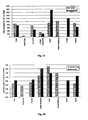

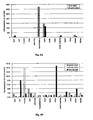


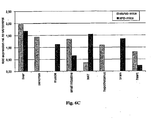

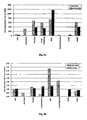
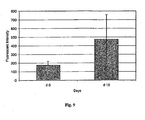

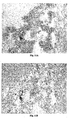

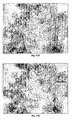
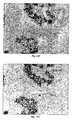
Classifications
-
- G—PHYSICS
- G01—MEASURING; TESTING
- G01N—INVESTIGATING OR ANALYSING MATERIALS BY DETERMINING THEIR CHEMICAL OR PHYSICAL PROPERTIES
- G01N33/00—Investigating or analysing materials by specific methods not covered by groups G01N1/00 - G01N31/00
- G01N33/48—Biological material, e.g. blood, urine; Haemocytometers
- G01N33/50—Chemical analysis of biological material, e.g. blood, urine; Testing involving biospecific ligand binding methods; Immunological testing
- G01N33/74—Chemical analysis of biological material, e.g. blood, urine; Testing involving biospecific ligand binding methods; Immunological testing involving hormones or other non-cytokine intercellular protein regulatory factors such as growth factors, including receptors to hormones and growth factors
-
- A—HUMAN NECESSITIES
- A61—MEDICAL OR VETERINARY SCIENCE; HYGIENE
- A61K—PREPARATIONS FOR MEDICAL, DENTAL OR TOILETRY PURPOSES
- A61K38/00—Medicinal preparations containing peptides
- A61K38/16—Peptides having more than 20 amino acids; Gastrins; Somatostatins; Melanotropins; Derivatives thereof
- A61K38/17—Peptides having more than 20 amino acids; Gastrins; Somatostatins; Melanotropins; Derivatives thereof from animals; from humans
- A61K38/1703—Peptides having more than 20 amino acids; Gastrins; Somatostatins; Melanotropins; Derivatives thereof from animals; from humans from vertebrates
- A61K38/1709—Peptides having more than 20 amino acids; Gastrins; Somatostatins; Melanotropins; Derivatives thereof from animals; from humans from vertebrates from mammals
-
- A—HUMAN NECESSITIES
- A61—MEDICAL OR VETERINARY SCIENCE; HYGIENE
- A61P—SPECIFIC THERAPEUTIC ACTIVITY OF CHEMICAL COMPOUNDS OR MEDICINAL PREPARATIONS
- A61P3/00—Drugs for disorders of the metabolism
-
- A—HUMAN NECESSITIES
- A01—AGRICULTURE; FORESTRY; ANIMAL HUSBANDRY; HUNTING; TRAPPING; FISHING
- A01K—ANIMAL HUSBANDRY; AVICULTURE; APICULTURE; PISCICULTURE; FISHING; REARING OR BREEDING ANIMALS, NOT OTHERWISE PROVIDED FOR; NEW BREEDS OF ANIMALS
- A01K2217/00—Genetically modified animals
- A01K2217/05—Animals comprising random inserted nucleic acids (transgenic)
-
- G—PHYSICS
- G01—MEASURING; TESTING
- G01N—INVESTIGATING OR ANALYSING MATERIALS BY DETERMINING THEIR CHEMICAL OR PHYSICAL PROPERTIES
- G01N2333/00—Assays involving biological materials from specific organisms or of a specific nature
- G01N2333/435—Assays involving biological materials from specific organisms or of a specific nature from animals; from humans
- G01N2333/475—Assays involving growth factors
-
- G—PHYSICS
- G01—MEASURING; TESTING
- G01N—INVESTIGATING OR ANALYSING MATERIALS BY DETERMINING THEIR CHEMICAL OR PHYSICAL PROPERTIES
- G01N2500/00—Screening for compounds of potential therapeutic value
Definitions
- Described herein is the use of secreted SF6 proteins, to the use of polynucleotides encoding these, and to the use of effectors/mediators thereof in the diagnosis, study, prevention, and treatment of pancreatic diseases (e.g. diabetes mellitus), obesity and/or metabolic syndrome and to the use in regeneration of tissues such as pancreatic tissues and others.
- pancreatic diseases e.g. diabetes mellitus
- obesity and/or metabolic syndrome e.g. obesity and/or metabolic syndrome
- human proteins serve as pharmaceutically active compounds.
- Several classes of human proteins that serve as such active compounds include hormones, cytokines, cell growth factors, and cell differentiation factors.
- Most proteins that can be used as a pharmaceutically active compound fall within the family of secreted proteins.
- Secreted proteins are generally produced within cells at rough endoplasmic reticulum, are then exported to the golgi complex, and then move to secretory vesicles or granules, where they are secreted to the exterior of the cell via exocytosis.
- Examples for commercially used secreted proteins are human insulin, thrombolytic agents, interferons, interleukins, colony stimulating factors, human growth hormone, transforming growth factor beta, tissue plasminogen activator, erythropoietin, and various other proteins.
- Receptors of secreted proteins which are membrane-bound proteins, also have potential as therapeutic or diagnostic agents. It is, therefore, important for developing new pharmaceutical compounds to identify secreted proteins that can be tested for activity in a variety of animal models.
- the pancreas is an essential organ possessing both an exocrine function involved in the delivery of enzymes into the digestive tract and an endocrine function by which various hormones are secreted into the blood stream.
- the exocrine function is assured by acinar and centroacinar cells that produce various digestive enzymes and intercalated ducts that transport these enzymes in alkaline solution to the duodenum.
- the functional unit of the endocrine pancreas is the islet of Langerhans. Islets are scattered throughout the exocrine portion of the pancreas and are composed of four cell types: alpha-, beta-, delta- and PP-cells, reviewed for example in Kim S.K. and Hebrok M., (2001) Genes Dev.
- Beta-cells produce insulin, represent the majority of the endocrine cells and form the core of the islets, while alpha-cells secrete glucagon and are located in the periphery. Delta-cells and PP-cells are less numerous and secrete somatostatin and pancreatic polypeptide, respectively.
- pancreatic development has been well studied in different species, including chicken, zebrafish, and mice (for a detailed review, see Kim & Hebrok, 2001, supra).
- the pancreas develops from distinct dorsal and ventral anlagen.
- Pancreas development requires specification of the pancreas strom along both anterior-posterior and dorsal-ventral axes.
- a number of transcription factors, which are critical for proper pancreatic development have been identified (see Kim & Hebrok, 2001, supra; Wilson M.E. et al., (2003) Mech Dev. 120: 65-80 ).
- Pancreatic beta-cells secrete insulin, which is stimulated by high blood glucose levels. Insulin amongst other hormones plays a key role in the regulation of the fuel metabolism. Insulin leads to the storage of glycogen and triglycerides and to the synthesis of proteins. The entry of glucose into muscles and adipose cells is stimulated by insulin. In patients who suffer from diabetes mellitus type I or LADA (latent autoimmue diabetes in adults ( Pozzilli & Di Mario, 2001, Diabetes Care. 8:1460-67 ) beta-cells are being destroyed due to autoimmune attack. The amount of insulin produced by the remaining pancreatic islet cells is too low, resulting in elevated blood glucose levels (hyperglycemia).
- beta-cell neogenesis does not appear to change in type II diabetics (Butler et al., 2003 supra), thus causing a reduction in total beta-cell mass over time. Eventually the application of exogenous insulin becomes necessary in type II diabetics.
- pancreatic islets In type I diabetics, the lifespan of pancreatic islets is dramatically shortened due to autoimmune destruction. Treatments have been devised which modulate the immune system and may be able to stop or strongly reduce islet destruction ( Raz I. et al., (2001) Lancet 358: 1749-1753 ; Chatenoud L. et al., (2003) Nat Rev Immunol. 3: 123-132 ). However, due to the relatively slow regeneration of human beta cells such treatments could only be fully successful at improving the diabetic condition if they are combined with an agent which can stimulate beta cell regeneration.
- Diabetes is a very disabling disease, because today's common anti-diabetic drugs do not control blood sugar levels well enough to completely prevent the occurrence of high and low blood sugar levels. Out of range blood sugar levels are toxic and cause long-term complications like for example renopathy, retinopathy, neuropathy, and peripheral vascular disease. There are also a host of related conditions, such as obesity, hypertension, heart disease, and hyperlipidemia, for which persons with diabetes are at substantially increased risk.
- type I and type II diabetes as well as for latent autoimmune diabetes in adults (LADA) there is a strong need in the art to identify factors that induce regeneration of pancreatic insulin producing beta-cells. These factors could restore normal function of the endocrine pancreas once its function is impaired or event could prevent the development or progression of diabetes type I, diabetes type II, or LADA.
- Obesity is one of the most prevalent metabolic disorders in the world. It is still a poorly understood human disease that becomes as a major health problem more and more relevant for western society. Obesity is defined as a body weight more than 20% in excess of the ideal body weight, frequently resulting in a significant impairment of health. Obesity may be measured by body mass index, an indicator of adiposity or fatness. Further parameters for defining obesity are waist circumferences, skinfold thickness and bioimpedance. It is associated with an increased risk for cardiovascular disease, hypertension, diabetes mellitus type II, hyperlipidaemia and an increased mortality rate.
- Obesity is influenced by genetic, metabolic, biochemical, psychological, and behavioral factors and can be caused by different reasons such as non-insulin dependent diabetes, increase in triglycerides, increase in carbohydrate bound energy and low energy expenditure ( Kopelman P.G., (2000) Nature 404: 635-643 ).
- metabolic syndrome (syndrome x, insulin-resistance syndrome, deadly quartet) was first described 1966 by Camus and reintroduced 1988 by Reaven ( Camus J.P., (1966) Rev Rhum Mal Osteoartic 33: 10-14 ; Reaven G.M., (1988), Diabetes 37: 1595-1607 ).
- metabolic syndrome is commonly defined as clustering of cardiovascular risk factors like hypertension, abdominal obesity, high blood levels of triglycerides and fasting glucose as well as low blood levels of HDL cholesterol. Insulin resistance greatly increases the risk of developing the metabolic syndrome ( Reaven G., (2002) Circulation 106: 286-288 ).
- the metabolic syndrome often precedes the development of type II diabetes and cardiovascular disease ( Lakka H.M. et al., (2002) JAMA 288: 2709-2716 ).
- the control of blood lipid levels and blood glucose levels is essential for the treatment of the metabolic syndrome (see, for example, Santomauro A.T. et al., (1999) Diabetes 48: 1836-1841 ).
- WO2004/087194 A2 relates to the use of a DG931 protein product for preventing and treating diabetes and/or obesity and/or metabolic syndrome.
- Luce et al. (Gene 1999, vol. 231, pp.121-126 ) describe that the neuronal EGF-related genes NELL1 and NELL2 are expressed in hemopoietic cells and developmentally regulated in the B lineage.
- Watanabe et al. (Genomics, 1996, vol. 38, pp.273-276 ) describe the cloning and characterization of two novel human cDNAs (NELL1 and NELL2) encoding proteins with six EGF-like repeats.
- WO2004/072100 A2 relates to NELL peptide expression systems and bone formation activity of NELL peptide.
- Kuroda et al. (Biochemical and Biophysical Research Communications, 1999, vol. 265, pp.752-757 ) relates to the involvement of epidermal growth factor-like domain of NELL proteins in the novel protein-protein-interaction with protein kinase C.
- NELL2 a novel neural tissue-specific epidermal growth factor-like repeat domain containing protein, is involved in the preproenkephalin gene expression.
- US 2002/107383 A1 relates to a gene useful as an indicator in the prophylaxis, diagnosis and treatment of diseases in humans.
- SF-1-SF8 secreted factors referred to as SF-1-SF8, which are involved in pancreas development, regeneration, and in the regulation of energy homeostasis.
- SF1 protein is structurally related to chitinases.
- the fly homologue of SF1 lost its enzymatic activity. It is expressed in the fat body of the Drosophila embryo and larva, and might act as a growth factor ( Kawamura K. et al., (1999) Development 126: 211-219 ).
- SF2 secreted protein
- ESTs expressed sequence tags of the SF2 mRNA are present, e.g. in pancreas and ES cells.
- the SF2 gene is highly conserved in mouse, rat, and humans.
- the extracellular matrix protein SF3 is involved in the growth and guidance of axons in the spinal cord and the PNS ( Klar A. et al., (1992) Cell. 69: 95-110 ).
- the human SF3 gene is located at the region of chromosome 11 (between markers D11S926 and D11S928); deletion of this region causes nesidioblastosis (hyperinsulinemia) in humans.
- SF3 was shown to affect the biological activities of vascular endothelial cells by inhibiting angiogenesis ( Terai Y. et al., (2001) J Cell Physiol. 188: 394-402 ).
- SF3 was shown to function as a contact-repellent molecule for embryonic motor neurons ( Tzarfati-Majar V. et al., (2001) Proc Natl Acad Sci U S A. 98: 4722-4727 ).
- SF4 belongs to a structural family of neuropeptides that are widely distributed in the body and function as neurotransmitters and neuromodulators ( Goto T. and Tanaka T., (2002) Microsc Res Tech. 58: 91-97 ). A regulatory role for SF4 in placental physiology and pre-eclampsia was described ( Page N.M. et al., (2001) Regul Pept. 98: 97-104 ).
- SF5 is a glycoprotein involved in cell anchorage and integrin signaling. SF5 is secreted from mammary gland and expressed in outer mesenchymal stromal region of the mouse fetal gonad ( Oshima K. et al., (1999) Biochem Biophys Res Commun. 254: 522-528 ; Kanai Y. et al., (2000) Mech Dev. 96: 223-227 ). A possible role of SF5 in the membrane vesicle secretion and exocytosis of endocytic multivesicular bodies was suggested ( Oshima K. et al., (2002) Eur J Biochem. 269: 1209-1218 ).
- SF6 is a secreted glycoprotein expressed in CNS, PNS, and subsets of mesenchymal cells ( Nelson B.R. et al., (2002) Gene Expr Patterns. 2: 7-15 ). SF6 contains a calcium ion binding domain.
- SF7 is a serine protease inhibitor, that regulates plasma levels of glucocorticoids. Moreover SF7 is the main carrier of glucocorticoids in mammals. The temporal and spatial changes in the localization of SF7 and its mRNA in the fetus are suggested to influence the effects of steroid hormones on developing tissues ( Scrocchi L.A. et al., (1993) Endocrinology. 132: 903-909 ). Furthermore it was suggested that during severe stress, SF7 might be important in regulating the amount of cortisol reaching target tissues ( Garrel D.R. (1996) Horm Res. 45: 245-251 ).
- SF8 is a cyclosporin A binding protein, which is expressed in a restricted subset of tissues including mouse ovary, testis, bone marrow, and kidney, and human kidney, pancreas, skeletal muscle, heart, lung, and liver ( Friedman J. et al., (1994) Am J Pathol. 144: 1247-1256 ; Schneider H. et al., (1994) Biochemistry. 33: 8218-8224 ). SF8 is involved in degradation of the genome during apoptosis ( Montague J.W. et al., (1997) J Biol Chem. 272: 6677-6684 ).
- the present disclosure relates to secreted proteins with novel functions in the human metabolism, regeneration, and pancreatic developmental processes.
- the present disclosure provides specific genes and proteins encoded thereby and effectors/modulators thereof involved in the regulation of pancreatic function and metabolism, especially in pancreas diseases such as diabetes mellitus, e.g. insulin dependent diabetes mellitus and/or non insulin dependent diabetes mellitus, and/or LADA and/or metabolic syndrome, obesity, and/or related disorders such as coronary heart disease, eating disorder, cachexia, hypertension, hypercholesterolemia (dyslipidemia), liver fibrosis, and/or gallstones. Further, the present disclosure provides specific genes and proteins encoded thereby and effectors/modulators thereof involved in the regeneration of pancreatic cells or tissues, e.g.
- cells having exocrinous functions such as acinar cells, centroacinar cells and/or ductal cells and/or cells having endocrinous functions, particularly cells in Langerhans islets such as alpha-, beta-, delta- and/or PP-cells, more particularly beta-cells.
- SF1-SF8 secreted factors expressed in developing mouse pancreas.
- the present invention describes mammalian SF6 proteins and the polynucleotides encoding these, in particular human SF6, as being involved in the conditions and processes mentioned above.
- the present invention relates to SF6 polynucleotides encoding polypeptides with novel functions in the development and regeneration of pancreatic tissues and thus in mammalian pancreatic diseases (e.g. diabetes), and also in body-weight regulation, energy homeostasis, and obesity, fragments of said polynucleotides, polypeptides encoded by said polynucleotides or fragments thereof.
- the invention also relates to vectors, host cells, and recombinant methods for producing the polypeptides and polynucleotides for use according to the invention. Also provided are effectors/modulators of SF6 polynucleotides and/or polypeptides seletcted. from antibodies specific for a SF6 protein, antisense molecules, RNAi molecules or ribozymes, aptamers recognising said polynucleotides or polypeptides, for use according to the invention.
- SF1-SF8 homologous proteins and nucleic acid molecules coding therefore are obtainable from vertebrate species.
- nucleic acids encoding the human SF6 protein and variants thereof are obtainable from vertebrate species.
- the invention particularly relates to a pharmaceutical composition for use in the treatment of diabetes and/or obesity, comprising an SF6 protein and/or a nucleic acid molecule encoding an SF6 protein and/or an effector/modulator of said nucleic acid molecule and/or said protein, wherein the nucleic acid molecule is a mammalian SF6 nucleic acid, particularly encoding a human SF6 polypeptide and/or a nucleic acid molecule, which is complementary thereto or a fragment thereof or constructs expressing anti-sense and/or dominant-negative mutated molecules, and wherein the composition optionally contains pharmaceutically acceptable carriers, diluents, and/or additives, wherein the effector/modulator is selected from antibodies which are specific for a SF
- nucleic acid molecules encoding a polypeptide contributing to regulating the energy homeostasis and the mammalian metabolism, wherein the nucleic acid molecule comprises
- the function of the mammalian SF1-SF8 in mammalian metabolism was validated by analyzing the expression of the transcripts in different tissues and by analyzing the role in adipocyte differentiation (see Examples 3 and 4 for more detail).
- mice carrying gene knockouts in the leptin pathway for example, ob/ob (leptin) or db (leptin receptor/ligand) mice
- ob/ob (leptin) or db (leptin receptor/ligand) mice Such mice develop typical symptoms of diabetes, show hepatic lipid accumulation and frequently have increased plasma lipid levels (see Bruning J.C. et al., (1998) Mol. Cell. 2: 559-569 ).
- Expression of SF1-SF8 mRNA was also examined in susceptible wild type mice (for example, C57BI/6) that show symptoms of diabetes, lipid accumulation, and high plasma lipid levels, if fed a high fat diet. Further, expression of SF4 mRNA was also examined in Non-Obese-Diabetic (NOD) mice.
- NOD Non-Obese-Diabetic
- Microarrays are analytical tools routinely used in bioanalysis.
- a microarray has molecules distributed over, and stably associated with, the surface of a solid support.
- the term "microarray” refers to an arrangement of a plurality of polynucleotides, polypeptides, antibodies, or other chemical compounds on a substrate.
- Microarrays of polypeptides, polynucleotides, and/or antibodies have been developed and find use in a variety of applications, such as monitoring gene expression, drug discovery, gene sequencing, gene mapping, bacterial identification, and combinatorial chemistry.
- One area in particular in which microarrays find use is in gene expression analysis (see Example 4).
- array technology can be used to explore the expression of a single polymorphic gene or the expression profile of a large number of related or unrelated genes.
- arrays are employed to detect the expression of a specific gene or its variants.
- arrays provide a platform for identifying genes that are tissue specific, are affected by a substance being tested in a toxicology assay, are part of a signaling cascade, carry out housekeeping functions, or are specifically related to a particular genetic predisposition, condition, disease, or disorder.
- Microarrays may be prepared, used, and analyzed using methods known in the art (see for example, Brennan T.M., (1995) U.S. Patent No. 5,474,796 ; Schena M. et al., (1996) Proc. Natl. Acad. Sci. USA 93:10614-10619 ; Baldeschwieler J.D. et al., (1995) PCT application WO 95/251116 ; Shalon T.D. and Brown P.O., (1995) PCT application WO 95/35505 ; Heller R.A. et al., (1997) Proc. Natl. Acad. Sci. USA 94: 2150-2155 ; Heller, M.J.
- Oligonucleotides or longer fragments derived from any of the polynucleotides described herein may be used as elements on a microarray.
- the microarray can be used in transcript imaging techniques, which monitor the relative expression levels of large numbers of genes simultaneously as described below.
- the microarray may also be used to identify genetic variants, mutations, and polymorphisms. This information may be used to determine gene function, to understand the genetic basis of a disorder, to diagnose a disorder, to monitor progression/regression of disease as a function of gene expression, and to develop and monitor the activities of therapeutic agents in the treatment of disease. In particular, this information may be used to develop a pharmacogenomic profile of a patient in order to select the most appropriate and effective treatment regimen for that patient. For example, therapeutic agents, which are highly effective and display the fewest side effects may be selected for a patient based on his/her pharmacogenomic profile.
- SF3 and SF5 show differential expression in human adipocytes.
- a strong up-regulation is observed concerning the expression of SF3 during the human primary adipocyte differentiation (see Fig. 9 ).
- a strong down-regulation is observed concerning the expression of SF5 during the human primary adipocyte differentiation (see Fig. 10A ) and human SGBS cell differentiation (see Fig. 10B ).
- the SF3 protein in preadipocyctes has the potential to enhance adipocyte differentiation at a very early stage, and the SF5 protein in preadipocyctes has the potential to inhibit adipocyte differentiation at a very early stage. Therefore, the SF3 and SF5 proteins might play an essential role in adipogenesis.
- SF3 and SF5 are strong candidates for the manufacture of pharmaceutical compositions and medicaments for the treatment of conditions related to human metabolism, such as diabetes, obesity, and/or metabolic syndrome.
- SF1 sectional in situ hybridizations of SF1 (see Example 5 and Fig. 11 ).
- the nucleic acid sequence encoding the mouse SF1 protein is expressed in the pancreas tissue (see Fig. 11 ).
- SF1 showed widespread expression in non-beta cell and non-duct cells.
- the distribution and shape of the expressing cells as well as co-staining with the exocrine marker amylase indicate that SF1 is expressed predominantly in exocrine cells in the developing pancreas.
- the invention also encompasses novel use of polynucleotides that encode the proteins for use according to the invention. Accordingly, any nucleic acid sequence, which encodes the amino acid sequences of the proteins for use according to the invention, can be used to generate recombinant molecules that express the proteins of the invention. In a particular embodiment, the invention encompasses a nucleic acid encoding SF6. It will be appreciated by those skilled in the art that as a result of the degeneracy of the genetic code, a multitude of nucleotide sequences encoding the proteins, some bearing minimal homology to the nucleotide sequences of any known and naturally occurring gene, may be produced. The invention contemplates each and every possible variation of nucleotide sequence that can be made by selecting combinations based on possible codon choices.
- polynucleotide sequences that are capable of hybridizing to the claimed nucleotide sequences, and in particular, those of the polynucleotide encoding the proteins of the invention, under stringent conditions, i. e. that after washing for 1 h with 1 x SSC and 0.1% SDS at 50°C, a positive hybridization signal is observed.
- Hybridization conditions are based on the melting temperature (Tm) of the nucleic acid binding complex or probe, as taught in Wahl G.M. et al., (1987; Methods Enzymol. 152: 399-407 ) and Kimmel A.R. (1987; Methods Enzymol. 152: 507-511 ), and may be used at a defined stringency.
- Altered nucleic acid sequences encoding the proteins which are encompassed by the invention include deletions, insertions or substitutions of different nucleotides resulting in a polynucleotide that encodes the same or a functionally equivalent protein.
- the encoded proteins may also contain deletions, insertions or substitutions of amino acid residues, which produce a silent change and result in functionally equivalent proteins. Deliberate amino acid substitutions may be made on the basis of similarity in polarity, charge, solubility, hydrophobicity, hydrophilicity, and/or the amphipathic nature of the residues as long as the biological activity of the protein is retained. Also described are peptide fragments of the proteins or derivatives thereof such as cyclic peptides, retro-inverso peptides or peptide mimetics having a length of at least 4, preferably at least 6 and up to 50 amino acids.
- an 'allele' or 'allelic sequence' is an alternative form of the gene, which may result from at least one mutation in the nucleic acid sequence. Alleles may result in altered mRNAs or polypeptides whose structures or function may or may not be altered. Any given gene may have none, one or many allelic forms. Common mutational changes, which give rise to alleles, are generally ascribed to natural deletions, additions or substitutions of nucleotides. Each of these types of changes may occur alone or in combination with the others, one or more times in a given sequence.
- nucleic acid sequences encoding SF6 may be extended utilizing a partial nucleotide sequence and employing various methods known in the art to detect upstream sequences such as promoters and regulatory elements.
- nucleotide sequences encoding the proteins or functional equivalents may be inserted into appropriate expression vectors, i.e., a vector which contains the necessary elements for the transcription and translation of the inserted coding sequence.
- appropriate expression vectors i.e., a vector which contains the necessary elements for the transcription and translation of the inserted coding sequence.
- Methods which are well known to those skilled in the art, may be used to construct expression vectors containing sequences encoding the proteins and the appropriate transcriptional and translational control elements.
- Regulatory elements include for example a promoter, an initiation codon, a stop codon, a mRNA stability regulatory element, and a polyadenylation signal.
- a polynucleotide can be assured by (i) constitutive promoters such as the Cytomegalovirus (CMV) promoter/enhancer region, (ii) tissue specific promoters such as the insulin promoter (see, Soria B. et al., (2000), Diabetes 49: 157-162 ), SOX2 gene promoter (see Li M. et al., (1998) Curr. Biol. 8: 971-974 ), Msi-1 promoter (see Sakakibara S. and Okano H., (1997) J. Neuroscience 17: 8300-8312 ), alpha-cardia myosin heavy chain promoter or human atrial natriuretic factor promoter ( Klug M.G.
- constitutive promoters such as the Cytomegalovirus (CMV) promoter/enhancer region
- tissue specific promoters such as the insulin promoter (see, Soria B. et al., (2000), Diabetes 49: 157-162 ), SOX2
- Expression vectors can also contain a selection agent or marker gene that confers antibiotic resistance such as the neomycin, hygromycin or puromycin resistance genes.
- selection agent or marker gene confers antibiotic resistance such as the neomycin, hygromycin or puromycin resistance genes.
- nucleic acid sequences encoding the proteins of the invention may be ligated to a heterologous sequence to encode a fusion protein.
- a variety of expression vector/host systems may be utilized to contain and express sequences encoding the proteins or fusion proteins.
- micro-organisms such as bacteria transformed with recombinant bacteriophage, plasmid or cosmid DNA expression vectors; yeast transformed with yeast expression vectors; insect cell systems infected with virus expression vectors (e.g., baculovirus, adenovirus, adeno-associated virus, lentiverus, retrovirus); plant cell systems transformed with virus expression vectors (e.g., cauliflower mosaic virus, CaMV; tobacco mosaic virus, TMV) or with bacterial expression vectors (e.g., Ti or PBR322 plasmids); or animal cell systems.
- virus expression vectors e.g., cauliflower mosaic virus, CaMV; tobacco mosaic virus, TMV
- bacterial expression vectors e.g., Ti or PBR322 plasmids
- polynucleotide sequences of the invention in a sample can be detected by DNA-DNA or DNA-RNA hybridization and/or amplification using probes or portions or fragments of said polynucleotides.
- Nucleic acid amplification based assays involve the use of oligonucleotides or oligomers based on the sequences specific for the gene to detect transformants containing DNA or RNA encoding the corresponding protein.
- 'oligonucleotides' or 'oligomers' refer to a nucleic acid sequence of at least about 10 nucleotides and as many as about 60 nucleotides, preferably about 15 to 30 nucleotides, and more preferably about 20-25 nucleotides, which can be used as a probe or amplimer.
- Means for producing labeled hybridization or PCR probes for detecting polynucleotide sequences include oligo-labeling, nick translation, end-labeling of RNA probes, PCR amplification using a labeled nucleotide, or enzymatic synthesis. These procedures may be conducted using a variety of commercially available kits (Pharmacia & Upjohn, (Kalamazoo, Mich.); Promega (Madison Wis.); and U.S. Biochemical Corp., (Cleveland, Ohio).
- the presence of SF1-SF8 in a sample can be determined by immunological methods or activity measurement.
- a variety of protocols for detecting and measuring the expression of proteins, using either polyclonal or monoclonal antibodies specific for the protein or reagents for determining protein activity are known in the art. Examples include enzyme-linked immunosorbent assay (ELISA), radioimmunoassay (RIA), and fluorescence activated cell sorting (FACS).
- ELISA enzyme-linked immunosorbent assay
- RIA radioimmunoassay
- FACS fluorescence activated cell sorting
- a two-site, monoclonal-based immunoassay utilizing monoclonal antibodies reactive to two non-interfering epitopes on the protein is preferred, but a competitive binding assay may be employed.
- Suitable reporter molecules or labels include radionuclides, enzymes, fluorescent, chemiluminescent or chromogenic agents as well as substrates, co-factors, inhibitors, magnetic particles, and the like.
- nucleic acids encoding the proteins of the invention can be used to generate transgenic animal or site specific gene modifications in cell lines.
- Transgenic animals may be made through homologous recombination, where the normal locus of the genes encoding the proteins of the invention is altered.
- a nucleic acid construct is randomly integrated into the genome.
- Vectors for stable integration include plasmids, retroviruses and other animal viruses, YACs, and the like.
- the modified cells or animal are useful in the study of the function and regulation of the proteins of the invention. For example, a series of small deletions and/or substitutions may be made in the genes that encode the proteins of the invention to determine the role of particular domains of the protein, functions in pancreatic differentiation, etc.
- Specific constructs of interest include anti-sense molecules, which will block the expression of the proteins of the invention, or expression of dominant negative mutations.
- a detectable marker such as for example lac-Z, may be introduced in the locus of the genes of the invention, where upregulation of expression of the genes of the invention will result in an easily detected change in phenotype.
- genes of the invention or variants thereof in cells or tissues where it is not normally expressed or at abnormal times of development.
- proteins of the invention in cells in which they are not normally produced, one can induce changes in cell behavior.
- DNA constructs for homologous recombination will comprise at least portions of the genes of the invention with the desired genetic modification, and will include regions of homology to the target locus.
- DNA constructs for random integration need not include regions of homology to mediate recombination. Conveniently, markers for positive and/or negative selection are included.
- Methods for generating cells having targeted gene modifications through homologous recombination are known in the art.
- ES non-humanembryonic stem
- an ES cell line may be employed, or embryonic cells may be obtained freshly from a host, e.g. mouse, rat, guinea pig etc. Such cells are grown on an appropriate fibroblast-feeder layer or grown in presence of leukemia inhibiting factor (LIF).
- LIF leukemia inhibiting factor
- SF1-SF8 nucleic acids and proteins and effector/modulator molecules thereof are useful in diagnostic and therapeutic applications implicated, for example, but not limited to, pancreatic diseases (e.g. diabetes, such as insulin dependent diabetes mellitus and/or non insulin dependent diabetes mellitus and/or LADA), obesity, metabolic syndrome, eating disorder, cachexia, hypertension, coronary heart disease, hypercholesterolemia (dyslipidemia), and/or gallstones.
- pancreatic diseases e.g. diabetes, such as insulin dependent diabetes mellitus and/or non insulin dependent diabetes mellitus and/or LADA
- obesity e.g. diabetes, such as insulin dependent diabetes mellitus and/or non insulin dependent diabetes mellitus and/or LADA
- eating disorder e.g., eating disorder, cachexia, hypertension, coronary heart disease, hypercholesterolemia (dyslipidemia), and/or gallstones.
- SF1-SF8 nucleic acids and proteins and effector/modulator molecules thereof are useful for
- cells having exocrinous functions such as acinar cells, centroacinar cells and/or ductal cells and/or cells having endocrinous functions, particularly cells in Langerhans islets such as alpha-, beta-, delta- and/or PP-cells, more particularly beta-cells.
- nucleic acids and proteins of the invention are, for example but not limited to, the following: (i) tissue regeneration in vitro and in vivo (regeneration for all these tissues and cell types composing these tissues and cell types derived from these tissues), (ii) small molecule drug target, (iii) antibody target (therapeutic, diagnostic, drug targeting/cytotoxic antibody), (iv) diagnostic and/or prognostic marker, (v) protein therapy, (vi) gene therapy (gene delivery/gene ablation), and / or (vii) research tools.
- compositions will have efficacy for treatment of patients suffering from diabetes and/or obesity.
- SF6 nucleic acids and proteins and/or effectors/modulators thereof in a pharmaceutical composition leads to an at least partial regeneration of, for example, pancreas cells, e.g. endocrine cells and/or exocrine cells.
- pancreas cells e.g. endocrine cells and/or exocrine cells.
- the composition will then at least partially restore normal pancreatic function.
- these cells are beta cells of the islets or exocrine cells which will contribute to the improvement of a diabetic state.
- an increase in cell mass can be achieved. This effect upon the body reverses the condition of diabetes partially or completely.
- the dosage administered may be reduced in strength.
- compositions of the present invention will also have efficacy for treatment of patients with other pancreatic diseases such as pancreatic cancer, dysplasia, or pancreatitis.
- the SF6 nucleic acids and proteins and effectors/modulators thereof are useful in diagnostic and therapeutic applications implicated in various embodiments as described below.
- cDNAs encoding the proteins of the invention and particularly their human homologues may be useful in gene therapy, and the proteins of the invention and particularly their human homologues may be useful when administered to a subject in need thereof.
- the compositions of the present invention will have efficacy for treatment of patients suffering from diabetes and/or obesity.
- the SF6 nucleic acids and proteins and effectors/modulators thereof may be administered either as a monotherapy or as a combination therapy with other pharmaceutical agents.
- they may be administered together with other pharmaceutical agents suitable for the treatment or prevention of pancreatic diseases and/or obesity.
- pharmaceutical agents which have an immunosuppressive activity e.g. antibodies, polypeptides and/or peptidic or non-peptidic low molecular weight substances.
- immunosuppressive agents are listed in the following Table 1.
- Table 1 Exemplary agents for immune suppression Names Mechanism 2-amino-1,3-propanediol derivatives Used for preventing or treating chronic rejection in a patient receiving an organ or tissue allo- or xenotransplant 2-amino-2[2-(4-octylphenyl)ethyl] propane-1,3-diol hydrochloride Immunosuppression, from accelerated lymphocyte homing 40-O-(2-hydroxyethyl)-rapamycin, SDZ-RAD, Everolimus Sirolimus (rapamycin) derivative, used for acute kidney rejection; reduces rejection and graft vasculopathy following heart transplantation by inhibiting cell proliferation 6-(3-dimethyl- aminopropionyl) forskolin Immunosuppressing action useful also for treating autoimmune disease 6-mercaptopurine (6-MP) Used to treat Crohn's disease, inflammatory bowel disease and for organ transplant therapy A-420983 Lck-inhibitor ABX-CBL (CBL-1) Mouse monoclo
- Monoclonal AB binds and inactivates human TNFalpha; used to treat Crohn's disease and rheumatoid arthritis Interferon Immunomodulatory properties ISAtx247 Used to treat autoimmune diseases such as rheumatoid arthritis and psoriasis isotretinoin Immunosuppressant, reduces ability of T cells to proliferate in response to immune challenge.
- the combination therapy may comprise coadministration of the medicaments during the treatment period and/or separate administration of single medicaments during different time intervals in the treatment period.
- nucleic acids for use according to the invention or fragments thereof may further be useful in diagnostic applications, wherein the presence or amount of the nucleic acids or the proteins are to be assessed.
- Further antibodies that bind immunospecifically to the novel substances of the invention may be used in therapeutic or diagnostic methods.
- antibodies which are specific for a protein for use according to the invention, may be used directly as an effector/modulator, e.g. an antagonist or an agonist or indirectly as a targeting or delivery mechanism for bringing a pharmaceutical agent to cells or tissue which express the protein.
- the antibodies may be generated using methods that are well known in the art.
- Such antibodies may include, but are not limited to, polyclonal, monoclonal, chimeric single chain, Fab fragments, and fragments produced by a Fab expression library.
- Neutralising antibodies i.e., those which inhibit dimer formation are especially preferred for therapeutic use.
- various hosts including goats, rabbits, rats, mice, humans, and others, may be immunized by injection with the protein or any fragment or oligopeptide thereof, which has immunogenic properties.
- various adjuvants may be used to increase immunological response. It is preferred that the peptides, fragments or oligopeptides used to induce antibodies to the protein have an amino acid sequence consisting of at least five amino acids, and more preferably at least 10 amino acids.
- Monoclonal antibodies to the proteins may be prepared using any technique that provides for the production of antibody molecules by continuous cell lines in culture. These include, but are not limited to, the hybridoma technique, the human B-cell hybridoma technique, and the EBV-hybridoma technique ( Köhler G. and Milstein C., (1975) Nature 256: 495-497 ; Kozbor D. et al., (1985) J. Immunol. Methods 81: 31-42 ; Cote R.J. et al., (1983) Proc. Natl. Acad. Sci. 80: 2026-2030 ; Cole S.P. et al., (1984) Mol. Cell Biol. 62: 109-120 ).
- Antibodies with related specificity, but of distinct idiotypic composition may be generated by chain shuffling from random combinatorial immunoglobulin libraries ( Kang A.S. et al., (1991) Proc. Natl. Acad. Sci. 88: 11120-11123 ). Antibodies may also be produced by inducing in vivo production in the lymphocyte population or by screening recombinant immunoglobulin libraries or panels of highly specific binding reagents as disclosed in the literature ( Orlandi R. et al., (1989) Proc. Natl. Acad. Sci. 86: 3833-3837 ; Winter G. and Milstein C., (1991) Nature 349: 293-299 ).
- Antibody fragments which contain specific binding sites for the proteins may also be generated.
- fragments include, but are not limited to, the F(ab') 2 fragments which can be produced by Pepsin digestion of the antibody molecule and the Fab fragments which can be generated by reducing the disulfide bridges of F(ab') 2 fragments.
- Fab expression libraries may be constructed to allow rapid and easy identification of monoclonal Fab fragments with the desired specificity ( Huse W.D. et al., (1989) Science 246: 1275-1281 ).
- immunoassays may be used for screening to identify antibodies having the desired specificity.
- Numerous protocols for competitive binding and immunoradiometric assays using either polyclonal or monoclonal antibodies with established specificities are well known in the art.
- Such immunoassays typically involve the measurement of complex formation between the protein and its specific antibody.
- a two-site, monoclonal-based immunoassay utilizing monoclonal antibodies reactive to two non-interfering protein epitopes is preferred, but a competitive binding assay may also be employed (Maddox, supra).
- the polynucleotides or fragments thereof or nucleic acid effector/modulator molecules such as antisense molecules, aptamers, RNAi molecules or ribozymes may be used for therapeutic purposes.
- aptamers i.e. nucleic acid molecules, which are capable of binding to a protein of the invention and modulating its activity, may be generated by a screening and selection procedure involving the use of combinatorial nucleic acid libraries.
- antisense molecules may be used in situations in which it would be desirable to block the transcription of the mRNA.
- cells may be transformed with sequences complementary to polynucleotides encoding SF6 or homologous proteins.
- antisense molecules may be used to modulate/effect protein activity or to achieve regulation of gene function.
- sense or antisense oligomers or larger fragments can be designed from various locations along the coding or control regions of sequences encoding the proteins.
- Expression vectors derived from retroviruses, adenovirus, herpes or vaccinia viruses or from various bacterial plasmids may be used for delivery of nucleotide sequences to the targeted organ, tissue or cell population.
- RNA molecules Even in the absence of integration into the DNA, such vectors may continue to transcribe RNA molecules until they are disabled by endogenous nucleases. Transient expression may last for a month or more with a non-replicating vector and even longer if appropriate replication elements are part of the vector system.
- antisense molecules e.g. DNA, RNA or nucleic acid analogues such as PNA
- Oligonucleotides derived from the transcription initiation site e.g., between positions -10 and +10 from the start site, are preferred.
- inhibition can be achieved using "triple helix" base-pairing methodology. Triple helix pairing is useful because it cause inhibition of the ability of the double helix to open sufficiently for the binding of polymerases, transcription factors or regulatory molecules. Recent therapeutic advances using triplex DNA have been described in the literature ( Gee J.E.
- the antisense molecules may also be designed to block translation of mRNA by preventing the transcript from binding to ribosomes.
- Ribozymes enzymatic RNA molecules, may also be used to catalyze the specific cleavage of RNA.
- the mechanism of ribozyme action involves sequence-specific hybridization of the ribozyme molecule to complementary target RNA, followed by endonucleolytic cleavage. Examples, which may be used, include engineered hammerhead motif ribozyme molecules that can be specifically and efficiently catalyze endonucleolytic cleavage of sequences encoding the proteins of the invention.
- Specific ribozyme cleavage sites within any potential RNA target are initially identified by scanning the target molecule for ribozyme cleavage sites which include the following sequences: GUA, GUU, and GUC.
- RNA sequences of between 15 and 20 ribonucleotides corresponding to the region of the target gene containing the cleavage site may be evaluated for secondary structural features which may render the oligonucleotide inoperable.
- the suitability of candidate targets may also be evaluated by testing accessibility to hybridization with complementary oligonucleotides using ribonuclease protection assays.
- Nucleic acid effector/modulator molecules e.g. antisense molecules and ribozymes may be prepared by any method known in the art for the synthesis of nucleic acid molecules. These include techniques for chemically synthesizing oligonucleotides such as solid phase phosphoramidite chemical synthesis.
- RNA molecules may be generated by in vitro and in vivo transcription of DNA sequences. Such DNA sequences may be incorporated into a variety of vectors with suitable RNA polymerase promoters such as T7 or SP6.
- these cDNA constructs that synthesize antisense RNA constitutively or inducibly can be introduced into cell lines, cells or tissues. RNA molecules may be modified to increase intracellular stability and half-life.
- flanking sequences at the 5' and/or 3' ends of the molecule or modifications in the nucleobase, sugar and/or phosphate moieties, e.g. the use of phosphorothioate or 2' O-methyl rather than phosphodiesterase linkages within the backbone of the molecule.
- vectors may be introduced into stem cells taken from the patient and clonally propagated for autologous transplant back into that same patient. Delivery by transfection and by liposome injections may be achieved using methods, which are well known in the art. Any of the therapeutic methods described above may be applied to any suitable subject including, for example, mammals such as dogs, cats, cows, horses, rabbits, monkeys, and most preferably, humans.
- compositions may consist of SF6 nucleic acids or the proteins, antibodies to the proteins of the invention, mimetics, agonists, antagonists or inhibitors of the proteins of the invention or nucleic acids.
- the compositions may be administered alone or in combination with at least one other agent, such as stabilizing compound, which may be administered in any sterile, biocompatible pharmaceutical carrier, including, but not limited to, saline, buffered saline, dextrose, and water.
- the compositions may be administered to a patient alone or in combination with other agents, drugs or hormones.
- compositions may be administered by any number of routes including, but not limited to, oral, intravenous, intramuscular, intra-arterial, intramedullary, intrathecal, intraventricular, transdermal, subcutaneous, intraperitoneal, intranasal, enteral, topical, sublingual or rectal means.
- these pharmaceutical compositions may contain suitable pharmaceutically-acceptable carriers comprising excipients and auxiliaries, which facilitate processing of the active compounds into preparations, which can be used pharmaceutically. Further details on techniques for formulation and administration may be found in the latest edition of Remington's Pharmaceutical Sciences (Maack Publishing Co., Easton, Pa .).
- compositions suitable for use according to the invention include compositions wherein the active ingredients are contained in an effective amount to achieve the intended purpose.
- an effective dose is well within the capability of those skilled in the art.
- the therapeutically effective dose can be estimated initially either in cell culture assays, e.g., of preadipocyte cell lines or in animal models, usually mice, rabbits, dogs or pigs. The animal model may also be used to determine the appropriate concentration range and route of administration. Such information can then be used to determine useful doses and routes for administration in humans.
- a therapeutically effective dose refers to that amount of active ingredient, for example the SF6 nucleic acids or proteins or fragments thereof or antibodies, which is sufficient for treating a specific condition.
- Therapeutic efficacy and toxicity may be determined by standard pharmaceutical procedures in cell cultures or experimental animals, e.g., ED50 (the dose therapeutically effective in 50% of the population) and LD50 (the dose lethal to 50% of the population).
- the dose ratio between therapeutic and toxic effects is the therapeutic index, and it can be expressed as the ratio, LD50/ED50.
- Pharmaceutical compositions, which exhibit large therapeutic indices, are preferred.
- the data obtained from cell culture assays and animal studies is used in formulating a range of dosage for human use.
- the dosage contained in such compositions is preferably within a range of circulating concentrations that include the ED50 with little or no toxicity. The dosage varies within this range depending upon the dosage from employed, sensitivity of the patient, and the route of administration.
- Dosage and administration are adjusted to provide sufficient levels of the active moiety or to maintain the desired effect. Factors, which may be taken into account, include the severity of the disease state, general health of the subject, age, weight, and gender of the subject, diet, time and frequency of administration, drug combination(s), reaction sensitivities, and tolerance/response to therapy.
- Long-acting pharmaceutical compositions may be administered every 3 to 4 days, every week or once every two weeks depending on half-life and clearance rate of the particular formulation. Normal dosage amounts may vary from 0.1 to 100,000 microg, up to a total dose of about 1 g, depending upon the route of administration.
- antibodies which specifically bind to the proteins may be used for the diagnosis of conditions or diseases characterized by or associated with over- or under-expression of the proteins for use according to the invention or in assays to monitor patients being treated with the proteins for use according to the invention, or effectors/modulators thereof, e.g. agonists, antagonists, or inhibitors.
- Diagnostic assays include methods which utilize the antibody and a label to detect the protein in human body fluids or extracts of cells or tissues.
- the antibodies may be used with or without modification, and may be labeled by joining them, either covalently or non-covalently, with a reporter molecule.
- reporter molecules which are known in the art may be used several of which are described above.
- a variety of protocols including ELISA, RIA, and FACS for measuring proteins are known in the art and provide a basis for diagnosing altered or abnormal levels of gene expression.
- Normal or standard values for gene expression are established by combining body fluids or cell extracts taken from normal mammalian subjects, preferably human, with antibodies to the protein under conditions suitable for complex formation. The amount of standard complex formation may be quantified by various methods, but preferably by photometric means. Quantities of protein expressed in control and disease, samples e.g. from biopsied tissues are compared with the standard values. Deviation between standard and subject values establishes the parameters for diagnosing disease.
- the polynucleotides specific for the SF6 proteins may be used for diagnostic purposes.
- the polynucleotides, which may be used, include oligonucleotide sequences, antisense RNA and DNA molecules, and PNAs.
- the polynucleotides may be used to detect and quantitate gene expression in biopsied tissues in which gene expression may be correlated with disease.
- the diagnostic assay may be used to distinguish between absence, presence, and excess gene expression, and to monitor regulation of protein levels during therapeutic intervention.
- hybridization with probes which are capable of detecting polynucleotide sequences, including genomic sequences, encoding the proteins of the invention or closely related molecules may be used to identify nucleic acid sequences which encode the respective protein.
- the hybridization probes of the subject invention may be DNA or RNA and are preferably derived from the nucleotide sequence of the polynucleotide encoding the proteins of the invention or from a genomic sequence including promoter, enhancer elements, and introns of the naturally occurring gene.
- Hybridization probes may be labeled by a variety of reporter groups, for example, radionuclides such as 32 P or 35 S or enzymatic labels, such as alkaline phosphatase coupled to the probe via avidin/biotin coupling systems, and the like.
- reporter groups for example, radionuclides such as 32 P or 35 S or enzymatic labels, such as alkaline phosphatase coupled to the probe via avidin/biotin coupling systems, and the like.
- Polynucleotide sequences specific for SF6 proteins or homologous nucleic acids may be used for the diagnosis of conditions or diseases, which are associated with the expression of the proteins. Examples of such diseases include the pancreatic diseases (e.g. diabetes), obesity, metabolic syndrome, and/or others. Polynucleotide sequences specific for the SF6 proteins may also be used to monitor the progress of patients receiving treatment for pancreatic diseases (e.g. diabetes), obesity, and/or metabolic syndrome.
- the polynucleotide sequences may be used qualitative or quantitative assays, e.g. in Southern or Northern analysis, dot blot or other membrane-based technologies; in PCR technologies; or in dip stick, pin, ELISA or chip assays utilizing fluids or tissues from patient biopsies to detect altered gene expression.
- the SF6 nucleotide sequences may be useful in assays that detect activation or induction of various metabolic diseases or dysfunctions.
- the nucleotide sequences may be labeled by standard methods, and added to a fluid or tissue sample from a patient under conditions suitable for the formation of hybridization complexes. After a suitable incubation period, the sample is washed and the signal is quantitated and compared with a standard value. The presence of altered levels of nucleotide sequences encoding the proteins of the invention in the sample indicates the presence of the associated disease.
- Such assays may also be used to evaluate the efficacy of a particular therapeutic treatment regimen in animal studies, in clinical trials or in monitoring the treatment of an individual patient.
- a normal or standard profile for expression is established. This may be accomplished by combining body fluids or cell extracts taken from normal subjects, either animal or human, with a sequence or a fragment thereof, which is specific for the nucleic acids encoding the proteins of the invention, under conditions suitable for hybridization or amplification. Standard hybridization may be quantified by comparing the values obtained from normal subjects with those from an experiment where a known amount of a substantially purified polynucleotide is used. Standard values obtained from normal samples may be compared with values obtained from samples from patients who are symptomatic for disease. Deviation between standard and subject values is used to establish the presence of disease.
- hybridization assays may be repeated on a regular basis to evaluate whether the level of expression in the patient begins to approximate that, which is observed in the normal patient.
- the results obtained from successive assays may be used to show the efficacy of treatment over a period ranging from several days to months.
- pancreatic diseases e.g. diabetes
- obesity e.g. diabetes
- metabolic syndrome the presence of an unusual amount of transcript in biopsied tissue from an individual may indicate a predisposition for the development of the disease or may provide a means for detecting the disease prior to the appearance of actual clinical symptoms.
- a more definitive diagnosis of this type may allow health professionals to employ preventative measures or aggressive treatment earlier thereby preventing the development or further progression of the metabolic diseases and disorders.
- oligonucleotides designed from the sequences encoding the proteins for use according to the invention may involve the use of PCR.
- Such oligomers may be chemically synthesized, generated enzymatically or produced from a recombinant source. Oligomers will preferably consist of two nucleotide sequences, one with sense orientation (5prime.fwdarw.3prime) and another with antisense (3prime.rarw.5prime), employed under optimized conditions for identification of a specific gene or condition. The same two oligomers, nested sets of oligomers or even a degenerate pool of oligomers may be employed under less stringent conditions for detection and/or quantification of closely related DNA or RNA sequences.
- the nucleic acid sequences may also be used to generate hybridization probes, which are useful for mapping the naturally occurring genomic sequence.
- the sequences may be mapped to a particular chromosome or to a specific region of the chromosome using well known techniques.
- Such techniques include FISH, FACS or artificial chromosome constructions, such as yeast artificial chromosomes, bacterial artificial chromosomes, bacterial P1 constructions or single chromosome cDNA libraries as reviewed in Price C.M., (1993) Blood Rev. 7: 127-134 , and Trask B.J., (1991) Trends Genet. 7: 149-154 .
- FISH as described in Verma R.S.
- the nucleotide sequences described herein may be used to detect differences in gene sequences between normal, carrier or affected individuals. An analysis of polymorphisms, e.g. single nucleotide polymorphisms may be carried out. Further, in situ hybridization of chromosomal preparations and physical mapping techniques such as linkage analysis using established chromosomal markers may be used for extending genetic maps. Often the placement of a gene on the chromosome of another mammalian species, such as mouse, may reveal associated markers even if the number or arm of a particular human chromosome is not known. New sequences can be assigned to chromosomal arms or parts thereof, by physical mapping.
- any sequences mapping to that area may represent associated or regulatory genes for further investigation.
- the nucleotide sequences of the subject invention may also be used to detect differences in the chromosomal location due to translocation, inversion, etc. among normal, carrier or affected individuals.
- the proteins for use according to the invention can be used for screening libraries of compounds in any of a variety of drug screening techniques.
- the protein or fragment thereof employed in such screening may be free in solution, affixed to a solid support, borne on a cell surface, or located intracellulary. The formation of binding complexes, between the SF6 proteins and the agent tested, may be measured. Agents could also, either directly or indirectly, influence the activity of the SF6 proteins.
- agents may also interfere with posttranslational modifications of the protein, such as phosphorylation and dephosphorylation, farnesylation, palmitoylation, acetylation, alkylation, ubiquitination, proteolytic processing, subcellular localization and degradation.
- agents could influence the dimerization or oligomerization of the proteins of the invention or, in a heterologous manner, of the proteins of the invention with other proteins, for example, but not exclusively, docking proteins, enzymes, receptors, or translation factors.
- Agents could also act on the physical interaction of the proteins of this invention with other proteins, which are required for protein function, for example, but not exclusively, their downstream signaling.
- binding of a fluorescently labeled peptide derived from the interacting protein to the SF6 protein, or vice versa could be detected by a change in polarisation.
- binding partners which can be either the full length proteins as well as one binding partner as the full length protein and the other just represented as a peptide are fluorescently labeled
- binding could be detected by fluorescence energy transfer (FRET) from one fluorophore to the other.
- FRET fluorescence energy transfer
- a variety of commercially available assay principles suitable for detection of protein-protein Interaction are well known In the art, for example but not exclusively AlphaScreen (PerkinElmer) or Scintillation Proximity Assays (SPA) by Amersham.
- the interaction of the SF6 proteins with cellular proteins could be the basis for a cell-based screening assay, in which both proteins are fluorescently labeled and interaction of both proteins is detected by analysing cotranslocation of both proteins with a cellular imaging reader, as has been developed for example, but not exclusively, by Cellomics or EvotecOAl.
- the two or more binding partners can be different proteins with one being the SF6 protein or in case of dimerization and/or oligomerization the SF6 protein itself.
- agent as used herein describes any molecule, e.g. protein or pharmaceutical, with the capability of altering or mimicking the physiological function of one or more of the proteins for use according to the invention.
- Candidate agents encompass numerous chemical classes, though typically they are organic molecules, preferably small organic compounds having a molecular weight of more than 50 and less than about 2,500 Daltons.
- Candidate agents comprise functional groups necessary for structural interaction with proteins, particularly hydrogen bonding, and typically include at least an amine, carbonyl, hydroxyl or carboxyl group, preferably at least two of the functional chemical groups.
- the candidate agents often comprise carbocyclic or heterocyclic structures and/or aromatic or polyaromatic structures substituted with one or more of the above functional groups.
- Candidate agents are also found among biomolecules including peptides, saccharides, fatty acids, steroids, purines, pyrimidines, nucleic acids and derivatives, structural analogs or combinations thereof.
- Candidate agents are obtained from a wide variety of sources including libraries of synthetic or natural compounds. For example, numerous means are available for random and directed synthesis of a wide variety of organic compounds and biomolecules, including expression of randomized oligonucleotides and oligopeptides.
- libraries of natural compounds in the form of bacterial, fungal, plant and animal extracts are available or readily produced.
- natural or synthetically produced libraries and compounds are readily modified through conventional chemical, physical and biochemical means, and may be used to produce combinatorial libraries.
- pharmacological agents may be subjected to directed or random chemical modifications, such as acylation, alkylation, esterification, amidification, etc. to produce structural analogs.
- the screening assay is a binding assay
- one or more of the molecules may be joined to a label, where the label can directly or indirectly provide a detectable signal.
- Another technique for drug screening provides for high throughput screening of compounds having suitable binding affinity to the protein of interest as described in published PCT application WO84/03564 .
- this method as applied to the proteins of the invention large numbers of different small test compounds, e.g. aptamers, peptides, low-molecular weight compounds etc., are provided or synthesized on a solid substrate, such as plastic pins or some other surface.
- the test compounds are reacted with the proteins or fragments thereof, and washed. Bound proteins are then detected by methods well known in the art. Purified proteins can also be coated directly onto plates for use in the aforementioned drug screening techniques.
- non-neutralizing antibodies can be used to capture the peptide and immobilize it on a solid support.
- Compounds that bind SF6 proteins are useful for the identification or enrichment of cells, which are positive for the expression of the proteins of the invention, from complex cell mixtures.
- Such cell populations are useful in transplantation, for experimental evaluation, and as source of lineage and cell specific products, including mRNA species useful in identifying genes specifically expressed in these cells, and as target for the identification of factors of molecules that can affect them.
- Cells expressing the protein for use according to the invention or which have been treated with the protein for use according to the invention are useful in transplantation to provide a recipient with pancreatic islet cells, including insulin producing beta cells; for drug screening; experimental models of islet differentiation and interaction with other cell types; in vitro screening assays to define growth and differentiation factors, and to additionally characterize genes involved in islet development and regulation; and the like.
- the native cells may be used for these purposes, or they may be genetically modified to provide altered capabilities.
- Cells from a regenerating pancreas, from embryonic foregut, stomach and duodenum, or other sources of pancreatic progenitor cells may be used as a starting population.
- the progenitor cells may be obtained from any mammalian species, e.g. equine, bovine, porcine, canine, feline, rodent, e.g. mice, rats, hamster, primate, etc. particularly human.
- the cells are transfected with a DNA construct, e.g. a viral or non-viral vector containing a reporter gene, e.g. the lacZ gene or the GFP gene, under regulatory control of a promoter of a gene involved in for example beta-cell differentiation, e.g. a promoter of a gene stimulation beta-cell differentiation, preferably a Pax4 promoter.
- a promoter of a gene involved in for example beta-cell differentiation e.g. a promoter of a gene stimulation beta-cell differentiation, preferably a Pax4 promoter.
- the transfected cells are divided into aliquots and each aliquot is contacted with a test substance, e.g., candidate 1, candidate 2 and candidate 3.
- the activity of the reporter gene corresponds to the capability of the test compound to induce beta-cell differentiation.
- a medium throughput validation is carried out.
- the test compound is added to stem cells being cultivated and the insulin production is determined.
- an initial high throughput assay such as the cell based assay outlined above where for example a Pax4 promoter is used as marker for beta-cell regeneration
- the activity of candidate molecules to induce beta-cell differentiation is tested in a validation assay comprising adding said compounds to the culture media of the embryoid bodies. Differentiation into insulin-producing cells is then evaluated, e.g. by comparison to wild type and/or Pax4 expressing ES cells to assess the effectiveness of a compound.
- the nucleic acids encoding the SF6 proteins can be used to generate transgenic cell lines and animals. These transgenic non-human animals are useful in the study of the function and regulation of the proteins of the invention in vivo.
- Transgenic animals particularly mammalian transgenic animals, can serve as a model system for the investigation of many developmental and cellular processes common to humans.
- a variety of non-human models of metabolic disorders can be used to test modulators of the SF6 protein.
- Misexpression (for example, overexpression or lack of expression) of the SF6 protein, particular feeding conditions, and/or administration of biologically active compounds can create models of metabolic disorders.
- Such assays use mouse models of insulin resistance and/or diabetes, such as mice carrying gene knockouts in the leptin pathway (for example, ob (leptin) or db (leptin receptor) mice), as described above.
- these mice could be used to test whether administration of a candidate modulator alters for example lipid accumulation in the liver, in plasma, or adipose tissues using standard assays well known in the art, such as FPLC, colorimetric assays, blood glucose level tests, insulin tolerance tests and others.
- Transgenic animals may be made through homologous recombination in embryonic stem cells, where the normal locus of the gene encoding the SF6 protein is mutated.
- a nucleic acid construct encoding the protein is injected into oocytes and is randomly integrated into the genome.
- One may also express the genes of the invention or variants thereof in tissues where they are not normally expressed or at abnormal times of development.
- variants of the genes of the invention like specific constructs expressing anti-sense molecules or expression of dominant negative mutations, which will block or alter the expression of the proteins of the invention may be randomly integrated into the genome.
- a detectable marker such as lac Z or luciferase may be introduced into the locus of the genes of the invention, where upregulation of expression of the genes of the invention will result in an easily detectable change in phenotype.
- Vectors for stable integration include plasmids, retroviruses and other animal viruses, yeast artificial chromosomes (YACs), and the like.
- DNA constructs for homologous recombination will contain at least portions of the genes of the invention with the desired genetic modification, and will include regions of homology to the target locus. Conveniently, markers for positive and negative selection are included. DNA constructs for random integration do not need to contain regions of homology to mediate recombination.
- DNA constructs for random integration will consist of the nucleic acids encoding the proteins of the invention, a regulatory element (promoter), an intron and a poly-adenylation signal.
- a regulatory element promoter
- Methods for generating cells having targeted gene modifications through homologous recombination are known in the field.
- embryonic stem (ES) cells an ES cell line may be employed, or embryonic cells may be obtained freshly from a host, e.g. mouse, rat, guinea pig, etc. Such cells are grown on an appropriate fibroblast-feeder layer and are grown in the presence of leukemia inhibiting factor (LIF). ES or embryonic cells may be transfected and can then be used to produce transgenic animals.
- LIF leukemia inhibiting factor
- the ES cells are plated onto a feeder layer in an appropriate medium.
- Cells containing the construct may be selected by employing a selection medium. After sufficient time for colonies to grow, they are picked and analyzed for the occurrence of homologous recombination. Colonies that are positive may then be used for embryo manipulation and morula aggregation. Briefly, morulae are obtained from 4 to 6 week old superovulated females, the Zona Pellucida is removed and the morulae are put into small depressions of a tissue culture dish. The ES cells are trypsinized, and the modified cells are placed into the depression closely to the morulae.
- the transgenic animals may be any non-human mammal, such as laboratory animal, domestic animals, etc., for example, mouse, rat, guinea pig, sheep, cow, pig, and others.
- the transgenic animals may be used in functional studies, drug screening, and other applications and are useful in the study of the function and regulation of the proteins of the invention in vivo.
- the invention also relates to a kit comprising at least one of
- the kit may be used for diagnostic or therapeutic purposes or for screening applications as described above.
- the kit may further contain user instructions.
- a screen for secreted factors expressed in developing mouse pancreas was carried out according to methods known by those skilled in the art (see, for example Pera E.M. and De Robertis E.M., (2000) Mech Dev 96(2): 183-195 ) with several modifications.
- pancreatic bud During organogenesis, the pancreatic bud is surrounded and influenced by the associated mesenchyme. (see for example, Madsen O.D. et al., (1996) Eur. J. Biochem. 242: 435-445 and Slack, J.M., (1995) Development 121: 1569-1580 ). Recently, it was suggested, that white adipocytes origin directly from mesenchymal cells ( Atanossova P.K., (2003) Folia Med. 45: 41-45 ). During embryogenesis, the innervation and vascularization of the pancreas can be observed. Therefore, the tissue used in the screen might have contained besides pancreatic cells some adipocyte precursors, blood vessels, as well as neuronal cells.
- a mouse embryonic stage 9.5-15 pancreatic bud library was prepared in pCMVSPORT-6 vector using SUPERSCRIPT Plasmid System from Invitrogen according to the manufacturer's instructions.
- the non-amplified library was electroporated into MaxEff DH10B cells (Invitrogen).
- Bacterial clones were picked with sterile toothpicks from agar plates and cultured in 96-deep-well microtiter plates in LB-ampicillin (see Sambrook et al., supra). Aliquots of 8 cultures were pooled, and plasmid DNA was isolated using the BioRobot_9600 apparatus according to the manufacturer's instructions (Qiagen; QlAprep(r) Turbo BioRobot Kit. Human 293 cell culture cells were cultured in 75 ml tissue culture flasks in DMEM and 10% fetal calf serum. At 90-99% confluence, the cells were splitted at 1:3 ratio and plated onto poly-D-lysine (Sigma) coated 96-well plates.
- Cells were transfected with 100-500 ng plasmid using lipofectamine 2000 (Invitrogen). After 6 hours, the medium was exchanged for fresh complete growth medium. 24 hours after transfection, the cells were washed twice with DMEM without cysteine and methionine (Invitrogen), supplemented with 1% dialysed bovine serum (Sigma) with 50 ⁇ g/ml per ml Heparin (Sigma) and glutamine. The cells were labeled radioactively ('S35 Met-label', from Hartmann Analytic GmbH).
- polynucleotide comprising the nucleotide sequence as shown in GenBank Accession number relates to the expressible gene of the nucleotide sequences deposited under the corresponding GenBank Accession number.
- GenBank Accession number relates to NCBI GenBank database entries (Ref.: Benson D.A. et al., (2000) Nucleic Acids Res. 28: 15-18 ).
- SF1-SF8 homologous proteins and nucleic acid molecules coding therefore are obtainable from insect or vertebrate species, e.g. mammals or birds. Particularly preferred are nucleic acids comprising human homologs as described in Table 1. The mouse sequences identfied in the ,secreted factor screen', are also shown in Table 1.
- Table 2 Mammalian genes and proteins of the invention (SF1-SF8) Name Genbank Accession Numbers Mus musculus genes and proteins Homo sapiens genes and proteins cDNA Protein cDNA Protein SF1 NM 026522 NP 080798 NM 023947 NP 076436 SF2 NM 023625 NP 076114 NM 173542 NP 775813 SF3 AS 051390 BAB18461 NM 145584 NP 663559 SF4 NM 009312 NP 033338 NM 013251 NP 037383 SF5 AB025280 BAA76386 NM 005928 NP 005919 SF6 NM 016743 NP 058023 NM 006159 NP 006150 SF7 NM 007618 NP 031644 NM 001756 NP 001747 SF8 NM 008908 NP 032934 NM 000943 NP 000934
- Example 3 Taqman analysis of the expression of the SF1-SF8 nucleic acids in mammalian (mouse) tissues
- mice strains C57Bl/6J, C57Bl/6 ob/ob, C57Bl/KS db/db, and Non-Obese-Diabetic (NOD) mice which are standard model systems in obesity and diabetes research
- Harlan Winkelmann 33178 Borchen, Germany
- Taconic M & B Germantown, NY 12526, U.S.A.
- constant temperature preferably 22°C
- 40 per cent humidity preferably 14 / 10 hours.
- mice were fed a standard chow (for example, from ssniff Spezialitäten GmbH, order number ssniff M-Z V1126-000).
- fasted wild type mice wild type mice were starved for 48 h without food, but only water supplied ad libitum.
- control diet preferably Altromin C1057 mod control, 4.5% crude fat
- high fat diet preferably Altromin C1057mod. high fat, 23.5% crude fat
- Trizol Reagent for example, from Invitrogen, Düsseldorf, Germany
- RNeasy Kit for example, from Qiagen, Germany
- Prime/probe pairs were used for the TaqMan analysis (GenBank Accession Number NM_023625 (mouse) for the mouse SF2 sequence):
- Mouse SF2 forward primer (Seq ID NO:4): 5'- GCC ATG GTC CGG CTC A
- Prime/probe pairs were used for the TaqMan analysis (GenBank Accession Number AB051390 (mouse) for the mouse SF3 sequence):
- Mouse SF3 forward primer (Seq ID NO:7): 5'- CCG GGA GAG ATA CGT GAA GC -3'; mouse SF3 reverse primer (Seq ID NO:8): 5'- TCT CCG TCT CCT CCG TGG -3'; mouse SF3 Taqman probe (Seq ID NO:9): (5/6-FAM)-CCG GAA GAC GGC TCA GTG TGC AT -(5/6-TAMRA).
- Prime/probe pairs were used for the TaqMan analysis (GenBank Accession Number NM_009312 (mouse) for the mouse SF4 sequence):
- Mouse SF4 forward primer (Seq ID NO:10): 5'- AGC TGC CTC CGT CCC TG -3'; mouse SF4 reverse primer (Seq ID NO:11): 5'- TTC AGC AAT CCT TCC AGA GAG AC-3'; mouse SF4 Taqman probe (Seq ID NO:12): (5/6-FAM)- TTC GGA GAC TCT ACG ACA GCC GCC-(5/6-TAMRA).
- Prime/probe pairs were used for the TaqMan analysis (GenBank Accession Number AB025280 (mouse) for the mouse SF5 sequence):
- Mouse SF5 forward primer (Seq ID NO:13): 5'- CGG GCC AAG ACA ATG ACA TC -3'; mouse SF5 reverse primer (Seq ID NO:14): 5'- GTC TCA TTG CAC ACA AGG CCT -3'; mouse SF5 Taqman probe (Seq ID NO:15): (5/6-FAM)- ACT GCC TCT GCC CTG AAG GCT TCA -(5/6-TAMRA).
- Mouse SF6 forward primer (Seq ID NO:16): 5'- TCG CTT CAC CGG GTC TTC -3'; mouse SF6 reverse primer (Seq ID NO:17): 5'- GGC CAT TCT TGC ACT GGC -3'; mouse SF6 Taqman probe (Seq ID NO:18): (5/6-FAM)-ATC AAG CAC GGC ACG GAG TGT ACC C -(5/6-TAMRA).
- Prime/probe pairs were used for the TaqMan analysis (GenBank Accession Number NM_007618 (mouse) for the mouse SF7 sequence):
- Mouse SF7 forward primer (Seq ID NO:19): 5'- CCA TGC TGC AAC TGG ATG AA -3'; mouse SF7 reverse primer (Seq ID NO:20): 5'- CAG GTG TAC AGG AGG GCC A -3'; mouse SF7 Taqman probe (Seq ID NO:21): (5/6-FAM)- AAT GTG CTG CCT GCT GCC ACC A -(5/6-TAMRA).
- Prime/probe pairs were used for the TaqMan analysis (GenBank Accession Number NM_008908 (mouse) for the mouse SF8 sequence):
- Mouse SF8 forward primer (Seq ID NO:22): 5'- TGG CTG GGT CAG CAT GG -3'; mouse SF8 reverse primer (Seq ID NO:23): 5'- TCA AGG TGA TGA AGA ACT GGG A -3'; mouse SF8 Taqman probe (Seq ID NO:24): (5/6-FAM)- CAA TGC TGG ACC AGA CAC CAA CGG -(5/6-TAMRA).
- RNA-expression is shown on the Y-axis.
- Fig. 1 2 , 3 , 4 , 5 , 6 , 7 , and 8 the tissues tested are given on the X-axis.
- WAT refers to white adipose tissue
- BAT refers to brown adipose tissue.
- the panel of the wild type mice tissues comprises liver, pancreas, muscle, small intestine, WAT, hypothalamus, and heart
- the panel of the control diet-mice tissues comprises liver, muscle, small intestine, WAT, brain, and heart.
- the panel of the wild type mice tissues comprises WAT, BAT, muscle, liver, pancreas, hypothalamus, brain, testis, colon, small intestine, heart, lung, spleen, and kidney
- the panel of the control diet-mice tissues comprises WAT, BAT, muscle, liver, brain, testis, colon, small intestine, heart, lung, spleen, and kidney.
- mice carrying gene knockouts in the leptin pathway for example, ob/ob (leptin) or db/db (leptin receptor/ligand) mice
- mice developing typical symptoms of diabetes show hepatic lipid accumulation and frequently have increased plasma lipid levels (see Bruning J.C. et al, (1998) Mol. Cell. 2: 559-569 ).
- mRNAs encoding the SF1-SF8 proteins were also examined in susceptible wild type mice (for example, C57Bl/6) that show symptoms of diabetes, lipid accumulation, and high plasma lipid levels, if fed a high fat diet.
- SF1 is expressed in several mammalian tissues, showing highest level of expression in white adipose tissue (WAT) and brain, and lower but still robust levels in further tissues, e.g. hypothalamus, small intestine, heart, liver, muscle, and pancreas, as shown in Fig. 1A .
- WAT white adipose tissue
- Fig. 1A the expression of SF1 is down-regulated in the liver, pancreas, muscle, and heart of ob/ob mice compared to wild-type mice (see Fig. 1 B) .
- the expression of SF1 is not regulated.
- the ubiqitous and robust expresssion levels of SF1 suggest that it plays an essential role in cellular metabolism
- the regulation of gene expression in the mouse model for the metabolic syndrome as described above suggests that it also might play a role in the regulation of energy homeostasis.
- SF2 is expressed in several mammalian tissues, showing highest level of expression in WAT, brain, and hypothalamus, and higher levels in further tissues, e.g. liver, heart, and muscle. Furthermore SF2 is expressed on lower but still robust levels in the small intestine and pancreas as depicted in Fig. 2A .
- the expression of SF2 is slightly down-regulated in the pancreas of ob/ob mice compared to wild-type mice (see Fig. 2B ). In wild type mice fed a high fat diet, the expression of SF2 is not regulated.
- the ubiqitous and robust expresssion levels of SF2 suggest that it plays an essential role in cellular metabolism
- the regulation of gene expression in the mouse model for the metabolic syndrome as described above suggests that it also might play a role in the regulation of energy homeostasis.
- SF3 is expressed in several mammalian tissues, showing highest level of expression in brain and hypothalamus, and higher levels in further tissues, e.g. WAT and heart. Furthermore SF3 is expressed on lower but still robust levels in the muscle and small intestine as depicted in Fig. 3A . Even though SF3 in pancreas of wild type mice was expressed on a low level, a clear down-regulation could be observed in the pancreas of ob/ob-mice ( Fig. 3B ). In wild type mice fed a high fat diet, the expression of SF3 was not regulated. The expresssion of SF3 in metabolic active tissues of wild type and control mice as well as the regulation of gene expression in the mouse model for the metabolic syndrome as described above suggests that it might play a role in the regulation of energy homeostasis.
- SF4 is restricted to a few mammalian tissues, with highest expression levels in hypothalamus and brain of wild type mice.
- SF4 is expressed in spleen, white adipose tissue (WAT) and at lower levels in small intestine of wild type and control mice as depicted in Fig. 4A .
- WAT white adipose tissue
- Fig. 4A the expression of SF4 is significantly downregulated in metabolic active tissue (WAT) and upregulated in muscle of genetically induced obese mice ( ob / ob ) compared to wild type mice.
- WAT metabolic active tissue
- ob / ob genetically induced obese mice
- SF4 is significantly downregulated in spleen of starved wild type mice compared to wild type mice fed a standard diet (see Fig.
- SF4 is downregulated in WAT and small intestine, and upregulated in colon, spleen and brown adipose tissue (BAT), compared to mice fed a control diet, supporting that SF4 is involved in the regulation of mammalian metabolism (see Fig. 4B ).
- expression of SF4 mRNA was also examined Non-Obese-Diabetic (NOD) mice. In those mice, the expression of SF4 is significantly downregulated in WAT, and upregulated in spleen, lung, muscle, liver, and testis, supporting that SF4 is involved in the regulation of mammalian metabolism (see Fig. 4C ).
- NOD Non-Obese-Diabetic
- SF5 is highly expressed in WAT. Furthermore SF5 is expressed on lower but still robust levels in the heart, brain, hypothalamus, small intestine, and muscle as depicted in Fig. 5A . Even though SF5 was expressed in the liver and pancreas of wild type mice on a low level, a clear up-regulation could be observed in the liver, and a down-regulation could be observed in the pancreas of ob/ob-mice. In wild type mice fed a high fat diet, the expression of SF5 was up-regulated in the WAT, when compared to mice fed a control diet (see Fig. 5B ). The high expresssion level of SF5 in white adipose tissue of wild type and control mice as well as the regulation of gene expression in the mouse models for the metabolic syndrome as described above suggests that it might play a role in the regulation of energy homeostasis.
- SF6 is highly expressed in the hypothalamus and brain in wild type and control mice as shown in Fig. 6A . Furthermore SF6 is expressed on lower but still robust levels in the heart, small intestine, and WAT of control mice, as depicted in Fig. 6B . Even though SF6 was expressed in the heart and WAT of control mice on a low level, a down-regulation could be observed in the heart of mice fed a high fat diet and in the WAT of ob/ob mice (see Fig. 6C ). The high expresssion level of SF6 in the hypothalamus and brain as well as the regulation of gene expression in mouse models for the metabolic syndrome as described above suggests that it might play a role in the regulation of energy homeostasis.
- SF7 is highly expressed in the liver of wild type and control diet mice. Furthermore SF7 is expressed on lower but still robust levels in the muscle, WAT, and heart as depicted in Fig. 7A . Even though SF7 was expressed in the WAT and heart of wild type mice on a low level, a down-regulation could be observed in the in the WAT and heart of ob/ob-mice. In wild type mice fed a high fat diet, the expression of SF7 was down-regulated in the muscle and heart, when compared to mice fed a control diet (see Fig. 7B ).
- SF7 is expressed on a very low level in the small intestine of wild type mice but up-regulated to robust expression levels in the small intestine of ob/ob mice and HFD mice.
- the high expression level of SF7 in the liver of wild type and control mice as well as the regulation of gene expression in the mouse models for the metabolic syndrome as described above suggests that it might play a role in the regulation of energy homeostasis.
- SF8 is expressed in several mammalian tissues, showing highest level of expression in WAT, muscle, small intestine, heart, and pancreas. Furthermore SF8 is expressed on lower but still robust levels in the liver, hypothalamus, and brain as depicted in Fig. 8A .
- Fig. 8A we found, for example, that the expression of SF8 is down-regulated in the pancreas and small intestine, and up-regulated in the WAT and hypothalamus of ob/ob mice compared to wild type mice (see Fig. 8B ). In wild type mice fed a high fat diet, the expression of SF8 was not regulated.
- the expresssion of SF8 in metabolic active tissues of wild type and control mice as well as the regulation of gene expression in a mouse model for the metabolic syndrome as described above suggests that it might play a role in the regulation of energy homeostasis.
- Example 4 Analysis of the differential expression of transcripts of the SF3 and SF5 proteins in human tissues
- RNA preparation from human primary adipose tissues was done as described in Example 3.
- the target preparation, hybridization, and scanning was performed as described in the manufactures manual (see Affymetrix Technical Manual, 2002, obtained from Affmetrix, Santa Clara, USA).
- the experiments show that the SF3 transcript is most abundant at day 12 compared to day 0 during differentiation (see Fig. 9 ). The experiments also show that the SF5 transcript is most abundant at day 0 compared to day 12 during differentiation (see Fig. 10A and Fig. 10B ).
- the SF3 protein has to be increased in order for the preadipocyctes to differentiate into mature adipocyctes, and the SF5 protein hse to be decreased in order for the preadipocyctes to differentiate into mature adipocyctes.
- the SF3 protein in preadipocyctes has the potential to enhance adipose differentiation
- the SF5 protein in preadipocyctes has the potential to inhibit adipose differentiation. Therefore, the SF3 and SF5 proteins might play an essential role in the regulation of human metabolism, in particular in the regulation of adipogenesis and thus it might be an essential role in pancreatic diseases (e.g. diabetes), obesity, and/or metabolic syndrome.
- SF1 is a protein which was isolated in a screen for secreted proteins expressed in the developing mouse pancreas during embryogenesis.
- the isolation of the corresponding cDNA from an embryonic mouse pancreas library demonstrates that the gene is expressed in this tissue at this time.
- in situ hybridization was performed on sections of embryonic mouse pancreas (day E17.5) according to standard protocols as known to those skilled in the art and as described previously (for example, Pelton, R.W. et al., (1990) Development 110: 609-620 ; Belo, J.A. et al., (1997) Mech. Dev. 68: 45-57 ), combined with antibody stainings for insulin (beta cell marker) or DBA lectin (duct cell marker).
- SF1 showed widespread expression in non-beta cell and non-duct cells.
- the distribution and shape of the expressing cells as well as co-staining with the exocrine marker amylase indicate that SF1 is expressed predominantly in exocrine cells in the developing pancreas.
- beta cells during embryogenesis or during regenerative processes after birth is a tightly controlled process.
- the signalling molecules involved in the control of this process are not known completely. It has been shown that the formation of novel beta cells is regulated by signals produced by other cell types in the pancreas, for example endothelial cells ( Lammert E, et al., (2001) Science 294: 564-567 ).
- SF1 is a candidate regulator of the formation of pancreatic endocrine and other pancreatic cell types. It is noteworthy that despite their homology to chitinases, homologs of SF1 act as growth factors in Drosophila (Kawamura et al., supra).
Landscapes
- Health & Medical Sciences (AREA)
- Life Sciences & Earth Sciences (AREA)
- Engineering & Computer Science (AREA)
- Chemical & Material Sciences (AREA)
- Molecular Biology (AREA)
- Immunology (AREA)
- Hematology (AREA)
- Medicinal Chemistry (AREA)
- General Health & Medical Sciences (AREA)
- Urology & Nephrology (AREA)
- Biomedical Technology (AREA)
- Veterinary Medicine (AREA)
- Bioinformatics & Cheminformatics (AREA)
- Pharmacology & Pharmacy (AREA)
- Animal Behavior & Ethology (AREA)
- Public Health (AREA)
- Food Science & Technology (AREA)
- Physics & Mathematics (AREA)
- Zoology (AREA)
- Pathology (AREA)
- General Physics & Mathematics (AREA)
- Biochemistry (AREA)
- Analytical Chemistry (AREA)
- Gastroenterology & Hepatology (AREA)
- Endocrinology (AREA)
- Marine Sciences & Fisheries (AREA)
- Epidemiology (AREA)
- Biotechnology (AREA)
- Cell Biology (AREA)
- Microbiology (AREA)
- Proteomics, Peptides & Aminoacids (AREA)
- Organic Chemistry (AREA)
- Diabetes (AREA)
- Nuclear Medicine, Radiotherapy & Molecular Imaging (AREA)
- General Chemical & Material Sciences (AREA)
- Chemical Kinetics & Catalysis (AREA)
- Obesity (AREA)
- Medicines That Contain Protein Lipid Enzymes And Other Medicines (AREA)
- Pharmaceuticals Containing Other Organic And Inorganic Compounds (AREA)
Description
- Described herein is the use of secreted SF6 proteins, to the use of polynucleotides encoding these, and to the use of effectors/mediators thereof in the diagnosis, study, prevention, and treatment of pancreatic diseases (e.g. diabetes mellitus), obesity and/or metabolic syndrome and to the use in regeneration of tissues such as pancreatic tissues and others.
- Many human proteins serve as pharmaceutically active compounds. Several classes of human proteins that serve as such active compounds include hormones, cytokines, cell growth factors, and cell differentiation factors. Most proteins that can be used as a pharmaceutically active compound fall within the family of secreted proteins. Secreted proteins are generally produced within cells at rough endoplasmic reticulum, are then exported to the golgi complex, and then move to secretory vesicles or granules, where they are secreted to the exterior of the cell via exocytosis. Examples for commercially used secreted proteins are human insulin, thrombolytic agents, interferons, interleukins, colony stimulating factors, human growth hormone, transforming growth factor beta, tissue plasminogen activator, erythropoietin, and various other proteins. Receptors of secreted proteins, which are membrane-bound proteins, also have potential as therapeutic or diagnostic agents. It is, therefore, important for developing new pharmaceutical compounds to identify secreted proteins that can be tested for activity in a variety of animal models. Thus, in light of the pervasive role of secreted proteins in human physiology, a need exists for identifying and characterizing novel functions for human secreted proteins and the genes that encode them. This knowledge will allow one to detect, to treat, and to prevent medical diseases, disorders, and/or conditions by using secreted proteins or the genes that encode them.
- The pancreas is an essential organ possessing both an exocrine function involved in the delivery of enzymes into the digestive tract and an endocrine function by which various hormones are secreted into the blood stream. The exocrine function is assured by acinar and centroacinar cells that produce various digestive enzymes and intercalated ducts that transport these enzymes in alkaline solution to the duodenum. The functional unit of the endocrine pancreas is the islet of Langerhans. Islets are scattered throughout the exocrine portion of the pancreas and are composed of four cell types: alpha-, beta-, delta- and PP-cells, reviewed for example in Kim S.K. and Hebrok M., (2001) Genes Dev. 15: 111-127. Beta-cells produce insulin, represent the majority of the endocrine cells and form the core of the islets, while alpha-cells secrete glucagon and are located in the periphery. Delta-cells and PP-cells are less numerous and secrete somatostatin and pancreatic polypeptide, respectively.
- Early pancreatic development has been well studied in different species, including chicken, zebrafish, and mice (for a detailed review, see Kim & Hebrok, 2001, supra). The pancreas develops from distinct dorsal and ventral anlagen. Pancreas development requires specification of the pancreas anlage along both anterior-posterior and dorsal-ventral axes. A number of transcription factors, which are critical for proper pancreatic development have been identified (see Kim & Hebrok, 2001, supra; Wilson M.E. et al., (2003) Mech Dev. 120: 65-80).
- In postnatal/adult humans, the acinar and ductal cells retain a significant proliferative capacity that can ensure cell renewal and growth, whereas the islet cells become mostly mitotically inactive. This is in contrast to rodents where beta-cell replication is an important mechanism in the generation of new beta cells. It has been suggested, that during embryonic development, pancreatic islets of Langerhans originate from differentiating duct cells or other cells with epithelial morphology (Bonner-Weir S. and Sharma A., (2002) J Pathol. 197: 519-526; Gu G. et al., (2003) Mech Dev. 120: 35-43). In adult humans, new beta cells arise in the vicinity of ducts (Butler A.E. et al., (2003) Diabetes 52: 102-110; Bouwens L. and Pipeleers D.G., (1998) Diabetologia 41: 629-633). However, also an intra-islet location or an origin in the bone marrow has been suggested for precursor cells of adult beta cells (Zulewski H. et al., (2001) Diabetes 50: 521-533; lanus A. et al., (2003) J Clin Invest. 111: 843-850). Pancreatic islet growth is dynamic and responds to changes in insulin demand, such as during pregnancy or during the increase in body mass occuring during childhood. In adults, there is a good correlation between body mass and islet mass (Yoon K.H. et al., (2003) J Clin Endocrinol Metab. 88: 2300-2308).
- Pancreatic beta-cells secrete insulin, which is stimulated by high blood glucose levels. Insulin amongst other hormones plays a key role in the regulation of the fuel metabolism. Insulin leads to the storage of glycogen and triglycerides and to the synthesis of proteins. The entry of glucose into muscles and adipose cells is stimulated by insulin. In patients who suffer from diabetes mellitus type I or LADA (latent autoimmue diabetes in adults (Pozzilli & Di Mario, 2001, Diabetes Care. 8:1460-67) beta-cells are being destroyed due to autoimmune attack. The amount of insulin produced by the remaining pancreatic islet cells is too low, resulting in elevated blood glucose levels (hyperglycemia). In diabetes type II, liver and muscle cells loose their ability to respond to normal blood insulin levels (insulin resistance). High blood glucose levels (and also high blood lipid levels) lead to an impairment of beta-cell function and to an increase in beta-cell apoptosis. It is interesting to note that the rate of beta-cell neogenesis does not appear to change in type II diabetics (Butler et al., 2003 supra), thus causing a reduction in total beta-cell mass over time. Eventually the application of exogenous insulin becomes necessary in type II diabetics.
- Improving metabolic parameters such as blood sugar and blood lipid levels (e.g. through dietary changes, exercise, medication or combinations thereof) before beta cell mass has fallen below a critical threshold leads to a relatively rapid restoration of beta cell function. However, after such a treatment the pancreatic endocrine function would remain impaired due to the only slightly increased regeneration rate.
- In type I diabetics, the lifespan of pancreatic islets is dramatically shortened due to autoimmune destruction. Treatments have been devised which modulate the immune system and may be able to stop or strongly reduce islet destruction (Raz I. et al., (2001) Lancet 358: 1749-1753; Chatenoud L. et al., (2003) Nat Rev Immunol. 3: 123-132). However, due to the relatively slow regeneration of human beta cells such treatments could only be fully successful at improving the diabetic condition if they are combined with an agent which can stimulate beta cell regeneration.
- Thus, both for type I and type II diabetes (early and late stages) there is a need to find novel agents which stimulate beta cell regeneration.
- Diabetes is a very disabling disease, because today's common anti-diabetic drugs do not control blood sugar levels well enough to completely prevent the occurrence of high and low blood sugar levels. Out of range blood sugar levels are toxic and cause long-term complications like for example renopathy, retinopathy, neuropathy, and peripheral vascular disease. There are also a host of related conditions, such as obesity, hypertension, heart disease, and hyperlipidemia, for which persons with diabetes are at substantially increased risk.
- Apart from the impaired quality of life for the patients, the treatment of diabetes and its long-term complications presents an enormous financial burden to our healthcare systems with rising tendency. Thus, for the prevention or treatment of, type I and type II diabetes as well as for latent autoimmune diabetes in adults (LADA) there is a strong need in the art to identify factors that induce regeneration of pancreatic insulin producing beta-cells. These factors could restore normal function of the endocrine pancreas once its function is impaired or event could prevent the development or progression of diabetes type I, diabetes type II, or LADA.
- Obesity is one of the most prevalent metabolic disorders in the world. It is still a poorly understood human disease that becomes as a major health problem more and more relevant for western society. Obesity is defined as a body weight more than 20% in excess of the ideal body weight, frequently resulting in a significant impairment of health. Obesity may be measured by body mass index, an indicator of adiposity or fatness. Further parameters for defining obesity are waist circumferences, skinfold thickness and bioimpedance. It is associated with an increased risk for cardiovascular disease, hypertension, diabetes mellitus type II, hyperlipidaemia and an increased mortality rate. Obesity is influenced by genetic, metabolic, biochemical, psychological, and behavioral factors and can be caused by different reasons such as non-insulin dependent diabetes, increase in triglycerides, increase in carbohydrate bound energy and low energy expenditure (Kopelman P.G., (2000) Nature 404: 635-643).
- The concept of 'metabolic syndrome' (syndrome x, insulin-resistance syndrome, deadly quartet) was first described 1966 by Camus and reintroduced 1988 by Reaven (Camus J.P., (1966) Rev Rhum Mal Osteoartic 33: 10-14; Reaven G.M., (1988), Diabetes 37: 1595-1607). Today, metabolic syndrome is commonly defined as clustering of cardiovascular risk factors like hypertension, abdominal obesity, high blood levels of triglycerides and fasting glucose as well as low blood levels of HDL cholesterol. Insulin resistance greatly increases the risk of developing the metabolic syndrome (Reaven G., (2002) Circulation 106: 286-288). The metabolic syndrome often precedes the development of type II diabetes and cardiovascular disease (Lakka H.M. et al., (2002) JAMA 288: 2709-2716). The control of blood lipid levels and blood glucose levels is essential for the treatment of the metabolic syndrome (see, for example, Santomauro A.T. et al., (1999) Diabetes 48: 1836-1841).
- The molecular factors regulating food intake and body weight balance are incompletely understood. Even if several candidate genes have been described which are supposed to influence the homeostatic system(s) that regulate body mass/weight, like leptin or the peroxisome proliferator-activated receptor-gamma co-activator, the distinct molecular mechanisms and/or molecules influencing obesity or body weight/body mass regulations are not known.
-
WO2004/087194 A2 relates to the use of a DG931 protein product for preventing and treating diabetes and/or obesity and/or metabolic syndrome. - Luce et al. (Gene 1999, vol. 231, pp.121-126) describe that the neuronal EGF-related genes NELL1 and NELL2 are expressed in hemopoietic cells and developmentally regulated in the B lineage.
- Watanabe et al. (Genomics, 1996, vol. 38, pp.273-276) describe the cloning and characterization of two novel human cDNAs (NELL1 and NELL2) encoding proteins with six EGF-like repeats.
-
WO2004/072100 A2 relates to NELL peptide expression systems and bone formation activity of NELL peptide. - Kuroda et al. (Biochemical and Biophysical Research Communications, 1999, vol. 265, pp.79-86) describe biochemical characterization and expression analysis of neural thrombospondin-1-like proteins NELL1 and NELL2.
- Kuroda et al. (Biochemical and Biophysical Research Communications, 1999, vol. 265, pp.752-757) relates to the involvement of epidermal growth factor-like domain of NELL proteins in the novel protein-protein-interaction with protein kinase C.
- Ha et al., (Abstract No. 396, 33rd Annual Meeting of the Society of Neuroscience; New Orleans, LA: 2003) discloses that NELL2, a novel neural tissue-specific epidermal growth factor-like repeat domain containing protein, is involved in the preproenkephalin gene expression.
- DiLella et al. (The Journal of Histochemistry and Cytochemistry, 2001, vol. 49, pp. 669-670) describe the identification of genes differentially expressed in benign prostetic hyperplasia.
- Aihara et al. (Molecular Brain Research, 2003, vol. 116, pp.86-93) report that a neuron-specific EGF family protein, NELL2, promotes survival of neurons through mitogen-activated protein kinases.
- Nelson et al. (Mechanisms of Development, 2002, vol. 119S, pp. S11-S19) relates to restricted neural epidermal growth factor-like like 2 (NELL2) expression during muscle and neuronal differentiation.
-
US 2002/107383 A1 relates to a gene useful as an indicator in the prophylaxis, diagnosis and treatment of diseases in humans. - In this invention, we disclose secreted factors referred to as SF-1-SF8, which are involved in pancreas development, regeneration, and in the regulation of energy homeostasis.
- No functional data are available in the scientific prior art for the secreted protein referred to as SF1. However, the SF1 protein is structurally related to chitinases. The fly homologue of SF1 lost its enzymatic activity. It is expressed in the fat body of the Drosophila embryo and larva, and might act as a growth factor (Kawamura K. et al., (1999) Development 126: 211-219).
- No functional data are available in the scientific prior art for the secreted protein referred to as SF2. Expressed sequence tags (ESTs) of the SF2 mRNA are present, e.g. in pancreas and ES cells. The SF2 gene is highly conserved in mouse, rat, and humans.
- The extracellular matrix protein SF3 is involved in the growth and guidance of axons in the spinal cord and the PNS (Klar A. et al., (1992) Cell. 69: 95-110). The human SF3 gene is located at the region of chromosome 11 (between markers D11S926 and D11S928); deletion of this region causes nesidioblastosis (hyperinsulinemia) in humans. SF3 was shown to affect the biological activities of vascular endothelial cells by inhibiting angiogenesis (Terai Y. et al., (2001) J Cell Physiol. 188: 394-402). Furthermore SF3 was shown to function as a contact-repellent molecule for embryonic motor neurons (Tzarfati-Majar V. et al., (2001) Proc Natl Acad Sci U S A. 98: 4722-4727).
- SF4 belongs to a structural family of neuropeptides that are widely distributed in the body and function as neurotransmitters and neuromodulators (Goto T. and Tanaka T., (2002) Microsc Res Tech. 58: 91-97). A regulatory role for SF4 in placental physiology and pre-eclampsia was described (Page N.M. et al., (2001) Regul Pept. 98: 97-104).
- SF5 is a glycoprotein involved in cell anchorage and integrin signaling. SF5 is secreted from mammary gland and expressed in outer mesenchymal stromal region of the mouse fetal gonad (Oshima K. et al., (1999) Biochem Biophys Res Commun. 254: 522-528; Kanai Y. et al., (2000) Mech Dev. 96: 223-227). A possible role of SF5 in the membrane vesicle secretion and exocytosis of endocytic multivesicular bodies was suggested (Oshima K. et al., (2002) Eur J Biochem. 269: 1209-1218).
- SF6 is a secreted glycoprotein expressed in CNS, PNS, and subsets of mesenchymal cells (Nelson B.R. et al., (2002) Gene Expr Patterns. 2: 7-15). SF6 contains a calcium ion binding domain.
- SF7 is a serine protease inhibitor, that regulates plasma levels of glucocorticoids. Moreover SF7 is the main carrier of glucocorticoids in mammals. The temporal and spatial changes in the localization of SF7 and its mRNA in the fetus are suggested to influence the effects of steroid hormones on developing tissues (Scrocchi L.A. et al., (1993) Endocrinology. 132: 903-909). Furthermore it was suggested that during severe stress, SF7 might be important in regulating the amount of cortisol reaching target tissues (Garrel D.R. (1996) Horm Res. 45: 245-251).
- SF8 is a cyclosporin A binding protein, which is expressed in a restricted subset of tissues including mouse ovary, testis, bone marrow, and kidney, and human kidney, pancreas, skeletal muscle, heart, lung, and liver (Friedman J. et al., (1994) Am J Pathol. 144: 1247-1256; Schneider H. et al., (1994) Biochemistry. 33: 8218-8224). SF8 is involved in degradation of the genome during apoptosis (Montague J.W. et al., (1997) J Biol Chem. 272: 6677-6684).
- Accordingly, the present disclosure relates to secreted proteins with novel functions in the human metabolism, regeneration, and pancreatic developmental processes.
- The present disclosure provides specific genes and proteins encoded thereby and effectors/modulators thereof involved in the regulation of pancreatic function and metabolism, especially in pancreas diseases such as diabetes mellitus, e.g. insulin dependent diabetes mellitus and/or non insulin dependent diabetes mellitus, and/or LADA and/or metabolic syndrome, obesity, and/or related disorders such as coronary heart disease, eating disorder, cachexia, hypertension, hypercholesterolemia (dyslipidemia), liver fibrosis, and/or gallstones. Further, the present disclosure provides specific genes and proteins encoded thereby and effectors/modulators thereof involved in the regeneration of pancreatic cells or tissues, e.g. cells having exocrinous functions such as acinar cells, centroacinar cells and/or ductal cells and/or cells having endocrinous functions, particularly cells in Langerhans islets such as alpha-, beta-, delta- and/or PP-cells, more particularly beta-cells.
- We used a screen for secreted factors expressed in developing mammalian (mouse) pancreas, as described in more detail in the Examples section (see Example 1). This screen identified SF1-SF8 as secreted factors expressed in developing mouse pancreas. The present invention describes mammalian SF6 proteins and the polynucleotides encoding these, in particular human SF6, as being involved in the conditions and processes mentioned above.
- The present invention is defined in the claims.
- The present invention relates to SF6 polynucleotides encoding polypeptides with novel functions in the development and regeneration of pancreatic tissues and thus in mammalian pancreatic diseases (e.g. diabetes), and also in body-weight regulation, energy homeostasis, and obesity, fragments of said polynucleotides, polypeptides encoded by said polynucleotides or fragments thereof. The invention also relates to vectors, host cells, and recombinant methods for producing the polypeptides and polynucleotides for use according to the invention. Also provided are effectors/modulators of SF6 polynucleotides and/or polypeptides seletcted. from antibodies specific for a SF6 protein, antisense molecules, RNAi molecules or ribozymes, aptamers recognising said polynucleotides or polypeptides, for use according to the invention.
- SF1-SF8 homologous proteins and nucleic acid molecules coding therefore are obtainable from vertebrate species. Particularly preferred are nucleic acids encoding the human SF6 protein and variants thereof. The invention particularly relates to a pharmaceutical composition for use in the treatment of diabetes and/or obesity, comprising an SF6 protein and/or a nucleic acid molecule encoding an SF6 protein and/or an effector/modulator of said nucleic acid molecule and/or said protein, wherein the nucleic acid molecule is a mammalian SF6 nucleic acid, particularly encoding a human SF6 polypeptide and/or a nucleic acid molecule, which is complementary thereto or a fragment thereof or constructs expressing anti-sense and/or dominant-negative mutated molecules, and wherein the composition optionally contains pharmaceutically acceptable carriers, diluents, and/or additives, wherein the effector/modulator is selected from antibodies which are specific for a SF6 protein, antisense molecules, aptamers, RNAi molecules and/or ribozymes recognising said SF6 protein or nucleic acid molecule encoding an SF6 protein.
- Also disclosed are nucleic acid molecules encoding a polypeptide contributing to regulating the energy homeostasis and the mammalian metabolism, wherein the nucleic acid molecule comprises
- (a) the nucleotide sequence of human SF1-SF8 and/or a sequence complementary thereto,
- (b) a nucleotide sequence which hybridizes at 50°C in a solution containing 1 x SSC and 0.1 % SDS to a sequence of (a),
- (c) a sequence corresponding to the sequences of (a) or (b) within the degeneration of the genetic code,
- (d) a sequence which encodes a polypeptide which is at least 85%, preferably at least 90%, more preferably at least 95%, more preferably at least 98% and up to 99,6% identical to the amino acid sequences of the human SF1-SF8 proteins,
- (e) a sequence which differs from the nucleic acid molecule of (a) to (d) by mutation and wherein said mutation causes an alteration, deletion, duplication and/or premature stop in the encoded polypeptide or
- (f) a partial sequence of any of the nucleotide sequences of (a) to (e) having a length of 15-25 bases, preferably 25-35 bases, more preferably 35-50 bases and most preferably at least 50 bases.
- The function of the mammalian SF1-SF8 in mammalian metabolism was validated by analyzing the expression of the transcripts in different tissues and by analyzing the role in adipocyte differentiation (see Examples 3 and 4 for more detail).
- Expression profiling studies (see Examples for more detail) confirm the particular relevance of SF1-SF8 as regulators of energy metabolism in mammals.
- We used mouse models of insulin resistance and/or diabetes, such as mice carrying gene knockouts in the leptin pathway (for example, ob/ob (leptin) or db (leptin receptor/ligand) mice) to study the expression of SF1-SF8. Such mice develop typical symptoms of diabetes, show hepatic lipid accumulation and frequently have increased plasma lipid levels (see Bruning J.C. et al., (1998) Mol. Cell. 2: 559-569). Expression of SF1-SF8 mRNA was also examined in susceptible wild type mice (for example, C57BI/6) that show symptoms of diabetes, lipid accumulation, and high plasma lipid levels, if fed a high fat diet. Further, expression of SF4 mRNA was also examined in Non-Obese-Diabetic (NOD) mice.
- Microarrays are analytical tools routinely used in bioanalysis. A microarray has molecules distributed over, and stably associated with, the surface of a solid support. The term "microarray" refers to an arrangement of a plurality of polynucleotides, polypeptides, antibodies, or other chemical compounds on a substrate. Microarrays of polypeptides, polynucleotides, and/or antibodies have been developed and find use in a variety of applications, such as monitoring gene expression, drug discovery, gene sequencing, gene mapping, bacterial identification, and combinatorial chemistry. One area in particular in which microarrays find use is in gene expression analysis (see Example 4). Array technology can be used to explore the expression of a single polymorphic gene or the expression profile of a large number of related or unrelated genes. When the expression of a single gene is examined, arrays are employed to detect the expression of a specific gene or its variants. When an expression profile is examined, arrays provide a platform for identifying genes that are tissue specific, are affected by a substance being tested in a toxicology assay, are part of a signaling cascade, carry out housekeeping functions, or are specifically related to a particular genetic predisposition, condition, disease, or disorder.
- Microarrays may be prepared, used, and analyzed using methods known in the art (see for example,
Brennan T.M., (1995) U.S. Patent No. 5,474,796 ; Schena M. et al., (1996) Proc. Natl. Acad. Sci. USA 93:10614-10619;Baldeschwieler J.D. et al., (1995) PCT application WO 95/251116 Shalon T.D. and Brown P.O., (1995) PCT application WO 95/35505 Heller, M.J. and Tu E., (1997) U.S. Patent No. 5,605,662 ). Various types of microarrays are well known and thoroughly described in Schena M., ed. (1999; DNA Microarrays: A Practical Approach, Oxford University Press, London). - Oligonucleotides or longer fragments derived from any of the polynucleotides described herein may be used as elements on a microarray. The microarray can be used in transcript imaging techniques, which monitor the relative expression levels of large numbers of genes simultaneously as described below. The microarray may also be used to identify genetic variants, mutations, and polymorphisms. This information may be used to determine gene function, to understand the genetic basis of a disorder, to diagnose a disorder, to monitor progression/regression of disease as a function of gene expression, and to develop and monitor the activities of therapeutic agents in the treatment of disease. In particular, this information may be used to develop a pharmacogenomic profile of a patient in order to select the most appropriate and effective treatment regimen for that patient. For example, therapeutic agents, which are highly effective and display the fewest side effects may be selected for a patient based on his/her pharmacogenomic profile.
- As determined by microarray analysis, SF3 and SF5 show differential expression in human adipocytes. A strong up-regulation is observed concerning the expression of SF3 during the human primary adipocyte differentiation (see
Fig. 9 ). A strong down-regulation is observed concerning the expression of SF5 during the human primary adipocyte differentiation (seeFig. 10A ) and human SGBS cell differentiation (seeFig. 10B ). The SF3 protein in preadipocyctes has the potential to enhance adipocyte differentiation at a very early stage, and the SF5 protein in preadipocyctes has the potential to inhibit adipocyte differentiation at a very early stage. Therefore, the SF3 and SF5 proteins might play an essential role in adipogenesis. The results are suggesting a role of SF3 and SF5 in the regulation in human metabolism, for example, as effectors/modulators (for example, inhibitors or enhancers) of adipogenesis. Thus, SF3 and SF5 are strong candidates for the manufacture of pharmaceutical compositions and medicaments for the treatment of conditions related to human metabolism, such as diabetes, obesity, and/or metabolic syndrome. - Further, we show sectional in situ hybridizations of SF1 (see Example 5 and
Fig. 11 ). The nucleic acid sequence encoding the mouse SF1 protein is expressed in the pancreas tissue (seeFig. 11 ). SF1 showed widespread expression in non-beta cell and non-duct cells. The distribution and shape of the expressing cells as well as co-staining with the exocrine marker amylase indicate that SF1 is expressed predominantly in exocrine cells in the developing pancreas. - The invention also encompasses novel use of polynucleotides that encode the proteins for use according to the invention. Accordingly, any nucleic acid sequence, which encodes the amino acid sequences of the proteins for use according to the invention, can be used to generate recombinant molecules that express the proteins of the invention. In a particular embodiment, the invention encompasses a nucleic acid encoding SF6. It will be appreciated by those skilled in the art that as a result of the degeneracy of the genetic code, a multitude of nucleotide sequences encoding the proteins, some bearing minimal homology to the nucleotide sequences of any known and naturally occurring gene, may be produced. The invention contemplates each and every possible variation of nucleotide sequence that can be made by selecting combinations based on possible codon choices.
- Also encompassed by the invention is the use of polynucleotide sequences that are capable of hybridizing to the claimed nucleotide sequences, and in particular, those of the polynucleotide encoding the proteins of the invention, under stringent conditions, i. e. that after washing for 1 h with 1 x SSC and 0.1% SDS at 50°C, a positive hybridization signal is observed. Hybridization conditions are based on the melting temperature (Tm) of the nucleic acid binding complex or probe, as taught in Wahl G.M. et al., (1987; Methods Enzymol. 152: 399-407) and Kimmel A.R. (1987; Methods Enzymol. 152: 507-511), and may be used at a defined stringency.
- Altered nucleic acid sequences encoding the proteins which are encompassed by the invention include deletions, insertions or substitutions of different nucleotides resulting in a polynucleotide that encodes the same or a functionally equivalent protein.
- The encoded proteins may also contain deletions, insertions or substitutions of amino acid residues, which produce a silent change and result in functionally equivalent proteins. Deliberate amino acid substitutions may be made on the basis of similarity in polarity, charge, solubility, hydrophobicity, hydrophilicity, and/or the amphipathic nature of the residues as long as the biological activity of the protein is retained. Also described are peptide fragments of the proteins or derivatives thereof such as cyclic peptides, retro-inverso peptides or peptide mimetics having a length of at least 4, preferably at least 6 and up to 50 amino acids.
- Also included in the present disclosure are alleles of the genes encoding the proteins of the invention. As used herein, an 'allele' or 'allelic sequence' is an alternative form of the gene, which may result from at least one mutation in the nucleic acid sequence. Alleles may result in altered mRNAs or polypeptides whose structures or function may or may not be altered. Any given gene may have none, one or many allelic forms. Common mutational changes, which give rise to alleles, are generally ascribed to natural deletions, additions or substitutions of nucleotides. Each of these types of changes may occur alone or in combination with the others, one or more times in a given sequence.
- The nucleic acid sequences encoding SF6 may be extended utilizing a partial nucleotide sequence and employing various methods known in the art to detect upstream sequences such as promoters and regulatory elements.
- In order to express a biologically active protein, the nucleotide sequences encoding the proteins or functional equivalents, may be inserted into appropriate expression vectors, i.e., a vector which contains the necessary elements for the transcription and translation of the inserted coding sequence. Methods, which are well known to those skilled in the art, may be used to construct expression vectors containing sequences encoding the proteins and the appropriate transcriptional and translational control elements. Regulatory elements include for example a promoter, an initiation codon, a stop codon, a mRNA stability regulatory element, and a polyadenylation signal. Expression of a polynucleotide can be assured by (i) constitutive promoters such as the Cytomegalovirus (CMV) promoter/enhancer region, (ii) tissue specific promoters such as the insulin promoter (see, Soria B. et al., (2000), Diabetes 49: 157-162), SOX2 gene promoter (see Li M. et al., (1998) Curr. Biol. 8: 971-974), Msi-1 promoter (see Sakakibara S. and Okano H., (1997) J. Neuroscience 17: 8300-8312), alpha-cardia myosin heavy chain promoter or human atrial natriuretic factor promoter (Klug M.G. et al., (1996) J. Clin. Invest 98: 216-224; Wu J. et al., (1989) J. Biol. Chem. 264: 6472-6479) or (iii) inducible promoters such as the tetracycline inducible system. Expression vectors can also contain a selection agent or marker gene that confers antibiotic resistance such as the neomycin, hygromycin or puromycin resistance genes. These methods include in vitro recombinant DNA techniques, synthetic techniques, and in vivo genetic recombination. Such techniques are described in Sambrook J. et al., (1989) Molecular Cloning, A Laboratory Manual, Cold Spring Harbor Press, Plainview, N.Y. and Ausubel F.M. et al., (1989) Current Protocols in Molecular Biology, John Wiley & Sons, New York, N.Y.
- Also disclosed herein is that natural, modified or recombinant nucleic acid sequences encoding the proteins of the invention may be ligated to a heterologous sequence to encode a fusion protein.
- A variety of expression vector/host systems, as known in the art, may be utilized to contain and express sequences encoding the proteins or fusion proteins. These include, but are not limited to, micro-organisms such as bacteria transformed with recombinant bacteriophage, plasmid or cosmid DNA expression vectors; yeast transformed with yeast expression vectors; insect cell systems infected with virus expression vectors (e.g., baculovirus, adenovirus, adeno-associated virus, lentiverus, retrovirus); plant cell systems transformed with virus expression vectors (e.g., cauliflower mosaic virus, CaMV; tobacco mosaic virus, TMV) or with bacterial expression vectors (e.g., Ti or PBR322 plasmids); or animal cell systems.
- The presence of polynucleotide sequences of the invention in a sample can be detected by DNA-DNA or DNA-RNA hybridization and/or amplification using probes or portions or fragments of said polynucleotides. Nucleic acid amplification based assays involve the use of oligonucleotides or oligomers based on the sequences specific for the gene to detect transformants containing DNA or RNA encoding the corresponding protein. As used herein 'oligonucleotides' or 'oligomers' refer to a nucleic acid sequence of at least about 10 nucleotides and as many as about 60 nucleotides, preferably about 15 to 30 nucleotides, and more preferably about 20-25 nucleotides, which can be used as a probe or amplimer.
- A wide variety of labels and conjugation techniques are known by those skilled in the art and may be used in various nucleic acid and amino acid assays. Means for producing labeled hybridization or PCR probes for detecting polynucleotide sequences include oligo-labeling, nick translation, end-labeling of RNA probes, PCR amplification using a labeled nucleotide, or enzymatic synthesis. These procedures may be conducted using a variety of commercially available kits (Pharmacia & Upjohn, (Kalamazoo, Mich.); Promega (Madison Wis.); and U.S. Biochemical Corp., (Cleveland, Ohio).
- The presence of SF1-SF8 in a sample can be determined by immunological methods or activity measurement. A variety of protocols for detecting and measuring the expression of proteins, using either polyclonal or monoclonal antibodies specific for the protein or reagents for determining protein activity are known in the art. Examples include enzyme-linked immunosorbent assay (ELISA), radioimmunoassay (RIA), and fluorescence activated cell sorting (FACS). A two-site, monoclonal-based immunoassay utilizing monoclonal antibodies reactive to two non-interfering epitopes on the protein is preferred, but a competitive binding assay may be employed. These and other assays are described, among other places, in Hampton R. et al. (1990; Serological Methods, a Laboratory Manual, APS Press, St Paul, Minn.) and Maddox D.E. et al. (1983; J. Exp. Med. 158: 1211-1226).
- Suitable reporter molecules or labels, which may be used, include radionuclides, enzymes, fluorescent, chemiluminescent or chromogenic agents as well as substrates, co-factors, inhibitors, magnetic particles, and the like.
- The nucleic acids encoding the proteins of the invention can be used to generate transgenic animal or site specific gene modifications in cell lines.
- Transgenic animals may be made through homologous recombination, where the normal locus of the genes encoding the proteins of the invention is altered. Alternatively, a nucleic acid construct is randomly integrated into the genome. Vectors for stable integration include plasmids, retroviruses and other animal viruses, YACs, and the like. The modified cells or animal are useful in the study of the function and regulation of the proteins of the invention. For example, a series of small deletions and/or substitutions may be made in the genes that encode the proteins of the invention to determine the role of particular domains of the protein, functions in pancreatic differentiation, etc.
- Specific constructs of interest include anti-sense molecules, which will block the expression of the proteins of the invention, or expression of dominant negative mutations. A detectable marker, such as for example lac-Z, may be introduced in the locus of the genes of the invention, where upregulation of expression of the genes of the invention will result in an easily detected change in phenotype.
- One may also provide for expression of the genes of the invention or variants thereof in cells or tissues where it is not normally expressed or at abnormal times of development. In addition, by providing expression of the proteins of the invention in cells in which they are not normally produced, one can induce changes in cell behavior.
- DNA constructs for homologous recombination will comprise at least portions of the genes of the invention with the desired genetic modification, and will include regions of homology to the target locus. DNA constructs for random integration need not include regions of homology to mediate recombination. Conveniently, markers for positive and/or negative selection are included. Methods for generating cells having targeted gene modifications through homologous recombination are known in the art. For non-humanembryonic stem (ES) cells, an ES cell line may be employed, or embryonic cells may be obtained freshly from a host, e.g. mouse, rat, guinea pig etc. Such cells are grown on an appropriate fibroblast-feeder layer or grown in presence of leukemia inhibiting factor (LIF).
- The data disclosed herein show that the SF1-SF8 nucleic acids and proteins and effector/modulator molecules thereof are useful in diagnostic and therapeutic applications implicated, for example, but not limited to, pancreatic diseases (e.g. diabetes, such as insulin dependent diabetes mellitus and/or non insulin dependent diabetes mellitus and/or LADA), obesity, metabolic syndrome, eating disorder, cachexia, hypertension, coronary heart disease, hypercholesterolemia (dyslipidemia), and/or gallstones. Further, the data show that the SF1-SF8 nucleic acids and proteins and effector/modulator molecules thereof are useful for the modulation, e.g. stimulation of pancreatic development, and/or for the regeneration of pancreatic cells or tissues, e.g. cells having exocrinous functions such as acinar cells, centroacinar cells and/or ductal cells and/or cells having endocrinous functions, particularly cells in Langerhans islets such as alpha-, beta-, delta- and/or PP-cells, more particularly beta-cells. Hence, diagnostic and therapeutic uses for the proteins of the invention nucleic acids and proteins of the invention are, for example but not limited to, the following: (i) tissue regeneration in vitro and in vivo (regeneration for all these tissues and cell types composing these tissues and cell types derived from these tissues), (ii) small molecule drug target, (iii) antibody target (therapeutic, diagnostic, drug targeting/cytotoxic antibody), (iv) diagnostic and/or prognostic marker, (v) protein therapy, (vi) gene therapy (gene delivery/gene ablation), and / or (vii) research tools.
- For example, but not limited to, cDNAs encoding the proteins for use according to the invention and particularly their human homologues may be useful in stimulating, enhancing or regulating the regeneration of tissues, and the proteins of the invention and particularly their human homologues may be useful when administered to a subject in need thereof. The compositions will have efficacy for treatment of patients suffering from diabetes and/or obesity.
- In one embodiment administration of SF6 nucleic acids and proteins and/or effectors/modulators thereof in a pharmaceutical composition to a subject in need thereof, particularly a human patient leads to an at least partial regeneration of, for example, pancreas cells, e.g. endocrine cells and/or exocrine cells. The composition will then at least partially restore normal pancreatic function. In one example, these cells are beta cells of the islets or exocrine cells which will contribute to the improvement of a diabetic state. After administration of this composition on a short term or regular basis, an increase in cell mass can be achieved. This effect upon the body reverses the condition of diabetes partially or completely. As the subject's blood sugar level improves, the dosage administered may be reduced in strength. In at least some cases further administration can be discontinued entirely and the subject continues to produce a normal amount of insulin without further treatment. The subject is thereby not only treated but cured entirely of a diabetic condition. However, even moderate improvements in cell mass can lead to a reduced requirement for exogenous insulin, improved glycemic control and a subsequent reduction in diabetic complications. In another example, other cells of the pancreas can be regenerated in vivo and/or in vitro to cure a certain condition. Beside diabetes, the compositions of the present invention will also have efficacy for treatment of patients with other pancreatic diseases such as pancreatic cancer, dysplasia, or pancreatitis.
- The SF6 nucleic acids and proteins and effectors/modulators thereof are useful in diagnostic and therapeutic applications implicated in various embodiments as described below. For example, but not limited to, cDNAs encoding the proteins of the invention and particularly their human homologues may be useful in gene therapy, and the proteins of the invention and particularly their human homologues may be useful when administered to a subject in need thereof. The compositions of the present invention will have efficacy for treatment of patients suffering from diabetes and/or obesity.
- The SF6 nucleic acids and proteins and effectors/modulators thereof may be administered either as a monotherapy or as a combination therapy with other pharmaceutical agents. For example, they may be administered together with other pharmaceutical agents suitable for the treatment or prevention of pancreatic diseases and/or obesity. Further, they may be administered together with pharmaceutical agents which have an immunosuppressive activity, e.g. antibodies, polypeptides and/or peptidic or non-peptidic low molecular weight substances. Preferred examples of immunosuppressive agents are listed in the following Table 1.
Table 1: Exemplary agents for immune suppression Names Mechanism 2-amino-1,3-propanediol derivatives Used for preventing or treating chronic rejection in a patient receiving an organ or tissue allo- or xenotransplant 2-amino-2[2-(4-octylphenyl)ethyl] propane-1,3-diol hydrochloride Immunosuppression, from accelerated lymphocyte homing 40-O-(2-hydroxyethyl)-rapamycin, SDZ-RAD, Everolimus Sirolimus (rapamycin) derivative, used for acute kidney rejection; reduces rejection and graft vasculopathy following heart transplantation by inhibiting cell proliferation 6-(3-dimethyl- aminopropionyl) forskolin Immunosuppressing action useful also for treating autoimmune disease 6-mercaptopurine (6-MP) Used to treat Crohn's disease, inflammatory bowel disease and for organ transplant therapy A-420983 Lck-inhibitor ABX-CBL (CBL-1) Mouse monoclonal AB targeted against human T-cell, B cells, NK cells and monocytes, for treatment of steroid-resistant graft vs host diseases, potential use in treatment of inflammatory and autoimmune disorders Alefacept (human LFA-3 IgGl fusion protein) Knocks out causative memory T-lymphocytes; Used to treat psoriasis, a T-cell mediated inflammatory disorder Antisense ICAM-1 inhibitor (ISIS 2302), Enlimomab, BIRR1, Alicaforsen Mouse monoclonal AB blocks white blood cell adhesion to T-cell surface molecule (ICAM-1r); treatment of kidney transplant rejection Antithymocyte immunoglobulin (ATGAM) Anti-human thymocyte, immunoglobulin; used in reversal of acute kidney transplant rejection and will likely be used off-label for transplant induction therapy Azathioprine Treatment of rheumatoid arthritis and prevention of kidney transplant rejection, and other autoimmune or inflammatory disorders such as inflammatory bowel disease Baohuoside-1 Flavonoid; inhibits lymphocyte activation; Ma et al., Transplantation 78: 831-838, (2004) basiliximab Monoclonal AB that binds to receptor sites on T-cells, preventing activation by transplanted tissue (renal transplant) BMS-279700 Lck-inhibitor BTI-322 Mouse derived monoclonal AB targeted to CD2 receptor; used for prevention of first-time kidney rejection, and treatment of resistant rejection Cladribine Antimetabolite and immunosuppressive agent that is relatively selective for lymphocytes; used to treat lymphoid malignancies, e.g., hairycell leukemia CP-690550 JAK-3 inhibitor Cyclophosphamide (CTX) Immunosuppressant for treatment of arthritis and other auto-immune disorders and cancers Cyclosporine (cyclosporin A, cyclosporin) 11 amino acid cyclic peptide; blocks helper T-cell, immunosuppressant used in organ transplant therapy and other immune diseases Daclizumab, HAT (Humanized Anti-Tac), SMART anti-Tac, anti-CD25, and humanized anti-IL2-receptor Monoclonal AB inhibits binding of IL-2 to IL-2 receptor by binding to IL-2 receptor, suppresses T-cell activity against allografts (renal transplant) Dexamethasone (Decadron, Dexone, Dexasone) An adrenocorticoid, effective immunosuppressant in various disorders DIAPEP-277 Immunomodulatory properties Dipeptide Boronic Acid (DPBA) Proteasome inhibitor; Wu et al., Transplantation 78: 360-366, (2004) Docosahexaenoic acid (DHA) Immunosuppressant that lowers the proportion of T cells expressing CD4 or CD8, blocks antigen recognition process; Taku et al., Journal of Agricultural and Food Chemistry 48: 1047, (2000) efalizumab T-cell modulator that target T-cells through interactions with adhesion molecules on endothelial cell surface, target migration of T-cells into the skin and target activation of T-cells; Used to treat Psoriasis Efomycine M Leukocyte adhesion inhibitor, Anti-inflammatory FTY720 (oral myriocin derivative) Alters lymphocyte infiltration into grafted tissues; used for prevention of organ rejection in kidney transplants Glatiramer acetate (co-polymer-1) Synthetic peptide copolymer, decoy that mimics structure of myelin so immune cells bind Copaxone instead of myelin; for multiple sclerosis Glial fibrillary acidic protein (GFAP) Possesses immunosuppressive activities in diabetic animal models; Winer et al., Nature Medicine 9: 198, (2003) Gusperimus (15-deoxyspergualin) Intravenous immunosuppressant; suppresses production of cytotoxic T-cells, neutrophils and macrophages HLA-B2702 peptide Human peptide, blocks action of NK cells and T-cell mediated toxicities, used for prevention of first kidney allograft rejection hu1124 (anti-CD11a) Humanized monoclonal antibody; targets CD11a receptor on surface of T cells to selectively inhibit immune system rejection of transplanted organs hOKT31y(Ala-Ala) non Fc-binding humanized anti CD3 antibody Infliximab . Monoclonal AB, binds and inactivates human TNFalpha; used to treat Crohn's disease and rheumatoid arthritis Interferon Immunomodulatory properties ISAtx247 Used to treat autoimmune diseases such as rheumatoid arthritis and psoriasis isotretinoin Immunosuppressant, reduces ability of T cells to proliferate in response to immune challenge. Vergelli et al., Immunopharmacology, 31:191, (1997) L-683,742: also described as 31-desmethoxy-31- hydroxy-L-683,590 Treatment of autoimmune diseases, infectious diseases and/or prevention of organ transplant rejections Leflunomide (ARAVA) Antiinflammatory agent Medi-500 (T10B9) Intravenous monoclonal AB that targets human T-cells; treats acute kidney rejection and graft-vs-host disease Medi-507 Intravenous humanized AB directed against CD2 T-cell; used to treat corticosteroidresistant graft vs host disease and prevention of kidney rejection Methotrexate Antimetabolite used to treat Crohn's disease, severe psoriasis, and adult rheumatoid arthritis (and as an anti-cancer drug) Mitoxantrone Antiproliferative effect on cellular immune system including T-cells, B-cells and macrophages; used to treat hormone-refractory prostate cancer, acute myelogenous leukemia and multiple sclerosis mycophenolate mofetil Proliferation of T and B lymphocytes by blocking the synthesis of purine nucleotides; used in organ transplant therapy and inflammatory bowel disease OKT4A Mouse monoclonal AB targeted against human CD4 T cell; used for prevention of kidney transplant rejection when used in combination with other immunosuppressant drugs Muromonab-CD3 Monoclonal AB that binds to receptor sites on T-cells, preventing activation by transplanted tissue Prednisolone Corticosteroid, suppresses inflammation associated with transplant rejection Psora-4 Kv 1.3-blocker Rifampicin Antibiotic; has immunomodulatory properties Rituximab CD20 antibody S100β possesses immunosuppressive activities in diabetic animal models Sirolimus, Rapamycin Immunosuppressant and potent inhibitor of cytokine (e.g.IL-2)-dependent T-cell proliferation (kidney transplant) Tacrolimus (Prograf; FK-506) Interferes with IL-2 TCR communication Triptolide Small molecule; inhibits T-cell activation - The combination therapy may comprise coadministration of the medicaments during the treatment period and/or separate administration of single medicaments during different time intervals in the treatment period.
- The nucleic acids for use according to the invention or fragments thereof, may further be useful in diagnostic applications, wherein the presence or amount of the nucleic acids or the proteins are to be assessed. Further antibodies that bind immunospecifically to the novel substances of the invention may be used in therapeutic or diagnostic methods.
- For example, in one aspect, antibodies, which are specific for a protein for use according to the invention, may be used directly as an effector/modulator, e.g. an antagonist or an agonist or indirectly as a targeting or delivery mechanism for bringing a pharmaceutical agent to cells or tissue which express the protein. The antibodies may be generated using methods that are well known in the art. Such antibodies may include, but are not limited to, polyclonal, monoclonal, chimeric single chain, Fab fragments, and fragments produced by a Fab expression library. Neutralising antibodies, (i.e., those which inhibit dimer formation) are especially preferred for therapeutic use.
- For the production of antibodies, various hosts including goats, rabbits, rats, mice, humans, and others, may be immunized by injection with the protein or any fragment or oligopeptide thereof, which has immunogenic properties. Depending on the host species, various adjuvants may be used to increase immunological response. It is preferred that the peptides, fragments or oligopeptides used to induce antibodies to the protein have an amino acid sequence consisting of at least five amino acids, and more preferably at least 10 amino acids.
- Monoclonal antibodies to the proteins may be prepared using any technique that provides for the production of antibody molecules by continuous cell lines in culture. These include, but are not limited to, the hybridoma technique, the human B-cell hybridoma technique, and the EBV-hybridoma technique (Köhler G. and Milstein C., (1975) Nature 256: 495-497; Kozbor D. et al., (1985) J. Immunol. Methods 81: 31-42; Cote R.J. et al., (1983) Proc. Natl. Acad. Sci. 80: 2026-2030; Cole S.P. et al., (1984) Mol. Cell Biol. 62: 109-120).
- In addition, techniques developed for the production of 'chimeric antibodies', the splicing of mouse antibody genes to human antibody genes to obtain a molecule with appropriate antigen specificity and biological activity can be used (Morrison S.L. et al., (1984) Proc. Natl. Acad. Sci. 81: 6851-6855; Neuberger M.S. et al., (1984) Nature 312: 604-608; Takeda S. et al., (1985) Nature 314: 452-454). Alternatively, techniques described for the production of single chain antibodies may be adapted, using methods known in the art, to produce single chain antibodies specific for a protein of the invention. Antibodies with related specificity, but of distinct idiotypic composition, may be generated by chain shuffling from random combinatorial immunoglobulin libraries (Kang A.S. et al., (1991) Proc. Natl. Acad. Sci. 88: 11120-11123). Antibodies may also be produced by inducing in vivo production in the lymphocyte population or by screening recombinant immunoglobulin libraries or panels of highly specific binding reagents as disclosed in the literature (Orlandi R. et al., (1989) Proc. Natl. Acad. Sci. 86: 3833-3837; Winter G. and Milstein C., (1991) Nature 349: 293-299).
- Antibody fragments, which contain specific binding sites for the proteins may also be generated. For example, such fragments include, but are not limited to, the F(ab')2 fragments which can be produced by Pepsin digestion of the antibody molecule and the Fab fragments which can be generated by reducing the disulfide bridges of F(ab')2 fragments. Alternatively, Fab expression libraries may be constructed to allow rapid and easy identification of monoclonal Fab fragments with the desired specificity (Huse W.D. et al., (1989) Science 246: 1275-1281).
- Various immunoassays may be used for screening to identify antibodies having the desired specificity. Numerous protocols for competitive binding and immunoradiometric assays using either polyclonal or monoclonal antibodies with established specificities are well known in the art. Such immunoassays typically involve the measurement of complex formation between the protein and its specific antibody. A two-site, monoclonal-based immunoassay utilizing monoclonal antibodies reactive to two non-interfering protein epitopes is preferred, but a competitive binding assay may also be employed (Maddox, supra).
- In another embodiment, the polynucleotides or fragments thereof or nucleic acid effector/modulator molecules such as antisense molecules, aptamers, RNAi molecules or ribozymes may be used for therapeutic purposes. In one aspect, aptamers, i.e. nucleic acid molecules, which are capable of binding to a protein of the invention and modulating its activity, may be generated by a screening and selection procedure involving the use of combinatorial nucleic acid libraries.
- In a further aspect, antisense molecules may be used in situations in which it would be desirable to block the transcription of the mRNA. In particular, cells may be transformed with sequences complementary to polynucleotides encoding SF6 or homologous proteins. Thus, antisense molecules may be used to modulate/effect protein activity or to achieve regulation of gene function. Such technology is now well known in the art, and sense or antisense oligomers or larger fragments, can be designed from various locations along the coding or control regions of sequences encoding the proteins. Expression vectors derived from retroviruses, adenovirus, herpes or vaccinia viruses or from various bacterial plasmids may be used for delivery of nucleotide sequences to the targeted organ, tissue or cell population. Methods, which are well known to those skilled in the art, can be used to construct recombinant vectors, which will express antisense molecules complementary to the polynucleotides of the genes encoding the proteins of the invention. These techniques are described both in Sambrook et al. (supra) and in Ausubel et al. (supra). Genes encoding the proteins of the invention can be turned off by transforming a cell or tissue with expression vectors, which express high levels of polynucleotides that encode the proteins of the invention or functional fragments thereof. Such constructs may be used to introduce untranslatable sense or antisense sequences into a cell. Even in the absence of integration into the DNA, such vectors may continue to transcribe RNA molecules until they are disabled by endogenous nucleases. Transient expression may last for a month or more with a non-replicating vector and even longer if appropriate replication elements are part of the vector system.
- As mentioned above, modifications of gene expression can be obtained by designing antisense molecules, e.g. DNA, RNA or nucleic acid analogues such as PNA, to the control regions of the genes encoding SF6, i.e., the promoters, enhancers, and introns. Oligonucleotides derived from the transcription initiation site, e.g., between positions -10 and +10 from the start site, are preferred. Similarly, inhibition can be achieved using "triple helix" base-pairing methodology. Triple helix pairing is useful because it cause inhibition of the ability of the double helix to open sufficiently for the binding of polymerases, transcription factors or regulatory molecules. Recent therapeutic advances using triplex DNA have been described in the literature (Gee J.E. et al., (1994) Gene 149:109-114; Huber B.E. and Carr B.I., (1994) Molecular and Immunologic Approaches, Futura Publishing Co., Mt. Kisco, N.Y.). The antisense molecules may also be designed to block translation of mRNA by preventing the transcript from binding to ribosomes.
- Ribozymes, enzymatic RNA molecules, may also be used to catalyze the specific cleavage of RNA. The mechanism of ribozyme action involves sequence-specific hybridization of the ribozyme molecule to complementary target RNA, followed by endonucleolytic cleavage. Examples, which may be used, include engineered hammerhead motif ribozyme molecules that can be specifically and efficiently catalyze endonucleolytic cleavage of sequences encoding the proteins of the invention. Specific ribozyme cleavage sites within any potential RNA target are initially identified by scanning the target molecule for ribozyme cleavage sites which include the following sequences: GUA, GUU, and GUC. Once identified, short RNA sequences of between 15 and 20 ribonucleotides corresponding to the region of the target gene containing the cleavage site may be evaluated for secondary structural features which may render the oligonucleotide inoperable. The suitability of candidate targets may also be evaluated by testing accessibility to hybridization with complementary oligonucleotides using ribonuclease protection assays.
- Nucleic acid effector/modulator molecules, e.g. antisense molecules and ribozymes may be prepared by any method known in the art for the synthesis of nucleic acid molecules. These include techniques for chemically synthesizing oligonucleotides such as solid phase phosphoramidite chemical synthesis. Alternatively, RNA molecules may be generated by in vitro and in vivo transcription of DNA sequences. Such DNA sequences may be incorporated into a variety of vectors with suitable RNA polymerase promoters such as T7 or SP6. Alternatively, these cDNA constructs that synthesize antisense RNA constitutively or inducibly can be introduced into cell lines, cells or tissues. RNA molecules may be modified to increase intracellular stability and half-life. Possible modifications include, but are not limited to, the addition of flanking sequences at the 5' and/or 3' ends of the molecule or modifications in the nucleobase, sugar and/or phosphate moieties, e.g. the use of phosphorothioate or 2' O-methyl rather than phosphodiesterase linkages within the backbone of the molecule. This concept is inherent in the production of PNAs and can be extended in all of these molecules by the inclusion of non-traditional bases such as inosine, queosine, and wybutosine, as well as acetyl-, methyl-, thio-, and similarly modified forms of adenine, cytidine, guanine, thymine, and uridine which are not as easily recognized by endogenous endonucleases.
- Many methods for introducing vectors into cells or tissues are available and equally suitable for use in vivo, in vitro, and ex vivo. For ex vivo therapy, vectors may be introduced into stem cells taken from the patient and clonally propagated for autologous transplant back into that same patient. Delivery by transfection and by liposome injections may be achieved using methods, which are well known in the art. Any of the therapeutic methods described above may be applied to any suitable subject including, for example, mammals such as dogs, cats, cows, horses, rabbits, monkeys, and most preferably, humans.
- Also disclosed is the administration of a pharmaceutical composition, in conjunction with a pharmaceutically acceptable carrier, for any of the therapeutic effects discussed above. Such pharmaceutical compositions may consist of SF6 nucleic acids or the proteins, antibodies to the proteins of the invention, mimetics, agonists, antagonists or inhibitors of the proteins of the invention or nucleic acids. The compositions may be administered alone or in combination with at least one other agent, such as stabilizing compound, which may be administered in any sterile, biocompatible pharmaceutical carrier, including, but not limited to, saline, buffered saline, dextrose, and water. The compositions may be administered to a patient alone or in combination with other agents, drugs or hormones. The pharmaceutical compositions may be administered by any number of routes including, but not limited to, oral, intravenous, intramuscular, intra-arterial, intramedullary, intrathecal, intraventricular, transdermal, subcutaneous, intraperitoneal, intranasal, enteral, topical, sublingual or rectal means.
- In addition to the active ingredients, these pharmaceutical compositions may contain suitable pharmaceutically-acceptable carriers comprising excipients and auxiliaries, which facilitate processing of the active compounds into preparations, which can be used pharmaceutically. Further details on techniques for formulation and administration may be found in the latest edition of Remington's Pharmaceutical Sciences (Maack Publishing Co., Easton, Pa.).
- Pharmaceutical compositions suitable for use according to the invention include compositions wherein the active ingredients are contained in an effective amount to achieve the intended purpose. The determination of an effective dose is well within the capability of those skilled in the art. For any compounds, the therapeutically effective dose can be estimated initially either in cell culture assays, e.g., of preadipocyte cell lines or in animal models, usually mice, rabbits, dogs or pigs. The animal model may also be used to determine the appropriate concentration range and route of administration. Such information can then be used to determine useful doses and routes for administration in humans. A therapeutically effective dose refers to that amount of active ingredient, for example the SF6 nucleic acids or proteins or fragments thereof or antibodies, which is sufficient for treating a specific condition. Therapeutic efficacy and toxicity may be determined by standard pharmaceutical procedures in cell cultures or experimental animals, e.g., ED50 (the dose therapeutically effective in 50% of the population) and LD50 (the dose lethal to 50% of the population). The dose ratio between therapeutic and toxic effects is the therapeutic index, and it can be expressed as the ratio, LD50/ED50. Pharmaceutical compositions, which exhibit large therapeutic indices, are preferred. The data obtained from cell culture assays and animal studies is used in formulating a range of dosage for human use. The dosage contained in such compositions is preferably within a range of circulating concentrations that include the ED50 with little or no toxicity. The dosage varies within this range depending upon the dosage from employed, sensitivity of the patient, and the route of administration. The exact dosage will be determined by the practitioner, in light of factors related to the subject that requires treatment. Dosage and administration are adjusted to provide sufficient levels of the active moiety or to maintain the desired effect. Factors, which may be taken into account, include the severity of the disease state, general health of the subject, age, weight, and gender of the subject, diet, time and frequency of administration, drug combination(s), reaction sensitivities, and tolerance/response to therapy. Long-acting pharmaceutical compositions may be administered every 3 to 4 days, every week or once every two weeks depending on half-life and clearance rate of the particular formulation. Normal dosage amounts may vary from 0.1 to 100,000 microg, up to a total dose of about 1 g, depending upon the route of administration. Guidance as to particular dosages and methods of delivery is provided in the literature and generally available to practitioners in the art. Those skilled in the art employ different formulations for nucleotides than for proteins or their inhibitors. Similarly, delivery of polynucleotides or polypeptides will be specific to particular cells, conditions, locations, etc.
- In another embodiment, antibodies which specifically bind to the proteins may be used for the diagnosis of conditions or diseases characterized by or associated with over- or under-expression of the proteins for use according to the invention or in assays to monitor patients being treated with the proteins for use according to the invention, or effectors/modulators thereof, e.g. agonists, antagonists, or inhibitors. Diagnostic assays include methods which utilize the antibody and a label to detect the protein in human body fluids or extracts of cells or tissues. The antibodies may be used with or without modification, and may be labeled by joining them, either covalently or non-covalently, with a reporter molecule. A wide variety of reporter molecules, which are known in the art may be used several of which are described above.
- A variety of protocols including ELISA, RIA, and FACS for measuring proteins are known in the art and provide a basis for diagnosing altered or abnormal levels of gene expression. Normal or standard values for gene expression are established by combining body fluids or cell extracts taken from normal mammalian subjects, preferably human, with antibodies to the protein under conditions suitable for complex formation. The amount of standard complex formation may be quantified by various methods, but preferably by photometric means. Quantities of protein expressed in control and disease, samples e.g. from biopsied tissues are compared with the standard values. Deviation between standard and subject values establishes the parameters for diagnosing disease.
- In another embodiment, the polynucleotides specific for the SF6 proteins may be used for diagnostic purposes. The polynucleotides, which may be used, include oligonucleotide sequences, antisense RNA and DNA molecules, and PNAs. The polynucleotides may be used to detect and quantitate gene expression in biopsied tissues in which gene expression may be correlated with disease. The diagnostic assay may be used to distinguish between absence, presence, and excess gene expression, and to monitor regulation of protein levels during therapeutic intervention.
- In one aspect, hybridization with probes which are capable of detecting polynucleotide sequences, including genomic sequences, encoding the proteins of the invention or closely related molecules, may be used to identify nucleic acid sequences which encode the respective protein. The hybridization probes of the subject invention may be DNA or RNA and are preferably derived from the nucleotide sequence of the polynucleotide encoding the proteins of the invention or from a genomic sequence including promoter, enhancer elements, and introns of the naturally occurring gene. Hybridization probes may be labeled by a variety of reporter groups, for example, radionuclides such as 32P or 35S or enzymatic labels, such as alkaline phosphatase coupled to the probe via avidin/biotin coupling systems, and the like.
- Polynucleotide sequences specific for SF6 proteins or homologous nucleic acids may be used for the diagnosis of conditions or diseases, which are associated with the expression of the proteins. Examples of such diseases include the pancreatic diseases (e.g. diabetes), obesity, metabolic syndrome, and/or others. Polynucleotide sequences specific for the SF6 proteins may also be used to monitor the progress of patients receiving treatment for pancreatic diseases (e.g. diabetes), obesity, and/or metabolic syndrome. The polynucleotide sequences may be used qualitative or quantitative assays, e.g. in Southern or Northern analysis, dot blot or other membrane-based technologies; in PCR technologies; or in dip stick, pin, ELISA or chip assays utilizing fluids or tissues from patient biopsies to detect altered gene expression.
- In a particular aspect, the SF6 nucleotide sequences may be useful in assays that detect activation or induction of various metabolic diseases or dysfunctions. The nucleotide sequences may be labeled by standard methods, and added to a fluid or tissue sample from a patient under conditions suitable for the formation of hybridization complexes. After a suitable incubation period, the sample is washed and the signal is quantitated and compared with a standard value. The presence of altered levels of nucleotide sequences encoding the proteins of the invention in the sample indicates the presence of the associated disease. Such assays may also be used to evaluate the efficacy of a particular therapeutic treatment regimen in animal studies, in clinical trials or in monitoring the treatment of an individual patient.
- In order to provide a basis for the diagnosis of a disease associated with expression of the SF1-SF8 proteins, a normal or standard profile for expression is established. This may be accomplished by combining body fluids or cell extracts taken from normal subjects, either animal or human, with a sequence or a fragment thereof, which is specific for the nucleic acids encoding the proteins of the invention, under conditions suitable for hybridization or amplification. Standard hybridization may be quantified by comparing the values obtained from normal subjects with those from an experiment where a known amount of a substantially purified polynucleotide is used. Standard values obtained from normal samples may be compared with values obtained from samples from patients who are symptomatic for disease. Deviation between standard and subject values is used to establish the presence of disease. Once disease is established and a treatment protocol is initiated, hybridization assays may be repeated on a regular basis to evaluate whether the level of expression in the patient begins to approximate that, which is observed in the normal patient. The results obtained from successive assays may be used to show the efficacy of treatment over a period ranging from several days to months.
- With respect to pancreatic diseases (e.g. diabetes), obesity, and/or metabolic syndrome, the presence of an unusual amount of transcript in biopsied tissue from an individual may indicate a predisposition for the development of the disease or may provide a means for detecting the disease prior to the appearance of actual clinical symptoms. A more definitive diagnosis of this type may allow health professionals to employ preventative measures or aggressive treatment earlier thereby preventing the development or further progression of the metabolic diseases and disorders.
- Additional diagnostic uses for oligonucleotides designed from the sequences encoding the proteins for use according to the invention may involve the use of PCR. Such oligomers may be chemically synthesized, generated enzymatically or produced from a recombinant source. Oligomers will preferably consist of two nucleotide sequences, one with sense orientation (5prime.fwdarw.3prime) and another with antisense (3prime.rarw.5prime), employed under optimized conditions for identification of a specific gene or condition. The same two oligomers, nested sets of oligomers or even a degenerate pool of oligomers may be employed under less stringent conditions for detection and/or quantification of closely related DNA or RNA sequences.
- In another embodiment, the nucleic acid sequences may also be used to generate hybridization probes, which are useful for mapping the naturally occurring genomic sequence. The sequences may be mapped to a particular chromosome or to a specific region of the chromosome using well known techniques. Such techniques include FISH, FACS or artificial chromosome constructions, such as yeast artificial chromosomes, bacterial artificial chromosomes, bacterial P1 constructions or single chromosome cDNA libraries as reviewed in Price C.M., (1993) Blood Rev. 7: 127-134, and Trask B.J., (1991) Trends Genet. 7: 149-154. FISH (as described in Verma R.S. and Babu A., (1989) Human Chromosomes: A Manual of Basic Techniques, Pergamon Press, New York, N.Y.). The results may be correlated with other physical chromosome mapping techniques and genetic map data. Examples of genetic map data can be found in the 1994 Genome Issue of Science (265: 1981f). Correlation between the location of the gene encoding the proteins of the invention on a physical chromosomal map and a specific disease or predisposition to a specific disease, may help to delimit the region of DNA associated with that genetic disease.
- The nucleotide sequences described herein may be used to detect differences in gene sequences between normal, carrier or affected individuals. An analysis of polymorphisms, e.g. single nucleotide polymorphisms may be carried out. Further, in situ hybridization of chromosomal preparations and physical mapping techniques such as linkage analysis using established chromosomal markers may be used for extending genetic maps. Often the placement of a gene on the chromosome of another mammalian species, such as mouse, may reveal associated markers even if the number or arm of a particular human chromosome is not known. New sequences can be assigned to chromosomal arms or parts thereof, by physical mapping. This provides valuable information to investigators searching for disease genes using positional cloning or other gene discovery techniques. Once the disease or syndrome has been crudely localized by genetic linkage to a particular genomic region, for example, AT to 11q22-23 (Gatti R.A. et al., (1988) Nature 336: 577-580), any sequences mapping to that area may represent associated or regulatory genes for further investigation. The nucleotide sequences of the subject invention may also be used to detect differences in the chromosomal location due to translocation, inversion, etc. among normal, carrier or affected individuals.
- In another embodiment, the proteins for use according to the invention, their catalytic or immunogenic fragments or oligopeptides thereof, an in vitro model, a genetically altered cell or animal, can be used for screening libraries of compounds in any of a variety of drug screening techniques. One can identify effectors, e.g. receptors, enzymes, proteins, ligands, or substrates that bind to, modulate or mimic the action of the SF6 proteins. The protein or fragment thereof employed in such screening may be free in solution, affixed to a solid support, borne on a cell surface, or located intracellulary. The formation of binding complexes, between the SF6 proteins and the agent tested, may be measured. Agents could also, either directly or indirectly, influence the activity of the SF6 proteins.
- In addition activity of the SF6 proteins against their physiological substrate(s) or derivatives thereof could be measured in cell-based or cell-free assays. Agents may also interfere with posttranslational modifications of the protein, such as phosphorylation and dephosphorylation, farnesylation, palmitoylation, acetylation, alkylation, ubiquitination, proteolytic processing, subcellular localization and degradation. Moreover, agents could influence the dimerization or oligomerization of the proteins of the invention or, in a heterologous manner, of the proteins of the invention with other proteins, for example, but not exclusively, docking proteins, enzymes, receptors, or translation factors. Agents could also act on the physical interaction of the proteins of this invention with other proteins, which are required for protein function, for example, but not exclusively, their downstream signaling.
- Methods for determining protein-protein interaction are well known in the art.
- For example binding of a fluorescently labeled peptide derived from the interacting protein to the SF6 protein, or vice versa, could be detected by a change in polarisation. In case that both binding partners, which can be either the full length proteins as well as one binding partner as the full length protein and the other just represented as a peptide are fluorescently labeled, binding could be detected by fluorescence energy transfer (FRET) from one fluorophore to the other. In addition, a variety of commercially available assay principles suitable for detection of protein-protein Interaction are well known In the art, for example but not exclusively AlphaScreen (PerkinElmer) or Scintillation Proximity Assays (SPA) by Amersham. Alternatively, the interaction of the SF6 proteins with cellular proteins could be the basis for a cell-based screening assay, in which both proteins are fluorescently labeled and interaction of both proteins is detected by analysing cotranslocation of both proteins with a cellular imaging reader, as has been developed for example, but not exclusively, by Cellomics or EvotecOAl. In all cases the two or more binding partners can be different proteins with one being the SF6 protein or in case of dimerization and/or oligomerization the SF6 protein itself.
- Of particular interest are screening assays for agents that have a low toxicity for mammalian cells. The term "agent" as used herein describes any molecule, e.g. protein or pharmaceutical, with the capability of altering or mimicking the physiological function of one or more of the proteins for use according to the invention. Candidate agents encompass numerous chemical classes, though typically they are organic molecules, preferably small organic compounds having a molecular weight of more than 50 and less than about 2,500 Daltons. Candidate agents comprise functional groups necessary for structural interaction with proteins, particularly hydrogen bonding, and typically include at least an amine, carbonyl, hydroxyl or carboxyl group, preferably at least two of the functional chemical groups. The candidate agents often comprise carbocyclic or heterocyclic structures and/or aromatic or polyaromatic structures substituted with one or more of the above functional groups.
- Candidate agents are also found among biomolecules including peptides, saccharides, fatty acids, steroids, purines, pyrimidines, nucleic acids and derivatives, structural analogs or combinations thereof. Candidate agents are obtained from a wide variety of sources including libraries of synthetic or natural compounds. For example, numerous means are available for random and directed synthesis of a wide variety of organic compounds and biomolecules, including expression of randomized oligonucleotides and oligopeptides. Alternatively, libraries of natural compounds in the form of bacterial, fungal, plant and animal extracts are available or readily produced. Additionally, natural or synthetically produced libraries and compounds are readily modified through conventional chemical, physical and biochemical means, and may be used to produce combinatorial libraries. Known pharmacological agents may be subjected to directed or random chemical modifications, such as acylation, alkylation, esterification, amidification, etc. to produce structural analogs. Where the screening assay is a binding assay, one or more of the molecules may be joined to a label, where the label can directly or indirectly provide a detectable signal.
- Another technique for drug screening, which may be used, provides for high throughput screening of compounds having suitable binding affinity to the protein of interest as described in published
PCT application WO84/03564 - Compounds that bind SF6 proteins, e.g. antibodies, are useful for the identification or enrichment of cells, which are positive for the expression of the proteins of the invention, from complex cell mixtures. Such cell populations are useful in transplantation, for experimental evaluation, and as source of lineage and cell specific products, including mRNA species useful in identifying genes specifically expressed in these cells, and as target for the identification of factors of molecules that can affect them. Cells expressing the protein for use according to the invention or which have been treated with the protein for use according to the invention are useful in transplantation to provide a recipient with pancreatic islet cells, including insulin producing beta cells; for drug screening; experimental models of islet differentiation and interaction with other cell types; in vitro screening assays to define growth and differentiation factors, and to additionally characterize genes involved in islet development and regulation; and the like.
The native cells may be used for these purposes, or they may be genetically modified to provide altered capabilities. Cells from a regenerating pancreas, from embryonic foregut, stomach and duodenum, or other sources of pancreatic progenitor cells may be used as a starting population. The progenitor cells may be obtained from any mammalian species, e.g. equine, bovine, porcine, canine, feline, rodent, e.g. mice, rats, hamster, primate, etc. particularly human. - In another embodiment, in a high-throughput screening method, the cells are transfected with a DNA construct, e.g. a viral or non-viral vector containing a reporter gene, e.g. the lacZ gene or the GFP gene, under regulatory control of a promoter of a gene involved in for example beta-cell differentiation, e.g. a promoter of a gene stimulation beta-cell differentiation, preferably a Pax4 promoter. The transfected cells are divided into aliquots and each aliquot is contacted with a test substance, e.g., candidate 1, candidate 2 and candidate 3. The activity of the reporter gene corresponds to the capability of the test compound to induce beta-cell differentiation.
- In a further embodiment, which may be combined with the high-throughput screening as described above, a medium throughput validation is carried out.
Therein, the test compound is added to stem cells being cultivated and the insulin production is determined. Following an initial high throughput assay, such as the cell based assay outlined above where for example a Pax4 promoter is used as marker for beta-cell regeneration, the activity of candidate molecules to induce beta-cell differentiation is tested in a validation assay comprising adding said compounds to the culture media of the embryoid bodies. Differentiation into insulin-producing cells is then evaluated, e.g. by comparison to wild type and/or Pax4 expressing ES cells to assess the effectiveness of a compound. - The nucleic acids encoding the SF6 proteins can be used to generate transgenic cell lines and animals. These transgenic non-human animals are useful in the study of the function and regulation of the proteins of the invention in vivo. Transgenic animals, particularly mammalian transgenic animals, can serve as a model system for the investigation of many developmental and cellular processes common to humans. A variety of non-human models of metabolic disorders can be used to test modulators of the SF6 protein. Misexpression (for example, overexpression or lack of expression) of the SF6 protein, particular feeding conditions, and/or administration of biologically active compounds can create models of metabolic disorders.
- Such assays use mouse models of insulin resistance and/or diabetes, such as mice carrying gene knockouts in the leptin pathway (for example, ob (leptin) or db (leptin receptor) mice), as described above. In addition to testing the expression of the SF6 proteins in such mouse strains (see Examples), these mice could be used to test whether administration of a candidate modulator alters for example lipid accumulation in the liver, in plasma, or adipose tissues using standard assays well known in the art, such as FPLC, colorimetric assays, blood glucose level tests, insulin tolerance tests and others.
- Transgenic animals may be made through homologous recombination in embryonic stem cells, where the normal locus of the gene encoding the SF6 protein is mutated. Alternatively, a nucleic acid construct encoding the protein is injected into oocytes and is randomly integrated into the genome. One may also express the genes of the invention or variants thereof in tissues where they are not normally expressed or at abnormal times of development. Furthermore, variants of the genes of the invention like specific constructs expressing anti-sense molecules or expression of dominant negative mutations, which will block or alter the expression of the proteins of the invention may be randomly integrated into the genome. A detectable marker, such as lac Z or luciferase may be introduced into the locus of the genes of the invention, where upregulation of expression of the genes of the invention will result in an easily detectable change in phenotype. Vectors for stable integration include plasmids, retroviruses and other animal viruses, yeast artificial chromosomes (YACs), and the like. DNA constructs for homologous recombination will contain at least portions of the genes of the invention with the desired genetic modification, and will include regions of homology to the target locus. Conveniently, markers for positive and negative selection are included. DNA constructs for random integration do not need to contain regions of homology to mediate recombination. DNA constructs for random integration will consist of the nucleic acids encoding the proteins of the invention, a regulatory element (promoter), an intron and a poly-adenylation signal. Methods for generating cells having targeted gene modifications through homologous recombination are known in the field. For embryonic stem (ES) cells, an ES cell line may be employed, or embryonic cells may be obtained freshly from a host, e.g. mouse, rat, guinea pig, etc. Such cells are grown on an appropriate fibroblast-feeder layer and are grown in the presence of leukemia inhibiting factor (LIF). ES or embryonic cells may be transfected and can then be used to produce transgenic animals. After transfection, the ES cells are plated onto a feeder layer in an appropriate medium. Cells containing the construct may be selected by employing a selection medium. After sufficient time for colonies to grow, they are picked and analyzed for the occurrence of homologous recombination. Colonies that are positive may then be used for embryo manipulation and morula aggregation. Briefly, morulae are obtained from 4 to 6 week old superovulated females, the Zona Pellucida is removed and the morulae are put into small depressions of a tissue culture dish. The ES cells are trypsinized, and the modified cells are placed into the depression closely to the morulae. On the following day the aggregates are transfered into the uterine horns of pseudopregnant females. Females are then allowed to go to term. Chimeric offsprings can be readily detected by a change in coat color and are subsequently screened for the transmission of the mutation into the next generation (F1-generation). Offspring of the F1-generation are screened for the presence of the modified gene and males and females having the modification are mated to produce homozygous progeny. If the gene alterations cause lethality at some point in development, tissues or organs can be maintained as allogenic or congenic grafts or transplants, or in vitro culture. The transgenic animals may be any non-human mammal, such as laboratory animal, domestic animals, etc., for example, mouse, rat, guinea pig, sheep, cow, pig, and others. The transgenic animals may be used in functional studies, drug screening, and other applications and are useful in the study of the function and regulation of the proteins of the invention in vivo.
- Finally, the invention also relates to a kit comprising at least one of
- (a) a nucleic acid molecule coding for a SF6 protein;
- (b) a SF6 protein of the invention or a fragment or an isoform thereof;
- (c) a vector comprising the nucleic acid of (a);
- (d) a host cell comprising the nucleic acid of (a) or the vector of (c);
- (e) a polypeptide encoded by the nucleic acid of (a);
- (f) a fusion polypeptide encoded by the nucleic acid of (a);
- (g) an antibody, an aptamer or another effector / modulator against the nucleic acid of (a) or the polypeptide of (b), (e) or (f) and
- (h) an anti-sense oligonucleotide of the nucleic acid of (a).
- The kit may be used for diagnostic or therapeutic purposes or for screening applications as described above. The kit may further contain user instructions.
- The Figures show:
-
Fig. 1 shows the analysis of SF1 expression in mammalian (mouse) tissues. -
Fig. 1A shows the real-time PCR analysis of SF1 expression in wild type mouse tissues (referred to as wt-mice) and in tissues of mice fed with a control diet (referred to as controldiet). -
Fig. 1B shows the real-time PCR analysis of SF1 expression in genetically obese mice (referred to as ob/ob-mice) compared to wild type mice, and in mice fed with a high fat diet (referred to as HFD-mice) compared to mice fed with a control diet. -
Fig. 2 shows the analysis of SF2 expression in mammalian (mouse) tissues. -
Fig. 2A shows the real-time PCR analysis of SF2 expression in wild type mouse tissues (referred to as wt-mice) and in tissues of mice fed with a control diet (referred to as controldiet). -
Fig. 2B shows the real-time PCR analysis of SF2 expression in genetically obese mice (referred to as ob/ob-mice) compared to wild type mice, and in mice fed with a high fat diet (referred to as HFD-mice) compared to mice fed with a control diet. -
Fig. 3 shows the analysis of SF3 expression in mammalian (mouse) tissues. -
Fig. 3A shows the real-time PCR analysis of SF3 expression in wild type mouse tissues (referred to as wt-mice) and in tissues of mice fed with a control diet (referred to as controldiet). -
Fig. 3B shows the real-time PCR analysis of SF3 expression in genetically obese mice (referred to as ob/ob-mice) compared to wild-type mice, and in mice fed with a high fat diet (referred to as HFD-mice) compared to mice fed with a control diet. -
Fig. 4 shows the analysis of SF4 expression in mammalian (mouse) tissues. -
Fig. 4A shows real-time PCR the analysis of SF4 expression in wild type mouse tissues (referred to as wt-mice) and in tissues of mice fed with a control diet (referred to as controldiet). -
Fig. 4B shows the real-time PCR analysis of SF4 expression in fasted mice (referred to as fasted-mice) and genetically obese mice (referred to as ob/ob-mice) compared to wild-type mice, and in mice fed with a high fat diet (referred to as HFD-mice) compared to mice fed with a control diet. -
Fig. 4C shows the real-time PCR analysis of SF4 expression in mouse tissues from non-obese-diabetic (NOD) mice compared to wild-type mice. -
Fig. 5 shows the analysis of SF5 expression in mammalian (mouse) tissues. -
Fig. 5A shows the real-time PCR analysis of SF5 expression in wild type mouse tissues (referred to as wt-mice) and in tissues of mice fed with a control diet (referred to as controldiet). -
Fig. 5B shows the real-time PCR analysis of SF5 expression in genetically obese mice (referred to as ob/ob-mice) compared to wild type mice, and in mice fed with a high fat diet (referred to as HFD-mice) compared to mice fed with a control diet. -
Fig. 6 shows the analysis of SF6 expression in mammalian (mouse) tissues. -
Fig. 6A shows the real-time PCR analysis of SF6 expression in wild type mouse tissues (referred to as wt-mice) and in tissues of mice fed with a control diet (referred to as controldiet). -
Fig. 6B shows the real-time PCR analysis of SF6 expression in tissues of mice fed with a control diet (without brain). -
Fig. 6C shows the real-time PCR analysis of SF6 expression in genetically obese mice (referred to as ob/ob-mice) compared to wild type mice, and in mice fed with a high fat diet (referred to as HFD-mice) compared to mice fed with a control diet. -
Fig. 7 shows the analysis of SF7 expression in mammalian (mouse) tissues. -
Fig. 7A shows the real-time PCR analysis of SF7 expression in wild type mouse tissues (referred to as wt-mice) and in tissues of mice fed with a control diet (referred to as controldiet). -
Fig. 7B shows the real-time PCR analysis of SF7 expression in genetically obese mice (referred to as ob/ob-mice) compared to wild type mice, and in mice fed with a high fat diet (referred to as HFD-mice) compared to mice fed with a control diet. -
Fig. 8 shows the analysis of SF8 expression in mammalian (mouse) tissues. -
Fig. 8A shows the real-time PCR analysis of SF8 expression in wild type mouse tissues (referred to as wt-mice) and in tissues of mice fed with a control diet (referred to as controldiet). -
Fig. 8B shows the real-time PCR analysis of SF8 expression in genetically obese mice (referred to as ob/ob-mice) compared to wild type mice, and in mice fed with a high fat diet (referred to as HFD-mice) compared to mice fed with a control diet. -
Fig. 9 shows the microarray analysis of SF3 expression in human abdominal adipocyte cells during the differentiation from preadipocytes to mature adipocytes. -
Fig. 10A shows the microarray analysis of SF5 expression in human abdominal adipocyte cells during the differentiation from preadipocytes to mature adipocytes. -
Fig. 10B shows the microarray analysis of SF5 expression in human SGBS cells during the differentiation from preadipocytes to mature adipocytes. -
Fig. 11 shows in situ hybridization results for the SF1 protein of the invention. -
Fig. 11A shows a cryosection of embryonic mouse pancreas (day E17.5), - stained with an in situ hybridizaton method.
-
Fig. 11B shows a cryosection of embryonic mouse pancreas (day E17.5), stained with an in situ hybridizaton method and co-stained with the exocrine marker amylase (red). -
Fig. 11C shows a cryosection of embryonic mouse pancreas (day E17.5), stained with an in situ hybridizaton method and co-stained with the beta cell marker insulin (green). -
Fig. 11D shows a cryosection of embryonic mouse pancreas (day E17.5), stained with an in situ hybridizaton method, and co-stained with the exocrine marker amylase (red). -
Fig. 11E shows a cryosection of embryonic mouse pancreas (day E17.5) stained with an in situ hybridizaton method, and co-stained with the beta cell marker insulin (green). -
Fig. 11F shows a cryosection of embryonic mouse pancreas (day E17.5), stained with an in situ hybridizaton method. -
Fig. 11G shows a cryosection of embryonic mouse pancreas (day E17.5) stained with an in situ hybridizaton method, and co-stained with the beta cell marker insulin (green) and the duct cell marker DBA lectin (blue). - The examples illustrate the invention:
- A screen for secreted factors expressed in developing mouse pancreas was carried out according to methods known by those skilled in the art (see, for example Pera E.M. and De Robertis E.M., (2000) Mech Dev 96(2): 183-195) with several modifications.
- During organogenesis, the pancreatic bud is surrounded and influenced by the associated mesenchyme. (see for example, Madsen O.D. et al., (1996) Eur. J. Biochem. 242: 435-445 and Slack, J.M., (1995) Development 121: 1569-1580). Recently, it was suggested, that white adipocytes origin directly from mesenchymal cells (Atanossova P.K., (2003) Folia Med. 45: 41-45). During embryogenesis, the innervation and vascularization of the pancreas can be observed. Therefore, the tissue used in the screen might have contained besides pancreatic cells some adipocyte precursors, blood vessels, as well as neuronal cells.
- A mouse embryonic stage 9.5-15 pancreatic bud library was prepared in pCMVSPORT-6 vector using SUPERSCRIPT Plasmid System from Invitrogen according to the manufacturer's instructions. The non-amplified library was electroporated into MaxEff DH10B cells (Invitrogen).
- Secretion cloning
- Bacterial clones were picked with sterile toothpicks from agar plates and cultured in 96-deep-well microtiter plates in LB-ampicillin (see Sambrook et al., supra). Aliquots of 8 cultures were pooled, and plasmid DNA was isolated using the BioRobot_9600 apparatus according to the manufacturer's instructions (Qiagen; QlAprep(r) Turbo BioRobot Kit. Human 293 cell culture cells were cultured in 75 ml tissue culture flasks in DMEM and 10% fetal calf serum. At 90-99% confluence, the cells were splitted at 1:3 ratio and plated onto poly-D-lysine (Sigma) coated 96-well plates. Cells were transfected with 100-500 ng plasmid using lipofectamine 2000 (Invitrogen). After 6 hours, the medium was exchanged for fresh complete growth medium. 24 hours after transfection, the cells were washed twice with DMEM without cysteine and methionine (Invitrogen), supplemented with 1% dialysed bovine serum (Sigma) with 50 µg/ml per ml Heparin (Sigma) and glutamine. The cells were labeled radioactively ('S35 Met-label', from Hartmann Analytic GmbH). After 12 hours, aliquots of the supernatants were harvested in 96-well PCR plates and subjected to SDS gel electrophoresis in precast 4□20% gradient polyacrylamide Criterion gels (Biorad) under reducing conditions, using Criterion Dodeca Cell gel running chamber (Biorad). The gels were fixed in 10% acetic acid, 25% isopropanol for 30 min, soaked 15-30 min in AMPLIFY reagent (Amersham), dried and exposed to X-OMAT (AR) film (Kodak). Positive clones were identified and regrown in 96-well-plates. DNA of individual clones was prepared and used for transfection as described above. If one of the clones yielded proteins of the same size as that of the original pool, a positive clone was identified. Positive clones were partially sequenced from the 5' end (SEQLAB, Goettingen).
- The term "polynucleotide comprising the nucleotide sequence as shown in GenBank Accession number" relates to the expressible gene of the nucleotide sequences deposited under the corresponding GenBank Accession number. The term "GenBank Accession number" relates to NCBI GenBank database entries (Ref.: Benson D.A. et al., (2000) Nucleic Acids Res. 28: 15-18).
- SF1-SF8 homologous proteins and nucleic acid molecules coding therefore are obtainable from insect or vertebrate species, e.g. mammals or birds. Particularly preferred are nucleic acids comprising human homologs as described in Table 1. The mouse sequences identfied in the ,secreted factor screen', are also shown in Table 1.
- Sequences homologous to the mouse sequences were identified using the publicly available program BLASTP 2.2.3 of the non-redundant protein data base of the National Center for Biotechnology Information (NCBI) (see, Altschul S.F. et al., (1997) Nucleic Acids Res. 25: 3389-3402). The best human homolog of the mouse sequences are shown in Table 2.
Table 2: Mammalian genes and proteins of the invention (SF1-SF8) Name Genbank Accession Numbers Mus musculus genes and proteins Homo sapiens genes and proteins cDNA Protein cDNA Protein SF1 NM 026522 NP 080798 NM 023947 NP 076436 SF2 NM 023625 NP 076114 NM 173542 NP 775813 SF3 AS 051390 BAB18461 NM 145584 NP 663559 SF4 NM 009312 NP 033338 NM 013251 NP 037383 SF5 AB025280 BAA76386 NM 005928 NP 005919 SF6 NM 016743 NP 058023 NM 006159 NP 006150 SF7 NM 007618 NP 031644 NM 001756 NP 001747 SF8 NM 008908 NP 032934 NM 000943 NP 000934 - To analyse the expression of the SF1-SF8 mRNAs disclosed in this invention in mammalian tissues, several mouse strains (preferably mice strains C57Bl/6J, C57Bl/6 ob/ob, C57Bl/KS db/db, and Non-Obese-Diabetic (NOD) mice, which are standard model systems in obesity and diabetes research) were purchased from Harlan Winkelmann (33178 Borchen, Germany) and Taconic M & B (Germantown, NY 12526, U.S.A.), respectively, and maintained under constant temperature (preferably 22°C), 40 per cent humidity and a light / dark cycle of preferably 14 / 10 hours. The mice were fed a standard chow (for example, from ssniff Spezialitäten GmbH, order number ssniff M-Z V1126-000). For the fasting experiment ("fasted wild type mice"), wild type mice were starved for 48 h without food, but only water supplied ad libitum. (see, for example, Schnetzler et al. J Clin Invest 1993 Jul;92(1):272-80, Mizuno et al. Proc Natl Acad Sci U S A 1996 Apr 16;93(8):3434-8). In a further experiment wild-type (wt) mice were fed a control diet (preferably Altromin C1057 mod control, 4.5% crude fat) or high fat diet (preferably Altromin C1057mod. high fat, 23.5% crude fat). Animals were sacrificed at an age of 6 to 8 weeks. The animal tissues were isolated according to standard procedures known to those skilled in the art, snap frozen in liquid nitrogen and stored at -80°C until needed.
- RNA was isolated from mouse tissues using Trizol Reagent (for example, from Invitrogen, Karlsruhe, Germany) and further purified with the RNeasy Kit (for example, from Qiagen, Germany) in combination with an DNase-treatment according to the instructions of the manufacturers and as known to those skilled in the art. Total RNA was reverse transcribed (preferably using Superscript II RNaseH- Reverse Transcriptase, from Invitrogen, Karlsruhe, Germany) and subjected to Taqman analysis preferably using the Taqman 2xPCR Master Mix (from Applied Biosystems, Weiterstadt, Germany; the Mix contains according to the Manufacturer for example AmpliTaq Gold DNA Polymerase, AmpErase UNG, dNTPs with dUTP, passive reference Rox and optimized buffer components) on a GeneAmp 5700 Sequence Detection System (from Applied Biosystems, Weiterstadt, Germany).
- The following prime/probe pairs were used for the TaqMan analysis (GenBank Accession Number NM_026522 (mouse) for the mouse SF1 sequence):
- Mouse SF1 forward primer (Seq ID NO:1): 5'- GTT GCC AAG GTC TTT GGG AG -3'; mouse SF1 reverse primer (Seq ID NO:2): 5'- CTC ACG ACC ACG TCT CTT CAG T -3'; mouse SF1 Taqman probe (Seq ID NO:3): (5/6-FAM)- AGT TCA CAC AGA TCT CAC CAG TCT GGT TGC -(5/6-TAMRA).
- The following prime/probe pairs were used for the TaqMan analysis (GenBank Accession Number NM_023625 (mouse) for the mouse SF2 sequence):
- Mouse SF2 forward primer (Seq ID NO:4): 5'- GCC ATG GTC CGG CTC A
- 3'; mouse SF2 reverse primer (Seq ID NO:5): 5'- CTT TGG GTT GCA GGC TTC A -3'; mouse SF2 Taqman probe (Seq ID NO:6): (5/6-FAM)- TGA TTT CCT CCA TGA CCC TCT GTC ATT GT -(5/6-TAMRA).
- The following prime/probe pairs were used for the TaqMan analysis (GenBank Accession Number AB051390 (mouse) for the mouse SF3 sequence):
- Mouse SF3 forward primer (Seq ID NO:7): 5'- CCG GGA GAG ATA CGT GAA GC -3'; mouse SF3 reverse primer (Seq ID NO:8): 5'- TCT CCG TCT CCT CCG TGG -3'; mouse SF3 Taqman probe (Seq ID NO:9): (5/6-FAM)-CCG GAA GAC GGC TCA GTG TGC AT -(5/6-TAMRA).
- The following prime/probe pairs were used for the TaqMan analysis (GenBank Accession Number NM_009312 (mouse) for the mouse SF4 sequence):
- Mouse SF4 forward primer (Seq ID NO:10): 5'- AGC TGC CTC CGT CCC TG -3'; mouse SF4 reverse primer (Seq ID NO:11): 5'- TTC AGC AAT CCT TCC AGA GAG AC-3'; mouse SF4 Taqman probe (Seq ID NO:12): (5/6-FAM)- TTC GGA GAC TCT ACG ACA GCC GCC-(5/6-TAMRA).
- The following prime/probe pairs were used for the TaqMan analysis (GenBank Accession Number AB025280 (mouse) for the mouse SF5 sequence):
- Mouse SF5 forward primer (Seq ID NO:13): 5'- CGG GCC AAG ACA ATG ACA TC -3'; mouse SF5 reverse primer (Seq ID NO:14): 5'- GTC TCA TTG CAC ACA AGG CCT -3'; mouse SF5 Taqman probe (Seq ID NO:15): (5/6-FAM)- ACT GCC TCT GCC CTG AAG GCT TCA -(5/6-TAMRA).
- The following prime/probe pairs were used for the TaqMan analysis (GenBank Accession Number NM_016743 (mouse) for the mouse SF6 sequence):
- Mouse SF6 forward primer (Seq ID NO:16): 5'- TCG CTT CAC CGG GTC TTC -3'; mouse SF6 reverse primer (Seq ID NO:17): 5'- GGC CAT TCT TGC ACT GGC -3'; mouse SF6 Taqman probe (Seq ID NO:18): (5/6-FAM)-ATC AAG CAC GGC ACG GAG TGT ACC C -(5/6-TAMRA).
- The following prime/probe pairs were used for the TaqMan analysis (GenBank Accession Number NM_007618 (mouse) for the mouse SF7 sequence):
- Mouse SF7 forward primer (Seq ID NO:19): 5'- CCA TGC TGC AAC TGG ATG AA -3'; mouse SF7 reverse primer (Seq ID NO:20): 5'- CAG GTG TAC AGG AGG GCC A -3'; mouse SF7 Taqman probe (Seq ID NO:21): (5/6-FAM)- AAT GTG CTG CCT GCT GCC ACC A -(5/6-TAMRA).
- The following prime/probe pairs were used for the TaqMan analysis (GenBank Accession Number NM_008908 (mouse) for the mouse SF8 sequence):
- Mouse SF8 forward primer (Seq ID NO:22): 5'- TGG CTG GGT CAG CAT GG -3'; mouse SF8 reverse primer (Seq ID NO:23): 5'- TCA AGG TGA TGA AGA ACT GGG A -3'; mouse SF8 Taqman probe (Seq ID NO:24): (5/6-FAM)- CAA TGC TGG ACC AGA CAC CAA CGG -(5/6-TAMRA).
- In the figures the relative RNA-expression is shown on the Y-axis. In
Fig. 1 2 ,3 ,4 ,5 ,6 ,7 , and8 , the tissues tested are given on the X-axis. "WAT" refers to white adipose tissue, "BAT" refers to brown adipose tissue. InFig. 1 2 ,3 ,5 ,6 ,7 , and8 , the panel of the wild type mice tissues comprises liver, pancreas, muscle, small intestine, WAT, hypothalamus, and heart, and the panel of the control diet-mice tissues comprises liver, muscle, small intestine, WAT, brain, and heart. InFig. 4 the panel of the wild type mice tissues comprises WAT, BAT, muscle, liver, pancreas, hypothalamus, brain, testis, colon, small intestine, heart, lung, spleen, and kidney, and the panel of the control diet-mice tissues comprises WAT, BAT, muscle, liver, brain, testis, colon, small intestine, heart, lung, spleen, and kidney. - The function of the SF1-SF8 proteins in metabolism was further validated by analyzing the expression of the transcripts in different tissues. For this passage, mouse models of insulin resistance and/or diabetes were used, such as mice carrying gene knockouts in the leptin pathway (for example, ob/ob (leptin) or db/db (leptin receptor/ligand) mice) to study the expression of the proteins of the invention. Such mice develop typical symptoms of diabetes, show hepatic lipid accumulation and frequently have increased plasma lipid levels (see Bruning J.C. et al, (1998) Mol. Cell. 2: 559-569).
- Further, expression of the mRNAs encoding the SF1-SF8 proteins was also examined in susceptible wild type mice (for example, C57Bl/6) that show symptoms of diabetes, lipid accumulation, and high plasma lipid levels, if fed a high fat diet.
- Expression profiling studies confirm the particular relevance of the SF1-SF8 proteins as regulators of energy metabolism in mammals.
- Taqman analysis revealed that SF1 is expressed in several mammalian tissues, showing highest level of expression in white adipose tissue (WAT) and brain, and lower but still robust levels in further tissues, e.g. hypothalamus, small intestine, heart, liver, muscle, and pancreas, as shown in
Fig. 1A . We found, for example, that the expression of SF1 is down-regulated in the liver, pancreas, muscle, and heart of ob/ob mice compared to wild-type mice (seeFig. 1 B) . In wild type mice fed a high fat diet, the expression of SF1 is not regulated. The ubiqitous and robust expresssion levels of SF1 suggest that it plays an essential role in cellular metabolism The regulation of gene expression in the mouse model for the metabolic syndrome as described above suggests that it also might play a role in the regulation of energy homeostasis. - Taqman analysis revealed that SF2 is expressed in several mammalian tissues, showing highest level of expression in WAT, brain, and hypothalamus, and higher levels in further tissues, e.g. liver, heart, and muscle. Furthermore SF2 is expressed on lower but still robust levels in the small intestine and pancreas as depicted in
Fig. 2A . We found, for example, that the expression of SF2 is slightly down-regulated in the pancreas of ob/ob mice compared to wild-type mice (seeFig. 2B ). In wild type mice fed a high fat diet, the expression of SF2 is not regulated. The ubiqitous and robust expresssion levels of SF2 suggest that it plays an essential role in cellular metabolism The regulation of gene expression in the mouse model for the metabolic syndrome as described above suggests that it also might play a role in the regulation of energy homeostasis. - Taqman analysis revealed that SF3 is expressed in several mammalian tissues, showing highest level of expression in brain and hypothalamus, and higher levels in further tissues, e.g. WAT and heart. Furthermore SF3 is expressed on lower but still robust levels in the muscle and small intestine as depicted in
Fig. 3A . Even though SF3 in pancreas of wild type mice was expressed on a low level, a clear down-regulation could be observed in the pancreas of ob/ob-mice (Fig. 3B ). In wild type mice fed a high fat diet, the expression of SF3 was not regulated. The expresssion of SF3 in metabolic active tissues of wild type and control mice as well as the regulation of gene expression in the mouse model for the metabolic syndrome as described above suggests that it might play a role in the regulation of energy homeostasis. - Taqman analysis revealed that the expression of SF4 is restricted to a few mammalian tissues, with highest expression levels in hypothalamus and brain of wild type mice. In addition, SF4 is expressed in spleen, white adipose tissue (WAT) and at lower levels in small intestine of wild type and control mice as depicted in
Fig. 4A . We found, for example, that the expression of SF4 is significantly downregulated in metabolic active tissue (WAT) and upregulated in muscle of genetically induced obese mice (ob/ob) compared to wild type mice. Further, we found that the expression of SF4 is significantly downregulated in spleen of starved wild type mice compared to wild type mice fed a standard diet (seeFig. 4B ). In wild type mice fed a high fat diet, the expression of SF4 is downregulated in WAT and small intestine, and upregulated in colon, spleen and brown adipose tissue (BAT), compared to mice fed a control diet, supporting that SF4 is involved in the regulation of mammalian metabolism (seeFig. 4B ). In one embodiment of the invention, expression of SF4 mRNA was also examined Non-Obese-Diabetic (NOD) mice. In those mice, the expression of SF4 is significantly downregulated in WAT, and upregulated in spleen, lung, muscle, liver, and testis, supporting that SF4 is involved in the regulation of mammalian metabolism (seeFig. 4C ). - Taqman analysis revealed that SF5 is highly expressed in WAT. Furthermore SF5 is expressed on lower but still robust levels in the heart, brain, hypothalamus, small intestine, and muscle as depicted in
Fig. 5A . Even though SF5 was expressed in the liver and pancreas of wild type mice on a low level, a clear up-regulation could be observed in the liver, and a down-regulation could be observed in the pancreas of ob/ob-mice. In wild type mice fed a high fat diet, the expression of SF5 was up-regulated in the WAT, when compared to mice fed a control diet (seeFig. 5B ). The high expresssion level of SF5 in white adipose tissue of wild type and control mice as well as the regulation of gene expression in the mouse models for the metabolic syndrome as described above suggests that it might play a role in the regulation of energy homeostasis. - Taqman analysis revealed that SF6 is highly expressed in the hypothalamus and brain in wild type and control mice as shown in
Fig. 6A . Furthermore SF6 is expressed on lower but still robust levels in the heart, small intestine, and WAT of control mice, as depicted inFig. 6B . Even though SF6 was expressed in the heart and WAT of control mice on a low level, a down-regulation could be observed in the heart of mice fed a high fat diet and in the WAT of ob/ob mice (seeFig. 6C ). The high expresssion level of SF6 in the hypothalamus and brain as well as the regulation of gene expression in mouse models for the metabolic syndrome as described above suggests that it might play a role in the regulation of energy homeostasis. - Taqman analysis revealed that SF7 is highly expressed in the liver of wild type and control diet mice. Furthermore SF7 is expressed on lower but still robust levels in the muscle, WAT, and heart as depicted in
Fig. 7A . Even though SF7 was expressed in the WAT and heart of wild type mice on a low level, a down-regulation could be observed in the in the WAT and heart of ob/ob-mice. In wild type mice fed a high fat diet, the expression of SF7 was down-regulated in the muscle and heart, when compared to mice fed a control diet (seeFig. 7B ). SF7 is expressed on a very low level in the small intestine of wild type mice but up-regulated to robust expression levels in the small intestine of ob/ob mice and HFD mice. The high expression level of SF7 in the liver of wild type and control mice as well as the regulation of gene expression in the mouse models for the metabolic syndrome as described above suggests that it might play a role in the regulation of energy homeostasis. - Taqman analysis revealed that SF8 is expressed in several mammalian tissues, showing highest level of expression in WAT, muscle, small intestine, heart, and pancreas. Furthermore SF8 is expressed on lower but still robust levels in the liver, hypothalamus, and brain as depicted in
Fig. 8A . We found, for example, that the expression of SF8 is down-regulated in the pancreas and small intestine, and up-regulated in the WAT and hypothalamus of ob/ob mice compared to wild type mice (seeFig. 8B ). In wild type mice fed a high fat diet, the expression of SF8 was not regulated. The expresssion of SF8 in metabolic active tissues of wild type and control mice as well as the regulation of gene expression in a mouse model for the metabolic syndrome as described above suggests that it might play a role in the regulation of energy homeostasis. - RNA preparation from human primary adipose tissues was done as described in Example 3. The target preparation, hybridization, and scanning was performed as described in the manufactures manual (see Affymetrix Technical Manual, 2002, obtained from Affmetrix, Santa Clara, USA).
- The expression analysis (using Affymetrix GeneChips) of the genes using primary human abdominal adipocycte differentiation clearly shows differential expression of the human SF3 and SF5 genes in adipocytes. Several independent experiments were done. In
Fig. 9 andFig. 10 , the fluorescent intensity is shown on the Y-axis, and the X-axis represents the time axis. "d 0" refers to day 0 (start of the experiment), "d12" refers today 12 of adipocyte differentiation. - The experiments show that the SF3 transcript is most abundant at
day 12 compared today 0 during differentiation (seeFig. 9 ). The experiments also show that the SF5 transcript is most abundant atday 0 compared today 12 during differentiation (seeFig. 10A and Fig. 10B ). - Thus, the SF3 protein has to be increased in order for the preadipocyctes to differentiate into mature adipocyctes, and the SF5 protein hse to be decreased in order for the preadipocyctes to differentiate into mature adipocyctes. The SF3 protein in preadipocyctes has the potential to enhance adipose differentiation, and the SF5 protein in preadipocyctes has the potential to inhibit adipose differentiation. Therefore, the SF3 and SF5 proteins might play an essential role in the regulation of human metabolism, in particular in the regulation of adipogenesis and thus it might be an essential role in pancreatic diseases (e.g. diabetes), obesity, and/or metabolic syndrome.
- SF1 is a protein which was isolated in a screen for secreted proteins expressed in the developing mouse pancreas during embryogenesis. The isolation of the corresponding cDNA from an embryonic mouse pancreas library demonstrates that the gene is expressed in this tissue at this time. To gain more information about the expression of this gene, in situ hybridization was performed on sections of embryonic mouse pancreas (day E17.5) according to standard protocols as known to those skilled in the art and as described previously (for example, Pelton, R.W. et al., (1990) Development 110: 609-620; Belo, J.A. et al., (1997) Mech. Dev. 68: 45-57), combined with antibody stainings for insulin (beta cell marker) or DBA lectin (duct cell marker).
- SF1 showed widespread expression in non-beta cell and non-duct cells. The distribution and shape of the expressing cells as well as co-staining with the exocrine marker amylase indicate that SF1 is expressed predominantly in exocrine cells in the developing pancreas.
- The formation of beta cells during embryogenesis or during regenerative processes after birth is a tightly controlled process. The signalling molecules involved in the control of this process are not known completely. It has been shown that the formation of novel beta cells is regulated by signals produced by other cell types in the pancreas, for example endothelial cells (Lammert E, et al., (2001) Science 294: 564-567). Thus, SF1 is a candidate regulator of the formation of pancreatic endocrine and other pancreatic cell types. It is noteworthy that despite their homology to chitinases, homologs of SF1 act as growth factors in Drosophila (Kawamura et al., supra).
- The subject-matter of the following items is also disclosed herein.
- 1. A pharmaceutical composition comprising a SF1, SF2, SF3, SF4, SF5, SF6, SF7, or SF8 protein and/or a functional fragment thereof, a nucleic acid molecule encoding a SF1, SF2, SF3, SF4, SF5, SF6, SF7, or SF8 protein and/or a functional fragment thereof and/or an effector/modulator of said nucleic acid molecule and/or said protein or protein fragment.
- 2. The composition of item 1, wherein the composition contains pharmaceutically acceptable carriers, diluents, and/or additives.
- 3. The composition of item 1 or 2, wherein the nucleic acid molecule is a mammalian SF1, SF2, SF3, SF4, SF5, SF6, SF7, or SF8 nucleic acid, particularly encoding a human SF1, SF2, SF3, SF4, SF5, SF6, SF7, or SF8 polypeptide and/or a nucleic molecule, which is complementary thereto or a fragment thereof or a variant thereof.
- 4. The composition of any one of items 1 to 3, wherein said nucleic acid molecule is selected from the group consisting of
- (a) a nucleic acid molecule encoding a polypeptide as shown in Table 1, or an isoform, fragment or variant of the polypeptide as shown in Table 1;
- (b) a nucleic acid molecule which comprises or is the nucleic acid molecule as shown in Table 1;
- (c) a nucleic acid molecule being degenerate with as a result of the genetic code to the nucleic acid sequences as defined in (a) or (b),
- (d) a nucleic acid molecule that hybridizes at 50°C in a solution containing 1 x SSC and 0.1% SDS to a nucleic acid molecule as defined in claim 3 or as defined in (a) to (c) and/or a nucleic acid molecule which is complementary thereto;
- (e) a nucleic acid molecule that encodes a polypeptide which is at least 85%, preferably at least 90%, more preferably at least 95%, more preferably at least 98% and up to 99,6% identical to the human SF1, SF2, SF3, SF4, SF5, SF6, SF7, or SF8, as defined in claim 3 or to a polypeptide as defined in (a);
- (f) a nucleic acid molecule that differs from the nucleic acid molecule of (a) to (e) by mutation and wherein said mutation causes an alteration, deletion, duplication or premature stop in the encoded polypeptide
- 5. The composition of any one of items 1-4, wherein the nucleic acid molecule is a DNA molecule, particularly a cDNA or a genomic DNA.
- 6. The composition of any one of items 1-5, wherein said nucleic acid encodes a polypeptide contributing to regulating the metabolism, in particular human metabolism.
- 7. The composition of any one of items 1-6, wherein said nucleic acid molecule is a recombinant nucleic acid molecule.
- 8. The composition of any one of items 1-7, wherein the nucleic acid molecule is a vector, particularly an expression vector.
- 9. The composition of any one of items 1-6, wherein the polypeptide is a recombinant polypeptide.
- 10. The composition of item 9, wherein said recombinant polypeptide is a fusion polypeptide.
- 11. The composition of any one of items 1-8, wherein said nucleic acid molecule is selected from hybridization probes, primers and anti-sense oligonucleotides.
- 12. The composition of any one of items 1-11 which is a diagnostic composition.
- 13. The composition of any one of items 1-11 which is a therapeutic composition.
- 14. The composition of any one of items 1-13 for the manufacture of an agent for detecting and/or verifying, for the treatment, alleviation and/or prevention of pancreatic diseases (e.g. diabetes such as insulin dependent diabetes mellitus, non insulin dependent diabetes mellitus or latent autoimmune diabetes in adults), obesity, metabolic syndrome and/or other metabolic diseases or dysfunctions.
- 15. The composition of any one of items 1-14 for the manufacture of an agent for the modulation of pancreatic development.
- 16. The composition of any one of items 1-15 for the manufacture of an agent for the regeneration of pancreatic tissues or cells, particularly pancreatic cells, more particularly beta cells, or exocrine cells.
- 17. The composition of any one of items 1-16 for application in vivo.
- 18. The composition of any one of items 1-16 for application in vitro.
- 19. The composition of any one of items 1-18 in combination with at least one further pharmaceutical agent.
- 20. The composition of item 19 wherein the at least one further pharmaceutical agent is an agent suitable for the prevention and/or treatment of pancreatic diseases and/or obesity and/or metabolic syndrome.
- 21. The composition of
item 19 or 20 wherein the at least one further pharmaceutical agent is an immunosuppressive agent. - 22. Use of a SF1, SF2, SF3, SF4, SF5, SF6, SF7, or SF8 nucleic acid molecule or a polypeptide encoded thereby or a fragment or a variant of said nucleic acid molecule or said polypeptide and/or an effector/modulator of said nucleic acid or polypeptide for the manufacture of a medicament for the treatment of pancreatic diseases (e.g. diabetes such as insulin dependent diabetes mellitus, non insulin dependent diabetes mellitus or latent autoimmune diabetes in adults), obesity, metabolic syndrome and/or other metabolic diseases or dysfunctions for controlling the function of a gene and/or a gene product which is influenced and/or modified by a SF1, SF2, SF3, SF4, SF5, SF6, SF7, or SF8 polypeptide.
- 23. The use of item 22 in combination with at least one further pharmaceutical agent.
- 24. Use of the SF1, SF2, SF3, SF4, SF5, SF6, SF7, or SF8 nucleic acid molecule or use of a polypeptide encoded thereby, or use of a fragment or a variant of said nucleic acid molecule or said polypeptide, or use of an effector/modulator of said nucleic acid molecule or said polypeptide for identifying substances capable of interacting with a SF1, SF2, SF3, SF4, SF5, SF6, SF7, or SF8 polypeptide in vitro and/or in vivo.
- 25. A non-human transgenic animal exhibiting a modified expression of a SF1, SF2, SF3, SF4, SF5, SF6, SF7, or SF8 polypeptide.
- 26. The animal of
item 25, wherein the expression of the SF1, SF2, SF3, SF4, SF5, SF6, SF7, or SF8 polypeptide is increased and/or reduced. - 27. A recombinant host cell exhibiting a modified expression of a SF1, SF2, SF3, SF4, SF5, SF6, SF7, or SF8 polypeptide, or a recombinant host cell which comprises a nucleic acid molecule as defined in any one of items 1 to 7.
- 28. The cell of item 27 which is a human cell.
- 29. A method of identifying a (poly)peptide involved in the regulation of energy homeostasis and/or metabolism in a mammal comprising the steps of
- (a) contacting a collection of (poly)peptides with a SF1, SF2, SF3, SF4, SF5, SF6, SF7, or SF8 homologous polypeptide or a fragment thereof under conditions that allow binding of said (poly)peptides;
- (b) removing (poly)peptides which do not bind and
- (c) identifying (poly)peptides that bind to said SF1, SF2, SF3, SF4, SF5, SF6, SF7, or SF8 homologous polypeptide.
- 30. A method of screening for an agent which effects/modulates the interaction of a SF1, SF2, SF3, SF4, SF5, SF6, SF7, or SF8 polypeptide with a binding target comprising the steps of
(a) incubating a mixture comprising
(aa) a SF1, SF2, SF3, SF4, SF5, SF6, SF7, or SF8 polypeptide or a fragment thereof;
(ab) a binding target/agent of said SF1, SF2, SF3, SF4, SF5, SF6, SF7, or SF8 polypeptide or fragment thereof; and
(ac) a candidate agent under conditions whereby said polypeptide or fragment thereof specifically binds to said binding target at a reference affinity;
(b) detecting the binding affinity of said SF1, SF2, SF3, SF4, SF5, SF6, SF7, or SF8 polypeptide or fragment thereof to said binding target to determine an affinity for the agent; and
(c) determining a difference between affinity for the agent and reference affinity. - 31. A method for screening for an agent, which effects/modulates the activity of a SF1, SF2, SF3, SF4, SF5, SF6, SF7, or SF8 polypeptide, comprising the steps of
(a) incubating a mixture comprising
(aa) a SF1, SF2, SF3, SF4, SF5, SF6, SF7, or SF8 polypeptide or a fragment thereof; and
(ab) a candidate agent under conditions whereby said SF1, SF2, SF3, SF4, SF5, SF6, SF7, or SF8 polypeptide or fragment thereof exhibits a reference activity,
(b) detecting the activity of said SF1, SF2, SF3, SF4, SF5, SF6, SF7, or SF8 polypeptide or fragment thereof to determine an activity for the agent; and
(c) determining a difference between activity for the agent and reference activity. - 32. A method of producing a composition comprising the (poly)peptide identified by the method of item 29 or the agent identified by the method of item 30 or 31 with a pharmaceutically acceptable carrier and/or diluent.
- 33.The method of item 32 wherein said composition is a pharmaceutical composition for preventing, alleviating or treating of diseases and disorders, including pancreatic diseases (e.g. diabetes), obesity, and/or metabolic syndrome.
- 34. Use of a (poly)peptide as identified by the method of item 29 or of an agent as identified by the method of item 30 or 31 for the preparation of a pharmaceutical composition (i) for the treatment, alleviation and/or prevention of pancreatic diseases (e.g. diabetes), obesity, and/or metabolic syndrome, (ii) for the modulation of pancreatic development and/or (iii) for the regeneration of pancreatic cells or tissues.
- 35. Use of a nucleic acid molecule as defined in any one of items 1 to 7 or 11 for the preparation of a medicament (i) for the treatment, alleviation and/or prevention of diseases or dysfunctions, including pancreatic diseases (e.g. diabetes), obesity, and/or metabolic syndrome, (ii) for the modulation of pancreatic development and/or (iii) for the regeneration of pancreatic cells or tissues.
- 36. Use of a polypeptide as defined in any one of items 1 to 6, 9 or 10 for the preparation of a medicament (i) for the treatment, alleviation and/or prevention of pancreatic diseases (e.g. diabetes), obesity, and/or metabolic syndrome, (ii) for the modulation of pancreatic development and/or (iii) for the regeneration of pancreatic cells or tissues.
- 37.Use of a vector as defined in
item 8 for the preparation of a medicament (i) for the treatment, alleviation and/or prevention of pancreatic diseases (e.g. diabetes), obesity, and/or metabolic syndrome, (ii) for the modulation of pancreatic development and/or (iii) for the regeneration of pancreatic cells or tissues. - 38. Use of a host cell as defined in item 27 or 28 for the preparation of a medicament (i) for the treatment, alleviation and/or prevention of pancreatic diseases (e.g. diabetes), obesity, and/or metabolic syndrome, (ii) for the modulation of pancreatic development and/or (iii) for the regeneration of pancreatic cells or tissues.
- 39. The use of any one of items 34-38 wherein the medicament comprises at least one further pharmaceutical agent.
- 40. Use of a SF1, SF2, SF3, SF4, SF5, SF6, SF7, or SF8 nucleic acid molecule or of a fragment thereof for the production of a non-human transgenic animal which over- or under-expresses the SF1, SF2, SF3, SF4, SF5, SF6, SF7, or SF8 gene product.
- 41. Kit comprising at least one of
- (a) a SF1, SF2, SF3, SF4, SF5, SF6, SF7, or SF8 nucleic acid molecule or a functional fragment or an isoform thereof;
- (b) a SF1, SF2, SF3, SF4, SF5, SF6, SF7, or SF8 amino acid molecule or a functional fragment or an isoform thereof;
- (c) a vector comprising the nucleic acid of (a);
- (d) a host cell comprising the nucleic acid of (a) or the vector of (b);
- (e) a polypeptide encoded by the nucleic acid of (a), expressed by the vector of (c) or the host cell of (a);
- (f) a fusion polypeptide encoded by the nucleic acid of (a);
- (g) an antibody, an aptamer or another effector/modulator against the nucleic acid of (a) or the polypeptide of (b), (e), or (f) and/or
- (h) an anti-sense oligonucleotide of the nucleic acid of (a).
-
- <110> DeveloGen Aktiengesellschaft
- <120> Use of secreted protein products for preventing and treating pancreatic diseases and/or obesity and/or metabolic syndrome
- <130> 31993P EP-WO-1
- <140>
EP08016231 <141> 2008-09-15 - <150>
EP 03 026 614.2 <151> 2003-11-19 - <160> 28
- <170> PatentIn version 3.3
- <210> 1
<211> 20
<212> DNA
<213> Artificial - <220>
<223> mouse SF1 forward primer - <400> 1
gttgccaagg tctttgggag 20 - <210> 2
<211> 22
<212> DNA
<213> Artificial - <220>
<223> mouse SF1 reverse primer - <400> 2
ctcacgacca cgtctcttca gt 22 - <210> 3
<211> 30
<212> DNA
<213> Artificial - <220>
<223> mouse SF1 Taqman probe - <400> 3
agttcacaca gatctcacca gtctggttgc 30 - <210> 4
<211> 16
<212> DNA
<213> Artificial - <220>
<223> mouse SF2 forward primer - <400> 4
gccatggtcc ggctca 16 - <210> 5
<211> 19
<212> DNA
<213> Artificial - <220>
<223> mouse SF2 reverse primer - <400> 5
ctttgggttg caggcttca 19 - <210> 6
<211> 29
<212> DNA
<213> Artificial - <220>
<223> mouse SF2 Taqman probe - <400> 6
tgatttcctc catgaccctc tgtcattgt 29 - <210> 7
<211> 20
<212> DNA
<213> Artificial - <220>
<223> mouse SF3 forward primer - <400> 7
ccgggagaga tacgtgaagc 20 - <210> 8
<211> 18
<212> DNA
<213> Artificial - <220>
<223> mouse SF3 reverse primer - <400> 8
tctccgtctc ctccgtgg 18 - <210> 9
<211> 23
<212> DNA
<213> Artificial - <220>
<223> mouse SF3 Taqman probe - <400> 9
ccggaagacg gctcagtgtg cat 23 - <210> 10
<211> 17
<212> DNA
<213> Artificial - <220>
<223> mouse SF4 forward primer - <400> 10
agctgcctcc gtccctg 17 - <210> 11
<211> 23
<212> DNA
<213> Artificial - <220>
<223> mouse SF4 reverse primer - <400> 11
ttcagcaatc cttccagaga gac 23 - <210> 12
<211> 24
<212> DNA
<213> Artificial - <220>
<223> mouse SF4 Taqman probe - <400> 12
ttcggagact ctacgacagc cgcc 24 - <210> 13
<211> 20
<212> DNA
<213> Artificial - <220>
<223> mouse SF5 forward primer - <400> 13
cgggccaaga caatgacatc 20 - <210> 14
<211> 21
<212> DNA
<213> Artificial - <220>
<223> mouse SF5 reverse primer - <400> 14
gtctcattgc acacaaggcc t 21 - <210> 15
<211> 24
<212> DNA
<213> Artificial - <220>
<223> mouse SF5 Taqman probe - <400> 15
actgcctctg ccctgaaggc ttca 24 - <210> 16
<211> 18
<212> DNA
<213> Artificial - <220>
<223> mouse SF6 forward primer - <400> 16
tcgcttcacc gggtcttc 18 - <210> 17
<211> 18
<212> DNA
<213> Artificial - <220>
<223> mouse SF6 reverse primer - <400> 17
ggccattctt gcactggc 18 - <210> 18
<211> 25
<212> DNA
<213> Artificial - <220>
<223> mouse SF6 Taqman probe - <400> 18
atcaagcacg gcacggagtg taccc 25 - <210> 19
<211> 20
<212> DNA
<213> Artificial - <220>
<223> mouse SF7 forward primer - <400> 19
ccatgctgca actggatgaa 20 - <210> 20
<211> 19
<212> DNA
<213> Artificial - <220>
<223> mouse SF7 reverse primer - <400> 20
caggtgtaca ggagggcca 19 - <210> 21
<211> 22
<212> DNA
<213> Artificial - <220>
<223> mouse SF7 Taqman probe - <400> 21
aatgtgctgc ctgctgccac ca 22 - <210> 22
<211> 17
<212> DNA
<213> Artificial - <220>
<223> mouse SF8 forward primer - <400> 22
tggctgggtc agcatgg 17 - <210> 23
<211> 22
<212> DNA
<213> Artificial - <220>
<223> mouse SF8 reverse primer - <400> 23
tcaaggtgat gaagaactgg ga 22 - <210> 24
<211> 24
<212> DNA
<213> Artificial - <220>
<223> mouse SF8 Taqman probe - <400> 24
caatgctgga ccagacacca acgg 24 - <210> 25
<211> 819
<212> PRT
<213> Mus musculus - <220>
<221> MISC_FEATURE
<223> GenBank Accession No. NP_058023
nel-like 2 homolog - <400> 25


- <210> 26
<211> 816
<212> PRT
<213> Homo sapiens - <220>
<221> MISC_FEATURE
<223> GenBan Accession No. NP_006150
nel-like 2 - <400> 26


- <210> 27
<211> 3385
<212> DNA
<213> Mus musculus - <220>
<221> misc_feature
<223> GenBank Accession No. NM_016743
NEL-like 2 (Ne112) - <400> 27


- <210> 28
<211> 3198
<212> DNA
<213> Homo sapiens - <220>
<221> misc_feature
<223> GenBank Accession No. NM_006159
NEL-like 2 (NELL2) - <400> 28
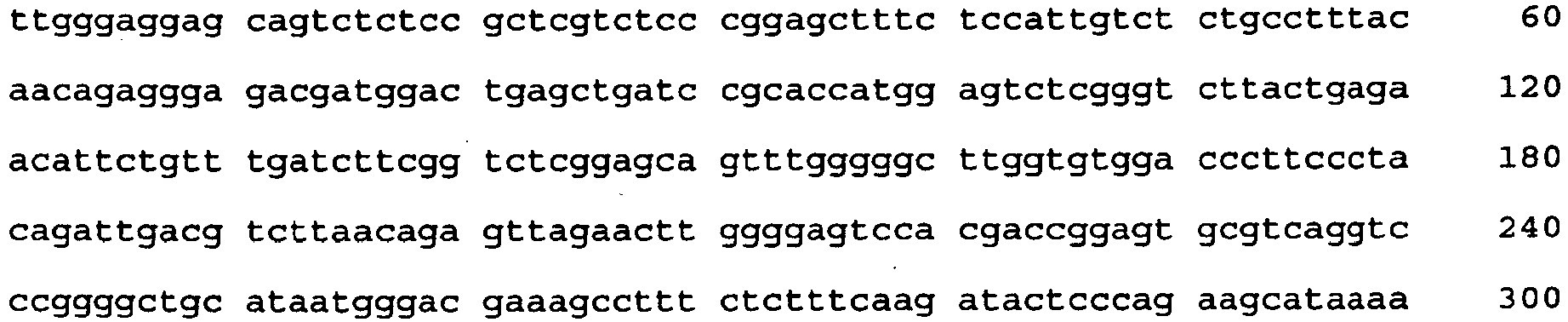


Claims (9)
- A pharmaceutical composition for use in the treatment of diabetes and/or obesity, comprising an SF6 protein and/or a nucleic acid molecule encoding an SF6 protein and/or an effector/modulator of said nucleic acid molecule and/or said protein, wherein the nucleic acid molecule is a mammalian SF6 nucleic acid, particularly encoding a human SF6 polypeptide and/or a nucleic acid molecule, which is complementary thereto or a fragment thereof or constructs expressing anti-sense and/or dominant-negative mutated molecules, and wherein the composition optionally contains pharmaceutically acceptable carriers, diluents, and/or additives, wherein the effector/modulator is selected from antibodies which are specific for a SF6 protein, as well as antisense molecules, aptamers, RNAi molecules and/or ribozymes recognising said SF6 protein or nucleic acid molecule encoding an SF6 protein.
- The composition for use according to claim 1, wherein said nucleic acid molecule is selected from the group consisting of(a) a nucleic acid molecule encoding a polypeptide having GenBank Accession No. NP_058023 or NP_006150, or an isoform, or fragment of the polypeptide having GenBank Accession No. NP_058023 or NP_006150;(b) a nucleic acid molecule which comprises or is the nucleic acid molecule having GenBank Accession No. NM_016743 or NM_006159;(c) a nucleic acid molecule being degenerate with as a result of the genetic code to the nucleic acid sequences as defined in (a) or (b),(d) a nucleic acid molecule that hybridizes at 50°C in a solution containing 1 x SSC and 0.1% SDS to a nucleic acid molecule as defined in claim 1 or as defined in (a) to (c) and/or a nucleic acid molecule which is complementary thereto;(e) a nucleic acid molecule that encodes a polypeptide which is at least 85%, preferably at least 90%, more preferably at least 95%, more preferably at least 98% and up to 99,6% identical to the human SF6 as defined in claim 1 or to a polypeptide as defined in (a).
- The composition for use according to any one of claims 1-2 in combination with at least one further pharmaceutical agent, wherein the at least one further pharmaceutical agent is particularly an agent suitable for the prevention and/or treatment of pancreatic diseases and/or obesity.
- SF6 nucleic acid molecule or a polypeptide encoded thereby or a fragment of said nucleic acid molecule or said polypeptide and/or an effector/modulator of said nucleic or polypeptide for use in the treatment of diabetes, and/or obesity, wherein the effector/modulator is selected from antibodies, which are specific for a SF6 protein, as well as antisense molecules, aptamers, RNAi molecules and/or ribozymes recognising said SF6 protein or nucleic acid molecule encoding an SF6 protein.
- A method of identifying a (poly)peptide involved in the regulation of energy homeostasis and/or metabolism in a mammal comprising the steps of(a) contacting a collection of (poly)peptides with an SF6 homologous polypeptide or a fragment thereof under conditions that allow binding of said (poly)peptides;(b) removing (poly)peptides which do not bind and(c) identifying (poly)peptides that bind to said SF6 homologous polypeptide, wherein a SF6 homologous polypeptide or fragment thereof is encoded by a nucleic acid as defined in(i) a nucleic acid molecule encoding a polypeptide having GenBank Accession No. NP_058023 or NP_006150, or an isoform, or fragment of the polypeptide having GenBank Accession No. NP_058023 or NP_006150;(ii) a nucleic acid molecule which comprises or is the nucleic acid molecule having GenBank Accession No. NM_016743 or NM_006159;(iii) a nucleic acid molecule being degenerate with as a result of the genetic code to the nucleic acid sequences as defined in (i) or (ii),(iv) a nucleic acid molecule that hybridizes at 50°C in a solution containing 1 x SSC and 0.1% SDS to a nucleic acid molecule as defined in (i) to (iii) and/or a nucleic acid molecule which is complementary thereto;(v) a nucleic acid molecule that encodes a polypeptide which is at least 85%, preferably at least 90%, more preferably at least 95%, more preferably at least 98% and up to 99,6% identical to the human SF6 as defined in claim 1 or to a polypeptide as defined in (i).
- A method of screening for an agent which effects/modulates the interaction of an SF6 polypeptide with a binding target comprising the steps of(a) incubating a mixture comprising(aa) an SF6 polypeptide or a fragment thereof;(ab) a binding target/agent of said SF6 polypeptide or fragment thereof; and(ac) a candidate agent under conditions whereby said polypeptide or fragment thereof specifically binds to said binding target at a reference affinity;(b) detecting the binding affinity of said SF6 polypeptide or fragment thereof to said binding target to determine an affinity for the agent; and(c) determining a difference between affinity for the agent and reference affinity.
- A method for screening for an agent, which effects/modulates the activity of an SF6 polypeptide, comprising the steps of(a) incubating a mixture comprising(aa) an SF6 polypeptide or a fragment thereof; and(ab) a candidate agent
under conditions whereby said SF6 polypeptide or fragment thereof exhibits a reference activity,(b) detecting the activity of said SF6 polypeptide or fragment thereof to determine an activity for the agent; and(c) determining a difference between activity for the agent and reference activity. - Nucleic acid molecule
which is a
mammalian SF6 nucleic acid, particularly encoding a human SF6 polypeptide, and/or a nucleic acid which is complementary thereto, or a fragment thereof or constructs expressing anti-sense and/or dominant-negative mutated molecules,
a SF6 polypeptide and/or
a recombinant host cell exhibiting a modified expression of an SF6 polypeptide, or a recombinant host cell comprising a nucleic acid molecule, which is a mammalian SF6 nucleic acid which is complementary thereto, or a fragment thereof or constructs expressing anti-sense and/or dominant-negative mutated molecules, wherein the host cell is particularly a human cell,
for use in the treatment, alleviation and/or prevention of diabetes, and/or obesity. - Kit comprising at least one of(a) an SF6 nucleic acid molecule or an isoform thereof;(b) an SF6 amino acid molecule or an isoform thereof;(c) a vector comprising the nucleic acid of (a);(d) a host cell comprising the nucleic acid of (a) or the vector of (c);(e) a polypeptide encoded by the nucleic acid of (a), expressed by the vector of (c) or the host cell of (d);(f) a fusion polypeptide encoded by the nucleic acid of (a);(g) an antibody, an aptamer or another effector/modulator against the nucleic acid of (a) or the polypeptide of (b), (e), or (f) and /or(h) an anti-sense oligonucleotide of the nucleic acid of (a).
Priority Applications (1)
| Application Number | Priority Date | Filing Date | Title |
|---|---|---|---|
| EP08016231.6A EP2135618B1 (en) | 2003-11-19 | 2004-11-19 | SF6 for use in the treatment of diabetes and / or obesity, methods of screening for modulators and kit |
Applications Claiming Priority (3)
| Application Number | Priority Date | Filing Date | Title |
|---|---|---|---|
| EP03026614 | 2003-11-19 | ||
| EP04803195A EP1694352A2 (en) | 2003-11-19 | 2004-11-19 | Use of secreted protein products for preventing and treating pancreatic diseases and/or obesity and/or metabolic syndrome |
| EP08016231.6A EP2135618B1 (en) | 2003-11-19 | 2004-11-19 | SF6 for use in the treatment of diabetes and / or obesity, methods of screening for modulators and kit |
Related Parent Applications (1)
| Application Number | Title | Priority Date | Filing Date |
|---|---|---|---|
| EP04803195A Division EP1694352A2 (en) | 2003-11-19 | 2004-11-19 | Use of secreted protein products for preventing and treating pancreatic diseases and/or obesity and/or metabolic syndrome |
Publications (3)
| Publication Number | Publication Date |
|---|---|
| EP2135618A2 EP2135618A2 (en) | 2009-12-23 |
| EP2135618A3 EP2135618A3 (en) | 2010-01-20 |
| EP2135618B1 true EP2135618B1 (en) | 2014-01-15 |
Family
ID=34610058
Family Applications (2)
| Application Number | Title | Priority Date | Filing Date |
|---|---|---|---|
| EP04803195A Withdrawn EP1694352A2 (en) | 2003-11-19 | 2004-11-19 | Use of secreted protein products for preventing and treating pancreatic diseases and/or obesity and/or metabolic syndrome |
| EP08016231.6A Expired - Lifetime EP2135618B1 (en) | 2003-11-19 | 2004-11-19 | SF6 for use in the treatment of diabetes and / or obesity, methods of screening for modulators and kit |
Family Applications Before (1)
| Application Number | Title | Priority Date | Filing Date |
|---|---|---|---|
| EP04803195A Withdrawn EP1694352A2 (en) | 2003-11-19 | 2004-11-19 | Use of secreted protein products for preventing and treating pancreatic diseases and/or obesity and/or metabolic syndrome |
Country Status (3)
| Country | Link |
|---|---|
| US (1) | US20070107073A1 (en) |
| EP (2) | EP1694352A2 (en) |
| WO (1) | WO2005049063A2 (en) |
Family Cites Families (11)
| Publication number | Priority date | Publication date | Assignee | Title |
|---|---|---|---|---|
| NZ207394A (en) | 1983-03-08 | 1987-03-06 | Commw Serum Lab Commission | Detecting or determining sequence of amino acids |
| US5474796A (en) | 1991-09-04 | 1995-12-12 | Protogene Laboratories, Inc. | Method and apparatus for conducting an array of chemical reactions on a support surface |
| US5605662A (en) | 1993-11-01 | 1997-02-25 | Nanogen, Inc. | Active programmable electronic devices for molecular biological analysis and diagnostics |
| US5279966A (en) * | 1992-04-02 | 1994-01-18 | The Trustees Of Columbia University In The City Of New York | Cloning, expression and uses of a novel secreted protein, F-spondin |
| US6015880A (en) | 1994-03-16 | 2000-01-18 | California Institute Of Technology | Method and substrate for performing multiple sequential reactions on a matrix |
| US5807522A (en) | 1994-06-17 | 1998-09-15 | The Board Of Trustees Of The Leland Stanford Junior University | Methods for fabricating microarrays of biological samples |
| US6005088A (en) * | 1996-03-19 | 1999-12-21 | Otsuka Pharmaceutical Co., Ltd. | Human NPIK gene |
| US7544486B2 (en) * | 2003-02-07 | 2009-06-09 | The Regents Of The University Of California | Nell peptide expression systems and bone formation activity of nell peptide |
| JP2001292778A (en) * | 2000-04-11 | 2001-10-23 | Inst Of Physical & Chemical Res | Truncated Reelin protein and DNA encoding the same |
| US6677500B2 (en) * | 2000-08-15 | 2004-01-13 | Board Of Trustees Of The University Of Illinois | Ungulates expressing exogenous IGF-I in their milk |
| US20060259988A1 (en) * | 2003-03-31 | 2006-11-16 | Darla Onichtchouk | Use of dg931 protein for treating diabetes, obesity and metabolic syndrome |
-
2004
- 2004-11-19 EP EP04803195A patent/EP1694352A2/en not_active Withdrawn
- 2004-11-19 US US10/579,744 patent/US20070107073A1/en not_active Abandoned
- 2004-11-19 WO PCT/EP2004/013175 patent/WO2005049063A2/en not_active Ceased
- 2004-11-19 EP EP08016231.6A patent/EP2135618B1/en not_active Expired - Lifetime
Also Published As
| Publication number | Publication date |
|---|---|
| WO2005049063A3 (en) | 2005-11-17 |
| US20070107073A1 (en) | 2007-05-10 |
| EP1694352A2 (en) | 2006-08-30 |
| EP2135618A3 (en) | 2010-01-20 |
| EP2135618A2 (en) | 2009-12-23 |
| WO2005049063A2 (en) | 2005-06-02 |
Similar Documents
| Publication | Publication Date | Title |
|---|---|---|
| US20090298771A1 (en) | Use of secreted protein products for preventing and treating pancreatic diseases and/or obesity and/or metabolic syndrome | |
| EP2289908B1 (en) | Use of DG177 secreted protein products for preventing and treating pancreatic diseases and/or obesity and/or metabolic syndrome | |
| EP1605965B1 (en) | Use of saposin-related proteins for preventing and treating obesity, diabetes and/or metabolic syndrome | |
| EP2135618A2 (en) | Use of secreted protein products for preventing and treating pancreatic diseases and/or obesity and/or metabolic syndrome | |
| US20070050856A1 (en) | Use of protein products for preventing and treating pancreatic diseases and/or obesity and/or metabolic syndrome | |
| US20060259988A1 (en) | Use of dg931 protein for treating diabetes, obesity and metabolic syndrome | |
| WO2004012758A1 (en) | Use of tgf beta ig-h3 for preventing and treating obesity, diabetes and/or metabolic syndrome | |
| EP1644027B1 (en) | Use of pleiotrophin for preventing and treating pancreatic diseases and/or obesity and/or metabolic syndrome | |
| US20060234930A1 (en) | Use of dg008,dg065,dg210 or dg239 secreted protein products for preventing and treating pancreatic diseases and/or obesity and/or metabolic syndrome | |
| US20080107639A1 (en) | Use of a Dg147 Protein Product for Preventing and Treating Metabolic Disorders | |
| US20060168667A1 (en) | Minibrain homologous proteins involved in the regulation of energy homeostasis | |
| WO2004020465A2 (en) | Proteins involved in the regulation of energy homeostasis | |
| JP2002300891A (en) | New compound | |
| JP2006519757A (en) | Proteins involved in the regulation of energy homeostasis | |
| WO2004047855A2 (en) | Proteins involved in the regulation of energy homeostasis | |
| WO2004064856A2 (en) | Proteins involved in the regulation of energy homeostasis | |
| WO2004028554A2 (en) | Skrp, astray, string, vacm associated with metabolic control |
Legal Events
| Date | Code | Title | Description |
|---|---|---|---|
| PUAI | Public reference made under article 153(3) epc to a published international application that has entered the european phase |
Free format text: ORIGINAL CODE: 0009012 |
|
| PUAL | Search report despatched |
Free format text: ORIGINAL CODE: 0009013 |
|
| 17P | Request for examination filed |
Effective date: 20080915 |
|
| AC | Divisional application: reference to earlier application |
Ref document number: 1694352 Country of ref document: EP Kind code of ref document: P |
|
| AK | Designated contracting states |
Kind code of ref document: A2 Designated state(s): AT BE BG CH CY CZ DE DK EE ES FI FR GB GR HU IE IS IT LI LU MC NL PL PT RO SE SI SK TR |
|
| AK | Designated contracting states |
Kind code of ref document: A3 Designated state(s): AT BE BG CH CY CZ DE DK EE ES FI FR GB GR HU IE IS IT LI LU MC NL PL PT RO SE SI SK TR |
|
| 17Q | First examination report despatched |
Effective date: 20100820 |
|
| AKX | Designation fees paid |
Designated state(s): AT BE BG CH CY CZ DE DK EE ES FI FR GB GR HU IE IS IT LI LU MC NL PL PT RO SE SI SK TR |
|
| RAP1 | Party data changed (applicant data changed or rights of an application transferred) |
Owner name: EVOTEC INTERNATIONAL GMBH |
|
| GRAP | Despatch of communication of intention to grant a patent |
Free format text: ORIGINAL CODE: EPIDOSNIGR1 |
|
| INTG | Intention to grant announced |
Effective date: 20130618 |
|
| GRAS | Grant fee paid |
Free format text: ORIGINAL CODE: EPIDOSNIGR3 |
|
| GRAA | (expected) grant |
Free format text: ORIGINAL CODE: 0009210 |
|
| AC | Divisional application: reference to earlier application |
Ref document number: 1694352 Country of ref document: EP Kind code of ref document: P |
|
| AK | Designated contracting states |
Kind code of ref document: B1 Designated state(s): AT BE BG CH CY CZ DE DK EE ES FI FR GB GR HU IE IS IT LI LU MC NL PL PT RO SE SI SK TR |
|
| REG | Reference to a national code |
Ref country code: GB Ref legal event code: FG4D Ref country code: CH Ref legal event code: EP |
|
| REG | Reference to a national code |
Ref country code: AT Ref legal event code: REF Ref document number: 649478 Country of ref document: AT Kind code of ref document: T Effective date: 20140215 |
|
| REG | Reference to a national code |
Ref country code: DE Ref legal event code: R096 Ref document number: 602004044291 Country of ref document: DE Effective date: 20140220 |
|
| REG | Reference to a national code |
Ref country code: IE Ref legal event code: FG4D |
|
| REG | Reference to a national code |
Ref country code: CH Ref legal event code: NV Representative=s name: E. BLUM AND CO. AG PATENT- UND MARKENANWAELTE , CH |
|
| REG | Reference to a national code |
Ref country code: NL Ref legal event code: VDEP Effective date: 20140115 |
|
| REG | Reference to a national code |
Ref country code: AT Ref legal event code: MK05 Ref document number: 649478 Country of ref document: AT Kind code of ref document: T Effective date: 20140115 |
|
| PG25 | Lapsed in a contracting state [announced via postgrant information from national office to epo] |
Ref country code: IS Free format text: LAPSE BECAUSE OF FAILURE TO SUBMIT A TRANSLATION OF THE DESCRIPTION OR TO PAY THE FEE WITHIN THE PRESCRIBED TIME-LIMIT Effective date: 20140515 |
|
| PG25 | Lapsed in a contracting state [announced via postgrant information from national office to epo] |
Ref country code: PT Free format text: LAPSE BECAUSE OF FAILURE TO SUBMIT A TRANSLATION OF THE DESCRIPTION OR TO PAY THE FEE WITHIN THE PRESCRIBED TIME-LIMIT Effective date: 20140515 Ref country code: SE Free format text: LAPSE BECAUSE OF FAILURE TO SUBMIT A TRANSLATION OF THE DESCRIPTION OR TO PAY THE FEE WITHIN THE PRESCRIBED TIME-LIMIT Effective date: 20140115 Ref country code: FI Free format text: LAPSE BECAUSE OF FAILURE TO SUBMIT A TRANSLATION OF THE DESCRIPTION OR TO PAY THE FEE WITHIN THE PRESCRIBED TIME-LIMIT Effective date: 20140115 Ref country code: NL Free format text: LAPSE BECAUSE OF FAILURE TO SUBMIT A TRANSLATION OF THE DESCRIPTION OR TO PAY THE FEE WITHIN THE PRESCRIBED TIME-LIMIT Effective date: 20140115 Ref country code: CY Free format text: LAPSE BECAUSE OF FAILURE TO SUBMIT A TRANSLATION OF THE DESCRIPTION OR TO PAY THE FEE WITHIN THE PRESCRIBED TIME-LIMIT Effective date: 20140115 Ref country code: AT Free format text: LAPSE BECAUSE OF FAILURE TO SUBMIT A TRANSLATION OF THE DESCRIPTION OR TO PAY THE FEE WITHIN THE PRESCRIBED TIME-LIMIT Effective date: 20140115 Ref country code: ES Free format text: LAPSE BECAUSE OF FAILURE TO SUBMIT A TRANSLATION OF THE DESCRIPTION OR TO PAY THE FEE WITHIN THE PRESCRIBED TIME-LIMIT Effective date: 20140115 |
|
| PG25 | Lapsed in a contracting state [announced via postgrant information from national office to epo] |
Ref country code: BE Free format text: LAPSE BECAUSE OF FAILURE TO SUBMIT A TRANSLATION OF THE DESCRIPTION OR TO PAY THE FEE WITHIN THE PRESCRIBED TIME-LIMIT Effective date: 20140115 |
|
| REG | Reference to a national code |
Ref country code: DE Ref legal event code: R097 Ref document number: 602004044291 Country of ref document: DE |
|
| PG25 | Lapsed in a contracting state [announced via postgrant information from national office to epo] |
Ref country code: CZ Free format text: LAPSE BECAUSE OF FAILURE TO SUBMIT A TRANSLATION OF THE DESCRIPTION OR TO PAY THE FEE WITHIN THE PRESCRIBED TIME-LIMIT Effective date: 20140115 Ref country code: RO Free format text: LAPSE BECAUSE OF FAILURE TO SUBMIT A TRANSLATION OF THE DESCRIPTION OR TO PAY THE FEE WITHIN THE PRESCRIBED TIME-LIMIT Effective date: 20140115 Ref country code: DK Free format text: LAPSE BECAUSE OF FAILURE TO SUBMIT A TRANSLATION OF THE DESCRIPTION OR TO PAY THE FEE WITHIN THE PRESCRIBED TIME-LIMIT Effective date: 20140115 Ref country code: EE Free format text: LAPSE BECAUSE OF FAILURE TO SUBMIT A TRANSLATION OF THE DESCRIPTION OR TO PAY THE FEE WITHIN THE PRESCRIBED TIME-LIMIT Effective date: 20140115 |
|
| PLBE | No opposition filed within time limit |
Free format text: ORIGINAL CODE: 0009261 |
|
| STAA | Information on the status of an ep patent application or granted ep patent |
Free format text: STATUS: NO OPPOSITION FILED WITHIN TIME LIMIT |
|
| PG25 | Lapsed in a contracting state [announced via postgrant information from national office to epo] |
Ref country code: SK Free format text: LAPSE BECAUSE OF FAILURE TO SUBMIT A TRANSLATION OF THE DESCRIPTION OR TO PAY THE FEE WITHIN THE PRESCRIBED TIME-LIMIT Effective date: 20140115 Ref country code: PL Free format text: LAPSE BECAUSE OF FAILURE TO SUBMIT A TRANSLATION OF THE DESCRIPTION OR TO PAY THE FEE WITHIN THE PRESCRIBED TIME-LIMIT Effective date: 20140115 |
|
| 26N | No opposition filed |
Effective date: 20141016 |
|
| PGFP | Annual fee paid to national office [announced via postgrant information from national office to epo] |
Ref country code: GB Payment date: 20141119 Year of fee payment: 11 Ref country code: CH Payment date: 20141119 Year of fee payment: 11 Ref country code: FR Payment date: 20141119 Year of fee payment: 11 Ref country code: DE Payment date: 20141114 Year of fee payment: 11 |
|
| REG | Reference to a national code |
Ref country code: DE Ref legal event code: R097 Ref document number: 602004044291 Country of ref document: DE Effective date: 20141016 |
|
| PG25 | Lapsed in a contracting state [announced via postgrant information from national office to epo] |
Ref country code: SI Free format text: LAPSE BECAUSE OF FAILURE TO SUBMIT A TRANSLATION OF THE DESCRIPTION OR TO PAY THE FEE WITHIN THE PRESCRIBED TIME-LIMIT Effective date: 20140115 |
|
| PG25 | Lapsed in a contracting state [announced via postgrant information from national office to epo] |
Ref country code: MC Free format text: LAPSE BECAUSE OF FAILURE TO SUBMIT A TRANSLATION OF THE DESCRIPTION OR TO PAY THE FEE WITHIN THE PRESCRIBED TIME-LIMIT Effective date: 20140115 Ref country code: LU Free format text: LAPSE BECAUSE OF FAILURE TO SUBMIT A TRANSLATION OF THE DESCRIPTION OR TO PAY THE FEE WITHIN THE PRESCRIBED TIME-LIMIT Effective date: 20141119 |
|
| REG | Reference to a national code |
Ref country code: IE Ref legal event code: MM4A |
|
| PG25 | Lapsed in a contracting state [announced via postgrant information from national office to epo] |
Ref country code: IE Free format text: LAPSE BECAUSE OF NON-PAYMENT OF DUE FEES Effective date: 20141119 |
|
| PG25 | Lapsed in a contracting state [announced via postgrant information from national office to epo] |
Ref country code: BG Free format text: LAPSE BECAUSE OF FAILURE TO SUBMIT A TRANSLATION OF THE DESCRIPTION OR TO PAY THE FEE WITHIN THE PRESCRIBED TIME-LIMIT Effective date: 20140115 |
|
| REG | Reference to a national code |
Ref country code: DE Ref legal event code: R119 Ref document number: 602004044291 Country of ref document: DE |
|
| PG25 | Lapsed in a contracting state [announced via postgrant information from national office to epo] |
Ref country code: GR Free format text: LAPSE BECAUSE OF FAILURE TO SUBMIT A TRANSLATION OF THE DESCRIPTION OR TO PAY THE FEE WITHIN THE PRESCRIBED TIME-LIMIT Effective date: 20140416 Ref country code: IT Free format text: LAPSE BECAUSE OF FAILURE TO SUBMIT A TRANSLATION OF THE DESCRIPTION OR TO PAY THE FEE WITHIN THE PRESCRIBED TIME-LIMIT Effective date: 20140115 |
|
| REG | Reference to a national code |
Ref country code: CH Ref legal event code: PL |
|
| GBPC | Gb: european patent ceased through non-payment of renewal fee |
Effective date: 20151119 |
|
| PG25 | Lapsed in a contracting state [announced via postgrant information from national office to epo] |
Ref country code: CH Free format text: LAPSE BECAUSE OF NON-PAYMENT OF DUE FEES Effective date: 20151130 Ref country code: TR Free format text: LAPSE BECAUSE OF FAILURE TO SUBMIT A TRANSLATION OF THE DESCRIPTION OR TO PAY THE FEE WITHIN THE PRESCRIBED TIME-LIMIT Effective date: 20140115 Ref country code: HU Free format text: LAPSE BECAUSE OF FAILURE TO SUBMIT A TRANSLATION OF THE DESCRIPTION OR TO PAY THE FEE WITHIN THE PRESCRIBED TIME-LIMIT; INVALID AB INITIO Effective date: 20041119 Ref country code: LI Free format text: LAPSE BECAUSE OF NON-PAYMENT OF DUE FEES Effective date: 20151130 |
|
| REG | Reference to a national code |
Ref country code: FR Ref legal event code: ST Effective date: 20160729 |
|
| PG25 | Lapsed in a contracting state [announced via postgrant information from national office to epo] |
Ref country code: DE Free format text: LAPSE BECAUSE OF NON-PAYMENT OF DUE FEES Effective date: 20160601 Ref country code: GB Free format text: LAPSE BECAUSE OF NON-PAYMENT OF DUE FEES Effective date: 20151119 |
|
| PG25 | Lapsed in a contracting state [announced via postgrant information from national office to epo] |
Ref country code: FR Free format text: LAPSE BECAUSE OF NON-PAYMENT OF DUE FEES Effective date: 20151130 |