EP2131867B1 - Modified hydroxypolymer conjugates with killing effect on tumor cells - Google Patents
Modified hydroxypolymer conjugates with killing effect on tumor cells Download PDFInfo
- Publication number
- EP2131867B1 EP2131867B1 EP08717461A EP08717461A EP2131867B1 EP 2131867 B1 EP2131867 B1 EP 2131867B1 EP 08717461 A EP08717461 A EP 08717461A EP 08717461 A EP08717461 A EP 08717461A EP 2131867 B1 EP2131867 B1 EP 2131867B1
- Authority
- EP
- European Patent Office
- Prior art keywords
- dextran
- hydroxypolymer
- conjugate
- modified
- modified hydroxypolymer
- Prior art date
- Legal status (The legal status is an assumption and is not a legal conclusion. Google has not performed a legal analysis and makes no representation as to the accuracy of the status listed.)
- Active
Links
Images




Classifications
-
- C—CHEMISTRY; METALLURGY
- C08—ORGANIC MACROMOLECULAR COMPOUNDS; THEIR PREPARATION OR CHEMICAL WORKING-UP; COMPOSITIONS BASED THEREON
- C08B—POLYSACCHARIDES; DERIVATIVES THEREOF
- C08B37/00—Preparation of polysaccharides not provided for in groups C08B1/00 - C08B35/00; Derivatives thereof
- C08B37/0006—Homoglycans, i.e. polysaccharides having a main chain consisting of one single sugar, e.g. colominic acid
- C08B37/0009—Homoglycans, i.e. polysaccharides having a main chain consisting of one single sugar, e.g. colominic acid alpha-D-Glucans, e.g. polydextrose, alternan, glycogen; (alpha-1,4)(alpha-1,6)-D-Glucans; (alpha-1,3)(alpha-1,4)-D-Glucans, e.g. isolichenan or nigeran; (alpha-1,4)-D-Glucans; (alpha-1,3)-D-Glucans, e.g. pseudonigeran; Derivatives thereof
- C08B37/0021—Dextran, i.e. (alpha-1,4)-D-glucan; Derivatives thereof, e.g. Sephadex, i.e. crosslinked dextran
-
- A—HUMAN NECESSITIES
- A61—MEDICAL OR VETERINARY SCIENCE; HYGIENE
- A61K—PREPARATIONS FOR MEDICAL, DENTAL OR TOILETRY PURPOSES
- A61K51/00—Preparations containing radioactive substances for use in therapy or testing in vivo
- A61K51/02—Preparations containing radioactive substances for use in therapy or testing in vivo characterised by the carrier, i.e. characterised by the agent or material covalently linked or complexing the radioactive nucleus
- A61K51/04—Organic compounds
- A61K51/06—Macromolecular compounds, carriers being organic macromolecular compounds, i.e. organic oligomeric, polymeric, dendrimeric molecules
-
- A—HUMAN NECESSITIES
- A61—MEDICAL OR VETERINARY SCIENCE; HYGIENE
- A61K—PREPARATIONS FOR MEDICAL, DENTAL OR TOILETRY PURPOSES
- A61K31/00—Medicinal preparations containing organic active ingredients
- A61K31/13—Amines
- A61K31/155—Amidines (), e.g. guanidine (H2N—C(=NH)—NH2), isourea (N=C(OH)—NH2), isothiourea (—N=C(SH)—NH2)
-
- A—HUMAN NECESSITIES
- A61—MEDICAL OR VETERINARY SCIENCE; HYGIENE
- A61K—PREPARATIONS FOR MEDICAL, DENTAL OR TOILETRY PURPOSES
- A61K31/00—Medicinal preparations containing organic active ingredients
- A61K31/70—Carbohydrates; Sugars; Derivatives thereof
- A61K31/715—Polysaccharides, i.e. having more than five saccharide radicals attached to each other by glycosidic linkages; Derivatives thereof, e.g. ethers, esters
- A61K31/716—Glucans
- A61K31/721—Dextrans
-
- A—HUMAN NECESSITIES
- A61—MEDICAL OR VETERINARY SCIENCE; HYGIENE
- A61K—PREPARATIONS FOR MEDICAL, DENTAL OR TOILETRY PURPOSES
- A61K47/00—Medicinal preparations characterised by the non-active ingredients used, e.g. carriers or inert additives; Targeting or modifying agents chemically bound to the active ingredient
- A61K47/50—Medicinal preparations characterised by the non-active ingredients used, e.g. carriers or inert additives; Targeting or modifying agents chemically bound to the active ingredient the non-active ingredient being chemically bound to the active ingredient, e.g. polymer-drug conjugates
- A61K47/51—Medicinal preparations characterised by the non-active ingredients used, e.g. carriers or inert additives; Targeting or modifying agents chemically bound to the active ingredient the non-active ingredient being chemically bound to the active ingredient, e.g. polymer-drug conjugates the non-active ingredient being a modifying agent
- A61K47/54—Medicinal preparations characterised by the non-active ingredients used, e.g. carriers or inert additives; Targeting or modifying agents chemically bound to the active ingredient the non-active ingredient being chemically bound to the active ingredient, e.g. polymer-drug conjugates the non-active ingredient being a modifying agent the modifying agent being an organic compound
- A61K47/555—Medicinal preparations characterised by the non-active ingredients used, e.g. carriers or inert additives; Targeting or modifying agents chemically bound to the active ingredient the non-active ingredient being chemically bound to the active ingredient, e.g. polymer-drug conjugates the non-active ingredient being a modifying agent the modifying agent being an organic compound pre-targeting systems involving an organic compound, other than a peptide, protein or antibody, for targeting specific cells
-
- A—HUMAN NECESSITIES
- A61—MEDICAL OR VETERINARY SCIENCE; HYGIENE
- A61K—PREPARATIONS FOR MEDICAL, DENTAL OR TOILETRY PURPOSES
- A61K47/00—Medicinal preparations characterised by the non-active ingredients used, e.g. carriers or inert additives; Targeting or modifying agents chemically bound to the active ingredient
- A61K47/50—Medicinal preparations characterised by the non-active ingredients used, e.g. carriers or inert additives; Targeting or modifying agents chemically bound to the active ingredient the non-active ingredient being chemically bound to the active ingredient, e.g. polymer-drug conjugates
- A61K47/51—Medicinal preparations characterised by the non-active ingredients used, e.g. carriers or inert additives; Targeting or modifying agents chemically bound to the active ingredient the non-active ingredient being chemically bound to the active ingredient, e.g. polymer-drug conjugates the non-active ingredient being a modifying agent
- A61K47/56—Medicinal preparations characterised by the non-active ingredients used, e.g. carriers or inert additives; Targeting or modifying agents chemically bound to the active ingredient the non-active ingredient being chemically bound to the active ingredient, e.g. polymer-drug conjugates the non-active ingredient being a modifying agent the modifying agent being an organic macromolecular compound, e.g. an oligomeric, polymeric or dendrimeric molecule
- A61K47/61—Medicinal preparations characterised by the non-active ingredients used, e.g. carriers or inert additives; Targeting or modifying agents chemically bound to the active ingredient the non-active ingredient being chemically bound to the active ingredient, e.g. polymer-drug conjugates the non-active ingredient being a modifying agent the modifying agent being an organic macromolecular compound, e.g. an oligomeric, polymeric or dendrimeric molecule the organic macromolecular compound being a polysaccharide or a derivative thereof
-
- A—HUMAN NECESSITIES
- A61—MEDICAL OR VETERINARY SCIENCE; HYGIENE
- A61P—SPECIFIC THERAPEUTIC ACTIVITY OF CHEMICAL COMPOUNDS OR MEDICINAL PREPARATIONS
- A61P35/00—Antineoplastic agents
-
- A—HUMAN NECESSITIES
- A61—MEDICAL OR VETERINARY SCIENCE; HYGIENE
- A61P—SPECIFIC THERAPEUTIC ACTIVITY OF CHEMICAL COMPOUNDS OR MEDICINAL PREPARATIONS
- A61P35/00—Antineoplastic agents
- A61P35/04—Antineoplastic agents specific for metastasis
-
- A—HUMAN NECESSITIES
- A61—MEDICAL OR VETERINARY SCIENCE; HYGIENE
- A61P—SPECIFIC THERAPEUTIC ACTIVITY OF CHEMICAL COMPOUNDS OR MEDICINAL PREPARATIONS
- A61P43/00—Drugs for specific purposes, not provided for in groups A61P1/00-A61P41/00
Definitions
- the present invention is related to a modified hydroxypolymer conjugate, particularly a guanidine-dextran conjugate having a tumor killing effect, and a method for preparation of said conjugates as well as its use.
- Guanidine compounds have many interesting and important biomedical effects and consequently many uses. They are for example used as free radical scavengers, inhibitors of nitric oxide synthase (NOS) preventing nitric oxide formation. They are known to have certain anti-proliferative effects on cells.
- the guanidines are also used as "anti-aging" drugs, wherein the effect is achieved by protection from low density lipoprotein oxidation, by prevention of atherosclerotic lesions formation, by retarding the tissue damaging effects of diabetes, e.g.
- the present invention is related to a modified hydroxypolymer conjugate having a tumor cell killing effect.
- the modified hydroxypolymer conjugate is a hydroxypolymer substituted with guanidine compounds, which are covalently coupled to activated hydroxyl groups of the hydroxypolymer moiety.
- the guanidine compounds in the present invention are agmatine or aminoguanidine and the hydroxypolymer moiety is a dextran, which preferably has a molecular weight in the range 10 3 -10 6 Daltons and which is activated before being substituted with said guanidine compounds.
- the modified hydroxypolymer conjugate may further comprise covalently coupled functional groups, including radio-nuclides, therapeutic compounds, anticancer drugs, targeting agents, etc.
- the modified hydroxypolymer conjugate is preferably a guanidine-dextran conjugate having an average molecular weight of approximately 70 kD ⁇ 25 kD, wherein 15-60%, preferably 20-50% of the glucose moieties of the dextran are substituted with guanidine compounds having at least one free amino side group, Said guanidine compounds, agmatine or aminoguanidine,are covalently coupled to activated hydroxyl groups of the said dextran.
- the hydroxypolymer conjugates may further comprise covalently coupled functional groups, including radio-nuclides, therapeutic compounds, anticancer drugs, targeting agents, etc.
- Useful targeting agents are for example biphosphonates, e.g. alendronate.
- the present invention is also related to the use of said hydroxypolymer conjugates as medicines, particularly for manufacturing medicines for treating tumors.
- the medicines are tumor killing compositions, which comprise the modified hydroxypolymer conjugate and at least pharmaceutically acceptable adjuvant.
- the medicines or tumor killing compositions are locally, intravesically, regiolocally, peritoneally, intratumorally, systemically or intravenously administrable.
- the medicines may further comprise covalently coupled functional groups, including radio-nuclides, therapeutic compounds, anticancer drugs, targeting agents, etc.
- the present invention also provides a method for producing the modified hydroxypolymer conjugate.
- a guanidine compound having at least one free amino group, which is agmatine or aminoguanidine, is mixed with an eluent obtained when purifying an activated hydroxypolymer by gel filtration.
- the hydroxypolymer is activated by an oxidative reaction, wherein a periodate salt is added to an aqueous solution comprising said hydroxypolymer with subsequent addition of concentrated sulphuric acid and by ending the reaction by adding ethylene glycol.
- the hydroxypolymer, which has been activated as described above, is subsequently purified by gel filtration.
- guanidine compounds having very low intrinsic toxicity, when covalently conjugated to a non-toxic hydroxyl polymer, viz dextran, have a high tumor cell killing efficacy.
- the tumor cell killing efficacy is equal to established anthracycline anticancer pharmaceuticals such as Farmorubicine® and Adriamycine® or at some concentrations higher than established anticancer drugs. It appears probable that due to the harmless nature of the constituents of said polymer-guanidine conjugates, the handling of such conjugates i.e. for medical staff and the treatment connected side-effects for the patients can be expected to be favourable in comparison to conventional chemotherapeutic anti-cancer pharmaceuticals.
- Targeting or tumor cell selectivity is believed to be achieved through the increased metabolic needs of the fast dividing tumor cells, which require amino-5-guanidinopentanoic acid and structurally related guanidine compounds, and other constituents for polyamine formation ( D Scott Lind, Am Soc Nutr Sci, 2004, J Nutr, 134:2837-2841 ; E Wayne, Turk J Med Sci, 2003, 33, 195-205 ).
- Cellular uptake of said guanidine compounds is mediated principally via the Na+ -independent basic amino acid transport system y+ ( Cendan et al, Ann Surg Oncol, 1995, 2:257-265 ).
- the guanidine-polymer-conjugate of the present inventions is a compound, which as a backbone compound has a hydroxypolymer which is dextran.
- the molecular weight of the dextran is between 10 3 -10 6 Daltons.
- the dextran is substituted with between 15 to 60%, preferably between 20 to 50% guanidine side groups, i.e. 20-50% of the glucose moieties in the dextran backbone are substituted with guanidine groups.
- the medicine is preferably administered locally, e.g. by intra-vesical administration, regiolocally, e.g. by administration to the peritoneal cavity, intratumorally, i.e. by injection directly into a solid tumor, or systemically, i.e. by intra-venous administration. All these routes of administration are possible and dependent on the specific therapeutic application.
- the dextran polymer is substituted using side groups of guanidine.
- the guanidine groups are covalently coupled to said dextran polymer via free amino side groups of the guanidine compounds.
- the substitution is preceded by activating said dextran polymer through oxidation, which enables the reaction with said free amino side groups forming bonds of guanidine compounds with subsequent reduction obtain stable amine bonds ( Matsunaga et al, Nucl Med Biol. 2005, 32, 279-285 ).
- the aminoguanidine forms a hydrazone bond with the dextran polymer.
- the hydrazone bond can be further reduced, yielding a guanidino hydrazine bond.
- the guanidine compounds are agmatine and aminoguanidine.
- Other functional groups may be coupled additionally to said guanidine hydroxypolymer conjugate.
- These functional groups include therapeutic drugs, radionuclides, such as. Tc-99m, I-131, Y-90, Re-188, Sm-153, hormones, hormone antagonists, such as Tamoxifen, peptides, such as somatostatin, toxins, monoclonal antibodies or fragments thereof, free radical scavengers, such as amifostine or proteins and further targeting agents. Coupling of such functional groups is achieved directly or via bifunctional chelates that have been coupled to the hydroxypolymer prior to the inclusion of functional groups.
- dextran PM70 150 mg was dissolved in 6 ml of water. Sodium periodate 120 mg, was added, followed by 25 ⁇ l of concentrated sulphuric acid. The combined solution was stirred for 30 minutes. Ethylene glycol, 75 ⁇ l, was added in order to stop the oxidation and destroy excess periodate, by reacting for a further 15 minutes.
- the activated dextran was purified from low-molecular components by gel filtration in one ml portions on PD-10 columns with 0.1 M acetate, pH 6.5, as an eluent. In each separation, 2 ml of activated dextran solution was obtained.
- the fluorometric cytotoxicity assay was performed as described by Larsson and Nygren ( Larson et al, Anticancer Res, 1989, 9:1111-1119 ).
- Fluorescein diacetate (FDA, Sigma, Sweden) was dissolved in DMSO and kept frozen at -20°C as a stock solution (10 mg/ml).
- the FDA stock solution was diluted in PBS at a concentration of 10 ⁇ g/ml and 200 ⁇ l was added to each well. The plates were then incubated for 30 minutes at 37°C.
- a 96-well scanning fluorometer was used to count the emitted fluorescence from living cells. The data were transferred to a computer and the results were calculated. The results are shown in Figures 1-5 , y axes showing % cell survival and x axes showing the molarity of the test substances.
- RT4 Urothelial cancer
- MDA231 Breast cancer
- PC3 Prostate cancer
- A498 Renal cell cancer
Landscapes
- Health & Medical Sciences (AREA)
- Life Sciences & Earth Sciences (AREA)
- Chemical & Material Sciences (AREA)
- General Health & Medical Sciences (AREA)
- Medicinal Chemistry (AREA)
- Pharmacology & Pharmacy (AREA)
- Animal Behavior & Ethology (AREA)
- Public Health (AREA)
- Veterinary Medicine (AREA)
- Epidemiology (AREA)
- Engineering & Computer Science (AREA)
- Bioinformatics & Cheminformatics (AREA)
- Chemical Kinetics & Catalysis (AREA)
- Organic Chemistry (AREA)
- Nuclear Medicine, Radiotherapy & Molecular Imaging (AREA)
- Molecular Biology (AREA)
- Proteomics, Peptides & Aminoacids (AREA)
- Physics & Mathematics (AREA)
- Optics & Photonics (AREA)
- General Chemical & Material Sciences (AREA)
- Immunology (AREA)
- Oncology (AREA)
- Biochemistry (AREA)
- Materials Engineering (AREA)
- Polymers & Plastics (AREA)
- Pharmaceuticals Containing Other Organic And Inorganic Compounds (AREA)
- Medicinal Preparation (AREA)
- Medicines That Contain Protein Lipid Enzymes And Other Medicines (AREA)
- Medicines Containing Antibodies Or Antigens For Use As Internal Diagnostic Agents (AREA)
- Polysaccharides And Polysaccharide Derivatives (AREA)
Abstract
Description
- The present invention is related to a modified hydroxypolymer conjugate, particularly a guanidine-dextran conjugate having a tumor killing effect, and a method for preparation of said conjugates as well as its use.
- Guanidine compounds have many interesting and important biomedical effects and consequently many uses. They are for example used as free radical scavengers, inhibitors of nitric oxide synthase (NOS) preventing nitric oxide formation. They are known to have certain anti-proliferative effects on cells. The guanidines are also used as "anti-aging" drugs, wherein the effect is achieved by protection from low density lipoprotein oxidation, by prevention of atherosclerotic lesions formation, by retarding the tissue damaging effects of diabetes, e.g. cardiovascular damage, through inhibition of the formation of advanced glycosylation end products (AGE's) as described in the following scientific publications (Yildiz et al, Br J Pharmacol, 1998 Jul; 124 (5): 905-910; Scaccini et al, J Lipid Res, 1994, Vol 35, 1085-1092; Higashi et al, J Biochem, 2004, Vol 136, No 4, 533-539; Szende et al, Cancer Cell Int, 2001, 1:3; Sell et al, J Gerontol Soc Am, 2001, 56: B405-B411; Wang et al, World J Gastroenterol. 2005, Jul 7:11, (25) 3830-3833; Zhang et al, World J Gastroenterol. 2001, June 7, 3) :331-334;JP Beisswenger, Dartmouth Med, http//dartmed.dartmouth.edu/summer00/ html/bench_to_bedside.shtml. Aminoguanidine is currently supplied as a non-prescription drug in the United States and its role in the treatment of various diseases is investigated in clinical studies. The inhibitory effect of agmatine on proliferation of tumor cells by modulation of polyamine metabilism is described in Wang et al., Acata Pharmacologica Sinica 2005, May; 26(5): 616-622.
- Since more than five decades dextran is an established pharmaceutical used for preventing hypovolemic chock, preventing embolism and improving microcirculation. Dextran and its non-toxic properties and high tolerability is very well documented (AS Segal, 1964 In: Modem medical monographs, ed. Wright, IS, Green & Stratton, NY, London, pp 5-17. Therefore, it is often used as an example of pharmaceutically applicable hydroxypolymers.
- Guanidine compounds and dextrans have almost no toxic effect on tumor cells as shown in
Figure 1 . However, it was surprisingly found that when the guanidine compounds were covalently conjugated to an activated hydroxypolymer, the conjugates demonstrated a high antitumor efficacy, which was similar or at some dosages even higher than that of conventional antitumor drugs, like Adriamycin®. - Accordingly, the present invention is related to a modified hydroxypolymer conjugate having a tumor cell killing effect. The modified hydroxypolymer conjugate is a hydroxypolymer substituted with guanidine compounds, which are covalently coupled to activated hydroxyl groups of the hydroxypolymer moiety.
- The guanidine compounds in the present invention are agmatine or aminoguanidine and the hydroxypolymer moiety is a dextran, which preferably has a molecular weight in the range 103-106 Daltons and which is activated before being substituted with said guanidine compounds.
- The modified hydroxypolymer conjugate may further comprise covalently coupled functional groups, including radio-nuclides, therapeutic compounds, anticancer drugs, targeting agents, etc.
- The modified hydroxypolymer conjugate is preferably a guanidine-dextran conjugate having an average molecular weight of approximately 70 kD ± 25 kD, wherein 15-60%, preferably 20-50% of the glucose moieties of the dextran are substituted with guanidine compounds having at least one free amino side group, Said guanidine compounds, agmatine or aminoguanidine,are covalently coupled to activated hydroxyl groups of the said dextran. The hydroxypolymer conjugates may further comprise covalently coupled functional groups, including radio-nuclides, therapeutic compounds, anticancer drugs, targeting agents, etc. Useful targeting agents are for example biphosphonates, e.g. alendronate.
- The present invention is also related to the use of said hydroxypolymer conjugates as medicines, particularly for manufacturing medicines for treating tumors. The medicines are tumor killing compositions, which comprise the modified hydroxypolymer conjugate and at least pharmaceutically acceptable adjuvant. The medicines or tumor killing compositions are locally, intravesically, regiolocally, peritoneally, intratumorally, systemically or intravenously administrable. The medicines may further comprise covalently coupled functional groups, including radio-nuclides, therapeutic compounds, anticancer drugs, targeting agents, etc.
- The present invention also provides a method for producing the modified hydroxypolymer conjugate. In the present method a guanidine compound, having at least one free amino group, which is agmatine or aminoguanidine, is mixed with an eluent obtained when purifying an activated hydroxypolymer by gel filtration. The hydroxypolymer is activated by an oxidative reaction, wherein a periodate salt is added to an aqueous solution comprising said hydroxypolymer with subsequent addition of concentrated sulphuric acid and by ending the reaction by adding ethylene glycol. The hydroxypolymer, which has been activated as described above, is subsequently purified by gel filtration.
-
-
Figure 1 demonstrates the toxic effect of dextran and aminoguanidine as compared to anthracycline = Adriamycin® using living urothelial cancer cells (RT4, ATCC, Manassas, USA). Percent survival is plotted on the y axes and incubation concentration is plotted on the x axes. -
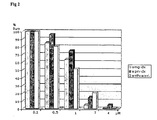
Figure 2 shows the toxic effect of Guanidine-Dextran conjugates amgdx = aminoguanidine-dextran, agmdx = agmatine-dextran in comparison to anthracycline = Adriamycin® on urothelial cancer cells (RT4, ATCC, Manassas, USA). Percent survival is plotted on the y axes and incubation concentration is plotted on the x axes. The survival of urothelial cancer cells is ≤ 1 = 0. The lower value means 100% cell death. -
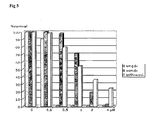
Figure 3 shows the toxic effect of Guanidine-Dextran conjugates amgdx = aminoguanidine-dextran, agmdx = agmatine-dextran as compared to anthracycline. = Adriamycin® on urothelial cancer cells (5637, ATCC, Manassas, USA). Percent survival is plotted on the y axes and incubation concentration is plotted on the x axes. The survival of urothelial cancer cells is ≤ 1 = 0. -
Figure 4 shows the toxic effect of Guanidine-Dextran conjugates amgdx = aminoguanidine-dextran, agmdx = agmatine-dextran as compared to anthracycline. = Adriamycin® on prostate cancer cells (PC3, ATCC, Manassas, USA). The survival of prostate cancer cells is ≤ 1 = 0. -
Figure 5 shows the toxic effect of Guanidine-Dextran conjugates amgdx = aminoguanidine-dextran, agmdx = agmatine-dextran as compared to anthracycline. = Adriamycin® on breast cancer cells (MDA231, ATCC, Manassas, USA). The survival of breast cancer cells is ≤ 1 = 0. -
Figure 6 shows the toxic effect of Guanidine-Dextran conjugates amgdx = aminoguanidine-dextran, agmdx = agmatine-dextran as compared to anthracycline. = Adriamycin® on renal cell cancer (A498, ATCC, Manassas, USA). The survival of renal cancer cells is ≤1 = 0 survival. - The inventors have discovered that certain guanidine compounds, having very low intrinsic toxicity, when covalently conjugated to a non-toxic hydroxyl polymer, viz dextran, have a high tumor cell killing efficacy. The tumor cell killing efficacy is equal to established anthracycline anticancer pharmaceuticals such as Farmorubicine® and Adriamycine® or at some concentrations higher than established anticancer drugs. It appears probable that due to the harmless nature of the constituents of said polymer-guanidine conjugates, the handling of such conjugates i.e. for medical staff and the treatment connected side-effects for the patients can be expected to be favourable in comparison to conventional chemotherapeutic anti-cancer pharmaceuticals.
- Targeting or tumor cell selectivity is believed to be achieved through the increased metabolic needs of the fast dividing tumor cells, which require amino-5-guanidinopentanoic acid and structurally related guanidine compounds, and other constituents for polyamine formation (D Scott Lind, Am Soc Nutr Sci, 2004, J Nutr, 134:2837-2841; E Wayne, Turk J Med Sci, 2003, 33, 195-205). Cellular uptake of said guanidine compounds is mediated principally via the Na+ -independent basic amino acid transport system y+ (Cendan et al, Ann Surg Oncol, 1995, 2:257-265).
- The guanidine-polymer-conjugate of the present inventions is a compound, which as a backbone compound has a hydroxypolymer which is dextran. The molecular weight of the dextran is between 103-106 Daltons. Typically, the dextran is substituted with between 15 to 60%, preferably between 20 to 50% guanidine side groups, i.e. 20-50% of the glucose moieties in the dextran backbone are substituted with guanidine groups.
- In one analyzed batch, it was demonstrated that 100 mg aminoguanidine-dextran-conjugate, where the dextran polymer has a mean molecular weight of 70 kD, about 30 mg constitutes guanidine side groups. In other words, 273 µmol aminoguanidine is coupled to 1.4 µmol of dextran70, which means that about 50 % of the glucose moieties are substituted with a guanidine group. In another batch, it was found that 100 mg aminoguanidine-dextran-conjugate, where the dextran polymer has a mean molecular weight of 70 kD, about 10 mg constitutes guanidine side groups. In other words, 90 µmol aminoguanidine is coupled to 1.3 µmol of dextran70, which means that about 18% of the glucose moieties are substituted with a guanidine group.
- The medicine is preferably administered locally, e.g. by intra-vesical administration, regiolocally, e.g. by administration to the peritoneal cavity, intratumorally, i.e. by injection directly into a solid tumor, or systemically, i.e. by intra-venous administration. All these routes of administration are possible and dependent on the specific therapeutic application.
- The dextran polymer is substituted using side groups of guanidine. The guanidine groups are covalently coupled to said dextran polymer via free amino side groups of the guanidine compounds. The substitution is preceded by activating said dextran polymer through oxidation, which enables the reaction with said free amino side groups forming bonds of guanidine compounds with subsequent reduction obtain stable amine bonds (Matsunaga et al, Nucl Med Biol. 2005, 32, 279-285).
- In the exemplified case, the aminoguanidine forms a hydrazone bond with the dextran polymer. The hydrazone bond can be further reduced, yielding a guanidino hydrazine bond. The guanidine compounds are agmatine and aminoguanidine.
- Other functional groups may be coupled additionally to said guanidine hydroxypolymer conjugate. These functional groups include therapeutic drugs, radionuclides, such as. Tc-99m, I-131, Y-90, Re-188, Sm-153, hormones, hormone antagonists, such as Tamoxifen, peptides, such as somatostatin, toxins, monoclonal antibodies or fragments thereof, free radical scavengers, such as amifostine or proteins and further targeting agents. Coupling of such functional groups is achieved directly or via bifunctional chelates that have been coupled to the hydroxypolymer prior to the inclusion of functional groups.
- Pharmaceutical grade dextran PM70 (150 mg) was dissolved in 6 ml of water. Sodium periodate 120 mg, was added, followed by 25 µl of concentrated sulphuric acid. The combined solution was stirred for 30 minutes. Ethylene glycol, 75 µl, was added in order to stop the oxidation and destroy excess periodate, by reacting for a further 15 minutes. The activated dextran was purified from low-molecular components by gel filtration in one ml portions on PD-10 columns with 0.1 M acetate, pH 6.5, as an eluent. In each separation, 2 ml of activated dextran solution was obtained.
- The eluent, 1 ml, obtained by the procedure above, was mixed with
- A) agmatine sulphate, 110 mg, and sodium cyanoborohydride , 5 mg,
- B) aminoguanidine hydrochloride, 65 mg.
- The solutions were stirred over night at room temperature and separated from low-molecular components on
PD 10 columns with PBS as eluent. From each reaction, two ml of purified conjugate solution was obtained. - Fluorometric Cytotoxicity Assay (
Figures 1-6 ) - The fluorometric cytotoxicity assay was performed as described by Larsson and Nygren (Larson et al, Anticancer Res, 1989, 9:1111-1119).
- Briefly, approximately 10,000 cells/well were seeded (96-well microtiter plates, Falcon, Becton Dickinson, Meylan, France). Anthracycline and guanidine-dextran-conjugate with aminoguanidine or agmatine groups were added at equimolar concentrations (0.1, 0.5, 1, 2, and 4 µM). The control wells were given the same amount of PBS. After 72 h incubation the microtiter plates were centrifuged (200 x g for 3 minutes) and the medium was removed by flicking the plates. The cells were washed in PBS. Fluorescein diacetate (FDA, Sigma, Stockholm, Sweden) was dissolved in DMSO and kept frozen at -20°C as a stock solution (10 mg/ml). The FDA stock solution was diluted in PBS at a concentration of 10 µg/ml and 200 µl was added to each well. The plates were then incubated for 30 minutes at 37°C. A 96-well scanning fluorometer was used to count the emitted fluorescence from living cells. The data were transferred to a computer and the results were calculated. The results are shown in
Figures 1-5 , y axes showing % cell survival and x axes showing the molarity of the test substances. - The following tumor cell-lines were used (from ATCC, Manassas, US): RT4, 5637 (Urothelial cancer), MDA231 (Breast cancer), PC3 (Prostate cancer), A498 (Renal cell cancer).
Claims (12)
- A modified hydroxypolymer conjugate having a tumor cell killing effect, characterized in that the modified hydroxypolymer conjugate is a hydroxypolymer dextran substituted with guanidine compounds agmatine or aminoguanidine, which have at least one free amino group and which are covalently coupled to activated hydroxyl groups of said hydroxypolymer moiety.
- The modified hydroxypolymer conjugate according to claim 1, characterized in that said hydroxypolymer dextran has a molecular weight of 103-106 Daltons.
- The modified hydroxypolymer conjugate according to claim 1, characterized in that the modified hydroxypolymer conjugate further comprises at least one covalently coupled functional group.
- The modified hydroxypolymer according to claim 3, characterized in that said functional group is a radio-nuclide.
- The modified hydroxypolymer according to claim 3, characterized in that said functional group is a therapeutic compound.
- The modified hydroxypolymer according to claim 3, characterized in that said functional group is an anticancer drug.
- The modified hydroxypolymer according to claim 3, characterized in that said functional group is a further targeting agent.
- The modified hydroxypolymer conjugate according to claim 1, characterized in that the modified hydroxypolymer conjugate is a guanidine-dextran conjugate having an average molecular weight of approximately 70 kD ± 25 kD and wherein 15-60%, preferably 20-50 % of the glucose moieties of the dextran are substituted with guanidine compounds agmatine or aminoguanidine having at least one free amino side group, said guanidine compounds being covalently coupled to activated hydroxyl groups of the said dextran.
- The modified hydroxypolymer conjugate according to any of claims 1-8, characterized in that said modified hydroxypolymer conjugate is locally, intravesically, regiolocally, peritoneally, intratumorally, systemically or intravenously administrable.
- A composition having a tumor cell killing effect, characterized in that said composition comprises a hydroxypolymer dextran substituted with guanidine compounds agmatine or aminoguanidine, which have at least one free amino group and which are covalently coupled to activated hydroxyl groups of said dextran moiety and at least one pharmaceutically acceptable adjuvant.
- A method for producing the modified hydroxypolymer conjugate according to claim 1, characterized in that a guanidine compound agmatine or aminoguanidine having at least one free amino group is mixed with an eluent comprising an activated dextran purified by gel filtration.
- The method according to claim 11, characterized in that the activated dextran is obtained by an oxidative reaction, wherein a periodate salt is added to an aqueous solution comprising dextran with subsequent addition of concentrated sulphuric acid and wherein the oxidative reaction is stopped by adding ethylene glycol, followed by purification with gel filtration.
Applications Claiming Priority (2)
| Application Number | Priority Date | Filing Date | Title |
|---|---|---|---|
| FI20075158A FI119513B (en) | 2007-03-07 | 2007-03-07 | Modified hydroxy polymer conjugates having lethal effect on tumor cells |
| PCT/EP2008/052714 WO2008107471A2 (en) | 2007-03-07 | 2008-03-06 | Modified hydroxypolymer conjugates with killing effect on tumor cells |
Publications (2)
| Publication Number | Publication Date |
|---|---|
| EP2131867A2 EP2131867A2 (en) | 2009-12-16 |
| EP2131867B1 true EP2131867B1 (en) | 2012-07-25 |
Family
ID=37930070
Family Applications (1)
| Application Number | Title | Priority Date | Filing Date |
|---|---|---|---|
| EP08717461A Active EP2131867B1 (en) | 2007-03-07 | 2008-03-06 | Modified hydroxypolymer conjugates with killing effect on tumor cells |
Country Status (10)
| Country | Link |
|---|---|
| US (1) | US8106185B2 (en) |
| EP (1) | EP2131867B1 (en) |
| JP (1) | JP5340964B2 (en) |
| CN (1) | CN101678121B (en) |
| BR (1) | BRPI0808502B1 (en) |
| CA (1) | CA2679960C (en) |
| FI (1) | FI119513B (en) |
| IL (1) | IL200756A (en) |
| MX (1) | MX2009009533A (en) |
| WO (1) | WO2008107471A2 (en) |
Cited By (2)
| Publication number | Priority date | Publication date | Assignee | Title |
|---|---|---|---|---|
| WO2017220488A1 (en) | 2016-06-22 | 2017-12-28 | Dextech Medical Ab | Modified dextran conjugates comprising a lysine-urea-glutamate pharmacophore |
| EP4538300A1 (en) | 2023-10-13 | 2025-04-16 | Dextech Medical AB | One pot gmp scalable production method for the synthesis of dextran-guanidine-bisphosphonate conjugate |
Families Citing this family (4)
| Publication number | Priority date | Publication date | Assignee | Title |
|---|---|---|---|---|
| EP2139461A2 (en) * | 2007-03-20 | 2010-01-06 | Recepticon Aps | Amino derivatives to prevent nephrotoxicity and cancer |
| US20110118207A1 (en) * | 2008-04-07 | 2011-05-19 | Dextech Medical Ab | Modified hydroxypolymer conjugates with bone seeking and tumor killing moieties |
| JP5394501B2 (en) | 2009-10-02 | 2014-01-22 | シャープ株式会社 | Blood vessel condition monitoring method |
| US9173604B2 (en) | 2010-03-19 | 2015-11-03 | Sharp Kabushiki Kaisha | Measurement device, measurement method, measurement result processing device, measurement system, measurement result processing method, control program, and recording medium |
Family Cites Families (14)
| Publication number | Priority date | Publication date | Assignee | Title |
|---|---|---|---|---|
| FR2309556A1 (en) * | 1975-04-29 | 1976-11-26 | Aries Robert | Amino guanidino imino-methyl rifamycins - with antibacterial, antitumour and antiviral activity, for oral admin. |
| JPS61223002A (en) * | 1985-03-26 | 1986-10-03 | ポリデツクス フア−マス−テイカルズ,リミテツド | Manufacture of diethylaminoethyldextrans |
| JP2602535B2 (en) * | 1988-09-02 | 1997-04-23 | ダイセル化学工業株式会社 | Aminoethylated water-soluble polymer and its production method |
| US20050090553A1 (en) | 1992-06-30 | 2005-04-28 | Shapiro Howard K. | Compositions and method for treatment of chronic inflammatory diseases |
| US6033719A (en) * | 1996-04-25 | 2000-03-07 | Medtronic, Inc. | Method for covalent attachment of biomolecules to surfaces of medical devices |
| DE19621038A1 (en) * | 1996-05-24 | 1997-11-27 | Boehringer Ingelheim Kg | Aminoguanidines, processes for their preparation and medicaments containing these compounds |
| WO1999052560A1 (en) | 1998-04-13 | 1999-10-21 | Massachusetts Institute Of Technology | Comb copolymers for regulating cell-surface interactions |
| US6288124B1 (en) * | 1998-05-22 | 2001-09-11 | Rima Kaddurah-Daouk | Methods of inhibiting undesirable cell growth using an aminoguanidine compound |
| SE9803482D0 (en) * | 1998-10-13 | 1998-10-13 | Anders Holmberg | Ion exchange tumor targeting (IETT) |
| US6264975B1 (en) | 1998-10-20 | 2001-07-24 | The University Of North Carolina At Chapel Hill | Methods of hydrating mucosal surfaces |
| CA2422215A1 (en) * | 2000-09-20 | 2002-03-28 | Amgen Inc. | B7-like molecules and uses thereof |
| US7033602B1 (en) * | 2002-06-21 | 2006-04-25 | Advanced Cardiovascular Systems, Inc. | Polycationic peptide coatings and methods of coating implantable medical devices |
| CN1475210A (en) * | 2002-08-13 | 2004-02-18 | 中国人民解放军军事医学科学院毒物药 | New use of agmatine |
| CA2648732A1 (en) * | 2005-06-23 | 2006-12-28 | Aplagen Gmbh | Supravalent compounds |
-
2007
- 2007-03-07 FI FI20075158A patent/FI119513B/en active IP Right Grant
-
2008
- 2008-03-06 JP JP2009552208A patent/JP5340964B2/en active Active
- 2008-03-06 BR BRPI0808502-1A patent/BRPI0808502B1/en active IP Right Grant
- 2008-03-06 US US12/043,503 patent/US8106185B2/en active Active
- 2008-03-06 MX MX2009009533A patent/MX2009009533A/en active IP Right Grant
- 2008-03-06 CN CN2008800070384A patent/CN101678121B/en active Active
- 2008-03-06 CA CA2679960A patent/CA2679960C/en active Active
- 2008-03-06 EP EP08717461A patent/EP2131867B1/en active Active
- 2008-03-06 WO PCT/EP2008/052714 patent/WO2008107471A2/en not_active Ceased
-
2009
- 2009-09-06 IL IL200756A patent/IL200756A/en active IP Right Grant
Cited By (3)
| Publication number | Priority date | Publication date | Assignee | Title |
|---|---|---|---|---|
| WO2017220488A1 (en) | 2016-06-22 | 2017-12-28 | Dextech Medical Ab | Modified dextran conjugates comprising a lysine-urea-glutamate pharmacophore |
| EP4538300A1 (en) | 2023-10-13 | 2025-04-16 | Dextech Medical AB | One pot gmp scalable production method for the synthesis of dextran-guanidine-bisphosphonate conjugate |
| WO2025078505A1 (en) | 2023-10-13 | 2025-04-17 | Dextech Medical Ab | One pot gmp scalable production method for the synthesis of dextran-guanidine-bisphosphonate conjugate |
Also Published As
| Publication number | Publication date |
|---|---|
| WO2008107471A2 (en) | 2008-09-12 |
| JP2010520346A (en) | 2010-06-10 |
| CN101678121B (en) | 2012-02-15 |
| CN101678121A (en) | 2010-03-24 |
| FI20075158L (en) | 2008-09-08 |
| FI20075158A0 (en) | 2007-03-07 |
| JP5340964B2 (en) | 2013-11-13 |
| EP2131867A2 (en) | 2009-12-16 |
| FI119513B (en) | 2008-12-15 |
| CA2679960C (en) | 2015-05-19 |
| CA2679960A1 (en) | 2008-09-12 |
| IL200756A0 (en) | 2010-05-17 |
| BRPI0808502A2 (en) | 2014-07-29 |
| WO2008107471A3 (en) | 2009-01-08 |
| US8106185B2 (en) | 2012-01-31 |
| MX2009009533A (en) | 2009-11-23 |
| US20080221066A1 (en) | 2008-09-11 |
| BRPI0808502B1 (en) | 2021-09-28 |
| IL200756A (en) | 2014-01-30 |
Similar Documents
| Publication | Publication Date | Title |
|---|---|---|
| US8106185B2 (en) | Modified hydroxypolymer conjugates with killing effect on tumor cells | |
| EP2258397B1 (en) | Polymer conjugate of physiologically active substance | |
| EP1644019B2 (en) | Abuse resistant amphetamine compounds | |
| KR100578382B1 (en) | Water Soluble Chitosan Nanoparticles for Carrier of Anticancer Agents | |
| AU2011200132B2 (en) | Conjugates for dual imaging and radiochemotherapy: composition, manufacturing, and applications | |
| CN104105508A (en) | Telodendrimers with Enhanced Drug Delivery | |
| US20060166862A1 (en) | Transcobalamin receptor binding conjugates useful for treating abnormal cellular proliferation | |
| FI127538B (en) | MODIFIED DEXTRAN CONJUGATES | |
| CN105188729A (en) | Conjugates for protection from nephrotoxic active substances | |
| CN108976318A (en) | Mono- 6-(biotin amido group) -6- deoxidation-beta-cyclodextrin and its preparation method and application | |
| JP2002508758A (en) | Biologically active material | |
| US6569841B1 (en) | Ion exchange tumor targeting (IETT) | |
| JP2021176932A (en) | Carboxylated degradable polyrotaxane and method for producing the same | |
| CN116236586A (en) | Preparation method of a kidney-metabolizable traditional Chinese medicine nano-preparation and its application in acute kidney injury repair | |
| EP2274018B1 (en) | Modified hydroxypolymer conjugates with bone-seeking and tumor-killing moieties | |
| CN106139159A (en) | The polyethyleneglycol derivative small-molecule drug conjugate polymer micelle sensitive for pH purposes in inflammation targeted delivery system | |
| KR102726951B1 (en) | A novel antibody-drug conjugate for HER2-expressing cancer and use thereof | |
| CN119033948A (en) | Multi-arm polyethylene glycol drug conjugate and preparation method and application thereof | |
| HK1088254B (en) | Abuse resistant amphetamine compounds | |
| ZA200510383B (en) | Abuse resistant amphetamine compounds |
Legal Events
| Date | Code | Title | Description |
|---|---|---|---|
| PUAI | Public reference made under article 153(3) epc to a published international application that has entered the european phase |
Free format text: ORIGINAL CODE: 0009012 |
|
| 17P | Request for examination filed |
Effective date: 20091006 |
|
| AK | Designated contracting states |
Kind code of ref document: A2 Designated state(s): AT BE BG CH CY CZ DE DK EE ES FI FR GB GR HR HU IE IS IT LI LT LU LV MC MT NL NO PL PT RO SE SI SK TR |
|
| GRAP | Despatch of communication of intention to grant a patent |
Free format text: ORIGINAL CODE: EPIDOSNIGR1 |
|
| DAX | Request for extension of the european patent (deleted) | ||
| GRAS | Grant fee paid |
Free format text: ORIGINAL CODE: EPIDOSNIGR3 |
|
| GRAA | (expected) grant |
Free format text: ORIGINAL CODE: 0009210 |
|
| AK | Designated contracting states |
Kind code of ref document: B1 Designated state(s): AT BE BG CH CY CZ DE DK EE ES FI FR GB GR HR HU IE IS IT LI LT LU LV MC MT NL NO PL PT RO SE SI SK TR |
|
| REG | Reference to a national code |
Ref country code: GB Ref legal event code: FG4D |
|
| REG | Reference to a national code |
Ref country code: CH Ref legal event code: EP |
|
| REG | Reference to a national code |
Ref country code: AT Ref legal event code: REF Ref document number: 567433 Country of ref document: AT Kind code of ref document: T Effective date: 20120815 Ref country code: IE Ref legal event code: FG4D |
|
| REG | Reference to a national code |
Ref country code: CH Ref legal event code: NV Representative=s name: SPIERENBURG & PARTNER AG, PATENT- UND MARKENANWAEL |
|
| REG | Reference to a national code |
Ref country code: DE Ref legal event code: R096 Ref document number: 602008017401 Country of ref document: DE Effective date: 20120920 |
|
| REG | Reference to a national code |
Ref country code: SE Ref legal event code: TRGR |
|
| REG | Reference to a national code |
Ref country code: NL Ref legal event code: VDEP Effective date: 20120725 |
|
| REG | Reference to a national code |
Ref country code: AT Ref legal event code: MK05 Ref document number: 567433 Country of ref document: AT Kind code of ref document: T Effective date: 20120725 |
|
| REG | Reference to a national code |
Ref country code: LT Ref legal event code: MG4D Effective date: 20120725 |
|
| PG25 | Lapsed in a contracting state [announced via postgrant information from national office to epo] |
Ref country code: BE Free format text: LAPSE BECAUSE OF FAILURE TO SUBMIT A TRANSLATION OF THE DESCRIPTION OR TO PAY THE FEE WITHIN THE PRESCRIBED TIME-LIMIT Effective date: 20120725 Ref country code: LT Free format text: LAPSE BECAUSE OF FAILURE TO SUBMIT A TRANSLATION OF THE DESCRIPTION OR TO PAY THE FEE WITHIN THE PRESCRIBED TIME-LIMIT Effective date: 20120725 Ref country code: NO Free format text: LAPSE BECAUSE OF FAILURE TO SUBMIT A TRANSLATION OF THE DESCRIPTION OR TO PAY THE FEE WITHIN THE PRESCRIBED TIME-LIMIT Effective date: 20121025 Ref country code: CY Free format text: LAPSE BECAUSE OF FAILURE TO SUBMIT A TRANSLATION OF THE DESCRIPTION OR TO PAY THE FEE WITHIN THE PRESCRIBED TIME-LIMIT Effective date: 20120725 Ref country code: HR Free format text: LAPSE BECAUSE OF FAILURE TO SUBMIT A TRANSLATION OF THE DESCRIPTION OR TO PAY THE FEE WITHIN THE PRESCRIBED TIME-LIMIT Effective date: 20120725 Ref country code: AT Free format text: LAPSE BECAUSE OF FAILURE TO SUBMIT A TRANSLATION OF THE DESCRIPTION OR TO PAY THE FEE WITHIN THE PRESCRIBED TIME-LIMIT Effective date: 20120725 Ref country code: FI Free format text: LAPSE BECAUSE OF FAILURE TO SUBMIT A TRANSLATION OF THE DESCRIPTION OR TO PAY THE FEE WITHIN THE PRESCRIBED TIME-LIMIT Effective date: 20120725 Ref country code: IS Free format text: LAPSE BECAUSE OF FAILURE TO SUBMIT A TRANSLATION OF THE DESCRIPTION OR TO PAY THE FEE WITHIN THE PRESCRIBED TIME-LIMIT Effective date: 20121125 |
|
| PG25 | Lapsed in a contracting state [announced via postgrant information from national office to epo] |
Ref country code: PL Free format text: LAPSE BECAUSE OF FAILURE TO SUBMIT A TRANSLATION OF THE DESCRIPTION OR TO PAY THE FEE WITHIN THE PRESCRIBED TIME-LIMIT Effective date: 20120725 Ref country code: PT Free format text: LAPSE BECAUSE OF FAILURE TO SUBMIT A TRANSLATION OF THE DESCRIPTION OR TO PAY THE FEE WITHIN THE PRESCRIBED TIME-LIMIT Effective date: 20121126 Ref country code: GR Free format text: LAPSE BECAUSE OF FAILURE TO SUBMIT A TRANSLATION OF THE DESCRIPTION OR TO PAY THE FEE WITHIN THE PRESCRIBED TIME-LIMIT Effective date: 20121026 Ref country code: SI Free format text: LAPSE BECAUSE OF FAILURE TO SUBMIT A TRANSLATION OF THE DESCRIPTION OR TO PAY THE FEE WITHIN THE PRESCRIBED TIME-LIMIT Effective date: 20120725 Ref country code: LV Free format text: LAPSE BECAUSE OF FAILURE TO SUBMIT A TRANSLATION OF THE DESCRIPTION OR TO PAY THE FEE WITHIN THE PRESCRIBED TIME-LIMIT Effective date: 20120725 |
|
| PG25 | Lapsed in a contracting state [announced via postgrant information from national office to epo] |
Ref country code: NL Free format text: LAPSE BECAUSE OF FAILURE TO SUBMIT A TRANSLATION OF THE DESCRIPTION OR TO PAY THE FEE WITHIN THE PRESCRIBED TIME-LIMIT Effective date: 20120725 |
|
| PG25 | Lapsed in a contracting state [announced via postgrant information from national office to epo] |
Ref country code: ES Free format text: LAPSE BECAUSE OF FAILURE TO SUBMIT A TRANSLATION OF THE DESCRIPTION OR TO PAY THE FEE WITHIN THE PRESCRIBED TIME-LIMIT Effective date: 20121105 Ref country code: DK Free format text: LAPSE BECAUSE OF FAILURE TO SUBMIT A TRANSLATION OF THE DESCRIPTION OR TO PAY THE FEE WITHIN THE PRESCRIBED TIME-LIMIT Effective date: 20120725 Ref country code: CZ Free format text: LAPSE BECAUSE OF FAILURE TO SUBMIT A TRANSLATION OF THE DESCRIPTION OR TO PAY THE FEE WITHIN THE PRESCRIBED TIME-LIMIT Effective date: 20120725 Ref country code: EE Free format text: LAPSE BECAUSE OF FAILURE TO SUBMIT A TRANSLATION OF THE DESCRIPTION OR TO PAY THE FEE WITHIN THE PRESCRIBED TIME-LIMIT Effective date: 20120725 Ref country code: RO Free format text: LAPSE BECAUSE OF FAILURE TO SUBMIT A TRANSLATION OF THE DESCRIPTION OR TO PAY THE FEE WITHIN THE PRESCRIBED TIME-LIMIT Effective date: 20120725 |
|
| PG25 | Lapsed in a contracting state [announced via postgrant information from national office to epo] |
Ref country code: SK Free format text: LAPSE BECAUSE OF FAILURE TO SUBMIT A TRANSLATION OF THE DESCRIPTION OR TO PAY THE FEE WITHIN THE PRESCRIBED TIME-LIMIT Effective date: 20120725 |
|
| PLBE | No opposition filed within time limit |
Free format text: ORIGINAL CODE: 0009261 |
|
| STAA | Information on the status of an ep patent application or granted ep patent |
Free format text: STATUS: NO OPPOSITION FILED WITHIN TIME LIMIT |
|
| 26N | No opposition filed |
Effective date: 20130426 |
|
| PG25 | Lapsed in a contracting state [announced via postgrant information from national office to epo] |
Ref country code: BG Free format text: LAPSE BECAUSE OF FAILURE TO SUBMIT A TRANSLATION OF THE DESCRIPTION OR TO PAY THE FEE WITHIN THE PRESCRIBED TIME-LIMIT Effective date: 20121025 |
|
| REG | Reference to a national code |
Ref country code: DE Ref legal event code: R097 Ref document number: 602008017401 Country of ref document: DE Effective date: 20130426 |
|
| PG25 | Lapsed in a contracting state [announced via postgrant information from national office to epo] |
Ref country code: MC Free format text: LAPSE BECAUSE OF NON-PAYMENT OF DUE FEES Effective date: 20130331 |
|
| REG | Reference to a national code |
Ref country code: IE Ref legal event code: MM4A |
|
| PG25 | Lapsed in a contracting state [announced via postgrant information from national office to epo] |
Ref country code: IE Free format text: LAPSE BECAUSE OF NON-PAYMENT OF DUE FEES Effective date: 20130306 |
|
| PG25 | Lapsed in a contracting state [announced via postgrant information from national office to epo] |
Ref country code: MT Free format text: LAPSE BECAUSE OF FAILURE TO SUBMIT A TRANSLATION OF THE DESCRIPTION OR TO PAY THE FEE WITHIN THE PRESCRIBED TIME-LIMIT Effective date: 20120725 |
|
| PG25 | Lapsed in a contracting state [announced via postgrant information from national office to epo] |
Ref country code: TR Free format text: LAPSE BECAUSE OF FAILURE TO SUBMIT A TRANSLATION OF THE DESCRIPTION OR TO PAY THE FEE WITHIN THE PRESCRIBED TIME-LIMIT Effective date: 20120725 |
|
| PG25 | Lapsed in a contracting state [announced via postgrant information from national office to epo] |
Ref country code: LU Free format text: LAPSE BECAUSE OF NON-PAYMENT OF DUE FEES Effective date: 20130306 Ref country code: HU Free format text: LAPSE BECAUSE OF FAILURE TO SUBMIT A TRANSLATION OF THE DESCRIPTION OR TO PAY THE FEE WITHIN THE PRESCRIBED TIME-LIMIT; INVALID AB INITIO Effective date: 20080306 |
|
| REG | Reference to a national code |
Ref country code: FR Ref legal event code: PLFP Year of fee payment: 9 |
|
| REG | Reference to a national code |
Ref country code: DE Ref legal event code: R079 Ref document number: 602008017401 Country of ref document: DE Free format text: PREVIOUS MAIN CLASS: A61K0047480000 Ipc: A61K0047500000 |
|
| REG | Reference to a national code |
Ref country code: FR Ref legal event code: PLFP Year of fee payment: 10 |
|
| REG | Reference to a national code |
Ref country code: FR Ref legal event code: PLFP Year of fee payment: 11 |
|
| REG | Reference to a national code |
Ref country code: CH Ref legal event code: U11 Free format text: ST27 STATUS EVENT CODE: U-0-0-U10-U11 (AS PROVIDED BY THE NATIONAL OFFICE) Effective date: 20260401 |
|
| PGFP | Annual fee paid to national office [announced via postgrant information from national office to epo] |
Ref country code: SE Payment date: 20260320 Year of fee payment: 19 |
|
| PGFP | Annual fee paid to national office [announced via postgrant information from national office to epo] |
Ref country code: GB Payment date: 20260317 Year of fee payment: 19 |
|
| PGFP | Annual fee paid to national office [announced via postgrant information from national office to epo] |
Ref country code: DE Payment date: 20260318 Year of fee payment: 19 |
|
| PGFP | Annual fee paid to national office [announced via postgrant information from national office to epo] |
Ref country code: IT Payment date: 20260319 Year of fee payment: 19 |
|
| PGFP | Annual fee paid to national office [announced via postgrant information from national office to epo] |
Ref country code: FR Payment date: 20260317 Year of fee payment: 19 |
|
| PGFP | Annual fee paid to national office [announced via postgrant information from national office to epo] |
Ref country code: CH Payment date: 20260401 Year of fee payment: 19 |