EP2130540A1 - Pharmaceutical compositions containing a crystalline form of posaconazole - Google Patents
Pharmaceutical compositions containing a crystalline form of posaconazole Download PDFInfo
- Publication number
- EP2130540A1 EP2130540A1 EP08157435A EP08157435A EP2130540A1 EP 2130540 A1 EP2130540 A1 EP 2130540A1 EP 08157435 A EP08157435 A EP 08157435A EP 08157435 A EP08157435 A EP 08157435A EP 2130540 A1 EP2130540 A1 EP 2130540A1
- Authority
- EP
- European Patent Office
- Prior art keywords
- crystalline form
- posaconazole
- pharmaceutical composition
- treating
- optionally
- Prior art date
- Legal status (The legal status is an assumption and is not a legal conclusion. Google has not performed a legal analysis and makes no representation as to the accuracy of the status listed.)
- Ceased
Links
- RAGOYPUPXAKGKH-XAKZXMRKSA-N posaconazole Chemical compound O=C1N([C@H]([C@H](C)O)CC)N=CN1C1=CC=C(N2CCN(CC2)C=2C=CC(OC[C@H]3C[C@@](CN4N=CN=C4)(OC3)C=3C(=CC(F)=CC=3)F)=CC=2)C=C1 RAGOYPUPXAKGKH-XAKZXMRKSA-N 0.000 title claims abstract description 54
- 229960001589 posaconazole Drugs 0.000 title claims abstract description 51
- 239000008194 pharmaceutical composition Substances 0.000 title claims abstract description 35
- 206010017533 Fungal infection Diseases 0.000 claims abstract description 14
- 208000031888 Mycoses Diseases 0.000 claims abstract description 14
- 239000000654 additive Substances 0.000 claims description 16
- 238000000634 powder X-ray diffraction Methods 0.000 claims description 15
- 238000002329 infrared spectrum Methods 0.000 claims description 14
- 230000000996 additive effect Effects 0.000 claims description 10
- 239000006185 dispersion Substances 0.000 claims description 8
- 238000000034 method Methods 0.000 claims description 7
- 239000002736 nonionic surfactant Substances 0.000 claims description 7
- 238000005102 attenuated total reflection Methods 0.000 claims description 6
- 238000010521 absorption reaction Methods 0.000 claims description 5
- 239000007900 aqueous suspension Substances 0.000 claims description 5
- 239000003814 drug Substances 0.000 claims description 5
- 239000000203 mixture Substances 0.000 claims description 5
- 238000002360 preparation method Methods 0.000 claims description 5
- 239000002562 thickening agent Substances 0.000 claims description 5
- 238000001938 differential scanning calorimetry curve Methods 0.000 claims description 4
- XLYOFNOQVPJJNP-UHFFFAOYSA-N water Substances O XLYOFNOQVPJJNP-UHFFFAOYSA-N 0.000 description 16
- 238000010438 heat treatment Methods 0.000 description 11
- 239000007787 solid Substances 0.000 description 11
- 239000007788 liquid Substances 0.000 description 10
- 239000000843 powder Substances 0.000 description 8
- 150000001875 compounds Chemical class 0.000 description 7
- 239000000243 solution Substances 0.000 description 7
- 239000000725 suspension Substances 0.000 description 7
- WEVYAHXRMPXWCK-UHFFFAOYSA-N Acetonitrile Chemical compound CC#N WEVYAHXRMPXWCK-UHFFFAOYSA-N 0.000 description 6
- 239000002775 capsule Substances 0.000 description 6
- 239000000969 carrier Substances 0.000 description 6
- 238000000113 differential scanning calorimetry Methods 0.000 description 6
- 239000000463 material Substances 0.000 description 6
- 239000000047 product Substances 0.000 description 6
- -1 cachets Substances 0.000 description 5
- 239000000839 emulsion Substances 0.000 description 5
- 238000010926 purge Methods 0.000 description 5
- 239000003826 tablet Substances 0.000 description 5
- IJGRMHOSHXDMSA-UHFFFAOYSA-N Atomic nitrogen Chemical compound N#N IJGRMHOSHXDMSA-UHFFFAOYSA-N 0.000 description 4
- 230000037396 body weight Effects 0.000 description 4
- 229910003460 diamond Inorganic materials 0.000 description 4
- 239000010432 diamond Substances 0.000 description 4
- 239000003085 diluting agent Substances 0.000 description 4
- HQKMJHAJHXVSDF-UHFFFAOYSA-L magnesium stearate Chemical compound [Mg+2].CCCCCCCCCCCCCCCCCC([O-])=O.CCCCCCCCCCCCCCCCCC([O-])=O HQKMJHAJHXVSDF-UHFFFAOYSA-L 0.000 description 4
- 239000002674 ointment Substances 0.000 description 4
- 239000002904 solvent Substances 0.000 description 4
- 238000001179 sorption measurement Methods 0.000 description 4
- 238000001228 spectrum Methods 0.000 description 4
- 238000003860 storage Methods 0.000 description 4
- QTBSBXVTEAMEQO-UHFFFAOYSA-N Acetic acid Chemical compound CC(O)=O QTBSBXVTEAMEQO-UHFFFAOYSA-N 0.000 description 3
- 241000222120 Candida <Saccharomycetales> Species 0.000 description 3
- 238000010268 HPLC based assay Methods 0.000 description 3
- 239000004480 active ingredient Substances 0.000 description 3
- 238000004458 analytical method Methods 0.000 description 3
- 230000015556 catabolic process Effects 0.000 description 3
- 239000003795 chemical substances by application Substances 0.000 description 3
- 239000006071 cream Substances 0.000 description 3
- 239000013078 crystal Substances 0.000 description 3
- 238000006731 degradation reaction Methods 0.000 description 3
- 239000002552 dosage form Substances 0.000 description 3
- 239000000796 flavoring agent Substances 0.000 description 3
- 238000009472 formulation Methods 0.000 description 3
- 239000008187 granular material Substances 0.000 description 3
- 239000006210 lotion Substances 0.000 description 3
- 238000002844 melting Methods 0.000 description 3
- 230000008018 melting Effects 0.000 description 3
- 150000004682 monohydrates Chemical class 0.000 description 3
- 238000007911 parenteral administration Methods 0.000 description 3
- 239000000825 pharmaceutical preparation Substances 0.000 description 3
- 230000000699 topical effect Effects 0.000 description 3
- 239000012049 topical pharmaceutical composition Substances 0.000 description 3
- 239000001993 wax Substances 0.000 description 3
- QGZKDVFQNNGYKY-UHFFFAOYSA-N Ammonia Chemical compound N QGZKDVFQNNGYKY-UHFFFAOYSA-N 0.000 description 2
- 241000228212 Aspergillus Species 0.000 description 2
- 241000416162 Astragalus gummifer Species 0.000 description 2
- 239000004375 Dextrin Substances 0.000 description 2
- 229920001353 Dextrin Polymers 0.000 description 2
- 108010010803 Gelatin Proteins 0.000 description 2
- 208000009329 Graft vs Host Disease Diseases 0.000 description 2
- GUBGYTABKSRVRQ-QKKXKWKRSA-N Lactose Natural products OC[C@H]1O[C@@H](O[C@H]2[C@H](O)[C@@H](O)C(O)O[C@@H]2CO)[C@H](O)[C@@H](O)[C@H]1O GUBGYTABKSRVRQ-QKKXKWKRSA-N 0.000 description 2
- 241000124008 Mammalia Species 0.000 description 2
- 206010050346 Oropharyngeal candidiasis Diseases 0.000 description 2
- 229920002472 Starch Polymers 0.000 description 2
- 229920001615 Tragacanth Polymers 0.000 description 2
- DPXJVFZANSGRMM-UHFFFAOYSA-N acetic acid;2,3,4,5,6-pentahydroxyhexanal;sodium Chemical compound [Na].CC(O)=O.OCC(O)C(O)C(O)C(O)C=O DPXJVFZANSGRMM-UHFFFAOYSA-N 0.000 description 2
- 239000000443 aerosol Substances 0.000 description 2
- 239000002518 antifoaming agent Substances 0.000 description 2
- 229940121375 antifungal agent Drugs 0.000 description 2
- 239000003429 antifungal agent Substances 0.000 description 2
- 239000011230 binding agent Substances 0.000 description 2
- 230000005540 biological transmission Effects 0.000 description 2
- 239000006172 buffering agent Substances 0.000 description 2
- 239000001768 carboxy methyl cellulose Substances 0.000 description 2
- 238000006243 chemical reaction Methods 0.000 description 2
- 238000002512 chemotherapy Methods 0.000 description 2
- 235000019425 dextrin Nutrition 0.000 description 2
- 208000037265 diseases, disorders, signs and symptoms Diseases 0.000 description 2
- 239000007884 disintegrant Substances 0.000 description 2
- 229940126534 drug product Drugs 0.000 description 2
- 239000003480 eluent Substances 0.000 description 2
- 235000019634 flavors Nutrition 0.000 description 2
- 235000003599 food sweetener Nutrition 0.000 description 2
- 239000007789 gas Substances 0.000 description 2
- 229920000159 gelatin Polymers 0.000 description 2
- 239000008273 gelatin Substances 0.000 description 2
- 235000019322 gelatine Nutrition 0.000 description 2
- 235000011852 gelatine desserts Nutrition 0.000 description 2
- 208000024908 graft versus host disease Diseases 0.000 description 2
- 238000004128 high performance liquid chromatography Methods 0.000 description 2
- 208000015181 infectious disease Diseases 0.000 description 2
- 239000008101 lactose Substances 0.000 description 2
- 239000000314 lubricant Substances 0.000 description 2
- ZLNQQNXFFQJAID-UHFFFAOYSA-L magnesium carbonate Chemical compound [Mg+2].[O-]C([O-])=O ZLNQQNXFFQJAID-UHFFFAOYSA-L 0.000 description 2
- 239000001095 magnesium carbonate Substances 0.000 description 2
- 229910000021 magnesium carbonate Inorganic materials 0.000 description 2
- 235000019359 magnesium stearate Nutrition 0.000 description 2
- 238000005259 measurement Methods 0.000 description 2
- 229910052757 nitrogen Inorganic materials 0.000 description 2
- 239000001814 pectin Substances 0.000 description 2
- 235000010987 pectin Nutrition 0.000 description 2
- 229920001277 pectin Polymers 0.000 description 2
- 230000000704 physical effect Effects 0.000 description 2
- BASFCYQUMIYNBI-UHFFFAOYSA-N platinum Chemical compound [Pt] BASFCYQUMIYNBI-UHFFFAOYSA-N 0.000 description 2
- 239000003755 preservative agent Substances 0.000 description 2
- 235000019812 sodium carboxymethyl cellulose Nutrition 0.000 description 2
- 239000008107 starch Substances 0.000 description 2
- 235000019698 starch Nutrition 0.000 description 2
- 238000003756 stirring Methods 0.000 description 2
- 239000000375 suspending agent Substances 0.000 description 2
- 239000003765 sweetening agent Substances 0.000 description 2
- 239000000454 talc Substances 0.000 description 2
- 229910052623 talc Inorganic materials 0.000 description 2
- 238000011200 topical administration Methods 0.000 description 2
- 239000000196 tragacanth Substances 0.000 description 2
- 235000010487 tragacanth Nutrition 0.000 description 2
- 229940116362 tragacanth Drugs 0.000 description 2
- 230000009466 transformation Effects 0.000 description 2
- VHVPQPYKVGDNFY-DFMJLFEVSA-N 2-[(2r)-butan-2-yl]-4-[4-[4-[4-[[(2r,4s)-2-(2,4-dichlorophenyl)-2-(1,2,4-triazol-1-ylmethyl)-1,3-dioxolan-4-yl]methoxy]phenyl]piperazin-1-yl]phenyl]-1,2,4-triazol-3-one Chemical compound O=C1N([C@H](C)CC)N=CN1C1=CC=C(N2CCN(CC2)C=2C=CC(OC[C@@H]3O[C@](CN4N=CN=C4)(OC3)C=3C(=CC(Cl)=CC=3)Cl)=CC=2)C=C1 VHVPQPYKVGDNFY-DFMJLFEVSA-N 0.000 description 1
- UHPMCKVQTMMPCG-UHFFFAOYSA-N 5,8-dihydroxy-2-methoxy-6-methyl-7-(2-oxopropyl)naphthalene-1,4-dione Chemical compound CC1=C(CC(C)=O)C(O)=C2C(=O)C(OC)=CC(=O)C2=C1O UHPMCKVQTMMPCG-UHFFFAOYSA-N 0.000 description 1
- 241000335423 Blastomyces Species 0.000 description 1
- 206010008803 Chromoblastomycosis Diseases 0.000 description 1
- 208000015116 Chromomycosis Diseases 0.000 description 1
- 241000223203 Coccidioides Species 0.000 description 1
- 241000223205 Coccidioides immitis Species 0.000 description 1
- 241001527609 Cryptococcus Species 0.000 description 1
- 241001480035 Epidermophyton Species 0.000 description 1
- 241000122862 Fonsecaea Species 0.000 description 1
- 238000005033 Fourier transform infrared spectroscopy Methods 0.000 description 1
- 208000004770 Fusariosis Diseases 0.000 description 1
- 241000223218 Fusarium Species 0.000 description 1
- WQZGKKKJIJFFOK-GASJEMHNSA-N Glucose Natural products OC[C@H]1OC(O)[C@H](O)[C@@H](O)[C@@H]1O WQZGKKKJIJFFOK-GASJEMHNSA-N 0.000 description 1
- 208000002250 Hematologic Neoplasms Diseases 0.000 description 1
- 206010061598 Immunodeficiency Diseases 0.000 description 1
- 241000235395 Mucor Species 0.000 description 1
- 241000041810 Mycetoma Species 0.000 description 1
- 206010028980 Neoplasm Diseases 0.000 description 1
- 241001610364 Ovula Species 0.000 description 1
- 241000235070 Saccharomyces Species 0.000 description 1
- 240000004808 Saccharomyces cerevisiae Species 0.000 description 1
- VYPSYNLAJGMNEJ-UHFFFAOYSA-N Silicium dioxide Chemical compound O=[Si]=O VYPSYNLAJGMNEJ-UHFFFAOYSA-N 0.000 description 1
- 241001149962 Sporothrix Species 0.000 description 1
- 241000223238 Trichophyton Species 0.000 description 1
- 241000223230 Trichosporon Species 0.000 description 1
- 239000008186 active pharmaceutical agent Substances 0.000 description 1
- 239000002671 adjuvant Substances 0.000 description 1
- 229910021529 ammonia Inorganic materials 0.000 description 1
- 239000003963 antioxidant agent Substances 0.000 description 1
- WQZGKKKJIJFFOK-VFUOTHLCSA-N beta-D-glucose Chemical compound OC[C@H]1O[C@@H](O)[C@H](O)[C@@H](O)[C@@H]1O WQZGKKKJIJFFOK-VFUOTHLCSA-N 0.000 description 1
- 201000011510 cancer Diseases 0.000 description 1
- 210000004027 cell Anatomy 0.000 description 1
- SCKYRAXSEDYPSA-UHFFFAOYSA-N ciclopirox Chemical compound ON1C(=O)C=C(C)C=C1C1CCCCC1 SCKYRAXSEDYPSA-UHFFFAOYSA-N 0.000 description 1
- 229960003749 ciclopirox Drugs 0.000 description 1
- 239000011248 coating agent Substances 0.000 description 1
- 201000003486 coccidioidomycosis Diseases 0.000 description 1
- 239000003086 colorant Substances 0.000 description 1
- 239000002178 crystalline material Substances 0.000 description 1
- 239000007857 degradation product Substances 0.000 description 1
- 238000001514 detection method Methods 0.000 description 1
- 238000011161 development Methods 0.000 description 1
- 238000004090 dissolution Methods 0.000 description 1
- 238000012377 drug delivery Methods 0.000 description 1
- 230000000694 effects Effects 0.000 description 1
- 239000003995 emulsifying agent Substances 0.000 description 1
- 238000005516 engineering process Methods 0.000 description 1
- 239000003623 enhancer Substances 0.000 description 1
- 239000000706 filtrate Substances 0.000 description 1
- 229960004884 fluconazole Drugs 0.000 description 1
- RFHAOTPXVQNOHP-UHFFFAOYSA-N fluconazole Chemical compound C1=NC=NN1CC(C=1C(=CC(F)=CC=1)F)(O)CN1C=NC=N1 RFHAOTPXVQNOHP-UHFFFAOYSA-N 0.000 description 1
- 235000013355 food flavoring agent Nutrition 0.000 description 1
- 244000053095 fungal pathogen Species 0.000 description 1
- 239000011521 glass Substances 0.000 description 1
- 239000008103 glucose Substances 0.000 description 1
- 210000003958 hematopoietic stem cell Anatomy 0.000 description 1
- 238000001802 infusion Methods 0.000 description 1
- 238000002347 injection Methods 0.000 description 1
- 239000007924 injection Substances 0.000 description 1
- 239000003456 ion exchange resin Substances 0.000 description 1
- 229920003303 ion-exchange polymer Polymers 0.000 description 1
- 229960004130 itraconazole Drugs 0.000 description 1
- 239000004922 lacquer Substances 0.000 description 1
- 239000007937 lozenge Substances 0.000 description 1
- 238000004519 manufacturing process Methods 0.000 description 1
- 239000012528 membrane Substances 0.000 description 1
- 238000002156 mixing Methods 0.000 description 1
- 238000012986 modification Methods 0.000 description 1
- 230000004048 modification Effects 0.000 description 1
- 239000003607 modifier Substances 0.000 description 1
- 208000004235 neutropenia Diseases 0.000 description 1
- 231100000252 nontoxic Toxicity 0.000 description 1
- 230000003000 nontoxic effect Effects 0.000 description 1
- 229940099075 noxafil Drugs 0.000 description 1
- 229940100692 oral suspension Drugs 0.000 description 1
- 210000000056 organ Anatomy 0.000 description 1
- 239000002245 particle Substances 0.000 description 1
- 229940127557 pharmaceutical product Drugs 0.000 description 1
- 239000007971 pharmaceutical suspension Substances 0.000 description 1
- 239000006187 pill Substances 0.000 description 1
- 229910052697 platinum Inorganic materials 0.000 description 1
- 230000008569 process Effects 0.000 description 1
- 238000012545 processing Methods 0.000 description 1
- 230000002035 prolonged effect Effects 0.000 description 1
- 239000008213 purified water Substances 0.000 description 1
- 230000005855 radiation Effects 0.000 description 1
- 239000006215 rectal suppository Substances 0.000 description 1
- 150000003839 salts Chemical class 0.000 description 1
- 229910052594 sapphire Inorganic materials 0.000 description 1
- 239000010980 sapphire Substances 0.000 description 1
- 239000012047 saturated solution Substances 0.000 description 1
- 239000007909 solid dosage form Substances 0.000 description 1
- 239000008247 solid mixture Substances 0.000 description 1
- 239000006104 solid solution Substances 0.000 description 1
- 239000003381 stabilizer Substances 0.000 description 1
- 239000007858 starting material Substances 0.000 description 1
- 239000008174 sterile solution Substances 0.000 description 1
- 230000001954 sterilising effect Effects 0.000 description 1
- 238000004659 sterilization and disinfection Methods 0.000 description 1
- 239000000126 substance Substances 0.000 description 1
- 239000000829 suppository Substances 0.000 description 1
- 239000004094 surface-active agent Substances 0.000 description 1
- 239000006188 syrup Substances 0.000 description 1
- 235000020357 syrup Nutrition 0.000 description 1
- 230000001225 therapeutic effect Effects 0.000 description 1
- 238000002411 thermogravimetry Methods 0.000 description 1
- 230000007704 transition Effects 0.000 description 1
- 238000002834 transmittance Methods 0.000 description 1
- 239000003981 vehicle Substances 0.000 description 1
- 235000012431 wafers Nutrition 0.000 description 1
- 239000000080 wetting agent Substances 0.000 description 1
- 239000000230 xanthan gum Substances 0.000 description 1
- 229920001285 xanthan gum Polymers 0.000 description 1
- 235000010493 xanthan gum Nutrition 0.000 description 1
- 229940082509 xanthan gum Drugs 0.000 description 1
Images


Classifications
-
- A—HUMAN NECESSITIES
- A61—MEDICAL OR VETERINARY SCIENCE; HYGIENE
- A61K—PREPARATIONS FOR MEDICAL, DENTAL OR TOILETRY PURPOSES
- A61K31/00—Medicinal preparations containing organic active ingredients
- A61K31/33—Heterocyclic compounds
- A61K31/395—Heterocyclic compounds having nitrogen as a ring hetero atom, e.g. guanethidine or rifamycins
- A61K31/495—Heterocyclic compounds having nitrogen as a ring hetero atom, e.g. guanethidine or rifamycins having six-membered rings with two or more nitrogen atoms as the only ring heteroatoms, e.g. piperazine or tetrazines
- A61K31/496—Non-condensed piperazines containing further heterocyclic rings, e.g. rifampin, thiothixene or sparfloxacin
-
- A—HUMAN NECESSITIES
- A61—MEDICAL OR VETERINARY SCIENCE; HYGIENE
- A61P—SPECIFIC THERAPEUTIC ACTIVITY OF CHEMICAL COMPOUNDS OR MEDICINAL PREPARATIONS
- A61P31/00—Antiinfectives, i.e. antibiotics, antiseptics, chemotherapeutics
-
- A—HUMAN NECESSITIES
- A61—MEDICAL OR VETERINARY SCIENCE; HYGIENE
- A61P—SPECIFIC THERAPEUTIC ACTIVITY OF CHEMICAL COMPOUNDS OR MEDICINAL PREPARATIONS
- A61P31/00—Antiinfectives, i.e. antibiotics, antiseptics, chemotherapeutics
- A61P31/10—Antimycotics
-
- Y—GENERAL TAGGING OF NEW TECHNOLOGICAL DEVELOPMENTS; GENERAL TAGGING OF CROSS-SECTIONAL TECHNOLOGIES SPANNING OVER SEVERAL SECTIONS OF THE IPC; TECHNICAL SUBJECTS COVERED BY FORMER USPC CROSS-REFERENCE ART COLLECTIONS [XRACs] AND DIGESTS
- Y10—TECHNICAL SUBJECTS COVERED BY FORMER USPC
- Y10T—TECHNICAL SUBJECTS COVERED BY FORMER US CLASSIFICATION
- Y10T428/00—Stock material or miscellaneous articles
- Y10T428/29—Coated or structually defined flake, particle, cell, strand, strand portion, rod, filament, macroscopic fiber or mass thereof
- Y10T428/2982—Particulate matter [e.g., sphere, flake, etc.]
Definitions
- the present invention relates to pharmaceutical compositions comprising crystalline form Y of posaconazole as an active pharmaceutical ingredient.
- the pharmaceutical composition can be used to treat or prevent fungal infections.
- Posaconazole (CAS Registry Number 171228-49-2; CAS Name: 2,5-anhydro-1,3,4-trideoxy-2-C-(2,4-difluorophenyl)-4-[[4-[4-[4-[1-[(1S,2S)-1-ethyl-2-hydroxypropyl]-1,5-dihydro-5-oxo-4H-1,2,4-triazol-4-yl]phenyl]-1-piperazinyl]phenoxy]methyl]-1-(1H-1,2,4-triazol-1-yl)-D-threopentitol) which is represented by the following general formula (I) is known as an antifungal agent. It is available as an oral suspension (40 mg/ml) under the trademark NOXAFIL ® from Schering Corporation, Kenilworth, NJ.
- WO95/17407 and WO 96/38443 disclose the compound having the general formula (I) and its use in treating fungal infections.
- a pharmaceutical composition comprising posaconazole, at least one non-ionic surfactant and a diluent is disclosed in WO 02/80678 .
- a solid solution of posaconazole which can be provided in the form of a tablet or capsule, is disclosed in U.S. Patent No. 5,972,381 ; other pharmaceutical compositions prepared by mixing or granulating posaconazole with a non-ionic surfactant and a diluent which may be formulated into capsules or tablets are disclosed in U.S. patent No. 5,834,472 .
- a topical form of posaconazole e.g., a lotion, cream, ointment, or "lacquer nail polish" is described in U.S. Patent No. 4,957,730 (PENLAC ® available from Dermik ® ).
- An injectable pharmaceutical suspension comprising posaconazole that is stable when subjected to terminal steam sterilization is disclosed in WO 2005/117831 .
- Polymorphism is a phenomenon relating to the occurrence of different crystal forms for one molecule. There may be several different crystalline forms for the same molecule with distinct crystal structures and varying physical properties like melting point, XRPD pattern and IR-spectrum. These polymorphs are thus distinct solid forms which share the molecular formula of the compound from which the crystals are made up, however, they may have distinct advantageous physical properties which can have a direct effect on the ability to process and/or manufacture the drug product, like flowability, as well as on drug product stability, solubility, dissolution, and bioavailability.
- forms I, II and III Three polymorphic forms of posaconazole designated as forms I, II and III are described and characterized in WO 99/18097 . Crystalline forms II and III were found to be unstable under the conditions investigated, so that crystalline form I was considered to be useful in the development of a pharmaceutical product.
- crystalline forms II and III convert to a crystalline form, which is now designated as crystalline form Y, upon heating. They have surprisingly found that crystalline form Y is as stable as crystalline form I but has a better water solubility and thus is expected to have an improved rate and possibly also extent of absorption.
- the present invention relates to a pharmaceutical composition
- a pharmaceutical composition comprising crystalline form Y of posaconazole and optionally at least one pharmaceutically acceptable additive.
- Crystalline form Y of posaconazole can be described by an X-ray powder diffraction pattern comprising peaks at 2-theta angles of approximately 2.4°, 9.5°, 15.0°, 17.7°, and 23.7°.
- the typical precision of the 2-theta values is in the range of about ⁇ 0.2°.
- crystalline form Y of posaconazole can be characterized by an attenuated total reflectance infrared spectrum comprising absorption bands at wavenumbers of about 3566, 2881, 2822, 1690, 1508, 1473, 1226, 1040, 947, 849 and 823 cm -1 .
- the typical precision of the wavenumber values is in the range of about ⁇ 2 cm -1 .
- a further method of describing crystalline form Y is by differential scanning calorimetry.
- a typical differential scanning calorimetry curve of crystalline form Y has an onset temperature T onset between 167.5 °C and 171°C.
- the pharmaceutical composition of the present invention can be used to treat or prevent fungal infections.
- the present invention relates to a pharmaceutical composition
- a pharmaceutical composition comprising crystalline form Y of posaconazole.
- Posaconazole is represented by the following general formula (I)
- Crystalline form Y of posaconazole can be prepared by heating crystalline form II or crystalline form III at a temperature in the range of about 120 °C to about 150 °C, preferably about 130 °C to about 150 °C and most preferably about 140 °C to about 145 °C. Crystalline forms II and III can be obtained as described in WO 99/18097 .
- the crystalline material can be agitated during the heating step.
- the duration of the heating step is not particularly limited. Generally, the heating will be conducted until substantially all (e.g., preferably at least 90 wt.-%, more preferably at least 95 wt.-%) of the crystalline form II or III has been converted into crystalline form Y. Typically for 1 g starting material the heating step will take from about 10 min to about 60 min, preferably from about 15 min to about 20 min. A skilled person can easily determine appropriate heating durations for other batch sizes.
- the product is cooled to ambient temperature. Conversion to the form Y can be confirmed by IR or XRPD analysis as described herein.
- the resultant crystalline form Y is a polymorphic form of posaconazole. Unlike form II which is a monohydrate and form III which is a non-stoichiometric hydrate, form Y is anhydrous like form I.
- the crystalline form Y can be characterized by an X-ray powder diffraction pattern comprising peaks at 2-theta angles of approximately 2.4°, 9.5°, 15.0°, 17.7°, and 23.7° (about ⁇ 0.2°).
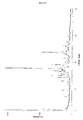
- a characteristic X-ray powder diffraction pattern is shown in Figure 1 .
- crystalline form Y can be characterized by an attenuated total reflectance infrared spectrum comprising absorption bands at wavenumbers of about 3566, 2881, 2822, 1690, 1508, 1473, 1226, 1040, 947, 849 and 823 cm -1 (about ⁇ 2 cm -1 ).
- a typical attenuated total reflectance infrared spectrum is shown in Figure 2 .
- a further method for identifying crystalline form Y is differential scanning calorimetry.
- the onset temperature T onset is between 167.5 °C and 171 °C.
- a characteristic curve is shown in Figure 3 .
- the new polymorph, crystalline form Y is as stable as crystalline form I but has a water solubility that is about two times higher than that of crystalline form I. Since water solubility is an indication of the bioavailability, crystalline form Y is expected to have an improved rate and possibly also extent of absorption. This is especially important with posaconazole, because it is a highly lipophilic base (log P > 3, pKa 3.6 and 4.6) and thus was previously limited in this respect.
- Crystalline form Y is stable under storage conditions which are typical for pharmaceutical compositions and is thus suitable for the preparation of medicaments.
- Typical storage conditions are, for example, storage at ambient temperature, such as 25 °C ⁇ 5 °C, for several months (e.g., for at least 5 months, preferably at least 12 months, more preferably at least 24 months) in a closed vial.
- crystalline form Y has proven to be stable under stress storage conditions, such as
- stable means that neither degradation nor polymorphic conversion to another polymorphic form of crystalline form Y can be detected, for example by HPLC, IR or XRPD analysis as defined herein.
- the crystalline form Y of posaconazole can be used as a medicament, to treat or prevent any of the disorders which can be treated or prevented by posaconazole.
- crystalline form Y can be used for treating or preventing fungal infections, especially in mammals, such as humans.
- a method of treating or preventing a fungal infection by administering a therapeutically effective amount of crystalline form Y of posaconazole to a patient in need thereof is also contemplated.
- Crystalline form Y is suitable for treating or preventing a wide range of infections caused by fungal pathogens, including yeasts and molds.
- Typical fungal infections which can be treated or prevented are those caused by Aspergillus, Blastomyces, Candida, Cryptococcus, Coccidioides, Epidermophyton, Fonsecaea, Fusarium, Mucor, Saccharomyces, Torulopsis, Trichophyton, Trichosporon, Sporothrix and Pneumocysitis, particularly Candida and Aspergillus .
- Typical fungal infections which can be treated or prevented are invasive infections, which most often occur in immunocompromised patients, such as organ transplant patients, cancer patients undergoing chemotherapy, hematopoietic stem cell transplant (HSCT) recipients with graft-versus-host disease (GVHD), patients with hematologic malignancies with prolonged neutropenia from chemotherapy.
- HSCT hematopoietic stem cell transplant
- GVHD graft-versus-host disease
- fungal infections which can be treated or prevented are oropharyngeal candidiasis, including oropharyngeal candidiasis refractory to itraconazole and/or fluconazole, fusariosis, chromoblastomycosis, mycetoma, and coccidioidomycosis.
- the crystalline form Y of posaconazole may thus be used for the preparation of a medicament for treating or preventing a fungal infection.
- posaconazole present in the pharmaceutical composition will be crystalline form Y although certain amounts of other crystalline forms or of amorphous posaconazole can also be present.
- at least about 90 wt.-%, more preferably at least about 95 wt.-%, even more preferably at least about 99 wt.-% and most preferably 100 wt.-% of the posaconazole is crystalline form Y.
- Crystalline form Y of posaconazole can be administered alone or in combination with other pharmaceutically active compounds such as a further antifungal agent.
- the crystalline form Y of posaconazole and the other pharmaceutically active compound can be administered either simultaneously or sequentially.
- the pharmaceutical composition comprising the crystalline form Y is not particularly limited and it can be formulated according to known principles, e.g. either alone or together with at least one pharmaceutically acceptable additive.
- the crystalline form Y of posaconazole can be administered according to any appropriate route.
- the pharmaceutical composition will be adapted for oral, parenteral (SC, IM, IV and IP), topical or vaginal administration or administration by inhalation (orally or intranasally), preferably oral, parenteral or topical administration.
- Dosage forms for oral administration include tablets, capsules, lozenges, pills, wafers, granules, oral liquids such as syrups, suspensions, dispersions, solutions, emulsions, cachets, powders and powders for reconstitution.
- Dosage forms for parenteral administration include solutions or emulsions for infusion, solutions, suspensions, dispersions or emulsions for injection, pre-filled syringes, and/or powders for reconstitution.
- Dosage forms for local/topical administration comprise insufflations, aerosols, metered aerosols, transdermal therapeutic systems, medicated patches, solutions, suspensions, emulsions, lotions, creams or ointments suitable for application to the skin, rectal suppositories, and/or ovula.
- compositions of the invention can be produced in a manner known per se to the skilled person as described, for example, in Remington's Pharmaceutical Sciences, 15th Ed., Mack Publishing Co., New Jersey (1991 ).
- compositions according to the invention contain crystalline polymorph form Y as the active ingredient and optionally at least one pharmaceutically acceptable additive.
- Any pharmaceutically acceptable additive can be employed as long as it does not detrimentally affect the properties of the pharmaceutical composition.
- typical pharmaceutically acceptable additives comprise carriers (e.g., solid carriers such as magnesium carbonate, magnesium stearate, talc, sugar, lactose, pectin, dextrin, starch, gelatin, tragacanth, methycellulose, sodium carboxymethyl-cellulose and wax; or liquid carriers such as water, aqueous or non-aqueous liquids), vehicles, diluents, solvents, binders, adjuvants, solubilizers, thickening agents, stabilizers, disintegrants, glidants, lubricating agents, buffering agents, emulsifiers, wetting agents, suspending agents, sweetening agents, colorants, flavors, coating agents, preservatives, antioxidants, processing agents, drug delivery modifiers, additives to
- the pharmaceutical composition may be a solid or liquid.
- Solid compositions include powders, tablets, dispersible granules, capsules, cachets, and suppositories.
- the pharmaceutically acceptable additive can be one or more substances mentioned above and particularly be selected from carriers, diluents, flavoring agents, solubilizers, lubricants, suspending agents, binders or disintegrants.
- the additive can be a finely divided solid which is in admixture with the finely divided active compound.
- Suitable solid carriers include magnesium carbonate, magnesium stearate, talc, sugar, lactose, pectin, dextrin, starch, gelatin, tragacanth, methycellulose, sodium carboxymethyl-cellulose and wax.
- the pharmaceutically acceptable additive can also be an encapsulating material.
- composition is intended to include the formulation of the active ingredient with encapsulating material providing a capsule in which the active ingredient (with or without other additives) is surrounded by an encapsulating material, which is thus in association with it.
- cachets are included. Tablets, powders, cachets and capsules can be used as solid dosage forms suitable for oral administration.
- Topical formulations containing crystalline form Y normally contain one or more non-toxic, pharmaceutically acceptable topical carriers and may be in the form of e.g. a solution, suspension, emulsion, lotion, cream or ointment which is suitable for application to the skin of a mammal, in particular of a human patient.
- Topical formulations containing crystalline form Y which can be useful for nasal or ophthalmic administration are also contemplated.
- Ophthalmic formulations may also be ointments.
- Typical formulations and indications for posaconazole are described, for example, in WO 95/17407 , WO 96/38443 , WO 02/80678 , WO 2005/117831 , WO 99/18097 , U.S. Patent No. 5,972,381 , U.S. Patent No. 5,834,472 , and U.S. Patent No. 4,957,730 . It is to be noted that these patents and patent applications are given as an example only and that this list is not exhaustive.
- crystalline form Y is especially suitable for liquid pharmaceutical formulations, in particular for oral administration such as suspensions or dispersions, e.g. aqueous suspensions or dispersions.
- the pharmaceutical composition is in the form of an aqueous suspension or dispersion comprising crystalline form Y of posaconazole and a non-ionic surfactant and optionally at least one thickening agent.
- non-ionic surfactants and thickening agents are disclosed in WO 02/80678 .
- the pharmaceutical composition may optionally contain further additives as mentioned herein and/or known for formulating liquid forms such as antifoaming agents, preservatives, opacifing agents, flavors, sweeteners and buffering agents. This pharmaceutical composition is preferably suitable for oral administration.
- the pharmaceutical composition is an aqueous suspension or dispersion suitable for oral use which can be made by suspending or dispersing crystalline form Y of posaconazole (preferably having a particle size of about less than 100 ⁇ m, preferably of about less than 10 ⁇ m, preferably less than about 5 ⁇ m, e.g. 1.5 ⁇ 0.5 ⁇ m), a non-ionic surfactant, such as a sorbitan ester, and optionally at least one thickening agent, e.g. a combination of xanthan gum and a liquid sugar, in a pharmaceutically acceptable liquid carrier such as purified water.
- a pharmaceutically acceptable liquid carrier such as purified water.
- the pharmaceutical composition is in a solid form, e.g. in the form of a powder or of granules, which might be used to prepare a liquid form, such as a suspension or dispersion as described herein.
- Parenteral forms to be injected intravenously, intramuscularly, or subcutaneously may generally be in the form of a sterile solution, and may contain additives such as salts or glucose to make the solution isotonic.
- the dosage of crystalline form Y of posaconazole can be determined by a skilled physician and will depend on various factors such as the disorder to be treated, its severity, the mode of administration, the sex, age and weight of the patient, etc. Typically about 1 to about 30 mg/day, more typically about 1 to about 20 mg/day, even more typically about 1 to about 10 mg/day will be given for oral administration, while from about 0.25 mg/kg body weight per day to about 20 mg/kg body weight per day, preferably from about 0.5 mg/kg body weight per day to about 10 mg/kg body weight per day, will be applied via parenteral administration.
- the amount of crystalline form Y within topical formulations can vary. It will typically be from about 0.1 % to about 20 %, preferably about 0.5 % to about 10 %, by weight of the total pharmaceutical composition.
- the amount of crystalline form Y of posaconazole within the liquid pharmaceutical compositions for oral administration described above can also vary. It may be from about 10 mg/ml to about 100 mg/ml, preferably from about 20 mg/ml to about 60 mg/ml, and e.g. be about 40 mg/ml.
- compositions will be typically administered daily.
- the X-ray powder diffraction pattern (XRPD) was obtained with a PANalytical X'Pert PRO diffractometer equipped with a theta/theta coupled goniometer in transmission geometry, Cu-K ⁇ 1,2 radiation (wavelength 0,15419 nm) with a focusing mirror and a solid state PIXcel detector.
- the patterns were recorded at a tube voltage of 40 kV, tube current of 40 mA, applying a stepsize of 0.006° 2 ⁇ with 80s per step in the angular range of 2° to 40° 2 ⁇ at ambient conditions.
- a typical precision of the 2-theta values is in the range of about ⁇ 0.2° 2-theta.
- a diffraction peak that appears at 5.0° 2-theta can appear between 4.8 and 5.2° 2-theta on most X-ray diffractometers under standard conditions.
- Infrared spectra were collected on a MKII Golden GateTM Single Reflection Diamond ATR (attenuated total reflection) cell with a Bruker Tensor 27 FTIR spectrometer with 4 cm -1 resolution.
- To collect a spectrum a spatula tip of a sample was applied to the surface of the diamond in powder form. Then the sample was pressed onto the diamond with a sapphire anvil and the spectrum was recorded. A spectrum of the clean diamond was used as background spectrum.
- a typical precision of the wavenumber values is in the range of about ⁇ 2 cm -1 .
- an infrared peak that appears at 1716 cm -1 can appear between 1714 and 1718 cm -1 on most infrared spectrometers under standard conditions.
- DSC Differential scanning calorimetry
- thermogravimetric analysis was performed with the thermogravimetric system TGA-7 using the Pyris Software for Windows NT (Perkin-Elmer, Norwalk, CT, USA), 50 ⁇ l platinum pans, nitrogen purge gas (sample purge: 20 ml min -1 , balance purge: 40 ml min -1 ).
- the moisture sorption isotherm was recorded with a SPS-11 moisture sorption analyzer (MD Mess-technik, Ulm, D).
- the measurement cycle was started at 0 % relative humidity (RH), increased in 10 % steps up to 90 % RH and in a 5 % step up to 95 % RH.
- the equilibrium condition for each step was set to a constant mass ⁇ 0.003 % over 49 min.
- the temperature was 25 ⁇ 0.1 °C.
- HPLC assay was performed by applying the following conditions:
- the melting point of the product of Example 1 was 169.9 ⁇ 0.1 °C.
- the powder X-ray diffraction pattern of the product of Example 1 is shown in Figure 1 .
- the characteristic XRPD angles, d-spacings and relative intensities are shown in Table 1.
- the form Y of posaconazole obtained above has an IR spectrum with peaks at 3566, 2881, 2822, 1690, 1508, 1473, 1226, 1040, 947, 849 and 823 cm -1 as is shown in Figure 2 .
- Table 1 Angles 2- theta, d-values and relative intensities of form Y Angle [2-Theta] d value [Angstrom] rel.
- the solid state stability of form Y was determined by storing approximately 1.0 g of the material in a glass bottle at a) 60 °C/100 % Relative Humidity (RH), open exposure, for 24 hours and b) at 140 °C, closed, for 3 days.
- RH Relative Humidity
- the material was assayed by HPLC for final content and degradation products.
Landscapes
- Health & Medical Sciences (AREA)
- Veterinary Medicine (AREA)
- Chemical & Material Sciences (AREA)
- Medicinal Chemistry (AREA)
- Pharmacology & Pharmacy (AREA)
- Life Sciences & Earth Sciences (AREA)
- Animal Behavior & Ethology (AREA)
- General Health & Medical Sciences (AREA)
- Public Health (AREA)
- Epidemiology (AREA)
- Communicable Diseases (AREA)
- Oncology (AREA)
- Chemical Kinetics & Catalysis (AREA)
- General Chemical & Material Sciences (AREA)
- Nuclear Medicine, Radiotherapy & Molecular Imaging (AREA)
- Organic Chemistry (AREA)
- Pharmaceuticals Containing Other Organic And Inorganic Compounds (AREA)
Abstract
The present invention relates to a pharmaceutical composition comprising crystalline form Y of posaconazole. The pharmaceutical composition can be used to treat or prevent fungal infections.
Description
- The present invention relates to pharmaceutical compositions comprising crystalline form Y of posaconazole as an active pharmaceutical ingredient. The pharmaceutical composition can be used to treat or prevent fungal infections.
- Posaconazole (CAS Registry Number 171228-49-2; CAS Name: 2,5-anhydro-1,3,4-trideoxy-2-C-(2,4-difluorophenyl)-4-[[4-[4-[4-[1-[(1S,2S)-1-ethyl-2-hydroxypropyl]-1,5-dihydro-5-oxo-4H-1,2,4-triazol-4-yl]phenyl]-1-piperazinyl]phenoxy]methyl]-1-(1H-1,2,4-triazol-1-yl)-D-threopentitol) which is represented by the following general formula (I)

-
WO95/17407 WO 96/38443 - A pharmaceutical composition comprising posaconazole, at least one non-ionic surfactant and a diluent is disclosed in
WO 02/80678 U.S. Patent No. 5,972,381 ; other pharmaceutical compositions prepared by mixing or granulating posaconazole with a non-ionic surfactant and a diluent which may be formulated into capsules or tablets are disclosed inU.S. patent No. 5,834,472 . A topical form of posaconazole, e.g., a lotion, cream, ointment, or "lacquer nail polish" is described inU.S. Patent No. 4,957,730 (PENLAC® available from Dermik®). An injectable pharmaceutical suspension comprising posaconazole that is stable when subjected to terminal steam sterilization is disclosed inWO 2005/117831 . - As was mentioned above,
WO 95/17407WO 96/38443 98951994.7 - Polymorphism is a phenomenon relating to the occurrence of different crystal forms for one molecule. There may be several different crystalline forms for the same molecule with distinct crystal structures and varying physical properties like melting point, XRPD pattern and IR-spectrum. These polymorphs are thus distinct solid forms which share the molecular formula of the compound from which the crystals are made up, however, they may have distinct advantageous physical properties which can have a direct effect on the ability to process and/or manufacture the drug product, like flowability, as well as on drug product stability, solubility, dissolution, and bioavailability.
- Three polymorphic forms of posaconazole designated as forms I, II and III are described and
characterized inWO 99/18097 - The present inventors have found that crystalline forms II and III convert to a crystalline form, which is now designated as crystalline form Y, upon heating. They have surprisingly found that crystalline form Y is as stable as crystalline form I but has a better water solubility and thus is expected to have an improved rate and possibly also extent of absorption.
- In one embodiment the present invention relates to a pharmaceutical composition comprising crystalline form Y of posaconazole and optionally at least one pharmaceutically acceptable additive.
- Crystalline form Y of posaconazole can be described by an X-ray powder diffraction pattern comprising peaks at 2-theta angles of approximately 2.4°, 9.5°, 15.0°, 17.7°, and 23.7°. The typical precision of the 2-theta values is in the range of about ± 0.2°.
- Alternatively, crystalline form Y of posaconazole can be characterized by an attenuated total reflectance infrared spectrum comprising absorption bands at wavenumbers of about 3566, 2881, 2822, 1690, 1508, 1473, 1226, 1040, 947, 849 and 823 cm-1. The typical precision of the wavenumber values is in the range of about ± 2 cm-1.
- A further method of describing crystalline form Y is by differential scanning calorimetry. A typical differential scanning calorimetry curve of crystalline form Y has an onset temperature Tonset between 167.5 °C and 171°C.
- The pharmaceutical composition of the present invention can be used to treat or prevent fungal infections.
- Other objects, features, advantages and aspects of the present invention will become apparent to those of skill from the following description. It should be understood, however, that the description and the following specific examples, while indicating preferred embodiments of the invention, are given by way of illustration only. Various changes and modifications within the spirit and scope of the disclosed invention will become readily apparent to those skilled in the art from reading the description and the other parts of the present disclosure.
-
- Figure 1:
- X-ray powder diffraction pattern of form Y of posaconazole. In this figure the counts per 2 seconds (linear scale) are presented on the y-axis, while the 2 theta values in degrees are presented on the x-axis.
- Figure 2:
- Infrared spectrum of form Y of posaconazole. The transmittance in % is plotted versus the wavenumber in cm-1.
- Figure 3:
- Thermogravimetric and differential scanning calorimetric curve of form Y of posaconazole. The temperature in °C is shown on the x-axis. The heat flow in mW is shown on the left hand ordinate, while the mass loss in % is shown on the right hand ordinate.
- Figure 4:
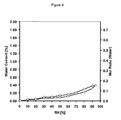
- Moisture sorption isotherm of form Y of posaconazole . The water content in % (left hand ordinate) and the mol ratio of water (right hand ordinate) are plotted versus the relative humidity in %.
- The present invention relates to a pharmaceutical composition comprising crystalline form Y of posaconazole.
- Posaconazole is represented by the following general formula (I)

- Crystalline form Y of posaconazole can be prepared by heating crystalline form II or crystalline form III at a temperature in the range of about 120 °C to about 150 °C, preferably about 130 °C to about 150 °C and most preferably about 140 °C to about 145 °C. Crystalline forms II and III can be obtained as described in
WO 99/18097 - If desired, the crystalline material can be agitated during the heating step.
- The duration of the heating step is not particularly limited. Generally, the heating will be conducted until substantially all (e.g., preferably at least 90 wt.-%, more preferably at least 95 wt.-%) of the crystalline form II or III has been converted into crystalline form Y. Typically for 1 g starting material the heating step will take from about 10 min to about 60 min, preferably from about 15 min to about 20 min. A skilled person can easily determine appropriate heating durations for other batch sizes.
- After the heating step, the product is cooled to ambient temperature. Conversion to the form Y can be confirmed by IR or XRPD analysis as described herein.
- The resultant crystalline form Y is a polymorphic form of posaconazole. Unlike form II which is a monohydrate and form III which is a non-stoichiometric hydrate, form Y is anhydrous like form I.
- The crystalline form Y can be characterized by an X-ray powder diffraction pattern comprising peaks at 2-theta angles of approximately 2.4°, 9.5°, 15.0°, 17.7°, and 23.7° (about ± 0.2°). A characteristic X-ray powder diffraction pattern is shown in
Figure 1 . - Alternatively, crystalline form Y can be characterized by an attenuated total reflectance infrared spectrum comprising absorption bands at wavenumbers of about 3566, 2881, 2822, 1690, 1508, 1473, 1226, 1040, 947, 849 and 823 cm-1 (about ± 2 cm-1). A typical attenuated total reflectance infrared spectrum is shown in
Figure 2 . - A further method for identifying crystalline form Y is differential scanning calorimetry. The onset temperature Tonset is between 167.5 °C and 171 °C. A characteristic curve is shown in
Figure 3 . - The present inventors have surprisingly found that the new polymorph, crystalline form Y, is as stable as crystalline form I but has a water solubility that is about two times higher than that of crystalline form I. Since water solubility is an indication of the bioavailability, crystalline form Y is expected to have an improved rate and possibly also extent of absorption. This is especially important with posaconazole, because it is a highly lipophilic base (log P > 3, pKa 3.6 and 4.6) and thus was previously limited in this respect.
- Crystalline form Y is stable under storage conditions which are typical for pharmaceutical compositions and is thus suitable for the preparation of medicaments. Typical storage conditions are, for example, storage at ambient temperature, such as 25 °C ± 5 °C, for several months (e.g., for at least 5 months, preferably at least 12 months, more preferably at least 24 months) in a closed vial.
- Furthermore, crystalline form Y has proven to be stable under stress storage conditions, such as
- (a) 140 °C for 3 days in a closed vial; or
- (b) 100 % relative humidity at 60 °C for 24 hours.
- In this context, "stable" means that neither degradation nor polymorphic conversion to another polymorphic form of crystalline form Y can be detected, for example by HPLC, IR or XRPD analysis as defined herein.
- Even if suspended in water and stirred for 4 days at ambient temperature, crystalline form Y of posaconazole is not susceptible to transformation into another form.
- The crystalline form Y of posaconazole can be used as a medicament, to treat or prevent any of the disorders which can be treated or prevented by posaconazole. In particular, crystalline form Y can be used for treating or preventing fungal infections, especially in mammals, such as humans. Thus, a method of treating or preventing a fungal infection by administering a therapeutically effective amount of crystalline form Y of posaconazole to a patient in need thereof is also contemplated. Crystalline form Y is suitable for treating or preventing a wide range of infections caused by fungal pathogens, including yeasts and molds. Typical fungal infections which can be treated or prevented are those caused by Aspergillus, Blastomyces, Candida, Cryptococcus, Coccidioides, Epidermophyton, Fonsecaea, Fusarium, Mucor, Saccharomyces, Torulopsis, Trichophyton, Trichosporon, Sporothrix and Pneumocysitis, particularly Candida and Aspergillus.
- Typical fungal infections which can be treated or prevented are invasive infections, which most often occur in immunocompromised patients, such as organ transplant patients, cancer patients undergoing chemotherapy, hematopoietic stem cell transplant (HSCT) recipients with graft-versus-host disease (GVHD), patients with hematologic malignancies with prolonged neutropenia from chemotherapy. Examples of fungal infections which can be treated or prevented are oropharyngeal candidiasis, including oropharyngeal candidiasis refractory to itraconazole and/or fluconazole, fusariosis, chromoblastomycosis, mycetoma, and coccidioidomycosis.
- The crystalline form Y of posaconazole may thus be used for the preparation of a medicament for treating or preventing a fungal infection.
- Usually most of the posaconazole present in the pharmaceutical composition will be crystalline form Y although certain amounts of other crystalline forms or of amorphous posaconazole can also be present. Preferably at least about 90 wt.-%, more preferably at least about 95 wt.-%, even more preferably at least about 99 wt.-% and most preferably 100 wt.-% of the posaconazole is crystalline form Y.
- Crystalline form Y of posaconazole can be administered alone or in combination with other pharmaceutically active compounds such as a further antifungal agent. In this case, the crystalline form Y of posaconazole and the other pharmaceutically active compound can be administered either simultaneously or sequentially.
- The pharmaceutical composition comprising the crystalline form Y is not particularly limited and it can be formulated according to known principles, e.g. either alone or together with at least one pharmaceutically acceptable additive.
- The crystalline form Y of posaconazole can be administered according to any appropriate route. Typically, the pharmaceutical composition will be adapted for oral, parenteral (SC, IM, IV and IP), topical or vaginal administration or administration by inhalation (orally or intranasally), preferably oral, parenteral or topical administration.
- Dosage forms for oral administration include tablets, capsules, lozenges, pills, wafers, granules, oral liquids such as syrups, suspensions, dispersions, solutions, emulsions, cachets, powders and powders for reconstitution.
- Dosage forms for parenteral administration include solutions or emulsions for infusion, solutions, suspensions, dispersions or emulsions for injection, pre-filled syringes, and/or powders for reconstitution.
- Dosage forms for local/topical administration comprise insufflations, aerosols, metered aerosols, transdermal therapeutic systems, medicated patches, solutions, suspensions, emulsions, lotions, creams or ointments suitable for application to the skin, rectal suppositories, and/or ovula.
- The pharmaceutical compositions of the invention can be produced in a manner known per se to the skilled person as described, for example, in Remington's Pharmaceutical Sciences, 15th Ed., Mack Publishing Co., New Jersey (1991).
- Pharmaceutical compositions according to the invention contain crystalline polymorph form Y as the active ingredient and optionally at least one pharmaceutically acceptable additive. Any pharmaceutically acceptable additive can be employed as long as it does not detrimentally affect the properties of the pharmaceutical composition. Examples of typical pharmaceutically acceptable additives comprise carriers (e.g., solid carriers such as magnesium carbonate, magnesium stearate, talc, sugar, lactose, pectin, dextrin, starch, gelatin, tragacanth, methycellulose, sodium carboxymethyl-cellulose and wax; or liquid carriers such as water, aqueous or non-aqueous liquids), vehicles, diluents, solvents, binders, adjuvants, solubilizers, thickening agents, stabilizers, disintegrants, glidants, lubricating agents, buffering agents, emulsifiers, wetting agents, suspending agents, sweetening agents, colorants, flavors, coating agents, preservatives, antioxidants, processing agents, drug delivery modifiers, additives to make solutions isotonic, antifoaming agents, encapsulating material, surfactants (particularly non-ionic surfactants), opacifing agents, enhancers, waxes, and ion exchange resins.
- Other suitable pharmaceutically acceptable additives are described in Remington's Pharmaceutical Sciences, 15th Ed., Mack Publishing Co., New Jersey (1991).
- The pharmaceutical composition may be a solid or liquid. Solid compositions include powders, tablets, dispersible granules, capsules, cachets, and suppositories. In this embodiment, the pharmaceutically acceptable additive can be one or more substances mentioned above and particularly be selected from carriers, diluents, flavoring agents, solubilizers, lubricants, suspending agents, binders or disintegrants. In powders, the additive can be a finely divided solid which is in admixture with the finely divided active compound. Suitable solid carriers are well-known in the art and include magnesium carbonate, magnesium stearate, talc, sugar, lactose, pectin, dextrin, starch, gelatin, tragacanth, methycellulose, sodium carboxymethyl-cellulose and wax.
- The pharmaceutically acceptable additive can also be an encapsulating material. The term "composition" is intended to include the formulation of the active ingredient with encapsulating material providing a capsule in which the active ingredient (with or without other additives) is surrounded by an encapsulating material, which is thus in association with it. Similarly, cachets are included. Tablets, powders, cachets and capsules can be used as solid dosage forms suitable for oral administration.
- Topical formulations containing crystalline form Y normally contain one or more non-toxic, pharmaceutically acceptable topical carriers and may be in the form of e.g. a solution, suspension, emulsion, lotion, cream or ointment which is suitable for application to the skin of a mammal, in particular of a human patient. Topical formulations containing crystalline form Y which can be useful for nasal or ophthalmic administration are also contemplated. Ophthalmic formulations may also be ointments.
- Typical formulations and indications for posaconazole are described, for example, in
WO 95/17407 WO 96/38443 WO 02/80678 WO 2005/117831 ,WO 99/18097 U.S. Patent No. 5,972,381 ,U.S. Patent No. 5,834,472 , andU.S. Patent No. 4,957,730 . It is to be noted that these patents and patent applications are given as an example only and that this list is not exhaustive. - Due to its enhanced water solubility crystalline form Y is especially suitable for liquid pharmaceutical formulations, in particular for oral administration such as suspensions or dispersions, e.g. aqueous suspensions or dispersions.
- In one preferred embodiment, the pharmaceutical composition is in the form of an aqueous suspension or dispersion comprising crystalline form Y of posaconazole and a non-ionic surfactant and optionally at least one thickening agent. Examples of non-ionic surfactants and thickening agents are disclosed in
WO 02/80678 - In another embodiment, the pharmaceutical composition is in a solid form, e.g. in the form of a powder or of granules, which might be used to prepare a liquid form, such as a suspension or dispersion as described herein.
- Parenteral forms to be injected intravenously, intramuscularly, or subcutaneously may generally be in the form of a sterile solution, and may contain additives such as salts or glucose to make the solution isotonic.
- The dosage of crystalline form Y of posaconazole can be determined by a skilled physician and will depend on various factors such as the disorder to be treated, its severity, the mode of administration, the sex, age and weight of the patient, etc. Typically about 1 to about 30 mg/day, more typically about 1 to about 20 mg/day, even more typically about 1 to about 10 mg/day will be given for oral administration, while from about 0.25 mg/kg body weight per day to about 20 mg/kg body weight per day, preferably from about 0.5 mg/kg body weight per day to about 10 mg/kg body weight per day, will be applied via parenteral administration.
- The amount of crystalline form Y within topical formulations can vary. It will typically be from about 0.1 % to about 20 %, preferably about 0.5 % to about 10 %, by weight of the total pharmaceutical composition.
- The amount of crystalline form Y of posaconazole within the liquid pharmaceutical compositions for oral administration described above can also vary. It may be from about 10 mg/ml to about 100 mg/ml, preferably from about 20 mg/ml to about 60 mg/ml, and e.g. be about 40 mg/ml.
- The pharmaceutical compositions will be typically administered daily.
- The present invention is illustrated by the following examples, which should not be construed as limiting.
- The X-ray powder diffraction pattern (XRPD) was obtained with a PANalytical X'Pert PRO diffractometer equipped with a theta/theta coupled goniometer in transmission geometry, Cu-Kα1,2 radiation (
wavelength 0,15419 nm) with a focusing mirror and a solid state PIXcel detector. The patterns were recorded at a tube voltage of 40 kV, tube current of 40 mA, applying a stepsize of 0.006° 2θ with 80s per step in the angular range of 2° to 40° 2θ at ambient conditions. A typical precision of the 2-theta values is in the range of about ± 0.2° 2-theta. Thus a diffraction peak that appears at 5.0° 2-theta can appear between 4.8 and 5.2° 2-theta on most X-ray diffractometers under standard conditions. - Infrared spectra (IR) were collected on a MKII Golden Gate™ Single Reflection Diamond ATR (attenuated total reflection) cell with a Bruker Tensor 27 FTIR spectrometer with 4 cm-1 resolution. To collect a spectrum a spatula tip of a sample was applied to the surface of the diamond in powder form. Then the sample was pressed onto the diamond with a sapphire anvil and the spectrum was recorded. A spectrum of the clean diamond was used as background spectrum. A typical precision of the wavenumber values is in the range of about ± 2 cm -1. Thus, an infrared peak that appears at 1716 cm-1 can appear between 1714 and 1718 cm-1 on most infrared spectrometers under standard conditions.
- Differential scanning calorimetry (DSC) was performed with a DSC 7 (Perkin-Elmer, Norwalk, CT, USA) using the Pyris software. A sample of about 4 mg was weighed into a 25 µl Al-pan. Dry nitrogen was used as the purge gas (purge: 20 ml min-1). When used herein, the term "Tonset" determined by Differential Scanning Calorimetry means the temperature corresponding to the intersection of the pretransition baseline with the extrapolated leading edge of the transition.
- Thermogravimetric analysis was performed with the thermogravimetric system TGA-7 using the Pyris Software for Windows NT (Perkin-Elmer, Norwalk, CT, USA), 50µl platinum pans, nitrogen purge gas (sample purge: 20 ml min-1, balance purge: 40 ml min-1).
- Melting points were determined with a Büchi B-545 instrument in automatic mode with a threshold of 40 % transmission. Measurements were conducted in pharmacopeia mode at 1.0 °C/min heating rate.
- The moisture sorption isotherm was recorded with a SPS-11 moisture sorption analyzer (MD Mess-technik, Ulm, D). The measurement cycle was started at 0 % relative humidity (RH), increased in 10 % steps up to 90 % RH and in a 5 % step up to 95 % RH. The equilibrium condition for each step was set to a constant mass ± 0.003 % over 49 min. The temperature was 25 ± 0.1 °C.
- Column : ZORBAX XDB-C18 Rapid Resolution HT, 1.8 µm, 50 x 4.6 mm (Agilent Technologies)
Eluent A : Dilute 2 ml of acetic acid (99-100 %) with water and fill up to 1000 ml with water. Adjust pH to 6.5 with 2.5 % ammonia.
Eluent B : water / acetonitrile = 50/50 (v/v)
Flow rate : 0.8 ml/min
Temperature : 40 °C
Detection : UV at 260 nm
Gradient :t [min] 0 7.5 20 % B 35 85 95
Post time : 5 min
Sample concentration: about 0.5 mg/ml
Solvent : water / acetonitrile = 50/50 (v/v) - Preparation of crystalline form Y of posaconazole by heating monohydrate form II:
- 1 g monohydrate form II of posaconazole was placed in a 140 °C preheated Büchi Kugelrohr apparatus and agitated for 15 min. The anhydrous product obtained was cooled and analyzed by DSC, XRPD and IR. The product obtained was the new anhydrous polymorph form Y of posaconazole.
- The melting point of the product of Example 1 was 169.9 ± 0.1 °C.
- The Tonset of form Y in the DSC curve, the product of Example 1, was 170.3 °C (10 °C/minute, open pan) without any transformation at lower temperature (
Figure 3 ). - The powder X-ray diffraction pattern of the product of Example 1 is shown in
Figure 1 . The characteristic XRPD angles, d-spacings and relative intensities are shown in Table 1. - The form Y of posaconazole obtained above has an IR spectrum with peaks at 3566, 2881, 2822, 1690, 1508, 1473, 1226, 1040, 947, 849 and 823 cm-1 as is shown in
Figure 2 .Table 1: Angles 2- theta, d-values and relative intensities of form Y Angle [2-Theta] d value [Angstrom] rel. intensity [%] 2.4 36.983 40 4.8 18.585 3 7.2 12.347 8 9.5 9.267 13 11.4 7.780 2 11.9 7.403 5 12.6 7.009 4 13.0 6.817 15 14.3 6.183 20 15.0 5.891 30 15.8 5.589 16 16.5 5.361 22 16.9 5.229 25 17.2 5.138 12 17.7 5.015 100 19.1 4.655 27 20.0 4.434 7 20.6 4.305 5 21.5 4.130 12 23.7 3.753 43 - The preparation of crystalline polymorph form Y of posaconazole by heating form III:
- 1 g form III of posaconazole was heated to 140 °C as in Example 1 for 15 min yielding the new anhydrous form Y. This was confirmed by IR and XRPD analysis.
- The solid state stability of form Y:
- The solid state stability of form Y was determined by storing approximately 1.0 g of the material in a glass bottle at a) 60 °C/100 % Relative Humidity (RH), open exposure, for 24 hours and b) at 140 °C, closed, for 3 days.
- The material was assayed by HPLC for final content and degradation products.
- a) 60 °C/100 % RH: No significant degradation observed (HPLC assay 99.9 % initial).
- b) 140 °C: No significant degradation observed (HPLC assay 99.9 % initial).
- In the case of a), when the form Y was left for 24 hours at 100 % RH,
temperature 60 °C, form Y was not converted into another polymorphic form. The moisture sorption isotherm of form Y shows that the water uptake does not exceed 0.4 % (Figure 4 ). - The stability of an aqueous suspension of form Y:
- 120 mg form Y were suspended in 3 ml water and the suspension was stirred at room temperature. The physicochemical properties of the solid after stirring for 4 days were the same as the physicochemical properties of form Y obtained in Example 1.
- The solubility of the form Y:
- The solubility of form Y was determined by the equilibrium solubility method, which employed a saturated solution of form Y, obtained by stirring 250 mg form Y in 6 ml water over night. The sample was filtered through a 0.45 µm membrane filter and the concentration of form Y in the filtrate was measured using a Perkin Elmer Lambda 35 UV/VIS spectrophotometer (λ = 260 nm). The solubility of form Y was found to be 1.5 µg/ml which is about two times higher than that of form I.
Claims (12)
- A pharmaceutical composition comprising crystalline form Y of posaconazole having an X-ray powder diffraction pattern comprising peaks at 2-theta angles of approximately 2.4° ± 0.2°, 9.5° ± 0.2°, 15.0° ± 0.2°, 17.7° ± 0.2°, and 23.7° ± 0.2° and optionally at least one pharmaceutically acceptable additive.
- The pharmaceutical composition according to claim 1, wherein the crystalline form Y has an X-ray powder diffraction pattern substantially in accordance with Figure 1.
- A pharmaceutical composition comprising crystalline form Y of posaconazole having an attenuated total reflectance infrared spectrum comprising absorption bands at wavenumbers of about 3566 ± 2 cm-1, 2881 ± 2 cm-1, 2822 ± 2 cm-1, 1690 ± 2 cm-1, 1508 ± 2 cm-1, 1473 ± 2 cm-1, 1226 ± 2 cm-1, 1040 ± 2 cm-1, 947 ± 2 cm-1, 849 ± 2 cm-1 and 823 cm-1 ± 2 cm-1, and optionally at least one pharmaceutically acceptable additive.
- The pharmaceutical composition according to claim 3, wherein the crystalline form Y has an attenuated total reflectance infrared spectrum substantially in accordance with Figure 2.
- A pharmaceutical composition comprising crystalline form Y of posaconazole having a differential scanning calorimetry curve with an onset temperature Tonset between 167.5 °C and 171 °C, and optionally at least one pharmaceutically acceptable additive.
- The pharmaceutical composition according to claim 5, wherein the crystalline form Y has a differential scanning calorimetry curve substantially in accordance with Figure 3.
- The pharmaceutical composition as defined in any one of claims 1 to 6, wherein the composition is in the form of an aqueous suspension or dispersion comprising a non-ionic surfactant and optionally at least one thickening agent.
- The pharmaceutical composition as defined in any one of claims 1 to 7 for treating or preventing a fungal infection.
- Crystalline form Y of posaconazole as defined in any of claims 1 to 6 for use as a medicament.
- Use of crystalline form Y of posaconazole as defined in any of claims 1 to 6 for treating or preventing a fungal infection.
- Use of crystalline form Y of posaconazole as defined in any of claims 1 to 6 for the preparation of a medicament for treating or preventing a fungal infection.
- A method of treating or preventing a fungal infection by administering a therapeutically effective amount of crystalline form Y of posaconazole as defined in any of claims 1 to 6 to a patient in need thereof.
Priority Applications (9)
| Application Number | Priority Date | Filing Date | Title |
|---|---|---|---|
| EP08157435A EP2130540A1 (en) | 2008-06-02 | 2008-06-02 | Pharmaceutical compositions containing a crystalline form of posaconazole |
| DK09757457.8T DK2318004T3 (en) | 2008-06-02 | 2009-05-28 | Pharmaceutical compositions containing crystal form Y of posaconazole |
| SI200930637T SI2318004T1 (en) | 2008-06-02 | 2009-05-28 | Pharmaceutical compositions containing the crystalline form y of posaconazole |
| US12/993,297 US8563555B2 (en) | 2008-06-02 | 2009-05-28 | Pharmaceutical compositions containing a crystalline form of posaconazole |
| CA2726704A CA2726704C (en) | 2008-06-02 | 2009-05-28 | Pharmaceutical compositions containing a crystalline form of posaconazole |
| CN200980119683XA CN102046172B (en) | 2008-06-02 | 2009-05-28 | Pharmaceutical compositions containing a crystalline form of posaconazole |
| ES09757457T ES2416485T3 (en) | 2008-06-02 | 2009-05-28 | Pharmaceutical compositions containing the crystalline form Y of posaconazole |
| PCT/EP2009/056574 WO2009147075A2 (en) | 2008-06-02 | 2009-05-28 | Pharmaceutical compositions containing a crystalline form of posaconazole |
| EP09757457.8A EP2318004B1 (en) | 2008-06-02 | 2009-05-28 | Pharmaceutical compositions containing the crystalline form y of posaconazole |
Applications Claiming Priority (1)
| Application Number | Priority Date | Filing Date | Title |
|---|---|---|---|
| EP08157435A EP2130540A1 (en) | 2008-06-02 | 2008-06-02 | Pharmaceutical compositions containing a crystalline form of posaconazole |
Publications (1)
| Publication Number | Publication Date |
|---|---|
| EP2130540A1 true EP2130540A1 (en) | 2009-12-09 |
Family
ID=39776362
Family Applications (2)
| Application Number | Title | Priority Date | Filing Date |
|---|---|---|---|
| EP08157435A Ceased EP2130540A1 (en) | 2008-06-02 | 2008-06-02 | Pharmaceutical compositions containing a crystalline form of posaconazole |
| EP09757457.8A Not-in-force EP2318004B1 (en) | 2008-06-02 | 2009-05-28 | Pharmaceutical compositions containing the crystalline form y of posaconazole |
Family Applications After (1)
| Application Number | Title | Priority Date | Filing Date |
|---|---|---|---|
| EP09757457.8A Not-in-force EP2318004B1 (en) | 2008-06-02 | 2009-05-28 | Pharmaceutical compositions containing the crystalline form y of posaconazole |
Country Status (8)
| Country | Link |
|---|---|
| US (1) | US8563555B2 (en) |
| EP (2) | EP2130540A1 (en) |
| CN (1) | CN102046172B (en) |
| CA (1) | CA2726704C (en) |
| DK (1) | DK2318004T3 (en) |
| ES (1) | ES2416485T3 (en) |
| SI (1) | SI2318004T1 (en) |
| WO (1) | WO2009147075A2 (en) |
Cited By (3)
| Publication number | Priority date | Publication date | Assignee | Title |
|---|---|---|---|---|
| WO2011003992A1 (en) * | 2009-07-09 | 2011-01-13 | Sandoz Ag | A crystalline form of posaconazole |
| US8435998B2 (en) | 2008-07-03 | 2013-05-07 | Sandoz Ag | Crystalline form of posaconazole |
| US8563555B2 (en) | 2008-06-02 | 2013-10-22 | Sandoz Ag | Pharmaceutical compositions containing a crystalline form of posaconazole |
Families Citing this family (16)
| Publication number | Priority date | Publication date | Assignee | Title |
|---|---|---|---|---|
| EP2571847B1 (en) * | 2010-05-19 | 2016-09-21 | Sandoz AG | Process for the preparation of chiral hydrazides |
| ITMI20132114A1 (en) * | 2013-12-18 | 2015-06-19 | Djada Pharmaceutical Sa | A CRYSTAL SHAPE OF POSACONAZOLO |
| ITMI20132117A1 (en) * | 2013-12-18 | 2015-06-19 | Djada Pharmaceutical Sa | A CRYSTAL SHAPE OF POSACONAZOLO |
| ITMI20132115A1 (en) * | 2013-12-18 | 2015-06-19 | Djada Pharmaceutical Sa | A CRYSTAL SHAPE OF POSACONAZOLO |
| ITMI20132118A1 (en) * | 2013-12-18 | 2015-06-19 | Djada Pharmaceutical Sa | A CRYSTAL SHAPE OF POSACONAZOLO |
| PL3331501T3 (en) | 2015-08-08 | 2020-03-31 | Alfred E. Tiefenbacher (Gmbh & Co. Kg) | Gastro-resistant formulation containing posaconazole |
| EP4424308A3 (en) | 2016-02-26 | 2024-12-04 | Alfred E. Tiefenbacher (GmbH & Co. KG) | Gastro-resistant formulation containing posaconazole and a polymeric precipitation inhibitor |
| WO2017032908A1 (en) | 2016-07-08 | 2017-03-02 | Synthon B.V. | Pharmaceutical composition comprising amorphous posaconazole |
| TR201620462A2 (en) | 2016-12-31 | 2018-07-23 | Abdi Ibrahim Ilac Sanayi Ve Ticaret Anonim Sirketi | PHARMACEUTICAL COMPOSITIONS CONTAINING POSACONAZOL AND PRODUCTION METHOD |
| CN107625729A (en) * | 2017-09-29 | 2018-01-26 | 重庆华邦制药有限公司 | Oral posaconazole suspension and preparation method thereof |
| CN109260148A (en) * | 2018-10-18 | 2019-01-25 | 南京安伦化工科技有限公司 | A kind of preparation method of high-purity posaconazole suspension |
| WO2021022103A1 (en) * | 2019-07-31 | 2021-02-04 | The Regents Of The University Of Michigan | Cocrystals of posaconazole, methods of making and using same |
| CN111514146A (en) * | 2020-04-28 | 2020-08-11 | 山西振东泰盛制药有限公司 | Pharmaceutical composition containing posaconazole |
| WO2022034232A1 (en) | 2020-08-13 | 2022-02-17 | Alfred E. Tiefenbacher (Gmbh & Co. Kg) | Gastro-resistant high-strength formulation containing posaconazole |
| EP4091604B1 (en) | 2021-11-25 | 2024-04-03 | Alfred E. Tiefenbacher (GmbH & Co. KG) | Granules containing posaconazole |
| EP4181883B1 (en) | 2021-11-25 | 2025-11-19 | Alfred E. Tiefenbacher (GmbH & Co. KG) | Granules containing posaconazole |
Citations (11)
| Publication number | Priority date | Publication date | Assignee | Title |
|---|---|---|---|---|
| US4957730A (en) | 1985-12-19 | 1990-09-18 | Hoechst Aktiengesellschaft | Antimycotic nail varnish |
| WO1995017407A1 (en) | 1993-12-21 | 1995-06-29 | Schering Corporation | Tetrahydrofuran antifungals |
| WO1996038443A1 (en) | 1995-06-02 | 1996-12-05 | Schering Corporation | Tetrahydrofuran antifungals |
| US5625064A (en) * | 1995-04-19 | 1997-04-29 | Schering Corporation | Process for the preparation of triazolones |
| US5834472A (en) | 1996-05-24 | 1998-11-10 | Schering Corporation | Antifungal composition with enhanced bioavailability |
| WO1999018097A1 (en) | 1997-10-07 | 1999-04-15 | Schering Corporation | Crystalline antifungal polymorph |
| US5972381A (en) | 1996-06-28 | 1999-10-26 | Schering Corporation | Solid solution of an antifungal agent with enhanced bioavailability |
| WO2002080678A1 (en) | 2001-04-03 | 2002-10-17 | Schering Corporation | Antifungal composition with enhanced bioavailability |
| WO2005117831A1 (en) | 2004-05-28 | 2005-12-15 | Schering Corporation | Injectable pharmaceutical suspension comprising posaconazole |
| WO2006130177A1 (en) * | 2005-05-27 | 2006-12-07 | Schering Corporation | Particulate-stabilized injectable pharmaceutical compositions of posaconazole |
| WO2007143390A1 (en) * | 2006-05-30 | 2007-12-13 | Elan Pharma International Ltd. | Nanoparticulate posaconazole formulations |
Family Cites Families (5)
| Publication number | Priority date | Publication date | Assignee | Title |
|---|---|---|---|---|
| US4533254A (en) * | 1981-04-17 | 1985-08-06 | Biotechnology Development Corporation | Apparatus for forming emulsions |
| US6713481B1 (en) * | 1997-10-17 | 2004-03-30 | David R. Andrews | Crystalline antifungal polymorph |
| EP2130540A1 (en) | 2008-06-02 | 2009-12-09 | Sandoz AG | Pharmaceutical compositions containing a crystalline form of posaconazole |
| EP2141159A1 (en) | 2008-07-03 | 2010-01-06 | Sandoz AG | A Crystalline form of posaconazole |
| EP2451805A1 (en) | 2009-07-09 | 2012-05-16 | Sandoz AG | A crystalline form of posaconazole |
-
2008
- 2008-06-02 EP EP08157435A patent/EP2130540A1/en not_active Ceased
-
2009
- 2009-05-28 EP EP09757457.8A patent/EP2318004B1/en not_active Not-in-force
- 2009-05-28 CN CN200980119683XA patent/CN102046172B/en not_active Expired - Fee Related
- 2009-05-28 ES ES09757457T patent/ES2416485T3/en active Active
- 2009-05-28 WO PCT/EP2009/056574 patent/WO2009147075A2/en not_active Ceased
- 2009-05-28 CA CA2726704A patent/CA2726704C/en not_active Expired - Fee Related
- 2009-05-28 DK DK09757457.8T patent/DK2318004T3/en active
- 2009-05-28 US US12/993,297 patent/US8563555B2/en not_active Expired - Fee Related
- 2009-05-28 SI SI200930637T patent/SI2318004T1/en unknown
Patent Citations (12)
| Publication number | Priority date | Publication date | Assignee | Title |
|---|---|---|---|---|
| US4957730A (en) | 1985-12-19 | 1990-09-18 | Hoechst Aktiengesellschaft | Antimycotic nail varnish |
| WO1995017407A1 (en) | 1993-12-21 | 1995-06-29 | Schering Corporation | Tetrahydrofuran antifungals |
| US5625064A (en) * | 1995-04-19 | 1997-04-29 | Schering Corporation | Process for the preparation of triazolones |
| WO1996038443A1 (en) | 1995-06-02 | 1996-12-05 | Schering Corporation | Tetrahydrofuran antifungals |
| US5834472A (en) | 1996-05-24 | 1998-11-10 | Schering Corporation | Antifungal composition with enhanced bioavailability |
| US5972381A (en) | 1996-06-28 | 1999-10-26 | Schering Corporation | Solid solution of an antifungal agent with enhanced bioavailability |
| WO1999018097A1 (en) | 1997-10-07 | 1999-04-15 | Schering Corporation | Crystalline antifungal polymorph |
| EP1021439A1 (en) | 1997-10-07 | 2000-07-26 | Schering Corporation | Crystalline antifungal polymorph |
| WO2002080678A1 (en) | 2001-04-03 | 2002-10-17 | Schering Corporation | Antifungal composition with enhanced bioavailability |
| WO2005117831A1 (en) | 2004-05-28 | 2005-12-15 | Schering Corporation | Injectable pharmaceutical suspension comprising posaconazole |
| WO2006130177A1 (en) * | 2005-05-27 | 2006-12-07 | Schering Corporation | Particulate-stabilized injectable pharmaceutical compositions of posaconazole |
| WO2007143390A1 (en) * | 2006-05-30 | 2007-12-13 | Elan Pharma International Ltd. | Nanoparticulate posaconazole formulations |
Non-Patent Citations (5)
| Title |
|---|
| "Remington's Pharmaceutical Sciences", 1991, MACK PUBLISHING CO. |
| BENNETT ET AL: "Hydroxylated analogues of the orally active broad spectrum antifungal, Sch 51048 (1), and the discovery of posaconazole [Sch 56592; 2 or (S,S)-5]", BIOORGANIC & MEDICINAL CHEMISTRY LETTERS, PERGAMON, ELSEVIER SCIENCE, GB, vol. 16, no. 1, 1 January 2006 (2006-01-01), pages 186 - 190, XP005168889, ISSN: 0960-894X * |
| SAKSENA A K ET AL: "Stereoselective Grignard additions to N-formyl hydrazone: a concise synthesis of Noxafil<R> side chain and a synthesis of Noxafil<R>", TETRAHEDRON LETTERS, ELSEVIER, AMSTERDAM, vol. 45, no. 44, 25 October 2004 (2004-10-25), pages 8249 - 8251, XP004591093, ISSN: 0040-4039 * |
| SAKSENA, A. K. ET AL: "Advances in the chemistry of novel broad-spectrum orally active azole antifungals: recent studies leading to the discovery of SCH 56592", SPECIAL PUBLICATION - ROYAL SOCIETY OF CHEMISTRY , 198(ANTI-INFECTIVES), 180-199 CODEN: SROCDO; ISSN: 0260-6291, 1997, XP009106585 * |
| ZHOU, WEICHENG ET AL: "Progress in syntheses of azole antifungal agents", ZHONGGUO YIYAO GONGYE ZAZHI , 37(2), 125-133 CODEN: ZYGZEA; ISSN: 1001-8255, 2006, XP009106603 * |
Cited By (3)
| Publication number | Priority date | Publication date | Assignee | Title |
|---|---|---|---|---|
| US8563555B2 (en) | 2008-06-02 | 2013-10-22 | Sandoz Ag | Pharmaceutical compositions containing a crystalline form of posaconazole |
| US8435998B2 (en) | 2008-07-03 | 2013-05-07 | Sandoz Ag | Crystalline form of posaconazole |
| WO2011003992A1 (en) * | 2009-07-09 | 2011-01-13 | Sandoz Ag | A crystalline form of posaconazole |
Also Published As
| Publication number | Publication date |
|---|---|
| DK2318004T3 (en) | 2013-07-08 |
| EP2318004B1 (en) | 2013-04-10 |
| WO2009147075A3 (en) | 2010-01-28 |
| WO2009147075A2 (en) | 2009-12-10 |
| CA2726704C (en) | 2016-10-25 |
| CN102046172B (en) | 2013-06-19 |
| CA2726704A1 (en) | 2009-12-10 |
| SI2318004T1 (en) | 2013-07-31 |
| CN102046172A (en) | 2011-05-04 |
| EP2318004A2 (en) | 2011-05-11 |
| US20110105525A1 (en) | 2011-05-05 |
| ES2416485T3 (en) | 2013-08-01 |
| US8563555B2 (en) | 2013-10-22 |
Similar Documents
| Publication | Publication Date | Title |
|---|---|---|
| EP2130540A1 (en) | Pharmaceutical compositions containing a crystalline form of posaconazole | |
| EP2141159A1 (en) | A Crystalline form of posaconazole | |
| US7078526B2 (en) | CIS-itraconazole crystalline forms and related processes, pharmaceutical compositions and methods | |
| US7446107B2 (en) | Crystalline forms of conazoles and methods of making and using the same | |
| EP3652148B1 (en) | Amorphous form of vilanterol trifenatate and processes for the preparation thereof | |
| US20090088443A1 (en) | Novel crystalline forms of conazoles and methods of making and using the same | |
| EP3792258B1 (en) | Addition salt of s1p1 receptor agonist and crystal form thereof, and pharmaceutical composition | |
| EP2846774B1 (en) | Pharmaceutical composition for the treatment of duchenne muscular dystrophy | |
| US20070293674A1 (en) | Novel Saperconazole Crystalline Forms and Related Processes, Pharmaceutical Compositions and Methods | |
| US11059787B2 (en) | Crystalline form of lenvatinib mesylate and methods thereof | |
| EP4610259A1 (en) | Crystal form of imidazopyrazine derivative, preparation method therefor and use thereof | |
| AU2001276506A1 (en) | Tartrate salt of thiazolidinedione derivative | |
| US20040214866A1 (en) | Sodium salts of 5-'4-'2-(N-methyl-N-(2-pyridyl)amino)ethoxy!benzyl!thiazolidine-2, 4-dione | |
| AU2001292028A1 (en) | Sodium salts of 5-'4-'2-(N-methyl-N-(2-pyridyl)amino)ethoxy]benzyl] thiazolidine-2,4-dione | |
| CN105622590A (en) | Posaconazole crystal form VI and preparation method thereof |
Legal Events
| Date | Code | Title | Description |
|---|---|---|---|
| PUAI | Public reference made under article 153(3) epc to a published international application that has entered the european phase |
Free format text: ORIGINAL CODE: 0009012 |
|
| AK | Designated contracting states |
Kind code of ref document: A1 Designated state(s): AT BE BG CH CY CZ DE DK EE ES FI FR GB GR HR HU IE IS IT LI LT LU LV MC MT NL NO PL PT RO SE SI SK TR |
|
| AX | Request for extension of the european patent |
Extension state: AL BA MK RS |
|
| STAA | Information on the status of an ep patent application or granted ep patent |
Free format text: STATUS: THE APPLICATION HAS BEEN REFUSED |
|
| 18R | Application refused |
Effective date: 20100108 |