EP2129394B1 - Papillomavirus vaccine compositions - Google Patents
Papillomavirus vaccine compositions Download PDFInfo
- Publication number
- EP2129394B1 EP2129394B1 EP08726508A EP08726508A EP2129394B1 EP 2129394 B1 EP2129394 B1 EP 2129394B1 EP 08726508 A EP08726508 A EP 08726508A EP 08726508 A EP08726508 A EP 08726508A EP 2129394 B1 EP2129394 B1 EP 2129394B1
- Authority
- EP
- European Patent Office
- Prior art keywords
- hpv
- vlps
- adjuvant
- aluminum
- type
- Prior art date
- Legal status (The legal status is an assumption and is not a legal conclusion. Google has not performed a legal analysis and makes no representation as to the accuracy of the status listed.)
- Not-in-force
Links
Images




Classifications
-
- A—HUMAN NECESSITIES
- A61—MEDICAL OR VETERINARY SCIENCE; HYGIENE
- A61K—PREPARATIONS FOR MEDICAL, DENTAL OR TOILETRY PURPOSES
- A61K39/00—Medicinal preparations containing antigens or antibodies
- A61K39/12—Viral antigens
-
- A—HUMAN NECESSITIES
- A61—MEDICAL OR VETERINARY SCIENCE; HYGIENE
- A61P—SPECIFIC THERAPEUTIC ACTIVITY OF CHEMICAL COMPOUNDS OR MEDICINAL PREPARATIONS
- A61P31/00—Antiinfectives, i.e. antibiotics, antiseptics, chemotherapeutics
- A61P31/12—Antivirals
-
- A—HUMAN NECESSITIES
- A61—MEDICAL OR VETERINARY SCIENCE; HYGIENE
- A61P—SPECIFIC THERAPEUTIC ACTIVITY OF CHEMICAL COMPOUNDS OR MEDICINAL PREPARATIONS
- A61P31/00—Antiinfectives, i.e. antibiotics, antiseptics, chemotherapeutics
- A61P31/12—Antivirals
- A61P31/20—Antivirals for DNA viruses
-
- A—HUMAN NECESSITIES
- A61—MEDICAL OR VETERINARY SCIENCE; HYGIENE
- A61P—SPECIFIC THERAPEUTIC ACTIVITY OF CHEMICAL COMPOUNDS OR MEDICINAL PREPARATIONS
- A61P37/00—Drugs for immunological or allergic disorders
- A61P37/02—Immunomodulators
- A61P37/04—Immunostimulants
-
- C—CHEMISTRY; METALLURGY
- C12—BIOCHEMISTRY; BEER; SPIRITS; WINE; VINEGAR; MICROBIOLOGY; ENZYMOLOGY; MUTATION OR GENETIC ENGINEERING
- C12N—MICROORGANISMS OR ENZYMES; COMPOSITIONS THEREOF; PROPAGATING, PRESERVING, OR MAINTAINING MICROORGANISMS; MUTATION OR GENETIC ENGINEERING; CULTURE MEDIA
- C12N7/00—Viruses; Bacteriophages; Compositions thereof; Preparation or purification thereof
-
- A—HUMAN NECESSITIES
- A61—MEDICAL OR VETERINARY SCIENCE; HYGIENE
- A61K—PREPARATIONS FOR MEDICAL, DENTAL OR TOILETRY PURPOSES
- A61K39/00—Medicinal preparations containing antigens or antibodies
- A61K2039/51—Medicinal preparations containing antigens or antibodies comprising whole cells, viruses or DNA/RNA
- A61K2039/525—Virus
- A61K2039/5258—Virus-like particles
-
- A—HUMAN NECESSITIES
- A61—MEDICAL OR VETERINARY SCIENCE; HYGIENE
- A61K—PREPARATIONS FOR MEDICAL, DENTAL OR TOILETRY PURPOSES
- A61K39/00—Medicinal preparations containing antigens or antibodies
- A61K2039/555—Medicinal preparations containing antigens or antibodies characterised by a specific combination antigen/adjuvant
- A61K2039/55505—Inorganic adjuvants
-
- A—HUMAN NECESSITIES
- A61—MEDICAL OR VETERINARY SCIENCE; HYGIENE
- A61K—PREPARATIONS FOR MEDICAL, DENTAL OR TOILETRY PURPOSES
- A61K39/00—Medicinal preparations containing antigens or antibodies
- A61K2039/555—Medicinal preparations containing antigens or antibodies characterised by a specific combination antigen/adjuvant
- A61K2039/55511—Organic adjuvants
- A61K2039/55577—Saponins; Quil A; QS21; ISCOMS
-
- A—HUMAN NECESSITIES
- A61—MEDICAL OR VETERINARY SCIENCE; HYGIENE
- A61K—PREPARATIONS FOR MEDICAL, DENTAL OR TOILETRY PURPOSES
- A61K39/00—Medicinal preparations containing antigens or antibodies
- A61K2039/70—Multivalent vaccine
-
- C—CHEMISTRY; METALLURGY
- C12—BIOCHEMISTRY; BEER; SPIRITS; WINE; VINEGAR; MICROBIOLOGY; ENZYMOLOGY; MUTATION OR GENETIC ENGINEERING
- C12N—MICROORGANISMS OR ENZYMES; COMPOSITIONS THEREOF; PROPAGATING, PRESERVING, OR MAINTAINING MICROORGANISMS; MUTATION OR GENETIC ENGINEERING; CULTURE MEDIA
- C12N2710/00—MICROORGANISMS OR ENZYMES; COMPOSITIONS THEREOF; PROPAGATING, PRESERVING, OR MAINTAINING MICROORGANISMS; MUTATION OR GENETIC ENGINEERING; CULTURE MEDIA dsDNA viruses
- C12N2710/00011—Details
- C12N2710/20011—Papillomaviridae
- C12N2710/20023—Virus like particles [VLP]
-
- C—CHEMISTRY; METALLURGY
- C12—BIOCHEMISTRY; BEER; SPIRITS; WINE; VINEGAR; MICROBIOLOGY; ENZYMOLOGY; MUTATION OR GENETIC ENGINEERING
- C12N—MICROORGANISMS OR ENZYMES; COMPOSITIONS THEREOF; PROPAGATING, PRESERVING, OR MAINTAINING MICROORGANISMS; MUTATION OR GENETIC ENGINEERING; CULTURE MEDIA
- C12N2710/00—MICROORGANISMS OR ENZYMES; COMPOSITIONS THEREOF; PROPAGATING, PRESERVING, OR MAINTAINING MICROORGANISMS; MUTATION OR GENETIC ENGINEERING; CULTURE MEDIA dsDNA viruses
- C12N2710/00011—Details
- C12N2710/20011—Papillomaviridae
- C12N2710/20034—Use of virus or viral component as vaccine, e.g. live-attenuated or inactivated virus, VLP, viral protein
Definitions
- the present invention relates generally to the prevention of human papillomavirus (HPV) infection. More specifically, the invention relates to pharmaceutical compositions and formulations comprising virus-like particles (VLPs) of HPV, said VLPs adsorbed to an aluminum adjuvant, and a second adjuvant comprising a saponin, cholesterol, and a phospholipid. The invention also relates to pharmaceutical compositions and formulations comprising HPV VLPs and an antimicrobial preservative. Further provided are methods of using the disclosed pharmaceutical composition and formulations.
- VLPs virus-like particles
- HPV human papillomavirus
- HPV types 6 and 11 are termed "low-risk" and are the HPV types which are most commonly associated with benign warts, nonmalignant condyloma acuminata and/or low-grade dysplasia of the genital or respiratory mucosa. Approximately 90% of genital warts are caused by these two HPV types.
- HPV 16 and HPV 18 are termed "high-risk" HPV types because they are most frequently associated with in situ and invasive carcinomas of the cervix, vagina, vulva and anal canal. More than 70% of cervical carcinomas are caused by infections with HPV 16 and HPV 18. Together with the less prevalent oncogenic types HPV 31, -33, -45, - 52 and -58, these types account for greater than 90% of cervical cancer ( Schiffman et al., J Natl. Cancer Inst. 85(12): 958-64 (1993 )). Cervical cancer is the second most prevalent cause of cancer deaths in women worldwide.
- Papillomaviruses are small (50-60 nm), nonenveloped, icosahedral DNA viruses that encode up to eight early (E1- E7) and two late (L1-L2) genes.
- the L1 protein is the major capsid protein and has a molecular weight of 55-60 kDa.
- VLPs virus-like particles
- VLPs are morphologically similar to authentic virions and are capable of inducing high titres of neutralizing antibodies upon administration into animals or humans. Because VLPs do not contain the potentially oncogenic viral genome, they present a safe alternative to the use of live virus in HPV vaccine development (for review, see Schiller and Hidesheim, J. Clin. Virol. 19: 67-74 (2000 )). For this reason, the L1 and L2 genes have been identified as immunological targets for the development of prophylactic and therapeutic vaccines for HPV infection and disease.
- VLP-based vaccines have proven to be effective at inducing immune responses in human patients vaccinated with bivalent HPV 16 and 18 ( Harper et al. Lancet 364(9447): 1757-65 (2004 )) and quadrivalent HPV 6, 11, 16, and 18 VLP-based vaccines ( Villa et al. Vaccine 24: 5571-5583 (2006 )). However, it is a common goal of vaccine development to augment the immune response to the desired antigen to induce long lasting protective immunity.
- adjuvants Co-administration of vaccines with compounds that can enhance the immune response against the antigen of interest, known as adjuvants, has been extensively studied. In addition to increasing the immune response against the antigen of interest, some adjuvants may be used to decrease the amount of antigen necessary to provoke the desired immune response or decrease the number of injections needed in a clinical regimen to induce a durable immune response and provide protection from disease.
- Aluminum-based compounds were determined to possess adjuvant activity over 60 years ago (for review, see Lindblad, E.B. Immunol. and Cell Biol. 82: 497-505 (2004 ); Baylor et al. Vaccine 20: S18-S23 (2002 )). Aluminum adjuvants are generally regarded as safe when used at appropriate dosages. Many have been approved for administration into humans by regulatory agencies worldwide.
- the present invention relates to pharmaceutical compositions and formulations that can induce an immune response against HPV in a patient.
- the invention provides a pharmaceutical composition
- a pharmaceutical composition comprising, in each dose: (a) from 10 to 100 ⁇ g per type of virus-like particles (VLPs) of at least one type of human papillomavirus (HPV); (b) from 300 ⁇ g to 1200 ⁇ g/ml of an aluminum adjuvant, (c) from 20-400 ⁇ g/ml of an ISCOM type adjuvant which comprises an immune-stimulating complex comprised of a saponin, cholesterol and a phospholipid, and (d) a pharmaceutically acceptable carrier, wherein said VLPs are comprised of recombinant L1 protein or recombinant L1+L2 proteins of HPV, and wherein said VLPs are adsorbed to said aluminum adjuvant.
- VLPs virus-like particles
- HPV human papillomavirus
- the pharmaceutically acceptable carrier may contain a buffer, normal saline or phosphate buffered saline, sucrose, other salts and/or polysorbate.
- the HPV type is selected from the group consistin of HPV6, HPV11, HPV16, HPV18, HPV26, HPV31, HPV33, HPV35, HPV39, HPV45, HPV51, HPV52, HPV53, HPV39, HPV45, HPV51, HPV52, HPV53, HPV55, HPV56, HPV58, HPV59. HPV66, HPV68, HPV73 and HPV82.
- the composition comprises VLPs of HPV types 6, 11, 16, 18.
- the composition comprises VLPs of types 31, 45, 52, 58.
- composition may further comprise VLPs of an additional HPV type selected from the group consisting of: HPV26, HPV33, HPV35, HPV39, HPV51, HPV53, HPV55, HPV56, HPV59, HPV66, HPV68, HPV73, HPV82.
- VLPs of an additional HPV type selected from the group consisting of: HPV26, HPV33, HPV35, HPV39, HPV51, HPV53, HPV55, HPV56, HPV59, HPV66, HPV68, HPV73, HPV82.
- the composition comprises, in each dose: (a) up to 600 ⁇ g total VLPs; (b) from 150 ⁇ g to 600 ⁇ g of aluminum adjuvant; (c) from 10 ⁇ g to 200 ⁇ g of ISCOM-type adjuvant.
- the composition comprises, in each dose: (a) from 20 ⁇ g to 80 ⁇ g VLPs of any one HPV type; (b) from 200 ⁇ g to 300 ⁇ g of aluminum adjuvant; (c) from 15 ⁇ g to 120 ⁇ g of ISCOM-type adjuvant.
- the composition comprises, in each dose: (a) from 20 ⁇ g to 80 ⁇ g VLPs of any one HPV type; (b) from 300 ⁇ g to 500 ⁇ g of aluminum adjuvant; (c) from 15 ⁇ g to 120 ⁇ g of ISCOM-type adjuvant.
- the composition comprises, in each dose: (a) from 20 to 80 ⁇ g of VLPs of each HPV types 6, 11, 16, 18, 31, 45, 52 and 58, said HPV VLPs being comprised of recombinant L1 or recombinant L1+L2 proteins of HPV; (b) from 200 ⁇ g to 500 ug of aluminum adjuvant; and (c) from 30 ⁇ g to 120 ⁇ g of an ISCOM-type adjuvant, wherein said HPV are adsorbed onto said aluminium adjuvant.
- the composition further comprises an antimicrobial preservative selected from the group consisting of m-cresol, phenol, and benzyl alcohol.
- the antimicrobial preservative consists of m-cresol at a concentration of 0.15% to 0.31 %, phenol at a concentration of 0.25% to 0.55%, or benzyl alcohol at a concentration of 0.75% to 1.2%.
- the aluminum adjuvant is selected from the group consisting of aluminum hydroxyphosphate (AlPO 4 ), amorphous aluminum hydroxyphosphate sulphate (AAHS), and aluminum hydroxide (Al(OH) 3 ).
- AlPO 4 aluminum hydroxyphosphate
- AAHS amorphous aluminum hydroxyphosphate sulphate
- Al(OH) 3 aluminum hydroxide
- the aluminum adjuvant comprises or AlPO 4 AAHS, and phosphate and aluminum are present in a molar ratio of 0.1 to 1.1 phosphate to aluminum. In another embodiment, this molar ratio is of 0.2 to 0.5.
- the ISCOM-type adjuvant is ISCOMATRIX®.
- HPV vaccine formulations comprising HPV VLPs of at least one HPV type, an ISCOM-type adjuvant and an aluminum adjuvant are able to provoke higher Ab titers to the targeted HPV types in animal models and in human patients when compared to VLP vaccines comprising aluminum adjuvant alone.
- HPV VLP vaccine formulations and pharmaceutical compositions are provided herein that comprise HPV VLPs which are adsorbed onto aluminum adjuvant in combination with an ISCOM-type adjuvant, as described in detail below.
- HPV vaccine formulations and pharmaceutical compositions comprising HPV VLPs and an antimicrobial preservative selected from the group consisting of: m-cresol, phenol and benzyl alcohol are provided.
- Such vaccine compositions may also include and ISCOM-type adjuvant and an aluminum adjuvant, as described above.
- Virus-like particle-based vaccines have proven to be safe and effective at inducing immune responses against many types of HPV in human patients.
- VLPs can self-assemble when L1, the major capsid protein of human and animal papillomaviruses, is expressed in yeast, insect cells, mammalian cells or bacteria (for review, see Schiller and Roden, in Papillomavirus Reviews: Current Research on Papillomaviruses; Lacey, ed. Leeds, UK: Leeds Medical Information, pp 101-12 (1996 )).
- Morphologically indistinct HPV VLPs can also be produced by expressing a combination of the L1 and L2 capsid proteins.
- VLPs are morphologically similar to authentic virions and are capable of inducing high titres of neutralizing antibodies upon administration into an animal. Immunization of rabbits ( Breitburd et al., J. Virol. 69(6): 3959-63 (1995 )) and dogs ( Suzich et al., Proc. Natl. Acad. Sci. USA 92(25): 11553-57 (1995 )) with VLPs was shown to both induce neutralizing antibodies and protect against experimental papillomavirus infection. Additionally, immunization of adult women with HPV 16 VLPs was shown to protect against HPV 16 infection and HPV 16 cervical intraepithelial neoplasia ( Koutsky et al. N. Engl. J.
- VLPs do not contain the potentially oncogenic viral genome and can self-assemble when expressed from a single gene, they present a safe alternative to the use of live virus in HPV vaccine development (for review, see Schiller and Hidesheim, J. Clin. Virol. 19: 67-74 (2000 )).
- VLP-based vaccines have proven to be effective at inducing immune responses in many animal models and in human patients.
- a goal of vaccine development is often to induce higher antibody titers, leading to long lasting protective immunity.
- pharmaceutical compositions and vaccines comprising HPV VLPs of at least one HPV type, an ISCOM-type adjuvant and an aluminum adjuvant have been developed, as disclosed herein.
- Said pharmaceutical compositions and vaccines are able to provoke higher IgG Ab titers to the targeted HPV types than VLP vaccines comprising aluminum adjuvant alone. This combination can lead to the induction of long-lasting effective immunoprophylaxis against HPV infection, reduced antigen dosage, and immunization schedules comprising a decreased number of injections over time.
- the present invention relates to pharmaceutical compositions and formulations comprising HPV virus-like particles, an aluminum adjuvant, an ISCOM-type adjuvant, and a pharmaceutically acceptable carrier, wherein said VLPs are comprised of recombinant L1 protein or recombinant L1 + L2 proteins of HPV and wherein said VLPs are adsorbed to said aluminum adjuvant.
- HPV VLP-based vaccine is suitable for use in the pharmaceutical compositions of the present invention.
- Known HPV VLP vaccines can be modified to include both an aluminum adjuvant and an ISCOM-type adjuvant.
- new vaccines can be developed according to the invention described herein that comprise at least one HPV type in the form of an HPV VLP adsorbed to an aluminum adjuvant in combination with an ISCOM-type adjuvant.
- An exemplary HPV VLP vaccine is the Quadrivalent Human Papillomavirus (Types 6, 11, 16, 18) Recombinant Vaccine, which is referred to herein by its proprietary name GARDASIL® (see Bryan, J.T. Vaccine 25(16): 3001-6 (2007 ); Shi et al. Clinical Pharmacology and Therapeutics 81 (2): 259-64 (2007 )).
- GARDASIL® is a non-infectious recombinant, quadrivalent vaccine prepared from highly purified VLPs of the major capsid (L1) protein of HPV types 6, 11, 16, and 18. The L1 proteins are produced by separate fermentations in recombinant Saccharomyces cerevisiae and self-assembled into VLPs.
- each GARDASIL® vaccine dose contains aluminum adjuvant (as amorphous aluminum hydroxyphosphate sulfate), sodium chloride, L-histidine, polysorbate 80, sodium borate, and water. Therefore, the present invention includes the combination of GARDASIL® with an ISCOM-type adjuvant, such as ISCOMATRIX® (CSL Ltd., Parkville, Australia).
- the pharmaceutical compositions and formulations comprise HPV VLP-based vaccines which are monovalent, bivalent, or trivalent.
- HPV VLP-based vaccines which are monovalent, bivalent, or trivalent.
- pharmaceutical compositions comprising VLPs of HPV 16 and/or HPV 18, without the inclusion of other HPV VLP types, are included within the scope of the invention.
- Quadrivalent vaccines comprising different HPV VLPs than the HPV types included in GARDASIL® are also contemplated herein.
- pharmaceutical compositions comprising VLPs of HPV types 31, 45, 52, and 58 are within the scope of this invention.
- the pharmaceutical compositions comprise VLP-based vaccines with more than four different types of VLPs.
- the pharmaceutical composition comprises eight different HPV VLP types.
- a particularly preferred octavalent vaccine is described in EXAMPLES 1 and 2 and comprises HPV types 6, 11, 16, 18, 31, 45, 52, and 58.
- An alternative octavalent composition of the present invention comprises HPV types 6, 11, 16, 18, 31, 35, 45, and 58.
- Other octavalent HPV VLP vaccines are also contemplated herein; for example, HPV 33 may be substituted for HPV 31.
- Additional HPV VLPs may also be added to the vaccine formulations described herein, leading to HPV vaccines that are 9-valent, 10-valent, and so forth.
- the pharmaceutical compositions and formulations of the present invention comprise at least one HPV VLP type, such as HPV 16 or 18.
- the vaccine further comprises VLPs of at least one additional HPV type.
- the at least one additional HPV type is selected from the group consisting of: HPV6, HPV11, HPV16, HPV 18, HPV26, HPV31, HPV33, HPV35, HPV39, HPV45, HPV51, HPV52, HPV53, HPV55, HPV56, HPV58, HPV59, HPV66, HPV68, HPV73, and HPV82.
- compositions of the present invention comprise HPV VLPs comprised of recombinant L1 or recombinant L1 + L2 proteins of HPV.
- HPV L1 or L1 + L2 protein can be expressed recombinantly by molecular cloning of L1 or L1 + L2 DNA into an expression vector containing a suitable promoter and other appropriate transcription regulatory elements, and transferred into prokaryotic or eukaryotic host cells to produce recombinant protein. Techniques for such manipulations are fully described by Sambrook et al. (Molecular Cloning: A Laboratory Manual; Cold Spring Harbor Laboratory, Cold Spring Harbor, New York, (1989 )), which is hereby incorporated by reference. VLPs can self-assemble when L1 protein is recombinantly expressed in a host cell.
- the recombinant HPV L1 proteins of the present invention may be any full-length L1 protein sequence that can be found in nature or any mutated or truncated L1 protein that is capable of self-assembling into VLPs.
- L1 protein sequences for use in the present invention can be determined by isolating DNA from one or more clinical samples containing an HPV type of choice, determining the sequence of the HPV L1 DNA sequence, and translating the DNA sequence into an amino acid sequence using the genetic code.
- Many exemplary L1 sequences suitable for use in the present invention can be found in the literature. See, e.g., U.S. Patent Nos.
- L1 proteins that are useful in the compositions and formulations of the present invention include biologically active fragments and/or mutants of an HPV L1 sequence, including but not necessarily limited to amino acid substitutions, deletions, additions, amino terminal truncations and carboxy-terminal truncations, such that these mutations provide for L1 proteins or protein fragments that are capable of forming a VLP. See, e.g., International Publication WO 2006/114312 and US Patent No. 6,599,508 .
- Appropriate host cells for the expression of recombinant HPV L1 or recombinant L1 + L2 and subsequent self-assembly of VLPs include, but are not limited to yeast cells, insect cells, mammalian cells or bacteria.
- the VLPs are produced in yeast cells such as a yeast selected from the group consisting of: Saccharomyces cerevisiae, Hansenula polymorpha, Pichia pastoris, Kluyvermyces fragilis, Kluveromyces lactis, and Schizosaccharomyces pombe. Expression of HPV VLPs in yeast cells offers the advantages of being cost-effective and easily adapted to large-scale growth in fermenters.
- the present invention also includes pharmaceutical compositions comprising mutant forms of HPV VLPs, such as HPV VLPs that comprise biologically active fragments and/or mutants of an HPV L 1 or L2 protein, including but not necessarily limited to amino acid substitutions, deletions, additions, amino terminal truncations and carboxy-terminal truncations such that these mutations provide for proteins or protein fragments of therapeutic or prophylactic use and would be useful for HPV VLP vaccine development.
- Any such mutant form of an HPV L1 protein should be capable of forming VLPs and of provoking an immune response against the desired HPV type when administered to a human.
- L1 or L1 + L2 protein which is used to-self-assemble VLPs for inclusion in the compositions disclosed herein, may be encoded by a full-length wild-type HPV L1 or L2 polynucleotide, or may be encoded by a fragment or mutant of the known wild-type sequence. Wild-type polynucleotide sequences that encode mRNA expressing HPV L1 or L2 protein are available in the art.
- Any mutant polynucleotide will encode either a protein or protein fragment which at least substantially mimics the pharmacological properties of an HPV L1 or L2 protein, including the ability to form VLPs that are able to provoke an immune response against the HPV type of interest when administered to a human.
- Any such polynucleotide includes but is not necessarily limited to: nucleotide substitutions, deletions, additions, amino-terminal truncations and carboxy-terminal truncations.
- An immunologically or prophylactically effective dose comprises 10 ⁇ g to 100 ⁇ g, and preferably about 20 ⁇ g to 80 ⁇ g of VLPs.
- Aluminum has long been shown to stimulate the immune response against co-administered antigens, primarily by stimulating a T H 2 response.
- the formulations of this aspect of the present invention are adsorbed to aluminum adjuvant. It is preferred that the aluminum adjuvant of the compositions provided herein is not in the form of an aluminum precipitate.
- Aluminum-precipitated vaccines may increase the immune response to a target antigen, but have been shown to be highly heterogeneous preparations and have had inconsistent results ( see Lindblad E.B. Immunology and Cell Biology 82: 497-505 (2004 )).
- Aluminum-adsorbed vaccines in contrast, can be preformed in a standardized manner, which is an essential characteristic of vaccine preparations for administration into humans. Moreover, it is thought that physical adsorption of a desired antigen onto the aluminum adjuvant has an important role in adjuvant function, perhaps in part by allowing a slower clearing from the injection site or by allowing a more efficient uptake of antigen by antigen presenting cells.
- the aluminum adjuvant of the present invention may be in the form of aluminum hydroxide (Al(OH) 3 ), aluminum phosphate (AlPO 4 ), aluminum hydroxyphosphate, amorphous aluminum hydroxyphosphate sulfate (AAHS) or so-called "alum" (KAl(SO 4 ) ⁇ 12H 2 O) ( see Klein et al., Analysis of aluminum hydroxyphosphate vaccine adjuvants by (27)A1 MAS NMR., J Pharm. Sci. 89(3): 311-21 (2000 )).
- the aluminum adjuvant is aluminum hydroxyphosphate or AAHS.
- the ratio of phosphate to aluminum in the aluminum adjuvant can range from 0 to 1.3. In preferred embodiments of this aspect of the invention, the phosphate to aluminum ratio is within the range of 0.1 to 0.70. In particularly preferred embodiments, the phosphate to aluminum ratio is within the range of 0.2 to 0.50.
- the aluminum adjuvant is in the form of AAHS (referred to interchangeably herein as Merck aluminum adjuvant (MAA)).
- MAA carries zero charge at neutral pH, while AlOH carries a net positive charge and AlPO 4 typically carries a net negative charge at neutral pH.
- MAA has a higher capacity to bind HPV VLPs than AlOH.
- VLPs adsorbed to MAA can induce a greater humoral immune response in mice than VLPs adsorbed to AlOH. Caulfield et al., Human Vaccines 3: 139-146 (2007 ).
- the aluminum adjuvant of the pharmaceutical compositions of the present invention have zero point surface charge at neutral pH.
- One of skill in the art will be able to vary the buffer, salt concentration and/or percent of free phosphate in order to allow a zero point surface charge at neutral pH.
- An effective and safe dose of aluminum adjuvant varies from 150 to 600 ⁇ g/dose (300 to 1200 ⁇ g/mL concentration). In specific embodiments of the formulations and compositions of the present invention, there is between 200 and 300 ⁇ g aluminum adjuvant per dose of vaccine. In alternative embodiments of the formulations and compositions of the present invention, there is between 300 and 500 ⁇ g aluminum adjuvant per dose of vaccine.
- one aspect of the present invention provides vaccines and formulations which comprise HPV VLPs in combination with an aluminum adjuvant and an ISCOM-type adjuvant.
- the ISCOM-type adjuvant comprises a saponin, cholesterol, and a phospholipid, and forms an immune-stimulating complex or ISCOM.
- the potent adjuvant activity of saponins which are typically isolated from the bark of the Quillaia saponaria tree, was first documented over 80 years ago (for review, see Barr and Mitchell, Immunology and Cell Biology 74: 8-25 (1996 ); and Skene and Sutton, Methods 40: 53-59 (2006 )).
- ISCOM-type adjuvants or ISCOMs are able to provoke a broader immune response to a co-administered antigen, comprising both T-cell and antibody responses.
- a potential for toxicity and haemolytic activity was found, limiting the promise of saponins for human or animal use at that time.
- saponins when combined with cholesterol and phospholipid, form a characteristic particle having a caged-like structure comprised of twenty or more subunits. This unique structure contributes to the adjuvant activity of the ISCOMs. Additionally, the incorporation of saponins into ISCOMs, together with cholesterol and phospholipid, was shown to eliminate the haemolytic activity of saponins. It was also shown that less adjuvant was needed to induce an immune response when ISCOMs were utilized as adjuvant compared to free saponins ( see Skene and Sutton, supra ). For these reasons, ISCOMs have been intensely studied as potential vaccine adjuvants.
- the present invention relates to pharmaceutical compositions comprising VLPs of at least one type of HPV, an aluminum adjuvant, an ISCOM-type adjuvant, and a pharmaceutically acceptable carrier, said ISCOM-type adjuvant comprising a saponin, cholesterol, and a phospholipid, wherein said VLPs are comprised of recombinant L1 protein or recombinant L1 + L2 proteins of HPV and wherein said VLPs are adsorbed to said aluminum adjuvant.
- the VLPs of at least one type of HPV include an HPV type selected from the group consisting of: HPV6, HPV11, HPV16, HPV18, HPV26, HPV31, HPV33, HPV35, HPV39, HPV45, HPV51, HPV52, HPV53, HPV55, HPV56, HPV58, HPV59, HPV66, HPV68, HPV73, and HPV82.
- HPV type selected from the group consisting of: HPV6, HPV11, HPV16, HPV18, HPV26, HPV31, HPV33, HPV35, HPV39, HPV45, HPV51, HPV52, HPV53, HPV55, HPV56, HPV58, HPV59, HPV66, HPV68, HPV73, and HPV82.
- the pharmaceutical compositions include VLPs of HPV types 6, 11, 16, and 18.
- compositions comprise VLPs of HPV types 6, 11, 16, 18, 31, 45, 52, and 58. In further embodiments, the compositions comprise VLPs of HPV types 6, 11, 16, 18, 31, 35, 45, and 58. In still further embodiments, the compositions of the invention, including the quadrivalent and octavalent compositions described, supra, further comprise VLPs of at least one additional HPV type, wherein the at least one additional HPV type is selected from the group consisting of: HPV26, HPV33, HPV35, HPV39, HPV51, HPV53, HPV55, HPV56, HPV59, HPV66, HPV68, HPV73, and HPV82.
- compositions of this aspect of the present invention comprise an aluminum adjuvant, which effectively enhances the humoral immune response to an HPV type of interest, when VLPs are adsorbed to the aluminum adjuvant and administered to a patient.
- the aluminum adjuvant is aluminum hydroxyphosphate (AH) or amorphous aluminum hydroxyphosphate sulfate (AAHS). It is preferred that, in these specific embodiments, the aluminum adjuvant comprises phosphate and aluminum present in a molar ratio of about 0.1 to about 1.1 phosphate (PO 4 ) to aluminum (Al). It is more preferred that the aluminum adjuvant comprises phosphate and aluminum present in a molar ratio of about 0.2 to about 0.5 PO 4 /Al. In alternative embodiments of this aspect of the invention, the aluminum adjuvant is aluminum hydroxide.
- the ISCOM-type adjuvant of the compositions provided herein may be prepared by any one of several known methods for producing ISCOMs known in the art (for review, see Barr and Mitchell, Immunology and Cell Biology 74: 8-25 (1996 )). Well-known methods of production include a centrifugation method and a dialysis method, as described in Barr, supra. ISCOM adjuvants may also be obtained from a commercial source. ISCOM-type vaccines are formulated with Quillaja saponins, cholesterol, and phospholipids such as phosphphatidylcholine, although it has been found that almost any phospholipid is useful in the formation of an ISCOM particle ( see Barr and Mitchell, supra ).
- the ISCOM-type adjuvant is a so-called ISCOM-matrix adjuvant, such as ISCOMATRIX® (CSL Ltd., Parkville, Australia), which comprises the ISCOPREP® saponin (CSL Ltd., Parkville, Australia) cholesterol, and dipalmitoylphosphatidylcholine.
- ISCOMATRIX® CSL Ltd., Parkville, Australia
- ISCOPREP® saponin CSL Ltd., Parkville, Australia
- dipalmitoylphosphatidylcholine dipalmitoylphosphatidylcholine.
- compositions of the present invention optimally comprise between 10 and 200 ⁇ g of ISCOM-matrix adjuvant per 0.5 mL dose of VLP vaccine (20 -400 ⁇ g/mL).
- the ISCOM-type adjuvant is ISCOMATRIX®.
- HPV vaccine formulations comprising in each dose:
- a human papillomavirus (HPV) vaccine formulation comprising: (a) HPV virus-like particles (VLPs) of at least one HPV type, wherein the HPV type is selected from the group consisting of: HPV6, HPV11, HPV16, HPV18, HPV26, HPV31, HPV33, HPV35, HPV39, HPV45, HPV51, HPV52, HPV53, HPV55, HPV56, HPV58, HPV59, HPV66, HPV68, HPV73, and HPV82; said HPV VLPs comprised of recombinant L1 or recombinant L1 + L2 protein of HPV; wherein the VLPs of any one HPV type are from 10 ⁇ g to 100 ⁇ g and wherein the total VLP up to 600 ⁇ g; (b) from about 150 ⁇ g to about 600 ⁇ g of aluminum adjuvant; and (c) from about 10
- the HPV vaccine formulations comprise (a) from 20 ⁇ g to 80 ⁇ g of VLPs of at least one HPV type; (b) from 200 ⁇ g to 300 ⁇ g of the aluminum adjuvant; and (c) from 15 ⁇ g to 120 ⁇ g of the ISCOM-type adjuvant.
- the formulation further comprises from 20 ⁇ g to 60 ⁇ g of VLPs of at least one additional HPV type.
- the instant invention relates, in one embodiment, to HPV vaccine formulations comprising VLPs of HPV types 6, 11, 16, and 18.
- the present invention also provides HPV vaccine formulations, further comprising VLPs of HPV types 31, 45, 52, and 58.
- the present invention further provides HPV vaccine formulations, as described above, further comprising HPV types 31, 35, 45, and 58.
- HPV vaccine formulations comprising an ISCOM-type adjuvant, wherein the ISCOM-type adjuvant is ISCOMATRIX®.
- an HPV vaccine formulation comprising in each dose (a) from 20 ⁇ g to 40 ⁇ g of VLPs of each of HPV types 6, 11, 16, 18, 31, 45, 52, and 58, said HPV VLPs comprised of recombinant L1 or recombinant L1 + L2 protein of HPV; (b) from 200 ⁇ g to 300 ⁇ g of aluminum adjuvant; and (c) from 30 ⁇ g to 120 ⁇ g of an ISCOM-type adjuvant, said ISCOM-type adjuvant comprising a saponin, cholesterol, and a phospholipid; wherein said HPV VLPs are adsorbed onto said aluminum adjuvant.
- HPV types to be used in the vaccine formulation above may be substituted with other HPV types, or combination thereof, such as an octavalent vaccine formulation comprising HPV types 6, 11, 16, 18, 31, 35, 45, and 58.
- compositions and formulations of the current invention may be used to induce a durable and efficacious immune response to HPV in a patient, and to prevent HPV infection.
- the pharmaceutical composition that is to be administered to the patient comprises VLPs of HPV types 6, 11, 16, and 18.
- the compositions further comprise VLPs of HPV types 31, 45, 52, and 58.
- the compositions further comprise VLPs of HPV types 31, 35, 45, and 58.
- the compositions further comprise VLPs of at least one additional HPV type selected from the group consisting of: HPV26, HPV33, HPV35, HPV39, HPV51, HPV53, HPV55, HPV56, HPV59, HPV66, HPV68, HPV73, and HPV82.
- Vaccine compositions of the present invention may be used alone at appropriate dosages which allow for optimal inhibition of HPV infection with minimal potential toxicity.
- co-administration or sequential administration of other agents may be desirable.
- compositions of the present invention may be administered to a patient by intramuscular injection, subcutaneous injection, intradermal introduction, or impression though the skin.
- Other modes of administration such as intraperitoneal, intravenous, or inhalation delivery are also contemplated.
- the vaccines and pharmaceutical compositions are administered by intramuscular administration.
- HPV pharmaceutical compositions and formulations disclosed herein may be administered to a patient in various prime/boost combinations in order to induce an enhanced, durable, immune response.
- two pharmaceutical compositions are administered in a "prime and boost" regimen.
- the first composition is administered one or more times, then after a predetermined amount of time, for example, 2 weeks, 1 month, 2 months, six months, or other appropriate interval, a second composition is administered one or more times.
- the two or more HPV pharmaceutical compositions used in a clinical regimen comprise VLPs of the same HPV type or combination of HPV types.
- a vaccine composition comprising HPV 16 and 18 VLPs may be administered at one point in time, followed by an HPV vaccine composition comprising HPV 31, 45, 52, and 58 VLPs at a second point in time, after a pre-determined length of time has passed.
- each of the two different HPV vaccine compositions may be administered to the patient once, or more than one time, separated by an appropriate length of time.
- Also described is a method of preventing HPV infection in a human patient comprising: (a) introducing into the patient a first pharmaceutical composition comprising recombinant HPV VLPs, aluminum adjuvant, and an ISCOM-type adjuvant to the patient, wherein said ISCOM-type adjuvant comprises a saponin, a sterol, and a phospholipid, wherein the HPV VLPs are comprised of recombinant L1 protein or recombinant L1 + L2 protein of HPV and wherein said VLPs are adsorbed to the aluminum adjuvant; (b) allowing a predetermined amount of time to pass; and (c) introducing into the patient a second pharmaceutical composition comprising recombinant HPV VLPs, aluminum adjuvant, and an ISCOM-type adjuvant to the patient, wherein said ISCOM-type adjuvant comprises a saponin, a sterol, and a phospholipid, wherein the HPV VLPs are comprised of recombinant
- the first and second compositions may be the same and the clinical regimen includes at least one injection of the composition to "prime” the immune response to HPV and at least one injection to "boost” the immune response.
- the clinical regimen includes at least one injection of the composition to "prime” the immune response to HPV and at least one injection to "boost” the immune response.
- multiple injections to prime and/or boost the immune response are also contemplated.
- multi-dose HPV vaccine formulation which comprises more than one dose of vaccine in the same vial.
- an anti-microbial preservative should be used to kill or prevent the growth of microorganisms, such as bacteria and fungi.
- Multi-dose vaccine formulations containing anti-microbial preservatives provide several advantages over single dose formulations, including allowing multiple doses of vaccine to be withdrawn from the vial over a period of time without the concern that the first withdrawal inadvertently introduced microbial contamination ( Meyer et al., J. Pharm. Sci. 96(12): 3155-3167 (2007 )).
- antimicrobial preservatives selected from the group consisting of: m-cresol, phenol, and benzyl alcohol are effective at reducing or eliminating microbes and does not negatively impact the structural and thermal stability of the VLPs at 2-8°C. It is also shown herein that anti-microbial preservatives selected from the group consisting of: m-cresol, phenol, and benzyl alcohol are an effective preservative in HPV vaccine formulations comprising HPV VLPs in combination with an ISCOM-type adjuvant.
- HPV vaccine formulations comprising HPV VLPs and an antimicrobial preservative selected from the group consisting of: m-cresol, phenol and benzyl alcohol may also include and ISCOM-type adjuvant and an aluminum adjuvant, as described above.
- m-cresol is included in the multi-dose HPV vaccine formulation at a concentration of about 0.15 to about 0.31%. In more preferred embodiments, the multi-dose vaccine formulations comprise m-cresol at a concentration of about 0.25 to about 0.31 %. In one preferred embodiment, m-cresol is included in the multi-dose formulation at a concentration of about 0.3%.
- phenol is included in the multi-dose HPV VLP vaccine formulations at a concentration of about 0.25 to about 0.55%. In more preferred embodiments, phenol is included at a concentration of about 0.4 to about 0.55%. In one particularly preferred embodiment, a multi-dose HPV VLP vaccine formulation comprising phenol at a concentration of about 0.5% is provided.
- the multi-dose HPV vaccine formulations comprise benzyl alcohol at a concentration of about 0.75 to about 1.2%. In more preferred embodiments, benzyl alcohol is included in the multi-dose vaccine formulation at a concentration from about 0.8% to about 1.0%. In a particularly preferred embodiment of this aspect of the invention, the concentration of benzyl alcohol is 0.9%.
- the multi-dose HPV vaccine formulation described above may optionally include an ISCOM-type adjuvant
- an octavalent HPV VLP vaccine was administered to rhesus macaques in combination with amorphous aluminum hydroxyphosphate sulfate (AAHS) plus the ISCOMATRIX® adjuvant
- the vaccine consisted of eight different HPV L1 virus-like particles.
- the VLPs were adsorbed onto aluminum hydroxide phosphate adjuvant (MAA) present at 450 mcg/mL concentration.
- MAA-adsorbed vaccines were tested either with or without further addition of ISCOMATRIX® (CSL Limited ABN, Parkville, Australia) present at 200 mcg/mL.
- the vaccines were in buffer that consisted of 0.32 M NaCl, 10 mM Histidine (pH 6.2) and 0.01% polysorbate-80. A single injection of 0.5-mL volume of the vaccine was given to the right deltoid of each Indian rhesus macaque. Table 1.
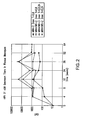
- Results indicate that all animals that were immunized with either the MAA-adjuvanted or the MAA/IMX-adjuvanted vaccine seroconverted to each of the eight HPV types.
- the geometric mean titers against each of the HPV types were consistently elevated in the MAA/IMX-adjuvanted vaccine recipients (Group II) compared to the MAA-adjuvanted vaccine recipients (Group I).
- the improvement remained apparent at week 52, suggesting that the effect is long-lived.
- cLIA competitive Luminex immunoassay
- HPV cLIA utilizes eight type-specific, conformational dependent mAbs to monitor the immune response to immunization with an HPV Octavalent vaccine.
- a more detailed description of the competitive Luminex immunoassay which utilizes particle-based flow cytometric analysis to simultaneously measure the presence of antibodies to a plurality of HPV types in a test sample, is set forth in U.S. Patent No. 7,067,258 , and in Opalka et al. Clin Diagn Lab Immunol. 10(1):108-15 (2003 ).
- An octavalent reference standard solution was prepared for each HPV type in a pre-screened assay matrix containing Antibody Depleted Human Serum (ADHS).
- the reference standard was a pool of serum samples from Rhesus macaques hyper-immunized with HPV monovalent L1 VLP types 6, 11, 16, 18, 31, 45, 52, 58. All standards, controls and samples were tested in duplicate. Testing of serum samples were performed at a 1:4, 1:40, 1:400, or 1:4000 dilution. Fluorescent units were read and duplicate wells averaged. Dilution corrected mMU/mL serum values were computed based on four parameter logistics fit of the standard curve on each assay plate.
- ISCOMATRIX® ISCOMATRIX®
- HPV VLP vaccine adjuvanted with amorphous aluminum hydroxyphosphate sulfate (MAA) Subjects were randomized in two separate study phases.
- IMX concentrations of 15 or 30 mcg (Phase A) and 60 or 120 mcg (Phase B) per each 0.5-mL dose were evaluated in the context of an experimental octavalent vaccine containing a fixed concentration of HPV VLPs formulated with MAA (281 mcg) and compared to GARDASIL®.
- the octavalent vaccine contained HPV VLPs of types 6 (20 mcg), 11 (40 mcg), 16 (40 mcg), 18 (20 mcg), 31 (20 mcg), 45 (20 mcg), 5 (20 mcg), and 58(20 mcg).
- GARDASIL® is a quadrivalent HPV (Types 6, 11, 16, 18) recombinant vaccine prepared from highly purified L1 VLPs.
- each vaccine dose contained MAA (225 mcg), sodium chloride, L-histidine, polysorbate 80, sodium borate, and water.
- vaccine was administered at day 1, month 2, and month 6 as a 0.5-mL intramuscular injection of either one of the four formulations of octavalent HPV L1 VLP with MAA/IMX described above, or GARDASIL®.
- the study included ⁇ 150 healthy women between the ages of 18 and 24 years at the time of enrollment. Blood samples taken at day 1, month 2, month 3 (1 month post-dose 2), month 6, month 7 (1 month post-dose 3), and month 12 were used for evaluation of immune response to relevant HPV types using a competitive Luminex immunoassay (cLIA), as described in EXAMPLE 2.
- cLIA competitive Luminex immunoassay
- Subjects in Phase B were included in the analysis if they: (i) received the first 2 vaccinations in the appropriate day ranges, (ii) had serology samples collected in appropriate day ranges, and (iii) were seronegative to the relevant HPV types at Day 1.
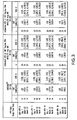
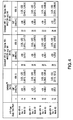
- results at both the month 3 (postdose 2) and month 7 (postdose 3) time-points by treatment group for subjects in Phase A (15 and 30 mcg IMX, + MAA) and at the month 3 time-point for subjects in Phase B (60 and 120 mcg IMX, + MAA) are displayed in FIGURES 3 and 4 , respectively.
- the results demonstrate an IMX dose-related enhancement of the immune response to relevant HPV types compared to that of GARDASIL®, which is adjuvanted with MAA alone.
- HPV VLPs in the following amounts: 40 ⁇ g/mL HPV 6, 80 ⁇ g/mL HPV 11, 80 ⁇ g/mL HPV 16, and 40 ⁇ g/mL each of HPV 18, 31, 45, 52, and 58 VLPs. Also included in each of the formulations was 0.32 M NaCl, 10mM Histidine pH 6.2 and 0.0 1 % polysorbate 80 (PS80).
- the first formulation contained no IMX or MAA adjuvant.
- the second formulation contained 240 ⁇ g/mL IMX and no MAA.
- the third formulation that was tested contained no IMX and 562.5 ⁇ g/mL (1.25X) MAA.
- the fourth formulation that was tested contained both 240 ⁇ g/mL IMX and 562.5 ⁇ g/mL (1.25X) MAA.
- Samples were analyzed by SDS-PAGE with Invitrogen 4-20% or 14%, 1.5mm, 10 well Tris-Glycine gels. Samples are prepared in a reducing sample buffer (0.25M Tris PH 6.8, 8% SDS, 40% Glycerol, 0.008% Bromophenol blue, dithiothreitol, and heated at 70°C for 10 minutes). The samples containing aluminum adjuvant were concentrated to 762 ⁇ g/mL prior to sample preparation, and 0.5M EDTA, pH 8.0 was included to dissolve the aluminum.
- the high load was added to a 1X reducing sample buffer (portions of one 4X reducing sample buffer: three MilliQ water) to prepare a low load (2.5 ⁇ g).
- a 12 mcg (high) and a 2.5 mcg (low) load were run for each sample.
- the potencies of HPV types 6, 11, 16, 18, 31, 45, and 52 VLP samples were quantified relative to a reference standard by in vitro relative potency (IVRP) testing.
- the IVRP assay is a sandwich-type immunoassay that uses separate monoclonal antibodies for capture and detection.
- the antibodies used in each of the eight serotype-specific assays were prepared by Strategic BioSolutions (Newark, DE).
- the following serotype-specific capture antibodies were used in the IVRP assay: H6.M48 mAb (IgG 1 ) for HPV6, K11.B2 mAb (IgG 1 ) for HPV11, H16.J4 mAb (IgG 2a ) for HPV16, H18.J4 mAb (IgG 2a ) for HPV18, H31.5F12.D4 mAb (IgG 1 ) for HPV31, H45.6G6.A8 mAb (IgG 2b ) for HPV45, H52.8D11.C4 mAb (IgG 2b ) for HPV52, and H58.2C3.F7 mAb (IgG 1 ) for HPV 58.
- serotype-specific detection antibodies were used in the assay: H6.B10.5 mAb (IgG 2b ) for HPV6, H11.B2 mAb (IgG 2b ) for HPV11, H16.V5 mAb (IgG 2b ) for HPV16, H18.R5 mAb (IgG 2b ) for HPV18, M31.5D10.E4 mAb (IgG 2b ) for HPV31, H45.10B4.H4 mAb (IgG 1 ) for HPV45, H52.9F7.E10 mAb (IgG 2a ) for HPV52, and H58.6E11.F4 mAb (IgG 2b ) for HPV58.
- the assay was carried out on a Tecan Freedom EVO workstation (Tecan USA; Research Triangle, NC) using white FluoroNunc MaxiSorp 96-well microtiter plates (Fisher Scientific; Pittsburgh, PA). Assay plates were first coated with the capture antibody (100 ⁇ L/well), in 1 M ammonium sulfate buffered with 10 mM Tris, pH 8, and then allowed to incubate for 16-24 hrs at 2-8 °C.
- TBS Tris-buffered Saline
- assay diluent TBS containing 0.05% Tween 20 and 1 % bovine serum albumin
- adjuvant-adsorbed samples and standards were diluted 5-fold in 6% citrate phosphate buffer (pH 6.7-6.8) containing 1 M NaCl and 0.04% Tween 80 and incubated for 2 + 0.5 hrs at ambient temperature on a nutator for adjuvant dissolution. Samples that were not adsorbed to adjuvant were also diluted in the dissolution buffer but were not incubated.
- Each sample and reference standard was then diluted to a serotype-specific target concentration with assay diluent in a Nunc 96-well polypropylene microtiter plate from Fisher Scientific (Pittsburgh, PA). From this initial dilution, eleven two-fold serial dilutions were prepared for each sample and for the reference standard in the assay plate. After a 12-20 hour incubation at room temperature with shaking, the plates were washed and 100 ⁇ L of the detection antibody was subsequently added to each well. The plate was incubated for one hour at room temperature and again washed.
- rat anti-mouse monoclonal antibody (IgG 1 , IgG 2a , or IgG 2b ) conjugated to alkaline-phosphatase was added to each well, supplied from Southern Biotechnology (Birmingham, AL) or BD Pharmingen (BD Biosciences; San Jose, CA). After a one-hour incubation at room temperature, the plate was washed to remove any unbound conjugate. Next, 100 ⁇ L of 4-methylumbelliferyl phosphate (4-MUP) substrate solution from ViroLabs (SuperPhos; Chantilly, VA) was added and allowed to react for one hour.
- 4-methylumbelliferyl phosphate (4-MUP) substrate solution from ViroLabs (SuperPhos; Chantilly, VA) was added and allowed to react for one hour.
- the fluorescence of each well was measured by reading the plate in a Tecan Ultra Evolution 384 plate reader (Tecan USA; Research Triangle, NC) at an excitation wavelength of 360 nm and an emission wavelength of 450 nm.
- IVRP ED 50 ⁇ sample / ED 50 ⁇ standard x Reference Standard Potency
- the results were subsequently normalized by dividing by the protein concentration, thus producing the IVRP-to-protein ratio.
- the NRP-to-protein ratio provides a measure of the functional epitopes per unit of mass.
- AME testing was used to determine the ability of a preservative to reduce or eliminate microbes that may be introduced into the vial following product withdrawal.
- USP United States Pharmacopoeia
- AME testing was used to determine the ability of a preservative to reduce or eliminate microbes that may be introduced into the vial following product withdrawal.
- the AME test comprises the EPA, EPB and USP criteria, which consist of inoculating 10 5 -10 6 CFU/mL microorganisms (e.g., bacteria and fungi) per container at time zero, and evaluating the log reduction over time (Meyer et al., supra ).
- CFU/mL microorganisms e.g., bacteria and fungi
- the initial preservative screening was conducted using the following seven preservatives: benzyl alcohol, chlorobutanol (plus EtOH), m-cresol, methylparaben, propylparaben, phenol, and 2-phenoxyethanol in various doses and combinations. These preservatives have been used as anti-microbial preservatives in commercial parenteral products. Thimerosal was also included as a reference.
- the initial doses and combinations of the preservatives were selected based on previous work and available literature. More specifically, concentrations were tested ranging from 0.5-1.2% benzyl alcohol; 0.25-0.5% chlorobutanol (0.5% EtOH or 3.0% EtOH); 0.15-0.3% m-cresol; 0.045-0.18% methylparaben; 0.005-0.02% propylparaben; 0.25-0.5% phenol; 0.25-0.5% 2-phenoxyethanol; and 0.002-0.01% thimerosal. All samples contained 562.5 mcg/mL MAA, 0.32 M NaCl, 10 mM His, 0.01% polysorbate-80 (PS-80), pH 6.2. Formulations containing chlorobutanol and propylparaben were tested with and without the addition of 120 mcg/mL ISCOMATRIX®.
- Benzyl alcohol, phenol, 2-phenoxyethanol, and m-cresol were provided as solutions and were added directly to the HPV formulations.
- Chlorobutanol was provided in a powder and was dissolved in 100% ethanol to make a stock solution.
- Thimerosal was dissolved in USP water to make a stock solution.
- the combination of methylparaben and propylparaben were made by weighing out each powder and making a stock solution in 100% ethanol. The pH of the solution was adjusted with a target pH of 6.2.
- Preservatives were added to octavalent HPV formulations comprising 8 types of HPV VLPs, as described in EXAMPLE 1, and were stored for one week at 2-8°C prior to AME testing.
- Formulations containing 1.2% benzyl alcohol, 0.5% chlorobutanol, and 0.3% m-cresol passed the USP, EP-B, and EP-A criteria of the AME test ( See Meyer et al., supra ).
- Formulations containing 0.4% and 0.5% phenol passed USP and EP-B, but not EP-A tests. Additional preservative-containing formulations were tested that only passed the USP test. Therefore, formulations containing 1.2% benzyl alcohol, 0.5% chlorobutanol, 0.3% m-cresol, and phenol at a concentration of 0.4% or 0.5% were selected for further evaluation.
- DSC Differential Scanning Calorimetry
- HPV 18 VLPs were chosen as the model HPV antigen for DSC analysis because this type of VLP gives the most robust DSC signals and represents a less stable type of VLP compared to other types tested.
- the DSC evaluation was carried out in the presence of various preservatives with varied concentrations. The results indicate that 0.5% chlorobutanol, 0.15% m-cresol, 0.25% phenol, 0.5% ethanol (solvent for chlorobutanol), and 0.25% 2-phenoxyethanol had the least impact on the thermal stability of HPV type 18 (data not shown). The greatest impact on the thermal stability was observed with thimerosal, 1.2 % benzyl alcohol, and 0.045 / 0.005 methylparaben.
- the RP-HPLC method was also used for evaluating preservative stability in HPV vaccine formulations.
- a short-term preliminary study showed that the selected preservatives were fairly stable when the HPV vaccine was stored at 2-8°C (data not shown). More detailed evaluations with long-term stability studies are described in EXAMPLE 11-12.
- Each type of HPV VLP aqueous bulk was absorbed on MAA separately with a protein-to- adjuvant ratio of 0.71 to form the monovalent vaccines in 0.32 M NaCl, 10 mM Histidine (pH 6.2), 0.01% (w/v) PS-80.
- the eight individual monovalent vaccines were then blended together to obtain protein concentrations of 40, 80, 80, 40, 40, 40, 40 and 40 mcg/mL for HPV Types 6, 11, 16, 18, 31, 45, 52, and 58, respectively. This combination formed the octavalent vaccine.
- IMX Isocomatrix®
- HPV vaccine buffer described above.
- IMX was then added to the octavalent vaccine to a final concentration of 240 mcg/mL using a settle-decant procedure to form the octavalent HPV vaccine containing IMX adjuvant.
- the formulations were gently mixed and stored at 4°C overnight.
- the initial preservative screening (EXAMPLE 7) used 120 mcg/mL IMX in the chlorobutanol formulation because the final IMX concentration had not been determined when these experiments were performed.
- the formulations were filled at a volume of 0.75 mL in 3 mL glass vials with Teflon-coated stoppers (FluroTec®, West Pharmaceuticals, Lionville, PA) and stored in controlled thermal units at 2-8, 25, 30, and 37°C prior to testing.
- Teflon-coated stoppers FluroTec®, West Pharmaceuticals, Lionville, PA
- the formulation and fill processes were performed under aseptic conditions.
- the measurements are scheduled to be at 0, 8, 12, 24, and 36 months for preservative, HPV VLP, and IMX adjuvant testing.
- Formulations from the real-time study (2-8°C) were first evaluated at time 0 for preservative effectiveness using AME testing.
- the formulations containing 0.5% chlorobutanol and 0.3% m-cresol in the presence or absence of IMX passed the USP, EP-B and EP-A tests.
- the formulation containing 1.2% benzyl alcohol without IMX passed USP, EP-B, and EP-A, but did not pass EP-A in the IMX-containing formulation.
- Formulations that did not pass EP-A in the presence or absence of IMX also included 0.9% benzyl alcohol and 0.5% phenol. 3.3.3. Stability Data for 8 Months Storage at 2-8 °C and 3 Months at 30 and 37 °C
Landscapes
- Health & Medical Sciences (AREA)
- Life Sciences & Earth Sciences (AREA)
- Chemical & Material Sciences (AREA)
- Immunology (AREA)
- Virology (AREA)
- Medicinal Chemistry (AREA)
- Organic Chemistry (AREA)
- General Health & Medical Sciences (AREA)
- Engineering & Computer Science (AREA)
- Public Health (AREA)
- Bioinformatics & Cheminformatics (AREA)
- Veterinary Medicine (AREA)
- Pharmacology & Pharmacy (AREA)
- Animal Behavior & Ethology (AREA)
- Microbiology (AREA)
- Genetics & Genomics (AREA)
- Zoology (AREA)
- Wood Science & Technology (AREA)
- Chemical Kinetics & Catalysis (AREA)
- General Chemical & Material Sciences (AREA)
- Biotechnology (AREA)
- Nuclear Medicine, Radiotherapy & Molecular Imaging (AREA)
- Biochemistry (AREA)
- Oncology (AREA)
- Communicable Diseases (AREA)
- Biomedical Technology (AREA)
- General Engineering & Computer Science (AREA)
- Mycology (AREA)
- Epidemiology (AREA)
- Molecular Biology (AREA)
- Medicines Containing Antibodies Or Antigens For Use As Internal Diagnostic Agents (AREA)
- Medicinal Preparation (AREA)
Abstract
Description
- The present invention relates generally to the prevention of human papillomavirus (HPV) infection. More specifically, the invention relates to pharmaceutical compositions and formulations comprising virus-like particles (VLPs) of HPV, said VLPs adsorbed to an aluminum adjuvant, and a second adjuvant comprising a saponin, cholesterol, and a phospholipid. The invention also relates to pharmaceutical compositions and formulations comprising HPV VLPs and an antimicrobial preservative. Further provided are methods of using the disclosed pharmaceutical composition and formulations.
- There are more than 80 types of human papillomavirus (HPV), many of which have been associated with pathologies ranging from benign proliferative warts to malignant carcinomas of the cervix (for review, see McMurray et al., Int. J Exp. Pathol. 82(1): 15-33 (2001)).
HPV types HPV 16 andHPV 18 are termed "high-risk" HPV types because they are most frequently associated with in situ and invasive carcinomas of the cervix, vagina, vulva and anal canal. More than 70% of cervical carcinomas are caused by infections withHPV 16 andHPV 18. Together with the less prevalentoncogenic types HPV 31, -33, -45, - 52 and -58, these types account for greater than 90% of cervical cancer (Schiffman et al., J Natl. Cancer Inst. 85(12): 958-64 (1993)). Cervical cancer is the second most prevalent cause of cancer deaths in women worldwide. - Papillomaviruses are small (50-60 nm), nonenveloped, icosahedral DNA viruses that encode up to eight early (E1- E7) and two late (L1-L2) genes. The L1 protein is the major capsid protein and has a molecular weight of 55-60 kDa. Expression of the L1 protein or a combination of the L1 and L2 proteins in yeast, insect cells, mammalian cells or bacteria leads to self-assembly of virus-like particles (VLPs) (for review, see Schiller and Roden, in Papillomavirus Reviews: Current Research on Papillomaviruses; Lacey, ed. Leeds, UK: Leeds Medical Information, pp 101-12 (1996)). VLPs are morphologically similar to authentic virions and are capable of inducing high titres of neutralizing antibodies upon administration into animals or humans. Because VLPs do not contain the potentially oncogenic viral genome, they present a safe alternative to the use of live virus in HPV vaccine development (for review, see Schiller and Hidesheim, J. Clin. Virol. 19: 67-74 (2000)). For this reason, the L1 and L2 genes have been identified as immunological targets for the development of prophylactic and therapeutic vaccines for HPV infection and disease.
- VLP-based vaccines have proven to be effective at inducing immune responses in human patients vaccinated with
bivalent HPV 16 and 18 ( Harper et al. Lancet 364(9447): 1757-65 (2004)) andquadrivalent HPV - Co-administration of vaccines with compounds that can enhance the immune response against the antigen of interest, known as adjuvants, has been extensively studied. In addition to increasing the immune response against the antigen of interest, some adjuvants may be used to decrease the amount of antigen necessary to provoke the desired immune response or decrease the number of injections needed in a clinical regimen to induce a durable immune response and provide protection from disease.
- Aluminum-based compounds were determined to possess adjuvant activity over 60 years ago (for review, see Lindblad, E.B. Immunol. and Cell Biol. 82: 497-505 (2004); Baylor et al. Vaccine 20: S18-S23 (2002)). Aluminum adjuvants are generally regarded as safe when used at appropriate dosages. Many have been approved for administration into humans by regulatory agencies worldwide.
- While the mechanism of action of aluminum adjuvants is not completely understood, it is generally thought that for optimal immunostimulating effect, the targeted antigen should be adsorbed onto the aluminum in a vaccine preparation (see Lindblad, supra). When formulated in this manner, aluminum adjuvants are able to induce potent antibody (TH2) responses against many antigens; but rarely stimulate cellular (TH1) immune responses. With regards to HPV, it has been shown that an
HPV - In order to develop prophylactic HPV vaccines with long-term efficacy, it would be advantageous to achieve higher magnitude immune responses comprising strong humoral as well as cellular immune responses. It would also be beneficial to develop a VLP-based vaccine that produces an immune response to HPV L1 this is sufficiently enhanced to allow a reduced number of vaccine injections relative to current prophylactic clinical schedules.
- The present invention relates to pharmaceutical compositions and formulations that can induce an immune response against HPV in a patient.
- Specifically, the invention provides a pharmaceutical composition comprising, in each dose: (a) from 10 to 100 µg per type of virus-like particles (VLPs) of at least one type of human papillomavirus (HPV); (b) from 300 µg to 1200 µg/ml of an aluminum adjuvant, (c) from 20-400 µg/ml of an ISCOM type adjuvant which comprises an immune-stimulating complex comprised of a saponin, cholesterol and a phospholipid, and (d) a pharmaceutically acceptable carrier, wherein said VLPs are comprised of recombinant L1 protein or recombinant L1+L2 proteins of HPV, and wherein said VLPs are adsorbed to said aluminum adjuvant.
- The pharmaceutically acceptable carrier may contain a buffer, normal saline or phosphate buffered saline, sucrose, other salts and/or polysorbate.
- In one embodiment, the HPV type is selected from the group consistin of HPV6, HPV11, HPV16, HPV18, HPV26, HPV31, HPV33, HPV35, HPV39, HPV45, HPV51, HPV52, HPV53, HPV39, HPV45, HPV51, HPV52, HPV53, HPV55, HPV56, HPV58, HPV59. HPV66, HPV68, HPV73 and HPV82. In a further embodiment, the composition comprises VLPs of
HPV types types - In one embodiment, the composition comprises, in each dose: (a) up to 600 µg total VLPs; (b) from 150 µg to 600 µg of aluminum adjuvant; (c) from 10 µg to 200 µg of ISCOM-type adjuvant. In another embodiment, the composition comprises, in each dose: (a) from 20 µg to 80 µg VLPs of any one HPV type; (b) from 200 µg to 300 µg of aluminum adjuvant; (c) from 15 µg to 120 µg of ISCOM-type adjuvant. In another embodiment, the composition comprises, in each dose: (a) from 20 µg to 80 µg VLPs of any one HPV type; (b) from 300 µg to 500 µg of aluminum adjuvant; (c) from 15 µg to 120 µg of ISCOM-type adjuvant. In a further embodiment, the composition comprises, in each dose: (a) from 20 to 80 µg of VLPs of each
HPV types - In one embodiment, the composition further comprises an antimicrobial preservative selected from the group consisting of m-cresol, phenol, and benzyl alcohol. In a preferred embodiment, the antimicrobial preservative consists of m-cresol at a concentration of 0.15% to 0.31 %, phenol at a concentration of 0.25% to 0.55%, or benzyl alcohol at a concentration of 0.75% to 1.2%.
- In another embodiment, the aluminum adjuvant is selected from the group consisting of aluminum hydroxyphosphate (AlPO4), amorphous aluminum hydroxyphosphate sulphate (AAHS), and aluminum hydroxide (Al(OH)3). In one embodiment, the aluminum adjuvant comprises or AlPO4AAHS, and phosphate and aluminum are present in a molar ratio of 0.1 to 1.1 phosphate to aluminum. In another embodiment, this molar ratio is of 0.2 to 0.5.
- In one embodiment, the ISCOM-type adjuvant is ISCOMATRIX®.
- As used throughout the specification and in the appended claims, the singular forms "a," "an," and "the" include the plural reference unless the context clearly dictates otherwise.
- As used throughout the specification and appended claims, the following definitions and abbreviations apply:
- The terms "HPV" and "PV" refer to human papillomavirus and papillomavirus, respectively.
- The term "effective amount" means sufficient VLP vaccine composition is introduced to a patient to produce a desired effect such as inducing an immune response against HPV in the patient or preventing HPV infection. One skilled in the art recognizes that this level may vary.
- The term "patient" refers to any human being that is to receive the HPV vaccines, or pharmaceutical compositions, described herein. As defined herein, a "patient" includes those already infected with HPV as well as those in which HPV infection is to be prevented.
- A "disorder" is any condition that would benefit from treatment with the compositions of the present invention. Encompassed by the term "disorder" are any disorder or pathology that is associated with infection by HPV. The compositions of the present invention are intended for use as treatments or for prophylaxis of disorders or conditions characterized by HPV infection, including, but not limited to, benign warts, nonmalignant condyloma acuminata and/or low-grade dysplasia of the genital or respiratory mucosa, and in situ and invasive carcinomas of the cervix, vagina, vulva and anal canal.
- "Formulation" refers to a single dose of vaccine, which can be included in any volume suitable for injection. In specific embodiments, a formulation is made in a 0.5 mL total volume. Unless otherwise stated, use of the term "formulation" applies to a single dose of vaccine, which can be delivered to a single patient in need thereof. The term "multi-dose" refers to an HPV formulation which contains more than one dose of vaccine, which can be administered to more than one patient.
- "VLP" or "VLPs" mean(s) virus-like particle or virus-like particles.
- "MAA" means Merck aluminum adjuvant. MAA is an amorphous aluminum hydroxyphosphate sulfate adjuvant. The term "MAA" is used interchangeably herein with the term "AAHS."
- "cLIA" refers to a competitive Luminex (Luminex Corp., Austin TX) immunoassay, an example of which is described in
U.S. Patent No. 7,067,258 and in Opalka et al. Clin Diagn Lab Immunol. 10(1):108-15 (2003). - "GMT" refers to a geometric mean titer.
- An "ISCOM-type adjuvant" is an adjuvant comprising an immune stimulating complex (ISCOM), which is comprised of a saponin, cholesterol, and a phospholipid, which together form a characteristic caged-like particle, having a unique spherical, caged-like structure that contributes to its function (for review, see Barr and Mitchell, Immunology and Cell Biology 74: 8-25 (1996)). This term includes both ISCOM adjuvants, which are produced with an antigen and comprise antigen within the ISCOM particle and ISCOM matrix adjuvants, which hollow ISCOM-type adjuvants that are produced without antigen. In preferred embodiments of the compositions and methods provided herein, the ISCOM-type adjuvant is an ISCOM matrix particle adjuvant, such as ISCOMATRIX®, which is manufactured without antigen (ISCOM® and ISCOMATRIX® are the registered trademarks of CSL Limited, Parkville, Australia).
-
-
FIGURE 1 shows the anti-HPV 16 geometric mean titers (GMT) by vaccination group among rhesus macaques immunized with an experimental octavalent HPV VLP vaccine over time. The vaccines were adjuvanted either with MAA or MAA + IMX, according to the indicated immunization schedule and as described in EXAMPLE 1. -
FIGURE 2 shows the anti-HPV 31 geometric mean titers (GMT) by vaccination group among rhesus macaques immunized with an experimental octavalent HPV VLP vaccine over time. The vaccines were adjuvanted either with MAA or MAA + IMX, according to the indicated immunization schedule and as described in EXAMPLE 1. -
FIGURE 3 shows a summary ofanti-HPV -
FIGURE 4 shows a summary ofanti-HPV -
FIGURE 5 shows the percent of intact monomer of octavalent HPV VLP vaccine samples stored at 37°C over time. Shown are results from SDS-PAGE analysis of octavalent vaccine formulations ± ISCOMATRIX and ± MAA adjuvant (see EXAMPLES 4 and 5). Data are provided at Time=0 (dotted bars), 1 month (striped bars), 3 months (solid bars) and 6 months (hatched bars). -
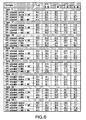
FIGURE 6 shows the in vitro antigenicity of octavalent HPV solution and MAA samples with and without IMX determined by IVRP analysis (units/mL) (see EXAMPLES 4 and 6). -
FIGURE 7 shows the impact of preservatives on the stability of octavalent HPV vaccine formulations in the absence of IMX (see EXAMPLE 12). -
FIGURE 8 shows the impact of preservatives on the stability of octavalent HPV vaccine formulations in the presence of IMX (see EXAMPLE 12). -
FIGURE 9 , panel A, shows preservative stability in HPV vaccine formulations in the absence of IMX. Panel B shows preservative stability in HPV vaccine formulations comprising IMX (see EXAMPLE 13). - In accordance with this invention, it has been shown that HPV vaccine formulations comprising HPV VLPs of at least one HPV type, an ISCOM-type adjuvant and an aluminum adjuvant are able to provoke higher Ab titers to the targeted HPV types in animal models and in human patients when compared to VLP vaccines comprising aluminum adjuvant alone. To this end, HPV VLP vaccine formulations and pharmaceutical compositions are provided herein that comprise HPV VLPs which are adsorbed onto aluminum adjuvant in combination with an ISCOM-type adjuvant, as described in detail below.
- In accordance with another aspect of the invention described herein, it has been shown that the addition of an antimicrobial preservative selected from the group consisting of: m-cresol, phenol, and benzyl alcohol, to pharmaceutical compositions and formulations comprising HPV VLPs is effective at reducing or eliminating microbes and does not negatively impact the structural and thermal stability of the VLPs at 2-8°C. Thus, there are provided HPV vaccine formulations and pharmaceutical compositions comprising HPV VLPs and an antimicrobial preservative selected from the group consisting of: m-cresol, phenol and benzyl alcohol. Such vaccine compositions may also include and ISCOM-type adjuvant and an aluminum adjuvant, as described above.
- Virus-like particle-based vaccines have proven to be safe and effective at inducing immune responses against many types of HPV in human patients. VLPs can self-assemble when L1, the major capsid protein of human and animal papillomaviruses, is expressed in yeast, insect cells, mammalian cells or bacteria (for review, see Schiller and Roden, in Papillomavirus Reviews: Current Research on Papillomaviruses; Lacey, ed. Leeds, UK: Leeds Medical Information, pp 101-12 (1996)). Morphologically indistinct HPV VLPs can also be produced by expressing a combination of the L1 and L2 capsid proteins. VLPs are composed of 72 pentamers of L1 in a T=7 icosahedral structure (Baker et al., Biophys. J. 60(6): 1445-56 (1991)).
- VLPs are morphologically similar to authentic virions and are capable of inducing high titres of neutralizing antibodies upon administration into an animal. Immunization of rabbits (Breitburd et al., J. Virol. 69(6): 3959-63 (1995)) and dogs (Suzich et al., Proc. Natl. Acad. Sci. USA 92(25): 11553-57 (1995)) with VLPs was shown to both induce neutralizing antibodies and protect against experimental papillomavirus infection. Additionally, immunization of adult women with
HPV 16 VLPs was shown to protect againstHPV 16 infection andHPV 16 cervical intraepithelial neoplasia (Koutsky et al. N. Engl. J. Med. 347: 1645-51 (2002)). Because VLPs do not contain the potentially oncogenic viral genome and can self-assemble when expressed from a single gene, they present a safe alternative to the use of live virus in HPV vaccine development (for review, see Schiller and Hidesheim, J. Clin. Virol. 19: 67-74 (2000)). - As stated above, VLP-based vaccines have proven to be effective at inducing immune responses in many animal models and in human patients. However, a goal of vaccine development is often to induce higher antibody titers, leading to long lasting protective immunity. To this end, pharmaceutical compositions and vaccines comprising HPV VLPs of at least one HPV type, an ISCOM-type adjuvant and an aluminum adjuvant have been developed, as disclosed herein. Said pharmaceutical compositions and vaccines are able to provoke higher IgG Ab titers to the targeted HPV types than VLP vaccines comprising aluminum adjuvant alone. This combination can lead to the induction of long-lasting effective immunoprophylaxis against HPV infection, reduced antigen dosage, and immunization schedules comprising a decreased number of injections over time.
- Thus, the present invention relates to pharmaceutical compositions and formulations comprising HPV virus-like particles, an aluminum adjuvant, an ISCOM-type adjuvant, and a pharmaceutically acceptable carrier, wherein said VLPs are comprised of recombinant L1 protein or recombinant L1 + L2 proteins of HPV and wherein said VLPs are adsorbed to said aluminum adjuvant.
- Any HPV VLP-based vaccine is suitable for use in the pharmaceutical compositions of the present invention. Known HPV VLP vaccines can be modified to include both an aluminum adjuvant and an ISCOM-type adjuvant. Additionally, new vaccines can be developed according to the invention described herein that comprise at least one HPV type in the form of an HPV VLP adsorbed to an aluminum adjuvant in combination with an ISCOM-type adjuvant.
- An exemplary HPV VLP vaccine is the Quadrivalent Human Papillomavirus (
Types HPV types polysorbate 80, sodium borate, and water. Therefore, the present invention includes the combination of GARDASIL® with an ISCOM-type adjuvant, such as ISCOMATRIX® (CSL Ltd., Parkville, Australia). - In alternative embodiments of the invention, the pharmaceutical compositions and formulations comprise HPV VLP-based vaccines which are monovalent, bivalent, or trivalent. For example, pharmaceutical compositions comprising VLPs of
HPV 16 and/orHPV 18, without the inclusion of other HPV VLP types, are included within the scope of the invention. Quadrivalent vaccines comprising different HPV VLPs than the HPV types included in GARDASIL® are also contemplated herein. For example, pharmaceutical compositions comprising VLPs ofHPV types - In additional embodiments, the pharmaceutical compositions comprise VLP-based vaccines with more than four different types of VLPs. In one preferred embodiment, the pharmaceutical composition comprises eight different HPV VLP types. A particularly preferred octavalent vaccine is described in EXAMPLES 1 and 2 and comprises
HPV types HPV types HPV 31. Additional HPV VLPs may also be added to the vaccine formulations described herein, leading to HPV vaccines that are 9-valent, 10-valent, and so forth. - As stated above, the pharmaceutical compositions and formulations of the present invention comprise at least one HPV VLP type, such as
HPV HPV 18, HPV26, HPV31, HPV33, HPV35, HPV39, HPV45, HPV51, HPV52, HPV53, HPV55, HPV56, HPV58, HPV59, HPV66, HPV68, HPV73, and HPV82. - The pharmaceutical compositions of the present invention comprise HPV VLPs comprised of recombinant L1 or recombinant L1 + L2 proteins of HPV. HPV L1 or L1 + L2 protein can be expressed recombinantly by molecular cloning of L1 or L1 + L2 DNA into an expression vector containing a suitable promoter and other appropriate transcription regulatory elements, and transferred into prokaryotic or eukaryotic host cells to produce recombinant protein. Techniques for such manipulations are fully described by Sambrook et al. (Molecular Cloning: A Laboratory Manual; Cold Spring Harbor Laboratory, Cold Spring Harbor, New York, (1989)), which is hereby incorporated by reference. VLPs can self-assemble when L1 protein is recombinantly expressed in a host cell.
- The recombinant HPV L1 proteins of the present invention may be any full-length L1 protein sequence that can be found in nature or any mutated or truncated L1 protein that is capable of self-assembling into VLPs. L1 protein sequences for use in the present invention can be determined by isolating DNA from one or more clinical samples containing an HPV type of choice, determining the sequence of the HPV L1 DNA sequence, and translating the DNA sequence into an amino acid sequence using the genetic code. Many exemplary L1 sequences suitable for use in the present invention can be found in the literature. See, e.g.,
U.S. Patent Nos. 5,820,870 ;7,250,170 ;7,276,243 ; and5,437,951 ; Kirii et al. (Virology 185(1): 424-427 (1991)). Further L1 proteins that are useful in the compositions and formulations of the present invention include biologically active fragments and/or mutants of an HPV L1 sequence, including but not necessarily limited to amino acid substitutions, deletions, additions, amino terminal truncations and carboxy-terminal truncations, such that these mutations provide for L1 proteins or protein fragments that are capable of forming a VLP. See, e.g., International PublicationWO 2006/114312 andUS Patent No. 6,599,508 . - Appropriate host cells for the expression of recombinant HPV L1 or recombinant L1 + L2 and subsequent self-assembly of VLPs include, but are not limited to yeast cells, insect cells, mammalian cells or bacteria. In exemplary embodiments of the invention, the VLPs are produced in yeast cells such as a yeast selected from the group consisting of: Saccharomyces cerevisiae, Hansenula polymorpha, Pichia pastoris, Kluyvermyces fragilis, Kluveromyces lactis, and Schizosaccharomyces pombe. Expression of HPV VLPs in yeast cells offers the advantages of being cost-effective and easily adapted to large-scale growth in fermenters.
- The present invention also includes pharmaceutical compositions comprising mutant forms of HPV VLPs, such as HPV VLPs that comprise biologically active fragments and/or mutants of an
HPV L 1 or L2 protein, including but not necessarily limited to amino acid substitutions, deletions, additions, amino terminal truncations and carboxy-terminal truncations such that these mutations provide for proteins or protein fragments of therapeutic or prophylactic use and would be useful for HPV VLP vaccine development. Any such mutant form of an HPV L1 protein should be capable of forming VLPs and of provoking an immune response against the desired HPV type when administered to a human. - Additionally, one of skill in the art will recognize that the L1 or L1 + L2 protein, which is used to-self-assemble VLPs for inclusion in the compositions disclosed herein, may be encoded by a full-length wild-type HPV L1 or L2 polynucleotide, or may be encoded by a fragment or mutant of the known wild-type sequence. Wild-type polynucleotide sequences that encode mRNA expressing HPV L1 or L2 protein are available in the art. Any mutant polynucleotide will encode either a protein or protein fragment which at least substantially mimics the pharmacological properties of an HPV L1 or L2 protein, including the ability to form VLPs that are able to provoke an immune response against the HPV type of interest when administered to a human. Any such polynucleotide includes but is not necessarily limited to: nucleotide substitutions, deletions, additions, amino-terminal truncations and carboxy-terminal truncations.
- The amount of virus-like particles of each HPV type to be included in the formulations and compositions of the present invention will depend on the immunogenicity of the expressed gene product. An immunologically or prophylactically effective dose comprises 10 µg to 100 µg, and preferably about 20 µg to 80 µg of VLPs.
- Aluminum has long been shown to stimulate the immune response against co-administered antigens, primarily by stimulating a
T H2 response. In addition to HPV VLPs and an ISCOM-type adjuvant, the formulations of this aspect of the present invention are adsorbed to aluminum adjuvant. It is preferred that the aluminum adjuvant of the compositions provided herein is not in the form of an aluminum precipitate. Aluminum-precipitated vaccines may increase the immune response to a target antigen, but have been shown to be highly heterogeneous preparations and have had inconsistent results (see Lindblad E.B. Immunology and Cell Biology 82: 497-505 (2004)). Aluminum-adsorbed vaccines, in contrast, can be preformed in a standardized manner, which is an essential characteristic of vaccine preparations for administration into humans. Moreover, it is thought that physical adsorption of a desired antigen onto the aluminum adjuvant has an important role in adjuvant function, perhaps in part by allowing a slower clearing from the injection site or by allowing a more efficient uptake of antigen by antigen presenting cells. - The aluminum adjuvant of the present invention may be in the form of aluminum hydroxide (Al(OH)3), aluminum phosphate (AlPO4), aluminum hydroxyphosphate, amorphous aluminum hydroxyphosphate sulfate (AAHS) or so-called "alum" (KAl(SO4)·12H2O) (see Klein et al., Analysis of aluminum hydroxyphosphate vaccine adjuvants by (27)A1 MAS NMR., J Pharm. Sci. 89(3): 311-21 (2000)). In exemplary embodiments of the invention provided herein, the aluminum adjuvant is aluminum hydroxyphosphate or AAHS. The ratio of phosphate to aluminum in the aluminum adjuvant can range from 0 to 1.3. In preferred embodiments of this aspect of the invention, the phosphate to aluminum ratio is within the range of 0.1 to 0.70. In particularly preferred embodiments, the phosphate to aluminum ratio is within the range of 0.2 to 0.50.
- In some embodiments of the invention, the aluminum adjuvant is in the form of AAHS (referred to interchangeably herein as Merck aluminum adjuvant (MAA)). MAA carries zero charge at neutral pH, while AlOH carries a net positive charge and AlPO4 typically carries a net negative charge at neutral pH. MAA has a higher capacity to bind HPV VLPs than AlOH. In addition, VLPs adsorbed to MAA can induce a greater humoral immune response in mice than VLPs adsorbed to AlOH. Caulfield et al., Human Vaccines 3: 139-146 (2007). While not wishing to be bound by theory, it is possible that net charge of the aluminum adjuvant can affect its ability to bind the VLP antigen, with strongly charged adjuvants unable to bind antigen as strongly as neutral charged adjuvants. For this reason, it is preferred that the aluminum adjuvant of the pharmaceutical compositions of the present invention have zero point surface charge at neutral pH. One of skill in the art will be able to vary the buffer, salt concentration and/or percent of free phosphate in order to allow a zero point surface charge at neutral pH.
- One of skill in the art will be able to determine an optimal dosage of aluminum adjuvant that is both safe and effective at increasing the immune response to the targeted HPV type(s). For a discussion of the safety profile of aluminum, as well as amounts of aluminum included in FDA-licensed vaccines, see Baylor et al., Vaccine 20: S18-S23 (2002). An effective and safe dose of aluminum adjuvant varies from 150 to 600 µg/dose (300 to 1200 µg/mL concentration). In specific embodiments of the formulations and compositions of the present invention, there is between 200 and 300 µg aluminum adjuvant per dose of vaccine. In alternative embodiments of the formulations and compositions of the present invention, there is between 300 and 500 µg aluminum adjuvant per dose of vaccine.
- As stated above, one aspect of the present invention provides vaccines and formulations which comprise HPV VLPs in combination with an aluminum adjuvant and an ISCOM-type adjuvant. In the formulations and methods provided herein, the ISCOM-type adjuvant comprises a saponin, cholesterol, and a phospholipid, and forms an immune-stimulating complex or ISCOM. The potent adjuvant activity of saponins, which are typically isolated from the bark of the Quillaia saponaria tree, was first documented over 80 years ago (for review, see Barr and Mitchell, Immunology and Cell Biology 74: 8-25 (1996); and Skene and Sutton, Methods 40: 53-59 (2006)). Compared to aluminum adjuvants, ISCOM-type adjuvants or ISCOMs are able to provoke a broader immune response to a co-administered antigen, comprising both T-cell and antibody responses. However, a potential for toxicity and haemolytic activity was found, limiting the promise of saponins for human or animal use at that time.
- Since then, it was discovered that saponins, when combined with cholesterol and phospholipid, form a characteristic particle having a caged-like structure comprised of twenty or more subunits. This unique structure contributes to the adjuvant activity of the ISCOMs. Additionally, the incorporation of saponins into ISCOMs, together with cholesterol and phospholipid, was shown to eliminate the haemolytic activity of saponins. It was also shown that less adjuvant was needed to induce an immune response when ISCOMs were utilized as adjuvant compared to free saponins (see Skene and Sutton, supra). For these reasons, ISCOMs have been intensely studied as potential vaccine adjuvants.
- In accordance with the present invention, it has been found that the combination of an aluminum adjuvant and an ISCOM-type adjuvant in a VLP-based vaccine can provoke stronger antibody titers than the same vaccine formulated with aluminum adjuvant alone. Additionally, it was found that HPV VLP vaccine formulations comprising both aluminum and IMX are more stable than VLP vaccines formulated without aluminum adjuvant, either in the presence or absence of ISCOMATRIX®.
- To this end, the present invention relates to pharmaceutical compositions comprising VLPs of at least one type of HPV, an aluminum adjuvant, an ISCOM-type adjuvant, and a pharmaceutically acceptable carrier, said ISCOM-type adjuvant comprising a saponin, cholesterol, and a phospholipid, wherein said VLPs are comprised of recombinant L1 protein or recombinant L1 + L2 proteins of HPV and wherein said VLPs are adsorbed to said aluminum adjuvant.
- In specific embodiments of this aspect of the invention the VLPs of at least one type of HPV include an HPV type selected from the group consisting of: HPV6, HPV11, HPV16, HPV18, HPV26, HPV31, HPV33, HPV35, HPV39, HPV45, HPV51, HPV52, HPV53, HPV55, HPV56, HPV58, HPV59, HPV66, HPV68, HPV73, and HPV82. However, any HPV type that is associated with a pathological condition or disorder is suitable for inclusion in the pharmaceutical compositions provided herein. In some embodiments of the invention, the pharmaceutical compositions include VLPs of
HPV types HPV types HPV types - The pharmaceutical compositions of this aspect of the present invention comprise an aluminum adjuvant, which effectively enhances the humoral immune response to an HPV type of interest, when VLPs are adsorbed to the aluminum adjuvant and administered to a patient. In specific embodiments of the invention, the aluminum adjuvant is aluminum hydroxyphosphate (AH) or amorphous aluminum hydroxyphosphate sulfate (AAHS). It is preferred that, in these specific embodiments, the aluminum adjuvant comprises phosphate and aluminum present in a molar ratio of about 0.1 to about 1.1 phosphate (PO4) to aluminum (Al). It is more preferred that the aluminum adjuvant comprises phosphate and aluminum present in a molar ratio of about 0.2 to about 0.5 PO4/Al. In alternative embodiments of this aspect of the invention, the aluminum adjuvant is aluminum hydroxide.
- The ISCOM-type adjuvant of the compositions provided herein may be prepared by any one of several known methods for producing ISCOMs known in the art (for review, see Barr and Mitchell, Immunology and Cell Biology 74: 8-25 (1996)). Well-known methods of production include a centrifugation method and a dialysis method, as described in Barr, supra. ISCOM adjuvants may also be obtained from a commercial source. ISCOM-type vaccines are formulated with Quillaja saponins, cholesterol, and phospholipids such as phosphphatidylcholine, although it has been found that almost any phospholipid is useful in the formation of an ISCOM particle (see Barr and Mitchell, supra).
- In preferred embodiments of the present invention, the ISCOM-type adjuvant is a so-called ISCOM-matrix adjuvant, such as ISCOMATRIX® (CSL Ltd., Parkville, Australia), which comprises the ISCOPREP® saponin (CSL Ltd., Parkville, Australia) cholesterol, and dipalmitoylphosphatidylcholine.
- The compositions of the present invention optimally comprise between 10 and 200 µg of ISCOM-matrix adjuvant per 0.5 mL dose of VLP vaccine (20 -400 µg/mL). In exemplary embodiments of this aspect of the invention, the ISCOM-type adjuvant is ISCOMATRIX®.
- The present invention also relates to HPV vaccine formulations comprising in each dose: A human papillomavirus (HPV) vaccine formulation comprising: (a) HPV virus-like particles (VLPs) of at least one HPV type, wherein the HPV type is selected from the group consisting of: HPV6, HPV11, HPV16, HPV18, HPV26, HPV31, HPV33, HPV35, HPV39, HPV45, HPV51, HPV52, HPV53, HPV55, HPV56, HPV58, HPV59, HPV66, HPV68, HPV73, and HPV82; said HPV VLPs comprised of recombinant L1 or recombinant L1 + L2 protein of HPV; wherein the VLPs of any one HPV type are from 10 µg to 100 µg and wherein the total VLP up to 600 µg; (b) from about 150 µg to about 600 µg of aluminum adjuvant; and (c) from about 10 µg to about 200 µg of an ISCOM-type adjuvant; wherein said HPV VLPs are adsorbed onto said aluminum adjuvant
- In specific embodiments of this aspect of the invention, the HPV vaccine formulations comprise (a) from 20 µg to 80 µg of VLPs of at least one HPV type; (b) from 200 µg to 300 µg of the aluminum adjuvant; and (c) from 15 µg to 120 µg of the ISCOM-type adjuvant. In other embodiment, the formulation further comprises from 20 µg to 60 µg of VLPs of at least one additional HPV type.
- The instant invention relates, in one embodiment, to HPV vaccine formulations comprising VLPs of
HPV types HPV types - In certain aspects of the invention provided herein, there is provided HPV vaccine formulations comprising an ISCOM-type adjuvant, wherein the ISCOM-type adjuvant is ISCOMATRIX®.
- Also provided herein is an HPV vaccine formulation comprising in each dose (a) from 20 µg to 40 µg of VLPs of each of
HPV types - The HPV types to be used in the vaccine formulation above may be substituted with other HPV types, or combination thereof, such as an octavalent vaccine formulation comprising
HPV types - The pharmaceutical compositions and formulations of the current invention may be used to induce a durable and efficacious immune response to HPV in a patient, and to prevent HPV infection.
- In specific embodiments of the methods provided herein, the pharmaceutical composition that is to be administered to the patient comprises VLPs of
HPV types HPV types HPV types - Vaccine compositions of the present invention may be used alone at appropriate dosages which allow for optimal inhibition of HPV infection with minimal potential toxicity. In addition, co-administration or sequential administration of other agents may be desirable.
- The formulations and compositions of the present invention may be administered to a patient by intramuscular injection, subcutaneous injection, intradermal introduction, or impression though the skin. Other modes of administration such as intraperitoneal, intravenous, or inhalation delivery are also contemplated. In preferred embodiments of the invention, the vaccines and pharmaceutical compositions are administered by intramuscular administration.
- The HPV pharmaceutical compositions and formulations disclosed herein may be administered to a patient in various prime/boost combinations in order to induce an enhanced, durable, immune response. In this case, two pharmaceutical compositions are administered in a "prime and boost" regimen. For example the first composition is administered one or more times, then after a predetermined amount of time, for example, 2 weeks, 1 month, 2 months, six months, or other appropriate interval, a second composition is administered one or more times.
- Preferably, the two or more HPV pharmaceutical compositions used in a clinical regimen comprise VLPs of the same HPV type or combination of HPV types. However, it may also be desirable to follow a clinical regimen in which two different HPV pharmaceutical compositions are administered to a patient with an appropriate interval of time separating the two vaccine administrations. For example, a vaccine
composition comprising HPV composition comprising HPV - It was shown that that a two-dose clinical regimen using an HPV VLP vaccine adjuvanted with both AAHS and ISCOMATRIX® can induce an immune response of comparable magnitude as a three-dose regimen using VLP vaccine adjuvanted with AAHS alone (see EXAMPLE 1).
- Also described is a method of preventing HPV infection in a human patient comprising: (a) introducing into the patient a first pharmaceutical composition comprising recombinant HPV VLPs, aluminum adjuvant, and an ISCOM-type adjuvant to the patient, wherein said ISCOM-type adjuvant comprises a saponin, a sterol, and a phospholipid, wherein the HPV VLPs are comprised of recombinant L1 protein or recombinant L1 + L2 protein of HPV and wherein said VLPs are adsorbed to the aluminum adjuvant; (b) allowing a predetermined amount of time to pass; and (c) introducing into the patient a second pharmaceutical composition comprising recombinant HPV VLPs, aluminum adjuvant, and an ISCOM-type adjuvant to the patient, wherein said ISCOM-type adjuvant comprises a saponin, a sterol, and a phospholipid, wherein the HPV VLPs are comprised of recombinant L1 protein or recombinant L1 + L2 protein of HPV and wherein said VLPs are adsorbed to the aluminum adjuvant
- In the method described above, the first and second compositions may be the same and the clinical regimen includes at least one injection of the composition to "prime" the immune response to HPV and at least one injection to "boost" the immune response. However, other methods in which multiple injections to prime and/or boost the immune response are also contemplated.
- In some circumstances, it may be desirable to provide a multi-dose HPV vaccine formulation which comprises more than one dose of vaccine in the same vial. If a multi-dose formulation is desired, an anti-microbial preservative should be used to kill or prevent the growth of microorganisms, such as bacteria and fungi. Multi-dose vaccine formulations containing anti-microbial preservatives provide several advantages over single dose formulations, including allowing multiple doses of vaccine to be withdrawn from the vial over a period of time without the concern that the first withdrawal inadvertently introduced microbial contamination (Meyer et al., J. Pharm. Sci. 96(12): 3155-3167 (2007)). Many marketed vaccine products, which are unrelated to HPV, comprise phenoxyethanol (DAPTACEL® (Sanofi Pasteur, Lyon, France), PEDIARIX®, INFANRIX®, HAVRIX®, and TWINRIX® (GlaxoSmithKline (GSK), Brentford, Middlesex, United Kingdom) or thimerosal (PEDIARIX® and ENGERIX-B® (GSK)) as anti-microbial preservatives (see Meyer et al., supra). In addition PNEUMOVAX® 23 (Merck & Co., Inc., Whitehouse Station, NJ) formulations contain phenol as an antimicrobial preservative. However, the compatibility of HPV VLP-containing vaccine formulations with anti-microbial preservatives has not been previously addressed.
- The addition of an antimicrobial preservative selected from the group consisting of: m-cresol, phenol, and benzyl alcohol, to vaccine formulations comprising HPV VLPs is effective at reducing or eliminating microbes and does not negatively impact the structural and thermal stability of the VLPs at 2-8°C. It is also shown herein that anti-microbial preservatives selected from the group consisting of: m-cresol, phenol, and benzyl alcohol are an effective preservative in HPV vaccine formulations comprising HPV VLPs in combination with an ISCOM-type adjuvant. Thus, disclosed are HPV vaccine formulations comprising HPV VLPs and an antimicrobial preservative selected from the group consisting of: m-cresol, phenol and benzyl alcohol. These vaccine formulations may also include and ISCOM-type adjuvant and an aluminum adjuvant, as described above.
- In some preferred embodiments, m-cresol is included in the multi-dose HPV vaccine formulation at a concentration of about 0.15 to about 0.31%. In more preferred embodiments, the multi-dose vaccine formulations comprise m-cresol at a concentration of about 0.25 to about 0.31 %. In one preferred embodiment, m-cresol is included in the multi-dose formulation at a concentration of about 0.3%.
- In alternative embodiments phenol is included in the multi-dose HPV VLP vaccine formulations at a concentration of about 0.25 to about 0.55%. In more preferred embodiments, phenol is included at a concentration of about 0.4 to about 0.55%. In one particularly preferred embodiment, a multi-dose HPV VLP vaccine formulation comprising phenol at a concentration of about 0.5% is provided.
- In still further embodiments, the multi-dose HPV vaccine formulations comprise benzyl alcohol at a concentration of about 0.75 to about 1.2%. In more preferred embodiments, benzyl alcohol is included in the multi-dose vaccine formulation at a concentration from about 0.8% to about 1.0%. In a particularly preferred embodiment of this aspect of the invention, the concentration of benzyl alcohol is 0.9%.
- The multi-dose HPV vaccine formulation described above may optionally include an ISCOM-type adjuvant
- The following examples illustrate invention.
- To determine if the immune response against HPV VLP-based vaccine could be increased beyond titers achieved with an aluminum adjuvant alone, an octavalent HPV VLP vaccine was administered to rhesus macaques in combination with amorphous aluminum hydroxyphosphate sulfate (AAHS) plus the ISCOMATRIX® adjuvant
- The vaccine consisted of eight different HPV L1 virus-like particles. The VLPs were adsorbed onto aluminum hydroxide phosphate adjuvant (MAA) present at 450 mcg/mL concentration. The MAA-adsorbed vaccines were tested either with or without further addition of ISCOMATRIX® (CSL Limited ABN, Parkville, Australia) present at 200 mcg/mL. The vaccines were in buffer that consisted of 0.32 M NaCl, 10 mM Histidine (pH 6.2) and 0.01% polysorbate-80. A single injection of 0.5-mL volume of the vaccine was given to the right deltoid of each Indian rhesus macaque.
Table 1. Concentrations of each VLP type in the vaccine and amounts given to each animal. HPV6 HPV11 HPV16 HPV18 HPV31 HPV45 HPV52 HPV58 mcg/ ml 4 8 8 4 4 4 4 4 Dose (0.5 ml) 2 4 4 2 2 2 2 2 - The following immunization schedules were tested (n=4 for each group): Group I received immunizations with the MAA-adjuvanted octavalent vaccine at
weeks weeks weeks weeks - Results indicate that all animals that were immunized with either the MAA-adjuvanted or the MAA/IMX-adjuvanted vaccine seroconverted to each of the eight HPV types. When comparing Groups I and II, the geometric mean titers against each of the HPV types were consistently elevated in the MAA/IMX-adjuvanted vaccine recipients (Group II) compared to the MAA-adjuvanted vaccine recipients (Group I). The improvement remained apparent at
week 52, suggesting that the effect is long-lived. - When comparing Groups I and IV, results show that after a single dose, the peak titers of the MAA/IMX-adjuvanted vaccine cohort (Group IV) were not only higher than that elicited by a single dose of MAA vaccine (Group I), but also were comparable to the peak titers elicited by two doses of the MAA vaccine (for representative results for
HPV FIGURES 1 and2 ) The titers atweek 52 for the 0, 24 dosing regimen with MAA-IMX-adjuvanted vaccine (Group IV) were only slightly lower than those for the 0, 8, 24-dosing regimen with the same vaccine (Group III). This suggests that a two-dosing regimen using the MAA/IMX-adjuvanted vaccine has the potential of inducing comparable levels of immune response as a 3 dosing-regimen with MAA-adjuvanted vaccine. - To demonstrate an immune response, sera extract from immunized monkeys were analyzed by competitive Luminex immunoassay (cLIA). The HPV cLIA utilizes eight type-specific, conformational dependent mAbs to monitor the immune response to immunization with an HPV Octavalent vaccine. A more detailed description of the competitive Luminex immunoassay, which utilizes particle-based flow cytometric analysis to simultaneously measure the presence of antibodies to a plurality of HPV types in a test sample, is set forth in
U.S. Patent No. 7,067,258 , and in Opalka et al. Clin Diagn Lab Immunol. 10(1):108-15 (2003). An octavalent reference standard solution was prepared for each HPV type in a pre-screened assay matrix containing Antibody Depleted Human Serum (ADHS). The reference standard was a pool of serum samples from Rhesus macaques hyper-immunized with HPV monovalentL1 VLP types - The ability of ISCOMATRIX® (IMX) to enhance the immune response to HPV in human patients was evaluated in clinical trials. A two phase, randomized, double-blind, multicenter, IMX dose-escalation controlled study was initiated which tested an octavalent HPV VLP vaccine adjuvanted with amorphous aluminum hydroxyphosphate sulfate (MAA). Subjects were randomized in two separate study phases. IMX concentrations of 15 or 30 mcg (Phase A) and 60 or 120 mcg (Phase B) per each 0.5-mL dose were evaluated in the context of an experimental octavalent vaccine containing a fixed concentration of HPV VLPs formulated with MAA (281 mcg) and compared to GARDASIL®. The octavalent vaccine contained HPV VLPs of types 6 (20 mcg), 11 (40 mcg), 16 (40 mcg), 18 (20 mcg), 31 (20 mcg), 45 (20 mcg), 5 (20 mcg), and 58(20 mcg). GARDASIL® is a quadrivalent HPV (
Types polysorbate 80, sodium borate, and water. - In each arm of the study, vaccine was administered at
day 1,month 2, andmonth 6 as a 0.5-mL intramuscular injection of either one of the four formulations of octavalent HPV L1 VLP with MAA/IMX described above, or GARDASIL®. The study included ~150 healthy women between the ages of 18 and 24 years at the time of enrollment. Blood samples taken atday 1,month 2, month 3 (1 month post-dose 2),month 6, month 7 (1 month post-dose 3), andmonth 12 were used for evaluation of immune response to relevant HPV types using a competitive Luminex immunoassay (cLIA), as described in EXAMPLE 2. - An analysis of immune response to the vaccine formulations relative to that of GARDASIL® was conducted in which 145 subjects in Phase A and Phase B (97%) had month 3 (Postdose 2) immunogenicity data available and 73 subjects in Phase A (97%) also had month 7 (Postdose 3) immunogenicity data available. The analysis included subjects in Phase A if they: (i) received all 3 vaccinations in the appropriate day ranges, (ii) had serology samples collected in appropriate day ranges, (iii) were seronegative to the relevant HPV types at
Day 1, and (iv) had a valid month 7 serology result collected in the appropriate day range. Subjects in Phase B were included in the analysis if they: (i) received the first 2 vaccinations in the appropriate day ranges, (ii) had serology samples collected in appropriate day ranges, and (iii) were seronegative to the relevant HPV types atDay 1. - Results at both the month 3 (postdose 2) and month 7 (postdose 3) time-points by treatment group for subjects in Phase A (15 and 30 mcg IMX, + MAA) and at the
month 3 time-point for subjects in Phase B (60 and 120 mcg IMX, + MAA) are displayed inFIGURES 3 and4 , respectively. The results demonstrate an IMX dose-related enhancement of the immune response to relevant HPV types compared to that of GARDASIL®, which is adjuvanted with MAA alone. - Four different octavalent HPV samples, ± MAA and ± IMX, were formulated. All formulations contained HPV VLPs in the following amounts: 40 µg/
mL HPV mL HPV mL HPV HPV - These four formulations were analyzed by SDS-PAGE for HPV VLP integrity and in vitro relative potency assay (IVRP) for in-vitro antigenicity after being stored for 6 months at 4°C and 37°C. Results from SDS-PAGE analyses (EXAMPLE 5) as well as IVRP assays (EXAMPLE 6) indicated that HPV VLPs are not stable without MAA, and IMX has no impact on HPV VLP stability in the presence of MAA. Results demonstrate that MAA should be included in IMX-containing HPV vaccine formulations.
- Samples were analyzed by SDS-PAGE with Invitrogen 4-20% or 14%, 1.5mm, 10 well Tris-Glycine gels. Samples are prepared in a reducing sample buffer (0.25M Tris PH 6.8, 8% SDS, 40% Glycerol, 0.008% Bromophenol blue, dithiothreitol, and heated at 70°C for 10 minutes). The samples containing aluminum adjuvant were concentrated to 762 µg/mL prior to sample preparation, and 0.5M EDTA, pH 8.0 was included to dissolve the aluminum.
- The high load was added to a 1X reducing sample buffer (portions of one 4X reducing sample buffer: three MilliQ water) to prepare a low load (2.5 µg). A 12 mcg (high) and a 2.5 mcg (low) load were run for each sample.
- After electrophoresis, gels were fixed using a 12% (w/v) trichloroacetic acid solution and stained with a Pro-Blue Colloidal Coomassie Blue Stain. Band patterns were acquired using a densitometer and analyzed using ImageQuant software (GE Healthcare Biosciences; Piscataway, NJ. The high load was used to determine the relative amounts of degradants and the low load was used to determine the relative amount of intact HPV.
- Results indicated that there was a small decrease (less than 10%) in % intact monomer for both of the plus-MAA samples (± IMX) stored at 37°C after 6 months (
FIGURE 5 ). However, there were much larger decreases in % intact monomer for both of the minus-MAA samples at the same time point and storage, to 69% for the minus-IMX sample and to 39% for the plus-IMX sample. The data demonstrate that in the presence of IMX, HPV VLPs are more stable in MAA formulation than in solution formulation. - The potencies of
HPV types - The antibodies used in each of the eight serotype-specific assays were prepared by Strategic BioSolutions (Newark, DE). The following serotype-specific capture antibodies were used in the IVRP assay: H6.M48 mAb (IgG1) for HPV6, K11.B2 mAb (IgG1) for HPV11, H16.J4 mAb (IgG2a) for HPV16, H18.J4 mAb (IgG2a) for HPV18, H31.5F12.D4 mAb (IgG1) for HPV31, H45.6G6.A8 mAb (IgG2b) for HPV45, H52.8D11.C4 mAb (IgG2b) for HPV52, and H58.2C3.F7 mAb (IgG1) for
HPV 58. The following serotype-specific detection antibodies were used in the assay: H6.B10.5 mAb (IgG2b) for HPV6, H11.B2 mAb (IgG2b) for HPV11, H16.V5 mAb (IgG2b) for HPV16, H18.R5 mAb (IgG2b) for HPV18, M31.5D10.E4 mAb (IgG2b) for HPV31, H45.10B4.H4 mAb (IgG1) for HPV45, H52.9F7.E10 mAb (IgG2a) for HPV52, and H58.6E11.F4 mAb (IgG2b) for HPV58. - The assay was carried out on a Tecan Freedom EVO workstation (Tecan USA; Research Triangle, NC) using white FluoroNunc MaxiSorp 96-well microtiter plates (Fisher Scientific; Pittsburgh, PA). Assay plates were first coated with the capture antibody (100 µL/well), in 1 M ammonium sulfate buffered with 10 mM Tris,
pH 8, and then allowed to incubate for 16-24 hrs at 2-8 °C. Following the incubation, the plates were washed with Tris-buffered Saline (TBS) containing 0.05% Tween 20 and then blocked with 200 µL/well of assay diluent (TBS containing 0.05% Tween % Tween 80 and incubated for 2 + 0.5 hrs at ambient temperature on a nutator for adjuvant dissolution. Samples that were not adsorbed to adjuvant were also diluted in the dissolution buffer but were not incubated. Each sample and reference standard was then diluted to a serotype-specific target concentration with assay diluent in a Nunc 96-well polypropylene microtiter plate from Fisher Scientific (Pittsburgh, PA). From this initial dilution, eleven two-fold serial dilutions were prepared for each sample and for the reference standard in the assay plate. After a 12-20 hour incubation at room temperature with shaking, the plates were washed and 100 µL of the detection antibody was subsequently added to each well. The plate was incubated for one hour at room temperature and again washed. - Next, 100 µL of rat anti-mouse monoclonal antibody (IgG1, IgG2a, or IgG2b) conjugated to alkaline-phosphatase was added to each well, supplied from Southern Biotechnology (Birmingham, AL) or BD Pharmingen (BD Biosciences; San Jose, CA). After a one-hour incubation at room temperature, the plate was washed to remove any unbound conjugate. Next, 100 µL of 4-methylumbelliferyl phosphate (4-MUP) substrate solution from ViroLabs (SuperPhos; Chantilly, VA) was added and allowed to react for one hour.
- The fluorescence of each well was measured by reading the plate in a Tecan Ultra Evolution 384 plate reader (Tecan USA; Research Triangle, NC) at an excitation wavelength of 360 nm and an emission wavelength of 450 nm. The resulting fluorescence intensity was plotted relative to the dilution factor and the data was analyzed using a four-parameter logistic model:

where X is the sample dilution, y is the measured fluorescence response, A is the asymptotic maximum, B is the slope, C is the ED50 (i.e. the theoretical dilution that produces a response equal to 50% of the maximum response) and D is the asymptotic minimum. The same asymptotic maximum and minimum were applied to both the standard and the sample, and the ED50 and the slope for each sample and standard were iteratively adjusted until the root mean square error was minimized. Once the optimal ED50 and slope for each individual sample and standard were identified, a test for parallelism was applied to the sample. If the sample slope was within 20% of the reference standard slope, the test sample were considered parallel to the standard, and the data was reanalyzed using a common slope model. A common slope, asymptotic maximum and asymptotic minimum were applied to both the sample and the standard, and the sample and standard ED50's were independently optimized to minimize the root mean square error. The final IVRP was calculated using the following equation:
The results were subsequently normalized by dividing by the protein concentration, thus producing the IVRP-to-protein ratio. The NRP-to-protein ratio provides a measure of the functional epitopes per unit of mass. - The results indicate that all eight types of HPV antigens retained 100% antigenicity after being stored at 4°C for 6 months in both of the plus- and minus-MAA samples regardless of the presence and absence of IMX (see
FIGURE 6 ). The antigenicities of all HPV types in both of the minus-MAA formulations (± IMX) remained only 10% after 6-months at 37°C. However, each HPV type in both of the plus-MAA formulations (± IMX was still above 75% active, suggesting that HPV VLPs in the absence of MAA were not stable. The IVRP results are comparable with the SDS-PAGE date, indicating that MAA is needed in the IMX-based HPV formulation. - The effectiveness of various preservatives in candidate HPV vaccine formulations was evaluated using an antimicrobial test (anti-microbial effectiveness (AME) test). AME testing was used to determine the ability of a preservative to reduce or eliminate microbes that may be introduced into the vial following product withdrawal. For description of the assay, see United States Pharmacopoeia (USP) <51>, European Pharmacopoeia 5.1.3, and Meyer et al. J. Pharm. Sci. 96(12):3155-3167 (2007), which is herein incorporated by reference. Briefly, the AME test comprises the EPA, EPB and USP criteria, which consist of inoculating 105-106 CFU/mL microorganisms (e.g., bacteria and fungi) per container at time zero, and evaluating the log reduction over time (Meyer et al., supra).
- The initial preservative screening was conducted using the following seven preservatives: benzyl alcohol, chlorobutanol (plus EtOH), m-cresol, methylparaben, propylparaben, phenol, and 2-phenoxyethanol in various doses and combinations. These preservatives have been used as anti-microbial preservatives in commercial parenteral products. Thimerosal was also included as a reference.
- The initial doses and combinations of the preservatives were selected based on previous work and available literature. More specifically, concentrations were tested ranging from 0.5-1.2% benzyl alcohol; 0.25-0.5% chlorobutanol (0.5% EtOH or 3.0% EtOH); 0.15-0.3% m-cresol; 0.045-0.18% methylparaben; 0.005-0.02% propylparaben; 0.25-0.5% phenol; 0.25-0.5% 2-phenoxyethanol; and 0.002-0.01% thimerosal. All samples contained 562.5 mcg/mL MAA, 0.32 M NaCl, 10 mM His, 0.01% polysorbate-80 (PS-80), pH 6.2. Formulations containing chlorobutanol and propylparaben were tested with and without the addition of 120 mcg/mL ISCOMATRIX®.
- Benzyl alcohol, phenol, 2-phenoxyethanol, and m-cresol were provided as solutions and were added directly to the HPV formulations. Chlorobutanol was provided in a powder and was dissolved in 100% ethanol to make a stock solution. Thimerosal was dissolved in USP water to make a stock solution. The combination of methylparaben and propylparaben were made by weighing out each powder and making a stock solution in 100% ethanol. The pH of the solution was adjusted with a target pH of 6.2.
- Preservatives were added to octavalent HPV formulations comprising 8 types of HPV VLPs, as described in EXAMPLE 1, and were stored for one week at 2-8°C prior to AME testing. Formulations containing 1.2% benzyl alcohol, 0.5% chlorobutanol, and 0.3% m-cresol passed the USP, EP-B, and EP-A criteria of the AME test (See Meyer et al., supra). Formulations containing 0.4% and 0.5% phenol passed USP and EP-B, but not EP-A tests. Additional preservative-containing formulations were tested that only passed the USP test. Therefore, formulations containing 1.2% benzyl alcohol, 0.5% chlorobutanol, 0.3% m-cresol, and phenol at a concentration of 0.4% or 0.5% were selected for further evaluation.
- Differential Scanning Calorimetry (DSC) was used to evaluate the impact of preservatives on protein structural and thermal stability. The analysis for antigen thermal stability was determined using a VP-Capillary DSC Platform (MicroCal, LLC, Northampton, MA). A detailed description of the conditions utilized is disclosed in Ionescu et al. (2007) (J. Pharm. Sci. 97(4): 1414-1426 (2008)).
-
HPV 18 VLPs were chosen as the model HPV antigen for DSC analysis because this type of VLP gives the most robust DSC signals and represents a less stable type of VLP compared to other types tested. The DSC evaluation was carried out in the presence of various preservatives with varied concentrations. The results indicate that 0.5% chlorobutanol, 0.15% m-cresol, 0.25% phenol, 0.5% ethanol (solvent for chlorobutanol), and 0.25% 2-phenoxyethanol had the least impact on the thermal stability of HPV type 18 (data not shown). The greatest impact on the thermal stability was observed with thimerosal, 1.2 % benzyl alcohol, and 0.045 / 0.005 methylparaben. However, because the 1.2% benzyl alcohol formulation passed EP-A (EXAMPLE 7) and also had a high biacore response (EXAMPLE 9), it was still selected for further stability testing (EXAMPLES 11-12). Also, although higher concentrations of m-cresol (0.3%) and phenol (0.5%) had a relatively greater impact on the thermal stability when compared to lower concentrations of these preservatives, the higher concentrations were selected for further evaluation due to passing EP-A (0.3% m-cresol) and EP-B (0.5% phenol) (see EXAMPLE 7). The preservative 2-phenoxyethanol was not considered for further evaluation because it did not pass EP-B or EP-A (see EXAMPLE 7). - The in vitro antigenicity of HPV vaccine
formulations comprising HPV 18 VLPs and different preservatives was evaluated using a neutralization antibody binding assay (Biacore, Surface Plasmon Resonance). The analysis for antigen bioactivity was determined using the Biacore 2000 (VPR 332) and Biacore 3000 (VPR 696) (Biacore, Inc., Piscataway, NJ). The conditions utilized were as described in Mach et al. (J Pharm. Sci. 95: 2195-2206 (2006)), with modifications. - Samples were incubated for 2 months at 2-8 °C prior to sample treatment by aluminum dissolution, followed by the final Biacore analysis. The Biacore results indicated that the preservatives tested had no significant impact on the bioactivity of
HPV Type 18 VLPs (data not shown). All results were within the variability of the assay (+/-15% maximum) with the exception of methylparaben /propylparaben (77% average relative in vitro antigenicity, n=2) and thimerosal (80% average relative in vitro antigenicity, n=2). - Analysis of preservative stability was performed using reverse phase (RP)-high pressure liquid chromatography (HPLC), as described in Dunn et al. (J. Pharm Sci 72: 277-80 (1983)). This method was used to evaluate possible interactions of preservatives with aluminum adjuvants, glass containers, and stoppers.
- The results showed that there was no detectable loss of the preservatives after contacting the aluminum adjuvant (data not shown). These results were consistent with our previous studies, which demonstrated that the preservatives tested do not bind to MAA. These studies also demonstrated that IMX does not affect preservative concentration or HPV stability.
- Similar studies were performed with glass vials (data not shown) and stoppers. The compatibility of the preservatives with Teflon-coated stoppers (FluroTec®, West Pharmaceutical Services, Inc., Lionville, PA) was assessed with four different preservatives in HPV formulation buffer. The formulations tested included final concentrations of 1.2% benzyl alcohol, 0.5% phenol, 0.5% chlorobutanol, or 0.3% m-cresol. Each sample was filled at a volume of 0.75 mL into two 3 mL glass vials with FluroTec®-coated stoppers. The vials were stored at room temperature for 6 months with one vial inverted and another upright. The concentrations of the preservatives were measured using the RP-HPLC method described above.
- The results indicate that no preservative loss was detected after 6 months of storage at room temperature for those samples in contact with the stoppers. These results demonstrate that the preservatives do not interact with or adsorb to FluorTec®-coated stoppers in HPV formulation buffer.
- The RP-HPLC method was also used for evaluating preservative stability in HPV vaccine formulations. A short-term preliminary study showed that the selected preservatives were fairly stable when the HPV vaccine was stored at 2-8°C (data not shown). More detailed evaluations with long-term stability studies are described in EXAMPLE 11-12.
- Based on the initial data obtained from AME, DSC, and Biacore analyses (EXAMPLES 7-9), five preservative-containing formulations (1.2% and 0.9% benzyl alcohol, 0.5% chlorobutanol, 0.3% m-cresol, and 0.5% phenol) were selected for further analysis in long-term stability studies. Several HPV vaccine formulations with various dose and combinations of preservatives, in the presence or absence of IMX adjuvant, were tested.
- Each type of HPV VLP aqueous bulk was absorbed on MAA separately with a protein-to- adjuvant ratio of 0.71 to form the monovalent vaccines in 0.32 M NaCl, 10 mM Histidine (pH 6.2), 0.01% (w/v) PS-80. The eight individual monovalent vaccines were then blended together to obtain protein concentrations of 40, 80, 80, 40, 40, 40, 40 and 40 mcg/mL for
HPV Types - In addition, some formulations contained Isocomatrix® (IMX, CSL Ltd., Parkville, Australia) adjuvant. Stock IMX was prepared in HPV vaccine buffer (described above). IMX was then added to the octavalent vaccine to a final concentration of 240 mcg/mL using a settle-decant procedure to form the octavalent HPV vaccine containing IMX adjuvant. The formulations were gently mixed and stored at 4°C overnight. The initial preservative screening (EXAMPLE 7) used 120 mcg/mL IMX in the chlorobutanol formulation because the final IMX concentration had not been determined when these experiments were performed.
- The formulations were filled at a volume of 0.75 mL in 3 mL glass vials with Teflon-coated stoppers (FluroTec®, West Pharmaceuticals, Lionville, PA) and stored in controlled thermal units at 2-8, 25, 30, and 37°C prior to testing. The formulation and fill processes were performed under aseptic conditions. For the formulations stored at 2-8° C, the measurements are scheduled to be at 0, 8, 12, 24, and 36 months for preservative, HPV VLP, and IMX adjuvant testing.
- Formulations from the real-time study (2-8°C) were first evaluated at
time 0 for preservative effectiveness using AME testing. The formulations containing 0.5% chlorobutanol and 0.3% m-cresol in the presence or absence of IMX passed the USP, EP-B and EP-A tests. The formulation containing 1.2% benzyl alcohol without IMX passed USP, EP-B, and EP-A, but did not pass EP-A in the IMX-containing formulation. Formulations that did not pass EP-A in the presence or absence of IMX also included 0.9% benzyl alcohol and 0.5% phenol. 3.3.3. Stability Data for 8 Months Storage at 2-8 °C and 3 Months at 30 and 37 °C - The stability of multi-dose, preservative-containing samples was evaluated using in vitro antigenicity (Biacore) for HPV VLPs, and RP-HPLC for preservative and IMX stability.
- The data from the accelerated stability studies (
Figures 7 and8 ) indicated that all preservatives had a negative impact on the stability of octavalent HPV vaccines at 30 and/or 37°C. However, when the formulations were stored at 2-8°C, the preservatives showed no significant impact on HPV vaccine stability even after 8 months of storage (Figures 7 and8 ). The data also show that the effect of preservatives on HPV vaccine varies with preservative type. The results of the accelerated stability studies at 30°C indicated that comparing all preservatives tested, 0.3% m-cresol was the most optimal preservative with the minimum impact on the stability of the multi-dose HPV vaccine, while the 1.2% benzyl alcohol and 0.5% chlorobutanol preservatives had the most impact on HPV vaccine stability. Overall, only three preservatives (0.9% benzyl alcohol, 0.5% phenol, and 0.3% m-cresol) had relatively less impact on HPV vaccine stability. - The stability of preservatives in the multi-dose HPV vaccine was monitored by RP-HPLC analysis as previously described (EXAMPLE 10). The results demonstrate that all five preservatives were stable in the multi-dose vaccine formulations in the presence or absence of IMX (
FIGURE 9 ). No preservative loss was observed for all formulations tested during this study regardless of storage temperature or duration.
Claims (14)
- A pharmaceutical composition comprising, in each dose:(a) from 10 to 100 µg per type of virus-like particles (VLPs) of at least one type of human papillomavirus (HPV);(b) from 300 to 1200 µg/ml of an aluminium adjuvant,(c) from 20-400 µg/ml of an ISCOM type adjuvant which comprises an immune-stimulating complex comprised of a saponin, cholesterol and a phospholipid, and(d) a pharmaceutically acceptable carrier,wherein said VLPs are comprised of recombinant L1 protein or recombinant L1+L2 proteins of HPV, and wherein said VLPs are adsorbed to said aluminium adjuvant.
- The pharmaceutical composition of claim 1, wherein the at least one type of HPV VLPs is selected from the group consisting of: HPV6, HPV11, HPV16, HPV 8, HPV26, HPV31, HPV33, HPV35, HPV39, HPV45, HPV51, HPV52, HPV53, HPV55, HPV56, HPV58, HPV59, HPV66, HPV68, HPV73, and HPV82.
- A pharmaceutical composition of claim 2 comprising in each dose:(a) up to 600 µg total VLPs;(b) from 150 µg to 600 µg of aluminum adjuvant; and(c) from 10 µg to 200 µg of an ISCOM-type adjuvant;wherein said HPV VLPs are adsorbed onto said aluminum adjuvant.
- The pharmaceutical composition of claim 3, further comprising an antimicrobial preservative selected from the group consisting of: m-cresol, phenol, and benzyl alcohol.
- The pharmaceutical composition of claim 3, comprising in each dose:(a) from 20 µg to 80 µg of VLPs of any one HPV type;(b) from 200 µg to 300 µg of the aluminum adjuvant; and(c) from 15 µg to 120 µg of the ISCOM-type adjuvant;or(a) from 20 µg to 80 µg of VLPs of any one HPV type;(b) from 300 µg to 500 µg of the aluminum adjuvant; and(c) from 15 µg to 120 µg of the ISCOM-type adjuvant.
- The pharmaceutical composition according to any one of claims 1, 2 and 3, comprising VLPs of HPV types 6,11,16, and 18.
- The pharmaceutical composition of any one of claims 1-3 and 6, comprising VLPs of HPV types 31, 45, 52, and 58.
- The pharmaceutical composition according to any one of claims 2, 6 and 7, further comprising VLPs of an additional HPV type selected from the group consisting of: HPV26, HPV33, HPV35, HPV39, HPV51, HPV53, HPV55, HPV56, HPV59, HPV66, HPV68, HPV73, and HPV82.
- The pharmaceutical composition of any of claims 1-2 and 6-8, wherein the aluminum adjuvant is selected from the group consisting of: aluminum hydroxyphosphate (AIPO4), amorphous aluminum hydroxyphosphate sulfate (AAHS), and aluminum hydroxide (Al(OH)3).
- The pharmaceutical composition of claim 9, wherein the aluminum adjuvant comprises AlPO4 or AAHS, which adjuvant comprises phosphate and aluminum present in a molar ratio of 0.1 to 1.1 phosphate (PO4) to aluminum (Al).
- The pharmaceutical composition of claim 9 or 10, wherein the aluminum adjuvant comprises phosphate and aluminum present in a molar ratio of 0.2 to 0.5 PO4/Al.
- The pharmaceutical composition according to any one of claims 1-3 and 6-11, wherein the ISCOM-type adjuvant is ISCOMATRIX®.
- The pharmaceutical composition of claim 3, comprising in each dose:(a) from 20 µg to 80 µg of VLPs of each of HPV types 6, 11, 16, 18, 31, 45, 52, and 58, said HPV VLPs comprised of recombinant L1 or recombinant L1 + L2 protein of HPV;(b) from 200 µg to 500 µg of aluminum adjuvant; and(c) from 30 µg to 120 µg of an ISCOM-type adjuvant;wherein said HPV VLPs are adsorbed onto said aluminum adjuvant.
- The pharmaceutical composition of claim 4 , wherein the antimicrobial preservative consists of m-cresol at a concentration of 0.15 to 0.31%, phenol at a concentration of 0.25 to 0.55%, or benzyl alcohol at a concentration of 0.75 to 1.2%.
Applications Claiming Priority (2)
| Application Number | Priority Date | Filing Date | Title |
|---|---|---|---|
| US90614707P | 2007-03-09 | 2007-03-09 | |
| PCT/US2008/002990 WO2008112125A1 (en) | 2007-03-09 | 2008-03-06 | Papillomavirus vaccine compositions |
Publications (2)
| Publication Number | Publication Date |
|---|---|
| EP2129394A1 EP2129394A1 (en) | 2009-12-09 |
| EP2129394B1 true EP2129394B1 (en) | 2012-06-20 |
Family
ID=39446107
Family Applications (1)
| Application Number | Title | Priority Date | Filing Date |
|---|---|---|---|
| EP08726508A Not-in-force EP2129394B1 (en) | 2007-03-09 | 2008-03-06 | Papillomavirus vaccine compositions |
Country Status (7)
| Country | Link |
|---|---|
| US (3) | US7709010B2 (en) |
| EP (1) | EP2129394B1 (en) |
| JP (2) | JP2010520874A (en) |
| CN (1) | CN101622008A (en) |
| AU (1) | AU2008226974B2 (en) |
| CA (1) | CA2679720A1 (en) |
| WO (1) | WO2008112125A1 (en) |
Families Citing this family (23)
| Publication number | Priority date | Publication date | Assignee | Title |
|---|---|---|---|---|
| US9428555B2 (en) * | 2007-04-29 | 2016-08-30 | Beijing Wantai Biological Pharmacy Enterprise Co., Ltd. | Truncated L1 protein of Human Papillomavirus type 16 |
| DK2147926T3 (en) | 2007-04-29 | 2016-11-28 | Beijing Wantai Biological Pharmacy Entpr Co Ltd | Truncated human papillomavirus type 18 L1 protein |
| US8748127B2 (en) * | 2007-05-29 | 2014-06-10 | Xiamen University | Truncated L1 protein of human papillomavirus type 6 |
| GB0820822D0 (en) * | 2008-11-13 | 2008-12-24 | Inst Catala D Oncologia | Novel product and processes |
| WO2011088451A1 (en) * | 2010-01-15 | 2011-07-21 | Novavax, Inc. | Uses of influenza virus-like particles (vlps) for characterization of neuraminidase and hemagglutinin activity |
| US20130259948A1 (en) | 2010-09-21 | 2013-10-03 | National Institute Of Immunology | Spray dried powder formulation for vaccines entrapping alum and the antigen in biodegradable polymer particles |
| CN102229660B (en) | 2011-05-25 | 2015-04-22 | 厦门大学 | Truncated human papillomavirus 33 type L1 protein |
| KR102049988B1 (en) * | 2011-06-24 | 2019-11-28 | 머크 샤프 앤드 돔 코포레이션 | Hpv vaccine formulations comprising aluminum adjuvant and methods of producing same |
| US12558316B2 (en) | 2013-03-13 | 2026-02-24 | University Of Miami | Methods and compositions for the treatment of epidermolysis bullosa |
| CA2906502A1 (en) | 2013-03-13 | 2014-10-02 | University Of Miami | Method for isolation and purification of microvesicles from cell culture supernatants and biological fluids |
| CN105764524A (en) * | 2013-08-06 | 2016-07-13 | 约翰斯·霍普金斯大学 | Methods of treatment of HPV related diseases |
| RU2546243C1 (en) * | 2014-02-13 | 2015-04-10 | Закрытое акционерное общество научно-производственная компания "Комбиотех" | Recombinant vaccine for prevention of human papillomavirus infection and method of its preparation |
| US10799574B2 (en) | 2014-10-24 | 2020-10-13 | Hpvvax. Llc | Method and composition for treating cancer or skin lesion using a vaccine |
| JP6663438B2 (en) | 2014-10-24 | 2020-03-11 | エイチピーブイヴァックス, リミテッド ライアビリティー カンパニー.Hpvvax, Llc. | Treatment of cancer and skin lesions |
| US11389519B2 (en) | 2018-06-11 | 2022-07-19 | Inventprise, Llc | Virus-like particle conjugates |
| RU2681174C1 (en) * | 2018-07-12 | 2019-03-04 | Закрытое акционерное общество научно-производственная компания "Комбиотех" | Method of obtaining a recombinant vaccine for prevention of humanpapilloma virus infection, recombinant vaccine |
| US12318437B2 (en) * | 2018-07-21 | 2025-06-03 | Biological E Limited | Vaccine formulations comprising preservative |
| CN109381699A (en) * | 2018-08-31 | 2019-02-26 | 源道隆(苏州)医学科技有限公司 | A kind of wide spectrum HPV vaccine and preparation method thereof |
| CN112439059B (en) * | 2019-09-02 | 2022-02-08 | 怡道生物科技(苏州)有限公司 | Recombinant human papilloma virus vaccine composition and application thereof |
| BR112022015313A2 (en) * | 2020-02-14 | 2022-09-27 | Merck Sharp & Dohme Llc | HPV VACCINE |
| CN117083078A (en) * | 2021-01-14 | 2023-11-17 | 神州细胞工程有限公司 | A stable preparation of human papillomavirus virus-like particle vaccine |
| CA3229064A1 (en) * | 2021-08-19 | 2023-02-23 | Andrew Bett | Thermostable lipid nanoparticle and methods of use thereof |
| EP4499138A4 (en) * | 2022-03-25 | 2026-04-08 | Merck Sharp & Dohme Llc | Controlled-release vaccine formulations |
Family Cites Families (19)
| Publication number | Priority date | Publication date | Assignee | Title |
|---|---|---|---|---|
| AU648509B2 (en) * | 1989-07-14 | 1994-04-28 | Wyeth Holdings Corporation | Stable vaccine compositions containing interleukins |
| AUPM873294A0 (en) * | 1994-10-12 | 1994-11-03 | Csl Limited | Saponin preparations and use thereof in iscoms |
| US6846489B1 (en) * | 1995-04-25 | 2005-01-25 | Smithkline Beecham Biologicals S.A. | Vaccines containing a saponin and a sterol |
| GB9718901D0 (en) * | 1997-09-05 | 1997-11-12 | Smithkline Beecham Biolog | Vaccine |
| GB9817052D0 (en) * | 1998-08-05 | 1998-09-30 | Smithkline Beecham Biolog | Vaccine |
| KR20010093290A (en) * | 1999-02-05 | 2001-10-27 | 폴락 돈나 엘. | Human papillomavirus vaccine formulations |
| CN1227030C (en) * | 1999-04-19 | 2005-11-16 | 史密丝克莱恩比彻姆生物有限公司 | Adjuvant compositions comprising saponins and immunostimulatory oligonucleotides |
| GB9921146D0 (en) | 1999-09-07 | 1999-11-10 | Smithkline Beecham Biolog | Novel composition |
| US6573237B2 (en) * | 2001-03-16 | 2003-06-03 | Eli Lilly And Company | Protein formulations |
| CZ304169B6 (en) * | 2001-06-22 | 2013-12-04 | The Wistar Institute Of Anatomy And Biology | Replication defective simian adenoviral vector, process for its preparation and medicament, immunogenic composition and vaccine comprising a recombinant adenovirus |
| GB0206360D0 (en) * | 2002-03-18 | 2002-05-01 | Glaxosmithkline Biolog Sa | Viral antigens |
| JP2005528373A (en) * | 2002-03-26 | 2005-09-22 | イミュネックス・コーポレーション | Method using Flt3 ligand in immunization protocol |
| ATE448816T1 (en) * | 2002-04-24 | 2009-12-15 | Ares Trading Sa | DEVICE FOR PREPARING A MEDICAL LIQUID |
| ES2381964T3 (en) * | 2003-03-24 | 2012-06-04 | Merck Sharp & Dohme Corp. | Optimized expression of L1 of HPV 31 in yeast |
| US8007805B2 (en) * | 2003-08-08 | 2011-08-30 | Paladin Labs, Inc. | Chimeric antigens for breaking host tolerance to foreign antigens |
| MY140664A (en) * | 2003-09-29 | 2010-01-15 | Merck Sharp & Dohme | Optimized expression of hpv 45 l1 in yeast |
| GB0323965D0 (en) * | 2003-10-13 | 2003-11-19 | Glaxosmithkline Biolog Sa | Immunogenic compositions |
| MY139500A (en) * | 2003-11-12 | 2009-10-30 | Merck Sharp & Dohme | Optimized expression of hpv 58 l1 in yeast |
| BRPI0509079B8 (en) | 2004-03-24 | 2021-07-06 | Merck & Co Inc | nucleic acid molecule, vector, host cell, virus-like particles, method for producing vlps, vaccine, pharmaceutical compositions, and, methods for preventing hpv infection and for inducing an immune response in an animal |
-
2008
- 2008-03-06 CN CN200880006855A patent/CN101622008A/en active Pending
- 2008-03-06 JP JP2009552733A patent/JP2010520874A/en active Pending
- 2008-03-06 EP EP08726508A patent/EP2129394B1/en not_active Not-in-force
- 2008-03-06 US US12/074,783 patent/US7709010B2/en active Active
- 2008-03-06 WO PCT/US2008/002990 patent/WO2008112125A1/en not_active Ceased
- 2008-03-06 CA CA002679720A patent/CA2679720A1/en not_active Abandoned
- 2008-03-06 AU AU2008226974A patent/AU2008226974B2/en active Active
-
2010
- 2010-03-26 US US12/732,318 patent/US20100189744A1/en not_active Abandoned
-
2012
- 2012-03-19 US US13/423,847 patent/US20120177684A1/en not_active Abandoned
-
2013
- 2013-12-09 JP JP2013254271A patent/JP5956974B2/en active Active
Also Published As
| Publication number | Publication date |
|---|---|
| WO2008112125A1 (en) | 2008-09-18 |
| JP2010520874A (en) | 2010-06-17 |
| US7709010B2 (en) | 2010-05-04 |
| US20120177684A1 (en) | 2012-07-12 |
| CA2679720A1 (en) | 2008-09-18 |
| JP5956974B2 (en) | 2016-07-27 |
| CN101622008A (en) | 2010-01-06 |
| US20080248062A1 (en) | 2008-10-09 |
| AU2008226974A1 (en) | 2008-09-18 |
| EP2129394A1 (en) | 2009-12-09 |
| AU2008226974B2 (en) | 2013-08-15 |
| JP2014062117A (en) | 2014-04-10 |
| US20100189744A1 (en) | 2010-07-29 |
Similar Documents
| Publication | Publication Date | Title |
|---|---|---|
| US7709010B2 (en) | Papillomavirus vaccine compositions | |
| KR102049988B1 (en) | Hpv vaccine formulations comprising aluminum adjuvant and methods of producing same | |
| TW200400046A (en) | Viral antigens | |
| CN113559253A (en) | Compositions and methods of multitype HPV peptides for treating or preventing human papillomavirus infection | |
| JP7737461B2 (en) | Stable preparation of human papillomavirus virus-like particle vaccines | |
| US20230270850A1 (en) | Hpv vaccine | |
| Amiri et al. | Prophylactic vaccines against HPV-caused cervical cancer: novel vaccines are still demanded | |
| KR20070110513A (en) | Auxiliary pharmaceutical composition comprising aluminum phosphate and 3D-MPL | |
| CN118059223B (en) | Nine-valent human papillomavirus vaccine and its application | |
| US20230048144A1 (en) | Hpv vaccine | |
| US10058605B2 (en) | Vaccine combinations | |
| KR20250152098A (en) | Human papillomavirus vaccine and its applications | |
| WO2025176145A1 (en) | Nine-valent human papillomavirus vaccine and use thereof | |
| EA047059B1 (en) | VACCINE AGAINST HPV | |
| Sangar et al. | NINE-VALENT HUMAN PAPILLOMAVIRUS VACCINE (V503/GARDASIL9®): A REVIEW | |
| HK1119049A (en) | Adjuvant composition comprising aluminium phosphate and 3d-mpl |
Legal Events
| Date | Code | Title | Description |
|---|---|---|---|
| PUAI | Public reference made under article 153(3) epc to a published international application that has entered the european phase |
Free format text: ORIGINAL CODE: 0009012 |
|
| 17P | Request for examination filed |
Effective date: 20090925 |
|
| AK | Designated contracting states |
Kind code of ref document: A1 Designated state(s): AT BE BG CH CY CZ DE DK EE ES FI FR GB GR HR HU IE IS IT LI LT LU LV MC MT NL NO PL PT RO SE SI SK TR |
|
| 17Q | First examination report despatched |
Effective date: 20100118 |
|
| RAP1 | Party data changed (applicant data changed or rights of an application transferred) |
Owner name: MERCK SHARP & DOHME CORP. |
|
| DAX | Request for extension of the european patent (deleted) | ||
| GRAP | Despatch of communication of intention to grant a patent |
Free format text: ORIGINAL CODE: EPIDOSNIGR1 |
|
| RIC1 | Information provided on ipc code assigned before grant |
Ipc: A61K 39/12 20060101AFI20111202BHEP Ipc: A61K 39/39 20060101ALN20111202BHEP |
|
| GRAS | Grant fee paid |
Free format text: ORIGINAL CODE: EPIDOSNIGR3 |
|
| GRAA | (expected) grant |
Free format text: ORIGINAL CODE: 0009210 |
|
| AK | Designated contracting states |
Kind code of ref document: B1 Designated state(s): AT BE BG CH CY CZ DE DK EE ES FI FR GB GR HR HU IE IS IT LI LT LU LV MC MT NL NO PL PT RO SE SI SK TR |
|
| REG | Reference to a national code |
Ref country code: GB Ref legal event code: FG4D |
|
| REG | Reference to a national code |
Ref country code: CH Ref legal event code: EP |
|
| REG | Reference to a national code |
Ref country code: AT Ref legal event code: REF Ref document number: 562640 Country of ref document: AT Kind code of ref document: T Effective date: 20120715 |
|
| REG | Reference to a national code |
Ref country code: IE Ref legal event code: FG4D |
|
| RAP2 | Party data changed (patent owner data changed or rights of a patent transferred) |
Owner name: SCHERING CORPORATION |
|
| RAP2 | Party data changed (patent owner data changed or rights of a patent transferred) |
Owner name: MERCK SHARP & DOHME CORP. |
|
| REG | Reference to a national code |
Ref country code: CH Ref legal event code: NV Representative=s name: MARKS & CLERK (LUXEMBOURG) LLP |
|
| REG | Reference to a national code |
Ref country code: DE Ref legal event code: R096 Ref document number: 602008016469 Country of ref document: DE Effective date: 20120816 |
|
| REG | Reference to a national code |
Ref country code: NL Ref legal event code: T3 |
|
| PG25 | Lapsed in a contracting state [announced via postgrant information from national office to epo] |
Ref country code: FI Free format text: LAPSE BECAUSE OF FAILURE TO SUBMIT A TRANSLATION OF THE DESCRIPTION OR TO PAY THE FEE WITHIN THE PRESCRIBED TIME-LIMIT Effective date: 20120620 Ref country code: SE Free format text: LAPSE BECAUSE OF FAILURE TO SUBMIT A TRANSLATION OF THE DESCRIPTION OR TO PAY THE FEE WITHIN THE PRESCRIBED TIME-LIMIT Effective date: 20120620 Ref country code: NO Free format text: LAPSE BECAUSE OF FAILURE TO SUBMIT A TRANSLATION OF THE DESCRIPTION OR TO PAY THE FEE WITHIN THE PRESCRIBED TIME-LIMIT Effective date: 20120920 Ref country code: LT Free format text: LAPSE BECAUSE OF FAILURE TO SUBMIT A TRANSLATION OF THE DESCRIPTION OR TO PAY THE FEE WITHIN THE PRESCRIBED TIME-LIMIT Effective date: 20120620 |
|
| REG | Reference to a national code |
Ref country code: AT Ref legal event code: MK05 Ref document number: 562640 Country of ref document: AT Kind code of ref document: T Effective date: 20120620 |
|
| REG | Reference to a national code |
Ref country code: LT Ref legal event code: MG4D Effective date: 20120620 |
|
| PG25 | Lapsed in a contracting state [announced via postgrant information from national office to epo] |
Ref country code: LV Free format text: LAPSE BECAUSE OF FAILURE TO SUBMIT A TRANSLATION OF THE DESCRIPTION OR TO PAY THE FEE WITHIN THE PRESCRIBED TIME-LIMIT Effective date: 20120620 Ref country code: HR Free format text: LAPSE BECAUSE OF FAILURE TO SUBMIT A TRANSLATION OF THE DESCRIPTION OR TO PAY THE FEE WITHIN THE PRESCRIBED TIME-LIMIT Effective date: 20120620 Ref country code: SI Free format text: LAPSE BECAUSE OF FAILURE TO SUBMIT A TRANSLATION OF THE DESCRIPTION OR TO PAY THE FEE WITHIN THE PRESCRIBED TIME-LIMIT Effective date: 20120620 Ref country code: GR Free format text: LAPSE BECAUSE OF FAILURE TO SUBMIT A TRANSLATION OF THE DESCRIPTION OR TO PAY THE FEE WITHIN THE PRESCRIBED TIME-LIMIT Effective date: 20120921 |
|
| PG25 | Lapsed in a contracting state [announced via postgrant information from national office to epo] |
Ref country code: CZ Free format text: LAPSE BECAUSE OF FAILURE TO SUBMIT A TRANSLATION OF THE DESCRIPTION OR TO PAY THE FEE WITHIN THE PRESCRIBED TIME-LIMIT Effective date: 20120620 Ref country code: EE Free format text: LAPSE BECAUSE OF FAILURE TO SUBMIT A TRANSLATION OF THE DESCRIPTION OR TO PAY THE FEE WITHIN THE PRESCRIBED TIME-LIMIT Effective date: 20120620 Ref country code: IS Free format text: LAPSE BECAUSE OF FAILURE TO SUBMIT A TRANSLATION OF THE DESCRIPTION OR TO PAY THE FEE WITHIN THE PRESCRIBED TIME-LIMIT Effective date: 20121020 Ref country code: RO Free format text: LAPSE BECAUSE OF FAILURE TO SUBMIT A TRANSLATION OF THE DESCRIPTION OR TO PAY THE FEE WITHIN THE PRESCRIBED TIME-LIMIT Effective date: 20120620 Ref country code: BE Free format text: LAPSE BECAUSE OF FAILURE TO SUBMIT A TRANSLATION OF THE DESCRIPTION OR TO PAY THE FEE WITHIN THE PRESCRIBED TIME-LIMIT Effective date: 20120620 Ref country code: CY Free format text: LAPSE BECAUSE OF FAILURE TO SUBMIT A TRANSLATION OF THE DESCRIPTION OR TO PAY THE FEE WITHIN THE PRESCRIBED TIME-LIMIT Effective date: 20120620 Ref country code: SK Free format text: LAPSE BECAUSE OF FAILURE TO SUBMIT A TRANSLATION OF THE DESCRIPTION OR TO PAY THE FEE WITHIN THE PRESCRIBED TIME-LIMIT Effective date: 20120620 Ref country code: AT Free format text: LAPSE BECAUSE OF FAILURE TO SUBMIT A TRANSLATION OF THE DESCRIPTION OR TO PAY THE FEE WITHIN THE PRESCRIBED TIME-LIMIT Effective date: 20120620 |
|
| PG25 | Lapsed in a contracting state [announced via postgrant information from national office to epo] |
Ref country code: PT Free format text: LAPSE BECAUSE OF FAILURE TO SUBMIT A TRANSLATION OF THE DESCRIPTION OR TO PAY THE FEE WITHIN THE PRESCRIBED TIME-LIMIT Effective date: 20121022 Ref country code: IT Free format text: LAPSE BECAUSE OF FAILURE TO SUBMIT A TRANSLATION OF THE DESCRIPTION OR TO PAY THE FEE WITHIN THE PRESCRIBED TIME-LIMIT Effective date: 20120620 Ref country code: PL Free format text: LAPSE BECAUSE OF FAILURE TO SUBMIT A TRANSLATION OF THE DESCRIPTION OR TO PAY THE FEE WITHIN THE PRESCRIBED TIME-LIMIT Effective date: 20120620 |
|
| PLBE | No opposition filed within time limit |
Free format text: ORIGINAL CODE: 0009261 |
|
| STAA | Information on the status of an ep patent application or granted ep patent |
Free format text: STATUS: NO OPPOSITION FILED WITHIN TIME LIMIT |
|
| PG25 | Lapsed in a contracting state [announced via postgrant information from national office to epo] |
Ref country code: DK Free format text: LAPSE BECAUSE OF FAILURE TO SUBMIT A TRANSLATION OF THE DESCRIPTION OR TO PAY THE FEE WITHIN THE PRESCRIBED TIME-LIMIT Effective date: 20120620 Ref country code: ES Free format text: LAPSE BECAUSE OF FAILURE TO SUBMIT A TRANSLATION OF THE DESCRIPTION OR TO PAY THE FEE WITHIN THE PRESCRIBED TIME-LIMIT Effective date: 20121001 |
|
| PGFP | Annual fee paid to national office [announced via postgrant information from national office to epo] |
Ref country code: FR Payment date: 20130315 Year of fee payment: 6 Ref country code: GB Payment date: 20130225 Year of fee payment: 6 |
|
| 26N | No opposition filed |
Effective date: 20130321 |
|
| REG | Reference to a national code |
Ref country code: DE Ref legal event code: R097 Ref document number: 602008016469 Country of ref document: DE Effective date: 20130321 |
|
| PG25 | Lapsed in a contracting state [announced via postgrant information from national office to epo] |
Ref country code: BG Free format text: LAPSE BECAUSE OF FAILURE TO SUBMIT A TRANSLATION OF THE DESCRIPTION OR TO PAY THE FEE WITHIN THE PRESCRIBED TIME-LIMIT Effective date: 20120920 |
|
| PGFP | Annual fee paid to national office [announced via postgrant information from national office to epo] |
Ref country code: DE Payment date: 20130328 Year of fee payment: 6 |
|
| PGFP | Annual fee paid to national office [announced via postgrant information from national office to epo] |
Ref country code: NL Payment date: 20130312 Year of fee payment: 6 |
|
| PG25 | Lapsed in a contracting state [announced via postgrant information from national office to epo] |
Ref country code: MC Free format text: LAPSE BECAUSE OF NON-PAYMENT OF DUE FEES Effective date: 20130331 |
|
| REG | Reference to a national code |
Ref country code: IE Ref legal event code: MM4A |
|
| PG25 | Lapsed in a contracting state [announced via postgrant information from national office to epo] |
Ref country code: IE Free format text: LAPSE BECAUSE OF NON-PAYMENT OF DUE FEES Effective date: 20130306 |
|
| PGFP | Annual fee paid to national office [announced via postgrant information from national office to epo] |
Ref country code: CH Payment date: 20140127 Year of fee payment: 7 |
|
| PG25 | Lapsed in a contracting state [announced via postgrant information from national office to epo] |
Ref country code: MT Free format text: LAPSE BECAUSE OF FAILURE TO SUBMIT A TRANSLATION OF THE DESCRIPTION OR TO PAY THE FEE WITHIN THE PRESCRIBED TIME-LIMIT Effective date: 20120620 |
|
| REG | Reference to a national code |
Ref country code: DE Ref legal event code: R119 Ref document number: 602008016469 Country of ref document: DE |
|
| REG | Reference to a national code |
Ref country code: NL Ref legal event code: V1 Effective date: 20141001 |
|
| GBPC | Gb: european patent ceased through non-payment of renewal fee |
Effective date: 20140306 |
|
| REG | Reference to a national code |
Ref country code: FR Ref legal event code: ST Effective date: 20141128 |
|
| REG | Reference to a national code |
Ref country code: DE Ref legal event code: R119 Ref document number: 602008016469 Country of ref document: DE Effective date: 20141001 |
|
| PG25 | Lapsed in a contracting state [announced via postgrant information from national office to epo] |
Ref country code: GB Free format text: LAPSE BECAUSE OF NON-PAYMENT OF DUE FEES Effective date: 20140306 Ref country code: FR Free format text: LAPSE BECAUSE OF NON-PAYMENT OF DUE FEES Effective date: 20140331 Ref country code: DE Free format text: LAPSE BECAUSE OF NON-PAYMENT OF DUE FEES Effective date: 20141001 |
|
| PG25 | Lapsed in a contracting state [announced via postgrant information from national office to epo] |
Ref country code: NL Free format text: LAPSE BECAUSE OF NON-PAYMENT OF DUE FEES Effective date: 20141001 |
|
| PG25 | Lapsed in a contracting state [announced via postgrant information from national office to epo] |
Ref country code: TR Free format text: LAPSE BECAUSE OF FAILURE TO SUBMIT A TRANSLATION OF THE DESCRIPTION OR TO PAY THE FEE WITHIN THE PRESCRIBED TIME-LIMIT Effective date: 20120620 |
|
| PG25 | Lapsed in a contracting state [announced via postgrant information from national office to epo] |
Ref country code: HU Free format text: LAPSE BECAUSE OF FAILURE TO SUBMIT A TRANSLATION OF THE DESCRIPTION OR TO PAY THE FEE WITHIN THE PRESCRIBED TIME-LIMIT; INVALID AB INITIO Effective date: 20080306 Ref country code: LU Free format text: LAPSE BECAUSE OF NON-PAYMENT OF DUE FEES Effective date: 20130306 |
|
| REG | Reference to a national code |
Ref country code: CH Ref legal event code: PL |
|
| PG25 | Lapsed in a contracting state [announced via postgrant information from national office to epo] |
Ref country code: CH Free format text: LAPSE BECAUSE OF NON-PAYMENT OF DUE FEES Effective date: 20150331 Ref country code: LI Free format text: LAPSE BECAUSE OF NON-PAYMENT OF DUE FEES Effective date: 20150331 |